window.__IS_SSR__=true
window.__INITIAL_STATE__={
"attachmentsReducer": {
"audio_0": {
"type": "attachments",
"id": "audio_0",
"imgSizes": {
"kqedFullSize": {
"file": "https://ww2.kqed.org/news/wp-content/themes/KQED-unified/img/audio_bgs/background0.jpg"
}
}
},
"audio_1": {
"type": "attachments",
"id": "audio_1",
"imgSizes": {
"kqedFullSize": {
"file": "https://ww2.kqed.org/news/wp-content/themes/KQED-unified/img/audio_bgs/background1.jpg"
}
}
},
"audio_2": {
"type": "attachments",
"id": "audio_2",
"imgSizes": {
"kqedFullSize": {
"file": "https://ww2.kqed.org/news/wp-content/themes/KQED-unified/img/audio_bgs/background2.jpg"
}
}
},
"audio_3": {
"type": "attachments",
"id": "audio_3",
"imgSizes": {
"kqedFullSize": {
"file": "https://ww2.kqed.org/news/wp-content/themes/KQED-unified/img/audio_bgs/background3.jpg"
}
}
},
"audio_4": {
"type": "attachments",
"id": "audio_4",
"imgSizes": {
"kqedFullSize": {
"file": "https://ww2.kqed.org/news/wp-content/themes/KQED-unified/img/audio_bgs/background4.jpg"
}
}
},
"placeholder": {
"type": "attachments",
"id": "placeholder",
"imgSizes": {
"thumbnail": {
"file": "https://cdn.kqed.org/wp-content/uploads/2024/12/KQED-Default-Image-816638274-2000x1333-1-160x107.jpg",
"width": 160,
"height": 107,
"mimeType": "image/jpeg"
},
"medium": {
"file": "https://cdn.kqed.org/wp-content/uploads/2024/12/KQED-Default-Image-816638274-2000x1333-1-800x533.jpg",
"width": 800,
"height": 533,
"mimeType": "image/jpeg"
},
"medium_large": {
"file": "https://cdn.kqed.org/wp-content/uploads/2024/12/KQED-Default-Image-816638274-2000x1333-1-768x512.jpg",
"width": 768,
"height": 512,
"mimeType": "image/jpeg"
},
"large": {
"file": "https://cdn.kqed.org/wp-content/uploads/2024/12/KQED-Default-Image-816638274-2000x1333-1-1020x680.jpg",
"width": 1020,
"height": 680,
"mimeType": "image/jpeg"
},
"1536x1536": {
"file": "https://cdn.kqed.org/wp-content/uploads/2024/12/KQED-Default-Image-816638274-2000x1333-1-1536x1024.jpg",
"width": 1536,
"height": 1024,
"mimeType": "image/jpeg"
},
"fd-lrg": {
"file": "https://cdn.kqed.org/wp-content/uploads/2024/12/KQED-Default-Image-816638274-2000x1333-1-1536x1024.jpg",
"width": 1536,
"height": 1024,
"mimeType": "image/jpeg"
},
"fd-med": {
"file": "https://cdn.kqed.org/wp-content/uploads/2024/12/KQED-Default-Image-816638274-2000x1333-1-1020x680.jpg",
"width": 1020,
"height": 680,
"mimeType": "image/jpeg"
},
"fd-sm": {
"file": "https://cdn.kqed.org/wp-content/uploads/2024/12/KQED-Default-Image-816638274-2000x1333-1-800x533.jpg",
"width": 800,
"height": 533,
"mimeType": "image/jpeg"
},
"post-thumbnail": {
"file": "https://cdn.kqed.org/wp-content/uploads/2024/12/KQED-Default-Image-816638274-2000x1333-1-672x372.jpg",
"width": 672,
"height": 372,
"mimeType": "image/jpeg"
},
"twentyfourteen-full-width": {
"file": "https://cdn.kqed.org/wp-content/uploads/2024/12/KQED-Default-Image-816638274-2000x1333-1-1038x576.jpg",
"width": 1038,
"height": 576,
"mimeType": "image/jpeg"
},
"xxsmall": {
"file": "https://cdn.kqed.org/wp-content/uploads/2024/12/KQED-Default-Image-816638274-2000x1333-1-160x107.jpg",
"width": 160,
"height": 107,
"mimeType": "image/jpeg"
},
"xsmall": {
"file": "https://cdn.kqed.org/wp-content/uploads/2024/12/KQED-Default-Image-816638274-2000x1333-1-672x372.jpg",
"width": 672,
"height": 372,
"mimeType": "image/jpeg"
},
"small": {
"file": "https://cdn.kqed.org/wp-content/uploads/2024/12/KQED-Default-Image-816638274-2000x1333-1-672x372.jpg",
"width": 672,
"height": 372,
"mimeType": "image/jpeg"
},
"xlarge": {
"file": "https://cdn.kqed.org/wp-content/uploads/2024/12/KQED-Default-Image-816638274-2000x1333-1-1020x680.jpg",
"width": 1020,
"height": 680,
"mimeType": "image/jpeg"
},
"full-width": {
"file": "https://cdn.kqed.org/wp-content/uploads/2024/12/KQED-Default-Image-816638274-2000x1333-1-1920x1280.jpg",
"width": 1920,
"height": 1280,
"mimeType": "image/jpeg"
},
"guest-author-32": {
"file": "https://cdn.kqed.org/wp-content/uploads/2025/01/KQED-Default-Image-816638274-1333x1333-1-160x160.jpg",
"width": 32,
"height": 32,
"mimeType": "image/jpeg"
},
"guest-author-50": {
"file": "https://cdn.kqed.org/wp-content/uploads/2025/01/KQED-Default-Image-816638274-1333x1333-1-160x160.jpg",
"width": 50,
"height": 50,
"mimeType": "image/jpeg"
},
"guest-author-64": {
"file": "https://cdn.kqed.org/wp-content/uploads/2025/01/KQED-Default-Image-816638274-1333x1333-1-160x160.jpg",
"width": 64,
"height": 64,
"mimeType": "image/jpeg"
},
"guest-author-96": {
"file": "https://cdn.kqed.org/wp-content/uploads/2025/01/KQED-Default-Image-816638274-1333x1333-1-160x160.jpg",
"width": 96,
"height": 96,
"mimeType": "image/jpeg"
},
"guest-author-128": {
"file": "https://cdn.kqed.org/wp-content/uploads/2025/01/KQED-Default-Image-816638274-1333x1333-1-160x160.jpg",
"width": 128,
"height": 128,
"mimeType": "image/jpeg"
},
"detail": {
"file": "https://cdn.kqed.org/wp-content/uploads/2025/01/KQED-Default-Image-816638274-1333x1333-1-160x160.jpg",
"width": 160,
"height": 160,
"mimeType": "image/jpeg"
},
"kqedFullSize": {
"file": "https://cdn.kqed.org/wp-content/uploads/2024/12/KQED-Default-Image-816638274-2000x1333-1.jpg",
"width": 2000,
"height": 1333
}
}
},
"news_11888877": {
"type": "attachments",
"id": "news_11888877",
"meta": {
"index": "attachments_1716263798",
"site": "news",
"id": "11888877",
"found": true
},
"parent": 11888875,
"imgSizes": {
"twentyfourteen-full-width": {
"file": "https://ww2.kqed.org/app/uploads/sites/10/2021/09/IMG_E7528-1038x576.png",
"width": 1038,
"mimeType": "image/png",
"height": 576
},
"thumbnail": {
"file": "https://ww2.kqed.org/app/uploads/sites/10/2021/09/IMG_E7528-160x120.png",
"width": 160,
"mimeType": "image/png",
"height": 120
},
"post-thumbnail": {
"file": "https://ww2.kqed.org/app/uploads/sites/10/2021/09/IMG_E7528-672x372.png",
"width": 672,
"mimeType": "image/png",
"height": 372
},
"kqedFullSize": {
"file": "https://ww2.kqed.org/app/uploads/sites/10/2021/09/IMG_E7528.png",
"width": 3088,
"height": 2316
},
"2048x2048": {
"file": "https://ww2.kqed.org/app/uploads/sites/10/2021/09/IMG_E7528-2048x1536.png",
"width": 2048,
"mimeType": "image/png",
"height": 1536
},
"large": {
"file": "https://ww2.kqed.org/app/uploads/sites/10/2021/09/IMG_E7528-1020x765.png",
"width": 1020,
"mimeType": "image/png",
"height": 765
},
"1536x1536": {
"file": "https://ww2.kqed.org/app/uploads/sites/10/2021/09/IMG_E7528-1536x1152.png",
"width": 1536,
"mimeType": "image/png",
"height": 1152
},
"full-width": {
"file": "https://ww2.kqed.org/app/uploads/sites/10/2021/09/IMG_E7528-1920x1440.png",
"width": 1920,
"mimeType": "image/png",
"height": 1440
},
"medium": {
"file": "https://ww2.kqed.org/app/uploads/sites/10/2021/09/IMG_E7528-800x600.png",
"width": 800,
"mimeType": "image/png",
"height": 600
}
},
"publishDate": 1631823998,
"modified": 1631910173,
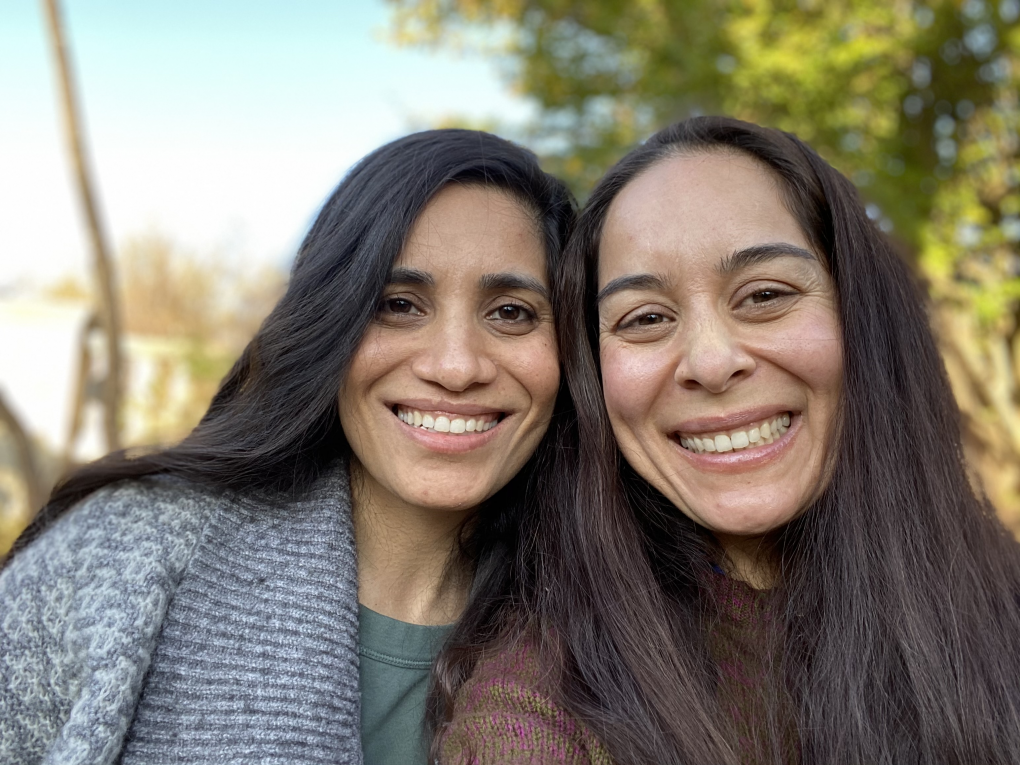
"caption": "Fatima Shah (R) and her sister Saima (L) were students at Berkeley High School on 9/11, when they organized to educate their classmates about South Asian culture and create a buddy system to keep their peers safe. ",
"description": "Sisters Fatima (L) and Saima Shah were students at Berkeley High School on 9/11, when they organized to educate their classmates about South Asian culture and create a buddy system to keep their peers safe. ",
"title": "IMG_E7528",
"credit": "Courtesy of Fatima Shah",
"status": "inherit",
"altTag": "Two women with big smiles lean their heads against each other.",
"isLoading": false,
"fetchFailed": false
},
"news_11888165": {
"type": "attachments",
"id": "news_11888165",
"meta": {
"index": "attachments_1716263798",
"site": "news",
"id": "11888165",
"found": true
},
"parent": 11888162,
"imgSizes": {
"twentyfourteen-full-width": {
"file": "https://ww2.kqed.org/app/uploads/sites/10/2021/09/RS51414_005_Oakland_ItzelDiazandFamily_09092021-qut-1038x576.jpg",
"width": 1038,
"mimeType": "image/jpeg",
"height": 576
},
"thumbnail": {
"file": "https://ww2.kqed.org/app/uploads/sites/10/2021/09/RS51414_005_Oakland_ItzelDiazandFamily_09092021-qut-160x107.jpg",
"width": 160,
"mimeType": "image/jpeg",
"height": 107
},
"post-thumbnail": {
"file": "https://ww2.kqed.org/app/uploads/sites/10/2021/09/RS51414_005_Oakland_ItzelDiazandFamily_09092021-qut-672x372.jpg",
"width": 672,
"mimeType": "image/jpeg",
"height": 372
},
"kqedFullSize": {
"file": "https://ww2.kqed.org/app/uploads/sites/10/2021/09/RS51414_005_Oakland_ItzelDiazandFamily_09092021-qut.jpg",
"width": 1920,
"height": 1280
},
"large": {
"file": "https://ww2.kqed.org/app/uploads/sites/10/2021/09/RS51414_005_Oakland_ItzelDiazandFamily_09092021-qut-1020x680.jpg",
"width": 1020,
"mimeType": "image/jpeg",
"height": 680
},
"1536x1536": {
"file": "https://ww2.kqed.org/app/uploads/sites/10/2021/09/RS51414_005_Oakland_ItzelDiazandFamily_09092021-qut-1536x1024.jpg",
"width": 1536,
"mimeType": "image/jpeg",
"height": 1024
},
"medium": {
"file": "https://ww2.kqed.org/app/uploads/sites/10/2021/09/RS51414_005_Oakland_ItzelDiazandFamily_09092021-qut-800x533.jpg",
"width": 800,
"mimeType": "image/jpeg",
"height": 533
}
},
"publishDate": 1631418421,
"modified": 1631580367,
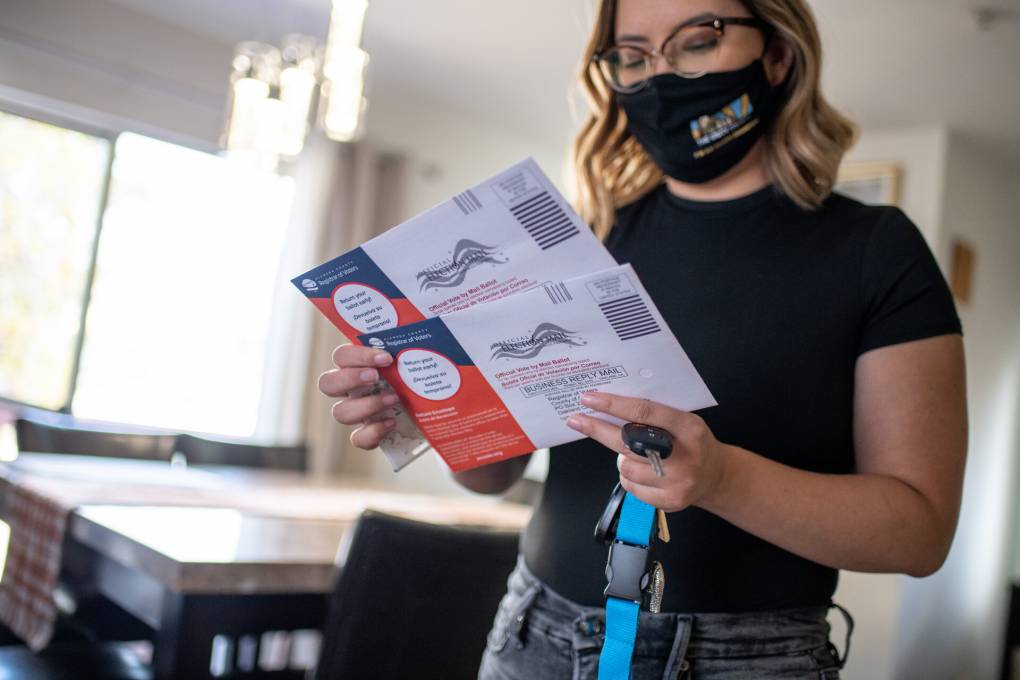
"caption": "Itzel Diaz, an independent voter from Oakland's Fruitvale District, looks over her California gubernatorial recall election ballot on Sept. 9, 2021.",
"description": null,
"title": "RS51414_005_Oakland_ItzelDiazandFamily_09092021-qut",
"credit": "Beth LaBerge/KQED",
"status": "inherit",
"altTag": "A woman wearing a mask and a T-shirt looks at her ballot.",
"isLoading": false,
"fetchFailed": false
},
"news_11879940": {
"type": "attachments",
"id": "news_11879940",
"meta": {
"index": "attachments_1716263798",
"site": "news",
"id": "11879940",
"found": true
},
"parent": 11879912,
"imgSizes": {
"twentyfourteen-full-width": {
"file": "https://ww2.kqed.org/app/uploads/sites/10/2021/06/ACTA_ContraCovid_Madera124-1038x576.jpg",
"width": 1038,
"mimeType": "image/jpeg",
"height": 576
},
"thumbnail": {
"file": "https://ww2.kqed.org/app/uploads/sites/10/2021/06/ACTA_ContraCovid_Madera124-160x111.jpg",
"width": 160,
"mimeType": "image/jpeg",
"height": 111
},
"post-thumbnail": {
"file": "https://ww2.kqed.org/app/uploads/sites/10/2021/06/ACTA_ContraCovid_Madera124-672x372.jpg",
"width": 672,
"mimeType": "image/jpeg",
"height": 372
},
"kqedFullSize": {
"file": "https://ww2.kqed.org/app/uploads/sites/10/2021/06/ACTA_ContraCovid_Madera124.jpg",
"width": 2000,
"height": 1385
},
"large": {
"file": "https://ww2.kqed.org/app/uploads/sites/10/2021/06/ACTA_ContraCovid_Madera124-1020x706.jpg",
"width": 1020,
"mimeType": "image/jpeg",
"height": 706
},
"1536x1536": {
"file": "https://ww2.kqed.org/app/uploads/sites/10/2021/06/ACTA_ContraCovid_Madera124-1536x1064.jpg",
"width": 1536,
"mimeType": "image/jpeg",
"height": 1064
},
"full-width": {
"file": "https://ww2.kqed.org/app/uploads/sites/10/2021/06/ACTA_ContraCovid_Madera124-1920x1330.jpg",
"width": 1920,
"mimeType": "image/jpeg",
"height": 1330
},
"medium": {
"file": "https://ww2.kqed.org/app/uploads/sites/10/2021/06/ACTA_ContraCovid_Madera124-800x554.jpg",
"width": 800,
"mimeType": "image/jpeg",
"height": 554
}
},
"publishDate": 1625079730,
"modified": 1625250988,
"caption": "Juan Felipe Herrera and his former students performing for an ACTAVANDO Contra COVID event at the Madera Flea Market on June 13, 2021.",
"description": "Juan Felipe Herrera and his former students performing for an ACTAVANDO Contra COVID event at the Madera Flea Market on June 13, 2021.",
"title": "ACTA_ContraCovid_Madera124",
"credit": "Courtesy of Jenn Emerling/ACTA",
"status": "inherit",
"altTag": "A group of artists, all dressed in colorful gear, pose for a photo.",
"isLoading": false,
"fetchFailed": false
},
"news_11866138": {
"type": "attachments",
"id": "news_11866138",
"meta": {
"index": "attachments_1716263798",
"site": "news",
"id": "11866138",
"found": true
},
"parent": 11863423,
"imgSizes": {
"twentyfourteen-full-width": {
"file": "https://ww2.kqed.org/app/uploads/sites/10/2021/03/04-2-1038x576.jpg",
"width": 1038,
"mimeType": "image/jpeg",
"height": 576
},
"thumbnail": {
"file": "https://ww2.kqed.org/app/uploads/sites/10/2021/03/04-2-160x107.jpg",
"width": 160,
"mimeType": "image/jpeg",
"height": 107
},
"post-thumbnail": {
"file": "https://ww2.kqed.org/app/uploads/sites/10/2021/03/04-2-672x372.jpg",
"width": 672,
"mimeType": "image/jpeg",
"height": 372
},
"kqedFullSize": {
"file": "https://ww2.kqed.org/app/uploads/sites/10/2021/03/04-2-scaled.jpg",
"width": 2560,
"height": 1718
},
"2048x2048": {
"file": "https://ww2.kqed.org/app/uploads/sites/10/2021/03/04-2-2048x1374.jpg",
"width": 2048,
"mimeType": "image/jpeg",
"height": 1374
},
"large": {
"file": "https://ww2.kqed.org/app/uploads/sites/10/2021/03/04-2-1020x685.jpg",
"width": 1020,
"mimeType": "image/jpeg",
"height": 685
},
"1536x1536": {
"file": "https://ww2.kqed.org/app/uploads/sites/10/2021/03/04-2-1536x1031.jpg",
"width": 1536,
"mimeType": "image/jpeg",
"height": 1031
},
"full-width": {
"file": "https://ww2.kqed.org/app/uploads/sites/10/2021/03/04-2-1920x1289.jpg",
"width": 1920,
"mimeType": "image/jpeg",
"height": 1289
},
"medium": {
"file": "https://ww2.kqed.org/app/uploads/sites/10/2021/03/04-2-800x537.jpg",
"width": 800,
"mimeType": "image/jpeg",
"height": 537
}
},
"publishDate": 1616543285,
"modified": 1616798682,
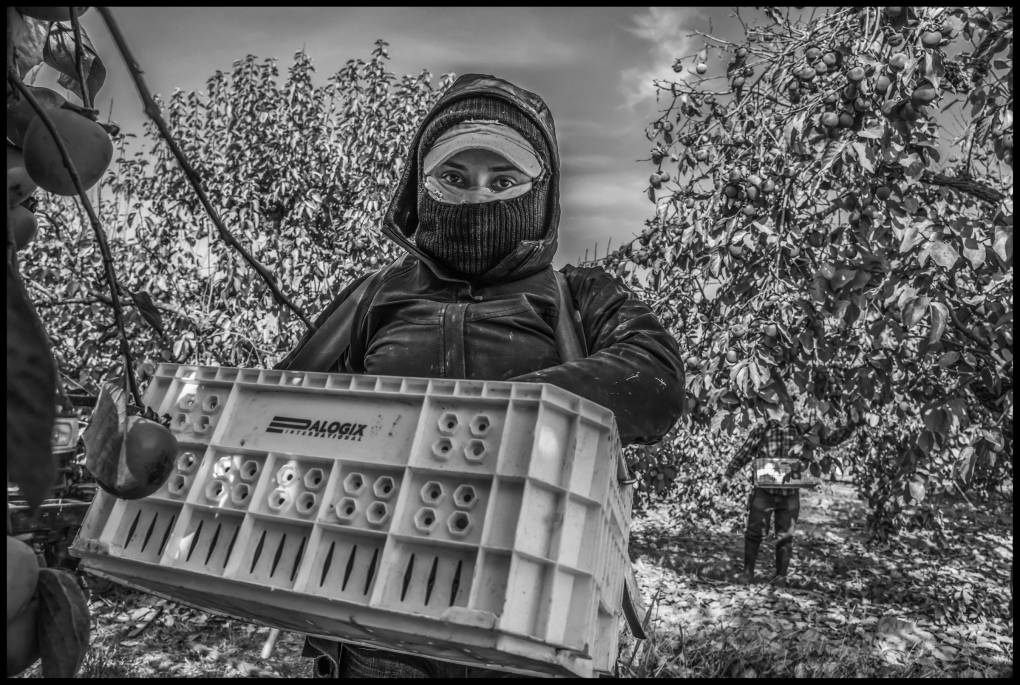
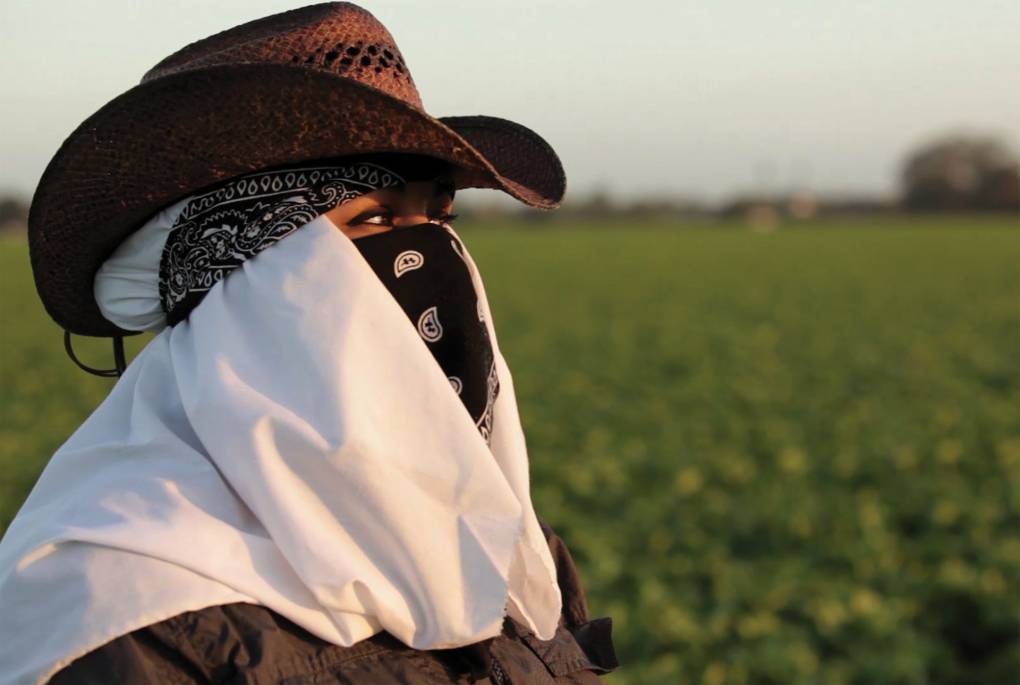
"caption": "Maria Madrigal picks persimmons in a field near Poplar in the San Joaquin Valley, in a crew of Mexican immigrants. Many workers wear face masks or bandanas as a protection against spreading the coronavirus.",
"description": "Maria Madrigal picks persimmons in a field near Poplar, in the San Joaquin Valley, in a crew of Mexican immigrants. Many workers wear facemasks or bandannas as a protection against spreading the coronavirus.",
"title": "Farmworkers pick persimmons in a San Joaquin Valley grove",
"credit": "David Bacon",
"status": "inherit",
"altTag": null,
"isLoading": false,
"fetchFailed": false
},
"news_11866534": {
"type": "attachments",
"id": "news_11866534",
"meta": {
"index": "attachments_1716263798",
"site": "news",
"id": "11866534",
"found": true
},
"parent": 11866519,
"imgSizes": {
"twentyfourteen-full-width": {
"file": "https://ww2.kqed.org/app/uploads/sites/10/2021/03/RS48095_Carrillo-2-qut-1038x576.jpg",
"width": 1038,
"mimeType": "image/jpeg",
"height": 576
},
"thumbnail": {
"file": "https://ww2.kqed.org/app/uploads/sites/10/2021/03/RS48095_Carrillo-2-qut-160x107.jpg",
"width": 160,
"mimeType": "image/jpeg",
"height": 107
},
"post-thumbnail": {
"file": "https://ww2.kqed.org/app/uploads/sites/10/2021/03/RS48095_Carrillo-2-qut-672x372.jpg",
"width": 672,
"mimeType": "image/jpeg",
"height": 372
},
"kqedFullSize": {
"file": "https://ww2.kqed.org/app/uploads/sites/10/2021/03/RS48095_Carrillo-2-qut.jpg",
"width": 1920,
"height": 1280
},
"large": {
"file": "https://ww2.kqed.org/app/uploads/sites/10/2021/03/RS48095_Carrillo-2-qut-1020x680.jpg",
"width": 1020,
"mimeType": "image/jpeg",
"height": 680
},
"1536x1536": {
"file": "https://ww2.kqed.org/app/uploads/sites/10/2021/03/RS48095_Carrillo-2-qut-1536x1024.jpg",
"width": 1536,
"mimeType": "image/jpeg",
"height": 1024
},
"medium": {
"file": "https://ww2.kqed.org/app/uploads/sites/10/2021/03/RS48095_Carrillo-2-qut-800x533.jpg",
"width": 800,
"mimeType": "image/jpeg",
"height": 533
}
},
"publishDate": 1616712271,
"modified": 1616721206,
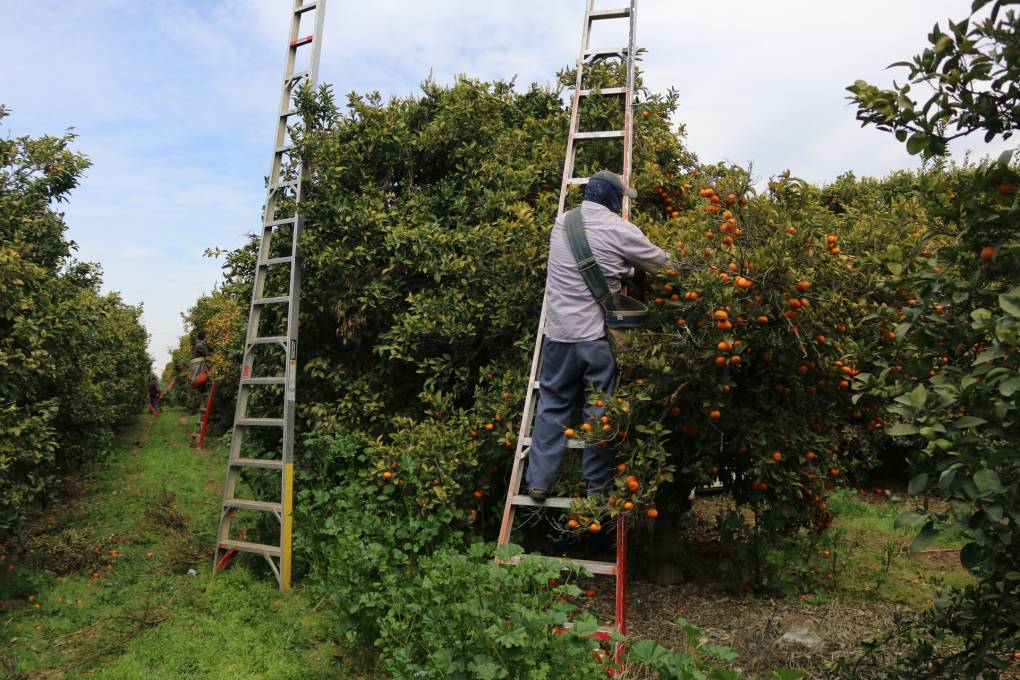
"caption": "Yoni Carrillo harvests mandarins in an orchard west of Fresno. He and thousands of other undocumented farmworkers could gain legal status under the Farm Workforce Modernization Act, a bill recently approved by the U.S. House of Representatives.",
"description": "Yoni Carrillo harvests mandarins in an orchard west of Fresno. He and thousands of other undocumented farmworkers could gain legal status under the Farm Workforce Modernization Act, a bill recently approved by the U.S. House of Representatives.",
"title": "RS48095_Carrillo 2-qut",
"credit": "Alex Hall/KQED",
"status": "inherit",
"altTag": null,
"isLoading": false,
"fetchFailed": false
},
"news_11726147": {
"type": "attachments",
"id": "news_11726147",
"meta": {
"index": "attachments_1716263798",
"site": "news",
"id": "11726147",
"found": true
},
"parent": 11726127,
"imgSizes": {
"twentyfourteen-full-width": {
"file": "https://ww2.kqed.org/app/uploads/sites/10/2019/02/RS35264_IMG_2974-qut-1038x576.jpg",
"width": 1038,
"mimeType": "image/jpeg",
"height": 576
},
"thumbnail": {
"file": "https://ww2.kqed.org/app/uploads/sites/10/2019/02/RS35264_IMG_2974-qut-160x107.jpg",
"width": 160,
"mimeType": "image/jpeg",
"height": 107
},
"post-thumbnail": {
"file": "https://ww2.kqed.org/app/uploads/sites/10/2019/02/RS35264_IMG_2974-qut-672x372.jpg",
"width": 672,
"mimeType": "image/jpeg",
"height": 372
},
"kqedFullSize": {
"file": "https://ww2.kqed.org/app/uploads/sites/10/2019/02/RS35264_IMG_2974-qut.jpg",
"width": 1920,
"height": 1280
},
"large": {
"file": "https://ww2.kqed.org/app/uploads/sites/10/2019/02/RS35264_IMG_2974-qut-1020x680.jpg",
"width": 1020,
"mimeType": "image/jpeg",
"height": 680
},
"complete_open_graph": {
"file": "https://ww2.kqed.org/app/uploads/sites/10/2019/02/RS35264_IMG_2974-qut-1200x800.jpg",
"width": 1200,
"mimeType": "image/jpeg",
"height": 800
},
"guest-author-50": {
"file": "https://ww2.kqed.org/app/uploads/sites/10/2019/02/RS35264_IMG_2974-qut-50x50.jpg",
"width": 50,
"mimeType": "image/jpeg",
"height": 50
},
"guest-author-96": {
"file": "https://ww2.kqed.org/app/uploads/sites/10/2019/02/RS35264_IMG_2974-qut-96x96.jpg",
"width": 96,
"mimeType": "image/jpeg",
"height": 96
},
"medium": {
"file": "https://ww2.kqed.org/app/uploads/sites/10/2019/02/RS35264_IMG_2974-qut-800x533.jpg",
"width": 800,
"mimeType": "image/jpeg",
"height": 533
},
"guest-author-64": {
"file": "https://ww2.kqed.org/app/uploads/sites/10/2019/02/RS35264_IMG_2974-qut-64x64.jpg",
"width": 64,
"mimeType": "image/jpeg",
"height": 64
},
"guest-author-32": {
"file": "https://ww2.kqed.org/app/uploads/sites/10/2019/02/RS35264_IMG_2974-qut-32x32.jpg",
"width": 32,
"mimeType": "image/jpeg",
"height": 32
},
"full-width": {
"file": "https://ww2.kqed.org/app/uploads/sites/10/2019/02/RS35264_IMG_2974-qut-1920x1280.jpg",
"width": 1920,
"mimeType": "image/jpeg",
"height": 1280
},
"detail": {
"file": "https://ww2.kqed.org/app/uploads/sites/10/2019/02/RS35264_IMG_2974-qut-150x150.jpg",
"width": 150,
"mimeType": "image/jpeg",
"height": 150
},
"guest-author-128": {
"file": "https://ww2.kqed.org/app/uploads/sites/10/2019/02/RS35264_IMG_2974-qut-128x128.jpg",
"width": 128,
"mimeType": "image/jpeg",
"height": 128
}
},
"publishDate": 1550111310,
"modified": 1614626179,
"caption": "Maria Paramo says her supervisor harassed her repeatedly and eventually assaulted her on the job. ",
"description": null,
"title": "RS35264_IMG_2974-qut",
"credit": "Alex Hall/KQED",
"status": "inherit",
"altTag": null,
"isLoading": false,
"fetchFailed": false
},
"news_11851785": {
"type": "attachments",
"id": "news_11851785",
"meta": {
"index": "attachments_1716263798",
"site": "news",
"id": "11851785",
"found": true
},
"parent": 11851771,
"imgSizes": {
"apple_news_ca_landscape_5_5": {
"file": "https://ww2.kqed.org/app/uploads/sites/10/2020/12/RS46433_Scott-and-Santa-cropped-qut-1000x783.jpg",
"width": 1000,
"mimeType": "image/jpeg",
"height": 783
},
"apple_news_ca_square_4_0": {
"file": "https://ww2.kqed.org/app/uploads/sites/10/2020/12/RS46433_Scott-and-Santa-cropped-qut-470x470.jpg",
"width": 470,
"mimeType": "image/jpeg",
"height": 470
},
"twentyfourteen-full-width": {
"file": "https://ww2.kqed.org/app/uploads/sites/10/2020/12/RS46433_Scott-and-Santa-cropped-qut-1000x576.jpg",
"width": 1000,
"mimeType": "image/jpeg",
"height": 576
},
"thumbnail": {
"file": "https://ww2.kqed.org/app/uploads/sites/10/2020/12/RS46433_Scott-and-Santa-cropped-qut-160x126.jpg",
"width": 160,
"mimeType": "image/jpeg",
"height": 126
},
"post-thumbnail": {
"file": "https://ww2.kqed.org/app/uploads/sites/10/2020/12/RS46433_Scott-and-Santa-cropped-qut-672x372.jpg",
"width": 672,
"mimeType": "image/jpeg",
"height": 372
},
"kqedFullSize": {
"file": "https://ww2.kqed.org/app/uploads/sites/10/2020/12/RS46433_Scott-and-Santa-cropped-qut.jpg",
"width": 1000,
"height": 786
},
"apple_news_ca_landscape_4_7": {
"file": "https://ww2.kqed.org/app/uploads/sites/10/2020/12/RS46433_Scott-and-Santa-cropped-qut-632x474.jpg",
"width": 632,
"mimeType": "image/jpeg",
"height": 474
},
"apple_news_ca_landscape_4_0": {
"file": "https://ww2.kqed.org/app/uploads/sites/10/2020/12/RS46433_Scott-and-Santa-cropped-qut-536x402.jpg",
"width": 536,
"mimeType": "image/jpeg",
"height": 402
},
"medium": {
"file": "https://ww2.kqed.org/app/uploads/sites/10/2020/12/RS46433_Scott-and-Santa-cropped-qut-800x629.jpg",
"width": 800,
"mimeType": "image/jpeg",
"height": 629
},
"apple_news_ca_portrait_4_0": {
"file": "https://ww2.kqed.org/app/uploads/sites/10/2020/12/RS46433_Scott-and-Santa-cropped-qut-354x472.jpg",
"width": 354,
"mimeType": "image/jpeg",
"height": 472
},
"apple_news_ca_portrait_9_7": {
"file": "https://ww2.kqed.org/app/uploads/sites/10/2020/12/RS46433_Scott-and-Santa-cropped-qut-840x786.jpg",
"width": 840,
"mimeType": "image/jpeg",
"height": 786
},
"apple_news_ca_portrait_4_7": {
"file": "https://ww2.kqed.org/app/uploads/sites/10/2020/12/RS46433_Scott-and-Santa-cropped-qut-414x552.jpg",
"width": 414,
"mimeType": "image/jpeg",
"height": 552
},
"apple_news_ca_portrait_5_5": {
"file": "https://ww2.kqed.org/app/uploads/sites/10/2020/12/RS46433_Scott-and-Santa-cropped-qut-687x786.jpg",
"width": 687,
"mimeType": "image/jpeg",
"height": 786
},
"apple_news_ca_square_4_7": {
"file": "https://ww2.kqed.org/app/uploads/sites/10/2020/12/RS46433_Scott-and-Santa-cropped-qut-550x550.jpg",
"width": 550,
"mimeType": "image/jpeg",
"height": 550
},
"apple_news_ca_square_5_5": {
"file": "https://ww2.kqed.org/app/uploads/sites/10/2020/12/RS46433_Scott-and-Santa-cropped-qut-912x786.jpg",
"width": 912,
"mimeType": "image/jpeg",
"height": 786
}
},
"publishDate": 1608255494,
"modified": 1608326439,
"caption": "Former host of The California Report Scott Shafer sitting on the lap of ‘Santa Charles.’ In 2007, Shafer went undercover as an elf to bring us a story about a Santa-for-hire. He now heads KQED's California Politics and Government Desk.",
"description": null,
"title": "RS46433_Scott and Santa cropped-qut",
"credit": "Photo Credit: Ben Peoples",
"status": "inherit",
"altTag": null,
"isLoading": false,
"fetchFailed": false
},
"news_11843528": {
"type": "attachments",
"id": "news_11843528",
"meta": {
"index": "attachments_1716263798",
"site": "news",
"id": "11843528",
"found": true
},
"parent": 11843511,
"imgSizes": {
"apple_news_ca_landscape_5_5": {
"file": "https://ww2.kqed.org/app/uploads/sites/10/2020/10/RS45429_Screen-Shot-2020-10-22-at-1.14.33-PM-qut-e1603488168840-1044x783.jpg",
"width": 1044,
"mimeType": "image/jpeg",
"height": 783
},
"apple_news_ca_square_4_0": {
"file": "https://ww2.kqed.org/app/uploads/sites/10/2020/10/RS45429_Screen-Shot-2020-10-22-at-1.14.33-PM-qut-e1603488168840-470x470.jpg",
"width": 470,
"mimeType": "image/jpeg",
"height": 470
},
"twentyfourteen-full-width": {
"file": "https://ww2.kqed.org/app/uploads/sites/10/2020/10/RS45429_Screen-Shot-2020-10-22-at-1.14.33-PM-qut-e1603488168840-1038x576.jpg",
"width": 1038,
"mimeType": "image/jpeg",
"height": 576
},
"thumbnail": {
"file": "https://ww2.kqed.org/app/uploads/sites/10/2020/10/RS45429_Screen-Shot-2020-10-22-at-1.14.33-PM-qut-e1603488168840-160x122.jpg",
"width": 160,
"mimeType": "image/jpeg",
"height": 122
},
"post-thumbnail": {
"file": "https://ww2.kqed.org/app/uploads/sites/10/2020/10/RS45429_Screen-Shot-2020-10-22-at-1.14.33-PM-qut-e1603488168840-672x372.jpg",
"width": 672,
"mimeType": "image/jpeg",
"height": 372
},
"kqedFullSize": {
"file": "https://ww2.kqed.org/app/uploads/sites/10/2020/10/RS45429_Screen-Shot-2020-10-22-at-1.14.33-PM-qut-e1603488168840.jpg",
"width": 1200,
"height": 912
},
"apple_news_ca_landscape_4_7": {
"file": "https://ww2.kqed.org/app/uploads/sites/10/2020/10/RS45429_Screen-Shot-2020-10-22-at-1.14.33-PM-qut-e1603488168840-632x474.jpg",
"width": 632,
"mimeType": "image/jpeg",
"height": 474
},
"large": {
"file": "https://ww2.kqed.org/app/uploads/sites/10/2020/10/RS45429_Screen-Shot-2020-10-22-at-1.14.33-PM-qut-e1603488168840-1020x775.jpg",
"width": 1020,
"mimeType": "image/jpeg",
"height": 775
},
"apple_news_ca_landscape_4_0": {
"file": "https://ww2.kqed.org/app/uploads/sites/10/2020/10/RS45429_Screen-Shot-2020-10-22-at-1.14.33-PM-qut-e1603488168840-536x402.jpg",
"width": 536,
"mimeType": "image/jpeg",
"height": 402
},
"apple_news_ca_portrait_12_9": {
"file": "https://ww2.kqed.org/app/uploads/sites/10/2020/10/RS45429_Screen-Shot-2020-10-22-at-1.14.33-PM-qut-e1603488168840-1122x912.jpg",
"width": 1122,
"mimeType": "image/jpeg",
"height": 912
},
"medium": {
"file": "https://ww2.kqed.org/app/uploads/sites/10/2020/10/RS45429_Screen-Shot-2020-10-22-at-1.14.33-PM-qut-e1603488168840-800x608.jpg",
"width": 800,
"mimeType": "image/jpeg",
"height": 608
},
"apple_news_ca_portrait_4_0": {
"file": "https://ww2.kqed.org/app/uploads/sites/10/2020/10/RS45429_Screen-Shot-2020-10-22-at-1.14.33-PM-qut-e1603488168840-354x472.jpg",
"width": 354,
"mimeType": "image/jpeg",
"height": 472
},
"apple_news_ca_portrait_9_7": {
"file": "https://ww2.kqed.org/app/uploads/sites/10/2020/10/RS45429_Screen-Shot-2020-10-22-at-1.14.33-PM-qut-e1603488168840-840x912.jpg",
"width": 840,
"mimeType": "image/jpeg",
"height": 912
},
"apple_news_ca_square_9_7": {
"file": "https://ww2.kqed.org/app/uploads/sites/10/2020/10/RS45429_Screen-Shot-2020-10-22-at-1.14.33-PM-qut-e1603488168840-1104x912.jpg",
"width": 1104,
"mimeType": "image/jpeg",
"height": 912
},
"apple_news_ca_portrait_4_7": {
"file": "https://ww2.kqed.org/app/uploads/sites/10/2020/10/RS45429_Screen-Shot-2020-10-22-at-1.14.33-PM-qut-e1603488168840-414x552.jpg",
"width": 414,
"mimeType": "image/jpeg",
"height": 552
},
"apple_news_ca_portrait_5_5": {
"file": "https://ww2.kqed.org/app/uploads/sites/10/2020/10/RS45429_Screen-Shot-2020-10-22-at-1.14.33-PM-qut-e1603488168840-687x912.jpg",
"width": 687,
"mimeType": "image/jpeg",
"height": 912
},
"apple_news_ca_square_4_7": {
"file": "https://ww2.kqed.org/app/uploads/sites/10/2020/10/RS45429_Screen-Shot-2020-10-22-at-1.14.33-PM-qut-e1603488168840-550x550.jpg",
"width": 550,
"mimeType": "image/jpeg",
"height": 550
},
"apple_news_ca_landscape_9_7": {
"file": "https://ww2.kqed.org/app/uploads/sites/10/2020/10/RS45429_Screen-Shot-2020-10-22-at-1.14.33-PM-qut-1200x1032.jpg",
"width": 1200,
"mimeType": "image/jpeg",
"height": 1032
},
"apple_news_ca_square_5_5": {
"file": "https://ww2.kqed.org/app/uploads/sites/10/2020/10/RS45429_Screen-Shot-2020-10-22-at-1.14.33-PM-qut-e1603488168840-912x912.jpg",
"width": 912,
"mimeType": "image/jpeg",
"height": 912
}
},
"publishDate": 1603484569,
"modified": 1603488212,
"caption": "A team of phone bankers with the nonprofit Power California meet virtually over Zoom in October to urge young Latino voters in the Central Valley to cast their ballots.",
"description": null,
"title": "RS45429_Screen Shot 2020-10-22 at 1.14.33 PM-qut",
"credit": "Courtesy of Power California",
"status": "inherit",
"isLoading": false,
"fetchFailed": false
},
"news_11835700": {
"type": "attachments",
"id": "news_11835700",
"meta": {
"index": "attachments_1716263798",
"site": "news",
"id": "11835700",
"found": true
},
"parent": 11835677,
"imgSizes": {
"apple_news_ca_landscape_5_5": {
"file": "https://ww2.kqed.org/app/uploads/sites/10/2020/08/GettyImages-183678895-1044x783.jpg",
"width": 1044,
"mimeType": "image/jpeg",
"height": 783
},
"apple_news_ca_square_4_0": {
"file": "https://ww2.kqed.org/app/uploads/sites/10/2020/08/GettyImages-183678895-470x470.jpg",
"width": 470,
"mimeType": "image/jpeg",
"height": 470
},
"twentyfourteen-full-width": {
"file": "https://ww2.kqed.org/app/uploads/sites/10/2020/08/GettyImages-183678895-1038x576.jpg",
"width": 1038,
"mimeType": "image/jpeg",
"height": 576
},
"thumbnail": {
"file": "https://ww2.kqed.org/app/uploads/sites/10/2020/08/GettyImages-183678895-160x113.jpg",
"width": 160,
"mimeType": "image/jpeg",
"height": 113
},
"post-thumbnail": {
"file": "https://ww2.kqed.org/app/uploads/sites/10/2020/08/GettyImages-183678895-672x372.jpg",
"width": 672,
"mimeType": "image/jpeg",
"height": 372
},
"kqedFullSize": {
"file": "https://ww2.kqed.org/app/uploads/sites/10/2020/08/GettyImages-183678895-scaled-e1598589047260.jpg",
"width": 1920,
"height": 1358
},
"2048x2048": {
"file": "https://ww2.kqed.org/app/uploads/sites/10/2020/08/GettyImages-183678895-2048x1449.jpg",
"width": 2048,
"mimeType": "image/jpeg",
"height": 1449
},
"apple_news_ca_landscape_4_7": {
"file": "https://ww2.kqed.org/app/uploads/sites/10/2020/08/GettyImages-183678895-632x474.jpg",
"width": 632,
"mimeType": "image/jpeg",
"height": 474
},
"large": {
"file": "https://ww2.kqed.org/app/uploads/sites/10/2020/08/GettyImages-183678895-1020x722.jpg",
"width": 1020,
"mimeType": "image/jpeg",
"height": 722
},
"apple_news_ca_landscape_4_0": {
"file": "https://ww2.kqed.org/app/uploads/sites/10/2020/08/GettyImages-183678895-536x402.jpg",
"width": 536,
"mimeType": "image/jpeg",
"height": 402
},
"apple_news_ca_portrait_12_9": {
"file": "https://ww2.kqed.org/app/uploads/sites/10/2020/08/GettyImages-183678895-1122x1496.jpg",
"width": 1122,
"mimeType": "image/jpeg",
"height": 1496
},
"medium": {
"file": "https://ww2.kqed.org/app/uploads/sites/10/2020/08/GettyImages-183678895-800x566.jpg",
"width": 800,
"mimeType": "image/jpeg",
"height": 566
},
"apple_news_ca_portrait_4_0": {
"file": "https://ww2.kqed.org/app/uploads/sites/10/2020/08/GettyImages-183678895-354x472.jpg",
"width": 354,
"mimeType": "image/jpeg",
"height": 472
},
"apple_news_ca_portrait_9_7": {
"file": "https://ww2.kqed.org/app/uploads/sites/10/2020/08/GettyImages-183678895-840x1120.jpg",
"width": 840,
"mimeType": "image/jpeg",
"height": 1120
},
"apple_news_ca_landscape_12_9": {
"file": "https://ww2.kqed.org/app/uploads/sites/10/2020/08/GettyImages-183678895-1832x1374.jpg",
"width": 1832,
"mimeType": "image/jpeg",
"height": 1374
},
"apple_news_ca_square_9_7": {
"file": "https://ww2.kqed.org/app/uploads/sites/10/2020/08/GettyImages-183678895-1104x1104.jpg",
"width": 1104,
"mimeType": "image/jpeg",
"height": 1104
},
"1536x1536": {
"file": "https://ww2.kqed.org/app/uploads/sites/10/2020/08/GettyImages-183678895-1536x1087.jpg",
"width": 1536,
"mimeType": "image/jpeg",
"height": 1087
},
"apple_news_ca_portrait_4_7": {
"file": "https://ww2.kqed.org/app/uploads/sites/10/2020/08/GettyImages-183678895-414x552.jpg",
"width": 414,
"mimeType": "image/jpeg",
"height": 552
},
"apple_news_ca_square_12_9": {
"file": "https://ww2.kqed.org/app/uploads/sites/10/2020/08/GettyImages-183678895-1472x1472.jpg",
"width": 1472,
"mimeType": "image/jpeg",
"height": 1472
},
"apple_news_ca_portrait_5_5": {
"file": "https://ww2.kqed.org/app/uploads/sites/10/2020/08/GettyImages-183678895-687x916.jpg",
"width": 687,
"mimeType": "image/jpeg",
"height": 916
},
"full-width": {
"file": "https://ww2.kqed.org/app/uploads/sites/10/2020/08/GettyImages-183678895-1920x1358.jpg",
"width": 1920,
"mimeType": "image/jpeg",
"height": 1358
},
"apple_news_ca_square_4_7": {
"file": "https://ww2.kqed.org/app/uploads/sites/10/2020/08/GettyImages-183678895-550x550.jpg",
"width": 550,
"mimeType": "image/jpeg",
"height": 550
},
"apple_news_ca_landscape_9_7": {
"file": "https://ww2.kqed.org/app/uploads/sites/10/2020/08/GettyImages-183678895-1376x1032.jpg",
"width": 1376,
"mimeType": "image/jpeg",
"height": 1032
},
"apple_news_ca_square_5_5": {
"file": "https://ww2.kqed.org/app/uploads/sites/10/2020/08/GettyImages-183678895-912x912.jpg",
"width": 912,
"mimeType": "image/jpeg",
"height": 912
}
},
"publishDate": 1598588966,
"modified": 1598589077,
"caption": "Foster Farms chicken is seen for sale in a Los Angeles grocery store in October 2015.",
"description": null,
"title": "Foster Farms",
"credit": "Robyn Beck/AFP-Getty Images",
"status": "inherit",
"isLoading": false,
"fetchFailed": false
},
"news_11830964": {
"type": "attachments",
"id": "news_11830964",
"meta": {
"index": "attachments_1716263798",
"site": "news",
"id": "11830964",
"found": true
},
"parent": 11830944,
"imgSizes": {
"apple_news_ca_landscape_5_5": {
"file": "https://ww2.kqed.org/app/uploads/sites/10/2020/07/1920_1080_RS42413_058_KQED_BethLaBerge_BloomEnergy_Newsom_03282020-qut-1044x783.jpg",
"width": 1044,
"mimeType": "image/jpeg",
"height": 783
},
"apple_news_ca_square_4_0": {
"file": "https://ww2.kqed.org/app/uploads/sites/10/2020/07/1920_1080_RS42413_058_KQED_BethLaBerge_BloomEnergy_Newsom_03282020-qut-470x470.jpg",
"width": 470,
"mimeType": "image/jpeg",
"height": 470
},
"twentyfourteen-full-width": {
"file": "https://ww2.kqed.org/app/uploads/sites/10/2020/07/1920_1080_RS42413_058_KQED_BethLaBerge_BloomEnergy_Newsom_03282020-qut-1038x576.jpg",
"width": 1038,
"mimeType": "image/jpeg",
"height": 576
},
"thumbnail": {
"file": "https://ww2.kqed.org/app/uploads/sites/10/2020/07/1920_1080_RS42413_058_KQED_BethLaBerge_BloomEnergy_Newsom_03282020-qut-160x90.jpg",
"width": 160,
"mimeType": "image/jpeg",
"height": 90
},
"post-thumbnail": {
"file": "https://ww2.kqed.org/app/uploads/sites/10/2020/07/1920_1080_RS42413_058_KQED_BethLaBerge_BloomEnergy_Newsom_03282020-qut-672x372.jpg",
"width": 672,
"mimeType": "image/jpeg",
"height": 372
},
"kqedFullSize": {
"file": "https://ww2.kqed.org/app/uploads/sites/10/2020/07/1920_1080_RS42413_058_KQED_BethLaBerge_BloomEnergy_Newsom_03282020-qut.jpg",
"width": 1848,
"height": 1040
},
"apple_news_ca_landscape_4_7": {
"file": "https://ww2.kqed.org/app/uploads/sites/10/2020/07/1920_1080_RS42413_058_KQED_BethLaBerge_BloomEnergy_Newsom_03282020-qut-632x474.jpg",
"width": 632,
"mimeType": "image/jpeg",
"height": 474
},
"large": {
"file": "https://ww2.kqed.org/app/uploads/sites/10/2020/07/1920_1080_RS42413_058_KQED_BethLaBerge_BloomEnergy_Newsom_03282020-qut-1020x574.jpg",
"width": 1020,
"mimeType": "image/jpeg",
"height": 574
},
"apple_news_ca_landscape_4_0": {
"file": "https://ww2.kqed.org/app/uploads/sites/10/2020/07/1920_1080_RS42413_058_KQED_BethLaBerge_BloomEnergy_Newsom_03282020-qut-536x402.jpg",
"width": 536,
"mimeType": "image/jpeg",
"height": 402
},
"apple_news_ca_portrait_12_9": {
"file": "https://ww2.kqed.org/app/uploads/sites/10/2020/07/1920_1080_RS42413_058_KQED_BethLaBerge_BloomEnergy_Newsom_03282020-qut-1122x1040.jpg",
"width": 1122,
"mimeType": "image/jpeg",
"height": 1040
},
"medium": {
"file": "https://ww2.kqed.org/app/uploads/sites/10/2020/07/1920_1080_RS42413_058_KQED_BethLaBerge_BloomEnergy_Newsom_03282020-qut-800x450.jpg",
"width": 800,
"mimeType": "image/jpeg",
"height": 450
},
"apple_news_ca_portrait_4_0": {
"file": "https://ww2.kqed.org/app/uploads/sites/10/2020/07/1920_1080_RS42413_058_KQED_BethLaBerge_BloomEnergy_Newsom_03282020-qut-354x472.jpg",
"width": 354,
"mimeType": "image/jpeg",
"height": 472
},
"apple_news_ca_portrait_9_7": {
"file": "https://ww2.kqed.org/app/uploads/sites/10/2020/07/1920_1080_RS42413_058_KQED_BethLaBerge_BloomEnergy_Newsom_03282020-qut-840x1040.jpg",
"width": 840,
"mimeType": "image/jpeg",
"height": 1040
},
"apple_news_ca_landscape_12_9": {
"file": "https://ww2.kqed.org/app/uploads/sites/10/2020/07/1920_1080_RS42413_058_KQED_BethLaBerge_BloomEnergy_Newsom_03282020-qut-1832x1040.jpg",
"width": 1832,
"mimeType": "image/jpeg",
"height": 1040
},
"apple_news_ca_square_9_7": {
"file": "https://ww2.kqed.org/app/uploads/sites/10/2020/07/1920_1080_RS42413_058_KQED_BethLaBerge_BloomEnergy_Newsom_03282020-qut-1104x1040.jpg",
"width": 1104,
"mimeType": "image/jpeg",
"height": 1040
},
"1536x1536": {
"file": "https://ww2.kqed.org/app/uploads/sites/10/2020/07/1920_1080_RS42413_058_KQED_BethLaBerge_BloomEnergy_Newsom_03282020-qut-1536x864.jpg",
"width": 1536,
"mimeType": "image/jpeg",
"height": 864
},
"apple_news_ca_portrait_4_7": {
"file": "https://ww2.kqed.org/app/uploads/sites/10/2020/07/1920_1080_RS42413_058_KQED_BethLaBerge_BloomEnergy_Newsom_03282020-qut-414x552.jpg",
"width": 414,
"mimeType": "image/jpeg",
"height": 552
},
"apple_news_ca_square_12_9": {
"file": "https://ww2.kqed.org/app/uploads/sites/10/2020/07/1920_1080_RS42413_058_KQED_BethLaBerge_BloomEnergy_Newsom_03282020-qut-1472x1040.jpg",
"width": 1472,
"mimeType": "image/jpeg",
"height": 1040
},
"apple_news_ca_portrait_5_5": {
"file": "https://ww2.kqed.org/app/uploads/sites/10/2020/07/1920_1080_RS42413_058_KQED_BethLaBerge_BloomEnergy_Newsom_03282020-qut-687x916.jpg",
"width": 687,
"mimeType": "image/jpeg",
"height": 916
},
"apple_news_ca_square_4_7": {
"file": "https://ww2.kqed.org/app/uploads/sites/10/2020/07/1920_1080_RS42413_058_KQED_BethLaBerge_BloomEnergy_Newsom_03282020-qut-550x550.jpg",
"width": 550,
"mimeType": "image/jpeg",
"height": 550
},
"apple_news_ca_landscape_9_7": {
"file": "https://ww2.kqed.org/app/uploads/sites/10/2020/07/1920_1080_RS42413_058_KQED_BethLaBerge_BloomEnergy_Newsom_03282020-qut-1376x1032.jpg",
"width": 1376,
"mimeType": "image/jpeg",
"height": 1032
},
"apple_news_ca_square_5_5": {
"file": "https://ww2.kqed.org/app/uploads/sites/10/2020/07/1920_1080_RS42413_058_KQED_BethLaBerge_BloomEnergy_Newsom_03282020-qut-912x912.jpg",
"width": 912,
"mimeType": "image/jpeg",
"height": 912
}
},
"publishDate": 1596040674,
"modified": 1641854637,
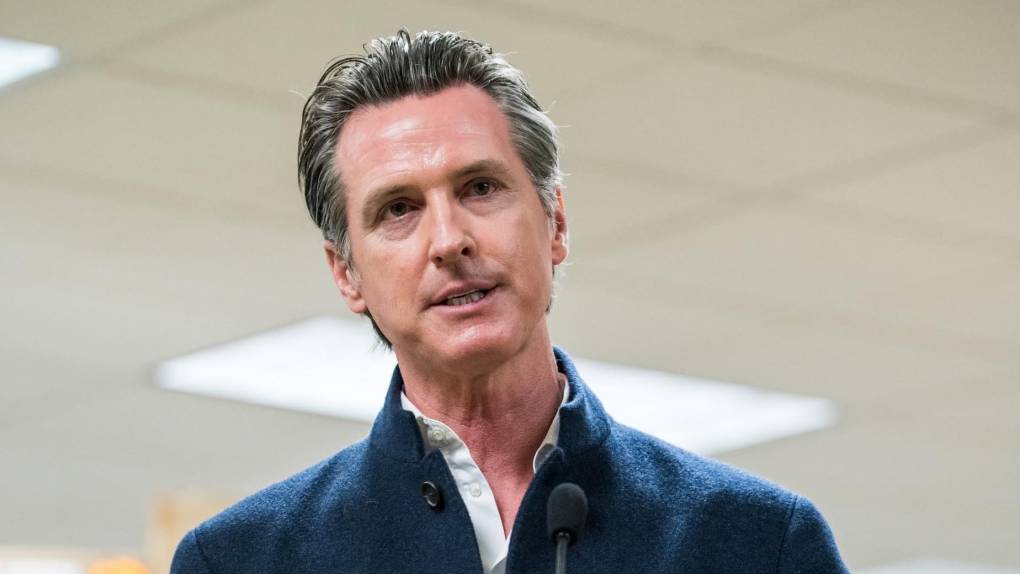
"caption": "California Gov. Gavin Newsom speaks during a press conference at the Bloom Energy Sunnyvale campus on March 28, 2020. ",
"description": null,
"title": "1920_1080_RS42413_058_KQED_BethLaBerge_BloomEnergy_Newsom_03282020-qut",
"credit": "Beth LaBerge/KQED",
"status": "inherit",
"altTag": "A close up of Gavin Newsom.",
"isLoading": false,
"fetchFailed": false
},
"news_11808269": {
"type": "attachments",
"id": "news_11808269",
"meta": {
"index": "attachments_1716263798",
"site": "news",
"id": "11808269",
"found": true
},
"parent": 11808267,
"imgSizes": {
"apple_news_ca_landscape_5_5": {
"file": "https://ww2.kqed.org/app/uploads/sites/10/2020/03/RS42226_Maricruz-qut-1044x783.jpg",
"width": 1044,
"mimeType": "image/jpeg",
"height": 783
},
"apple_news_ca_square_4_0": {
"file": "https://ww2.kqed.org/app/uploads/sites/10/2020/03/RS42226_Maricruz-qut-470x470.jpg",
"width": 470,
"mimeType": "image/jpeg",
"height": 470
},
"twentyfourteen-full-width": {
"file": "https://ww2.kqed.org/app/uploads/sites/10/2020/03/RS42226_Maricruz-qut-1038x576.jpg",
"width": 1038,
"mimeType": "image/jpeg",
"height": 576
},
"thumbnail": {
"file": "https://ww2.kqed.org/app/uploads/sites/10/2020/03/RS42226_Maricruz-qut-160x108.jpg",
"width": 160,
"mimeType": "image/jpeg",
"height": 108
},
"post-thumbnail": {
"file": "https://ww2.kqed.org/app/uploads/sites/10/2020/03/RS42226_Maricruz-qut-672x372.jpg",
"width": 672,
"mimeType": "image/jpeg",
"height": 372
},
"kqedFullSize": {
"file": "https://ww2.kqed.org/app/uploads/sites/10/2020/03/RS42226_Maricruz-qut.jpg",
"width": 1920,
"height": 1290
},
"apple_news_ca_landscape_4_7": {
"file": "https://ww2.kqed.org/app/uploads/sites/10/2020/03/RS42226_Maricruz-qut-632x474.jpg",
"width": 632,
"mimeType": "image/jpeg",
"height": 474
},
"large": {
"file": "https://ww2.kqed.org/app/uploads/sites/10/2020/03/RS42226_Maricruz-qut-1020x685.jpg",
"width": 1020,
"mimeType": "image/jpeg",
"height": 685
},
"apple_news_ca_landscape_4_0": {
"file": "https://ww2.kqed.org/app/uploads/sites/10/2020/03/RS42226_Maricruz-qut-536x402.jpg",
"width": 536,
"mimeType": "image/jpeg",
"height": 402
},
"apple_news_ca_portrait_12_9": {
"file": "https://ww2.kqed.org/app/uploads/sites/10/2020/03/RS42226_Maricruz-qut-1122x1290.jpg",
"width": 1122,
"mimeType": "image/jpeg",
"height": 1290
},
"medium": {
"file": "https://ww2.kqed.org/app/uploads/sites/10/2020/03/RS42226_Maricruz-qut-800x538.jpg",
"width": 800,
"mimeType": "image/jpeg",
"height": 538
},
"apple_news_ca_portrait_4_0": {
"file": "https://ww2.kqed.org/app/uploads/sites/10/2020/03/RS42226_Maricruz-qut-354x472.jpg",
"width": 354,
"mimeType": "image/jpeg",
"height": 472
},
"apple_news_ca_portrait_9_7": {
"file": "https://ww2.kqed.org/app/uploads/sites/10/2020/03/RS42226_Maricruz-qut-840x1120.jpg",
"width": 840,
"mimeType": "image/jpeg",
"height": 1120
},
"apple_news_ca_landscape_12_9": {
"file": "https://ww2.kqed.org/app/uploads/sites/10/2020/03/RS42226_Maricruz-qut-1832x1290.jpg",
"width": 1832,
"mimeType": "image/jpeg",
"height": 1290
},
"apple_news_ca_square_9_7": {
"file": "https://ww2.kqed.org/app/uploads/sites/10/2020/03/RS42226_Maricruz-qut-1104x1104.jpg",
"width": 1104,
"mimeType": "image/jpeg",
"height": 1104
},
"apple_news_ca_portrait_4_7": {
"file": "https://ww2.kqed.org/app/uploads/sites/10/2020/03/RS42226_Maricruz-qut-414x552.jpg",
"width": 414,
"mimeType": "image/jpeg",
"height": 552
},
"apple_news_ca_square_12_9": {
"file": "https://ww2.kqed.org/app/uploads/sites/10/2020/03/RS42226_Maricruz-qut-1472x1290.jpg",
"width": 1472,
"mimeType": "image/jpeg",
"height": 1290
},
"apple_news_ca_portrait_5_5": {
"file": "https://ww2.kqed.org/app/uploads/sites/10/2020/03/RS42226_Maricruz-qut-687x916.jpg",
"width": 687,
"mimeType": "image/jpeg",
"height": 916
},
"full-width": {
"file": "https://ww2.kqed.org/app/uploads/sites/10/2020/03/RS42226_Maricruz-qut-1920x1290.jpg",
"width": 1920,
"mimeType": "image/jpeg",
"height": 1290
},
"apple_news_ca_square_4_7": {
"file": "https://ww2.kqed.org/app/uploads/sites/10/2020/03/RS42226_Maricruz-qut-550x550.jpg",
"width": 550,
"mimeType": "image/jpeg",
"height": 550
},
"apple_news_ca_landscape_9_7": {
"file": "https://ww2.kqed.org/app/uploads/sites/10/2020/03/RS42226_Maricruz-qut-1376x1032.jpg",
"width": 1376,
"mimeType": "image/jpeg",
"height": 1032
},
"apple_news_ca_square_5_5": {
"file": "https://ww2.kqed.org/app/uploads/sites/10/2020/03/RS42226_Maricruz-qut-912x912.jpg",
"width": 912,
"mimeType": "image/jpeg",
"height": 912
}
},
"publishDate": 1584999693,
"modified": 1585026392,
"caption": "Maricruz Ladino in a Salinas lettuce field when she appeared in the Frontline film “Rape in the Fields.” ",
"description": "Maricruz Ladino in a Salinas lettuce field when she appeared in the Frontline film “Rape in the Fields.” ",
"title": "RS42226_Maricruz-qut",
"credit": "Andres Cediel/Frontline",
"status": "inherit",
"isLoading": false,
"fetchFailed": false
},
"news_11802859": {
"type": "attachments",
"id": "news_11802859",
"meta": {
"index": "attachments_1716263798",
"site": "news",
"id": "11802859",
"found": true
},
"parent": 11802722,
"imgSizes": {
"apple_news_ca_landscape_5_5": {
"file": "https://ww2.kqed.org/app/uploads/sites/10/2020/02/Trump-Water-Memo-1044x783.jpg",
"width": 1044,
"mimeType": "image/jpeg",
"height": 783
},
"apple_news_ca_square_4_0": {
"file": "https://ww2.kqed.org/app/uploads/sites/10/2020/02/Trump-Water-Memo-470x470.jpg",
"width": 470,
"mimeType": "image/jpeg",
"height": 470
},
"twentyfourteen-full-width": {
"file": "https://ww2.kqed.org/app/uploads/sites/10/2020/02/Trump-Water-Memo-1038x576.jpg",
"width": 1038,
"mimeType": "image/jpeg",
"height": 576
},
"thumbnail": {
"file": "https://ww2.kqed.org/app/uploads/sites/10/2020/02/Trump-Water-Memo-160x107.jpg",
"width": 160,
"mimeType": "image/jpeg",
"height": 107
},
"post-thumbnail": {
"file": "https://ww2.kqed.org/app/uploads/sites/10/2020/02/Trump-Water-Memo-672x372.jpg",
"width": 672,
"mimeType": "image/jpeg",
"height": 372
},
"kqedFullSize": {
"file": "https://ww2.kqed.org/app/uploads/sites/10/2020/02/Trump-Water-Memo.jpg",
"width": 1920,
"height": 1280
},
"apple_news_ca_landscape_4_7": {
"file": "https://ww2.kqed.org/app/uploads/sites/10/2020/02/Trump-Water-Memo-632x474.jpg",
"width": 632,
"mimeType": "image/jpeg",
"height": 474
},
"large": {
"file": "https://ww2.kqed.org/app/uploads/sites/10/2020/02/Trump-Water-Memo-1020x680.jpg",
"width": 1020,
"mimeType": "image/jpeg",
"height": 680
},
"apple_news_ca_landscape_4_0": {
"file": "https://ww2.kqed.org/app/uploads/sites/10/2020/02/Trump-Water-Memo-536x402.jpg",
"width": 536,
"mimeType": "image/jpeg",
"height": 402
},
"apple_news_ca_portrait_12_9": {
"file": "https://ww2.kqed.org/app/uploads/sites/10/2020/02/Trump-Water-Memo-1122x1280.jpg",
"width": 1122,
"mimeType": "image/jpeg",
"height": 1280
},
"medium": {
"file": "https://ww2.kqed.org/app/uploads/sites/10/2020/02/Trump-Water-Memo-800x533.jpg",
"width": 800,
"mimeType": "image/jpeg",
"height": 533
},
"apple_news_ca_portrait_4_0": {
"file": "https://ww2.kqed.org/app/uploads/sites/10/2020/02/Trump-Water-Memo-354x472.jpg",
"width": 354,
"mimeType": "image/jpeg",
"height": 472
},
"apple_news_ca_portrait_9_7": {
"file": "https://ww2.kqed.org/app/uploads/sites/10/2020/02/Trump-Water-Memo-840x1120.jpg",
"width": 840,
"mimeType": "image/jpeg",
"height": 1120
},
"apple_news_ca_landscape_12_9": {
"file": "https://ww2.kqed.org/app/uploads/sites/10/2020/02/Trump-Water-Memo-1832x1280.jpg",
"width": 1832,
"mimeType": "image/jpeg",
"height": 1280
},
"apple_news_ca_square_9_7": {
"file": "https://ww2.kqed.org/app/uploads/sites/10/2020/02/Trump-Water-Memo-1104x1104.jpg",
"width": 1104,
"mimeType": "image/jpeg",
"height": 1104
},
"apple_news_ca_portrait_4_7": {
"file": "https://ww2.kqed.org/app/uploads/sites/10/2020/02/Trump-Water-Memo-414x552.jpg",
"width": 414,
"mimeType": "image/jpeg",
"height": 552
},
"apple_news_ca_square_12_9": {
"file": "https://ww2.kqed.org/app/uploads/sites/10/2020/02/Trump-Water-Memo-1472x1280.jpg",
"width": 1472,
"mimeType": "image/jpeg",
"height": 1280
},
"apple_news_ca_portrait_5_5": {
"file": "https://ww2.kqed.org/app/uploads/sites/10/2020/02/Trump-Water-Memo-687x916.jpg",
"width": 687,
"mimeType": "image/jpeg",
"height": 916
},
"full-width": {
"file": "https://ww2.kqed.org/app/uploads/sites/10/2020/02/Trump-Water-Memo-1920x1280.jpg",
"width": 1920,
"mimeType": "image/jpeg",
"height": 1280
},
"apple_news_ca_square_4_7": {
"file": "https://ww2.kqed.org/app/uploads/sites/10/2020/02/Trump-Water-Memo-550x550.jpg",
"width": 550,
"mimeType": "image/jpeg",
"height": 550
},
"apple_news_ca_landscape_9_7": {
"file": "https://ww2.kqed.org/app/uploads/sites/10/2020/02/Trump-Water-Memo-1376x1032.jpg",
"width": 1376,
"mimeType": "image/jpeg",
"height": 1032
},
"apple_news_ca_square_5_5": {
"file": "https://ww2.kqed.org/app/uploads/sites/10/2020/02/Trump-Water-Memo-912x912.jpg",
"width": 912,
"mimeType": "image/jpeg",
"height": 912
}
},
"publishDate": 1582320343,
"modified": 1582320434,
"caption": "President Trump ceremonially signed a memo on federal water infrastructure plans at a rally on Feb. 19, 2020 in Bakersfield.",
"description": "President Trump ceremonially signed a memo on federal water infrastructure plans at a rally on Feb. 19, 2020 in Bakersfield.",
"title": "Trump-Water-Memo",
"credit": "David McNew/Getty Images",
"status": "inherit",
"isLoading": false,
"fetchFailed": false
}
},
"audioPlayerReducer": {
"postId": "stream_live",
"isPaused": true,
"isPlaying": false,
"pfsActive": false,
"pledgeModalIsOpen": true,
"playerDrawerIsOpen": false,
"liveAudioPlayStartedAt": 0,
"liveAudioPlayContext": ""
},
"authorsReducer": {
"byline_news_11851771": {
"type": "authors",
"id": "byline_news_11851771",
"meta": {
"override": true
},
"slug": "byline_news_11851771",
"name": "KQED News Staff",
"isLoading": false
},
"byline_news_11830944": {
"type": "authors",
"id": "byline_news_11830944",
"meta": {
"override": true
},
"slug": "byline_news_11830944",
"name": "Don Thompson \u003cbr> Associated Press",
"isLoading": false
},
"danbrekke": {
"type": "authors",
"id": "222",
"meta": {
"index": "authors_1716337520",
"id": "222",
"found": true
},
"name": "Dan Brekke",
"firstName": "Dan",
"lastName": "Brekke",
"slug": "danbrekke",
"email": "dbrekke@kqed.org",
"display_author_email": true,
"staff_mastheads": [
"news",
"science"
],
"title": "KQED Editor and Reporter",
"bio": "Dan Brekke is a reporter and editor for KQED News, responsible for coverage of topics ranging from California water issues to the Bay Area's transportation challenges. In a newsroom career that began in Chicago in 1972, Dan has worked for \u003cem>The San Francisco Examiner,\u003c/em> Wired and TechTV and has been published in The New York Times, The New York Times Magazine, Business 2.0, Salon and elsewhere.\r\n\r\nSince joining KQED in 2007, Dan has reported, edited and produced both radio and online features and breaking news pieces. He has shared as both editor and reporter in four Society of Professional Journalists Norcal Excellence in Journalism awards and one Edward R. Murrow regional award. He was chosen for a spring 2017 residency at the Mesa Refuge to advance his research on California salmon.\r\n\r\nEmail Dan at: \u003ca href=\"mailto:dbrekke@kqed.org\">dbrekke@kqed.org\u003c/a>\r\n\r\n\u003cstrong>Twitter:\u003c/strong> \u003ca href=\"https://twitter.com/danbrekke\" rel=\"noopener noreferrer\">twitter.com/danbrekke\u003c/a>\r\n\u003cstrong>Facebook:\u003c/strong> \u003ca href=\"https://www.facebook.com/danbrekke\" rel=\"noopener noreferrer\">www.facebook.com/danbrekke\u003c/a>\r\n\u003cstrong>LinkedIn:\u003c/strong> \u003ca href=\"https://www.linkedin.com/in/danbrekke\" rel=\"noopener noreferrer\">www.linkedin.com/in/danbrekke\u003c/a>",
"avatar": "https://secure.gravatar.com/avatar/8f1f0d2a978fb3b23426c922c7e2af558fa36905b49c4ce76a97dc3c72d27226?s=600&d=mm&r=g",
"twitter": "danbrekke",
"bluesky": null,
"facebook": null,
"instagram": "https://www.instagram.com/dan.brekke/",
"linkedin": "https://www.linkedin.com/in/danbrekke/",
"sites": [
{
"site": "news",
"roles": [
"administrator",
"create_posts"
]
},
{
"site": "stateofhealth",
"roles": [
"editor"
]
},
{
"site": "science",
"roles": [
"editor"
]
},
{
"site": "quest",
"roles": [
"contributor"
]
},
{
"site": "food",
"roles": [
"contributor"
]
},
{
"site": "forum",
"roles": [
"contributor"
]
},
{
"site": "elections",
"roles": [
"editor"
]
},
{
"site": "liveblog",
"roles": [
"editor"
]
}
],
"headData": {
"title": "Dan Brekke | KQED",
"description": "KQED Editor and Reporter",
"ogImgSrc": "https://secure.gravatar.com/avatar/8f1f0d2a978fb3b23426c922c7e2af558fa36905b49c4ce76a97dc3c72d27226?s=600&d=mm&r=g",
"twImgSrc": "https://secure.gravatar.com/avatar/8f1f0d2a978fb3b23426c922c7e2af558fa36905b49c4ce76a97dc3c72d27226?s=600&d=mm&r=g"
},
"isLoading": false,
"link": "/author/danbrekke"
},
"kqed": {
"type": "authors",
"id": "236",
"meta": {
"index": "authors_1716337520",
"id": "236",
"found": true
},
"name": "KQED News Staff",
"firstName": "KQED News Staff",
"lastName": null,
"slug": "kqed",
"email": "faq@kqed.org",
"display_author_email": false,
"staff_mastheads": [],
"title": null,
"bio": null,
"avatar": "https://secure.gravatar.com/avatar/ef0e801a68c4c54afa9180db14084167?s=600&d=blank&r=g",
"twitter": null,
"facebook": null,
"instagram": null,
"linkedin": null,
"sites": [
{
"site": "arts",
"roles": [
"contributor"
]
},
{
"site": "news",
"roles": [
"editor"
]
},
{
"site": "futureofyou",
"roles": [
"author"
]
}
],
"headData": {
"title": "KQED News Staff | KQED",
"description": null,
"ogImgSrc": "https://secure.gravatar.com/avatar/ef0e801a68c4c54afa9180db14084167?s=600&d=blank&r=g",
"twImgSrc": "https://secure.gravatar.com/avatar/ef0e801a68c4c54afa9180db14084167?s=600&d=blank&r=g"
},
"isLoading": false,
"link": "/author/kqed"
},
"sasha-khokha": {
"type": "authors",
"id": "254",
"meta": {
"index": "authors_1716337520",
"id": "254",
"found": true
},
"name": "Sasha Khokha",
"firstName": "Sasha",
"lastName": "Khokha",
"slug": "sasha-khokha",
"email": "skhokha@kqed.org",
"display_author_email": true,
"staff_mastheads": [
"news"
],
"title": "Host, The California Report Magazine",
"bio": "Sasha Khokha is the host of \u003cem>The California Report's \u003c/em> weekly magazine program, which takes listeners on sound-rich excursions to meet the people that make the Golden State unique -- through audio documentaries and long-form stories. As \u003cem>The California Report's\u003c/em> Central Valley Bureau Chief based in Fresno for nearly a dozen years, Sasha brought the lives and concerns of rural Californians to listeners around the state. Her reporting helped expose the hidden price immigrant women janitors and farmworkers may pay to keep their jobs: sexual assault at work. It inspired two new California laws to protect them from sexual harassment. She was a key member of the reporting team for the Frontline film \u003cem>Rape on the Night Shift, \u003c/em>which was nominated for two national Emmys. Sasha has also won a national Edward R. Murrow and a national PRNDI award for investigative reporting, as well as multiple prizes from the Society for Professional Journalists. Sasha is a proud alum of the UC Berkeley Graduate School of Journalism and Brown University and a member of the South Asian Journalists Association.",
"avatar": "https://secure.gravatar.com/avatar/e4b5e1541aaeea2aa356aa1fb2a68950?s=600&d=blank&r=g",
"twitter": "KQEDSashaKhokha",
"facebook": null,
"instagram": null,
"linkedin": null,
"sites": [
{
"site": "news",
"roles": [
"editor"
]
},
{
"site": "stateofhealth",
"roles": [
"author"
]
},
{
"site": "science",
"roles": [
"author"
]
},
{
"site": "quest",
"roles": [
"subscriber"
]
}
],
"headData": {
"title": "Sasha Khokha | KQED",
"description": "Host, The California Report Magazine",
"ogImgSrc": "https://secure.gravatar.com/avatar/e4b5e1541aaeea2aa356aa1fb2a68950?s=600&d=blank&r=g",
"twImgSrc": "https://secure.gravatar.com/avatar/e4b5e1541aaeea2aa356aa1fb2a68950?s=600&d=blank&r=g"
},
"isLoading": false,
"link": "/author/sasha-khokha"
},
"scottshafer": {
"type": "authors",
"id": "255",
"meta": {
"index": "authors_1716337520",
"id": "255",
"found": true
},
"name": "Scott Shafer",
"firstName": "Scott",
"lastName": "Shafer",
"slug": "scottshafer",
"email": "sshafer@kqed.org",
"display_author_email": false,
"staff_mastheads": [
"news"
],
"title": "KQED Contributor",
"bio": "Scott Shafer is a senior editor with the KQED Politics and Government desk. He is co-host of Political Breakdown, the award-winning radio show and podcast with a personal take on the world of politics. Scott came to KQED in 1998 to host the statewide\u003cem> California Report\u003c/em>. Prior to that he had extended stints in politics and government\u003cem>.\u003c/em> He uses that inside experience at KQED in his, reporting, hosting and analysis for the politics desk. Scott collaborated \u003cem>Political Breakdown a\u003c/em>nd on \u003cem>The Political Mind of Jerry Brown, \u003c/em>an eight-part series about the life and extraordinary political career of the former governor. For fun, he plays water polo with the San Francisco Tsunami.",
"avatar": "https://secure.gravatar.com/avatar/a62ebae45b79d7aed1a39a0e3bf68104?s=600&d=blank&r=g",
"twitter": "scottshafer",
"bluesky": null,
"facebook": null,
"instagram": null,
"linkedin": null,
"sites": [
{
"site": "news",
"roles": [
"editor"
]
},
{
"site": "stateofhealth",
"roles": [
"author"
]
},
{
"site": "science",
"roles": [
"author"
]
},
{
"site": "forum",
"roles": [
"subscriber"
]
},
{
"site": "liveblog",
"roles": [
"author"
]
}
],
"headData": {
"title": "Scott Shafer | KQED",
"description": "KQED Contributor",
"ogImgSrc": "https://secure.gravatar.com/avatar/a62ebae45b79d7aed1a39a0e3bf68104?s=600&d=blank&r=g",
"twImgSrc": "https://secure.gravatar.com/avatar/a62ebae45b79d7aed1a39a0e3bf68104?s=600&d=blank&r=g"
},
"isLoading": false,
"link": "/author/scottshafer"
},
"fjhabvala": {
"type": "authors",
"id": "8659",
"meta": {
"index": "authors_1716337520",
"id": "8659",
"found": true
},
"name": "Farida Jhabvala Romero",
"firstName": "Farida",
"lastName": "Jhabvala Romero",
"slug": "fjhabvala",
"email": "fjhabvala@kqed.org",
"display_author_email": true,
"staff_mastheads": [
"news"
],
"title": "KQED Contributor",
"bio": "Farida Jhabvala Romero is a Labor Correspondent for KQED. She previously covered immigration. Farida was \u003ca href=\"https://www.ccnma.org/2022-most-influential-latina-journalists\">named\u003c/a> one of the 10 Most Influential Latina Journalists in California in 2022 by the California Chicano News Media Association. Her work has won awards from the Society of Professional Journalists (Northern California), as well as a national and regional Edward M. Murrow Award for the collaborative reporting projects “Dangerous Air” and “Graying California.” Before joining KQED, Farida worked as a producer at Radio Bilingüe, a national public radio network. Farida earned her master’s degree in journalism from Stanford University.",
"avatar": "https://secure.gravatar.com/avatar/f9f022d4e2609741874222a1e9d41f48fea74011aa7c615eef91d9a50c944ebe?s=600&d=blank&r=g",
"twitter": "FaridaJhabvala",
"bluesky": null,
"facebook": null,
"instagram": null,
"linkedin": "https://www.linkedin.com/in/faridajhabvala/",
"sites": [
{
"site": "news",
"roles": [
"editor"
]
},
{
"site": "stateofhealth",
"roles": [
"author"
]
},
{
"site": "liveblog",
"roles": [
"author"
]
}
],
"headData": {
"title": "Farida Jhabvala Romero | KQED",
"description": "KQED Contributor",
"ogImgSrc": "https://secure.gravatar.com/avatar/f9f022d4e2609741874222a1e9d41f48fea74011aa7c615eef91d9a50c944ebe?s=600&d=blank&r=g",
"twImgSrc": "https://secure.gravatar.com/avatar/f9f022d4e2609741874222a1e9d41f48fea74011aa7c615eef91d9a50c944ebe?s=600&d=blank&r=g"
},
"isLoading": false,
"link": "/author/fjhabvala"
},
"lblanco": {
"type": "authors",
"id": "11357",
"meta": {
"index": "authors_1716337520",
"id": "11357",
"found": true
},
"name": "Lina Blanco",
"firstName": "Lina",
"lastName": "Blanco",
"slug": "lblanco",
"email": "lblanco@kqed.org",
"display_author_email": false,
"staff_mastheads": [],
"title": null,
"bio": "Lina was a Senior Engagement Platforms Manager for KQED News, producing engagement strategies on social media at \u003ca href=\"https://twitter.com/KQEDnews\">@KQEDNews, \u003c/a>via \u003ca href=\"https://www.kqed.org/about/newsletters/\">KQED's daily newsletter\u003c/a> as well as texting campaigns with KQED readers and listeners. She also co-produces for KQED's bilingual news hub \u003ca href=\"https://www.instagram.com/kqedenespanol/\">KQED en Español\u003c/a>.\r\n\r\nLina previously worked for \u003ca href=\"https://kqed.org/arts\">KQED Arts\u003c/a> — supporting audience engagement efforts on the weekly \u003ca href=\"https://www.kqed.org/podcasts/rightnowish\">\u003cem>Rightnowish\u003c/em> \u003c/a>podcast, Webby-winning video series \u003ca href=\"https://www.kqed.org/if-cities-could-dance\">\u003cem>If Cities Could Dance\u003c/em>\u003c/a>, and daily Arts & Culture reporting. She won a \u003ca href=\"https://www.kqed.org/pressroom/10884/murrow\">National 2019 Edward R. Murrow Award for Excellence in Social Media\u003c/a> for KQED's series \u003cem>The Hustle\u003c/em>.\r\n\r\nBefore KQED, Lina worked as a graphic designer and digital storytelling facilitator at the \u003ca href=\"https://www.nativehealth.org/\">Native American Health Center\u003c/a>.\r\n\r\nShe's mom to a senior Chihuahua (plus one black cat) and lives in West Sonoma County on a small farmstead.",
"avatar": "https://secure.gravatar.com/avatar/77ec326d67223c38a436b87bcfd2a2e8?s=600&d=mm&r=g",
"twitter": "LinaBlanco",
"facebook": null,
"instagram": null,
"linkedin": null,
"sites": [
{
"site": "arts",
"roles": [
"subscriber"
]
},
{
"site": "news",
"roles": [
"subscriber"
]
},
{
"site": "pop",
"roles": [
"administrator"
]
},
{
"site": "about",
"roles": [
"administrator"
]
},
{
"site": "bayareabites",
"roles": [
"editor"
]
},
{
"site": "science",
"roles": [
"editor"
]
},
{
"site": "checkplease",
"roles": [
"editor"
]
},
{
"site": "food",
"roles": []
},
{
"site": "perspectives",
"roles": [
"editor"
]
}
],
"headData": {
"title": "Lina Blanco | KQED",
"description": null,
"ogImgSrc": "https://secure.gravatar.com/avatar/77ec326d67223c38a436b87bcfd2a2e8?s=600&d=mm&r=g",
"twImgSrc": "https://secure.gravatar.com/avatar/77ec326d67223c38a436b87bcfd2a2e8?s=600&d=mm&r=g"
},
"isLoading": false,
"link": "/author/lblanco"
},
"ahall": {
"type": "authors",
"id": "11490",
"meta": {
"index": "authors_1716337520",
"id": "11490",
"found": true
},
"name": "Alex Hall",
"firstName": "Alex",
"lastName": "Hall",
"slug": "ahall",
"email": "ahall@kqed.org",
"display_author_email": false,
"staff_mastheads": [
"news"
],
"title": "KQED Enterprise & Accountability Reporter",
"bio": "Alex Hall is KQED's Enterprise and Accountability Reporter. She previously covered the Central Valley for five years from KQED's bureau in Fresno. Before joining KQED, Alex was an investigative reporting fellow at Wisconsin Public Radio and the Wisconsin Center for Investigative Journalism. She has also worked as a bilingual producer for NPR's investigative unit and freelance video producer for Reuters TV on the Latin America desk. She got her start in journalism in South America, where she worked as a radio producer and Spanish-English translator for CNN Chile. Her documentary and investigation into the series of deadly COVID-19 outbreaks at Foster Farms won a national Edward R. Murrow award and was named an Investigative Reporters & Editors award finalist. Alex's reporting for Reveal on the Wisconsin dairy industry's reliance on undocumented immigrant labor was made into a film, Los Lecheros, which won a regional Edward R. Murrow award for best news documentary.",
"avatar": "https://secure.gravatar.com/avatar/04c28ad4a7caa7ac2ef39c655c4030c993a3f331481d1da4799bb76ea85b9afa?s=600&d=blank&r=g",
"twitter": "@chalexhall",
"bluesky": null,
"facebook": null,
"instagram": null,
"linkedin": null,
"sites": [
{
"site": "news",
"roles": [
"editor"
]
},
{
"site": "liveblog",
"roles": [
"author"
]
}
],
"headData": {
"title": "Alex Hall | KQED",
"description": "KQED Enterprise & Accountability Reporter",
"ogImgSrc": "https://secure.gravatar.com/avatar/04c28ad4a7caa7ac2ef39c655c4030c993a3f331481d1da4799bb76ea85b9afa?s=600&d=blank&r=g",
"twImgSrc": "https://secure.gravatar.com/avatar/04c28ad4a7caa7ac2ef39c655c4030c993a3f331481d1da4799bb76ea85b9afa?s=600&d=blank&r=g"
},
"isLoading": false,
"link": "/author/ahall"
},
"harzate": {
"type": "authors",
"id": "11727",
"meta": {
"index": "authors_1716337520",
"id": "11727",
"found": true
},
"name": "Héctor Alejandro Arzate",
"firstName": "Héctor Alejandro",
"lastName": "Arzate",
"slug": "harzate",
"email": "harzate@kqed.org",
"display_author_email": false,
"staff_mastheads": [],
"title": "KQED Contributor",
"bio": null,
"avatar": "https://secure.gravatar.com/avatar/23c72c3afa19f2c6801c5db997a908d8?s=600&d=blank&r=g",
"twitter": null,
"facebook": null,
"instagram": null,
"linkedin": null,
"sites": [
{
"site": "news",
"roles": [
"author"
]
}
],
"headData": {
"title": "Héctor Alejandro Arzate | KQED",
"description": "KQED Contributor",
"ogImgSrc": "https://secure.gravatar.com/avatar/23c72c3afa19f2c6801c5db997a908d8?s=600&d=blank&r=g",
"twImgSrc": "https://secure.gravatar.com/avatar/23c72c3afa19f2c6801c5db997a908d8?s=600&d=blank&r=g"
},
"isLoading": false,
"link": "/author/harzate"
},
"mpena": {
"type": "authors",
"id": "11747",
"meta": {
"index": "authors_1716337520",
"id": "11747",
"found": true
},
"name": "Maria Peña",
"firstName": "Maria",
"lastName": "Peña",
"slug": "mpena",
"email": "mpena@kqed.org",
"display_author_email": false,
"staff_mastheads": [],
"title": "Digital Producer for KQED/KQED en Español",
"bio": null,
"avatar": "https://secure.gravatar.com/avatar/5e529290f9b7424cb740aca082fdc39bdbd4edbfa28d12f5c9eedcbadff35b91?s=600&d=blank&r=g",
"twitter": "soytapatia",
"bluesky": null,
"facebook": null,
"instagram": null,
"linkedin": "www.linkedin.com/in/mariaespinosapena",
"sites": [
{
"site": "news",
"roles": [
"subscriber"
]
}
],
"headData": {
"title": "Maria Peña | KQED",
"description": "Digital Producer for KQED/KQED en Español",
"ogImgSrc": "https://secure.gravatar.com/avatar/5e529290f9b7424cb740aca082fdc39bdbd4edbfa28d12f5c9eedcbadff35b91?s=600&d=blank&r=g",
"twImgSrc": "https://secure.gravatar.com/avatar/5e529290f9b7424cb740aca082fdc39bdbd4edbfa28d12f5c9eedcbadff35b91?s=600&d=blank&r=g"
},
"isLoading": false,
"link": "/author/mpena"
}
},
"pagesReducer": {
"news_tag_central-valley": {
"type": "terms",
"id": "news_311",
"meta": {
"index": "terms_1716263798",
"site": "news",
"id": "311",
"score": 8.669906
},
"featImg": null,
"name": "Central Valley",
"description": null,
"taxonomy": "tag",
"headData": {
"twImgId": null,
"twTitle": null,
"ogTitle": null,
"ogImgId": null,
"twDescription": null,
"description": null,
"title": "Central Valley Archives | KQED News",
"ogDescription": null
},
"ttid": 319,
"slug": "central-valley",
"isLoading": false,
"title": "Central Valley",
"pageMeta": {
"site": "news",
"WpPageTemplate": "page-topic-editorial",
"currentPage": 6
},
"blocks": [
{
"blockName": "kqed/post-list",
"attrs": {
"layout": "cardArticle2",
"query": "posts/news?tag=central-valley",
"seeMore": false,
"paginated": true,
"page": 6
}
},
{
"blockName": "kqed/ad"
}
]
}
},
"pfsSessionReducer": {},
"postsReducer": {
"stream_live": {
"type": "live",
"id": "stream_live",
"audioUrl": "https://streams.kqed.org/kqedradio",
"title": "Live Stream",
"excerpt": "Live Stream information currently unavailable.",
"link": "/radio",
"featImg": "",
"label": {
"name": "KQED Live",
"link": "/"
}
},
"stream_kqedNewscast": {
"type": "posts",
"id": "stream_kqedNewscast",
"audioUrl": "https://www.kqed.org/.stream/anon/radio/RDnews/newscast.mp3?_=1",
"title": "KQED Newscast",
"featImg": "",
"label": {
"name": "88.5 FM",
"link": "/"
}
},
"news_11889011": {
"type": "posts",
"id": "news_11889011",
"meta": {
"index": "posts_1716263798",
"site": "news",
"id": "11889011",
"score": null,
"sort": [
1631918007000
]
},
"guestAuthors": [],
"slug": "rolling-through-california-a-family-kept-apart-how-9-11-changed-one-womans-life",
"title": "Rolling Through California; A Family Kept Apart; How 9/11 Changed One Woman's Life",
"publishDate": 1631918007,
"format": "audio",
"headTitle": "Rolling Through California; A Family Kept Apart; How 9/11 Changed One Woman’s Life | KQED",
"labelTerm": {
"term": 26731,
"site": "news"
},
"content": "\u003cp>\u003cem>\u003ca href=\"http://itunes.apple.com/us/podcast/the-california-report-magazine/id1314750545?mt=2\" target=\"_blank\" rel=\"noopener noreferrer\">Listen to this and more in-depth storytelling by subscribing to The California Report Magazine podcast.\u003c/a>\u003c/em>\u003c/p>\n\u003ch2>\u003ca href=\"https://www.kqed.org/news/11888465/happiest-climate-change-song-ever-fantastic-negrito-and-rolling-through-california\">Fantastic Negrito: Rolling Through California\u003c/a>\u003c/h2>\n\u003cp>Oakland-based artist Fantastic Negrito tells us about his new single featuring Miko Marks, “Rolling Through California,” a song that explores the dissonance between the California dream and the reality of living in our state today. The lyrics came to him a year ago, on the day that wildfire smoke turned skies red. “It felt apocalyptic and it felt like a message,” he says. “Looking at this blood-red sun, bloodshot sun in the sky, I wanted to tell the story of what was happening in the moment.”\u003c/p>\n\u003ch2 class=\"routes-Site-routes-Post-components-Post-components-PostTitle-___PostTitle__title\">\u003ca href=\"https://www.kqed.org/news/11888827/you-always-feel-that-someones-missing-how-a-trump-era-immigration-policy-has-kept-a-california-family-apart-for-two-years\">How a Trump-Era Immigration Policy Has Kept a California Family Apart for Two Years\u003c/a>\u003c/h2>\n\u003cp>When you’ve been living in the U.S. undocumented, and you’re finally able to become a legal resident, it’s a huge relief. That’s what one father in the Central Valley city of Los Banos was hoping to feel. He followed the rules and went back to Mexico for the final step to apply for his green card: an interview at the U.S. Consulate. His wife and kids expected him back in a week or two, but he was stopped from returning by a restrictive Trump administration rule that blocked thousands of others too. Zaidee Stavely tells us how, two years later, his kids are still waiting to get their dad back.\u003c/p>\n\u003ch2>\u003ca href=\"https://www.kqed.org/news/11888875/how-standing-up-to-racism-after-9-11-changed-one-immigrant-teenagers-life\">How Standing Up to Racism After 9/11 Changed One Immigrant Teenager’s Life\u003c/a>\u003c/h2>\n\u003cp>20 years ago, California Report host Sasha Khokha was a first year journalism student at Berkeley, and wanted to find out how the post 9/11 backlash against South Asians was affecting young people in my community. So she wrote a piece about an inspiring group of teenagers from Berkeley High for a publication called Asian Week. One of the young women she met and featured in the article was 17-year-old Fatima Shah. Sasha tracked her down 20 years later, to reflect on that time, and find out how it shaped her life today.\u003c/p>\n\u003cp>[ad fullwidth]\u003c/p>\n\u003cp>\u003c/p>\n",
"blocks": [],
"excerpt": "Three stories from The California Report Magazine: Fantastic Negrito: Rolling Through California; How a Trump-Era Immigration Policy Has Kept a California Family Apart for Two Years; and How Standing Up to Racism After 9/11 Changed One Immigrant Teenager's Life.",
"status": "publish",
"parent": 0,
"modified": 1722638202,
"stats": {
"hasAudio": false,
"hasVideo": false,
"hasChartOrMap": false,
"iframeSrcs": [],
"hasGoogleForm": false,
"hasGallery": false,
"hasHearkenModule": false,
"hasPolis": false,
"paragraphCount": 6,
"wordCount": 364
},
"headData": {
"title": "Rolling Through California; A Family Kept Apart; How 9/11 Changed One Woman's Life | KQED",
"description": "Three stories from The California Report Magazine: Fantastic Negrito: Rolling Through California; How a Trump-Era Immigration Policy Has Kept a California Family Apart for Two Years; and How Standing Up to Racism After 9/11 Changed One Immigrant Teenager's Life.",
"ogTitle": "",
"ogDescription": "",
"ogImgId": "news_11888877",
"twTitle": "",
"twDescription": "",
"twImgId": "news_11888877",
"schema": {
"@context": "https://schema.org",
"@type": "NewsArticle",
"headline": "Rolling Through California; A Family Kept Apart; How 9/11 Changed One Woman's Life",
"datePublished": "2021-09-17T15:33:27-07:00",
"dateModified": "2024-08-02T15:36:42-07:00",
"image": "https://cdn.kqed.org/wp-content/uploads/2020/02/KQED-OG-Image@1x.png",
"isAccessibleForFree": "True",
"publisher": {
"@type": "NewsMediaOrganization",
"@id": "https://www.kqed.org/#organization",
"name": "KQED",
"logo": "https://cdn.kqed.org/wp-content/uploads/2020/02/KQED-OG-Image@1x.png",
"url": "https://www.kqed.org",
"sameAs": [
"https://www.facebook.com/KQED",
"https://twitter.com/KQED",
"https://www.instagram.com/kqed/",
"https://www.tiktok.com/@kqedofficial",
"https://www.linkedin.com/company/kqed",
"https://www.youtube.com/channel/UCeC0IOo7i1P_61zVUWbJ4nw"
]
}
}
},
"audioUrl": "https://www.podtrac.com/pts/redirect.mp3/traffic.megaphone.fm/KQINC6546745260.mp3?updated=1631918235",
"sticky": false,
"path": "/news/11889011/rolling-through-california-a-family-kept-apart-how-9-11-changed-one-womans-life",
"audioTrackLength": null,
"parsedContent": [
{
"type": "contentString",
"content": "\u003cdiv class=\"post-body\">\u003cp>\u003cp>\u003cem>\u003ca href=\"http://itunes.apple.com/us/podcast/the-california-report-magazine/id1314750545?mt=2\" target=\"_blank\" rel=\"noopener noreferrer\">Listen to this and more in-depth storytelling by subscribing to The California Report Magazine podcast.\u003c/a>\u003c/em>\u003c/p>\n\u003ch2>\u003ca href=\"https://www.kqed.org/news/11888465/happiest-climate-change-song-ever-fantastic-negrito-and-rolling-through-california\">Fantastic Negrito: Rolling Through California\u003c/a>\u003c/h2>\n\u003cp>Oakland-based artist Fantastic Negrito tells us about his new single featuring Miko Marks, “Rolling Through California,” a song that explores the dissonance between the California dream and the reality of living in our state today. The lyrics came to him a year ago, on the day that wildfire smoke turned skies red. “It felt apocalyptic and it felt like a message,” he says. “Looking at this blood-red sun, bloodshot sun in the sky, I wanted to tell the story of what was happening in the moment.”\u003c/p>\n\u003ch2 class=\"routes-Site-routes-Post-components-Post-components-PostTitle-___PostTitle__title\">\u003ca href=\"https://www.kqed.org/news/11888827/you-always-feel-that-someones-missing-how-a-trump-era-immigration-policy-has-kept-a-california-family-apart-for-two-years\">How a Trump-Era Immigration Policy Has Kept a California Family Apart for Two Years\u003c/a>\u003c/h2>\n\u003cp>When you’ve been living in the U.S. undocumented, and you’re finally able to become a legal resident, it’s a huge relief. That’s what one father in the Central Valley city of Los Banos was hoping to feel. He followed the rules and went back to Mexico for the final step to apply for his green card: an interview at the U.S. Consulate. His wife and kids expected him back in a week or two, but he was stopped from returning by a restrictive Trump administration rule that blocked thousands of others too. Zaidee Stavely tells us how, two years later, his kids are still waiting to get their dad back.\u003c/p>\n\u003ch2>\u003ca href=\"https://www.kqed.org/news/11888875/how-standing-up-to-racism-after-9-11-changed-one-immigrant-teenagers-life\">How Standing Up to Racism After 9/11 Changed One Immigrant Teenager’s Life\u003c/a>\u003c/h2>\n\u003cp>20 years ago, California Report host Sasha Khokha was a first year journalism student at Berkeley, and wanted to find out how the post 9/11 backlash against South Asians was affecting young people in my community. So she wrote a piece about an inspiring group of teenagers from Berkeley High for a publication called Asian Week. One of the young women she met and featured in the article was 17-year-old Fatima Shah. Sasha tracked her down 20 years later, to reflect on that time, and find out how it shaped her life today.\u003c/p>\n\u003cp>\u003c/p>\u003c/div>",
"attributes": {
"named": {},
"numeric": []
}
},
{
"type": "component",
"content": "",
"name": "ad",
"attributes": {
"named": {
"label": "fullwidth"
},
"numeric": [
"fullwidth"
]
}
},
{
"type": "contentString",
"content": "\u003cdiv class=\"post-body\">\u003cp>\u003c/p>\n\u003cp>\u003c/p>\n\u003c/div>\u003c/p>",
"attributes": {
"named": {},
"numeric": []
}
}
],
"link": "/news/11889011/rolling-through-california-a-family-kept-apart-how-9-11-changed-one-womans-life",
"authors": [
"236"
],
"programs": [
"news_72",
"news_26731"
],
"categories": [
"news_8"
],
"tags": [
"news_1849",
"news_19133",
"news_311",
"news_20013",
"news_20202",
"news_1425",
"news_4463"
],
"featImg": "news_11888877",
"label": "news_26731"
},
"news_11888162": {
"type": "posts",
"id": "news_11888162",
"meta": {
"index": "posts_1716263798",
"site": "news",
"id": "11888162",
"score": null,
"sort": [
1631574253000
]
},
"guestAuthors": [],
"slug": "can-recall-ads-in-spanish-sway-latino-voters-two-families-weigh-in",
"title": "Can Recall Ads in Spanish Sway Latino Voters? Two Families Weigh In",
"publishDate": 1631574253,
"format": "standard",
"headTitle": "Can Recall Ads in Spanish Sway Latino Voters? Two Families Weigh In | KQED",
"labelTerm": {
"site": "news"
},
"content": "\u003cp>Tomorrow (Tuesday) is the \u003ca href=\"https://www.kqed.org/recall\" target=\"_blank\" rel=\"noopener noreferrer\">last day to vote in California’s recall election\u003c/a>, and heading into the final stretch, campaigns on both sides are trying hard to sway Latinos, who make up a sizable chunk of the electorate.\u003c/p>\n\u003cp>Latinos represent 35% of California’s adult population, but account for only 21% of those most likely to vote — nearly 60% of whom are registered Democrats — according to the \u003ca href=\"https://www.ppic.org/wp-content/uploads/JTF_RaceandVotingJTF.pdf\">Public Policy Institute of California\u003c/a>. California’s Latino voters have also helped hand Democrats a complete lock on the Legislature.\u003c/p>\n\u003cp>“No politician can take Latino votes and our community for granted,” Olga Miranda, president of SEIU Local 87, said at a recent phone- banking event to persuade voters to reject the recall of Gov. Gavin Newsom.\u003c/p>\n\u003cp>[aside postID='news_11884716,news_11885191' hero='https://ww2.kqed.org/app/uploads/sites/10/2021/08/Newsom-Picture.jpg']\u003ca href=\"https://www.kqed.org/news/11843511/more-important-than-ever-the-race-to-boost-californias-latino-vote\" target=\"_blank\" rel=\"noopener noreferrer\">In addition to phone banks, rallies and grassroots-level organizing\u003c/a>, both sides of the recall contest have in recent weeks pumped the airwaves — and social media platforms — with Spanish-language television and radio ads to garner crucial Latino votes.\u003c/p>\n\u003cp>\u003ca href=\"https://socialinnovation.usc.edu/staff/manuel-pastor/#:~:text=Manuel%20Pastor%20is%20a%20Distinguished,D.\" target=\"_blank\" rel=\"noopener noreferrer\">Manuel Pastor\u003c/a>, director of the Equity Research Institute at the University of Southern California, said this recall election shows how campaign messaging to Latino voters has evolved from the days when candidates would just say a few words in Spanish.\u003c/p>\n\u003cp>“I think you’re starting to see some level of sophistication, which is not so much around what kind of Spanish you speak as it is around what kind of issues you address and whether or not they actually hit people where they live,” he said.\u003c/p>\n\u003cp>Hector Barajas, a Republican political consultant working on the effort to remove Newsom, said people of color, and Latinos in particular, have borne the brunt of the pandemic, both financially and physically. The pro-recall campaign leans into that frustration, betting that families who’ve been pushed to the margins will vote to remove Newsom.\u003c/p>\n\u003cp>For example, a \u003ca href=\"https://rescuecalifornia.org/rescue-california-launches-statewide-spanish-language-radio-ad-to-recall-gavin-newsom/\" target=\"_blank\" rel=\"noopener noreferrer\">Spanish-language radio ad from the conservative group Rescue California\u003c/a> directly blames Newsom for the hardship that many working families in the state have experienced, emphasizing the high cost of living and the negative impact that online learning has had on children.\u003c/p>\n\u003cp>Meanwhile, opponents of the recall — who are labeling the effort a “\u003ca href=\"https://stoptherepublicanrecall.com/\" target=\"_blank\" rel=\"noopener noreferrer\">Republican power grab\u003c/a>” — have tried to cast a light on the anti-immigrant stances of some key players behind the campaign, in a defensive effort to scare and mobilize Spanish-speaking Latino voters.\u003c/p>\n\u003cp>But are either of these strategies actually effective in engaging the Latino electorate? Earlier this month, KQED sat down with two families — one from the East Bay and one from the Central Valley, representing different political and regional perspectives — to hear their thoughts on how to successfully earn their votes.\u003c/p>\n\u003cp>KQED’s María Peña and Lina Blanco facilitated two intimate focus groups with the families to record their responses to nine Spanish-language political ads from both sides of the recall effort, as well as spots from two recall candidates: Kevin Faulconer and Larry Elder.\u003c/p>\n\u003ch3>Turning our mics to families\u003c/h3>\n\u003cp>In our first focus group, we spoke with three members of the Díaz family, representing two generations: Itzel, who considers herself independent or nonpartisan, and her parents María de Jesus and Porfirio, who are both registered Democrats. All three were born in Jalisco, Mexico, and voted in the U.S. for the first time in the 2020 presidential election. They all speak Spanish as their first language and call Oakland home.\u003c/p>\n\u003cfigure id=\"attachment_11888163\" class=\"wp-caption aligncenter\" style=\"max-width: 1920px\">\u003cimg loading=\"lazy\" decoding=\"async\" class=\"wp-image-11888163 size-full\" src=\"https://ww2.kqed.org/app/uploads/sites/10/2021/09/RS51425_017_Oakland_ItzelDiazandFamily_09092021-qut.jpg\" alt=\"A smiling family poses at a dining room table, the parents seated side by side and the adult daughter leaning on her father's shoulder.\" width=\"1920\" height=\"1280\" srcset=\"https://cdn.kqed.org/wp-content/uploads/sites/10/2021/09/RS51425_017_Oakland_ItzelDiazandFamily_09092021-qut.jpg 1920w, https://cdn.kqed.org/wp-content/uploads/sites/10/2021/09/RS51425_017_Oakland_ItzelDiazandFamily_09092021-qut-800x533.jpg 800w, https://cdn.kqed.org/wp-content/uploads/sites/10/2021/09/RS51425_017_Oakland_ItzelDiazandFamily_09092021-qut-1020x680.jpg 1020w, https://cdn.kqed.org/wp-content/uploads/sites/10/2021/09/RS51425_017_Oakland_ItzelDiazandFamily_09092021-qut-160x107.jpg 160w, https://cdn.kqed.org/wp-content/uploads/sites/10/2021/09/RS51425_017_Oakland_ItzelDiazandFamily_09092021-qut-1536x1024.jpg 1536w\" sizes=\"(max-width: 1920px) 100vw, 1920px\">\u003cfigcaption class=\"wp-caption-text\">Itzel Diaz and her parents, Maria and Porfirio Diaz, in their Oakland home on Sept. 9, 2021, after dropping off their ballots for California’s gubernatorial recall election. \u003ccite>(Beth LaBerge/KQED)\u003c/cite>\u003c/figcaption>\u003c/figure>\n\u003cp>The second focus group included three members of the Avila family, who also represent two generations: Debbie and her brother Obed, as well as their mother Adela. All three are registered Republicans, self-identify as Mexican American, and speak Spanish fluently. Debbie and Adela live in Modesto and Obed lives in Merced.\u003c/p>\n\u003cfigure id=\"attachment_11888230\" class=\"wp-caption aligncenter\" style=\"max-width: 640px\">\u003cimg loading=\"lazy\" decoding=\"async\" class=\"wp-image-11888230 size-large\" src=\"https://ww2.kqed.org/app/uploads/sites/10/2021/09/DebbieAdelaAvila-1020x574.jpg\" alt=\"Side-by-side photos of an adult daughter and her mother, both smiling.\" width=\"640\" height=\"360\" srcset=\"https://cdn.kqed.org/wp-content/uploads/sites/10/2021/09/DebbieAdelaAvila-1020x574.jpg 1020w, https://cdn.kqed.org/wp-content/uploads/sites/10/2021/09/DebbieAdelaAvila-800x450.jpg 800w, https://cdn.kqed.org/wp-content/uploads/sites/10/2021/09/DebbieAdelaAvila-160x90.jpg 160w, https://cdn.kqed.org/wp-content/uploads/sites/10/2021/09/DebbieAdelaAvila-1536x864.jpg 1536w, https://cdn.kqed.org/wp-content/uploads/sites/10/2021/09/DebbieAdelaAvila.jpg 1920w\" sizes=\"(max-width: 640px) 100vw, 640px\">\u003cfigcaption class=\"wp-caption-text\">Debbie and Adela Avila in Modesto on Sept. 12, 2021. \u003ccite>(Courtesy of the Avila family)\u003c/cite>\u003c/figcaption>\u003c/figure>\n\u003cp>In both bilingual conversations, we asked participants the same questions:\u003c/p>\n\u003cul>\n\u003cli>“How do each of these ads make you feel?”\u003c/li>\n\u003cli>“What stood out to you while watching them?”\u003c/li>\n\u003cli>“On a scale of 1 to 5, how likely are you to vote YES or NO on the recall after watching each one?”\u003c/li>\n\u003c/ul>\n\u003cp>KQED then opened the floor for participants to suggest strategies politicians should consider implementing in future elections to better reach and engage Latino voters.\u003c/p>\n\u003ch3>A range of reactions\u003c/h3>\n\u003cp>Itzel, the independent voter from Oakland, said she was initially struck by Kevin Faulconer’s fluency in Spanish. She had grown used to seeing political ads where a politician would speak just a phrase of Spanish here or there and consider it enough to win her vote. Yet, she was most taken by how staged she thought the casting seemed, and \u003ca href=\"https://youtu.be/5g-OgDeAGao\" target=\"_blank\" rel=\"noopener noreferrer\">the general lack of Latino representation on-screen\u003c/a>.\u003c/p>\n\u003cp>“I felt it was like a series of checkboxes. It’s the way they think what Hispanics look like. I didn’t see a representation of Afro-Latinos or queer Latinos,” she said of the Faulconer ad. “It’s very obvious who they think are not going to vote for them.”\u003c/p>\n\u003cp>Her father, Porfirio, agreed, saying Faulconer’s ad tailored its message toward well-to-do Latinos. Like Itzel, he believes this reveals how little most politicians and strategists seem to know about California’s incredibly diverse Latino population, and how many political ads seem designed to only reach\u003cb> \u003c/b>a selective few.\u003c/p>\n\u003cp>After viewing Spanish-language ads for Elder — \u003ca href=\"https://www.electelder.com/news/larry-elder-campaign-releases-spanish-ads/\" target=\"_blank\" rel=\"noopener noreferrer\">one of the candidate speaking from his office\u003c/a> and another \u003ca href=\"https://www.sacbee.com/opinion/article253950243.html\">voiced by former Democratic state Senate Majority Leader Gloria Romero\u003c/a>, who recently endorsed him — Itzel called them “horrible,” both in content and delivery. She noted that Elder’s accent felt very forced.\u003c/p>\n\u003ch3>‘Lack of imagination’\u003c/h3>\n\u003cp>But what frustrated Itzel most was that both ads emphasized school closures during the pandemic and the negative impact it has had on youth.\u003c/p>\n\u003cp>“The schools did not close. The classes continued online and the children continued learning,” she said. “They do not mention the effort, the operation and the infrastructure that it took [to get] digital access to a lot of those children that never had it before,” she said.[pullquote size='medium' align='right' citation='Itzel Díaz, independent voter in Oakland']‘I feel offended in that sense that I mean really, they think that with pure fear they are going to convince us? What a lack of imagination.’[/pullquote]But Itzel also said she felt offended by the three anti-recall spots paid for by Gov. Gavin Newsom’s campaign — including one that claimed Republicans backing the recall were the same anti-immigrant politicians who support \u003ca href=\"https://youtu.be/21lxnsuj1Sg\" target=\"_blank\" rel=\"noopener noreferrer\">embedding microchips into immigrants\u003c/a>. Trying to reach Latinos with fear-based messaging, she said, may have worked 20 or 30 years ago, but not today.\u003c/p>\n\u003cp>“They are ignoring the fact that there are a lot of very well-educated people in the community. That is, people are very well-informed right now,” she said. “I feel offended in that sense that I mean really, they think that with pure fear they are going to convince us? What a lack of imagination.”\u003c/p>\n\u003cp>Instead, she believes the anti-recall effort should have focused more on the legislative victories of recent years. This year alone, California lawmakers \u003ca href=\"https://www.kqed.org/news/11879724/so-thankful-california-to-offer-medi-cal-to-235000-undocumented-californians\" target=\"_blank\" rel=\"noopener noreferrer\">expanded Medi-Cal eligibility \u003c/a>to lower-income adults 50 and older, regardless of immigration status, and provided an \u003ca href=\"https://www.kqed.org/news/11862122/how-to-get-your-california-stimulus-check-and-other-tax-credits-youre-entitled-to\" target=\"_blank\" rel=\"noopener noreferrer\">additional $600 to undocumented taxpayers who earn less than $75,000\u003c/a> and were ineligible for federal stimulus payments.\u003cstrong> \u003c/strong>\u003c/p>\n\u003cp>“Something that disappoints me, frustrates me is that they are focusing 100% on fear [and] on the trauma that people already have,” Itzel said, calling that strategy completely unnecessary. “[Newsom] has done so many things to support the Latino community. I feel he missed an opportunity.”\u003c/p>\n\u003cp>Porfirio agreed with his daughter’s criticism. He wished the campaign would stop spending so much money on resources to produce fear-based ads and instead emphasize specific ways in which Newsom’s administration has supported the Latino community.\u003c/p>\n\u003cp>“They are very rushed, they look as if they waited too long to prepare for this election,” he said of the Newsom campaign’s ad strategy, which he claims has had no impact on him. “Sadly, it’s the approach they take in every election, right? To scare people with negativity and leave aside the positive contribution. It’s as if they keep betting on that, as if they believe it has more impact.”\u003c/p>\n\u003cp>Meanwhile, Obed Avila, from Merced, a Republican and former Marine, said he wasn’t swayed by an \u003ca href=\"https://youtu.be/j8zSmXltm18\" target=\"_blank\" rel=\"noopener noreferrer\">anti-recall ad paid for by the California Latino PAC\u003c/a>, linking recall proponents to supporters of Proposition 187, the 1994 ballot measure that targeted the state’s undocumented immigrants.\u003c/p>\n\u003cp>“A lot of the stuff is a little bit one-sided,” he said.\u003c/p>\n\u003cp>But his sister, Debbie, also a Republican, disagrees. She said the anti-recall ad brought her back to that infamous ballot measure from nearly 30 years ago.[aside postID='news_11857451' hero='https://cdn.kqed.org/wp-content/uploads/sites/10/2021/01/022_KQED_SanFrancisco_PollingPlaces_11032020-1020x680.jpg']“I remember the feeling of being treated like a second-class citizen,” she said, through tears. “I have a lot of pride in my family. Of my dad and the hard labor that he’s done in the field, and even my mom who’s sitting next to me, and the work of ‘mi gente.'”\u003c/p>\n\u003cp>Even though Debbie personally dislikes Newsom, she plans to vote against the recall because she refuses to align herself with candidates who backed the Trump administration. She said she also supported Newsom’s mandate to shut down the state during the pandemic.\u003c/p>\n\u003cp>“I think that shutting down the state was a difficult decision, but I feel that it needed to be done,” she said. She believes the move helped save lives and curb the spread of COVID-19 in her community, even though she knows many people are still suffering from the pandemic’s economic impact.\u003c/p>\n\u003cp>And while Debbie’s no vote on the recall may seem like an unexpected one for a registered Republican, she said she was also swayed by her support for recent Democratic state legislation helping undocumented seniors.\u003c/p>\n\u003cp>“I don’t see a Republican candidate who would have fought for our undocumented seniors [who’ve] worked in the fields their entire lives, and many of them still are working in the fields today,” she said.\u003c/p>\n\u003ch3>‘Yo voto con mi fe’\u003c/h3>\n\u003cp>Adela — Debbie and Obed’s mother — who worked as a farm laborer and a teacher for decades, said her spiritual views are the most important factor when deciding whom to vote for. “Yo voto con mi fe [faith],” she said. “I don’t look at what other people are doing. I vote if they tell me what their plans are and if I agree with their plans, I’ll vote for them. If not, I won’t.”[pullquote size='medium' align='right' citation='Debbie Avila, registered Republican in Modesto']‘I have a lot of pride in my family — of my dad and the hard labor that he’s done in the field, and even my mom who’s sitting next to me, and the work of ‘mi gente.”[/pullquote]Both Adela and Obed said they were frustrated that both Faulconer and Elder shared so little information about themselves or their plans for how to implement change as governor.\u003c/p>\n\u003cp>“They can make promises, but show me how you’re going to fix it, what your plan is,” Obed said.\u003c/p>\n\u003cp>As a general contractor, Obed has worked on several affordable housing projects for unhoused communities in the Central Valley, but is frustrated by what he sees as money wasted. “I’ve seen millions and billions of dollars being wasted just for a temporary Band-Aid. I want to see how they’re going to do these solutions to win my vote.”\u003c/p>\n\u003cp>And though Obed said he likes Larry Elder the most out of all the candidates, \u003ca href=\"https://www.electelder.com/news/larry-elder-campaign-releases-spanish-ads/\">he didn’t find his Spanish ad effective at all\u003c/a>. His sister Debbie agreed.\u003c/p>\n\u003cp>“Instead of 30 seconds and spending, you know, the thousands and probably millions of dollars he’s using to put this on the air on radio ads or TV ads, I wish he would have used that to tell me who [Elder] is as a candidate, and what his plan is for the state,” she said.\u003c/p>\n\u003cfigure id=\"attachment_11888164\" class=\"wp-caption aligncenter\" style=\"max-width: 1920px\">\u003cimg loading=\"lazy\" decoding=\"async\" class=\"wp-image-11888164 size-full\" src=\"https://ww2.kqed.org/app/uploads/sites/10/2021/09/RS51410_001_Oakland_ItzelDiazandFamily_09092021-qut.jpg\" alt=\"A man fills out his ballot at a dining room table, with his wife in the background in another room.\" width=\"1920\" height=\"1280\" srcset=\"https://cdn.kqed.org/wp-content/uploads/sites/10/2021/09/RS51410_001_Oakland_ItzelDiazandFamily_09092021-qut.jpg 1920w, https://cdn.kqed.org/wp-content/uploads/sites/10/2021/09/RS51410_001_Oakland_ItzelDiazandFamily_09092021-qut-800x533.jpg 800w, https://cdn.kqed.org/wp-content/uploads/sites/10/2021/09/RS51410_001_Oakland_ItzelDiazandFamily_09092021-qut-1020x680.jpg 1020w, https://cdn.kqed.org/wp-content/uploads/sites/10/2021/09/RS51410_001_Oakland_ItzelDiazandFamily_09092021-qut-160x107.jpg 160w, https://cdn.kqed.org/wp-content/uploads/sites/10/2021/09/RS51410_001_Oakland_ItzelDiazandFamily_09092021-qut-1536x1024.jpg 1536w\" sizes=\"(max-width: 1920px) 100vw, 1920px\">\u003cfigcaption class=\"wp-caption-text\">Porfirio Diaz fills out his mail-in ballot for California’s gubernatorial recall election at his home in Oakland on Sept. 9, 2021. \u003ccite>(Beth LaBerge/KQED)\u003c/cite>\u003c/figcaption>\u003c/figure>\n\u003ch3>Missed opportunities and the road ahead\u003c/h3>\n\u003cp>So how should politicians transform their campaign strategies to more meaningfully connect with Latino voters?\u003c/p>\n\u003cp>Nearly every participant agreed that while it was encouraging to see candidates attempt to speak Spanish or run ads in Spanish, the ads they watched had no impact on who they would decide to vote for, nor did the messages apply to their everyday lives. Simply seeing ads in Spanish wasn’t enough for them to not feel like an afterthought in a last-minute campaign effort, they said. Instead, they wanted to see the candidates address issues that really affected their day-to-day lives.[aside postID='news_11886210' hero='https://cdn.kqed.org/wp-content/uploads/sites/10/2021/08/RS51191_IMG_3342-qut-1020x765.jpg']The Díaz and Avila families made it clear they are both deeply committed to their community’s well-being. Debbie and Adela, from Modesto, want to see politicians coming to communities in the Central Valley, introducing themselves to residents and learning about their biggest concerns.\u003c/p>\n\u003cp>And, both families said, politicians need to continue that relationship-building process with Latino communities year-round — not just at election time.\u003c/p>\n\u003cp>“They need to invite us to the table, and many times they don’t invite us to the table,” Debbie said. “I would love it if they had an advisory committee that had people from all walks of life. It would be nice to even see undocumented folks and see teenagers. There’s a lot of wisdom to what they have to say.”\u003c/p>\n\u003cp>Porfirio, in Oakland, also stressed that in addition to politicians reaching out to people in his community, Latino voters must also exercise their right to vote and hold legislators accountable for addressing their needs.\u003c/p>\n\u003cp>“In Mexico … I never missed an election. I always believe that this is one of the most important civil rights. Not only should we demand it, but we should also defend it,” he said. “We have not valued the importance that we have, or we have not believed it. We have not demanded it.”\u003c/p>\n\u003cp>\u003cstrong>Hear more of our conversation with the Díaz and Avila families on KQED’s \u003ca href=\"https://www.kqed.org/podcasts/thebay\" target=\"_blank\" rel=\"noopener noreferrer\">\u003cem>The Bay\u003c/em>\u003c/a> podcast below.\u003c/strong>\u003c/p>\n\u003cp>\u003c!-- iframe plugin v.4.3 wordpress.org/plugins/iframe/ -->\u003cbr>\n\u003ciframe loading=\"lazy\" frameborder=\"0\" height=\"200\" scrolling=\"no\" src=\"https://playlist.megaphone.fm?e=KQINC7373530706&light=true\" width=\"100%\" class=\"iframe-class\">\u003c/iframe>\u003c/p>\n\u003cp>[ad fullwidth]\u003c/p>\n\u003cp>[ad floatright]\u003c/p>\n",
"blocks": [],
"excerpt": "Both sides of the gubernatorial recall effort are pumping the airwaves with Spanish-language ads in the hopes of winning over California's large Latino voting block. KQED recently spoke with two very different Latino families to gauge their reactions.\r\n",
"status": "publish",
"parent": 0,
"modified": 1727130547,
"stats": {
"hasAudio": true,
"hasVideo": false,
"hasChartOrMap": false,
"iframeSrcs": [],
"hasGoogleForm": false,
"hasGallery": false,
"hasHearkenModule": false,
"hasPolis": false,
"paragraphCount": 48,
"wordCount": 2625
},
"headData": {
"title": "Can Recall Ads in Spanish Sway Latino Voters? Two Families Weigh In | KQED",
"description": "Both sides of the gubernatorial recall effort are pumping the airwaves with Spanish-language ads in the hopes of winning over California's large Latino voting block. KQED recently spoke with two very different Latino families to gauge their reactions.\r\n",
"ogTitle": "",
"ogDescription": "",
"ogImgId": "",
"twTitle": "",
"twDescription": "",
"twImgId": "",
"schema": {
"@context": "https://schema.org",
"@type": "NewsArticle",
"headline": "Can Recall Ads in Spanish Sway Latino Voters? Two Families Weigh In",
"datePublished": "2021-09-13T16:04:13-07:00",
"dateModified": "2024-09-23T15:29:07-07:00",
"image": "https://cdn.kqed.org/wp-content/uploads/2020/02/KQED-OG-Image@1x.png",
"isAccessibleForFree": "True",
"publisher": {
"@type": "NewsMediaOrganization",
"@id": "https://www.kqed.org/#organization",
"name": "KQED",
"logo": "https://cdn.kqed.org/wp-content/uploads/2020/02/KQED-OG-Image@1x.png",
"url": "https://www.kqed.org",
"sameAs": [
"https://www.facebook.com/KQED",
"https://twitter.com/KQED",
"https://www.instagram.com/kqed/",
"https://www.tiktok.com/@kqedofficial",
"https://www.linkedin.com/company/kqed",
"https://www.youtube.com/channel/UCeC0IOo7i1P_61zVUWbJ4nw"
]
}
}
},
"sticky": false,
"path": "/news/11888162/can-recall-ads-in-spanish-sway-latino-voters-two-families-weigh-in",
"audioTrackLength": null,
"parsedContent": [
{
"type": "contentString",
"content": "\u003cdiv class=\"post-body\">\u003cp>\u003cp>Tomorrow (Tuesday) is the \u003ca href=\"https://www.kqed.org/recall\" target=\"_blank\" rel=\"noopener noreferrer\">last day to vote in California’s recall election\u003c/a>, and heading into the final stretch, campaigns on both sides are trying hard to sway Latinos, who make up a sizable chunk of the electorate.\u003c/p>\n\u003cp>Latinos represent 35% of California’s adult population, but account for only 21% of those most likely to vote — nearly 60% of whom are registered Democrats — according to the \u003ca href=\"https://www.ppic.org/wp-content/uploads/JTF_RaceandVotingJTF.pdf\">Public Policy Institute of California\u003c/a>. California’s Latino voters have also helped hand Democrats a complete lock on the Legislature.\u003c/p>\n\u003cp>“No politician can take Latino votes and our community for granted,” Olga Miranda, president of SEIU Local 87, said at a recent phone- banking event to persuade voters to reject the recall of Gov. Gavin Newsom.\u003c/p>\n\u003cp>\u003c/p>\u003c/div>",
"attributes": {
"named": {},
"numeric": []
}
},
{
"type": "component",
"content": "",
"name": "aside",
"attributes": {
"named": {
"postid": "news_11884716,news_11885191",
"hero": "https://ww2.kqed.org/app/uploads/sites/10/2021/08/Newsom-Picture.jpg",
"label": ""
},
"numeric": []
}
},
{
"type": "contentString",
"content": "\u003cdiv class=\"post-body\">\u003cp>\u003ca href=\"https://www.kqed.org/news/11843511/more-important-than-ever-the-race-to-boost-californias-latino-vote\" target=\"_blank\" rel=\"noopener noreferrer\">In addition to phone banks, rallies and grassroots-level organizing\u003c/a>, both sides of the recall contest have in recent weeks pumped the airwaves — and social media platforms — with Spanish-language television and radio ads to garner crucial Latino votes.\u003c/p>\n\u003cp>\u003ca href=\"https://socialinnovation.usc.edu/staff/manuel-pastor/#:~:text=Manuel%20Pastor%20is%20a%20Distinguished,D.\" target=\"_blank\" rel=\"noopener noreferrer\">Manuel Pastor\u003c/a>, director of the Equity Research Institute at the University of Southern California, said this recall election shows how campaign messaging to Latino voters has evolved from the days when candidates would just say a few words in Spanish.\u003c/p>\n\u003cp>“I think you’re starting to see some level of sophistication, which is not so much around what kind of Spanish you speak as it is around what kind of issues you address and whether or not they actually hit people where they live,” he said.\u003c/p>\n\u003cp>Hector Barajas, a Republican political consultant working on the effort to remove Newsom, said people of color, and Latinos in particular, have borne the brunt of the pandemic, both financially and physically. The pro-recall campaign leans into that frustration, betting that families who’ve been pushed to the margins will vote to remove Newsom.\u003c/p>\n\u003cp>For example, a \u003ca href=\"https://rescuecalifornia.org/rescue-california-launches-statewide-spanish-language-radio-ad-to-recall-gavin-newsom/\" target=\"_blank\" rel=\"noopener noreferrer\">Spanish-language radio ad from the conservative group Rescue California\u003c/a> directly blames Newsom for the hardship that many working families in the state have experienced, emphasizing the high cost of living and the negative impact that online learning has had on children.\u003c/p>\n\u003cp>Meanwhile, opponents of the recall — who are labeling the effort a “\u003ca href=\"https://stoptherepublicanrecall.com/\" target=\"_blank\" rel=\"noopener noreferrer\">Republican power grab\u003c/a>” — have tried to cast a light on the anti-immigrant stances of some key players behind the campaign, in a defensive effort to scare and mobilize Spanish-speaking Latino voters.\u003c/p>\n\u003cp>But are either of these strategies actually effective in engaging the Latino electorate? Earlier this month, KQED sat down with two families — one from the East Bay and one from the Central Valley, representing different political and regional perspectives — to hear their thoughts on how to successfully earn their votes.\u003c/p>\n\u003cp>KQED’s María Peña and Lina Blanco facilitated two intimate focus groups with the families to record their responses to nine Spanish-language political ads from both sides of the recall effort, as well as spots from two recall candidates: Kevin Faulconer and Larry Elder.\u003c/p>\n\u003ch3>Turning our mics to families\u003c/h3>\n\u003cp>In our first focus group, we spoke with three members of the Díaz family, representing two generations: Itzel, who considers herself independent or nonpartisan, and her parents María de Jesus and Porfirio, who are both registered Democrats. All three were born in Jalisco, Mexico, and voted in the U.S. for the first time in the 2020 presidential election. They all speak Spanish as their first language and call Oakland home.\u003c/p>\n\u003cfigure id=\"attachment_11888163\" class=\"wp-caption aligncenter\" style=\"max-width: 1920px\">\u003cimg loading=\"lazy\" decoding=\"async\" class=\"wp-image-11888163 size-full\" src=\"https://ww2.kqed.org/app/uploads/sites/10/2021/09/RS51425_017_Oakland_ItzelDiazandFamily_09092021-qut.jpg\" alt=\"A smiling family poses at a dining room table, the parents seated side by side and the adult daughter leaning on her father's shoulder.\" width=\"1920\" height=\"1280\" srcset=\"https://cdn.kqed.org/wp-content/uploads/sites/10/2021/09/RS51425_017_Oakland_ItzelDiazandFamily_09092021-qut.jpg 1920w, https://cdn.kqed.org/wp-content/uploads/sites/10/2021/09/RS51425_017_Oakland_ItzelDiazandFamily_09092021-qut-800x533.jpg 800w, https://cdn.kqed.org/wp-content/uploads/sites/10/2021/09/RS51425_017_Oakland_ItzelDiazandFamily_09092021-qut-1020x680.jpg 1020w, https://cdn.kqed.org/wp-content/uploads/sites/10/2021/09/RS51425_017_Oakland_ItzelDiazandFamily_09092021-qut-160x107.jpg 160w, https://cdn.kqed.org/wp-content/uploads/sites/10/2021/09/RS51425_017_Oakland_ItzelDiazandFamily_09092021-qut-1536x1024.jpg 1536w\" sizes=\"(max-width: 1920px) 100vw, 1920px\">\u003cfigcaption class=\"wp-caption-text\">Itzel Diaz and her parents, Maria and Porfirio Diaz, in their Oakland home on Sept. 9, 2021, after dropping off their ballots for California’s gubernatorial recall election. \u003ccite>(Beth LaBerge/KQED)\u003c/cite>\u003c/figcaption>\u003c/figure>\n\u003cp>The second focus group included three members of the Avila family, who also represent two generations: Debbie and her brother Obed, as well as their mother Adela. All three are registered Republicans, self-identify as Mexican American, and speak Spanish fluently. Debbie and Adela live in Modesto and Obed lives in Merced.\u003c/p>\n\u003cfigure id=\"attachment_11888230\" class=\"wp-caption aligncenter\" style=\"max-width: 640px\">\u003cimg loading=\"lazy\" decoding=\"async\" class=\"wp-image-11888230 size-large\" src=\"https://ww2.kqed.org/app/uploads/sites/10/2021/09/DebbieAdelaAvila-1020x574.jpg\" alt=\"Side-by-side photos of an adult daughter and her mother, both smiling.\" width=\"640\" height=\"360\" srcset=\"https://cdn.kqed.org/wp-content/uploads/sites/10/2021/09/DebbieAdelaAvila-1020x574.jpg 1020w, https://cdn.kqed.org/wp-content/uploads/sites/10/2021/09/DebbieAdelaAvila-800x450.jpg 800w, https://cdn.kqed.org/wp-content/uploads/sites/10/2021/09/DebbieAdelaAvila-160x90.jpg 160w, https://cdn.kqed.org/wp-content/uploads/sites/10/2021/09/DebbieAdelaAvila-1536x864.jpg 1536w, https://cdn.kqed.org/wp-content/uploads/sites/10/2021/09/DebbieAdelaAvila.jpg 1920w\" sizes=\"(max-width: 640px) 100vw, 640px\">\u003cfigcaption class=\"wp-caption-text\">Debbie and Adela Avila in Modesto on Sept. 12, 2021. \u003ccite>(Courtesy of the Avila family)\u003c/cite>\u003c/figcaption>\u003c/figure>\n\u003cp>In both bilingual conversations, we asked participants the same questions:\u003c/p>\n\u003cul>\n\u003cli>“How do each of these ads make you feel?”\u003c/li>\n\u003cli>“What stood out to you while watching them?”\u003c/li>\n\u003cli>“On a scale of 1 to 5, how likely are you to vote YES or NO on the recall after watching each one?”\u003c/li>\n\u003c/ul>\n\u003cp>KQED then opened the floor for participants to suggest strategies politicians should consider implementing in future elections to better reach and engage Latino voters.\u003c/p>\n\u003ch3>A range of reactions\u003c/h3>\n\u003cp>Itzel, the independent voter from Oakland, said she was initially struck by Kevin Faulconer’s fluency in Spanish. She had grown used to seeing political ads where a politician would speak just a phrase of Spanish here or there and consider it enough to win her vote. Yet, she was most taken by how staged she thought the casting seemed, and \u003ca href=\"https://youtu.be/5g-OgDeAGao\" target=\"_blank\" rel=\"noopener noreferrer\">the general lack of Latino representation on-screen\u003c/a>.\u003c/p>\n\u003cp>“I felt it was like a series of checkboxes. It’s the way they think what Hispanics look like. I didn’t see a representation of Afro-Latinos or queer Latinos,” she said of the Faulconer ad. “It’s very obvious who they think are not going to vote for them.”\u003c/p>\n\u003cp>Her father, Porfirio, agreed, saying Faulconer’s ad tailored its message toward well-to-do Latinos. Like Itzel, he believes this reveals how little most politicians and strategists seem to know about California’s incredibly diverse Latino population, and how many political ads seem designed to only reach\u003cb> \u003c/b>a selective few.\u003c/p>\n\u003cp>After viewing Spanish-language ads for Elder — \u003ca href=\"https://www.electelder.com/news/larry-elder-campaign-releases-spanish-ads/\" target=\"_blank\" rel=\"noopener noreferrer\">one of the candidate speaking from his office\u003c/a> and another \u003ca href=\"https://www.sacbee.com/opinion/article253950243.html\">voiced by former Democratic state Senate Majority Leader Gloria Romero\u003c/a>, who recently endorsed him — Itzel called them “horrible,” both in content and delivery. She noted that Elder’s accent felt very forced.\u003c/p>\n\u003ch3>‘Lack of imagination’\u003c/h3>\n\u003cp>But what frustrated Itzel most was that both ads emphasized school closures during the pandemic and the negative impact it has had on youth.\u003c/p>\n\u003cp>“The schools did not close. The classes continued online and the children continued learning,” she said. “They do not mention the effort, the operation and the infrastructure that it took [to get] digital access to a lot of those children that never had it before,” she said.\u003c/p>\u003c/div>",
"attributes": {
"named": {},
"numeric": []
}
},
{
"type": "component",
"content": "‘I feel offended in that sense that I mean really, they think that with pure fear they are going to convince us? What a lack of imagination.’",
"name": "pullquote",
"attributes": {
"named": {
"size": "medium",
"align": "right",
"citation": "Itzel Díaz, independent voter in Oakland",
"label": ""
},
"numeric": []
}
},
{
"type": "contentString",
"content": "\u003cdiv class=\"post-body\">\u003cp>But Itzel also said she felt offended by the three anti-recall spots paid for by Gov. Gavin Newsom’s campaign — including one that claimed Republicans backing the recall were the same anti-immigrant politicians who support \u003ca href=\"https://youtu.be/21lxnsuj1Sg\" target=\"_blank\" rel=\"noopener noreferrer\">embedding microchips into immigrants\u003c/a>. Trying to reach Latinos with fear-based messaging, she said, may have worked 20 or 30 years ago, but not today.\u003c/p>\n\u003cp>“They are ignoring the fact that there are a lot of very well-educated people in the community. That is, people are very well-informed right now,” she said. “I feel offended in that sense that I mean really, they think that with pure fear they are going to convince us? What a lack of imagination.”\u003c/p>\n\u003cp>Instead, she believes the anti-recall effort should have focused more on the legislative victories of recent years. This year alone, California lawmakers \u003ca href=\"https://www.kqed.org/news/11879724/so-thankful-california-to-offer-medi-cal-to-235000-undocumented-californians\" target=\"_blank\" rel=\"noopener noreferrer\">expanded Medi-Cal eligibility \u003c/a>to lower-income adults 50 and older, regardless of immigration status, and provided an \u003ca href=\"https://www.kqed.org/news/11862122/how-to-get-your-california-stimulus-check-and-other-tax-credits-youre-entitled-to\" target=\"_blank\" rel=\"noopener noreferrer\">additional $600 to undocumented taxpayers who earn less than $75,000\u003c/a> and were ineligible for federal stimulus payments.\u003cstrong> \u003c/strong>\u003c/p>\n\u003cp>“Something that disappoints me, frustrates me is that they are focusing 100% on fear [and] on the trauma that people already have,” Itzel said, calling that strategy completely unnecessary. “[Newsom] has done so many things to support the Latino community. I feel he missed an opportunity.”\u003c/p>\n\u003cp>Porfirio agreed with his daughter’s criticism. He wished the campaign would stop spending so much money on resources to produce fear-based ads and instead emphasize specific ways in which Newsom’s administration has supported the Latino community.\u003c/p>\n\u003cp>“They are very rushed, they look as if they waited too long to prepare for this election,” he said of the Newsom campaign’s ad strategy, which he claims has had no impact on him. “Sadly, it’s the approach they take in every election, right? To scare people with negativity and leave aside the positive contribution. It’s as if they keep betting on that, as if they believe it has more impact.”\u003c/p>\n\u003cp>Meanwhile, Obed Avila, from Merced, a Republican and former Marine, said he wasn’t swayed by an \u003ca href=\"https://youtu.be/j8zSmXltm18\" target=\"_blank\" rel=\"noopener noreferrer\">anti-recall ad paid for by the California Latino PAC\u003c/a>, linking recall proponents to supporters of Proposition 187, the 1994 ballot measure that targeted the state’s undocumented immigrants.\u003c/p>\n\u003cp>“A lot of the stuff is a little bit one-sided,” he said.\u003c/p>\n\u003cp>But his sister, Debbie, also a Republican, disagrees. She said the anti-recall ad brought her back to that infamous ballot measure from nearly 30 years ago.\u003c/p>\u003c/div>",
"attributes": {
"named": {},
"numeric": []
}
},
{
"type": "component",
"content": "",
"name": "aside",
"attributes": {
"named": {
"postid": "news_11857451",
"hero": "https://cdn.kqed.org/wp-content/uploads/sites/10/2021/01/022_KQED_SanFrancisco_PollingPlaces_11032020-1020x680.jpg",
"label": ""
},
"numeric": []
}
},
{
"type": "contentString",
"content": "\u003cdiv class=\"post-body\">\u003cp>“I remember the feeling of being treated like a second-class citizen,” she said, through tears. “I have a lot of pride in my family. Of my dad and the hard labor that he’s done in the field, and even my mom who’s sitting next to me, and the work of ‘mi gente.'”\u003c/p>\n\u003cp>Even though Debbie personally dislikes Newsom, she plans to vote against the recall because she refuses to align herself with candidates who backed the Trump administration. She said she also supported Newsom’s mandate to shut down the state during the pandemic.\u003c/p>\n\u003cp>“I think that shutting down the state was a difficult decision, but I feel that it needed to be done,” she said. She believes the move helped save lives and curb the spread of COVID-19 in her community, even though she knows many people are still suffering from the pandemic’s economic impact.\u003c/p>\n\u003cp>And while Debbie’s no vote on the recall may seem like an unexpected one for a registered Republican, she said she was also swayed by her support for recent Democratic state legislation helping undocumented seniors.\u003c/p>\n\u003cp>“I don’t see a Republican candidate who would have fought for our undocumented seniors [who’ve] worked in the fields their entire lives, and many of them still are working in the fields today,” she said.\u003c/p>\n\u003ch3>‘Yo voto con mi fe’\u003c/h3>\n\u003cp>Adela — Debbie and Obed’s mother — who worked as a farm laborer and a teacher for decades, said her spiritual views are the most important factor when deciding whom to vote for. “Yo voto con mi fe [faith],” she said. “I don’t look at what other people are doing. I vote if they tell me what their plans are and if I agree with their plans, I’ll vote for them. If not, I won’t.”\u003c/p>\u003c/div>",
"attributes": {
"named": {},
"numeric": []
}
},
{
"type": "component",
"content": "‘I have a lot of pride in my family — of my dad and the hard labor that he’s done in the field, and even my mom who’s sitting next to me, and the work of ‘mi gente.”",
"name": "pullquote",
"attributes": {
"named": {
"size": "medium",
"align": "right",
"citation": "Debbie Avila, registered Republican in Modesto",
"label": ""
},
"numeric": []
}
},
{
"type": "contentString",
"content": "\u003cdiv class=\"post-body\">\u003cp>Both Adela and Obed said they were frustrated that both Faulconer and Elder shared so little information about themselves or their plans for how to implement change as governor.\u003c/p>\n\u003cp>“They can make promises, but show me how you’re going to fix it, what your plan is,” Obed said.\u003c/p>\n\u003cp>As a general contractor, Obed has worked on several affordable housing projects for unhoused communities in the Central Valley, but is frustrated by what he sees as money wasted. “I’ve seen millions and billions of dollars being wasted just for a temporary Band-Aid. I want to see how they’re going to do these solutions to win my vote.”\u003c/p>\n\u003cp>And though Obed said he likes Larry Elder the most out of all the candidates, \u003ca href=\"https://www.electelder.com/news/larry-elder-campaign-releases-spanish-ads/\">he didn’t find his Spanish ad effective at all\u003c/a>. His sister Debbie agreed.\u003c/p>\n\u003cp>“Instead of 30 seconds and spending, you know, the thousands and probably millions of dollars he’s using to put this on the air on radio ads or TV ads, I wish he would have used that to tell me who [Elder] is as a candidate, and what his plan is for the state,” she said.\u003c/p>\n\u003cfigure id=\"attachment_11888164\" class=\"wp-caption aligncenter\" style=\"max-width: 1920px\">\u003cimg loading=\"lazy\" decoding=\"async\" class=\"wp-image-11888164 size-full\" src=\"https://ww2.kqed.org/app/uploads/sites/10/2021/09/RS51410_001_Oakland_ItzelDiazandFamily_09092021-qut.jpg\" alt=\"A man fills out his ballot at a dining room table, with his wife in the background in another room.\" width=\"1920\" height=\"1280\" srcset=\"https://cdn.kqed.org/wp-content/uploads/sites/10/2021/09/RS51410_001_Oakland_ItzelDiazandFamily_09092021-qut.jpg 1920w, https://cdn.kqed.org/wp-content/uploads/sites/10/2021/09/RS51410_001_Oakland_ItzelDiazandFamily_09092021-qut-800x533.jpg 800w, https://cdn.kqed.org/wp-content/uploads/sites/10/2021/09/RS51410_001_Oakland_ItzelDiazandFamily_09092021-qut-1020x680.jpg 1020w, https://cdn.kqed.org/wp-content/uploads/sites/10/2021/09/RS51410_001_Oakland_ItzelDiazandFamily_09092021-qut-160x107.jpg 160w, https://cdn.kqed.org/wp-content/uploads/sites/10/2021/09/RS51410_001_Oakland_ItzelDiazandFamily_09092021-qut-1536x1024.jpg 1536w\" sizes=\"(max-width: 1920px) 100vw, 1920px\">\u003cfigcaption class=\"wp-caption-text\">Porfirio Diaz fills out his mail-in ballot for California’s gubernatorial recall election at his home in Oakland on Sept. 9, 2021. \u003ccite>(Beth LaBerge/KQED)\u003c/cite>\u003c/figcaption>\u003c/figure>\n\u003ch3>Missed opportunities and the road ahead\u003c/h3>\n\u003cp>So how should politicians transform their campaign strategies to more meaningfully connect with Latino voters?\u003c/p>\n\u003cp>Nearly every participant agreed that while it was encouraging to see candidates attempt to speak Spanish or run ads in Spanish, the ads they watched had no impact on who they would decide to vote for, nor did the messages apply to their everyday lives. Simply seeing ads in Spanish wasn’t enough for them to not feel like an afterthought in a last-minute campaign effort, they said. Instead, they wanted to see the candidates address issues that really affected their day-to-day lives.\u003c/p>\u003c/div>",
"attributes": {
"named": {},
"numeric": []
}
},
{
"type": "component",
"content": "",
"name": "aside",
"attributes": {
"named": {
"postid": "news_11886210",
"hero": "https://cdn.kqed.org/wp-content/uploads/sites/10/2021/08/RS51191_IMG_3342-qut-1020x765.jpg",
"label": ""
},
"numeric": []
}
},
{
"type": "contentString",
"content": "\u003cdiv class=\"post-body\">\u003cp>The Díaz and Avila families made it clear they are both deeply committed to their community’s well-being. Debbie and Adela, from Modesto, want to see politicians coming to communities in the Central Valley, introducing themselves to residents and learning about their biggest concerns.\u003c/p>\n\u003cp>And, both families said, politicians need to continue that relationship-building process with Latino communities year-round — not just at election time.\u003c/p>\n\u003cp>“They need to invite us to the table, and many times they don’t invite us to the table,” Debbie said. “I would love it if they had an advisory committee that had people from all walks of life. It would be nice to even see undocumented folks and see teenagers. There’s a lot of wisdom to what they have to say.”\u003c/p>\n\u003cp>Porfirio, in Oakland, also stressed that in addition to politicians reaching out to people in his community, Latino voters must also exercise their right to vote and hold legislators accountable for addressing their needs.\u003c/p>\n\u003cp>“In Mexico … I never missed an election. I always believe that this is one of the most important civil rights. Not only should we demand it, but we should also defend it,” he said. “We have not valued the importance that we have, or we have not believed it. We have not demanded it.”\u003c/p>\n\u003cp>\u003cstrong>Hear more of our conversation with the Díaz and Avila families on KQED’s \u003ca href=\"https://www.kqed.org/podcasts/thebay\" target=\"_blank\" rel=\"noopener noreferrer\">\u003cem>The Bay\u003c/em>\u003c/a> podcast below.\u003c/strong>\u003c/p>\n\u003cp>\u003c!-- iframe plugin v.4.3 wordpress.org/plugins/iframe/ -->\u003cbr>\n\u003ciframe loading=\"lazy\" frameborder=\"0\" height=\"200\" scrolling=\"no\" src=\"https://playlist.megaphone.fm?e=KQINC7373530706&light=true\" width=\"100%\" class=\"iframe-class\">\u003c/iframe>\u003c/p>\n\u003cp>\u003c/p>\u003c/div>",
"attributes": {
"named": {},
"numeric": []
}
},
{
"type": "component",
"content": "",
"name": "ad",
"attributes": {
"named": {
"label": "fullwidth"
},
"numeric": [
"fullwidth"
]
}
},
{
"type": "contentString",
"content": "\u003cdiv class=\"post-body\">\u003cp>\u003c/p>\n\u003cp>\u003c/p>\u003c/div>",
"attributes": {
"named": {},
"numeric": []
}
},
{
"type": "component",
"content": "",
"name": "ad",
"attributes": {
"named": {
"label": "floatright"
},
"numeric": [
"floatright"
]
}
},
{
"type": "contentString",
"content": "\u003cdiv class=\"post-body\">\u003cp>\u003c/p>\n\u003c/div>\u003c/p>",
"attributes": {
"named": {},
"numeric": []
}
}
],
"link": "/news/11888162/can-recall-ads-in-spanish-sway-latino-voters-two-families-weigh-in",
"authors": [
"11357",
"11747",
"255"
],
"categories": [
"news_8",
"news_13"
],
"tags": [
"news_311",
"news_23394",
"news_5973",
"news_29678",
"news_27600",
"news_18142",
"news_28988",
"news_17968",
"news_29647"
],
"featImg": "news_11888165",
"label": "news"
},
"news_11879912": {
"type": "posts",
"id": "news_11879912",
"meta": {
"index": "posts_1716263798",
"site": "news",
"id": "11879912",
"score": null,
"sort": [
1625252448000
]
},
"guestAuthors": [],
"slug": "come-on-papi-la-vacuna-a-new-arts-campaign-aims-to-boost-vaccination-rates-in-san-joaquin-valley",
"title": "'Come on Papi, La Vacuna!': A New Arts Campaign Aims to Boost Vaccination Rates in San Joaquin Valley",
"publishDate": 1625252448,
"format": "standard",
"headTitle": "‘Come on Papi, La Vacuna!’: A New Arts Campaign Aims to Boost Vaccination Rates in San Joaquin Valley | KQED",
"labelTerm": {},
"content": "\u003cp>“Together, so many years,” writes \u003ca href=\"https://www.kqed.org/news/10683695/californias-juan-felipe-herrera-inaugurates-term-as-u-s-poet-laureate\">Juan Felipe Herrera, former U.S. poet laureate\u003c/a>, in his recent poem “\u003ca href=\"https://actaonline.org/wp-content/uploads/2021/06/Tantos-An%CC%83os-Juntos_Bilingual.pdf\">Tantos Años Juntos\u003c/a>,” created to encourage farmworkers to get vaccinated.\u003c/p>\n\u003cp>“I do not want you to leave my side.”\u003c/p>\n\u003cp>Herrera has performed this poem at events throughout the Central Valley as part of a new cultural campaign called ACTAvando Contra COVID that is bringing songs, poems and radio dramas to farmworkers and other Spanish-speaking audiences. It’s a collaboration between the \u003ca href=\"http://actaonline.org\">Alliance for California Traditional Arts\u003c/a> (ACTA) and \u003ca href=\"http://radiobilingue.org/en/\">Radio Bilingüe\u003c/a>, the national Latino public radio network.\u003c/p>\n\u003cp>“Take the vaccine, I do not want you to leave my side,” the poem continues. “Nothing is stronger than our family and our love.”\u003c/p>\n\u003cfigure id=\"attachment_11879938\" class=\"wp-caption alignnone\" style=\"max-width: 2560px\">\u003cimg loading=\"lazy\" decoding=\"async\" class=\"wp-image-11879938 size-full\" src=\"https://ww2.kqed.org/app/uploads/sites/10/2021/06/ACTA_ContraCovid_Madera018-scaled.jpg\" alt=\"A person wearing a hat reads a poem and smiles in an open-air space.\" width=\"2560\" height=\"1680\" srcset=\"https://cdn.kqed.org/wp-content/uploads/sites/10/2021/06/ACTA_ContraCovid_Madera018-scaled.jpg 2560w, https://cdn.kqed.org/wp-content/uploads/sites/10/2021/06/ACTA_ContraCovid_Madera018-800x525.jpg 800w, https://cdn.kqed.org/wp-content/uploads/sites/10/2021/06/ACTA_ContraCovid_Madera018-1020x669.jpg 1020w, https://cdn.kqed.org/wp-content/uploads/sites/10/2021/06/ACTA_ContraCovid_Madera018-160x105.jpg 160w, https://cdn.kqed.org/wp-content/uploads/sites/10/2021/06/ACTA_ContraCovid_Madera018-1536x1008.jpg 1536w, https://cdn.kqed.org/wp-content/uploads/sites/10/2021/06/ACTA_ContraCovid_Madera018-2048x1344.jpg 2048w, https://cdn.kqed.org/wp-content/uploads/sites/10/2021/06/ACTA_ContraCovid_Madera018-1920x1260.jpg 1920w\" sizes=\"(max-width: 2560px) 100vw, 2560px\">\u003cfigcaption class=\"wp-caption-text\">Juan Felipe Herrera, former poet laureate of the United States, performs with Los Originarios del Plan at the Madera Flea Market on June 13, 2021. \u003ccite>(Courtesy of Jenn Emerling/ACTA.)\u003c/cite>\u003c/figcaption>\u003c/figure>\n\u003cp>Since the beginning of the pandemic, farmworkers throughout the Central Valley have been \u003ca href=\"https://www.cirsinc.org/phocadownload/farmworker_vulnerability_covid-19_research-report_final_villarejo_07-26-2020.pdf\">hard hit by COVID infections\u003c/a>.\u003c/p>\n\u003cp>“The farmworkers had to be out there,” said Hugo Morales, executive director and co-founder of Radio Bilingüe. “Because they had to eat, they had to feed their families. They had to earn an income. \u003cspan style=\"font-weight: 400\">Many of them are undocumented, so there was essentially no assistance for them.”\u003c/span>\u003c/p>\n\u003cp>[pullquote align=\"right\" size=\"medium\" citation=\"Hugo Morales, Radio Bilingüe\"]‘The farmworkers had to be out there … because they had to eat, they had to feed their families. They had to earn an income.’[/pullquote]But the vaccination rate among farmworkers still lags far behind the rest of the state.\u003c/p>\n\u003cp>Nearly\u003ca href=\"https://covid19.ca.gov/vaccination-progress-data/\"> 60% of \u003c/a>Californians are fully vaccinated, but health experts warn that some regions, like the San Joaquin Valley, still have dramatically low vaccination rates. In Kings County, for example, \u003ca href=\"https://covid19.ca.gov/vaccination-progress-data/\">nearly three-quarters of Latino residents have yet to get a shot.\u003c/a>\u003c/p>\n\u003cp>One of the key challenges for boosting vaccinations rates has been the spread of misinformation on social media platforms.\u003c/p>\n\u003cp>Morales explains that the historic mistreatment of migrant workers has led to a mistrust of Western medicine — like when migrants who arrived as part of the Bracero program in the 1950s and 1960s were \u003ca href=\"https://thebraceroprogram.weebly.com/dehumanization.html\">sprayed with DDT.\u003c/a>\u003c/p>\n\u003cp>[aside postID=\"news_10341616\" hero=\"https://ww2.kqed.org/app/uploads/sites/10/2014/09/morenocrop1.jpeg\"]“Unfortunately, [misinformation] plays on the fears,” he said. “There’s a history there that is very concrete.”\u003c/p>\n\u003cp>But Morales and the other organizers of the campaign hope that art can help address these concerns.\u003c/p>\n\u003cp>Along with Herrera, ACTA has commissioned other celebrated artists, like Carmencristina Moreno, known as the \u003ca href=\"https://www.kqed.org/news/10341616/the-chicana-first-lady-of-song\">Chicana First Lady of Song\u003c/a>, who has written original works encouraging vulnerable communities like farmworkers to stay safe by utilizing face masks, washing their hands and getting vaccinated.\u003c/p>\n\u003cp>https://youtu.be/9GFBkDwh9rY\u003c/p>\n\u003cp>The campaign is also relying on musicians with deep ties to the immigrant community, like Leonel Mendoza Acevedo. His acoustic string ensemble, \u003ca href=\"https://www.facebook.com/pages/category/Musician-Band/Originarios-del-Plan-149320349234548/\">Los Originarios del Plan,\u003c/a> has roots in the Mexican state of Michoacán.\u003c/p>\n\u003cp>“When we talked about what kind of song would they compose for this, Leonel immediately said, ‘We should we should use the form of a Valona,’ ” said Amy Kitchener, ACTA’s executive director. “It’s like lyric poetry, for expressing social concerns.”\u003c/p>\n\u003cfigure id=\"attachment_11879939\" class=\"wp-caption alignnone\" style=\"max-width: 2560px\">\u003cimg loading=\"lazy\" decoding=\"async\" class=\"wp-image-11879939 size-full\" src=\"https://ww2.kqed.org/app/uploads/sites/10/2021/06/ACTA_ContraCovid_Madera029-scaled.jpg\" alt=\"A band, including a pair of violinists, a harpist and a guitarist, perform on a stage.\" width=\"2560\" height=\"1693\" srcset=\"https://cdn.kqed.org/wp-content/uploads/sites/10/2021/06/ACTA_ContraCovid_Madera029-scaled.jpg 2560w, https://cdn.kqed.org/wp-content/uploads/sites/10/2021/06/ACTA_ContraCovid_Madera029-800x529.jpg 800w, https://cdn.kqed.org/wp-content/uploads/sites/10/2021/06/ACTA_ContraCovid_Madera029-1020x675.jpg 1020w, https://cdn.kqed.org/wp-content/uploads/sites/10/2021/06/ACTA_ContraCovid_Madera029-160x106.jpg 160w, https://cdn.kqed.org/wp-content/uploads/sites/10/2021/06/ACTA_ContraCovid_Madera029-1536x1016.jpg 1536w, https://cdn.kqed.org/wp-content/uploads/sites/10/2021/06/ACTA_ContraCovid_Madera029-2048x1354.jpg 2048w, https://cdn.kqed.org/wp-content/uploads/sites/10/2021/06/ACTA_ContraCovid_Madera029-1920x1270.jpg 1920w\" sizes=\"(max-width: 2560px) 100vw, 2560px\">\u003cfigcaption class=\"wp-caption-text\">Los Originarios del Plan perform at the Madera Flea Market on June 13, 2021. \u003ccite>(Courtesy of Jenn Emerling/ACTA.)\u003c/cite>\u003c/figcaption>\u003c/figure>\n\u003cp>Mendoza thought it was really important to use the very traditional form from his area because it was a way to call his community into action. “When people hear the Valona, they know I’m talking to them,” he said.\u003c/p>\n\u003cp>“We were all hit by the pandemic, with the death of two good friends,” added Mendoza. “We know how important it is to get vaccinated and we don’t want any more deaths. The longer it takes for us to all get vaccinated, death may be waiting for us around the corner.”\u003c/p>\n\u003cp>https://www.youtube.com/watch?v=dUR9R09a6wM\u003c/p>\n\u003cp>Meanwhile, artists like \u003ca href=\"https://www.facebook.com/Gruporecreacion\">Grupo Recreación Musical\u003c/a> are increasing messaging to Spanish and Mixteco-speaking communities by writing and composing songs in both languages.\u003c/p>\n\u003cp>“One of the communities that is most vulnerable to this pandemic has been the Indigenous community,” said Morales, a Mixteco immigrant himself who pioneered radio programming in Indigenous languages spoken in Mexico.\u003c/p>\n\u003cp>“Those that are dying under the age of 50 are often Mexican-Americans and Indigenous people,” he said. “So it’s not over for the essential workers.”\u003c/p>\n\u003cfigure id=\"attachment_11879937\" class=\"wp-caption alignnone\" style=\"max-width: 2000px\">\u003cimg loading=\"lazy\" decoding=\"async\" class=\"wp-image-11879937 size-full\" src=\"https://ww2.kqed.org/app/uploads/sites/10/2021/06/ACTA_ContraCovid_Madera014.jpg\" alt=\"A small child gets tested for COVID-19 by a nurse.\" width=\"2000\" height=\"1363\" srcset=\"https://cdn.kqed.org/wp-content/uploads/sites/10/2021/06/ACTA_ContraCovid_Madera014.jpg 2000w, https://cdn.kqed.org/wp-content/uploads/sites/10/2021/06/ACTA_ContraCovid_Madera014-800x545.jpg 800w, https://cdn.kqed.org/wp-content/uploads/sites/10/2021/06/ACTA_ContraCovid_Madera014-1020x695.jpg 1020w, https://cdn.kqed.org/wp-content/uploads/sites/10/2021/06/ACTA_ContraCovid_Madera014-160x109.jpg 160w, https://cdn.kqed.org/wp-content/uploads/sites/10/2021/06/ACTA_ContraCovid_Madera014-1536x1047.jpg 1536w, https://cdn.kqed.org/wp-content/uploads/sites/10/2021/06/ACTA_ContraCovid_Madera014-1920x1308.jpg 1920w\" sizes=\"(max-width: 2000px) 100vw, 2000px\">\u003cfigcaption class=\"wp-caption-text\">A child being tested for COVID-19 during an ACTAvando Contra COVID event at the Madera Flea Market on June 13, 2021. Visitors could get tested and sign up for vaccines while musicians played. \u003ccite>(Courtesy of Jenn Emerling/ACTA.)\u003c/cite>\u003c/figcaption>\u003c/figure>\n\u003cp>Radio drama is another tool artists are using to to get the word out.\u003c/p>\n\u003cp>Former Poet Laureate Herrera wrote and directed “¡Vacúnate Prudencio!,” a radio drama inspired by a weekly radio-comedy program from the 1930s called “La Familia Feliz” in Ciudad Juárez.\u003c/p>\n\u003cp>[aside postID=\"news_10683695\" hero=\"https://ww2.kqed.org/app/uploads/sites/10/2015/09/Herrera-1440x1080.jpg\"]“The style is similar to Teatro Campesino, and farmworkers’ theater,” said Herrera. “A beautiful form, because it is so familiar, funny, exaggerated and real all at the same time.”\u003c/p>\n\u003cp>“It’s for the people. With all our love. The actors are from the San Joaquin Valley, my former students. It is an embrace for our communities.”\u003c/p>\n\u003cp>The story follows Prudencio, a father and husband who refuses to get vaccinated out of pride.\u003c/p>\n\u003cp>“He’s fairly sure that he’s so strong,” Kitchener from ACTA explained. “He’s strong like iron and like a tree, like he’s not going to need the vaccine. So his son in middle school comes in and starts to urge him [to get vaccinated] based on his information.”\u003c/p>\n\u003cp>“Come on papi, la vacuna! Just a shot in the arm and a cool mask, dad,” says Prudencio’s son in the story. “Tenemos que usarla, papi.”\u003c/p>\n\u003cp>[ad fullwidth]\u003c/p>\n\u003cp>\u003c/p>\n",
"blocks": [],
"excerpt": "San Joaquin Valley musicians and poets launch a new campaign to push farmworkers to get the vaccine.",
"status": "publish",
"parent": 0,
"modified": 1721150596,
"stats": {
"hasAudio": false,
"hasVideo": true,
"hasChartOrMap": false,
"iframeSrcs": [],
"hasGoogleForm": false,
"hasGallery": false,
"hasHearkenModule": false,
"hasPolis": false,
"paragraphCount": 29,
"wordCount": 1079
},
"headData": {
"title": "'Come on Papi, La Vacuna!': A New Arts Campaign Aims to Boost Vaccination Rates in San Joaquin Valley | KQED",
"description": "San Joaquin Valley musicians and poets launch a new campaign to push farmworkers to get the vaccine.",
"ogTitle": "",
"ogDescription": "",
"ogImgId": "",
"twTitle": "",
"twDescription": "",
"twImgId": "",
"schema": {
"@context": "https://schema.org",
"@type": "NewsArticle",
"headline": "'Come on Papi, La Vacuna!': A New Arts Campaign Aims to Boost Vaccination Rates in San Joaquin Valley",
"datePublished": "2021-07-02T12:00:48-07:00",
"dateModified": "2024-07-16T10:23:16-07:00",
"image": "https://cdn.kqed.org/wp-content/uploads/2020/02/KQED-OG-Image@1x.png",
"isAccessibleForFree": "True",
"publisher": {
"@type": "NewsMediaOrganization",
"@id": "https://www.kqed.org/#organization",
"name": "KQED",
"logo": "https://cdn.kqed.org/wp-content/uploads/2020/02/KQED-OG-Image@1x.png",
"url": "https://www.kqed.org",
"sameAs": [
"https://www.facebook.com/KQED",
"https://twitter.com/KQED",
"https://www.instagram.com/kqed/",
"https://www.tiktok.com/@kqedofficial",
"https://www.linkedin.com/company/kqed",
"https://www.youtube.com/channel/UCeC0IOo7i1P_61zVUWbJ4nw"
]
}
}
},
"source": "The California Report Magazine",
"sourceUrl": "https://www.kqed.org/news/program/the-california-report-magazine",
"audioUrl": "https://traffic.omny.fm/d/clips/0af137ef-751e-4b19-a055-aaef00d2d578/ffca7e9f-6831-41c5-bcaf-aaef00f5a073/6d9715c5-bf18-46db-bac8-ad59017fd409/audio.mp3",
"sticky": false,
"path": "/news/11879912/come-on-papi-la-vacuna-a-new-arts-campaign-aims-to-boost-vaccination-rates-in-san-joaquin-valley",
"audioTrackLength": null,
"parsedContent": [
{
"type": "contentString",
"content": "\u003cdiv class=\"post-body\">\u003cp>\u003cp>“Together, so many years,” writes \u003ca href=\"https://www.kqed.org/news/10683695/californias-juan-felipe-herrera-inaugurates-term-as-u-s-poet-laureate\">Juan Felipe Herrera, former U.S. poet laureate\u003c/a>, in his recent poem “\u003ca href=\"https://actaonline.org/wp-content/uploads/2021/06/Tantos-An%CC%83os-Juntos_Bilingual.pdf\">Tantos Años Juntos\u003c/a>,” created to encourage farmworkers to get vaccinated.\u003c/p>\n\u003cp>“I do not want you to leave my side.”\u003c/p>\n\u003cp>Herrera has performed this poem at events throughout the Central Valley as part of a new cultural campaign called ACTAvando Contra COVID that is bringing songs, poems and radio dramas to farmworkers and other Spanish-speaking audiences. It’s a collaboration between the \u003ca href=\"http://actaonline.org\">Alliance for California Traditional Arts\u003c/a> (ACTA) and \u003ca href=\"http://radiobilingue.org/en/\">Radio Bilingüe\u003c/a>, the national Latino public radio network.\u003c/p>\n\u003cp>“Take the vaccine, I do not want you to leave my side,” the poem continues. “Nothing is stronger than our family and our love.”\u003c/p>\n\u003cfigure id=\"attachment_11879938\" class=\"wp-caption alignnone\" style=\"max-width: 2560px\">\u003cimg loading=\"lazy\" decoding=\"async\" class=\"wp-image-11879938 size-full\" src=\"https://ww2.kqed.org/app/uploads/sites/10/2021/06/ACTA_ContraCovid_Madera018-scaled.jpg\" alt=\"A person wearing a hat reads a poem and smiles in an open-air space.\" width=\"2560\" height=\"1680\" srcset=\"https://cdn.kqed.org/wp-content/uploads/sites/10/2021/06/ACTA_ContraCovid_Madera018-scaled.jpg 2560w, https://cdn.kqed.org/wp-content/uploads/sites/10/2021/06/ACTA_ContraCovid_Madera018-800x525.jpg 800w, https://cdn.kqed.org/wp-content/uploads/sites/10/2021/06/ACTA_ContraCovid_Madera018-1020x669.jpg 1020w, https://cdn.kqed.org/wp-content/uploads/sites/10/2021/06/ACTA_ContraCovid_Madera018-160x105.jpg 160w, https://cdn.kqed.org/wp-content/uploads/sites/10/2021/06/ACTA_ContraCovid_Madera018-1536x1008.jpg 1536w, https://cdn.kqed.org/wp-content/uploads/sites/10/2021/06/ACTA_ContraCovid_Madera018-2048x1344.jpg 2048w, https://cdn.kqed.org/wp-content/uploads/sites/10/2021/06/ACTA_ContraCovid_Madera018-1920x1260.jpg 1920w\" sizes=\"(max-width: 2560px) 100vw, 2560px\">\u003cfigcaption class=\"wp-caption-text\">Juan Felipe Herrera, former poet laureate of the United States, performs with Los Originarios del Plan at the Madera Flea Market on June 13, 2021. \u003ccite>(Courtesy of Jenn Emerling/ACTA.)\u003c/cite>\u003c/figcaption>\u003c/figure>\n\u003cp>Since the beginning of the pandemic, farmworkers throughout the Central Valley have been \u003ca href=\"https://www.cirsinc.org/phocadownload/farmworker_vulnerability_covid-19_research-report_final_villarejo_07-26-2020.pdf\">hard hit by COVID infections\u003c/a>.\u003c/p>\n\u003cp>“The farmworkers had to be out there,” said Hugo Morales, executive director and co-founder of Radio Bilingüe. “Because they had to eat, they had to feed their families. They had to earn an income. \u003cspan style=\"font-weight: 400\">Many of them are undocumented, so there was essentially no assistance for them.”\u003c/span>\u003c/p>\n\u003cp>\u003c/p>\u003c/div>",
"attributes": {
"named": {},
"numeric": []
}
},
{
"type": "component",
"content": "‘The farmworkers had to be out there … because they had to eat, they had to feed their families. They had to earn an income.’",
"name": "pullquote",
"attributes": {
"named": {
"align": "right",
"size": "medium",
"citation": "Hugo Morales, Radio Bilingüe",
"label": ""
},
"numeric": []
}
},
{
"type": "contentString",
"content": "\u003cdiv class=\"post-body\">\u003cp>But the vaccination rate among farmworkers still lags far behind the rest of the state.\u003c/p>\n\u003cp>Nearly\u003ca href=\"https://covid19.ca.gov/vaccination-progress-data/\"> 60% of \u003c/a>Californians are fully vaccinated, but health experts warn that some regions, like the San Joaquin Valley, still have dramatically low vaccination rates. In Kings County, for example, \u003ca href=\"https://covid19.ca.gov/vaccination-progress-data/\">nearly three-quarters of Latino residents have yet to get a shot.\u003c/a>\u003c/p>\n\u003cp>One of the key challenges for boosting vaccinations rates has been the spread of misinformation on social media platforms.\u003c/p>\n\u003cp>Morales explains that the historic mistreatment of migrant workers has led to a mistrust of Western medicine — like when migrants who arrived as part of the Bracero program in the 1950s and 1960s were \u003ca href=\"https://thebraceroprogram.weebly.com/dehumanization.html\">sprayed with DDT.\u003c/a>\u003c/p>\n\u003cp>\u003c/p>\u003c/div>",
"attributes": {
"named": {},
"numeric": []
}
},
{
"type": "component",
"content": "",
"name": "aside",
"attributes": {
"named": {
"postid": "news_10341616",
"hero": "https://ww2.kqed.org/app/uploads/sites/10/2014/09/morenocrop1.jpeg",
"label": ""
},
"numeric": []
}
},
{
"type": "contentString",
"content": "\u003cdiv class=\"post-body\">\u003cp>“Unfortunately, [misinformation] plays on the fears,” he said. “There’s a history there that is very concrete.”\u003c/p>\n\u003cp>But Morales and the other organizers of the campaign hope that art can help address these concerns.\u003c/p>\n\u003cp>Along with Herrera, ACTA has commissioned other celebrated artists, like Carmencristina Moreno, known as the \u003ca href=\"https://www.kqed.org/news/10341616/the-chicana-first-lady-of-song\">Chicana First Lady of Song\u003c/a>, who has written original works encouraging vulnerable communities like farmworkers to stay safe by utilizing face masks, washing their hands and getting vaccinated.\u003c/p>\u003c/p>\u003cp>\u003cspan class='utils-parseShortcode-shortcodes-__youtubeShortcode__embedYoutube'>\n \u003cspan class='utils-parseShortcode-shortcodes-__youtubeShortcode__embedYoutubeInside'>\n \u003ciframe\n loading='lazy'\n class='utils-parseShortcode-shortcodes-__youtubeShortcode__youtubePlayer'\n type='text/html'\n src='//www.youtube.com/embed/9GFBkDwh9rY'\n title='//www.youtube.com/embed/9GFBkDwh9rY'\n allowfullscreen='true'\n style='border:0;'>\u003c/iframe>\n \u003c/span>\n \u003c/span>\u003c/p>\u003cp>\u003cp>The campaign is also relying on musicians with deep ties to the immigrant community, like Leonel Mendoza Acevedo. His acoustic string ensemble, \u003ca href=\"https://www.facebook.com/pages/category/Musician-Band/Originarios-del-Plan-149320349234548/\">Los Originarios del Plan,\u003c/a> has roots in the Mexican state of Michoacán.\u003c/p>\n\u003cp>“When we talked about what kind of song would they compose for this, Leonel immediately said, ‘We should we should use the form of a Valona,’ ” said Amy Kitchener, ACTA’s executive director. “It’s like lyric poetry, for expressing social concerns.”\u003c/p>\n\u003cfigure id=\"attachment_11879939\" class=\"wp-caption alignnone\" style=\"max-width: 2560px\">\u003cimg loading=\"lazy\" decoding=\"async\" class=\"wp-image-11879939 size-full\" src=\"https://ww2.kqed.org/app/uploads/sites/10/2021/06/ACTA_ContraCovid_Madera029-scaled.jpg\" alt=\"A band, including a pair of violinists, a harpist and a guitarist, perform on a stage.\" width=\"2560\" height=\"1693\" srcset=\"https://cdn.kqed.org/wp-content/uploads/sites/10/2021/06/ACTA_ContraCovid_Madera029-scaled.jpg 2560w, https://cdn.kqed.org/wp-content/uploads/sites/10/2021/06/ACTA_ContraCovid_Madera029-800x529.jpg 800w, https://cdn.kqed.org/wp-content/uploads/sites/10/2021/06/ACTA_ContraCovid_Madera029-1020x675.jpg 1020w, https://cdn.kqed.org/wp-content/uploads/sites/10/2021/06/ACTA_ContraCovid_Madera029-160x106.jpg 160w, https://cdn.kqed.org/wp-content/uploads/sites/10/2021/06/ACTA_ContraCovid_Madera029-1536x1016.jpg 1536w, https://cdn.kqed.org/wp-content/uploads/sites/10/2021/06/ACTA_ContraCovid_Madera029-2048x1354.jpg 2048w, https://cdn.kqed.org/wp-content/uploads/sites/10/2021/06/ACTA_ContraCovid_Madera029-1920x1270.jpg 1920w\" sizes=\"(max-width: 2560px) 100vw, 2560px\">\u003cfigcaption class=\"wp-caption-text\">Los Originarios del Plan perform at the Madera Flea Market on June 13, 2021. \u003ccite>(Courtesy of Jenn Emerling/ACTA.)\u003c/cite>\u003c/figcaption>\u003c/figure>\n\u003cp>Mendoza thought it was really important to use the very traditional form from his area because it was a way to call his community into action. “When people hear the Valona, they know I’m talking to them,” he said.\u003c/p>\n\u003cp>“We were all hit by the pandemic, with the death of two good friends,” added Mendoza. “We know how important it is to get vaccinated and we don’t want any more deaths. The longer it takes for us to all get vaccinated, death may be waiting for us around the corner.”\u003c/p>\u003c/p>\u003cp>\u003cspan class='utils-parseShortcode-shortcodes-__youtubeShortcode__embedYoutube'>\n \u003cspan class='utils-parseShortcode-shortcodes-__youtubeShortcode__embedYoutubeInside'>\n \u003ciframe\n loading='lazy'\n class='utils-parseShortcode-shortcodes-__youtubeShortcode__youtubePlayer'\n type='text/html'\n src='//www.youtube.com/embed/dUR9R09a6wM'\n title='//www.youtube.com/embed/dUR9R09a6wM'\n allowfullscreen='true'\n style='border:0;'>\u003c/iframe>\n \u003c/span>\n \u003c/span>\u003c/p>\u003cp>\u003cp>Meanwhile, artists like \u003ca href=\"https://www.facebook.com/Gruporecreacion\">Grupo Recreación Musical\u003c/a> are increasing messaging to Spanish and Mixteco-speaking communities by writing and composing songs in both languages.\u003c/p>\n\u003cp>“One of the communities that is most vulnerable to this pandemic has been the Indigenous community,” said Morales, a Mixteco immigrant himself who pioneered radio programming in Indigenous languages spoken in Mexico.\u003c/p>\n\u003cp>“Those that are dying under the age of 50 are often Mexican-Americans and Indigenous people,” he said. “So it’s not over for the essential workers.”\u003c/p>\n\u003cfigure id=\"attachment_11879937\" class=\"wp-caption alignnone\" style=\"max-width: 2000px\">\u003cimg loading=\"lazy\" decoding=\"async\" class=\"wp-image-11879937 size-full\" src=\"https://ww2.kqed.org/app/uploads/sites/10/2021/06/ACTA_ContraCovid_Madera014.jpg\" alt=\"A small child gets tested for COVID-19 by a nurse.\" width=\"2000\" height=\"1363\" srcset=\"https://cdn.kqed.org/wp-content/uploads/sites/10/2021/06/ACTA_ContraCovid_Madera014.jpg 2000w, https://cdn.kqed.org/wp-content/uploads/sites/10/2021/06/ACTA_ContraCovid_Madera014-800x545.jpg 800w, https://cdn.kqed.org/wp-content/uploads/sites/10/2021/06/ACTA_ContraCovid_Madera014-1020x695.jpg 1020w, https://cdn.kqed.org/wp-content/uploads/sites/10/2021/06/ACTA_ContraCovid_Madera014-160x109.jpg 160w, https://cdn.kqed.org/wp-content/uploads/sites/10/2021/06/ACTA_ContraCovid_Madera014-1536x1047.jpg 1536w, https://cdn.kqed.org/wp-content/uploads/sites/10/2021/06/ACTA_ContraCovid_Madera014-1920x1308.jpg 1920w\" sizes=\"(max-width: 2000px) 100vw, 2000px\">\u003cfigcaption class=\"wp-caption-text\">A child being tested for COVID-19 during an ACTAvando Contra COVID event at the Madera Flea Market on June 13, 2021. Visitors could get tested and sign up for vaccines while musicians played. \u003ccite>(Courtesy of Jenn Emerling/ACTA.)\u003c/cite>\u003c/figcaption>\u003c/figure>\n\u003cp>Radio drama is another tool artists are using to to get the word out.\u003c/p>\n\u003cp>Former Poet Laureate Herrera wrote and directed “¡Vacúnate Prudencio!,” a radio drama inspired by a weekly radio-comedy program from the 1930s called “La Familia Feliz” in Ciudad Juárez.\u003c/p>\n\u003cp>\u003c/p>\u003c/div>",
"attributes": {
"named": {},
"numeric": []
}
},
{
"type": "component",
"content": "",
"name": "aside",
"attributes": {
"named": {
"postid": "news_10683695",
"hero": "https://ww2.kqed.org/app/uploads/sites/10/2015/09/Herrera-1440x1080.jpg",
"label": ""
},
"numeric": []
}
},
{
"type": "contentString",
"content": "\u003cdiv class=\"post-body\">\u003cp>“The style is similar to Teatro Campesino, and farmworkers’ theater,” said Herrera. “A beautiful form, because it is so familiar, funny, exaggerated and real all at the same time.”\u003c/p>\n\u003cp>“It’s for the people. With all our love. The actors are from the San Joaquin Valley, my former students. It is an embrace for our communities.”\u003c/p>\n\u003cp>The story follows Prudencio, a father and husband who refuses to get vaccinated out of pride.\u003c/p>\n\u003cp>“He’s fairly sure that he’s so strong,” Kitchener from ACTA explained. “He’s strong like iron and like a tree, like he’s not going to need the vaccine. So his son in middle school comes in and starts to urge him [to get vaccinated] based on his information.”\u003c/p>\n\u003cp>“Come on papi, la vacuna! Just a shot in the arm and a cool mask, dad,” says Prudencio’s son in the story. “Tenemos que usarla, papi.”\u003c/p>\n\u003cp>\u003c/p>\u003c/div>",
"attributes": {
"named": {},
"numeric": []
}
},
{
"type": "component",
"content": "",
"name": "ad",
"attributes": {
"named": {
"label": "fullwidth"
},
"numeric": [
"fullwidth"
]
}
},
{
"type": "contentString",
"content": "\u003cdiv class=\"post-body\">\u003cp>\u003c/p>\n\u003cp>\u003c/p>\n\u003c/div>\u003c/p>",
"attributes": {
"named": {},
"numeric": []
}
}
],
"link": "/news/11879912/come-on-papi-la-vacuna-a-new-arts-campaign-aims-to-boost-vaccination-rates-in-san-joaquin-valley",
"authors": [
"11727"
],
"programs": [
"news_72",
"news_26731"
],
"categories": [
"news_223",
"news_8"
],
"tags": [
"news_19133",
"news_28519",
"news_311",
"news_18269",
"news_1425",
"news_1222",
"news_312"
],
"featImg": "news_11879940",
"label": "source_news_11879912"
},
"news_11863423": {
"type": "posts",
"id": "news_11863423",
"meta": {
"index": "posts_1716263798",
"site": "news",
"id": "11863423",
"score": null,
"sort": [
1616796026000
]
},
"parent": 0,
"labelTerm": {
"site": "news",
"term": 26731
},
"blocks": [],
"publishDate": 1616796026,
"format": "audio",
"disqusTitle": "‘Everybody’s Hoping to See You at Their Door’: Lila Downs Honors Essential Workers Through Song",
"title": "‘Everybody’s Hoping to See You at Their Door’: Lila Downs Honors Essential Workers Through Song",
"headTitle": "The California Report Magazine | KQED News",
"content": "\u003cp>It's been more than a year since the pandemic began. And while some Californians are looking back at a year of working from home and ordering groceries online, essential workers are marking a year of risking their lives to stock grocery shelves, work in restaurant kitchens or to harvest crops. And COVID-19 has taken an especially heavy toll on migrant farmworkers in the state.\u003c/p>\n\u003cp>\"This time has been more difficult,\" says Nicolasa González, an Indigenous Mixteca farmworker who lives in Fresno. \"We need to protect ourselves, but some of my co-workers have gotten sick.\"\u003c/p>\n\u003cp>Like González, musician Lila Downs has Indigenous roots in the Mexican state of Oaxaca. She's released a new song to honor essential workers called “Dark Eyes.\" The lyrics reflect on people locked inside their homes who are \"waiting for the dark eyes outside\" to deliver food and packages, saying \"everybody's hoping to see you at their door.\"\u003c/p>\n\u003cp>https://www.youtube.com/watch?v=bdC2gE3SNWw\u003c/p>\n\u003cp>“You see the harsh way that sometimes people are treated in the U.S.,” Downs \u003ca href=\"https://www.npr.org/2021/01/20/958437186/lila-downs-new-song-is-about-indigenous-workers-invisible-labor\">told NPR in a recent interview\u003c/a>. “There still is a lot of discrimination and racism, and it's a difficult thing to face, especially when they are the people who are providing our food.”\u003c/p>\n\u003cp>[ad fullwidth]\u003c/p>\n\u003cp>Proceeds from the song will benefit the \u003ca href=\"https://www.centrobinacional.org\">Centro Binacional para el Desarrollo Indígena Oaxaqueño\u003c/a> (CBDIO), a nonprofit based in Fresno that advocates for Indigenous migrant communities living throughout the Central Valley and Central Coast.\u003c/p>\n\u003cp>Sarait Martinez, CBDIO's executive director, says Indigenous immigrants from Oaxaca are crucial to the agriculture industry and keeping California fed.\u003c/p>\n\u003cp>“It’s not a coincidence that [Indigenous people] work in agriculture, because we know how to take care of the land and produce our food,” says Martinez, who is Zapoteca. “It’s because of [farmworkers] that we continue to have food on our tables.”\u003c/p>\n\u003cfigure id=\"attachment_11866139\" class=\"wp-caption aligncenter\" style=\"max-width: 800px\">\u003cimg class=\"size-medium wp-image-11866139\" src=\"https://ww2.kqed.org/app/uploads/sites/10/2021/03/03-800x537.jpg\" alt=\"\" width=\"800\" height=\"537\" srcset=\"https://ww2.kqed.org/app/uploads/sites/10/2021/03/03-800x537.jpg 800w, https://ww2.kqed.org/app/uploads/sites/10/2021/03/03-1020x685.jpg 1020w, https://ww2.kqed.org/app/uploads/sites/10/2021/03/03-160x107.jpg 160w, https://ww2.kqed.org/app/uploads/sites/10/2021/03/03-1536x1031.jpg 1536w, https://ww2.kqed.org/app/uploads/sites/10/2021/03/03-2048x1374.jpg 2048w, https://ww2.kqed.org/app/uploads/sites/10/2021/03/03-1920x1289.jpg 1920w\" sizes=\"(max-width: 800px) 100vw, 800px\">\u003cfigcaption class=\"wp-caption-text\">Manuel Ortiz’s hands show a lifetime of work. Ortiz came to the U.S. from Mexico as a bracero in the late 1950s, and spent decades working on farms in California and Washington. \u003ccite>(David Bacon)\u003c/cite>\u003c/figcaption>\u003c/figure>\n\u003cp>Still, farmworkers like González worry about getting sick on the job and losing wages as a result.\u003c/p>\n\u003cp>\"If that happens to me, how will I make enough to pay rent?\" says González, who harvests bell peppers and table grapes each season.\u003c/p>\n\u003cp>According to a \u003ca href=\"https://www.cirsinc.org/phocadownload/farmworker_vulnerability_covid-19_research-report_final_villarejo_07-26-2020.pdf\">study last year by the California Institute for Rural Studies\u003c/a>, agricultural workers in Monterey County were infected by COVID-19 at rates three times higher than non-agricultural workers. Meanwhile, \u003ca href=\"https://cerch.berkeley.edu/sites/default/files/ucb_csvs_white_paper_12_01_20_final_compressed.pdf\">a study from UC Berkeley\u003c/a> that followed 1,091 participants in the Salinas Valley found that farmworkers with lower levels of education or who spoke an Indigenous language had a higher test positivity rate of 23% for COVID-19.\u003c/p>\n\u003cp>Martinez says that language accessibility is key to keeping people safe. Proceeds from the song have helped CBDIO provide workers with information on testing and vaccine sites, in Indigenous languages like Zapoteco and Mixteco.\u003c/p>\n\u003cfigure id=\"attachment_11866140\" class=\"wp-caption alignnone\" style=\"max-width: 800px\">\u003cimg class=\"size-medium wp-image-11866140\" src=\"https://ww2.kqed.org/app/uploads/sites/10/2021/03/02-800x537.jpg\" alt=\"\" width=\"800\" height=\"537\" srcset=\"https://ww2.kqed.org/app/uploads/sites/10/2021/03/02-800x537.jpg 800w, https://ww2.kqed.org/app/uploads/sites/10/2021/03/02-1020x685.jpg 1020w, https://ww2.kqed.org/app/uploads/sites/10/2021/03/02-160x107.jpg 160w, https://ww2.kqed.org/app/uploads/sites/10/2021/03/02-1536x1031.jpg 1536w, https://ww2.kqed.org/app/uploads/sites/10/2021/03/02-2048x1374.jpg 2048w, https://ww2.kqed.org/app/uploads/sites/10/2021/03/02-1920x1289.jpg 1920w\" sizes=\"(max-width: 800px) 100vw, 800px\">\u003cfigcaption class=\"wp-caption-text\">A farmworker named Petra tosses the pluots into a bag held on her shoulders by a harness. When the bag is full, it can weigh 40 to 50 pounds. In July, the temperature rises to over 105 degrees. It seems counterintuitive, but farmworkers dress in multiple layers of clothing because it provides insulation from the heat. \u003ccite>(David Bacon)\u003c/cite>\u003c/figcaption>\u003c/figure>\n\u003cp>“When you think of farmworkers, you think of folks that speak Spanish,\" Martinez said. \"But Indigenous farmworkers have very different linguistic and cultural needs that we keep forgetting about. The song really helps us to bring visibility to our work.”\u003c/p>\n\u003cp>Martinez attributes the high COVID-19 rates for farmworkers to factors like substandard housing, a lack of reliable transportation and the exploitation of undocumented workers.\u003c/p>\n\u003cp>“I’m really hoping that as we go through the pandemic, we reflect on [working conditions],” Martinez says. “And really paint not only us as farmworkers as heroes, but [also people who deserve] respect and dignity. And that that translates into adequate policies that ensure that we have a living wage for farmworkers and full labor rights at the workplace.”\u003c/p>\n\u003cfigure id=\"attachment_11866141\" class=\"wp-caption alignnone\" style=\"max-width: 800px\">\u003cimg class=\"size-medium wp-image-11866141\" src=\"https://ww2.kqed.org/app/uploads/sites/10/2021/03/01-800x537.jpg\" alt=\"\" width=\"800\" height=\"537\" srcset=\"https://ww2.kqed.org/app/uploads/sites/10/2021/03/01-800x537.jpg 800w, https://ww2.kqed.org/app/uploads/sites/10/2021/03/01-1020x685.jpg 1020w, https://ww2.kqed.org/app/uploads/sites/10/2021/03/01-160x107.jpg 160w, https://ww2.kqed.org/app/uploads/sites/10/2021/03/01-1536x1031.jpg 1536w, https://ww2.kqed.org/app/uploads/sites/10/2021/03/01-2048x1374.jpg 2048w, https://ww2.kqed.org/app/uploads/sites/10/2021/03/01-1920x1289.jpg 1920w\" sizes=\"(max-width: 800px) 100vw, 800px\">\u003cfigcaption class=\"wp-caption-text\">Erika, a farmworker in Tulare County, California, carries her ladder from one row of pluot trees to the next. The ladder weighs about 30 pounds. \u003ccite>(David Bacon)\u003c/cite>\u003c/figcaption>\u003c/figure>\n\u003cp>With the help of proceeds from \"Dark Eyes,\" and a partnership with local counties, the CBDIO has provided some essential workers with direct financial relief checks of $500 each.\u003c/p>\n\u003cp>Martinez says that some families are using the money to cover hours lost from work if they need to quarantine or to support their kids' expenses during virtual school.\u003c/p>\n\u003cp>For González, who pays about $600 for rent each month, the fund has put food on the table during the offseason.\u003c/p>\n\u003cp>\u003c/p>\n\u003cp>\"I was able to pay rent and buy food, that what's helped me the most,\" González says. \"God bless them for supporting us and helping us.\"\u003c/p>\n\n",
"disqusIdentifier": "11863423 https://ww2.kqed.org/news/?p=11863423",
"disqusUrl": "https://ww2.kqed.org/news/2021/03/26/everybodys-hoping-to-see-you-at-their-door-lila-downs-song-honors-essential-workers/",
"stats": {
"hasVideo": true,
"hasChartOrMap": false,
"hasAudio": false,
"hasPolis": false,
"wordCount": 849,
"hasGoogleForm": false,
"hasGallery": false,
"hasHearkenModule": false,
"iframeSrcs": [],
"paragraphCount": 20
},
"modified": 1616798686,
"excerpt": "The lyrics reflect on people locked inside their home 'waiting for the dark eyes outside their door' to deliver food and packages. Proceeds from the song go to Indigenous farmworkers impacted by the pandemic. ",
"headData": {
"twImgId": "",
"twTitle": "",
"ogTitle": "",
"ogImgId": "",
"twDescription": "",
"description": "The lyrics reflect on people locked inside their home 'waiting for the dark eyes outside their door' to deliver food and packages. Proceeds from the song go to Indigenous farmworkers impacted by the pandemic. ",
"title": "‘Everybody’s Hoping to See You at Their Door’: Lila Downs Honors Essential Workers Through Song | KQED",
"ogDescription": "",
"schema": {
"@context": "https://schema.org",
"@type": "NewsArticle",
"headline": "‘Everybody’s Hoping to See You at Their Door’: Lila Downs Honors Essential Workers Through Song",
"datePublished": "2021-03-26T15:00:26-07:00",
"dateModified": "2021-03-26T15:44:46-07:00",
"image": "https://cdn.kqed.org/wp-content/uploads/2020/02/KQED-OG-Image@1x.png",
"isAccessibleForFree": "True",
"publisher": {
"@type": "NewsMediaOrganization",
"@id": "https://www.kqed.org/#organization",
"name": "KQED",
"logo": "https://cdn.kqed.org/wp-content/uploads/2020/02/KQED-OG-Image@1x.png",
"url": "https://www.kqed.org",
"sameAs": [
"https://www.facebook.com/KQED",
"https://twitter.com/KQED",
"https://www.instagram.com/kqed/",
"https://www.tiktok.com/@kqedofficial",
"https://www.linkedin.com/company/kqed",
"https://www.youtube.com/channel/UCeC0IOo7i1P_61zVUWbJ4nw"
]
}
}
},
"guestAuthors": [],
"slug": "everybodys-hoping-to-see-you-at-their-door-lila-downs-song-honors-essential-workers",
"status": "publish",
"audioUrl": "https://traffic.omny.fm/d/clips/0af137ef-751e-4b19-a055-aaef00d2d578/ffca7e9f-6831-4[…]f-aaef00f5a073/69d91d5b-195e-4ecb-822d-acf70135cd98/audio.mp3",
"path": "/news/11863423/everybodys-hoping-to-see-you-at-their-door-lila-downs-song-honors-essential-workers",
"audioTrackLength": null,
"parsedContent": [
{
"type": "contentString",
"content": "\u003cdiv class=\"post-body\">\u003cp>\u003cp>It's been more than a year since the pandemic began. And while some Californians are looking back at a year of working from home and ordering groceries online, essential workers are marking a year of risking their lives to stock grocery shelves, work in restaurant kitchens or to harvest crops. And COVID-19 has taken an especially heavy toll on migrant farmworkers in the state.\u003c/p>\n\u003cp>\"This time has been more difficult,\" says Nicolasa González, an Indigenous Mixteca farmworker who lives in Fresno. \"We need to protect ourselves, but some of my co-workers have gotten sick.\"\u003c/p>\n\u003cp>Like González, musician Lila Downs has Indigenous roots in the Mexican state of Oaxaca. She's released a new song to honor essential workers called “Dark Eyes.\" The lyrics reflect on people locked inside their homes who are \"waiting for the dark eyes outside\" to deliver food and packages, saying \"everybody's hoping to see you at their door.\"\u003c/p>\u003c/p>\u003cp>\u003cspan class='utils-parseShortcode-shortcodes-__youtubeShortcode__embedYoutube'>\n \u003cspan class='utils-parseShortcode-shortcodes-__youtubeShortcode__embedYoutubeInside'>\n \u003ciframe\n loading='lazy'\n class='utils-parseShortcode-shortcodes-__youtubeShortcode__youtubePlayer'\n type='text/html'\n src='//www.youtube.com/embed/bdC2gE3SNWw'\n title='//www.youtube.com/embed/bdC2gE3SNWw'\n allowfullscreen='true'\n style='border:0;'>\u003c/iframe>\n \u003c/span>\n \u003c/span>\u003c/p>\u003cp>\u003cp>“You see the harsh way that sometimes people are treated in the U.S.,” Downs \u003ca href=\"https://www.npr.org/2021/01/20/958437186/lila-downs-new-song-is-about-indigenous-workers-invisible-labor\">told NPR in a recent interview\u003c/a>. “There still is a lot of discrimination and racism, and it's a difficult thing to face, especially when they are the people who are providing our food.”\u003c/p>\n\u003cp>\u003c/p>\u003c/div>",
"attributes": {
"named": {},
"numeric": []
}
},
{
"type": "component",
"content": "",
"name": "ad",
"attributes": {
"named": {
"label": "fullwidth"
},
"numeric": [
"fullwidth"
]
}
},
{
"type": "contentString",
"content": "\u003cdiv class=\"post-body\">\u003cp>\u003c/p>\n\u003cp>Proceeds from the song will benefit the \u003ca href=\"https://www.centrobinacional.org\">Centro Binacional para el Desarrollo Indígena Oaxaqueño\u003c/a> (CBDIO), a nonprofit based in Fresno that advocates for Indigenous migrant communities living throughout the Central Valley and Central Coast.\u003c/p>\n\u003cp>Sarait Martinez, CBDIO's executive director, says Indigenous immigrants from Oaxaca are crucial to the agriculture industry and keeping California fed.\u003c/p>\n\u003cp>“It’s not a coincidence that [Indigenous people] work in agriculture, because we know how to take care of the land and produce our food,” says Martinez, who is Zapoteca. “It’s because of [farmworkers] that we continue to have food on our tables.”\u003c/p>\n\u003cfigure id=\"attachment_11866139\" class=\"wp-caption aligncenter\" style=\"max-width: 800px\">\u003cimg class=\"size-medium wp-image-11866139\" src=\"https://ww2.kqed.org/app/uploads/sites/10/2021/03/03-800x537.jpg\" alt=\"\" width=\"800\" height=\"537\" srcset=\"https://ww2.kqed.org/app/uploads/sites/10/2021/03/03-800x537.jpg 800w, https://ww2.kqed.org/app/uploads/sites/10/2021/03/03-1020x685.jpg 1020w, https://ww2.kqed.org/app/uploads/sites/10/2021/03/03-160x107.jpg 160w, https://ww2.kqed.org/app/uploads/sites/10/2021/03/03-1536x1031.jpg 1536w, https://ww2.kqed.org/app/uploads/sites/10/2021/03/03-2048x1374.jpg 2048w, https://ww2.kqed.org/app/uploads/sites/10/2021/03/03-1920x1289.jpg 1920w\" sizes=\"(max-width: 800px) 100vw, 800px\">\u003cfigcaption class=\"wp-caption-text\">Manuel Ortiz’s hands show a lifetime of work. Ortiz came to the U.S. from Mexico as a bracero in the late 1950s, and spent decades working on farms in California and Washington. \u003ccite>(David Bacon)\u003c/cite>\u003c/figcaption>\u003c/figure>\n\u003cp>Still, farmworkers like González worry about getting sick on the job and losing wages as a result.\u003c/p>\n\u003cp>\"If that happens to me, how will I make enough to pay rent?\" says González, who harvests bell peppers and table grapes each season.\u003c/p>\n\u003cp>According to a \u003ca href=\"https://www.cirsinc.org/phocadownload/farmworker_vulnerability_covid-19_research-report_final_villarejo_07-26-2020.pdf\">study last year by the California Institute for Rural Studies\u003c/a>, agricultural workers in Monterey County were infected by COVID-19 at rates three times higher than non-agricultural workers. Meanwhile, \u003ca href=\"https://cerch.berkeley.edu/sites/default/files/ucb_csvs_white_paper_12_01_20_final_compressed.pdf\">a study from UC Berkeley\u003c/a> that followed 1,091 participants in the Salinas Valley found that farmworkers with lower levels of education or who spoke an Indigenous language had a higher test positivity rate of 23% for COVID-19.\u003c/p>\n\u003cp>Martinez says that language accessibility is key to keeping people safe. Proceeds from the song have helped CBDIO provide workers with information on testing and vaccine sites, in Indigenous languages like Zapoteco and Mixteco.\u003c/p>\n\u003cfigure id=\"attachment_11866140\" class=\"wp-caption alignnone\" style=\"max-width: 800px\">\u003cimg class=\"size-medium wp-image-11866140\" src=\"https://ww2.kqed.org/app/uploads/sites/10/2021/03/02-800x537.jpg\" alt=\"\" width=\"800\" height=\"537\" srcset=\"https://ww2.kqed.org/app/uploads/sites/10/2021/03/02-800x537.jpg 800w, https://ww2.kqed.org/app/uploads/sites/10/2021/03/02-1020x685.jpg 1020w, https://ww2.kqed.org/app/uploads/sites/10/2021/03/02-160x107.jpg 160w, https://ww2.kqed.org/app/uploads/sites/10/2021/03/02-1536x1031.jpg 1536w, https://ww2.kqed.org/app/uploads/sites/10/2021/03/02-2048x1374.jpg 2048w, https://ww2.kqed.org/app/uploads/sites/10/2021/03/02-1920x1289.jpg 1920w\" sizes=\"(max-width: 800px) 100vw, 800px\">\u003cfigcaption class=\"wp-caption-text\">A farmworker named Petra tosses the pluots into a bag held on her shoulders by a harness. When the bag is full, it can weigh 40 to 50 pounds. In July, the temperature rises to over 105 degrees. It seems counterintuitive, but farmworkers dress in multiple layers of clothing because it provides insulation from the heat. \u003ccite>(David Bacon)\u003c/cite>\u003c/figcaption>\u003c/figure>\n\u003cp>“When you think of farmworkers, you think of folks that speak Spanish,\" Martinez said. \"But Indigenous farmworkers have very different linguistic and cultural needs that we keep forgetting about. The song really helps us to bring visibility to our work.”\u003c/p>\n\u003cp>Martinez attributes the high COVID-19 rates for farmworkers to factors like substandard housing, a lack of reliable transportation and the exploitation of undocumented workers.\u003c/p>\n\u003cp>“I’m really hoping that as we go through the pandemic, we reflect on [working conditions],” Martinez says. “And really paint not only us as farmworkers as heroes, but [also people who deserve] respect and dignity. And that that translates into adequate policies that ensure that we have a living wage for farmworkers and full labor rights at the workplace.”\u003c/p>\n\u003cfigure id=\"attachment_11866141\" class=\"wp-caption alignnone\" style=\"max-width: 800px\">\u003cimg class=\"size-medium wp-image-11866141\" src=\"https://ww2.kqed.org/app/uploads/sites/10/2021/03/01-800x537.jpg\" alt=\"\" width=\"800\" height=\"537\" srcset=\"https://ww2.kqed.org/app/uploads/sites/10/2021/03/01-800x537.jpg 800w, https://ww2.kqed.org/app/uploads/sites/10/2021/03/01-1020x685.jpg 1020w, https://ww2.kqed.org/app/uploads/sites/10/2021/03/01-160x107.jpg 160w, https://ww2.kqed.org/app/uploads/sites/10/2021/03/01-1536x1031.jpg 1536w, https://ww2.kqed.org/app/uploads/sites/10/2021/03/01-2048x1374.jpg 2048w, https://ww2.kqed.org/app/uploads/sites/10/2021/03/01-1920x1289.jpg 1920w\" sizes=\"(max-width: 800px) 100vw, 800px\">\u003cfigcaption class=\"wp-caption-text\">Erika, a farmworker in Tulare County, California, carries her ladder from one row of pluot trees to the next. The ladder weighs about 30 pounds. \u003ccite>(David Bacon)\u003c/cite>\u003c/figcaption>\u003c/figure>\n\u003cp>With the help of proceeds from \"Dark Eyes,\" and a partnership with local counties, the CBDIO has provided some essential workers with direct financial relief checks of $500 each.\u003c/p>\n\u003cp>Martinez says that some families are using the money to cover hours lost from work if they need to quarantine or to support their kids' expenses during virtual school.\u003c/p>\n\u003cp>For González, who pays about $600 for rent each month, the fund has put food on the table during the offseason.\u003c/p>\n\u003cp>\u003c/p>\n\u003cp>\"I was able to pay rent and buy food, that what's helped me the most,\" González says. \"God bless them for supporting us and helping us.\"\u003c/p>\n\n\u003c/div>\u003c/p>",
"attributes": {
"named": {},
"numeric": []
}
}
],
"link": "/news/11863423/everybodys-hoping-to-see-you-at-their-door-lila-downs-song-honors-essential-workers",
"authors": [
"11727"
],
"programs": [
"news_72",
"news_26731"
],
"categories": [
"news_223",
"news_24114",
"news_457",
"news_1169",
"news_8"
],
"tags": [
"news_19133",
"news_29278",
"news_311",
"news_18269",
"news_37",
"news_27966",
"news_29282",
"news_23121",
"news_29283",
"news_2403",
"news_29280",
"news_1425",
"news_29279",
"news_29281"
],
"featImg": "news_11866138",
"label": "news_26731"
},
"news_11866519": {
"type": "posts",
"id": "news_11866519",
"meta": {
"index": "posts_1716263798",
"site": "news",
"id": "11866519",
"score": null,
"sort": [
1616767283000
]
},
"parent": 0,
"labelTerm": {
"site": "news",
"term": 72
},
"blocks": [],
"publishDate": 1616767283,
"format": "audio",
"disqusTitle": "Nearly Half a Million California Farmworkers Could Gain Legal Status Under New Bill",
"title": "Nearly Half a Million California Farmworkers Could Gain Legal Status Under New Bill",
"headTitle": "The California Report | KQED News",
"content": "\u003cp>On a recent afternoon in a citrus orchard west of Fresno, 34-year-old Yoni Carrillo used clippers to swiftly cut mandarins from a branch and drop them into a large canvas bag strapped to his waist. Other workers climbed ladders to reach higher fruit and made conversation between the treetops.\u003c/p>\n\u003cp>“The truth is, we all need (legal status). Because now with the pandemic, we can’t shelter at home,” Carrillo said. “Who does the work? We do.”\u003c/p>\n\u003cp>For every large plastic bin he can fill with mandarins, Carrillo will make $53. He and the other workers are out in the orchard, or in another field, nearly every day, he said. [pullquote size='medium' align='right' citation='Yoni Carrillo']'If we shelter in place, the crop goes to waste. Who harvests it? The food, the vegetables ... who is going to put it on the table, if not us?'[/pullquote]\u003c/p>\n\u003cp>“We don’t stop unless it rains,” Carrillo said. “If we shelter in place, the crop goes to waste. Who harvests it? The food, the vegetables ... who is going to put it on the table, if not us?”\u003c/p>\n\u003cp>Carrillo has worked on U.S. farms, without legal status, for five years, he said. Another man nearby said he has worked in the country for 18 years. When asked about a bill to grant legal status to undocumented farmworkers, Carrillo said the law should already exist.\u003c/p>\n\u003cp>“I don’t know why they are delaying,” he said. “It’s not just in California. In every state you see immigrant farmworkers.”\u003c/p>\n\u003cp>Under a bipartisan bill now headed to the Senate, more than a million \u003ca href=\"https://www.ers.usda.gov/topics/farm-economy/farm-labor/#size\">undocumented farmworkers\u003c/a> like Carrillo, almost half a million in California, could gain legal status in the U.S. — and, eventually, a path to citizenship.\u003c/p>\n\u003cp>The \u003ca href=\"https://www.congress.gov/bill/117th-congress/house-bill/1603\">Farm Workforce Modernization Act\u003c/a> passed in the U.S. House of Representatives last week — with 30 Republicans joining and all but one Democrat voting yes. It’s the latest attempt in a decades-long effort to stabilize the agricultural workforce.\u003c/p>\n\u003cfigure id=\"attachment_11866535\" class=\"wp-caption alignnone\" style=\"max-width: 1920px\">\u003cimg class=\"wp-image-11866535 size-full\" src=\"https://ww2.kqed.org/app/uploads/sites/10/2021/03/RS48100_Box-1-qut.jpg\" alt=\"\" width=\"1920\" height=\"1280\" srcset=\"https://ww2.kqed.org/app/uploads/sites/10/2021/03/RS48100_Box-1-qut.jpg 1920w, https://ww2.kqed.org/app/uploads/sites/10/2021/03/RS48100_Box-1-qut-800x533.jpg 800w, https://ww2.kqed.org/app/uploads/sites/10/2021/03/RS48100_Box-1-qut-1020x680.jpg 1020w, https://ww2.kqed.org/app/uploads/sites/10/2021/03/RS48100_Box-1-qut-160x107.jpg 160w, https://ww2.kqed.org/app/uploads/sites/10/2021/03/RS48100_Box-1-qut-1536x1024.jpg 1536w\" sizes=\"(max-width: 1920px) 100vw, 1920px\">\u003cfigcaption class=\"wp-caption-text\">For every large plastic bin he can fill with mandarins, Carrillo will make $53, he said. (Alex Hall/KQED)\u003c/figcaption>\u003c/figure>\n\u003cp>Under the bill, farmworkers who have lived in the U.S. without authorization and worked in agriculture for years, could qualify for green cards. The legislation would also reform the visa program for agricultural \u003ca href=\"https://www.dol.gov/agencies/eta/foreign-labor/programs/h-2a\">guest workers\u003c/a> and eventually require all agricultural employers to use \u003ca href=\"https://www.e-verify.gov/\">E-Verify\u003c/a>, an electronic system for checking authorization to work in the U.S., when hiring.\u003c/p>\n\u003cp>Compared to other immigration bills in Congress, the Farm Workforce Modernization bill has significant support from Republicans. By contrast, the American Dream and Promise Act, which would create a path to citizenship for undocumented immigrants brought to the U.S. as children, passed in the House on the same day with support from just nine Republican representatives.\u003c/p>\n\u003cp>But the farm workforce bill still faces an uphill battle. Democratic Sen. Michael Bennet of Colorado and Republican Sen. Mike Crapo of Idaho are expected to introduce a companion bill in the Senate soon. But they’ll need support from at least nine other Republican senators to avoid a filibuster and move the legislation forward. [aside tag=\"farmworkers\" label=\"more coverage\"]\u003c/p>\n\u003cp>Hundreds of farm labor and agricultural businesses \u003ca href=\"https://newhouse.house.gov/sites/newhouse.house.gov/files/Letter%20of%20Support%20for%20Farm%20Workforce%20Modernization%20Act%20.pdf\">have backed\u003c/a> the legislation. Many consider the bill to be an overdue compromise necessary for keeping the country’s farms running and eliminating the fear of deportation for workers and their employers. Backers include Farmworker Justice and the United Farm Workers union, in addition to numerous county and state farm bureaus, including that of California — the country’s leading producer of milk, fruits, nuts and vegetables.\u003c/p>\n\u003cp>“It really is the first agriculture immigration comprehensive reform bill to come out of the House in over 30 years,” said Jamie Johansson, president of the California Farm Bureau Federation. “So we’re excited that first and foremost it takes care of our existing workforce but also begins the work on a future flow program for those labor needs that agriculture’s going to need in the future.” [ad fullwidth]\u003c/p>\n\u003ch3>\u003cstrong>'We Have to Make Sure It’s Something That Functions for Our Farmers'\u003c/strong>\u003c/h3>\n\u003cp>Democrats supporting the bill have highlighted the importance of farmworkers, even those who lack legal status, as essential workers in the past year.\u003c/p>\n\u003cp>During debate on the House floor last week, California Democratic Rep. Zoe Lofgren, who introduced the bill, pointed out how throughout the pandemic Americans were still able to find food at the grocery store.\u003c/p>\n\u003cp>“And for that, we need to thank the farmers of this country, but we also need to thank the farmworkers of this country — a majority of whom are undocumented, a majority of whom have been here more than 10 years,” Lofgren said.\u003c/p>\n\u003cp>Some Republicans argued that the bill would only encourage more migrants to come to the U.S.\u003c/p>\n\u003cp>“Now we have a piece of legislation that says just come work on a farm and we’re gonna give you amnesty!” said Republican U.S. Rep. Jody Hice of Georgia. “1.5 million people are going to become citizens for working minimal time on farms.”\u003c/p>\n\u003cp>In fact, only people already working in agriculture would qualify for legal status under the bill. To be eligible for citizenship, they’d need to remain in agriculture for a number of years.\u003c/p>\n\u003cp>“Making sure that people actually understand what’s a part of the bill is the most important part of getting support for it,” said Republican Congressman David Valadao, who represents California’s 21st District, not far from the citrus grove where Carrillo was working. Valadao is a key co-sponsor of the bill who’s working to bring other Republicans on board — specifically, senators from large agriculture-producing states.\u003c/p>\n\u003cp>“There’s a lot of states with Republican senators that have a lot of ag. I mean you’ve got Florida, you’ve got South Carolina, you’ve got North Carolina,” Valadao said.\u003c/p>\n\u003cfigure id=\"attachment_11866561\" class=\"wp-caption aligncenter\" style=\"max-width: 1914px\">\u003cimg class=\"wp-image-11866561 size-full\" src=\"https://ww2.kqed.org/app/uploads/sites/10/2021/03/RS48121_Lofgren-qut.jpg\" alt=\"\" width=\"1914\" height=\"1022\" srcset=\"https://ww2.kqed.org/app/uploads/sites/10/2021/03/RS48121_Lofgren-qut.jpg 1914w, https://ww2.kqed.org/app/uploads/sites/10/2021/03/RS48121_Lofgren-qut-800x427.jpg 800w, https://ww2.kqed.org/app/uploads/sites/10/2021/03/RS48121_Lofgren-qut-1020x545.jpg 1020w, https://ww2.kqed.org/app/uploads/sites/10/2021/03/RS48121_Lofgren-qut-160x85.jpg 160w, https://ww2.kqed.org/app/uploads/sites/10/2021/03/RS48121_Lofgren-qut-1536x820.jpg 1536w\" sizes=\"(max-width: 1914px) 100vw, 1914px\">\u003cfigcaption class=\"wp-caption-text\">California Democratic Congresswoman Zoe Lofgren, who introduced the Farm Workforce Modernization Act, delivers comments during debate over the bill on the floor of the U.S. House of Representatives. (C-SPAN)\u003c/figcaption>\u003c/figure>\n\u003cp>Under the bill, farmworkers who have worked on U.S. farms for \u003ca href=\"https://www.congress.gov/bill/117th-congress/house-bill/1603/text#HDE84527D71D3470D8159CF0778D46B83\">at least six months\u003c/a> over the past two years could apply for “Certified Agricultural Worker” status, a 5.5-year work permit that could be extended.\u003c/p>\n\u003cp>Workers’ spouses and children could also obtain legal status, and workers could leave the country to travel home.\u003c/p>\n\u003cp>Farmworkers who have lived, unauthorized, in the U.S. for at least 10 years would be eligible for a green card if they continued working on farms for another four. Those with less than 10 years work history would need to put in eight more years in agriculture to get a green card.\u003c/p>\n\u003cp>The bill also seeks to streamline the H-2A guest worker visa, a program that’s long been criticized by growers as too expensive and burdensome. Under the proposal, employers would apply to hire guest workers through an online system, and a certain number of H-2A visas would be available for workers to fill year-round jobs, such as those in the dairy industry. [pullquote size='medium' align='right' citation='Allison Crittenden, director of congressional relations for the American Farm Bureau Federation']'We cannot achieve a lasting solution without addressing both the seasonal and year-round needs of all agriculture.'[/pullquote]\u003c/p>\n\u003cp>The U.S. Department of Homeland Security would also pilot a program allowing H-2A workers to look for work on a different farm after finishing their first contract, rather than requiring them to leave the country.\u003c/p>\n\u003cp>Valadao said he hopes the Senate can adjust the bill to make the H-2A visa program even more business-friendly.\u003c/p>\n\u003cp>“Especially when you come to smaller farms, they don’t have the ability to hire the office personnel needed to get through the regulatory process of hiring H-2A folks,” Valadao said. “You also have some of the regulations when it comes to housing, transportation. We have to make sure it’s something that functions for our farmers.\u003c/p>\n\u003cp>\"The whole H-2A component, they do modernize it a little bit in this bill. I don’t believe it goes far enough and I hope that in the Senate that there are some Republicans that will help make that more doable for our farming community,” Valadao said.\u003c/p>\n\u003cfigure id=\"attachment_11866616\" class=\"wp-caption aligncenter\" style=\"max-width: 1920px\">\u003cimg class=\"wp-image-11866616 size-full\" src=\"https://ww2.kqed.org/app/uploads/sites/10/2021/03/RS48097_Workers-2-qut-1.jpg\" alt=\"\" width=\"1920\" height=\"1280\" srcset=\"https://ww2.kqed.org/app/uploads/sites/10/2021/03/RS48097_Workers-2-qut-1.jpg 1920w, https://ww2.kqed.org/app/uploads/sites/10/2021/03/RS48097_Workers-2-qut-1-800x533.jpg 800w, https://ww2.kqed.org/app/uploads/sites/10/2021/03/RS48097_Workers-2-qut-1-1020x680.jpg 1020w, https://ww2.kqed.org/app/uploads/sites/10/2021/03/RS48097_Workers-2-qut-1-160x107.jpg 160w, https://ww2.kqed.org/app/uploads/sites/10/2021/03/RS48097_Workers-2-qut-1-1536x1024.jpg 1536w\" sizes=\"(max-width: 1920px) 100vw, 1920px\">\u003cfigcaption class=\"wp-caption-text\">A mandarin orchard west of Fresno. \u003ccite>(Alex Hall/KQED)\u003c/cite>\u003c/figcaption>\u003c/figure>\n\u003ch3>\u003cstrong>'It Eliminates the Fear'\u003c/strong>\u003c/h3>\n\u003cp>Despite support from farm labor and business groups, the bill has critics on both sides.\u003c/p>\n\u003cp>The American Farm Bureau Federation has raised concerns the bill won't allow enough guest workers for year-round jobs. Under the bill, a maximum of 20,000 H-2A visas for year-round employment would be granted to workers each year for the first three years. Half would be reserved for dairy farms.\u003c/p>\n\u003cp>“We cannot achieve a lasting solution without addressing both the seasonal and year-round needs of all agriculture,” said Allison Crittenden, director of congressional relations for the American Farm Bureau Federation. “We already experience a labor shortage, and unfortunately, the FWMA cap on year-round visas would limit program access for growers with employment needs after the cap is met.”\u003c/p>\n\u003cp>Some employer advocates also fear the required wage rate for guest workers will be too high for farmers to remain competitive.\u003cbr>\nMeanwhile, some labor groups say the bill doesn’t go far enough to protect workers.\u003c/p>\n\u003cp>Ildi Carlisle-Cummins, executive director of the California Institute for Rural Studies, called the bill “problematic.” [aside tag=\"immigration\" label=\"more immigration coverage\"]\u003c/p>\n\u003cp>“It forces existing workers to work a very long [eight] years (in a physically demanding industry) before citizenship is an option and it trades away rights for farmworkers who are here in exchange for the rights of future workers who will be imported through the H-2A program,” Carlisle-Cummins said. “Farmworkers who feed us all deserve much better immigration reform.”\u003c/p>\n\u003cp>For Pat Ricchiuti, a third-generation Central Valley farmer of olives, grapes and fruit and nut trees, the bill makes sense because it allows growers to legalize their existing workforce.\u003c/p>\n\u003cp>“The reality is there aren’t many people that will actually do the labor that’s required in agriculture,” Ricchiuti said.\u003c/p>\n\u003cp>Ricchiuti now uses E-verify, after he got caught employing undocumented workers, so he knows all of his workers are legally employed. But he says many other farmers in the Central Valley would benefit from the legalization bill.\u003c/p>\n\u003cp>“It eliminates the fear for them to not have a workforce,” he said. “They want to do the right thing ... for their workers. We depend on each other. We work side by side. I would not have them do something I wouldn’t do myself.”\u003c/p>\n\u003cp>[ad floatright]\u003c/p>\n",
"disqusIdentifier": "11866519 https://ww2.kqed.org/news/?p=11866519",
"disqusUrl": "https://ww2.kqed.org/news/2021/03/26/nearly-half-a-million-california-farmworkers-could-gain-legal-status-under-new-bill/",
"stats": {
"hasVideo": false,
"hasChartOrMap": false,
"hasAudio": false,
"hasPolis": false,
"wordCount": 1871,
"hasGoogleForm": false,
"hasGallery": false,
"hasHearkenModule": false,
"iframeSrcs": [],
"paragraphCount": 40
},
"modified": 1616788351,
"excerpt": "The bill creates a path to permanent residency for workers and their families and aims to improve a guest worker visa program that’s been long criticized as too expensive and cumbersome for agricultural employers.",
"headData": {
"twImgId": "",
"twTitle": "",
"ogTitle": "",
"ogImgId": "",
"twDescription": "",
"description": "The bill creates a path to permanent residency for workers and their families and aims to improve a guest worker visa program that’s been long criticized as too expensive and cumbersome for agricultural employers.",
"title": "Nearly Half a Million California Farmworkers Could Gain Legal Status Under New Bill | KQED",
"ogDescription": "",
"schema": {
"@context": "https://schema.org",
"@type": "NewsArticle",
"headline": "Nearly Half a Million California Farmworkers Could Gain Legal Status Under New Bill",
"datePublished": "2021-03-26T07:01:23-07:00",
"dateModified": "2021-03-26T12:52:31-07:00",
"image": "https://cdn.kqed.org/wp-content/uploads/2020/02/KQED-OG-Image@1x.png",
"isAccessibleForFree": "True",
"publisher": {
"@type": "NewsMediaOrganization",
"@id": "https://www.kqed.org/#organization",
"name": "KQED",
"logo": "https://cdn.kqed.org/wp-content/uploads/2020/02/KQED-OG-Image@1x.png",
"url": "https://www.kqed.org",
"sameAs": [
"https://www.facebook.com/KQED",
"https://twitter.com/KQED",
"https://www.instagram.com/kqed/",
"https://www.tiktok.com/@kqedofficial",
"https://www.linkedin.com/company/kqed",
"https://www.youtube.com/channel/UCeC0IOo7i1P_61zVUWbJ4nw"
]
}
}
},
"guestAuthors": [],
"slug": "nearly-half-a-million-california-farmworkers-could-gain-legal-status-under-new-bill",
"status": "publish",
"audioUrl": "https://traffic.omny.fm/d/clips/0af137ef-751e-4b19-a055-aaef00d2d578/ffca7e9f-6831-41c5-bcaf-aaef00f5a073/9bcf91ac-f7b0-4f21-88bf-acf60106a805/audio.mp3",
"path": "/news/11866519/nearly-half-a-million-california-farmworkers-could-gain-legal-status-under-new-bill",
"audioDuration": 263000,
"audioTrackLength": null,
"parsedContent": [
{
"type": "contentString",
"content": "\u003cdiv class=\"post-body\">\u003cp>\u003cp>On a recent afternoon in a citrus orchard west of Fresno, 34-year-old Yoni Carrillo used clippers to swiftly cut mandarins from a branch and drop them into a large canvas bag strapped to his waist. Other workers climbed ladders to reach higher fruit and made conversation between the treetops.\u003c/p>\n\u003cp>“The truth is, we all need (legal status). Because now with the pandemic, we can’t shelter at home,” Carrillo said. “Who does the work? We do.”\u003c/p>\n\u003cp>For every large plastic bin he can fill with mandarins, Carrillo will make $53. He and the other workers are out in the orchard, or in another field, nearly every day, he said. \u003c/p>\u003c/div>",
"attributes": {
"named": {},
"numeric": []
}
},
{
"type": "component",
"content": "'If we shelter in place, the crop goes to waste. Who harvests it? The food, the vegetables ... who is going to put it on the table, if not us?'",
"name": "pullquote",
"attributes": {
"named": {
"size": "medium",
"align": "right",
"citation": "Yoni Carrillo",
"label": ""
},
"numeric": []
}
},
{
"type": "contentString",
"content": "\u003cdiv class=\"post-body\">\u003cp>\u003c/p>\n\u003cp>“We don’t stop unless it rains,” Carrillo said. “If we shelter in place, the crop goes to waste. Who harvests it? The food, the vegetables ... who is going to put it on the table, if not us?”\u003c/p>\n\u003cp>Carrillo has worked on U.S. farms, without legal status, for five years, he said. Another man nearby said he has worked in the country for 18 years. When asked about a bill to grant legal status to undocumented farmworkers, Carrillo said the law should already exist.\u003c/p>\n\u003cp>“I don’t know why they are delaying,” he said. “It’s not just in California. In every state you see immigrant farmworkers.”\u003c/p>\n\u003cp>Under a bipartisan bill now headed to the Senate, more than a million \u003ca href=\"https://www.ers.usda.gov/topics/farm-economy/farm-labor/#size\">undocumented farmworkers\u003c/a> like Carrillo, almost half a million in California, could gain legal status in the U.S. — and, eventually, a path to citizenship.\u003c/p>\n\u003cp>The \u003ca href=\"https://www.congress.gov/bill/117th-congress/house-bill/1603\">Farm Workforce Modernization Act\u003c/a> passed in the U.S. House of Representatives last week — with 30 Republicans joining and all but one Democrat voting yes. It’s the latest attempt in a decades-long effort to stabilize the agricultural workforce.\u003c/p>\n\u003cfigure id=\"attachment_11866535\" class=\"wp-caption alignnone\" style=\"max-width: 1920px\">\u003cimg class=\"wp-image-11866535 size-full\" src=\"https://ww2.kqed.org/app/uploads/sites/10/2021/03/RS48100_Box-1-qut.jpg\" alt=\"\" width=\"1920\" height=\"1280\" srcset=\"https://ww2.kqed.org/app/uploads/sites/10/2021/03/RS48100_Box-1-qut.jpg 1920w, https://ww2.kqed.org/app/uploads/sites/10/2021/03/RS48100_Box-1-qut-800x533.jpg 800w, https://ww2.kqed.org/app/uploads/sites/10/2021/03/RS48100_Box-1-qut-1020x680.jpg 1020w, https://ww2.kqed.org/app/uploads/sites/10/2021/03/RS48100_Box-1-qut-160x107.jpg 160w, https://ww2.kqed.org/app/uploads/sites/10/2021/03/RS48100_Box-1-qut-1536x1024.jpg 1536w\" sizes=\"(max-width: 1920px) 100vw, 1920px\">\u003cfigcaption class=\"wp-caption-text\">For every large plastic bin he can fill with mandarins, Carrillo will make $53, he said. (Alex Hall/KQED)\u003c/figcaption>\u003c/figure>\n\u003cp>Under the bill, farmworkers who have lived in the U.S. without authorization and worked in agriculture for years, could qualify for green cards. The legislation would also reform the visa program for agricultural \u003ca href=\"https://www.dol.gov/agencies/eta/foreign-labor/programs/h-2a\">guest workers\u003c/a> and eventually require all agricultural employers to use \u003ca href=\"https://www.e-verify.gov/\">E-Verify\u003c/a>, an electronic system for checking authorization to work in the U.S., when hiring.\u003c/p>\n\u003cp>Compared to other immigration bills in Congress, the Farm Workforce Modernization bill has significant support from Republicans. By contrast, the American Dream and Promise Act, which would create a path to citizenship for undocumented immigrants brought to the U.S. as children, passed in the House on the same day with support from just nine Republican representatives.\u003c/p>\n\u003cp>But the farm workforce bill still faces an uphill battle. Democratic Sen. Michael Bennet of Colorado and Republican Sen. Mike Crapo of Idaho are expected to introduce a companion bill in the Senate soon. But they’ll need support from at least nine other Republican senators to avoid a filibuster and move the legislation forward. \u003c/p>\u003c/div>",
"attributes": {
"named": {},
"numeric": []
}
},
{
"type": "component",
"content": "",
"name": "aside",
"attributes": {
"named": {
"tag": "farmworkers",
"label": "more coverage "
},
"numeric": []
}
},
{
"type": "contentString",
"content": "\u003cdiv class=\"post-body\">\u003cp>\u003c/p>\n\u003cp>Hundreds of farm labor and agricultural businesses \u003ca href=\"https://newhouse.house.gov/sites/newhouse.house.gov/files/Letter%20of%20Support%20for%20Farm%20Workforce%20Modernization%20Act%20.pdf\">have backed\u003c/a> the legislation. Many consider the bill to be an overdue compromise necessary for keeping the country’s farms running and eliminating the fear of deportation for workers and their employers. Backers include Farmworker Justice and the United Farm Workers union, in addition to numerous county and state farm bureaus, including that of California — the country’s leading producer of milk, fruits, nuts and vegetables.\u003c/p>\n\u003cp>“It really is the first agriculture immigration comprehensive reform bill to come out of the House in over 30 years,” said Jamie Johansson, president of the California Farm Bureau Federation. “So we’re excited that first and foremost it takes care of our existing workforce but also begins the work on a future flow program for those labor needs that agriculture’s going to need in the future.” \u003c/p>\u003c/div>",
"attributes": {
"named": {},
"numeric": []
}
},
{
"type": "component",
"content": "",
"name": "ad",
"attributes": {
"named": {
"label": "fullwidth"
},
"numeric": [
"fullwidth"
]
}
},
{
"type": "contentString",
"content": "\u003cdiv class=\"post-body\">\u003cp>\u003c/p>\n\u003ch3>\u003cstrong>'We Have to Make Sure It’s Something That Functions for Our Farmers'\u003c/strong>\u003c/h3>\n\u003cp>Democrats supporting the bill have highlighted the importance of farmworkers, even those who lack legal status, as essential workers in the past year.\u003c/p>\n\u003cp>During debate on the House floor last week, California Democratic Rep. Zoe Lofgren, who introduced the bill, pointed out how throughout the pandemic Americans were still able to find food at the grocery store.\u003c/p>\n\u003cp>“And for that, we need to thank the farmers of this country, but we also need to thank the farmworkers of this country — a majority of whom are undocumented, a majority of whom have been here more than 10 years,” Lofgren said.\u003c/p>\n\u003cp>Some Republicans argued that the bill would only encourage more migrants to come to the U.S.\u003c/p>\n\u003cp>“Now we have a piece of legislation that says just come work on a farm and we’re gonna give you amnesty!” said Republican U.S. Rep. Jody Hice of Georgia. “1.5 million people are going to become citizens for working minimal time on farms.”\u003c/p>\n\u003cp>In fact, only people already working in agriculture would qualify for legal status under the bill. To be eligible for citizenship, they’d need to remain in agriculture for a number of years.\u003c/p>\n\u003cp>“Making sure that people actually understand what’s a part of the bill is the most important part of getting support for it,” said Republican Congressman David Valadao, who represents California’s 21st District, not far from the citrus grove where Carrillo was working. Valadao is a key co-sponsor of the bill who’s working to bring other Republicans on board — specifically, senators from large agriculture-producing states.\u003c/p>\n\u003cp>“There’s a lot of states with Republican senators that have a lot of ag. I mean you’ve got Florida, you’ve got South Carolina, you’ve got North Carolina,” Valadao said.\u003c/p>\n\u003cfigure id=\"attachment_11866561\" class=\"wp-caption aligncenter\" style=\"max-width: 1914px\">\u003cimg class=\"wp-image-11866561 size-full\" src=\"https://ww2.kqed.org/app/uploads/sites/10/2021/03/RS48121_Lofgren-qut.jpg\" alt=\"\" width=\"1914\" height=\"1022\" srcset=\"https://ww2.kqed.org/app/uploads/sites/10/2021/03/RS48121_Lofgren-qut.jpg 1914w, https://ww2.kqed.org/app/uploads/sites/10/2021/03/RS48121_Lofgren-qut-800x427.jpg 800w, https://ww2.kqed.org/app/uploads/sites/10/2021/03/RS48121_Lofgren-qut-1020x545.jpg 1020w, https://ww2.kqed.org/app/uploads/sites/10/2021/03/RS48121_Lofgren-qut-160x85.jpg 160w, https://ww2.kqed.org/app/uploads/sites/10/2021/03/RS48121_Lofgren-qut-1536x820.jpg 1536w\" sizes=\"(max-width: 1914px) 100vw, 1914px\">\u003cfigcaption class=\"wp-caption-text\">California Democratic Congresswoman Zoe Lofgren, who introduced the Farm Workforce Modernization Act, delivers comments during debate over the bill on the floor of the U.S. House of Representatives. (C-SPAN)\u003c/figcaption>\u003c/figure>\n\u003cp>Under the bill, farmworkers who have worked on U.S. farms for \u003ca href=\"https://www.congress.gov/bill/117th-congress/house-bill/1603/text#HDE84527D71D3470D8159CF0778D46B83\">at least six months\u003c/a> over the past two years could apply for “Certified Agricultural Worker” status, a 5.5-year work permit that could be extended.\u003c/p>\n\u003cp>Workers’ spouses and children could also obtain legal status, and workers could leave the country to travel home.\u003c/p>\n\u003cp>Farmworkers who have lived, unauthorized, in the U.S. for at least 10 years would be eligible for a green card if they continued working on farms for another four. Those with less than 10 years work history would need to put in eight more years in agriculture to get a green card.\u003c/p>\n\u003cp>The bill also seeks to streamline the H-2A guest worker visa, a program that’s long been criticized by growers as too expensive and burdensome. Under the proposal, employers would apply to hire guest workers through an online system, and a certain number of H-2A visas would be available for workers to fill year-round jobs, such as those in the dairy industry. \u003c/p>\u003c/div>",
"attributes": {
"named": {},
"numeric": []
}
},
{
"type": "component",
"content": "'We cannot achieve a lasting solution without addressing both the seasonal and year-round needs of all agriculture.'",
"name": "pullquote",
"attributes": {
"named": {
"size": "medium",
"align": "right",
"citation": "Allison Crittenden, director of congressional relations for the American Farm Bureau Federation",
"label": ""
},
"numeric": []
}
},
{
"type": "contentString",
"content": "\u003cdiv class=\"post-body\">\u003cp>\u003c/p>\n\u003cp>The U.S. Department of Homeland Security would also pilot a program allowing H-2A workers to look for work on a different farm after finishing their first contract, rather than requiring them to leave the country.\u003c/p>\n\u003cp>Valadao said he hopes the Senate can adjust the bill to make the H-2A visa program even more business-friendly.\u003c/p>\n\u003cp>“Especially when you come to smaller farms, they don’t have the ability to hire the office personnel needed to get through the regulatory process of hiring H-2A folks,” Valadao said. “You also have some of the regulations when it comes to housing, transportation. We have to make sure it’s something that functions for our farmers.\u003c/p>\n\u003cp>\"The whole H-2A component, they do modernize it a little bit in this bill. I don’t believe it goes far enough and I hope that in the Senate that there are some Republicans that will help make that more doable for our farming community,” Valadao said.\u003c/p>\n\u003cfigure id=\"attachment_11866616\" class=\"wp-caption aligncenter\" style=\"max-width: 1920px\">\u003cimg class=\"wp-image-11866616 size-full\" src=\"https://ww2.kqed.org/app/uploads/sites/10/2021/03/RS48097_Workers-2-qut-1.jpg\" alt=\"\" width=\"1920\" height=\"1280\" srcset=\"https://ww2.kqed.org/app/uploads/sites/10/2021/03/RS48097_Workers-2-qut-1.jpg 1920w, https://ww2.kqed.org/app/uploads/sites/10/2021/03/RS48097_Workers-2-qut-1-800x533.jpg 800w, https://ww2.kqed.org/app/uploads/sites/10/2021/03/RS48097_Workers-2-qut-1-1020x680.jpg 1020w, https://ww2.kqed.org/app/uploads/sites/10/2021/03/RS48097_Workers-2-qut-1-160x107.jpg 160w, https://ww2.kqed.org/app/uploads/sites/10/2021/03/RS48097_Workers-2-qut-1-1536x1024.jpg 1536w\" sizes=\"(max-width: 1920px) 100vw, 1920px\">\u003cfigcaption class=\"wp-caption-text\">A mandarin orchard west of Fresno. \u003ccite>(Alex Hall/KQED)\u003c/cite>\u003c/figcaption>\u003c/figure>\n\u003ch3>\u003cstrong>'It Eliminates the Fear'\u003c/strong>\u003c/h3>\n\u003cp>Despite support from farm labor and business groups, the bill has critics on both sides.\u003c/p>\n\u003cp>The American Farm Bureau Federation has raised concerns the bill won't allow enough guest workers for year-round jobs. Under the bill, a maximum of 20,000 H-2A visas for year-round employment would be granted to workers each year for the first three years. Half would be reserved for dairy farms.\u003c/p>\n\u003cp>“We cannot achieve a lasting solution without addressing both the seasonal and year-round needs of all agriculture,” said Allison Crittenden, director of congressional relations for the American Farm Bureau Federation. “We already experience a labor shortage, and unfortunately, the FWMA cap on year-round visas would limit program access for growers with employment needs after the cap is met.”\u003c/p>\n\u003cp>Some employer advocates also fear the required wage rate for guest workers will be too high for farmers to remain competitive.\u003cbr>\nMeanwhile, some labor groups say the bill doesn’t go far enough to protect workers.\u003c/p>\n\u003cp>Ildi Carlisle-Cummins, executive director of the California Institute for Rural Studies, called the bill “problematic.” \u003c/p>\u003c/div>",
"attributes": {
"named": {},
"numeric": []
}
},
{
"type": "component",
"content": "",
"name": "aside",
"attributes": {
"named": {
"tag": "immigration",
"label": "more immigration coverage "
},
"numeric": []
}
},
{
"type": "contentString",
"content": "\u003cdiv class=\"post-body\">\u003cp>\u003c/p>\n\u003cp>“It forces existing workers to work a very long [eight] years (in a physically demanding industry) before citizenship is an option and it trades away rights for farmworkers who are here in exchange for the rights of future workers who will be imported through the H-2A program,” Carlisle-Cummins said. “Farmworkers who feed us all deserve much better immigration reform.”\u003c/p>\n\u003cp>For Pat Ricchiuti, a third-generation Central Valley farmer of olives, grapes and fruit and nut trees, the bill makes sense because it allows growers to legalize their existing workforce.\u003c/p>\n\u003cp>“The reality is there aren’t many people that will actually do the labor that’s required in agriculture,” Ricchiuti said.\u003c/p>\n\u003cp>Ricchiuti now uses E-verify, after he got caught employing undocumented workers, so he knows all of his workers are legally employed. But he says many other farmers in the Central Valley would benefit from the legalization bill.\u003c/p>\n\u003cp>“It eliminates the fear for them to not have a workforce,” he said. “They want to do the right thing ... for their workers. We depend on each other. We work side by side. I would not have them do something I wouldn’t do myself.”\u003c/p>\n\u003cp>\u003c/p>\u003c/div>",
"attributes": {
"named": {},
"numeric": []
}
},
{
"type": "component",
"content": "",
"name": "ad",
"attributes": {
"named": {
"label": "floatright"
},
"numeric": [
"floatright"
]
}
},
{
"type": "contentString",
"content": "\u003cdiv class=\"post-body\">\u003cp>\u003c/p>\n\u003c/div>\u003c/p>",
"attributes": {
"named": {},
"numeric": []
}
}
],
"link": "/news/11866519/nearly-half-a-million-california-farmworkers-could-gain-legal-status-under-new-bill",
"authors": [
"11490"
],
"programs": [
"news_72"
],
"categories": [
"news_1169",
"news_8"
],
"tags": [
"news_4092",
"news_311",
"news_18269",
"news_20202"
],
"featImg": "news_11866534",
"label": "news_72"
},
"news_11862291": {
"type": "posts",
"id": "news_11862291",
"meta": {
"index": "posts_1716263798",
"site": "news",
"id": "11862291",
"score": null,
"sort": [
1614603629000
]
},
"guestAuthors": [],
"slug": "women-janitors-win-more-protections-from-rape-on-the-night-shift",
"title": "Women Janitors Win More Protections From Rape on the Night Shift",
"publishDate": 1614603629,
"format": "audio",
"headTitle": "Women Janitors Win More Protections From Rape on the Night Shift | KQED",
"labelTerm": {
"term": 72,
"site": "news"
},
"content": "\u003cp>The nation’s largest janitorial company,\u003ca href=\"https://www.abm.com/\"> ABM Industries,\u003c/a> has settled a lawsuit with three women janitors from Fresno who claimed the company fostered a sexually hostile work environment, emboldening supervisors to sexually harass and assault employees. The allegations against supervisors include making lewd sexual remarks, exposing genitals, displaying pornography, assault and attempted rape.\u003c/p>\n\u003cp>“I know we are not the only ones,” said plaintiff Maria Paramo. “This problem affects many workers, especially women in our industry, all across the country. I am proud to stand up for myself and others who cannot speak to say ‘ya basta’ [enough is enough].”\u003c/p>\n\u003cp>[ad fullwidth]\u003c/p>\n\u003cp>ABM provides janitorial services across the country. It was a focal point of KQED’s groundbreaking 2015 investigation \u003ca href=\"https://www.kqed.org/news/tag/night-shift\">“Rape on the Night Shift,\u003c/a>” produced in collaboration with \u003ca href=\"https://revealnews.org/\">Reveal from the Center for Investigative Reporting\u003c/a>, \u003ca href=\"https://www.pbs.org/wgbh/frontline/\">PBS Frontline\u003c/a>, \u003ca href=\"https://www.univision.com/\">Univision\u003c/a> and \u003ca href=\"https://journalism.berkeley.edu/programs/mj/investigative-reporting/\">UC Berkeley’s Investigative Reporting Program\u003c/a>. That investigation pointed to years of complaints against ABM, including a federal class-action lawsuit involving 21 women from the Central Valley.[pullquote size=\"medium\" align=\"right\" citation=\"Brenda Adams, senior attorney with Equal Rights Advocates\"]‘It is a very scary thing to be in their position: to work alone at night in a big empty building, to not speak English, to be paid minimum wage and have that be your sole source of income for your entire family, to be threatened with losing your job, threatened with immigration authorities, and threatened physically with harm.’[/pullquote]\u003c/p>\n\u003cp>This new settlement — developed with input from women janitors themselves — requires ABM janitorial operations across California to develop more robust safety protocols. That could include using a buddy system to pair up workers when dropping off supplies, and limiting supply drops to well-lit, outdoor areas. The settlement also requires the company to create goals of hiring and promoting more women to supervisory positions.\u003c/p>\n\u003cp>The case was first filed in 2019. Another plaintiff, Araceli Sanchez, said she endured 14 years of harassment while cleaning buildings, including sexual assault and attempted rape, from her supervisor, while working the night shift.\u003c/p>\n\u003cp>“He made me feel like a piece of trash, like I wasn’t worth anything,” Sanchez told The California Report \u003ca href=\"https://www.kqed.org/news/11726127/fresno-janitors-file-lawsuit-against-continued-rape-on-the-night-shift\">in 2019.\u003c/a> “Twice, he threatened me that if I told anyone, he would kill me. I felt like I didn’t have any rights. The company never told us we had any rights.”\u003c/p>\n\u003cfigure id=\"attachment_11726146\" class=\"wp-caption alignnone\" style=\"max-width: 800px\">\u003cimg loading=\"lazy\" decoding=\"async\" class=\"size-medium wp-image-11726146\" src=\"https://ww2.kqed.org/app/uploads/sites/10/2019/02/RS35265_IMG_2988-qut-800x533.jpg\" alt=\"\" width=\"800\" height=\"533\" srcset=\"https://cdn.kqed.org/wp-content/uploads/sites/10/2019/02/RS35265_IMG_2988-qut-800x533.jpg 800w, https://cdn.kqed.org/wp-content/uploads/sites/10/2019/02/RS35265_IMG_2988-qut-160x107.jpg 160w, https://cdn.kqed.org/wp-content/uploads/sites/10/2019/02/RS35265_IMG_2988-qut-1020x680.jpg 1020w, https://cdn.kqed.org/wp-content/uploads/sites/10/2019/02/RS35265_IMG_2988-qut-1200x800.jpg 1200w, https://cdn.kqed.org/wp-content/uploads/sites/10/2019/02/RS35265_IMG_2988-qut.jpg 1920w\" sizes=\"(max-width: 800px) 100vw, 800px\">\u003cfigcaption class=\"wp-caption-text\">Janitor Araceli Sanchez says she endured abuse at the hands of her supervisor for 14 years. \u003ccite>(Alex Hall/KQED)\u003c/cite>\u003c/figcaption>\u003c/figure>\n\u003cp>Sanchez, who cannot read or write in English or Spanish, claims she was required to sign company documents without any explanation of what they meant. The complaint alleged there were documents in her personnel file that contained signatures of her name but were not actually signed by her, including one detailing policies against harassment in the workplace.\u003c/p>\n\u003cp>“It is a very scary thing to be in their position: to work alone at night in a big empty building, to not speak English, to be paid minimum wage and have that be your sole source of income for your entire family, to be threatened with losing your job, threatened with immigration authorities, and threatened physically with harm,” said Brenda Adams, senior attorney with \u003ca href=\"https://www.equalrights.org/\">Equal Rights Advocates\u003c/a>, which filed the lawsuit in conjunction with Fresno law firm Lang, Richert and Patch.\u003c/p>\n\u003cp>[aside postID=\"news_11090957\" label=\"More on 'Rape on the Night Shift'\"]\u003c/p>\n\u003cp>“These women were vulnerable and supervisors knew that. And ABM threw them to the wolves,” added Adams.\u003c/p>\n\u003cp>The agreement also requires that sexual harassment training and resources be made available in English and Spanish, and be accessible to those with limited literacy by providing audio files and pictorial descriptions to janitors and supervisors.\u003c/p>\n\u003cp>“It addresses a major problem in the janitorial industry, which is you can have the best policies on the planet, but if people don’t understand them, it’s meaningless,” said Adams.\u003c/p>\n\u003cp>In a written statement to KQED, ABM Industries noted that the company is “committed to fostering a professional and safe working environment for all our employees and we have zero tolerance for sexual harassment. Upon learning of these alleged incidents, we took immediate action by suspending the accused individuals, retaining an independent third party to investigate the claims, following up with the employees on their wellbeing, and subsequently terminating the accused individuals immediately after our investigation concluded. We take any claim of sexual harassment very seriously and remain committed to providing a safe workplace for all.”\u003c/p>\n\u003cp>\u003c/p>\n",
"blocks": [],
"excerpt": "Three Fresno janitors have won a settlement against the nation's largest cleaning company.",
"status": "publish",
"parent": 0,
"modified": 1721156935,
"stats": {
"hasAudio": false,
"hasVideo": false,
"hasChartOrMap": false,
"iframeSrcs": [],
"hasGoogleForm": false,
"hasGallery": false,
"hasHearkenModule": false,
"hasPolis": false,
"paragraphCount": 15,
"wordCount": 776
},
"headData": {
"title": "Women Janitors Win More Protections From Rape on the Night Shift | KQED",
"description": "Three Fresno janitors have won a settlement against the nation's largest cleaning company.",
"ogTitle": "",
"ogDescription": "",
"ogImgId": "",
"twTitle": "",
"twDescription": "",
"twImgId": "",
"schema": {
"@context": "https://schema.org",
"@type": "NewsArticle",
"headline": "Women Janitors Win More Protections From Rape on the Night Shift",
"datePublished": "2021-03-01T05:00:29-08:00",
"dateModified": "2024-07-16T12:08:55-07:00",
"image": "https://cdn.kqed.org/wp-content/uploads/2020/02/KQED-OG-Image@1x.png",
"isAccessibleForFree": "True",
"publisher": {
"@type": "NewsMediaOrganization",
"@id": "https://www.kqed.org/#organization",
"name": "KQED",
"logo": "https://cdn.kqed.org/wp-content/uploads/2020/02/KQED-OG-Image@1x.png",
"url": "https://www.kqed.org",
"sameAs": [
"https://www.facebook.com/KQED",
"https://twitter.com/KQED",
"https://www.instagram.com/kqed/",
"https://www.tiktok.com/@kqedofficial",
"https://www.linkedin.com/company/kqed",
"https://www.youtube.com/channel/UCeC0IOo7i1P_61zVUWbJ4nw"
]
}
}
},
"audioUrl": "https://traffic.omny.fm/d/clips/0af137ef-751e-4b19-a055-aaef00d2d578/ffca7e9f-6831-41c5-bcaf-aaef00f5a073/4016ef04-45ae-4f68-9837-acde011fa8f5/audio.mp3",
"sticky": false,
"path": "/news/11862291/women-janitors-win-more-protections-from-rape-on-the-night-shift",
"audioDuration": 88000,
"audioTrackLength": null,
"parsedContent": [
{
"type": "contentString",
"content": "\u003cdiv class=\"post-body\">\u003cp>\u003cp>The nation’s largest janitorial company,\u003ca href=\"https://www.abm.com/\"> ABM Industries,\u003c/a> has settled a lawsuit with three women janitors from Fresno who claimed the company fostered a sexually hostile work environment, emboldening supervisors to sexually harass and assault employees. The allegations against supervisors include making lewd sexual remarks, exposing genitals, displaying pornography, assault and attempted rape.\u003c/p>\n\u003cp>“I know we are not the only ones,” said plaintiff Maria Paramo. “This problem affects many workers, especially women in our industry, all across the country. I am proud to stand up for myself and others who cannot speak to say ‘ya basta’ [enough is enough].”\u003c/p>\n\u003cp>\u003c/p>\u003c/div>",
"attributes": {
"named": {},
"numeric": []
}
},
{
"type": "component",
"content": "",
"name": "ad",
"attributes": {
"named": {
"label": "fullwidth"
},
"numeric": [
"fullwidth"
]
}
},
{
"type": "contentString",
"content": "\u003cdiv class=\"post-body\">\u003cp>\u003c/p>\n\u003cp>ABM provides janitorial services across the country. It was a focal point of KQED’s groundbreaking 2015 investigation \u003ca href=\"https://www.kqed.org/news/tag/night-shift\">“Rape on the Night Shift,\u003c/a>” produced in collaboration with \u003ca href=\"https://revealnews.org/\">Reveal from the Center for Investigative Reporting\u003c/a>, \u003ca href=\"https://www.pbs.org/wgbh/frontline/\">PBS Frontline\u003c/a>, \u003ca href=\"https://www.univision.com/\">Univision\u003c/a> and \u003ca href=\"https://journalism.berkeley.edu/programs/mj/investigative-reporting/\">UC Berkeley’s Investigative Reporting Program\u003c/a>. That investigation pointed to years of complaints against ABM, including a federal class-action lawsuit involving 21 women from the Central Valley.\u003c/p>\u003c/div>",
"attributes": {
"named": {},
"numeric": []
}
},
{
"type": "component",
"content": "‘It is a very scary thing to be in their position: to work alone at night in a big empty building, to not speak English, to be paid minimum wage and have that be your sole source of income for your entire family, to be threatened with losing your job, threatened with immigration authorities, and threatened physically with harm.’",
"name": "pullquote",
"attributes": {
"named": {
"size": "medium",
"align": "right",
"citation": "Brenda Adams, senior attorney with Equal Rights Advocates",
"label": ""
},
"numeric": []
}
},
{
"type": "contentString",
"content": "\u003cdiv class=\"post-body\">\u003cp>\u003c/p>\n\u003cp>This new settlement — developed with input from women janitors themselves — requires ABM janitorial operations across California to develop more robust safety protocols. That could include using a buddy system to pair up workers when dropping off supplies, and limiting supply drops to well-lit, outdoor areas. The settlement also requires the company to create goals of hiring and promoting more women to supervisory positions.\u003c/p>\n\u003cp>The case was first filed in 2019. Another plaintiff, Araceli Sanchez, said she endured 14 years of harassment while cleaning buildings, including sexual assault and attempted rape, from her supervisor, while working the night shift.\u003c/p>\n\u003cp>“He made me feel like a piece of trash, like I wasn’t worth anything,” Sanchez told The California Report \u003ca href=\"https://www.kqed.org/news/11726127/fresno-janitors-file-lawsuit-against-continued-rape-on-the-night-shift\">in 2019.\u003c/a> “Twice, he threatened me that if I told anyone, he would kill me. I felt like I didn’t have any rights. The company never told us we had any rights.”\u003c/p>\n\u003cfigure id=\"attachment_11726146\" class=\"wp-caption alignnone\" style=\"max-width: 800px\">\u003cimg loading=\"lazy\" decoding=\"async\" class=\"size-medium wp-image-11726146\" src=\"https://ww2.kqed.org/app/uploads/sites/10/2019/02/RS35265_IMG_2988-qut-800x533.jpg\" alt=\"\" width=\"800\" height=\"533\" srcset=\"https://cdn.kqed.org/wp-content/uploads/sites/10/2019/02/RS35265_IMG_2988-qut-800x533.jpg 800w, https://cdn.kqed.org/wp-content/uploads/sites/10/2019/02/RS35265_IMG_2988-qut-160x107.jpg 160w, https://cdn.kqed.org/wp-content/uploads/sites/10/2019/02/RS35265_IMG_2988-qut-1020x680.jpg 1020w, https://cdn.kqed.org/wp-content/uploads/sites/10/2019/02/RS35265_IMG_2988-qut-1200x800.jpg 1200w, https://cdn.kqed.org/wp-content/uploads/sites/10/2019/02/RS35265_IMG_2988-qut.jpg 1920w\" sizes=\"(max-width: 800px) 100vw, 800px\">\u003cfigcaption class=\"wp-caption-text\">Janitor Araceli Sanchez says she endured abuse at the hands of her supervisor for 14 years. \u003ccite>(Alex Hall/KQED)\u003c/cite>\u003c/figcaption>\u003c/figure>\n\u003cp>Sanchez, who cannot read or write in English or Spanish, claims she was required to sign company documents without any explanation of what they meant. The complaint alleged there were documents in her personnel file that contained signatures of her name but were not actually signed by her, including one detailing policies against harassment in the workplace.\u003c/p>\n\u003cp>“It is a very scary thing to be in their position: to work alone at night in a big empty building, to not speak English, to be paid minimum wage and have that be your sole source of income for your entire family, to be threatened with losing your job, threatened with immigration authorities, and threatened physically with harm,” said Brenda Adams, senior attorney with \u003ca href=\"https://www.equalrights.org/\">Equal Rights Advocates\u003c/a>, which filed the lawsuit in conjunction with Fresno law firm Lang, Richert and Patch.\u003c/p>\n\u003cp>\u003c/p>\u003c/div>",
"attributes": {
"named": {},
"numeric": []
}
},
{
"type": "component",
"content": "",
"name": "aside",
"attributes": {
"named": {
"postid": "news_11090957",
"label": "More on 'Rape on the Night Shift' "
},
"numeric": []
}
},
{
"type": "contentString",
"content": "\u003cdiv class=\"post-body\">\u003cp>\u003c/p>\n\u003cp>“These women were vulnerable and supervisors knew that. And ABM threw them to the wolves,” added Adams.\u003c/p>\n\u003cp>The agreement also requires that sexual harassment training and resources be made available in English and Spanish, and be accessible to those with limited literacy by providing audio files and pictorial descriptions to janitors and supervisors.\u003c/p>\n\u003cp>“It addresses a major problem in the janitorial industry, which is you can have the best policies on the planet, but if people don’t understand them, it’s meaningless,” said Adams.\u003c/p>\n\u003cp>In a written statement to KQED, ABM Industries noted that the company is “committed to fostering a professional and safe working environment for all our employees and we have zero tolerance for sexual harassment. Upon learning of these alleged incidents, we took immediate action by suspending the accused individuals, retaining an independent third party to investigate the claims, following up with the employees on their wellbeing, and subsequently terminating the accused individuals immediately after our investigation concluded. We take any claim of sexual harassment very seriously and remain committed to providing a safe workplace for all.”\u003c/p>\n\u003cp>\u003c/p>\n\u003c/div>\u003c/p>",
"attributes": {
"named": {},
"numeric": []
}
}
],
"link": "/news/11862291/women-janitors-win-more-protections-from-rape-on-the-night-shift",
"authors": [
"254"
],
"programs": [
"news_72"
],
"categories": [
"news_1758",
"news_1169",
"news_6188",
"news_8"
],
"tags": [
"news_18538",
"news_311",
"news_37",
"news_19948",
"news_22464",
"news_18239",
"news_4435",
"news_18262",
"news_2838",
"news_4569"
],
"featImg": "news_11726147",
"label": "news_72"
},
"news_11851771": {
"type": "posts",
"id": "news_11851771",
"meta": {
"index": "posts_1716263798",
"site": "news",
"id": "11851771",
"score": null,
"sort": [
1608926406000
]
},
"guestAuthors": [],
"slug": "from-jewish-mambo-to-nimble-the-elf-our-favorite-holiday-stories",
"title": "From Jewish Mambo to 'Nimble' the Elf, Our Favorite Holiday Stories",
"publishDate": 1608926406,
"format": "standard",
"headTitle": "From Jewish Mambo to ‘Nimble’ the Elf, Our Favorite Holiday Stories | KQED",
"labelTerm": {
"term": 26731,
"site": "news"
},
"content": "\u003cp>\u003ca href=\"https://podcasts.apple.com/us/podcast/the-california-report-magazine/id1314750545?mt=2\">\u003cspan style=\"color: #ff0000\">\u003cem>Listen to this and more in-depth storytelling by subscribing to The California Report Magazine podcast.\u003c/em>\u003c/span>\u003c/a>\u003c/p>\n\u003ch2>\u003ca href=\"https://www.kqed.org/news/10384070/posada-christmas-pilgrimage-reunites-family-friends-at-u-s-mexico-border\">\u003cstrong>Bittersweet Reunions at Border Posada\u003c/strong>\u003c/a>\u003c/h2>\n\u003cp>The posada is a street procession celebrated by many Latinx communities here in California that re-enacts Mary and Joseph’s search for shelter. It takes a very different form at the Southern tip of San Diego County, along the U.S.-Mexico border. Back in 2014, Steven Cuevas brought us this story about how people on both sides of the reinforced security fence met to sing carols, share news and have tearful reunions, all under the watchful eye of the Border Patrol.\u003c/p>\n\u003ch2>\u003cstrong>Santa for Hire\u003c/strong>\u003c/h2>\n\u003cp>Scott Shafer hosted The California Report for 18 years, and now he heads KQED’s California Politics and Government Desk. He’s a serious political journalist, but one of his favorite stories, from back in 2007, is about the time he dressed up as an elf, and teamed up with a Santa-for-hire.\u003c/p>\n\u003ch2>\u003ca href=\"https://www.kqed.org/news/10381858/cuban-ballet-dancer-remembers-her-first-nutcracker-in-the-u-s\">\u003cstrong>SF Ballet’s Lorena Feijóo Reflects on Dancing the Nutcracker\u003c/strong>\u003c/a>\u003c/h2>\n\u003cp>This is normally the time of year when some people get all dressed up and go see the Nutcracker. Of course, that’s not happening this year in California, and many of us are spending the holidays away from our families. In 2014, Adizah Eghan brought us a story about ballerina Lorena Feijóo, who never spent the holidays with her family because she was always busy dancing the Nutcracker. She had spent 15 years in starring roles as the Snow Queen and the Sugar Plum Fairy as part of the San Francisco Ballet. But she grew up dancing with the National Ballet of Cuba.\u003c/p>\n\u003ch2>\u003ca href=\"https://www.kqed.org/news/6103/pop-music-its-a-scream-how-levine-does-the-rhumba-the-latin-jewish-musical-story-1940s-1980s\">\u003cstrong>Pop Music Review: It’s a Scream How Levine Does The Rhumba: The Latin-Jewish Musical Story, 1940s-1980s\u003c/strong>\u003c/a>\u003c/h2>\n\u003cp>Hanukkah ended last week, but we wanted to shout out this story about a cross-cultural collaboration connected to Jewish history. In 2013, Steve Hochman reviewed an album that was a Hanukkah soundtrack of sorts. “It’s a Scream How Levine Does the Rhumba: The Latin-Jewish Musical Story, 1940s-1980s” was produced by the Idelsohn Society for Musical Preservation, which is known for albums like “Mazel Tov, Mis Amigos.”\u003c/p>\n\u003ch2>\u003cstrong>Central Valley Armenian Community Enjoy Local Bounty in Holiday Pudding\u003c/strong>\u003c/h2>\n\u003cp>Every holiday season, Armenian Americans celebrate the bounty of the year by eating a festive pudding made with some signature California-grown ingredients. Back in 2011, host Sasha Khokha was still the California Report’s Central Valley bureau chief in Fresno, which is home to one of the state’s largest Armenian American communities. She got a chance to watch the delicacy simmering on one family’s stove.\u003c/p>\n\u003cp>[ad fullwidth]\u003c/p>\n\u003cp>\u003c/p>\n",
"blocks": [],
"excerpt": "We're celebrating 25 years on the air, so this holiday weekend, we’re digging into our archives to bring you some of our favorite stories from the season.",
"status": "publish",
"parent": 0,
"modified": 1721101230,
"stats": {
"hasAudio": false,
"hasVideo": false,
"hasChartOrMap": false,
"iframeSrcs": [],
"hasGoogleForm": false,
"hasGallery": false,
"hasHearkenModule": false,
"hasPolis": false,
"paragraphCount": 8,
"wordCount": 462
},
"headData": {
"title": "From Jewish Mambo to 'Nimble' the Elf, Our Favorite Holiday Stories | KQED",
"description": "We're celebrating 25 years on the air, so this holiday weekend, we’re digging into our archives to bring you some of our favorite stories from the season.",
"ogTitle": "",
"ogDescription": "",
"ogImgId": "",
"twTitle": "",
"twDescription": "",
"twImgId": "",
"socialDescription": "We're celebrating 25 years on the air, so this holiday weekend, we’re digging into our archives to bring you some of our favorite stories from the season.",
"schema": {
"@context": "https://schema.org",
"@type": "NewsArticle",
"headline": "From Jewish Mambo to 'Nimble' the Elf, Our Favorite Holiday Stories",
"datePublished": "2020-12-25T12:00:06-08:00",
"dateModified": "2024-07-15T20:40:30-07:00",
"image": "https://cdn.kqed.org/wp-content/uploads/2020/02/KQED-OG-Image@1x.png",
"isAccessibleForFree": "True",
"publisher": {
"@type": "NewsMediaOrganization",
"@id": "https://www.kqed.org/#organization",
"name": "KQED",
"logo": "https://cdn.kqed.org/wp-content/uploads/2020/02/KQED-OG-Image@1x.png",
"url": "https://www.kqed.org",
"sameAs": [
"https://www.facebook.com/KQED",
"https://twitter.com/KQED",
"https://www.instagram.com/kqed/",
"https://www.tiktok.com/@kqedofficial",
"https://www.linkedin.com/company/kqed",
"https://www.youtube.com/channel/UCeC0IOo7i1P_61zVUWbJ4nw"
]
}
}
},
"sourceUrl": "https://www.kqed.org/news/program/the-california-report-magazine",
"audioUrl": "https://www.podtrac.com/pts/redirect.mp3/traffic.megaphone.fm/KQINC1053376479.mp3",
"sticky": false,
"nprByline": "KQED News Staff",
"path": "/news/11851771/from-jewish-mambo-to-nimble-the-elf-our-favorite-holiday-stories",
"audioTrackLength": null,
"parsedContent": [
{
"type": "contentString",
"content": "\u003cdiv class=\"post-body\">\u003cp>\u003cp>\u003ca href=\"https://podcasts.apple.com/us/podcast/the-california-report-magazine/id1314750545?mt=2\">\u003cspan style=\"color: #ff0000\">\u003cem>Listen to this and more in-depth storytelling by subscribing to The California Report Magazine podcast.\u003c/em>\u003c/span>\u003c/a>\u003c/p>\n\u003ch2>\u003ca href=\"https://www.kqed.org/news/10384070/posada-christmas-pilgrimage-reunites-family-friends-at-u-s-mexico-border\">\u003cstrong>Bittersweet Reunions at Border Posada\u003c/strong>\u003c/a>\u003c/h2>\n\u003cp>The posada is a street procession celebrated by many Latinx communities here in California that re-enacts Mary and Joseph’s search for shelter. It takes a very different form at the Southern tip of San Diego County, along the U.S.-Mexico border. Back in 2014, Steven Cuevas brought us this story about how people on both sides of the reinforced security fence met to sing carols, share news and have tearful reunions, all under the watchful eye of the Border Patrol.\u003c/p>\n\u003ch2>\u003cstrong>Santa for Hire\u003c/strong>\u003c/h2>\n\u003cp>Scott Shafer hosted The California Report for 18 years, and now he heads KQED’s California Politics and Government Desk. He’s a serious political journalist, but one of his favorite stories, from back in 2007, is about the time he dressed up as an elf, and teamed up with a Santa-for-hire.\u003c/p>\n\u003ch2>\u003ca href=\"https://www.kqed.org/news/10381858/cuban-ballet-dancer-remembers-her-first-nutcracker-in-the-u-s\">\u003cstrong>SF Ballet’s Lorena Feijóo Reflects on Dancing the Nutcracker\u003c/strong>\u003c/a>\u003c/h2>\n\u003cp>This is normally the time of year when some people get all dressed up and go see the Nutcracker. Of course, that’s not happening this year in California, and many of us are spending the holidays away from our families. In 2014, Adizah Eghan brought us a story about ballerina Lorena Feijóo, who never spent the holidays with her family because she was always busy dancing the Nutcracker. She had spent 15 years in starring roles as the Snow Queen and the Sugar Plum Fairy as part of the San Francisco Ballet. But she grew up dancing with the National Ballet of Cuba.\u003c/p>\n\u003ch2>\u003ca href=\"https://www.kqed.org/news/6103/pop-music-its-a-scream-how-levine-does-the-rhumba-the-latin-jewish-musical-story-1940s-1980s\">\u003cstrong>Pop Music Review: It’s a Scream How Levine Does The Rhumba: The Latin-Jewish Musical Story, 1940s-1980s\u003c/strong>\u003c/a>\u003c/h2>\n\u003cp>Hanukkah ended last week, but we wanted to shout out this story about a cross-cultural collaboration connected to Jewish history. In 2013, Steve Hochman reviewed an album that was a Hanukkah soundtrack of sorts. “It’s a Scream How Levine Does the Rhumba: The Latin-Jewish Musical Story, 1940s-1980s” was produced by the Idelsohn Society for Musical Preservation, which is known for albums like “Mazel Tov, Mis Amigos.”\u003c/p>\n\u003ch2>\u003cstrong>Central Valley Armenian Community Enjoy Local Bounty in Holiday Pudding\u003c/strong>\u003c/h2>\n\u003cp>Every holiday season, Armenian Americans celebrate the bounty of the year by eating a festive pudding made with some signature California-grown ingredients. Back in 2011, host Sasha Khokha was still the California Report’s Central Valley bureau chief in Fresno, which is home to one of the state’s largest Armenian American communities. She got a chance to watch the delicacy simmering on one family’s stove.\u003c/p>\n\u003cp>\u003c/p>\u003c/div>",
"attributes": {
"named": {},
"numeric": []
}
},
{
"type": "component",
"content": "",
"name": "ad",
"attributes": {
"named": {
"label": "fullwidth"
},
"numeric": [
"fullwidth"
]
}
},
{
"type": "contentString",
"content": "\u003cdiv class=\"post-body\">\u003cp>\u003c/p>\n\u003cp>\u003c/p>\n\u003c/div>\u003c/p>",
"attributes": {
"named": {},
"numeric": []
}
}
],
"link": "/news/11851771/from-jewish-mambo-to-nimble-the-elf-our-favorite-holiday-stories",
"authors": [
"byline_news_11851771"
],
"programs": [
"news_72",
"news_26731"
],
"categories": [
"news_8"
],
"tags": [
"news_28945",
"news_20458",
"news_311",
"news_18909",
"news_20138",
"news_494"
],
"featImg": "news_11851785",
"label": "news_26731"
},
"news_11843511": {
"type": "posts",
"id": "news_11843511",
"meta": {
"index": "posts_1716263798",
"site": "news",
"id": "11843511",
"score": null,
"sort": [
1603493280000
]
},
"guestAuthors": [],
"slug": "more-important-than-ever-the-race-to-boost-californias-latino-vote",
"title": "‘More Important Than Ever’: The Race to Boost California’s Latino Vote",
"publishDate": 1603493280,
"format": "standard",
"headTitle": "‘More Important Than Ever’: The Race to Boost California’s Latino Vote | KQED",
"labelTerm": {
"term": 72,
"site": "news"
},
"content": "\u003cp>Alondra Lara is fired up to vote for the first time. The college freshman said she intends for her ballot choices to represent not just herself, but also family members who aren’t citizens, including some undocumented immigrants.\u003c/p>\n\u003cp>“It’s really important for me to not only express my voice, but express my voice for those who cannot vote,” said Lara, 18, who was born and raised in Sanger, a small city in California’s Central Valley. “It’s more important than ever for people of my color, my ethnicity, to go vote right now.”\u003c/p>\n\u003cp>[pullquote align=\"right\" size=\"medium\" citation=\"Alondra Lara, first-time voter\"]‘It’s more important than ever for people of my color, my ethnicity, to go vote right now.’[/pullquote]To urge other young Latino citizens to participate in the election, Lara leads a team of phone bankers at \u003ca href=\"https://powercalifornia.org/99rootz\">99Rootz\u003c/a>, a youth organizing project of the nonprofit group Power California.\u003c/p>\n\u003cp>Three times a week, Lara’s team connects virtually over Zoom to keep each other company while they take on the often difficult task of cold-calling thousands of registered young voters under 35 in Merced and Fresno counties.\u003c/p>\n\u003cp>Before the pandemic, 99Rootz would hold in-person meetings and rallies, and phone bankers would work together at an office in Fresno.\u003c/p>\n\u003cp>[ad fullwidth]\u003c/p>\n\u003cp>“We would be sitting right next to our friends. We would feel connected,” said Lara, an art major at CSU Fullerton. “We are trying to emulate that with Zoom. But it’s tough.”\u003c/p>\n\u003cp>With less than two weeks before election day, civic engagement groups are racing to contact Latino voters, who have historically had lower turnouts than the general population. Even in California, where Latinos represent nearly a third of all eligible voters, their turnout has typically been lower than for white and Black voters.\u003c/p>\n\u003cp>There are signs of strong enthusiasm about the election in California. Nearly 6 million people have already turned in their ballots by mail, including more than \u003ca href=\"https://www.politicaldata.com/2020-ballot-returned-tracker-state/\">a million\u003c/a> Latinos.\u003c/p>\n\u003cp>But in the pandemic, the need for social distancing and the fear of infection present new challenges for tried and true methods of voter outreach. And experts say the impact this will have on efforts to mobilize this key voting bloc is still largely unknown, as the majority of Latinos tend to cast their ballots in person.\u003c/p>\n\u003cp>During the 2018 elections, nonprofits helped increase Latino representation by knocking on doors and talking with voters about how ballot choices impact them, said Lisa García Bedolla, a UC Berkeley political scientist and author of the book “Latino Politics.” Greater participation by Latinos helped Democrats flip seven congressional seats in the state that year.\u003c/p>\n\u003cp>“If Latino voters are engaged, if people reach out to them and talk to them about the things that they care about … they vote,” said García Bedolla. “And so the challenge this time is, are we able to have those conversations, given the difficulty of connecting with people in this moment?”\u003c/p>\n\u003cfigure id=\"attachment_11843526\" class=\"wp-caption aligncenter\" style=\"max-width: 1920px\">\u003cimg loading=\"lazy\" decoding=\"async\" class=\"size-full wp-image-11843526\" src=\"https://ww2.kqed.org/app/uploads/sites/10/2020/10/RS45430_AlondraLara.99RootzPhoneBanker-qut.jpg\" alt=\"\" width=\"1920\" height=\"1341\" srcset=\"https://cdn.kqed.org/wp-content/uploads/sites/10/2020/10/RS45430_AlondraLara.99RootzPhoneBanker-qut.jpg 1920w, https://cdn.kqed.org/wp-content/uploads/sites/10/2020/10/RS45430_AlondraLara.99RootzPhoneBanker-qut-800x559.jpg 800w, https://cdn.kqed.org/wp-content/uploads/sites/10/2020/10/RS45430_AlondraLara.99RootzPhoneBanker-qut-1020x712.jpg 1020w, https://cdn.kqed.org/wp-content/uploads/sites/10/2020/10/RS45430_AlondraLara.99RootzPhoneBanker-qut-160x112.jpg 160w, https://cdn.kqed.org/wp-content/uploads/sites/10/2020/10/RS45430_AlondraLara.99RootzPhoneBanker-qut-1536x1073.jpg 1536w\" sizes=\"(max-width: 1920px) 100vw, 1920px\">\u003cfigcaption class=\"wp-caption-text\">Alondra Lara, 18, leads a team of phone bankers with the nonprofit group Power California virtually from her home in Sanger, California. “It’s more important than ever for people of my color, my ethnicity, to go vote right now,” she said. \u003ccite>(Courtesy of Power California)\u003c/cite>\u003c/figcaption>\u003c/figure>\n\u003cp>Even a small increase in Latino voters could make a big difference in competitive races, such as the contest between Democratic Rep. TJ Cox and his challenger, Republican David Valadao, in the 21st Congressional District. Valadao lost the seat two years ago by less than a \u003ca href=\"https://www.kqed.org/news/11839743/congressional-rematch-pits-central-valley-democrat-against-the-republican-he-beat-in-2018\">thousand votes\u003c/a>.\u003c/p>\n\u003cp>Latinos represent about \u003ca href=\"https://static1.squarespace.com/static/57b8c7ce15d5dbf599fb46ab/t/5e54e82cb61b1e513a1dfd3b/1582622836910/CCEP-California-Latino-and-Asian-American-Vote-2020-Primary-Election-Final.pdf\">60%\u003c/a> of all eligible voters in that district, which includes Kings County and parts of Kern, Tulare and Fresno counties.\u003c/p>\n\u003cp>The Cox and Valadao campaigns have raised a combined total of more than \u003ca href=\"https://www.opensecrets.org/races/summary?cycle=2020&id=CA21&spec=N\">$8 million\u003c/a>, and they’re blanketing the airwaves and social media with advertisements, including some in Spanish.\u003c/p>\n\u003cp>José Luis León has heard the ads, but he has not followed the race much, and he’s not even sure he will vote.\u003c/p>\n\u003cp>[aside label=\"related coverage\" tag=\"election-2020\"]“I am still considering it,” said León, 57, who owns a restaurant in the city of Lemoore in Kings County.\u003c/p>\n\u003cp>León said he is disappointed with both presidential candidates, and doesn’t feel well informed about the rest of the races and measures on the ballot.\u003c/p>\n\u003cp>He said he wished there was more in-person outreach to voters like him, but he has not been contacted yet by any campaign or organization about this election.\u003c/p>\n\u003cp>That’s not an uncommon story, especially in rural towns in the Central Valley, where local grassroots organizations are often cash starved, said Pam Whalen, organizing director with the Dolores Huerta Foundation.\u003c/p>\n\u003cp>The foundation is contacting Latino voters in small towns spread throughout Fresno, Tulare, Kern and parts of Los Angeles counties. In addition to phone banking and sending text messages to voters, hundreds of volunteers are donning masks and going door-to-door to engage with neighbors from a safe distance.\u003c/p>\n\u003cp>“It’s the most effective way to communicate with voters. … Having that conversation by the door can be incredibly life changing,” said Whalen, who has worked in voter outreach in the region for about two decades.\u003c/p>\n\u003cp>“But we’ve been hampered by the pandemic,” she said. “That effort has not been nearly as robust as in the past.”\u003c/p>\n\u003cfigure id=\"attachment_11843570\" class=\"wp-caption aligncenter\" style=\"max-width: 1023px\">\u003ca href=\"https://ww2.kqed.org/app/uploads/sites/10/2020/10/RS45428_IMG_9004-qut-1376x1032-1.jpg\">\u003cimg loading=\"lazy\" decoding=\"async\" class=\"size-full wp-image-11843570\" src=\"https://ww2.kqed.org/app/uploads/sites/10/2020/10/RS45428_IMG_9004-qut-1376x1032-1.jpg\" alt=\"\" width=\"1023\" height=\"890\" srcset=\"https://cdn.kqed.org/wp-content/uploads/sites/10/2020/10/RS45428_IMG_9004-qut-1376x1032-1.jpg 1023w, https://cdn.kqed.org/wp-content/uploads/sites/10/2020/10/RS45428_IMG_9004-qut-1376x1032-1-800x696.jpg 800w, https://cdn.kqed.org/wp-content/uploads/sites/10/2020/10/RS45428_IMG_9004-qut-1376x1032-1-1020x887.jpg 1020w, https://cdn.kqed.org/wp-content/uploads/sites/10/2020/10/RS45428_IMG_9004-qut-1376x1032-1-160x139.jpg 160w\" sizes=\"(max-width: 1023px) 100vw, 1023px\">\u003c/a>\u003cfigcaption class=\"wp-caption-text\">Lourdes Oliva (l) with the Dolores Huerta Foundation confers with volunteer canvasser Eugenia Gonzalez in the Central Valley town of Parlier on Oct. 11, 2020. \u003ccite>(Lupe Santillan/ Dolores Huerta Foundation)\u003c/cite>\u003c/figcaption>\u003c/figure>\n\u003cp>Voter turnout in California does not get the attention or the billions of dollars currently being spent to increase voter participation in battleground states.\u003c/p>\n\u003cp>Most of the work to convince infrequent or unlikely voters to become active ones is carried out by community organizations that typically operate on shoestring budgets, said García Bedolla, the UC Berkeley political scientist.\u003c/p>\n\u003cp>Political campaigns — which care about winning elections, regardless of how many people actually turn out — focus most of their efforts on reaching reliable voters. But most Latinos are not, she said.\u003c/p>\n\u003cp>“If you are a new voter, if you are a low-propensity voter, you are not going to get contacted by a campaign,” said García Bedolla. “And that’s the space that community-based organizations are trying to fill.”\u003c/p>\n\u003cp>Staffers with the Latino Community Foundation said they have invested over $500,000 this year into grassroots, Latino-led civic engagement organizations in California, including the Dolores Huerta Foundation and Power California.\u003c/p>\n\u003cp>[pullquote align=\"right\" size=\"medium\" citation=\"Lisa García Bedolla, UC Berkeley political scientist\"]‘If Latino voters are engaged, if people reach out to them and talk to them about the things that they care about … they vote.’[/pullquote]That’s part of a multiyear, $10 million initiative aimed at raising the electoral representation of Latinos in the state, said Christian Arana, the foundation’s policy director.\u003c/p>\n\u003cp>“A lot of these groups that we have invested in are developing leadership opportunities for young people, like, ‘How do you go to a city council meeting and do a public comment, or call a member of Congress to support legislation?’ ” Arana said.\u003c/p>\n\u003cp>“Because if Latinos — especially young Latinos — don’t understand their power to begin with, they are not going to turn out to vote,” he added.\u003c/p>\n\u003cp>Mindy Romero, who directs the Center for Inclusive Democracy at the University of Southern California, said a big push to engage Latinos is still needed before Nov. 3.\u003c/p>\n\u003cp>In the 2012 presidential election, less than 40% of eligible Latinos voted in California. In 2016, that figure grew slightly to 46%, according to \u003ca href=\"https://static1.squarespace.com/static/57b8c7ce15d5dbf599fb46ab/t/5c651fc3e4966b8c909ea052/1550132778391/CCEP+Fact+Sheet+2+-+2018+General+Election+Final.pdf\">figures\u003c/a> compiled by Romero’s center. Turnout could increase this year as well, she said.\u003c/p>\n\u003cp>“If we get above 50%, that’s fantastic,” Romero said. “Now, that means it’s still a long way to go, but it’s progress.”\u003c/p>\n\u003cp>By contrast, nearly 70% of California’s eligible white and Black voters cast ballots in the 2016 presidential election.\u003c/p>\n\u003cp>California’s 21st Congressional District represents a big opportunity for voter engagement, said Romero, because so many eligible Latino residents haven’t been voting.\u003c/p>\n\u003cp>“If turnout goes up just a little bit, that will influence who wins and who doesn’t win,” she said. “They have a much bigger sway.”\u003c/p>\n\u003cp>From her home in Sanger, Alondra Lara is one of the voters who will decide that congressional race. Ensuring more Latinos have a say in the election keeps her motivated to continue phone banking, she said.\u003c/p>\n\u003cp>[ad floatright]\u003c/p>\n\u003cp>“My hope in this election is to see those Latino voters voting,” Lara said. “I really hope that they know how much their voice does matter.”\u003c/p>\n\n",
"blocks": [],
"excerpt": "Civic engagement groups are working to engage Latino voters, who have historically had lower turnouts than the general population. But the pandemic presents new challenges for tried and true methods of voter outreach.",
"status": "publish",
"parent": 0,
"modified": 1722891669,
"stats": {
"hasAudio": false,
"hasVideo": false,
"hasChartOrMap": false,
"iframeSrcs": [],
"hasGoogleForm": false,
"hasGallery": false,
"hasHearkenModule": false,
"hasPolis": false,
"paragraphCount": 40,
"wordCount": 1536
},
"headData": {
"title": "‘More Important Than Ever’: The Race to Boost California’s Latino Vote | KQED",
"description": "Civic engagement groups are working to engage Latino voters, who have historically had lower turnouts than the general population. But the pandemic presents new challenges for tried and true methods of voter outreach.",
"ogTitle": "",
"ogDescription": "",
"ogImgId": "",
"twTitle": "",
"twDescription": "",
"twImgId": "",
"schema": {
"@context": "https://schema.org",
"@type": "NewsArticle",
"headline": "‘More Important Than Ever’: The Race to Boost California’s Latino Vote",
"datePublished": "2020-10-23T15:48:00-07:00",
"dateModified": "2024-08-05T14:01:09-07:00",
"image": "https://cdn.kqed.org/wp-content/uploads/2020/02/KQED-OG-Image@1x.png",
"isAccessibleForFree": "True",
"publisher": {
"@type": "NewsMediaOrganization",
"@id": "https://www.kqed.org/#organization",
"name": "KQED",
"logo": "https://cdn.kqed.org/wp-content/uploads/2020/02/KQED-OG-Image@1x.png",
"url": "https://www.kqed.org",
"sameAs": [
"https://www.facebook.com/KQED",
"https://twitter.com/KQED",
"https://www.instagram.com/kqed/",
"https://www.tiktok.com/@kqedofficial",
"https://www.linkedin.com/company/kqed",
"https://www.youtube.com/channel/UCeC0IOo7i1P_61zVUWbJ4nw"
]
}
}
},
"audioUrl": "https://traffic.omny.fm/d/clips/0af137ef-751e-4b19-a055-aaef00d2d578/ffca7e9f-6831-41c5-bcaf-aaef00f5a073/b35879d8-f26c-42a6-b897-ac5d00fa0592/audio.mp3",
"sticky": false,
"path": "/news/11843511/more-important-than-ever-the-race-to-boost-californias-latino-vote",
"audioTrackLength": null,
"parsedContent": [
{
"type": "contentString",
"content": "\u003cdiv class=\"post-body\">\u003cp>\u003cp>Alondra Lara is fired up to vote for the first time. The college freshman said she intends for her ballot choices to represent not just herself, but also family members who aren’t citizens, including some undocumented immigrants.\u003c/p>\n\u003cp>“It’s really important for me to not only express my voice, but express my voice for those who cannot vote,” said Lara, 18, who was born and raised in Sanger, a small city in California’s Central Valley. “It’s more important than ever for people of my color, my ethnicity, to go vote right now.”\u003c/p>\n\u003cp>\u003c/p>\u003c/div>",
"attributes": {
"named": {},
"numeric": []
}
},
{
"type": "component",
"content": "‘It’s more important than ever for people of my color, my ethnicity, to go vote right now.’",
"name": "pullquote",
"attributes": {
"named": {
"align": "right",
"size": "medium",
"citation": "Alondra Lara, first-time voter",
"label": ""
},
"numeric": []
}
},
{
"type": "contentString",
"content": "\u003cdiv class=\"post-body\">\u003cp>To urge other young Latino citizens to participate in the election, Lara leads a team of phone bankers at \u003ca href=\"https://powercalifornia.org/99rootz\">99Rootz\u003c/a>, a youth organizing project of the nonprofit group Power California.\u003c/p>\n\u003cp>Three times a week, Lara’s team connects virtually over Zoom to keep each other company while they take on the often difficult task of cold-calling thousands of registered young voters under 35 in Merced and Fresno counties.\u003c/p>\n\u003cp>Before the pandemic, 99Rootz would hold in-person meetings and rallies, and phone bankers would work together at an office in Fresno.\u003c/p>\n\u003cp>\u003c/p>\u003c/div>",
"attributes": {
"named": {},
"numeric": []
}
},
{
"type": "component",
"content": "",
"name": "ad",
"attributes": {
"named": {
"label": "fullwidth"
},
"numeric": [
"fullwidth"
]
}
},
{
"type": "contentString",
"content": "\u003cdiv class=\"post-body\">\u003cp>\u003c/p>\n\u003cp>“We would be sitting right next to our friends. We would feel connected,” said Lara, an art major at CSU Fullerton. “We are trying to emulate that with Zoom. But it’s tough.”\u003c/p>\n\u003cp>With less than two weeks before election day, civic engagement groups are racing to contact Latino voters, who have historically had lower turnouts than the general population. Even in California, where Latinos represent nearly a third of all eligible voters, their turnout has typically been lower than for white and Black voters.\u003c/p>\n\u003cp>There are signs of strong enthusiasm about the election in California. Nearly 6 million people have already turned in their ballots by mail, including more than \u003ca href=\"https://www.politicaldata.com/2020-ballot-returned-tracker-state/\">a million\u003c/a> Latinos.\u003c/p>\n\u003cp>But in the pandemic, the need for social distancing and the fear of infection present new challenges for tried and true methods of voter outreach. And experts say the impact this will have on efforts to mobilize this key voting bloc is still largely unknown, as the majority of Latinos tend to cast their ballots in person.\u003c/p>\n\u003cp>During the 2018 elections, nonprofits helped increase Latino representation by knocking on doors and talking with voters about how ballot choices impact them, said Lisa García Bedolla, a UC Berkeley political scientist and author of the book “Latino Politics.” Greater participation by Latinos helped Democrats flip seven congressional seats in the state that year.\u003c/p>\n\u003cp>“If Latino voters are engaged, if people reach out to them and talk to them about the things that they care about … they vote,” said García Bedolla. “And so the challenge this time is, are we able to have those conversations, given the difficulty of connecting with people in this moment?”\u003c/p>\n\u003cfigure id=\"attachment_11843526\" class=\"wp-caption aligncenter\" style=\"max-width: 1920px\">\u003cimg loading=\"lazy\" decoding=\"async\" class=\"size-full wp-image-11843526\" src=\"https://ww2.kqed.org/app/uploads/sites/10/2020/10/RS45430_AlondraLara.99RootzPhoneBanker-qut.jpg\" alt=\"\" width=\"1920\" height=\"1341\" srcset=\"https://cdn.kqed.org/wp-content/uploads/sites/10/2020/10/RS45430_AlondraLara.99RootzPhoneBanker-qut.jpg 1920w, https://cdn.kqed.org/wp-content/uploads/sites/10/2020/10/RS45430_AlondraLara.99RootzPhoneBanker-qut-800x559.jpg 800w, https://cdn.kqed.org/wp-content/uploads/sites/10/2020/10/RS45430_AlondraLara.99RootzPhoneBanker-qut-1020x712.jpg 1020w, https://cdn.kqed.org/wp-content/uploads/sites/10/2020/10/RS45430_AlondraLara.99RootzPhoneBanker-qut-160x112.jpg 160w, https://cdn.kqed.org/wp-content/uploads/sites/10/2020/10/RS45430_AlondraLara.99RootzPhoneBanker-qut-1536x1073.jpg 1536w\" sizes=\"(max-width: 1920px) 100vw, 1920px\">\u003cfigcaption class=\"wp-caption-text\">Alondra Lara, 18, leads a team of phone bankers with the nonprofit group Power California virtually from her home in Sanger, California. “It’s more important than ever for people of my color, my ethnicity, to go vote right now,” she said. \u003ccite>(Courtesy of Power California)\u003c/cite>\u003c/figcaption>\u003c/figure>\n\u003cp>Even a small increase in Latino voters could make a big difference in competitive races, such as the contest between Democratic Rep. TJ Cox and his challenger, Republican David Valadao, in the 21st Congressional District. Valadao lost the seat two years ago by less than a \u003ca href=\"https://www.kqed.org/news/11839743/congressional-rematch-pits-central-valley-democrat-against-the-republican-he-beat-in-2018\">thousand votes\u003c/a>.\u003c/p>\n\u003cp>Latinos represent about \u003ca href=\"https://static1.squarespace.com/static/57b8c7ce15d5dbf599fb46ab/t/5e54e82cb61b1e513a1dfd3b/1582622836910/CCEP-California-Latino-and-Asian-American-Vote-2020-Primary-Election-Final.pdf\">60%\u003c/a> of all eligible voters in that district, which includes Kings County and parts of Kern, Tulare and Fresno counties.\u003c/p>\n\u003cp>The Cox and Valadao campaigns have raised a combined total of more than \u003ca href=\"https://www.opensecrets.org/races/summary?cycle=2020&id=CA21&spec=N\">$8 million\u003c/a>, and they’re blanketing the airwaves and social media with advertisements, including some in Spanish.\u003c/p>\n\u003cp>José Luis León has heard the ads, but he has not followed the race much, and he’s not even sure he will vote.\u003c/p>\n\u003cp>\u003c/p>\u003c/div>",
"attributes": {
"named": {},
"numeric": []
}
},
{
"type": "component",
"content": "",
"name": "aside",
"attributes": {
"named": {
"label": "related coverage ",
"tag": "election-2020"
},
"numeric": []
}
},
{
"type": "contentString",
"content": "\u003cdiv class=\"post-body\">\u003cp>“I am still considering it,” said León, 57, who owns a restaurant in the city of Lemoore in Kings County.\u003c/p>\n\u003cp>León said he is disappointed with both presidential candidates, and doesn’t feel well informed about the rest of the races and measures on the ballot.\u003c/p>\n\u003cp>He said he wished there was more in-person outreach to voters like him, but he has not been contacted yet by any campaign or organization about this election.\u003c/p>\n\u003cp>That’s not an uncommon story, especially in rural towns in the Central Valley, where local grassroots organizations are often cash starved, said Pam Whalen, organizing director with the Dolores Huerta Foundation.\u003c/p>\n\u003cp>The foundation is contacting Latino voters in small towns spread throughout Fresno, Tulare, Kern and parts of Los Angeles counties. In addition to phone banking and sending text messages to voters, hundreds of volunteers are donning masks and going door-to-door to engage with neighbors from a safe distance.\u003c/p>\n\u003cp>“It’s the most effective way to communicate with voters. … Having that conversation by the door can be incredibly life changing,” said Whalen, who has worked in voter outreach in the region for about two decades.\u003c/p>\n\u003cp>“But we’ve been hampered by the pandemic,” she said. “That effort has not been nearly as robust as in the past.”\u003c/p>\n\u003cfigure id=\"attachment_11843570\" class=\"wp-caption aligncenter\" style=\"max-width: 1023px\">\u003ca href=\"https://ww2.kqed.org/app/uploads/sites/10/2020/10/RS45428_IMG_9004-qut-1376x1032-1.jpg\">\u003cimg loading=\"lazy\" decoding=\"async\" class=\"size-full wp-image-11843570\" src=\"https://ww2.kqed.org/app/uploads/sites/10/2020/10/RS45428_IMG_9004-qut-1376x1032-1.jpg\" alt=\"\" width=\"1023\" height=\"890\" srcset=\"https://cdn.kqed.org/wp-content/uploads/sites/10/2020/10/RS45428_IMG_9004-qut-1376x1032-1.jpg 1023w, https://cdn.kqed.org/wp-content/uploads/sites/10/2020/10/RS45428_IMG_9004-qut-1376x1032-1-800x696.jpg 800w, https://cdn.kqed.org/wp-content/uploads/sites/10/2020/10/RS45428_IMG_9004-qut-1376x1032-1-1020x887.jpg 1020w, https://cdn.kqed.org/wp-content/uploads/sites/10/2020/10/RS45428_IMG_9004-qut-1376x1032-1-160x139.jpg 160w\" sizes=\"(max-width: 1023px) 100vw, 1023px\">\u003c/a>\u003cfigcaption class=\"wp-caption-text\">Lourdes Oliva (l) with the Dolores Huerta Foundation confers with volunteer canvasser Eugenia Gonzalez in the Central Valley town of Parlier on Oct. 11, 2020. \u003ccite>(Lupe Santillan/ Dolores Huerta Foundation)\u003c/cite>\u003c/figcaption>\u003c/figure>\n\u003cp>Voter turnout in California does not get the attention or the billions of dollars currently being spent to increase voter participation in battleground states.\u003c/p>\n\u003cp>Most of the work to convince infrequent or unlikely voters to become active ones is carried out by community organizations that typically operate on shoestring budgets, said García Bedolla, the UC Berkeley political scientist.\u003c/p>\n\u003cp>Political campaigns — which care about winning elections, regardless of how many people actually turn out — focus most of their efforts on reaching reliable voters. But most Latinos are not, she said.\u003c/p>\n\u003cp>“If you are a new voter, if you are a low-propensity voter, you are not going to get contacted by a campaign,” said García Bedolla. “And that’s the space that community-based organizations are trying to fill.”\u003c/p>\n\u003cp>Staffers with the Latino Community Foundation said they have invested over $500,000 this year into grassroots, Latino-led civic engagement organizations in California, including the Dolores Huerta Foundation and Power California.\u003c/p>\n\u003cp>\u003c/p>\u003c/div>",
"attributes": {
"named": {},
"numeric": []
}
},
{
"type": "component",
"content": "‘If Latino voters are engaged, if people reach out to them and talk to them about the things that they care about … they vote.’",
"name": "pullquote",
"attributes": {
"named": {
"align": "right",
"size": "medium",
"citation": "Lisa García Bedolla, UC Berkeley political scientist",
"label": ""
},
"numeric": []
}
},
{
"type": "contentString",
"content": "\u003cdiv class=\"post-body\">\u003cp>That’s part of a multiyear, $10 million initiative aimed at raising the electoral representation of Latinos in the state, said Christian Arana, the foundation’s policy director.\u003c/p>\n\u003cp>“A lot of these groups that we have invested in are developing leadership opportunities for young people, like, ‘How do you go to a city council meeting and do a public comment, or call a member of Congress to support legislation?’ ” Arana said.\u003c/p>\n\u003cp>“Because if Latinos — especially young Latinos — don’t understand their power to begin with, they are not going to turn out to vote,” he added.\u003c/p>\n\u003cp>Mindy Romero, who directs the Center for Inclusive Democracy at the University of Southern California, said a big push to engage Latinos is still needed before Nov. 3.\u003c/p>\n\u003cp>In the 2012 presidential election, less than 40% of eligible Latinos voted in California. In 2016, that figure grew slightly to 46%, according to \u003ca href=\"https://static1.squarespace.com/static/57b8c7ce15d5dbf599fb46ab/t/5c651fc3e4966b8c909ea052/1550132778391/CCEP+Fact+Sheet+2+-+2018+General+Election+Final.pdf\">figures\u003c/a> compiled by Romero’s center. Turnout could increase this year as well, she said.\u003c/p>\n\u003cp>“If we get above 50%, that’s fantastic,” Romero said. “Now, that means it’s still a long way to go, but it’s progress.”\u003c/p>\n\u003cp>By contrast, nearly 70% of California’s eligible white and Black voters cast ballots in the 2016 presidential election.\u003c/p>\n\u003cp>California’s 21st Congressional District represents a big opportunity for voter engagement, said Romero, because so many eligible Latino residents haven’t been voting.\u003c/p>\n\u003cp>“If turnout goes up just a little bit, that will influence who wins and who doesn’t win,” she said. “They have a much bigger sway.”\u003c/p>\n\u003cp>From her home in Sanger, Alondra Lara is one of the voters who will decide that congressional race. Ensuring more Latinos have a say in the election keeps her motivated to continue phone banking, she said.\u003c/p>\n\u003cp>\u003c/p>\u003c/div>",
"attributes": {
"named": {},
"numeric": []
}
},
{
"type": "component",
"content": "",
"name": "ad",
"attributes": {
"named": {
"label": "floatright"
},
"numeric": [
"floatright"
]
}
},
{
"type": "contentString",
"content": "\u003cdiv class=\"post-body\">\u003cp>\u003c/p>\n\u003cp>“My hope in this election is to see those Latino voters voting,” Lara said. “I really hope that they know how much their voice does matter.”\u003c/p>\n\n\u003c/div>\u003c/p>",
"attributes": {
"named": {},
"numeric": []
}
}
],
"link": "/news/11843511/more-important-than-ever-the-race-to-boost-californias-latino-vote",
"authors": [
"8659"
],
"programs": [
"news_72"
],
"categories": [
"news_1169",
"news_8",
"news_13"
],
"tags": [
"news_18538",
"news_311",
"news_28756",
"news_20605",
"news_27600"
],
"featImg": "news_11843528",
"label": "news_72"
},
"news_11835677": {
"type": "posts",
"id": "news_11835677",
"meta": {
"index": "posts_1716263798",
"site": "news",
"id": "11835677",
"score": null,
"sort": [
1598589626000
]
},
"guestAuthors": [],
"slug": "foster-farms-ordered-to-shut-down-covid-stricken-central-valley-poultry-plant",
"title": "Foster Farms Ordered to Shut Down COVID-19-Stricken Central Valley Poultry Plant",
"publishDate": 1598589626,
"format": "audio",
"headTitle": "Foster Farms Ordered to Shut Down COVID-19-Stricken Central Valley Poultry Plant | KQED",
"labelTerm": {},
"content": "\u003cp>Merced County health authorities have ordered a Foster Farms poultry processing plant to shut down in an attempt to halt \u003ca href=\"https://www.kqed.org/news/11833224/3-deaths-more-than-200-infections-in-coronavirus-outbreak-at-foster-farms-plant-livingston\" rel=\"noopener noreferrer\" target=\"_blank\">a COVID-19 outbreak\u003c/a> that has claimed the lives of eight workers so far.\u003c/p>\n\u003cp>The county’s Department of Public Health issued the order Wednesday and announced it publicly in \u003ca href=\"https://assets.documentcloud.org/documents/7047268/MCDPH-Foster-Farms-Statement-8-27-20.pdf\" rel=\"noopener noreferrer\" target=\"_blank\">a statement\u003c/a> Thursday, saying the outbreak at the plant in the town of Livingston is “the most severe and long-lasting” in hard-hit Merced County.\u003c/p>\n\u003cp>The county said enforcement of the order would be stayed for 48 hours “to help facilitate logistics” associated with the closure.\u003c/p>\n\u003cp>The health department said the facility, which normally employs about 3,500 people, should remain closed until the company undertakes steps to ensure it can reopen safely.\u003c/p>\n\u003cp>The county says 358 workers at the plant have tested positive for the coronavirus to date, though it added that number is based on employees who have chosen to get tested and voluntarily reported results to the company. “The true spread of COVID-19 in the Foster Farms Livingston facility remains unknown,” the county’s statement said. [aside tag=\"foster-farms\" label=\"more coverage\"]\u003c/p>\n\u003cp>“The closure of this plant is the only way to get the outbreak at Foster Farms swiftly under control,” Dr. Salvador Sandoval, the county’s public health officer, said in the statement. “Our hearts are with the eight families who have lost a loved one.”\u003c/p>\n\u003cp>The county said its health officials, along with representatives from the California Department of Public Health and the office of state Attorney General Xavier Becerra, “worked with Foster Farms to limit the impact of the closure and could not reach agreement.”\u003c/p>\n\u003cp>The county’s announcement included a statement from Becerra and a separate letter from California’s acting health officer urging compliance with the county order.\u003c/p>\n\u003cp>Becerra said the Livingston plant “has experienced an alarming spread of COVID-19 among its workers. Nobody can ignore the facts: It’s time to hit the reset button” at the facility.\u003c/p>\n\u003cp>Foster Farms’ communication chief, Ira Brill, said the company would issue a statement on the shutdown order on Friday.\u003c/p>\n\u003cp>But in a message sent by text message and in robocalls to Livingston plant workers Thursday evening, the company directed employees to “report to work for their next scheduled shift.”\u003c/p>\n\u003cp>“Sites are safely operating,” the message said. “Please wear face covering and follow other safe practices.” [ad fullwidth]\u003c/p>\n\u003cp>The statement from Merced County health officials said the shutdown order came only after what they described as Foster Farms’ repeated failure to heed advice on testing and other measures needed to contain the outbreak.\u003c/p>\n\u003cp>The county said Foster Farms’ slow response to health officials’ recommendations for widespread testing at the plant led to directives on Aug. 5 and Aug. 11 requiring “immediate COVID-19 testing of all permanent, volunteer and temporary employees who share air within a facility that has an outbreak.”\u003c/p>\n\u003cp>But county health officials say it’s not clear whether Foster Farms complied with that order.\u003c/p>\n\u003cp>“Since the August 5th directive was issued, the spread of COVID-19 within the facility has not been contained and active outbreaks continue to exist, posing a significant threat to Foster Farms employees and the surrounding community,” the county statement said. “Furthermore, testing as required by the Health Directive had not been completed and it is unclear whether the temporary workers were included in testing, as recommended” by the health department.\u003c/p>\n\u003cp>[pullquote size='medium' align='right' citation='Merced County Public Health Officer Dr. Salvador Sandoval']‘The closure of this plant is the only way to get the outbreak at Foster Farms swiftly under control.’[/pullquote]\u003c/p>\n\u003cp>In \u003ca href=\"https://assets.documentcloud.org/documents/7047267/Signed-Letter-From-Dr-Pan-to-Foster-Farms-Merced.pdf\" rel=\"noopener noreferrer\" target=\"_blank\">a letter to the company\u003c/a> dated Thursday, Dr. Erica Pan, the state’s acting health officer, said Foster Farms’ failure to comply with the county directives “is not only jeopardizing the health of permanent, temporary, and volunteer workers and their families but also increasing the risk of community transmission in Merced County and surrounding counties, which are already experiencing very high levels of transmission.”\u003c/p>\n\u003cp>Cal/OSHA, the state’s workplace safety regulator, opened an investigation into conditions at the plant in July. That probe is ongoing.\u003c/p>\n\u003cp>Merced County has seen one of California’s biggest spikes in COVID-19, with the viral disease spreading rapidly through San Joaquin Valley communities heavily dependent on agricultural and food-processing jobs where people typically work in close quarters.\u003c/p>\n\u003cp>The county has reported a total of 7,814 coronavirus cases and 114 deaths. Livingston, home to the Foster Farms plant now facing closure, has recorded 821 infections to date. That gives it a rate of one in 17 residents positive for the virus, among the highest per capita rates in the state.\u003c/p>\n\u003cp>\u003c/p>\n",
"blocks": [],
"excerpt": "Merced County health authorities say the company has failed to comply with directives designed to contain the outbreak that has infected 358 workers and killed eight. ",
"status": "publish",
"parent": 0,
"modified": 1721156132,
"stats": {
"hasAudio": false,
"hasVideo": false,
"hasChartOrMap": false,
"iframeSrcs": [],
"hasGoogleForm": false,
"hasGallery": false,
"hasHearkenModule": false,
"hasPolis": false,
"paragraphCount": 22,
"wordCount": 826
},
"headData": {
"title": "Foster Farms Ordered to Shut Down COVID-19-Stricken Central Valley Poultry Plant | KQED",
"description": "Merced County health authorities say the company has failed to comply with directives designed to contain the outbreak that has infected 358 workers and killed eight. ",
"ogTitle": "",
"ogDescription": "",
"ogImgId": "",
"twTitle": "",
"twDescription": "",
"twImgId": "",
"schema": {
"@context": "https://schema.org",
"@type": "NewsArticle",
"headline": "Foster Farms Ordered to Shut Down COVID-19-Stricken Central Valley Poultry Plant",
"datePublished": "2020-08-27T21:40:26-07:00",
"dateModified": "2024-07-16T11:55:32-07:00",
"image": "https://cdn.kqed.org/wp-content/uploads/2020/02/KQED-OG-Image@1x.png",
"isAccessibleForFree": "True",
"publisher": {
"@type": "NewsMediaOrganization",
"@id": "https://www.kqed.org/#organization",
"name": "KQED",
"logo": "https://cdn.kqed.org/wp-content/uploads/2020/02/KQED-OG-Image@1x.png",
"url": "https://www.kqed.org",
"sameAs": [
"https://www.facebook.com/KQED",
"https://twitter.com/KQED",
"https://www.instagram.com/kqed/",
"https://www.tiktok.com/@kqedofficial",
"https://www.linkedin.com/company/kqed",
"https://www.youtube.com/channel/UCeC0IOo7i1P_61zVUWbJ4nw"
]
}
}
},
"audioUrl": "https://traffic.omny.fm/d/clips/0af137ef-751e-4b19-a055-aaef00d2d578/ffca7e9f-6831-41c5-bcaf-aaef00f5a073/bcef64e7-0e39-421e-ae2c-ac25010b853f/audio.mp3",
"sticky": false,
"path": "/news/11835677/foster-farms-ordered-to-shut-down-covid-stricken-central-valley-poultry-plant",
"audioDuration": 71000,
"audioTrackLength": null,
"parsedContent": [
{
"type": "contentString",
"content": "\u003cdiv class=\"post-body\">\u003cp>\u003cp>Merced County health authorities have ordered a Foster Farms poultry processing plant to shut down in an attempt to halt \u003ca href=\"https://www.kqed.org/news/11833224/3-deaths-more-than-200-infections-in-coronavirus-outbreak-at-foster-farms-plant-livingston\" rel=\"noopener noreferrer\" target=\"_blank\">a COVID-19 outbreak\u003c/a> that has claimed the lives of eight workers so far.\u003c/p>\n\u003cp>The county’s Department of Public Health issued the order Wednesday and announced it publicly in \u003ca href=\"https://assets.documentcloud.org/documents/7047268/MCDPH-Foster-Farms-Statement-8-27-20.pdf\" rel=\"noopener noreferrer\" target=\"_blank\">a statement\u003c/a> Thursday, saying the outbreak at the plant in the town of Livingston is “the most severe and long-lasting” in hard-hit Merced County.\u003c/p>\n\u003cp>The county said enforcement of the order would be stayed for 48 hours “to help facilitate logistics” associated with the closure.\u003c/p>\n\u003cp>The health department said the facility, which normally employs about 3,500 people, should remain closed until the company undertakes steps to ensure it can reopen safely.\u003c/p>\n\u003cp>The county says 358 workers at the plant have tested positive for the coronavirus to date, though it added that number is based on employees who have chosen to get tested and voluntarily reported results to the company. “The true spread of COVID-19 in the Foster Farms Livingston facility remains unknown,” the county’s statement said. \u003c/p>\u003c/div>",
"attributes": {
"named": {},
"numeric": []
}
},
{
"type": "component",
"content": "",
"name": "aside",
"attributes": {
"named": {
"tag": "foster-farms",
"label": "more coverage "
},
"numeric": []
}
},
{
"type": "contentString",
"content": "\u003cdiv class=\"post-body\">\u003cp>\u003c/p>\n\u003cp>“The closure of this plant is the only way to get the outbreak at Foster Farms swiftly under control,” Dr. Salvador Sandoval, the county’s public health officer, said in the statement. “Our hearts are with the eight families who have lost a loved one.”\u003c/p>\n\u003cp>The county said its health officials, along with representatives from the California Department of Public Health and the office of state Attorney General Xavier Becerra, “worked with Foster Farms to limit the impact of the closure and could not reach agreement.”\u003c/p>\n\u003cp>The county’s announcement included a statement from Becerra and a separate letter from California’s acting health officer urging compliance with the county order.\u003c/p>\n\u003cp>Becerra said the Livingston plant “has experienced an alarming spread of COVID-19 among its workers. Nobody can ignore the facts: It’s time to hit the reset button” at the facility.\u003c/p>\n\u003cp>Foster Farms’ communication chief, Ira Brill, said the company would issue a statement on the shutdown order on Friday.\u003c/p>\n\u003cp>But in a message sent by text message and in robocalls to Livingston plant workers Thursday evening, the company directed employees to “report to work for their next scheduled shift.”\u003c/p>\n\u003cp>“Sites are safely operating,” the message said. “Please wear face covering and follow other safe practices.” \u003c/p>\u003c/div>",
"attributes": {
"named": {},
"numeric": []
}
},
{
"type": "component",
"content": "",
"name": "ad",
"attributes": {
"named": {
"label": "fullwidth"
},
"numeric": [
"fullwidth"
]
}
},
{
"type": "contentString",
"content": "\u003cdiv class=\"post-body\">\u003cp>\u003c/p>\n\u003cp>The statement from Merced County health officials said the shutdown order came only after what they described as Foster Farms’ repeated failure to heed advice on testing and other measures needed to contain the outbreak.\u003c/p>\n\u003cp>The county said Foster Farms’ slow response to health officials’ recommendations for widespread testing at the plant led to directives on Aug. 5 and Aug. 11 requiring “immediate COVID-19 testing of all permanent, volunteer and temporary employees who share air within a facility that has an outbreak.”\u003c/p>\n\u003cp>But county health officials say it’s not clear whether Foster Farms complied with that order.\u003c/p>\n\u003cp>“Since the August 5th directive was issued, the spread of COVID-19 within the facility has not been contained and active outbreaks continue to exist, posing a significant threat to Foster Farms employees and the surrounding community,” the county statement said. “Furthermore, testing as required by the Health Directive had not been completed and it is unclear whether the temporary workers were included in testing, as recommended” by the health department.\u003c/p>\n\u003cp>\u003c/p>\u003c/div>",
"attributes": {
"named": {},
"numeric": []
}
},
{
"type": "component",
"content": "‘The closure of this plant is the only way to get the outbreak at Foster Farms swiftly under control.’",
"name": "pullquote",
"attributes": {
"named": {
"size": "medium",
"align": "right",
"citation": "Merced County Public Health Officer Dr. Salvador Sandoval",
"label": ""
},
"numeric": []
}
},
{
"type": "contentString",
"content": "\u003cdiv class=\"post-body\">\u003cp>\u003c/p>\n\u003cp>In \u003ca href=\"https://assets.documentcloud.org/documents/7047267/Signed-Letter-From-Dr-Pan-to-Foster-Farms-Merced.pdf\" rel=\"noopener noreferrer\" target=\"_blank\">a letter to the company\u003c/a> dated Thursday, Dr. Erica Pan, the state’s acting health officer, said Foster Farms’ failure to comply with the county directives “is not only jeopardizing the health of permanent, temporary, and volunteer workers and their families but also increasing the risk of community transmission in Merced County and surrounding counties, which are already experiencing very high levels of transmission.”\u003c/p>\n\u003cp>Cal/OSHA, the state’s workplace safety regulator, opened an investigation into conditions at the plant in July. That probe is ongoing.\u003c/p>\n\u003cp>Merced County has seen one of California’s biggest spikes in COVID-19, with the viral disease spreading rapidly through San Joaquin Valley communities heavily dependent on agricultural and food-processing jobs where people typically work in close quarters.\u003c/p>\n\u003cp>The county has reported a total of 7,814 coronavirus cases and 114 deaths. Livingston, home to the Foster Farms plant now facing closure, has recorded 821 infections to date. That gives it a rate of one in 17 residents positive for the virus, among the highest per capita rates in the state.\u003c/p>\n\u003cp>\u003c/p>\n\u003c/div>\u003c/p>",
"attributes": {
"named": {},
"numeric": []
}
}
],
"link": "/news/11835677/foster-farms-ordered-to-shut-down-covid-stricken-central-valley-poultry-plant",
"authors": [
"222",
"11490"
],
"programs": [
"news_72"
],
"categories": [
"news_24114",
"news_457",
"news_8",
"news_356"
],
"tags": [
"news_311",
"news_27350",
"news_27504",
"news_28400",
"news_21328",
"news_23007"
],
"featImg": "news_11835700",
"label": "news"
},
"news_11830944": {
"type": "posts",
"id": "news_11830944",
"meta": {
"index": "posts_1716263798",
"site": "news",
"id": "11830944",
"score": null,
"sort": [
1596027931000
]
},
"parent": 0,
"labelTerm": {},
"blocks": [],
"publishDate": 1596027931,
"format": "standard",
"disqusTitle": "State Withholds Virus Money From 2 Cities That Defied Health Orders",
"title": "State Withholds Virus Money From 2 Cities That Defied Health Orders",
"headTitle": "KQED News",
"content": "\u003cp>Gov. Gavin Newsom is using new powers to withhold money from two cities in the Central Valley that are defying his health orders by allowing all businesses to open during the pandemic.\u003c/p>\n\u003cp>Newsom blocked nearly $65,000 from Atwater in Merced County and more than $35,000 from Coalinga in Fresno County, the first installments of $2.5 billion in federal funds that cities and counties across the state risk losing if they don’t toe the line on coronavirus safeguards.\u003c/p>\n\u003cp>The state’s Office of Emergency Services sent letters to the cities last week notifying officials that they risked losing more money if they didn’t withdraw resolutions defying the state’s orders. The city councils in both cities met Monday and stuck with their resolutions.\u003c/p>\n\u003cp>“We chose our path and we prepared for it,” Atwater Mayor Paul Creighton said.\u003c/p>\n\u003cp>Creighton said the governor is abandoning the small city even as he devotes more resources and federal money to combat a virus surge in the Central Valley. Creighton said sentiment in his city of 29,000 seems to be running about 80-20 in defiance of the governor.\u003c/p>\n\u003cp>[ad fullwidth]\u003c/p>\n\u003cp>Newsom was granted the power to block the money in the new state budget that took effect earlier this month. The cities lost the first one-sixth of their money but can get the rest if they rescind their resolutions, Office of Emergency Services spokesman Brian Ferguson said.\u003c/p>\n\u003cp>Atwater is eligible for $389,000 and Coalinga for $216,000 in assistance through the state’s Coronavirus Relief Fund.\u003c/p>\n\u003cp>On Monday, Newsom announced he would spend $52 million in the Central Valley to improve virus testing and provide other help to residents in the region. The state is also sending strike teams of health care workers to help hospitals handle the additional cases.\u003c/p>\n\u003cp>California Health and Human Services Secretary Dr. Mark Ghaly said Tuesday the rate of hospitalizations statewide is slowing and in some parts even flattening.\u003c/p>\n\u003cp>“We don’t see that in the Central Valley,” he said.\u003c/p>\n\u003cp>Merced County on Monday reported its highest-ever number of virus hospitalizations, while Fresno County is just below its highest level. Health officials in the two counties did not respond to telephone and email requests for comment on the cities’ defiance.[aside tag=\"coronavirus\" label=\"More Related Stories\"]\u003c/p>\n\u003cp>Virus cases in California started surging in early June, and in early July Newsom reimposed shutdown orders on many businesses while also barring indoor religious services and in-school instruction for students in most of the state.\u003c/p>\n\u003cp>Atwater’s City Council made it clear it won’t enforce the state’s public health order and Coalinga’s City Council approved a resolution calling all businesses “essential” and thus able to remain open despite the state’s shutdown orders.\u003c/p>\n\u003cp>The money from the state fund would have gone to help local businesses hard hit during the pandemic, to buy more personal protective equipment, and to more education and outreach, he said.\u003c/p>\n\u003cp>“Everything we need that money to do, we’re not going to be able to do now,” Creighton said.\u003c/p>\n\u003cp>\u003c/p>\n\u003cp>City officials would like to sue the state, he said, but can’t afford to fight that battle.\u003c/p>\n\n",
"disqusIdentifier": "11830944 https://ww2.kqed.org/news/?p=11830944",
"disqusUrl": "https://ww2.kqed.org/news/2020/07/29/state-withholds-virus-money-from-2-cities-in-merced-and-fresno-county/",
"stats": {
"hasVideo": false,
"hasChartOrMap": false,
"hasAudio": false,
"hasPolis": false,
"wordCount": 555,
"hasGoogleForm": false,
"hasGallery": false,
"hasHearkenModule": false,
"iframeSrcs": [],
"paragraphCount": 18
},
"modified": 1596064788,
"excerpt": "In the new state budget that took effect earlier this month, Gov. Gavin Newsom was granted the power to block federal funds from going to municipalities that defy health orders.",
"headData": {
"twImgId": "",
"twTitle": "",
"ogTitle": "",
"ogImgId": "",
"twDescription": "",
"description": "In the new state budget that took effect earlier this month, Gov. Gavin Newsom was granted the power to block federal funds from going to municipalities that defy health orders.",
"title": "State Withholds Virus Money From 2 Cities That Defied Health Orders | KQED",
"ogDescription": "",
"schema": {
"@context": "https://schema.org",
"@type": "NewsArticle",
"headline": "State Withholds Virus Money From 2 Cities That Defied Health Orders",
"datePublished": "2020-07-29T06:05:31-07:00",
"dateModified": "2020-07-29T16:19:48-07:00",
"image": "https://cdn.kqed.org/wp-content/uploads/2020/02/KQED-OG-Image@1x.png",
"isAccessibleForFree": "True",
"publisher": {
"@type": "NewsMediaOrganization",
"@id": "https://www.kqed.org/#organization",
"name": "KQED",
"logo": "https://cdn.kqed.org/wp-content/uploads/2020/02/KQED-OG-Image@1x.png",
"url": "https://www.kqed.org",
"sameAs": [
"https://www.facebook.com/KQED",
"https://twitter.com/KQED",
"https://www.instagram.com/kqed/",
"https://www.tiktok.com/@kqedofficial",
"https://www.linkedin.com/company/kqed",
"https://www.youtube.com/channel/UCeC0IOo7i1P_61zVUWbJ4nw"
]
}
}
},
"guestAuthors": [],
"slug": "state-withholds-virus-money-from-2-cities-in-merced-and-fresno-county",
"status": "publish",
"sourceUrl": "https://www.kqed.org/coronavirus",
"nprByline": "Don Thompson \u003cbr> Associated Press",
"source": "Coronavirus",
"path": "/news/11830944/state-withholds-virus-money-from-2-cities-in-merced-and-fresno-county",
"audioTrackLength": null,
"parsedContent": [
{
"type": "contentString",
"content": "\u003cdiv class=\"post-body\">\u003cp>\u003cp>Gov. Gavin Newsom is using new powers to withhold money from two cities in the Central Valley that are defying his health orders by allowing all businesses to open during the pandemic.\u003c/p>\n\u003cp>Newsom blocked nearly $65,000 from Atwater in Merced County and more than $35,000 from Coalinga in Fresno County, the first installments of $2.5 billion in federal funds that cities and counties across the state risk losing if they don’t toe the line on coronavirus safeguards.\u003c/p>\n\u003cp>The state’s Office of Emergency Services sent letters to the cities last week notifying officials that they risked losing more money if they didn’t withdraw resolutions defying the state’s orders. The city councils in both cities met Monday and stuck with their resolutions.\u003c/p>\n\u003cp>“We chose our path and we prepared for it,” Atwater Mayor Paul Creighton said.\u003c/p>\n\u003cp>Creighton said the governor is abandoning the small city even as he devotes more resources and federal money to combat a virus surge in the Central Valley. Creighton said sentiment in his city of 29,000 seems to be running about 80-20 in defiance of the governor.\u003c/p>\n\u003cp>\u003c/p>\u003c/div>",
"attributes": {
"named": {},
"numeric": []
}
},
{
"type": "component",
"content": "",
"name": "ad",
"attributes": {
"named": {
"label": "fullwidth"
},
"numeric": [
"fullwidth"
]
}
},
{
"type": "contentString",
"content": "\u003cdiv class=\"post-body\">\u003cp>\u003c/p>\n\u003cp>Newsom was granted the power to block the money in the new state budget that took effect earlier this month. The cities lost the first one-sixth of their money but can get the rest if they rescind their resolutions, Office of Emergency Services spokesman Brian Ferguson said.\u003c/p>\n\u003cp>Atwater is eligible for $389,000 and Coalinga for $216,000 in assistance through the state’s Coronavirus Relief Fund.\u003c/p>\n\u003cp>On Monday, Newsom announced he would spend $52 million in the Central Valley to improve virus testing and provide other help to residents in the region. The state is also sending strike teams of health care workers to help hospitals handle the additional cases.\u003c/p>\n\u003cp>California Health and Human Services Secretary Dr. Mark Ghaly said Tuesday the rate of hospitalizations statewide is slowing and in some parts even flattening.\u003c/p>\n\u003cp>“We don’t see that in the Central Valley,” he said.\u003c/p>\n\u003cp>Merced County on Monday reported its highest-ever number of virus hospitalizations, while Fresno County is just below its highest level. Health officials in the two counties did not respond to telephone and email requests for comment on the cities’ defiance.\u003c/p>\u003c/div>",
"attributes": {
"named": {},
"numeric": []
}
},
{
"type": "component",
"content": "",
"name": "aside",
"attributes": {
"named": {
"tag": "coronavirus",
"label": "More Related Stories "
},
"numeric": []
}
},
{
"type": "contentString",
"content": "\u003cdiv class=\"post-body\">\u003cp>\u003c/p>\n\u003cp>Virus cases in California started surging in early June, and in early July Newsom reimposed shutdown orders on many businesses while also barring indoor religious services and in-school instruction for students in most of the state.\u003c/p>\n\u003cp>Atwater’s City Council made it clear it won’t enforce the state’s public health order and Coalinga’s City Council approved a resolution calling all businesses “essential” and thus able to remain open despite the state’s shutdown orders.\u003c/p>\n\u003cp>The money from the state fund would have gone to help local businesses hard hit during the pandemic, to buy more personal protective equipment, and to more education and outreach, he said.\u003c/p>\n\u003cp>“Everything we need that money to do, we’re not going to be able to do now,” Creighton said.\u003c/p>\n\u003cp>\u003c/p>\n\u003cp>City officials would like to sue the state, he said, but can’t afford to fight that battle.\u003c/p>\n\n\u003c/div>\u003c/p>",
"attributes": {
"named": {},
"numeric": []
}
}
],
"link": "/news/11830944/state-withholds-virus-money-from-2-cities-in-merced-and-fresno-county",
"authors": [
"byline_news_11830944"
],
"categories": [
"news_1758",
"news_457",
"news_8"
],
"tags": [
"news_311",
"news_27350",
"news_27504",
"news_16",
"news_24721"
],
"featImg": "news_11830964",
"label": "source_news_11830944"
},
"news_11808267": {
"type": "posts",
"id": "news_11808267",
"meta": {
"index": "posts_1716263798",
"site": "news",
"id": "11808267",
"score": null,
"sort": [
1585143310000
]
},
"guestAuthors": [],
"slug": "farmworkers-cant-pick-crops-remotely-how-can-they-stay-safe",
"title": "Farmworkers Can’t Pick Crops Remotely. How Can They Stay Safe?",
"publishDate": 1585143310,
"format": "audio",
"headTitle": "Farmworkers Can’t Pick Crops Remotely. How Can They Stay Safe? | KQED",
"labelTerm": {},
"content": "\u003cp>Maricruz Ladino spends long nights in a freezing lettuce cooler, inspecting and packaging pre-washed salad mixes. She usually starts her shift around 4 p.m., after the pickers are done in the fields, working until at least 2 or 3 in the morning.\u003c/p>\n\u003cp>“Imagine, what happens if one of us gets sick and we still have to work?” asked Ladino in Spanish. She worries about getting exposed to the coronavirus at the packing plant where she stands on a line only about a foot apart from other workers. They come into even closer contact when passing off packages.\u003c/p>\n\u003cp>Although farming and food production are considered “essential businesses” exempt from California’s statewide shelter-in-place order, agricultural employers are having a hard time navigating guidance from public health officials on how to keep workers safe.\u003c/p>\n\u003cp>Ladino said her boss held a meeting recently to remind workers to wash their hands more frequently. They need to wear gloves and a hair net as usual, but now they’re also wearing masks over their noses and mouths. Ladino said the truck drivers who transport the produce can’t come into the plant directly anymore but must wait outside in their trucks.\u003c/p>\n\u003cp>\u003cstrong>‘If They Get Sick … The Whole Country’s Going to Suffer’\u003c/strong>\u003c/p>\n\u003cp>California’s farm belt pumps out more than a third of the country’s vegetables and two-thirds of its fruits and nuts every year. But during the COVID-19 pandemic, employers who manage the state’s orchards, packing sheds and fields of row crops are faced with a dilemma: continue operating and hope that workers don’t get sick or shutter their doors, forcing workers to file for unemployment and putting the country’s food supply at risk.\u003c/p>\n\u003cp>The \u003ca href=\"https://www.fda.gov/food/food-safety-during-emergencies/food-safety-and-coronavirus-disease-2019-covid-19\">Food and Drug Administration is reassuring\u003c/a> consumers that there’s no evidence of COVID-19 transmission through food or food packaging. Another question, however, is how to keep farmworkers safe from exposure on the job when social distancing is often difficult.\u003c/p>\n\u003cp>[pullquote size=\"medium\" align=\"right\" citation=\"Miguel Arias, Fresno City Council president\"]“My biggest concern with the undocumented residents is that they’re going to be scared to come in and be checked and ask for a test, even though we know that they’re sick.”[/pullquote]\u003cbr>\nLupe Sandoval, managing director of the California Farm Labor Contractor Association, said guidelines released by agencies like the state’s Division of Occupational Safety and Health, the California Department of Public Health and the federal Centers for Disease Control and Prevention so far have been generic and lack the specific guidance agricultural employers need.\u003c/p>\n\u003cp>“How many industries do you see where the employer provides group transportation?” Sandoval said. “Ag is a little different. A lot of workers will get together in vans to drive to the job site. Or an employer will be registered with the federal government to bus workers to the job site. When you have 20-25 workers in a bus, or fewer in a van, it makes it difficult for social distancing and would entail more extensive disinfecting of common surfaces in vehicles before and after rides.”\u003c/p>\n\u003cp>Workers also often share drinking water dispensers in the fields and sometimes work in close proximity to one another, which can make social distancing a challenge.\u003c/p>\n\u003cp>Frank Polizzi, a spokesperson for the California Department of Industrial Relations (DIR), said the agency recently began working on industry-specific guidance for agricultural workers, after receiving questions from employers. DIR plans to publish the guidance in English this week and in Spanish soon after, Polizzi said.\u003c/p>\n\u003cp>Erica Rosasco, an agricultural employment attorney in Roseville, said she has received a flood of calls from employers with questions about how to comply with labor laws during the coronavirus outbreak.\u003c/p>\n\u003cp>“They want to know how to deal with the virus and how to deal with sick employees. I have had some clients whose employees are sick and they believe they do have the virus,” Rosasco said. “So, what are their responsibilities, what are their obligations, what’s best practice?”\u003c/p>\n\u003cfigure id=\"attachment_11808286\" class=\"wp-caption alignnone\" style=\"max-width: 800px\">\u003cimg loading=\"lazy\" decoding=\"async\" class=\"size-medium wp-image-11808286\" src=\"https://ww2.kqed.org/app/uploads/sites/10/2020/03/RS407_farmlabor20120427-800x437.jpg\" alt=\"Farmworkers harvest strawberries at a farm in Carlsbad, California, in April 2006.\" width=\"800\" height=\"437\" srcset=\"https://cdn.kqed.org/wp-content/uploads/sites/10/2020/03/RS407_farmlabor20120427-800x437.jpg 800w, https://cdn.kqed.org/wp-content/uploads/sites/10/2020/03/RS407_farmlabor20120427-160x87.jpg 160w, https://cdn.kqed.org/wp-content/uploads/sites/10/2020/03/RS407_farmlabor20120427-1020x558.jpg 1020w, https://cdn.kqed.org/wp-content/uploads/sites/10/2020/03/RS407_farmlabor20120427-1920x1050.jpg 1920w\" sizes=\"(max-width: 800px) 100vw, 800px\">\u003cfigcaption class=\"wp-caption-text\">Farmworkers harvest strawberries at a farm in Carlsbad, California, in April 2006. \u003ccite>(Sandy Huffaker/Getty Images)\u003c/cite>\u003c/figcaption>\u003c/figure>\n\u003cp>At least workers are unlikely to be laid off, Rosasco said. She said she is advising employers to move forward with agricultural work and give workers assurance they will continue to have a job during the pandemic.\u003c/p>\n\u003cp>“Because [workers are] nervous about the idea of the shelter-in-place orders, what’s going to happen to them? They live paycheck to paycheck. They’re worried about it,” Rosasco said.\u003c/p>\n\u003cp>“It’s part of the supply chain. If our ag workers don’t keep working, we’re not going to have fruits and veggies in the markets,” she added.\u003c/p>\n\u003cp>In fact, Fresno City Council President Miguel Arias said he’s worried about undocumented farmworkers who lack health care coverage and might wait as long as possible before seeking treatment.\u003c/p>\n\u003cp>“My biggest concern with the undocumented residents is that they’re going to be scared to come in and be checked and ask for a test, even though we know that they’re sick,” Arias said. “They’re so used to going to work, irrespective of their health conditions or whether they’re under the weather and running a fever, that once they begin to use our health care system for the coronavirus, our health care system will be overwhelmed.”\u003c/p>\n\u003cp>Last week, Fresno City Councilman Luis Chavez sent a letter to Democratic Fresno congressman Jim Costa requesting additional federal funding for protective gear for health workers and support for rural clinics to help treat a “potential overflow of patients.”\u003c/p>\n\u003cp>“That needs to be a part of this conversation as we’re preparing a response — to have [farmworkers] be prioritized,” Chavez said. “Because if they get sick and they’re not there, the whole country’s going to suffer.”\u003c/p>\n\u003cp>[aside tag=\"coronavirus\" label=\"more coronavirus coverage\"]\u003c/p>\n\u003cp>\u003cstrong>Workplace Benefits\u003c/strong>\u003c/p>\n\u003cp>State labor officials said they are committed to enforcing California law when it comes to protections for low-wage workers, including farmworkers who may be undocumented.\u003c/p>\n\u003cp>“The current public health crisis has really highlighted the differences between those workers who have ‘Cadillac’ operations and have protections and paid benefits, versus the majority of workers in California who do not have those protections or privileges,” said Lilia Garcia-Brower, California’s labor commissioner. Her staff of 700 investigates and adjudicates workplace violations ranging from unpaid wages to retaliation.\u003c/p>\n\u003cp>Garcia-Brower said her office is trying to “ensure that we reach the most vulnerable workers, those workers providing critical services, and that everyone understands that regardless of your immigration status, you do have basic protections for unpaid time, for paid sick leave and \u003ca href=\"https://www.dir.ca.gov/dlse/2019-Novel-Coronavirus.htm\">other protections in the labor code.\u003c/a>”\u003c/p>\n\u003cp>California law mandates three days of sick leave. Beyond that, workers can also apply for \u003ca href=\"https://www.kqed.org/news/11806938/how-to-file-for-unemployment-in-california-during-the-coronavirus-pandemic\">disability and paid family leave\u003c/a>.\u003c/p>\n\u003cp>But undocumented workers cannot collect unemployment. To qualify, workers must show legal work authorization and immigration status, said a spokesperson for California’s Economic Development Department (EDD) in an email. EDD also confirmed that it verifies immigration status with the Department of Homeland Security.\u003c/p>\n\u003cp>A Facebook poll conducted in early March by the United Farm Workers union found over 90% of roughly 270 respondents — the majority from California, Washington and Oregon — said they had not received any information about the coronavirus from their employer.\u003c/p>\n\u003cp>The UFW has \u003ca href=\"https://ufw.org/wp-content/uploads/2020/03/COVID-19-2020-Open-Letter-from-UFW-FINAL.pdf\">called on employers\u003c/a> to extend worker sick pay to 40 hours or more and to eliminate the 90-day waiting period for new employees to be eligible for sick pay, among other changes.\u003c/p>\n\u003cp>https://twitter.com/UFWupdates/status/1241726492717076482?ref_src=twsrc%5Etfw%7Ctwcamp%5Etweetembed&ref_url=https%3A%2F%2Fwww.kqed.org%2Fnews%2F11808267%2F11808267-autosave-v1\u003c/p>\n\u003cp>\u003cstrong>‘I’ll Pay for the Test’\u003c/strong>\u003c/p>\n\u003cp>Whether farmworkers get sick, have to stay home and care for children or can’t get a visa to work in the U.S., the coronavirus could threaten the country’s supply of farm labor.\u003c/p>\n\u003cp>U.S. farms have become \u003ca href=\"https://www.kqed.org/news/11778033/can-a-costly-guest-worker-program-meet-californias-need-for-farm-labor\">increasingly reliant\u003c/a> on the H-2A program over the years, which allows workers to come to the U.S. to plant, prune and harvest crops on a seasonal basis.\u003c/p>\n\u003cp>Last week, U.S. consulates in Mexico \u003ca href=\"https://mx.usembassy.gov/status-of-u-s-consular-operations-in-mexico-in-light-of-covid-19/?fbclid=IwAR2GCu9JbyZaV8Gj2jDnz_ZuXcu44so90R90tKNG1zUU_z5tfPKKpgkH6Rs\">announced\u003c/a> they would scale back their operations to maintain social distancing while prioritizing applications for returning H-2A guest workers who are eligible for an interview waiver.\u003c/p>\n\u003cp>[ad fullwidth]\u003c/p>\n\u003cp>In a statement, a spokesperson for the U.S. Department of Agriculture said the agency is “directly engaged with the State Department and working diligently to ensure minimal disruption in H-2A visa applications,” and that the Trump administration is “doing everything possible” to keep the program going.\u003c/p>\n\u003cp>“We’re all scared to death,” said Ileana Arvizu, a farm labor contractor and president of ISA Contracting Services based in Firebaugh, west of Fresno. “We need those workers.”\u003c/p>\n\u003cp>Arvizu said she would be willing to pay for H-2A workers to be tested for the coronavirus if it meant the workers would arrive in the U.S. in time for the season.\u003c/p>\n\u003cp>“If they decide that they want to make sure that they’re clear and safe, [that] they’re not coming in with the virus, I’ll pay for the test. Whether it’s in Mexico, before they actually depart, or at any point,” Arvizu said.\u003c/p>\n\u003cfigure id=\"attachment_11780792\" class=\"wp-caption alignnone\" style=\"max-width: 800px\">\u003cimg loading=\"lazy\" decoding=\"async\" class=\"size-medium wp-image-11780792\" src=\"https://ww2.kqed.org/app/uploads/sites/10/2019/10/RS18893_GettyImages-453973236-800x531.jpg\" alt=\"A worker harvests cantaloupes on a farm near Firebaugh, California, on August 22, 2014.\" width=\"800\" height=\"531\">\u003cfigcaption class=\"wp-caption-text\">A worker harvests cantaloupes on a farm near Firebaugh, California, on Aug. 22, 2014. \u003ccite>(Justin Sullivan/Getty Images)\u003c/cite>\u003c/figcaption>\u003c/figure>\n\u003cp>The degree of impact a loss of workers will have depends on how long the current restrictions stay in place, said Daniel Costa (no relation to Rep. Jim Costa), director of immigration law and policy research at the Economic Policy Institute, a think tank based in a Washington, D.C.\u003c/p>\n\u003cp>In a \u003ca href=\"https://www.epi.org/publication/coronavirus-and-farmworkers-h-2a/\">report\u003c/a> out Tuesday, Costa and UC Davis professor Philip Martin project that if only returning H-2A workers are processed for the next two months, the impact will likely be minor because farm employment in March and April is typically low.\u003c/p>\n\u003cp>“But if this practice stays in place for six months or more, during which no new applicants for H-2A visas can enter the United States,” Costa and Martin write, “the impact could be significant.”\u003c/p>\n\u003cp>If fewer guest workers are allowed into the U.S. and domestic farm workers get sick or have to stay home to care for children, farms will either have to pay overtime or recruit new workers. That means U.S.-born workers could be recruited to work in agriculture, Daniel Costa said.\u003c/p>\n\u003cp>[pullquote size=\"medium\" align=\"right\" citation=\"Maricruz Ladino, farmworker\"]“This crisis is going to touch all of us. It’s a time for reflecting, re-evaluating what’s important.”[/pullquote]\u003c/p>\n\u003cp>“That’s obviously the big question,” he said. “In California, there’s about to be 1.6 million unemployed workers. Will those workers take those jobs? It’s an experiment that’s about to happen.”\u003c/p>\n\u003cp>But farm labor contractor Jasmine Quintanilla said she thinks that’s unlikely, even if many people are out of a job due to the coronavirus.\u003c/p>\n\u003cp>Quintanilla said she tried hiring U.S.-born workers during past labor shortages, but they quit on their own after just a couple of hours. Workers who are new to agriculture lack experience, which presents a problem for labor contractors under pressure to work quickly and meet the expectations of growers, Quintanilla said.\u003c/p>\n\u003cp>“We can’t really afford new people … inexperienced people,” Quintanilla said. “People that have never worked in the field, they won’t even come out there. They’ll be like, ‘Heck no, this is too hard.’ ”\u003c/p>\n\u003cp>\u003cstrong>Uncertainty in the Fields\u003c/strong>\u003c/p>\n\u003cp>While many farms are scrambling to send more produce to supermarkets these days, farmworker Maricruz Ladino says her shifts at the packing house have become more irregular over the last week. Sometimes, there’s only a few hours of work, or workers are told to stand by to see if there will be shifts at all.\u003c/p>\n\u003cp>“We do see some hiccups … given the restaurant shutdowns across the country. Those orders have suddenly stopped,” said Dave Puglia, president and CEO of \u003ca href=\"https://www.wga.com/\">Western Growers\u003c/a>, representing fresh produce growers in California and Arizona.\u003c/p>\n\u003cp>“You would think that we could simply redirect those fresh produce crops into the retail sector, especially because we have shortages in stores. But it unfortunately isn’t that simple,” Puglia said.\u003c/p>\n\u003cp>That’s because farms have to work out new contracts, Puglia said, and figure out the capacity of shipping companies.\u003c/p>\n\u003cfigure id=\"attachment_11808285\" class=\"wp-caption alignnone\" style=\"max-width: 540px\">\u003cimg loading=\"lazy\" decoding=\"async\" class=\"size-full wp-image-11808285\" src=\"https://ww2.kqed.org/app/uploads/sites/10/2020/03/RS5166_5Maricruz-sfi.jpg\" alt=\"Maricruz Ladino inspecting lettuce at a Salinas packing plant. \" width=\"540\" height=\"360\" srcset=\"https://cdn.kqed.org/wp-content/uploads/sites/10/2020/03/RS5166_5Maricruz-sfi.jpg 540w, https://cdn.kqed.org/wp-content/uploads/sites/10/2020/03/RS5166_5Maricruz-sfi-160x107.jpg 160w\" sizes=\"(max-width: 540px) 100vw, 540px\">\u003cfigcaption class=\"wp-caption-text\">Maricruz Ladino inspecting lettuce at a Salinas packing plant. \u003ccite>(Andres Cediel/KQED)\u003c/cite>\u003c/figcaption>\u003c/figure>\n\u003cp>Ladino earns about $16 an hour as a supervisor in the packing cooler. Her rent on the one-bedroom she shares with her daughter in Salinas is $1,600. Every hour she’s not paid to work, she’s farther from making rent.\u003c/p>\n\u003cp>“It could get really tough. Work is how we feed our families. If things change, it’s so uncertain. How will we ever get ahead?” Ladino said.\u003c/p>\n\u003cp>A formerly undocumented immigrant, Ladino is also worried that the coronavirus will stall immigration reform.\u003c/p>\n\u003cp>“This crisis is going to touch all of us,” Ladino said. “It’s a time for reflecting, re-evaluating what’s important.”\u003c/p>\n\u003cp>\u003cem>KQED’s The California Report first profiled Ladino in 2013 for “Rape in the Fields,” a \u003ca href=\"https://www.pbs.org/wgbh/frontline/film/rape-in-the-fields/\">Frontline film\u003c/a> and \u003ca href=\"https://www.kqed.org/news/10341215/farmworkers-face-rape-and-a-system-that-doesnt-aid-them\">radio series\u003c/a> about farmworkers facing sexual harassment and assault, which was produced in collaboration with the Investigative Reporting Program at UC Berkeley and the Center for Investigative Reporting.\u003c/em>\u003c/p>\n\u003cp>[ad floatright]\u003c/p>\n",
"blocks": [],
"excerpt": "Agriculture is deemed an 'essential business, but farmworkers and employers are worried about the potential impact of the coronavirus on California’s food supply chain.",
"status": "publish",
"parent": 0,
"modified": 1721155244,
"stats": {
"hasAudio": false,
"hasVideo": false,
"hasChartOrMap": false,
"iframeSrcs": [],
"hasGoogleForm": false,
"hasGallery": false,
"hasHearkenModule": false,
"hasPolis": false,
"paragraphCount": 58,
"wordCount": 2381
},
"headData": {
"title": "Farmworkers Can’t Pick Crops Remotely. How Can They Stay Safe? | KQED",
"description": "Agriculture is deemed an 'essential business, but farmworkers and employers are worried about the potential impact of the coronavirus on California’s food supply chain.",
"ogTitle": "",
"ogDescription": "",
"ogImgId": "",
"twTitle": "",
"twDescription": "",
"twImgId": "",
"schema": {
"@context": "https://schema.org",
"@type": "NewsArticle",
"headline": "Farmworkers Can’t Pick Crops Remotely. How Can They Stay Safe?",
"datePublished": "2020-03-25T06:35:10-07:00",
"dateModified": "2024-07-16T11:40:44-07:00",
"image": "https://cdn.kqed.org/wp-content/uploads/2020/02/KQED-OG-Image@1x.png",
"isAccessibleForFree": "True",
"publisher": {
"@type": "NewsMediaOrganization",
"@id": "https://www.kqed.org/#organization",
"name": "KQED",
"logo": "https://cdn.kqed.org/wp-content/uploads/2020/02/KQED-OG-Image@1x.png",
"url": "https://www.kqed.org",
"sameAs": [
"https://www.facebook.com/KQED",
"https://twitter.com/KQED",
"https://www.instagram.com/kqed/",
"https://www.tiktok.com/@kqedofficial",
"https://www.linkedin.com/company/kqed",
"https://www.youtube.com/channel/UCeC0IOo7i1P_61zVUWbJ4nw"
]
}
}
},
"source": "Coronavirus",
"sourceUrl": "https://www.kqed.org/coronavirus",
"audioUrl": "https://www.kqed.org/.stream/anon/radio/tcrmag/2020/03/TCRFarmworkers.mp3",
"sticky": false,
"path": "/news/11808267/farmworkers-cant-pick-crops-remotely-how-can-they-stay-safe",
"audioTrackLength": null,
"parsedContent": [
{
"type": "contentString",
"content": "\u003cdiv class=\"post-body\">\u003cp>\u003cp>Maricruz Ladino spends long nights in a freezing lettuce cooler, inspecting and packaging pre-washed salad mixes. She usually starts her shift around 4 p.m., after the pickers are done in the fields, working until at least 2 or 3 in the morning.\u003c/p>\n\u003cp>“Imagine, what happens if one of us gets sick and we still have to work?” asked Ladino in Spanish. She worries about getting exposed to the coronavirus at the packing plant where she stands on a line only about a foot apart from other workers. They come into even closer contact when passing off packages.\u003c/p>\n\u003cp>Although farming and food production are considered “essential businesses” exempt from California’s statewide shelter-in-place order, agricultural employers are having a hard time navigating guidance from public health officials on how to keep workers safe.\u003c/p>\n\u003cp>Ladino said her boss held a meeting recently to remind workers to wash their hands more frequently. They need to wear gloves and a hair net as usual, but now they’re also wearing masks over their noses and mouths. Ladino said the truck drivers who transport the produce can’t come into the plant directly anymore but must wait outside in their trucks.\u003c/p>\n\u003cp>\u003cstrong>‘If They Get Sick … The Whole Country’s Going to Suffer’\u003c/strong>\u003c/p>\n\u003cp>California’s farm belt pumps out more than a third of the country’s vegetables and two-thirds of its fruits and nuts every year. But during the COVID-19 pandemic, employers who manage the state’s orchards, packing sheds and fields of row crops are faced with a dilemma: continue operating and hope that workers don’t get sick or shutter their doors, forcing workers to file for unemployment and putting the country’s food supply at risk.\u003c/p>\n\u003cp>The \u003ca href=\"https://www.fda.gov/food/food-safety-during-emergencies/food-safety-and-coronavirus-disease-2019-covid-19\">Food and Drug Administration is reassuring\u003c/a> consumers that there’s no evidence of COVID-19 transmission through food or food packaging. Another question, however, is how to keep farmworkers safe from exposure on the job when social distancing is often difficult.\u003c/p>\n\u003cp>\u003c/p>\u003c/div>",
"attributes": {
"named": {},
"numeric": []
}
},
{
"type": "component",
"content": "“My biggest concern with the undocumented residents is that they’re going to be scared to come in and be checked and ask for a test, even though we know that they’re sick.”",
"name": "pullquote",
"attributes": {
"named": {
"size": "medium",
"align": "right",
"citation": "Miguel Arias, Fresno City Council president",
"label": ""
},
"numeric": []
}
},
{
"type": "contentString",
"content": "\u003cdiv class=\"post-body\">\u003cp>\u003cbr>\nLupe Sandoval, managing director of the California Farm Labor Contractor Association, said guidelines released by agencies like the state’s Division of Occupational Safety and Health, the California Department of Public Health and the federal Centers for Disease Control and Prevention so far have been generic and lack the specific guidance agricultural employers need.\u003c/p>\n\u003cp>“How many industries do you see where the employer provides group transportation?” Sandoval said. “Ag is a little different. A lot of workers will get together in vans to drive to the job site. Or an employer will be registered with the federal government to bus workers to the job site. When you have 20-25 workers in a bus, or fewer in a van, it makes it difficult for social distancing and would entail more extensive disinfecting of common surfaces in vehicles before and after rides.”\u003c/p>\n\u003cp>Workers also often share drinking water dispensers in the fields and sometimes work in close proximity to one another, which can make social distancing a challenge.\u003c/p>\n\u003cp>Frank Polizzi, a spokesperson for the California Department of Industrial Relations (DIR), said the agency recently began working on industry-specific guidance for agricultural workers, after receiving questions from employers. DIR plans to publish the guidance in English this week and in Spanish soon after, Polizzi said.\u003c/p>\n\u003cp>Erica Rosasco, an agricultural employment attorney in Roseville, said she has received a flood of calls from employers with questions about how to comply with labor laws during the coronavirus outbreak.\u003c/p>\n\u003cp>“They want to know how to deal with the virus and how to deal with sick employees. I have had some clients whose employees are sick and they believe they do have the virus,” Rosasco said. “So, what are their responsibilities, what are their obligations, what’s best practice?”\u003c/p>\n\u003cfigure id=\"attachment_11808286\" class=\"wp-caption alignnone\" style=\"max-width: 800px\">\u003cimg loading=\"lazy\" decoding=\"async\" class=\"size-medium wp-image-11808286\" src=\"https://ww2.kqed.org/app/uploads/sites/10/2020/03/RS407_farmlabor20120427-800x437.jpg\" alt=\"Farmworkers harvest strawberries at a farm in Carlsbad, California, in April 2006.\" width=\"800\" height=\"437\" srcset=\"https://cdn.kqed.org/wp-content/uploads/sites/10/2020/03/RS407_farmlabor20120427-800x437.jpg 800w, https://cdn.kqed.org/wp-content/uploads/sites/10/2020/03/RS407_farmlabor20120427-160x87.jpg 160w, https://cdn.kqed.org/wp-content/uploads/sites/10/2020/03/RS407_farmlabor20120427-1020x558.jpg 1020w, https://cdn.kqed.org/wp-content/uploads/sites/10/2020/03/RS407_farmlabor20120427-1920x1050.jpg 1920w\" sizes=\"(max-width: 800px) 100vw, 800px\">\u003cfigcaption class=\"wp-caption-text\">Farmworkers harvest strawberries at a farm in Carlsbad, California, in April 2006. \u003ccite>(Sandy Huffaker/Getty Images)\u003c/cite>\u003c/figcaption>\u003c/figure>\n\u003cp>At least workers are unlikely to be laid off, Rosasco said. She said she is advising employers to move forward with agricultural work and give workers assurance they will continue to have a job during the pandemic.\u003c/p>\n\u003cp>“Because [workers are] nervous about the idea of the shelter-in-place orders, what’s going to happen to them? They live paycheck to paycheck. They’re worried about it,” Rosasco said.\u003c/p>\n\u003cp>“It’s part of the supply chain. If our ag workers don’t keep working, we’re not going to have fruits and veggies in the markets,” she added.\u003c/p>\n\u003cp>In fact, Fresno City Council President Miguel Arias said he’s worried about undocumented farmworkers who lack health care coverage and might wait as long as possible before seeking treatment.\u003c/p>\n\u003cp>“My biggest concern with the undocumented residents is that they’re going to be scared to come in and be checked and ask for a test, even though we know that they’re sick,” Arias said. “They’re so used to going to work, irrespective of their health conditions or whether they’re under the weather and running a fever, that once they begin to use our health care system for the coronavirus, our health care system will be overwhelmed.”\u003c/p>\n\u003cp>Last week, Fresno City Councilman Luis Chavez sent a letter to Democratic Fresno congressman Jim Costa requesting additional federal funding for protective gear for health workers and support for rural clinics to help treat a “potential overflow of patients.”\u003c/p>\n\u003cp>“That needs to be a part of this conversation as we’re preparing a response — to have [farmworkers] be prioritized,” Chavez said. “Because if they get sick and they’re not there, the whole country’s going to suffer.”\u003c/p>\n\u003cp>\u003c/p>\u003c/div>",
"attributes": {
"named": {},
"numeric": []
}
},
{
"type": "component",
"content": "",
"name": "aside",
"attributes": {
"named": {
"tag": "coronavirus",
"label": "more coronavirus coverage "
},
"numeric": []
}
},
{
"type": "contentString",
"content": "\u003cdiv class=\"post-body\">\u003cp>\u003c/p>\n\u003cp>\u003cstrong>Workplace Benefits\u003c/strong>\u003c/p>\n\u003cp>State labor officials said they are committed to enforcing California law when it comes to protections for low-wage workers, including farmworkers who may be undocumented.\u003c/p>\n\u003cp>“The current public health crisis has really highlighted the differences between those workers who have ‘Cadillac’ operations and have protections and paid benefits, versus the majority of workers in California who do not have those protections or privileges,” said Lilia Garcia-Brower, California’s labor commissioner. Her staff of 700 investigates and adjudicates workplace violations ranging from unpaid wages to retaliation.\u003c/p>\n\u003cp>Garcia-Brower said her office is trying to “ensure that we reach the most vulnerable workers, those workers providing critical services, and that everyone understands that regardless of your immigration status, you do have basic protections for unpaid time, for paid sick leave and \u003ca href=\"https://www.dir.ca.gov/dlse/2019-Novel-Coronavirus.htm\">other protections in the labor code.\u003c/a>”\u003c/p>\n\u003cp>California law mandates three days of sick leave. Beyond that, workers can also apply for \u003ca href=\"https://www.kqed.org/news/11806938/how-to-file-for-unemployment-in-california-during-the-coronavirus-pandemic\">disability and paid family leave\u003c/a>.\u003c/p>\n\u003cp>But undocumented workers cannot collect unemployment. To qualify, workers must show legal work authorization and immigration status, said a spokesperson for California’s Economic Development Department (EDD) in an email. EDD also confirmed that it verifies immigration status with the Department of Homeland Security.\u003c/p>\n\u003cp>A Facebook poll conducted in early March by the United Farm Workers union found over 90% of roughly 270 respondents — the majority from California, Washington and Oregon — said they had not received any information about the coronavirus from their employer.\u003c/p>\n\u003cp>The UFW has \u003ca href=\"https://ufw.org/wp-content/uploads/2020/03/COVID-19-2020-Open-Letter-from-UFW-FINAL.pdf\">called on employers\u003c/a> to extend worker sick pay to 40 hours or more and to eliminate the 90-day waiting period for new employees to be eligible for sick pay, among other changes.\u003c/p>\u003c/p>\u003c/div>",
"attributes": {
"named": {},
"numeric": []
}
},
{
"type": "component",
"content": "",
"name": "singleTwitterStatus",
"attributes": {
"named": {
"id": "1241726492717076482"
},
"numeric": []
}
},
{
"type": "contentString",
"content": "\u003cdiv class=\"post-body\">\u003cp>\n\u003cp>\u003cstrong>‘I’ll Pay for the Test’\u003c/strong>\u003c/p>\n\u003cp>Whether farmworkers get sick, have to stay home and care for children or can’t get a visa to work in the U.S., the coronavirus could threaten the country’s supply of farm labor.\u003c/p>\n\u003cp>U.S. farms have become \u003ca href=\"https://www.kqed.org/news/11778033/can-a-costly-guest-worker-program-meet-californias-need-for-farm-labor\">increasingly reliant\u003c/a> on the H-2A program over the years, which allows workers to come to the U.S. to plant, prune and harvest crops on a seasonal basis.\u003c/p>\n\u003cp>Last week, U.S. consulates in Mexico \u003ca href=\"https://mx.usembassy.gov/status-of-u-s-consular-operations-in-mexico-in-light-of-covid-19/?fbclid=IwAR2GCu9JbyZaV8Gj2jDnz_ZuXcu44so90R90tKNG1zUU_z5tfPKKpgkH6Rs\">announced\u003c/a> they would scale back their operations to maintain social distancing while prioritizing applications for returning H-2A guest workers who are eligible for an interview waiver.\u003c/p>\n\u003cp>\u003c/p>\u003c/div>",
"attributes": {
"named": {},
"numeric": []
}
},
{
"type": "component",
"content": "",
"name": "ad",
"attributes": {
"named": {
"label": "fullwidth"
},
"numeric": [
"fullwidth"
]
}
},
{
"type": "contentString",
"content": "\u003cdiv class=\"post-body\">\u003cp>\u003c/p>\n\u003cp>In a statement, a spokesperson for the U.S. Department of Agriculture said the agency is “directly engaged with the State Department and working diligently to ensure minimal disruption in H-2A visa applications,” and that the Trump administration is “doing everything possible” to keep the program going.\u003c/p>\n\u003cp>“We’re all scared to death,” said Ileana Arvizu, a farm labor contractor and president of ISA Contracting Services based in Firebaugh, west of Fresno. “We need those workers.”\u003c/p>\n\u003cp>Arvizu said she would be willing to pay for H-2A workers to be tested for the coronavirus if it meant the workers would arrive in the U.S. in time for the season.\u003c/p>\n\u003cp>“If they decide that they want to make sure that they’re clear and safe, [that] they’re not coming in with the virus, I’ll pay for the test. Whether it’s in Mexico, before they actually depart, or at any point,” Arvizu said.\u003c/p>\n\u003cfigure id=\"attachment_11780792\" class=\"wp-caption alignnone\" style=\"max-width: 800px\">\u003cimg loading=\"lazy\" decoding=\"async\" class=\"size-medium wp-image-11780792\" src=\"https://ww2.kqed.org/app/uploads/sites/10/2019/10/RS18893_GettyImages-453973236-800x531.jpg\" alt=\"A worker harvests cantaloupes on a farm near Firebaugh, California, on August 22, 2014.\" width=\"800\" height=\"531\">\u003cfigcaption class=\"wp-caption-text\">A worker harvests cantaloupes on a farm near Firebaugh, California, on Aug. 22, 2014. \u003ccite>(Justin Sullivan/Getty Images)\u003c/cite>\u003c/figcaption>\u003c/figure>\n\u003cp>The degree of impact a loss of workers will have depends on how long the current restrictions stay in place, said Daniel Costa (no relation to Rep. Jim Costa), director of immigration law and policy research at the Economic Policy Institute, a think tank based in a Washington, D.C.\u003c/p>\n\u003cp>In a \u003ca href=\"https://www.epi.org/publication/coronavirus-and-farmworkers-h-2a/\">report\u003c/a> out Tuesday, Costa and UC Davis professor Philip Martin project that if only returning H-2A workers are processed for the next two months, the impact will likely be minor because farm employment in March and April is typically low.\u003c/p>\n\u003cp>“But if this practice stays in place for six months or more, during which no new applicants for H-2A visas can enter the United States,” Costa and Martin write, “the impact could be significant.”\u003c/p>\n\u003cp>If fewer guest workers are allowed into the U.S. and domestic farm workers get sick or have to stay home to care for children, farms will either have to pay overtime or recruit new workers. That means U.S.-born workers could be recruited to work in agriculture, Daniel Costa said.\u003c/p>\n\u003cp>\u003c/p>\u003c/div>",
"attributes": {
"named": {},
"numeric": []
}
},
{
"type": "component",
"content": "“This crisis is going to touch all of us. It’s a time for reflecting, re-evaluating what’s important.”",
"name": "pullquote",
"attributes": {
"named": {
"size": "medium",
"align": "right",
"citation": "Maricruz Ladino, farmworker",
"label": ""
},
"numeric": []
}
},
{
"type": "contentString",
"content": "\u003cdiv class=\"post-body\">\u003cp>\u003c/p>\n\u003cp>“That’s obviously the big question,” he said. “In California, there’s about to be 1.6 million unemployed workers. Will those workers take those jobs? It’s an experiment that’s about to happen.”\u003c/p>\n\u003cp>But farm labor contractor Jasmine Quintanilla said she thinks that’s unlikely, even if many people are out of a job due to the coronavirus.\u003c/p>\n\u003cp>Quintanilla said she tried hiring U.S.-born workers during past labor shortages, but they quit on their own after just a couple of hours. Workers who are new to agriculture lack experience, which presents a problem for labor contractors under pressure to work quickly and meet the expectations of growers, Quintanilla said.\u003c/p>\n\u003cp>“We can’t really afford new people … inexperienced people,” Quintanilla said. “People that have never worked in the field, they won’t even come out there. They’ll be like, ‘Heck no, this is too hard.’ ”\u003c/p>\n\u003cp>\u003cstrong>Uncertainty in the Fields\u003c/strong>\u003c/p>\n\u003cp>While many farms are scrambling to send more produce to supermarkets these days, farmworker Maricruz Ladino says her shifts at the packing house have become more irregular over the last week. Sometimes, there’s only a few hours of work, or workers are told to stand by to see if there will be shifts at all.\u003c/p>\n\u003cp>“We do see some hiccups … given the restaurant shutdowns across the country. Those orders have suddenly stopped,” said Dave Puglia, president and CEO of \u003ca href=\"https://www.wga.com/\">Western Growers\u003c/a>, representing fresh produce growers in California and Arizona.\u003c/p>\n\u003cp>“You would think that we could simply redirect those fresh produce crops into the retail sector, especially because we have shortages in stores. But it unfortunately isn’t that simple,” Puglia said.\u003c/p>\n\u003cp>That’s because farms have to work out new contracts, Puglia said, and figure out the capacity of shipping companies.\u003c/p>\n\u003cfigure id=\"attachment_11808285\" class=\"wp-caption alignnone\" style=\"max-width: 540px\">\u003cimg loading=\"lazy\" decoding=\"async\" class=\"size-full wp-image-11808285\" src=\"https://ww2.kqed.org/app/uploads/sites/10/2020/03/RS5166_5Maricruz-sfi.jpg\" alt=\"Maricruz Ladino inspecting lettuce at a Salinas packing plant. \" width=\"540\" height=\"360\" srcset=\"https://cdn.kqed.org/wp-content/uploads/sites/10/2020/03/RS5166_5Maricruz-sfi.jpg 540w, https://cdn.kqed.org/wp-content/uploads/sites/10/2020/03/RS5166_5Maricruz-sfi-160x107.jpg 160w\" sizes=\"(max-width: 540px) 100vw, 540px\">\u003cfigcaption class=\"wp-caption-text\">Maricruz Ladino inspecting lettuce at a Salinas packing plant. \u003ccite>(Andres Cediel/KQED)\u003c/cite>\u003c/figcaption>\u003c/figure>\n\u003cp>Ladino earns about $16 an hour as a supervisor in the packing cooler. Her rent on the one-bedroom she shares with her daughter in Salinas is $1,600. Every hour she’s not paid to work, she’s farther from making rent.\u003c/p>\n\u003cp>“It could get really tough. Work is how we feed our families. If things change, it’s so uncertain. How will we ever get ahead?” Ladino said.\u003c/p>\n\u003cp>A formerly undocumented immigrant, Ladino is also worried that the coronavirus will stall immigration reform.\u003c/p>\n\u003cp>“This crisis is going to touch all of us,” Ladino said. “It’s a time for reflecting, re-evaluating what’s important.”\u003c/p>\n\u003cp>\u003cem>KQED’s The California Report first profiled Ladino in 2013 for “Rape in the Fields,” a \u003ca href=\"https://www.pbs.org/wgbh/frontline/film/rape-in-the-fields/\">Frontline film\u003c/a> and \u003ca href=\"https://www.kqed.org/news/10341215/farmworkers-face-rape-and-a-system-that-doesnt-aid-them\">radio series\u003c/a> about farmworkers facing sexual harassment and assault, which was produced in collaboration with the Investigative Reporting Program at UC Berkeley and the Center for Investigative Reporting.\u003c/em>\u003c/p>\n\u003cp>\u003c/p>\u003c/div>",
"attributes": {
"named": {},
"numeric": []
}
},
{
"type": "component",
"content": "",
"name": "ad",
"attributes": {
"named": {
"label": "floatright"
},
"numeric": [
"floatright"
]
}
},
{
"type": "contentString",
"content": "\u003cdiv class=\"post-body\">\u003cp>\u003c/p>\n\u003c/div>\u003c/p>",
"attributes": {
"named": {},
"numeric": []
}
}
],
"link": "/news/11808267/farmworkers-cant-pick-crops-remotely-how-can-they-stay-safe",
"authors": [
"254",
"11490"
],
"programs": [
"news_72",
"news_26731"
],
"categories": [
"news_24114",
"news_457",
"news_1169",
"news_8"
],
"tags": [
"news_311",
"news_27350",
"news_27504",
"news_18269",
"news_37",
"news_18543",
"news_27808",
"news_4889"
],
"featImg": "news_11808269",
"label": "source_news_11808267"
},
"news_11802722": {
"type": "posts",
"id": "news_11802722",
"meta": {
"index": "posts_1716263798",
"site": "news",
"id": "11802722",
"score": null,
"sort": [
1582320633000
]
},
"parent": 0,
"labelTerm": {
"site": "news",
"term": 72
},
"blocks": [],
"publishDate": 1582320633,
"format": "standard",
"disqusTitle": "California Files Lawsuit to Block Trump Administration Delta Water Rules",
"title": "California Files Lawsuit to Block Trump Administration Delta Water Rules",
"headTitle": "The California Report | KQED News",
"content": "\u003cp>A day after President Trump visited Central Valley growers to celebrate providing more water to farms, California sued his administration to block the \u003ca href=\"https://www.kqed.org/science/1949697/trump-water-rules-erode-protection-for-endangered-salmon\" target=\"_blank\" rel=\"noopener noreferrer\">new rules\u003c/a> that would do so.\u003c/p>\n\u003cp>The \u003ca href=\"https://www.kqed.org/science/1949697/trump-water-rules-erode-protection-for-endangered-salmon\" target=\"_blank\" rel=\"noopener noreferrer\">contentious\u003c/a> new rules govern how much water can be pumped out of the watersheds of the Sacramento and San Joaquin rivers, which flow from the Sierra Nevada to the San Francisco Bay, controlling irrigation for millions of acres of farmland in the country’s biggest agricultural economy, drinking water for two-thirds of Californians from Silicon Valley to San Diego, and the fate of endangered salmon and other fish.\u003c/p>\n\u003cp>The lawsuit, filed in federal court in San Francisco, argues that pumping more water from the Sacramento-San Joaquin Delta to farms would drive endangered populations of delta smelt, Chinook salmon and steelhead trout to the brink extinction.\u003c/p>\n\u003cp>“California won’t silently spectate as the Trump administration adopts scientifically challenged biological opinions that push species to extinction and harm our natural resources and waterways,” said California Attorney General Xavier Becerra, who filed the suit in partnership with the state's Environmental Protection and Natural Resources agencies.\u003c/p>\n\u003cp>The rules have been under fire for more than a year, as President Trump first ordered them to be prepared with \u003ca href=\"https://www.kqed.org/science/1938750/trump-pressure-on-california-water-plan-excludes-public-rushes-science-emails-show\" target=\"_blank\" rel=\"noopener noreferrer\">unprecedented speed\u003c/a>, then removed and replaced the \u003ca href=\"https://www.kqed.org/science/1944278/trumps-pending-rules-on-california-water-marked-by-missing-documents-and-hurried-reviews-say-scientists\" target=\"_blank\" rel=\"noopener noreferrer\">federal biologists\u003c/a> who had concluded the rules would threaten endangered salmon. Last fall, when the Trump administration announced the plan, officials \u003ca href=\"https://www.kqed.org/science/1949697/trump-water-rules-erode-protection-for-endangered-salmon\" target=\"_blank\" rel=\"noopener noreferrer\">couldn't promise\u003c/a> it would, in fact, deliver more water to agriculture.\u003c/p>\n\u003cp>[ad fullwidth]\u003c/p>\n\u003cp>Ernest Conant, regional director for the Bureau of Reclamation, says the plan will have to be in place for awhile before he could say whether it will give more water to farmers.\u003c/p>\n\u003cp>“It could very well in certain years decrease it,” he said.\u003c/p>\n\u003cp>The rivers that feed the Sacramento-San Joaquin Delta, as well as the Delta itself, are home to a variety of state and federally protected fish species, whose numbers have been dwindling since humans began building dams and reservoirs to control flooding and send water throughout the state.\u003c/p>\n\u003cp>Two massive networks of dams and canals determine how much water gets taken out, with one system run by the state and the other run by the federal government.\u003c/p>\n\u003cp>“Our goal continues to be to realize enforceable voluntary agreements that provide the best immediate protection for species, reliable and safe drinking water, and dependable water sources for our farmers for economic prosperity,” Gov. Gavin Newsom said in a statement Thursday. “This is the best path forward to sustain our communities, our environment and our economy.”\u003c/p>\n\u003cp>On Wednesday, Trump visited Bakersfield to fete the rule change, and signed \u003ca href=\"https://www.whitehouse.gov/presidential-actions/presidential-memorandum-promoting-reliable-supply-delivery-water-west/\">a memo\u003c/a> that goes further, directing \"the Secretaries of the Interior and Commerce and the Chair of the Council on Environmental Quality to help deliver and develop more water supplies in California’s Central Valley,\" according to a U.S. Interior Department \u003ca href=\"https://www.doi.gov/pressreleases/trump-administration-optimizes-water-delivery-and-increases-species-protection\">press release\u003c/a>.\u003c/p>\n\u003ch3>'Four More Years'\u003c/h3>\n\u003cp>On a stage adorned with a giant American flag, stacks of produce boxes and large blue tractors on either end, Trump addressed an audience of local supporters and growers who stand to benefit from the directive.\u003c/p>\n\u003cp>[pullquote size='medium' align='right' citation=\"Jim Erickson, Madera Irrigation District\"]'It’s going to give us more flexibility, give us some more water, which we are all in dire need of in California.'[/pullquote]\u003c/p>\n\u003cp>“I’m going to be signing a very important piece of legislation that is going to give you a lot of water and a lot of dam and a lot of everything,” Trump told excited members of the audience. “And you’ll be able to farm your land — you’ll be able to do things you never thought possible.”\u003c/p>\n\u003cp>Trump was joined onstage by California Republican Reps. Devin Nunes of Tulare and Tom McClintock of Elk Grove, as well as House Minority Leader Kevin McCarthy, Interior Secretary David Bernhardt and other active and aspiring local Republican politicians. At one point, Trump called up former Central Valley Republican Rep. David Valadao, who was ousted by a Democrat in the 2018 midterm elections and is now running to regain his seat.\u003c/p>\n\u003cfigure id=\"attachment_11802781\" class=\"wp-caption alignnone\" style=\"max-width: 800px\">\u003cimg class=\"size-medium wp-image-11802781\" src=\"https://ww2.kqed.org/app/uploads/sites/10/2020/02/RS41454_TRUMP-2020-qut-800x533.jpg\" alt=\"\" width=\"800\" height=\"533\" srcset=\"https://ww2.kqed.org/app/uploads/sites/10/2020/02/RS41454_TRUMP-2020-qut-800x533.jpg 800w, https://ww2.kqed.org/app/uploads/sites/10/2020/02/RS41454_TRUMP-2020-qut-160x107.jpg 160w, https://ww2.kqed.org/app/uploads/sites/10/2020/02/RS41454_TRUMP-2020-qut-1020x680.jpg 1020w, https://ww2.kqed.org/app/uploads/sites/10/2020/02/RS41454_TRUMP-2020-qut.jpg 1920w\" sizes=\"(max-width: 800px) 100vw, 800px\">\u003cfigcaption class=\"wp-caption-text\">Supporters of the president came out to Meadows Field Airport in Bakersfield wearing ‘Trump 2020’ campaign swag (Alexandra Hall/KQED). \u003ccite>(Alexandra Hall/KQED)\u003c/cite>\u003c/figcaption>\u003c/figure>\n\u003cp>The event, in a hot, crowded hangar at Meadows Field Airport in Bakersfield, had all the signs of a campaign rally. Chants of “four more years” rang out from a crowd of well over a thousand supporters wearing red \"Make America Great Again\" hats, \"Women for Trump\" shirts and \"Trump 2020\" swag.\u003c/p>\n\u003cp>In an effort to show he had fulfilled his 2016 campaign promise to deliver more water to Central Valley ranchers, Trump brought several local farmers on stage to talk about the importance of water to the region’s agricultural economy and laud the president’s support of America’s farming families.\u003c/p>\n\u003cp>The day before the event, officials with the federal Bureau of Reclamation signed a \u003ca href=\"https://www.usbr.gov/mp/nepa/includes/documentShow.php?Doc_ID=42324\">record of decision\u003c/a> that formally adopted the biological opinions unveiled by the Trump administration \u003ca href=\"https://www.kqed.org/science/1949697/trump-water-rules-erode-protection-for-endangered-salmon\">last year\u003c/a>, dictating how much and when water can be pumped out of the Delta.\u003c/p>\n\u003ch3>Battles Ahead\u003c/h3>\n\u003cp>It also set the stage for more court battles between the administration, on one side, and environmental groups and the state of California on the other. Environmental groups have fought to limit pumping because of the danger posed to endangered fish.\u003c/p>\n\u003cp>The administration’s revised biological opinion was \u003ca href=\"https://www.kqed.org/science/1949697/trump-water-rules-erode-protection-for-endangered-salmon\">unveiled\u003c/a> in October 2019, after federal scientists, who had found the Delta water plan would jeopardize endangered salmon, were removed from the project.\u003c/p>\n\u003cp>A coalition of environmental groups, including the Pacific Coast Federation of Fishermen’s Associations and Natural Resources Defense Council\u003ca href=\"https://www.nrdc.org/sites/default/files/pccfa-v-ross-complaint-20191202.pdf\"> sued\u003c/a> the administration in December in an effort to stop the plan.\u003c/p>\n\u003cp>“These new rules sacrifice the Bay-Delta and its most endangered species for the financial interests of the President’s political backers and Secretary Bernhardt’s former clients,\" NRDC said in a \u003ca href=\"https://www.nrdc.org/media/2020/200219\" target=\"_blank\" rel=\"noopener noreferrer\">press release\u003c/a> following Trump's visit Wednesday. \"The Newsom Administration has the tools it needs to protect California from Trump’s latest assault on the environment, and we’re looking forward to working with the Governor to do so.”\u003c/p>\n\u003cp>Kate Poole, senior director of the Nature Program at the Natural Resources Defense Council, said that if the administration's plan goes into effect, it will cause significant harm and possibly the extinction of salmon and other species in the Delta.\u003c/p>\n\u003cp>“What he signed was actually just a memorandum that doesn't really do a whole lot other than say they're going to try to further increase water deliveries even beyond what these biological opinions do. And they're going to pursue more water storage,” Poole said.\u003c/p>\n\u003ch3>\u003cstrong>Trump's Supporters: He ‘Gets Things Done’\u003c/strong>\u003c/h3>\n\u003cp>Farmers and other local residents who waited in a long line of ticket holders to see Trump in Bakersfield were ecstatic that he would make time to revisit the Central Valley. Many told KQED they are pleased with the president’s actions on water and his performance overall, as a leader who “gets things done.”\u003c/p>\n\u003cp>[aside label=\"related coverage\" tag=\"water\"]“We're here to support the Trump administration and their efforts to help us get more local water supply to our growers,” said Aaron Fukuda, general manager of the Tulare Irrigation District.\u003c/p>\n\u003cp>“These biological opinions that we're looking at, we believe they improve our habitat and bring more water down to our farmers. It's a win-win for everybody.”\u003c/p>\n\u003cp>Jim Erickson, director of the Madera Irrigation District, and a fourth-generation farmer who grows almonds, olives, grapes, pistachios, oats and prunes, agreed.\u003c/p>\n\u003cp>“It’s going to give us more flexibility, give us some more water, which we are all in dire need of in California,” Erickson said.\u003c/p>\n\u003cfigure id=\"attachment_11802782\" class=\"wp-caption alignnone\" style=\"max-width: 800px\">\u003cimg class=\"wp-image-11802782 size-medium\" src=\"https://ww2.kqed.org/app/uploads/sites/10/2020/02/RS41456_Irrigation-guys-2-qut-800x533.jpg\" alt=\"\" width=\"800\" height=\"533\" srcset=\"https://ww2.kqed.org/app/uploads/sites/10/2020/02/RS41456_Irrigation-guys-2-qut-800x533.jpg 800w, https://ww2.kqed.org/app/uploads/sites/10/2020/02/RS41456_Irrigation-guys-2-qut-160x107.jpg 160w, https://ww2.kqed.org/app/uploads/sites/10/2020/02/RS41456_Irrigation-guys-2-qut-1020x680.jpg 1020w, https://ww2.kqed.org/app/uploads/sites/10/2020/02/RS41456_Irrigation-guys-2-qut.jpg 1920w\" sizes=\"(max-width: 800px) 100vw, 800px\">\u003cfigcaption class=\"wp-caption-text\">Jim Erickson (left) and Aaron Fukuda (right) are both general managers of local irrigation districts in favor of delivering more water to Central Valley farmers. Both said they planned to vote for President Trump in November (Alexandra Hall/KQED). \u003ccite>(Alexandra Hall/KQED)\u003c/cite>\u003c/figcaption>\u003c/figure>\n\u003cp>“He came out, he said he was going to work on this, he listened and he’s doing it,” Erickson added, referring to Trump’s 2016 campaign visit to Fresno when he committed to delivering more water to local ranchers. “I'm hopeful that [the state will] back off and realize that this is good for all of us and keep the economy going here in California.”\u003c/p>\n\u003cp>Central Valley politicians also reacted to Trump’s actions.\u003c/p>\n\u003cp>State Sen. Andreas Borgeas, R-Fresno, said he appreciated Trump visiting the San Joaquin Valley and the federal government “finally taking action to provide more water for valley farmers.\"\u003c/p>\n\u003cp>\"The ball is now in Gov. Newsom's court to provide clean, reliable and ample water supplies to valley farmers and communities,” Borgeas said. “The state must ensure that infrastructure and storage are a top priority. It's simple: no water, no farms, and no food.\"\u003c/p>\n\u003cp>Two freshman Democratic congressmen who flipped their districts in the 2018 midterm elections took a more diplomatic stance, rather than committing to one side of the issue.\u003c/p>\n\u003cp>\"The biological opinions needed to be updated with better, newer science,\" TJ Cox and Josh Harder said in a joint statement, \"We would prefer the parties work together in a meeting room rather than square up as rivals in the courtroom. ... We stand ready to help all parties reach a resolution in any way we can.\"\u003c/p>\n\u003cp>[ad floatright]\u003c/p>\n\u003cp>\u003cem>This story includes additional reporting from Adam Beam of the Associated Press.\u003c/em>\u003c/p>\n\n",
"disqusIdentifier": "11802722 https://ww2.kqed.org/news/?p=11802722",
"disqusUrl": "https://ww2.kqed.org/news/2020/02/21/california-files-lawsuit-to-block-trump-administration-delta-water-rules/",
"stats": {
"hasVideo": false,
"hasChartOrMap": false,
"hasAudio": false,
"hasPolis": false,
"wordCount": 1644,
"hasGoogleForm": false,
"hasGallery": false,
"hasHearkenModule": false,
"iframeSrcs": [],
"paragraphCount": 38
},
"modified": 1584742635,
"excerpt": "The action came one day after President Trump told enthusiastic supporters in Bakersfield to expect more Sacramento-San Joaquin Delta water for farming.",
"headData": {
"twImgId": "",
"twTitle": "",
"ogTitle": "",
"ogImgId": "",
"twDescription": "",
"description": "The action came one day after President Trump told enthusiastic supporters in Bakersfield to expect more Sacramento-San Joaquin Delta water for farming.",
"title": "California Files Lawsuit to Block Trump Administration Delta Water Rules | KQED",
"ogDescription": "",
"schema": {
"@context": "https://schema.org",
"@type": "NewsArticle",
"headline": "California Files Lawsuit to Block Trump Administration Delta Water Rules",
"datePublished": "2020-02-21T13:30:33-08:00",
"dateModified": "2020-03-20T15:17:15-07:00",
"image": "https://cdn.kqed.org/wp-content/uploads/2020/02/KQED-OG-Image@1x.png",
"isAccessibleForFree": "True",
"publisher": {
"@type": "NewsMediaOrganization",
"@id": "https://www.kqed.org/#organization",
"name": "KQED",
"logo": "https://cdn.kqed.org/wp-content/uploads/2020/02/KQED-OG-Image@1x.png",
"url": "https://www.kqed.org",
"sameAs": [
"https://www.facebook.com/KQED",
"https://twitter.com/KQED",
"https://www.instagram.com/kqed/",
"https://www.tiktok.com/@kqedofficial",
"https://www.linkedin.com/company/kqed",
"https://www.youtube.com/channel/UCeC0IOo7i1P_61zVUWbJ4nw"
]
}
}
},
"guestAuthors": [],
"slug": "california-files-lawsuit-to-block-trump-administration-delta-water-rules",
"status": "publish",
"path": "/news/11802722/california-files-lawsuit-to-block-trump-administration-delta-water-rules",
"audioTrackLength": null,
"parsedContent": [
{
"type": "contentString",
"content": "\u003cdiv class=\"post-body\">\u003cp>\u003cp>A day after President Trump visited Central Valley growers to celebrate providing more water to farms, California sued his administration to block the \u003ca href=\"https://www.kqed.org/science/1949697/trump-water-rules-erode-protection-for-endangered-salmon\" target=\"_blank\" rel=\"noopener noreferrer\">new rules\u003c/a> that would do so.\u003c/p>\n\u003cp>The \u003ca href=\"https://www.kqed.org/science/1949697/trump-water-rules-erode-protection-for-endangered-salmon\" target=\"_blank\" rel=\"noopener noreferrer\">contentious\u003c/a> new rules govern how much water can be pumped out of the watersheds of the Sacramento and San Joaquin rivers, which flow from the Sierra Nevada to the San Francisco Bay, controlling irrigation for millions of acres of farmland in the country’s biggest agricultural economy, drinking water for two-thirds of Californians from Silicon Valley to San Diego, and the fate of endangered salmon and other fish.\u003c/p>\n\u003cp>The lawsuit, filed in federal court in San Francisco, argues that pumping more water from the Sacramento-San Joaquin Delta to farms would drive endangered populations of delta smelt, Chinook salmon and steelhead trout to the brink extinction.\u003c/p>\n\u003cp>“California won’t silently spectate as the Trump administration adopts scientifically challenged biological opinions that push species to extinction and harm our natural resources and waterways,” said California Attorney General Xavier Becerra, who filed the suit in partnership with the state's Environmental Protection and Natural Resources agencies.\u003c/p>\n\u003cp>The rules have been under fire for more than a year, as President Trump first ordered them to be prepared with \u003ca href=\"https://www.kqed.org/science/1938750/trump-pressure-on-california-water-plan-excludes-public-rushes-science-emails-show\" target=\"_blank\" rel=\"noopener noreferrer\">unprecedented speed\u003c/a>, then removed and replaced the \u003ca href=\"https://www.kqed.org/science/1944278/trumps-pending-rules-on-california-water-marked-by-missing-documents-and-hurried-reviews-say-scientists\" target=\"_blank\" rel=\"noopener noreferrer\">federal biologists\u003c/a> who had concluded the rules would threaten endangered salmon. Last fall, when the Trump administration announced the plan, officials \u003ca href=\"https://www.kqed.org/science/1949697/trump-water-rules-erode-protection-for-endangered-salmon\" target=\"_blank\" rel=\"noopener noreferrer\">couldn't promise\u003c/a> it would, in fact, deliver more water to agriculture.\u003c/p>\n\u003cp>\u003c/p>\u003c/div>",
"attributes": {
"named": {},
"numeric": []
}
},
{
"type": "component",
"content": "",
"name": "ad",
"attributes": {
"named": {
"label": "fullwidth"
},
"numeric": [
"fullwidth"
]
}
},
{
"type": "contentString",
"content": "\u003cdiv class=\"post-body\">\u003cp>\u003c/p>\n\u003cp>Ernest Conant, regional director for the Bureau of Reclamation, says the plan will have to be in place for awhile before he could say whether it will give more water to farmers.\u003c/p>\n\u003cp>“It could very well in certain years decrease it,” he said.\u003c/p>\n\u003cp>The rivers that feed the Sacramento-San Joaquin Delta, as well as the Delta itself, are home to a variety of state and federally protected fish species, whose numbers have been dwindling since humans began building dams and reservoirs to control flooding and send water throughout the state.\u003c/p>\n\u003cp>Two massive networks of dams and canals determine how much water gets taken out, with one system run by the state and the other run by the federal government.\u003c/p>\n\u003cp>“Our goal continues to be to realize enforceable voluntary agreements that provide the best immediate protection for species, reliable and safe drinking water, and dependable water sources for our farmers for economic prosperity,” Gov. Gavin Newsom said in a statement Thursday. “This is the best path forward to sustain our communities, our environment and our economy.”\u003c/p>\n\u003cp>On Wednesday, Trump visited Bakersfield to fete the rule change, and signed \u003ca href=\"https://www.whitehouse.gov/presidential-actions/presidential-memorandum-promoting-reliable-supply-delivery-water-west/\">a memo\u003c/a> that goes further, directing \"the Secretaries of the Interior and Commerce and the Chair of the Council on Environmental Quality to help deliver and develop more water supplies in California’s Central Valley,\" according to a U.S. Interior Department \u003ca href=\"https://www.doi.gov/pressreleases/trump-administration-optimizes-water-delivery-and-increases-species-protection\">press release\u003c/a>.\u003c/p>\n\u003ch3>'Four More Years'\u003c/h3>\n\u003cp>On a stage adorned with a giant American flag, stacks of produce boxes and large blue tractors on either end, Trump addressed an audience of local supporters and growers who stand to benefit from the directive.\u003c/p>\n\u003cp>\u003c/p>\u003c/div>",
"attributes": {
"named": {},
"numeric": []
}
},
{
"type": "component",
"content": "'It’s going to give us more flexibility, give us some more water, which we are all in dire need of in California.'",
"name": "pullquote",
"attributes": {
"named": {
"size": "medium",
"align": "right",
"citation": "Jim Erickson, Madera Irrigation District",
"label": ""
},
"numeric": []
}
},
{
"type": "contentString",
"content": "\u003cdiv class=\"post-body\">\u003cp>\u003c/p>\n\u003cp>“I’m going to be signing a very important piece of legislation that is going to give you a lot of water and a lot of dam and a lot of everything,” Trump told excited members of the audience. “And you’ll be able to farm your land — you’ll be able to do things you never thought possible.”\u003c/p>\n\u003cp>Trump was joined onstage by California Republican Reps. Devin Nunes of Tulare and Tom McClintock of Elk Grove, as well as House Minority Leader Kevin McCarthy, Interior Secretary David Bernhardt and other active and aspiring local Republican politicians. At one point, Trump called up former Central Valley Republican Rep. David Valadao, who was ousted by a Democrat in the 2018 midterm elections and is now running to regain his seat.\u003c/p>\n\u003cfigure id=\"attachment_11802781\" class=\"wp-caption alignnone\" style=\"max-width: 800px\">\u003cimg class=\"size-medium wp-image-11802781\" src=\"https://ww2.kqed.org/app/uploads/sites/10/2020/02/RS41454_TRUMP-2020-qut-800x533.jpg\" alt=\"\" width=\"800\" height=\"533\" srcset=\"https://ww2.kqed.org/app/uploads/sites/10/2020/02/RS41454_TRUMP-2020-qut-800x533.jpg 800w, https://ww2.kqed.org/app/uploads/sites/10/2020/02/RS41454_TRUMP-2020-qut-160x107.jpg 160w, https://ww2.kqed.org/app/uploads/sites/10/2020/02/RS41454_TRUMP-2020-qut-1020x680.jpg 1020w, https://ww2.kqed.org/app/uploads/sites/10/2020/02/RS41454_TRUMP-2020-qut.jpg 1920w\" sizes=\"(max-width: 800px) 100vw, 800px\">\u003cfigcaption class=\"wp-caption-text\">Supporters of the president came out to Meadows Field Airport in Bakersfield wearing ‘Trump 2020’ campaign swag (Alexandra Hall/KQED). \u003ccite>(Alexandra Hall/KQED)\u003c/cite>\u003c/figcaption>\u003c/figure>\n\u003cp>The event, in a hot, crowded hangar at Meadows Field Airport in Bakersfield, had all the signs of a campaign rally. Chants of “four more years” rang out from a crowd of well over a thousand supporters wearing red \"Make America Great Again\" hats, \"Women for Trump\" shirts and \"Trump 2020\" swag.\u003c/p>\n\u003cp>In an effort to show he had fulfilled his 2016 campaign promise to deliver more water to Central Valley ranchers, Trump brought several local farmers on stage to talk about the importance of water to the region’s agricultural economy and laud the president’s support of America’s farming families.\u003c/p>\n\u003cp>The day before the event, officials with the federal Bureau of Reclamation signed a \u003ca href=\"https://www.usbr.gov/mp/nepa/includes/documentShow.php?Doc_ID=42324\">record of decision\u003c/a> that formally adopted the biological opinions unveiled by the Trump administration \u003ca href=\"https://www.kqed.org/science/1949697/trump-water-rules-erode-protection-for-endangered-salmon\">last year\u003c/a>, dictating how much and when water can be pumped out of the Delta.\u003c/p>\n\u003ch3>Battles Ahead\u003c/h3>\n\u003cp>It also set the stage for more court battles between the administration, on one side, and environmental groups and the state of California on the other. Environmental groups have fought to limit pumping because of the danger posed to endangered fish.\u003c/p>\n\u003cp>The administration’s revised biological opinion was \u003ca href=\"https://www.kqed.org/science/1949697/trump-water-rules-erode-protection-for-endangered-salmon\">unveiled\u003c/a> in October 2019, after federal scientists, who had found the Delta water plan would jeopardize endangered salmon, were removed from the project.\u003c/p>\n\u003cp>A coalition of environmental groups, including the Pacific Coast Federation of Fishermen’s Associations and Natural Resources Defense Council\u003ca href=\"https://www.nrdc.org/sites/default/files/pccfa-v-ross-complaint-20191202.pdf\"> sued\u003c/a> the administration in December in an effort to stop the plan.\u003c/p>\n\u003cp>“These new rules sacrifice the Bay-Delta and its most endangered species for the financial interests of the President’s political backers and Secretary Bernhardt’s former clients,\" NRDC said in a \u003ca href=\"https://www.nrdc.org/media/2020/200219\" target=\"_blank\" rel=\"noopener noreferrer\">press release\u003c/a> following Trump's visit Wednesday. \"The Newsom Administration has the tools it needs to protect California from Trump’s latest assault on the environment, and we’re looking forward to working with the Governor to do so.”\u003c/p>\n\u003cp>Kate Poole, senior director of the Nature Program at the Natural Resources Defense Council, said that if the administration's plan goes into effect, it will cause significant harm and possibly the extinction of salmon and other species in the Delta.\u003c/p>\n\u003cp>“What he signed was actually just a memorandum that doesn't really do a whole lot other than say they're going to try to further increase water deliveries even beyond what these biological opinions do. And they're going to pursue more water storage,” Poole said.\u003c/p>\n\u003ch3>\u003cstrong>Trump's Supporters: He ‘Gets Things Done’\u003c/strong>\u003c/h3>\n\u003cp>Farmers and other local residents who waited in a long line of ticket holders to see Trump in Bakersfield were ecstatic that he would make time to revisit the Central Valley. Many told KQED they are pleased with the president’s actions on water and his performance overall, as a leader who “gets things done.”\u003c/p>\n\u003cp>\u003c/p>\u003c/div>",
"attributes": {
"named": {},
"numeric": []
}
},
{
"type": "component",
"content": "",
"name": "aside",
"attributes": {
"named": {
"label": "related coverage ",
"tag": "water"
},
"numeric": []
}
},
{
"type": "contentString",
"content": "\u003cdiv class=\"post-body\">\u003cp>“We're here to support the Trump administration and their efforts to help us get more local water supply to our growers,” said Aaron Fukuda, general manager of the Tulare Irrigation District.\u003c/p>\n\u003cp>“These biological opinions that we're looking at, we believe they improve our habitat and bring more water down to our farmers. It's a win-win for everybody.”\u003c/p>\n\u003cp>Jim Erickson, director of the Madera Irrigation District, and a fourth-generation farmer who grows almonds, olives, grapes, pistachios, oats and prunes, agreed.\u003c/p>\n\u003cp>“It’s going to give us more flexibility, give us some more water, which we are all in dire need of in California,” Erickson said.\u003c/p>\n\u003cfigure id=\"attachment_11802782\" class=\"wp-caption alignnone\" style=\"max-width: 800px\">\u003cimg class=\"wp-image-11802782 size-medium\" src=\"https://ww2.kqed.org/app/uploads/sites/10/2020/02/RS41456_Irrigation-guys-2-qut-800x533.jpg\" alt=\"\" width=\"800\" height=\"533\" srcset=\"https://ww2.kqed.org/app/uploads/sites/10/2020/02/RS41456_Irrigation-guys-2-qut-800x533.jpg 800w, https://ww2.kqed.org/app/uploads/sites/10/2020/02/RS41456_Irrigation-guys-2-qut-160x107.jpg 160w, https://ww2.kqed.org/app/uploads/sites/10/2020/02/RS41456_Irrigation-guys-2-qut-1020x680.jpg 1020w, https://ww2.kqed.org/app/uploads/sites/10/2020/02/RS41456_Irrigation-guys-2-qut.jpg 1920w\" sizes=\"(max-width: 800px) 100vw, 800px\">\u003cfigcaption class=\"wp-caption-text\">Jim Erickson (left) and Aaron Fukuda (right) are both general managers of local irrigation districts in favor of delivering more water to Central Valley farmers. Both said they planned to vote for President Trump in November (Alexandra Hall/KQED). \u003ccite>(Alexandra Hall/KQED)\u003c/cite>\u003c/figcaption>\u003c/figure>\n\u003cp>“He came out, he said he was going to work on this, he listened and he’s doing it,” Erickson added, referring to Trump’s 2016 campaign visit to Fresno when he committed to delivering more water to local ranchers. “I'm hopeful that [the state will] back off and realize that this is good for all of us and keep the economy going here in California.”\u003c/p>\n\u003cp>Central Valley politicians also reacted to Trump’s actions.\u003c/p>\n\u003cp>State Sen. Andreas Borgeas, R-Fresno, said he appreciated Trump visiting the San Joaquin Valley and the federal government “finally taking action to provide more water for valley farmers.\"\u003c/p>\n\u003cp>\"The ball is now in Gov. Newsom's court to provide clean, reliable and ample water supplies to valley farmers and communities,” Borgeas said. “The state must ensure that infrastructure and storage are a top priority. It's simple: no water, no farms, and no food.\"\u003c/p>\n\u003cp>Two freshman Democratic congressmen who flipped their districts in the 2018 midterm elections took a more diplomatic stance, rather than committing to one side of the issue.\u003c/p>\n\u003cp>\"The biological opinions needed to be updated with better, newer science,\" TJ Cox and Josh Harder said in a joint statement, \"We would prefer the parties work together in a meeting room rather than square up as rivals in the courtroom. ... We stand ready to help all parties reach a resolution in any way we can.\"\u003c/p>\n\u003cp>\u003c/p>\u003c/div>",
"attributes": {
"named": {},
"numeric": []
}
},
{
"type": "component",
"content": "",
"name": "ad",
"attributes": {
"named": {
"label": "floatright"
},
"numeric": [
"floatright"
]
}
},
{
"type": "contentString",
"content": "\u003cdiv class=\"post-body\">\u003cp>\u003c/p>\n\u003cp>\u003cem>This story includes additional reporting from Adam Beam of the Associated Press.\u003c/em>\u003c/p>\n\n\u003c/div>\u003c/p>",
"attributes": {
"named": {},
"numeric": []
}
}
],
"link": "/news/11802722/california-files-lawsuit-to-block-trump-administration-delta-water-rules",
"authors": [
"11490"
],
"programs": [
"news_72"
],
"categories": [
"news_19906",
"news_8",
"news_13",
"news_356"
],
"tags": [
"news_4092",
"news_6179",
"news_20447",
"news_311",
"news_1323",
"news_17968",
"news_2513",
"news_17041",
"news_483"
],
"featImg": "news_11802859",
"label": "news_72"
}
},
"podcastsReducer": {
"isFetching": false,
"fetchFailed": false,
"hasFetched": false,
"podcasts": {}
},
"radioProgramsReducer": {
"isFetching": false,
"fetchFailed": false,
"hasFetched": false,
"radioPrograms": {}
},
"radioSearchSegmentsReducer": {},
"programsReducer": {
"all-things-considered": {
"id": "all-things-considered",
"title": "All Things Considered",
"info": "Every weekday, \u003cem>All Things Considered\u003c/em> hosts Robert Siegel, Audie Cornish, Ari Shapiro, and Kelly McEvers present the program's trademark mix of news, interviews, commentaries, reviews, and offbeat features. Michel Martin hosts on the weekends.",
"airtime": "MON-FRI 1pm-2pm, 4:30pm-6:30pm\u003cbr />SAT-SUN 5pm-6pm",
"imageSrc": "https://cdn.kqed.org/wp-content/uploads/2024/04/All-Things-Considered-Podcast-Tile-360x360-1.jpg",
"officialWebsiteLink": "https://www.npr.org/programs/all-things-considered/",
"meta": {
"site": "news",
"source": "npr"
},
"link": "/radio/program/all-things-considered"
},
"american-suburb-podcast": {
"id": "american-suburb-podcast",
"title": "American Suburb: The Podcast",
"tagline": "The flip side of gentrification, told through one town",
"info": "Gentrification is changing cities across America, forcing people from neighborhoods they have long called home. Call them the displaced. Now those priced out of the Bay Area are looking for a better life in an unlikely place. American Suburb follows this migration to one California town along the Delta, 45 miles from San Francisco. But is this once sleepy suburb ready for them?",
"imageSrc": "https://cdn.kqed.org/wp-content/uploads/2024/04/American-Suburb-Podcast-Tile-703x703-1.jpg",
"officialWebsiteLink": "/news/series/american-suburb-podcast",
"meta": {
"site": "news",
"source": "kqed",
"order": 19
},
"link": "/news/series/american-suburb-podcast/",
"subscribe": {
"npr": "https://rpb3r.app.goo.gl/RBrW",
"apple": "https://itunes.apple.com/WebObjects/MZStore.woa/wa/viewPodcast?mt=2&id=1287748328",
"tuneIn": "https://tunein.com/radio/American-Suburb-p1086805/",
"rss": "https://ww2.kqed.org/news/series/american-suburb-podcast/feed/podcast",
"google": "https://podcasts.google.com/feed/aHR0cHM6Ly9mZWVkcy5tZWdhcGhvbmUuZm0vS1FJTkMzMDExODgxNjA5"
}
},
"baycurious": {
"id": "baycurious",
"title": "Bay Curious",
"tagline": "Exploring the Bay Area, one question at a time",
"info": "KQED’s new podcast, Bay Curious, gets to the bottom of the mysteries — both profound and peculiar — that give the Bay Area its unique identity. And we’ll do it with your help! You ask the questions. You decide what Bay Curious investigates. And you join us on the journey to find the answers.",
"imageSrc": "https://cdn.kqed.org/wp-content/uploads/2024/04/Bay-Curious-Podcast-Tile-703x703-1.jpg",
"imageAlt": "KQED Bay Curious",
"officialWebsiteLink": "/news/series/baycurious",
"meta": {
"site": "news",
"source": "kqed",
"order": 3
},
"link": "/podcasts/baycurious",
"subscribe": {
"apple": "https://podcasts.apple.com/us/podcast/bay-curious/id1172473406",
"npr": "https://www.npr.org/podcasts/500557090/bay-curious",
"rss": "https://ww2.kqed.org/news/category/bay-curious-podcast/feed/podcast",
"amazon": "https://music.amazon.com/podcasts/9a90d476-aa04-455d-9a4c-0871ed6216d4/bay-curious",
"stitcher": "https://www.stitcher.com/podcast/kqed/bay-curious",
"spotify": "https://open.spotify.com/show/6O76IdmhixfijmhTZLIJ8k"
}
},
"bbc-world-service": {
"id": "bbc-world-service",
"title": "BBC World Service",
"info": "The day's top stories from BBC News compiled twice daily in the week, once at weekends.",
"airtime": "MON-FRI 9pm-10pm, TUE-FRI 1am-2am",
"imageSrc": "https://cdn.kqed.org/wp-content/uploads/2024/04/BBC-World-Service-Podcast-Tile-360x360-1.jpg",
"officialWebsiteLink": "https://www.bbc.co.uk/sounds/play/live:bbc_world_service",
"meta": {
"site": "news",
"source": "BBC World Service"
},
"link": "/radio/program/bbc-world-service",
"subscribe": {
"apple": "https://itunes.apple.com/us/podcast/global-news-podcast/id135067274?mt=2",
"tuneIn": "https://tunein.com/radio/BBC-World-Service-p455581/",
"rss": "https://podcasts.files.bbci.co.uk/p02nq0gn.rss"
}
},
"californiareport": {
"id": "californiareport",
"title": "The California Report",
"tagline": "California, day by day",
"info": "KQED’s statewide radio news program providing daily coverage of issues, trends and public policy decisions.",
"imageSrc": "https://cdn.kqed.org/wp-content/uploads/2024/04/The-California-Report-Podcast-Tile-703x703-1.jpg",
"imageAlt": "KQED The California Report",
"officialWebsiteLink": "/californiareport",
"meta": {
"site": "news",
"source": "kqed",
"order": 8
},
"link": "/californiareport",
"subscribe": {
"apple": "https://podcasts.apple.com/us/podcast/kqeds-the-california-report/id79681292",
"amazon": "https://music.amazon.com/podcasts/26099305-72af-4542-9dde-ac1807fe36d5/kqed-s-the-california-report",
"npr": "https://www.npr.org/podcasts/432285393/the-california-report",
"stitcher": "https://www.stitcher.com/podcast/kqedfm-kqeds-the-california-report-podcast-8838",
"rss": "https://ww2.kqed.org/news/tag/tcram/feed/podcast"
}
},
"californiareportmagazine": {
"id": "californiareportmagazine",
"title": "The California Report Magazine",
"tagline": "Your state, your stories",
"info": "Every week, The California Report Magazine takes you on a road trip for the ears: to visit the places and meet the people who make California unique. The in-depth storytelling podcast from the California Report.",
"airtime": "FRI 4:30pm-5pm, 6:30pm-7pm, 11pm-11:30pm",
"imageSrc": "https://cdn.kqed.org/wp-content/uploads/2024/04/The-California-Report-Magazine-Podcast-Tile-703x703-1.jpg",
"imageAlt": "KQED The California Report Magazine",
"officialWebsiteLink": "/californiareportmagazine",
"meta": {
"site": "news",
"source": "kqed",
"order": 10
},
"link": "/californiareportmagazine",
"subscribe": {
"apple": "https://podcasts.apple.com/us/podcast/the-california-report-magazine/id1314750545",
"google": "https://podcasts.google.com/feed/aHR0cHM6Ly9mZWVkcy5tZWdhcGhvbmUuZm0vS1FJTkM3NjkwNjk1OTAz",
"npr": "https://www.npr.org/podcasts/564733126/the-california-report-magazine",
"stitcher": "https://www.stitcher.com/podcast/kqed/the-california-report-magazine",
"rss": "https://ww2.kqed.org/news/tag/tcrmag/feed/podcast"
}
},
"city-arts": {
"id": "city-arts",
"title": "City Arts & Lectures",
"info": "A one-hour radio program to hear celebrated writers, artists and thinkers address contemporary ideas and values, often discussing the creative process. Please note: tapes or transcripts are not available",
"imageSrc": "https://ww2.kqed.org/radio/wp-content/uploads/sites/50/2018/05/cityartsandlecture-300x300.jpg",
"officialWebsiteLink": "https://www.cityarts.net/",
"airtime": "SUN 1pm-2pm, TUE 10pm, WED 1am",
"meta": {
"site": "news",
"source": "City Arts & Lectures"
},
"link": "https://www.cityarts.net",
"subscribe": {
"tuneIn": "https://tunein.com/radio/City-Arts-and-Lectures-p692/",
"rss": "https://www.cityarts.net/feed/"
}
},
"closealltabs": {
"id": "closealltabs",
"title": "Close All Tabs",
"tagline": "Your irreverent guide to the trends redefining our world",
"info": "Close All Tabs breaks down how digital culture shapes our world through thoughtful insights and irreverent humor.",
"imageSrc": "https://cdn.kqed.org/wp-content/uploads/2025/02/CAT_2_Tile-scaled.jpg",
"imageAlt": "KQED Close All Tabs",
"officialWebsiteLink": "/podcasts/closealltabs",
"meta": {
"site": "news",
"source": "kqed",
"order": 1
},
"link": "/podcasts/closealltabs",
"subscribe": {
"apple": "https://podcasts.apple.com/us/podcast/close-all-tabs/id214663465",
"rss": "https://feeds.megaphone.fm/KQINC6993880386",
"amazon": "https://music.amazon.com/podcasts/92d9d4ac-67a3-4eed-b10a-fb45d45b1ef2/close-all-tabs",
"spotify": "https://open.spotify.com/show/6LAJFHnGK1pYXYzv6SIol6?si=deb0cae19813417c"
}
},
"code-switch-life-kit": {
"id": "code-switch-life-kit",
"title": "Code Switch / Life Kit",
"info": "\u003cem>Code Switch\u003c/em>, which listeners will hear in the first part of the hour, has fearless and much-needed conversations about race. Hosted by journalists of color, the show tackles the subject of race head-on, exploring how it impacts every part of society — from politics and pop culture to history, sports and more.\u003cbr />\u003cbr />\u003cem>Life Kit\u003c/em>, which will be in the second part of the hour, guides you through spaces and feelings no one prepares you for — from finances to mental health, from workplace microaggressions to imposter syndrome, from relationships to parenting. The show features experts with real world experience and shares their knowledge. Because everyone needs a little help being human.\u003cbr />\u003cbr />\u003ca href=\"https://www.npr.org/podcasts/510312/codeswitch\">\u003cem>Code Switch\u003c/em> offical site and podcast\u003c/a>\u003cbr />\u003ca href=\"https://www.npr.org/lifekit\">\u003cem>Life Kit\u003c/em> offical site and podcast\u003c/a>\u003cbr />",
"airtime": "SUN 9pm-10pm",
"imageSrc": "https://cdn.kqed.org/wp-content/uploads/2024/04/Code-Switch-Life-Kit-Podcast-Tile-360x360-1.jpg",
"meta": {
"site": "radio",
"source": "npr"
},
"link": "/radio/program/code-switch-life-kit",
"subscribe": {
"apple": "https://podcasts.apple.com/podcast/1112190608?mt=2&at=11l79Y&ct=nprdirectory",
"google": "https://podcasts.google.com/feed/aHR0cHM6Ly93d3cubnByLm9yZy9yc3MvcG9kY2FzdC5waHA_aWQ9NTEwMzEy",
"spotify": "https://open.spotify.com/show/3bExJ9JQpkwNhoHvaIIuyV",
"rss": "https://feeds.npr.org/510312/podcast.xml"
}
},
"commonwealth-club": {
"id": "commonwealth-club",
"title": "Commonwealth Club of California Podcast",
"info": "The Commonwealth Club of California is the nation's oldest and largest public affairs forum. As a non-partisan forum, The Club brings to the public airwaves diverse viewpoints on important topics. The Club's weekly radio broadcast - the oldest in the U.S., dating back to 1924 - is carried across the nation on public radio stations and is now podcasting. Our website archive features audio of our recent programs, as well as selected speeches from our long and distinguished history. This podcast feed is usually updated twice a week and is always un-edited.",
"airtime": "THU 10pm, FRI 1am",
"imageSrc": "https://cdn.kqed.org/wp-content/uploads/2024/04/Commonwealth-Club-Podcast-Tile-360x360-1.jpg",
"officialWebsiteLink": "https://www.commonwealthclub.org/podcasts",
"meta": {
"site": "news",
"source": "Commonwealth Club of California"
},
"link": "/radio/program/commonwealth-club",
"subscribe": {
"apple": "https://itunes.apple.com/us/podcast/commonwealth-club-of-california-podcast/id976334034?mt=2",
"google": "https://podcasts.google.com/feed/aHR0cDovL3d3dy5jb21tb253ZWFsdGhjbHViLm9yZy9hdWRpby9wb2RjYXN0L3dlZWtseS54bWw",
"tuneIn": "https://tunein.com/radio/Commonwealth-Club-of-California-p1060/"
}
},
"forum": {
"id": "forum",
"title": "Forum",
"tagline": "The conversation starts here",
"info": "KQED’s live call-in program discussing local, state, national and international issues, as well as in-depth interviews.",
"airtime": "MON-FRI 9am-11am, 10pm-11pm",
"imageSrc": "https://cdn.kqed.org/wp-content/uploads/2024/04/Forum-Podcast-Tile-703x703-1.jpg",
"imageAlt": "KQED Forum with Mina Kim and Alexis Madrigal",
"officialWebsiteLink": "/forum",
"meta": {
"site": "news",
"source": "kqed",
"order": 9
},
"link": "/forum",
"subscribe": {
"apple": "https://podcasts.apple.com/us/podcast/kqeds-forum/id73329719",
"google": "https://podcasts.google.com/feed/aHR0cHM6Ly9mZWVkcy5tZWdhcGhvbmUuZm0vS1FJTkM5NTU3MzgxNjMz",
"npr": "https://www.npr.org/podcasts/432307980/forum",
"stitcher": "https://www.stitcher.com/podcast/kqedfm-kqeds-forum-podcast",
"rss": "https://feeds.megaphone.fm/KQINC9557381633"
}
},
"freakonomics-radio": {
"id": "freakonomics-radio",
"title": "Freakonomics Radio",
"info": "Freakonomics Radio is a one-hour award-winning podcast and public-radio project hosted by Stephen Dubner, with co-author Steve Levitt as a regular guest. It is produced in partnership with WNYC.",
"imageSrc": "https://ww2.kqed.org/news/wp-content/uploads/sites/10/2018/05/freakonomicsRadio.png",
"officialWebsiteLink": "http://freakonomics.com/",
"airtime": "SUN 1am-2am, SAT 3pm-4pm",
"meta": {
"site": "radio",
"source": "WNYC"
},
"link": "/radio/program/freakonomics-radio",
"subscribe": {
"npr": "https://rpb3r.app.goo.gl/4s8b",
"apple": "https://itunes.apple.com/us/podcast/freakonomics-radio/id354668519",
"tuneIn": "https://tunein.com/podcasts/WNYC-Podcasts/Freakonomics-Radio-p272293/",
"rss": "https://feeds.feedburner.com/freakonomicsradio"
}
},
"fresh-air": {
"id": "fresh-air",
"title": "Fresh Air",
"info": "Hosted by Terry Gross, \u003cem>Fresh Air from WHYY\u003c/em> is the Peabody Award-winning weekday magazine of contemporary arts and issues. One of public radio's most popular programs, Fresh Air features intimate conversations with today's biggest luminaries.",
"airtime": "MON-FRI 7pm-8pm",
"imageSrc": "https://cdn.kqed.org/wp-content/uploads/2024/04/Fresh-Air-Podcast-Tile-360x360-1.jpg",
"officialWebsiteLink": "https://www.npr.org/programs/fresh-air/",
"meta": {
"site": "radio",
"source": "npr"
},
"link": "/radio/program/fresh-air",
"subscribe": {
"npr": "https://rpb3r.app.goo.gl/4s8b",
"apple": "https://itunes.apple.com/WebObjects/MZStore.woa/wa/viewPodcast?s=143441&mt=2&id=214089682&at=11l79Y&ct=nprdirectory",
"tuneIn": "https://tunein.com/radio/Fresh-Air-p17/",
"rss": "https://feeds.npr.org/381444908/podcast.xml"
}
},
"here-and-now": {
"id": "here-and-now",
"title": "Here & Now",
"info": "A live production of NPR and WBUR Boston, in collaboration with stations across the country, Here & Now reflects the fluid world of news as it's happening in the middle of the day, with timely, in-depth news, interviews and conversation. Hosted by Robin Young, Jeremy Hobson and Tonya Mosley.",
"airtime": "MON-THU 11am-12pm",
"imageSrc": "https://cdn.kqed.org/wp-content/uploads/2024/04/Here-And-Now-Podcast-Tile-360x360-1.jpg",
"officialWebsiteLink": "http://www.wbur.org/hereandnow",
"meta": {
"site": "news",
"source": "npr"
},
"link": "/radio/program/here-and-now",
"subsdcribe": {
"apple": "https://itunes.apple.com/WebObjects/MZStore.woa/wa/viewPodcast?mt=2&id=426698661",
"tuneIn": "https://tunein.com/radio/Here--Now-p211/",
"rss": "https://feeds.npr.org/510051/podcast.xml"
}
},
"hidden-brain": {
"id": "hidden-brain",
"title": "Hidden Brain",
"info": "Shankar Vedantam uses science and storytelling to reveal the unconscious patterns that drive human behavior, shape our choices and direct our relationships.",
"imageSrc": "https://ww2.kqed.org/radio/wp-content/uploads/sites/50/2018/05/hiddenbrain.jpg",
"officialWebsiteLink": "https://www.npr.org/series/423302056/hidden-brain",
"airtime": "SUN 7pm-8pm",
"meta": {
"site": "news",
"source": "NPR"
},
"link": "/radio/program/hidden-brain",
"subscribe": {
"apple": "https://itunes.apple.com/us/podcast/hidden-brain/id1028908750?mt=2",
"tuneIn": "https://tunein.com/podcasts/Science-Podcasts/Hidden-Brain-p787503/",
"rss": "https://feeds.npr.org/510308/podcast.xml"
}
},
"how-i-built-this": {
"id": "how-i-built-this",
"title": "How I Built This with Guy Raz",
"info": "Guy Raz dives into the stories behind some of the world's best known companies. How I Built This weaves a narrative journey about innovators, entrepreneurs and idealists—and the movements they built.",
"imageSrc": "https://ww2.kqed.org/news/wp-content/uploads/sites/10/2018/05/howIBuiltThis.png",
"officialWebsiteLink": "https://www.npr.org/podcasts/510313/how-i-built-this",
"airtime": "SUN 7:30pm-8pm",
"meta": {
"site": "news",
"source": "npr"
},
"link": "/radio/program/how-i-built-this",
"subscribe": {
"npr": "https://rpb3r.app.goo.gl/3zxy",
"apple": "https://itunes.apple.com/us/podcast/how-i-built-this-with-guy-raz/id1150510297?mt=2",
"tuneIn": "https://tunein.com/podcasts/Arts--Culture-Podcasts/How-I-Built-This-p910896/",
"rss": "https://feeds.npr.org/510313/podcast.xml"
}
},
"hyphenacion": {
"id": "hyphenacion",
"title": "Hyphenación",
"tagline": "Where conversation and cultura meet",
"info": "What kind of no sabo word is Hyphenación? For us, it’s about living within a hyphenation. Like being a third-gen Mexican-American from the Texas border now living that Bay Area Chicano life. Like Xorje! Each week we bring together a couple of hyphenated Latinos to talk all about personal life choices: family, careers, relationships, belonging … everything is on the table. ",
"imageSrc": "https://cdn.kqed.org/wp-content/uploads/2025/03/Hyphenacion_FinalAssets_PodcastTile.png",
"imageAlt": "KQED Hyphenación",
"officialWebsiteLink": "/podcasts/hyphenacion",
"meta": {
"site": "news",
"source": "kqed",
"order": 15
},
"link": "/podcasts/hyphenacion",
"subscribe": {
"apple": "https://podcasts.apple.com/us/podcast/hyphenaci%C3%B3n/id1191591838",
"spotify": "https://open.spotify.com/show/2p3Fifq96nw9BPcmFdIq0o?si=39209f7b25774f38",
"youtube": "https://www.youtube.com/c/kqedarts",
"amazon": "https://music.amazon.com/podcasts/6c3dd23c-93fb-4aab-97ba-1725fa6315f1/hyphenaci%C3%B3n",
"rss": "https://feeds.megaphone.fm/KQINC2275451163"
}
},
"jerrybrown": {
"id": "jerrybrown",
"title": "The Political Mind of Jerry Brown",
"tagline": "Lessons from a lifetime in politics",
"info": "The Political Mind of Jerry Brown brings listeners the wisdom of the former Governor, Mayor, and presidential candidate. Scott Shafer interviewed Brown for more than 40 hours, covering the former governor's life and half-century in the political game – and Brown has some lessons he'd like to share. ",
"imageSrc": "https://cdn.kqed.org/wp-content/uploads/2024/04/The-Political-Mind-of-Jerry-Brown-Podcast-Tile-703x703-1.jpg",
"imageAlt": "KQED The Political Mind of Jerry Brown",
"officialWebsiteLink": "/podcasts/jerrybrown",
"meta": {
"site": "news",
"source": "kqed",
"order": 18
},
"link": "/podcasts/jerrybrown",
"subscribe": {
"npr": "https://www.npr.org/podcasts/790253322/the-political-mind-of-jerry-brown",
"apple": "https://itunes.apple.com/us/podcast/id1492194549",
"rss": "https://ww2.kqed.org/news/series/jerrybrown/feed/podcast/",
"tuneIn": "http://tun.in/pjGcK",
"stitcher": "https://www.stitcher.com/podcast/kqed/the-political-mind-of-jerry-brown",
"spotify": "https://open.spotify.com/show/54C1dmuyFyKMFttY6X2j6r?si=K8SgRCoISNK6ZbjpXrX5-w",
"amazon": "https://music.amazon.com/podcasts/44420f75-3b0e-4301-ab3b-16da6b09e543/the-political-mind-of-jerry-brown"
}
},
"latino-usa": {
"id": "latino-usa",
"title": "Latino USA",
"airtime": "MON 1am-2am, SUN 6pm-7pm",
"info": "Latino USA, the radio journal of news and culture, is the only national, English-language radio program produced from a Latino perspective.",
"imageSrc": "https://ww2.kqed.org/radio/wp-content/uploads/sites/50/2018/04/latinoUsa.jpg",
"officialWebsiteLink": "http://latinousa.org/",
"meta": {
"site": "news",
"source": "npr"
},
"link": "/radio/program/latino-usa",
"subscribe": {
"npr": "https://rpb3r.app.goo.gl/xtTd",
"apple": "https://itunes.apple.com/WebObjects/MZStore.woa/wa/viewPodcast?s=143441&mt=2&id=79681317&at=11l79Y&ct=nprdirectory",
"tuneIn": "https://tunein.com/radio/Latino-USA-p621/",
"rss": "https://feeds.npr.org/510016/podcast.xml"
}
},
"marketplace": {
"id": "marketplace",
"title": "Marketplace",
"info": "Our flagship program, helmed by Kai Ryssdal, examines what the day in money delivered, through stories, conversations, newsworthy numbers and more. Updated Monday through Friday at about 3:30 p.m. PT.",
"airtime": "MON-FRI 4pm-4:30pm, MON-WED 6:30pm-7pm",
"imageSrc": "https://cdn.kqed.org/wp-content/uploads/2024/04/Marketplace-Podcast-Tile-360x360-1.jpg",
"officialWebsiteLink": "https://www.marketplace.org/",
"meta": {
"site": "news",
"source": "American Public Media"
},
"link": "/radio/program/marketplace",
"subscribe": {
"apple": "https://itunes.apple.com/WebObjects/MZStore.woa/wa/viewPodcast?s=143441&mt=2&id=201853034&at=11l79Y&ct=nprdirectory",
"tuneIn": "https://tunein.com/radio/APM-Marketplace-p88/",
"rss": "https://feeds.publicradio.org/public_feeds/marketplace-pm/rss/rss"
}
},
"masters-of-scale": {
"id": "masters-of-scale",
"title": "Masters of Scale",
"info": "Masters of Scale is an original podcast in which LinkedIn co-founder and Greylock Partner Reid Hoffman sets out to describe and prove theories that explain how great entrepreneurs take their companies from zero to a gazillion in ingenious fashion.",
"airtime": "Every other Wednesday June 12 through October 16 at 8pm (repeats Thursdays at 2am)",
"imageSrc": "https://cdn.kqed.org/wp-content/uploads/2024/04/Masters-of-Scale-Podcast-Tile-360x360-1.jpg",
"officialWebsiteLink": "https://mastersofscale.com/",
"meta": {
"site": "radio",
"source": "WaitWhat"
},
"link": "/radio/program/masters-of-scale",
"subscribe": {
"apple": "http://mastersofscale.app.link/",
"rss": "https://rss.art19.com/masters-of-scale"
}
},
"mindshift": {
"id": "mindshift",
"title": "MindShift",
"tagline": "A podcast about the future of learning and how we raise our kids",
"info": "The MindShift podcast explores the innovations in education that are shaping how kids learn. Hosts Ki Sung and Katrina Schwartz introduce listeners to educators, researchers, parents and students who are developing effective ways to improve how kids learn. We cover topics like how fed-up administrators are developing surprising tactics to deal with classroom disruptions; how listening to podcasts are helping kids develop reading skills; the consequences of overparenting; and why interdisciplinary learning can engage students on all ends of the traditional achievement spectrum. This podcast is part of the MindShift education site, a division of KQED News. KQED is an NPR/PBS member station based in San Francisco. You can also visit the MindShift website for episodes and supplemental blog posts or tweet us \u003ca href=\"https://twitter.com/MindShiftKQED\">@MindShiftKQED\u003c/a> or visit us at \u003ca href=\"/mindshift\">MindShift.KQED.org\u003c/a>",
"imageSrc": "https://cdn.kqed.org/wp-content/uploads/2024/04/Mindshift-Podcast-Tile-703x703-1.jpg",
"imageAlt": "KQED MindShift: How We Will Learn",
"officialWebsiteLink": "/mindshift/",
"meta": {
"site": "news",
"source": "kqed",
"order": 12
},
"link": "/podcasts/mindshift",
"subscribe": {
"apple": "https://podcasts.apple.com/us/podcast/mindshift-podcast/id1078765985",
"google": "https://podcasts.google.com/feed/aHR0cHM6Ly9mZWVkcy5tZWdhcGhvbmUuZm0vS1FJTkM1NzY0NjAwNDI5",
"npr": "https://www.npr.org/podcasts/464615685/mind-shift-podcast",
"stitcher": "https://www.stitcher.com/podcast/kqed/stories-teachers-share",
"spotify": "https://open.spotify.com/show/0MxSpNYZKNprFLCl7eEtyx"
}
},
"morning-edition": {
"id": "morning-edition",
"title": "Morning Edition",
"info": "\u003cem>Morning Edition\u003c/em> takes listeners around the country and the world with multi-faceted stories and commentaries every weekday. Hosts Steve Inskeep, David Greene and Rachel Martin bring you the latest breaking news and features to prepare you for the day.",
"airtime": "MON-FRI 3am-9am",
"imageSrc": "https://cdn.kqed.org/wp-content/uploads/2024/04/Morning-Edition-Podcast-Tile-360x360-1.jpg",
"officialWebsiteLink": "https://www.npr.org/programs/morning-edition/",
"meta": {
"site": "news",
"source": "npr"
},
"link": "/radio/program/morning-edition"
},
"onourwatch": {
"id": "onourwatch",
"title": "On Our Watch",
"tagline": "Deeply-reported investigative journalism",
"info": "For decades, the process for how police police themselves has been inconsistent – if not opaque. In some states, like California, these proceedings were completely hidden. After a new police transparency law unsealed scores of internal affairs files, our reporters set out to examine these cases and the shadow world of police discipline. On Our Watch brings listeners into the rooms where officers are questioned and witnesses are interrogated to find out who this system is really protecting. Is it the officers, or the public they've sworn to serve?",
"imageSrc": "https://cdn.kqed.org/wp-content/uploads/2024/04/On-Our-Watch-Podcast-Tile-703x703-1.jpg",
"imageAlt": "On Our Watch from NPR and KQED",
"officialWebsiteLink": "/podcasts/onourwatch",
"meta": {
"site": "news",
"source": "kqed",
"order": 11
},
"link": "/podcasts/onourwatch",
"subscribe": {
"apple": "https://podcasts.apple.com/podcast/id1567098962",
"google": "https://podcasts.google.com/feed/aHR0cHM6Ly9mZWVkcy5ucHIub3JnLzUxMDM2MC9wb2RjYXN0LnhtbD9zYz1nb29nbGVwb2RjYXN0cw",
"npr": "https://rpb3r.app.goo.gl/onourwatch",
"spotify": "https://open.spotify.com/show/0OLWoyizopu6tY1XiuX70x",
"tuneIn": "https://tunein.com/radio/On-Our-Watch-p1436229/",
"stitcher": "https://www.stitcher.com/show/on-our-watch",
"rss": "https://feeds.npr.org/510360/podcast.xml"
}
},
"on-the-media": {
"id": "on-the-media",
"title": "On The Media",
"info": "Our weekly podcast explores how the media 'sausage' is made, casts an incisive eye on fluctuations in the marketplace of ideas, and examines threats to the freedom of information and expression in America and abroad. For one hour a week, the show tries to lift the veil from the process of \"making media,\" especially news media, because it's through that lens that we see the world and the world sees us",
"airtime": "SUN 2pm-3pm, MON 12am-1am",
"imageSrc": "https://ww2.kqed.org/radio/wp-content/uploads/sites/50/2018/04/onTheMedia.png",
"officialWebsiteLink": "https://www.wnycstudios.org/shows/otm",
"meta": {
"site": "news",
"source": "wnyc"
},
"link": "/radio/program/on-the-media",
"subscribe": {
"apple": "https://itunes.apple.com/us/podcast/on-the-media/id73330715?mt=2",
"tuneIn": "https://tunein.com/radio/On-the-Media-p69/",
"rss": "http://feeds.wnyc.org/onthemedia"
}
},
"pbs-newshour": {
"id": "pbs-newshour",
"title": "PBS NewsHour",
"info": "Analysis, background reports and updates from the PBS NewsHour putting today's news in context.",
"airtime": "MON-FRI 3pm-4pm",
"imageSrc": "https://cdn.kqed.org/wp-content/uploads/2024/04/PBS-News-Hour-Podcast-Tile-360x360-1.jpg",
"officialWebsiteLink": "https://www.pbs.org/newshour/",
"meta": {
"site": "news",
"source": "pbs"
},
"link": "/radio/program/pbs-newshour",
"subscribe": {
"apple": "https://itunes.apple.com/us/podcast/pbs-newshour-full-show/id394432287?mt=2",
"tuneIn": "https://tunein.com/radio/PBS-NewsHour---Full-Show-p425698/",
"rss": "https://www.pbs.org/newshour/feeds/rss/podcasts/show"
}
},
"perspectives": {
"id": "perspectives",
"title": "Perspectives",
"tagline": "KQED's series of daily listener commentaries since 1991",
"info": "KQED's series of daily listener commentaries since 1991.",
"imageSrc": "https://cdn.kqed.org/wp-content/uploads/2025/01/Perspectives_Tile_Final.jpg",
"imageAlt": "KQED Perspectives",
"officialWebsiteLink": "/perspectives/",
"meta": {
"site": "radio",
"source": "kqed",
"order": 14
},
"link": "/perspectives",
"subscribe": {
"apple": "https://podcasts.apple.com/us/podcast/id73801135",
"npr": "https://www.npr.org/podcasts/432309616/perspectives",
"rss": "https://ww2.kqed.org/perspectives/category/perspectives/feed/",
"google": "https://podcasts.google.com/feed/aHR0cHM6Ly93dzIua3FlZC5vcmcvcGVyc3BlY3RpdmVzL2NhdGVnb3J5L3BlcnNwZWN0aXZlcy9mZWVkLw"
}
},
"planet-money": {
"id": "planet-money",
"title": "Planet Money",
"info": "The economy explained. Imagine you could call up a friend and say, Meet me at the bar and tell me what's going on with the economy. Now imagine that's actually a fun evening.",
"airtime": "SUN 3pm-4pm",
"imageSrc": "https://ww2.kqed.org/radio/wp-content/uploads/sites/50/2018/04/planetmoney.jpg",
"officialWebsiteLink": "https://www.npr.org/sections/money/",
"meta": {
"site": "news",
"source": "npr"
},
"link": "/radio/program/planet-money",
"subscribe": {
"npr": "https://rpb3r.app.goo.gl/M4f5",
"apple": "https://itunes.apple.com/us/podcast/planet-money/id290783428?mt=2",
"tuneIn": "https://tunein.com/podcasts/Business--Economics-Podcasts/Planet-Money-p164680/",
"rss": "https://feeds.npr.org/510289/podcast.xml"
}
},
"politicalbreakdown": {
"id": "politicalbreakdown",
"title": "Political Breakdown",
"tagline": "Politics from a personal perspective",
"info": "Political Breakdown is a new series that explores the political intersection of California and the nation. Each week hosts Scott Shafer and Marisa Lagos are joined with a new special guest to unpack politics -- with personality — and offer an insider’s glimpse at how politics happens.",
"airtime": "THU 6:30pm-7pm",
"imageSrc": "https://cdn.kqed.org/wp-content/uploads/2024/04/Political-Breakdown-2024-Podcast-Tile-703x703-1.jpg",
"imageAlt": "KQED Political Breakdown",
"officialWebsiteLink": "/podcasts/politicalbreakdown",
"meta": {
"site": "radio",
"source": "kqed",
"order": 5
},
"link": "/podcasts/politicalbreakdown",
"subscribe": {
"apple": "https://podcasts.apple.com/us/podcast/political-breakdown/id1327641087",
"amazon": "https://music.amazon.com/podcasts/e0c2d153-ad36-4c8d-901d-f1da6a724824/political-breakdown",
"npr": "https://www.npr.org/podcasts/572155894/political-breakdown",
"stitcher": "https://www.stitcher.com/podcast/kqed/political-breakdown",
"spotify": "https://open.spotify.com/show/07RVyIjIdk2WDuVehvBMoN",
"rss": "https://ww2.kqed.org/news/tag/political-breakdown/feed/podcast"
}
},
"possible": {
"id": "possible",
"title": "Possible",
"info": "Possible is hosted by entrepreneur Reid Hoffman and writer Aria Finger. Together in Possible, Hoffman and Finger lead enlightening discussions about building a brighter collective future. The show features interviews with visionary guests like Trevor Noah, Sam Altman and Janette Sadik-Khan. Possible paints an optimistic portrait of the world we can create through science, policy, business, art and our shared humanity. It asks: What if everything goes right for once? How can we get there? Each episode also includes a short fiction story generated by advanced AI GPT-4, serving as a thought-provoking springboard to speculate how humanity could leverage technology for good.",
"airtime": "SUN 2pm",
"imageSrc": "https://cdn.kqed.org/wp-content/uploads/2024/04/Possible-Podcast-Tile-360x360-1.jpg",
"officialWebsiteLink": "https://www.possible.fm/",
"meta": {
"site": "news",
"source": "Possible"
},
"link": "/radio/program/possible",
"subscribe": {
"apple": "https://podcasts.apple.com/us/podcast/possible/id1677184070",
"spotify": "https://open.spotify.com/show/730YpdUSNlMyPQwNnyjp4k"
}
},
"pri-the-world": {
"id": "pri-the-world",
"title": "PRI's The World: Latest Edition",
"info": "Each weekday, host Marco Werman and his team of producers bring you the world's most interesting stories in an hour of radio that reminds us just how small our planet really is.",
"airtime": "MON-FRI 2pm-3pm",
"imageSrc": "https://cdn.kqed.org/wp-content/uploads/2024/04/The-World-Podcast-Tile-360x360-1.jpg",
"officialWebsiteLink": "https://www.pri.org/programs/the-world",
"meta": {
"site": "news",
"source": "PRI"
},
"link": "/radio/program/pri-the-world",
"subscribe": {
"apple": "https://itunes.apple.com/us/podcast/pris-the-world-latest-edition/id278196007?mt=2",
"tuneIn": "https://tunein.com/podcasts/News--Politics-Podcasts/PRIs-The-World-p24/",
"rss": "http://feeds.feedburner.com/pri/theworld"
}
},
"radiolab": {
"id": "radiolab",
"title": "Radiolab",
"info": "A two-time Peabody Award-winner, Radiolab is an investigation told through sounds and stories, and centered around one big idea. In the Radiolab world, information sounds like music and science and culture collide. Hosted by Jad Abumrad and Robert Krulwich, the show is designed for listeners who demand skepticism, but appreciate wonder. WNYC Studios is the producer of other leading podcasts including Freakonomics Radio, Death, Sex & Money, On the Media and many more.",
"airtime": "SUN 12am-1am, SAT 2pm-3pm",
"imageSrc": "https://ww2.kqed.org/radio/wp-content/uploads/sites/50/2018/04/radiolab1400.png",
"officialWebsiteLink": "https://www.wnycstudios.org/shows/radiolab/",
"meta": {
"site": "science",
"source": "WNYC"
},
"link": "/radio/program/radiolab",
"subscribe": {
"apple": "https://itunes.apple.com/us/podcast/radiolab/id152249110?mt=2",
"tuneIn": "https://tunein.com/radio/RadioLab-p68032/",
"rss": "https://feeds.wnyc.org/radiolab"
}
},
"reveal": {
"id": "reveal",
"title": "Reveal",
"info": "Created by The Center for Investigative Reporting and PRX, Reveal is public radios first one-hour weekly radio show and podcast dedicated to investigative reporting. Credible, fact based and without a partisan agenda, Reveal combines the power and artistry of driveway moment storytelling with data-rich reporting on critically important issues. The result is stories that inform and inspire, arming our listeners with information to right injustices, hold the powerful accountable and improve lives.Reveal is hosted by Al Letson and showcases the award-winning work of CIR and newsrooms large and small across the nation. In a radio and podcast market crowded with choices, Reveal focuses on important and often surprising stories that illuminate the world for our listeners.",
"airtime": "SAT 4pm-5pm",
"imageSrc": "https://ww2.kqed.org/radio/wp-content/uploads/sites/50/2018/04/reveal300px.png",
"officialWebsiteLink": "https://www.revealnews.org/episodes/",
"meta": {
"site": "news",
"source": "npr"
},
"link": "/radio/program/reveal",
"subscribe": {
"apple": "https://itunes.apple.com/us/podcast/reveal/id886009669",
"tuneIn": "https://tunein.com/radio/Reveal-p679597/",
"rss": "http://feeds.revealradio.org/revealpodcast"
}
},
"rightnowish": {
"id": "rightnowish",
"title": "Rightnowish",
"tagline": "Art is where you find it",
"info": "Rightnowish digs into life in the Bay Area right now… ish. Journalist Pendarvis Harshaw takes us to galleries painted on the sides of liquor stores in West Oakland. We'll dance in warehouses in the Bayview, make smoothies with kids in South Berkeley, and listen to classical music in a 1984 Cutlass Supreme in Richmond. Every week, Pen talks to movers and shakers about how the Bay Area shapes what they create, and how they shape the place we call home.",
"imageSrc": "https://cdn.kqed.org/wp-content/uploads/2024/04/Rightnowish-Podcast-Tile-500x500-1.jpg",
"imageAlt": "KQED Rightnowish with Pendarvis Harshaw",
"officialWebsiteLink": "/podcasts/rightnowish",
"meta": {
"site": "arts",
"source": "kqed",
"order": 16
},
"link": "/podcasts/rightnowish",
"subscribe": {
"npr": "https://www.npr.org/podcasts/721590300/rightnowish",
"rss": "https://ww2.kqed.org/arts/programs/rightnowish/feed/podcast",
"apple": "https://podcasts.apple.com/us/podcast/rightnowish/id1482187648",
"stitcher": "https://www.stitcher.com/podcast/kqed/rightnowish",
"google": "https://podcasts.google.com/feed/aHR0cHM6Ly9mZWVkcy5tZWdhcGhvbmUuZm0vS1FJTkMxMjU5MTY3NDc4",
"spotify": "https://open.spotify.com/show/7kEJuafTzTVan7B78ttz1I"
}
},
"science-friday": {
"id": "science-friday",
"title": "Science Friday",
"info": "Science Friday is a weekly science talk show, broadcast live over public radio stations nationwide. Each week, the show focuses on science topics that are in the news and tries to bring an educated, balanced discussion to bear on the scientific issues at hand. Panels of expert guests join host Ira Flatow, a veteran science journalist, to discuss science and to take questions from listeners during the call-in portion of the program.",
"airtime": "FRI 11am-1pm",
"imageSrc": "https://cdn.kqed.org/wp-content/uploads/2024/04/Science-Friday-Podcast-Tile-360x360-1.jpg",
"officialWebsiteLink": "https://www.wnycstudios.org/shows/science-friday",
"meta": {
"site": "news",
"source": "npr"
},
"link": "/radio/program/science-friday",
"subscribe": {
"apple": "https://itunes.apple.com/WebObjects/MZStore.woa/wa/viewPodcast?s=143441&mt=2&id=73329284&at=11l79Y&ct=nprdirectory",
"tuneIn": "https://tunein.com/radio/Science-Friday-p394/",
"rss": "http://feeds.wnyc.org/science-friday"
}
},
"snap-judgment": {
"id": "snap-judgment",
"title": "Snap Judgment",
"tagline": "Real stories with killer beats",
"info": "The Snap Judgment radio show and podcast mixes real stories with killer beats to produce cinematic, dramatic radio. Snap's musical brand of storytelling dares listeners to see the world through the eyes of another. This is storytelling... with a BEAT!! Snap first aired on public radio stations nationwide in July 2010. Today, Snap Judgment airs on over 450 public radio stations and is brought to the airwaves by KQED & PRX.",
"airtime": "SAT 1pm-2pm, 9pm-10pm",
"imageSrc": "https://cdn.kqed.org/wp-content/uploads/2024/05/Snap-Judgment-Podcast-Tile-703x703-1.jpg",
"imageAlt": "KQED Snap Judgment",
"officialWebsiteLink": "https://snapjudgment.org",
"meta": {
"site": "arts",
"source": "kqed",
"order": 4
},
"link": "https://snapjudgment.org",
"subscribe": {
"apple": "https://podcasts.apple.com/us/podcast/snap-judgment/id283657561",
"npr": "https://www.npr.org/podcasts/449018144/snap-judgment",
"stitcher": "https://www.pandora.com/podcast/snap-judgment/PC:241?source=stitcher-sunset",
"spotify": "https://open.spotify.com/show/3Cct7ZWmxHNAtLgBTqjC5v",
"rss": "https://snap.feed.snapjudgment.org/"
}
},
"soldout": {
"id": "soldout",
"title": "SOLD OUT: Rethinking Housing in America",
"tagline": "A new future for housing",
"info": "Sold Out: Rethinking Housing in America",
"imageSrc": "https://cdn.kqed.org/wp-content/uploads/2024/04/Sold-Out-Podcast-Tile-703x703-1.jpg",
"imageAlt": "KQED Sold Out: Rethinking Housing in America",
"officialWebsiteLink": "/podcasts/soldout",
"meta": {
"site": "news",
"source": "kqed",
"order": 13
},
"link": "/podcasts/soldout",
"subscribe": {
"npr": "https://www.npr.org/podcasts/911586047/s-o-l-d-o-u-t-a-new-future-for-housing",
"apple": "https://podcasts.apple.com/us/podcast/introducing-sold-out-rethinking-housing-in-america/id1531354937",
"rss": "https://feeds.megaphone.fm/soldout",
"spotify": "https://open.spotify.com/show/38dTBSk2ISFoPiyYNoKn1X",
"stitcher": "https://www.stitcher.com/podcast/kqed/sold-out-rethinking-housing-in-america",
"tunein": "https://tunein.com/radio/SOLD-OUT-Rethinking-Housing-in-America-p1365871/"
}
},
"spooked": {
"id": "spooked",
"title": "Spooked",
"tagline": "True-life supernatural stories",
"info": "",
"imageSrc": "https://cdn.kqed.org/wp-content/uploads/2024/10/Spooked-Podcast-Tile-703x703-1.jpg",
"imageAlt": "KQED Spooked",
"officialWebsiteLink": "https://spookedpodcast.org/",
"meta": {
"site": "news",
"source": "kqed",
"order": 7
},
"link": "https://spookedpodcast.org/",
"subscribe": {
"apple": "https://podcasts.apple.com/us/podcast/spooked/id1279361017",
"npr": "https://www.npr.org/podcasts/549547848/snap-judgment-presents-spooked",
"spotify": "https://open.spotify.com/show/76571Rfl3m7PLJQZKQIGCT",
"rss": "https://feeds.simplecast.com/TBotaapn"
}
},
"tech-nation": {
"id": "tech-nation",
"title": "Tech Nation Radio Podcast",
"info": "Tech Nation is a weekly public radio program, hosted by Dr. Moira Gunn. Founded in 1993, it has grown from a simple interview show to a multi-faceted production, featuring conversations with noted technology and science leaders, and a weekly science and technology-related commentary.",
"airtime": "FRI 10pm",
"imageSrc": "https://cdn.kqed.org/wp-content/uploads/2024/04/Tech-Nation-Radio-Podcast-Tile-360x360-1.jpg",
"officialWebsiteLink": "http://technation.podomatic.com/",
"meta": {
"site": "science",
"source": "Tech Nation Media"
},
"link": "/radio/program/tech-nation",
"subscribe": {
"rss": "https://technation.podomatic.com/rss2.xml"
}
},
"ted-radio-hour": {
"id": "ted-radio-hour",
"title": "TED Radio Hour",
"info": "The TED Radio Hour is a journey through fascinating ideas, astonishing inventions, fresh approaches to old problems, and new ways to think and create.",
"airtime": "SUN 3pm-4pm, SAT 10pm-11pm",
"imageSrc": "https://ww2.kqed.org/radio/wp-content/uploads/sites/50/2018/04/tedRadioHour.jpg",
"officialWebsiteLink": "https://www.npr.org/programs/ted-radio-hour/?showDate=2018-06-22",
"meta": {
"site": "news",
"source": "npr"
},
"link": "/radio/program/ted-radio-hour",
"subscribe": {
"npr": "https://rpb3r.app.goo.gl/8vsS",
"apple": "https://itunes.apple.com/WebObjects/MZStore.woa/wa/viewPodcast?s=143441&mt=2&id=523121474&at=11l79Y&ct=nprdirectory",
"tuneIn": "https://tunein.com/radio/TED-Radio-Hour-p418021/",
"rss": "https://feeds.npr.org/510298/podcast.xml"
}
},
"thebay": {
"id": "thebay",
"title": "The Bay",
"tagline": "Local news to keep you rooted",
"info": "Host Devin Katayama walks you through the biggest story of the day with reporters and newsmakers.",
"imageSrc": "https://cdn.kqed.org/wp-content/uploads/2024/04/The-Bay-Podcast-Tile-703x703-1.jpg",
"imageAlt": "KQED The Bay",
"officialWebsiteLink": "/podcasts/thebay",
"meta": {
"site": "radio",
"source": "kqed",
"order": 2
},
"link": "/podcasts/thebay",
"subscribe": {
"apple": "https://podcasts.apple.com/us/podcast/the-bay/id1350043452",
"amazon": "https://music.amazon.com/podcasts/d800ea4c-7a2c-42f2-b861-edaf78a5db0b/the-bay",
"npr": "https://www.npr.org/podcasts/586725995/the-bay",
"stitcher": "https://www.stitcher.com/podcast/kqed/the-bay",
"spotify": "https://open.spotify.com/show/4BIKBKIujizLHlIlBNaAqQ",
"rss": "https://feeds.megaphone.fm/KQINC8259786327"
}
},
"thelatest": {
"id": "thelatest",
"title": "The Latest",
"tagline": "Trusted local news in real time",
"info": "",
"imageSrc": "https://cdn.kqed.org/wp-content/uploads/2025/05/The-Latest-2025-Podcast-Tile-703x703-1.jpg",
"imageAlt": "KQED The Latest",
"officialWebsiteLink": "/thelatest",
"meta": {
"site": "news",
"source": "kqed",
"order": 6
},
"link": "/thelatest",
"subscribe": {
"apple": "https://podcasts.apple.com/us/podcast/the-latest-from-kqed/id1197721799",
"npr": "https://www.npr.org/podcasts/1257949365/the-latest-from-k-q-e-d",
"spotify": "https://open.spotify.com/show/5KIIXMgM9GTi5AepwOYvIZ?si=bd3053fec7244dba",
"rss": "https://feeds.megaphone.fm/KQINC9137121918"
}
},
"theleap": {
"id": "theleap",
"title": "The Leap",
"tagline": "What if you closed your eyes, and jumped?",
"info": "Stories about people making dramatic, risky changes, told by award-winning public radio reporter Judy Campbell.",
"imageSrc": "https://cdn.kqed.org/wp-content/uploads/2024/04/The-Leap-Podcast-Tile-703x703-1.jpg",
"imageAlt": "KQED The Leap",
"officialWebsiteLink": "/podcasts/theleap",
"meta": {
"site": "news",
"source": "kqed",
"order": 17
},
"link": "/podcasts/theleap",
"subscribe": {
"apple": "https://podcasts.apple.com/us/podcast/the-leap/id1046668171",
"npr": "https://www.npr.org/podcasts/447248267/the-leap",
"stitcher": "https://www.stitcher.com/podcast/kqed/the-leap",
"spotify": "https://open.spotify.com/show/3sSlVHHzU0ytLwuGs1SD1U",
"rss": "https://ww2.kqed.org/news/programs/the-leap/feed/podcast"
}
},
"the-moth-radio-hour": {
"id": "the-moth-radio-hour",
"title": "The Moth Radio Hour",
"info": "Since its launch in 1997, The Moth has presented thousands of true stories, told live and without notes, to standing-room-only crowds worldwide. Moth storytellers stand alone, under a spotlight, with only a microphone and a roomful of strangers. The storyteller and the audience embark on a high-wire act of shared experience which is both terrifying and exhilarating. Since 2008, The Moth podcast has featured many of our favorite stories told live on Moth stages around the country. For information on all of our programs and live events, visit themoth.org.",
"airtime": "SAT 8pm-9pm and SUN 11am-12pm",
"imageSrc": "https://ww2.kqed.org/radio/wp-content/uploads/sites/50/2018/04/theMoth.jpg",
"officialWebsiteLink": "https://themoth.org/",
"meta": {
"site": "arts",
"source": "prx"
},
"link": "/radio/program/the-moth-radio-hour",
"subscribe": {
"apple": "https://itunes.apple.com/us/podcast/the-moth-podcast/id275699983?mt=2",
"tuneIn": "https://tunein.com/radio/The-Moth-p273888/",
"rss": "http://feeds.themoth.org/themothpodcast"
}
},
"the-new-yorker-radio-hour": {
"id": "the-new-yorker-radio-hour",
"title": "The New Yorker Radio Hour",
"info": "The New Yorker Radio Hour is a weekly program presented by the magazine's editor, David Remnick, and produced by WNYC Studios and The New Yorker. Each episode features a diverse mix of interviews, profiles, storytelling, and an occasional burst of humor inspired by the magazine, and shaped by its writers, artists, and editors. This isn't a radio version of a magazine, but something all its own, reflecting the rich possibilities of audio storytelling and conversation. Theme music for the show was composed and performed by Merrill Garbus of tUnE-YArDs.",
"airtime": "SAT 10am-11am",
"imageSrc": "https://cdn.kqed.org/wp-content/uploads/2024/04/The-New-Yorker-Podcast-Tile-360x360-1.jpg",
"officialWebsiteLink": "https://www.wnycstudios.org/shows/tnyradiohour",
"meta": {
"site": "arts",
"source": "WNYC"
},
"link": "/radio/program/the-new-yorker-radio-hour",
"subscribe": {
"apple": "https://itunes.apple.com/us/podcast/id1050430296",
"tuneIn": "https://tunein.com/podcasts/WNYC-Podcasts/New-Yorker-Radio-Hour-p803804/",
"rss": "https://feeds.feedburner.com/newyorkerradiohour"
}
},
"the-sam-sanders-show": {
"id": "the-sam-sanders-show",
"title": "The Sam Sanders Show",
"info": "One of public radio's most dynamic voices, Sam Sanders helped launch The NPR Politics Podcast and hosted NPR's hit show It's Been A Minute. Now, the award-winning host returns with something brand new, The Sam Sanders Show. Every week, Sam Sanders and friends dig into the culture that shapes our lives: what's driving the biggest trends, how artists really think, and even the memes you can't stop scrolling past. Sam is beloved for his way of unpacking the world and bringing you up close to fresh currents and engaging conversations. The Sam Sanders Show is smart, funny and always a good time.",
"airtime": "FRI 12-1pm AND SAT 11am-12pm",
"imageSrc": "https://cdn.kqed.org/wp-content/uploads/2025/11/The-Sam-Sanders-Show-Podcast-Tile-400x400-1.jpg",
"officialWebsiteLink": "https://www.kcrw.com/shows/the-sam-sanders-show/latest",
"meta": {
"site": "arts",
"source": "KCRW"
},
"link": "https://www.kcrw.com/shows/the-sam-sanders-show/latest",
"subscribe": {
"rss": "https://feed.cdnstream1.com/zjb/feed/download/ac/28/59/ac28594c-e1d0-4231-8728-61865cdc80e8.xml"
}
},
"the-splendid-table": {
"id": "the-splendid-table",
"title": "The Splendid Table",
"info": "\u003cem>The Splendid Table\u003c/em> hosts our nation's conversations about cooking, sustainability and food culture.",
"imageSrc": "https://cdn.kqed.org/wp-content/uploads/2024/04/The-Splendid-Table-Podcast-Tile-360x360-1.jpg",
"officialWebsiteLink": "https://www.splendidtable.org/",
"airtime": "SUN 10-11 pm",
"meta": {
"site": "radio",
"source": "npr"
},
"link": "/radio/program/the-splendid-table"
},
"this-american-life": {
"id": "this-american-life",
"title": "This American Life",
"info": "This American Life is a weekly public radio show, heard by 2.2 million people on more than 500 stations. Another 2.5 million people download the weekly podcast. It is hosted by Ira Glass, produced in collaboration with Chicago Public Media, delivered to stations by PRX The Public Radio Exchange, and has won all of the major broadcasting awards.",
"airtime": "SAT 12pm-1pm, 7pm-8pm",
"imageSrc": "https://ww2.kqed.org/radio/wp-content/uploads/sites/50/2018/04/thisAmericanLife.png",
"officialWebsiteLink": "https://www.thisamericanlife.org/",
"meta": {
"site": "news",
"source": "wbez"
},
"link": "/radio/program/this-american-life",
"subscribe": {
"apple": "https://itunes.apple.com/WebObjects/MZStore.woa/wa/viewPodcast?s=143441&mt=2&id=201671138&at=11l79Y&ct=nprdirectory",
"rss": "https://www.thisamericanlife.org/podcast/rss.xml"
}
},
"tinydeskradio": {
"id": "tinydeskradio",
"title": "Tiny Desk Radio",
"info": "We're bringing the best of Tiny Desk to the airwaves, only on public radio.",
"airtime": "SUN 8pm and SAT 9pm",
"imageSrc": "https://cdn.kqed.org/wp-content/uploads/2025/04/300x300-For-Member-Station-Logo-Tiny-Desk-Radio-@2x.png",
"officialWebsiteLink": "https://www.npr.org/series/g-s1-52030/tiny-desk-radio",
"meta": {
"site": "news",
"source": "npr"
},
"link": "/radio/program/tinydeskradio",
"subscribe": {
"rss": "https://feeds.npr.org/g-s1-52030/rss.xml"
}
},
"wait-wait-dont-tell-me": {
"id": "wait-wait-dont-tell-me",
"title": "Wait Wait... Don't Tell Me!",
"info": "Peter Sagal and Bill Kurtis host the weekly NPR News quiz show alongside some of the best and brightest news and entertainment personalities.",
"airtime": "SUN 10am-11am, SAT 11am-12pm, SAT 6pm-7pm",
"imageSrc": "https://cdn.kqed.org/wp-content/uploads/2024/04/Wait-Wait-Podcast-Tile-300x300-1.jpg",
"officialWebsiteLink": "https://www.npr.org/programs/wait-wait-dont-tell-me/",
"meta": {
"site": "news",
"source": "npr"
},
"link": "/radio/program/wait-wait-dont-tell-me",
"subscribe": {
"npr": "https://rpb3r.app.goo.gl/Xogv",
"apple": "https://itunes.apple.com/WebObjects/MZStore.woa/wa/viewPodcast?s=143441&mt=2&id=121493804&at=11l79Y&ct=nprdirectory",
"tuneIn": "https://tunein.com/radio/Wait-Wait-Dont-Tell-Me-p46/",
"rss": "https://feeds.npr.org/344098539/podcast.xml"
}
},
"weekend-edition-saturday": {
"id": "weekend-edition-saturday",
"title": "Weekend Edition Saturday",
"info": "Weekend Edition Saturday wraps up the week's news and offers a mix of analysis and features on a wide range of topics, including arts, sports, entertainment, and human interest stories. The two-hour program is hosted by NPR's Peabody Award-winning Scott Simon.",
"airtime": "SAT 5am-10am",
"imageSrc": "https://cdn.kqed.org/wp-content/uploads/2024/04/Weekend-Edition-Podcast-Tile-360x360-1.jpg",
"officialWebsiteLink": "https://www.npr.org/programs/weekend-edition-saturday/",
"meta": {
"site": "news",
"source": "npr"
},
"link": "/radio/program/weekend-edition-saturday"
},
"weekend-edition-sunday": {
"id": "weekend-edition-sunday",
"title": "Weekend Edition Sunday",
"info": "Weekend Edition Sunday features interviews with newsmakers, artists, scientists, politicians, musicians, writers, theologians and historians. The program has covered news events from Nelson Mandela's 1990 release from a South African prison to the capture of Saddam Hussein.",
"airtime": "SUN 5am-10am",
"imageSrc": "https://cdn.kqed.org/wp-content/uploads/2024/04/Weekend-Edition-Podcast-Tile-360x360-1.jpg",
"officialWebsiteLink": "https://www.npr.org/programs/weekend-edition-sunday/",
"meta": {
"site": "news",
"source": "npr"
},
"link": "/radio/program/weekend-edition-sunday"
}
},
"racesReducer": {},
"racesGenElectionReducer": {},
"racesGenElection2026Reducer": {},
"racesGenElection2026PresidentialReducer": {},
"radioSchedulesReducer": {},
"listsReducer": {
"posts/news?tag=central-valley": {
"isFetching": false,
"latestQuery": {
"from": 60,
"size": 12
},
"vitalsOnly": false,
"totalRequested": 12,
"isLoading": false,
"isLoadingMore": true,
"total": {
"value": 167,
"relation": "eq"
},
"items": [
"news_11889011",
"news_11888162",
"news_11879912",
"news_11863423",
"news_11866519",
"news_11862291",
"news_11851771",
"news_11843511",
"news_11835677",
"news_11830944",
"news_11808267",
"news_11802722"
],
"complete": true
}
},
"recallGuideReducer": {
"intros": {},
"policy": {},
"candidates": {}
},
"savedArticleReducer": {
"articles": [],
"status": {}
},
"newslettersReducer": {
"isFetching": false,
"fetchFailed": false,
"hasFetched": false,
"newsletters": {},
"isSubscribing": false,
"isUnsubscribing": false,
"subscribedNewsletters": {}
},
"termsReducer": {
"about": {
"name": "About",
"type": "terms",
"id": "about",
"slug": "about",
"link": "/about",
"taxonomy": "site"
},
"arts": {
"name": "Arts & Culture",
"grouping": [
"arts",
"pop",
"trulyca"
],
"description": "KQED Arts provides daily in-depth coverage of the Bay Area's music, art, film, performing arts, literature and arts news, as well as cultural commentary and criticism.",
"type": "terms",
"id": "arts",
"slug": "arts",
"link": "/arts",
"taxonomy": "site"
},
"artschool": {
"name": "Art School",
"parent": "arts",
"type": "terms",
"id": "artschool",
"slug": "artschool",
"link": "/artschool",
"taxonomy": "site"
},
"bayareabites": {
"name": "KQED food",
"grouping": [
"food",
"bayareabites",
"checkplease"
],
"parent": "food",
"type": "terms",
"id": "bayareabites",
"slug": "bayareabites",
"link": "/food",
"taxonomy": "site"
},
"bayareahiphop": {
"name": "Bay Area Hiphop",
"type": "terms",
"id": "bayareahiphop",
"slug": "bayareahiphop",
"link": "/bayareahiphop",
"taxonomy": "site"
},
"campaign21": {
"name": "Campaign 21",
"type": "terms",
"id": "campaign21",
"slug": "campaign21",
"link": "/campaign21",
"taxonomy": "site"
},
"careers": {
"name": "Careers",
"type": "terms",
"id": "careers",
"slug": "careers",
"link": "/careers",
"taxonomy": "site"
},
"checkplease": {
"name": "KQED food",
"grouping": [
"food",
"bayareabites",
"checkplease"
],
"parent": "food",
"type": "terms",
"id": "checkplease",
"slug": "checkplease",
"link": "/food",
"taxonomy": "site"
},
"education": {
"name": "Education",
"grouping": [
"education"
],
"type": "terms",
"id": "education",
"slug": "education",
"link": "/education",
"taxonomy": "site"
},
"elections": {
"name": "Elections",
"type": "terms",
"id": "elections",
"slug": "elections",
"link": "/elections",
"taxonomy": "site"
},
"events": {
"name": "Events",
"type": "terms",
"id": "events",
"slug": "events",
"link": "/events",
"taxonomy": "site"
},
"event": {
"name": "Event",
"alias": "events",
"type": "terms",
"id": "event",
"slug": "event",
"link": "/event",
"taxonomy": "site"
},
"filmschoolshorts": {
"name": "Film School Shorts",
"type": "terms",
"id": "filmschoolshorts",
"slug": "filmschoolshorts",
"link": "/filmschoolshorts",
"taxonomy": "site"
},
"food": {
"name": "KQED food",
"grouping": [
"food",
"bayareabites",
"checkplease"
],
"type": "terms",
"id": "food",
"slug": "food",
"link": "/food",
"taxonomy": "site"
},
"forum": {
"name": "Forum",
"relatedContentQuery": "posts/forum?",
"parent": "news",
"type": "terms",
"id": "forum",
"slug": "forum",
"link": "/forum",
"taxonomy": "site"
},
"futureofyou": {
"name": "Future of You",
"grouping": [
"science",
"futureofyou"
],
"parent": "science",
"type": "terms",
"id": "futureofyou",
"slug": "futureofyou",
"link": "/futureofyou",
"taxonomy": "site"
},
"jpepinheart": {
"name": "KQED food",
"relatedContentQuery": "posts/food,bayareabites,checkplease",
"parent": "food",
"type": "terms",
"id": "jpepinheart",
"slug": "jpepinheart",
"link": "/food",
"taxonomy": "site"
},
"liveblog": {
"name": "Live Blog",
"type": "terms",
"id": "liveblog",
"slug": "liveblog",
"link": "/liveblog",
"taxonomy": "site"
},
"livetv": {
"name": "Live TV",
"parent": "tv",
"type": "terms",
"id": "livetv",
"slug": "livetv",
"link": "/livetv",
"taxonomy": "site"
},
"lowdown": {
"name": "The Lowdown",
"relatedContentQuery": "posts/lowdown?",
"parent": "news",
"type": "terms",
"id": "lowdown",
"slug": "lowdown",
"link": "/lowdown",
"taxonomy": "site"
},
"mindshift": {
"name": "Mindshift",
"parent": "news",
"description": "MindShift explores the future of education by highlighting the innovative – and sometimes counterintuitive – ways educators and parents are helping all children succeed.",
"type": "terms",
"id": "mindshift",
"slug": "mindshift",
"link": "/mindshift",
"taxonomy": "site"
},
"news": {
"name": "News",
"grouping": [
"news",
"forum"
],
"type": "terms",
"id": "news",
"slug": "news",
"link": "/news",
"taxonomy": "site"
},
"newsletters": {
"name": "newsletters",
"type": "terms",
"id": "newsletters",
"slug": "newsletters",
"link": "/newsletters",
"taxonomy": "site"
},
"perspectives": {
"name": "Perspectives",
"parent": "radio",
"type": "terms",
"id": "perspectives",
"slug": "perspectives",
"link": "/perspectives",
"taxonomy": "site"
},
"podcasts": {
"name": "Podcasts",
"type": "terms",
"id": "podcasts",
"slug": "podcasts",
"link": "/podcasts",
"taxonomy": "site"
},
"pop": {
"name": "Pop",
"parent": "arts",
"type": "terms",
"id": "pop",
"slug": "pop",
"link": "/pop",
"taxonomy": "site"
},
"pressroom": {
"name": "Pressroom",
"type": "terms",
"id": "pressroom",
"slug": "pressroom",
"link": "/pressroom",
"taxonomy": "site"
},
"quest": {
"name": "Quest",
"parent": "science",
"type": "terms",
"id": "quest",
"slug": "quest",
"link": "/quest",
"taxonomy": "site"
},
"radio": {
"name": "Radio",
"grouping": [
"forum",
"perspectives"
],
"description": "Listen to KQED Public Radio – home of Forum and The California Report – on 88.5 FM in San Francisco, 89.3 FM in Sacramento, 88.3 FM in Santa Rosa and 88.1 FM in Martinez.",
"type": "terms",
"id": "radio",
"slug": "radio",
"link": "/radio",
"taxonomy": "site"
},
"root": {
"name": "KQED",
"image": "https://ww2.kqed.org/app/uploads/2020/02/KQED-OG-Image@1x.png",
"imageWidth": 1200,
"imageHeight": 630,
"headData": {
"title": "KQED | News, Radio, Podcasts, TV | Public Media for Northern California",
"description": "KQED provides public radio, television, and independent reporting on issues that matter to the Bay Area. We’re the NPR and PBS member station for Northern California."
},
"type": "terms",
"id": "root",
"slug": "root",
"link": "/root",
"taxonomy": "site"
},
"science": {
"name": "Science",
"grouping": [
"science",
"futureofyou"
],
"description": "KQED Science brings you award-winning science and environment coverage from the Bay Area and beyond.",
"type": "terms",
"id": "science",
"slug": "science",
"link": "/science",
"taxonomy": "site"
},
"stateofhealth": {
"name": "State of Health",
"parent": "science",
"type": "terms",
"id": "stateofhealth",
"slug": "stateofhealth",
"link": "/stateofhealth",
"taxonomy": "site"
},
"support": {
"name": "Support",
"type": "terms",
"id": "support",
"slug": "support",
"link": "/support",
"taxonomy": "site"
},
"thedolist": {
"name": "The Do List",
"parent": "arts",
"type": "terms",
"id": "thedolist",
"slug": "thedolist",
"link": "/thedolist",
"taxonomy": "site"
},
"trulyca": {
"name": "Truly CA",
"grouping": [
"arts",
"pop",
"trulyca"
],
"parent": "arts",
"type": "terms",
"id": "trulyca",
"slug": "trulyca",
"link": "/trulyca",
"taxonomy": "site"
},
"tv": {
"name": "TV",
"type": "terms",
"id": "tv",
"slug": "tv",
"link": "/tv",
"taxonomy": "site"
},
"voterguide": {
"name": "Voter Guide",
"parent": "elections",
"alias": "elections",
"type": "terms",
"id": "voterguide",
"slug": "voterguide",
"link": "/voterguide",
"taxonomy": "site"
},
"guiaelectoral": {
"name": "Guia Electoral",
"parent": "elections",
"alias": "elections",
"type": "terms",
"id": "guiaelectoral",
"slug": "guiaelectoral",
"link": "/guiaelectoral",
"taxonomy": "site"
},
"news_tag_central-valley": {
"isLoading": true
},
"news_311": {
"type": "terms",
"id": "news_311",
"meta": {
"index": "terms_1716263798",
"site": "news",
"id": "311",
"found": true
},
"relationships": {},
"featImg": null,
"name": "Central Valley",
"description": null,
"taxonomy": "tag",
"headData": {
"twImgId": null,
"twTitle": null,
"ogTitle": null,
"ogImgId": null,
"twDescription": null,
"description": null,
"title": "Central Valley Archives | KQED News",
"ogDescription": null
},
"ttid": 319,
"slug": "central-valley",
"isLoading": false,
"link": "/news/tag/central-valley"
},
"source_news_11879912": {
"type": "terms",
"id": "source_news_11879912",
"meta": {
"override": true
},
"name": "The California Report Magazine",
"link": "https://www.kqed.org/news/program/the-california-report-magazine",
"isLoading": false
},
"source_news_11830944": {
"type": "terms",
"id": "source_news_11830944",
"meta": {
"override": true
},
"name": "Coronavirus",
"link": "https://www.kqed.org/coronavirus",
"isLoading": false
},
"source_news_11808267": {
"type": "terms",
"id": "source_news_11808267",
"meta": {
"override": true
},
"name": "Coronavirus",
"link": "https://www.kqed.org/coronavirus",
"isLoading": false
},
"news_72": {
"type": "terms",
"id": "news_72",
"meta": {
"index": "terms_1716263798",
"site": "news",
"id": "72",
"found": true
},
"relationships": {},
"featImg": "https://ww2.kqed.org/app/uploads/sites/10/2014/10/TCR-2-Logo-Web-Banners-03.png",
"name": "The California Report",
"description": null,
"taxonomy": "program",
"headData": {
"twImgId": null,
"twTitle": null,
"ogTitle": null,
"ogImgId": null,
"twDescription": null,
"description": null,
"title": "The California Report Archives | KQED News",
"ogDescription": null
},
"ttid": 6969,
"slug": "the-california-report",
"isLoading": false,
"link": "/news/program/the-california-report"
},
"news_26731": {
"type": "terms",
"id": "news_26731",
"meta": {
"index": "terms_1716263798",
"site": "news",
"id": "26731",
"found": true
},
"relationships": {},
"featImg": null,
"name": "The California Report Magazine",
"description": null,
"taxonomy": "program",
"headData": {
"twImgId": null,
"twTitle": null,
"ogTitle": null,
"ogImgId": null,
"twDescription": null,
"description": null,
"title": "The California Report Magazine Archives | KQED News",
"ogDescription": null
},
"ttid": 26748,
"slug": "the-california-report-magazine",
"isLoading": false,
"link": "/news/program/the-california-report-magazine"
},
"news_8": {
"type": "terms",
"id": "news_8",
"meta": {
"index": "terms_1716263798",
"site": "news",
"id": "8",
"found": true
},
"relationships": {},
"featImg": null,
"name": "News",
"description": null,
"taxonomy": "category",
"headData": {
"twImgId": null,
"twTitle": null,
"ogTitle": null,
"ogImgId": null,
"twDescription": null,
"description": null,
"title": "News Archives | KQED News",
"ogDescription": null
},
"ttid": 8,
"slug": "news",
"isLoading": false,
"link": "/news/category/news"
},
"news_1849": {
"type": "terms",
"id": "news_1849",
"meta": {
"index": "terms_1716263798",
"site": "news",
"id": "1849",
"found": true
},
"relationships": {},
"featImg": null,
"name": "9/11",
"description": null,
"taxonomy": "tag",
"headData": {
"twImgId": null,
"twTitle": null,
"ogTitle": null,
"ogImgId": null,
"twDescription": null,
"description": null,
"title": "9/11 Archives | KQED News",
"ogDescription": null
},
"ttid": 1864,
"slug": "911",
"isLoading": false,
"link": "/news/tag/911"
},
"news_19133": {
"type": "terms",
"id": "news_19133",
"meta": {
"index": "terms_1716263798",
"site": "news",
"id": "19133",
"found": true
},
"relationships": {},
"featImg": null,
"name": "Arts",
"description": null,
"taxonomy": "tag",
"headData": {
"twImgId": null,
"twTitle": null,
"ogTitle": null,
"ogImgId": null,
"twDescription": null,
"description": null,
"title": "Arts Archives | KQED News",
"ogDescription": null
},
"ttid": 19150,
"slug": "arts",
"isLoading": false,
"link": "/news/tag/arts"
},
"news_20013": {
"type": "terms",
"id": "news_20013",
"meta": {
"index": "terms_1716263798",
"site": "news",
"id": "20013",
"found": true
},
"relationships": {},
"featImg": null,
"name": "education",
"description": null,
"taxonomy": "tag",
"headData": {
"twImgId": null,
"twTitle": null,
"ogTitle": null,
"ogImgId": null,
"twDescription": null,
"description": null,
"title": "education Archives | KQED News",
"ogDescription": null
},
"ttid": 20030,
"slug": "education",
"isLoading": false,
"link": "/news/tag/education"
},
"news_20202": {
"type": "terms",
"id": "news_20202",
"meta": {
"index": "terms_1716263798",
"site": "news",
"id": "20202",
"found": true
},
"relationships": {},
"featImg": null,
"name": "immigration",
"description": null,
"taxonomy": "tag",
"headData": {
"twImgId": null,
"twTitle": null,
"ogTitle": null,
"ogImgId": null,
"twDescription": null,
"description": null,
"title": "immigration Archives | KQED News",
"ogDescription": null
},
"ttid": 20219,
"slug": "immigration",
"isLoading": false,
"link": "/news/tag/immigration"
},
"news_1425": {
"type": "terms",
"id": "news_1425",
"meta": {
"index": "terms_1716263798",
"site": "news",
"id": "1425",
"found": true
},
"relationships": {},
"featImg": null,
"name": "music",
"description": null,
"taxonomy": "tag",
"headData": {
"twImgId": null,
"twTitle": null,
"ogTitle": null,
"ogImgId": null,
"twDescription": null,
"description": null,
"title": "music Archives | KQED News",
"ogDescription": null
},
"ttid": 1437,
"slug": "music",
"isLoading": false,
"link": "/news/tag/music"
},
"news_4463": {
"type": "terms",
"id": "news_4463",
"meta": {
"index": "terms_1716263798",
"site": "news",
"id": "4463",
"found": true
},
"relationships": {},
"featImg": null,
"name": "wildfires",
"description": null,
"taxonomy": "tag",
"headData": {
"twImgId": null,
"twTitle": null,
"ogTitle": null,
"ogImgId": null,
"twDescription": null,
"description": null,
"title": "wildfires Archives | KQED News",
"ogDescription": null
},
"ttid": 4482,
"slug": "wildfires",
"isLoading": false,
"link": "/news/tag/wildfires"
},
"news_13": {
"type": "terms",
"id": "news_13",
"meta": {
"index": "terms_1716263798",
"site": "news",
"id": "13",
"found": true
},
"relationships": {},
"name": "Politics",
"slug": "politics",
"taxonomy": "category",
"description": null,
"featImg": null,
"headData": {
"title": "Politics | KQED News",
"description": null,
"ogTitle": null,
"ogDescription": null,
"ogImgId": null,
"twTitle": null,
"twDescription": null,
"twImgId": null
},
"ttid": 13,
"isLoading": false,
"link": "/news/category/politics"
},
"news_23394": {
"type": "terms",
"id": "news_23394",
"meta": {
"index": "terms_1716263798",
"site": "news",
"id": "23394",
"found": true
},
"relationships": {},
"featImg": null,
"name": "elections",
"description": null,
"taxonomy": "tag",
"headData": {
"twImgId": null,
"twTitle": null,
"ogTitle": null,
"ogImgId": null,
"twDescription": null,
"description": null,
"title": "elections Archives | KQED News",
"ogDescription": null
},
"ttid": 23411,
"slug": "elections",
"isLoading": false,
"link": "/news/tag/elections"
},
"news_5973": {
"type": "terms",
"id": "news_5973",
"meta": {
"index": "terms_1716263798",
"site": "news",
"id": "5973",
"found": true
},
"relationships": {},
"featImg": null,
"name": "Kevin Faulconer",
"description": null,
"taxonomy": "tag",
"headData": {
"twImgId": null,
"twTitle": null,
"ogTitle": null,
"ogImgId": null,
"twDescription": null,
"description": null,
"title": "Kevin Faulconer Archives | KQED News",
"ogDescription": null
},
"ttid": 5997,
"slug": "kevin-faulconer",
"isLoading": false,
"link": "/news/tag/kevin-faulconer"
},
"news_29678": {
"type": "terms",
"id": "news_29678",
"meta": {
"index": "terms_1716263798",
"site": "news",
"id": "29678",
"found": true
},
"relationships": {},
"featImg": null,
"name": "Larry Elder",
"description": null,
"taxonomy": "tag",
"headData": {
"twImgId": null,
"twTitle": null,
"ogTitle": null,
"ogImgId": null,
"twDescription": null,
"description": null,
"title": "Larry Elder Archives | KQED News",
"ogDescription": null
},
"ttid": 29695,
"slug": "larry-elder",
"isLoading": false,
"link": "/news/tag/larry-elder"
},
"news_27600": {
"type": "terms",
"id": "news_27600",
"meta": {
"index": "terms_1716263798",
"site": "news",
"id": "27600",
"found": true
},
"relationships": {},
"featImg": null,
"name": "Latino voters",
"description": null,
"taxonomy": "tag",
"headData": {
"twImgId": null,
"twTitle": null,
"ogTitle": null,
"ogImgId": null,
"twDescription": null,
"description": null,
"title": "Latino voters Archives | KQED News",
"ogDescription": null
},
"ttid": 27617,
"slug": "latino-voters",
"isLoading": false,
"link": "/news/tag/latino-voters"
},
"news_18142": {
"type": "terms",
"id": "news_18142",
"meta": {
"index": "terms_1716263798",
"site": "news",
"id": "18142",
"found": true
},
"relationships": {},
"featImg": null,
"name": "Latinos",
"description": null,
"taxonomy": "tag",
"headData": {
"twImgId": null,
"twTitle": null,
"ogTitle": null,
"ogImgId": null,
"twDescription": null,
"description": null,
"title": "Latinos Archives | KQED News",
"ogDescription": null
},
"ttid": 18176,
"slug": "latinos",
"isLoading": false,
"link": "/news/tag/latinos"
},
"news_28988": {
"type": "terms",
"id": "news_28988",
"meta": {
"index": "terms_1716263798",
"site": "news",
"id": "28988",
"found": true
},
"relationships": {},
"featImg": null,
"name": "Newsom Recall",
"description": "KQED's coverage of the 2021 recall election.",
"taxonomy": "tag",
"headData": {
"twImgId": null,
"twTitle": null,
"ogTitle": null,
"ogImgId": null,
"twDescription": null,
"description": "KQED's coverage of the 2021 recall election.",
"title": "Newsom Recall Archives | KQED News",
"ogDescription": null
},
"ttid": 29005,
"slug": "newsom-recall",
"isLoading": false,
"link": "/news/tag/newsom-recall"
},
"news_17968": {
"type": "terms",
"id": "news_17968",
"meta": {
"index": "terms_1716263798",
"site": "news",
"id": "17968",
"found": true
},
"relationships": {},
"name": "Politics",
"slug": "politics",
"taxonomy": "tag",
"description": null,
"featImg": null,
"headData": {
"title": "Politics | KQED News",
"description": null,
"ogTitle": null,
"ogDescription": null,
"ogImgId": null,
"twTitle": null,
"twDescription": null,
"twImgId": null
},
"ttid": 18002,
"isLoading": false,
"link": "/news/tag/politics"
},
"news_29647": {
"type": "terms",
"id": "news_29647",
"meta": {
"index": "terms_1716263798",
"site": "news",
"id": "29647",
"found": true
},
"relationships": {},
"featImg": null,
"name": "Recall election",
"description": null,
"taxonomy": "tag",
"headData": {
"twImgId": null,
"twTitle": null,
"ogTitle": null,
"ogImgId": null,
"twDescription": null,
"description": null,
"title": "Recall election Archives | KQED News",
"ogDescription": null
},
"ttid": 29664,
"slug": "recall-election",
"isLoading": false,
"link": "/news/tag/recall-election"
},
"news_223": {
"type": "terms",
"id": "news_223",
"meta": {
"index": "terms_1716263798",
"site": "news",
"id": "223",
"found": true
},
"relationships": {},
"featImg": null,
"name": "Arts and Culture",
"description": null,
"taxonomy": "category",
"headData": {
"twImgId": null,
"twTitle": null,
"ogTitle": null,
"ogImgId": null,
"twDescription": null,
"description": null,
"title": "Arts and Culture Archives | KQED News",
"ogDescription": null
},
"ttid": 231,
"slug": "arts-and-culture",
"isLoading": false,
"link": "/news/category/arts-and-culture"
},
"news_28519": {
"type": "terms",
"id": "news_28519",
"meta": {
"index": "terms_1716263798",
"site": "news",
"id": "28519",
"found": true
},
"relationships": {},
"featImg": null,
"name": "California Report Magazine",
"description": null,
"taxonomy": "tag",
"headData": {
"twImgId": null,
"twTitle": null,
"ogTitle": null,
"ogImgId": null,
"twDescription": null,
"description": null,
"title": "California Report Magazine Archives | KQED News",
"ogDescription": null
},
"ttid": 28536,
"slug": "california-report-magazine",
"isLoading": false,
"link": "/news/tag/california-report-magazine"
},
"news_18269": {
"type": "terms",
"id": "news_18269",
"meta": {
"index": "terms_1716263798",
"site": "news",
"id": "18269",
"found": true
},
"relationships": {},
"featImg": null,
"name": "farmworkers",
"description": null,
"taxonomy": "tag",
"headData": {
"twImgId": null,
"twTitle": null,
"ogTitle": null,
"ogImgId": null,
"twDescription": null,
"description": null,
"title": "farmworkers Archives | KQED News",
"ogDescription": null
},
"ttid": 18303,
"slug": "farmworkers",
"isLoading": false,
"link": "/news/tag/farmworkers"
},
"news_1222": {
"type": "terms",
"id": "news_1222",
"meta": {
"index": "terms_1716263798",
"site": "news",
"id": "1222",
"found": true
},
"relationships": {},
"featImg": null,
"name": "poetry",
"description": null,
"taxonomy": "tag",
"headData": {
"twImgId": null,
"twTitle": null,
"ogTitle": null,
"ogImgId": null,
"twDescription": null,
"description": null,
"title": "poetry Archives | KQED News",
"ogDescription": null
},
"ttid": 1234,
"slug": "poetry",
"isLoading": false,
"link": "/news/tag/poetry"
},
"news_312": {
"type": "terms",
"id": "news_312",
"meta": {
"index": "terms_1716263798",
"site": "news",
"id": "312",
"found": true
},
"relationships": {},
"featImg": null,
"name": "San Joaquin Valley",
"description": null,
"taxonomy": "tag",
"headData": {
"twImgId": null,
"twTitle": null,
"ogTitle": null,
"ogImgId": null,
"twDescription": null,
"description": null,
"title": "San Joaquin Valley Archives | KQED News",
"ogDescription": null
},
"ttid": 320,
"slug": "san-joaquin-valley",
"isLoading": false,
"link": "/news/tag/san-joaquin-valley"
},
"news_24114": {
"type": "terms",
"id": "news_24114",
"meta": {
"index": "terms_1716263798",
"site": "news",
"id": "24114",
"found": true
},
"relationships": {},
"featImg": null,
"name": "Food",
"description": null,
"taxonomy": "category",
"headData": {
"twImgId": null,
"twTitle": null,
"ogTitle": null,
"ogImgId": null,
"twDescription": null,
"description": null,
"title": "Food Archives | KQED News",
"ogDescription": null
},
"ttid": 24131,
"slug": "food",
"isLoading": false,
"link": "/news/category/food"
},
"news_457": {
"type": "terms",
"id": "news_457",
"meta": {
"index": "terms_1716263798",
"site": "news",
"id": "457",
"found": true
},
"relationships": {},
"featImg": null,
"name": "Health",
"description": null,
"taxonomy": "category",
"headData": {
"twImgId": null,
"twTitle": null,
"ogTitle": null,
"ogImgId": null,
"twDescription": null,
"description": null,
"title": "Health Archives | KQED News",
"ogDescription": null
},
"ttid": 16998,
"slug": "health",
"isLoading": false,
"link": "/news/category/health"
},
"news_1169": {
"type": "terms",
"id": "news_1169",
"meta": {
"index": "terms_1716263798",
"site": "news",
"id": "1169",
"found": true
},
"relationships": {},
"featImg": null,
"name": "Immigration",
"description": null,
"taxonomy": "category",
"headData": {
"twImgId": null,
"twTitle": null,
"ogTitle": null,
"ogImgId": null,
"twDescription": null,
"description": null,
"title": "Immigration Archives | KQED News",
"ogDescription": null
},
"ttid": 1180,
"slug": "immigration",
"isLoading": false,
"link": "/news/category/immigration"
},
"news_29278": {
"type": "terms",
"id": "news_29278",
"meta": {
"index": "terms_1716263798",
"site": "news",
"id": "29278",
"found": true
},
"relationships": {},
"featImg": null,
"name": "Central Coast",
"description": null,
"taxonomy": "tag",
"headData": {
"twImgId": null,
"twTitle": null,
"ogTitle": null,
"ogImgId": null,
"twDescription": null,
"description": null,
"title": "Central Coast Archives | KQED News",
"ogDescription": null
},
"ttid": 29295,
"slug": "central-coast",
"isLoading": false,
"link": "/news/tag/central-coast"
},
"news_37": {
"type": "terms",
"id": "news_37",
"meta": {
"index": "terms_1716263798",
"site": "news",
"id": "37",
"found": true
},
"relationships": {},
"featImg": null,
"name": "Fresno",
"description": null,
"taxonomy": "tag",
"headData": {
"twImgId": null,
"twTitle": null,
"ogTitle": null,
"ogImgId": null,
"twDescription": null,
"description": null,
"title": "Fresno Archives | KQED News",
"ogDescription": null
},
"ttid": 37,
"slug": "fresno",
"isLoading": false,
"link": "/news/tag/fresno"
},
"news_27966": {
"type": "terms",
"id": "news_27966",
"meta": {
"index": "terms_1716263798",
"site": "news",
"id": "27966",
"found": true
},
"relationships": {},
"featImg": null,
"name": "indigenous",
"description": null,
"taxonomy": "tag",
"headData": {
"twImgId": null,
"twTitle": null,
"ogTitle": null,
"ogImgId": null,
"twDescription": null,
"description": null,
"title": "indigenous Archives | KQED News",
"ogDescription": null
},
"ttid": 27983,
"slug": "indigenous",
"isLoading": false,
"link": "/news/tag/indigenous"
},
"news_23121": {
"type": "terms",
"id": "news_23121",
"meta": {
"index": "terms_1716263798",
"site": "news",
"id": "23121",
"found": true
},
"relationships": {},
"featImg": null,
"name": "Mexican Americans",
"description": null,
"taxonomy": "tag",
"headData": {
"twImgId": null,
"twTitle": null,
"ogTitle": null,
"ogImgId": null,
"twDescription": null,
"description": null,
"title": "Mexican Americans Archives | KQED News",
"ogDescription": null
},
"ttid": 23138,
"slug": "mexican-americans",
"isLoading": false,
"link": "/news/tag/mexican-americans"
},
"news_29283": {
"type": "terms",
"id": "news_29283",
"meta": {
"index": "terms_1716263798",
"site": "news",
"id": "29283",
"found": true
},
"relationships": {},
"featImg": null,
"name": "Mexican music",
"description": null,
"taxonomy": "tag",
"headData": {
"twImgId": null,
"twTitle": null,
"ogTitle": null,
"ogImgId": null,
"twDescription": null,
"description": null,
"title": "Mexican music Archives | KQED News",
"ogDescription": null
},
"ttid": 29300,
"slug": "mexican-music",
"isLoading": false,
"link": "/news/tag/mexican-music"
},
"news_2403": {
"type": "terms",
"id": "news_2403",
"meta": {
"index": "terms_1716263798",
"site": "news",
"id": "2403",
"found": true
},
"relationships": {},
"featImg": null,
"name": "Mexico",
"description": null,
"taxonomy": "tag",
"headData": {
"twImgId": null,
"twTitle": null,
"ogTitle": null,
"ogImgId": null,
"twDescription": null,
"description": null,
"title": "Mexico Archives | KQED News",
"ogDescription": null
},
"ttid": 2418,
"slug": "mexico",
"isLoading": false,
"link": "/news/tag/mexico"
},
"news_4092": {
"type": "terms",
"id": "news_4092",
"meta": {
"index": "terms_1716263798",
"site": "news",
"id": "4092",
"found": true
},
"relationships": {},
"featImg": null,
"name": "agriculture",
"description": null,
"taxonomy": "tag",
"headData": {
"twImgId": null,
"twTitle": null,
"ogTitle": null,
"ogImgId": null,
"twDescription": null,
"description": null,
"title": "agriculture Archives | KQED News",
"ogDescription": null
},
"ttid": 4111,
"slug": "agriculture-2",
"isLoading": false,
"link": "/news/tag/agriculture-2"
},
"news_1758": {
"type": "terms",
"id": "news_1758",
"meta": {
"index": "terms_1716263798",
"site": "news",
"id": "1758",
"found": true
},
"relationships": {},
"featImg": null,
"name": "Economy",
"description": null,
"taxonomy": "category",
"headData": {
"twImgId": null,
"twTitle": null,
"ogTitle": null,
"ogImgId": null,
"twDescription": null,
"description": "Full coverage of the economy",
"title": "Economy Archives | KQED News",
"ogDescription": null
},
"ttid": 2648,
"slug": "economy",
"isLoading": false,
"link": "/news/category/economy"
},
"news_6188": {
"type": "terms",
"id": "news_6188",
"meta": {
"index": "terms_1716263798",
"site": "news",
"id": "6188",
"found": true
},
"relationships": {},
"featImg": null,
"name": "Law and Justice",
"description": null,
"taxonomy": "category",
"headData": {
"twImgId": null,
"twTitle": null,
"ogTitle": null,
"ogImgId": null,
"twDescription": null,
"description": null,
"title": "Law and Justice Archives | KQED News",
"ogDescription": null
},
"ttid": 6212,
"slug": "law-and-justice",
"isLoading": false,
"link": "/news/category/law-and-justice"
},
"news_18538": {
"type": "terms",
"id": "news_18538",
"meta": {
"index": "terms_1716263798",
"site": "news",
"id": "18538",
"found": true
},
"relationships": {},
"featImg": null,
"name": "California",
"description": null,
"taxonomy": "tag",
"headData": {
"twImgId": null,
"twTitle": null,
"ogTitle": null,
"ogImgId": null,
"twDescription": null,
"description": null,
"title": "California Archives | KQED News",
"ogDescription": null
},
"ttid": 31,
"slug": "california",
"isLoading": false,
"link": "/news/tag/california"
},
"news_19948": {
"type": "terms",
"id": "news_19948",
"meta": {
"index": "terms_1716263798",
"site": "news",
"id": "19948",
"found": true
},
"relationships": {},
"featImg": null,
"name": "Janitors",
"description": null,
"taxonomy": "tag",
"headData": {
"twImgId": null,
"twTitle": null,
"ogTitle": null,
"ogImgId": null,
"twDescription": null,
"description": null,
"title": "Janitors Archives | KQED News",
"ogDescription": null
},
"ttid": 19965,
"slug": "janitors",
"isLoading": false,
"link": "/news/tag/janitors"
},
"news_22464": {
"type": "terms",
"id": "news_22464",
"meta": {
"index": "terms_1716263798",
"site": "news",
"id": "22464",
"found": true
},
"relationships": {},
"featImg": null,
"name": "Me Too",
"description": null,
"taxonomy": "tag",
"headData": {
"twImgId": null,
"twTitle": null,
"ogTitle": null,
"ogImgId": null,
"twDescription": null,
"description": null,
"title": "Me Too Archives | KQED News",
"ogDescription": null
},
"ttid": 22481,
"slug": "me-too",
"isLoading": false,
"link": "/news/tag/me-too"
},
"news_18239": {
"type": "terms",
"id": "news_18239",
"meta": {
"index": "terms_1716263798",
"site": "news",
"id": "18239",
"found": true
},
"relationships": {},
"featImg": "https://ww2.kqed.org/app/uploads/sites/10/2015/06/rotns1.jpg",
"name": "Night Shift",
"description": "\u003ca href=\"http://ww2.kqed.org/news/wp-content/uploads/sites/10/2015/06/rotns2.jpg\">\u003cimg class=\"aligncenter size-full wp-image-10573271\" src=\"http://ww2.kqed.org/news/wp-content/uploads/sites/10/2015/06/rotns2.jpg\" alt=\"rotns\" width=\"1920\" height=\"803\" />\u003c/a>\r\n\r\n\u003ca href=\"http://ww2.kqed.org/news/tag/night-shift\">\u003cimg class=\"alignleft size-full wp-image-10573152\" style=\"margin-right: 20px; margin-left: 55px;\" src=\"http://ww2.kqed.org/news/wp-content/uploads/sites/10/2015/06/kqed.jpg\" alt=\"kqed\" width=\"83\" height=\"25\" />\u003c/a>\u003ca href=\"http://www.pbs.org/wgbh/pages/frontline/rape-on-the-night-shift/\">\u003cimg class=\"alignleft size-full wp-image-10573151\" style=\"margin-right: 20px;\" src=\"http://ww2.kqed.org/news/wp-content/uploads/sites/10/2015/06/frontline.jpg\" alt=\"frontline\" width=\"93\" height=\"30\" />\u003c/a>\u003ca href=\"http://noticias.univision.com/article/2375918/2015-06-21/estados-unidos/noticias/violacion-de-un-sueno-jornada-nocturna\">\u003cimg class=\"alignleft size-full wp-image-10573154\" style=\"margin-right: 20px;\" src=\"http://ww2.kqed.org/news/wp-content/uploads/sites/10/2015/06/univision.jpg\" alt=\"univision\" width=\"58\" height=\"50\" />\u003c/a>\u003ca href=\"https://www.revealnews.org/\">\u003cimg class=\"alignleft size-full wp-image-10573155\" style=\"margin-right: 20px;\" src=\"http://ww2.kqed.org/news/wp-content/uploads/sites/10/2015/06/reveal.jpg\" alt=\"reveal\" width=\"123\" height=\"44\" />\u003c/a>\u003ca href=\"https://investigativereportingprogram.com/\">\u003cimg class=\"alignleft size-full wp-image-10573156\" style=\"margin-right: 60px;\" src=\"http://ww2.kqed.org/news/wp-content/uploads/sites/10/2015/06/irp2.jpg\" alt=\"irp2\" width=\"110\" height=\"48\" />\u003c/a>\r\n\r\n\u003cbr clear=\"all\"/>\r\n- \u003ca href=\"https://www.revealnews.org/article/nations-largest-janitorial-company-faces-new-allegations-of-rape/\" target=\"_blank\">Updated reporting \u003c/a> from Reveal on the nation's largest janitorial company\r\n- How a group of janitors \u003ca href=\"https://www.revealnews.org/article/a-group-of-janitors-started-a-movement-to-stop-sexual-abuse/\" target=\"_blank\">started a movement\u003c/a> to stop sexual abuse\r\n- Frontline's updated \u003ca href=\"http://www.pbs.org/wgbh/pages/frontline/rape-on-the-night-shift/\" target=\"_blank\">\"Rape on the Night Shift\" documentary\u003c/a>\r\n- \u003ca href=\"https://www.revealnews.org/article/under-cover-of-darkness-female-janitors-face-rape-and-assault/\" target=\"_blank\">Original in-depth report by Reveal\u003c/a>\r\n- \u003ca href=\"https://www.univision.com/noticias/violacion-de-un-sueno\" target=\"_blank\">Univision: en español\u003c/a>\r\n- Tweet with \u003ca href=\"https://twitter.com/hashtag/TheNightShift?src=hash\" target=\"_blank\">#TheNightShift\u003c/a>",
"taxonomy": "tag",
"headData": {
"twImgId": null,
"twTitle": null,
"ogTitle": null,
"ogImgId": null,
"twDescription": null,
"description": "- Updated reporting from Reveal on the nation's largest janitorial company - How a group of janitors started a movement to stop sexual abuse - Frontline's updated \"Rape on the Night Shift\" documentary - Original in-depth report by Reveal - Univision: en español - Tweet with #TheNightShift",
"title": "Night Shift Archives | KQED News",
"ogDescription": null
},
"ttid": 18273,
"slug": "night-shift",
"isLoading": false,
"link": "/news/tag/night-shift"
},
"news_4435": {
"type": "terms",
"id": "news_4435",
"meta": {
"index": "terms_1716263798",
"site": "news",
"id": "4435",
"found": true
},
"relationships": {},
"featImg": null,
"name": "Rape",
"description": null,
"taxonomy": "tag",
"headData": {
"twImgId": null,
"twTitle": null,
"ogTitle": null,
"ogImgId": null,
"twDescription": null,
"description": null,
"title": "Rape Archives | KQED News",
"ogDescription": null
},
"ttid": 4454,
"slug": "rape",
"isLoading": false,
"link": "/news/tag/rape"
},
"news_18262": {
"type": "terms",
"id": "news_18262",
"meta": {
"index": "terms_1716263798",
"site": "news",
"id": "18262",
"found": true
},
"relationships": {},
"name": "Rape on the Night Shift",
"slug": "rape-on-the-night-shift",
"taxonomy": "tag",
"description": null,
"featImg": null,
"headData": {
"title": "Rape on the Night Shift | KQED News",
"description": null,
"ogTitle": null,
"ogDescription": null,
"ogImgId": null,
"twTitle": null,
"twDescription": null,
"twImgId": null,
"metaRobotsNoIndex": "noindex"
},
"ttid": 18296,
"isLoading": false,
"link": "/news/tag/rape-on-the-night-shift"
},
"news_2838": {
"type": "terms",
"id": "news_2838",
"meta": {
"index": "terms_1716263798",
"site": "news",
"id": "2838",
"found": true
},
"relationships": {},
"featImg": null,
"name": "sexual harassment",
"description": null,
"taxonomy": "tag",
"headData": {
"twImgId": null,
"twTitle": null,
"ogTitle": null,
"ogImgId": null,
"twDescription": null,
"description": null,
"title": "sexual harassment Archives | KQED News",
"ogDescription": null
},
"ttid": 2856,
"slug": "sexual-harassment",
"isLoading": false,
"link": "/news/tag/sexual-harassment"
},
"news_4569": {
"type": "terms",
"id": "news_4569",
"meta": {
"index": "terms_1716263798",
"site": "news",
"id": "4569",
"found": true
},
"relationships": {},
"featImg": null,
"name": "Workers",
"description": null,
"taxonomy": "tag",
"headData": {
"twImgId": null,
"twTitle": null,
"ogTitle": null,
"ogImgId": null,
"twDescription": null,
"description": null,
"title": "Workers Archives | KQED News",
"ogDescription": null
},
"ttid": 4588,
"slug": "workers",
"isLoading": false,
"link": "/news/tag/workers"
},
"news_28945": {
"type": "terms",
"id": "news_28945",
"meta": {
"index": "terms_1716263798",
"site": "news",
"id": "28945",
"found": true
},
"relationships": {},
"name": "Armenian",
"slug": "armenian",
"taxonomy": "tag",
"description": null,
"featImg": null,
"headData": {
"title": "Armenian | KQED News",
"description": null,
"ogTitle": null,
"ogDescription": null,
"ogImgId": null,
"twTitle": null,
"twDescription": null,
"twImgId": null,
"metaRobotsNoIndex": "noindex"
},
"ttid": 28962,
"isLoading": false,
"link": "/news/tag/armenian"
},
"news_20458": {
"type": "terms",
"id": "news_20458",
"meta": {
"index": "terms_1716263798",
"site": "news",
"id": "20458",
"found": true
},
"relationships": {},
"featImg": null,
"name": "border",
"description": null,
"taxonomy": "tag",
"headData": {
"twImgId": null,
"twTitle": null,
"ogTitle": null,
"ogImgId": null,
"twDescription": null,
"description": null,
"title": "border Archives | KQED News",
"ogDescription": null
},
"ttid": 20475,
"slug": "border",
"isLoading": false,
"link": "/news/tag/border"
},
"news_18909": {
"type": "terms",
"id": "news_18909",
"meta": {
"index": "terms_1716263798",
"site": "news",
"id": "18909",
"found": true
},
"relationships": {},
"featImg": null,
"name": "Christmas",
"description": null,
"taxonomy": "tag",
"headData": {
"twImgId": null,
"twTitle": null,
"ogTitle": null,
"ogImgId": null,
"twDescription": null,
"description": null,
"title": "Christmas Archives | KQED News",
"ogDescription": null
},
"ttid": 18926,
"slug": "christmas",
"isLoading": false,
"link": "/news/tag/christmas"
},
"news_20138": {
"type": "terms",
"id": "news_20138",
"meta": {
"index": "terms_1716263798",
"site": "news",
"id": "20138",
"found": true
},
"relationships": {},
"featImg": null,
"name": "holidays",
"description": null,
"taxonomy": "tag",
"headData": {
"twImgId": null,
"twTitle": null,
"ogTitle": null,
"ogImgId": null,
"twDescription": null,
"description": null,
"title": "holidays Archives | KQED News",
"ogDescription": null
},
"ttid": 20155,
"slug": "holidays",
"isLoading": false,
"link": "/news/tag/holidays"
},
"news_494": {
"type": "terms",
"id": "news_494",
"meta": {
"index": "terms_1716263798",
"site": "news",
"id": "494",
"found": true
},
"relationships": {},
"name": "Santa Claus",
"slug": "santa-claus",
"taxonomy": "tag",
"description": null,
"featImg": null,
"headData": {
"title": "Santa Claus | KQED News",
"description": null,
"ogTitle": null,
"ogDescription": null,
"ogImgId": null,
"twTitle": null,
"twDescription": null,
"twImgId": null,
"metaRobotsNoIndex": "noindex"
},
"ttid": 503,
"isLoading": false,
"link": "/news/tag/santa-claus"
},
"news_28756": {
"type": "terms",
"id": "news_28756",
"meta": {
"index": "terms_1716263798",
"site": "news",
"id": "28756",
"found": true
},
"relationships": {},
"name": "Election 2020",
"slug": "election-2020",
"taxonomy": "tag",
"description": null,
"featImg": null,
"headData": {
"title": "Election 2020 | KQED News",
"description": null,
"ogTitle": null,
"ogDescription": null,
"ogImgId": null,
"twTitle": null,
"twDescription": null,
"twImgId": null
},
"ttid": 28773,
"isLoading": false,
"link": "/news/tag/election-2020"
},
"news_20605": {
"type": "terms",
"id": "news_20605",
"meta": {
"index": "terms_1716263798",
"site": "news",
"id": "20605",
"found": true
},
"relationships": {},
"featImg": null,
"name": "Latino",
"description": null,
"taxonomy": "tag",
"headData": {
"twImgId": null,
"twTitle": null,
"ogTitle": null,
"ogImgId": null,
"twDescription": null,
"description": null,
"title": "Latino Archives | KQED News",
"ogDescription": null
},
"ttid": 20622,
"slug": "latino",
"isLoading": false,
"link": "/news/tag/latino"
},
"news_356": {
"type": "terms",
"id": "news_356",
"meta": {
"index": "terms_1716263798",
"site": "news",
"id": "356",
"found": true
},
"relationships": {},
"featImg": null,
"name": "Science",
"description": null,
"taxonomy": "category",
"headData": {
"twImgId": null,
"twTitle": null,
"ogTitle": null,
"ogImgId": null,
"twDescription": null,
"description": null,
"title": "Science Archives | KQED News",
"ogDescription": null
},
"ttid": 364,
"slug": "science",
"isLoading": false,
"link": "/news/category/science"
},
"news_27350": {
"type": "terms",
"id": "news_27350",
"meta": {
"index": "terms_1716263798",
"site": "news",
"id": "27350",
"found": true
},
"relationships": {},
"featImg": null,
"name": "coronavirus",
"description": null,
"taxonomy": "tag",
"headData": {
"twImgId": null,
"twTitle": null,
"ogTitle": null,
"ogImgId": null,
"twDescription": null,
"description": null,
"title": "coronavirus Archives | KQED News",
"ogDescription": null
},
"ttid": 27367,
"slug": "coronavirus",
"isLoading": false,
"link": "/news/tag/coronavirus"
},
"news_27504": {
"type": "terms",
"id": "news_27504",
"meta": {
"index": "terms_1716263798",
"site": "news",
"id": "27504",
"found": true
},
"relationships": {},
"featImg": null,
"name": "covid-19",
"description": null,
"taxonomy": "tag",
"headData": {
"twImgId": null,
"twTitle": null,
"ogTitle": null,
"ogImgId": null,
"twDescription": null,
"description": null,
"title": "covid-19 Archives | KQED News",
"ogDescription": null
},
"ttid": 27521,
"slug": "covid-19",
"isLoading": false,
"link": "/news/tag/covid-19"
},
"news_28400": {
"type": "terms",
"id": "news_28400",
"meta": {
"index": "terms_1716263798",
"site": "news",
"id": "28400",
"found": true
},
"relationships": {},
"featImg": null,
"name": "Foster Farms",
"description": null,
"taxonomy": "tag",
"headData": {
"twImgId": null,
"twTitle": null,
"ogTitle": null,
"ogImgId": null,
"twDescription": null,
"description": null,
"title": "Foster Farms Archives | KQED News",
"ogDescription": null
},
"ttid": 28417,
"slug": "foster-farms",
"isLoading": false,
"link": "/news/tag/foster-farms"
},
"news_21328": {
"type": "terms",
"id": "news_21328",
"meta": {
"index": "terms_1716263798",
"site": "news",
"id": "21328",
"found": true
},
"relationships": {},
"featImg": null,
"name": "Merced County",
"description": null,
"taxonomy": "tag",
"headData": {
"twImgId": null,
"twTitle": null,
"ogTitle": null,
"ogImgId": null,
"twDescription": null,
"description": null,
"title": "Merced County Archives | KQED News",
"ogDescription": null
},
"ttid": 21345,
"slug": "merced-county",
"isLoading": false,
"link": "/news/tag/merced-county"
},
"news_23007": {
"type": "terms",
"id": "news_23007",
"meta": {
"index": "terms_1716263798",
"site": "news",
"id": "23007",
"found": true
},
"relationships": {},
"featImg": null,
"name": "worker safety",
"description": null,
"taxonomy": "tag",
"headData": {
"twImgId": null,
"twTitle": null,
"ogTitle": null,
"ogImgId": null,
"twDescription": null,
"description": null,
"title": "worker safety Archives | KQED News",
"ogDescription": null
},
"ttid": 23024,
"slug": "worker-safety",
"isLoading": false,
"link": "/news/tag/worker-safety"
},
"news_16": {
"type": "terms",
"id": "news_16",
"meta": {
"index": "terms_1716263798",
"site": "news",
"id": "16",
"found": true
},
"relationships": {},
"featImg": null,
"name": "Gavin Newsom",
"description": null,
"taxonomy": "tag",
"headData": {
"twImgId": null,
"twTitle": null,
"ogTitle": null,
"ogImgId": null,
"twDescription": null,
"description": null,
"title": "Gavin Newsom Archives | KQED News",
"ogDescription": null
},
"ttid": 16,
"slug": "gavin-newsom",
"isLoading": false,
"link": "/news/tag/gavin-newsom"
},
"news_24721": {
"type": "terms",
"id": "news_24721",
"meta": {
"index": "terms_1716263798",
"site": "news",
"id": "24721",
"found": true
},
"relationships": {},
"featImg": null,
"name": "testing",
"description": null,
"taxonomy": "tag",
"headData": {
"twImgId": null,
"twTitle": null,
"ogTitle": null,
"ogImgId": null,
"twDescription": null,
"description": null,
"title": "testing Archives | KQED News",
"ogDescription": null
},
"ttid": 24738,
"slug": "testing",
"isLoading": false,
"link": "/news/tag/testing"
},
"news_18543": {
"type": "terms",
"id": "news_18543",
"meta": {
"index": "terms_1716263798",
"site": "news",
"id": "18543",
"found": true
},
"relationships": {},
"featImg": null,
"name": "Health",
"description": null,
"taxonomy": "tag",
"headData": {
"twImgId": null,
"twTitle": null,
"ogTitle": null,
"ogImgId": null,
"twDescription": null,
"description": null,
"title": "Health Archives | KQED News",
"ogDescription": null
},
"ttid": 466,
"slug": "health",
"isLoading": false,
"link": "/news/tag/health"
},
"news_27808": {
"type": "terms",
"id": "news_27808",
"meta": {
"index": "terms_1716263798",
"site": "news",
"id": "27808",
"found": true
},
"relationships": {},
"featImg": null,
"name": "resource",
"description": null,
"taxonomy": "tag",
"headData": {
"twImgId": null,
"twTitle": null,
"ogTitle": null,
"ogImgId": null,
"twDescription": null,
"description": null,
"title": "resource Archives | KQED News",
"ogDescription": null
},
"ttid": 27825,
"slug": "resource",
"isLoading": false,
"link": "/news/tag/resource"
},
"news_4889": {
"type": "terms",
"id": "news_4889",
"meta": {
"index": "terms_1716263798",
"site": "news",
"id": "4889",
"found": true
},
"relationships": {},
"featImg": null,
"name": "Salinas",
"description": null,
"taxonomy": "tag",
"headData": {
"twImgId": null,
"twTitle": null,
"ogTitle": null,
"ogImgId": null,
"twDescription": null,
"description": null,
"title": "Salinas Archives | KQED News",
"ogDescription": null
},
"ttid": 4908,
"slug": "salinas",
"isLoading": false,
"link": "/news/tag/salinas"
},
"news_19906": {
"type": "terms",
"id": "news_19906",
"meta": {
"index": "terms_1716263798",
"site": "news",
"id": "19906",
"found": true
},
"relationships": {},
"featImg": null,
"name": "Environment",
"description": null,
"taxonomy": "category",
"headData": {
"twImgId": null,
"twTitle": null,
"ogTitle": null,
"ogImgId": null,
"twDescription": null,
"description": null,
"title": "Environment Archives | KQED News",
"ogDescription": null
},
"ttid": 19923,
"slug": "environment",
"isLoading": false,
"link": "/news/category/environment"
},
"news_6179": {
"type": "terms",
"id": "news_6179",
"meta": {
"index": "terms_1716263798",
"site": "news",
"id": "6179",
"found": true
},
"relationships": {},
"featImg": null,
"name": "california delta",
"description": null,
"taxonomy": "tag",
"headData": {
"twImgId": null,
"twTitle": null,
"ogTitle": null,
"ogImgId": null,
"twDescription": null,
"description": null,
"title": "california delta Archives | KQED News",
"ogDescription": null
},
"ttid": 6203,
"slug": "california-delta",
"isLoading": false,
"link": "/news/tag/california-delta"
},
"news_20447": {
"type": "terms",
"id": "news_20447",
"meta": {
"index": "terms_1716263798",
"site": "news",
"id": "20447",
"found": true
},
"relationships": {},
"featImg": null,
"name": "California water",
"description": null,
"taxonomy": "tag",
"headData": {
"twImgId": null,
"twTitle": null,
"ogTitle": null,
"ogImgId": null,
"twDescription": null,
"description": null,
"title": "California water Archives | KQED News",
"ogDescription": null
},
"ttid": 20464,
"slug": "california-water",
"isLoading": false,
"link": "/news/tag/california-water"
},
"news_1323": {
"type": "terms",
"id": "news_1323",
"meta": {
"index": "terms_1716263798",
"site": "news",
"id": "1323",
"found": true
},
"relationships": {},
"featImg": null,
"name": "Donald Trump",
"description": null,
"taxonomy": "tag",
"headData": {
"twImgId": null,
"twTitle": null,
"ogTitle": null,
"ogImgId": null,
"twDescription": null,
"description": null,
"title": "Donald Trump Archives | KQED News",
"ogDescription": null
},
"ttid": 1335,
"slug": "donald-trump",
"isLoading": false,
"link": "/news/tag/donald-trump"
},
"news_2513": {
"type": "terms",
"id": "news_2513",
"meta": {
"index": "terms_1716263798",
"site": "news",
"id": "2513",
"found": true
},
"relationships": {},
"featImg": null,
"name": "Sacramento-San Joaquin Delta",
"description": null,
"taxonomy": "tag",
"headData": {
"twImgId": null,
"twTitle": null,
"ogTitle": null,
"ogImgId": null,
"twDescription": null,
"description": null,
"title": "Sacramento-San Joaquin Delta Archives | KQED News",
"ogDescription": null
},
"ttid": 2528,
"slug": "sacramento-san-joaquin-delta",
"isLoading": false,
"link": "/news/tag/sacramento-san-joaquin-delta"
},
"news_17041": {
"type": "terms",
"id": "news_17041",
"meta": {
"index": "terms_1716263798",
"site": "news",
"id": "17041",
"found": true
},
"relationships": {},
"featImg": null,
"name": "the-california-report-featured",
"description": null,
"taxonomy": "tag",
"headData": {
"twImgId": null,
"twTitle": null,
"ogTitle": null,
"ogImgId": null,
"twDescription": null,
"description": null,
"title": "the-california-report-featured Archives | KQED News",
"ogDescription": null
},
"ttid": 17067,
"slug": "the-california-report-featured",
"isLoading": false,
"link": "/news/tag/the-california-report-featured"
},
"news_483": {
"type": "terms",
"id": "news_483",
"meta": {
"index": "terms_1716263798",
"site": "news",
"id": "483",
"found": true
},
"relationships": {},
"featImg": null,
"name": "water",
"description": null,
"taxonomy": "tag",
"headData": {
"twImgId": null,
"twTitle": null,
"ogTitle": null,
"ogImgId": null,
"twDescription": null,
"description": null,
"title": "water Archives | KQED News",
"ogDescription": null
},
"ttid": 492,
"slug": "water-2",
"isLoading": false,
"link": "/news/tag/water-2"
}
},
"userPermissionsReducer": {
"wpLoggedIn": false
},
"eventsReducer": {},
"fssReducer": {},
"tvDailyScheduleReducer": {},
"tvWeeklyScheduleReducer": {},
"tvPrimetimeScheduleReducer": {},
"tvMonthlyScheduleReducer": {},
"userAccountReducer": {
"user": {
"email": null,
"emailStatus": "EMAIL_UNVALIDATED",
"loggedStatus": "LOGGED_OUT",
"loggingChecked": false,
"articles": [],
"firstName": null,
"lastName": null,
"phoneNumber": null,
"fetchingMembership": false,
"membershipError": false,
"memberships": [
{
"id": null,
"startDate": null,
"firstName": null,
"lastName": null,
"familyNumber": null,
"memberNumber": null,
"memberSince": null,
"expirationDate": null,
"pfsEligible": false,
"isSustaining": false,
"membershipLevel": "Prospect",
"membershipStatus": "Non Member",
"lastGiftDate": null,
"renewalDate": null,
"lastDonationAmount": null
}
]
},
"authModal": {
"isOpen": false,
"view": "LANDING_VIEW"
},
"error": null
},
"youthMediaReducer": {},
"checkPleaseReducer": {
"filterData": {
"region": {
"key": "Restaurant Region",
"filters": [
"Any Region"
]
},
"cuisine": {
"key": "Restaurant Cuisine",
"filters": [
"Any Cuisine"
]
}
},
"restaurantDataById": {},
"restaurantIdsSorted": [],
"error": null
},
"userAgentReducer": {
"userAgent": "Mozilla/5.0 AppleWebKit/537.36 (KHTML, like Gecko; compatible; ClaudeBot/1.0; +claudebot@anthropic.com)",
"isBot": true
},
"requestOutcomesReducer": {
"notFound": []
}
}