window.__IS_SSR__=true
window.__INITIAL_STATE__={
"attachmentsReducer": {
"audio_0": {
"type": "attachments",
"id": "audio_0",
"imgSizes": {
"kqedFullSize": {
"file": "https://ww2.kqed.org/news/wp-content/themes/KQED-unified/img/audio_bgs/background0.jpg"
}
}
},
"audio_1": {
"type": "attachments",
"id": "audio_1",
"imgSizes": {
"kqedFullSize": {
"file": "https://ww2.kqed.org/news/wp-content/themes/KQED-unified/img/audio_bgs/background1.jpg"
}
}
},
"audio_2": {
"type": "attachments",
"id": "audio_2",
"imgSizes": {
"kqedFullSize": {
"file": "https://ww2.kqed.org/news/wp-content/themes/KQED-unified/img/audio_bgs/background2.jpg"
}
}
},
"audio_3": {
"type": "attachments",
"id": "audio_3",
"imgSizes": {
"kqedFullSize": {
"file": "https://ww2.kqed.org/news/wp-content/themes/KQED-unified/img/audio_bgs/background3.jpg"
}
}
},
"audio_4": {
"type": "attachments",
"id": "audio_4",
"imgSizes": {
"kqedFullSize": {
"file": "https://ww2.kqed.org/news/wp-content/themes/KQED-unified/img/audio_bgs/background4.jpg"
}
}
},
"placeholder": {
"type": "attachments",
"id": "placeholder",
"imgSizes": {
"thumbnail": {
"file": "https://cdn.kqed.org/wp-content/uploads/2024/12/KQED-Default-Image-816638274-2000x1333-1-160x107.jpg",
"width": 160,
"height": 107,
"mimeType": "image/jpeg"
},
"medium": {
"file": "https://cdn.kqed.org/wp-content/uploads/2024/12/KQED-Default-Image-816638274-2000x1333-1-800x533.jpg",
"width": 800,
"height": 533,
"mimeType": "image/jpeg"
},
"medium_large": {
"file": "https://cdn.kqed.org/wp-content/uploads/2024/12/KQED-Default-Image-816638274-2000x1333-1-768x512.jpg",
"width": 768,
"height": 512,
"mimeType": "image/jpeg"
},
"large": {
"file": "https://cdn.kqed.org/wp-content/uploads/2024/12/KQED-Default-Image-816638274-2000x1333-1-1020x680.jpg",
"width": 1020,
"height": 680,
"mimeType": "image/jpeg"
},
"1536x1536": {
"file": "https://cdn.kqed.org/wp-content/uploads/2024/12/KQED-Default-Image-816638274-2000x1333-1-1536x1024.jpg",
"width": 1536,
"height": 1024,
"mimeType": "image/jpeg"
},
"fd-lrg": {
"file": "https://cdn.kqed.org/wp-content/uploads/2024/12/KQED-Default-Image-816638274-2000x1333-1-1536x1024.jpg",
"width": 1536,
"height": 1024,
"mimeType": "image/jpeg"
},
"fd-med": {
"file": "https://cdn.kqed.org/wp-content/uploads/2024/12/KQED-Default-Image-816638274-2000x1333-1-1020x680.jpg",
"width": 1020,
"height": 680,
"mimeType": "image/jpeg"
},
"fd-sm": {
"file": "https://cdn.kqed.org/wp-content/uploads/2024/12/KQED-Default-Image-816638274-2000x1333-1-800x533.jpg",
"width": 800,
"height": 533,
"mimeType": "image/jpeg"
},
"post-thumbnail": {
"file": "https://cdn.kqed.org/wp-content/uploads/2024/12/KQED-Default-Image-816638274-2000x1333-1-672x372.jpg",
"width": 672,
"height": 372,
"mimeType": "image/jpeg"
},
"twentyfourteen-full-width": {
"file": "https://cdn.kqed.org/wp-content/uploads/2024/12/KQED-Default-Image-816638274-2000x1333-1-1038x576.jpg",
"width": 1038,
"height": 576,
"mimeType": "image/jpeg"
},
"xxsmall": {
"file": "https://cdn.kqed.org/wp-content/uploads/2024/12/KQED-Default-Image-816638274-2000x1333-1-160x107.jpg",
"width": 160,
"height": 107,
"mimeType": "image/jpeg"
},
"xsmall": {
"file": "https://cdn.kqed.org/wp-content/uploads/2024/12/KQED-Default-Image-816638274-2000x1333-1-672x372.jpg",
"width": 672,
"height": 372,
"mimeType": "image/jpeg"
},
"small": {
"file": "https://cdn.kqed.org/wp-content/uploads/2024/12/KQED-Default-Image-816638274-2000x1333-1-672x372.jpg",
"width": 672,
"height": 372,
"mimeType": "image/jpeg"
},
"xlarge": {
"file": "https://cdn.kqed.org/wp-content/uploads/2024/12/KQED-Default-Image-816638274-2000x1333-1-1020x680.jpg",
"width": 1020,
"height": 680,
"mimeType": "image/jpeg"
},
"full-width": {
"file": "https://cdn.kqed.org/wp-content/uploads/2024/12/KQED-Default-Image-816638274-2000x1333-1-1920x1280.jpg",
"width": 1920,
"height": 1280,
"mimeType": "image/jpeg"
},
"guest-author-32": {
"file": "https://cdn.kqed.org/wp-content/uploads/2025/01/KQED-Default-Image-816638274-1333x1333-1-160x160.jpg",
"width": 32,
"height": 32,
"mimeType": "image/jpeg"
},
"guest-author-50": {
"file": "https://cdn.kqed.org/wp-content/uploads/2025/01/KQED-Default-Image-816638274-1333x1333-1-160x160.jpg",
"width": 50,
"height": 50,
"mimeType": "image/jpeg"
},
"guest-author-64": {
"file": "https://cdn.kqed.org/wp-content/uploads/2025/01/KQED-Default-Image-816638274-1333x1333-1-160x160.jpg",
"width": 64,
"height": 64,
"mimeType": "image/jpeg"
},
"guest-author-96": {
"file": "https://cdn.kqed.org/wp-content/uploads/2025/01/KQED-Default-Image-816638274-1333x1333-1-160x160.jpg",
"width": 96,
"height": 96,
"mimeType": "image/jpeg"
},
"guest-author-128": {
"file": "https://cdn.kqed.org/wp-content/uploads/2025/01/KQED-Default-Image-816638274-1333x1333-1-160x160.jpg",
"width": 128,
"height": 128,
"mimeType": "image/jpeg"
},
"detail": {
"file": "https://cdn.kqed.org/wp-content/uploads/2025/01/KQED-Default-Image-816638274-1333x1333-1-160x160.jpg",
"width": 160,
"height": 160,
"mimeType": "image/jpeg"
},
"kqedFullSize": {
"file": "https://cdn.kqed.org/wp-content/uploads/2024/12/KQED-Default-Image-816638274-2000x1333-1.jpg",
"width": 2000,
"height": 1333
}
}
},
"news_124672": {
"type": "attachments",
"id": "news_124672",
"meta": {
"index": "attachments_1716263798",
"site": "news",
"id": "124672",
"found": true
},
"parent": 124605,
"imgSizes": {
"kqedFullSize": {
"file": "https://ww2.kqed.org/app/uploads/sites/10/2014/01/90330705.jpg",
"width": 1535,
"height": 1024
}
},
"publishDate": 1391009749,
"modified": 1391009749,
"caption": "Pete Seeger at a 2009 performance in New York City. (Astrid Stawiarz/Getty Images)",
"description": "Pete Seeger at a 2009 performance in New York City. (Astrid Stawiarz/Getty Images)",
"title": "Pete Seeger 2009",
"credit": null,
"status": "inherit",
"isLoading": false,
"fetchFailed": false
},
"news_10341622": {
"type": "attachments",
"id": "news_10341622",
"meta": {
"index": "attachments_1716263798",
"site": "news",
"id": "10341622",
"found": true
},
"parent": 10341616,
"imgSizes": {
"thumbnail": {
"file": "https://ww2.kqed.org/app/uploads/sites/10/2014/09/morenocrop1-400x225.jpeg",
"width": 400,
"mimeType": "image/jpeg",
"height": 225
},
"kqedFullSize": {
"file": "https://ww2.kqed.org/app/uploads/sites/10/2014/09/morenocrop1.jpeg",
"width": 640,
"height": 360
},
"guest-author-96": {
"file": "https://ww2.kqed.org/app/uploads/sites/10/2014/09/morenocrop1-96x96.jpeg",
"width": 96,
"mimeType": "image/jpeg",
"height": 96
},
"guest-author-64": {
"file": "https://ww2.kqed.org/app/uploads/sites/10/2014/09/morenocrop1-64x64.jpeg",
"width": 64,
"mimeType": "image/jpeg",
"height": 64
},
"detail": {
"file": "https://ww2.kqed.org/app/uploads/sites/10/2014/09/morenocrop1-75x75.jpeg",
"width": 75,
"mimeType": "image/jpeg",
"height": 75
},
"guest-author-32": {
"file": "https://ww2.kqed.org/app/uploads/sites/10/2014/09/morenocrop1-32x32.jpeg",
"width": 32,
"mimeType": "image/jpeg",
"height": 32
},
"guest-author-128": {
"file": "https://ww2.kqed.org/app/uploads/sites/10/2014/09/morenocrop1-128x128.jpeg",
"width": 128,
"mimeType": "image/jpeg",
"height": 128
}
},
"publishDate": 1412099999,
"modified": 1412099999,
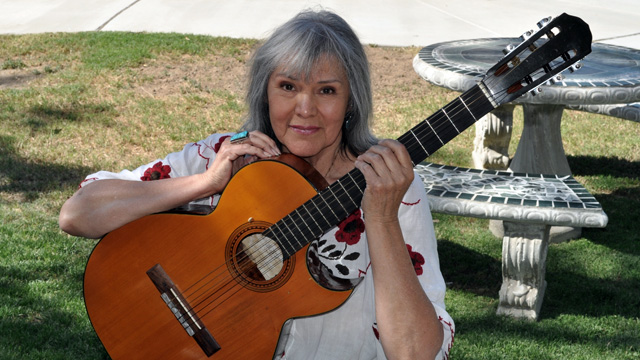
"caption": "At close to 75, Carmencristina Moreno is still playing, composing, and singing every day. (Courtesy Howard Watkins)",
"description": null,
"title": "morenocrop1",
"credit": null,
"status": "inherit",
"isLoading": false,
"fetchFailed": false
},
"news_119917": {
"type": "attachments",
"id": "news_119917",
"meta": {
"index": "attachments_1716263798",
"site": "news",
"id": "119917",
"found": true
},
"parent": 119880,
"imgSizes": {
"kqedFullSize": {
"file": "https://ww2.kqed.org/app/uploads/sites/10/2013/12/8344194075_a04690f274_k1-e1386187971945.jpg",
"width": 640,
"height": 427
}
},
"publishDate": 1386187950,
"modified": 1386187950,
"caption": null,
"description": null,
"title": "Frost-Featured",
"credit": null,
"status": "inherit",
"isLoading": false,
"fetchFailed": false
},
"news_55330": {
"type": "attachments",
"id": "news_55330",
"meta": {
"index": "attachments_1716263798",
"site": "news",
"id": "55330",
"found": true
},
"parent": 55328,
"imgSizes": {
"kqedFullSize": {
"file": "https://ww2.kqed.org/app/uploads/sites/10/2012/02/high-speed-rail20111118-e1385423679307.jpg",
"width": 640,
"height": 367
}
},
"publishDate": 1328227640,
"modified": 1328227640,
"caption": "Artist's conception of California bullet train. (California High-Speed Rail Authority)",
"description": null,
"title": "Bullet Train ",
"credit": null,
"status": "inherit",
"isLoading": false,
"fetchFailed": false
}
},
"audioPlayerReducer": {
"postId": "stream_live",
"isPaused": true,
"isPlaying": false,
"pfsActive": false,
"pledgeModalIsOpen": true,
"playerDrawerIsOpen": false,
"liveAudioPlayStartedAt": 0,
"liveAudioPlayContext": ""
},
"authorsReducer": {
"danbrekke": {
"type": "authors",
"id": "222",
"meta": {
"index": "authors_1716337520",
"id": "222",
"found": true
},
"name": "Dan Brekke",
"firstName": "Dan",
"lastName": "Brekke",
"slug": "danbrekke",
"email": "dbrekke@kqed.org",
"display_author_email": true,
"staff_mastheads": [
"news",
"science"
],
"title": "KQED Editor and Reporter",
"bio": "Dan Brekke is a reporter and editor for KQED News, responsible for coverage of topics ranging from California water issues to the Bay Area's transportation challenges. In a newsroom career that began in Chicago in 1972, Dan has worked for \u003cem>The San Francisco Examiner,\u003c/em> Wired and TechTV and has been published in The New York Times, The New York Times Magazine, Business 2.0, Salon and elsewhere.\r\n\r\nSince joining KQED in 2007, Dan has reported, edited and produced both radio and online features and breaking news pieces. He has shared as both editor and reporter in four Society of Professional Journalists Norcal Excellence in Journalism awards and one Edward R. Murrow regional award. He was chosen for a spring 2017 residency at the Mesa Refuge to advance his research on California salmon.\r\n\r\nEmail Dan at: \u003ca href=\"mailto:dbrekke@kqed.org\">dbrekke@kqed.org\u003c/a>\r\n\r\n\u003cstrong>Twitter:\u003c/strong> \u003ca href=\"https://twitter.com/danbrekke\" rel=\"noopener noreferrer\">twitter.com/danbrekke\u003c/a>\r\n\u003cstrong>Facebook:\u003c/strong> \u003ca href=\"https://www.facebook.com/danbrekke\" rel=\"noopener noreferrer\">www.facebook.com/danbrekke\u003c/a>\r\n\u003cstrong>LinkedIn:\u003c/strong> \u003ca href=\"https://www.linkedin.com/in/danbrekke\" rel=\"noopener noreferrer\">www.linkedin.com/in/danbrekke\u003c/a>",
"avatar": "https://secure.gravatar.com/avatar/8f1f0d2a978fb3b23426c922c7e2af558fa36905b49c4ce76a97dc3c72d27226?s=600&d=mm&r=g",
"twitter": "danbrekke",
"bluesky": null,
"facebook": null,
"instagram": "https://www.instagram.com/dan.brekke/",
"linkedin": "https://www.linkedin.com/in/danbrekke/",
"sites": [
{
"site": "news",
"roles": [
"administrator",
"create_posts"
]
},
{
"site": "stateofhealth",
"roles": [
"editor"
]
},
{
"site": "science",
"roles": [
"editor"
]
},
{
"site": "quest",
"roles": [
"contributor"
]
},
{
"site": "food",
"roles": [
"contributor"
]
},
{
"site": "forum",
"roles": [
"contributor"
]
},
{
"site": "elections",
"roles": [
"editor"
]
},
{
"site": "liveblog",
"roles": [
"editor"
]
}
],
"headData": {
"title": "Dan Brekke | KQED",
"description": "KQED Editor and Reporter",
"ogImgSrc": "https://secure.gravatar.com/avatar/8f1f0d2a978fb3b23426c922c7e2af558fa36905b49c4ce76a97dc3c72d27226?s=600&d=mm&r=g",
"twImgSrc": "https://secure.gravatar.com/avatar/8f1f0d2a978fb3b23426c922c7e2af558fa36905b49c4ce76a97dc3c72d27226?s=600&d=mm&r=g"
},
"isLoading": false,
"link": "/author/danbrekke"
},
"katsnow": {
"type": "authors",
"id": "235",
"meta": {
"index": "authors_1716337520",
"id": "235",
"found": true
},
"name": "Katrin Snow",
"firstName": "Katrin",
"lastName": "Snow",
"slug": "katsnow",
"email": "ksnow@kqed.org",
"display_author_email": true,
"staff_mastheads": [
"science"
],
"title": "Senior Editor",
"bio": "Kat started in radio in 1985 at KMUN in Astoria, Oregon, where the Columbia River meets the sea. She worked several years protecting monarch butterfly habitat in California with the Xerces Society, an invertebrate conservation organization, before a love for radio news drew her back into journalism. Kat came to KQED in 2002, and before that was a reporter and news director at KUER in Salt Lake City, covering the state legislature, the environment and health. Kat coaches reporters and others in embodied narration and public speaking. She is a certified teacher of Soul Motion®, a conscious dance practice, and can sometimes be found in the Mojave desert or the Eastern Sierra.",
"avatar": "https://secure.gravatar.com/avatar/fa6bf8a74a2692973a5484e64ebd2b52?s=600&d=blank&r=g",
"twitter": "cosmologicalkat",
"facebook": null,
"instagram": null,
"linkedin": null,
"sites": [
{
"site": "arts",
"roles": [
"contributor"
]
},
{
"site": "news",
"roles": [
"editor"
]
},
{
"site": "futureofyou",
"roles": [
"editor"
]
},
{
"site": "science",
"roles": [
"editor"
]
}
],
"headData": {
"title": "Katrin Snow | KQED",
"description": "Senior Editor",
"ogImgSrc": "https://secure.gravatar.com/avatar/fa6bf8a74a2692973a5484e64ebd2b52?s=600&d=blank&r=g",
"twImgSrc": "https://secure.gravatar.com/avatar/fa6bf8a74a2692973a5484e64ebd2b52?s=600&d=blank&r=g"
},
"isLoading": false,
"link": "/author/katsnow"
},
"kqed": {
"type": "authors",
"id": "236",
"meta": {
"index": "authors_1716337520",
"id": "236",
"found": true
},
"name": "KQED News Staff",
"firstName": "KQED News Staff",
"lastName": null,
"slug": "kqed",
"email": "faq@kqed.org",
"display_author_email": false,
"staff_mastheads": [],
"title": null,
"bio": null,
"avatar": "https://secure.gravatar.com/avatar/ef0e801a68c4c54afa9180db14084167?s=600&d=blank&r=g",
"twitter": null,
"facebook": null,
"instagram": null,
"linkedin": null,
"sites": [
{
"site": "arts",
"roles": [
"contributor"
]
},
{
"site": "news",
"roles": [
"editor"
]
},
{
"site": "futureofyou",
"roles": [
"author"
]
}
],
"headData": {
"title": "KQED News Staff | KQED",
"description": null,
"ogImgSrc": "https://secure.gravatar.com/avatar/ef0e801a68c4c54afa9180db14084167?s=600&d=blank&r=g",
"twImgSrc": "https://secure.gravatar.com/avatar/ef0e801a68c4c54afa9180db14084167?s=600&d=blank&r=g"
},
"isLoading": false,
"link": "/author/kqed"
},
"kqednewsstaffandwires": {
"type": "authors",
"id": "237",
"meta": {
"index": "authors_1716337520",
"id": "237",
"found": true
},
"name": "KQED News Staff and Wires",
"firstName": "KQED News Staff and Wires",
"lastName": null,
"slug": "kqednewsstaffandwires",
"email": "onlinenewsstaff@kqed.org",
"display_author_email": false,
"staff_mastheads": [],
"title": null,
"bio": null,
"avatar": "https://secure.gravatar.com/avatar/72295af8ebbfbd19a4948f5271285664?s=600&d=blank&r=g",
"twitter": null,
"facebook": null,
"instagram": null,
"linkedin": null,
"sites": [
{
"site": "arts",
"roles": [
"contributor"
]
},
{
"site": "news",
"roles": [
"contributor"
]
},
{
"site": "lowdown",
"roles": [
"author"
]
},
{
"site": "stateofhealth",
"roles": [
"contributor"
]
},
{
"site": "food",
"roles": [
"author"
]
}
],
"headData": {
"title": "KQED News Staff and Wires | KQED",
"description": null,
"ogImgSrc": "https://secure.gravatar.com/avatar/72295af8ebbfbd19a4948f5271285664?s=600&d=blank&r=g",
"twImgSrc": "https://secure.gravatar.com/avatar/72295af8ebbfbd19a4948f5271285664?s=600&d=blank&r=g"
},
"isLoading": false,
"link": "/author/kqednewsstaffandwires"
},
"sasha-khokha": {
"type": "authors",
"id": "254",
"meta": {
"index": "authors_1716337520",
"id": "254",
"found": true
},
"name": "Sasha Khokha",
"firstName": "Sasha",
"lastName": "Khokha",
"slug": "sasha-khokha",
"email": "skhokha@kqed.org",
"display_author_email": true,
"staff_mastheads": [
"news"
],
"title": "Host, The California Report Magazine",
"bio": "Sasha Khokha is the host of \u003cem>The California Report's \u003c/em> weekly magazine program, which takes listeners on sound-rich excursions to meet the people that make the Golden State unique -- through audio documentaries and long-form stories. As \u003cem>The California Report's\u003c/em> Central Valley Bureau Chief based in Fresno for nearly a dozen years, Sasha brought the lives and concerns of rural Californians to listeners around the state. Her reporting helped expose the hidden price immigrant women janitors and farmworkers may pay to keep their jobs: sexual assault at work. It inspired two new California laws to protect them from sexual harassment. She was a key member of the reporting team for the Frontline film \u003cem>Rape on the Night Shift, \u003c/em>which was nominated for two national Emmys. Sasha has also won a national Edward R. Murrow and a national PRNDI award for investigative reporting, as well as multiple prizes from the Society for Professional Journalists. Sasha is a proud alum of the UC Berkeley Graduate School of Journalism and Brown University and a member of the South Asian Journalists Association.",
"avatar": "https://secure.gravatar.com/avatar/e4b5e1541aaeea2aa356aa1fb2a68950?s=600&d=blank&r=g",
"twitter": "KQEDSashaKhokha",
"facebook": null,
"instagram": null,
"linkedin": null,
"sites": [
{
"site": "news",
"roles": [
"editor"
]
},
{
"site": "stateofhealth",
"roles": [
"author"
]
},
{
"site": "science",
"roles": [
"author"
]
},
{
"site": "quest",
"roles": [
"subscriber"
]
}
],
"headData": {
"title": "Sasha Khokha | KQED",
"description": "Host, The California Report Magazine",
"ogImgSrc": "https://secure.gravatar.com/avatar/e4b5e1541aaeea2aa356aa1fb2a68950?s=600&d=blank&r=g",
"twImgSrc": "https://secure.gravatar.com/avatar/e4b5e1541aaeea2aa356aa1fb2a68950?s=600&d=blank&r=g"
},
"isLoading": false,
"link": "/author/sasha-khokha"
},
"tychehendricks": {
"type": "authors",
"id": "259",
"meta": {
"index": "authors_1716337520",
"id": "259",
"found": true
},
"name": "Tyche Hendricks",
"firstName": "Tyche",
"lastName": "Hendricks",
"slug": "tychehendricks",
"email": "thendricks@kqed.org",
"display_author_email": true,
"staff_mastheads": [
"news"
],
"title": "KQED Senior Editor, Immigration",
"bio": "\u003cspan style=\"font-weight: 400;\">Tyche Hendricks is KQED’s senior editor for immigration, leading coverage of the policy and politics that affect California’s immigrant communities. Her work for KQED’s radio and online audiences is also carried on NPR and other national outlets. She has been recognized with awards from the Radio and Television News Directors Association, the Society for Professional Journalists; the Education Writers Association; the Best of the West and the National Federation of Community Broadcasters. Before joining KQED in 2010, Tyche spent more than a dozen years as a newspaper reporter, notably at the \u003c/span>\u003ci>\u003cspan style=\"font-weight: 400;\">San Francisco Chronicle\u003c/span>\u003c/i>\u003cspan style=\"font-weight: 400;\">. At different times she has covered criminal justice, government and politics and urban planning. Tyche has taught in the MFA Creative Writing program at the University of San Francisco and at UC Berkeley’s Graduate School of Journalism, where she was co-director of a national immigration symposium for professional journalists. She is the author of \u003c/span>\u003ci>\u003cspan style=\"font-weight: 400;\">The Wind Doesn't Need a Passport: Stories from the U.S.-Mexico Borderlands\u003c/span>\u003c/i>\u003cspan style=\"font-weight: 400;\"> (University of California Press). \u003c/span>",
"avatar": "https://secure.gravatar.com/avatar/b8ee458e2731c2d43df86882ce17267e?s=600&d=blank&r=g",
"twitter": "tychehendricks",
"facebook": null,
"instagram": null,
"linkedin": null,
"sites": [
{
"site": "news",
"roles": [
"editor"
]
},
{
"site": "stateofhealth",
"roles": [
"editor"
]
}
],
"headData": {
"title": "Tyche Hendricks | KQED",
"description": "KQED Senior Editor, Immigration",
"ogImgSrc": "https://secure.gravatar.com/avatar/b8ee458e2731c2d43df86882ce17267e?s=600&d=blank&r=g",
"twImgSrc": "https://secure.gravatar.com/avatar/b8ee458e2731c2d43df86882ce17267e?s=600&d=blank&r=g"
},
"isLoading": false,
"link": "/author/tychehendricks"
},
"lairdharrison": {
"type": "authors",
"id": "1367",
"meta": {
"index": "authors_1716337520",
"id": "1367",
"found": true
},
"name": "Laird Harrison",
"firstName": "Laird",
"lastName": "Harrison",
"slug": "lairdharrison",
"email": "laird_harrison@yahoo.com",
"display_author_email": false,
"staff_mastheads": [],
"title": null,
"bio": null,
"avatar": "https://secure.gravatar.com/avatar/cd1a94b071427a71ecfcbc115c6b0efe?s=600&d=blank&r=g",
"twitter": null,
"facebook": null,
"instagram": null,
"linkedin": null,
"sites": [
{
"site": "news",
"roles": [
"subscriber"
]
}
],
"headData": {
"title": "Laird Harrison | KQED",
"description": null,
"ogImgSrc": "https://secure.gravatar.com/avatar/cd1a94b071427a71ecfcbc115c6b0efe?s=600&d=blank&r=g",
"twImgSrc": "https://secure.gravatar.com/avatar/cd1a94b071427a71ecfcbc115c6b0efe?s=600&d=blank&r=g"
},
"isLoading": false,
"link": "/author/lairdharrison"
}
},
"pagesReducer": {
"news_tag_central-valley": {
"type": "terms",
"id": "news_311",
"meta": {
"index": "terms_1716263798",
"site": "news",
"id": "311",
"score": 8.669906
},
"featImg": null,
"name": "Central Valley",
"description": null,
"taxonomy": "tag",
"headData": {
"twImgId": null,
"twTitle": null,
"ogTitle": null,
"ogImgId": null,
"twDescription": null,
"description": null,
"title": "Central Valley Archives | KQED News",
"ogDescription": null
},
"ttid": 319,
"slug": "central-valley",
"isLoading": false,
"title": "Central Valley",
"pageMeta": {
"site": "news",
"WpPageTemplate": "page-topic-editorial",
"currentPage": 14
},
"blocks": [
{
"blockName": "kqed/post-list",
"attrs": {
"layout": "cardArticle2",
"query": "posts/news?tag=central-valley",
"seeMore": false,
"paginated": true,
"page": 14
}
},
{
"blockName": "kqed/ad"
}
]
}
},
"pfsSessionReducer": {},
"postsReducer": {
"stream_live": {
"type": "live",
"id": "stream_live",
"audioUrl": "https://streams.kqed.org/kqedradio",
"title": "Live Stream",
"excerpt": "Live Stream information currently unavailable.",
"link": "/radio",
"featImg": "",
"label": {
"name": "KQED Live",
"link": "/"
}
},
"stream_kqedNewscast": {
"type": "posts",
"id": "stream_kqedNewscast",
"audioUrl": "https://www.kqed.org/.stream/anon/radio/RDnews/newscast.mp3?_=1",
"title": "KQED Newscast",
"featImg": "",
"label": {
"name": "88.5 FM",
"link": "/"
}
},
"news_124605": {
"type": "posts",
"id": "news_124605",
"meta": {
"index": "posts_1716263798",
"site": "news",
"id": "124605",
"score": null,
"sort": [
1391012948000
]
},
"parent": 0,
"labelTerm": {
"site": "news",
"term": 6944
},
"blocks": [],
"publishDate": 1391012948,
"format": "aside",
"disqusTitle": "Remembering Pete Seeger and His Days in California",
"title": "Remembering Pete Seeger and His Days in California",
"headTitle": "News Fix | KQED News",
"content": "\u003cdiv class=\"single-video\">\u003ciframe src=\"//www.youtube.com/embed/BcbqCssiBUc?list=PLyvp1V0Vcqf9bh5jUPsHGgT-NlBLOC71I\" frameborder=\"0\" width=\"560\" height=\"315\">\u003c/iframe>\u003c/div>\n\u003cp>Legendary folk singer and social activist Pete Seeger has been inspiring Californians since his earliest days as a traveling banjo player.\u003c/p>\n\u003cp>Seeger died Monday in a New York hospital at the age of 94.\u003c/p>\n\u003cp>Pete Seeger came to California in 1940 to play a benefit concert for migrant farmworkers. And it was then he met singer, songwriter and activist \u003ca href=\"http://www.woodyguthrie.org/\" target=\"_blank\">Woody Guthrie\u003c/a>. The two became traveling and singing companions, campaigning for farmworker justice two decades before the movement rose to national prominence, says United Farm Workers spokesman Marc Grossman. \u003c/p>\n\u003caside class=\"pullquote alignleft\">'I think he believed that music could cut through all of those things that make us afraid of one another.'\u003ccite>— Holly Near\u003cbr>\non folksinger Pete Seeger\u003c/cite> \u003c/aside>\n\u003cp>Grossman was the personal aide and press secretary to \u003ca href=\"http://www.ufw.org/_page.php?menu=research&inc=history/07.html\" target=\"_blank\">Cesar Chavez\u003c/a> for more than two decades. He says Chavez met Guthrie at about the same time Seeger did.\u003c/p>\n\u003cp>“Cesar was just a kid then, maybe 13 or 14 years old,” Grossman says, “when Guthrie, this legendary folksinger and songwriter, would visit and sing songs and support strikes in the farm labor camps in the lower Central Valley, where Cesar and his family sometimes lived when they were migrant farmworkers during the Depression.”\u003c/p>\n\u003cp>[ad fullwidth]\u003c/p>\n\u003cp>In the 1960s, Seeger and Guthrie, along with artists like \u003ca href=\"http://www.joanbaez.com/officialbio08.html\" target=\"_blank\">Joan Baez \u003c/a>and \u003ca href=\"http://www.peterpaulandmary.com/\" target=\"_blank\">Peter, Paul, and Mary\u003c/a>, helped elevate the \u003ca href=\"http://www.ufw.org/\" target=\"_blank\">United Farm Workers\u003c/a> movement to national consciousness.\u003c/p>\n\u003cfigure id=\"attachment_124672\" class=\"wp-caption alignleft\" style=\"max-width: 300px\">\u003ca href=\"http://ww2.kqed.org/news/wp-content/uploads/sites/10/2014/01/90330705.jpg\">\u003cimg class=\"size-thumbnail wp-image-124672\" src=\"http://ww2.kqed.org/news/wp-content/uploads/sites/10/2014/01/90330705-300x300.jpg\" alt=\"Pete Seeger at a 2009 performance in New York City. (Astrid Stawiarz/Getty Images)\" width=\"300\" height=\"300\">\u003c/a>\u003cfigcaption class=\"wp-caption-text\">Pete Seeger at a 2009 performance in New York City. (Astrid Stawiarz/Getty Images)\u003c/figcaption>\u003c/figure>\n\u003cp>Seeger would plug the union's grape boycotts wherever he could, Grossman says, and would sometimes attend UFW events in the Midwest and East Coast.\u003c/p>\n\u003cp>“He’d sing ‘Nosotros Venceremos,’ the Spanish version of ‘We Shall Overcome,’ that Cesar and the UFW adopted in the 1960s,” Grossman says. “We felt blessed that among the many righteous causes that Pete Seeger championed over the decades was La Causa, the farmworkers’ cause.”\u003c/p>\n\u003cp>“\u003ca href=\"http://www.pbs.org/wnet/gperf/episodes/pete-seegers-90th-birthday-celebration-from-madison-square-garden/we-shall-overcome/820/\" target=\"_blank\">We Shall Overcome\u003c/a>” is one of Seeger’s most famous tunes, adapted from an old gospel song. Here is the story of how the song became a protest anthem, as related by The New York Times:\u003c/p>\n\u003cblockquote>\u003cp>Like many of Mr. Seeger’s songs, “We Shall Overcome” had convoluted traditional roots. It was based on old gospel songs, primarily “I’ll Overcome,” a hymn that striking tobacco workers had sung on a picket line in South Carolina. A slower version, “We Will Overcome,” was collected from one of the workers, Lucille Simmons, by Zilphia Horton, the musical director of the Highlander Folk School in Monteagle, Tenn., which trained union organizers.\u003c/p>\n\u003cp>Ms. Horton taught it to Mr. Seeger, and her version of “We Will Overcome” was published in the People’s Songs newsletter. Mr. Seeger changed “We will” to “We shall” and added verses (“We’ll walk hand in hand”). He taught it to the singers Frank Hamilton, who would join the Weavers in 1962, and Guy Carawan, who became musical director at Highlander in the ‘50s. Mr. Carawan taught the song to the Student Nonviolent Coordinating Committee at its founding convention.\u003c/p>\n\u003cp>The song was copyrighted by Mr. Seeger, Mr. Hamilton, Mr. Carawan and Ms. Horton. “At that time we didn’t know Lucille Simmons’s name,” Mr. Seeger wrote in his 1993 autobiography, “Where Have All the Flowers Gone.” All of the song’s royalties go to the “We Shall Overcome” Fund, administered by what is now the \u003ca href=\"http://highlandercenter.org/\" target=\"_blank\">Highlander Research and Education Center\u003c/a>, which provides grants to African-Americans organizing in the South.\u003c/p>\u003c/blockquote>\n\u003cp>Seeger inspired generations of folk musicians and activists, with his commitment to peace, community, and the labor movement. And it was at a concert in San Francisco where 10-year-old aspiring folk singer Holly Near first heard Seeger, along with Ronnie Gilbert, Lee Hays and Fred Hellerman, in the pioneering folk group \u003ca href=\"http://www.pbs.org/americanrootsmusic/pbs_arm_saa_weavers.html\" target=\"_blank\">The Weavers\u003c/a>. Near says folk music was popular in her childhood home. Her father built a specially sized mailbox to receive LPs, and her mother would go through catalogs and order albums by \u003ca href=\"http://www.nytimes.com/2008/12/03/arts/music/03odetta.html?pagewanted=all&_r=0\" target=\"_blank\">Odetta\u003c/a>, \u003ca href=\"http://www.pbs.org/wnet/americanmasters/episodes/paul-robeson/about-the-actor/66/\" target=\"_blank\">Paul Robeson\u003c/a> and The Weavers.\u003c/p>\n\u003cp>“My siblings and I would all sing all the parts. We knew the words to every single song and we would dance around and sing,\" Near says, then breaks into the opening line from The Weavers' \"\u003ca href=\"http://www.peterpaulandmary.com/music/05-07.htm\" target=\"_blank\">Wasn't That a Time\u003c/a>\": “Our fathers bled at Valley Forge. ... ”\u003c/p>\n\u003cp>“Now I'm sure as an 8-year-old I had no idea what that meant,” she says, laughing, “but it was so exciting, those voices.”\u003c/p>\n\u003cp>Near says she had no idea back then that she would sing with Seeger on and off through much of her life. She says Seeger often invited younger musicians like her to join him, and there's likely hardly a folk musician in California who hasn't shared the stage with him at some point.\u003c/p>\n\u003cp>He was eager to join in the antiwar and civil rights causes of the 1960s, she says, and would sing for causes across political boundaries, like a fundraiser he did for children in Lebanon at a time when the Arab community couldn’t find artists who would support their work.\u003c/p>\n\u003cp>“He felt that everyone should be given a chance to respond to a song,” Near says. “Even on his banjo it says, ‘This machine surrounds hate and forces it to surrender.’ I think he believed that music could cut through all of those things that make us afraid of one another.”\u003c/p>\n\u003cp>During the McCarthy era, Seeger and other members of the Weavers were accused of belonging to the Communist Party — true in Seeger's case, though he had quit by the time the charge was made — and they would sometimes arrive for concerts to find they were barred from playing. One such episode occurred in Ohio, when a 1951 Weavers appearance at the state fair was canceled. Near says that decades later, when she was touring with Seeger, Ronnie Gilbert and Arlo Guthrie, “the governor of Ohio — must have been 50 years later — invited Pete and Ronnie to come forward, and he did a public apology to them for Ohio’s historic error. It was very, very beautiful to see.”\u003c/p>\n\u003cp>Near says now is a time to play Pete Seeger's music, sing, dance and feel the joy of having shared the planet with him for so many years.\u003c/p>\n\u003cp>[ad floatright]\u003c/p>\n\u003cp>“It’s been an honor and a pleasure to be with such an extraordinary musician and thinker and lover of the world,” she says, and then starts laughing. “I was laughing, thinking that there’s such an unusual footprint that he’s left that archaeologists are going to see it and wonder, 'What creature is this? And we’re his descendants.' ”\u003c/p>\n\n",
"disqusIdentifier": "124605 http://ww2.kqed.org/news/?p=124605",
"disqusUrl": "https://ww2.kqed.org/news/2014/01/29/remembering-pete-seeger-and-his-days-in-california/",
"stats": {
"hasVideo": true,
"hasChartOrMap": false,
"hasAudio": false,
"hasPolis": false,
"wordCount": 1178,
"hasGoogleForm": false,
"hasGallery": false,
"hasHearkenModule": false,
"iframeSrcs": [],
"paragraphCount": 23
},
"modified": 1391043636,
"excerpt": "Singer was an early campaigner for farmworker rights and influenced generations of California musicians.",
"headData": {
"twImgId": "",
"twTitle": "",
"ogTitle": "",
"ogImgId": "",
"twDescription": "",
"description": "Singer was an early campaigner for farmworker rights and influenced generations of California musicians.",
"title": "Remembering Pete Seeger and His Days in California | KQED",
"ogDescription": "",
"schema": {
"@context": "https://schema.org",
"@type": "NewsArticle",
"headline": "Remembering Pete Seeger and His Days in California",
"datePublished": "2014-01-29T08:29:08-08:00",
"dateModified": "2014-01-29T17:00:36-08:00",
"image": "https://cdn.kqed.org/wp-content/uploads/2020/02/KQED-OG-Image@1x.png",
"isAccessibleForFree": "True",
"publisher": {
"@type": "NewsMediaOrganization",
"@id": "https://www.kqed.org/#organization",
"name": "KQED",
"logo": "https://cdn.kqed.org/wp-content/uploads/2020/02/KQED-OG-Image@1x.png",
"url": "https://www.kqed.org",
"sameAs": [
"https://www.facebook.com/KQED",
"https://twitter.com/KQED",
"https://www.instagram.com/kqed/",
"https://www.tiktok.com/@kqedofficial",
"https://www.linkedin.com/company/kqed",
"https://www.youtube.com/channel/UCeC0IOo7i1P_61zVUWbJ4nw"
]
}
}
},
"guestAuthors": [],
"slug": "remembering-pete-seeger-and-his-days-in-california",
"status": "publish",
"customPermalink": "2014/01/28/remembering-pete-seeger-in-california/",
"path": "/news/124605/remembering-pete-seeger-and-his-days-in-california",
"audioTrackLength": null,
"parsedContent": [
{
"type": "contentString",
"content": "\u003cdiv class=\"post-body\">\u003cp>\u003cdiv class=\"single-video\">\u003ciframe src=\"//www.youtube.com/embed/BcbqCssiBUc?list=PLyvp1V0Vcqf9bh5jUPsHGgT-NlBLOC71I\" frameborder=\"0\" width=\"560\" height=\"315\">\u003c/iframe>\u003c/div>\n\u003cp>Legendary folk singer and social activist Pete Seeger has been inspiring Californians since his earliest days as a traveling banjo player.\u003c/p>\n\u003cp>Seeger died Monday in a New York hospital at the age of 94.\u003c/p>\n\u003cp>Pete Seeger came to California in 1940 to play a benefit concert for migrant farmworkers. And it was then he met singer, songwriter and activist \u003ca href=\"http://www.woodyguthrie.org/\" target=\"_blank\">Woody Guthrie\u003c/a>. The two became traveling and singing companions, campaigning for farmworker justice two decades before the movement rose to national prominence, says United Farm Workers spokesman Marc Grossman. \u003c/p>\n\u003caside class=\"pullquote alignleft\">'I think he believed that music could cut through all of those things that make us afraid of one another.'\u003ccite>— Holly Near\u003cbr>\non folksinger Pete Seeger\u003c/cite> \u003c/aside>\n\u003cp>Grossman was the personal aide and press secretary to \u003ca href=\"http://www.ufw.org/_page.php?menu=research&inc=history/07.html\" target=\"_blank\">Cesar Chavez\u003c/a> for more than two decades. He says Chavez met Guthrie at about the same time Seeger did.\u003c/p>\n\u003cp>“Cesar was just a kid then, maybe 13 or 14 years old,” Grossman says, “when Guthrie, this legendary folksinger and songwriter, would visit and sing songs and support strikes in the farm labor camps in the lower Central Valley, where Cesar and his family sometimes lived when they were migrant farmworkers during the Depression.”\u003c/p>\n\u003cp>\u003c/p>\u003c/div>",
"attributes": {
"named": {},
"numeric": []
}
},
{
"type": "component",
"content": "",
"name": "ad",
"attributes": {
"named": {
"label": "fullwidth"
},
"numeric": [
"fullwidth"
]
}
},
{
"type": "contentString",
"content": "\u003cdiv class=\"post-body\">\u003cp>\u003c/p>\n\u003cp>In the 1960s, Seeger and Guthrie, along with artists like \u003ca href=\"http://www.joanbaez.com/officialbio08.html\" target=\"_blank\">Joan Baez \u003c/a>and \u003ca href=\"http://www.peterpaulandmary.com/\" target=\"_blank\">Peter, Paul, and Mary\u003c/a>, helped elevate the \u003ca href=\"http://www.ufw.org/\" target=\"_blank\">United Farm Workers\u003c/a> movement to national consciousness.\u003c/p>\n\u003cfigure id=\"attachment_124672\" class=\"wp-caption alignleft\" style=\"max-width: 300px\">\u003ca href=\"http://ww2.kqed.org/news/wp-content/uploads/sites/10/2014/01/90330705.jpg\">\u003cimg class=\"size-thumbnail wp-image-124672\" src=\"http://ww2.kqed.org/news/wp-content/uploads/sites/10/2014/01/90330705-300x300.jpg\" alt=\"Pete Seeger at a 2009 performance in New York City. (Astrid Stawiarz/Getty Images)\" width=\"300\" height=\"300\">\u003c/a>\u003cfigcaption class=\"wp-caption-text\">Pete Seeger at a 2009 performance in New York City. (Astrid Stawiarz/Getty Images)\u003c/figcaption>\u003c/figure>\n\u003cp>Seeger would plug the union's grape boycotts wherever he could, Grossman says, and would sometimes attend UFW events in the Midwest and East Coast.\u003c/p>\n\u003cp>“He’d sing ‘Nosotros Venceremos,’ the Spanish version of ‘We Shall Overcome,’ that Cesar and the UFW adopted in the 1960s,” Grossman says. “We felt blessed that among the many righteous causes that Pete Seeger championed over the decades was La Causa, the farmworkers’ cause.”\u003c/p>\n\u003cp>“\u003ca href=\"http://www.pbs.org/wnet/gperf/episodes/pete-seegers-90th-birthday-celebration-from-madison-square-garden/we-shall-overcome/820/\" target=\"_blank\">We Shall Overcome\u003c/a>” is one of Seeger’s most famous tunes, adapted from an old gospel song. Here is the story of how the song became a protest anthem, as related by The New York Times:\u003c/p>\n\u003cblockquote>\u003cp>Like many of Mr. Seeger’s songs, “We Shall Overcome” had convoluted traditional roots. It was based on old gospel songs, primarily “I’ll Overcome,” a hymn that striking tobacco workers had sung on a picket line in South Carolina. A slower version, “We Will Overcome,” was collected from one of the workers, Lucille Simmons, by Zilphia Horton, the musical director of the Highlander Folk School in Monteagle, Tenn., which trained union organizers.\u003c/p>\n\u003cp>Ms. Horton taught it to Mr. Seeger, and her version of “We Will Overcome” was published in the People’s Songs newsletter. Mr. Seeger changed “We will” to “We shall” and added verses (“We’ll walk hand in hand”). He taught it to the singers Frank Hamilton, who would join the Weavers in 1962, and Guy Carawan, who became musical director at Highlander in the ‘50s. Mr. Carawan taught the song to the Student Nonviolent Coordinating Committee at its founding convention.\u003c/p>\n\u003cp>The song was copyrighted by Mr. Seeger, Mr. Hamilton, Mr. Carawan and Ms. Horton. “At that time we didn’t know Lucille Simmons’s name,” Mr. Seeger wrote in his 1993 autobiography, “Where Have All the Flowers Gone.” All of the song’s royalties go to the “We Shall Overcome” Fund, administered by what is now the \u003ca href=\"http://highlandercenter.org/\" target=\"_blank\">Highlander Research and Education Center\u003c/a>, which provides grants to African-Americans organizing in the South.\u003c/p>\u003c/blockquote>\n\u003cp>Seeger inspired generations of folk musicians and activists, with his commitment to peace, community, and the labor movement. And it was at a concert in San Francisco where 10-year-old aspiring folk singer Holly Near first heard Seeger, along with Ronnie Gilbert, Lee Hays and Fred Hellerman, in the pioneering folk group \u003ca href=\"http://www.pbs.org/americanrootsmusic/pbs_arm_saa_weavers.html\" target=\"_blank\">The Weavers\u003c/a>. Near says folk music was popular in her childhood home. Her father built a specially sized mailbox to receive LPs, and her mother would go through catalogs and order albums by \u003ca href=\"http://www.nytimes.com/2008/12/03/arts/music/03odetta.html?pagewanted=all&_r=0\" target=\"_blank\">Odetta\u003c/a>, \u003ca href=\"http://www.pbs.org/wnet/americanmasters/episodes/paul-robeson/about-the-actor/66/\" target=\"_blank\">Paul Robeson\u003c/a> and The Weavers.\u003c/p>\n\u003cp>“My siblings and I would all sing all the parts. We knew the words to every single song and we would dance around and sing,\" Near says, then breaks into the opening line from The Weavers' \"\u003ca href=\"http://www.peterpaulandmary.com/music/05-07.htm\" target=\"_blank\">Wasn't That a Time\u003c/a>\": “Our fathers bled at Valley Forge. ... ”\u003c/p>\n\u003cp>“Now I'm sure as an 8-year-old I had no idea what that meant,” she says, laughing, “but it was so exciting, those voices.”\u003c/p>\n\u003cp>Near says she had no idea back then that she would sing with Seeger on and off through much of her life. She says Seeger often invited younger musicians like her to join him, and there's likely hardly a folk musician in California who hasn't shared the stage with him at some point.\u003c/p>\n\u003cp>He was eager to join in the antiwar and civil rights causes of the 1960s, she says, and would sing for causes across political boundaries, like a fundraiser he did for children in Lebanon at a time when the Arab community couldn’t find artists who would support their work.\u003c/p>\n\u003cp>“He felt that everyone should be given a chance to respond to a song,” Near says. “Even on his banjo it says, ‘This machine surrounds hate and forces it to surrender.’ I think he believed that music could cut through all of those things that make us afraid of one another.”\u003c/p>\n\u003cp>During the McCarthy era, Seeger and other members of the Weavers were accused of belonging to the Communist Party — true in Seeger's case, though he had quit by the time the charge was made — and they would sometimes arrive for concerts to find they were barred from playing. One such episode occurred in Ohio, when a 1951 Weavers appearance at the state fair was canceled. Near says that decades later, when she was touring with Seeger, Ronnie Gilbert and Arlo Guthrie, “the governor of Ohio — must have been 50 years later — invited Pete and Ronnie to come forward, and he did a public apology to them for Ohio’s historic error. It was very, very beautiful to see.”\u003c/p>\n\u003cp>Near says now is a time to play Pete Seeger's music, sing, dance and feel the joy of having shared the planet with him for so many years.\u003c/p>\n\u003cp>\u003c/p>\u003c/div>",
"attributes": {
"named": {},
"numeric": []
}
},
{
"type": "component",
"content": "",
"name": "ad",
"attributes": {
"named": {
"label": "floatright"
},
"numeric": [
"floatright"
]
}
},
{
"type": "contentString",
"content": "\u003cdiv class=\"post-body\">\u003cp>\u003c/p>\n\u003cp>“It’s been an honor and a pleasure to be with such an extraordinary musician and thinker and lover of the world,” she says, and then starts laughing. “I was laughing, thinking that there’s such an unusual footprint that he’s left that archaeologists are going to see it and wonder, 'What creature is this? And we’re his descendants.' ”\u003c/p>\n\n\u003c/div>\u003c/p>",
"attributes": {
"named": {},
"numeric": []
}
}
],
"link": "/news/124605/remembering-pete-seeger-and-his-days-in-california",
"authors": [
"235"
],
"programs": [
"news_6944"
],
"categories": [
"news_223"
],
"tags": [
"news_311",
"news_885",
"news_1602"
],
"featImg": "news_124672",
"label": "news_6944"
},
"news_124337": {
"type": "posts",
"id": "news_124337",
"meta": {
"index": "posts_1716263798",
"site": "news",
"id": "124337",
"score": null,
"sort": [
1390578779000
]
},
"parent": 0,
"labelTerm": {
"site": "news",
"term": 6944
},
"blocks": [],
"publishDate": 1390578779,
"format": "aside",
"disqusTitle": "A Signal From Central Valley That GOP May Act on Immigration",
"title": "A Signal From Central Valley That GOP May Act on Immigration",
"headTitle": "News Fix | KQED News",
"content": "\u003cfigure id=\"attachment_124338\" class=\"wp-caption aligncenter\" style=\"max-width: 1028px\">\u003ca href=\"http://ww2.kqed.org/news/wp-content/uploads/sites/10/2014/01/106955504.jpg\">\u003cimg class=\"size-large wp-image-124338\" src=\"http://ww2.kqed.org/news/wp-content/uploads/sites/10/2014/01/106955504-1028x685.jpg\" alt=\"Rep. Kevin McCarthy, a Republican from Bakersfield and House majority whip, says he'd favor a path to some form of legalization for undocumented immigrants, but not citizenship. (Chip Somodevilla/Getty Images) \" width=\"1028\" height=\"685\">\u003c/a>\u003cfigcaption class=\"wp-caption-text\">Rep. Kevin McCarthy, a Republican from Bakersfield and House majority whip, says he'd favor a path to some form of legalization for undocumented immigrants, but not citizenship. (Chip Somodevilla/Getty Images)\u003c/figcaption>\u003c/figure>\n\u003cp>As House Republicans prepare to wrestle with their differences on immigration at an annual retreat next week, one GOP lawmaker from the Central Valley is signaling there may be movement on an issue that has split the party. At the same time, a high-profile group of bipartisan leaders \u003ca href=\"http://bipartisanpolicy.org/events/2014/01/immigration-demographic-trends-and-national-security-imperatives\" target=\"_blank\">met in Silicon Valley Thursday\u003c/a> to unveil a report showing immigrants are key to a robust U.S. economy.\u003c/p>\n\u003cp>The \u003ca href=\"http://bipartisanpolicy.org/library/report/immigration-america%E2%80%99s-demographic-edge\" target=\"_blank\">report by the Bipartisan Policy Center\u003c/a> was released by former Secretary of State Condoleezza Rice and former Secretary of Homeland Security Michael Chertoff, both Republicans, and former Secretary of Housing and Urban Development Henry Cisneros, a Democrat. They argued that America’s population is aging and needs immigrants to keep the labor force growing. A healthy economy, in turn, will enable the United States to maintain its global political and military preeminence.\u003c/p>\n\u003cp>“Immigrants not only add to the sheer numbers — so they continue the growth process,” said Cisneros, “but they tend to be younger — therefore they form families, therefore they have children, so they create the generation to come.”\u003c/p>\n\u003cp>Rice said she hoped to counteract what she called a misperception that immigrants are a drag on the economy. If Americans and their elected leaders understood the demographic and economic realities, they would be more likely to support comprehensive immigration reform, she said.\u003c/p>\n\u003cp>The message seemed calculated to give House Republicans a nudge — and possible political cover — as they hash out their differences in what GOP leaders hope will lead to \u003ca href=\"http://www.politico.com/story/2014/01/comprehensive-immigration-reform-republicans-gop-agenda-102537.html\" target=\"_blank\">a series of immigration bills this year\u003c/a>. Some moderate and pro-business Republicans favor a path to citizenship for undocumented immigrants, while Tea Party conservatives say they regard most forms of legalization as amnesty for lawbreakers.\u003c/p>\n\u003cp>[ad fullwidth]\u003c/p>\n\u003cp>Rep. Kevin McCarthy, of Bakersfield, said earlier this week that he favors a path to legal status but not citizenship. McCarthy, who as majority whip is No. 3 in the GOP's House leadership, signaled that provisional legalization may be part of a set of immigration principles that Republican leaders plan to release before next week's retreat. Those principles are being drafted by House Speaker John Boehner’s staff, including his new immigration policy staffer, Becky Tallent, whom Boehner recently hired away from the very same Bipartisan Policy Center.\u003c/p>\n\u003cp>\u003c/p>\n\u003cp>\u003ciframe src=\"https://w.soundcloud.com/player/?url=https%3A//api.soundcloud.com/tracks/131081955&color=ff5500&auto_play=false&show_artwork=true\" frameborder=\"no\" scrolling=\"no\" width=\"100%\" height=\"166\">\u003c/iframe>\u003c/p>\n\n",
"disqusIdentifier": "124337 http://ww2.kqed.org/news/?p=124337",
"disqusUrl": "https://ww2.kqed.org/news/2014/01/24/a-signal-from-central-valley-that-gop-may-act-on-immigration/",
"stats": {
"hasVideo": false,
"hasChartOrMap": false,
"hasAudio": true,
"hasPolis": false,
"wordCount": 419,
"hasGoogleForm": false,
"hasGallery": false,
"hasHearkenModule": false,
"iframeSrcs": [],
"paragraphCount": 9
},
"modified": 1390849850,
"excerpt": "Rep. Kevin McCarthy of Bakersfield says he'd back a path to legal status for undocumented immigrants.",
"headData": {
"twImgId": "",
"twTitle": "",
"ogTitle": "",
"ogImgId": "",
"twDescription": "",
"description": "Rep. Kevin McCarthy of Bakersfield says he'd back a path to legal status for undocumented immigrants.",
"title": "A Signal From Central Valley That GOP May Act on Immigration | KQED",
"ogDescription": "",
"schema": {
"@context": "https://schema.org",
"@type": "NewsArticle",
"headline": "A Signal From Central Valley That GOP May Act on Immigration",
"datePublished": "2014-01-24T07:52:59-08:00",
"dateModified": "2014-01-27T11:10:50-08:00",
"image": "https://cdn.kqed.org/wp-content/uploads/2020/02/KQED-OG-Image@1x.png",
"isAccessibleForFree": "True",
"publisher": {
"@type": "NewsMediaOrganization",
"@id": "https://www.kqed.org/#organization",
"name": "KQED",
"logo": "https://cdn.kqed.org/wp-content/uploads/2020/02/KQED-OG-Image@1x.png",
"url": "https://www.kqed.org",
"sameAs": [
"https://www.facebook.com/KQED",
"https://twitter.com/KQED",
"https://www.instagram.com/kqed/",
"https://www.tiktok.com/@kqedofficial",
"https://www.linkedin.com/company/kqed",
"https://www.youtube.com/channel/UCeC0IOo7i1P_61zVUWbJ4nw"
]
}
}
},
"guestAuthors": [],
"slug": "a-signal-from-central-valley-that-gop-may-act-on-immigration",
"status": "publish",
"customPermalink": "2014/01/23/124337/republicans-immigration-reform/",
"path": "/news/124337/a-signal-from-central-valley-that-gop-may-act-on-immigration",
"audioTrackLength": null,
"parsedContent": [
{
"type": "contentString",
"content": "\u003cdiv class=\"post-body\">\u003cp>\u003cfigure id=\"attachment_124338\" class=\"wp-caption aligncenter\" style=\"max-width: 1028px\">\u003ca href=\"http://ww2.kqed.org/news/wp-content/uploads/sites/10/2014/01/106955504.jpg\">\u003cimg class=\"size-large wp-image-124338\" src=\"http://ww2.kqed.org/news/wp-content/uploads/sites/10/2014/01/106955504-1028x685.jpg\" alt=\"Rep. Kevin McCarthy, a Republican from Bakersfield and House majority whip, says he'd favor a path to some form of legalization for undocumented immigrants, but not citizenship. (Chip Somodevilla/Getty Images) \" width=\"1028\" height=\"685\">\u003c/a>\u003cfigcaption class=\"wp-caption-text\">Rep. Kevin McCarthy, a Republican from Bakersfield and House majority whip, says he'd favor a path to some form of legalization for undocumented immigrants, but not citizenship. (Chip Somodevilla/Getty Images)\u003c/figcaption>\u003c/figure>\n\u003cp>As House Republicans prepare to wrestle with their differences on immigration at an annual retreat next week, one GOP lawmaker from the Central Valley is signaling there may be movement on an issue that has split the party. At the same time, a high-profile group of bipartisan leaders \u003ca href=\"http://bipartisanpolicy.org/events/2014/01/immigration-demographic-trends-and-national-security-imperatives\" target=\"_blank\">met in Silicon Valley Thursday\u003c/a> to unveil a report showing immigrants are key to a robust U.S. economy.\u003c/p>\n\u003cp>The \u003ca href=\"http://bipartisanpolicy.org/library/report/immigration-america%E2%80%99s-demographic-edge\" target=\"_blank\">report by the Bipartisan Policy Center\u003c/a> was released by former Secretary of State Condoleezza Rice and former Secretary of Homeland Security Michael Chertoff, both Republicans, and former Secretary of Housing and Urban Development Henry Cisneros, a Democrat. They argued that America’s population is aging and needs immigrants to keep the labor force growing. A healthy economy, in turn, will enable the United States to maintain its global political and military preeminence.\u003c/p>\n\u003cp>“Immigrants not only add to the sheer numbers — so they continue the growth process,” said Cisneros, “but they tend to be younger — therefore they form families, therefore they have children, so they create the generation to come.”\u003c/p>\n\u003cp>Rice said she hoped to counteract what she called a misperception that immigrants are a drag on the economy. If Americans and their elected leaders understood the demographic and economic realities, they would be more likely to support comprehensive immigration reform, she said.\u003c/p>\n\u003cp>The message seemed calculated to give House Republicans a nudge — and possible political cover — as they hash out their differences in what GOP leaders hope will lead to \u003ca href=\"http://www.politico.com/story/2014/01/comprehensive-immigration-reform-republicans-gop-agenda-102537.html\" target=\"_blank\">a series of immigration bills this year\u003c/a>. Some moderate and pro-business Republicans favor a path to citizenship for undocumented immigrants, while Tea Party conservatives say they regard most forms of legalization as amnesty for lawbreakers.\u003c/p>\n\u003cp>\u003c/p>\u003c/div>",
"attributes": {
"named": {},
"numeric": []
}
},
{
"type": "component",
"content": "",
"name": "ad",
"attributes": {
"named": {
"label": "fullwidth"
},
"numeric": [
"fullwidth"
]
}
},
{
"type": "contentString",
"content": "\u003cdiv class=\"post-body\">\u003cp>\u003c/p>\n\u003cp>Rep. Kevin McCarthy, of Bakersfield, said earlier this week that he favors a path to legal status but not citizenship. McCarthy, who as majority whip is No. 3 in the GOP's House leadership, signaled that provisional legalization may be part of a set of immigration principles that Republican leaders plan to release before next week's retreat. Those principles are being drafted by House Speaker John Boehner’s staff, including his new immigration policy staffer, Becky Tallent, whom Boehner recently hired away from the very same Bipartisan Policy Center.\u003c/p>\n\u003cp>\u003c/p>\n\u003cp>\u003ciframe src=\"https://w.soundcloud.com/player/?url=https%3A//api.soundcloud.com/tracks/131081955&color=ff5500&auto_play=false&show_artwork=true\" frameborder=\"no\" scrolling=\"no\" width=\"100%\" height=\"166\">\u003c/iframe>\u003c/p>\n\n\u003c/div>\u003c/p>",
"attributes": {
"named": {},
"numeric": []
}
}
],
"link": "/news/124337/a-signal-from-central-valley-that-gop-may-act-on-immigration",
"authors": [
"259"
],
"programs": [
"news_6944"
],
"categories": [
"news_1169"
],
"tags": [
"news_5563",
"news_311",
"news_152",
"news_1891"
],
"label": "news_6944"
},
"news_10341616": {
"type": "posts",
"id": "news_10341616",
"meta": {
"index": "posts_1716263798",
"site": "news",
"id": "10341616",
"score": null,
"sort": [
1388171304000
]
},
"parent": 0,
"labelTerm": {
"site": "news",
"term": 72
},
"blocks": [],
"publishDate": 1388171304,
"format": "standard",
"disqusTitle": "The Chicana First Lady of Song",
"title": "The Chicana First Lady of Song",
"headTitle": "The California Report | KQED News",
"content": "\u003cp> \u003c/p>\n\u003cp>Some call Fresno’s Carmencristina Moreno the “Chicana First Lady of Song.” The 74-year old performer has been strumming a guitar and singing since she was 11.\u003c/p>\n\u003cp>“I was born into the music,” she says. “When I was born, my parents were already singing radio stars in Los Angeles.”\u003c/p>\n\u003cfigure id=\"attachment_10341630\" class=\"wp-caption alignnone\" style=\"max-width: 543px\">\u003ca href=\"http://ww2.kqed.org/news/wp-content/uploads/sites/10/2013/12/5-El-Dueto-de-los-Moreno-with-one-guitar.jpg\">\u003cimg class=\"wp-image-10341630 size-full\" src=\"http://ww2.kqed.org/news/wp-content/uploads/sites/10/2013/12/5-El-Dueto-de-los-Moreno-with-one-guitar.jpg\" alt=\"El Dueto Los Moreno in the 1930s. (photo courtesy Carmencristina Moreno) \" width=\"543\" height=\"818\" srcset=\"https://ww2.kqed.org/app/uploads/sites/10/2013/12/5-El-Dueto-de-los-Moreno-with-one-guitar.jpg 543w, https://ww2.kqed.org/app/uploads/sites/10/2013/12/5-El-Dueto-de-los-Moreno-with-one-guitar-400x602.jpg 400w\" sizes=\"(max-width: 543px) 100vw, 543px\">\u003c/a>\u003cfigcaption class=\"wp-caption-text\">El Dueto Los Moreno in the 1930s. (photo courtesy Carmencristina Moreno)\u003c/figcaption>\u003c/figure>\n\u003cp>Moreno’s parents were pioneers of California’s Mexican music scene in the 1930s, playing guitar and singing together on early morning radio networks, the only time slots that allowed music in Spanish on L.A.’s airwaves. They performed as “El Dueto de los Moreno,” sometimes accompanied by mariachis. Her father, Luis Moreno, composed about 300 songs in the ranchera tradition.\u003c/p>\n\u003cp>“I inherited two kingdoms,” she says, strumming her guitar. “The kingdom of songs of my father, and all those beautiful soft songs in English,” says Moreno, who remembers listening to Ethel Merman and music from Broadway shows as a child.\u003c/p>\n\u003cp>[ad fullwidth]\u003c/p>\n\u003cp>Moreno also remembers her mother, Carmen, leaving on tour, wearing elaborate costume jewelry and embroidered skirts. Her father, Luis, had a pencil-thin mustache that peeked out from under a wide mariachi hat. He had come to the U.S. as a young man in 1919, escaping the Mexican revolution.\u003c/p>\n\u003cp>“He was wounded in the revolution,” Moreno says. “My brother and I used to touch the bullet hole scars on his rib cage on his right side, and on his thigh where he was shot and left for dead.”\u003cbr>\nBut Luis Moreno, who was largely illiterate, didn’t make much money on his songs, even those that were recorded by stars like Pedro Infante and went on to become super hits.\u003c/p>\n\u003cp>“They would present a work-for-hire paper for him to sign, in English, relinquishing all the rights,” says Moreno. “They would dangle 10, 15 dollars in front of him.”\u003c/p>\n\u003cp>Moreno’s parents eventually moved to Fresno, where they became farmworkers to supplement their musical income.\u003c/p>\n\u003cp>Moreno went on to act in Hollywood, and recorded with major labels as “Carmen.” But she couldn’t accept the stereotypical roles available to Latina actresses in the 1970s. And she refused to anglicize her name or ignore her Mexican musical heritage.\u003c/p>\n\u003cp>“I figured, if I’m going to do my own thing, I’m going to do my own thang, honey, and I’m going to do it and sing about what I want to,” she says. She formed her own independent label, and financed herself. She struggled as a single mom, raising three kids as a musician.\u003c/p>\n\u003cp>“I was not above getting a gig in a Mexican restaurant, with a sound system, with a tip jar, and singing all the music that my parents had taught me. I worked in every taco joint in the Coachella Valley,” Moreno laughs.\u003c/p>\n\u003cp>“She wasn’t willing to sacrifice her musical principles. She marched to her own guitar, or guitarra,” laughs Dr. Manuel Peña, a retired professor of ethnomusicology from Fresno State and UT Austin who specializes in Chicano music. He compares Carmencristina Moreno to stars like \u003ca href=\"http://www.npr.org/templates/story/story.php?storyId=127033025\" target=\"_blank\">Lydia Mendoza\u003c/a> or Linda Ronstadt.\u003c/p>\n\u003cp>“They attained more notoriety and fame, but Carmencristina is every bit their equal,” says Peña. “She’s right up there with the foremost of our Mexican-American artists.”\u003c/p>\n\u003cp>What makes Moreno different, he says, is the way she sets lyrics in English to a musical framework rooted in Mexican ranchera music.\u003c/p>\n\u003cp>“That’s hard-core, working-class Mexicano music. But there are other layers of musical development that are superimposed over that ranchera core. That fusion or synthesis, really. She is not the only one to do this, but she is unique in doing it with a single voice and a guitar.”\u003c/p>\n\u003cp>Carmencristina Moreno was awarded the nation’s highest folk art honor when she was named a \u003ca href=\"http://arts.gov/honors/heritage\" target=\"_blank\">National Endowment for the Arts National Heritage Fellow\u003c/a> in 2003. The award recognized her musical contributions to the farmworker movement, and her project\u003ca href=\"http://arts.gov/honors/heritage/fellows/carmencristina-moreno\" target=\"_blank\"> teaching Mexican and U.S. history through music\u003c/a> in Central Valley schools.\u003c/p>\n\u003cp>Now, at close to 75, Carmencristina Moreno is not slowing down, though she’s survived breast cancer and is nursing a shoulder injury after 60 years of holding an acoustic guitar. She’s finishing a book about her father’s experience in the Mexican Revolution, which includes 2 CDs. She lives in her parents’ ramshackle house surrounded by raisin vineyards and almond trees, still composing and playing guitar every day, and taking whatever gigs she can get.\u003c/p>\n\u003cp>\u003c/p>\n\u003cp>“I can only say Carmencristina richly deserves to be known,” says Peña. “She’s like the treasure of the San Joaquin that hasn’t been discovered yet.\u003c/p>\n\n",
"disqusIdentifier": "10341616 http://ww2.kqed.org/news/?p=10341616",
"disqusUrl": "https://ww2.kqed.org/news/2013/12/27/the-chicana-first-lady-of-song/",
"stats": {
"hasVideo": false,
"hasChartOrMap": false,
"hasAudio": false,
"hasPolis": false,
"wordCount": 843,
"hasGoogleForm": false,
"hasGallery": false,
"hasHearkenModule": false,
"iframeSrcs": [],
"paragraphCount": 20
},
"modified": 1412101376,
"excerpt": "Carmencristina Moreno, 74, has been strumming a guitar for more than sixty years.",
"headData": {
"twImgId": "",
"twTitle": "",
"ogTitle": "",
"ogImgId": "",
"twDescription": "",
"description": "Carmencristina Moreno, 74, has been strumming a guitar for more than sixty years.",
"title": "The Chicana First Lady of Song | KQED",
"ogDescription": "",
"schema": {
"@context": "https://schema.org",
"@type": "NewsArticle",
"headline": "The Chicana First Lady of Song",
"datePublished": "2013-12-27T11:08:24-08:00",
"dateModified": "2014-09-30T11:22:56-07:00",
"image": "https://cdn.kqed.org/wp-content/uploads/2020/02/KQED-OG-Image@1x.png",
"isAccessibleForFree": "True",
"publisher": {
"@type": "NewsMediaOrganization",
"@id": "https://www.kqed.org/#organization",
"name": "KQED",
"logo": "https://cdn.kqed.org/wp-content/uploads/2020/02/KQED-OG-Image@1x.png",
"url": "https://www.kqed.org",
"sameAs": [
"https://www.facebook.com/KQED",
"https://twitter.com/KQED",
"https://www.instagram.com/kqed/",
"https://www.tiktok.com/@kqedofficial",
"https://www.linkedin.com/company/kqed",
"https://www.youtube.com/channel/UCeC0IOo7i1P_61zVUWbJ4nw"
]
}
}
},
"guestAuthors": [],
"slug": "the-chicana-first-lady-of-song",
"status": "publish",
"customPermalink": "2013/12/27Carmencristina-Moreno/",
"path": "/news/10341616/the-chicana-first-lady-of-song",
"audioTrackLength": null,
"parsedContent": [
{
"type": "contentString",
"content": "\u003cdiv class=\"post-body\">\u003cp>\u003cp> \u003c/p>\n\u003cp>Some call Fresno’s Carmencristina Moreno the “Chicana First Lady of Song.” The 74-year old performer has been strumming a guitar and singing since she was 11.\u003c/p>\n\u003cp>“I was born into the music,” she says. “When I was born, my parents were already singing radio stars in Los Angeles.”\u003c/p>\n\u003cfigure id=\"attachment_10341630\" class=\"wp-caption alignnone\" style=\"max-width: 543px\">\u003ca href=\"http://ww2.kqed.org/news/wp-content/uploads/sites/10/2013/12/5-El-Dueto-de-los-Moreno-with-one-guitar.jpg\">\u003cimg class=\"wp-image-10341630 size-full\" src=\"http://ww2.kqed.org/news/wp-content/uploads/sites/10/2013/12/5-El-Dueto-de-los-Moreno-with-one-guitar.jpg\" alt=\"El Dueto Los Moreno in the 1930s. (photo courtesy Carmencristina Moreno) \" width=\"543\" height=\"818\" srcset=\"https://ww2.kqed.org/app/uploads/sites/10/2013/12/5-El-Dueto-de-los-Moreno-with-one-guitar.jpg 543w, https://ww2.kqed.org/app/uploads/sites/10/2013/12/5-El-Dueto-de-los-Moreno-with-one-guitar-400x602.jpg 400w\" sizes=\"(max-width: 543px) 100vw, 543px\">\u003c/a>\u003cfigcaption class=\"wp-caption-text\">El Dueto Los Moreno in the 1930s. (photo courtesy Carmencristina Moreno)\u003c/figcaption>\u003c/figure>\n\u003cp>Moreno’s parents were pioneers of California’s Mexican music scene in the 1930s, playing guitar and singing together on early morning radio networks, the only time slots that allowed music in Spanish on L.A.’s airwaves. They performed as “El Dueto de los Moreno,” sometimes accompanied by mariachis. Her father, Luis Moreno, composed about 300 songs in the ranchera tradition.\u003c/p>\n\u003cp>“I inherited two kingdoms,” she says, strumming her guitar. “The kingdom of songs of my father, and all those beautiful soft songs in English,” says Moreno, who remembers listening to Ethel Merman and music from Broadway shows as a child.\u003c/p>\n\u003cp>\u003c/p>\u003c/div>",
"attributes": {
"named": {},
"numeric": []
}
},
{
"type": "component",
"content": "",
"name": "ad",
"attributes": {
"named": {
"label": "fullwidth"
},
"numeric": [
"fullwidth"
]
}
},
{
"type": "contentString",
"content": "\u003cdiv class=\"post-body\">\u003cp>\u003c/p>\n\u003cp>Moreno also remembers her mother, Carmen, leaving on tour, wearing elaborate costume jewelry and embroidered skirts. Her father, Luis, had a pencil-thin mustache that peeked out from under a wide mariachi hat. He had come to the U.S. as a young man in 1919, escaping the Mexican revolution.\u003c/p>\n\u003cp>“He was wounded in the revolution,” Moreno says. “My brother and I used to touch the bullet hole scars on his rib cage on his right side, and on his thigh where he was shot and left for dead.”\u003cbr>\nBut Luis Moreno, who was largely illiterate, didn’t make much money on his songs, even those that were recorded by stars like Pedro Infante and went on to become super hits.\u003c/p>\n\u003cp>“They would present a work-for-hire paper for him to sign, in English, relinquishing all the rights,” says Moreno. “They would dangle 10, 15 dollars in front of him.”\u003c/p>\n\u003cp>Moreno’s parents eventually moved to Fresno, where they became farmworkers to supplement their musical income.\u003c/p>\n\u003cp>Moreno went on to act in Hollywood, and recorded with major labels as “Carmen.” But she couldn’t accept the stereotypical roles available to Latina actresses in the 1970s. And she refused to anglicize her name or ignore her Mexican musical heritage.\u003c/p>\n\u003cp>“I figured, if I’m going to do my own thing, I’m going to do my own thang, honey, and I’m going to do it and sing about what I want to,” she says. She formed her own independent label, and financed herself. She struggled as a single mom, raising three kids as a musician.\u003c/p>\n\u003cp>“I was not above getting a gig in a Mexican restaurant, with a sound system, with a tip jar, and singing all the music that my parents had taught me. I worked in every taco joint in the Coachella Valley,” Moreno laughs.\u003c/p>\n\u003cp>“She wasn’t willing to sacrifice her musical principles. She marched to her own guitar, or guitarra,” laughs Dr. Manuel Peña, a retired professor of ethnomusicology from Fresno State and UT Austin who specializes in Chicano music. He compares Carmencristina Moreno to stars like \u003ca href=\"http://www.npr.org/templates/story/story.php?storyId=127033025\" target=\"_blank\">Lydia Mendoza\u003c/a> or Linda Ronstadt.\u003c/p>\n\u003cp>“They attained more notoriety and fame, but Carmencristina is every bit their equal,” says Peña. “She’s right up there with the foremost of our Mexican-American artists.”\u003c/p>\n\u003cp>What makes Moreno different, he says, is the way she sets lyrics in English to a musical framework rooted in Mexican ranchera music.\u003c/p>\n\u003cp>“That’s hard-core, working-class Mexicano music. But there are other layers of musical development that are superimposed over that ranchera core. That fusion or synthesis, really. She is not the only one to do this, but she is unique in doing it with a single voice and a guitar.”\u003c/p>\n\u003cp>Carmencristina Moreno was awarded the nation’s highest folk art honor when she was named a \u003ca href=\"http://arts.gov/honors/heritage\" target=\"_blank\">National Endowment for the Arts National Heritage Fellow\u003c/a> in 2003. The award recognized her musical contributions to the farmworker movement, and her project\u003ca href=\"http://arts.gov/honors/heritage/fellows/carmencristina-moreno\" target=\"_blank\"> teaching Mexican and U.S. history through music\u003c/a> in Central Valley schools.\u003c/p>\n\u003cp>Now, at close to 75, Carmencristina Moreno is not slowing down, though she’s survived breast cancer and is nursing a shoulder injury after 60 years of holding an acoustic guitar. She’s finishing a book about her father’s experience in the Mexican Revolution, which includes 2 CDs. She lives in her parents’ ramshackle house surrounded by raisin vineyards and almond trees, still composing and playing guitar every day, and taking whatever gigs she can get.\u003c/p>\n\u003cp>\u003c/p>\n\u003cp>“I can only say Carmencristina richly deserves to be known,” says Peña. “She’s like the treasure of the San Joaquin that hasn’t been discovered yet.\u003c/p>\n\n\u003c/div>\u003c/p>",
"attributes": {
"named": {},
"numeric": []
}
}
],
"link": "/news/10341616/the-chicana-first-lady-of-song",
"authors": [
"254"
],
"programs": [
"news_72"
],
"categories": [
"news_223"
],
"tags": [
"news_311",
"news_1425"
],
"featImg": "news_10341622",
"label": "news_72"
},
"news_119880": {
"type": "posts",
"id": "news_119880",
"meta": {
"index": "posts_1716263798",
"site": "news",
"id": "119880",
"score": null,
"sort": [
1386271858000
]
},
"parent": 0,
"labelTerm": {
"site": "news",
"term": 6944
},
"blocks": [],
"publishDate": 1386271858,
"format": "aside",
"disqusTitle": "It's Cold in These Parts, With More Chill to Come ",
"title": "It's Cold in These Parts, With More Chill to Come ",
"headTitle": "News Fix | KQED News",
"content": "\u003cfigure id=\"attachment_119915\" class=\"wp-caption aligncenter\" style=\"max-width: 640px\">\u003ca href=\"http://ww2.kqed.org/news/2013/12/04/draft-cold/8344194075_a04690f274_k/\" rel=\"attachment wp-att-119915\">\u003cimg class=\"size-medium wp-image-119915\" src=\"http://ww2.kqed.org/news/wp-content/uploads/sites/10/2013/12/8344194075_a04690f274_k-640x426.jpg\" alt=\"(Dan Brekke/KQED)\" width=\"640\" height=\"426\">\u003c/a>\u003cfigcaption class=\"wp-caption-text\">(Dan Brekke/KQED)\u003c/figcaption>\u003c/figure>\n\u003cp>\u003cstrong>Update, Thursday 11:30 a.m.:\u003c/strong> If you think of weather records as history, then this was a historic morning in the Bay Area. The National Weather Service in Monterey is reporting record temperatures across what we'll call the Greater Bay Area — its forecast area includes the nine counties touching the bay plus Monterey, San Benito and Santa Cruz counties.\u003c/p>\n\u003cp>Among the records: San Rafael, 30 degrees, breaking the record of 31 set in 1972; downtown Oakland, 34 (previous record: 34, set in 1972); Oakland airport, 30 (previous record: 35, set in 2006); Mountain View, 32 (previous record 33, set in 1998); Salinas airport, 27 (previous record: 29, set in 1942). San Jose hit 29 degrees and downtown San Francisco was at 40, both tying records set in 1972.\u003c/p>\n\u003cp>The most eye-popping readings this morning? Healdsburg, at 16 degrees, and Napa Airport, at 19 degrees. It's not clear whether those are official records. Further afield, a place called Moody Canyon, in San Benito County east of Pinnacles National Park, had a low of 9 degrees. In the Sierra, it was 0 at Truckee, just across Donner Pass, and 8 at South Lake Tahoe. \u003c/p>\n\u003cp>Forecasters say we'll see more of the same tomorrow, with freeze warnings remaining in place for Friday morning. The very cold, clear weather will give way to cold, rainy or snowy weather, depending on where you are, Friday night and Saturday. Snow levels could be as low as 1,000 feet around San Francisco Bay, and forecasters say snow could fall over much the Sacramento and San Joaquin valleys. A \u003ca href=\"http://forecast.weather.gov/wwamap/wwatxtget.php?cwa=sto&wwa=winter%20storm%20watch\" target=\"_blank\">winter storm watch\u003c/a> for the Sierra Nevada says as much as two feet of snow could fall over the highest elevations; a foot is possible in the Sierra foothills. \u003c/p>\n\u003cp>\u003cstrong>Original post (Wednesday, Dec. 4): \u003c/strong>That frost you might have seen this morning doesn't lie — it's cold this morning. The National Weather Service says the chill broke records \u003ca href=\"http://www.wrh.noaa.gov/total_forecast/getprod.php?wfo=mtr&pil=RER&sid=MTR&version=0\" target=\"_blank\">only in Salinas\u003c/a>, where a 28 degree reading broke the mark of 29, set in 2004. But though temperature records stayed intact throughout the rest of the Bay Area, it was still \u003ca href=\"http://www.wrh.noaa.gov/total_forecast/getprod.php?wfo=mtr&pil=PNS&sid=MTR&version=0\" target=\"_blank\">the coldest morning of the season so far \u003c/a>throughout the region.\u003c/p>\n\u003cp>[ad fullwidth]\u003c/p>\n\u003cp>The coldest temperatures were recorded in the region's interior valleys, with lows in the mid- to upper 20s in many locations in outlying Sonoma, Marin, Alameda, Contra Costa, and Santa Clara counties. Most locations near the bay and coast stayed in the mid-30s to low 40s. High temperatures are expected to stay in the mid-40s to mid-50s, about 10 degrees below normal for most locations.\u003c/p>\n\u003cp>The weather service has issued a \u003ca href=\"http://forecast.weather.gov/wwamap/wwatxtget.php?cwa=mtr&wwa=freeze%20warning\" target=\"_blank\">freeze warning\u003c/a> for the entire Bay Area outside San Francisco through Friday morning. Forecasters have also put out a \u003ca href=\"http://forecast.weather.gov/wwamap/wwatxtget.php?cwa=mtr&wwa=hard%20freeze%20warning\" target=\"_blank\">hard freeze warning\u003c/a> for the Central Valley, warning citrus farmers and others of temperatures that will plunge into the low 20s, and stay there, for the next several nights. California Citrus Mutual, an industry group, says Wednesday morning temperatures \u003ca href=\"http://www.cacitrusmutual.com/weather-watch.html\" target=\"_blank\">were not low enough\u003c/a> to cause significant damage to crops in the valley.\u003c/p>\n\u003cp>\u003c/p>\n\u003cp>Here's a National Weather Service table of record low temperatures throughout the region for this time of year:\u003c/p>\n\u003ctable width=\"100\">\n\u003ctbody>\n\u003ctr>\n\u003ctd>\u003cstrong>Location\u003c/strong>\u003c/td>\n\u003ctd>\u003cstrong>12/4 Record\u003c/strong> (Year)\u003c/td>\n\u003ctd>\u003cstrong>12/5 Record\u003c/strong> (Year)\u003c/td>\n\u003ctd>\u003cstrong>12/6 Record\u003c/strong> (Year)\u003c/td>\n\u003ctd>\u003cstrong>12/7 Record\u003c/strong> (Year)\u003c/td>\n\u003c/tr>\n\u003ctr>\n\u003ctd>\u003cstrong>Kentfield\u003c/strong>\u003c/td>\n\u003ctd>26 (1936)\u003c/td>\n\u003ctd>28 (1972)\u003c/td>\n\u003ctd>28 (1921)\u003c/td>\n\u003ctd>28 (1927)\u003c/td>\n\u003c/tr>\n\u003ctr>\n\u003ctd>\u003cstrong>San Rafael\u003c/strong>\u003c/td>\n\u003ctd>32 (2004)\u003c/td>\n\u003ctd>31 (1972)\u003c/td>\n\u003ctd>32 (2009)\u003c/td>\n\u003ctd>33 (1956)\u003c/td>\n\u003c/tr>\n\u003ctr>\n\u003ctd>\u003cstrong>Napa\u003c/strong>\u003c/td>\n\u003ctd>24 (1936)\u003c/td>\n\u003ctd>26 (1972)\u003c/td>\n\u003ctd>29 (1948)\u003c/td>\n\u003ctd>28 (1972)\u003c/td>\n\u003c/tr>\n\u003ctr>\n\u003ctd>\u003cstrong>San Francisco\u003c/strong>\u003c/td>\n\u003ctd>34 (1897)\u003c/td>\n\u003ctd>40 (1972)\u003c/td>\n\u003ctd>40 (2009)\u003c/td>\n\u003ctd>38 (1972)\u003c/td>\n\u003c/tr>\n\u003ctr>\n\u003ctd>\u003cstrong>Downtown Oakland\u003c/strong>\u003c/td>\n\u003ctd>38 (2004)\u003c/td>\n\u003ctd>35 (1972)\u003c/td>\n\u003ctd>38 (2005)\u003c/td>\n\u003ctd>37 (1998)\u003c/td>\n\u003c/tr>\n\u003ctr>\n\u003ctd>\u003cstrong>Richmond\u003c/strong>\u003c/td>\n\u003ctd>37 (2004)\u003c/td>\n\u003ctd>34 (1972)\u003c/td>\n\u003ctd>35 (1967)\u003c/td>\n\u003ctd>35 (1956)\u003c/td>\n\u003c/tr>\n\u003ctr>\n\u003ctd>\u003cstrong>Livermore\u003c/strong>\u003c/td>\n\u003ctd>23 (1909)\u003c/td>\n\u003ctd>21 (1972)\u003c/td>\n\u003ctd>26 (2009)\u003c/td>\n\u003ctd>26 (1916)\u003c/td>\n\u003c/tr>\n\u003ctr>\n\u003ctd>\u003cstrong>Mountain View\u003c/strong>\u003c/td>\n\u003ctd>31 (2004)\u003c/td>\n\u003ctd>33 (1998)\u003c/td>\n\u003ctd>34 (2005)\u003c/td>\n\u003ctd>34 (2009)\u003c/td>\n\u003c/tr>\n\u003ctr>\n\u003ctd>\u003cstrong>San Jose\u003c/strong>\u003c/td>\n\u003ctd>26 (1909)\u003c/td>\n\u003ctd>29 (1972)\u003c/td>\n\u003ctd>32 (1931)\u003c/td>\n\u003ctd>29 (1896)\u003c/td>\n\u003c/tr>\n\u003ctr>\n\u003ctd>\u003cstrong>Gilroy\u003c/strong>\u003c/td>\n\u003ctd>27 (1990)\u003c/td>\n\u003ctd>27 (1972)\u003c/td>\n\u003ctd>28 (1959)\u003c/td>\n\u003ctd>25 (1960)\u003c/td>\n\u003c/tr>\n\u003ctr>\n\u003ctd>\u003cstrong>Monterey\u003c/strong>\u003c/td>\n\u003ctd>34 (1942)\u003c/td>\n\u003ctd>31 (1942)\u003c/td>\n\u003ctd>35 (1942)\u003c/td>\n\u003ctd>31 (1942)\u003c/td>\n\u003c/tr>\n\u003ctr>\n\u003ctd>\u003cstrong>Santa Cruz\u003c/strong>\u003c/td>\n\u003ctd>26 (1909)\u003c/td>\n\u003ctd>29 (1972)\u003c/td>\n\u003ctd>29 (1912)\u003c/td>\n\u003ctd>28 (1960)\u003c/td>\n\u003c/tr>\n\u003ctr>\n\u003ctd>\u003cstrong>Salinas\u003c/strong>\u003c/td>\n\u003ctd>29( 2004)\u003c/td>\n\u003ctd>29 (1968)\u003c/td>\n\u003ctd>29 (1960)\u003c/td>\n\u003ctd>29 (1960)\u003c/td>\n\u003c/tr>\n\u003ctr>\n\u003ctd>\u003cstrong>King City\u003c/strong>\u003c/td>\n\u003ctd>24 (2004)\u003c/td>\n\u003ctd>20 (1941)\u003c/td>\n\u003ctd>22 (1941)\u003c/td>\n\u003ctd>22 (1956)\u003c/td>\n\u003c/tr>\n\u003c/tbody>\n\u003c/table>\n\n",
"disqusIdentifier": "119880 http://ww2.kqed.org/news/?p=119880",
"disqusUrl": "https://ww2.kqed.org/news/2013/12/05/its-cold-yes-cold/",
"stats": {
"hasVideo": false,
"hasChartOrMap": false,
"hasAudio": false,
"hasPolis": false,
"wordCount": 690,
"hasGoogleForm": false,
"hasGallery": false,
"hasHearkenModule": false,
"iframeSrcs": [],
"paragraphCount": 10
},
"modified": 1386276492,
"excerpt": "Cold breaks records, with temperatures in the teens in Napa and Healdsburg. Next up: a wintry storm. ",
"headData": {
"twImgId": "",
"twTitle": "",
"ogTitle": "",
"ogImgId": "",
"twDescription": "",
"description": "Cold breaks records, with temperatures in the teens in Napa and Healdsburg. Next up: a wintry storm. ",
"title": "It's Cold in These Parts, With More Chill to Come | KQED",
"ogDescription": "",
"schema": {
"@context": "https://schema.org",
"@type": "NewsArticle",
"headline": "It's Cold in These Parts, With More Chill to Come ",
"datePublished": "2013-12-05T11:30:58-08:00",
"dateModified": "2013-12-05T12:48:12-08:00",
"image": "https://cdn.kqed.org/wp-content/uploads/2020/02/KQED-OG-Image@1x.png",
"isAccessibleForFree": "True",
"publisher": {
"@type": "NewsMediaOrganization",
"@id": "https://www.kqed.org/#organization",
"name": "KQED",
"logo": "https://cdn.kqed.org/wp-content/uploads/2020/02/KQED-OG-Image@1x.png",
"url": "https://www.kqed.org",
"sameAs": [
"https://www.facebook.com/KQED",
"https://twitter.com/KQED",
"https://www.instagram.com/kqed/",
"https://www.tiktok.com/@kqedofficial",
"https://www.linkedin.com/company/kqed",
"https://www.youtube.com/channel/UCeC0IOo7i1P_61zVUWbJ4nw"
]
}
}
},
"guestAuthors": [],
"slug": "its-cold-yes-cold",
"status": "publish",
"customPermalink": "2013/12/04/draft-cold/",
"path": "/news/119880/its-cold-yes-cold",
"audioTrackLength": null,
"parsedContent": [
{
"type": "contentString",
"content": "\u003cdiv class=\"post-body\">\u003cp>\u003cfigure id=\"attachment_119915\" class=\"wp-caption aligncenter\" style=\"max-width: 640px\">\u003ca href=\"http://ww2.kqed.org/news/2013/12/04/draft-cold/8344194075_a04690f274_k/\" rel=\"attachment wp-att-119915\">\u003cimg class=\"size-medium wp-image-119915\" src=\"http://ww2.kqed.org/news/wp-content/uploads/sites/10/2013/12/8344194075_a04690f274_k-640x426.jpg\" alt=\"(Dan Brekke/KQED)\" width=\"640\" height=\"426\">\u003c/a>\u003cfigcaption class=\"wp-caption-text\">(Dan Brekke/KQED)\u003c/figcaption>\u003c/figure>\n\u003cp>\u003cstrong>Update, Thursday 11:30 a.m.:\u003c/strong> If you think of weather records as history, then this was a historic morning in the Bay Area. The National Weather Service in Monterey is reporting record temperatures across what we'll call the Greater Bay Area — its forecast area includes the nine counties touching the bay plus Monterey, San Benito and Santa Cruz counties.\u003c/p>\n\u003cp>Among the records: San Rafael, 30 degrees, breaking the record of 31 set in 1972; downtown Oakland, 34 (previous record: 34, set in 1972); Oakland airport, 30 (previous record: 35, set in 2006); Mountain View, 32 (previous record 33, set in 1998); Salinas airport, 27 (previous record: 29, set in 1942). San Jose hit 29 degrees and downtown San Francisco was at 40, both tying records set in 1972.\u003c/p>\n\u003cp>The most eye-popping readings this morning? Healdsburg, at 16 degrees, and Napa Airport, at 19 degrees. It's not clear whether those are official records. Further afield, a place called Moody Canyon, in San Benito County east of Pinnacles National Park, had a low of 9 degrees. In the Sierra, it was 0 at Truckee, just across Donner Pass, and 8 at South Lake Tahoe. \u003c/p>\n\u003cp>Forecasters say we'll see more of the same tomorrow, with freeze warnings remaining in place for Friday morning. The very cold, clear weather will give way to cold, rainy or snowy weather, depending on where you are, Friday night and Saturday. Snow levels could be as low as 1,000 feet around San Francisco Bay, and forecasters say snow could fall over much the Sacramento and San Joaquin valleys. A \u003ca href=\"http://forecast.weather.gov/wwamap/wwatxtget.php?cwa=sto&wwa=winter%20storm%20watch\" target=\"_blank\">winter storm watch\u003c/a> for the Sierra Nevada says as much as two feet of snow could fall over the highest elevations; a foot is possible in the Sierra foothills. \u003c/p>\n\u003cp>\u003cstrong>Original post (Wednesday, Dec. 4): \u003c/strong>That frost you might have seen this morning doesn't lie — it's cold this morning. The National Weather Service says the chill broke records \u003ca href=\"http://www.wrh.noaa.gov/total_forecast/getprod.php?wfo=mtr&pil=RER&sid=MTR&version=0\" target=\"_blank\">only in Salinas\u003c/a>, where a 28 degree reading broke the mark of 29, set in 2004. But though temperature records stayed intact throughout the rest of the Bay Area, it was still \u003ca href=\"http://www.wrh.noaa.gov/total_forecast/getprod.php?wfo=mtr&pil=PNS&sid=MTR&version=0\" target=\"_blank\">the coldest morning of the season so far \u003c/a>throughout the region.\u003c/p>\n\u003cp>\u003c/p>\u003c/div>",
"attributes": {
"named": {},
"numeric": []
}
},
{
"type": "component",
"content": "",
"name": "ad",
"attributes": {
"named": {
"label": "fullwidth"
},
"numeric": [
"fullwidth"
]
}
},
{
"type": "contentString",
"content": "\u003cdiv class=\"post-body\">\u003cp>\u003c/p>\n\u003cp>The coldest temperatures were recorded in the region's interior valleys, with lows in the mid- to upper 20s in many locations in outlying Sonoma, Marin, Alameda, Contra Costa, and Santa Clara counties. Most locations near the bay and coast stayed in the mid-30s to low 40s. High temperatures are expected to stay in the mid-40s to mid-50s, about 10 degrees below normal for most locations.\u003c/p>\n\u003cp>The weather service has issued a \u003ca href=\"http://forecast.weather.gov/wwamap/wwatxtget.php?cwa=mtr&wwa=freeze%20warning\" target=\"_blank\">freeze warning\u003c/a> for the entire Bay Area outside San Francisco through Friday morning. Forecasters have also put out a \u003ca href=\"http://forecast.weather.gov/wwamap/wwatxtget.php?cwa=mtr&wwa=hard%20freeze%20warning\" target=\"_blank\">hard freeze warning\u003c/a> for the Central Valley, warning citrus farmers and others of temperatures that will plunge into the low 20s, and stay there, for the next several nights. California Citrus Mutual, an industry group, says Wednesday morning temperatures \u003ca href=\"http://www.cacitrusmutual.com/weather-watch.html\" target=\"_blank\">were not low enough\u003c/a> to cause significant damage to crops in the valley.\u003c/p>\n\u003cp>\u003c/p>\n\u003cp>Here's a National Weather Service table of record low temperatures throughout the region for this time of year:\u003c/p>\n\u003ctable width=\"100\">\n\u003ctbody>\n\u003ctr>\n\u003ctd>\u003cstrong>Location\u003c/strong>\u003c/td>\n\u003ctd>\u003cstrong>12/4 Record\u003c/strong> (Year)\u003c/td>\n\u003ctd>\u003cstrong>12/5 Record\u003c/strong> (Year)\u003c/td>\n\u003ctd>\u003cstrong>12/6 Record\u003c/strong> (Year)\u003c/td>\n\u003ctd>\u003cstrong>12/7 Record\u003c/strong> (Year)\u003c/td>\n\u003c/tr>\n\u003ctr>\n\u003ctd>\u003cstrong>Kentfield\u003c/strong>\u003c/td>\n\u003ctd>26 (1936)\u003c/td>\n\u003ctd>28 (1972)\u003c/td>\n\u003ctd>28 (1921)\u003c/td>\n\u003ctd>28 (1927)\u003c/td>\n\u003c/tr>\n\u003ctr>\n\u003ctd>\u003cstrong>San Rafael\u003c/strong>\u003c/td>\n\u003ctd>32 (2004)\u003c/td>\n\u003ctd>31 (1972)\u003c/td>\n\u003ctd>32 (2009)\u003c/td>\n\u003ctd>33 (1956)\u003c/td>\n\u003c/tr>\n\u003ctr>\n\u003ctd>\u003cstrong>Napa\u003c/strong>\u003c/td>\n\u003ctd>24 (1936)\u003c/td>\n\u003ctd>26 (1972)\u003c/td>\n\u003ctd>29 (1948)\u003c/td>\n\u003ctd>28 (1972)\u003c/td>\n\u003c/tr>\n\u003ctr>\n\u003ctd>\u003cstrong>San Francisco\u003c/strong>\u003c/td>\n\u003ctd>34 (1897)\u003c/td>\n\u003ctd>40 (1972)\u003c/td>\n\u003ctd>40 (2009)\u003c/td>\n\u003ctd>38 (1972)\u003c/td>\n\u003c/tr>\n\u003ctr>\n\u003ctd>\u003cstrong>Downtown Oakland\u003c/strong>\u003c/td>\n\u003ctd>38 (2004)\u003c/td>\n\u003ctd>35 (1972)\u003c/td>\n\u003ctd>38 (2005)\u003c/td>\n\u003ctd>37 (1998)\u003c/td>\n\u003c/tr>\n\u003ctr>\n\u003ctd>\u003cstrong>Richmond\u003c/strong>\u003c/td>\n\u003ctd>37 (2004)\u003c/td>\n\u003ctd>34 (1972)\u003c/td>\n\u003ctd>35 (1967)\u003c/td>\n\u003ctd>35 (1956)\u003c/td>\n\u003c/tr>\n\u003ctr>\n\u003ctd>\u003cstrong>Livermore\u003c/strong>\u003c/td>\n\u003ctd>23 (1909)\u003c/td>\n\u003ctd>21 (1972)\u003c/td>\n\u003ctd>26 (2009)\u003c/td>\n\u003ctd>26 (1916)\u003c/td>\n\u003c/tr>\n\u003ctr>\n\u003ctd>\u003cstrong>Mountain View\u003c/strong>\u003c/td>\n\u003ctd>31 (2004)\u003c/td>\n\u003ctd>33 (1998)\u003c/td>\n\u003ctd>34 (2005)\u003c/td>\n\u003ctd>34 (2009)\u003c/td>\n\u003c/tr>\n\u003ctr>\n\u003ctd>\u003cstrong>San Jose\u003c/strong>\u003c/td>\n\u003ctd>26 (1909)\u003c/td>\n\u003ctd>29 (1972)\u003c/td>\n\u003ctd>32 (1931)\u003c/td>\n\u003ctd>29 (1896)\u003c/td>\n\u003c/tr>\n\u003ctr>\n\u003ctd>\u003cstrong>Gilroy\u003c/strong>\u003c/td>\n\u003ctd>27 (1990)\u003c/td>\n\u003ctd>27 (1972)\u003c/td>\n\u003ctd>28 (1959)\u003c/td>\n\u003ctd>25 (1960)\u003c/td>\n\u003c/tr>\n\u003ctr>\n\u003ctd>\u003cstrong>Monterey\u003c/strong>\u003c/td>\n\u003ctd>34 (1942)\u003c/td>\n\u003ctd>31 (1942)\u003c/td>\n\u003ctd>35 (1942)\u003c/td>\n\u003ctd>31 (1942)\u003c/td>\n\u003c/tr>\n\u003ctr>\n\u003ctd>\u003cstrong>Santa Cruz\u003c/strong>\u003c/td>\n\u003ctd>26 (1909)\u003c/td>\n\u003ctd>29 (1972)\u003c/td>\n\u003ctd>29 (1912)\u003c/td>\n\u003ctd>28 (1960)\u003c/td>\n\u003c/tr>\n\u003ctr>\n\u003ctd>\u003cstrong>Salinas\u003c/strong>\u003c/td>\n\u003ctd>29( 2004)\u003c/td>\n\u003ctd>29 (1968)\u003c/td>\n\u003ctd>29 (1960)\u003c/td>\n\u003ctd>29 (1960)\u003c/td>\n\u003c/tr>\n\u003ctr>\n\u003ctd>\u003cstrong>King City\u003c/strong>\u003c/td>\n\u003ctd>24 (2004)\u003c/td>\n\u003ctd>20 (1941)\u003c/td>\n\u003ctd>22 (1941)\u003c/td>\n\u003ctd>22 (1956)\u003c/td>\n\u003c/tr>\n\u003c/tbody>\n\u003c/table>\n\n\u003c/div>\u003c/p>",
"attributes": {
"named": {},
"numeric": []
}
}
],
"link": "/news/119880/its-cold-yes-cold",
"authors": [
"222"
],
"programs": [
"news_6944"
],
"categories": [
"news_8"
],
"tags": [
"news_311",
"news_461",
"news_3"
],
"featImg": "news_119917",
"label": "news_6944"
},
"news_119281": {
"type": "posts",
"id": "news_119281",
"meta": {
"index": "posts_1716263798",
"site": "news",
"id": "119281",
"score": null,
"sort": [
1385424650000
]
},
"parent": 0,
"labelTerm": {
"site": "news",
"term": 6944
},
"blocks": [],
"publishDate": 1385424650,
"format": "aside",
"disqusTitle": "Judge Grants Partial Victory to Foes of California Bullet Train",
"title": "Judge Grants Partial Victory to Foes of California Bullet Train",
"headTitle": "News Fix | KQED News",
"content": "\u003cfigure id=\"attachment_55330\" class=\"wp-caption aligncenter\" style=\"max-width: 640px\">\u003ca href=\"http://ww2.kqed.org/news/2012/02/02/calif-high-speed-rail-authority-elects-new-chairman/high-speed-rail20111118/\" rel=\"attachment wp-att-55330\">\u003cimg class=\"size-full wp-image-55330\" src=\"http://ww2.kqed.org/news/wp-content/uploads/sites/10/2012/02/high-speed-rail20111118-e1385423679307.jpg\" alt=\"Artist's conception of California bullet train. (California High-Speed Rail Authority)\" width=\"640\" height=\"367\">\u003c/a>\u003cfigcaption class=\"wp-caption-text\">Artist's conception of California bullet train. (California High-Speed Rail Authority)\u003c/figcaption>\u003c/figure>\n\u003cp>A Sacramento County judge has issued a pair of rulings that are likely slow down the California High-Speed Rail Authority's work on the first segment of the bullet train system, slated for the San Joaquin Valley. \u003c/p>\n\u003cp>Superior Court Judge Michael Kenny blocked the use of $8 billion in state bonds for the project, ruling that a state oversight committee did not have sufficient grounds to approve the funding. Kenny also confirmed an earlier ruling rejecting a 2011 funding plan from the high-speed rail agency because it did not comply with state environmental laws and other regulations. \u003c/p>\n\u003cp>But as \u003ca href=\"http://www.sacbee.com/2013/11/25/5945785/sacramento-judge-delivers-setback.html\" target=\"_blank\">the Sacramento Bee notes\u003c/a>, Monday's decisions were not a complete loss for the state's bullet-train efforts: \u003c/p>\n\u003cblockquote>\u003cp>Kenny denied a request by the plaintiffs’ lawyers to issue an injunction or a temporary restraining order that would block the Authority from spending the $3.4 billion in federal funds it has already obtained.\u003c/p>\u003c/blockquote>\n\u003cp>The \u003ca href=\"http://www.fresnobee.com/2013/11/25/3631393/high-speed-rail-suffers-two-setbacks.html\" target=\"_blank\">Fresno Bee expands\u003c/a> on that point: \u003c/p>\n\u003cblockquote>\u003cp>Kenny's rulings, however, do not bar the state from selling the bonds. Nor did he order the rail authority to rescind its approval of contracts for work on the first 29-mile construction stretch from northeast Madera to the south edge of Fresno or block the state from spending federal stimulus or transportation money.\u003c/p>\n\u003cp>Together, the two rulings appear to hamstring the rail authority by severely limiting its available state funds and by delaying its spending efforts. The effect is likely to further stall efforts to start construction on the rail line in the central San Joaquin Valley.\u003c/p>\n\u003cp>\"It's not everything we asked for, but it's a lot,\" said Stuart Flashman, an Oakland attorney representing the Kings County opponents in both cases.\u003c/p>\n\u003cp>In an October hearing in the Tos case, Flashman likened the authority's situation to a saying attributed to humorist Will Rogers: \"When you find yourself in a hole, the first thing to do is stop digging.\"\u003c/p>\n\u003cp>With Monday's ruling, Flashman said that Kenny \"hasn't ordered the authority to stop digging, but I think he's telling them they're in a hole.\"\u003c/p>\u003c/blockquote>\n\u003cp>Here's the text of Judge Kenny's Monday rulings, followed by the Associated Press writeup:\u003c/p>\n\u003cp>[ad fullwidth]\u003c/p>\n\u003cp>\u003ciframe class=\"scribd_iframe_embed\" src=\"//www.scribd.com/embeds/187128845/content?start_page=1&view_mode=scroll&show_recommendations=true\" scrolling=\"no\" id=\"doc_37064\" width=\"100%\" height=\"600\" frameborder=\"0\">\u003c/iframe>\u003c/p>\n\u003cp>\u003cstrong>By Juliet Williams\u003cbr>\nAssociated Press\u003c/strong>\u003c/p>\n\u003cp>Sacramento County judge on Monday tore up California's funding plans for what would be the nation's first bullet train, issuing separate orders that could force the state to spend months or years redrawing its plans for the $68 billion rail line.\u003c/p>\n\u003cp>Judge Michael Kenny rejected a request from the California High-Speed Rail Authority to sell $8 billion of the $10 billion in bonds approved by voters in 2008, saying there was no evidence it was \"necessary and desirable\" to start selling the bonds when a committee of state officials met last March.\u003c/p>\n\u003cp>He said the committee, which included state Treasurer Bill Lockyer, was supposed to act as \"the ultimate 'keeper of the checkbook'\" for taxpayers, but instead relied on a request from the \u003ca href=\"http://www.hsr.ca.gov/\" target=\"_blank\">California High-Speed Rail Authority\u003c/a> to start selling bonds as sufficient evidence to proceed.\u003c/p>\n\u003cp>In a separate lawsuit, Kenny ordered the rail authority to redo its $68 billion funding plan before continuing construction, a process that could take months or years, although rail authority officials believe it can be done much more quickly than that. He had previously ruled that the authority abused its discretion by approving a funding plan that did not comply with the requirements of the law. The judge said the state failed to identify \"sources of funds that were more than merely theoretically possible.\"\u003c/p>\n\u003cp>\u003ca href=\"http://ballotpedia.org/California_Proposition_1A,_High-Speed_Rail_Act_(2008)\" target=\"_blank\">Proposition 1A\u003c/a>, which voters approved in 2008, required the rail authority to specify the source of the funding for the first operable segment of the high-speed rail line and have all the necessary environmental clearances in place. Kenny had said the agency did not comply with either mandate in approving the start of construction from Madera to Fresno, about 30 miles.\u003c/p>\n\u003cp>The plaintiffs, a group of Central Valley residents and farmers, believe the requirement applies to the first 300 miles stretching as far as Bakersfield, and with a projected price tag of $31 billion. But the rail authority contends it applies only to the first \"useable\" segment of track in the Central Valley.\u003c/p>\n\u003caside class=\"pullquote alignleft\">'Like all transformative projects, we understand that there will be many challenges. ...'\n\u003cdiv style=\"text-align: right !important;font-size: 12pt\">— Dan Richard, head of state high-speed rail agency\u003c/div>\n\u003c/aside>\n\u003cp>\"The court said, look, you've only got 28 miles with completed environmental clearances. I order that you have to have 300 miles of environmental clearances,\" said Michael Brady, an attorney for residents who had sued to halt the project. \"It's taken them 5 years to do 28 miles, so how long will it take them to do 300 miles?\"\u003c/p>\n\u003cp>Still, Kenny stopped short of blocking the project altogether, and rail authority officials characterized Monday's rulings as a setback rather than a fatal blow.\u003c/p>\n\u003cp>In a statement, rail authority Chairman Dan Richard said: \u003c/p>\n\u003cblockquote>\u003cp>“We are reviewing both decisions to chart our next steps, but it is important to stress that the court again declined the opposition’s request to stop the high-speed rail project from moving forward. Additionally, the judge did not invalidate the bonds as approved by the voters in Proposition 1A. Like all transformative projects, we understand that there will be many challenges that will be addressed as we go forward in building the nation’s first high-speed rail system.”\u003c/p>\u003c/blockquote>\n\u003cp>Rail authority Chief Executive Jeff Morales disagreed with claims by the opponents that the judge's rulings would send high-speed rail planners back to the drawing board, saying officials are confident they can address the judge's concerns quickly. When asked how much time it could take, he said, \"Not long. We don't think that addressing that will have any material effect on the project.\"\u003c/p>\n\u003cp>The rail authority had argued that it has already updated its funding plan and that it intends to spend $3.2 billion in federal money before tapping the state bonds. It also argued that only the state Legislature could intervene to stop the project.\u003c/p>\n\u003cp>The plaintiffs had also asked Kenny to block spending of the federal funds and rescind construction contracts, including a $1 billion deal signed this fall, but the judge declined to do so on Monday, saying there was no evidence \"that there has been any impropriety\" in spending.\u003c/p>\n\u003cp>He also did not invalidate the bonds, merely saying that officials would need to present more evidence about why they need to be sold and when before the committee should approve the sales.\u003c/p>\n\u003cp>According to the state treasurer's office, California has already issued more than $705 million in Proposition 1A bonds, about $400 million for high-speed rail and about $305 million for related rail-improvement projects that could eventually be connected.\u003c/p>\n\u003cp>The plans have changed significantly since voters approved the project, along with the costs — from $45 billion in 2008 to more than $100 billion in 2011 and, now, $68 billion for a 520-mile line connecting San Francisco and greater Los Angeles through the Central Valley.\u003c/p>\n\u003cp>Political considerations and opposition by local residents around the state have also forced repeated changes. Jon Coupal, executive director of the Howard Jarvis Taxpayers Association, which had sued over the bonds, blamed the ever-changing plans for the judge's decisions Monday.\u003c/p>\n\u003cp>[ad floatright]\u003c/p>\n\u003cp>\"The project now is so divergent from what the voters were told, that I don't think he had any other choice,\" Coupal said.\u003c/p>\n\n",
"disqusIdentifier": "119281 http://ww2.kqed.org/news/?p=119281",
"disqusUrl": "https://ww2.kqed.org/news/2013/11/25/judge-blocks-plans-for-1st-segment-of-california-bullet-train/",
"stats": {
"hasVideo": false,
"hasChartOrMap": false,
"hasAudio": false,
"hasPolis": false,
"wordCount": 1274,
"hasGoogleForm": false,
"hasGallery": false,
"hasHearkenModule": false,
"iframeSrcs": [],
"paragraphCount": 33
},
"modified": 1385427934,
"excerpt": "Judge's rulings mean state must rewrite funding plans for bullet train route through Central Valley line. ",
"headData": {
"twImgId": "",
"twTitle": "",
"ogTitle": "",
"ogImgId": "",
"twDescription": "",
"description": "Judge's rulings mean state must rewrite funding plans for bullet train route through Central Valley line. ",
"title": "Judge Grants Partial Victory to Foes of California Bullet Train | KQED",
"ogDescription": "",
"schema": {
"@context": "https://schema.org",
"@type": "NewsArticle",
"headline": "Judge Grants Partial Victory to Foes of California Bullet Train",
"datePublished": "2013-11-25T16:10:50-08:00",
"dateModified": "2013-11-25T17:05:34-08:00",
"image": "https://cdn.kqed.org/wp-content/uploads/2020/02/KQED-OG-Image@1x.png",
"isAccessibleForFree": "True",
"publisher": {
"@type": "NewsMediaOrganization",
"@id": "https://www.kqed.org/#organization",
"name": "KQED",
"logo": "https://cdn.kqed.org/wp-content/uploads/2020/02/KQED-OG-Image@1x.png",
"url": "https://www.kqed.org",
"sameAs": [
"https://www.facebook.com/KQED",
"https://twitter.com/KQED",
"https://www.instagram.com/kqed/",
"https://www.tiktok.com/@kqedofficial",
"https://www.linkedin.com/company/kqed",
"https://www.youtube.com/channel/UCeC0IOo7i1P_61zVUWbJ4nw"
]
}
}
},
"guestAuthors": [],
"slug": "judge-blocks-plans-for-1st-segment-of-california-bullet-train",
"status": "publish",
"customPermalink": "2013/11/25/-judge-blocks-california-high-speed-rail-funding-plan/",
"path": "/news/119281/judge-blocks-plans-for-1st-segment-of-california-bullet-train",
"audioTrackLength": null,
"parsedContent": [
{
"type": "contentString",
"content": "\u003cdiv class=\"post-body\">\u003cp>\u003cfigure id=\"attachment_55330\" class=\"wp-caption aligncenter\" style=\"max-width: 640px\">\u003ca href=\"http://ww2.kqed.org/news/2012/02/02/calif-high-speed-rail-authority-elects-new-chairman/high-speed-rail20111118/\" rel=\"attachment wp-att-55330\">\u003cimg class=\"size-full wp-image-55330\" src=\"http://ww2.kqed.org/news/wp-content/uploads/sites/10/2012/02/high-speed-rail20111118-e1385423679307.jpg\" alt=\"Artist's conception of California bullet train. (California High-Speed Rail Authority)\" width=\"640\" height=\"367\">\u003c/a>\u003cfigcaption class=\"wp-caption-text\">Artist's conception of California bullet train. (California High-Speed Rail Authority)\u003c/figcaption>\u003c/figure>\n\u003cp>A Sacramento County judge has issued a pair of rulings that are likely slow down the California High-Speed Rail Authority's work on the first segment of the bullet train system, slated for the San Joaquin Valley. \u003c/p>\n\u003cp>Superior Court Judge Michael Kenny blocked the use of $8 billion in state bonds for the project, ruling that a state oversight committee did not have sufficient grounds to approve the funding. Kenny also confirmed an earlier ruling rejecting a 2011 funding plan from the high-speed rail agency because it did not comply with state environmental laws and other regulations. \u003c/p>\n\u003cp>But as \u003ca href=\"http://www.sacbee.com/2013/11/25/5945785/sacramento-judge-delivers-setback.html\" target=\"_blank\">the Sacramento Bee notes\u003c/a>, Monday's decisions were not a complete loss for the state's bullet-train efforts: \u003c/p>\n\u003cblockquote>\u003cp>Kenny denied a request by the plaintiffs’ lawyers to issue an injunction or a temporary restraining order that would block the Authority from spending the $3.4 billion in federal funds it has already obtained.\u003c/p>\u003c/blockquote>\n\u003cp>The \u003ca href=\"http://www.fresnobee.com/2013/11/25/3631393/high-speed-rail-suffers-two-setbacks.html\" target=\"_blank\">Fresno Bee expands\u003c/a> on that point: \u003c/p>\n\u003cblockquote>\u003cp>Kenny's rulings, however, do not bar the state from selling the bonds. Nor did he order the rail authority to rescind its approval of contracts for work on the first 29-mile construction stretch from northeast Madera to the south edge of Fresno or block the state from spending federal stimulus or transportation money.\u003c/p>\n\u003cp>Together, the two rulings appear to hamstring the rail authority by severely limiting its available state funds and by delaying its spending efforts. The effect is likely to further stall efforts to start construction on the rail line in the central San Joaquin Valley.\u003c/p>\n\u003cp>\"It's not everything we asked for, but it's a lot,\" said Stuart Flashman, an Oakland attorney representing the Kings County opponents in both cases.\u003c/p>\n\u003cp>In an October hearing in the Tos case, Flashman likened the authority's situation to a saying attributed to humorist Will Rogers: \"When you find yourself in a hole, the first thing to do is stop digging.\"\u003c/p>\n\u003cp>With Monday's ruling, Flashman said that Kenny \"hasn't ordered the authority to stop digging, but I think he's telling them they're in a hole.\"\u003c/p>\u003c/blockquote>\n\u003cp>Here's the text of Judge Kenny's Monday rulings, followed by the Associated Press writeup:\u003c/p>\n\u003cp>\u003c/p>\u003c/div>",
"attributes": {
"named": {},
"numeric": []
}
},
{
"type": "component",
"content": "",
"name": "ad",
"attributes": {
"named": {
"label": "fullwidth"
},
"numeric": [
"fullwidth"
]
}
},
{
"type": "contentString",
"content": "\u003cdiv class=\"post-body\">\u003cp>\u003c/p>\n\u003cp>\u003ciframe class=\"scribd_iframe_embed\" src=\"//www.scribd.com/embeds/187128845/content?start_page=1&view_mode=scroll&show_recommendations=true\" scrolling=\"no\" id=\"doc_37064\" width=\"100%\" height=\"600\" frameborder=\"0\">\u003c/iframe>\u003c/p>\n\u003cp>\u003cstrong>By Juliet Williams\u003cbr>\nAssociated Press\u003c/strong>\u003c/p>\n\u003cp>Sacramento County judge on Monday tore up California's funding plans for what would be the nation's first bullet train, issuing separate orders that could force the state to spend months or years redrawing its plans for the $68 billion rail line.\u003c/p>\n\u003cp>Judge Michael Kenny rejected a request from the California High-Speed Rail Authority to sell $8 billion of the $10 billion in bonds approved by voters in 2008, saying there was no evidence it was \"necessary and desirable\" to start selling the bonds when a committee of state officials met last March.\u003c/p>\n\u003cp>He said the committee, which included state Treasurer Bill Lockyer, was supposed to act as \"the ultimate 'keeper of the checkbook'\" for taxpayers, but instead relied on a request from the \u003ca href=\"http://www.hsr.ca.gov/\" target=\"_blank\">California High-Speed Rail Authority\u003c/a> to start selling bonds as sufficient evidence to proceed.\u003c/p>\n\u003cp>In a separate lawsuit, Kenny ordered the rail authority to redo its $68 billion funding plan before continuing construction, a process that could take months or years, although rail authority officials believe it can be done much more quickly than that. He had previously ruled that the authority abused its discretion by approving a funding plan that did not comply with the requirements of the law. The judge said the state failed to identify \"sources of funds that were more than merely theoretically possible.\"\u003c/p>\n\u003cp>\u003ca href=\"http://ballotpedia.org/California_Proposition_1A,_High-Speed_Rail_Act_(2008)\" target=\"_blank\">Proposition 1A\u003c/a>, which voters approved in 2008, required the rail authority to specify the source of the funding for the first operable segment of the high-speed rail line and have all the necessary environmental clearances in place. Kenny had said the agency did not comply with either mandate in approving the start of construction from Madera to Fresno, about 30 miles.\u003c/p>\n\u003cp>The plaintiffs, a group of Central Valley residents and farmers, believe the requirement applies to the first 300 miles stretching as far as Bakersfield, and with a projected price tag of $31 billion. But the rail authority contends it applies only to the first \"useable\" segment of track in the Central Valley.\u003c/p>\n\u003caside class=\"pullquote alignleft\">'Like all transformative projects, we understand that there will be many challenges. ...'\n\u003cdiv style=\"text-align: right !important;font-size: 12pt\">— Dan Richard, head of state high-speed rail agency\u003c/div>\n\u003c/aside>\n\u003cp>\"The court said, look, you've only got 28 miles with completed environmental clearances. I order that you have to have 300 miles of environmental clearances,\" said Michael Brady, an attorney for residents who had sued to halt the project. \"It's taken them 5 years to do 28 miles, so how long will it take them to do 300 miles?\"\u003c/p>\n\u003cp>Still, Kenny stopped short of blocking the project altogether, and rail authority officials characterized Monday's rulings as a setback rather than a fatal blow.\u003c/p>\n\u003cp>In a statement, rail authority Chairman Dan Richard said: \u003c/p>\n\u003cblockquote>\u003cp>“We are reviewing both decisions to chart our next steps, but it is important to stress that the court again declined the opposition’s request to stop the high-speed rail project from moving forward. Additionally, the judge did not invalidate the bonds as approved by the voters in Proposition 1A. Like all transformative projects, we understand that there will be many challenges that will be addressed as we go forward in building the nation’s first high-speed rail system.”\u003c/p>\u003c/blockquote>\n\u003cp>Rail authority Chief Executive Jeff Morales disagreed with claims by the opponents that the judge's rulings would send high-speed rail planners back to the drawing board, saying officials are confident they can address the judge's concerns quickly. When asked how much time it could take, he said, \"Not long. We don't think that addressing that will have any material effect on the project.\"\u003c/p>\n\u003cp>The rail authority had argued that it has already updated its funding plan and that it intends to spend $3.2 billion in federal money before tapping the state bonds. It also argued that only the state Legislature could intervene to stop the project.\u003c/p>\n\u003cp>The plaintiffs had also asked Kenny to block spending of the federal funds and rescind construction contracts, including a $1 billion deal signed this fall, but the judge declined to do so on Monday, saying there was no evidence \"that there has been any impropriety\" in spending.\u003c/p>\n\u003cp>He also did not invalidate the bonds, merely saying that officials would need to present more evidence about why they need to be sold and when before the committee should approve the sales.\u003c/p>\n\u003cp>According to the state treasurer's office, California has already issued more than $705 million in Proposition 1A bonds, about $400 million for high-speed rail and about $305 million for related rail-improvement projects that could eventually be connected.\u003c/p>\n\u003cp>The plans have changed significantly since voters approved the project, along with the costs — from $45 billion in 2008 to more than $100 billion in 2011 and, now, $68 billion for a 520-mile line connecting San Francisco and greater Los Angeles through the Central Valley.\u003c/p>\n\u003cp>Political considerations and opposition by local residents around the state have also forced repeated changes. Jon Coupal, executive director of the Howard Jarvis Taxpayers Association, which had sued over the bonds, blamed the ever-changing plans for the judge's decisions Monday.\u003c/p>\n\u003cp>\u003c/p>\u003c/div>",
"attributes": {
"named": {},
"numeric": []
}
},
{
"type": "component",
"content": "",
"name": "ad",
"attributes": {
"named": {
"label": "floatright"
},
"numeric": [
"floatright"
]
}
},
{
"type": "contentString",
"content": "\u003cdiv class=\"post-body\">\u003cp>\u003c/p>\n\u003cp>\"The project now is so divergent from what the voters were told, that I don't think he had any other choice,\" Coupal said.\u003c/p>\n\n\u003c/div>\u003c/p>",
"attributes": {
"named": {},
"numeric": []
}
}
],
"link": "/news/119281/judge-blocks-plans-for-1st-segment-of-california-bullet-train",
"authors": [
"222"
],
"programs": [
"news_6944"
],
"categories": [
"news_8",
"news_1397"
],
"tags": [
"news_308",
"news_307",
"news_311",
"news_309"
],
"featImg": "news_55330",
"label": "news_6944"
},
"news_98101": {
"type": "posts",
"id": "news_98101",
"meta": {
"index": "posts_1716263798",
"site": "news",
"id": "98101",
"score": null,
"sort": [
1369744257000
]
},
"parent": 0,
"labelTerm": {
"site": "news",
"term": 6944
},
"blocks": [],
"publishDate": 1369744257,
"format": "aside",
"disqusTitle": "California Bills Aim to Protect Immigrant Workers from Retaliation",
"title": "California Bills Aim to Protect Immigrant Workers from Retaliation",
"headTitle": "News Fix | KQED News",
"content": "\u003cp>\u003cem>By Sasha Khokha and Rachel Estabrook\u003c/em>\u003c/p>\n\u003cfigure id=\"attachment_98123\" class=\"wp-caption alignright\" style=\"max-width: 300px\">\u003cimg class=\"size-medium wp-image-98123 \" src=\"http://ww2.kqed.org/news/wp-content/uploads/sites/10/2013/05/venegas0528-300x200.jpg\" alt=\"Candida Venegas (right) says she was fired from her job at Marquez Brothers cheese plant for speaking up about working conditions. The immigrant rights movement has rallied around her cause, cheering her at a recent rally in San Jose. (Rachel Estabrook/KQED)\" width=\"300\" height=\"200\">\u003cfigcaption class=\"wp-caption-text\">Candida Venegas (right) says she was fired from her job at Marquez Brothers cheese plant after speaking up about working conditions. The immigrant rights movement has rallied around her cause, cheering her at a recent rally in San Jose. (Rachel Estabrook/KQED)\u003c/figcaption>\u003c/figure>\n\u003cp>While Congress debates federal immigration reform in Washington, California lawmakers are pushing several bills to strengthen state protections for immigrant workers. The measures could shut down California companies when employers intimidate their workers.\u003c/p>\n\u003cp>Take the case of Jose Arias, who milked cows at a San Joaquin county dairy for nearly a decade, starting his shift at 5 a.m. and working until noon. He started again at 4 p.m. and milked cows until midnight. But he wasn’t paid overtime, given meals and rest breaks, or paid his wages on time. He finally left the dairy and filed a lawsuit that made its way to the California Supreme Court, which \u003ca href=\"http://scocal.stanford.edu/opinion/arias-v-super-ct-33002\" target=\"_blank\">validated his right to file a claim.\u003c/a>\u003c/p>\n\u003cp>As Arias and the dairy owners were in the middle of negotiations, and shortly before trial, he says he learned the attorney representing the dairy had emailed an immigration agent about Arias’ immigration status.\u003c/p>\n\u003cp>“I felt nervous. I couldn’t sleep. I couldn’t even eat because I was thinking about what could happen,” says Arias in Spanish.\u003c/p>\n\u003cp>[ad fullwidth]\u003c/p>\n\u003cp>The possibility of getting deported to Mexico, separated from his wife and four children, terrified him. Even talking about his case still makes him nervous. Sitting in his attorney’s office, he speaks haltingly, softly, and shifts uncomfortably in his seat.\u003c/p>\n\u003cp>“I feel, well, pretty defeated. But I’m pushing on,” he says. \u003c!--more-->\u003c/p>\n\u003cp>This month, Arias filed a separate case claiming he was retaliated against when the dairy’s attorney, Anthony Raimondo, contacted immigration agents.\u003c/p>\n\u003cp>In an email to The California Report, Raimondo said “once all the evidence is presented, it will show that the retaliation claim is completely without merit,” though he wouldn’t comment on tape for this story.\u003c/p>\n\u003cp>But Arias says he’s pursuing the case because he knows he has rights, even as an undocumented worker.\u003c/p>\n\u003cp>\u003cstrong>Legislation against worker intimidation\u003c/strong>\u003c/p>\n\u003cp>Now two bills working their way through the state legislature may encourage immigrant workers like Arias to come forward.\u003c/p>\n\u003cp>\u003ca href=\"http://leginfo.legislature.ca.gov/faces/billCompareClient.xhtml#content_anchor\" target=\"_blank\">AB 263\u003c/a> (Hernandez-D West Covina) would raise penalties on employers who retaliate against workers to $10,000 per worker and make retaliation a misdemeanor punishable by jail time. It also specifies actions that would be considered retaliatory if employers do them within 90 days of a worker making a complaint, attempting to unionize or participating in a public investigation or hearing about working conditions.\u003c/p>\n\u003cp>\u003ca href=\"http://leginfo.legislature.ca.gov/faces/billNavClient.xhtml?bill_id=201320140SB666&search_keywords=\">SB 666\u003c/a> (Senate Pro Tem Darrell Steinberg-D Sacramento) would specifically address retaliation by attorneys, subjecting them to discipline or disbarment. Employers who retaliate against immigrant workers could pay a $10,000 fine and have their business licenses revoked or suspended.\u003c/p>\n\u003cp>Steinberg and Hernandez say existing federal and state laws that protect workers from retaliation haven’t stopped employers from using the threat of calling immigration authorities to keep employees quiet.\u003c/p>\n\u003cp>“I’ve worked 40 hours, you’ve paid me for 20,” says Hernandez. \"And when employers say, ‘You know what, if you keep bothering me and asking for this money, I’m going to call immigration on you.’ What does that say to the employee? It says to them, ‘You’re going to be separated from your family. You’re going to be punished at that level if you don’t work for free.’”\u003c/p>\n\u003cp>\u003cstrong>Business groups respond\u003c/strong>\u003c/p>\n\u003cp>The Hernandez bill would require courts to permanently revoke business licenses from employers who retaliate against their workers more than once. That’s the part of the bill that’s getting a chilly reception from business groups like the California Chamber of Commerce and the California Wine Grape Growers Association.\u003c/p>\n\u003cp>“The problem here is that the remedy proposed is remarkably broad,” says Mike Belote. He’s a lobbyist for the California Employment Law Council, a group of the state’s biggest private employers. He says he doesn’t doubt that retaliation against immigrant workers can happen. But he thinks the Hernandez bill could hurt California’s economy.\u003c/p>\n\u003cp>“If one of our very, very large employers, who may have tens of thousands of employees in California, and thousands of supervisors, if you have one rogue supervisor who engages in these practices twice, every license possessed by that business must be permanently revoked,” says Belote.\u003c/p>\n\u003cp>Hernandez, however, insists it’s a fitting punishment.\u003c/p>\n\u003cp>“There’s a broader effect here: all the other workers that witness the abuse and then witness the employer getting away with it. That creates a very chilling, stifling element in the workplace,” he says. “I’m confident the majority of Californians do not want our economy to be helped through exploitation.”\u003c/p>\n\u003cp>\u003cstrong>Intimidation in Sacramento?\u003c/strong>\u003c/p>\n\u003cp>Hernandez says members of the legislature actually got to witness worker retaliation at a hearing on the issue in the Assembly Labor and Employment Committee, which he chairs, in March. Among those testifying were workers from Marquez Brothers cheese plant in Hanford. Shipping clerk Candida Venegas helped lead the effort to unionize the plant.\u003c/p>\n\u003cp>“We told our people, we’re going to go to Sacramento to show you guys we shouldn’t be afraid anymore,” says Venegas. “But then we were afraid ourselves.”\u003c/p>\n\u003cp>Venegas and Hernandez say company lawyers showed up to the Sacramento hearing and sat behind the workers, trying to intimidate them again.\u003c/p>\n\u003cp>“Let me make one thing clear,” Hernandez told the audience at the hearing. “I find it really ironic and outrageous that as we sit here today discussing employer intimidation and harassment of employees who seek to find justice in their workplace that these employers would hire high-priced attorneys to come out and follow their employees here today.”\u003c/p>\n\u003cp>Venegas is a U.S. citizen, but she says she was standing up for her immigrant co-workers. She was fired shortly after the hearing in Sacramento.\u003c/p>\n\u003cp>“Everybody’s scared now,” says Venegas. “They’re saying, if it happened to her who was trying to help out people, what’s going to happen to us?\u003c/p>\n\u003cp>Hernandez’s committee has launched a formal investigation based on Venegas’s claims.\u003c/p>\n\u003cp>Marquez Brothers declined to comment for this story, although \u003ca href=\"http://www.hanfordsentinel.com/news/local/legislator-launches-inquiry-into-marquez-plant/article_b4a49cd0-a389-11e2-9462-0019bb2963f4.html\">a company spokesman told the local newspaper\u003c/a> that Venegas was fired for getting into a fight with another employee, not because she was challenging working conditions in the plant.\u003c/p>\n\u003cp>Both the Steinberg and Hernandez bills have passed through committee and are headed for votes on the full floor of each chamber.\u003c/p>\n\u003cp>[ad floatright]\u003c/p>\n\u003cp>Listen to the story.\u003cbr>\n\u003ciframe src=\"https://w.soundcloud.com/player/?url=http%3A%2F%2Fapi.soundcloud.com%2Ftracks%2F94317270\" frameborder=\"no\" scrolling=\"no\" width=\"100%\" height=\"166\">\u003c/iframe>\u003c/p>\n\n",
"disqusIdentifier": "98101 http://ww2.kqed.org/news/?p=98101",
"disqusUrl": "https://ww2.kqed.org/news/2013/05/28/california-bills-aim-to-protect-immigrant-workers-from-retaliation/",
"stats": {
"hasVideo": false,
"hasChartOrMap": false,
"hasAudio": true,
"hasPolis": false,
"wordCount": 1173,
"hasGoogleForm": false,
"hasGallery": false,
"hasHearkenModule": false,
"iframeSrcs": [],
"paragraphCount": 35
},
"modified": 1369760651,
"excerpt": null,
"headData": {
"twImgId": "",
"twTitle": "",
"ogTitle": "",
"ogImgId": "",
"twDescription": "",
"description": "By Sasha Khokha and Rachel Estabrook While Congress debates federal immigration reform in Washington, California lawmakers are pushing several bills to strengthen state protections for immigrant workers. The measures could shut down California companies when employers intimidate their workers. Take the case of Jose Arias, who milked cows at a San Joaquin county dairy for",
"title": "California Bills Aim to Protect Immigrant Workers from Retaliation | KQED",
"ogDescription": "",
"schema": {
"@context": "https://schema.org",
"@type": "NewsArticle",
"headline": "California Bills Aim to Protect Immigrant Workers from Retaliation",
"datePublished": "2013-05-28T05:30:57-07:00",
"dateModified": "2013-05-28T10:04:11-07:00",
"image": "https://cdn.kqed.org/wp-content/uploads/2020/02/KQED-OG-Image@1x.png",
"isAccessibleForFree": "True",
"publisher": {
"@type": "NewsMediaOrganization",
"@id": "https://www.kqed.org/#organization",
"name": "KQED",
"logo": "https://cdn.kqed.org/wp-content/uploads/2020/02/KQED-OG-Image@1x.png",
"url": "https://www.kqed.org",
"sameAs": [
"https://www.facebook.com/KQED",
"https://twitter.com/KQED",
"https://www.instagram.com/kqed/",
"https://www.tiktok.com/@kqedofficial",
"https://www.linkedin.com/company/kqed",
"https://www.youtube.com/channel/UCeC0IOo7i1P_61zVUWbJ4nw"
]
}
}
},
"guestAuthors": [],
"slug": "california-bills-aim-to-protect-immigrant-workers-from-retaliation",
"status": "publish",
"customPermalink": "2013/05/24/ca-bills-aim-to-protect-immigrant-workers-from-retaliation/",
"path": "/news/98101/california-bills-aim-to-protect-immigrant-workers-from-retaliation",
"audioTrackLength": null,
"parsedContent": [
{
"type": "contentString",
"content": "\u003cdiv class=\"post-body\">\u003cp>\u003cp>\u003cem>By Sasha Khokha and Rachel Estabrook\u003c/em>\u003c/p>\n\u003cfigure id=\"attachment_98123\" class=\"wp-caption alignright\" style=\"max-width: 300px\">\u003cimg class=\"size-medium wp-image-98123 \" src=\"http://ww2.kqed.org/news/wp-content/uploads/sites/10/2013/05/venegas0528-300x200.jpg\" alt=\"Candida Venegas (right) says she was fired from her job at Marquez Brothers cheese plant for speaking up about working conditions. The immigrant rights movement has rallied around her cause, cheering her at a recent rally in San Jose. (Rachel Estabrook/KQED)\" width=\"300\" height=\"200\">\u003cfigcaption class=\"wp-caption-text\">Candida Venegas (right) says she was fired from her job at Marquez Brothers cheese plant after speaking up about working conditions. The immigrant rights movement has rallied around her cause, cheering her at a recent rally in San Jose. (Rachel Estabrook/KQED)\u003c/figcaption>\u003c/figure>\n\u003cp>While Congress debates federal immigration reform in Washington, California lawmakers are pushing several bills to strengthen state protections for immigrant workers. The measures could shut down California companies when employers intimidate their workers.\u003c/p>\n\u003cp>Take the case of Jose Arias, who milked cows at a San Joaquin county dairy for nearly a decade, starting his shift at 5 a.m. and working until noon. He started again at 4 p.m. and milked cows until midnight. But he wasn’t paid overtime, given meals and rest breaks, or paid his wages on time. He finally left the dairy and filed a lawsuit that made its way to the California Supreme Court, which \u003ca href=\"http://scocal.stanford.edu/opinion/arias-v-super-ct-33002\" target=\"_blank\">validated his right to file a claim.\u003c/a>\u003c/p>\n\u003cp>As Arias and the dairy owners were in the middle of negotiations, and shortly before trial, he says he learned the attorney representing the dairy had emailed an immigration agent about Arias’ immigration status.\u003c/p>\n\u003cp>“I felt nervous. I couldn’t sleep. I couldn’t even eat because I was thinking about what could happen,” says Arias in Spanish.\u003c/p>\n\u003cp>\u003c/p>\u003c/div>",
"attributes": {
"named": {},
"numeric": []
}
},
{
"type": "component",
"content": "",
"name": "ad",
"attributes": {
"named": {
"label": "fullwidth"
},
"numeric": [
"fullwidth"
]
}
},
{
"type": "contentString",
"content": "\u003cdiv class=\"post-body\">\u003cp>\u003c/p>\n\u003cp>The possibility of getting deported to Mexico, separated from his wife and four children, terrified him. Even talking about his case still makes him nervous. Sitting in his attorney’s office, he speaks haltingly, softly, and shifts uncomfortably in his seat.\u003c/p>\n\u003cp>“I feel, well, pretty defeated. But I’m pushing on,” he says. \u003c!--more-->\u003c/p>\n\u003cp>This month, Arias filed a separate case claiming he was retaliated against when the dairy’s attorney, Anthony Raimondo, contacted immigration agents.\u003c/p>\n\u003cp>In an email to The California Report, Raimondo said “once all the evidence is presented, it will show that the retaliation claim is completely without merit,” though he wouldn’t comment on tape for this story.\u003c/p>\n\u003cp>But Arias says he’s pursuing the case because he knows he has rights, even as an undocumented worker.\u003c/p>\n\u003cp>\u003cstrong>Legislation against worker intimidation\u003c/strong>\u003c/p>\n\u003cp>Now two bills working their way through the state legislature may encourage immigrant workers like Arias to come forward.\u003c/p>\n\u003cp>\u003ca href=\"http://leginfo.legislature.ca.gov/faces/billCompareClient.xhtml#content_anchor\" target=\"_blank\">AB 263\u003c/a> (Hernandez-D West Covina) would raise penalties on employers who retaliate against workers to $10,000 per worker and make retaliation a misdemeanor punishable by jail time. It also specifies actions that would be considered retaliatory if employers do them within 90 days of a worker making a complaint, attempting to unionize or participating in a public investigation or hearing about working conditions.\u003c/p>\n\u003cp>\u003ca href=\"http://leginfo.legislature.ca.gov/faces/billNavClient.xhtml?bill_id=201320140SB666&search_keywords=\">SB 666\u003c/a> (Senate Pro Tem Darrell Steinberg-D Sacramento) would specifically address retaliation by attorneys, subjecting them to discipline or disbarment. Employers who retaliate against immigrant workers could pay a $10,000 fine and have their business licenses revoked or suspended.\u003c/p>\n\u003cp>Steinberg and Hernandez say existing federal and state laws that protect workers from retaliation haven’t stopped employers from using the threat of calling immigration authorities to keep employees quiet.\u003c/p>\n\u003cp>“I’ve worked 40 hours, you’ve paid me for 20,” says Hernandez. \"And when employers say, ‘You know what, if you keep bothering me and asking for this money, I’m going to call immigration on you.’ What does that say to the employee? It says to them, ‘You’re going to be separated from your family. You’re going to be punished at that level if you don’t work for free.’”\u003c/p>\n\u003cp>\u003cstrong>Business groups respond\u003c/strong>\u003c/p>\n\u003cp>The Hernandez bill would require courts to permanently revoke business licenses from employers who retaliate against their workers more than once. That’s the part of the bill that’s getting a chilly reception from business groups like the California Chamber of Commerce and the California Wine Grape Growers Association.\u003c/p>\n\u003cp>“The problem here is that the remedy proposed is remarkably broad,” says Mike Belote. He’s a lobbyist for the California Employment Law Council, a group of the state’s biggest private employers. He says he doesn’t doubt that retaliation against immigrant workers can happen. But he thinks the Hernandez bill could hurt California’s economy.\u003c/p>\n\u003cp>“If one of our very, very large employers, who may have tens of thousands of employees in California, and thousands of supervisors, if you have one rogue supervisor who engages in these practices twice, every license possessed by that business must be permanently revoked,” says Belote.\u003c/p>\n\u003cp>Hernandez, however, insists it’s a fitting punishment.\u003c/p>\n\u003cp>“There’s a broader effect here: all the other workers that witness the abuse and then witness the employer getting away with it. That creates a very chilling, stifling element in the workplace,” he says. “I’m confident the majority of Californians do not want our economy to be helped through exploitation.”\u003c/p>\n\u003cp>\u003cstrong>Intimidation in Sacramento?\u003c/strong>\u003c/p>\n\u003cp>Hernandez says members of the legislature actually got to witness worker retaliation at a hearing on the issue in the Assembly Labor and Employment Committee, which he chairs, in March. Among those testifying were workers from Marquez Brothers cheese plant in Hanford. Shipping clerk Candida Venegas helped lead the effort to unionize the plant.\u003c/p>\n\u003cp>“We told our people, we’re going to go to Sacramento to show you guys we shouldn’t be afraid anymore,” says Venegas. “But then we were afraid ourselves.”\u003c/p>\n\u003cp>Venegas and Hernandez say company lawyers showed up to the Sacramento hearing and sat behind the workers, trying to intimidate them again.\u003c/p>\n\u003cp>“Let me make one thing clear,” Hernandez told the audience at the hearing. “I find it really ironic and outrageous that as we sit here today discussing employer intimidation and harassment of employees who seek to find justice in their workplace that these employers would hire high-priced attorneys to come out and follow their employees here today.”\u003c/p>\n\u003cp>Venegas is a U.S. citizen, but she says she was standing up for her immigrant co-workers. She was fired shortly after the hearing in Sacramento.\u003c/p>\n\u003cp>“Everybody’s scared now,” says Venegas. “They’re saying, if it happened to her who was trying to help out people, what’s going to happen to us?\u003c/p>\n\u003cp>Hernandez’s committee has launched a formal investigation based on Venegas’s claims.\u003c/p>\n\u003cp>Marquez Brothers declined to comment for this story, although \u003ca href=\"http://www.hanfordsentinel.com/news/local/legislator-launches-inquiry-into-marquez-plant/article_b4a49cd0-a389-11e2-9462-0019bb2963f4.html\">a company spokesman told the local newspaper\u003c/a> that Venegas was fired for getting into a fight with another employee, not because she was challenging working conditions in the plant.\u003c/p>\n\u003cp>Both the Steinberg and Hernandez bills have passed through committee and are headed for votes on the full floor of each chamber.\u003c/p>\n\u003cp>\u003c/p>\u003c/div>",
"attributes": {
"named": {},
"numeric": []
}
},
{
"type": "component",
"content": "",
"name": "ad",
"attributes": {
"named": {
"label": "floatright"
},
"numeric": [
"floatright"
]
}
},
{
"type": "contentString",
"content": "\u003cdiv class=\"post-body\">\u003cp>\u003c/p>\n\u003cp>Listen to the story.\u003cbr>\n\u003ciframe src=\"https://w.soundcloud.com/player/?url=http%3A%2F%2Fapi.soundcloud.com%2Ftracks%2F94317270\" frameborder=\"no\" scrolling=\"no\" width=\"100%\" height=\"166\">\u003c/iframe>\u003c/p>\n\n\u003c/div>\u003c/p>",
"attributes": {
"named": {},
"numeric": []
}
}
],
"link": "/news/98101/california-bills-aim-to-protect-immigrant-workers-from-retaliation",
"authors": [
"236"
],
"programs": [
"news_6944"
],
"categories": [
"news_1169",
"news_6188"
],
"tags": [
"news_311",
"news_19904"
],
"label": "news_6944"
},
"news_86033": {
"type": "posts",
"id": "news_86033",
"meta": {
"index": "posts_1716263798",
"site": "news",
"id": "86033",
"score": null,
"sort": [
1358455096000
]
},
"parent": 0,
"labelTerm": {
"site": "news",
"term": 6944
},
"blocks": [],
"publishDate": 1358455096,
"format": "aside",
"disqusTitle": "Development Threatens California Farms--and Farm Economy",
"title": "Development Threatens California Farms--and Farm Economy",
"headTitle": "News Fix | KQED News",
"content": "\u003cp>FRESNO, Calif. (AP) Despite written policies protecting farmland across Central California's agricultural heartland, the state's most productive region is on track to lose 570,000 acres of prime, irrigated land to development by 2050, according to a new report.\u003c/p>\n\u003cfigure id=\"attachment_86036\" class=\"wp-caption alignleft\" style=\"max-width: 300px\">\u003ca href=\"http://ww2.kqed.org/news/wp-content/uploads/sites/10/2013/01/Farm-Dixon.jpg\">\u003cimg class=\"size-medium wp-image-86036\" title=\"Farm Dixon\" src=\"http://ww2.kqed.org/news/wp-content/uploads/sites/10/2013/01/Farm-Dixon-300x225.jpg\" alt=\"\" width=\"300\" height=\"225\">\u003c/a>\u003cfigcaption class=\"wp-caption-text\">Farms like this one in Dixon are gradually disappearing from California's Central Valley. (Craig Miller/KQED)\u003c/figcaption>\u003c/figure>\n\u003cp>The American Farmland Trust says the loss could drain between $100 billion and $190 billion from the regional economy, based on crop values and related expenses. The land represents a more than doubling of the current urban footprint of valley cities stretching from Modesto to Bakersfield.\u003c/p>\n\u003cp>The agriculture protection group released its study Thursday on how city and county development policies are affecting the San Joaquin Valley, which the group calls the most important farming region in the world. Fresno County, with around $7 billion in agricultural production, leads the nation in crop value.\u003c/p>\n\u003cp>\"Counties have made a commitment to conservation, but few are making significant progress toward that goal,\" said Ed Thompson, the group's California state director.\u003c/p>\n\u003cp>The report said that land considered ``prime, unique and of statewide importance'' by the California Department of Conservation comprises 39 percent of the eight counties in the region. Yet between 1990 and the economic slowdown in 2008, the report said a disproportionate 61 percent of development was on prime soils, which mostly exist along the urbanized Highway 99 corridor.\u003c/p>\n\u003cp>[ad fullwidth]\u003c/p>\n\u003cp>\"There's a lack of urgency,\" Thompson said. \"City limits and spheres of influence are so large that it gives an appearance there is an abundance of land so there's no need to use it wisely.\"\u003c/p>\n\u003cp>Land designated for development inflates land prices and makes it more expensive to farm.\u003c/p>\n\u003cp>The report's authors did note two encouraging developments: The cities of Fresno and Turlock did not expand proposed development footprints during recent general plan updates.\u003c/p>\n\u003cp>\u003c/p>\n\u003cp>The group plans to distribute the report to elected officials and planners, urging them to consider cumulative impacts of development on the region's No. 1 industry.\u003c/p>\n\n",
"disqusIdentifier": "86033 http://ww2.kqed.org/news/?p=86033",
"disqusUrl": "https://ww2.kqed.org/news/2013/01/17/report-570000-acres-of-calif-farmland-in-peril/",
"stats": {
"hasVideo": false,
"hasChartOrMap": false,
"hasAudio": false,
"hasPolis": false,
"wordCount": 342,
"hasGoogleForm": false,
"hasGallery": false,
"hasHearkenModule": false,
"iframeSrcs": [],
"paragraphCount": 11
},
"modified": 1358469324,
"excerpt": null,
"headData": {
"twImgId": "",
"twTitle": "",
"ogTitle": "",
"ogImgId": "",
"twDescription": "",
"description": "FRESNO, Calif. (AP) Despite written policies protecting farmland across Central California's agricultural heartland, the state's most productive region is on track to lose 570,000 acres of prime, irrigated land to development by 2050, according to a new report. The American Farmland Trust says the loss could drain between $100 billion and $190 billion from the",
"title": "Development Threatens California Farms--and Farm Economy | KQED",
"ogDescription": "",
"schema": {
"@context": "https://schema.org",
"@type": "NewsArticle",
"headline": "Development Threatens California Farms--and Farm Economy",
"datePublished": "2013-01-17T12:38:16-08:00",
"dateModified": "2013-01-17T16:35:24-08:00",
"image": "https://cdn.kqed.org/wp-content/uploads/2020/02/KQED-OG-Image@1x.png",
"isAccessibleForFree": "True",
"publisher": {
"@type": "NewsMediaOrganization",
"@id": "https://www.kqed.org/#organization",
"name": "KQED",
"logo": "https://cdn.kqed.org/wp-content/uploads/2020/02/KQED-OG-Image@1x.png",
"url": "https://www.kqed.org",
"sameAs": [
"https://www.facebook.com/KQED",
"https://twitter.com/KQED",
"https://www.instagram.com/kqed/",
"https://www.tiktok.com/@kqedofficial",
"https://www.linkedin.com/company/kqed",
"https://www.youtube.com/channel/UCeC0IOo7i1P_61zVUWbJ4nw"
]
}
}
},
"guestAuthors": [],
"slug": "report-570000-acres-of-calif-farmland-in-peril",
"status": "publish",
"path": "/news/86033/report-570000-acres-of-calif-farmland-in-peril",
"audioTrackLength": null,
"parsedContent": [
{
"type": "contentString",
"content": "\u003cdiv class=\"post-body\">\u003cp>\u003cp>FRESNO, Calif. (AP) Despite written policies protecting farmland across Central California's agricultural heartland, the state's most productive region is on track to lose 570,000 acres of prime, irrigated land to development by 2050, according to a new report.\u003c/p>\n\u003cfigure id=\"attachment_86036\" class=\"wp-caption alignleft\" style=\"max-width: 300px\">\u003ca href=\"http://ww2.kqed.org/news/wp-content/uploads/sites/10/2013/01/Farm-Dixon.jpg\">\u003cimg class=\"size-medium wp-image-86036\" title=\"Farm Dixon\" src=\"http://ww2.kqed.org/news/wp-content/uploads/sites/10/2013/01/Farm-Dixon-300x225.jpg\" alt=\"\" width=\"300\" height=\"225\">\u003c/a>\u003cfigcaption class=\"wp-caption-text\">Farms like this one in Dixon are gradually disappearing from California's Central Valley. (Craig Miller/KQED)\u003c/figcaption>\u003c/figure>\n\u003cp>The American Farmland Trust says the loss could drain between $100 billion and $190 billion from the regional economy, based on crop values and related expenses. The land represents a more than doubling of the current urban footprint of valley cities stretching from Modesto to Bakersfield.\u003c/p>\n\u003cp>The agriculture protection group released its study Thursday on how city and county development policies are affecting the San Joaquin Valley, which the group calls the most important farming region in the world. Fresno County, with around $7 billion in agricultural production, leads the nation in crop value.\u003c/p>\n\u003cp>\"Counties have made a commitment to conservation, but few are making significant progress toward that goal,\" said Ed Thompson, the group's California state director.\u003c/p>\n\u003cp>The report said that land considered ``prime, unique and of statewide importance'' by the California Department of Conservation comprises 39 percent of the eight counties in the region. Yet between 1990 and the economic slowdown in 2008, the report said a disproportionate 61 percent of development was on prime soils, which mostly exist along the urbanized Highway 99 corridor.\u003c/p>\n\u003cp>\u003c/p>\u003c/div>",
"attributes": {
"named": {},
"numeric": []
}
},
{
"type": "component",
"content": "",
"name": "ad",
"attributes": {
"named": {
"label": "fullwidth"
},
"numeric": [
"fullwidth"
]
}
},
{
"type": "contentString",
"content": "\u003cdiv class=\"post-body\">\u003cp>\u003c/p>\n\u003cp>\"There's a lack of urgency,\" Thompson said. \"City limits and spheres of influence are so large that it gives an appearance there is an abundance of land so there's no need to use it wisely.\"\u003c/p>\n\u003cp>Land designated for development inflates land prices and makes it more expensive to farm.\u003c/p>\n\u003cp>The report's authors did note two encouraging developments: The cities of Fresno and Turlock did not expand proposed development footprints during recent general plan updates.\u003c/p>\n\u003cp>\u003c/p>\n\u003cp>The group plans to distribute the report to elected officials and planners, urging them to consider cumulative impacts of development on the region's No. 1 industry.\u003c/p>\n\n\u003c/div>\u003c/p>",
"attributes": {
"named": {},
"numeric": []
}
}
],
"link": "/news/86033/report-570000-acres-of-calif-farmland-in-peril",
"authors": [
"237"
],
"programs": [
"news_6944"
],
"categories": [
"news_8"
],
"tags": [
"news_3737",
"news_311"
],
"label": "news_6944"
},
"news_73171": {
"type": "posts",
"id": "news_73171",
"meta": {
"index": "posts_1716263798",
"site": "news",
"id": "73171",
"score": null,
"sort": [
1344977888000
]
},
"guestAuthors": [],
"slug": "calif-congressman-cardoza-announces-resignation",
"title": "Calif. Congressman Cardoza Announces Resignation",
"publishDate": 1344977888,
"format": "aside",
"headTitle": "Calif. Congressman Cardoza Announces Resignation | KQED",
"labelTerm": {
"term": 6944,
"site": "news"
},
"content": "\u003cfigure id=\"attachment_73180\" class=\"wp-caption alignright\" style=\"max-width: 195px\">\u003ca href=\"http://ww2.kqed.org/news/wp-content/uploads/sites/10/2012/08/Dennis-Cardoza.jpg\">\u003cimg loading=\"lazy\" decoding=\"async\" class=\"size-medium wp-image-73180 \" title=\"Dennis Cardoza\" src=\"http://ww2.kqed.org/news/wp-content/uploads/sites/10/2012/08/Dennis-Cardoza-195x300.jpg\" alt=\"\" width=\"195\" height=\"300\">\u003c/a>\u003cfigcaption class=\"wp-caption-text\">Dennis Cardoza (Office of Dennis Cardoza)\u003c/figcaption>\u003c/figure>\n\u003cp>MERCED, Calif. (AP) — A Congressman from California’s Central Valley is resigning.\u003c/p>\n\u003cp>Democratic Rep. Dennis Cardoza, whose district includes Modesto, Stockton and Merced, announced his resignation in a statement on Tuesday. It takes effect at midnight.\u003c/p>\n\u003cp>The statement does not cite a reason for the resignation. But \u003ca href=\"http://bit.ly/PnaNNQ\">in an interview with the Fresno Bee\u003c/a>, Cardoza says he and his wife are facing parenting challenges.\u003c/p>\n\u003cp>Cardoza has three children, two of whom were adopted.\u003c/p>\n\u003cp>He has previously said he did not plan to seek another term this year.\u003c/p>\n\u003cp>[ad fullwidth]\u003c/p>\n\u003cp>\u003c/p>\n\u003cp>The 53-year-old Cardoza has served in Congress since 2002. Among his achievements, he cites the opening of a University of California branch in Merced and the expansion of the port in Stockton.\u003c/p>\n\n",
"blocks": [],
"excerpt": null,
"status": "publish",
"parent": 0,
"modified": 1721103759,
"stats": {
"hasAudio": false,
"hasVideo": false,
"hasChartOrMap": false,
"iframeSrcs": [],
"hasGoogleForm": false,
"hasGallery": false,
"hasHearkenModule": false,
"hasPolis": false,
"paragraphCount": 8,
"wordCount": 131
},
"headData": {
"title": "Calif. Congressman Cardoza Announces Resignation | KQED",
"description": "MERCED, Calif. (AP) — A Congressman from California’s Central Valley is resigning. Democratic Rep. Dennis Cardoza, whose district includes Modesto, Stockton and Merced, announced his resignation in a statement on Tuesday. It takes effect at midnight. The statement does not cite a reason for the resignation. But in an interview with the Fresno Bee, Cardoza",
"ogTitle": "",
"ogDescription": "",
"ogImgId": "",
"twTitle": "",
"twDescription": "",
"twImgId": "",
"schema": {
"@context": "https://schema.org",
"@type": "NewsArticle",
"headline": "Calif. Congressman Cardoza Announces Resignation",
"datePublished": "2012-08-14T13:58:08-07:00",
"dateModified": "2024-07-15T21:22:39-07:00",
"image": "https://cdn.kqed.org/wp-content/uploads/2020/02/KQED-OG-Image@1x.png",
"isAccessibleForFree": "True",
"publisher": {
"@type": "NewsMediaOrganization",
"@id": "https://www.kqed.org/#organization",
"name": "KQED",
"logo": "https://cdn.kqed.org/wp-content/uploads/2020/02/KQED-OG-Image@1x.png",
"url": "https://www.kqed.org",
"sameAs": [
"https://www.facebook.com/KQED",
"https://twitter.com/KQED",
"https://www.instagram.com/kqed/",
"https://www.tiktok.com/@kqedofficial",
"https://www.linkedin.com/company/kqed",
"https://www.youtube.com/channel/UCeC0IOo7i1P_61zVUWbJ4nw"
]
}
}
},
"sticky": false,
"path": "/news/73171/calif-congressman-cardoza-announces-resignation",
"audioTrackLength": null,
"parsedContent": [
{
"type": "contentString",
"content": "\u003cdiv class=\"post-body\">\u003cp>\u003cfigure id=\"attachment_73180\" class=\"wp-caption alignright\" style=\"max-width: 195px\">\u003ca href=\"http://ww2.kqed.org/news/wp-content/uploads/sites/10/2012/08/Dennis-Cardoza.jpg\">\u003cimg loading=\"lazy\" decoding=\"async\" class=\"size-medium wp-image-73180 \" title=\"Dennis Cardoza\" src=\"http://ww2.kqed.org/news/wp-content/uploads/sites/10/2012/08/Dennis-Cardoza-195x300.jpg\" alt=\"\" width=\"195\" height=\"300\">\u003c/a>\u003cfigcaption class=\"wp-caption-text\">Dennis Cardoza (Office of Dennis Cardoza)\u003c/figcaption>\u003c/figure>\n\u003cp>MERCED, Calif. (AP) — A Congressman from California’s Central Valley is resigning.\u003c/p>\n\u003cp>Democratic Rep. Dennis Cardoza, whose district includes Modesto, Stockton and Merced, announced his resignation in a statement on Tuesday. It takes effect at midnight.\u003c/p>\n\u003cp>The statement does not cite a reason for the resignation. But \u003ca href=\"http://bit.ly/PnaNNQ\">in an interview with the Fresno Bee\u003c/a>, Cardoza says he and his wife are facing parenting challenges.\u003c/p>\n\u003cp>Cardoza has three children, two of whom were adopted.\u003c/p>\n\u003cp>He has previously said he did not plan to seek another term this year.\u003c/p>\n\u003cp>\u003c/p>\u003c/div>",
"attributes": {
"named": {},
"numeric": []
}
},
{
"type": "component",
"content": "",
"name": "ad",
"attributes": {
"named": {
"label": "fullwidth"
},
"numeric": [
"fullwidth"
]
}
},
{
"type": "contentString",
"content": "\u003cdiv class=\"post-body\">\u003cp>\u003c/p>\n\u003cp>\u003c/p>\n\u003cp>The 53-year-old Cardoza has served in Congress since 2002. Among his achievements, he cites the opening of a University of California branch in Merced and the expansion of the port in Stockton.\u003c/p>\n\n\u003c/div>\u003c/p>",
"attributes": {
"named": {},
"numeric": []
}
}
],
"link": "/news/73171/calif-congressman-cardoza-announces-resignation",
"authors": [
"237"
],
"programs": [
"news_6944"
],
"categories": [
"news_13"
],
"tags": [
"news_311",
"news_601",
"news_1435",
"news_17968",
"news_784"
],
"label": "news_6944"
},
"news_72779": {
"type": "posts",
"id": "news_72779",
"meta": {
"index": "posts_1716263798",
"site": "news",
"id": "72779",
"score": null,
"sort": [
1344531836000
]
},
"parent": 0,
"labelTerm": {
"site": "news",
"term": 6944
},
"blocks": [],
"publishDate": 1344531836,
"format": "aside",
"disqusTitle": "Weather Service Issues Heat Warning for SJ Valley",
"title": "Weather Service Issues Heat Warning for SJ Valley",
"headTitle": "News Fix | KQED News",
"content": "\u003cp>FRESNO, Calif. (AP) -- With temperatures forecast to push 112 degrees through the weekend, the National Weather Service has issued an excessive heat watch for the San Joaquin Valley.\u003c/p>\n\u003cp>The heat watch is in effect from Friday afternoon through Sunday evening for Mariposa, Merced, Madera, Fresno, Kings, Tulare and Kern counties\u003c/p>\n\u003cp>People are being urged to drink plenty of water, check on elderly family members, stay indoors and minimize physical activity.\u003c/p>\n\u003cp>The watch affects the valley and foothills. The weather service says warmer temperatures in metropolitan areas will create even more dangerous conditions.\u003c/p>\n\u003cp>[ad fullwidth]\u003c/p>\u003cp>\u003c/p>\n",
"disqusIdentifier": "72779 http://ww2.kqed.org/news/?p=72779",
"disqusUrl": "https://ww2.kqed.org/news/2012/08/09/weather-service-issues-heat-warning-for-sj-valley/",
"stats": {
"hasVideo": false,
"hasChartOrMap": false,
"hasAudio": false,
"hasPolis": false,
"wordCount": 94,
"hasGoogleForm": false,
"hasGallery": false,
"hasHearkenModule": false,
"iframeSrcs": [],
"paragraphCount": 6
},
"modified": 1344531836,
"excerpt": null,
"headData": {
"twImgId": "",
"twTitle": "",
"ogTitle": "",
"ogImgId": "",
"twDescription": "",
"description": "FRESNO, Calif. (AP) -- With temperatures forecast to push 112 degrees through the weekend, the National Weather Service has issued an excessive heat watch for the San Joaquin Valley. The heat watch is in effect from Friday afternoon through Sunday evening for Mariposa, Merced, Madera, Fresno, Kings, Tulare and Kern counties People are being urged",
"title": "Weather Service Issues Heat Warning for SJ Valley | KQED",
"ogDescription": "",
"schema": {
"@context": "https://schema.org",
"@type": "NewsArticle",
"headline": "Weather Service Issues Heat Warning for SJ Valley",
"datePublished": "2012-08-09T10:03:56-07:00",
"dateModified": "2012-08-09T10:03:56-07:00",
"image": "https://cdn.kqed.org/wp-content/uploads/2020/02/KQED-OG-Image@1x.png",
"isAccessibleForFree": "True",
"publisher": {
"@type": "NewsMediaOrganization",
"@id": "https://www.kqed.org/#organization",
"name": "KQED",
"logo": "https://cdn.kqed.org/wp-content/uploads/2020/02/KQED-OG-Image@1x.png",
"url": "https://www.kqed.org",
"sameAs": [
"https://www.facebook.com/KQED",
"https://twitter.com/KQED",
"https://www.instagram.com/kqed/",
"https://www.tiktok.com/@kqedofficial",
"https://www.linkedin.com/company/kqed",
"https://www.youtube.com/channel/UCeC0IOo7i1P_61zVUWbJ4nw"
]
}
}
},
"guestAuthors": [],
"slug": "weather-service-issues-heat-warning-for-sj-valley",
"status": "publish",
"path": "/news/72779/weather-service-issues-heat-warning-for-sj-valley",
"audioTrackLength": null,
"parsedContent": [
{
"type": "contentString",
"content": "\u003cdiv class=\"post-body\">\u003cp>\u003cp>FRESNO, Calif. (AP) -- With temperatures forecast to push 112 degrees through the weekend, the National Weather Service has issued an excessive heat watch for the San Joaquin Valley.\u003c/p>\n\u003cp>The heat watch is in effect from Friday afternoon through Sunday evening for Mariposa, Merced, Madera, Fresno, Kings, Tulare and Kern counties\u003c/p>\n\u003cp>People are being urged to drink plenty of water, check on elderly family members, stay indoors and minimize physical activity.\u003c/p>\n\u003cp>The watch affects the valley and foothills. The weather service says warmer temperatures in metropolitan areas will create even more dangerous conditions.\u003c/p>\n\u003cp>\u003c/p>\u003c/div>",
"attributes": {
"named": {},
"numeric": []
}
},
{
"type": "component",
"content": "",
"name": "ad",
"attributes": {
"named": {
"label": "fullwidth"
},
"numeric": [
"fullwidth"
]
}
},
{
"type": "contentString",
"content": "\u003cdiv class=\"post-body\">\u003cp>\u003c/p>\u003cp>\u003c/p>\n\u003c/div>\u003c/p>",
"attributes": {
"named": {},
"numeric": []
}
}
],
"link": "/news/72779/weather-service-issues-heat-warning-for-sj-valley",
"authors": [
"1367",
"237"
],
"programs": [
"news_6944"
],
"categories": [
"news_19906",
"news_8"
],
"tags": [
"news_311",
"news_2929",
"news_312",
"news_3"
],
"label": "news_6944"
},
"news_18190": {
"type": "posts",
"id": "news_18190",
"meta": {
"index": "posts_1716263798",
"site": "news",
"id": "18190",
"score": null,
"sort": [
1298929471000
]
},
"parent": 0,
"labelTerm": {
"site": "news",
"term": 6944
},
"blocks": [],
"publishDate": 1298929471,
"format": "aside",
"disqusTitle": "After the Cold, No Almond Joy",
"title": "After the Cold, No Almond Joy",
"headTitle": "News Fix | KQED News",
"content": "\u003cp>It didn't snow in San Francisco—\u003ca href=\"http://www.wrh.noaa.gov/mtr/stormSummary/WinterWx_2_26_2011/wntrwx_2_26.php\" target=\"_blank\">not really\u003c/a>—or anywhere else near sea level late last week. Boo hoo. Let's get over it. \u003c/p>\n\u003cp>But it \u003cem>was\u003c/em> cold, and that brought a set of concerns unrelated to impromptu wintry recreation. Temperatures in the Central Valley were forecast to fall into the mid- to low 20s, and that could have been a disaster for the state's No. 1 cash crop, almonds. But people watching the state's almond orchards are guardedly optimistic today that the cold didn't inflict severe damage on the crop. Blossoms are susceptible to freezing below 28 degrees Fahrenheit and new almonds can be frozen and killed at 30. \u003c/p>\n\u003cp>KQED's Central Bureau chief, Sasha Khokha, talked to Vincent Richhuti, a grower with orchards in Fresno and Madera counties. He said he was assessing his crop's condition, but that any damage would show itself soon. \u003c/p>\n\u003cp>\"You can actually take the blossoms off the tree, cut them open with just your finger.And look inside. If it’s green, you’re OK,\" Ricchuti said. \"If it’s black, you’ve got freeze damage.\"\u003c/p>\n\u003cp>Farther north, almonds seem to have survived the weekend without obvious harm. Monique Garcia of the Esparto Chamber of Commerce said farmers in the Capay Valley in western Yolo County had reported Monday their trees and blossoms appeared to be fine after the freeze. \u003c/p>\n\u003cp>[ad fullwidth]\u003c/p>\n\u003cp>Joe Connell, with the University of California Cooperative Extension program in Butte County--that's in the northern Sacramento Valley--said most growers there have \"solid-set\" sprinkler systems for frost protection. He said morning temperatures never got as cold as forecast—\"At 22 degrees, we would have been toast\"—and that sprinklers gave enough protection to prevent the crop from major damage. \u003c/p>\n\u003cp>\u003c/p>\n\u003cp>But Connell and others said that the weather throughout the second half of February could have an impact on the 2011 almond crop. Honeybees don’t like to fly in rain or freezing temperatures, and that is likely to delay the cross-pollination that almonds require. \u003c/p>\n\n",
"disqusIdentifier": "18190 http://ww2.kqed.org/news/?p=18190",
"disqusUrl": "https://ww2.kqed.org/news/2011/02/28/after-the-cold-no-almond-joy/",
"stats": {
"hasVideo": false,
"hasChartOrMap": false,
"hasAudio": false,
"hasPolis": false,
"wordCount": 352,
"hasGoogleForm": false,
"hasGallery": false,
"hasHearkenModule": false,
"iframeSrcs": [],
"paragraphCount": 9
},
"modified": 1298936139,
"excerpt": null,
"headData": {
"twImgId": "",
"twTitle": "",
"ogTitle": "",
"ogImgId": "",
"twDescription": "",
"description": "It didn't snow in San Francisco—not really—or anywhere else near sea level late last week. Boo hoo. Let's get over it. But it was cold, and that brought a set of concerns unrelated to impromptu wintry recreation. Temperatures in the Central Valley were forecast to fall into the mid- to low 20s, and that could",
"title": "After the Cold, No Almond Joy | KQED",
"ogDescription": "",
"schema": {
"@context": "https://schema.org",
"@type": "NewsArticle",
"headline": "After the Cold, No Almond Joy",
"datePublished": "2011-02-28T13:44:31-08:00",
"dateModified": "2011-02-28T15:35:39-08:00",
"image": "https://cdn.kqed.org/wp-content/uploads/2020/02/KQED-OG-Image@1x.png",
"isAccessibleForFree": "True",
"publisher": {
"@type": "NewsMediaOrganization",
"@id": "https://www.kqed.org/#organization",
"name": "KQED",
"logo": "https://cdn.kqed.org/wp-content/uploads/2020/02/KQED-OG-Image@1x.png",
"url": "https://www.kqed.org",
"sameAs": [
"https://www.facebook.com/KQED",
"https://twitter.com/KQED",
"https://www.instagram.com/kqed/",
"https://www.tiktok.com/@kqedofficial",
"https://www.linkedin.com/company/kqed",
"https://www.youtube.com/channel/UCeC0IOo7i1P_61zVUWbJ4nw"
]
}
}
},
"guestAuthors": [],
"slug": "after-the-cold-no-almond-joy",
"status": "publish",
"path": "/news/18190/after-the-cold-no-almond-joy",
"audioTrackLength": null,
"parsedContent": [
{
"type": "contentString",
"content": "\u003cdiv class=\"post-body\">\u003cp>\u003cp>It didn't snow in San Francisco—\u003ca href=\"http://www.wrh.noaa.gov/mtr/stormSummary/WinterWx_2_26_2011/wntrwx_2_26.php\" target=\"_blank\">not really\u003c/a>—or anywhere else near sea level late last week. Boo hoo. Let's get over it. \u003c/p>\n\u003cp>But it \u003cem>was\u003c/em> cold, and that brought a set of concerns unrelated to impromptu wintry recreation. Temperatures in the Central Valley were forecast to fall into the mid- to low 20s, and that could have been a disaster for the state's No. 1 cash crop, almonds. But people watching the state's almond orchards are guardedly optimistic today that the cold didn't inflict severe damage on the crop. Blossoms are susceptible to freezing below 28 degrees Fahrenheit and new almonds can be frozen and killed at 30. \u003c/p>\n\u003cp>KQED's Central Bureau chief, Sasha Khokha, talked to Vincent Richhuti, a grower with orchards in Fresno and Madera counties. He said he was assessing his crop's condition, but that any damage would show itself soon. \u003c/p>\n\u003cp>\"You can actually take the blossoms off the tree, cut them open with just your finger.And look inside. If it’s green, you’re OK,\" Ricchuti said. \"If it’s black, you’ve got freeze damage.\"\u003c/p>\n\u003cp>Farther north, almonds seem to have survived the weekend without obvious harm. Monique Garcia of the Esparto Chamber of Commerce said farmers in the Capay Valley in western Yolo County had reported Monday their trees and blossoms appeared to be fine after the freeze. \u003c/p>\n\u003cp>\u003c/p>\u003c/div>",
"attributes": {
"named": {},
"numeric": []
}
},
{
"type": "component",
"content": "",
"name": "ad",
"attributes": {
"named": {
"label": "fullwidth"
},
"numeric": [
"fullwidth"
]
}
},
{
"type": "contentString",
"content": "\u003cdiv class=\"post-body\">\u003cp>\u003c/p>\n\u003cp>Joe Connell, with the University of California Cooperative Extension program in Butte County--that's in the northern Sacramento Valley--said most growers there have \"solid-set\" sprinkler systems for frost protection. He said morning temperatures never got as cold as forecast—\"At 22 degrees, we would have been toast\"—and that sprinklers gave enough protection to prevent the crop from major damage. \u003c/p>\n\u003cp>\u003c/p>\n\u003cp>But Connell and others said that the weather throughout the second half of February could have an impact on the 2011 almond crop. Honeybees don’t like to fly in rain or freezing temperatures, and that is likely to delay the cross-pollination that almonds require. \u003c/p>\n\n\u003c/div>\u003c/p>",
"attributes": {
"named": {},
"numeric": []
}
}
],
"link": "/news/18190/after-the-cold-no-almond-joy",
"authors": [
"222"
],
"programs": [
"news_6944"
],
"categories": [
"news_19906",
"news_8"
],
"tags": [
"news_896",
"news_311"
],
"label": "news_6944"
},
"news_7142": {
"type": "posts",
"id": "news_7142",
"meta": {
"index": "posts_1716263798",
"site": "news",
"id": "7142",
"score": null,
"sort": [
1290819183000
]
},
"parent": 0,
"labelTerm": {
"site": "news",
"term": 6944
},
"blocks": [],
"publishDate": 1290819183,
"format": "aside",
"disqusTitle": "High-Speed Rail's Central Valley Section: Build It--And Who Will Come?",
"title": "High-Speed Rail's Central Valley Section: Build It--And Who Will Come?",
"headTitle": "News Fix | KQED News",
"content": "\u003cp>In \u003ca href=\"http://books.google.com/books?id=xEooBgVLQY0C\" target=\"_blank\">a favorite novel\u003c/a>, an Iowa farmer named Ray Kinsella hears a disembodied voice speaking to him from a cornfield. \"If you build it, he will come,\" the voice says. And thus begins a cross-country fantasy that's equal parts baseball and personal redemption. \u003c/p>\n\u003cp>That's fiction. Anything goes. But it's a little surprising to find that the California High-Speed Rail Authority seems to be adopting the \"if you build it\" approach to choosing the first segment of the state's bullet-train route. \u003c/p>\n\u003cfigure id=\"attachment_7148\" class=\"wp-caption alignright\" style=\"max-width: 231px\">\u003ca href=\"http://ww2.kqed.org/news/wp-content/uploads/sites/10/2010/11/hsrmap1126101.png\">\u003cimg src=\"http://ww2.kqed.org/news/wp-content/uploads/sites/10/2010/11/hsrmap1126101-231x300.png\" alt=\"Proposed rail segment (click for larger map)\" title=\"hsrmap112610\" width=\"231\" height=\"300\" class=\"size-medium wp-image-7148\">\u003c/a>\u003cfigcaption class=\"wp-caption-text\">Proposed rail segment (click for larger map)\u003c/figcaption>\u003c/figure>\n\u003cp>Or maybe not so surprising, if you step back. Money talks, and the authority is hearing voices, too—specifically, the commanding tones of the Federal Railroad Administration. Earlier this fall, FRA not only gave California the good news that it was \u003ca href=\"http://www.cahighspeedrail.ca.gov/WorkArea/DownloadAsset.aspx?id=9376\" target=\"_blank\">awarding $715 million\u003c/a> to help get high-speed rail rolling, but also that \u003ca href=\"http://www.mercurynews.com/san-mateo-county/ci_16523750\" target=\"_blank\">the money would need to be spent in the San Joaquin Valley\u003c/a>. (Why there? Despite the wealth of published material, from the agency itself and from some decent reporters, we don't see explicit reasoning beyond the following speculation: there's less political opposition to high-speed rail in the Valley than in the Bay Area; it would be cheaper and less complicated to build the initial segment in the Valley than in the heavily populated Los Angeles-San Diego corridor; and, with the Valley's economy in a prolonged deep slump because of the collapse of housing construction, it needs a big economic shot in the arm.)\u003c/p>\n\u003cp>The federal rail people have left it to California, though, to decide exactly where in the San Joaquin Valley the first segment should be built. The two choices were a piece from Merced to Fresno, about 60 miles, or one from Fresno to Bakersfield, 110 miles or so. Earlier this week, the High-Speed Rail Authority staff announced a choice: a hybrid segment from Borden, a hamlet on the outskirts of Madera, 20 miles north of Fresno, to Corcoran, 45 miles south of Fresno. The authority's board, which faces an end-of-the-year deadline to get its hands on the new federal grant, \u003ca href=\"http://www.cahighspeedrail.ca.gov/WorkArea/DownloadAsset.aspx?id=9435\" target=\"_blank\">will consider the recommendation\u003c/a> at its board meeting next Thursday, Dec. 2. \u003c/p>\n\u003cp>If Rep. Dennis Cardoza's reaction to the segment proposal is anything to go by, the rail board is going to hear from some angry people. Cardoza, a Democrat whose 18th Congressional District includes Merced—a town left out of the rail authority's proposal—\u003ca href=\"http://cardoza.house.gov/index.cfm?sectionid=87§iontree=6,87&itemid=699\" target=\"_blank\">issued a press release\u003c/a> accusing the authority of a \"bait and switch\" and demanding an investigation into its route-selection process. (Cardoza's not the only one who's upset. See the California High Speed Rail Blog: \u003ca href=\"http://www.cahsrblog.com/2010/11/merced-hsr-supporters-angry-at-construction-proposal/\" target=\"_blank\">\"Merced HSR Supporters Angry at Construction Proposal\u003c/a>.\") \u003c/p>\n\u003cp>[ad fullwidth]\u003c/p>\n\u003cp>Cardoza's rant also raises a point that we wonder about, too: Who's going to ride a line with one end approximately in the middle of nowhere—sorry, \u003ca href=\"http://en.wikipedia.org/wiki/Borden,_California\" target=\"_blank\">Borden\u003c/a>; nothing personal—and the other end anchored in \u003ca href=\"http://www.cityofcorcoran.com/\" target=\"_blank\">a town\u003c/a> known to the outside world mostly as the home of \u003ca href=\"http://www.cdcr.ca.gov/Facilities_Locator/COR.html\" target=\"_blank\">a state prison\u003c/a>? \u003c/p>\n\u003cp>The answer may in fact be \"no one.\" The laws and regulations that control the federal funding for the project require that the cash go into projects with \"operational independence\" or \"independent utility.\" In the words of a High-Speed Rail Authority staff report on the new segment, \"A project is considered to have operational independence 'if, upon being implemented, it will provide tangible and measurable benefits, even if no additional investments in the same service are made.' \" We're not experts, but that sounds like a working railroad to us; we can just imagine the Valley landscape blurring past on that 66-mile, 20-minute trip from greater Madera to Corcoran. (The staff report also notes that the new segment would pass muster under federal law if all it does is enhance Amtrak service. Currently, the section in question is part of Amtrak California's \u003ca href=\"http://www.amtrak.com/servlet/ContentServer?c=AM_Route_C&pagename=am%2FLayout&cid=1241245650084\" target=\"_blank\">San Joaquin\u003c/a> train from Oakland to Bakersfield.)\u003c/p>\n\u003cp>But maybe it'll just be a fancy set of tracks, waiting to get connected to something else. That's the conclusion you come to when you hear what \u003ca href=\"http://www.cahighspeedrail.ca.gov/Roelof_van_Ark.aspx\" target=\"_blank\">Roelof van Ark\u003c/a>, the authority's CEO, has to say about it. Earlier this month, when the federal government's Central-Valley-first requirement was disclosed, Mike Rosenberg of the San Mateo Times quoted van Ark on the importance of the first segment (emphasis ours): \u003c/p>\n\u003cblockquote>\u003cp>\" 'We have to build a system that is going to be operable as soon as possible and that means\u003cbr>\nbuilding many miles of track that are connected to each other,' van Ark said.\u003c/p>\n\u003cp>\"But a Central Valley segment will have no operational significance -- van Ark said major population centers need to be linked and the agency will not bother starting service there.\u003c/p>\n\u003cp>\" '\u003cstrong>\u003cem>We will not have trains when we build this first segment\u003c/em>\u003c/strong>,\"' he said.\"\u003c/p>\u003c/blockquote>\n\u003cp>\u003c/p>\n\u003cp>If they build this first segment as planned, who will come? Maybe we'll hear some more concrete answers at the rail authority's board meeting next week. \u003c/p>\n\n",
"disqusIdentifier": "7142 http://ww2.kqed.org/news/?p=7142",
"disqusUrl": "https://ww2.kqed.org/news/2010/11/26/build-it-and-who-will-come/",
"stats": {
"hasVideo": false,
"hasChartOrMap": false,
"hasAudio": false,
"hasPolis": false,
"wordCount": 852,
"hasGoogleForm": false,
"hasGallery": false,
"hasHearkenModule": false,
"iframeSrcs": [],
"paragraphCount": 14
},
"modified": 1290846978,
"excerpt": null,
"headData": {
"twImgId": "",
"twTitle": "",
"ogTitle": "",
"ogImgId": "",
"twDescription": "",
"description": "In a favorite novel, an Iowa farmer named Ray Kinsella hears a disembodied voice speaking to him from a cornfield. "If you build it, he will come," the voice says. And thus begins a cross-country fantasy that's equal parts baseball and personal redemption. That's fiction. Anything goes. But it's a little surprising to find that",
"title": "High-Speed Rail's Central Valley Section: Build It--And Who Will Come? | KQED",
"ogDescription": "",
"schema": {
"@context": "https://schema.org",
"@type": "NewsArticle",
"headline": "High-Speed Rail's Central Valley Section: Build It--And Who Will Come?",
"datePublished": "2010-11-26T16:53:03-08:00",
"dateModified": "2010-11-27T00:36:18-08:00",
"image": "https://cdn.kqed.org/wp-content/uploads/2020/02/KQED-OG-Image@1x.png",
"isAccessibleForFree": "True",
"publisher": {
"@type": "NewsMediaOrganization",
"@id": "https://www.kqed.org/#organization",
"name": "KQED",
"logo": "https://cdn.kqed.org/wp-content/uploads/2020/02/KQED-OG-Image@1x.png",
"url": "https://www.kqed.org",
"sameAs": [
"https://www.facebook.com/KQED",
"https://twitter.com/KQED",
"https://www.instagram.com/kqed/",
"https://www.tiktok.com/@kqedofficial",
"https://www.linkedin.com/company/kqed",
"https://www.youtube.com/channel/UCeC0IOo7i1P_61zVUWbJ4nw"
]
}
}
},
"guestAuthors": [],
"slug": "build-it-and-who-will-come",
"status": "publish",
"path": "/news/7142/build-it-and-who-will-come",
"audioTrackLength": null,
"parsedContent": [
{
"type": "contentString",
"content": "\u003cdiv class=\"post-body\">\u003cp>\u003cp>In \u003ca href=\"http://books.google.com/books?id=xEooBgVLQY0C\" target=\"_blank\">a favorite novel\u003c/a>, an Iowa farmer named Ray Kinsella hears a disembodied voice speaking to him from a cornfield. \"If you build it, he will come,\" the voice says. And thus begins a cross-country fantasy that's equal parts baseball and personal redemption. \u003c/p>\n\u003cp>That's fiction. Anything goes. But it's a little surprising to find that the California High-Speed Rail Authority seems to be adopting the \"if you build it\" approach to choosing the first segment of the state's bullet-train route. \u003c/p>\n\u003cfigure id=\"attachment_7148\" class=\"wp-caption alignright\" style=\"max-width: 231px\">\u003ca href=\"http://ww2.kqed.org/news/wp-content/uploads/sites/10/2010/11/hsrmap1126101.png\">\u003cimg src=\"http://ww2.kqed.org/news/wp-content/uploads/sites/10/2010/11/hsrmap1126101-231x300.png\" alt=\"Proposed rail segment (click for larger map)\" title=\"hsrmap112610\" width=\"231\" height=\"300\" class=\"size-medium wp-image-7148\">\u003c/a>\u003cfigcaption class=\"wp-caption-text\">Proposed rail segment (click for larger map)\u003c/figcaption>\u003c/figure>\n\u003cp>Or maybe not so surprising, if you step back. Money talks, and the authority is hearing voices, too—specifically, the commanding tones of the Federal Railroad Administration. Earlier this fall, FRA not only gave California the good news that it was \u003ca href=\"http://www.cahighspeedrail.ca.gov/WorkArea/DownloadAsset.aspx?id=9376\" target=\"_blank\">awarding $715 million\u003c/a> to help get high-speed rail rolling, but also that \u003ca href=\"http://www.mercurynews.com/san-mateo-county/ci_16523750\" target=\"_blank\">the money would need to be spent in the San Joaquin Valley\u003c/a>. (Why there? Despite the wealth of published material, from the agency itself and from some decent reporters, we don't see explicit reasoning beyond the following speculation: there's less political opposition to high-speed rail in the Valley than in the Bay Area; it would be cheaper and less complicated to build the initial segment in the Valley than in the heavily populated Los Angeles-San Diego corridor; and, with the Valley's economy in a prolonged deep slump because of the collapse of housing construction, it needs a big economic shot in the arm.)\u003c/p>\n\u003cp>The federal rail people have left it to California, though, to decide exactly where in the San Joaquin Valley the first segment should be built. The two choices were a piece from Merced to Fresno, about 60 miles, or one from Fresno to Bakersfield, 110 miles or so. Earlier this week, the High-Speed Rail Authority staff announced a choice: a hybrid segment from Borden, a hamlet on the outskirts of Madera, 20 miles north of Fresno, to Corcoran, 45 miles south of Fresno. The authority's board, which faces an end-of-the-year deadline to get its hands on the new federal grant, \u003ca href=\"http://www.cahighspeedrail.ca.gov/WorkArea/DownloadAsset.aspx?id=9435\" target=\"_blank\">will consider the recommendation\u003c/a> at its board meeting next Thursday, Dec. 2. \u003c/p>\n\u003cp>If Rep. Dennis Cardoza's reaction to the segment proposal is anything to go by, the rail board is going to hear from some angry people. Cardoza, a Democrat whose 18th Congressional District includes Merced—a town left out of the rail authority's proposal—\u003ca href=\"http://cardoza.house.gov/index.cfm?sectionid=87§iontree=6,87&itemid=699\" target=\"_blank\">issued a press release\u003c/a> accusing the authority of a \"bait and switch\" and demanding an investigation into its route-selection process. (Cardoza's not the only one who's upset. See the California High Speed Rail Blog: \u003ca href=\"http://www.cahsrblog.com/2010/11/merced-hsr-supporters-angry-at-construction-proposal/\" target=\"_blank\">\"Merced HSR Supporters Angry at Construction Proposal\u003c/a>.\") \u003c/p>\n\u003cp>\u003c/p>\u003c/div>",
"attributes": {
"named": {},
"numeric": []
}
},
{
"type": "component",
"content": "",
"name": "ad",
"attributes": {
"named": {
"label": "fullwidth"
},
"numeric": [
"fullwidth"
]
}
},
{
"type": "contentString",
"content": "\u003cdiv class=\"post-body\">\u003cp>\u003c/p>\n\u003cp>Cardoza's rant also raises a point that we wonder about, too: Who's going to ride a line with one end approximately in the middle of nowhere—sorry, \u003ca href=\"http://en.wikipedia.org/wiki/Borden,_California\" target=\"_blank\">Borden\u003c/a>; nothing personal—and the other end anchored in \u003ca href=\"http://www.cityofcorcoran.com/\" target=\"_blank\">a town\u003c/a> known to the outside world mostly as the home of \u003ca href=\"http://www.cdcr.ca.gov/Facilities_Locator/COR.html\" target=\"_blank\">a state prison\u003c/a>? \u003c/p>\n\u003cp>The answer may in fact be \"no one.\" The laws and regulations that control the federal funding for the project require that the cash go into projects with \"operational independence\" or \"independent utility.\" In the words of a High-Speed Rail Authority staff report on the new segment, \"A project is considered to have operational independence 'if, upon being implemented, it will provide tangible and measurable benefits, even if no additional investments in the same service are made.' \" We're not experts, but that sounds like a working railroad to us; we can just imagine the Valley landscape blurring past on that 66-mile, 20-minute trip from greater Madera to Corcoran. (The staff report also notes that the new segment would pass muster under federal law if all it does is enhance Amtrak service. Currently, the section in question is part of Amtrak California's \u003ca href=\"http://www.amtrak.com/servlet/ContentServer?c=AM_Route_C&pagename=am%2FLayout&cid=1241245650084\" target=\"_blank\">San Joaquin\u003c/a> train from Oakland to Bakersfield.)\u003c/p>\n\u003cp>But maybe it'll just be a fancy set of tracks, waiting to get connected to something else. That's the conclusion you come to when you hear what \u003ca href=\"http://www.cahighspeedrail.ca.gov/Roelof_van_Ark.aspx\" target=\"_blank\">Roelof van Ark\u003c/a>, the authority's CEO, has to say about it. Earlier this month, when the federal government's Central-Valley-first requirement was disclosed, Mike Rosenberg of the San Mateo Times quoted van Ark on the importance of the first segment (emphasis ours): \u003c/p>\n\u003cblockquote>\u003cp>\" 'We have to build a system that is going to be operable as soon as possible and that means\u003cbr>\nbuilding many miles of track that are connected to each other,' van Ark said.\u003c/p>\n\u003cp>\"But a Central Valley segment will have no operational significance -- van Ark said major population centers need to be linked and the agency will not bother starting service there.\u003c/p>\n\u003cp>\" '\u003cstrong>\u003cem>We will not have trains when we build this first segment\u003c/em>\u003c/strong>,\"' he said.\"\u003c/p>\u003c/blockquote>\n\u003cp>\u003c/p>\n\u003cp>If they build this first segment as planned, who will come? Maybe we'll hear some more concrete answers at the rail authority's board meeting next week. \u003c/p>\n\n\u003c/div>\u003c/p>",
"attributes": {
"named": {},
"numeric": []
}
}
],
"link": "/news/7142/build-it-and-who-will-come",
"authors": [
"222"
],
"programs": [
"news_6944"
],
"categories": [
"news_8",
"news_1397"
],
"tags": [
"news_308",
"news_307",
"news_311",
"news_152",
"news_309",
"news_310",
"news_312"
],
"label": "news_6944"
}
},
"podcastsReducer": {
"isFetching": false,
"fetchFailed": false,
"hasFetched": false,
"podcasts": {}
},
"radioProgramsReducer": {
"isFetching": false,
"fetchFailed": false,
"hasFetched": false,
"radioPrograms": {}
},
"radioSearchSegmentsReducer": {},
"programsReducer": {
"all-things-considered": {
"id": "all-things-considered",
"title": "All Things Considered",
"info": "Every weekday, \u003cem>All Things Considered\u003c/em> hosts Robert Siegel, Audie Cornish, Ari Shapiro, and Kelly McEvers present the program's trademark mix of news, interviews, commentaries, reviews, and offbeat features. Michel Martin hosts on the weekends.",
"airtime": "MON-FRI 1pm-2pm, 4:30pm-6:30pm\u003cbr />SAT-SUN 5pm-6pm",
"imageSrc": "https://cdn.kqed.org/wp-content/uploads/2024/04/All-Things-Considered-Podcast-Tile-360x360-1.jpg",
"officialWebsiteLink": "https://www.npr.org/programs/all-things-considered/",
"meta": {
"site": "news",
"source": "npr"
},
"link": "/radio/program/all-things-considered"
},
"american-suburb-podcast": {
"id": "american-suburb-podcast",
"title": "American Suburb: The Podcast",
"tagline": "The flip side of gentrification, told through one town",
"info": "Gentrification is changing cities across America, forcing people from neighborhoods they have long called home. Call them the displaced. Now those priced out of the Bay Area are looking for a better life in an unlikely place. American Suburb follows this migration to one California town along the Delta, 45 miles from San Francisco. But is this once sleepy suburb ready for them?",
"imageSrc": "https://cdn.kqed.org/wp-content/uploads/2024/04/American-Suburb-Podcast-Tile-703x703-1.jpg",
"officialWebsiteLink": "/news/series/american-suburb-podcast",
"meta": {
"site": "news",
"source": "kqed",
"order": 19
},
"link": "/news/series/american-suburb-podcast/",
"subscribe": {
"npr": "https://rpb3r.app.goo.gl/RBrW",
"apple": "https://itunes.apple.com/WebObjects/MZStore.woa/wa/viewPodcast?mt=2&id=1287748328",
"tuneIn": "https://tunein.com/radio/American-Suburb-p1086805/",
"rss": "https://ww2.kqed.org/news/series/american-suburb-podcast/feed/podcast",
"google": "https://podcasts.google.com/feed/aHR0cHM6Ly9mZWVkcy5tZWdhcGhvbmUuZm0vS1FJTkMzMDExODgxNjA5"
}
},
"baycurious": {
"id": "baycurious",
"title": "Bay Curious",
"tagline": "Exploring the Bay Area, one question at a time",
"info": "KQED’s new podcast, Bay Curious, gets to the bottom of the mysteries — both profound and peculiar — that give the Bay Area its unique identity. And we’ll do it with your help! You ask the questions. You decide what Bay Curious investigates. And you join us on the journey to find the answers.",
"imageSrc": "https://cdn.kqed.org/wp-content/uploads/2024/04/Bay-Curious-Podcast-Tile-703x703-1.jpg",
"imageAlt": "KQED Bay Curious",
"officialWebsiteLink": "/news/series/baycurious",
"meta": {
"site": "news",
"source": "kqed",
"order": 3
},
"link": "/podcasts/baycurious",
"subscribe": {
"apple": "https://podcasts.apple.com/us/podcast/bay-curious/id1172473406",
"npr": "https://www.npr.org/podcasts/500557090/bay-curious",
"rss": "https://ww2.kqed.org/news/category/bay-curious-podcast/feed/podcast",
"amazon": "https://music.amazon.com/podcasts/9a90d476-aa04-455d-9a4c-0871ed6216d4/bay-curious",
"stitcher": "https://www.stitcher.com/podcast/kqed/bay-curious",
"spotify": "https://open.spotify.com/show/6O76IdmhixfijmhTZLIJ8k"
}
},
"bbc-world-service": {
"id": "bbc-world-service",
"title": "BBC World Service",
"info": "The day's top stories from BBC News compiled twice daily in the week, once at weekends.",
"airtime": "MON-FRI 9pm-10pm, TUE-FRI 1am-2am",
"imageSrc": "https://cdn.kqed.org/wp-content/uploads/2024/04/BBC-World-Service-Podcast-Tile-360x360-1.jpg",
"officialWebsiteLink": "https://www.bbc.co.uk/sounds/play/live:bbc_world_service",
"meta": {
"site": "news",
"source": "BBC World Service"
},
"link": "/radio/program/bbc-world-service",
"subscribe": {
"apple": "https://itunes.apple.com/us/podcast/global-news-podcast/id135067274?mt=2",
"tuneIn": "https://tunein.com/radio/BBC-World-Service-p455581/",
"rss": "https://podcasts.files.bbci.co.uk/p02nq0gn.rss"
}
},
"californiareport": {
"id": "californiareport",
"title": "The California Report",
"tagline": "California, day by day",
"info": "KQED’s statewide radio news program providing daily coverage of issues, trends and public policy decisions.",
"imageSrc": "https://cdn.kqed.org/wp-content/uploads/2024/04/The-California-Report-Podcast-Tile-703x703-1.jpg",
"imageAlt": "KQED The California Report",
"officialWebsiteLink": "/californiareport",
"meta": {
"site": "news",
"source": "kqed",
"order": 8
},
"link": "/californiareport",
"subscribe": {
"apple": "https://podcasts.apple.com/us/podcast/kqeds-the-california-report/id79681292",
"amazon": "https://music.amazon.com/podcasts/26099305-72af-4542-9dde-ac1807fe36d5/kqed-s-the-california-report",
"npr": "https://www.npr.org/podcasts/432285393/the-california-report",
"stitcher": "https://www.stitcher.com/podcast/kqedfm-kqeds-the-california-report-podcast-8838",
"rss": "https://ww2.kqed.org/news/tag/tcram/feed/podcast"
}
},
"californiareportmagazine": {
"id": "californiareportmagazine",
"title": "The California Report Magazine",
"tagline": "Your state, your stories",
"info": "Every week, The California Report Magazine takes you on a road trip for the ears: to visit the places and meet the people who make California unique. The in-depth storytelling podcast from the California Report.",
"airtime": "FRI 4:30pm-5pm, 6:30pm-7pm, 11pm-11:30pm",
"imageSrc": "https://cdn.kqed.org/wp-content/uploads/2024/04/The-California-Report-Magazine-Podcast-Tile-703x703-1.jpg",
"imageAlt": "KQED The California Report Magazine",
"officialWebsiteLink": "/californiareportmagazine",
"meta": {
"site": "news",
"source": "kqed",
"order": 10
},
"link": "/californiareportmagazine",
"subscribe": {
"apple": "https://podcasts.apple.com/us/podcast/the-california-report-magazine/id1314750545",
"google": "https://podcasts.google.com/feed/aHR0cHM6Ly9mZWVkcy5tZWdhcGhvbmUuZm0vS1FJTkM3NjkwNjk1OTAz",
"npr": "https://www.npr.org/podcasts/564733126/the-california-report-magazine",
"stitcher": "https://www.stitcher.com/podcast/kqed/the-california-report-magazine",
"rss": "https://ww2.kqed.org/news/tag/tcrmag/feed/podcast"
}
},
"city-arts": {
"id": "city-arts",
"title": "City Arts & Lectures",
"info": "A one-hour radio program to hear celebrated writers, artists and thinkers address contemporary ideas and values, often discussing the creative process. Please note: tapes or transcripts are not available",
"imageSrc": "https://ww2.kqed.org/radio/wp-content/uploads/sites/50/2018/05/cityartsandlecture-300x300.jpg",
"officialWebsiteLink": "https://www.cityarts.net/",
"airtime": "SUN 1pm-2pm, TUE 10pm, WED 1am",
"meta": {
"site": "news",
"source": "City Arts & Lectures"
},
"link": "https://www.cityarts.net",
"subscribe": {
"tuneIn": "https://tunein.com/radio/City-Arts-and-Lectures-p692/",
"rss": "https://www.cityarts.net/feed/"
}
},
"closealltabs": {
"id": "closealltabs",
"title": "Close All Tabs",
"tagline": "Your irreverent guide to the trends redefining our world",
"info": "Close All Tabs breaks down how digital culture shapes our world through thoughtful insights and irreverent humor.",
"imageSrc": "https://cdn.kqed.org/wp-content/uploads/2025/02/CAT_2_Tile-scaled.jpg",
"imageAlt": "KQED Close All Tabs",
"officialWebsiteLink": "/podcasts/closealltabs",
"meta": {
"site": "news",
"source": "kqed",
"order": 1
},
"link": "/podcasts/closealltabs",
"subscribe": {
"apple": "https://podcasts.apple.com/us/podcast/close-all-tabs/id214663465",
"rss": "https://feeds.megaphone.fm/KQINC6993880386",
"amazon": "https://music.amazon.com/podcasts/92d9d4ac-67a3-4eed-b10a-fb45d45b1ef2/close-all-tabs",
"spotify": "https://open.spotify.com/show/6LAJFHnGK1pYXYzv6SIol6?si=deb0cae19813417c"
}
},
"code-switch-life-kit": {
"id": "code-switch-life-kit",
"title": "Code Switch / Life Kit",
"info": "\u003cem>Code Switch\u003c/em>, which listeners will hear in the first part of the hour, has fearless and much-needed conversations about race. Hosted by journalists of color, the show tackles the subject of race head-on, exploring how it impacts every part of society — from politics and pop culture to history, sports and more.\u003cbr />\u003cbr />\u003cem>Life Kit\u003c/em>, which will be in the second part of the hour, guides you through spaces and feelings no one prepares you for — from finances to mental health, from workplace microaggressions to imposter syndrome, from relationships to parenting. The show features experts with real world experience and shares their knowledge. Because everyone needs a little help being human.\u003cbr />\u003cbr />\u003ca href=\"https://www.npr.org/podcasts/510312/codeswitch\">\u003cem>Code Switch\u003c/em> offical site and podcast\u003c/a>\u003cbr />\u003ca href=\"https://www.npr.org/lifekit\">\u003cem>Life Kit\u003c/em> offical site and podcast\u003c/a>\u003cbr />",
"airtime": "SUN 9pm-10pm",
"imageSrc": "https://cdn.kqed.org/wp-content/uploads/2024/04/Code-Switch-Life-Kit-Podcast-Tile-360x360-1.jpg",
"meta": {
"site": "radio",
"source": "npr"
},
"link": "/radio/program/code-switch-life-kit",
"subscribe": {
"apple": "https://podcasts.apple.com/podcast/1112190608?mt=2&at=11l79Y&ct=nprdirectory",
"google": "https://podcasts.google.com/feed/aHR0cHM6Ly93d3cubnByLm9yZy9yc3MvcG9kY2FzdC5waHA_aWQ9NTEwMzEy",
"spotify": "https://open.spotify.com/show/3bExJ9JQpkwNhoHvaIIuyV",
"rss": "https://feeds.npr.org/510312/podcast.xml"
}
},
"commonwealth-club": {
"id": "commonwealth-club",
"title": "Commonwealth Club of California Podcast",
"info": "The Commonwealth Club of California is the nation's oldest and largest public affairs forum. As a non-partisan forum, The Club brings to the public airwaves diverse viewpoints on important topics. The Club's weekly radio broadcast - the oldest in the U.S., dating back to 1924 - is carried across the nation on public radio stations and is now podcasting. Our website archive features audio of our recent programs, as well as selected speeches from our long and distinguished history. This podcast feed is usually updated twice a week and is always un-edited.",
"airtime": "THU 10pm, FRI 1am",
"imageSrc": "https://cdn.kqed.org/wp-content/uploads/2024/04/Commonwealth-Club-Podcast-Tile-360x360-1.jpg",
"officialWebsiteLink": "https://www.commonwealthclub.org/podcasts",
"meta": {
"site": "news",
"source": "Commonwealth Club of California"
},
"link": "/radio/program/commonwealth-club",
"subscribe": {
"apple": "https://itunes.apple.com/us/podcast/commonwealth-club-of-california-podcast/id976334034?mt=2",
"google": "https://podcasts.google.com/feed/aHR0cDovL3d3dy5jb21tb253ZWFsdGhjbHViLm9yZy9hdWRpby9wb2RjYXN0L3dlZWtseS54bWw",
"tuneIn": "https://tunein.com/radio/Commonwealth-Club-of-California-p1060/"
}
},
"forum": {
"id": "forum",
"title": "Forum",
"tagline": "The conversation starts here",
"info": "KQED’s live call-in program discussing local, state, national and international issues, as well as in-depth interviews.",
"airtime": "MON-FRI 9am-11am, 10pm-11pm",
"imageSrc": "https://cdn.kqed.org/wp-content/uploads/2024/04/Forum-Podcast-Tile-703x703-1.jpg",
"imageAlt": "KQED Forum with Mina Kim and Alexis Madrigal",
"officialWebsiteLink": "/forum",
"meta": {
"site": "news",
"source": "kqed",
"order": 9
},
"link": "/forum",
"subscribe": {
"apple": "https://podcasts.apple.com/us/podcast/kqeds-forum/id73329719",
"google": "https://podcasts.google.com/feed/aHR0cHM6Ly9mZWVkcy5tZWdhcGhvbmUuZm0vS1FJTkM5NTU3MzgxNjMz",
"npr": "https://www.npr.org/podcasts/432307980/forum",
"stitcher": "https://www.stitcher.com/podcast/kqedfm-kqeds-forum-podcast",
"rss": "https://feeds.megaphone.fm/KQINC9557381633"
}
},
"freakonomics-radio": {
"id": "freakonomics-radio",
"title": "Freakonomics Radio",
"info": "Freakonomics Radio is a one-hour award-winning podcast and public-radio project hosted by Stephen Dubner, with co-author Steve Levitt as a regular guest. It is produced in partnership with WNYC.",
"imageSrc": "https://ww2.kqed.org/news/wp-content/uploads/sites/10/2018/05/freakonomicsRadio.png",
"officialWebsiteLink": "http://freakonomics.com/",
"airtime": "SUN 1am-2am, SAT 3pm-4pm",
"meta": {
"site": "radio",
"source": "WNYC"
},
"link": "/radio/program/freakonomics-radio",
"subscribe": {
"npr": "https://rpb3r.app.goo.gl/4s8b",
"apple": "https://itunes.apple.com/us/podcast/freakonomics-radio/id354668519",
"tuneIn": "https://tunein.com/podcasts/WNYC-Podcasts/Freakonomics-Radio-p272293/",
"rss": "https://feeds.feedburner.com/freakonomicsradio"
}
},
"fresh-air": {
"id": "fresh-air",
"title": "Fresh Air",
"info": "Hosted by Terry Gross, \u003cem>Fresh Air from WHYY\u003c/em> is the Peabody Award-winning weekday magazine of contemporary arts and issues. One of public radio's most popular programs, Fresh Air features intimate conversations with today's biggest luminaries.",
"airtime": "MON-FRI 7pm-8pm",
"imageSrc": "https://cdn.kqed.org/wp-content/uploads/2024/04/Fresh-Air-Podcast-Tile-360x360-1.jpg",
"officialWebsiteLink": "https://www.npr.org/programs/fresh-air/",
"meta": {
"site": "radio",
"source": "npr"
},
"link": "/radio/program/fresh-air",
"subscribe": {
"npr": "https://rpb3r.app.goo.gl/4s8b",
"apple": "https://itunes.apple.com/WebObjects/MZStore.woa/wa/viewPodcast?s=143441&mt=2&id=214089682&at=11l79Y&ct=nprdirectory",
"tuneIn": "https://tunein.com/radio/Fresh-Air-p17/",
"rss": "https://feeds.npr.org/381444908/podcast.xml"
}
},
"here-and-now": {
"id": "here-and-now",
"title": "Here & Now",
"info": "A live production of NPR and WBUR Boston, in collaboration with stations across the country, Here & Now reflects the fluid world of news as it's happening in the middle of the day, with timely, in-depth news, interviews and conversation. Hosted by Robin Young, Jeremy Hobson and Tonya Mosley.",
"airtime": "MON-THU 11am-12pm",
"imageSrc": "https://cdn.kqed.org/wp-content/uploads/2024/04/Here-And-Now-Podcast-Tile-360x360-1.jpg",
"officialWebsiteLink": "http://www.wbur.org/hereandnow",
"meta": {
"site": "news",
"source": "npr"
},
"link": "/radio/program/here-and-now",
"subsdcribe": {
"apple": "https://itunes.apple.com/WebObjects/MZStore.woa/wa/viewPodcast?mt=2&id=426698661",
"tuneIn": "https://tunein.com/radio/Here--Now-p211/",
"rss": "https://feeds.npr.org/510051/podcast.xml"
}
},
"hidden-brain": {
"id": "hidden-brain",
"title": "Hidden Brain",
"info": "Shankar Vedantam uses science and storytelling to reveal the unconscious patterns that drive human behavior, shape our choices and direct our relationships.",
"imageSrc": "https://ww2.kqed.org/radio/wp-content/uploads/sites/50/2018/05/hiddenbrain.jpg",
"officialWebsiteLink": "https://www.npr.org/series/423302056/hidden-brain",
"airtime": "SUN 7pm-8pm",
"meta": {
"site": "news",
"source": "NPR"
},
"link": "/radio/program/hidden-brain",
"subscribe": {
"apple": "https://itunes.apple.com/us/podcast/hidden-brain/id1028908750?mt=2",
"tuneIn": "https://tunein.com/podcasts/Science-Podcasts/Hidden-Brain-p787503/",
"rss": "https://feeds.npr.org/510308/podcast.xml"
}
},
"how-i-built-this": {
"id": "how-i-built-this",
"title": "How I Built This with Guy Raz",
"info": "Guy Raz dives into the stories behind some of the world's best known companies. How I Built This weaves a narrative journey about innovators, entrepreneurs and idealists—and the movements they built.",
"imageSrc": "https://ww2.kqed.org/news/wp-content/uploads/sites/10/2018/05/howIBuiltThis.png",
"officialWebsiteLink": "https://www.npr.org/podcasts/510313/how-i-built-this",
"airtime": "SUN 7:30pm-8pm",
"meta": {
"site": "news",
"source": "npr"
},
"link": "/radio/program/how-i-built-this",
"subscribe": {
"npr": "https://rpb3r.app.goo.gl/3zxy",
"apple": "https://itunes.apple.com/us/podcast/how-i-built-this-with-guy-raz/id1150510297?mt=2",
"tuneIn": "https://tunein.com/podcasts/Arts--Culture-Podcasts/How-I-Built-This-p910896/",
"rss": "https://feeds.npr.org/510313/podcast.xml"
}
},
"hyphenacion": {
"id": "hyphenacion",
"title": "Hyphenación",
"tagline": "Where conversation and cultura meet",
"info": "What kind of no sabo word is Hyphenación? For us, it’s about living within a hyphenation. Like being a third-gen Mexican-American from the Texas border now living that Bay Area Chicano life. Like Xorje! Each week we bring together a couple of hyphenated Latinos to talk all about personal life choices: family, careers, relationships, belonging … everything is on the table. ",
"imageSrc": "https://cdn.kqed.org/wp-content/uploads/2025/03/Hyphenacion_FinalAssets_PodcastTile.png",
"imageAlt": "KQED Hyphenación",
"officialWebsiteLink": "/podcasts/hyphenacion",
"meta": {
"site": "news",
"source": "kqed",
"order": 15
},
"link": "/podcasts/hyphenacion",
"subscribe": {
"apple": "https://podcasts.apple.com/us/podcast/hyphenaci%C3%B3n/id1191591838",
"spotify": "https://open.spotify.com/show/2p3Fifq96nw9BPcmFdIq0o?si=39209f7b25774f38",
"youtube": "https://www.youtube.com/c/kqedarts",
"amazon": "https://music.amazon.com/podcasts/6c3dd23c-93fb-4aab-97ba-1725fa6315f1/hyphenaci%C3%B3n",
"rss": "https://feeds.megaphone.fm/KQINC2275451163"
}
},
"jerrybrown": {
"id": "jerrybrown",
"title": "The Political Mind of Jerry Brown",
"tagline": "Lessons from a lifetime in politics",
"info": "The Political Mind of Jerry Brown brings listeners the wisdom of the former Governor, Mayor, and presidential candidate. Scott Shafer interviewed Brown for more than 40 hours, covering the former governor's life and half-century in the political game – and Brown has some lessons he'd like to share. ",
"imageSrc": "https://cdn.kqed.org/wp-content/uploads/2024/04/The-Political-Mind-of-Jerry-Brown-Podcast-Tile-703x703-1.jpg",
"imageAlt": "KQED The Political Mind of Jerry Brown",
"officialWebsiteLink": "/podcasts/jerrybrown",
"meta": {
"site": "news",
"source": "kqed",
"order": 18
},
"link": "/podcasts/jerrybrown",
"subscribe": {
"npr": "https://www.npr.org/podcasts/790253322/the-political-mind-of-jerry-brown",
"apple": "https://itunes.apple.com/us/podcast/id1492194549",
"rss": "https://ww2.kqed.org/news/series/jerrybrown/feed/podcast/",
"tuneIn": "http://tun.in/pjGcK",
"stitcher": "https://www.stitcher.com/podcast/kqed/the-political-mind-of-jerry-brown",
"spotify": "https://open.spotify.com/show/54C1dmuyFyKMFttY6X2j6r?si=K8SgRCoISNK6ZbjpXrX5-w",
"amazon": "https://music.amazon.com/podcasts/44420f75-3b0e-4301-ab3b-16da6b09e543/the-political-mind-of-jerry-brown"
}
},
"latino-usa": {
"id": "latino-usa",
"title": "Latino USA",
"airtime": "MON 1am-2am, SUN 6pm-7pm",
"info": "Latino USA, the radio journal of news and culture, is the only national, English-language radio program produced from a Latino perspective.",
"imageSrc": "https://ww2.kqed.org/radio/wp-content/uploads/sites/50/2018/04/latinoUsa.jpg",
"officialWebsiteLink": "http://latinousa.org/",
"meta": {
"site": "news",
"source": "npr"
},
"link": "/radio/program/latino-usa",
"subscribe": {
"npr": "https://rpb3r.app.goo.gl/xtTd",
"apple": "https://itunes.apple.com/WebObjects/MZStore.woa/wa/viewPodcast?s=143441&mt=2&id=79681317&at=11l79Y&ct=nprdirectory",
"tuneIn": "https://tunein.com/radio/Latino-USA-p621/",
"rss": "https://feeds.npr.org/510016/podcast.xml"
}
},
"marketplace": {
"id": "marketplace",
"title": "Marketplace",
"info": "Our flagship program, helmed by Kai Ryssdal, examines what the day in money delivered, through stories, conversations, newsworthy numbers and more. Updated Monday through Friday at about 3:30 p.m. PT.",
"airtime": "MON-FRI 4pm-4:30pm, MON-WED 6:30pm-7pm",
"imageSrc": "https://cdn.kqed.org/wp-content/uploads/2024/04/Marketplace-Podcast-Tile-360x360-1.jpg",
"officialWebsiteLink": "https://www.marketplace.org/",
"meta": {
"site": "news",
"source": "American Public Media"
},
"link": "/radio/program/marketplace",
"subscribe": {
"apple": "https://itunes.apple.com/WebObjects/MZStore.woa/wa/viewPodcast?s=143441&mt=2&id=201853034&at=11l79Y&ct=nprdirectory",
"tuneIn": "https://tunein.com/radio/APM-Marketplace-p88/",
"rss": "https://feeds.publicradio.org/public_feeds/marketplace-pm/rss/rss"
}
},
"masters-of-scale": {
"id": "masters-of-scale",
"title": "Masters of Scale",
"info": "Masters of Scale is an original podcast in which LinkedIn co-founder and Greylock Partner Reid Hoffman sets out to describe and prove theories that explain how great entrepreneurs take their companies from zero to a gazillion in ingenious fashion.",
"airtime": "Every other Wednesday June 12 through October 16 at 8pm (repeats Thursdays at 2am)",
"imageSrc": "https://cdn.kqed.org/wp-content/uploads/2024/04/Masters-of-Scale-Podcast-Tile-360x360-1.jpg",
"officialWebsiteLink": "https://mastersofscale.com/",
"meta": {
"site": "radio",
"source": "WaitWhat"
},
"link": "/radio/program/masters-of-scale",
"subscribe": {
"apple": "http://mastersofscale.app.link/",
"rss": "https://rss.art19.com/masters-of-scale"
}
},
"mindshift": {
"id": "mindshift",
"title": "MindShift",
"tagline": "A podcast about the future of learning and how we raise our kids",
"info": "The MindShift podcast explores the innovations in education that are shaping how kids learn. Hosts Ki Sung and Katrina Schwartz introduce listeners to educators, researchers, parents and students who are developing effective ways to improve how kids learn. We cover topics like how fed-up administrators are developing surprising tactics to deal with classroom disruptions; how listening to podcasts are helping kids develop reading skills; the consequences of overparenting; and why interdisciplinary learning can engage students on all ends of the traditional achievement spectrum. This podcast is part of the MindShift education site, a division of KQED News. KQED is an NPR/PBS member station based in San Francisco. You can also visit the MindShift website for episodes and supplemental blog posts or tweet us \u003ca href=\"https://twitter.com/MindShiftKQED\">@MindShiftKQED\u003c/a> or visit us at \u003ca href=\"/mindshift\">MindShift.KQED.org\u003c/a>",
"imageSrc": "https://cdn.kqed.org/wp-content/uploads/2024/04/Mindshift-Podcast-Tile-703x703-1.jpg",
"imageAlt": "KQED MindShift: How We Will Learn",
"officialWebsiteLink": "/mindshift/",
"meta": {
"site": "news",
"source": "kqed",
"order": 12
},
"link": "/podcasts/mindshift",
"subscribe": {
"apple": "https://podcasts.apple.com/us/podcast/mindshift-podcast/id1078765985",
"google": "https://podcasts.google.com/feed/aHR0cHM6Ly9mZWVkcy5tZWdhcGhvbmUuZm0vS1FJTkM1NzY0NjAwNDI5",
"npr": "https://www.npr.org/podcasts/464615685/mind-shift-podcast",
"stitcher": "https://www.stitcher.com/podcast/kqed/stories-teachers-share",
"spotify": "https://open.spotify.com/show/0MxSpNYZKNprFLCl7eEtyx"
}
},
"morning-edition": {
"id": "morning-edition",
"title": "Morning Edition",
"info": "\u003cem>Morning Edition\u003c/em> takes listeners around the country and the world with multi-faceted stories and commentaries every weekday. Hosts Steve Inskeep, David Greene and Rachel Martin bring you the latest breaking news and features to prepare you for the day.",
"airtime": "MON-FRI 3am-9am",
"imageSrc": "https://cdn.kqed.org/wp-content/uploads/2024/04/Morning-Edition-Podcast-Tile-360x360-1.jpg",
"officialWebsiteLink": "https://www.npr.org/programs/morning-edition/",
"meta": {
"site": "news",
"source": "npr"
},
"link": "/radio/program/morning-edition"
},
"onourwatch": {
"id": "onourwatch",
"title": "On Our Watch",
"tagline": "Deeply-reported investigative journalism",
"info": "For decades, the process for how police police themselves has been inconsistent – if not opaque. In some states, like California, these proceedings were completely hidden. After a new police transparency law unsealed scores of internal affairs files, our reporters set out to examine these cases and the shadow world of police discipline. On Our Watch brings listeners into the rooms where officers are questioned and witnesses are interrogated to find out who this system is really protecting. Is it the officers, or the public they've sworn to serve?",
"imageSrc": "https://cdn.kqed.org/wp-content/uploads/2024/04/On-Our-Watch-Podcast-Tile-703x703-1.jpg",
"imageAlt": "On Our Watch from NPR and KQED",
"officialWebsiteLink": "/podcasts/onourwatch",
"meta": {
"site": "news",
"source": "kqed",
"order": 11
},
"link": "/podcasts/onourwatch",
"subscribe": {
"apple": "https://podcasts.apple.com/podcast/id1567098962",
"google": "https://podcasts.google.com/feed/aHR0cHM6Ly9mZWVkcy5ucHIub3JnLzUxMDM2MC9wb2RjYXN0LnhtbD9zYz1nb29nbGVwb2RjYXN0cw",
"npr": "https://rpb3r.app.goo.gl/onourwatch",
"spotify": "https://open.spotify.com/show/0OLWoyizopu6tY1XiuX70x",
"tuneIn": "https://tunein.com/radio/On-Our-Watch-p1436229/",
"stitcher": "https://www.stitcher.com/show/on-our-watch",
"rss": "https://feeds.npr.org/510360/podcast.xml"
}
},
"on-the-media": {
"id": "on-the-media",
"title": "On The Media",
"info": "Our weekly podcast explores how the media 'sausage' is made, casts an incisive eye on fluctuations in the marketplace of ideas, and examines threats to the freedom of information and expression in America and abroad. For one hour a week, the show tries to lift the veil from the process of \"making media,\" especially news media, because it's through that lens that we see the world and the world sees us",
"airtime": "SUN 2pm-3pm, MON 12am-1am",
"imageSrc": "https://ww2.kqed.org/radio/wp-content/uploads/sites/50/2018/04/onTheMedia.png",
"officialWebsiteLink": "https://www.wnycstudios.org/shows/otm",
"meta": {
"site": "news",
"source": "wnyc"
},
"link": "/radio/program/on-the-media",
"subscribe": {
"apple": "https://itunes.apple.com/us/podcast/on-the-media/id73330715?mt=2",
"tuneIn": "https://tunein.com/radio/On-the-Media-p69/",
"rss": "http://feeds.wnyc.org/onthemedia"
}
},
"pbs-newshour": {
"id": "pbs-newshour",
"title": "PBS NewsHour",
"info": "Analysis, background reports and updates from the PBS NewsHour putting today's news in context.",
"airtime": "MON-FRI 3pm-4pm",
"imageSrc": "https://cdn.kqed.org/wp-content/uploads/2024/04/PBS-News-Hour-Podcast-Tile-360x360-1.jpg",
"officialWebsiteLink": "https://www.pbs.org/newshour/",
"meta": {
"site": "news",
"source": "pbs"
},
"link": "/radio/program/pbs-newshour",
"subscribe": {
"apple": "https://itunes.apple.com/us/podcast/pbs-newshour-full-show/id394432287?mt=2",
"tuneIn": "https://tunein.com/radio/PBS-NewsHour---Full-Show-p425698/",
"rss": "https://www.pbs.org/newshour/feeds/rss/podcasts/show"
}
},
"perspectives": {
"id": "perspectives",
"title": "Perspectives",
"tagline": "KQED's series of daily listener commentaries since 1991",
"info": "KQED's series of daily listener commentaries since 1991.",
"imageSrc": "https://cdn.kqed.org/wp-content/uploads/2025/01/Perspectives_Tile_Final.jpg",
"imageAlt": "KQED Perspectives",
"officialWebsiteLink": "/perspectives/",
"meta": {
"site": "radio",
"source": "kqed",
"order": 14
},
"link": "/perspectives",
"subscribe": {
"apple": "https://podcasts.apple.com/us/podcast/id73801135",
"npr": "https://www.npr.org/podcasts/432309616/perspectives",
"rss": "https://ww2.kqed.org/perspectives/category/perspectives/feed/",
"google": "https://podcasts.google.com/feed/aHR0cHM6Ly93dzIua3FlZC5vcmcvcGVyc3BlY3RpdmVzL2NhdGVnb3J5L3BlcnNwZWN0aXZlcy9mZWVkLw"
}
},
"planet-money": {
"id": "planet-money",
"title": "Planet Money",
"info": "The economy explained. Imagine you could call up a friend and say, Meet me at the bar and tell me what's going on with the economy. Now imagine that's actually a fun evening.",
"airtime": "SUN 3pm-4pm",
"imageSrc": "https://ww2.kqed.org/radio/wp-content/uploads/sites/50/2018/04/planetmoney.jpg",
"officialWebsiteLink": "https://www.npr.org/sections/money/",
"meta": {
"site": "news",
"source": "npr"
},
"link": "/radio/program/planet-money",
"subscribe": {
"npr": "https://rpb3r.app.goo.gl/M4f5",
"apple": "https://itunes.apple.com/us/podcast/planet-money/id290783428?mt=2",
"tuneIn": "https://tunein.com/podcasts/Business--Economics-Podcasts/Planet-Money-p164680/",
"rss": "https://feeds.npr.org/510289/podcast.xml"
}
},
"politicalbreakdown": {
"id": "politicalbreakdown",
"title": "Political Breakdown",
"tagline": "Politics from a personal perspective",
"info": "Political Breakdown is a new series that explores the political intersection of California and the nation. Each week hosts Scott Shafer and Marisa Lagos are joined with a new special guest to unpack politics -- with personality — and offer an insider’s glimpse at how politics happens.",
"airtime": "THU 6:30pm-7pm",
"imageSrc": "https://cdn.kqed.org/wp-content/uploads/2024/04/Political-Breakdown-2024-Podcast-Tile-703x703-1.jpg",
"imageAlt": "KQED Political Breakdown",
"officialWebsiteLink": "/podcasts/politicalbreakdown",
"meta": {
"site": "radio",
"source": "kqed",
"order": 5
},
"link": "/podcasts/politicalbreakdown",
"subscribe": {
"apple": "https://podcasts.apple.com/us/podcast/political-breakdown/id1327641087",
"amazon": "https://music.amazon.com/podcasts/e0c2d153-ad36-4c8d-901d-f1da6a724824/political-breakdown",
"npr": "https://www.npr.org/podcasts/572155894/political-breakdown",
"stitcher": "https://www.stitcher.com/podcast/kqed/political-breakdown",
"spotify": "https://open.spotify.com/show/07RVyIjIdk2WDuVehvBMoN",
"rss": "https://ww2.kqed.org/news/tag/political-breakdown/feed/podcast"
}
},
"possible": {
"id": "possible",
"title": "Possible",
"info": "Possible is hosted by entrepreneur Reid Hoffman and writer Aria Finger. Together in Possible, Hoffman and Finger lead enlightening discussions about building a brighter collective future. The show features interviews with visionary guests like Trevor Noah, Sam Altman and Janette Sadik-Khan. Possible paints an optimistic portrait of the world we can create through science, policy, business, art and our shared humanity. It asks: What if everything goes right for once? How can we get there? Each episode also includes a short fiction story generated by advanced AI GPT-4, serving as a thought-provoking springboard to speculate how humanity could leverage technology for good.",
"airtime": "SUN 2pm",
"imageSrc": "https://cdn.kqed.org/wp-content/uploads/2024/04/Possible-Podcast-Tile-360x360-1.jpg",
"officialWebsiteLink": "https://www.possible.fm/",
"meta": {
"site": "news",
"source": "Possible"
},
"link": "/radio/program/possible",
"subscribe": {
"apple": "https://podcasts.apple.com/us/podcast/possible/id1677184070",
"spotify": "https://open.spotify.com/show/730YpdUSNlMyPQwNnyjp4k"
}
},
"pri-the-world": {
"id": "pri-the-world",
"title": "PRI's The World: Latest Edition",
"info": "Each weekday, host Marco Werman and his team of producers bring you the world's most interesting stories in an hour of radio that reminds us just how small our planet really is.",
"airtime": "MON-FRI 2pm-3pm",
"imageSrc": "https://cdn.kqed.org/wp-content/uploads/2024/04/The-World-Podcast-Tile-360x360-1.jpg",
"officialWebsiteLink": "https://www.pri.org/programs/the-world",
"meta": {
"site": "news",
"source": "PRI"
},
"link": "/radio/program/pri-the-world",
"subscribe": {
"apple": "https://itunes.apple.com/us/podcast/pris-the-world-latest-edition/id278196007?mt=2",
"tuneIn": "https://tunein.com/podcasts/News--Politics-Podcasts/PRIs-The-World-p24/",
"rss": "http://feeds.feedburner.com/pri/theworld"
}
},
"radiolab": {
"id": "radiolab",
"title": "Radiolab",
"info": "A two-time Peabody Award-winner, Radiolab is an investigation told through sounds and stories, and centered around one big idea. In the Radiolab world, information sounds like music and science and culture collide. Hosted by Jad Abumrad and Robert Krulwich, the show is designed for listeners who demand skepticism, but appreciate wonder. WNYC Studios is the producer of other leading podcasts including Freakonomics Radio, Death, Sex & Money, On the Media and many more.",
"airtime": "SUN 12am-1am, SAT 2pm-3pm",
"imageSrc": "https://ww2.kqed.org/radio/wp-content/uploads/sites/50/2018/04/radiolab1400.png",
"officialWebsiteLink": "https://www.wnycstudios.org/shows/radiolab/",
"meta": {
"site": "science",
"source": "WNYC"
},
"link": "/radio/program/radiolab",
"subscribe": {
"apple": "https://itunes.apple.com/us/podcast/radiolab/id152249110?mt=2",
"tuneIn": "https://tunein.com/radio/RadioLab-p68032/",
"rss": "https://feeds.wnyc.org/radiolab"
}
},
"reveal": {
"id": "reveal",
"title": "Reveal",
"info": "Created by The Center for Investigative Reporting and PRX, Reveal is public radios first one-hour weekly radio show and podcast dedicated to investigative reporting. Credible, fact based and without a partisan agenda, Reveal combines the power and artistry of driveway moment storytelling with data-rich reporting on critically important issues. The result is stories that inform and inspire, arming our listeners with information to right injustices, hold the powerful accountable and improve lives.Reveal is hosted by Al Letson and showcases the award-winning work of CIR and newsrooms large and small across the nation. In a radio and podcast market crowded with choices, Reveal focuses on important and often surprising stories that illuminate the world for our listeners.",
"airtime": "SAT 4pm-5pm",
"imageSrc": "https://ww2.kqed.org/radio/wp-content/uploads/sites/50/2018/04/reveal300px.png",
"officialWebsiteLink": "https://www.revealnews.org/episodes/",
"meta": {
"site": "news",
"source": "npr"
},
"link": "/radio/program/reveal",
"subscribe": {
"apple": "https://itunes.apple.com/us/podcast/reveal/id886009669",
"tuneIn": "https://tunein.com/radio/Reveal-p679597/",
"rss": "http://feeds.revealradio.org/revealpodcast"
}
},
"rightnowish": {
"id": "rightnowish",
"title": "Rightnowish",
"tagline": "Art is where you find it",
"info": "Rightnowish digs into life in the Bay Area right now… ish. Journalist Pendarvis Harshaw takes us to galleries painted on the sides of liquor stores in West Oakland. We'll dance in warehouses in the Bayview, make smoothies with kids in South Berkeley, and listen to classical music in a 1984 Cutlass Supreme in Richmond. Every week, Pen talks to movers and shakers about how the Bay Area shapes what they create, and how they shape the place we call home.",
"imageSrc": "https://cdn.kqed.org/wp-content/uploads/2024/04/Rightnowish-Podcast-Tile-500x500-1.jpg",
"imageAlt": "KQED Rightnowish with Pendarvis Harshaw",
"officialWebsiteLink": "/podcasts/rightnowish",
"meta": {
"site": "arts",
"source": "kqed",
"order": 16
},
"link": "/podcasts/rightnowish",
"subscribe": {
"npr": "https://www.npr.org/podcasts/721590300/rightnowish",
"rss": "https://ww2.kqed.org/arts/programs/rightnowish/feed/podcast",
"apple": "https://podcasts.apple.com/us/podcast/rightnowish/id1482187648",
"stitcher": "https://www.stitcher.com/podcast/kqed/rightnowish",
"google": "https://podcasts.google.com/feed/aHR0cHM6Ly9mZWVkcy5tZWdhcGhvbmUuZm0vS1FJTkMxMjU5MTY3NDc4",
"spotify": "https://open.spotify.com/show/7kEJuafTzTVan7B78ttz1I"
}
},
"science-friday": {
"id": "science-friday",
"title": "Science Friday",
"info": "Science Friday is a weekly science talk show, broadcast live over public radio stations nationwide. Each week, the show focuses on science topics that are in the news and tries to bring an educated, balanced discussion to bear on the scientific issues at hand. Panels of expert guests join host Ira Flatow, a veteran science journalist, to discuss science and to take questions from listeners during the call-in portion of the program.",
"airtime": "FRI 11am-1pm",
"imageSrc": "https://cdn.kqed.org/wp-content/uploads/2024/04/Science-Friday-Podcast-Tile-360x360-1.jpg",
"officialWebsiteLink": "https://www.wnycstudios.org/shows/science-friday",
"meta": {
"site": "news",
"source": "npr"
},
"link": "/radio/program/science-friday",
"subscribe": {
"apple": "https://itunes.apple.com/WebObjects/MZStore.woa/wa/viewPodcast?s=143441&mt=2&id=73329284&at=11l79Y&ct=nprdirectory",
"tuneIn": "https://tunein.com/radio/Science-Friday-p394/",
"rss": "http://feeds.wnyc.org/science-friday"
}
},
"snap-judgment": {
"id": "snap-judgment",
"title": "Snap Judgment",
"tagline": "Real stories with killer beats",
"info": "The Snap Judgment radio show and podcast mixes real stories with killer beats to produce cinematic, dramatic radio. Snap's musical brand of storytelling dares listeners to see the world through the eyes of another. This is storytelling... with a BEAT!! Snap first aired on public radio stations nationwide in July 2010. Today, Snap Judgment airs on over 450 public radio stations and is brought to the airwaves by KQED & PRX.",
"airtime": "SAT 1pm-2pm, 9pm-10pm",
"imageSrc": "https://cdn.kqed.org/wp-content/uploads/2024/05/Snap-Judgment-Podcast-Tile-703x703-1.jpg",
"imageAlt": "KQED Snap Judgment",
"officialWebsiteLink": "https://snapjudgment.org",
"meta": {
"site": "arts",
"source": "kqed",
"order": 4
},
"link": "https://snapjudgment.org",
"subscribe": {
"apple": "https://podcasts.apple.com/us/podcast/snap-judgment/id283657561",
"npr": "https://www.npr.org/podcasts/449018144/snap-judgment",
"stitcher": "https://www.pandora.com/podcast/snap-judgment/PC:241?source=stitcher-sunset",
"spotify": "https://open.spotify.com/show/3Cct7ZWmxHNAtLgBTqjC5v",
"rss": "https://snap.feed.snapjudgment.org/"
}
},
"soldout": {
"id": "soldout",
"title": "SOLD OUT: Rethinking Housing in America",
"tagline": "A new future for housing",
"info": "Sold Out: Rethinking Housing in America",
"imageSrc": "https://cdn.kqed.org/wp-content/uploads/2024/04/Sold-Out-Podcast-Tile-703x703-1.jpg",
"imageAlt": "KQED Sold Out: Rethinking Housing in America",
"officialWebsiteLink": "/podcasts/soldout",
"meta": {
"site": "news",
"source": "kqed",
"order": 13
},
"link": "/podcasts/soldout",
"subscribe": {
"npr": "https://www.npr.org/podcasts/911586047/s-o-l-d-o-u-t-a-new-future-for-housing",
"apple": "https://podcasts.apple.com/us/podcast/introducing-sold-out-rethinking-housing-in-america/id1531354937",
"rss": "https://feeds.megaphone.fm/soldout",
"spotify": "https://open.spotify.com/show/38dTBSk2ISFoPiyYNoKn1X",
"stitcher": "https://www.stitcher.com/podcast/kqed/sold-out-rethinking-housing-in-america",
"tunein": "https://tunein.com/radio/SOLD-OUT-Rethinking-Housing-in-America-p1365871/"
}
},
"spooked": {
"id": "spooked",
"title": "Spooked",
"tagline": "True-life supernatural stories",
"info": "",
"imageSrc": "https://cdn.kqed.org/wp-content/uploads/2024/10/Spooked-Podcast-Tile-703x703-1.jpg",
"imageAlt": "KQED Spooked",
"officialWebsiteLink": "https://spookedpodcast.org/",
"meta": {
"site": "news",
"source": "kqed",
"order": 7
},
"link": "https://spookedpodcast.org/",
"subscribe": {
"apple": "https://podcasts.apple.com/us/podcast/spooked/id1279361017",
"npr": "https://www.npr.org/podcasts/549547848/snap-judgment-presents-spooked",
"spotify": "https://open.spotify.com/show/76571Rfl3m7PLJQZKQIGCT",
"rss": "https://feeds.simplecast.com/TBotaapn"
}
},
"tech-nation": {
"id": "tech-nation",
"title": "Tech Nation Radio Podcast",
"info": "Tech Nation is a weekly public radio program, hosted by Dr. Moira Gunn. Founded in 1993, it has grown from a simple interview show to a multi-faceted production, featuring conversations with noted technology and science leaders, and a weekly science and technology-related commentary.",
"airtime": "FRI 10pm",
"imageSrc": "https://cdn.kqed.org/wp-content/uploads/2024/04/Tech-Nation-Radio-Podcast-Tile-360x360-1.jpg",
"officialWebsiteLink": "http://technation.podomatic.com/",
"meta": {
"site": "science",
"source": "Tech Nation Media"
},
"link": "/radio/program/tech-nation",
"subscribe": {
"rss": "https://technation.podomatic.com/rss2.xml"
}
},
"ted-radio-hour": {
"id": "ted-radio-hour",
"title": "TED Radio Hour",
"info": "The TED Radio Hour is a journey through fascinating ideas, astonishing inventions, fresh approaches to old problems, and new ways to think and create.",
"airtime": "SUN 3pm-4pm, SAT 10pm-11pm",
"imageSrc": "https://ww2.kqed.org/radio/wp-content/uploads/sites/50/2018/04/tedRadioHour.jpg",
"officialWebsiteLink": "https://www.npr.org/programs/ted-radio-hour/?showDate=2018-06-22",
"meta": {
"site": "news",
"source": "npr"
},
"link": "/radio/program/ted-radio-hour",
"subscribe": {
"npr": "https://rpb3r.app.goo.gl/8vsS",
"apple": "https://itunes.apple.com/WebObjects/MZStore.woa/wa/viewPodcast?s=143441&mt=2&id=523121474&at=11l79Y&ct=nprdirectory",
"tuneIn": "https://tunein.com/radio/TED-Radio-Hour-p418021/",
"rss": "https://feeds.npr.org/510298/podcast.xml"
}
},
"thebay": {
"id": "thebay",
"title": "The Bay",
"tagline": "Local news to keep you rooted",
"info": "Host Devin Katayama walks you through the biggest story of the day with reporters and newsmakers.",
"imageSrc": "https://cdn.kqed.org/wp-content/uploads/2024/04/The-Bay-Podcast-Tile-703x703-1.jpg",
"imageAlt": "KQED The Bay",
"officialWebsiteLink": "/podcasts/thebay",
"meta": {
"site": "radio",
"source": "kqed",
"order": 2
},
"link": "/podcasts/thebay",
"subscribe": {
"apple": "https://podcasts.apple.com/us/podcast/the-bay/id1350043452",
"amazon": "https://music.amazon.com/podcasts/d800ea4c-7a2c-42f2-b861-edaf78a5db0b/the-bay",
"npr": "https://www.npr.org/podcasts/586725995/the-bay",
"stitcher": "https://www.stitcher.com/podcast/kqed/the-bay",
"spotify": "https://open.spotify.com/show/4BIKBKIujizLHlIlBNaAqQ",
"rss": "https://feeds.megaphone.fm/KQINC8259786327"
}
},
"thelatest": {
"id": "thelatest",
"title": "The Latest",
"tagline": "Trusted local news in real time",
"info": "",
"imageSrc": "https://cdn.kqed.org/wp-content/uploads/2025/05/The-Latest-2025-Podcast-Tile-703x703-1.jpg",
"imageAlt": "KQED The Latest",
"officialWebsiteLink": "/thelatest",
"meta": {
"site": "news",
"source": "kqed",
"order": 6
},
"link": "/thelatest",
"subscribe": {
"apple": "https://podcasts.apple.com/us/podcast/the-latest-from-kqed/id1197721799",
"npr": "https://www.npr.org/podcasts/1257949365/the-latest-from-k-q-e-d",
"spotify": "https://open.spotify.com/show/5KIIXMgM9GTi5AepwOYvIZ?si=bd3053fec7244dba",
"rss": "https://feeds.megaphone.fm/KQINC9137121918"
}
},
"theleap": {
"id": "theleap",
"title": "The Leap",
"tagline": "What if you closed your eyes, and jumped?",
"info": "Stories about people making dramatic, risky changes, told by award-winning public radio reporter Judy Campbell.",
"imageSrc": "https://cdn.kqed.org/wp-content/uploads/2024/04/The-Leap-Podcast-Tile-703x703-1.jpg",
"imageAlt": "KQED The Leap",
"officialWebsiteLink": "/podcasts/theleap",
"meta": {
"site": "news",
"source": "kqed",
"order": 17
},
"link": "/podcasts/theleap",
"subscribe": {
"apple": "https://podcasts.apple.com/us/podcast/the-leap/id1046668171",
"npr": "https://www.npr.org/podcasts/447248267/the-leap",
"stitcher": "https://www.stitcher.com/podcast/kqed/the-leap",
"spotify": "https://open.spotify.com/show/3sSlVHHzU0ytLwuGs1SD1U",
"rss": "https://ww2.kqed.org/news/programs/the-leap/feed/podcast"
}
},
"the-moth-radio-hour": {
"id": "the-moth-radio-hour",
"title": "The Moth Radio Hour",
"info": "Since its launch in 1997, The Moth has presented thousands of true stories, told live and without notes, to standing-room-only crowds worldwide. Moth storytellers stand alone, under a spotlight, with only a microphone and a roomful of strangers. The storyteller and the audience embark on a high-wire act of shared experience which is both terrifying and exhilarating. Since 2008, The Moth podcast has featured many of our favorite stories told live on Moth stages around the country. For information on all of our programs and live events, visit themoth.org.",
"airtime": "SAT 8pm-9pm and SUN 11am-12pm",
"imageSrc": "https://ww2.kqed.org/radio/wp-content/uploads/sites/50/2018/04/theMoth.jpg",
"officialWebsiteLink": "https://themoth.org/",
"meta": {
"site": "arts",
"source": "prx"
},
"link": "/radio/program/the-moth-radio-hour",
"subscribe": {
"apple": "https://itunes.apple.com/us/podcast/the-moth-podcast/id275699983?mt=2",
"tuneIn": "https://tunein.com/radio/The-Moth-p273888/",
"rss": "http://feeds.themoth.org/themothpodcast"
}
},
"the-new-yorker-radio-hour": {
"id": "the-new-yorker-radio-hour",
"title": "The New Yorker Radio Hour",
"info": "The New Yorker Radio Hour is a weekly program presented by the magazine's editor, David Remnick, and produced by WNYC Studios and The New Yorker. Each episode features a diverse mix of interviews, profiles, storytelling, and an occasional burst of humor inspired by the magazine, and shaped by its writers, artists, and editors. This isn't a radio version of a magazine, but something all its own, reflecting the rich possibilities of audio storytelling and conversation. Theme music for the show was composed and performed by Merrill Garbus of tUnE-YArDs.",
"airtime": "SAT 10am-11am",
"imageSrc": "https://cdn.kqed.org/wp-content/uploads/2024/04/The-New-Yorker-Podcast-Tile-360x360-1.jpg",
"officialWebsiteLink": "https://www.wnycstudios.org/shows/tnyradiohour",
"meta": {
"site": "arts",
"source": "WNYC"
},
"link": "/radio/program/the-new-yorker-radio-hour",
"subscribe": {
"apple": "https://itunes.apple.com/us/podcast/id1050430296",
"tuneIn": "https://tunein.com/podcasts/WNYC-Podcasts/New-Yorker-Radio-Hour-p803804/",
"rss": "https://feeds.feedburner.com/newyorkerradiohour"
}
},
"the-sam-sanders-show": {
"id": "the-sam-sanders-show",
"title": "The Sam Sanders Show",
"info": "One of public radio's most dynamic voices, Sam Sanders helped launch The NPR Politics Podcast and hosted NPR's hit show It's Been A Minute. Now, the award-winning host returns with something brand new, The Sam Sanders Show. Every week, Sam Sanders and friends dig into the culture that shapes our lives: what's driving the biggest trends, how artists really think, and even the memes you can't stop scrolling past. Sam is beloved for his way of unpacking the world and bringing you up close to fresh currents and engaging conversations. The Sam Sanders Show is smart, funny and always a good time.",
"airtime": "FRI 12-1pm AND SAT 11am-12pm",
"imageSrc": "https://cdn.kqed.org/wp-content/uploads/2025/11/The-Sam-Sanders-Show-Podcast-Tile-400x400-1.jpg",
"officialWebsiteLink": "https://www.kcrw.com/shows/the-sam-sanders-show/latest",
"meta": {
"site": "arts",
"source": "KCRW"
},
"link": "https://www.kcrw.com/shows/the-sam-sanders-show/latest",
"subscribe": {
"rss": "https://feed.cdnstream1.com/zjb/feed/download/ac/28/59/ac28594c-e1d0-4231-8728-61865cdc80e8.xml"
}
},
"the-splendid-table": {
"id": "the-splendid-table",
"title": "The Splendid Table",
"info": "\u003cem>The Splendid Table\u003c/em> hosts our nation's conversations about cooking, sustainability and food culture.",
"imageSrc": "https://cdn.kqed.org/wp-content/uploads/2024/04/The-Splendid-Table-Podcast-Tile-360x360-1.jpg",
"officialWebsiteLink": "https://www.splendidtable.org/",
"airtime": "SUN 10-11 pm",
"meta": {
"site": "radio",
"source": "npr"
},
"link": "/radio/program/the-splendid-table"
},
"this-american-life": {
"id": "this-american-life",
"title": "This American Life",
"info": "This American Life is a weekly public radio show, heard by 2.2 million people on more than 500 stations. Another 2.5 million people download the weekly podcast. It is hosted by Ira Glass, produced in collaboration with Chicago Public Media, delivered to stations by PRX The Public Radio Exchange, and has won all of the major broadcasting awards.",
"airtime": "SAT 12pm-1pm, 7pm-8pm",
"imageSrc": "https://ww2.kqed.org/radio/wp-content/uploads/sites/50/2018/04/thisAmericanLife.png",
"officialWebsiteLink": "https://www.thisamericanlife.org/",
"meta": {
"site": "news",
"source": "wbez"
},
"link": "/radio/program/this-american-life",
"subscribe": {
"apple": "https://itunes.apple.com/WebObjects/MZStore.woa/wa/viewPodcast?s=143441&mt=2&id=201671138&at=11l79Y&ct=nprdirectory",
"rss": "https://www.thisamericanlife.org/podcast/rss.xml"
}
},
"tinydeskradio": {
"id": "tinydeskradio",
"title": "Tiny Desk Radio",
"info": "We're bringing the best of Tiny Desk to the airwaves, only on public radio.",
"airtime": "SUN 8pm and SAT 9pm",
"imageSrc": "https://cdn.kqed.org/wp-content/uploads/2025/04/300x300-For-Member-Station-Logo-Tiny-Desk-Radio-@2x.png",
"officialWebsiteLink": "https://www.npr.org/series/g-s1-52030/tiny-desk-radio",
"meta": {
"site": "news",
"source": "npr"
},
"link": "/radio/program/tinydeskradio",
"subscribe": {
"rss": "https://feeds.npr.org/g-s1-52030/rss.xml"
}
},
"wait-wait-dont-tell-me": {
"id": "wait-wait-dont-tell-me",
"title": "Wait Wait... Don't Tell Me!",
"info": "Peter Sagal and Bill Kurtis host the weekly NPR News quiz show alongside some of the best and brightest news and entertainment personalities.",
"airtime": "SUN 10am-11am, SAT 11am-12pm, SAT 6pm-7pm",
"imageSrc": "https://cdn.kqed.org/wp-content/uploads/2024/04/Wait-Wait-Podcast-Tile-300x300-1.jpg",
"officialWebsiteLink": "https://www.npr.org/programs/wait-wait-dont-tell-me/",
"meta": {
"site": "news",
"source": "npr"
},
"link": "/radio/program/wait-wait-dont-tell-me",
"subscribe": {
"npr": "https://rpb3r.app.goo.gl/Xogv",
"apple": "https://itunes.apple.com/WebObjects/MZStore.woa/wa/viewPodcast?s=143441&mt=2&id=121493804&at=11l79Y&ct=nprdirectory",
"tuneIn": "https://tunein.com/radio/Wait-Wait-Dont-Tell-Me-p46/",
"rss": "https://feeds.npr.org/344098539/podcast.xml"
}
},
"weekend-edition-saturday": {
"id": "weekend-edition-saturday",
"title": "Weekend Edition Saturday",
"info": "Weekend Edition Saturday wraps up the week's news and offers a mix of analysis and features on a wide range of topics, including arts, sports, entertainment, and human interest stories. The two-hour program is hosted by NPR's Peabody Award-winning Scott Simon.",
"airtime": "SAT 5am-10am",
"imageSrc": "https://cdn.kqed.org/wp-content/uploads/2024/04/Weekend-Edition-Podcast-Tile-360x360-1.jpg",
"officialWebsiteLink": "https://www.npr.org/programs/weekend-edition-saturday/",
"meta": {
"site": "news",
"source": "npr"
},
"link": "/radio/program/weekend-edition-saturday"
},
"weekend-edition-sunday": {
"id": "weekend-edition-sunday",
"title": "Weekend Edition Sunday",
"info": "Weekend Edition Sunday features interviews with newsmakers, artists, scientists, politicians, musicians, writers, theologians and historians. The program has covered news events from Nelson Mandela's 1990 release from a South African prison to the capture of Saddam Hussein.",
"airtime": "SUN 5am-10am",
"imageSrc": "https://cdn.kqed.org/wp-content/uploads/2024/04/Weekend-Edition-Podcast-Tile-360x360-1.jpg",
"officialWebsiteLink": "https://www.npr.org/programs/weekend-edition-sunday/",
"meta": {
"site": "news",
"source": "npr"
},
"link": "/radio/program/weekend-edition-sunday"
}
},
"racesReducer": {},
"racesGenElectionReducer": {},
"racesGenElection2026Reducer": {},
"racesGenElection2026PresidentialReducer": {},
"radioSchedulesReducer": {},
"listsReducer": {
"posts/news?tag=central-valley": {
"isFetching": false,
"latestQuery": {
"from": 156,
"size": 12
},
"vitalsOnly": false,
"totalRequested": 11,
"isLoading": false,
"isLoadingMore": true,
"total": {
"value": 167,
"relation": "eq"
},
"items": [
"news_124605",
"news_124337",
"news_10341616",
"news_119880",
"news_119281",
"news_98101",
"news_86033",
"news_73171",
"news_72779",
"news_18190",
"news_7142"
],
"complete": true
}
},
"recallGuideReducer": {
"intros": {},
"policy": {},
"candidates": {}
},
"savedArticleReducer": {
"articles": [],
"status": {}
},
"newslettersReducer": {
"isFetching": false,
"fetchFailed": false,
"hasFetched": false,
"newsletters": {},
"isSubscribing": false,
"isUnsubscribing": false,
"subscribedNewsletters": {}
},
"termsReducer": {
"about": {
"name": "About",
"type": "terms",
"id": "about",
"slug": "about",
"link": "/about",
"taxonomy": "site"
},
"arts": {
"name": "Arts & Culture",
"grouping": [
"arts",
"pop",
"trulyca"
],
"description": "KQED Arts provides daily in-depth coverage of the Bay Area's music, art, film, performing arts, literature and arts news, as well as cultural commentary and criticism.",
"type": "terms",
"id": "arts",
"slug": "arts",
"link": "/arts",
"taxonomy": "site"
},
"artschool": {
"name": "Art School",
"parent": "arts",
"type": "terms",
"id": "artschool",
"slug": "artschool",
"link": "/artschool",
"taxonomy": "site"
},
"bayareabites": {
"name": "KQED food",
"grouping": [
"food",
"bayareabites",
"checkplease"
],
"parent": "food",
"type": "terms",
"id": "bayareabites",
"slug": "bayareabites",
"link": "/food",
"taxonomy": "site"
},
"bayareahiphop": {
"name": "Bay Area Hiphop",
"type": "terms",
"id": "bayareahiphop",
"slug": "bayareahiphop",
"link": "/bayareahiphop",
"taxonomy": "site"
},
"campaign21": {
"name": "Campaign 21",
"type": "terms",
"id": "campaign21",
"slug": "campaign21",
"link": "/campaign21",
"taxonomy": "site"
},
"careers": {
"name": "Careers",
"type": "terms",
"id": "careers",
"slug": "careers",
"link": "/careers",
"taxonomy": "site"
},
"checkplease": {
"name": "KQED food",
"grouping": [
"food",
"bayareabites",
"checkplease"
],
"parent": "food",
"type": "terms",
"id": "checkplease",
"slug": "checkplease",
"link": "/food",
"taxonomy": "site"
},
"education": {
"name": "Education",
"grouping": [
"education"
],
"type": "terms",
"id": "education",
"slug": "education",
"link": "/education",
"taxonomy": "site"
},
"elections": {
"name": "Elections",
"type": "terms",
"id": "elections",
"slug": "elections",
"link": "/elections",
"taxonomy": "site"
},
"events": {
"name": "Events",
"type": "terms",
"id": "events",
"slug": "events",
"link": "/events",
"taxonomy": "site"
},
"event": {
"name": "Event",
"alias": "events",
"type": "terms",
"id": "event",
"slug": "event",
"link": "/event",
"taxonomy": "site"
},
"filmschoolshorts": {
"name": "Film School Shorts",
"type": "terms",
"id": "filmschoolshorts",
"slug": "filmschoolshorts",
"link": "/filmschoolshorts",
"taxonomy": "site"
},
"food": {
"name": "KQED food",
"grouping": [
"food",
"bayareabites",
"checkplease"
],
"type": "terms",
"id": "food",
"slug": "food",
"link": "/food",
"taxonomy": "site"
},
"forum": {
"name": "Forum",
"relatedContentQuery": "posts/forum?",
"parent": "news",
"type": "terms",
"id": "forum",
"slug": "forum",
"link": "/forum",
"taxonomy": "site"
},
"futureofyou": {
"name": "Future of You",
"grouping": [
"science",
"futureofyou"
],
"parent": "science",
"type": "terms",
"id": "futureofyou",
"slug": "futureofyou",
"link": "/futureofyou",
"taxonomy": "site"
},
"jpepinheart": {
"name": "KQED food",
"relatedContentQuery": "posts/food,bayareabites,checkplease",
"parent": "food",
"type": "terms",
"id": "jpepinheart",
"slug": "jpepinheart",
"link": "/food",
"taxonomy": "site"
},
"liveblog": {
"name": "Live Blog",
"type": "terms",
"id": "liveblog",
"slug": "liveblog",
"link": "/liveblog",
"taxonomy": "site"
},
"livetv": {
"name": "Live TV",
"parent": "tv",
"type": "terms",
"id": "livetv",
"slug": "livetv",
"link": "/livetv",
"taxonomy": "site"
},
"lowdown": {
"name": "The Lowdown",
"relatedContentQuery": "posts/lowdown?",
"parent": "news",
"type": "terms",
"id": "lowdown",
"slug": "lowdown",
"link": "/lowdown",
"taxonomy": "site"
},
"mindshift": {
"name": "Mindshift",
"parent": "news",
"description": "MindShift explores the future of education by highlighting the innovative – and sometimes counterintuitive – ways educators and parents are helping all children succeed.",
"type": "terms",
"id": "mindshift",
"slug": "mindshift",
"link": "/mindshift",
"taxonomy": "site"
},
"news": {
"name": "News",
"grouping": [
"news",
"forum"
],
"type": "terms",
"id": "news",
"slug": "news",
"link": "/news",
"taxonomy": "site"
},
"newsletters": {
"name": "newsletters",
"type": "terms",
"id": "newsletters",
"slug": "newsletters",
"link": "/newsletters",
"taxonomy": "site"
},
"perspectives": {
"name": "Perspectives",
"parent": "radio",
"type": "terms",
"id": "perspectives",
"slug": "perspectives",
"link": "/perspectives",
"taxonomy": "site"
},
"podcasts": {
"name": "Podcasts",
"type": "terms",
"id": "podcasts",
"slug": "podcasts",
"link": "/podcasts",
"taxonomy": "site"
},
"pop": {
"name": "Pop",
"parent": "arts",
"type": "terms",
"id": "pop",
"slug": "pop",
"link": "/pop",
"taxonomy": "site"
},
"pressroom": {
"name": "Pressroom",
"type": "terms",
"id": "pressroom",
"slug": "pressroom",
"link": "/pressroom",
"taxonomy": "site"
},
"quest": {
"name": "Quest",
"parent": "science",
"type": "terms",
"id": "quest",
"slug": "quest",
"link": "/quest",
"taxonomy": "site"
},
"radio": {
"name": "Radio",
"grouping": [
"forum",
"perspectives"
],
"description": "Listen to KQED Public Radio – home of Forum and The California Report – on 88.5 FM in San Francisco, 89.3 FM in Sacramento, 88.3 FM in Santa Rosa and 88.1 FM in Martinez.",
"type": "terms",
"id": "radio",
"slug": "radio",
"link": "/radio",
"taxonomy": "site"
},
"root": {
"name": "KQED",
"image": "https://ww2.kqed.org/app/uploads/2020/02/KQED-OG-Image@1x.png",
"imageWidth": 1200,
"imageHeight": 630,
"headData": {
"title": "KQED | News, Radio, Podcasts, TV | Public Media for Northern California",
"description": "KQED provides public radio, television, and independent reporting on issues that matter to the Bay Area. We’re the NPR and PBS member station for Northern California."
},
"type": "terms",
"id": "root",
"slug": "root",
"link": "/root",
"taxonomy": "site"
},
"science": {
"name": "Science",
"grouping": [
"science",
"futureofyou"
],
"description": "KQED Science brings you award-winning science and environment coverage from the Bay Area and beyond.",
"type": "terms",
"id": "science",
"slug": "science",
"link": "/science",
"taxonomy": "site"
},
"stateofhealth": {
"name": "State of Health",
"parent": "science",
"type": "terms",
"id": "stateofhealth",
"slug": "stateofhealth",
"link": "/stateofhealth",
"taxonomy": "site"
},
"support": {
"name": "Support",
"type": "terms",
"id": "support",
"slug": "support",
"link": "/support",
"taxonomy": "site"
},
"thedolist": {
"name": "The Do List",
"parent": "arts",
"type": "terms",
"id": "thedolist",
"slug": "thedolist",
"link": "/thedolist",
"taxonomy": "site"
},
"trulyca": {
"name": "Truly CA",
"grouping": [
"arts",
"pop",
"trulyca"
],
"parent": "arts",
"type": "terms",
"id": "trulyca",
"slug": "trulyca",
"link": "/trulyca",
"taxonomy": "site"
},
"tv": {
"name": "TV",
"type": "terms",
"id": "tv",
"slug": "tv",
"link": "/tv",
"taxonomy": "site"
},
"voterguide": {
"name": "Voter Guide",
"parent": "elections",
"alias": "elections",
"type": "terms",
"id": "voterguide",
"slug": "voterguide",
"link": "/voterguide",
"taxonomy": "site"
},
"guiaelectoral": {
"name": "Guia Electoral",
"parent": "elections",
"alias": "elections",
"type": "terms",
"id": "guiaelectoral",
"slug": "guiaelectoral",
"link": "/guiaelectoral",
"taxonomy": "site"
},
"news_tag_central-valley": {
"isLoading": true
},
"news_311": {
"type": "terms",
"id": "news_311",
"meta": {
"index": "terms_1716263798",
"site": "news",
"id": "311",
"found": true
},
"relationships": {},
"featImg": null,
"name": "Central Valley",
"description": null,
"taxonomy": "tag",
"headData": {
"twImgId": null,
"twTitle": null,
"ogTitle": null,
"ogImgId": null,
"twDescription": null,
"description": null,
"title": "Central Valley Archives | KQED News",
"ogDescription": null
},
"ttid": 319,
"slug": "central-valley",
"isLoading": false,
"link": "/news/tag/central-valley"
},
"news_6944": {
"type": "terms",
"id": "news_6944",
"meta": {
"index": "terms_1716263798",
"site": "news",
"id": "6944",
"found": true
},
"relationships": {},
"featImg": "https://ww2.kqed.org/app/uploads/sites/10/2014/10/News-Fix-Logo-Web-Banners-04.png",
"name": "News Fix",
"description": null,
"taxonomy": "program",
"headData": {
"twImgId": null,
"twTitle": null,
"ogTitle": null,
"ogImgId": null,
"twDescription": null,
"description": "The News Fix is a daily news podcast from KQED that breaks down the latest headlines and provides in-depth analysis of the stories that matter to the Bay Area.",
"title": "News Fix - Daily Dose of Bay Area News | KQED",
"ogDescription": null
},
"ttid": 6968,
"slug": "news-fix",
"isLoading": false,
"link": "/news/program/news-fix"
},
"news_223": {
"type": "terms",
"id": "news_223",
"meta": {
"index": "terms_1716263798",
"site": "news",
"id": "223",
"found": true
},
"relationships": {},
"featImg": null,
"name": "Arts and Culture",
"description": null,
"taxonomy": "category",
"headData": {
"twImgId": null,
"twTitle": null,
"ogTitle": null,
"ogImgId": null,
"twDescription": null,
"description": null,
"title": "Arts and Culture Archives | KQED News",
"ogDescription": null
},
"ttid": 231,
"slug": "arts-and-culture",
"isLoading": false,
"link": "/news/category/arts-and-culture"
},
"news_885": {
"type": "terms",
"id": "news_885",
"meta": {
"index": "terms_1716263798",
"site": "news",
"id": "885",
"found": true
},
"relationships": {},
"featImg": null,
"name": "Cesar Chavez",
"description": null,
"taxonomy": "tag",
"headData": {
"twImgId": null,
"twTitle": null,
"ogTitle": null,
"ogImgId": null,
"twDescription": null,
"description": null,
"title": "Cesar Chavez Archives | KQED News",
"ogDescription": null
},
"ttid": 895,
"slug": "cesar-chavez",
"isLoading": false,
"link": "/news/tag/cesar-chavez"
},
"news_1602": {
"type": "terms",
"id": "news_1602",
"meta": {
"index": "terms_1716263798",
"site": "news",
"id": "1602",
"found": true
},
"relationships": {},
"featImg": null,
"name": "united farm workers",
"description": null,
"taxonomy": "tag",
"headData": {
"twImgId": null,
"twTitle": null,
"ogTitle": null,
"ogImgId": null,
"twDescription": null,
"description": null,
"title": "united farm workers Archives | KQED News",
"ogDescription": null
},
"ttid": 1614,
"slug": "united-farm-workers",
"isLoading": false,
"link": "/news/tag/united-farm-workers"
},
"news_1169": {
"type": "terms",
"id": "news_1169",
"meta": {
"index": "terms_1716263798",
"site": "news",
"id": "1169",
"found": true
},
"relationships": {},
"featImg": null,
"name": "Immigration",
"description": null,
"taxonomy": "category",
"headData": {
"twImgId": null,
"twTitle": null,
"ogTitle": null,
"ogImgId": null,
"twDescription": null,
"description": null,
"title": "Immigration Archives | KQED News",
"ogDescription": null
},
"ttid": 1180,
"slug": "immigration",
"isLoading": false,
"link": "/news/category/immigration"
},
"news_5563": {
"type": "terms",
"id": "news_5563",
"meta": {
"index": "terms_1716263798",
"site": "news",
"id": "5563",
"found": true
},
"relationships": {},
"featImg": null,
"name": "Bakersfield",
"description": null,
"taxonomy": "tag",
"headData": {
"twImgId": null,
"twTitle": null,
"ogTitle": null,
"ogImgId": null,
"twDescription": null,
"description": null,
"title": "Bakersfield Archives | KQED News",
"ogDescription": null
},
"ttid": 5587,
"slug": "bakersfield",
"isLoading": false,
"link": "/news/tag/bakersfield"
},
"news_152": {
"type": "terms",
"id": "news_152",
"meta": {
"index": "terms_1716263798",
"site": "news",
"id": "152",
"found": true
},
"relationships": {},
"featImg": null,
"name": "Government",
"description": null,
"taxonomy": "tag",
"headData": {
"twImgId": null,
"twTitle": null,
"ogTitle": null,
"ogImgId": null,
"twDescription": null,
"description": null,
"title": "Government Archives | KQED News",
"ogDescription": null
},
"ttid": 159,
"slug": "government",
"isLoading": false,
"link": "/news/tag/government"
},
"news_1891": {
"type": "terms",
"id": "news_1891",
"meta": {
"index": "terms_1716263798",
"site": "news",
"id": "1891",
"found": true
},
"relationships": {},
"featImg": null,
"name": "Kevin McCarthy",
"description": null,
"taxonomy": "tag",
"headData": {
"twImgId": null,
"twTitle": null,
"ogTitle": null,
"ogImgId": null,
"twDescription": null,
"description": null,
"title": "Kevin McCarthy Archives | KQED News",
"ogDescription": null
},
"ttid": 1906,
"slug": "kevin-mccarthy",
"isLoading": false,
"link": "/news/tag/kevin-mccarthy"
},
"news_72": {
"type": "terms",
"id": "news_72",
"meta": {
"index": "terms_1716263798",
"site": "news",
"id": "72",
"found": true
},
"relationships": {},
"featImg": "https://ww2.kqed.org/app/uploads/sites/10/2014/10/TCR-2-Logo-Web-Banners-03.png",
"name": "The California Report",
"description": null,
"taxonomy": "program",
"headData": {
"twImgId": null,
"twTitle": null,
"ogTitle": null,
"ogImgId": null,
"twDescription": null,
"description": null,
"title": "The California Report Archives | KQED News",
"ogDescription": null
},
"ttid": 6969,
"slug": "the-california-report",
"isLoading": false,
"link": "/news/program/the-california-report"
},
"news_1425": {
"type": "terms",
"id": "news_1425",
"meta": {
"index": "terms_1716263798",
"site": "news",
"id": "1425",
"found": true
},
"relationships": {},
"featImg": null,
"name": "music",
"description": null,
"taxonomy": "tag",
"headData": {
"twImgId": null,
"twTitle": null,
"ogTitle": null,
"ogImgId": null,
"twDescription": null,
"description": null,
"title": "music Archives | KQED News",
"ogDescription": null
},
"ttid": 1437,
"slug": "music",
"isLoading": false,
"link": "/news/tag/music"
},
"news_8": {
"type": "terms",
"id": "news_8",
"meta": {
"index": "terms_1716263798",
"site": "news",
"id": "8",
"found": true
},
"relationships": {},
"featImg": null,
"name": "News",
"description": null,
"taxonomy": "category",
"headData": {
"twImgId": null,
"twTitle": null,
"ogTitle": null,
"ogImgId": null,
"twDescription": null,
"description": null,
"title": "News Archives | KQED News",
"ogDescription": null
},
"ttid": 8,
"slug": "news",
"isLoading": false,
"link": "/news/category/news"
},
"news_461": {
"type": "terms",
"id": "news_461",
"meta": {
"index": "terms_1716263798",
"site": "news",
"id": "461",
"found": true
},
"relationships": {},
"featImg": null,
"name": "National Weather Service",
"description": null,
"taxonomy": "tag",
"headData": {
"twImgId": null,
"twTitle": null,
"ogTitle": null,
"ogImgId": null,
"twDescription": null,
"description": null,
"title": "National Weather Service Archives | KQED News",
"ogDescription": null
},
"ttid": 470,
"slug": "national-weather-service",
"isLoading": false,
"link": "/news/tag/national-weather-service"
},
"news_3": {
"type": "terms",
"id": "news_3",
"meta": {
"index": "terms_1716263798",
"site": "news",
"id": "3",
"found": true
},
"relationships": {},
"featImg": null,
"name": "weather",
"description": null,
"taxonomy": "tag",
"headData": {
"twImgId": null,
"twTitle": null,
"ogTitle": null,
"ogImgId": null,
"twDescription": null,
"description": null,
"title": "weather Archives | KQED News",
"ogDescription": null
},
"ttid": 3,
"slug": "weather",
"isLoading": false,
"link": "/news/tag/weather"
},
"news_1397": {
"type": "terms",
"id": "news_1397",
"meta": {
"index": "terms_1716263798",
"site": "news",
"id": "1397",
"found": true
},
"relationships": {},
"featImg": null,
"name": "Transportation",
"description": null,
"taxonomy": "category",
"headData": {
"twImgId": null,
"twTitle": null,
"ogTitle": null,
"ogImgId": null,
"twDescription": null,
"description": null,
"title": "Transportation Archives | KQED News",
"ogDescription": null
},
"ttid": 1409,
"slug": "transportation",
"isLoading": false,
"link": "/news/category/transportation"
},
"news_308": {
"type": "terms",
"id": "news_308",
"meta": {
"index": "terms_1716263798",
"site": "news",
"id": "308",
"found": true
},
"relationships": {},
"featImg": null,
"name": "bullet train",
"description": null,
"taxonomy": "tag",
"headData": {
"twImgId": null,
"twTitle": null,
"ogTitle": null,
"ogImgId": null,
"twDescription": null,
"description": null,
"title": "bullet train Archives | KQED News",
"ogDescription": null
},
"ttid": 316,
"slug": "bullet-train",
"isLoading": false,
"link": "/news/tag/bullet-train"
},
"news_307": {
"type": "terms",
"id": "news_307",
"meta": {
"index": "terms_1716263798",
"site": "news",
"id": "307",
"found": true
},
"relationships": {},
"featImg": null,
"name": "California High Speed Rail Authority",
"description": null,
"taxonomy": "tag",
"headData": {
"twImgId": null,
"twTitle": null,
"ogTitle": null,
"ogImgId": null,
"twDescription": null,
"description": null,
"title": "California High Speed Rail Authority Archives | KQED News",
"ogDescription": null
},
"ttid": 315,
"slug": "california-high-speed-rail-authority",
"isLoading": false,
"link": "/news/tag/california-high-speed-rail-authority"
},
"news_309": {
"type": "terms",
"id": "news_309",
"meta": {
"index": "terms_1716263798",
"site": "news",
"id": "309",
"found": true
},
"relationships": {},
"featImg": null,
"name": "high-speed rail",
"description": null,
"taxonomy": "tag",
"headData": {
"twImgId": null,
"twTitle": null,
"ogTitle": null,
"ogImgId": null,
"twDescription": null,
"description": null,
"title": "high-speed rail Archives | KQED News",
"ogDescription": null
},
"ttid": 317,
"slug": "high-speed-rail",
"isLoading": false,
"link": "/news/tag/high-speed-rail"
},
"news_6188": {
"type": "terms",
"id": "news_6188",
"meta": {
"index": "terms_1716263798",
"site": "news",
"id": "6188",
"found": true
},
"relationships": {},
"featImg": null,
"name": "Law and Justice",
"description": null,
"taxonomy": "category",
"headData": {
"twImgId": null,
"twTitle": null,
"ogTitle": null,
"ogImgId": null,
"twDescription": null,
"description": null,
"title": "Law and Justice Archives | KQED News",
"ogDescription": null
},
"ttid": 6212,
"slug": "law-and-justice",
"isLoading": false,
"link": "/news/category/law-and-justice"
},
"news_19904": {
"type": "terms",
"id": "news_19904",
"meta": {
"index": "terms_1716263798",
"site": "news",
"id": "19904",
"found": true
},
"relationships": {},
"name": "Labor",
"slug": "labor",
"taxonomy": "tag",
"description": null,
"featImg": null,
"headData": {
"title": "Labor | KQED News",
"description": null,
"ogTitle": null,
"ogDescription": null,
"ogImgId": null,
"twTitle": null,
"twDescription": null,
"twImgId": null
},
"ttid": 19921,
"isLoading": false,
"link": "/news/tag/labor"
},
"news_3737": {
"type": "terms",
"id": "news_3737",
"meta": {
"index": "terms_1716263798",
"site": "news",
"id": "3737",
"found": true
},
"relationships": {},
"name": "American Farmland Trust",
"slug": "american-farmland-trust",
"taxonomy": "tag",
"description": null,
"featImg": null,
"headData": {
"title": "American Farmland Trust | KQED News",
"description": null,
"ogTitle": null,
"ogDescription": null,
"ogImgId": null,
"twTitle": null,
"twDescription": null,
"twImgId": null,
"metaRobotsNoIndex": "noindex"
},
"ttid": 3755,
"isLoading": false,
"link": "/news/tag/american-farmland-trust"
},
"news_13": {
"type": "terms",
"id": "news_13",
"meta": {
"index": "terms_1716263798",
"site": "news",
"id": "13",
"found": true
},
"relationships": {},
"name": "Politics",
"slug": "politics",
"taxonomy": "category",
"description": null,
"featImg": null,
"headData": {
"title": "Politics | KQED News",
"description": null,
"ogTitle": null,
"ogDescription": null,
"ogImgId": null,
"twTitle": null,
"twDescription": null,
"twImgId": null
},
"ttid": 13,
"isLoading": false,
"link": "/news/category/politics"
},
"news_601": {
"type": "terms",
"id": "news_601",
"meta": {
"index": "terms_1716263798",
"site": "news",
"id": "601",
"found": true
},
"relationships": {},
"name": "Dennis Cardoza",
"slug": "dennis-cardoza",
"taxonomy": "tag",
"description": null,
"featImg": null,
"headData": {
"title": "Dennis Cardoza | KQED News",
"description": null,
"ogTitle": null,
"ogDescription": null,
"ogImgId": null,
"twTitle": null,
"twDescription": null,
"twImgId": null,
"metaRobotsNoIndex": "noindex"
},
"ttid": 610,
"isLoading": false,
"link": "/news/tag/dennis-cardoza"
},
"news_1435": {
"type": "terms",
"id": "news_1435",
"meta": {
"index": "terms_1716263798",
"site": "news",
"id": "1435",
"found": true
},
"relationships": {},
"featImg": null,
"name": "Modesto",
"description": null,
"taxonomy": "tag",
"headData": {
"twImgId": null,
"twTitle": null,
"ogTitle": null,
"ogImgId": null,
"twDescription": null,
"description": null,
"title": "Modesto Archives | KQED News",
"ogDescription": null
},
"ttid": 1447,
"slug": "modesto",
"isLoading": false,
"link": "/news/tag/modesto"
},
"news_17968": {
"type": "terms",
"id": "news_17968",
"meta": {
"index": "terms_1716263798",
"site": "news",
"id": "17968",
"found": true
},
"relationships": {},
"name": "Politics",
"slug": "politics",
"taxonomy": "tag",
"description": null,
"featImg": null,
"headData": {
"title": "Politics | KQED News",
"description": null,
"ogTitle": null,
"ogDescription": null,
"ogImgId": null,
"twTitle": null,
"twDescription": null,
"twImgId": null
},
"ttid": 18002,
"isLoading": false,
"link": "/news/tag/politics"
},
"news_784": {
"type": "terms",
"id": "news_784",
"meta": {
"index": "terms_1716263798",
"site": "news",
"id": "784",
"found": true
},
"relationships": {},
"featImg": null,
"name": "Stockton",
"description": null,
"taxonomy": "tag",
"headData": {
"twImgId": null,
"twTitle": null,
"ogTitle": null,
"ogImgId": null,
"twDescription": null,
"description": null,
"title": "Stockton Archives | KQED News",
"ogDescription": null
},
"ttid": 794,
"slug": "stockton",
"isLoading": false,
"link": "/news/tag/stockton"
},
"news_19906": {
"type": "terms",
"id": "news_19906",
"meta": {
"index": "terms_1716263798",
"site": "news",
"id": "19906",
"found": true
},
"relationships": {},
"featImg": null,
"name": "Environment",
"description": null,
"taxonomy": "category",
"headData": {
"twImgId": null,
"twTitle": null,
"ogTitle": null,
"ogImgId": null,
"twDescription": null,
"description": null,
"title": "Environment Archives | KQED News",
"ogDescription": null
},
"ttid": 19923,
"slug": "environment",
"isLoading": false,
"link": "/news/category/environment"
},
"news_2929": {
"type": "terms",
"id": "news_2929",
"meta": {
"index": "terms_1716263798",
"site": "news",
"id": "2929",
"found": true
},
"relationships": {},
"featImg": null,
"name": "heat",
"description": null,
"taxonomy": "tag",
"headData": {
"twImgId": null,
"twTitle": null,
"ogTitle": null,
"ogImgId": null,
"twDescription": null,
"description": null,
"title": "heat Archives | KQED News",
"ogDescription": null
},
"ttid": 2947,
"slug": "heat",
"isLoading": false,
"link": "/news/tag/heat"
},
"news_312": {
"type": "terms",
"id": "news_312",
"meta": {
"index": "terms_1716263798",
"site": "news",
"id": "312",
"found": true
},
"relationships": {},
"featImg": null,
"name": "San Joaquin Valley",
"description": null,
"taxonomy": "tag",
"headData": {
"twImgId": null,
"twTitle": null,
"ogTitle": null,
"ogImgId": null,
"twDescription": null,
"description": null,
"title": "San Joaquin Valley Archives | KQED News",
"ogDescription": null
},
"ttid": 320,
"slug": "san-joaquin-valley",
"isLoading": false,
"link": "/news/tag/san-joaquin-valley"
},
"news_896": {
"type": "terms",
"id": "news_896",
"meta": {
"index": "terms_1716263798",
"site": "news",
"id": "896",
"found": true
},
"relationships": {},
"featImg": null,
"name": "Bay Area snow",
"description": null,
"taxonomy": "tag",
"headData": {
"twImgId": null,
"twTitle": null,
"ogTitle": null,
"ogImgId": null,
"twDescription": null,
"description": null,
"title": "Bay Area snow Archives | KQED News",
"ogDescription": null
},
"ttid": 906,
"slug": "bay-area-snow",
"isLoading": false,
"link": "/news/tag/bay-area-snow"
},
"news_310": {
"type": "terms",
"id": "news_310",
"meta": {
"index": "terms_1716263798",
"site": "news",
"id": "310",
"found": true
},
"relationships": {},
"featImg": null,
"name": "Rep. Dennis Cardoza",
"description": null,
"taxonomy": "tag",
"headData": {
"twImgId": null,
"twTitle": null,
"ogTitle": null,
"ogImgId": null,
"twDescription": null,
"description": null,
"title": "Rep. Dennis Cardoza Archives | KQED News",
"ogDescription": null
},
"ttid": 318,
"slug": "rep-dennis-cardoza",
"isLoading": false,
"link": "/news/tag/rep-dennis-cardoza"
}
},
"userPermissionsReducer": {
"wpLoggedIn": false
},
"eventsReducer": {},
"fssReducer": {},
"tvDailyScheduleReducer": {},
"tvWeeklyScheduleReducer": {},
"tvPrimetimeScheduleReducer": {},
"tvMonthlyScheduleReducer": {},
"userAccountReducer": {
"user": {
"email": null,
"emailStatus": "EMAIL_UNVALIDATED",
"loggedStatus": "LOGGED_OUT",
"loggingChecked": false,
"articles": [],
"firstName": null,
"lastName": null,
"phoneNumber": null,
"fetchingMembership": false,
"membershipError": false,
"memberships": [
{
"id": null,
"startDate": null,
"firstName": null,
"lastName": null,
"familyNumber": null,
"memberNumber": null,
"memberSince": null,
"expirationDate": null,
"pfsEligible": false,
"isSustaining": false,
"membershipLevel": "Prospect",
"membershipStatus": "Non Member",
"lastGiftDate": null,
"renewalDate": null,
"lastDonationAmount": null
}
]
},
"authModal": {
"isOpen": false,
"view": "LANDING_VIEW"
},
"error": null
},
"youthMediaReducer": {},
"checkPleaseReducer": {
"filterData": {
"region": {
"key": "Restaurant Region",
"filters": [
"Any Region"
]
},
"cuisine": {
"key": "Restaurant Cuisine",
"filters": [
"Any Cuisine"
]
}
},
"restaurantDataById": {},
"restaurantIdsSorted": [],
"error": null
},
"userAgentReducer": {
"userAgent": "Mozilla/5.0 AppleWebKit/537.36 (KHTML, like Gecko; compatible; ClaudeBot/1.0; +claudebot@anthropic.com)",
"isBot": true
},
"requestOutcomesReducer": {
"notFound": []
}
}