window.__IS_SSR__=true
window.__INITIAL_STATE__={
"attachmentsReducer": {
"audio_0": {
"type": "attachments",
"id": "audio_0",
"imgSizes": {
"kqedFullSize": {
"file": "https://ww2.kqed.org/news/wp-content/themes/KQED-unified/img/audio_bgs/background0.jpg"
}
}
},
"audio_1": {
"type": "attachments",
"id": "audio_1",
"imgSizes": {
"kqedFullSize": {
"file": "https://ww2.kqed.org/news/wp-content/themes/KQED-unified/img/audio_bgs/background1.jpg"
}
}
},
"audio_2": {
"type": "attachments",
"id": "audio_2",
"imgSizes": {
"kqedFullSize": {
"file": "https://ww2.kqed.org/news/wp-content/themes/KQED-unified/img/audio_bgs/background2.jpg"
}
}
},
"audio_3": {
"type": "attachments",
"id": "audio_3",
"imgSizes": {
"kqedFullSize": {
"file": "https://ww2.kqed.org/news/wp-content/themes/KQED-unified/img/audio_bgs/background3.jpg"
}
}
},
"audio_4": {
"type": "attachments",
"id": "audio_4",
"imgSizes": {
"kqedFullSize": {
"file": "https://ww2.kqed.org/news/wp-content/themes/KQED-unified/img/audio_bgs/background4.jpg"
}
}
},
"placeholder": {
"type": "attachments",
"id": "placeholder",
"imgSizes": {
"thumbnail": {
"file": "https://cdn.kqed.org/wp-content/uploads/2024/12/KQED-Default-Image-816638274-2000x1333-1-160x107.jpg",
"width": 160,
"height": 107,
"mimeType": "image/jpeg"
},
"medium": {
"file": "https://cdn.kqed.org/wp-content/uploads/2024/12/KQED-Default-Image-816638274-2000x1333-1-800x533.jpg",
"width": 800,
"height": 533,
"mimeType": "image/jpeg"
},
"medium_large": {
"file": "https://cdn.kqed.org/wp-content/uploads/2024/12/KQED-Default-Image-816638274-2000x1333-1-768x512.jpg",
"width": 768,
"height": 512,
"mimeType": "image/jpeg"
},
"large": {
"file": "https://cdn.kqed.org/wp-content/uploads/2024/12/KQED-Default-Image-816638274-2000x1333-1-1020x680.jpg",
"width": 1020,
"height": 680,
"mimeType": "image/jpeg"
},
"1536x1536": {
"file": "https://cdn.kqed.org/wp-content/uploads/2024/12/KQED-Default-Image-816638274-2000x1333-1-1536x1024.jpg",
"width": 1536,
"height": 1024,
"mimeType": "image/jpeg"
},
"fd-lrg": {
"file": "https://cdn.kqed.org/wp-content/uploads/2024/12/KQED-Default-Image-816638274-2000x1333-1-1536x1024.jpg",
"width": 1536,
"height": 1024,
"mimeType": "image/jpeg"
},
"fd-med": {
"file": "https://cdn.kqed.org/wp-content/uploads/2024/12/KQED-Default-Image-816638274-2000x1333-1-1020x680.jpg",
"width": 1020,
"height": 680,
"mimeType": "image/jpeg"
},
"fd-sm": {
"file": "https://cdn.kqed.org/wp-content/uploads/2024/12/KQED-Default-Image-816638274-2000x1333-1-800x533.jpg",
"width": 800,
"height": 533,
"mimeType": "image/jpeg"
},
"post-thumbnail": {
"file": "https://cdn.kqed.org/wp-content/uploads/2024/12/KQED-Default-Image-816638274-2000x1333-1-672x372.jpg",
"width": 672,
"height": 372,
"mimeType": "image/jpeg"
},
"twentyfourteen-full-width": {
"file": "https://cdn.kqed.org/wp-content/uploads/2024/12/KQED-Default-Image-816638274-2000x1333-1-1038x576.jpg",
"width": 1038,
"height": 576,
"mimeType": "image/jpeg"
},
"xxsmall": {
"file": "https://cdn.kqed.org/wp-content/uploads/2024/12/KQED-Default-Image-816638274-2000x1333-1-160x107.jpg",
"width": 160,
"height": 107,
"mimeType": "image/jpeg"
},
"xsmall": {
"file": "https://cdn.kqed.org/wp-content/uploads/2024/12/KQED-Default-Image-816638274-2000x1333-1-672x372.jpg",
"width": 672,
"height": 372,
"mimeType": "image/jpeg"
},
"small": {
"file": "https://cdn.kqed.org/wp-content/uploads/2024/12/KQED-Default-Image-816638274-2000x1333-1-672x372.jpg",
"width": 672,
"height": 372,
"mimeType": "image/jpeg"
},
"xlarge": {
"file": "https://cdn.kqed.org/wp-content/uploads/2024/12/KQED-Default-Image-816638274-2000x1333-1-1020x680.jpg",
"width": 1020,
"height": 680,
"mimeType": "image/jpeg"
},
"full-width": {
"file": "https://cdn.kqed.org/wp-content/uploads/2024/12/KQED-Default-Image-816638274-2000x1333-1-1920x1280.jpg",
"width": 1920,
"height": 1280,
"mimeType": "image/jpeg"
},
"guest-author-32": {
"file": "https://cdn.kqed.org/wp-content/uploads/2025/01/KQED-Default-Image-816638274-1333x1333-1-160x160.jpg",
"width": 32,
"height": 32,
"mimeType": "image/jpeg"
},
"guest-author-50": {
"file": "https://cdn.kqed.org/wp-content/uploads/2025/01/KQED-Default-Image-816638274-1333x1333-1-160x160.jpg",
"width": 50,
"height": 50,
"mimeType": "image/jpeg"
},
"guest-author-64": {
"file": "https://cdn.kqed.org/wp-content/uploads/2025/01/KQED-Default-Image-816638274-1333x1333-1-160x160.jpg",
"width": 64,
"height": 64,
"mimeType": "image/jpeg"
},
"guest-author-96": {
"file": "https://cdn.kqed.org/wp-content/uploads/2025/01/KQED-Default-Image-816638274-1333x1333-1-160x160.jpg",
"width": 96,
"height": 96,
"mimeType": "image/jpeg"
},
"guest-author-128": {
"file": "https://cdn.kqed.org/wp-content/uploads/2025/01/KQED-Default-Image-816638274-1333x1333-1-160x160.jpg",
"width": 128,
"height": 128,
"mimeType": "image/jpeg"
},
"detail": {
"file": "https://cdn.kqed.org/wp-content/uploads/2025/01/KQED-Default-Image-816638274-1333x1333-1-160x160.jpg",
"width": 160,
"height": 160,
"mimeType": "image/jpeg"
},
"kqedFullSize": {
"file": "https://cdn.kqed.org/wp-content/uploads/2024/12/KQED-Default-Image-816638274-2000x1333-1.jpg",
"width": 2000,
"height": 1333
}
}
},
"news_12102857": {
"type": "attachments",
"id": "news_12102857",
"meta": {
"index": "attachments_1716263798",
"site": "news",
"id": "12102857",
"found": true
},
"title": "092326-STREETVETS-53-MC-KQED-1",
"publishDate": 1791220276,
"status": "inherit",
"parent": 0,
"modified": 1791220305,
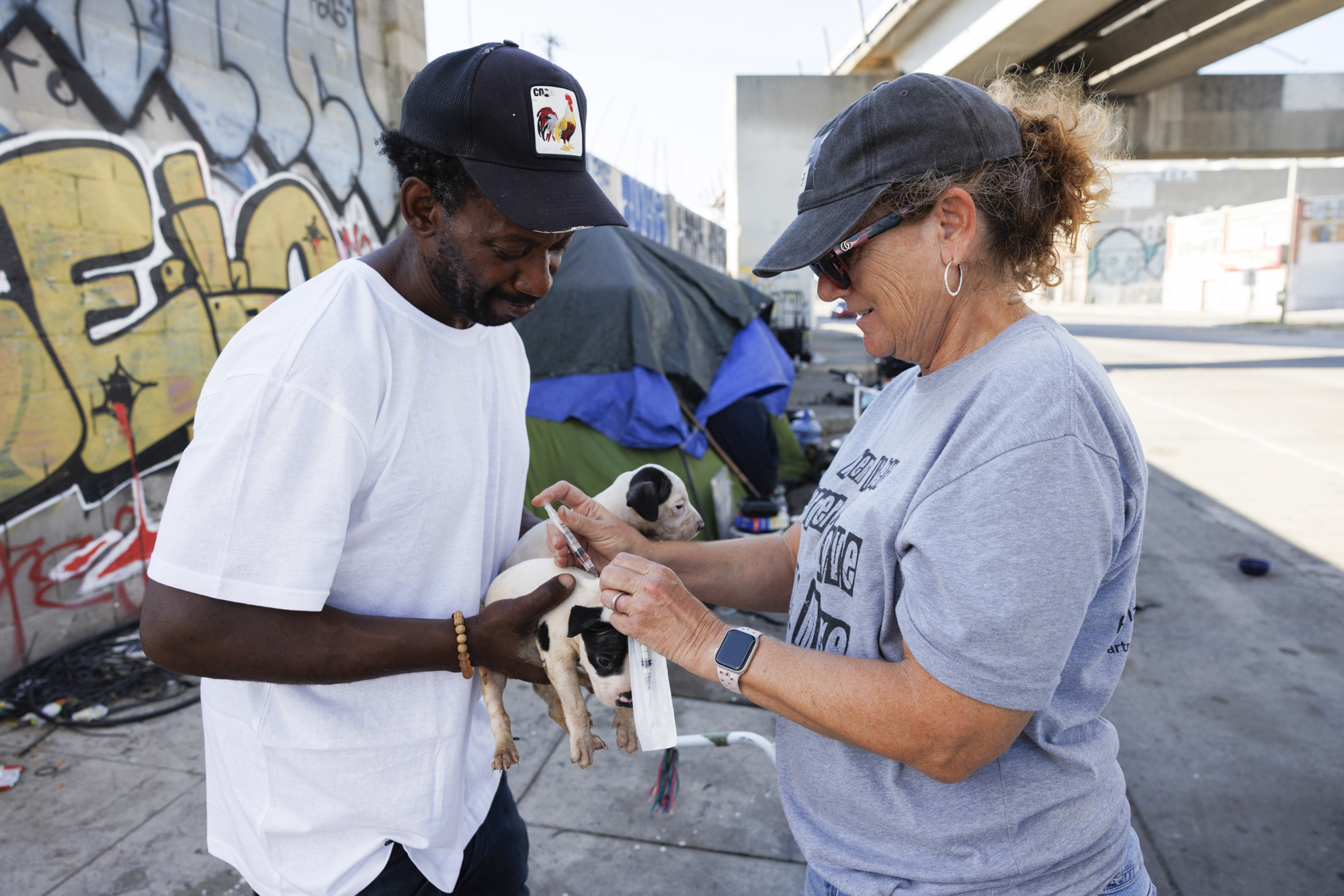
"caption": "Andre Lewis holds new puppies for Sharon Brown to vaccinate on Sept. 23, 2026, in Oakland. After telling their owner that they would die without vaccines, Lewis went to the owner’s tent and brought them out one by one. ",
"credit": "Miles Cull/KQED",
"altTag": null,
"description": null,
"imgSizes": {
"thumbnail": {
"file": "https://cdn.kqed.org/wp-content/uploads/sites/10/2026/10/092326-STREETVETS-53-MC-KQED-1-160x107.jpg",
"width": 160,
"height": 107,
"mimeType": "image/jpeg"
},
"1536x1536": {
"file": "https://cdn.kqed.org/wp-content/uploads/sites/10/2026/10/092326-STREETVETS-53-MC-KQED-1-1536x1025.jpg",
"width": 1536,
"height": 1025,
"mimeType": "image/jpeg"
},
"post-thumbnail": {
"file": "https://cdn.kqed.org/wp-content/uploads/sites/10/2026/10/092326-STREETVETS-53-MC-KQED-1-672x372.jpg",
"width": 672,
"height": 372,
"mimeType": "image/jpeg"
},
"twentyfourteen-full-width": {
"file": "https://cdn.kqed.org/wp-content/uploads/sites/10/2026/10/092326-STREETVETS-53-MC-KQED-1-1038x576.jpg",
"width": 1038,
"height": 576,
"mimeType": "image/jpeg"
},
"npr-cds-wide": {
"file": "https://cdn.kqed.org/wp-content/uploads/sites/10/2026/10/092326-STREETVETS-53-MC-KQED-1-1200x675.jpg",
"width": 1200,
"height": 675,
"mimeType": "image/jpeg"
},
"npr-cds-square": {
"file": "https://cdn.kqed.org/wp-content/uploads/sites/10/2026/10/092326-STREETVETS-53-MC-KQED-1-600x600.jpg",
"width": 600,
"height": 600,
"mimeType": "image/jpeg"
},
"kqedFullSize": {
"file": "https://cdn.kqed.org/wp-content/uploads/sites/10/2026/10/092326-STREETVETS-53-MC-KQED-1.jpg",
"width": 2000,
"height": 1334
}
},
"isLoading": false,
"fetchFailed": false
},
"news_11990470": {
"type": "attachments",
"id": "news_11990470",
"meta": {
"index": "attachments_1716263798",
"site": "news",
"id": "11990470",
"found": true
},
"title": "061124-Budget-Rally-RL-CM-17 copy",
"publishDate": 1718395463,
"status": "inherit",
"parent": 11990465,
"modified": 1791491999,
"caption": "SEIU union members and supporters protest proposed budget cuts at the state Capitol in Sacramento on June 11, 2024.",
"credit": "Renee Lopez for CalMatters",
"altTag": null,
"description": null,
"imgSizes": {
"medium": {
"file": "https://cdn.kqed.org/wp-content/uploads/sites/10/2024/06/061124-Budget-Rally-RL-CM-17-copy-800x533.jpg",
"width": 800,
"height": 533,
"mimeType": "image/jpeg"
},
"large": {
"file": "https://cdn.kqed.org/wp-content/uploads/sites/10/2024/06/061124-Budget-Rally-RL-CM-17-copy-1020x680.jpg",
"width": 1020,
"height": 680,
"mimeType": "image/jpeg"
},
"thumbnail": {
"file": "https://cdn.kqed.org/wp-content/uploads/sites/10/2024/06/061124-Budget-Rally-RL-CM-17-copy-160x107.jpg",
"width": 160,
"height": 107,
"mimeType": "image/jpeg"
},
"1536x1536": {
"file": "https://cdn.kqed.org/wp-content/uploads/sites/10/2024/06/061124-Budget-Rally-RL-CM-17-copy-1536x1024.jpg",
"width": 1536,
"height": 1024,
"mimeType": "image/jpeg"
},
"post-thumbnail": {
"file": "https://cdn.kqed.org/wp-content/uploads/sites/10/2024/06/061124-Budget-Rally-RL-CM-17-copy-672x372.jpg",
"width": 672,
"height": 372,
"mimeType": "image/jpeg"
},
"twentyfourteen-full-width": {
"file": "https://cdn.kqed.org/wp-content/uploads/sites/10/2024/06/061124-Budget-Rally-RL-CM-17-copy-1038x576.jpg",
"width": 1038,
"height": 576,
"mimeType": "image/jpeg"
},
"full-width": {
"file": "https://cdn.kqed.org/wp-content/uploads/sites/10/2024/06/061124-Budget-Rally-RL-CM-17-copy-1920x1280.jpg",
"width": 1920,
"height": 1280,
"mimeType": "image/jpeg"
},
"kqedFullSize": {
"file": "https://cdn.kqed.org/wp-content/uploads/sites/10/2024/06/061124-Budget-Rally-RL-CM-17-copy.jpg",
"width": 2000,
"height": 1333
}
},
"isLoading": false,
"fetchFailed": false
},
"news_12103547": {
"type": "attachments",
"id": "news_12103547",
"meta": {
"index": "attachments_1716263798",
"site": "news",
"id": "12103547",
"found": true
},
"title": "KelvinWavesGetty",
"publishDate": 1791487133,
"status": "inherit",
"parent": 12103544,
"modified": 1791487180,
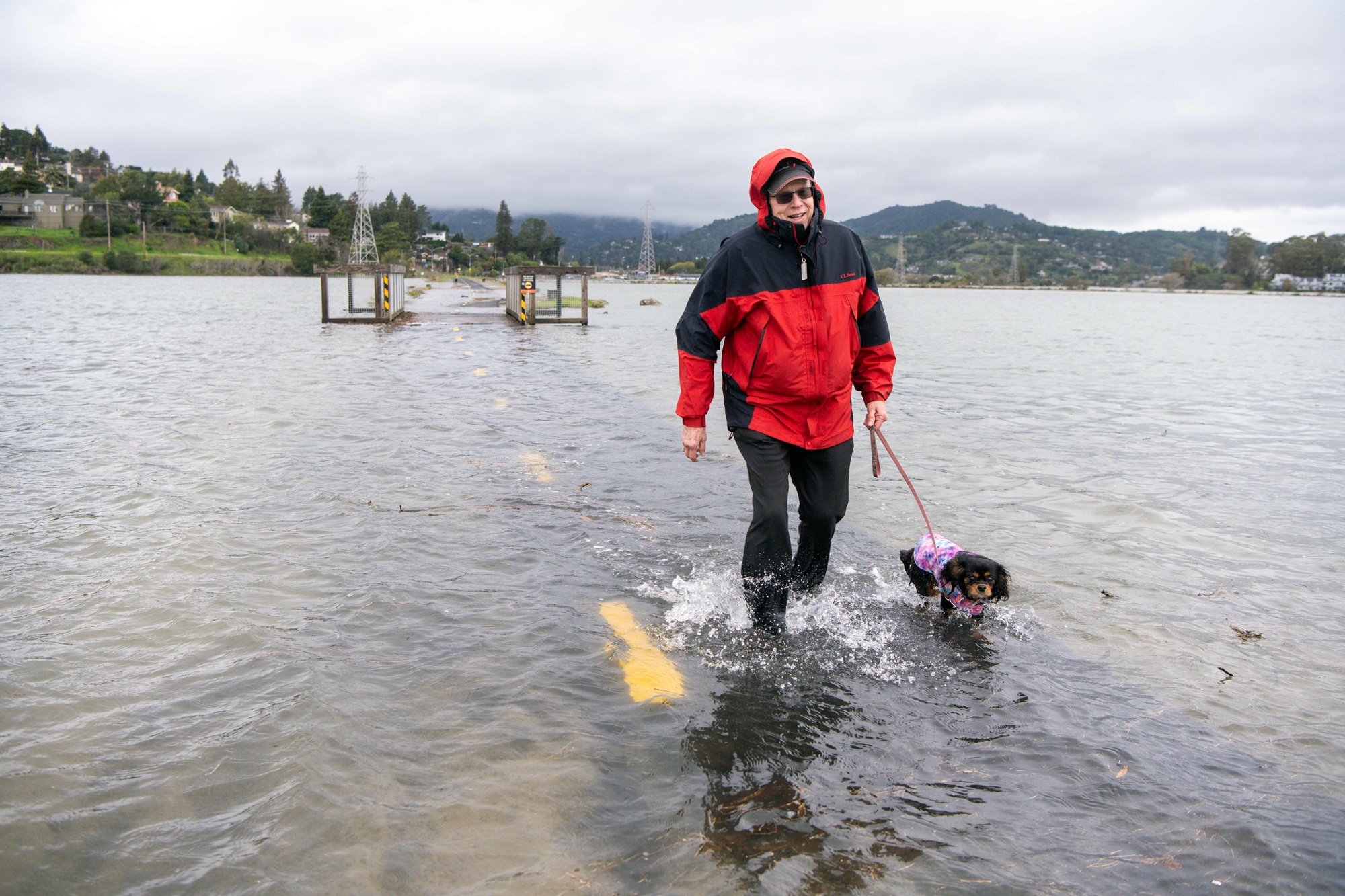
"caption": "Reed Freidinger walks with his dog along a flooded Sausalito/Mill Valley bike path during the King Tide in Mill Valley, California, on Jan. 3, 2022. ",
"credit": "Josh Edelson/AFP via Getty Images",
"altTag": null,
"description": null,
"imgSizes": {
"thumbnail": {
"file": "https://cdn.kqed.org/wp-content/uploads/sites/10/2026/10/KelvinWavesGetty-8a3fc0db-160x107.jpg",
"width": 160,
"height": 107,
"mimeType": "image/jpeg"
},
"1536x1536": {
"file": "https://cdn.kqed.org/wp-content/uploads/sites/10/2026/10/KelvinWavesGetty-8a3fc0db-1536x1024.jpg",
"width": 1536,
"height": 1024,
"mimeType": "image/jpeg"
},
"post-thumbnail": {
"file": "https://cdn.kqed.org/wp-content/uploads/sites/10/2026/10/KelvinWavesGetty-8a3fc0db-672x372.jpg",
"width": 672,
"height": 372,
"mimeType": "image/jpeg"
},
"twentyfourteen-full-width": {
"file": "https://cdn.kqed.org/wp-content/uploads/sites/10/2026/10/KelvinWavesGetty-8a3fc0db-1038x576.jpg",
"width": 1038,
"height": 576,
"mimeType": "image/jpeg"
},
"npr-cds-wide": {
"file": "https://cdn.kqed.org/wp-content/uploads/sites/10/2026/10/KelvinWavesGetty-8a3fc0db-1200x675.jpg",
"width": 1200,
"height": 675,
"mimeType": "image/jpeg"
},
"npr-cds-square": {
"file": "https://cdn.kqed.org/wp-content/uploads/sites/10/2026/10/KelvinWavesGetty-8a3fc0db-600x600.jpg",
"width": 600,
"height": 600,
"mimeType": "image/jpeg"
},
"kqedFullSize": {
"file": "https://cdn.kqed.org/wp-content/uploads/sites/10/2026/10/KelvinWavesGetty-8a3fc0db.jpg",
"width": 2000,
"height": 1333
}
},
"isLoading": false,
"fetchFailed": false
},
"news_12103501": {
"type": "attachments",
"id": "news_12103501",
"meta": {
"index": "attachments_1716263798",
"site": "news",
"id": "12103501",
"found": true
},
"title": "261008-SF Ballot Damaged-01-KQED",
"publishDate": 1791479578,
"status": "inherit",
"parent": 0,
"modified": 1791479619,
"caption": "A damaged San Francisco midterm ballot that was delivered to KQED reporter Sydney Johnson this week.",
"credit": "Sydney Johnson/KQED",
"altTag": null,
"description": null,
"imgSizes": {
"thumbnail": {
"file": "https://cdn.kqed.org/wp-content/uploads/sites/10/2026/10/261008-SF-Ballot-Damaged-01-KQED-022c6390-160x107.jpg",
"width": 160,
"height": 107,
"mimeType": "image/jpeg"
},
"1536x1536": {
"file": "https://cdn.kqed.org/wp-content/uploads/sites/10/2026/10/261008-SF-Ballot-Damaged-01-KQED-022c6390-1536x1024.jpg",
"width": 1536,
"height": 1024,
"mimeType": "image/jpeg"
},
"post-thumbnail": {
"file": "https://cdn.kqed.org/wp-content/uploads/sites/10/2026/10/261008-SF-Ballot-Damaged-01-KQED-022c6390-672x372.jpg",
"width": 672,
"height": 372,
"mimeType": "image/jpeg"
},
"twentyfourteen-full-width": {
"file": "https://cdn.kqed.org/wp-content/uploads/sites/10/2026/10/261008-SF-Ballot-Damaged-01-KQED-022c6390-1038x576.jpg",
"width": 1038,
"height": 576,
"mimeType": "image/jpeg"
},
"npr-cds-wide": {
"file": "https://cdn.kqed.org/wp-content/uploads/sites/10/2026/10/261008-SF-Ballot-Damaged-01-KQED-022c6390-1200x675.jpg",
"width": 1200,
"height": 675,
"mimeType": "image/jpeg"
},
"npr-cds-square": {
"file": "https://cdn.kqed.org/wp-content/uploads/sites/10/2026/10/261008-SF-Ballot-Damaged-01-KQED-022c6390-600x600.jpg",
"width": 600,
"height": 600,
"mimeType": "image/jpeg"
},
"kqedFullSize": {
"file": "https://cdn.kqed.org/wp-content/uploads/sites/10/2026/10/261008-SF-Ballot-Damaged-01-KQED-022c6390.jpg",
"width": 2000,
"height": 1333
}
},
"isLoading": false,
"fetchFailed": false
},
"news_12103473": {
"type": "attachments",
"id": "news_12103473",
"meta": {
"index": "attachments_1716263798",
"site": "news",
"id": "12103473",
"found": true
},
"title": "kpbs-6ac7928917bab",
"publishDate": 1791467008,
"status": "inherit",
"parent": 12103472,
"modified": 1791467052,
"caption": "Defense Secretary Pete Hegseth talks to sailors and Marines on the USS Abraham Lincoln Oct. 7, 2026.",
"credit": "Courtesy of the U.S. Department of Defense",
"altTag": null,
"description": null,
"imgSizes": {
"thumbnail": {
"file": "https://cdn.kqed.org/wp-content/uploads/sites/10/2026/10/kpbs-6ac7928917bab-30f9e026-160x99.jpg",
"width": 160,
"height": 99,
"mimeType": "image/jpeg"
},
"1536x1536": {
"file": "https://cdn.kqed.org/wp-content/uploads/sites/10/2026/10/kpbs-6ac7928917bab-30f9e026-1536x946.jpg",
"width": 1536,
"height": 946,
"mimeType": "image/jpeg"
},
"post-thumbnail": {
"file": "https://cdn.kqed.org/wp-content/uploads/sites/10/2026/10/kpbs-6ac7928917bab-30f9e026-672x372.jpg",
"width": 672,
"height": 372,
"mimeType": "image/jpeg"
},
"twentyfourteen-full-width": {
"file": "https://cdn.kqed.org/wp-content/uploads/sites/10/2026/10/kpbs-6ac7928917bab-30f9e026-1038x576.jpg",
"width": 1038,
"height": 576,
"mimeType": "image/jpeg"
},
"npr-cds-wide": {
"file": "https://cdn.kqed.org/wp-content/uploads/sites/10/2026/10/kpbs-6ac7928917bab-30f9e026-1200x675.jpg",
"width": 1200,
"height": 675,
"mimeType": "image/jpeg"
},
"npr-cds-square": {
"file": "https://cdn.kqed.org/wp-content/uploads/sites/10/2026/10/kpbs-6ac7928917bab-30f9e026-600x600.jpg",
"width": 600,
"height": 600,
"mimeType": "image/jpeg"
},
"kqedFullSize": {
"file": "https://cdn.kqed.org/wp-content/uploads/sites/10/2026/10/kpbs-6ac7928917bab-30f9e026.jpg",
"width": 1760,
"height": 1084
}
},
"isLoading": false,
"fetchFailed": false
},
"news_12103408": {
"type": "attachments",
"id": "news_12103408",
"meta": {
"index": "attachments_1716263798",
"site": "news",
"id": "12103408",
"found": true
},
"title": "CMVoterID",
"publishDate": 1791403327,
"status": "inherit",
"parent": 12103398,
"modified": 1791403360,
"caption": "From left, Cameron Winklevoss and Richard Uihlein. \n",
"credit": "Noam Galai/Getty Images and Uline Corporate Video",
"altTag": null,
"description": null,
"imgSizes": {
"thumbnail": {
"file": "https://cdn.kqed.org/wp-content/uploads/sites/10/2026/10/CMVoterID-160x107.jpg",
"width": 160,
"height": 107,
"mimeType": "image/jpeg"
},
"1536x1536": {
"file": "https://cdn.kqed.org/wp-content/uploads/sites/10/2026/10/CMVoterID-1536x1024.jpg",
"width": 1536,
"height": 1024,
"mimeType": "image/jpeg"
},
"post-thumbnail": {
"file": "https://cdn.kqed.org/wp-content/uploads/sites/10/2026/10/CMVoterID-672x372.jpg",
"width": 672,
"height": 372,
"mimeType": "image/jpeg"
},
"twentyfourteen-full-width": {
"file": "https://cdn.kqed.org/wp-content/uploads/sites/10/2026/10/CMVoterID-1038x576.jpg",
"width": 1038,
"height": 576,
"mimeType": "image/jpeg"
},
"npr-cds-wide": {
"file": "https://cdn.kqed.org/wp-content/uploads/sites/10/2026/10/CMVoterID-1200x675.jpg",
"width": 1200,
"height": 675,
"mimeType": "image/jpeg"
},
"npr-cds-square": {
"file": "https://cdn.kqed.org/wp-content/uploads/sites/10/2026/10/CMVoterID-600x600.jpg",
"width": 600,
"height": 600,
"mimeType": "image/jpeg"
},
"kqedFullSize": {
"file": "https://cdn.kqed.org/wp-content/uploads/sites/10/2026/10/CMVoterID.jpg",
"width": 2000,
"height": 1333
}
},
"isLoading": false,
"fetchFailed": false
},
"news_12078062": {
"type": "attachments",
"id": "news_12078062",
"meta": {
"index": "attachments_1716263798",
"site": "news",
"id": "12078062",
"found": true
},
"title": "Lake Tahoe Area Readies For More Snow As Another Storm Moves Over California",
"publishDate": 1774902695,
"status": "inherit",
"parent": 12078060,
"modified": 1774902730,
"caption": "People carry skis as they walk toward a resort on March 21, 2023, in South Lake Tahoe, California. ",
"credit": "Justin Sullivan/Getty Images",
"altTag": null,
"description": null,
"imgSizes": {
"thumbnail": {
"file": "https://cdn.kqed.org/wp-content/uploads/sites/10/2026/03/TahoeGetty1-160x107.jpg",
"width": 160,
"height": 107,
"mimeType": "image/jpeg"
},
"1536x1536": {
"file": "https://cdn.kqed.org/wp-content/uploads/sites/10/2026/03/TahoeGetty1-1536x1024.jpg",
"width": 1536,
"height": 1024,
"mimeType": "image/jpeg"
},
"post-thumbnail": {
"file": "https://cdn.kqed.org/wp-content/uploads/sites/10/2026/03/TahoeGetty1-672x372.jpg",
"width": 672,
"height": 372,
"mimeType": "image/jpeg"
},
"twentyfourteen-full-width": {
"file": "https://cdn.kqed.org/wp-content/uploads/sites/10/2026/03/TahoeGetty1-1038x576.jpg",
"width": 1038,
"height": 576,
"mimeType": "image/jpeg"
},
"npr-cds-wide": {
"file": "https://cdn.kqed.org/wp-content/uploads/sites/10/2026/03/TahoeGetty1-1200x675.jpg",
"width": 1200,
"height": 675,
"mimeType": "image/jpeg"
},
"npr-cds-square": {
"file": "https://cdn.kqed.org/wp-content/uploads/sites/10/2026/03/TahoeGetty1-600x600.jpg",
"width": 600,
"height": 600,
"mimeType": "image/jpeg"
},
"kqedFullSize": {
"file": "https://cdn.kqed.org/wp-content/uploads/sites/10/2026/03/TahoeGetty1.jpg",
"width": 2000,
"height": 1333
}
},
"isLoading": false,
"fetchFailed": false
},
"news_12074712": {
"type": "attachments",
"id": "news_12074712",
"meta": {
"index": "attachments_1716263798",
"site": "news",
"id": "12074712",
"found": true
},
"title": "260226-GovRaceForum-56-BL_qed (1)",
"publishDate": 1772065791,
"status": "inherit",
"parent": 12074679,
"modified": 1772065814,
"caption": "Former U.S. Rep. Katie Porter speaks during a gubernatorial candidate forum at the UCSF Mission Bay campus in San Francisco on Jan. 26, 2026. ",
"credit": "Beth LaBerge/KQED",
"altTag": null,
"description": null,
"imgSizes": {
"thumbnail": {
"file": "https://cdn.kqed.org/wp-content/uploads/sites/10/2026/02/260226-GovRaceForum-56-BL_qed-1-160x107.jpg",
"width": 160,
"height": 107,
"mimeType": "image/jpeg"
},
"1536x1536": {
"file": "https://cdn.kqed.org/wp-content/uploads/sites/10/2026/02/260226-GovRaceForum-56-BL_qed-1-1536x1024.jpg",
"width": 1536,
"height": 1024,
"mimeType": "image/jpeg"
},
"post-thumbnail": {
"file": "https://cdn.kqed.org/wp-content/uploads/sites/10/2026/02/260226-GovRaceForum-56-BL_qed-1-672x372.jpg",
"width": 672,
"height": 372,
"mimeType": "image/jpeg"
},
"twentyfourteen-full-width": {
"file": "https://cdn.kqed.org/wp-content/uploads/sites/10/2026/02/260226-GovRaceForum-56-BL_qed-1-1038x576.jpg",
"width": 1038,
"height": 576,
"mimeType": "image/jpeg"
},
"npr-cds-wide": {
"file": "https://cdn.kqed.org/wp-content/uploads/sites/10/2026/02/260226-GovRaceForum-56-BL_qed-1-1200x675.jpg",
"width": 1200,
"height": 675,
"mimeType": "image/jpeg"
},
"kqedFullSize": {
"file": "https://cdn.kqed.org/wp-content/uploads/sites/10/2026/02/260226-GovRaceForum-56-BL_qed-1.jpg",
"width": 1999,
"height": 1333
}
},
"isLoading": false,
"fetchFailed": false
},
"news_12103208": {
"type": "attachments",
"id": "news_12103208",
"meta": {
"index": "attachments_1716263798",
"site": "news",
"id": "12103208",
"found": true
},
"title": "092126-Highlands-Charter-MG-CM-12",
"publishDate": 1791324700,
"status": "inherit",
"parent": 12103202,
"modified": 1791324774,
"caption": null,
"credit": "Miguel Gutierrez Jr./CalMatters",
"altTag": null,
"description": null,
"imgSizes": {
"thumbnail": {
"file": "https://cdn.kqed.org/wp-content/uploads/sites/10/2026/10/092126-Highlands-Charter-MG-CM-12-160x107.jpg",
"width": 160,
"height": 107,
"mimeType": "image/jpeg"
},
"1536x1536": {
"file": "https://cdn.kqed.org/wp-content/uploads/sites/10/2026/10/092126-Highlands-Charter-MG-CM-12-1536x1024.jpg",
"width": 1536,
"height": 1024,
"mimeType": "image/jpeg"
},
"post-thumbnail": {
"file": "https://cdn.kqed.org/wp-content/uploads/sites/10/2026/10/092126-Highlands-Charter-MG-CM-12-672x372.jpg",
"width": 672,
"height": 372,
"mimeType": "image/jpeg"
},
"twentyfourteen-full-width": {
"file": "https://cdn.kqed.org/wp-content/uploads/sites/10/2026/10/092126-Highlands-Charter-MG-CM-12-1038x576.jpg",
"width": 1038,
"height": 576,
"mimeType": "image/jpeg"
},
"npr-cds-wide": {
"file": "https://cdn.kqed.org/wp-content/uploads/sites/10/2026/10/092126-Highlands-Charter-MG-CM-12-1200x675.jpg",
"width": 1200,
"height": 675,
"mimeType": "image/jpeg"
},
"npr-cds-square": {
"file": "https://cdn.kqed.org/wp-content/uploads/sites/10/2026/10/092126-Highlands-Charter-MG-CM-12-600x600.jpg",
"width": 600,
"height": 600,
"mimeType": "image/jpeg"
},
"kqedFullSize": {
"file": "https://cdn.kqed.org/wp-content/uploads/sites/10/2026/10/092126-Highlands-Charter-MG-CM-12.jpg",
"width": 2000,
"height": 1333
}
},
"isLoading": false,
"fetchFailed": false
},
"news_12103034": {
"type": "attachments",
"id": "news_12103034",
"meta": {
"index": "attachments_1716263798",
"site": "news",
"id": "12103034",
"found": true
},
"title": "261005-GoldenGateFields-NG-9_qed",
"publishDate": 1791305775,
"status": "inherit",
"parent": 12102938,
"modified": 1791305795,
"caption": "Golden Gate Fields, a former horse racing track, on the border of Albany and Berkeley on Oct. 5, 2026. The Trust for Public Land plans to buy the $175 million property by the end of the year.",
"credit": "Nina Glick/KQED",
"altTag": null,
"description": null,
"imgSizes": {
"thumbnail": {
"file": "https://cdn.kqed.org/wp-content/uploads/sites/10/2026/10/261005-GoldenGateFields-NG-9_qed-160x107.jpg",
"width": 160,
"height": 107,
"mimeType": "image/jpeg"
},
"1536x1536": {
"file": "https://cdn.kqed.org/wp-content/uploads/sites/10/2026/10/261005-GoldenGateFields-NG-9_qed-1536x1024.jpg",
"width": 1536,
"height": 1024,
"mimeType": "image/jpeg"
},
"post-thumbnail": {
"file": "https://cdn.kqed.org/wp-content/uploads/sites/10/2026/10/261005-GoldenGateFields-NG-9_qed-672x372.jpg",
"width": 672,
"height": 372,
"mimeType": "image/jpeg"
},
"twentyfourteen-full-width": {
"file": "https://cdn.kqed.org/wp-content/uploads/sites/10/2026/10/261005-GoldenGateFields-NG-9_qed-1038x576.jpg",
"width": 1038,
"height": 576,
"mimeType": "image/jpeg"
},
"npr-cds-wide": {
"file": "https://cdn.kqed.org/wp-content/uploads/sites/10/2026/10/261005-GoldenGateFields-NG-9_qed-1200x675.jpg",
"width": 1200,
"height": 675,
"mimeType": "image/jpeg"
},
"npr-cds-square": {
"file": "https://cdn.kqed.org/wp-content/uploads/sites/10/2026/10/261005-GoldenGateFields-NG-9_qed-600x600.jpg",
"width": 600,
"height": 600,
"mimeType": "image/jpeg"
},
"kqedFullSize": {
"file": "https://cdn.kqed.org/wp-content/uploads/sites/10/2026/10/261005-GoldenGateFields-NG-9_qed.jpg",
"width": 2000,
"height": 1333
}
},
"isLoading": false,
"fetchFailed": false
},
"news_12082113": {
"type": "attachments",
"id": "news_12082113",
"meta": {
"index": "attachments_1716263798",
"site": "news",
"id": "12082113",
"found": true
},
"title": "023_KQED_SanFrancisco_Election2020_TanyaYule_10092020_qed",
"publishDate": 1777661453,
"status": "inherit",
"parent": 12082074,
"modified": 1777661480,
"caption": "A San Francisco resident hands their mail-in ballot to USPS employee Elmer Padilla on Oct. 9, 2020.",
"credit": "Beth LaBerge/KQED",
"altTag": null,
"description": null,
"imgSizes": {
"thumbnail": {
"file": "https://cdn.kqed.org/wp-content/uploads/sites/10/2026/05/023_KQED_SanFrancisco_Election2020_TanyaYule_10092020_qed-160x107.jpg",
"width": 160,
"height": 107,
"mimeType": "image/jpeg"
},
"1536x1536": {
"file": "https://cdn.kqed.org/wp-content/uploads/sites/10/2026/05/023_KQED_SanFrancisco_Election2020_TanyaYule_10092020_qed-1536x1024.jpg",
"width": 1536,
"height": 1024,
"mimeType": "image/jpeg"
},
"post-thumbnail": {
"file": "https://cdn.kqed.org/wp-content/uploads/sites/10/2026/05/023_KQED_SanFrancisco_Election2020_TanyaYule_10092020_qed-672x372.jpg",
"width": 672,
"height": 372,
"mimeType": "image/jpeg"
},
"twentyfourteen-full-width": {
"file": "https://cdn.kqed.org/wp-content/uploads/sites/10/2026/05/023_KQED_SanFrancisco_Election2020_TanyaYule_10092020_qed-1038x576.jpg",
"width": 1038,
"height": 576,
"mimeType": "image/jpeg"
},
"npr-cds-wide": {
"file": "https://cdn.kqed.org/wp-content/uploads/sites/10/2026/05/023_KQED_SanFrancisco_Election2020_TanyaYule_10092020_qed-1200x675.jpg",
"width": 1200,
"height": 675,
"mimeType": "image/jpeg"
},
"npr-cds-square": {
"file": "https://cdn.kqed.org/wp-content/uploads/sites/10/2026/05/023_KQED_SanFrancisco_Election2020_TanyaYule_10092020_qed-600x600.jpg",
"width": 600,
"height": 600,
"mimeType": "image/jpeg"
},
"kqedFullSize": {
"file": "https://cdn.kqed.org/wp-content/uploads/sites/10/2026/05/023_KQED_SanFrancisco_Election2020_TanyaYule_10092020_qed.jpg",
"width": 2000,
"height": 1333
}
},
"isLoading": false,
"fetchFailed": false
},
"news_12101504": {
"type": "attachments",
"id": "news_12101504",
"meta": {
"index": "attachments_1716263798",
"site": "news",
"id": "12101504",
"found": true
},
"title": "Rosa and her family at their home in San Francisco on Aug. 27, 2026.",
"publishDate": 1790379361,
"status": "inherit",
"parent": 0,
"modified": 1790379452,
"caption": "Rosa and her family at their home in San Francisco on Aug. 27, 2026.",
"credit": "Beth LaBerge/KQED",
"altTag": null,
"description": null,
"imgSizes": {
"thumbnail": {
"file": "https://cdn.kqed.org/wp-content/uploads/sites/10/2026/09/260827-SFICEDetaineeReleased-02-BL-160x107.jpg",
"width": 160,
"height": 107,
"mimeType": "image/jpeg"
},
"1536x1536": {
"file": "https://cdn.kqed.org/wp-content/uploads/sites/10/2026/09/260827-SFICEDetaineeReleased-02-BL-1536x1024.jpg",
"width": 1536,
"height": 1024,
"mimeType": "image/jpeg"
},
"post-thumbnail": {
"file": "https://cdn.kqed.org/wp-content/uploads/sites/10/2026/09/260827-SFICEDetaineeReleased-02-BL-672x372.jpg",
"width": 672,
"height": 372,
"mimeType": "image/jpeg"
},
"twentyfourteen-full-width": {
"file": "https://cdn.kqed.org/wp-content/uploads/sites/10/2026/09/260827-SFICEDetaineeReleased-02-BL-1038x576.jpg",
"width": 1038,
"height": 576,
"mimeType": "image/jpeg"
},
"npr-cds-wide": {
"file": "https://cdn.kqed.org/wp-content/uploads/sites/10/2026/09/260827-SFICEDetaineeReleased-02-BL-1200x675.jpg",
"width": 1200,
"height": 675,
"mimeType": "image/jpeg"
},
"npr-cds-square": {
"file": "https://cdn.kqed.org/wp-content/uploads/sites/10/2026/09/260827-SFICEDetaineeReleased-02-BL-600x600.jpg",
"width": 600,
"height": 600,
"mimeType": "image/jpeg"
},
"kqedFullSize": {
"file": "https://cdn.kqed.org/wp-content/uploads/sites/10/2026/09/260827-SFICEDetaineeReleased-02-BL.jpg",
"width": 2000,
"height": 1333
}
},
"isLoading": false,
"fetchFailed": false
}
},
"audioPlayerReducer": {
"postId": "stream_live",
"isPaused": true,
"isPlaying": false,
"pfsActive": false,
"pledgeModalIsOpen": true,
"playerDrawerIsOpen": false,
"liveAudioPlayStartedAt": 0,
"liveAudioPlayContext": ""
},
"authorsReducer": {
"byline_news_12103515": {
"type": "authors",
"id": "byline_news_12103515",
"meta": {
"override": true
},
"slug": "byline_news_12103515",
"name": "Alastair Boone",
"isLoading": false
},
"byline_news_12103398": {
"type": "authors",
"id": "byline_news_12103398",
"meta": {
"override": true
},
"slug": "byline_news_12103398",
"name": "Nadia Lathan, CalMatters",
"isLoading": false
},
"byline_news_12103202": {
"type": "authors",
"id": "byline_news_12103202",
"meta": {
"override": true
},
"slug": "byline_news_12103202",
"name": "Carolyn Jones, CalMatters",
"isLoading": false
},
"carlysevern": {
"type": "authors",
"id": "3243",
"meta": {
"index": "authors_1716337520",
"id": "3243",
"found": true
},
"name": "Carly Severn",
"firstName": "Carly",
"lastName": "Severn",
"slug": "carlysevern",
"email": "csevern@kqed.org",
"display_author_email": false,
"staff_mastheads": [
"news"
],
"title": "Senior Editor, Audience News ",
"bio": "Carly is KQED's Senior Editor of Audience News on the Digital News team, and has reported for the California Report Magazine, Bay Curious and KQED Arts. She's formerly the host of \u003ca href=\"http://ww2.kqed.org/pop/category/the-cooler/\" rel=\"noopener noreferrer\">The Cooler\u003c/a> podcast.",
"avatar": "https://secure.gravatar.com/avatar/54037bf5c128fe678f0ef26cec97a93f2e7f220a22d7285703328f12c42c1b1d?s=600&d=blank&r=g",
"twitter": "teacupinthebay",
"bluesky": null,
"facebook": null,
"instagram": null,
"linkedin": null,
"sites": [
{
"site": "",
"roles": [
"editor"
]
},
{
"site": "arts",
"roles": [
"editor"
]
},
{
"site": "news",
"roles": [
"administrator"
]
},
{
"site": "pop",
"roles": [
"editor"
]
},
{
"site": "futureofyou",
"roles": [
"editor"
]
},
{
"site": "about",
"roles": [
"administrator"
]
},
{
"site": "mindshift",
"roles": [
"editor"
]
},
{
"site": "bayareabites",
"roles": [
"editor"
]
},
{
"site": "stateofhealth",
"roles": [
"editor"
]
},
{
"site": "science",
"roles": [
"editor"
]
},
{
"site": "food",
"roles": [
"contributor"
]
},
{
"site": "forum",
"roles": [
"editor"
]
},
{
"site": "perspectives",
"roles": [
"administrator"
]
},
{
"site": "liveblog",
"roles": [
"editor"
]
}
],
"headData": {
"title": "Carly Severn | KQED",
"description": "Senior Editor, Audience News ",
"ogImgSrc": "https://secure.gravatar.com/avatar/54037bf5c128fe678f0ef26cec97a93f2e7f220a22d7285703328f12c42c1b1d?s=600&d=blank&r=g",
"twImgSrc": "https://secure.gravatar.com/avatar/54037bf5c128fe678f0ef26cec97a93f2e7f220a22d7285703328f12c42c1b1d?s=600&d=blank&r=g"
},
"isLoading": false,
"link": "/author/carlysevern"
},
"fjhabvala": {
"type": "authors",
"id": "8659",
"meta": {
"index": "authors_1716337520",
"id": "8659",
"found": true
},
"name": "Farida Jhabvala Romero",
"firstName": "Farida",
"lastName": "Jhabvala Romero",
"slug": "fjhabvala",
"email": "fjhabvala@kqed.org",
"display_author_email": true,
"staff_mastheads": [
"news"
],
"title": "KQED Contributor",
"bio": "Farida Jhabvala Romero is a Labor Correspondent for KQED. She previously covered immigration. Farida was \u003ca href=\"https://www.ccnma.org/2022-most-influential-latina-journalists\">named\u003c/a> one of the 10 Most Influential Latina Journalists in California in 2022 by the California Chicano News Media Association. Her work has won awards from the Society of Professional Journalists (Northern California), as well as a national and regional Edward M. Murrow Award for the collaborative reporting projects “Dangerous Air” and “Graying California.” Before joining KQED, Farida worked as a producer at Radio Bilingüe, a national public radio network. Farida earned her master’s degree in journalism from Stanford University.",
"avatar": "https://secure.gravatar.com/avatar/f9f022d4e2609741874222a1e9d41f48fea74011aa7c615eef91d9a50c944ebe?s=600&d=blank&r=g",
"twitter": "FaridaJhabvala",
"bluesky": null,
"facebook": null,
"instagram": null,
"linkedin": "https://www.linkedin.com/in/faridajhabvala/",
"sites": [
{
"site": "news",
"roles": [
"editor"
]
},
{
"site": "stateofhealth",
"roles": [
"author"
]
},
{
"site": "liveblog",
"roles": [
"author"
]
}
],
"headData": {
"title": "Farida Jhabvala Romero | KQED",
"description": "KQED Contributor",
"ogImgSrc": "https://secure.gravatar.com/avatar/f9f022d4e2609741874222a1e9d41f48fea74011aa7c615eef91d9a50c944ebe?s=600&d=blank&r=g",
"twImgSrc": "https://secure.gravatar.com/avatar/f9f022d4e2609741874222a1e9d41f48fea74011aa7c615eef91d9a50c944ebe?s=600&d=blank&r=g"
},
"isLoading": false,
"link": "/author/fjhabvala"
},
"ibloom": {
"type": "authors",
"id": "11805",
"meta": {
"index": "authors_1716337520",
"id": "11805",
"found": true
},
"name": "Izzy Bloom",
"firstName": "Izzy",
"lastName": "Bloom",
"slug": "ibloom",
"email": "ibloom@kqed.org",
"display_author_email": false,
"staff_mastheads": [],
"title": "KQED Reporter & Producer",
"bio": "Izzy is a reporter and producer on KQED's California Politics & Government Desk. She joined the desk in 2024 to produce Political Breakdown, covering local and national elections and attending the RNC and DNC in Milwaukee and Chicago. \r\n\r\nBefore that, Izzy was a producer on The California Report and reported long-form stories for The California Report Magazine. She was a finalist for the Third Coast/Richard H. Driehaus Foundation Competition and was awarded for her reporting on indigenous land back by the Society of Professional Journalists. Izzy received her master's in journalism from the University of California, Berkeley.",
"avatar": "https://secure.gravatar.com/avatar/cc4d272ca430783ee1a8efac470a6b1e0fdd082c3beb61da019801d0ff751c8c?s=600&d=blank&r=g",
"twitter": null,
"bluesky": null,
"facebook": null,
"instagram": null,
"linkedin": null,
"sites": [
{
"site": "news",
"roles": [
"editor"
]
},
{
"site": "perspectives",
"roles": [
"editor"
]
}
],
"headData": {
"title": "Izzy Bloom | KQED",
"description": "KQED Reporter & Producer",
"ogImgSrc": "https://secure.gravatar.com/avatar/cc4d272ca430783ee1a8efac470a6b1e0fdd082c3beb61da019801d0ff751c8c?s=600&d=blank&r=g",
"twImgSrc": "https://secure.gravatar.com/avatar/cc4d272ca430783ee1a8efac470a6b1e0fdd082c3beb61da019801d0ff751c8c?s=600&d=blank&r=g"
},
"isLoading": false,
"link": "/author/ibloom"
},
"sjohnson": {
"type": "authors",
"id": "11840",
"meta": {
"index": "authors_1716337520",
"id": "11840",
"found": true
},
"name": "Sydney Johnson",
"firstName": "Sydney",
"lastName": "Johnson",
"slug": "sjohnson",
"email": "sjohnson@kqed.org",
"display_author_email": false,
"staff_mastheads": [
"news"
],
"title": "KQED Reporter",
"bio": "Sydney Johnson is a general assignment reporter at KQED. She previously reported on public health and city government at the San Francisco Examiner, and before that, she covered statewide education policy for EdSource. Her reporting has won multiple local, state and national awards. Sydney is a graduate of the University of California, Berkeley and lives in San Francisco.",
"avatar": "https://secure.gravatar.com/avatar/97855f2719b72ad6190b7c535fe642c8?s=600&d=blank&r=g",
"twitter": "sydneyfjohnson",
"facebook": null,
"instagram": null,
"linkedin": null,
"sites": [
{
"site": "news",
"roles": [
"editor"
]
}
],
"headData": {
"title": "Sydney Johnson | KQED",
"description": "KQED Reporter",
"ogImgSrc": "https://secure.gravatar.com/avatar/97855f2719b72ad6190b7c535fe642c8?s=600&d=blank&r=g",
"twImgSrc": "https://secure.gravatar.com/avatar/97855f2719b72ad6190b7c535fe642c8?s=600&d=blank&r=g"
},
"isLoading": false,
"link": "/author/sjohnson"
},
"kdebenedetti": {
"type": "authors",
"id": "11913",
"meta": {
"index": "authors_1716337520",
"id": "11913",
"found": true
},
"name": "Katie DeBenedetti",
"firstName": "Katie",
"lastName": "DeBenedetti",
"slug": "kdebenedetti",
"email": "kdebenedetti@kqed.org",
"display_author_email": false,
"staff_mastheads": [
"news",
"science"
],
"title": "KQED Contributor",
"bio": "Katie DeBenedetti is a digital reporter covering daily news for the Express Desk. Prior to joining KQED as a culture reporting intern in January 2024, she covered education and city government for the Napa Valley Register.",
"avatar": "https://secure.gravatar.com/avatar/6e31073cb8f7e4214ab03f42771d0f45?s=600&d=blank&r=g",
"twitter": null,
"facebook": null,
"instagram": null,
"linkedin": null,
"sites": [
{
"site": "news",
"roles": [
"author"
]
},
{
"site": "science",
"roles": [
"author"
]
},
{
"site": "liveblog",
"roles": [
"author"
]
}
],
"headData": {
"title": "Katie DeBenedetti | KQED",
"description": "KQED Contributor",
"ogImgSrc": "https://secure.gravatar.com/avatar/6e31073cb8f7e4214ab03f42771d0f45?s=600&d=blank&r=g",
"twImgSrc": "https://secure.gravatar.com/avatar/6e31073cb8f7e4214ab03f42771d0f45?s=600&d=blank&r=g"
},
"isLoading": false,
"link": "/author/kdebenedetti"
},
"skennedy": {
"type": "authors",
"id": "11935",
"meta": {
"index": "authors_1716337520",
"id": "11935",
"found": true
},
"name": "Samantha Kennedy",
"firstName": "Samantha",
"lastName": "Kennedy",
"slug": "skennedy",
"email": "SKennedy@kqed.org",
"display_author_email": false,
"staff_mastheads": [],
"title": "KQED Contributor",
"bio": null,
"avatar": "https://secure.gravatar.com/avatar/adc7b14bf1e801793202a156ecc864d4ad505b0fd63162a2f3da0e5ba57222d0?s=600&d=blank&r=g",
"twitter": null,
"bluesky": null,
"facebook": null,
"instagram": null,
"linkedin": null,
"sites": [
{
"site": "arts",
"roles": [
"author"
]
},
{
"site": "news",
"roles": [
"editor"
]
},
{
"site": "science",
"roles": [
"editor"
]
}
],
"headData": {
"title": "Samantha Kennedy | KQED",
"description": "KQED Contributor",
"ogImgSrc": "https://secure.gravatar.com/avatar/adc7b14bf1e801793202a156ecc864d4ad505b0fd63162a2f3da0e5ba57222d0?s=600&d=blank&r=g",
"twImgSrc": "https://secure.gravatar.com/avatar/adc7b14bf1e801793202a156ecc864d4ad505b0fd63162a2f3da0e5ba57222d0?s=600&d=blank&r=g"
},
"isLoading": false,
"link": "/author/skennedy"
},
"sarahwright": {
"type": "authors",
"id": "11956",
"meta": {
"index": "authors_1716337520",
"id": "11956",
"found": true
},
"name": "Sarah Wright",
"firstName": "Sarah",
"lastName": "Wright",
"slug": "sarahwright",
"email": "swright@kqed.org",
"display_author_email": true,
"staff_mastheads": [],
"title": "Outdoors Engagement Reporter",
"bio": "Sarah Wright is KQED's Outdoors Engagement Reporter. Originally from Lake Tahoe, she completed a thru-hike of the Pacific Crest Trail in 2019 and was a U.S. Fulbright Program grantee to Argentina in 2023. Her journalism has appeared in The Guardian, The San Francisco Standard, The Palo Alto Weekly and the Half Moon Bay Review.",
"avatar": "https://secure.gravatar.com/avatar/c161a3d6441865cba25e6db4fa561099ad665799e9432e34da2b84d7e371524c?s=600&d=blank&r=g",
"twitter": null,
"bluesky": null,
"facebook": null,
"instagram": null,
"linkedin": null,
"sites": [
{
"site": "arts",
"roles": [
"editor"
]
},
{
"site": "news",
"roles": [
"editor"
]
},
{
"site": "science",
"roles": [
"contributor",
"author"
]
},
{
"site": "forum",
"roles": [
"editor"
]
}
],
"headData": {
"title": "Sarah Wright | KQED",
"description": "Outdoors Engagement Reporter",
"ogImgSrc": "https://secure.gravatar.com/avatar/c161a3d6441865cba25e6db4fa561099ad665799e9432e34da2b84d7e371524c?s=600&d=blank&r=g",
"twImgSrc": "https://secure.gravatar.com/avatar/c161a3d6441865cba25e6db4fa561099ad665799e9432e34da2b84d7e371524c?s=600&d=blank&r=g"
},
"isLoading": false,
"link": "/author/sarahwright"
}
},
"pagesReducer": {
"news_tag_california": {
"type": "terms",
"id": "news_18538",
"meta": {
"index": "terms_1716263798",
"site": "news",
"id": "18538",
"score": 6.8523927
},
"featImg": null,
"name": "California",
"description": null,
"taxonomy": "tag",
"headData": {
"twImgId": null,
"twTitle": null,
"ogTitle": null,
"ogImgId": null,
"twDescription": null,
"description": null,
"title": "California Archives | KQED News",
"ogDescription": null
},
"ttid": 31,
"slug": "california",
"isLoading": false,
"title": "California",
"pageMeta": {
"site": "news",
"WpPageTemplate": "page-topic-editorial",
"currentPage": 12
},
"blocks": [
{
"blockName": "kqed/post-list",
"attrs": {
"layout": "cardArticle2",
"query": "posts/news?tag=california",
"seeMore": false,
"paginated": true,
"page": 12
}
},
{
"blockName": "kqed/ad"
}
]
}
},
"pfsSessionReducer": {},
"postsReducer": {
"stream_live": {
"type": "live",
"id": "stream_live",
"audioUrl": "https://hls.kqed.org/hls/kqed_app/playlist.m3u8",
"title": "Live Stream",
"excerpt": "Live Stream information currently unavailable.",
"link": "/radio",
"featImg": "",
"label": {
"name": "KQED Live",
"link": "/"
}
},
"stream_kqedNewscast": {
"type": "posts",
"id": "stream_kqedNewscast",
"audioUrl": "https://www.kqed.org/.stream/anon/radio/RDnews/newscast.mp3?_=1",
"title": "KQED Newscast",
"featImg": "",
"label": {
"name": "88.5 FM",
"link": "/"
}
},
"news_12103515": {
"type": "posts",
"id": "news_12103515",
"meta": {
"index": "posts_1716263798",
"site": "news",
"id": "12103515",
"score": null,
"sort": [
1791561600000
]
},
"guestAuthors": [],
"slug": "oaklands-street-vet-provides-care-to-unhoused-residents-four-legged-friends",
"title": "Oakland Pet Lovers Provide Care to Unhoused Residents’ Furry Friends",
"publishDate": 1791561600,
"format": "standard",
"headTitle": "Oakland Pet Lovers Provide Care to Unhoused Residents’ Furry Friends | KQED",
"labelTerm": {},
"content": "\n\u003cp>When it started, Bradford and Ophelia only had a few cats. But others soon appeared.\u003c/p>\n\n\n\n\u003cp>The couple, who have lived together at a West Oakland \u003ca href=\"https://www.kqed.org/housing\">homeless\u003c/a> encampment for the last three years, bottle-fed the strays who wandered in and administered medicine to them when they were sick. \u003c/p>\n\n\n\n\u003cp>It wasn’t long before Bradford and Ophelia, who asked KQED to only use their first names out of concern for their safety, developed a reputation for being knowledgeable pet owners. People started bringing them more cats: the shop owner who couldn’t keep his kitten, or the pregnant cat they were given after a friend passed away. \u003c/p>\n\n\n\n\u003cp>Today, they’re caring for a verifiable colony: 14 cats and kittens — and counting.\u003c/p>\n\n\n\n\u003cp>“Everybody just got spayed and neutered,” Bradford said with a smile. “So we’re feeling very responsible about that.”\u003c/p>\n\n\n\u003cdiv class=\"wp-block-image\">\n\u003cfigure class=\"aligncenter size-full\">\u003cimg loading=\"lazy\" decoding=\"async\" width=\"2000\" height=\"1334\" src=\"https://cdn.kqed.org/wp-content/uploads/sites/10/2026/10/092326-STREETVETS-31-MC-KQED.jpg\" alt=\"\" class=\"wp-image-12102847\" srcset=\"https://cdn.kqed.org/wp-content/uploads/sites/10/2026/10/092326-STREETVETS-31-MC-KQED.jpg 2000w, https://cdn.kqed.org/wp-content/uploads/sites/10/2026/10/092326-STREETVETS-31-MC-KQED-160x107.jpg 160w, https://cdn.kqed.org/wp-content/uploads/sites/10/2026/10/092326-STREETVETS-31-MC-KQED-1536x1025.jpg 1536w\" sizes=\"auto, (max-width: 2000px) 100vw, 2000px\" />\u003cfigcaption class=\"wp-element-caption\">Two of Kevin Klee’s many cats roam the area outside his trailer on Sept. 23, 2026, in Oakland. Klee says that he’s running out of space where he lives and he wishes that somebody could take them. (Miles Cull/KQED)\u003c/figcaption>\u003c/figure>\n\u003c/div>\n\n\n\u003cfigure class=\"wp-block-gallery has-nested-images columns-default is-cropped wp-block-gallery-7 is-layout-flex wp-block-gallery-is-layout-flex\">\n\u003cfigure class=\"wp-block-image size-large\">\u003cimg loading=\"lazy\" decoding=\"async\" width=\"2000\" height=\"1334\" data-id=\"12102848\" src=\"https://cdn.kqed.org/wp-content/uploads/sites/10/2026/10/092326-STREETVETS-40-MC-KQED.jpg\" alt=\"\" class=\"wp-image-12102848\" srcset=\"https://cdn.kqed.org/wp-content/uploads/sites/10/2026/10/092326-STREETVETS-40-MC-KQED.jpg 2000w, https://cdn.kqed.org/wp-content/uploads/sites/10/2026/10/092326-STREETVETS-40-MC-KQED-160x107.jpg 160w, https://cdn.kqed.org/wp-content/uploads/sites/10/2026/10/092326-STREETVETS-40-MC-KQED-1536x1025.jpg 1536w\" sizes=\"auto, (max-width: 2000px) 100vw, 2000px\" />\u003cfigcaption class=\"wp-element-caption\">Meg McAdams prepares vaccines on Sept. 23, 2026, in Oakland. (Miles Cull/KQED)\u003c/figcaption>\u003c/figure>\n\n\n\n\u003cfigure class=\"wp-block-image size-full\">\u003cimg loading=\"lazy\" decoding=\"async\" width=\"2000\" height=\"1334\" data-id=\"12102849\" src=\"https://cdn.kqed.org/wp-content/uploads/sites/10/2026/10/092326-STREETVETS-43-MC-KQED.jpg\" alt=\"\" class=\"wp-image-12102849\" srcset=\"https://cdn.kqed.org/wp-content/uploads/sites/10/2026/10/092326-STREETVETS-43-MC-KQED.jpg 2000w, https://cdn.kqed.org/wp-content/uploads/sites/10/2026/10/092326-STREETVETS-43-MC-KQED-160x107.jpg 160w, https://cdn.kqed.org/wp-content/uploads/sites/10/2026/10/092326-STREETVETS-43-MC-KQED-1536x1025.jpg 1536w\" sizes=\"auto, (max-width: 2000px) 100vw, 2000px\" />\u003cfigcaption class=\"wp-element-caption\">Meg McAdams tries to gain the trust of a dog she is about to vaccinate on Sept. 23, 2026, in Oakland. (Miles Cull/KQED)\u003c/figcaption>\u003c/figure>\n\u003c/figure>\n\n\n\n\u003cp>Taking care of a pet — let alone two dozen — can be a challenge for unhoused people. The cost of a typical trip to the vet can easily reach hundreds or thousands of dollars. And figuring out how to transport a sick pet to a low-cost community clinic can be difficult.\u003c/p>\n\n\n\n\u003cp>One Oakland group, the Human and Pet Initiative, or \u003ca href=\"https://www.hapi.pet/\">HAPI\u003c/a>, is working to solve this problem. For the last three years, on a weekly basis, the small nonprofit has brought shots, microchips, flea medication, kibble and other resources to about 15 encampments in Oakland.\u003c/p>\n\n\n\n\u003cp>Meg McAdam, HAPI’s group’s founder and president, made it possible for Bradford and Ophelia to fix their cats. HAPI paid for the operations after McAdam and her team of about five volunteers built a trusting relationship with the couple, who agreed to let her take their cats to the vet to get spayed and neutered.\u003c/p>\n\n\n\n\n\n\u003cp>McAdam knows that some people have strong feelings about the wellbeing of the animals they see on the street, or question whether unhoused people deserve to have pets in the first place. But she said that’s beside the point.\u003c/p>\n\n\n\n\u003cp>“I don’t even have to debate that, ’cause it doesn’t matter, ’cause they do. So as long as they do, I want to help them take care of them,” McAdam said. \u003c/p>\n\n\n\n\u003cp>McAdam said that this work has a butterfly effect: providing care to these animals allows HAPI to support their human companions too. “When they’re making a choice of whether to feed their dog or themselves, if I can feed their dog so they can feed themselves, it’s a win, right?”\u003c/p>\n\n\n\n\u003cp>McAdam wears her heart on her sleeve. Her arms are covered in animal tattoos: A dog on her right arm, and a vibrant blue sleeve of sea creatures on her left. \u003c/p>\n\n\n\n\u003cp>It’s a fitting look for the job she does seven days a week: Providing no-cost, mobile medical support to people living on the streets. McAdam has learned that there are many reasons why an unhoused person may choose to have a pet. One of the reasons is safety. \u003c/p>\n\n\n\n\u003cp>“The bigger, the better,” said Star, who lives near the Lake Merritt Estuary with her three guard dogs, Prince, Joker, and Chloe, who weigh over 100 pounds each. “‘Cause they can cuddle you, they can love you, they can protect you.”\u003c/p>\n\n\n\u003cdiv class=\"wp-block-image\">\n\u003cfigure class=\"aligncenter size-full\">\u003cimg loading=\"lazy\" decoding=\"async\" width=\"2000\" height=\"1334\" src=\"https://cdn.kqed.org/wp-content/uploads/sites/10/2026/10/092326-STREETVETS-20-MC-KQED.jpg\" alt=\"\" class=\"wp-image-12102840\" srcset=\"https://cdn.kqed.org/wp-content/uploads/sites/10/2026/10/092326-STREETVETS-20-MC-KQED.jpg 2000w, https://cdn.kqed.org/wp-content/uploads/sites/10/2026/10/092326-STREETVETS-20-MC-KQED-160x107.jpg 160w, https://cdn.kqed.org/wp-content/uploads/sites/10/2026/10/092326-STREETVETS-20-MC-KQED-1536x1025.jpg 1536w\" sizes=\"auto, (max-width: 2000px) 100vw, 2000px\" />\u003cfigcaption class=\"wp-element-caption\">Meg McAdams cuts the nails of Christy Grensberg’s new puppy, Houdini, on Sept. 23, 2026, in Oakland. (Miles Cull/KQED)\u003c/figcaption>\u003c/figure>\n\u003c/div>\n\n\n\u003cp>One of the dogs, Prince, acts as her service animal, Star said. She has epilepsy, and he alerts her when she’s going to have a seizure, providing stability when she loses her balance. Her dogs also protect her from external threats, like theft, or sexual harassment and assault — the dangers of being a woman living outside.\u003c/p>\n\n\n\n\u003cp>“ The only way to survive out here is if I have my dogs,” she said.\u003c/p>\n\n\n\n\u003cp>Pets can also provide a sense of companionship, or a second chance at developing bonds that feel like family. \u003c/p>\n\n\n\n\u003cp>“I’ve not had responsibility to anyone … or anything in a while,” said Jaquelyn, who lives at an encampment under the West Oakland BART tracks with her puppy, Loco. “I feel like my son will be jealous if I pay more attention to the dog than him, but I don’t get to see my son often.”\u003c/p>\n\n\n\u003cdiv class=\"wp-block-image\">\n\u003cfigure class=\"aligncenter size-full\">\u003cimg loading=\"lazy\" decoding=\"async\" width=\"2000\" height=\"1334\" src=\"https://cdn.kqed.org/wp-content/uploads/sites/10/2026/10/092326-STREETVETS-51-MC-KQED.jpg\" alt=\"\" class=\"wp-image-12102852\" srcset=\"https://cdn.kqed.org/wp-content/uploads/sites/10/2026/10/092326-STREETVETS-51-MC-KQED.jpg 2000w, https://cdn.kqed.org/wp-content/uploads/sites/10/2026/10/092326-STREETVETS-51-MC-KQED-160x107.jpg 160w, https://cdn.kqed.org/wp-content/uploads/sites/10/2026/10/092326-STREETVETS-51-MC-KQED-1536x1025.jpg 1536w\" sizes=\"auto, (max-width: 2000px) 100vw, 2000px\" />\u003cfigcaption class=\"wp-element-caption\">Hailey Looneie and Jane Esposito greet a local’s dog on Sept. 23, 2026, in Oakland. (Miles Cull/KQED)\u003c/figcaption>\u003c/figure>\n\u003c/div>\n\n\n\u003cp>Losing touch with family is a common source of trauma for unhoused people, and pets can help fill the gap. \u003c/p>\n\n\n\n\u003cp>“I don’t want to mess up this time,” Jaquelyn said.\u003c/p>\n\n\n\n\u003cp>Part of this responsibility is regular veterinary care. Most of the people McAdam works with are eager to receive support from her. But it’s not always so simple.\u003c/p>\n\n\n\n\u003cp>Jaquelyn and Loco live in the same encampment as Loco’s grandma, a German Shepherd named Diamond. Diamond belongs to a man named Alfonso, who has always been wary of McAdam and her team. \u003c/p>\n\n\n\n\u003cp>“Alfonso is the only person who ever said to us, ‘Get away from my dogs,’” McAdam told her volunteers during a weekly outreach meeting. As a result, she tries to give him space to avoid making him feel encroached upon.\u003c/p>\n\n\n\n\u003cfigure class=\"wp-block-gallery has-nested-images columns-default is-cropped wp-block-gallery-8 is-layout-flex wp-block-gallery-is-layout-flex\">\n\u003cfigure class=\"wp-block-image size-large\">\u003cimg loading=\"lazy\" decoding=\"async\" width=\"2000\" height=\"1334\" data-id=\"12102845\" src=\"https://cdn.kqed.org/wp-content/uploads/sites/10/2026/10/092326-STREETVETS-29-MC-KQED.jpg\" alt=\"\" class=\"wp-image-12102845\" srcset=\"https://cdn.kqed.org/wp-content/uploads/sites/10/2026/10/092326-STREETVETS-29-MC-KQED.jpg 2000w, https://cdn.kqed.org/wp-content/uploads/sites/10/2026/10/092326-STREETVETS-29-MC-KQED-160x107.jpg 160w, https://cdn.kqed.org/wp-content/uploads/sites/10/2026/10/092326-STREETVETS-29-MC-KQED-1536x1025.jpg 1536w\" sizes=\"auto, (max-width: 2000px) 100vw, 2000px\" />\u003cfigcaption class=\"wp-element-caption\">Julian Standley and Claudia Glasper pose with their dogs, Benji and Sassy, on Sept. 23, 2026, in Oakland. (Miles Cull/KQED)\u003c/figcaption>\u003c/figure>\n\n\n\n\u003cfigure class=\"wp-block-image size-large\">\u003cimg loading=\"lazy\" decoding=\"async\" width=\"2000\" height=\"1334\" data-id=\"12102837\" src=\"https://cdn.kqed.org/wp-content/uploads/sites/10/2026/10/092326-STREETVETS-11-MC-KQED.jpg\" alt=\"\" class=\"wp-image-12102837\" srcset=\"https://cdn.kqed.org/wp-content/uploads/sites/10/2026/10/092326-STREETVETS-11-MC-KQED.jpg 2000w, https://cdn.kqed.org/wp-content/uploads/sites/10/2026/10/092326-STREETVETS-11-MC-KQED-160x107.jpg 160w, https://cdn.kqed.org/wp-content/uploads/sites/10/2026/10/092326-STREETVETS-11-MC-KQED-1536x1025.jpg 1536w\" sizes=\"auto, (max-width: 2000px) 100vw, 2000px\" />\u003cfigcaption class=\"wp-element-caption\">Meg McAdam’s van is packed with supplies for pet owners on Sept. 23, 2026, in Oakland. (Miles Cull/KQED)\u003c/figcaption>\u003c/figure>\n\u003c/figure>\n\n\n\n\u003cfigure class=\"wp-block-gallery has-nested-images columns-default is-cropped wp-block-gallery-9 is-layout-flex wp-block-gallery-is-layout-flex\">\n\u003cfigure class=\"wp-block-image size-large\">\u003cimg loading=\"lazy\" decoding=\"async\" width=\"2000\" height=\"1334\" data-id=\"12102844\" src=\"https://cdn.kqed.org/wp-content/uploads/sites/10/2026/10/092326-STREETVETS-28-MC-KQED.jpg\" alt=\"\" class=\"wp-image-12102844\" srcset=\"https://cdn.kqed.org/wp-content/uploads/sites/10/2026/10/092326-STREETVETS-28-MC-KQED.jpg 2000w, https://cdn.kqed.org/wp-content/uploads/sites/10/2026/10/092326-STREETVETS-28-MC-KQED-160x107.jpg 160w, https://cdn.kqed.org/wp-content/uploads/sites/10/2026/10/092326-STREETVETS-28-MC-KQED-1536x1025.jpg 1536w\" sizes=\"auto, (max-width: 2000px) 100vw, 2000px\" />\u003cfigcaption class=\"wp-element-caption\">HAPI member, Jane Esposito, organizes vaccination records while her coworkers vaccinate a dog on Sept. 23, 2026, in Oakland. (Miles Cull/KQED)\u003c/figcaption>\u003c/figure>\n\n\n\n\u003cfigure class=\"wp-block-image size-large\">\u003cimg loading=\"lazy\" decoding=\"async\" width=\"2000\" height=\"1334\" data-id=\"12102842\" src=\"https://cdn.kqed.org/wp-content/uploads/sites/10/2026/10/092326-STREETVETS-25-MC-KQED.jpg\" alt=\"\" class=\"wp-image-12102842\" srcset=\"https://cdn.kqed.org/wp-content/uploads/sites/10/2026/10/092326-STREETVETS-25-MC-KQED.jpg 2000w, https://cdn.kqed.org/wp-content/uploads/sites/10/2026/10/092326-STREETVETS-25-MC-KQED-160x107.jpg 160w, https://cdn.kqed.org/wp-content/uploads/sites/10/2026/10/092326-STREETVETS-25-MC-KQED-1536x1025.jpg 1536w\" sizes=\"auto, (max-width: 2000px) 100vw, 2000px\" />\u003cfigcaption class=\"wp-element-caption\">Meg McAdams injects a microchip into Christy Grensburg’s new puppy, Houdini, on Sept. 23, 2026, in Oakland. In case the owner is not available or doesn’t have a phone, McAdams adds HAPI’s contact information onto every microchip form they fill out. (Miles Cull/KQED)\u003c/figcaption>\u003c/figure>\n\u003c/figure>\n\n\n\n\u003cp>But one outreach day in May, McAdam noticed that Diamond looked quite ill. Alfonso returned home as a volunteer vet tech named Jocelyn Saenz-Sanchez performed an exam on the German Shepherd, who was breathing heavily in a resting place in the shade. \u003c/p>\n\n\n\n\u003cp>But instead of getting mad at them and asking him to leave as he had done in the past, Alfonso was happy to see McAdam. The two made a plan for her to come back and take Diamond to the vet.\u003c/p>\n\n\n\n\u003cp>“This was a huge breakthrough,” she said later. “I’m hoping that this is the beginning of a new relationship with him.”\u003c/p>\n\n\n\n\u003cp>Building this level of trust can take a long time. In this case, it took three years of offering food and other support and being turned down or ignored. But time is finite, and the needs of a sick pet can be urgent. \u003c/p>\n\n\n\u003cdiv class=\"wp-block-image\">\n\u003cfigure class=\"aligncenter size-full\">\u003cimg loading=\"lazy\" decoding=\"async\" width=\"2000\" height=\"1334\" src=\"https://cdn.kqed.org/wp-content/uploads/sites/10/2026/10/092326-STREETVETS-46-MC-KQED.jpg\" alt=\"\" class=\"wp-image-12102850\" srcset=\"https://cdn.kqed.org/wp-content/uploads/sites/10/2026/10/092326-STREETVETS-46-MC-KQED.jpg 2000w, https://cdn.kqed.org/wp-content/uploads/sites/10/2026/10/092326-STREETVETS-46-MC-KQED-160x107.jpg 160w, https://cdn.kqed.org/wp-content/uploads/sites/10/2026/10/092326-STREETVETS-46-MC-KQED-1536x1025.jpg 1536w\" sizes=\"auto, (max-width: 2000px) 100vw, 2000px\" />\u003cfigcaption class=\"wp-element-caption\">Meg McAdams and Alfredo Penate update each other on their lives since HAPI last visited on Sept. 23, 2026, in Oakland. McAdams says that she visited Penate many times over the years in order to first gain his trust. (Miles Cull/KQED)\u003c/figcaption>\u003c/figure>\n\u003c/div>\n\n\n\u003cp>Diamond’s health drastically declined in the days after McAdam’s team examined her, and she died before she could get in to see a vet.\u003c/p>\n\n\n\n\u003cp>McAdam knows that without relationship building, she can’t reach the animals that need help. And ultimately, she also knows these animals are extensions of their owners. The city of Oakland recognizes this, too.\u003c/p>\n\n\n\n\u003cp>“These nonprofit groups, they are a force multiplier for our work,” said Joe DeVries, director of Oakland Animal Services. He said the resources HAPI provides are critical. \u003c/p>\n\n\n\n\u003cp>“But I think what’s even more important is the relationships that they provide.”\u003c/p>\n\n\n\n\u003cp>DeVries said many people associate Animal Control Officers, formerly part of the police department until 2015, with law enforcement. It’s now a standalone agency under the city administrator’s office, but it does have a mandate to enforce local pet laws, like leash laws, and animal cruelty and neglect. \u003c/p>\n\n\n\u003cdiv class=\"wp-block-image\">\n\u003cfigure class=\"aligncenter size-full\">\u003cimg loading=\"lazy\" decoding=\"async\" width=\"2000\" height=\"1334\" src=\"https://cdn.kqed.org/wp-content/uploads/sites/10/2026/10/092326-STREETVETS-21-MC-KQED.jpg\" alt=\"\" class=\"wp-image-12102841\" srcset=\"https://cdn.kqed.org/wp-content/uploads/sites/10/2026/10/092326-STREETVETS-21-MC-KQED.jpg 2000w, https://cdn.kqed.org/wp-content/uploads/sites/10/2026/10/092326-STREETVETS-21-MC-KQED-160x107.jpg 160w, https://cdn.kqed.org/wp-content/uploads/sites/10/2026/10/092326-STREETVETS-21-MC-KQED-1536x1025.jpg 1536w\" sizes=\"auto, (max-width: 2000px) 100vw, 2000px\" />\u003cfigcaption class=\"wp-element-caption\">Christy Grensberg relays her vaccine record contact information to Jane Esposito on Sept. 23, 2026, in Oakland. After her past two dogs died from Canine Parvovirus, Grensberg said that she is being extremely cautious with Houdini and making sure to get him vaccinated. (Miles Cull/KQED)\u003c/figcaption>\u003c/figure>\n\u003c/div>\n\n\n\u003cp>So far this year, they have seized pets from their owners about 300 times. But the majority of the animals in their custody are domesticated pets that are surrendered, DeVries said. Most of the time, this happens when somebody can’t afford both animal care and housing.\u003c/p>\n\n\n\n\u003cp>He witnessed others making this heartbreaking choice when he worked as Oakland’s homelessness administrator back in 2018.\u003c/p>\n\n\n\n\u003cp>“What I saw when we were out at encampments, and people weren’t accepting offers of shelter, their criticism of congregate shelter was very valid,” he said.\u003c/p>\n\n\n\n\u003cp>Now, some city-run shelter programs do allow pets, making it easier for unhoused people to take the first step toward getting indoors.\u003c/p>\n\n\n\n\u003cp>But before they get to a shelter or housing, groups like HAPI take care of pets on the street. There are a handful of groups around the state like HAPI, from \u003ca href=\"https://pawfund.org/what-we-do/\">Paw Fund\u003c/a> in Berkeley to the \u003ca href=\"https://folsomtimes.com/paws-mobile-clinic-is-lifeline-for-pets-of-countys-unhoused/\">PAWS Mobile Clinic\u003c/a> in Sacramento and \u003ca href=\"https://www.projectstreetvet.org/volunteer\">Project Street Vet\u003c/a> in Los Angeles. \u003c/p>\n\n\n\n\u003cp>On an outreach day in May, McAdam and her crew distributed 270 pounds of dog kibble, 45 pounds of cat kibble, and vaccinated 15 dogs and two kittens. Some of these animals were already on her list, but others were new.\u003c/p>\n\n\n\n\u003cp>“That common ground of loving someone’s pets,” she said, “really breaks down barriers.”\u003c/p>\n",
"blocks": [
{
"blockName": "core/paragraph",
"attrs": {
"dropCap": false
},
"innerHTML": "\n\u003cp>When it started, Bradford and Ophelia only had a few cats. But others soon appeared.\u003c/p>\n",
"innerContent": [
"\n\u003cp>When it started, Bradford and Ophelia only had a few cats. But others soon appeared.\u003c/p>\n"
],
"innerBlocks": []
},
{
"blockName": "core/paragraph",
"attrs": {
"dropCap": false
},
"innerHTML": "\n\u003cp>The couple, who have lived together at a West Oakland \u003ca href=\"https://www.kqed.org/housing\">homeless\u003c/a> encampment for the last three years, bottle-fed the strays who wandered in and administered medicine to them when they were sick. \u003c/p>\n",
"innerContent": [
"\n\u003cp>The couple, who have lived together at a West Oakland \u003ca href=\"https://www.kqed.org/housing\">homeless\u003c/a> encampment for the last three years, bottle-fed the strays who wandered in and administered medicine to them when they were sick. \u003c/p>\n"
],
"innerBlocks": []
},
{
"blockName": "core/paragraph",
"attrs": {
"dropCap": false
},
"innerHTML": "\n\u003cp>It wasn’t long before Bradford and Ophelia, who asked KQED to only use their first names out of concern for their safety, developed a reputation for being knowledgeable pet owners. People started bringing them more cats: the shop owner who couldn’t keep his kitten, or the pregnant cat they were given after a friend passed away. \u003c/p>\n",
"innerContent": [
"\n\u003cp>It wasn’t long before Bradford and Ophelia, who asked KQED to only use their first names out of concern for their safety, developed a reputation for being knowledgeable pet owners. People started bringing them more cats: the shop owner who couldn’t keep his kitten, or the pregnant cat they were given after a friend passed away. \u003c/p>\n"
],
"innerBlocks": []
},
{
"blockName": "core/paragraph",
"attrs": {
"dropCap": false
},
"innerHTML": "\n\u003cp>Today, they’re caring for a verifiable colony: 14 cats and kittens — and counting.\u003c/p>\n",
"innerContent": [
"\n\u003cp>Today, they’re caring for a verifiable colony: 14 cats and kittens — and counting.\u003c/p>\n"
],
"innerBlocks": []
},
{
"blockName": "core/paragraph",
"attrs": {
"dropCap": false
},
"innerHTML": "\n\u003cp>“Everybody just got spayed and neutered,” Bradford said with a smile. “So we’re feeling very responsible about that.”\u003c/p>\n",
"innerContent": [
"\n\u003cp>“Everybody just got spayed and neutered,” Bradford said with a smile. “So we’re feeling very responsible about that.”\u003c/p>\n"
],
"innerBlocks": []
},
{
"blockName": "core/image",
"attrs": {
"id": 12102847,
"sizeSlug": "full",
"linkDestination": "none",
"align": "center",
"alt": "",
"srcset": "https://cdn.kqed.org/wp-content/uploads/sites/10/2026/10/092326-STREETVETS-31-MC-KQED.jpg 2000w, https://cdn.kqed.org/wp-content/uploads/sites/10/2026/10/092326-STREETVETS-31-MC-KQED-160x107.jpg 160w, https://cdn.kqed.org/wp-content/uploads/sites/10/2026/10/092326-STREETVETS-31-MC-KQED-1536x1025.jpg 1536w",
"sizes": "(min-width: 992px) min(100vw, 1536px), (min-width: 768px) min(100vw, 1280px), min(100vw, 1020px)"
},
"innerHTML": "\n\u003cfigure class=\"wp-block-image aligncenter size-full\">\u003cimg src=\"https://cdn.kqed.org/wp-content/uploads/sites/10/2026/10/092326-STREETVETS-31-MC-KQED.jpg\" alt=\"\" class=\"wp-image-12102847\" srcset=\"https://cdn.kqed.org/wp-content/uploads/sites/10/2026/10/092326-STREETVETS-31-MC-KQED.jpg 2000w, https://cdn.kqed.org/wp-content/uploads/sites/10/2026/10/092326-STREETVETS-31-MC-KQED-160x107.jpg 160w, https://cdn.kqed.org/wp-content/uploads/sites/10/2026/10/092326-STREETVETS-31-MC-KQED-1536x1025.jpg 1536w\" sizes=\"(min-width: 992px) min(100vw, 1536px), (min-width: 768px) min(100vw, 1280px), min(100vw, 1020px)\"/>\u003cfigcaption class=\"wp-element-caption\">Two of Kevin Klee’s many cats roam the area outside his trailer on Sept. 23, 2026, in Oakland. Klee says that he’s running out of space where he lives and he wishes that somebody could take them.\u003ccite class=\"wp-inline-image-credit\"> (Miles Cull/KQED)\u003c/cite>\u003c/figcaption>\u003c/figure>\n",
"innerContent": [
"\n\u003cfigure class=\"wp-block-image aligncenter size-full\">\u003cimg src=\"https://cdn.kqed.org/wp-content/uploads/sites/10/2026/10/092326-STREETVETS-31-MC-KQED.jpg\" alt=\"\" class=\"wp-image-12102847\"/>\u003cfigcaption class=\"wp-element-caption\">Two of Kevin Klee’s many cats roam the area outside his trailer on Sept. 23, 2026, in Oakland. Klee says that he’s running out of space where he lives and he wishes that somebody could take them.\u003ccite class=\"wp-inline-image-credit\"> (Miles Cull/KQED)\u003c/cite>\u003c/figcaption>\u003c/figure>\n"
],
"innerBlocks": []
},
{
"blockName": "core/gallery",
"attrs": {
"linkTo": "none",
"images": [],
"ids": [],
"shortCodeTransforms": [],
"imageCrop": true,
"randomOrder": false,
"fixedHeight": true,
"sizeSlug": "large",
"allowResize": false,
"aspectRatio": "auto"
},
"innerHTML": "\n\u003cfigure class=\"wp-block-gallery has-nested-images columns-default is-cropped\">\n\n\u003c/figure>\n",
"innerContent": [
"\n\u003cfigure class=\"wp-block-gallery has-nested-images columns-default is-cropped\">",
null,
"\n\n",
null,
"\u003c/figure>\n"
],
"innerBlocks": [
{
"blockName": "core/image",
"attrs": {
"id": 12102848,
"sizeSlug": "large",
"linkDestination": "none",
"alt": ""
},
"innerBlocks": [],
"innerHTML": "\n\u003cfigure class=\"wp-block-image size-large\">\u003cimg src=\"https://cdn.kqed.org/wp-content/uploads/sites/10/2026/10/092326-STREETVETS-40-MC-KQED.jpg\" alt=\"\" class=\"wp-image-12102848\"/>\u003cfigcaption class=\"wp-element-caption\">Meg McAdams prepares vaccines on Sept. 23, 2026, in Oakland.\u003c/figcaption>\u003c/figure>\n",
"innerContent": [
"\n\u003cfigure class=\"wp-block-image size-large\">\u003cimg src=\"https://cdn.kqed.org/wp-content/uploads/sites/10/2026/10/092326-STREETVETS-40-MC-KQED.jpg\" alt=\"\" class=\"wp-image-12102848\"/>\u003cfigcaption class=\"wp-element-caption\">Meg McAdams prepares vaccines on Sept. 23, 2026, in Oakland.\u003c/figcaption>\u003c/figure>\n"
]
},
{
"blockName": "core/image",
"attrs": {
"id": 12102849,
"sizeSlug": "full",
"linkDestination": "none",
"alt": ""
},
"innerBlocks": [],
"innerHTML": "\n\u003cfigure class=\"wp-block-image size-full\">\u003cimg src=\"https://cdn.kqed.org/wp-content/uploads/sites/10/2026/10/092326-STREETVETS-43-MC-KQED.jpg\" alt=\"\" class=\"wp-image-12102849\"/>\u003cfigcaption class=\"wp-element-caption\">Meg McAdams tries to gain the trust of a dog she is about to vaccinate on Sept. 23, 2026, in Oakland.\u003c/figcaption>\u003c/figure>\n",
"innerContent": [
"\n\u003cfigure class=\"wp-block-image size-full\">\u003cimg src=\"https://cdn.kqed.org/wp-content/uploads/sites/10/2026/10/092326-STREETVETS-43-MC-KQED.jpg\" alt=\"\" class=\"wp-image-12102849\"/>\u003cfigcaption class=\"wp-element-caption\">Meg McAdams tries to gain the trust of a dog she is about to vaccinate on Sept. 23, 2026, in Oakland.\u003c/figcaption>\u003c/figure>\n"
]
}
]
},
{
"blockName": "core/paragraph",
"attrs": {
"dropCap": false
},
"innerHTML": "\n\u003cp>Taking care of a pet — let alone two dozen — can be a challenge for unhoused people. The cost of a typical trip to the vet can easily reach hundreds or thousands of dollars. And figuring out how to transport a sick pet to a low-cost community clinic can be difficult.\u003c/p>\n",
"innerContent": [
"\n\u003cp>Taking care of a pet — let alone two dozen — can be a challenge for unhoused people. The cost of a typical trip to the vet can easily reach hundreds or thousands of dollars. And figuring out how to transport a sick pet to a low-cost community clinic can be difficult.\u003c/p>\n"
],
"innerBlocks": []
},
{
"blockName": "core/paragraph",
"attrs": {
"dropCap": false
},
"innerHTML": "\n\u003cp>One Oakland group, the Human and Pet Initiative, or \u003ca href=\"https://www.hapi.pet/\">HAPI\u003c/a>, is working to solve this problem. For the last three years, on a weekly basis, the small nonprofit has brought shots, microchips, flea medication, kibble and other resources to about 15 encampments in Oakland.\u003c/p>\n",
"innerContent": [
"\n\u003cp>One Oakland group, the Human and Pet Initiative, or \u003ca href=\"https://www.hapi.pet/\">HAPI\u003c/a>, is working to solve this problem. For the last three years, on a weekly basis, the small nonprofit has brought shots, microchips, flea medication, kibble and other resources to about 15 encampments in Oakland.\u003c/p>\n"
],
"innerBlocks": []
},
{
"blockName": "core/paragraph",
"attrs": {
"dropCap": false
},
"innerHTML": "\n\u003cp>Meg McAdam, HAPI’s group’s founder and president, made it possible for Bradford and Ophelia to fix their cats. HAPI paid for the operations after McAdam and her team of about five volunteers built a trusting relationship with the couple, who agreed to let her take their cats to the vet to get spayed and neutered.\u003c/p>\n",
"innerContent": [
"\n\u003cp>Meg McAdam, HAPI’s group’s founder and president, made it possible for Bradford and Ophelia to fix their cats. HAPI paid for the operations after McAdam and her team of about five volunteers built a trusting relationship with the couple, who agreed to let her take their cats to the vet to get spayed and neutered.\u003c/p>\n"
],
"innerBlocks": []
},
{
"blockName": "kqed-v2/related-articles",
"attrs": {
"postIds": [
"news_12092538"
],
"label": "Related Articles",
"maxPosts": 1,
"showImages": false,
"heroImage": "https://cdn.kqed.org/wp-content/uploads/sites/10/2026/06/20260604_YOLOBATS_GC-2-KQED-2000x1356.jpg",
"query": "",
"labelWasCleared": false,
"heroImageAlt": "",
"heroImageLink": "",
"labelLink": "",
"alignment": "right",
"target": "_self",
"manualLinks": [],
"posts": []
},
"innerHTML": "",
"innerContent": [],
"innerBlocks": []
},
{
"blockName": "core/paragraph",
"attrs": {
"dropCap": false
},
"innerHTML": "\n\u003cp>McAdam knows that some people have strong feelings about the wellbeing of the animals they see on the street, or question whether unhoused people deserve to have pets in the first place. But she said that’s beside the point.\u003c/p>\n",
"innerContent": [
"\n\u003cp>McAdam knows that some people have strong feelings about the wellbeing of the animals they see on the street, or question whether unhoused people deserve to have pets in the first place. But she said that’s beside the point.\u003c/p>\n"
],
"innerBlocks": []
},
{
"blockName": "core/paragraph",
"attrs": {
"dropCap": false
},
"innerHTML": "\n\u003cp>“I don’t even have to debate that, ’cause it doesn’t matter, ’cause they do. So as long as they do, I want to help them take care of them,” McAdam said. \u003c/p>\n",
"innerContent": [
"\n\u003cp>“I don’t even have to debate that, ’cause it doesn’t matter, ’cause they do. So as long as they do, I want to help them take care of them,” McAdam said. \u003c/p>\n"
],
"innerBlocks": []
},
{
"blockName": "core/paragraph",
"attrs": {
"dropCap": false
},
"innerHTML": "\n\u003cp>McAdam said that this work has a butterfly effect: providing care to these animals allows HAPI to support their human companions too. “When they’re making a choice of whether to feed their dog or themselves, if I can feed their dog so they can feed themselves, it’s a win, right?”\u003c/p>\n",
"innerContent": [
"\n\u003cp>McAdam said that this work has a butterfly effect: providing care to these animals allows HAPI to support their human companions too. “When they’re making a choice of whether to feed their dog or themselves, if I can feed their dog so they can feed themselves, it’s a win, right?”\u003c/p>\n"
],
"innerBlocks": []
},
{
"blockName": "core/paragraph",
"attrs": {
"dropCap": false
},
"innerHTML": "\n\u003cp>McAdam wears her heart on her sleeve. Her arms are covered in animal tattoos: A dog on her right arm, and a vibrant blue sleeve of sea creatures on her left. \u003c/p>\n",
"innerContent": [
"\n\u003cp>McAdam wears her heart on her sleeve. Her arms are covered in animal tattoos: A dog on her right arm, and a vibrant blue sleeve of sea creatures on her left. \u003c/p>\n"
],
"innerBlocks": []
},
{
"blockName": "core/paragraph",
"attrs": {
"dropCap": false
},
"innerHTML": "\n\u003cp>It’s a fitting look for the job she does seven days a week: Providing no-cost, mobile medical support to people living on the streets. McAdam has learned that there are many reasons why an unhoused person may choose to have a pet. One of the reasons is safety. \u003c/p>\n",
"innerContent": [
"\n\u003cp>It’s a fitting look for the job she does seven days a week: Providing no-cost, mobile medical support to people living on the streets. McAdam has learned that there are many reasons why an unhoused person may choose to have a pet. One of the reasons is safety. \u003c/p>\n"
],
"innerBlocks": []
},
{
"blockName": "core/paragraph",
"attrs": {
"dropCap": false
},
"innerHTML": "\n\u003cp>“The bigger, the better,” said Star, who lives near the Lake Merritt Estuary with her three guard dogs, Prince, Joker, and Chloe, who weigh over 100 pounds each. “‘Cause they can cuddle you, they can love you, they can protect you.”\u003c/p>\n",
"innerContent": [
"\n\u003cp>“The bigger, the better,” said Star, who lives near the Lake Merritt Estuary with her three guard dogs, Prince, Joker, and Chloe, who weigh over 100 pounds each. “‘Cause they can cuddle you, they can love you, they can protect you.”\u003c/p>\n"
],
"innerBlocks": []
},
{
"blockName": "core/image",
"attrs": {
"id": 12102840,
"sizeSlug": "full",
"linkDestination": "none",
"align": "center",
"alt": "",
"srcset": "https://cdn.kqed.org/wp-content/uploads/sites/10/2026/10/092326-STREETVETS-20-MC-KQED.jpg 2000w, https://cdn.kqed.org/wp-content/uploads/sites/10/2026/10/092326-STREETVETS-20-MC-KQED-160x107.jpg 160w, https://cdn.kqed.org/wp-content/uploads/sites/10/2026/10/092326-STREETVETS-20-MC-KQED-1536x1025.jpg 1536w",
"sizes": "(min-width: 992px) min(100vw, 1536px), (min-width: 768px) min(100vw, 1280px), min(100vw, 1020px)"
},
"innerHTML": "\n\u003cfigure class=\"wp-block-image aligncenter size-full\">\u003cimg src=\"https://cdn.kqed.org/wp-content/uploads/sites/10/2026/10/092326-STREETVETS-20-MC-KQED.jpg\" alt=\"\" class=\"wp-image-12102840\" srcset=\"https://cdn.kqed.org/wp-content/uploads/sites/10/2026/10/092326-STREETVETS-20-MC-KQED.jpg 2000w, https://cdn.kqed.org/wp-content/uploads/sites/10/2026/10/092326-STREETVETS-20-MC-KQED-160x107.jpg 160w, https://cdn.kqed.org/wp-content/uploads/sites/10/2026/10/092326-STREETVETS-20-MC-KQED-1536x1025.jpg 1536w\" sizes=\"(min-width: 992px) min(100vw, 1536px), (min-width: 768px) min(100vw, 1280px), min(100vw, 1020px)\"/>\u003cfigcaption class=\"wp-element-caption\">Meg McAdams cuts the nails of Christy Grensberg’s new puppy, Houdini, on Sept. 23, 2026, in Oakland.\u003ccite class=\"wp-inline-image-credit\"> (Miles Cull/KQED)\u003c/cite>\u003c/figcaption>\u003c/figure>\n",
"innerContent": [
"\n\u003cfigure class=\"wp-block-image aligncenter size-full\">\u003cimg src=\"https://cdn.kqed.org/wp-content/uploads/sites/10/2026/10/092326-STREETVETS-20-MC-KQED.jpg\" alt=\"\" class=\"wp-image-12102840\"/>\u003cfigcaption class=\"wp-element-caption\">Meg McAdams cuts the nails of Christy Grensberg’s new puppy, Houdini, on Sept. 23, 2026, in Oakland.\u003ccite class=\"wp-inline-image-credit\"> (Miles Cull/KQED)\u003c/cite>\u003c/figcaption>\u003c/figure>\n"
],
"innerBlocks": []
},
{
"blockName": "core/paragraph",
"attrs": {
"dropCap": false
},
"innerHTML": "\n\u003cp>One of the dogs, Prince, acts as her service animal, Star said. She has epilepsy, and he alerts her when she’s going to have a seizure, providing stability when she loses her balance. Her dogs also protect her from external threats, like theft, or sexual harassment and assault — the dangers of being a woman living outside.\u003c/p>\n",
"innerContent": [
"\n\u003cp>One of the dogs, Prince, acts as her service animal, Star said. She has epilepsy, and he alerts her when she’s going to have a seizure, providing stability when she loses her balance. Her dogs also protect her from external threats, like theft, or sexual harassment and assault — the dangers of being a woman living outside.\u003c/p>\n"
],
"innerBlocks": []
},
{
"blockName": "core/paragraph",
"attrs": {
"dropCap": false
},
"innerHTML": "\n\u003cp>“ The only way to survive out here is if I have my dogs,” she said.\u003c/p>\n",
"innerContent": [
"\n\u003cp>“ The only way to survive out here is if I have my dogs,” she said.\u003c/p>\n"
],
"innerBlocks": []
},
{
"blockName": "core/paragraph",
"attrs": {
"dropCap": false
},
"innerHTML": "\n\u003cp>Pets can also provide a sense of companionship, or a second chance at developing bonds that feel like family. \u003c/p>\n",
"innerContent": [
"\n\u003cp>Pets can also provide a sense of companionship, or a second chance at developing bonds that feel like family. \u003c/p>\n"
],
"innerBlocks": []
},
{
"blockName": "core/paragraph",
"attrs": {
"dropCap": false
},
"innerHTML": "\n\u003cp>“I’ve not had responsibility to anyone … or anything in a while,” said Jaquelyn, who lives at an encampment under the West Oakland BART tracks with her puppy, Loco. “I feel like my son will be jealous if I pay more attention to the dog than him, but I don’t get to see my son often.”\u003c/p>\n",
"innerContent": [
"\n\u003cp>“I’ve not had responsibility to anyone … or anything in a while,” said Jaquelyn, who lives at an encampment under the West Oakland BART tracks with her puppy, Loco. “I feel like my son will be jealous if I pay more attention to the dog than him, but I don’t get to see my son often.”\u003c/p>\n"
],
"innerBlocks": []
},
{
"blockName": "core/image",
"attrs": {
"id": 12102852,
"sizeSlug": "full",
"linkDestination": "none",
"align": "center",
"alt": "",
"srcset": "https://cdn.kqed.org/wp-content/uploads/sites/10/2026/10/092326-STREETVETS-51-MC-KQED.jpg 2000w, https://cdn.kqed.org/wp-content/uploads/sites/10/2026/10/092326-STREETVETS-51-MC-KQED-160x107.jpg 160w, https://cdn.kqed.org/wp-content/uploads/sites/10/2026/10/092326-STREETVETS-51-MC-KQED-1536x1025.jpg 1536w",
"sizes": "(min-width: 992px) min(100vw, 1536px), (min-width: 768px) min(100vw, 1280px), min(100vw, 1020px)"
},
"innerHTML": "\n\u003cfigure class=\"wp-block-image aligncenter size-full\">\u003cimg src=\"https://cdn.kqed.org/wp-content/uploads/sites/10/2026/10/092326-STREETVETS-51-MC-KQED.jpg\" alt=\"\" class=\"wp-image-12102852\" srcset=\"https://cdn.kqed.org/wp-content/uploads/sites/10/2026/10/092326-STREETVETS-51-MC-KQED.jpg 2000w, https://cdn.kqed.org/wp-content/uploads/sites/10/2026/10/092326-STREETVETS-51-MC-KQED-160x107.jpg 160w, https://cdn.kqed.org/wp-content/uploads/sites/10/2026/10/092326-STREETVETS-51-MC-KQED-1536x1025.jpg 1536w\" sizes=\"(min-width: 992px) min(100vw, 1536px), (min-width: 768px) min(100vw, 1280px), min(100vw, 1020px)\"/>\u003cfigcaption class=\"wp-element-caption\">Hailey Looneie and Jane Esposito greet a local’s dog on Sept. 23, 2026, in Oakland.\u003ccite class=\"wp-inline-image-credit\"> (Miles Cull/KQED)\u003c/cite>\u003c/figcaption>\u003c/figure>\n",
"innerContent": [
"\n\u003cfigure class=\"wp-block-image aligncenter size-full\">\u003cimg src=\"https://cdn.kqed.org/wp-content/uploads/sites/10/2026/10/092326-STREETVETS-51-MC-KQED.jpg\" alt=\"\" class=\"wp-image-12102852\"/>\u003cfigcaption class=\"wp-element-caption\">Hailey Looneie and Jane Esposito greet a local’s dog on Sept. 23, 2026, in Oakland.\u003ccite class=\"wp-inline-image-credit\"> (Miles Cull/KQED)\u003c/cite>\u003c/figcaption>\u003c/figure>\n"
],
"innerBlocks": []
},
{
"blockName": "core/paragraph",
"attrs": {
"dropCap": false
},
"innerHTML": "\n\u003cp>Losing touch with family is a common source of trauma for unhoused people, and pets can help fill the gap. \u003c/p>\n",
"innerContent": [
"\n\u003cp>Losing touch with family is a common source of trauma for unhoused people, and pets can help fill the gap. \u003c/p>\n"
],
"innerBlocks": []
},
{
"blockName": "core/paragraph",
"attrs": {
"dropCap": false
},
"innerHTML": "\n\u003cp>“I don’t want to mess up this time,” Jaquelyn said.\u003c/p>\n",
"innerContent": [
"\n\u003cp>“I don’t want to mess up this time,” Jaquelyn said.\u003c/p>\n"
],
"innerBlocks": []
},
{
"blockName": "core/paragraph",
"attrs": {
"dropCap": false
},
"innerHTML": "\n\u003cp>Part of this responsibility is regular veterinary care. Most of the people McAdam works with are eager to receive support from her. But it’s not always so simple.\u003c/p>\n",
"innerContent": [
"\n\u003cp>Part of this responsibility is regular veterinary care. Most of the people McAdam works with are eager to receive support from her. But it’s not always so simple.\u003c/p>\n"
],
"innerBlocks": []
},
{
"blockName": "core/paragraph",
"attrs": {
"dropCap": false
},
"innerHTML": "\n\u003cp>Jaquelyn and Loco live in the same encampment as Loco’s grandma, a German Shepherd named Diamond. Diamond belongs to a man named Alfonso, who has always been wary of McAdam and her team. \u003c/p>\n",
"innerContent": [
"\n\u003cp>Jaquelyn and Loco live in the same encampment as Loco’s grandma, a German Shepherd named Diamond. Diamond belongs to a man named Alfonso, who has always been wary of McAdam and her team. \u003c/p>\n"
],
"innerBlocks": []
},
{
"blockName": "core/paragraph",
"attrs": {
"dropCap": false
},
"innerHTML": "\n\u003cp>“Alfonso is the only person who ever said to us, ‘Get away from my dogs,’” McAdam told her volunteers during a weekly outreach meeting. As a result, she tries to give him space to avoid making him feel encroached upon.\u003c/p>\n",
"innerContent": [
"\n\u003cp>“Alfonso is the only person who ever said to us, ‘Get away from my dogs,’” McAdam told her volunteers during a weekly outreach meeting. As a result, she tries to give him space to avoid making him feel encroached upon.\u003c/p>\n"
],
"innerBlocks": []
},
{
"blockName": "core/gallery",
"attrs": {
"linkTo": "none",
"images": [],
"ids": [],
"shortCodeTransforms": [],
"imageCrop": true,
"randomOrder": false,
"fixedHeight": true,
"sizeSlug": "large",
"allowResize": false,
"aspectRatio": "auto"
},
"innerHTML": "\n\u003cfigure class=\"wp-block-gallery has-nested-images columns-default is-cropped\">\n\n\u003c/figure>\n",
"innerContent": [
"\n\u003cfigure class=\"wp-block-gallery has-nested-images columns-default is-cropped\">",
null,
"\n\n",
null,
"\u003c/figure>\n"
],
"innerBlocks": [
{
"blockName": "core/image",
"attrs": {
"id": 12102845,
"sizeSlug": "large",
"linkDestination": "none",
"alt": ""
},
"innerBlocks": [],
"innerHTML": "\n\u003cfigure class=\"wp-block-image size-large\">\u003cimg src=\"https://cdn.kqed.org/wp-content/uploads/sites/10/2026/10/092326-STREETVETS-29-MC-KQED.jpg\" alt=\"\" class=\"wp-image-12102845\"/>\u003cfigcaption class=\"wp-element-caption\">Julian Standley and Claudia Glasper pose with their dogs, Benji and Sassy, on Sept. 23, 2026, in Oakland.\u003c/figcaption>\u003c/figure>\n",
"innerContent": [
"\n\u003cfigure class=\"wp-block-image size-large\">\u003cimg src=\"https://cdn.kqed.org/wp-content/uploads/sites/10/2026/10/092326-STREETVETS-29-MC-KQED.jpg\" alt=\"\" class=\"wp-image-12102845\"/>\u003cfigcaption class=\"wp-element-caption\">Julian Standley and Claudia Glasper pose with their dogs, Benji and Sassy, on Sept. 23, 2026, in Oakland.\u003c/figcaption>\u003c/figure>\n"
]
},
{
"blockName": "core/image",
"attrs": {
"id": 12102837,
"sizeSlug": "large",
"linkDestination": "none",
"alt": ""
},
"innerBlocks": [],
"innerHTML": "\n\u003cfigure class=\"wp-block-image size-large\">\u003cimg src=\"https://cdn.kqed.org/wp-content/uploads/sites/10/2026/10/092326-STREETVETS-11-MC-KQED.jpg\" alt=\"\" class=\"wp-image-12102837\"/>\u003cfigcaption class=\"wp-element-caption\">Meg McAdam’s van is packed with supplies for pet owners on Sept. 23, 2026, in Oakland.\u003c/figcaption>\u003c/figure>\n",
"innerContent": [
"\n\u003cfigure class=\"wp-block-image size-large\">\u003cimg src=\"https://cdn.kqed.org/wp-content/uploads/sites/10/2026/10/092326-STREETVETS-11-MC-KQED.jpg\" alt=\"\" class=\"wp-image-12102837\"/>\u003cfigcaption class=\"wp-element-caption\">Meg McAdam’s van is packed with supplies for pet owners on Sept. 23, 2026, in Oakland.\u003c/figcaption>\u003c/figure>\n"
]
}
]
},
{
"blockName": "core/gallery",
"attrs": {
"linkTo": "none",
"images": [],
"ids": [],
"shortCodeTransforms": [],
"imageCrop": true,
"randomOrder": false,
"fixedHeight": true,
"sizeSlug": "large",
"allowResize": false,
"aspectRatio": "auto"
},
"innerHTML": "\n\u003cfigure class=\"wp-block-gallery has-nested-images columns-default is-cropped\">\n\n\u003c/figure>\n",
"innerContent": [
"\n\u003cfigure class=\"wp-block-gallery has-nested-images columns-default is-cropped\">",
null,
"\n\n",
null,
"\u003c/figure>\n"
],
"innerBlocks": [
{
"blockName": "core/image",
"attrs": {
"id": 12102844,
"sizeSlug": "large",
"linkDestination": "none",
"alt": ""
},
"innerBlocks": [],
"innerHTML": "\n\u003cfigure class=\"wp-block-image size-large\">\u003cimg src=\"https://cdn.kqed.org/wp-content/uploads/sites/10/2026/10/092326-STREETVETS-28-MC-KQED.jpg\" alt=\"\" class=\"wp-image-12102844\"/>\u003cfigcaption class=\"wp-element-caption\">HAPI member, Jane Esposito, organizes vaccination records while her coworkers vaccinate a dog on Sept. 23, 2026, in Oakland.\u003c/figcaption>\u003c/figure>\n",
"innerContent": [
"\n\u003cfigure class=\"wp-block-image size-large\">\u003cimg src=\"https://cdn.kqed.org/wp-content/uploads/sites/10/2026/10/092326-STREETVETS-28-MC-KQED.jpg\" alt=\"\" class=\"wp-image-12102844\"/>\u003cfigcaption class=\"wp-element-caption\">HAPI member, Jane Esposito, organizes vaccination records while her coworkers vaccinate a dog on Sept. 23, 2026, in Oakland.\u003c/figcaption>\u003c/figure>\n"
]
},
{
"blockName": "core/image",
"attrs": {
"id": 12102842,
"sizeSlug": "large",
"linkDestination": "none",
"alt": ""
},
"innerBlocks": [],
"innerHTML": "\n\u003cfigure class=\"wp-block-image size-large\">\u003cimg src=\"https://cdn.kqed.org/wp-content/uploads/sites/10/2026/10/092326-STREETVETS-25-MC-KQED.jpg\" alt=\"\" class=\"wp-image-12102842\"/>\u003cfigcaption class=\"wp-element-caption\">Meg McAdams injects a microchip into Christy Grensburg’s new puppy, Houdini, on Sept. 23, 2026, in Oakland. In case the owner is not available or doesn’t have a phone, McAdams adds HAPI’s contact information onto every microchip form they fill out.\u003c/figcaption>\u003c/figure>\n",
"innerContent": [
"\n\u003cfigure class=\"wp-block-image size-large\">\u003cimg src=\"https://cdn.kqed.org/wp-content/uploads/sites/10/2026/10/092326-STREETVETS-25-MC-KQED.jpg\" alt=\"\" class=\"wp-image-12102842\"/>\u003cfigcaption class=\"wp-element-caption\">Meg McAdams injects a microchip into Christy Grensburg’s new puppy, Houdini, on Sept. 23, 2026, in Oakland. In case the owner is not available or doesn’t have a phone, McAdams adds HAPI’s contact information onto every microchip form they fill out.\u003c/figcaption>\u003c/figure>\n"
]
}
]
},
{
"blockName": "core/paragraph",
"attrs": {
"dropCap": false
},
"innerHTML": "\n\u003cp>But one outreach day in May, McAdam noticed that Diamond looked quite ill. Alfonso returned home as a volunteer vet tech named Jocelyn Saenz-Sanchez performed an exam on the German Shepherd, who was breathing heavily in a resting place in the shade. \u003c/p>\n",
"innerContent": [
"\n\u003cp>But one outreach day in May, McAdam noticed that Diamond looked quite ill. Alfonso returned home as a volunteer vet tech named Jocelyn Saenz-Sanchez performed an exam on the German Shepherd, who was breathing heavily in a resting place in the shade. \u003c/p>\n"
],
"innerBlocks": []
},
{
"blockName": "core/paragraph",
"attrs": {
"dropCap": false
},
"innerHTML": "\n\u003cp>But instead of getting mad at them and asking him to leave as he had done in the past, Alfonso was happy to see McAdam. The two made a plan for her to come back and take Diamond to the vet.\u003c/p>\n",
"innerContent": [
"\n\u003cp>But instead of getting mad at them and asking him to leave as he had done in the past, Alfonso was happy to see McAdam. The two made a plan for her to come back and take Diamond to the vet.\u003c/p>\n"
],
"innerBlocks": []
},
{
"blockName": "core/paragraph",
"attrs": {
"dropCap": false
},
"innerHTML": "\n\u003cp>“This was a huge breakthrough,” she said later. “I’m hoping that this is the beginning of a new relationship with him.”\u003c/p>\n",
"innerContent": [
"\n\u003cp>“This was a huge breakthrough,” she said later. “I’m hoping that this is the beginning of a new relationship with him.”\u003c/p>\n"
],
"innerBlocks": []
},
{
"blockName": "core/paragraph",
"attrs": {
"dropCap": false
},
"innerHTML": "\n\u003cp>Building this level of trust can take a long time. In this case, it took three years of offering food and other support and being turned down or ignored. But time is finite, and the needs of a sick pet can be urgent. \u003c/p>\n",
"innerContent": [
"\n\u003cp>Building this level of trust can take a long time. In this case, it took three years of offering food and other support and being turned down or ignored. But time is finite, and the needs of a sick pet can be urgent. \u003c/p>\n"
],
"innerBlocks": []
},
{
"blockName": "core/image",
"attrs": {
"id": 12102850,
"sizeSlug": "full",
"linkDestination": "none",
"align": "center",
"alt": "",
"srcset": "https://cdn.kqed.org/wp-content/uploads/sites/10/2026/10/092326-STREETVETS-46-MC-KQED.jpg 2000w, https://cdn.kqed.org/wp-content/uploads/sites/10/2026/10/092326-STREETVETS-46-MC-KQED-160x107.jpg 160w, https://cdn.kqed.org/wp-content/uploads/sites/10/2026/10/092326-STREETVETS-46-MC-KQED-1536x1025.jpg 1536w",
"sizes": "(min-width: 992px) min(100vw, 1536px), (min-width: 768px) min(100vw, 1280px), min(100vw, 1020px)"
},
"innerHTML": "\n\u003cfigure class=\"wp-block-image aligncenter size-full\">\u003cimg src=\"https://cdn.kqed.org/wp-content/uploads/sites/10/2026/10/092326-STREETVETS-46-MC-KQED.jpg\" alt=\"\" class=\"wp-image-12102850\" srcset=\"https://cdn.kqed.org/wp-content/uploads/sites/10/2026/10/092326-STREETVETS-46-MC-KQED.jpg 2000w, https://cdn.kqed.org/wp-content/uploads/sites/10/2026/10/092326-STREETVETS-46-MC-KQED-160x107.jpg 160w, https://cdn.kqed.org/wp-content/uploads/sites/10/2026/10/092326-STREETVETS-46-MC-KQED-1536x1025.jpg 1536w\" sizes=\"(min-width: 992px) min(100vw, 1536px), (min-width: 768px) min(100vw, 1280px), min(100vw, 1020px)\"/>\u003cfigcaption class=\"wp-element-caption\">Meg McAdams and Alfredo Penate update each other on their lives since HAPI last visited on Sept. 23, 2026, in Oakland. McAdams says that she visited Penate many times over the years in order to first gain his trust.\u003ccite class=\"wp-inline-image-credit\"> (Miles Cull/KQED)\u003c/cite>\u003c/figcaption>\u003c/figure>\n",
"innerContent": [
"\n\u003cfigure class=\"wp-block-image aligncenter size-full\">\u003cimg src=\"https://cdn.kqed.org/wp-content/uploads/sites/10/2026/10/092326-STREETVETS-46-MC-KQED.jpg\" alt=\"\" class=\"wp-image-12102850\"/>\u003cfigcaption class=\"wp-element-caption\">Meg McAdams and Alfredo Penate update each other on their lives since HAPI last visited on Sept. 23, 2026, in Oakland. McAdams says that she visited Penate many times over the years in order to first gain his trust.\u003ccite class=\"wp-inline-image-credit\"> (Miles Cull/KQED)\u003c/cite>\u003c/figcaption>\u003c/figure>\n"
],
"innerBlocks": []
},
{
"blockName": "core/paragraph",
"attrs": {
"dropCap": false
},
"innerHTML": "\n\u003cp>Diamond’s health drastically declined in the days after McAdam’s team examined her, and she died before she could get in to see a vet.\u003c/p>\n",
"innerContent": [
"\n\u003cp>Diamond’s health drastically declined in the days after McAdam’s team examined her, and she died before she could get in to see a vet.\u003c/p>\n"
],
"innerBlocks": []
},
{
"blockName": "core/paragraph",
"attrs": {
"dropCap": false
},
"innerHTML": "\n\u003cp>McAdam knows that without relationship building, she can’t reach the animals that need help. And ultimately, she also knows these animals are extensions of their owners. The city of Oakland recognizes this, too.\u003c/p>\n",
"innerContent": [
"\n\u003cp>McAdam knows that without relationship building, she can’t reach the animals that need help. And ultimately, she also knows these animals are extensions of their owners. The city of Oakland recognizes this, too.\u003c/p>\n"
],
"innerBlocks": []
},
{
"blockName": "core/paragraph",
"attrs": {
"dropCap": false
},
"innerHTML": "\n\u003cp>“These nonprofit groups, they are a force multiplier for our work,” said Joe DeVries, director of Oakland Animal Services. He said the resources HAPI provides are critical. \u003c/p>\n",
"innerContent": [
"\n\u003cp>“These nonprofit groups, they are a force multiplier for our work,” said Joe DeVries, director of Oakland Animal Services. He said the resources HAPI provides are critical. \u003c/p>\n"
],
"innerBlocks": []
},
{
"blockName": "core/paragraph",
"attrs": {
"dropCap": false
},
"innerHTML": "\n\u003cp>“But I think what’s even more important is the relationships that they provide.”\u003c/p>\n",
"innerContent": [
"\n\u003cp>“But I think what’s even more important is the relationships that they provide.”\u003c/p>\n"
],
"innerBlocks": []
},
{
"blockName": "core/paragraph",
"attrs": {
"dropCap": false
},
"innerHTML": "\n\u003cp>DeVries said many people associate Animal Control Officers, formerly part of the police department until 2015, with law enforcement. It’s now a standalone agency under the city administrator’s office, but it does have a mandate to enforce local pet laws, like leash laws, and animal cruelty and neglect. \u003c/p>\n",
"innerContent": [
"\n\u003cp>DeVries said many people associate Animal Control Officers, formerly part of the police department until 2015, with law enforcement. It’s now a standalone agency under the city administrator’s office, but it does have a mandate to enforce local pet laws, like leash laws, and animal cruelty and neglect. \u003c/p>\n"
],
"innerBlocks": []
},
{
"blockName": "core/image",
"attrs": {
"id": 12102841,
"sizeSlug": "full",
"linkDestination": "none",
"align": "center",
"alt": "",
"srcset": "https://cdn.kqed.org/wp-content/uploads/sites/10/2026/10/092326-STREETVETS-21-MC-KQED.jpg 2000w, https://cdn.kqed.org/wp-content/uploads/sites/10/2026/10/092326-STREETVETS-21-MC-KQED-160x107.jpg 160w, https://cdn.kqed.org/wp-content/uploads/sites/10/2026/10/092326-STREETVETS-21-MC-KQED-1536x1025.jpg 1536w",
"sizes": "(min-width: 992px) min(100vw, 1536px), (min-width: 768px) min(100vw, 1280px), min(100vw, 1020px)"
},
"innerHTML": "\n\u003cfigure class=\"wp-block-image aligncenter size-full\">\u003cimg src=\"https://cdn.kqed.org/wp-content/uploads/sites/10/2026/10/092326-STREETVETS-21-MC-KQED.jpg\" alt=\"\" class=\"wp-image-12102841\" srcset=\"https://cdn.kqed.org/wp-content/uploads/sites/10/2026/10/092326-STREETVETS-21-MC-KQED.jpg 2000w, https://cdn.kqed.org/wp-content/uploads/sites/10/2026/10/092326-STREETVETS-21-MC-KQED-160x107.jpg 160w, https://cdn.kqed.org/wp-content/uploads/sites/10/2026/10/092326-STREETVETS-21-MC-KQED-1536x1025.jpg 1536w\" sizes=\"(min-width: 992px) min(100vw, 1536px), (min-width: 768px) min(100vw, 1280px), min(100vw, 1020px)\"/>\u003cfigcaption class=\"wp-element-caption\">Christy Grensberg relays her vaccine record contact information to Jane Esposito on Sept. 23, 2026, in Oakland. After her past two dogs died from Canine Parvovirus, Grensberg said that she is being extremely cautious with Houdini and making sure to get him vaccinated.\u003ccite class=\"wp-inline-image-credit\"> (Miles Cull/KQED)\u003c/cite>\u003c/figcaption>\u003c/figure>\n",
"innerContent": [
"\n\u003cfigure class=\"wp-block-image aligncenter size-full\">\u003cimg src=\"https://cdn.kqed.org/wp-content/uploads/sites/10/2026/10/092326-STREETVETS-21-MC-KQED.jpg\" alt=\"\" class=\"wp-image-12102841\"/>\u003cfigcaption class=\"wp-element-caption\">Christy Grensberg relays her vaccine record contact information to Jane Esposito on Sept. 23, 2026, in Oakland. After her past two dogs died from Canine Parvovirus, Grensberg said that she is being extremely cautious with Houdini and making sure to get him vaccinated.\u003ccite class=\"wp-inline-image-credit\"> (Miles Cull/KQED)\u003c/cite>\u003c/figcaption>\u003c/figure>\n"
],
"innerBlocks": []
},
{
"blockName": "core/paragraph",
"attrs": {
"dropCap": false
},
"innerHTML": "\n\u003cp>So far this year, they have seized pets from their owners about 300 times. But the majority of the animals in their custody are domesticated pets that are surrendered, DeVries said. Most of the time, this happens when somebody can’t afford both animal care and housing.\u003c/p>\n",
"innerContent": [
"\n\u003cp>So far this year, they have seized pets from their owners about 300 times. But the majority of the animals in their custody are domesticated pets that are surrendered, DeVries said. Most of the time, this happens when somebody can’t afford both animal care and housing.\u003c/p>\n"
],
"innerBlocks": []
},
{
"blockName": "core/paragraph",
"attrs": {
"dropCap": false
},
"innerHTML": "\n\u003cp>He witnessed others making this heartbreaking choice when he worked as Oakland’s homelessness administrator back in 2018.\u003c/p>\n",
"innerContent": [
"\n\u003cp>He witnessed others making this heartbreaking choice when he worked as Oakland’s homelessness administrator back in 2018.\u003c/p>\n"
],
"innerBlocks": []
},
{
"blockName": "core/paragraph",
"attrs": {
"dropCap": false
},
"innerHTML": "\n\u003cp>“What I saw when we were out at encampments, and people weren’t accepting offers of shelter, their criticism of congregate shelter was very valid,” he said.\u003c/p>\n",
"innerContent": [
"\n\u003cp>“What I saw when we were out at encampments, and people weren’t accepting offers of shelter, their criticism of congregate shelter was very valid,” he said.\u003c/p>\n"
],
"innerBlocks": []
},
{
"blockName": "core/paragraph",
"attrs": {
"dropCap": false
},
"innerHTML": "\n\u003cp>Now, some city-run shelter programs do allow pets, making it easier for unhoused people to take the first step toward getting indoors.\u003c/p>\n",
"innerContent": [
"\n\u003cp>Now, some city-run shelter programs do allow pets, making it easier for unhoused people to take the first step toward getting indoors.\u003c/p>\n"
],
"innerBlocks": []
},
{
"blockName": "core/paragraph",
"attrs": {
"dropCap": false
},
"innerHTML": "\n\u003cp>But before they get to a shelter or housing, groups like HAPI take care of pets on the street. There are a handful of groups around the state like HAPI, from \u003ca href=\"https://pawfund.org/what-we-do/\">Paw Fund\u003c/a> in Berkeley to the \u003ca href=\"https://folsomtimes.com/paws-mobile-clinic-is-lifeline-for-pets-of-countys-unhoused/\">PAWS Mobile Clinic\u003c/a> in Sacramento and \u003ca href=\"https://www.projectstreetvet.org/volunteer\">Project Street Vet\u003c/a> in Los Angeles. \u003c/p>\n",
"innerContent": [
"\n\u003cp>But before they get to a shelter or housing, groups like HAPI take care of pets on the street. There are a handful of groups around the state like HAPI, from \u003ca href=\"https://pawfund.org/what-we-do/\">Paw Fund\u003c/a> in Berkeley to the \u003ca href=\"https://folsomtimes.com/paws-mobile-clinic-is-lifeline-for-pets-of-countys-unhoused/\">PAWS Mobile Clinic\u003c/a> in Sacramento and \u003ca href=\"https://www.projectstreetvet.org/volunteer\">Project Street Vet\u003c/a> in Los Angeles. \u003c/p>\n"
],
"innerBlocks": []
},
{
"blockName": "core/paragraph",
"attrs": {
"dropCap": false
},
"innerHTML": "\n\u003cp>On an outreach day in May, McAdam and her crew distributed 270 pounds of dog kibble, 45 pounds of cat kibble, and vaccinated 15 dogs and two kittens. Some of these animals were already on her list, but others were new.\u003c/p>\n",
"innerContent": [
"\n\u003cp>On an outreach day in May, McAdam and her crew distributed 270 pounds of dog kibble, 45 pounds of cat kibble, and vaccinated 15 dogs and two kittens. Some of these animals were already on her list, but others were new.\u003c/p>\n"
],
"innerBlocks": []
},
{
"blockName": "core/paragraph",
"attrs": {
"dropCap": false
},
"innerHTML": "\n\u003cp>“That common ground of loving someone’s pets,” she said, “really breaks down barriers.”\u003c/p>\n",
"innerContent": [
"\n\u003cp>“That common ground of loving someone’s pets,” she said, “really breaks down barriers.”\u003c/p>\n"
],
"innerBlocks": []
}
],
"excerpt": "Volunteers providing weekly mobile veterinary care help build trust with the East Bay city’s unhoused pet owners.\n",
"status": "publish",
"parent": 0,
"modified": 1791573225,
"stats": {
"hasAudio": false,
"hasVideo": false,
"hasChartOrMap": false,
"iframeSrcs": [],
"hasGoogleForm": false,
"hasGallery": false,
"hasHearkenModule": false,
"hasPolis": false,
"paragraphCount": 39,
"wordCount": 1682
},
"headData": {
"title": "Oakland Pet Lovers Provide Care to Unhoused Residents’ Furry Friends | KQED",
"description": "Volunteers providing weekly mobile veterinary care help build trust with the East Bay city’s unhoused pet owners.\n",
"ogTitle": "",
"ogDescription": "",
"ogImgId": "",
"twTitle": "",
"twDescription": "",
"twImgId": "",
"schema": {
"@context": "https://schema.org",
"@type": "NewsArticle",
"headline": "Oakland Pet Lovers Provide Care to Unhoused Residents’ Furry Friends",
"datePublished": "2026-10-09T09:00:00-07:00",
"dateModified": "2026-10-09T12:13:45-07:00",
"image": "https://cdn.kqed.org/wp-content/uploads/2020/02/KQED-OG-Image@1x.png",
"isAccessibleForFree": "True",
"publisher": {
"@type": "NewsMediaOrganization",
"@id": "https://www.kqed.org/#organization",
"name": "KQED",
"logo": "https://cdn.kqed.org/wp-content/uploads/2020/02/KQED-OG-Image@1x.png",
"url": "https://www.kqed.org",
"sameAs": [
"https://www.facebook.com/KQED",
"https://twitter.com/KQED",
"https://www.instagram.com/kqed/",
"https://www.tiktok.com/@kqedofficial",
"https://www.linkedin.com/company/kqed",
"https://www.youtube.com/channel/UCeC0IOo7i1P_61zVUWbJ4nw"
]
}
}
},
"primaryCategory": {
"termId": 31795,
"slug": "california",
"name": "California"
},
"source": "The California Report Magazine",
"sourceUrl": "https://www.kqed.org/californiareportmagazine",
"audioUrl": "https://traffic.omny.fm/d/clips/0af137ef-751e-4b19-a055-aaef00d2d578/ffca7e9f-6831-41c5-bcaf-aaef00f5a073/05150fb2-5481-4df1-9dc7-b4dd0157ba15/audio.mp3",
"sticky": false,
"nprByline": "Alastair Boone",
"nprStoryId": "kqed-12103515",
"templateType": "standard",
"featuredImageType": "standard",
"excludeFromSiteSearch": "Include",
"showOnAuthorArchivePages": "No",
"articleAge": "0",
"path": "/news/12103515/oaklands-street-vet-provides-care-to-unhoused-residents-four-legged-friends",
"audioTrackLength": null,
"parsedContent": [
{
"type": "contentString",
"content": "\u003cdiv class=\"post-body\">\u003cp>\n\u003cp>When it started, Bradford and Ophelia only had a few cats. But others soon appeared.\u003c/p>\n\n\n\n\u003cp>The couple, who have lived together at a West Oakland \u003ca href=\"https://www.kqed.org/housing\">homeless\u003c/a> encampment for the last three years, bottle-fed the strays who wandered in and administered medicine to them when they were sick. \u003c/p>\n\n\n\n\u003cp>It wasn’t long before Bradford and Ophelia, who asked KQED to only use their first names out of concern for their safety, developed a reputation for being knowledgeable pet owners. People started bringing them more cats: the shop owner who couldn’t keep his kitten, or the pregnant cat they were given after a friend passed away. \u003c/p>\n\n\n\n\u003cp>Today, they’re caring for a verifiable colony: 14 cats and kittens — and counting.\u003c/p>\n\n\n\n\u003cp>“Everybody just got spayed and neutered,” Bradford said with a smile. “So we’re feeling very responsible about that.”\u003c/p>\n\n\n\u003cdiv class=\"wp-block-image\">\n\u003cfigure class=\"aligncenter size-full\">\u003cimg loading=\"lazy\" decoding=\"async\" width=\"2000\" height=\"1334\" src=\"https://cdn.kqed.org/wp-content/uploads/sites/10/2026/10/092326-STREETVETS-31-MC-KQED.jpg\" alt=\"\" class=\"wp-image-12102847\" srcset=\"https://cdn.kqed.org/wp-content/uploads/sites/10/2026/10/092326-STREETVETS-31-MC-KQED.jpg 2000w, https://cdn.kqed.org/wp-content/uploads/sites/10/2026/10/092326-STREETVETS-31-MC-KQED-160x107.jpg 160w, https://cdn.kqed.org/wp-content/uploads/sites/10/2026/10/092326-STREETVETS-31-MC-KQED-1536x1025.jpg 1536w\" sizes=\"auto, (max-width: 2000px) 100vw, 2000px\" />\u003cfigcaption class=\"wp-element-caption\">Two of Kevin Klee’s many cats roam the area outside his trailer on Sept. 23, 2026, in Oakland. Klee says that he’s running out of space where he lives and he wishes that somebody could take them. (Miles Cull/KQED)\u003c/figcaption>\u003c/figure>\n\u003c/div>\n\n\n\u003cfigure class=\"wp-block-gallery has-nested-images columns-default is-cropped wp-block-gallery-7 is-layout-flex wp-block-gallery-is-layout-flex\">\n\u003cfigure class=\"wp-block-image size-large\">\u003cimg loading=\"lazy\" decoding=\"async\" width=\"2000\" height=\"1334\" data-id=\"12102848\" src=\"https://cdn.kqed.org/wp-content/uploads/sites/10/2026/10/092326-STREETVETS-40-MC-KQED.jpg\" alt=\"\" class=\"wp-image-12102848\" srcset=\"https://cdn.kqed.org/wp-content/uploads/sites/10/2026/10/092326-STREETVETS-40-MC-KQED.jpg 2000w, https://cdn.kqed.org/wp-content/uploads/sites/10/2026/10/092326-STREETVETS-40-MC-KQED-160x107.jpg 160w, https://cdn.kqed.org/wp-content/uploads/sites/10/2026/10/092326-STREETVETS-40-MC-KQED-1536x1025.jpg 1536w\" sizes=\"auto, (max-width: 2000px) 100vw, 2000px\" />\u003cfigcaption class=\"wp-element-caption\">Meg McAdams prepares vaccines on Sept. 23, 2026, in Oakland. (Miles Cull/KQED)\u003c/figcaption>\u003c/figure>\n\n\n\n\u003cfigure class=\"wp-block-image size-full\">\u003cimg loading=\"lazy\" decoding=\"async\" width=\"2000\" height=\"1334\" data-id=\"12102849\" src=\"https://cdn.kqed.org/wp-content/uploads/sites/10/2026/10/092326-STREETVETS-43-MC-KQED.jpg\" alt=\"\" class=\"wp-image-12102849\" srcset=\"https://cdn.kqed.org/wp-content/uploads/sites/10/2026/10/092326-STREETVETS-43-MC-KQED.jpg 2000w, https://cdn.kqed.org/wp-content/uploads/sites/10/2026/10/092326-STREETVETS-43-MC-KQED-160x107.jpg 160w, https://cdn.kqed.org/wp-content/uploads/sites/10/2026/10/092326-STREETVETS-43-MC-KQED-1536x1025.jpg 1536w\" sizes=\"auto, (max-width: 2000px) 100vw, 2000px\" />\u003cfigcaption class=\"wp-element-caption\">Meg McAdams tries to gain the trust of a dog she is about to vaccinate on Sept. 23, 2026, in Oakland. (Miles Cull/KQED)\u003c/figcaption>\u003c/figure>\n\u003c/figure>\n\n\n\n\u003cp>Taking care of a pet — let alone two dozen — can be a challenge for unhoused people. The cost of a typical trip to the vet can easily reach hundreds or thousands of dollars. And figuring out how to transport a sick pet to a low-cost community clinic can be difficult.\u003c/p>\n\n\n\n\u003cp>One Oakland group, the Human and Pet Initiative, or \u003ca href=\"https://www.hapi.pet/\">HAPI\u003c/a>, is working to solve this problem. For the last three years, on a weekly basis, the small nonprofit has brought shots, microchips, flea medication, kibble and other resources to about 15 encampments in Oakland.\u003c/p>\n\n\n\n\u003cp>Meg McAdam, HAPI’s group’s founder and president, made it possible for Bradford and Ophelia to fix their cats. HAPI paid for the operations after McAdam and her team of about five volunteers built a trusting relationship with the couple, who agreed to let her take their cats to the vet to get spayed and neutered.\u003c/p>\n\n\n\n\n\n\u003cp>McAdam knows that some people have strong feelings about the wellbeing of the animals they see on the street, or question whether unhoused people deserve to have pets in the first place. But she said that’s beside the point.\u003c/p>\n\n\n\n\u003cp>“I don’t even have to debate that, ’cause it doesn’t matter, ’cause they do. So as long as they do, I want to help them take care of them,” McAdam said. \u003c/p>\n\n\n\n\u003cp>McAdam said that this work has a butterfly effect: providing care to these animals allows HAPI to support their human companions too. “When they’re making a choice of whether to feed their dog or themselves, if I can feed their dog so they can feed themselves, it’s a win, right?”\u003c/p>\n\n\n\n\u003cp>McAdam wears her heart on her sleeve. Her arms are covered in animal tattoos: A dog on her right arm, and a vibrant blue sleeve of sea creatures on her left. \u003c/p>\n\n\n\n\u003cp>It’s a fitting look for the job she does seven days a week: Providing no-cost, mobile medical support to people living on the streets. McAdam has learned that there are many reasons why an unhoused person may choose to have a pet. One of the reasons is safety. \u003c/p>\n\n\n\n\u003cp>“The bigger, the better,” said Star, who lives near the Lake Merritt Estuary with her three guard dogs, Prince, Joker, and Chloe, who weigh over 100 pounds each. “‘Cause they can cuddle you, they can love you, they can protect you.”\u003c/p>\n\n\n\u003cdiv class=\"wp-block-image\">\n\u003cfigure class=\"aligncenter size-full\">\u003cimg loading=\"lazy\" decoding=\"async\" width=\"2000\" height=\"1334\" src=\"https://cdn.kqed.org/wp-content/uploads/sites/10/2026/10/092326-STREETVETS-20-MC-KQED.jpg\" alt=\"\" class=\"wp-image-12102840\" srcset=\"https://cdn.kqed.org/wp-content/uploads/sites/10/2026/10/092326-STREETVETS-20-MC-KQED.jpg 2000w, https://cdn.kqed.org/wp-content/uploads/sites/10/2026/10/092326-STREETVETS-20-MC-KQED-160x107.jpg 160w, https://cdn.kqed.org/wp-content/uploads/sites/10/2026/10/092326-STREETVETS-20-MC-KQED-1536x1025.jpg 1536w\" sizes=\"auto, (max-width: 2000px) 100vw, 2000px\" />\u003cfigcaption class=\"wp-element-caption\">Meg McAdams cuts the nails of Christy Grensberg’s new puppy, Houdini, on Sept. 23, 2026, in Oakland. (Miles Cull/KQED)\u003c/figcaption>\u003c/figure>\n\u003c/div>\n\n\n\u003cp>One of the dogs, Prince, acts as her service animal, Star said. She has epilepsy, and he alerts her when she’s going to have a seizure, providing stability when she loses her balance. Her dogs also protect her from external threats, like theft, or sexual harassment and assault — the dangers of being a woman living outside.\u003c/p>\n\n\n\n\u003cp>“ The only way to survive out here is if I have my dogs,” she said.\u003c/p>\n\n\n\n\u003cp>Pets can also provide a sense of companionship, or a second chance at developing bonds that feel like family. \u003c/p>\n\n\n\n\u003cp>“I’ve not had responsibility to anyone … or anything in a while,” said Jaquelyn, who lives at an encampment under the West Oakland BART tracks with her puppy, Loco. “I feel like my son will be jealous if I pay more attention to the dog than him, but I don’t get to see my son often.”\u003c/p>\n\n\n\u003cdiv class=\"wp-block-image\">\n\u003cfigure class=\"aligncenter size-full\">\u003cimg loading=\"lazy\" decoding=\"async\" width=\"2000\" height=\"1334\" src=\"https://cdn.kqed.org/wp-content/uploads/sites/10/2026/10/092326-STREETVETS-51-MC-KQED.jpg\" alt=\"\" class=\"wp-image-12102852\" srcset=\"https://cdn.kqed.org/wp-content/uploads/sites/10/2026/10/092326-STREETVETS-51-MC-KQED.jpg 2000w, https://cdn.kqed.org/wp-content/uploads/sites/10/2026/10/092326-STREETVETS-51-MC-KQED-160x107.jpg 160w, https://cdn.kqed.org/wp-content/uploads/sites/10/2026/10/092326-STREETVETS-51-MC-KQED-1536x1025.jpg 1536w\" sizes=\"auto, (max-width: 2000px) 100vw, 2000px\" />\u003cfigcaption class=\"wp-element-caption\">Hailey Looneie and Jane Esposito greet a local’s dog on Sept. 23, 2026, in Oakland. (Miles Cull/KQED)\u003c/figcaption>\u003c/figure>\n\u003c/div>\n\n\n\u003cp>Losing touch with family is a common source of trauma for unhoused people, and pets can help fill the gap. \u003c/p>\n\n\n\n\u003cp>“I don’t want to mess up this time,” Jaquelyn said.\u003c/p>\n\n\n\n\u003cp>Part of this responsibility is regular veterinary care. Most of the people McAdam works with are eager to receive support from her. But it’s not always so simple.\u003c/p>\n\n\n\n\u003cp>Jaquelyn and Loco live in the same encampment as Loco’s grandma, a German Shepherd named Diamond. Diamond belongs to a man named Alfonso, who has always been wary of McAdam and her team. \u003c/p>\n\n\n\n\u003cp>“Alfonso is the only person who ever said to us, ‘Get away from my dogs,’” McAdam told her volunteers during a weekly outreach meeting. As a result, she tries to give him space to avoid making him feel encroached upon.\u003c/p>\n\n\n\n\u003cfigure class=\"wp-block-gallery has-nested-images columns-default is-cropped wp-block-gallery-8 is-layout-flex wp-block-gallery-is-layout-flex\">\n\u003cfigure class=\"wp-block-image size-large\">\u003cimg loading=\"lazy\" decoding=\"async\" width=\"2000\" height=\"1334\" data-id=\"12102845\" src=\"https://cdn.kqed.org/wp-content/uploads/sites/10/2026/10/092326-STREETVETS-29-MC-KQED.jpg\" alt=\"\" class=\"wp-image-12102845\" srcset=\"https://cdn.kqed.org/wp-content/uploads/sites/10/2026/10/092326-STREETVETS-29-MC-KQED.jpg 2000w, https://cdn.kqed.org/wp-content/uploads/sites/10/2026/10/092326-STREETVETS-29-MC-KQED-160x107.jpg 160w, https://cdn.kqed.org/wp-content/uploads/sites/10/2026/10/092326-STREETVETS-29-MC-KQED-1536x1025.jpg 1536w\" sizes=\"auto, (max-width: 2000px) 100vw, 2000px\" />\u003cfigcaption class=\"wp-element-caption\">Julian Standley and Claudia Glasper pose with their dogs, Benji and Sassy, on Sept. 23, 2026, in Oakland. (Miles Cull/KQED)\u003c/figcaption>\u003c/figure>\n\n\n\n\u003cfigure class=\"wp-block-image size-large\">\u003cimg loading=\"lazy\" decoding=\"async\" width=\"2000\" height=\"1334\" data-id=\"12102837\" src=\"https://cdn.kqed.org/wp-content/uploads/sites/10/2026/10/092326-STREETVETS-11-MC-KQED.jpg\" alt=\"\" class=\"wp-image-12102837\" srcset=\"https://cdn.kqed.org/wp-content/uploads/sites/10/2026/10/092326-STREETVETS-11-MC-KQED.jpg 2000w, https://cdn.kqed.org/wp-content/uploads/sites/10/2026/10/092326-STREETVETS-11-MC-KQED-160x107.jpg 160w, https://cdn.kqed.org/wp-content/uploads/sites/10/2026/10/092326-STREETVETS-11-MC-KQED-1536x1025.jpg 1536w\" sizes=\"auto, (max-width: 2000px) 100vw, 2000px\" />\u003cfigcaption class=\"wp-element-caption\">Meg McAdam’s van is packed with supplies for pet owners on Sept. 23, 2026, in Oakland. (Miles Cull/KQED)\u003c/figcaption>\u003c/figure>\n\u003c/figure>\n\n\n\n\u003cfigure class=\"wp-block-gallery has-nested-images columns-default is-cropped wp-block-gallery-9 is-layout-flex wp-block-gallery-is-layout-flex\">\n\u003cfigure class=\"wp-block-image size-large\">\u003cimg loading=\"lazy\" decoding=\"async\" width=\"2000\" height=\"1334\" data-id=\"12102844\" src=\"https://cdn.kqed.org/wp-content/uploads/sites/10/2026/10/092326-STREETVETS-28-MC-KQED.jpg\" alt=\"\" class=\"wp-image-12102844\" srcset=\"https://cdn.kqed.org/wp-content/uploads/sites/10/2026/10/092326-STREETVETS-28-MC-KQED.jpg 2000w, https://cdn.kqed.org/wp-content/uploads/sites/10/2026/10/092326-STREETVETS-28-MC-KQED-160x107.jpg 160w, https://cdn.kqed.org/wp-content/uploads/sites/10/2026/10/092326-STREETVETS-28-MC-KQED-1536x1025.jpg 1536w\" sizes=\"auto, (max-width: 2000px) 100vw, 2000px\" />\u003cfigcaption class=\"wp-element-caption\">HAPI member, Jane Esposito, organizes vaccination records while her coworkers vaccinate a dog on Sept. 23, 2026, in Oakland. (Miles Cull/KQED)\u003c/figcaption>\u003c/figure>\n\n\n\n\u003cfigure class=\"wp-block-image size-large\">\u003cimg loading=\"lazy\" decoding=\"async\" width=\"2000\" height=\"1334\" data-id=\"12102842\" src=\"https://cdn.kqed.org/wp-content/uploads/sites/10/2026/10/092326-STREETVETS-25-MC-KQED.jpg\" alt=\"\" class=\"wp-image-12102842\" srcset=\"https://cdn.kqed.org/wp-content/uploads/sites/10/2026/10/092326-STREETVETS-25-MC-KQED.jpg 2000w, https://cdn.kqed.org/wp-content/uploads/sites/10/2026/10/092326-STREETVETS-25-MC-KQED-160x107.jpg 160w, https://cdn.kqed.org/wp-content/uploads/sites/10/2026/10/092326-STREETVETS-25-MC-KQED-1536x1025.jpg 1536w\" sizes=\"auto, (max-width: 2000px) 100vw, 2000px\" />\u003cfigcaption class=\"wp-element-caption\">Meg McAdams injects a microchip into Christy Grensburg’s new puppy, Houdini, on Sept. 23, 2026, in Oakland. In case the owner is not available or doesn’t have a phone, McAdams adds HAPI’s contact information onto every microchip form they fill out. (Miles Cull/KQED)\u003c/figcaption>\u003c/figure>\n\u003c/figure>\n\n\n\n\u003cp>But one outreach day in May, McAdam noticed that Diamond looked quite ill. Alfonso returned home as a volunteer vet tech named Jocelyn Saenz-Sanchez performed an exam on the German Shepherd, who was breathing heavily in a resting place in the shade. \u003c/p>\n\n\n\n\u003cp>But instead of getting mad at them and asking him to leave as he had done in the past, Alfonso was happy to see McAdam. The two made a plan for her to come back and take Diamond to the vet.\u003c/p>\n\n\n\n\u003cp>“This was a huge breakthrough,” she said later. “I’m hoping that this is the beginning of a new relationship with him.”\u003c/p>\n\n\n\n\u003cp>Building this level of trust can take a long time. In this case, it took three years of offering food and other support and being turned down or ignored. But time is finite, and the needs of a sick pet can be urgent. \u003c/p>\n\n\n\u003cdiv class=\"wp-block-image\">\n\u003cfigure class=\"aligncenter size-full\">\u003cimg loading=\"lazy\" decoding=\"async\" width=\"2000\" height=\"1334\" src=\"https://cdn.kqed.org/wp-content/uploads/sites/10/2026/10/092326-STREETVETS-46-MC-KQED.jpg\" alt=\"\" class=\"wp-image-12102850\" srcset=\"https://cdn.kqed.org/wp-content/uploads/sites/10/2026/10/092326-STREETVETS-46-MC-KQED.jpg 2000w, https://cdn.kqed.org/wp-content/uploads/sites/10/2026/10/092326-STREETVETS-46-MC-KQED-160x107.jpg 160w, https://cdn.kqed.org/wp-content/uploads/sites/10/2026/10/092326-STREETVETS-46-MC-KQED-1536x1025.jpg 1536w\" sizes=\"auto, (max-width: 2000px) 100vw, 2000px\" />\u003cfigcaption class=\"wp-element-caption\">Meg McAdams and Alfredo Penate update each other on their lives since HAPI last visited on Sept. 23, 2026, in Oakland. McAdams says that she visited Penate many times over the years in order to first gain his trust. (Miles Cull/KQED)\u003c/figcaption>\u003c/figure>\n\u003c/div>\n\n\n\u003cp>Diamond’s health drastically declined in the days after McAdam’s team examined her, and she died before she could get in to see a vet.\u003c/p>\n\n\n\n\u003cp>McAdam knows that without relationship building, she can’t reach the animals that need help. And ultimately, she also knows these animals are extensions of their owners. The city of Oakland recognizes this, too.\u003c/p>\n\n\n\n\u003cp>“These nonprofit groups, they are a force multiplier for our work,” said Joe DeVries, director of Oakland Animal Services. He said the resources HAPI provides are critical. \u003c/p>\n\n\n\n\u003cp>“But I think what’s even more important is the relationships that they provide.”\u003c/p>\n\n\n\n\u003cp>DeVries said many people associate Animal Control Officers, formerly part of the police department until 2015, with law enforcement. It’s now a standalone agency under the city administrator’s office, but it does have a mandate to enforce local pet laws, like leash laws, and animal cruelty and neglect. \u003c/p>\n\n\n\u003cdiv class=\"wp-block-image\">\n\u003cfigure class=\"aligncenter size-full\">\u003cimg loading=\"lazy\" decoding=\"async\" width=\"2000\" height=\"1334\" src=\"https://cdn.kqed.org/wp-content/uploads/sites/10/2026/10/092326-STREETVETS-21-MC-KQED.jpg\" alt=\"\" class=\"wp-image-12102841\" srcset=\"https://cdn.kqed.org/wp-content/uploads/sites/10/2026/10/092326-STREETVETS-21-MC-KQED.jpg 2000w, https://cdn.kqed.org/wp-content/uploads/sites/10/2026/10/092326-STREETVETS-21-MC-KQED-160x107.jpg 160w, https://cdn.kqed.org/wp-content/uploads/sites/10/2026/10/092326-STREETVETS-21-MC-KQED-1536x1025.jpg 1536w\" sizes=\"auto, (max-width: 2000px) 100vw, 2000px\" />\u003cfigcaption class=\"wp-element-caption\">Christy Grensberg relays her vaccine record contact information to Jane Esposito on Sept. 23, 2026, in Oakland. After her past two dogs died from Canine Parvovirus, Grensberg said that she is being extremely cautious with Houdini and making sure to get him vaccinated. (Miles Cull/KQED)\u003c/figcaption>\u003c/figure>\n\u003c/div>\n\n\n\u003cp>So far this year, they have seized pets from their owners about 300 times. But the majority of the animals in their custody are domesticated pets that are surrendered, DeVries said. Most of the time, this happens when somebody can’t afford both animal care and housing.\u003c/p>\n\n\n\n\u003cp>He witnessed others making this heartbreaking choice when he worked as Oakland’s homelessness administrator back in 2018.\u003c/p>\n\n\n\n\u003cp>“What I saw when we were out at encampments, and people weren’t accepting offers of shelter, their criticism of congregate shelter was very valid,” he said.\u003c/p>\n\n\n\n\u003cp>Now, some city-run shelter programs do allow pets, making it easier for unhoused people to take the first step toward getting indoors.\u003c/p>\n\n\n\n\u003cp>But before they get to a shelter or housing, groups like HAPI take care of pets on the street. There are a handful of groups around the state like HAPI, from \u003ca href=\"https://pawfund.org/what-we-do/\">Paw Fund\u003c/a> in Berkeley to the \u003ca href=\"https://folsomtimes.com/paws-mobile-clinic-is-lifeline-for-pets-of-countys-unhoused/\">PAWS Mobile Clinic\u003c/a> in Sacramento and \u003ca href=\"https://www.projectstreetvet.org/volunteer\">Project Street Vet\u003c/a> in Los Angeles. \u003c/p>\n\n\n\n\u003cp>On an outreach day in May, McAdam and her crew distributed 270 pounds of dog kibble, 45 pounds of cat kibble, and vaccinated 15 dogs and two kittens. Some of these animals were already on her list, but others were new.\u003c/p>\n\n\n\n\u003cp>“That common ground of loving someone’s pets,” she said, “really breaks down barriers.”\u003c/p>\n\u003c/div>\u003c/p>",
"attributes": {
"named": {},
"numeric": []
}
}
],
"link": "/news/12103515/oaklands-street-vet-provides-care-to-unhoused-residents-four-legged-friends",
"authors": [
"byline_news_12103515"
],
"programs": [
"news_26731"
],
"categories": [
"news_31795",
"news_457",
"news_28250",
"news_8"
],
"tags": [
"news_37114",
"news_34576",
"news_18132",
"news_1386",
"news_18538",
"news_4020",
"news_1775",
"news_3424",
"news_34054",
"news_2318"
],
"featImg": "news_12102857",
"label": "source_news_12103515"
},
"news_12103583": {
"type": "posts",
"id": "news_12103583",
"meta": {
"index": "posts_1716263798",
"site": "news",
"id": "12103583",
"score": null,
"sort": [
1791490911000
]
},
"guestAuthors": [],
"slug": "californias-largest-public-sector-union-set-to-strike-later-this-month",
"title": "California’s Largest State-Workers Union Set to Strike Later This Month",
"publishDate": 1791490911,
"format": "standard",
"headTitle": "California’s Largest State-Workers Union Set to Strike Later This Month | KQED",
"labelTerm": {
"site": "news"
},
"content": "\n\u003cp>\u003ca href=\"https://www.kqed.org/news/tag/california\">California\u003c/a>’s largest state-workers union is set to strike later this month, in a conflict escalation aiming to pressure the Newsom administration to reach a contract deal soon.\u003c/p>\n\n\n\n\u003cp>The announcement comes after a vote, open to the roughly 100,000 state employees the union represents, resulted Wednesday in overwhelming support for a walkout if negotiations keep stalling, according to Service Employees International Union Local 1000 representatives. Office workers, cooks, custodians, nurses and others statewide plan to go on strike on Oct. 21.\u003c/p>\n\n\n\n\u003cp>“State workers are prepared to hold the line and, if necessary, go on strike to say, there is no California without state workers keeping it running,” union President Anica Walls said. \u003c/p>\n\n\n\n\u003cp>“We are demanding a fair contract that recognizes the work that we do, and that makes it possible for us to live in the communities that we work in,” said Walls, a disability evaluation analyst with the Department of Social Services since 2006.\u003c/p>\n\n\n\n\u003cfigure class=\"wp-block-image size-full\">\u003cimg loading=\"lazy\" decoding=\"async\" width=\"2000\" height=\"1334\" src=\"https://cdn.kqed.org/wp-content/uploads/sites/10/2026/04/041826-I80Closure-JY-11-scaled-e1791490590125.jpg\" alt=\"\" class=\"wp-image-12080557\"/>\u003cfigcaption class=\"wp-element-caption\">A Caltrans worker adjusts construction cones as traffic comes to a slow on I-80 eastbound in San Francisco on April 18, 2026. (Juliana Yamada for KQED)\u003c/figcaption>\u003c/figure>\n\n\n\n\u003cp>Union-represented employees at libraries, hospitals and agencies such as Caltrans, CalFire and the Department of Motor Vehicles have never walked out of their jobs before, though SEIU Local 1000 members first authorized a strike that was averted by a last-minute deal a decade ago.\u003c/p>\n\n\n\n\u003cp>This time, Walls argued that a work stoppage may be necessary because the administration has failed to bargain in good faith since earlier this year on worker priorities. The union has proposed a 20% across-the-board wage increase over three years, lower-cost healthcare benefits and more flexible telework requirements, bids that were summarily rejected.\u003c/p>\n\n\n\n\u003cp>“There wasn’t a real negotiation,” she said, adding that the two parties remain far apart with no future bargaining dates on the calendar yet. \u003c/p>\n\n\n\n\n\n\u003cp>The strike authorization vote comes as the California Public Employment Relations Board has appointed a mediator to help the administration and SEIU Local 1000 resolve their dispute. Last week, the agency determined the existence of an impasse after the union filed unfair labor practice charges against the administration in July.\u003c/p>\n\n\n\n\u003cp>In a statement, a spokesperson with the California Department of Human Resources said the state remains open to negotiation and is prepared to move into mediation.\u003c/p>\n\n\n\n\u003cp>“Our focus is on reaching a fair and responsible agreement, and we continue to be available at the bargaining table,” said Angela Musallam, a spokesperson for CalHR.\u003c/p>\n\n\n\n\u003cp>One of the biggest sticking points has been Gov. Gavin Newsom’s executive order requiring most employees to return to the office at least four days a week, which went into effect in July after a one-year delay. The mandate upended previous in-person work expectations adopted during the COVID-19 pandemic.\u003c/p>\n\n\n\n\u003cp>SEIU Local 1000 and other unions pushed back, including by sponsoring \u003ca href=\"https://leginfo.legislature.ca.gov/faces/billTextClient.xhtml?bill_id=202520260AB1729\">a bill\u003c/a> that would have required state agencies to develop their own remote-work policies and provide detailed justification to employees when in-office work was required. \u003c/p>\n\n\n\n\u003cp>A state auditor’s report found that savings from broader telework could reach $225 million. The California legislature approved AB 1729, but Newsom vetoed the proposed legislation last month.\u003c/p>\n\n\n\n\u003cp>\u003cem>A previous version of this story incorrectly characterized SEIU Local 1000. It is the largest state-workers union, not the largest public-sector union.\u003c/em>\u003c/p>\n",
"blocks": [
{
"blockName": "core/paragraph",
"attrs": {
"dropCap": false
},
"innerHTML": "\n\u003cp>\u003ca href=\"https://www.kqed.org/news/tag/california\">California\u003c/a>’s largest state-workers union is set to strike later this month, in a conflict escalation aiming to pressure the Newsom administration to reach a contract deal soon.\u003c/p>\n",
"innerContent": [
"\n\u003cp>\u003ca href=\"https://www.kqed.org/news/tag/california\">California\u003c/a>’s largest state-workers union is set to strike later this month, in a conflict escalation aiming to pressure the Newsom administration to reach a contract deal soon.\u003c/p>\n"
],
"innerBlocks": []
},
{
"blockName": "core/paragraph",
"attrs": {
"dropCap": false
},
"innerHTML": "\n\u003cp>The announcement comes after a vote, open to the roughly 100,000 state employees the union represents, resulted Wednesday in overwhelming support for a walkout if negotiations keep stalling, according to Service Employees International Union Local 1000 representatives. Office workers, cooks, custodians, nurses and others statewide plan to go on strike on Oct. 21.\u003c/p>\n",
"innerContent": [
"\n\u003cp>The announcement comes after a vote, open to the roughly 100,000 state employees the union represents, resulted Wednesday in overwhelming support for a walkout if negotiations keep stalling, according to Service Employees International Union Local 1000 representatives. Office workers, cooks, custodians, nurses and others statewide plan to go on strike on Oct. 21.\u003c/p>\n"
],
"innerBlocks": []
},
{
"blockName": "core/paragraph",
"attrs": {
"dropCap": false
},
"innerHTML": "\n\u003cp>“State workers are prepared to hold the line and, if necessary, go on strike to say, there is no California without state workers keeping it running,” union President Anica Walls said. \u003c/p>\n",
"innerContent": [
"\n\u003cp>“State workers are prepared to hold the line and, if necessary, go on strike to say, there is no California without state workers keeping it running,” union President Anica Walls said. \u003c/p>\n"
],
"innerBlocks": []
},
{
"blockName": "core/paragraph",
"attrs": {
"dropCap": false
},
"innerHTML": "\n\u003cp>“We are demanding a fair contract that recognizes the work that we do, and that makes it possible for us to live in the communities that we work in,” said Walls, a disability evaluation analyst with the Department of Social Services since 2006.\u003c/p>\n",
"innerContent": [
"\n\u003cp>“We are demanding a fair contract that recognizes the work that we do, and that makes it possible for us to live in the communities that we work in,” said Walls, a disability evaluation analyst with the Department of Social Services since 2006.\u003c/p>\n"
],
"innerBlocks": []
},
{
"blockName": "core/image",
"attrs": {
"id": 12080557,
"sizeSlug": "full",
"linkDestination": "none",
"alt": ""
},
"innerHTML": "\n\u003cfigure class=\"wp-block-image size-full\">\u003cimg src=\"https://cdn.kqed.org/wp-content/uploads/sites/10/2026/04/041826-I80Closure-JY-11-scaled-e1791490590125.jpg\" alt=\"\" class=\"wp-image-12080557\"/>\u003cfigcaption class=\"wp-element-caption\">A Caltrans worker adjusts construction cones as traffic comes to a slow on I-80 eastbound in San Francisco on April 18, 2026. \u003ccite class=\"wp-inline-image-credit\"> (Juliana Yamada for KQED)\u003c/cite>\u003c/figcaption>\u003c/figure>\n",
"innerContent": [
"\n\u003cfigure class=\"wp-block-image size-full\">\u003cimg src=\"https://cdn.kqed.org/wp-content/uploads/sites/10/2026/04/041826-I80Closure-JY-11-scaled-e1791490590125.jpg\" alt=\"\" class=\"wp-image-12080557\"/>\u003cfigcaption class=\"wp-element-caption\">A Caltrans worker adjusts construction cones as traffic comes to a slow on I-80 eastbound in San Francisco on April 18, 2026. \u003ccite class=\"wp-inline-image-credit\"> (Juliana Yamada for KQED)\u003c/cite>\u003c/figcaption>\u003c/figure>\n"
],
"innerBlocks": []
},
{
"blockName": "core/paragraph",
"attrs": {
"dropCap": false
},
"innerHTML": "\n\u003cp>Union-represented employees at libraries, hospitals and agencies such as Caltrans, CalFire and the Department of Motor Vehicles have never walked out of their jobs before, though SEIU Local 1000 members first authorized a strike that was averted by a last-minute deal a decade ago.\u003c/p>\n",
"innerContent": [
"\n\u003cp>Union-represented employees at libraries, hospitals and agencies such as Caltrans, CalFire and the Department of Motor Vehicles have never walked out of their jobs before, though SEIU Local 1000 members first authorized a strike that was averted by a last-minute deal a decade ago.\u003c/p>\n"
],
"innerBlocks": []
},
{
"blockName": "core/paragraph",
"attrs": {
"dropCap": false
},
"innerHTML": "\n\u003cp>This time, Walls argued that a work stoppage may be necessary because the administration has failed to bargain in good faith since earlier this year on worker priorities. The union has proposed a 20% across-the-board wage increase over three years, lower-cost healthcare benefits and more flexible telework requirements, bids that were summarily rejected.\u003c/p>\n",
"innerContent": [
"\n\u003cp>This time, Walls argued that a work stoppage may be necessary because the administration has failed to bargain in good faith since earlier this year on worker priorities. The union has proposed a 20% across-the-board wage increase over three years, lower-cost healthcare benefits and more flexible telework requirements, bids that were summarily rejected.\u003c/p>\n"
],
"innerBlocks": []
},
{
"blockName": "core/paragraph",
"attrs": {
"dropCap": false
},
"innerHTML": "\n\u003cp>“There wasn’t a real negotiation,” she said, adding that the two parties remain far apart with no future bargaining dates on the calendar yet. \u003c/p>\n",
"innerContent": [
"\n\u003cp>“There wasn’t a real negotiation,” she said, adding that the two parties remain far apart with no future bargaining dates on the calendar yet. \u003c/p>\n"
],
"innerBlocks": []
},
{
"blockName": "kqed-v2/related-articles",
"attrs": {
"postIds": [
"news_12102930"
],
"label": "Related Articles",
"maxPosts": 1,
"showImages": false,
"heroImage": "https://cdn.kqed.org/wp-content/uploads/sites/10/2026/09/Kaiser-Labor-5-KQED.jpg",
"query": "",
"labelWasCleared": false,
"heroImageAlt": "",
"heroImageLink": "",
"labelLink": "",
"alignment": "right",
"target": "_self",
"manualLinks": [],
"posts": []
},
"innerHTML": "",
"innerContent": [],
"innerBlocks": []
},
{
"blockName": "core/paragraph",
"attrs": {
"dropCap": false
},
"innerHTML": "\n\u003cp>The strike authorization vote comes as the California Public Employment Relations Board has appointed a mediator to help the administration and SEIU Local 1000 resolve their dispute. Last week, the agency determined the existence of an impasse after the union filed unfair labor practice charges against the administration in July.\u003c/p>\n",
"innerContent": [
"\n\u003cp>The strike authorization vote comes as the California Public Employment Relations Board has appointed a mediator to help the administration and SEIU Local 1000 resolve their dispute. Last week, the agency determined the existence of an impasse after the union filed unfair labor practice charges against the administration in July.\u003c/p>\n"
],
"innerBlocks": []
},
{
"blockName": "core/paragraph",
"attrs": {
"dropCap": false
},
"innerHTML": "\n\u003cp>In a statement, a spokesperson with the California Department of Human Resources said the state remains open to negotiation and is prepared to move into mediation.\u003c/p>\n",
"innerContent": [
"\n\u003cp>In a statement, a spokesperson with the California Department of Human Resources said the state remains open to negotiation and is prepared to move into mediation.\u003c/p>\n"
],
"innerBlocks": []
},
{
"blockName": "core/paragraph",
"attrs": {
"dropCap": false
},
"innerHTML": "\n\u003cp>“Our focus is on reaching a fair and responsible agreement, and we continue to be available at the bargaining table,” said Angela Musallam, a spokesperson for CalHR.\u003c/p>\n",
"innerContent": [
"\n\u003cp>“Our focus is on reaching a fair and responsible agreement, and we continue to be available at the bargaining table,” said Angela Musallam, a spokesperson for CalHR.\u003c/p>\n"
],
"innerBlocks": []
},
{
"blockName": "core/paragraph",
"attrs": {
"dropCap": false
},
"innerHTML": "\n\u003cp>One of the biggest sticking points has been Gov. Gavin Newsom’s executive order requiring most employees to return to the office at least four days a week, which went into effect in July after a one-year delay. The mandate upended previous in-person work expectations adopted during the COVID-19 pandemic.\u003c/p>\n",
"innerContent": [
"\n\u003cp>One of the biggest sticking points has been Gov. Gavin Newsom’s executive order requiring most employees to return to the office at least four days a week, which went into effect in July after a one-year delay. The mandate upended previous in-person work expectations adopted during the COVID-19 pandemic.\u003c/p>\n"
],
"innerBlocks": []
},
{
"blockName": "core/paragraph",
"attrs": {
"dropCap": false
},
"innerHTML": "\n\u003cp>SEIU Local 1000 and other unions pushed back, including by sponsoring \u003ca href=\"https://leginfo.legislature.ca.gov/faces/billTextClient.xhtml?bill_id=202520260AB1729\">a bill\u003c/a> that would have required state agencies to develop their own remote-work policies and provide detailed justification to employees when in-office work was required. \u003c/p>\n",
"innerContent": [
"\n\u003cp>SEIU Local 1000 and other unions pushed back, including by sponsoring \u003ca href=\"https://leginfo.legislature.ca.gov/faces/billTextClient.xhtml?bill_id=202520260AB1729\">a bill\u003c/a> that would have required state agencies to develop their own remote-work policies and provide detailed justification to employees when in-office work was required. \u003c/p>\n"
],
"innerBlocks": []
},
{
"blockName": "core/paragraph",
"attrs": {
"dropCap": false
},
"innerHTML": "\n\u003cp>A state auditor’s report found that savings from broader telework could reach $225 million. The California legislature approved AB 1729, but Newsom vetoed the proposed legislation last month.\u003c/p>\n",
"innerContent": [
"\n\u003cp>A state auditor’s report found that savings from broader telework could reach $225 million. The California legislature approved AB 1729, but Newsom vetoed the proposed legislation last month.\u003c/p>\n"
],
"innerBlocks": []
},
{
"blockName": "core/paragraph",
"attrs": {
"dropCap": false
},
"innerHTML": "\n\u003cp>\u003cem>A previous version of this story incorrectly characterized SEIU Local 1000. It is the largest state-workers union, not the largest public-sector union.\u003c/em>\u003c/p>\n",
"innerContent": [
"\n\u003cp>\u003cem>A previous version of this story incorrectly characterized SEIU Local 1000. It is the largest state-workers union, not the largest public-sector union.\u003c/em>\u003c/p>\n"
],
"innerBlocks": []
}
],
"excerpt": "The union representing about 100,000 state employees says it remains far apart in contract talks with the Newsom administration on wage raises and telework requirements.",
"status": "publish",
"parent": 0,
"modified": 1791504758,
"stats": {
"hasAudio": false,
"hasVideo": false,
"hasChartOrMap": false,
"iframeSrcs": [],
"hasGoogleForm": false,
"hasGallery": false,
"hasHearkenModule": false,
"hasPolis": false,
"paragraphCount": 14,
"wordCount": 561
},
"headData": {
"title": "California’s Largest State-Workers Union Set to Strike Later This Month | KQED",
"description": "The union representing about 100,000 state employees says it remains far apart in contract talks with the Newsom administration on wage raises and telework requirements.",
"ogTitle": "",
"ogDescription": "",
"ogImgId": "",
"twTitle": "",
"twDescription": "",
"twImgId": "",
"schema": {
"@context": "https://schema.org",
"@type": "NewsArticle",
"headline": "California’s Largest State-Workers Union Set to Strike Later This Month",
"datePublished": "2026-10-08T13:21:51-07:00",
"dateModified": "2026-10-08T17:12:38-07:00",
"image": "https://cdn.kqed.org/wp-content/uploads/2020/02/KQED-OG-Image@1x.png",
"isAccessibleForFree": "True",
"publisher": {
"@type": "NewsMediaOrganization",
"@id": "https://www.kqed.org/#organization",
"name": "KQED",
"logo": "https://cdn.kqed.org/wp-content/uploads/2020/02/KQED-OG-Image@1x.png",
"url": "https://www.kqed.org",
"sameAs": [
"https://www.facebook.com/KQED",
"https://twitter.com/KQED",
"https://www.instagram.com/kqed/",
"https://www.tiktok.com/@kqedofficial",
"https://www.linkedin.com/company/kqed",
"https://www.youtube.com/channel/UCeC0IOo7i1P_61zVUWbJ4nw"
]
}
}
},
"primaryCategory": {
"termId": 34551,
"slug": "labor",
"name": "Labor"
},
"audioUrl": "https://traffic.omny.fm/d/clips/0af137ef-751e-4b19-a055-aaef00d2d578/ffca7e9f-6831-41c5-bcaf-aaef00f5a073/6dda0dfb-a26c-4c01-acb2-b4dd011ca1d3/audio.mp3",
"sticky": false,
"nprStoryId": "kqed-12103583",
"templateType": "standard",
"featuredImageType": "standard",
"excludeFromSiteSearch": "Include",
"articleAge": "0",
"path": "/news/12103583/californias-largest-public-sector-union-set-to-strike-later-this-month",
"audioTrackLength": null,
"parsedContent": [
{
"type": "contentString",
"content": "\u003cdiv class=\"post-body\">\u003cp>\n\u003cp>\u003ca href=\"https://www.kqed.org/news/tag/california\">California\u003c/a>’s largest state-workers union is set to strike later this month, in a conflict escalation aiming to pressure the Newsom administration to reach a contract deal soon.\u003c/p>\n\n\n\n\u003cp>The announcement comes after a vote, open to the roughly 100,000 state employees the union represents, resulted Wednesday in overwhelming support for a walkout if negotiations keep stalling, according to Service Employees International Union Local 1000 representatives. Office workers, cooks, custodians, nurses and others statewide plan to go on strike on Oct. 21.\u003c/p>\n\n\n\n\u003cp>“State workers are prepared to hold the line and, if necessary, go on strike to say, there is no California without state workers keeping it running,” union President Anica Walls said. \u003c/p>\n\n\n\n\u003cp>“We are demanding a fair contract that recognizes the work that we do, and that makes it possible for us to live in the communities that we work in,” said Walls, a disability evaluation analyst with the Department of Social Services since 2006.\u003c/p>\n\n\n\n\u003cfigure class=\"wp-block-image size-full\">\u003cimg loading=\"lazy\" decoding=\"async\" width=\"2000\" height=\"1334\" src=\"https://cdn.kqed.org/wp-content/uploads/sites/10/2026/04/041826-I80Closure-JY-11-scaled-e1791490590125.jpg\" alt=\"\" class=\"wp-image-12080557\"/>\u003cfigcaption class=\"wp-element-caption\">A Caltrans worker adjusts construction cones as traffic comes to a slow on I-80 eastbound in San Francisco on April 18, 2026. (Juliana Yamada for KQED)\u003c/figcaption>\u003c/figure>\n\n\n\n\u003cp>Union-represented employees at libraries, hospitals and agencies such as Caltrans, CalFire and the Department of Motor Vehicles have never walked out of their jobs before, though SEIU Local 1000 members first authorized a strike that was averted by a last-minute deal a decade ago.\u003c/p>\n\n\n\n\u003cp>This time, Walls argued that a work stoppage may be necessary because the administration has failed to bargain in good faith since earlier this year on worker priorities. The union has proposed a 20% across-the-board wage increase over three years, lower-cost healthcare benefits and more flexible telework requirements, bids that were summarily rejected.\u003c/p>\n\n\n\n\u003cp>“There wasn’t a real negotiation,” she said, adding that the two parties remain far apart with no future bargaining dates on the calendar yet. \u003c/p>\n\n\n\n\n\n\u003cp>The strike authorization vote comes as the California Public Employment Relations Board has appointed a mediator to help the administration and SEIU Local 1000 resolve their dispute. Last week, the agency determined the existence of an impasse after the union filed unfair labor practice charges against the administration in July.\u003c/p>\n\n\n\n\u003cp>In a statement, a spokesperson with the California Department of Human Resources said the state remains open to negotiation and is prepared to move into mediation.\u003c/p>\n\n\n\n\u003cp>“Our focus is on reaching a fair and responsible agreement, and we continue to be available at the bargaining table,” said Angela Musallam, a spokesperson for CalHR.\u003c/p>\n\n\n\n\u003cp>One of the biggest sticking points has been Gov. Gavin Newsom’s executive order requiring most employees to return to the office at least four days a week, which went into effect in July after a one-year delay. The mandate upended previous in-person work expectations adopted during the COVID-19 pandemic.\u003c/p>\n\n\n\n\u003cp>SEIU Local 1000 and other unions pushed back, including by sponsoring \u003ca href=\"https://leginfo.legislature.ca.gov/faces/billTextClient.xhtml?bill_id=202520260AB1729\">a bill\u003c/a> that would have required state agencies to develop their own remote-work policies and provide detailed justification to employees when in-office work was required. \u003c/p>\n\n\n\n\u003cp>A state auditor’s report found that savings from broader telework could reach $225 million. The California legislature approved AB 1729, but Newsom vetoed the proposed legislation last month.\u003c/p>\n\n\n\n\u003cp>\u003cem>A previous version of this story incorrectly characterized SEIU Local 1000. It is the largest state-workers union, not the largest public-sector union.\u003c/em>\u003c/p>\n\u003c/div>\u003c/p>",
"attributes": {
"named": {},
"numeric": []
}
}
],
"link": "/news/12103583/californias-largest-public-sector-union-set-to-strike-later-this-month",
"authors": [
"8659"
],
"categories": [
"news_31795",
"news_34551",
"news_28250",
"news_8"
],
"tags": [
"news_1386",
"news_18538",
"news_35344",
"news_943",
"news_17636",
"news_16",
"news_19904",
"news_24590",
"news_20482",
"news_2669"
],
"featImg": "news_11990470",
"label": "news"
},
"news_12103544": {
"type": "posts",
"id": "news_12103544",
"meta": {
"index": "posts_1716263798",
"site": "news",
"id": "12103544",
"score": null,
"sort": [
1791487997000
]
},
"guestAuthors": [],
"slug": "a-kelvin-wave-on-top-of-el-nino-what-bay-area-hikers-bikers-swimmers-and-campers-should-know-this-winter",
"title": "A Kelvin Wave on Top of El Niño? What Bay Area Hikers, Bikers, Swimmers and Campers Should Know This Winter",
"publishDate": 1791487997,
"format": "standard",
"headTitle": "A Kelvin Wave on Top of El Niño? What Bay Area Hikers, Bikers, Swimmers and Campers Should Know This Winter | KQED",
"labelTerm": {
"site": "news"
},
"content": "\n\u003cp>The \u003ca href=\"https://www.kqed.org/news/12103307/cautiously-optimistic-the-latest-on-el-nino-and-tahoes-ski-season\">latest El Niño forecasts\u003c/a> show the Bay Area could be in for a particularly wet winter, affecting any late-season outdoor trips locals typically save for the region’s “second summer” in October. \u003c/p>\n\n\n\n\u003cp>But a new threat on the horizon, called a “\u003ca href=\"https://www.kqed.org/science/2002141/an-el-nino-driven-kelvin-wave-could-raise-bay-area-sea-levels-and-flooding-risk\">Kelvin wave\u003c/a>,” could also spoil plans for late-season hiking, biking and water sports. \u003c/p>\n\n\n\n\u003cp>First predicted to hit in mid- to late-October, this warm-water phenomenon could raise Bay Area sea levels by up to a foot. On top of already-high sea levels, potential wet weather and seasonal King Tides, coastal regions could be in for some pretty severe flooding. \u003c/p>\n\n\n\n\u003cp>So if you’ve got a coastal campsite booked, maybe a long bike ride up to Marin planned, or a kayaking or swimming trip coming up this fall, be aware: Higher water levels are expected and might affect your plans. \u003c/p>\n\n\n\n\u003cp>Read on for more information, broken down by activity:\u003c/p>\n\n\n\n\u003cul class=\"wp-block-list\">\n\u003cli>\u003ca href=\"#swimming\">Swimming and kayaking\u003c/a>\u003c/li>\n\n\n\n\u003cli>\u003ca href=\"#hiking\">Biking and hiking\u003c/a>\u003c/li>\n\n\n\n\u003cli>\u003ca href=\"#camping\">Camping\u003c/a>\u003c/li>\n\u003c/ul>\n\n\n\n\u003ch2 class=\"wp-block-heading\" id=\"swimming\">Beware of debris and high shorelines while swimming and kayaking\u003c/h2>\n\n\n\n\u003cp>A main signal of this year’s expected “super El Niño” is particularly warm water in the Pacific Ocean. While that might sound ideal for swimmers, Sylvia Lacock, co-founder of Pacific Open Water Swim Co. and a master captain, said otherwise. \u003c/p>\n\n\n\n\u003cp>First, she said, her clients who actively seek out cold-water swimming to qualify or train for international competitions are having to push their scheduled swim dates back deeper toward winter. But more relevant to casual swimmers, she said, is that flooding due to higher tides and sea levels could engulf beaches and docks, making getting in the water to enjoy it difficult. \u003c/p>\n\n\n\n\u003cfigure class=\"wp-block-image size-full\">\u003cimg loading=\"lazy\" decoding=\"async\" width=\"2000\" height=\"1333\" src=\"https://cdn.kqed.org/wp-content/uploads/sites/10/2026/10/KelvinWavesGetty2-b7702575.jpg\" alt=\"\" class=\"wp-image-12103551\" srcset=\"https://cdn.kqed.org/wp-content/uploads/sites/10/2026/10/KelvinWavesGetty2-b7702575.jpg 2000w, https://cdn.kqed.org/wp-content/uploads/sites/10/2026/10/KelvinWavesGetty2-b7702575-160x107.jpg 160w, https://cdn.kqed.org/wp-content/uploads/sites/10/2026/10/KelvinWavesGetty2-b7702575-1536x1024.jpg 1536w\" sizes=\"auto, (max-width: 2000px) 100vw, 2000px\" />\u003cfigcaption class=\"wp-element-caption\">Floodwaters covered roads in Marin County as residents Jill Sherman and her kids, Imogen and Zander Smith, kayak on the bike trail during high tide between Sausalito and Mill Valley during rainy weather on Jan. 3, 2026. (Tayfun Coskun/Anadolu via Getty Images)\u003c/figcaption>\u003c/figure>\n\n\n\n\u003cp>“Constant rain, constant storms, how it ends up impacting kite surfers, windsurfers and swimmers, is that with a higher tide, we lose beach,” she said. “So if you’re used to having a lot of beach to maybe go in and off of in Aquatic Park or at Crissy Field, you might find that that beach feels a lot smaller just because the water’s up a lot higher.”\u003c/p>\n\n\n\n\u003cp>Galen Licht, CEO and co-owner of kayak rental company SeaTrek, said a group of high school students on a trip to Angel Island last week struggled with the already-high tides.\u003c/p>\n\n\n\n\u003cp>“The beach was nearly gone, and [on] the walkway that we would normally take to get up to the campsite, they were walking in waist-deep water,” he said. “It kind of caught us off guard a little bit.”\u003c/p>\n\n\n\n\u003cp>Plus, Lacock said, areas around shorelines could also be flooded with debris, adding hazards to the water for swimmers. \u003c/p>\n\n\n\n\n\n\u003cp>“Every single year we see this,” she said. “When we have storms that come through, now add a higher tide to it. Whether it’s piers or docks, that breaks off, and it ends up floating in the bay.”\u003c/p>\n\n\n\n\u003cp>For boaters, these floating hazards are an added challenge, she said. Swimmers have to watch for broken pieces of piers and even kite surfers may have to worry about “items that may be just submerged under the surface of the water,” she said.\u003c/p>\n\n\n\n\u003cp>Lacock said she’s particularly concerned about the area around \u003ca href=\"https://www.nps.gov/safr/learn/historyculture/aquatic-park-pier.htm\">San Francisco’s Muni Pier\u003c/a>, which has been in disrepair since it closed in 2022 due to structural damage from an earthquake.\u003c/p>\n\n\n\n\u003cp>Licht, whose company operates kayak launches in Alameda and Sausalito, said he is “making sure things are extra tied down” and “preparing to be more flexible than ever this winter.”\u003c/p>\n\n\n\n\u003cp>In general, Lacock said swimmers should avoid getting into the water immediately after a storm, especially the first big storm of the winter season. \u003c/p>\n\n\n\n\u003cp>“You may want to not be in the water for the first 24 or 48 hours after that,” she said. “We like that tide cycle to kind of flush that water out.”\u003c/p>\n\n\n\n\u003ch2 class=\"wp-block-heading\" id=\"hiking\">Watch for flooding on popular hiking and biking trails\u003c/h2>\n\n\n\n\u003cp>The compounding effects of higher sea levels, Kelvin waves, King Tides and whatever else this El Niño winter might bring won’t just affect people recreating \u003cem>in \u003c/em>the water. \u003c/p>\n\n\n\n\u003cp>Dan Sauter, operations superintendent for Marin County Parks, said his agency is preparing for the potential “stacking” of higher tides onto its bayside parks and open space preserves.\u003c/p>\n\n\n\n\u003cp>Over the past few weeks, the \u003ca href=\"https://www.parks.marincounty.gov/parkspreserves/parks/mill-valley-sausalito-pathway\">Mill Valley-Sausalito multi-use path\u003c/a> — a connecting route for bikers and hikers that routinely floods in winter — has already been submerged, he said. \u003c/p>\n\n\n\n\u003cp>Typically, the path floods when tides are about 6 feet high, he said, but that number could go down if there are more factors in play.\u003c/p>\n\n\n\n\u003cfigure class=\"wp-block-image size-full\">\u003cimg loading=\"lazy\" decoding=\"async\" width=\"2000\" height=\"1498\" src=\"https://cdn.kqed.org/wp-content/uploads/sites/10/2026/10/KelvinWavesGetty3-eecc658a.jpg\" alt=\"\" class=\"wp-image-12103556\" srcset=\"https://cdn.kqed.org/wp-content/uploads/sites/10/2026/10/KelvinWavesGetty3-eecc658a.jpg 2000w, https://cdn.kqed.org/wp-content/uploads/sites/10/2026/10/KelvinWavesGetty3-eecc658a-160x120.jpg 160w, https://cdn.kqed.org/wp-content/uploads/sites/10/2026/10/KelvinWavesGetty3-eecc658a-1536x1150.jpg 1536w\" sizes=\"auto, (max-width: 2000px) 100vw, 2000px\" />\u003cfigcaption class=\"wp-element-caption\">Floodwaters covered roads in Marin County as residents kayak on the bike trail during high tide between Sausalito and Mill Valley during rainy weather on Jan. 3, 2026. (Tayfun Coskun/Anadolu via Getty Images)\u003c/figcaption>\u003c/figure>\n\n\n\n\u003cp>“We’re expecting the tides to impact it at a lower projected tide number,” he said.\u003c/p>\n\n\n\n\u003cp>In fact, the multi-use trail floods so often that there is currently an \u003ca href=\"https://www.onetam.org/our-work/bothin-marsh\">effort underway to redesign it\u003c/a>, said Rob LaPorte, a senior project manager with the Golden Gate National Parks Conservancy who has been working on improvements to the trail. He said rerouting the path isn’t particularly feasible given its location sandwiched between the bay and Highways 1 and 101.\u003c/p>\n\n\n\n\u003cp>“We’re looking at significantly raising it by approximately 6.5 feet, 7 feet just to make it more storm-proof,” he said. “And then we’re also looking at ways to restore the natural processes at this marsh to help that ecosystem adapt to higher waters.”\u003c/p>\n\n\n\n\u003cp>SeaTrek’s Licht said some customers even rent kayaks in Sausalito specifically to paddle through the flooded marsh. \u003c/p>\n\n\n\n\u003cp>“It’s wild,” he said. “Literally our kayakers can paddle across the bike path — and they do.”\u003c/p>\n\n\n\n\u003cfigure class=\"wp-block-image size-full\">\u003cimg loading=\"lazy\" decoding=\"async\" width=\"2000\" height=\"1332\" src=\"https://cdn.kqed.org/wp-content/uploads/sites/10/2024/12/241213-PortFlood-82.jpg\" alt=\"\" class=\"wp-image-12018233\" srcset=\"https://cdn.kqed.org/wp-content/uploads/sites/10/2024/12/241213-PortFlood-82.jpg 2000w, https://cdn.kqed.org/wp-content/uploads/sites/10/2024/12/241213-PortFlood-82-800x533.jpg 800w, https://cdn.kqed.org/wp-content/uploads/sites/10/2024/12/241213-PortFlood-82-1020x679.jpg 1020w, https://cdn.kqed.org/wp-content/uploads/sites/10/2024/12/241213-PortFlood-82-160x107.jpg 160w, https://cdn.kqed.org/wp-content/uploads/sites/10/2024/12/241213-PortFlood-82-1536x1023.jpg 1536w, https://cdn.kqed.org/wp-content/uploads/sites/10/2024/12/241213-PortFlood-82-1920x1279.jpg 1920w\" sizes=\"auto, (max-width: 2000px) 100vw, 2000px\" />\u003cfigcaption class=\"wp-element-caption\">People walk along the Embarcadero during a high king tide in San Francisco on Dec. 13, 2024. (Beth LaBerge/KQED)\u003c/figcaption>\u003c/figure>\n\n\n\n\u003cp>Also of concern in Marin County are the Miller Boat Launch in Tomales Bay, Black Point Boat Launch in San Pablo Bay and McNears Beach and McInnis Park in San Rafael.\u003c/p>\n\n\n\n\u003cp>Sauter said Marin County Parks stations rangers around the multi-use trail and other parks to let people know about potential flooding or advise them when trails are closed. They’ve even started pre-making signs to put up advising hikers and bikers to prepare for flooding impacts. \u003c/p>\n\n\n\n\u003cp>“If a storm is significant, we may be closing regional parks or areas that are unsafe to visitors,” he said. “So we’re prepared to do that.”\u003c/p>\n\n\n\n\u003cp>LaPorte said his main concern going into this potentially historic winter is that park infrastructure, designed to handle historical averages of rainfall, may not be up to the task.\u003c/p>\n\n\n\n\u003cp>“With this El Niño event and the potential for big storms that are associated with climate change — and then add on top of that the Kelvin wave — we’re just anticipating there being a lot more water that’s affecting trails throughout the parks,” he said.\u003c/p>\n\n\n\n\u003cp>Sauter said hikers and bikers should simply stay home during a storm.\u003c/p>\n\n\n\n\u003cp>“It’s always a good idea to check your weather when you’re heading out and your tide logs,” he said. “There’s a good chunk of people that aren’t expecting to come across a multi-use path underwater on just a regular nice day. But it does happen out there.”\u003c/p>\n\n\n\n\u003cp>After a storm, clearing sediment and other debris off the path and other flooded areas also takes time, Sauter said, so be patient.\u003c/p>\n\n\n\n\u003cp>“We’re all expecting the worst and hoping for the best and preparing for anything,” he said.\u003c/p>\n\n\n\n\u003ch2 class=\"wp-block-heading\" id=\"camping\">Stay tuned for coastal campground closures\u003c/h2>\n\n\n\n\u003cp>If you’ve got fall camping plans, particularly if your site is on or near the bay or ocean, be sure to double-check your reservation is still on before you head out.\u003c/p>\n\n\n\n\u003cp>Peter Ostroskie, spokesperson for California State Parks’ Bay Area district, said anyone with a camping reservation this winter should check the website of the park they’re going to before heading out. Some state parks also use social media to keep visitors informed, he said. And if you’re ever in doubt about safety or weather conditions at a park, you can always call the number of the park listed on its website for the most up-to-date information.\u003c/p>\n\n\n\n\u003cp>“We’re happy to give you updates or let you know what’s going on and what are the conditions right now,” he said.\u003c/p>\n\n\n\n\u003cfigure class=\"wp-block-image size-full\">\u003cimg loading=\"lazy\" decoding=\"async\" width=\"2000\" height=\"1333\" src=\"https://cdn.kqed.org/wp-content/uploads/sites/10/2025/12/251204-KINGTIDE-40-BL-KQED.jpg\" alt=\"\" class=\"wp-image-12066250\" srcset=\"https://cdn.kqed.org/wp-content/uploads/sites/10/2025/12/251204-KINGTIDE-40-BL-KQED.jpg 2000w, https://cdn.kqed.org/wp-content/uploads/sites/10/2025/12/251204-KINGTIDE-40-BL-KQED-160x107.jpg 160w, https://cdn.kqed.org/wp-content/uploads/sites/10/2025/12/251204-KINGTIDE-40-BL-KQED-1536x1024.jpg 1536w\" sizes=\"auto, (max-width: 2000px) 100vw, 2000px\" />\u003cfigcaption class=\"wp-element-caption\">Flooding near the Highway 101 Sausalito/Mill Valley exit in Sausalito on Dec. 4, 2025, during a king tide event. (Beth LaBerge/KQED)\u003c/figcaption>\u003c/figure>\n\n\n\n\u003cp>If you are planning to camp during wet weather, make sure you have the \u003ca href=\"https://www.kqed.org/news/12064291/winter-camping-reservations-where-to-go-campsites-near-san-francisco-bay-area\">proper gear and are prepared to leave in case of emergency\u003c/a>. Ostroskie said state parks staff are preparing for a wet winter by staging equipment and readying communications to handle potential flooding or other effects of rising sea levels. \u003c/p>\n\n\n\n\u003cp>Parks like Angel Island, China Camp, Tomales Bay, Mt. Tam and Candlestick are of particular concern, Ostroskie said. \u003c/p>\n\n\n\n\u003cp>He said he’s also worried about a park like Samuel P. Taylor State Park, whose Lagunitas Creek can rise dramatically during storms.\u003c/p>\n\n\n\n\u003cp>“The creek floods really high, so we actually close off the creekside campground,” he said.\u003c/p>\n\n\n\n\u003cp>Landslides, fallen trees and power lines are also typical stormy weather concerns for parks, Ostroskie said.\u003c/p>\n\n\n\n\u003cp>For oceanside campgrounds, bad weather and consistent big waves can threaten infrastructure, he said.\u003c/p>\n\n\n\n\u003cp>“It’ll probably take us a little bit longer to open up the season, especially when we hit spring and summer, just because we’ll be doing repairs and fixing things,” he said. “And sometimes that takes a little time.”\u003c/p>\n",
"blocks": [
{
"blockName": "core/paragraph",
"attrs": {
"dropCap": false
},
"innerHTML": "\n\u003cp>The \u003ca href=\"https://www.kqed.org/news/12103307/cautiously-optimistic-the-latest-on-el-nino-and-tahoes-ski-season\">latest El Niño forecasts\u003c/a> show the Bay Area could be in for a particularly wet winter, affecting any late-season outdoor trips locals typically save for the region’s “second summer” in October. \u003c/p>\n",
"innerContent": [
"\n\u003cp>The \u003ca href=\"https://www.kqed.org/news/12103307/cautiously-optimistic-the-latest-on-el-nino-and-tahoes-ski-season\">latest El Niño forecasts\u003c/a> show the Bay Area could be in for a particularly wet winter, affecting any late-season outdoor trips locals typically save for the region’s “second summer” in October. \u003c/p>\n"
],
"innerBlocks": []
},
{
"blockName": "core/paragraph",
"attrs": {
"dropCap": false
},
"innerHTML": "\n\u003cp>But a new threat on the horizon, called a “\u003ca href=\"https://www.kqed.org/science/2002141/an-el-nino-driven-kelvin-wave-could-raise-bay-area-sea-levels-and-flooding-risk\">Kelvin wave\u003c/a>,” could also spoil plans for late-season hiking, biking and water sports. \u003c/p>\n",
"innerContent": [
"\n\u003cp>But a new threat on the horizon, called a “\u003ca href=\"https://www.kqed.org/science/2002141/an-el-nino-driven-kelvin-wave-could-raise-bay-area-sea-levels-and-flooding-risk\">Kelvin wave\u003c/a>,” could also spoil plans for late-season hiking, biking and water sports. \u003c/p>\n"
],
"innerBlocks": []
},
{
"blockName": "core/paragraph",
"attrs": {
"dropCap": false
},
"innerHTML": "\n\u003cp>First predicted to hit in mid- to late-October, this warm-water phenomenon could raise Bay Area sea levels by up to a foot. On top of already-high sea levels, potential wet weather and seasonal King Tides, coastal regions could be in for some pretty severe flooding. \u003c/p>\n",
"innerContent": [
"\n\u003cp>First predicted to hit in mid- to late-October, this warm-water phenomenon could raise Bay Area sea levels by up to a foot. On top of already-high sea levels, potential wet weather and seasonal King Tides, coastal regions could be in for some pretty severe flooding. \u003c/p>\n"
],
"innerBlocks": []
},
{
"blockName": "core/paragraph",
"attrs": {
"dropCap": false
},
"innerHTML": "\n\u003cp>So if you’ve got a coastal campsite booked, maybe a long bike ride up to Marin planned, or a kayaking or swimming trip coming up this fall, be aware: Higher water levels are expected and might affect your plans. \u003c/p>\n",
"innerContent": [
"\n\u003cp>So if you’ve got a coastal campsite booked, maybe a long bike ride up to Marin planned, or a kayaking or swimming trip coming up this fall, be aware: Higher water levels are expected and might affect your plans. \u003c/p>\n"
],
"innerBlocks": []
},
{
"blockName": "core/paragraph",
"attrs": {
"dropCap": false
},
"innerHTML": "\n\u003cp>Read on for more information, broken down by activity:\u003c/p>\n",
"innerContent": [
"\n\u003cp>Read on for more information, broken down by activity:\u003c/p>\n"
],
"innerBlocks": []
},
{
"blockName": "core/list",
"attrs": {
"items": [
"Swimming and kayaking",
"Biking and hiking",
"Camping"
],
"ordered": false,
"values": ""
},
"innerHTML": "\n\u003cul class=\"wp-block-list\">\n\n\n\n\u003c/ul>\n",
"innerContent": [
"\n\u003cul class=\"wp-block-list\">",
null,
"\n\n",
null,
"\n\n",
null,
"\u003c/ul>\n"
],
"innerBlocks": [
{
"blockName": "core/list-item",
"attrs": [],
"innerBlocks": [],
"innerHTML": "\n\u003cli>\u003ca href=\"#swimming\">Swimming and kayaking\u003c/a>\u003c/li>\n",
"innerContent": [
"\n\u003cli>\u003ca href=\"#swimming\">Swimming and kayaking\u003c/a>\u003c/li>\n"
]
},
{
"blockName": "core/list-item",
"attrs": [],
"innerBlocks": [],
"innerHTML": "\n\u003cli>\u003ca href=\"#hiking\">Biking and hiking\u003c/a>\u003c/li>\n",
"innerContent": [
"\n\u003cli>\u003ca href=\"#hiking\">Biking and hiking\u003c/a>\u003c/li>\n"
]
},
{
"blockName": "core/list-item",
"attrs": [],
"innerBlocks": [],
"innerHTML": "\n\u003cli>\u003ca href=\"#camping\">Camping\u003c/a>\u003c/li>\n",
"innerContent": [
"\n\u003cli>\u003ca href=\"#camping\">Camping\u003c/a>\u003c/li>\n"
]
}
]
},
{
"blockName": "core/heading",
"attrs": {
"text": "Beware of debris and high shorelines while swimming and kayaking",
"level": 2
},
"innerHTML": "\n\u003ch2 class=\"wp-block-heading\" id=\"swimming\">Beware of debris and high shorelines while swimming and kayaking\u003c/h2>\n",
"innerContent": [
"\n\u003ch2 class=\"wp-block-heading\" id=\"swimming\">Beware of debris and high shorelines while swimming and kayaking\u003c/h2>\n"
],
"innerBlocks": []
},
{
"blockName": "core/paragraph",
"attrs": {
"dropCap": false
},
"innerHTML": "\n\u003cp>A main signal of this year’s expected “super El Niño” is particularly warm water in the Pacific Ocean. While that might sound ideal for swimmers, Sylvia Lacock, co-founder of Pacific Open Water Swim Co. and a master captain, said otherwise. \u003c/p>\n",
"innerContent": [
"\n\u003cp>A main signal of this year’s expected “super El Niño” is particularly warm water in the Pacific Ocean. While that might sound ideal for swimmers, Sylvia Lacock, co-founder of Pacific Open Water Swim Co. and a master captain, said otherwise. \u003c/p>\n"
],
"innerBlocks": []
},
{
"blockName": "core/paragraph",
"attrs": {
"dropCap": false
},
"innerHTML": "\n\u003cp>First, she said, her clients who actively seek out cold-water swimming to qualify or train for international competitions are having to push their scheduled swim dates back deeper toward winter. But more relevant to casual swimmers, she said, is that flooding due to higher tides and sea levels could engulf beaches and docks, making getting in the water to enjoy it difficult. \u003c/p>\n",
"innerContent": [
"\n\u003cp>First, she said, her clients who actively seek out cold-water swimming to qualify or train for international competitions are having to push their scheduled swim dates back deeper toward winter. But more relevant to casual swimmers, she said, is that flooding due to higher tides and sea levels could engulf beaches and docks, making getting in the water to enjoy it difficult. \u003c/p>\n"
],
"innerBlocks": []
},
{
"blockName": "core/image",
"attrs": {
"id": 12103551,
"sizeSlug": "full",
"linkDestination": "none",
"alt": "",
"srcset": "https://cdn.kqed.org/wp-content/uploads/sites/10/2026/10/KelvinWavesGetty2-b7702575.jpg 2000w, https://cdn.kqed.org/wp-content/uploads/sites/10/2026/10/KelvinWavesGetty2-b7702575-160x107.jpg 160w, https://cdn.kqed.org/wp-content/uploads/sites/10/2026/10/KelvinWavesGetty2-b7702575-1536x1024.jpg 1536w",
"sizes": "(min-width: 992px) min(100vw, 1536px), (min-width: 768px) min(100vw, 1280px), min(100vw, 1020px)"
},
"innerHTML": "\n\u003cfigure class=\"wp-block-image size-full\">\u003cimg src=\"https://cdn.kqed.org/wp-content/uploads/sites/10/2026/10/KelvinWavesGetty2-b7702575.jpg\" alt=\"\" class=\"wp-image-12103551\" srcset=\"https://cdn.kqed.org/wp-content/uploads/sites/10/2026/10/KelvinWavesGetty2-b7702575.jpg 2000w, https://cdn.kqed.org/wp-content/uploads/sites/10/2026/10/KelvinWavesGetty2-b7702575-160x107.jpg 160w, https://cdn.kqed.org/wp-content/uploads/sites/10/2026/10/KelvinWavesGetty2-b7702575-1536x1024.jpg 1536w\" sizes=\"(min-width: 992px) min(100vw, 1536px), (min-width: 768px) min(100vw, 1280px), min(100vw, 1020px)\"/>\u003cfigcaption class=\"wp-element-caption\">Floodwaters covered roads in Marin County as residents Jill Sherman and her kids, Imogen and Zander Smith, kayak on the bike trail during high tide between Sausalito and Mill Valley during rainy weather on Jan. 3, 2026.\u003ccite class=\"wp-inline-image-credit\"> (Tayfun Coskun/Anadolu via Getty Images)\u003c/cite>\u003c/figcaption>\u003c/figure>\n",
"innerContent": [
"\n\u003cfigure class=\"wp-block-image size-full\">\u003cimg src=\"https://cdn.kqed.org/wp-content/uploads/sites/10/2026/10/KelvinWavesGetty2-b7702575.jpg\" alt=\"\" class=\"wp-image-12103551\"/>\u003cfigcaption class=\"wp-element-caption\">Floodwaters covered roads in Marin County as residents Jill Sherman and her kids, Imogen and Zander Smith, kayak on the bike trail during high tide between Sausalito and Mill Valley during rainy weather on Jan. 3, 2026.\u003ccite class=\"wp-inline-image-credit\"> (Tayfun Coskun/Anadolu via Getty Images)\u003c/cite>\u003c/figcaption>\u003c/figure>\n"
],
"innerBlocks": []
},
{
"blockName": "core/paragraph",
"attrs": {
"dropCap": false
},
"innerHTML": "\n\u003cp>“Constant rain, constant storms, how it ends up impacting kite surfers, windsurfers and swimmers, is that with a higher tide, we lose beach,” she said. “So if you’re used to having a lot of beach to maybe go in and off of in Aquatic Park or at Crissy Field, you might find that that beach feels a lot smaller just because the water’s up a lot higher.”\u003c/p>\n",
"innerContent": [
"\n\u003cp>“Constant rain, constant storms, how it ends up impacting kite surfers, windsurfers and swimmers, is that with a higher tide, we lose beach,” she said. “So if you’re used to having a lot of beach to maybe go in and off of in Aquatic Park or at Crissy Field, you might find that that beach feels a lot smaller just because the water’s up a lot higher.”\u003c/p>\n"
],
"innerBlocks": []
},
{
"blockName": "core/paragraph",
"attrs": {
"dropCap": false
},
"innerHTML": "\n\u003cp>Galen Licht, CEO and co-owner of kayak rental company SeaTrek, said a group of high school students on a trip to Angel Island last week struggled with the already-high tides.\u003c/p>\n",
"innerContent": [
"\n\u003cp>Galen Licht, CEO and co-owner of kayak rental company SeaTrek, said a group of high school students on a trip to Angel Island last week struggled with the already-high tides.\u003c/p>\n"
],
"innerBlocks": []
},
{
"blockName": "core/paragraph",
"attrs": {
"dropCap": false
},
"innerHTML": "\n\u003cp>“The beach was nearly gone, and [on] the walkway that we would normally take to get up to the campsite, they were walking in waist-deep water,” he said. “It kind of caught us off guard a little bit.”\u003c/p>\n",
"innerContent": [
"\n\u003cp>“The beach was nearly gone, and [on] the walkway that we would normally take to get up to the campsite, they were walking in waist-deep water,” he said. “It kind of caught us off guard a little bit.”\u003c/p>\n"
],
"innerBlocks": []
},
{
"blockName": "core/paragraph",
"attrs": {
"dropCap": false
},
"innerHTML": "\n\u003cp>Plus, Lacock said, areas around shorelines could also be flooded with debris, adding hazards to the water for swimmers. \u003c/p>\n",
"innerContent": [
"\n\u003cp>Plus, Lacock said, areas around shorelines could also be flooded with debris, adding hazards to the water for swimmers. \u003c/p>\n"
],
"innerBlocks": []
},
{
"blockName": "kqed-v2/related-articles",
"attrs": {
"postIds": [
"news_12096560"
],
"label": "Related Articles",
"maxPosts": 1,
"showImages": false,
"heroImage": "https://cdn.kqed.org/wp-content/uploads/sites/10/2026/08/GettyImages-2051760641.jpg",
"query": "",
"labelWasCleared": false,
"heroImageAlt": "",
"heroImageLink": "",
"labelLink": "",
"alignment": "right",
"target": "_self",
"manualLinks": [],
"posts": []
},
"innerHTML": "",
"innerContent": [],
"innerBlocks": []
},
{
"blockName": "core/paragraph",
"attrs": {
"dropCap": false
},
"innerHTML": "\n\u003cp>“Every single year we see this,” she said. “When we have storms that come through, now add a higher tide to it. Whether it’s piers or docks, that breaks off, and it ends up floating in the bay.”\u003c/p>\n",
"innerContent": [
"\n\u003cp>“Every single year we see this,” she said. “When we have storms that come through, now add a higher tide to it. Whether it’s piers or docks, that breaks off, and it ends up floating in the bay.”\u003c/p>\n"
],
"innerBlocks": []
},
{
"blockName": "core/paragraph",
"attrs": {
"dropCap": false
},
"innerHTML": "\n\u003cp>For boaters, these floating hazards are an added challenge, she said. Swimmers have to watch for broken pieces of piers and even kite surfers may have to worry about “items that may be just submerged under the surface of the water,” she said.\u003c/p>\n",
"innerContent": [
"\n\u003cp>For boaters, these floating hazards are an added challenge, she said. Swimmers have to watch for broken pieces of piers and even kite surfers may have to worry about “items that may be just submerged under the surface of the water,” she said.\u003c/p>\n"
],
"innerBlocks": []
},
{
"blockName": "core/paragraph",
"attrs": {
"dropCap": false
},
"innerHTML": "\n\u003cp>Lacock said she’s particularly concerned about the area around \u003ca href=\"https://www.nps.gov/safr/learn/historyculture/aquatic-park-pier.htm\">San Francisco’s Muni Pier\u003c/a>, which has been in disrepair since it closed in 2022 due to structural damage from an earthquake.\u003c/p>\n",
"innerContent": [
"\n\u003cp>Lacock said she’s particularly concerned about the area around \u003ca href=\"https://www.nps.gov/safr/learn/historyculture/aquatic-park-pier.htm\">San Francisco’s Muni Pier\u003c/a>, which has been in disrepair since it closed in 2022 due to structural damage from an earthquake.\u003c/p>\n"
],
"innerBlocks": []
},
{
"blockName": "core/paragraph",
"attrs": {
"dropCap": false
},
"innerHTML": "\n\u003cp>Licht, whose company operates kayak launches in Alameda and Sausalito, said he is “making sure things are extra tied down” and “preparing to be more flexible than ever this winter.”\u003c/p>\n",
"innerContent": [
"\n\u003cp>Licht, whose company operates kayak launches in Alameda and Sausalito, said he is “making sure things are extra tied down” and “preparing to be more flexible than ever this winter.”\u003c/p>\n"
],
"innerBlocks": []
},
{
"blockName": "core/paragraph",
"attrs": {
"dropCap": false
},
"innerHTML": "\n\u003cp>In general, Lacock said swimmers should avoid getting into the water immediately after a storm, especially the first big storm of the winter season. \u003c/p>\n",
"innerContent": [
"\n\u003cp>In general, Lacock said swimmers should avoid getting into the water immediately after a storm, especially the first big storm of the winter season. \u003c/p>\n"
],
"innerBlocks": []
},
{
"blockName": "core/paragraph",
"attrs": {
"dropCap": false
},
"innerHTML": "\n\u003cp>“You may want to not be in the water for the first 24 or 48 hours after that,” she said. “We like that tide cycle to kind of flush that water out.”\u003c/p>\n",
"innerContent": [
"\n\u003cp>“You may want to not be in the water for the first 24 or 48 hours after that,” she said. “We like that tide cycle to kind of flush that water out.”\u003c/p>\n"
],
"innerBlocks": []
},
{
"blockName": "core/heading",
"attrs": {
"text": "Watch for flooding on popular hiking and biking trails",
"level": 2
},
"innerHTML": "\n\u003ch2 class=\"wp-block-heading\" id=\"hiking\">Watch for flooding on popular hiking and biking trails\u003c/h2>\n",
"innerContent": [
"\n\u003ch2 class=\"wp-block-heading\" id=\"hiking\">Watch for flooding on popular hiking and biking trails\u003c/h2>\n"
],
"innerBlocks": []
},
{
"blockName": "core/paragraph",
"attrs": {
"dropCap": false
},
"innerHTML": "\n\u003cp>The compounding effects of higher sea levels, Kelvin waves, King Tides and whatever else this El Niño winter might bring won’t just affect people recreating \u003cem>in \u003c/em>the water. \u003c/p>\n",
"innerContent": [
"\n\u003cp>The compounding effects of higher sea levels, Kelvin waves, King Tides and whatever else this El Niño winter might bring won’t just affect people recreating \u003cem>in \u003c/em>the water. \u003c/p>\n"
],
"innerBlocks": []
},
{
"blockName": "core/paragraph",
"attrs": {
"dropCap": false
},
"innerHTML": "\n\u003cp>Dan Sauter, operations superintendent for Marin County Parks, said his agency is preparing for the potential “stacking” of higher tides onto its bayside parks and open space preserves.\u003c/p>\n",
"innerContent": [
"\n\u003cp>Dan Sauter, operations superintendent for Marin County Parks, said his agency is preparing for the potential “stacking” of higher tides onto its bayside parks and open space preserves.\u003c/p>\n"
],
"innerBlocks": []
},
{
"blockName": "core/paragraph",
"attrs": {
"dropCap": false
},
"innerHTML": "\n\u003cp>Over the past few weeks, the \u003ca href=\"https://www.parks.marincounty.gov/parkspreserves/parks/mill-valley-sausalito-pathway\">Mill Valley-Sausalito multi-use path\u003c/a> — a connecting route for bikers and hikers that routinely floods in winter — has already been submerged, he said. \u003c/p>\n",
"innerContent": [
"\n\u003cp>Over the past few weeks, the \u003ca href=\"https://www.parks.marincounty.gov/parkspreserves/parks/mill-valley-sausalito-pathway\">Mill Valley-Sausalito multi-use path\u003c/a> — a connecting route for bikers and hikers that routinely floods in winter — has already been submerged, he said. \u003c/p>\n"
],
"innerBlocks": []
},
{
"blockName": "core/paragraph",
"attrs": {
"dropCap": false
},
"innerHTML": "\n\u003cp>Typically, the path floods when tides are about 6 feet high, he said, but that number could go down if there are more factors in play.\u003c/p>\n",
"innerContent": [
"\n\u003cp>Typically, the path floods when tides are about 6 feet high, he said, but that number could go down if there are more factors in play.\u003c/p>\n"
],
"innerBlocks": []
},
{
"blockName": "core/image",
"attrs": {
"id": 12103556,
"sizeSlug": "full",
"linkDestination": "none",
"alt": "",
"srcset": "https://cdn.kqed.org/wp-content/uploads/sites/10/2026/10/KelvinWavesGetty3-eecc658a.jpg 2000w, https://cdn.kqed.org/wp-content/uploads/sites/10/2026/10/KelvinWavesGetty3-eecc658a-160x120.jpg 160w, https://cdn.kqed.org/wp-content/uploads/sites/10/2026/10/KelvinWavesGetty3-eecc658a-1536x1150.jpg 1536w",
"sizes": "(min-width: 992px) min(100vw, 1536px), (min-width: 768px) min(100vw, 1280px), min(100vw, 1020px)"
},
"innerHTML": "\n\u003cfigure class=\"wp-block-image size-full\">\u003cimg src=\"https://cdn.kqed.org/wp-content/uploads/sites/10/2026/10/KelvinWavesGetty3-eecc658a.jpg\" alt=\"\" class=\"wp-image-12103556\" srcset=\"https://cdn.kqed.org/wp-content/uploads/sites/10/2026/10/KelvinWavesGetty3-eecc658a.jpg 2000w, https://cdn.kqed.org/wp-content/uploads/sites/10/2026/10/KelvinWavesGetty3-eecc658a-160x120.jpg 160w, https://cdn.kqed.org/wp-content/uploads/sites/10/2026/10/KelvinWavesGetty3-eecc658a-1536x1150.jpg 1536w\" sizes=\"(min-width: 992px) min(100vw, 1536px), (min-width: 768px) min(100vw, 1280px), min(100vw, 1020px)\"/>\u003cfigcaption class=\"wp-element-caption\">Floodwaters covered roads in Marin County as residents kayak on the bike trail during high tide between Sausalito and Mill Valley during rainy weather on Jan. 3, 2026. \u003ccite class=\"wp-inline-image-credit\"> (Tayfun Coskun/Anadolu via Getty Images)\u003c/cite>\u003c/figcaption>\u003c/figure>\n",
"innerContent": [
"\n\u003cfigure class=\"wp-block-image size-full\">\u003cimg src=\"https://cdn.kqed.org/wp-content/uploads/sites/10/2026/10/KelvinWavesGetty3-eecc658a.jpg\" alt=\"\" class=\"wp-image-12103556\"/>\u003cfigcaption class=\"wp-element-caption\">Floodwaters covered roads in Marin County as residents kayak on the bike trail during high tide between Sausalito and Mill Valley during rainy weather on Jan. 3, 2026. \u003ccite class=\"wp-inline-image-credit\"> (Tayfun Coskun/Anadolu via Getty Images)\u003c/cite>\u003c/figcaption>\u003c/figure>\n"
],
"innerBlocks": []
},
{
"blockName": "core/paragraph",
"attrs": {
"dropCap": false
},
"innerHTML": "\n\u003cp>“We’re expecting the tides to impact it at a lower projected tide number,” he said.\u003c/p>\n",
"innerContent": [
"\n\u003cp>“We’re expecting the tides to impact it at a lower projected tide number,” he said.\u003c/p>\n"
],
"innerBlocks": []
},
{
"blockName": "core/paragraph",
"attrs": {
"dropCap": false
},
"innerHTML": "\n\u003cp>In fact, the multi-use trail floods so often that there is currently an \u003ca href=\"https://www.onetam.org/our-work/bothin-marsh\">effort underway to redesign it\u003c/a>, said Rob LaPorte, a senior project manager with the Golden Gate National Parks Conservancy who has been working on improvements to the trail. He said rerouting the path isn’t particularly feasible given its location sandwiched between the bay and Highways 1 and 101.\u003c/p>\n",
"innerContent": [
"\n\u003cp>In fact, the multi-use trail floods so often that there is currently an \u003ca href=\"https://www.onetam.org/our-work/bothin-marsh\">effort underway to redesign it\u003c/a>, said Rob LaPorte, a senior project manager with the Golden Gate National Parks Conservancy who has been working on improvements to the trail. He said rerouting the path isn’t particularly feasible given its location sandwiched between the bay and Highways 1 and 101.\u003c/p>\n"
],
"innerBlocks": []
},
{
"blockName": "core/paragraph",
"attrs": {
"dropCap": false
},
"innerHTML": "\n\u003cp>“We’re looking at significantly raising it by approximately 6.5 feet, 7 feet just to make it more storm-proof,” he said. “And then we’re also looking at ways to restore the natural processes at this marsh to help that ecosystem adapt to higher waters.”\u003c/p>\n",
"innerContent": [
"\n\u003cp>“We’re looking at significantly raising it by approximately 6.5 feet, 7 feet just to make it more storm-proof,” he said. “And then we’re also looking at ways to restore the natural processes at this marsh to help that ecosystem adapt to higher waters.”\u003c/p>\n"
],
"innerBlocks": []
},
{
"blockName": "core/paragraph",
"attrs": {
"dropCap": false
},
"innerHTML": "\n\u003cp>SeaTrek’s Licht said some customers even rent kayaks in Sausalito specifically to paddle through the flooded marsh. \u003c/p>\n",
"innerContent": [
"\n\u003cp>SeaTrek’s Licht said some customers even rent kayaks in Sausalito specifically to paddle through the flooded marsh. \u003c/p>\n"
],
"innerBlocks": []
},
{
"blockName": "core/paragraph",
"attrs": {
"dropCap": false
},
"innerHTML": "\n\u003cp>“It’s wild,” he said. “Literally our kayakers can paddle across the bike path — and they do.”\u003c/p>\n",
"innerContent": [
"\n\u003cp>“It’s wild,” he said. “Literally our kayakers can paddle across the bike path — and they do.”\u003c/p>\n"
],
"innerBlocks": []
},
{
"blockName": "core/image",
"attrs": {
"id": 12018233,
"sizeSlug": "full",
"linkDestination": "none",
"alt": "",
"srcset": "https://cdn.kqed.org/wp-content/uploads/sites/10/2024/12/241213-PortFlood-82.jpg 2000w, https://cdn.kqed.org/wp-content/uploads/sites/10/2024/12/241213-PortFlood-82-800x533.jpg 800w, https://cdn.kqed.org/wp-content/uploads/sites/10/2024/12/241213-PortFlood-82-1020x679.jpg 1020w, https://cdn.kqed.org/wp-content/uploads/sites/10/2024/12/241213-PortFlood-82-160x107.jpg 160w, https://cdn.kqed.org/wp-content/uploads/sites/10/2024/12/241213-PortFlood-82-1536x1023.jpg 1536w, https://cdn.kqed.org/wp-content/uploads/sites/10/2024/12/241213-PortFlood-82-1920x1279.jpg 1920w",
"sizes": "(min-width: 992px) min(100vw, 1536px), (min-width: 768px) min(100vw, 1280px), min(100vw, 1020px)"
},
"innerHTML": "\n\u003cfigure class=\"wp-block-image size-full\">\u003cimg src=\"https://cdn.kqed.org/wp-content/uploads/sites/10/2024/12/241213-PortFlood-82.jpg\" alt=\"\" class=\"wp-image-12018233\" srcset=\"https://cdn.kqed.org/wp-content/uploads/sites/10/2024/12/241213-PortFlood-82.jpg 2000w, https://cdn.kqed.org/wp-content/uploads/sites/10/2024/12/241213-PortFlood-82-800x533.jpg 800w, https://cdn.kqed.org/wp-content/uploads/sites/10/2024/12/241213-PortFlood-82-1020x679.jpg 1020w, https://cdn.kqed.org/wp-content/uploads/sites/10/2024/12/241213-PortFlood-82-160x107.jpg 160w, https://cdn.kqed.org/wp-content/uploads/sites/10/2024/12/241213-PortFlood-82-1536x1023.jpg 1536w, https://cdn.kqed.org/wp-content/uploads/sites/10/2024/12/241213-PortFlood-82-1920x1279.jpg 1920w\" sizes=\"(min-width: 992px) min(100vw, 1536px), (min-width: 768px) min(100vw, 1280px), min(100vw, 1020px)\"/>\u003cfigcaption class=\"wp-element-caption\">People walk along the Embarcadero during a high king tide in San Francisco on Dec. 13, 2024.\u003ccite class=\"wp-inline-image-credit\"> (Beth LaBerge/KQED)\u003c/cite>\u003c/figcaption>\u003c/figure>\n",
"innerContent": [
"\n\u003cfigure class=\"wp-block-image size-full\">\u003cimg src=\"https://cdn.kqed.org/wp-content/uploads/sites/10/2024/12/241213-PortFlood-82.jpg\" alt=\"\" class=\"wp-image-12018233\"/>\u003cfigcaption class=\"wp-element-caption\">People walk along the Embarcadero during a high king tide in San Francisco on Dec. 13, 2024.\u003ccite class=\"wp-inline-image-credit\"> (Beth LaBerge/KQED)\u003c/cite>\u003c/figcaption>\u003c/figure>\n"
],
"innerBlocks": []
},
{
"blockName": "core/paragraph",
"attrs": {
"dropCap": false
},
"innerHTML": "\n\u003cp>Also of concern in Marin County are the Miller Boat Launch in Tomales Bay, Black Point Boat Launch in San Pablo Bay and McNears Beach and McInnis Park in San Rafael.\u003c/p>\n",
"innerContent": [
"\n\u003cp>Also of concern in Marin County are the Miller Boat Launch in Tomales Bay, Black Point Boat Launch in San Pablo Bay and McNears Beach and McInnis Park in San Rafael.\u003c/p>\n"
],
"innerBlocks": []
},
{
"blockName": "core/paragraph",
"attrs": {
"dropCap": false
},
"innerHTML": "\n\u003cp>Sauter said Marin County Parks stations rangers around the multi-use trail and other parks to let people know about potential flooding or advise them when trails are closed. They’ve even started pre-making signs to put up advising hikers and bikers to prepare for flooding impacts. \u003c/p>\n",
"innerContent": [
"\n\u003cp>Sauter said Marin County Parks stations rangers around the multi-use trail and other parks to let people know about potential flooding or advise them when trails are closed. They’ve even started pre-making signs to put up advising hikers and bikers to prepare for flooding impacts. \u003c/p>\n"
],
"innerBlocks": []
},
{
"blockName": "core/paragraph",
"attrs": {
"dropCap": false
},
"innerHTML": "\n\u003cp>“If a storm is significant, we may be closing regional parks or areas that are unsafe to visitors,” he said. “So we’re prepared to do that.”\u003c/p>\n",
"innerContent": [
"\n\u003cp>“If a storm is significant, we may be closing regional parks or areas that are unsafe to visitors,” he said. “So we’re prepared to do that.”\u003c/p>\n"
],
"innerBlocks": []
},
{
"blockName": "core/paragraph",
"attrs": {
"dropCap": false
},
"innerHTML": "\n\u003cp>LaPorte said his main concern going into this potentially historic winter is that park infrastructure, designed to handle historical averages of rainfall, may not be up to the task.\u003c/p>\n",
"innerContent": [
"\n\u003cp>LaPorte said his main concern going into this potentially historic winter is that park infrastructure, designed to handle historical averages of rainfall, may not be up to the task.\u003c/p>\n"
],
"innerBlocks": []
},
{
"blockName": "core/paragraph",
"attrs": {
"dropCap": false
},
"innerHTML": "\n\u003cp>“With this El Niño event and the potential for big storms that are associated with climate change — and then add on top of that the Kelvin wave — we’re just anticipating there being a lot more water that’s affecting trails throughout the parks,” he said.\u003c/p>\n",
"innerContent": [
"\n\u003cp>“With this El Niño event and the potential for big storms that are associated with climate change — and then add on top of that the Kelvin wave — we’re just anticipating there being a lot more water that’s affecting trails throughout the parks,” he said.\u003c/p>\n"
],
"innerBlocks": []
},
{
"blockName": "core/paragraph",
"attrs": {
"dropCap": false
},
"innerHTML": "\n\u003cp>Sauter said hikers and bikers should simply stay home during a storm.\u003c/p>\n",
"innerContent": [
"\n\u003cp>Sauter said hikers and bikers should simply stay home during a storm.\u003c/p>\n"
],
"innerBlocks": []
},
{
"blockName": "core/paragraph",
"attrs": {
"dropCap": false
},
"innerHTML": "\n\u003cp>“It’s always a good idea to check your weather when you’re heading out and your tide logs,” he said. “There’s a good chunk of people that aren’t expecting to come across a multi-use path underwater on just a regular nice day. But it does happen out there.”\u003c/p>\n",
"innerContent": [
"\n\u003cp>“It’s always a good idea to check your weather when you’re heading out and your tide logs,” he said. “There’s a good chunk of people that aren’t expecting to come across a multi-use path underwater on just a regular nice day. But it does happen out there.”\u003c/p>\n"
],
"innerBlocks": []
},
{
"blockName": "core/paragraph",
"attrs": {
"dropCap": false
},
"innerHTML": "\n\u003cp>After a storm, clearing sediment and other debris off the path and other flooded areas also takes time, Sauter said, so be patient.\u003c/p>\n",
"innerContent": [
"\n\u003cp>After a storm, clearing sediment and other debris off the path and other flooded areas also takes time, Sauter said, so be patient.\u003c/p>\n"
],
"innerBlocks": []
},
{
"blockName": "core/paragraph",
"attrs": {
"dropCap": false
},
"innerHTML": "\n\u003cp>“We’re all expecting the worst and hoping for the best and preparing for anything,” he said.\u003c/p>\n",
"innerContent": [
"\n\u003cp>“We’re all expecting the worst and hoping for the best and preparing for anything,” he said.\u003c/p>\n"
],
"innerBlocks": []
},
{
"blockName": "core/heading",
"attrs": {
"text": "Stay tuned for coastal campground closures",
"level": 2
},
"innerHTML": "\n\u003ch2 class=\"wp-block-heading\" id=\"camping\">Stay tuned for coastal campground closures\u003c/h2>\n",
"innerContent": [
"\n\u003ch2 class=\"wp-block-heading\" id=\"camping\">Stay tuned for coastal campground closures\u003c/h2>\n"
],
"innerBlocks": []
},
{
"blockName": "core/paragraph",
"attrs": {
"dropCap": false
},
"innerHTML": "\n\u003cp>If you’ve got fall camping plans, particularly if your site is on or near the bay or ocean, be sure to double-check your reservation is still on before you head out.\u003c/p>\n",
"innerContent": [
"\n\u003cp>If you’ve got fall camping plans, particularly if your site is on or near the bay or ocean, be sure to double-check your reservation is still on before you head out.\u003c/p>\n"
],
"innerBlocks": []
},
{
"blockName": "core/paragraph",
"attrs": {
"dropCap": false
},
"innerHTML": "\n\u003cp>Peter Ostroskie, spokesperson for California State Parks’ Bay Area district, said anyone with a camping reservation this winter should check the website of the park they’re going to before heading out. Some state parks also use social media to keep visitors informed, he said. And if you’re ever in doubt about safety or weather conditions at a park, you can always call the number of the park listed on its website for the most up-to-date information.\u003c/p>\n",
"innerContent": [
"\n\u003cp>Peter Ostroskie, spokesperson for California State Parks’ Bay Area district, said anyone with a camping reservation this winter should check the website of the park they’re going to before heading out. Some state parks also use social media to keep visitors informed, he said. And if you’re ever in doubt about safety or weather conditions at a park, you can always call the number of the park listed on its website for the most up-to-date information.\u003c/p>\n"
],
"innerBlocks": []
},
{
"blockName": "core/paragraph",
"attrs": {
"dropCap": false
},
"innerHTML": "\n\u003cp>“We’re happy to give you updates or let you know what’s going on and what are the conditions right now,” he said.\u003c/p>\n",
"innerContent": [
"\n\u003cp>“We’re happy to give you updates or let you know what’s going on and what are the conditions right now,” he said.\u003c/p>\n"
],
"innerBlocks": []
},
{
"blockName": "core/image",
"attrs": {
"id": 12066250,
"sizeSlug": "full",
"linkDestination": "none",
"alt": "",
"srcset": "https://cdn.kqed.org/wp-content/uploads/sites/10/2025/12/251204-KINGTIDE-40-BL-KQED.jpg 2000w, https://cdn.kqed.org/wp-content/uploads/sites/10/2025/12/251204-KINGTIDE-40-BL-KQED-160x107.jpg 160w, https://cdn.kqed.org/wp-content/uploads/sites/10/2025/12/251204-KINGTIDE-40-BL-KQED-1536x1024.jpg 1536w",
"sizes": "(min-width: 992px) min(100vw, 1536px), (min-width: 768px) min(100vw, 1280px), min(100vw, 1020px)"
},
"innerHTML": "\n\u003cfigure class=\"wp-block-image size-full\">\u003cimg src=\"https://cdn.kqed.org/wp-content/uploads/sites/10/2025/12/251204-KINGTIDE-40-BL-KQED.jpg\" alt=\"\" class=\"wp-image-12066250\" srcset=\"https://cdn.kqed.org/wp-content/uploads/sites/10/2025/12/251204-KINGTIDE-40-BL-KQED.jpg 2000w, https://cdn.kqed.org/wp-content/uploads/sites/10/2025/12/251204-KINGTIDE-40-BL-KQED-160x107.jpg 160w, https://cdn.kqed.org/wp-content/uploads/sites/10/2025/12/251204-KINGTIDE-40-BL-KQED-1536x1024.jpg 1536w\" sizes=\"(min-width: 992px) min(100vw, 1536px), (min-width: 768px) min(100vw, 1280px), min(100vw, 1020px)\"/>\u003cfigcaption class=\"wp-element-caption\">Flooding near the Highway 101 Sausalito/Mill Valley exit in Sausalito on Dec. 4, 2025, during a king tide event.\u003ccite class=\"wp-inline-image-credit\"> (Beth LaBerge/KQED)\u003c/cite>\u003c/figcaption>\u003c/figure>\n",
"innerContent": [
"\n\u003cfigure class=\"wp-block-image size-full\">\u003cimg src=\"https://cdn.kqed.org/wp-content/uploads/sites/10/2025/12/251204-KINGTIDE-40-BL-KQED.jpg\" alt=\"\" class=\"wp-image-12066250\"/>\u003cfigcaption class=\"wp-element-caption\">Flooding near the Highway 101 Sausalito/Mill Valley exit in Sausalito on Dec. 4, 2025, during a king tide event.\u003ccite class=\"wp-inline-image-credit\"> (Beth LaBerge/KQED)\u003c/cite>\u003c/figcaption>\u003c/figure>\n"
],
"innerBlocks": []
},
{
"blockName": "core/paragraph",
"attrs": {
"dropCap": false
},
"innerHTML": "\n\u003cp>If you are planning to camp during wet weather, make sure you have the \u003ca href=\"https://www.kqed.org/news/12064291/winter-camping-reservations-where-to-go-campsites-near-san-francisco-bay-area\">proper gear and are prepared to leave in case of emergency\u003c/a>. Ostroskie said state parks staff are preparing for a wet winter by staging equipment and readying communications to handle potential flooding or other effects of rising sea levels. \u003c/p>\n",
"innerContent": [
"\n\u003cp>If you are planning to camp during wet weather, make sure you have the \u003ca href=\"https://www.kqed.org/news/12064291/winter-camping-reservations-where-to-go-campsites-near-san-francisco-bay-area\">proper gear and are prepared to leave in case of emergency\u003c/a>. Ostroskie said state parks staff are preparing for a wet winter by staging equipment and readying communications to handle potential flooding or other effects of rising sea levels. \u003c/p>\n"
],
"innerBlocks": []
},
{
"blockName": "core/paragraph",
"attrs": {
"dropCap": false
},
"innerHTML": "\n\u003cp>Parks like Angel Island, China Camp, Tomales Bay, Mt. Tam and Candlestick are of particular concern, Ostroskie said. \u003c/p>\n",
"innerContent": [
"\n\u003cp>Parks like Angel Island, China Camp, Tomales Bay, Mt. Tam and Candlestick are of particular concern, Ostroskie said. \u003c/p>\n"
],
"innerBlocks": []
},
{
"blockName": "core/paragraph",
"attrs": {
"dropCap": false
},
"innerHTML": "\n\u003cp>He said he’s also worried about a park like Samuel P. Taylor State Park, whose Lagunitas Creek can rise dramatically during storms.\u003c/p>\n",
"innerContent": [
"\n\u003cp>He said he’s also worried about a park like Samuel P. Taylor State Park, whose Lagunitas Creek can rise dramatically during storms.\u003c/p>\n"
],
"innerBlocks": []
},
{
"blockName": "core/paragraph",
"attrs": {
"dropCap": false
},
"innerHTML": "\n\u003cp>“The creek floods really high, so we actually close off the creekside campground,” he said.\u003c/p>\n",
"innerContent": [
"\n\u003cp>“The creek floods really high, so we actually close off the creekside campground,” he said.\u003c/p>\n"
],
"innerBlocks": []
},
{
"blockName": "core/paragraph",
"attrs": {
"dropCap": false
},
"innerHTML": "\n\u003cp>Landslides, fallen trees and power lines are also typical stormy weather concerns for parks, Ostroskie said.\u003c/p>\n",
"innerContent": [
"\n\u003cp>Landslides, fallen trees and power lines are also typical stormy weather concerns for parks, Ostroskie said.\u003c/p>\n"
],
"innerBlocks": []
},
{
"blockName": "core/paragraph",
"attrs": {
"dropCap": false
},
"innerHTML": "\n\u003cp>For oceanside campgrounds, bad weather and consistent big waves can threaten infrastructure, he said.\u003c/p>\n",
"innerContent": [
"\n\u003cp>For oceanside campgrounds, bad weather and consistent big waves can threaten infrastructure, he said.\u003c/p>\n"
],
"innerBlocks": []
},
{
"blockName": "core/paragraph",
"attrs": {
"dropCap": false
},
"innerHTML": "\n\u003cp>“It’ll probably take us a little bit longer to open up the season, especially when we hit spring and summer, just because we’ll be doing repairs and fixing things,” he said. “And sometimes that takes a little time.”\u003c/p>\n",
"innerContent": [
"\n\u003cp>“It’ll probably take us a little bit longer to open up the season, especially when we hit spring and summer, just because we’ll be doing repairs and fixing things,” he said. “And sometimes that takes a little time.”\u003c/p>\n"
],
"innerBlocks": []
}
],
"excerpt": "Winter storms could close campgrounds, trails and threaten park infrastructure.",
"status": "publish",
"parent": 0,
"modified": 1791491962,
"stats": {
"hasAudio": false,
"hasVideo": false,
"hasChartOrMap": false,
"iframeSrcs": [],
"hasGoogleForm": false,
"hasGallery": false,
"hasHearkenModule": false,
"hasPolis": false,
"paragraphCount": 45,
"wordCount": 1676
},
"headData": {
"title": "A Kelvin Wave on Top of El Niño? What Bay Area Hikers, Bikers, Swimmers and Campers Should Know This Winter | KQED",
"description": "Winter storms could close campgrounds, trails and threaten park infrastructure.",
"ogTitle": "",
"ogDescription": "",
"ogImgId": "",
"twTitle": "",
"twDescription": "",
"twImgId": "",
"schema": {
"@context": "https://schema.org",
"@type": "NewsArticle",
"headline": "A Kelvin Wave on Top of El Niño? What Bay Area Hikers, Bikers, Swimmers and Campers Should Know This Winter",
"datePublished": "2026-10-08T12:33:17-07:00",
"dateModified": "2026-10-08T13:39:22-07:00",
"image": "https://cdn.kqed.org/wp-content/uploads/2020/02/KQED-OG-Image@1x.png",
"isAccessibleForFree": "True",
"publisher": {
"@type": "NewsMediaOrganization",
"@id": "https://www.kqed.org/#organization",
"name": "KQED",
"logo": "https://cdn.kqed.org/wp-content/uploads/2020/02/KQED-OG-Image@1x.png",
"url": "https://www.kqed.org",
"sameAs": [
"https://www.facebook.com/KQED",
"https://twitter.com/KQED",
"https://www.instagram.com/kqed/",
"https://www.tiktok.com/@kqedofficial",
"https://www.linkedin.com/company/kqed",
"https://www.youtube.com/channel/UCeC0IOo7i1P_61zVUWbJ4nw"
]
}
}
},
"primaryCategory": {
"termId": 34168,
"slug": "guides-and-explainers",
"name": "Guides and Explainers"
},
"sticky": false,
"nprStoryId": "kqed-12103544",
"templateType": "standard",
"featuredImageType": "standard",
"excludeFromSiteSearch": "Include",
"articleAge": "0",
"path": "/news/12103544/a-kelvin-wave-on-top-of-el-nino-what-bay-area-hikers-bikers-swimmers-and-campers-should-know-this-winter",
"audioTrackLength": null,
"parsedContent": [
{
"type": "contentString",
"content": "\u003cdiv class=\"post-body\">\u003cp>\n\u003cp>The \u003ca href=\"https://www.kqed.org/news/12103307/cautiously-optimistic-the-latest-on-el-nino-and-tahoes-ski-season\">latest El Niño forecasts\u003c/a> show the Bay Area could be in for a particularly wet winter, affecting any late-season outdoor trips locals typically save for the region’s “second summer” in October. \u003c/p>\n\n\n\n\u003cp>But a new threat on the horizon, called a “\u003ca href=\"https://www.kqed.org/science/2002141/an-el-nino-driven-kelvin-wave-could-raise-bay-area-sea-levels-and-flooding-risk\">Kelvin wave\u003c/a>,” could also spoil plans for late-season hiking, biking and water sports. \u003c/p>\n\n\n\n\u003cp>First predicted to hit in mid- to late-October, this warm-water phenomenon could raise Bay Area sea levels by up to a foot. On top of already-high sea levels, potential wet weather and seasonal King Tides, coastal regions could be in for some pretty severe flooding. \u003c/p>\n\n\n\n\u003cp>So if you’ve got a coastal campsite booked, maybe a long bike ride up to Marin planned, or a kayaking or swimming trip coming up this fall, be aware: Higher water levels are expected and might affect your plans. \u003c/p>\n\n\n\n\u003cp>Read on for more information, broken down by activity:\u003c/p>\n\n\n\n\u003cul class=\"wp-block-list\">\n\u003cli>\u003ca href=\"#swimming\">Swimming and kayaking\u003c/a>\u003c/li>\n\n\n\n\u003cli>\u003ca href=\"#hiking\">Biking and hiking\u003c/a>\u003c/li>\n\n\n\n\u003cli>\u003ca href=\"#camping\">Camping\u003c/a>\u003c/li>\n\u003c/ul>\n\n\n\n\u003ch2 class=\"wp-block-heading\" id=\"swimming\">Beware of debris and high shorelines while swimming and kayaking\u003c/h2>\n\n\n\n\u003cp>A main signal of this year’s expected “super El Niño” is particularly warm water in the Pacific Ocean. While that might sound ideal for swimmers, Sylvia Lacock, co-founder of Pacific Open Water Swim Co. and a master captain, said otherwise. \u003c/p>\n\n\n\n\u003cp>First, she said, her clients who actively seek out cold-water swimming to qualify or train for international competitions are having to push their scheduled swim dates back deeper toward winter. But more relevant to casual swimmers, she said, is that flooding due to higher tides and sea levels could engulf beaches and docks, making getting in the water to enjoy it difficult. \u003c/p>\n\n\n\n\u003cfigure class=\"wp-block-image size-full\">\u003cimg loading=\"lazy\" decoding=\"async\" width=\"2000\" height=\"1333\" src=\"https://cdn.kqed.org/wp-content/uploads/sites/10/2026/10/KelvinWavesGetty2-b7702575.jpg\" alt=\"\" class=\"wp-image-12103551\" srcset=\"https://cdn.kqed.org/wp-content/uploads/sites/10/2026/10/KelvinWavesGetty2-b7702575.jpg 2000w, https://cdn.kqed.org/wp-content/uploads/sites/10/2026/10/KelvinWavesGetty2-b7702575-160x107.jpg 160w, https://cdn.kqed.org/wp-content/uploads/sites/10/2026/10/KelvinWavesGetty2-b7702575-1536x1024.jpg 1536w\" sizes=\"auto, (max-width: 2000px) 100vw, 2000px\" />\u003cfigcaption class=\"wp-element-caption\">Floodwaters covered roads in Marin County as residents Jill Sherman and her kids, Imogen and Zander Smith, kayak on the bike trail during high tide between Sausalito and Mill Valley during rainy weather on Jan. 3, 2026. (Tayfun Coskun/Anadolu via Getty Images)\u003c/figcaption>\u003c/figure>\n\n\n\n\u003cp>“Constant rain, constant storms, how it ends up impacting kite surfers, windsurfers and swimmers, is that with a higher tide, we lose beach,” she said. “So if you’re used to having a lot of beach to maybe go in and off of in Aquatic Park or at Crissy Field, you might find that that beach feels a lot smaller just because the water’s up a lot higher.”\u003c/p>\n\n\n\n\u003cp>Galen Licht, CEO and co-owner of kayak rental company SeaTrek, said a group of high school students on a trip to Angel Island last week struggled with the already-high tides.\u003c/p>\n\n\n\n\u003cp>“The beach was nearly gone, and [on] the walkway that we would normally take to get up to the campsite, they were walking in waist-deep water,” he said. “It kind of caught us off guard a little bit.”\u003c/p>\n\n\n\n\u003cp>Plus, Lacock said, areas around shorelines could also be flooded with debris, adding hazards to the water for swimmers. \u003c/p>\n\n\n\n\n\n\u003cp>“Every single year we see this,” she said. “When we have storms that come through, now add a higher tide to it. Whether it’s piers or docks, that breaks off, and it ends up floating in the bay.”\u003c/p>\n\n\n\n\u003cp>For boaters, these floating hazards are an added challenge, she said. Swimmers have to watch for broken pieces of piers and even kite surfers may have to worry about “items that may be just submerged under the surface of the water,” she said.\u003c/p>\n\n\n\n\u003cp>Lacock said she’s particularly concerned about the area around \u003ca href=\"https://www.nps.gov/safr/learn/historyculture/aquatic-park-pier.htm\">San Francisco’s Muni Pier\u003c/a>, which has been in disrepair since it closed in 2022 due to structural damage from an earthquake.\u003c/p>\n\n\n\n\u003cp>Licht, whose company operates kayak launches in Alameda and Sausalito, said he is “making sure things are extra tied down” and “preparing to be more flexible than ever this winter.”\u003c/p>\n\n\n\n\u003cp>In general, Lacock said swimmers should avoid getting into the water immediately after a storm, especially the first big storm of the winter season. \u003c/p>\n\n\n\n\u003cp>“You may want to not be in the water for the first 24 or 48 hours after that,” she said. “We like that tide cycle to kind of flush that water out.”\u003c/p>\n\n\n\n\u003ch2 class=\"wp-block-heading\" id=\"hiking\">Watch for flooding on popular hiking and biking trails\u003c/h2>\n\n\n\n\u003cp>The compounding effects of higher sea levels, Kelvin waves, King Tides and whatever else this El Niño winter might bring won’t just affect people recreating \u003cem>in \u003c/em>the water. \u003c/p>\n\n\n\n\u003cp>Dan Sauter, operations superintendent for Marin County Parks, said his agency is preparing for the potential “stacking” of higher tides onto its bayside parks and open space preserves.\u003c/p>\n\n\n\n\u003cp>Over the past few weeks, the \u003ca href=\"https://www.parks.marincounty.gov/parkspreserves/parks/mill-valley-sausalito-pathway\">Mill Valley-Sausalito multi-use path\u003c/a> — a connecting route for bikers and hikers that routinely floods in winter — has already been submerged, he said. \u003c/p>\n\n\n\n\u003cp>Typically, the path floods when tides are about 6 feet high, he said, but that number could go down if there are more factors in play.\u003c/p>\n\n\n\n\u003cfigure class=\"wp-block-image size-full\">\u003cimg loading=\"lazy\" decoding=\"async\" width=\"2000\" height=\"1498\" src=\"https://cdn.kqed.org/wp-content/uploads/sites/10/2026/10/KelvinWavesGetty3-eecc658a.jpg\" alt=\"\" class=\"wp-image-12103556\" srcset=\"https://cdn.kqed.org/wp-content/uploads/sites/10/2026/10/KelvinWavesGetty3-eecc658a.jpg 2000w, https://cdn.kqed.org/wp-content/uploads/sites/10/2026/10/KelvinWavesGetty3-eecc658a-160x120.jpg 160w, https://cdn.kqed.org/wp-content/uploads/sites/10/2026/10/KelvinWavesGetty3-eecc658a-1536x1150.jpg 1536w\" sizes=\"auto, (max-width: 2000px) 100vw, 2000px\" />\u003cfigcaption class=\"wp-element-caption\">Floodwaters covered roads in Marin County as residents kayak on the bike trail during high tide between Sausalito and Mill Valley during rainy weather on Jan. 3, 2026. (Tayfun Coskun/Anadolu via Getty Images)\u003c/figcaption>\u003c/figure>\n\n\n\n\u003cp>“We’re expecting the tides to impact it at a lower projected tide number,” he said.\u003c/p>\n\n\n\n\u003cp>In fact, the multi-use trail floods so often that there is currently an \u003ca href=\"https://www.onetam.org/our-work/bothin-marsh\">effort underway to redesign it\u003c/a>, said Rob LaPorte, a senior project manager with the Golden Gate National Parks Conservancy who has been working on improvements to the trail. He said rerouting the path isn’t particularly feasible given its location sandwiched between the bay and Highways 1 and 101.\u003c/p>\n\n\n\n\u003cp>“We’re looking at significantly raising it by approximately 6.5 feet, 7 feet just to make it more storm-proof,” he said. “And then we’re also looking at ways to restore the natural processes at this marsh to help that ecosystem adapt to higher waters.”\u003c/p>\n\n\n\n\u003cp>SeaTrek’s Licht said some customers even rent kayaks in Sausalito specifically to paddle through the flooded marsh. \u003c/p>\n\n\n\n\u003cp>“It’s wild,” he said. “Literally our kayakers can paddle across the bike path — and they do.”\u003c/p>\n\n\n\n\u003cfigure class=\"wp-block-image size-full\">\u003cimg loading=\"lazy\" decoding=\"async\" width=\"2000\" height=\"1332\" src=\"https://cdn.kqed.org/wp-content/uploads/sites/10/2024/12/241213-PortFlood-82.jpg\" alt=\"\" class=\"wp-image-12018233\" srcset=\"https://cdn.kqed.org/wp-content/uploads/sites/10/2024/12/241213-PortFlood-82.jpg 2000w, https://cdn.kqed.org/wp-content/uploads/sites/10/2024/12/241213-PortFlood-82-800x533.jpg 800w, https://cdn.kqed.org/wp-content/uploads/sites/10/2024/12/241213-PortFlood-82-1020x679.jpg 1020w, https://cdn.kqed.org/wp-content/uploads/sites/10/2024/12/241213-PortFlood-82-160x107.jpg 160w, https://cdn.kqed.org/wp-content/uploads/sites/10/2024/12/241213-PortFlood-82-1536x1023.jpg 1536w, https://cdn.kqed.org/wp-content/uploads/sites/10/2024/12/241213-PortFlood-82-1920x1279.jpg 1920w\" sizes=\"auto, (max-width: 2000px) 100vw, 2000px\" />\u003cfigcaption class=\"wp-element-caption\">People walk along the Embarcadero during a high king tide in San Francisco on Dec. 13, 2024. (Beth LaBerge/KQED)\u003c/figcaption>\u003c/figure>\n\n\n\n\u003cp>Also of concern in Marin County are the Miller Boat Launch in Tomales Bay, Black Point Boat Launch in San Pablo Bay and McNears Beach and McInnis Park in San Rafael.\u003c/p>\n\n\n\n\u003cp>Sauter said Marin County Parks stations rangers around the multi-use trail and other parks to let people know about potential flooding or advise them when trails are closed. They’ve even started pre-making signs to put up advising hikers and bikers to prepare for flooding impacts. \u003c/p>\n\n\n\n\u003cp>“If a storm is significant, we may be closing regional parks or areas that are unsafe to visitors,” he said. “So we’re prepared to do that.”\u003c/p>\n\n\n\n\u003cp>LaPorte said his main concern going into this potentially historic winter is that park infrastructure, designed to handle historical averages of rainfall, may not be up to the task.\u003c/p>\n\n\n\n\u003cp>“With this El Niño event and the potential for big storms that are associated with climate change — and then add on top of that the Kelvin wave — we’re just anticipating there being a lot more water that’s affecting trails throughout the parks,” he said.\u003c/p>\n\n\n\n\u003cp>Sauter said hikers and bikers should simply stay home during a storm.\u003c/p>\n\n\n\n\u003cp>“It’s always a good idea to check your weather when you’re heading out and your tide logs,” he said. “There’s a good chunk of people that aren’t expecting to come across a multi-use path underwater on just a regular nice day. But it does happen out there.”\u003c/p>\n\n\n\n\u003cp>After a storm, clearing sediment and other debris off the path and other flooded areas also takes time, Sauter said, so be patient.\u003c/p>\n\n\n\n\u003cp>“We’re all expecting the worst and hoping for the best and preparing for anything,” he said.\u003c/p>\n\n\n\n\u003ch2 class=\"wp-block-heading\" id=\"camping\">Stay tuned for coastal campground closures\u003c/h2>\n\n\n\n\u003cp>If you’ve got fall camping plans, particularly if your site is on or near the bay or ocean, be sure to double-check your reservation is still on before you head out.\u003c/p>\n\n\n\n\u003cp>Peter Ostroskie, spokesperson for California State Parks’ Bay Area district, said anyone with a camping reservation this winter should check the website of the park they’re going to before heading out. Some state parks also use social media to keep visitors informed, he said. And if you’re ever in doubt about safety or weather conditions at a park, you can always call the number of the park listed on its website for the most up-to-date information.\u003c/p>\n\n\n\n\u003cp>“We’re happy to give you updates or let you know what’s going on and what are the conditions right now,” he said.\u003c/p>\n\n\n\n\u003cfigure class=\"wp-block-image size-full\">\u003cimg loading=\"lazy\" decoding=\"async\" width=\"2000\" height=\"1333\" src=\"https://cdn.kqed.org/wp-content/uploads/sites/10/2025/12/251204-KINGTIDE-40-BL-KQED.jpg\" alt=\"\" class=\"wp-image-12066250\" srcset=\"https://cdn.kqed.org/wp-content/uploads/sites/10/2025/12/251204-KINGTIDE-40-BL-KQED.jpg 2000w, https://cdn.kqed.org/wp-content/uploads/sites/10/2025/12/251204-KINGTIDE-40-BL-KQED-160x107.jpg 160w, https://cdn.kqed.org/wp-content/uploads/sites/10/2025/12/251204-KINGTIDE-40-BL-KQED-1536x1024.jpg 1536w\" sizes=\"auto, (max-width: 2000px) 100vw, 2000px\" />\u003cfigcaption class=\"wp-element-caption\">Flooding near the Highway 101 Sausalito/Mill Valley exit in Sausalito on Dec. 4, 2025, during a king tide event. (Beth LaBerge/KQED)\u003c/figcaption>\u003c/figure>\n\n\n\n\u003cp>If you are planning to camp during wet weather, make sure you have the \u003ca href=\"https://www.kqed.org/news/12064291/winter-camping-reservations-where-to-go-campsites-near-san-francisco-bay-area\">proper gear and are prepared to leave in case of emergency\u003c/a>. Ostroskie said state parks staff are preparing for a wet winter by staging equipment and readying communications to handle potential flooding or other effects of rising sea levels. \u003c/p>\n\n\n\n\u003cp>Parks like Angel Island, China Camp, Tomales Bay, Mt. Tam and Candlestick are of particular concern, Ostroskie said. \u003c/p>\n\n\n\n\u003cp>He said he’s also worried about a park like Samuel P. Taylor State Park, whose Lagunitas Creek can rise dramatically during storms.\u003c/p>\n\n\n\n\u003cp>“The creek floods really high, so we actually close off the creekside campground,” he said.\u003c/p>\n\n\n\n\u003cp>Landslides, fallen trees and power lines are also typical stormy weather concerns for parks, Ostroskie said.\u003c/p>\n\n\n\n\u003cp>For oceanside campgrounds, bad weather and consistent big waves can threaten infrastructure, he said.\u003c/p>\n\n\n\n\u003cp>“It’ll probably take us a little bit longer to open up the season, especially when we hit spring and summer, just because we’ll be doing repairs and fixing things,” he said. “And sometimes that takes a little time.”\u003c/p>\n\u003c/div>\u003c/p>",
"attributes": {
"named": {},
"numeric": []
}
}
],
"link": "/news/12103544/a-kelvin-wave-on-top-of-el-nino-what-bay-area-hikers-bikers-swimmers-and-campers-should-know-this-winter",
"authors": [
"11956"
],
"categories": [
"news_31795",
"news_34165",
"news_34168",
"news_28250",
"news_8"
],
"tags": [
"news_32707",
"news_1386",
"news_18538",
"news_19204",
"news_255",
"news_6217",
"news_35888",
"news_29828",
"news_17925",
"news_22531",
"news_36379",
"news_22456",
"news_18383",
"news_1855",
"news_35698",
"news_3868"
],
"featImg": "news_12103547",
"label": "news"
},
"news_12103499": {
"type": "posts",
"id": "news_12103499",
"meta": {
"index": "posts_1716263798",
"site": "news",
"id": "12103499",
"score": null,
"sort": [
1791482149000
]
},
"guestAuthors": [],
"slug": "san-francisco-ballots-spoiled",
"title": "SF Voters: Did Your Midterm Ballot Arrive Torn? Here’s What to Do",
"publishDate": 1791482149,
"format": "standard",
"headTitle": "SF Voters: Did Your Midterm Ballot Arrive Torn? Here’s What to Do | KQED",
"labelTerm": {
"site": "news"
},
"content": "\n\u003cp>Counties began sending \u003ca href=\"https://www.kqed.org/voterguide/\">midterm election ballots\u003c/a> to every registered Bay Area voter this week — but some San Franciscans are \u003ca href=\"https://missionlocal.org/2026/10/san-francisco-ballot-torn-envelope/\">reporting \u003c/a>their ballots have arrived in envelopes that are torn or damaged.\u003c/p>\n\n\n\n\u003cp>In \u003ca href=\"https://www.sf.gov/news-the-department-of-elections-provides-guidance-on-vote-by-mail-ballot-envelopes-for-the-november-3-2026-consolidated-general-election\">a public advisory\u003c/a>, posted Wednesday to the San Francisco Department of Elections website, the agency’s director John Arntz told voters that “tears in the outer mailing envelopes” wouldn’t affect their ability to use their ballots to vote in the Nov. 3 election, “as long as all four ballot cards and the ballot return envelope are intact.” \u003c/p>\n\n\n\n\u003cp>However, some voters in the city are reporting that the ballot cards inside their envelopes have also arrived damaged. One of them, KQED News reporter \u003ca href=\"https://www.kqed.org/author/sjohnson\">Sydney Johnson\u003c/a>, said she and her partner had received ballots that were torn on both the outer envelopes, and her internal return envelope was also ripped.\u003c/p>\n\n\n\n\u003cp>If you’re concerned your San Francisco ballot materials have also been damaged, \u003cstrong>\u003ca href=\"#what-to-do\">jump to what you should do now\u003c/a>.\u003c/strong>\u003c/p>\n\n\n\n\u003ch2 class=\"wp-block-heading\">What happened to these ballots?\u003c/h2>\n\n\n\n\u003cp>Arntz attributed the damage to issues at the United States Postal Service, “which indicated that the tears occurred as some envelopes moved through its processing equipment.” \u003c/p>\n\n\n\n\u003cp>In an email to KQED, USPS spokesperson Kristina Uppal said that the damage to some San Francisco ballot envelopes was due to their “thickness,” meaning a “small number of envelopes may have experienced damage during machine processing.”\u003c/p>\n\n\n\n\u003cfigure class=\"wp-block-image size-full\">\u003cimg loading=\"lazy\" decoding=\"async\" width=\"2000\" height=\"1333\" src=\"https://cdn.kqed.org/wp-content/uploads/sites/10/2026/10/261008-SF-Ballot-Damaged-02-KQED-9e84a5a9.jpg\" alt=\"\" class=\"wp-image-12103502\" srcset=\"https://cdn.kqed.org/wp-content/uploads/sites/10/2026/10/261008-SF-Ballot-Damaged-02-KQED-9e84a5a9.jpg 2000w, https://cdn.kqed.org/wp-content/uploads/sites/10/2026/10/261008-SF-Ballot-Damaged-02-KQED-9e84a5a9-160x107.jpg 160w, https://cdn.kqed.org/wp-content/uploads/sites/10/2026/10/261008-SF-Ballot-Damaged-02-KQED-9e84a5a9-1536x1024.jpg 1536w\" sizes=\"auto, (max-width: 2000px) 100vw, 2000px\" />\u003cfigcaption class=\"wp-element-caption\">A damaged San Francisco midterm ballot that was delivered to KQED reporter Sydney Johnson this week. (Sydney Johnson/KQED)\u003c/figcaption>\u003c/figure>\n\n\n\n\u003cp>“Upon observing the issue, USPS switched to manual processing for the remaining vote-by-mail packets,” Arntz said.\u003c/p>\n\n\n\n\u003cp>“We sincerely apologize for any inconvenience this may have caused and remain fully committed to delivering every election mail piece safely and on time,” Uppal said.\u003c/p>\n\n\n\n\u003cp>Election officials have sent out \u003ca href=\"https://www.sf.gov/news-the-department-of-elections-mails-vote-by-mail-ballots-to-locally-registered-voters-for-the-november-3-2026-consolidated-general-election\">more than 500,000 vote-by-mail ballots \u003c/a>to San Francisco voters, although it’s not yet clear just how many have been affected. \u003c/p>\n\n\n\n\u003ch2 class=\"wp-block-heading\" id=\"what-to-do\">If you’re a San Francisco voter who’s worried about your ballot, here’s what to do\u003c/h2>\n\n\n\n\u003ch3 class=\"wp-block-heading\">First, check your ballot envelope and the contents inside \u003c/h3>\n\n\n\n\u003cp>Arntz said that if you spot any tearing in your San Francisco ballot envelope, you should (carefully) open the envelope to check it contains the following:\u003c/p>\n\n\n\n\u003cul class=\"wp-block-list\">\n\u003cli>All four ballot cards\u003c/li>\n\n\n\n\u003cli>A ballot return envelope\u003c/li>\n\n\n\n\u003cli>An insert with voting instructions\u003c/li>\n\u003c/ul>\n\n\n\n\u003cfigure class=\"wp-block-image size-full\">\u003cimg loading=\"lazy\" decoding=\"async\" width=\"2000\" height=\"1333\" src=\"https://cdn.kqed.org/wp-content/uploads/sites/10/2026/08/251030-BayAreaVoters-06-BL_qed.jpg\" alt=\"\" class=\"wp-image-12095745\" srcset=\"https://cdn.kqed.org/wp-content/uploads/sites/10/2026/08/251030-BayAreaVoters-06-BL_qed.jpg 2000w, https://cdn.kqed.org/wp-content/uploads/sites/10/2026/08/251030-BayAreaVoters-06-BL_qed-160x107.jpg 160w, https://cdn.kqed.org/wp-content/uploads/sites/10/2026/08/251030-BayAreaVoters-06-BL_qed-1536x1024.jpg 1536w\" sizes=\"auto, (max-width: 2000px) 100vw, 2000px\" />\u003cfigcaption class=\"wp-element-caption\">A voter is given a sticker after dropping his ballot at City Hall in San Francisco on Oct. 30, 2025, ahead of the statewide special election. (Beth LaBerge/KQED)\u003c/figcaption>\u003c/figure>\n\n\n\n\u003cp>“If all four ballot cards and the ballot return envelope are intact, voters can mark their ballots and return them using the ballot return envelope provided,” Arntz said.\u003c/p>\n\n\n\n\u003cp>Elsewhere, Arntz has \u003ca href=\"https://www.kron4.com/news/politics/sf-voters-receive-damaged-ballot-envelopes-officials-offer-simple-explanation/\">described \u003c/a>the outer envelope as “just a package to give the ballot to people.” In other words, once your ballot has arrived, you don’t actually use that outer envelope again in any of the voting process — which is why its damage won’t stop you from voting.\u003c/p>\n\n\n\n\u003ch3 class=\"wp-block-heading\">Was anything damaged inside? Get a new ballot\u003c/h3>\n\n\n\n\u003cp>If the \u003cem>contents \u003c/em>of your ballot show any sign of damage, you can request a new ballot from the San Francisco Department of Elections.\u003c/p>\n\n\n\n\u003cp>People across all Bay Area counties request new ballots all the time, often because they’ve made a mistake (or just spilled coffee on them), so there’s already a process to request yours. You can do that by:\u003c/p>\n\n\n\n\u003cul class=\"wp-block-list\">\n\u003cli>Calling the SF Department of Elections at 415-558-6100\u003c/li>\n\n\n\n\u003cli>Emailing them at \u003ca href=\"mailto:sfvote@sfgov.org\">sfvote@sfgov.org\u003c/a>\u003c/li>\n\n\n\n\u003cli>Logging into the SF Elections \u003ca href=\"https://sfelections.org/tools/portal/\">Voter Portal\u003c/a>\u003c/li>\n\n\n\n\u003cli>Going to the SF Department of Elections in person during opening hours (located in Room 48 at San Francisco City Hall, open Mon-Fri 8 a.m—5 p.m., closed weekends and on Oct. 12)\u003c/li>\n\u003c/ul>\n\n\n\n\u003cp>You can also take your damaged ballot to \u003ca href=\"https://www.sf.gov/vote-in-person\">your assigned polling place\u003c/a> on Election Day, Nov. 3, and vote in person at any time until 8 p.m.\u003c/p>\n\n\n\n\u003ch2 class=\"wp-block-heading\">Should I be worried about mail-in voting this election season?\u003c/h2>\n\n\n\n\u003cp>The issues with some San Francisco ballots arrive on the heels of President Donald Trump’s multiple attacks on voting by mail this year — a system which he has claimed, without evidence, is rife with fraud. \u003c/p>\n\n\n\n\n\n\u003cp>The Trump administration’s efforts to limit voting by mail include an \u003ca href=\"https://www.whitehouse.gov/presidential-actions/2026/03/ensuring-citizenship-verification-and-integrity-in-federal-elections/\">executive order \u003c/a>attempting to give USPS the role of deciding who receives mail ballots, to a push for Congress to require photo identification at the polls.\u003c/p>\n\n\n\n\u003cp>And while these moves have failed so far, and are not in place this election season, USPS has also made some new changes to its mail collection process. \u003c/p>\n\n\n\n\u003cp>These changes have resulted in slower service that particularly affects voters in rural areas, who will have their mail picked up later — with big consequences for ballots, which must be postmarked by Election Day itself in order to be counted. \u003ca href=\"https://www.kqed.org/news/12103028/should-you-use-usps-to-mail-your-midterm-ballot-heres-what-california-election-officials-say\">Read more about these changes to USPS services.\u003c/a>\u003c/p>\n\n\n\n\u003cp>In the last two statewide elections, Secretary of State Shirley Weber and Attorney General Rob Bonta urged voters planning to use USPS to mail in their ballots \u003ca href=\"https://oag.ca.gov/news/press-releases/attorney-general-bonta-and-secretary-state-weber-sacramento-vote-early-june\">at least a week before Election Day\u003c/a>, to account for those USPS changes — and to get a \u003ca href=\"https://www.sos.ca.gov/elections/voter-registration/vote-mail\">hand-stamped postmark\u003c/a> from an employee inside a post office, if mailing their ballot on Election Day itself is their only option, rather than simply dropping it in a USPS collection box.\u003c/p>\n\n\n\n\u003cp>Some election officials are steering voters away from using USPS entirely, including Sonoma County’s registrar of voters Evelyn Mendez, who told KQED that the county was “not really encouraging people to use the USPS to get their ballot here.” \u003c/p>\n\n\n\n\u003cp>Instead, Mendez said, voters should use secure county collection boxes, which are now open 24/7 through 8 p.m. on Election Day and bypass USPS entirely, making sure ballots reach the county’s election offices directly.\u003c/p>\n\n\n\n\u003cp>\u003ca href=\"https://www.kqed.org/news/12103028/should-you-use-usps-to-mail-your-midterm-ballot-heres-what-california-election-officials-say\">Read more about how to ensure your mail-in ballot is counted this election season.\u003c/a>\u003c/p>\n\n\n\n\u003cp>\u003cem>KQED’s \u003c/em>\u003ca href=\"https://www.kqed.org/author/ibloom\">\u003cem>Izzy Bloom\u003c/em>\u003c/a>\u003cem> contributed to this report.\u003c/em>\u003c/p>\n",
"blocks": [
{
"blockName": "core/paragraph",
"attrs": {
"dropCap": false
},
"innerHTML": "\n\u003cp>Counties began sending \u003ca href=\"https://www.kqed.org/voterguide/\">midterm election ballots\u003c/a> to every registered Bay Area voter this week — but some San Franciscans are \u003ca href=\"https://missionlocal.org/2026/10/san-francisco-ballot-torn-envelope/\">reporting \u003c/a>their ballots have arrived in envelopes that are torn or damaged.\u003c/p>\n",
"innerContent": [
"\n\u003cp>Counties began sending \u003ca href=\"https://www.kqed.org/voterguide/\">midterm election ballots\u003c/a> to every registered Bay Area voter this week — but some San Franciscans are \u003ca href=\"https://missionlocal.org/2026/10/san-francisco-ballot-torn-envelope/\">reporting \u003c/a>their ballots have arrived in envelopes that are torn or damaged.\u003c/p>\n"
],
"innerBlocks": []
},
{
"blockName": "core/paragraph",
"attrs": {
"dropCap": false
},
"innerHTML": "\n\u003cp>In \u003ca href=\"https://www.sf.gov/news-the-department-of-elections-provides-guidance-on-vote-by-mail-ballot-envelopes-for-the-november-3-2026-consolidated-general-election\">a public advisory\u003c/a>, posted Wednesday to the San Francisco Department of Elections website, the agency’s director John Arntz told voters that “tears in the outer mailing envelopes” wouldn’t affect their ability to use their ballots to vote in the Nov. 3 election, “as long as all four ballot cards and the ballot return envelope are intact.” \u003c/p>\n",
"innerContent": [
"\n\u003cp>In \u003ca href=\"https://www.sf.gov/news-the-department-of-elections-provides-guidance-on-vote-by-mail-ballot-envelopes-for-the-november-3-2026-consolidated-general-election\">a public advisory\u003c/a>, posted Wednesday to the San Francisco Department of Elections website, the agency’s director John Arntz told voters that “tears in the outer mailing envelopes” wouldn’t affect their ability to use their ballots to vote in the Nov. 3 election, “as long as all four ballot cards and the ballot return envelope are intact.” \u003c/p>\n"
],
"innerBlocks": []
},
{
"blockName": "core/paragraph",
"attrs": {
"dropCap": false
},
"innerHTML": "\n\u003cp>However, some voters in the city are reporting that the ballot cards inside their envelopes have also arrived damaged. One of them, KQED News reporter \u003ca href=\"https://www.kqed.org/author/sjohnson\">Sydney Johnson\u003c/a>, said she and her partner had received ballots that were torn on both the outer envelopes, and her internal return envelope was also ripped.\u003c/p>\n",
"innerContent": [
"\n\u003cp>However, some voters in the city are reporting that the ballot cards inside their envelopes have also arrived damaged. One of them, KQED News reporter \u003ca href=\"https://www.kqed.org/author/sjohnson\">Sydney Johnson\u003c/a>, said she and her partner had received ballots that were torn on both the outer envelopes, and her internal return envelope was also ripped.\u003c/p>\n"
],
"innerBlocks": []
},
{
"blockName": "core/paragraph",
"attrs": {
"dropCap": false
},
"innerHTML": "\n\u003cp>If you’re concerned your San Francisco ballot materials have also been damaged, \u003cstrong>\u003ca href=\"#what-to-do\">jump to what you should do now\u003c/a>.\u003c/strong>\u003c/p>\n",
"innerContent": [
"\n\u003cp>If you’re concerned your San Francisco ballot materials have also been damaged, \u003cstrong>\u003ca href=\"#what-to-do\">jump to what you should do now\u003c/a>.\u003c/strong>\u003c/p>\n"
],
"innerBlocks": []
},
{
"blockName": "core/heading",
"attrs": {
"text": "What happened to these ballots?",
"level": 2
},
"innerHTML": "\n\u003ch2 class=\"wp-block-heading\">What happened to these ballots?\u003c/h2>\n",
"innerContent": [
"\n\u003ch2 class=\"wp-block-heading\">What happened to these ballots?\u003c/h2>\n"
],
"innerBlocks": []
},
{
"blockName": "core/paragraph",
"attrs": {
"dropCap": false
},
"innerHTML": "\n\u003cp>Arntz attributed the damage to issues at the United States Postal Service, “which indicated that the tears occurred as some envelopes moved through its processing equipment.” \u003c/p>\n",
"innerContent": [
"\n\u003cp>Arntz attributed the damage to issues at the United States Postal Service, “which indicated that the tears occurred as some envelopes moved through its processing equipment.” \u003c/p>\n"
],
"innerBlocks": []
},
{
"blockName": "core/paragraph",
"attrs": {
"dropCap": false
},
"innerHTML": "\n\u003cp>In an email to KQED, USPS spokesperson Kristina Uppal said that the damage to some San Francisco ballot envelopes was due to their “thickness,” meaning a “small number of envelopes may have experienced damage during machine processing.”\u003c/p>\n",
"innerContent": [
"\n\u003cp>In an email to KQED, USPS spokesperson Kristina Uppal said that the damage to some San Francisco ballot envelopes was due to their “thickness,” meaning a “small number of envelopes may have experienced damage during machine processing.”\u003c/p>\n"
],
"innerBlocks": []
},
{
"blockName": "core/image",
"attrs": {
"id": 12103502,
"sizeSlug": "full",
"linkDestination": "none",
"alt": "",
"srcset": "https://cdn.kqed.org/wp-content/uploads/sites/10/2026/10/261008-SF-Ballot-Damaged-02-KQED-9e84a5a9.jpg 2000w, https://cdn.kqed.org/wp-content/uploads/sites/10/2026/10/261008-SF-Ballot-Damaged-02-KQED-9e84a5a9-160x107.jpg 160w, https://cdn.kqed.org/wp-content/uploads/sites/10/2026/10/261008-SF-Ballot-Damaged-02-KQED-9e84a5a9-1536x1024.jpg 1536w",
"sizes": "(min-width: 992px) min(100vw, 1536px), (min-width: 768px) min(100vw, 1280px), min(100vw, 1020px)"
},
"innerHTML": "\n\u003cfigure class=\"wp-block-image size-full\">\u003cimg src=\"https://cdn.kqed.org/wp-content/uploads/sites/10/2026/10/261008-SF-Ballot-Damaged-02-KQED-9e84a5a9.jpg\" alt=\"\" class=\"wp-image-12103502\" srcset=\"https://cdn.kqed.org/wp-content/uploads/sites/10/2026/10/261008-SF-Ballot-Damaged-02-KQED-9e84a5a9.jpg 2000w, https://cdn.kqed.org/wp-content/uploads/sites/10/2026/10/261008-SF-Ballot-Damaged-02-KQED-9e84a5a9-160x107.jpg 160w, https://cdn.kqed.org/wp-content/uploads/sites/10/2026/10/261008-SF-Ballot-Damaged-02-KQED-9e84a5a9-1536x1024.jpg 1536w\" sizes=\"(min-width: 992px) min(100vw, 1536px), (min-width: 768px) min(100vw, 1280px), min(100vw, 1020px)\"/>\u003cfigcaption class=\"wp-element-caption\">A damaged San Francisco midterm ballot that was delivered to KQED reporter Sydney Johnson this week.\u003ccite class=\"wp-inline-image-credit\"> (Sydney Johnson/KQED)\u003c/cite>\u003c/figcaption>\u003c/figure>\n",
"innerContent": [
"\n\u003cfigure class=\"wp-block-image size-full\">\u003cimg src=\"https://cdn.kqed.org/wp-content/uploads/sites/10/2026/10/261008-SF-Ballot-Damaged-02-KQED-9e84a5a9.jpg\" alt=\"\" class=\"wp-image-12103502\"/>\u003cfigcaption class=\"wp-element-caption\">A damaged San Francisco midterm ballot that was delivered to KQED reporter Sydney Johnson this week.\u003ccite class=\"wp-inline-image-credit\"> (Sydney Johnson/KQED)\u003c/cite>\u003c/figcaption>\u003c/figure>\n"
],
"innerBlocks": []
},
{
"blockName": "core/paragraph",
"attrs": {
"dropCap": false
},
"innerHTML": "\n\u003cp>“Upon observing the issue, USPS switched to manual processing for the remaining vote-by-mail packets,” Arntz said.\u003c/p>\n",
"innerContent": [
"\n\u003cp>“Upon observing the issue, USPS switched to manual processing for the remaining vote-by-mail packets,” Arntz said.\u003c/p>\n"
],
"innerBlocks": []
},
{
"blockName": "core/paragraph",
"attrs": {
"dropCap": false
},
"innerHTML": "\n\u003cp>“We sincerely apologize for any inconvenience this may have caused and remain fully committed to delivering every election mail piece safely and on time,” Uppal said.\u003c/p>\n",
"innerContent": [
"\n\u003cp>“We sincerely apologize for any inconvenience this may have caused and remain fully committed to delivering every election mail piece safely and on time,” Uppal said.\u003c/p>\n"
],
"innerBlocks": []
},
{
"blockName": "core/paragraph",
"attrs": {
"dropCap": false
},
"innerHTML": "\n\u003cp>Election officials have sent out \u003ca href=\"https://www.sf.gov/news-the-department-of-elections-mails-vote-by-mail-ballots-to-locally-registered-voters-for-the-november-3-2026-consolidated-general-election\">more than 500,000 vote-by-mail ballots \u003c/a>to San Francisco voters, although it’s not yet clear just how many have been affected. \u003c/p>\n",
"innerContent": [
"\n\u003cp>Election officials have sent out \u003ca href=\"https://www.sf.gov/news-the-department-of-elections-mails-vote-by-mail-ballots-to-locally-registered-voters-for-the-november-3-2026-consolidated-general-election\">more than 500,000 vote-by-mail ballots \u003c/a>to San Francisco voters, although it’s not yet clear just how many have been affected. \u003c/p>\n"
],
"innerBlocks": []
},
{
"blockName": "core/heading",
"attrs": {
"text": "If you’re a San Francisco voter who’s worried about your ballot, here’s what to do",
"level": 2
},
"innerHTML": "\n\u003ch2 class=\"wp-block-heading\" id=\"what-to-do\">If you’re a San Francisco voter who’s worried about your ballot, here’s what to do\u003c/h2>\n",
"innerContent": [
"\n\u003ch2 class=\"wp-block-heading\" id=\"what-to-do\">If you’re a San Francisco voter who’s worried about your ballot, here’s what to do\u003c/h2>\n"
],
"innerBlocks": []
},
{
"blockName": "core/heading",
"attrs": {
"level": 3,
"text": "First, check your ballot envelope and the contents inside "
},
"innerHTML": "\n\u003ch3 class=\"wp-block-heading\">First, check your ballot envelope and the contents inside \u003c/h3>\n",
"innerContent": [
"\n\u003ch3 class=\"wp-block-heading\">First, check your ballot envelope and the contents inside \u003c/h3>\n"
],
"innerBlocks": []
},
{
"blockName": "core/paragraph",
"attrs": {
"dropCap": false
},
"innerHTML": "\n\u003cp>Arntz said that if you spot any tearing in your San Francisco ballot envelope, you should (carefully) open the envelope to check it contains the following:\u003c/p>\n",
"innerContent": [
"\n\u003cp>Arntz said that if you spot any tearing in your San Francisco ballot envelope, you should (carefully) open the envelope to check it contains the following:\u003c/p>\n"
],
"innerBlocks": []
},
{
"blockName": "core/list",
"attrs": {
"items": [
"All four ballot cards",
"A ballot return envelope",
"An insert with voting instructions"
],
"ordered": false,
"values": ""
},
"innerHTML": "\n\u003cul class=\"wp-block-list\">\n\n\n\n\u003c/ul>\n",
"innerContent": [
"\n\u003cul class=\"wp-block-list\">",
null,
"\n\n",
null,
"\n\n",
null,
"\u003c/ul>\n"
],
"innerBlocks": [
{
"blockName": "core/list-item",
"attrs": [],
"innerBlocks": [],
"innerHTML": "\n\u003cli>All four ballot cards\u003c/li>\n",
"innerContent": [
"\n\u003cli>All four ballot cards\u003c/li>\n"
]
},
{
"blockName": "core/list-item",
"attrs": [],
"innerBlocks": [],
"innerHTML": "\n\u003cli>A ballot return envelope\u003c/li>\n",
"innerContent": [
"\n\u003cli>A ballot return envelope\u003c/li>\n"
]
},
{
"blockName": "core/list-item",
"attrs": [],
"innerBlocks": [],
"innerHTML": "\n\u003cli>An insert with voting instructions\u003c/li>\n",
"innerContent": [
"\n\u003cli>An insert with voting instructions\u003c/li>\n"
]
}
]
},
{
"blockName": "core/image",
"attrs": {
"id": 12095745,
"sizeSlug": "full",
"linkDestination": "none",
"alt": "",
"srcset": "https://cdn.kqed.org/wp-content/uploads/sites/10/2026/08/251030-BayAreaVoters-06-BL_qed.jpg 2000w, https://cdn.kqed.org/wp-content/uploads/sites/10/2026/08/251030-BayAreaVoters-06-BL_qed-160x107.jpg 160w, https://cdn.kqed.org/wp-content/uploads/sites/10/2026/08/251030-BayAreaVoters-06-BL_qed-1536x1024.jpg 1536w",
"sizes": "(min-width: 992px) min(100vw, 1536px), (min-width: 768px) min(100vw, 1280px), min(100vw, 1020px)"
},
"innerHTML": "\n\u003cfigure class=\"wp-block-image size-full\">\u003cimg src=\"https://cdn.kqed.org/wp-content/uploads/sites/10/2026/08/251030-BayAreaVoters-06-BL_qed.jpg\" alt=\"\" class=\"wp-image-12095745\" srcset=\"https://cdn.kqed.org/wp-content/uploads/sites/10/2026/08/251030-BayAreaVoters-06-BL_qed.jpg 2000w, https://cdn.kqed.org/wp-content/uploads/sites/10/2026/08/251030-BayAreaVoters-06-BL_qed-160x107.jpg 160w, https://cdn.kqed.org/wp-content/uploads/sites/10/2026/08/251030-BayAreaVoters-06-BL_qed-1536x1024.jpg 1536w\" sizes=\"(min-width: 992px) min(100vw, 1536px), (min-width: 768px) min(100vw, 1280px), min(100vw, 1020px)\"/>\u003cfigcaption class=\"wp-element-caption\">A voter is given a sticker after dropping his ballot at City Hall in San Francisco on Oct. 30, 2025, ahead of the statewide special election.\u003ccite class=\"wp-inline-image-credit\"> (Beth LaBerge/KQED)\u003c/cite>\u003c/figcaption>\u003c/figure>\n",
"innerContent": [
"\n\u003cfigure class=\"wp-block-image size-full\">\u003cimg src=\"https://cdn.kqed.org/wp-content/uploads/sites/10/2026/08/251030-BayAreaVoters-06-BL_qed.jpg\" alt=\"\" class=\"wp-image-12095745\"/>\u003cfigcaption class=\"wp-element-caption\">A voter is given a sticker after dropping his ballot at City Hall in San Francisco on Oct. 30, 2025, ahead of the statewide special election.\u003ccite class=\"wp-inline-image-credit\"> (Beth LaBerge/KQED)\u003c/cite>\u003c/figcaption>\u003c/figure>\n"
],
"innerBlocks": []
},
{
"blockName": "core/paragraph",
"attrs": {
"dropCap": false
},
"innerHTML": "\n\u003cp>“If all four ballot cards and the ballot return envelope are intact, voters can mark their ballots and return them using the ballot return envelope provided,” Arntz said.\u003c/p>\n",
"innerContent": [
"\n\u003cp>“If all four ballot cards and the ballot return envelope are intact, voters can mark their ballots and return them using the ballot return envelope provided,” Arntz said.\u003c/p>\n"
],
"innerBlocks": []
},
{
"blockName": "core/paragraph",
"attrs": {
"dropCap": false
},
"innerHTML": "\n\u003cp>Elsewhere, Arntz has \u003ca href=\"https://www.kron4.com/news/politics/sf-voters-receive-damaged-ballot-envelopes-officials-offer-simple-explanation/\">described \u003c/a>the outer envelope as “just a package to give the ballot to people.” In other words, once your ballot has arrived, you don’t actually use that outer envelope again in any of the voting process — which is why its damage won’t stop you from voting.\u003c/p>\n",
"innerContent": [
"\n\u003cp>Elsewhere, Arntz has \u003ca href=\"https://www.kron4.com/news/politics/sf-voters-receive-damaged-ballot-envelopes-officials-offer-simple-explanation/\">described \u003c/a>the outer envelope as “just a package to give the ballot to people.” In other words, once your ballot has arrived, you don’t actually use that outer envelope again in any of the voting process — which is why its damage won’t stop you from voting.\u003c/p>\n"
],
"innerBlocks": []
},
{
"blockName": "core/heading",
"attrs": {
"level": 3,
"text": "Was anything damaged inside? Get a new ballot"
},
"innerHTML": "\n\u003ch3 class=\"wp-block-heading\">Was anything damaged inside? Get a new ballot\u003c/h3>\n",
"innerContent": [
"\n\u003ch3 class=\"wp-block-heading\">Was anything damaged inside? Get a new ballot\u003c/h3>\n"
],
"innerBlocks": []
},
{
"blockName": "core/paragraph",
"attrs": {
"dropCap": false
},
"innerHTML": "\n\u003cp>If the \u003cem>contents \u003c/em>of your ballot show any sign of damage, you can request a new ballot from the San Francisco Department of Elections.\u003c/p>\n",
"innerContent": [
"\n\u003cp>If the \u003cem>contents \u003c/em>of your ballot show any sign of damage, you can request a new ballot from the San Francisco Department of Elections.\u003c/p>\n"
],
"innerBlocks": []
},
{
"blockName": "core/paragraph",
"attrs": {
"dropCap": false
},
"innerHTML": "\n\u003cp>People across all Bay Area counties request new ballots all the time, often because they’ve made a mistake (or just spilled coffee on them), so there’s already a process to request yours. You can do that by:\u003c/p>\n",
"innerContent": [
"\n\u003cp>People across all Bay Area counties request new ballots all the time, often because they’ve made a mistake (or just spilled coffee on them), so there’s already a process to request yours. You can do that by:\u003c/p>\n"
],
"innerBlocks": []
},
{
"blockName": "core/list",
"attrs": {
"items": [
"Calling the SF Department of Elections at 415-558-6100",
"Emailing them at sfvote@sfgov.org",
"Logging into the SF Elections Voter Portal",
"Going to the SF Department of Elections in person during opening hours (located in Room 48 at San Francisco City Hall, open Mon-Fri 8 a.m—5 p.m., closed weekends and on Oct. 12)"
],
"ordered": false,
"values": ""
},
"innerHTML": "\n\u003cul class=\"wp-block-list\">\n\n\n\n\n\n\u003c/ul>\n",
"innerContent": [
"\n\u003cul class=\"wp-block-list\">",
null,
"\n\n",
null,
"\n\n",
null,
"\n\n",
null,
"\u003c/ul>\n"
],
"innerBlocks": [
{
"blockName": "core/list-item",
"attrs": [],
"innerBlocks": [],
"innerHTML": "\n\u003cli>Calling the SF Department of Elections at 415-558-6100\u003c/li>\n",
"innerContent": [
"\n\u003cli>Calling the SF Department of Elections at 415-558-6100\u003c/li>\n"
]
},
{
"blockName": "core/list-item",
"attrs": [],
"innerBlocks": [],
"innerHTML": "\n\u003cli>Emailing them at \u003ca href=\"mailto:sfvote@sfgov.org\">sfvote@sfgov.org\u003c/a>\u003c/li>\n",
"innerContent": [
"\n\u003cli>Emailing them at \u003ca href=\"mailto:sfvote@sfgov.org\">sfvote@sfgov.org\u003c/a>\u003c/li>\n"
]
},
{
"blockName": "core/list-item",
"attrs": [],
"innerBlocks": [],
"innerHTML": "\n\u003cli>Logging into the SF Elections \u003ca href=\"https://sfelections.org/tools/portal/\">Voter Portal\u003c/a>\u003c/li>\n",
"innerContent": [
"\n\u003cli>Logging into the SF Elections \u003ca href=\"https://sfelections.org/tools/portal/\">Voter Portal\u003c/a>\u003c/li>\n"
]
},
{
"blockName": "core/list-item",
"attrs": [],
"innerBlocks": [],
"innerHTML": "\n\u003cli>Going to the SF Department of Elections in person during opening hours (located in Room 48 at San Francisco City Hall, open Mon-Fri 8 a.m—5 p.m., closed weekends and on Oct. 12)\u003c/li>\n",
"innerContent": [
"\n\u003cli>Going to the SF Department of Elections in person during opening hours (located in Room 48 at San Francisco City Hall, open Mon-Fri 8 a.m—5 p.m., closed weekends and on Oct. 12)\u003c/li>\n"
]
}
]
},
{
"blockName": "core/paragraph",
"attrs": {
"dropCap": false
},
"innerHTML": "\n\u003cp>You can also take your damaged ballot to \u003ca href=\"https://www.sf.gov/vote-in-person\">your assigned polling place\u003c/a> on Election Day, Nov. 3, and vote in person at any time until 8 p.m.\u003c/p>\n",
"innerContent": [
"\n\u003cp>You can also take your damaged ballot to \u003ca href=\"https://www.sf.gov/vote-in-person\">your assigned polling place\u003c/a> on Election Day, Nov. 3, and vote in person at any time until 8 p.m.\u003c/p>\n"
],
"innerBlocks": []
},
{
"blockName": "core/heading",
"attrs": {
"text": "Should I be worried about mail-in voting this election season?",
"level": 2
},
"innerHTML": "\n\u003ch2 class=\"wp-block-heading\">Should I be worried about mail-in voting this election season?\u003c/h2>\n",
"innerContent": [
"\n\u003ch2 class=\"wp-block-heading\">Should I be worried about mail-in voting this election season?\u003c/h2>\n"
],
"innerBlocks": []
},
{
"blockName": "core/paragraph",
"attrs": {
"dropCap": false
},
"innerHTML": "\n\u003cp>The issues with some San Francisco ballots arrive on the heels of President Donald Trump’s multiple attacks on voting by mail this year — a system which he has claimed, without evidence, is rife with fraud. \u003c/p>\n",
"innerContent": [
"\n\u003cp>The issues with some San Francisco ballots arrive on the heels of President Donald Trump’s multiple attacks on voting by mail this year — a system which he has claimed, without evidence, is rife with fraud. \u003c/p>\n"
],
"innerBlocks": []
},
{
"blockName": "kqed-v2/related-articles",
"attrs": {
"label": "2026 California Voter Guide",
"heroImage": "https://cdn.kqed.org/wp-content/uploads/sites/80/2026/09/Aside-California-Voter-Guide-2026-Midterm-Election-1200x1200@2x.png",
"heroImageLink": "https://www.kqed.org/voterguide",
"manualLinks": [
{
"url": "https://www.kqed.org/voterguide",
"title": "Learn everything you need to cast an informed ballot for the 2026 election"
}
],
"query": "",
"postIds": [],
"labelWasCleared": false,
"maxPosts": 3,
"showImages": true,
"heroImageAlt": "",
"labelLink": "",
"alignment": "right",
"target": "_self",
"posts": []
},
"innerHTML": "",
"innerContent": [],
"innerBlocks": []
},
{
"blockName": "core/paragraph",
"attrs": {
"dropCap": false
},
"innerHTML": "\n\u003cp>The Trump administration’s efforts to limit voting by mail include an \u003ca href=\"https://www.whitehouse.gov/presidential-actions/2026/03/ensuring-citizenship-verification-and-integrity-in-federal-elections/\">executive order \u003c/a>attempting to give USPS the role of deciding who receives mail ballots, to a push for Congress to require photo identification at the polls.\u003c/p>\n",
"innerContent": [
"\n\u003cp>The Trump administration’s efforts to limit voting by mail include an \u003ca href=\"https://www.whitehouse.gov/presidential-actions/2026/03/ensuring-citizenship-verification-and-integrity-in-federal-elections/\">executive order \u003c/a>attempting to give USPS the role of deciding who receives mail ballots, to a push for Congress to require photo identification at the polls.\u003c/p>\n"
],
"innerBlocks": []
},
{
"blockName": "core/paragraph",
"attrs": {
"dropCap": false
},
"innerHTML": "\n\u003cp>And while these moves have failed so far, and are not in place this election season, USPS has also made some new changes to its mail collection process. \u003c/p>\n",
"innerContent": [
"\n\u003cp>And while these moves have failed so far, and are not in place this election season, USPS has also made some new changes to its mail collection process. \u003c/p>\n"
],
"innerBlocks": []
},
{
"blockName": "core/paragraph",
"attrs": {
"dropCap": false
},
"innerHTML": "\n\u003cp>These changes have resulted in slower service that particularly affects voters in rural areas, who will have their mail picked up later — with big consequences for ballots, which must be postmarked by Election Day itself in order to be counted. \u003ca href=\"https://www.kqed.org/news/12103028/should-you-use-usps-to-mail-your-midterm-ballot-heres-what-california-election-officials-say\">Read more about these changes to USPS services.\u003c/a>\u003c/p>\n",
"innerContent": [
"\n\u003cp>These changes have resulted in slower service that particularly affects voters in rural areas, who will have their mail picked up later — with big consequences for ballots, which must be postmarked by Election Day itself in order to be counted. \u003ca href=\"https://www.kqed.org/news/12103028/should-you-use-usps-to-mail-your-midterm-ballot-heres-what-california-election-officials-say\">Read more about these changes to USPS services.\u003c/a>\u003c/p>\n"
],
"innerBlocks": []
},
{
"blockName": "core/paragraph",
"attrs": {
"dropCap": false
},
"innerHTML": "\n\u003cp>In the last two statewide elections, Secretary of State Shirley Weber and Attorney General Rob Bonta urged voters planning to use USPS to mail in their ballots \u003ca href=\"https://oag.ca.gov/news/press-releases/attorney-general-bonta-and-secretary-state-weber-sacramento-vote-early-june\">at least a week before Election Day\u003c/a>, to account for those USPS changes — and to get a \u003ca href=\"https://www.sos.ca.gov/elections/voter-registration/vote-mail\">hand-stamped postmark\u003c/a> from an employee inside a post office, if mailing their ballot on Election Day itself is their only option, rather than simply dropping it in a USPS collection box.\u003c/p>\n",
"innerContent": [
"\n\u003cp>In the last two statewide elections, Secretary of State Shirley Weber and Attorney General Rob Bonta urged voters planning to use USPS to mail in their ballots \u003ca href=\"https://oag.ca.gov/news/press-releases/attorney-general-bonta-and-secretary-state-weber-sacramento-vote-early-june\">at least a week before Election Day\u003c/a>, to account for those USPS changes — and to get a \u003ca href=\"https://www.sos.ca.gov/elections/voter-registration/vote-mail\">hand-stamped postmark\u003c/a> from an employee inside a post office, if mailing their ballot on Election Day itself is their only option, rather than simply dropping it in a USPS collection box.\u003c/p>\n"
],
"innerBlocks": []
},
{
"blockName": "core/paragraph",
"attrs": {
"dropCap": false
},
"innerHTML": "\n\u003cp>Some election officials are steering voters away from using USPS entirely, including Sonoma County’s registrar of voters Evelyn Mendez, who told KQED that the county was “not really encouraging people to use the USPS to get their ballot here.” \u003c/p>\n",
"innerContent": [
"\n\u003cp>Some election officials are steering voters away from using USPS entirely, including Sonoma County’s registrar of voters Evelyn Mendez, who told KQED that the county was “not really encouraging people to use the USPS to get their ballot here.” \u003c/p>\n"
],
"innerBlocks": []
},
{
"blockName": "core/paragraph",
"attrs": {
"dropCap": false
},
"innerHTML": "\n\u003cp>Instead, Mendez said, voters should use secure county collection boxes, which are now open 24/7 through 8 p.m. on Election Day and bypass USPS entirely, making sure ballots reach the county’s election offices directly.\u003c/p>\n",
"innerContent": [
"\n\u003cp>Instead, Mendez said, voters should use secure county collection boxes, which are now open 24/7 through 8 p.m. on Election Day and bypass USPS entirely, making sure ballots reach the county’s election offices directly.\u003c/p>\n"
],
"innerBlocks": []
},
{
"blockName": "core/paragraph",
"attrs": {
"dropCap": false
},
"innerHTML": "\n\u003cp>\u003ca href=\"https://www.kqed.org/news/12103028/should-you-use-usps-to-mail-your-midterm-ballot-heres-what-california-election-officials-say\">Read more about how to ensure your mail-in ballot is counted this election season.\u003c/a>\u003c/p>\n",
"innerContent": [
"\n\u003cp>\u003ca href=\"https://www.kqed.org/news/12103028/should-you-use-usps-to-mail-your-midterm-ballot-heres-what-california-election-officials-say\">Read more about how to ensure your mail-in ballot is counted this election season.\u003c/a>\u003c/p>\n"
],
"innerBlocks": []
},
{
"blockName": "core/paragraph",
"attrs": {
"dropCap": false
},
"innerHTML": "\n\u003cp>\u003cem>KQED’s \u003c/em>\u003ca href=\"https://www.kqed.org/author/ibloom\">\u003cem>Izzy Bloom\u003c/em>\u003c/a>\u003cem> contributed to this report.\u003c/em>\u003c/p>\n",
"innerContent": [
"\n\u003cp>\u003cem>KQED’s \u003c/em>\u003ca href=\"https://www.kqed.org/author/ibloom\">\u003cem>Izzy Bloom\u003c/em>\u003c/a>\u003cem> contributed to this report.\u003c/em>\u003c/p>\n"
],
"innerBlocks": []
}
],
"excerpt": "If you’re one of the San Francisco voters whose ballot arrived ripped, here’s how to know if it’s still usable — and when you need a new one.",
"status": "publish",
"parent": 0,
"modified": 1792104352,
"stats": {
"hasAudio": false,
"hasVideo": false,
"hasChartOrMap": false,
"iframeSrcs": [],
"hasGoogleForm": false,
"hasGallery": false,
"hasHearkenModule": false,
"hasPolis": false,
"paragraphCount": 24,
"wordCount": 995
},
"headData": {
"title": "SF Voters: Did Your Midterm Ballot Arrive Torn? Here’s What to Do | KQED",
"description": "If you’re one of the San Francisco voters whose ballot arrived ripped, here’s how to know if it’s still usable — and when you need a new one.",
"ogTitle": "",
"ogDescription": "",
"ogImgId": "",
"twTitle": "",
"twDescription": "",
"twImgId": "",
"schema": {
"@context": "https://schema.org",
"@type": "NewsArticle",
"headline": "SF Voters: Did Your Midterm Ballot Arrive Torn? Here’s What to Do",
"datePublished": "2026-10-08T10:55:49-07:00",
"dateModified": "2026-10-15T15:45:52-07:00",
"image": "https://cdn.kqed.org/wp-content/uploads/2020/02/KQED-OG-Image@1x.png",
"isAccessibleForFree": "True",
"publisher": {
"@type": "NewsMediaOrganization",
"@id": "https://www.kqed.org/#organization",
"name": "KQED",
"logo": "https://cdn.kqed.org/wp-content/uploads/2020/02/KQED-OG-Image@1x.png",
"url": "https://www.kqed.org",
"sameAs": [
"https://www.facebook.com/KQED",
"https://twitter.com/KQED",
"https://www.instagram.com/kqed/",
"https://www.tiktok.com/@kqedofficial",
"https://www.linkedin.com/company/kqed",
"https://www.youtube.com/channel/UCeC0IOo7i1P_61zVUWbJ4nw"
]
}
}
},
"primaryCategory": {
"termId": 34168,
"slug": "guides-and-explainers",
"name": "Guides and Explainers"
},
"sticky": false,
"nprStoryId": "kqed-12103499",
"templateType": "standard",
"featuredImageType": "standard",
"excludeFromSiteSearch": "Include",
"articleAge": "0",
"path": "/news/12103499/san-francisco-ballots-spoiled",
"audioTrackLength": null,
"parsedContent": [
{
"type": "contentString",
"content": "\u003cdiv class=\"post-body\">\u003cp>\n\u003cp>Counties began sending \u003ca href=\"https://www.kqed.org/voterguide/\">midterm election ballots\u003c/a> to every registered Bay Area voter this week — but some San Franciscans are \u003ca href=\"https://missionlocal.org/2026/10/san-francisco-ballot-torn-envelope/\">reporting \u003c/a>their ballots have arrived in envelopes that are torn or damaged.\u003c/p>\n\n\n\n\u003cp>In \u003ca href=\"https://www.sf.gov/news-the-department-of-elections-provides-guidance-on-vote-by-mail-ballot-envelopes-for-the-november-3-2026-consolidated-general-election\">a public advisory\u003c/a>, posted Wednesday to the San Francisco Department of Elections website, the agency’s director John Arntz told voters that “tears in the outer mailing envelopes” wouldn’t affect their ability to use their ballots to vote in the Nov. 3 election, “as long as all four ballot cards and the ballot return envelope are intact.” \u003c/p>\n\n\n\n\u003cp>However, some voters in the city are reporting that the ballot cards inside their envelopes have also arrived damaged. One of them, KQED News reporter \u003ca href=\"https://www.kqed.org/author/sjohnson\">Sydney Johnson\u003c/a>, said she and her partner had received ballots that were torn on both the outer envelopes, and her internal return envelope was also ripped.\u003c/p>\n\n\n\n\u003cp>If you’re concerned your San Francisco ballot materials have also been damaged, \u003cstrong>\u003ca href=\"#what-to-do\">jump to what you should do now\u003c/a>.\u003c/strong>\u003c/p>\n\n\n\n\u003ch2 class=\"wp-block-heading\">What happened to these ballots?\u003c/h2>\n\n\n\n\u003cp>Arntz attributed the damage to issues at the United States Postal Service, “which indicated that the tears occurred as some envelopes moved through its processing equipment.” \u003c/p>\n\n\n\n\u003cp>In an email to KQED, USPS spokesperson Kristina Uppal said that the damage to some San Francisco ballot envelopes was due to their “thickness,” meaning a “small number of envelopes may have experienced damage during machine processing.”\u003c/p>\n\n\n\n\u003cfigure class=\"wp-block-image size-full\">\u003cimg loading=\"lazy\" decoding=\"async\" width=\"2000\" height=\"1333\" src=\"https://cdn.kqed.org/wp-content/uploads/sites/10/2026/10/261008-SF-Ballot-Damaged-02-KQED-9e84a5a9.jpg\" alt=\"\" class=\"wp-image-12103502\" srcset=\"https://cdn.kqed.org/wp-content/uploads/sites/10/2026/10/261008-SF-Ballot-Damaged-02-KQED-9e84a5a9.jpg 2000w, https://cdn.kqed.org/wp-content/uploads/sites/10/2026/10/261008-SF-Ballot-Damaged-02-KQED-9e84a5a9-160x107.jpg 160w, https://cdn.kqed.org/wp-content/uploads/sites/10/2026/10/261008-SF-Ballot-Damaged-02-KQED-9e84a5a9-1536x1024.jpg 1536w\" sizes=\"auto, (max-width: 2000px) 100vw, 2000px\" />\u003cfigcaption class=\"wp-element-caption\">A damaged San Francisco midterm ballot that was delivered to KQED reporter Sydney Johnson this week. (Sydney Johnson/KQED)\u003c/figcaption>\u003c/figure>\n\n\n\n\u003cp>“Upon observing the issue, USPS switched to manual processing for the remaining vote-by-mail packets,” Arntz said.\u003c/p>\n\n\n\n\u003cp>“We sincerely apologize for any inconvenience this may have caused and remain fully committed to delivering every election mail piece safely and on time,” Uppal said.\u003c/p>\n\n\n\n\u003cp>Election officials have sent out \u003ca href=\"https://www.sf.gov/news-the-department-of-elections-mails-vote-by-mail-ballots-to-locally-registered-voters-for-the-november-3-2026-consolidated-general-election\">more than 500,000 vote-by-mail ballots \u003c/a>to San Francisco voters, although it’s not yet clear just how many have been affected. \u003c/p>\n\n\n\n\u003ch2 class=\"wp-block-heading\" id=\"what-to-do\">If you’re a San Francisco voter who’s worried about your ballot, here’s what to do\u003c/h2>\n\n\n\n\u003ch3 class=\"wp-block-heading\">First, check your ballot envelope and the contents inside \u003c/h3>\n\n\n\n\u003cp>Arntz said that if you spot any tearing in your San Francisco ballot envelope, you should (carefully) open the envelope to check it contains the following:\u003c/p>\n\n\n\n\u003cul class=\"wp-block-list\">\n\u003cli>All four ballot cards\u003c/li>\n\n\n\n\u003cli>A ballot return envelope\u003c/li>\n\n\n\n\u003cli>An insert with voting instructions\u003c/li>\n\u003c/ul>\n\n\n\n\u003cfigure class=\"wp-block-image size-full\">\u003cimg loading=\"lazy\" decoding=\"async\" width=\"2000\" height=\"1333\" src=\"https://cdn.kqed.org/wp-content/uploads/sites/10/2026/08/251030-BayAreaVoters-06-BL_qed.jpg\" alt=\"\" class=\"wp-image-12095745\" srcset=\"https://cdn.kqed.org/wp-content/uploads/sites/10/2026/08/251030-BayAreaVoters-06-BL_qed.jpg 2000w, https://cdn.kqed.org/wp-content/uploads/sites/10/2026/08/251030-BayAreaVoters-06-BL_qed-160x107.jpg 160w, https://cdn.kqed.org/wp-content/uploads/sites/10/2026/08/251030-BayAreaVoters-06-BL_qed-1536x1024.jpg 1536w\" sizes=\"auto, (max-width: 2000px) 100vw, 2000px\" />\u003cfigcaption class=\"wp-element-caption\">A voter is given a sticker after dropping his ballot at City Hall in San Francisco on Oct. 30, 2025, ahead of the statewide special election. (Beth LaBerge/KQED)\u003c/figcaption>\u003c/figure>\n\n\n\n\u003cp>“If all four ballot cards and the ballot return envelope are intact, voters can mark their ballots and return them using the ballot return envelope provided,” Arntz said.\u003c/p>\n\n\n\n\u003cp>Elsewhere, Arntz has \u003ca href=\"https://www.kron4.com/news/politics/sf-voters-receive-damaged-ballot-envelopes-officials-offer-simple-explanation/\">described \u003c/a>the outer envelope as “just a package to give the ballot to people.” In other words, once your ballot has arrived, you don’t actually use that outer envelope again in any of the voting process — which is why its damage won’t stop you from voting.\u003c/p>\n\n\n\n\u003ch3 class=\"wp-block-heading\">Was anything damaged inside? Get a new ballot\u003c/h3>\n\n\n\n\u003cp>If the \u003cem>contents \u003c/em>of your ballot show any sign of damage, you can request a new ballot from the San Francisco Department of Elections.\u003c/p>\n\n\n\n\u003cp>People across all Bay Area counties request new ballots all the time, often because they’ve made a mistake (or just spilled coffee on them), so there’s already a process to request yours. You can do that by:\u003c/p>\n\n\n\n\u003cul class=\"wp-block-list\">\n\u003cli>Calling the SF Department of Elections at 415-558-6100\u003c/li>\n\n\n\n\u003cli>Emailing them at \u003ca href=\"mailto:sfvote@sfgov.org\">sfvote@sfgov.org\u003c/a>\u003c/li>\n\n\n\n\u003cli>Logging into the SF Elections \u003ca href=\"https://sfelections.org/tools/portal/\">Voter Portal\u003c/a>\u003c/li>\n\n\n\n\u003cli>Going to the SF Department of Elections in person during opening hours (located in Room 48 at San Francisco City Hall, open Mon-Fri 8 a.m—5 p.m., closed weekends and on Oct. 12)\u003c/li>\n\u003c/ul>\n\n\n\n\u003cp>You can also take your damaged ballot to \u003ca href=\"https://www.sf.gov/vote-in-person\">your assigned polling place\u003c/a> on Election Day, Nov. 3, and vote in person at any time until 8 p.m.\u003c/p>\n\n\n\n\u003ch2 class=\"wp-block-heading\">Should I be worried about mail-in voting this election season?\u003c/h2>\n\n\n\n\u003cp>The issues with some San Francisco ballots arrive on the heels of President Donald Trump’s multiple attacks on voting by mail this year — a system which he has claimed, without evidence, is rife with fraud. \u003c/p>\n\n\n\n\n\n\u003cp>The Trump administration’s efforts to limit voting by mail include an \u003ca href=\"https://www.whitehouse.gov/presidential-actions/2026/03/ensuring-citizenship-verification-and-integrity-in-federal-elections/\">executive order \u003c/a>attempting to give USPS the role of deciding who receives mail ballots, to a push for Congress to require photo identification at the polls.\u003c/p>\n\n\n\n\u003cp>And while these moves have failed so far, and are not in place this election season, USPS has also made some new changes to its mail collection process. \u003c/p>\n\n\n\n\u003cp>These changes have resulted in slower service that particularly affects voters in rural areas, who will have their mail picked up later — with big consequences for ballots, which must be postmarked by Election Day itself in order to be counted. \u003ca href=\"https://www.kqed.org/news/12103028/should-you-use-usps-to-mail-your-midterm-ballot-heres-what-california-election-officials-say\">Read more about these changes to USPS services.\u003c/a>\u003c/p>\n\n\n\n\u003cp>In the last two statewide elections, Secretary of State Shirley Weber and Attorney General Rob Bonta urged voters planning to use USPS to mail in their ballots \u003ca href=\"https://oag.ca.gov/news/press-releases/attorney-general-bonta-and-secretary-state-weber-sacramento-vote-early-june\">at least a week before Election Day\u003c/a>, to account for those USPS changes — and to get a \u003ca href=\"https://www.sos.ca.gov/elections/voter-registration/vote-mail\">hand-stamped postmark\u003c/a> from an employee inside a post office, if mailing their ballot on Election Day itself is their only option, rather than simply dropping it in a USPS collection box.\u003c/p>\n\n\n\n\u003cp>Some election officials are steering voters away from using USPS entirely, including Sonoma County’s registrar of voters Evelyn Mendez, who told KQED that the county was “not really encouraging people to use the USPS to get their ballot here.” \u003c/p>\n\n\n\n\u003cp>Instead, Mendez said, voters should use secure county collection boxes, which are now open 24/7 through 8 p.m. on Election Day and bypass USPS entirely, making sure ballots reach the county’s election offices directly.\u003c/p>\n\n\n\n\u003cp>\u003ca href=\"https://www.kqed.org/news/12103028/should-you-use-usps-to-mail-your-midterm-ballot-heres-what-california-election-officials-say\">Read more about how to ensure your mail-in ballot is counted this election season.\u003c/a>\u003c/p>\n\n\n\n\u003cp>\u003cem>KQED’s \u003c/em>\u003ca href=\"https://www.kqed.org/author/ibloom\">\u003cem>Izzy Bloom\u003c/em>\u003c/a>\u003cem> contributed to this report.\u003c/em>\u003c/p>\n\u003c/div>\u003c/p>",
"attributes": {
"named": {},
"numeric": []
}
}
],
"link": "/news/12103499/san-francisco-ballots-spoiled",
"authors": [
"3243"
],
"categories": [
"news_34168",
"news_8",
"news_13"
],
"tags": [
"news_35796",
"news_32707",
"news_36663",
"news_1386",
"news_18538",
"news_4750",
"news_36336",
"news_28639",
"news_35888",
"news_37571",
"news_36929"
],
"featImg": "news_12103501",
"label": "news"
},
"news_12103472": {
"type": "posts",
"id": "news_12103472",
"meta": {
"index": "posts_1716263798",
"site": "news",
"id": "12103472",
"score": null,
"sort": [
1791471989000
]
},
"guestAuthors": [],
"slug": "uss-abraham-lincoln-returns-to-san-diego-today",
"title": "USS Abraham Lincoln Returns to San Diego Today",
"publishDate": 1791471989,
"format": "standard",
"headTitle": "USS Abraham Lincoln Returns to San Diego Today | KQED",
"labelTerm": {},
"content": "\n\u003cp>\u003cstrong>Here are the morning’s top stories on Thursday, October 8, 2026: \u003c/strong>\u003c/p>\n\n\n\n\u003cul class=\"wp-block-list\">\n\u003cli>The USS Abraham Lincoln \u003ca href=\"https://www.kpbs.org/news/military/2026/10/07/uss-abraham-lincoln-returning-to-san-diego-after-extended-iran-deployment\">returns to San Diego today\u003c/a> after an intense, months-long deployment to the Middle East. The aircraft carrier spent more than 260 days at sea without a port call, and there have been multiple reports of low morale for the crew.\u003c/li>\n\n\n\n\u003cli>Chico State students \u003ca href=\"https://www.mynspr.org/news/2026-10-07/chico-state-students-rally-against-sexual-assault-amid-cornell-controversy-see-photos-from-the-protest\">rallied yesterday against sexual assault on college campuses\u003c/a>. It’s part of a nationwide outcry following rape allegations at Cornell University in New York.\u003c/li>\n\n\n\n\u003cli>In the San Joaquin Valley, leaders of a faith-based nonprofit in the San Joaquin Valley announced a new initiative yesterday that trains residents to become “poll chaplains.” The Merced FOCUS reports that the “poll chaplains” aim to de-escalate tensions at polling places.\u003c/li>\n\u003c/ul>\n\n\n\n\u003ch2 class=\"wp-block-heading\">USS Abraham Lincoln’s return\u003c/h2>\n\n\n\n\u003cp>The aircraft carrier USS Abraham Lincoln \u003ca href=\"https://www.kpbs.org/news/military/2026/10/07/uss-abraham-lincoln-returning-to-san-diego-after-extended-iran-deployment\">is due back in San Diego today\u003c/a>, a homecoming that marks an end to a deployment of more than 10 months that included combat operations, supply shortages and more than 260 consecutive days at sea.\u003c/p>\n\n\n\n\u003cp>The morale issues among the embarked crew brought on by the arduous nature of this deployment reportedly contributed to at least one sailor jumping overboard.\u003c/p>\n\n\n\n\u003cp>Acting Navy Secretary Hung Cao told Congress last month eight service members in the Lincoln’s battle group attempted suicide — a number that is close to the suicide attempt rate Navy-wide in 2024, according to a Defense Department report.\u003c/p>\n\n\n\n\u003cp>Defense Secretary Pete Hegseth spoke with sailors on the carrier’s flight deck Wednesday off the San Diego coast. He said he was responsible for twice extending their deployment and praised the crew’s resilience.\u003c/p>\n\n\n\n\u003cp>“There were a few folks in the media who tried to turn the USS Abraham Lincoln into some sort of a symbol — a symbol of dysfunction, or a symbol of low morale or a symbol of a failed mission,” Hegseth said. “I know it’s the exact opposite.”\u003c/p>\n\n\n\n\u003cp>Hegseth told the crew the news media often sees “success” as a symbol of things gone wrong.\u003c/p>\n\n\n\n\u003cp>“They see success, and they see excellence, and they see difficulty and challenge that needs to be overcome … and they want to … point at it as, as a symbol of something that was missed or wrong,” he said.\u003c/p>\n\n\n\n\u003ch2 class=\"wp-block-heading\">Chico State students rally against sexual assault\u003c/h2>\n\n\n\n\u003cp>Chico State students \u003ca href=\"https://www.mynspr.org/news/2026-10-07/chico-state-students-rally-against-sexual-assault-amid-cornell-controversy-see-photos-from-the-protest\">rallied Wednesday\u003c/a> against sexual assault on college campuses, part of a nationwide outcry following \u003ca href=\"https://www.npr.org/2026/10/07/nx-s1-5993761/a-legal-loophole-could-shape-how-the-cornell-rape-case-is-prosecuted\">rape allegations\u003c/a> at Cornell University in New York.\u003c/p>\n\n\n\n\u003cp>Kassandra Ramondo, a student organizer, said this is a moment to speak up.\u003c/p>\n\n\n\n\u003cp>“I’ve been a victim of sexual assault,” Ramondo said. “I just want to use my voice and my power to stand up for that community because sometimes a lot of those survivors don’t have the capacity for that.”\u003c/p>\n\n\n\n\u003cp>The protest drew more than 100 people on campus, many holding signs reading “I am Jane Doe” in reference to the Cornell case.\u003c/p>\n\n\n\n\u003ch2 class=\"wp-block-heading\">San Joaquin Valley ‘poll chaplains’ try to de-escalate tensions\u003c/h2>\n\n\n\n\u003cp>The nonprofit Faith in the Valley are promoting the so-called “poll chaplains” to encourage voter turnout and dispel misinformation about elections during the election season. \u003c/p>\n\n\n\n\u003cp>Madeleine Guekguezian is a poll chaplain and a pastor at the United Methodist Church in the city of Merced. \u003c/p>\n\n\n\n\u003cp>“If you feel like you want to be a presence of calm — of trust — to learn how to de-escalate when folks want to cause a scene around a voting center, then I courage you to leave your contact information,” Guekguezian said. \u003c/p>\n\n\n\n\u003cp>Faith in the Valley plans to hold several training sessions for volunteers before Election Day on Nov. 3. \u003c/p>\n\n\n\n\u003cp>The chaplains will still follow election rules, such as standing at least 100 feet away from polling center entrances. \u003c/p>\n\n\n\n\u003cp>\u003c/p>\n",
"blocks": [
{
"blockName": "core/paragraph",
"attrs": {
"dropCap": false
},
"innerHTML": "\n\u003cp>\u003cstrong>Here are the morning’s top stories on Thursday, October 8, 2026: \u003c/strong>\u003c/p>\n",
"innerContent": [
"\n\u003cp>\u003cstrong>Here are the morning’s top stories on Thursday, October 8, 2026: \u003c/strong>\u003c/p>\n"
],
"innerBlocks": []
},
{
"blockName": "core/list",
"attrs": {
"items": [
"The USS Abraham Lincoln returns to San Diego today after an intense, months-long deployment to the Middle East. The aircraft carrier spent more than 260 days at sea without a port call, and there have been multiple reports of low morale for the crew.",
"Chico State students rallied yesterday against sexual assault on college campuses. It’s part of a nationwide outcry following rape allegations at Cornell University in New York.",
"In the San Joaquin Valley, leaders of a faith-based nonprofit in the San Joaquin Valley announced a new initiative yesterday that trains residents to become “poll chaplains.” The Merced FOCUS reports that the “poll chaplains” aim to de-escalate tensions at polling places."
],
"ordered": false,
"values": ""
},
"innerHTML": "\n\u003cul class=\"wp-block-list\">\n\n\n\n\u003c/ul>\n",
"innerContent": [
"\n\u003cul class=\"wp-block-list\">",
null,
"\n\n",
null,
"\n\n",
null,
"\u003c/ul>\n"
],
"innerBlocks": [
{
"blockName": "core/list-item",
"attrs": [],
"innerBlocks": [],
"innerHTML": "\n\u003cli>The USS Abraham Lincoln \u003ca href=\"https://www.kpbs.org/news/military/2026/10/07/uss-abraham-lincoln-returning-to-san-diego-after-extended-iran-deployment\">returns to San Diego today\u003c/a> after an intense, months-long deployment to the Middle East. The aircraft carrier spent more than 260 days at sea without a port call, and there have been multiple reports of low morale for the crew.\u003c/li>\n",
"innerContent": [
"\n\u003cli>The USS Abraham Lincoln \u003ca href=\"https://www.kpbs.org/news/military/2026/10/07/uss-abraham-lincoln-returning-to-san-diego-after-extended-iran-deployment\">returns to San Diego today\u003c/a> after an intense, months-long deployment to the Middle East. The aircraft carrier spent more than 260 days at sea without a port call, and there have been multiple reports of low morale for the crew.\u003c/li>\n"
]
},
{
"blockName": "core/list-item",
"attrs": [],
"innerBlocks": [],
"innerHTML": "\n\u003cli>Chico State students \u003ca href=\"https://www.mynspr.org/news/2026-10-07/chico-state-students-rally-against-sexual-assault-amid-cornell-controversy-see-photos-from-the-protest\">rallied yesterday against sexual assault on college campuses\u003c/a>. It’s part of a nationwide outcry following rape allegations at Cornell University in New York.\u003c/li>\n",
"innerContent": [
"\n\u003cli>Chico State students \u003ca href=\"https://www.mynspr.org/news/2026-10-07/chico-state-students-rally-against-sexual-assault-amid-cornell-controversy-see-photos-from-the-protest\">rallied yesterday against sexual assault on college campuses\u003c/a>. It’s part of a nationwide outcry following rape allegations at Cornell University in New York.\u003c/li>\n"
]
},
{
"blockName": "core/list-item",
"attrs": [],
"innerBlocks": [],
"innerHTML": "\n\u003cli>In the San Joaquin Valley, leaders of a faith-based nonprofit in the San Joaquin Valley announced a new initiative yesterday that trains residents to become “poll chaplains.” The Merced FOCUS reports that the “poll chaplains” aim to de-escalate tensions at polling places.\u003c/li>\n",
"innerContent": [
"\n\u003cli>In the San Joaquin Valley, leaders of a faith-based nonprofit in the San Joaquin Valley announced a new initiative yesterday that trains residents to become “poll chaplains.” The Merced FOCUS reports that the “poll chaplains” aim to de-escalate tensions at polling places.\u003c/li>\n"
]
}
]
},
{
"blockName": "core/heading",
"attrs": {
"text": "USS Abraham Lincoln’s return",
"level": 2
},
"innerHTML": "\n\u003ch2 class=\"wp-block-heading\">USS Abraham Lincoln’s return\u003c/h2>\n",
"innerContent": [
"\n\u003ch2 class=\"wp-block-heading\">USS Abraham Lincoln’s return\u003c/h2>\n"
],
"innerBlocks": []
},
{
"blockName": "core/paragraph",
"attrs": {
"dropCap": false
},
"innerHTML": "\n\u003cp>The aircraft carrier USS Abraham Lincoln \u003ca href=\"https://www.kpbs.org/news/military/2026/10/07/uss-abraham-lincoln-returning-to-san-diego-after-extended-iran-deployment\">is due back in San Diego today\u003c/a>, a homecoming that marks an end to a deployment of more than 10 months that included combat operations, supply shortages and more than 260 consecutive days at sea.\u003c/p>\n",
"innerContent": [
"\n\u003cp>The aircraft carrier USS Abraham Lincoln \u003ca href=\"https://www.kpbs.org/news/military/2026/10/07/uss-abraham-lincoln-returning-to-san-diego-after-extended-iran-deployment\">is due back in San Diego today\u003c/a>, a homecoming that marks an end to a deployment of more than 10 months that included combat operations, supply shortages and more than 260 consecutive days at sea.\u003c/p>\n"
],
"innerBlocks": []
},
{
"blockName": "core/paragraph",
"attrs": {
"dropCap": false
},
"innerHTML": "\n\u003cp>The morale issues among the embarked crew brought on by the arduous nature of this deployment reportedly contributed to at least one sailor jumping overboard.\u003c/p>\n",
"innerContent": [
"\n\u003cp>The morale issues among the embarked crew brought on by the arduous nature of this deployment reportedly contributed to at least one sailor jumping overboard.\u003c/p>\n"
],
"innerBlocks": []
},
{
"blockName": "core/paragraph",
"attrs": {
"dropCap": false
},
"innerHTML": "\n\u003cp>Acting Navy Secretary Hung Cao told Congress last month eight service members in the Lincoln’s battle group attempted suicide — a number that is close to the suicide attempt rate Navy-wide in 2024, according to a Defense Department report.\u003c/p>\n",
"innerContent": [
"\n\u003cp>Acting Navy Secretary Hung Cao told Congress last month eight service members in the Lincoln’s battle group attempted suicide — a number that is close to the suicide attempt rate Navy-wide in 2024, according to a Defense Department report.\u003c/p>\n"
],
"innerBlocks": []
},
{
"blockName": "core/paragraph",
"attrs": {
"dropCap": false
},
"innerHTML": "\n\u003cp>Defense Secretary Pete Hegseth spoke with sailors on the carrier’s flight deck Wednesday off the San Diego coast. He said he was responsible for twice extending their deployment and praised the crew’s resilience.\u003c/p>\n",
"innerContent": [
"\n\u003cp>Defense Secretary Pete Hegseth spoke with sailors on the carrier’s flight deck Wednesday off the San Diego coast. He said he was responsible for twice extending their deployment and praised the crew’s resilience.\u003c/p>\n"
],
"innerBlocks": []
},
{
"blockName": "core/paragraph",
"attrs": {
"dropCap": false
},
"innerHTML": "\n\u003cp>“There were a few folks in the media who tried to turn the USS Abraham Lincoln into some sort of a symbol — a symbol of dysfunction, or a symbol of low morale or a symbol of a failed mission,” Hegseth said. “I know it’s the exact opposite.”\u003c/p>\n",
"innerContent": [
"\n\u003cp>“There were a few folks in the media who tried to turn the USS Abraham Lincoln into some sort of a symbol — a symbol of dysfunction, or a symbol of low morale or a symbol of a failed mission,” Hegseth said. “I know it’s the exact opposite.”\u003c/p>\n"
],
"innerBlocks": []
},
{
"blockName": "core/paragraph",
"attrs": {
"dropCap": false
},
"innerHTML": "\n\u003cp>Hegseth told the crew the news media often sees “success” as a symbol of things gone wrong.\u003c/p>\n",
"innerContent": [
"\n\u003cp>Hegseth told the crew the news media often sees “success” as a symbol of things gone wrong.\u003c/p>\n"
],
"innerBlocks": []
},
{
"blockName": "core/paragraph",
"attrs": {
"dropCap": false
},
"innerHTML": "\n\u003cp>“They see success, and they see excellence, and they see difficulty and challenge that needs to be overcome … and they want to … point at it as, as a symbol of something that was missed or wrong,” he said.\u003c/p>\n",
"innerContent": [
"\n\u003cp>“They see success, and they see excellence, and they see difficulty and challenge that needs to be overcome … and they want to … point at it as, as a symbol of something that was missed or wrong,” he said.\u003c/p>\n"
],
"innerBlocks": []
},
{
"blockName": "core/heading",
"attrs": {
"text": "Chico State students rally against sexual assault",
"level": 2
},
"innerHTML": "\n\u003ch2 class=\"wp-block-heading\">Chico State students rally against sexual assault\u003c/h2>\n",
"innerContent": [
"\n\u003ch2 class=\"wp-block-heading\">Chico State students rally against sexual assault\u003c/h2>\n"
],
"innerBlocks": []
},
{
"blockName": "core/paragraph",
"attrs": {
"dropCap": false
},
"innerHTML": "\n\u003cp>Chico State students \u003ca href=\"https://www.mynspr.org/news/2026-10-07/chico-state-students-rally-against-sexual-assault-amid-cornell-controversy-see-photos-from-the-protest\">rallied Wednesday\u003c/a> against sexual assault on college campuses, part of a nationwide outcry following \u003ca href=\"https://www.npr.org/2026/10/07/nx-s1-5993761/a-legal-loophole-could-shape-how-the-cornell-rape-case-is-prosecuted\">rape allegations\u003c/a> at Cornell University in New York.\u003c/p>\n",
"innerContent": [
"\n\u003cp>Chico State students \u003ca href=\"https://www.mynspr.org/news/2026-10-07/chico-state-students-rally-against-sexual-assault-amid-cornell-controversy-see-photos-from-the-protest\">rallied Wednesday\u003c/a> against sexual assault on college campuses, part of a nationwide outcry following \u003ca href=\"https://www.npr.org/2026/10/07/nx-s1-5993761/a-legal-loophole-could-shape-how-the-cornell-rape-case-is-prosecuted\">rape allegations\u003c/a> at Cornell University in New York.\u003c/p>\n"
],
"innerBlocks": []
},
{
"blockName": "core/paragraph",
"attrs": {
"dropCap": false
},
"innerHTML": "\n\u003cp>Kassandra Ramondo, a student organizer, said this is a moment to speak up.\u003c/p>\n",
"innerContent": [
"\n\u003cp>Kassandra Ramondo, a student organizer, said this is a moment to speak up.\u003c/p>\n"
],
"innerBlocks": []
},
{
"blockName": "core/paragraph",
"attrs": {
"dropCap": false
},
"innerHTML": "\n\u003cp>“I’ve been a victim of sexual assault,” Ramondo said. “I just want to use my voice and my power to stand up for that community because sometimes a lot of those survivors don’t have the capacity for that.”\u003c/p>\n",
"innerContent": [
"\n\u003cp>“I’ve been a victim of sexual assault,” Ramondo said. “I just want to use my voice and my power to stand up for that community because sometimes a lot of those survivors don’t have the capacity for that.”\u003c/p>\n"
],
"innerBlocks": []
},
{
"blockName": "core/paragraph",
"attrs": {
"dropCap": false
},
"innerHTML": "\n\u003cp>The protest drew more than 100 people on campus, many holding signs reading “I am Jane Doe” in reference to the Cornell case.\u003c/p>\n",
"innerContent": [
"\n\u003cp>The protest drew more than 100 people on campus, many holding signs reading “I am Jane Doe” in reference to the Cornell case.\u003c/p>\n"
],
"innerBlocks": []
},
{
"blockName": "core/heading",
"attrs": {
"text": "San Joaquin Valley ‘poll chaplains’ try to de-escalate tensions",
"level": 2
},
"innerHTML": "\n\u003ch2 class=\"wp-block-heading\">San Joaquin Valley ‘poll chaplains’ try to de-escalate tensions\u003c/h2>\n",
"innerContent": [
"\n\u003ch2 class=\"wp-block-heading\">San Joaquin Valley ‘poll chaplains’ try to de-escalate tensions\u003c/h2>\n"
],
"innerBlocks": []
},
{
"blockName": "core/paragraph",
"attrs": {
"dropCap": false
},
"innerHTML": "\n\u003cp>The nonprofit Faith in the Valley are promoting the so-called “poll chaplains” to encourage voter turnout and dispel misinformation about elections during the election season. \u003c/p>\n",
"innerContent": [
"\n\u003cp>The nonprofit Faith in the Valley are promoting the so-called “poll chaplains” to encourage voter turnout and dispel misinformation about elections during the election season. \u003c/p>\n"
],
"innerBlocks": []
},
{
"blockName": "core/paragraph",
"attrs": {
"dropCap": false
},
"innerHTML": "\n\u003cp>Madeleine Guekguezian is a poll chaplain and a pastor at the United Methodist Church in the city of Merced. \u003c/p>\n",
"innerContent": [
"\n\u003cp>Madeleine Guekguezian is a poll chaplain and a pastor at the United Methodist Church in the city of Merced. \u003c/p>\n"
],
"innerBlocks": []
},
{
"blockName": "core/paragraph",
"attrs": {
"dropCap": false
},
"innerHTML": "\n\u003cp>“If you feel like you want to be a presence of calm — of trust — to learn how to de-escalate when folks want to cause a scene around a voting center, then I courage you to leave your contact information,” Guekguezian said. \u003c/p>\n",
"innerContent": [
"\n\u003cp>“If you feel like you want to be a presence of calm — of trust — to learn how to de-escalate when folks want to cause a scene around a voting center, then I courage you to leave your contact information,” Guekguezian said. \u003c/p>\n"
],
"innerBlocks": []
},
{
"blockName": "core/paragraph",
"attrs": {
"dropCap": false
},
"innerHTML": "\n\u003cp>Faith in the Valley plans to hold several training sessions for volunteers before Election Day on Nov. 3. \u003c/p>\n",
"innerContent": [
"\n\u003cp>Faith in the Valley plans to hold several training sessions for volunteers before Election Day on Nov. 3. \u003c/p>\n"
],
"innerBlocks": []
},
{
"blockName": "core/paragraph",
"attrs": {
"dropCap": false
},
"innerHTML": "\n\u003cp>The chaplains will still follow election rules, such as standing at least 100 feet away from polling center entrances. \u003c/p>\n",
"innerContent": [
"\n\u003cp>The chaplains will still follow election rules, such as standing at least 100 feet away from polling center entrances. \u003c/p>\n"
],
"innerBlocks": []
},
{
"blockName": "core/paragraph",
"attrs": {
"dropCap": false
},
"innerHTML": "\n\u003cp>\u003c/p>\n",
"innerContent": [
"\n\u003cp>\u003c/p>\n"
],
"innerBlocks": []
}
],
"excerpt": "The USS Abraham Lincoln has been at sea for more than 260 consecutive days. Now, it's set to dock in San Diego today. ",
"status": "publish",
"parent": 0,
"modified": 1791471999,
"stats": {
"hasAudio": false,
"hasVideo": false,
"hasChartOrMap": false,
"iframeSrcs": [],
"hasGoogleForm": false,
"hasGallery": false,
"hasHearkenModule": false,
"hasPolis": false,
"paragraphCount": 18,
"wordCount": 649
},
"headData": {
"title": "USS Abraham Lincoln Returns to San Diego Today | KQED",
"description": "The USS Abraham Lincoln has been at sea for more than 260 consecutive days. Now, it's set to dock in San Diego today. ",
"ogTitle": "",
"ogDescription": "",
"ogImgId": "",
"twTitle": "",
"twDescription": "",
"twImgId": "",
"schema": {
"@context": "https://schema.org",
"@type": "NewsArticle",
"headline": "USS Abraham Lincoln Returns to San Diego Today",
"datePublished": "2026-10-08T08:06:29-07:00",
"dateModified": "2026-10-08T08:06:39-07:00",
"image": "https://cdn.kqed.org/wp-content/uploads/2020/02/KQED-OG-Image@1x.png",
"isAccessibleForFree": "True",
"publisher": {
"@type": "NewsMediaOrganization",
"@id": "https://www.kqed.org/#organization",
"name": "KQED",
"logo": "https://cdn.kqed.org/wp-content/uploads/2020/02/KQED-OG-Image@1x.png",
"url": "https://www.kqed.org",
"sameAs": [
"https://www.facebook.com/KQED",
"https://twitter.com/KQED",
"https://www.instagram.com/kqed/",
"https://www.tiktok.com/@kqedofficial",
"https://www.linkedin.com/company/kqed",
"https://www.youtube.com/channel/UCeC0IOo7i1P_61zVUWbJ4nw"
]
}
}
},
"primaryCategory": {
"termId": 33520,
"slug": "podcast",
"name": "Podcast"
},
"source": "The California Report",
"sourceUrl": "https://www.kqed.org/news/tag/tcrarchive/",
"audioUrl": "https://www.podtrac.com/pts/redirect.mp3/traffic.megaphone.fm/KQINC5576788064.mp3",
"sticky": false,
"nprStoryId": "kqed-12103472",
"templateType": "standard",
"featuredImageType": "standard",
"excludeFromSiteSearch": "Include",
"articleAge": "0",
"path": "/news/12103472/uss-abraham-lincoln-returns-to-san-diego-today",
"audioTrackLength": null,
"parsedContent": [
{
"type": "contentString",
"content": "\u003cdiv class=\"post-body\">\u003cp>\n\u003cp>\u003cstrong>Here are the morning’s top stories on Thursday, October 8, 2026: \u003c/strong>\u003c/p>\n\n\n\n\u003cul class=\"wp-block-list\">\n\u003cli>The USS Abraham Lincoln \u003ca href=\"https://www.kpbs.org/news/military/2026/10/07/uss-abraham-lincoln-returning-to-san-diego-after-extended-iran-deployment\">returns to San Diego today\u003c/a> after an intense, months-long deployment to the Middle East. The aircraft carrier spent more than 260 days at sea without a port call, and there have been multiple reports of low morale for the crew.\u003c/li>\n\n\n\n\u003cli>Chico State students \u003ca href=\"https://www.mynspr.org/news/2026-10-07/chico-state-students-rally-against-sexual-assault-amid-cornell-controversy-see-photos-from-the-protest\">rallied yesterday against sexual assault on college campuses\u003c/a>. It’s part of a nationwide outcry following rape allegations at Cornell University in New York.\u003c/li>\n\n\n\n\u003cli>In the San Joaquin Valley, leaders of a faith-based nonprofit in the San Joaquin Valley announced a new initiative yesterday that trains residents to become “poll chaplains.” The Merced FOCUS reports that the “poll chaplains” aim to de-escalate tensions at polling places.\u003c/li>\n\u003c/ul>\n\n\n\n\u003ch2 class=\"wp-block-heading\">USS Abraham Lincoln’s return\u003c/h2>\n\n\n\n\u003cp>The aircraft carrier USS Abraham Lincoln \u003ca href=\"https://www.kpbs.org/news/military/2026/10/07/uss-abraham-lincoln-returning-to-san-diego-after-extended-iran-deployment\">is due back in San Diego today\u003c/a>, a homecoming that marks an end to a deployment of more than 10 months that included combat operations, supply shortages and more than 260 consecutive days at sea.\u003c/p>\n\n\n\n\u003cp>The morale issues among the embarked crew brought on by the arduous nature of this deployment reportedly contributed to at least one sailor jumping overboard.\u003c/p>\n\n\n\n\u003cp>Acting Navy Secretary Hung Cao told Congress last month eight service members in the Lincoln’s battle group attempted suicide — a number that is close to the suicide attempt rate Navy-wide in 2024, according to a Defense Department report.\u003c/p>\n\n\n\n\u003cp>Defense Secretary Pete Hegseth spoke with sailors on the carrier’s flight deck Wednesday off the San Diego coast. He said he was responsible for twice extending their deployment and praised the crew’s resilience.\u003c/p>\n\n\n\n\u003cp>“There were a few folks in the media who tried to turn the USS Abraham Lincoln into some sort of a symbol — a symbol of dysfunction, or a symbol of low morale or a symbol of a failed mission,” Hegseth said. “I know it’s the exact opposite.”\u003c/p>\n\n\n\n\u003cp>Hegseth told the crew the news media often sees “success” as a symbol of things gone wrong.\u003c/p>\n\n\n\n\u003cp>“They see success, and they see excellence, and they see difficulty and challenge that needs to be overcome … and they want to … point at it as, as a symbol of something that was missed or wrong,” he said.\u003c/p>\n\n\n\n\u003ch2 class=\"wp-block-heading\">Chico State students rally against sexual assault\u003c/h2>\n\n\n\n\u003cp>Chico State students \u003ca href=\"https://www.mynspr.org/news/2026-10-07/chico-state-students-rally-against-sexual-assault-amid-cornell-controversy-see-photos-from-the-protest\">rallied Wednesday\u003c/a> against sexual assault on college campuses, part of a nationwide outcry following \u003ca href=\"https://www.npr.org/2026/10/07/nx-s1-5993761/a-legal-loophole-could-shape-how-the-cornell-rape-case-is-prosecuted\">rape allegations\u003c/a> at Cornell University in New York.\u003c/p>\n\n\n\n\u003cp>Kassandra Ramondo, a student organizer, said this is a moment to speak up.\u003c/p>\n\n\n\n\u003cp>“I’ve been a victim of sexual assault,” Ramondo said. “I just want to use my voice and my power to stand up for that community because sometimes a lot of those survivors don’t have the capacity for that.”\u003c/p>\n\n\n\n\u003cp>The protest drew more than 100 people on campus, many holding signs reading “I am Jane Doe” in reference to the Cornell case.\u003c/p>\n\n\n\n\u003ch2 class=\"wp-block-heading\">San Joaquin Valley ‘poll chaplains’ try to de-escalate tensions\u003c/h2>\n\n\n\n\u003cp>The nonprofit Faith in the Valley are promoting the so-called “poll chaplains” to encourage voter turnout and dispel misinformation about elections during the election season. \u003c/p>\n\n\n\n\u003cp>Madeleine Guekguezian is a poll chaplain and a pastor at the United Methodist Church in the city of Merced. \u003c/p>\n\n\n\n\u003cp>“If you feel like you want to be a presence of calm — of trust — to learn how to de-escalate when folks want to cause a scene around a voting center, then I courage you to leave your contact information,” Guekguezian said. \u003c/p>\n\n\n\n\u003cp>Faith in the Valley plans to hold several training sessions for volunteers before Election Day on Nov. 3. \u003c/p>\n\n\n\n\u003cp>The chaplains will still follow election rules, such as standing at least 100 feet away from polling center entrances. \u003c/p>\n\n\n\n\u003cp>\u003c/p>\n\u003c/div>\u003c/p>",
"attributes": {
"named": {},
"numeric": []
}
}
],
"link": "/news/12103472/uss-abraham-lincoln-returns-to-san-diego-today",
"authors": [
"11935"
],
"programs": [
"news_72"
],
"categories": [
"news_33520"
],
"tags": [
"news_18538",
"news_23394",
"news_37461",
"news_4486",
"news_312",
"news_1527",
"news_17286"
],
"featImg": "news_12103473",
"label": "source_news_12103472"
},
"news_12103398": {
"type": "posts",
"id": "news_12103398",
"meta": {
"index": "posts_1716263798",
"site": "news",
"id": "12103398",
"score": null,
"sort": [
1791404203000
]
},
"guestAuthors": [],
"slug": "why-are-out-of-state-billionaires-funding-a-california-voter-id-measure",
"title": "Why Are Out-of-State Billionaires Funding a California Voter ID Measure?",
"publishDate": 1791404203,
"format": "standard",
"headTitle": "Why Are Out-of-State Billionaires Funding a California Voter ID Measure? | KQED",
"labelTerm": {},
"content": "\u003cp>\u003c!-- Creative Commons Attribution-NonCommercial-NoDerivatives https://creativecommons.org/licenses/by-nc-nd/4.0/ -->\u003c/p>\n\u003cp>\u003cem>This story was originally published by \u003ca href=\"https://calmatters.org/\">CalMatters\u003c/a>. \u003ca href=\"https://calmatters.org/subscribe-to-calmatters/\">Sign up\u003c/a> for their newsletters.\u003c/em>\u003c/p>\n\u003cp>Want to know who’s who in Republican politics? Look no further than the megadonors bankrolling \u003ca href=\"https://www.kqed.org/news/tag/california\">California\u003c/a>’s voter ID initiative.\u003c/p>\n\u003cp>Illinois billionaire packing supply magnate Richard Uihlein, who has poured tens of millions of dollars into conservative causes, has contributed $17 million to the campaign for \u003ca href=\"https://calmatters.org/california-voter-guide-2026/proposition-39-voter-id/\">Proposition 39\u003c/a>, a GOP-backed ballot measure to require voters to show a driver’s license or other government ID to vote.\u003c/p>\n\u003cp>Uihlein’s involvement and that of other deep-pocketed Republican donors is a signal that conservatives view Prop. 39 as a test of support for future battleground states in the broader push by President Donald Trump to tighten voter restrictions.\u003c/p>\n\u003cp>Uihlein is joined by Southern California businessman Steven Bray, who loaned the campaign more than $3 million and gave $50,000 outright. The right-wing political group \u003ca href=\"https://calmatters.org/politics/2026/03/california-republican-endorsements/\">Reform California\u003c/a>, tech entrepreneurs Cameron and Tyler Winklevoss and former Robert F. Kennedy Jr. presidential running mate Nicole Shanahan are also major donors. Combined, they have helped the campaign rake in more than $28 million — $11 million more than their opponents a month from Election Day.\u003c/p>\n\u003cp>[ad fullwidth]\u003c/p>\n\u003cp>Prop. 39’s supporters argue that requiring ID at polling places will ensure California’s elections are secure, and say the mandate is no different from needing an ID to fly on a plane or buy alcohol. Proponents also point out that 36 states request or require voters to show some form of identification at the polls, according to the \u003ca href=\"https://www.ncsl.org/elections-and-campaigns/voter-id\">National Conference of State Legislatures\u003c/a>.\u003c/p>\n\u003cp>California voters currently need a driver’s license and Social Security number to register to vote but not when they cast their ballots. If Prop. 39 passes, voters who mail their ballots would have to write the last four digits of their Social Security or other government-issued number on their ballots.\u003c/p>\n\u003cfigure id=\"attachment_12095745\" class=\"wp-caption aligncenter\" style=\"max-width: 2000px\">\u003cimg loading=\"lazy\" decoding=\"async\" class=\"size-full wp-image-12095745\" src=\"https://cdn.kqed.org/wp-content/uploads/sites/10/2026/08/251030-BayAreaVoters-06-BL_qed.jpg\" alt=\"\" width=\"2000\" height=\"1333\" srcset=\"https://cdn.kqed.org/wp-content/uploads/sites/10/2026/08/251030-BayAreaVoters-06-BL_qed.jpg 2000w, https://cdn.kqed.org/wp-content/uploads/sites/10/2026/08/251030-BayAreaVoters-06-BL_qed-160x107.jpg 160w, https://cdn.kqed.org/wp-content/uploads/sites/10/2026/08/251030-BayAreaVoters-06-BL_qed-1536x1024.jpg 1536w\" sizes=\"auto, (max-width: 2000px) 100vw, 2000px\" />\u003cfigcaption class=\"wp-caption-text\">A voter is given a sticker after dropping his ballot at City Hall in San Francisco on Oct. 30, 2025, ahead of the statewide special election. \u003ccite>(Beth LaBerge/KQED)\u003c/cite>\u003c/figcaption>\u003c/figure>\n\u003cp>It’s a long-awaited moment for the state’s weak Republican Party which has fought for decades to put a voter ID measure on the ballot in deep blue California.\u003c/p>\n\u003cp>Assemblymember \u003ca href=\"https://calmatters.digitaldemocracy.org/legislators/carl-demaio-161014\">Carl DeMaio\u003c/a>, a Republican, created Reform California and is spearheading the initiative. The freshman San Diego lawmaker’s group funded the ballot operation that collected more than a million signatures to qualify the measure after similar proposals failed in the Democratic-controlled Legislature.\u003c/p>\n\u003cp>Common Cause and other voting rights groups that oppose the measure fear Prop. 39 would unnecessarily block from voting citizens who can’t find or don’t have a government-issued ID. They argue that this would disproportionately impact, and unfairly penalize, people who recently moved, changed their last name or are low income — and other groups who historically have supported Democrats.\u003c/p>\n\u003cp>Civil rights advocates also argue the measure is unnecessary because voter fraud is rare.[aside postID=news_12103195 hero='https://cdn.kqed.org/wp-content/uploads/sites/10/2026/02/260226-GovRaceForum-56-BL_qed-1.jpg']“You are more likely to be struck by lightning than you are to commit voter fraud in a U.S. election,” California League of Women Voters executive director Jenny Farrell said. “There’s no need to add on these additional burdens and security checkpoints in California.”\u003c/p>\n\u003cp>Despite numerous studies showing there is \u003ca href=\"https://apnews.com/article/voter-fraud-election-2020-joe-biden-donald-trump-7fcb6f134e528fee8237c7601db3328f\">no widespread evidence\u003c/a> of voter fraud in U.S. elections, Claremont McKenna College political scientist John Pitney said such claims have circulated for decades in far-right circles.\u003c/p>\n\u003cp>Attempts to constrict voter laws through ballot measures have increased in some states ever since the expansion of voting rights to African Americans during the Civil Rights Movement.\u003c/p>\n\u003cp>But fears about voter fraud accelerated during the first Trump administration when the president falsely claimed the 2020 election was stolen. Shortly after, DeMaio and other GOP lawmakers introduced unsuccessful bills to tighten voter restrictions before he pivoted to orchestrating a citizen-led ballot initiative last year.\u003c/p>\n\u003cp>“Recently Trump has promoted the idea that large numbers of undocumented people are voting, for which there isn’t any evidence,” Pitney said.\u003c/p>\n\u003cfigure>\u003cimg decoding=\"async\" src=\"https://calmatters.org/wp-content/uploads/2026/05/030326_Voter-ID-Presser_FG_CM_08-1024x682.jpg\" alt=\"A lawmaker, wearing a black suit with a striped yellow tie, stands behind a lectern while surrounded by people holding blue and yellow signs that say "REQUIRE VOTER ID."\" />\u003cfigcaption>Assemblymember Carl DeMaio announces that supporters of the CA Voter ID Initiative will submit more than 1.3 million signatures to qualify the measure for the November 2026 ballot during a press conference at the west steps of the state Capitol in Sacramento on March 3, 2026. Photo by Fred Greaves for CalMatters\u003c/figcaption>\u003c/figure>\n\u003cp>Democrats bankrolling the opposition to Prop. 39 are also a who’s who of California politics.\u003c/p>\n\u003cp>The state Democratic Party is by far the largest contributor at nearly $5.5 million, followed by the Sonoma-area Federated Indians of Graton Rancheria with $2 million.\u003c/p>\n\u003cp>Longtime Democratic donors Patty Quillin, a film producer and wife of Netflix CEO Reed Hastings, and Quinn Delaney, a real estate investor and philanthropist, have each pitched in $1.5 million. Labor heavyweights such as the Service Employees International Union have contributed $1 million.\u003c/p>\n\u003cp>Democratic gubernatorial candidate \u003ca href=\"https://calmatters.org/tag/xavier-becerra/\">Xavier Becerra\u003c/a> and Democratic Assembly Speaker \u003ca href=\"https://calmatters.digitaldemocracy.org/legislators/robert-rivas-165041\">Robert Rivas\u003c/a> have created a joint committee to raise money for the No campaign and U.S. Sen Alex Padilla is stumping at events.\u003c/p>\n\u003cp>Nearly 90% of Californians now vote by mail, according to the \u003ca href=\"https://www.sos.ca.gov/elections/historical-absentee\">secretary of state’s office\u003c/a>. That means the vast majority of voters would be required to write their Social Security or driver’s license number on their ballot should the initiative pass.\u003c/p>\n\u003cp>Many people aren’t going to be comfortable with that, No on 39 campaign spokesperson Tenoch Flores said.\u003c/p>\n\u003cp>“This is about creating new avenues to reject valid mail ballots,” Flores said.\u003c/p>\n\u003cp>“Yes on 39” spokesperson Meredith Shields told CalMatters that no one from the campaign could be made available for an interview. DeMaio declined an interview with CalMatters for this story. Uihlein did not respond to phone calls and emails requesting comment.\u003c/p>\n\u003ch2>The biggest donor\u003c/h2>\n\u003cp>Megadonor Uihlein and his wife, founders of the Wisconsin-based packaging company Uline, have poured millions into the Restoration of America PAC, a super PAC that frequently bankrolls Republican candidates in Illinois and Wisconsin. The Uihleins have \u003ca href=\"https://www.fec.gov/data/individual-contributions/?committee_id=C00571588&contributor_name=uihlein&two_year_transaction_period=2026\">donated $35 million to the PAC\u003c/a> this year alone, and Prop. 39 is the latest target in their effort to fund agenda-setting conservative causes.\u003c/p>\n\u003cp>Shanahan, an attorney and the former wife of Google executive Sergey Brin, has funneled $370,000 into the Yes campaign, while the Winklevoss brothers have each contributed $250,000.\u003c/p>\n\u003cp>The interest from the ultra-wealthy in Prop. 39 is a sign that the GOP could be looking to replicate a similar playbook in toss-up states, Sonoma State University political science Professor David McCuan said.\u003c/p>\n\u003cp>Republican proponents want to see how well or poorly voter ID does in Democratic-heavy California. If it does better than expected, that might mean a similar ballot measure could be fairly popular in more moderate battleground states, such as Michigan,Wisconsin or Pennsylvania.\u003c/p>\n\u003cp>“There is a spillover effect if you do better than expected, even if you lose,” McCuan said.\u003c/p>\n\u003ch2>Election security becomes about Trump\u003c/h2>\n\u003cp>Several Republican states moved to expand voter restrictions after the 2020 election, including Wyoming, Kentucky and Oklahoma. And while voter sentiment toward Trump is at historic lows, the GOP was surprisingly successful at getting the voter ID measure on the California ballot.\u003c/p>\n\u003cp>The “Yes on 39” TV campaign has \u003ca href=\"https://www.youtube.com/watch?v=Ts64oxA4neQ\" data-type=\"link\" data-=\"\">begun airing ads\u003c/a> distancing the measure’s supporters from Trump, while the No campaign released an \u003ca href=\"https://www.youtube.com/watch?v=cjk5YyP7FYM\">ad airing in the Bay Area\u003c/a> featuring images of Trump and characterizations of Prop. 39 as a “power grab.”\u003c/p>\n\u003cfigure id=\"attachment_12101931\" class=\"wp-caption aligncenter\" style=\"max-width: 2000px\">\u003cimg loading=\"lazy\" decoding=\"async\" class=\"size-full wp-image-12101931\" src=\"https://cdn.kqed.org/wp-content/uploads/sites/10/2026/10/Prop39-voterID-scaled-e1791403746790.jpg\" alt=\"People in suits present at a podium surrounded by signs that read "Require Voter ID."\" width=\"2000\" height=\"1333\" />\u003cfigcaption class=\"wp-caption-text\">Sen. Tony Strickland speaks at the Riverside County Registrar of Voters on Monday, March 2, 2026, for a press conference highlighting voter signatures in favor of placing a voter ID measure on the November ballot. \u003ccite>(Anjali Sharif-Paul/MediaNews Group/The Sun via Getty Images)\u003c/cite>\u003c/figcaption>\u003c/figure>\n\u003cp>It’ll likely still be a tough road ahead for the Yes campaign. The default position for most voters is “no” on ballot propositions, meaning supporters of the measure will have to persuade enough voters to agree with them.\u003c/p>\n\u003cp>An April poll by the \u003ca href=\"https://escholarship.org/uc/item/2d964377\">UC Berkeley Institute of Governmental Studies\u003c/a> showed Californians broadly support requiring voters to present identification at the polls, but it found that support dipped below 50% when respondents were given specific details about the measure, such as that it’s meant to combat alleged voter fraud. A \u003ca href=\"https://www.ppic.org/publication/ppic-statewide-survey-californians-and-their-government-september-2026/\">Public Policy Institute of California\u003c/a> poll in September found support for Prop. 39 has dropped to 43%.\u003c/p>\n\u003cp>While this could be effective at turning out liberal voters, it’s unclear how even a hot-button issue will be enough to get Republicans out in a midterm election cycle with an unpopular president.\u003c/p>\n\u003cp>“It’s hard to pass a red-coded measure in a blue wave election,” Pitney said.\u003c/p>\n\u003cp>\u003cem>This article was \u003ca href=\"https://calmatters.org/politics/2026/10/california-election-voter-id-proposition-39/\">originally published on CalMatters\u003c/a> and was republished under the \u003ca href=\"https://creativecommons.org/licenses/by-nc-nd/4.0/\">Creative Commons Attribution-NonCommercial-NoDerivatives\u003c/a> license.\u003c/em>\u003c/p>\n",
"blocks": [],
"excerpt": "Republican megadonors are boosting California’s voter ID measure in the hopes its success, or failure, can reveal how similar measures can perform in more moderate states.",
"status": "publish",
"parent": 0,
"modified": 1791404203,
"stats": {
"hasAudio": false,
"hasVideo": false,
"hasChartOrMap": false,
"iframeSrcs": [],
"hasGoogleForm": false,
"hasGallery": false,
"hasHearkenModule": false,
"hasPolis": false,
"paragraphCount": 37,
"wordCount": 1485
},
"headData": {
"title": "Why Are Out-of-State Billionaires Funding a California Voter ID Measure? | KQED",
"description": "Republican megadonors are boosting California’s voter ID measure in the hopes its success, or failure, can reveal how similar measures can perform in more moderate states.",
"ogTitle": "",
"ogDescription": "",
"ogImgId": "",
"twTitle": "",
"twDescription": "",
"twImgId": "",
"schema": {
"@context": "https://schema.org",
"@type": "NewsArticle",
"headline": "Why Are Out-of-State Billionaires Funding a California Voter ID Measure?",
"datePublished": "2026-10-07T13:16:43-07:00",
"dateModified": "2026-10-07T13:16:43-07:00",
"image": "https://cdn.kqed.org/wp-content/uploads/2020/02/KQED-OG-Image@1x.png",
"isAccessibleForFree": "True",
"publisher": {
"@type": "NewsMediaOrganization",
"@id": "https://www.kqed.org/#organization",
"name": "KQED",
"logo": "https://cdn.kqed.org/wp-content/uploads/2020/02/KQED-OG-Image@1x.png",
"url": "https://www.kqed.org",
"sameAs": [
"https://www.facebook.com/KQED",
"https://twitter.com/KQED",
"https://www.instagram.com/kqed/",
"https://www.tiktok.com/@kqedofficial",
"https://www.linkedin.com/company/kqed",
"https://www.youtube.com/channel/UCeC0IOo7i1P_61zVUWbJ4nw"
]
}
}
},
"primaryCategory": {
"termId": 13,
"slug": "politics",
"name": "Politics"
},
"source": "CalMatters",
"sourceUrl": "https://calmatters.org/",
"sticky": false,
"nprByline": "Nadia Lathan, CalMatters",
"nprStoryId": "kqed-12103398",
"templateType": "standard",
"featuredImageType": "standard",
"excludeFromSiteSearch": "Include",
"showOnAuthorArchivePages": "No",
"articleAge": "0",
"path": "/news/12103398/why-are-out-of-state-billionaires-funding-a-california-voter-id-measure",
"audioTrackLength": null,
"parsedContent": [
{
"type": "contentString",
"content": "\u003cdiv class=\"post-body\">\u003cp>\u003cp>\u003c!-- Creative Commons Attribution-NonCommercial-NoDerivatives https://creativecommons.org/licenses/by-nc-nd/4.0/ -->\u003c/p>\n\u003cp>\u003cem>This story was originally published by \u003ca href=\"https://calmatters.org/\">CalMatters\u003c/a>. \u003ca href=\"https://calmatters.org/subscribe-to-calmatters/\">Sign up\u003c/a> for their newsletters.\u003c/em>\u003c/p>\n\u003cp>Want to know who’s who in Republican politics? Look no further than the megadonors bankrolling \u003ca href=\"https://www.kqed.org/news/tag/california\">California\u003c/a>’s voter ID initiative.\u003c/p>\n\u003cp>Illinois billionaire packing supply magnate Richard Uihlein, who has poured tens of millions of dollars into conservative causes, has contributed $17 million to the campaign for \u003ca href=\"https://calmatters.org/california-voter-guide-2026/proposition-39-voter-id/\">Proposition 39\u003c/a>, a GOP-backed ballot measure to require voters to show a driver’s license or other government ID to vote.\u003c/p>\n\u003cp>Uihlein’s involvement and that of other deep-pocketed Republican donors is a signal that conservatives view Prop. 39 as a test of support for future battleground states in the broader push by President Donald Trump to tighten voter restrictions.\u003c/p>\n\u003cp>Uihlein is joined by Southern California businessman Steven Bray, who loaned the campaign more than $3 million and gave $50,000 outright. The right-wing political group \u003ca href=\"https://calmatters.org/politics/2026/03/california-republican-endorsements/\">Reform California\u003c/a>, tech entrepreneurs Cameron and Tyler Winklevoss and former Robert F. Kennedy Jr. presidential running mate Nicole Shanahan are also major donors. Combined, they have helped the campaign rake in more than $28 million — $11 million more than their opponents a month from Election Day.\u003c/p>\n\u003cp>\u003c/p>\u003c/div>",
"attributes": {
"named": {},
"numeric": []
}
},
{
"type": "component",
"content": "",
"name": "ad",
"attributes": {
"named": {
"label": "fullwidth"
},
"numeric": [
"fullwidth"
]
}
},
{
"type": "contentString",
"content": "\u003cdiv class=\"post-body\">\u003cp>\u003c/p>\n\u003cp>Prop. 39’s supporters argue that requiring ID at polling places will ensure California’s elections are secure, and say the mandate is no different from needing an ID to fly on a plane or buy alcohol. Proponents also point out that 36 states request or require voters to show some form of identification at the polls, according to the \u003ca href=\"https://www.ncsl.org/elections-and-campaigns/voter-id\">National Conference of State Legislatures\u003c/a>.\u003c/p>\n\u003cp>California voters currently need a driver’s license and Social Security number to register to vote but not when they cast their ballots. If Prop. 39 passes, voters who mail their ballots would have to write the last four digits of their Social Security or other government-issued number on their ballots.\u003c/p>\n\u003cfigure id=\"attachment_12095745\" class=\"wp-caption aligncenter\" style=\"max-width: 2000px\">\u003cimg loading=\"lazy\" decoding=\"async\" class=\"size-full wp-image-12095745\" src=\"https://cdn.kqed.org/wp-content/uploads/sites/10/2026/08/251030-BayAreaVoters-06-BL_qed.jpg\" alt=\"\" width=\"2000\" height=\"1333\" srcset=\"https://cdn.kqed.org/wp-content/uploads/sites/10/2026/08/251030-BayAreaVoters-06-BL_qed.jpg 2000w, https://cdn.kqed.org/wp-content/uploads/sites/10/2026/08/251030-BayAreaVoters-06-BL_qed-160x107.jpg 160w, https://cdn.kqed.org/wp-content/uploads/sites/10/2026/08/251030-BayAreaVoters-06-BL_qed-1536x1024.jpg 1536w\" sizes=\"auto, (max-width: 2000px) 100vw, 2000px\" />\u003cfigcaption class=\"wp-caption-text\">A voter is given a sticker after dropping his ballot at City Hall in San Francisco on Oct. 30, 2025, ahead of the statewide special election. \u003ccite>(Beth LaBerge/KQED)\u003c/cite>\u003c/figcaption>\u003c/figure>\n\u003cp>It’s a long-awaited moment for the state’s weak Republican Party which has fought for decades to put a voter ID measure on the ballot in deep blue California.\u003c/p>\n\u003cp>Assemblymember \u003ca href=\"https://calmatters.digitaldemocracy.org/legislators/carl-demaio-161014\">Carl DeMaio\u003c/a>, a Republican, created Reform California and is spearheading the initiative. The freshman San Diego lawmaker’s group funded the ballot operation that collected more than a million signatures to qualify the measure after similar proposals failed in the Democratic-controlled Legislature.\u003c/p>\n\u003cp>Common Cause and other voting rights groups that oppose the measure fear Prop. 39 would unnecessarily block from voting citizens who can’t find or don’t have a government-issued ID. They argue that this would disproportionately impact, and unfairly penalize, people who recently moved, changed their last name or are low income — and other groups who historically have supported Democrats.\u003c/p>\n\u003cp>Civil rights advocates also argue the measure is unnecessary because voter fraud is rare.\u003c/p>\u003c/div>",
"attributes": {
"named": {},
"numeric": []
}
},
{
"type": "component",
"content": "",
"name": "aside",
"attributes": {
"named": {
"postid": "news_12103195",
"hero": "https://cdn.kqed.org/wp-content/uploads/sites/10/2026/02/260226-GovRaceForum-56-BL_qed-1.jpg",
"label": ""
},
"numeric": []
}
},
{
"type": "contentString",
"content": "\u003cdiv class=\"post-body\">\u003cp>“You are more likely to be struck by lightning than you are to commit voter fraud in a U.S. election,” California League of Women Voters executive director Jenny Farrell said. “There’s no need to add on these additional burdens and security checkpoints in California.”\u003c/p>\n\u003cp>Despite numerous studies showing there is \u003ca href=\"https://apnews.com/article/voter-fraud-election-2020-joe-biden-donald-trump-7fcb6f134e528fee8237c7601db3328f\">no widespread evidence\u003c/a> of voter fraud in U.S. elections, Claremont McKenna College political scientist John Pitney said such claims have circulated for decades in far-right circles.\u003c/p>\n\u003cp>Attempts to constrict voter laws through ballot measures have increased in some states ever since the expansion of voting rights to African Americans during the Civil Rights Movement.\u003c/p>\n\u003cp>But fears about voter fraud accelerated during the first Trump administration when the president falsely claimed the 2020 election was stolen. Shortly after, DeMaio and other GOP lawmakers introduced unsuccessful bills to tighten voter restrictions before he pivoted to orchestrating a citizen-led ballot initiative last year.\u003c/p>\n\u003cp>“Recently Trump has promoted the idea that large numbers of undocumented people are voting, for which there isn’t any evidence,” Pitney said.\u003c/p>\n\u003cfigure>\u003cimg decoding=\"async\" src=\"https://calmatters.org/wp-content/uploads/2026/05/030326_Voter-ID-Presser_FG_CM_08-1024x682.jpg\" alt=\"A lawmaker, wearing a black suit with a striped yellow tie, stands behind a lectern while surrounded by people holding blue and yellow signs that say "REQUIRE VOTER ID."\" />\u003cfigcaption>Assemblymember Carl DeMaio announces that supporters of the CA Voter ID Initiative will submit more than 1.3 million signatures to qualify the measure for the November 2026 ballot during a press conference at the west steps of the state Capitol in Sacramento on March 3, 2026. Photo by Fred Greaves for CalMatters\u003c/figcaption>\u003c/figure>\n\u003cp>Democrats bankrolling the opposition to Prop. 39 are also a who’s who of California politics.\u003c/p>\n\u003cp>The state Democratic Party is by far the largest contributor at nearly $5.5 million, followed by the Sonoma-area Federated Indians of Graton Rancheria with $2 million.\u003c/p>\n\u003cp>Longtime Democratic donors Patty Quillin, a film producer and wife of Netflix CEO Reed Hastings, and Quinn Delaney, a real estate investor and philanthropist, have each pitched in $1.5 million. Labor heavyweights such as the Service Employees International Union have contributed $1 million.\u003c/p>\n\u003cp>Democratic gubernatorial candidate \u003ca href=\"https://calmatters.org/tag/xavier-becerra/\">Xavier Becerra\u003c/a> and Democratic Assembly Speaker \u003ca href=\"https://calmatters.digitaldemocracy.org/legislators/robert-rivas-165041\">Robert Rivas\u003c/a> have created a joint committee to raise money for the No campaign and U.S. Sen Alex Padilla is stumping at events.\u003c/p>\n\u003cp>Nearly 90% of Californians now vote by mail, according to the \u003ca href=\"https://www.sos.ca.gov/elections/historical-absentee\">secretary of state’s office\u003c/a>. That means the vast majority of voters would be required to write their Social Security or driver’s license number on their ballot should the initiative pass.\u003c/p>\n\u003cp>Many people aren’t going to be comfortable with that, No on 39 campaign spokesperson Tenoch Flores said.\u003c/p>\n\u003cp>“This is about creating new avenues to reject valid mail ballots,” Flores said.\u003c/p>\n\u003cp>“Yes on 39” spokesperson Meredith Shields told CalMatters that no one from the campaign could be made available for an interview. DeMaio declined an interview with CalMatters for this story. Uihlein did not respond to phone calls and emails requesting comment.\u003c/p>\n\u003ch2>The biggest donor\u003c/h2>\n\u003cp>Megadonor Uihlein and his wife, founders of the Wisconsin-based packaging company Uline, have poured millions into the Restoration of America PAC, a super PAC that frequently bankrolls Republican candidates in Illinois and Wisconsin. The Uihleins have \u003ca href=\"https://www.fec.gov/data/individual-contributions/?committee_id=C00571588&contributor_name=uihlein&two_year_transaction_period=2026\">donated $35 million to the PAC\u003c/a> this year alone, and Prop. 39 is the latest target in their effort to fund agenda-setting conservative causes.\u003c/p>\n\u003cp>Shanahan, an attorney and the former wife of Google executive Sergey Brin, has funneled $370,000 into the Yes campaign, while the Winklevoss brothers have each contributed $250,000.\u003c/p>\n\u003cp>The interest from the ultra-wealthy in Prop. 39 is a sign that the GOP could be looking to replicate a similar playbook in toss-up states, Sonoma State University political science Professor David McCuan said.\u003c/p>\n\u003cp>Republican proponents want to see how well or poorly voter ID does in Democratic-heavy California. If it does better than expected, that might mean a similar ballot measure could be fairly popular in more moderate battleground states, such as Michigan,Wisconsin or Pennsylvania.\u003c/p>\n\u003cp>“There is a spillover effect if you do better than expected, even if you lose,” McCuan said.\u003c/p>\n\u003ch2>Election security becomes about Trump\u003c/h2>\n\u003cp>Several Republican states moved to expand voter restrictions after the 2020 election, including Wyoming, Kentucky and Oklahoma. And while voter sentiment toward Trump is at historic lows, the GOP was surprisingly successful at getting the voter ID measure on the California ballot.\u003c/p>\n\u003cp>The “Yes on 39” TV campaign has \u003ca href=\"https://www.youtube.com/watch?v=Ts64oxA4neQ\" data-type=\"link\" data-=\"\">begun airing ads\u003c/a> distancing the measure’s supporters from Trump, while the No campaign released an \u003ca href=\"https://www.youtube.com/watch?v=cjk5YyP7FYM\">ad airing in the Bay Area\u003c/a> featuring images of Trump and characterizations of Prop. 39 as a “power grab.”\u003c/p>\n\u003cfigure id=\"attachment_12101931\" class=\"wp-caption aligncenter\" style=\"max-width: 2000px\">\u003cimg loading=\"lazy\" decoding=\"async\" class=\"size-full wp-image-12101931\" src=\"https://cdn.kqed.org/wp-content/uploads/sites/10/2026/10/Prop39-voterID-scaled-e1791403746790.jpg\" alt=\"People in suits present at a podium surrounded by signs that read "Require Voter ID."\" width=\"2000\" height=\"1333\" />\u003cfigcaption class=\"wp-caption-text\">Sen. Tony Strickland speaks at the Riverside County Registrar of Voters on Monday, March 2, 2026, for a press conference highlighting voter signatures in favor of placing a voter ID measure on the November ballot. \u003ccite>(Anjali Sharif-Paul/MediaNews Group/The Sun via Getty Images)\u003c/cite>\u003c/figcaption>\u003c/figure>\n\u003cp>It’ll likely still be a tough road ahead for the Yes campaign. The default position for most voters is “no” on ballot propositions, meaning supporters of the measure will have to persuade enough voters to agree with them.\u003c/p>\n\u003cp>An April poll by the \u003ca href=\"https://escholarship.org/uc/item/2d964377\">UC Berkeley Institute of Governmental Studies\u003c/a> showed Californians broadly support requiring voters to present identification at the polls, but it found that support dipped below 50% when respondents were given specific details about the measure, such as that it’s meant to combat alleged voter fraud. A \u003ca href=\"https://www.ppic.org/publication/ppic-statewide-survey-californians-and-their-government-september-2026/\">Public Policy Institute of California\u003c/a> poll in September found support for Prop. 39 has dropped to 43%.\u003c/p>\n\u003cp>While this could be effective at turning out liberal voters, it’s unclear how even a hot-button issue will be enough to get Republicans out in a midterm election cycle with an unpopular president.\u003c/p>\n\u003cp>“It’s hard to pass a red-coded measure in a blue wave election,” Pitney said.\u003c/p>\n\u003cp>\u003cem>This article was \u003ca href=\"https://calmatters.org/politics/2026/10/california-election-voter-id-proposition-39/\">originally published on CalMatters\u003c/a> and was republished under the \u003ca href=\"https://creativecommons.org/licenses/by-nc-nd/4.0/\">Creative Commons Attribution-NonCommercial-NoDerivatives\u003c/a> license.\u003c/em>\u003c/p>\n\u003c/div>\u003c/p>",
"attributes": {
"named": {},
"numeric": []
}
}
],
"link": "/news/12103398/why-are-out-of-state-billionaires-funding-a-california-voter-id-measure",
"authors": [
"byline_news_12103398"
],
"categories": [
"news_31795",
"news_8",
"news_13"
],
"tags": [
"news_34061",
"news_18538",
"news_36336",
"news_17968",
"news_36673"
],
"featImg": "news_12103408",
"label": "source_news_12103398"
},
"news_12103307": {
"type": "posts",
"id": "news_12103307",
"meta": {
"index": "posts_1716263798",
"site": "news",
"id": "12103307",
"score": null,
"sort": [
1791392958000
]
},
"guestAuthors": [],
"slug": "cautiously-optimistic-the-latest-on-el-nino-and-tahoes-ski-season",
"title": "‘Cautiously Optimistic’: The Latest on El Niño and Tahoe’s Ski Season",
"publishDate": 1791392958,
"format": "standard",
"headTitle": "‘Cautiously Optimistic’: The Latest on El Niño and Tahoe’s Ski Season | KQED",
"labelTerm": {
"site": "news"
},
"content": "\n\u003cp>Will this ski season be the \u003ca href=\"https://www.kqed.org/news/12096560/el-nino-snow-weather-forecast-sierra-nevada-tahoe-california-ski-pass-winter-2026-2027\">best ever\u003c/a>? Or, with \u003ca href=\"https://www.kqed.org/news/12099961/scientists-warn-this-years-el-nino-can-trigger-unprecedented-flooding\">report\u003c/a> after \u003ca href=\"https://www.kqed.org/news/12097546/el-nino-could-bring-a-wet-wild-winter-how-can-you-and-your-home-be-ready\">report\u003c/a> of a “super El Niño” that will slam the West Coast with rain and snow, will skiers’ expectations pale in comparison to reality?\u003c/p>\n\n\n\n\u003cp>The answer, OpenSnow forecaster Bryan Allegretto said, is still far from clear. And for him, a big part of this uncertainty is that “we don’t have much data on strong El Niños.” \u003c/p>\n\n\n\n\u003cp>In fact, there have only really been four winters since 1970 to be considered “strong” El Niños, Allegretto said. Of those, half produced above-average snowfall, including the \u003ca href=\"https://www.skimag.com/ski-resort-life/10-deepest-winters-recent-history/\">1982-83 season\u003c/a>, when total snowfall came in at 170% of average. But the other half produced below-average snowfall. And going back to 1950, he sees four of seven “strong” El Niños resulting in big snow years.\u003c/p>\n\n\n\n\u003cfigure class=\"wp-block-image size-full\">\u003cimg loading=\"lazy\" decoding=\"async\" width=\"2000\" height=\"1333\" src=\"https://cdn.kqed.org/wp-content/uploads/sites/10/2026/03/TahoeSnowGetty.jpg\" alt=\"\" class=\"wp-image-12077403\" srcset=\"https://cdn.kqed.org/wp-content/uploads/sites/10/2026/03/TahoeSnowGetty.jpg 2000w, https://cdn.kqed.org/wp-content/uploads/sites/10/2026/03/TahoeSnowGetty-160x107.jpg 160w, https://cdn.kqed.org/wp-content/uploads/sites/10/2026/03/TahoeSnowGetty-1536x1024.jpg 1536w\" sizes=\"auto, (max-width: 2000px) 100vw, 2000px\" />\u003cfigcaption class=\"wp-element-caption\">The ski area at Homewood has closed due to poor snow conditions as viewed on April 14, 2021, in Homewood, California. (George Rose/Getty Images)\u003c/figcaption>\u003c/figure>\n\n\n\n\u003cp>“So if you were just going to look historically, there’s no clear signal,” he said. “They haven’t been consistent as far as snowfall.”\u003c/p>\n\n\n\n\u003cp>That said, the two years that did overproduce did so … \u003cem>enormously\u003c/em>. \u003c/p>\n\n\n\n\u003cp>“If you were to look at the average … it’s like 138% of average snowfall, but that isn’t fair to the years that are below-average,” he said. “Because there’s so much that can happen in the middle of the year that can affect our weather pattern.”\u003c/p>\n\n\n\n\u003cp>\u003cstrong>Jump straight to:\u003c/strong>\u003c/p>\n\n\n\n\u003cul class=\"wp-block-list\">\n\u003cli>\u003cstrong>\u003ca href=\"#skiing-winter\">What does all this mean for skiing this winter?\u003c/a>\u003c/strong>\u003c/li>\n\n\n\n\u003cli>\u003cstrong>\u003ca href=\"#open\">When are Tahoe ski resorts scheduled to open?\u003c/a>\u003c/strong>\u003c/li>\n\u003c/ul>\n\n\n\n\u003cp>That was the case with the \u003ca href=\"https://www.npr.org/2016/01/01/461693346/ski-resorts-see-slight-thaw-after-chilling-effect-of-climate-change\">2015-16 season\u003c/a>, Allegretto said. There was a similar air of hype around El Niño conditions, but ultimately, the winter’s snowfall was just 97% of average, slightly \u003cem>below \u003c/em>a typical year.\u003c/p>\n\n\n\n\u003cp>So what does today’s forecast mean for ski season? Allegretto breaks it down below.\u003c/p>\n\n\n\n\u003ch2 class=\"wp-block-heading\">What is the El Niño forecast saying today?\u003c/h2>\n\n\n\n\u003cp>First, Allegretto warned that it takes three consecutive months of higher-than-normal ocean surface temperatures before one can even declare an El Niño — let alone a “strong” or “very strong” El Niño.\u003c/p>\n\n\n\n\u003cp>So far, he said, water temperatures are about 2.2 degrees above average. The 2015-16 season was 2.3 degrees above the average. If we reach 2.5 degrees above normal, he said, that would be a record. \u003c/p>\n\n\n\n\u003cp>“At the end of September, it was the warmest the water has been at this point in the fall along the equator where they measure,” he said. \u003c/p>\n\n\n\n\u003cfigure class=\"wp-block-image size-full\">\u003cimg loading=\"lazy\" decoding=\"async\" width=\"2000\" height=\"1500\" src=\"https://cdn.kqed.org/wp-content/uploads/sites/10/2025/04/SierraSnow2.jpg\" alt=\"\" class=\"wp-image-12033987\" srcset=\"https://cdn.kqed.org/wp-content/uploads/sites/10/2025/04/SierraSnow2.jpg 2000w, https://cdn.kqed.org/wp-content/uploads/sites/10/2025/04/SierraSnow2-800x600.jpg 800w, https://cdn.kqed.org/wp-content/uploads/sites/10/2025/04/SierraSnow2-1020x765.jpg 1020w, https://cdn.kqed.org/wp-content/uploads/sites/10/2025/04/SierraSnow2-160x120.jpg 160w, https://cdn.kqed.org/wp-content/uploads/sites/10/2025/04/SierraSnow2-1536x1152.jpg 1536w, https://cdn.kqed.org/wp-content/uploads/sites/10/2025/04/SierraSnow2-1920x1440.jpg 1920w\" sizes=\"auto, (max-width: 2000px) 100vw, 2000px\" />\u003cfigcaption class=\"wp-element-caption\">Sierra snow scene near Lake Tahoe, late December, 2015. (Courtesy Mikee Gildea)\u003c/figcaption>\u003c/figure>\n\n\n\n\u003cp>\u003ca href=\"https://www.sfchronicle.com/weather/article/el-nino-rain-california-22465614.php\">Monday’s updated models\u003c/a> showed even more reason to believe it will be an unusually wet winter. But it’s not yet clear if that trend will continue — or what other factors will be in play.\u003c/p>\n\n\n\n\u003cp>“We had a ‘super’ El Niño in 15-16 with below-average snowfall,” he said. “But there were things happening that year in the Atlantic and the Northern Pacific that were messing with the weather pattern. And it was causing most of the storms to go to the north of California and the Pacific Northwest.”\u003c/p>\n\n\n\n\u003cp>What’s tough to know is whether this season’s El Niño pattern will be the most prevailing, or if other weather systems in January or February will interfere. \u003c/p>\n\n\n\n\u003cp>In theory, Allegretto said, this year’s El Niño “should be the most dominant factor.” \u003c/p>\n\n\n\n\u003cp>Still, he said he is only “cautiously optimistic.\u003c/p>\n\n\n\n\u003cp>“I think we will see above average snow and rain,” he said. “But am I willing to say that we’re going to get a year like 1982-83?\u003c/p>\n\n\n\n\u003cp>“No,” he said. “Only very risky people say those kinds of things.”\u003c/p>\n\n\n\n\u003ch2 class=\"wp-block-heading\" id=\"skiing-winter\">What does all this mean for skiing this winter?\u003c/h2>\n\n\n\n\u003cp>All in all, Allegretto said he is “pretty excited” for the ski season. After all, as OpenSnow’s expert on California and the Lake Tahoe region, it’s \u003ca href=\"https://opensnow.com/dailysnow/tahoe/post/44538\">his job to update skiers and snowboarders\u003c/a> about the winter weather. This week, he started \u003ca href=\"https://opensnow.com/dailysnow/tahoe\">posting his weekly forecasts\u003c/a> and said that come opening day at ski resorts in November, he will start posting daily.\u003c/p>\n\n\n\n\u003cp>“I just hope the storms stay cold enough, the snow levels stay low, and we don’t end up with a bunch of rain,” he said.\u003c/p>\n\n\n\n\n\n\u003cp>Allegretto isn’t the only one hedging. In a \u003ca href=\"https://edge.media-server.com/mmc/p/atqfkmbd/#Slides_6\">recent earnings call\u003c/a>, Vail Resorts CEO Rob Katz told investors that sales of Epic Passes, which give local skiers access to three Lake Tahoe resorts, are 12% down this year. Katz attributed the drop in part to last year’s \u003ca href=\"https://www.kqed.org/news/12077367/tahoe-ski-resorts-closing-dates-2026-heavenly-palisades-homewood-closed-weather-snow-forecast-storms\">disappointing snowfall\u003c/a>, which closed many resorts prematurely. \u003c/p>\n\n\n\n\u003cp>In general, Allegretto said strong El Niños tend to produce the most snowfall in February and January, calling them “make-or-break months.”\u003c/p>\n\n\n\n\u003cp>Still, he was careful not to overstate the possibility of a banger ski season.\u003c/p>\n\n\n\n\u003cp>“I just don’t hype, even if it looks like it’s going to be a decent year,” Allegretto said.\u003c/p>\n\n\n\n\u003cp>He even warned that too much snow could bring different problems for skiers. \u003c/p>\n\n\n\n\u003cp>“You don’t want too much snow because then the ski resorts are closed, the highway’s closed,” he said. “I just prefer good storms that are easy to chase.\u003c/p>\n\n\n\n\u003cp>“You only need shin-deep powder to have fun,” he said.\u003c/p>\n\n\n\n\u003ch2 class=\"wp-block-heading\" id=\"open\">Those California ski resort opening dates so far:\u003c/h2>\n\n\n\n\u003cp>Mammoth Mountain: Nov. 13\u003c/p>\n\n\n\n\u003cp>Heavenly Ski Resort: Nov. 20\u003c/p>\n\n\n\n\u003cp>Northstar California Resort: Nov. 20\u003c/p>\n\n\n\n\u003cp>Mount Rose Ski Tahoe: Nov. 20\u003c/p>\n\n\n\n\u003cp>Palisades Tahoe: Nov. 25\u003c/p>\n\n\n\n\u003cp>Kirkwood Mountain Resort: Dec. 4\u003c/p>\n",
"blocks": [
{
"blockName": "core/paragraph",
"attrs": {
"dropCap": false
},
"innerHTML": "\n\u003cp>Will this ski season be the \u003ca href=\"https://www.kqed.org/news/12096560/el-nino-snow-weather-forecast-sierra-nevada-tahoe-california-ski-pass-winter-2026-2027\">best ever\u003c/a>? Or, with \u003ca href=\"https://www.kqed.org/news/12099961/scientists-warn-this-years-el-nino-can-trigger-unprecedented-flooding\">report\u003c/a> after \u003ca href=\"https://www.kqed.org/news/12097546/el-nino-could-bring-a-wet-wild-winter-how-can-you-and-your-home-be-ready\">report\u003c/a> of a “super El Niño” that will slam the West Coast with rain and snow, will skiers’ expectations pale in comparison to reality?\u003c/p>\n",
"innerContent": [
"\n\u003cp>Will this ski season be the \u003ca href=\"https://www.kqed.org/news/12096560/el-nino-snow-weather-forecast-sierra-nevada-tahoe-california-ski-pass-winter-2026-2027\">best ever\u003c/a>? Or, with \u003ca href=\"https://www.kqed.org/news/12099961/scientists-warn-this-years-el-nino-can-trigger-unprecedented-flooding\">report\u003c/a> after \u003ca href=\"https://www.kqed.org/news/12097546/el-nino-could-bring-a-wet-wild-winter-how-can-you-and-your-home-be-ready\">report\u003c/a> of a “super El Niño” that will slam the West Coast with rain and snow, will skiers’ expectations pale in comparison to reality?\u003c/p>\n"
],
"innerBlocks": []
},
{
"blockName": "core/paragraph",
"attrs": {
"dropCap": false
},
"innerHTML": "\n\u003cp>The answer, OpenSnow forecaster Bryan Allegretto said, is still far from clear. And for him, a big part of this uncertainty is that “we don’t have much data on strong El Niños.” \u003c/p>\n",
"innerContent": [
"\n\u003cp>The answer, OpenSnow forecaster Bryan Allegretto said, is still far from clear. And for him, a big part of this uncertainty is that “we don’t have much data on strong El Niños.” \u003c/p>\n"
],
"innerBlocks": []
},
{
"blockName": "core/paragraph",
"attrs": {
"dropCap": false
},
"innerHTML": "\n\u003cp>In fact, there have only really been four winters since 1970 to be considered “strong” El Niños, Allegretto said. Of those, half produced above-average snowfall, including the \u003ca href=\"https://www.skimag.com/ski-resort-life/10-deepest-winters-recent-history/\">1982-83 season\u003c/a>, when total snowfall came in at 170% of average. But the other half produced below-average snowfall. And going back to 1950, he sees four of seven “strong” El Niños resulting in big snow years.\u003c/p>\n",
"innerContent": [
"\n\u003cp>In fact, there have only really been four winters since 1970 to be considered “strong” El Niños, Allegretto said. Of those, half produced above-average snowfall, including the \u003ca href=\"https://www.skimag.com/ski-resort-life/10-deepest-winters-recent-history/\">1982-83 season\u003c/a>, when total snowfall came in at 170% of average. But the other half produced below-average snowfall. And going back to 1950, he sees four of seven “strong” El Niños resulting in big snow years.\u003c/p>\n"
],
"innerBlocks": []
},
{
"blockName": "core/image",
"attrs": {
"id": 12077403,
"sizeSlug": "full",
"linkDestination": "none",
"alt": "",
"srcset": "https://cdn.kqed.org/wp-content/uploads/sites/10/2026/03/TahoeSnowGetty.jpg 2000w, https://cdn.kqed.org/wp-content/uploads/sites/10/2026/03/TahoeSnowGetty-160x107.jpg 160w, https://cdn.kqed.org/wp-content/uploads/sites/10/2026/03/TahoeSnowGetty-1536x1024.jpg 1536w",
"sizes": "(min-width: 992px) min(100vw, 1536px), (min-width: 768px) min(100vw, 1280px), min(100vw, 1020px)"
},
"innerHTML": "\n\u003cfigure class=\"wp-block-image size-full\">\u003cimg src=\"https://cdn.kqed.org/wp-content/uploads/sites/10/2026/03/TahoeSnowGetty.jpg\" alt=\"\" class=\"wp-image-12077403\" srcset=\"https://cdn.kqed.org/wp-content/uploads/sites/10/2026/03/TahoeSnowGetty.jpg 2000w, https://cdn.kqed.org/wp-content/uploads/sites/10/2026/03/TahoeSnowGetty-160x107.jpg 160w, https://cdn.kqed.org/wp-content/uploads/sites/10/2026/03/TahoeSnowGetty-1536x1024.jpg 1536w\" sizes=\"(min-width: 992px) min(100vw, 1536px), (min-width: 768px) min(100vw, 1280px), min(100vw, 1020px)\"/>\u003cfigcaption class=\"wp-element-caption\">The ski area at Homewood has closed due to poor snow conditions as viewed on April 14, 2021, in Homewood, California. \u003ccite class=\"wp-inline-image-credit\"> (George Rose/Getty Images)\u003c/cite>\u003c/figcaption>\u003c/figure>\n",
"innerContent": [
"\n\u003cfigure class=\"wp-block-image size-full\">\u003cimg src=\"https://cdn.kqed.org/wp-content/uploads/sites/10/2026/03/TahoeSnowGetty.jpg\" alt=\"\" class=\"wp-image-12077403\"/>\u003cfigcaption class=\"wp-element-caption\">The ski area at Homewood has closed due to poor snow conditions as viewed on April 14, 2021, in Homewood, California. \u003ccite class=\"wp-inline-image-credit\"> (George Rose/Getty Images)\u003c/cite>\u003c/figcaption>\u003c/figure>\n"
],
"innerBlocks": []
},
{
"blockName": "core/paragraph",
"attrs": {
"dropCap": false
},
"innerHTML": "\n\u003cp>“So if you were just going to look historically, there’s no clear signal,” he said. “They haven’t been consistent as far as snowfall.”\u003c/p>\n",
"innerContent": [
"\n\u003cp>“So if you were just going to look historically, there’s no clear signal,” he said. “They haven’t been consistent as far as snowfall.”\u003c/p>\n"
],
"innerBlocks": []
},
{
"blockName": "core/paragraph",
"attrs": {
"dropCap": false
},
"innerHTML": "\n\u003cp>That said, the two years that did overproduce did so … \u003cem>enormously\u003c/em>. \u003c/p>\n",
"innerContent": [
"\n\u003cp>That said, the two years that did overproduce did so … \u003cem>enormously\u003c/em>. \u003c/p>\n"
],
"innerBlocks": []
},
{
"blockName": "core/paragraph",
"attrs": {
"dropCap": false
},
"innerHTML": "\n\u003cp>“If you were to look at the average … it’s like 138% of average snowfall, but that isn’t fair to the years that are below-average,” he said. “Because there’s so much that can happen in the middle of the year that can affect our weather pattern.”\u003c/p>\n",
"innerContent": [
"\n\u003cp>“If you were to look at the average … it’s like 138% of average snowfall, but that isn’t fair to the years that are below-average,” he said. “Because there’s so much that can happen in the middle of the year that can affect our weather pattern.”\u003c/p>\n"
],
"innerBlocks": []
},
{
"blockName": "core/paragraph",
"attrs": {
"dropCap": false
},
"innerHTML": "\n\u003cp>\u003cstrong>Jump straight to:\u003c/strong>\u003c/p>\n",
"innerContent": [
"\n\u003cp>\u003cstrong>Jump straight to:\u003c/strong>\u003c/p>\n"
],
"innerBlocks": []
},
{
"blockName": "core/list",
"attrs": {
"items": [
"What does all this mean for skiing this winter?",
"When are Tahoe ski resorts scheduled to open?"
],
"ordered": false,
"values": ""
},
"innerHTML": "\n\u003cul class=\"wp-block-list\">\n\n\u003c/ul>\n",
"innerContent": [
"\n\u003cul class=\"wp-block-list\">",
null,
"\n\n",
null,
"\u003c/ul>\n"
],
"innerBlocks": [
{
"blockName": "core/list-item",
"attrs": [],
"innerBlocks": [],
"innerHTML": "\n\u003cli>\u003cstrong>\u003ca href=\"#skiing-winter\">What does all this mean for skiing this winter?\u003c/a>\u003c/strong>\u003c/li>\n",
"innerContent": [
"\n\u003cli>\u003cstrong>\u003ca href=\"#skiing-winter\">What does all this mean for skiing this winter?\u003c/a>\u003c/strong>\u003c/li>\n"
]
},
{
"blockName": "core/list-item",
"attrs": [],
"innerBlocks": [],
"innerHTML": "\n\u003cli>\u003cstrong>\u003ca href=\"#open\">When are Tahoe ski resorts scheduled to open?\u003c/a>\u003c/strong>\u003c/li>\n",
"innerContent": [
"\n\u003cli>\u003cstrong>\u003ca href=\"#open\">When are Tahoe ski resorts scheduled to open?\u003c/a>\u003c/strong>\u003c/li>\n"
]
}
]
},
{
"blockName": "core/paragraph",
"attrs": {
"dropCap": false
},
"innerHTML": "\n\u003cp>That was the case with the \u003ca href=\"https://www.npr.org/2016/01/01/461693346/ski-resorts-see-slight-thaw-after-chilling-effect-of-climate-change\">2015-16 season\u003c/a>, Allegretto said. There was a similar air of hype around El Niño conditions, but ultimately, the winter’s snowfall was just 97% of average, slightly \u003cem>below \u003c/em>a typical year.\u003c/p>\n",
"innerContent": [
"\n\u003cp>That was the case with the \u003ca href=\"https://www.npr.org/2016/01/01/461693346/ski-resorts-see-slight-thaw-after-chilling-effect-of-climate-change\">2015-16 season\u003c/a>, Allegretto said. There was a similar air of hype around El Niño conditions, but ultimately, the winter’s snowfall was just 97% of average, slightly \u003cem>below \u003c/em>a typical year.\u003c/p>\n"
],
"innerBlocks": []
},
{
"blockName": "core/paragraph",
"attrs": {
"dropCap": false
},
"innerHTML": "\n\u003cp>So what does today’s forecast mean for ski season? Allegretto breaks it down below.\u003c/p>\n",
"innerContent": [
"\n\u003cp>So what does today’s forecast mean for ski season? Allegretto breaks it down below.\u003c/p>\n"
],
"innerBlocks": []
},
{
"blockName": "core/heading",
"attrs": {
"text": "What is the El Niño forecast saying today?",
"level": 2
},
"innerHTML": "\n\u003ch2 class=\"wp-block-heading\">What is the El Niño forecast saying today?\u003c/h2>\n",
"innerContent": [
"\n\u003ch2 class=\"wp-block-heading\">What is the El Niño forecast saying today?\u003c/h2>\n"
],
"innerBlocks": []
},
{
"blockName": "core/paragraph",
"attrs": {
"dropCap": false
},
"innerHTML": "\n\u003cp>First, Allegretto warned that it takes three consecutive months of higher-than-normal ocean surface temperatures before one can even declare an El Niño — let alone a “strong” or “very strong” El Niño.\u003c/p>\n",
"innerContent": [
"\n\u003cp>First, Allegretto warned that it takes three consecutive months of higher-than-normal ocean surface temperatures before one can even declare an El Niño — let alone a “strong” or “very strong” El Niño.\u003c/p>\n"
],
"innerBlocks": []
},
{
"blockName": "core/paragraph",
"attrs": {
"dropCap": false
},
"innerHTML": "\n\u003cp>So far, he said, water temperatures are about 2.2 degrees above average. The 2015-16 season was 2.3 degrees above the average. If we reach 2.5 degrees above normal, he said, that would be a record. \u003c/p>\n",
"innerContent": [
"\n\u003cp>So far, he said, water temperatures are about 2.2 degrees above average. The 2015-16 season was 2.3 degrees above the average. If we reach 2.5 degrees above normal, he said, that would be a record. \u003c/p>\n"
],
"innerBlocks": []
},
{
"blockName": "core/paragraph",
"attrs": {
"dropCap": false
},
"innerHTML": "\n\u003cp>“At the end of September, it was the warmest the water has been at this point in the fall along the equator where they measure,” he said. \u003c/p>\n",
"innerContent": [
"\n\u003cp>“At the end of September, it was the warmest the water has been at this point in the fall along the equator where they measure,” he said. \u003c/p>\n"
],
"innerBlocks": []
},
{
"blockName": "core/image",
"attrs": {
"id": 12033987,
"sizeSlug": "full",
"linkDestination": "none",
"alt": "",
"srcset": "https://cdn.kqed.org/wp-content/uploads/sites/10/2025/04/SierraSnow2.jpg 2000w, https://cdn.kqed.org/wp-content/uploads/sites/10/2025/04/SierraSnow2-800x600.jpg 800w, https://cdn.kqed.org/wp-content/uploads/sites/10/2025/04/SierraSnow2-1020x765.jpg 1020w, https://cdn.kqed.org/wp-content/uploads/sites/10/2025/04/SierraSnow2-160x120.jpg 160w, https://cdn.kqed.org/wp-content/uploads/sites/10/2025/04/SierraSnow2-1536x1152.jpg 1536w, https://cdn.kqed.org/wp-content/uploads/sites/10/2025/04/SierraSnow2-1920x1440.jpg 1920w",
"sizes": "(min-width: 992px) min(100vw, 1536px), (min-width: 768px) min(100vw, 1280px), min(100vw, 1020px)"
},
"innerHTML": "\n\u003cfigure class=\"wp-block-image size-full\">\u003cimg src=\"https://cdn.kqed.org/wp-content/uploads/sites/10/2025/04/SierraSnow2.jpg\" alt=\"\" class=\"wp-image-12033987\" srcset=\"https://cdn.kqed.org/wp-content/uploads/sites/10/2025/04/SierraSnow2.jpg 2000w, https://cdn.kqed.org/wp-content/uploads/sites/10/2025/04/SierraSnow2-800x600.jpg 800w, https://cdn.kqed.org/wp-content/uploads/sites/10/2025/04/SierraSnow2-1020x765.jpg 1020w, https://cdn.kqed.org/wp-content/uploads/sites/10/2025/04/SierraSnow2-160x120.jpg 160w, https://cdn.kqed.org/wp-content/uploads/sites/10/2025/04/SierraSnow2-1536x1152.jpg 1536w, https://cdn.kqed.org/wp-content/uploads/sites/10/2025/04/SierraSnow2-1920x1440.jpg 1920w\" sizes=\"(min-width: 992px) min(100vw, 1536px), (min-width: 768px) min(100vw, 1280px), min(100vw, 1020px)\"/>\u003cfigcaption class=\"wp-element-caption\">Sierra snow scene near Lake Tahoe, late December, 2015.\u003ccite class=\"wp-inline-image-credit\"> (Courtesy Mikee Gildea)\u003c/cite>\u003c/figcaption>\u003c/figure>\n",
"innerContent": [
"\n\u003cfigure class=\"wp-block-image size-full\">\u003cimg src=\"https://cdn.kqed.org/wp-content/uploads/sites/10/2025/04/SierraSnow2.jpg\" alt=\"\" class=\"wp-image-12033987\"/>\u003cfigcaption class=\"wp-element-caption\">Sierra snow scene near Lake Tahoe, late December, 2015.\u003ccite class=\"wp-inline-image-credit\"> (Courtesy Mikee Gildea)\u003c/cite>\u003c/figcaption>\u003c/figure>\n"
],
"innerBlocks": []
},
{
"blockName": "core/paragraph",
"attrs": {
"dropCap": false
},
"innerHTML": "\n\u003cp>\u003ca href=\"https://www.sfchronicle.com/weather/article/el-nino-rain-california-22465614.php\">Monday’s updated models\u003c/a> showed even more reason to believe it will be an unusually wet winter. But it’s not yet clear if that trend will continue — or what other factors will be in play.\u003c/p>\n",
"innerContent": [
"\n\u003cp>\u003ca href=\"https://www.sfchronicle.com/weather/article/el-nino-rain-california-22465614.php\">Monday’s updated models\u003c/a> showed even more reason to believe it will be an unusually wet winter. But it’s not yet clear if that trend will continue — or what other factors will be in play.\u003c/p>\n"
],
"innerBlocks": []
},
{
"blockName": "core/paragraph",
"attrs": {
"dropCap": false
},
"innerHTML": "\n\u003cp>“We had a ‘super’ El Niño in 15-16 with below-average snowfall,” he said. “But there were things happening that year in the Atlantic and the Northern Pacific that were messing with the weather pattern. And it was causing most of the storms to go to the north of California and the Pacific Northwest.”\u003c/p>\n",
"innerContent": [
"\n\u003cp>“We had a ‘super’ El Niño in 15-16 with below-average snowfall,” he said. “But there were things happening that year in the Atlantic and the Northern Pacific that were messing with the weather pattern. And it was causing most of the storms to go to the north of California and the Pacific Northwest.”\u003c/p>\n"
],
"innerBlocks": []
},
{
"blockName": "core/paragraph",
"attrs": {
"dropCap": false
},
"innerHTML": "\n\u003cp>What’s tough to know is whether this season’s El Niño pattern will be the most prevailing, or if other weather systems in January or February will interfere. \u003c/p>\n",
"innerContent": [
"\n\u003cp>What’s tough to know is whether this season’s El Niño pattern will be the most prevailing, or if other weather systems in January or February will interfere. \u003c/p>\n"
],
"innerBlocks": []
},
{
"blockName": "core/paragraph",
"attrs": {
"dropCap": false
},
"innerHTML": "\n\u003cp>In theory, Allegretto said, this year’s El Niño “should be the most dominant factor.” \u003c/p>\n",
"innerContent": [
"\n\u003cp>In theory, Allegretto said, this year’s El Niño “should be the most dominant factor.” \u003c/p>\n"
],
"innerBlocks": []
},
{
"blockName": "core/paragraph",
"attrs": {
"dropCap": false
},
"innerHTML": "\n\u003cp>Still, he said he is only “cautiously optimistic.\u003c/p>\n",
"innerContent": [
"\n\u003cp>Still, he said he is only “cautiously optimistic.\u003c/p>\n"
],
"innerBlocks": []
},
{
"blockName": "core/paragraph",
"attrs": {
"dropCap": false
},
"innerHTML": "\n\u003cp>“I think we will see above average snow and rain,” he said. “But am I willing to say that we’re going to get a year like 1982-83?\u003c/p>\n",
"innerContent": [
"\n\u003cp>“I think we will see above average snow and rain,” he said. “But am I willing to say that we’re going to get a year like 1982-83?\u003c/p>\n"
],
"innerBlocks": []
},
{
"blockName": "core/paragraph",
"attrs": {
"dropCap": false
},
"innerHTML": "\n\u003cp>“No,” he said. “Only very risky people say those kinds of things.”\u003c/p>\n",
"innerContent": [
"\n\u003cp>“No,” he said. “Only very risky people say those kinds of things.”\u003c/p>\n"
],
"innerBlocks": []
},
{
"blockName": "core/heading",
"attrs": {
"text": "What does all this mean for skiing this winter?",
"level": 2
},
"innerHTML": "\n\u003ch2 class=\"wp-block-heading\" id=\"skiing-winter\">What does all this mean for skiing this winter?\u003c/h2>\n",
"innerContent": [
"\n\u003ch2 class=\"wp-block-heading\" id=\"skiing-winter\">What does all this mean for skiing this winter?\u003c/h2>\n"
],
"innerBlocks": []
},
{
"blockName": "core/paragraph",
"attrs": {
"dropCap": false
},
"innerHTML": "\n\u003cp>All in all, Allegretto said he is “pretty excited” for the ski season. After all, as OpenSnow’s expert on California and the Lake Tahoe region, it’s \u003ca href=\"https://opensnow.com/dailysnow/tahoe/post/44538\">his job to update skiers and snowboarders\u003c/a> about the winter weather. This week, he started \u003ca href=\"https://opensnow.com/dailysnow/tahoe\">posting his weekly forecasts\u003c/a> and said that come opening day at ski resorts in November, he will start posting daily.\u003c/p>\n",
"innerContent": [
"\n\u003cp>All in all, Allegretto said he is “pretty excited” for the ski season. After all, as OpenSnow’s expert on California and the Lake Tahoe region, it’s \u003ca href=\"https://opensnow.com/dailysnow/tahoe/post/44538\">his job to update skiers and snowboarders\u003c/a> about the winter weather. This week, he started \u003ca href=\"https://opensnow.com/dailysnow/tahoe\">posting his weekly forecasts\u003c/a> and said that come opening day at ski resorts in November, he will start posting daily.\u003c/p>\n"
],
"innerBlocks": []
},
{
"blockName": "core/paragraph",
"attrs": {
"dropCap": false
},
"innerHTML": "\n\u003cp>“I just hope the storms stay cold enough, the snow levels stay low, and we don’t end up with a bunch of rain,” he said.\u003c/p>\n",
"innerContent": [
"\n\u003cp>“I just hope the storms stay cold enough, the snow levels stay low, and we don’t end up with a bunch of rain,” he said.\u003c/p>\n"
],
"innerBlocks": []
},
{
"blockName": "kqed-v2/related-articles",
"attrs": {
"postIds": [
"news_12066608"
],
"label": "Related Articles",
"maxPosts": 1,
"showImages": false,
"heroImage": "https://cdn.kqed.org/wp-content/uploads/sites/10/2025/12/251209-SNOWY-TAHOE-CS-KQED.jpg",
"query": "",
"labelWasCleared": false,
"heroImageAlt": "",
"heroImageLink": "",
"labelLink": "",
"alignment": "right",
"target": "_self",
"manualLinks": [],
"posts": []
},
"innerHTML": "",
"innerContent": [],
"innerBlocks": []
},
{
"blockName": "core/paragraph",
"attrs": {
"dropCap": false
},
"innerHTML": "\n\u003cp>Allegretto isn’t the only one hedging. In a \u003ca href=\"https://edge.media-server.com/mmc/p/atqfkmbd/#Slides_6\">recent earnings call\u003c/a>, Vail Resorts CEO Rob Katz told investors that sales of Epic Passes, which give local skiers access to three Lake Tahoe resorts, are 12% down this year. Katz attributed the drop in part to last year’s \u003ca href=\"https://www.kqed.org/news/12077367/tahoe-ski-resorts-closing-dates-2026-heavenly-palisades-homewood-closed-weather-snow-forecast-storms\">disappointing snowfall\u003c/a>, which closed many resorts prematurely. \u003c/p>\n",
"innerContent": [
"\n\u003cp>Allegretto isn’t the only one hedging. In a \u003ca href=\"https://edge.media-server.com/mmc/p/atqfkmbd/#Slides_6\">recent earnings call\u003c/a>, Vail Resorts CEO Rob Katz told investors that sales of Epic Passes, which give local skiers access to three Lake Tahoe resorts, are 12% down this year. Katz attributed the drop in part to last year’s \u003ca href=\"https://www.kqed.org/news/12077367/tahoe-ski-resorts-closing-dates-2026-heavenly-palisades-homewood-closed-weather-snow-forecast-storms\">disappointing snowfall\u003c/a>, which closed many resorts prematurely. \u003c/p>\n"
],
"innerBlocks": []
},
{
"blockName": "core/paragraph",
"attrs": {
"dropCap": false
},
"innerHTML": "\n\u003cp>In general, Allegretto said strong El Niños tend to produce the most snowfall in February and January, calling them “make-or-break months.”\u003c/p>\n",
"innerContent": [
"\n\u003cp>In general, Allegretto said strong El Niños tend to produce the most snowfall in February and January, calling them “make-or-break months.”\u003c/p>\n"
],
"innerBlocks": []
},
{
"blockName": "core/paragraph",
"attrs": {
"dropCap": false
},
"innerHTML": "\n\u003cp>Still, he was careful not to overstate the possibility of a banger ski season.\u003c/p>\n",
"innerContent": [
"\n\u003cp>Still, he was careful not to overstate the possibility of a banger ski season.\u003c/p>\n"
],
"innerBlocks": []
},
{
"blockName": "core/paragraph",
"attrs": {
"dropCap": false
},
"innerHTML": "\n\u003cp>“I just don’t hype, even if it looks like it’s going to be a decent year,” Allegretto said.\u003c/p>\n",
"innerContent": [
"\n\u003cp>“I just don’t hype, even if it looks like it’s going to be a decent year,” Allegretto said.\u003c/p>\n"
],
"innerBlocks": []
},
{
"blockName": "core/paragraph",
"attrs": {
"dropCap": false
},
"innerHTML": "\n\u003cp>He even warned that too much snow could bring different problems for skiers. \u003c/p>\n",
"innerContent": [
"\n\u003cp>He even warned that too much snow could bring different problems for skiers. \u003c/p>\n"
],
"innerBlocks": []
},
{
"blockName": "core/paragraph",
"attrs": {
"dropCap": false
},
"innerHTML": "\n\u003cp>“You don’t want too much snow because then the ski resorts are closed, the highway’s closed,” he said. “I just prefer good storms that are easy to chase.\u003c/p>\n",
"innerContent": [
"\n\u003cp>“You don’t want too much snow because then the ski resorts are closed, the highway’s closed,” he said. “I just prefer good storms that are easy to chase.\u003c/p>\n"
],
"innerBlocks": []
},
{
"blockName": "core/paragraph",
"attrs": {
"dropCap": false
},
"innerHTML": "\n\u003cp>“You only need shin-deep powder to have fun,” he said.\u003c/p>\n",
"innerContent": [
"\n\u003cp>“You only need shin-deep powder to have fun,” he said.\u003c/p>\n"
],
"innerBlocks": []
},
{
"blockName": "core/heading",
"attrs": {
"text": "Those California ski resort opening dates so far:",
"level": 2
},
"innerHTML": "\n\u003ch2 class=\"wp-block-heading\" id=\"open\">Those California ski resort opening dates so far:\u003c/h2>\n",
"innerContent": [
"\n\u003ch2 class=\"wp-block-heading\" id=\"open\">Those California ski resort opening dates so far:\u003c/h2>\n"
],
"innerBlocks": []
},
{
"blockName": "core/paragraph",
"attrs": {
"dropCap": false
},
"innerHTML": "\n\u003cp>Mammoth Mountain: Nov. 13\u003c/p>\n",
"innerContent": [
"\n\u003cp>Mammoth Mountain: Nov. 13\u003c/p>\n"
],
"innerBlocks": []
},
{
"blockName": "core/paragraph",
"attrs": {
"dropCap": false
},
"innerHTML": "\n\u003cp>Heavenly Ski Resort: Nov. 20\u003c/p>\n",
"innerContent": [
"\n\u003cp>Heavenly Ski Resort: Nov. 20\u003c/p>\n"
],
"innerBlocks": []
},
{
"blockName": "core/paragraph",
"attrs": {
"dropCap": false
},
"innerHTML": "\n\u003cp>Northstar California Resort: Nov. 20\u003c/p>\n",
"innerContent": [
"\n\u003cp>Northstar California Resort: Nov. 20\u003c/p>\n"
],
"innerBlocks": []
},
{
"blockName": "core/paragraph",
"attrs": {
"dropCap": false
},
"innerHTML": "\n\u003cp>Mount Rose Ski Tahoe: Nov. 20\u003c/p>\n",
"innerContent": [
"\n\u003cp>Mount Rose Ski Tahoe: Nov. 20\u003c/p>\n"
],
"innerBlocks": []
},
{
"blockName": "core/paragraph",
"attrs": {
"dropCap": false
},
"innerHTML": "\n\u003cp>Palisades Tahoe: Nov. 25\u003c/p>\n",
"innerContent": [
"\n\u003cp>Palisades Tahoe: Nov. 25\u003c/p>\n"
],
"innerBlocks": []
},
{
"blockName": "core/paragraph",
"attrs": {
"dropCap": false
},
"innerHTML": "\n\u003cp>Kirkwood Mountain Resort: Dec. 4\u003c/p>\n",
"innerContent": [
"\n\u003cp>Kirkwood Mountain Resort: Dec. 4\u003c/p>\n"
],
"innerBlocks": []
}
],
"excerpt": "One forecaster breaks down the data — without buying into the hype.",
"status": "publish",
"parent": 0,
"modified": 1791413074,
"stats": {
"hasAudio": false,
"hasVideo": false,
"hasChartOrMap": false,
"iframeSrcs": [],
"hasGoogleForm": false,
"hasGallery": false,
"hasHearkenModule": false,
"hasPolis": false,
"paragraphCount": 34,
"wordCount": 947
},
"headData": {
"title": "‘Cautiously Optimistic’: The Latest on El Niño and Tahoe’s Ski Season | KQED",
"description": "One forecaster breaks down the data — without buying into the hype.",
"ogTitle": "",
"ogDescription": "",
"ogImgId": "",
"twTitle": "",
"twDescription": "",
"twImgId": "",
"schema": {
"@context": "https://schema.org",
"@type": "NewsArticle",
"headline": "‘Cautiously Optimistic’: The Latest on El Niño and Tahoe’s Ski Season",
"datePublished": "2026-10-07T10:09:18-07:00",
"dateModified": "2026-10-07T15:44:34-07:00",
"image": "https://cdn.kqed.org/wp-content/uploads/2020/02/KQED-OG-Image@1x.png",
"isAccessibleForFree": "True",
"publisher": {
"@type": "NewsMediaOrganization",
"@id": "https://www.kqed.org/#organization",
"name": "KQED",
"logo": "https://cdn.kqed.org/wp-content/uploads/2020/02/KQED-OG-Image@1x.png",
"url": "https://www.kqed.org",
"sameAs": [
"https://www.facebook.com/KQED",
"https://twitter.com/KQED",
"https://www.instagram.com/kqed/",
"https://www.tiktok.com/@kqedofficial",
"https://www.linkedin.com/company/kqed",
"https://www.youtube.com/channel/UCeC0IOo7i1P_61zVUWbJ4nw"
]
}
}
},
"primaryCategory": {
"termId": 34168,
"slug": "guides-and-explainers",
"name": "Guides and Explainers"
},
"sticky": false,
"nprStoryId": "kqed-12103307",
"templateType": "standard",
"featuredImageType": "standard",
"excludeFromSiteSearch": "Include",
"articleAge": "0",
"path": "/news/12103307/cautiously-optimistic-the-latest-on-el-nino-and-tahoes-ski-season",
"audioTrackLength": null,
"parsedContent": [
{
"type": "contentString",
"content": "\u003cdiv class=\"post-body\">\u003cp>\n\u003cp>Will this ski season be the \u003ca href=\"https://www.kqed.org/news/12096560/el-nino-snow-weather-forecast-sierra-nevada-tahoe-california-ski-pass-winter-2026-2027\">best ever\u003c/a>? Or, with \u003ca href=\"https://www.kqed.org/news/12099961/scientists-warn-this-years-el-nino-can-trigger-unprecedented-flooding\">report\u003c/a> after \u003ca href=\"https://www.kqed.org/news/12097546/el-nino-could-bring-a-wet-wild-winter-how-can-you-and-your-home-be-ready\">report\u003c/a> of a “super El Niño” that will slam the West Coast with rain and snow, will skiers’ expectations pale in comparison to reality?\u003c/p>\n\n\n\n\u003cp>The answer, OpenSnow forecaster Bryan Allegretto said, is still far from clear. And for him, a big part of this uncertainty is that “we don’t have much data on strong El Niños.” \u003c/p>\n\n\n\n\u003cp>In fact, there have only really been four winters since 1970 to be considered “strong” El Niños, Allegretto said. Of those, half produced above-average snowfall, including the \u003ca href=\"https://www.skimag.com/ski-resort-life/10-deepest-winters-recent-history/\">1982-83 season\u003c/a>, when total snowfall came in at 170% of average. But the other half produced below-average snowfall. And going back to 1950, he sees four of seven “strong” El Niños resulting in big snow years.\u003c/p>\n\n\n\n\u003cfigure class=\"wp-block-image size-full\">\u003cimg loading=\"lazy\" decoding=\"async\" width=\"2000\" height=\"1333\" src=\"https://cdn.kqed.org/wp-content/uploads/sites/10/2026/03/TahoeSnowGetty.jpg\" alt=\"\" class=\"wp-image-12077403\" srcset=\"https://cdn.kqed.org/wp-content/uploads/sites/10/2026/03/TahoeSnowGetty.jpg 2000w, https://cdn.kqed.org/wp-content/uploads/sites/10/2026/03/TahoeSnowGetty-160x107.jpg 160w, https://cdn.kqed.org/wp-content/uploads/sites/10/2026/03/TahoeSnowGetty-1536x1024.jpg 1536w\" sizes=\"auto, (max-width: 2000px) 100vw, 2000px\" />\u003cfigcaption class=\"wp-element-caption\">The ski area at Homewood has closed due to poor snow conditions as viewed on April 14, 2021, in Homewood, California. (George Rose/Getty Images)\u003c/figcaption>\u003c/figure>\n\n\n\n\u003cp>“So if you were just going to look historically, there’s no clear signal,” he said. “They haven’t been consistent as far as snowfall.”\u003c/p>\n\n\n\n\u003cp>That said, the two years that did overproduce did so … \u003cem>enormously\u003c/em>. \u003c/p>\n\n\n\n\u003cp>“If you were to look at the average … it’s like 138% of average snowfall, but that isn’t fair to the years that are below-average,” he said. “Because there’s so much that can happen in the middle of the year that can affect our weather pattern.”\u003c/p>\n\n\n\n\u003cp>\u003cstrong>Jump straight to:\u003c/strong>\u003c/p>\n\n\n\n\u003cul class=\"wp-block-list\">\n\u003cli>\u003cstrong>\u003ca href=\"#skiing-winter\">What does all this mean for skiing this winter?\u003c/a>\u003c/strong>\u003c/li>\n\n\n\n\u003cli>\u003cstrong>\u003ca href=\"#open\">When are Tahoe ski resorts scheduled to open?\u003c/a>\u003c/strong>\u003c/li>\n\u003c/ul>\n\n\n\n\u003cp>That was the case with the \u003ca href=\"https://www.npr.org/2016/01/01/461693346/ski-resorts-see-slight-thaw-after-chilling-effect-of-climate-change\">2015-16 season\u003c/a>, Allegretto said. There was a similar air of hype around El Niño conditions, but ultimately, the winter’s snowfall was just 97% of average, slightly \u003cem>below \u003c/em>a typical year.\u003c/p>\n\n\n\n\u003cp>So what does today’s forecast mean for ski season? Allegretto breaks it down below.\u003c/p>\n\n\n\n\u003ch2 class=\"wp-block-heading\">What is the El Niño forecast saying today?\u003c/h2>\n\n\n\n\u003cp>First, Allegretto warned that it takes three consecutive months of higher-than-normal ocean surface temperatures before one can even declare an El Niño — let alone a “strong” or “very strong” El Niño.\u003c/p>\n\n\n\n\u003cp>So far, he said, water temperatures are about 2.2 degrees above average. The 2015-16 season was 2.3 degrees above the average. If we reach 2.5 degrees above normal, he said, that would be a record. \u003c/p>\n\n\n\n\u003cp>“At the end of September, it was the warmest the water has been at this point in the fall along the equator where they measure,” he said. \u003c/p>\n\n\n\n\u003cfigure class=\"wp-block-image size-full\">\u003cimg loading=\"lazy\" decoding=\"async\" width=\"2000\" height=\"1500\" src=\"https://cdn.kqed.org/wp-content/uploads/sites/10/2025/04/SierraSnow2.jpg\" alt=\"\" class=\"wp-image-12033987\" srcset=\"https://cdn.kqed.org/wp-content/uploads/sites/10/2025/04/SierraSnow2.jpg 2000w, https://cdn.kqed.org/wp-content/uploads/sites/10/2025/04/SierraSnow2-800x600.jpg 800w, https://cdn.kqed.org/wp-content/uploads/sites/10/2025/04/SierraSnow2-1020x765.jpg 1020w, https://cdn.kqed.org/wp-content/uploads/sites/10/2025/04/SierraSnow2-160x120.jpg 160w, https://cdn.kqed.org/wp-content/uploads/sites/10/2025/04/SierraSnow2-1536x1152.jpg 1536w, https://cdn.kqed.org/wp-content/uploads/sites/10/2025/04/SierraSnow2-1920x1440.jpg 1920w\" sizes=\"auto, (max-width: 2000px) 100vw, 2000px\" />\u003cfigcaption class=\"wp-element-caption\">Sierra snow scene near Lake Tahoe, late December, 2015. (Courtesy Mikee Gildea)\u003c/figcaption>\u003c/figure>\n\n\n\n\u003cp>\u003ca href=\"https://www.sfchronicle.com/weather/article/el-nino-rain-california-22465614.php\">Monday’s updated models\u003c/a> showed even more reason to believe it will be an unusually wet winter. But it’s not yet clear if that trend will continue — or what other factors will be in play.\u003c/p>\n\n\n\n\u003cp>“We had a ‘super’ El Niño in 15-16 with below-average snowfall,” he said. “But there were things happening that year in the Atlantic and the Northern Pacific that were messing with the weather pattern. And it was causing most of the storms to go to the north of California and the Pacific Northwest.”\u003c/p>\n\n\n\n\u003cp>What’s tough to know is whether this season’s El Niño pattern will be the most prevailing, or if other weather systems in January or February will interfere. \u003c/p>\n\n\n\n\u003cp>In theory, Allegretto said, this year’s El Niño “should be the most dominant factor.” \u003c/p>\n\n\n\n\u003cp>Still, he said he is only “cautiously optimistic.\u003c/p>\n\n\n\n\u003cp>“I think we will see above average snow and rain,” he said. “But am I willing to say that we’re going to get a year like 1982-83?\u003c/p>\n\n\n\n\u003cp>“No,” he said. “Only very risky people say those kinds of things.”\u003c/p>\n\n\n\n\u003ch2 class=\"wp-block-heading\" id=\"skiing-winter\">What does all this mean for skiing this winter?\u003c/h2>\n\n\n\n\u003cp>All in all, Allegretto said he is “pretty excited” for the ski season. After all, as OpenSnow’s expert on California and the Lake Tahoe region, it’s \u003ca href=\"https://opensnow.com/dailysnow/tahoe/post/44538\">his job to update skiers and snowboarders\u003c/a> about the winter weather. This week, he started \u003ca href=\"https://opensnow.com/dailysnow/tahoe\">posting his weekly forecasts\u003c/a> and said that come opening day at ski resorts in November, he will start posting daily.\u003c/p>\n\n\n\n\u003cp>“I just hope the storms stay cold enough, the snow levels stay low, and we don’t end up with a bunch of rain,” he said.\u003c/p>\n\n\n\n\n\n\u003cp>Allegretto isn’t the only one hedging. In a \u003ca href=\"https://edge.media-server.com/mmc/p/atqfkmbd/#Slides_6\">recent earnings call\u003c/a>, Vail Resorts CEO Rob Katz told investors that sales of Epic Passes, which give local skiers access to three Lake Tahoe resorts, are 12% down this year. Katz attributed the drop in part to last year’s \u003ca href=\"https://www.kqed.org/news/12077367/tahoe-ski-resorts-closing-dates-2026-heavenly-palisades-homewood-closed-weather-snow-forecast-storms\">disappointing snowfall\u003c/a>, which closed many resorts prematurely. \u003c/p>\n\n\n\n\u003cp>In general, Allegretto said strong El Niños tend to produce the most snowfall in February and January, calling them “make-or-break months.”\u003c/p>\n\n\n\n\u003cp>Still, he was careful not to overstate the possibility of a banger ski season.\u003c/p>\n\n\n\n\u003cp>“I just don’t hype, even if it looks like it’s going to be a decent year,” Allegretto said.\u003c/p>\n\n\n\n\u003cp>He even warned that too much snow could bring different problems for skiers. \u003c/p>\n\n\n\n\u003cp>“You don’t want too much snow because then the ski resorts are closed, the highway’s closed,” he said. “I just prefer good storms that are easy to chase.\u003c/p>\n\n\n\n\u003cp>“You only need shin-deep powder to have fun,” he said.\u003c/p>\n\n\n\n\u003ch2 class=\"wp-block-heading\" id=\"open\">Those California ski resort opening dates so far:\u003c/h2>\n\n\n\n\u003cp>Mammoth Mountain: Nov. 13\u003c/p>\n\n\n\n\u003cp>Heavenly Ski Resort: Nov. 20\u003c/p>\n\n\n\n\u003cp>Northstar California Resort: Nov. 20\u003c/p>\n\n\n\n\u003cp>Mount Rose Ski Tahoe: Nov. 20\u003c/p>\n\n\n\n\u003cp>Palisades Tahoe: Nov. 25\u003c/p>\n\n\n\n\u003cp>Kirkwood Mountain Resort: Dec. 4\u003c/p>\n\u003c/div>\u003c/p>",
"attributes": {
"named": {},
"numeric": []
}
}
],
"link": "/news/12103307/cautiously-optimistic-the-latest-on-el-nino-and-tahoes-ski-season",
"authors": [
"11956"
],
"categories": [
"news_31795",
"news_34165",
"news_34168",
"news_8",
"news_10"
],
"tags": [
"news_32707",
"news_18538",
"news_19204",
"news_255",
"news_6217",
"news_35888",
"news_1430",
"news_36379",
"news_36454",
"news_36526",
"news_466",
"news_36550",
"news_34078",
"news_29871",
"news_35737",
"news_1855",
"news_3868"
],
"featImg": "news_12078062",
"label": "news"
},
"news_12103195": {
"type": "posts",
"id": "news_12103195",
"meta": {
"index": "posts_1716263798",
"site": "news",
"id": "12103195",
"score": null,
"sort": [
1791378000000
]
},
"guestAuthors": [],
"slug": "katie-porter-backs-sen-scott-wiener-in-san-francisco-congressional-race",
"title": "Katie Porter Backs Sen. Scott Wiener in San Francisco Congressional Race",
"publishDate": 1791378000,
"format": "standard",
"headTitle": "Katie Porter Backs Sen. Scott Wiener in San Francisco Congressional Race | KQED",
"labelTerm": {
"site": "news"
},
"content": "\n\u003cp>Katie Porter is no longer in the running for \u003ca href=\"https://www.kqed.org/news/12082619/gubernatorial-candidate-katie-porter-fields-questions-on-housing-gas-prices-ai-agenda-at-kqed-town-hall\">California governor\u003c/a>, but the former Southern California congresswoman is staying active in politics by backing state Sen. Scott Wiener in his bid to represent San Francisco in Washington. \u003c/p>\n\n\n\n\u003cp>The latest endorsement comes a month out from Election Day in the race between Wiener and San Francisco Supervisor Connie Chan, who are vying to replace Rep. Nancy Pelosi in the House of Representatives. The former speaker of the House is \u003ca href=\"https://www.kqed.org/news/12062796/nancy-pelosi-leaves-congress-after-38-years-defining-generations-of-democratic-power\">retiring\u003c/a> after nearly four decades in San Francisco’s congressional seat. \u003c/p>\n\n\n\n\u003cp>“Right now, Donald Trump and his allies in Congress are ripping away healthcare and raising costs on working people. We need representatives in Washington who won’t back down and who know how to win,” said Porter, who represented Orange County in Congress from 2019 to 2025. \u003c/p>\n\n\n\n\u003cp>“Scott will be a fighter for San Francisco families in Congress — on housing, on healthcare and on the cost of living — and I’m proud to endorse him.”\u003c/p>\n\n\n\u003cdiv class=\"wp-block-image\">\n\u003cfigure class=\"aligncenter size-full\">\u003cimg loading=\"lazy\" decoding=\"async\" width=\"2000\" height=\"1333\" src=\"https://cdn.kqed.org/wp-content/uploads/sites/10/2026/06/260602-DISTRICT11SCOTTWIENER-15-BL-KQED.jpg\" alt=\"\" class=\"wp-image-12085954\" srcset=\"https://cdn.kqed.org/wp-content/uploads/sites/10/2026/06/260602-DISTRICT11SCOTTWIENER-15-BL-KQED.jpg 2000w, https://cdn.kqed.org/wp-content/uploads/sites/10/2026/06/260602-DISTRICT11SCOTTWIENER-15-BL-KQED-160x107.jpg 160w, https://cdn.kqed.org/wp-content/uploads/sites/10/2026/06/260602-DISTRICT11SCOTTWIENER-15-BL-KQED-1536x1024.jpg 1536w\" sizes=\"auto, (max-width: 2000px) 100vw, 2000px\" />\u003cfigcaption class=\"wp-element-caption\">Sen. Scott Wiener speaks during an election night event at his campaign headquarters in San Francisco on June 2, 2026. (Beth LaBerge/KQED)\u003c/figcaption>\u003c/figure>\n\u003c/div>\n\n\n\u003cp>The race between Chan and Wiener, both Democrats, could be close, with Wiener showing an 11-point lead, according to a September poll from Tavern Research, with a margin of error of 5.2%. \u003c/p>\n\n\n\n\u003cp>Chan has surged in popularity since early this year, when polls showed her trailing Wiener and former candidate Saikat Chakrabarti, who lost in the June primary. \u003c/p>\n\n\n\n\u003cp>She got a big boost in May from Pelosi, who has endorsed Chan as her successor, and has also nabbed endorsements from many labor unions and politicians like former Sen. Barbara Boxer and Rep. Jackie Speier.\u003c/p>\n\n\n\n\n\n\u003cp>Wiener has outraised his opponent, but Chan has found an audience in part by highlighting her own background, underscoring her experience as an immigrant and working mom. \u003c/p>\n\n\n\n\u003cp>She has also blasted Wiener for his ties to the tech industry. \u003c/p>\n\n\n\n\u003cp>In a \u003ca href=\"https://www.kqed.org/news/12102416/san-francisco-congressional-hopefuls-debate-ai-billionaires-and-of-course-housing\">recent debate\u003c/a> hosted by KQED and the San Francisco Chronicle, Chan repeatedly asked audiences, “Can we trust politicians who are bankrolled by the AI industry? The answer is no, we cannot.”\u003c/p>\n\n\n\n\u003cp>At the same event, Wiener emphasized housing projects that Chan has blocked, saying the supervisor has stymied opportunities to build more homes at a time when the city is facing an affordability crisis and housing shortage.\u003c/p>\n\n\n\n\u003cp>Porter, a consumer protection attorney and law professor, specifically pointed to Wiener’s legislative record on housing, healthcare and transit as her reasons for backing him. \u003c/p>\n\n\n\n\u003cp>Wiener “has written the laws that are getting homes built in San Francisco and California, and he has taken on the powerful interests that drive up what families pay for healthcare, and protected public transit that families depend on to get to school and work,” she said. \u003c/p>\n\n\n\n\u003cp>Wiener said he was honored to have Porter’s endorsement. \u003c/p>\n\n\n\n\u003cp>“We share a simple belief: San Francisco should be a place where working families can afford to live and raise their kids,” Wiener said in a statement. “That means building far more homes so rents and mortgages come down, protecting and expanding healthcare people can afford and investing in public transit.”\u003c/p>\n",
"blocks": [
{
"blockName": "core/paragraph",
"attrs": {
"dropCap": false
},
"innerHTML": "\n\u003cp>Katie Porter is no longer in the running for \u003ca href=\"https://www.kqed.org/news/12082619/gubernatorial-candidate-katie-porter-fields-questions-on-housing-gas-prices-ai-agenda-at-kqed-town-hall\">California governor\u003c/a>, but the former Southern California congresswoman is staying active in politics by backing state Sen. Scott Wiener in his bid to represent San Francisco in Washington. \u003c/p>\n",
"innerContent": [
"\n\u003cp>Katie Porter is no longer in the running for \u003ca href=\"https://www.kqed.org/news/12082619/gubernatorial-candidate-katie-porter-fields-questions-on-housing-gas-prices-ai-agenda-at-kqed-town-hall\">California governor\u003c/a>, but the former Southern California congresswoman is staying active in politics by backing state Sen. Scott Wiener in his bid to represent San Francisco in Washington. \u003c/p>\n"
],
"innerBlocks": []
},
{
"blockName": "core/paragraph",
"attrs": {
"dropCap": false
},
"innerHTML": "\n\u003cp>The latest endorsement comes a month out from Election Day in the race between Wiener and San Francisco Supervisor Connie Chan, who are vying to replace Rep. Nancy Pelosi in the House of Representatives. The former speaker of the House is \u003ca href=\"https://www.kqed.org/news/12062796/nancy-pelosi-leaves-congress-after-38-years-defining-generations-of-democratic-power\">retiring\u003c/a> after nearly four decades in San Francisco’s congressional seat. \u003c/p>\n",
"innerContent": [
"\n\u003cp>The latest endorsement comes a month out from Election Day in the race between Wiener and San Francisco Supervisor Connie Chan, who are vying to replace Rep. Nancy Pelosi in the House of Representatives. The former speaker of the House is \u003ca href=\"https://www.kqed.org/news/12062796/nancy-pelosi-leaves-congress-after-38-years-defining-generations-of-democratic-power\">retiring\u003c/a> after nearly four decades in San Francisco’s congressional seat. \u003c/p>\n"
],
"innerBlocks": []
},
{
"blockName": "core/paragraph",
"attrs": {
"dropCap": false
},
"innerHTML": "\n\u003cp>“Right now, Donald Trump and his allies in Congress are ripping away healthcare and raising costs on working people. We need representatives in Washington who won’t back down and who know how to win,” said Porter, who represented Orange County in Congress from 2019 to 2025. \u003c/p>\n",
"innerContent": [
"\n\u003cp>“Right now, Donald Trump and his allies in Congress are ripping away healthcare and raising costs on working people. We need representatives in Washington who won’t back down and who know how to win,” said Porter, who represented Orange County in Congress from 2019 to 2025. \u003c/p>\n"
],
"innerBlocks": []
},
{
"blockName": "core/paragraph",
"attrs": {
"dropCap": false
},
"innerHTML": "\n\u003cp>“Scott will be a fighter for San Francisco families in Congress — on housing, on healthcare and on the cost of living — and I’m proud to endorse him.”\u003c/p>\n",
"innerContent": [
"\n\u003cp>“Scott will be a fighter for San Francisco families in Congress — on housing, on healthcare and on the cost of living — and I’m proud to endorse him.”\u003c/p>\n"
],
"innerBlocks": []
},
{
"blockName": "core/image",
"attrs": {
"id": 12085954,
"sizeSlug": "full",
"linkDestination": "none",
"align": "center",
"alt": "",
"srcset": "https://cdn.kqed.org/wp-content/uploads/sites/10/2026/06/260602-DISTRICT11SCOTTWIENER-15-BL-KQED.jpg 2000w, https://cdn.kqed.org/wp-content/uploads/sites/10/2026/06/260602-DISTRICT11SCOTTWIENER-15-BL-KQED-160x107.jpg 160w, https://cdn.kqed.org/wp-content/uploads/sites/10/2026/06/260602-DISTRICT11SCOTTWIENER-15-BL-KQED-1536x1024.jpg 1536w",
"sizes": "(min-width: 992px) min(100vw, 1536px), (min-width: 768px) min(100vw, 1280px), min(100vw, 1020px)"
},
"innerHTML": "\n\u003cfigure class=\"wp-block-image aligncenter size-full\">\u003cimg src=\"https://cdn.kqed.org/wp-content/uploads/sites/10/2026/06/260602-DISTRICT11SCOTTWIENER-15-BL-KQED.jpg\" alt=\"\" class=\"wp-image-12085954\" srcset=\"https://cdn.kqed.org/wp-content/uploads/sites/10/2026/06/260602-DISTRICT11SCOTTWIENER-15-BL-KQED.jpg 2000w, https://cdn.kqed.org/wp-content/uploads/sites/10/2026/06/260602-DISTRICT11SCOTTWIENER-15-BL-KQED-160x107.jpg 160w, https://cdn.kqed.org/wp-content/uploads/sites/10/2026/06/260602-DISTRICT11SCOTTWIENER-15-BL-KQED-1536x1024.jpg 1536w\" sizes=\"(min-width: 992px) min(100vw, 1536px), (min-width: 768px) min(100vw, 1280px), min(100vw, 1020px)\"/>\u003cfigcaption class=\"wp-element-caption\">Sen. Scott Wiener speaks during an election night event at his campaign headquarters in San Francisco on June 2, 2026.\u003ccite class=\"wp-inline-image-credit\"> (Beth LaBerge/KQED)\u003c/cite>\u003c/figcaption>\u003c/figure>\n",
"innerContent": [
"\n\u003cfigure class=\"wp-block-image aligncenter size-full\">\u003cimg src=\"https://cdn.kqed.org/wp-content/uploads/sites/10/2026/06/260602-DISTRICT11SCOTTWIENER-15-BL-KQED.jpg\" alt=\"\" class=\"wp-image-12085954\"/>\u003cfigcaption class=\"wp-element-caption\">Sen. Scott Wiener speaks during an election night event at his campaign headquarters in San Francisco on June 2, 2026.\u003ccite class=\"wp-inline-image-credit\"> (Beth LaBerge/KQED)\u003c/cite>\u003c/figcaption>\u003c/figure>\n"
],
"innerBlocks": []
},
{
"blockName": "core/paragraph",
"attrs": {
"dropCap": false
},
"innerHTML": "\n\u003cp>The race between Chan and Wiener, both Democrats, could be close, with Wiener showing an 11-point lead, according to a September poll from Tavern Research, with a margin of error of 5.2%. \u003c/p>\n",
"innerContent": [
"\n\u003cp>The race between Chan and Wiener, both Democrats, could be close, with Wiener showing an 11-point lead, according to a September poll from Tavern Research, with a margin of error of 5.2%. \u003c/p>\n"
],
"innerBlocks": []
},
{
"blockName": "core/paragraph",
"attrs": {
"dropCap": false
},
"innerHTML": "\n\u003cp>Chan has surged in popularity since early this year, when polls showed her trailing Wiener and former candidate Saikat Chakrabarti, who lost in the June primary. \u003c/p>\n",
"innerContent": [
"\n\u003cp>Chan has surged in popularity since early this year, when polls showed her trailing Wiener and former candidate Saikat Chakrabarti, who lost in the June primary. \u003c/p>\n"
],
"innerBlocks": []
},
{
"blockName": "core/paragraph",
"attrs": {
"dropCap": false
},
"innerHTML": "\n\u003cp>She got a big boost in May from Pelosi, who has endorsed Chan as her successor, and has also nabbed endorsements from many labor unions and politicians like former Sen. Barbara Boxer and Rep. Jackie Speier.\u003c/p>\n",
"innerContent": [
"\n\u003cp>She got a big boost in May from Pelosi, who has endorsed Chan as her successor, and has also nabbed endorsements from many labor unions and politicians like former Sen. Barbara Boxer and Rep. Jackie Speier.\u003c/p>\n"
],
"innerBlocks": []
},
{
"blockName": "kqed-v2/related-articles",
"attrs": {
"label": "2026 California Voter Guide",
"heroImage": "https://cdn.kqed.org/wp-content/uploads/sites/80/2026/09/Aside-California-Voter-Guide-2026-Midterm-Election-1200x1200@2x.png",
"heroImageLink": "https://www.kqed.org/voterguide",
"manualLinks": [
{
"url": "https://www.kqed.org/voterguide",
"title": "Learn everything you need to cast an informed ballot for the 2026 election"
}
],
"query": "",
"postIds": [],
"labelWasCleared": false,
"maxPosts": 3,
"showImages": true,
"heroImageAlt": "",
"labelLink": "",
"alignment": "right",
"target": "_self",
"posts": []
},
"innerHTML": "",
"innerContent": [],
"innerBlocks": []
},
{
"blockName": "core/paragraph",
"attrs": {
"dropCap": false
},
"innerHTML": "\n\u003cp>Wiener has outraised his opponent, but Chan has found an audience in part by highlighting her own background, underscoring her experience as an immigrant and working mom. \u003c/p>\n",
"innerContent": [
"\n\u003cp>Wiener has outraised his opponent, but Chan has found an audience in part by highlighting her own background, underscoring her experience as an immigrant and working mom. \u003c/p>\n"
],
"innerBlocks": []
},
{
"blockName": "core/paragraph",
"attrs": {
"dropCap": false
},
"innerHTML": "\n\u003cp>She has also blasted Wiener for his ties to the tech industry. \u003c/p>\n",
"innerContent": [
"\n\u003cp>She has also blasted Wiener for his ties to the tech industry. \u003c/p>\n"
],
"innerBlocks": []
},
{
"blockName": "core/paragraph",
"attrs": {
"dropCap": false
},
"innerHTML": "\n\u003cp>In a \u003ca href=\"https://www.kqed.org/news/12102416/san-francisco-congressional-hopefuls-debate-ai-billionaires-and-of-course-housing\">recent debate\u003c/a> hosted by KQED and the San Francisco Chronicle, Chan repeatedly asked audiences, “Can we trust politicians who are bankrolled by the AI industry? The answer is no, we cannot.”\u003c/p>\n",
"innerContent": [
"\n\u003cp>In a \u003ca href=\"https://www.kqed.org/news/12102416/san-francisco-congressional-hopefuls-debate-ai-billionaires-and-of-course-housing\">recent debate\u003c/a> hosted by KQED and the San Francisco Chronicle, Chan repeatedly asked audiences, “Can we trust politicians who are bankrolled by the AI industry? The answer is no, we cannot.”\u003c/p>\n"
],
"innerBlocks": []
},
{
"blockName": "core/paragraph",
"attrs": {
"dropCap": false
},
"innerHTML": "\n\u003cp>At the same event, Wiener emphasized housing projects that Chan has blocked, saying the supervisor has stymied opportunities to build more homes at a time when the city is facing an affordability crisis and housing shortage.\u003c/p>\n",
"innerContent": [
"\n\u003cp>At the same event, Wiener emphasized housing projects that Chan has blocked, saying the supervisor has stymied opportunities to build more homes at a time when the city is facing an affordability crisis and housing shortage.\u003c/p>\n"
],
"innerBlocks": []
},
{
"blockName": "core/paragraph",
"attrs": {
"dropCap": false
},
"innerHTML": "\n\u003cp>Porter, a consumer protection attorney and law professor, specifically pointed to Wiener’s legislative record on housing, healthcare and transit as her reasons for backing him. \u003c/p>\n",
"innerContent": [
"\n\u003cp>Porter, a consumer protection attorney and law professor, specifically pointed to Wiener’s legislative record on housing, healthcare and transit as her reasons for backing him. \u003c/p>\n"
],
"innerBlocks": []
},
{
"blockName": "core/paragraph",
"attrs": {
"dropCap": false
},
"innerHTML": "\n\u003cp>Wiener “has written the laws that are getting homes built in San Francisco and California, and he has taken on the powerful interests that drive up what families pay for healthcare, and protected public transit that families depend on to get to school and work,” she said. \u003c/p>\n",
"innerContent": [
"\n\u003cp>Wiener “has written the laws that are getting homes built in San Francisco and California, and he has taken on the powerful interests that drive up what families pay for healthcare, and protected public transit that families depend on to get to school and work,” she said. \u003c/p>\n"
],
"innerBlocks": []
},
{
"blockName": "core/paragraph",
"attrs": {
"dropCap": false
},
"innerHTML": "\n\u003cp>Wiener said he was honored to have Porter’s endorsement. \u003c/p>\n",
"innerContent": [
"\n\u003cp>Wiener said he was honored to have Porter’s endorsement. \u003c/p>\n"
],
"innerBlocks": []
},
{
"blockName": "core/paragraph",
"attrs": {
"dropCap": false
},
"innerHTML": "\n\u003cp>“We share a simple belief: San Francisco should be a place where working families can afford to live and raise their kids,” Wiener said in a statement. “That means building far more homes so rents and mortgages come down, protecting and expanding healthcare people can afford and investing in public transit.”\u003c/p>\n",
"innerContent": [
"\n\u003cp>“We share a simple belief: San Francisco should be a place where working families can afford to live and raise their kids,” Wiener said in a statement. “That means building far more homes so rents and mortgages come down, protecting and expanding healthcare people can afford and investing in public transit.”\u003c/p>\n"
],
"innerBlocks": []
}
],
"excerpt": "The former gubernatorial candidate is throwing her support behind the state senator as polls suggest a close race between Scott Wiener and Connie Chan for Rep. Nancy Pelosi’s seat.",
"status": "publish",
"parent": 0,
"modified": 1791328432,
"stats": {
"hasAudio": false,
"hasVideo": false,
"hasChartOrMap": false,
"iframeSrcs": [],
"hasGoogleForm": false,
"hasGallery": false,
"hasHearkenModule": false,
"hasPolis": false,
"paragraphCount": 15,
"wordCount": 530
},
"headData": {
"title": "Katie Porter Backs Sen. Scott Wiener in San Francisco Congressional Race | KQED",
"description": "The former gubernatorial candidate is throwing her support behind the state senator as polls suggest a close race between Scott Wiener and Connie Chan for Rep. Nancy Pelosi’s seat.",
"ogTitle": "",
"ogDescription": "",
"ogImgId": "",
"twTitle": "",
"twDescription": "",
"twImgId": "",
"schema": {
"@context": "https://schema.org",
"@type": "NewsArticle",
"headline": "Katie Porter Backs Sen. Scott Wiener in San Francisco Congressional Race",
"datePublished": "2026-10-07T06:00:00-07:00",
"dateModified": "2026-10-06T16:13:52-07:00",
"image": "https://cdn.kqed.org/wp-content/uploads/2020/02/KQED-OG-Image@1x.png",
"isAccessibleForFree": "True",
"publisher": {
"@type": "NewsMediaOrganization",
"@id": "https://www.kqed.org/#organization",
"name": "KQED",
"logo": "https://cdn.kqed.org/wp-content/uploads/2020/02/KQED-OG-Image@1x.png",
"url": "https://www.kqed.org",
"sameAs": [
"https://www.facebook.com/KQED",
"https://twitter.com/KQED",
"https://www.instagram.com/kqed/",
"https://www.tiktok.com/@kqedofficial",
"https://www.linkedin.com/company/kqed",
"https://www.youtube.com/channel/UCeC0IOo7i1P_61zVUWbJ4nw"
]
}
}
},
"primaryCategory": {
"termId": 13,
"slug": "politics",
"name": "Politics"
},
"sticky": false,
"templateType": "standard",
"featuredImageType": "standard",
"excludeFromSiteSearch": "Include",
"articleAge": "0",
"path": "/news/12103195/katie-porter-backs-sen-scott-wiener-in-san-francisco-congressional-race",
"audioTrackLength": null,
"parsedContent": [
{
"type": "contentString",
"content": "\u003cdiv class=\"post-body\">\u003cp>\n\u003cp>Katie Porter is no longer in the running for \u003ca href=\"https://www.kqed.org/news/12082619/gubernatorial-candidate-katie-porter-fields-questions-on-housing-gas-prices-ai-agenda-at-kqed-town-hall\">California governor\u003c/a>, but the former Southern California congresswoman is staying active in politics by backing state Sen. Scott Wiener in his bid to represent San Francisco in Washington. \u003c/p>\n\n\n\n\u003cp>The latest endorsement comes a month out from Election Day in the race between Wiener and San Francisco Supervisor Connie Chan, who are vying to replace Rep. Nancy Pelosi in the House of Representatives. The former speaker of the House is \u003ca href=\"https://www.kqed.org/news/12062796/nancy-pelosi-leaves-congress-after-38-years-defining-generations-of-democratic-power\">retiring\u003c/a> after nearly four decades in San Francisco’s congressional seat. \u003c/p>\n\n\n\n\u003cp>“Right now, Donald Trump and his allies in Congress are ripping away healthcare and raising costs on working people. We need representatives in Washington who won’t back down and who know how to win,” said Porter, who represented Orange County in Congress from 2019 to 2025. \u003c/p>\n\n\n\n\u003cp>“Scott will be a fighter for San Francisco families in Congress — on housing, on healthcare and on the cost of living — and I’m proud to endorse him.”\u003c/p>\n\n\n\u003cdiv class=\"wp-block-image\">\n\u003cfigure class=\"aligncenter size-full\">\u003cimg loading=\"lazy\" decoding=\"async\" width=\"2000\" height=\"1333\" src=\"https://cdn.kqed.org/wp-content/uploads/sites/10/2026/06/260602-DISTRICT11SCOTTWIENER-15-BL-KQED.jpg\" alt=\"\" class=\"wp-image-12085954\" srcset=\"https://cdn.kqed.org/wp-content/uploads/sites/10/2026/06/260602-DISTRICT11SCOTTWIENER-15-BL-KQED.jpg 2000w, https://cdn.kqed.org/wp-content/uploads/sites/10/2026/06/260602-DISTRICT11SCOTTWIENER-15-BL-KQED-160x107.jpg 160w, https://cdn.kqed.org/wp-content/uploads/sites/10/2026/06/260602-DISTRICT11SCOTTWIENER-15-BL-KQED-1536x1024.jpg 1536w\" sizes=\"auto, (max-width: 2000px) 100vw, 2000px\" />\u003cfigcaption class=\"wp-element-caption\">Sen. Scott Wiener speaks during an election night event at his campaign headquarters in San Francisco on June 2, 2026. (Beth LaBerge/KQED)\u003c/figcaption>\u003c/figure>\n\u003c/div>\n\n\n\u003cp>The race between Chan and Wiener, both Democrats, could be close, with Wiener showing an 11-point lead, according to a September poll from Tavern Research, with a margin of error of 5.2%. \u003c/p>\n\n\n\n\u003cp>Chan has surged in popularity since early this year, when polls showed her trailing Wiener and former candidate Saikat Chakrabarti, who lost in the June primary. \u003c/p>\n\n\n\n\u003cp>She got a big boost in May from Pelosi, who has endorsed Chan as her successor, and has also nabbed endorsements from many labor unions and politicians like former Sen. Barbara Boxer and Rep. Jackie Speier.\u003c/p>\n\n\n\n\n\n\u003cp>Wiener has outraised his opponent, but Chan has found an audience in part by highlighting her own background, underscoring her experience as an immigrant and working mom. \u003c/p>\n\n\n\n\u003cp>She has also blasted Wiener for his ties to the tech industry. \u003c/p>\n\n\n\n\u003cp>In a \u003ca href=\"https://www.kqed.org/news/12102416/san-francisco-congressional-hopefuls-debate-ai-billionaires-and-of-course-housing\">recent debate\u003c/a> hosted by KQED and the San Francisco Chronicle, Chan repeatedly asked audiences, “Can we trust politicians who are bankrolled by the AI industry? The answer is no, we cannot.”\u003c/p>\n\n\n\n\u003cp>At the same event, Wiener emphasized housing projects that Chan has blocked, saying the supervisor has stymied opportunities to build more homes at a time when the city is facing an affordability crisis and housing shortage.\u003c/p>\n\n\n\n\u003cp>Porter, a consumer protection attorney and law professor, specifically pointed to Wiener’s legislative record on housing, healthcare and transit as her reasons for backing him. \u003c/p>\n\n\n\n\u003cp>Wiener “has written the laws that are getting homes built in San Francisco and California, and he has taken on the powerful interests that drive up what families pay for healthcare, and protected public transit that families depend on to get to school and work,” she said. \u003c/p>\n\n\n\n\u003cp>Wiener said he was honored to have Porter’s endorsement. \u003c/p>\n\n\n\n\u003cp>“We share a simple belief: San Francisco should be a place where working families can afford to live and raise their kids,” Wiener said in a statement. “That means building far more homes so rents and mortgages come down, protecting and expanding healthcare people can afford and investing in public transit.”\u003c/p>\n\u003c/div>\u003c/p>",
"attributes": {
"named": {},
"numeric": []
}
}
],
"link": "/news/12103195/katie-porter-backs-sen-scott-wiener-in-san-francisco-congressional-race",
"authors": [
"11840"
],
"categories": [
"news_31795",
"news_28250",
"news_8",
"news_13"
],
"tags": [
"news_18538",
"news_20149",
"news_36336",
"news_27626",
"news_34377",
"news_24206",
"news_177",
"news_17968",
"news_38",
"news_1217"
],
"featImg": "news_12074712",
"label": "news"
},
"news_12103202": {
"type": "posts",
"id": "news_12103202",
"meta": {
"index": "posts_1716263798",
"site": "news",
"id": "12103202",
"score": null,
"sort": [
1791325601000
]
},
"guestAuthors": [],
"slug": "embattled-northern-california-charter-school-files-for-bankruptcy",
"title": "Embattled Northern California Charter School Files for Bankruptcy",
"publishDate": 1791325601,
"format": "standard",
"headTitle": "Embattled Northern California Charter School Files for Bankruptcy | KQED",
"labelTerm": {},
"content": "\u003cp>\u003c!-- Creative Commons Attribution-NonCommercial-NoDerivatives https://creativecommons.org/licenses/by-nc-nd/4.0/ -->\u003c/p>\n\u003cp>\u003cem>This story was originally published by \u003ca href=\"https://calmatters.org/\">CalMatters\u003c/a>. \u003ca href=\"https://calmatters.org/subscribe-to-calmatters/\">Sign up\u003c/a> for their newsletters.\u003c/em>\u003c/p>\n\u003cp>A beleaguered \u003ca href=\"https://www.kqed.org/news/tag/sacramento\">Sacramento\u003c/a> charter school, which the state last year accused of misspending $180 million, has filed for bankruptcy after the school said negotiations broke down over its repayment of the debt.\u003c/p>\n\u003cp>Highlands Community and Technical Schools, which serves about 2,000 adults at six campuses in the Sacramento area, remains open.\u003c/p>\n\u003cp>“Highlands is taking this step to protect our students and preserve the future of our schools,” the school’s executive director, Jonathan Raymond, said in a written statement. “The reorganization process gives us the best opportunity to remain open and continue serving students while we address the disputed financial claims through an orderly, court-supervised process.”\u003c/p>\n\u003ch2>Relocation to Sutter County?\u003c/h2>\n\u003cp>Highlands’s quest to \u003ca href=\"https://calmatters.org/education/2026/09/highlands-charter-school-california/\">relocate to Sutter County\u003c/a> also remains in play. The school is awaiting a decision from the Sutter County Board of Education over its petition for a new charter, under a new name: California Learning Academy.\u003c/p>\n\u003cp>Yuba City Unified School District, where Highlands hoped to expand, denied the school’s charter request in July.\u003c/p>\n\u003cp>\u003cspan style=\"font-weight: 400;\">[aside postID=news_12102861 hero='https://cdn.kqed.org/wp-content/uploads/sites/10/2026/08/260821-FamilyFriendlySF-JY-07.jpg']\u003c/span>\u003c/p>\n\u003cp>The school filed for bankruptcy in U.S, District Court for the Eastern District of California on Sunday. A hearing is set for Thursday.\u003c/p>\n\u003cp>In its filing, the school said it has between 1,000 and 5,000 creditors, including the California Department of Education and Twin Rivers Unified School District, which currently holds the school’s charter. The Department of Education is demanding $243 million, according to the filing, and Twin Rivers says it’s owed $2.4 million.\u003c/p>\n\u003cp>Highlands disputes the charges. The Department of Education had no comment on the matter and Twin Rivers Unified did not respond by deadline for a request for comment.\u003c/p>\n\u003ch2>Auditor’s findings\u003c/h2>\n\u003cp>The case stems from a 2025 \u003ca href=\"https://www.auditor.ca.gov/reports/2024-106/\">California State Auditor report\u003c/a> that accused Highlands leadership of misstating the school’s attendance, essentially collecting state money for students who didn’t exist. The auditor also accused the school of hiring unqualified teachers and engaging in nepotism in hiring and contracting. Among other questionable expenses, the school spent $1.2 million at the Grand Hyatt Hotel in San Diego and paid for board trips to Paris and Hawaii, according to the auditor.\u003c/p>\n\u003cp>The school has addressed 18 of the auditor’s 19 recommendations, Raymond said, and it appealed the remaining one, which is the alleged misuse of funds. The state’s Education Audit Appeals Panel is expected to release a ruling soon.\u003c/p>\n\u003cp>Since the audit, Highlands has replaced all of its senior staff and moved to replace unqualified teachers with those who have, or are working toward, credentials, Raymond said.\u003c/p>\n\u003cp>Founded in 2014, Highlands serves adults seeking a high school diploma, English classes or job skills. Many of its students are immigrants.\u003c/p>\n\u003cp>\u003cem>This article was \u003ca href=\"https://calmatters.org/education/2026/10/highlands-charter-school-california-2/\">originally published on CalMatters\u003c/a> and was republished under the \u003ca href=\"https://creativecommons.org/licenses/by-nc-nd/4.0/\">Creative Commons Attribution-NonCommercial-NoDerivatives\u003c/a> license.\u003c/em>\u003c/p>\n",
"blocks": [],
"excerpt": "Highlands Community and Technical Schools last year was accused of misspending $180 million.",
"status": "publish",
"parent": 0,
"modified": 1791325601,
"stats": {
"hasAudio": false,
"hasVideo": false,
"hasChartOrMap": false,
"iframeSrcs": [],
"hasGoogleForm": false,
"hasGallery": false,
"hasHearkenModule": false,
"hasPolis": false,
"paragraphCount": 16,
"wordCount": 499
},
"headData": {
"title": "Embattled Northern California Charter School Files for Bankruptcy | KQED",
"description": "Highlands Community and Technical Schools last year was accused of misspending $180 million.",
"ogTitle": "",
"ogDescription": "",
"ogImgId": "",
"twTitle": "",
"twDescription": "",
"twImgId": "",
"schema": {
"@context": "https://schema.org",
"@type": "NewsArticle",
"headline": "Embattled Northern California Charter School Files for Bankruptcy",
"datePublished": "2026-10-06T15:26:41-07:00",
"dateModified": "2026-10-06T15:26:41-07:00",
"image": "https://cdn.kqed.org/wp-content/uploads/2020/02/KQED-OG-Image@1x.png",
"isAccessibleForFree": "True",
"publisher": {
"@type": "NewsMediaOrganization",
"@id": "https://www.kqed.org/#organization",
"name": "KQED",
"logo": "https://cdn.kqed.org/wp-content/uploads/2020/02/KQED-OG-Image@1x.png",
"url": "https://www.kqed.org",
"sameAs": [
"https://www.facebook.com/KQED",
"https://twitter.com/KQED",
"https://www.instagram.com/kqed/",
"https://www.tiktok.com/@kqedofficial",
"https://www.linkedin.com/company/kqed",
"https://www.youtube.com/channel/UCeC0IOo7i1P_61zVUWbJ4nw"
]
}
}
},
"primaryCategory": {
"termId": 18540,
"slug": "education",
"name": "Education"
},
"source": "CalMatters",
"sourceUrl": "https://calmatters.org/",
"sticky": false,
"nprByline": "Carolyn Jones, CalMatters",
"nprStoryId": "kqed-12103202",
"templateType": "standard",
"featuredImageType": "standard",
"excludeFromSiteSearch": "Include",
"showOnAuthorArchivePages": "No",
"articleAge": "0",
"path": "/news/12103202/embattled-northern-california-charter-school-files-for-bankruptcy",
"audioTrackLength": null,
"parsedContent": [
{
"type": "contentString",
"content": "\u003cdiv class=\"post-body\">\u003cp>\u003cp>\u003c!-- Creative Commons Attribution-NonCommercial-NoDerivatives https://creativecommons.org/licenses/by-nc-nd/4.0/ -->\u003c/p>\n\u003cp>\u003cem>This story was originally published by \u003ca href=\"https://calmatters.org/\">CalMatters\u003c/a>. \u003ca href=\"https://calmatters.org/subscribe-to-calmatters/\">Sign up\u003c/a> for their newsletters.\u003c/em>\u003c/p>\n\u003cp>A beleaguered \u003ca href=\"https://www.kqed.org/news/tag/sacramento\">Sacramento\u003c/a> charter school, which the state last year accused of misspending $180 million, has filed for bankruptcy after the school said negotiations broke down over its repayment of the debt.\u003c/p>\n\u003cp>Highlands Community and Technical Schools, which serves about 2,000 adults at six campuses in the Sacramento area, remains open.\u003c/p>\n\u003cp>“Highlands is taking this step to protect our students and preserve the future of our schools,” the school’s executive director, Jonathan Raymond, said in a written statement. “The reorganization process gives us the best opportunity to remain open and continue serving students while we address the disputed financial claims through an orderly, court-supervised process.”\u003c/p>\n\u003ch2>Relocation to Sutter County?\u003c/h2>\n\u003cp>Highlands’s quest to \u003ca href=\"https://calmatters.org/education/2026/09/highlands-charter-school-california/\">relocate to Sutter County\u003c/a> also remains in play. The school is awaiting a decision from the Sutter County Board of Education over its petition for a new charter, under a new name: California Learning Academy.\u003c/p>\n\u003cp>Yuba City Unified School District, where Highlands hoped to expand, denied the school’s charter request in July.\u003c/p>\n\u003cp>\u003cspan style=\"font-weight: 400;\">\u003c/p>\u003c/div>",
"attributes": {
"named": {},
"numeric": []
}
},
{
"type": "component",
"content": "",
"name": "aside",
"attributes": {
"named": {
"postid": "news_12102861",
"hero": "https://cdn.kqed.org/wp-content/uploads/sites/10/2026/08/260821-FamilyFriendlySF-JY-07.jpg",
"label": ""
},
"numeric": []
}
},
{
"type": "contentString",
"content": "\u003cdiv class=\"post-body\">\u003cp>\u003c/span>\u003c/p>\n\u003cp>The school filed for bankruptcy in U.S, District Court for the Eastern District of California on Sunday. A hearing is set for Thursday.\u003c/p>\n\u003cp>In its filing, the school said it has between 1,000 and 5,000 creditors, including the California Department of Education and Twin Rivers Unified School District, which currently holds the school’s charter. The Department of Education is demanding $243 million, according to the filing, and Twin Rivers says it’s owed $2.4 million.\u003c/p>\n\u003cp>Highlands disputes the charges. The Department of Education had no comment on the matter and Twin Rivers Unified did not respond by deadline for a request for comment.\u003c/p>\n\u003ch2>Auditor’s findings\u003c/h2>\n\u003cp>The case stems from a 2025 \u003ca href=\"https://www.auditor.ca.gov/reports/2024-106/\">California State Auditor report\u003c/a> that accused Highlands leadership of misstating the school’s attendance, essentially collecting state money for students who didn’t exist. The auditor also accused the school of hiring unqualified teachers and engaging in nepotism in hiring and contracting. Among other questionable expenses, the school spent $1.2 million at the Grand Hyatt Hotel in San Diego and paid for board trips to Paris and Hawaii, according to the auditor.\u003c/p>\n\u003cp>The school has addressed 18 of the auditor’s 19 recommendations, Raymond said, and it appealed the remaining one, which is the alleged misuse of funds. The state’s Education Audit Appeals Panel is expected to release a ruling soon.\u003c/p>\n\u003cp>Since the audit, Highlands has replaced all of its senior staff and moved to replace unqualified teachers with those who have, or are working toward, credentials, Raymond said.\u003c/p>\n\u003cp>Founded in 2014, Highlands serves adults seeking a high school diploma, English classes or job skills. Many of its students are immigrants.\u003c/p>\n\u003cp>\u003cem>This article was \u003ca href=\"https://calmatters.org/education/2026/10/highlands-charter-school-california-2/\">originally published on CalMatters\u003c/a> and was republished under the \u003ca href=\"https://creativecommons.org/licenses/by-nc-nd/4.0/\">Creative Commons Attribution-NonCommercial-NoDerivatives\u003c/a> license.\u003c/em>\u003c/p>\n\u003c/div>\u003c/p>",
"attributes": {
"named": {},
"numeric": []
}
}
],
"link": "/news/12103202/embattled-northern-california-charter-school-files-for-bankruptcy",
"authors": [
"byline_news_12103202"
],
"categories": [
"news_31795",
"news_18540",
"news_8"
],
"tags": [
"news_2632",
"news_18538",
"news_25612",
"news_20013",
"news_17708",
"news_95"
],
"affiliates": [
"news_18481"
],
"featImg": "news_12103208",
"label": "source_news_12103202"
},
"news_12102938": {
"type": "posts",
"id": "news_12102938",
"meta": {
"index": "posts_1716263798",
"site": "news",
"id": "12102938",
"score": null,
"sort": [
1791313233000
]
},
"guestAuthors": [],
"slug": "golden-gate-fields-on-track-to-become-waterfront-park",
"title": "Golden Gate Fields on Track to Become Waterfront Park",
"publishDate": 1791313233,
"format": "standard",
"headTitle": "Golden Gate Fields on Track to Become Waterfront Park | KQED",
"labelTerm": {
"site": "news"
},
"content": "\n\u003cp>East Bay officials took a goodbye tour on Monday of the shuttered Golden Gate Fields racetrack, which is slated to take the first step toward becoming a vast public open space for residents later this year. \u003c/p>\n\n\n\n\u003cp>In July, California agreed to foot the bulk of the $175 million bill for the nonprofit Trust for Public Land to purchase the 160-acre parcel at the border of Albany and Berkeley, with hopes to transform the Bay Area’s final horseracing track into a waterfront park. \u003c/p>\n\n\n\n\u003cp>The officials picture walking trails, sports fields and cafes replacing the iconic red and green grandstands and milelong oval track that drew horseracing fans — and college students looking for a cheap beer — for more than 80 years.\u003c/p>\n\n\n\n\u003cp>“This place is so intertwined with so many people’s memories, and it’s super exciting to be… protecting this place for generations to come to continue to play,” said Guillermo Rodriguez, the Trust for Public Land’s state director. “But play something different — bet on kids running and not necessarily horses going around a racetrack.”\u003c/p>\n\n\n\u003cdiv class=\"wp-block-image\">\n\u003cfigure class=\"aligncenter size-full\">\u003cimg loading=\"lazy\" decoding=\"async\" width=\"1999\" height=\"1333\" src=\"https://cdn.kqed.org/wp-content/uploads/sites/10/2026/10/261005-GoldenGateFields-NG-16_qed.jpg\" alt=\"\" class=\"wp-image-12103025\" srcset=\"https://cdn.kqed.org/wp-content/uploads/sites/10/2026/10/261005-GoldenGateFields-NG-16_qed.jpg 1999w, https://cdn.kqed.org/wp-content/uploads/sites/10/2026/10/261005-GoldenGateFields-NG-16_qed-160x107.jpg 160w, https://cdn.kqed.org/wp-content/uploads/sites/10/2026/10/261005-GoldenGateFields-NG-16_qed-1536x1024.jpg 1536w\" sizes=\"auto, (max-width: 1999px) 100vw, 1999px\" />\u003cfigcaption class=\"wp-element-caption\">Golden Gate Fields, a former horse racing track, on the border of Albany and Berkeley on Oct. 5, 2026. The Trust for Public Land plans to buy the $175 million property by the end of the year. (Nina Glick/KQED)\u003c/figcaption>\u003c/figure>\n\u003c/div>\n\n\n\u003cfigure class=\"wp-block-gallery has-nested-images columns-default is-cropped wp-block-gallery-5 is-layout-flex wp-block-gallery-is-layout-flex\">\n\u003cfigure class=\"wp-block-image size-large\">\u003cimg loading=\"lazy\" decoding=\"async\" width=\"2000\" height=\"1333\" data-id=\"12103139\" src=\"https://cdn.kqed.org/wp-content/uploads/sites/10/2026/10/261005-GOLDENGATEFIELDS-NG-3-KQED.jpg\" alt=\"\" class=\"wp-image-12103139\" srcset=\"https://cdn.kqed.org/wp-content/uploads/sites/10/2026/10/261005-GOLDENGATEFIELDS-NG-3-KQED.jpg 2000w, https://cdn.kqed.org/wp-content/uploads/sites/10/2026/10/261005-GOLDENGATEFIELDS-NG-3-KQED-160x107.jpg 160w, https://cdn.kqed.org/wp-content/uploads/sites/10/2026/10/261005-GOLDENGATEFIELDS-NG-3-KQED-1536x1024.jpg 1536w\" sizes=\"auto, (max-width: 2000px) 100vw, 2000px\" />\u003cfigcaption class=\"wp-element-caption\">Golden Gate Fields, a former horse racing track, on the border of Albany and Berkeley on Oct. 5, 2026. The Trust for Public Land plans to buy the $175 million property by the end of the year. (Nina Glick/KQED)\u003c/figcaption>\u003c/figure>\n\n\n\n\u003cfigure class=\"wp-block-image size-large\">\u003cimg loading=\"lazy\" decoding=\"async\" width=\"2000\" height=\"1333\" data-id=\"12103148\" src=\"https://cdn.kqed.org/wp-content/uploads/sites/10/2026/10/261005-GOLDENGATEFIELDS-NG-63-KQED.jpg\" alt=\"\" class=\"wp-image-12103148\" srcset=\"https://cdn.kqed.org/wp-content/uploads/sites/10/2026/10/261005-GOLDENGATEFIELDS-NG-63-KQED.jpg 2000w, https://cdn.kqed.org/wp-content/uploads/sites/10/2026/10/261005-GOLDENGATEFIELDS-NG-63-KQED-160x107.jpg 160w, https://cdn.kqed.org/wp-content/uploads/sites/10/2026/10/261005-GOLDENGATEFIELDS-NG-63-KQED-1536x1024.jpg 1536w\" sizes=\"auto, (max-width: 2000px) 100vw, 2000px\" />\u003cfigcaption class=\"wp-element-caption\">Golden Gate Fields, a former horse racing track, on the border of Albany and Berkeley on Oct. 5, 2026. The Trust for Public Land plans to buy the $175 million property by the end of the year. (Nina Glick/KQED)\u003c/figcaption>\u003c/figure>\n\u003c/figure>\n\n\n\n\u003cp>In June of 2024, Golden Gate Fields held its final race, bringing an 83-year run and horse racing in the Bay Area, to an end. Rodriguez recalled that as a UC Berkeley student in the 1990s, attending the track’s Sunday “Dollar Days,” featuring $1 entry tickets, hot dogs and beers, was a “rite of passage.”\u003c/p>\n\n\n\n\u003cp>“It’s where we filled up with all our carbs,” he said.\u003c/p>\n\n\n\n\u003cp>Across the bay, the racetrack at Tanforan in San Bruno shuttered more than 60 years ago. Bay Meadows in San Mateo closed in 2008 as interest in the sport waned and concerns grew about the safety of the horses at the tracks. \u003c/p>\n\n\n\n\u003cp>Animal rights activists estimated that \u003ca href=\"https://localnewsmatters.org/2024/06/07/golden-gate-fields-bows-out-storied-horse-track-goes-dark-after-final-race-this-sunday/\">thousands of horses died\u003c/a> at Golden Gate Fields during its operation. \u003c/p>\n\n\n\n\u003cp>Both other tracks have been replaced with massive developments — a sprawling shopping center where Tanforan once stood and mixed-use housing and commercial space at Bay Meadows.\u003c/p>\n\n\n\n\u003cp>Rodriguez said that while those uses make sense for their locations, when Golden Gate Fields shuttered, it was the public’s turn to get a new open space. \u003c/p>\n\n\n\n\n\n\u003cp>The Trust for Public Land announced earlier this year that it would purchase the property from the Canadian-owned Stronach Group, which still operates Santa Anita racetrack in Arcadia, and transfer it to the East Bay Regional Park District.\u003c/p>\n\n\n\n\u003cp>While restoration and recreation will be at the forefront, what exactly will become of the parcel that once housed more than 1,000 horses and hundreds of workers in its “backstretch” hasn’t yet been decided. \u003c/p>\n\n\n\n\u003cp>Rodriguez said there will be a robust community engagement process with nearby cities, which already began in Albany last week. \u003c/p>\n\n\n\n\u003cp>Mayor Peggy McQuaid said between the 100 people who packed into the Albany Community Center in person and even more who joined the meeting virtually, there were “a lot of different ideas from the community” — from public access to revenue-generating development.\u003c/p>\n\n\n\n\u003cp>“Everyone is excited about what’s really possible and exploring all the options,” she said.\u003c/p>\n\n\n\n\u003cp>The elected officials who toured the site on Monday expressed similar hopes.\u003c/p>\n\n\n\n\u003cp>“I’m really excited to have it go back to nature, to have this open shoreline, to have beautiful fields. There are a lot of folks interested in having sports fields,” Berkeley Mayor Adena Ishii said. “I have three dogs, so I’m very excited to be able to bring them here and walk.”\u003c/p>\n\n\n\n\u003cp>California State Senator Jesse Arreguín said he would love to see some sort of museum or educational site focused on the natural habitat and role of the waterfront, which was wetlands before the racetrack was built. \u003c/p>\n\n\n\u003cdiv class=\"wp-block-image\">\n\u003cfigure class=\"aligncenter size-full\">\u003cimg loading=\"lazy\" decoding=\"async\" width=\"2000\" height=\"1333\" src=\"https://cdn.kqed.org/wp-content/uploads/sites/10/2026/10/261005-GoldenGateFields-NG-30_qed.jpg\" alt=\"\" class=\"wp-image-12103029\" srcset=\"https://cdn.kqed.org/wp-content/uploads/sites/10/2026/10/261005-GoldenGateFields-NG-30_qed.jpg 2000w, https://cdn.kqed.org/wp-content/uploads/sites/10/2026/10/261005-GoldenGateFields-NG-30_qed-160x107.jpg 160w, https://cdn.kqed.org/wp-content/uploads/sites/10/2026/10/261005-GoldenGateFields-NG-30_qed-1536x1024.jpg 1536w\" sizes=\"auto, (max-width: 2000px) 100vw, 2000px\" />\u003cfigcaption class=\"wp-element-caption\">Golden Gate Fields, a former horse racing track, on the border of Albany and Berkeley on Oct. 5, 2026. The Trust for Public Land plans to buy the $175 million property by the end of the year.\u003c/figcaption>\u003c/figure>\n\u003c/div>\n\n\n\u003cfigure class=\"wp-block-gallery has-nested-images columns-default is-cropped wp-block-gallery-6 is-layout-flex wp-block-gallery-is-layout-flex\">\n\u003cfigure class=\"wp-block-image size-large\">\u003cimg loading=\"lazy\" decoding=\"async\" width=\"2000\" height=\"1333\" data-id=\"12103141\" src=\"https://cdn.kqed.org/wp-content/uploads/sites/10/2026/10/261005-GOLDENGATEFIELDS-NG-21-KQED.jpg\" alt=\"\" class=\"wp-image-12103141\" srcset=\"https://cdn.kqed.org/wp-content/uploads/sites/10/2026/10/261005-GOLDENGATEFIELDS-NG-21-KQED.jpg 2000w, https://cdn.kqed.org/wp-content/uploads/sites/10/2026/10/261005-GOLDENGATEFIELDS-NG-21-KQED-160x107.jpg 160w, https://cdn.kqed.org/wp-content/uploads/sites/10/2026/10/261005-GOLDENGATEFIELDS-NG-21-KQED-1536x1024.jpg 1536w\" sizes=\"auto, (max-width: 2000px) 100vw, 2000px\" />\u003cfigcaption class=\"wp-element-caption\">Golden Gate Fields, a former horse racing track, on the border of Albany and Berkeley on Oct. 5, 2026. The Trust for Public Land plans to buy the $175 million property by the end of the year. (Nina Glick/KQED)\u003c/figcaption>\u003c/figure>\n\n\n\n\u003cfigure class=\"wp-block-image size-large\">\u003cimg loading=\"lazy\" decoding=\"async\" width=\"2000\" height=\"1333\" data-id=\"12103147\" src=\"https://cdn.kqed.org/wp-content/uploads/sites/10/2026/10/261005-GOLDENGATEFIELDS-NG-51-KQED.jpg\" alt=\"\" class=\"wp-image-12103147\" srcset=\"https://cdn.kqed.org/wp-content/uploads/sites/10/2026/10/261005-GOLDENGATEFIELDS-NG-51-KQED.jpg 2000w, https://cdn.kqed.org/wp-content/uploads/sites/10/2026/10/261005-GOLDENGATEFIELDS-NG-51-KQED-160x107.jpg 160w, https://cdn.kqed.org/wp-content/uploads/sites/10/2026/10/261005-GOLDENGATEFIELDS-NG-51-KQED-1536x1024.jpg 1536w\" sizes=\"auto, (max-width: 2000px) 100vw, 2000px\" />\u003cfigcaption class=\"wp-element-caption\">Mayor of Albany Peggy McQuaid takes photos at Golden Gate Fields, a former horse racing track, on the border of Albany and Berkeley on Oct. 5, 2026. The Trust for Public Land plans to buy the $175 million property by the end of the year. (Nina Glick/KQED)\u003c/figcaption>\u003c/figure>\n\u003c/figure>\n\n\n\n\u003cp>He also expressed support for some commercial use, especially since Golden Gate Fields generated more than $1 million in special revenue for the city of Albany, and about $700,000 for its school district.\u003c/p>\n\n\n\n\u003cp>“I would see some level of development in terms of restaurants or cafes … that also I think add to the attractiveness of open space,” East Bay Assemblymember Buffy Wicks said. “That also gives more revenue-generating opportunities.”\u003c/p>\n\n\n\n\u003cp>“There’s a lot that can be done with this, and I think the mayor of Albany said it best — It’s such an enormous space that we can have all of these things,” she said.\u003c/p>\n\n\n\u003cdiv class=\"wp-block-image\">\n\u003cfigure class=\"aligncenter size-full\">\u003cimg loading=\"lazy\" decoding=\"async\" width=\"2000\" height=\"1333\" src=\"https://cdn.kqed.org/wp-content/uploads/sites/10/2026/10/261005-GOLDENGATEFIELDS-NG-35-KQED.jpg\" alt=\"\" class=\"wp-image-12103143\" srcset=\"https://cdn.kqed.org/wp-content/uploads/sites/10/2026/10/261005-GOLDENGATEFIELDS-NG-35-KQED.jpg 2000w, https://cdn.kqed.org/wp-content/uploads/sites/10/2026/10/261005-GOLDENGATEFIELDS-NG-35-KQED-160x107.jpg 160w, https://cdn.kqed.org/wp-content/uploads/sites/10/2026/10/261005-GOLDENGATEFIELDS-NG-35-KQED-1536x1024.jpg 1536w\" sizes=\"auto, (max-width: 2000px) 100vw, 2000px\" />\u003cfigcaption class=\"wp-element-caption\">Assemblymember Buffy Wicks speaks at Golden Gate Fields, a former horse racing track, on the border of Albany and Berkeley on Oct. 5, 2026. The Trust for Public Land plans to buy the $175 million property by the end of the year. (Nina Glick/KQED)\u003c/figcaption>\u003c/figure>\n\u003c/div>\n\n\n\u003cp>Wicks said that when she first learned the track would close and land use would transition, she immediately asked whether it could be used for housing. While residential development isn’t entirely off the table, she said, it would come with “unique challenges.” \u003c/p>\n\n\n\n\u003cp>Because of the land’s zoning, Albany voters would have to approve any residential development, according to Wicks. Adding the infrastructure needed to support housing on the land would also come with a significant cost.\u003c/p>\n\n\n\n\u003cp>“These are not insurmountable things, but they also just present a different kind of reality,” she said.\u003c/p>\n\n\n\u003cdiv class=\"wp-block-image\">\n\u003cfigure class=\"aligncenter size-full\">\u003cimg loading=\"lazy\" decoding=\"async\" width=\"2000\" height=\"1333\" src=\"https://cdn.kqed.org/wp-content/uploads/sites/10/2026/10/261005-GoldenGateFields-NG-54_qed.jpg\" alt=\"\" class=\"wp-image-12103031\" srcset=\"https://cdn.kqed.org/wp-content/uploads/sites/10/2026/10/261005-GoldenGateFields-NG-54_qed.jpg 2000w, https://cdn.kqed.org/wp-content/uploads/sites/10/2026/10/261005-GoldenGateFields-NG-54_qed-160x107.jpg 160w, https://cdn.kqed.org/wp-content/uploads/sites/10/2026/10/261005-GoldenGateFields-NG-54_qed-1536x1024.jpg 1536w\" sizes=\"auto, (max-width: 2000px) 100vw, 2000px\" />\u003cfigcaption class=\"wp-element-caption\">Golden Gate Fields, a former horse racing track, on the border of Albany and Berkeley on Oct. 5, 2026. The Trust for Public Land plans to buy the $175 million property by the end of the year. (Nina Glick/KQED)\u003c/figcaption>\u003c/figure>\n\u003c/div>\n\n\n\u003cp>There are also parameters to the funding that the Trust for Public Land will use to purchase the $175 million parcel. Nearly three-fourths will come from statewide funds for Proposition 4, a voter-approved bond for climate projects, including land conservation.\u003c/p>\n\n\n\n\u003cp>The park district has pledged $20 million for the project, and the nonprofit is raising the remaining $30 million through private donors and additional public funding.\u003c/p>\n\n\n\n\u003cp>The East Bay Regional Park District is expected to formally accept that it will take ownership of the property at a meeting on Oct. 20. The California Wildlife Conservation Board and California State Coastal Conservancy, two of the entities responsible for the state funds, will both hold votes on whether to approve the appropriations in November and December, respectively. \u003c/p>\n\n\n\n\u003cp>After all three votes, Rodriguez said the Trust for Public Land has until Dec. 15 to exercise its option agreement to purchase the property.\u003c/p>\n\n\n\n\u003cp>“We’re ending the preamble, and now the work begins,” McQuaid, the Albany mayor, said.\u003c/p>\n",
"blocks": [
{
"blockName": "core/paragraph",
"attrs": {
"dropCap": false
},
"innerHTML": "\n\u003cp>East Bay officials took a goodbye tour on Monday of the shuttered Golden Gate Fields racetrack, which is slated to take the first step toward becoming a vast public open space for residents later this year. \u003c/p>\n",
"innerContent": [
"\n\u003cp>East Bay officials took a goodbye tour on Monday of the shuttered Golden Gate Fields racetrack, which is slated to take the first step toward becoming a vast public open space for residents later this year. \u003c/p>\n"
],
"innerBlocks": []
},
{
"blockName": "core/paragraph",
"attrs": {
"dropCap": false
},
"innerHTML": "\n\u003cp>In July, California agreed to foot the bulk of the $175 million bill for the nonprofit Trust for Public Land to purchase the 160-acre parcel at the border of Albany and Berkeley, with hopes to transform the Bay Area’s final horseracing track into a waterfront park. \u003c/p>\n",
"innerContent": [
"\n\u003cp>In July, California agreed to foot the bulk of the $175 million bill for the nonprofit Trust for Public Land to purchase the 160-acre parcel at the border of Albany and Berkeley, with hopes to transform the Bay Area’s final horseracing track into a waterfront park. \u003c/p>\n"
],
"innerBlocks": []
},
{
"blockName": "core/paragraph",
"attrs": {
"dropCap": false
},
"innerHTML": "\n\u003cp>The officials picture walking trails, sports fields and cafes replacing the iconic red and green grandstands and milelong oval track that drew horseracing fans — and college students looking for a cheap beer — for more than 80 years.\u003c/p>\n",
"innerContent": [
"\n\u003cp>The officials picture walking trails, sports fields and cafes replacing the iconic red and green grandstands and milelong oval track that drew horseracing fans — and college students looking for a cheap beer — for more than 80 years.\u003c/p>\n"
],
"innerBlocks": []
},
{
"blockName": "core/paragraph",
"attrs": {
"dropCap": false
},
"innerHTML": "\n\u003cp>“This place is so intertwined with so many people’s memories, and it’s super exciting to be… protecting this place for generations to come to continue to play,” said Guillermo Rodriguez, the Trust for Public Land’s state director. “But play something different — bet on kids running and not necessarily horses going around a racetrack.”\u003c/p>\n",
"innerContent": [
"\n\u003cp>“This place is so intertwined with so many people’s memories, and it’s super exciting to be… protecting this place for generations to come to continue to play,” said Guillermo Rodriguez, the Trust for Public Land’s state director. “But play something different — bet on kids running and not necessarily horses going around a racetrack.”\u003c/p>\n"
],
"innerBlocks": []
},
{
"blockName": "core/image",
"attrs": {
"id": 12103025,
"sizeSlug": "full",
"linkDestination": "none",
"align": "center",
"alt": "",
"srcset": "https://cdn.kqed.org/wp-content/uploads/sites/10/2026/10/261005-GoldenGateFields-NG-16_qed.jpg 1999w, https://cdn.kqed.org/wp-content/uploads/sites/10/2026/10/261005-GoldenGateFields-NG-16_qed-160x107.jpg 160w, https://cdn.kqed.org/wp-content/uploads/sites/10/2026/10/261005-GoldenGateFields-NG-16_qed-1536x1024.jpg 1536w",
"sizes": "(min-width: 992px) min(100vw, 1536px), (min-width: 768px) min(100vw, 1280px), min(100vw, 1020px)"
},
"innerHTML": "\n\u003cfigure class=\"wp-block-image aligncenter size-full\">\u003cimg src=\"https://cdn.kqed.org/wp-content/uploads/sites/10/2026/10/261005-GoldenGateFields-NG-16_qed.jpg\" alt=\"\" class=\"wp-image-12103025\" srcset=\"https://cdn.kqed.org/wp-content/uploads/sites/10/2026/10/261005-GoldenGateFields-NG-16_qed.jpg 1999w, https://cdn.kqed.org/wp-content/uploads/sites/10/2026/10/261005-GoldenGateFields-NG-16_qed-160x107.jpg 160w, https://cdn.kqed.org/wp-content/uploads/sites/10/2026/10/261005-GoldenGateFields-NG-16_qed-1536x1024.jpg 1536w\" sizes=\"(min-width: 992px) min(100vw, 1536px), (min-width: 768px) min(100vw, 1280px), min(100vw, 1020px)\"/>\u003cfigcaption class=\"wp-element-caption\">Golden Gate Fields, a former horse racing track, on the border of Albany and Berkeley on Oct. 5, 2026. The Trust for Public Land plans to buy the $175 million property by the end of the year.\u003ccite class=\"wp-inline-image-credit\"> (Nina Glick/KQED)\u003c/cite>\u003c/figcaption>\u003c/figure>\n",
"innerContent": [
"\n\u003cfigure class=\"wp-block-image aligncenter size-full\">\u003cimg src=\"https://cdn.kqed.org/wp-content/uploads/sites/10/2026/10/261005-GoldenGateFields-NG-16_qed.jpg\" alt=\"\" class=\"wp-image-12103025\"/>\u003cfigcaption class=\"wp-element-caption\">Golden Gate Fields, a former horse racing track, on the border of Albany and Berkeley on Oct. 5, 2026. The Trust for Public Land plans to buy the $175 million property by the end of the year.\u003ccite class=\"wp-inline-image-credit\"> (Nina Glick/KQED)\u003c/cite>\u003c/figcaption>\u003c/figure>\n"
],
"innerBlocks": []
},
{
"blockName": "core/gallery",
"attrs": {
"linkTo": "none",
"images": [],
"ids": [],
"shortCodeTransforms": [],
"imageCrop": true,
"randomOrder": false,
"fixedHeight": true,
"sizeSlug": "large",
"allowResize": false,
"aspectRatio": "auto"
},
"innerHTML": "\n\u003cfigure class=\"wp-block-gallery has-nested-images columns-default is-cropped\">\n\n\u003c/figure>\n",
"innerContent": [
"\n\u003cfigure class=\"wp-block-gallery has-nested-images columns-default is-cropped\">",
null,
"\n\n",
null,
"\u003c/figure>\n"
],
"innerBlocks": [
{
"blockName": "core/image",
"attrs": {
"id": 12103139,
"sizeSlug": "large",
"linkDestination": "none",
"alt": ""
},
"innerBlocks": [],
"innerHTML": "\n\u003cfigure class=\"wp-block-image size-large\">\u003cimg src=\"https://cdn.kqed.org/wp-content/uploads/sites/10/2026/10/261005-GOLDENGATEFIELDS-NG-3-KQED.jpg\" alt=\"\" class=\"wp-image-12103139\"/>\u003cfigcaption class=\"wp-element-caption\">Golden Gate Fields, a former horse racing track, on the border of Albany and Berkeley on Oct. 5, 2026. The Trust for Public Land plans to buy the $175 million property by the end of the year.\u003c/figcaption>\u003c/figure>\n",
"innerContent": [
"\n\u003cfigure class=\"wp-block-image size-large\">\u003cimg src=\"https://cdn.kqed.org/wp-content/uploads/sites/10/2026/10/261005-GOLDENGATEFIELDS-NG-3-KQED.jpg\" alt=\"\" class=\"wp-image-12103139\"/>\u003cfigcaption class=\"wp-element-caption\">Golden Gate Fields, a former horse racing track, on the border of Albany and Berkeley on Oct. 5, 2026. The Trust for Public Land plans to buy the $175 million property by the end of the year.\u003c/figcaption>\u003c/figure>\n"
]
},
{
"blockName": "core/image",
"attrs": {
"id": 12103148,
"sizeSlug": "large",
"linkDestination": "none",
"alt": ""
},
"innerBlocks": [],
"innerHTML": "\n\u003cfigure class=\"wp-block-image size-large\">\u003cimg src=\"https://cdn.kqed.org/wp-content/uploads/sites/10/2026/10/261005-GOLDENGATEFIELDS-NG-63-KQED.jpg\" alt=\"\" class=\"wp-image-12103148\"/>\u003cfigcaption class=\"wp-element-caption\">Golden Gate Fields, a former horse racing track, on the border of Albany and Berkeley on Oct. 5, 2026. The Trust for Public Land plans to buy the $175 million property by the end of the year.\u003c/figcaption>\u003c/figure>\n",
"innerContent": [
"\n\u003cfigure class=\"wp-block-image size-large\">\u003cimg src=\"https://cdn.kqed.org/wp-content/uploads/sites/10/2026/10/261005-GOLDENGATEFIELDS-NG-63-KQED.jpg\" alt=\"\" class=\"wp-image-12103148\"/>\u003cfigcaption class=\"wp-element-caption\">Golden Gate Fields, a former horse racing track, on the border of Albany and Berkeley on Oct. 5, 2026. The Trust for Public Land plans to buy the $175 million property by the end of the year.\u003c/figcaption>\u003c/figure>\n"
]
}
]
},
{
"blockName": "core/paragraph",
"attrs": {
"dropCap": false
},
"innerHTML": "\n\u003cp>In June of 2024, Golden Gate Fields held its final race, bringing an 83-year run and horse racing in the Bay Area, to an end. Rodriguez recalled that as a UC Berkeley student in the 1990s, attending the track’s Sunday “Dollar Days,” featuring $1 entry tickets, hot dogs and beers, was a “rite of passage.”\u003c/p>\n",
"innerContent": [
"\n\u003cp>In June of 2024, Golden Gate Fields held its final race, bringing an 83-year run and horse racing in the Bay Area, to an end. Rodriguez recalled that as a UC Berkeley student in the 1990s, attending the track’s Sunday “Dollar Days,” featuring $1 entry tickets, hot dogs and beers, was a “rite of passage.”\u003c/p>\n"
],
"innerBlocks": []
},
{
"blockName": "core/paragraph",
"attrs": {
"dropCap": false
},
"innerHTML": "\n\u003cp>“It’s where we filled up with all our carbs,” he said.\u003c/p>\n",
"innerContent": [
"\n\u003cp>“It’s where we filled up with all our carbs,” he said.\u003c/p>\n"
],
"innerBlocks": []
},
{
"blockName": "core/paragraph",
"attrs": {
"dropCap": false
},
"innerHTML": "\n\u003cp>Across the bay, the racetrack at Tanforan in San Bruno shuttered more than 60 years ago. Bay Meadows in San Mateo closed in 2008 as interest in the sport waned and concerns grew about the safety of the horses at the tracks. \u003c/p>\n",
"innerContent": [
"\n\u003cp>Across the bay, the racetrack at Tanforan in San Bruno shuttered more than 60 years ago. Bay Meadows in San Mateo closed in 2008 as interest in the sport waned and concerns grew about the safety of the horses at the tracks. \u003c/p>\n"
],
"innerBlocks": []
},
{
"blockName": "core/paragraph",
"attrs": {
"dropCap": false
},
"innerHTML": "\n\u003cp>Animal rights activists estimated that \u003ca href=\"https://localnewsmatters.org/2024/06/07/golden-gate-fields-bows-out-storied-horse-track-goes-dark-after-final-race-this-sunday/\">thousands of horses died\u003c/a> at Golden Gate Fields during its operation. \u003c/p>\n",
"innerContent": [
"\n\u003cp>Animal rights activists estimated that \u003ca href=\"https://localnewsmatters.org/2024/06/07/golden-gate-fields-bows-out-storied-horse-track-goes-dark-after-final-race-this-sunday/\">thousands of horses died\u003c/a> at Golden Gate Fields during its operation. \u003c/p>\n"
],
"innerBlocks": []
},
{
"blockName": "core/paragraph",
"attrs": {
"dropCap": false
},
"innerHTML": "\n\u003cp>Both other tracks have been replaced with massive developments — a sprawling shopping center where Tanforan once stood and mixed-use housing and commercial space at Bay Meadows.\u003c/p>\n",
"innerContent": [
"\n\u003cp>Both other tracks have been replaced with massive developments — a sprawling shopping center where Tanforan once stood and mixed-use housing and commercial space at Bay Meadows.\u003c/p>\n"
],
"innerBlocks": []
},
{
"blockName": "core/paragraph",
"attrs": {
"dropCap": false
},
"innerHTML": "\n\u003cp>Rodriguez said that while those uses make sense for their locations, when Golden Gate Fields shuttered, it was the public’s turn to get a new open space. \u003c/p>\n",
"innerContent": [
"\n\u003cp>Rodriguez said that while those uses make sense for their locations, when Golden Gate Fields shuttered, it was the public’s turn to get a new open space. \u003c/p>\n"
],
"innerBlocks": []
},
{
"blockName": "kqed-v2/related-articles",
"attrs": {
"postIds": [
"news_12099969"
],
"label": "Related Articles",
"maxPosts": 1,
"showImages": false,
"heroImage": "https://cdn.kqed.org/wp-content/uploads/sites/10/2026/04/260409-SunsetDunesAnniversary-11-BL_qed.jpg",
"query": "",
"labelWasCleared": false,
"heroImageAlt": "",
"heroImageLink": "",
"labelLink": "",
"alignment": "right",
"target": "_self",
"manualLinks": [],
"posts": []
},
"innerHTML": "",
"innerContent": [],
"innerBlocks": []
},
{
"blockName": "core/paragraph",
"attrs": {
"dropCap": false
},
"innerHTML": "\n\u003cp>The Trust for Public Land announced earlier this year that it would purchase the property from the Canadian-owned Stronach Group, which still operates Santa Anita racetrack in Arcadia, and transfer it to the East Bay Regional Park District.\u003c/p>\n",
"innerContent": [
"\n\u003cp>The Trust for Public Land announced earlier this year that it would purchase the property from the Canadian-owned Stronach Group, which still operates Santa Anita racetrack in Arcadia, and transfer it to the East Bay Regional Park District.\u003c/p>\n"
],
"innerBlocks": []
},
{
"blockName": "core/paragraph",
"attrs": {
"dropCap": false
},
"innerHTML": "\n\u003cp>While restoration and recreation will be at the forefront, what exactly will become of the parcel that once housed more than 1,000 horses and hundreds of workers in its “backstretch” hasn’t yet been decided. \u003c/p>\n",
"innerContent": [
"\n\u003cp>While restoration and recreation will be at the forefront, what exactly will become of the parcel that once housed more than 1,000 horses and hundreds of workers in its “backstretch” hasn’t yet been decided. \u003c/p>\n"
],
"innerBlocks": []
},
{
"blockName": "core/paragraph",
"attrs": {
"dropCap": false
},
"innerHTML": "\n\u003cp>Rodriguez said there will be a robust community engagement process with nearby cities, which already began in Albany last week. \u003c/p>\n",
"innerContent": [
"\n\u003cp>Rodriguez said there will be a robust community engagement process with nearby cities, which already began in Albany last week. \u003c/p>\n"
],
"innerBlocks": []
},
{
"blockName": "core/paragraph",
"attrs": {
"dropCap": false
},
"innerHTML": "\n\u003cp>Mayor Peggy McQuaid said between the 100 people who packed into the Albany Community Center in person and even more who joined the meeting virtually, there were “a lot of different ideas from the community” — from public access to revenue-generating development.\u003c/p>\n",
"innerContent": [
"\n\u003cp>Mayor Peggy McQuaid said between the 100 people who packed into the Albany Community Center in person and even more who joined the meeting virtually, there were “a lot of different ideas from the community” — from public access to revenue-generating development.\u003c/p>\n"
],
"innerBlocks": []
},
{
"blockName": "core/paragraph",
"attrs": {
"dropCap": false
},
"innerHTML": "\n\u003cp>“Everyone is excited about what’s really possible and exploring all the options,” she said.\u003c/p>\n",
"innerContent": [
"\n\u003cp>“Everyone is excited about what’s really possible and exploring all the options,” she said.\u003c/p>\n"
],
"innerBlocks": []
},
{
"blockName": "core/paragraph",
"attrs": {
"dropCap": false
},
"innerHTML": "\n\u003cp>The elected officials who toured the site on Monday expressed similar hopes.\u003c/p>\n",
"innerContent": [
"\n\u003cp>The elected officials who toured the site on Monday expressed similar hopes.\u003c/p>\n"
],
"innerBlocks": []
},
{
"blockName": "core/paragraph",
"attrs": {
"dropCap": false
},
"innerHTML": "\n\u003cp>“I’m really excited to have it go back to nature, to have this open shoreline, to have beautiful fields. There are a lot of folks interested in having sports fields,” Berkeley Mayor Adena Ishii said. “I have three dogs, so I’m very excited to be able to bring them here and walk.”\u003c/p>\n",
"innerContent": [
"\n\u003cp>“I’m really excited to have it go back to nature, to have this open shoreline, to have beautiful fields. There are a lot of folks interested in having sports fields,” Berkeley Mayor Adena Ishii said. “I have three dogs, so I’m very excited to be able to bring them here and walk.”\u003c/p>\n"
],
"innerBlocks": []
},
{
"blockName": "core/paragraph",
"attrs": {
"dropCap": false
},
"innerHTML": "\n\u003cp>California State Senator Jesse Arreguín said he would love to see some sort of museum or educational site focused on the natural habitat and role of the waterfront, which was wetlands before the racetrack was built. \u003c/p>\n",
"innerContent": [
"\n\u003cp>California State Senator Jesse Arreguín said he would love to see some sort of museum or educational site focused on the natural habitat and role of the waterfront, which was wetlands before the racetrack was built. \u003c/p>\n"
],
"innerBlocks": []
},
{
"blockName": "core/image",
"attrs": {
"id": 12103029,
"sizeSlug": "full",
"linkDestination": "none",
"align": "center",
"alt": "",
"srcset": "https://cdn.kqed.org/wp-content/uploads/sites/10/2026/10/261005-GoldenGateFields-NG-30_qed.jpg 2000w, https://cdn.kqed.org/wp-content/uploads/sites/10/2026/10/261005-GoldenGateFields-NG-30_qed-160x107.jpg 160w, https://cdn.kqed.org/wp-content/uploads/sites/10/2026/10/261005-GoldenGateFields-NG-30_qed-1536x1024.jpg 1536w",
"sizes": "(min-width: 992px) min(100vw, 1536px), (min-width: 768px) min(100vw, 1280px), min(100vw, 1020px)"
},
"innerHTML": "\n\u003cfigure class=\"wp-block-image aligncenter size-full\">\u003cimg src=\"https://cdn.kqed.org/wp-content/uploads/sites/10/2026/10/261005-GoldenGateFields-NG-30_qed.jpg\" alt=\"\" class=\"wp-image-12103029\" srcset=\"https://cdn.kqed.org/wp-content/uploads/sites/10/2026/10/261005-GoldenGateFields-NG-30_qed.jpg 2000w, https://cdn.kqed.org/wp-content/uploads/sites/10/2026/10/261005-GoldenGateFields-NG-30_qed-160x107.jpg 160w, https://cdn.kqed.org/wp-content/uploads/sites/10/2026/10/261005-GoldenGateFields-NG-30_qed-1536x1024.jpg 1536w\" sizes=\"(min-width: 992px) min(100vw, 1536px), (min-width: 768px) min(100vw, 1280px), min(100vw, 1020px)\"/>\u003cfigcaption class=\"wp-element-caption\">Golden Gate Fields, a former horse racing track, on the border of Albany and Berkeley on Oct. 5, 2026. The Trust for Public Land plans to buy the $175 million property by the end of the year.\u003c/figcaption>\u003c/figure>\n",
"innerContent": [
"\n\u003cfigure class=\"wp-block-image aligncenter size-full\">\u003cimg src=\"https://cdn.kqed.org/wp-content/uploads/sites/10/2026/10/261005-GoldenGateFields-NG-30_qed.jpg\" alt=\"\" class=\"wp-image-12103029\"/>\u003cfigcaption class=\"wp-element-caption\">Golden Gate Fields, a former horse racing track, on the border of Albany and Berkeley on Oct. 5, 2026. The Trust for Public Land plans to buy the $175 million property by the end of the year.\u003c/figcaption>\u003c/figure>\n"
],
"innerBlocks": []
},
{
"blockName": "core/gallery",
"attrs": {
"linkTo": "none",
"images": [],
"ids": [],
"shortCodeTransforms": [],
"imageCrop": true,
"randomOrder": false,
"fixedHeight": true,
"sizeSlug": "large",
"allowResize": false,
"aspectRatio": "auto"
},
"innerHTML": "\n\u003cfigure class=\"wp-block-gallery has-nested-images columns-default is-cropped\">\n\n\u003c/figure>\n",
"innerContent": [
"\n\u003cfigure class=\"wp-block-gallery has-nested-images columns-default is-cropped\">",
null,
"\n\n",
null,
"\u003c/figure>\n"
],
"innerBlocks": [
{
"blockName": "core/image",
"attrs": {
"id": 12103141,
"sizeSlug": "large",
"linkDestination": "none",
"alt": ""
},
"innerBlocks": [],
"innerHTML": "\n\u003cfigure class=\"wp-block-image size-large\">\u003cimg src=\"https://cdn.kqed.org/wp-content/uploads/sites/10/2026/10/261005-GOLDENGATEFIELDS-NG-21-KQED.jpg\" alt=\"\" class=\"wp-image-12103141\"/>\u003cfigcaption class=\"wp-element-caption\">Golden Gate Fields, a former horse racing track, on the border of Albany and Berkeley on Oct. 5, 2026. The Trust for Public Land plans to buy the $175 million property by the end of the year.\u003c/figcaption>\u003c/figure>\n",
"innerContent": [
"\n\u003cfigure class=\"wp-block-image size-large\">\u003cimg src=\"https://cdn.kqed.org/wp-content/uploads/sites/10/2026/10/261005-GOLDENGATEFIELDS-NG-21-KQED.jpg\" alt=\"\" class=\"wp-image-12103141\"/>\u003cfigcaption class=\"wp-element-caption\">Golden Gate Fields, a former horse racing track, on the border of Albany and Berkeley on Oct. 5, 2026. The Trust for Public Land plans to buy the $175 million property by the end of the year.\u003c/figcaption>\u003c/figure>\n"
]
},
{
"blockName": "core/image",
"attrs": {
"id": 12103147,
"sizeSlug": "large",
"linkDestination": "none",
"alt": ""
},
"innerBlocks": [],
"innerHTML": "\n\u003cfigure class=\"wp-block-image size-large\">\u003cimg src=\"https://cdn.kqed.org/wp-content/uploads/sites/10/2026/10/261005-GOLDENGATEFIELDS-NG-51-KQED.jpg\" alt=\"\" class=\"wp-image-12103147\"/>\u003cfigcaption class=\"wp-element-caption\">Mayor of Albany Peggy McQuaid takes photos at Golden Gate Fields, a former horse racing track, on the border of Albany and Berkeley on Oct. 5, 2026. The Trust for Public Land plans to buy the $175 million property by the end of the year.\u003c/figcaption>\u003c/figure>\n",
"innerContent": [
"\n\u003cfigure class=\"wp-block-image size-large\">\u003cimg src=\"https://cdn.kqed.org/wp-content/uploads/sites/10/2026/10/261005-GOLDENGATEFIELDS-NG-51-KQED.jpg\" alt=\"\" class=\"wp-image-12103147\"/>\u003cfigcaption class=\"wp-element-caption\">Mayor of Albany Peggy McQuaid takes photos at Golden Gate Fields, a former horse racing track, on the border of Albany and Berkeley on Oct. 5, 2026. The Trust for Public Land plans to buy the $175 million property by the end of the year.\u003c/figcaption>\u003c/figure>\n"
]
}
]
},
{
"blockName": "core/paragraph",
"attrs": {
"dropCap": false
},
"innerHTML": "\n\u003cp>He also expressed support for some commercial use, especially since Golden Gate Fields generated more than $1 million in special revenue for the city of Albany, and about $700,000 for its school district.\u003c/p>\n",
"innerContent": [
"\n\u003cp>He also expressed support for some commercial use, especially since Golden Gate Fields generated more than $1 million in special revenue for the city of Albany, and about $700,000 for its school district.\u003c/p>\n"
],
"innerBlocks": []
},
{
"blockName": "core/paragraph",
"attrs": {
"dropCap": false
},
"innerHTML": "\n\u003cp>“I would see some level of development in terms of restaurants or cafes … that also I think add to the attractiveness of open space,” East Bay Assemblymember Buffy Wicks said. “That also gives more revenue-generating opportunities.”\u003c/p>\n",
"innerContent": [
"\n\u003cp>“I would see some level of development in terms of restaurants or cafes … that also I think add to the attractiveness of open space,” East Bay Assemblymember Buffy Wicks said. “That also gives more revenue-generating opportunities.”\u003c/p>\n"
],
"innerBlocks": []
},
{
"blockName": "core/paragraph",
"attrs": {
"dropCap": false
},
"innerHTML": "\n\u003cp>“There’s a lot that can be done with this, and I think the mayor of Albany said it best — It’s such an enormous space that we can have all of these things,” she said.\u003c/p>\n",
"innerContent": [
"\n\u003cp>“There’s a lot that can be done with this, and I think the mayor of Albany said it best — It’s such an enormous space that we can have all of these things,” she said.\u003c/p>\n"
],
"innerBlocks": []
},
{
"blockName": "core/image",
"attrs": {
"id": 12103143,
"sizeSlug": "full",
"linkDestination": "none",
"align": "center",
"alt": "",
"srcset": "https://cdn.kqed.org/wp-content/uploads/sites/10/2026/10/261005-GOLDENGATEFIELDS-NG-35-KQED.jpg 2000w, https://cdn.kqed.org/wp-content/uploads/sites/10/2026/10/261005-GOLDENGATEFIELDS-NG-35-KQED-160x107.jpg 160w, https://cdn.kqed.org/wp-content/uploads/sites/10/2026/10/261005-GOLDENGATEFIELDS-NG-35-KQED-1536x1024.jpg 1536w",
"sizes": "(min-width: 992px) min(100vw, 1536px), (min-width: 768px) min(100vw, 1280px), min(100vw, 1020px)"
},
"innerHTML": "\n\u003cfigure class=\"wp-block-image aligncenter size-full\">\u003cimg src=\"https://cdn.kqed.org/wp-content/uploads/sites/10/2026/10/261005-GOLDENGATEFIELDS-NG-35-KQED.jpg\" alt=\"\" class=\"wp-image-12103143\" srcset=\"https://cdn.kqed.org/wp-content/uploads/sites/10/2026/10/261005-GOLDENGATEFIELDS-NG-35-KQED.jpg 2000w, https://cdn.kqed.org/wp-content/uploads/sites/10/2026/10/261005-GOLDENGATEFIELDS-NG-35-KQED-160x107.jpg 160w, https://cdn.kqed.org/wp-content/uploads/sites/10/2026/10/261005-GOLDENGATEFIELDS-NG-35-KQED-1536x1024.jpg 1536w\" sizes=\"(min-width: 992px) min(100vw, 1536px), (min-width: 768px) min(100vw, 1280px), min(100vw, 1020px)\"/>\u003cfigcaption class=\"wp-element-caption\">Assemblymember Buffy Wicks speaks at Golden Gate Fields, a former horse racing track, on the border of Albany and Berkeley on Oct. 5, 2026. The Trust for Public Land plans to buy the $175 million property by the end of the year.\u003ccite class=\"wp-inline-image-credit\"> (Nina Glick/KQED)\u003c/cite>\u003c/figcaption>\u003c/figure>\n",
"innerContent": [
"\n\u003cfigure class=\"wp-block-image aligncenter size-full\">\u003cimg src=\"https://cdn.kqed.org/wp-content/uploads/sites/10/2026/10/261005-GOLDENGATEFIELDS-NG-35-KQED.jpg\" alt=\"\" class=\"wp-image-12103143\"/>\u003cfigcaption class=\"wp-element-caption\">Assemblymember Buffy Wicks speaks at Golden Gate Fields, a former horse racing track, on the border of Albany and Berkeley on Oct. 5, 2026. The Trust for Public Land plans to buy the $175 million property by the end of the year.\u003ccite class=\"wp-inline-image-credit\"> (Nina Glick/KQED)\u003c/cite>\u003c/figcaption>\u003c/figure>\n"
],
"innerBlocks": []
},
{
"blockName": "core/paragraph",
"attrs": {
"dropCap": false
},
"innerHTML": "\n\u003cp>Wicks said that when she first learned the track would close and land use would transition, she immediately asked whether it could be used for housing. While residential development isn’t entirely off the table, she said, it would come with “unique challenges.” \u003c/p>\n",
"innerContent": [
"\n\u003cp>Wicks said that when she first learned the track would close and land use would transition, she immediately asked whether it could be used for housing. While residential development isn’t entirely off the table, she said, it would come with “unique challenges.” \u003c/p>\n"
],
"innerBlocks": []
},
{
"blockName": "core/paragraph",
"attrs": {
"dropCap": false
},
"innerHTML": "\n\u003cp>Because of the land’s zoning, Albany voters would have to approve any residential development, according to Wicks. Adding the infrastructure needed to support housing on the land would also come with a significant cost.\u003c/p>\n",
"innerContent": [
"\n\u003cp>Because of the land’s zoning, Albany voters would have to approve any residential development, according to Wicks. Adding the infrastructure needed to support housing on the land would also come with a significant cost.\u003c/p>\n"
],
"innerBlocks": []
},
{
"blockName": "core/paragraph",
"attrs": {
"dropCap": false
},
"innerHTML": "\n\u003cp>“These are not insurmountable things, but they also just present a different kind of reality,” she said.\u003c/p>\n",
"innerContent": [
"\n\u003cp>“These are not insurmountable things, but they also just present a different kind of reality,” she said.\u003c/p>\n"
],
"innerBlocks": []
},
{
"blockName": "core/image",
"attrs": {
"id": 12103031,
"sizeSlug": "full",
"linkDestination": "none",
"align": "center",
"alt": "",
"srcset": "https://cdn.kqed.org/wp-content/uploads/sites/10/2026/10/261005-GoldenGateFields-NG-54_qed.jpg 2000w, https://cdn.kqed.org/wp-content/uploads/sites/10/2026/10/261005-GoldenGateFields-NG-54_qed-160x107.jpg 160w, https://cdn.kqed.org/wp-content/uploads/sites/10/2026/10/261005-GoldenGateFields-NG-54_qed-1536x1024.jpg 1536w",
"sizes": "(min-width: 992px) min(100vw, 1536px), (min-width: 768px) min(100vw, 1280px), min(100vw, 1020px)"
},
"innerHTML": "\n\u003cfigure class=\"wp-block-image aligncenter size-full\">\u003cimg src=\"https://cdn.kqed.org/wp-content/uploads/sites/10/2026/10/261005-GoldenGateFields-NG-54_qed.jpg\" alt=\"\" class=\"wp-image-12103031\" srcset=\"https://cdn.kqed.org/wp-content/uploads/sites/10/2026/10/261005-GoldenGateFields-NG-54_qed.jpg 2000w, https://cdn.kqed.org/wp-content/uploads/sites/10/2026/10/261005-GoldenGateFields-NG-54_qed-160x107.jpg 160w, https://cdn.kqed.org/wp-content/uploads/sites/10/2026/10/261005-GoldenGateFields-NG-54_qed-1536x1024.jpg 1536w\" sizes=\"(min-width: 992px) min(100vw, 1536px), (min-width: 768px) min(100vw, 1280px), min(100vw, 1020px)\"/>\u003cfigcaption class=\"wp-element-caption\">Golden Gate Fields, a former horse racing track, on the border of Albany and Berkeley on Oct. 5, 2026. The Trust for Public Land plans to buy the $175 million property by the end of the year.\u003ccite class=\"wp-inline-image-credit\"> (Nina Glick/KQED)\u003c/cite>\u003c/figcaption>\u003c/figure>\n",
"innerContent": [
"\n\u003cfigure class=\"wp-block-image aligncenter size-full\">\u003cimg src=\"https://cdn.kqed.org/wp-content/uploads/sites/10/2026/10/261005-GoldenGateFields-NG-54_qed.jpg\" alt=\"\" class=\"wp-image-12103031\"/>\u003cfigcaption class=\"wp-element-caption\">Golden Gate Fields, a former horse racing track, on the border of Albany and Berkeley on Oct. 5, 2026. The Trust for Public Land plans to buy the $175 million property by the end of the year.\u003ccite class=\"wp-inline-image-credit\"> (Nina Glick/KQED)\u003c/cite>\u003c/figcaption>\u003c/figure>\n"
],
"innerBlocks": []
},
{
"blockName": "core/paragraph",
"attrs": {
"dropCap": false
},
"innerHTML": "\n\u003cp>There are also parameters to the funding that the Trust for Public Land will use to purchase the $175 million parcel. Nearly three-fourths will come from statewide funds for Proposition 4, a voter-approved bond for climate projects, including land conservation.\u003c/p>\n",
"innerContent": [
"\n\u003cp>There are also parameters to the funding that the Trust for Public Land will use to purchase the $175 million parcel. Nearly three-fourths will come from statewide funds for Proposition 4, a voter-approved bond for climate projects, including land conservation.\u003c/p>\n"
],
"innerBlocks": []
},
{
"blockName": "core/paragraph",
"attrs": {
"dropCap": false
},
"innerHTML": "\n\u003cp>The park district has pledged $20 million for the project, and the nonprofit is raising the remaining $30 million through private donors and additional public funding.\u003c/p>\n",
"innerContent": [
"\n\u003cp>The park district has pledged $20 million for the project, and the nonprofit is raising the remaining $30 million through private donors and additional public funding.\u003c/p>\n"
],
"innerBlocks": []
},
{
"blockName": "core/paragraph",
"attrs": {
"dropCap": false
},
"innerHTML": "\n\u003cp>The East Bay Regional Park District is expected to formally accept that it will take ownership of the property at a meeting on Oct. 20. The California Wildlife Conservation Board and California State Coastal Conservancy, two of the entities responsible for the state funds, will both hold votes on whether to approve the appropriations in November and December, respectively. \u003c/p>\n",
"innerContent": [
"\n\u003cp>The East Bay Regional Park District is expected to formally accept that it will take ownership of the property at a meeting on Oct. 20. The California Wildlife Conservation Board and California State Coastal Conservancy, two of the entities responsible for the state funds, will both hold votes on whether to approve the appropriations in November and December, respectively. \u003c/p>\n"
],
"innerBlocks": []
},
{
"blockName": "core/paragraph",
"attrs": {
"dropCap": false
},
"innerHTML": "\n\u003cp>After all three votes, Rodriguez said the Trust for Public Land has until Dec. 15 to exercise its option agreement to purchase the property.\u003c/p>\n",
"innerContent": [
"\n\u003cp>After all three votes, Rodriguez said the Trust for Public Land has until Dec. 15 to exercise its option agreement to purchase the property.\u003c/p>\n"
],
"innerBlocks": []
},
{
"blockName": "core/paragraph",
"attrs": {
"dropCap": false
},
"innerHTML": "\n\u003cp>“We’re ending the preamble, and now the work begins,” McQuaid, the Albany mayor, said.\u003c/p>\n",
"innerContent": [
"\n\u003cp>“We’re ending the preamble, and now the work begins,” McQuaid, the Albany mayor, said.\u003c/p>\n"
],
"innerBlocks": []
}
],
"excerpt": "The former racetrack closed in 2024.",
"status": "publish",
"parent": 0,
"modified": 1791394283,
"stats": {
"hasAudio": false,
"hasVideo": false,
"hasChartOrMap": false,
"iframeSrcs": [],
"hasGoogleForm": false,
"hasGallery": false,
"hasHearkenModule": false,
"hasPolis": false,
"paragraphCount": 29,
"wordCount": 1325
},
"headData": {
"title": "Golden Gate Fields on Track to Become Waterfront Park | KQED",
"description": "The former racetrack closed in 2024.",
"ogTitle": "",
"ogDescription": "",
"ogImgId": "",
"twTitle": "",
"twDescription": "",
"twImgId": "",
"schema": {
"@context": "https://schema.org",
"@type": "NewsArticle",
"headline": "Golden Gate Fields on Track to Become Waterfront Park",
"datePublished": "2026-10-06T12:00:33-07:00",
"dateModified": "2026-10-07T10:31:23-07:00",
"image": "https://cdn.kqed.org/wp-content/uploads/2020/02/KQED-OG-Image@1x.png",
"isAccessibleForFree": "True",
"publisher": {
"@type": "NewsMediaOrganization",
"@id": "https://www.kqed.org/#organization",
"name": "KQED",
"logo": "https://cdn.kqed.org/wp-content/uploads/2020/02/KQED-OG-Image@1x.png",
"url": "https://www.kqed.org",
"sameAs": [
"https://www.facebook.com/KQED",
"https://twitter.com/KQED",
"https://www.instagram.com/kqed/",
"https://www.tiktok.com/@kqedofficial",
"https://www.linkedin.com/company/kqed",
"https://www.youtube.com/channel/UCeC0IOo7i1P_61zVUWbJ4nw"
]
}
}
},
"primaryCategory": {
"termId": 28250,
"slug": "local",
"name": "Local"
},
"audioUrl": "https://traffic.omny.fm/d/clips/0af137ef-751e-4b19-a055-aaef00d2d578/ffca7e9f-6831-41c5-bcaf-aaef00f5a073/c077e8be-7a23-4c73-ba5c-b4dc011b2b88/audio.mp3",
"sticky": false,
"nprStoryId": "kqed-12102938",
"templateType": "standard",
"featuredImageType": "standard",
"excludeFromSiteSearch": "Include",
"articleAge": "0",
"path": "/news/12102938/golden-gate-fields-on-track-to-become-waterfront-park",
"audioTrackLength": null,
"parsedContent": [
{
"type": "contentString",
"content": "\u003cdiv class=\"post-body\">\u003cp>\n\u003cp>East Bay officials took a goodbye tour on Monday of the shuttered Golden Gate Fields racetrack, which is slated to take the first step toward becoming a vast public open space for residents later this year. \u003c/p>\n\n\n\n\u003cp>In July, California agreed to foot the bulk of the $175 million bill for the nonprofit Trust for Public Land to purchase the 160-acre parcel at the border of Albany and Berkeley, with hopes to transform the Bay Area’s final horseracing track into a waterfront park. \u003c/p>\n\n\n\n\u003cp>The officials picture walking trails, sports fields and cafes replacing the iconic red and green grandstands and milelong oval track that drew horseracing fans — and college students looking for a cheap beer — for more than 80 years.\u003c/p>\n\n\n\n\u003cp>“This place is so intertwined with so many people’s memories, and it’s super exciting to be… protecting this place for generations to come to continue to play,” said Guillermo Rodriguez, the Trust for Public Land’s state director. “But play something different — bet on kids running and not necessarily horses going around a racetrack.”\u003c/p>\n\n\n\u003cdiv class=\"wp-block-image\">\n\u003cfigure class=\"aligncenter size-full\">\u003cimg loading=\"lazy\" decoding=\"async\" width=\"1999\" height=\"1333\" src=\"https://cdn.kqed.org/wp-content/uploads/sites/10/2026/10/261005-GoldenGateFields-NG-16_qed.jpg\" alt=\"\" class=\"wp-image-12103025\" srcset=\"https://cdn.kqed.org/wp-content/uploads/sites/10/2026/10/261005-GoldenGateFields-NG-16_qed.jpg 1999w, https://cdn.kqed.org/wp-content/uploads/sites/10/2026/10/261005-GoldenGateFields-NG-16_qed-160x107.jpg 160w, https://cdn.kqed.org/wp-content/uploads/sites/10/2026/10/261005-GoldenGateFields-NG-16_qed-1536x1024.jpg 1536w\" sizes=\"auto, (max-width: 1999px) 100vw, 1999px\" />\u003cfigcaption class=\"wp-element-caption\">Golden Gate Fields, a former horse racing track, on the border of Albany and Berkeley on Oct. 5, 2026. The Trust for Public Land plans to buy the $175 million property by the end of the year. (Nina Glick/KQED)\u003c/figcaption>\u003c/figure>\n\u003c/div>\n\n\n\u003cfigure class=\"wp-block-gallery has-nested-images columns-default is-cropped wp-block-gallery-5 is-layout-flex wp-block-gallery-is-layout-flex\">\n\u003cfigure class=\"wp-block-image size-large\">\u003cimg loading=\"lazy\" decoding=\"async\" width=\"2000\" height=\"1333\" data-id=\"12103139\" src=\"https://cdn.kqed.org/wp-content/uploads/sites/10/2026/10/261005-GOLDENGATEFIELDS-NG-3-KQED.jpg\" alt=\"\" class=\"wp-image-12103139\" srcset=\"https://cdn.kqed.org/wp-content/uploads/sites/10/2026/10/261005-GOLDENGATEFIELDS-NG-3-KQED.jpg 2000w, https://cdn.kqed.org/wp-content/uploads/sites/10/2026/10/261005-GOLDENGATEFIELDS-NG-3-KQED-160x107.jpg 160w, https://cdn.kqed.org/wp-content/uploads/sites/10/2026/10/261005-GOLDENGATEFIELDS-NG-3-KQED-1536x1024.jpg 1536w\" sizes=\"auto, (max-width: 2000px) 100vw, 2000px\" />\u003cfigcaption class=\"wp-element-caption\">Golden Gate Fields, a former horse racing track, on the border of Albany and Berkeley on Oct. 5, 2026. The Trust for Public Land plans to buy the $175 million property by the end of the year. (Nina Glick/KQED)\u003c/figcaption>\u003c/figure>\n\n\n\n\u003cfigure class=\"wp-block-image size-large\">\u003cimg loading=\"lazy\" decoding=\"async\" width=\"2000\" height=\"1333\" data-id=\"12103148\" src=\"https://cdn.kqed.org/wp-content/uploads/sites/10/2026/10/261005-GOLDENGATEFIELDS-NG-63-KQED.jpg\" alt=\"\" class=\"wp-image-12103148\" srcset=\"https://cdn.kqed.org/wp-content/uploads/sites/10/2026/10/261005-GOLDENGATEFIELDS-NG-63-KQED.jpg 2000w, https://cdn.kqed.org/wp-content/uploads/sites/10/2026/10/261005-GOLDENGATEFIELDS-NG-63-KQED-160x107.jpg 160w, https://cdn.kqed.org/wp-content/uploads/sites/10/2026/10/261005-GOLDENGATEFIELDS-NG-63-KQED-1536x1024.jpg 1536w\" sizes=\"auto, (max-width: 2000px) 100vw, 2000px\" />\u003cfigcaption class=\"wp-element-caption\">Golden Gate Fields, a former horse racing track, on the border of Albany and Berkeley on Oct. 5, 2026. The Trust for Public Land plans to buy the $175 million property by the end of the year. (Nina Glick/KQED)\u003c/figcaption>\u003c/figure>\n\u003c/figure>\n\n\n\n\u003cp>In June of 2024, Golden Gate Fields held its final race, bringing an 83-year run and horse racing in the Bay Area, to an end. Rodriguez recalled that as a UC Berkeley student in the 1990s, attending the track’s Sunday “Dollar Days,” featuring $1 entry tickets, hot dogs and beers, was a “rite of passage.”\u003c/p>\n\n\n\n\u003cp>“It’s where we filled up with all our carbs,” he said.\u003c/p>\n\n\n\n\u003cp>Across the bay, the racetrack at Tanforan in San Bruno shuttered more than 60 years ago. Bay Meadows in San Mateo closed in 2008 as interest in the sport waned and concerns grew about the safety of the horses at the tracks. \u003c/p>\n\n\n\n\u003cp>Animal rights activists estimated that \u003ca href=\"https://localnewsmatters.org/2024/06/07/golden-gate-fields-bows-out-storied-horse-track-goes-dark-after-final-race-this-sunday/\">thousands of horses died\u003c/a> at Golden Gate Fields during its operation. \u003c/p>\n\n\n\n\u003cp>Both other tracks have been replaced with massive developments — a sprawling shopping center where Tanforan once stood and mixed-use housing and commercial space at Bay Meadows.\u003c/p>\n\n\n\n\u003cp>Rodriguez said that while those uses make sense for their locations, when Golden Gate Fields shuttered, it was the public’s turn to get a new open space. \u003c/p>\n\n\n\n\n\n\u003cp>The Trust for Public Land announced earlier this year that it would purchase the property from the Canadian-owned Stronach Group, which still operates Santa Anita racetrack in Arcadia, and transfer it to the East Bay Regional Park District.\u003c/p>\n\n\n\n\u003cp>While restoration and recreation will be at the forefront, what exactly will become of the parcel that once housed more than 1,000 horses and hundreds of workers in its “backstretch” hasn’t yet been decided. \u003c/p>\n\n\n\n\u003cp>Rodriguez said there will be a robust community engagement process with nearby cities, which already began in Albany last week. \u003c/p>\n\n\n\n\u003cp>Mayor Peggy McQuaid said between the 100 people who packed into the Albany Community Center in person and even more who joined the meeting virtually, there were “a lot of different ideas from the community” — from public access to revenue-generating development.\u003c/p>\n\n\n\n\u003cp>“Everyone is excited about what’s really possible and exploring all the options,” she said.\u003c/p>\n\n\n\n\u003cp>The elected officials who toured the site on Monday expressed similar hopes.\u003c/p>\n\n\n\n\u003cp>“I’m really excited to have it go back to nature, to have this open shoreline, to have beautiful fields. There are a lot of folks interested in having sports fields,” Berkeley Mayor Adena Ishii said. “I have three dogs, so I’m very excited to be able to bring them here and walk.”\u003c/p>\n\n\n\n\u003cp>California State Senator Jesse Arreguín said he would love to see some sort of museum or educational site focused on the natural habitat and role of the waterfront, which was wetlands before the racetrack was built. \u003c/p>\n\n\n\u003cdiv class=\"wp-block-image\">\n\u003cfigure class=\"aligncenter size-full\">\u003cimg loading=\"lazy\" decoding=\"async\" width=\"2000\" height=\"1333\" src=\"https://cdn.kqed.org/wp-content/uploads/sites/10/2026/10/261005-GoldenGateFields-NG-30_qed.jpg\" alt=\"\" class=\"wp-image-12103029\" srcset=\"https://cdn.kqed.org/wp-content/uploads/sites/10/2026/10/261005-GoldenGateFields-NG-30_qed.jpg 2000w, https://cdn.kqed.org/wp-content/uploads/sites/10/2026/10/261005-GoldenGateFields-NG-30_qed-160x107.jpg 160w, https://cdn.kqed.org/wp-content/uploads/sites/10/2026/10/261005-GoldenGateFields-NG-30_qed-1536x1024.jpg 1536w\" sizes=\"auto, (max-width: 2000px) 100vw, 2000px\" />\u003cfigcaption class=\"wp-element-caption\">Golden Gate Fields, a former horse racing track, on the border of Albany and Berkeley on Oct. 5, 2026. The Trust for Public Land plans to buy the $175 million property by the end of the year.\u003c/figcaption>\u003c/figure>\n\u003c/div>\n\n\n\u003cfigure class=\"wp-block-gallery has-nested-images columns-default is-cropped wp-block-gallery-6 is-layout-flex wp-block-gallery-is-layout-flex\">\n\u003cfigure class=\"wp-block-image size-large\">\u003cimg loading=\"lazy\" decoding=\"async\" width=\"2000\" height=\"1333\" data-id=\"12103141\" src=\"https://cdn.kqed.org/wp-content/uploads/sites/10/2026/10/261005-GOLDENGATEFIELDS-NG-21-KQED.jpg\" alt=\"\" class=\"wp-image-12103141\" srcset=\"https://cdn.kqed.org/wp-content/uploads/sites/10/2026/10/261005-GOLDENGATEFIELDS-NG-21-KQED.jpg 2000w, https://cdn.kqed.org/wp-content/uploads/sites/10/2026/10/261005-GOLDENGATEFIELDS-NG-21-KQED-160x107.jpg 160w, https://cdn.kqed.org/wp-content/uploads/sites/10/2026/10/261005-GOLDENGATEFIELDS-NG-21-KQED-1536x1024.jpg 1536w\" sizes=\"auto, (max-width: 2000px) 100vw, 2000px\" />\u003cfigcaption class=\"wp-element-caption\">Golden Gate Fields, a former horse racing track, on the border of Albany and Berkeley on Oct. 5, 2026. The Trust for Public Land plans to buy the $175 million property by the end of the year. (Nina Glick/KQED)\u003c/figcaption>\u003c/figure>\n\n\n\n\u003cfigure class=\"wp-block-image size-large\">\u003cimg loading=\"lazy\" decoding=\"async\" width=\"2000\" height=\"1333\" data-id=\"12103147\" src=\"https://cdn.kqed.org/wp-content/uploads/sites/10/2026/10/261005-GOLDENGATEFIELDS-NG-51-KQED.jpg\" alt=\"\" class=\"wp-image-12103147\" srcset=\"https://cdn.kqed.org/wp-content/uploads/sites/10/2026/10/261005-GOLDENGATEFIELDS-NG-51-KQED.jpg 2000w, https://cdn.kqed.org/wp-content/uploads/sites/10/2026/10/261005-GOLDENGATEFIELDS-NG-51-KQED-160x107.jpg 160w, https://cdn.kqed.org/wp-content/uploads/sites/10/2026/10/261005-GOLDENGATEFIELDS-NG-51-KQED-1536x1024.jpg 1536w\" sizes=\"auto, (max-width: 2000px) 100vw, 2000px\" />\u003cfigcaption class=\"wp-element-caption\">Mayor of Albany Peggy McQuaid takes photos at Golden Gate Fields, a former horse racing track, on the border of Albany and Berkeley on Oct. 5, 2026. The Trust for Public Land plans to buy the $175 million property by the end of the year. (Nina Glick/KQED)\u003c/figcaption>\u003c/figure>\n\u003c/figure>\n\n\n\n\u003cp>He also expressed support for some commercial use, especially since Golden Gate Fields generated more than $1 million in special revenue for the city of Albany, and about $700,000 for its school district.\u003c/p>\n\n\n\n\u003cp>“I would see some level of development in terms of restaurants or cafes … that also I think add to the attractiveness of open space,” East Bay Assemblymember Buffy Wicks said. “That also gives more revenue-generating opportunities.”\u003c/p>\n\n\n\n\u003cp>“There’s a lot that can be done with this, and I think the mayor of Albany said it best — It’s such an enormous space that we can have all of these things,” she said.\u003c/p>\n\n\n\u003cdiv class=\"wp-block-image\">\n\u003cfigure class=\"aligncenter size-full\">\u003cimg loading=\"lazy\" decoding=\"async\" width=\"2000\" height=\"1333\" src=\"https://cdn.kqed.org/wp-content/uploads/sites/10/2026/10/261005-GOLDENGATEFIELDS-NG-35-KQED.jpg\" alt=\"\" class=\"wp-image-12103143\" srcset=\"https://cdn.kqed.org/wp-content/uploads/sites/10/2026/10/261005-GOLDENGATEFIELDS-NG-35-KQED.jpg 2000w, https://cdn.kqed.org/wp-content/uploads/sites/10/2026/10/261005-GOLDENGATEFIELDS-NG-35-KQED-160x107.jpg 160w, https://cdn.kqed.org/wp-content/uploads/sites/10/2026/10/261005-GOLDENGATEFIELDS-NG-35-KQED-1536x1024.jpg 1536w\" sizes=\"auto, (max-width: 2000px) 100vw, 2000px\" />\u003cfigcaption class=\"wp-element-caption\">Assemblymember Buffy Wicks speaks at Golden Gate Fields, a former horse racing track, on the border of Albany and Berkeley on Oct. 5, 2026. The Trust for Public Land plans to buy the $175 million property by the end of the year. (Nina Glick/KQED)\u003c/figcaption>\u003c/figure>\n\u003c/div>\n\n\n\u003cp>Wicks said that when she first learned the track would close and land use would transition, she immediately asked whether it could be used for housing. While residential development isn’t entirely off the table, she said, it would come with “unique challenges.” \u003c/p>\n\n\n\n\u003cp>Because of the land’s zoning, Albany voters would have to approve any residential development, according to Wicks. Adding the infrastructure needed to support housing on the land would also come with a significant cost.\u003c/p>\n\n\n\n\u003cp>“These are not insurmountable things, but they also just present a different kind of reality,” she said.\u003c/p>\n\n\n\u003cdiv class=\"wp-block-image\">\n\u003cfigure class=\"aligncenter size-full\">\u003cimg loading=\"lazy\" decoding=\"async\" width=\"2000\" height=\"1333\" src=\"https://cdn.kqed.org/wp-content/uploads/sites/10/2026/10/261005-GoldenGateFields-NG-54_qed.jpg\" alt=\"\" class=\"wp-image-12103031\" srcset=\"https://cdn.kqed.org/wp-content/uploads/sites/10/2026/10/261005-GoldenGateFields-NG-54_qed.jpg 2000w, https://cdn.kqed.org/wp-content/uploads/sites/10/2026/10/261005-GoldenGateFields-NG-54_qed-160x107.jpg 160w, https://cdn.kqed.org/wp-content/uploads/sites/10/2026/10/261005-GoldenGateFields-NG-54_qed-1536x1024.jpg 1536w\" sizes=\"auto, (max-width: 2000px) 100vw, 2000px\" />\u003cfigcaption class=\"wp-element-caption\">Golden Gate Fields, a former horse racing track, on the border of Albany and Berkeley on Oct. 5, 2026. The Trust for Public Land plans to buy the $175 million property by the end of the year. (Nina Glick/KQED)\u003c/figcaption>\u003c/figure>\n\u003c/div>\n\n\n\u003cp>There are also parameters to the funding that the Trust for Public Land will use to purchase the $175 million parcel. Nearly three-fourths will come from statewide funds for Proposition 4, a voter-approved bond for climate projects, including land conservation.\u003c/p>\n\n\n\n\u003cp>The park district has pledged $20 million for the project, and the nonprofit is raising the remaining $30 million through private donors and additional public funding.\u003c/p>\n\n\n\n\u003cp>The East Bay Regional Park District is expected to formally accept that it will take ownership of the property at a meeting on Oct. 20. The California Wildlife Conservation Board and California State Coastal Conservancy, two of the entities responsible for the state funds, will both hold votes on whether to approve the appropriations in November and December, respectively. \u003c/p>\n\n\n\n\u003cp>After all three votes, Rodriguez said the Trust for Public Land has until Dec. 15 to exercise its option agreement to purchase the property.\u003c/p>\n\n\n\n\u003cp>“We’re ending the preamble, and now the work begins,” McQuaid, the Albany mayor, said.\u003c/p>\n\u003c/div>\u003c/p>",
"attributes": {
"named": {},
"numeric": []
}
}
],
"link": "/news/12102938/golden-gate-fields-on-track-to-become-waterfront-park",
"authors": [
"11913"
],
"categories": [
"news_31795",
"news_19906",
"news_28250",
"news_8",
"news_13"
],
"tags": [
"news_1386",
"news_20179",
"news_18538",
"news_6938",
"news_28848",
"news_6243",
"news_36379",
"news_2905"
],
"featImg": "news_12103034",
"label": "news"
},
"news_12103028": {
"type": "posts",
"id": "news_12103028",
"meta": {
"index": "posts_1716263798",
"site": "news",
"id": "12103028",
"score": null,
"sort": [
1791309600000
]
},
"guestAuthors": [],
"slug": "should-you-use-usps-to-mail-your-midterm-ballot-heres-what-california-election-officials-say",
"title": "Should You Use USPS to Mail Your Midterm Ballot? Here’s What California Election Officials Say",
"publishDate": 1791309600,
"format": "standard",
"headTitle": "Should You Use USPS to Mail Your Midterm Ballot? Here’s What California Election Officials Say | KQED",
"labelTerm": {
"site": "news"
},
"content": "\n\u003cp>County election officials this week began mailing ballots to every registered \u003ca href=\"https://www.kqed.org/news/tag/california\">California\u003c/a> voter for the Nov. 3 midterm election, kicking off a monthlong vote-by-mail stretch — albeit one shadowed by a series of federal challenges to the system. \u003c/p>\n\n\n\n\u003cp>President Donald Trump has kept up his attacks on mail voting this year, which he has claimed, without evidence, is rife with fraud. The administration’s efforts to drastically limit voting by mail have ranged from an \u003ca href=\"https://www.whitehouse.gov/presidential-actions/2026/03/ensuring-citizenship-verification-and-integrity-in-federal-elections/\">executive order \u003c/a>giving the United States Postal Service the unprecedented role of deciding who receives mail ballots to pushing Congress to require photo ID at the polls. \u003c/p>\n\n\n\n\u003cp>So far, those moves have failed. But the USPS has also changed how some mail is collected — leaving many voters unsure whether the agency can reliably deliver their ballots this fall.\u003c/p>\n\n\n\n\u003cp>Keep reading for what we know about using USPS to mail your midterm ballot this election season. And remember: Aside from those USPS collection boxes, voters have several other options to submit their mail-in ballot, including using a secure county drop box or submitting by hand to any open voting location.\u003c/p>\n\n\n\n\u003cul class=\"wp-block-list\">\n\u003cli>\u003cstrong>Jump to: \u003ca href=\"#mail-in-ballot\">Should I mail my ballot through USPS?\u003c/a> \u003c/strong>\u003c/li>\n\u003c/ul>\n\n\n\n\u003ch2 class=\"wp-block-heading\">What’s changed at USPS — and what does it mean for my ballot?\u003c/h2>\n\n\n\n\u003cp>Two changes to USPS in recent years have slowed down service in many regions, especially for voters in rural areas. \u003c/p>\n\n\n\n\u003cp>First, starting in April 2025, USPS implemented what’s called its Regional Transportation Optimization (RTO) initiative nationwide. At post offices and collection boxes more than 50 miles from a processing center, the RTO means mail is now \u003ca href=\"https://www.kqed.org/news/12085378/usps-changes-ballot-drop-box-near-me-deadline-california-primary-vote-for-governor\">picked up the next day\u003c/a> instead of the same day. Northern California has just two processing centers, in Richmond and Sacramento. \u003c/p>\n\n\n\n\u003cfigure class=\"wp-block-image size-full\">\u003cimg loading=\"lazy\" decoding=\"async\" width=\"1999\" height=\"1333\" src=\"https://cdn.kqed.org/wp-content/uploads/sites/10/2026/10/001_Oakland_ItzelDiazandFamily_09092021_qed.jpg\" alt=\"\" class=\"wp-image-12103052\" srcset=\"https://cdn.kqed.org/wp-content/uploads/sites/10/2026/10/001_Oakland_ItzelDiazandFamily_09092021_qed.jpg 1999w, https://cdn.kqed.org/wp-content/uploads/sites/10/2026/10/001_Oakland_ItzelDiazandFamily_09092021_qed-160x107.jpg 160w, https://cdn.kqed.org/wp-content/uploads/sites/10/2026/10/001_Oakland_ItzelDiazandFamily_09092021_qed-1536x1024.jpg 1536w\" sizes=\"auto, (max-width: 1999px) 100vw, 1999px\" />\u003cfigcaption class=\"wp-element-caption\">Porfirio Diaz fills out his mail-in ballot for California’s gubernatorial recall election at his home in Oakland on Sept. 9, 2021. (Beth LaBerge/KQED)\u003c/figcaption>\u003c/figure>\n\n\n\n\u003cp>Second, in December 2025, USPS formally \u003ca href=\"https://www.federalregister.gov/documents/2025/11/24/2025-20740/postmarks-and-postal-possession\">defined a postmark\u003c/a> as confirmation that the agency was in possession of the mail, but not necessarily the date it first \u003cem>received \u003c/em>the mail. \u003c/p>\n\n\n\n\u003cp>But what do these changes mean for your ballot arriving in time to be counted in the Nov. 3 election — which in California is \u003ca href=\"https://www.sos.ca.gov/elections/voter-registration/vote-mail\">seven days after Election Day\u003c/a>, as long as it’s postmarked by or on Election Day? \u003c/p>\n\n\n\n\u003cp>If you drop your ballot in a post office or box, it may not get a postmark until USPS picks it up, trucks it to a processing center and stamps it. That could be days later. Many voters assume they have until Election Day to mail a ballot, but if it’s postmarked \u003cem>after \u003c/em>Nov. 3, it will be rejected. \u003c/p>\n\n\n\n\n\n\u003cp>“Because of mail processing facility shutdowns, our mail — including our election mail — takes a more circuitous route to get to the county elections office than it used to,” said Kim Alexander, president and founder of the non-partisan California Voter Foundation. “In some counties, the mail actually goes to a processing center in Nevada and then comes back to California.”\u003c/p>\n\n\n\n\u003cp>In California, nearly 90% of voters cast their ballots by mail in the statewide June primary. And more ballots are now showing up too late to be counted in recent years. \u003c/p>\n\n\n\n\u003cp>In the 2026 primary, \u003ca href=\"https://www.ppic.org/publication/understanding-increases-in-late-vote-by-mail-ballots-in-california/\">1.1% of all California mail ballots\u003c/a> arrived late, according to the Public Policy Institute of California. That’s up from 0.7% in the 2025 special election and 0.3% in 2024. \u003c/p>\n\n\n\n\u003cp>“I personally find it heartbreaking when I see those stacks of uncounted ballots sitting in election offices, because I know how much work goes into filling out a ballot,” Alexander said.\u003c/p>\n\n\n\n\u003cp>The PPIC report found the increase in rejection rates was concentrated in areas affected by the RTO, even after accounting for other differences. But the report concluded that California’s overall rise in rejected ballots can’t be pinned wholly on the USPS changes.\u003c/p>\n\n\n\n\u003ch2 class=\"wp-block-heading\" id=\"mail-in-ballot\">So how \u003cem>do \u003c/em>election officials recommend I submit my mail-in ballot?\u003cstrong> \u003c/strong>\u003c/h2>\n\n\n\n\u003cp>In the last two statewide elections, Secretary of State Shirley Weber and Attorney General Rob Bonta urged any voters planning to use USPS to mail in their ballots \u003ca href=\"https://oag.ca.gov/news/press-releases/attorney-general-bonta-and-secretary-state-weber-sacramento-vote-early-june\">at \u003cem>least \u003c/em>a week before Election Day\u003c/a> to account for those USPS changes. \u003c/p>\n\n\n\n\u003cp>And if you’re mailing your midterm ballot on Election Day itself, Weber’s office is recommending you \u003ca href=\"https://www.sos.ca.gov/elections/voter-registration/vote-mail\">“get a hand-stamped postmark\u003c/a> from a postal employee inside a United States Post Office” rather than simply dropping it in a USPS collection box.\u003c/p>\n\n\n\n\u003cp>But some officials are going further and steering voters away from using USPS altogether. \u003c/p>\n\n\n\n\u003cfigure class=\"wp-block-image size-full\">\u003cimg loading=\"lazy\" decoding=\"async\" width=\"2000\" height=\"1333\" src=\"https://cdn.kqed.org/wp-content/uploads/sites/10/2026/05/003_KQED_SanFrancisco_Election2020_MailinBallot_10122020_qed.jpg\" alt=\"\" class=\"wp-image-12082088\" srcset=\"https://cdn.kqed.org/wp-content/uploads/sites/10/2026/05/003_KQED_SanFrancisco_Election2020_MailinBallot_10122020_qed.jpg 2000w, https://cdn.kqed.org/wp-content/uploads/sites/10/2026/05/003_KQED_SanFrancisco_Election2020_MailinBallot_10122020_qed-160x107.jpg 160w, https://cdn.kqed.org/wp-content/uploads/sites/10/2026/05/003_KQED_SanFrancisco_Election2020_MailinBallot_10122020_qed-1536x1024.jpg 1536w\" sizes=\"auto, (max-width: 2000px) 100vw, 2000px\" />\u003cfigcaption class=\"wp-element-caption\">A San Francisco official mail-in ballot for the Nov. 3, 2020 election. (Beth LaBerge/KQED)\u003c/figcaption>\u003c/figure>\n\n\n\n\u003cp>“We’re not really encouraging people to use the USPS to get their ballot here,” said Evelyn Mendez, Sonoma County’s registrar of voters. \u003c/p>\n\n\n\n\u003cp>Instead, Mendez tells voters to use county collection boxes, which skip the Postal Service. \u003c/p>\n\n\n\n\u003cp>“If they use one of our official ballot drop boxes, our team picks those ballots up every day and brings them right back here,” she said.\u003c/p>\n\n\n\n\u003cp>Mendez cited the uptick in late ballots in the June primary as the driving force behind her warning about USPS. Sonoma County rejected \u003ca href=\"https://elections.cdn.sos.ca.gov/vbm-rejection-reason/2026/june-primary-2026.pdf\">1,598 ballots\u003c/a> for arriving late, accounting for 0.95% of vote-by-mail ballots returned in the county. \u003c/p>\n\n\n\n\u003cp>Ballot drop boxes are now open 24/7 through 8 p.m. on Nov. 3. Voters from anywhere in California can use them, even if they’re not registered in that county. \u003c/p>\n\n\n\n\n\n\u003cp>Mendez said voters who still want to use USPS should go inside the post office and request that hand stamp to ensure it’s postmarked on time. \u003c/p>\n\n\n\n\u003cp>“Sometimes we’ll get ballots that have two different dates, and it’s because someone got it hand-stamped in the office and then it got stamped when it went through the process — but they’re still getting here late,” she said. \u003c/p>\n\n\n\n\u003cp>Alexander’s top recommendation is to turn in your mail ballot at an open voting site by hand, either during early voting or on Election Day itself. You have a few options for doing this. First, you can either fill your ballot out in-person at a voting location, and submit it directly there and then. \u003c/p>\n\n\n\n\u003cp>Or, if you live in one of the California counties which has adopted the “Sign & Go” system — in the Bay Area, that’s Alameda, Contra Costa, Marin and Napa — you can complete your ballot at your convenience at home, and then bring it to a participating vote center and sign the voter roster under penalty of perjury (just as you would for in-person voting) to submit it in person. And if you live in a county which has adopted “Sign, Scan & Go”, like San Mateo, you can do all of the above and then scan your ballot yourself to have your vote recorded immediately at the voting site. \u003c/p>\n\n\n\n\u003cp>Newsom expanded these options this year after signing \u003ca href=\"https://www.gov.ca.gov/2026/09/19/governor-newsom-signs-new-laws-to-protect-california-elections-from-trump-interference/\">Senate Bill 1420\u003c/a> last month to raise awareness and access to the services. Right now, Sign & Go and Sign, Scan & Go are available in \u003ca href=\"https://calvoter.org/content/sign-scan-and-go\">31 of the state’s 58 counties\u003c/a>. \u003c/p>\n\n\n\n\u003cp>But Alexander said all of these in-person approaches are particularly good ways of making sure your ballot is counted, in how they sidestep time-intensive \u003ca href=\"https://www.kqed.org/news/12082075/california-primary-elections-2026-faq-governors-race-vote-ballot-signature-how-to-correct-mistake\">signature verification\u003c/a> — since your signature only goes on your ballot’s \u003cem>return \u003c/em>envelope, which isn’t necessary when submitting a ballot by hand like this at a voting site — and late-arrival ballot rejections. She said it also speeds up California’s vote count, which drew criticism after the June primary when it took nearly a week to settle the governor’s and Los Angeles mayor’s races.\u003c/p>\n\n\n\n\u003cp>Dropping off your ballot in person at a vote center like this “really solves a lot of challenges, and it’s a win-win for the voter and for the elections office,” she said.\u003c/p>\n\n\n\n\u003ch2 class=\"wp-block-heading\">How can I track my ballot?\u003c/h2>\n\n\n\n\u003cp>You can track your ballot through \u003ca href=\"https://california.ballottrax.net/voter/\">BallotTrax\u003c/a>, the state’s “Where’s My Ballot” site. The service sends alerts when your ballot is mailed, delivered and received by the county. Plus, you’ll be notified if the county flags an issue, such as a signature challenge. \u003c/p>\n\n\n\n\u003cp>“That allows you to get a jump on correcting those issues, so your ballot can be counted,” Alexander said. \u003c/p>\n\n\n\n\u003ch2 class=\"wp-block-heading\">Where do Trump’s attacks on mail-in voting legally stand right now?\u003c/h2>\n\n\n\n\u003cp>In March, Trump issued \u003ca href=\"https://www.whitehouse.gov/presidential-actions/2026/03/ensuring-citizenship-verification-and-integrity-in-federal-elections/\">an executive order to restrict mail voting\u003c/a>. The order would have required USPS — an agency within the federal government — to send mail ballots only to voters on a federal list of “approved” voters. It also would have charged the Department of Justice with prosecuting election officials who issue ballots to ineligible voters. \u003c/p>\n\n\n\n\u003cp>A federal judge \u003ca href=\"https://www.nytimes.com/2026/06/25/us/politics/trump-mail-in-voting-ruling.html\">issued a swift ruling\u003c/a> preventing USPS from implementing the order — which the Supreme Court then \u003ca href=\"https://www.scotusblog.com/2026/09/supreme-court-denies-trump-administrations-request-to-implement-parts-of-usps-rule-on-mail-in-vo/\">left in place\u003c/a> in September. However, a USPS \u003ca href=\"https://www.nytimes.com/2026/09/01/us/politics/whistle-blower-voting-by-mail.html\">whistleblower alleged\u003c/a> the agency secretly prepared to follow Trump’s order even as the matter was still being fought over in the courts. \u003c/p>\n\n\n\n\u003cp>Alexander said USPS’ leaders showed they were “sympathetic to” strategies that would restrict mail voting, costing the agency trust even though the effort failed. \u003c/p>\n\n\n\n\u003cfigure class=\"wp-block-image size-full\">\u003cimg loading=\"lazy\" decoding=\"async\" width=\"2560\" height=\"1920\" src=\"https://cdn.kqed.org/wp-content/uploads/sites/10/2026/08/GettyImages-1342327252-scaled.jpg\" alt=\"\" class=\"wp-image-12095894\" srcset=\"https://cdn.kqed.org/wp-content/uploads/sites/10/2026/08/GettyImages-1342327252-scaled.jpg 2560w, https://cdn.kqed.org/wp-content/uploads/sites/10/2026/08/GettyImages-1342327252-2000x1500.jpg 2000w, https://cdn.kqed.org/wp-content/uploads/sites/10/2026/08/GettyImages-1342327252-160x120.jpg 160w, https://cdn.kqed.org/wp-content/uploads/sites/10/2026/08/GettyImages-1342327252-1536x1152.jpg 1536w, https://cdn.kqed.org/wp-content/uploads/sites/10/2026/08/GettyImages-1342327252-2048x1536.jpg 2048w\" sizes=\"auto, (max-width: 2560px) 100vw, 2560px\" />\u003cfigcaption class=\"wp-element-caption\">Close-up of ballot drop box outside of polling place\u003c/figcaption>\u003c/figure>\n\n\n\n\u003cp>“I think that has really shaken a lot of people’s confidence. I know it’s shaken mine,” she said. “Up until this election, I felt like the U.S. Postal Service was a reliable partner in the voting process.” \u003c/p>\n\n\n\n\u003cp>The administration originally considered an even \u003ca href=\"https://www.propublica.org/article/trumps-plan-to-restrict-mail-voting\">more disruptive restriction\u003c/a> on mail voting, according to new reporting from ProPublica. It would have required USPS to send all ballots by certified mail, meaning voters would have had to be home to sign for them in order to receive them. The Postal Service objected, and the White House ultimately backed down. \u003c/p>\n\n\n\n\u003cp>Additionally, the Supreme Court in July upheld a Mississippi state law that allows officials to count mail ballots postmarked by Election Day but received later. The Republican National Committee brought the case in 2024, arguing grace periods violate the Constitution. \u003c/p>\n\n\n\n\u003cp>18 states and territories, including California, also permit grace periods to account for mail delays beyond voters’ control. In the 2024 general election, 373,116 ballots arrived within the grace period and were counted in California.\u003c/p>\n\n\n\n\u003cp>“Thankfully, we avoided two potentially very harmful policy changes that would have dramatically impacted California voters,” Alexander said. \u003c/p>\n\n\n\n\u003cp>Trump has also repeatedly pressed Congress to pass his SAVE America Act. The bill would ban mail voting except for illness, disability, military service or travel, in addition to requiring proof of citizenship during registration and photo ID at the polls. \u003c/p>\n",
"blocks": [
{
"blockName": "core/paragraph",
"attrs": {
"dropCap": false
},
"innerHTML": "\n\u003cp>County election officials this week began mailing ballots to every registered \u003ca href=\"https://www.kqed.org/news/tag/california\">California\u003c/a> voter for the Nov. 3 midterm election, kicking off a monthlong vote-by-mail stretch — albeit one shadowed by a series of federal challenges to the system. \u003c/p>\n",
"innerContent": [
"\n\u003cp>County election officials this week began mailing ballots to every registered \u003ca href=\"https://www.kqed.org/news/tag/california\">California\u003c/a> voter for the Nov. 3 midterm election, kicking off a monthlong vote-by-mail stretch — albeit one shadowed by a series of federal challenges to the system. \u003c/p>\n"
],
"innerBlocks": []
},
{
"blockName": "core/paragraph",
"attrs": {
"dropCap": false
},
"innerHTML": "\n\u003cp>President Donald Trump has kept up his attacks on mail voting this year, which he has claimed, without evidence, is rife with fraud. The administration’s efforts to drastically limit voting by mail have ranged from an \u003ca href=\"https://www.whitehouse.gov/presidential-actions/2026/03/ensuring-citizenship-verification-and-integrity-in-federal-elections/\">executive order \u003c/a>giving the United States Postal Service the unprecedented role of deciding who receives mail ballots to pushing Congress to require photo ID at the polls. \u003c/p>\n",
"innerContent": [
"\n\u003cp>President Donald Trump has kept up his attacks on mail voting this year, which he has claimed, without evidence, is rife with fraud. The administration’s efforts to drastically limit voting by mail have ranged from an \u003ca href=\"https://www.whitehouse.gov/presidential-actions/2026/03/ensuring-citizenship-verification-and-integrity-in-federal-elections/\">executive order \u003c/a>giving the United States Postal Service the unprecedented role of deciding who receives mail ballots to pushing Congress to require photo ID at the polls. \u003c/p>\n"
],
"innerBlocks": []
},
{
"blockName": "core/paragraph",
"attrs": {
"dropCap": false
},
"innerHTML": "\n\u003cp>So far, those moves have failed. But the USPS has also changed how some mail is collected — leaving many voters unsure whether the agency can reliably deliver their ballots this fall.\u003c/p>\n",
"innerContent": [
"\n\u003cp>So far, those moves have failed. But the USPS has also changed how some mail is collected — leaving many voters unsure whether the agency can reliably deliver their ballots this fall.\u003c/p>\n"
],
"innerBlocks": []
},
{
"blockName": "core/paragraph",
"attrs": {
"dropCap": false
},
"innerHTML": "\n\u003cp>Keep reading for what we know about using USPS to mail your midterm ballot this election season. And remember: Aside from those USPS collection boxes, voters have several other options to submit their mail-in ballot, including using a secure county drop box or submitting by hand to any open voting location.\u003c/p>\n",
"innerContent": [
"\n\u003cp>Keep reading for what we know about using USPS to mail your midterm ballot this election season. And remember: Aside from those USPS collection boxes, voters have several other options to submit their mail-in ballot, including using a secure county drop box or submitting by hand to any open voting location.\u003c/p>\n"
],
"innerBlocks": []
},
{
"blockName": "core/list",
"attrs": {
"items": [
"Jump to: Should I mail my ballot through USPS? "
],
"ordered": false,
"values": ""
},
"innerHTML": "\n\u003cul class=\"wp-block-list\">\u003c/ul>\n",
"innerContent": [
"\n\u003cul class=\"wp-block-list\">",
null,
"\u003c/ul>\n"
],
"innerBlocks": [
{
"blockName": "core/list-item",
"attrs": [],
"innerBlocks": [],
"innerHTML": "\n\u003cli>\u003cstrong>Jump to: \u003ca href=\"#mail-in-ballot\">Should I mail my ballot through USPS?\u003c/a> \u003c/strong>\u003c/li>\n",
"innerContent": [
"\n\u003cli>\u003cstrong>Jump to: \u003ca href=\"#mail-in-ballot\">Should I mail my ballot through USPS?\u003c/a> \u003c/strong>\u003c/li>\n"
]
}
]
},
{
"blockName": "core/heading",
"attrs": {
"text": "What’s changed at USPS — and what does it mean for my ballot?",
"level": 2
},
"innerHTML": "\n\u003ch2 class=\"wp-block-heading\">What’s changed at USPS — and what does it mean for my ballot?\u003c/h2>\n",
"innerContent": [
"\n\u003ch2 class=\"wp-block-heading\">What’s changed at USPS — and what does it mean for my ballot?\u003c/h2>\n"
],
"innerBlocks": []
},
{
"blockName": "core/paragraph",
"attrs": {
"dropCap": false
},
"innerHTML": "\n\u003cp>Two changes to USPS in recent years have slowed down service in many regions, especially for voters in rural areas. \u003c/p>\n",
"innerContent": [
"\n\u003cp>Two changes to USPS in recent years have slowed down service in many regions, especially for voters in rural areas. \u003c/p>\n"
],
"innerBlocks": []
},
{
"blockName": "core/paragraph",
"attrs": {
"dropCap": false
},
"innerHTML": "\n\u003cp>First, starting in April 2025, USPS implemented what’s called its Regional Transportation Optimization (RTO) initiative nationwide. At post offices and collection boxes more than 50 miles from a processing center, the RTO means mail is now \u003ca href=\"https://www.kqed.org/news/12085378/usps-changes-ballot-drop-box-near-me-deadline-california-primary-vote-for-governor\">picked up the next day\u003c/a> instead of the same day. Northern California has just two processing centers, in Richmond and Sacramento. \u003c/p>\n",
"innerContent": [
"\n\u003cp>First, starting in April 2025, USPS implemented what’s called its Regional Transportation Optimization (RTO) initiative nationwide. At post offices and collection boxes more than 50 miles from a processing center, the RTO means mail is now \u003ca href=\"https://www.kqed.org/news/12085378/usps-changes-ballot-drop-box-near-me-deadline-california-primary-vote-for-governor\">picked up the next day\u003c/a> instead of the same day. Northern California has just two processing centers, in Richmond and Sacramento. \u003c/p>\n"
],
"innerBlocks": []
},
{
"blockName": "core/image",
"attrs": {
"id": 12103052,
"sizeSlug": "full",
"linkDestination": "none",
"alt": "",
"srcset": "https://cdn.kqed.org/wp-content/uploads/sites/10/2026/10/001_Oakland_ItzelDiazandFamily_09092021_qed.jpg 1999w, https://cdn.kqed.org/wp-content/uploads/sites/10/2026/10/001_Oakland_ItzelDiazandFamily_09092021_qed-160x107.jpg 160w, https://cdn.kqed.org/wp-content/uploads/sites/10/2026/10/001_Oakland_ItzelDiazandFamily_09092021_qed-1536x1024.jpg 1536w",
"sizes": "(min-width: 992px) min(100vw, 1536px), (min-width: 768px) min(100vw, 1280px), min(100vw, 1020px)"
},
"innerHTML": "\n\u003cfigure class=\"wp-block-image size-full\">\u003cimg src=\"https://cdn.kqed.org/wp-content/uploads/sites/10/2026/10/001_Oakland_ItzelDiazandFamily_09092021_qed.jpg\" alt=\"\" class=\"wp-image-12103052\" srcset=\"https://cdn.kqed.org/wp-content/uploads/sites/10/2026/10/001_Oakland_ItzelDiazandFamily_09092021_qed.jpg 1999w, https://cdn.kqed.org/wp-content/uploads/sites/10/2026/10/001_Oakland_ItzelDiazandFamily_09092021_qed-160x107.jpg 160w, https://cdn.kqed.org/wp-content/uploads/sites/10/2026/10/001_Oakland_ItzelDiazandFamily_09092021_qed-1536x1024.jpg 1536w\" sizes=\"(min-width: 992px) min(100vw, 1536px), (min-width: 768px) min(100vw, 1280px), min(100vw, 1020px)\"/>\u003cfigcaption class=\"wp-element-caption\">Porfirio Diaz fills out his mail-in ballot for California’s gubernatorial recall election at his home in Oakland on Sept. 9, 2021.\u003ccite class=\"wp-inline-image-credit\"> (Beth LaBerge/KQED)\u003c/cite>\u003c/figcaption>\u003c/figure>\n",
"innerContent": [
"\n\u003cfigure class=\"wp-block-image size-full\">\u003cimg src=\"https://cdn.kqed.org/wp-content/uploads/sites/10/2026/10/001_Oakland_ItzelDiazandFamily_09092021_qed.jpg\" alt=\"\" class=\"wp-image-12103052\"/>\u003cfigcaption class=\"wp-element-caption\">Porfirio Diaz fills out his mail-in ballot for California’s gubernatorial recall election at his home in Oakland on Sept. 9, 2021.\u003ccite class=\"wp-inline-image-credit\"> (Beth LaBerge/KQED)\u003c/cite>\u003c/figcaption>\u003c/figure>\n"
],
"innerBlocks": []
},
{
"blockName": "core/paragraph",
"attrs": {
"dropCap": false
},
"innerHTML": "\n\u003cp>Second, in December 2025, USPS formally \u003ca href=\"https://www.federalregister.gov/documents/2025/11/24/2025-20740/postmarks-and-postal-possession\">defined a postmark\u003c/a> as confirmation that the agency was in possession of the mail, but not necessarily the date it first \u003cem>received \u003c/em>the mail. \u003c/p>\n",
"innerContent": [
"\n\u003cp>Second, in December 2025, USPS formally \u003ca href=\"https://www.federalregister.gov/documents/2025/11/24/2025-20740/postmarks-and-postal-possession\">defined a postmark\u003c/a> as confirmation that the agency was in possession of the mail, but not necessarily the date it first \u003cem>received \u003c/em>the mail. \u003c/p>\n"
],
"innerBlocks": []
},
{
"blockName": "core/paragraph",
"attrs": {
"dropCap": false
},
"innerHTML": "\n\u003cp>But what do these changes mean for your ballot arriving in time to be counted in the Nov. 3 election — which in California is \u003ca href=\"https://www.sos.ca.gov/elections/voter-registration/vote-mail\">seven days after Election Day\u003c/a>, as long as it’s postmarked by or on Election Day? \u003c/p>\n",
"innerContent": [
"\n\u003cp>But what do these changes mean for your ballot arriving in time to be counted in the Nov. 3 election — which in California is \u003ca href=\"https://www.sos.ca.gov/elections/voter-registration/vote-mail\">seven days after Election Day\u003c/a>, as long as it’s postmarked by or on Election Day? \u003c/p>\n"
],
"innerBlocks": []
},
{
"blockName": "core/paragraph",
"attrs": {
"dropCap": false
},
"innerHTML": "\n\u003cp>If you drop your ballot in a post office or box, it may not get a postmark until USPS picks it up, trucks it to a processing center and stamps it. That could be days later. Many voters assume they have until Election Day to mail a ballot, but if it’s postmarked \u003cem>after \u003c/em>Nov. 3, it will be rejected. \u003c/p>\n",
"innerContent": [
"\n\u003cp>If you drop your ballot in a post office or box, it may not get a postmark until USPS picks it up, trucks it to a processing center and stamps it. That could be days later. Many voters assume they have until Election Day to mail a ballot, but if it’s postmarked \u003cem>after \u003c/em>Nov. 3, it will be rejected. \u003c/p>\n"
],
"innerBlocks": []
},
{
"blockName": "kqed-v2/related-articles",
"attrs": {
"postIds": [
"news_12085378"
],
"label": "Related Articles",
"maxPosts": 1,
"showImages": false,
"heroImage": "https://cdn.kqed.org/wp-content/uploads/sites/10/2025/11/GettyImages-2244994619-1536x1019.jpg",
"query": "",
"labelWasCleared": false,
"heroImageAlt": "",
"heroImageLink": "",
"labelLink": "",
"alignment": "right",
"target": "_self",
"manualLinks": [],
"posts": []
},
"innerHTML": "",
"innerContent": [],
"innerBlocks": []
},
{
"blockName": "core/paragraph",
"attrs": {
"dropCap": false
},
"innerHTML": "\n\u003cp>“Because of mail processing facility shutdowns, our mail — including our election mail — takes a more circuitous route to get to the county elections office than it used to,” said Kim Alexander, president and founder of the non-partisan California Voter Foundation. “In some counties, the mail actually goes to a processing center in Nevada and then comes back to California.”\u003c/p>\n",
"innerContent": [
"\n\u003cp>“Because of mail processing facility shutdowns, our mail — including our election mail — takes a more circuitous route to get to the county elections office than it used to,” said Kim Alexander, president and founder of the non-partisan California Voter Foundation. “In some counties, the mail actually goes to a processing center in Nevada and then comes back to California.”\u003c/p>\n"
],
"innerBlocks": []
},
{
"blockName": "core/paragraph",
"attrs": {
"dropCap": false
},
"innerHTML": "\n\u003cp>In California, nearly 90% of voters cast their ballots by mail in the statewide June primary. And more ballots are now showing up too late to be counted in recent years. \u003c/p>\n",
"innerContent": [
"\n\u003cp>In California, nearly 90% of voters cast their ballots by mail in the statewide June primary. And more ballots are now showing up too late to be counted in recent years. \u003c/p>\n"
],
"innerBlocks": []
},
{
"blockName": "core/paragraph",
"attrs": {
"dropCap": false
},
"innerHTML": "\n\u003cp>In the 2026 primary, \u003ca href=\"https://www.ppic.org/publication/understanding-increases-in-late-vote-by-mail-ballots-in-california/\">1.1% of all California mail ballots\u003c/a> arrived late, according to the Public Policy Institute of California. That’s up from 0.7% in the 2025 special election and 0.3% in 2024. \u003c/p>\n",
"innerContent": [
"\n\u003cp>In the 2026 primary, \u003ca href=\"https://www.ppic.org/publication/understanding-increases-in-late-vote-by-mail-ballots-in-california/\">1.1% of all California mail ballots\u003c/a> arrived late, according to the Public Policy Institute of California. That’s up from 0.7% in the 2025 special election and 0.3% in 2024. \u003c/p>\n"
],
"innerBlocks": []
},
{
"blockName": "core/paragraph",
"attrs": {
"dropCap": false
},
"innerHTML": "\n\u003cp>“I personally find it heartbreaking when I see those stacks of uncounted ballots sitting in election offices, because I know how much work goes into filling out a ballot,” Alexander said.\u003c/p>\n",
"innerContent": [
"\n\u003cp>“I personally find it heartbreaking when I see those stacks of uncounted ballots sitting in election offices, because I know how much work goes into filling out a ballot,” Alexander said.\u003c/p>\n"
],
"innerBlocks": []
},
{
"blockName": "core/paragraph",
"attrs": {
"dropCap": false
},
"innerHTML": "\n\u003cp>The PPIC report found the increase in rejection rates was concentrated in areas affected by the RTO, even after accounting for other differences. But the report concluded that California’s overall rise in rejected ballots can’t be pinned wholly on the USPS changes.\u003c/p>\n",
"innerContent": [
"\n\u003cp>The PPIC report found the increase in rejection rates was concentrated in areas affected by the RTO, even after accounting for other differences. But the report concluded that California’s overall rise in rejected ballots can’t be pinned wholly on the USPS changes.\u003c/p>\n"
],
"innerBlocks": []
},
{
"blockName": "core/heading",
"attrs": {
"text": "So how do election officials recommend I submit my mail-in ballot? ",
"level": 2
},
"innerHTML": "\n\u003ch2 class=\"wp-block-heading\" id=\"mail-in-ballot\">So how \u003cem>do \u003c/em>election officials recommend I submit my mail-in ballot?\u003cstrong> \u003c/strong>\u003c/h2>\n",
"innerContent": [
"\n\u003ch2 class=\"wp-block-heading\" id=\"mail-in-ballot\">So how \u003cem>do \u003c/em>election officials recommend I submit my mail-in ballot?\u003cstrong> \u003c/strong>\u003c/h2>\n"
],
"innerBlocks": []
},
{
"blockName": "core/paragraph",
"attrs": {
"dropCap": false
},
"innerHTML": "\n\u003cp>In the last two statewide elections, Secretary of State Shirley Weber and Attorney General Rob Bonta urged any voters planning to use USPS to mail in their ballots \u003ca href=\"https://oag.ca.gov/news/press-releases/attorney-general-bonta-and-secretary-state-weber-sacramento-vote-early-june\">at \u003cem>least \u003c/em>a week before Election Day\u003c/a> to account for those USPS changes. \u003c/p>\n",
"innerContent": [
"\n\u003cp>In the last two statewide elections, Secretary of State Shirley Weber and Attorney General Rob Bonta urged any voters planning to use USPS to mail in their ballots \u003ca href=\"https://oag.ca.gov/news/press-releases/attorney-general-bonta-and-secretary-state-weber-sacramento-vote-early-june\">at \u003cem>least \u003c/em>a week before Election Day\u003c/a> to account for those USPS changes. \u003c/p>\n"
],
"innerBlocks": []
},
{
"blockName": "core/paragraph",
"attrs": {
"dropCap": false
},
"innerHTML": "\n\u003cp>And if you’re mailing your midterm ballot on Election Day itself, Weber’s office is recommending you \u003ca href=\"https://www.sos.ca.gov/elections/voter-registration/vote-mail\">“get a hand-stamped postmark\u003c/a> from a postal employee inside a United States Post Office” rather than simply dropping it in a USPS collection box.\u003c/p>\n",
"innerContent": [
"\n\u003cp>And if you’re mailing your midterm ballot on Election Day itself, Weber’s office is recommending you \u003ca href=\"https://www.sos.ca.gov/elections/voter-registration/vote-mail\">“get a hand-stamped postmark\u003c/a> from a postal employee inside a United States Post Office” rather than simply dropping it in a USPS collection box.\u003c/p>\n"
],
"innerBlocks": []
},
{
"blockName": "core/paragraph",
"attrs": {
"dropCap": false
},
"innerHTML": "\n\u003cp>But some officials are going further and steering voters away from using USPS altogether. \u003c/p>\n",
"innerContent": [
"\n\u003cp>But some officials are going further and steering voters away from using USPS altogether. \u003c/p>\n"
],
"innerBlocks": []
},
{
"blockName": "core/image",
"attrs": {
"id": 12082088,
"sizeSlug": "full",
"linkDestination": "none",
"alt": "",
"srcset": "https://cdn.kqed.org/wp-content/uploads/sites/10/2026/05/003_KQED_SanFrancisco_Election2020_MailinBallot_10122020_qed.jpg 2000w, https://cdn.kqed.org/wp-content/uploads/sites/10/2026/05/003_KQED_SanFrancisco_Election2020_MailinBallot_10122020_qed-160x107.jpg 160w, https://cdn.kqed.org/wp-content/uploads/sites/10/2026/05/003_KQED_SanFrancisco_Election2020_MailinBallot_10122020_qed-1536x1024.jpg 1536w",
"sizes": "(min-width: 992px) min(100vw, 1536px), (min-width: 768px) min(100vw, 1280px), min(100vw, 1020px)"
},
"innerHTML": "\n\u003cfigure class=\"wp-block-image size-full\">\u003cimg src=\"https://cdn.kqed.org/wp-content/uploads/sites/10/2026/05/003_KQED_SanFrancisco_Election2020_MailinBallot_10122020_qed.jpg\" alt=\"\" class=\"wp-image-12082088\" srcset=\"https://cdn.kqed.org/wp-content/uploads/sites/10/2026/05/003_KQED_SanFrancisco_Election2020_MailinBallot_10122020_qed.jpg 2000w, https://cdn.kqed.org/wp-content/uploads/sites/10/2026/05/003_KQED_SanFrancisco_Election2020_MailinBallot_10122020_qed-160x107.jpg 160w, https://cdn.kqed.org/wp-content/uploads/sites/10/2026/05/003_KQED_SanFrancisco_Election2020_MailinBallot_10122020_qed-1536x1024.jpg 1536w\" sizes=\"(min-width: 992px) min(100vw, 1536px), (min-width: 768px) min(100vw, 1280px), min(100vw, 1020px)\"/>\u003cfigcaption class=\"wp-element-caption\">A San Francisco official mail-in ballot for the Nov. 3, 2020 election.\u003ccite class=\"wp-inline-image-credit\"> (Beth LaBerge/KQED)\u003c/cite>\u003c/figcaption>\u003c/figure>\n",
"innerContent": [
"\n\u003cfigure class=\"wp-block-image size-full\">\u003cimg src=\"https://cdn.kqed.org/wp-content/uploads/sites/10/2026/05/003_KQED_SanFrancisco_Election2020_MailinBallot_10122020_qed.jpg\" alt=\"\" class=\"wp-image-12082088\"/>\u003cfigcaption class=\"wp-element-caption\">A San Francisco official mail-in ballot for the Nov. 3, 2020 election.\u003ccite class=\"wp-inline-image-credit\"> (Beth LaBerge/KQED)\u003c/cite>\u003c/figcaption>\u003c/figure>\n"
],
"innerBlocks": []
},
{
"blockName": "core/paragraph",
"attrs": {
"dropCap": false
},
"innerHTML": "\n\u003cp>“We’re not really encouraging people to use the USPS to get their ballot here,” said Evelyn Mendez, Sonoma County’s registrar of voters. \u003c/p>\n",
"innerContent": [
"\n\u003cp>“We’re not really encouraging people to use the USPS to get their ballot here,” said Evelyn Mendez, Sonoma County’s registrar of voters. \u003c/p>\n"
],
"innerBlocks": []
},
{
"blockName": "core/paragraph",
"attrs": {
"dropCap": false
},
"innerHTML": "\n\u003cp>Instead, Mendez tells voters to use county collection boxes, which skip the Postal Service. \u003c/p>\n",
"innerContent": [
"\n\u003cp>Instead, Mendez tells voters to use county collection boxes, which skip the Postal Service. \u003c/p>\n"
],
"innerBlocks": []
},
{
"blockName": "core/paragraph",
"attrs": {
"dropCap": false
},
"innerHTML": "\n\u003cp>“If they use one of our official ballot drop boxes, our team picks those ballots up every day and brings them right back here,” she said.\u003c/p>\n",
"innerContent": [
"\n\u003cp>“If they use one of our official ballot drop boxes, our team picks those ballots up every day and brings them right back here,” she said.\u003c/p>\n"
],
"innerBlocks": []
},
{
"blockName": "core/paragraph",
"attrs": {
"dropCap": false
},
"innerHTML": "\n\u003cp>Mendez cited the uptick in late ballots in the June primary as the driving force behind her warning about USPS. Sonoma County rejected \u003ca href=\"https://elections.cdn.sos.ca.gov/vbm-rejection-reason/2026/june-primary-2026.pdf\">1,598 ballots\u003c/a> for arriving late, accounting for 0.95% of vote-by-mail ballots returned in the county. \u003c/p>\n",
"innerContent": [
"\n\u003cp>Mendez cited the uptick in late ballots in the June primary as the driving force behind her warning about USPS. Sonoma County rejected \u003ca href=\"https://elections.cdn.sos.ca.gov/vbm-rejection-reason/2026/june-primary-2026.pdf\">1,598 ballots\u003c/a> for arriving late, accounting for 0.95% of vote-by-mail ballots returned in the county. \u003c/p>\n"
],
"innerBlocks": []
},
{
"blockName": "core/paragraph",
"attrs": {
"dropCap": false
},
"innerHTML": "\n\u003cp>Ballot drop boxes are now open 24/7 through 8 p.m. on Nov. 3. Voters from anywhere in California can use them, even if they’re not registered in that county. \u003c/p>\n",
"innerContent": [
"\n\u003cp>Ballot drop boxes are now open 24/7 through 8 p.m. on Nov. 3. Voters from anywhere in California can use them, even if they’re not registered in that county. \u003c/p>\n"
],
"innerBlocks": []
},
{
"blockName": "kqed-v2/related-articles",
"attrs": {
"label": "2026 California Voter Guide",
"heroImage": "https://cdn.kqed.org/wp-content/uploads/sites/80/2026/09/Aside-California-Voter-Guide-2026-Midterm-Election-1200x1200@2x.png",
"heroImageLink": "https://www.kqed.org/voterguide",
"manualLinks": [
{
"url": "https://www.kqed.org/voterguide",
"title": "Learn everything you need to cast an informed ballot for the 2026 election"
}
],
"query": "",
"postIds": [],
"labelWasCleared": false,
"maxPosts": 3,
"showImages": true,
"heroImageAlt": "",
"labelLink": "",
"alignment": "right",
"target": "_self",
"posts": []
},
"innerHTML": "",
"innerContent": [],
"innerBlocks": []
},
{
"blockName": "core/paragraph",
"attrs": {
"dropCap": false
},
"innerHTML": "\n\u003cp>Mendez said voters who still want to use USPS should go inside the post office and request that hand stamp to ensure it’s postmarked on time. \u003c/p>\n",
"innerContent": [
"\n\u003cp>Mendez said voters who still want to use USPS should go inside the post office and request that hand stamp to ensure it’s postmarked on time. \u003c/p>\n"
],
"innerBlocks": []
},
{
"blockName": "core/paragraph",
"attrs": {
"dropCap": false
},
"innerHTML": "\n\u003cp>“Sometimes we’ll get ballots that have two different dates, and it’s because someone got it hand-stamped in the office and then it got stamped when it went through the process — but they’re still getting here late,” she said. \u003c/p>\n",
"innerContent": [
"\n\u003cp>“Sometimes we’ll get ballots that have two different dates, and it’s because someone got it hand-stamped in the office and then it got stamped when it went through the process — but they’re still getting here late,” she said. \u003c/p>\n"
],
"innerBlocks": []
},
{
"blockName": "core/paragraph",
"attrs": {
"dropCap": false
},
"innerHTML": "\n\u003cp>Alexander’s top recommendation is to turn in your mail ballot at an open voting site by hand, either during early voting or on Election Day itself. You have a few options for doing this. First, you can either fill your ballot out in-person at a voting location, and submit it directly there and then. \u003c/p>\n",
"innerContent": [
"\n\u003cp>Alexander’s top recommendation is to turn in your mail ballot at an open voting site by hand, either during early voting or on Election Day itself. You have a few options for doing this. First, you can either fill your ballot out in-person at a voting location, and submit it directly there and then. \u003c/p>\n"
],
"innerBlocks": []
},
{
"blockName": "core/paragraph",
"attrs": {
"dropCap": false
},
"innerHTML": "\n\u003cp>Or, if you live in one of the California counties which has adopted the “Sign & Go” system — in the Bay Area, that’s Alameda, Contra Costa, Marin and Napa — you can complete your ballot at your convenience at home, and then bring it to a participating vote center and sign the voter roster under penalty of perjury (just as you would for in-person voting) to submit it in person. And if you live in a county which has adopted “Sign, Scan & Go”, like San Mateo, you can do all of the above and then scan your ballot yourself to have your vote recorded immediately at the voting site. \u003c/p>\n",
"innerContent": [
"\n\u003cp>Or, if you live in one of the California counties which has adopted the “Sign & Go” system — in the Bay Area, that’s Alameda, Contra Costa, Marin and Napa — you can complete your ballot at your convenience at home, and then bring it to a participating vote center and sign the voter roster under penalty of perjury (just as you would for in-person voting) to submit it in person. And if you live in a county which has adopted “Sign, Scan & Go”, like San Mateo, you can do all of the above and then scan your ballot yourself to have your vote recorded immediately at the voting site. \u003c/p>\n"
],
"innerBlocks": []
},
{
"blockName": "core/paragraph",
"attrs": {
"dropCap": false
},
"innerHTML": "\n\u003cp>Newsom expanded these options this year after signing \u003ca href=\"https://www.gov.ca.gov/2026/09/19/governor-newsom-signs-new-laws-to-protect-california-elections-from-trump-interference/\">Senate Bill 1420\u003c/a> last month to raise awareness and access to the services. Right now, Sign & Go and Sign, Scan & Go are available in \u003ca href=\"https://calvoter.org/content/sign-scan-and-go\">31 of the state’s 58 counties\u003c/a>. \u003c/p>\n",
"innerContent": [
"\n\u003cp>Newsom expanded these options this year after signing \u003ca href=\"https://www.gov.ca.gov/2026/09/19/governor-newsom-signs-new-laws-to-protect-california-elections-from-trump-interference/\">Senate Bill 1420\u003c/a> last month to raise awareness and access to the services. Right now, Sign & Go and Sign, Scan & Go are available in \u003ca href=\"https://calvoter.org/content/sign-scan-and-go\">31 of the state’s 58 counties\u003c/a>. \u003c/p>\n"
],
"innerBlocks": []
},
{
"blockName": "core/paragraph",
"attrs": {
"dropCap": false
},
"innerHTML": "\n\u003cp>But Alexander said all of these in-person approaches are particularly good ways of making sure your ballot is counted, in how they sidestep time-intensive \u003ca href=\"https://www.kqed.org/news/12082075/california-primary-elections-2026-faq-governors-race-vote-ballot-signature-how-to-correct-mistake\">signature verification\u003c/a> — since your signature only goes on your ballot’s \u003cem>return \u003c/em>envelope, which isn’t necessary when submitting a ballot by hand like this at a voting site — and late-arrival ballot rejections. She said it also speeds up California’s vote count, which drew criticism after the June primary when it took nearly a week to settle the governor’s and Los Angeles mayor’s races.\u003c/p>\n",
"innerContent": [
"\n\u003cp>But Alexander said all of these in-person approaches are particularly good ways of making sure your ballot is counted, in how they sidestep time-intensive \u003ca href=\"https://www.kqed.org/news/12082075/california-primary-elections-2026-faq-governors-race-vote-ballot-signature-how-to-correct-mistake\">signature verification\u003c/a> — since your signature only goes on your ballot’s \u003cem>return \u003c/em>envelope, which isn’t necessary when submitting a ballot by hand like this at a voting site — and late-arrival ballot rejections. She said it also speeds up California’s vote count, which drew criticism after the June primary when it took nearly a week to settle the governor’s and Los Angeles mayor’s races.\u003c/p>\n"
],
"innerBlocks": []
},
{
"blockName": "core/paragraph",
"attrs": {
"dropCap": false
},
"innerHTML": "\n\u003cp>Dropping off your ballot in person at a vote center like this “really solves a lot of challenges, and it’s a win-win for the voter and for the elections office,” she said.\u003c/p>\n",
"innerContent": [
"\n\u003cp>Dropping off your ballot in person at a vote center like this “really solves a lot of challenges, and it’s a win-win for the voter and for the elections office,” she said.\u003c/p>\n"
],
"innerBlocks": []
},
{
"blockName": "core/heading",
"attrs": {
"text": "How can I track my ballot?",
"level": 2
},
"innerHTML": "\n\u003ch2 class=\"wp-block-heading\">How can I track my ballot?\u003c/h2>\n",
"innerContent": [
"\n\u003ch2 class=\"wp-block-heading\">How can I track my ballot?\u003c/h2>\n"
],
"innerBlocks": []
},
{
"blockName": "core/paragraph",
"attrs": {
"dropCap": false
},
"innerHTML": "\n\u003cp>You can track your ballot through \u003ca href=\"https://california.ballottrax.net/voter/\">BallotTrax\u003c/a>, the state’s “Where’s My Ballot” site. The service sends alerts when your ballot is mailed, delivered and received by the county. Plus, you’ll be notified if the county flags an issue, such as a signature challenge. \u003c/p>\n",
"innerContent": [
"\n\u003cp>You can track your ballot through \u003ca href=\"https://california.ballottrax.net/voter/\">BallotTrax\u003c/a>, the state’s “Where’s My Ballot” site. The service sends alerts when your ballot is mailed, delivered and received by the county. Plus, you’ll be notified if the county flags an issue, such as a signature challenge. \u003c/p>\n"
],
"innerBlocks": []
},
{
"blockName": "core/paragraph",
"attrs": {
"dropCap": false
},
"innerHTML": "\n\u003cp>“That allows you to get a jump on correcting those issues, so your ballot can be counted,” Alexander said. \u003c/p>\n",
"innerContent": [
"\n\u003cp>“That allows you to get a jump on correcting those issues, so your ballot can be counted,” Alexander said. \u003c/p>\n"
],
"innerBlocks": []
},
{
"blockName": "core/heading",
"attrs": {
"text": "Where do Trump’s attacks on mail-in voting legally stand right now?",
"level": 2
},
"innerHTML": "\n\u003ch2 class=\"wp-block-heading\">Where do Trump’s attacks on mail-in voting legally stand right now?\u003c/h2>\n",
"innerContent": [
"\n\u003ch2 class=\"wp-block-heading\">Where do Trump’s attacks on mail-in voting legally stand right now?\u003c/h2>\n"
],
"innerBlocks": []
},
{
"blockName": "core/paragraph",
"attrs": {
"dropCap": false
},
"innerHTML": "\n\u003cp>In March, Trump issued \u003ca href=\"https://www.whitehouse.gov/presidential-actions/2026/03/ensuring-citizenship-verification-and-integrity-in-federal-elections/\">an executive order to restrict mail voting\u003c/a>. The order would have required USPS — an agency within the federal government — to send mail ballots only to voters on a federal list of “approved” voters. It also would have charged the Department of Justice with prosecuting election officials who issue ballots to ineligible voters. \u003c/p>\n",
"innerContent": [
"\n\u003cp>In March, Trump issued \u003ca href=\"https://www.whitehouse.gov/presidential-actions/2026/03/ensuring-citizenship-verification-and-integrity-in-federal-elections/\">an executive order to restrict mail voting\u003c/a>. The order would have required USPS — an agency within the federal government — to send mail ballots only to voters on a federal list of “approved” voters. It also would have charged the Department of Justice with prosecuting election officials who issue ballots to ineligible voters. \u003c/p>\n"
],
"innerBlocks": []
},
{
"blockName": "core/paragraph",
"attrs": {
"dropCap": false
},
"innerHTML": "\n\u003cp>A federal judge \u003ca href=\"https://www.nytimes.com/2026/06/25/us/politics/trump-mail-in-voting-ruling.html\">issued a swift ruling\u003c/a> preventing USPS from implementing the order — which the Supreme Court then \u003ca href=\"https://www.scotusblog.com/2026/09/supreme-court-denies-trump-administrations-request-to-implement-parts-of-usps-rule-on-mail-in-vo/\">left in place\u003c/a> in September. However, a USPS \u003ca href=\"https://www.nytimes.com/2026/09/01/us/politics/whistle-blower-voting-by-mail.html\">whistleblower alleged\u003c/a> the agency secretly prepared to follow Trump’s order even as the matter was still being fought over in the courts. \u003c/p>\n",
"innerContent": [
"\n\u003cp>A federal judge \u003ca href=\"https://www.nytimes.com/2026/06/25/us/politics/trump-mail-in-voting-ruling.html\">issued a swift ruling\u003c/a> preventing USPS from implementing the order — which the Supreme Court then \u003ca href=\"https://www.scotusblog.com/2026/09/supreme-court-denies-trump-administrations-request-to-implement-parts-of-usps-rule-on-mail-in-vo/\">left in place\u003c/a> in September. However, a USPS \u003ca href=\"https://www.nytimes.com/2026/09/01/us/politics/whistle-blower-voting-by-mail.html\">whistleblower alleged\u003c/a> the agency secretly prepared to follow Trump’s order even as the matter was still being fought over in the courts. \u003c/p>\n"
],
"innerBlocks": []
},
{
"blockName": "core/paragraph",
"attrs": {
"dropCap": false
},
"innerHTML": "\n\u003cp>Alexander said USPS’ leaders showed they were “sympathetic to” strategies that would restrict mail voting, costing the agency trust even though the effort failed. \u003c/p>\n",
"innerContent": [
"\n\u003cp>Alexander said USPS’ leaders showed they were “sympathetic to” strategies that would restrict mail voting, costing the agency trust even though the effort failed. \u003c/p>\n"
],
"innerBlocks": []
},
{
"blockName": "core/image",
"attrs": {
"id": 12095894,
"sizeSlug": "full",
"linkDestination": "none",
"alt": "",
"srcset": "https://cdn.kqed.org/wp-content/uploads/sites/10/2026/08/GettyImages-1342327252-scaled.jpg 2560w, https://cdn.kqed.org/wp-content/uploads/sites/10/2026/08/GettyImages-1342327252-2000x1500.jpg 2000w, https://cdn.kqed.org/wp-content/uploads/sites/10/2026/08/GettyImages-1342327252-160x120.jpg 160w, https://cdn.kqed.org/wp-content/uploads/sites/10/2026/08/GettyImages-1342327252-1536x1152.jpg 1536w, https://cdn.kqed.org/wp-content/uploads/sites/10/2026/08/GettyImages-1342327252-2048x1536.jpg 2048w",
"sizes": "(min-width: 992px) min(100vw, 1536px), (min-width: 768px) min(100vw, 1280px), min(100vw, 1020px)"
},
"innerHTML": "\n\u003cfigure class=\"wp-block-image size-full\">\u003cimg src=\"https://cdn.kqed.org/wp-content/uploads/sites/10/2026/08/GettyImages-1342327252-scaled.jpg\" alt=\"\" class=\"wp-image-12095894\" srcset=\"https://cdn.kqed.org/wp-content/uploads/sites/10/2026/08/GettyImages-1342327252-scaled.jpg 2560w, https://cdn.kqed.org/wp-content/uploads/sites/10/2026/08/GettyImages-1342327252-2000x1500.jpg 2000w, https://cdn.kqed.org/wp-content/uploads/sites/10/2026/08/GettyImages-1342327252-160x120.jpg 160w, https://cdn.kqed.org/wp-content/uploads/sites/10/2026/08/GettyImages-1342327252-1536x1152.jpg 1536w, https://cdn.kqed.org/wp-content/uploads/sites/10/2026/08/GettyImages-1342327252-2048x1536.jpg 2048w\" sizes=\"(min-width: 992px) min(100vw, 1536px), (min-width: 768px) min(100vw, 1280px), min(100vw, 1020px)\"/>\u003cfigcaption class=\"wp-element-caption\">Close-up of ballot drop box outside of polling place\u003c/figcaption>\u003c/figure>\n",
"innerContent": [
"\n\u003cfigure class=\"wp-block-image size-full\">\u003cimg src=\"https://cdn.kqed.org/wp-content/uploads/sites/10/2026/08/GettyImages-1342327252-scaled.jpg\" alt=\"\" class=\"wp-image-12095894\"/>\u003cfigcaption class=\"wp-element-caption\">Close-up of ballot drop box outside of polling place\u003c/figcaption>\u003c/figure>\n"
],
"innerBlocks": []
},
{
"blockName": "core/paragraph",
"attrs": {
"dropCap": false
},
"innerHTML": "\n\u003cp>“I think that has really shaken a lot of people’s confidence. I know it’s shaken mine,” she said. “Up until this election, I felt like the U.S. Postal Service was a reliable partner in the voting process.” \u003c/p>\n",
"innerContent": [
"\n\u003cp>“I think that has really shaken a lot of people’s confidence. I know it’s shaken mine,” she said. “Up until this election, I felt like the U.S. Postal Service was a reliable partner in the voting process.” \u003c/p>\n"
],
"innerBlocks": []
},
{
"blockName": "core/paragraph",
"attrs": {
"dropCap": false
},
"innerHTML": "\n\u003cp>The administration originally considered an even \u003ca href=\"https://www.propublica.org/article/trumps-plan-to-restrict-mail-voting\">more disruptive restriction\u003c/a> on mail voting, according to new reporting from ProPublica. It would have required USPS to send all ballots by certified mail, meaning voters would have had to be home to sign for them in order to receive them. The Postal Service objected, and the White House ultimately backed down. \u003c/p>\n",
"innerContent": [
"\n\u003cp>The administration originally considered an even \u003ca href=\"https://www.propublica.org/article/trumps-plan-to-restrict-mail-voting\">more disruptive restriction\u003c/a> on mail voting, according to new reporting from ProPublica. It would have required USPS to send all ballots by certified mail, meaning voters would have had to be home to sign for them in order to receive them. The Postal Service objected, and the White House ultimately backed down. \u003c/p>\n"
],
"innerBlocks": []
},
{
"blockName": "core/paragraph",
"attrs": {
"dropCap": false
},
"innerHTML": "\n\u003cp>Additionally, the Supreme Court in July upheld a Mississippi state law that allows officials to count mail ballots postmarked by Election Day but received later. The Republican National Committee brought the case in 2024, arguing grace periods violate the Constitution. \u003c/p>\n",
"innerContent": [
"\n\u003cp>Additionally, the Supreme Court in July upheld a Mississippi state law that allows officials to count mail ballots postmarked by Election Day but received later. The Republican National Committee brought the case in 2024, arguing grace periods violate the Constitution. \u003c/p>\n"
],
"innerBlocks": []
},
{
"blockName": "core/paragraph",
"attrs": {
"dropCap": false
},
"innerHTML": "\n\u003cp>18 states and territories, including California, also permit grace periods to account for mail delays beyond voters’ control. In the 2024 general election, 373,116 ballots arrived within the grace period and were counted in California.\u003c/p>\n",
"innerContent": [
"\n\u003cp>18 states and territories, including California, also permit grace periods to account for mail delays beyond voters’ control. In the 2024 general election, 373,116 ballots arrived within the grace period and were counted in California.\u003c/p>\n"
],
"innerBlocks": []
},
{
"blockName": "core/paragraph",
"attrs": {
"dropCap": false
},
"innerHTML": "\n\u003cp>“Thankfully, we avoided two potentially very harmful policy changes that would have dramatically impacted California voters,” Alexander said. \u003c/p>\n",
"innerContent": [
"\n\u003cp>“Thankfully, we avoided two potentially very harmful policy changes that would have dramatically impacted California voters,” Alexander said. \u003c/p>\n"
],
"innerBlocks": []
},
{
"blockName": "core/paragraph",
"attrs": {
"dropCap": false
},
"innerHTML": "\n\u003cp>Trump has also repeatedly pressed Congress to pass his SAVE America Act. The bill would ban mail voting except for illness, disability, military service or travel, in addition to requiring proof of citizenship during registration and photo ID at the polls. \u003c/p>\n",
"innerContent": [
"\n\u003cp>Trump has also repeatedly pressed Congress to pass his SAVE America Act. The bill would ban mail voting except for illness, disability, military service or travel, in addition to requiring proof of citizenship during registration and photo ID at the polls. \u003c/p>\n"
],
"innerBlocks": []
}
],
"excerpt": "With recent changes to how the U.S. Postal Service operates and President Trump’s attacks on mail voting, here’s what to know.",
"status": "publish",
"parent": 0,
"modified": 1792428988,
"stats": {
"hasAudio": false,
"hasVideo": false,
"hasChartOrMap": false,
"iframeSrcs": [],
"hasGoogleForm": false,
"hasGallery": false,
"hasHearkenModule": false,
"hasPolis": false,
"paragraphCount": 40,
"wordCount": 1805
},
"headData": {
"title": "Should You Use USPS to Mail Your Midterm Ballot? Here’s What California Election Officials Say | KQED",
"description": "With recent changes to how the U.S. Postal Service operates and President Trump’s attacks on mail voting, here’s what to know.",
"ogTitle": "",
"ogDescription": "",
"ogImgId": "",
"twTitle": "",
"twDescription": "",
"twImgId": "",
"schema": {
"@context": "https://schema.org",
"@type": "NewsArticle",
"headline": "Should You Use USPS to Mail Your Midterm Ballot? Here’s What California Election Officials Say",
"datePublished": "2026-10-06T11:00:00-07:00",
"dateModified": "2026-10-19T09:56:28-07:00",
"image": "https://cdn.kqed.org/wp-content/uploads/2020/02/KQED-OG-Image@1x.png",
"isAccessibleForFree": "True",
"publisher": {
"@type": "NewsMediaOrganization",
"@id": "https://www.kqed.org/#organization",
"name": "KQED",
"logo": "https://cdn.kqed.org/wp-content/uploads/2020/02/KQED-OG-Image@1x.png",
"url": "https://www.kqed.org",
"sameAs": [
"https://www.facebook.com/KQED",
"https://twitter.com/KQED",
"https://www.instagram.com/kqed/",
"https://www.tiktok.com/@kqedofficial",
"https://www.linkedin.com/company/kqed",
"https://www.youtube.com/channel/UCeC0IOo7i1P_61zVUWbJ4nw"
]
}
}
},
"primaryCategory": {
"termId": 34168,
"slug": "guides-and-explainers",
"name": "Guides and Explainers"
},
"sticky": false,
"nprStoryId": "kqed-12103028",
"templateType": "standard",
"featuredImageType": "standard",
"excludeFromSiteSearch": "Include",
"articleAge": "0",
"path": "/news/12103028/should-you-use-usps-to-mail-your-midterm-ballot-heres-what-california-election-officials-say",
"audioTrackLength": null,
"parsedContent": [
{
"type": "contentString",
"content": "\u003cdiv class=\"post-body\">\u003cp>\n\u003cp>County election officials this week began mailing ballots to every registered \u003ca href=\"https://www.kqed.org/news/tag/california\">California\u003c/a> voter for the Nov. 3 midterm election, kicking off a monthlong vote-by-mail stretch — albeit one shadowed by a series of federal challenges to the system. \u003c/p>\n\n\n\n\u003cp>President Donald Trump has kept up his attacks on mail voting this year, which he has claimed, without evidence, is rife with fraud. The administration’s efforts to drastically limit voting by mail have ranged from an \u003ca href=\"https://www.whitehouse.gov/presidential-actions/2026/03/ensuring-citizenship-verification-and-integrity-in-federal-elections/\">executive order \u003c/a>giving the United States Postal Service the unprecedented role of deciding who receives mail ballots to pushing Congress to require photo ID at the polls. \u003c/p>\n\n\n\n\u003cp>So far, those moves have failed. But the USPS has also changed how some mail is collected — leaving many voters unsure whether the agency can reliably deliver their ballots this fall.\u003c/p>\n\n\n\n\u003cp>Keep reading for what we know about using USPS to mail your midterm ballot this election season. And remember: Aside from those USPS collection boxes, voters have several other options to submit their mail-in ballot, including using a secure county drop box or submitting by hand to any open voting location.\u003c/p>\n\n\n\n\u003cul class=\"wp-block-list\">\n\u003cli>\u003cstrong>Jump to: \u003ca href=\"#mail-in-ballot\">Should I mail my ballot through USPS?\u003c/a> \u003c/strong>\u003c/li>\n\u003c/ul>\n\n\n\n\u003ch2 class=\"wp-block-heading\">What’s changed at USPS — and what does it mean for my ballot?\u003c/h2>\n\n\n\n\u003cp>Two changes to USPS in recent years have slowed down service in many regions, especially for voters in rural areas. \u003c/p>\n\n\n\n\u003cp>First, starting in April 2025, USPS implemented what’s called its Regional Transportation Optimization (RTO) initiative nationwide. At post offices and collection boxes more than 50 miles from a processing center, the RTO means mail is now \u003ca href=\"https://www.kqed.org/news/12085378/usps-changes-ballot-drop-box-near-me-deadline-california-primary-vote-for-governor\">picked up the next day\u003c/a> instead of the same day. Northern California has just two processing centers, in Richmond and Sacramento. \u003c/p>\n\n\n\n\u003cfigure class=\"wp-block-image size-full\">\u003cimg loading=\"lazy\" decoding=\"async\" width=\"1999\" height=\"1333\" src=\"https://cdn.kqed.org/wp-content/uploads/sites/10/2026/10/001_Oakland_ItzelDiazandFamily_09092021_qed.jpg\" alt=\"\" class=\"wp-image-12103052\" srcset=\"https://cdn.kqed.org/wp-content/uploads/sites/10/2026/10/001_Oakland_ItzelDiazandFamily_09092021_qed.jpg 1999w, https://cdn.kqed.org/wp-content/uploads/sites/10/2026/10/001_Oakland_ItzelDiazandFamily_09092021_qed-160x107.jpg 160w, https://cdn.kqed.org/wp-content/uploads/sites/10/2026/10/001_Oakland_ItzelDiazandFamily_09092021_qed-1536x1024.jpg 1536w\" sizes=\"auto, (max-width: 1999px) 100vw, 1999px\" />\u003cfigcaption class=\"wp-element-caption\">Porfirio Diaz fills out his mail-in ballot for California’s gubernatorial recall election at his home in Oakland on Sept. 9, 2021. (Beth LaBerge/KQED)\u003c/figcaption>\u003c/figure>\n\n\n\n\u003cp>Second, in December 2025, USPS formally \u003ca href=\"https://www.federalregister.gov/documents/2025/11/24/2025-20740/postmarks-and-postal-possession\">defined a postmark\u003c/a> as confirmation that the agency was in possession of the mail, but not necessarily the date it first \u003cem>received \u003c/em>the mail. \u003c/p>\n\n\n\n\u003cp>But what do these changes mean for your ballot arriving in time to be counted in the Nov. 3 election — which in California is \u003ca href=\"https://www.sos.ca.gov/elections/voter-registration/vote-mail\">seven days after Election Day\u003c/a>, as long as it’s postmarked by or on Election Day? \u003c/p>\n\n\n\n\u003cp>If you drop your ballot in a post office or box, it may not get a postmark until USPS picks it up, trucks it to a processing center and stamps it. That could be days later. Many voters assume they have until Election Day to mail a ballot, but if it’s postmarked \u003cem>after \u003c/em>Nov. 3, it will be rejected. \u003c/p>\n\n\n\n\n\n\u003cp>“Because of mail processing facility shutdowns, our mail — including our election mail — takes a more circuitous route to get to the county elections office than it used to,” said Kim Alexander, president and founder of the non-partisan California Voter Foundation. “In some counties, the mail actually goes to a processing center in Nevada and then comes back to California.”\u003c/p>\n\n\n\n\u003cp>In California, nearly 90% of voters cast their ballots by mail in the statewide June primary. And more ballots are now showing up too late to be counted in recent years. \u003c/p>\n\n\n\n\u003cp>In the 2026 primary, \u003ca href=\"https://www.ppic.org/publication/understanding-increases-in-late-vote-by-mail-ballots-in-california/\">1.1% of all California mail ballots\u003c/a> arrived late, according to the Public Policy Institute of California. That’s up from 0.7% in the 2025 special election and 0.3% in 2024. \u003c/p>\n\n\n\n\u003cp>“I personally find it heartbreaking when I see those stacks of uncounted ballots sitting in election offices, because I know how much work goes into filling out a ballot,” Alexander said.\u003c/p>\n\n\n\n\u003cp>The PPIC report found the increase in rejection rates was concentrated in areas affected by the RTO, even after accounting for other differences. But the report concluded that California’s overall rise in rejected ballots can’t be pinned wholly on the USPS changes.\u003c/p>\n\n\n\n\u003ch2 class=\"wp-block-heading\" id=\"mail-in-ballot\">So how \u003cem>do \u003c/em>election officials recommend I submit my mail-in ballot?\u003cstrong> \u003c/strong>\u003c/h2>\n\n\n\n\u003cp>In the last two statewide elections, Secretary of State Shirley Weber and Attorney General Rob Bonta urged any voters planning to use USPS to mail in their ballots \u003ca href=\"https://oag.ca.gov/news/press-releases/attorney-general-bonta-and-secretary-state-weber-sacramento-vote-early-june\">at \u003cem>least \u003c/em>a week before Election Day\u003c/a> to account for those USPS changes. \u003c/p>\n\n\n\n\u003cp>And if you’re mailing your midterm ballot on Election Day itself, Weber’s office is recommending you \u003ca href=\"https://www.sos.ca.gov/elections/voter-registration/vote-mail\">“get a hand-stamped postmark\u003c/a> from a postal employee inside a United States Post Office” rather than simply dropping it in a USPS collection box.\u003c/p>\n\n\n\n\u003cp>But some officials are going further and steering voters away from using USPS altogether. \u003c/p>\n\n\n\n\u003cfigure class=\"wp-block-image size-full\">\u003cimg loading=\"lazy\" decoding=\"async\" width=\"2000\" height=\"1333\" src=\"https://cdn.kqed.org/wp-content/uploads/sites/10/2026/05/003_KQED_SanFrancisco_Election2020_MailinBallot_10122020_qed.jpg\" alt=\"\" class=\"wp-image-12082088\" srcset=\"https://cdn.kqed.org/wp-content/uploads/sites/10/2026/05/003_KQED_SanFrancisco_Election2020_MailinBallot_10122020_qed.jpg 2000w, https://cdn.kqed.org/wp-content/uploads/sites/10/2026/05/003_KQED_SanFrancisco_Election2020_MailinBallot_10122020_qed-160x107.jpg 160w, https://cdn.kqed.org/wp-content/uploads/sites/10/2026/05/003_KQED_SanFrancisco_Election2020_MailinBallot_10122020_qed-1536x1024.jpg 1536w\" sizes=\"auto, (max-width: 2000px) 100vw, 2000px\" />\u003cfigcaption class=\"wp-element-caption\">A San Francisco official mail-in ballot for the Nov. 3, 2020 election. (Beth LaBerge/KQED)\u003c/figcaption>\u003c/figure>\n\n\n\n\u003cp>“We’re not really encouraging people to use the USPS to get their ballot here,” said Evelyn Mendez, Sonoma County’s registrar of voters. \u003c/p>\n\n\n\n\u003cp>Instead, Mendez tells voters to use county collection boxes, which skip the Postal Service. \u003c/p>\n\n\n\n\u003cp>“If they use one of our official ballot drop boxes, our team picks those ballots up every day and brings them right back here,” she said.\u003c/p>\n\n\n\n\u003cp>Mendez cited the uptick in late ballots in the June primary as the driving force behind her warning about USPS. Sonoma County rejected \u003ca href=\"https://elections.cdn.sos.ca.gov/vbm-rejection-reason/2026/june-primary-2026.pdf\">1,598 ballots\u003c/a> for arriving late, accounting for 0.95% of vote-by-mail ballots returned in the county. \u003c/p>\n\n\n\n\u003cp>Ballot drop boxes are now open 24/7 through 8 p.m. on Nov. 3. Voters from anywhere in California can use them, even if they’re not registered in that county. \u003c/p>\n\n\n\n\n\n\u003cp>Mendez said voters who still want to use USPS should go inside the post office and request that hand stamp to ensure it’s postmarked on time. \u003c/p>\n\n\n\n\u003cp>“Sometimes we’ll get ballots that have two different dates, and it’s because someone got it hand-stamped in the office and then it got stamped when it went through the process — but they’re still getting here late,” she said. \u003c/p>\n\n\n\n\u003cp>Alexander’s top recommendation is to turn in your mail ballot at an open voting site by hand, either during early voting or on Election Day itself. You have a few options for doing this. First, you can either fill your ballot out in-person at a voting location, and submit it directly there and then. \u003c/p>\n\n\n\n\u003cp>Or, if you live in one of the California counties which has adopted the “Sign & Go” system — in the Bay Area, that’s Alameda, Contra Costa, Marin and Napa — you can complete your ballot at your convenience at home, and then bring it to a participating vote center and sign the voter roster under penalty of perjury (just as you would for in-person voting) to submit it in person. And if you live in a county which has adopted “Sign, Scan & Go”, like San Mateo, you can do all of the above and then scan your ballot yourself to have your vote recorded immediately at the voting site. \u003c/p>\n\n\n\n\u003cp>Newsom expanded these options this year after signing \u003ca href=\"https://www.gov.ca.gov/2026/09/19/governor-newsom-signs-new-laws-to-protect-california-elections-from-trump-interference/\">Senate Bill 1420\u003c/a> last month to raise awareness and access to the services. Right now, Sign & Go and Sign, Scan & Go are available in \u003ca href=\"https://calvoter.org/content/sign-scan-and-go\">31 of the state’s 58 counties\u003c/a>. \u003c/p>\n\n\n\n\u003cp>But Alexander said all of these in-person approaches are particularly good ways of making sure your ballot is counted, in how they sidestep time-intensive \u003ca href=\"https://www.kqed.org/news/12082075/california-primary-elections-2026-faq-governors-race-vote-ballot-signature-how-to-correct-mistake\">signature verification\u003c/a> — since your signature only goes on your ballot’s \u003cem>return \u003c/em>envelope, which isn’t necessary when submitting a ballot by hand like this at a voting site — and late-arrival ballot rejections. She said it also speeds up California’s vote count, which drew criticism after the June primary when it took nearly a week to settle the governor’s and Los Angeles mayor’s races.\u003c/p>\n\n\n\n\u003cp>Dropping off your ballot in person at a vote center like this “really solves a lot of challenges, and it’s a win-win for the voter and for the elections office,” she said.\u003c/p>\n\n\n\n\u003ch2 class=\"wp-block-heading\">How can I track my ballot?\u003c/h2>\n\n\n\n\u003cp>You can track your ballot through \u003ca href=\"https://california.ballottrax.net/voter/\">BallotTrax\u003c/a>, the state’s “Where’s My Ballot” site. The service sends alerts when your ballot is mailed, delivered and received by the county. Plus, you’ll be notified if the county flags an issue, such as a signature challenge. \u003c/p>\n\n\n\n\u003cp>“That allows you to get a jump on correcting those issues, so your ballot can be counted,” Alexander said. \u003c/p>\n\n\n\n\u003ch2 class=\"wp-block-heading\">Where do Trump’s attacks on mail-in voting legally stand right now?\u003c/h2>\n\n\n\n\u003cp>In March, Trump issued \u003ca href=\"https://www.whitehouse.gov/presidential-actions/2026/03/ensuring-citizenship-verification-and-integrity-in-federal-elections/\">an executive order to restrict mail voting\u003c/a>. The order would have required USPS — an agency within the federal government — to send mail ballots only to voters on a federal list of “approved” voters. It also would have charged the Department of Justice with prosecuting election officials who issue ballots to ineligible voters. \u003c/p>\n\n\n\n\u003cp>A federal judge \u003ca href=\"https://www.nytimes.com/2026/06/25/us/politics/trump-mail-in-voting-ruling.html\">issued a swift ruling\u003c/a> preventing USPS from implementing the order — which the Supreme Court then \u003ca href=\"https://www.scotusblog.com/2026/09/supreme-court-denies-trump-administrations-request-to-implement-parts-of-usps-rule-on-mail-in-vo/\">left in place\u003c/a> in September. However, a USPS \u003ca href=\"https://www.nytimes.com/2026/09/01/us/politics/whistle-blower-voting-by-mail.html\">whistleblower alleged\u003c/a> the agency secretly prepared to follow Trump’s order even as the matter was still being fought over in the courts. \u003c/p>\n\n\n\n\u003cp>Alexander said USPS’ leaders showed they were “sympathetic to” strategies that would restrict mail voting, costing the agency trust even though the effort failed. \u003c/p>\n\n\n\n\u003cfigure class=\"wp-block-image size-full\">\u003cimg loading=\"lazy\" decoding=\"async\" width=\"2560\" height=\"1920\" src=\"https://cdn.kqed.org/wp-content/uploads/sites/10/2026/08/GettyImages-1342327252-scaled.jpg\" alt=\"\" class=\"wp-image-12095894\" srcset=\"https://cdn.kqed.org/wp-content/uploads/sites/10/2026/08/GettyImages-1342327252-scaled.jpg 2560w, https://cdn.kqed.org/wp-content/uploads/sites/10/2026/08/GettyImages-1342327252-2000x1500.jpg 2000w, https://cdn.kqed.org/wp-content/uploads/sites/10/2026/08/GettyImages-1342327252-160x120.jpg 160w, https://cdn.kqed.org/wp-content/uploads/sites/10/2026/08/GettyImages-1342327252-1536x1152.jpg 1536w, https://cdn.kqed.org/wp-content/uploads/sites/10/2026/08/GettyImages-1342327252-2048x1536.jpg 2048w\" sizes=\"auto, (max-width: 2560px) 100vw, 2560px\" />\u003cfigcaption class=\"wp-element-caption\">Close-up of ballot drop box outside of polling place\u003c/figcaption>\u003c/figure>\n\n\n\n\u003cp>“I think that has really shaken a lot of people’s confidence. I know it’s shaken mine,” she said. “Up until this election, I felt like the U.S. Postal Service was a reliable partner in the voting process.” \u003c/p>\n\n\n\n\u003cp>The administration originally considered an even \u003ca href=\"https://www.propublica.org/article/trumps-plan-to-restrict-mail-voting\">more disruptive restriction\u003c/a> on mail voting, according to new reporting from ProPublica. It would have required USPS to send all ballots by certified mail, meaning voters would have had to be home to sign for them in order to receive them. The Postal Service objected, and the White House ultimately backed down. \u003c/p>\n\n\n\n\u003cp>Additionally, the Supreme Court in July upheld a Mississippi state law that allows officials to count mail ballots postmarked by Election Day but received later. The Republican National Committee brought the case in 2024, arguing grace periods violate the Constitution. \u003c/p>\n\n\n\n\u003cp>18 states and territories, including California, also permit grace periods to account for mail delays beyond voters’ control. In the 2024 general election, 373,116 ballots arrived within the grace period and were counted in California.\u003c/p>\n\n\n\n\u003cp>“Thankfully, we avoided two potentially very harmful policy changes that would have dramatically impacted California voters,” Alexander said. \u003c/p>\n\n\n\n\u003cp>Trump has also repeatedly pressed Congress to pass his SAVE America Act. The bill would ban mail voting except for illness, disability, military service or travel, in addition to requiring proof of citizenship during registration and photo ID at the polls. \u003c/p>\n\u003c/div>\u003c/p>",
"attributes": {
"named": {},
"numeric": []
}
}
],
"link": "/news/12103028/should-you-use-usps-to-mail-your-midterm-ballot-heres-what-california-election-officials-say",
"authors": [
"11805"
],
"categories": [
"news_31795",
"news_34168",
"news_28250",
"news_8",
"news_13"
],
"tags": [
"news_35796",
"news_32707",
"news_1386",
"news_18538",
"news_4750",
"news_36336",
"news_28639",
"news_35888",
"news_27626",
"news_34377",
"news_28404",
"news_28403",
"news_17968",
"news_831",
"news_36929"
],
"featImg": "news_12082113",
"label": "news"
},
"news_12102414": {
"type": "posts",
"id": "news_12102414",
"meta": {
"index": "posts_1716263798",
"site": "news",
"id": "12102414",
"score": null,
"sort": [
1791238750000
]
},
"guestAuthors": [],
"slug": "after-a-year-of-ice-detention-struggles-linger-as-family-reunites-in-san-francisco",
"title": "How 3 Daughters Have Coped After ICE Detained Their Mother in San Francisco",
"publishDate": 1791238750,
"format": "standard",
"headTitle": "How 3 Daughters Have Coped After ICE Detained Their Mother in San Francisco | KQED",
"labelTerm": {
"site": "news"
},
"content": "\n\u003cp>A steaming tray of hot taquitos arrived at the center of the table, as the family passed sides of rice and vegetables around while three small dogs yapped in the background. It was a typical night for Rosa, a single mother of three who lives in \u003ca href=\"https://www.kqed.org/news/tag/san-francisco\">San Francisco\u003c/a>’s Sunnydale neighborhood. But even the ordinary feels surreal right now. \u003c/p>\n\n\n\n\u003cp>This spring, Rosa, who is originally from Honduras, was released from an immigration detention facility in Tacoma, Washington, and allowed to return to her children and modest apartment just north of the Cow Palace. She was locked up for nearly 11 months, leaving behind three daughters who were forced to look after themselves for almost a year. Rosa’s release ranks her among the lucky few not deported, but the experience and its aftermath have left the close-knit family reeling.\u003c/p>\n\n\n\n\u003cp>KQED is not using Rosa’s last name because she fears it could hurt her pending visa application and because she is a domestic violence victim. \u003c/p>\n\n\n\n\u003cp>\u003ca href=\"https://www.kqed.org/forum/2010101915523/the-babies-left-behind-caitlin-dickerson-on-the-new-family-separation-crisis\">Family separation\u003c/a> has become a hallmark of the Trump administration’s approach to immigration enforcement, including in Northern California, where arrests by U.S. Immigration and Customs Enforcement (ICE) \u003ca href=\"https://www.kqed.org/news/12097313/northern-california-ice-arrests-surged-this-summer\">have surged\u003c/a>. Experts in youth well-being say it’s had devastating impacts on children in the Bay Area and beyond.\u003c/p>\n\n\n\n\u003cp>Approximately 400,000 immigrants were booked into ICE detention between Jan. 20, 2025, and April 9, 2026, and researchers estimate that approximately 205,000 children experienced the detention of a parent during that period, according to a \u003ca href=\"https://url.us.m.mimecastprotect.com/s/yUSgCmZEBgF8mo28iGf88iRUmCq?domain=brookings.edu\">Brookings Institution analysis\u003c/a>. The study found that most children whose parents have been detained are U.S. citizens. \u003c/p>\n\n\n\n\u003cfigure class=\"wp-block-image size-full\">\u003cimg loading=\"lazy\" decoding=\"async\" width=\"2000\" height=\"1333\" src=\"https://cdn.kqed.org/wp-content/uploads/sites/10/2026/09/260827-SFICEDetaineeReleased-03-BL.jpg\" alt=\"\" class=\"wp-image-12101505\" srcset=\"https://cdn.kqed.org/wp-content/uploads/sites/10/2026/09/260827-SFICEDetaineeReleased-03-BL.jpg 2000w, https://cdn.kqed.org/wp-content/uploads/sites/10/2026/09/260827-SFICEDetaineeReleased-03-BL-160x107.jpg 160w, https://cdn.kqed.org/wp-content/uploads/sites/10/2026/09/260827-SFICEDetaineeReleased-03-BL-1536x1024.jpg 1536w\" sizes=\"auto, (max-width: 2000px) 100vw, 2000px\" />\u003cfigcaption class=\"wp-element-caption\">Rosa eats dinner with her family at their home in San Francisco on Aug. 27, 2026. (Beth LaBerge/KQED)\u003c/figcaption>\u003c/figure>\n\n\n\n\u003cp>“Many of the adults caught in recent immigration enforcement are parents,” said Kristina Lovato, an assistant professor in the School of Social Welfare at UC Berkeley who also directs the Center on Immigration and Child Welfare. “Forced family separation is traumatic. Not only is it sudden and involuntary, but it’s often accompanied by uncertainty, whether a parent will return.”\u003c/p>\n\n\n\n\u003cp>Immigration enforcement under Trump has increasingly involved arrests away from the border. On June 2, 2025, ICE agents in unmarked vehicles arrested Rosa outside her apartment building.\u003c/p>\n\n\n\n\u003cp>“I just started screaming, ‘let me call my daughter,’” Rosa said. \u003c/p>\n\n\n\n\u003cp>“She didn’t know what happened for three hours. She saw me go outside, but never come back,” Rosa said. \u003c/p>\n\n\n\n\u003cp>Jenn, a bubbly college student pursuing a career in fashion, had just arrived home from a trip to Cabo San Lucas with friends for her birthday the day before her life turned upside down. She was sleeping in after the trip when suddenly her doorbell started ringing over and over. \u003c/p>\n\n\n\n\n\n\u003cp>“We don’t really get a lot of visitors here, but the doorbell just kept ringing, and I finally got up,” said her daughter, Jenn, who is now 21. It was one of the community workers who provides resident support services at their affordable housing complex. “One of my family members called him to come tell me that my mom was detained.”\u003c/p>\n\n\n\n\u003cp>That day, Jenn immediately stepped into the role of parent, looking after her two younger siblings, now ages 11 and 15, in their mother’s absence. While taking community college classes, she navigated legal and immigration systems for her mother and paid the family’s bills working long hours in customer service, foregoing sleep and her own social life. \u003c/p>\n\n\n\n\u003cp>“It was summer, my friends wanted to vacation and do so much, but I had to take so much time off to just be home with my sisters,” she said. “When the holidays came around, that’s when it really made me feel like this is not right, and especially for their birthdays and everything.”\u003c/p>\n\n\n\n\u003cp>She had help from a cousin who was like a brother, and whom Rosa had legal guardianship of when he was a child. But every day was still marked by uncertainty and unanswerable questions from her siblings about what would happen to their mother or themselves. \u003c/p>\n\n\n\n\u003cp>On the days she was most exhausted, Jenn said it felt easier to go hungry than try to put a meal together, whereas her mother had always made sure they had good food on the table. “Nobody wanted to cook. Nobody wanted to spend money going out to eat, either,” Jenn said. \u003c/p>\n\n\n\n\u003cp>While her mom was detained, Jenn’s younger sibling, then 14, experienced a mental-health crisis and was diagnosed with Autism spectrum disorder. \u003c/p>\n\n\n\n\u003cp>The clinical psychologist who saw the teen wrote a letter in support of Rosa’s release, saying the family separation was causing the child’s condition to worsen. \u003c/p>\n\n\n\n\u003cfigure class=\"wp-block-image size-full\">\u003cimg loading=\"lazy\" decoding=\"async\" width=\"2000\" height=\"1333\" src=\"https://cdn.kqed.org/wp-content/uploads/sites/10/2026/09/260827-SFICEDetaineeReleased-01-BL.jpg\" alt=\"\" class=\"wp-image-12101503\" srcset=\"https://cdn.kqed.org/wp-content/uploads/sites/10/2026/09/260827-SFICEDetaineeReleased-01-BL.jpg 2000w, https://cdn.kqed.org/wp-content/uploads/sites/10/2026/09/260827-SFICEDetaineeReleased-01-BL-160x107.jpg 160w, https://cdn.kqed.org/wp-content/uploads/sites/10/2026/09/260827-SFICEDetaineeReleased-01-BL-1536x1024.jpg 1536w\" sizes=\"auto, (max-width: 2000px) 100vw, 2000px\" />\u003cfigcaption class=\"wp-element-caption\">Rosa prepares dinner for her family at her home in San Francisco on Aug. 27, 2026. (Beth LaBerge/KQED)\u003c/figcaption>\u003c/figure>\n\n\n\n\u003cp>“Continuity of caregiving with her mother is not a preference but a clinical necessity, as disruptions in caregiving or reliance on individuals without autism-specific understanding are likely to exacerbate anxiety, dysregulation and functional decline,” the doctor wrote in September 2025, nearly seven months before Rosa was finally released. \u003c/p>\n\n\n\n\u003cp>ICE arrests more than quadrupled in the first year of the second Trump administration, according to UC Berkeley’s \u003ca href=\"https://deportationdata.org/\">Deportation Data Project\u003c/a>. During that time, experts tracking immigration enforcement actions say more people without any criminal background were detained, and releases from ICE facilities became increasingly rare.\u003c/p>\n\n\n\n\u003cp>“The release rate, which was never that high, has gone way down,” said David Hausman, assistant professor at UC Berkeley School of Law. Releases within 60 days of arrest went from around 35% under the Biden administration to about 7% in 2025, according to the Deportation Data Project, which Hausman co-directs. \u003c/p>\n\n\n\n\u003cp>Immigration officials arrested Rosa under the pretense that she was a “fugitive” because she had returned to the country following a past removal in 2010.\u003c/p>\n\n\n\n\u003cp>As a 15-year-old, Rosa escaped physical and sexual violence in Honduras. She came to the U.S. seeking safety, but was ultimately revictimized by an older man who groomed her and fathered two of her children. During their relationship, he forced her to assist him in illegal activity like shoplifting and drug sales. She was later convicted of both crimes, which led to her first deportation 16 years ago.\u003c/p>\n\n\n\n\u003cfigure class=\"wp-block-image size-full\">\u003cimg loading=\"lazy\" decoding=\"async\" width=\"2000\" height=\"1333\" src=\"https://cdn.kqed.org/wp-content/uploads/sites/10/2026/09/260827-SFICEDetaineeReleased-05-BL.jpg\" alt=\"\" class=\"wp-image-12101507\" srcset=\"https://cdn.kqed.org/wp-content/uploads/sites/10/2026/09/260827-SFICEDetaineeReleased-05-BL.jpg 2000w, https://cdn.kqed.org/wp-content/uploads/sites/10/2026/09/260827-SFICEDetaineeReleased-05-BL-160x107.jpg 160w, https://cdn.kqed.org/wp-content/uploads/sites/10/2026/09/260827-SFICEDetaineeReleased-05-BL-1536x1024.jpg 1536w\" sizes=\"auto, (max-width: 2000px) 100vw, 2000px\" />\u003cfigcaption class=\"wp-element-caption\">Rosa’s daughter holds a photo on her phone of her mother from when she was in detention at their San Francisco home on Aug. 27, 2026. (Beth LaBerge/KQED)\u003c/figcaption>\u003c/figure>\n\n\n\n\u003cp>Her ex brought her back to the U.S. after only about two weeks. She was later deported a second time in October of the same year, and he brought her back within a month.\u003c/p>\n\n\n\n\u003cp>Rosa escaped the relationship in 2014, and parented her three children in San Francisco for the next decade solo. She assisted local police in investigating crimes tied to her former criminal charges, and her cooperation, along with her recognized status as a trafficking victim, allowed her to vacate the convictions from her record. She has since been seeking a T visa, for victims of human trafficking, and U visa, for victims of other abuse crimes. \u003c/p>\n\n\n\n\u003cp>But the work to clear her record did not deter the immigration agents who arrested her last year.\u003c/p>\n\n\n\n\u003cp>“There was lots of back and forth, and the government argued she was a danger because of these arrests 15 years ago related to the trafficking,” said Hayley Upshaw, an attorney with San Francisco’s public defender’s office who worked on Rosa’s case.\u003c/p>\n\n\n\n\u003cp>While she was detained in Washington, tragedy struck Rosa’s family again. Her 28-year-old nephew, who had been helping her daughters in their mom’s absence, died suddenly in April. \u003c/p>\n\n\n\n\u003cfigure class=\"wp-block-image size-full\">\u003cimg loading=\"lazy\" decoding=\"async\" width=\"2000\" height=\"1333\" src=\"https://cdn.kqed.org/wp-content/uploads/sites/10/2026/09/260827-SFICEDetaineeReleased-04-BL.jpg\" alt=\"\" class=\"wp-image-12101506\" srcset=\"https://cdn.kqed.org/wp-content/uploads/sites/10/2026/09/260827-SFICEDetaineeReleased-04-BL.jpg 2000w, https://cdn.kqed.org/wp-content/uploads/sites/10/2026/09/260827-SFICEDetaineeReleased-04-BL-160x107.jpg 160w, https://cdn.kqed.org/wp-content/uploads/sites/10/2026/09/260827-SFICEDetaineeReleased-04-BL-1536x1024.jpg 1536w\" sizes=\"auto, (max-width: 2000px) 100vw, 2000px\" />\u003cfigcaption class=\"wp-element-caption\">Rosa at her home in San Francisco on Aug. 27, 2026. (Beth LaBerge/KQED)\u003c/figcaption>\u003c/figure>\n\n\n\n\u003cp>Immediately afterward, the public defender’s office worked with Northwest Immigrant Rights Project, a Seattle-based organization that provides direct legal aid, to file a temporary restraining order and a habeas petition that legally challenged Rosa’s detention. Nearly a month after her nephew’s death, Rosa was released. \u003c/p>\n\n\n\n\u003cp>“I’m here now. But he is not here,” Rosa said, fighting back tears. “They let me come home because he passed away, you know. But they didn’t let me come home because I deserved to come home.”\u003c/p>\n\n\n\n\u003cp>Attorneys and advocates working with Rosa say that her release was a rare reprieve from the Trump administration’s immigration enforcement and detention policies, but the trauma her family has endured persists across all cases. \u003c/p>\n\n\n\n\u003cp>“Tearing families apart deeply harms our communities. As in Rosa’s case, it can mean that a mother can’t pick up her children from school, children are put at risk of losing their homes, and their loved ones worry themselves sick,” said Jennifer Friedman, managing attorney of the San Francisco Public Defender’s Immigration Defense Unit. “Whether a person was born in the U.S. or has had contact with the criminal legal system, it does not justify violating their civil and human rights.”\u003c/p>\n\n\n\n\u003cp>The Department of Homeland Security, which oversees ICE, said in an emailed statement that it “does not separate families.”\u003c/p>\n\n\n\n\u003cp>“Parents are asked if they want to be removed with their children or ICE will place the children with a safe person the parent designates. This is consistent with past administrations’ immigration enforcement,” a representative for DHS said. “Under President Trump and Secretary Mullin, if you break the law, you will face the consequences. Criminal illegal aliens are not welcome in the U.S.”\u003c/p>\n\n\n\n\n\n\u003cp>Much is unknown about the long-term outcomes for children whose parents have been detained, said Lovato, from the Center on Immigration and Child Welfare. ICE is not involved in follow-up care for detainees’ children, according to the Brookings report, and parents will often avoid engaging with child protective services because they fear more targeting by law enforcement. \u003c/p>\n\n\n\n\u003cp>Rosa and her children are relieved she is back home, but they are all still adjusting.\u003c/p>\n\n\n\n\u003cp>“It’s been really hard,” Jenn said. “To this day, sometimes my sisters are like, ‘Oh, can I go do this, can I go do that?’ I’m like, ‘I’m not your mom anymore, like, you can go ask mom.’” \u003c/p>\n\n\n\n\u003cp>Rosa can’t be re-detained unless new charges, or evidence in her past cases, are brought forward. But she is still awaiting the outcome of her T or U visa applications, as well as an appeal for asylum. If she is granted any of those, she will have lawful status. But if they are denied, she could lose asylum and be removed from the country. \u003c/p>\n\n\n\n\u003cp>Rosa is slowly getting back to a more normal life. She’s taking English classes, shuttling the kids to school and work, and enjoying her hobbies, like dancing and cooking. \u003c/p>\n\n\n\n\u003cp>But the threat of deportation, no longer abstract for the family, still looms over Rosa and her children. Now, she avoids some activities out of fear of exposing herself too much, like posting on social media or advertising where she’ll be when she goes out to sell food during the day for income. \u003c/p>\n\n\n\n\u003cp>“After this happened, I worry more than before,” she said. “But I will always fight for my family and for me.”\u003c/p>\n",
"blocks": [
{
"blockName": "core/paragraph",
"attrs": {
"dropCap": false
},
"innerHTML": "\n\u003cp>A steaming tray of hot taquitos arrived at the center of the table, as the family passed sides of rice and vegetables around while three small dogs yapped in the background. It was a typical night for Rosa, a single mother of three who lives in \u003ca href=\"https://www.kqed.org/news/tag/san-francisco\">San Francisco\u003c/a>’s Sunnydale neighborhood. But even the ordinary feels surreal right now. \u003c/p>\n",
"innerContent": [
"\n\u003cp>A steaming tray of hot taquitos arrived at the center of the table, as the family passed sides of rice and vegetables around while three small dogs yapped in the background. It was a typical night for Rosa, a single mother of three who lives in \u003ca href=\"https://www.kqed.org/news/tag/san-francisco\">San Francisco\u003c/a>’s Sunnydale neighborhood. But even the ordinary feels surreal right now. \u003c/p>\n"
],
"innerBlocks": []
},
{
"blockName": "core/paragraph",
"attrs": {
"dropCap": false
},
"innerHTML": "\n\u003cp>This spring, Rosa, who is originally from Honduras, was released from an immigration detention facility in Tacoma, Washington, and allowed to return to her children and modest apartment just north of the Cow Palace. She was locked up for nearly 11 months, leaving behind three daughters who were forced to look after themselves for almost a year. Rosa’s release ranks her among the lucky few not deported, but the experience and its aftermath have left the close-knit family reeling.\u003c/p>\n",
"innerContent": [
"\n\u003cp>This spring, Rosa, who is originally from Honduras, was released from an immigration detention facility in Tacoma, Washington, and allowed to return to her children and modest apartment just north of the Cow Palace. She was locked up for nearly 11 months, leaving behind three daughters who were forced to look after themselves for almost a year. Rosa’s release ranks her among the lucky few not deported, but the experience and its aftermath have left the close-knit family reeling.\u003c/p>\n"
],
"innerBlocks": []
},
{
"blockName": "core/paragraph",
"attrs": {
"dropCap": false
},
"innerHTML": "\n\u003cp>KQED is not using Rosa’s last name because she fears it could hurt her pending visa application and because she is a domestic violence victim. \u003c/p>\n",
"innerContent": [
"\n\u003cp>KQED is not using Rosa’s last name because she fears it could hurt her pending visa application and because she is a domestic violence victim. \u003c/p>\n"
],
"innerBlocks": []
},
{
"blockName": "core/paragraph",
"attrs": {
"dropCap": false
},
"innerHTML": "\n\u003cp>\u003ca href=\"https://www.kqed.org/forum/2010101915523/the-babies-left-behind-caitlin-dickerson-on-the-new-family-separation-crisis\">Family separation\u003c/a> has become a hallmark of the Trump administration’s approach to immigration enforcement, including in Northern California, where arrests by U.S. Immigration and Customs Enforcement (ICE) \u003ca href=\"https://www.kqed.org/news/12097313/northern-california-ice-arrests-surged-this-summer\">have surged\u003c/a>. Experts in youth well-being say it’s had devastating impacts on children in the Bay Area and beyond.\u003c/p>\n",
"innerContent": [
"\n\u003cp>\u003ca href=\"https://www.kqed.org/forum/2010101915523/the-babies-left-behind-caitlin-dickerson-on-the-new-family-separation-crisis\">Family separation\u003c/a> has become a hallmark of the Trump administration’s approach to immigration enforcement, including in Northern California, where arrests by U.S. Immigration and Customs Enforcement (ICE) \u003ca href=\"https://www.kqed.org/news/12097313/northern-california-ice-arrests-surged-this-summer\">have surged\u003c/a>. Experts in youth well-being say it’s had devastating impacts on children in the Bay Area and beyond.\u003c/p>\n"
],
"innerBlocks": []
},
{
"blockName": "core/paragraph",
"attrs": {
"dropCap": false
},
"innerHTML": "\n\u003cp>Approximately 400,000 immigrants were booked into ICE detention between Jan. 20, 2025, and April 9, 2026, and researchers estimate that approximately 205,000 children experienced the detention of a parent during that period, according to a \u003ca href=\"https://url.us.m.mimecastprotect.com/s/yUSgCmZEBgF8mo28iGf88iRUmCq?domain=brookings.edu\">Brookings Institution analysis\u003c/a>. The study found that most children whose parents have been detained are U.S. citizens. \u003c/p>\n",
"innerContent": [
"\n\u003cp>Approximately 400,000 immigrants were booked into ICE detention between Jan. 20, 2025, and April 9, 2026, and researchers estimate that approximately 205,000 children experienced the detention of a parent during that period, according to a \u003ca href=\"https://url.us.m.mimecastprotect.com/s/yUSgCmZEBgF8mo28iGf88iRUmCq?domain=brookings.edu\">Brookings Institution analysis\u003c/a>. The study found that most children whose parents have been detained are U.S. citizens. \u003c/p>\n"
],
"innerBlocks": []
},
{
"blockName": "core/image",
"attrs": {
"id": 12101505,
"sizeSlug": "full",
"linkDestination": "none",
"alt": "",
"srcset": "https://cdn.kqed.org/wp-content/uploads/sites/10/2026/09/260827-SFICEDetaineeReleased-03-BL.jpg 2000w, https://cdn.kqed.org/wp-content/uploads/sites/10/2026/09/260827-SFICEDetaineeReleased-03-BL-160x107.jpg 160w, https://cdn.kqed.org/wp-content/uploads/sites/10/2026/09/260827-SFICEDetaineeReleased-03-BL-1536x1024.jpg 1536w",
"sizes": "(min-width: 992px) min(100vw, 1536px), (min-width: 768px) min(100vw, 1280px), min(100vw, 1020px)"
},
"innerHTML": "\n\u003cfigure class=\"wp-block-image size-full\">\u003cimg src=\"https://cdn.kqed.org/wp-content/uploads/sites/10/2026/09/260827-SFICEDetaineeReleased-03-BL.jpg\" alt=\"\" class=\"wp-image-12101505\" srcset=\"https://cdn.kqed.org/wp-content/uploads/sites/10/2026/09/260827-SFICEDetaineeReleased-03-BL.jpg 2000w, https://cdn.kqed.org/wp-content/uploads/sites/10/2026/09/260827-SFICEDetaineeReleased-03-BL-160x107.jpg 160w, https://cdn.kqed.org/wp-content/uploads/sites/10/2026/09/260827-SFICEDetaineeReleased-03-BL-1536x1024.jpg 1536w\" sizes=\"(min-width: 992px) min(100vw, 1536px), (min-width: 768px) min(100vw, 1280px), min(100vw, 1020px)\"/>\u003cfigcaption class=\"wp-element-caption\">Rosa eats dinner with her family at their home in San Francisco on Aug. 27, 2026.\u003ccite class=\"wp-inline-image-credit\"> (Beth LaBerge/KQED)\u003c/cite>\u003c/figcaption>\u003c/figure>\n",
"innerContent": [
"\n\u003cfigure class=\"wp-block-image size-full\">\u003cimg src=\"https://cdn.kqed.org/wp-content/uploads/sites/10/2026/09/260827-SFICEDetaineeReleased-03-BL.jpg\" alt=\"\" class=\"wp-image-12101505\"/>\u003cfigcaption class=\"wp-element-caption\">Rosa eats dinner with her family at their home in San Francisco on Aug. 27, 2026.\u003ccite class=\"wp-inline-image-credit\"> (Beth LaBerge/KQED)\u003c/cite>\u003c/figcaption>\u003c/figure>\n"
],
"innerBlocks": []
},
{
"blockName": "core/paragraph",
"attrs": {
"dropCap": false
},
"innerHTML": "\n\u003cp>“Many of the adults caught in recent immigration enforcement are parents,” said Kristina Lovato, an assistant professor in the School of Social Welfare at UC Berkeley who also directs the Center on Immigration and Child Welfare. “Forced family separation is traumatic. Not only is it sudden and involuntary, but it’s often accompanied by uncertainty, whether a parent will return.”\u003c/p>\n",
"innerContent": [
"\n\u003cp>“Many of the adults caught in recent immigration enforcement are parents,” said Kristina Lovato, an assistant professor in the School of Social Welfare at UC Berkeley who also directs the Center on Immigration and Child Welfare. “Forced family separation is traumatic. Not only is it sudden and involuntary, but it’s often accompanied by uncertainty, whether a parent will return.”\u003c/p>\n"
],
"innerBlocks": []
},
{
"blockName": "core/paragraph",
"attrs": {
"dropCap": false
},
"innerHTML": "\n\u003cp>Immigration enforcement under Trump has increasingly involved arrests away from the border. On June 2, 2025, ICE agents in unmarked vehicles arrested Rosa outside her apartment building.\u003c/p>\n",
"innerContent": [
"\n\u003cp>Immigration enforcement under Trump has increasingly involved arrests away from the border. On June 2, 2025, ICE agents in unmarked vehicles arrested Rosa outside her apartment building.\u003c/p>\n"
],
"innerBlocks": []
},
{
"blockName": "core/paragraph",
"attrs": {
"dropCap": false
},
"innerHTML": "\n\u003cp>“I just started screaming, ‘let me call my daughter,’” Rosa said. \u003c/p>\n",
"innerContent": [
"\n\u003cp>“I just started screaming, ‘let me call my daughter,’” Rosa said. \u003c/p>\n"
],
"innerBlocks": []
},
{
"blockName": "core/paragraph",
"attrs": {
"dropCap": false
},
"innerHTML": "\n\u003cp>“She didn’t know what happened for three hours. She saw me go outside, but never come back,” Rosa said. \u003c/p>\n",
"innerContent": [
"\n\u003cp>“She didn’t know what happened for three hours. She saw me go outside, but never come back,” Rosa said. \u003c/p>\n"
],
"innerBlocks": []
},
{
"blockName": "core/paragraph",
"attrs": {
"dropCap": false
},
"innerHTML": "\n\u003cp>Jenn, a bubbly college student pursuing a career in fashion, had just arrived home from a trip to Cabo San Lucas with friends for her birthday the day before her life turned upside down. She was sleeping in after the trip when suddenly her doorbell started ringing over and over. \u003c/p>\n",
"innerContent": [
"\n\u003cp>Jenn, a bubbly college student pursuing a career in fashion, had just arrived home from a trip to Cabo San Lucas with friends for her birthday the day before her life turned upside down. She was sleeping in after the trip when suddenly her doorbell started ringing over and over. \u003c/p>\n"
],
"innerBlocks": []
},
{
"blockName": "kqed-v2/related-articles",
"attrs": {
"postIds": [
"news_12101807"
],
"label": "Related Articles",
"maxPosts": 1,
"showImages": false,
"heroImage": "https://cdn.kqed.org/wp-content/uploads/sites/10/2026/09/GavinNewsomAP.jpg",
"query": "",
"labelWasCleared": false,
"heroImageAlt": "",
"heroImageLink": "",
"labelLink": "",
"alignment": "right",
"target": "_self",
"manualLinks": [],
"posts": []
},
"innerHTML": "",
"innerContent": [],
"innerBlocks": []
},
{
"blockName": "core/paragraph",
"attrs": {
"dropCap": false
},
"innerHTML": "\n\u003cp>“We don’t really get a lot of visitors here, but the doorbell just kept ringing, and I finally got up,” said her daughter, Jenn, who is now 21. It was one of the community workers who provides resident support services at their affordable housing complex. “One of my family members called him to come tell me that my mom was detained.”\u003c/p>\n",
"innerContent": [
"\n\u003cp>“We don’t really get a lot of visitors here, but the doorbell just kept ringing, and I finally got up,” said her daughter, Jenn, who is now 21. It was one of the community workers who provides resident support services at their affordable housing complex. “One of my family members called him to come tell me that my mom was detained.”\u003c/p>\n"
],
"innerBlocks": []
},
{
"blockName": "core/paragraph",
"attrs": {
"dropCap": false
},
"innerHTML": "\n\u003cp>That day, Jenn immediately stepped into the role of parent, looking after her two younger siblings, now ages 11 and 15, in their mother’s absence. While taking community college classes, she navigated legal and immigration systems for her mother and paid the family’s bills working long hours in customer service, foregoing sleep and her own social life. \u003c/p>\n",
"innerContent": [
"\n\u003cp>That day, Jenn immediately stepped into the role of parent, looking after her two younger siblings, now ages 11 and 15, in their mother’s absence. While taking community college classes, she navigated legal and immigration systems for her mother and paid the family’s bills working long hours in customer service, foregoing sleep and her own social life. \u003c/p>\n"
],
"innerBlocks": []
},
{
"blockName": "core/paragraph",
"attrs": {
"dropCap": false
},
"innerHTML": "\n\u003cp>“It was summer, my friends wanted to vacation and do so much, but I had to take so much time off to just be home with my sisters,” she said. “When the holidays came around, that’s when it really made me feel like this is not right, and especially for their birthdays and everything.”\u003c/p>\n",
"innerContent": [
"\n\u003cp>“It was summer, my friends wanted to vacation and do so much, but I had to take so much time off to just be home with my sisters,” she said. “When the holidays came around, that’s when it really made me feel like this is not right, and especially for their birthdays and everything.”\u003c/p>\n"
],
"innerBlocks": []
},
{
"blockName": "core/paragraph",
"attrs": {
"dropCap": false
},
"innerHTML": "\n\u003cp>She had help from a cousin who was like a brother, and whom Rosa had legal guardianship of when he was a child. But every day was still marked by uncertainty and unanswerable questions from her siblings about what would happen to their mother or themselves. \u003c/p>\n",
"innerContent": [
"\n\u003cp>She had help from a cousin who was like a brother, and whom Rosa had legal guardianship of when he was a child. But every day was still marked by uncertainty and unanswerable questions from her siblings about what would happen to their mother or themselves. \u003c/p>\n"
],
"innerBlocks": []
},
{
"blockName": "core/paragraph",
"attrs": {
"dropCap": false
},
"innerHTML": "\n\u003cp>On the days she was most exhausted, Jenn said it felt easier to go hungry than try to put a meal together, whereas her mother had always made sure they had good food on the table. “Nobody wanted to cook. Nobody wanted to spend money going out to eat, either,” Jenn said. \u003c/p>\n",
"innerContent": [
"\n\u003cp>On the days she was most exhausted, Jenn said it felt easier to go hungry than try to put a meal together, whereas her mother had always made sure they had good food on the table. “Nobody wanted to cook. Nobody wanted to spend money going out to eat, either,” Jenn said. \u003c/p>\n"
],
"innerBlocks": []
},
{
"blockName": "core/paragraph",
"attrs": {
"dropCap": false
},
"innerHTML": "\n\u003cp>While her mom was detained, Jenn’s younger sibling, then 14, experienced a mental-health crisis and was diagnosed with Autism spectrum disorder. \u003c/p>\n",
"innerContent": [
"\n\u003cp>While her mom was detained, Jenn’s younger sibling, then 14, experienced a mental-health crisis and was diagnosed with Autism spectrum disorder. \u003c/p>\n"
],
"innerBlocks": []
},
{
"blockName": "core/paragraph",
"attrs": {
"dropCap": false
},
"innerHTML": "\n\u003cp>The clinical psychologist who saw the teen wrote a letter in support of Rosa’s release, saying the family separation was causing the child’s condition to worsen. \u003c/p>\n",
"innerContent": [
"\n\u003cp>The clinical psychologist who saw the teen wrote a letter in support of Rosa’s release, saying the family separation was causing the child’s condition to worsen. \u003c/p>\n"
],
"innerBlocks": []
},
{
"blockName": "core/image",
"attrs": {
"id": 12101503,
"sizeSlug": "full",
"linkDestination": "none",
"alt": "",
"srcset": "https://cdn.kqed.org/wp-content/uploads/sites/10/2026/09/260827-SFICEDetaineeReleased-01-BL.jpg 2000w, https://cdn.kqed.org/wp-content/uploads/sites/10/2026/09/260827-SFICEDetaineeReleased-01-BL-160x107.jpg 160w, https://cdn.kqed.org/wp-content/uploads/sites/10/2026/09/260827-SFICEDetaineeReleased-01-BL-1536x1024.jpg 1536w",
"sizes": "(min-width: 992px) min(100vw, 1536px), (min-width: 768px) min(100vw, 1280px), min(100vw, 1020px)"
},
"innerHTML": "\n\u003cfigure class=\"wp-block-image size-full\">\u003cimg src=\"https://cdn.kqed.org/wp-content/uploads/sites/10/2026/09/260827-SFICEDetaineeReleased-01-BL.jpg\" alt=\"\" class=\"wp-image-12101503\" srcset=\"https://cdn.kqed.org/wp-content/uploads/sites/10/2026/09/260827-SFICEDetaineeReleased-01-BL.jpg 2000w, https://cdn.kqed.org/wp-content/uploads/sites/10/2026/09/260827-SFICEDetaineeReleased-01-BL-160x107.jpg 160w, https://cdn.kqed.org/wp-content/uploads/sites/10/2026/09/260827-SFICEDetaineeReleased-01-BL-1536x1024.jpg 1536w\" sizes=\"(min-width: 992px) min(100vw, 1536px), (min-width: 768px) min(100vw, 1280px), min(100vw, 1020px)\"/>\u003cfigcaption class=\"wp-element-caption\">Rosa prepares dinner for her family at her home in San Francisco on Aug. 27, 2026.\u003ccite class=\"wp-inline-image-credit\"> (Beth LaBerge/KQED)\u003c/cite>\u003c/figcaption>\u003c/figure>\n",
"innerContent": [
"\n\u003cfigure class=\"wp-block-image size-full\">\u003cimg src=\"https://cdn.kqed.org/wp-content/uploads/sites/10/2026/09/260827-SFICEDetaineeReleased-01-BL.jpg\" alt=\"\" class=\"wp-image-12101503\"/>\u003cfigcaption class=\"wp-element-caption\">Rosa prepares dinner for her family at her home in San Francisco on Aug. 27, 2026.\u003ccite class=\"wp-inline-image-credit\"> (Beth LaBerge/KQED)\u003c/cite>\u003c/figcaption>\u003c/figure>\n"
],
"innerBlocks": []
},
{
"blockName": "core/paragraph",
"attrs": {
"dropCap": false
},
"innerHTML": "\n\u003cp>“Continuity of caregiving with her mother is not a preference but a clinical necessity, as disruptions in caregiving or reliance on individuals without autism-specific understanding are likely to exacerbate anxiety, dysregulation and functional decline,” the doctor wrote in September 2025, nearly seven months before Rosa was finally released. \u003c/p>\n",
"innerContent": [
"\n\u003cp>“Continuity of caregiving with her mother is not a preference but a clinical necessity, as disruptions in caregiving or reliance on individuals without autism-specific understanding are likely to exacerbate anxiety, dysregulation and functional decline,” the doctor wrote in September 2025, nearly seven months before Rosa was finally released. \u003c/p>\n"
],
"innerBlocks": []
},
{
"blockName": "core/paragraph",
"attrs": {
"dropCap": false
},
"innerHTML": "\n\u003cp>ICE arrests more than quadrupled in the first year of the second Trump administration, according to UC Berkeley’s \u003ca href=\"https://deportationdata.org/\">Deportation Data Project\u003c/a>. During that time, experts tracking immigration enforcement actions say more people without any criminal background were detained, and releases from ICE facilities became increasingly rare.\u003c/p>\n",
"innerContent": [
"\n\u003cp>ICE arrests more than quadrupled in the first year of the second Trump administration, according to UC Berkeley’s \u003ca href=\"https://deportationdata.org/\">Deportation Data Project\u003c/a>. During that time, experts tracking immigration enforcement actions say more people without any criminal background were detained, and releases from ICE facilities became increasingly rare.\u003c/p>\n"
],
"innerBlocks": []
},
{
"blockName": "core/paragraph",
"attrs": {
"dropCap": false
},
"innerHTML": "\n\u003cp>“The release rate, which was never that high, has gone way down,” said David Hausman, assistant professor at UC Berkeley School of Law. Releases within 60 days of arrest went from around 35% under the Biden administration to about 7% in 2025, according to the Deportation Data Project, which Hausman co-directs. \u003c/p>\n",
"innerContent": [
"\n\u003cp>“The release rate, which was never that high, has gone way down,” said David Hausman, assistant professor at UC Berkeley School of Law. Releases within 60 days of arrest went from around 35% under the Biden administration to about 7% in 2025, according to the Deportation Data Project, which Hausman co-directs. \u003c/p>\n"
],
"innerBlocks": []
},
{
"blockName": "core/paragraph",
"attrs": {
"dropCap": false
},
"innerHTML": "\n\u003cp>Immigration officials arrested Rosa under the pretense that she was a “fugitive” because she had returned to the country following a past removal in 2010.\u003c/p>\n",
"innerContent": [
"\n\u003cp>Immigration officials arrested Rosa under the pretense that she was a “fugitive” because she had returned to the country following a past removal in 2010.\u003c/p>\n"
],
"innerBlocks": []
},
{
"blockName": "core/paragraph",
"attrs": {
"dropCap": false
},
"innerHTML": "\n\u003cp>As a 15-year-old, Rosa escaped physical and sexual violence in Honduras. She came to the U.S. seeking safety, but was ultimately revictimized by an older man who groomed her and fathered two of her children. During their relationship, he forced her to assist him in illegal activity like shoplifting and drug sales. She was later convicted of both crimes, which led to her first deportation 16 years ago.\u003c/p>\n",
"innerContent": [
"\n\u003cp>As a 15-year-old, Rosa escaped physical and sexual violence in Honduras. She came to the U.S. seeking safety, but was ultimately revictimized by an older man who groomed her and fathered two of her children. During their relationship, he forced her to assist him in illegal activity like shoplifting and drug sales. She was later convicted of both crimes, which led to her first deportation 16 years ago.\u003c/p>\n"
],
"innerBlocks": []
},
{
"blockName": "core/image",
"attrs": {
"id": 12101507,
"sizeSlug": "full",
"linkDestination": "none",
"alt": "",
"srcset": "https://cdn.kqed.org/wp-content/uploads/sites/10/2026/09/260827-SFICEDetaineeReleased-05-BL.jpg 2000w, https://cdn.kqed.org/wp-content/uploads/sites/10/2026/09/260827-SFICEDetaineeReleased-05-BL-160x107.jpg 160w, https://cdn.kqed.org/wp-content/uploads/sites/10/2026/09/260827-SFICEDetaineeReleased-05-BL-1536x1024.jpg 1536w",
"sizes": "(min-width: 992px) min(100vw, 1536px), (min-width: 768px) min(100vw, 1280px), min(100vw, 1020px)"
},
"innerHTML": "\n\u003cfigure class=\"wp-block-image size-full\">\u003cimg src=\"https://cdn.kqed.org/wp-content/uploads/sites/10/2026/09/260827-SFICEDetaineeReleased-05-BL.jpg\" alt=\"\" class=\"wp-image-12101507\" srcset=\"https://cdn.kqed.org/wp-content/uploads/sites/10/2026/09/260827-SFICEDetaineeReleased-05-BL.jpg 2000w, https://cdn.kqed.org/wp-content/uploads/sites/10/2026/09/260827-SFICEDetaineeReleased-05-BL-160x107.jpg 160w, https://cdn.kqed.org/wp-content/uploads/sites/10/2026/09/260827-SFICEDetaineeReleased-05-BL-1536x1024.jpg 1536w\" sizes=\"(min-width: 992px) min(100vw, 1536px), (min-width: 768px) min(100vw, 1280px), min(100vw, 1020px)\"/>\u003cfigcaption class=\"wp-element-caption\">Rosa’s daughter holds a photo on her phone of her mother from when she was in detention at their San Francisco home on Aug. 27, 2026.\u003ccite class=\"wp-inline-image-credit\"> (Beth LaBerge/KQED)\u003c/cite>\u003c/figcaption>\u003c/figure>\n",
"innerContent": [
"\n\u003cfigure class=\"wp-block-image size-full\">\u003cimg src=\"https://cdn.kqed.org/wp-content/uploads/sites/10/2026/09/260827-SFICEDetaineeReleased-05-BL.jpg\" alt=\"\" class=\"wp-image-12101507\"/>\u003cfigcaption class=\"wp-element-caption\">Rosa’s daughter holds a photo on her phone of her mother from when she was in detention at their San Francisco home on Aug. 27, 2026.\u003ccite class=\"wp-inline-image-credit\"> (Beth LaBerge/KQED)\u003c/cite>\u003c/figcaption>\u003c/figure>\n"
],
"innerBlocks": []
},
{
"blockName": "core/paragraph",
"attrs": {
"dropCap": false
},
"innerHTML": "\n\u003cp>Her ex brought her back to the U.S. after only about two weeks. She was later deported a second time in October of the same year, and he brought her back within a month.\u003c/p>\n",
"innerContent": [
"\n\u003cp>Her ex brought her back to the U.S. after only about two weeks. She was later deported a second time in October of the same year, and he brought her back within a month.\u003c/p>\n"
],
"innerBlocks": []
},
{
"blockName": "core/paragraph",
"attrs": {
"dropCap": false
},
"innerHTML": "\n\u003cp>Rosa escaped the relationship in 2014, and parented her three children in San Francisco for the next decade solo. She assisted local police in investigating crimes tied to her former criminal charges, and her cooperation, along with her recognized status as a trafficking victim, allowed her to vacate the convictions from her record. She has since been seeking a T visa, for victims of human trafficking, and U visa, for victims of other abuse crimes. \u003c/p>\n",
"innerContent": [
"\n\u003cp>Rosa escaped the relationship in 2014, and parented her three children in San Francisco for the next decade solo. She assisted local police in investigating crimes tied to her former criminal charges, and her cooperation, along with her recognized status as a trafficking victim, allowed her to vacate the convictions from her record. She has since been seeking a T visa, for victims of human trafficking, and U visa, for victims of other abuse crimes. \u003c/p>\n"
],
"innerBlocks": []
},
{
"blockName": "core/paragraph",
"attrs": {
"dropCap": false
},
"innerHTML": "\n\u003cp>But the work to clear her record did not deter the immigration agents who arrested her last year.\u003c/p>\n",
"innerContent": [
"\n\u003cp>But the work to clear her record did not deter the immigration agents who arrested her last year.\u003c/p>\n"
],
"innerBlocks": []
},
{
"blockName": "core/paragraph",
"attrs": {
"dropCap": false
},
"innerHTML": "\n\u003cp>“There was lots of back and forth, and the government argued she was a danger because of these arrests 15 years ago related to the trafficking,” said Hayley Upshaw, an attorney with San Francisco’s public defender’s office who worked on Rosa’s case.\u003c/p>\n",
"innerContent": [
"\n\u003cp>“There was lots of back and forth, and the government argued she was a danger because of these arrests 15 years ago related to the trafficking,” said Hayley Upshaw, an attorney with San Francisco’s public defender’s office who worked on Rosa’s case.\u003c/p>\n"
],
"innerBlocks": []
},
{
"blockName": "core/paragraph",
"attrs": {
"dropCap": false
},
"innerHTML": "\n\u003cp>While she was detained in Washington, tragedy struck Rosa’s family again. Her 28-year-old nephew, who had been helping her daughters in their mom’s absence, died suddenly in April. \u003c/p>\n",
"innerContent": [
"\n\u003cp>While she was detained in Washington, tragedy struck Rosa’s family again. Her 28-year-old nephew, who had been helping her daughters in their mom’s absence, died suddenly in April. \u003c/p>\n"
],
"innerBlocks": []
},
{
"blockName": "core/image",
"attrs": {
"id": 12101506,
"sizeSlug": "full",
"linkDestination": "none",
"alt": "",
"srcset": "https://cdn.kqed.org/wp-content/uploads/sites/10/2026/09/260827-SFICEDetaineeReleased-04-BL.jpg 2000w, https://cdn.kqed.org/wp-content/uploads/sites/10/2026/09/260827-SFICEDetaineeReleased-04-BL-160x107.jpg 160w, https://cdn.kqed.org/wp-content/uploads/sites/10/2026/09/260827-SFICEDetaineeReleased-04-BL-1536x1024.jpg 1536w",
"sizes": "(min-width: 992px) min(100vw, 1536px), (min-width: 768px) min(100vw, 1280px), min(100vw, 1020px)"
},
"innerHTML": "\n\u003cfigure class=\"wp-block-image size-full\">\u003cimg src=\"https://cdn.kqed.org/wp-content/uploads/sites/10/2026/09/260827-SFICEDetaineeReleased-04-BL.jpg\" alt=\"\" class=\"wp-image-12101506\" srcset=\"https://cdn.kqed.org/wp-content/uploads/sites/10/2026/09/260827-SFICEDetaineeReleased-04-BL.jpg 2000w, https://cdn.kqed.org/wp-content/uploads/sites/10/2026/09/260827-SFICEDetaineeReleased-04-BL-160x107.jpg 160w, https://cdn.kqed.org/wp-content/uploads/sites/10/2026/09/260827-SFICEDetaineeReleased-04-BL-1536x1024.jpg 1536w\" sizes=\"(min-width: 992px) min(100vw, 1536px), (min-width: 768px) min(100vw, 1280px), min(100vw, 1020px)\"/>\u003cfigcaption class=\"wp-element-caption\">Rosa at her home in San Francisco on Aug. 27, 2026.\u003ccite class=\"wp-inline-image-credit\"> (Beth LaBerge/KQED)\u003c/cite>\u003c/figcaption>\u003c/figure>\n",
"innerContent": [
"\n\u003cfigure class=\"wp-block-image size-full\">\u003cimg src=\"https://cdn.kqed.org/wp-content/uploads/sites/10/2026/09/260827-SFICEDetaineeReleased-04-BL.jpg\" alt=\"\" class=\"wp-image-12101506\"/>\u003cfigcaption class=\"wp-element-caption\">Rosa at her home in San Francisco on Aug. 27, 2026.\u003ccite class=\"wp-inline-image-credit\"> (Beth LaBerge/KQED)\u003c/cite>\u003c/figcaption>\u003c/figure>\n"
],
"innerBlocks": []
},
{
"blockName": "core/paragraph",
"attrs": {
"dropCap": false
},
"innerHTML": "\n\u003cp>Immediately afterward, the public defender’s office worked with Northwest Immigrant Rights Project, a Seattle-based organization that provides direct legal aid, to file a temporary restraining order and a habeas petition that legally challenged Rosa’s detention. Nearly a month after her nephew’s death, Rosa was released. \u003c/p>\n",
"innerContent": [
"\n\u003cp>Immediately afterward, the public defender’s office worked with Northwest Immigrant Rights Project, a Seattle-based organization that provides direct legal aid, to file a temporary restraining order and a habeas petition that legally challenged Rosa’s detention. Nearly a month after her nephew’s death, Rosa was released. \u003c/p>\n"
],
"innerBlocks": []
},
{
"blockName": "core/paragraph",
"attrs": {
"dropCap": false
},
"innerHTML": "\n\u003cp>“I’m here now. But he is not here,” Rosa said, fighting back tears. “They let me come home because he passed away, you know. But they didn’t let me come home because I deserved to come home.”\u003c/p>\n",
"innerContent": [
"\n\u003cp>“I’m here now. But he is not here,” Rosa said, fighting back tears. “They let me come home because he passed away, you know. But they didn’t let me come home because I deserved to come home.”\u003c/p>\n"
],
"innerBlocks": []
},
{
"blockName": "core/paragraph",
"attrs": {
"dropCap": false
},
"innerHTML": "\n\u003cp>Attorneys and advocates working with Rosa say that her release was a rare reprieve from the Trump administration’s immigration enforcement and detention policies, but the trauma her family has endured persists across all cases. \u003c/p>\n",
"innerContent": [
"\n\u003cp>Attorneys and advocates working with Rosa say that her release was a rare reprieve from the Trump administration’s immigration enforcement and detention policies, but the trauma her family has endured persists across all cases. \u003c/p>\n"
],
"innerBlocks": []
},
{
"blockName": "core/paragraph",
"attrs": {
"dropCap": false
},
"innerHTML": "\n\u003cp>“Tearing families apart deeply harms our communities. As in Rosa’s case, it can mean that a mother can’t pick up her children from school, children are put at risk of losing their homes, and their loved ones worry themselves sick,” said Jennifer Friedman, managing attorney of the San Francisco Public Defender’s Immigration Defense Unit. “Whether a person was born in the U.S. or has had contact with the criminal legal system, it does not justify violating their civil and human rights.”\u003c/p>\n",
"innerContent": [
"\n\u003cp>“Tearing families apart deeply harms our communities. As in Rosa’s case, it can mean that a mother can’t pick up her children from school, children are put at risk of losing their homes, and their loved ones worry themselves sick,” said Jennifer Friedman, managing attorney of the San Francisco Public Defender’s Immigration Defense Unit. “Whether a person was born in the U.S. or has had contact with the criminal legal system, it does not justify violating their civil and human rights.”\u003c/p>\n"
],
"innerBlocks": []
},
{
"blockName": "core/paragraph",
"attrs": {
"dropCap": false
},
"innerHTML": "\n\u003cp>The Department of Homeland Security, which oversees ICE, said in an emailed statement that it “does not separate families.”\u003c/p>\n",
"innerContent": [
"\n\u003cp>The Department of Homeland Security, which oversees ICE, said in an emailed statement that it “does not separate families.”\u003c/p>\n"
],
"innerBlocks": []
},
{
"blockName": "core/paragraph",
"attrs": {
"dropCap": false
},
"innerHTML": "\n\u003cp>“Parents are asked if they want to be removed with their children or ICE will place the children with a safe person the parent designates. This is consistent with past administrations’ immigration enforcement,” a representative for DHS said. “Under President Trump and Secretary Mullin, if you break the law, you will face the consequences. Criminal illegal aliens are not welcome in the U.S.”\u003c/p>\n",
"innerContent": [
"\n\u003cp>“Parents are asked if they want to be removed with their children or ICE will place the children with a safe person the parent designates. This is consistent with past administrations’ immigration enforcement,” a representative for DHS said. “Under President Trump and Secretary Mullin, if you break the law, you will face the consequences. Criminal illegal aliens are not welcome in the U.S.”\u003c/p>\n"
],
"innerBlocks": []
},
{
"blockName": "kqed-v2/related-articles",
"attrs": {
"postIds": [
"news_12101260"
],
"label": "Related Articles",
"maxPosts": 1,
"showImages": false,
"heroImage": "https://cdn.kqed.org/wp-content/uploads/sites/10/2026/09/260924-ConcordICE-17-BL_qed.jpg",
"query": "",
"labelWasCleared": false,
"heroImageAlt": "",
"heroImageLink": "",
"labelLink": "",
"alignment": "right",
"target": "_self",
"manualLinks": [],
"posts": []
},
"innerHTML": "",
"innerContent": [],
"innerBlocks": []
},
{
"blockName": "core/paragraph",
"attrs": {
"dropCap": false
},
"innerHTML": "\n\u003cp>Much is unknown about the long-term outcomes for children whose parents have been detained, said Lovato, from the Center on Immigration and Child Welfare. ICE is not involved in follow-up care for detainees’ children, according to the Brookings report, and parents will often avoid engaging with child protective services because they fear more targeting by law enforcement. \u003c/p>\n",
"innerContent": [
"\n\u003cp>Much is unknown about the long-term outcomes for children whose parents have been detained, said Lovato, from the Center on Immigration and Child Welfare. ICE is not involved in follow-up care for detainees’ children, according to the Brookings report, and parents will often avoid engaging with child protective services because they fear more targeting by law enforcement. \u003c/p>\n"
],
"innerBlocks": []
},
{
"blockName": "core/paragraph",
"attrs": {
"dropCap": false
},
"innerHTML": "\n\u003cp>Rosa and her children are relieved she is back home, but they are all still adjusting.\u003c/p>\n",
"innerContent": [
"\n\u003cp>Rosa and her children are relieved she is back home, but they are all still adjusting.\u003c/p>\n"
],
"innerBlocks": []
},
{
"blockName": "core/paragraph",
"attrs": {
"dropCap": false
},
"innerHTML": "\n\u003cp>“It’s been really hard,” Jenn said. “To this day, sometimes my sisters are like, ‘Oh, can I go do this, can I go do that?’ I’m like, ‘I’m not your mom anymore, like, you can go ask mom.’” \u003c/p>\n",
"innerContent": [
"\n\u003cp>“It’s been really hard,” Jenn said. “To this day, sometimes my sisters are like, ‘Oh, can I go do this, can I go do that?’ I’m like, ‘I’m not your mom anymore, like, you can go ask mom.’” \u003c/p>\n"
],
"innerBlocks": []
},
{
"blockName": "core/paragraph",
"attrs": {
"dropCap": false
},
"innerHTML": "\n\u003cp>Rosa can’t be re-detained unless new charges, or evidence in her past cases, are brought forward. But she is still awaiting the outcome of her T or U visa applications, as well as an appeal for asylum. If she is granted any of those, she will have lawful status. But if they are denied, she could lose asylum and be removed from the country. \u003c/p>\n",
"innerContent": [
"\n\u003cp>Rosa can’t be re-detained unless new charges, or evidence in her past cases, are brought forward. But she is still awaiting the outcome of her T or U visa applications, as well as an appeal for asylum. If she is granted any of those, she will have lawful status. But if they are denied, she could lose asylum and be removed from the country. \u003c/p>\n"
],
"innerBlocks": []
},
{
"blockName": "core/paragraph",
"attrs": {
"dropCap": false
},
"innerHTML": "\n\u003cp>Rosa is slowly getting back to a more normal life. She’s taking English classes, shuttling the kids to school and work, and enjoying her hobbies, like dancing and cooking. \u003c/p>\n",
"innerContent": [
"\n\u003cp>Rosa is slowly getting back to a more normal life. She’s taking English classes, shuttling the kids to school and work, and enjoying her hobbies, like dancing and cooking. \u003c/p>\n"
],
"innerBlocks": []
},
{
"blockName": "core/paragraph",
"attrs": {
"dropCap": false
},
"innerHTML": "\n\u003cp>But the threat of deportation, no longer abstract for the family, still looms over Rosa and her children. Now, she avoids some activities out of fear of exposing herself too much, like posting on social media or advertising where she’ll be when she goes out to sell food during the day for income. \u003c/p>\n",
"innerContent": [
"\n\u003cp>But the threat of deportation, no longer abstract for the family, still looms over Rosa and her children. Now, she avoids some activities out of fear of exposing herself too much, like posting on social media or advertising where she’ll be when she goes out to sell food during the day for income. \u003c/p>\n"
],
"innerBlocks": []
},
{
"blockName": "core/paragraph",
"attrs": {
"dropCap": false
},
"innerHTML": "\n\u003cp>“After this happened, I worry more than before,” she said. “But I will always fight for my family and for me.”\u003c/p>\n",
"innerContent": [
"\n\u003cp>“After this happened, I worry more than before,” she said. “But I will always fight for my family and for me.”\u003c/p>\n"
],
"innerBlocks": []
}
],
"excerpt": "As immigration arrests increased in San Francisco, children whose parents were detained were left picking up the pieces at home.",
"status": "publish",
"parent": 0,
"modified": 1791825059,
"stats": {
"hasAudio": false,
"hasVideo": false,
"hasChartOrMap": false,
"iframeSrcs": [],
"hasGoogleForm": false,
"hasGallery": false,
"hasHearkenModule": false,
"hasPolis": false,
"paragraphCount": 40,
"wordCount": 1906
},
"headData": {
"title": "How 3 Daughters Have Coped After ICE Detained Their Mother in San Francisco | KQED",
"description": "As immigration arrests increased in San Francisco, children whose parents were detained were left picking up the pieces at home.",
"ogTitle": "",
"ogDescription": "",
"ogImgId": "",
"twTitle": "",
"twDescription": "",
"twImgId": "",
"schema": {
"@context": "https://schema.org",
"@type": "NewsArticle",
"headline": "How 3 Daughters Have Coped After ICE Detained Their Mother in San Francisco",
"datePublished": "2026-10-05T15:19:10-07:00",
"dateModified": "2026-10-12T10:10:59-07:00",
"image": "https://cdn.kqed.org/wp-content/uploads/2020/02/KQED-OG-Image@1x.png",
"isAccessibleForFree": "True",
"publisher": {
"@type": "NewsMediaOrganization",
"@id": "https://www.kqed.org/#organization",
"name": "KQED",
"logo": "https://cdn.kqed.org/wp-content/uploads/2020/02/KQED-OG-Image@1x.png",
"url": "https://www.kqed.org",
"sameAs": [
"https://www.facebook.com/KQED",
"https://twitter.com/KQED",
"https://www.instagram.com/kqed/",
"https://www.tiktok.com/@kqedofficial",
"https://www.linkedin.com/company/kqed",
"https://www.youtube.com/channel/UCeC0IOo7i1P_61zVUWbJ4nw"
]
}
}
},
"primaryCategory": {
"termId": 1169,
"slug": "immigration",
"name": "Immigration"
},
"audioUrl": "https://traffic.omny.fm/d/clips/0af137ef-751e-4b19-a055-aaef00d2d578/ffca7e9f-6831-41c5-bcaf-aaef00f5a073/5a6e33d3-4c3e-4e7b-8d11-b4e10117b40d/audio.mp3",
"sticky": false,
"nprStoryId": "kqed-12102414",
"templateType": "standard",
"featuredImageType": "standard",
"excludeFromSiteSearch": "Include",
"articleAge": "0",
"path": "/news/12102414/after-a-year-of-ice-detention-struggles-linger-as-family-reunites-in-san-francisco",
"audioTrackLength": null,
"parsedContent": [
{
"type": "contentString",
"content": "\u003cdiv class=\"post-body\">\u003cp>\n\u003cp>A steaming tray of hot taquitos arrived at the center of the table, as the family passed sides of rice and vegetables around while three small dogs yapped in the background. It was a typical night for Rosa, a single mother of three who lives in \u003ca href=\"https://www.kqed.org/news/tag/san-francisco\">San Francisco\u003c/a>’s Sunnydale neighborhood. But even the ordinary feels surreal right now. \u003c/p>\n\n\n\n\u003cp>This spring, Rosa, who is originally from Honduras, was released from an immigration detention facility in Tacoma, Washington, and allowed to return to her children and modest apartment just north of the Cow Palace. She was locked up for nearly 11 months, leaving behind three daughters who were forced to look after themselves for almost a year. Rosa’s release ranks her among the lucky few not deported, but the experience and its aftermath have left the close-knit family reeling.\u003c/p>\n\n\n\n\u003cp>KQED is not using Rosa’s last name because she fears it could hurt her pending visa application and because she is a domestic violence victim. \u003c/p>\n\n\n\n\u003cp>\u003ca href=\"https://www.kqed.org/forum/2010101915523/the-babies-left-behind-caitlin-dickerson-on-the-new-family-separation-crisis\">Family separation\u003c/a> has become a hallmark of the Trump administration’s approach to immigration enforcement, including in Northern California, where arrests by U.S. Immigration and Customs Enforcement (ICE) \u003ca href=\"https://www.kqed.org/news/12097313/northern-california-ice-arrests-surged-this-summer\">have surged\u003c/a>. Experts in youth well-being say it’s had devastating impacts on children in the Bay Area and beyond.\u003c/p>\n\n\n\n\u003cp>Approximately 400,000 immigrants were booked into ICE detention between Jan. 20, 2025, and April 9, 2026, and researchers estimate that approximately 205,000 children experienced the detention of a parent during that period, according to a \u003ca href=\"https://url.us.m.mimecastprotect.com/s/yUSgCmZEBgF8mo28iGf88iRUmCq?domain=brookings.edu\">Brookings Institution analysis\u003c/a>. The study found that most children whose parents have been detained are U.S. citizens. \u003c/p>\n\n\n\n\u003cfigure class=\"wp-block-image size-full\">\u003cimg loading=\"lazy\" decoding=\"async\" width=\"2000\" height=\"1333\" src=\"https://cdn.kqed.org/wp-content/uploads/sites/10/2026/09/260827-SFICEDetaineeReleased-03-BL.jpg\" alt=\"\" class=\"wp-image-12101505\" srcset=\"https://cdn.kqed.org/wp-content/uploads/sites/10/2026/09/260827-SFICEDetaineeReleased-03-BL.jpg 2000w, https://cdn.kqed.org/wp-content/uploads/sites/10/2026/09/260827-SFICEDetaineeReleased-03-BL-160x107.jpg 160w, https://cdn.kqed.org/wp-content/uploads/sites/10/2026/09/260827-SFICEDetaineeReleased-03-BL-1536x1024.jpg 1536w\" sizes=\"auto, (max-width: 2000px) 100vw, 2000px\" />\u003cfigcaption class=\"wp-element-caption\">Rosa eats dinner with her family at their home in San Francisco on Aug. 27, 2026. (Beth LaBerge/KQED)\u003c/figcaption>\u003c/figure>\n\n\n\n\u003cp>“Many of the adults caught in recent immigration enforcement are parents,” said Kristina Lovato, an assistant professor in the School of Social Welfare at UC Berkeley who also directs the Center on Immigration and Child Welfare. “Forced family separation is traumatic. Not only is it sudden and involuntary, but it’s often accompanied by uncertainty, whether a parent will return.”\u003c/p>\n\n\n\n\u003cp>Immigration enforcement under Trump has increasingly involved arrests away from the border. On June 2, 2025, ICE agents in unmarked vehicles arrested Rosa outside her apartment building.\u003c/p>\n\n\n\n\u003cp>“I just started screaming, ‘let me call my daughter,’” Rosa said. \u003c/p>\n\n\n\n\u003cp>“She didn’t know what happened for three hours. She saw me go outside, but never come back,” Rosa said. \u003c/p>\n\n\n\n\u003cp>Jenn, a bubbly college student pursuing a career in fashion, had just arrived home from a trip to Cabo San Lucas with friends for her birthday the day before her life turned upside down. She was sleeping in after the trip when suddenly her doorbell started ringing over and over. \u003c/p>\n\n\n\n\n\n\u003cp>“We don’t really get a lot of visitors here, but the doorbell just kept ringing, and I finally got up,” said her daughter, Jenn, who is now 21. It was one of the community workers who provides resident support services at their affordable housing complex. “One of my family members called him to come tell me that my mom was detained.”\u003c/p>\n\n\n\n\u003cp>That day, Jenn immediately stepped into the role of parent, looking after her two younger siblings, now ages 11 and 15, in their mother’s absence. While taking community college classes, she navigated legal and immigration systems for her mother and paid the family’s bills working long hours in customer service, foregoing sleep and her own social life. \u003c/p>\n\n\n\n\u003cp>“It was summer, my friends wanted to vacation and do so much, but I had to take so much time off to just be home with my sisters,” she said. “When the holidays came around, that’s when it really made me feel like this is not right, and especially for their birthdays and everything.”\u003c/p>\n\n\n\n\u003cp>She had help from a cousin who was like a brother, and whom Rosa had legal guardianship of when he was a child. But every day was still marked by uncertainty and unanswerable questions from her siblings about what would happen to their mother or themselves. \u003c/p>\n\n\n\n\u003cp>On the days she was most exhausted, Jenn said it felt easier to go hungry than try to put a meal together, whereas her mother had always made sure they had good food on the table. “Nobody wanted to cook. Nobody wanted to spend money going out to eat, either,” Jenn said. \u003c/p>\n\n\n\n\u003cp>While her mom was detained, Jenn’s younger sibling, then 14, experienced a mental-health crisis and was diagnosed with Autism spectrum disorder. \u003c/p>\n\n\n\n\u003cp>The clinical psychologist who saw the teen wrote a letter in support of Rosa’s release, saying the family separation was causing the child’s condition to worsen. \u003c/p>\n\n\n\n\u003cfigure class=\"wp-block-image size-full\">\u003cimg loading=\"lazy\" decoding=\"async\" width=\"2000\" height=\"1333\" src=\"https://cdn.kqed.org/wp-content/uploads/sites/10/2026/09/260827-SFICEDetaineeReleased-01-BL.jpg\" alt=\"\" class=\"wp-image-12101503\" srcset=\"https://cdn.kqed.org/wp-content/uploads/sites/10/2026/09/260827-SFICEDetaineeReleased-01-BL.jpg 2000w, https://cdn.kqed.org/wp-content/uploads/sites/10/2026/09/260827-SFICEDetaineeReleased-01-BL-160x107.jpg 160w, https://cdn.kqed.org/wp-content/uploads/sites/10/2026/09/260827-SFICEDetaineeReleased-01-BL-1536x1024.jpg 1536w\" sizes=\"auto, (max-width: 2000px) 100vw, 2000px\" />\u003cfigcaption class=\"wp-element-caption\">Rosa prepares dinner for her family at her home in San Francisco on Aug. 27, 2026. (Beth LaBerge/KQED)\u003c/figcaption>\u003c/figure>\n\n\n\n\u003cp>“Continuity of caregiving with her mother is not a preference but a clinical necessity, as disruptions in caregiving or reliance on individuals without autism-specific understanding are likely to exacerbate anxiety, dysregulation and functional decline,” the doctor wrote in September 2025, nearly seven months before Rosa was finally released. \u003c/p>\n\n\n\n\u003cp>ICE arrests more than quadrupled in the first year of the second Trump administration, according to UC Berkeley’s \u003ca href=\"https://deportationdata.org/\">Deportation Data Project\u003c/a>. During that time, experts tracking immigration enforcement actions say more people without any criminal background were detained, and releases from ICE facilities became increasingly rare.\u003c/p>\n\n\n\n\u003cp>“The release rate, which was never that high, has gone way down,” said David Hausman, assistant professor at UC Berkeley School of Law. Releases within 60 days of arrest went from around 35% under the Biden administration to about 7% in 2025, according to the Deportation Data Project, which Hausman co-directs. \u003c/p>\n\n\n\n\u003cp>Immigration officials arrested Rosa under the pretense that she was a “fugitive” because she had returned to the country following a past removal in 2010.\u003c/p>\n\n\n\n\u003cp>As a 15-year-old, Rosa escaped physical and sexual violence in Honduras. She came to the U.S. seeking safety, but was ultimately revictimized by an older man who groomed her and fathered two of her children. During their relationship, he forced her to assist him in illegal activity like shoplifting and drug sales. She was later convicted of both crimes, which led to her first deportation 16 years ago.\u003c/p>\n\n\n\n\u003cfigure class=\"wp-block-image size-full\">\u003cimg loading=\"lazy\" decoding=\"async\" width=\"2000\" height=\"1333\" src=\"https://cdn.kqed.org/wp-content/uploads/sites/10/2026/09/260827-SFICEDetaineeReleased-05-BL.jpg\" alt=\"\" class=\"wp-image-12101507\" srcset=\"https://cdn.kqed.org/wp-content/uploads/sites/10/2026/09/260827-SFICEDetaineeReleased-05-BL.jpg 2000w, https://cdn.kqed.org/wp-content/uploads/sites/10/2026/09/260827-SFICEDetaineeReleased-05-BL-160x107.jpg 160w, https://cdn.kqed.org/wp-content/uploads/sites/10/2026/09/260827-SFICEDetaineeReleased-05-BL-1536x1024.jpg 1536w\" sizes=\"auto, (max-width: 2000px) 100vw, 2000px\" />\u003cfigcaption class=\"wp-element-caption\">Rosa’s daughter holds a photo on her phone of her mother from when she was in detention at their San Francisco home on Aug. 27, 2026. (Beth LaBerge/KQED)\u003c/figcaption>\u003c/figure>\n\n\n\n\u003cp>Her ex brought her back to the U.S. after only about two weeks. She was later deported a second time in October of the same year, and he brought her back within a month.\u003c/p>\n\n\n\n\u003cp>Rosa escaped the relationship in 2014, and parented her three children in San Francisco for the next decade solo. She assisted local police in investigating crimes tied to her former criminal charges, and her cooperation, along with her recognized status as a trafficking victim, allowed her to vacate the convictions from her record. She has since been seeking a T visa, for victims of human trafficking, and U visa, for victims of other abuse crimes. \u003c/p>\n\n\n\n\u003cp>But the work to clear her record did not deter the immigration agents who arrested her last year.\u003c/p>\n\n\n\n\u003cp>“There was lots of back and forth, and the government argued she was a danger because of these arrests 15 years ago related to the trafficking,” said Hayley Upshaw, an attorney with San Francisco’s public defender’s office who worked on Rosa’s case.\u003c/p>\n\n\n\n\u003cp>While she was detained in Washington, tragedy struck Rosa’s family again. Her 28-year-old nephew, who had been helping her daughters in their mom’s absence, died suddenly in April. \u003c/p>\n\n\n\n\u003cfigure class=\"wp-block-image size-full\">\u003cimg loading=\"lazy\" decoding=\"async\" width=\"2000\" height=\"1333\" src=\"https://cdn.kqed.org/wp-content/uploads/sites/10/2026/09/260827-SFICEDetaineeReleased-04-BL.jpg\" alt=\"\" class=\"wp-image-12101506\" srcset=\"https://cdn.kqed.org/wp-content/uploads/sites/10/2026/09/260827-SFICEDetaineeReleased-04-BL.jpg 2000w, https://cdn.kqed.org/wp-content/uploads/sites/10/2026/09/260827-SFICEDetaineeReleased-04-BL-160x107.jpg 160w, https://cdn.kqed.org/wp-content/uploads/sites/10/2026/09/260827-SFICEDetaineeReleased-04-BL-1536x1024.jpg 1536w\" sizes=\"auto, (max-width: 2000px) 100vw, 2000px\" />\u003cfigcaption class=\"wp-element-caption\">Rosa at her home in San Francisco on Aug. 27, 2026. (Beth LaBerge/KQED)\u003c/figcaption>\u003c/figure>\n\n\n\n\u003cp>Immediately afterward, the public defender’s office worked with Northwest Immigrant Rights Project, a Seattle-based organization that provides direct legal aid, to file a temporary restraining order and a habeas petition that legally challenged Rosa’s detention. Nearly a month after her nephew’s death, Rosa was released. \u003c/p>\n\n\n\n\u003cp>“I’m here now. But he is not here,” Rosa said, fighting back tears. “They let me come home because he passed away, you know. But they didn’t let me come home because I deserved to come home.”\u003c/p>\n\n\n\n\u003cp>Attorneys and advocates working with Rosa say that her release was a rare reprieve from the Trump administration’s immigration enforcement and detention policies, but the trauma her family has endured persists across all cases. \u003c/p>\n\n\n\n\u003cp>“Tearing families apart deeply harms our communities. As in Rosa’s case, it can mean that a mother can’t pick up her children from school, children are put at risk of losing their homes, and their loved ones worry themselves sick,” said Jennifer Friedman, managing attorney of the San Francisco Public Defender’s Immigration Defense Unit. “Whether a person was born in the U.S. or has had contact with the criminal legal system, it does not justify violating their civil and human rights.”\u003c/p>\n\n\n\n\u003cp>The Department of Homeland Security, which oversees ICE, said in an emailed statement that it “does not separate families.”\u003c/p>\n\n\n\n\u003cp>“Parents are asked if they want to be removed with their children or ICE will place the children with a safe person the parent designates. This is consistent with past administrations’ immigration enforcement,” a representative for DHS said. “Under President Trump and Secretary Mullin, if you break the law, you will face the consequences. Criminal illegal aliens are not welcome in the U.S.”\u003c/p>\n\n\n\n\n\n\u003cp>Much is unknown about the long-term outcomes for children whose parents have been detained, said Lovato, from the Center on Immigration and Child Welfare. ICE is not involved in follow-up care for detainees’ children, according to the Brookings report, and parents will often avoid engaging with child protective services because they fear more targeting by law enforcement. \u003c/p>\n\n\n\n\u003cp>Rosa and her children are relieved she is back home, but they are all still adjusting.\u003c/p>\n\n\n\n\u003cp>“It’s been really hard,” Jenn said. “To this day, sometimes my sisters are like, ‘Oh, can I go do this, can I go do that?’ I’m like, ‘I’m not your mom anymore, like, you can go ask mom.’” \u003c/p>\n\n\n\n\u003cp>Rosa can’t be re-detained unless new charges, or evidence in her past cases, are brought forward. But she is still awaiting the outcome of her T or U visa applications, as well as an appeal for asylum. If she is granted any of those, she will have lawful status. But if they are denied, she could lose asylum and be removed from the country. \u003c/p>\n\n\n\n\u003cp>Rosa is slowly getting back to a more normal life. She’s taking English classes, shuttling the kids to school and work, and enjoying her hobbies, like dancing and cooking. \u003c/p>\n\n\n\n\u003cp>But the threat of deportation, no longer abstract for the family, still looms over Rosa and her children. Now, she avoids some activities out of fear of exposing herself too much, like posting on social media or advertising where she’ll be when she goes out to sell food during the day for income. \u003c/p>\n\n\n\n\u003cp>“After this happened, I worry more than before,” she said. “But I will always fight for my family and for me.”\u003c/p>\n\u003c/div>\u003c/p>",
"attributes": {
"named": {},
"numeric": []
}
}
],
"link": "/news/12102414/after-a-year-of-ice-detention-struggles-linger-as-family-reunites-in-san-francisco",
"authors": [
"11840"
],
"categories": [
"news_1169",
"news_28250",
"news_8"
],
"tags": [
"news_1386",
"news_18538",
"news_1323",
"news_27626",
"news_36298",
"news_6884",
"news_20202",
"news_38",
"news_20529"
],
"featImg": "news_12101504",
"label": "news"
}
},
"podcastsReducer": {
"isFetching": false,
"fetchFailed": false,
"hasFetched": false,
"podcasts": {}
},
"radioProgramsReducer": {
"isFetching": false,
"fetchFailed": false,
"hasFetched": false,
"radioPrograms": {}
},
"radioSearchSegmentsReducer": {},
"programsReducer": {
"all-things-considered": {
"id": "all-things-considered",
"title": "All Things Considered",
"info": "Every weekday, \u003cem>All Things Considered\u003c/em> hosts Robert Siegel, Audie Cornish, Ari Shapiro, and Kelly McEvers present the program's trademark mix of news, interviews, commentaries, reviews, and offbeat features. Michel Martin hosts on the weekends.",
"airtime": "MON-FRI 1pm-2pm, 4:30pm-6:30pm\u003cbr />SAT-SUN 5pm-6pm",
"imageSrc": "https://cdn.kqed.org/wp-content/uploads/2024/04/All-Things-Considered-Podcast-Tile-360x360-1.jpg",
"officialWebsiteLink": "https://www.npr.org/programs/all-things-considered/",
"meta": {
"site": "news",
"source": "npr"
},
"link": "/radio/program/all-things-considered"
},
"american-suburb-podcast": {
"id": "american-suburb-podcast",
"title": "American Suburb: The Podcast",
"tagline": "The flip side of gentrification, told through one town",
"info": "Gentrification is changing cities across America, forcing people from neighborhoods they have long called home. Call them the displaced. Now those priced out of the Bay Area are looking for a better life in an unlikely place. American Suburb follows this migration to one California town along the Delta, 45 miles from San Francisco. But is this once sleepy suburb ready for them?",
"imageSrc": "https://cdn.kqed.org/wp-content/uploads/2024/04/American-Suburb-Podcast-Tile-703x703-1.jpg",
"officialWebsiteLink": "/news/series/american-suburb-podcast",
"meta": {
"site": "news",
"source": "kqed",
"order": 19
},
"link": "/news/series/american-suburb-podcast/",
"subscribe": {
"npr": "https://rpb3r.app.goo.gl/RBrW",
"apple": "https://itunes.apple.com/WebObjects/MZStore.woa/wa/viewPodcast?mt=2&id=1287748328",
"tuneIn": "https://tunein.com/radio/American-Suburb-p1086805/",
"rss": "https://ww2.kqed.org/news/series/american-suburb-podcast/feed/podcast",
"google": "https://podcasts.google.com/feed/aHR0cHM6Ly9mZWVkcy5tZWdhcGhvbmUuZm0vS1FJTkMzMDExODgxNjA5"
}
},
"baycurious": {
"id": "baycurious",
"title": "Bay Curious",
"tagline": "Exploring the Bay Area, one question at a time",
"info": "KQED’s new podcast, Bay Curious, gets to the bottom of the mysteries — both profound and peculiar — that give the Bay Area its unique identity. And we’ll do it with your help! You ask the questions. You decide what Bay Curious investigates. And you join us on the journey to find the answers.",
"imageSrc": "https://cdn.kqed.org/wp-content/uploads/2024/04/Bay-Curious-Podcast-Tile-703x703-1.jpg",
"imageAlt": "KQED Bay Curious",
"officialWebsiteLink": "/news/series/baycurious",
"meta": {
"site": "news",
"source": "kqed",
"order": 3
},
"link": "/podcasts/baycurious",
"subscribe": {
"apple": "https://podcasts.apple.com/us/podcast/bay-curious/id1172473406",
"npr": "https://www.npr.org/podcasts/500557090/bay-curious",
"rss": "https://ww2.kqed.org/news/category/bay-curious-podcast/feed/podcast",
"amazon": "https://music.amazon.com/podcasts/9a90d476-aa04-455d-9a4c-0871ed6216d4/bay-curious",
"stitcher": "https://www.stitcher.com/podcast/kqed/bay-curious",
"spotify": "https://open.spotify.com/show/6O76IdmhixfijmhTZLIJ8k"
}
},
"bbc-world-service": {
"id": "bbc-world-service",
"title": "BBC World Service",
"info": "The day's top stories from BBC News compiled twice daily in the week, once at weekends.",
"airtime": "MON-FRI 9pm-10pm, TUE-FRI 1am-2am",
"imageSrc": "https://cdn.kqed.org/wp-content/uploads/2024/04/BBC-World-Service-Podcast-Tile-360x360-1.jpg",
"officialWebsiteLink": "https://www.bbc.co.uk/sounds/play/live:bbc_world_service",
"meta": {
"site": "news",
"source": "BBC World Service"
},
"link": "/radio/program/bbc-world-service",
"subscribe": {
"apple": "https://itunes.apple.com/us/podcast/global-news-podcast/id135067274?mt=2",
"tuneIn": "https://tunein.com/radio/BBC-World-Service-p455581/",
"rss": "https://podcasts.files.bbci.co.uk/p02nq0gn.rss"
}
},
"californiareport": {
"id": "californiareport",
"title": "The California Report",
"tagline": "California, day by day",
"info": "KQED’s statewide radio news program providing daily coverage of issues, trends and public policy decisions.",
"imageSrc": "https://cdn.kqed.org/wp-content/uploads/2024/04/The-California-Report-Podcast-Tile-703x703-1.jpg",
"imageAlt": "KQED The California Report",
"officialWebsiteLink": "/californiareport",
"meta": {
"site": "news",
"source": "kqed",
"order": 8
},
"link": "/californiareport",
"subscribe": {
"apple": "https://podcasts.apple.com/us/podcast/kqeds-the-california-report/id79681292",
"amazon": "https://music.amazon.com/podcasts/26099305-72af-4542-9dde-ac1807fe36d5/kqed-s-the-california-report",
"npr": "https://www.npr.org/podcasts/432285393/the-california-report",
"stitcher": "https://www.stitcher.com/podcast/kqedfm-kqeds-the-california-report-podcast-8838",
"rss": "https://ww2.kqed.org/news/tag/tcram/feed/podcast"
}
},
"californiareportmagazine": {
"id": "californiareportmagazine",
"title": "The California Report Magazine",
"tagline": "Your state, your stories",
"info": "Every week, The California Report Magazine takes you on a road trip for the ears: to visit the places and meet the people who make California unique. The in-depth storytelling podcast from the California Report.",
"airtime": "FRI 4:30pm-5pm, 6:30pm-7pm, 11pm-11:30pm",
"imageSrc": "https://cdn.kqed.org/wp-content/uploads/2024/04/The-California-Report-Magazine-Podcast-Tile-703x703-1.jpg",
"imageAlt": "KQED The California Report Magazine",
"officialWebsiteLink": "/californiareportmagazine",
"meta": {
"site": "news",
"source": "kqed",
"order": 10
},
"link": "/californiareportmagazine",
"subscribe": {
"apple": "https://podcasts.apple.com/us/podcast/the-california-report-magazine/id1314750545",
"google": "https://podcasts.google.com/feed/aHR0cHM6Ly9mZWVkcy5tZWdhcGhvbmUuZm0vS1FJTkM3NjkwNjk1OTAz",
"npr": "https://www.npr.org/podcasts/564733126/the-california-report-magazine",
"stitcher": "https://www.stitcher.com/podcast/kqed/the-california-report-magazine",
"rss": "https://ww2.kqed.org/news/tag/tcrmag/feed/podcast"
}
},
"city-arts": {
"id": "city-arts",
"title": "City Arts & Lectures",
"info": "A one-hour radio program to hear celebrated writers, artists and thinkers address contemporary ideas and values, often discussing the creative process. Please note: tapes or transcripts are not available",
"imageSrc": "https://ww2.kqed.org/radio/wp-content/uploads/sites/50/2018/05/cityartsandlecture-300x300.jpg",
"officialWebsiteLink": "https://www.cityarts.net/",
"airtime": "SUN 1pm-2pm, TUE 10pm, WED 1am",
"meta": {
"site": "news",
"source": "City Arts & Lectures"
},
"link": "https://www.cityarts.net",
"subscribe": {
"tuneIn": "https://tunein.com/radio/City-Arts-and-Lectures-p692/",
"rss": "https://www.cityarts.net/feed/"
}
},
"closealltabs": {
"id": "closealltabs",
"title": "Close All Tabs",
"tagline": "Your irreverent guide to the trends redefining our world",
"info": "Close All Tabs breaks down how digital culture shapes our world through thoughtful insights and irreverent humor.",
"imageSrc": "https://cdn.kqed.org/wp-content/uploads/2025/02/CAT_2_Tile-scaled.jpg",
"imageAlt": "KQED Close All Tabs",
"officialWebsiteLink": "/podcasts/closealltabs",
"meta": {
"site": "news",
"source": "kqed",
"order": 1
},
"link": "/podcasts/closealltabs",
"subscribe": {
"apple": "https://podcasts.apple.com/us/podcast/close-all-tabs/id214663465",
"rss": "https://feeds.megaphone.fm/KQINC6993880386",
"amazon": "https://music.amazon.com/podcasts/92d9d4ac-67a3-4eed-b10a-fb45d45b1ef2/close-all-tabs",
"spotify": "https://open.spotify.com/show/6LAJFHnGK1pYXYzv6SIol6?si=deb0cae19813417c"
}
},
"code-switch-life-kit": {
"id": "code-switch-life-kit",
"title": "Code Switch / Life Kit",
"info": "\u003cem>Code Switch\u003c/em>, which listeners will hear in the first part of the hour, has fearless and much-needed conversations about race. Hosted by journalists of color, the show tackles the subject of race head-on, exploring how it impacts every part of society — from politics and pop culture to history, sports and more.\u003cbr />\u003cbr />\u003cem>Life Kit\u003c/em>, which will be in the second part of the hour, guides you through spaces and feelings no one prepares you for — from finances to mental health, from workplace microaggressions to imposter syndrome, from relationships to parenting. The show features experts with real world experience and shares their knowledge. Because everyone needs a little help being human.\u003cbr />\u003cbr />\u003ca href=\"https://www.npr.org/podcasts/510312/codeswitch\">\u003cem>Code Switch\u003c/em> offical site and podcast\u003c/a>\u003cbr />\u003ca href=\"https://www.npr.org/lifekit\">\u003cem>Life Kit\u003c/em> offical site and podcast\u003c/a>\u003cbr />",
"airtime": "SUN 9pm-10pm",
"imageSrc": "https://cdn.kqed.org/wp-content/uploads/2024/04/Code-Switch-Life-Kit-Podcast-Tile-360x360-1.jpg",
"meta": {
"site": "radio",
"source": "npr"
},
"link": "/radio/program/code-switch-life-kit",
"subscribe": {
"apple": "https://podcasts.apple.com/podcast/1112190608?mt=2&at=11l79Y&ct=nprdirectory",
"google": "https://podcasts.google.com/feed/aHR0cHM6Ly93d3cubnByLm9yZy9yc3MvcG9kY2FzdC5waHA_aWQ9NTEwMzEy",
"spotify": "https://open.spotify.com/show/3bExJ9JQpkwNhoHvaIIuyV",
"rss": "https://feeds.npr.org/510312/podcast.xml"
}
},
"commonwealth-club": {
"id": "commonwealth-club",
"title": "Commonwealth Club of California Podcast",
"info": "The Commonwealth Club of California is the nation's oldest and largest public affairs forum. As a non-partisan forum, The Club brings to the public airwaves diverse viewpoints on important topics. The Club's weekly radio broadcast - the oldest in the U.S., dating back to 1924 - is carried across the nation on public radio stations and is now podcasting. Our website archive features audio of our recent programs, as well as selected speeches from our long and distinguished history. This podcast feed is usually updated twice a week and is always un-edited.",
"airtime": "THU 10pm, FRI 1am",
"imageSrc": "https://cdn.kqed.org/wp-content/uploads/2024/04/Commonwealth-Club-Podcast-Tile-360x360-1.jpg",
"officialWebsiteLink": "https://www.commonwealthclub.org/podcasts",
"meta": {
"site": "news",
"source": "Commonwealth Club of California"
},
"link": "/radio/program/commonwealth-club",
"subscribe": {
"apple": "https://itunes.apple.com/us/podcast/commonwealth-club-of-california-podcast/id976334034?mt=2",
"google": "https://podcasts.google.com/feed/aHR0cDovL3d3dy5jb21tb253ZWFsdGhjbHViLm9yZy9hdWRpby9wb2RjYXN0L3dlZWtseS54bWw",
"tuneIn": "https://tunein.com/radio/Commonwealth-Club-of-California-p1060/"
}
},
"forum": {
"id": "forum",
"title": "Forum",
"tagline": "The conversation starts here",
"info": "KQED’s live call-in program discussing local, state, national and international issues, as well as in-depth interviews.",
"airtime": "MON-FRI 9am-11am, 10pm-11pm",
"imageSrc": "https://cdn.kqed.org/wp-content/uploads/2024/04/Forum-Podcast-Tile-703x703-1.jpg",
"imageAlt": "KQED Forum with Mina Kim and Alexis Madrigal",
"officialWebsiteLink": "/forum",
"meta": {
"site": "news",
"source": "kqed",
"order": 9
},
"link": "/forum",
"subscribe": {
"apple": "https://podcasts.apple.com/us/podcast/kqeds-forum/id73329719",
"google": "https://podcasts.google.com/feed/aHR0cHM6Ly9mZWVkcy5tZWdhcGhvbmUuZm0vS1FJTkM5NTU3MzgxNjMz",
"npr": "https://www.npr.org/podcasts/432307980/forum",
"stitcher": "https://www.stitcher.com/podcast/kqedfm-kqeds-forum-podcast",
"rss": "https://feeds.megaphone.fm/KQINC9557381633"
}
},
"freakonomics-radio": {
"id": "freakonomics-radio",
"title": "Freakonomics Radio",
"info": "Freakonomics Radio is a one-hour award-winning podcast and public-radio project hosted by Stephen Dubner, with co-author Steve Levitt as a regular guest. It is produced in partnership with WNYC.",
"imageSrc": "https://ww2.kqed.org/news/wp-content/uploads/sites/10/2018/05/freakonomicsRadio.png",
"officialWebsiteLink": "http://freakonomics.com/",
"airtime": "SUN 1am-2am, SAT 3pm-4pm",
"meta": {
"site": "radio",
"source": "WNYC"
},
"link": "/radio/program/freakonomics-radio",
"subscribe": {
"npr": "https://rpb3r.app.goo.gl/4s8b",
"apple": "https://itunes.apple.com/us/podcast/freakonomics-radio/id354668519",
"tuneIn": "https://tunein.com/podcasts/WNYC-Podcasts/Freakonomics-Radio-p272293/",
"rss": "https://feeds.feedburner.com/freakonomicsradio"
}
},
"fresh-air": {
"id": "fresh-air",
"title": "Fresh Air",
"info": "Hosted by Terry Gross, \u003cem>Fresh Air from WHYY\u003c/em> is the Peabody Award-winning weekday magazine of contemporary arts and issues. One of public radio's most popular programs, Fresh Air features intimate conversations with today's biggest luminaries.",
"airtime": "MON-FRI 7pm-8pm",
"imageSrc": "https://cdn.kqed.org/wp-content/uploads/2024/04/Fresh-Air-Podcast-Tile-360x360-1.jpg",
"officialWebsiteLink": "https://www.npr.org/programs/fresh-air/",
"meta": {
"site": "radio",
"source": "npr"
},
"link": "/radio/program/fresh-air",
"subscribe": {
"npr": "https://rpb3r.app.goo.gl/4s8b",
"apple": "https://itunes.apple.com/WebObjects/MZStore.woa/wa/viewPodcast?s=143441&mt=2&id=214089682&at=11l79Y&ct=nprdirectory",
"tuneIn": "https://tunein.com/radio/Fresh-Air-p17/",
"rss": "https://feeds.npr.org/381444908/podcast.xml"
}
},
"here-and-now": {
"id": "here-and-now",
"title": "Here & Now",
"info": "A live production of NPR and WBUR Boston, in collaboration with stations across the country, Here & Now reflects the fluid world of news as it's happening in the middle of the day, with timely, in-depth news, interviews and conversation. Hosted by Robin Young, Jeremy Hobson and Tonya Mosley.",
"airtime": "MON-THU 11am-12pm",
"imageSrc": "https://cdn.kqed.org/wp-content/uploads/2024/04/Here-And-Now-Podcast-Tile-360x360-1.jpg",
"officialWebsiteLink": "http://www.wbur.org/hereandnow",
"meta": {
"site": "news",
"source": "npr"
},
"link": "/radio/program/here-and-now",
"subsdcribe": {
"apple": "https://itunes.apple.com/WebObjects/MZStore.woa/wa/viewPodcast?mt=2&id=426698661",
"tuneIn": "https://tunein.com/radio/Here--Now-p211/",
"rss": "https://feeds.npr.org/510051/podcast.xml"
}
},
"hidden-brain": {
"id": "hidden-brain",
"title": "Hidden Brain",
"info": "Shankar Vedantam uses science and storytelling to reveal the unconscious patterns that drive human behavior, shape our choices and direct our relationships.",
"imageSrc": "https://ww2.kqed.org/radio/wp-content/uploads/sites/50/2018/05/hiddenbrain.jpg",
"officialWebsiteLink": "https://www.npr.org/series/423302056/hidden-brain",
"airtime": "SUN 7pm-8pm",
"meta": {
"site": "news",
"source": "NPR"
},
"link": "/radio/program/hidden-brain",
"subscribe": {
"apple": "https://itunes.apple.com/us/podcast/hidden-brain/id1028908750?mt=2",
"tuneIn": "https://tunein.com/podcasts/Science-Podcasts/Hidden-Brain-p787503/",
"rss": "https://feeds.npr.org/510308/podcast.xml"
}
},
"how-i-built-this": {
"id": "how-i-built-this",
"title": "How I Built This with Guy Raz",
"info": "Guy Raz dives into the stories behind some of the world's best known companies. How I Built This weaves a narrative journey about innovators, entrepreneurs and idealists—and the movements they built.",
"imageSrc": "https://ww2.kqed.org/news/wp-content/uploads/sites/10/2018/05/howIBuiltThis.png",
"officialWebsiteLink": "https://www.npr.org/podcasts/510313/how-i-built-this",
"airtime": "SUN 7:30pm-8pm",
"meta": {
"site": "news",
"source": "npr"
},
"link": "/radio/program/how-i-built-this",
"subscribe": {
"npr": "https://rpb3r.app.goo.gl/3zxy",
"apple": "https://itunes.apple.com/us/podcast/how-i-built-this-with-guy-raz/id1150510297?mt=2",
"tuneIn": "https://tunein.com/podcasts/Arts--Culture-Podcasts/How-I-Built-This-p910896/",
"rss": "https://feeds.npr.org/510313/podcast.xml"
}
},
"hyphenacion": {
"id": "hyphenacion",
"title": "Hyphenación",
"tagline": "Where conversation and cultura meet",
"info": "What kind of no sabo word is Hyphenación? For us, it’s about living within a hyphenation. Like being a third-gen Mexican-American from the Texas border now living that Bay Area Chicano life. Like Xorje! Each week we bring together a couple of hyphenated Latinos to talk all about personal life choices: family, careers, relationships, belonging … everything is on the table. ",
"imageSrc": "https://cdn.kqed.org/wp-content/uploads/2025/03/Hyphenacion_FinalAssets_PodcastTile.png",
"imageAlt": "KQED Hyphenación",
"officialWebsiteLink": "/podcasts/hyphenacion",
"meta": {
"site": "news",
"source": "kqed",
"order": 15
},
"link": "/podcasts/hyphenacion",
"subscribe": {
"apple": "https://podcasts.apple.com/us/podcast/hyphenaci%C3%B3n/id1191591838",
"spotify": "https://open.spotify.com/show/2p3Fifq96nw9BPcmFdIq0o?si=39209f7b25774f38",
"youtube": "https://www.youtube.com/c/kqedarts",
"amazon": "https://music.amazon.com/podcasts/6c3dd23c-93fb-4aab-97ba-1725fa6315f1/hyphenaci%C3%B3n",
"rss": "https://feeds.megaphone.fm/KQINC2275451163"
}
},
"jerrybrown": {
"id": "jerrybrown",
"title": "The Political Mind of Jerry Brown",
"tagline": "Lessons from a lifetime in politics",
"info": "The Political Mind of Jerry Brown brings listeners the wisdom of the former Governor, Mayor, and presidential candidate. Scott Shafer interviewed Brown for more than 40 hours, covering the former governor's life and half-century in the political game – and Brown has some lessons he'd like to share. ",
"imageSrc": "https://cdn.kqed.org/wp-content/uploads/2024/04/The-Political-Mind-of-Jerry-Brown-Podcast-Tile-703x703-1.jpg",
"imageAlt": "KQED The Political Mind of Jerry Brown",
"officialWebsiteLink": "/podcasts/jerrybrown",
"meta": {
"site": "news",
"source": "kqed",
"order": 18
},
"link": "/podcasts/jerrybrown",
"subscribe": {
"npr": "https://www.npr.org/podcasts/790253322/the-political-mind-of-jerry-brown",
"apple": "https://itunes.apple.com/us/podcast/id1492194549",
"rss": "https://ww2.kqed.org/news/series/jerrybrown/feed/podcast/",
"tuneIn": "http://tun.in/pjGcK",
"stitcher": "https://www.stitcher.com/podcast/kqed/the-political-mind-of-jerry-brown",
"spotify": "https://open.spotify.com/show/54C1dmuyFyKMFttY6X2j6r?si=K8SgRCoISNK6ZbjpXrX5-w",
"amazon": "https://music.amazon.com/podcasts/44420f75-3b0e-4301-ab3b-16da6b09e543/the-political-mind-of-jerry-brown"
}
},
"latino-usa": {
"id": "latino-usa",
"title": "Latino USA",
"airtime": "MON 1am-2am, SUN 6pm-7pm",
"info": "Latino USA, the radio journal of news and culture, is the only national, English-language radio program produced from a Latino perspective.",
"imageSrc": "https://ww2.kqed.org/radio/wp-content/uploads/sites/50/2018/04/latinoUsa.jpg",
"officialWebsiteLink": "http://latinousa.org/",
"meta": {
"site": "news",
"source": "npr"
},
"link": "/radio/program/latino-usa",
"subscribe": {
"npr": "https://rpb3r.app.goo.gl/xtTd",
"apple": "https://itunes.apple.com/WebObjects/MZStore.woa/wa/viewPodcast?s=143441&mt=2&id=79681317&at=11l79Y&ct=nprdirectory",
"tuneIn": "https://tunein.com/radio/Latino-USA-p621/",
"rss": "https://feeds.npr.org/510016/podcast.xml"
}
},
"marketplace": {
"id": "marketplace",
"title": "Marketplace",
"info": "Our flagship program, helmed by Kai Ryssdal, examines what the day in money delivered, through stories, conversations, newsworthy numbers and more. Updated Monday through Friday at about 3:30 p.m. PT.",
"airtime": "MON-FRI 4pm-4:30pm, MON-WED 6:30pm-7pm",
"imageSrc": "https://cdn.kqed.org/wp-content/uploads/2024/04/Marketplace-Podcast-Tile-360x360-1.jpg",
"officialWebsiteLink": "https://www.marketplace.org/",
"meta": {
"site": "news",
"source": "American Public Media"
},
"link": "/radio/program/marketplace",
"subscribe": {
"apple": "https://itunes.apple.com/WebObjects/MZStore.woa/wa/viewPodcast?s=143441&mt=2&id=201853034&at=11l79Y&ct=nprdirectory",
"tuneIn": "https://tunein.com/radio/APM-Marketplace-p88/",
"rss": "https://feeds.publicradio.org/public_feeds/marketplace-pm/rss/rss"
}
},
"masters-of-scale": {
"id": "masters-of-scale",
"title": "Masters of Scale",
"info": "Masters of Scale is an original podcast in which LinkedIn co-founder and Greylock Partner Reid Hoffman sets out to describe and prove theories that explain how great entrepreneurs take their companies from zero to a gazillion in ingenious fashion.",
"airtime": "Every other Wednesday June 12 through October 16 at 8pm (repeats Thursdays at 2am)",
"imageSrc": "https://cdn.kqed.org/wp-content/uploads/2024/04/Masters-of-Scale-Podcast-Tile-360x360-1.jpg",
"officialWebsiteLink": "https://mastersofscale.com/",
"meta": {
"site": "radio",
"source": "WaitWhat"
},
"link": "/radio/program/masters-of-scale",
"subscribe": {
"apple": "http://mastersofscale.app.link/",
"rss": "https://rss.art19.com/masters-of-scale"
}
},
"mindshift": {
"id": "mindshift",
"title": "MindShift",
"tagline": "A podcast about the future of learning and how we raise our kids",
"info": "The MindShift podcast explores the innovations in education that are shaping how kids learn. Hosts Ki Sung and Katrina Schwartz introduce listeners to educators, researchers, parents and students who are developing effective ways to improve how kids learn. We cover topics like how fed-up administrators are developing surprising tactics to deal with classroom disruptions; how listening to podcasts are helping kids develop reading skills; the consequences of overparenting; and why interdisciplinary learning can engage students on all ends of the traditional achievement spectrum. This podcast is part of the MindShift education site, a division of KQED News. KQED is an NPR/PBS member station based in San Francisco. You can also visit the MindShift website for episodes and supplemental blog posts or tweet us \u003ca href=\"https://twitter.com/MindShiftKQED\">@MindShiftKQED\u003c/a> or visit us at \u003ca href=\"/mindshift\">MindShift.KQED.org\u003c/a>",
"imageSrc": "https://cdn.kqed.org/wp-content/uploads/2024/04/Mindshift-Podcast-Tile-703x703-1.jpg",
"imageAlt": "KQED MindShift: How We Will Learn",
"officialWebsiteLink": "/mindshift/",
"meta": {
"site": "news",
"source": "kqed",
"order": 12
},
"link": "/podcasts/mindshift",
"subscribe": {
"apple": "https://podcasts.apple.com/us/podcast/mindshift-podcast/id1078765985",
"google": "https://podcasts.google.com/feed/aHR0cHM6Ly9mZWVkcy5tZWdhcGhvbmUuZm0vS1FJTkM1NzY0NjAwNDI5",
"npr": "https://www.npr.org/podcasts/464615685/mind-shift-podcast",
"stitcher": "https://www.stitcher.com/podcast/kqed/stories-teachers-share",
"spotify": "https://open.spotify.com/show/0MxSpNYZKNprFLCl7eEtyx"
}
},
"morning-edition": {
"id": "morning-edition",
"title": "Morning Edition",
"info": "\u003cem>Morning Edition\u003c/em> takes listeners around the country and the world with multi-faceted stories and commentaries every weekday. Hosts Steve Inskeep, David Greene and Rachel Martin bring you the latest breaking news and features to prepare you for the day.",
"airtime": "MON-FRI 3am-9am",
"imageSrc": "https://cdn.kqed.org/wp-content/uploads/2024/04/Morning-Edition-Podcast-Tile-360x360-1.jpg",
"officialWebsiteLink": "https://www.npr.org/programs/morning-edition/",
"meta": {
"site": "news",
"source": "npr"
},
"link": "/radio/program/morning-edition"
},
"onourwatch": {
"id": "onourwatch",
"title": "On Our Watch",
"tagline": "Deeply-reported investigative journalism",
"info": "For decades, the process for how police police themselves has been inconsistent – if not opaque. In some states, like California, these proceedings were completely hidden. After a new police transparency law unsealed scores of internal affairs files, our reporters set out to examine these cases and the shadow world of police discipline. On Our Watch brings listeners into the rooms where officers are questioned and witnesses are interrogated to find out who this system is really protecting. Is it the officers, or the public they've sworn to serve?",
"imageSrc": "https://cdn.kqed.org/wp-content/uploads/2024/04/On-Our-Watch-Podcast-Tile-703x703-1.jpg",
"imageAlt": "On Our Watch from NPR and KQED",
"officialWebsiteLink": "/podcasts/onourwatch",
"meta": {
"site": "news",
"source": "kqed",
"order": 11
},
"link": "/podcasts/onourwatch",
"subscribe": {
"apple": "https://podcasts.apple.com/podcast/id1567098962",
"google": "https://podcasts.google.com/feed/aHR0cHM6Ly9mZWVkcy5ucHIub3JnLzUxMDM2MC9wb2RjYXN0LnhtbD9zYz1nb29nbGVwb2RjYXN0cw",
"npr": "https://rpb3r.app.goo.gl/onourwatch",
"spotify": "https://open.spotify.com/show/0OLWoyizopu6tY1XiuX70x",
"tuneIn": "https://tunein.com/radio/On-Our-Watch-p1436229/",
"stitcher": "https://www.stitcher.com/show/on-our-watch",
"rss": "https://feeds.npr.org/510360/podcast.xml"
}
},
"on-the-media": {
"id": "on-the-media",
"title": "On The Media",
"info": "Our weekly podcast explores how the media 'sausage' is made, casts an incisive eye on fluctuations in the marketplace of ideas, and examines threats to the freedom of information and expression in America and abroad. For one hour a week, the show tries to lift the veil from the process of \"making media,\" especially news media, because it's through that lens that we see the world and the world sees us",
"airtime": "SUN 2pm-3pm, MON 12am-1am",
"imageSrc": "https://ww2.kqed.org/radio/wp-content/uploads/sites/50/2018/04/onTheMedia.png",
"officialWebsiteLink": "https://www.wnycstudios.org/shows/otm",
"meta": {
"site": "news",
"source": "wnyc"
},
"link": "/radio/program/on-the-media",
"subscribe": {
"apple": "https://itunes.apple.com/us/podcast/on-the-media/id73330715?mt=2",
"tuneIn": "https://tunein.com/radio/On-the-Media-p69/",
"rss": "http://feeds.wnyc.org/onthemedia"
}
},
"pbs-newshour": {
"id": "pbs-newshour",
"title": "PBS NewsHour",
"info": "Analysis, background reports and updates from the PBS NewsHour putting today's news in context.",
"airtime": "MON-FRI 3pm-4pm",
"imageSrc": "https://cdn.kqed.org/wp-content/uploads/2024/04/PBS-News-Hour-Podcast-Tile-360x360-1.jpg",
"officialWebsiteLink": "https://www.pbs.org/newshour/",
"meta": {
"site": "news",
"source": "pbs"
},
"link": "/radio/program/pbs-newshour",
"subscribe": {
"apple": "https://itunes.apple.com/us/podcast/pbs-newshour-full-show/id394432287?mt=2",
"tuneIn": "https://tunein.com/radio/PBS-NewsHour---Full-Show-p425698/",
"rss": "https://www.pbs.org/newshour/feeds/rss/podcasts/show"
}
},
"perspectives": {
"id": "perspectives",
"title": "Perspectives",
"tagline": "KQED's series of daily listener commentaries since 1991",
"info": "KQED's series of daily listener commentaries since 1991.",
"imageSrc": "https://cdn.kqed.org/wp-content/uploads/2025/01/Perspectives_Tile_Final.jpg",
"imageAlt": "KQED Perspectives",
"officialWebsiteLink": "/perspectives/",
"meta": {
"site": "radio",
"source": "kqed",
"order": 14
},
"link": "/perspectives",
"subscribe": {
"apple": "https://podcasts.apple.com/us/podcast/id73801135",
"npr": "https://www.npr.org/podcasts/432309616/perspectives",
"rss": "https://ww2.kqed.org/perspectives/category/perspectives/feed/",
"google": "https://podcasts.google.com/feed/aHR0cHM6Ly93dzIua3FlZC5vcmcvcGVyc3BlY3RpdmVzL2NhdGVnb3J5L3BlcnNwZWN0aXZlcy9mZWVkLw"
}
},
"planet-money": {
"id": "planet-money",
"title": "Planet Money",
"info": "The economy explained. Imagine you could call up a friend and say, Meet me at the bar and tell me what's going on with the economy. Now imagine that's actually a fun evening.",
"airtime": "SUN 3pm-4pm",
"imageSrc": "https://ww2.kqed.org/radio/wp-content/uploads/sites/50/2018/04/planetmoney.jpg",
"officialWebsiteLink": "https://www.npr.org/sections/money/",
"meta": {
"site": "news",
"source": "npr"
},
"link": "/radio/program/planet-money",
"subscribe": {
"npr": "https://rpb3r.app.goo.gl/M4f5",
"apple": "https://itunes.apple.com/us/podcast/planet-money/id290783428?mt=2",
"tuneIn": "https://tunein.com/podcasts/Business--Economics-Podcasts/Planet-Money-p164680/",
"rss": "https://feeds.npr.org/510289/podcast.xml"
}
},
"politicalbreakdown": {
"id": "politicalbreakdown",
"title": "Political Breakdown",
"tagline": "Politics from a personal perspective",
"info": "Political Breakdown is a new series that explores the political intersection of California and the nation. Each week hosts Scott Shafer and Marisa Lagos are joined with a new special guest to unpack politics -- with personality — and offer an insider’s glimpse at how politics happens.",
"airtime": "THU 6:30pm-7pm",
"imageSrc": "https://cdn.kqed.org/wp-content/uploads/2024/04/Political-Breakdown-2024-Podcast-Tile-703x703-1.jpg",
"imageAlt": "KQED Political Breakdown",
"officialWebsiteLink": "/podcasts/politicalbreakdown",
"meta": {
"site": "radio",
"source": "kqed",
"order": 5
},
"link": "/podcasts/politicalbreakdown",
"subscribe": {
"apple": "https://podcasts.apple.com/us/podcast/political-breakdown/id1327641087",
"amazon": "https://music.amazon.com/podcasts/e0c2d153-ad36-4c8d-901d-f1da6a724824/political-breakdown",
"npr": "https://www.npr.org/podcasts/572155894/political-breakdown",
"stitcher": "https://www.stitcher.com/podcast/kqed/political-breakdown",
"spotify": "https://open.spotify.com/show/07RVyIjIdk2WDuVehvBMoN",
"rss": "https://ww2.kqed.org/news/tag/political-breakdown/feed/podcast"
}
},
"possible": {
"id": "possible",
"title": "Possible",
"info": "Possible is hosted by entrepreneur Reid Hoffman and writer Aria Finger. Together in Possible, Hoffman and Finger lead enlightening discussions about building a brighter collective future. The show features interviews with visionary guests like Trevor Noah, Sam Altman and Janette Sadik-Khan. Possible paints an optimistic portrait of the world we can create through science, policy, business, art and our shared humanity. It asks: What if everything goes right for once? How can we get there? Each episode also includes a short fiction story generated by advanced AI GPT-4, serving as a thought-provoking springboard to speculate how humanity could leverage technology for good.",
"airtime": "SUN 2pm",
"imageSrc": "https://cdn.kqed.org/wp-content/uploads/2024/04/Possible-Podcast-Tile-360x360-1.jpg",
"officialWebsiteLink": "https://www.possible.fm/",
"meta": {
"site": "news",
"source": "Possible"
},
"link": "/radio/program/possible",
"subscribe": {
"apple": "https://podcasts.apple.com/us/podcast/possible/id1677184070",
"spotify": "https://open.spotify.com/show/730YpdUSNlMyPQwNnyjp4k"
}
},
"pri-the-world": {
"id": "pri-the-world",
"title": "PRI's The World: Latest Edition",
"info": "Each weekday, host Marco Werman and his team of producers bring you the world's most interesting stories in an hour of radio that reminds us just how small our planet really is.",
"airtime": "MON-FRI 2pm-3pm",
"imageSrc": "https://cdn.kqed.org/wp-content/uploads/2024/04/The-World-Podcast-Tile-360x360-1.jpg",
"officialWebsiteLink": "https://www.pri.org/programs/the-world",
"meta": {
"site": "news",
"source": "PRI"
},
"link": "/radio/program/pri-the-world",
"subscribe": {
"apple": "https://itunes.apple.com/us/podcast/pris-the-world-latest-edition/id278196007?mt=2",
"tuneIn": "https://tunein.com/podcasts/News--Politics-Podcasts/PRIs-The-World-p24/",
"rss": "http://feeds.feedburner.com/pri/theworld"
}
},
"radiolab": {
"id": "radiolab",
"title": "Radiolab",
"info": "A two-time Peabody Award-winner, Radiolab is an investigation told through sounds and stories, and centered around one big idea. In the Radiolab world, information sounds like music and science and culture collide. Hosted by Jad Abumrad and Robert Krulwich, the show is designed for listeners who demand skepticism, but appreciate wonder. WNYC Studios is the producer of other leading podcasts including Freakonomics Radio, Death, Sex & Money, On the Media and many more.",
"airtime": "SUN 12am-1am, SAT 2pm-3pm",
"imageSrc": "https://ww2.kqed.org/radio/wp-content/uploads/sites/50/2018/04/radiolab1400.png",
"officialWebsiteLink": "https://www.wnycstudios.org/shows/radiolab/",
"meta": {
"site": "science",
"source": "WNYC"
},
"link": "/radio/program/radiolab",
"subscribe": {
"apple": "https://itunes.apple.com/us/podcast/radiolab/id152249110?mt=2",
"tuneIn": "https://tunein.com/radio/RadioLab-p68032/",
"rss": "https://feeds.wnyc.org/radiolab"
}
},
"reveal": {
"id": "reveal",
"title": "Reveal",
"info": "Created by The Center for Investigative Reporting and PRX, Reveal is public radios first one-hour weekly radio show and podcast dedicated to investigative reporting. Credible, fact based and without a partisan agenda, Reveal combines the power and artistry of driveway moment storytelling with data-rich reporting on critically important issues. The result is stories that inform and inspire, arming our listeners with information to right injustices, hold the powerful accountable and improve lives.Reveal is hosted by Al Letson and showcases the award-winning work of CIR and newsrooms large and small across the nation. In a radio and podcast market crowded with choices, Reveal focuses on important and often surprising stories that illuminate the world for our listeners.",
"airtime": "SAT 4pm-5pm",
"imageSrc": "https://ww2.kqed.org/radio/wp-content/uploads/sites/50/2018/04/reveal300px.png",
"officialWebsiteLink": "https://www.revealnews.org/episodes/",
"meta": {
"site": "news",
"source": "npr"
},
"link": "/radio/program/reveal",
"subscribe": {
"apple": "https://itunes.apple.com/us/podcast/reveal/id886009669",
"tuneIn": "https://tunein.com/radio/Reveal-p679597/",
"rss": "http://feeds.revealradio.org/revealpodcast"
}
},
"rightnowish": {
"id": "rightnowish",
"title": "Rightnowish",
"tagline": "Art is where you find it",
"info": "Rightnowish digs into life in the Bay Area right now… ish. Journalist Pendarvis Harshaw takes us to galleries painted on the sides of liquor stores in West Oakland. We'll dance in warehouses in the Bayview, make smoothies with kids in South Berkeley, and listen to classical music in a 1984 Cutlass Supreme in Richmond. Every week, Pen talks to movers and shakers about how the Bay Area shapes what they create, and how they shape the place we call home.",
"imageSrc": "https://cdn.kqed.org/wp-content/uploads/2024/04/Rightnowish-Podcast-Tile-500x500-1.jpg",
"imageAlt": "KQED Rightnowish with Pendarvis Harshaw",
"officialWebsiteLink": "/podcasts/rightnowish",
"meta": {
"site": "arts",
"source": "kqed",
"order": 16
},
"link": "/podcasts/rightnowish",
"subscribe": {
"npr": "https://www.npr.org/podcasts/721590300/rightnowish",
"rss": "https://ww2.kqed.org/arts/programs/rightnowish/feed/podcast",
"apple": "https://podcasts.apple.com/us/podcast/rightnowish/id1482187648",
"stitcher": "https://www.stitcher.com/podcast/kqed/rightnowish",
"google": "https://podcasts.google.com/feed/aHR0cHM6Ly9mZWVkcy5tZWdhcGhvbmUuZm0vS1FJTkMxMjU5MTY3NDc4",
"spotify": "https://open.spotify.com/show/7kEJuafTzTVan7B78ttz1I"
}
},
"science-friday": {
"id": "science-friday",
"title": "Science Friday",
"info": "Science Friday is a weekly science talk show, broadcast live over public radio stations nationwide. Each week, the show focuses on science topics that are in the news and tries to bring an educated, balanced discussion to bear on the scientific issues at hand. Panels of expert guests join host Ira Flatow, a veteran science journalist, to discuss science and to take questions from listeners during the call-in portion of the program.",
"airtime": "FRI 11am-1pm",
"imageSrc": "https://cdn.kqed.org/wp-content/uploads/2024/04/Science-Friday-Podcast-Tile-360x360-1.jpg",
"officialWebsiteLink": "https://www.wnycstudios.org/shows/science-friday",
"meta": {
"site": "news",
"source": "npr"
},
"link": "/radio/program/science-friday",
"subscribe": {
"apple": "https://itunes.apple.com/WebObjects/MZStore.woa/wa/viewPodcast?s=143441&mt=2&id=73329284&at=11l79Y&ct=nprdirectory",
"tuneIn": "https://tunein.com/radio/Science-Friday-p394/",
"rss": "http://feeds.wnyc.org/science-friday"
}
},
"snap-judgment": {
"id": "snap-judgment",
"title": "Snap Judgment",
"tagline": "Real stories with killer beats",
"info": "The Snap Judgment radio show and podcast mixes real stories with killer beats to produce cinematic, dramatic radio. Snap's musical brand of storytelling dares listeners to see the world through the eyes of another. This is storytelling... with a BEAT!! Snap first aired on public radio stations nationwide in July 2010. Today, Snap Judgment airs on over 450 public radio stations and is brought to the airwaves by KQED & PRX.",
"airtime": "SAT 1pm-2pm, 9pm-10pm",
"imageSrc": "https://cdn.kqed.org/wp-content/uploads/2024/05/Snap-Judgment-Podcast-Tile-703x703-1.jpg",
"imageAlt": "KQED Snap Judgment",
"officialWebsiteLink": "https://snapjudgment.org",
"meta": {
"site": "arts",
"source": "kqed",
"order": 4
},
"link": "https://snapjudgment.org",
"subscribe": {
"apple": "https://podcasts.apple.com/us/podcast/snap-judgment/id283657561",
"npr": "https://www.npr.org/podcasts/449018144/snap-judgment",
"stitcher": "https://www.pandora.com/podcast/snap-judgment/PC:241?source=stitcher-sunset",
"spotify": "https://open.spotify.com/show/3Cct7ZWmxHNAtLgBTqjC5v",
"rss": "https://snap.feed.snapjudgment.org/"
}
},
"soldout": {
"id": "soldout",
"title": "SOLD OUT: Rethinking Housing in America",
"tagline": "A new future for housing",
"info": "Sold Out: Rethinking Housing in America",
"imageSrc": "https://cdn.kqed.org/wp-content/uploads/2024/04/Sold-Out-Podcast-Tile-703x703-1.jpg",
"imageAlt": "KQED Sold Out: Rethinking Housing in America",
"officialWebsiteLink": "/podcasts/soldout",
"meta": {
"site": "news",
"source": "kqed",
"order": 13
},
"link": "/podcasts/soldout",
"subscribe": {
"npr": "https://www.npr.org/podcasts/911586047/s-o-l-d-o-u-t-a-new-future-for-housing",
"apple": "https://podcasts.apple.com/us/podcast/introducing-sold-out-rethinking-housing-in-america/id1531354937",
"rss": "https://feeds.megaphone.fm/soldout",
"spotify": "https://open.spotify.com/show/38dTBSk2ISFoPiyYNoKn1X",
"stitcher": "https://www.stitcher.com/podcast/kqed/sold-out-rethinking-housing-in-america",
"tunein": "https://tunein.com/radio/SOLD-OUT-Rethinking-Housing-in-America-p1365871/"
}
},
"spooked": {
"id": "spooked",
"title": "Spooked",
"tagline": "True-life supernatural stories",
"info": "",
"imageSrc": "https://cdn.kqed.org/wp-content/uploads/2024/10/Spooked-Podcast-Tile-703x703-1.jpg",
"imageAlt": "KQED Spooked",
"officialWebsiteLink": "https://spookedpodcast.org/",
"meta": {
"site": "news",
"source": "kqed",
"order": 7
},
"link": "https://spookedpodcast.org/",
"subscribe": {
"apple": "https://podcasts.apple.com/us/podcast/spooked/id1279361017",
"npr": "https://www.npr.org/podcasts/549547848/snap-judgment-presents-spooked",
"spotify": "https://open.spotify.com/show/76571Rfl3m7PLJQZKQIGCT",
"rss": "https://feeds.simplecast.com/TBotaapn"
}
},
"tech-nation": {
"id": "tech-nation",
"title": "Tech Nation Radio Podcast",
"info": "Tech Nation is a weekly public radio program, hosted by Dr. Moira Gunn. Founded in 1993, it has grown from a simple interview show to a multi-faceted production, featuring conversations with noted technology and science leaders, and a weekly science and technology-related commentary.",
"airtime": "FRI 10pm",
"imageSrc": "https://cdn.kqed.org/wp-content/uploads/2024/04/Tech-Nation-Radio-Podcast-Tile-360x360-1.jpg",
"officialWebsiteLink": "http://technation.podomatic.com/",
"meta": {
"site": "science",
"source": "Tech Nation Media"
},
"link": "/radio/program/tech-nation",
"subscribe": {
"rss": "https://technation.podomatic.com/rss2.xml"
}
},
"ted-radio-hour": {
"id": "ted-radio-hour",
"title": "TED Radio Hour",
"info": "The TED Radio Hour is a journey through fascinating ideas, astonishing inventions, fresh approaches to old problems, and new ways to think and create.",
"airtime": "SUN 3pm-4pm, SAT 10pm-11pm",
"imageSrc": "https://ww2.kqed.org/radio/wp-content/uploads/sites/50/2018/04/tedRadioHour.jpg",
"officialWebsiteLink": "https://www.npr.org/programs/ted-radio-hour/?showDate=2018-06-22",
"meta": {
"site": "news",
"source": "npr"
},
"link": "/radio/program/ted-radio-hour",
"subscribe": {
"npr": "https://rpb3r.app.goo.gl/8vsS",
"apple": "https://itunes.apple.com/WebObjects/MZStore.woa/wa/viewPodcast?s=143441&mt=2&id=523121474&at=11l79Y&ct=nprdirectory",
"tuneIn": "https://tunein.com/radio/TED-Radio-Hour-p418021/",
"rss": "https://feeds.npr.org/510298/podcast.xml"
}
},
"thebay": {
"id": "thebay",
"title": "The Bay",
"tagline": "Local news to keep you rooted",
"info": "Host Devin Katayama walks you through the biggest story of the day with reporters and newsmakers.",
"imageSrc": "https://cdn.kqed.org/wp-content/uploads/2024/04/The-Bay-Podcast-Tile-703x703-1.jpg",
"imageAlt": "KQED The Bay",
"officialWebsiteLink": "/podcasts/thebay",
"meta": {
"site": "radio",
"source": "kqed",
"order": 2
},
"link": "/podcasts/thebay",
"subscribe": {
"apple": "https://podcasts.apple.com/us/podcast/the-bay/id1350043452",
"amazon": "https://music.amazon.com/podcasts/d800ea4c-7a2c-42f2-b861-edaf78a5db0b/the-bay",
"npr": "https://www.npr.org/podcasts/586725995/the-bay",
"stitcher": "https://www.stitcher.com/podcast/kqed/the-bay",
"spotify": "https://open.spotify.com/show/4BIKBKIujizLHlIlBNaAqQ",
"rss": "https://feeds.megaphone.fm/KQINC8259786327"
}
},
"thelatest": {
"id": "thelatest",
"title": "The Latest",
"tagline": "Trusted local news in real time",
"info": "",
"imageSrc": "https://cdn.kqed.org/wp-content/uploads/2025/05/The-Latest-2025-Podcast-Tile-703x703-1.jpg",
"imageAlt": "KQED The Latest",
"officialWebsiteLink": "/thelatest",
"meta": {
"site": "news",
"source": "kqed",
"order": 6
},
"link": "/thelatest",
"subscribe": {
"apple": "https://podcasts.apple.com/us/podcast/the-latest-from-kqed/id1197721799",
"npr": "https://www.npr.org/podcasts/1257949365/the-latest-from-k-q-e-d",
"spotify": "https://open.spotify.com/show/5KIIXMgM9GTi5AepwOYvIZ?si=bd3053fec7244dba",
"rss": "https://feeds.megaphone.fm/KQINC9137121918"
}
},
"theleap": {
"id": "theleap",
"title": "The Leap",
"tagline": "What if you closed your eyes, and jumped?",
"info": "Stories about people making dramatic, risky changes, told by award-winning public radio reporter Judy Campbell.",
"imageSrc": "https://cdn.kqed.org/wp-content/uploads/2024/04/The-Leap-Podcast-Tile-703x703-1.jpg",
"imageAlt": "KQED The Leap",
"officialWebsiteLink": "/podcasts/theleap",
"meta": {
"site": "news",
"source": "kqed",
"order": 17
},
"link": "/podcasts/theleap",
"subscribe": {
"apple": "https://podcasts.apple.com/us/podcast/the-leap/id1046668171",
"npr": "https://www.npr.org/podcasts/447248267/the-leap",
"stitcher": "https://www.stitcher.com/podcast/kqed/the-leap",
"spotify": "https://open.spotify.com/show/3sSlVHHzU0ytLwuGs1SD1U",
"rss": "https://ww2.kqed.org/news/programs/the-leap/feed/podcast"
}
},
"the-moth-radio-hour": {
"id": "the-moth-radio-hour",
"title": "The Moth Radio Hour",
"info": "Since its launch in 1997, The Moth has presented thousands of true stories, told live and without notes, to standing-room-only crowds worldwide. Moth storytellers stand alone, under a spotlight, with only a microphone and a roomful of strangers. The storyteller and the audience embark on a high-wire act of shared experience which is both terrifying and exhilarating. Since 2008, The Moth podcast has featured many of our favorite stories told live on Moth stages around the country. For information on all of our programs and live events, visit themoth.org.",
"airtime": "SAT 8pm-9pm and SUN 11am-12pm",
"imageSrc": "https://ww2.kqed.org/radio/wp-content/uploads/sites/50/2018/04/theMoth.jpg",
"officialWebsiteLink": "https://themoth.org/",
"meta": {
"site": "arts",
"source": "prx"
},
"link": "/radio/program/the-moth-radio-hour",
"subscribe": {
"apple": "https://itunes.apple.com/us/podcast/the-moth-podcast/id275699983?mt=2",
"tuneIn": "https://tunein.com/radio/The-Moth-p273888/",
"rss": "http://feeds.themoth.org/themothpodcast"
}
},
"the-new-yorker-radio-hour": {
"id": "the-new-yorker-radio-hour",
"title": "The New Yorker Radio Hour",
"info": "The New Yorker Radio Hour is a weekly program presented by the magazine's editor, David Remnick, and produced by WNYC Studios and The New Yorker. Each episode features a diverse mix of interviews, profiles, storytelling, and an occasional burst of humor inspired by the magazine, and shaped by its writers, artists, and editors. This isn't a radio version of a magazine, but something all its own, reflecting the rich possibilities of audio storytelling and conversation. Theme music for the show was composed and performed by Merrill Garbus of tUnE-YArDs.",
"airtime": "SAT 10am-11am",
"imageSrc": "https://cdn.kqed.org/wp-content/uploads/2024/04/The-New-Yorker-Podcast-Tile-360x360-1.jpg",
"officialWebsiteLink": "https://www.wnycstudios.org/shows/tnyradiohour",
"meta": {
"site": "arts",
"source": "WNYC"
},
"link": "/radio/program/the-new-yorker-radio-hour",
"subscribe": {
"apple": "https://itunes.apple.com/us/podcast/id1050430296",
"tuneIn": "https://tunein.com/podcasts/WNYC-Podcasts/New-Yorker-Radio-Hour-p803804/",
"rss": "https://feeds.feedburner.com/newyorkerradiohour"
}
},
"the-sam-sanders-show": {
"id": "the-sam-sanders-show",
"title": "The Sam Sanders Show",
"info": "One of public radio's most dynamic voices, Sam Sanders helped launch The NPR Politics Podcast and hosted NPR's hit show It's Been A Minute. Now, the award-winning host returns with something brand new, The Sam Sanders Show. Every week, Sam Sanders and friends dig into the culture that shapes our lives: what's driving the biggest trends, how artists really think, and even the memes you can't stop scrolling past. Sam is beloved for his way of unpacking the world and bringing you up close to fresh currents and engaging conversations. The Sam Sanders Show is smart, funny and always a good time.",
"airtime": "FRI 12-1pm AND SAT 11am-12pm",
"imageSrc": "https://cdn.kqed.org/wp-content/uploads/2025/11/The-Sam-Sanders-Show-Podcast-Tile-400x400-1.jpg",
"officialWebsiteLink": "https://www.kcrw.com/shows/the-sam-sanders-show/latest",
"meta": {
"site": "arts",
"source": "KCRW"
},
"link": "https://www.kcrw.com/shows/the-sam-sanders-show/latest",
"subscribe": {
"rss": "https://feed.cdnstream1.com/zjb/feed/download/ac/28/59/ac28594c-e1d0-4231-8728-61865cdc80e8.xml"
}
},
"the-splendid-table": {
"id": "the-splendid-table",
"title": "The Splendid Table",
"info": "\u003cem>The Splendid Table\u003c/em> hosts our nation's conversations about cooking, sustainability and food culture.",
"imageSrc": "https://cdn.kqed.org/wp-content/uploads/2024/04/The-Splendid-Table-Podcast-Tile-360x360-1.jpg",
"officialWebsiteLink": "https://www.splendidtable.org/",
"airtime": "SUN 10-11 pm",
"meta": {
"site": "radio",
"source": "npr"
},
"link": "/radio/program/the-splendid-table"
},
"this-american-life": {
"id": "this-american-life",
"title": "This American Life",
"info": "This American Life is a weekly public radio show, heard by 2.2 million people on more than 500 stations. Another 2.5 million people download the weekly podcast. It is hosted by Ira Glass, produced in collaboration with Chicago Public Media, delivered to stations by PRX The Public Radio Exchange, and has won all of the major broadcasting awards.",
"airtime": "SAT 12pm-1pm, 7pm-8pm",
"imageSrc": "https://ww2.kqed.org/radio/wp-content/uploads/sites/50/2018/04/thisAmericanLife.png",
"officialWebsiteLink": "https://www.thisamericanlife.org/",
"meta": {
"site": "news",
"source": "wbez"
},
"link": "/radio/program/this-american-life",
"subscribe": {
"apple": "https://itunes.apple.com/WebObjects/MZStore.woa/wa/viewPodcast?s=143441&mt=2&id=201671138&at=11l79Y&ct=nprdirectory",
"rss": "https://www.thisamericanlife.org/podcast/rss.xml"
}
},
"tinydeskradio": {
"id": "tinydeskradio",
"title": "Tiny Desk Radio",
"info": "We're bringing the best of Tiny Desk to the airwaves, only on public radio.",
"airtime": "SUN 8pm and SAT 9pm",
"imageSrc": "https://cdn.kqed.org/wp-content/uploads/2025/04/300x300-For-Member-Station-Logo-Tiny-Desk-Radio-@2x.png",
"officialWebsiteLink": "https://www.npr.org/series/g-s1-52030/tiny-desk-radio",
"meta": {
"site": "news",
"source": "npr"
},
"link": "/radio/program/tinydeskradio",
"subscribe": {
"rss": "https://feeds.npr.org/g-s1-52030/rss.xml"
}
},
"wait-wait-dont-tell-me": {
"id": "wait-wait-dont-tell-me",
"title": "Wait Wait... Don't Tell Me!",
"info": "Peter Sagal and Bill Kurtis host the weekly NPR News quiz show alongside some of the best and brightest news and entertainment personalities.",
"airtime": "SUN 10am-11am, SAT 11am-12pm, SAT 6pm-7pm",
"imageSrc": "https://cdn.kqed.org/wp-content/uploads/2024/04/Wait-Wait-Podcast-Tile-300x300-1.jpg",
"officialWebsiteLink": "https://www.npr.org/programs/wait-wait-dont-tell-me/",
"meta": {
"site": "news",
"source": "npr"
},
"link": "/radio/program/wait-wait-dont-tell-me",
"subscribe": {
"npr": "https://rpb3r.app.goo.gl/Xogv",
"apple": "https://itunes.apple.com/WebObjects/MZStore.woa/wa/viewPodcast?s=143441&mt=2&id=121493804&at=11l79Y&ct=nprdirectory",
"tuneIn": "https://tunein.com/radio/Wait-Wait-Dont-Tell-Me-p46/",
"rss": "https://feeds.npr.org/344098539/podcast.xml"
}
},
"weekend-edition-saturday": {
"id": "weekend-edition-saturday",
"title": "Weekend Edition Saturday",
"info": "Weekend Edition Saturday wraps up the week's news and offers a mix of analysis and features on a wide range of topics, including arts, sports, entertainment, and human interest stories. The two-hour program is hosted by NPR's Peabody Award-winning Scott Simon.",
"airtime": "SAT 5am-10am",
"imageSrc": "https://cdn.kqed.org/wp-content/uploads/2024/04/Weekend-Edition-Podcast-Tile-360x360-1.jpg",
"officialWebsiteLink": "https://www.npr.org/programs/weekend-edition-saturday/",
"meta": {
"site": "news",
"source": "npr"
},
"link": "/radio/program/weekend-edition-saturday"
},
"weekend-edition-sunday": {
"id": "weekend-edition-sunday",
"title": "Weekend Edition Sunday",
"info": "Weekend Edition Sunday features interviews with newsmakers, artists, scientists, politicians, musicians, writers, theologians and historians. The program has covered news events from Nelson Mandela's 1990 release from a South African prison to the capture of Saddam Hussein.",
"airtime": "SUN 5am-10am",
"imageSrc": "https://cdn.kqed.org/wp-content/uploads/2024/04/Weekend-Edition-Podcast-Tile-360x360-1.jpg",
"officialWebsiteLink": "https://www.npr.org/programs/weekend-edition-sunday/",
"meta": {
"site": "news",
"source": "npr"
},
"link": "/radio/program/weekend-edition-sunday"
}
},
"racesReducer": {},
"racesGenElectionReducer": {},
"racesGenElection2026Reducer": {},
"racesGeneralEl2026Reducer": {},
"radioSchedulesReducer": {},
"listsReducer": {
"posts/news?tag=california": {
"isFetching": false,
"latestQuery": {
"from": 132,
"size": 12
},
"vitalsOnly": false,
"totalRequested": 12,
"isLoading": false,
"isLoadingMore": true,
"total": {
"value": 3084,
"relation": "eq"
},
"items": [
"news_12103515",
"news_12103583",
"news_12103544",
"news_12103499",
"news_12103472",
"news_12103398",
"news_12103307",
"news_12103195",
"news_12103202",
"news_12102938",
"news_12103028",
"news_12102414"
],
"complete": true
}
},
"recallGuideReducer": {
"intros": {},
"policy": {},
"candidates": {}
},
"savedArticleReducer": {
"articles": [],
"status": {}
},
"newslettersReducer": {
"isFetching": false,
"fetchFailed": false,
"hasFetched": false,
"newsletters": {},
"isSubscribing": false,
"isUnsubscribing": false,
"subscribedNewsletters": {}
},
"termsReducer": {
"about": {
"name": "About",
"type": "terms",
"id": "about",
"slug": "about",
"link": "/about",
"taxonomy": "site"
},
"arts": {
"name": "Arts & Culture",
"grouping": [
"arts",
"pop",
"trulyca"
],
"description": "KQED Arts provides daily in-depth coverage of the Bay Area's music, art, film, performing arts, literature and arts news, as well as cultural commentary and criticism.",
"type": "terms",
"id": "arts",
"slug": "arts",
"link": "/arts",
"taxonomy": "site"
},
"artschool": {
"name": "Art School",
"parent": "arts",
"type": "terms",
"id": "artschool",
"slug": "artschool",
"link": "/artschool",
"taxonomy": "site"
},
"bayareabites": {
"name": "KQED food",
"grouping": [
"food",
"bayareabites",
"checkplease"
],
"parent": "food",
"type": "terms",
"id": "bayareabites",
"slug": "bayareabites",
"link": "/food",
"taxonomy": "site"
},
"bayareahiphop": {
"name": "Bay Area Hiphop",
"type": "terms",
"id": "bayareahiphop",
"slug": "bayareahiphop",
"link": "/bayareahiphop",
"taxonomy": "site"
},
"campaign21": {
"name": "Campaign 21",
"type": "terms",
"id": "campaign21",
"slug": "campaign21",
"link": "/campaign21",
"taxonomy": "site"
},
"careers": {
"name": "Careers",
"type": "terms",
"id": "careers",
"slug": "careers",
"link": "/careers",
"taxonomy": "site"
},
"checkplease": {
"name": "KQED food",
"grouping": [
"food",
"bayareabites",
"checkplease"
],
"parent": "food",
"type": "terms",
"id": "checkplease",
"slug": "checkplease",
"link": "/food",
"taxonomy": "site"
},
"education": {
"name": "Education",
"grouping": [
"education"
],
"type": "terms",
"id": "education",
"slug": "education",
"link": "/education",
"taxonomy": "site"
},
"elections": {
"name": "Elections",
"type": "terms",
"id": "elections",
"slug": "elections",
"link": "/elections",
"taxonomy": "site"
},
"events": {
"name": "Events",
"type": "terms",
"id": "events",
"slug": "events",
"link": "/events",
"taxonomy": "site"
},
"event": {
"name": "Event",
"alias": "events",
"type": "terms",
"id": "event",
"slug": "event",
"link": "/event",
"taxonomy": "site"
},
"filmschoolshorts": {
"name": "Film School Shorts",
"type": "terms",
"id": "filmschoolshorts",
"slug": "filmschoolshorts",
"link": "/filmschoolshorts",
"taxonomy": "site"
},
"food": {
"name": "KQED food",
"grouping": [
"food",
"bayareabites",
"checkplease"
],
"type": "terms",
"id": "food",
"slug": "food",
"link": "/food",
"taxonomy": "site"
},
"forum": {
"name": "Forum",
"relatedContentQuery": "posts/forum?",
"parent": "news",
"type": "terms",
"id": "forum",
"slug": "forum",
"link": "/forum",
"taxonomy": "site"
},
"futureofyou": {
"name": "Future of You",
"grouping": [
"science",
"futureofyou"
],
"parent": "science",
"type": "terms",
"id": "futureofyou",
"slug": "futureofyou",
"link": "/futureofyou",
"taxonomy": "site"
},
"jpepinheart": {
"name": "KQED food",
"relatedContentQuery": "posts/food,bayareabites,checkplease",
"parent": "food",
"type": "terms",
"id": "jpepinheart",
"slug": "jpepinheart",
"link": "/food",
"taxonomy": "site"
},
"liveblog": {
"name": "Live Blog",
"type": "terms",
"id": "liveblog",
"slug": "liveblog",
"link": "/liveblog",
"taxonomy": "site"
},
"livetv": {
"name": "Live TV",
"parent": "tv",
"type": "terms",
"id": "livetv",
"slug": "livetv",
"link": "/livetv",
"taxonomy": "site"
},
"lowdown": {
"name": "The Lowdown",
"relatedContentQuery": "posts/lowdown?",
"parent": "news",
"type": "terms",
"id": "lowdown",
"slug": "lowdown",
"link": "/lowdown",
"taxonomy": "site"
},
"mindshift": {
"name": "Mindshift",
"parent": "news",
"description": "MindShift explores the future of education by highlighting the innovative – and sometimes counterintuitive – ways educators and parents are helping all children succeed.",
"type": "terms",
"id": "mindshift",
"slug": "mindshift",
"link": "/mindshift",
"taxonomy": "site"
},
"news": {
"name": "News",
"grouping": [
"news",
"forum"
],
"type": "terms",
"id": "news",
"slug": "news",
"link": "/news",
"taxonomy": "site"
},
"newsletters": {
"name": "newsletters",
"type": "terms",
"id": "newsletters",
"slug": "newsletters",
"link": "/newsletters",
"taxonomy": "site"
},
"perspectives": {
"name": "Perspectives",
"parent": "radio",
"type": "terms",
"id": "perspectives",
"slug": "perspectives",
"link": "/perspectives",
"taxonomy": "site"
},
"podcasts": {
"name": "Podcasts",
"type": "terms",
"id": "podcasts",
"slug": "podcasts",
"link": "/podcasts",
"taxonomy": "site"
},
"pop": {
"name": "Pop",
"parent": "arts",
"type": "terms",
"id": "pop",
"slug": "pop",
"link": "/pop",
"taxonomy": "site"
},
"pressroom": {
"name": "Pressroom",
"type": "terms",
"id": "pressroom",
"slug": "pressroom",
"link": "/pressroom",
"taxonomy": "site"
},
"quest": {
"name": "Quest",
"parent": "science",
"type": "terms",
"id": "quest",
"slug": "quest",
"link": "/quest",
"taxonomy": "site"
},
"radio": {
"name": "Radio",
"grouping": [
"forum",
"perspectives"
],
"description": "Listen to KQED Public Radio – home of Forum and The California Report – on 88.5 FM in San Francisco, 89.3 FM in Sacramento, 88.3 FM in Santa Rosa and 88.1 FM in Martinez.",
"type": "terms",
"id": "radio",
"slug": "radio",
"link": "/radio",
"taxonomy": "site"
},
"root": {
"name": "KQED",
"image": "https://ww2.kqed.org/app/uploads/2020/02/KQED-OG-Image@1x.png",
"imageWidth": 1200,
"imageHeight": 630,
"headData": {
"title": "KQED | News, Radio, Podcasts, TV | Public Media for Northern California",
"description": "KQED provides public radio, television, and independent reporting on issues that matter to the Bay Area. We’re the NPR and PBS member station for Northern California."
},
"type": "terms",
"id": "root",
"slug": "root",
"link": "/root",
"taxonomy": "site"
},
"science": {
"name": "Science",
"grouping": [
"science",
"futureofyou"
],
"description": "KQED Science brings you award-winning science and environment coverage from the Bay Area and beyond.",
"type": "terms",
"id": "science",
"slug": "science",
"link": "/science",
"taxonomy": "site"
},
"stateofhealth": {
"name": "State of Health",
"parent": "science",
"type": "terms",
"id": "stateofhealth",
"slug": "stateofhealth",
"link": "/stateofhealth",
"taxonomy": "site"
},
"support": {
"name": "Support",
"type": "terms",
"id": "support",
"slug": "support",
"link": "/support",
"taxonomy": "site"
},
"thedolist": {
"name": "The Do List",
"parent": "arts",
"type": "terms",
"id": "thedolist",
"slug": "thedolist",
"link": "/thedolist",
"taxonomy": "site"
},
"trulyca": {
"name": "Truly CA",
"grouping": [
"arts",
"pop",
"trulyca"
],
"parent": "arts",
"type": "terms",
"id": "trulyca",
"slug": "trulyca",
"link": "/trulyca",
"taxonomy": "site"
},
"tv": {
"name": "TV",
"type": "terms",
"id": "tv",
"slug": "tv",
"link": "/tv",
"taxonomy": "site"
},
"voterguide": {
"name": "Voter Guide",
"parent": "elections",
"alias": "elections",
"type": "terms",
"id": "voterguide",
"slug": "voterguide",
"link": "/voterguide",
"taxonomy": "site"
},
"guiaelectoral": {
"name": "Guia Electoral",
"parent": "elections",
"alias": "elections",
"type": "terms",
"id": "guiaelectoral",
"slug": "guiaelectoral",
"link": "/guiaelectoral",
"taxonomy": "site"
},
"news_tag_california": {
"isLoading": true
},
"news_18538": {
"type": "terms",
"id": "news_18538",
"meta": {
"index": "terms_1716263798",
"site": "news",
"id": "18538",
"found": true
},
"relationships": {},
"featImg": null,
"name": "California",
"description": null,
"taxonomy": "tag",
"headData": {
"twImgId": null,
"twTitle": null,
"ogTitle": null,
"ogImgId": null,
"twDescription": null,
"description": null,
"title": "California Archives | KQED News",
"ogDescription": null
},
"ttid": 31,
"slug": "california",
"isLoading": false,
"link": "/news/tag/california"
},
"source_news_12103515": {
"type": "terms",
"id": "source_news_12103515",
"meta": {
"override": true
},
"name": "The California Report Magazine",
"link": "https://www.kqed.org/californiareportmagazine",
"isLoading": false
},
"source_news_12103472": {
"type": "terms",
"id": "source_news_12103472",
"meta": {
"override": true
},
"name": "The California Report",
"link": "https://www.kqed.org/news/tag/tcrarchive/",
"isLoading": false
},
"source_news_12103398": {
"type": "terms",
"id": "source_news_12103398",
"meta": {
"override": true
},
"name": "CalMatters",
"link": "https://calmatters.org/",
"isLoading": false
},
"source_news_12103202": {
"type": "terms",
"id": "source_news_12103202",
"meta": {
"override": true
},
"name": "CalMatters",
"link": "https://calmatters.org/",
"isLoading": false
},
"news_26731": {
"type": "terms",
"id": "news_26731",
"meta": {
"index": "terms_1716263798",
"site": "news",
"id": "26731",
"found": true
},
"relationships": {},
"featImg": null,
"name": "The California Report Magazine",
"description": null,
"taxonomy": "program",
"headData": {
"twImgId": null,
"twTitle": null,
"ogTitle": null,
"ogImgId": null,
"twDescription": null,
"description": null,
"title": "The California Report Magazine Archives | KQED News",
"ogDescription": null
},
"ttid": 26748,
"slug": "the-california-report-magazine",
"isLoading": false,
"link": "/news/program/the-california-report-magazine"
},
"news_31795": {
"type": "terms",
"id": "news_31795",
"meta": {
"index": "terms_1716263798",
"site": "news",
"id": "31795",
"found": true
},
"relationships": {},
"featImg": null,
"name": "California",
"description": null,
"taxonomy": "category",
"headData": {
"twImgId": null,
"twTitle": null,
"ogTitle": null,
"ogImgId": null,
"twDescription": null,
"description": null,
"title": "California Archives | KQED News",
"ogDescription": null
},
"ttid": 31812,
"slug": "california",
"isLoading": false,
"link": "/news/category/california"
},
"news_457": {
"type": "terms",
"id": "news_457",
"meta": {
"index": "terms_1716263798",
"site": "news",
"id": "457",
"found": true
},
"relationships": {},
"featImg": null,
"name": "Health",
"description": null,
"taxonomy": "category",
"headData": {
"twImgId": null,
"twTitle": null,
"ogTitle": null,
"ogImgId": null,
"twDescription": null,
"description": null,
"title": "Health Archives | KQED News",
"ogDescription": null
},
"ttid": 16998,
"slug": "health",
"isLoading": false,
"link": "/news/category/health"
},
"news_28250": {
"type": "terms",
"id": "news_28250",
"meta": {
"index": "terms_1716263798",
"site": "news",
"id": "28250",
"found": true
},
"relationships": {},
"featImg": null,
"name": "Local",
"description": null,
"taxonomy": "category",
"headData": {
"twImgId": null,
"twTitle": null,
"ogTitle": null,
"ogImgId": null,
"twDescription": null,
"description": null,
"title": "Local Archives | KQED News",
"ogDescription": null
},
"ttid": 28267,
"slug": "local",
"isLoading": false,
"link": "/news/category/local"
},
"news_8": {
"type": "terms",
"id": "news_8",
"meta": {
"index": "terms_1716263798",
"site": "news",
"id": "8",
"found": true
},
"relationships": {},
"featImg": null,
"name": "News",
"description": null,
"taxonomy": "category",
"headData": {
"twImgId": null,
"twTitle": null,
"ogTitle": null,
"ogImgId": null,
"twDescription": null,
"description": null,
"title": "News Archives | KQED News",
"ogDescription": null
},
"ttid": 8,
"slug": "news",
"isLoading": false,
"link": "/news/category/news"
},
"news_37114": {
"type": "terms",
"id": "news_37114",
"meta": {
"index": "terms_1716263798",
"site": "news",
"id": "37114",
"found": true
},
"relationships": {},
"name": "animal services",
"slug": "animal-services",
"taxonomy": "tag",
"description": null,
"featImg": null,
"headData": {
"title": "animal services | KQED News",
"description": null,
"ogTitle": null,
"ogDescription": null,
"ogImgId": null,
"twTitle": null,
"twDescription": null,
"twImgId": null
},
"ttid": 37131,
"isLoading": false,
"link": "/news/tag/animal-services"
},
"news_34576": {
"type": "terms",
"id": "news_34576",
"meta": {
"index": "terms_1716263798",
"site": "news",
"id": "34576",
"found": true
},
"relationships": {},
"name": "animal welfare",
"slug": "animal-welfare",
"taxonomy": "tag",
"description": null,
"featImg": null,
"headData": {
"title": "animal welfare | KQED News",
"description": null,
"ogTitle": null,
"ogDescription": null,
"ogImgId": null,
"twTitle": null,
"twDescription": null,
"twImgId": null
},
"ttid": 34593,
"isLoading": false,
"link": "/news/tag/animal-welfare"
},
"news_18132": {
"type": "terms",
"id": "news_18132",
"meta": {
"index": "terms_1716263798",
"site": "news",
"id": "18132",
"found": true
},
"relationships": {},
"featImg": null,
"name": "animals",
"description": null,
"taxonomy": "tag",
"headData": {
"twImgId": null,
"twTitle": null,
"ogTitle": null,
"ogImgId": null,
"twDescription": null,
"description": null,
"title": "animals Archives | KQED News",
"ogDescription": null
},
"ttid": 18166,
"slug": "animals",
"isLoading": false,
"link": "/news/tag/animals"
},
"news_1386": {
"type": "terms",
"id": "news_1386",
"meta": {
"index": "terms_1716263798",
"site": "news",
"id": "1386",
"found": true
},
"relationships": {},
"featImg": null,
"name": "Bay Area",
"description": null,
"taxonomy": "tag",
"headData": {
"twImgId": null,
"twTitle": null,
"ogTitle": null,
"ogImgId": null,
"twDescription": null,
"description": null,
"title": "Bay Area Archives | KQED News",
"ogDescription": null
},
"ttid": 1398,
"slug": "bay-area",
"isLoading": false,
"link": "/news/tag/bay-area"
},
"news_4020": {
"type": "terms",
"id": "news_4020",
"meta": {
"index": "terms_1716263798",
"site": "news",
"id": "4020",
"found": true
},
"relationships": {},
"name": "Homelessness",
"slug": "homelessness",
"taxonomy": "tag",
"description": null,
"featImg": null,
"headData": {
"title": "Homelessness | KQED News",
"description": null,
"ogTitle": null,
"ogDescription": null,
"ogImgId": null,
"twTitle": null,
"twDescription": null,
"twImgId": null,
"metaRobotsNoIndex": "index"
},
"ttid": 4039,
"isLoading": false,
"link": "/news/tag/homelessness"
},
"news_1775": {
"type": "terms",
"id": "news_1775",
"meta": {
"index": "terms_1716263798",
"site": "news",
"id": "1775",
"found": true
},
"relationships": {},
"featImg": null,
"name": "housing",
"description": null,
"taxonomy": "tag",
"headData": {
"twImgId": null,
"twTitle": null,
"ogTitle": null,
"ogImgId": null,
"twDescription": null,
"description": null,
"title": "housing Archives | KQED News",
"ogDescription": null
},
"ttid": 1790,
"slug": "housing",
"isLoading": false,
"link": "/news/tag/housing"
},
"news_3424": {
"type": "terms",
"id": "news_3424",
"meta": {
"index": "terms_1716263798",
"site": "news",
"id": "3424",
"found": true
},
"relationships": {},
"featImg": null,
"name": "nonprofits",
"description": null,
"taxonomy": "tag",
"headData": {
"twImgId": null,
"twTitle": null,
"ogTitle": null,
"ogImgId": null,
"twDescription": null,
"description": null,
"title": "nonprofits Archives | KQED News",
"ogDescription": null
},
"ttid": 3442,
"slug": "nonprofits",
"isLoading": false,
"link": "/news/tag/nonprofits"
},
"news_34054": {
"type": "terms",
"id": "news_34054",
"meta": {
"index": "terms_1716263798",
"site": "news",
"id": "34054",
"found": true
},
"relationships": {},
"featImg": null,
"name": "oakland",
"description": null,
"taxonomy": "tag",
"headData": {
"twImgId": null,
"twTitle": null,
"ogTitle": null,
"ogImgId": null,
"twDescription": null,
"description": null,
"title": "oakland Archives | KQED News",
"ogDescription": null
},
"ttid": 34071,
"slug": "oakland",
"isLoading": false,
"link": "/news/tag/oakland"
},
"news_2318": {
"type": "terms",
"id": "news_2318",
"meta": {
"index": "terms_1716263798",
"site": "news",
"id": "2318",
"found": true
},
"relationships": {},
"featImg": null,
"name": "West Oakland",
"description": null,
"taxonomy": "tag",
"headData": {
"twImgId": null,
"twTitle": null,
"ogTitle": null,
"ogImgId": null,
"twDescription": null,
"description": null,
"title": "West Oakland Archives | KQED News",
"ogDescription": null
},
"ttid": 2333,
"slug": "west-oakland",
"isLoading": false,
"link": "/news/tag/west-oakland"
},
"news_33738": {
"type": "terms",
"id": "news_33738",
"meta": {
"index": "terms_1716263798",
"site": "news",
"id": "33738",
"found": true
},
"relationships": {},
"featImg": null,
"name": "California",
"description": null,
"taxonomy": "interest",
"headData": {
"twImgId": null,
"twTitle": null,
"ogTitle": null,
"ogImgId": null,
"twDescription": null,
"description": null,
"title": "California Archives | KQED News",
"ogDescription": null
},
"ttid": 33755,
"slug": "california",
"isLoading": false,
"link": "/news/interest/california"
},
"news_33747": {
"type": "terms",
"id": "news_33747",
"meta": {
"index": "terms_1716263798",
"site": "news",
"id": "33747",
"found": true
},
"relationships": {},
"featImg": null,
"name": "Health",
"description": null,
"taxonomy": "interest",
"headData": {
"twImgId": null,
"twTitle": null,
"ogTitle": null,
"ogImgId": null,
"twDescription": null,
"description": null,
"title": "Health Archives | KQED News",
"ogDescription": null
},
"ttid": 33764,
"slug": "health",
"isLoading": false,
"link": "/news/interest/health"
},
"news_33733": {
"type": "terms",
"id": "news_33733",
"meta": {
"index": "terms_1716263798",
"site": "news",
"id": "33733",
"found": true
},
"relationships": {},
"featImg": null,
"name": "News",
"description": null,
"taxonomy": "interest",
"headData": {
"twImgId": null,
"twTitle": null,
"ogTitle": null,
"ogImgId": null,
"twDescription": null,
"description": null,
"title": "News Archives | KQED News",
"ogDescription": null
},
"ttid": 33750,
"slug": "news",
"isLoading": false,
"link": "/news/interest/news"
},
"news_34551": {
"type": "terms",
"id": "news_34551",
"meta": {
"index": "terms_1716263798",
"site": "news",
"id": "34551",
"found": true
},
"relationships": {},
"name": "Labor",
"slug": "labor",
"taxonomy": "category",
"description": "We examine worker safety, workplace regulation, employment trends and union organizing.",
"featImg": null,
"headData": {
"title": "Labor | KQED News",
"description": "We examine worker safety, workplace regulation, employment trends and union organizing.",
"ogTitle": null,
"ogDescription": null,
"ogImgId": null,
"twTitle": null,
"twDescription": null,
"twImgId": null
},
"ttid": 34568,
"isLoading": false,
"link": "/news/category/labor"
},
"news_35344": {
"type": "terms",
"id": "news_35344",
"meta": {
"index": "terms_1716263798",
"site": "news",
"id": "35344",
"found": true
},
"relationships": {},
"name": "California DMV",
"slug": "california-dmv",
"taxonomy": "tag",
"description": null,
"featImg": null,
"headData": {
"title": "California DMV | KQED News",
"description": null,
"ogTitle": null,
"ogDescription": null,
"ogImgId": null,
"twTitle": null,
"twDescription": null,
"twImgId": null
},
"ttid": 35361,
"isLoading": false,
"link": "/news/tag/california-dmv"
},
"news_943": {
"type": "terms",
"id": "news_943",
"meta": {
"index": "terms_1716263798",
"site": "news",
"id": "943",
"found": true
},
"relationships": {},
"featImg": null,
"name": "Caltrans",
"description": null,
"taxonomy": "tag",
"headData": {
"twImgId": null,
"twTitle": null,
"ogTitle": null,
"ogImgId": null,
"twDescription": null,
"description": null,
"title": "Caltrans Archives | KQED News",
"ogDescription": null
},
"ttid": 953,
"slug": "caltrans",
"isLoading": false,
"link": "/news/tag/caltrans"
},
"news_17636": {
"type": "terms",
"id": "news_17636",
"meta": {
"index": "terms_1716263798",
"site": "news",
"id": "17636",
"found": true
},
"relationships": {},
"featImg": null,
"name": "DMV",
"description": null,
"taxonomy": "tag",
"headData": {
"twImgId": null,
"twTitle": null,
"ogTitle": null,
"ogImgId": null,
"twDescription": null,
"description": null,
"title": "DMV Archives | KQED News",
"ogDescription": null
},
"ttid": 17670,
"slug": "dmv",
"isLoading": false,
"link": "/news/tag/dmv"
},
"news_16": {
"type": "terms",
"id": "news_16",
"meta": {
"index": "terms_1716263798",
"site": "news",
"id": "16",
"found": true
},
"relationships": {},
"featImg": null,
"name": "Gavin Newsom",
"description": null,
"taxonomy": "tag",
"headData": {
"twImgId": null,
"twTitle": null,
"ogTitle": null,
"ogImgId": null,
"twDescription": null,
"description": null,
"title": "Gavin Newsom Archives | KQED News",
"ogDescription": null
},
"ttid": 16,
"slug": "gavin-newsom",
"isLoading": false,
"link": "/news/tag/gavin-newsom"
},
"news_19904": {
"type": "terms",
"id": "news_19904",
"meta": {
"index": "terms_1716263798",
"site": "news",
"id": "19904",
"found": true
},
"relationships": {},
"name": "Labor",
"slug": "labor",
"taxonomy": "tag",
"description": null,
"featImg": null,
"headData": {
"title": "Labor | KQED News",
"description": null,
"ogTitle": null,
"ogDescription": null,
"ogImgId": null,
"twTitle": null,
"twDescription": null,
"twImgId": null
},
"ttid": 19921,
"isLoading": false,
"link": "/news/tag/labor"
},
"news_24590": {
"type": "terms",
"id": "news_24590",
"meta": {
"index": "terms_1716263798",
"site": "news",
"id": "24590",
"found": true
},
"relationships": {},
"featImg": null,
"name": "labor strikes",
"description": null,
"taxonomy": "tag",
"headData": {
"twImgId": null,
"twTitle": null,
"ogTitle": null,
"ogImgId": null,
"twDescription": null,
"description": null,
"title": "labor strikes Archives | KQED News",
"ogDescription": null
},
"ttid": 24607,
"slug": "labor-strikes",
"isLoading": false,
"link": "/news/tag/labor-strikes"
},
"news_20482": {
"type": "terms",
"id": "news_20482",
"meta": {
"index": "terms_1716263798",
"site": "news",
"id": "20482",
"found": true
},
"relationships": {},
"featImg": null,
"name": "labor unions",
"description": null,
"taxonomy": "tag",
"headData": {
"twImgId": null,
"twTitle": null,
"ogTitle": null,
"ogImgId": null,
"twDescription": null,
"description": null,
"title": "labor unions Archives | KQED News",
"ogDescription": null
},
"ttid": 20499,
"slug": "labor-unions",
"isLoading": false,
"link": "/news/tag/labor-unions"
},
"news_2669": {
"type": "terms",
"id": "news_2669",
"meta": {
"index": "terms_1716263798",
"site": "news",
"id": "2669",
"found": true
},
"relationships": {},
"featImg": null,
"name": "state workers",
"description": null,
"taxonomy": "tag",
"headData": {
"twImgId": null,
"twTitle": null,
"ogTitle": null,
"ogImgId": null,
"twDescription": null,
"description": null,
"title": "state workers Archives | KQED News",
"ogDescription": null
},
"ttid": 2686,
"slug": "state-workers",
"isLoading": false,
"link": "/news/tag/state-workers"
},
"news_33734": {
"type": "terms",
"id": "news_33734",
"meta": {
"index": "terms_1716263798",
"site": "news",
"id": "33734",
"found": true
},
"relationships": {},
"featImg": null,
"name": "Local Politics",
"description": null,
"taxonomy": "interest",
"headData": {
"twImgId": null,
"twTitle": null,
"ogTitle": null,
"ogImgId": null,
"twDescription": null,
"description": null,
"title": "Local Politics Archives | KQED News",
"ogDescription": null
},
"ttid": 33751,
"slug": "local-politics",
"isLoading": false,
"link": "/news/interest/local-politics"
},
"news_34165": {
"type": "terms",
"id": "news_34165",
"meta": {
"index": "terms_1716263798",
"site": "news",
"id": "34165",
"found": true
},
"relationships": {},
"name": "Climate",
"slug": "climate",
"taxonomy": "category",
"description": null,
"featImg": null,
"headData": {
"title": "Climate Archives | KQED News",
"description": null,
"ogTitle": null,
"ogDescription": null,
"ogImgId": null,
"twTitle": null,
"twDescription": null,
"twImgId": null
},
"ttid": 34182,
"isLoading": false,
"link": "/news/category/climate"
},
"news_34168": {
"type": "terms",
"id": "news_34168",
"meta": {
"index": "terms_1716263798",
"site": "news",
"id": "34168",
"found": true
},
"relationships": {},
"name": "Guides",
"slug": "guides",
"taxonomy": "category",
"description": null,
"featImg": null,
"headData": {
"title": "Guides | KQED News",
"description": null,
"ogTitle": null,
"ogDescription": null,
"ogImgId": null,
"twTitle": null,
"twDescription": null,
"twImgId": null
},
"ttid": 34185,
"isLoading": false,
"link": "/news/category/guides"
},
"news_32707": {
"type": "terms",
"id": "news_32707",
"meta": {
"index": "terms_1716263798",
"site": "news",
"id": "32707",
"found": true
},
"relationships": {},
"featImg": null,
"name": "audience-news",
"description": null,
"taxonomy": "tag",
"headData": {
"twImgId": null,
"twTitle": null,
"ogTitle": null,
"ogImgId": null,
"twDescription": null,
"description": null,
"title": "audience-news Archives | KQED News",
"ogDescription": null
},
"ttid": 32724,
"slug": "audience-news",
"isLoading": false,
"link": "/news/tag/audience-news"
},
"news_19204": {
"type": "terms",
"id": "news_19204",
"meta": {
"index": "terms_1716263798",
"site": "news",
"id": "19204",
"found": true
},
"relationships": {},
"featImg": null,
"name": "climate",
"description": null,
"taxonomy": "tag",
"headData": {
"twImgId": null,
"twTitle": null,
"ogTitle": null,
"ogImgId": null,
"twDescription": null,
"description": null,
"title": "climate Archives | KQED News",
"ogDescription": null
},
"ttid": 19221,
"slug": "climate",
"isLoading": false,
"link": "/news/tag/climate"
},
"news_255": {
"type": "terms",
"id": "news_255",
"meta": {
"index": "terms_1716263798",
"site": "news",
"id": "255",
"found": true
},
"relationships": {},
"featImg": null,
"name": "climate change",
"description": null,
"taxonomy": "tag",
"headData": {
"twImgId": null,
"twTitle": null,
"ogTitle": null,
"ogImgId": null,
"twDescription": null,
"description": null,
"title": "climate change Archives | KQED News",
"ogDescription": null
},
"ttid": 263,
"slug": "climate-change",
"isLoading": false,
"link": "/news/tag/climate-change"
},
"news_6217": {
"type": "terms",
"id": "news_6217",
"meta": {
"index": "terms_1716263798",
"site": "news",
"id": "6217",
"found": true
},
"relationships": {},
"featImg": null,
"name": "El Niño",
"description": null,
"taxonomy": "tag",
"headData": {
"twImgId": null,
"twTitle": null,
"ogTitle": null,
"ogImgId": null,
"twDescription": null,
"description": null,
"title": "El Niño Archives | KQED News",
"ogDescription": null
},
"ttid": 6241,
"slug": "el-nino",
"isLoading": false,
"link": "/news/tag/el-nino"
},
"news_35888": {
"type": "terms",
"id": "news_35888",
"meta": {
"index": "terms_1716263798",
"site": "news",
"id": "35888",
"found": true
},
"relationships": {},
"name": "featured-audience-news",
"slug": "featured-audience-news",
"taxonomy": "tag",
"description": null,
"featImg": null,
"headData": {
"title": "featured-audience-news | KQED News",
"description": null,
"ogTitle": null,
"ogDescription": null,
"ogImgId": null,
"twTitle": null,
"twDescription": null,
"twImgId": null
},
"ttid": 35905,
"isLoading": false,
"link": "/news/tag/featured-audience-news"
},
"news_29828": {
"type": "terms",
"id": "news_29828",
"meta": {
"index": "terms_1716263798",
"site": "news",
"id": "29828",
"found": true
},
"relationships": {},
"featImg": null,
"name": "hikes",
"description": null,
"taxonomy": "tag",
"headData": {
"twImgId": null,
"twTitle": null,
"ogTitle": null,
"ogImgId": null,
"twDescription": null,
"description": null,
"title": "hikes Archives | KQED News",
"ogDescription": null
},
"ttid": 29845,
"slug": "hikes",
"isLoading": false,
"link": "/news/tag/hikes"
},
"news_17925": {
"type": "terms",
"id": "news_17925",
"meta": {
"index": "terms_1716263798",
"site": "news",
"id": "17925",
"found": true
},
"relationships": {},
"featImg": null,
"name": "hiking",
"description": null,
"taxonomy": "tag",
"headData": {
"twImgId": null,
"twTitle": null,
"ogTitle": null,
"ogImgId": null,
"twDescription": null,
"description": null,
"title": "hiking Archives | KQED News",
"ogDescription": null
},
"ttid": 17959,
"slug": "hiking",
"isLoading": false,
"link": "/news/tag/hiking"
},
"news_22531": {
"type": "terms",
"id": "news_22531",
"meta": {
"index": "terms_1716263798",
"site": "news",
"id": "22531",
"found": true
},
"relationships": {},
"featImg": null,
"name": "oceans",
"description": null,
"taxonomy": "tag",
"headData": {
"twImgId": null,
"twTitle": null,
"ogTitle": null,
"ogImgId": null,
"twDescription": null,
"description": null,
"title": "oceans Archives | KQED News",
"ogDescription": null
},
"ttid": 22548,
"slug": "oceans",
"isLoading": false,
"link": "/news/tag/oceans"
},
"news_36379": {
"type": "terms",
"id": "news_36379",
"meta": {
"index": "terms_1716263798",
"site": "news",
"id": "36379",
"found": true
},
"relationships": {},
"name": "outdoors",
"slug": "outdoors",
"taxonomy": "tag",
"description": null,
"featImg": null,
"headData": {
"title": "outdoors | KQED News",
"description": null,
"ogTitle": null,
"ogDescription": null,
"ogImgId": null,
"twTitle": null,
"twDescription": null,
"twImgId": null
},
"ttid": 36396,
"isLoading": false,
"link": "/news/tag/outdoors"
},
"news_22456": {
"type": "terms",
"id": "news_22456",
"meta": {
"index": "terms_1716263798",
"site": "news",
"id": "22456",
"found": true
},
"relationships": {},
"featImg": null,
"name": "public safety",
"description": null,
"taxonomy": "tag",
"headData": {
"twImgId": null,
"twTitle": null,
"ogTitle": null,
"ogImgId": null,
"twDescription": null,
"description": null,
"title": "public safety Archives | KQED News",
"ogDescription": null
},
"ttid": 22473,
"slug": "public-safety",
"isLoading": false,
"link": "/news/tag/public-safety"
},
"news_18383": {
"type": "terms",
"id": "news_18383",
"meta": {
"index": "terms_1716263798",
"site": "news",
"id": "18383",
"found": true
},
"relationships": {},
"featImg": null,
"name": "swimming",
"description": null,
"taxonomy": "tag",
"headData": {
"twImgId": null,
"twTitle": null,
"ogTitle": null,
"ogImgId": null,
"twDescription": null,
"description": null,
"title": "swimming Archives | KQED News",
"ogDescription": null
},
"ttid": 18417,
"slug": "swimming",
"isLoading": false,
"link": "/news/tag/swimming"
},
"news_1855": {
"type": "terms",
"id": "news_1855",
"meta": {
"index": "terms_1716263798",
"site": "news",
"id": "1855",
"found": true
},
"relationships": {},
"featImg": null,
"name": "travel",
"description": null,
"taxonomy": "tag",
"headData": {
"twImgId": null,
"twTitle": null,
"ogTitle": null,
"ogImgId": null,
"twDescription": null,
"description": null,
"title": "travel Archives | KQED News",
"ogDescription": null
},
"ttid": 1870,
"slug": "travel",
"isLoading": false,
"link": "/news/tag/travel"
},
"news_35698": {
"type": "terms",
"id": "news_35698",
"meta": {
"index": "terms_1716263798",
"site": "news",
"id": "35698",
"found": true
},
"relationships": {},
"name": "waves",
"slug": "waves",
"taxonomy": "tag",
"description": null,
"featImg": null,
"headData": {
"title": "waves | KQED News",
"description": null,
"ogTitle": null,
"ogDescription": null,
"ogImgId": null,
"twTitle": null,
"twDescription": null,
"twImgId": null
},
"ttid": 35715,
"isLoading": false,
"link": "/news/tag/waves"
},
"news_3868": {
"type": "terms",
"id": "news_3868",
"meta": {
"index": "terms_1716263798",
"site": "news",
"id": "3868",
"found": true
},
"relationships": {},
"featImg": null,
"name": "winter",
"description": null,
"taxonomy": "tag",
"headData": {
"twImgId": null,
"twTitle": null,
"ogTitle": null,
"ogImgId": null,
"twDescription": null,
"description": null,
"title": "winter Archives | KQED News",
"ogDescription": null
},
"ttid": 3887,
"slug": "winter",
"isLoading": false,
"link": "/news/tag/winter"
},
"news_33750": {
"type": "terms",
"id": "news_33750",
"meta": {
"index": "terms_1716263798",
"site": "news",
"id": "33750",
"found": true
},
"relationships": {},
"featImg": null,
"name": "Climate",
"description": null,
"taxonomy": "interest",
"headData": {
"twImgId": null,
"twTitle": null,
"ogTitle": null,
"ogImgId": null,
"twDescription": null,
"description": null,
"title": "Climate Archives | KQED News",
"ogDescription": null
},
"ttid": 33767,
"slug": "climate",
"isLoading": false,
"link": "/news/interest/climate"
},
"news_13": {
"type": "terms",
"id": "news_13",
"meta": {
"index": "terms_1716263798",
"site": "news",
"id": "13",
"found": true
},
"relationships": {},
"name": "Politics",
"slug": "politics",
"taxonomy": "category",
"description": null,
"featImg": null,
"headData": {
"title": "Politics | KQED News",
"description": null,
"ogTitle": null,
"ogDescription": null,
"ogImgId": null,
"twTitle": null,
"twDescription": null,
"twImgId": null
},
"ttid": 13,
"isLoading": false,
"link": "/news/category/politics"
},
"news_35796": {
"type": "terms",
"id": "news_35796",
"meta": {
"index": "terms_1716263798",
"site": "news",
"id": "35796",
"found": true
},
"relationships": {},
"name": "2026 midterms",
"slug": "2026-midterms",
"taxonomy": "tag",
"description": null,
"featImg": null,
"headData": {
"title": "2026 midterms | KQED News",
"description": null,
"ogTitle": null,
"ogDescription": null,
"ogImgId": null,
"twTitle": null,
"twDescription": null,
"twImgId": null
},
"ttid": 35813,
"isLoading": false,
"link": "/news/tag/2026-midterms"
},
"news_36663": {
"type": "terms",
"id": "news_36663",
"meta": {
"index": "terms_1716263798",
"site": "news",
"id": "36663",
"found": true
},
"relationships": {},
"name": "ballots",
"slug": "ballots",
"taxonomy": "tag",
"description": null,
"featImg": null,
"headData": {
"title": "ballots | KQED News",
"description": null,
"ogTitle": null,
"ogDescription": null,
"ogImgId": null,
"twTitle": null,
"twDescription": null,
"twImgId": null
},
"ttid": 36680,
"isLoading": false,
"link": "/news/tag/ballots"
},
"news_4750": {
"type": "terms",
"id": "news_4750",
"meta": {
"index": "terms_1716263798",
"site": "news",
"id": "4750",
"found": true
},
"relationships": {},
"featImg": null,
"name": "civil rights",
"description": null,
"taxonomy": "tag",
"headData": {
"twImgId": null,
"twTitle": null,
"ogTitle": null,
"ogImgId": null,
"twDescription": null,
"description": null,
"title": "civil rights Archives | KQED News",
"ogDescription": null
},
"ttid": 4769,
"slug": "civil-rights",
"isLoading": false,
"link": "/news/tag/civil-rights"
},
"news_36336": {
"type": "terms",
"id": "news_36336",
"meta": {
"index": "terms_1716263798",
"site": "news",
"id": "36336",
"found": true
},
"relationships": {},
"name": "Election 2026",
"slug": "election-2026",
"taxonomy": "tag",
"description": null,
"featImg": null,
"headData": {
"title": "Election 2026 | KQED News",
"description": null,
"ogTitle": null,
"ogDescription": null,
"ogImgId": null,
"twTitle": null,
"twDescription": null,
"twImgId": null
},
"ttid": 36353,
"isLoading": false,
"link": "/news/tag/election-2026"
},
"news_28639": {
"type": "terms",
"id": "news_28639",
"meta": {
"index": "terms_1716263798",
"site": "news",
"id": "28639",
"found": true
},
"relationships": {},
"featImg": null,
"name": "Election Explainers",
"description": null,
"taxonomy": "tag",
"headData": {
"twImgId": null,
"twTitle": null,
"ogTitle": null,
"ogImgId": null,
"twDescription": null,
"description": null,
"title": "Election Explainers Archives | KQED News",
"ogDescription": null
},
"ttid": 28656,
"slug": "election-explainers",
"isLoading": false,
"link": "/news/tag/election-explainers"
},
"news_37571": {
"type": "terms",
"id": "news_37571",
"meta": {
"index": "terms_1716263798",
"site": "news",
"id": "37571",
"found": true
},
"relationships": {},
"name": "Qed Up",
"slug": "qed-up-2",
"taxonomy": "tag",
"description": "Qed Up is KQED audio newsletter developed by Emiko Oda and Gilare Zada.",
"featImg": null,
"headData": {
"title": "Qed Up | KQED News",
"description": "Qed Up is KQED audio newsletter developed by Emiko Oda and Gilare Zada.",
"ogTitle": null,
"ogDescription": null,
"ogImgId": null,
"twTitle": null,
"twDescription": null,
"twImgId": null
},
"ttid": 37588,
"isLoading": false,
"link": "/news/tag/qed-up-2"
},
"news_36929": {
"type": "terms",
"id": "news_36929",
"meta": {
"index": "terms_1716263798",
"site": "news",
"id": "36929",
"found": true
},
"relationships": {},
"name": "Voting 2026",
"slug": "voting-2026",
"taxonomy": "tag",
"description": null,
"featImg": null,
"headData": {
"title": "Voting 2026 | KQED News",
"description": null,
"ogTitle": null,
"ogDescription": null,
"ogImgId": null,
"twTitle": null,
"twDescription": null,
"twImgId": null
},
"ttid": 36946,
"isLoading": false,
"link": "/news/tag/voting-2026"
},
"news_72": {
"type": "terms",
"id": "news_72",
"meta": {
"index": "terms_1716263798",
"site": "news",
"id": "72",
"found": true
},
"relationships": {},
"featImg": "https://ww2.kqed.org/app/uploads/sites/10/2014/10/TCR-2-Logo-Web-Banners-03.png",
"name": "The California Report",
"description": null,
"taxonomy": "program",
"headData": {
"twImgId": null,
"twTitle": null,
"ogTitle": null,
"ogImgId": null,
"twDescription": null,
"description": null,
"title": "The California Report Archives | KQED News",
"ogDescription": null
},
"ttid": 6969,
"slug": "the-california-report",
"isLoading": false,
"link": "/news/program/the-california-report"
},
"news_33520": {
"type": "terms",
"id": "news_33520",
"meta": {
"index": "terms_1716263798",
"site": "news",
"id": "33520",
"found": true
},
"relationships": {},
"featImg": null,
"name": "Podcast",
"description": null,
"taxonomy": "category",
"headData": {
"twImgId": null,
"twTitle": null,
"ogTitle": null,
"ogImgId": null,
"twDescription": null,
"description": null,
"title": "Podcast Archives | KQED News",
"ogDescription": null
},
"ttid": 33537,
"slug": "podcast",
"isLoading": false,
"link": "/news/category/podcast"
},
"news_23394": {
"type": "terms",
"id": "news_23394",
"meta": {
"index": "terms_1716263798",
"site": "news",
"id": "23394",
"found": true
},
"relationships": {},
"featImg": null,
"name": "elections",
"description": null,
"taxonomy": "tag",
"headData": {
"twImgId": null,
"twTitle": null,
"ogTitle": null,
"ogImgId": null,
"twDescription": null,
"description": null,
"title": "elections Archives | KQED News",
"ogDescription": null
},
"ttid": 23411,
"slug": "elections",
"isLoading": false,
"link": "/news/tag/elections"
},
"news_37461": {
"type": "terms",
"id": "news_37461",
"meta": {
"index": "terms_1716263798",
"site": "news",
"id": "37461",
"found": true
},
"relationships": {},
"name": "Merced",
"slug": "merced",
"taxonomy": "tag",
"description": null,
"featImg": null,
"headData": {
"title": "Merced | KQED News",
"description": null,
"ogTitle": null,
"ogDescription": null,
"ogImgId": null,
"twTitle": null,
"twDescription": null,
"twImgId": null
},
"ttid": 37478,
"isLoading": false,
"link": "/news/tag/merced"
},
"news_4486": {
"type": "terms",
"id": "news_4486",
"meta": {
"index": "terms_1716263798",
"site": "news",
"id": "4486",
"found": true
},
"relationships": {},
"featImg": null,
"name": "San Diego",
"description": null,
"taxonomy": "tag",
"headData": {
"twImgId": null,
"twTitle": null,
"ogTitle": null,
"ogImgId": null,
"twDescription": null,
"description": null,
"title": "San Diego Archives | KQED News",
"ogDescription": null
},
"ttid": 4505,
"slug": "san-diego",
"isLoading": false,
"link": "/news/tag/san-diego"
},
"news_312": {
"type": "terms",
"id": "news_312",
"meta": {
"index": "terms_1716263798",
"site": "news",
"id": "312",
"found": true
},
"relationships": {},
"featImg": null,
"name": "San Joaquin Valley",
"description": null,
"taxonomy": "tag",
"headData": {
"twImgId": null,
"twTitle": null,
"ogTitle": null,
"ogImgId": null,
"twDescription": null,
"description": null,
"title": "San Joaquin Valley Archives | KQED News",
"ogDescription": null
},
"ttid": 320,
"slug": "san-joaquin-valley",
"isLoading": false,
"link": "/news/tag/san-joaquin-valley"
},
"news_1527": {
"type": "terms",
"id": "news_1527",
"meta": {
"index": "terms_1716263798",
"site": "news",
"id": "1527",
"found": true
},
"relationships": {},
"featImg": null,
"name": "sexual assault",
"description": null,
"taxonomy": "tag",
"headData": {
"twImgId": null,
"twTitle": null,
"ogTitle": null,
"ogImgId": null,
"twDescription": null,
"description": null,
"title": "sexual assault Archives | KQED News",
"ogDescription": null
},
"ttid": 1539,
"slug": "sexual-assault",
"isLoading": false,
"link": "/news/tag/sexual-assault"
},
"news_17286": {
"type": "terms",
"id": "news_17286",
"meta": {
"index": "terms_1716263798",
"site": "news",
"id": "17286",
"found": true
},
"relationships": {},
"featImg": null,
"name": "tcr",
"description": null,
"taxonomy": "tag",
"headData": {
"twImgId": null,
"twTitle": null,
"ogTitle": null,
"ogImgId": null,
"twDescription": null,
"description": null,
"title": "tcr Archives | KQED News",
"ogDescription": null
},
"ttid": 17318,
"slug": "tcr",
"isLoading": false,
"link": "/news/tag/tcr"
},
"news_34061": {
"type": "terms",
"id": "news_34061",
"meta": {
"index": "terms_1716263798",
"site": "news",
"id": "34061",
"found": true
},
"relationships": {},
"featImg": null,
"name": "billionaires",
"description": null,
"taxonomy": "tag",
"headData": {
"twImgId": null,
"twTitle": null,
"ogTitle": null,
"ogImgId": null,
"twDescription": null,
"description": null,
"title": "billionaires Archives | KQED News",
"ogDescription": null
},
"ttid": 34078,
"slug": "billionaires",
"isLoading": false,
"link": "/news/tag/billionaires"
},
"news_17968": {
"type": "terms",
"id": "news_17968",
"meta": {
"index": "terms_1716263798",
"site": "news",
"id": "17968",
"found": true
},
"relationships": {},
"name": "Politics",
"slug": "politics",
"taxonomy": "tag",
"description": null,
"featImg": null,
"headData": {
"title": "Politics | KQED News",
"description": null,
"ogTitle": null,
"ogDescription": null,
"ogImgId": null,
"twTitle": null,
"twDescription": null,
"twImgId": null
},
"ttid": 18002,
"isLoading": false,
"link": "/news/tag/politics"
},
"news_36673": {
"type": "terms",
"id": "news_36673",
"meta": {
"index": "terms_1716263798",
"site": "news",
"id": "36673",
"found": true
},
"relationships": {},
"name": "voter ID",
"slug": "voter-id",
"taxonomy": "tag",
"description": null,
"featImg": null,
"headData": {
"title": "voter ID | KQED News",
"description": null,
"ogTitle": null,
"ogDescription": null,
"ogImgId": null,
"twTitle": null,
"twDescription": null,
"twImgId": null
},
"ttid": 36690,
"isLoading": false,
"link": "/news/tag/voter-id"
},
"news_10": {
"type": "terms",
"id": "news_10",
"meta": {
"index": "terms_1716263798",
"site": "news",
"id": "10",
"found": true
},
"relationships": {},
"featImg": null,
"name": "Sports",
"description": null,
"taxonomy": "category",
"headData": {
"twImgId": null,
"twTitle": null,
"ogTitle": null,
"ogImgId": null,
"twDescription": null,
"description": null,
"title": "Sports Archives | KQED News",
"ogDescription": null
},
"ttid": 10,
"slug": "sports",
"isLoading": false,
"link": "/news/category/sports"
},
"news_1430": {
"type": "terms",
"id": "news_1430",
"meta": {
"index": "terms_1716263798",
"site": "news",
"id": "1430",
"found": true
},
"relationships": {},
"featImg": null,
"name": "Lake Tahoe",
"description": null,
"taxonomy": "tag",
"headData": {
"twImgId": null,
"twTitle": null,
"ogTitle": null,
"ogImgId": null,
"twDescription": null,
"description": null,
"title": "Lake Tahoe Archives | KQED News",
"ogDescription": null
},
"ttid": 1442,
"slug": "lake-tahoe",
"isLoading": false,
"link": "/news/tag/lake-tahoe"
},
"news_36454": {
"type": "terms",
"id": "news_36454",
"meta": {
"index": "terms_1716263798",
"site": "news",
"id": "36454",
"found": true
},
"relationships": {},
"name": "ski resorts",
"slug": "ski-resorts",
"taxonomy": "tag",
"description": null,
"featImg": null,
"headData": {
"title": "ski resorts | KQED News",
"description": null,
"ogTitle": null,
"ogDescription": null,
"ogImgId": null,
"twTitle": null,
"twDescription": null,
"twImgId": null
},
"ttid": 36471,
"isLoading": false,
"link": "/news/tag/ski-resorts"
},
"news_36526": {
"type": "terms",
"id": "news_36526",
"meta": {
"index": "terms_1716263798",
"site": "news",
"id": "36526",
"found": true
},
"relationships": {},
"name": "skiers",
"slug": "skiers",
"taxonomy": "tag",
"description": null,
"featImg": null,
"headData": {
"title": "skiers | KQED News",
"description": null,
"ogTitle": null,
"ogDescription": null,
"ogImgId": null,
"twTitle": null,
"twDescription": null,
"twImgId": null
},
"ttid": 36543,
"isLoading": false,
"link": "/news/tag/skiers"
},
"news_466": {
"type": "terms",
"id": "news_466",
"meta": {
"index": "terms_1716263798",
"site": "news",
"id": "466",
"found": true
},
"relationships": {},
"featImg": null,
"name": "snow",
"description": null,
"taxonomy": "tag",
"headData": {
"twImgId": null,
"twTitle": null,
"ogTitle": null,
"ogImgId": null,
"twDescription": null,
"description": null,
"title": "snow Archives | KQED News",
"ogDescription": null
},
"ttid": 475,
"slug": "snow",
"isLoading": false,
"link": "/news/tag/snow"
},
"news_36550": {
"type": "terms",
"id": "news_36550",
"meta": {
"index": "terms_1716263798",
"site": "news",
"id": "36550",
"found": true
},
"relationships": {},
"name": "snow levels",
"slug": "snow-levels",
"taxonomy": "tag",
"description": null,
"featImg": null,
"headData": {
"title": "snow levels | KQED News",
"description": null,
"ogTitle": null,
"ogDescription": null,
"ogImgId": null,
"twTitle": null,
"twDescription": null,
"twImgId": null
},
"ttid": 36567,
"isLoading": false,
"link": "/news/tag/snow-levels"
},
"news_34078": {
"type": "terms",
"id": "news_34078",
"meta": {
"index": "terms_1716263798",
"site": "news",
"id": "34078",
"found": true
},
"relationships": {},
"featImg": null,
"name": "sports",
"description": null,
"taxonomy": "tag",
"headData": {
"twImgId": null,
"twTitle": null,
"ogTitle": null,
"ogImgId": null,
"twDescription": null,
"description": null,
"title": "sports Archives | KQED News",
"ogDescription": null
},
"ttid": 34095,
"slug": "sports",
"isLoading": false,
"link": "/news/tag/sports"
},
"news_29871": {
"type": "terms",
"id": "news_29871",
"meta": {
"index": "terms_1716263798",
"site": "news",
"id": "29871",
"found": true
},
"relationships": {},
"featImg": null,
"name": "tahoe",
"description": null,
"taxonomy": "tag",
"headData": {
"twImgId": null,
"twTitle": null,
"ogTitle": null,
"ogImgId": null,
"twDescription": null,
"description": null,
"title": "tahoe Archives | KQED News",
"ogDescription": null
},
"ttid": 29888,
"slug": "tahoe",
"isLoading": false,
"link": "/news/tag/tahoe"
},
"news_35737": {
"type": "terms",
"id": "news_35737",
"meta": {
"index": "terms_1716263798",
"site": "news",
"id": "35737",
"found": true
},
"relationships": {},
"name": "Tahoe Summit",
"slug": "tahoe-summit",
"taxonomy": "tag",
"description": null,
"featImg": null,
"headData": {
"title": "Tahoe Summit | KQED News",
"description": null,
"ogTitle": null,
"ogDescription": null,
"ogImgId": null,
"twTitle": null,
"twDescription": null,
"twImgId": null
},
"ttid": 35754,
"isLoading": false,
"link": "/news/tag/tahoe-summit"
},
"news_33740": {
"type": "terms",
"id": "news_33740",
"meta": {
"index": "terms_1716263798",
"site": "news",
"id": "33740",
"found": true
},
"relationships": {},
"featImg": null,
"name": "Events",
"description": null,
"taxonomy": "interest",
"headData": {
"twImgId": null,
"twTitle": null,
"ogTitle": null,
"ogImgId": null,
"twDescription": null,
"description": null,
"title": "Events Archives | KQED News",
"ogDescription": null
},
"ttid": 33757,
"slug": "events",
"isLoading": false,
"link": "/news/interest/events"
},
"news_20149": {
"type": "terms",
"id": "news_20149",
"meta": {
"index": "terms_1716263798",
"site": "news",
"id": "20149",
"found": true
},
"relationships": {},
"featImg": null,
"name": "Congress",
"description": null,
"taxonomy": "tag",
"headData": {
"twImgId": null,
"twTitle": null,
"ogTitle": null,
"ogImgId": null,
"twDescription": null,
"description": null,
"title": "Congress Archives | KQED News",
"ogDescription": null
},
"ttid": 20166,
"slug": "congress",
"isLoading": false,
"link": "/news/tag/congress"
},
"news_27626": {
"type": "terms",
"id": "news_27626",
"meta": {
"index": "terms_1716263798",
"site": "news",
"id": "27626",
"found": true
},
"relationships": {},
"featImg": null,
"name": "featured-news",
"description": null,
"taxonomy": "tag",
"headData": {
"twImgId": null,
"twTitle": null,
"ogTitle": null,
"ogImgId": null,
"twDescription": null,
"description": null,
"title": "featured-news Archives | KQED News",
"ogDescription": null
},
"ttid": 27643,
"slug": "featured-news",
"isLoading": false,
"link": "/news/tag/featured-news"
},
"news_34377": {
"type": "terms",
"id": "news_34377",
"meta": {
"index": "terms_1716263798",
"site": "news",
"id": "34377",
"found": true
},
"relationships": {},
"name": "featured-politics",
"slug": "featured-politics",
"taxonomy": "tag",
"description": null,
"featImg": null,
"headData": {
"title": "featured-politics Archives | KQED News",
"description": null,
"ogTitle": null,
"ogDescription": null,
"ogImgId": null,
"twTitle": null,
"twDescription": null,
"twImgId": null
},
"ttid": 34394,
"isLoading": false,
"link": "/news/tag/featured-politics"
},
"news_24206": {
"type": "terms",
"id": "news_24206",
"meta": {
"index": "terms_1716263798",
"site": "news",
"id": "24206",
"found": true
},
"relationships": {},
"featImg": null,
"name": "Katie Porter",
"description": null,
"taxonomy": "tag",
"headData": {
"twImgId": null,
"twTitle": null,
"ogTitle": null,
"ogImgId": null,
"twDescription": null,
"description": null,
"title": "Katie Porter Archives | KQED News",
"ogDescription": null
},
"ttid": 24223,
"slug": "katie-porter",
"isLoading": false,
"link": "/news/tag/katie-porter"
},
"news_177": {
"type": "terms",
"id": "news_177",
"meta": {
"index": "terms_1716263798",
"site": "news",
"id": "177",
"found": true
},
"relationships": {},
"featImg": null,
"name": "Nancy Pelosi",
"description": null,
"taxonomy": "tag",
"headData": {
"twImgId": null,
"twTitle": null,
"ogTitle": null,
"ogImgId": null,
"twDescription": null,
"description": null,
"title": "Nancy Pelosi Archives | KQED News",
"ogDescription": null
},
"ttid": 184,
"slug": "nancy-pelosi",
"isLoading": false,
"link": "/news/tag/nancy-pelosi"
},
"news_38": {
"type": "terms",
"id": "news_38",
"meta": {
"index": "terms_1716263798",
"site": "news",
"id": "38",
"found": true
},
"relationships": {},
"featImg": null,
"name": "San Francisco",
"description": null,
"taxonomy": "tag",
"headData": {
"twImgId": null,
"twTitle": null,
"ogTitle": null,
"ogImgId": null,
"twDescription": null,
"description": null,
"title": "San Francisco Archives | KQED News",
"ogDescription": null
},
"ttid": 58,
"slug": "san-francisco",
"isLoading": false,
"link": "/news/tag/san-francisco"
},
"news_1217": {
"type": "terms",
"id": "news_1217",
"meta": {
"index": "terms_1716263798",
"site": "news",
"id": "1217",
"found": true
},
"relationships": {},
"featImg": null,
"name": "Scott Wiener",
"description": null,
"taxonomy": "tag",
"headData": {
"twImgId": null,
"twTitle": null,
"ogTitle": null,
"ogImgId": null,
"twDescription": null,
"description": null,
"title": "Scott Wiener Archives | KQED News",
"ogDescription": null
},
"ttid": 1229,
"slug": "scott-wiener",
"isLoading": false,
"link": "/news/tag/scott-wiener"
},
"news_18540": {
"type": "terms",
"id": "news_18540",
"meta": {
"index": "terms_1716263798",
"site": "news",
"id": "18540",
"found": true
},
"relationships": {},
"featImg": null,
"name": "Education",
"description": null,
"taxonomy": "category",
"headData": {
"twImgId": null,
"twTitle": null,
"ogTitle": null,
"ogImgId": null,
"twDescription": null,
"description": null,
"title": "Education Archives | KQED News",
"ogDescription": null
},
"ttid": 2595,
"slug": "education",
"isLoading": false,
"link": "/news/category/education"
},
"news_2632": {
"type": "terms",
"id": "news_2632",
"meta": {
"index": "terms_1716263798",
"site": "news",
"id": "2632",
"found": true
},
"relationships": {},
"featImg": null,
"name": "bankruptcy",
"description": null,
"taxonomy": "tag",
"headData": {
"twImgId": null,
"twTitle": null,
"ogTitle": null,
"ogImgId": null,
"twDescription": null,
"description": null,
"title": "bankruptcy Archives | KQED News",
"ogDescription": null
},
"ttid": 2649,
"slug": "bankruptcy",
"isLoading": false,
"link": "/news/tag/bankruptcy"
},
"news_25612": {
"type": "terms",
"id": "news_25612",
"meta": {
"index": "terms_1716263798",
"site": "news",
"id": "25612",
"found": true
},
"relationships": {},
"featImg": null,
"name": "California Department of Education",
"description": null,
"taxonomy": "tag",
"headData": {
"twImgId": null,
"twTitle": null,
"ogTitle": null,
"ogImgId": null,
"twDescription": null,
"description": null,
"title": "California Department of Education Archives | KQED News",
"ogDescription": null
},
"ttid": 25629,
"slug": "california-department-of-education",
"isLoading": false,
"link": "/news/tag/california-department-of-education"
},
"news_20013": {
"type": "terms",
"id": "news_20013",
"meta": {
"index": "terms_1716263798",
"site": "news",
"id": "20013",
"found": true
},
"relationships": {},
"featImg": null,
"name": "education",
"description": null,
"taxonomy": "tag",
"headData": {
"twImgId": null,
"twTitle": null,
"ogTitle": null,
"ogImgId": null,
"twDescription": null,
"description": null,
"title": "education Archives | KQED News",
"ogDescription": null
},
"ttid": 20030,
"slug": "education",
"isLoading": false,
"link": "/news/tag/education"
},
"news_17708": {
"type": "terms",
"id": "news_17708",
"meta": {
"index": "terms_1716263798",
"site": "news",
"id": "17708",
"found": true
},
"relationships": {},
"featImg": null,
"name": "immigrants",
"description": null,
"taxonomy": "tag",
"headData": {
"twImgId": null,
"twTitle": null,
"ogTitle": null,
"ogImgId": null,
"twDescription": null,
"description": null,
"title": "immigrants Archives | KQED News",
"ogDescription": null
},
"ttid": 17742,
"slug": "immigrants",
"isLoading": false,
"link": "/news/tag/immigrants"
},
"news_95": {
"type": "terms",
"id": "news_95",
"meta": {
"index": "terms_1716263798",
"site": "news",
"id": "95",
"found": true
},
"relationships": {},
"featImg": null,
"name": "Sacramento",
"description": null,
"taxonomy": "tag",
"headData": {
"twImgId": null,
"twTitle": null,
"ogTitle": null,
"ogImgId": null,
"twDescription": null,
"description": null,
"title": "Sacramento Archives | KQED News",
"ogDescription": null
},
"ttid": 411,
"slug": "sacramento",
"isLoading": false,
"link": "/news/tag/sacramento"
},
"news_18481": {
"type": "terms",
"id": "news_18481",
"meta": {
"index": "terms_1716263798",
"site": "news",
"id": "18481",
"found": true
},
"relationships": {},
"featImg": null,
"name": "CALmatters",
"description": null,
"taxonomy": "affiliate",
"headData": {
"twImgId": null,
"twTitle": null,
"ogTitle": null,
"ogImgId": null,
"twDescription": null,
"description": null,
"title": "CALmatters Archives | KQED Arts",
"ogDescription": null
},
"ttid": 18515,
"slug": "calmatters",
"isLoading": false,
"link": "/news/affiliate/calmatters"
},
"news_33746": {
"type": "terms",
"id": "news_33746",
"meta": {
"index": "terms_1716263798",
"site": "news",
"id": "33746",
"found": true
},
"relationships": {},
"featImg": null,
"name": "Education",
"description": null,
"taxonomy": "interest",
"headData": {
"twImgId": null,
"twTitle": null,
"ogTitle": null,
"ogImgId": null,
"twDescription": null,
"description": null,
"title": "Education Archives | KQED News",
"ogDescription": null
},
"ttid": 33763,
"slug": "education",
"isLoading": false,
"link": "/news/interest/education"
},
"news_19906": {
"type": "terms",
"id": "news_19906",
"meta": {
"index": "terms_1716263798",
"site": "news",
"id": "19906",
"found": true
},
"relationships": {},
"featImg": null,
"name": "Environment",
"description": null,
"taxonomy": "category",
"headData": {
"twImgId": null,
"twTitle": null,
"ogTitle": null,
"ogImgId": null,
"twDescription": null,
"description": null,
"title": "Environment Archives | KQED News",
"ogDescription": null
},
"ttid": 19923,
"slug": "environment",
"isLoading": false,
"link": "/news/category/environment"
},
"news_20179": {
"type": "terms",
"id": "news_20179",
"meta": {
"index": "terms_1716263798",
"site": "news",
"id": "20179",
"found": true
},
"relationships": {},
"featImg": null,
"name": "Buffy Wicks",
"description": null,
"taxonomy": "tag",
"headData": {
"twImgId": null,
"twTitle": null,
"ogTitle": null,
"ogImgId": null,
"twDescription": null,
"description": null,
"title": "Buffy Wicks Archives | KQED News",
"ogDescription": null
},
"ttid": 20196,
"slug": "buffy-wicks",
"isLoading": false,
"link": "/news/tag/buffy-wicks"
},
"news_6938": {
"type": "terms",
"id": "news_6938",
"meta": {
"index": "terms_1716263798",
"site": "news",
"id": "6938",
"found": true
},
"relationships": {},
"featImg": null,
"name": "East Bay Regional Park District",
"description": null,
"taxonomy": "tag",
"headData": {
"twImgId": null,
"twTitle": null,
"ogTitle": null,
"ogImgId": null,
"twDescription": null,
"description": null,
"title": "East Bay Regional Park District Archives | KQED News",
"ogDescription": null
},
"ttid": 6962,
"slug": "east-bay-regional-park-district",
"isLoading": false,
"link": "/news/tag/east-bay-regional-park-district"
},
"news_28848": {
"type": "terms",
"id": "news_28848",
"meta": {
"index": "terms_1716263798",
"site": "news",
"id": "28848",
"found": true
},
"relationships": {},
"name": "Golden Gate Fields",
"slug": "golden-gate-fields",
"taxonomy": "tag",
"description": null,
"featImg": null,
"headData": {
"title": "Golden Gate Fields | KQED News",
"description": null,
"ogTitle": null,
"ogDescription": null,
"ogImgId": null,
"twTitle": null,
"twDescription": null,
"twImgId": null,
"metaRobotsNoIndex": "noindex"
},
"ttid": 28865,
"isLoading": false,
"link": "/news/tag/golden-gate-fields"
},
"news_6243": {
"type": "terms",
"id": "news_6243",
"meta": {
"index": "terms_1716263798",
"site": "news",
"id": "6243",
"found": true
},
"relationships": {},
"featImg": null,
"name": "Jesse Arreguin",
"description": null,
"taxonomy": "tag",
"headData": {
"twImgId": null,
"twTitle": null,
"ogTitle": null,
"ogImgId": null,
"twDescription": null,
"description": null,
"title": "Jesse Arreguin Archives | KQED News",
"ogDescription": null
},
"ttid": 6267,
"slug": "jesse-arreguin",
"isLoading": false,
"link": "/news/tag/jesse-arreguin"
},
"news_2905": {
"type": "terms",
"id": "news_2905",
"meta": {
"index": "terms_1716263798",
"site": "news",
"id": "2905",
"found": true
},
"relationships": {},
"featImg": null,
"name": "parks",
"description": null,
"taxonomy": "tag",
"headData": {
"twImgId": null,
"twTitle": null,
"ogTitle": null,
"ogImgId": null,
"twDescription": null,
"description": null,
"title": "parks Archives | KQED News",
"ogDescription": null
},
"ttid": 2923,
"slug": "parks",
"isLoading": false,
"link": "/news/tag/parks"
},
"news_33741": {
"type": "terms",
"id": "news_33741",
"meta": {
"index": "terms_1716263798",
"site": "news",
"id": "33741",
"found": true
},
"relationships": {},
"featImg": null,
"name": "East Bay",
"description": null,
"taxonomy": "interest",
"headData": {
"twImgId": null,
"twTitle": null,
"ogTitle": null,
"ogImgId": null,
"twDescription": null,
"description": null,
"title": "East Bay Archives | KQED News",
"ogDescription": null
},
"ttid": 33758,
"slug": "east-bay",
"isLoading": false,
"link": "/news/interest/east-bay"
},
"news_28404": {
"type": "terms",
"id": "news_28404",
"meta": {
"index": "terms_1716263798",
"site": "news",
"id": "28404",
"found": true
},
"relationships": {},
"featImg": null,
"name": "mail-in ballots",
"description": null,
"taxonomy": "tag",
"headData": {
"twImgId": null,
"twTitle": null,
"ogTitle": null,
"ogImgId": null,
"twDescription": null,
"description": null,
"title": "mail-in ballots Archives | KQED News",
"ogDescription": null
},
"ttid": 28421,
"slug": "mail-in-ballots",
"isLoading": false,
"link": "/news/tag/mail-in-ballots"
},
"news_28403": {
"type": "terms",
"id": "news_28403",
"meta": {
"index": "terms_1716263798",
"site": "news",
"id": "28403",
"found": true
},
"relationships": {},
"featImg": null,
"name": "mail-in voting",
"description": null,
"taxonomy": "tag",
"headData": {
"twImgId": null,
"twTitle": null,
"ogTitle": null,
"ogImgId": null,
"twDescription": null,
"description": null,
"title": "mail-in voting Archives | KQED News",
"ogDescription": null
},
"ttid": 28420,
"slug": "mail-in-voting",
"isLoading": false,
"link": "/news/tag/mail-in-voting"
},
"news_831": {
"type": "terms",
"id": "news_831",
"meta": {
"index": "terms_1716263798",
"site": "news",
"id": "831",
"found": true
},
"relationships": {},
"featImg": null,
"name": "usps",
"description": null,
"taxonomy": "tag",
"headData": {
"twImgId": null,
"twTitle": null,
"ogTitle": null,
"ogImgId": null,
"twDescription": null,
"description": null,
"title": "usps Archives | KQED News",
"ogDescription": null
},
"ttid": 841,
"slug": "usps",
"isLoading": false,
"link": "/news/tag/usps"
},
"news_1169": {
"type": "terms",
"id": "news_1169",
"meta": {
"index": "terms_1716263798",
"site": "news",
"id": "1169",
"found": true
},
"relationships": {},
"featImg": null,
"name": "Immigration",
"description": null,
"taxonomy": "category",
"headData": {
"twImgId": null,
"twTitle": null,
"ogTitle": null,
"ogImgId": null,
"twDescription": null,
"description": null,
"title": "Immigration Archives | KQED News",
"ogDescription": null
},
"ttid": 1180,
"slug": "immigration",
"isLoading": false,
"link": "/news/category/immigration"
},
"news_1323": {
"type": "terms",
"id": "news_1323",
"meta": {
"index": "terms_1716263798",
"site": "news",
"id": "1323",
"found": true
},
"relationships": {},
"featImg": null,
"name": "Donald Trump",
"description": null,
"taxonomy": "tag",
"headData": {
"twImgId": null,
"twTitle": null,
"ogTitle": null,
"ogImgId": null,
"twDescription": null,
"description": null,
"title": "Donald Trump Archives | KQED News",
"ogDescription": null
},
"ttid": 1335,
"slug": "donald-trump",
"isLoading": false,
"link": "/news/tag/donald-trump"
},
"news_36298": {
"type": "terms",
"id": "news_36298",
"meta": {
"index": "terms_1716263798",
"site": "news",
"id": "36298",
"found": true
},
"relationships": {},
"name": "ICE arrests",
"slug": "ice-arrests",
"taxonomy": "tag",
"description": null,
"featImg": null,
"headData": {
"title": "ICE arrests | KQED News",
"description": null,
"ogTitle": null,
"ogDescription": null,
"ogImgId": null,
"twTitle": null,
"twDescription": null,
"twImgId": null
},
"ttid": 36315,
"isLoading": false,
"link": "/news/tag/ice-arrests"
},
"news_6884": {
"type": "terms",
"id": "news_6884",
"meta": {
"index": "terms_1716263798",
"site": "news",
"id": "6884",
"found": true
},
"relationships": {},
"featImg": null,
"name": "ICE detention",
"description": null,
"taxonomy": "tag",
"headData": {
"twImgId": null,
"twTitle": null,
"ogTitle": null,
"ogImgId": null,
"twDescription": null,
"description": null,
"title": "ICE detention Archives | KQED News",
"ogDescription": null
},
"ttid": 6908,
"slug": "ice-detention",
"isLoading": false,
"link": "/news/tag/ice-detention"
},
"news_20202": {
"type": "terms",
"id": "news_20202",
"meta": {
"index": "terms_1716263798",
"site": "news",
"id": "20202",
"found": true
},
"relationships": {},
"featImg": null,
"name": "immigration",
"description": null,
"taxonomy": "tag",
"headData": {
"twImgId": null,
"twTitle": null,
"ogTitle": null,
"ogImgId": null,
"twDescription": null,
"description": null,
"title": "immigration Archives | KQED News",
"ogDescription": null
},
"ttid": 20219,
"slug": "immigration",
"isLoading": false,
"link": "/news/tag/immigration"
},
"news_20529": {
"type": "terms",
"id": "news_20529",
"meta": {
"index": "terms_1716263798",
"site": "news",
"id": "20529",
"found": true
},
"relationships": {},
"featImg": null,
"name": "U.S. Immigration and Customs Enforcement",
"description": null,
"taxonomy": "tag",
"headData": {
"twImgId": null,
"twTitle": null,
"ogTitle": null,
"ogImgId": null,
"twDescription": null,
"description": null,
"title": "U.S. Immigration and Customs Enforcement Archives | KQED News",
"ogDescription": null
},
"ttid": 20546,
"slug": "u-s-immigration-and-customs-enforcement",
"isLoading": false,
"link": "/news/tag/u-s-immigration-and-customs-enforcement"
},
"news_33748": {
"type": "terms",
"id": "news_33748",
"meta": {
"index": "terms_1716263798",
"site": "news",
"id": "33748",
"found": true
},
"relationships": {},
"featImg": null,
"name": "Immigration",
"description": null,
"taxonomy": "interest",
"headData": {
"twImgId": null,
"twTitle": null,
"ogTitle": null,
"ogImgId": null,
"twDescription": null,
"description": null,
"title": "Immigration Archives | KQED News",
"ogDescription": null
},
"ttid": 33765,
"slug": "immigration",
"isLoading": false,
"link": "/news/interest/immigration"
},
"news_33729": {
"type": "terms",
"id": "news_33729",
"meta": {
"index": "terms_1716263798",
"site": "news",
"id": "33729",
"found": true
},
"relationships": {},
"featImg": null,
"name": "San Francisco",
"description": null,
"taxonomy": "interest",
"headData": {
"twImgId": null,
"twTitle": null,
"ogTitle": null,
"ogImgId": null,
"twDescription": null,
"description": null,
"title": "San Francisco Archives | KQED News",
"ogDescription": null
},
"ttid": 33746,
"slug": "san-francisco",
"isLoading": false,
"link": "/news/interest/san-francisco"
}
},
"userPermissionsReducer": {
"wpLoggedIn": false
},
"eventsReducer": {},
"fssReducer": {},
"tvDailyScheduleReducer": {},
"tvWeeklyScheduleReducer": {},
"tvPrimetimeScheduleReducer": {},
"tvMonthlyScheduleReducer": {},
"userAccountReducer": {
"user": {
"email": null,
"emailStatus": "EMAIL_UNVALIDATED",
"loggedStatus": "LOGGED_OUT",
"loggingChecked": false,
"articles": [],
"firstName": null,
"lastName": null,
"phoneNumber": null,
"fetchingMembership": false,
"membershipError": false,
"memberships": [
{
"id": null,
"startDate": null,
"firstName": null,
"lastName": null,
"familyNumber": null,
"memberNumber": null,
"memberSince": null,
"expirationDate": null,
"pfsEligible": false,
"isSustaining": false,
"membershipLevel": "Prospect",
"membershipStatus": "Non Member",
"lastGiftDate": null,
"renewalDate": null,
"lastDonationAmount": null
}
]
},
"authModal": {
"isOpen": false,
"view": "LANDING_VIEW"
},
"error": null
},
"youthMediaReducer": {},
"checkPleaseReducer": {
"filterData": {
"region": {
"key": "Restaurant Region",
"filters": [
"Any Region"
]
},
"cuisine": {
"key": "Restaurant Cuisine",
"filters": [
"Any Cuisine"
]
}
},
"restaurantDataById": {},
"restaurantIdsSorted": [],
"error": null
},
"userAgentReducer": {
"userAgent": "Mozilla/5.0 AppleWebKit/537.36 (KHTML, like Gecko; compatible; ClaudeBot/1.0; +claudebot@anthropic.com)",
"isBot": true
},
"requestOutcomesReducer": {
"notFound": []
},
"navPromosReducer": {
"isFetching": false,
"fetchFailed": false,
"hasFetched": true,
"promos": {
"news": {},
"podcasts-radio": {},
"video-tv": {},
"events": {},
"support": {
"name": "Shop exclusive Bay Area offers",
"link": "https://shop.kqed.org/",
"imageURL": "https://cdn.kqed.org/wp-content/uploads/2026/11/Nav-Support-KQED-Marketplace@2x-e29b8111.png",
"description": "100% of net proceeds go to support KQED’s mission."
}
}
}
}