‘Cautiously Optimistic’: The Latest on El Niño and Tahoe’s Ski Season
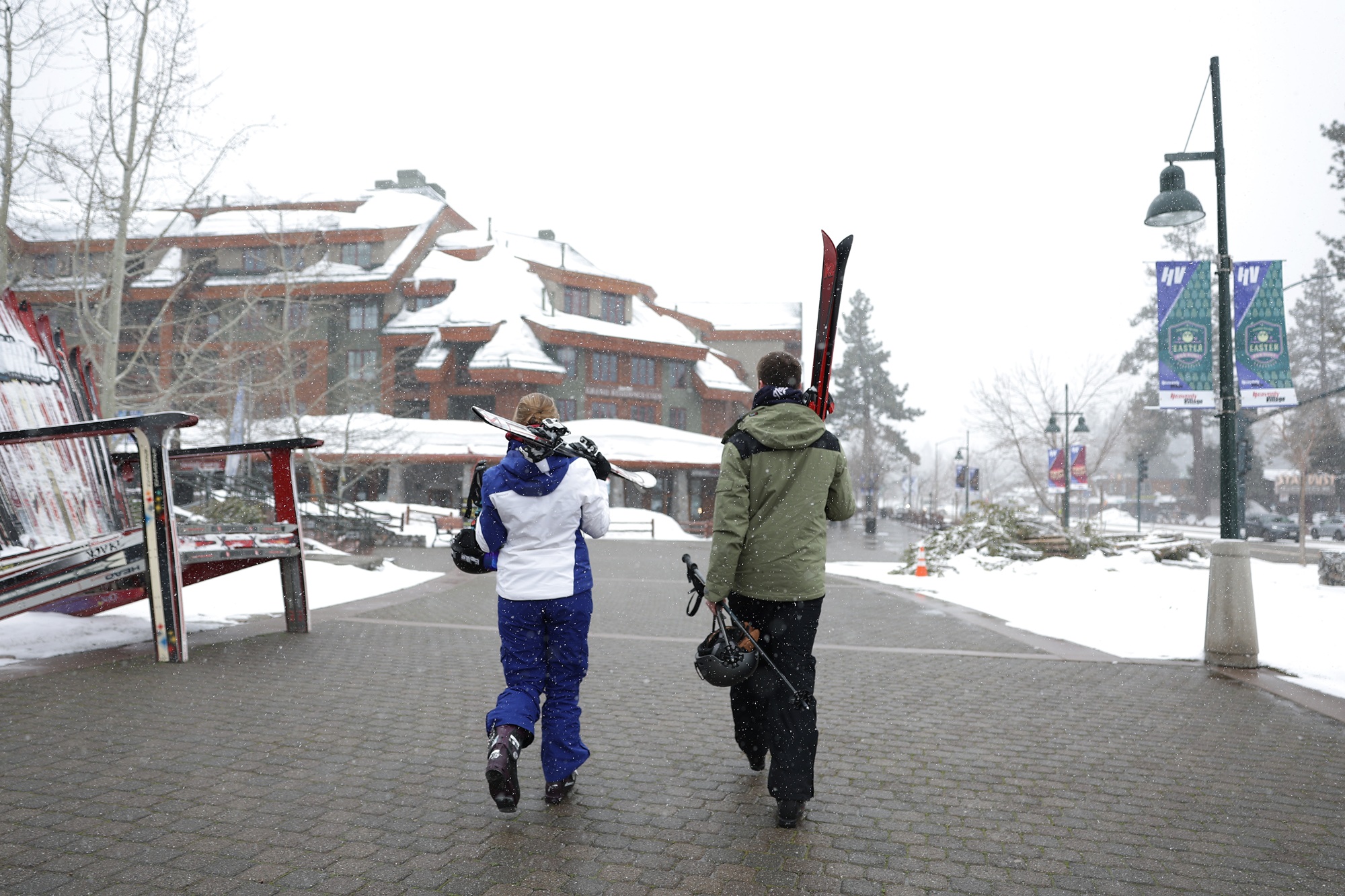
Will this ski season be the best ever? Or, with report after report of a “super El Niño” that will slam the West Coast with rain and snow, will skiers’ expectations pale in comparison to reality?
The answer, OpenSnow forecaster Bryan Allegretto said, is still far from clear. And for him, a big part of this uncertainty is that “we don’t have much data on strong El Niños.”
In fact, there have only really been four winters since 1970 to be considered “strong” El Niños, Allegretto said. Of those, half produced above-average snowfall, including the 1982-83 season, when total snowfall came in at 170% of average. But the other half produced below-average snowfall. And going back to 1950, he sees four of seven “strong” El Niños resulting in big snow years.
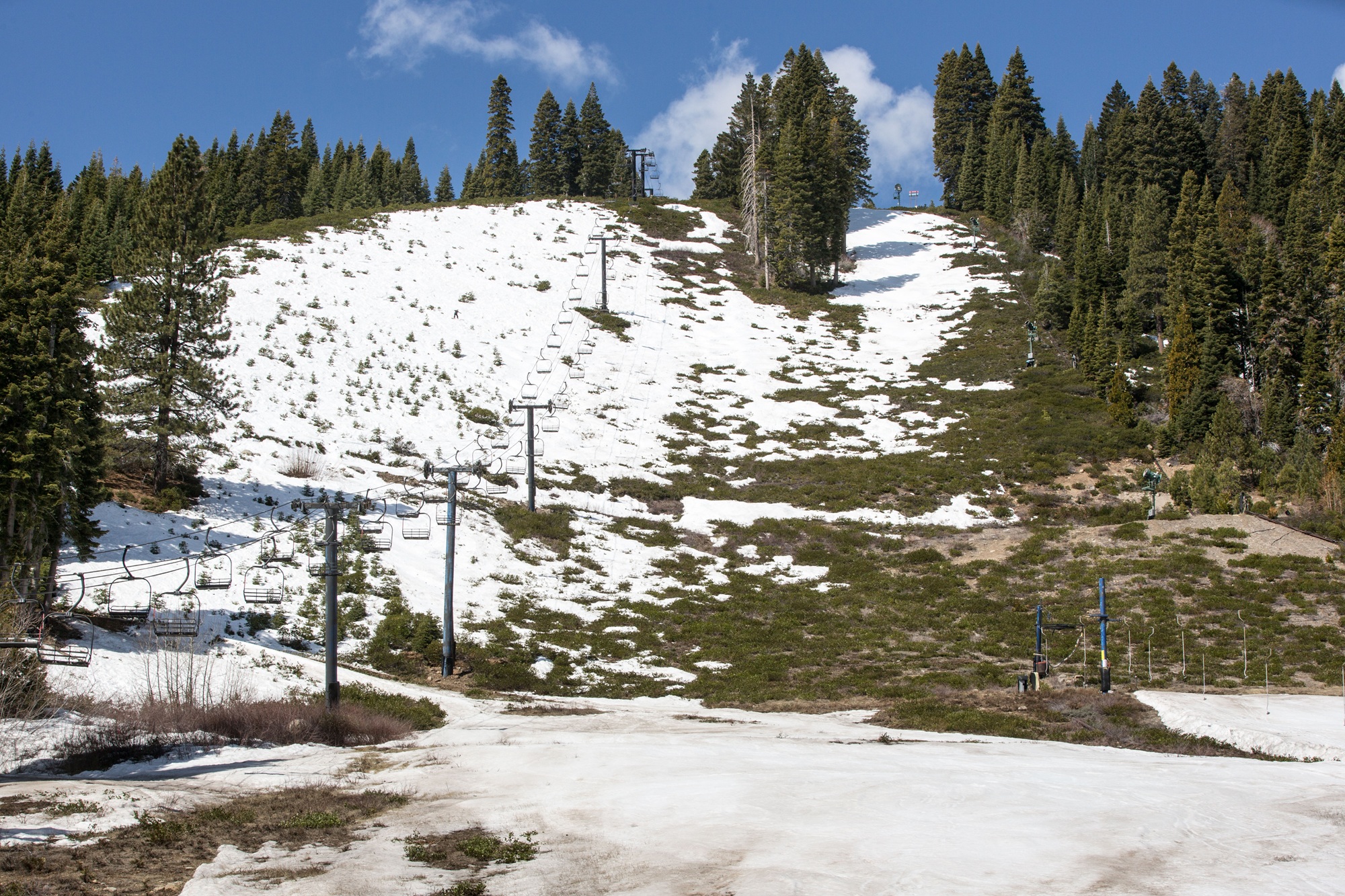
“So if you were just going to look historically, there’s no clear signal,” he said. “They haven’t been consistent as far as snowfall.”
That said, the two years that did overproduce did so … enormously.
“If you were to look at the average … it’s like 138% of average snowfall, but that isn’t fair to the years that are below-average,” he said. “Because there’s so much that can happen in the middle of the year that can affect our weather pattern.”
Jump straight to:
That was the case with the 2015-16 season, Allegretto said. There was a similar air of hype around El Niño conditions, but ultimately, the winter’s snowfall was just 97% of average, slightly below a typical year.
So what does today’s forecast mean for ski season? Allegretto breaks it down below.
What is the El Niño forecast saying today?
First, Allegretto warned that it takes three consecutive months of higher-than-normal ocean surface temperatures before one can even declare an El Niño — let alone a “strong” or “very strong” El Niño.
So far, he said, water temperatures are about 2.2 degrees above average. The 2015-16 season was 2.3 degrees above the average. If we reach 2.5 degrees above normal, he said, that would be a record.
“At the end of September, it was the warmest the water has been at this point in the fall along the equator where they measure,” he said.
Monday’s updated models showed even more reason to believe it will be an unusually wet winter. But it’s not yet clear if that trend will continue — or what other factors will be in play.
“We had a ‘super’ El Niño in 15-16 with below-average snowfall,” he said. “But there were things happening that year in the Atlantic and the Northern Pacific that were messing with the weather pattern. And it was causing most of the storms to go to the north of California and the Pacific Northwest.”
What’s tough to know is whether this season’s El Niño pattern will be the most prevailing, or if other weather systems in January or February will interfere.
In theory, Allegretto said, this year’s El Niño “should be the most dominant factor.”
Still, he said he is only “cautiously optimistic.
“I think we will see above average snow and rain,” he said. “But am I willing to say that we’re going to get a year like 1982-83?
“No,” he said. “Only very risky people say those kinds of things.”
What does all this mean for skiing this winter?
All in all, Allegretto said he is “pretty excited” for the ski season. After all, as OpenSnow’s expert on California and the Lake Tahoe region, it’s his job to update skiers and snowboarders about the winter weather. This week, he started posting his weekly forecasts and said that come opening day at ski resorts in November, he will start posting daily.
“I just hope the storms stay cold enough, the snow levels stay low, and we don’t end up with a bunch of rain,” he said.
Allegretto isn’t the only one hedging. In a recent earnings call, Vail Resorts CEO Rob Katz told investors that sales of Epic Passes, which give local skiers access to three Lake Tahoe resorts, are 12% down this year. Katz attributed the drop in part to last year’s disappointing snowfall, which closed many resorts prematurely.
In general, Allegretto said strong El Niños tend to produce the most snowfall in February and January, calling them “make-or-break months.”
Still, he was careful not to overstate the possibility of a banger ski season.
“I just don’t hype, even if it looks like it’s going to be a decent year,” Allegretto said.
He even warned that too much snow could bring different problems for skiers.
“You don’t want too much snow because then the ski resorts are closed, the highway’s closed,” he said. “I just prefer good storms that are easy to chase.
“You only need shin-deep powder to have fun,” he said.
Those California ski resort opening dates so far:
Mammoth Mountain: Nov. 13
Heavenly Ski Resort: Nov. 20
Northstar California Resort: Nov. 20
Mount Rose Ski Tahoe: Nov. 20
Palisades Tahoe: Nov. 25
Kirkwood Mountain Resort: Dec. 4