Should You Use USPS to Mail Your Midterm Ballot? Here’s What California Election Officials Say
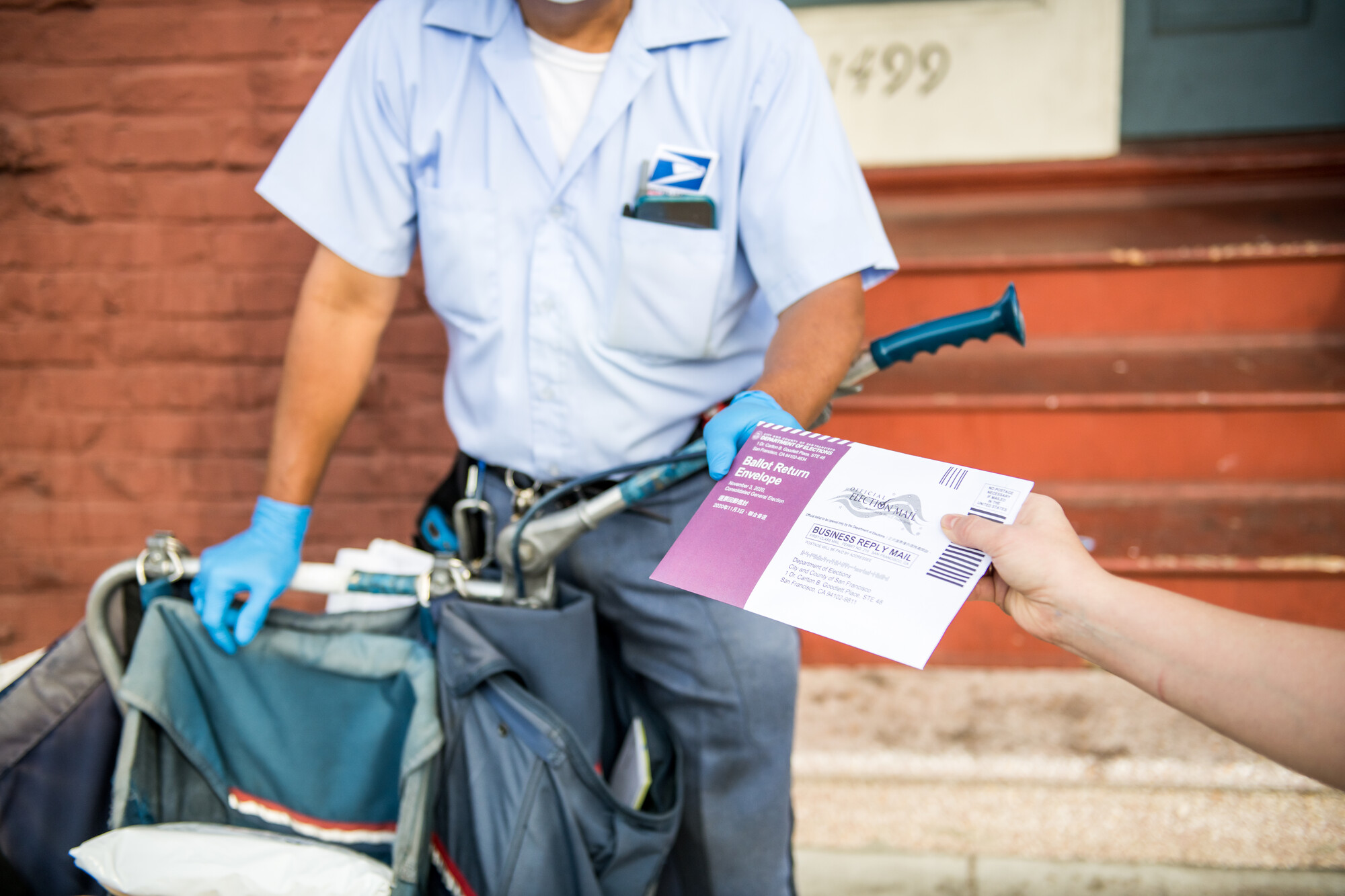
County election officials this week began mailing ballots to every registered California voter for the Nov. 3 midterm election, kicking off a monthlong vote-by-mail stretch — albeit one shadowed by a series of federal challenges to the system.
President Donald Trump has kept up his attacks on mail voting this year, which he has claimed, without evidence, is rife with fraud. The administration’s efforts to drastically limit voting by mail have ranged from an executive order giving the United States Postal Service the unprecedented role of deciding who receives mail ballots to pushing Congress to require photo ID at the polls.
So far, those moves have failed. But the USPS has also changed how some mail is collected — leaving many voters unsure whether the agency can reliably deliver their ballots this fall.
Keep reading for what we know about using USPS to mail your midterm ballot this election season. And remember: Aside from those USPS collection boxes, voters have several other options to submit their mail-in ballot, including using a secure county drop box or submitting by hand to any open voting location.
What’s changed at USPS — and what does it mean for my ballot?
Two changes to USPS in recent years have slowed down service in many regions, especially for voters in rural areas.
First, starting in April 2025, USPS implemented what’s called its Regional Transportation Optimization (RTO) initiative nationwide. At post offices and collection boxes more than 50 miles from a processing center, the RTO means mail is now picked up the next day instead of the same day. Northern California has just two processing centers, in Richmond and Sacramento.
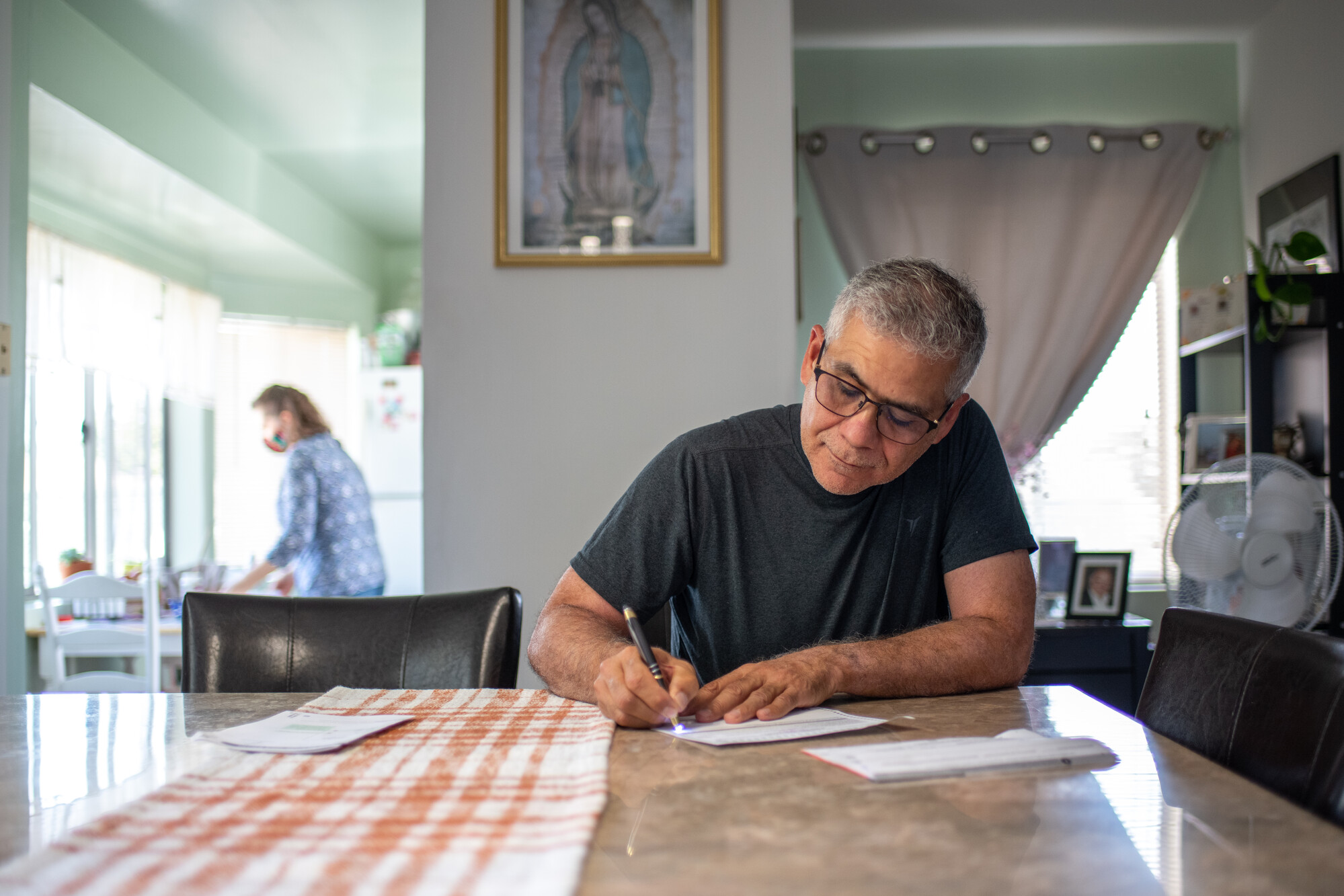
Second, in December 2025, USPS formally defined a postmark as confirmation that the agency was in possession of the mail, but not necessarily the date it first received the mail.
But what do these changes mean for your ballot arriving in time to be counted in the Nov. 3 election — which in California is seven days after Election Day, as long as it’s postmarked by or on Election Day?
If you drop your ballot in a post office or box, it may not get a postmark until USPS picks it up, trucks it to a processing center and stamps it. That could be days later. Many voters assume they have until Election Day to mail a ballot, but if it’s postmarked after Nov. 3, it will be rejected.
“Because of mail processing facility shutdowns, our mail — including our election mail — takes a more circuitous route to get to the county elections office than it used to,” said Kim Alexander, president and founder of the non-partisan California Voter Foundation. “In some counties, the mail actually goes to a processing center in Nevada and then comes back to California.”
In California, nearly 90% of voters cast their ballots by mail in the statewide June primary. And more ballots are now showing up too late to be counted in recent years.
In the 2026 primary, 1.1% of all California mail ballots arrived late, according to the Public Policy Institute of California. That’s up from 0.7% in the 2025 special election and 0.3% in 2024.
“I personally find it heartbreaking when I see those stacks of uncounted ballots sitting in election offices, because I know how much work goes into filling out a ballot,” Alexander said.
The PPIC report found the increase in rejection rates was concentrated in areas affected by the RTO, even after accounting for other differences. But the report concluded that California’s overall rise in rejected ballots can’t be pinned wholly on the USPS changes.
So how do election officials recommend I submit my mail-in ballot?
In the last two statewide elections, Secretary of State Shirley Weber and Attorney General Rob Bonta urged any voters planning to use USPS to mail in their ballots at least a week before Election Day to account for those USPS changes.
And if you’re mailing your midterm ballot on Election Day itself, Weber’s office is recommending you “get a hand-stamped postmark from a postal employee inside a United States Post Office” rather than simply dropping it in a USPS collection box.
But some officials are going further and steering voters away from using USPS altogether.
“We’re not really encouraging people to use the USPS to get their ballot here,” said Evelyn Mendez, Sonoma County’s registrar of voters.
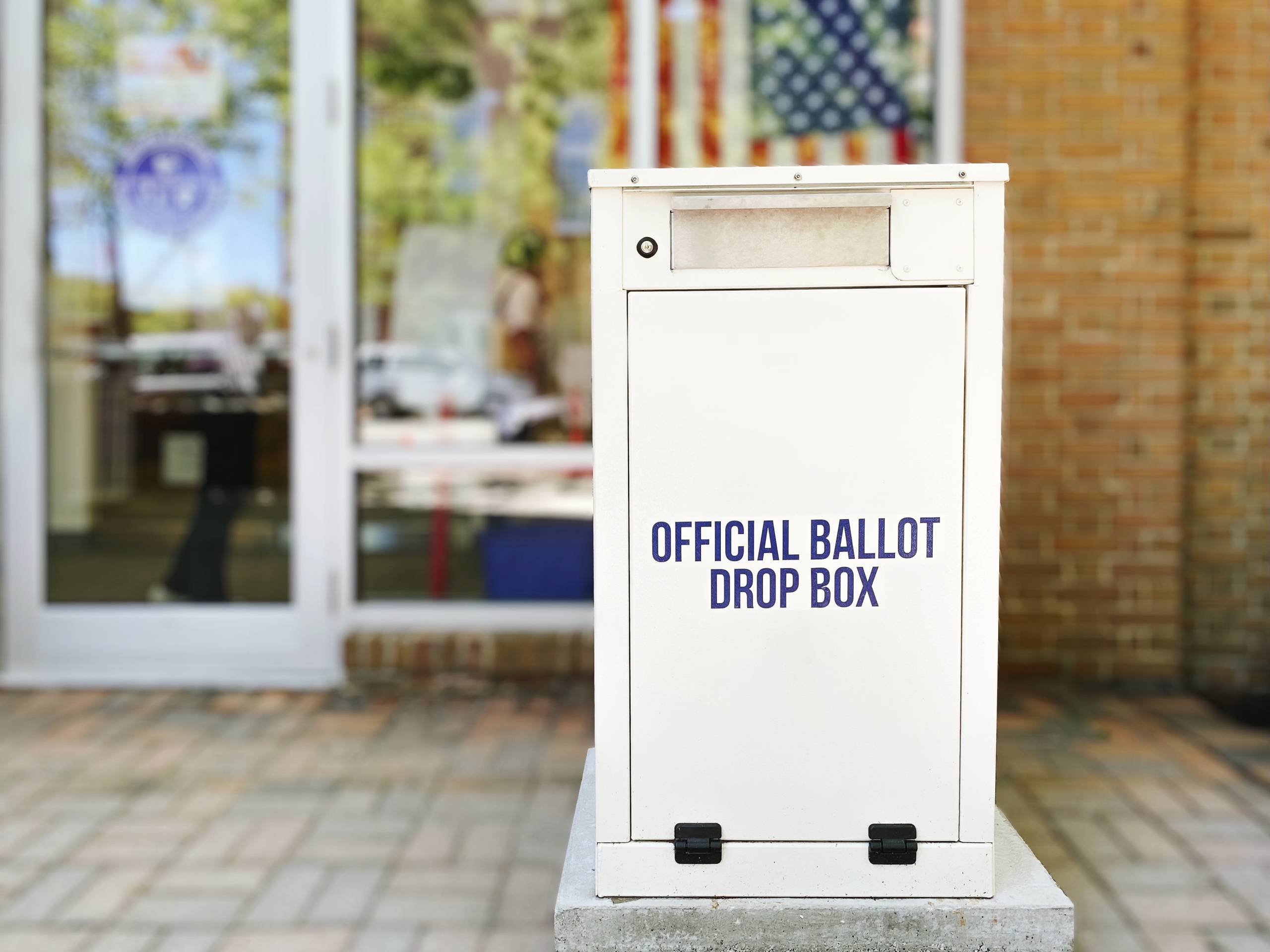
Instead, Mendez tells voters to use county collection boxes, which skip the Postal Service.
“If they use one of our official ballot drop boxes, our team picks those ballots up every day and brings them right back here,” she said.
Mendez cited the uptick in late ballots in the June primary as the driving force behind her warning about USPS. Sonoma County rejected 1,598 ballots for arriving late, accounting for 0.95% of vote-by-mail ballots returned in the county.
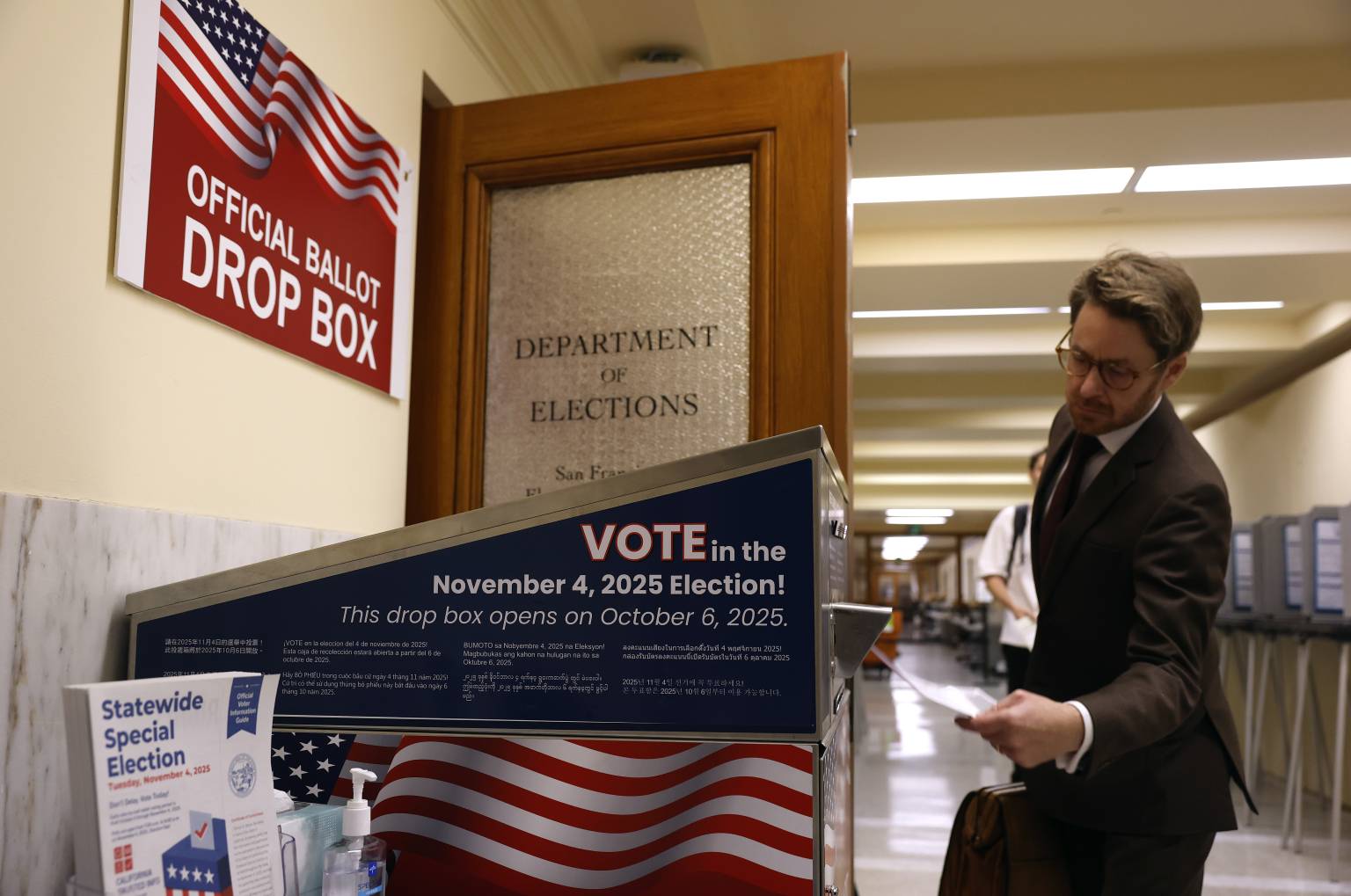
Ballot drop boxes are now open 24/7 through 8 p.m. on Nov. 3. Voters from anywhere in California can use them, even if they’re not registered in that county.
Mendez said voters who still want to use USPS should go inside the post office and request that hand stamp to ensure it’s postmarked on time.
“Sometimes we’ll get ballots that have two different dates, and it’s because someone got it hand-stamped in the office and then it got stamped when it went through the process — but they’re still getting here late,” she said.
Alexander’s top recommendation is to turn in your mail ballot at an open voting site by hand, either during early voting or on Election Day itself. You have a few options for doing this. First, you can either fill your ballot out in-person at a voting location, and submit it directly there and then.
Or, if you live in one of the California counties which has adopted the “Sign & Go” system — in the Bay Area, that’s Alameda, Contra Costa, Marin and Napa — you can complete your ballot at your convenience at home, and then bring it to a participating vote center and sign the voter roster under penalty of perjury (just as you would for in-person voting) to submit it in person. And if you live in a county which has adopted “Sign, Scan & Go”, like San Mateo, you can do all of the above and then scan your ballot yourself to have your vote recorded immediately at the voting site.
Newsom expanded these options this year after signing Senate Bill 1420 last month to raise awareness and access to the services. Right now, Sign & Go and Sign, Scan & Go are available in 31 of the state’s 58 counties.
But Alexander said all of these in-person approaches are particularly good ways of making sure your ballot is counted, in how they sidestep time-intensive signature verification — since your signature only goes on your ballot’s return envelope, which isn’t necessary when submitting a ballot by hand like this at a voting site — and late-arrival ballot rejections. She said it also speeds up California’s vote count, which drew criticism after the June primary when it took nearly a week to settle the governor’s and Los Angeles mayor’s races.
Dropping off your ballot in person at a vote center like this “really solves a lot of challenges, and it’s a win-win for the voter and for the elections office,” she said.
How can I track my ballot?
You can track your ballot through BallotTrax, the state’s “Where’s My Ballot” site. The service sends alerts when your ballot is mailed, delivered and received by the county. Plus, you’ll be notified if the county flags an issue, such as a signature challenge.
“That allows you to get a jump on correcting those issues, so your ballot can be counted,” Alexander said.
Where do Trump’s attacks on mail-in voting legally stand right now?
In March, Trump issued an executive order to restrict mail voting. The order would have required USPS — an agency within the federal government — to send mail ballots only to voters on a federal list of “approved” voters. It also would have charged the Department of Justice with prosecuting election officials who issue ballots to ineligible voters.
A federal judge issued a swift ruling preventing USPS from implementing the order — which the Supreme Court then left in place in September. However, a USPS whistleblower alleged the agency secretly prepared to follow Trump’s order even as the matter was still being fought over in the courts.
Alexander said USPS’ leaders showed they were “sympathetic to” strategies that would restrict mail voting, costing the agency trust even though the effort failed.
“I think that has really shaken a lot of people’s confidence. I know it’s shaken mine,” she said. “Up until this election, I felt like the U.S. Postal Service was a reliable partner in the voting process.”
The administration originally considered an even more disruptive restriction on mail voting, according to new reporting from ProPublica. It would have required USPS to send all ballots by certified mail, meaning voters would have had to be home to sign for them in order to receive them. The Postal Service objected, and the White House ultimately backed down.
Additionally, the Supreme Court in July upheld a Mississippi state law that allows officials to count mail ballots postmarked by Election Day but received later. The Republican National Committee brought the case in 2024, arguing grace periods violate the Constitution.
18 states and territories, including California, also permit grace periods to account for mail delays beyond voters’ control. In the 2024 general election, 373,116 ballots arrived within the grace period and were counted in California.
“Thankfully, we avoided two potentially very harmful policy changes that would have dramatically impacted California voters,” Alexander said.
Trump has also repeatedly pressed Congress to pass his SAVE America Act. The bill would ban mail voting except for illness, disability, military service or travel, in addition to requiring proof of citizenship during registration and photo ID at the polls.