window.__IS_SSR__=true
window.__INITIAL_STATE__={
"attachmentsReducer": {
"audio_0": {
"type": "attachments",
"id": "audio_0",
"imgSizes": {
"kqedFullSize": {
"file": "https://ww2.kqed.org/news/wp-content/themes/KQED-unified/img/audio_bgs/background0.jpg"
}
}
},
"audio_1": {
"type": "attachments",
"id": "audio_1",
"imgSizes": {
"kqedFullSize": {
"file": "https://ww2.kqed.org/news/wp-content/themes/KQED-unified/img/audio_bgs/background1.jpg"
}
}
},
"audio_2": {
"type": "attachments",
"id": "audio_2",
"imgSizes": {
"kqedFullSize": {
"file": "https://ww2.kqed.org/news/wp-content/themes/KQED-unified/img/audio_bgs/background2.jpg"
}
}
},
"audio_3": {
"type": "attachments",
"id": "audio_3",
"imgSizes": {
"kqedFullSize": {
"file": "https://ww2.kqed.org/news/wp-content/themes/KQED-unified/img/audio_bgs/background3.jpg"
}
}
},
"audio_4": {
"type": "attachments",
"id": "audio_4",
"imgSizes": {
"kqedFullSize": {
"file": "https://ww2.kqed.org/news/wp-content/themes/KQED-unified/img/audio_bgs/background4.jpg"
}
}
},
"placeholder": {
"type": "attachments",
"id": "placeholder",
"imgSizes": {
"thumbnail": {
"file": "https://cdn.kqed.org/wp-content/uploads/2024/12/KQED-Default-Image-816638274-2000x1333-1-160x107.jpg",
"width": 160,
"height": 107,
"mimeType": "image/jpeg"
},
"medium": {
"file": "https://cdn.kqed.org/wp-content/uploads/2024/12/KQED-Default-Image-816638274-2000x1333-1-800x533.jpg",
"width": 800,
"height": 533,
"mimeType": "image/jpeg"
},
"medium_large": {
"file": "https://cdn.kqed.org/wp-content/uploads/2024/12/KQED-Default-Image-816638274-2000x1333-1-768x512.jpg",
"width": 768,
"height": 512,
"mimeType": "image/jpeg"
},
"large": {
"file": "https://cdn.kqed.org/wp-content/uploads/2024/12/KQED-Default-Image-816638274-2000x1333-1-1020x680.jpg",
"width": 1020,
"height": 680,
"mimeType": "image/jpeg"
},
"1536x1536": {
"file": "https://cdn.kqed.org/wp-content/uploads/2024/12/KQED-Default-Image-816638274-2000x1333-1-1536x1024.jpg",
"width": 1536,
"height": 1024,
"mimeType": "image/jpeg"
},
"fd-lrg": {
"file": "https://cdn.kqed.org/wp-content/uploads/2024/12/KQED-Default-Image-816638274-2000x1333-1-1536x1024.jpg",
"width": 1536,
"height": 1024,
"mimeType": "image/jpeg"
},
"fd-med": {
"file": "https://cdn.kqed.org/wp-content/uploads/2024/12/KQED-Default-Image-816638274-2000x1333-1-1020x680.jpg",
"width": 1020,
"height": 680,
"mimeType": "image/jpeg"
},
"fd-sm": {
"file": "https://cdn.kqed.org/wp-content/uploads/2024/12/KQED-Default-Image-816638274-2000x1333-1-800x533.jpg",
"width": 800,
"height": 533,
"mimeType": "image/jpeg"
},
"post-thumbnail": {
"file": "https://cdn.kqed.org/wp-content/uploads/2024/12/KQED-Default-Image-816638274-2000x1333-1-672x372.jpg",
"width": 672,
"height": 372,
"mimeType": "image/jpeg"
},
"twentyfourteen-full-width": {
"file": "https://cdn.kqed.org/wp-content/uploads/2024/12/KQED-Default-Image-816638274-2000x1333-1-1038x576.jpg",
"width": 1038,
"height": 576,
"mimeType": "image/jpeg"
},
"xxsmall": {
"file": "https://cdn.kqed.org/wp-content/uploads/2024/12/KQED-Default-Image-816638274-2000x1333-1-160x107.jpg",
"width": 160,
"height": 107,
"mimeType": "image/jpeg"
},
"xsmall": {
"file": "https://cdn.kqed.org/wp-content/uploads/2024/12/KQED-Default-Image-816638274-2000x1333-1-672x372.jpg",
"width": 672,
"height": 372,
"mimeType": "image/jpeg"
},
"small": {
"file": "https://cdn.kqed.org/wp-content/uploads/2024/12/KQED-Default-Image-816638274-2000x1333-1-672x372.jpg",
"width": 672,
"height": 372,
"mimeType": "image/jpeg"
},
"xlarge": {
"file": "https://cdn.kqed.org/wp-content/uploads/2024/12/KQED-Default-Image-816638274-2000x1333-1-1020x680.jpg",
"width": 1020,
"height": 680,
"mimeType": "image/jpeg"
},
"full-width": {
"file": "https://cdn.kqed.org/wp-content/uploads/2024/12/KQED-Default-Image-816638274-2000x1333-1-1920x1280.jpg",
"width": 1920,
"height": 1280,
"mimeType": "image/jpeg"
},
"guest-author-32": {
"file": "https://cdn.kqed.org/wp-content/uploads/2025/01/KQED-Default-Image-816638274-1333x1333-1-160x160.jpg",
"width": 32,
"height": 32,
"mimeType": "image/jpeg"
},
"guest-author-50": {
"file": "https://cdn.kqed.org/wp-content/uploads/2025/01/KQED-Default-Image-816638274-1333x1333-1-160x160.jpg",
"width": 50,
"height": 50,
"mimeType": "image/jpeg"
},
"guest-author-64": {
"file": "https://cdn.kqed.org/wp-content/uploads/2025/01/KQED-Default-Image-816638274-1333x1333-1-160x160.jpg",
"width": 64,
"height": 64,
"mimeType": "image/jpeg"
},
"guest-author-96": {
"file": "https://cdn.kqed.org/wp-content/uploads/2025/01/KQED-Default-Image-816638274-1333x1333-1-160x160.jpg",
"width": 96,
"height": 96,
"mimeType": "image/jpeg"
},
"guest-author-128": {
"file": "https://cdn.kqed.org/wp-content/uploads/2025/01/KQED-Default-Image-816638274-1333x1333-1-160x160.jpg",
"width": 128,
"height": 128,
"mimeType": "image/jpeg"
},
"detail": {
"file": "https://cdn.kqed.org/wp-content/uploads/2025/01/KQED-Default-Image-816638274-1333x1333-1-160x160.jpg",
"width": 160,
"height": 160,
"mimeType": "image/jpeg"
},
"kqedFullSize": {
"file": "https://cdn.kqed.org/wp-content/uploads/2024/12/KQED-Default-Image-816638274-2000x1333-1.jpg",
"width": 2000,
"height": 1333
}
}
},
"news_11905430": {
"type": "attachments",
"id": "news_11905430",
"meta": {
"index": "attachments_1716263798",
"site": "news",
"id": "11905430",
"found": true
},
"parent": 11905429,
"imgSizes": {
"twentyfourteen-full-width": {
"file": "https://ww2.kqed.org/app/uploads/sites/10/2022/02/ap22038735487988-406e08ab721fc89b9ac39a3d70df1c65801d41dc-1038x576.jpg",
"width": 1038,
"mimeType": "image/jpeg",
"height": 576
},
"thumbnail": {
"file": "https://ww2.kqed.org/app/uploads/sites/10/2022/02/ap22038735487988-406e08ab721fc89b9ac39a3d70df1c65801d41dc-160x120.jpg",
"width": 160,
"mimeType": "image/jpeg",
"height": 120
},
"post-thumbnail": {
"file": "https://ww2.kqed.org/app/uploads/sites/10/2022/02/ap22038735487988-406e08ab721fc89b9ac39a3d70df1c65801d41dc-672x372.jpg",
"width": 672,
"mimeType": "image/jpeg",
"height": 372
},
"kqedFullSize": {
"file": "https://ww2.kqed.org/app/uploads/sites/10/2022/02/ap22038735487988-406e08ab721fc89b9ac39a3d70df1c65801d41dc-scaled-e1645046892712.jpg",
"width": 1920,
"height": 1440
},
"2048x2048": {
"file": "https://ww2.kqed.org/app/uploads/sites/10/2022/02/ap22038735487988-406e08ab721fc89b9ac39a3d70df1c65801d41dc-2048x1536.jpg",
"width": 2048,
"mimeType": "image/jpeg",
"height": 1536
},
"large": {
"file": "https://ww2.kqed.org/app/uploads/sites/10/2022/02/ap22038735487988-406e08ab721fc89b9ac39a3d70df1c65801d41dc-1020x765.jpg",
"width": 1020,
"mimeType": "image/jpeg",
"height": 765
},
"1536x1536": {
"file": "https://ww2.kqed.org/app/uploads/sites/10/2022/02/ap22038735487988-406e08ab721fc89b9ac39a3d70df1c65801d41dc-1536x1152.jpg",
"width": 1536,
"mimeType": "image/jpeg",
"height": 1152
},
"full-width": {
"file": "https://ww2.kqed.org/app/uploads/sites/10/2022/02/ap22038735487988-406e08ab721fc89b9ac39a3d70df1c65801d41dc-1920x1440.jpg",
"width": 1920,
"mimeType": "image/jpeg",
"height": 1440
},
"medium": {
"file": "https://ww2.kqed.org/app/uploads/sites/10/2022/02/ap22038735487988-406e08ab721fc89b9ac39a3d70df1c65801d41dc-800x600.jpg",
"width": 800,
"mimeType": "image/jpeg",
"height": 600
}
},
"publishDate": 1645046758,
"modified": 1645062417,
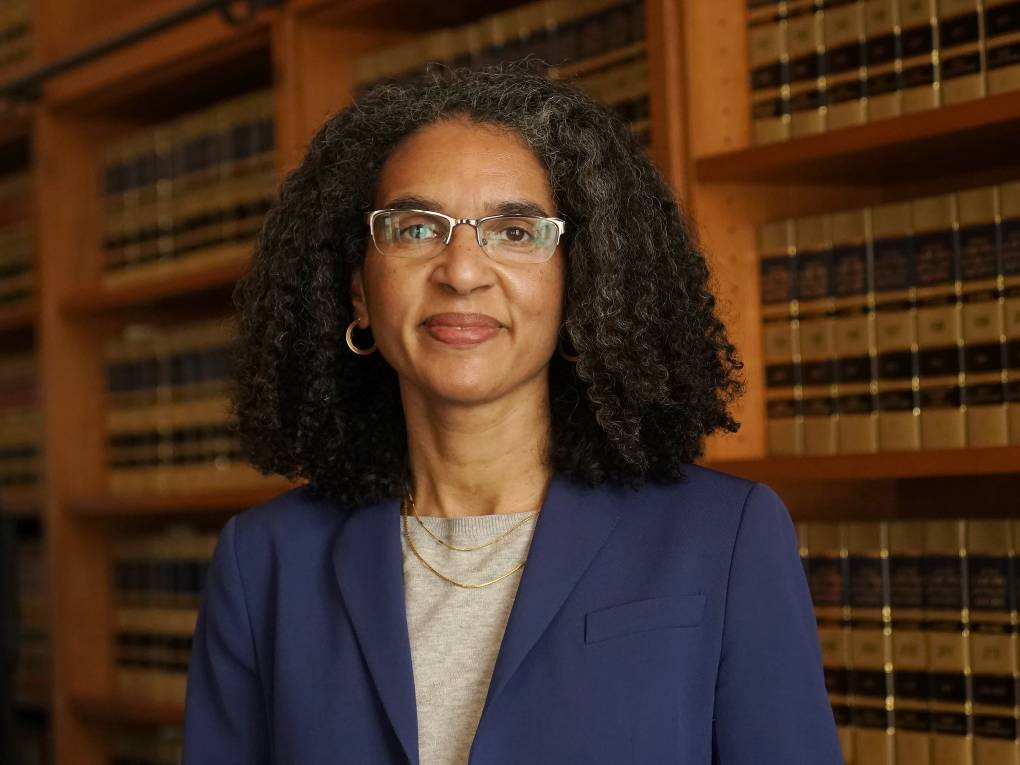
"caption": "Leondra Kruger, an associate justice of the Supreme Court of California, poses for photos in San Francisco on Feb. 3, 2022. ",
"description": "Leondra Kruger, an Associate Justice of the Supreme Court of California, poses for photos in San Francisco, Thursday, Feb. 3, 2022. (AP Photo/Jeff Chiu)",
"title": "California Supreme Court Justice Leondra Kruger is a leading contender to replace Justice Stephen Breyer on the U.S. Supreme Court.",
"credit": "Jeff Chiu/AP",
"status": "inherit",
"altTag": "A portrait of a woman with glasses.",
"isLoading": false,
"fetchFailed": false
},
"news_11898313": {
"type": "attachments",
"id": "news_11898313",
"meta": {
"index": "attachments_1716263798",
"site": "news",
"id": "11898313",
"found": true
},
"parent": 11898302,
"imgSizes": {
"twentyfourteen-full-width": {
"file": "https://ww2.kqed.org/app/uploads/sites/10/2021/12/IMG_2261-1-1038x576.jpg",
"width": 1038,
"mimeType": "image/jpeg",
"height": 576
},
"thumbnail": {
"file": "https://ww2.kqed.org/app/uploads/sites/10/2021/12/IMG_2261-1-160x120.jpg",
"width": 160,
"mimeType": "image/jpeg",
"height": 120
},
"post-thumbnail": {
"file": "https://ww2.kqed.org/app/uploads/sites/10/2021/12/IMG_2261-1-672x372.jpg",
"width": 672,
"mimeType": "image/jpeg",
"height": 372
},
"kqedFullSize": {
"file": "https://ww2.kqed.org/app/uploads/sites/10/2021/12/IMG_2261-1-scaled.jpg",
"width": 2560,
"height": 1920
},
"2048x2048": {
"file": "https://ww2.kqed.org/app/uploads/sites/10/2021/12/IMG_2261-1-2048x1536.jpg",
"width": 2048,
"mimeType": "image/jpeg",
"height": 1536
},
"large": {
"file": "https://ww2.kqed.org/app/uploads/sites/10/2021/12/IMG_2261-1-1020x765.jpg",
"width": 1020,
"mimeType": "image/jpeg",
"height": 765
},
"1536x1536": {
"file": "https://ww2.kqed.org/app/uploads/sites/10/2021/12/IMG_2261-1-1536x1152.jpg",
"width": 1536,
"mimeType": "image/jpeg",
"height": 1152
},
"full-width": {
"file": "https://ww2.kqed.org/app/uploads/sites/10/2021/12/IMG_2261-1-1920x1440.jpg",
"width": 1920,
"mimeType": "image/jpeg",
"height": 1440
},
"medium": {
"file": "https://ww2.kqed.org/app/uploads/sites/10/2021/12/IMG_2261-1-800x600.jpg",
"width": 800,
"mimeType": "image/jpeg",
"height": 600
}
},
"publishDate": 1638908411,
"modified": 1638909470,
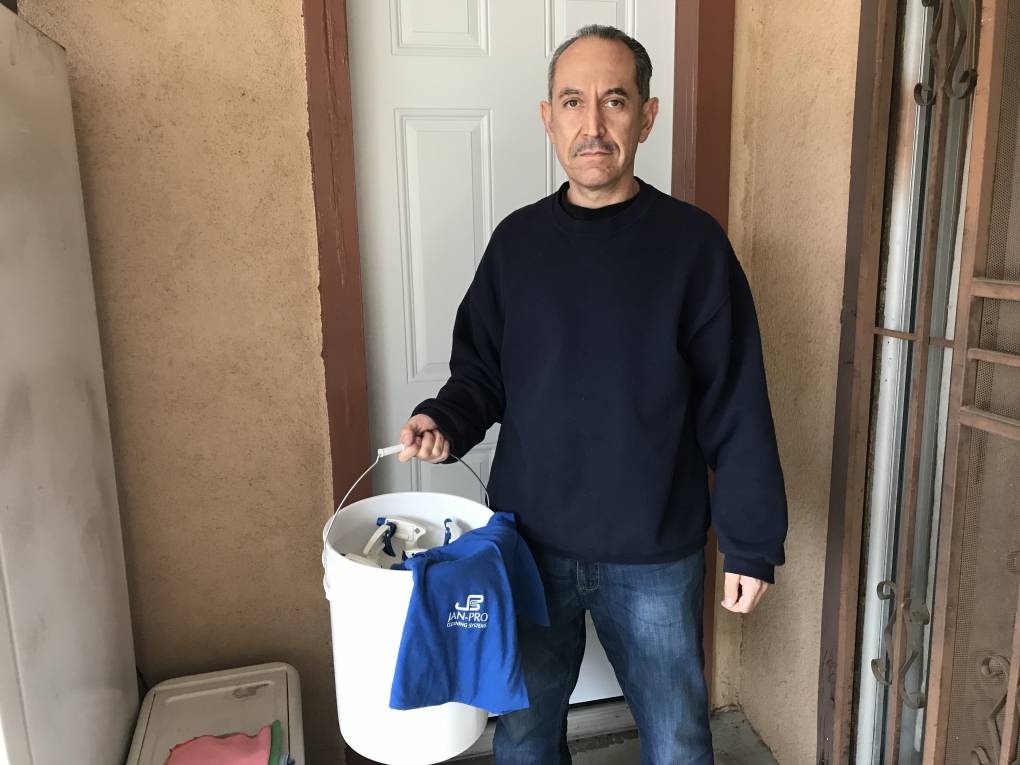
"caption": "When Jerry Vasquez bought a janitorial cleaning franchise in 2007, he thought he was starting his own business. He ended up working for less than minimum wage. ",
"description": null,
"title": "IMG_2261 (1)",
"credit": "Courtesy of Krissy Clark",
"status": "inherit",
"altTag": null,
"isLoading": false,
"fetchFailed": false
},
"news_11866577": {
"type": "attachments",
"id": "news_11866577",
"meta": {
"index": "attachments_1716263798",
"site": "news",
"id": "11866577",
"found": true
},
"parent": 11866532,
"imgSizes": {
"twentyfourteen-full-width": {
"file": "https://ww2.kqed.org/app/uploads/sites/10/2021/03/RS45504_013_KQED_SanFrancisco_BailBonds_10282020-qut-1038x576.jpg",
"width": 1038,
"mimeType": "image/jpeg",
"height": 576
},
"thumbnail": {
"file": "https://ww2.kqed.org/app/uploads/sites/10/2021/03/RS45504_013_KQED_SanFrancisco_BailBonds_10282020-qut-160x107.jpg",
"width": 160,
"mimeType": "image/jpeg",
"height": 107
},
"post-thumbnail": {
"file": "https://ww2.kqed.org/app/uploads/sites/10/2021/03/RS45504_013_KQED_SanFrancisco_BailBonds_10282020-qut-672x372.jpg",
"width": 672,
"mimeType": "image/jpeg",
"height": 372
},
"kqedFullSize": {
"file": "https://ww2.kqed.org/app/uploads/sites/10/2021/03/RS45504_013_KQED_SanFrancisco_BailBonds_10282020-qut.jpg",
"width": 1920,
"height": 1280
},
"large": {
"file": "https://ww2.kqed.org/app/uploads/sites/10/2021/03/RS45504_013_KQED_SanFrancisco_BailBonds_10282020-qut-1020x680.jpg",
"width": 1020,
"mimeType": "image/jpeg",
"height": 680
},
"1536x1536": {
"file": "https://ww2.kqed.org/app/uploads/sites/10/2021/03/RS45504_013_KQED_SanFrancisco_BailBonds_10282020-qut-1536x1024.jpg",
"width": 1536,
"mimeType": "image/jpeg",
"height": 1024
},
"medium": {
"file": "https://ww2.kqed.org/app/uploads/sites/10/2021/03/RS45504_013_KQED_SanFrancisco_BailBonds_10282020-qut-800x533.jpg",
"width": 800,
"mimeType": "image/jpeg",
"height": 533
}
},
"publishDate": 1616716063,
"modified": 1616716091,
"caption": "A bail bonds company across from the Hall of Justice in San Francisco on Oct. 28, 2020.",
"description": "A bail bonds company across from the Hall of Justice in San Francisco on Oct. 28, 2020.",
"title": "RS45504_013_KQED_SanFrancisco_BailBonds_10282020-qut",
"credit": "Beth LaBerge/KQED",
"status": "inherit",
"altTag": null,
"isLoading": false,
"fetchFailed": false
},
"news_11841094": {
"type": "attachments",
"id": "news_11841094",
"meta": {
"index": "attachments_1716263798",
"site": "news",
"id": "11841094",
"found": true
},
"parent": 11841064,
"imgSizes": {
"apple_news_ca_landscape_5_5": {
"file": "https://ww2.kqed.org/app/uploads/sites/10/2020/10/justice-jenkins-presser-1044x783.jpg",
"width": 1044,
"mimeType": "image/jpeg",
"height": 783
},
"apple_news_ca_square_4_0": {
"file": "https://ww2.kqed.org/app/uploads/sites/10/2020/10/justice-jenkins-presser-470x470.jpg",
"width": 470,
"mimeType": "image/jpeg",
"height": 470
},
"twentyfourteen-full-width": {
"file": "https://ww2.kqed.org/app/uploads/sites/10/2020/10/justice-jenkins-presser-1038x576.jpg",
"width": 1038,
"mimeType": "image/jpeg",
"height": 576
},
"thumbnail": {
"file": "https://ww2.kqed.org/app/uploads/sites/10/2020/10/justice-jenkins-presser-160x107.jpg",
"width": 160,
"mimeType": "image/jpeg",
"height": 107
},
"post-thumbnail": {
"file": "https://ww2.kqed.org/app/uploads/sites/10/2020/10/justice-jenkins-presser-672x372.jpg",
"width": 672,
"mimeType": "image/jpeg",
"height": 372
},
"kqedFullSize": {
"file": "https://ww2.kqed.org/app/uploads/sites/10/2020/10/justice-jenkins-presser-scaled-e1601942114278.jpg",
"width": 1920,
"height": 1280
},
"2048x2048": {
"file": "https://ww2.kqed.org/app/uploads/sites/10/2020/10/justice-jenkins-presser-2048x1365.jpg",
"width": 2048,
"mimeType": "image/jpeg",
"height": 1365
},
"apple_news_ca_landscape_4_7": {
"file": "https://ww2.kqed.org/app/uploads/sites/10/2020/10/justice-jenkins-presser-632x474.jpg",
"width": 632,
"mimeType": "image/jpeg",
"height": 474
},
"large": {
"file": "https://ww2.kqed.org/app/uploads/sites/10/2020/10/justice-jenkins-presser-1020x680.jpg",
"width": 1020,
"mimeType": "image/jpeg",
"height": 680
},
"apple_news_ca_landscape_4_0": {
"file": "https://ww2.kqed.org/app/uploads/sites/10/2020/10/justice-jenkins-presser-536x402.jpg",
"width": 536,
"mimeType": "image/jpeg",
"height": 402
},
"apple_news_ca_portrait_12_9": {
"file": "https://ww2.kqed.org/app/uploads/sites/10/2020/10/justice-jenkins-presser-1122x1496.jpg",
"width": 1122,
"mimeType": "image/jpeg",
"height": 1496
},
"medium": {
"file": "https://ww2.kqed.org/app/uploads/sites/10/2020/10/justice-jenkins-presser-800x533.jpg",
"width": 800,
"mimeType": "image/jpeg",
"height": 533
},
"apple_news_ca_portrait_4_0": {
"file": "https://ww2.kqed.org/app/uploads/sites/10/2020/10/justice-jenkins-presser-354x472.jpg",
"width": 354,
"mimeType": "image/jpeg",
"height": 472
},
"apple_news_ca_portrait_9_7": {
"file": "https://ww2.kqed.org/app/uploads/sites/10/2020/10/justice-jenkins-presser-840x1120.jpg",
"width": 840,
"mimeType": "image/jpeg",
"height": 1120
},
"apple_news_ca_landscape_12_9": {
"file": "https://ww2.kqed.org/app/uploads/sites/10/2020/10/justice-jenkins-presser-1832x1374.jpg",
"width": 1832,
"mimeType": "image/jpeg",
"height": 1374
},
"apple_news_ca_square_9_7": {
"file": "https://ww2.kqed.org/app/uploads/sites/10/2020/10/justice-jenkins-presser-1104x1104.jpg",
"width": 1104,
"mimeType": "image/jpeg",
"height": 1104
},
"1536x1536": {
"file": "https://ww2.kqed.org/app/uploads/sites/10/2020/10/justice-jenkins-presser-1536x1024.jpg",
"width": 1536,
"mimeType": "image/jpeg",
"height": 1024
},
"apple_news_ca_portrait_4_7": {
"file": "https://ww2.kqed.org/app/uploads/sites/10/2020/10/justice-jenkins-presser-414x552.jpg",
"width": 414,
"mimeType": "image/jpeg",
"height": 552
},
"apple_news_ca_square_12_9": {
"file": "https://ww2.kqed.org/app/uploads/sites/10/2020/10/justice-jenkins-presser-1472x1472.jpg",
"width": 1472,
"mimeType": "image/jpeg",
"height": 1472
},
"apple_news_ca_portrait_5_5": {
"file": "https://ww2.kqed.org/app/uploads/sites/10/2020/10/justice-jenkins-presser-687x916.jpg",
"width": 687,
"mimeType": "image/jpeg",
"height": 916
},
"full-width": {
"file": "https://ww2.kqed.org/app/uploads/sites/10/2020/10/justice-jenkins-presser-1920x1280.jpg",
"width": 1920,
"mimeType": "image/jpeg",
"height": 1280
},
"apple_news_ca_square_4_7": {
"file": "https://ww2.kqed.org/app/uploads/sites/10/2020/10/justice-jenkins-presser-550x550.jpg",
"width": 550,
"mimeType": "image/jpeg",
"height": 550
},
"apple_news_ca_landscape_9_7": {
"file": "https://ww2.kqed.org/app/uploads/sites/10/2020/10/justice-jenkins-presser-1376x1032.jpg",
"width": 1376,
"mimeType": "image/jpeg",
"height": 1032
},
"apple_news_ca_square_5_5": {
"file": "https://ww2.kqed.org/app/uploads/sites/10/2020/10/justice-jenkins-presser-912x912.jpg",
"width": 912,
"mimeType": "image/jpeg",
"height": 912
}
},
"publishDate": 1601937660,
"modified": 1601942290,
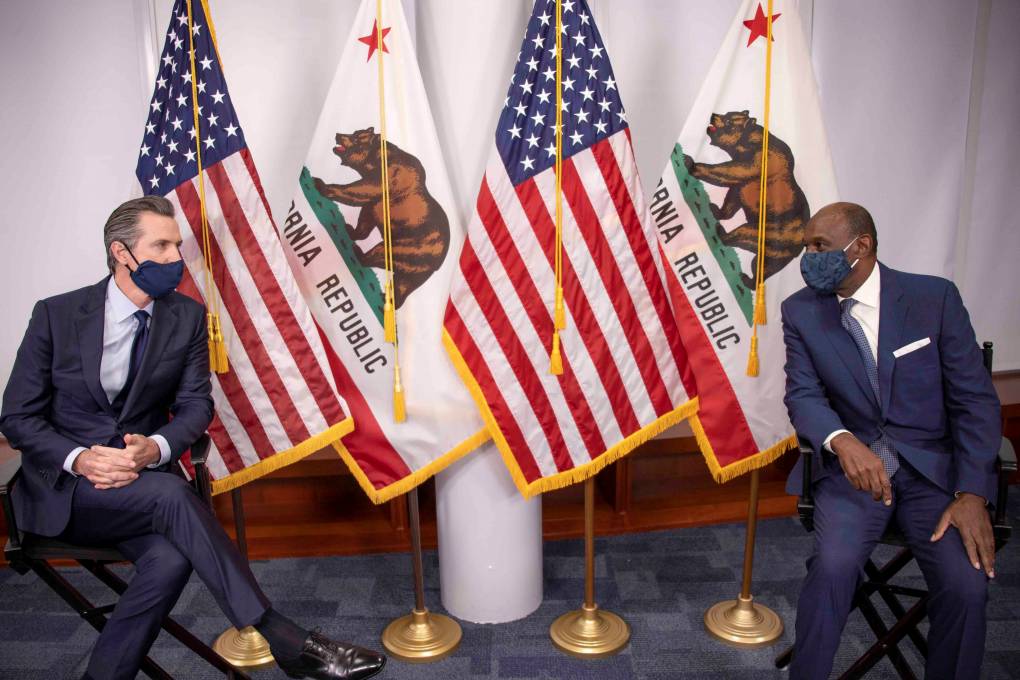
"caption": "Gov. Gavin Newsom appointed retired judge Martin Jenkins to the state Supreme Court on Monday, Oct. 5.",
"description": null,
"title": "justice jenkins presser",
"credit": "Courtesy of \u003ca href=\"https://newsroom.courts.ca.gov/news/gov-newsom-selects-justice-martin-jenkins-ret-california-supreme-court\">California Courts\u003c/a>",
"status": "inherit",
"isLoading": false,
"fetchFailed": false
},
"news_11616117": {
"type": "attachments",
"id": "news_11616117",
"meta": {
"index": "attachments_1716263798",
"site": "news",
"id": "11616117",
"found": true
},
"parent": 11616077,
"imgSizes": {
"small": {
"file": "https://ww2.kqed.org/app/uploads/sites/10/2017/09/RS13639_460085990-qut-520x347.jpg",
"width": 520,
"mimeType": "image/jpeg",
"height": 347
},
"twentyfourteen-full-width": {
"file": "https://ww2.kqed.org/app/uploads/sites/10/2017/09/RS13639_460085990-qut-1038x576.jpg",
"width": 1038,
"mimeType": "image/jpeg",
"height": 576
},
"thumbnail": {
"file": "https://ww2.kqed.org/app/uploads/sites/10/2017/09/RS13639_460085990-qut-160x107.jpg",
"width": 160,
"mimeType": "image/jpeg",
"height": 107
},
"fd-sm": {
"file": "https://ww2.kqed.org/app/uploads/sites/10/2017/09/RS13639_460085990-qut-960x640.jpg",
"width": 960,
"mimeType": "image/jpeg",
"height": 640
},
"post-thumbnail": {
"file": "https://ww2.kqed.org/app/uploads/sites/10/2017/09/RS13639_460085990-qut-672x372.jpg",
"width": 672,
"mimeType": "image/jpeg",
"height": 372
},
"xsmall": {
"file": "https://ww2.kqed.org/app/uploads/sites/10/2017/09/RS13639_460085990-qut-375x250.jpg",
"width": 375,
"mimeType": "image/jpeg",
"height": 250
},
"kqedFullSize": {
"file": "https://ww2.kqed.org/app/uploads/sites/10/2017/09/RS13639_460085990-qut.jpg",
"width": 1440,
"height": 960
},
"large": {
"file": "https://ww2.kqed.org/app/uploads/sites/10/2017/09/RS13639_460085990-qut-1020x680.jpg",
"width": 1020,
"mimeType": "image/jpeg",
"height": 680
},
"xlarge": {
"file": "https://ww2.kqed.org/app/uploads/sites/10/2017/09/RS13639_460085990-qut-1180x787.jpg",
"width": 1180,
"mimeType": "image/jpeg",
"height": 787
},
"guest-author-50": {
"file": "https://ww2.kqed.org/app/uploads/sites/10/2017/09/RS13639_460085990-qut-50x50.jpg",
"width": 50,
"mimeType": "image/jpeg",
"height": 50
},
"guest-author-96": {
"file": "https://ww2.kqed.org/app/uploads/sites/10/2017/09/RS13639_460085990-qut-96x96.jpg",
"width": 96,
"mimeType": "image/jpeg",
"height": 96
},
"medium": {
"file": "https://ww2.kqed.org/app/uploads/sites/10/2017/09/RS13639_460085990-qut-800x533.jpg",
"width": 800,
"mimeType": "image/jpeg",
"height": 533
},
"guest-author-64": {
"file": "https://ww2.kqed.org/app/uploads/sites/10/2017/09/RS13639_460085990-qut-64x64.jpg",
"width": 64,
"mimeType": "image/jpeg",
"height": 64
},
"guest-author-32": {
"file": "https://ww2.kqed.org/app/uploads/sites/10/2017/09/RS13639_460085990-qut-32x32.jpg",
"width": 32,
"mimeType": "image/jpeg",
"height": 32
},
"fd-med": {
"file": "https://ww2.kqed.org/app/uploads/sites/10/2017/09/RS13639_460085990-qut-1180x787.jpg",
"width": 1180,
"mimeType": "image/jpeg",
"height": 787
},
"detail": {
"file": "https://ww2.kqed.org/app/uploads/sites/10/2017/09/RS13639_460085990-qut-150x150.jpg",
"width": 150,
"mimeType": "image/jpeg",
"height": 150
},
"guest-author-128": {
"file": "https://ww2.kqed.org/app/uploads/sites/10/2017/09/RS13639_460085990-qut-128x128.jpg",
"width": 128,
"mimeType": "image/jpeg",
"height": 128
},
"xxsmall": {
"file": "https://ww2.kqed.org/app/uploads/sites/10/2017/09/RS13639_460085990-qut-240x160.jpg",
"width": 240,
"mimeType": "image/jpeg",
"height": 160
}
},
"publishDate": 1504907423,
"modified": 1590704528,
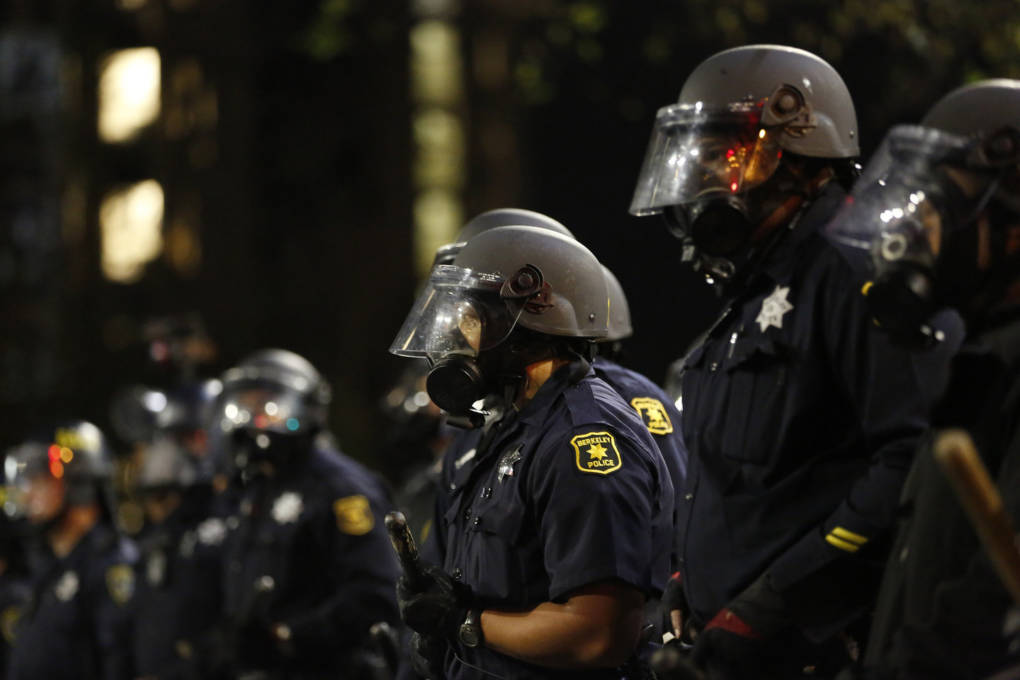
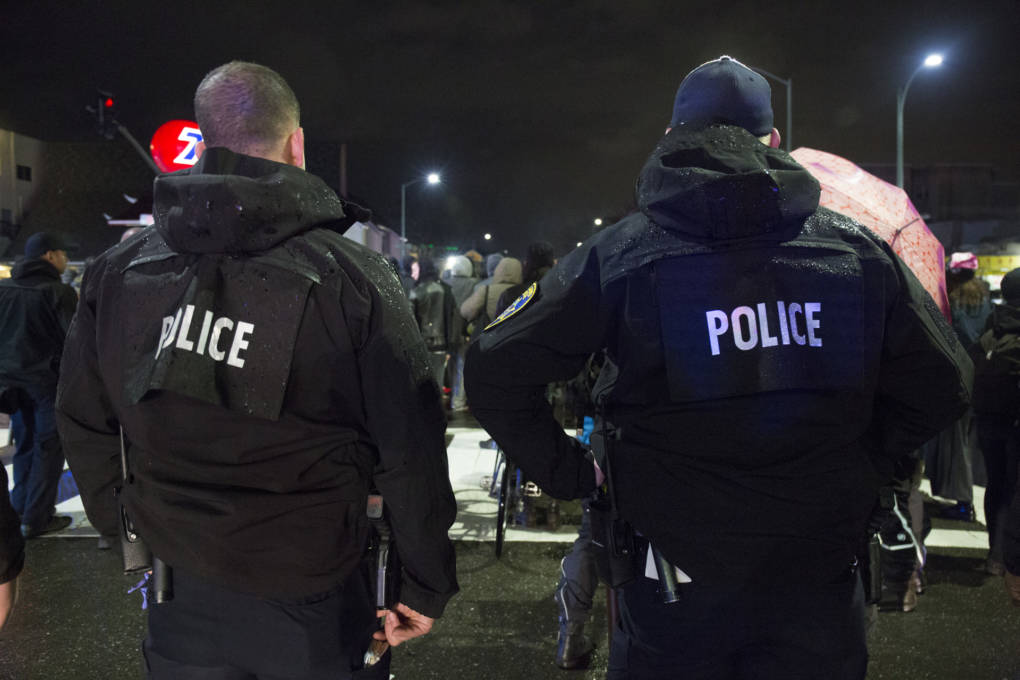
"caption": "Police officers form a line on Telegraph Avenue during the fourth night of demonstrations over grand jury decisions in police-involved deaths on Dec. 6, 2014, in Berkeley.",
"description": "Police officers form a line on Telegraph Ave during the fourth night of demonstrations over grand jury decisions in police-involved deaths on December 6, 2014 in Berkeley.",
"title": "Berkeley-Black Lives Matter Protest-2014",
"credit": "Stephen Lam/Getty Images",
"status": "inherit",
"isLoading": false,
"fetchFailed": false
},
"news_11814081": {
"type": "attachments",
"id": "news_11814081",
"meta": {
"index": "attachments_1716263798",
"site": "news",
"id": "11814081",
"found": true
},
"parent": 11814049,
"imgSizes": {
"apple_news_ca_square_4_0": {
"file": "https://ww2.kqed.org/app/uploads/sites/10/2020/04/GettyImages-1209901728-470x470.jpg",
"width": 470,
"mimeType": "image/jpeg",
"height": 470
},
"twentyfourteen-full-width": {
"file": "https://ww2.kqed.org/app/uploads/sites/10/2020/04/GettyImages-1209901728-1024x576.jpg",
"width": 1024,
"mimeType": "image/jpeg",
"height": 576
},
"thumbnail": {
"file": "https://ww2.kqed.org/app/uploads/sites/10/2020/04/GettyImages-1209901728-160x106.jpg",
"width": 160,
"mimeType": "image/jpeg",
"height": 106
},
"post-thumbnail": {
"file": "https://ww2.kqed.org/app/uploads/sites/10/2020/04/GettyImages-1209901728-672x372.jpg",
"width": 672,
"mimeType": "image/jpeg",
"height": 372
},
"kqedFullSize": {
"file": "https://ww2.kqed.org/app/uploads/sites/10/2020/04/GettyImages-1209901728.jpg",
"width": 1024,
"height": 681
},
"apple_news_ca_landscape_4_7": {
"file": "https://ww2.kqed.org/app/uploads/sites/10/2020/04/GettyImages-1209901728-632x474.jpg",
"width": 632,
"mimeType": "image/jpeg",
"height": 474
},
"large": {
"file": "https://ww2.kqed.org/app/uploads/sites/10/2020/04/GettyImages-1209901728-1020x678.jpg",
"width": 1020,
"mimeType": "image/jpeg",
"height": 678
},
"apple_news_ca_landscape_4_0": {
"file": "https://ww2.kqed.org/app/uploads/sites/10/2020/04/GettyImages-1209901728-536x402.jpg",
"width": 536,
"mimeType": "image/jpeg",
"height": 402
},
"medium": {
"file": "https://ww2.kqed.org/app/uploads/sites/10/2020/04/GettyImages-1209901728-800x532.jpg",
"width": 800,
"mimeType": "image/jpeg",
"height": 532
},
"apple_news_ca_portrait_4_0": {
"file": "https://ww2.kqed.org/app/uploads/sites/10/2020/04/GettyImages-1209901728-354x472.jpg",
"width": 354,
"mimeType": "image/jpeg",
"height": 472
},
"apple_news_ca_portrait_9_7": {
"file": "https://ww2.kqed.org/app/uploads/sites/10/2020/04/GettyImages-1209901728-840x681.jpg",
"width": 840,
"mimeType": "image/jpeg",
"height": 681
},
"apple_news_ca_portrait_4_7": {
"file": "https://ww2.kqed.org/app/uploads/sites/10/2020/04/GettyImages-1209901728-414x552.jpg",
"width": 414,
"mimeType": "image/jpeg",
"height": 552
},
"apple_news_ca_portrait_5_5": {
"file": "https://ww2.kqed.org/app/uploads/sites/10/2020/04/GettyImages-1209901728-687x681.jpg",
"width": 687,
"mimeType": "image/jpeg",
"height": 681
},
"apple_news_ca_square_4_7": {
"file": "https://ww2.kqed.org/app/uploads/sites/10/2020/04/GettyImages-1209901728-550x550.jpg",
"width": 550,
"mimeType": "image/jpeg",
"height": 550
},
"apple_news_ca_square_5_5": {
"file": "https://ww2.kqed.org/app/uploads/sites/10/2020/04/GettyImages-1209901728-912x681.jpg",
"width": 912,
"mimeType": "image/jpeg",
"height": 681
}
},
"publishDate": 1587688488,
"modified": 1587690070,
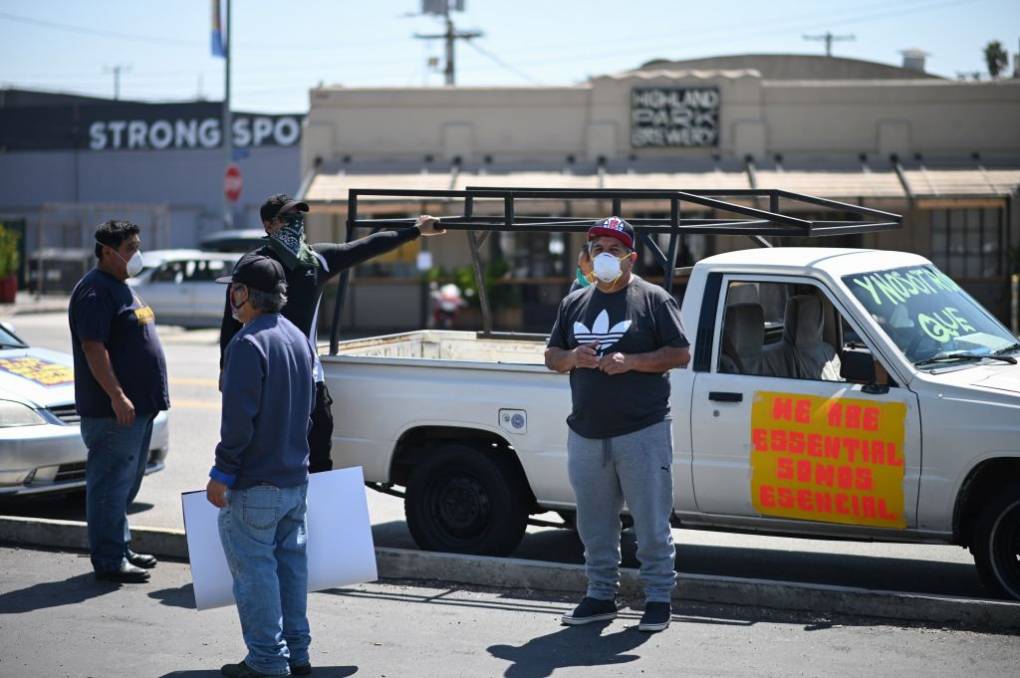
"caption": "Day laborers and their supporters demonstrate on April 14, 2020, in Los Angeles, calling on Gov. Gavin Newsom to provide coronavirus-related emergency financial aid to undocumented workers affected by the crisis.",
"description": null,
"title": "US-HEALTH-VIRUS",
"credit": "Robyn Beck/AFP via Getty Images",
"status": "inherit",
"isLoading": false,
"fetchFailed": false
},
"news_11727062": {
"type": "attachments",
"id": "news_11727062",
"meta": {
"index": "attachments_1716263798",
"site": "news",
"id": "11727062",
"found": true
},
"parent": 11727055,
"imgSizes": {
"twentyfourteen-full-width": {
"file": "https://ww2.kqed.org/app/uploads/sites/10/2019/02/RS10393_87524849-1038x576.jpg",
"width": 1038,
"mimeType": "image/jpeg",
"height": 576
},
"thumbnail": {
"file": "https://ww2.kqed.org/app/uploads/sites/10/2019/02/RS10393_87524849-160x108.jpg",
"width": 160,
"mimeType": "image/jpeg",
"height": 108
},
"post-thumbnail": {
"file": "https://ww2.kqed.org/app/uploads/sites/10/2019/02/RS10393_87524849-672x372.jpg",
"width": 672,
"mimeType": "image/jpeg",
"height": 372
},
"kqedFullSize": {
"file": "https://ww2.kqed.org/app/uploads/sites/10/2019/02/RS10393_87524849.jpg",
"width": 1920,
"height": 1291
},
"large": {
"file": "https://ww2.kqed.org/app/uploads/sites/10/2019/02/RS10393_87524849-1020x686.jpg",
"width": 1020,
"mimeType": "image/jpeg",
"height": 686
},
"complete_open_graph": {
"file": "https://ww2.kqed.org/app/uploads/sites/10/2019/02/RS10393_87524849-1200x807.jpg",
"width": 1200,
"mimeType": "image/jpeg",
"height": 807
},
"guest-author-50": {
"file": "https://ww2.kqed.org/app/uploads/sites/10/2019/02/RS10393_87524849-50x50.jpg",
"width": 50,
"mimeType": "image/jpeg",
"height": 50
},
"guest-author-96": {
"file": "https://ww2.kqed.org/app/uploads/sites/10/2019/02/RS10393_87524849-96x96.jpg",
"width": 96,
"mimeType": "image/jpeg",
"height": 96
},
"medium": {
"file": "https://ww2.kqed.org/app/uploads/sites/10/2019/02/RS10393_87524849-800x538.jpg",
"width": 800,
"mimeType": "image/jpeg",
"height": 538
},
"guest-author-64": {
"file": "https://ww2.kqed.org/app/uploads/sites/10/2019/02/RS10393_87524849-64x64.jpg",
"width": 64,
"mimeType": "image/jpeg",
"height": 64
},
"guest-author-32": {
"file": "https://ww2.kqed.org/app/uploads/sites/10/2019/02/RS10393_87524849-32x32.jpg",
"width": 32,
"mimeType": "image/jpeg",
"height": 32
},
"full-width": {
"file": "https://ww2.kqed.org/app/uploads/sites/10/2019/02/RS10393_87524849-1920x1291.jpg",
"width": 1920,
"mimeType": "image/jpeg",
"height": 1291
},
"detail": {
"file": "https://ww2.kqed.org/app/uploads/sites/10/2019/02/RS10393_87524849-150x150.jpg",
"width": 150,
"mimeType": "image/jpeg",
"height": 150
},
"guest-author-128": {
"file": "https://ww2.kqed.org/app/uploads/sites/10/2019/02/RS10393_87524849-128x128.jpg",
"width": 128,
"mimeType": "image/jpeg",
"height": 128
}
},
"publishDate": 1550435421,
"modified": 1577477113,
"caption": "The California Supreme Court has revived a long-running debate by reinstating a lawsuit over whether psychotherapists must tell authorities when patients report that they are attracted to child pornography.",
"description": null,
"title": "RS10393_87524849",
"credit": "Getty Images",
"status": "inherit",
"isLoading": false,
"fetchFailed": false
},
"news_11770161": {
"type": "attachments",
"id": "news_11770161",
"meta": {
"index": "attachments_1716263798",
"site": "news",
"id": "11770161",
"found": true
},
"parent": 11770054,
"imgSizes": {
"apple_news_ca_landscape_5_5": {
"file": "https://ww2.kqed.org/app/uploads/sites/10/2019/08/iStock-1169071737-1044x783.jpg",
"width": 1044,
"mimeType": "image/jpeg",
"height": 783
},
"apple_news_ca_square_4_0": {
"file": "https://ww2.kqed.org/app/uploads/sites/10/2019/08/iStock-1169071737-470x470.jpg",
"width": 470,
"mimeType": "image/jpeg",
"height": 470
},
"twentyfourteen-full-width": {
"file": "https://ww2.kqed.org/app/uploads/sites/10/2019/08/iStock-1169071737-1038x576.jpg",
"width": 1038,
"mimeType": "image/jpeg",
"height": 576
},
"thumbnail": {
"file": "https://ww2.kqed.org/app/uploads/sites/10/2019/08/iStock-1169071737-160x107.jpg",
"width": 160,
"mimeType": "image/jpeg",
"height": 107
},
"post-thumbnail": {
"file": "https://ww2.kqed.org/app/uploads/sites/10/2019/08/iStock-1169071737-672x372.jpg",
"width": 672,
"mimeType": "image/jpeg",
"height": 372
},
"kqedFullSize": {
"file": "https://ww2.kqed.org/app/uploads/sites/10/2019/08/iStock-1169071737.jpg",
"width": 1920,
"height": 1280
},
"apple_news_ca_landscape_4_7": {
"file": "https://ww2.kqed.org/app/uploads/sites/10/2019/08/iStock-1169071737-632x474.jpg",
"width": 632,
"mimeType": "image/jpeg",
"height": 474
},
"large": {
"file": "https://ww2.kqed.org/app/uploads/sites/10/2019/08/iStock-1169071737-1020x680.jpg",
"width": 1020,
"mimeType": "image/jpeg",
"height": 680
},
"complete_open_graph": {
"file": "https://ww2.kqed.org/app/uploads/sites/10/2019/08/iStock-1169071737-1200x800.jpg",
"width": 1200,
"mimeType": "image/jpeg",
"height": 800
},
"apple_news_ca_landscape_4_0": {
"file": "https://ww2.kqed.org/app/uploads/sites/10/2019/08/iStock-1169071737-536x402.jpg",
"width": 536,
"mimeType": "image/jpeg",
"height": 402
},
"apple_news_ca_portrait_12_9": {
"file": "https://ww2.kqed.org/app/uploads/sites/10/2019/08/iStock-1169071737-1122x1280.jpg",
"width": 1122,
"mimeType": "image/jpeg",
"height": 1280
},
"medium": {
"file": "https://ww2.kqed.org/app/uploads/sites/10/2019/08/iStock-1169071737-800x533.jpg",
"width": 800,
"mimeType": "image/jpeg",
"height": 533
},
"apple_news_ca_portrait_4_0": {
"file": "https://ww2.kqed.org/app/uploads/sites/10/2019/08/iStock-1169071737-354x472.jpg",
"width": 354,
"mimeType": "image/jpeg",
"height": 472
},
"apple_news_ca_portrait_9_7": {
"file": "https://ww2.kqed.org/app/uploads/sites/10/2019/08/iStock-1169071737-840x1120.jpg",
"width": 840,
"mimeType": "image/jpeg",
"height": 1120
},
"apple_news_ca_landscape_12_9": {
"file": "https://ww2.kqed.org/app/uploads/sites/10/2019/08/iStock-1169071737-1832x1280.jpg",
"width": 1832,
"mimeType": "image/jpeg",
"height": 1280
},
"apple_news_ca_square_9_7": {
"file": "https://ww2.kqed.org/app/uploads/sites/10/2019/08/iStock-1169071737-1104x1104.jpg",
"width": 1104,
"mimeType": "image/jpeg",
"height": 1104
},
"apple_news_ca_portrait_4_7": {
"file": "https://ww2.kqed.org/app/uploads/sites/10/2019/08/iStock-1169071737-414x552.jpg",
"width": 414,
"mimeType": "image/jpeg",
"height": 552
},
"apple_news_ca_square_12_9": {
"file": "https://ww2.kqed.org/app/uploads/sites/10/2019/08/iStock-1169071737-1472x1280.jpg",
"width": 1472,
"mimeType": "image/jpeg",
"height": 1280
},
"apple_news_ca_portrait_5_5": {
"file": "https://ww2.kqed.org/app/uploads/sites/10/2019/08/iStock-1169071737-687x916.jpg",
"width": 687,
"mimeType": "image/jpeg",
"height": 916
},
"full-width": {
"file": "https://ww2.kqed.org/app/uploads/sites/10/2019/08/iStock-1169071737-1920x1280.jpg",
"width": 1920,
"mimeType": "image/jpeg",
"height": 1280
},
"apple_news_ca_square_4_7": {
"file": "https://ww2.kqed.org/app/uploads/sites/10/2019/08/iStock-1169071737-550x550.jpg",
"width": 550,
"mimeType": "image/jpeg",
"height": 550
},
"apple_news_ca_landscape_9_7": {
"file": "https://ww2.kqed.org/app/uploads/sites/10/2019/08/iStock-1169071737-1376x1032.jpg",
"width": 1376,
"mimeType": "image/jpeg",
"height": 1032
},
"apple_news_ca_square_5_5": {
"file": "https://ww2.kqed.org/app/uploads/sites/10/2019/08/iStock-1169071737-912x912.jpg",
"width": 912,
"mimeType": "image/jpeg",
"height": 912
}
},
"publishDate": 1566859954,
"modified": 1566859992,
"caption": null,
"description": null,
"title": "iStock-1169071737",
"credit": "iStock/Getty Images",
"status": "inherit",
"isLoading": false,
"fetchFailed": false
},
"news_11715457": {
"type": "attachments",
"id": "news_11715457",
"meta": {
"index": "attachments_1716263798",
"site": "news",
"id": "11715457",
"found": true
},
"parent": 11715442,
"imgSizes": {
"twentyfourteen-full-width": {
"file": "https://ww2.kqed.org/app/uploads/sites/10/2018/12/RS23753_03-qut-1038x576.jpg",
"width": 1038,
"mimeType": "image/jpeg",
"height": 576
},
"thumbnail": {
"file": "https://ww2.kqed.org/app/uploads/sites/10/2018/12/RS23753_03-qut-160x107.jpg",
"width": 160,
"mimeType": "image/jpeg",
"height": 107
},
"post-thumbnail": {
"file": "https://ww2.kqed.org/app/uploads/sites/10/2018/12/RS23753_03-qut-672x372.jpg",
"width": 672,
"mimeType": "image/jpeg",
"height": 372
},
"kqedFullSize": {
"file": "https://ww2.kqed.org/app/uploads/sites/10/2018/12/RS23753_03-qut.jpg",
"width": 1920,
"height": 1280
},
"large": {
"file": "https://ww2.kqed.org/app/uploads/sites/10/2018/12/RS23753_03-qut-1020x680.jpg",
"width": 1020,
"mimeType": "image/jpeg",
"height": 680
},
"complete_open_graph": {
"file": "https://ww2.kqed.org/app/uploads/sites/10/2018/12/RS23753_03-qut-1200x800.jpg",
"width": 1200,
"mimeType": "image/jpeg",
"height": 800
},
"guest-author-50": {
"file": "https://ww2.kqed.org/app/uploads/sites/10/2018/12/RS23753_03-qut-50x50.jpg",
"width": 50,
"mimeType": "image/jpeg",
"height": 50
},
"guest-author-96": {
"file": "https://ww2.kqed.org/app/uploads/sites/10/2018/12/RS23753_03-qut-96x96.jpg",
"width": 96,
"mimeType": "image/jpeg",
"height": 96
},
"medium": {
"file": "https://ww2.kqed.org/app/uploads/sites/10/2018/12/RS23753_03-qut-800x533.jpg",
"width": 800,
"mimeType": "image/jpeg",
"height": 533
},
"guest-author-64": {
"file": "https://ww2.kqed.org/app/uploads/sites/10/2018/12/RS23753_03-qut-64x64.jpg",
"width": 64,
"mimeType": "image/jpeg",
"height": 64
},
"guest-author-32": {
"file": "https://ww2.kqed.org/app/uploads/sites/10/2018/12/RS23753_03-qut-32x32.jpg",
"width": 32,
"mimeType": "image/jpeg",
"height": 32
},
"full-width": {
"file": "https://ww2.kqed.org/app/uploads/sites/10/2018/12/RS23753_03-qut-1920x1280.jpg",
"width": 1920,
"mimeType": "image/jpeg",
"height": 1280
},
"detail": {
"file": "https://ww2.kqed.org/app/uploads/sites/10/2018/12/RS23753_03-qut-150x150.jpg",
"width": 150,
"mimeType": "image/jpeg",
"height": 150
},
"guest-author-128": {
"file": "https://ww2.kqed.org/app/uploads/sites/10/2018/12/RS23753_03-qut-128x128.jpg",
"width": 128,
"mimeType": "image/jpeg",
"height": 128
}
},
"publishDate": 1546289433,
"modified": 1546461601,
"caption": "Senate Bill 1421 removes exemptions blocking public access to police misconduct records stretching back decades.",
"description": "Senate Bill 1421 removes exemptions blocking public access to police misconduct records stretching back decades.",
"title": "RS23753_03-qut",
"credit": "Erasmo Martinez/KQED",
"status": "inherit",
"isLoading": false,
"fetchFailed": false
},
"news_11714943": {
"type": "attachments",
"id": "news_11714943",
"meta": {
"index": "attachments_1716263798",
"site": "news",
"id": "11714943",
"found": true
},
"parent": 11714941,
"imgSizes": {
"twentyfourteen-full-width": {
"file": "https://ww2.kqed.org/app/uploads/sites/10/2018/12/RS14635_alt_817-1038x576.jpg",
"width": 1038,
"mimeType": "image/jpeg",
"height": 576
},
"thumbnail": {
"file": "https://ww2.kqed.org/app/uploads/sites/10/2018/12/RS14635_alt_817-160x116.jpg",
"width": 160,
"mimeType": "image/jpeg",
"height": 116
},
"post-thumbnail": {
"file": "https://ww2.kqed.org/app/uploads/sites/10/2018/12/RS14635_alt_817-672x372.jpg",
"width": 672,
"mimeType": "image/jpeg",
"height": 372
},
"kqedFullSize": {
"file": "https://ww2.kqed.org/app/uploads/sites/10/2018/12/RS14635_alt_817.jpg",
"width": 1920,
"height": 1387
},
"large": {
"file": "https://ww2.kqed.org/app/uploads/sites/10/2018/12/RS14635_alt_817-1020x737.jpg",
"width": 1020,
"mimeType": "image/jpeg",
"height": 737
},
"complete_open_graph": {
"file": "https://ww2.kqed.org/app/uploads/sites/10/2018/12/RS14635_alt_817-1200x867.jpg",
"width": 1200,
"mimeType": "image/jpeg",
"height": 867
},
"guest-author-50": {
"file": "https://ww2.kqed.org/app/uploads/sites/10/2018/12/RS14635_alt_817-50x50.jpg",
"width": 50,
"mimeType": "image/jpeg",
"height": 50
},
"guest-author-96": {
"file": "https://ww2.kqed.org/app/uploads/sites/10/2018/12/RS14635_alt_817-96x96.jpg",
"width": 96,
"mimeType": "image/jpeg",
"height": 96
},
"medium": {
"file": "https://ww2.kqed.org/app/uploads/sites/10/2018/12/RS14635_alt_817-800x578.jpg",
"width": 800,
"mimeType": "image/jpeg",
"height": 578
},
"guest-author-64": {
"file": "https://ww2.kqed.org/app/uploads/sites/10/2018/12/RS14635_alt_817-64x64.jpg",
"width": 64,
"mimeType": "image/jpeg",
"height": 64
},
"guest-author-32": {
"file": "https://ww2.kqed.org/app/uploads/sites/10/2018/12/RS14635_alt_817-32x32.jpg",
"width": 32,
"mimeType": "image/jpeg",
"height": 32
},
"full-width": {
"file": "https://ww2.kqed.org/app/uploads/sites/10/2018/12/RS14635_alt_817-1920x1387.jpg",
"width": 1920,
"mimeType": "image/jpeg",
"height": 1387
},
"detail": {
"file": "https://ww2.kqed.org/app/uploads/sites/10/2018/12/RS14635_alt_817-150x150.jpg",
"width": 150,
"mimeType": "image/jpeg",
"height": 150
},
"guest-author-128": {
"file": "https://ww2.kqed.org/app/uploads/sites/10/2018/12/RS14635_alt_817-128x128.jpg",
"width": 128,
"mimeType": "image/jpeg",
"height": 128
}
},
"publishDate": 1545960162,
"modified": 1545963227,
"caption": "KQED has joined a coalition of news and legal organizations opposing an attempt before the State Supreme Court to block access to past records about police misconduct and deadly force when a law unsealing that information takes effect Jan. 1.",
"description": "KQED has joined a coalition of news and legal organizations opposing an attempt before the State Supreme Court to block access to past records about police misconduct and deadly force when a law unsealing that information takes effect Jan. 1.",
"title": "RS14635_alt_817",
"credit": "Alex Emslie/KQED",
"status": "inherit",
"isLoading": false,
"fetchFailed": false
},
"news_11714890": {
"type": "attachments",
"id": "news_11714890",
"meta": {
"index": "attachments_1716263798",
"site": "news",
"id": "11714890",
"found": true
},
"parent": 11714131,
"imgSizes": {
"twentyfourteen-full-width": {
"file": "https://ww2.kqed.org/app/uploads/sites/10/2018/12/RS4469_106397071-1038x576.jpg",
"width": 1038,
"mimeType": "image/jpeg",
"height": 576
},
"thumbnail": {
"file": "https://ww2.kqed.org/app/uploads/sites/10/2018/12/RS4469_106397071-160x107.jpg",
"width": 160,
"mimeType": "image/jpeg",
"height": 107
},
"post-thumbnail": {
"file": "https://ww2.kqed.org/app/uploads/sites/10/2018/12/RS4469_106397071-672x372.jpg",
"width": 672,
"mimeType": "image/jpeg",
"height": 372
},
"kqedFullSize": {
"file": "https://ww2.kqed.org/app/uploads/sites/10/2018/12/RS4469_106397071.jpg",
"width": 3000,
"height": 2001
},
"large": {
"file": "https://ww2.kqed.org/app/uploads/sites/10/2018/12/RS4469_106397071-1020x680.jpg",
"width": 1020,
"mimeType": "image/jpeg",
"height": 680
},
"complete_open_graph": {
"file": "https://ww2.kqed.org/app/uploads/sites/10/2018/12/RS4469_106397071-1200x800.jpg",
"width": 1200,
"mimeType": "image/jpeg",
"height": 800
},
"guest-author-50": {
"file": "https://ww2.kqed.org/app/uploads/sites/10/2018/12/RS4469_106397071-50x50.jpg",
"width": 50,
"mimeType": "image/jpeg",
"height": 50
},
"guest-author-96": {
"file": "https://ww2.kqed.org/app/uploads/sites/10/2018/12/RS4469_106397071-96x96.jpg",
"width": 96,
"mimeType": "image/jpeg",
"height": 96
},
"medium": {
"file": "https://ww2.kqed.org/app/uploads/sites/10/2018/12/RS4469_106397071-800x534.jpg",
"width": 800,
"mimeType": "image/jpeg",
"height": 534
},
"guest-author-64": {
"file": "https://ww2.kqed.org/app/uploads/sites/10/2018/12/RS4469_106397071-64x64.jpg",
"width": 64,
"mimeType": "image/jpeg",
"height": 64
},
"guest-author-32": {
"file": "https://ww2.kqed.org/app/uploads/sites/10/2018/12/RS4469_106397071-32x32.jpg",
"width": 32,
"mimeType": "image/jpeg",
"height": 32
},
"full-width": {
"file": "https://ww2.kqed.org/app/uploads/sites/10/2018/12/RS4469_106397071-1920x1281.jpg",
"width": 1920,
"mimeType": "image/jpeg",
"height": 1281
},
"detail": {
"file": "https://ww2.kqed.org/app/uploads/sites/10/2018/12/RS4469_106397071-150x150.jpg",
"width": 150,
"mimeType": "image/jpeg",
"height": 150
},
"guest-author-128": {
"file": "https://ww2.kqed.org/app/uploads/sites/10/2018/12/RS4469_106397071-128x128.jpg",
"width": 128,
"mimeType": "image/jpeg",
"height": 128
}
},
"publishDate": 1545953698,
"modified": 1546043333,
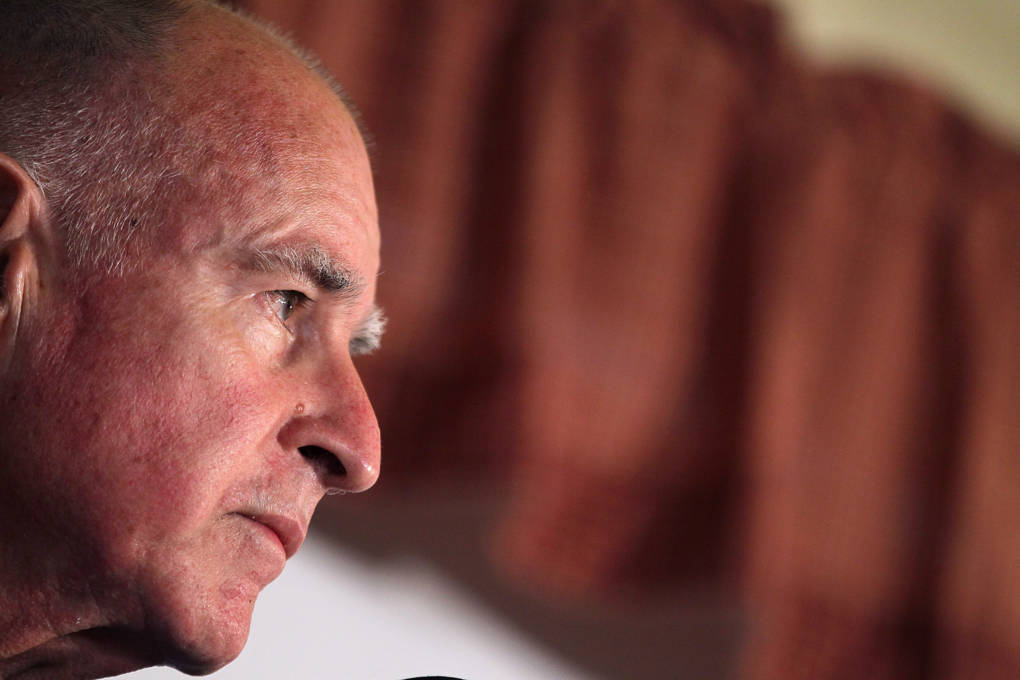
"caption": "Since taking office in 2011, Gov. Jerry Brown has appointed more than 600 judges to the bench. ",
"description": "Since taking office in 2011, Governor Jerry Brown has appointed more than 600 judges to the bench. ",
"title": "Democratic Gubernatorial Candidate Jerry Brown Makes Final Push Through State",
"credit": "Justin Sullivan/Getty Images",
"status": "inherit",
"isLoading": false,
"fetchFailed": false
}
},
"audioPlayerReducer": {
"postId": "stream_live",
"isPaused": true,
"isPlaying": false,
"pfsActive": false,
"pledgeModalIsOpen": true,
"playerDrawerIsOpen": false,
"liveAudioPlayStartedAt": 0,
"liveAudioPlayContext": ""
},
"authorsReducer": {
"byline_news_11905429": {
"type": "authors",
"id": "byline_news_11905429",
"meta": {
"override": true
},
"slug": "byline_news_11905429",
"name": "Nina Totenberg",
"isLoading": false
},
"byline_news_11793101": {
"type": "authors",
"id": "byline_news_11793101",
"meta": {
"override": true
},
"slug": "byline_news_11793101",
"name": "Don Thompson\u003cbr>Associated Press",
"isLoading": false
},
"kqed": {
"type": "authors",
"id": "236",
"meta": {
"index": "authors_1716337520",
"id": "236",
"found": true
},
"name": "KQED News Staff",
"firstName": "KQED News Staff",
"lastName": null,
"slug": "kqed",
"email": "faq@kqed.org",
"display_author_email": false,
"staff_mastheads": [],
"title": null,
"bio": null,
"avatar": "https://secure.gravatar.com/avatar/ef0e801a68c4c54afa9180db14084167?s=600&d=blank&r=g",
"twitter": null,
"facebook": null,
"instagram": null,
"linkedin": null,
"sites": [
{
"site": "arts",
"roles": [
"contributor"
]
},
{
"site": "news",
"roles": [
"editor"
]
},
{
"site": "futureofyou",
"roles": [
"author"
]
}
],
"headData": {
"title": "KQED News Staff | KQED",
"description": null,
"ogImgSrc": "https://secure.gravatar.com/avatar/ef0e801a68c4c54afa9180db14084167?s=600&d=blank&r=g",
"twImgSrc": "https://secure.gravatar.com/avatar/ef0e801a68c4c54afa9180db14084167?s=600&d=blank&r=g"
},
"isLoading": false,
"link": "/author/kqed"
},
"scottshafer": {
"type": "authors",
"id": "255",
"meta": {
"index": "authors_1716337520",
"id": "255",
"found": true
},
"name": "Scott Shafer",
"firstName": "Scott",
"lastName": "Shafer",
"slug": "scottshafer",
"email": "sshafer@kqed.org",
"display_author_email": false,
"staff_mastheads": [
"news"
],
"title": "KQED Contributor",
"bio": "Scott Shafer is a senior editor with the KQED Politics and Government desk. He is co-host of Political Breakdown, the award-winning radio show and podcast with a personal take on the world of politics. Scott came to KQED in 1998 to host the statewide\u003cem> California Report\u003c/em>. Prior to that he had extended stints in politics and government\u003cem>.\u003c/em> He uses that inside experience at KQED in his, reporting, hosting and analysis for the politics desk. Scott collaborated \u003cem>Political Breakdown a\u003c/em>nd on \u003cem>The Political Mind of Jerry Brown, \u003c/em>an eight-part series about the life and extraordinary political career of the former governor. For fun, he plays water polo with the San Francisco Tsunami.",
"avatar": "https://secure.gravatar.com/avatar/a62ebae45b79d7aed1a39a0e3bf68104?s=600&d=blank&r=g",
"twitter": "scottshafer",
"bluesky": null,
"facebook": null,
"instagram": null,
"linkedin": null,
"sites": [
{
"site": "news",
"roles": [
"editor"
]
},
{
"site": "stateofhealth",
"roles": [
"author"
]
},
{
"site": "science",
"roles": [
"author"
]
},
{
"site": "forum",
"roles": [
"subscriber"
]
},
{
"site": "liveblog",
"roles": [
"author"
]
}
],
"headData": {
"title": "Scott Shafer | KQED",
"description": "KQED Contributor",
"ogImgSrc": "https://secure.gravatar.com/avatar/a62ebae45b79d7aed1a39a0e3bf68104?s=600&d=blank&r=g",
"twImgSrc": "https://secure.gravatar.com/avatar/a62ebae45b79d7aed1a39a0e3bf68104?s=600&d=blank&r=g"
},
"isLoading": false,
"link": "/author/scottshafer"
},
"tychehendricks": {
"type": "authors",
"id": "259",
"meta": {
"index": "authors_1716337520",
"id": "259",
"found": true
},
"name": "Tyche Hendricks",
"firstName": "Tyche",
"lastName": "Hendricks",
"slug": "tychehendricks",
"email": "thendricks@kqed.org",
"display_author_email": true,
"staff_mastheads": [
"news"
],
"title": "KQED Senior Editor, Immigration",
"bio": "\u003cspan style=\"font-weight: 400;\">Tyche Hendricks is KQED’s senior editor for immigration, leading coverage of the policy and politics that affect California’s immigrant communities. Her work for KQED’s radio and online audiences is also carried on NPR and other national outlets. She has been recognized with awards from the Radio and Television News Directors Association, the Society for Professional Journalists; the Education Writers Association; the Best of the West and the National Federation of Community Broadcasters. Before joining KQED in 2010, Tyche spent more than a dozen years as a newspaper reporter, notably at the \u003c/span>\u003ci>\u003cspan style=\"font-weight: 400;\">San Francisco Chronicle\u003c/span>\u003c/i>\u003cspan style=\"font-weight: 400;\">. At different times she has covered criminal justice, government and politics and urban planning. Tyche has taught in the MFA Creative Writing program at the University of San Francisco and at UC Berkeley’s Graduate School of Journalism, where she was co-director of a national immigration symposium for professional journalists. She is the author of \u003c/span>\u003ci>\u003cspan style=\"font-weight: 400;\">The Wind Doesn't Need a Passport: Stories from the U.S.-Mexico Borderlands\u003c/span>\u003c/i>\u003cspan style=\"font-weight: 400;\"> (University of California Press). \u003c/span>",
"avatar": "https://secure.gravatar.com/avatar/b8ee458e2731c2d43df86882ce17267e?s=600&d=blank&r=g",
"twitter": "tychehendricks",
"facebook": null,
"instagram": null,
"linkedin": null,
"sites": [
{
"site": "news",
"roles": [
"editor"
]
},
{
"site": "stateofhealth",
"roles": [
"editor"
]
}
],
"headData": {
"title": "Tyche Hendricks | KQED",
"description": "KQED Senior Editor, Immigration",
"ogImgSrc": "https://secure.gravatar.com/avatar/b8ee458e2731c2d43df86882ce17267e?s=600&d=blank&r=g",
"twImgSrc": "https://secure.gravatar.com/avatar/b8ee458e2731c2d43df86882ce17267e?s=600&d=blank&r=g"
},
"isLoading": false,
"link": "/author/tychehendricks"
},
"aemslie": {
"type": "authors",
"id": "3206",
"meta": {
"index": "authors_1716337520",
"id": "3206",
"found": true
},
"name": "Alex Emslie",
"firstName": "Alex",
"lastName": "Emslie",
"slug": "aemslie",
"email": "aemslie@kqed.org",
"display_author_email": true,
"staff_mastheads": [
"news"
],
"title": "KQED Senior Editor",
"bio": "Alex Emslie is senior editor of talent and development at KQED, where he manages dozens of early career journalists and oversees news department internships.\r\n\r\nHe is a former carpenter and proud graduate of City College of San Francisco and San Francisco State University, where he studied journalism and criminal justice before joining KQED in 2013.\r\n\r\nAlex produced investigative journalism focused on \u003ca href=\"https://www.kqed.org/news/11667594/the-trials-of-marvin-mutch-video\">criminal justice\u003c/a> and policing for most of a decade. He has broken major stories about \u003ca href=\"https://www.kqed.org/news/135682/amid-a-series-of-vallejo-police-shootings-one-officers-name-stands-out\">police use of deadly force\u003c/a>, \u003ca href=\"https://www.kqed.org/news/10454955/racist-texts-prompt-sfpd-internal-investigation\">officer misconduct\u003c/a> and \u003ca href=\"https://www.kqed.org/news/11712239/terrorist-or-troll-judge-to-weigh-whether-oakland-man-really-intended-to-attack-bay-area\">other\u003c/a> \u003ca href=\"https://www.kqed.org/news/11221414/hayward-paid-159000-to-husband-of-retired-police-chief-documents-show\">high\u003c/a>-\u003ca href=\"https://www.kqed.org/news/10622762/the-forgotten-tracking-two-homicides-in-san-francisco-public-housing\">profile\u003c/a> \u003ca href=\"https://www.kqed.org/news/11624516/federal-agency-promoted-ranger-just-months-after-his-gun-was-stolen-and-used-in-steinle-killing\">cases\u003c/a>. He co-founded the \u003ca href=\"https://projects.scpr.org/california-reporting-project/\">California Reporting Project\u003c/a> in 2019 to obtain and report on previously confidential police internal investigations. The effort produced well over 100 original stories and changed the course of multiple criminal cases.\r\n\r\nHis work has been recognized with numerous journalism awards, including a national Edward R. Murrow award for several years of \u003ca href=\"https://www.kqed.org/news/11688481/sfpd-officers-in-mario-woods-case-recount-shooting-in-newly-filed-depositions\">reporting\u003c/a> on the San Francisco Police shooting of Mario Woods. His \u003ca href=\"https://www.kqed.org/news/147854/half-of-those-killed-by-san-francisco-police-are-mentally-ill\">reporting\u003c/a> on police killings of people in psychiatric crisis was cited in amicus briefs before the U.S. Supreme Court.\r\n\r\nAlex now enjoys mentoring the next generation of journalists at KQED.",
"avatar": "https://secure.gravatar.com/avatar/e691e65209f20e9da202bd730ead5663?s=600&d=blank&r=g",
"twitter": "SFNewsReporter",
"facebook": null,
"instagram": null,
"linkedin": null,
"sites": [
{
"site": "arts",
"roles": [
"editor"
]
},
{
"site": "news",
"roles": [
"editor"
]
},
{
"site": "mindshift",
"roles": [
"editor"
]
},
{
"site": "stateofhealth",
"roles": [
"editor"
]
},
{
"site": "science",
"roles": [
"administrator"
]
}
],
"headData": {
"title": "Alex Emslie | KQED",
"description": "KQED Senior Editor",
"ogImgSrc": "https://secure.gravatar.com/avatar/e691e65209f20e9da202bd730ead5663?s=600&d=blank&r=g",
"twImgSrc": "https://secure.gravatar.com/avatar/e691e65209f20e9da202bd730ead5663?s=600&d=blank&r=g"
},
"isLoading": false,
"link": "/author/aemslie"
},
"slewis": {
"type": "authors",
"id": "8676",
"meta": {
"index": "authors_1716337520",
"id": "8676",
"found": true
},
"name": "Sukey Lewis",
"firstName": "Sukey",
"lastName": "Lewis",
"slug": "slewis",
"email": "slewis@kqed.org",
"display_author_email": true,
"staff_mastheads": [
"news"
],
"title": "KQED Contributor",
"bio": "Sukey Lewis is a criminal justice reporter and host of \u003cem>On Our Watch\u003c/em>, a new podcast from NPR and KQED about the shadow world of police discipline. In 2018, she co-founded the California Reporting Project, a coalition of newsrooms across the state focused on obtaining previously sealed internal affairs records from law enforcement. In addition to her reporting on police accountability, Sukey has investigated the bail bonds industry, California's wildfires and the high cost of prison phone calls. Sukey earned a master's degree in journalism from the University of California at Berkeley. Send news tips to slewis@kqed.org.",
"avatar": "https://secure.gravatar.com/avatar/03fd6b21024f99d8b0a1966654586de7?s=600&d=blank&r=g",
"twitter": "SukeyLewis",
"facebook": null,
"instagram": null,
"linkedin": null,
"sites": [
{
"site": "news",
"roles": [
"author",
"edit_others_posts"
]
}
],
"headData": {
"title": "Sukey Lewis | KQED",
"description": "KQED Contributor",
"ogImgSrc": "https://secure.gravatar.com/avatar/03fd6b21024f99d8b0a1966654586de7?s=600&d=blank&r=g",
"twImgSrc": "https://secure.gravatar.com/avatar/03fd6b21024f99d8b0a1966654586de7?s=600&d=blank&r=g"
},
"isLoading": false,
"link": "/author/slewis"
},
"rlevi": {
"type": "authors",
"id": "11260",
"meta": {
"index": "authors_1716337520",
"id": "11260",
"found": true
},
"name": "Ryan Levi",
"firstName": "Ryan",
"lastName": "Levi",
"slug": "rlevi",
"email": "rlevi@KQED.org",
"display_author_email": false,
"staff_mastheads": [],
"title": "KQED Contributor",
"bio": "Ryan Levi was a reporter and podcast producer at KQED News from 2016-2019. He worked on \u003ca href=\"https://www.kqed.org/news/series/baycurious\">Bay Curious\u003c/a>, \u003ca href=\"https://www.kqed.org/news/tag/the-bay/\">The Bay, \u003c/a>and \u003ca href=\"https://podcasts.apple.com/us/podcast/the-california-report-magazine/id1314750545\">The California Report Magazine\u003c/a>, as well as hosting and producing the weekly \u003ca href=\"https://www.kqed.org/news/program/qedup/\">Q'ed Up podcast. \u003c/a>He also helped inaugurate KQED's weekend news coverage in 2017 as one of two original digital producers. Ryan holds degrees in multimedia journalism and Spanish from the University of Missouri.",
"avatar": "https://secure.gravatar.com/avatar/4cb2ddd028ac8807d1adf09609c5555d?s=600&d=blank&r=g",
"twitter": "ryan_levi",
"facebook": null,
"instagram": null,
"linkedin": null,
"sites": [
{
"site": "arts",
"roles": [
"editor"
]
},
{
"site": "news",
"roles": [
"subscriber"
]
},
{
"site": "stateofhealth",
"roles": [
"editor"
]
},
{
"site": "science",
"roles": [
"editor"
]
},
{
"site": "forum",
"roles": [
"administrator"
]
},
{
"site": "perspectives",
"roles": [
"administrator"
]
}
],
"headData": {
"title": "Ryan Levi | KQED",
"description": "KQED Contributor",
"ogImgSrc": "https://secure.gravatar.com/avatar/4cb2ddd028ac8807d1adf09609c5555d?s=600&d=blank&r=g",
"twImgSrc": "https://secure.gravatar.com/avatar/4cb2ddd028ac8807d1adf09609c5555d?s=600&d=blank&r=g"
},
"isLoading": false,
"link": "/author/rlevi"
}
},
"pagesReducer": {
"news_tag_california-supreme-court": {
"type": "terms",
"id": "news_548",
"meta": {
"index": "terms_1716263798",
"site": "news",
"id": "548",
"score": 10.403168
},
"featImg": null,
"name": "California Supreme Court",
"description": null,
"taxonomy": "tag",
"headData": {
"twImgId": null,
"twTitle": null,
"ogTitle": null,
"ogImgId": null,
"twDescription": null,
"description": null,
"title": "California Supreme Court Archives | KQED News",
"ogDescription": null
},
"ttid": 557,
"slug": "california-supreme-court",
"isLoading": false,
"title": "California Supreme Court",
"pageMeta": {
"site": "news",
"WpPageTemplate": "page-topic-editorial",
"currentPage": 2
},
"blocks": [
{
"blockName": "kqed/post-list",
"attrs": {
"layout": "cardArticle2",
"query": "posts/news?tag=california-supreme-court",
"seeMore": false,
"paginated": true,
"page": 2
}
},
{
"blockName": "kqed/ad"
}
]
}
},
"pfsSessionReducer": {},
"postsReducer": {
"stream_live": {
"type": "live",
"id": "stream_live",
"audioUrl": "https://streams.kqed.org/kqedradio",
"title": "Live Stream",
"excerpt": "Live Stream information currently unavailable.",
"link": "/radio",
"featImg": "",
"label": {
"name": "KQED Live",
"link": "/"
}
},
"stream_kqedNewscast": {
"type": "posts",
"id": "stream_kqedNewscast",
"audioUrl": "https://www.kqed.org/.stream/anon/radio/RDnews/newscast.mp3?_=1",
"title": "KQED Newscast",
"featImg": "",
"label": {
"name": "88.5 FM",
"link": "/"
}
},
"news_11905770": {
"type": "posts",
"id": "news_11905770",
"meta": {
"index": "posts_1716263798",
"site": "news",
"id": "11905770",
"score": null,
"sort": [
1645570716000
]
},
"guestAuthors": [],
"slug": "how-california-judge-leondra-kruger-rose-to-be-on-bidens-supreme-court-short-list",
"title": "How California Judge Leondra Kruger Rose to Be on Biden's Supreme Court Short List",
"publishDate": 1645570716,
"format": "audio",
"headTitle": "How California Judge Leondra Kruger Rose to Be on Biden’s Supreme Court Short List | KQED",
"labelTerm": {
"term": 72,
"site": "news"
},
"content": "\u003cp>California Supreme Court Justice Leondra Kruger is hardly a household name. But to those who know her well, it is no surprise that she’s on President Biden’s short list to fill the seat of retiring U.S. Supreme Court Justice Stephen Breyer.\u003c/p>\n\u003cp>When a vacancy on the California Supreme Court opened up in 2014, then-Gov. Jerry Brown spent months searching for a replacement. Kruger — then 38 years old — was living on the East Coast, working for the solicitor general’s office in the Obama Justice Department.\u003c/p>\n\u003cp>“As soon as I met her, I was very impressed,” Brown said in 2019 after he left office.\u003c/p>\n\u003cp>When Brown nominated her, there was some grumbling that he didn’t choose an attorney or judge practicing in California — a criticism Brown brushed off. “I don’t think you’ve heard a peep of criticism,” he said. “[She’s] very independent, very well reasoned, very well prepared.”\u003c/p>\n\u003cp>Born and raised in Pasadena, Kruger graduated from Harvard before heading to Yale Law School. Common descriptions of her tend to say she’s studious, serious and focused.\u003c/p>\n\u003cp>[ad fullwidth]\u003c/p>\n\u003cp>“She’s very quiet. She’s reserved. She is, I think, more of a shy personality,” said NYU School of Law professor Melissa Murray. Murray was at Yale when Kruger became editor-in-chief of the Yale Law Journal — the first Black woman to hold that prestigious position.\u003c/p>\n\u003cp>“It was a really exciting moment, a real accomplishment, not just for her, but I think we all sort of took great pride in what she was able to accomplish,” Murray recalled.\u003c/p>\n\u003cp>Murray said she and Kruger bonded at Yale over their common family background.\u003c/p>\n\u003cp>“Her mother was from Jamaica. Both of my parents are from Jamaica, so I think we initially talked about that,” Murray said. “She had basically grown up in California in the Los Angeles area, the daughter of two doctors.”\u003c/p>\n\u003cp>In 2014, Murray was teaching at Berkeley Law and heard the criticism when Brown picked Kruger — a Washington, D.C., lawyer instead of one working in California.\u003c/p>\n\u003cp>“This wasn’t a carpetbagging situation,” Murray said. “She was impeccably qualified and this was a governor who I think was incredibly determined to put his stamp on the judiciary. And he did.”\u003c/p>\n\u003cp>[aside postID=news_10386867]After graduating from Yale, Kruger clerked for U.S. Supreme Court Justice John Paul Stevens. UC Hastings law school professor Rory Little, who worked for Stevens years earlier, said Kruger has exactly the right temperament for the bench.\u003c/p>\n\u003cp>“She’s kind of unflappably gracious, but also incredibly smart, just incisively smart and perceptive,” Little told KQED. “To me, she’s everything you might want in a judge.”\u003c/p>\n\u003cp>As a state Supreme Court Justice, Kruger has held nuanced, sometimes cautious positions. When the court has been divided, she has often joined colleagues appointed by Democratic governors, but not always. Rory Little said Kruger does not look at cases through a political lens.\u003c/p>\n\u003cp>“That is not who Leondra is,” Little said. “She is apolitical. I mean, I don’t think anybody can find anything in her record where she comments on things politically.”\u003c/p>\n\u003cp>Fatima Goss Graves, president and CEO of the National Women’s Law Center in Washington, also attended Yale with Kruger. She said having President Biden name a Black woman to the Supreme Court fills her with pride, whether it’s Kruger or someone else on the short list.\u003c/p>\n\u003cp>“And part of that pride comes from the fact that we have long known many people who would have been well qualified and would have made the Supreme Court better, but who were never considered,” Graves said.\u003c/p>\n\u003cp>There have already been misplaced criticisms from conservatives, who say that because Biden has committed to naming a Black woman that he’s somehow picking someone less qualified — a ridiculous notion given the credentials of the women he’s considering.\u003c/p>\n\u003cp>But Professor Little said no matter what they throw at her, Kruger will be ready.\u003c/p>\n\u003cp>“She’s not going to lose her cool during a Senate confirmation hearing and sort of lash out at the people on the panel. She’s not that kind of person, no matter what they say,” Little predicted.\u003c/p>\n\u003cp>\u003c/p>\n\u003cp>If Biden chooses her and she is confirmed, Kruger would be the youngest justice on the court at age 45. She would also join a short list of Supreme Court justices who came from state courts — a list that includes Arizona’s Sandra Day O’Connor and David Souter of New Hampshire.\u003c/p>\n\n",
"blocks": [],
"excerpt": "California Supreme Court Justice Leondra Kruger, who grew up in Pasadena, is hardly a household name. But that could change.",
"status": "publish",
"parent": 0,
"modified": 1721158425,
"stats": {
"hasAudio": false,
"hasVideo": false,
"hasChartOrMap": false,
"iframeSrcs": [],
"hasGoogleForm": false,
"hasGallery": false,
"hasHearkenModule": false,
"hasPolis": false,
"paragraphCount": 23,
"wordCount": 810
},
"headData": {
"title": "How California Judge Leondra Kruger Rose to Be on Biden's Supreme Court Short List | KQED",
"description": "California Supreme Court Justice Leondra Kruger, who grew up in Pasadena, is hardly a household name. But that could change.",
"ogTitle": "",
"ogDescription": "",
"ogImgId": "",
"twTitle": "",
"twDescription": "",
"twImgId": "",
"schema": {
"@context": "https://schema.org",
"@type": "NewsArticle",
"headline": "How California Judge Leondra Kruger Rose to Be on Biden's Supreme Court Short List",
"datePublished": "2022-02-22T14:58:36-08:00",
"dateModified": "2024-07-16T12:33:45-07:00",
"image": "https://cdn.kqed.org/wp-content/uploads/2020/02/KQED-OG-Image@1x.png",
"isAccessibleForFree": "True",
"publisher": {
"@type": "NewsMediaOrganization",
"@id": "https://www.kqed.org/#organization",
"name": "KQED",
"logo": "https://cdn.kqed.org/wp-content/uploads/2020/02/KQED-OG-Image@1x.png",
"url": "https://www.kqed.org",
"sameAs": [
"https://www.facebook.com/KQED",
"https://twitter.com/KQED",
"https://www.instagram.com/kqed/",
"https://www.tiktok.com/@kqedofficial",
"https://www.linkedin.com/company/kqed",
"https://www.youtube.com/channel/UCeC0IOo7i1P_61zVUWbJ4nw"
]
}
}
},
"audioUrl": "https://traffic.omny.fm/d/clips/0af137ef-751e-4b19-a055-aaef00d2d578/ffca7e9f-6831-41c5-bcaf-aaef00f5a073/99c77d7b-e27a-480c-b56c-ae4401141916/audio.mp3",
"sticky": false,
"excludeFromSiteSearch": "Include",
"path": "/news/11905770/how-california-judge-leondra-kruger-rose-to-be-on-bidens-supreme-court-short-list",
"audioTrackLength": null,
"parsedContent": [
{
"type": "contentString",
"content": "\u003cdiv class=\"post-body\">\u003cp>\u003cp>California Supreme Court Justice Leondra Kruger is hardly a household name. But to those who know her well, it is no surprise that she’s on President Biden’s short list to fill the seat of retiring U.S. Supreme Court Justice Stephen Breyer.\u003c/p>\n\u003cp>When a vacancy on the California Supreme Court opened up in 2014, then-Gov. Jerry Brown spent months searching for a replacement. Kruger — then 38 years old — was living on the East Coast, working for the solicitor general’s office in the Obama Justice Department.\u003c/p>\n\u003cp>“As soon as I met her, I was very impressed,” Brown said in 2019 after he left office.\u003c/p>\n\u003cp>When Brown nominated her, there was some grumbling that he didn’t choose an attorney or judge practicing in California — a criticism Brown brushed off. “I don’t think you’ve heard a peep of criticism,” he said. “[She’s] very independent, very well reasoned, very well prepared.”\u003c/p>\n\u003cp>Born and raised in Pasadena, Kruger graduated from Harvard before heading to Yale Law School. Common descriptions of her tend to say she’s studious, serious and focused.\u003c/p>\n\u003cp>\u003c/p>\u003c/div>",
"attributes": {
"named": {},
"numeric": []
}
},
{
"type": "component",
"content": "",
"name": "ad",
"attributes": {
"named": {
"label": "fullwidth"
},
"numeric": [
"fullwidth"
]
}
},
{
"type": "contentString",
"content": "\u003cdiv class=\"post-body\">\u003cp>\u003c/p>\n\u003cp>“She’s very quiet. She’s reserved. She is, I think, more of a shy personality,” said NYU School of Law professor Melissa Murray. Murray was at Yale when Kruger became editor-in-chief of the Yale Law Journal — the first Black woman to hold that prestigious position.\u003c/p>\n\u003cp>“It was a really exciting moment, a real accomplishment, not just for her, but I think we all sort of took great pride in what she was able to accomplish,” Murray recalled.\u003c/p>\n\u003cp>Murray said she and Kruger bonded at Yale over their common family background.\u003c/p>\n\u003cp>“Her mother was from Jamaica. Both of my parents are from Jamaica, so I think we initially talked about that,” Murray said. “She had basically grown up in California in the Los Angeles area, the daughter of two doctors.”\u003c/p>\n\u003cp>In 2014, Murray was teaching at Berkeley Law and heard the criticism when Brown picked Kruger — a Washington, D.C., lawyer instead of one working in California.\u003c/p>\n\u003cp>“This wasn’t a carpetbagging situation,” Murray said. “She was impeccably qualified and this was a governor who I think was incredibly determined to put his stamp on the judiciary. And he did.”\u003c/p>\n\u003cp>\u003c/p>\u003c/div>",
"attributes": {
"named": {},
"numeric": []
}
},
{
"type": "component",
"content": "",
"name": "aside",
"attributes": {
"named": {
"postid": "news_10386867",
"label": ""
},
"numeric": []
}
},
{
"type": "contentString",
"content": "\u003cdiv class=\"post-body\">\u003cp>After graduating from Yale, Kruger clerked for U.S. Supreme Court Justice John Paul Stevens. UC Hastings law school professor Rory Little, who worked for Stevens years earlier, said Kruger has exactly the right temperament for the bench.\u003c/p>\n\u003cp>“She’s kind of unflappably gracious, but also incredibly smart, just incisively smart and perceptive,” Little told KQED. “To me, she’s everything you might want in a judge.”\u003c/p>\n\u003cp>As a state Supreme Court Justice, Kruger has held nuanced, sometimes cautious positions. When the court has been divided, she has often joined colleagues appointed by Democratic governors, but not always. Rory Little said Kruger does not look at cases through a political lens.\u003c/p>\n\u003cp>“That is not who Leondra is,” Little said. “She is apolitical. I mean, I don’t think anybody can find anything in her record where she comments on things politically.”\u003c/p>\n\u003cp>Fatima Goss Graves, president and CEO of the National Women’s Law Center in Washington, also attended Yale with Kruger. She said having President Biden name a Black woman to the Supreme Court fills her with pride, whether it’s Kruger or someone else on the short list.\u003c/p>\n\u003cp>“And part of that pride comes from the fact that we have long known many people who would have been well qualified and would have made the Supreme Court better, but who were never considered,” Graves said.\u003c/p>\n\u003cp>There have already been misplaced criticisms from conservatives, who say that because Biden has committed to naming a Black woman that he’s somehow picking someone less qualified — a ridiculous notion given the credentials of the women he’s considering.\u003c/p>\n\u003cp>But Professor Little said no matter what they throw at her, Kruger will be ready.\u003c/p>\n\u003cp>“She’s not going to lose her cool during a Senate confirmation hearing and sort of lash out at the people on the panel. She’s not that kind of person, no matter what they say,” Little predicted.\u003c/p>\n\u003cp>\u003c/p>\n\u003cp>If Biden chooses her and she is confirmed, Kruger would be the youngest justice on the court at age 45. She would also join a short list of Supreme Court justices who came from state courts — a list that includes Arizona’s Sandra Day O’Connor and David Souter of New Hampshire.\u003c/p>\n\n\u003c/div>\u003c/p>",
"attributes": {
"named": {},
"numeric": []
}
}
],
"link": "/news/11905770/how-california-judge-leondra-kruger-rose-to-be-on-bidens-supreme-court-short-list",
"authors": [
"255"
],
"programs": [
"news_72"
],
"categories": [
"news_6188",
"news_8",
"news_13"
],
"tags": [
"news_18538",
"news_548",
"news_717",
"news_17968"
],
"featImg": "news_11905430",
"label": "news_72"
},
"news_11905429": {
"type": "posts",
"id": "news_11905429",
"meta": {
"index": "posts_1716263798",
"site": "news",
"id": "11905429",
"score": null,
"sort": [
1645051938000
]
},
"guestAuthors": [],
"slug": "leondra-kruger-a-star-on-californias-high-court-makes-bidens-supreme-court-short-list",
"title": "Leondra Kruger, a Star on California's High Court, Makes Biden's Supreme Court Short List",
"publishDate": 1645051938,
"format": "standard",
"headTitle": "Leondra Kruger, a Star on California’s High Court, Makes Biden’s Supreme Court Short List | KQED",
"labelTerm": {},
"content": "\u003cp>Leondra Kruger has been a star in the legal profession for more than a decade. Though some Republicans have railed against President Biden’s pledge to name a Black woman, calling it a “quota,” when it comes to qualifications Kruger has all the bells and whistles, if Biden names her to the Supreme Court.\u003c/p>\n\u003cp>Kruger, 45, has been a California Supreme Court justice since 2015, and prior to that served in the George W. Bush and Obama administrations in the solicitor general’s office, rising to the position of acting principal deputy.\u003c/p>\n\u003cp>In 2013 she left that office to serve as deputy assistant attorney general in the U.S. Department of Justice’s Office of Legal Counsel, which provides legal advice to the president and other executive branch agencies. While there, she twice received the attorney general’s award for exceptional service, the department’s “highest award for employee performance.” Her legal experience also includes two short stints at large law firms in Washington, D.C., and a year as a visiting professor at the University of Chicago Law School.\u003c/p>\n\u003cp>By 2021, she had amassed a legal reputation so distinguished that Attorney General Merrick Garland twice asked her to serve as solicitor general in the Biden administration, to no avail.\u003c/p>\n\u003ch2>Kruger’s standout career\u003c/h2>\n\u003cp>Kruger’s mother is an immigrant from Jamaica, and her late father was the Jewish son of Polish immigrants. Both parents were pediatricians, and her mother, now 80, is still in practice. Kruger was raised in Pasadena, then graduated with honors from Harvard College and went on to Yale Law School, where she was elected editor-in-chief of the law review, the first Black woman to hold that position. After law school, she held two judicial clerkships, the second for former U.S. Supreme Court Justice John Paul Stevens.\u003c/p>\n\u003cp>[ad fullwidth]\u003c/p>\n\u003cp>She is married to Brian Hauck, a lawyer, and the couple has two children, a son and a daughter.\u003c/p>\n\u003cp>At each point in her career, Kruger has been a standout, so much so that when she was 38, California Gov. Jerry Brown, himself a Yale Law School graduate, recruited her for an opening on the state Supreme Court, where he had once been a law clerk.\u003c/p>\n\u003cp>Brown was interested in building back the stature of the court, restoring the prestige it had in the 1960s and 1970s when it was widely viewed as one of the most respected and influential courts in the country. Kruger’s name kept popping up in his search for the country’s most extraordinary lawyers. Soon after interviewing her, he nominated her to fill a vacant seat on the court.\u003c/p>\n\u003cp>If Biden decides to nominate her to the nation’s highest court, Kruger would be the first U.S. Supreme Court justice since Justice David Souter, appointed in 1990, whose principal prior judicial experience was on a state court. But she would not be the only woman from that legal background: The court’s first female justice, Sandra Day O’Connor, was an intermediate-level state appeals court judge when President Ronald Reagan appointed her to the Supreme Court in 1981, carrying out a campaign pledge he made to name a woman if a vacancy occurred.\u003c/p>\n\u003ch2>At the center of the California Supreme Court\u003c/h2>\n\u003cp>Kruger’s record on the California Supreme Court is, in many ways, much like the record of Justice Stephen Breyer, whose seat she would fill. In a \u003ca href=\"https://www.latimes.com/local/lanow/la-me-ln-kruger-court-20180531-story.html\">2018 interview with The Los Angeles Times\u003c/a>, Kruger said she tries to do the job “in a way that enhances the predictability and stability of the law.”\u003c/p>\n\u003cp>[aside label=\"Related Coverage\" tag=\"leondra-kruger\"]“Justice Kruger does not appear to be motivated by a partisan agenda; instead her opinions apply a rigorous analysis regardless of what the result favors,” \u003ca href=\"http://scocablog.com/a-profile-of-california-supreme-court-justice-leondra-reid-kruger/\">concluded SCOCAblog\u003c/a>, which monitors California Supreme Court decisions and conducted a qualitative and quantitative analysis of her record between 2015 and 2021. The analysis, part of a project at UC Berkeley and Hastings law schools, concluded that Kruger was ideologically at the midpoint of the court, and that she was “not aligned with any ideological coalition.”\u003c/p>\n\u003cp>That said, SCOCAblog also found that she sided with criminal defendants slightly more often than with prosecutors. Conversely, the analysis found that in some cases Kruger has voted to affirm the death penalty, over the dissent of two of her more liberal colleagues.\u003c/p>\n\u003cp>Kruger has considered a large number of death penalty cases because state law provides an automatic appeal in capital cases. Most of these are uncontroversial and result in the court unanimously upholding the punishment.\u003c/p>\n\u003cp>Others may likewise be unanimous but more controversial because they reverse a death sentence in a high-profile case. For instance, in the case of Scott Peterson, who was convicted and sentenced to death for the 2002 murders of his pregnant wife and unborn child, Kruger wrote the decision for the unanimous court. Her opinion said that the trial judge had made “a series of clear and significant errors in jury selection that, under long-standing U.S. Supreme Court precedent, undermined Peterson’s right to an impartial jury at the penalty phase” of the trial.\u003c/p>\n\u003cp>The SCOCAblog analysis found that in interpreting statutes, Kruger is not a “strict textualist.”\u003c/p>\n\u003cp>“Justice Kruger has, for example, recognized that a statute should not be ‘blindly and literally applied’ when doing so would lead to an ‘obvious injustice and a perversion of the legislative purpose,'” the analysis found, describing her instead as an “incrementalist,” seeking to make “narrow changes in the law rather than expansive rulings.”\u003c/p>\n\u003ch2>An Obama-era case may dog her nomination\u003c/h2>\n\u003cp>If there is a sleeping dog for Republicans to probe in her record, it is one of the 12 cases she argued during her years in the solicitor general’s office, a case that pitted the constitutional guarantee to the free exercise of religion against federal laws that bar discrimination based on race, sex or, in the particular case she argued, disability.\u003c/p>\n\u003cp>When the case reached the high court in 2012, lower courts had recognized something known as the “ministerial exception,” which protects churches and other religious groups from being sued for certain hiring and firing decisions that would otherwise violate the nation’s antidiscrimination laws. But the Supreme Court itself had not yet recognized such an exception.\u003c/p>\n\u003cp>The case testing that proposition involved a lay teacher who had special religious training as a “called” teacher. \u003ca href=\"https://www.supremecourt.gov/opinions/11pdf/10-553.pdf\">She was fired after being diagnosed with narcolepsy.\u003c/a> The church maintained that such hiring and firing disputes must be decided within the church, while the Obama administration argued that in a case involving a lay teacher, even one with special religious training and ordained as a “called teacher,” there was no such automatic ministerial exception; furthermore, according to the administration’s argument, the religion clauses of the Constitution — barring establishment of religion and guaranteeing free exercise — had only limited relevance when it came to laws banning discrimination.\u003c/p>\n\u003cp>Kruger argued the case in the Supreme Court, gamely defending the government’s position even as the justices, both liberal and conservative, responded with incredulity. Twice, conservative Justice Antonin Scalia called her position “extraordinary.” And her one-time boss, Justice Kagan, called it “amazing.” Kruger remained poised and confident in her responses throughout, but in the end, she did not get a single vote.\u003c/p>\n\u003cp>\u003ca href=\"https://www.npr.org/2016/06/02/480378708/donald-verrilli-who-argued-groundbreaking-cases-for-the-government-stepping-down\">Donald Verrilli, the solicitor general at the time\u003c/a>, says the position Kruger took was his alone. “If I had one thing I could take back from my years as solicitor general, it would be the position we took in that case,” he said in an interview with NPR. “It was the first decision I made when taking over in the summer of 2012, and I blew it. The fault was mine alone.”\u003c/p>\n\u003cp>[ad floatright]\u003c/p>\n\u003cp>For those who have worked in the solicitor general’s office, that is a perfectly plausible, even likely, account. But Kruger was the acting principal deputy at the time, and you can be sure that if nominated in the coming weeks, her confirmation hearing will include a lengthy exploration of how much input, if any, she had in making the decision.\u003c/p>\n\u003cdiv class=\"fullattribution\">Copyright 2022 NPR. To see more, visit www.npr.org.\u003cimg decoding=\"async\" src=\"https://www.google-analytics.com/__utm.gif?utmac=UA-5828686-4&utmdt=Leondra+Kruger%2C+a+star+on+California%27s+high+court%2C+is+on+Biden%27s+Supreme+Court+list&utme=8(APIKey)9(MDAxOTAwOTE4MDEyMTkxMDAzNjczZDljZA004)\">\u003c/div>\n\n",
"blocks": [],
"excerpt": "If there is a sleeping dog for Republicans to probe in her record, it is one of the 12 cases she argued during her years in the solicitor general's office.",
"status": "publish",
"parent": 0,
"modified": 1721158430,
"stats": {
"hasAudio": false,
"hasVideo": false,
"hasChartOrMap": false,
"iframeSrcs": [],
"hasGoogleForm": false,
"hasGallery": false,
"hasHearkenModule": false,
"hasPolis": false,
"paragraphCount": 24,
"wordCount": 1425
},
"headData": {
"title": "Leondra Kruger, a Star on California's High Court, Makes Biden's Supreme Court Short List | KQED",
"description": "If there is a sleeping dog for Republicans to probe in her record, it is one of the 12 cases she argued during her years in the solicitor general's office.",
"ogTitle": "",
"ogDescription": "",
"ogImgId": "",
"twTitle": "",
"twDescription": "",
"twImgId": "",
"schema": {
"@context": "https://schema.org",
"@type": "NewsArticle",
"headline": "Leondra Kruger, a Star on California's High Court, Makes Biden's Supreme Court Short List",
"datePublished": "2022-02-16T14:52:18-08:00",
"dateModified": "2024-07-16T12:33:50-07:00",
"image": "https://cdn.kqed.org/wp-content/uploads/2020/02/KQED-OG-Image@1x.png",
"isAccessibleForFree": "True",
"publisher": {
"@type": "NewsMediaOrganization",
"@id": "https://www.kqed.org/#organization",
"name": "KQED",
"logo": "https://cdn.kqed.org/wp-content/uploads/2020/02/KQED-OG-Image@1x.png",
"url": "https://www.kqed.org",
"sameAs": [
"https://www.facebook.com/KQED",
"https://twitter.com/KQED",
"https://www.instagram.com/kqed/",
"https://www.tiktok.com/@kqedofficial",
"https://www.linkedin.com/company/kqed",
"https://www.youtube.com/channel/UCeC0IOo7i1P_61zVUWbJ4nw"
]
}
}
},
"source": "NPR",
"sourceUrl": "https://www.npr.org",
"sticky": false,
"nprImageCredit": "Jeff Chiu",
"nprByline": "Nina Totenberg",
"nprImageAgency": "AP",
"nprStoryId": "1079356063",
"nprApiLink": "http://api.npr.org/query?id=1079356063&apiKey=MDAxOTAwOTE4MDEyMTkxMDAzNjczZDljZA004",
"nprHtmlLink": "https://www.npr.org/2022/02/15/1079356063/leondra-kruger-biden-supreme-court?ft=nprml&f=1079356063",
"nprRetrievedStory": "1",
"nprPubDate": "Wed, 16 Feb 2022 14:02:00 -0500",
"nprStoryDate": "Tue, 15 Feb 2022 11:32:33 -0500",
"nprLastModifiedDate": "Wed, 16 Feb 2022 14:02:24 -0500",
"excludeFromSiteSearch": "Include",
"showOnAuthorArchivePages": "No",
"path": "/news/11905429/leondra-kruger-a-star-on-californias-high-court-makes-bidens-supreme-court-short-list",
"audioTrackLength": null,
"parsedContent": [
{
"type": "contentString",
"content": "\u003cdiv class=\"post-body\">\u003cp>\u003cp>Leondra Kruger has been a star in the legal profession for more than a decade. Though some Republicans have railed against President Biden’s pledge to name a Black woman, calling it a “quota,” when it comes to qualifications Kruger has all the bells and whistles, if Biden names her to the Supreme Court.\u003c/p>\n\u003cp>Kruger, 45, has been a California Supreme Court justice since 2015, and prior to that served in the George W. Bush and Obama administrations in the solicitor general’s office, rising to the position of acting principal deputy.\u003c/p>\n\u003cp>In 2013 she left that office to serve as deputy assistant attorney general in the U.S. Department of Justice’s Office of Legal Counsel, which provides legal advice to the president and other executive branch agencies. While there, she twice received the attorney general’s award for exceptional service, the department’s “highest award for employee performance.” Her legal experience also includes two short stints at large law firms in Washington, D.C., and a year as a visiting professor at the University of Chicago Law School.\u003c/p>\n\u003cp>By 2021, she had amassed a legal reputation so distinguished that Attorney General Merrick Garland twice asked her to serve as solicitor general in the Biden administration, to no avail.\u003c/p>\n\u003ch2>Kruger’s standout career\u003c/h2>\n\u003cp>Kruger’s mother is an immigrant from Jamaica, and her late father was the Jewish son of Polish immigrants. Both parents were pediatricians, and her mother, now 80, is still in practice. Kruger was raised in Pasadena, then graduated with honors from Harvard College and went on to Yale Law School, where she was elected editor-in-chief of the law review, the first Black woman to hold that position. After law school, she held two judicial clerkships, the second for former U.S. Supreme Court Justice John Paul Stevens.\u003c/p>\n\u003cp>\u003c/p>\u003c/div>",
"attributes": {
"named": {},
"numeric": []
}
},
{
"type": "component",
"content": "",
"name": "ad",
"attributes": {
"named": {
"label": "fullwidth"
},
"numeric": [
"fullwidth"
]
}
},
{
"type": "contentString",
"content": "\u003cdiv class=\"post-body\">\u003cp>\u003c/p>\n\u003cp>She is married to Brian Hauck, a lawyer, and the couple has two children, a son and a daughter.\u003c/p>\n\u003cp>At each point in her career, Kruger has been a standout, so much so that when she was 38, California Gov. Jerry Brown, himself a Yale Law School graduate, recruited her for an opening on the state Supreme Court, where he had once been a law clerk.\u003c/p>\n\u003cp>Brown was interested in building back the stature of the court, restoring the prestige it had in the 1960s and 1970s when it was widely viewed as one of the most respected and influential courts in the country. Kruger’s name kept popping up in his search for the country’s most extraordinary lawyers. Soon after interviewing her, he nominated her to fill a vacant seat on the court.\u003c/p>\n\u003cp>If Biden decides to nominate her to the nation’s highest court, Kruger would be the first U.S. Supreme Court justice since Justice David Souter, appointed in 1990, whose principal prior judicial experience was on a state court. But she would not be the only woman from that legal background: The court’s first female justice, Sandra Day O’Connor, was an intermediate-level state appeals court judge when President Ronald Reagan appointed her to the Supreme Court in 1981, carrying out a campaign pledge he made to name a woman if a vacancy occurred.\u003c/p>\n\u003ch2>At the center of the California Supreme Court\u003c/h2>\n\u003cp>Kruger’s record on the California Supreme Court is, in many ways, much like the record of Justice Stephen Breyer, whose seat she would fill. In a \u003ca href=\"https://www.latimes.com/local/lanow/la-me-ln-kruger-court-20180531-story.html\">2018 interview with The Los Angeles Times\u003c/a>, Kruger said she tries to do the job “in a way that enhances the predictability and stability of the law.”\u003c/p>\n\u003cp>\u003c/p>\u003c/div>",
"attributes": {
"named": {},
"numeric": []
}
},
{
"type": "component",
"content": "",
"name": "aside",
"attributes": {
"named": {
"label": "Related Coverage ",
"tag": "leondra-kruger"
},
"numeric": []
}
},
{
"type": "contentString",
"content": "\u003cdiv class=\"post-body\">\u003cp>“Justice Kruger does not appear to be motivated by a partisan agenda; instead her opinions apply a rigorous analysis regardless of what the result favors,” \u003ca href=\"http://scocablog.com/a-profile-of-california-supreme-court-justice-leondra-reid-kruger/\">concluded SCOCAblog\u003c/a>, which monitors California Supreme Court decisions and conducted a qualitative and quantitative analysis of her record between 2015 and 2021. The analysis, part of a project at UC Berkeley and Hastings law schools, concluded that Kruger was ideologically at the midpoint of the court, and that she was “not aligned with any ideological coalition.”\u003c/p>\n\u003cp>That said, SCOCAblog also found that she sided with criminal defendants slightly more often than with prosecutors. Conversely, the analysis found that in some cases Kruger has voted to affirm the death penalty, over the dissent of two of her more liberal colleagues.\u003c/p>\n\u003cp>Kruger has considered a large number of death penalty cases because state law provides an automatic appeal in capital cases. Most of these are uncontroversial and result in the court unanimously upholding the punishment.\u003c/p>\n\u003cp>Others may likewise be unanimous but more controversial because they reverse a death sentence in a high-profile case. For instance, in the case of Scott Peterson, who was convicted and sentenced to death for the 2002 murders of his pregnant wife and unborn child, Kruger wrote the decision for the unanimous court. Her opinion said that the trial judge had made “a series of clear and significant errors in jury selection that, under long-standing U.S. Supreme Court precedent, undermined Peterson’s right to an impartial jury at the penalty phase” of the trial.\u003c/p>\n\u003cp>The SCOCAblog analysis found that in interpreting statutes, Kruger is not a “strict textualist.”\u003c/p>\n\u003cp>“Justice Kruger has, for example, recognized that a statute should not be ‘blindly and literally applied’ when doing so would lead to an ‘obvious injustice and a perversion of the legislative purpose,'” the analysis found, describing her instead as an “incrementalist,” seeking to make “narrow changes in the law rather than expansive rulings.”\u003c/p>\n\u003ch2>An Obama-era case may dog her nomination\u003c/h2>\n\u003cp>If there is a sleeping dog for Republicans to probe in her record, it is one of the 12 cases she argued during her years in the solicitor general’s office, a case that pitted the constitutional guarantee to the free exercise of religion against federal laws that bar discrimination based on race, sex or, in the particular case she argued, disability.\u003c/p>\n\u003cp>When the case reached the high court in 2012, lower courts had recognized something known as the “ministerial exception,” which protects churches and other religious groups from being sued for certain hiring and firing decisions that would otherwise violate the nation’s antidiscrimination laws. But the Supreme Court itself had not yet recognized such an exception.\u003c/p>\n\u003cp>The case testing that proposition involved a lay teacher who had special religious training as a “called” teacher. \u003ca href=\"https://www.supremecourt.gov/opinions/11pdf/10-553.pdf\">She was fired after being diagnosed with narcolepsy.\u003c/a> The church maintained that such hiring and firing disputes must be decided within the church, while the Obama administration argued that in a case involving a lay teacher, even one with special religious training and ordained as a “called teacher,” there was no such automatic ministerial exception; furthermore, according to the administration’s argument, the religion clauses of the Constitution — barring establishment of religion and guaranteeing free exercise — had only limited relevance when it came to laws banning discrimination.\u003c/p>\n\u003cp>Kruger argued the case in the Supreme Court, gamely defending the government’s position even as the justices, both liberal and conservative, responded with incredulity. Twice, conservative Justice Antonin Scalia called her position “extraordinary.” And her one-time boss, Justice Kagan, called it “amazing.” Kruger remained poised and confident in her responses throughout, but in the end, she did not get a single vote.\u003c/p>\n\u003cp>\u003ca href=\"https://www.npr.org/2016/06/02/480378708/donald-verrilli-who-argued-groundbreaking-cases-for-the-government-stepping-down\">Donald Verrilli, the solicitor general at the time\u003c/a>, says the position Kruger took was his alone. “If I had one thing I could take back from my years as solicitor general, it would be the position we took in that case,” he said in an interview with NPR. “It was the first decision I made when taking over in the summer of 2012, and I blew it. The fault was mine alone.”\u003c/p>\n\u003cp>\u003c/p>\u003c/div>",
"attributes": {
"named": {},
"numeric": []
}
},
{
"type": "component",
"content": "",
"name": "ad",
"attributes": {
"named": {
"label": "floatright"
},
"numeric": [
"floatright"
]
}
},
{
"type": "contentString",
"content": "\u003cdiv class=\"post-body\">\u003cp>\u003c/p>\n\u003cp>For those who have worked in the solicitor general’s office, that is a perfectly plausible, even likely, account. But Kruger was the acting principal deputy at the time, and you can be sure that if nominated in the coming weeks, her confirmation hearing will include a lengthy exploration of how much input, if any, she had in making the decision.\u003c/p>\n\u003cdiv class=\"fullattribution\">Copyright 2022 NPR. To see more, visit www.npr.org.\u003cimg decoding=\"async\" src=\"https://www.google-analytics.com/__utm.gif?utmac=UA-5828686-4&utmdt=Leondra+Kruger%2C+a+star+on+California%27s+high+court%2C+is+on+Biden%27s+Supreme+Court+list&utme=8(APIKey)9(MDAxOTAwOTE4MDEyMTkxMDAzNjczZDljZA004)\">\u003c/div>\n\n\u003c/div>\u003c/p>",
"attributes": {
"named": {},
"numeric": []
}
}
],
"link": "/news/11905429/leondra-kruger-a-star-on-californias-high-court-makes-bidens-supreme-court-short-list",
"authors": [
"byline_news_11905429"
],
"categories": [
"news_8",
"news_13"
],
"tags": [
"news_29052",
"news_548",
"news_1172"
],
"featImg": "news_11905430",
"label": "source_news_11905429"
},
"news_11898302": {
"type": "posts",
"id": "news_11898302",
"meta": {
"index": "posts_1716263798",
"site": "news",
"id": "11898302",
"score": null,
"sort": [
1639170022000
]
},
"guestAuthors": [],
"slug": "how-the-gig-economy-changes-work-one-janitors-story",
"title": "How The “Gig Economy” Changes Work: One Janitor's Story",
"publishDate": 1639170022,
"format": "standard",
"headTitle": "How The “Gig Economy” Changes Work: One Janitor’s Story | KQED",
"labelTerm": {},
"content": "\u003cp>\u003cem>\u003ca href=\"http://itunes.apple.com/us/podcast/the-california-report-magazine/id1314750545?mt=2\" target=\"_blank\" rel=\"noopener noreferrer\">Listen to this and more in-depth storytelling by subscribing to The California Report Magazine podcast.\u003c/a>\u003c/em>\u003c/p>\n\u003cp>\u003cspan style=\"font-weight: 400\">These days, It can be a lot harder to find what you might call a “good” job. The kind of job where a person is employed by one company and gets things like health insurance, paid sick days, and at least minimum wage. Today, all kinds of businesses from Uber to janitorial companies argue they’ve come up with something better: “gig work,” in which workers are independent contractors, not employees. \u003c/span>\u003c/p>\n\u003cp>\u003cspan style=\"font-weight: 400\">But some workers in California are pushing back against the “gig economy. ” After Jerry Vasquez started working as a janitor, with a business that promised he’d be his own boss, he began to question just how independent he really was.\u003c/span>\u003c/p>\n\u003cp>This week we’re talking with Krissy Clark, host of Marketplace’s documentary podcast “The Uncertain Hour.” She features Jerry’s story in her special series, “\u003ca href=\"https://www.marketplace.org/shows/the-uncertain-hour/\">\u003cspan class=\"s1\">This Thing We Used to Call Employment\u003c/span>\u003c/a>.” She says what happened to him could have a huge impact on the lives of hundreds of thousands of Americans, and our whole economy.\u003c/p>\n\u003cp>[ad fullwidth]\u003c/p>\n\u003cp>\u003c/p>\n",
"blocks": [],
"excerpt": "How can a worker in California, in the 21st century, get stuck making less than minimum wage?",
"status": "publish",
"parent": 0,
"modified": 1721131597,
"stats": {
"hasAudio": false,
"hasVideo": false,
"hasChartOrMap": false,
"iframeSrcs": [],
"hasGoogleForm": false,
"hasGallery": false,
"hasHearkenModule": false,
"hasPolis": false,
"paragraphCount": 6,
"wordCount": 204
},
"headData": {
"title": "How The “Gig Economy” Changes Work: One Janitor's Story | KQED",
"description": "How can a worker in California, in the 21st century, get stuck making less than minimum wage?",
"ogTitle": "",
"ogDescription": "",
"ogImgId": "",
"twTitle": "",
"twDescription": "",
"twImgId": "",
"schema": {
"@context": "https://schema.org",
"@type": "NewsArticle",
"headline": "How The “Gig Economy” Changes Work: One Janitor's Story",
"datePublished": "2021-12-10T13:00:22-08:00",
"dateModified": "2024-07-16T05:06:37-07:00",
"image": "https://cdn.kqed.org/wp-content/uploads/2020/02/KQED-OG-Image@1x.png",
"isAccessibleForFree": "True",
"publisher": {
"@type": "NewsMediaOrganization",
"@id": "https://www.kqed.org/#organization",
"name": "KQED",
"logo": "https://cdn.kqed.org/wp-content/uploads/2020/02/KQED-OG-Image@1x.png",
"url": "https://www.kqed.org",
"sameAs": [
"https://www.facebook.com/KQED",
"https://twitter.com/KQED",
"https://www.instagram.com/kqed/",
"https://www.tiktok.com/@kqedofficial",
"https://www.linkedin.com/company/kqed",
"https://www.youtube.com/channel/UCeC0IOo7i1P_61zVUWbJ4nw"
]
}
}
},
"source": "The California Report Magazine",
"sourceUrl": "https://www.kqed.org/news/tag/tcrmag/",
"audioUrl": "https://www.podtrac.com/pts/redirect.mp3/traffic.megaphone.fm/KQINC1647232082.mp3?updated=1639096864",
"sticky": false,
"excludeFromSiteSearch": "Include",
"path": "/news/11898302/how-the-gig-economy-changes-work-one-janitors-story",
"audioTrackLength": null,
"parsedContent": [
{
"type": "contentString",
"content": "\u003cdiv class=\"post-body\">\u003cp>\u003cp>\u003cem>\u003ca href=\"http://itunes.apple.com/us/podcast/the-california-report-magazine/id1314750545?mt=2\" target=\"_blank\" rel=\"noopener noreferrer\">Listen to this and more in-depth storytelling by subscribing to The California Report Magazine podcast.\u003c/a>\u003c/em>\u003c/p>\n\u003cp>\u003cspan style=\"font-weight: 400\">These days, It can be a lot harder to find what you might call a “good” job. The kind of job where a person is employed by one company and gets things like health insurance, paid sick days, and at least minimum wage. Today, all kinds of businesses from Uber to janitorial companies argue they’ve come up with something better: “gig work,” in which workers are independent contractors, not employees. \u003c/span>\u003c/p>\n\u003cp>\u003cspan style=\"font-weight: 400\">But some workers in California are pushing back against the “gig economy. ” After Jerry Vasquez started working as a janitor, with a business that promised he’d be his own boss, he began to question just how independent he really was.\u003c/span>\u003c/p>\n\u003cp>This week we’re talking with Krissy Clark, host of Marketplace’s documentary podcast “The Uncertain Hour.” She features Jerry’s story in her special series, “\u003ca href=\"https://www.marketplace.org/shows/the-uncertain-hour/\">\u003cspan class=\"s1\">This Thing We Used to Call Employment\u003c/span>\u003c/a>.” She says what happened to him could have a huge impact on the lives of hundreds of thousands of Americans, and our whole economy.\u003c/p>\n\u003cp>\u003c/p>\u003c/div>",
"attributes": {
"named": {},
"numeric": []
}
},
{
"type": "component",
"content": "",
"name": "ad",
"attributes": {
"named": {
"label": "fullwidth"
},
"numeric": [
"fullwidth"
]
}
},
{
"type": "contentString",
"content": "\u003cdiv class=\"post-body\">\u003cp>\u003c/p>\n\u003cp>\u003c/p>\n\u003c/div>\u003c/p>",
"attributes": {
"named": {},
"numeric": []
}
}
],
"link": "/news/11898302/how-the-gig-economy-changes-work-one-janitors-story",
"authors": [
"236"
],
"programs": [
"news_72",
"news_26731"
],
"categories": [
"news_1758"
],
"tags": [
"news_548",
"news_17994",
"news_19948",
"news_19904",
"news_2938",
"news_6387"
],
"featImg": "news_11898313",
"label": "source_news_11898302"
},
"news_11866532": {
"type": "posts",
"id": "news_11866532",
"meta": {
"index": "posts_1716263798",
"site": "news",
"id": "11866532",
"score": null,
"sort": [
1616715030000
]
},
"parent": 0,
"labelTerm": {
"site": "news"
},
"blocks": [],
"publishDate": 1616715030,
"format": "standard",
"disqusTitle": "State Supreme Court Ruling Curtails Cash Bail — But Doesn’t Abolish It",
"title": "State Supreme Court Ruling Curtails Cash Bail — But Doesn’t Abolish It",
"headTitle": "KQED News",
"content": "\u003cp>The state Supreme Court dealt a blow Thursday to California’s reliance on cash bail, ruling that judges can’t hold people before trial just because they can’t afford to pay for their release.\u003c/p>\n\u003cp>The court’s unanimous opinion finds that judges can’t simply rely on pre-determined bail amounts that functionally keep the less affluent behind bars, and concluded “that our Constitution prohibits pretrial detention to combat an arrestee’s risk of flight unless the court first finds, based upon clear and convincing evidence, that no condition or conditions of release can reasonably assure the arrestee’s appearance in court.”\u003c/p>\n\u003cp>The ruling is the latest step in a several-year struggle in California and nationally to upend the use of bail, which the court found often results in “wealth-based detention” that violates defendants’ equal protection and due process rights.\u003c/p>\n\u003cp>[pullquote size='medium' align='right' citation='USF law professor Lara Bazelon']'Grounding it firmly in the constitution makes it very clear that this is a right that is fundamental and it must be respected in trial courts in every part of the state.'[/pullquote]\u003c/p>\n\u003cp>University of San Francisco law professor Lara Bazelon said the ruling is potentially a “watershed” moment that enforces a defendant’s presumption of innocence.\u003c/p>\n\u003cp>“Grounding it firmly in the constitution makes it very clear that this is a right that is fundamental and it must be respected in trial courts in every part of the state,” she said. “That’s important because we were getting disparate outcomes depending on who the DA was and what kind of jurisdiction the person was in.”\u003c/p>\n\u003cp>Judges must now consider whether other requirements — such as electronic monitoring, pretrial check-ins or addiction treatment — can reasonably ensure a defendant won’t reoffend or skip court. And while judges may still impose bail, it can only be set at an amount the defendant can afford.\u003c/p>\n\u003cp>Justices made the ruling in the case of Kenneth Humphrey, a now 66-year-old Black man who faced $350,000 bail in 2017, when he was charged in San Francisco with robbery after taking $5 and a bottle of cologne from a neighbor. Humphrey’s public defender argued in court that he couldn’t afford that bail, and was held in jail unconstitutionally.\u003c/p>\n\u003cp>“Humphrey asks whether it is constitutional to incarcerate a defendant solely because he lacks financial resources,” the opinion says. “We conclude it is not.”\u003c/p>\n\u003cp>The opinion written by Associate Justice Mariano-Florentino Cuéllar cites research finding that large urban counties in California incarcerate people pretrial at higher rates than elsewhere in the country. And in this state, bail isn’t cheap. The median bail amount in California is $50,000, over five times the national median.\u003c/p>\n\u003cp>“Today’s historic decision affirms that people like our client Kenneth Humphrey, who bravely fought for his pretrial freedom, can no longer be locked up in jail simply for being poor and when they pose no threat to public safety,\" said San Francisco Public Defender Mano Raju in a statement. [ad fullwidth]\u003c/p>\n\u003cp>The ruling is distinct from a recent failed attempt by state legislators to completely eliminate the use of cash bail in California.\u003c/p>\n\u003cp>\u003ca href=\"https://leginfo.legislature.ca.gov/faces/billTextClient.xhtml?bill_id=201720180SB10\">Senate Bill 10\u003c/a>, signed into law in 2018, was overturned by referendum and subsequently \u003ca href=\"https://ballotpedia.org/California_Proposition_25,_Replace_Cash_Bail_with_Risk_Assessments_Referendum_(2020)\">rejected by voters\u003c/a> in the last election. The law split progressives, many of whom thought that it left too much discretion in the hands of trial judges to continue to jail people awaiting trial.\u003c/p>\n\u003cp>State Sen. Robert Hertzberg, D-Van Nuys, one of the authors of SB 10, said Thursday that he is “over the moon” with the high court’s ruling. He said judges can no longer rely on predetermined bail amounts, and must now “look at each person who’s sitting before that judge in the eye, looking at their facts, and making a determination instead of somebody being subject to a price list for their liberty.\" [aside tag=\"bail,bail-reform\" label=\"more coverage\"]\u003c/p>\n\u003cp>Hertzberg’s latest legislation on bail, currently in the state Senate, will do what the Supreme Court’s ruling does not, he said: lay out the details of exactly how busy trial courts will implement the constitutional requirements.\u003c/p>\n\u003cp>Among other changes, \u003ca href=\"https://leginfo.legislature.ca.gov/faces/billNavClient.xhtml?bill_id=202120220SB262\">Senate Bill 262\u003c/a> would set bail at zero dollars for all but the most serious charges, freeing trial courts to hold pretrial detention hearings only in cases that are a tougher call.\u003c/p>\n\u003cp>Some bail industry and police organizations oppose the bill.\u003c/p>\n\u003cp>“We are pleased to see that the opinion has ended up being both thoughtful and fair to all sides,” a spokesperson for the California Bail Agents Association said of the state Supreme Court’s ruling Thursday.\u003c/p>\n\u003cp>Bazelon, the USF law professor, said the ruling will go a long way toward addressing systemic inequality in the criminal justice system.\u003c/p>\n\u003cp>“This decision speaks to the criminalization of poverty, but I also think it’s very important to say this decision speaks to the criminalization of race,” she said. “Overwhelmingly, the people who are stopped, arrested and detained are people of color, often without the ability to pay. Those are the people generally who are not able to be released, not able to fight their case, not able to pay their rent, whose families spiral into a circle of poverty.”\u003c/p>\n\u003cp>She added that the ruling “takes that tool out of the mass incarceration tool box.”\u003c/p>\n\u003cp>\u003cem>The Associated Press contributed to this story.\u003c/em>\u003c/p>\n\u003cp>\u003c/p>\n",
"disqusIdentifier": "11866532 https://ww2.kqed.org/news/?p=11866532",
"disqusUrl": "https://ww2.kqed.org/news/2021/03/25/state-supreme-court-ruling-curtails-cash-bail-but-doesnt-abolish-it/",
"stats": {
"hasVideo": false,
"hasChartOrMap": false,
"hasAudio": false,
"hasPolis": false,
"wordCount": 954,
"hasGoogleForm": false,
"hasGallery": false,
"hasHearkenModule": false,
"iframeSrcs": [],
"paragraphCount": 23
},
"modified": 1616719809,
"excerpt": "The ruling is the latest step in a several-year struggle in California and nationally to upend the use of bail, which the court found often results in 'wealth-based detention' that violates defendants’ equal protection and due process rights.",
"headData": {
"twImgId": "",
"twTitle": "",
"ogTitle": "",
"ogImgId": "",
"twDescription": "",
"description": "The ruling is the latest step in a several-year struggle in California and nationally to upend the use of bail, which the court found often results in 'wealth-based detention' that violates defendants’ equal protection and due process rights.",
"title": "State Supreme Court Ruling Curtails Cash Bail — But Doesn’t Abolish It | KQED",
"ogDescription": "",
"schema": {
"@context": "https://schema.org",
"@type": "NewsArticle",
"headline": "State Supreme Court Ruling Curtails Cash Bail — But Doesn’t Abolish It",
"datePublished": "2021-03-25T16:30:30-07:00",
"dateModified": "2021-03-25T17:50:09-07:00",
"image": "https://cdn.kqed.org/wp-content/uploads/2020/02/KQED-OG-Image@1x.png",
"isAccessibleForFree": "True",
"publisher": {
"@type": "NewsMediaOrganization",
"@id": "https://www.kqed.org/#organization",
"name": "KQED",
"logo": "https://cdn.kqed.org/wp-content/uploads/2020/02/KQED-OG-Image@1x.png",
"url": "https://www.kqed.org",
"sameAs": [
"https://www.facebook.com/KQED",
"https://twitter.com/KQED",
"https://www.instagram.com/kqed/",
"https://www.tiktok.com/@kqedofficial",
"https://www.linkedin.com/company/kqed",
"https://www.youtube.com/channel/UCeC0IOo7i1P_61zVUWbJ4nw"
]
}
}
},
"guestAuthors": [],
"slug": "state-supreme-court-ruling-curtails-cash-bail-but-doesnt-abolish-it",
"status": "publish",
"path": "/news/11866532/state-supreme-court-ruling-curtails-cash-bail-but-doesnt-abolish-it",
"audioTrackLength": null,
"parsedContent": [
{
"type": "contentString",
"content": "\u003cdiv class=\"post-body\">\u003cp>\u003cp>The state Supreme Court dealt a blow Thursday to California’s reliance on cash bail, ruling that judges can’t hold people before trial just because they can’t afford to pay for their release.\u003c/p>\n\u003cp>The court’s unanimous opinion finds that judges can’t simply rely on pre-determined bail amounts that functionally keep the less affluent behind bars, and concluded “that our Constitution prohibits pretrial detention to combat an arrestee’s risk of flight unless the court first finds, based upon clear and convincing evidence, that no condition or conditions of release can reasonably assure the arrestee’s appearance in court.”\u003c/p>\n\u003cp>The ruling is the latest step in a several-year struggle in California and nationally to upend the use of bail, which the court found often results in “wealth-based detention” that violates defendants’ equal protection and due process rights.\u003c/p>\n\u003cp>\u003c/p>\u003c/div>",
"attributes": {
"named": {},
"numeric": []
}
},
{
"type": "component",
"content": "'Grounding it firmly in the constitution makes it very clear that this is a right that is fundamental and it must be respected in trial courts in every part of the state.'",
"name": "pullquote",
"attributes": {
"named": {
"size": "medium",
"align": "right",
"citation": "USF law professor Lara Bazelon",
"label": ""
},
"numeric": []
}
},
{
"type": "contentString",
"content": "\u003cdiv class=\"post-body\">\u003cp>\u003c/p>\n\u003cp>University of San Francisco law professor Lara Bazelon said the ruling is potentially a “watershed” moment that enforces a defendant’s presumption of innocence.\u003c/p>\n\u003cp>“Grounding it firmly in the constitution makes it very clear that this is a right that is fundamental and it must be respected in trial courts in every part of the state,” she said. “That’s important because we were getting disparate outcomes depending on who the DA was and what kind of jurisdiction the person was in.”\u003c/p>\n\u003cp>Judges must now consider whether other requirements — such as electronic monitoring, pretrial check-ins or addiction treatment — can reasonably ensure a defendant won’t reoffend or skip court. And while judges may still impose bail, it can only be set at an amount the defendant can afford.\u003c/p>\n\u003cp>Justices made the ruling in the case of Kenneth Humphrey, a now 66-year-old Black man who faced $350,000 bail in 2017, when he was charged in San Francisco with robbery after taking $5 and a bottle of cologne from a neighbor. Humphrey’s public defender argued in court that he couldn’t afford that bail, and was held in jail unconstitutionally.\u003c/p>\n\u003cp>“Humphrey asks whether it is constitutional to incarcerate a defendant solely because he lacks financial resources,” the opinion says. “We conclude it is not.”\u003c/p>\n\u003cp>The opinion written by Associate Justice Mariano-Florentino Cuéllar cites research finding that large urban counties in California incarcerate people pretrial at higher rates than elsewhere in the country. And in this state, bail isn’t cheap. The median bail amount in California is $50,000, over five times the national median.\u003c/p>\n\u003cp>“Today’s historic decision affirms that people like our client Kenneth Humphrey, who bravely fought for his pretrial freedom, can no longer be locked up in jail simply for being poor and when they pose no threat to public safety,\" said San Francisco Public Defender Mano Raju in a statement. \u003c/p>\u003c/div>",
"attributes": {
"named": {},
"numeric": []
}
},
{
"type": "component",
"content": "",
"name": "ad",
"attributes": {
"named": {
"label": "fullwidth"
},
"numeric": [
"fullwidth"
]
}
},
{
"type": "contentString",
"content": "\u003cdiv class=\"post-body\">\u003cp>\u003c/p>\n\u003cp>The ruling is distinct from a recent failed attempt by state legislators to completely eliminate the use of cash bail in California.\u003c/p>\n\u003cp>\u003ca href=\"https://leginfo.legislature.ca.gov/faces/billTextClient.xhtml?bill_id=201720180SB10\">Senate Bill 10\u003c/a>, signed into law in 2018, was overturned by referendum and subsequently \u003ca href=\"https://ballotpedia.org/California_Proposition_25,_Replace_Cash_Bail_with_Risk_Assessments_Referendum_(2020)\">rejected by voters\u003c/a> in the last election. The law split progressives, many of whom thought that it left too much discretion in the hands of trial judges to continue to jail people awaiting trial.\u003c/p>\n\u003cp>State Sen. Robert Hertzberg, D-Van Nuys, one of the authors of SB 10, said Thursday that he is “over the moon” with the high court’s ruling. He said judges can no longer rely on predetermined bail amounts, and must now “look at each person who’s sitting before that judge in the eye, looking at their facts, and making a determination instead of somebody being subject to a price list for their liberty.\" \u003c/p>\u003c/div>",
"attributes": {
"named": {},
"numeric": []
}
},
{
"type": "component",
"content": "",
"name": "aside",
"attributes": {
"named": {
"tag": "bail,bail-reform",
"label": "more coverage "
},
"numeric": []
}
},
{
"type": "contentString",
"content": "\u003cdiv class=\"post-body\">\u003cp>\u003c/p>\n\u003cp>Hertzberg’s latest legislation on bail, currently in the state Senate, will do what the Supreme Court’s ruling does not, he said: lay out the details of exactly how busy trial courts will implement the constitutional requirements.\u003c/p>\n\u003cp>Among other changes, \u003ca href=\"https://leginfo.legislature.ca.gov/faces/billNavClient.xhtml?bill_id=202120220SB262\">Senate Bill 262\u003c/a> would set bail at zero dollars for all but the most serious charges, freeing trial courts to hold pretrial detention hearings only in cases that are a tougher call.\u003c/p>\n\u003cp>Some bail industry and police organizations oppose the bill.\u003c/p>\n\u003cp>“We are pleased to see that the opinion has ended up being both thoughtful and fair to all sides,” a spokesperson for the California Bail Agents Association said of the state Supreme Court’s ruling Thursday.\u003c/p>\n\u003cp>Bazelon, the USF law professor, said the ruling will go a long way toward addressing systemic inequality in the criminal justice system.\u003c/p>\n\u003cp>“This decision speaks to the criminalization of poverty, but I also think it’s very important to say this decision speaks to the criminalization of race,” she said. “Overwhelmingly, the people who are stopped, arrested and detained are people of color, often without the ability to pay. Those are the people generally who are not able to be released, not able to fight their case, not able to pay their rent, whose families spiral into a circle of poverty.”\u003c/p>\n\u003cp>She added that the ruling “takes that tool out of the mass incarceration tool box.”\u003c/p>\n\u003cp>\u003cem>The Associated Press contributed to this story.\u003c/em>\u003c/p>\n\u003cp>\u003c/p>\n\u003c/div>\u003c/p>",
"attributes": {
"named": {},
"numeric": []
}
}
],
"link": "/news/11866532/state-supreme-court-ruling-curtails-cash-bail-but-doesnt-abolish-it",
"authors": [
"3206"
],
"categories": [
"news_6188",
"news_8"
],
"tags": [
"news_18821",
"news_24889",
"news_548",
"news_24036",
"news_38",
"news_959"
],
"featImg": "news_11866577",
"label": "news"
},
"news_11841064": {
"type": "posts",
"id": "news_11841064",
"meta": {
"index": "posts_1716263798",
"site": "news",
"id": "11841064",
"score": null,
"sort": [
1601942869000
]
},
"parent": 0,
"labelTerm": {
"site": "news"
},
"blocks": [],
"publishDate": 1601942869,
"format": "standard",
"disqusTitle": "Newsom Appoints First Openly Gay Justice to California Supreme Court",
"title": "Newsom Appoints First Openly Gay Justice to California Supreme Court",
"headTitle": "KQED News",
"content": "\u003cp>Gov. Gavin Newsom on Monday appointed Martin Jenkins to the California Supreme Court, who if confirmed will become the first Black man on the court in 29 years and its first openly gay member.\u003c/p>\n\u003cp>Jenkins, 66, is the son of a janitor who became a prosecutor and then a judge, overseeing municipal, state and federal courts.\u003c/p>\n\u003cp>\"Anyone who knows me, knows my identity has been as a gay man, perhaps the greatest challenge of my life. And it has not been easy,\" he said during an online news conference Monday.\u003c/p>\n\u003cp>[pullquote align=\"right\" size=\"medium\" citation=\"Martin Jenkins\"]'I am not here in spite of the struggle. I'm here \u003cem>because\u003c/em> of the struggle. It is deep in my character.'[/pullquote]\u003c/p>\n\u003cp>\"I am not here in spite of the struggle. I'm here \u003cem>because\u003c/em> of the struggle. It is deep in my character.\"\u003c/p>\n\u003cp>Acknowledging the significance of being the first openly gay member of California's highest court, Jenkins said he hoped the move would send a message to LGBT youth.\u003c/p>\n\u003cp>\"I want these young people to know that living a life of authenticity is the greatest gift you can give yourself,\" Jenkins said. \"And if you do that, you too will find yourself in a position where people see you. They \u003cem>really\u003c/em> see you and who you are, your authentic self and the extraordinary opportunity being offered today.\"\u003c/p>\n\u003cp>LGBT rights attorney Kate Kendell applauded the appointment, Newsom's first to the state's high court.\u003c/p>\n\u003cp>\"I love it. I think it's fantastic,\" she said. \"To see this justice representing the Black and gay communities is for every young LGBT person in California to be able to look to that court and see him or herself and know that the promise of justice is not empty, but real.\"\u003c/p>\n\u003cp>[ad fullwidth]\u003c/p>\n\u003cp>Jenkins is a Democrat, but has been appointed to various courts over the years by the last three Republican governors. President Clinton named Jenkins to the U.S. District Court for the Northern District of California in 1997. He then served on the California Court of Appeal for the First District before retiring from the bench in 2019 to become Newsom's Judicial Appointments secretary.\u003c/p>\n\u003cp>\"Justice Jenkins is widely respected among lawyers and jurists, active in his Oakland community and his faith and is a decent man to his core,” Newsom said during Monday's announcement.\u003c/p>\n\u003cp>If confirmed, Jenkins will replace retired Supreme Court Justice Ming Chin, who stepped down at the end of August.\u003c/p>\n\u003cp>[aside postID=\"news_11821408,news_11793101,news_11770054\" label=\"related coverage\"]Jenkins attended San Francisco City College and earned his law degree from the University of San Francisco. He said his parents never would have imagined that he would be named to serve on the state's highest court.\u003c/p>\n\u003cp>\"They taught us respect for others, and as importantly, they taught us the value of serving others — public service, which my father modeled as a janitor at Coit Tower for well over 25 years,\" Jenkins said.\u003c/p>\n\u003cp>If confirmed, Jenkins will be the first Black man on the seven-member court since Allen Broussard retired in 1991. Associate Justice Leondra Kruger, appointed by former Gov. Jerry Brown, is also Black. Jenkins will be second oldest member of the court, behind Associate Justice Carol Corrigan, who is 72.\u003c/p>\n\u003cp>The nomination must now be confirmed by the Commission on Judicial Appointments, comprised of Chief Justice Tani Cantil-Sakauye, Attorney General Xavier Becerra and senior Presiding Justice of the state Court of Appeal J. Anthony Kline.\u003c/p>\n\u003cp>Newsom predicted a quick confirmation and said Jenkins could join the court \"as soon as next month.\"\u003c/p>\n\u003cp>\u003c/p>\n",
"disqusIdentifier": "11841064 https://ww2.kqed.org/news/?p=11841064",
"disqusUrl": "https://ww2.kqed.org/news/2020/10/05/newsom-appoints-first-openly-gay-justice-to-california-supreme-court/",
"stats": {
"hasVideo": false,
"hasChartOrMap": false,
"hasAudio": false,
"hasPolis": false,
"wordCount": 603,
"hasGoogleForm": false,
"hasGallery": false,
"hasHearkenModule": false,
"iframeSrcs": [],
"paragraphCount": 19
},
"modified": 1601946822,
"excerpt": "Martin Jenkins, 66, would also be the first Black man to serve on the high court in 29 years.",
"headData": {
"twImgId": "",
"twTitle": "",
"ogTitle": "",
"ogImgId": "",
"twDescription": "",
"description": "Martin Jenkins, 66, would also be the first Black man to serve on the high court in 29 years.",
"title": "Newsom Appoints First Openly Gay Justice to California Supreme Court | KQED",
"ogDescription": "",
"schema": {
"@context": "https://schema.org",
"@type": "NewsArticle",
"headline": "Newsom Appoints First Openly Gay Justice to California Supreme Court",
"datePublished": "2020-10-05T17:07:49-07:00",
"dateModified": "2020-10-05T18:13:42-07:00",
"image": "https://cdn.kqed.org/wp-content/uploads/2020/02/KQED-OG-Image@1x.png",
"isAccessibleForFree": "True",
"publisher": {
"@type": "NewsMediaOrganization",
"@id": "https://www.kqed.org/#organization",
"name": "KQED",
"logo": "https://cdn.kqed.org/wp-content/uploads/2020/02/KQED-OG-Image@1x.png",
"url": "https://www.kqed.org",
"sameAs": [
"https://www.facebook.com/KQED",
"https://twitter.com/KQED",
"https://www.instagram.com/kqed/",
"https://www.tiktok.com/@kqedofficial",
"https://www.linkedin.com/company/kqed",
"https://www.youtube.com/channel/UCeC0IOo7i1P_61zVUWbJ4nw"
]
}
}
},
"guestAuthors": [],
"slug": "newsom-appoints-first-openly-gay-justice-to-california-supreme-court",
"status": "publish",
"subhead": "Martin Jenkins would also be the first Black man on the court in 29 years.",
"path": "/news/11841064/newsom-appoints-first-openly-gay-justice-to-california-supreme-court",
"audioTrackLength": null,
"parsedContent": [
{
"type": "contentString",
"content": "\u003cdiv class=\"post-body\">\u003cp>\u003cp>Gov. Gavin Newsom on Monday appointed Martin Jenkins to the California Supreme Court, who if confirmed will become the first Black man on the court in 29 years and its first openly gay member.\u003c/p>\n\u003cp>Jenkins, 66, is the son of a janitor who became a prosecutor and then a judge, overseeing municipal, state and federal courts.\u003c/p>\n\u003cp>\"Anyone who knows me, knows my identity has been as a gay man, perhaps the greatest challenge of my life. And it has not been easy,\" he said during an online news conference Monday.\u003c/p>\n\u003cp>\u003c/p>\u003c/div>",
"attributes": {
"named": {},
"numeric": []
}
},
{
"type": "component",
"content": "'I am not here in spite of the struggle. I'm here \u003cem>because\u003c/em> of the struggle. It is deep in my character.'",
"name": "pullquote",
"attributes": {
"named": {
"align": "right",
"size": "medium",
"citation": "Martin Jenkins",
"label": ""
},
"numeric": []
}
},
{
"type": "contentString",
"content": "\u003cdiv class=\"post-body\">\u003cp>\u003c/p>\n\u003cp>\"I am not here in spite of the struggle. I'm here \u003cem>because\u003c/em> of the struggle. It is deep in my character.\"\u003c/p>\n\u003cp>Acknowledging the significance of being the first openly gay member of California's highest court, Jenkins said he hoped the move would send a message to LGBT youth.\u003c/p>\n\u003cp>\"I want these young people to know that living a life of authenticity is the greatest gift you can give yourself,\" Jenkins said. \"And if you do that, you too will find yourself in a position where people see you. They \u003cem>really\u003c/em> see you and who you are, your authentic self and the extraordinary opportunity being offered today.\"\u003c/p>\n\u003cp>LGBT rights attorney Kate Kendell applauded the appointment, Newsom's first to the state's high court.\u003c/p>\n\u003cp>\"I love it. I think it's fantastic,\" she said. \"To see this justice representing the Black and gay communities is for every young LGBT person in California to be able to look to that court and see him or herself and know that the promise of justice is not empty, but real.\"\u003c/p>\n\u003cp>\u003c/p>\u003c/div>",
"attributes": {
"named": {},
"numeric": []
}
},
{
"type": "component",
"content": "",
"name": "ad",
"attributes": {
"named": {
"label": "fullwidth"
},
"numeric": [
"fullwidth"
]
}
},
{
"type": "contentString",
"content": "\u003cdiv class=\"post-body\">\u003cp>\u003c/p>\n\u003cp>Jenkins is a Democrat, but has been appointed to various courts over the years by the last three Republican governors. President Clinton named Jenkins to the U.S. District Court for the Northern District of California in 1997. He then served on the California Court of Appeal for the First District before retiring from the bench in 2019 to become Newsom's Judicial Appointments secretary.\u003c/p>\n\u003cp>\"Justice Jenkins is widely respected among lawyers and jurists, active in his Oakland community and his faith and is a decent man to his core,” Newsom said during Monday's announcement.\u003c/p>\n\u003cp>If confirmed, Jenkins will replace retired Supreme Court Justice Ming Chin, who stepped down at the end of August.\u003c/p>\n\u003cp>\u003c/p>\u003c/div>",
"attributes": {
"named": {},
"numeric": []
}
},
{
"type": "component",
"content": "",
"name": "aside",
"attributes": {
"named": {
"postid": "news_11821408,news_11793101,news_11770054",
"label": "related coverage "
},
"numeric": []
}
},
{
"type": "contentString",
"content": "\u003cdiv class=\"post-body\">\u003cp>Jenkins attended San Francisco City College and earned his law degree from the University of San Francisco. He said his parents never would have imagined that he would be named to serve on the state's highest court.\u003c/p>\n\u003cp>\"They taught us respect for others, and as importantly, they taught us the value of serving others — public service, which my father modeled as a janitor at Coit Tower for well over 25 years,\" Jenkins said.\u003c/p>\n\u003cp>If confirmed, Jenkins will be the first Black man on the seven-member court since Allen Broussard retired in 1991. Associate Justice Leondra Kruger, appointed by former Gov. Jerry Brown, is also Black. Jenkins will be second oldest member of the court, behind Associate Justice Carol Corrigan, who is 72.\u003c/p>\n\u003cp>The nomination must now be confirmed by the Commission on Judicial Appointments, comprised of Chief Justice Tani Cantil-Sakauye, Attorney General Xavier Becerra and senior Presiding Justice of the state Court of Appeal J. Anthony Kline.\u003c/p>\n\u003cp>Newsom predicted a quick confirmation and said Jenkins could join the court \"as soon as next month.\"\u003c/p>\n\u003cp>\u003c/p>\n\u003c/div>\u003c/p>",
"attributes": {
"named": {},
"numeric": []
}
}
],
"link": "/news/11841064/newsom-appoints-first-openly-gay-justice-to-california-supreme-court",
"authors": [
"255"
],
"categories": [
"news_6188",
"news_8",
"news_13"
],
"tags": [
"news_28636",
"news_548",
"news_16",
"news_28633"
],
"featImg": "news_11841094",
"label": "news"
},
"news_11821408": {
"type": "posts",
"id": "news_11821408",
"meta": {
"index": "posts_1716263798",
"site": "news",
"id": "11821408",
"score": null,
"sort": [
1590700378000
]
},
"parent": 0,
"labelTerm": {
"site": "news"
},
"blocks": [],
"publishDate": 1590700378,
"format": "standard",
"disqusTitle": "State High Court to Cops: No, You Can't Charge $3,000 for Body Camera Videos",
"title": "State High Court to Cops: No, You Can't Charge $3,000 for Body Camera Videos",
"headTitle": "KQED News",
"content": "\u003cp>The state Supreme Court ruled Thursday that public agencies cannot charge for staff time and technical costs in preparing multimedia materials they’re required to release under the California Public Records Act. \u003c/p>\n\u003cp>The landmark ruling, which centers on the costs agencies have charged for redacting sensitive information from multimedia files, came in a lawsuit filed by the National Lawyers Guild against the city of Hayward. The decision promises to dramatically increase public access to police body camera footage among other audio and video files.\u003c/p>\n\u003cp>\"The court drew a bright line,\" said attorney Amitai Schwartz, who represented the National Lawyers Guild. \"We’re very happy with it.\"\u003c/p>\n\u003cp>The case goes back to early 2015, when the guild’s Bay Area chapter requested records related to Hayward officers’ behavior during \u003ca href=\"https://www.kqed.org/news/10556556/berkeley-cops-protest-tactic-getum-running\" rel=\"noopener noreferrer\" target=\"_blank\">Black Lives Matter protests\u003c/a> in Berkeley.\u003c/p>\n\u003cp>Hayward eventually provided the videos, after struggling to figure out a way to remove parts of the footage that were exempt from disclosure. For instance, a public agency can withhold video that captures officers discussing tactics.\u003c/p>\n\u003cp>[ad fullwidth]\u003c/p>\n\u003cp>Hayward sought to charge the lawyers guild $3,000 for the time two employees spent preparing the video.\u003c/p>\n\u003cp>The guild challenged those costs in court, arguing that an agency may only pass on the direct cost to duplicate a record under the Public Records Act. For paper records, those charges can include costs for paper and toner, for instance, but not for time spent blacking out any portion of a document.\u003c/p>\n\u003cp>However, the Public Records Act was amended in 2000 to allow agencies to charge for responses that require “data compilation, extraction, or programming.” Hayward argued that redacting the videos was akin to “extracting” information from them. The National Lawyers Guild argued the provision was meant to include situations where agencies produce parts of databases — a task that may require computer programming — but not redaction.\u003c/p>\n\u003cp>“The question here is what the Legislature meant by the term ‘extraction,’ ” the ruling by Justice Leondra Kruger says.\u003c/p>\n\u003cp>The opinion continues:\u003c/p>\n\u003cblockquote>\u003cp>“[T]he term ‘extraction’ does not cover every process that might be colloquially described as ‘taking information out.’ It does not, for example, cover time spent searching for responsive records in an email inbox or a computer’s documents folder. Just as agencies cannot recover the costs of searching through a filing cabinet for paper records, they cannot recover comparable costs for electronic records. Nor, for similar reasons, does ‘extraction’ cover the cost of redacting exempt data from otherwise producible electronic records.”\u003c/p>\u003c/blockquote>\n\u003cp>The ruling is much more than an affirmation for those advocating for increased access to public records, and its reach goes far beyond Hayward's body camera videos from 2014.\u003c/p>\n\u003cp>\"As we see from the police killing of George Floyd in Minneapolis just this week, and other killings, police violence is as much of an issue today as it was in 2014 when we requested this body camera video,\" said Rachel Lederman, a civil rights attorney and former head of the National Lawyers Guild's Bay Area Chapter. \"This is a great ruling.\"\u003c/p>\n\u003cp>It’s likely to change the landscape regarding access to police body camera footage and other internal law enforcement files that must be released under two recent state laws that grant \u003ca href=\"https://www.kqed.org/policerecords\" rel=\"noopener noreferrer\" target=\"_blank\">broader public access\u003c/a>, Senate Bill 1421 and Assembly Bill 748.\u003c/p>\n\u003cp>The laws both took effect last year. SB 1421 requires police agencies, for the first time in 40 years, to provide records from internal investigations into serious uses of force by law enforcement officers. It similarly requires police agencies to disclose records from misconduct investigations involving allegations of sexual assault and dishonesty against officers. Those investigations often include multimedia files, including audio recordings of interrogations and video from surveillance cameras and body cameras.[aside tag=\"police-records\" label=\"California's Secret Police Files\" heroLink=\"https://www.kqed.org/policerecords\"]\u003c/p>\n\u003cp>AB 748 generally requires law enforcement agencies to release video of “critical incidents,” including police shootings, within 45 days.\u003c/p>\n\u003cp>Over the past year, many law enforcement agencies have provided those files at reasonable or no cost. But some have not.\u003c/p>\n\u003cp>In response to records requests from a \u003ca href=\"https://projects.scpr.org/california-reporting-project/\" rel=\"noopener noreferrer\" target=\"_blank\">coalition of news organizations\u003c/a>, including KQED, the Bakersfield Police Department has provided text documents related to nearly 40 police shootings, 65 additional serious uses of force, seven investigations into officer dishonesty and two sexual assault cases. KQED was among 33 news organizations represented by the \u003ca href=\"https://www.rcfp.org/briefs-comments/national-lawyers-guild-v-city-of-hayward-california-court-of-appeal/\" rel=\"noopener noreferrer\" target=\"_blank\">Reporters Committee for Freedom of the Press\u003c/a> that filed a \u003ca href=\"https://www.rcfp.org/wp-content/uploads/2019/05/2019-05-31-NLG-v-Hayward-CA-Supreme-Court.pdf\" rel=\"noopener noreferrer\" target=\"_blank\">brief\u003c/a> to the Supreme Court supporting the National Lawyers Guild's position.\u003c/p>\n\u003cp>Citing the provision of state law at issue in the National Lawyers Guild case, Bakersfield quoted a cost of $110.36 per hour of multimedia content, estimating that each shooting case contained an average of 15 hours of audio or video files. Therefore, obtaining video from any incident would cost requestors an estimated $6,621.60, or more than $250,000 just for the shooting cases. The news organizations could not afford to pay, and the files remain hidden from public view.\u003c/p>\n\u003cp>The Supreme Court ruling Thursday appears to prohibit that charge. The court likens preparation of such videos for production to redacting text records.\u003c/p>\n\u003cp>“[I]n video-editing terms, what (Hayward) did was not substantively different from using an electronic tool to draw black boxes over exempt material contained in a document in electronic format,” the ruling says. “What (Hayward) did was simply perform redactions of an otherwise producible record, albeit through technologically more advanced means.”\u003c/p>\n\u003cp>\u003cem>Sukey Lewis of KQED News contributed to this report.\u003c/em>\u003c/p>\n\u003cp>\u003cem>Read the opinion below.\u003c/em>\u003c/p>\n\u003cp>[documentcloud url=\"https://www.documentcloud.org/documents/6931636-NLG-v-City-of-Hayward-Option-May-28-2020.html\" responsive=true text=false]\u003c/p>\n\u003cp>\u003c/p>\n\u003cp>\u003ca href=\"https://projects.scpr.org/california-reporting-project/\">\u003cimg src=\"https://ww2.kqed.org/app/uploads/sites/10/2019/11/crp-alt-logo-1-160x155.png\" alt=\"\" width=\"160\" height=\"155\" class=\"alignleft size-thumbnail wp-image-11786993\" srcset=\"https://ww2.kqed.org/app/uploads/sites/10/2019/11/crp-alt-logo-1-160x155.png 160w, https://ww2.kqed.org/app/uploads/sites/10/2019/11/crp-alt-logo-1-800x777.png 800w, https://ww2.kqed.org/app/uploads/sites/10/2019/11/crp-alt-logo-1-1020x990.png 1020w, https://ww2.kqed.org/app/uploads/sites/10/2019/11/crp-alt-logo-1.png 1030w\" sizes=\"(max-width: 160px) 100vw, 160px\">\u003c/a>\u003cem>This story was produced by the \u003ca href=\"https://projects.scpr.org/california-reporting-project/\" rel=\"noopener noreferrer\" target=\"_blank\">California Reporting Project\u003c/a>, a coalition of 40 news organizations across the state. The project was formed to request and report on previously secret records of police misconduct and use of force in California.\u003c/em>\u003c/p>\n\n",
"disqusIdentifier": "11821408 https://ww2.kqed.org/news/?p=11821408",
"disqusUrl": "https://ww2.kqed.org/news/2020/05/28/state-supreme-court-limits-what-agencies-can-charge-to-release-police-body-cam-video/",
"stats": {
"hasVideo": false,
"hasChartOrMap": false,
"hasAudio": false,
"hasPolis": false,
"wordCount": 1009,
"hasGoogleForm": false,
"hasGallery": false,
"hasHearkenModule": false,
"iframeSrcs": [],
"paragraphCount": 27
},
"modified": 1601943256,
"excerpt": "The ruling likens redacting video to drawing black boxes over sensitive information in paper documents and puts an end to agencies charging thousands of dollars to release police body camera footage and other multimedia records.",
"headData": {
"twImgId": "",
"twTitle": "",
"ogTitle": "",
"ogImgId": "",
"twDescription": "",
"description": "The ruling likens redacting video to drawing black boxes over sensitive information in paper documents and puts an end to agencies charging thousands of dollars to release police body camera footage and other multimedia records.",
"title": "State High Court to Cops: No, You Can't Charge $3,000 for Body Camera Videos | KQED",
"ogDescription": "",
"schema": {
"@context": "https://schema.org",
"@type": "NewsArticle",
"headline": "State High Court to Cops: No, You Can't Charge $3,000 for Body Camera Videos",
"datePublished": "2020-05-28T14:12:58-07:00",
"dateModified": "2020-10-05T17:14:16-07:00",
"image": "https://cdn.kqed.org/wp-content/uploads/2020/02/KQED-OG-Image@1x.png",
"isAccessibleForFree": "True",
"publisher": {
"@type": "NewsMediaOrganization",
"@id": "https://www.kqed.org/#organization",
"name": "KQED",
"logo": "https://cdn.kqed.org/wp-content/uploads/2020/02/KQED-OG-Image@1x.png",
"url": "https://www.kqed.org",
"sameAs": [
"https://www.facebook.com/KQED",
"https://twitter.com/KQED",
"https://www.instagram.com/kqed/",
"https://www.tiktok.com/@kqedofficial",
"https://www.linkedin.com/company/kqed",
"https://www.youtube.com/channel/UCeC0IOo7i1P_61zVUWbJ4nw"
]
}
}
},
"guestAuthors": [],
"slug": "state-supreme-court-limits-what-agencies-can-charge-to-release-police-body-cam-video",
"status": "publish",
"path": "/news/11821408/state-supreme-court-limits-what-agencies-can-charge-to-release-police-body-cam-video",
"audioTrackLength": null,
"parsedContent": [
{
"type": "contentString",
"content": "\u003cdiv class=\"post-body\">\u003cp>\u003cp>The state Supreme Court ruled Thursday that public agencies cannot charge for staff time and technical costs in preparing multimedia materials they’re required to release under the California Public Records Act. \u003c/p>\n\u003cp>The landmark ruling, which centers on the costs agencies have charged for redacting sensitive information from multimedia files, came in a lawsuit filed by the National Lawyers Guild against the city of Hayward. The decision promises to dramatically increase public access to police body camera footage among other audio and video files.\u003c/p>\n\u003cp>\"The court drew a bright line,\" said attorney Amitai Schwartz, who represented the National Lawyers Guild. \"We’re very happy with it.\"\u003c/p>\n\u003cp>The case goes back to early 2015, when the guild’s Bay Area chapter requested records related to Hayward officers’ behavior during \u003ca href=\"https://www.kqed.org/news/10556556/berkeley-cops-protest-tactic-getum-running\" rel=\"noopener noreferrer\" target=\"_blank\">Black Lives Matter protests\u003c/a> in Berkeley.\u003c/p>\n\u003cp>Hayward eventually provided the videos, after struggling to figure out a way to remove parts of the footage that were exempt from disclosure. For instance, a public agency can withhold video that captures officers discussing tactics.\u003c/p>\n\u003cp>\u003c/p>\u003c/div>",
"attributes": {
"named": {},
"numeric": []
}
},
{
"type": "component",
"content": "",
"name": "ad",
"attributes": {
"named": {
"label": "fullwidth"
},
"numeric": [
"fullwidth"
]
}
},
{
"type": "contentString",
"content": "\u003cdiv class=\"post-body\">\u003cp>\u003c/p>\n\u003cp>Hayward sought to charge the lawyers guild $3,000 for the time two employees spent preparing the video.\u003c/p>\n\u003cp>The guild challenged those costs in court, arguing that an agency may only pass on the direct cost to duplicate a record under the Public Records Act. For paper records, those charges can include costs for paper and toner, for instance, but not for time spent blacking out any portion of a document.\u003c/p>\n\u003cp>However, the Public Records Act was amended in 2000 to allow agencies to charge for responses that require “data compilation, extraction, or programming.” Hayward argued that redacting the videos was akin to “extracting” information from them. The National Lawyers Guild argued the provision was meant to include situations where agencies produce parts of databases — a task that may require computer programming — but not redaction.\u003c/p>\n\u003cp>“The question here is what the Legislature meant by the term ‘extraction,’ ” the ruling by Justice Leondra Kruger says.\u003c/p>\n\u003cp>The opinion continues:\u003c/p>\n\u003cblockquote>\u003cp>“[T]he term ‘extraction’ does not cover every process that might be colloquially described as ‘taking information out.’ It does not, for example, cover time spent searching for responsive records in an email inbox or a computer’s documents folder. Just as agencies cannot recover the costs of searching through a filing cabinet for paper records, they cannot recover comparable costs for electronic records. Nor, for similar reasons, does ‘extraction’ cover the cost of redacting exempt data from otherwise producible electronic records.”\u003c/p>\u003c/blockquote>\n\u003cp>The ruling is much more than an affirmation for those advocating for increased access to public records, and its reach goes far beyond Hayward's body camera videos from 2014.\u003c/p>\n\u003cp>\"As we see from the police killing of George Floyd in Minneapolis just this week, and other killings, police violence is as much of an issue today as it was in 2014 when we requested this body camera video,\" said Rachel Lederman, a civil rights attorney and former head of the National Lawyers Guild's Bay Area Chapter. \"This is a great ruling.\"\u003c/p>\n\u003cp>It’s likely to change the landscape regarding access to police body camera footage and other internal law enforcement files that must be released under two recent state laws that grant \u003ca href=\"https://www.kqed.org/policerecords\" rel=\"noopener noreferrer\" target=\"_blank\">broader public access\u003c/a>, Senate Bill 1421 and Assembly Bill 748.\u003c/p>\n\u003cp>The laws both took effect last year. SB 1421 requires police agencies, for the first time in 40 years, to provide records from internal investigations into serious uses of force by law enforcement officers. It similarly requires police agencies to disclose records from misconduct investigations involving allegations of sexual assault and dishonesty against officers. Those investigations often include multimedia files, including audio recordings of interrogations and video from surveillance cameras and body cameras.\u003c/p>\u003c/div>",
"attributes": {
"named": {},
"numeric": []
}
},
{
"type": "component",
"content": "",
"name": "aside",
"attributes": {
"named": {
"tag": "police-records",
"label": "California's Secret Police Files ",
"herolink": "https://www.kqed.org/policerecords"
},
"numeric": []
}
},
{
"type": "contentString",
"content": "\u003cdiv class=\"post-body\">\u003cp>\u003c/p>\n\u003cp>AB 748 generally requires law enforcement agencies to release video of “critical incidents,” including police shootings, within 45 days.\u003c/p>\n\u003cp>Over the past year, many law enforcement agencies have provided those files at reasonable or no cost. But some have not.\u003c/p>\n\u003cp>In response to records requests from a \u003ca href=\"https://projects.scpr.org/california-reporting-project/\" rel=\"noopener noreferrer\" target=\"_blank\">coalition of news organizations\u003c/a>, including KQED, the Bakersfield Police Department has provided text documents related to nearly 40 police shootings, 65 additional serious uses of force, seven investigations into officer dishonesty and two sexual assault cases. KQED was among 33 news organizations represented by the \u003ca href=\"https://www.rcfp.org/briefs-comments/national-lawyers-guild-v-city-of-hayward-california-court-of-appeal/\" rel=\"noopener noreferrer\" target=\"_blank\">Reporters Committee for Freedom of the Press\u003c/a> that filed a \u003ca href=\"https://www.rcfp.org/wp-content/uploads/2019/05/2019-05-31-NLG-v-Hayward-CA-Supreme-Court.pdf\" rel=\"noopener noreferrer\" target=\"_blank\">brief\u003c/a> to the Supreme Court supporting the National Lawyers Guild's position.\u003c/p>\n\u003cp>Citing the provision of state law at issue in the National Lawyers Guild case, Bakersfield quoted a cost of $110.36 per hour of multimedia content, estimating that each shooting case contained an average of 15 hours of audio or video files. Therefore, obtaining video from any incident would cost requestors an estimated $6,621.60, or more than $250,000 just for the shooting cases. The news organizations could not afford to pay, and the files remain hidden from public view.\u003c/p>\n\u003cp>The Supreme Court ruling Thursday appears to prohibit that charge. The court likens preparation of such videos for production to redacting text records.\u003c/p>\n\u003cp>“[I]n video-editing terms, what (Hayward) did was not substantively different from using an electronic tool to draw black boxes over exempt material contained in a document in electronic format,” the ruling says. “What (Hayward) did was simply perform redactions of an otherwise producible record, albeit through technologically more advanced means.”\u003c/p>\n\u003cp>\u003cem>Sukey Lewis of KQED News contributed to this report.\u003c/em>\u003c/p>\n\u003cp>\u003cem>Read the opinion below.\u003c/em>\u003c/p>\n\u003cp>\u003c/p>\u003c/div>",
"attributes": {
"named": {},
"numeric": []
}
},
{
"type": "component",
"content": "",
"name": "documentcloud",
"attributes": {
"named": {
"url": "https://www.documentcloud.org/documents/6931636-NLG-v-City-of-Hayward-Option-May-28-2020.html",
"responsive": "true",
"text": "false",
"label": ""
},
"numeric": []
}
},
{
"type": "contentString",
"content": "\u003cdiv class=\"post-body\">\u003cp>\u003c/p>\n\u003cp>\u003c/p>\n\u003cp>\u003ca href=\"https://projects.scpr.org/california-reporting-project/\">\u003cimg src=\"https://ww2.kqed.org/app/uploads/sites/10/2019/11/crp-alt-logo-1-160x155.png\" alt=\"\" width=\"160\" height=\"155\" class=\"alignleft size-thumbnail wp-image-11786993\" srcset=\"https://ww2.kqed.org/app/uploads/sites/10/2019/11/crp-alt-logo-1-160x155.png 160w, https://ww2.kqed.org/app/uploads/sites/10/2019/11/crp-alt-logo-1-800x777.png 800w, https://ww2.kqed.org/app/uploads/sites/10/2019/11/crp-alt-logo-1-1020x990.png 1020w, https://ww2.kqed.org/app/uploads/sites/10/2019/11/crp-alt-logo-1.png 1030w\" sizes=\"(max-width: 160px) 100vw, 160px\">\u003c/a>\u003cem>This story was produced by the \u003ca href=\"https://projects.scpr.org/california-reporting-project/\" rel=\"noopener noreferrer\" target=\"_blank\">California Reporting Project\u003c/a>, a coalition of 40 news organizations across the state. The project was formed to request and report on previously secret records of police misconduct and use of force in California.\u003c/em>\u003c/p>\n\n\u003c/div>\u003c/p>",
"attributes": {
"named": {},
"numeric": []
}
}
],
"link": "/news/11821408/state-supreme-court-limits-what-agencies-can-charge-to-release-police-body-cam-video",
"authors": [
"3206"
],
"categories": [
"news_6188",
"news_8"
],
"tags": [
"news_548",
"news_1037",
"news_24767",
"news_24778"
],
"featImg": "news_11616117",
"label": "news"
},
"news_11814049": {
"type": "posts",
"id": "news_11814049",
"meta": {
"index": "posts_1716263798",
"site": "news",
"id": "11814049",
"score": null,
"sort": [
1587689155000
]
},
"guestAuthors": [],
"slug": "conservative-group-sues-gov-newsom-over-coronavirus-relief-for-undocumented-workers",
"title": "Conservative Group Sues Gov. Newsom Over Coronavirus Relief for Undocumented Workers",
"publishDate": 1587689155,
"format": "standard",
"headTitle": "Conservative Group Sues Gov. Newsom Over Coronavirus Relief for Undocumented Workers | KQED",
"labelTerm": {
"site": "news"
},
"content": "\u003cp>A conservative legal group asked the California Supreme Court Thursday to block Gov. Gavin Newsom from using state funds to help undocumented immigrants impacted by the coronavirus crisis.\u003c/p>\n\u003cp>The nonprofit Center for American Liberty, whose CEO is Republican party official Harmeet Dhillon, filed an emergency \u003ca href=\"https://libertycenter.org/wp-content/uploads/2020/04/20200422_Benitez_Writ_Petition_Final.pdf\">petition\u003c/a> alleging that the governor’s plan to put $75 million into a state \u003ca href=\"https://www.immigrantfundca.org/\">disaster relief fund for undocumented workers\u003c/a> hard hit by job losses is illegal.\u003c/p>\n\u003cp>Newsom announced the fund on April 15, which he said would be supplemented with $50 million in private donations, and would help provide one-time $500 grants to about 150,000 unauthorized workers who are not eligible for unemployment insurance or federal stimulus checks.\u003c/p>\n\u003cp>“California is the most diverse state in the nation. Our diversity makes us stronger and more resilient,” Newsom said last week in \u003ca href=\"https://www.gov.ca.gov/2020/04/15/governor-newsom-announces-new-initiatives-to-support-california-workers-impacted-by-covid-19/\">announcing\u003c/a> the first-in-the nation fund. “Every Californian, including our undocumented neighbors and friends, should know that California is here to support them during this crisis. We are all in this together.”\u003c/p>\n\u003cp>The funds will be dispersed “through a community-based model of regional nonprofits with expertise and experience serving undocumented communities,” he said.\u003c/p>\n\u003cp>[ad fullwidth]\u003c/p>\n\u003cp>Thursday’s petition asks the court to stop the California Department of Finance from distributing the funds on the grounds that doing so will cause “irreparable injury” to California taxpayers.\u003c/p>\n\u003cp>“This is taxpayer money that may only be appropriated by the legislative branch,” Dhillon said. “This is not a slush fund for the governor to spend as he sees fit.”\u003c/p>\n\u003cp>[aside label=\"related coverage\" tag=\"immigration\"]The lawsuit questions the legality of distributing public funds through nonprofit groups, as the governor’s plan would do, and questions the legality of giving what it referred to as “unemployment benefits” to people who aren’t legally authorized to work.\u003c/p>\n\u003cp>In announcing the fund, however, Newsom did not refer to the money as unemployment insurance, and the finance director’s request for the appropriation called it a “a one-time disaster cash benefit to assist undocumented immigrants negatively impacted by COVID-19.”\u003c/p>\n\u003cp>Jesse Melgar, a spokesman for Newsom, called the action “legally justified and morally necessary.”\u003c/p>\n\u003cp>\u003c/p>\n\u003cp>“These actions benefit public health and the economic well-being of families and communities hit hardest by this pandemic,” Melgar said. “We look forward to defending what we know to be right in court.”\u003c/p>\n\n",
"blocks": [],
"excerpt": "A conservative group's lawsuit contends that aid for out-of-work unauthorized immigrants is illegal.",
"status": "publish",
"parent": 0,
"modified": 1721112156,
"stats": {
"hasAudio": false,
"hasVideo": false,
"hasChartOrMap": false,
"iframeSrcs": [],
"hasGoogleForm": false,
"hasGallery": false,
"hasHearkenModule": false,
"hasPolis": false,
"paragraphCount": 13,
"wordCount": 419
},
"headData": {
"title": "Conservative Group Sues Gov. Newsom Over Coronavirus Relief for Undocumented Workers | KQED",
"description": "A conservative group's lawsuit contends that aid for out-of-work unauthorized immigrants is illegal.",
"ogTitle": "",
"ogDescription": "",
"ogImgId": "",
"twTitle": "",
"twDescription": "",
"twImgId": "",
"schema": {
"@context": "https://schema.org",
"@type": "NewsArticle",
"headline": "Conservative Group Sues Gov. Newsom Over Coronavirus Relief for Undocumented Workers",
"datePublished": "2020-04-23T17:45:55-07:00",
"dateModified": "2024-07-15T23:42:36-07:00",
"image": "https://cdn.kqed.org/wp-content/uploads/2020/02/KQED-OG-Image@1x.png",
"isAccessibleForFree": "True",
"publisher": {
"@type": "NewsMediaOrganization",
"@id": "https://www.kqed.org/#organization",
"name": "KQED",
"logo": "https://cdn.kqed.org/wp-content/uploads/2020/02/KQED-OG-Image@1x.png",
"url": "https://www.kqed.org",
"sameAs": [
"https://www.facebook.com/KQED",
"https://twitter.com/KQED",
"https://www.instagram.com/kqed/",
"https://www.tiktok.com/@kqedofficial",
"https://www.linkedin.com/company/kqed",
"https://www.youtube.com/channel/UCeC0IOo7i1P_61zVUWbJ4nw"
]
}
}
},
"audioUrl": "https://www.kqed.org/.stream/anon/radio/RDnews/2020/04/HendricksUndocumentedCourt.mp3",
"sticky": false,
"path": "/news/11814049/conservative-group-sues-gov-newsom-over-coronavirus-relief-for-undocumented-workers",
"audioTrackLength": null,
"parsedContent": [
{
"type": "contentString",
"content": "\u003cdiv class=\"post-body\">\u003cp>\u003cp>A conservative legal group asked the California Supreme Court Thursday to block Gov. Gavin Newsom from using state funds to help undocumented immigrants impacted by the coronavirus crisis.\u003c/p>\n\u003cp>The nonprofit Center for American Liberty, whose CEO is Republican party official Harmeet Dhillon, filed an emergency \u003ca href=\"https://libertycenter.org/wp-content/uploads/2020/04/20200422_Benitez_Writ_Petition_Final.pdf\">petition\u003c/a> alleging that the governor’s plan to put $75 million into a state \u003ca href=\"https://www.immigrantfundca.org/\">disaster relief fund for undocumented workers\u003c/a> hard hit by job losses is illegal.\u003c/p>\n\u003cp>Newsom announced the fund on April 15, which he said would be supplemented with $50 million in private donations, and would help provide one-time $500 grants to about 150,000 unauthorized workers who are not eligible for unemployment insurance or federal stimulus checks.\u003c/p>\n\u003cp>“California is the most diverse state in the nation. Our diversity makes us stronger and more resilient,” Newsom said last week in \u003ca href=\"https://www.gov.ca.gov/2020/04/15/governor-newsom-announces-new-initiatives-to-support-california-workers-impacted-by-covid-19/\">announcing\u003c/a> the first-in-the nation fund. “Every Californian, including our undocumented neighbors and friends, should know that California is here to support them during this crisis. We are all in this together.”\u003c/p>\n\u003cp>The funds will be dispersed “through a community-based model of regional nonprofits with expertise and experience serving undocumented communities,” he said.\u003c/p>\n\u003cp>\u003c/p>\u003c/div>",
"attributes": {
"named": {},
"numeric": []
}
},
{
"type": "component",
"content": "",
"name": "ad",
"attributes": {
"named": {
"label": "fullwidth"
},
"numeric": [
"fullwidth"
]
}
},
{
"type": "contentString",
"content": "\u003cdiv class=\"post-body\">\u003cp>\u003c/p>\n\u003cp>Thursday’s petition asks the court to stop the California Department of Finance from distributing the funds on the grounds that doing so will cause “irreparable injury” to California taxpayers.\u003c/p>\n\u003cp>“This is taxpayer money that may only be appropriated by the legislative branch,” Dhillon said. “This is not a slush fund for the governor to spend as he sees fit.”\u003c/p>\n\u003cp>\u003c/p>\u003c/div>",
"attributes": {
"named": {},
"numeric": []
}
},
{
"type": "component",
"content": "",
"name": "aside",
"attributes": {
"named": {
"label": "related coverage ",
"tag": "immigration"
},
"numeric": []
}
},
{
"type": "contentString",
"content": "\u003cdiv class=\"post-body\">\u003cp>The lawsuit questions the legality of distributing public funds through nonprofit groups, as the governor’s plan would do, and questions the legality of giving what it referred to as “unemployment benefits” to people who aren’t legally authorized to work.\u003c/p>\n\u003cp>In announcing the fund, however, Newsom did not refer to the money as unemployment insurance, and the finance director’s request for the appropriation called it a “a one-time disaster cash benefit to assist undocumented immigrants negatively impacted by COVID-19.”\u003c/p>\n\u003cp>Jesse Melgar, a spokesman for Newsom, called the action “legally justified and morally necessary.”\u003c/p>\n\u003cp>\u003c/p>\n\u003cp>“These actions benefit public health and the economic well-being of families and communities hit hardest by this pandemic,” Melgar said. “We look forward to defending what we know to be right in court.”\u003c/p>\n\n\u003c/div>\u003c/p>",
"attributes": {
"named": {},
"numeric": []
}
}
],
"link": "/news/11814049/conservative-group-sues-gov-newsom-over-coronavirus-relief-for-undocumented-workers",
"authors": [
"259"
],
"categories": [
"news_1169",
"news_8",
"news_13"
],
"tags": [
"news_548",
"news_27350",
"news_27504",
"news_20023",
"news_16",
"news_20359",
"news_20202",
"news_244",
"news_27765"
],
"featImg": "news_11814081",
"label": "news"
},
"news_11793101": {
"type": "posts",
"id": "news_11793101",
"meta": {
"index": "posts_1716263798",
"site": "news",
"id": "11793101",
"score": null,
"sort": [
1577477570000
]
},
"parent": 0,
"labelTerm": {
"site": "news"
},
"blocks": [],
"publishDate": 1577477570,
"format": "standard",
"disqusTitle": "California Court Restores Case by Therapists on Child Porn Privacy",
"title": "California Court Restores Case by Therapists on Child Porn Privacy",
"headTitle": "KQED News",
"content": "\u003cp>The California Supreme Court revived a long-running debate Thursday when it reinstated a lawsuit over whether psychotherapists must tell authorities when patients report they are attracted to child pornography.\u003c/p>\n\u003cp>[aside label=\"related coverage\" tag=\"sex-offenders\"] Lower courts had tossed out the lawsuit by three therapists who argued that California's mandatory reporting law violates patient confidentiality and dissuades patients from revealing that they downloaded or electronically viewed child pornography.\u003c/p>\n\u003cp>The high court split 4-3 in favor of reinstating the case and sending it back to state Superior Court, where the burden will fall to the offices of the state attorney general and Los Angeles County district attorney to show whether the mandatory reporting protects children.\u003c/p>\n\u003cp>The dissenting justices said the therapists were unlikely to win the lawsuit.\u003c/p>\n\u003cp>The majority was careful to note that the therapists had argued that the patients in the case do not present a serious risk of sexual contact with children. Those justices also concluded that patient privacy rights only apply to disclosures during voluntary psychotherapy sessions, not to actually possessing or viewing child porn, which remains illegal and reportable.\u003c/p>\n\u003cp>[ad fullwidth]\u003c/p>\n\u003cp>Nor do the rights apply if the therapist “believes the patient has committed hands-on sexual abuse or poses a threat of doing so,” the justices said.\u003c/p>\n\u003cp>“What's key in the majority's decision is not that they're saying that they agree with the psychotherapists,\" said Loyola Law School professor Laurie Levenson. \"They're not saying that necessarily they will win down the road. All they're saying is that the next step is to have a trial.\"\u003c/p>\n\u003cp>At issue is a 2014 law that modernized California's 40-year-old mandatory reporting requirement by including downloading, streaming and electronically accessing child porn.\u003c/p>\n\u003cp>Six other states have laws requiring mandatory reporting of psychotherapy patients who knowingly possess or view child pornography. Another 10 states allow exceptions to psychotherapist-patient privacy for child abuse or neglect.\u003c/p>\n\u003cp>The majority on the state's high court noted, however, that no other states had interpreted their laws to include simple possession or viewing of child porn.\u003c/p>\n\u003cp>All three of the therapists involved in the lawsuit are experienced at treating sex addiction. One founded what the lawsuit calls the nation's largest outpatient treatment center for sexual compulsion or addiction.\u003c/p>\n\u003cp>Allowing patients to admit their problems “is an essential prerequisite for patients to seek and succeed in treatment,” the suit argues.\u003c/p>\n\u003cp>Yet patients who fear being reported to police will either stop therapy because they face criminal prosecution and public outrage, or stop being candid with their therapists, the lawsuit states.\u003c/p>\n\u003cp>\u003c/p>\n\u003cp>The attorney general and district attorney argued that patients' privacy rights under the state constitution are outweighed by the law's requirement that therapists report dangerous patients.\u003c/p>\n\n",
"disqusIdentifier": "11793101 https://ww2.kqed.org/news/?p=11793101",
"disqusUrl": "https://ww2.kqed.org/news/2019/12/27/california-court-restores-case-by-therapists-on-child-porn-privacy/",
"stats": {
"hasVideo": false,
"hasChartOrMap": false,
"hasAudio": false,
"hasPolis": false,
"wordCount": 469,
"hasGoogleForm": false,
"hasGallery": false,
"hasHearkenModule": false,
"iframeSrcs": [],
"paragraphCount": 16
},
"modified": 1577477755,
"excerpt": "The lawsuit was brought by three therapists who argued California's mandatory reporting law violates patient confidentiality and dissuades patients from revealing their attraction to child pornography.",
"headData": {
"twImgId": "",
"twTitle": "",
"ogTitle": "",
"ogImgId": "",
"twDescription": "",
"description": "The lawsuit was brought by three therapists who argued California's mandatory reporting law violates patient confidentiality and dissuades patients from revealing their attraction to child pornography.",
"title": "California Court Restores Case by Therapists on Child Porn Privacy | KQED",
"ogDescription": "",
"schema": {
"@context": "https://schema.org",
"@type": "NewsArticle",
"headline": "California Court Restores Case by Therapists on Child Porn Privacy",
"datePublished": "2019-12-27T12:12:50-08:00",
"dateModified": "2019-12-27T12:15:55-08:00",
"image": "https://cdn.kqed.org/wp-content/uploads/2020/02/KQED-OG-Image@1x.png",
"isAccessibleForFree": "True",
"publisher": {
"@type": "NewsMediaOrganization",
"@id": "https://www.kqed.org/#organization",
"name": "KQED",
"logo": "https://cdn.kqed.org/wp-content/uploads/2020/02/KQED-OG-Image@1x.png",
"url": "https://www.kqed.org",
"sameAs": [
"https://www.facebook.com/KQED",
"https://twitter.com/KQED",
"https://www.instagram.com/kqed/",
"https://www.tiktok.com/@kqedofficial",
"https://www.linkedin.com/company/kqed",
"https://www.youtube.com/channel/UCeC0IOo7i1P_61zVUWbJ4nw"
]
}
}
},
"guestAuthors": [],
"slug": "california-court-restores-case-by-therapists-on-child-porn-privacy",
"status": "publish",
"nprByline": "Don Thompson\u003cbr>Associated Press",
"path": "/news/11793101/california-court-restores-case-by-therapists-on-child-porn-privacy",
"audioTrackLength": null,
"parsedContent": [
{
"type": "contentString",
"content": "\u003cdiv class=\"post-body\">\u003cp>\u003cp>The California Supreme Court revived a long-running debate Thursday when it reinstated a lawsuit over whether psychotherapists must tell authorities when patients report they are attracted to child pornography.\u003c/p>\n\u003cp>\u003c/p>\u003c/div>",
"attributes": {
"named": {},
"numeric": []
}
},
{
"type": "component",
"content": "",
"name": "aside",
"attributes": {
"named": {
"label": "related coverage ",
"tag": "sex-offenders"
},
"numeric": []
}
},
{
"type": "contentString",
"content": "\u003cdiv class=\"post-body\">\u003cp> Lower courts had tossed out the lawsuit by three therapists who argued that California's mandatory reporting law violates patient confidentiality and dissuades patients from revealing that they downloaded or electronically viewed child pornography.\u003c/p>\n\u003cp>The high court split 4-3 in favor of reinstating the case and sending it back to state Superior Court, where the burden will fall to the offices of the state attorney general and Los Angeles County district attorney to show whether the mandatory reporting protects children.\u003c/p>\n\u003cp>The dissenting justices said the therapists were unlikely to win the lawsuit.\u003c/p>\n\u003cp>The majority was careful to note that the therapists had argued that the patients in the case do not present a serious risk of sexual contact with children. Those justices also concluded that patient privacy rights only apply to disclosures during voluntary psychotherapy sessions, not to actually possessing or viewing child porn, which remains illegal and reportable.\u003c/p>\n\u003cp>\u003c/p>\u003c/div>",
"attributes": {
"named": {},
"numeric": []
}
},
{
"type": "component",
"content": "",
"name": "ad",
"attributes": {
"named": {
"label": "fullwidth"
},
"numeric": [
"fullwidth"
]
}
},
{
"type": "contentString",
"content": "\u003cdiv class=\"post-body\">\u003cp>\u003c/p>\n\u003cp>Nor do the rights apply if the therapist “believes the patient has committed hands-on sexual abuse or poses a threat of doing so,” the justices said.\u003c/p>\n\u003cp>“What's key in the majority's decision is not that they're saying that they agree with the psychotherapists,\" said Loyola Law School professor Laurie Levenson. \"They're not saying that necessarily they will win down the road. All they're saying is that the next step is to have a trial.\"\u003c/p>\n\u003cp>At issue is a 2014 law that modernized California's 40-year-old mandatory reporting requirement by including downloading, streaming and electronically accessing child porn.\u003c/p>\n\u003cp>Six other states have laws requiring mandatory reporting of psychotherapy patients who knowingly possess or view child pornography. Another 10 states allow exceptions to psychotherapist-patient privacy for child abuse or neglect.\u003c/p>\n\u003cp>The majority on the state's high court noted, however, that no other states had interpreted their laws to include simple possession or viewing of child porn.\u003c/p>\n\u003cp>All three of the therapists involved in the lawsuit are experienced at treating sex addiction. One founded what the lawsuit calls the nation's largest outpatient treatment center for sexual compulsion or addiction.\u003c/p>\n\u003cp>Allowing patients to admit their problems “is an essential prerequisite for patients to seek and succeed in treatment,” the suit argues.\u003c/p>\n\u003cp>Yet patients who fear being reported to police will either stop therapy because they face criminal prosecution and public outrage, or stop being candid with their therapists, the lawsuit states.\u003c/p>\n\u003cp>\u003c/p>\n\u003cp>The attorney general and district attorney argued that patients' privacy rights under the state constitution are outweighed by the law's requirement that therapists report dangerous patients.\u003c/p>\n\n\u003c/div>\u003c/p>",
"attributes": {
"named": {},
"numeric": []
}
}
],
"link": "/news/11793101/california-court-restores-case-by-therapists-on-child-porn-privacy",
"authors": [
"byline_news_11793101"
],
"categories": [
"news_6188",
"news_8"
],
"tags": [
"news_548",
"news_2125",
"news_17772",
"news_20782"
],
"featImg": "news_11727062",
"label": "news"
},
"news_11770054": {
"type": "posts",
"id": "news_11770054",
"meta": {
"index": "posts_1716263798",
"site": "news",
"id": "11770054",
"score": null,
"sort": [
1566865885000
]
},
"parent": 0,
"labelTerm": {
"site": "news",
"term": 72
},
"blocks": [],
"publishDate": 1566865885,
"format": "audio",
"disqusTitle": "State Supreme Court: Police Allowed to Alert Prosecutors to Officer Misconduct",
"title": "State Supreme Court: Police Allowed to Alert Prosecutors to Officer Misconduct",
"headTitle": "The California Report | KQED News",
"content": "\u003cp>The state's high court ruled unanimously Monday that 40-year-old laws ingraining deep secrecy around most police misconduct information in California do not prevent law enforcement agencies from alerting prosecutors about potential credibility issues stemming from the disciplinary files of cops slated to testify in criminal cases.\u003c/p>\n\u003cp>While the ruling is a major milestone attempting to square the state's entrenched privacy protections for peace officers with the due process rights of criminal defendants, it could also impact the general public's right to access parts of a list of problem officers kept by some law enforcement agencies.\u003c/p>\n\u003cp>The ruling in a case originally brought by the Association for Los Angeles Deputy Sheriffs two years ago ends a prohibition on California police departments and sheriffs alerting district attorneys that an officer witness is on a \"Brady list,\" named for the seminal 1963 U.S. Supreme Court case Brady v. Maryland that established a duty for prosecutors to turn over evidence tending to show innocence to defendants in criminal cases.\u003c/p>\n\u003cp>Prosecutors' duty outlined in that case was later interpreted to include information that could be used to impeach a witness officer on the stand.\u003c/p>\n\u003cp>The Los Angeles deputy sheriffs union had successfully argued in lower courts that any transfer from the sheriff's Brady list to prosecutors must go through a secretive and time-consuming process — called the Pitchess process after a series of state laws enacted in the late 1970s — under seal of a criminal court. Otherwise, even prosecutors were not allowed to know about misconduct of officers they called to testify.\u003c/p>\n\u003cp>[ad fullwidth]\u003c/p>\n\u003cp>\"Construing the Pitchess statutes to cut off the flow of information from law enforcement personnel to prosecutors would be anathema to Brady compliance,\" California Chief Justice Tani Cantil-Sakauye wrote in her ruling signed by every justice on the high court. \"Law enforcement personnel are required to share Brady material with the prosecution.\"\u003c/p>\n\u003cp>The court's ruling acknowledges the contradiction between prosecutors' constitutional duty to disclose information they're generally barred by law from knowing. And it references efforts in both San Francisco and Los Angeles to send automatic alerts to district attorneys when an officer on a Brady list is slated to testify.\u003c/p>\n\u003cp>\"Without Brady alerts, prosecutors may be unaware\" that they should file a motion seeking a judge's closed-door review of an officer's personnel file, \"and such a motion, if filed, may not succeed,\" the ruling says.\u003c/p>\n\u003cp>[aside tag='police-records' hero=\"https://ww2.kqed.org/news/wp-content/uploads/sites/10/2019/08/Police-Art_1.gif\" heroLink=\"https://www.kqed.org/news/tag/police-records\" target=\"_blank\"]\u003c/p>\n\u003cp>The Los Angeles deputy sheriffs union said in a written statement that it is \"disappointed\" in the ruling.\u003c/p>\n\u003cp>\"ALADS still stands on the fact that the Brady List is a direct product of a flawed disciplinary process,\" the statement says, \"which may be filled with bias, grudges faulty analysis and outright misrepresentation.\"\u003c/p>\n\u003cp>The union noted that the \"Brady alerts\" are confined under the ruling to deputies who are potential witnesses in criminal cases. The union said it would request negotiations with the sheriff to develop a policy for the notifications.\u003c/p>\n\u003cp>But not every California law enforcement agency maintains a Brady list like the Los Angeles sheriff does, and the ruling doesn't require them to start. But agencies who keep a list can't be barred from sharing it with district attorneys.\u003c/p>\n\u003cp>\"Not only was the prosecutor disabled from insisting that the police turn (misconduct information) over, but the police themselves were forbidden from turning it over, and it’s that last part of it that gets addressed here,\" Stanford law professor Robert Weisberg said. \"Police departments are allowed to give this information to the prosecutor.\"\u003c/p>\n\u003cp>The Supreme Court's ruling doesn't directly conclude whether the general public can access parts of an agency's Brady list under Senate Bill 1421, the state's new police transparency law. The law, which took effect Jan. 1., granted access through a public records request to information about sexual assault, dishonesty and serious uses of force by California officers.\u003c/p>\n\u003cp>The ruling says that entries on a Brady list derived from SB 1421's categories are no longer confidential, however.\u003c/p>\n\u003cp>\"Because such records are not confidential, information 'obtained from' those records is also not confidential,\" the opinion says. \"[T]he Pitchess statutes do not prevent the Department from disclosing — to anyone — the identity of officers whose records contain that nonconfidential information.\"\u003c/p>\n\u003cp>\u003cem>Read the ruling below.\u003c/em>\u003c/p>\n\u003cp>\u003c/p>\n\u003cp>[documentcloud url=\"https://www.documentcloud.org/documents/6346272-S243855.html\" responsive=true text=false]\u003c/p>\n\n",
"disqusIdentifier": "11770054 https://ww2.kqed.org/news/?p=11770054",
"disqusUrl": "https://ww2.kqed.org/news/2019/08/26/state-supreme-court-police-allowed-to-alert-prosecutors-to-officer-misconduct/",
"stats": {
"hasVideo": false,
"hasChartOrMap": false,
"hasAudio": false,
"hasPolis": false,
"wordCount": 770,
"hasGoogleForm": false,
"hasGallery": false,
"hasHearkenModule": false,
"iframeSrcs": [],
"paragraphCount": 21
},
"modified": 1566938928,
"excerpt": "The unanimous ruling chips away at secrecy of police misconduct information that’s so extreme in California, even prosecutors often don’t know about it.",
"headData": {
"twImgId": "",
"twTitle": "",
"ogTitle": "",
"ogImgId": "",
"twDescription": "",
"description": "The unanimous ruling chips away at secrecy of police misconduct information that’s so extreme in California, even prosecutors often don’t know about it.",
"title": "State Supreme Court: Police Allowed to Alert Prosecutors to Officer Misconduct | KQED",
"ogDescription": "",
"schema": {
"@context": "https://schema.org",
"@type": "NewsArticle",
"headline": "State Supreme Court: Police Allowed to Alert Prosecutors to Officer Misconduct",
"datePublished": "2019-08-26T17:31:25-07:00",
"dateModified": "2019-08-27T13:48:48-07:00",
"image": "https://cdn.kqed.org/wp-content/uploads/2020/02/KQED-OG-Image@1x.png",
"isAccessibleForFree": "True",
"publisher": {
"@type": "NewsMediaOrganization",
"@id": "https://www.kqed.org/#organization",
"name": "KQED",
"logo": "https://cdn.kqed.org/wp-content/uploads/2020/02/KQED-OG-Image@1x.png",
"url": "https://www.kqed.org",
"sameAs": [
"https://www.facebook.com/KQED",
"https://twitter.com/KQED",
"https://www.instagram.com/kqed/",
"https://www.tiktok.com/@kqedofficial",
"https://www.linkedin.com/company/kqed",
"https://www.youtube.com/channel/UCeC0IOo7i1P_61zVUWbJ4nw"
]
}
}
},
"guestAuthors": [],
"slug": "state-supreme-court-police-allowed-to-alert-prosecutors-to-officer-misconduct",
"status": "publish",
"audioUrl": "https://www.kqed.org/.stream/anon/radio/tcr/2019/08/293126EmsliePoliceRecords.mp3",
"audioTrackLength": 249,
"path": "/news/11770054/state-supreme-court-police-allowed-to-alert-prosecutors-to-officer-misconduct",
"audioDuration": 77000,
"parsedContent": [
{
"type": "contentString",
"content": "\u003cdiv class=\"post-body\">\u003cp>\u003cp>The state's high court ruled unanimously Monday that 40-year-old laws ingraining deep secrecy around most police misconduct information in California do not prevent law enforcement agencies from alerting prosecutors about potential credibility issues stemming from the disciplinary files of cops slated to testify in criminal cases.\u003c/p>\n\u003cp>While the ruling is a major milestone attempting to square the state's entrenched privacy protections for peace officers with the due process rights of criminal defendants, it could also impact the general public's right to access parts of a list of problem officers kept by some law enforcement agencies.\u003c/p>\n\u003cp>The ruling in a case originally brought by the Association for Los Angeles Deputy Sheriffs two years ago ends a prohibition on California police departments and sheriffs alerting district attorneys that an officer witness is on a \"Brady list,\" named for the seminal 1963 U.S. Supreme Court case Brady v. Maryland that established a duty for prosecutors to turn over evidence tending to show innocence to defendants in criminal cases.\u003c/p>\n\u003cp>Prosecutors' duty outlined in that case was later interpreted to include information that could be used to impeach a witness officer on the stand.\u003c/p>\n\u003cp>The Los Angeles deputy sheriffs union had successfully argued in lower courts that any transfer from the sheriff's Brady list to prosecutors must go through a secretive and time-consuming process — called the Pitchess process after a series of state laws enacted in the late 1970s — under seal of a criminal court. Otherwise, even prosecutors were not allowed to know about misconduct of officers they called to testify.\u003c/p>\n\u003cp>\u003c/p>\u003c/div>",
"attributes": {
"named": {},
"numeric": []
}
},
{
"type": "component",
"content": "",
"name": "ad",
"attributes": {
"named": {
"label": "fullwidth"
},
"numeric": [
"fullwidth"
]
}
},
{
"type": "contentString",
"content": "\u003cdiv class=\"post-body\">\u003cp>\u003c/p>\n\u003cp>\"Construing the Pitchess statutes to cut off the flow of information from law enforcement personnel to prosecutors would be anathema to Brady compliance,\" California Chief Justice Tani Cantil-Sakauye wrote in her ruling signed by every justice on the high court. \"Law enforcement personnel are required to share Brady material with the prosecution.\"\u003c/p>\n\u003cp>The court's ruling acknowledges the contradiction between prosecutors' constitutional duty to disclose information they're generally barred by law from knowing. And it references efforts in both San Francisco and Los Angeles to send automatic alerts to district attorneys when an officer on a Brady list is slated to testify.\u003c/p>\n\u003cp>\"Without Brady alerts, prosecutors may be unaware\" that they should file a motion seeking a judge's closed-door review of an officer's personnel file, \"and such a motion, if filed, may not succeed,\" the ruling says.\u003c/p>\n\u003cp>\u003c/p>\u003c/div>",
"attributes": {
"named": {},
"numeric": []
}
},
{
"type": "component",
"content": "",
"name": "aside",
"attributes": {
"named": {
"tag": "police-records",
"hero": "https://ww2.kqed.org/news/wp-content/uploads/sites/10/2019/08/Police-Art_1.gif",
"herolink": "https://www.kqed.org/news/tag/police-records",
"target": "_blank",
"label": ""
},
"numeric": []
}
},
{
"type": "contentString",
"content": "\u003cdiv class=\"post-body\">\u003cp>\u003c/p>\n\u003cp>The Los Angeles deputy sheriffs union said in a written statement that it is \"disappointed\" in the ruling.\u003c/p>\n\u003cp>\"ALADS still stands on the fact that the Brady List is a direct product of a flawed disciplinary process,\" the statement says, \"which may be filled with bias, grudges faulty analysis and outright misrepresentation.\"\u003c/p>\n\u003cp>The union noted that the \"Brady alerts\" are confined under the ruling to deputies who are potential witnesses in criminal cases. The union said it would request negotiations with the sheriff to develop a policy for the notifications.\u003c/p>\n\u003cp>But not every California law enforcement agency maintains a Brady list like the Los Angeles sheriff does, and the ruling doesn't require them to start. But agencies who keep a list can't be barred from sharing it with district attorneys.\u003c/p>\n\u003cp>\"Not only was the prosecutor disabled from insisting that the police turn (misconduct information) over, but the police themselves were forbidden from turning it over, and it’s that last part of it that gets addressed here,\" Stanford law professor Robert Weisberg said. \"Police departments are allowed to give this information to the prosecutor.\"\u003c/p>\n\u003cp>The Supreme Court's ruling doesn't directly conclude whether the general public can access parts of an agency's Brady list under Senate Bill 1421, the state's new police transparency law. The law, which took effect Jan. 1., granted access through a public records request to information about sexual assault, dishonesty and serious uses of force by California officers.\u003c/p>\n\u003cp>The ruling says that entries on a Brady list derived from SB 1421's categories are no longer confidential, however.\u003c/p>\n\u003cp>\"Because such records are not confidential, information 'obtained from' those records is also not confidential,\" the opinion says. \"[T]he Pitchess statutes do not prevent the Department from disclosing — to anyone — the identity of officers whose records contain that nonconfidential information.\"\u003c/p>\n\u003cp>\u003cem>Read the ruling below.\u003c/em>\u003c/p>\n\u003cp>\u003c/p>\n\u003cp>\u003c/p>\u003c/div>",
"attributes": {
"named": {},
"numeric": []
}
},
{
"type": "component",
"content": "",
"name": "documentcloud",
"attributes": {
"named": {
"url": "https://www.documentcloud.org/documents/6346272-S243855.html",
"responsive": "true",
"text": "false",
"label": ""
},
"numeric": []
}
},
{
"type": "contentString",
"content": "\u003cdiv class=\"post-body\">\u003cp>\u003c/p>\n\n\u003c/div>\u003c/p>",
"attributes": {
"named": {},
"numeric": []
}
}
],
"link": "/news/11770054/state-supreme-court-police-allowed-to-alert-prosecutors-to-officer-misconduct",
"authors": [
"3206"
],
"programs": [
"news_72"
],
"categories": [
"news_6188",
"news_8",
"news_13"
],
"tags": [
"news_548",
"news_24767"
],
"featImg": "news_11770161",
"label": "news_72"
},
"news_11715442": {
"type": "posts",
"id": "news_11715442",
"meta": {
"index": "posts_1716263798",
"site": "news",
"id": "11715442",
"score": null,
"sort": [
1546480229000
]
},
"parent": 0,
"labelTerm": {
"site": "news",
"term": 72
},
"blocks": [],
"publishDate": 1546480229,
"format": "image",
"disqusTitle": "State Supreme Court Denies Attempt to Block New Access to Police Misconduct, Shooting Records",
"title": "State Supreme Court Denies Attempt to Block New Access to Police Misconduct, Shooting Records",
"headTitle": "The California Report | KQED News",
"content": "\u003cp>\u003cem>This report contains a clarification.\u003c/em>\u003c/p>\n\u003cp>\u003cem>Updated 5:50 p.m. Wednesday, Jan. 2.\u003c/em>\u003c/p>\n\u003cp>The California Supreme Court on Wednesday denied an \u003ca href=\"https://www.kqed.org/news/11714576/lines-drawn-in-fight-over-historic-unsealing-of-police-records\">attempt\u003c/a> by a San Bernardino County sheriff's deputies' union to block public access to existing records of police misconduct and use of deadly force. Those records have for the most part been kept secret in California for decades, but that changed with a new state law that took effect on New Year's Day.\u003c/p>\n\u003caside class=\"pullquote alignleft\">'This is an important law that will allow the public to see a lot of things that it wasn't able to see before. ... It's a good start to 2019.'\u003ccite>David Snyder,\u003cbr>\nFirst Amendment Coalition executive director\u003c/cite>\u003c/aside>\n\u003cp>Senate Bill 1421, authored by state Sen. Nancy Skinner, D-Berkeley, went into effect on Tuesday. The new law allows public access to records of sexual assault by on-duty peace officers, lying by officers on police reports or testimony, police shootings and any officer use of force resulting in serious injury or death.\u003c/p>\n\u003cp>\u003ca href=\"https://www.kqed.org/news/11714941/kqed-joins-state-supreme-court-case-fighting-for-access-to-police-misconduct-shooting-records\">A coalition of news organizations across the state\u003c/a>, including KQED, filed California Public Records Act requests with more than 300 agencies just after midnight on Jan. 1, seeking these newly available documents.\u003c/p>\n\u003cp>[ad fullwidth]\u003c/p>\n\u003cp>Many statewide law enforcement organizations opposed the law, and attorneys representing law enforcement unions throughout the state \u003ca href=\"https://www.kqed.org/news/11714576/lines-drawn-in-fight-over-historic-unsealing-of-police-records\" target=\"_blank\" rel=\"noopener\">filed a petition\u003c/a> on behalf of the San Bernardino sheriff's deputies' association asking the state Supreme Court to prevent agencies from turning over any records from cases originating before Jan. 1, 2019.\u003c/p>\n\u003cp>The Supreme Court denied the petition and a related request to issue a stay, which could have stopped the release of records made public by the new law throughout the state.\u003c/p>\n\u003cp>\"Fortunately, the court saw through this last-minute effort by the police union to hamstring Senate Bill 1421,\" said David Snyder, executive director of the San Rafael-based First Amendment Coalition.\u003c/p>\n\u003caside class=\"alignright\">\n\u003ch4 style=\"text-align: center\">\u003ca href=\"https://www.kqed.org/news/11714576/lines-drawn-in-fight-over-historic-unsealing-of-police-records\" target=\"_blank\" rel=\"noopener\">\u003cspan style=\"color: #000000\">Lines Drawn in Fight Over Historic Unsealing of Police Records\u003c/span>\u003c/a>\u003c/h4>\n\u003cfigure>\u003ca href=\"https://www.kqed.org/news/11714576/lines-drawn-in-fight-over-historic-unsealing-of-police-records\" target=\"_blank\" rel=\"noopener\">\u003cimg src=\"https://ww2.kqed.org/news/wp-content/uploads/sites/10/2018/12/RS34537_alt_816-1180x885.jpg\" alt=\"\">\u003c/a>\u003c/figure>\n\u003c/aside>\n\u003cp>Last week, the First Amendment Coalition, the Los Angeles Times, the California News Publishers Association and KQED filed a motion to \u003ca href=\"https://www.kqed.org/news/11714941/kqed-joins-state-supreme-court-case-fighting-for-access-to-police-misconduct-shooting-records\" target=\"_blank\" rel=\"noopener\">intervene in the case\u003c/a>, arguing that the law clearly applies to existing records. The Supreme Court also denied the motion to intervene on Wednesday, ruling it is now moot.\u003c/p>\n\u003cp>The sheriff's deputies' union expressed disappointment in a written statement issued by its president, Grant Ward.\u003c/p>\n\u003cp>\"We feel this is a statewide issue and should be considered accordingly,\" Grant said. \"As a result, we are currently seeking other legal options to protect our members.\"\u003c/p>\n\u003cp>The court did not issue a written order on the petition. That could leave some uncertainty over the law's implementation as police agencies work to produce records.\u003c/p>\n\u003cp>The law firm representing the union said the summary denial, without a formal ruling, leaves the possibility of hundreds of localized lawsuits to block the release of records throughout California.\u003c/p>\n\u003cp>\"[I]t is possible that numerous lawsuits will be pursued by peace officer labor organizations in local courts throughout the state to prevent public agencies from releasing confidential information which is prohibited by law,\" the law firm Rains, Lucia, Stern, St. Phalle & Silver said in a written statement.\u003c/p>\n\u003cp>The firm also notes a Dec. 31 ruling by the Los Angeles Superior Court, essentially granting the stay in Los Angeles that the union had sought statewide.\u003c/p>\n\u003cp>\"The legal arguments we advanced [in that case] were virtually identical to those which the Supreme Court declined to hear or consider before the issue was litigated in lower courts,\" the law firm said.\u003c/p>\n\u003cp>Skinner, the bill's author, said the law was always intended to apply to records already in existence, adding that she's open to amending the law as complications arise.\u003c/p>\n\u003cp>\"If there are appropriate adjustments, I'm open to making those,\" she said. \"But until we see it in practice, I think we can't predict what aspects of it might need appropriate adjustments.\"\u003c/p>\n\u003cp>Snyder said he expects there will be legal challenges to SB 1421 in the months ahead as the scope and extent of the new law is defined.\u003c/p>\n\u003cp>California has historically been one of the most secretive states in the country when it comes to public access to police records, dating back to the 1970s when the Legislature began shielding police disciplinary records from public view.\u003c/p>\n\u003cp>\"I'm grateful that the court issued this decision and did so promptly because this is an important law that will allow the public to see a lot of things that it wasn't able to see before,\" Snyder said. \"It's a good start to 2019.\"\u003c/p>\n\u003cp>\u003c/p>\n\u003cp>\u003cem>Jan. 2: The law firm representing the sheriff's deputies' union initially misreported the date that the Los Angeles Superior Court issued a local stay. The correct date is Dec. 31, 2018, according to a clarification from the law firm, not Jan. 31, 2018, as the firm initially said.\u003c/em>\u003c/p>\n\n",
"disqusIdentifier": "11715442 https://ww2.kqed.org/news/?p=11715442",
"disqusUrl": "https://ww2.kqed.org/news/2019/01/02/state-supreme-court-denies-attempt-to-block-new-access-to-police-misconduct-shooting-records/",
"stats": {
"hasVideo": false,
"hasChartOrMap": false,
"hasAudio": false,
"hasPolis": false,
"wordCount": 815,
"hasGoogleForm": false,
"hasGallery": false,
"hasHearkenModule": false,
"iframeSrcs": [],
"paragraphCount": 24
},
"modified": 1572982284,
"excerpt": "'This is an important law that will allow the public to see a lot of things that it wasn't able to see before,' said David Snyder, executive director of the First Amendment Coalition. 'It's a good start to 2019.'",
"headData": {
"twImgId": "",
"twTitle": "",
"ogTitle": "",
"ogImgId": "",
"twDescription": "",
"description": "'This is an important law that will allow the public to see a lot of things that it wasn't able to see before,' said David Snyder, executive director of the First Amendment Coalition. 'It's a good start to 2019.'",
"title": "State Supreme Court Denies Attempt to Block New Access to Police Misconduct, Shooting Records | KQED",
"ogDescription": "",
"schema": {
"@context": "https://schema.org",
"@type": "NewsArticle",
"headline": "State Supreme Court Denies Attempt to Block New Access to Police Misconduct, Shooting Records",
"datePublished": "2019-01-02T17:50:29-08:00",
"dateModified": "2019-11-05T11:31:24-08:00",
"image": "https://cdn.kqed.org/wp-content/uploads/2020/02/KQED-OG-Image@1x.png",
"isAccessibleForFree": "True",
"publisher": {
"@type": "NewsMediaOrganization",
"@id": "https://www.kqed.org/#organization",
"name": "KQED",
"logo": "https://cdn.kqed.org/wp-content/uploads/2020/02/KQED-OG-Image@1x.png",
"url": "https://www.kqed.org",
"sameAs": [
"https://www.facebook.com/KQED",
"https://twitter.com/KQED",
"https://www.instagram.com/kqed/",
"https://www.tiktok.com/@kqedofficial",
"https://www.linkedin.com/company/kqed",
"https://www.youtube.com/channel/UCeC0IOo7i1P_61zVUWbJ4nw"
]
}
}
},
"guestAuthors": [],
"slug": "state-supreme-court-denies-attempt-to-block-new-access-to-police-misconduct-shooting-records",
"status": "publish",
"audioUrl": "https://www.kqed.org/.stream/anon/radio/tcr/2019/01/PoliceFilesLewistcram190103.mp3",
"audioTrackLength": 96,
"path": "/news/11715442/state-supreme-court-denies-attempt-to-block-new-access-to-police-misconduct-shooting-records",
"audioDuration": 99000,
"parsedContent": [
{
"type": "contentString",
"content": "\u003cdiv class=\"post-body\">\u003cp>\u003cp>\u003cem>This report contains a clarification.\u003c/em>\u003c/p>\n\u003cp>\u003cem>Updated 5:50 p.m. Wednesday, Jan. 2.\u003c/em>\u003c/p>\n\u003cp>The California Supreme Court on Wednesday denied an \u003ca href=\"https://www.kqed.org/news/11714576/lines-drawn-in-fight-over-historic-unsealing-of-police-records\">attempt\u003c/a> by a San Bernardino County sheriff's deputies' union to block public access to existing records of police misconduct and use of deadly force. Those records have for the most part been kept secret in California for decades, but that changed with a new state law that took effect on New Year's Day.\u003c/p>\n\u003caside class=\"pullquote alignleft\">'This is an important law that will allow the public to see a lot of things that it wasn't able to see before. ... It's a good start to 2019.'\u003ccite>David Snyder,\u003cbr>\nFirst Amendment Coalition executive director\u003c/cite>\u003c/aside>\n\u003cp>Senate Bill 1421, authored by state Sen. Nancy Skinner, D-Berkeley, went into effect on Tuesday. The new law allows public access to records of sexual assault by on-duty peace officers, lying by officers on police reports or testimony, police shootings and any officer use of force resulting in serious injury or death.\u003c/p>\n\u003cp>\u003ca href=\"https://www.kqed.org/news/11714941/kqed-joins-state-supreme-court-case-fighting-for-access-to-police-misconduct-shooting-records\">A coalition of news organizations across the state\u003c/a>, including KQED, filed California Public Records Act requests with more than 300 agencies just after midnight on Jan. 1, seeking these newly available documents.\u003c/p>\n\u003cp>\u003c/p>\u003c/div>",
"attributes": {
"named": {},
"numeric": []
}
},
{
"type": "component",
"content": "",
"name": "ad",
"attributes": {
"named": {
"label": "fullwidth"
},
"numeric": [
"fullwidth"
]
}
},
{
"type": "contentString",
"content": "\u003cdiv class=\"post-body\">\u003cp>\u003c/p>\n\u003cp>Many statewide law enforcement organizations opposed the law, and attorneys representing law enforcement unions throughout the state \u003ca href=\"https://www.kqed.org/news/11714576/lines-drawn-in-fight-over-historic-unsealing-of-police-records\" target=\"_blank\" rel=\"noopener\">filed a petition\u003c/a> on behalf of the San Bernardino sheriff's deputies' association asking the state Supreme Court to prevent agencies from turning over any records from cases originating before Jan. 1, 2019.\u003c/p>\n\u003cp>The Supreme Court denied the petition and a related request to issue a stay, which could have stopped the release of records made public by the new law throughout the state.\u003c/p>\n\u003cp>\"Fortunately, the court saw through this last-minute effort by the police union to hamstring Senate Bill 1421,\" said David Snyder, executive director of the San Rafael-based First Amendment Coalition.\u003c/p>\n\u003caside class=\"alignright\">\n\u003ch4 style=\"text-align: center\">\u003ca href=\"https://www.kqed.org/news/11714576/lines-drawn-in-fight-over-historic-unsealing-of-police-records\" target=\"_blank\" rel=\"noopener\">\u003cspan style=\"color: #000000\">Lines Drawn in Fight Over Historic Unsealing of Police Records\u003c/span>\u003c/a>\u003c/h4>\n\u003cfigure>\u003ca href=\"https://www.kqed.org/news/11714576/lines-drawn-in-fight-over-historic-unsealing-of-police-records\" target=\"_blank\" rel=\"noopener\">\u003cimg src=\"https://ww2.kqed.org/news/wp-content/uploads/sites/10/2018/12/RS34537_alt_816-1180x885.jpg\" alt=\"\">\u003c/a>\u003c/figure>\n\u003c/aside>\n\u003cp>Last week, the First Amendment Coalition, the Los Angeles Times, the California News Publishers Association and KQED filed a motion to \u003ca href=\"https://www.kqed.org/news/11714941/kqed-joins-state-supreme-court-case-fighting-for-access-to-police-misconduct-shooting-records\" target=\"_blank\" rel=\"noopener\">intervene in the case\u003c/a>, arguing that the law clearly applies to existing records. The Supreme Court also denied the motion to intervene on Wednesday, ruling it is now moot.\u003c/p>\n\u003cp>The sheriff's deputies' union expressed disappointment in a written statement issued by its president, Grant Ward.\u003c/p>\n\u003cp>\"We feel this is a statewide issue and should be considered accordingly,\" Grant said. \"As a result, we are currently seeking other legal options to protect our members.\"\u003c/p>\n\u003cp>The court did not issue a written order on the petition. That could leave some uncertainty over the law's implementation as police agencies work to produce records.\u003c/p>\n\u003cp>The law firm representing the union said the summary denial, without a formal ruling, leaves the possibility of hundreds of localized lawsuits to block the release of records throughout California.\u003c/p>\n\u003cp>\"[I]t is possible that numerous lawsuits will be pursued by peace officer labor organizations in local courts throughout the state to prevent public agencies from releasing confidential information which is prohibited by law,\" the law firm Rains, Lucia, Stern, St. Phalle & Silver said in a written statement.\u003c/p>\n\u003cp>The firm also notes a Dec. 31 ruling by the Los Angeles Superior Court, essentially granting the stay in Los Angeles that the union had sought statewide.\u003c/p>\n\u003cp>\"The legal arguments we advanced [in that case] were virtually identical to those which the Supreme Court declined to hear or consider before the issue was litigated in lower courts,\" the law firm said.\u003c/p>\n\u003cp>Skinner, the bill's author, said the law was always intended to apply to records already in existence, adding that she's open to amending the law as complications arise.\u003c/p>\n\u003cp>\"If there are appropriate adjustments, I'm open to making those,\" she said. \"But until we see it in practice, I think we can't predict what aspects of it might need appropriate adjustments.\"\u003c/p>\n\u003cp>Snyder said he expects there will be legal challenges to SB 1421 in the months ahead as the scope and extent of the new law is defined.\u003c/p>\n\u003cp>California has historically been one of the most secretive states in the country when it comes to public access to police records, dating back to the 1970s when the Legislature began shielding police disciplinary records from public view.\u003c/p>\n\u003cp>\"I'm grateful that the court issued this decision and did so promptly because this is an important law that will allow the public to see a lot of things that it wasn't able to see before,\" Snyder said. \"It's a good start to 2019.\"\u003c/p>\n\u003cp>\u003c/p>\n\u003cp>\u003cem>Jan. 2: The law firm representing the sheriff's deputies' union initially misreported the date that the Los Angeles Superior Court issued a local stay. The correct date is Dec. 31, 2018, according to a clarification from the law firm, not Jan. 31, 2018, as the firm initially said.\u003c/em>\u003c/p>\n\n\u003c/div>\u003c/p>",
"attributes": {
"named": {},
"numeric": []
}
}
],
"link": "/news/11715442/state-supreme-court-denies-attempt-to-block-new-access-to-police-misconduct-shooting-records",
"authors": [
"8676",
"3206",
"11260"
],
"programs": [
"news_72"
],
"categories": [
"news_6188",
"news_8",
"news_13"
],
"tags": [
"news_4540",
"news_548",
"news_25303",
"news_3322",
"news_24767",
"news_24725",
"news_4379"
],
"featImg": "news_11715457",
"label": "news_72"
},
"news_11714941": {
"type": "posts",
"id": "news_11714941",
"meta": {
"index": "posts_1716263798",
"site": "news",
"id": "11714941",
"score": null,
"sort": [
1546044269000
]
},
"parent": 0,
"labelTerm": {
"site": "news",
"term": 72
},
"blocks": [],
"publishDate": 1546044269,
"format": "standard",
"disqusTitle": "KQED Joins State Supreme Court Battle for Access to Police Misconduct, Shooting Records",
"title": "KQED Joins State Supreme Court Battle for Access to Police Misconduct, Shooting Records",
"headTitle": "The California Report | KQED News",
"content": "\u003cp>\u003cem>Updated 6:35 p.m. Friday, Dec. 28\u003c/em>\u003c/p>\n\u003cp>A coalition of news and legal organizations, including KQED, are attempting to intervene in a case before the California Supreme Court. The media groups say they are hoping to defend access to police misconduct and serious use-of-force records set to be unsealed by a new state law on Jan. 1.\u003c/p>\n\u003cp>That new law — Senate Bill 1421 — would allow public access to records of sexual assault by on-duty law enforcement officers, lying by officers in their official duties, police shootings and any officer use of force resulting in serious injury or death.\u003c/p>\n\u003caside class=\"pullquote alignleft\">'Obviously, the Legislature wanted to open up police misconduct files, irrespective of when they were created. The police union's rushed and last-minute effort should be promptly denied by the Supreme Court.'\u003ccite>David Snyder,\u003cbr>First Amendment Coalition Executive Director\u003c/cite>\u003c/aside>\n\u003cp>But last week, less than two weeks before it was set to go into effect, a San Bernardino County sheriff's deputies' union asked the state Supreme Court to act before New Year’s Day and block access to all existing police misconduct and major use-of-force records throughout the state.\u003c/p>\n\u003cp>That effort, led by longtime California police union law firm Rains, Lucia, Stern, St. Phalle & Silver, asserts that the law means the public should only get access to records about future police shooting and serious misconduct cases.\u003c/p>\n\u003cp>[ad fullwidth]\u003c/p>\n\u003cp>Attorney Michael Rains, who represents police unions, said the motion makes \"good arguments, frankly, to be allowed to intervene in this case,\" but he disputes the underlying arguments that the law should apply to past cases.\u003c/p>\n\u003cp>The San Rafael-based First Amendment Coalition led the opposition \u003ca href=\"https://firstamendmentcoalition.org/wp-content/uploads/2018/12/2018-12-28-Proposed-Intervenors-Notice-of-Motion-and-Motion-for-Leave-to-Intervene.pdf\" target=\"_blank\" rel=\"noopener\">brief filed Friday\u003c/a>, joined by the Los Angeles Times, the California News Publishers Association and KQED. The filing argues that the law was always meant to be retroactive, and that blocking access to existing records would undermine the legislature’s intent to \"promote public scrutiny of, and accountability for, law enforcement.\"\u003c/p>\n\u003cp>It's unclear when and how the Supreme Court will act on the petition, which requests emergency intervention before Jan. 1.\u003c/p>\n\u003cp>\"It's clear this is not what the Legislature intended with this sweeping and landmark legislation,\" FAC Executive Director David Snyder said in a written statement. \"Obviously, the Legislature wanted to open up police misconduct files, irrespective of when they were created. The police union's rushed and last-minute effort should be promptly denied by the Supreme Court. The public deserves to see these records and has a legal right to do so as of January 1.\"\u003c/p>\n\u003caside class=\"alignright\">\n\u003ch4 style=\"text-align: center\">\u003ca href=\"https://www.kqed.org/news/11714576/lines-drawn-in-fight-over-historic-unsealing-of-police-records\" target=\"_blank\" rel=\"noopener\">\u003cspan style=\"color: #000000\">Lines Drawn in Fight Over Historic Unsealing of Police Records\u003c/span>\u003c/a>\u003c/h4>\n\u003cfigure>\u003ca href=\"https://www.kqed.org/news/11714576/lines-drawn-in-fight-over-historic-unsealing-of-police-records\" target=\"_blank\" rel=\"noopener\">\u003cimg src=\"https://ww2.kqed.org/news/wp-content/uploads/sites/10/2018/12/RS34537_alt_816-1180x885.jpg\" alt=\"\">\u003c/a>\u003c/figure>\n\u003c/aside>\n\u003cp>Applying the law only to future cases would \"defeat or severely constrain the purpose of the legislation, by preventing disclosure of the information necessary to determine whether particular officials have a pattern or practice of misconduct, and whether the agencies that employ them are permitting such patterns to continue,\" the motion to intervene and the supporting filings say.\u003c/p>\n\u003cp>According to the filings, the coalition of news organizations is seeking to intervene in the case to defend the public's interest in preserving transparency, accountability and access to police records. San Bernardino County, the technical target of the petition to block access to past cases, is mainly concerned with complying with the California Public Records Act, not defending SB 1421, the opposition argues.\u003c/p>\n\u003cp>San Bernardino County has not yet filed a response in the case. Rains said he expected that opposition filing this week, and it's unclear where the case stands.\u003c/p>\n\u003cp>\"This would be the time where I would hope my fellow lawyers who are justices on the Supreme Court work the weekend,\" he said, adding that he expects action from the court by Monday. \"Given the nature of the action requested and given the impact of them taking no action, I would expect they'll say something.\"\u003c/p>\n\u003cp>The news organizations are also seeking an order from the Supreme Court to bar police agencies from destroying applicable records while the court considers the petition.\u003c/p>\n\u003cp>From the filing: \"There is also a very real danger that agencies will use any additional time to shred old records of investigations into police use of force and findings of dishonesty and sexual assault, rather than be forced to disclose them.\"\u003c/p>\n\u003cp>The filing cites a Dec. 11 move by Inglewood city and police leadership to destroy internal affairs case records related to shootings and misconduct older than 5 years. The Police Department had records dating back to 1991.\u003c/p>\n\u003cp>\"The city’s decision attracted more than routine notice because of its timing and because it represented a change in city policy,\" the \u003ca href=\"https://www.latimes.com/local/lanow/la-me-ln-inglewood-protest-20181223-story.html\" target=\"_blank\" rel=\"noopener\">Los Angeles Times\u003c/a>, which broke the story last week, reports. \"Until this month, Inglewood required the Police Department to retain records on shootings involving officers for 25 years after the close of an investigation. Records of other internal investigations were to be kept six years.\"\u003c/p>\n\u003cp>Finally, the opposition disputes the union's argument that state law enshrines California peace officers with heightened privacy protections.\u003c/p>\n\u003cp>\"[C]ontrary to Petitioner's contention, neither peace officer personnel records nor information obtained therefrom have ever been sacrosanct under either California constitutional or statutory law,\" the motion to intervene says.\u003c/p>\n\u003cp>The state Attorney General's Office may also defend the new law, but the office has been unclear on when, or whether, it plans to act.\u003c/p>\n\u003cp>\u003c/p>\n\u003cp>\"The California Department of Justice defends the constitutionality of state statutes,” the Attorney General’s Office wrote in an emailed response to questions about if and when it would file in the case. “If there is a challenge to the constitutionality of SB 1421, the Attorney General's office will likely be involved in defending the statute.\"\u003c/p>\n\n",
"disqusIdentifier": "11714941 https://ww2.kqed.org/news/?p=11714941",
"disqusUrl": "https://ww2.kqed.org/news/2018/12/28/kqed-joins-state-supreme-court-case-fighting-for-access-to-police-misconduct-shooting-records/",
"stats": {
"hasVideo": false,
"hasChartOrMap": false,
"hasAudio": false,
"hasPolis": false,
"wordCount": 962,
"hasGoogleForm": false,
"hasGallery": false,
"hasHearkenModule": false,
"iframeSrcs": [],
"paragraphCount": 23
},
"modified": 1546893007,
"excerpt": "A sheriff's deputies' union in San Bernardino County asked the state Supreme Court to block a new landmark law's application to past police misconduct and deadly force cases. KQED is part of a coalition of news and legal organizations opposing that petition.",
"headData": {
"twImgId": "",
"twTitle": "",
"ogTitle": "",
"ogImgId": "",
"twDescription": "",
"description": "A sheriff's deputies' union in San Bernardino County asked the state Supreme Court to block a new landmark law's application to past police misconduct and deadly force cases. KQED is part of a coalition of news and legal organizations opposing that petition.",
"title": "KQED Joins State Supreme Court Battle for Access to Police Misconduct, Shooting Records | KQED",
"ogDescription": "",
"schema": {
"@context": "https://schema.org",
"@type": "NewsArticle",
"headline": "KQED Joins State Supreme Court Battle for Access to Police Misconduct, Shooting Records",
"datePublished": "2018-12-28T16:44:29-08:00",
"dateModified": "2019-01-07T12:30:07-08:00",
"image": "https://cdn.kqed.org/wp-content/uploads/2020/02/KQED-OG-Image@1x.png",
"isAccessibleForFree": "True",
"publisher": {
"@type": "NewsMediaOrganization",
"@id": "https://www.kqed.org/#organization",
"name": "KQED",
"logo": "https://cdn.kqed.org/wp-content/uploads/2020/02/KQED-OG-Image@1x.png",
"url": "https://www.kqed.org",
"sameAs": [
"https://www.facebook.com/KQED",
"https://twitter.com/KQED",
"https://www.instagram.com/kqed/",
"https://www.tiktok.com/@kqedofficial",
"https://www.linkedin.com/company/kqed",
"https://www.youtube.com/channel/UCeC0IOo7i1P_61zVUWbJ4nw"
]
}
}
},
"guestAuthors": [],
"slug": "kqed-joins-state-supreme-court-case-fighting-for-access-to-police-misconduct-shooting-records",
"status": "publish",
"path": "/news/11714941/kqed-joins-state-supreme-court-case-fighting-for-access-to-police-misconduct-shooting-records",
"audioTrackLength": null,
"parsedContent": [
{
"type": "contentString",
"content": "\u003cdiv class=\"post-body\">\u003cp>\u003cp>\u003cem>Updated 6:35 p.m. Friday, Dec. 28\u003c/em>\u003c/p>\n\u003cp>A coalition of news and legal organizations, including KQED, are attempting to intervene in a case before the California Supreme Court. The media groups say they are hoping to defend access to police misconduct and serious use-of-force records set to be unsealed by a new state law on Jan. 1.\u003c/p>\n\u003cp>That new law — Senate Bill 1421 — would allow public access to records of sexual assault by on-duty law enforcement officers, lying by officers in their official duties, police shootings and any officer use of force resulting in serious injury or death.\u003c/p>\n\u003caside class=\"pullquote alignleft\">'Obviously, the Legislature wanted to open up police misconduct files, irrespective of when they were created. The police union's rushed and last-minute effort should be promptly denied by the Supreme Court.'\u003ccite>David Snyder,\u003cbr>First Amendment Coalition Executive Director\u003c/cite>\u003c/aside>\n\u003cp>But last week, less than two weeks before it was set to go into effect, a San Bernardino County sheriff's deputies' union asked the state Supreme Court to act before New Year’s Day and block access to all existing police misconduct and major use-of-force records throughout the state.\u003c/p>\n\u003cp>That effort, led by longtime California police union law firm Rains, Lucia, Stern, St. Phalle & Silver, asserts that the law means the public should only get access to records about future police shooting and serious misconduct cases.\u003c/p>\n\u003cp>\u003c/p>\u003c/div>",
"attributes": {
"named": {},
"numeric": []
}
},
{
"type": "component",
"content": "",
"name": "ad",
"attributes": {
"named": {
"label": "fullwidth"
},
"numeric": [
"fullwidth"
]
}
},
{
"type": "contentString",
"content": "\u003cdiv class=\"post-body\">\u003cp>\u003c/p>\n\u003cp>Attorney Michael Rains, who represents police unions, said the motion makes \"good arguments, frankly, to be allowed to intervene in this case,\" but he disputes the underlying arguments that the law should apply to past cases.\u003c/p>\n\u003cp>The San Rafael-based First Amendment Coalition led the opposition \u003ca href=\"https://firstamendmentcoalition.org/wp-content/uploads/2018/12/2018-12-28-Proposed-Intervenors-Notice-of-Motion-and-Motion-for-Leave-to-Intervene.pdf\" target=\"_blank\" rel=\"noopener\">brief filed Friday\u003c/a>, joined by the Los Angeles Times, the California News Publishers Association and KQED. The filing argues that the law was always meant to be retroactive, and that blocking access to existing records would undermine the legislature’s intent to \"promote public scrutiny of, and accountability for, law enforcement.\"\u003c/p>\n\u003cp>It's unclear when and how the Supreme Court will act on the petition, which requests emergency intervention before Jan. 1.\u003c/p>\n\u003cp>\"It's clear this is not what the Legislature intended with this sweeping and landmark legislation,\" FAC Executive Director David Snyder said in a written statement. \"Obviously, the Legislature wanted to open up police misconduct files, irrespective of when they were created. The police union's rushed and last-minute effort should be promptly denied by the Supreme Court. The public deserves to see these records and has a legal right to do so as of January 1.\"\u003c/p>\n\u003caside class=\"alignright\">\n\u003ch4 style=\"text-align: center\">\u003ca href=\"https://www.kqed.org/news/11714576/lines-drawn-in-fight-over-historic-unsealing-of-police-records\" target=\"_blank\" rel=\"noopener\">\u003cspan style=\"color: #000000\">Lines Drawn in Fight Over Historic Unsealing of Police Records\u003c/span>\u003c/a>\u003c/h4>\n\u003cfigure>\u003ca href=\"https://www.kqed.org/news/11714576/lines-drawn-in-fight-over-historic-unsealing-of-police-records\" target=\"_blank\" rel=\"noopener\">\u003cimg src=\"https://ww2.kqed.org/news/wp-content/uploads/sites/10/2018/12/RS34537_alt_816-1180x885.jpg\" alt=\"\">\u003c/a>\u003c/figure>\n\u003c/aside>\n\u003cp>Applying the law only to future cases would \"defeat or severely constrain the purpose of the legislation, by preventing disclosure of the information necessary to determine whether particular officials have a pattern or practice of misconduct, and whether the agencies that employ them are permitting such patterns to continue,\" the motion to intervene and the supporting filings say.\u003c/p>\n\u003cp>According to the filings, the coalition of news organizations is seeking to intervene in the case to defend the public's interest in preserving transparency, accountability and access to police records. San Bernardino County, the technical target of the petition to block access to past cases, is mainly concerned with complying with the California Public Records Act, not defending SB 1421, the opposition argues.\u003c/p>\n\u003cp>San Bernardino County has not yet filed a response in the case. Rains said he expected that opposition filing this week, and it's unclear where the case stands.\u003c/p>\n\u003cp>\"This would be the time where I would hope my fellow lawyers who are justices on the Supreme Court work the weekend,\" he said, adding that he expects action from the court by Monday. \"Given the nature of the action requested and given the impact of them taking no action, I would expect they'll say something.\"\u003c/p>\n\u003cp>The news organizations are also seeking an order from the Supreme Court to bar police agencies from destroying applicable records while the court considers the petition.\u003c/p>\n\u003cp>From the filing: \"There is also a very real danger that agencies will use any additional time to shred old records of investigations into police use of force and findings of dishonesty and sexual assault, rather than be forced to disclose them.\"\u003c/p>\n\u003cp>The filing cites a Dec. 11 move by Inglewood city and police leadership to destroy internal affairs case records related to shootings and misconduct older than 5 years. The Police Department had records dating back to 1991.\u003c/p>\n\u003cp>\"The city’s decision attracted more than routine notice because of its timing and because it represented a change in city policy,\" the \u003ca href=\"https://www.latimes.com/local/lanow/la-me-ln-inglewood-protest-20181223-story.html\" target=\"_blank\" rel=\"noopener\">Los Angeles Times\u003c/a>, which broke the story last week, reports. \"Until this month, Inglewood required the Police Department to retain records on shootings involving officers for 25 years after the close of an investigation. Records of other internal investigations were to be kept six years.\"\u003c/p>\n\u003cp>Finally, the opposition disputes the union's argument that state law enshrines California peace officers with heightened privacy protections.\u003c/p>\n\u003cp>\"[C]ontrary to Petitioner's contention, neither peace officer personnel records nor information obtained therefrom have ever been sacrosanct under either California constitutional or statutory law,\" the motion to intervene says.\u003c/p>\n\u003cp>The state Attorney General's Office may also defend the new law, but the office has been unclear on when, or whether, it plans to act.\u003c/p>\n\u003cp>\u003c/p>\n\u003cp>\"The California Department of Justice defends the constitutionality of state statutes,” the Attorney General’s Office wrote in an emailed response to questions about if and when it would file in the case. “If there is a challenge to the constitutionality of SB 1421, the Attorney General's office will likely be involved in defending the statute.\"\u003c/p>\n\n\u003c/div>\u003c/p>",
"attributes": {
"named": {},
"numeric": []
}
}
],
"link": "/news/11714941/kqed-joins-state-supreme-court-case-fighting-for-access-to-police-misconduct-shooting-records",
"authors": [
"3206",
"8676"
],
"programs": [
"news_72"
],
"categories": [
"news_6188",
"news_8"
],
"tags": [
"news_4540",
"news_548",
"news_25303",
"news_3322",
"news_24767",
"news_4379"
],
"featImg": "news_11714943",
"label": "news_72"
},
"news_11714131": {
"type": "posts",
"id": "news_11714131",
"meta": {
"index": "posts_1716263798",
"site": "news",
"id": "11714131",
"score": null,
"sort": [
1546009207000
]
},
"guestAuthors": [],
"slug": "browns-longest-lasting-legacy-judges",
"title": "Brown's Longest-Lasting Legacy: Judges",
"publishDate": 1546009207,
"format": "standard",
"headTitle": "Brown’s Longest-Lasting Legacy: Judges | KQED",
"labelTerm": {
"term": 72,
"site": "news"
},
"content": "\u003cp>Some of the criminal justice reforms Gov. Jerry Brown supported over the past eight years shift power from prosecutors to judges. And in that regard, Brown is leaving an impressive imprint.\u003c/p>\n\u003cp>Since taking office in 2011, the governor has appointed more than 600 judges, including four of seven on the state Supreme Court. And with many of those appointments, Brown broke the mold.\u003c/p>\n\u003cp>For decades, California judges were overwhelmingly white and male. Many counties never had a woman sitting on the bench. Other counties, including ones with high numbers of Latino residents, had never had a judge with Hispanic roots.\u003c/p>\n\u003cp>Brown chipped away at that.\u003c/p>\n\u003cp>“I think his appointments have been fantastic,” said Tani Cantil-Sakauye, chief justice of the California Supreme Court. She was appointed by Brown’s predecessor, Arnold Schwarzenegger, making her the second woman and first Asian-Filipina American to become the state’s top justice.\u003c/p>\n\u003cp>[ad fullwidth]\u003c/p>\n\u003cp>“Our numbers show that over 50 percent of his appointments have been female. Also, about 40 percent self-identify as nonwhite. I think that is a huge step in the right direction for California,” she said recently.\u003c/p>\n\u003cp>The chief justice was often displeased with Brown’s refusal to restore more funding to a court system decimated by deep budget cuts during the first years of his administration. And she quietly pushed for Brown to name a seventh justice to the Supreme Court, a spot left vacant for more than a year after Justice Kathryn M. Werdegar retired. He finally named his senior legal adviser, Joshua Groban, who was confirmed in late December and will participate in oral arguments in January.\u003c/p>\n\u003cp>His earlier nominees — Goodwin Liu, Mariano-Florentino Cuéllar and Leondra Kruger — were all highly regarded but none had experience on the bench. Nonetheless, Brown’s appointments to the high court earned Cantil-Sakauye’s approval.\u003c/p>\n\u003cp>“Because the governor has appointed such stellar people to this bench, our disagreements are humorous but pointed. We disagree but kindly with each other,” she said.\u003c/p>\n\u003cp>Brown’s imprint on the courts will certainly be felt for decades: Over the course of eight years, he has named more than one-third of all sitting judges in California.\u003c/p>\n\u003cp>Many of Brown’s judicial appointments, especially to the lower courts, have broken long-standing barriers: the first women ever appointed to the bench in Del Norte, Sierra and Glenn counties; the first African-American woman in San Mateo County; the first Latino men in Butte and Marin counties; and the first Muslim-American judge ever appointed in California.\u003c/p>\n\u003cp>Something else that distinguishes Brown’s appointees: \u003ca href=\"https://www.kqed.org/news/10869617/browns-judicial-appointments-reflect-shift-away-from-harsh-sentencing-policies\" target=\"_blank\" rel=\"noopener\">their professional background\u003c/a>.\u003c/p>\n\u003cp>As San Francisco Public Defender Jeff Adachi noted, being a public defender or defense attorney used to mean forget ever becoming a judge.\u003c/p>\n\u003cp>“If you were a public defender … it would be actually held against you by these more conservative administrations,” Adachi said.\u003c/p>\n\u003cp>“It even discouraged generations of lawyers from becoming public defenders” because, he said, they thought having “defense attorney” on their resume would disqualify them from the bench.\u003c/p>\n\u003cp>There used to be a saying: “Unless you’re a prosecutor, don’t even put your application in,” Adachi said.\u003c/p>\n\u003cp>That was not the case under Brown, who named dozens of defense attorneys to the court.\u003c/p>\n\u003cp>Advocates for crime victims say judges with defense backgrounds tend to go lighter on criminals, a notion Adachi disputed.\u003c/p>\n\u003cp>“There’s a joke that some public defenders become tougher judges because they’re trying to bend over backwards to show that they don’t have a bias in favor of their former clients,” he said.\u003c/p>\n\u003cp>Both Adachi and Cantil-Sakauye also noted that Brown has appointed much younger attorneys to the bench, people in their 30s and 40s. The chief justice says they have a distinctly different outlook on the law.\u003c/p>\n\u003cp>“An interest in social justice issues. An interest in homelessness. An interest in climate. An interest in anti-gun. We’re just seeing a whole new generation,” she said.\u003c/p>\n\u003cp>Cantil-Sakauye, who recently disclosed she had \u003ca href=\"https://www.kqed.org/news/11712699/chief-justice-of-the-california-supreme-court-leaves-the-republican-party-citing-kavanaugh\" target=\"_blank\" rel=\"noopener\">changed her voter registration\u003c/a> from Republican to “no party preference,” is thrilled that Brown is making the court better reflect California in the 21st century.\u003c/p>\n\u003cp>The first time he was governor, Brown used his judicial picks to try to influence issues like capital punishment. But Brown said he no longer expects judges to radically change public policy.\u003c/p>\n\u003cp>\u003c/p>\n\u003cp>“I have more respect for the slow-moving character of what the court is and what the court has to be,” he said.\u003c/p>\n\n",
"blocks": [],
"excerpt": "The governor's judicial appointments will leave a lasting imprint on the state, breaking the mold with candidates from diverse professional and personal backgrounds. ",
"status": "publish",
"parent": 0,
"modified": 1721119274,
"stats": {
"hasAudio": false,
"hasVideo": false,
"hasChartOrMap": false,
"iframeSrcs": [],
"hasGoogleForm": false,
"hasGallery": false,
"hasHearkenModule": false,
"hasPolis": false,
"paragraphCount": 26,
"wordCount": 790
},
"headData": {
"title": "Brown's Longest-Lasting Legacy: Judges | KQED",
"description": "The governor's judicial appointments will leave a lasting imprint on the state, breaking the mold with candidates from diverse professional and personal backgrounds. ",
"ogTitle": "",
"ogDescription": "",
"ogImgId": "",
"twTitle": "",
"twDescription": "",
"twImgId": "",
"schema": {
"@context": "https://schema.org",
"@type": "NewsArticle",
"headline": "Brown's Longest-Lasting Legacy: Judges",
"datePublished": "2018-12-28T07:00:07-08:00",
"dateModified": "2024-07-16T01:41:14-07:00",
"image": "https://cdn.kqed.org/wp-content/uploads/2020/02/KQED-OG-Image@1x.png",
"isAccessibleForFree": "True",
"publisher": {
"@type": "NewsMediaOrganization",
"@id": "https://www.kqed.org/#organization",
"name": "KQED",
"logo": "https://cdn.kqed.org/wp-content/uploads/2020/02/KQED-OG-Image@1x.png",
"url": "https://www.kqed.org",
"sameAs": [
"https://www.facebook.com/KQED",
"https://twitter.com/KQED",
"https://www.instagram.com/kqed/",
"https://www.tiktok.com/@kqedofficial",
"https://www.linkedin.com/company/kqed",
"https://www.youtube.com/channel/UCeC0IOo7i1P_61zVUWbJ4nw"
]
}
}
},
"sticky": false,
"path": "/news/11714131/browns-longest-lasting-legacy-judges",
"audioTrackLength": null,
"parsedContent": [
{
"type": "contentString",
"content": "\u003cdiv class=\"post-body\">\u003cp>\u003cp>Some of the criminal justice reforms Gov. Jerry Brown supported over the past eight years shift power from prosecutors to judges. And in that regard, Brown is leaving an impressive imprint.\u003c/p>\n\u003cp>Since taking office in 2011, the governor has appointed more than 600 judges, including four of seven on the state Supreme Court. And with many of those appointments, Brown broke the mold.\u003c/p>\n\u003cp>For decades, California judges were overwhelmingly white and male. Many counties never had a woman sitting on the bench. Other counties, including ones with high numbers of Latino residents, had never had a judge with Hispanic roots.\u003c/p>\n\u003cp>Brown chipped away at that.\u003c/p>\n\u003cp>“I think his appointments have been fantastic,” said Tani Cantil-Sakauye, chief justice of the California Supreme Court. She was appointed by Brown’s predecessor, Arnold Schwarzenegger, making her the second woman and first Asian-Filipina American to become the state’s top justice.\u003c/p>\n\u003cp>\u003c/p>\u003c/div>",
"attributes": {
"named": {},
"numeric": []
}
},
{
"type": "component",
"content": "",
"name": "ad",
"attributes": {
"named": {
"label": "fullwidth"
},
"numeric": [
"fullwidth"
]
}
},
{
"type": "contentString",
"content": "\u003cdiv class=\"post-body\">\u003cp>\u003c/p>\n\u003cp>“Our numbers show that over 50 percent of his appointments have been female. Also, about 40 percent self-identify as nonwhite. I think that is a huge step in the right direction for California,” she said recently.\u003c/p>\n\u003cp>The chief justice was often displeased with Brown’s refusal to restore more funding to a court system decimated by deep budget cuts during the first years of his administration. And she quietly pushed for Brown to name a seventh justice to the Supreme Court, a spot left vacant for more than a year after Justice Kathryn M. Werdegar retired. He finally named his senior legal adviser, Joshua Groban, who was confirmed in late December and will participate in oral arguments in January.\u003c/p>\n\u003cp>His earlier nominees — Goodwin Liu, Mariano-Florentino Cuéllar and Leondra Kruger — were all highly regarded but none had experience on the bench. Nonetheless, Brown’s appointments to the high court earned Cantil-Sakauye’s approval.\u003c/p>\n\u003cp>“Because the governor has appointed such stellar people to this bench, our disagreements are humorous but pointed. We disagree but kindly with each other,” she said.\u003c/p>\n\u003cp>Brown’s imprint on the courts will certainly be felt for decades: Over the course of eight years, he has named more than one-third of all sitting judges in California.\u003c/p>\n\u003cp>Many of Brown’s judicial appointments, especially to the lower courts, have broken long-standing barriers: the first women ever appointed to the bench in Del Norte, Sierra and Glenn counties; the first African-American woman in San Mateo County; the first Latino men in Butte and Marin counties; and the first Muslim-American judge ever appointed in California.\u003c/p>\n\u003cp>Something else that distinguishes Brown’s appointees: \u003ca href=\"https://www.kqed.org/news/10869617/browns-judicial-appointments-reflect-shift-away-from-harsh-sentencing-policies\" target=\"_blank\" rel=\"noopener\">their professional background\u003c/a>.\u003c/p>\n\u003cp>As San Francisco Public Defender Jeff Adachi noted, being a public defender or defense attorney used to mean forget ever becoming a judge.\u003c/p>\n\u003cp>“If you were a public defender … it would be actually held against you by these more conservative administrations,” Adachi said.\u003c/p>\n\u003cp>“It even discouraged generations of lawyers from becoming public defenders” because, he said, they thought having “defense attorney” on their resume would disqualify them from the bench.\u003c/p>\n\u003cp>There used to be a saying: “Unless you’re a prosecutor, don’t even put your application in,” Adachi said.\u003c/p>\n\u003cp>That was not the case under Brown, who named dozens of defense attorneys to the court.\u003c/p>\n\u003cp>Advocates for crime victims say judges with defense backgrounds tend to go lighter on criminals, a notion Adachi disputed.\u003c/p>\n\u003cp>“There’s a joke that some public defenders become tougher judges because they’re trying to bend over backwards to show that they don’t have a bias in favor of their former clients,” he said.\u003c/p>\n\u003cp>Both Adachi and Cantil-Sakauye also noted that Brown has appointed much younger attorneys to the bench, people in their 30s and 40s. The chief justice says they have a distinctly different outlook on the law.\u003c/p>\n\u003cp>“An interest in social justice issues. An interest in homelessness. An interest in climate. An interest in anti-gun. We’re just seeing a whole new generation,” she said.\u003c/p>\n\u003cp>Cantil-Sakauye, who recently disclosed she had \u003ca href=\"https://www.kqed.org/news/11712699/chief-justice-of-the-california-supreme-court-leaves-the-republican-party-citing-kavanaugh\" target=\"_blank\" rel=\"noopener\">changed her voter registration\u003c/a> from Republican to “no party preference,” is thrilled that Brown is making the court better reflect California in the 21st century.\u003c/p>\n\u003cp>The first time he was governor, Brown used his judicial picks to try to influence issues like capital punishment. But Brown said he no longer expects judges to radically change public policy.\u003c/p>\n\u003cp>\u003c/p>\n\u003cp>“I have more respect for the slow-moving character of what the court is and what the court has to be,” he said.\u003c/p>\n\n\u003c/div>\u003c/p>",
"attributes": {
"named": {},
"numeric": []
}
}
],
"link": "/news/11714131/browns-longest-lasting-legacy-judges",
"authors": [
"255"
],
"programs": [
"news_72"
],
"categories": [
"news_6188",
"news_8",
"news_13"
],
"tags": [
"news_548",
"news_17725",
"news_24715",
"news_1135"
],
"featImg": "news_11714890",
"label": "news_72"
}
},
"podcastsReducer": {
"isFetching": false,
"fetchFailed": false,
"hasFetched": false,
"podcasts": {}
},
"radioProgramsReducer": {
"isFetching": false,
"fetchFailed": false,
"hasFetched": false,
"radioPrograms": {}
},
"radioSearchSegmentsReducer": {},
"programsReducer": {
"all-things-considered": {
"id": "all-things-considered",
"title": "All Things Considered",
"info": "Every weekday, \u003cem>All Things Considered\u003c/em> hosts Robert Siegel, Audie Cornish, Ari Shapiro, and Kelly McEvers present the program's trademark mix of news, interviews, commentaries, reviews, and offbeat features. Michel Martin hosts on the weekends.",
"airtime": "MON-FRI 1pm-2pm, 4:30pm-6:30pm\u003cbr />SAT-SUN 5pm-6pm",
"imageSrc": "https://cdn.kqed.org/wp-content/uploads/2024/04/All-Things-Considered-Podcast-Tile-360x360-1.jpg",
"officialWebsiteLink": "https://www.npr.org/programs/all-things-considered/",
"meta": {
"site": "news",
"source": "npr"
},
"link": "/radio/program/all-things-considered"
},
"american-suburb-podcast": {
"id": "american-suburb-podcast",
"title": "American Suburb: The Podcast",
"tagline": "The flip side of gentrification, told through one town",
"info": "Gentrification is changing cities across America, forcing people from neighborhoods they have long called home. Call them the displaced. Now those priced out of the Bay Area are looking for a better life in an unlikely place. American Suburb follows this migration to one California town along the Delta, 45 miles from San Francisco. But is this once sleepy suburb ready for them?",
"imageSrc": "https://cdn.kqed.org/wp-content/uploads/2024/04/American-Suburb-Podcast-Tile-703x703-1.jpg",
"officialWebsiteLink": "/news/series/american-suburb-podcast",
"meta": {
"site": "news",
"source": "kqed",
"order": 19
},
"link": "/news/series/american-suburb-podcast/",
"subscribe": {
"npr": "https://rpb3r.app.goo.gl/RBrW",
"apple": "https://itunes.apple.com/WebObjects/MZStore.woa/wa/viewPodcast?mt=2&id=1287748328",
"tuneIn": "https://tunein.com/radio/American-Suburb-p1086805/",
"rss": "https://ww2.kqed.org/news/series/american-suburb-podcast/feed/podcast",
"google": "https://podcasts.google.com/feed/aHR0cHM6Ly9mZWVkcy5tZWdhcGhvbmUuZm0vS1FJTkMzMDExODgxNjA5"
}
},
"baycurious": {
"id": "baycurious",
"title": "Bay Curious",
"tagline": "Exploring the Bay Area, one question at a time",
"info": "KQED’s new podcast, Bay Curious, gets to the bottom of the mysteries — both profound and peculiar — that give the Bay Area its unique identity. And we’ll do it with your help! You ask the questions. You decide what Bay Curious investigates. And you join us on the journey to find the answers.",
"imageSrc": "https://cdn.kqed.org/wp-content/uploads/2024/04/Bay-Curious-Podcast-Tile-703x703-1.jpg",
"imageAlt": "KQED Bay Curious",
"officialWebsiteLink": "/news/series/baycurious",
"meta": {
"site": "news",
"source": "kqed",
"order": 3
},
"link": "/podcasts/baycurious",
"subscribe": {
"apple": "https://podcasts.apple.com/us/podcast/bay-curious/id1172473406",
"npr": "https://www.npr.org/podcasts/500557090/bay-curious",
"rss": "https://ww2.kqed.org/news/category/bay-curious-podcast/feed/podcast",
"amazon": "https://music.amazon.com/podcasts/9a90d476-aa04-455d-9a4c-0871ed6216d4/bay-curious",
"stitcher": "https://www.stitcher.com/podcast/kqed/bay-curious",
"spotify": "https://open.spotify.com/show/6O76IdmhixfijmhTZLIJ8k"
}
},
"bbc-world-service": {
"id": "bbc-world-service",
"title": "BBC World Service",
"info": "The day's top stories from BBC News compiled twice daily in the week, once at weekends.",
"airtime": "MON-FRI 9pm-10pm, TUE-FRI 1am-2am",
"imageSrc": "https://cdn.kqed.org/wp-content/uploads/2024/04/BBC-World-Service-Podcast-Tile-360x360-1.jpg",
"officialWebsiteLink": "https://www.bbc.co.uk/sounds/play/live:bbc_world_service",
"meta": {
"site": "news",
"source": "BBC World Service"
},
"link": "/radio/program/bbc-world-service",
"subscribe": {
"apple": "https://itunes.apple.com/us/podcast/global-news-podcast/id135067274?mt=2",
"tuneIn": "https://tunein.com/radio/BBC-World-Service-p455581/",
"rss": "https://podcasts.files.bbci.co.uk/p02nq0gn.rss"
}
},
"californiareport": {
"id": "californiareport",
"title": "The California Report",
"tagline": "California, day by day",
"info": "KQED’s statewide radio news program providing daily coverage of issues, trends and public policy decisions.",
"imageSrc": "https://cdn.kqed.org/wp-content/uploads/2024/04/The-California-Report-Podcast-Tile-703x703-1.jpg",
"imageAlt": "KQED The California Report",
"officialWebsiteLink": "/californiareport",
"meta": {
"site": "news",
"source": "kqed",
"order": 8
},
"link": "/californiareport",
"subscribe": {
"apple": "https://podcasts.apple.com/us/podcast/kqeds-the-california-report/id79681292",
"amazon": "https://music.amazon.com/podcasts/26099305-72af-4542-9dde-ac1807fe36d5/kqed-s-the-california-report",
"npr": "https://www.npr.org/podcasts/432285393/the-california-report",
"stitcher": "https://www.stitcher.com/podcast/kqedfm-kqeds-the-california-report-podcast-8838",
"rss": "https://ww2.kqed.org/news/tag/tcram/feed/podcast"
}
},
"californiareportmagazine": {
"id": "californiareportmagazine",
"title": "The California Report Magazine",
"tagline": "Your state, your stories",
"info": "Every week, The California Report Magazine takes you on a road trip for the ears: to visit the places and meet the people who make California unique. The in-depth storytelling podcast from the California Report.",
"airtime": "FRI 4:30pm-5pm, 6:30pm-7pm, 11pm-11:30pm",
"imageSrc": "https://cdn.kqed.org/wp-content/uploads/2024/04/The-California-Report-Magazine-Podcast-Tile-703x703-1.jpg",
"imageAlt": "KQED The California Report Magazine",
"officialWebsiteLink": "/californiareportmagazine",
"meta": {
"site": "news",
"source": "kqed",
"order": 10
},
"link": "/californiareportmagazine",
"subscribe": {
"apple": "https://podcasts.apple.com/us/podcast/the-california-report-magazine/id1314750545",
"google": "https://podcasts.google.com/feed/aHR0cHM6Ly9mZWVkcy5tZWdhcGhvbmUuZm0vS1FJTkM3NjkwNjk1OTAz",
"npr": "https://www.npr.org/podcasts/564733126/the-california-report-magazine",
"stitcher": "https://www.stitcher.com/podcast/kqed/the-california-report-magazine",
"rss": "https://ww2.kqed.org/news/tag/tcrmag/feed/podcast"
}
},
"city-arts": {
"id": "city-arts",
"title": "City Arts & Lectures",
"info": "A one-hour radio program to hear celebrated writers, artists and thinkers address contemporary ideas and values, often discussing the creative process. Please note: tapes or transcripts are not available",
"imageSrc": "https://ww2.kqed.org/radio/wp-content/uploads/sites/50/2018/05/cityartsandlecture-300x300.jpg",
"officialWebsiteLink": "https://www.cityarts.net/",
"airtime": "SUN 1pm-2pm, TUE 10pm, WED 1am",
"meta": {
"site": "news",
"source": "City Arts & Lectures"
},
"link": "https://www.cityarts.net",
"subscribe": {
"tuneIn": "https://tunein.com/radio/City-Arts-and-Lectures-p692/",
"rss": "https://www.cityarts.net/feed/"
}
},
"closealltabs": {
"id": "closealltabs",
"title": "Close All Tabs",
"tagline": "Your irreverent guide to the trends redefining our world",
"info": "Close All Tabs breaks down how digital culture shapes our world through thoughtful insights and irreverent humor.",
"imageSrc": "https://cdn.kqed.org/wp-content/uploads/2025/02/CAT_2_Tile-scaled.jpg",
"imageAlt": "KQED Close All Tabs",
"officialWebsiteLink": "/podcasts/closealltabs",
"meta": {
"site": "news",
"source": "kqed",
"order": 1
},
"link": "/podcasts/closealltabs",
"subscribe": {
"apple": "https://podcasts.apple.com/us/podcast/close-all-tabs/id214663465",
"rss": "https://feeds.megaphone.fm/KQINC6993880386",
"amazon": "https://music.amazon.com/podcasts/92d9d4ac-67a3-4eed-b10a-fb45d45b1ef2/close-all-tabs",
"spotify": "https://open.spotify.com/show/6LAJFHnGK1pYXYzv6SIol6?si=deb0cae19813417c"
}
},
"code-switch-life-kit": {
"id": "code-switch-life-kit",
"title": "Code Switch / Life Kit",
"info": "\u003cem>Code Switch\u003c/em>, which listeners will hear in the first part of the hour, has fearless and much-needed conversations about race. Hosted by journalists of color, the show tackles the subject of race head-on, exploring how it impacts every part of society — from politics and pop culture to history, sports and more.\u003cbr />\u003cbr />\u003cem>Life Kit\u003c/em>, which will be in the second part of the hour, guides you through spaces and feelings no one prepares you for — from finances to mental health, from workplace microaggressions to imposter syndrome, from relationships to parenting. The show features experts with real world experience and shares their knowledge. Because everyone needs a little help being human.\u003cbr />\u003cbr />\u003ca href=\"https://www.npr.org/podcasts/510312/codeswitch\">\u003cem>Code Switch\u003c/em> offical site and podcast\u003c/a>\u003cbr />\u003ca href=\"https://www.npr.org/lifekit\">\u003cem>Life Kit\u003c/em> offical site and podcast\u003c/a>\u003cbr />",
"airtime": "SUN 9pm-10pm",
"imageSrc": "https://cdn.kqed.org/wp-content/uploads/2024/04/Code-Switch-Life-Kit-Podcast-Tile-360x360-1.jpg",
"meta": {
"site": "radio",
"source": "npr"
},
"link": "/radio/program/code-switch-life-kit",
"subscribe": {
"apple": "https://podcasts.apple.com/podcast/1112190608?mt=2&at=11l79Y&ct=nprdirectory",
"google": "https://podcasts.google.com/feed/aHR0cHM6Ly93d3cubnByLm9yZy9yc3MvcG9kY2FzdC5waHA_aWQ9NTEwMzEy",
"spotify": "https://open.spotify.com/show/3bExJ9JQpkwNhoHvaIIuyV",
"rss": "https://feeds.npr.org/510312/podcast.xml"
}
},
"commonwealth-club": {
"id": "commonwealth-club",
"title": "Commonwealth Club of California Podcast",
"info": "The Commonwealth Club of California is the nation's oldest and largest public affairs forum. As a non-partisan forum, The Club brings to the public airwaves diverse viewpoints on important topics. The Club's weekly radio broadcast - the oldest in the U.S., dating back to 1924 - is carried across the nation on public radio stations and is now podcasting. Our website archive features audio of our recent programs, as well as selected speeches from our long and distinguished history. This podcast feed is usually updated twice a week and is always un-edited.",
"airtime": "THU 10pm, FRI 1am",
"imageSrc": "https://cdn.kqed.org/wp-content/uploads/2024/04/Commonwealth-Club-Podcast-Tile-360x360-1.jpg",
"officialWebsiteLink": "https://www.commonwealthclub.org/podcasts",
"meta": {
"site": "news",
"source": "Commonwealth Club of California"
},
"link": "/radio/program/commonwealth-club",
"subscribe": {
"apple": "https://itunes.apple.com/us/podcast/commonwealth-club-of-california-podcast/id976334034?mt=2",
"google": "https://podcasts.google.com/feed/aHR0cDovL3d3dy5jb21tb253ZWFsdGhjbHViLm9yZy9hdWRpby9wb2RjYXN0L3dlZWtseS54bWw",
"tuneIn": "https://tunein.com/radio/Commonwealth-Club-of-California-p1060/"
}
},
"forum": {
"id": "forum",
"title": "Forum",
"tagline": "The conversation starts here",
"info": "KQED’s live call-in program discussing local, state, national and international issues, as well as in-depth interviews.",
"airtime": "MON-FRI 9am-11am, 10pm-11pm",
"imageSrc": "https://cdn.kqed.org/wp-content/uploads/2024/04/Forum-Podcast-Tile-703x703-1.jpg",
"imageAlt": "KQED Forum with Mina Kim and Alexis Madrigal",
"officialWebsiteLink": "/forum",
"meta": {
"site": "news",
"source": "kqed",
"order": 9
},
"link": "/forum",
"subscribe": {
"apple": "https://podcasts.apple.com/us/podcast/kqeds-forum/id73329719",
"google": "https://podcasts.google.com/feed/aHR0cHM6Ly9mZWVkcy5tZWdhcGhvbmUuZm0vS1FJTkM5NTU3MzgxNjMz",
"npr": "https://www.npr.org/podcasts/432307980/forum",
"stitcher": "https://www.stitcher.com/podcast/kqedfm-kqeds-forum-podcast",
"rss": "https://feeds.megaphone.fm/KQINC9557381633"
}
},
"freakonomics-radio": {
"id": "freakonomics-radio",
"title": "Freakonomics Radio",
"info": "Freakonomics Radio is a one-hour award-winning podcast and public-radio project hosted by Stephen Dubner, with co-author Steve Levitt as a regular guest. It is produced in partnership with WNYC.",
"imageSrc": "https://ww2.kqed.org/news/wp-content/uploads/sites/10/2018/05/freakonomicsRadio.png",
"officialWebsiteLink": "http://freakonomics.com/",
"airtime": "SUN 1am-2am, SAT 3pm-4pm",
"meta": {
"site": "radio",
"source": "WNYC"
},
"link": "/radio/program/freakonomics-radio",
"subscribe": {
"npr": "https://rpb3r.app.goo.gl/4s8b",
"apple": "https://itunes.apple.com/us/podcast/freakonomics-radio/id354668519",
"tuneIn": "https://tunein.com/podcasts/WNYC-Podcasts/Freakonomics-Radio-p272293/",
"rss": "https://feeds.feedburner.com/freakonomicsradio"
}
},
"fresh-air": {
"id": "fresh-air",
"title": "Fresh Air",
"info": "Hosted by Terry Gross, \u003cem>Fresh Air from WHYY\u003c/em> is the Peabody Award-winning weekday magazine of contemporary arts and issues. One of public radio's most popular programs, Fresh Air features intimate conversations with today's biggest luminaries.",
"airtime": "MON-FRI 7pm-8pm",
"imageSrc": "https://cdn.kqed.org/wp-content/uploads/2024/04/Fresh-Air-Podcast-Tile-360x360-1.jpg",
"officialWebsiteLink": "https://www.npr.org/programs/fresh-air/",
"meta": {
"site": "radio",
"source": "npr"
},
"link": "/radio/program/fresh-air",
"subscribe": {
"npr": "https://rpb3r.app.goo.gl/4s8b",
"apple": "https://itunes.apple.com/WebObjects/MZStore.woa/wa/viewPodcast?s=143441&mt=2&id=214089682&at=11l79Y&ct=nprdirectory",
"tuneIn": "https://tunein.com/radio/Fresh-Air-p17/",
"rss": "https://feeds.npr.org/381444908/podcast.xml"
}
},
"here-and-now": {
"id": "here-and-now",
"title": "Here & Now",
"info": "A live production of NPR and WBUR Boston, in collaboration with stations across the country, Here & Now reflects the fluid world of news as it's happening in the middle of the day, with timely, in-depth news, interviews and conversation. Hosted by Robin Young, Jeremy Hobson and Tonya Mosley.",
"airtime": "MON-THU 11am-12pm",
"imageSrc": "https://cdn.kqed.org/wp-content/uploads/2024/04/Here-And-Now-Podcast-Tile-360x360-1.jpg",
"officialWebsiteLink": "http://www.wbur.org/hereandnow",
"meta": {
"site": "news",
"source": "npr"
},
"link": "/radio/program/here-and-now",
"subsdcribe": {
"apple": "https://itunes.apple.com/WebObjects/MZStore.woa/wa/viewPodcast?mt=2&id=426698661",
"tuneIn": "https://tunein.com/radio/Here--Now-p211/",
"rss": "https://feeds.npr.org/510051/podcast.xml"
}
},
"hidden-brain": {
"id": "hidden-brain",
"title": "Hidden Brain",
"info": "Shankar Vedantam uses science and storytelling to reveal the unconscious patterns that drive human behavior, shape our choices and direct our relationships.",
"imageSrc": "https://ww2.kqed.org/radio/wp-content/uploads/sites/50/2018/05/hiddenbrain.jpg",
"officialWebsiteLink": "https://www.npr.org/series/423302056/hidden-brain",
"airtime": "SUN 7pm-8pm",
"meta": {
"site": "news",
"source": "NPR"
},
"link": "/radio/program/hidden-brain",
"subscribe": {
"apple": "https://itunes.apple.com/us/podcast/hidden-brain/id1028908750?mt=2",
"tuneIn": "https://tunein.com/podcasts/Science-Podcasts/Hidden-Brain-p787503/",
"rss": "https://feeds.npr.org/510308/podcast.xml"
}
},
"how-i-built-this": {
"id": "how-i-built-this",
"title": "How I Built This with Guy Raz",
"info": "Guy Raz dives into the stories behind some of the world's best known companies. How I Built This weaves a narrative journey about innovators, entrepreneurs and idealists—and the movements they built.",
"imageSrc": "https://ww2.kqed.org/news/wp-content/uploads/sites/10/2018/05/howIBuiltThis.png",
"officialWebsiteLink": "https://www.npr.org/podcasts/510313/how-i-built-this",
"airtime": "SUN 7:30pm-8pm",
"meta": {
"site": "news",
"source": "npr"
},
"link": "/radio/program/how-i-built-this",
"subscribe": {
"npr": "https://rpb3r.app.goo.gl/3zxy",
"apple": "https://itunes.apple.com/us/podcast/how-i-built-this-with-guy-raz/id1150510297?mt=2",
"tuneIn": "https://tunein.com/podcasts/Arts--Culture-Podcasts/How-I-Built-This-p910896/",
"rss": "https://feeds.npr.org/510313/podcast.xml"
}
},
"hyphenacion": {
"id": "hyphenacion",
"title": "Hyphenación",
"tagline": "Where conversation and cultura meet",
"info": "What kind of no sabo word is Hyphenación? For us, it’s about living within a hyphenation. Like being a third-gen Mexican-American from the Texas border now living that Bay Area Chicano life. Like Xorje! Each week we bring together a couple of hyphenated Latinos to talk all about personal life choices: family, careers, relationships, belonging … everything is on the table. ",
"imageSrc": "https://cdn.kqed.org/wp-content/uploads/2025/03/Hyphenacion_FinalAssets_PodcastTile.png",
"imageAlt": "KQED Hyphenación",
"officialWebsiteLink": "/podcasts/hyphenacion",
"meta": {
"site": "news",
"source": "kqed",
"order": 15
},
"link": "/podcasts/hyphenacion",
"subscribe": {
"apple": "https://podcasts.apple.com/us/podcast/hyphenaci%C3%B3n/id1191591838",
"spotify": "https://open.spotify.com/show/2p3Fifq96nw9BPcmFdIq0o?si=39209f7b25774f38",
"youtube": "https://www.youtube.com/c/kqedarts",
"amazon": "https://music.amazon.com/podcasts/6c3dd23c-93fb-4aab-97ba-1725fa6315f1/hyphenaci%C3%B3n",
"rss": "https://feeds.megaphone.fm/KQINC2275451163"
}
},
"jerrybrown": {
"id": "jerrybrown",
"title": "The Political Mind of Jerry Brown",
"tagline": "Lessons from a lifetime in politics",
"info": "The Political Mind of Jerry Brown brings listeners the wisdom of the former Governor, Mayor, and presidential candidate. Scott Shafer interviewed Brown for more than 40 hours, covering the former governor's life and half-century in the political game – and Brown has some lessons he'd like to share. ",
"imageSrc": "https://cdn.kqed.org/wp-content/uploads/2024/04/The-Political-Mind-of-Jerry-Brown-Podcast-Tile-703x703-1.jpg",
"imageAlt": "KQED The Political Mind of Jerry Brown",
"officialWebsiteLink": "/podcasts/jerrybrown",
"meta": {
"site": "news",
"source": "kqed",
"order": 18
},
"link": "/podcasts/jerrybrown",
"subscribe": {
"npr": "https://www.npr.org/podcasts/790253322/the-political-mind-of-jerry-brown",
"apple": "https://itunes.apple.com/us/podcast/id1492194549",
"rss": "https://ww2.kqed.org/news/series/jerrybrown/feed/podcast/",
"tuneIn": "http://tun.in/pjGcK",
"stitcher": "https://www.stitcher.com/podcast/kqed/the-political-mind-of-jerry-brown",
"spotify": "https://open.spotify.com/show/54C1dmuyFyKMFttY6X2j6r?si=K8SgRCoISNK6ZbjpXrX5-w",
"amazon": "https://music.amazon.com/podcasts/44420f75-3b0e-4301-ab3b-16da6b09e543/the-political-mind-of-jerry-brown"
}
},
"latino-usa": {
"id": "latino-usa",
"title": "Latino USA",
"airtime": "MON 1am-2am, SUN 6pm-7pm",
"info": "Latino USA, the radio journal of news and culture, is the only national, English-language radio program produced from a Latino perspective.",
"imageSrc": "https://ww2.kqed.org/radio/wp-content/uploads/sites/50/2018/04/latinoUsa.jpg",
"officialWebsiteLink": "http://latinousa.org/",
"meta": {
"site": "news",
"source": "npr"
},
"link": "/radio/program/latino-usa",
"subscribe": {
"npr": "https://rpb3r.app.goo.gl/xtTd",
"apple": "https://itunes.apple.com/WebObjects/MZStore.woa/wa/viewPodcast?s=143441&mt=2&id=79681317&at=11l79Y&ct=nprdirectory",
"tuneIn": "https://tunein.com/radio/Latino-USA-p621/",
"rss": "https://feeds.npr.org/510016/podcast.xml"
}
},
"marketplace": {
"id": "marketplace",
"title": "Marketplace",
"info": "Our flagship program, helmed by Kai Ryssdal, examines what the day in money delivered, through stories, conversations, newsworthy numbers and more. Updated Monday through Friday at about 3:30 p.m. PT.",
"airtime": "MON-FRI 4pm-4:30pm, MON-WED 6:30pm-7pm",
"imageSrc": "https://cdn.kqed.org/wp-content/uploads/2024/04/Marketplace-Podcast-Tile-360x360-1.jpg",
"officialWebsiteLink": "https://www.marketplace.org/",
"meta": {
"site": "news",
"source": "American Public Media"
},
"link": "/radio/program/marketplace",
"subscribe": {
"apple": "https://itunes.apple.com/WebObjects/MZStore.woa/wa/viewPodcast?s=143441&mt=2&id=201853034&at=11l79Y&ct=nprdirectory",
"tuneIn": "https://tunein.com/radio/APM-Marketplace-p88/",
"rss": "https://feeds.publicradio.org/public_feeds/marketplace-pm/rss/rss"
}
},
"masters-of-scale": {
"id": "masters-of-scale",
"title": "Masters of Scale",
"info": "Masters of Scale is an original podcast in which LinkedIn co-founder and Greylock Partner Reid Hoffman sets out to describe and prove theories that explain how great entrepreneurs take their companies from zero to a gazillion in ingenious fashion.",
"airtime": "Every other Wednesday June 12 through October 16 at 8pm (repeats Thursdays at 2am)",
"imageSrc": "https://cdn.kqed.org/wp-content/uploads/2024/04/Masters-of-Scale-Podcast-Tile-360x360-1.jpg",
"officialWebsiteLink": "https://mastersofscale.com/",
"meta": {
"site": "radio",
"source": "WaitWhat"
},
"link": "/radio/program/masters-of-scale",
"subscribe": {
"apple": "http://mastersofscale.app.link/",
"rss": "https://rss.art19.com/masters-of-scale"
}
},
"mindshift": {
"id": "mindshift",
"title": "MindShift",
"tagline": "A podcast about the future of learning and how we raise our kids",
"info": "The MindShift podcast explores the innovations in education that are shaping how kids learn. Hosts Ki Sung and Katrina Schwartz introduce listeners to educators, researchers, parents and students who are developing effective ways to improve how kids learn. We cover topics like how fed-up administrators are developing surprising tactics to deal with classroom disruptions; how listening to podcasts are helping kids develop reading skills; the consequences of overparenting; and why interdisciplinary learning can engage students on all ends of the traditional achievement spectrum. This podcast is part of the MindShift education site, a division of KQED News. KQED is an NPR/PBS member station based in San Francisco. You can also visit the MindShift website for episodes and supplemental blog posts or tweet us \u003ca href=\"https://twitter.com/MindShiftKQED\">@MindShiftKQED\u003c/a> or visit us at \u003ca href=\"/mindshift\">MindShift.KQED.org\u003c/a>",
"imageSrc": "https://cdn.kqed.org/wp-content/uploads/2024/04/Mindshift-Podcast-Tile-703x703-1.jpg",
"imageAlt": "KQED MindShift: How We Will Learn",
"officialWebsiteLink": "/mindshift/",
"meta": {
"site": "news",
"source": "kqed",
"order": 12
},
"link": "/podcasts/mindshift",
"subscribe": {
"apple": "https://podcasts.apple.com/us/podcast/mindshift-podcast/id1078765985",
"google": "https://podcasts.google.com/feed/aHR0cHM6Ly9mZWVkcy5tZWdhcGhvbmUuZm0vS1FJTkM1NzY0NjAwNDI5",
"npr": "https://www.npr.org/podcasts/464615685/mind-shift-podcast",
"stitcher": "https://www.stitcher.com/podcast/kqed/stories-teachers-share",
"spotify": "https://open.spotify.com/show/0MxSpNYZKNprFLCl7eEtyx"
}
},
"morning-edition": {
"id": "morning-edition",
"title": "Morning Edition",
"info": "\u003cem>Morning Edition\u003c/em> takes listeners around the country and the world with multi-faceted stories and commentaries every weekday. Hosts Steve Inskeep, David Greene and Rachel Martin bring you the latest breaking news and features to prepare you for the day.",
"airtime": "MON-FRI 3am-9am",
"imageSrc": "https://cdn.kqed.org/wp-content/uploads/2024/04/Morning-Edition-Podcast-Tile-360x360-1.jpg",
"officialWebsiteLink": "https://www.npr.org/programs/morning-edition/",
"meta": {
"site": "news",
"source": "npr"
},
"link": "/radio/program/morning-edition"
},
"onourwatch": {
"id": "onourwatch",
"title": "On Our Watch",
"tagline": "Deeply-reported investigative journalism",
"info": "For decades, the process for how police police themselves has been inconsistent – if not opaque. In some states, like California, these proceedings were completely hidden. After a new police transparency law unsealed scores of internal affairs files, our reporters set out to examine these cases and the shadow world of police discipline. On Our Watch brings listeners into the rooms where officers are questioned and witnesses are interrogated to find out who this system is really protecting. Is it the officers, or the public they've sworn to serve?",
"imageSrc": "https://cdn.kqed.org/wp-content/uploads/2024/04/On-Our-Watch-Podcast-Tile-703x703-1.jpg",
"imageAlt": "On Our Watch from NPR and KQED",
"officialWebsiteLink": "/podcasts/onourwatch",
"meta": {
"site": "news",
"source": "kqed",
"order": 11
},
"link": "/podcasts/onourwatch",
"subscribe": {
"apple": "https://podcasts.apple.com/podcast/id1567098962",
"google": "https://podcasts.google.com/feed/aHR0cHM6Ly9mZWVkcy5ucHIub3JnLzUxMDM2MC9wb2RjYXN0LnhtbD9zYz1nb29nbGVwb2RjYXN0cw",
"npr": "https://rpb3r.app.goo.gl/onourwatch",
"spotify": "https://open.spotify.com/show/0OLWoyizopu6tY1XiuX70x",
"tuneIn": "https://tunein.com/radio/On-Our-Watch-p1436229/",
"stitcher": "https://www.stitcher.com/show/on-our-watch",
"rss": "https://feeds.npr.org/510360/podcast.xml"
}
},
"on-the-media": {
"id": "on-the-media",
"title": "On The Media",
"info": "Our weekly podcast explores how the media 'sausage' is made, casts an incisive eye on fluctuations in the marketplace of ideas, and examines threats to the freedom of information and expression in America and abroad. For one hour a week, the show tries to lift the veil from the process of \"making media,\" especially news media, because it's through that lens that we see the world and the world sees us",
"airtime": "SUN 2pm-3pm, MON 12am-1am",
"imageSrc": "https://ww2.kqed.org/radio/wp-content/uploads/sites/50/2018/04/onTheMedia.png",
"officialWebsiteLink": "https://www.wnycstudios.org/shows/otm",
"meta": {
"site": "news",
"source": "wnyc"
},
"link": "/radio/program/on-the-media",
"subscribe": {
"apple": "https://itunes.apple.com/us/podcast/on-the-media/id73330715?mt=2",
"tuneIn": "https://tunein.com/radio/On-the-Media-p69/",
"rss": "http://feeds.wnyc.org/onthemedia"
}
},
"pbs-newshour": {
"id": "pbs-newshour",
"title": "PBS NewsHour",
"info": "Analysis, background reports and updates from the PBS NewsHour putting today's news in context.",
"airtime": "MON-FRI 3pm-4pm",
"imageSrc": "https://cdn.kqed.org/wp-content/uploads/2024/04/PBS-News-Hour-Podcast-Tile-360x360-1.jpg",
"officialWebsiteLink": "https://www.pbs.org/newshour/",
"meta": {
"site": "news",
"source": "pbs"
},
"link": "/radio/program/pbs-newshour",
"subscribe": {
"apple": "https://itunes.apple.com/us/podcast/pbs-newshour-full-show/id394432287?mt=2",
"tuneIn": "https://tunein.com/radio/PBS-NewsHour---Full-Show-p425698/",
"rss": "https://www.pbs.org/newshour/feeds/rss/podcasts/show"
}
},
"perspectives": {
"id": "perspectives",
"title": "Perspectives",
"tagline": "KQED's series of daily listener commentaries since 1991",
"info": "KQED's series of daily listener commentaries since 1991.",
"imageSrc": "https://cdn.kqed.org/wp-content/uploads/2025/01/Perspectives_Tile_Final.jpg",
"imageAlt": "KQED Perspectives",
"officialWebsiteLink": "/perspectives/",
"meta": {
"site": "radio",
"source": "kqed",
"order": 14
},
"link": "/perspectives",
"subscribe": {
"apple": "https://podcasts.apple.com/us/podcast/id73801135",
"npr": "https://www.npr.org/podcasts/432309616/perspectives",
"rss": "https://ww2.kqed.org/perspectives/category/perspectives/feed/",
"google": "https://podcasts.google.com/feed/aHR0cHM6Ly93dzIua3FlZC5vcmcvcGVyc3BlY3RpdmVzL2NhdGVnb3J5L3BlcnNwZWN0aXZlcy9mZWVkLw"
}
},
"planet-money": {
"id": "planet-money",
"title": "Planet Money",
"info": "The economy explained. Imagine you could call up a friend and say, Meet me at the bar and tell me what's going on with the economy. Now imagine that's actually a fun evening.",
"airtime": "SUN 3pm-4pm",
"imageSrc": "https://ww2.kqed.org/radio/wp-content/uploads/sites/50/2018/04/planetmoney.jpg",
"officialWebsiteLink": "https://www.npr.org/sections/money/",
"meta": {
"site": "news",
"source": "npr"
},
"link": "/radio/program/planet-money",
"subscribe": {
"npr": "https://rpb3r.app.goo.gl/M4f5",
"apple": "https://itunes.apple.com/us/podcast/planet-money/id290783428?mt=2",
"tuneIn": "https://tunein.com/podcasts/Business--Economics-Podcasts/Planet-Money-p164680/",
"rss": "https://feeds.npr.org/510289/podcast.xml"
}
},
"politicalbreakdown": {
"id": "politicalbreakdown",
"title": "Political Breakdown",
"tagline": "Politics from a personal perspective",
"info": "Political Breakdown is a new series that explores the political intersection of California and the nation. Each week hosts Scott Shafer and Marisa Lagos are joined with a new special guest to unpack politics -- with personality — and offer an insider’s glimpse at how politics happens.",
"airtime": "THU 6:30pm-7pm",
"imageSrc": "https://cdn.kqed.org/wp-content/uploads/2024/04/Political-Breakdown-2024-Podcast-Tile-703x703-1.jpg",
"imageAlt": "KQED Political Breakdown",
"officialWebsiteLink": "/podcasts/politicalbreakdown",
"meta": {
"site": "radio",
"source": "kqed",
"order": 5
},
"link": "/podcasts/politicalbreakdown",
"subscribe": {
"apple": "https://podcasts.apple.com/us/podcast/political-breakdown/id1327641087",
"amazon": "https://music.amazon.com/podcasts/e0c2d153-ad36-4c8d-901d-f1da6a724824/political-breakdown",
"npr": "https://www.npr.org/podcasts/572155894/political-breakdown",
"stitcher": "https://www.stitcher.com/podcast/kqed/political-breakdown",
"spotify": "https://open.spotify.com/show/07RVyIjIdk2WDuVehvBMoN",
"rss": "https://ww2.kqed.org/news/tag/political-breakdown/feed/podcast"
}
},
"possible": {
"id": "possible",
"title": "Possible",
"info": "Possible is hosted by entrepreneur Reid Hoffman and writer Aria Finger. Together in Possible, Hoffman and Finger lead enlightening discussions about building a brighter collective future. The show features interviews with visionary guests like Trevor Noah, Sam Altman and Janette Sadik-Khan. Possible paints an optimistic portrait of the world we can create through science, policy, business, art and our shared humanity. It asks: What if everything goes right for once? How can we get there? Each episode also includes a short fiction story generated by advanced AI GPT-4, serving as a thought-provoking springboard to speculate how humanity could leverage technology for good.",
"airtime": "SUN 2pm",
"imageSrc": "https://cdn.kqed.org/wp-content/uploads/2024/04/Possible-Podcast-Tile-360x360-1.jpg",
"officialWebsiteLink": "https://www.possible.fm/",
"meta": {
"site": "news",
"source": "Possible"
},
"link": "/radio/program/possible",
"subscribe": {
"apple": "https://podcasts.apple.com/us/podcast/possible/id1677184070",
"spotify": "https://open.spotify.com/show/730YpdUSNlMyPQwNnyjp4k"
}
},
"pri-the-world": {
"id": "pri-the-world",
"title": "PRI's The World: Latest Edition",
"info": "Each weekday, host Marco Werman and his team of producers bring you the world's most interesting stories in an hour of radio that reminds us just how small our planet really is.",
"airtime": "MON-FRI 2pm-3pm",
"imageSrc": "https://cdn.kqed.org/wp-content/uploads/2024/04/The-World-Podcast-Tile-360x360-1.jpg",
"officialWebsiteLink": "https://www.pri.org/programs/the-world",
"meta": {
"site": "news",
"source": "PRI"
},
"link": "/radio/program/pri-the-world",
"subscribe": {
"apple": "https://itunes.apple.com/us/podcast/pris-the-world-latest-edition/id278196007?mt=2",
"tuneIn": "https://tunein.com/podcasts/News--Politics-Podcasts/PRIs-The-World-p24/",
"rss": "http://feeds.feedburner.com/pri/theworld"
}
},
"radiolab": {
"id": "radiolab",
"title": "Radiolab",
"info": "A two-time Peabody Award-winner, Radiolab is an investigation told through sounds and stories, and centered around one big idea. In the Radiolab world, information sounds like music and science and culture collide. Hosted by Jad Abumrad and Robert Krulwich, the show is designed for listeners who demand skepticism, but appreciate wonder. WNYC Studios is the producer of other leading podcasts including Freakonomics Radio, Death, Sex & Money, On the Media and many more.",
"airtime": "SUN 12am-1am, SAT 2pm-3pm",
"imageSrc": "https://ww2.kqed.org/radio/wp-content/uploads/sites/50/2018/04/radiolab1400.png",
"officialWebsiteLink": "https://www.wnycstudios.org/shows/radiolab/",
"meta": {
"site": "science",
"source": "WNYC"
},
"link": "/radio/program/radiolab",
"subscribe": {
"apple": "https://itunes.apple.com/us/podcast/radiolab/id152249110?mt=2",
"tuneIn": "https://tunein.com/radio/RadioLab-p68032/",
"rss": "https://feeds.wnyc.org/radiolab"
}
},
"reveal": {
"id": "reveal",
"title": "Reveal",
"info": "Created by The Center for Investigative Reporting and PRX, Reveal is public radios first one-hour weekly radio show and podcast dedicated to investigative reporting. Credible, fact based and without a partisan agenda, Reveal combines the power and artistry of driveway moment storytelling with data-rich reporting on critically important issues. The result is stories that inform and inspire, arming our listeners with information to right injustices, hold the powerful accountable and improve lives.Reveal is hosted by Al Letson and showcases the award-winning work of CIR and newsrooms large and small across the nation. In a radio and podcast market crowded with choices, Reveal focuses on important and often surprising stories that illuminate the world for our listeners.",
"airtime": "SAT 4pm-5pm",
"imageSrc": "https://ww2.kqed.org/radio/wp-content/uploads/sites/50/2018/04/reveal300px.png",
"officialWebsiteLink": "https://www.revealnews.org/episodes/",
"meta": {
"site": "news",
"source": "npr"
},
"link": "/radio/program/reveal",
"subscribe": {
"apple": "https://itunes.apple.com/us/podcast/reveal/id886009669",
"tuneIn": "https://tunein.com/radio/Reveal-p679597/",
"rss": "http://feeds.revealradio.org/revealpodcast"
}
},
"rightnowish": {
"id": "rightnowish",
"title": "Rightnowish",
"tagline": "Art is where you find it",
"info": "Rightnowish digs into life in the Bay Area right now… ish. Journalist Pendarvis Harshaw takes us to galleries painted on the sides of liquor stores in West Oakland. We'll dance in warehouses in the Bayview, make smoothies with kids in South Berkeley, and listen to classical music in a 1984 Cutlass Supreme in Richmond. Every week, Pen talks to movers and shakers about how the Bay Area shapes what they create, and how they shape the place we call home.",
"imageSrc": "https://cdn.kqed.org/wp-content/uploads/2024/04/Rightnowish-Podcast-Tile-500x500-1.jpg",
"imageAlt": "KQED Rightnowish with Pendarvis Harshaw",
"officialWebsiteLink": "/podcasts/rightnowish",
"meta": {
"site": "arts",
"source": "kqed",
"order": 16
},
"link": "/podcasts/rightnowish",
"subscribe": {
"npr": "https://www.npr.org/podcasts/721590300/rightnowish",
"rss": "https://ww2.kqed.org/arts/programs/rightnowish/feed/podcast",
"apple": "https://podcasts.apple.com/us/podcast/rightnowish/id1482187648",
"stitcher": "https://www.stitcher.com/podcast/kqed/rightnowish",
"google": "https://podcasts.google.com/feed/aHR0cHM6Ly9mZWVkcy5tZWdhcGhvbmUuZm0vS1FJTkMxMjU5MTY3NDc4",
"spotify": "https://open.spotify.com/show/7kEJuafTzTVan7B78ttz1I"
}
},
"science-friday": {
"id": "science-friday",
"title": "Science Friday",
"info": "Science Friday is a weekly science talk show, broadcast live over public radio stations nationwide. Each week, the show focuses on science topics that are in the news and tries to bring an educated, balanced discussion to bear on the scientific issues at hand. Panels of expert guests join host Ira Flatow, a veteran science journalist, to discuss science and to take questions from listeners during the call-in portion of the program.",
"airtime": "FRI 11am-1pm",
"imageSrc": "https://cdn.kqed.org/wp-content/uploads/2024/04/Science-Friday-Podcast-Tile-360x360-1.jpg",
"officialWebsiteLink": "https://www.wnycstudios.org/shows/science-friday",
"meta": {
"site": "news",
"source": "npr"
},
"link": "/radio/program/science-friday",
"subscribe": {
"apple": "https://itunes.apple.com/WebObjects/MZStore.woa/wa/viewPodcast?s=143441&mt=2&id=73329284&at=11l79Y&ct=nprdirectory",
"tuneIn": "https://tunein.com/radio/Science-Friday-p394/",
"rss": "http://feeds.wnyc.org/science-friday"
}
},
"snap-judgment": {
"id": "snap-judgment",
"title": "Snap Judgment",
"tagline": "Real stories with killer beats",
"info": "The Snap Judgment radio show and podcast mixes real stories with killer beats to produce cinematic, dramatic radio. Snap's musical brand of storytelling dares listeners to see the world through the eyes of another. This is storytelling... with a BEAT!! Snap first aired on public radio stations nationwide in July 2010. Today, Snap Judgment airs on over 450 public radio stations and is brought to the airwaves by KQED & PRX.",
"airtime": "SAT 1pm-2pm, 9pm-10pm",
"imageSrc": "https://cdn.kqed.org/wp-content/uploads/2024/05/Snap-Judgment-Podcast-Tile-703x703-1.jpg",
"imageAlt": "KQED Snap Judgment",
"officialWebsiteLink": "https://snapjudgment.org",
"meta": {
"site": "arts",
"source": "kqed",
"order": 4
},
"link": "https://snapjudgment.org",
"subscribe": {
"apple": "https://podcasts.apple.com/us/podcast/snap-judgment/id283657561",
"npr": "https://www.npr.org/podcasts/449018144/snap-judgment",
"stitcher": "https://www.pandora.com/podcast/snap-judgment/PC:241?source=stitcher-sunset",
"spotify": "https://open.spotify.com/show/3Cct7ZWmxHNAtLgBTqjC5v",
"rss": "https://snap.feed.snapjudgment.org/"
}
},
"soldout": {
"id": "soldout",
"title": "SOLD OUT: Rethinking Housing in America",
"tagline": "A new future for housing",
"info": "Sold Out: Rethinking Housing in America",
"imageSrc": "https://cdn.kqed.org/wp-content/uploads/2024/04/Sold-Out-Podcast-Tile-703x703-1.jpg",
"imageAlt": "KQED Sold Out: Rethinking Housing in America",
"officialWebsiteLink": "/podcasts/soldout",
"meta": {
"site": "news",
"source": "kqed",
"order": 13
},
"link": "/podcasts/soldout",
"subscribe": {
"npr": "https://www.npr.org/podcasts/911586047/s-o-l-d-o-u-t-a-new-future-for-housing",
"apple": "https://podcasts.apple.com/us/podcast/introducing-sold-out-rethinking-housing-in-america/id1531354937",
"rss": "https://feeds.megaphone.fm/soldout",
"spotify": "https://open.spotify.com/show/38dTBSk2ISFoPiyYNoKn1X",
"stitcher": "https://www.stitcher.com/podcast/kqed/sold-out-rethinking-housing-in-america",
"tunein": "https://tunein.com/radio/SOLD-OUT-Rethinking-Housing-in-America-p1365871/"
}
},
"spooked": {
"id": "spooked",
"title": "Spooked",
"tagline": "True-life supernatural stories",
"info": "",
"imageSrc": "https://cdn.kqed.org/wp-content/uploads/2024/10/Spooked-Podcast-Tile-703x703-1.jpg",
"imageAlt": "KQED Spooked",
"officialWebsiteLink": "https://spookedpodcast.org/",
"meta": {
"site": "news",
"source": "kqed",
"order": 7
},
"link": "https://spookedpodcast.org/",
"subscribe": {
"apple": "https://podcasts.apple.com/us/podcast/spooked/id1279361017",
"npr": "https://www.npr.org/podcasts/549547848/snap-judgment-presents-spooked",
"spotify": "https://open.spotify.com/show/76571Rfl3m7PLJQZKQIGCT",
"rss": "https://feeds.simplecast.com/TBotaapn"
}
},
"tech-nation": {
"id": "tech-nation",
"title": "Tech Nation Radio Podcast",
"info": "Tech Nation is a weekly public radio program, hosted by Dr. Moira Gunn. Founded in 1993, it has grown from a simple interview show to a multi-faceted production, featuring conversations with noted technology and science leaders, and a weekly science and technology-related commentary.",
"airtime": "FRI 10pm",
"imageSrc": "https://cdn.kqed.org/wp-content/uploads/2024/04/Tech-Nation-Radio-Podcast-Tile-360x360-1.jpg",
"officialWebsiteLink": "http://technation.podomatic.com/",
"meta": {
"site": "science",
"source": "Tech Nation Media"
},
"link": "/radio/program/tech-nation",
"subscribe": {
"rss": "https://technation.podomatic.com/rss2.xml"
}
},
"ted-radio-hour": {
"id": "ted-radio-hour",
"title": "TED Radio Hour",
"info": "The TED Radio Hour is a journey through fascinating ideas, astonishing inventions, fresh approaches to old problems, and new ways to think and create.",
"airtime": "SUN 3pm-4pm, SAT 10pm-11pm",
"imageSrc": "https://ww2.kqed.org/radio/wp-content/uploads/sites/50/2018/04/tedRadioHour.jpg",
"officialWebsiteLink": "https://www.npr.org/programs/ted-radio-hour/?showDate=2018-06-22",
"meta": {
"site": "news",
"source": "npr"
},
"link": "/radio/program/ted-radio-hour",
"subscribe": {
"npr": "https://rpb3r.app.goo.gl/8vsS",
"apple": "https://itunes.apple.com/WebObjects/MZStore.woa/wa/viewPodcast?s=143441&mt=2&id=523121474&at=11l79Y&ct=nprdirectory",
"tuneIn": "https://tunein.com/radio/TED-Radio-Hour-p418021/",
"rss": "https://feeds.npr.org/510298/podcast.xml"
}
},
"thebay": {
"id": "thebay",
"title": "The Bay",
"tagline": "Local news to keep you rooted",
"info": "Host Devin Katayama walks you through the biggest story of the day with reporters and newsmakers.",
"imageSrc": "https://cdn.kqed.org/wp-content/uploads/2024/04/The-Bay-Podcast-Tile-703x703-1.jpg",
"imageAlt": "KQED The Bay",
"officialWebsiteLink": "/podcasts/thebay",
"meta": {
"site": "radio",
"source": "kqed",
"order": 2
},
"link": "/podcasts/thebay",
"subscribe": {
"apple": "https://podcasts.apple.com/us/podcast/the-bay/id1350043452",
"amazon": "https://music.amazon.com/podcasts/d800ea4c-7a2c-42f2-b861-edaf78a5db0b/the-bay",
"npr": "https://www.npr.org/podcasts/586725995/the-bay",
"stitcher": "https://www.stitcher.com/podcast/kqed/the-bay",
"spotify": "https://open.spotify.com/show/4BIKBKIujizLHlIlBNaAqQ",
"rss": "https://feeds.megaphone.fm/KQINC8259786327"
}
},
"thelatest": {
"id": "thelatest",
"title": "The Latest",
"tagline": "Trusted local news in real time",
"info": "",
"imageSrc": "https://cdn.kqed.org/wp-content/uploads/2025/05/The-Latest-2025-Podcast-Tile-703x703-1.jpg",
"imageAlt": "KQED The Latest",
"officialWebsiteLink": "/thelatest",
"meta": {
"site": "news",
"source": "kqed",
"order": 6
},
"link": "/thelatest",
"subscribe": {
"apple": "https://podcasts.apple.com/us/podcast/the-latest-from-kqed/id1197721799",
"npr": "https://www.npr.org/podcasts/1257949365/the-latest-from-k-q-e-d",
"spotify": "https://open.spotify.com/show/5KIIXMgM9GTi5AepwOYvIZ?si=bd3053fec7244dba",
"rss": "https://feeds.megaphone.fm/KQINC9137121918"
}
},
"theleap": {
"id": "theleap",
"title": "The Leap",
"tagline": "What if you closed your eyes, and jumped?",
"info": "Stories about people making dramatic, risky changes, told by award-winning public radio reporter Judy Campbell.",
"imageSrc": "https://cdn.kqed.org/wp-content/uploads/2024/04/The-Leap-Podcast-Tile-703x703-1.jpg",
"imageAlt": "KQED The Leap",
"officialWebsiteLink": "/podcasts/theleap",
"meta": {
"site": "news",
"source": "kqed",
"order": 17
},
"link": "/podcasts/theleap",
"subscribe": {
"apple": "https://podcasts.apple.com/us/podcast/the-leap/id1046668171",
"npr": "https://www.npr.org/podcasts/447248267/the-leap",
"stitcher": "https://www.stitcher.com/podcast/kqed/the-leap",
"spotify": "https://open.spotify.com/show/3sSlVHHzU0ytLwuGs1SD1U",
"rss": "https://ww2.kqed.org/news/programs/the-leap/feed/podcast"
}
},
"the-moth-radio-hour": {
"id": "the-moth-radio-hour",
"title": "The Moth Radio Hour",
"info": "Since its launch in 1997, The Moth has presented thousands of true stories, told live and without notes, to standing-room-only crowds worldwide. Moth storytellers stand alone, under a spotlight, with only a microphone and a roomful of strangers. The storyteller and the audience embark on a high-wire act of shared experience which is both terrifying and exhilarating. Since 2008, The Moth podcast has featured many of our favorite stories told live on Moth stages around the country. For information on all of our programs and live events, visit themoth.org.",
"airtime": "SAT 8pm-9pm and SUN 11am-12pm",
"imageSrc": "https://ww2.kqed.org/radio/wp-content/uploads/sites/50/2018/04/theMoth.jpg",
"officialWebsiteLink": "https://themoth.org/",
"meta": {
"site": "arts",
"source": "prx"
},
"link": "/radio/program/the-moth-radio-hour",
"subscribe": {
"apple": "https://itunes.apple.com/us/podcast/the-moth-podcast/id275699983?mt=2",
"tuneIn": "https://tunein.com/radio/The-Moth-p273888/",
"rss": "http://feeds.themoth.org/themothpodcast"
}
},
"the-new-yorker-radio-hour": {
"id": "the-new-yorker-radio-hour",
"title": "The New Yorker Radio Hour",
"info": "The New Yorker Radio Hour is a weekly program presented by the magazine's editor, David Remnick, and produced by WNYC Studios and The New Yorker. Each episode features a diverse mix of interviews, profiles, storytelling, and an occasional burst of humor inspired by the magazine, and shaped by its writers, artists, and editors. This isn't a radio version of a magazine, but something all its own, reflecting the rich possibilities of audio storytelling and conversation. Theme music for the show was composed and performed by Merrill Garbus of tUnE-YArDs.",
"airtime": "SAT 10am-11am",
"imageSrc": "https://cdn.kqed.org/wp-content/uploads/2024/04/The-New-Yorker-Podcast-Tile-360x360-1.jpg",
"officialWebsiteLink": "https://www.wnycstudios.org/shows/tnyradiohour",
"meta": {
"site": "arts",
"source": "WNYC"
},
"link": "/radio/program/the-new-yorker-radio-hour",
"subscribe": {
"apple": "https://itunes.apple.com/us/podcast/id1050430296",
"tuneIn": "https://tunein.com/podcasts/WNYC-Podcasts/New-Yorker-Radio-Hour-p803804/",
"rss": "https://feeds.feedburner.com/newyorkerradiohour"
}
},
"the-sam-sanders-show": {
"id": "the-sam-sanders-show",
"title": "The Sam Sanders Show",
"info": "One of public radio's most dynamic voices, Sam Sanders helped launch The NPR Politics Podcast and hosted NPR's hit show It's Been A Minute. Now, the award-winning host returns with something brand new, The Sam Sanders Show. Every week, Sam Sanders and friends dig into the culture that shapes our lives: what's driving the biggest trends, how artists really think, and even the memes you can't stop scrolling past. Sam is beloved for his way of unpacking the world and bringing you up close to fresh currents and engaging conversations. The Sam Sanders Show is smart, funny and always a good time.",
"airtime": "FRI 12-1pm AND SAT 11am-12pm",
"imageSrc": "https://cdn.kqed.org/wp-content/uploads/2025/11/The-Sam-Sanders-Show-Podcast-Tile-400x400-1.jpg",
"officialWebsiteLink": "https://www.kcrw.com/shows/the-sam-sanders-show/latest",
"meta": {
"site": "arts",
"source": "KCRW"
},
"link": "https://www.kcrw.com/shows/the-sam-sanders-show/latest",
"subscribe": {
"rss": "https://feed.cdnstream1.com/zjb/feed/download/ac/28/59/ac28594c-e1d0-4231-8728-61865cdc80e8.xml"
}
},
"the-splendid-table": {
"id": "the-splendid-table",
"title": "The Splendid Table",
"info": "\u003cem>The Splendid Table\u003c/em> hosts our nation's conversations about cooking, sustainability and food culture.",
"imageSrc": "https://cdn.kqed.org/wp-content/uploads/2024/04/The-Splendid-Table-Podcast-Tile-360x360-1.jpg",
"officialWebsiteLink": "https://www.splendidtable.org/",
"airtime": "SUN 10-11 pm",
"meta": {
"site": "radio",
"source": "npr"
},
"link": "/radio/program/the-splendid-table"
},
"this-american-life": {
"id": "this-american-life",
"title": "This American Life",
"info": "This American Life is a weekly public radio show, heard by 2.2 million people on more than 500 stations. Another 2.5 million people download the weekly podcast. It is hosted by Ira Glass, produced in collaboration with Chicago Public Media, delivered to stations by PRX The Public Radio Exchange, and has won all of the major broadcasting awards.",
"airtime": "SAT 12pm-1pm, 7pm-8pm",
"imageSrc": "https://ww2.kqed.org/radio/wp-content/uploads/sites/50/2018/04/thisAmericanLife.png",
"officialWebsiteLink": "https://www.thisamericanlife.org/",
"meta": {
"site": "news",
"source": "wbez"
},
"link": "/radio/program/this-american-life",
"subscribe": {
"apple": "https://itunes.apple.com/WebObjects/MZStore.woa/wa/viewPodcast?s=143441&mt=2&id=201671138&at=11l79Y&ct=nprdirectory",
"rss": "https://www.thisamericanlife.org/podcast/rss.xml"
}
},
"tinydeskradio": {
"id": "tinydeskradio",
"title": "Tiny Desk Radio",
"info": "We're bringing the best of Tiny Desk to the airwaves, only on public radio.",
"airtime": "SUN 8pm and SAT 9pm",
"imageSrc": "https://cdn.kqed.org/wp-content/uploads/2025/04/300x300-For-Member-Station-Logo-Tiny-Desk-Radio-@2x.png",
"officialWebsiteLink": "https://www.npr.org/series/g-s1-52030/tiny-desk-radio",
"meta": {
"site": "news",
"source": "npr"
},
"link": "/radio/program/tinydeskradio",
"subscribe": {
"rss": "https://feeds.npr.org/g-s1-52030/rss.xml"
}
},
"wait-wait-dont-tell-me": {
"id": "wait-wait-dont-tell-me",
"title": "Wait Wait... Don't Tell Me!",
"info": "Peter Sagal and Bill Kurtis host the weekly NPR News quiz show alongside some of the best and brightest news and entertainment personalities.",
"airtime": "SUN 10am-11am, SAT 11am-12pm, SAT 6pm-7pm",
"imageSrc": "https://cdn.kqed.org/wp-content/uploads/2024/04/Wait-Wait-Podcast-Tile-300x300-1.jpg",
"officialWebsiteLink": "https://www.npr.org/programs/wait-wait-dont-tell-me/",
"meta": {
"site": "news",
"source": "npr"
},
"link": "/radio/program/wait-wait-dont-tell-me",
"subscribe": {
"npr": "https://rpb3r.app.goo.gl/Xogv",
"apple": "https://itunes.apple.com/WebObjects/MZStore.woa/wa/viewPodcast?s=143441&mt=2&id=121493804&at=11l79Y&ct=nprdirectory",
"tuneIn": "https://tunein.com/radio/Wait-Wait-Dont-Tell-Me-p46/",
"rss": "https://feeds.npr.org/344098539/podcast.xml"
}
},
"weekend-edition-saturday": {
"id": "weekend-edition-saturday",
"title": "Weekend Edition Saturday",
"info": "Weekend Edition Saturday wraps up the week's news and offers a mix of analysis and features on a wide range of topics, including arts, sports, entertainment, and human interest stories. The two-hour program is hosted by NPR's Peabody Award-winning Scott Simon.",
"airtime": "SAT 5am-10am",
"imageSrc": "https://cdn.kqed.org/wp-content/uploads/2024/04/Weekend-Edition-Podcast-Tile-360x360-1.jpg",
"officialWebsiteLink": "https://www.npr.org/programs/weekend-edition-saturday/",
"meta": {
"site": "news",
"source": "npr"
},
"link": "/radio/program/weekend-edition-saturday"
},
"weekend-edition-sunday": {
"id": "weekend-edition-sunday",
"title": "Weekend Edition Sunday",
"info": "Weekend Edition Sunday features interviews with newsmakers, artists, scientists, politicians, musicians, writers, theologians and historians. The program has covered news events from Nelson Mandela's 1990 release from a South African prison to the capture of Saddam Hussein.",
"airtime": "SUN 5am-10am",
"imageSrc": "https://cdn.kqed.org/wp-content/uploads/2024/04/Weekend-Edition-Podcast-Tile-360x360-1.jpg",
"officialWebsiteLink": "https://www.npr.org/programs/weekend-edition-sunday/",
"meta": {
"site": "news",
"source": "npr"
},
"link": "/radio/program/weekend-edition-sunday"
}
},
"racesReducer": {},
"racesGenElectionReducer": {},
"racesGenElection2026Reducer": {},
"radioSchedulesReducer": {},
"listsReducer": {
"posts/news?tag=california-supreme-court": {
"isFetching": false,
"latestQuery": {
"from": 12,
"size": 12
},
"vitalsOnly": false,
"totalRequested": 12,
"isLoading": false,
"isLoadingMore": true,
"total": {
"value": 65,
"relation": "eq"
},
"items": [
"news_11905770",
"news_11905429",
"news_11898302",
"news_11866532",
"news_11841064",
"news_11821408",
"news_11814049",
"news_11793101",
"news_11770054",
"news_11715442",
"news_11714941",
"news_11714131"
],
"complete": true
}
},
"recallGuideReducer": {
"intros": {},
"policy": {},
"candidates": {}
},
"savedArticleReducer": {
"articles": [],
"status": {}
},
"newslettersReducer": {
"isFetching": false,
"fetchFailed": false,
"hasFetched": false,
"newsletters": {},
"isSubscribing": false,
"isUnsubscribing": false,
"subscribedNewsletters": {}
},
"termsReducer": {
"about": {
"name": "About",
"type": "terms",
"id": "about",
"slug": "about",
"link": "/about",
"taxonomy": "site"
},
"arts": {
"name": "Arts & Culture",
"grouping": [
"arts",
"pop",
"trulyca"
],
"description": "KQED Arts provides daily in-depth coverage of the Bay Area's music, art, film, performing arts, literature and arts news, as well as cultural commentary and criticism.",
"type": "terms",
"id": "arts",
"slug": "arts",
"link": "/arts",
"taxonomy": "site"
},
"artschool": {
"name": "Art School",
"parent": "arts",
"type": "terms",
"id": "artschool",
"slug": "artschool",
"link": "/artschool",
"taxonomy": "site"
},
"bayareabites": {
"name": "KQED food",
"grouping": [
"food",
"bayareabites",
"checkplease"
],
"parent": "food",
"type": "terms",
"id": "bayareabites",
"slug": "bayareabites",
"link": "/food",
"taxonomy": "site"
},
"bayareahiphop": {
"name": "Bay Area Hiphop",
"type": "terms",
"id": "bayareahiphop",
"slug": "bayareahiphop",
"link": "/bayareahiphop",
"taxonomy": "site"
},
"campaign21": {
"name": "Campaign 21",
"type": "terms",
"id": "campaign21",
"slug": "campaign21",
"link": "/campaign21",
"taxonomy": "site"
},
"careers": {
"name": "Careers",
"type": "terms",
"id": "careers",
"slug": "careers",
"link": "/careers",
"taxonomy": "site"
},
"checkplease": {
"name": "KQED food",
"grouping": [
"food",
"bayareabites",
"checkplease"
],
"parent": "food",
"type": "terms",
"id": "checkplease",
"slug": "checkplease",
"link": "/food",
"taxonomy": "site"
},
"education": {
"name": "Education",
"grouping": [
"education"
],
"type": "terms",
"id": "education",
"slug": "education",
"link": "/education",
"taxonomy": "site"
},
"elections": {
"name": "Elections",
"type": "terms",
"id": "elections",
"slug": "elections",
"link": "/elections",
"taxonomy": "site"
},
"events": {
"name": "Events",
"type": "terms",
"id": "events",
"slug": "events",
"link": "/events",
"taxonomy": "site"
},
"event": {
"name": "Event",
"alias": "events",
"type": "terms",
"id": "event",
"slug": "event",
"link": "/event",
"taxonomy": "site"
},
"filmschoolshorts": {
"name": "Film School Shorts",
"type": "terms",
"id": "filmschoolshorts",
"slug": "filmschoolshorts",
"link": "/filmschoolshorts",
"taxonomy": "site"
},
"food": {
"name": "KQED food",
"grouping": [
"food",
"bayareabites",
"checkplease"
],
"type": "terms",
"id": "food",
"slug": "food",
"link": "/food",
"taxonomy": "site"
},
"forum": {
"name": "Forum",
"relatedContentQuery": "posts/forum?",
"parent": "news",
"type": "terms",
"id": "forum",
"slug": "forum",
"link": "/forum",
"taxonomy": "site"
},
"futureofyou": {
"name": "Future of You",
"grouping": [
"science",
"futureofyou"
],
"parent": "science",
"type": "terms",
"id": "futureofyou",
"slug": "futureofyou",
"link": "/futureofyou",
"taxonomy": "site"
},
"jpepinheart": {
"name": "KQED food",
"relatedContentQuery": "posts/food,bayareabites,checkplease",
"parent": "food",
"type": "terms",
"id": "jpepinheart",
"slug": "jpepinheart",
"link": "/food",
"taxonomy": "site"
},
"liveblog": {
"name": "Live Blog",
"type": "terms",
"id": "liveblog",
"slug": "liveblog",
"link": "/liveblog",
"taxonomy": "site"
},
"livetv": {
"name": "Live TV",
"parent": "tv",
"type": "terms",
"id": "livetv",
"slug": "livetv",
"link": "/livetv",
"taxonomy": "site"
},
"lowdown": {
"name": "The Lowdown",
"relatedContentQuery": "posts/lowdown?",
"parent": "news",
"type": "terms",
"id": "lowdown",
"slug": "lowdown",
"link": "/lowdown",
"taxonomy": "site"
},
"mindshift": {
"name": "Mindshift",
"parent": "news",
"description": "MindShift explores the future of education by highlighting the innovative – and sometimes counterintuitive – ways educators and parents are helping all children succeed.",
"type": "terms",
"id": "mindshift",
"slug": "mindshift",
"link": "/mindshift",
"taxonomy": "site"
},
"news": {
"name": "News",
"grouping": [
"news",
"forum"
],
"type": "terms",
"id": "news",
"slug": "news",
"link": "/news",
"taxonomy": "site"
},
"newsletters": {
"name": "newsletters",
"type": "terms",
"id": "newsletters",
"slug": "newsletters",
"link": "/newsletters",
"taxonomy": "site"
},
"perspectives": {
"name": "Perspectives",
"parent": "radio",
"type": "terms",
"id": "perspectives",
"slug": "perspectives",
"link": "/perspectives",
"taxonomy": "site"
},
"podcasts": {
"name": "Podcasts",
"type": "terms",
"id": "podcasts",
"slug": "podcasts",
"link": "/podcasts",
"taxonomy": "site"
},
"pop": {
"name": "Pop",
"parent": "arts",
"type": "terms",
"id": "pop",
"slug": "pop",
"link": "/pop",
"taxonomy": "site"
},
"pressroom": {
"name": "Pressroom",
"type": "terms",
"id": "pressroom",
"slug": "pressroom",
"link": "/pressroom",
"taxonomy": "site"
},
"quest": {
"name": "Quest",
"parent": "science",
"type": "terms",
"id": "quest",
"slug": "quest",
"link": "/quest",
"taxonomy": "site"
},
"radio": {
"name": "Radio",
"grouping": [
"forum",
"perspectives"
],
"description": "Listen to KQED Public Radio – home of Forum and The California Report – on 88.5 FM in San Francisco, 89.3 FM in Sacramento, 88.3 FM in Santa Rosa and 88.1 FM in Martinez.",
"type": "terms",
"id": "radio",
"slug": "radio",
"link": "/radio",
"taxonomy": "site"
},
"root": {
"name": "KQED",
"image": "https://ww2.kqed.org/app/uploads/2020/02/KQED-OG-Image@1x.png",
"imageWidth": 1200,
"imageHeight": 630,
"headData": {
"title": "KQED | News, Radio, Podcasts, TV | Public Media for Northern California",
"description": "KQED provides public radio, television, and independent reporting on issues that matter to the Bay Area. We’re the NPR and PBS member station for Northern California."
},
"type": "terms",
"id": "root",
"slug": "root",
"link": "/root",
"taxonomy": "site"
},
"science": {
"name": "Science",
"grouping": [
"science",
"futureofyou"
],
"description": "KQED Science brings you award-winning science and environment coverage from the Bay Area and beyond.",
"type": "terms",
"id": "science",
"slug": "science",
"link": "/science",
"taxonomy": "site"
},
"stateofhealth": {
"name": "State of Health",
"parent": "science",
"type": "terms",
"id": "stateofhealth",
"slug": "stateofhealth",
"link": "/stateofhealth",
"taxonomy": "site"
},
"support": {
"name": "Support",
"type": "terms",
"id": "support",
"slug": "support",
"link": "/support",
"taxonomy": "site"
},
"thedolist": {
"name": "The Do List",
"parent": "arts",
"type": "terms",
"id": "thedolist",
"slug": "thedolist",
"link": "/thedolist",
"taxonomy": "site"
},
"trulyca": {
"name": "Truly CA",
"grouping": [
"arts",
"pop",
"trulyca"
],
"parent": "arts",
"type": "terms",
"id": "trulyca",
"slug": "trulyca",
"link": "/trulyca",
"taxonomy": "site"
},
"tv": {
"name": "TV",
"type": "terms",
"id": "tv",
"slug": "tv",
"link": "/tv",
"taxonomy": "site"
},
"voterguide": {
"name": "Voter Guide",
"parent": "elections",
"alias": "elections",
"type": "terms",
"id": "voterguide",
"slug": "voterguide",
"link": "/voterguide",
"taxonomy": "site"
},
"guiaelectoral": {
"name": "Guia Electoral",
"parent": "elections",
"alias": "elections",
"type": "terms",
"id": "guiaelectoral",
"slug": "guiaelectoral",
"link": "/guiaelectoral",
"taxonomy": "site"
},
"news_tag_california-supreme-court": {
"isLoading": true
},
"news_548": {
"type": "terms",
"id": "news_548",
"meta": {
"index": "terms_1716263798",
"site": "news",
"id": "548",
"found": true
},
"relationships": {},
"featImg": null,
"name": "California Supreme Court",
"description": null,
"taxonomy": "tag",
"headData": {
"twImgId": null,
"twTitle": null,
"ogTitle": null,
"ogImgId": null,
"twDescription": null,
"description": null,
"title": "California Supreme Court Archives | KQED News",
"ogDescription": null
},
"ttid": 557,
"slug": "california-supreme-court",
"isLoading": false,
"link": "/news/tag/california-supreme-court"
},
"source_news_11905429": {
"type": "terms",
"id": "source_news_11905429",
"meta": {
"override": true
},
"name": "NPR",
"link": "https://www.npr.org",
"isLoading": false
},
"source_news_11898302": {
"type": "terms",
"id": "source_news_11898302",
"meta": {
"override": true
},
"name": "The California Report Magazine",
"link": "https://www.kqed.org/news/tag/tcrmag/",
"isLoading": false
},
"news_72": {
"type": "terms",
"id": "news_72",
"meta": {
"index": "terms_1716263798",
"site": "news",
"id": "72",
"found": true
},
"relationships": {},
"featImg": "https://ww2.kqed.org/app/uploads/sites/10/2014/10/TCR-2-Logo-Web-Banners-03.png",
"name": "The California Report",
"description": null,
"taxonomy": "program",
"headData": {
"twImgId": null,
"twTitle": null,
"ogTitle": null,
"ogImgId": null,
"twDescription": null,
"description": null,
"title": "The California Report Archives | KQED News",
"ogDescription": null
},
"ttid": 6969,
"slug": "the-california-report",
"isLoading": false,
"link": "/news/program/the-california-report"
},
"news_6188": {
"type": "terms",
"id": "news_6188",
"meta": {
"index": "terms_1716263798",
"site": "news",
"id": "6188",
"found": true
},
"relationships": {},
"featImg": null,
"name": "Law and Justice",
"description": null,
"taxonomy": "category",
"headData": {
"twImgId": null,
"twTitle": null,
"ogTitle": null,
"ogImgId": null,
"twDescription": null,
"description": null,
"title": "Law and Justice Archives | KQED News",
"ogDescription": null
},
"ttid": 6212,
"slug": "law-and-justice",
"isLoading": false,
"link": "/news/category/law-and-justice"
},
"news_8": {
"type": "terms",
"id": "news_8",
"meta": {
"index": "terms_1716263798",
"site": "news",
"id": "8",
"found": true
},
"relationships": {},
"featImg": null,
"name": "News",
"description": null,
"taxonomy": "category",
"headData": {
"twImgId": null,
"twTitle": null,
"ogTitle": null,
"ogImgId": null,
"twDescription": null,
"description": null,
"title": "News Archives | KQED News",
"ogDescription": null
},
"ttid": 8,
"slug": "news",
"isLoading": false,
"link": "/news/category/news"
},
"news_13": {
"type": "terms",
"id": "news_13",
"meta": {
"index": "terms_1716263798",
"site": "news",
"id": "13",
"found": true
},
"relationships": {},
"name": "Politics",
"slug": "politics",
"taxonomy": "category",
"description": null,
"featImg": null,
"headData": {
"title": "Politics | KQED News",
"description": null,
"ogTitle": null,
"ogDescription": null,
"ogImgId": null,
"twTitle": null,
"twDescription": null,
"twImgId": null
},
"ttid": 13,
"isLoading": false,
"link": "/news/category/politics"
},
"news_18538": {
"type": "terms",
"id": "news_18538",
"meta": {
"index": "terms_1716263798",
"site": "news",
"id": "18538",
"found": true
},
"relationships": {},
"featImg": null,
"name": "California",
"description": null,
"taxonomy": "tag",
"headData": {
"twImgId": null,
"twTitle": null,
"ogTitle": null,
"ogImgId": null,
"twDescription": null,
"description": null,
"title": "California Archives | KQED News",
"ogDescription": null
},
"ttid": 31,
"slug": "california",
"isLoading": false,
"link": "/news/tag/california"
},
"news_717": {
"type": "terms",
"id": "news_717",
"meta": {
"index": "terms_1716263798",
"site": "news",
"id": "717",
"found": true
},
"relationships": {},
"featImg": null,
"name": "Joe Biden",
"description": null,
"taxonomy": "tag",
"headData": {
"twImgId": null,
"twTitle": null,
"ogTitle": null,
"ogImgId": null,
"twDescription": null,
"description": null,
"title": "Joe Biden Archives | KQED News",
"ogDescription": null
},
"ttid": 726,
"slug": "joe-biden",
"isLoading": false,
"link": "/news/tag/joe-biden"
},
"news_17968": {
"type": "terms",
"id": "news_17968",
"meta": {
"index": "terms_1716263798",
"site": "news",
"id": "17968",
"found": true
},
"relationships": {},
"name": "Politics",
"slug": "politics",
"taxonomy": "tag",
"description": null,
"featImg": null,
"headData": {
"title": "Politics | KQED News",
"description": null,
"ogTitle": null,
"ogDescription": null,
"ogImgId": null,
"twTitle": null,
"twDescription": null,
"twImgId": null
},
"ttid": 18002,
"isLoading": false,
"link": "/news/tag/politics"
},
"news_29052": {
"type": "terms",
"id": "news_29052",
"meta": {
"index": "terms_1716263798",
"site": "news",
"id": "29052",
"found": true
},
"relationships": {},
"featImg": null,
"name": "biden administration",
"description": null,
"taxonomy": "tag",
"headData": {
"twImgId": null,
"twTitle": null,
"ogTitle": null,
"ogImgId": null,
"twDescription": null,
"description": null,
"title": "biden administration Archives | KQED News",
"ogDescription": null
},
"ttid": 29069,
"slug": "biden-administration",
"isLoading": false,
"link": "/news/tag/biden-administration"
},
"news_1172": {
"type": "terms",
"id": "news_1172",
"meta": {
"index": "terms_1716263798",
"site": "news",
"id": "1172",
"found": true
},
"relationships": {},
"featImg": null,
"name": "U.S. Supreme Court",
"description": null,
"taxonomy": "tag",
"headData": {
"twImgId": null,
"twTitle": null,
"ogTitle": null,
"ogImgId": null,
"twDescription": null,
"description": null,
"title": "U.S. Supreme Court Archives | KQED News",
"ogDescription": null
},
"ttid": 1183,
"slug": "u-s-supreme-court",
"isLoading": false,
"link": "/news/tag/u-s-supreme-court"
},
"news_26731": {
"type": "terms",
"id": "news_26731",
"meta": {
"index": "terms_1716263798",
"site": "news",
"id": "26731",
"found": true
},
"relationships": {},
"featImg": null,
"name": "The California Report Magazine",
"description": null,
"taxonomy": "program",
"headData": {
"twImgId": null,
"twTitle": null,
"ogTitle": null,
"ogImgId": null,
"twDescription": null,
"description": null,
"title": "The California Report Magazine Archives | KQED News",
"ogDescription": null
},
"ttid": 26748,
"slug": "the-california-report-magazine",
"isLoading": false,
"link": "/news/program/the-california-report-magazine"
},
"news_1758": {
"type": "terms",
"id": "news_1758",
"meta": {
"index": "terms_1716263798",
"site": "news",
"id": "1758",
"found": true
},
"relationships": {},
"featImg": null,
"name": "Economy",
"description": null,
"taxonomy": "category",
"headData": {
"twImgId": null,
"twTitle": null,
"ogTitle": null,
"ogImgId": null,
"twDescription": null,
"description": "Full coverage of the economy",
"title": "Economy Archives | KQED News",
"ogDescription": null
},
"ttid": 2648,
"slug": "economy",
"isLoading": false,
"link": "/news/category/economy"
},
"news_17994": {
"type": "terms",
"id": "news_17994",
"meta": {
"index": "terms_1716263798",
"site": "news",
"id": "17994",
"found": true
},
"relationships": {},
"featImg": null,
"name": "gig economy",
"description": null,
"taxonomy": "tag",
"headData": {
"twImgId": null,
"twTitle": null,
"ogTitle": null,
"ogImgId": null,
"twDescription": null,
"description": null,
"title": "gig economy Archives | KQED News",
"ogDescription": null
},
"ttid": 18028,
"slug": "gig-economy",
"isLoading": false,
"link": "/news/tag/gig-economy"
},
"news_19948": {
"type": "terms",
"id": "news_19948",
"meta": {
"index": "terms_1716263798",
"site": "news",
"id": "19948",
"found": true
},
"relationships": {},
"featImg": null,
"name": "Janitors",
"description": null,
"taxonomy": "tag",
"headData": {
"twImgId": null,
"twTitle": null,
"ogTitle": null,
"ogImgId": null,
"twDescription": null,
"description": null,
"title": "Janitors Archives | KQED News",
"ogDescription": null
},
"ttid": 19965,
"slug": "janitors",
"isLoading": false,
"link": "/news/tag/janitors"
},
"news_19904": {
"type": "terms",
"id": "news_19904",
"meta": {
"index": "terms_1716263798",
"site": "news",
"id": "19904",
"found": true
},
"relationships": {},
"name": "Labor",
"slug": "labor",
"taxonomy": "tag",
"description": null,
"featImg": null,
"headData": {
"title": "Labor | KQED News",
"description": null,
"ogTitle": null,
"ogDescription": null,
"ogImgId": null,
"twTitle": null,
"twDescription": null,
"twImgId": null
},
"ttid": 19921,
"isLoading": false,
"link": "/news/tag/labor"
},
"news_2938": {
"type": "terms",
"id": "news_2938",
"meta": {
"index": "terms_1716263798",
"site": "news",
"id": "2938",
"found": true
},
"relationships": {},
"featImg": null,
"name": "Marketplace",
"description": null,
"taxonomy": "tag",
"headData": {
"twImgId": null,
"twTitle": null,
"ogTitle": null,
"ogImgId": null,
"twDescription": null,
"description": null,
"title": "Marketplace Archives | KQED News",
"ogDescription": null
},
"ttid": 2956,
"slug": "marketplace",
"isLoading": false,
"link": "/news/tag/marketplace"
},
"news_6387": {
"type": "terms",
"id": "news_6387",
"meta": {
"index": "terms_1716263798",
"site": "news",
"id": "6387",
"found": true
},
"relationships": {},
"featImg": null,
"name": "work",
"description": null,
"taxonomy": "tag",
"headData": {
"twImgId": null,
"twTitle": null,
"ogTitle": null,
"ogImgId": null,
"twDescription": null,
"description": null,
"title": "work Archives | KQED News",
"ogDescription": null
},
"ttid": 6411,
"slug": "work",
"isLoading": false,
"link": "/news/tag/work"
},
"news_18821": {
"type": "terms",
"id": "news_18821",
"meta": {
"index": "terms_1716263798",
"site": "news",
"id": "18821",
"found": true
},
"relationships": {},
"featImg": null,
"name": "bail",
"description": null,
"taxonomy": "tag",
"headData": {
"twImgId": null,
"twTitle": null,
"ogTitle": null,
"ogImgId": null,
"twDescription": null,
"description": null,
"title": "bail Archives | KQED News",
"ogDescription": null
},
"ttid": 18838,
"slug": "bail",
"isLoading": false,
"link": "/news/tag/bail"
},
"news_24889": {
"type": "terms",
"id": "news_24889",
"meta": {
"index": "terms_1716263798",
"site": "news",
"id": "24889",
"found": true
},
"relationships": {},
"featImg": null,
"name": "bail reform",
"description": null,
"taxonomy": "tag",
"headData": {
"twImgId": null,
"twTitle": null,
"ogTitle": null,
"ogImgId": null,
"twDescription": null,
"description": null,
"title": "bail reform Archives | KQED News",
"ogDescription": null
},
"ttid": 24906,
"slug": "bail-reform",
"isLoading": false,
"link": "/news/tag/bail-reform"
},
"news_24036": {
"type": "terms",
"id": "news_24036",
"meta": {
"index": "terms_1716263798",
"site": "news",
"id": "24036",
"found": true
},
"relationships": {},
"featImg": null,
"name": "cash bail",
"description": null,
"taxonomy": "tag",
"headData": {
"twImgId": null,
"twTitle": null,
"ogTitle": null,
"ogImgId": null,
"twDescription": null,
"description": null,
"title": "cash bail Archives | KQED News",
"ogDescription": null
},
"ttid": 24053,
"slug": "cash-bail",
"isLoading": false,
"link": "/news/tag/cash-bail"
},
"news_38": {
"type": "terms",
"id": "news_38",
"meta": {
"index": "terms_1716263798",
"site": "news",
"id": "38",
"found": true
},
"relationships": {},
"featImg": null,
"name": "San Francisco",
"description": null,
"taxonomy": "tag",
"headData": {
"twImgId": null,
"twTitle": null,
"ogTitle": null,
"ogImgId": null,
"twDescription": null,
"description": null,
"title": "San Francisco Archives | KQED News",
"ogDescription": null
},
"ttid": 58,
"slug": "san-francisco",
"isLoading": false,
"link": "/news/tag/san-francisco"
},
"news_959": {
"type": "terms",
"id": "news_959",
"meta": {
"index": "terms_1716263798",
"site": "news",
"id": "959",
"found": true
},
"relationships": {},
"featImg": null,
"name": "San Francisco Public Defender",
"description": null,
"taxonomy": "tag",
"headData": {
"twImgId": null,
"twTitle": null,
"ogTitle": null,
"ogImgId": null,
"twDescription": null,
"description": null,
"title": "San Francisco Public Defender Archives | KQED News",
"ogDescription": null
},
"ttid": 969,
"slug": "san-francisco-public-defender",
"isLoading": false,
"link": "/news/tag/san-francisco-public-defender"
},
"news_16": {
"type": "terms",
"id": "news_16",
"meta": {
"index": "terms_1716263798",
"site": "news",
"id": "16",
"found": true
},
"relationships": {},
"featImg": null,
"name": "Gavin Newsom",
"description": null,
"taxonomy": "tag",
"headData": {
"twImgId": null,
"twTitle": null,
"ogTitle": null,
"ogImgId": null,
"twDescription": null,
"description": null,
"title": "Gavin Newsom Archives | KQED News",
"ogDescription": null
},
"ttid": 16,
"slug": "gavin-newsom",
"isLoading": false,
"link": "/news/tag/gavin-newsom"
},
"news_24767": {
"type": "terms",
"id": "news_24767",
"meta": {
"index": "terms_1716263798",
"site": "news",
"id": "24767",
"found": true
},
"relationships": {},
"featImg": null,
"name": "police records",
"description": null,
"taxonomy": "tag",
"headData": {
"twImgId": null,
"twTitle": null,
"ogTitle": null,
"ogImgId": null,
"twDescription": null,
"description": null,
"title": "police records Archives | KQED News",
"ogDescription": null
},
"ttid": 24784,
"slug": "police-records",
"isLoading": false,
"link": "/news/tag/police-records"
},
"news_24778": {
"type": "terms",
"id": "news_24778",
"meta": {
"index": "terms_1716263798",
"site": "news",
"id": "24778",
"found": true
},
"relationships": {},
"featImg": null,
"name": "police transparency",
"description": null,
"taxonomy": "tag",
"headData": {
"twImgId": null,
"twTitle": null,
"ogTitle": null,
"ogImgId": null,
"twDescription": null,
"description": null,
"title": "police transparency Archives | KQED News",
"ogDescription": null
},
"ttid": 24795,
"slug": "police-transparency",
"isLoading": false,
"link": "/news/tag/police-transparency"
},
"news_1169": {
"type": "terms",
"id": "news_1169",
"meta": {
"index": "terms_1716263798",
"site": "news",
"id": "1169",
"found": true
},
"relationships": {},
"featImg": null,
"name": "Immigration",
"description": null,
"taxonomy": "category",
"headData": {
"twImgId": null,
"twTitle": null,
"ogTitle": null,
"ogImgId": null,
"twDescription": null,
"description": null,
"title": "Immigration Archives | KQED News",
"ogDescription": null
},
"ttid": 1180,
"slug": "immigration",
"isLoading": false,
"link": "/news/category/immigration"
},
"news_27350": {
"type": "terms",
"id": "news_27350",
"meta": {
"index": "terms_1716263798",
"site": "news",
"id": "27350",
"found": true
},
"relationships": {},
"featImg": null,
"name": "coronavirus",
"description": null,
"taxonomy": "tag",
"headData": {
"twImgId": null,
"twTitle": null,
"ogTitle": null,
"ogImgId": null,
"twDescription": null,
"description": null,
"title": "coronavirus Archives | KQED News",
"ogDescription": null
},
"ttid": 27367,
"slug": "coronavirus",
"isLoading": false,
"link": "/news/tag/coronavirus"
},
"news_27504": {
"type": "terms",
"id": "news_27504",
"meta": {
"index": "terms_1716263798",
"site": "news",
"id": "27504",
"found": true
},
"relationships": {},
"featImg": null,
"name": "covid-19",
"description": null,
"taxonomy": "tag",
"headData": {
"twImgId": null,
"twTitle": null,
"ogTitle": null,
"ogImgId": null,
"twDescription": null,
"description": null,
"title": "covid-19 Archives | KQED News",
"ogDescription": null
},
"ttid": 27521,
"slug": "covid-19",
"isLoading": false,
"link": "/news/tag/covid-19"
},
"news_20023": {
"type": "terms",
"id": "news_20023",
"meta": {
"index": "terms_1716263798",
"site": "news",
"id": "20023",
"found": true
},
"relationships": {},
"featImg": null,
"name": "environment",
"description": null,
"taxonomy": "tag",
"headData": {
"twImgId": null,
"twTitle": null,
"ogTitle": null,
"ogImgId": null,
"twDescription": null,
"description": null,
"title": "environment Archives | KQED News",
"ogDescription": null
},
"ttid": 20040,
"slug": "environment",
"isLoading": false,
"link": "/news/tag/environment"
},
"news_20359": {
"type": "terms",
"id": "news_20359",
"meta": {
"index": "terms_1716263798",
"site": "news",
"id": "20359",
"found": true
},
"relationships": {},
"featImg": null,
"name": "Harmeet Dhillon",
"description": null,
"taxonomy": "tag",
"headData": {
"twImgId": null,
"twTitle": null,
"ogTitle": null,
"ogImgId": null,
"twDescription": null,
"description": null,
"title": "Harmeet Dhillon Archives | KQED News",
"ogDescription": null
},
"ttid": 20376,
"slug": "harmeet-dhillon",
"isLoading": false,
"link": "/news/tag/harmeet-dhillon"
},
"news_20202": {
"type": "terms",
"id": "news_20202",
"meta": {
"index": "terms_1716263798",
"site": "news",
"id": "20202",
"found": true
},
"relationships": {},
"featImg": null,
"name": "immigration",
"description": null,
"taxonomy": "tag",
"headData": {
"twImgId": null,
"twTitle": null,
"ogTitle": null,
"ogImgId": null,
"twDescription": null,
"description": null,
"title": "immigration Archives | KQED News",
"ogDescription": null
},
"ttid": 20219,
"slug": "immigration",
"isLoading": false,
"link": "/news/tag/immigration"
},
"news_244": {
"type": "terms",
"id": "news_244",
"meta": {
"index": "terms_1716263798",
"site": "news",
"id": "244",
"found": true
},
"relationships": {},
"featImg": null,
"name": "undocumented immigrants",
"description": null,
"taxonomy": "tag",
"headData": {
"twImgId": null,
"twTitle": null,
"ogTitle": null,
"ogImgId": null,
"twDescription": null,
"description": null,
"title": "undocumented immigrants Archives | KQED News",
"ogDescription": null
},
"ttid": 252,
"slug": "undocumented-immigrants",
"isLoading": false,
"link": "/news/tag/undocumented-immigrants"
},
"news_27765": {
"type": "terms",
"id": "news_27765",
"meta": {
"index": "terms_1716263798",
"site": "news",
"id": "27765",
"found": true
},
"relationships": {},
"featImg": null,
"name": "unemployment insurance",
"description": null,
"taxonomy": "tag",
"headData": {
"twImgId": null,
"twTitle": null,
"ogTitle": null,
"ogImgId": null,
"twDescription": null,
"description": null,
"title": "unemployment insurance Archives | KQED News",
"ogDescription": null
},
"ttid": 27782,
"slug": "unemployment-insurance",
"isLoading": false,
"link": "/news/tag/unemployment-insurance"
},
"news_2125": {
"type": "terms",
"id": "news_2125",
"meta": {
"index": "terms_1716263798",
"site": "news",
"id": "2125",
"found": true
},
"relationships": {},
"featImg": null,
"name": "online privacy",
"description": null,
"taxonomy": "tag",
"headData": {
"twImgId": null,
"twTitle": null,
"ogTitle": null,
"ogImgId": null,
"twDescription": null,
"description": null,
"title": "online privacy Archives | KQED News",
"ogDescription": null
},
"ttid": 2140,
"slug": "online-privacy",
"isLoading": false,
"link": "/news/tag/online-privacy"
},
"news_17772": {
"type": "terms",
"id": "news_17772",
"meta": {
"index": "terms_1716263798",
"site": "news",
"id": "17772",
"found": true
},
"relationships": {},
"featImg": null,
"name": "sex offenders",
"description": null,
"taxonomy": "tag",
"headData": {
"twImgId": null,
"twTitle": null,
"ogTitle": null,
"ogImgId": null,
"twDescription": null,
"description": null,
"title": "sex offenders Archives | KQED News",
"ogDescription": null
},
"ttid": 17806,
"slug": "sex-offenders",
"isLoading": false,
"link": "/news/tag/sex-offenders"
},
"news_20782": {
"type": "terms",
"id": "news_20782",
"meta": {
"index": "terms_1716263798",
"site": "news",
"id": "20782",
"found": true
},
"relationships": {},
"featImg": null,
"name": "therapy",
"description": null,
"taxonomy": "tag",
"headData": {
"twImgId": null,
"twTitle": null,
"ogTitle": null,
"ogImgId": null,
"twDescription": null,
"description": null,
"title": "therapy Archives | KQED News",
"ogDescription": null
},
"ttid": 20799,
"slug": "therapy",
"isLoading": false,
"link": "/news/tag/therapy"
},
"news_4540": {
"type": "terms",
"id": "news_4540",
"meta": {
"index": "terms_1716263798",
"site": "news",
"id": "4540",
"found": true
},
"relationships": {},
"featImg": null,
"name": "California Public Records Act",
"description": null,
"taxonomy": "tag",
"headData": {
"twImgId": null,
"twTitle": null,
"ogTitle": null,
"ogImgId": null,
"twDescription": null,
"description": null,
"title": "California Public Records Act Archives | KQED News",
"ogDescription": null
},
"ttid": 4559,
"slug": "california-public-records-act",
"isLoading": false,
"link": "/news/tag/california-public-records-act"
},
"news_25303": {
"type": "terms",
"id": "news_25303",
"meta": {
"index": "terms_1716263798",
"site": "news",
"id": "25303",
"found": true
},
"relationships": {},
"featImg": null,
"name": "californiareportingproject",
"description": null,
"taxonomy": "tag",
"headData": {
"twImgId": null,
"twTitle": null,
"ogTitle": null,
"ogImgId": null,
"twDescription": null,
"description": null,
"title": "californiareportingproject Archives | KQED News",
"ogDescription": null
},
"ttid": 25320,
"slug": "californiareportingproject",
"isLoading": false,
"link": "/news/tag/californiareportingproject"
},
"news_3322": {
"type": "terms",
"id": "news_3322",
"meta": {
"index": "terms_1716263798",
"site": "news",
"id": "3322",
"found": true
},
"relationships": {},
"featImg": null,
"name": "misconduct",
"description": null,
"taxonomy": "tag",
"headData": {
"twImgId": null,
"twTitle": null,
"ogTitle": null,
"ogImgId": null,
"twDescription": null,
"description": null,
"title": "misconduct Archives | KQED News",
"ogDescription": null
},
"ttid": 3340,
"slug": "misconduct",
"isLoading": false,
"link": "/news/tag/misconduct"
},
"news_24725": {
"type": "terms",
"id": "news_24725",
"meta": {
"index": "terms_1716263798",
"site": "news",
"id": "24725",
"found": true
},
"relationships": {},
"featImg": null,
"name": "Police Records Project",
"description": null,
"taxonomy": "tag",
"headData": {
"twImgId": null,
"twTitle": null,
"ogTitle": null,
"ogImgId": null,
"twDescription": null,
"description": null,
"title": "Police Records Project Archives | KQED News",
"ogDescription": null
},
"ttid": 24742,
"slug": "police-records-project",
"isLoading": false,
"link": "/news/tag/police-records-project"
},
"news_4379": {
"type": "terms",
"id": "news_4379",
"meta": {
"index": "terms_1716263798",
"site": "news",
"id": "4379",
"found": true
},
"relationships": {},
"featImg": null,
"name": "police shootings",
"description": null,
"taxonomy": "tag",
"headData": {
"twImgId": null,
"twTitle": null,
"ogTitle": null,
"ogImgId": null,
"twDescription": null,
"description": null,
"title": "police shootings Archives | KQED News",
"ogDescription": null
},
"ttid": 4398,
"slug": "police-shootings",
"isLoading": false,
"link": "/news/tag/police-shootings"
},
"news_17725": {
"type": "terms",
"id": "news_17725",
"meta": {
"index": "terms_1716263798",
"site": "news",
"id": "17725",
"found": true
},
"relationships": {},
"featImg": null,
"name": "criminal justice",
"description": null,
"taxonomy": "tag",
"headData": {
"twImgId": null,
"twTitle": null,
"ogTitle": null,
"ogImgId": null,
"twDescription": null,
"description": null,
"title": "criminal justice Archives | KQED News",
"ogDescription": null
},
"ttid": 17759,
"slug": "criminal-justice",
"isLoading": false,
"link": "/news/tag/criminal-justice"
},
"news_24715": {
"type": "terms",
"id": "news_24715",
"meta": {
"index": "terms_1716263798",
"site": "news",
"id": "24715",
"found": true
},
"relationships": {},
"featImg": null,
"name": "guvtransition",
"description": null,
"taxonomy": "tag",
"headData": {
"twImgId": null,
"twTitle": null,
"ogTitle": null,
"ogImgId": null,
"twDescription": null,
"description": null,
"title": "guvtransition Archives | KQED News",
"ogDescription": null
},
"ttid": 24732,
"slug": "guvtransition",
"isLoading": false,
"link": "/news/tag/guvtransition"
},
"news_1135": {
"type": "terms",
"id": "news_1135",
"meta": {
"index": "terms_1716263798",
"site": "news",
"id": "1135",
"found": true
},
"relationships": {},
"featImg": null,
"name": "Tani Cantil-Sakauye",
"description": null,
"taxonomy": "tag",
"headData": {
"twImgId": null,
"twTitle": null,
"ogTitle": null,
"ogImgId": null,
"twDescription": null,
"description": null,
"title": "Tani Cantil-Sakauye Archives | KQED News",
"ogDescription": null
},
"ttid": 1146,
"slug": "tani-cantil-sakauye",
"isLoading": false,
"link": "/news/tag/tani-cantil-sakauye"
}
},
"userPermissionsReducer": {
"wpLoggedIn": false
},
"eventsReducer": {},
"fssReducer": {},
"tvDailyScheduleReducer": {},
"tvWeeklyScheduleReducer": {},
"tvPrimetimeScheduleReducer": {},
"tvMonthlyScheduleReducer": {},
"userAccountReducer": {
"user": {
"email": null,
"emailStatus": "EMAIL_UNVALIDATED",
"loggedStatus": "LOGGED_OUT",
"loggingChecked": false,
"articles": [],
"firstName": null,
"lastName": null,
"phoneNumber": null,
"fetchingMembership": false,
"membershipError": false,
"memberships": [
{
"id": null,
"startDate": null,
"firstName": null,
"lastName": null,
"familyNumber": null,
"memberNumber": null,
"memberSince": null,
"expirationDate": null,
"pfsEligible": false,
"isSustaining": false,
"membershipLevel": "Prospect",
"membershipStatus": "Non Member",
"lastGiftDate": null,
"renewalDate": null,
"lastDonationAmount": null
}
]
},
"authModal": {
"isOpen": false,
"view": "LANDING_VIEW"
},
"error": null
},
"youthMediaReducer": {},
"checkPleaseReducer": {
"filterData": {
"region": {
"key": "Restaurant Region",
"filters": [
"Any Region"
]
},
"cuisine": {
"key": "Restaurant Cuisine",
"filters": [
"Any Cuisine"
]
}
},
"restaurantDataById": {},
"restaurantIdsSorted": [],
"error": null
},
"userAgentReducer": {
"userAgent": "Mozilla/5.0 AppleWebKit/537.36 (KHTML, like Gecko; compatible; ClaudeBot/1.0; +claudebot@anthropic.com)",
"isBot": true
},
"requestOutcomesReducer": {
"notFound": []
}
}