window.__IS_SSR__=true
window.__INITIAL_STATE__={
"attachmentsReducer": {
"audio_0": {
"type": "attachments",
"id": "audio_0",
"imgSizes": {
"kqedFullSize": {
"file": "https://ww2.kqed.org/news/wp-content/themes/KQED-unified/img/audio_bgs/background0.jpg"
}
}
},
"audio_1": {
"type": "attachments",
"id": "audio_1",
"imgSizes": {
"kqedFullSize": {
"file": "https://ww2.kqed.org/news/wp-content/themes/KQED-unified/img/audio_bgs/background1.jpg"
}
}
},
"audio_2": {
"type": "attachments",
"id": "audio_2",
"imgSizes": {
"kqedFullSize": {
"file": "https://ww2.kqed.org/news/wp-content/themes/KQED-unified/img/audio_bgs/background2.jpg"
}
}
},
"audio_3": {
"type": "attachments",
"id": "audio_3",
"imgSizes": {
"kqedFullSize": {
"file": "https://ww2.kqed.org/news/wp-content/themes/KQED-unified/img/audio_bgs/background3.jpg"
}
}
},
"audio_4": {
"type": "attachments",
"id": "audio_4",
"imgSizes": {
"kqedFullSize": {
"file": "https://ww2.kqed.org/news/wp-content/themes/KQED-unified/img/audio_bgs/background4.jpg"
}
}
},
"placeholder": {
"type": "attachments",
"id": "placeholder",
"imgSizes": {
"thumbnail": {
"file": "https://cdn.kqed.org/wp-content/uploads/2024/12/KQED-Default-Image-816638274-2000x1333-1-160x107.jpg",
"width": 160,
"height": 107,
"mimeType": "image/jpeg"
},
"medium": {
"file": "https://cdn.kqed.org/wp-content/uploads/2024/12/KQED-Default-Image-816638274-2000x1333-1-800x533.jpg",
"width": 800,
"height": 533,
"mimeType": "image/jpeg"
},
"medium_large": {
"file": "https://cdn.kqed.org/wp-content/uploads/2024/12/KQED-Default-Image-816638274-2000x1333-1-768x512.jpg",
"width": 768,
"height": 512,
"mimeType": "image/jpeg"
},
"large": {
"file": "https://cdn.kqed.org/wp-content/uploads/2024/12/KQED-Default-Image-816638274-2000x1333-1-1020x680.jpg",
"width": 1020,
"height": 680,
"mimeType": "image/jpeg"
},
"1536x1536": {
"file": "https://cdn.kqed.org/wp-content/uploads/2024/12/KQED-Default-Image-816638274-2000x1333-1-1536x1024.jpg",
"width": 1536,
"height": 1024,
"mimeType": "image/jpeg"
},
"fd-lrg": {
"file": "https://cdn.kqed.org/wp-content/uploads/2024/12/KQED-Default-Image-816638274-2000x1333-1-1536x1024.jpg",
"width": 1536,
"height": 1024,
"mimeType": "image/jpeg"
},
"fd-med": {
"file": "https://cdn.kqed.org/wp-content/uploads/2024/12/KQED-Default-Image-816638274-2000x1333-1-1020x680.jpg",
"width": 1020,
"height": 680,
"mimeType": "image/jpeg"
},
"fd-sm": {
"file": "https://cdn.kqed.org/wp-content/uploads/2024/12/KQED-Default-Image-816638274-2000x1333-1-800x533.jpg",
"width": 800,
"height": 533,
"mimeType": "image/jpeg"
},
"post-thumbnail": {
"file": "https://cdn.kqed.org/wp-content/uploads/2024/12/KQED-Default-Image-816638274-2000x1333-1-672x372.jpg",
"width": 672,
"height": 372,
"mimeType": "image/jpeg"
},
"twentyfourteen-full-width": {
"file": "https://cdn.kqed.org/wp-content/uploads/2024/12/KQED-Default-Image-816638274-2000x1333-1-1038x576.jpg",
"width": 1038,
"height": 576,
"mimeType": "image/jpeg"
},
"xxsmall": {
"file": "https://cdn.kqed.org/wp-content/uploads/2024/12/KQED-Default-Image-816638274-2000x1333-1-160x107.jpg",
"width": 160,
"height": 107,
"mimeType": "image/jpeg"
},
"xsmall": {
"file": "https://cdn.kqed.org/wp-content/uploads/2024/12/KQED-Default-Image-816638274-2000x1333-1-672x372.jpg",
"width": 672,
"height": 372,
"mimeType": "image/jpeg"
},
"small": {
"file": "https://cdn.kqed.org/wp-content/uploads/2024/12/KQED-Default-Image-816638274-2000x1333-1-672x372.jpg",
"width": 672,
"height": 372,
"mimeType": "image/jpeg"
},
"xlarge": {
"file": "https://cdn.kqed.org/wp-content/uploads/2024/12/KQED-Default-Image-816638274-2000x1333-1-1020x680.jpg",
"width": 1020,
"height": 680,
"mimeType": "image/jpeg"
},
"full-width": {
"file": "https://cdn.kqed.org/wp-content/uploads/2024/12/KQED-Default-Image-816638274-2000x1333-1-1920x1280.jpg",
"width": 1920,
"height": 1280,
"mimeType": "image/jpeg"
},
"guest-author-32": {
"file": "https://cdn.kqed.org/wp-content/uploads/2025/01/KQED-Default-Image-816638274-1333x1333-1-160x160.jpg",
"width": 32,
"height": 32,
"mimeType": "image/jpeg"
},
"guest-author-50": {
"file": "https://cdn.kqed.org/wp-content/uploads/2025/01/KQED-Default-Image-816638274-1333x1333-1-160x160.jpg",
"width": 50,
"height": 50,
"mimeType": "image/jpeg"
},
"guest-author-64": {
"file": "https://cdn.kqed.org/wp-content/uploads/2025/01/KQED-Default-Image-816638274-1333x1333-1-160x160.jpg",
"width": 64,
"height": 64,
"mimeType": "image/jpeg"
},
"guest-author-96": {
"file": "https://cdn.kqed.org/wp-content/uploads/2025/01/KQED-Default-Image-816638274-1333x1333-1-160x160.jpg",
"width": 96,
"height": 96,
"mimeType": "image/jpeg"
},
"guest-author-128": {
"file": "https://cdn.kqed.org/wp-content/uploads/2025/01/KQED-Default-Image-816638274-1333x1333-1-160x160.jpg",
"width": 128,
"height": 128,
"mimeType": "image/jpeg"
},
"detail": {
"file": "https://cdn.kqed.org/wp-content/uploads/2025/01/KQED-Default-Image-816638274-1333x1333-1-160x160.jpg",
"width": 160,
"height": 160,
"mimeType": "image/jpeg"
},
"kqedFullSize": {
"file": "https://cdn.kqed.org/wp-content/uploads/2024/12/KQED-Default-Image-816638274-2000x1333-1.jpg",
"width": 2000,
"height": 1333
}
}
},
"news_11902897": {
"type": "attachments",
"id": "news_11902897",
"meta": {
"index": "attachments_1716263798",
"site": "news",
"id": "11902897",
"found": true
},
"parent": 11902873,
"imgSizes": {
"twentyfourteen-full-width": {
"file": "https://ww2.kqed.org/app/uploads/sites/10/2022/01/23753286105_6c93115f9f_k-1038x576.jpg",
"width": 1038,
"mimeType": "image/jpeg",
"height": 576
},
"thumbnail": {
"file": "https://ww2.kqed.org/app/uploads/sites/10/2022/01/23753286105_6c93115f9f_k-160x107.jpg",
"width": 160,
"mimeType": "image/jpeg",
"height": 107
},
"post-thumbnail": {
"file": "https://ww2.kqed.org/app/uploads/sites/10/2022/01/23753286105_6c93115f9f_k-672x372.jpg",
"width": 672,
"mimeType": "image/jpeg",
"height": 372
},
"kqedFullSize": {
"file": "https://ww2.kqed.org/app/uploads/sites/10/2022/01/23753286105_6c93115f9f_k.jpg",
"width": 2047,
"height": 1365
},
"large": {
"file": "https://ww2.kqed.org/app/uploads/sites/10/2022/01/23753286105_6c93115f9f_k-1020x680.jpg",
"width": 1020,
"mimeType": "image/jpeg",
"height": 680
},
"1536x1536": {
"file": "https://ww2.kqed.org/app/uploads/sites/10/2022/01/23753286105_6c93115f9f_k-1536x1024.jpg",
"width": 1536,
"mimeType": "image/jpeg",
"height": 1024
},
"full-width": {
"file": "https://ww2.kqed.org/app/uploads/sites/10/2022/01/23753286105_6c93115f9f_k-1920x1280.jpg",
"width": 1920,
"mimeType": "image/jpeg",
"height": 1280
},
"medium": {
"file": "https://ww2.kqed.org/app/uploads/sites/10/2022/01/23753286105_6c93115f9f_k-800x533.jpg",
"width": 800,
"mimeType": "image/jpeg",
"height": 533
}
},
"publishDate": 1643303554,
"modified": 1643402320,
"caption": "Isn't staying in great? Cozy up this weekend with this sound-rich Bay Curious playlist.",
"description": null,
"title": "23753286105_6c93115f9f_k",
"credit": "Daniel Foster/flickr",
"status": "inherit",
"altTag": "A man in a blue collared shirt laying down and adjusting his headphones.",
"isLoading": false,
"fetchFailed": false
},
"news_11720643": {
"type": "attachments",
"id": "news_11720643",
"meta": {
"index": "attachments_1716263798",
"site": "news",
"id": "11720643",
"found": true
},
"parent": 11719871,
"imgSizes": {
"twentyfourteen-full-width": {
"file": "https://ww2.kqed.org/app/uploads/sites/10/2019/01/BayCurious_opt1-1038x576.jpg",
"width": 1038,
"mimeType": "image/jpeg",
"height": 576
},
"thumbnail": {
"file": "https://ww2.kqed.org/app/uploads/sites/10/2019/01/BayCurious_opt1-160x90.jpg",
"width": 160,
"mimeType": "image/jpeg",
"height": 90
},
"post-thumbnail": {
"file": "https://ww2.kqed.org/app/uploads/sites/10/2019/01/BayCurious_opt1-672x372.jpg",
"width": 672,
"mimeType": "image/jpeg",
"height": 372
},
"kqedFullSize": {
"file": "https://ww2.kqed.org/app/uploads/sites/10/2019/01/BayCurious_opt1.jpg",
"width": 1920,
"height": 1080
},
"large": {
"file": "https://ww2.kqed.org/app/uploads/sites/10/2019/01/BayCurious_opt1-1020x574.jpg",
"width": 1020,
"mimeType": "image/jpeg",
"height": 574
},
"complete_open_graph": {
"file": "https://ww2.kqed.org/app/uploads/sites/10/2019/01/BayCurious_opt1-1200x675.jpg",
"width": 1200,
"mimeType": "image/jpeg",
"height": 675
},
"guest-author-50": {
"file": "https://ww2.kqed.org/app/uploads/sites/10/2019/01/BayCurious_opt1-50x50.jpg",
"width": 50,
"mimeType": "image/jpeg",
"height": 50
},
"guest-author-96": {
"file": "https://ww2.kqed.org/app/uploads/sites/10/2019/01/BayCurious_opt1-96x96.jpg",
"width": 96,
"mimeType": "image/jpeg",
"height": 96
},
"medium": {
"file": "https://ww2.kqed.org/app/uploads/sites/10/2019/01/BayCurious_opt1-800x450.jpg",
"width": 800,
"mimeType": "image/jpeg",
"height": 450
},
"guest-author-64": {
"file": "https://ww2.kqed.org/app/uploads/sites/10/2019/01/BayCurious_opt1-64x64.jpg",
"width": 64,
"mimeType": "image/jpeg",
"height": 64
},
"guest-author-32": {
"file": "https://ww2.kqed.org/app/uploads/sites/10/2019/01/BayCurious_opt1-32x32.jpg",
"width": 32,
"mimeType": "image/jpeg",
"height": 32
},
"full-width": {
"file": "https://ww2.kqed.org/app/uploads/sites/10/2019/01/BayCurious_opt1-1920x1080.jpg",
"width": 1920,
"mimeType": "image/jpeg",
"height": 1080
},
"detail": {
"file": "https://ww2.kqed.org/app/uploads/sites/10/2019/01/BayCurious_opt1-150x150.jpg",
"width": 150,
"mimeType": "image/jpeg",
"height": 150
},
"guest-author-128": {
"file": "https://ww2.kqed.org/app/uploads/sites/10/2019/01/BayCurious_opt1-128x128.jpg",
"width": 128,
"mimeType": "image/jpeg",
"height": 128
}
},
"publishDate": 1548309575,
"modified": 1548309620,
"caption": "Accent is different from word choice. It's about how a word is pronounced. ",
"description": "Accent is different from word choice. It's about how a word is pronounced. ",
"title": "BayCurious_opt1",
"credit": "Kelly Heigert/KQED",
"status": "inherit",
"isLoading": false,
"fetchFailed": false
},
"news_11894013": {
"type": "attachments",
"id": "news_11894013",
"meta": {
"index": "attachments_1716263798",
"site": "news",
"id": "11894013",
"found": true
},
"parent": 11894010,
"imgSizes": {
"twentyfourteen-full-width": {
"file": "https://ww2.kqed.org/app/uploads/sites/10/2021/10/stowe02-1038x576.png",
"width": 1038,
"mimeType": "image/png",
"height": 576
},
"thumbnail": {
"file": "https://ww2.kqed.org/app/uploads/sites/10/2021/10/stowe02-160x160.png",
"width": 160,
"mimeType": "image/png",
"height": 160
},
"post-thumbnail": {
"file": "https://ww2.kqed.org/app/uploads/sites/10/2021/10/stowe02-672x372.png",
"width": 672,
"mimeType": "image/png",
"height": 372
},
"kqedFullSize": {
"file": "https://ww2.kqed.org/app/uploads/sites/10/2021/10/stowe02.png",
"width": 1920,
"height": 1920
},
"large": {
"file": "https://ww2.kqed.org/app/uploads/sites/10/2021/10/stowe02-1020x1020.png",
"width": 1020,
"mimeType": "image/png",
"height": 1020
},
"1536x1536": {
"file": "https://ww2.kqed.org/app/uploads/sites/10/2021/10/stowe02-1536x1536.png",
"width": 1536,
"mimeType": "image/png",
"height": 1536
},
"medium": {
"file": "https://ww2.kqed.org/app/uploads/sites/10/2021/10/stowe02-800x800.png",
"width": 800,
"mimeType": "image/png",
"height": 800
}
},
"publishDate": 1635357695,
"modified": 1635453894,
"caption": null,
"description": null,
"title": "stowe02",
"credit": null,
"status": "inherit",
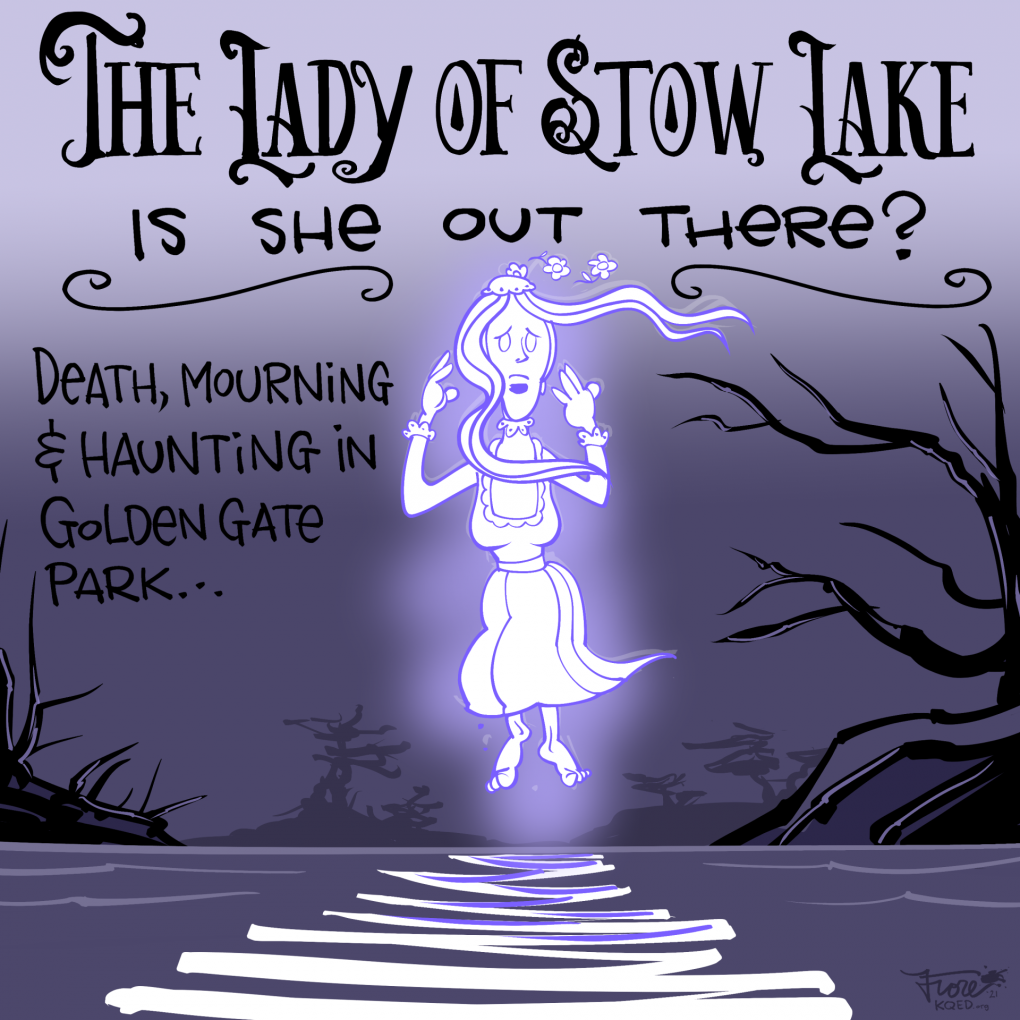
"altTag": "Cartoon: A ghostly image of a Victorian-era woman floating above a dark, spooky lake. Text reads, \"The Lady of Stow Lake, is she out there?\"",
"isLoading": false,
"fetchFailed": false
},
"news_11782636": {
"type": "attachments",
"id": "news_11782636",
"meta": {
"index": "attachments_1716263798",
"site": "news",
"id": "11782636",
"found": true
},
"parent": 11782405,
"imgSizes": {
"apple_news_ca_landscape_5_5": {
"file": "https://ww2.kqed.org/app/uploads/sites/10/2019/10/RS39771_4.34-qut-1044x783.jpg",
"width": 1044,
"mimeType": "image/jpeg",
"height": 783
},
"apple_news_ca_square_4_0": {
"file": "https://ww2.kqed.org/app/uploads/sites/10/2019/10/RS39771_4.34-qut-470x470.jpg",
"width": 470,
"mimeType": "image/jpeg",
"height": 470
},
"twentyfourteen-full-width": {
"file": "https://ww2.kqed.org/app/uploads/sites/10/2019/10/RS39771_4.34-qut-1038x576.jpg",
"width": 1038,
"mimeType": "image/jpeg",
"height": 576
},
"thumbnail": {
"file": "https://ww2.kqed.org/app/uploads/sites/10/2019/10/RS39771_4.34-qut-160x90.jpg",
"width": 160,
"mimeType": "image/jpeg",
"height": 90
},
"post-thumbnail": {
"file": "https://ww2.kqed.org/app/uploads/sites/10/2019/10/RS39771_4.34-qut-672x372.jpg",
"width": 672,
"mimeType": "image/jpeg",
"height": 372
},
"kqedFullSize": {
"file": "https://ww2.kqed.org/app/uploads/sites/10/2019/10/RS39771_4.34-qut.jpg",
"width": 1846,
"height": 1038
},
"apple_news_ca_landscape_4_7": {
"file": "https://ww2.kqed.org/app/uploads/sites/10/2019/10/RS39771_4.34-qut-632x474.jpg",
"width": 632,
"mimeType": "image/jpeg",
"height": 474
},
"large": {
"file": "https://ww2.kqed.org/app/uploads/sites/10/2019/10/RS39771_4.34-qut-1020x574.jpg",
"width": 1020,
"mimeType": "image/jpeg",
"height": 574
},
"complete_open_graph": {
"file": "https://ww2.kqed.org/app/uploads/sites/10/2019/10/RS39771_4.34-qut-1200x675.jpg",
"width": 1200,
"mimeType": "image/jpeg",
"height": 675
},
"apple_news_ca_landscape_4_0": {
"file": "https://ww2.kqed.org/app/uploads/sites/10/2019/10/RS39771_4.34-qut-536x402.jpg",
"width": 536,
"mimeType": "image/jpeg",
"height": 402
},
"apple_news_ca_portrait_12_9": {
"file": "https://ww2.kqed.org/app/uploads/sites/10/2019/10/RS39771_4.34-qut-1122x1038.jpg",
"width": 1122,
"mimeType": "image/jpeg",
"height": 1038
},
"medium": {
"file": "https://ww2.kqed.org/app/uploads/sites/10/2019/10/RS39771_4.34-qut-800x450.jpg",
"width": 800,
"mimeType": "image/jpeg",
"height": 450
},
"apple_news_ca_portrait_4_0": {
"file": "https://ww2.kqed.org/app/uploads/sites/10/2019/10/RS39771_4.34-qut-354x472.jpg",
"width": 354,
"mimeType": "image/jpeg",
"height": 472
},
"apple_news_ca_portrait_9_7": {
"file": "https://ww2.kqed.org/app/uploads/sites/10/2019/10/RS39771_4.34-qut-840x1038.jpg",
"width": 840,
"mimeType": "image/jpeg",
"height": 1038
},
"apple_news_ca_landscape_12_9": {
"file": "https://ww2.kqed.org/app/uploads/sites/10/2019/10/RS39771_4.34-qut-1832x1038.jpg",
"width": 1832,
"mimeType": "image/jpeg",
"height": 1038
},
"apple_news_ca_square_9_7": {
"file": "https://ww2.kqed.org/app/uploads/sites/10/2019/10/RS39771_4.34-qut-1104x1038.jpg",
"width": 1104,
"mimeType": "image/jpeg",
"height": 1038
},
"apple_news_ca_portrait_4_7": {
"file": "https://ww2.kqed.org/app/uploads/sites/10/2019/10/RS39771_4.34-qut-414x552.jpg",
"width": 414,
"mimeType": "image/jpeg",
"height": 552
},
"apple_news_ca_square_12_9": {
"file": "https://ww2.kqed.org/app/uploads/sites/10/2019/10/RS39771_4.34-qut-1472x1038.jpg",
"width": 1472,
"mimeType": "image/jpeg",
"height": 1038
},
"apple_news_ca_portrait_5_5": {
"file": "https://ww2.kqed.org/app/uploads/sites/10/2019/10/RS39771_4.34-qut-687x916.jpg",
"width": 687,
"mimeType": "image/jpeg",
"height": 916
},
"apple_news_ca_square_4_7": {
"file": "https://ww2.kqed.org/app/uploads/sites/10/2019/10/RS39771_4.34-qut-550x550.jpg",
"width": 550,
"mimeType": "image/jpeg",
"height": 550
},
"apple_news_ca_landscape_9_7": {
"file": "https://ww2.kqed.org/app/uploads/sites/10/2019/10/RS39771_4.34-qut-1376x1032.jpg",
"width": 1376,
"mimeType": "image/jpeg",
"height": 1032
},
"apple_news_ca_square_5_5": {
"file": "https://ww2.kqed.org/app/uploads/sites/10/2019/10/RS39771_4.34-qut-912x912.jpg",
"width": 912,
"mimeType": "image/jpeg",
"height": 912
}
},
"publishDate": 1571964513,
"modified": 1635299199,
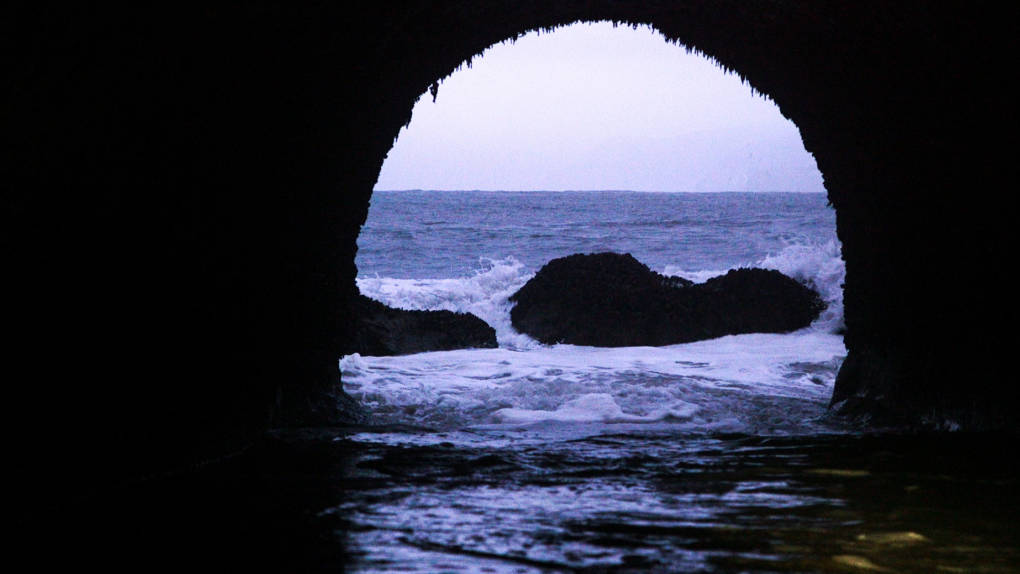
"caption": "A view of the Pacific Ocean at dawn, from inside a dark tunnel below San Francisco.",
"description": null,
"title": "ghost-stories-san-francisco",
"credit": "Sruti Mamidanna/KQED",
"status": "inherit",
"altTag": null,
"isLoading": false,
"fetchFailed": false
},
"news_10795862": {
"type": "attachments",
"id": "news_10795862",
"meta": {
"index": "attachments_1716263798",
"site": "news",
"id": "10795862",
"found": true
},
"parent": 10779164,
"imgSizes": {
"twentyfourteen-full-width": {
"file": "https://ww2.kqed.org/app/uploads/sites/10/2026/12/exhume-1038x576.jpg",
"width": 1038,
"mimeType": "image/jpeg",
"height": 576
},
"thumbnail": {
"file": "https://ww2.kqed.org/app/uploads/sites/10/2026/12/exhume-400x338.jpg",
"width": 400,
"mimeType": "image/jpeg",
"height": 338
},
"fd-sm": {
"file": "https://ww2.kqed.org/app/uploads/sites/10/2026/12/exhume-960x812.jpg",
"width": 960,
"mimeType": "image/jpeg",
"height": 812
},
"post-thumbnail": {
"file": "https://ww2.kqed.org/app/uploads/sites/10/2026/12/exhume-672x372.jpg",
"width": 672,
"mimeType": "image/jpeg",
"height": 372
},
"kqedFullSize": {
"file": "https://ww2.kqed.org/app/uploads/sites/10/2026/12/exhume.jpg",
"width": 3356,
"height": 2838
},
"large": {
"file": "https://ww2.kqed.org/app/uploads/sites/10/2026/12/exhume-1440x1218.jpg",
"width": 1440,
"mimeType": "image/jpeg",
"height": 1218
},
"guest-author-96": {
"file": "https://ww2.kqed.org/app/uploads/sites/10/2026/12/exhume-96x96.jpg",
"width": 96,
"mimeType": "image/jpeg",
"height": 96
},
"medium": {
"file": "https://ww2.kqed.org/app/uploads/sites/10/2026/12/exhume-800x677.jpg",
"width": 800,
"mimeType": "image/jpeg",
"height": 677
},
"guest-author-64": {
"file": "https://ww2.kqed.org/app/uploads/sites/10/2026/12/exhume-64x64.jpg",
"width": 64,
"mimeType": "image/jpeg",
"height": 64
},
"guest-author-32": {
"file": "https://ww2.kqed.org/app/uploads/sites/10/2026/12/exhume-32x32.jpg",
"width": 32,
"mimeType": "image/jpeg",
"height": 32
},
"jmtc-small-thumb": {
"file": "https://ww2.kqed.org/app/uploads/sites/10/2026/12/exhume-280x150.jpg",
"width": 280,
"mimeType": "image/jpeg",
"height": 150
},
"fd-lrg": {
"file": "https://ww2.kqed.org/app/uploads/sites/10/2026/12/exhume-1920x1624.jpg",
"width": 1920,
"mimeType": "image/jpeg",
"height": 1624
},
"fd-med": {
"file": "https://ww2.kqed.org/app/uploads/sites/10/2026/12/exhume-1180x998.jpg",
"width": 1180,
"mimeType": "image/jpeg",
"height": 998
},
"detail": {
"file": "https://ww2.kqed.org/app/uploads/sites/10/2026/12/exhume-75x75.jpg",
"width": 75,
"mimeType": "image/jpeg",
"height": 75
},
"medium_large": {
"file": "https://ww2.kqed.org/app/uploads/sites/10/2026/12/exhume-768x649.jpg",
"width": 768,
"mimeType": "image/jpeg",
"height": 649
},
"guest-author-128": {
"file": "https://ww2.kqed.org/app/uploads/sites/10/2026/12/exhume-128x128.jpg",
"width": 128,
"mimeType": "image/jpeg",
"height": 128
}
},
"publishDate": 1450228012,
"modified": 1450295952,
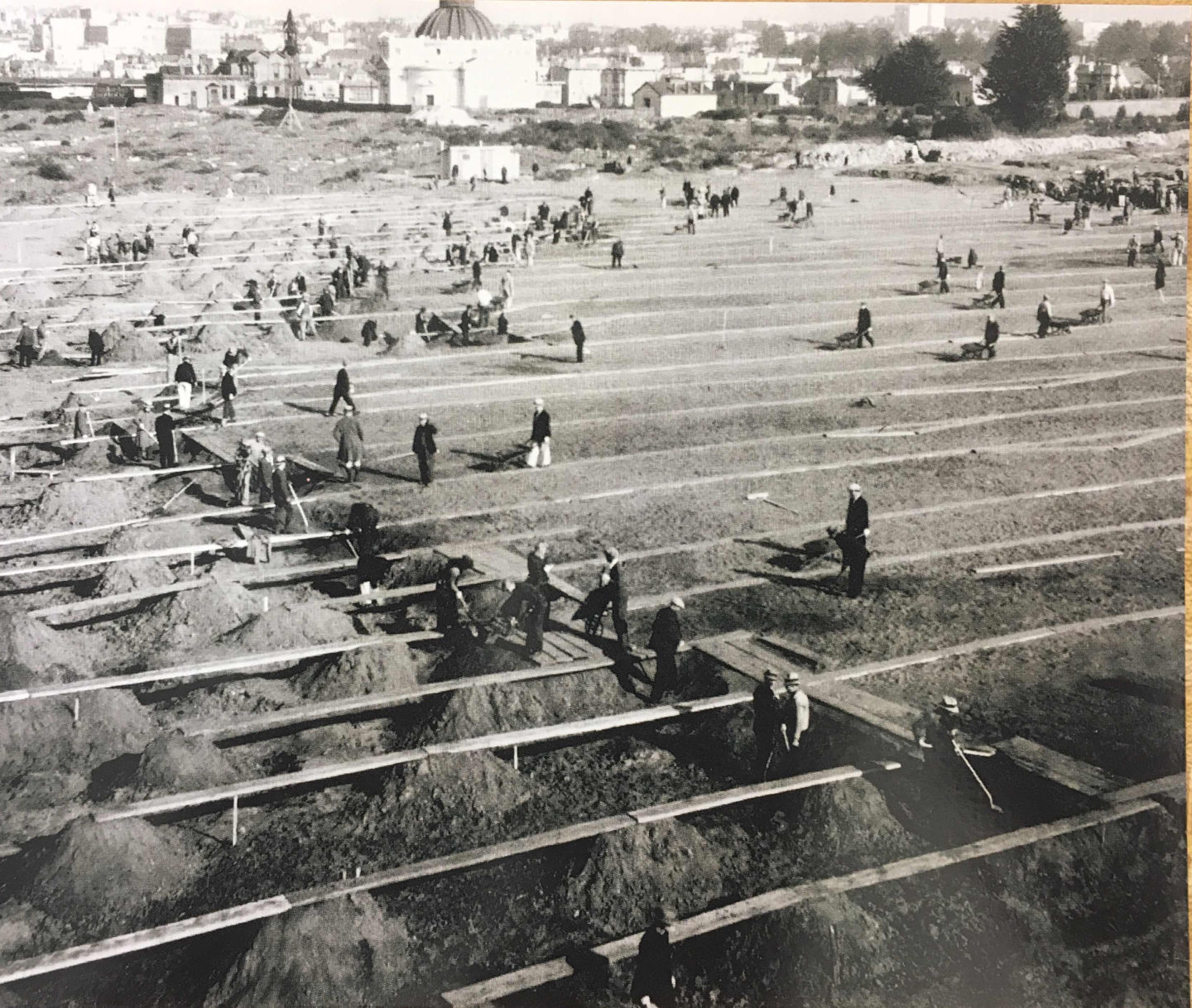
"caption": "Workers remove bodies from a San Francisco graveyard. ",
"description": "Workers remove bodies from a San Francisco graveyard. ",
"title": "Dig",
"credit": "Colma Historical Association",
"status": "inherit",
"isLoading": false,
"fetchFailed": false
},
"news_11761535": {
"type": "attachments",
"id": "news_11761535",
"meta": {
"index": "attachments_1716263798",
"site": "news",
"id": "11761535",
"found": true
},
"parent": 0,
"imgSizes": {
"apple_news_ca_landscape_5_5": {
"file": "https://ww2.kqed.org/app/uploads/sites/10/2019/07/IMG_2431-1044x783.jpg",
"width": 1044,
"mimeType": "image/jpeg",
"height": 783
},
"apple_news_ca_square_4_0": {
"file": "https://ww2.kqed.org/app/uploads/sites/10/2019/07/IMG_2431-470x470.jpg",
"width": 470,
"mimeType": "image/jpeg",
"height": 470
},
"twentyfourteen-full-width": {
"file": "https://ww2.kqed.org/app/uploads/sites/10/2019/07/IMG_2431-1038x576.jpg",
"width": 1038,
"mimeType": "image/jpeg",
"height": 576
},
"thumbnail": {
"file": "https://ww2.kqed.org/app/uploads/sites/10/2019/07/IMG_2431-160x120.jpg",
"width": 160,
"mimeType": "image/jpeg",
"height": 120
},
"post-thumbnail": {
"file": "https://ww2.kqed.org/app/uploads/sites/10/2019/07/IMG_2431-672x372.jpg",
"width": 672,
"mimeType": "image/jpeg",
"height": 372
},
"kqedFullSize": {
"file": "https://ww2.kqed.org/app/uploads/sites/10/2019/07/IMG_2431-e1563235114141.jpg",
"width": 1920,
"height": 1440
},
"apple_news_ca_landscape_4_7": {
"file": "https://ww2.kqed.org/app/uploads/sites/10/2019/07/IMG_2431-632x474.jpg",
"width": 632,
"mimeType": "image/jpeg",
"height": 474
},
"large": {
"file": "https://ww2.kqed.org/app/uploads/sites/10/2019/07/IMG_2431-1020x765.jpg",
"width": 1020,
"mimeType": "image/jpeg",
"height": 765
},
"complete_open_graph": {
"file": "https://ww2.kqed.org/app/uploads/sites/10/2019/07/IMG_2431-1200x900.jpg",
"width": 1200,
"mimeType": "image/jpeg",
"height": 900
},
"apple_news_ca_landscape_4_0": {
"file": "https://ww2.kqed.org/app/uploads/sites/10/2019/07/IMG_2431-536x402.jpg",
"width": 536,
"mimeType": "image/jpeg",
"height": 402
},
"apple_news_ca_portrait_12_9": {
"file": "https://ww2.kqed.org/app/uploads/sites/10/2019/07/IMG_2431-1122x1496.jpg",
"width": 1122,
"mimeType": "image/jpeg",
"height": 1496
},
"medium": {
"file": "https://ww2.kqed.org/app/uploads/sites/10/2019/07/IMG_2431-800x600.jpg",
"width": 800,
"mimeType": "image/jpeg",
"height": 600
},
"apple_news_ca_portrait_4_0": {
"file": "https://ww2.kqed.org/app/uploads/sites/10/2019/07/IMG_2431-354x472.jpg",
"width": 354,
"mimeType": "image/jpeg",
"height": 472
},
"apple_news_ca_portrait_9_7": {
"file": "https://ww2.kqed.org/app/uploads/sites/10/2019/07/IMG_2431-840x1120.jpg",
"width": 840,
"mimeType": "image/jpeg",
"height": 1120
},
"apple_news_ca_landscape_12_9": {
"file": "https://ww2.kqed.org/app/uploads/sites/10/2019/07/IMG_2431-1832x1374.jpg",
"width": 1832,
"mimeType": "image/jpeg",
"height": 1374
},
"apple_news_ca_square_9_7": {
"file": "https://ww2.kqed.org/app/uploads/sites/10/2019/07/IMG_2431-1104x1104.jpg",
"width": 1104,
"mimeType": "image/jpeg",
"height": 1104
},
"apple_news_ca_portrait_4_7": {
"file": "https://ww2.kqed.org/app/uploads/sites/10/2019/07/IMG_2431-414x552.jpg",
"width": 414,
"mimeType": "image/jpeg",
"height": 552
},
"apple_news_ca_square_12_9": {
"file": "https://ww2.kqed.org/app/uploads/sites/10/2019/07/IMG_2431-1472x1472.jpg",
"width": 1472,
"mimeType": "image/jpeg",
"height": 1472
},
"apple_news_ca_portrait_5_5": {
"file": "https://ww2.kqed.org/app/uploads/sites/10/2019/07/IMG_2431-687x916.jpg",
"width": 687,
"mimeType": "image/jpeg",
"height": 916
},
"full-width": {
"file": "https://ww2.kqed.org/app/uploads/sites/10/2019/07/IMG_2431-1920x1440.jpg",
"width": 1920,
"mimeType": "image/jpeg",
"height": 1440
},
"apple_news_ca_square_4_7": {
"file": "https://ww2.kqed.org/app/uploads/sites/10/2019/07/IMG_2431-550x550.jpg",
"width": 550,
"mimeType": "image/jpeg",
"height": 550
},
"apple_news_ca_landscape_9_7": {
"file": "https://ww2.kqed.org/app/uploads/sites/10/2019/07/IMG_2431-1376x1032.jpg",
"width": 1376,
"mimeType": "image/jpeg",
"height": 1032
},
"apple_news_ca_square_5_5": {
"file": "https://ww2.kqed.org/app/uploads/sites/10/2019/07/IMG_2431-912x912.jpg",
"width": 912,
"mimeType": "image/jpeg",
"height": 912
}
},
"publishDate": 1563235069,
"modified": 1563409111,
"caption": "Mike Rose, co-owner of Semifreddi's Bakery, holds a tray of fresh Dutch Crunch rolls. ",
"description": null,
"title": "Fresh Dutch Crunch rolls",
"credit": "Amanda Font/KQED",
"status": "inherit",
"isLoading": false,
"fetchFailed": false
},
"news_11882808": {
"type": "attachments",
"id": "news_11882808",
"meta": {
"index": "attachments_1716263798",
"site": "news",
"id": "11882808",
"found": true
},
"parent": 11882379,
"imgSizes": {
"twentyfourteen-full-width": {
"file": "https://ww2.kqed.org/app/uploads/sites/10/2021/07/07272021_MinoBucheli_DalyCity-0272-1038x576.jpg",
"width": 1038,
"mimeType": "image/jpeg",
"height": 576
},
"thumbnail": {
"file": "https://ww2.kqed.org/app/uploads/sites/10/2021/07/07272021_MinoBucheli_DalyCity-0272-160x107.jpg",
"width": 160,
"mimeType": "image/jpeg",
"height": 107
},
"post-thumbnail": {
"file": "https://ww2.kqed.org/app/uploads/sites/10/2021/07/07272021_MinoBucheli_DalyCity-0272-672x372.jpg",
"width": 672,
"mimeType": "image/jpeg",
"height": 372
},
"kqedFullSize": {
"file": "https://ww2.kqed.org/app/uploads/sites/10/2021/07/07272021_MinoBucheli_DalyCity-0272.jpg",
"width": 2500,
"height": 1667
},
"2048x2048": {
"file": "https://ww2.kqed.org/app/uploads/sites/10/2021/07/07272021_MinoBucheli_DalyCity-0272-2048x1366.jpg",
"width": 2048,
"mimeType": "image/jpeg",
"height": 1366
},
"large": {
"file": "https://ww2.kqed.org/app/uploads/sites/10/2021/07/07272021_MinoBucheli_DalyCity-0272-1020x680.jpg",
"width": 1020,
"mimeType": "image/jpeg",
"height": 680
},
"1536x1536": {
"file": "https://ww2.kqed.org/app/uploads/sites/10/2021/07/07272021_MinoBucheli_DalyCity-0272-1536x1024.jpg",
"width": 1536,
"mimeType": "image/jpeg",
"height": 1024
},
"full-width": {
"file": "https://ww2.kqed.org/app/uploads/sites/10/2021/07/07272021_MinoBucheli_DalyCity-0272-1920x1280.jpg",
"width": 1920,
"mimeType": "image/jpeg",
"height": 1280
},
"medium": {
"file": "https://ww2.kqed.org/app/uploads/sites/10/2021/07/07272021_MinoBucheli_DalyCity-0272-800x533.jpg",
"width": 800,
"mimeType": "image/jpeg",
"height": 533
}
},
"publishDate": 1627503119,
"modified": 1628104133,
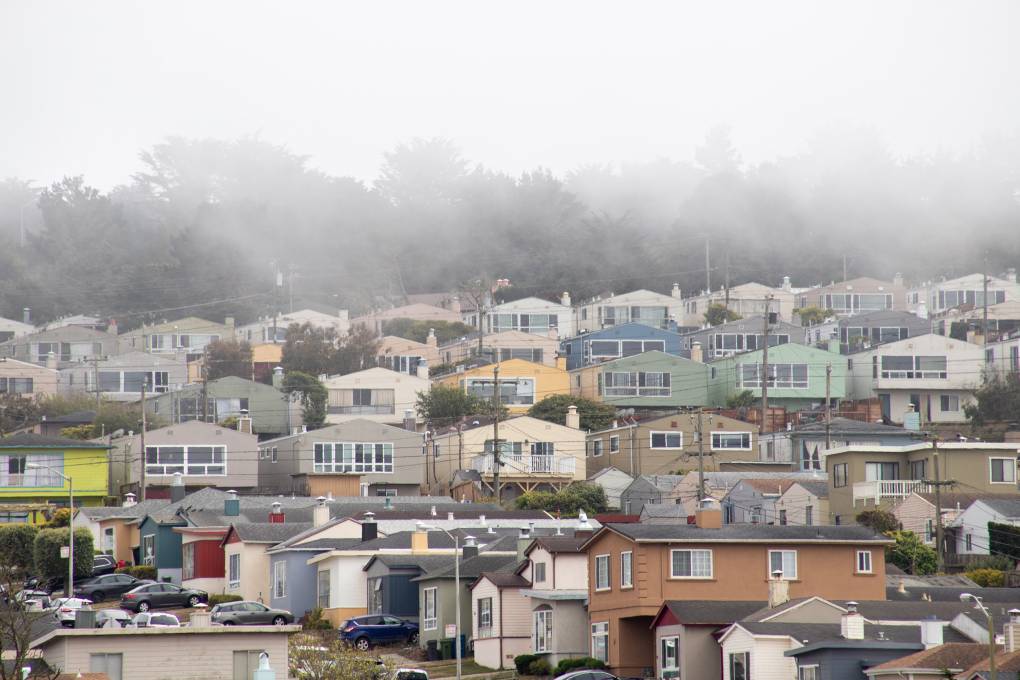
"caption": "A view from the Saint Francis neighborhood in Daly City. ",
"description": "A view from the Saint Francis neighborhood in Daly City. ",
"title": "07272021_MinoBucheli_DalyCity-0272",
"credit": "Sebastian Miño-Bucheli/KQED",
"status": "inherit",
"altTag": "A view from the Saint Francis neighborhood in Daly City.",
"isLoading": false,
"fetchFailed": false
},
"news_11644119": {
"type": "attachments",
"id": "news_11644119",
"meta": {
"index": "attachments_1716263798",
"site": "news",
"id": "11644119",
"found": true
},
"parent": 11642644,
"imgSizes": {
"small": {
"file": "https://ww2.kqed.org/app/uploads/sites/10/2018/01/bridgemodel-520x293.jpg",
"width": 520,
"mimeType": "image/jpeg",
"height": 293
},
"thumbnail": {
"file": "https://ww2.kqed.org/app/uploads/sites/10/2018/01/bridgemodel-160x90.jpg",
"width": 160,
"mimeType": "image/jpeg",
"height": 90
},
"post-thumbnail": {
"file": "https://ww2.kqed.org/app/uploads/sites/10/2018/01/bridgemodel-672x372.jpg",
"width": 672,
"mimeType": "image/jpeg",
"height": 372
},
"xsmall": {
"file": "https://ww2.kqed.org/app/uploads/sites/10/2018/01/bridgemodel-375x211.jpg",
"width": 375,
"mimeType": "image/jpeg",
"height": 211
},
"kqedFullSize": {
"file": "https://ww2.kqed.org/app/uploads/sites/10/2018/01/bridgemodel.jpg",
"width": 800,
"height": 450
},
"guest-author-50": {
"file": "https://ww2.kqed.org/app/uploads/sites/10/2018/01/bridgemodel-50x50.jpg",
"width": 50,
"mimeType": "image/jpeg",
"height": 50
},
"guest-author-96": {
"file": "https://ww2.kqed.org/app/uploads/sites/10/2018/01/bridgemodel-96x96.jpg",
"width": 96,
"mimeType": "image/jpeg",
"height": 96
},
"medium": {
"file": "https://ww2.kqed.org/app/uploads/sites/10/2018/01/bridgemodel-800x450.jpg",
"width": 800,
"mimeType": "image/jpeg",
"height": 450
},
"guest-author-64": {
"file": "https://ww2.kqed.org/app/uploads/sites/10/2018/01/bridgemodel-64x64.jpg",
"width": 64,
"mimeType": "image/jpeg",
"height": 64
},
"guest-author-32": {
"file": "https://ww2.kqed.org/app/uploads/sites/10/2018/01/bridgemodel-32x32.jpg",
"width": 32,
"mimeType": "image/jpeg",
"height": 32
},
"detail": {
"file": "https://ww2.kqed.org/app/uploads/sites/10/2018/01/bridgemodel-150x150.jpg",
"width": 150,
"mimeType": "image/jpeg",
"height": 150
},
"guest-author-128": {
"file": "https://ww2.kqed.org/app/uploads/sites/10/2018/01/bridgemodel-128x128.jpg",
"width": 128,
"mimeType": "image/jpeg",
"height": 128
},
"xxsmall": {
"file": "https://ww2.kqed.org/app/uploads/sites/10/2018/01/bridgemodel-240x135.jpg",
"width": 240,
"mimeType": "image/jpeg",
"height": 135
}
},
"publishDate": 1516840686,
"modified": 1516843057,
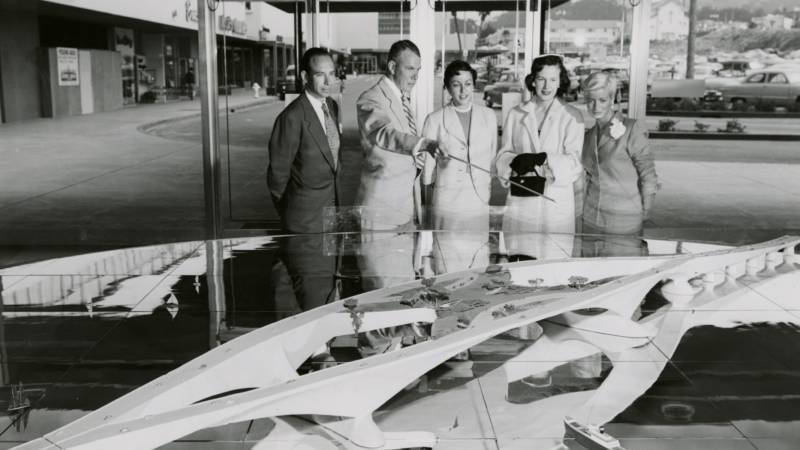
"caption": "Model of the Butterfly Bridge at Stonestown Shopping Center, San Francisco, 1953. L to R: Aaron Green, Arthur Haggard, Mrs. Donald Magnin, Mary Lee Futernick and Carol Weingarten. ",
"description": "Model of the Butterfly Bridge at Stonestown Shopping Center, San Francisco, 1953. L to R: Aaron Green, Arthur Haggard, Mrs. Donald Magnin, Mary Lee Futernick, and Carol Weingarten. ",
"title": "bridgemodel",
"credit": "Courtesy of Robot Skelton, San Francisco Call-Bulletin",
"status": "inherit",
"isLoading": false,
"fetchFailed": false
},
"news_11851840": {
"type": "attachments",
"id": "news_11851840",
"meta": {
"index": "attachments_1716263798",
"site": "news",
"id": "11851840",
"found": true
},
"parent": 11851750,
"imgSizes": {
"apple_news_ca_square_4_0": {
"file": "https://ww2.kqed.org/app/uploads/sites/10/2020/12/DSC6268-1-1020x682-1-470x470.jpg",
"width": 470,
"mimeType": "image/jpeg",
"height": 470
},
"twentyfourteen-full-width": {
"file": "https://ww2.kqed.org/app/uploads/sites/10/2020/12/DSC6268-1-1020x682-1-1020x576.jpg",
"width": 1020,
"mimeType": "image/jpeg",
"height": 576
},
"thumbnail": {
"file": "https://ww2.kqed.org/app/uploads/sites/10/2020/12/DSC6268-1-1020x682-1-160x107.jpg",
"width": 160,
"mimeType": "image/jpeg",
"height": 107
},
"post-thumbnail": {
"file": "https://ww2.kqed.org/app/uploads/sites/10/2020/12/DSC6268-1-1020x682-1-672x372.jpg",
"width": 672,
"mimeType": "image/jpeg",
"height": 372
},
"kqedFullSize": {
"file": "https://ww2.kqed.org/app/uploads/sites/10/2020/12/DSC6268-1-1020x682-1.jpg",
"width": 1020,
"height": 682
},
"apple_news_ca_landscape_4_7": {
"file": "https://ww2.kqed.org/app/uploads/sites/10/2020/12/DSC6268-1-1020x682-1-632x474.jpg",
"width": 632,
"mimeType": "image/jpeg",
"height": 474
},
"apple_news_ca_landscape_4_0": {
"file": "https://ww2.kqed.org/app/uploads/sites/10/2020/12/DSC6268-1-1020x682-1-536x402.jpg",
"width": 536,
"mimeType": "image/jpeg",
"height": 402
},
"medium": {
"file": "https://ww2.kqed.org/app/uploads/sites/10/2020/12/DSC6268-1-1020x682-1-800x535.jpg",
"width": 800,
"mimeType": "image/jpeg",
"height": 535
},
"apple_news_ca_portrait_4_0": {
"file": "https://ww2.kqed.org/app/uploads/sites/10/2020/12/DSC6268-1-1020x682-1-354x472.jpg",
"width": 354,
"mimeType": "image/jpeg",
"height": 472
},
"apple_news_ca_portrait_9_7": {
"file": "https://ww2.kqed.org/app/uploads/sites/10/2020/12/DSC6268-1-1020x682-1-840x682.jpg",
"width": 840,
"mimeType": "image/jpeg",
"height": 682
},
"apple_news_ca_portrait_4_7": {
"file": "https://ww2.kqed.org/app/uploads/sites/10/2020/12/DSC6268-1-1020x682-1-414x552.jpg",
"width": 414,
"mimeType": "image/jpeg",
"height": 552
},
"apple_news_ca_portrait_5_5": {
"file": "https://ww2.kqed.org/app/uploads/sites/10/2020/12/DSC6268-1-1020x682-1-687x682.jpg",
"width": 687,
"mimeType": "image/jpeg",
"height": 682
},
"apple_news_ca_square_4_7": {
"file": "https://ww2.kqed.org/app/uploads/sites/10/2020/12/DSC6268-1-1020x682-1-550x550.jpg",
"width": 550,
"mimeType": "image/jpeg",
"height": 550
},
"apple_news_ca_square_5_5": {
"file": "https://ww2.kqed.org/app/uploads/sites/10/2020/12/DSC6268-1-1020x682-1-912x682.jpg",
"width": 912,
"mimeType": "image/jpeg",
"height": 682
}
},
"publishDate": 1608314761,
"modified": 1608319437,
"caption": "Danielle Thompson, who features in the most-listened-to episode of 'Rightnowish,' in front of a computer at Youth Beat. ",
"description": null,
"title": "DSC6268-1-1020x682",
"credit": "Pendarvis Harshaw/KQED",
"status": "inherit",
"altTag": null,
"isLoading": false,
"fetchFailed": false
},
"news_11840826": {
"type": "attachments",
"id": "news_11840826",
"meta": {
"index": "attachments_1716263798",
"site": "news",
"id": "11840826",
"found": true
},
"parent": 11840343,
"imgSizes": {
"apple_news_ca_landscape_5_5": {
"file": "https://ww2.kqed.org/app/uploads/sites/10/2020/10/Photo-by-Element5-Digital-from-Pexels-2-1044x783.png",
"width": 1044,
"mimeType": "image/png",
"height": 783
},
"apple_news_ca_square_4_0": {
"file": "https://ww2.kqed.org/app/uploads/sites/10/2020/10/Photo-by-Element5-Digital-from-Pexels-2-470x470.png",
"width": 470,
"mimeType": "image/png",
"height": 470
},
"twentyfourteen-full-width": {
"file": "https://ww2.kqed.org/app/uploads/sites/10/2020/10/Photo-by-Element5-Digital-from-Pexels-2-1038x576.png",
"width": 1038,
"mimeType": "image/png",
"height": 576
},
"thumbnail": {
"file": "https://ww2.kqed.org/app/uploads/sites/10/2020/10/Photo-by-Element5-Digital-from-Pexels-2-160x107.png",
"width": 160,
"mimeType": "image/png",
"height": 107
},
"post-thumbnail": {
"file": "https://ww2.kqed.org/app/uploads/sites/10/2020/10/Photo-by-Element5-Digital-from-Pexels-2-672x372.png",
"width": 672,
"mimeType": "image/png",
"height": 372
},
"kqedFullSize": {
"file": "https://ww2.kqed.org/app/uploads/sites/10/2020/10/Photo-by-Element5-Digital-from-Pexels-2.png",
"width": 1900,
"height": 1267
},
"apple_news_ca_landscape_4_7": {
"file": "https://ww2.kqed.org/app/uploads/sites/10/2020/10/Photo-by-Element5-Digital-from-Pexels-2-632x474.png",
"width": 632,
"mimeType": "image/png",
"height": 474
},
"large": {
"file": "https://ww2.kqed.org/app/uploads/sites/10/2020/10/Photo-by-Element5-Digital-from-Pexels-2-1020x680.png",
"width": 1020,
"mimeType": "image/png",
"height": 680
},
"apple_news_ca_landscape_4_0": {
"file": "https://ww2.kqed.org/app/uploads/sites/10/2020/10/Photo-by-Element5-Digital-from-Pexels-2-536x402.png",
"width": 536,
"mimeType": "image/png",
"height": 402
},
"apple_news_ca_portrait_12_9": {
"file": "https://ww2.kqed.org/app/uploads/sites/10/2020/10/Photo-by-Element5-Digital-from-Pexels-2-1122x1267.png",
"width": 1122,
"mimeType": "image/png",
"height": 1267
},
"medium": {
"file": "https://ww2.kqed.org/app/uploads/sites/10/2020/10/Photo-by-Element5-Digital-from-Pexels-2-800x533.png",
"width": 800,
"mimeType": "image/png",
"height": 533
},
"apple_news_ca_portrait_4_0": {
"file": "https://ww2.kqed.org/app/uploads/sites/10/2020/10/Photo-by-Element5-Digital-from-Pexels-2-354x472.png",
"width": 354,
"mimeType": "image/png",
"height": 472
},
"apple_news_ca_portrait_9_7": {
"file": "https://ww2.kqed.org/app/uploads/sites/10/2020/10/Photo-by-Element5-Digital-from-Pexels-2-840x1120.png",
"width": 840,
"mimeType": "image/png",
"height": 1120
},
"apple_news_ca_landscape_12_9": {
"file": "https://ww2.kqed.org/app/uploads/sites/10/2020/10/Photo-by-Element5-Digital-from-Pexels-2-1832x1267.png",
"width": 1832,
"mimeType": "image/png",
"height": 1267
},
"apple_news_ca_square_9_7": {
"file": "https://ww2.kqed.org/app/uploads/sites/10/2020/10/Photo-by-Element5-Digital-from-Pexels-2-1104x1104.png",
"width": 1104,
"mimeType": "image/png",
"height": 1104
},
"1536x1536": {
"file": "https://ww2.kqed.org/app/uploads/sites/10/2020/10/Photo-by-Element5-Digital-from-Pexels-2-1536x1024.png",
"width": 1536,
"mimeType": "image/png",
"height": 1024
},
"apple_news_ca_portrait_4_7": {
"file": "https://ww2.kqed.org/app/uploads/sites/10/2020/10/Photo-by-Element5-Digital-from-Pexels-2-414x552.png",
"width": 414,
"mimeType": "image/png",
"height": 552
},
"apple_news_ca_square_12_9": {
"file": "https://ww2.kqed.org/app/uploads/sites/10/2020/10/Photo-by-Element5-Digital-from-Pexels-2-1472x1267.png",
"width": 1472,
"mimeType": "image/png",
"height": 1267
},
"apple_news_ca_portrait_5_5": {
"file": "https://ww2.kqed.org/app/uploads/sites/10/2020/10/Photo-by-Element5-Digital-from-Pexels-2-687x916.png",
"width": 687,
"mimeType": "image/png",
"height": 916
},
"apple_news_ca_square_4_7": {
"file": "https://ww2.kqed.org/app/uploads/sites/10/2020/10/Photo-by-Element5-Digital-from-Pexels-2-550x550.png",
"width": 550,
"mimeType": "image/png",
"height": 550
},
"apple_news_ca_landscape_9_7": {
"file": "https://ww2.kqed.org/app/uploads/sites/10/2020/10/Photo-by-Element5-Digital-from-Pexels-2-1376x1032.png",
"width": 1376,
"mimeType": "image/png",
"height": 1032
},
"apple_news_ca_square_5_5": {
"file": "https://ww2.kqed.org/app/uploads/sites/10/2020/10/Photo-by-Element5-Digital-from-Pexels-2-912x912.png",
"width": 912,
"mimeType": "image/png",
"height": 912
}
},
"publishDate": 1601667360,
"modified": 1602200647,
"caption": null,
"description": null,
"title": "Photo by Element5 Digital from Pexels 2",
"credit": "Element5 Digital/Pexels",
"status": "inherit",
"isLoading": false,
"fetchFailed": false
},
"news_11829829": {
"type": "attachments",
"id": "news_11829829",
"meta": {
"index": "attachments_1716263798",
"site": "news",
"id": "11829829",
"found": true
},
"parent": 11826187,
"imgSizes": {
"apple_news_ca_landscape_5_5": {
"file": "https://ww2.kqed.org/app/uploads/sites/10/2020/07/IMG_5855-1044x783.jpg",
"width": 1044,
"mimeType": "image/jpeg",
"height": 783
},
"apple_news_ca_square_4_0": {
"file": "https://ww2.kqed.org/app/uploads/sites/10/2020/07/IMG_5855-470x470.jpg",
"width": 470,
"mimeType": "image/jpeg",
"height": 470
},
"twentyfourteen-full-width": {
"file": "https://ww2.kqed.org/app/uploads/sites/10/2020/07/IMG_5855-1038x576.jpg",
"width": 1038,
"mimeType": "image/jpeg",
"height": 576
},
"thumbnail": {
"file": "https://ww2.kqed.org/app/uploads/sites/10/2020/07/IMG_5855-160x110.jpg",
"width": 160,
"mimeType": "image/jpeg",
"height": 110
},
"post-thumbnail": {
"file": "https://ww2.kqed.org/app/uploads/sites/10/2020/07/IMG_5855-672x372.jpg",
"width": 672,
"mimeType": "image/jpeg",
"height": 372
},
"kqedFullSize": {
"file": "https://ww2.kqed.org/app/uploads/sites/10/2020/07/IMG_5855.jpg",
"width": 1920,
"height": 1316
},
"apple_news_ca_landscape_4_7": {
"file": "https://ww2.kqed.org/app/uploads/sites/10/2020/07/IMG_5855-632x474.jpg",
"width": 632,
"mimeType": "image/jpeg",
"height": 474
},
"large": {
"file": "https://ww2.kqed.org/app/uploads/sites/10/2020/07/IMG_5855-1020x699.jpg",
"width": 1020,
"mimeType": "image/jpeg",
"height": 699
},
"apple_news_ca_landscape_4_0": {
"file": "https://ww2.kqed.org/app/uploads/sites/10/2020/07/IMG_5855-536x402.jpg",
"width": 536,
"mimeType": "image/jpeg",
"height": 402
},
"apple_news_ca_portrait_12_9": {
"file": "https://ww2.kqed.org/app/uploads/sites/10/2020/07/IMG_5855-1122x1316.jpg",
"width": 1122,
"mimeType": "image/jpeg",
"height": 1316
},
"medium": {
"file": "https://ww2.kqed.org/app/uploads/sites/10/2020/07/IMG_5855-800x548.jpg",
"width": 800,
"mimeType": "image/jpeg",
"height": 548
},
"apple_news_ca_portrait_4_0": {
"file": "https://ww2.kqed.org/app/uploads/sites/10/2020/07/IMG_5855-354x472.jpg",
"width": 354,
"mimeType": "image/jpeg",
"height": 472
},
"apple_news_ca_portrait_9_7": {
"file": "https://ww2.kqed.org/app/uploads/sites/10/2020/07/IMG_5855-840x1120.jpg",
"width": 840,
"mimeType": "image/jpeg",
"height": 1120
},
"apple_news_ca_landscape_12_9": {
"file": "https://ww2.kqed.org/app/uploads/sites/10/2020/07/IMG_5855-1832x1316.jpg",
"width": 1832,
"mimeType": "image/jpeg",
"height": 1316
},
"apple_news_ca_square_9_7": {
"file": "https://ww2.kqed.org/app/uploads/sites/10/2020/07/IMG_5855-1104x1104.jpg",
"width": 1104,
"mimeType": "image/jpeg",
"height": 1104
},
"1536x1536": {
"file": "https://ww2.kqed.org/app/uploads/sites/10/2020/07/IMG_5855-1536x1053.jpg",
"width": 1536,
"mimeType": "image/jpeg",
"height": 1053
},
"apple_news_ca_portrait_4_7": {
"file": "https://ww2.kqed.org/app/uploads/sites/10/2020/07/IMG_5855-414x552.jpg",
"width": 414,
"mimeType": "image/jpeg",
"height": 552
},
"apple_news_ca_square_12_9": {
"file": "https://ww2.kqed.org/app/uploads/sites/10/2020/07/IMG_5855-1472x1316.jpg",
"width": 1472,
"mimeType": "image/jpeg",
"height": 1316
},
"apple_news_ca_portrait_5_5": {
"file": "https://ww2.kqed.org/app/uploads/sites/10/2020/07/IMG_5855-687x916.jpg",
"width": 687,
"mimeType": "image/jpeg",
"height": 916
},
"apple_news_ca_square_4_7": {
"file": "https://ww2.kqed.org/app/uploads/sites/10/2020/07/IMG_5855-550x550.jpg",
"width": 550,
"mimeType": "image/jpeg",
"height": 550
},
"apple_news_ca_landscape_9_7": {
"file": "https://ww2.kqed.org/app/uploads/sites/10/2020/07/IMG_5855-1376x1032.jpg",
"width": 1376,
"mimeType": "image/jpeg",
"height": 1032
},
"apple_news_ca_square_5_5": {
"file": "https://ww2.kqed.org/app/uploads/sites/10/2020/07/IMG_5855-912x912.jpg",
"width": 912,
"mimeType": "image/jpeg",
"height": 912
}
},
"publishDate": 1595288415,
"modified": 1595288415,
"caption": null,
"description": null,
"title": "IMG_5855",
"credit": null,
"status": "inherit",
"isLoading": false,
"fetchFailed": false
},
"news_11816762": {
"type": "attachments",
"id": "news_11816762",
"meta": {
"index": "attachments_1716263798",
"site": "news",
"id": "11816762",
"found": true
},
"parent": 11816571,
"imgSizes": {
"apple_news_ca_landscape_5_5": {
"file": "https://ww2.kqed.org/app/uploads/sites/10/2020/05/Student-voices-composite-1044x783.jpg",
"width": 1044,
"mimeType": "image/jpeg",
"height": 783
},
"apple_news_ca_square_4_0": {
"file": "https://ww2.kqed.org/app/uploads/sites/10/2020/05/Student-voices-composite-470x470.jpg",
"width": 470,
"mimeType": "image/jpeg",
"height": 470
},
"twentyfourteen-full-width": {
"file": "https://ww2.kqed.org/app/uploads/sites/10/2020/05/Student-voices-composite-1038x576.jpg",
"width": 1038,
"mimeType": "image/jpeg",
"height": 576
},
"thumbnail": {
"file": "https://ww2.kqed.org/app/uploads/sites/10/2020/05/Student-voices-composite-160x90.jpg",
"width": 160,
"mimeType": "image/jpeg",
"height": 90
},
"post-thumbnail": {
"file": "https://ww2.kqed.org/app/uploads/sites/10/2020/05/Student-voices-composite-672x372.jpg",
"width": 672,
"mimeType": "image/jpeg",
"height": 372
},
"kqedFullSize": {
"file": "https://ww2.kqed.org/app/uploads/sites/10/2020/05/Student-voices-composite.jpg",
"width": 1920,
"height": 1080
},
"apple_news_ca_landscape_4_7": {
"file": "https://ww2.kqed.org/app/uploads/sites/10/2020/05/Student-voices-composite-632x474.jpg",
"width": 632,
"mimeType": "image/jpeg",
"height": 474
},
"large": {
"file": "https://ww2.kqed.org/app/uploads/sites/10/2020/05/Student-voices-composite-1020x574.jpg",
"width": 1020,
"mimeType": "image/jpeg",
"height": 574
},
"apple_news_ca_landscape_4_0": {
"file": "https://ww2.kqed.org/app/uploads/sites/10/2020/05/Student-voices-composite-536x402.jpg",
"width": 536,
"mimeType": "image/jpeg",
"height": 402
},
"apple_news_ca_portrait_12_9": {
"file": "https://ww2.kqed.org/app/uploads/sites/10/2020/05/Student-voices-composite-1122x1080.jpg",
"width": 1122,
"mimeType": "image/jpeg",
"height": 1080
},
"medium": {
"file": "https://ww2.kqed.org/app/uploads/sites/10/2020/05/Student-voices-composite-800x450.jpg",
"width": 800,
"mimeType": "image/jpeg",
"height": 450
},
"apple_news_ca_portrait_4_0": {
"file": "https://ww2.kqed.org/app/uploads/sites/10/2020/05/Student-voices-composite-354x472.jpg",
"width": 354,
"mimeType": "image/jpeg",
"height": 472
},
"apple_news_ca_portrait_9_7": {
"file": "https://ww2.kqed.org/app/uploads/sites/10/2020/05/Student-voices-composite-840x1080.jpg",
"width": 840,
"mimeType": "image/jpeg",
"height": 1080
},
"apple_news_ca_landscape_12_9": {
"file": "https://ww2.kqed.org/app/uploads/sites/10/2020/05/Student-voices-composite-1832x1080.jpg",
"width": 1832,
"mimeType": "image/jpeg",
"height": 1080
},
"apple_news_ca_square_9_7": {
"file": "https://ww2.kqed.org/app/uploads/sites/10/2020/05/Student-voices-composite-1104x1080.jpg",
"width": 1104,
"mimeType": "image/jpeg",
"height": 1080
},
"apple_news_ca_portrait_4_7": {
"file": "https://ww2.kqed.org/app/uploads/sites/10/2020/05/Student-voices-composite-414x552.jpg",
"width": 414,
"mimeType": "image/jpeg",
"height": 552
},
"apple_news_ca_square_12_9": {
"file": "https://ww2.kqed.org/app/uploads/sites/10/2020/05/Student-voices-composite-1472x1080.jpg",
"width": 1472,
"mimeType": "image/jpeg",
"height": 1080
},
"apple_news_ca_portrait_5_5": {
"file": "https://ww2.kqed.org/app/uploads/sites/10/2020/05/Student-voices-composite-687x916.jpg",
"width": 687,
"mimeType": "image/jpeg",
"height": 916
},
"full-width": {
"file": "https://ww2.kqed.org/app/uploads/sites/10/2020/05/Student-voices-composite-1920x1080.jpg",
"width": 1920,
"mimeType": "image/jpeg",
"height": 1080
},
"apple_news_ca_square_4_7": {
"file": "https://ww2.kqed.org/app/uploads/sites/10/2020/05/Student-voices-composite-550x550.jpg",
"width": 550,
"mimeType": "image/jpeg",
"height": 550
},
"apple_news_ca_landscape_9_7": {
"file": "https://ww2.kqed.org/app/uploads/sites/10/2020/05/Student-voices-composite-1376x1032.jpg",
"width": 1376,
"mimeType": "image/jpeg",
"height": 1032
},
"apple_news_ca_square_5_5": {
"file": "https://ww2.kqed.org/app/uploads/sites/10/2020/05/Student-voices-composite-912x912.jpg",
"width": 912,
"mimeType": "image/jpeg",
"height": 912
}
},
"publishDate": 1588828942,
"modified": 1588829134,
"caption": "Left to right: Taila Lee, Qadir Scott, Genevieve Schweitzer, Julisa Gomez Reyes.",
"description": "Left to right: Taila Lee, Qadir Scott, Genevieve Schweitzer, Julisa Gomez Reyes.",
"title": "Student-voices-composite",
"credit": "Beth LaBerge/KQED ",
"status": "inherit",
"isLoading": false,
"fetchFailed": false
}
},
"audioPlayerReducer": {
"postId": "stream_live",
"isPaused": true,
"isPlaying": false,
"pfsActive": false,
"pledgeModalIsOpen": true,
"playerDrawerIsOpen": false,
"liveAudioPlayStartedAt": 0,
"liveAudioPlayContext": ""
},
"authorsReducer": {
"astupi": {
"type": "authors",
"id": "70",
"meta": {
"index": "authors_1716337520",
"id": "70",
"found": true
},
"name": "Amanda Stupi",
"firstName": "Amanda",
"lastName": "Stupi",
"slug": "astupi",
"email": "astupi@kqed.org",
"display_author_email": false,
"staff_mastheads": [],
"title": "Senior Engagement Producer",
"bio": "Amanda joined KQED Science’s engagement team as a Senior Audience Engagement Strategist in the spring of 2019. She has helped craft messaging around wildfires, the coronavirus pandemic, climate change and many other stories. She has also brought KQED Science to new platforms such as Reddit’s Ask Me Anything series. Prior to joining KQED Science, Amanda spent seven years as an engagement producer with Forum, KQED’s daily live call-in show. She got her start in radio at KALW's weekly call in show, City Visions, before going on to an internship and stint at NPR's Talk of the Nation.\r\n\r\nPrior to journalism, Amanda taught English at Lowell High School. She's a native of Petaluma and currently lives under the \"South San Francisco the Industrial City\" sign in South City. She believes that engagement is vital to news’s future and that good journalism listens as much as it asks questions.",
"avatar": "https://secure.gravatar.com/avatar/e981c503e5c162da701dcaccfbf87e35?s=600&d=blank&r=g",
"twitter": null,
"facebook": null,
"instagram": null,
"linkedin": null,
"sites": [
{
"site": "arts",
"roles": [
"Contributor"
]
},
{
"site": "news",
"roles": [
"editor"
]
},
{
"site": "pop",
"roles": [
"contributor"
]
},
{
"site": "stateofhealth",
"roles": [
"editor"
]
},
{
"site": "science",
"roles": []
},
{
"site": "perspectives",
"roles": [
"editor"
]
}
],
"headData": {
"title": "Amanda Stupi | KQED",
"description": "Senior Engagement Producer",
"ogImgSrc": "https://secure.gravatar.com/avatar/e981c503e5c162da701dcaccfbf87e35?s=600&d=blank&r=g",
"twImgSrc": "https://secure.gravatar.com/avatar/e981c503e5c162da701dcaccfbf87e35?s=600&d=blank&r=g"
},
"isLoading": false,
"link": "/author/astupi"
},
"jbrooks": {
"type": "authors",
"id": "80",
"meta": {
"index": "authors_1716337520",
"id": "80",
"found": true
},
"name": "Jon Brooks",
"firstName": "Jon",
"lastName": "Brooks",
"slug": "jbrooks",
"email": "jbrooks@kqed.org",
"display_author_email": true,
"staff_mastheads": [
"science"
],
"title": "Digital Editor",
"bio": "Jon Brooks is a former Digital Editor for KQED Science. He is the former editor of KQED’s daily news blog, News Fix. In 2014, he won a California Journalism Award for his coverage of ride services like Uber and Lyft and the taxi industry. A veteran blogger, he previously worked for Yahoo! in various news writing and editing roles. Jon is also a playwright whose work has been produced in San Francisco, New York, Italy, and around the U.S. He has written about film for his own blog and studied film at Boston University.",
"avatar": "https://secure.gravatar.com/avatar/98887f7ed1c876ed414d4c915e969584?s=600&d=blank&r=g",
"twitter": "jbrooksfoy",
"facebook": null,
"instagram": null,
"linkedin": null,
"sites": [
{
"site": "arts",
"roles": [
"Contributor",
"editor"
]
},
{
"site": "news",
"roles": [
"author"
]
},
{
"site": "futureofyou",
"roles": [
"administrator"
]
},
{
"site": "mindshift",
"roles": [
"editor"
]
},
{
"site": "stateofhealth",
"roles": [
"editor"
]
},
{
"site": "science",
"roles": [
"administrator"
]
},
{
"site": "quest",
"roles": [
"editor"
]
}
],
"headData": {
"title": "Jon Brooks | KQED",
"description": "Digital Editor",
"ogImgSrc": "https://secure.gravatar.com/avatar/98887f7ed1c876ed414d4c915e969584?s=600&d=blank&r=g",
"twImgSrc": "https://secure.gravatar.com/avatar/98887f7ed1c876ed414d4c915e969584?s=600&d=blank&r=g"
},
"isLoading": false,
"link": "/author/jbrooks"
},
"ohubertallen": {
"type": "authors",
"id": "102",
"meta": {
"index": "authors_1716337520",
"id": "102",
"found": true
},
"name": "Olivia Allen-Price",
"firstName": "Olivia",
"lastName": "Allen-Price",
"slug": "ohubertallen",
"email": "oallenprice@kqed.org",
"display_author_email": false,
"staff_mastheads": [
"news"
],
"title": "Senior Editor",
"bio": "Olivia Allen-Price is senior editor and host of the award-winning Bay Curious podcast. Prior to joining KQED in 2013, Olivia worked at The Baltimore Sun and The Virginian-Pilot in Norfolk, Va. She holds degrees in journalism and political science from Elon University. Her work has earned awards from the Society of Professional Journalists, the Hearst Foundation and Hearken. She loves to talk about running and curly hair.\r\n\r\nFollow: \u003ca href=\"https://twitter.com/oallenprice\">@oallenprice\u003c/a>\r\nEmail: \u003ca href=\"mailto:oallenprice@kqed.org\">oallenprice@kqed.org\u003c/a>",
"avatar": "https://secure.gravatar.com/avatar/07f7803c1f6be56f3be58ef276dfa64dce898502e0554408ef4858451a8294f7?s=600&d=blank&r=g",
"twitter": "oallenprice",
"bluesky": null,
"facebook": null,
"instagram": null,
"linkedin": null,
"sites": [
{
"site": "",
"roles": [
"editor"
]
},
{
"site": "arts",
"roles": [
"subscriber"
]
},
{
"site": "news",
"roles": [
"administrator"
]
},
{
"site": "pop",
"roles": [
"administrator"
]
},
{
"site": "bayareabites",
"roles": [
"contributor"
]
},
{
"site": "stateofhealth",
"roles": [
"administrator"
]
},
{
"site": "science",
"roles": [
"editor"
]
}
],
"headData": {
"title": "Olivia Allen-Price | KQED",
"description": "Senior Editor",
"ogImgSrc": "https://secure.gravatar.com/avatar/07f7803c1f6be56f3be58ef276dfa64dce898502e0554408ef4858451a8294f7?s=600&d=blank&r=g",
"twImgSrc": "https://secure.gravatar.com/avatar/07f7803c1f6be56f3be58ef276dfa64dce898502e0554408ef4858451a8294f7?s=600&d=blank&r=g"
},
"isLoading": false,
"link": "/author/ohubertallen"
},
"katrinaschwartz": {
"type": "authors",
"id": "234",
"meta": {
"index": "authors_1716337520",
"id": "234",
"found": true
},
"name": "Katrina Schwartz",
"firstName": "Katrina",
"lastName": "Schwartz",
"slug": "katrinaschwartz",
"email": "kschwartz@kqed.org",
"display_author_email": false,
"staff_mastheads": [
"news"
],
"title": "Producer",
"bio": "Katrina Schwartz is a journalist based in San Francisco. She's worked at KPCC public radio in LA and has reported on air and online for KQED since 2010. She covered how teaching and learning is changing for MindShift between 2012 and 2020. She is the co-host of the MindShift podcast and now produces KQED's Bay Curious podcast.",
"avatar": "https://secure.gravatar.com/avatar/edb4ee79070447a018538c9aae6eeecf28786515b8a0c30e43b6b7dce5aa44c8?s=600&d=blank&r=g",
"twitter": "kschwart",
"bluesky": null,
"facebook": null,
"instagram": null,
"linkedin": null,
"sites": [
{
"site": "",
"roles": [
"editor"
]
},
{
"site": "news",
"roles": [
"editor"
]
},
{
"site": "mindshift",
"roles": [
"administrator"
]
},
{
"site": "stateofhealth",
"roles": [
"author"
]
},
{
"site": "science",
"roles": [
"editor"
]
}
],
"headData": {
"title": "Katrina Schwartz | KQED",
"description": "Producer",
"ogImgSrc": "https://secure.gravatar.com/avatar/edb4ee79070447a018538c9aae6eeecf28786515b8a0c30e43b6b7dce5aa44c8?s=600&d=blank&r=g",
"twImgSrc": "https://secure.gravatar.com/avatar/edb4ee79070447a018538c9aae6eeecf28786515b8a0c30e43b6b7dce5aa44c8?s=600&d=blank&r=g"
},
"isLoading": false,
"link": "/author/katrinaschwartz"
},
"rachael-myrow": {
"type": "authors",
"id": "251",
"meta": {
"index": "authors_1716337520",
"id": "251",
"found": true
},
"name": "Rachael Myrow",
"firstName": "Rachael",
"lastName": "Myrow",
"slug": "rachael-myrow",
"email": "rmyrow@kqed.org",
"display_author_email": true,
"staff_mastheads": [
"news"
],
"title": "Senior Editor of KQED's Silicon Valley News Desk",
"bio": "• I write and edit stories about how Silicon Valley power and policies shape everyday life in California. I’m also passionate about making Bay Area history and culture more accessible to a broad public. • I’ve been a journalist for most of my life, starting in high school with The Franklin Press in Los Angeles, where I grew up. While earning my first degree in English at UC Berkeley, I got my start in public radio at KALX-FM. After completing a second degree in journalism at Cal, I landed my first professional job at Marketplace, then moved on to KPCC (now LAist), and then KQED, where I hosted The California Report for more than seven years. • My reporting has appeared on NPR, The World, WBUR’s \u003ci>Here & Now\u003c/i>, and the BBC. I also guest host for KQED’s \u003ci>Forum\u003c/i>, as well as the Commonwealth Club in San Francisco. • I speak periodically on media, democracy and technology issues, and do voiceover work for documentaries and educational video projects. • Outside of the studio, you'll find me hiking Bay Area trails and whipping up Insta-ready meals in my kitchen. • I do not accept gifts, money, or favors from anyone connected to my reporting, I don't pay people for information, and I do not support or donate to political causes. • I strive to treat the people I report on with fairness, honesty, and respect. I also recognize there are often multiple sides to a story and work to verify information through multiple sources and documentation. If I get something wrong, I correct it.",
"avatar": "https://secure.gravatar.com/avatar/3ed8a3c5f26025e4a805ba634cda8cd764906b97438a6d9ce216b044e340da4e?s=600&d=blank&r=g",
"twitter": "rachaelmyrow",
"bluesky": null,
"facebook": null,
"instagram": null,
"linkedin": "https://www.linkedin.com/in/rachaelmyrow/",
"sites": [
{
"site": "arts",
"roles": [
"administrator"
]
},
{
"site": "news",
"roles": [
"edit_others_posts",
"editor"
]
},
{
"site": "futureofyou",
"roles": [
"editor"
]
},
{
"site": "bayareabites",
"roles": [
"editor"
]
},
{
"site": "stateofhealth",
"roles": [
"editor"
]
},
{
"site": "science",
"roles": [
"editor"
]
},
{
"site": "food",
"roles": [
"editor"
]
},
{
"site": "forum",
"roles": [
"editor"
]
},
{
"site": "liveblog",
"roles": [
"author"
]
}
],
"headData": {
"title": "Rachael Myrow | KQED",
"description": "Senior Editor of KQED's Silicon Valley News Desk",
"ogImgSrc": "https://secure.gravatar.com/avatar/3ed8a3c5f26025e4a805ba634cda8cd764906b97438a6d9ce216b044e340da4e?s=600&d=blank&r=g",
"twImgSrc": "https://secure.gravatar.com/avatar/3ed8a3c5f26025e4a805ba634cda8cd764906b97438a6d9ce216b044e340da4e?s=600&d=blank&r=g"
},
"isLoading": false,
"link": "/author/rachael-myrow"
},
"markfiore": {
"type": "authors",
"id": "3236",
"meta": {
"index": "authors_1716337520",
"id": "3236",
"found": true
},
"name": "Mark Fiore",
"firstName": "Mark",
"lastName": "Fiore",
"slug": "markfiore",
"email": "mark@markfiore.com",
"display_author_email": false,
"staff_mastheads": [
"news"
],
"title": "KQED News Cartoonist",
"bio": "\u003ca href=\"http://www.MarkFiore.com\">MarkFiore.com\u003c/a> | \u003ca href=\"https://twitter.com/markfiore\">Follow on Twitter\u003c/a> | \u003ca href=\"https://www.facebook.com/pages/Mark-Fiore-Animated-Political-Cartoons/94451707396?ref=bookmarks\">Facebook\u003c/a> | \u003ca href=\"mailto:mark@markfiore.com\">email\u003c/a>\r\n\r\nPulitzer Prize-winner, Mark Fiore, who the Wall Street Journal has called “the undisputed guru of the form,” creates animated political cartoons in San Francisco, where his work has been featured regularly on the San Francisco Chronicle’s web site, SFGate.com. His work has appeared on Newsweek.com, Slate.com, CBSNews.com, MotherJones.com, DailyKos.com and NPR’s web site. Fiore’s political animation has appeared on CNN, Frontline, Bill Moyers Journal, Salon.com and cable and broadcast outlets across the globe.\r\n\r\nBeginning his professional life by drawing traditional political cartoons for newspapers, Fiore’s work appeared in publications ranging from the Washington Post to the Los Angeles Times. In the late 1990s, he began to experiment with animating political cartoons and, after a short stint at the San Jose Mercury News as their staff cartoonist, Fiore devoted all his energies to animation.\r\nGrowing up in California, Fiore also spent a good portion of his life in the backwoods of Idaho. It was this combination that shaped him politically. Mark majored in political science at Colorado College, where, in a perfect send-off for a cartoonist, he received his diploma in 1991 as commencement speaker Dick Cheney smiled approvingly.\r\nMark Fiore was awarded the Pulitzer Prize for political cartooning in 2010, a Robert F. Kennedy Journalism Award in 2004 and has twice received an Online Journalism Award for commentary from the Online News Association (2002, 2008). Fiore has received two awards for his work in new media from the National Cartoonists Society (2001, 2002), and in 2006 received The James Madison Freedom of Information Award from The Society of Professional Journalists.",
"avatar": "https://secure.gravatar.com/avatar/fc4e2a612b15b67bad0c6f0e1db4ca9b?s=600&d=blank&r=g",
"twitter": "MarkFiore",
"facebook": null,
"instagram": "https://www.instagram.com/markfiore/?hl=en",
"linkedin": null,
"sites": [
{
"site": "arts",
"roles": [
"contributor"
]
},
{
"site": "news",
"roles": [
"editor"
]
},
{
"site": "futureofyou",
"roles": [
"editor"
]
},
{
"site": "science",
"roles": [
"editor"
]
}
],
"headData": {
"title": "Mark Fiore | KQED",
"description": "KQED News Cartoonist",
"ogImgSrc": "https://secure.gravatar.com/avatar/fc4e2a612b15b67bad0c6f0e1db4ca9b?s=600&d=blank&r=g",
"twImgSrc": "https://secure.gravatar.com/avatar/fc4e2a612b15b67bad0c6f0e1db4ca9b?s=600&d=blank&r=g"
},
"isLoading": false,
"link": "/author/markfiore"
},
"carlysevern": {
"type": "authors",
"id": "3243",
"meta": {
"index": "authors_1716337520",
"id": "3243",
"found": true
},
"name": "Carly Severn",
"firstName": "Carly",
"lastName": "Severn",
"slug": "carlysevern",
"email": "csevern@kqed.org",
"display_author_email": false,
"staff_mastheads": [
"news"
],
"title": "Senior Editor, Audience News ",
"bio": "Carly is KQED's Senior Editor of Audience News on the Digital News team, and has reported for the California Report Magazine, Bay Curious and KQED Arts. She's formerly the host of \u003ca href=\"http://ww2.kqed.org/pop/category/the-cooler/\" rel=\"noopener noreferrer\">The Cooler\u003c/a> podcast.",
"avatar": "https://secure.gravatar.com/avatar/54037bf5c128fe678f0ef26cec97a93f2e7f220a22d7285703328f12c42c1b1d?s=600&d=blank&r=g",
"twitter": "teacupinthebay",
"bluesky": null,
"facebook": null,
"instagram": null,
"linkedin": null,
"sites": [
{
"site": "",
"roles": [
"editor"
]
},
{
"site": "arts",
"roles": [
"editor"
]
},
{
"site": "news",
"roles": [
"administrator"
]
},
{
"site": "pop",
"roles": [
"editor"
]
},
{
"site": "futureofyou",
"roles": [
"editor"
]
},
{
"site": "about",
"roles": [
"administrator"
]
},
{
"site": "mindshift",
"roles": [
"editor"
]
},
{
"site": "bayareabites",
"roles": [
"editor"
]
},
{
"site": "stateofhealth",
"roles": [
"editor"
]
},
{
"site": "science",
"roles": [
"editor"
]
},
{
"site": "food",
"roles": [
"contributor"
]
},
{
"site": "forum",
"roles": [
"editor"
]
},
{
"site": "perspectives",
"roles": [
"administrator"
]
},
{
"site": "liveblog",
"roles": [
"editor"
]
}
],
"headData": {
"title": "Carly Severn | KQED",
"description": "Senior Editor, Audience News ",
"ogImgSrc": "https://secure.gravatar.com/avatar/54037bf5c128fe678f0ef26cec97a93f2e7f220a22d7285703328f12c42c1b1d?s=600&d=blank&r=g",
"twImgSrc": "https://secure.gravatar.com/avatar/54037bf5c128fe678f0ef26cec97a93f2e7f220a22d7285703328f12c42c1b1d?s=600&d=blank&r=g"
},
"isLoading": false,
"link": "/author/carlysevern"
},
"dkatayama": {
"type": "authors",
"id": "7240",
"meta": {
"index": "authors_1716337520",
"id": "7240",
"found": true
},
"name": "Devin Katayama",
"firstName": "Devin",
"lastName": "Katayama",
"slug": "dkatayama",
"email": "dkatayama@kqed.org",
"display_author_email": true,
"staff_mastheads": [
"news"
],
"title": "Editor of Talent and Development",
"bio": "Devin Katayama is former Editor of Talent and Development for KQED. He supported our internship program and on-call staff by looking for equitable opportunities to improve the newsroom.\r\n\r\nHe previously hosted The Bay and American Suburb podcasts from KQED News. Prior to returning to the Bay Area in 2015, Devin was the education reporter for WFPL in Louisville and worked as a producer with radio stations in Chicago and Portland, OR. His work has appeared on NPR’s \u003cem>Morning Edition, All Things Considered, The Takeaway\u003c/em> and \u003cem>Here and Now.\u003c/em>\r\n\r\nDevin earned his MA in Journalism from Columbia College Chicago, where he was a Follett Fellow and the recipient of the 2011 Studs Terkel Community Media Workshop Scholarship for his story on Chicago's homeless youth. He won WBUR's 2014 Daniel Schorr award and a regional RTNDA Edward R. Murrow Award for his documentary \"At Risk\" that looked at issues facing some of Louisville's students. Devin has also received numerous local awards from the Associated Press and the Society of Professional Journalists.",
"avatar": "https://secure.gravatar.com/avatar/d0d2978a31002fb2de107921a8e18405?s=600&d=blank&r=g",
"twitter": "RadioDevin",
"facebook": null,
"instagram": null,
"linkedin": null,
"sites": [
{
"site": "arts",
"roles": []
},
{
"site": "news",
"roles": [
"author"
]
},
{
"site": "stateofhealth",
"roles": [
"author"
]
},
{
"site": "forum",
"roles": [
"editor"
]
},
{
"site": "perspectives",
"roles": [
"editor"
]
}
],
"headData": {
"title": "Devin Katayama | KQED",
"description": "Editor of Talent and Development",
"ogImgSrc": "https://secure.gravatar.com/avatar/d0d2978a31002fb2de107921a8e18405?s=600&d=blank&r=g",
"twImgSrc": "https://secure.gravatar.com/avatar/d0d2978a31002fb2de107921a8e18405?s=600&d=blank&r=g"
},
"isLoading": false,
"link": "/author/dkatayama"
},
"cveltman": {
"type": "authors",
"id": "8608",
"meta": {
"index": "authors_1716337520",
"id": "8608",
"found": true
},
"name": "Chloe Veltman",
"firstName": "Chloe",
"lastName": "Veltman",
"slug": "cveltman",
"email": "cveltman@kqed.org",
"display_author_email": true,
"staff_mastheads": [],
"title": "Arts and Culture Reporter",
"bio": "Chloe Veltman is a former arts and culture reporter for KQED. Prior to joining the organization, she launched and led the arts bureau at Colorado Public Radio, served as the Bay Area's culture columnist for the New York Times, and was the founder, host and executive producer of VoiceBox, a national award-winning weekly podcast/radio show and live events series all about the human voice. Chloe is the recipient of numerous prizes, grants and fellowships including a Webby Award for her work on interactive storytelling, both the John S Knight Journalism Fellowship and Humanities Center Fellowship at Stanford University, the Sundance Arts Writing Fellowship and a Library of Congress Research Fellowship. She is the author of the book \"On Acting\" and has appeared as a guest lecturer at Yale University and the San Francisco Conservatory of Music among other institutions. She holds a BA in english literature from King's College, Cambridge, and a Masters in Dramaturgy from the Central School of Speech and Drama/Harvard Institute for Advanced Theater Training.\r\n\u003ca href=\"https://www.chloeveltman.com\">www.chloeveltman.com\u003c/a>",
"avatar": "https://secure.gravatar.com/avatar/55403394b00a1ddab683952c2eb2cf85?s=600&d=blank&r=g",
"twitter": "chloeveltman",
"facebook": null,
"instagram": null,
"linkedin": null,
"sites": [
{
"site": "arts",
"roles": []
},
{
"site": "news",
"roles": [
"author"
]
},
{
"site": "pop",
"roles": [
"editor"
]
},
{
"site": "science",
"roles": []
}
],
"headData": {
"title": "Chloe Veltman | KQED",
"description": "Arts and Culture Reporter",
"ogImgSrc": "https://secure.gravatar.com/avatar/55403394b00a1ddab683952c2eb2cf85?s=600&d=blank&r=g",
"twImgSrc": "https://secure.gravatar.com/avatar/55403394b00a1ddab683952c2eb2cf85?s=600&d=blank&r=g"
},
"isLoading": false,
"link": "/author/cveltman"
},
"afont": {
"type": "authors",
"id": "8637",
"meta": {
"index": "authors_1716337520",
"id": "8637",
"found": true
},
"name": "Amanda Font",
"firstName": "Amanda",
"lastName": "Font",
"slug": "afont",
"email": "afont@kqed.org",
"display_author_email": false,
"staff_mastheads": [],
"title": "KQED Contributor",
"bio": "Amanda Font is a producer on \u003cem>The Latest\u003c/em> podcast, and the host and co-producer of the series \u003cem>Audible Cosmos\u003c/em>. She has previously worked as a producer and reporter on the \u003cem>Bay Curious\u003c/em> podcast, and director of \u003cem>The California Report Magazine\u003c/em>. She grew up in the deserts of Southern California and moved north for the trees. Amanda earned a B.A. from the BECA program at San Francisco State, where she worked in the university's radio station. Amanda Font is represented by SAG-AFTRA.",
"avatar": "https://secure.gravatar.com/avatar/d9e81cf0117d5849b9cfb7ab4b1422f1?s=600&d=blank&r=g",
"twitter": null,
"facebook": null,
"instagram": null,
"linkedin": null,
"sites": [
{
"site": "news",
"roles": [
"add_users",
"create_users"
]
},
{
"site": "science",
"roles": []
},
{
"site": "forum",
"roles": [
"administrator"
]
},
{
"site": "perspectives",
"roles": [
"administrator"
]
},
{
"site": "radio",
"roles": [
"administrator"
]
}
],
"headData": {
"title": "Amanda Font | KQED",
"description": "KQED Contributor",
"ogImgSrc": "https://secure.gravatar.com/avatar/d9e81cf0117d5849b9cfb7ab4b1422f1?s=600&d=blank&r=g",
"twImgSrc": "https://secure.gravatar.com/avatar/d9e81cf0117d5849b9cfb7ab4b1422f1?s=600&d=blank&r=g"
},
"isLoading": false,
"link": "/author/afont"
},
"naldana": {
"type": "authors",
"id": "11793",
"meta": {
"index": "authors_1716337520",
"id": "11793",
"found": true
},
"name": "Natalia Aldana",
"firstName": "Natalia",
"lastName": "Aldana",
"slug": "naldana",
"email": "naldana@kqed.org",
"display_author_email": false,
"staff_mastheads": [],
"title": "KQED Producer",
"bio": "Natalia Aldana is the senior engagement producer for KQED podcasts.",
"avatar": "https://secure.gravatar.com/avatar/c784d8a94359b38cc84991c1a7a565b2?s=600&d=blank&r=g",
"twitter": null,
"facebook": null,
"instagram": null,
"linkedin": null,
"sites": [
{
"site": "news",
"roles": [
"editor"
]
}
],
"headData": {
"title": "Natalia Aldana | KQED",
"description": "KQED Producer",
"ogImgSrc": "https://secure.gravatar.com/avatar/c784d8a94359b38cc84991c1a7a565b2?s=600&d=blank&r=g",
"twImgSrc": "https://secure.gravatar.com/avatar/c784d8a94359b38cc84991c1a7a565b2?s=600&d=blank&r=g"
},
"isLoading": false,
"link": "/author/naldana"
}
},
"pagesReducer": {
"news_tag_bay-curious": {
"type": "terms",
"id": "news_18426",
"meta": {
"index": "terms_1716263798",
"site": "news",
"id": "18426",
"score": 9.10411
},
"featImg": null,
"name": "Bay Curious",
"description": null,
"taxonomy": "tag",
"headData": {
"twImgId": null,
"twTitle": null,
"ogTitle": null,
"ogImgId": null,
"twDescription": null,
"description": null,
"title": "Bay Curious Archives | KQED News",
"ogDescription": null
},
"ttid": 18460,
"slug": "bay-curious",
"isLoading": false,
"title": "Bay Curious",
"pageMeta": {
"site": "news",
"WpPageTemplate": "page-topic-editorial",
"currentPage": 8
},
"blocks": [
{
"blockName": "kqed/post-list",
"attrs": {
"layout": "cardArticle2",
"query": "posts/news?tag=bay-curious",
"seeMore": false,
"paginated": true,
"page": 8
}
},
{
"blockName": "kqed/ad"
}
]
}
},
"pfsSessionReducer": {},
"postsReducer": {
"stream_live": {
"type": "live",
"id": "stream_live",
"audioUrl": "https://streams.kqed.org/kqedradio",
"title": "Live Stream",
"excerpt": "Live Stream information currently unavailable.",
"link": "/radio",
"featImg": "",
"label": {
"name": "KQED Live",
"link": "/"
}
},
"stream_kqedNewscast": {
"type": "posts",
"id": "stream_kqedNewscast",
"audioUrl": "https://www.kqed.org/.stream/anon/radio/RDnews/newscast.mp3?_=1",
"title": "KQED Newscast",
"featImg": "",
"label": {
"name": "88.5 FM",
"link": "/"
}
},
"news_11902873": {
"type": "posts",
"id": "news_11902873",
"meta": {
"index": "posts_1716263798",
"site": "news",
"id": "11902873",
"score": null,
"sort": [
1643386504000
]
},
"guestAuthors": [],
"slug": "the-sounds-of-california-from-the-comfort-of-your-couch",
"title": "The Sounds of the Bay Area: Escape With 8 Sonic Stories",
"publishDate": 1643386504,
"format": "standard",
"headTitle": "The Sounds of the Bay Area: Escape With 8 Sonic Stories | KQED",
"labelTerm": {
"term": 17986,
"site": "news"
},
"content": "\u003cp>\u003ci>\u003cspan style=\"font-weight: 400\">Screech! Chirp, chirp. Bwwwwaaaaaa. Hyphy!\u003c/span>\u003c/i>\u003c/p>\n\u003cp>\u003cspan style=\"font-weight: 400\">The sounds of California are eclectic, and here at \u003ca href=\"https://www.kqed.org/podcasts/baycurious\">Bay Curious\u003c/a>, we’re pretty big fans of noise. So we dug through the Bay Curious archives to celebrate the soundtrack of the Golden State, from the sounds that guide us home, to the people who brighten up our day.\u003c/span>\u003c/p>\n\u003cp>\u003cspan style=\"font-weight: 400\">This is your excuse to stay in bed, snuggle deeper into your couch, and join Bay Curious on a truly immersive experience for your ears. So put on your headphones, follow along on our Spotify playlist below, settle in and turn up the volume.\u003c/span>\u003c/p>\n\u003cp>\u003c!-- iframe plugin v.4.3 wordpress.org/plugins/iframe/ -->\u003cbr>\n\u003ciframe loading=\"lazy\" src=\"https://open.spotify.com/embed/playlist/3pnC5RuL20oLb74k2FoMt4?utm_source=generator\" width=\"100%\" height=\"380\" frameborder=\"0\" allowfullscreen allow=\"autoplay; clipboard-write; encrypted-media; fullscreen; picture-in-picture\" scrolling=\"yes\" class=\"iframe-class\">\u003c/iframe>\u003c/p>\n\u003col>\n\u003cli style=\"font-weight: 400\">\n\u003ch3>\u003ca href=\"https://www.kqed.org/news/11030282/why-are-bart-trains-so-loud\">\u003cstrong>Why are BART trains so loud?\u003c/strong>\u003cspan style=\"font-weight: 400\">\u003cbr>\n\u003c/span>\u003c/a>\u003c/h3>\n\u003cfigure id=\"attachment_11425097\" class=\"wp-caption alignnone\" style=\"max-width: 800px\">\u003cimg loading=\"lazy\" decoding=\"async\" class=\"size-medium wp-image-11425097\" src=\"https://ww2.kqed.org/app/uploads/sites/10/2017/04/BartColiseum-800x510.jpg\" alt=\"A BART train at Oakland's Coliseum station, where 40 to 60 youths took over a train car and robbed and beat passengers.\" width=\"800\" height=\"510\" srcset=\"https://cdn.kqed.org/wp-content/uploads/sites/10/2017/04/BartColiseum-800x510.jpg 800w, https://cdn.kqed.org/wp-content/uploads/sites/10/2017/04/BartColiseum-160x102.jpg 160w, https://cdn.kqed.org/wp-content/uploads/sites/10/2017/04/BartColiseum-1020x650.jpg 1020w, https://cdn.kqed.org/wp-content/uploads/sites/10/2017/04/BartColiseum.jpg 1920w, https://cdn.kqed.org/wp-content/uploads/sites/10/2017/04/BartColiseum-1180x752.jpg 1180w, https://cdn.kqed.org/wp-content/uploads/sites/10/2017/04/BartColiseum-960x612.jpg 960w, https://cdn.kqed.org/wp-content/uploads/sites/10/2017/04/BartColiseum-240x153.jpg 240w, https://cdn.kqed.org/wp-content/uploads/sites/10/2017/04/BartColiseum-375x239.jpg 375w, https://cdn.kqed.org/wp-content/uploads/sites/10/2017/04/BartColiseum-520x332.jpg 520w\" sizes=\"(max-width: 800px) 100vw, 800px\">\u003cfigcaption class=\"wp-caption-text\">A BART train at Oakland’s Coliseum station. \u003ccite>(Paul Sullivan/Flickr)\u003c/cite>\u003c/figcaption>\u003c/figure>\n\u003cp>\u003cspan style=\"font-weight: 400\">The Bay Area is full of sounds. But one sound, in particular, stood out to Bay Curious listener Eric Bauer: “Why does BART scream like a banshee?” he so vividly asked us. Eric’s no stranger to trains — he rode them all the time when he lived in Chicago. To figure out what makes the noises of our subway system so unique, we visited BART’s repair shop to ask the experts.\u003c/span>\u003c/p>\u003c/li>\n\u003cli style=\"font-weight: 400\">\n\u003ch3>\u003ca href=\"https://www.kqed.org/news/11881696/how-hyphy-came-to-define-bay-area-hip-hop\">\u003cstrong>‘It’s pure energy’: How hyphy came to define Bay Area hip-hop\u003c/strong>\u003cspan style=\"font-weight: 400\">\u003cbr>\n\u003c/span>\u003c/a>\u003c/h3>\n\u003cfigure id=\"attachment_11882075\" class=\"wp-caption alignnone\" style=\"max-width: 800px\">\u003cimg loading=\"lazy\" decoding=\"async\" class=\"size-medium wp-image-11882075\" src=\"https://ww2.kqed.org/app/uploads/sites/10/2021/07/E-40.DeFremery-800x535.jpg\" alt=\"\" width=\"800\" height=\"535\" srcset=\"https://cdn.kqed.org/wp-content/uploads/sites/10/2021/07/E-40.DeFremery-800x535.jpg 800w, https://cdn.kqed.org/wp-content/uploads/sites/10/2021/07/E-40.DeFremery-1020x682.jpg 1020w, https://cdn.kqed.org/wp-content/uploads/sites/10/2021/07/E-40.DeFremery-160x107.jpg 160w, https://cdn.kqed.org/wp-content/uploads/sites/10/2021/07/E-40.DeFremery-1536x1026.jpg 1536w, https://cdn.kqed.org/wp-content/uploads/sites/10/2021/07/E-40.DeFremery.jpg 1920w\" sizes=\"(max-width: 800px) 100vw, 800px\">\u003cfigcaption class=\"wp-caption-text\">E-40 at DeFremery Park in West Oakland, Oct. 12, 2018. \u003ccite>(Pendarvis Harshaw/KQED)\u003c/cite>\u003c/figcaption>\u003c/figure>\n\u003cp>\u003cspan style=\"font-weight: 400\">Welcome to perhaps the most energizing history lesson you’ll ever have: how the hyphy movement created a distinctly Bay Area sound. We’re joined by Pendarvis Harshaw, host of \u003c/span>\u003ca href=\"https://www.kqed.org/podcasts/rightnowish\">\u003cspan style=\"font-weight: 400\">KQED’s Rightnowish podcast\u003c/span>\u003c/a>\u003cspan style=\"font-weight: 400\">, to answer Bay Curious listener Lauren Tankeh’s question on how hyphy music started, and what the movement represented for Bay culture. Requirements for this episode: “Gig,” not just dance, to the hyperactive up-tempo beats while you learn about the pioneers and legacy of this hip-hop subgenre.\u003c/span>\u003c/p>\u003c/li>\n\u003cli style=\"font-weight: 400\">\n\u003ch3>\u003ca href=\"https://www.kqed.org/news/11272504/foghorns-who-presses-the-play-button\">\u003cstrong>Foghorns: Who presses the play button?\u003c/strong>\u003cspan style=\"font-weight: 400\">\u003cbr>\n\u003c/span>\u003c/a>\u003c/h3>\n\u003cfigure id=\"attachment_11272505\" class=\"wp-caption alignnone\" style=\"max-width: 800px\">\u003cimg loading=\"lazy\" decoding=\"async\" class=\"size-medium wp-image-11272505\" src=\"https://ww2.kqed.org/app/uploads/sites/10/2017/01/RS23445_161219_GGFoghorns_bhs07-qut-800x533.jpg\" alt=\"This Golden Gate Bridge fog horn points west on the concrete base of the bridge's south tower, guiding ships safely in the fog.\" width=\"800\" height=\"533\" srcset=\"https://cdn.kqed.org/wp-content/uploads/sites/10/2017/01/RS23445_161219_GGFoghorns_bhs07-qut-800x533.jpg 800w, https://cdn.kqed.org/wp-content/uploads/sites/10/2017/01/RS23445_161219_GGFoghorns_bhs07-qut-160x107.jpg 160w, https://cdn.kqed.org/wp-content/uploads/sites/10/2017/01/RS23445_161219_GGFoghorns_bhs07-qut-1020x680.jpg 1020w, https://cdn.kqed.org/wp-content/uploads/sites/10/2017/01/RS23445_161219_GGFoghorns_bhs07-qut.jpg 1920w, https://cdn.kqed.org/wp-content/uploads/sites/10/2017/01/RS23445_161219_GGFoghorns_bhs07-qut-1180x787.jpg 1180w, https://cdn.kqed.org/wp-content/uploads/sites/10/2017/01/RS23445_161219_GGFoghorns_bhs07-qut-960x640.jpg 960w, https://cdn.kqed.org/wp-content/uploads/sites/10/2017/01/RS23445_161219_GGFoghorns_bhs07-qut-240x160.jpg 240w, https://cdn.kqed.org/wp-content/uploads/sites/10/2017/01/RS23445_161219_GGFoghorns_bhs07-qut-375x250.jpg 375w, https://cdn.kqed.org/wp-content/uploads/sites/10/2017/01/RS23445_161219_GGFoghorns_bhs07-qut-520x347.jpg 520w\" sizes=\"(max-width: 800px) 100vw, 800px\">\u003cfigcaption class=\"wp-caption-text\">This Golden Gate Bridge foghorn points west on the concrete base of the bridge’s south tower, guiding ships safely in the fog. \u003ccite>(Brittany Hosea-Small/KQED)\u003c/cite>\u003c/figcaption>\u003c/figure>\n\u003cp>Depending on where you live in the Bay Area, the sight of fog can also mean hearing foghorns. After Bay Curious listeners Andy MacKinnon and Jen Liu moved from San Francisco’s SOMA district to the Sunset, they realized foghorns were becoming a constant part of their lives — for better or for worse. They had so many questions for us, such as:\u003c/p>\n\u003cp>1. Where are these foghorns?\u003cbr>\n2. How many of them are there?\u003cbr>\n3. Why do we still use them despite technology like radar and GPS?\u003cbr>\n4. Who, or what, turns them on?\u003c/p>\n\u003cp>We went out into the fog to help Andy and Jen get some much-needed answers.\u003c/p>\u003c/li>\n\u003cli style=\"font-weight: 400\">\n\u003ch3>\u003ca href=\"https://www.kqed.org/news/11719871/why-the-myth-of-the-san-francisco-accent-persists\">\u003cstrong>Why does the myth of the ‘San Francisco accent’ persist?\u003c/strong>\u003cspan style=\"font-weight: 400\">\u003cbr>\n\u003c/span>\u003c/a>\u003c/h3>\n\u003cfigure id=\"attachment_11720643\" class=\"wp-caption alignnone\" style=\"max-width: 800px\">\u003cimg loading=\"lazy\" decoding=\"async\" class=\"size-medium wp-image-11720643\" src=\"https://ww2.kqed.org/app/uploads/sites/10/2019/01/BayCurious_opt1-800x450.jpg\" alt=\"\" width=\"800\" height=\"450\" srcset=\"https://cdn.kqed.org/wp-content/uploads/sites/10/2019/01/BayCurious_opt1-800x450.jpg 800w, https://cdn.kqed.org/wp-content/uploads/sites/10/2019/01/BayCurious_opt1-160x90.jpg 160w, https://cdn.kqed.org/wp-content/uploads/sites/10/2019/01/BayCurious_opt1-1020x574.jpg 1020w, https://cdn.kqed.org/wp-content/uploads/sites/10/2019/01/BayCurious_opt1-1200x675.jpg 1200w, https://cdn.kqed.org/wp-content/uploads/sites/10/2019/01/BayCurious_opt1.jpg 1920w\" sizes=\"(max-width: 800px) 100vw, 800px\">\u003cfigcaption class=\"wp-caption-text\">An accent is different from a word choice. It’s about how a word is pronounced. \u003ccite>(Kelly Heigert/KQED)\u003c/cite>\u003c/figcaption>\u003c/figure>\n\u003cp>\u003cspan style=\"font-weight: 400\">“Is there such a thing as a San Francisco accent?” That’s what Bay Curious listener Jonathan Morton wanted to know. When you think of New Yorkers, Bostonians or Texans, you might have a pretty good idea of a general accent, down to the rhythms and tones. But that gets harder to do with San Franciscans. In this episode, we dive deep into accents, the myth of the “Mission brogue,” and how naming just one accent in San Francisco actually says more about who has political power than how people speak.\u003c/span>\u003c/p>\u003c/li>\n\u003cli style=\"font-weight: 400\">\n\u003ch3>\u003ca href=\"https://www.kqed.org/news/11795009/why-do-some-crosswalks-make-a-machine-gun-sound\">\u003cstrong>Why do some crosswalks make a machine-gun sound?\u003c/strong>\u003cspan style=\"font-weight: 400\">\u003cbr>\n\u003c/span>\u003c/a>\u003c/h3>\n\u003cfigure id=\"attachment_11795015\" class=\"wp-caption alignnone\" style=\"max-width: 800px\">\u003cimg loading=\"lazy\" decoding=\"async\" class=\"size-medium wp-image-11795015\" src=\"https://ww2.kqed.org/app/uploads/sites/10/2020/01/1024px-PedestrianSignalPushButton-800x530.jpg\" alt=\"\" width=\"800\" height=\"530\" srcset=\"https://cdn.kqed.org/wp-content/uploads/sites/10/2020/01/1024px-PedestrianSignalPushButton-800x530.jpg 800w, https://cdn.kqed.org/wp-content/uploads/sites/10/2020/01/1024px-PedestrianSignalPushButton-160x106.jpg 160w, https://cdn.kqed.org/wp-content/uploads/sites/10/2020/01/1024px-PedestrianSignalPushButton-1020x675.jpg 1020w, https://cdn.kqed.org/wp-content/uploads/sites/10/2020/01/1024px-PedestrianSignalPushButton.jpg 1024w\" sizes=\"(max-width: 800px) 100vw, 800px\">\u003cfigcaption class=\"wp-caption-text\">Many of the accessible pedestrian signals in San Francisco look like this. \u003ccite>(Raysonho @ Open Grid Scheduler/Grid Engine)\u003c/cite>\u003c/figcaption>\u003c/figure>\n\u003cp>\u003cspan style=\"font-weight: 400\">The official name for the sound is the rapid tick. But one Bay Curious listener asked why so many crosswalks in the Bay Area sound like a “machine gun,” as opposed to the more commonplace cuckoo-chirp signals. Find out how the rapid tick was designed and how it’s meant to ensure accessibility for all pedestrians.\u003c/span>\u003c/p>\u003c/li>\n\u003cli style=\"font-weight: 400\">\n\u003ch3>\u003ca href=\"https://www.kqed.org/news/11825401/how-urban-renewal-decimated-the-fillmore-district-and-took-jazz-with-it\">\u003cstrong>Why is San Francisco’s Fillmore District no longer the ‘Harlem of the West’?\u003c/strong>\u003cspan style=\"font-weight: 400\">\u003cbr>\n\u003c/span>\u003c/a>\u003c/h3>\n\u003cfigure id=\"attachment_11825842\" class=\"wp-caption alignnone\" style=\"max-width: 497px\">\u003cimg loading=\"lazy\" decoding=\"async\" class=\"size-full wp-image-11825842\" src=\"https://ww2.kqed.org/app/uploads/sites/10/2020/06/RS43798_MOR-0681-qut.jpg\" alt=\"\" width=\"497\" height=\"400\" srcset=\"https://cdn.kqed.org/wp-content/uploads/sites/10/2020/06/RS43798_MOR-0681-qut.jpg 497w, https://cdn.kqed.org/wp-content/uploads/sites/10/2020/06/RS43798_MOR-0681-qut-160x129.jpg 160w\" sizes=\"(max-width: 497px) 100vw, 497px\">\u003cfigcaption class=\"wp-caption-text\">Jazz musician Dizzy Gillespie with San Francisco Mayor George Christopher in 1957. \u003ccite>(San Francisco History Center, San Francisco Public Library)\u003c/cite>\u003c/figcaption>\u003c/figure>\n\u003cp>\u003cspan style=\"font-weight: 400\">If you were walking down San Francisco’s Fillmore Street in the 1950s, chances are you might have run into any number of stars, from Billie Holiday to Ella Fitzgerald and Thelonious Monk. The Fillmore was known as the “Harlem of the West” for fostering a booming jazz scene and a vibrant Black community. “It was just magic,” said \u003c/span>\u003ca href=\"http://marystallingsjazz.com/\">\u003cspan style=\"font-weight: 400\">jazz singer Mary Stallings\u003c/span>\u003c/a>\u003cspan style=\"font-weight: 400\">. These days, however, the Fillmore isn’t booming like it once was. In this story, which won a public voting round, we explore how the Fillmore came to be a cultural center, and why that ultimately changed.\u003c/span>\u003c/p>\u003c/li>\n\u003cli style=\"font-weight: 400\">\n\u003ch3>\u003ca href=\"https://www.kqed.org/news/11185731/where-did-the-wild-parrots-of-san-francisco-come-from\">\u003cstrong>Where did the wild parrots of San Francisco come from?\u003c/strong>\u003cspan style=\"font-weight: 400\">\u003cbr>\n\u003c/span>\u003c/a>\u003c/h3>\n\u003cfigure id=\"attachment_11187393\" class=\"wp-caption alignnone\" style=\"max-width: 800px\">\u003cimg loading=\"lazy\" decoding=\"async\" class=\"size-medium wp-image-11187393\" src=\"https://ww2.kqed.org/app/uploads/sites/10/2016/11/2924064112_df11d9e7ec_o-800x532.jpg\" alt=\"The parrots have been spotted from the Embarcadero, all the way down to Sunnyvale.\" width=\"800\" height=\"532\" srcset=\"https://cdn.kqed.org/wp-content/uploads/sites/10/2016/11/2924064112_df11d9e7ec_o-800x532.jpg 800w, https://cdn.kqed.org/wp-content/uploads/sites/10/2016/11/2924064112_df11d9e7ec_o-160x106.jpg 160w, https://cdn.kqed.org/wp-content/uploads/sites/10/2016/11/2924064112_df11d9e7ec_o-1020x678.jpg 1020w, https://cdn.kqed.org/wp-content/uploads/sites/10/2016/11/2924064112_df11d9e7ec_o-1920x1277.jpg 1920w, https://cdn.kqed.org/wp-content/uploads/sites/10/2016/11/2924064112_df11d9e7ec_o-1180x785.jpg 1180w, https://cdn.kqed.org/wp-content/uploads/sites/10/2016/11/2924064112_df11d9e7ec_o-960x638.jpg 960w, https://cdn.kqed.org/wp-content/uploads/sites/10/2016/11/2924064112_df11d9e7ec_o-240x160.jpg 240w, https://cdn.kqed.org/wp-content/uploads/sites/10/2016/11/2924064112_df11d9e7ec_o-375x249.jpg 375w, https://cdn.kqed.org/wp-content/uploads/sites/10/2016/11/2924064112_df11d9e7ec_o-520x346.jpg 520w\" sizes=\"(max-width: 800px) 100vw, 800px\">\u003cfigcaption class=\"wp-caption-text\">The famous parrots of San Francisco’s Telegraph Hill. \u003ccite>(Patrick Buechner/KQED)\u003c/cite>\u003c/figcaption>\u003c/figure>\n\u003cp>They can be found from the Ferry Building in San Francisco all the way south to Sunnyvale, but you’ll likely \u003cem>hear\u003c/em> the cherry-headed conures before you \u003cem>see\u003c/em> them. Wild parrots are not what you would expect to find atop Bay Area trees and traffic signals, and Bay Curious listener Colleen McClowry wanted to know how they became Bay residents. “I think they’re probably not native to the city. But I’m interested to know how they got there,” Colleen asked. There are a lot of theories, and we start in San Francisco’s Telegraph Hill to learn more about these colorful cuties.\u003c/p>\u003c/li>\n\u003cli style=\"font-weight: 400\">\n\u003ch3>\u003cstrong>\u003ca href=\"https://www.kqed.org/news/11755398/whats-it-like-to-navigate-the-bay-area-while-blind\">What’s it like to navigate the Bay Area while blind?\u003c/a>\u003c/strong>\u003c/h3>\n\u003cfigure id=\"attachment_11755401\" class=\"wp-caption alignnone\" style=\"max-width: 800px\">\u003cimg loading=\"lazy\" decoding=\"async\" class=\"size-medium wp-image-11755401\" src=\"https://ww2.kqed.org/app/uploads/sites/10/2019/06/LH18BlindAmbition-154-800x534.jpg\" alt=\"Bryan Bashin, CEO of LightHouse for the Blind and Visually Impaired, stands at a varnished wood podium in a blue suit, speaking at a gala put on for his organization.\" width=\"800\" height=\"534\" srcset=\"https://cdn.kqed.org/wp-content/uploads/sites/10/2019/06/LH18BlindAmbition-154-800x534.jpg 800w, https://cdn.kqed.org/wp-content/uploads/sites/10/2019/06/LH18BlindAmbition-154-160x107.jpg 160w, https://cdn.kqed.org/wp-content/uploads/sites/10/2019/06/LH18BlindAmbition-154.jpg 1000w\" sizes=\"(max-width: 800px) 100vw, 800px\">\u003cfigcaption class=\"wp-caption-text\">Bryan Bashin, CEO of LightHouse for the Blind and Visually Impaired, stands at a varnished wood lectern in a blue suit, speaking at a gala for the organization. \u003ccite>(Courtesy of LightHouse for the Blind)\u003c/cite>\u003c/figcaption>\u003c/figure>\n\u003cp>This episode is a little different from most Bay Curious episodes. For this sonic experience, we’re joined by Sam Harnett and Chris Hoff, hosts of the podcast, \u003ca href=\"http://www.theworldaccordingtosound.org/\">“The World According to Sound,”\u003c/a> as they get a sense of what it’s like to navigate a chaotic city while blind. They’re guided by \u003cspan style=\"font-weight: 400\">Bryan Bashin, CEO of LightHouse for the Blind and Visually Impaired, on his morning commute.\u003c/span>\u003c/p>\u003c/li>\n\u003c/ol>\n\u003cp>[ad fullwidth]\u003c/p>\u003cp>[ad floatright]\u003c/p>\n",
"blocks": [],
"excerpt": null,
"status": "publish",
"parent": 0,
"modified": 1721132154,
"stats": {
"hasAudio": false,
"hasVideo": false,
"hasChartOrMap": false,
"iframeSrcs": [],
"hasGoogleForm": false,
"hasGallery": false,
"hasHearkenModule": false,
"hasPolis": false,
"paragraphCount": 16,
"wordCount": 1075
},
"headData": {
"title": "The Sounds of the Bay Area: Escape With 8 Sonic Stories | KQED",
"description": "Screech! Chirp, chirp. Bwwwwaaaaaa. Hyphy! The sounds of California are eclectic, and here at Bay Curious, we’re pretty big fans of noise. So we dug through the Bay Curious archives to celebrate the soundtrack of the Golden State, from the sounds that guide us home, to the people who brighten up our day. This is",
"ogTitle": "",
"ogDescription": "",
"ogImgId": "",
"twTitle": "",
"twDescription": "",
"twImgId": "",
"schema": {
"@context": "https://schema.org",
"@type": "NewsArticle",
"headline": "The Sounds of the Bay Area: Escape With 8 Sonic Stories",
"datePublished": "2022-01-28T08:15:04-08:00",
"dateModified": "2024-07-16T05:15:54-07:00",
"image": "https://cdn.kqed.org/wp-content/uploads/2020/02/KQED-OG-Image@1x.png",
"isAccessibleForFree": "True",
"publisher": {
"@type": "NewsMediaOrganization",
"@id": "https://www.kqed.org/#organization",
"name": "KQED",
"logo": "https://cdn.kqed.org/wp-content/uploads/2020/02/KQED-OG-Image@1x.png",
"url": "https://www.kqed.org",
"sameAs": [
"https://www.facebook.com/KQED",
"https://twitter.com/KQED",
"https://www.instagram.com/kqed/",
"https://www.tiktok.com/@kqedofficial",
"https://www.linkedin.com/company/kqed",
"https://www.youtube.com/channel/UCeC0IOo7i1P_61zVUWbJ4nw"
]
}
}
},
"sticky": false,
"excludeFromSiteSearch": "Include",
"path": "/news/11902873/the-sounds-of-california-from-the-comfort-of-your-couch",
"audioTrackLength": null,
"parsedContent": [
{
"type": "contentString",
"content": "\u003cdiv class=\"post-body\">\u003cp>\u003cp>\u003ci>\u003cspan style=\"font-weight: 400\">Screech! Chirp, chirp. Bwwwwaaaaaa. Hyphy!\u003c/span>\u003c/i>\u003c/p>\n\u003cp>\u003cspan style=\"font-weight: 400\">The sounds of California are eclectic, and here at \u003ca href=\"https://www.kqed.org/podcasts/baycurious\">Bay Curious\u003c/a>, we’re pretty big fans of noise. So we dug through the Bay Curious archives to celebrate the soundtrack of the Golden State, from the sounds that guide us home, to the people who brighten up our day.\u003c/span>\u003c/p>\n\u003cp>\u003cspan style=\"font-weight: 400\">This is your excuse to stay in bed, snuggle deeper into your couch, and join Bay Curious on a truly immersive experience for your ears. So put on your headphones, follow along on our Spotify playlist below, settle in and turn up the volume.\u003c/span>\u003c/p>\n\u003cp>\u003c!-- iframe plugin v.4.3 wordpress.org/plugins/iframe/ -->\u003cbr>\n\u003ciframe loading=\"lazy\" src=\"https://open.spotify.com/embed/playlist/3pnC5RuL20oLb74k2FoMt4?utm_source=generator\" width=\"100%\" height=\"380\" frameborder=\"0\" allowfullscreen allow=\"autoplay; clipboard-write; encrypted-media; fullscreen; picture-in-picture\" scrolling=\"yes\" class=\"iframe-class\">\u003c/iframe>\u003c/p>\n\u003col>\n\u003cli style=\"font-weight: 400\">\n\u003ch3>\u003ca href=\"https://www.kqed.org/news/11030282/why-are-bart-trains-so-loud\">\u003cstrong>Why are BART trains so loud?\u003c/strong>\u003cspan style=\"font-weight: 400\">\u003cbr>\n\u003c/span>\u003c/a>\u003c/h3>\n\u003cfigure id=\"attachment_11425097\" class=\"wp-caption alignnone\" style=\"max-width: 800px\">\u003cimg loading=\"lazy\" decoding=\"async\" class=\"size-medium wp-image-11425097\" src=\"https://ww2.kqed.org/app/uploads/sites/10/2017/04/BartColiseum-800x510.jpg\" alt=\"A BART train at Oakland's Coliseum station, where 40 to 60 youths took over a train car and robbed and beat passengers.\" width=\"800\" height=\"510\" srcset=\"https://cdn.kqed.org/wp-content/uploads/sites/10/2017/04/BartColiseum-800x510.jpg 800w, https://cdn.kqed.org/wp-content/uploads/sites/10/2017/04/BartColiseum-160x102.jpg 160w, https://cdn.kqed.org/wp-content/uploads/sites/10/2017/04/BartColiseum-1020x650.jpg 1020w, https://cdn.kqed.org/wp-content/uploads/sites/10/2017/04/BartColiseum.jpg 1920w, https://cdn.kqed.org/wp-content/uploads/sites/10/2017/04/BartColiseum-1180x752.jpg 1180w, https://cdn.kqed.org/wp-content/uploads/sites/10/2017/04/BartColiseum-960x612.jpg 960w, https://cdn.kqed.org/wp-content/uploads/sites/10/2017/04/BartColiseum-240x153.jpg 240w, https://cdn.kqed.org/wp-content/uploads/sites/10/2017/04/BartColiseum-375x239.jpg 375w, https://cdn.kqed.org/wp-content/uploads/sites/10/2017/04/BartColiseum-520x332.jpg 520w\" sizes=\"(max-width: 800px) 100vw, 800px\">\u003cfigcaption class=\"wp-caption-text\">A BART train at Oakland’s Coliseum station. \u003ccite>(Paul Sullivan/Flickr)\u003c/cite>\u003c/figcaption>\u003c/figure>\n\u003cp>\u003cspan style=\"font-weight: 400\">The Bay Area is full of sounds. But one sound, in particular, stood out to Bay Curious listener Eric Bauer: “Why does BART scream like a banshee?” he so vividly asked us. Eric’s no stranger to trains — he rode them all the time when he lived in Chicago. To figure out what makes the noises of our subway system so unique, we visited BART’s repair shop to ask the experts.\u003c/span>\u003c/p>\u003c/li>\n\u003cli style=\"font-weight: 400\">\n\u003ch3>\u003ca href=\"https://www.kqed.org/news/11881696/how-hyphy-came-to-define-bay-area-hip-hop\">\u003cstrong>‘It’s pure energy’: How hyphy came to define Bay Area hip-hop\u003c/strong>\u003cspan style=\"font-weight: 400\">\u003cbr>\n\u003c/span>\u003c/a>\u003c/h3>\n\u003cfigure id=\"attachment_11882075\" class=\"wp-caption alignnone\" style=\"max-width: 800px\">\u003cimg loading=\"lazy\" decoding=\"async\" class=\"size-medium wp-image-11882075\" src=\"https://ww2.kqed.org/app/uploads/sites/10/2021/07/E-40.DeFremery-800x535.jpg\" alt=\"\" width=\"800\" height=\"535\" srcset=\"https://cdn.kqed.org/wp-content/uploads/sites/10/2021/07/E-40.DeFremery-800x535.jpg 800w, https://cdn.kqed.org/wp-content/uploads/sites/10/2021/07/E-40.DeFremery-1020x682.jpg 1020w, https://cdn.kqed.org/wp-content/uploads/sites/10/2021/07/E-40.DeFremery-160x107.jpg 160w, https://cdn.kqed.org/wp-content/uploads/sites/10/2021/07/E-40.DeFremery-1536x1026.jpg 1536w, https://cdn.kqed.org/wp-content/uploads/sites/10/2021/07/E-40.DeFremery.jpg 1920w\" sizes=\"(max-width: 800px) 100vw, 800px\">\u003cfigcaption class=\"wp-caption-text\">E-40 at DeFremery Park in West Oakland, Oct. 12, 2018. \u003ccite>(Pendarvis Harshaw/KQED)\u003c/cite>\u003c/figcaption>\u003c/figure>\n\u003cp>\u003cspan style=\"font-weight: 400\">Welcome to perhaps the most energizing history lesson you’ll ever have: how the hyphy movement created a distinctly Bay Area sound. We’re joined by Pendarvis Harshaw, host of \u003c/span>\u003ca href=\"https://www.kqed.org/podcasts/rightnowish\">\u003cspan style=\"font-weight: 400\">KQED’s Rightnowish podcast\u003c/span>\u003c/a>\u003cspan style=\"font-weight: 400\">, to answer Bay Curious listener Lauren Tankeh’s question on how hyphy music started, and what the movement represented for Bay culture. Requirements for this episode: “Gig,” not just dance, to the hyperactive up-tempo beats while you learn about the pioneers and legacy of this hip-hop subgenre.\u003c/span>\u003c/p>\u003c/li>\n\u003cli style=\"font-weight: 400\">\n\u003ch3>\u003ca href=\"https://www.kqed.org/news/11272504/foghorns-who-presses-the-play-button\">\u003cstrong>Foghorns: Who presses the play button?\u003c/strong>\u003cspan style=\"font-weight: 400\">\u003cbr>\n\u003c/span>\u003c/a>\u003c/h3>\n\u003cfigure id=\"attachment_11272505\" class=\"wp-caption alignnone\" style=\"max-width: 800px\">\u003cimg loading=\"lazy\" decoding=\"async\" class=\"size-medium wp-image-11272505\" src=\"https://ww2.kqed.org/app/uploads/sites/10/2017/01/RS23445_161219_GGFoghorns_bhs07-qut-800x533.jpg\" alt=\"This Golden Gate Bridge fog horn points west on the concrete base of the bridge's south tower, guiding ships safely in the fog.\" width=\"800\" height=\"533\" srcset=\"https://cdn.kqed.org/wp-content/uploads/sites/10/2017/01/RS23445_161219_GGFoghorns_bhs07-qut-800x533.jpg 800w, https://cdn.kqed.org/wp-content/uploads/sites/10/2017/01/RS23445_161219_GGFoghorns_bhs07-qut-160x107.jpg 160w, https://cdn.kqed.org/wp-content/uploads/sites/10/2017/01/RS23445_161219_GGFoghorns_bhs07-qut-1020x680.jpg 1020w, https://cdn.kqed.org/wp-content/uploads/sites/10/2017/01/RS23445_161219_GGFoghorns_bhs07-qut.jpg 1920w, https://cdn.kqed.org/wp-content/uploads/sites/10/2017/01/RS23445_161219_GGFoghorns_bhs07-qut-1180x787.jpg 1180w, https://cdn.kqed.org/wp-content/uploads/sites/10/2017/01/RS23445_161219_GGFoghorns_bhs07-qut-960x640.jpg 960w, https://cdn.kqed.org/wp-content/uploads/sites/10/2017/01/RS23445_161219_GGFoghorns_bhs07-qut-240x160.jpg 240w, https://cdn.kqed.org/wp-content/uploads/sites/10/2017/01/RS23445_161219_GGFoghorns_bhs07-qut-375x250.jpg 375w, https://cdn.kqed.org/wp-content/uploads/sites/10/2017/01/RS23445_161219_GGFoghorns_bhs07-qut-520x347.jpg 520w\" sizes=\"(max-width: 800px) 100vw, 800px\">\u003cfigcaption class=\"wp-caption-text\">This Golden Gate Bridge foghorn points west on the concrete base of the bridge’s south tower, guiding ships safely in the fog. \u003ccite>(Brittany Hosea-Small/KQED)\u003c/cite>\u003c/figcaption>\u003c/figure>\n\u003cp>Depending on where you live in the Bay Area, the sight of fog can also mean hearing foghorns. After Bay Curious listeners Andy MacKinnon and Jen Liu moved from San Francisco’s SOMA district to the Sunset, they realized foghorns were becoming a constant part of their lives — for better or for worse. They had so many questions for us, such as:\u003c/p>\n\u003cp>1. Where are these foghorns?\u003cbr>\n2. How many of them are there?\u003cbr>\n3. Why do we still use them despite technology like radar and GPS?\u003cbr>\n4. Who, or what, turns them on?\u003c/p>\n\u003cp>We went out into the fog to help Andy and Jen get some much-needed answers.\u003c/p>\u003c/li>\n\u003cli style=\"font-weight: 400\">\n\u003ch3>\u003ca href=\"https://www.kqed.org/news/11719871/why-the-myth-of-the-san-francisco-accent-persists\">\u003cstrong>Why does the myth of the ‘San Francisco accent’ persist?\u003c/strong>\u003cspan style=\"font-weight: 400\">\u003cbr>\n\u003c/span>\u003c/a>\u003c/h3>\n\u003cfigure id=\"attachment_11720643\" class=\"wp-caption alignnone\" style=\"max-width: 800px\">\u003cimg loading=\"lazy\" decoding=\"async\" class=\"size-medium wp-image-11720643\" src=\"https://ww2.kqed.org/app/uploads/sites/10/2019/01/BayCurious_opt1-800x450.jpg\" alt=\"\" width=\"800\" height=\"450\" srcset=\"https://cdn.kqed.org/wp-content/uploads/sites/10/2019/01/BayCurious_opt1-800x450.jpg 800w, https://cdn.kqed.org/wp-content/uploads/sites/10/2019/01/BayCurious_opt1-160x90.jpg 160w, https://cdn.kqed.org/wp-content/uploads/sites/10/2019/01/BayCurious_opt1-1020x574.jpg 1020w, https://cdn.kqed.org/wp-content/uploads/sites/10/2019/01/BayCurious_opt1-1200x675.jpg 1200w, https://cdn.kqed.org/wp-content/uploads/sites/10/2019/01/BayCurious_opt1.jpg 1920w\" sizes=\"(max-width: 800px) 100vw, 800px\">\u003cfigcaption class=\"wp-caption-text\">An accent is different from a word choice. It’s about how a word is pronounced. \u003ccite>(Kelly Heigert/KQED)\u003c/cite>\u003c/figcaption>\u003c/figure>\n\u003cp>\u003cspan style=\"font-weight: 400\">“Is there such a thing as a San Francisco accent?” That’s what Bay Curious listener Jonathan Morton wanted to know. When you think of New Yorkers, Bostonians or Texans, you might have a pretty good idea of a general accent, down to the rhythms and tones. But that gets harder to do with San Franciscans. In this episode, we dive deep into accents, the myth of the “Mission brogue,” and how naming just one accent in San Francisco actually says more about who has political power than how people speak.\u003c/span>\u003c/p>\u003c/li>\n\u003cli style=\"font-weight: 400\">\n\u003ch3>\u003ca href=\"https://www.kqed.org/news/11795009/why-do-some-crosswalks-make-a-machine-gun-sound\">\u003cstrong>Why do some crosswalks make a machine-gun sound?\u003c/strong>\u003cspan style=\"font-weight: 400\">\u003cbr>\n\u003c/span>\u003c/a>\u003c/h3>\n\u003cfigure id=\"attachment_11795015\" class=\"wp-caption alignnone\" style=\"max-width: 800px\">\u003cimg loading=\"lazy\" decoding=\"async\" class=\"size-medium wp-image-11795015\" src=\"https://ww2.kqed.org/app/uploads/sites/10/2020/01/1024px-PedestrianSignalPushButton-800x530.jpg\" alt=\"\" width=\"800\" height=\"530\" srcset=\"https://cdn.kqed.org/wp-content/uploads/sites/10/2020/01/1024px-PedestrianSignalPushButton-800x530.jpg 800w, https://cdn.kqed.org/wp-content/uploads/sites/10/2020/01/1024px-PedestrianSignalPushButton-160x106.jpg 160w, https://cdn.kqed.org/wp-content/uploads/sites/10/2020/01/1024px-PedestrianSignalPushButton-1020x675.jpg 1020w, https://cdn.kqed.org/wp-content/uploads/sites/10/2020/01/1024px-PedestrianSignalPushButton.jpg 1024w\" sizes=\"(max-width: 800px) 100vw, 800px\">\u003cfigcaption class=\"wp-caption-text\">Many of the accessible pedestrian signals in San Francisco look like this. \u003ccite>(Raysonho @ Open Grid Scheduler/Grid Engine)\u003c/cite>\u003c/figcaption>\u003c/figure>\n\u003cp>\u003cspan style=\"font-weight: 400\">The official name for the sound is the rapid tick. But one Bay Curious listener asked why so many crosswalks in the Bay Area sound like a “machine gun,” as opposed to the more commonplace cuckoo-chirp signals. Find out how the rapid tick was designed and how it’s meant to ensure accessibility for all pedestrians.\u003c/span>\u003c/p>\u003c/li>\n\u003cli style=\"font-weight: 400\">\n\u003ch3>\u003ca href=\"https://www.kqed.org/news/11825401/how-urban-renewal-decimated-the-fillmore-district-and-took-jazz-with-it\">\u003cstrong>Why is San Francisco’s Fillmore District no longer the ‘Harlem of the West’?\u003c/strong>\u003cspan style=\"font-weight: 400\">\u003cbr>\n\u003c/span>\u003c/a>\u003c/h3>\n\u003cfigure id=\"attachment_11825842\" class=\"wp-caption alignnone\" style=\"max-width: 497px\">\u003cimg loading=\"lazy\" decoding=\"async\" class=\"size-full wp-image-11825842\" src=\"https://ww2.kqed.org/app/uploads/sites/10/2020/06/RS43798_MOR-0681-qut.jpg\" alt=\"\" width=\"497\" height=\"400\" srcset=\"https://cdn.kqed.org/wp-content/uploads/sites/10/2020/06/RS43798_MOR-0681-qut.jpg 497w, https://cdn.kqed.org/wp-content/uploads/sites/10/2020/06/RS43798_MOR-0681-qut-160x129.jpg 160w\" sizes=\"(max-width: 497px) 100vw, 497px\">\u003cfigcaption class=\"wp-caption-text\">Jazz musician Dizzy Gillespie with San Francisco Mayor George Christopher in 1957. \u003ccite>(San Francisco History Center, San Francisco Public Library)\u003c/cite>\u003c/figcaption>\u003c/figure>\n\u003cp>\u003cspan style=\"font-weight: 400\">If you were walking down San Francisco’s Fillmore Street in the 1950s, chances are you might have run into any number of stars, from Billie Holiday to Ella Fitzgerald and Thelonious Monk. The Fillmore was known as the “Harlem of the West” for fostering a booming jazz scene and a vibrant Black community. “It was just magic,” said \u003c/span>\u003ca href=\"http://marystallingsjazz.com/\">\u003cspan style=\"font-weight: 400\">jazz singer Mary Stallings\u003c/span>\u003c/a>\u003cspan style=\"font-weight: 400\">. These days, however, the Fillmore isn’t booming like it once was. In this story, which won a public voting round, we explore how the Fillmore came to be a cultural center, and why that ultimately changed.\u003c/span>\u003c/p>\u003c/li>\n\u003cli style=\"font-weight: 400\">\n\u003ch3>\u003ca href=\"https://www.kqed.org/news/11185731/where-did-the-wild-parrots-of-san-francisco-come-from\">\u003cstrong>Where did the wild parrots of San Francisco come from?\u003c/strong>\u003cspan style=\"font-weight: 400\">\u003cbr>\n\u003c/span>\u003c/a>\u003c/h3>\n\u003cfigure id=\"attachment_11187393\" class=\"wp-caption alignnone\" style=\"max-width: 800px\">\u003cimg loading=\"lazy\" decoding=\"async\" class=\"size-medium wp-image-11187393\" src=\"https://ww2.kqed.org/app/uploads/sites/10/2016/11/2924064112_df11d9e7ec_o-800x532.jpg\" alt=\"The parrots have been spotted from the Embarcadero, all the way down to Sunnyvale.\" width=\"800\" height=\"532\" srcset=\"https://cdn.kqed.org/wp-content/uploads/sites/10/2016/11/2924064112_df11d9e7ec_o-800x532.jpg 800w, https://cdn.kqed.org/wp-content/uploads/sites/10/2016/11/2924064112_df11d9e7ec_o-160x106.jpg 160w, https://cdn.kqed.org/wp-content/uploads/sites/10/2016/11/2924064112_df11d9e7ec_o-1020x678.jpg 1020w, https://cdn.kqed.org/wp-content/uploads/sites/10/2016/11/2924064112_df11d9e7ec_o-1920x1277.jpg 1920w, https://cdn.kqed.org/wp-content/uploads/sites/10/2016/11/2924064112_df11d9e7ec_o-1180x785.jpg 1180w, https://cdn.kqed.org/wp-content/uploads/sites/10/2016/11/2924064112_df11d9e7ec_o-960x638.jpg 960w, https://cdn.kqed.org/wp-content/uploads/sites/10/2016/11/2924064112_df11d9e7ec_o-240x160.jpg 240w, https://cdn.kqed.org/wp-content/uploads/sites/10/2016/11/2924064112_df11d9e7ec_o-375x249.jpg 375w, https://cdn.kqed.org/wp-content/uploads/sites/10/2016/11/2924064112_df11d9e7ec_o-520x346.jpg 520w\" sizes=\"(max-width: 800px) 100vw, 800px\">\u003cfigcaption class=\"wp-caption-text\">The famous parrots of San Francisco’s Telegraph Hill. \u003ccite>(Patrick Buechner/KQED)\u003c/cite>\u003c/figcaption>\u003c/figure>\n\u003cp>They can be found from the Ferry Building in San Francisco all the way south to Sunnyvale, but you’ll likely \u003cem>hear\u003c/em> the cherry-headed conures before you \u003cem>see\u003c/em> them. Wild parrots are not what you would expect to find atop Bay Area trees and traffic signals, and Bay Curious listener Colleen McClowry wanted to know how they became Bay residents. “I think they’re probably not native to the city. But I’m interested to know how they got there,” Colleen asked. There are a lot of theories, and we start in San Francisco’s Telegraph Hill to learn more about these colorful cuties.\u003c/p>\u003c/li>\n\u003cli style=\"font-weight: 400\">\n\u003ch3>\u003cstrong>\u003ca href=\"https://www.kqed.org/news/11755398/whats-it-like-to-navigate-the-bay-area-while-blind\">What’s it like to navigate the Bay Area while blind?\u003c/a>\u003c/strong>\u003c/h3>\n\u003cfigure id=\"attachment_11755401\" class=\"wp-caption alignnone\" style=\"max-width: 800px\">\u003cimg loading=\"lazy\" decoding=\"async\" class=\"size-medium wp-image-11755401\" src=\"https://ww2.kqed.org/app/uploads/sites/10/2019/06/LH18BlindAmbition-154-800x534.jpg\" alt=\"Bryan Bashin, CEO of LightHouse for the Blind and Visually Impaired, stands at a varnished wood podium in a blue suit, speaking at a gala put on for his organization.\" width=\"800\" height=\"534\" srcset=\"https://cdn.kqed.org/wp-content/uploads/sites/10/2019/06/LH18BlindAmbition-154-800x534.jpg 800w, https://cdn.kqed.org/wp-content/uploads/sites/10/2019/06/LH18BlindAmbition-154-160x107.jpg 160w, https://cdn.kqed.org/wp-content/uploads/sites/10/2019/06/LH18BlindAmbition-154.jpg 1000w\" sizes=\"(max-width: 800px) 100vw, 800px\">\u003cfigcaption class=\"wp-caption-text\">Bryan Bashin, CEO of LightHouse for the Blind and Visually Impaired, stands at a varnished wood lectern in a blue suit, speaking at a gala for the organization. \u003ccite>(Courtesy of LightHouse for the Blind)\u003c/cite>\u003c/figcaption>\u003c/figure>\n\u003cp>This episode is a little different from most Bay Curious episodes. For this sonic experience, we’re joined by Sam Harnett and Chris Hoff, hosts of the podcast, \u003ca href=\"http://www.theworldaccordingtosound.org/\">“The World According to Sound,”\u003c/a> as they get a sense of what it’s like to navigate a chaotic city while blind. They’re guided by \u003cspan style=\"font-weight: 400\">Bryan Bashin, CEO of LightHouse for the Blind and Visually Impaired, on his morning commute.\u003c/span>\u003c/p>\u003c/li>\n\u003c/ol>\n\u003cp>\u003c/p>\u003c/div>",
"attributes": {
"named": {},
"numeric": []
}
},
{
"type": "component",
"content": "",
"name": "ad",
"attributes": {
"named": {
"label": "fullwidth"
},
"numeric": [
"fullwidth"
]
}
},
{
"type": "contentString",
"content": "\u003cdiv class=\"post-body\">\u003cp>\u003c/p>\u003cp>\u003c/p>\u003c/div>",
"attributes": {
"named": {},
"numeric": []
}
},
{
"type": "component",
"content": "",
"name": "ad",
"attributes": {
"named": {
"label": "floatright"
},
"numeric": [
"floatright"
]
}
},
{
"type": "contentString",
"content": "\u003cdiv class=\"post-body\">\u003cp>\u003c/p>\n\u003c/div>\u003c/p>",
"attributes": {
"named": {},
"numeric": []
}
}
],
"link": "/news/11902873/the-sounds-of-california-from-the-comfort-of-your-couch",
"authors": [
"11793"
],
"series": [
"news_17986"
],
"categories": [
"news_8"
],
"tags": [
"news_18132",
"news_19133",
"news_269",
"news_1386",
"news_18426",
"news_2426",
"news_22210",
"news_20691",
"news_28946",
"news_38",
"news_519"
],
"featImg": "news_11902897",
"label": "news_17986"
},
"news_11719871": {
"type": "posts",
"id": "news_11719871",
"meta": {
"index": "posts_1716263798",
"site": "news",
"id": "11719871",
"score": null,
"sort": [
1639652436000
]
},
"parent": 0,
"labelTerm": {},
"blocks": [],
"publishDate": 1639652436,
"format": "standard",
"title": "Why the Myth of the 'San Francisco Accent' Persists",
"headTitle": "Why the Myth of the ‘San Francisco Accent’ Persists | KQED",
"content": "\u003cp>\u003cem>This article was first published on January 24, 2019.\u003c/em>\u003c/p>\n\u003cp>When you think about America’s biggest cities, many have a recognizable accent — from the shifting vowels of Chicago to the dropped R’s of New York.\u003c/p>\n\u003cp>This early Joan Rivers standup clip provides a good example of what many people might identify as a New York accent.\u003c/p>\n\u003cp>\u003ca href=\"https://www.youtube.com/watch?time_continue=1&v=EpPCFoXXhF0\">https://www.youtube.com/watch?time_continue=1&v=EpPCFoXXhF0\u003c/a>\u003c/p>\n\u003cp>If you ask people for an example of a San Francisco accent, some might say they hear it in San Francisco Mayor London Breed:\u003c/p>\n\u003cp>\u003caudio controls=\"controls\">\u003csource src=\"https://ww2.kqed.org/news/wp-content/uploads/sites/10/2019/01/Breed.mp3\" br=\"\">\u003c/source>\u003c/audio>\u003cbr>\nOr Grateful Dead frontman Jerry Garcia:\u003c/p>\n\u003cp>\u003caudio controls=\"controls\">\u003csource src=\"https://ww2.kqed.org/news/wp-content/uploads/sites/10/2019/01/Garcia.mp3\">\u003c/source>\u003c/audio>\u003c/p>\n\u003cp>Or comedian Ali Wong.\u003c/p>\n\u003cp>\u003caudio controls=\"controls\">\u003csource src=\"https://ww2.kqed.org/news/wp-content/uploads/sites/10/2019/01/Wong.mp3\">\u003c/source>\u003c/audio>\u003c/p>\n\u003cp>Breed, Garcia and Wong are all San Francisco natives — \u003cem>born and raised\u003c/em> in the city. And they all have very different ways of speaking.\u003c/p>\n\u003cp>[baycuriouspodcastinfo]\u003c/p>\n\u003cp>\u003ca href=\"https://www.kqed.org/news/series/baycurious\" target=\"_blank\" rel=\"noopener noreferrer\">Bay Curious \u003c/a>listener Jonathan Morton wants to know: “Is there still such a thing as a San Francisco accent? Or have migration and television erased it?”\u003c/p>\n\u003cp>“So logically every single person has an accent, because everyone has some set of pronunciations that they use most of the time, and that’s going to be different from someone else’s set of pronunciations,” said sociolinguist Lauren Hall-Lew. “But there’s not really a way of speaking that identifies a San Franciscan.”\u003c/p>\n\u003cp>Hall-Lew comes from a Chinese-American family that goes back five generations in San Francisco. She’s currently based at the University of Edinburgh. She has spent years studying how people speak in her hometown.\u003c/p>\n\u003cp>[ad fullwidth]\u003c/p>\n\u003cp>Despite the many differences in locals’ speech patterns, Hall-Lew said the idea of a quintessential “San Francisco accent” still persists in some quarters.\u003c/p>\n\u003cfigure id=\"attachment_11720021\" class=\"wp-caption alignright\" style=\"max-width: 250px\">\u003cimg decoding=\"async\" loading=\"lazy\" class=\"wp-image-11720021\" src=\"https://ww2.kqed.org/news/wp-content/uploads/sites/10/2019/01/5d389fd7-laurenhall-lew_2018-800x800.jpg\" alt=\"Linguist Lauren Hall-Lew.\" width=\"250\" height=\"250\" srcset=\"https://ww2.kqed.org/app/uploads/sites/10/2019/01/5d389fd7-laurenhall-lew_2018-800x800.jpg 800w, https://ww2.kqed.org/app/uploads/sites/10/2019/01/5d389fd7-laurenhall-lew_2018-160x160.jpg 160w, https://ww2.kqed.org/app/uploads/sites/10/2019/01/5d389fd7-laurenhall-lew_2018-1020x1020.jpg 1020w, https://ww2.kqed.org/app/uploads/sites/10/2019/01/5d389fd7-laurenhall-lew_2018-1200x1200.jpg 1200w, https://ww2.kqed.org/app/uploads/sites/10/2019/01/5d389fd7-laurenhall-lew_2018-1920x1920.jpg 1920w, https://ww2.kqed.org/app/uploads/sites/10/2019/01/5d389fd7-laurenhall-lew_2018-32x32.jpg 32w, https://ww2.kqed.org/app/uploads/sites/10/2019/01/5d389fd7-laurenhall-lew_2018-50x50.jpg 50w, https://ww2.kqed.org/app/uploads/sites/10/2019/01/5d389fd7-laurenhall-lew_2018-64x64.jpg 64w, https://ww2.kqed.org/app/uploads/sites/10/2019/01/5d389fd7-laurenhall-lew_2018-96x96.jpg 96w, https://ww2.kqed.org/app/uploads/sites/10/2019/01/5d389fd7-laurenhall-lew_2018-128x128.jpg 128w, https://ww2.kqed.org/app/uploads/sites/10/2019/01/5d389fd7-laurenhall-lew_2018-150x150.jpg 150w, https://ww2.kqed.org/app/uploads/sites/10/2019/01/5d389fd7-laurenhall-lew_2018.jpg 1936w\" sizes=\"(max-width: 250px) 100vw, 250px\">\u003cfigcaption class=\"wp-caption-text\">Linguist Lauren Hall-Lew. \u003ccite>(Courtesy Lauren Hall-Lew)\u003c/cite>\u003c/figcaption>\u003c/figure>\n\u003cp>One reason for this, Hall-Lew said, is because of misunderstandings about the definition of the word “accent.”\u003c/p>\n\u003cp>Some people think it’s about localized vocabulary, like how Northern Californians are known to say “hella,” or the way locals say “S.I.” to refer to Saint Ignatius.\u003c/p>\n\u003cp>But accent isn’t the same thing as word choice, Hall-Lew said.\u003c/p>\n\u003cp>“Unlike a dialect, which is referring to words and grammar, an accent is just about pronunciation,” Hall-Lew said. “So an accent is basically a set of pronunciations that people notice as being distinct from another set of pronunciations.”\u003c/p>\n\u003ch2>Mission Brogue: \u003cem>An\u003c/em> Accent, but not \u003cem>The\u003c/em> Accent\u003c/h2>\n\u003cp>When some think of a San Francisco accent, they imagine a particular way of speaking known as the “Mission Brogue,” which came to dominate the city in the 20th century.\u003c/p>\n\u003cp>This 1985 video, featuring “Tough Tony,” a San Francisco bus driver, provides a good sample of Mission Brogue.\u003c/p>\n\u003cp>\u003ciframe loading=\"lazy\" title=\"Lucky.McCarthys'85.Part2\" width=\"640\" height=\"480\" src=\"https://www.youtube.com/embed/uN_to8ldnYc?feature=oembed\" frameborder=\"0\" allow=\"accelerometer; autoplay; clipboard-write; encrypted-media; gyroscope; picture-in-picture; web-share\" allowfullscreen>\u003c/iframe>\u003c/p>\n\u003cp>Tony’s accent is particular to Irish and Jewish people who started settling in the city during the Gold Rush days. Many of them originally spent time on the East Coast, which explains why they sound a bit like they’re from New York or Philadelphia.\u003c/p>\n\u003cp>The Mission neighborhood was a big Irish enclave back in the day, which is how the accent came to be known as the Mission Brogue.\u003c/p>\n\u003cp>Few people in San Francisco speak with this accent today, though you can hear traces of it in former California Gov. Jerry Brown’s voice. Brown comes from true San Francisco Irish stock.\u003c/p>\n\u003cp>\u003ciframe loading=\"lazy\" title=\"1976: The first time 60 Minutes met Gov. Jerry Brown\" width=\"640\" height=\"360\" src=\"https://www.youtube.com/embed/2TTF1-LoKn8?feature=oembed\" frameborder=\"0\" allow=\"accelerometer; autoplay; clipboard-write; encrypted-media; gyroscope; picture-in-picture; web-share\" allowfullscreen>\u003c/iframe>\u003c/p>\n\u003cp>“Jerry Brown’s speech style is definitely reminiscent of that old Mission Brogue style,” said Hall-Lew. “The marker in this speech that stood out to me the most is probably the way he says the ‘r’ in ‘store.’ It’s a rather soft or even deleted ‘r,’ more like ‘stwah’ than ‘store.’ ”\u003c/p>\n\u003cp>Hall-Lew said other markers of this accent are things like dropping the “th” at the end of “South,” so it sounds like “sout,” or pronouncing a word like “third” as “thoid.” Listen to Tough Tony say third in this clip:\u003c/p>\n\u003cp>\u003caudio controls=\"controls\">\u003csource src=\"https://ww2.kqed.org/news/wp-content/uploads/sites/10/2019/01/Tony.mp3\">\u003c/source>\u003c/audio>\u003c/p>\n\u003ch2>The Trouble With Defining Accents\u003c/h2>\n\u003cp>Like New York, Chicago and other big cities, San Francisco was a total melting pot. Starting in the mid-1800s, the city attracted people from all over the world. Not only was English spoken in many different ways, but the language was only one of many languages spoken.\u003c/p>\n\u003cp>Hall-Lew said the reason people came to view the “Mission Brogue” as \u003cspan style=\"text-decoration: underline\">the\u003c/span> San Francisco accent in the 20th century — in spite of all this linguistic variety — has a lot to do with who wielded the most power.\u003c/p>\n\u003cp>“The idea of a San Francisco accent is usually framed in terms of a specific social group that was predominant at the time, in terms of political power,” Hall-Lew said. During the 20th century, Irish immigrants were more visible in public life than many of the other groups living in the city, dominating local politics and law enforcement.\u003c/p>\n\u003cp>This might explain why some people, even today, see the Mission Brogue as the quintessential San Francisco accent — even though the city’s leadership is more diverse these days.\u003c/p>\n\u003cp>Lauren Hall-Lew said the very question of whether there is, or ever has been, a San Francisco accent is problematic in a city that’s long been so diverse.\u003c/p>\n\u003cp>“Are you honestly meaning to ask: Do the people from Chinatown talk like the Russians in the Richmond, talk like the Central Americans in the Mission? No of course not,” she said. “No, what you mean is, probably, is there a way of speaking that we associate with the middle-class white people of European heritage? That’s what that question usually means. And that’s the problem. That’s not actually representative of the city.”\u003c/p>\n\u003cp>If you want to find out more about statewide California accent trends, click the play button below to hear Chloe Veltman chatting with The California Report’s Lily Jamali on the subject.\u003c/p>\n\u003cp>\u003caudio controls=\"controls\">\u003csource src=\"https://www.kqed.org/.stream/anon/radio/tcr/2019/02/AudioforVeltmanCAEnglish2wayTCR1.mp3\">\u003c/source>\u003c/audio>\u003c/p>\n\u003cp>\u003cem>Thanks to sociolinguists Lauren Hall-Lew and Teresa Pratt for their help with this story.\u003c/em>\u003c/p>\n\u003cp>\u003cem>Thanks also to \u003cspan style=\"font-weight: 400\">Jonathan Morton of Mountain View, who asked the Bay Curious question this week. \u003c/span>\u003c/em>\u003c/p>\n\u003cp>[baycuriousquestion]\u003c/p>\n\u003cp>\u003c/p>\n",
"stats": {
"hasVideo": true,
"hasChartOrMap": false,
"hasAudio": true,
"hasPolis": false,
"wordCount": 1062,
"hasGoogleForm": false,
"hasGallery": false,
"hasHearkenModule": true,
"iframeSrcs": [],
"paragraphCount": 41
},
"modified": 1700534539,
"excerpt": "Despite the many differences in locals' speech patterns, the idea of a quintessential 'San Francisco accent' still persists in some quarters.",
"headData": {
"twImgId": "",
"twTitle": "",
"ogTitle": "",
"ogImgId": "",
"twDescription": "",
"description": "Despite the many differences in locals' speech patterns, the idea of a quintessential 'San Francisco accent' still persists in some quarters.",
"title": "Why the Myth of the 'San Francisco Accent' Persists | KQED",
"ogDescription": "",
"schema": {
"@context": "https://schema.org",
"@type": "NewsArticle",
"headline": "Why the Myth of the 'San Francisco Accent' Persists",
"datePublished": "2021-12-16T03:00:36-08:00",
"dateModified": "2023-11-20T18:42:19-08:00",
"image": "https://cdn.kqed.org/wp-content/uploads/2020/02/KQED-OG-Image@1x.png",
"isAccessibleForFree": "True",
"publisher": {
"@type": "NewsMediaOrganization",
"@id": "https://www.kqed.org/#organization",
"name": "KQED",
"logo": "https://cdn.kqed.org/wp-content/uploads/2020/02/KQED-OG-Image@1x.png",
"url": "https://www.kqed.org",
"sameAs": [
"https://www.facebook.com/KQED",
"https://twitter.com/KQED",
"https://www.instagram.com/kqed/",
"https://www.tiktok.com/@kqedofficial",
"https://www.linkedin.com/company/kqed",
"https://www.youtube.com/channel/UCeC0IOo7i1P_61zVUWbJ4nw"
]
}
}
},
"guestAuthors": [],
"slug": "why-the-myth-of-the-san-francisco-accent-persists",
"status": "publish",
"sourceUrl": "https://www.kqed.org/news/series/baycurious",
"templateType": "standard",
"audioUrl": "https://www.podtrac.com/pts/redirect.mp3/traffic.megaphone.fm/KQINC2171774389.mp3?updated=1639615883",
"excludeFromSiteSearch": "Include",
"featuredImageType": "standard",
"audioTrackLength": 781,
"source": "Bay Curious",
"path": "/news/11719871/why-the-myth-of-the-san-francisco-accent-persists",
"audioDuration": 783000,
"parsedContent": [
{
"type": "contentString",
"content": "\u003cdiv class=\"post-body\">\u003cp>\u003cp>\u003cem>This article was first published on January 24, 2019.\u003c/em>\u003c/p>\n\u003cp>When you think about America’s biggest cities, many have a recognizable accent — from the shifting vowels of Chicago to the dropped R’s of New York.\u003c/p>\n\u003cp>This early Joan Rivers standup clip provides a good example of what many people might identify as a New York accent.\u003c/p>\n\u003cp>\u003ca href=\"https://www.youtube.com/watch?time_continue=1&v=EpPCFoXXhF0\">https://www.youtube.com/watch?time_continue=1&v=EpPCFoXXhF0\u003c/a>\u003c/p>\n\u003cp>If you ask people for an example of a San Francisco accent, some might say they hear it in San Francisco Mayor London Breed:\u003c/p>\n\u003cp>\u003caudio controls=\"controls\">\u003csource src=\"https://ww2.kqed.org/news/wp-content/uploads/sites/10/2019/01/Breed.mp3\" br=\"\">\u003c/source>\u003c/audio>\u003cbr>\nOr Grateful Dead frontman Jerry Garcia:\u003c/p>\n\u003cp>\u003caudio controls=\"controls\">\u003csource src=\"https://ww2.kqed.org/news/wp-content/uploads/sites/10/2019/01/Garcia.mp3\">\u003c/source>\u003c/audio>\u003c/p>\n\u003cp>Or comedian Ali Wong.\u003c/p>\n\u003cp>\u003caudio controls=\"controls\">\u003csource src=\"https://ww2.kqed.org/news/wp-content/uploads/sites/10/2019/01/Wong.mp3\">\u003c/source>\u003c/audio>\u003c/p>\n\u003cp>Breed, Garcia and Wong are all San Francisco natives — \u003cem>born and raised\u003c/em> in the city. And they all have very different ways of speaking.\u003c/p>\n\u003cp>\u003c/p>\u003cp>\u003caside class=\"alignleft utils-parseShortcode-shortcodes-__bayCuriousPodcastShortcode__bayCurious\">\u003cimg src=https://cdn.kqed.org/wp-content/uploads/2023/02/bayCuriousLogo.png alt=\"Bay Curious Podcast\" loading=\"lazy\" />\n \u003ca href=\"/news/series/baycurious\">Bay Curious\u003c/a> is a podcast that answers your questions about the Bay Area.\n Subscribe on \u003ca href=\"https://itunes.apple.com/us/podcast/bay-curious/id1172473406\" target=\"_blank\" rel=\"noopener noreferrer\">Apple Podcasts\u003c/a>,\n \u003ca href=\"http://www.npr.org/podcasts/500557090/bay-curious\" target=\"_blank\" rel=\"noopener noreferrer\">NPR One\u003c/a> or your favorite podcast platform.\u003c/aside>\u003c/p>\u003cp>\u003c/p>\n\u003cp>\u003ca href=\"https://www.kqed.org/news/series/baycurious\" target=\"_blank\" rel=\"noopener noreferrer\">Bay Curious \u003c/a>listener Jonathan Morton wants to know: “Is there still such a thing as a San Francisco accent? Or have migration and television erased it?”\u003c/p>\n\u003cp>“So logically every single person has an accent, because everyone has some set of pronunciations that they use most of the time, and that’s going to be different from someone else’s set of pronunciations,” said sociolinguist Lauren Hall-Lew. “But there’s not really a way of speaking that identifies a San Franciscan.”\u003c/p>\n\u003cp>Hall-Lew comes from a Chinese-American family that goes back five generations in San Francisco. She’s currently based at the University of Edinburgh. She has spent years studying how people speak in her hometown.\u003c/p>\n\u003cp>\u003c/p>\u003c/div>",
"attributes": {
"named": {},
"numeric": []
}
},
{
"type": "component",
"content": "",
"name": "ad",
"attributes": {
"named": {
"label": "fullwidth"
},
"numeric": [
"fullwidth"
]
}
},
{
"type": "contentString",
"content": "\u003cdiv class=\"post-body\">\u003cp>\u003c/p>\n\u003cp>Despite the many differences in locals’ speech patterns, Hall-Lew said the idea of a quintessential “San Francisco accent” still persists in some quarters.\u003c/p>\n\u003cfigure id=\"attachment_11720021\" class=\"wp-caption alignright\" style=\"max-width: 250px\">\u003cimg decoding=\"async\" loading=\"lazy\" class=\"wp-image-11720021\" src=\"https://ww2.kqed.org/news/wp-content/uploads/sites/10/2019/01/5d389fd7-laurenhall-lew_2018-800x800.jpg\" alt=\"Linguist Lauren Hall-Lew.\" width=\"250\" height=\"250\" srcset=\"https://ww2.kqed.org/app/uploads/sites/10/2019/01/5d389fd7-laurenhall-lew_2018-800x800.jpg 800w, https://ww2.kqed.org/app/uploads/sites/10/2019/01/5d389fd7-laurenhall-lew_2018-160x160.jpg 160w, https://ww2.kqed.org/app/uploads/sites/10/2019/01/5d389fd7-laurenhall-lew_2018-1020x1020.jpg 1020w, https://ww2.kqed.org/app/uploads/sites/10/2019/01/5d389fd7-laurenhall-lew_2018-1200x1200.jpg 1200w, https://ww2.kqed.org/app/uploads/sites/10/2019/01/5d389fd7-laurenhall-lew_2018-1920x1920.jpg 1920w, https://ww2.kqed.org/app/uploads/sites/10/2019/01/5d389fd7-laurenhall-lew_2018-32x32.jpg 32w, https://ww2.kqed.org/app/uploads/sites/10/2019/01/5d389fd7-laurenhall-lew_2018-50x50.jpg 50w, https://ww2.kqed.org/app/uploads/sites/10/2019/01/5d389fd7-laurenhall-lew_2018-64x64.jpg 64w, https://ww2.kqed.org/app/uploads/sites/10/2019/01/5d389fd7-laurenhall-lew_2018-96x96.jpg 96w, https://ww2.kqed.org/app/uploads/sites/10/2019/01/5d389fd7-laurenhall-lew_2018-128x128.jpg 128w, https://ww2.kqed.org/app/uploads/sites/10/2019/01/5d389fd7-laurenhall-lew_2018-150x150.jpg 150w, https://ww2.kqed.org/app/uploads/sites/10/2019/01/5d389fd7-laurenhall-lew_2018.jpg 1936w\" sizes=\"(max-width: 250px) 100vw, 250px\">\u003cfigcaption class=\"wp-caption-text\">Linguist Lauren Hall-Lew. \u003ccite>(Courtesy Lauren Hall-Lew)\u003c/cite>\u003c/figcaption>\u003c/figure>\n\u003cp>One reason for this, Hall-Lew said, is because of misunderstandings about the definition of the word “accent.”\u003c/p>\n\u003cp>Some people think it’s about localized vocabulary, like how Northern Californians are known to say “hella,” or the way locals say “S.I.” to refer to Saint Ignatius.\u003c/p>\n\u003cp>But accent isn’t the same thing as word choice, Hall-Lew said.\u003c/p>\n\u003cp>“Unlike a dialect, which is referring to words and grammar, an accent is just about pronunciation,” Hall-Lew said. “So an accent is basically a set of pronunciations that people notice as being distinct from another set of pronunciations.”\u003c/p>\n\u003ch2>Mission Brogue: \u003cem>An\u003c/em> Accent, but not \u003cem>The\u003c/em> Accent\u003c/h2>\n\u003cp>When some think of a San Francisco accent, they imagine a particular way of speaking known as the “Mission Brogue,” which came to dominate the city in the 20th century.\u003c/p>\n\u003cp>This 1985 video, featuring “Tough Tony,” a San Francisco bus driver, provides a good sample of Mission Brogue.\u003c/p>\n\u003cp>\u003ciframe loading=\"lazy\" title=\"Lucky.McCarthys'85.Part2\" width=\"640\" height=\"480\" src=\"https://www.youtube.com/embed/uN_to8ldnYc?feature=oembed\" frameborder=\"0\" allow=\"accelerometer; autoplay; clipboard-write; encrypted-media; gyroscope; picture-in-picture; web-share\" allowfullscreen>\u003c/iframe>\u003c/p>\n\u003cp>Tony’s accent is particular to Irish and Jewish people who started settling in the city during the Gold Rush days. Many of them originally spent time on the East Coast, which explains why they sound a bit like they’re from New York or Philadelphia.\u003c/p>\n\u003cp>The Mission neighborhood was a big Irish enclave back in the day, which is how the accent came to be known as the Mission Brogue.\u003c/p>\n\u003cp>Few people in San Francisco speak with this accent today, though you can hear traces of it in former California Gov. Jerry Brown’s voice. Brown comes from true San Francisco Irish stock.\u003c/p>\n\u003cp>\u003ciframe loading=\"lazy\" title=\"1976: The first time 60 Minutes met Gov. Jerry Brown\" width=\"640\" height=\"360\" src=\"https://www.youtube.com/embed/2TTF1-LoKn8?feature=oembed\" frameborder=\"0\" allow=\"accelerometer; autoplay; clipboard-write; encrypted-media; gyroscope; picture-in-picture; web-share\" allowfullscreen>\u003c/iframe>\u003c/p>\n\u003cp>“Jerry Brown’s speech style is definitely reminiscent of that old Mission Brogue style,” said Hall-Lew. “The marker in this speech that stood out to me the most is probably the way he says the ‘r’ in ‘store.’ It’s a rather soft or even deleted ‘r,’ more like ‘stwah’ than ‘store.’ ”\u003c/p>\n\u003cp>Hall-Lew said other markers of this accent are things like dropping the “th” at the end of “South,” so it sounds like “sout,” or pronouncing a word like “third” as “thoid.” Listen to Tough Tony say third in this clip:\u003c/p>\n\u003cp>\u003caudio controls=\"controls\">\u003csource src=\"https://ww2.kqed.org/news/wp-content/uploads/sites/10/2019/01/Tony.mp3\">\u003c/source>\u003c/audio>\u003c/p>\n\u003ch2>The Trouble With Defining Accents\u003c/h2>\n\u003cp>Like New York, Chicago and other big cities, San Francisco was a total melting pot. Starting in the mid-1800s, the city attracted people from all over the world. Not only was English spoken in many different ways, but the language was only one of many languages spoken.\u003c/p>\n\u003cp>Hall-Lew said the reason people came to view the “Mission Brogue” as \u003cspan style=\"text-decoration: underline\">the\u003c/span> San Francisco accent in the 20th century — in spite of all this linguistic variety — has a lot to do with who wielded the most power.\u003c/p>\n\u003cp>“The idea of a San Francisco accent is usually framed in terms of a specific social group that was predominant at the time, in terms of political power,” Hall-Lew said. During the 20th century, Irish immigrants were more visible in public life than many of the other groups living in the city, dominating local politics and law enforcement.\u003c/p>\n\u003cp>This might explain why some people, even today, see the Mission Brogue as the quintessential San Francisco accent — even though the city’s leadership is more diverse these days.\u003c/p>\n\u003cp>Lauren Hall-Lew said the very question of whether there is, or ever has been, a San Francisco accent is problematic in a city that’s long been so diverse.\u003c/p>\n\u003cp>“Are you honestly meaning to ask: Do the people from Chinatown talk like the Russians in the Richmond, talk like the Central Americans in the Mission? No of course not,” she said. “No, what you mean is, probably, is there a way of speaking that we associate with the middle-class white people of European heritage? That’s what that question usually means. And that’s the problem. That’s not actually representative of the city.”\u003c/p>\n\u003cp>If you want to find out more about statewide California accent trends, click the play button below to hear Chloe Veltman chatting with The California Report’s Lily Jamali on the subject.\u003c/p>\n\u003cp>\u003caudio controls=\"controls\">\u003csource src=\"https://www.kqed.org/.stream/anon/radio/tcr/2019/02/AudioforVeltmanCAEnglish2wayTCR1.mp3\">\u003c/source>\u003c/audio>\u003c/p>\n\u003cp>\u003cem>Thanks to sociolinguists Lauren Hall-Lew and Teresa Pratt for their help with this story.\u003c/em>\u003c/p>\n\u003cp>\u003cem>Thanks also to \u003cspan style=\"font-weight: 400\">Jonathan Morton of Mountain View, who asked the Bay Curious question this week. \u003c/span>\u003c/em>\u003c/p>\n\u003cp>\u003c/p>\u003c/div>",
"attributes": {
"named": {},
"numeric": []
}
},
{
"type": "component",
"content": "",
"name": "baycuriousquestion",
"attributes": {
"named": {
"label": ""
},
"numeric": []
}
},
{
"type": "contentString",
"content": "\u003cdiv class=\"post-body\">\u003cp>\u003c/p>\n\u003cp>\u003c/p>\n\u003c/div>\u003c/p>",
"attributes": {
"named": {},
"numeric": []
}
}
],
"link": "/news/11719871/why-the-myth-of-the-san-francisco-accent-persists",
"authors": [
"8608"
],
"programs": [
"news_33523"
],
"series": [
"news_17986"
],
"categories": [
"news_28250",
"news_8",
"news_33520"
],
"tags": [
"news_18426",
"news_24509",
"news_38"
],
"featImg": "news_11720643",
"label": "source_news_11719871"
},
"news_11894010": {
"type": "posts",
"id": "news_11894010",
"meta": {
"index": "posts_1716263798",
"site": "news",
"id": "11894010",
"score": null,
"sort": [
1635443076000
]
},
"guestAuthors": [],
"slug": "the-lady-of-stow-lake-a-haunted-tale-of-tragedy-in-golden-gate-park",
"title": "The Lady of Stow Lake: A Haunted Tale of Tragedy in Golden Gate Park",
"publishDate": 1635443076,
"format": "aside",
"headTitle": "The Lady of Stow Lake: A Haunted Tale of Tragedy in Golden Gate Park | KQED",
"labelTerm": {
"term": 18515,
"site": "news"
},
"content": "\u003cp>\u003ca href=\"https://ww2.kqed.org/app/uploads/sites/10/2021/10/stowe02.png\">\u003cimg loading=\"lazy\" decoding=\"async\" class=\"alignnone size-full wp-image-11894013\" src=\"https://ww2.kqed.org/app/uploads/sites/10/2021/10/stowe02.png\" alt='Cartoon: a ghostly image of a Victorian-era woman floating above a dark, spooky lake. Text reads, \"The Lady of Stow Lake, is she out there?\"' width=\"1920\" height=\"1920\" srcset=\"https://cdn.kqed.org/wp-content/uploads/sites/10/2021/10/stowe02.png 1920w, https://cdn.kqed.org/wp-content/uploads/sites/10/2021/10/stowe02-800x800.png 800w, https://cdn.kqed.org/wp-content/uploads/sites/10/2021/10/stowe02-1020x1020.png 1020w, https://cdn.kqed.org/wp-content/uploads/sites/10/2021/10/stowe02-160x160.png 160w, https://cdn.kqed.org/wp-content/uploads/sites/10/2021/10/stowe02-1536x1536.png 1536w\" sizes=\"(max-width: 1920px) 100vw, 1920px\">\u003c/a>\u003c/p>\n\u003cp>During the day, Stow Lake is usually dotted with tourists and local families enjoying the beauty of Golden Gate Park as they float on \u003ca href=\"https://stowlakeboathouse.com/\">rented rowboats and pedal boats\u003c/a>.\u003c/p>\n\u003cp>But tales of nighttime visits to the lake depict a markedly different ambience: \u003ca href=\"https://www.sfgate.com/sfhistory/article/san-francisco-ghost-stories-white-lady-stow-lake-12247189.php\">For over 100 years people have recounted a range of very spooky happenings\u003c/a> near the lake’s watery depths (OK, it’s not that deep).\u003c/p>\n\u003cp>While accounts differ, \u003ca href=\"https://goldengatepark.com/stow-lake-ghost.html\">the general story of the Lady of Stow Lake\u003c/a> (the apparition is also called the “White Lady of Stow Lake”), is that long ago, a woman was visiting the lake while pushing her baby in a stroller.\u003c/p>\n\u003cp>The woman turned away to chat with someone, then turned back to find that the stroller and baby had disappeared, presumably into the water.\u003c/p>\n\u003cp>[ad fullwidth]\u003c/p>\n\u003cp>Some people say if you visit the area at night, you might see a woman — glowing in a white dress — variously lurking around the lake or levitating above the water.\u003c/p>\n\u003cp>People have also reported unexplained car trouble and other odd phenomenon near the lake at night.\u003c/p>\n\u003cp>Sounds like it’s time for a Halloween visit to the lake … or the car mechanic.\u003c/p>\n\u003cp>\u003c/p>\n\u003cp>\u003cem>If you want to explore more haunted sites in the Bay Area, \u003ca href=\"https://www.kqed.org/news/11893685/ghost-stories-and-macabre-tales-to-binge-this-halloween\">check out what Bay Curious has to offer\u003c/a>.\u003c/em>\u003c/p>\n\n",
"blocks": [],
"excerpt": "During the day, Stow Lake is usually dotted with tourists and local families enjoying the beauty of Golden Gate Park as they float on a rented rowboat or pedal boat. Tales of nighttime visits to the lake are very different, and for over 100 years people have recounted a range of very spooky happenings near the lake's watery depths.",
"status": "publish",
"parent": 0,
"modified": 1721158008,
"stats": {
"hasAudio": false,
"hasVideo": false,
"hasChartOrMap": false,
"iframeSrcs": [],
"hasGoogleForm": false,
"hasGallery": false,
"hasHearkenModule": false,
"hasPolis": false,
"paragraphCount": 11,
"wordCount": 223
},
"headData": {
"title": "The Lady of Stow Lake: A Haunted Tale of Tragedy in Golden Gate Park | KQED",
"description": "During the day, Stow Lake is usually dotted with tourists and local families enjoying the beauty of Golden Gate Park as they float on a rented rowboat or pedal boat. Tales of nighttime visits to the lake are very different, and for over 100 years people have recounted a range of very spooky happenings near the lake's watery depths.",
"ogTitle": "",
"ogDescription": "",
"ogImgId": "",
"twTitle": "",
"twDescription": "",
"twImgId": "",
"schema": {
"@context": "https://schema.org",
"@type": "NewsArticle",
"headline": "The Lady of Stow Lake: A Haunted Tale of Tragedy in Golden Gate Park",
"datePublished": "2021-10-28T10:44:36-07:00",
"dateModified": "2024-07-16T12:26:48-07:00",
"image": "https://cdn.kqed.org/wp-content/uploads/2020/02/KQED-OG-Image@1x.png",
"isAccessibleForFree": "True",
"publisher": {
"@type": "NewsMediaOrganization",
"@id": "https://www.kqed.org/#organization",
"name": "KQED",
"logo": "https://cdn.kqed.org/wp-content/uploads/2020/02/KQED-OG-Image@1x.png",
"url": "https://www.kqed.org",
"sameAs": [
"https://www.facebook.com/KQED",
"https://twitter.com/KQED",
"https://www.instagram.com/kqed/",
"https://www.tiktok.com/@kqedofficial",
"https://www.linkedin.com/company/kqed",
"https://www.youtube.com/channel/UCeC0IOo7i1P_61zVUWbJ4nw"
]
}
}
},
"sticky": false,
"excludeFromSiteSearch": "Include",
"path": "/news/11894010/the-lady-of-stow-lake-a-haunted-tale-of-tragedy-in-golden-gate-park",
"audioTrackLength": null,
"parsedContent": [
{
"type": "contentString",
"content": "\u003cdiv class=\"post-body\">\u003cp>\u003cp>\u003ca href=\"https://ww2.kqed.org/app/uploads/sites/10/2021/10/stowe02.png\">\u003cimg loading=\"lazy\" decoding=\"async\" class=\"alignnone size-full wp-image-11894013\" src=\"https://ww2.kqed.org/app/uploads/sites/10/2021/10/stowe02.png\" alt='Cartoon: a ghostly image of a Victorian-era woman floating above a dark, spooky lake. Text reads, \"The Lady of Stow Lake, is she out there?\"' width=\"1920\" height=\"1920\" srcset=\"https://cdn.kqed.org/wp-content/uploads/sites/10/2021/10/stowe02.png 1920w, https://cdn.kqed.org/wp-content/uploads/sites/10/2021/10/stowe02-800x800.png 800w, https://cdn.kqed.org/wp-content/uploads/sites/10/2021/10/stowe02-1020x1020.png 1020w, https://cdn.kqed.org/wp-content/uploads/sites/10/2021/10/stowe02-160x160.png 160w, https://cdn.kqed.org/wp-content/uploads/sites/10/2021/10/stowe02-1536x1536.png 1536w\" sizes=\"(max-width: 1920px) 100vw, 1920px\">\u003c/a>\u003c/p>\n\u003cp>During the day, Stow Lake is usually dotted with tourists and local families enjoying the beauty of Golden Gate Park as they float on \u003ca href=\"https://stowlakeboathouse.com/\">rented rowboats and pedal boats\u003c/a>.\u003c/p>\n\u003cp>But tales of nighttime visits to the lake depict a markedly different ambience: \u003ca href=\"https://www.sfgate.com/sfhistory/article/san-francisco-ghost-stories-white-lady-stow-lake-12247189.php\">For over 100 years people have recounted a range of very spooky happenings\u003c/a> near the lake’s watery depths (OK, it’s not that deep).\u003c/p>\n\u003cp>While accounts differ, \u003ca href=\"https://goldengatepark.com/stow-lake-ghost.html\">the general story of the Lady of Stow Lake\u003c/a> (the apparition is also called the “White Lady of Stow Lake”), is that long ago, a woman was visiting the lake while pushing her baby in a stroller.\u003c/p>\n\u003cp>The woman turned away to chat with someone, then turned back to find that the stroller and baby had disappeared, presumably into the water.\u003c/p>\n\u003cp>\u003c/p>\u003c/div>",
"attributes": {
"named": {},
"numeric": []
}
},
{
"type": "component",
"content": "",
"name": "ad",
"attributes": {
"named": {
"label": "fullwidth"
},
"numeric": [
"fullwidth"
]
}
},
{
"type": "contentString",
"content": "\u003cdiv class=\"post-body\">\u003cp>\u003c/p>\n\u003cp>Some people say if you visit the area at night, you might see a woman — glowing in a white dress — variously lurking around the lake or levitating above the water.\u003c/p>\n\u003cp>People have also reported unexplained car trouble and other odd phenomenon near the lake at night.\u003c/p>\n\u003cp>Sounds like it’s time for a Halloween visit to the lake … or the car mechanic.\u003c/p>\n\u003cp>\u003c/p>\n\u003cp>\u003cem>If you want to explore more haunted sites in the Bay Area, \u003ca href=\"https://www.kqed.org/news/11893685/ghost-stories-and-macabre-tales-to-binge-this-halloween\">check out what Bay Curious has to offer\u003c/a>.\u003c/em>\u003c/p>\n\n\u003c/div>\u003c/p>",
"attributes": {
"named": {},
"numeric": []
}
}
],
"link": "/news/11894010/the-lady-of-stow-lake-a-haunted-tale-of-tragedy-in-golden-gate-park",
"authors": [
"3236"
],
"series": [
"news_17986",
"news_18515"
],
"categories": [
"news_8"
],
"tags": [
"news_18426",
"news_18816",
"news_20949"
],
"featImg": "news_11894013",
"label": "news_18515"
},
"news_11893685": {
"type": "posts",
"id": "news_11893685",
"meta": {
"index": "posts_1716263798",
"site": "news",
"id": "11893685",
"score": null,
"sort": [
1635415213000
]
},
"guestAuthors": [],
"slug": "ghost-stories-and-macabre-tales-to-binge-this-halloween",
"title": "Ghost Stories and Macabre Tales to Binge This Halloween",
"publishDate": 1635415213,
"format": "image",
"headTitle": "Ghost Stories and Macabre Tales to Binge This Halloween | KQED",
"labelTerm": {},
"content": "\u003cp>Today, Bay Curious is releasing a special Halloween episode — and it delves deep into a few of the Bay Area’s local legends and supernatural stories.\u003c/p>\n\u003cp>You can listen to our Bay Area Ghost Stories episode by hitting the play button above, or wherever you get your podcasts. The episode features stories from Wes Leslie of \u003ca href=\"https://thehauntghosttours.com/\">The Haunt Ghost Tours\u003c/a>, Tommy Netzband of the \u003ca href=\"https://hauntedhaight.com/\">Haunted Haight Walking Tour\u003c/a> and Bay Area storyteller \u003ca href=\"https://jpfrary.com/\">JP Frary\u003c/a>.\u003c/p>\n\u003cp>If this audio special has got you in the mood for more macabre tales, read on for our seven suggestions on how to get into the Halloween spirit this week.\u003c/p>\n\u003ch3>Livestream our Chilling Histories of California storytelling night\u003c/h3>\n\u003cp>\u003cimg loading=\"lazy\" decoding=\"async\" class=\"alignnone size-full wp-image-11893728\" src=\"https://ww2.kqed.org/app/uploads/sites/10/2021/10/https___cdn.evbuc_.com_images_165895179_367916542203_1_original.jpg\" alt=\"\" width=\"1000\" height=\"500\" srcset=\"https://cdn.kqed.org/wp-content/uploads/sites/10/2021/10/https___cdn.evbuc_.com_images_165895179_367916542203_1_original.jpg 1000w, https://cdn.kqed.org/wp-content/uploads/sites/10/2021/10/https___cdn.evbuc_.com_images_165895179_367916542203_1_original-800x400.jpg 800w, https://cdn.kqed.org/wp-content/uploads/sites/10/2021/10/https___cdn.evbuc_.com_images_165895179_367916542203_1_original-160x80.jpg 160w\" sizes=\"(max-width: 1000px) 100vw, 1000px\">\u003c/p>\n\u003cp>On Thursday, October 28, KQED is holding \u003ca href=\"https://www.kqed.org/events/167829457425\">a live storytelling night of haunting and curious California tales\u003c/a>, with a lineup that includes Glynn Washington (Spooked, Snap Judgment), Ying Liu (The Haunted Bay) and the San Francisco Chronicle’s Kevin Fagan, as well as several KQED storytellers. Bay Curious’s Olivia Allen-Price will also be making an appearance. (Proof of vaccination and masking will be requested from all attendees.)\u003c/p>\n\u003cp>But if you can’t make the event in person, or aren’t ready to attend an event like this right now during the pandemic, you can \u003ca href=\"https://www.kqed.org/events/167829457425\">livestream the night for free\u003c/a>. Just make sure to turn your lights down \u003cem>low\u003c/em>.\u003c/p>\n\u003cul>\n\u003cli>\u003cstrong>\u003ca href=\"https://www.kqed.org/events/167829457425\">Get tickets or a livestream link for Chilling Histories of California.\u003c/a>\u003c/strong>\u003c/li>\n\u003c/ul>\n\u003ch3>Test your trivia knowledge of the Bay Area’s haunted history\u003c/h3>\n\u003cfigure id=\"attachment_11893767\" class=\"wp-caption alignnone\" style=\"max-width: 1020px\">\u003cimg loading=\"lazy\" decoding=\"async\" class=\"size-full wp-image-11893767\" src=\"https://ww2.kqed.org/app/uploads/sites/10/2021/10/eric-carlson-xVvj8yvkWvo-unsplash_hauntedquiz-1020x574-1.jpg\" alt=\"\" width=\"1020\" height=\"574\" srcset=\"https://cdn.kqed.org/wp-content/uploads/sites/10/2021/10/eric-carlson-xVvj8yvkWvo-unsplash_hauntedquiz-1020x574-1.jpg 1020w, https://cdn.kqed.org/wp-content/uploads/sites/10/2021/10/eric-carlson-xVvj8yvkWvo-unsplash_hauntedquiz-1020x574-1-800x450.jpg 800w, https://cdn.kqed.org/wp-content/uploads/sites/10/2021/10/eric-carlson-xVvj8yvkWvo-unsplash_hauntedquiz-1020x574-1-160x90.jpg 160w\" sizes=\"(max-width: 1020px) 100vw, 1020px\">\u003cfigcaption class=\"wp-caption-text\">Fog hovers over the Golden Gate Bridge at twilight. \u003ccite>(Eric Carlson/Unsplash)\u003c/cite>\u003c/figcaption>\u003c/figure>\n\u003cp>From the San Francisco mansion that inspired horror writer Shirley Jackson to the secret buried under the Legion of Honor, the Bay Area has no shortage of macabre legends.\u003c/p>\n\u003cp>Test your knowledge of the darker side of local history with this trivia set compiled by our friends at KQED Arts.\u003c/p>\n\u003cp>[ad fullwidth]\u003c/p>\n\u003cul>\n\u003cli>\u003cstrong>\u003ca href=\"https://www.kqed.org/arts/13888121/quiz-how-well-do-you-know-the-bay-areas-haunted-history\">Try the Bay Area Haunted History quiz for yourself.\u003c/a>\u003c/strong>\u003c/li>\n\u003c/ul>\n\u003ch3>Learn why your mind plays tricks on you deep in the Santa Cruz redwoods\u003c/h3>\n\u003cfigure id=\"attachment_11889342\" class=\"wp-caption alignnone\" style=\"max-width: 1920px\">\u003cimg loading=\"lazy\" decoding=\"async\" class=\"size-full wp-image-11889342\" src=\"https://ww2.kqed.org/app/uploads/sites/10/2021/09/Mystery-Spot-Entrance-Sign.jpg\" alt='A large yellow-and-black sign reads \"Welcome to Mystery Spot, Santa Cruz, California U.S.A.\"' width=\"1920\" height=\"1441\" srcset=\"https://cdn.kqed.org/wp-content/uploads/sites/10/2021/09/Mystery-Spot-Entrance-Sign.jpg 1920w, https://cdn.kqed.org/wp-content/uploads/sites/10/2021/09/Mystery-Spot-Entrance-Sign-800x600.jpg 800w, https://cdn.kqed.org/wp-content/uploads/sites/10/2021/09/Mystery-Spot-Entrance-Sign-1020x766.jpg 1020w, https://cdn.kqed.org/wp-content/uploads/sites/10/2021/09/Mystery-Spot-Entrance-Sign-160x120.jpg 160w, https://cdn.kqed.org/wp-content/uploads/sites/10/2021/09/Mystery-Spot-Entrance-Sign-1536x1153.jpg 1536w\" sizes=\"(max-width: 1920px) 100vw, 1920px\">\u003cfigcaption class=\"wp-caption-text\">The iconic yellow-and-black sign welcomes visitors to the Mystery Spot in Santa Cruz, California. \u003ccite>(Amanda Font/KQED)\u003c/cite>\u003c/figcaption>\u003c/figure>\n\u003cp>Nestled under the trees in the Santa Cruz Mountains lies one of the greater Bay Area’s most beloved attractions: the Santa Cruz Mystery Spot. And if you haven’t visited yet, you’ve almost certainly seen those ubiquitous bumper stickers.\u003c/p>\n\u003cp>In this place, your eyes and brain will play tricks on you, and make games of your powers of perception. But why does this happen? We dived into (some of) the possible answers.\u003c/p>\n\u003cul>\n\u003cli>\u003cstrong>\u003ca href=\"https://tools.applemediaservices.com/podcast-episode/1000539271730?country=us\">Listen to the episode\u003c/a>, and \u003ca href=\"https://www.kqed.org/news/11889331/whats-behind-one-of-californias-most-ubiquitous-bumper-stickers\">read more about the Mystery Spot.\u003c/a>\u003c/strong>\u003c/li>\n\u003c/ul>\n\u003ch3>From rumrunning to ghosts and speakeasies, uncover the many lives of Pacifica’s castle\u003c/h3>\n\u003cfigure id=\"attachment_11889778\" class=\"wp-caption alignnone\" style=\"max-width: 800px\">\u003cimg loading=\"lazy\" decoding=\"async\" class=\"size-full wp-image-11889778\" src=\"https://ww2.kqed.org/app/uploads/sites/10/2021/09/pacifica-castle-azzaro.jpg\" alt=\"A blue sky and ocean behind a castle like building.\" width=\"800\" height=\"537\" srcset=\"https://cdn.kqed.org/wp-content/uploads/sites/10/2021/09/pacifica-castle-azzaro.jpg 800w, https://cdn.kqed.org/wp-content/uploads/sites/10/2021/09/pacifica-castle-azzaro-160x107.jpg 160w\" sizes=\"(max-width: 800px) 100vw, 800px\">\u003cfigcaption class=\"wp-caption-text\">The Sam Mazza Castle sits high on a hill in Pacifica’s Sharp Pointe neighborhood. It has been here since 1908 and has had many lives. \u003ccite>(Robert Azzaro/Courtesy Sam Mazza Foundation)\u003c/cite>\u003c/figcaption>\u003c/figure>\n\u003cp>Ever driven Highway 1 through the city of Pacifica and wondered what that great stone castle is? You’re not alone: Many Bay Curious listeners wanted to know, too.\u003c/p>\n\u003cp>This is the tale of how that castle first came to have a reputation, how foggy Pacifica became a smuggler’s paradise, and why the castle’s historian is convinced these stones are haunted.\u003c/p>\n\u003cul>\n\u003cli>\u003cstrong>\u003ca href=\"https://www.kqed.org/news/11889508/rumrunning-ghosts-and-speakeasies-the-many-lives-of-pacificas-castle\">Hear or read about the mysterious castle of Pacifica.\u003c/a>\u003c/strong>\u003c/li>\n\u003c/ul>\n\u003ch3>Uncover the famous dead of Colma\u003c/h3>\n\u003cfigure id=\"attachment_10795849\" class=\"wp-caption alignnone\" style=\"max-width: 5760px\">\u003cimg loading=\"lazy\" decoding=\"async\" class=\"size-full wp-image-10795849\" src=\"https://ww2.kqed.org/app/uploads/sites/10/2026/12/V0A9321.jpg\" alt=\"\" width=\"5760\" height=\"3840\" srcset=\"https://cdn.kqed.org/wp-content/uploads/sites/10/2026/12/V0A9321.jpg 5760w, https://cdn.kqed.org/wp-content/uploads/sites/10/2026/12/V0A9321-400x267.jpg 400w, https://cdn.kqed.org/wp-content/uploads/sites/10/2026/12/V0A9321-800x533.jpg 800w, https://cdn.kqed.org/wp-content/uploads/sites/10/2026/12/V0A9321-768x512.jpg 768w, https://cdn.kqed.org/wp-content/uploads/sites/10/2026/12/V0A9321-1440x960.jpg 1440w, https://cdn.kqed.org/wp-content/uploads/sites/10/2026/12/V0A9321-1920x1280.jpg 1920w, https://cdn.kqed.org/wp-content/uploads/sites/10/2026/12/V0A9321-1180x787.jpg 1180w, https://cdn.kqed.org/wp-content/uploads/sites/10/2026/12/V0A9321-960x640.jpg 960w\" sizes=\"(max-width: 5760px) 100vw, 5760px\">\u003cfigcaption class=\"wp-caption-text\">In many parts of Colma, neat rows of gravestones are visible as far as the eye can see. \u003ccite>(Olivia Allen-Price/KQED)\u003c/cite>\u003c/figcaption>\u003c/figure>\n\u003cp>In the early 1920s the land in the city of Colma, just south of San Francisco, was set aside specifically for cemeteries. \u003ca href=\"https://www.kqed.org/news/10779164/why-are-so-many-dead-people-in-colma-and-so-few-in-san-francisco\">Over 100,000 bodies were exhumed and moved there\u003c/a> after SF evicted their dead to make room for more housing.\u003c/p>\n\u003cp>But who, exactly, is buried in Colma? It turns out there are more household names there than you might first think.\u003c/p>\n\u003cul>\n\u003cli>\u003ca href=\"https://www.kqed.org/news/11891074/some-of-the-most-famous-people-buried-in-colma-with-map\">\u003cstrong>Read about the graves of Colma, and see the map.\u003c/strong>\u003c/a>\u003c/li>\n\u003c/ul>\n\u003ch3>Descend into the dark tunnels below San Francisco\u003c/h3>\n\u003cfigure id=\"attachment_11782625\" class=\"wp-caption alignnone\" style=\"max-width: 1920px\">\u003cimg loading=\"lazy\" decoding=\"async\" class=\"size-full wp-image-11782625\" src=\"https://ww2.kqed.org/app/uploads/sites/10/2019/10/RS39796_Tunnel_02-qut.jpg\" alt=\"\" width=\"1920\" height=\"1080\" srcset=\"https://cdn.kqed.org/wp-content/uploads/sites/10/2019/10/RS39796_Tunnel_02-qut.jpg 1920w, https://cdn.kqed.org/wp-content/uploads/sites/10/2019/10/RS39796_Tunnel_02-qut-160x90.jpg 160w, https://cdn.kqed.org/wp-content/uploads/sites/10/2019/10/RS39796_Tunnel_02-qut-800x450.jpg 800w, https://cdn.kqed.org/wp-content/uploads/sites/10/2019/10/RS39796_Tunnel_02-qut-1020x574.jpg 1020w, https://cdn.kqed.org/wp-content/uploads/sites/10/2019/10/RS39796_Tunnel_02-qut-1200x675.jpg 1200w\" sizes=\"(max-width: 1920px) 100vw, 1920px\">\u003cfigcaption class=\"wp-caption-text\">Megan Abadie in the San Francisco sewers. \u003ccite>(Sruti Mamidanna/KQED)\u003c/cite>\u003c/figcaption>\u003c/figure>\n\u003cp>The myth of the underground — a silent world hidden under our feet — continues to fascinate people, not least because there are very real labyrinths under major world cities — like the infamous catacombs of Paris, lined with the bones of the city’s dead, or the terrifying catacombs under Odessa, in Ukraine.\u003c/p>\n\u003cp>Bay Curious listeners told us they’d heard stories of secret passageways running under San Francisco, so we investigated — and what we found led us into the darkest stretches of the subterranean sewer network. Come with us if you dare.\u003c/p>\n\u003cul>\n\u003cli>\u003cstrong>\u003ca href=\"https://www.kqed.org/news/11782405/tunnels-under-san-francisco-inside-the-dark-dangerous-world-of-the-sewers\">See the story of the sewers with underground photos\u003c/a>, and \u003ca href=\"https://www.youtube.com/watch?v=726sQLKGAjk\">watch the video.\u003c/a>\u003c/strong>\u003c/li>\n\u003c/ul>\n\u003ch3>Discover a ‘haunted’ lighthouse on the Big Sur coast\u003c/h3>\n\u003cfigure id=\"attachment_11701904\" class=\"wp-caption alignnone\" style=\"max-width: 1200px\">\u003cimg loading=\"lazy\" decoding=\"async\" class=\"size-full wp-image-11701904\" src=\"https://ww2.kqed.org/app/uploads/sites/10/2018/10/Lighthouse.jpg\" alt=\"The Point Sur Lighthouse has been operating since 1889. It's one of California's oldest and most remote light stations.\" width=\"1200\" height=\"900\" srcset=\"https://cdn.kqed.org/wp-content/uploads/sites/10/2018/10/Lighthouse.jpg 1200w, https://cdn.kqed.org/wp-content/uploads/sites/10/2018/10/Lighthouse-160x120.jpg 160w, https://cdn.kqed.org/wp-content/uploads/sites/10/2018/10/Lighthouse-800x600.jpg 800w, https://cdn.kqed.org/wp-content/uploads/sites/10/2018/10/Lighthouse-1020x765.jpg 1020w, https://cdn.kqed.org/wp-content/uploads/sites/10/2018/10/Lighthouse-1180x885.jpg 1180w, https://cdn.kqed.org/wp-content/uploads/sites/10/2018/10/Lighthouse-960x720.jpg 960w, https://cdn.kqed.org/wp-content/uploads/sites/10/2018/10/Lighthouse-240x180.jpg 240w, https://cdn.kqed.org/wp-content/uploads/sites/10/2018/10/Lighthouse-375x281.jpg 375w, https://cdn.kqed.org/wp-content/uploads/sites/10/2018/10/Lighthouse-520x390.jpg 520w\" sizes=\"(max-width: 1200px) 100vw, 1200px\">\u003cfigcaption class=\"wp-caption-text\">The Point Sur Lighthouse has been operating since 1889. It’s one of California’s oldest and most remote light stations. \u003ccite>(Sasha Khokha/KQED)\u003c/cite>\u003c/figcaption>\u003c/figure>\n\u003cp>Perched on the rocky coastline between Carmel and Big Sur, Point Sur Lighthouse has been guiding ships into the Pacific Coast since 1889. But the treacherous landscape and rough weather have meant the lighthouse also has seen many shipwrecks — and up to 11 ships have been lost near its coast.\u003c/p>\n\u003cp>People claim the lighthouse is haunted by the ghosts of people who died in those shipwrecks, as well as the ghosts of the former lighthouse keepers who lived and worked on the isolated station. KQED’s California Report Magazine went to investigate.\u003c/p>\n\u003cul>\n\u003cli>\u003cstrong>\u003ca href=\"https://www.kqed.org/news/11701114/a-lighthouse-so-beautiful-ghosts-come-back-to-haunt-it\">Read or hear about the place that’s been called “one of the most haunted lighthouses in the United States.”\u003c/a>\u003c/strong>\u003c/li>\n\u003c/ul>\n\u003cp>\u003c/p>\n",
"blocks": [],
"excerpt": "Get into the spirit of Halloween this week with our supernatural-themed story recommendations.",
"status": "publish",
"parent": 0,
"modified": 1721158022,
"stats": {
"hasAudio": false,
"hasVideo": false,
"hasChartOrMap": false,
"iframeSrcs": [],
"hasGoogleForm": false,
"hasGallery": false,
"hasHearkenModule": false,
"hasPolis": false,
"paragraphCount": 20,
"wordCount": 952
},
"headData": {
"title": "Ghost Stories and Macabre Tales to Binge This Halloween | KQED",
"description": "Get into the spirit of Halloween this week with our supernatural-themed story recommendations.",
"ogTitle": "",
"ogDescription": "",
"ogImgId": "",
"twTitle": "",
"twDescription": "",
"twImgId": "",
"schema": {
"@context": "https://schema.org",
"@type": "NewsArticle",
"headline": "Ghost Stories and Macabre Tales to Binge This Halloween",
"datePublished": "2021-10-28T03:00:13-07:00",
"dateModified": "2024-07-16T12:27:02-07:00",
"image": "https://cdn.kqed.org/wp-content/uploads/2020/02/KQED-OG-Image@1x.png",
"isAccessibleForFree": "True",
"publisher": {
"@type": "NewsMediaOrganization",
"@id": "https://www.kqed.org/#organization",
"name": "KQED",
"logo": "https://cdn.kqed.org/wp-content/uploads/2020/02/KQED-OG-Image@1x.png",
"url": "https://www.kqed.org",
"sameAs": [
"https://www.facebook.com/KQED",
"https://twitter.com/KQED",
"https://www.instagram.com/kqed/",
"https://www.tiktok.com/@kqedofficial",
"https://www.linkedin.com/company/kqed",
"https://www.youtube.com/channel/UCeC0IOo7i1P_61zVUWbJ4nw"
]
}
}
},
"source": "Bay Curious",
"sourceUrl": "http://baycurious.org/",
"audioUrl": "https://www.podtrac.com/pts/redirect.mp3/traffic.megaphone.fm/KQINC8731631995.mp3?updated=1635391812",
"sticky": false,
"excludeFromSiteSearch": "Include",
"path": "/news/11893685/ghost-stories-and-macabre-tales-to-binge-this-halloween",
"audioTrackLength": null,
"parsedContent": [
{
"type": "contentString",
"content": "\u003cdiv class=\"post-body\">\u003cp>\u003cp>Today, Bay Curious is releasing a special Halloween episode — and it delves deep into a few of the Bay Area’s local legends and supernatural stories.\u003c/p>\n\u003cp>You can listen to our Bay Area Ghost Stories episode by hitting the play button above, or wherever you get your podcasts. The episode features stories from Wes Leslie of \u003ca href=\"https://thehauntghosttours.com/\">The Haunt Ghost Tours\u003c/a>, Tommy Netzband of the \u003ca href=\"https://hauntedhaight.com/\">Haunted Haight Walking Tour\u003c/a> and Bay Area storyteller \u003ca href=\"https://jpfrary.com/\">JP Frary\u003c/a>.\u003c/p>\n\u003cp>If this audio special has got you in the mood for more macabre tales, read on for our seven suggestions on how to get into the Halloween spirit this week.\u003c/p>\n\u003ch3>Livestream our Chilling Histories of California storytelling night\u003c/h3>\n\u003cp>\u003cimg loading=\"lazy\" decoding=\"async\" class=\"alignnone size-full wp-image-11893728\" src=\"https://ww2.kqed.org/app/uploads/sites/10/2021/10/https___cdn.evbuc_.com_images_165895179_367916542203_1_original.jpg\" alt=\"\" width=\"1000\" height=\"500\" srcset=\"https://cdn.kqed.org/wp-content/uploads/sites/10/2021/10/https___cdn.evbuc_.com_images_165895179_367916542203_1_original.jpg 1000w, https://cdn.kqed.org/wp-content/uploads/sites/10/2021/10/https___cdn.evbuc_.com_images_165895179_367916542203_1_original-800x400.jpg 800w, https://cdn.kqed.org/wp-content/uploads/sites/10/2021/10/https___cdn.evbuc_.com_images_165895179_367916542203_1_original-160x80.jpg 160w\" sizes=\"(max-width: 1000px) 100vw, 1000px\">\u003c/p>\n\u003cp>On Thursday, October 28, KQED is holding \u003ca href=\"https://www.kqed.org/events/167829457425\">a live storytelling night of haunting and curious California tales\u003c/a>, with a lineup that includes Glynn Washington (Spooked, Snap Judgment), Ying Liu (The Haunted Bay) and the San Francisco Chronicle’s Kevin Fagan, as well as several KQED storytellers. Bay Curious’s Olivia Allen-Price will also be making an appearance. (Proof of vaccination and masking will be requested from all attendees.)\u003c/p>\n\u003cp>But if you can’t make the event in person, or aren’t ready to attend an event like this right now during the pandemic, you can \u003ca href=\"https://www.kqed.org/events/167829457425\">livestream the night for free\u003c/a>. Just make sure to turn your lights down \u003cem>low\u003c/em>.\u003c/p>\n\u003cul>\n\u003cli>\u003cstrong>\u003ca href=\"https://www.kqed.org/events/167829457425\">Get tickets or a livestream link for Chilling Histories of California.\u003c/a>\u003c/strong>\u003c/li>\n\u003c/ul>\n\u003ch3>Test your trivia knowledge of the Bay Area’s haunted history\u003c/h3>\n\u003cfigure id=\"attachment_11893767\" class=\"wp-caption alignnone\" style=\"max-width: 1020px\">\u003cimg loading=\"lazy\" decoding=\"async\" class=\"size-full wp-image-11893767\" src=\"https://ww2.kqed.org/app/uploads/sites/10/2021/10/eric-carlson-xVvj8yvkWvo-unsplash_hauntedquiz-1020x574-1.jpg\" alt=\"\" width=\"1020\" height=\"574\" srcset=\"https://cdn.kqed.org/wp-content/uploads/sites/10/2021/10/eric-carlson-xVvj8yvkWvo-unsplash_hauntedquiz-1020x574-1.jpg 1020w, https://cdn.kqed.org/wp-content/uploads/sites/10/2021/10/eric-carlson-xVvj8yvkWvo-unsplash_hauntedquiz-1020x574-1-800x450.jpg 800w, https://cdn.kqed.org/wp-content/uploads/sites/10/2021/10/eric-carlson-xVvj8yvkWvo-unsplash_hauntedquiz-1020x574-1-160x90.jpg 160w\" sizes=\"(max-width: 1020px) 100vw, 1020px\">\u003cfigcaption class=\"wp-caption-text\">Fog hovers over the Golden Gate Bridge at twilight. \u003ccite>(Eric Carlson/Unsplash)\u003c/cite>\u003c/figcaption>\u003c/figure>\n\u003cp>From the San Francisco mansion that inspired horror writer Shirley Jackson to the secret buried under the Legion of Honor, the Bay Area has no shortage of macabre legends.\u003c/p>\n\u003cp>Test your knowledge of the darker side of local history with this trivia set compiled by our friends at KQED Arts.\u003c/p>\n\u003cp>\u003c/p>\u003c/div>",
"attributes": {
"named": {},
"numeric": []
}
},
{
"type": "component",
"content": "",
"name": "ad",
"attributes": {
"named": {
"label": "fullwidth"
},
"numeric": [
"fullwidth"
]
}
},
{
"type": "contentString",
"content": "\u003cdiv class=\"post-body\">\u003cp>\u003c/p>\n\u003cul>\n\u003cli>\u003cstrong>\u003ca href=\"https://www.kqed.org/arts/13888121/quiz-how-well-do-you-know-the-bay-areas-haunted-history\">Try the Bay Area Haunted History quiz for yourself.\u003c/a>\u003c/strong>\u003c/li>\n\u003c/ul>\n\u003ch3>Learn why your mind plays tricks on you deep in the Santa Cruz redwoods\u003c/h3>\n\u003cfigure id=\"attachment_11889342\" class=\"wp-caption alignnone\" style=\"max-width: 1920px\">\u003cimg loading=\"lazy\" decoding=\"async\" class=\"size-full wp-image-11889342\" src=\"https://ww2.kqed.org/app/uploads/sites/10/2021/09/Mystery-Spot-Entrance-Sign.jpg\" alt='A large yellow-and-black sign reads \"Welcome to Mystery Spot, Santa Cruz, California U.S.A.\"' width=\"1920\" height=\"1441\" srcset=\"https://cdn.kqed.org/wp-content/uploads/sites/10/2021/09/Mystery-Spot-Entrance-Sign.jpg 1920w, https://cdn.kqed.org/wp-content/uploads/sites/10/2021/09/Mystery-Spot-Entrance-Sign-800x600.jpg 800w, https://cdn.kqed.org/wp-content/uploads/sites/10/2021/09/Mystery-Spot-Entrance-Sign-1020x766.jpg 1020w, https://cdn.kqed.org/wp-content/uploads/sites/10/2021/09/Mystery-Spot-Entrance-Sign-160x120.jpg 160w, https://cdn.kqed.org/wp-content/uploads/sites/10/2021/09/Mystery-Spot-Entrance-Sign-1536x1153.jpg 1536w\" sizes=\"(max-width: 1920px) 100vw, 1920px\">\u003cfigcaption class=\"wp-caption-text\">The iconic yellow-and-black sign welcomes visitors to the Mystery Spot in Santa Cruz, California. \u003ccite>(Amanda Font/KQED)\u003c/cite>\u003c/figcaption>\u003c/figure>\n\u003cp>Nestled under the trees in the Santa Cruz Mountains lies one of the greater Bay Area’s most beloved attractions: the Santa Cruz Mystery Spot. And if you haven’t visited yet, you’ve almost certainly seen those ubiquitous bumper stickers.\u003c/p>\n\u003cp>In this place, your eyes and brain will play tricks on you, and make games of your powers of perception. But why does this happen? We dived into (some of) the possible answers.\u003c/p>\n\u003cul>\n\u003cli>\u003cstrong>\u003ca href=\"https://tools.applemediaservices.com/podcast-episode/1000539271730?country=us\">Listen to the episode\u003c/a>, and \u003ca href=\"https://www.kqed.org/news/11889331/whats-behind-one-of-californias-most-ubiquitous-bumper-stickers\">read more about the Mystery Spot.\u003c/a>\u003c/strong>\u003c/li>\n\u003c/ul>\n\u003ch3>From rumrunning to ghosts and speakeasies, uncover the many lives of Pacifica’s castle\u003c/h3>\n\u003cfigure id=\"attachment_11889778\" class=\"wp-caption alignnone\" style=\"max-width: 800px\">\u003cimg loading=\"lazy\" decoding=\"async\" class=\"size-full wp-image-11889778\" src=\"https://ww2.kqed.org/app/uploads/sites/10/2021/09/pacifica-castle-azzaro.jpg\" alt=\"A blue sky and ocean behind a castle like building.\" width=\"800\" height=\"537\" srcset=\"https://cdn.kqed.org/wp-content/uploads/sites/10/2021/09/pacifica-castle-azzaro.jpg 800w, https://cdn.kqed.org/wp-content/uploads/sites/10/2021/09/pacifica-castle-azzaro-160x107.jpg 160w\" sizes=\"(max-width: 800px) 100vw, 800px\">\u003cfigcaption class=\"wp-caption-text\">The Sam Mazza Castle sits high on a hill in Pacifica’s Sharp Pointe neighborhood. It has been here since 1908 and has had many lives. \u003ccite>(Robert Azzaro/Courtesy Sam Mazza Foundation)\u003c/cite>\u003c/figcaption>\u003c/figure>\n\u003cp>Ever driven Highway 1 through the city of Pacifica and wondered what that great stone castle is? You’re not alone: Many Bay Curious listeners wanted to know, too.\u003c/p>\n\u003cp>This is the tale of how that castle first came to have a reputation, how foggy Pacifica became a smuggler’s paradise, and why the castle’s historian is convinced these stones are haunted.\u003c/p>\n\u003cul>\n\u003cli>\u003cstrong>\u003ca href=\"https://www.kqed.org/news/11889508/rumrunning-ghosts-and-speakeasies-the-many-lives-of-pacificas-castle\">Hear or read about the mysterious castle of Pacifica.\u003c/a>\u003c/strong>\u003c/li>\n\u003c/ul>\n\u003ch3>Uncover the famous dead of Colma\u003c/h3>\n\u003cfigure id=\"attachment_10795849\" class=\"wp-caption alignnone\" style=\"max-width: 5760px\">\u003cimg loading=\"lazy\" decoding=\"async\" class=\"size-full wp-image-10795849\" src=\"https://ww2.kqed.org/app/uploads/sites/10/2026/12/V0A9321.jpg\" alt=\"\" width=\"5760\" height=\"3840\" srcset=\"https://cdn.kqed.org/wp-content/uploads/sites/10/2026/12/V0A9321.jpg 5760w, https://cdn.kqed.org/wp-content/uploads/sites/10/2026/12/V0A9321-400x267.jpg 400w, https://cdn.kqed.org/wp-content/uploads/sites/10/2026/12/V0A9321-800x533.jpg 800w, https://cdn.kqed.org/wp-content/uploads/sites/10/2026/12/V0A9321-768x512.jpg 768w, https://cdn.kqed.org/wp-content/uploads/sites/10/2026/12/V0A9321-1440x960.jpg 1440w, https://cdn.kqed.org/wp-content/uploads/sites/10/2026/12/V0A9321-1920x1280.jpg 1920w, https://cdn.kqed.org/wp-content/uploads/sites/10/2026/12/V0A9321-1180x787.jpg 1180w, https://cdn.kqed.org/wp-content/uploads/sites/10/2026/12/V0A9321-960x640.jpg 960w\" sizes=\"(max-width: 5760px) 100vw, 5760px\">\u003cfigcaption class=\"wp-caption-text\">In many parts of Colma, neat rows of gravestones are visible as far as the eye can see. \u003ccite>(Olivia Allen-Price/KQED)\u003c/cite>\u003c/figcaption>\u003c/figure>\n\u003cp>In the early 1920s the land in the city of Colma, just south of San Francisco, was set aside specifically for cemeteries. \u003ca href=\"https://www.kqed.org/news/10779164/why-are-so-many-dead-people-in-colma-and-so-few-in-san-francisco\">Over 100,000 bodies were exhumed and moved there\u003c/a> after SF evicted their dead to make room for more housing.\u003c/p>\n\u003cp>But who, exactly, is buried in Colma? It turns out there are more household names there than you might first think.\u003c/p>\n\u003cul>\n\u003cli>\u003ca href=\"https://www.kqed.org/news/11891074/some-of-the-most-famous-people-buried-in-colma-with-map\">\u003cstrong>Read about the graves of Colma, and see the map.\u003c/strong>\u003c/a>\u003c/li>\n\u003c/ul>\n\u003ch3>Descend into the dark tunnels below San Francisco\u003c/h3>\n\u003cfigure id=\"attachment_11782625\" class=\"wp-caption alignnone\" style=\"max-width: 1920px\">\u003cimg loading=\"lazy\" decoding=\"async\" class=\"size-full wp-image-11782625\" src=\"https://ww2.kqed.org/app/uploads/sites/10/2019/10/RS39796_Tunnel_02-qut.jpg\" alt=\"\" width=\"1920\" height=\"1080\" srcset=\"https://cdn.kqed.org/wp-content/uploads/sites/10/2019/10/RS39796_Tunnel_02-qut.jpg 1920w, https://cdn.kqed.org/wp-content/uploads/sites/10/2019/10/RS39796_Tunnel_02-qut-160x90.jpg 160w, https://cdn.kqed.org/wp-content/uploads/sites/10/2019/10/RS39796_Tunnel_02-qut-800x450.jpg 800w, https://cdn.kqed.org/wp-content/uploads/sites/10/2019/10/RS39796_Tunnel_02-qut-1020x574.jpg 1020w, https://cdn.kqed.org/wp-content/uploads/sites/10/2019/10/RS39796_Tunnel_02-qut-1200x675.jpg 1200w\" sizes=\"(max-width: 1920px) 100vw, 1920px\">\u003cfigcaption class=\"wp-caption-text\">Megan Abadie in the San Francisco sewers. \u003ccite>(Sruti Mamidanna/KQED)\u003c/cite>\u003c/figcaption>\u003c/figure>\n\u003cp>The myth of the underground — a silent world hidden under our feet — continues to fascinate people, not least because there are very real labyrinths under major world cities — like the infamous catacombs of Paris, lined with the bones of the city’s dead, or the terrifying catacombs under Odessa, in Ukraine.\u003c/p>\n\u003cp>Bay Curious listeners told us they’d heard stories of secret passageways running under San Francisco, so we investigated — and what we found led us into the darkest stretches of the subterranean sewer network. Come with us if you dare.\u003c/p>\n\u003cul>\n\u003cli>\u003cstrong>\u003ca href=\"https://www.kqed.org/news/11782405/tunnels-under-san-francisco-inside-the-dark-dangerous-world-of-the-sewers\">See the story of the sewers with underground photos\u003c/a>, and \u003ca href=\"https://www.youtube.com/watch?v=726sQLKGAjk\">watch the video.\u003c/a>\u003c/strong>\u003c/li>\n\u003c/ul>\n\u003ch3>Discover a ‘haunted’ lighthouse on the Big Sur coast\u003c/h3>\n\u003cfigure id=\"attachment_11701904\" class=\"wp-caption alignnone\" style=\"max-width: 1200px\">\u003cimg loading=\"lazy\" decoding=\"async\" class=\"size-full wp-image-11701904\" src=\"https://ww2.kqed.org/app/uploads/sites/10/2018/10/Lighthouse.jpg\" alt=\"The Point Sur Lighthouse has been operating since 1889. It's one of California's oldest and most remote light stations.\" width=\"1200\" height=\"900\" srcset=\"https://cdn.kqed.org/wp-content/uploads/sites/10/2018/10/Lighthouse.jpg 1200w, https://cdn.kqed.org/wp-content/uploads/sites/10/2018/10/Lighthouse-160x120.jpg 160w, https://cdn.kqed.org/wp-content/uploads/sites/10/2018/10/Lighthouse-800x600.jpg 800w, https://cdn.kqed.org/wp-content/uploads/sites/10/2018/10/Lighthouse-1020x765.jpg 1020w, https://cdn.kqed.org/wp-content/uploads/sites/10/2018/10/Lighthouse-1180x885.jpg 1180w, https://cdn.kqed.org/wp-content/uploads/sites/10/2018/10/Lighthouse-960x720.jpg 960w, https://cdn.kqed.org/wp-content/uploads/sites/10/2018/10/Lighthouse-240x180.jpg 240w, https://cdn.kqed.org/wp-content/uploads/sites/10/2018/10/Lighthouse-375x281.jpg 375w, https://cdn.kqed.org/wp-content/uploads/sites/10/2018/10/Lighthouse-520x390.jpg 520w\" sizes=\"(max-width: 1200px) 100vw, 1200px\">\u003cfigcaption class=\"wp-caption-text\">The Point Sur Lighthouse has been operating since 1889. It’s one of California’s oldest and most remote light stations. \u003ccite>(Sasha Khokha/KQED)\u003c/cite>\u003c/figcaption>\u003c/figure>\n\u003cp>Perched on the rocky coastline between Carmel and Big Sur, Point Sur Lighthouse has been guiding ships into the Pacific Coast since 1889. But the treacherous landscape and rough weather have meant the lighthouse also has seen many shipwrecks — and up to 11 ships have been lost near its coast.\u003c/p>\n\u003cp>People claim the lighthouse is haunted by the ghosts of people who died in those shipwrecks, as well as the ghosts of the former lighthouse keepers who lived and worked on the isolated station. KQED’s California Report Magazine went to investigate.\u003c/p>\n\u003cul>\n\u003cli>\u003cstrong>\u003ca href=\"https://www.kqed.org/news/11701114/a-lighthouse-so-beautiful-ghosts-come-back-to-haunt-it\">Read or hear about the place that’s been called “one of the most haunted lighthouses in the United States.”\u003c/a>\u003c/strong>\u003c/li>\n\u003c/ul>\n\u003cp>\u003c/p>\n\u003c/div>\u003c/p>",
"attributes": {
"named": {},
"numeric": []
}
}
],
"link": "/news/11893685/ghost-stories-and-macabre-tales-to-binge-this-halloween",
"authors": [
"3243"
],
"programs": [
"news_33523"
],
"series": [
"news_17986"
],
"categories": [
"news_8",
"news_33520"
],
"tags": [
"news_18426",
"news_18816"
],
"featImg": "news_11782636",
"label": "source_news_11893685"
},
"news_10779164": {
"type": "posts",
"id": "news_10779164",
"meta": {
"index": "posts_1716263798",
"site": "news",
"id": "10779164",
"score": null,
"sort": [
1633600807000
]
},
"parent": 0,
"labelTerm": {},
"blocks": [],
"publishDate": 1633600807,
"format": "standard",
"title": "Why Are There So Many Graves in Colma? And So Few in San Francisco?",
"headTitle": "Why Are There So Many Graves in Colma? And So Few in San Francisco? | KQED",
"content": "\u003cp>\u003cem>This article was originally published Oct. 26, 2017. \u003c/em>\u003c/p>\n\u003cp>When you drive around the tiny town of Colma, just south of Daly City, you can’t help but notice a certain redundancy of scenery.\u003c/p>\n\u003cp>Tombstones. A florist …\u003c/p>\n\u003cp>More tombstones … another florist.\u003c/p>\n\u003cp>What Las Vegas is to gambling, Colma is to death.\u003c/p>\n\u003cp>[ad fullwidth]\u003c/p>\n\u003cp>Nearly three-quarters of the 2.2-square-mile town is zoned for cemeteries — of which there are 17.\u003c/p>\n\u003cp>Colma is the last place you want to be when the zombie apocalypse goes down.\u003c/p>\n\u003cp>[baycuriouspodcastinfo]\u003c/p>\n\u003cp>The town’s population is 1,431, says Pat Hatfield of the local historical association.\u003c/p>\n\u003cp>“Of the living …,” I clarify.\u003c/p>\n\u003cp>She nods. “Above-ground residents, we call them. Maybe a million and a half underground, so we’re a little bit outgunned.”\u003c/p>\n\u003cfigure id=\"attachment_10795849\" class=\"wp-caption alignright\" style=\"max-width: 800px\">\u003ca href=\"http://ww2.kqed.org/news/wp-content/uploads/sites/10/2026/12/V0A9321.jpg\" rel=\"attachment wp-att-10795849\">\u003cimg decoding=\"async\" loading=\"lazy\" class=\"size-medium wp-image-10795849\" src=\"http://ww2.kqed.org/news/wp-content/uploads/sites/10/2026/12/V0A9321-800x533.jpg\" alt=\"In many parts of Colma, neat rows of gravestones are visible for as far as the eye can see.\" width=\"800\" height=\"533\" srcset=\"https://ww2.kqed.org/app/uploads/sites/10/2026/12/V0A9321-800x533.jpg 800w, https://ww2.kqed.org/app/uploads/sites/10/2026/12/V0A9321-400x267.jpg 400w, https://ww2.kqed.org/app/uploads/sites/10/2026/12/V0A9321-768x512.jpg 768w, https://ww2.kqed.org/app/uploads/sites/10/2026/12/V0A9321-1440x960.jpg 1440w, https://ww2.kqed.org/app/uploads/sites/10/2026/12/V0A9321-1920x1280.jpg 1920w, https://ww2.kqed.org/app/uploads/sites/10/2026/12/V0A9321-1180x787.jpg 1180w, https://ww2.kqed.org/app/uploads/sites/10/2026/12/V0A9321-960x640.jpg 960w\" sizes=\"(max-width: 800px) 100vw, 800px\">\u003c/a>\u003cfigcaption class=\"wp-caption-text\">In many parts of Colma, neat rows of gravestones are visible for as far as the eye can see. \u003ccite>(Olivia Allen-Price/KQED)\u003c/cite>\u003c/figcaption>\u003c/figure>\n\u003cp>The association’s headquarters sits quietly between two cemeteries. It doubles as a museum, with binders on display for each of the town’s final resting places. Flip through and your eye catches on bold-letter names like Joe DiMaggio and William Randolph Hearst. When death got the drop on Wyatt Earp, the legendary Old West lawman was buried in Hills of Eternity Memorial Park, a Jewish cemetery. (\u003ca href=\"http://www.neatorama.com/2011/11/16/why-wyatt-earp-is-buried-in-a-jewish-cemetery/\" target=\"_blank\" rel=\"noopener noreferrer\">Here’s why\u003c/a>.)\u003c/p>\n\u003cp>On the other hand, if you want to browse graves in San Francisco, your choices are limited.\u003c/p>\n\u003cp>There’s \u003ca href=\"http://www.cem.va.gov/cems/nchp/sanfrancisco.asp\" target=\"_blank\" rel=\"noopener noreferrer\">San Francisco National Cemetery\u003c/a> in the Presidio, but that’s technically on federal land.\u003c/p>\n\u003cp>The lone cemetery in the city proper is at \u003ca href=\"http://cemeterytravel.com/2011/04/27/cemetery-of-the-week-13-mission-dolores-cemetery/\" target=\"_blank\" rel=\"noopener noreferrer\">Mission Dolores\u003c/a>. But the cemetery is just one-sixth its original size, says Andrew Galvan, the Mission Dolores curator. Eleven thousand dead people were buried there from 1782 to 1898.\u003c/p>\n\u003cp>All right. That accounts for thousands of expired locals.\u003c/p>\n\u003cp>Where’s everybody else?\u003c/p>\n\u003ch3>San Francisco Graveyards of the Past\u003c/h3>\n\u003cp>San Francisco was once \u003ca href=\"http://www.sanfranciscocemeteries.com/\" target=\"_blank\" rel=\"noopener noreferrer\">full of cemeteries\u003c/a>.\u003c/p>\n\u003cp>“In the Gold Rush days they decided to build cemeteries in the western part of the city, where nobody would ever want to live,” says Michael Svanevik, a San Mateo County historian who’s the go-to guy on this topic.\u003c/p>\n\u003cp>Four huge cemeteries — Laurel Hill, Calvary, the Independent Order of Odd Fellows and the Masonic Cemetery — were established on land the University of San Francisco occupies today. These cemeteries took up between 60 and 70 square blocks. Golden Gate Cemetery, out by Lands End, took up a similar swath of space.\u003c/p>\n\u003cfigure id=\"attachment_10785902\" class=\"wp-caption aligncenter\" style=\"max-width: 720px\">\u003ca href=\"http://www.davidrumsey.com/luna/servlet/view/search?QuickSearchA=QuickSearchA&q=san+francisco+cemeteries&sort=pub_list_no_initialsort%2Cpub_list_no_initialsort%2Cpub_list_no_initialsort%2Cpub_date&search=Search\">\u003cimg decoding=\"async\" loading=\"lazy\" class=\"wp-image-10785902\" src=\"http://ww2.kqed.org/news/wp-content/uploads/sites/10/2015/12/Cemetery-map-highlighted_1873.jpg\" alt=\"Cemetery-map-highlighted_1873\" width=\"720\" height=\"513\" srcset=\"https://ww2.kqed.org/app/uploads/sites/10/2015/12/Cemetery-map-highlighted_1873.jpg 720w, https://ww2.kqed.org/app/uploads/sites/10/2015/12/Cemetery-map-highlighted_1873-400x285.jpg 400w\" sizes=\"(max-width: 720px) 100vw, 720px\">\u003c/a>\u003cfigcaption class=\"wp-caption-text\">An 1873 map shows the ‘Big Four’ cemeteries in San Francisco. (David Rumsey Map Collection) \u003ccite>(David Rumsey Historical Map Collection)\u003c/cite>\u003c/figcaption>\u003c/figure>\n\u003cp>As San Francisco’s population rapidly grew, homes were built on all sides of the cemetery complex. Streetcars had to navigate around these islands of the dead to transport residents to work and back.\u003c/p>\n\u003cp>“This now became very valuable land, and people turned against the cemeteries,” Svanevik says.\u003c/p>\n\u003cp>Just when you think the living have a hard time holding onto their place in San Francisco, imagine how the \u003cem>dead\u003c/em> fared.\u003c/p>\n\u003cfigure id=\"attachment_10787031\" class=\"wp-caption aligncenter\" style=\"max-width: 640px\">\u003ca href=\"http://ww2.kqed.org/news/wp-content/uploads/sites/10/2015/12/San-Francisco-Golden-Gate-Cemetery.png\" rel=\"attachment wp-att-10787031\">\u003cimg decoding=\"async\" loading=\"lazy\" class=\"wp-image-10787031 size-large\" src=\"http://ww2.kqed.org/news/wp-content/uploads/sites/10/2026/12/00944023-1440x879.jpg\" alt=\"Golden Gate, or City Cemetery, shown in an 1876 map by William P. Humphreys & Co.\" width=\"640\" height=\"391\" srcset=\"https://ww2.kqed.org/app/uploads/sites/10/2026/12/00944023-1440x879.jpg 1440w, https://ww2.kqed.org/app/uploads/sites/10/2026/12/00944023-400x244.jpg 400w, https://ww2.kqed.org/app/uploads/sites/10/2026/12/00944023-800x489.jpg 800w, https://ww2.kqed.org/app/uploads/sites/10/2026/12/00944023-1180x721.jpg 1180w, https://ww2.kqed.org/app/uploads/sites/10/2026/12/00944023-960x586.jpg 960w, https://ww2.kqed.org/app/uploads/sites/10/2026/12/00944023.jpg 1536w\" sizes=\"(max-width: 640px) 100vw, 640px\">\u003c/a>\u003cfigcaption class=\"wp-caption-text\">Golden Gate, or City Cemetery, shown in an 1876 map by William P. Humphreys & Co. (David Rumsey Map Collection) \u003ccite>(David Rumsey Historical Map Collection)\u003c/cite>\u003c/figcaption>\u003c/figure>\n\u003ch3>Public Opinion Turns\u003c/h3>\n\u003cp>By 1880, San Franciscans had grown disenchanted with its burgeoning population of dead folks.\u003c/p>\n\u003cp>Headlines like “Cemeteries must go!” began to show up in local newspapers, and residents became concerned over hysterical claims about health hazards.\u003c/p>\n\u003cp>“Scientists warned that throat maladies constantly assume a malignant type … when the patients are exposed to a wind that blows from a crowded cemetery,” wrote Svanevik and co-author Shirley Burgett in their book “\u003ca href=\"https://books.google.com/books?id=A_AXAQAAMAAJ&q=city+of+souls+colma&dq=city+of+souls+colma&hl=en&sa=X&ved=0ahUKEwjWhai10srJAhUBUmMKHS-cAc4Q6AEIHDAA\" target=\"_blank\" rel=\"noopener noreferrer\">City of Souls\u003c/a>.”\u003c/p>\n\u003cp>In 1901, San Francisco banned any new burials within city limits, part of what Svanevik and Burgett call a relentless assault on the city’s “belt of death.” For several decades, what to do with the cemeteries was a hot-button issue.\u003c/p>\n\u003cfigure id=\"attachment_10795858\" class=\"wp-caption alignright\" style=\"max-width: 800px\">\u003ca href=\"http://ww2.kqed.org/news/wp-content/uploads/sites/10/2026/12/lonehill.jpg\" rel=\"attachment wp-att-10795858\">\u003cimg decoding=\"async\" loading=\"lazy\" class=\"wp-image-10795858 size-medium\" src=\"http://ww2.kqed.org/news/wp-content/uploads/sites/10/2026/12/lonehill-800x606.jpg\" alt=\"With no endowments to pay for upkeep, cemeteries like Laurel Hill pictured here, fell into ruin. (Colma Historical Association)\" width=\"800\" height=\"606\" srcset=\"https://ww2.kqed.org/app/uploads/sites/10/2026/12/lonehill-800x606.jpg 800w, https://ww2.kqed.org/app/uploads/sites/10/2026/12/lonehill-400x303.jpg 400w, https://ww2.kqed.org/app/uploads/sites/10/2026/12/lonehill-768x582.jpg 768w, https://ww2.kqed.org/app/uploads/sites/10/2026/12/lonehill-1440x1091.jpg 1440w, https://ww2.kqed.org/app/uploads/sites/10/2026/12/lonehill-1920x1454.jpg 1920w, https://ww2.kqed.org/app/uploads/sites/10/2026/12/lonehill-1180x894.jpg 1180w, https://ww2.kqed.org/app/uploads/sites/10/2026/12/lonehill-960x727.jpg 960w\" sizes=\"(max-width: 800px) 100vw, 800px\">\u003c/a>\u003cfigcaption class=\"wp-caption-text\">With no endowments to pay for upkeep, cemeteries like Laurel Hill, pictured here, fell into ruin. (Colma Historical Association) \u003ccite>(CREDIT)\u003c/cite>\u003c/figcaption>\u003c/figure>\n\u003cp>Those who coveted valuable graveyard land could rely on at least one legitimate talking point: The cemeteries had become a real mess.\u003c/p>\n\u003cp>After San Francisco ended new burials, there was no money to care for existing cemetery grounds, and many graveyards fell into ruin. Statues and gravestones were toppled. The valuable bronze doors on private mausoleums were stolen. People would reportedly wander in and get drunk, or have late-night sex orgies.\u003c/p>\n\u003cp>“Entire skeletons were carried away to be used as Halloween decorations,” says Svanevik.\u003c/p>\n\u003cp>He’s even met people who report playing soccer with skulls.\u003c/p>\n\u003ch3>Colma: The Incorporation\u003c/h3>\n\u003cp>The first to move out of San Francisco were two Jewish cemeteries, Hills of Eternity and Home of Peace. In the 1880s, they abandoned the plots of land that now make up Dolores Park for the open farm area of Colma. A few years later, the San Francisco Archdiocese, running out of room in San Francisco, established Colma’s Holy Cross Cemetery.\u003c/p>\n\u003cp>As space for San Francisco burials grew tighter, more of San Francisco’s cemetery associations looked south, purchasing large plots of Colma’s farmland.\u003c/p>\n\u003cfigure id=\"attachment_10787086\" class=\"wp-caption aligncenter\" style=\"max-width: 640px\">\u003ca href=\"http://ww2.kqed.org/news/wp-content/uploads/sites/10/2015/12/San-Francisco-Jewish-Cemeteries.png\" rel=\"attachment wp-att-10787086\">\u003cimg decoding=\"async\" loading=\"lazy\" class=\"wp-image-10787086 size-large\" src=\"http://ww2.kqed.org/news/wp-content/uploads/sites/10/2026/12/Jewish-cemeteries-lg-1440x875.jpg\" alt=\"Until the 1880s, two Jewish cemeteries stood where Dolores Park is today. (Colma Historical Association)\" width=\"640\" height=\"389\" srcset=\"https://ww2.kqed.org/app/uploads/sites/10/2026/12/Jewish-cemeteries-lg-1440x875.jpg 1440w, https://ww2.kqed.org/app/uploads/sites/10/2026/12/Jewish-cemeteries-lg-400x243.jpg 400w, https://ww2.kqed.org/app/uploads/sites/10/2026/12/Jewish-cemeteries-lg-800x486.jpg 800w, https://ww2.kqed.org/app/uploads/sites/10/2026/12/Jewish-cemeteries-lg-1180x717.jpg 1180w, https://ww2.kqed.org/app/uploads/sites/10/2026/12/Jewish-cemeteries-lg-960x583.jpg 960w, https://ww2.kqed.org/app/uploads/sites/10/2026/12/Jewish-cemeteries-lg.jpg 1536w\" sizes=\"(max-width: 640px) 100vw, 640px\">\u003c/a>\u003cfigcaption class=\"wp-caption-text\">Until the 1880s, two Jewish cemeteries stood where Dolores Park is today. (Colma Historical Association) \u003ccite>(David Rumsey Historical Map Collection)\u003c/cite>\u003c/figcaption>\u003c/figure>\n\u003cp>In 1924, 14 cemetery associations incorporated the town of Lawndale (Colma’s original name). It is the only city incorporated for the sole purpose of preserving and protecting the dead, says the historical association’s Pat Hatfield.\u003c/p>\n\u003cp>The founders had good reason to be explicit about the new town’s purpose. After all, many of the remains that came to Colma had been moved several times. A body could have first been buried in the Gold Rush cemetery, only to be moved to Yerba Buena Cemetery, on to City Cemetery by the Legion of Honor, and finally to the cemetery complex where USF now stands.\u003c/p>\n\u003cp>“They didn’t want living people in Colma,” says Svanevik. “Every time somebody came forth and wanted to open a store, the town council voted it down, unless it was a floral shop or something associated with a cemetery.”\u003c/p>\n\u003ch3>San Francisco: And Then There Were Five\u003c/h3>\n\u003cp>By the 1920s, the only San Francisco cemeteries remaining were the so-called Big Four as well as the one at Mission Dolores. In the face of public hostility, the Odd Fellows and Masonic cemeteries agreed to move to Colma, but 17 families went to federal court to block the Masonic move. Those bodies were transferred only after sale of the land was approved in a 1930 Supreme Court ruling.\u003c/p>\n\u003cfigure id=\"attachment_10795864\" class=\"wp-caption aligncenter\" style=\"max-width: 800px\">\u003ca href=\"http://ww2.kqed.org/news/wp-content/uploads/sites/10/2026/12/calvary.jpg\" rel=\"attachment wp-att-10795864\">\u003cimg decoding=\"async\" loading=\"lazy\" class=\"wp-image-10795864 size-medium\" src=\"http://ww2.kqed.org/news/wp-content/uploads/sites/10/2026/12/calvary-800x508.jpg\" alt=\"Calvary cemetery from above in the 1930s. (Colma Historical Association)\" width=\"800\" height=\"508\" srcset=\"https://ww2.kqed.org/app/uploads/sites/10/2026/12/calvary-800x508.jpg 800w, https://ww2.kqed.org/app/uploads/sites/10/2026/12/calvary-400x254.jpg 400w, https://ww2.kqed.org/app/uploads/sites/10/2026/12/calvary-768x488.jpg 768w, https://ww2.kqed.org/app/uploads/sites/10/2026/12/calvary-1440x915.jpg 1440w, https://ww2.kqed.org/app/uploads/sites/10/2026/12/calvary-1920x1220.jpg 1920w, https://ww2.kqed.org/app/uploads/sites/10/2026/12/calvary-1180x750.jpg 1180w, https://ww2.kqed.org/app/uploads/sites/10/2026/12/calvary-960x610.jpg 960w\" sizes=\"(max-width: 800px) 100vw, 800px\">\u003c/a>\u003cfigcaption class=\"wp-caption-text\">Calvary Cemetery from above in the 1930s. (Colma Historical Association) \u003ccite>(San Francisco Public Library)\u003c/cite>\u003c/figcaption>\u003c/figure>\n\u003cp>The Catholic Church successfully made the case that the Mission Dolores cemetery should be allowed to stay for historical reasons. Andrew Galvan of Mission Dolores says just 60 bodies were moved to Colma between 1930 and 1932.\u003c/p>\n\u003cp>The Catholic Church also balked at uprooting Calvary Cemetery. The archdiocese didn’t like the idea of giving future plot owners in other cemeteries the idea that nothing is sacred or permanent — not even the place where you are laid to rest.\u003c/p>\n\u003cp>But eventually they relented, which left one cemetery — Laurel Hill. The rectangle of graves \u003ca href=\"http://www.sanfranciscocemeteries.com/laurelmap.html\" target=\"_blank\" rel=\"noopener noreferrer\">bounded by California, Geary, Parker and Presidio streets\u003c/a> was the lone holdout.\u003c/p>\n\u003caside class=\"alignleft\">\n\u003ch2>More on Colma\u003c/h2>\n\u003cp>\u003ca href=\"http://ww2.kqed.org/news/2015/12/16/is-colma-actually-shaped-like-an-angel\" target=\"_blank\" rel=\"noopener noreferrer\">\u003cimg decoding=\"async\" src=\"http://u.s.kqed.net/2015/12/16/colmaoutline.jpg\" alt=\"\">\u003c/a>\u003c/p>\n\u003ch3>Is Colma Shaped Like an Angel? Or Daemon?\u003c/h3>\n\u003cp>\u003ca href=\"http://ww2.kqed.org/news/2015/12/16/growing-up-in-colma\" target=\"_blank\" rel=\"noopener noreferrer\">\u003cimg decoding=\"async\" src=\"http://u.s.kqed.net/2015/12/16/smallcemetery.jpg\" alt=\"\">\u003c/a>\u003c/p>\n\u003ch3>What’s It Like to Grow Up in Colma?\u003c/h3>\n\u003cp> \u003c/p>\n\u003c/aside>\n\u003cp>Anti-cemetery activists made three unsuccessful attempts at ridding the city of Laurel Hill by putting the issue before voters.\u003c/p>\n\u003cp>In 1937 they \u003ca href=\"http://sfpl.org/pdf/main/gic/elections/November2_1937.pdf\" target=\"_blank\" rel=\"noopener noreferrer\">tried once more\u003c/a>. \u003cspan class=\"s1\">The official argument against the measure alluded to the many notable pioneers buried in the cemetery. “Gratitude and common decency should permit these dead to rest in honored peace,” it said.\u003c/span>\u003c/p>\n\u003cp class=\"p1\">\u003cspan class=\"s1\">On the pro-eviction side, proponents included photos of the decrepit graveyard marred by tumbled tombstones, above captions such as “Is this ‘respect for our dead’?” \u003c/span>\u003c/p>\n\u003cp class=\"p1\">This time, the measure to evict passed.\u003c/p>\n\u003ch3>Removing the Bodies\u003c/h3>\n\u003cp>Exhumation and transportation of the bodies was a very sophisticated operation.\u003c/p>\n\u003cp>If the casket was in good shape, they moved it with the body. If the casket had deteriorated, the bones were placed in boxes. Remains were required to be brought by hearse on the same day as exhumation, says Svanevik. The Catholic Church also required a priest to witness the exhumation of any bodies from Calvary Cemetery.\u003c/p>\n\u003cp>“Condition of remains disinterred varied from ‘dust’ to almost perfectly embalmed bodies, the latter resulting from filling of cast-iron caskets with groundwater acting as a preservative,” wrote William Proctor, in a 1950 \u003ca href=\"http://www.sfgenealogy.com/sf/history/hcmcpr.htm\" target=\"_blank\" rel=\"noopener noreferrer\">San Francisco Department of City Planning report\u003c/a>. “The smell of death was often present, even though the remains had been laid to rest from thirty to seventy years previously,” the head of the disinterment told Proctor.\u003c/p>\n\u003cfigure id=\"attachment_10795860\" class=\"wp-caption aligncenter\" style=\"max-width: 3723px\">\u003ca href=\"http://ww2.kqed.org/news/wp-content/uploads/sites/10/2026/12/oddfellows.jpg\" rel=\"attachment wp-att-10795860\">\u003cimg decoding=\"async\" loading=\"lazy\" class=\"wp-image-10795860 size-full\" src=\"http://ww2.kqed.org/news/wp-content/uploads/sites/10/2026/12/oddfellows.jpg\" alt=\"Workers remove bodies from the Odd Fellows cemetery. (Colma Historical Association)\" width=\"3723\" height=\"1578\" srcset=\"https://ww2.kqed.org/app/uploads/sites/10/2026/12/oddfellows.jpg 3723w, https://ww2.kqed.org/app/uploads/sites/10/2026/12/oddfellows-400x170.jpg 400w, https://ww2.kqed.org/app/uploads/sites/10/2026/12/oddfellows-800x339.jpg 800w, https://ww2.kqed.org/app/uploads/sites/10/2026/12/oddfellows-768x326.jpg 768w, https://ww2.kqed.org/app/uploads/sites/10/2026/12/oddfellows-1440x610.jpg 1440w, https://ww2.kqed.org/app/uploads/sites/10/2026/12/oddfellows-1920x814.jpg 1920w, https://ww2.kqed.org/app/uploads/sites/10/2026/12/oddfellows-1180x500.jpg 1180w, https://ww2.kqed.org/app/uploads/sites/10/2026/12/oddfellows-960x407.jpg 960w\" sizes=\"(max-width: 3723px) 100vw, 3723px\">\u003c/a>\u003cfigcaption class=\"wp-caption-text\">Workers remove bodies from the Odd Fellows Cemetery. (Colma Historical Association)\u003c/figcaption>\u003c/figure>\n\u003cp>About 130,000 bodies were disinterred from the “Big Four” cemeteries and moved to Colma. Most were reburied in mass graves, with a single monument to mark their presence.\u003c/p>\n\u003cp>For the 55,000 Catholic pioneers who were moved from San Francisco to Holy Cross in Colma, no marker identified them at their new resting place until 1993.\u003c/p>\n\u003ch3>Where the Tombstones Went\u003c/h3>\n\u003cp>When the San Francisco cemeteries were moved, the bodies were transported for free, but survivors had to pay if they wanted to keep the tombstones. Many survivors couldn’t be found, and the majority of tombstones did not make the trip to Colma. Instead, they were sold for a few pennies each to be used in public works, says Svanevik.\u003c/p>\n\u003cp>Some lined the gutters, which you can \u003ca href=\"http://www.thebolditalic.com/articles/4840-the-gutters-in-buena-vista-park-are-made-out-of-old-headstones\" target=\"_blank\" rel=\"noopener noreferrer\">still see\u003c/a>, in San Francisco’s Buena Vista Park. Others were spread around the city.\u003c/p>\n\u003cp>“Priceless crypts, tombs and private mausoleums were unceremoniously dumped in San Francisco Bay to create breakwaters at Aquatic Park and Saint Francis yacht club,” wrote Svanevik and Burgett in “City of Souls.”\u003c/p>\n\u003cp>And discarded tombstones were used to build a seawall along the Great Highway. They still resurface from time to time, as they did \u003ca href=\"http://www.sfgate.com/bayarea/article/Tombstones-from-long-ago-surfacing-on-S-F-beach-3618805.php\" target=\"_blank\" rel=\"noopener noreferrer\">in 2012 at Ocean Beach.\u003c/a>\u003c/p>\n\u003ch3>Some Left Behind\u003c/h3>\n\u003cp>“They missed a lot of the bodies,” says Alan Ziajka, the University of San Francisco’s official historian, speaking of the mass transfer to Colma. “No one knew that until 1950, when we put up our first major building after the Depression.”\u003c/p>\n\u003cp>That was \u003ca href=\"https://www.usfca.edu/virtual-tour/main-campus/gleeson-library\" target=\"_blank\" rel=\"noopener noreferrer\">Gleeson Library\u003c/a>, which like much of the university was built over what was once Masonic Cemetery. At least 200 bodies were found during excavations, when a backhoe churned up a whole mausoleum. Since then, every time a major excavation has occurred on campus, remains have been found.\u003c/p>\n\u003cp>A work crew breaking ground on the \u003ca href=\"https://www.usfca.edu/housing/residence-halls/hayes-healy\" target=\"_blank\" rel=\"noopener noreferrer\">Hayes-Healy residence hall\u003c/a> in 1966 “came upon so many bones and skulls that they refused to continue working until the human remains were moved from the site,” Ziajka wrote in his book, “Lighting the City, Changing the World, a History of the Sciences at the University of San Francisco.”\u003c/p>\n\u003cp>In 2011, when excavations began for the university’s \u003ca href=\"https://www.usfca.edu/virtual-tour/main-campus/lo-schiavo\" target=\"_blank\" rel=\"noopener noreferrer\">John Lo Schiavo, S.J. Center for Science and Innovation\u003c/a>, roughly 55 coffins, 29 skeletons and several skulls were unearthed.\u003c/p>\n\u003ch3>Legion of Honor: Where Bodies are Buried\u003c/h3>\n\u003cp>One of the most startling cemetery discoveries came in 1993, when the Legion of Honor was undergoing seismic renovation. As the dig began, about 750 bodies were discovered from the \u003ca href=\"http://www.sfgenealogy.com/sf/history/hcmcit.htm\" target=\"_blank\" rel=\"noopener noreferrer\">Golden Gate Cemetery\u003c/a>, also called City Cemetery, which was used from 1868 to 1909. About 18,000 people were buried there.\u003c/p>\n\u003cfigure class=\"wp-caption aligncenter\" style=\"max-width: 1718px\">\u003cimg decoding=\"async\" loading=\"lazy\" src=\"http://www.sfgenealogy.com/sf/history/hcmcitmap2.jpg\" alt=\"null\" width=\"1718\" height=\"1706\">\u003cfigcaption class=\"wp-caption-text\">A diagram of where human remains were found during a seismic renovation at the Legion of Honor in 1993. ( From ‘Health and Disease in 19th Century San Francisco,’ published in Historical Archaeology, 2005.)\u003c/figcaption>\u003c/figure>\n\u003cp>The \u003ca href=\"http://articles.latimes.com/1993-11-12/news/mn-56166_1_san-francisco-history\" target=\"_blank\" rel=\"noopener noreferrer\">L.A. Times reported\u003c/a> that remains included “a man who had a third arm buried with him, several medical-school cadavers and two coffins containing remnants of \u003ca href=\"http://www.history.com/this-day-in-history/levi-strauss-and-jacob-davis-receive-patent-for-blue-jeans\" target=\"_blank\" rel=\"noopener noreferrer\">denim with rivets stamped \u003c/a>\u003ci>\u003ca href=\"http://www.history.com/this-day-in-history/levi-strauss-and-jacob-davis-receive-patent-for-blue-jeans\" target=\"_blank\" rel=\"noopener noreferrer\">Levi\u003c/a>.”\u003c/i>\u003c/p>\n\u003cp>One person who got a close-up look at the Legion of Honor remains was photographer Richard Barnes. His \u003ca href=\"http://www.richardbarnes.net/still-rooms/\" target=\"_blank\" rel=\"noopener noreferrer\">exhibit on the discovery \u003c/a>has traveled around the country.\u003c/p>\n\u003cp>“I think the juxtaposition with the grand temple of art is pretty interesting,” Barnes says. “The idea of preservation of the past and what that represents. Whose past is honored and secured and whose is expendable?”\u003c/p>\n\u003cp>Barnes told \u003ca href=\"http://www.sfweekly.com/sanfrancisco/history-of-the-dead/Content?oid=2134634\" target=\"_blank\" rel=\"noopener noreferrer\">SF Weekly\u003c/a> in 1997 that the original Legion of Honor contractors, working in the early 1920s, “just plowed through burial sites, and plumbers laid pipes right through bodies and skeletons.”\u003c/p>\n\u003cp>“They threw headstones off the cliff into the ocean,” he says.\u003c/p>\n\u003cfigure id=\"attachment_10789711\" class=\"wp-caption aligncenter\" style=\"max-width: 750px\">\u003ca href=\"http://ww2.kqed.org/news/2015/12/16/why-are-so-many-dead-people-in-colma-and-so-few-in-san-francisco/stillrooms_008\" rel=\"attachment wp-att-10789711\">\u003cimg decoding=\"async\" loading=\"lazy\" class=\"wp-image-10789711 size-full\" src=\"http://ww2.kqed.org/news/wp-content/uploads/sites/10/2026/12/stillrooms_008.jpg\" alt='From the Richard Barnes exhibit \"Still Rooms & Excavations\" (Richard Barnes)' width=\"750\" height=\"571\" srcset=\"https://ww2.kqed.org/app/uploads/sites/10/2026/12/stillrooms_008.jpg 750w, https://ww2.kqed.org/app/uploads/sites/10/2026/12/stillrooms_008-400x305.jpg 400w\" sizes=\"(max-width: 750px) 100vw, 750px\">\u003c/a>\u003cfigcaption class=\"wp-caption-text\">From the Richard Barnes exhibit ‘Still Rooms & Excavations’ (Richard Barnes)\u003c/figcaption>\u003c/figure>\n\u003cfigure id=\"attachment_10789712\" class=\"wp-caption aligncenter\" style=\"max-width: 750px\">\u003ca href=\"http://ww2.kqed.org/news/2015/12/16/why-are-so-many-dead-people-in-colma-and-so-few-in-san-francisco/stillrooms_009\" rel=\"attachment wp-att-10789712\">\u003cimg decoding=\"async\" loading=\"lazy\" class=\"wp-image-10789712 size-full\" src=\"http://ww2.kqed.org/news/wp-content/uploads/sites/10/2026/12/stillrooms_009.jpg\" alt='Remains found during renovation at the Legion of Honor in San Francisco, 1993. From the Richard Barnes exhibit \"Still Rooms & Excavations.\" (Colma Historical Association)' width=\"750\" height=\"591\" srcset=\"https://ww2.kqed.org/app/uploads/sites/10/2026/12/stillrooms_009.jpg 750w, https://ww2.kqed.org/app/uploads/sites/10/2026/12/stillrooms_009-400x315.jpg 400w\" sizes=\"(max-width: 750px) 100vw, 750px\">\u003c/a>\u003cfigcaption class=\"wp-caption-text\">Remains found during renovation at the Legion of Honor in San Francisco, 1993. From the Richard Barnes exhibit ‘Still Rooms & Excavations.’ (Colma Historical Association)\u003c/figcaption>\u003c/figure>\n\u003cp>The Lincoln Park Golf Course was also built where Golden Gate Cemetery once stood.\u003c/p>\n\u003cp>From the \u003ca href=\"https://sites.google.com/site/lincolnparkgolfclub/History-of-Lincoln-Park\" target=\"_blank\" rel=\"noopener noreferrer\"> course’s website\u003c/a>:\u003c/p>\n\u003cblockquote>\u003cp>“What is presently the eighteenth fairway of the golf course was a burial ground, primarily for the city’s Italian community. The area that now constitutes the first and thirteenth fairway was the Chinese section of the cemetery and the high terrain at the fifteen fairway and thirteenth tee was a Serbian resting place.”\u003c/p>\u003c/blockquote>\n\u003ch3>Can It Happen Again?\u003c/h3>\n\u003cp>Some find the odyssey of San Francisco’s dead prior to the 20th century unnerving. Who knew that after you die, your body could be so peripatetic?\u003c/p>\n\u003cp>San Francisco is a testament to the reality that your remains may \u003cem>not\u003c/em> remain … or that they may remain when they’re not \u003cem>supposed\u003c/em> to — and you’ll get a building on top of you to boot.\u003c/p>\n\u003cp>Ensuring that your final resting place is \u003cem>really\u003c/em> your final resting place was the very idea behind establishing Colma as a modern-day necropolis.\u003c/p>\n\u003cp>Yet even in Colma, the sanctity of the grave is not what it used to be. The needs and whims of the living have encroached over the years. For example, \u003ca href=\"http://smcgs.blogspot.com/2013/11/sunset-view-cemetery-sanfranciscos.html\" target=\"_blank\" rel=\"noopener noreferrer\">Sunset View Cemetery\u003c/a>, a burial ground for paupers, in 1951 became a golf course. (\u003ca href=\"http://sflib1.sfpl.org:82/search/a?searchtype=X&searcharg=%22sunset%22+view+cemetery&SORT=D\" target=\"_blank\" rel=\"noopener noreferrer\">Photos of the defunct cemetery\u003c/a> at the San Francisco Public Library.)\u003c/p>\n\u003cp>“The question I get so frequently is: ‘Is Colma safe?’ “says Svanevik. “I want to say Colma is safe, but I’ve noticed since 1970 the largest auto row south of San Francisco is in Colma. They have a Home Depot. At one point a portion of Greenlawn cemetery was cut away to make a movie theater.\u003c/p>\n\u003cp>“I can stand in Colma cemeteries today and hear a PA system say, ‘Your car is ready to be serviced.’ ”\u003c/p>\n\u003cp>And so it goes …\u003c/p>\n\u003cp>[ad floatright]\u003c/p>\n\u003cp>[baycuriousquestion]\u003c/p>\n\n",
"stats": {
"hasVideo": false,
"hasChartOrMap": false,
"hasAudio": false,
"hasPolis": false,
"wordCount": 2643,
"hasGoogleForm": false,
"hasGallery": false,
"hasHearkenModule": true,
"iframeSrcs": [],
"paragraphCount": 76
},
"modified": 1700534668,
"excerpt": "Decades ago, hundreds of thousands of bodies were moved from San Francisco to Colma. ",
"headData": {
"twImgId": "",
"twTitle": "",
"ogTitle": "",
"ogImgId": "",
"twDescription": "",
"description": "Decades ago, hundreds of thousands of bodies were moved from San Francisco to Colma. ",
"title": "Why Are There So Many Graves in Colma? And So Few in San Francisco? | KQED",
"ogDescription": "",
"schema": {
"@context": "https://schema.org",
"@type": "NewsArticle",
"headline": "Why Are There So Many Graves in Colma? And So Few in San Francisco?",
"datePublished": "2021-10-07T03:00:07-07:00",
"dateModified": "2023-11-20T18:44:28-08:00",
"image": "https://cdn.kqed.org/wp-content/uploads/2020/02/KQED-OG-Image@1x.png",
"isAccessibleForFree": "True",
"publisher": {
"@type": "NewsMediaOrganization",
"@id": "https://www.kqed.org/#organization",
"name": "KQED",
"logo": "https://cdn.kqed.org/wp-content/uploads/2020/02/KQED-OG-Image@1x.png",
"url": "https://www.kqed.org",
"sameAs": [
"https://www.facebook.com/KQED",
"https://twitter.com/KQED",
"https://www.instagram.com/kqed/",
"https://www.tiktok.com/@kqedofficial",
"https://www.linkedin.com/company/kqed",
"https://www.youtube.com/channel/UCeC0IOo7i1P_61zVUWbJ4nw"
]
}
}
},
"guestAuthors": [],
"slug": "why-are-so-many-dead-people-in-colma-and-so-few-in-san-francisco",
"status": "publish",
"sourceUrl": "https://www.kqed.org/podcasts/baycurious",
"audioUrl": "https://www.kqed.org/.stream/anon/radio/bay-curious/2017/10/colma.mp3",
"source": "Bay Curious",
"path": "/news/10779164/why-are-so-many-dead-people-in-colma-and-so-few-in-san-francisco",
"audioDuration": 483000,
"audioTrackLength": null,
"parsedContent": [
{
"type": "contentString",
"content": "\u003cdiv class=\"post-body\">\u003cp>\u003cp>\u003cem>This article was originally published Oct. 26, 2017. \u003c/em>\u003c/p>\n\u003cp>When you drive around the tiny town of Colma, just south of Daly City, you can’t help but notice a certain redundancy of scenery.\u003c/p>\n\u003cp>Tombstones. A florist …\u003c/p>\n\u003cp>More tombstones … another florist.\u003c/p>\n\u003cp>What Las Vegas is to gambling, Colma is to death.\u003c/p>\n\u003cp>\u003c/p>\u003c/div>",
"attributes": {
"named": {},
"numeric": []
}
},
{
"type": "component",
"content": "",
"name": "ad",
"attributes": {
"named": {
"label": "fullwidth"
},
"numeric": [
"fullwidth"
]
}
},
{
"type": "contentString",
"content": "\u003cdiv class=\"post-body\">\u003cp>\u003c/p>\n\u003cp>Nearly three-quarters of the 2.2-square-mile town is zoned for cemeteries — of which there are 17.\u003c/p>\n\u003cp>Colma is the last place you want to be when the zombie apocalypse goes down.\u003c/p>\n\u003cp>\u003c/p>\u003cp>\u003caside class=\"alignleft utils-parseShortcode-shortcodes-__bayCuriousPodcastShortcode__bayCurious\">\u003cimg src=https://cdn.kqed.org/wp-content/uploads/2023/02/bayCuriousLogo.png alt=\"Bay Curious Podcast\" loading=\"lazy\" />\n \u003ca href=\"/news/series/baycurious\">Bay Curious\u003c/a> is a podcast that answers your questions about the Bay Area.\n Subscribe on \u003ca href=\"https://itunes.apple.com/us/podcast/bay-curious/id1172473406\" target=\"_blank\" rel=\"noopener noreferrer\">Apple Podcasts\u003c/a>,\n \u003ca href=\"http://www.npr.org/podcasts/500557090/bay-curious\" target=\"_blank\" rel=\"noopener noreferrer\">NPR One\u003c/a> or your favorite podcast platform.\u003c/aside>\u003c/p>\u003cp>\u003c/p>\n\u003cp>The town’s population is 1,431, says Pat Hatfield of the local historical association.\u003c/p>\n\u003cp>“Of the living …,” I clarify.\u003c/p>\n\u003cp>She nods. “Above-ground residents, we call them. Maybe a million and a half underground, so we’re a little bit outgunned.”\u003c/p>\n\u003cfigure id=\"attachment_10795849\" class=\"wp-caption alignright\" style=\"max-width: 800px\">\u003ca href=\"http://ww2.kqed.org/news/wp-content/uploads/sites/10/2026/12/V0A9321.jpg\" rel=\"attachment wp-att-10795849\">\u003cimg decoding=\"async\" loading=\"lazy\" class=\"size-medium wp-image-10795849\" src=\"http://ww2.kqed.org/news/wp-content/uploads/sites/10/2026/12/V0A9321-800x533.jpg\" alt=\"In many parts of Colma, neat rows of gravestones are visible for as far as the eye can see.\" width=\"800\" height=\"533\" srcset=\"https://ww2.kqed.org/app/uploads/sites/10/2026/12/V0A9321-800x533.jpg 800w, https://ww2.kqed.org/app/uploads/sites/10/2026/12/V0A9321-400x267.jpg 400w, https://ww2.kqed.org/app/uploads/sites/10/2026/12/V0A9321-768x512.jpg 768w, https://ww2.kqed.org/app/uploads/sites/10/2026/12/V0A9321-1440x960.jpg 1440w, https://ww2.kqed.org/app/uploads/sites/10/2026/12/V0A9321-1920x1280.jpg 1920w, https://ww2.kqed.org/app/uploads/sites/10/2026/12/V0A9321-1180x787.jpg 1180w, https://ww2.kqed.org/app/uploads/sites/10/2026/12/V0A9321-960x640.jpg 960w\" sizes=\"(max-width: 800px) 100vw, 800px\">\u003c/a>\u003cfigcaption class=\"wp-caption-text\">In many parts of Colma, neat rows of gravestones are visible for as far as the eye can see. \u003ccite>(Olivia Allen-Price/KQED)\u003c/cite>\u003c/figcaption>\u003c/figure>\n\u003cp>The association’s headquarters sits quietly between two cemeteries. It doubles as a museum, with binders on display for each of the town’s final resting places. Flip through and your eye catches on bold-letter names like Joe DiMaggio and William Randolph Hearst. When death got the drop on Wyatt Earp, the legendary Old West lawman was buried in Hills of Eternity Memorial Park, a Jewish cemetery. (\u003ca href=\"http://www.neatorama.com/2011/11/16/why-wyatt-earp-is-buried-in-a-jewish-cemetery/\" target=\"_blank\" rel=\"noopener noreferrer\">Here’s why\u003c/a>.)\u003c/p>\n\u003cp>On the other hand, if you want to browse graves in San Francisco, your choices are limited.\u003c/p>\n\u003cp>There’s \u003ca href=\"http://www.cem.va.gov/cems/nchp/sanfrancisco.asp\" target=\"_blank\" rel=\"noopener noreferrer\">San Francisco National Cemetery\u003c/a> in the Presidio, but that’s technically on federal land.\u003c/p>\n\u003cp>The lone cemetery in the city proper is at \u003ca href=\"http://cemeterytravel.com/2011/04/27/cemetery-of-the-week-13-mission-dolores-cemetery/\" target=\"_blank\" rel=\"noopener noreferrer\">Mission Dolores\u003c/a>. But the cemetery is just one-sixth its original size, says Andrew Galvan, the Mission Dolores curator. Eleven thousand dead people were buried there from 1782 to 1898.\u003c/p>\n\u003cp>All right. That accounts for thousands of expired locals.\u003c/p>\n\u003cp>Where’s everybody else?\u003c/p>\n\u003ch3>San Francisco Graveyards of the Past\u003c/h3>\n\u003cp>San Francisco was once \u003ca href=\"http://www.sanfranciscocemeteries.com/\" target=\"_blank\" rel=\"noopener noreferrer\">full of cemeteries\u003c/a>.\u003c/p>\n\u003cp>“In the Gold Rush days they decided to build cemeteries in the western part of the city, where nobody would ever want to live,” says Michael Svanevik, a San Mateo County historian who’s the go-to guy on this topic.\u003c/p>\n\u003cp>Four huge cemeteries — Laurel Hill, Calvary, the Independent Order of Odd Fellows and the Masonic Cemetery — were established on land the University of San Francisco occupies today. These cemeteries took up between 60 and 70 square blocks. Golden Gate Cemetery, out by Lands End, took up a similar swath of space.\u003c/p>\n\u003cfigure id=\"attachment_10785902\" class=\"wp-caption aligncenter\" style=\"max-width: 720px\">\u003ca href=\"http://www.davidrumsey.com/luna/servlet/view/search?QuickSearchA=QuickSearchA&q=san+francisco+cemeteries&sort=pub_list_no_initialsort%2Cpub_list_no_initialsort%2Cpub_list_no_initialsort%2Cpub_date&search=Search\">\u003cimg decoding=\"async\" loading=\"lazy\" class=\"wp-image-10785902\" src=\"http://ww2.kqed.org/news/wp-content/uploads/sites/10/2015/12/Cemetery-map-highlighted_1873.jpg\" alt=\"Cemetery-map-highlighted_1873\" width=\"720\" height=\"513\" srcset=\"https://ww2.kqed.org/app/uploads/sites/10/2015/12/Cemetery-map-highlighted_1873.jpg 720w, https://ww2.kqed.org/app/uploads/sites/10/2015/12/Cemetery-map-highlighted_1873-400x285.jpg 400w\" sizes=\"(max-width: 720px) 100vw, 720px\">\u003c/a>\u003cfigcaption class=\"wp-caption-text\">An 1873 map shows the ‘Big Four’ cemeteries in San Francisco. (David Rumsey Map Collection) \u003ccite>(David Rumsey Historical Map Collection)\u003c/cite>\u003c/figcaption>\u003c/figure>\n\u003cp>As San Francisco’s population rapidly grew, homes were built on all sides of the cemetery complex. Streetcars had to navigate around these islands of the dead to transport residents to work and back.\u003c/p>\n\u003cp>“This now became very valuable land, and people turned against the cemeteries,” Svanevik says.\u003c/p>\n\u003cp>Just when you think the living have a hard time holding onto their place in San Francisco, imagine how the \u003cem>dead\u003c/em> fared.\u003c/p>\n\u003cfigure id=\"attachment_10787031\" class=\"wp-caption aligncenter\" style=\"max-width: 640px\">\u003ca href=\"http://ww2.kqed.org/news/wp-content/uploads/sites/10/2015/12/San-Francisco-Golden-Gate-Cemetery.png\" rel=\"attachment wp-att-10787031\">\u003cimg decoding=\"async\" loading=\"lazy\" class=\"wp-image-10787031 size-large\" src=\"http://ww2.kqed.org/news/wp-content/uploads/sites/10/2026/12/00944023-1440x879.jpg\" alt=\"Golden Gate, or City Cemetery, shown in an 1876 map by William P. Humphreys & Co.\" width=\"640\" height=\"391\" srcset=\"https://ww2.kqed.org/app/uploads/sites/10/2026/12/00944023-1440x879.jpg 1440w, https://ww2.kqed.org/app/uploads/sites/10/2026/12/00944023-400x244.jpg 400w, https://ww2.kqed.org/app/uploads/sites/10/2026/12/00944023-800x489.jpg 800w, https://ww2.kqed.org/app/uploads/sites/10/2026/12/00944023-1180x721.jpg 1180w, https://ww2.kqed.org/app/uploads/sites/10/2026/12/00944023-960x586.jpg 960w, https://ww2.kqed.org/app/uploads/sites/10/2026/12/00944023.jpg 1536w\" sizes=\"(max-width: 640px) 100vw, 640px\">\u003c/a>\u003cfigcaption class=\"wp-caption-text\">Golden Gate, or City Cemetery, shown in an 1876 map by William P. Humphreys & Co. (David Rumsey Map Collection) \u003ccite>(David Rumsey Historical Map Collection)\u003c/cite>\u003c/figcaption>\u003c/figure>\n\u003ch3>Public Opinion Turns\u003c/h3>\n\u003cp>By 1880, San Franciscans had grown disenchanted with its burgeoning population of dead folks.\u003c/p>\n\u003cp>Headlines like “Cemeteries must go!” began to show up in local newspapers, and residents became concerned over hysterical claims about health hazards.\u003c/p>\n\u003cp>“Scientists warned that throat maladies constantly assume a malignant type … when the patients are exposed to a wind that blows from a crowded cemetery,” wrote Svanevik and co-author Shirley Burgett in their book “\u003ca href=\"https://books.google.com/books?id=A_AXAQAAMAAJ&q=city+of+souls+colma&dq=city+of+souls+colma&hl=en&sa=X&ved=0ahUKEwjWhai10srJAhUBUmMKHS-cAc4Q6AEIHDAA\" target=\"_blank\" rel=\"noopener noreferrer\">City of Souls\u003c/a>.”\u003c/p>\n\u003cp>In 1901, San Francisco banned any new burials within city limits, part of what Svanevik and Burgett call a relentless assault on the city’s “belt of death.” For several decades, what to do with the cemeteries was a hot-button issue.\u003c/p>\n\u003cfigure id=\"attachment_10795858\" class=\"wp-caption alignright\" style=\"max-width: 800px\">\u003ca href=\"http://ww2.kqed.org/news/wp-content/uploads/sites/10/2026/12/lonehill.jpg\" rel=\"attachment wp-att-10795858\">\u003cimg decoding=\"async\" loading=\"lazy\" class=\"wp-image-10795858 size-medium\" src=\"http://ww2.kqed.org/news/wp-content/uploads/sites/10/2026/12/lonehill-800x606.jpg\" alt=\"With no endowments to pay for upkeep, cemeteries like Laurel Hill pictured here, fell into ruin. (Colma Historical Association)\" width=\"800\" height=\"606\" srcset=\"https://ww2.kqed.org/app/uploads/sites/10/2026/12/lonehill-800x606.jpg 800w, https://ww2.kqed.org/app/uploads/sites/10/2026/12/lonehill-400x303.jpg 400w, https://ww2.kqed.org/app/uploads/sites/10/2026/12/lonehill-768x582.jpg 768w, https://ww2.kqed.org/app/uploads/sites/10/2026/12/lonehill-1440x1091.jpg 1440w, https://ww2.kqed.org/app/uploads/sites/10/2026/12/lonehill-1920x1454.jpg 1920w, https://ww2.kqed.org/app/uploads/sites/10/2026/12/lonehill-1180x894.jpg 1180w, https://ww2.kqed.org/app/uploads/sites/10/2026/12/lonehill-960x727.jpg 960w\" sizes=\"(max-width: 800px) 100vw, 800px\">\u003c/a>\u003cfigcaption class=\"wp-caption-text\">With no endowments to pay for upkeep, cemeteries like Laurel Hill, pictured here, fell into ruin. (Colma Historical Association) \u003ccite>(CREDIT)\u003c/cite>\u003c/figcaption>\u003c/figure>\n\u003cp>Those who coveted valuable graveyard land could rely on at least one legitimate talking point: The cemeteries had become a real mess.\u003c/p>\n\u003cp>After San Francisco ended new burials, there was no money to care for existing cemetery grounds, and many graveyards fell into ruin. Statues and gravestones were toppled. The valuable bronze doors on private mausoleums were stolen. People would reportedly wander in and get drunk, or have late-night sex orgies.\u003c/p>\n\u003cp>“Entire skeletons were carried away to be used as Halloween decorations,” says Svanevik.\u003c/p>\n\u003cp>He’s even met people who report playing soccer with skulls.\u003c/p>\n\u003ch3>Colma: The Incorporation\u003c/h3>\n\u003cp>The first to move out of San Francisco were two Jewish cemeteries, Hills of Eternity and Home of Peace. In the 1880s, they abandoned the plots of land that now make up Dolores Park for the open farm area of Colma. A few years later, the San Francisco Archdiocese, running out of room in San Francisco, established Colma’s Holy Cross Cemetery.\u003c/p>\n\u003cp>As space for San Francisco burials grew tighter, more of San Francisco’s cemetery associations looked south, purchasing large plots of Colma’s farmland.\u003c/p>\n\u003cfigure id=\"attachment_10787086\" class=\"wp-caption aligncenter\" style=\"max-width: 640px\">\u003ca href=\"http://ww2.kqed.org/news/wp-content/uploads/sites/10/2015/12/San-Francisco-Jewish-Cemeteries.png\" rel=\"attachment wp-att-10787086\">\u003cimg decoding=\"async\" loading=\"lazy\" class=\"wp-image-10787086 size-large\" src=\"http://ww2.kqed.org/news/wp-content/uploads/sites/10/2026/12/Jewish-cemeteries-lg-1440x875.jpg\" alt=\"Until the 1880s, two Jewish cemeteries stood where Dolores Park is today. (Colma Historical Association)\" width=\"640\" height=\"389\" srcset=\"https://ww2.kqed.org/app/uploads/sites/10/2026/12/Jewish-cemeteries-lg-1440x875.jpg 1440w, https://ww2.kqed.org/app/uploads/sites/10/2026/12/Jewish-cemeteries-lg-400x243.jpg 400w, https://ww2.kqed.org/app/uploads/sites/10/2026/12/Jewish-cemeteries-lg-800x486.jpg 800w, https://ww2.kqed.org/app/uploads/sites/10/2026/12/Jewish-cemeteries-lg-1180x717.jpg 1180w, https://ww2.kqed.org/app/uploads/sites/10/2026/12/Jewish-cemeteries-lg-960x583.jpg 960w, https://ww2.kqed.org/app/uploads/sites/10/2026/12/Jewish-cemeteries-lg.jpg 1536w\" sizes=\"(max-width: 640px) 100vw, 640px\">\u003c/a>\u003cfigcaption class=\"wp-caption-text\">Until the 1880s, two Jewish cemeteries stood where Dolores Park is today. (Colma Historical Association) \u003ccite>(David Rumsey Historical Map Collection)\u003c/cite>\u003c/figcaption>\u003c/figure>\n\u003cp>In 1924, 14 cemetery associations incorporated the town of Lawndale (Colma’s original name). It is the only city incorporated for the sole purpose of preserving and protecting the dead, says the historical association’s Pat Hatfield.\u003c/p>\n\u003cp>The founders had good reason to be explicit about the new town’s purpose. After all, many of the remains that came to Colma had been moved several times. A body could have first been buried in the Gold Rush cemetery, only to be moved to Yerba Buena Cemetery, on to City Cemetery by the Legion of Honor, and finally to the cemetery complex where USF now stands.\u003c/p>\n\u003cp>“They didn’t want living people in Colma,” says Svanevik. “Every time somebody came forth and wanted to open a store, the town council voted it down, unless it was a floral shop or something associated with a cemetery.”\u003c/p>\n\u003ch3>San Francisco: And Then There Were Five\u003c/h3>\n\u003cp>By the 1920s, the only San Francisco cemeteries remaining were the so-called Big Four as well as the one at Mission Dolores. In the face of public hostility, the Odd Fellows and Masonic cemeteries agreed to move to Colma, but 17 families went to federal court to block the Masonic move. Those bodies were transferred only after sale of the land was approved in a 1930 Supreme Court ruling.\u003c/p>\n\u003cfigure id=\"attachment_10795864\" class=\"wp-caption aligncenter\" style=\"max-width: 800px\">\u003ca href=\"http://ww2.kqed.org/news/wp-content/uploads/sites/10/2026/12/calvary.jpg\" rel=\"attachment wp-att-10795864\">\u003cimg decoding=\"async\" loading=\"lazy\" class=\"wp-image-10795864 size-medium\" src=\"http://ww2.kqed.org/news/wp-content/uploads/sites/10/2026/12/calvary-800x508.jpg\" alt=\"Calvary cemetery from above in the 1930s. (Colma Historical Association)\" width=\"800\" height=\"508\" srcset=\"https://ww2.kqed.org/app/uploads/sites/10/2026/12/calvary-800x508.jpg 800w, https://ww2.kqed.org/app/uploads/sites/10/2026/12/calvary-400x254.jpg 400w, https://ww2.kqed.org/app/uploads/sites/10/2026/12/calvary-768x488.jpg 768w, https://ww2.kqed.org/app/uploads/sites/10/2026/12/calvary-1440x915.jpg 1440w, https://ww2.kqed.org/app/uploads/sites/10/2026/12/calvary-1920x1220.jpg 1920w, https://ww2.kqed.org/app/uploads/sites/10/2026/12/calvary-1180x750.jpg 1180w, https://ww2.kqed.org/app/uploads/sites/10/2026/12/calvary-960x610.jpg 960w\" sizes=\"(max-width: 800px) 100vw, 800px\">\u003c/a>\u003cfigcaption class=\"wp-caption-text\">Calvary Cemetery from above in the 1930s. (Colma Historical Association) \u003ccite>(San Francisco Public Library)\u003c/cite>\u003c/figcaption>\u003c/figure>\n\u003cp>The Catholic Church successfully made the case that the Mission Dolores cemetery should be allowed to stay for historical reasons. Andrew Galvan of Mission Dolores says just 60 bodies were moved to Colma between 1930 and 1932.\u003c/p>\n\u003cp>The Catholic Church also balked at uprooting Calvary Cemetery. The archdiocese didn’t like the idea of giving future plot owners in other cemeteries the idea that nothing is sacred or permanent — not even the place where you are laid to rest.\u003c/p>\n\u003cp>But eventually they relented, which left one cemetery — Laurel Hill. The rectangle of graves \u003ca href=\"http://www.sanfranciscocemeteries.com/laurelmap.html\" target=\"_blank\" rel=\"noopener noreferrer\">bounded by California, Geary, Parker and Presidio streets\u003c/a> was the lone holdout.\u003c/p>\n\u003caside class=\"alignleft\">\n\u003ch2>More on Colma\u003c/h2>\n\u003cp>\u003ca href=\"http://ww2.kqed.org/news/2015/12/16/is-colma-actually-shaped-like-an-angel\" target=\"_blank\" rel=\"noopener noreferrer\">\u003cimg decoding=\"async\" src=\"http://u.s.kqed.net/2015/12/16/colmaoutline.jpg\" alt=\"\">\u003c/a>\u003c/p>\n\u003ch3>Is Colma Shaped Like an Angel? Or Daemon?\u003c/h3>\n\u003cp>\u003ca href=\"http://ww2.kqed.org/news/2015/12/16/growing-up-in-colma\" target=\"_blank\" rel=\"noopener noreferrer\">\u003cimg decoding=\"async\" src=\"http://u.s.kqed.net/2015/12/16/smallcemetery.jpg\" alt=\"\">\u003c/a>\u003c/p>\n\u003ch3>What’s It Like to Grow Up in Colma?\u003c/h3>\n\u003cp> \u003c/p>\n\u003c/aside>\n\u003cp>Anti-cemetery activists made three unsuccessful attempts at ridding the city of Laurel Hill by putting the issue before voters.\u003c/p>\n\u003cp>In 1937 they \u003ca href=\"http://sfpl.org/pdf/main/gic/elections/November2_1937.pdf\" target=\"_blank\" rel=\"noopener noreferrer\">tried once more\u003c/a>. \u003cspan class=\"s1\">The official argument against the measure alluded to the many notable pioneers buried in the cemetery. “Gratitude and common decency should permit these dead to rest in honored peace,” it said.\u003c/span>\u003c/p>\n\u003cp class=\"p1\">\u003cspan class=\"s1\">On the pro-eviction side, proponents included photos of the decrepit graveyard marred by tumbled tombstones, above captions such as “Is this ‘respect for our dead’?” \u003c/span>\u003c/p>\n\u003cp class=\"p1\">This time, the measure to evict passed.\u003c/p>\n\u003ch3>Removing the Bodies\u003c/h3>\n\u003cp>Exhumation and transportation of the bodies was a very sophisticated operation.\u003c/p>\n\u003cp>If the casket was in good shape, they moved it with the body. If the casket had deteriorated, the bones were placed in boxes. Remains were required to be brought by hearse on the same day as exhumation, says Svanevik. The Catholic Church also required a priest to witness the exhumation of any bodies from Calvary Cemetery.\u003c/p>\n\u003cp>“Condition of remains disinterred varied from ‘dust’ to almost perfectly embalmed bodies, the latter resulting from filling of cast-iron caskets with groundwater acting as a preservative,” wrote William Proctor, in a 1950 \u003ca href=\"http://www.sfgenealogy.com/sf/history/hcmcpr.htm\" target=\"_blank\" rel=\"noopener noreferrer\">San Francisco Department of City Planning report\u003c/a>. “The smell of death was often present, even though the remains had been laid to rest from thirty to seventy years previously,” the head of the disinterment told Proctor.\u003c/p>\n\u003cfigure id=\"attachment_10795860\" class=\"wp-caption aligncenter\" style=\"max-width: 3723px\">\u003ca href=\"http://ww2.kqed.org/news/wp-content/uploads/sites/10/2026/12/oddfellows.jpg\" rel=\"attachment wp-att-10795860\">\u003cimg decoding=\"async\" loading=\"lazy\" class=\"wp-image-10795860 size-full\" src=\"http://ww2.kqed.org/news/wp-content/uploads/sites/10/2026/12/oddfellows.jpg\" alt=\"Workers remove bodies from the Odd Fellows cemetery. (Colma Historical Association)\" width=\"3723\" height=\"1578\" srcset=\"https://ww2.kqed.org/app/uploads/sites/10/2026/12/oddfellows.jpg 3723w, https://ww2.kqed.org/app/uploads/sites/10/2026/12/oddfellows-400x170.jpg 400w, https://ww2.kqed.org/app/uploads/sites/10/2026/12/oddfellows-800x339.jpg 800w, https://ww2.kqed.org/app/uploads/sites/10/2026/12/oddfellows-768x326.jpg 768w, https://ww2.kqed.org/app/uploads/sites/10/2026/12/oddfellows-1440x610.jpg 1440w, https://ww2.kqed.org/app/uploads/sites/10/2026/12/oddfellows-1920x814.jpg 1920w, https://ww2.kqed.org/app/uploads/sites/10/2026/12/oddfellows-1180x500.jpg 1180w, https://ww2.kqed.org/app/uploads/sites/10/2026/12/oddfellows-960x407.jpg 960w\" sizes=\"(max-width: 3723px) 100vw, 3723px\">\u003c/a>\u003cfigcaption class=\"wp-caption-text\">Workers remove bodies from the Odd Fellows Cemetery. (Colma Historical Association)\u003c/figcaption>\u003c/figure>\n\u003cp>About 130,000 bodies were disinterred from the “Big Four” cemeteries and moved to Colma. Most were reburied in mass graves, with a single monument to mark their presence.\u003c/p>\n\u003cp>For the 55,000 Catholic pioneers who were moved from San Francisco to Holy Cross in Colma, no marker identified them at their new resting place until 1993.\u003c/p>\n\u003ch3>Where the Tombstones Went\u003c/h3>\n\u003cp>When the San Francisco cemeteries were moved, the bodies were transported for free, but survivors had to pay if they wanted to keep the tombstones. Many survivors couldn’t be found, and the majority of tombstones did not make the trip to Colma. Instead, they were sold for a few pennies each to be used in public works, says Svanevik.\u003c/p>\n\u003cp>Some lined the gutters, which you can \u003ca href=\"http://www.thebolditalic.com/articles/4840-the-gutters-in-buena-vista-park-are-made-out-of-old-headstones\" target=\"_blank\" rel=\"noopener noreferrer\">still see\u003c/a>, in San Francisco’s Buena Vista Park. Others were spread around the city.\u003c/p>\n\u003cp>“Priceless crypts, tombs and private mausoleums were unceremoniously dumped in San Francisco Bay to create breakwaters at Aquatic Park and Saint Francis yacht club,” wrote Svanevik and Burgett in “City of Souls.”\u003c/p>\n\u003cp>And discarded tombstones were used to build a seawall along the Great Highway. They still resurface from time to time, as they did \u003ca href=\"http://www.sfgate.com/bayarea/article/Tombstones-from-long-ago-surfacing-on-S-F-beach-3618805.php\" target=\"_blank\" rel=\"noopener noreferrer\">in 2012 at Ocean Beach.\u003c/a>\u003c/p>\n\u003ch3>Some Left Behind\u003c/h3>\n\u003cp>“They missed a lot of the bodies,” says Alan Ziajka, the University of San Francisco’s official historian, speaking of the mass transfer to Colma. “No one knew that until 1950, when we put up our first major building after the Depression.”\u003c/p>\n\u003cp>That was \u003ca href=\"https://www.usfca.edu/virtual-tour/main-campus/gleeson-library\" target=\"_blank\" rel=\"noopener noreferrer\">Gleeson Library\u003c/a>, which like much of the university was built over what was once Masonic Cemetery. At least 200 bodies were found during excavations, when a backhoe churned up a whole mausoleum. Since then, every time a major excavation has occurred on campus, remains have been found.\u003c/p>\n\u003cp>A work crew breaking ground on the \u003ca href=\"https://www.usfca.edu/housing/residence-halls/hayes-healy\" target=\"_blank\" rel=\"noopener noreferrer\">Hayes-Healy residence hall\u003c/a> in 1966 “came upon so many bones and skulls that they refused to continue working until the human remains were moved from the site,” Ziajka wrote in his book, “Lighting the City, Changing the World, a History of the Sciences at the University of San Francisco.”\u003c/p>\n\u003cp>In 2011, when excavations began for the university’s \u003ca href=\"https://www.usfca.edu/virtual-tour/main-campus/lo-schiavo\" target=\"_blank\" rel=\"noopener noreferrer\">John Lo Schiavo, S.J. Center for Science and Innovation\u003c/a>, roughly 55 coffins, 29 skeletons and several skulls were unearthed.\u003c/p>\n\u003ch3>Legion of Honor: Where Bodies are Buried\u003c/h3>\n\u003cp>One of the most startling cemetery discoveries came in 1993, when the Legion of Honor was undergoing seismic renovation. As the dig began, about 750 bodies were discovered from the \u003ca href=\"http://www.sfgenealogy.com/sf/history/hcmcit.htm\" target=\"_blank\" rel=\"noopener noreferrer\">Golden Gate Cemetery\u003c/a>, also called City Cemetery, which was used from 1868 to 1909. About 18,000 people were buried there.\u003c/p>\n\u003cfigure class=\"wp-caption aligncenter\" style=\"max-width: 1718px\">\u003cimg decoding=\"async\" loading=\"lazy\" src=\"http://www.sfgenealogy.com/sf/history/hcmcitmap2.jpg\" alt=\"null\" width=\"1718\" height=\"1706\">\u003cfigcaption class=\"wp-caption-text\">A diagram of where human remains were found during a seismic renovation at the Legion of Honor in 1993. ( From ‘Health and Disease in 19th Century San Francisco,’ published in Historical Archaeology, 2005.)\u003c/figcaption>\u003c/figure>\n\u003cp>The \u003ca href=\"http://articles.latimes.com/1993-11-12/news/mn-56166_1_san-francisco-history\" target=\"_blank\" rel=\"noopener noreferrer\">L.A. Times reported\u003c/a> that remains included “a man who had a third arm buried with him, several medical-school cadavers and two coffins containing remnants of \u003ca href=\"http://www.history.com/this-day-in-history/levi-strauss-and-jacob-davis-receive-patent-for-blue-jeans\" target=\"_blank\" rel=\"noopener noreferrer\">denim with rivets stamped \u003c/a>\u003ci>\u003ca href=\"http://www.history.com/this-day-in-history/levi-strauss-and-jacob-davis-receive-patent-for-blue-jeans\" target=\"_blank\" rel=\"noopener noreferrer\">Levi\u003c/a>.”\u003c/i>\u003c/p>\n\u003cp>One person who got a close-up look at the Legion of Honor remains was photographer Richard Barnes. His \u003ca href=\"http://www.richardbarnes.net/still-rooms/\" target=\"_blank\" rel=\"noopener noreferrer\">exhibit on the discovery \u003c/a>has traveled around the country.\u003c/p>\n\u003cp>“I think the juxtaposition with the grand temple of art is pretty interesting,” Barnes says. “The idea of preservation of the past and what that represents. Whose past is honored and secured and whose is expendable?”\u003c/p>\n\u003cp>Barnes told \u003ca href=\"http://www.sfweekly.com/sanfrancisco/history-of-the-dead/Content?oid=2134634\" target=\"_blank\" rel=\"noopener noreferrer\">SF Weekly\u003c/a> in 1997 that the original Legion of Honor contractors, working in the early 1920s, “just plowed through burial sites, and plumbers laid pipes right through bodies and skeletons.”\u003c/p>\n\u003cp>“They threw headstones off the cliff into the ocean,” he says.\u003c/p>\n\u003cfigure id=\"attachment_10789711\" class=\"wp-caption aligncenter\" style=\"max-width: 750px\">\u003ca href=\"http://ww2.kqed.org/news/2015/12/16/why-are-so-many-dead-people-in-colma-and-so-few-in-san-francisco/stillrooms_008\" rel=\"attachment wp-att-10789711\">\u003cimg decoding=\"async\" loading=\"lazy\" class=\"wp-image-10789711 size-full\" src=\"http://ww2.kqed.org/news/wp-content/uploads/sites/10/2026/12/stillrooms_008.jpg\" alt='From the Richard Barnes exhibit \"Still Rooms & Excavations\" (Richard Barnes)' width=\"750\" height=\"571\" srcset=\"https://ww2.kqed.org/app/uploads/sites/10/2026/12/stillrooms_008.jpg 750w, https://ww2.kqed.org/app/uploads/sites/10/2026/12/stillrooms_008-400x305.jpg 400w\" sizes=\"(max-width: 750px) 100vw, 750px\">\u003c/a>\u003cfigcaption class=\"wp-caption-text\">From the Richard Barnes exhibit ‘Still Rooms & Excavations’ (Richard Barnes)\u003c/figcaption>\u003c/figure>\n\u003cfigure id=\"attachment_10789712\" class=\"wp-caption aligncenter\" style=\"max-width: 750px\">\u003ca href=\"http://ww2.kqed.org/news/2015/12/16/why-are-so-many-dead-people-in-colma-and-so-few-in-san-francisco/stillrooms_009\" rel=\"attachment wp-att-10789712\">\u003cimg decoding=\"async\" loading=\"lazy\" class=\"wp-image-10789712 size-full\" src=\"http://ww2.kqed.org/news/wp-content/uploads/sites/10/2026/12/stillrooms_009.jpg\" alt='Remains found during renovation at the Legion of Honor in San Francisco, 1993. From the Richard Barnes exhibit \"Still Rooms & Excavations.\" (Colma Historical Association)' width=\"750\" height=\"591\" srcset=\"https://ww2.kqed.org/app/uploads/sites/10/2026/12/stillrooms_009.jpg 750w, https://ww2.kqed.org/app/uploads/sites/10/2026/12/stillrooms_009-400x315.jpg 400w\" sizes=\"(max-width: 750px) 100vw, 750px\">\u003c/a>\u003cfigcaption class=\"wp-caption-text\">Remains found during renovation at the Legion of Honor in San Francisco, 1993. From the Richard Barnes exhibit ‘Still Rooms & Excavations.’ (Colma Historical Association)\u003c/figcaption>\u003c/figure>\n\u003cp>The Lincoln Park Golf Course was also built where Golden Gate Cemetery once stood.\u003c/p>\n\u003cp>From the \u003ca href=\"https://sites.google.com/site/lincolnparkgolfclub/History-of-Lincoln-Park\" target=\"_blank\" rel=\"noopener noreferrer\"> course’s website\u003c/a>:\u003c/p>\n\u003cblockquote>\u003cp>“What is presently the eighteenth fairway of the golf course was a burial ground, primarily for the city’s Italian community. The area that now constitutes the first and thirteenth fairway was the Chinese section of the cemetery and the high terrain at the fifteen fairway and thirteenth tee was a Serbian resting place.”\u003c/p>\u003c/blockquote>\n\u003ch3>Can It Happen Again?\u003c/h3>\n\u003cp>Some find the odyssey of San Francisco’s dead prior to the 20th century unnerving. Who knew that after you die, your body could be so peripatetic?\u003c/p>\n\u003cp>San Francisco is a testament to the reality that your remains may \u003cem>not\u003c/em> remain … or that they may remain when they’re not \u003cem>supposed\u003c/em> to — and you’ll get a building on top of you to boot.\u003c/p>\n\u003cp>Ensuring that your final resting place is \u003cem>really\u003c/em> your final resting place was the very idea behind establishing Colma as a modern-day necropolis.\u003c/p>\n\u003cp>Yet even in Colma, the sanctity of the grave is not what it used to be. The needs and whims of the living have encroached over the years. For example, \u003ca href=\"http://smcgs.blogspot.com/2013/11/sunset-view-cemetery-sanfranciscos.html\" target=\"_blank\" rel=\"noopener noreferrer\">Sunset View Cemetery\u003c/a>, a burial ground for paupers, in 1951 became a golf course. (\u003ca href=\"http://sflib1.sfpl.org:82/search/a?searchtype=X&searcharg=%22sunset%22+view+cemetery&SORT=D\" target=\"_blank\" rel=\"noopener noreferrer\">Photos of the defunct cemetery\u003c/a> at the San Francisco Public Library.)\u003c/p>\n\u003cp>“The question I get so frequently is: ‘Is Colma safe?’ “says Svanevik. “I want to say Colma is safe, but I’ve noticed since 1970 the largest auto row south of San Francisco is in Colma. They have a Home Depot. At one point a portion of Greenlawn cemetery was cut away to make a movie theater.\u003c/p>\n\u003cp>“I can stand in Colma cemeteries today and hear a PA system say, ‘Your car is ready to be serviced.’ ”\u003c/p>\n\u003cp>And so it goes …\u003c/p>\n\u003cp>\u003c/p>\u003c/div>",
"attributes": {
"named": {},
"numeric": []
}
},
{
"type": "component",
"content": "",
"name": "ad",
"attributes": {
"named": {
"label": "floatright"
},
"numeric": [
"floatright"
]
}
},
{
"type": "contentString",
"content": "\u003cdiv class=\"post-body\">\u003cp>\u003c/p>\n\u003cp>\u003c/p>\u003c/div>",
"attributes": {
"named": {},
"numeric": []
}
},
{
"type": "component",
"content": "",
"name": "baycuriousquestion",
"attributes": {
"named": {
"label": ""
},
"numeric": []
}
},
{
"type": "contentString",
"content": "\u003cdiv class=\"post-body\">\u003cp>\u003c/p>\n\n\u003c/div>\u003c/p>",
"attributes": {
"named": {},
"numeric": []
}
}
],
"link": "/news/10779164/why-are-so-many-dead-people-in-colma-and-so-few-in-san-francisco",
"authors": [
"80"
],
"programs": [
"news_6944",
"news_33523"
],
"series": [
"news_17986"
],
"categories": [
"news_8",
"news_33520"
],
"tags": [
"news_18426",
"news_3070"
],
"featImg": "news_10795862",
"label": "source_news_10779164"
},
"news_11761468": {
"type": "posts",
"id": "news_11761468",
"meta": {
"index": "posts_1716263798",
"site": "news",
"id": "11761468",
"score": null,
"sort": [
1629367211000
]
},
"guestAuthors": [],
"slug": "dutch-crunch-a-bay-area-favorite-but-not-a-bay-area-original",
"title": "Dutch Crunch: A Bay Area Favorite, But Not a Bay Area Original",
"publishDate": 1629367211,
"format": "standard",
"headTitle": "Dutch Crunch: A Bay Area Favorite, But Not a Bay Area Original | KQED",
"labelTerm": {},
"content": "\u003cp>\u003cem>This story originally published on July 18, 2019. Dutch Crunch is still delighting sandwich lovers around the Bay Area.\u003c/em>\u003c/p>\n\u003cp>[dropcap]S[/dropcap]ay you’re standing at a sandwich counter and ordering lunch. What kind of bread do you choose? Maybe sourdough, or wheat if you’re trying to be “good,” or — if you’re in the Bay Area — you might go with Dutch Crunch. It’s a pretty common find at sandwich shops and deli counters in San Francisco or Oakland … but get about 10 miles outside the Bay and that option disappears.\u003c/p>\n\u003cp>[baycuriouspodcastinfo]“It’s a very pleasant combination of a crunchy exterior and a soft, slightly sweet white bread on the inside,” says Jonathan Hillis of Oakland.\u003c/p>\n\u003cp>He and his fiancee, Lauren Alexander, originally from Austin, Texas and Boston respectively, stepped into the golden light of knowledge when they became Bay Area transplants and discovered Dutch Crunch at sandwich shops like Ike’s and Mr. Pickles. The couple were delighted with the texture and flavor.[aside postID='news_11401794,news_11679195' label='More Bread?']\u003c/p>\n\u003cp>“It holds up to cheese, avocado, any of the kind of soft things that you put on a sandwich,” says Lauren, “And it has a nice bite, but it’s not too crunchy.”\u003c/p>\n\u003cp>But with the revelation of discovery comes more questions. Where did it come from and why had they never heard of it before? So they turned to Bay Curious: “Where does Dutch Crunch bread come from?” ask Jonathan and Lauren. “How does everyone know about San Francisco sourdough, but not about the Bay Area’s best bread?”\u003c/p>\n\u003ch2>What makes it so dang good?\u003c/h2>\n\u003cp>Local bread comes from local bakers, and \u003ca href=\"http://www.semifreddis.com/\" target=\"_blank\" rel=\"noopener noreferrer\">Semifreddi’s \u003c/a>is a Bay Area institution. At their world headquarters in Alameda they’re turning out loads of loaves daily, including about 6,000 Dutch Crunch rolls. They let us into their huge, airy bakery to see what makes this particular bread unique.\u003c/p>\n\u003cfigure id=\"attachment_11762005\" class=\"wp-caption aligncenter\" style=\"max-width: 800px\">\u003cimg loading=\"lazy\" decoding=\"async\" class=\"size-medium wp-image-11762005\" src=\"https://ww2.kqed.org/news/wp-content/uploads/sites/10/2020/07/IMG_2403-800x600.jpg\" alt=\"Step 1: Rice flour, sugar, water, yeast, oil and salt are mixed together to make the Dutch crunch paste. \" width=\"800\" height=\"600\">\u003cfigcaption class=\"wp-caption-text\">Step 1: Rice flour, sugar, water, yeast, oil and salt are mixed together to make the Dutch crunch paste. \u003ccite>(Amanda Font/KQED)\u003c/cite>\u003c/figcaption>\u003c/figure>\n\u003cfigure id=\"attachment_11762072\" class=\"wp-caption aligncenter\" style=\"max-width: 800px\">\u003cimg loading=\"lazy\" decoding=\"async\" class=\"size-medium wp-image-11762072\" src=\"https://ww2.kqed.org/news/wp-content/uploads/sites/10/2019/07/IMG_2417-800x600.jpg\" alt=\"Step 2: Rice flour topping is scooped into a pastry bag for application. \" width=\"800\" height=\"600\" srcset=\"https://cdn.kqed.org/wp-content/uploads/sites/10/2019/07/IMG_2417-800x600.jpg 800w, https://cdn.kqed.org/wp-content/uploads/sites/10/2019/07/IMG_2417-160x120.jpg 160w, https://cdn.kqed.org/wp-content/uploads/sites/10/2019/07/IMG_2417-1020x765.jpg 1020w, https://cdn.kqed.org/wp-content/uploads/sites/10/2019/07/IMG_2417-1200x900.jpg 1200w, https://cdn.kqed.org/wp-content/uploads/sites/10/2019/07/IMG_2417-1920x1440.jpg 1920w, https://cdn.kqed.org/wp-content/uploads/sites/10/2019/07/IMG_2417-1832x1374.jpg 1832w, https://cdn.kqed.org/wp-content/uploads/sites/10/2019/07/IMG_2417-1376x1032.jpg 1376w, https://cdn.kqed.org/wp-content/uploads/sites/10/2019/07/IMG_2417-1044x783.jpg 1044w, https://cdn.kqed.org/wp-content/uploads/sites/10/2019/07/IMG_2417-632x474.jpg 632w, https://cdn.kqed.org/wp-content/uploads/sites/10/2019/07/IMG_2417-536x402.jpg 536w, https://cdn.kqed.org/wp-content/uploads/sites/10/2019/07/IMG_2417.jpg 2048w\" sizes=\"(max-width: 800px) 100vw, 800px\">\u003cfigcaption class=\"wp-caption-text\">Step 2: Rice flour topping is scooped into a pastry bag for application. \u003ccite>(Amanda Font/KQED)\u003c/cite>\u003c/figcaption>\u003c/figure>\n\u003cfigure id=\"attachment_11762002\" class=\"wp-caption aligncenter\" style=\"max-width: 800px\">\u003cimg loading=\"lazy\" decoding=\"async\" class=\"size-medium wp-image-11762002\" src=\"https://ww2.kqed.org/news/wp-content/uploads/sites/10/2020/07/IMG_2423-800x600.jpg\" alt=\"Step 3: The topping is applied to the raw dough. \" width=\"800\" height=\"600\">\u003cfigcaption class=\"wp-caption-text\">Step 3: The topping is applied to the raw dough. \u003ccite>(Amanda Font/KQED)\u003c/cite>\u003c/figcaption>\u003c/figure>\n\u003cfigure id=\"attachment_11762001\" class=\"wp-caption aligncenter\" style=\"max-width: 800px\">\u003cimg loading=\"lazy\" decoding=\"async\" class=\"size-medium wp-image-11762001\" src=\"https://ww2.kqed.org/news/wp-content/uploads/sites/10/2020/07/IMG_2432-800x600.jpg\" alt=\"Step 4: Finished Dutch crunch rolls. Look at that crackle!\" width=\"800\" height=\"600\">\u003cfigcaption class=\"wp-caption-text\">Step 4: Finished Dutch crunch rolls. Look at that crackle! \u003ccite>(Amanda Font/KQED)\u003c/cite>\u003c/figcaption>\u003c/figure>\n\u003cp>The signature crunchy, crackly topping of a Dutch Crunch roll is the result of a special paste that’s applied to rolled dough while it rises. The topping ingredients are rice flour, water, sugar, yeast, oil and salt. All of those things get mixed together and then sit for a few minutes to let the yeast develop.\u003c/p>\n\u003cfigure class=\"wp-caption alignright\" style=\"max-width: 400px\">\u003cimg loading=\"lazy\" decoding=\"async\" src=\"https://u.s.kqed.net/2019/07/15/dutchcrunchpastebig.gif\" alt=\"\" width=\"400\" height=\"400\">\u003cfigcaption class=\"wp-caption-text\">Layering on that special paste.\u003c/figcaption>\u003c/figure>\n\u003cp>Meanwhile, the dough is poured into a large machine that portions out roll-sized pieces and rolls them along a conveyor line to the waiting hands of a bakery employee. They get a final hand-shaping before pastry bags are used to apply the topping mixture to each roll.\u003c/p>\n\u003cp>Once they’re fully risen, they’ll go into the oven and emerge like beautiful crackly phoenixes from the fire.\u003c/p>\n\u003ch2>Is it Dutch?\u003c/h2>\n\u003cp>It seems to be. The earliest mention of a bread with a crispy, rice flour topping comes from the Netherlands in the early part of the 20th century. Over there they call it Tiger Bread (in Dutch: Tijgerbrood), which is a nod to the sort of stripy topping pattern. \u003ca href=\"https://www.ah.nl/producten/product/wi234164/ah-tijgerbrood-bruin-heel-vers-ingevroren\">It can still be found\u003c/a> there under that name and in some other countries, including the United Kingdom, where it is \u003ca href=\"https://www.tesco.com/groceries/en-GB/products/261326837\">widely available\u003c/a> in sliced loaf, roll and large loaf forms.\u003c/p>\n\u003cp>\u003cimg loading=\"lazy\" decoding=\"async\" class=\"size-medium alignleft\" src=\"https://media.giphy.com/media/dZLfyy5E2cb9L24szZ/source.gif\" width=\"200\" height=\"200\">\u003c/p>\n\u003cp>In 2012, the grocery chain Sainsbury’s \u003ca href=\"https://www.bbc.com/news/business-16812545\">renamed their version\u003c/a> “giraffe bread” at the suggestion of a 3-year-old girl who astutely pointed out the much closer resemblance in pattern to the long-necked ungulate.\u003c/p>\n\u003ch2>How did it get here?\u003c/h2>\n\u003cp>It’s difficult to trace Dutch Crunch’s emergence in the United States, but it was first mentioned in newspapers from Eugene, Oregon, in the 1930s. In 1941, we get the first clear reference to what makes the bread special — the topping — in some enticing ads. Eventually the bread makes it way to California and the Bay Area, but the recipe changes. Instead of the rice flour topping giving Dutch Crunch its crunch, local bakers use sesame seeds, possibly in an effort to differentiate the California recipe from the Oregon version. However, by the 1970s the rice topping recipe becomes the dominant form in the Bay Area, and it really takes off from there.\u003c/p>\n\u003ch2>Why can’t you find it other places?\u003c/h2>\n\u003cp>It’s not impossible to find it outside the Bay Area, but it’s very uncommon. Just ask your relatives from exotic locations as close as Southern California and as far away as Pennsylvania.\u003c/p>\n\u003cfigure id=\"attachment_11762210\" class=\"wp-caption aligncenter\" style=\"max-width: 375px\">\u003ca href=\"https://ww2.kqed.org/news/wp-content/uploads/sites/10/2019/07/IMG_3054.jpg\">\u003cimg loading=\"lazy\" decoding=\"async\" class=\"size-full wp-image-11762210\" src=\"https://ww2.kqed.org/news/wp-content/uploads/sites/10/2019/07/IMG_3054.jpg\" alt=\"\" width=\"375\" height=\"280\" srcset=\"https://cdn.kqed.org/wp-content/uploads/sites/10/2019/07/IMG_3054.jpg 750w, https://cdn.kqed.org/wp-content/uploads/sites/10/2019/07/IMG_3054-160x119.jpg 160w, https://cdn.kqed.org/wp-content/uploads/sites/10/2019/07/IMG_3054-632x474.jpg 632w, https://cdn.kqed.org/wp-content/uploads/sites/10/2019/07/IMG_3054-536x402.jpg 536w\" sizes=\"(max-width: 375px) 100vw, 375px\">\u003c/a>\u003cfigcaption class=\"wp-caption-text\">They’re really missing out in Pennsylvania.\u003c/figcaption>\u003c/figure>\n\u003cp>There’s no explanation why the secret of Dutch Crunch’s deliciousness hasn’t gotten out and gone viral. Some similar forms of bread are commercially available around the country, and a small number of sandwich shops appear to offer it as an option in Portland, but it appears most frequently in sandwich shops in the Bay Area. Maybe it’s better that way.\u003c/p>\n\u003cp>[baycuriousquestion]\u003c/p>\n\u003cp>[ad fullwidth]\u003c/p>\n\u003cp>\u003c/p>\n",
"blocks": [],
"excerpt": "Dutch Crunch is a common find at Bay Area sandwich shops, but get 10 miles outside of the Bay and that option disappears.",
"status": "publish",
"parent": 0,
"modified": 1721117273,
"stats": {
"hasAudio": false,
"hasVideo": false,
"hasChartOrMap": false,
"iframeSrcs": [],
"hasGoogleForm": false,
"hasGallery": false,
"hasHearkenModule": true,
"hasPolis": false,
"paragraphCount": 19,
"wordCount": 916
},
"headData": {
"title": "Dutch Crunch: A Bay Area Favorite, But Not a Bay Area Original | KQED",
"description": "Dutch Crunch is a common find at Bay Area sandwich shops, but get 10 miles outside of the Bay and that option disappears.",
"ogTitle": "",
"ogDescription": "",
"ogImgId": "",
"twTitle": "",
"twDescription": "",
"twImgId": "",
"schema": {
"@context": "https://schema.org",
"@type": "NewsArticle",
"headline": "Dutch Crunch: A Bay Area Favorite, But Not a Bay Area Original",
"datePublished": "2021-08-19T03:00:11-07:00",
"dateModified": "2024-07-16T01:07:53-07:00",
"image": "https://cdn.kqed.org/wp-content/uploads/2020/02/KQED-OG-Image@1x.png",
"isAccessibleForFree": "True",
"publisher": {
"@type": "NewsMediaOrganization",
"@id": "https://www.kqed.org/#organization",
"name": "KQED",
"logo": "https://cdn.kqed.org/wp-content/uploads/2020/02/KQED-OG-Image@1x.png",
"url": "https://www.kqed.org",
"sameAs": [
"https://www.facebook.com/KQED",
"https://twitter.com/KQED",
"https://www.instagram.com/kqed/",
"https://www.tiktok.com/@kqedofficial",
"https://www.linkedin.com/company/kqed",
"https://www.youtube.com/channel/UCeC0IOo7i1P_61zVUWbJ4nw"
]
}
}
},
"source": "Bay Curious",
"sourceUrl": "https://www.kqed.org/news/series/baycurious",
"sticky": false,
"audioTrackLength": 454,
"path": "/news/11761468/dutch-crunch-a-bay-area-favorite-but-not-a-bay-area-original",
"audioUrl": "https://www.kqed.org/.stream/anon/radio/new-bay-curious/2019/07/DutchCrunch.mp3",
"audioDuration": 454000,
"parsedContent": [
{
"type": "contentString",
"content": "\u003cdiv class=\"post-body\">\u003cp>\u003cp>\u003cem>This story originally published on July 18, 2019. Dutch Crunch is still delighting sandwich lovers around the Bay Area.\u003c/em>\u003c/p>\n\u003cp>\u003c/p>\u003cp>\u003cspan class=\"utils-parseShortcode-shortcodes-__dropcapShortcode__dropcap\">S\u003c/span>\u003c/p>\u003cp>ay you’re standing at a sandwich counter and ordering lunch. What kind of bread do you choose? Maybe sourdough, or wheat if you’re trying to be “good,” or — if you’re in the Bay Area — you might go with Dutch Crunch. It’s a pretty common find at sandwich shops and deli counters in San Francisco or Oakland … but get about 10 miles outside the Bay and that option disappears.\u003c/p>\n\u003cp>\u003c/p>\u003cp>\u003caside class=\"alignleft utils-parseShortcode-shortcodes-__bayCuriousPodcastShortcode__bayCurious\">\u003cimg src=https://cdn.kqed.org/wp-content/uploads/2023/02/bayCuriousLogo.png alt=\"Bay Curious Podcast\" loading=\"lazy\" />\n \u003ca href=\"/news/series/baycurious\">Bay Curious\u003c/a> is a podcast that answers your questions about the Bay Area.\n Subscribe on \u003ca href=\"https://itunes.apple.com/us/podcast/bay-curious/id1172473406\" target=\"_blank\" rel=\"noopener noreferrer\">Apple Podcasts\u003c/a>,\n \u003ca href=\"http://www.npr.org/podcasts/500557090/bay-curious\" target=\"_blank\" rel=\"noopener noreferrer\">NPR One\u003c/a> or your favorite podcast platform.\u003c/aside>\u003c/p>\u003cp>“It’s a very pleasant combination of a crunchy exterior and a soft, slightly sweet white bread on the inside,” says Jonathan Hillis of Oakland.\u003c/p>\n\u003cp>He and his fiancee, Lauren Alexander, originally from Austin, Texas and Boston respectively, stepped into the golden light of knowledge when they became Bay Area transplants and discovered Dutch Crunch at sandwich shops like Ike’s and Mr. Pickles. The couple were delighted with the texture and flavor.\u003c/p>\u003c/div>",
"attributes": {
"named": {},
"numeric": []
}
},
{
"type": "component",
"content": "",
"name": "aside",
"attributes": {
"named": {
"postid": "news_11401794,news_11679195",
"label": "More Bread? "
},
"numeric": []
}
},
{
"type": "contentString",
"content": "\u003cdiv class=\"post-body\">\u003cp>\u003c/p>\n\u003cp>“It holds up to cheese, avocado, any of the kind of soft things that you put on a sandwich,” says Lauren, “And it has a nice bite, but it’s not too crunchy.”\u003c/p>\n\u003cp>But with the revelation of discovery comes more questions. Where did it come from and why had they never heard of it before? So they turned to Bay Curious: “Where does Dutch Crunch bread come from?” ask Jonathan and Lauren. “How does everyone know about San Francisco sourdough, but not about the Bay Area’s best bread?”\u003c/p>\n\u003ch2>What makes it so dang good?\u003c/h2>\n\u003cp>Local bread comes from local bakers, and \u003ca href=\"http://www.semifreddis.com/\" target=\"_blank\" rel=\"noopener noreferrer\">Semifreddi’s \u003c/a>is a Bay Area institution. At their world headquarters in Alameda they’re turning out loads of loaves daily, including about 6,000 Dutch Crunch rolls. They let us into their huge, airy bakery to see what makes this particular bread unique.\u003c/p>\n\u003cfigure id=\"attachment_11762005\" class=\"wp-caption aligncenter\" style=\"max-width: 800px\">\u003cimg loading=\"lazy\" decoding=\"async\" class=\"size-medium wp-image-11762005\" src=\"https://ww2.kqed.org/news/wp-content/uploads/sites/10/2020/07/IMG_2403-800x600.jpg\" alt=\"Step 1: Rice flour, sugar, water, yeast, oil and salt are mixed together to make the Dutch crunch paste. \" width=\"800\" height=\"600\">\u003cfigcaption class=\"wp-caption-text\">Step 1: Rice flour, sugar, water, yeast, oil and salt are mixed together to make the Dutch crunch paste. \u003ccite>(Amanda Font/KQED)\u003c/cite>\u003c/figcaption>\u003c/figure>\n\u003cfigure id=\"attachment_11762072\" class=\"wp-caption aligncenter\" style=\"max-width: 800px\">\u003cimg loading=\"lazy\" decoding=\"async\" class=\"size-medium wp-image-11762072\" src=\"https://ww2.kqed.org/news/wp-content/uploads/sites/10/2019/07/IMG_2417-800x600.jpg\" alt=\"Step 2: Rice flour topping is scooped into a pastry bag for application. \" width=\"800\" height=\"600\" srcset=\"https://cdn.kqed.org/wp-content/uploads/sites/10/2019/07/IMG_2417-800x600.jpg 800w, https://cdn.kqed.org/wp-content/uploads/sites/10/2019/07/IMG_2417-160x120.jpg 160w, https://cdn.kqed.org/wp-content/uploads/sites/10/2019/07/IMG_2417-1020x765.jpg 1020w, https://cdn.kqed.org/wp-content/uploads/sites/10/2019/07/IMG_2417-1200x900.jpg 1200w, https://cdn.kqed.org/wp-content/uploads/sites/10/2019/07/IMG_2417-1920x1440.jpg 1920w, https://cdn.kqed.org/wp-content/uploads/sites/10/2019/07/IMG_2417-1832x1374.jpg 1832w, https://cdn.kqed.org/wp-content/uploads/sites/10/2019/07/IMG_2417-1376x1032.jpg 1376w, https://cdn.kqed.org/wp-content/uploads/sites/10/2019/07/IMG_2417-1044x783.jpg 1044w, https://cdn.kqed.org/wp-content/uploads/sites/10/2019/07/IMG_2417-632x474.jpg 632w, https://cdn.kqed.org/wp-content/uploads/sites/10/2019/07/IMG_2417-536x402.jpg 536w, https://cdn.kqed.org/wp-content/uploads/sites/10/2019/07/IMG_2417.jpg 2048w\" sizes=\"(max-width: 800px) 100vw, 800px\">\u003cfigcaption class=\"wp-caption-text\">Step 2: Rice flour topping is scooped into a pastry bag for application. \u003ccite>(Amanda Font/KQED)\u003c/cite>\u003c/figcaption>\u003c/figure>\n\u003cfigure id=\"attachment_11762002\" class=\"wp-caption aligncenter\" style=\"max-width: 800px\">\u003cimg loading=\"lazy\" decoding=\"async\" class=\"size-medium wp-image-11762002\" src=\"https://ww2.kqed.org/news/wp-content/uploads/sites/10/2020/07/IMG_2423-800x600.jpg\" alt=\"Step 3: The topping is applied to the raw dough. \" width=\"800\" height=\"600\">\u003cfigcaption class=\"wp-caption-text\">Step 3: The topping is applied to the raw dough. \u003ccite>(Amanda Font/KQED)\u003c/cite>\u003c/figcaption>\u003c/figure>\n\u003cfigure id=\"attachment_11762001\" class=\"wp-caption aligncenter\" style=\"max-width: 800px\">\u003cimg loading=\"lazy\" decoding=\"async\" class=\"size-medium wp-image-11762001\" src=\"https://ww2.kqed.org/news/wp-content/uploads/sites/10/2020/07/IMG_2432-800x600.jpg\" alt=\"Step 4: Finished Dutch crunch rolls. Look at that crackle!\" width=\"800\" height=\"600\">\u003cfigcaption class=\"wp-caption-text\">Step 4: Finished Dutch crunch rolls. Look at that crackle! \u003ccite>(Amanda Font/KQED)\u003c/cite>\u003c/figcaption>\u003c/figure>\n\u003cp>The signature crunchy, crackly topping of a Dutch Crunch roll is the result of a special paste that’s applied to rolled dough while it rises. The topping ingredients are rice flour, water, sugar, yeast, oil and salt. All of those things get mixed together and then sit for a few minutes to let the yeast develop.\u003c/p>\n\u003cfigure class=\"wp-caption alignright\" style=\"max-width: 400px\">\u003cimg loading=\"lazy\" decoding=\"async\" src=\"https://u.s.kqed.net/2019/07/15/dutchcrunchpastebig.gif\" alt=\"\" width=\"400\" height=\"400\">\u003cfigcaption class=\"wp-caption-text\">Layering on that special paste.\u003c/figcaption>\u003c/figure>\n\u003cp>Meanwhile, the dough is poured into a large machine that portions out roll-sized pieces and rolls them along a conveyor line to the waiting hands of a bakery employee. They get a final hand-shaping before pastry bags are used to apply the topping mixture to each roll.\u003c/p>\n\u003cp>Once they’re fully risen, they’ll go into the oven and emerge like beautiful crackly phoenixes from the fire.\u003c/p>\n\u003ch2>Is it Dutch?\u003c/h2>\n\u003cp>It seems to be. The earliest mention of a bread with a crispy, rice flour topping comes from the Netherlands in the early part of the 20th century. Over there they call it Tiger Bread (in Dutch: Tijgerbrood), which is a nod to the sort of stripy topping pattern. \u003ca href=\"https://www.ah.nl/producten/product/wi234164/ah-tijgerbrood-bruin-heel-vers-ingevroren\">It can still be found\u003c/a> there under that name and in some other countries, including the United Kingdom, where it is \u003ca href=\"https://www.tesco.com/groceries/en-GB/products/261326837\">widely available\u003c/a> in sliced loaf, roll and large loaf forms.\u003c/p>\n\u003cp>\u003cimg loading=\"lazy\" decoding=\"async\" class=\"size-medium alignleft\" src=\"https://media.giphy.com/media/dZLfyy5E2cb9L24szZ/source.gif\" width=\"200\" height=\"200\">\u003c/p>\n\u003cp>In 2012, the grocery chain Sainsbury’s \u003ca href=\"https://www.bbc.com/news/business-16812545\">renamed their version\u003c/a> “giraffe bread” at the suggestion of a 3-year-old girl who astutely pointed out the much closer resemblance in pattern to the long-necked ungulate.\u003c/p>\n\u003ch2>How did it get here?\u003c/h2>\n\u003cp>It’s difficult to trace Dutch Crunch’s emergence in the United States, but it was first mentioned in newspapers from Eugene, Oregon, in the 1930s. In 1941, we get the first clear reference to what makes the bread special — the topping — in some enticing ads. Eventually the bread makes it way to California and the Bay Area, but the recipe changes. Instead of the rice flour topping giving Dutch Crunch its crunch, local bakers use sesame seeds, possibly in an effort to differentiate the California recipe from the Oregon version. However, by the 1970s the rice topping recipe becomes the dominant form in the Bay Area, and it really takes off from there.\u003c/p>\n\u003ch2>Why can’t you find it other places?\u003c/h2>\n\u003cp>It’s not impossible to find it outside the Bay Area, but it’s very uncommon. Just ask your relatives from exotic locations as close as Southern California and as far away as Pennsylvania.\u003c/p>\n\u003cfigure id=\"attachment_11762210\" class=\"wp-caption aligncenter\" style=\"max-width: 375px\">\u003ca href=\"https://ww2.kqed.org/news/wp-content/uploads/sites/10/2019/07/IMG_3054.jpg\">\u003cimg loading=\"lazy\" decoding=\"async\" class=\"size-full wp-image-11762210\" src=\"https://ww2.kqed.org/news/wp-content/uploads/sites/10/2019/07/IMG_3054.jpg\" alt=\"\" width=\"375\" height=\"280\" srcset=\"https://cdn.kqed.org/wp-content/uploads/sites/10/2019/07/IMG_3054.jpg 750w, https://cdn.kqed.org/wp-content/uploads/sites/10/2019/07/IMG_3054-160x119.jpg 160w, https://cdn.kqed.org/wp-content/uploads/sites/10/2019/07/IMG_3054-632x474.jpg 632w, https://cdn.kqed.org/wp-content/uploads/sites/10/2019/07/IMG_3054-536x402.jpg 536w\" sizes=\"(max-width: 375px) 100vw, 375px\">\u003c/a>\u003cfigcaption class=\"wp-caption-text\">They’re really missing out in Pennsylvania.\u003c/figcaption>\u003c/figure>\n\u003cp>There’s no explanation why the secret of Dutch Crunch’s deliciousness hasn’t gotten out and gone viral. Some similar forms of bread are commercially available around the country, and a small number of sandwich shops appear to offer it as an option in Portland, but it appears most frequently in sandwich shops in the Bay Area. Maybe it’s better that way.\u003c/p>\n\u003cp>\u003c/p>\u003c/div>",
"attributes": {
"named": {},
"numeric": []
}
},
{
"type": "component",
"content": "",
"name": "baycuriousquestion",
"attributes": {
"named": {
"label": ""
},
"numeric": []
}
},
{
"type": "contentString",
"content": "\u003cdiv class=\"post-body\">\u003cp>\u003c/p>\n\u003cp>\u003c/p>\u003c/div>",
"attributes": {
"named": {},
"numeric": []
}
},
{
"type": "component",
"content": "",
"name": "ad",
"attributes": {
"named": {
"label": "fullwidth"
},
"numeric": [
"fullwidth"
]
}
},
{
"type": "contentString",
"content": "\u003cdiv class=\"post-body\">\u003cp>\u003c/p>\n\u003cp>\u003c/p>\n\u003c/div>\u003c/p>",
"attributes": {
"named": {},
"numeric": []
}
}
],
"link": "/news/11761468/dutch-crunch-a-bay-area-favorite-but-not-a-bay-area-original",
"authors": [
"8637"
],
"programs": [
"news_33523"
],
"series": [
"news_17986"
],
"categories": [
"news_223",
"news_24114",
"news_8",
"news_33520"
],
"tags": [
"news_24312",
"news_18426",
"news_24374",
"news_333"
],
"featImg": "news_11761535",
"label": "source_news_11761468"
},
"news_11882379": {
"type": "posts",
"id": "news_11882379",
"meta": {
"index": "posts_1716263798",
"site": "news",
"id": "11882379",
"score": null,
"sort": [
1627552812000
]
},
"parent": 0,
"labelTerm": {},
"blocks": [],
"publishDate": 1627552812,
"format": "image",
"title": "How Daly City Became One of the Most Densely Populated Cities in the Country",
"headTitle": "How Daly City Became One of the Most Densely Populated Cities in the Country | KQED",
"content": "\u003cp>In Daly City, looking down a block of manicured lawns and “cookie cutter houses,” it’s easy to feel like you’re in the heart of suburbia. That’s why listener Nick Crescenzi was surprised when a few years ago he read that Daly City is one of the densest cities in the country.\u003c/p>\n\u003cp>Nick, who works for the city’s parks and recreation department, wanted to know how this suburb, with its malls, cineplex and drive-through restaurants came to \u003ca href=\"https://www.census.gov/content/dam/Census/library/publications/2015/demo/p25-1142.pdf\" target=\"_blank\" rel=\"noopener noreferrer\">rank alongside places like Boston, Chicago and, yes, San Francisco\u003c/a>, in terms of the number of residents per square mile. According to a 2015 analysis of U.S. cities with populations over 100,000 people, Daly City is the 6th most densely populated.\u003c/p>\n\u003cp>[baycuriouspodcastinfo]\u003c/p>\n\u003cp>The answer leads to a history unknown to many who haven’t lived it, or to those who mistakenly choose to brush Daly City off like a B-side of a chart-topping single. And perhaps most importantly, the history shines light on some of America’s cruelest policies.\u003c/p>\n\u003ch2>Smaller Lots but Lots of Them\u003c/h2>\n\u003cp>Daly City came to be densely populated for four main reasons, says Tatum Mothershead, director of economic and community development for Daly City: A relatively high percentage of land in Daly City is used for housing; on average, families in Daly City have more people in them than families in other places; the average lot size in Daly City is small; and lastly, the architecture of the homes that were built.\u003c/p>\n\u003cp>[ad fullwidth]\u003c/p>\n\u003cp>The amount of land used in Daly City for residential purposes is apparent to anyone who has driven through the city. If you’re driving on the freeway or staring out a BART window, hill after hill reveals itself, each one dotted with lines of houses, like cars on an endless train. Those rows of houses are said to have inspired Malvina Reynolds’ anti-conformity song, “Little Boxes.”\u003c/p>\n\u003cp>The average lot size for a house in Daly City is well below that in the rest of San Mateo County. If you drive down Mission Street, through the neighborhood that long-time residents call “Top of the Hill” and take a left on any of the side streets, many of the houses you’ll see are either connected or within an arm’s length of one another. Most of those residences were built before World War II, and on lots around 2,500 square feet.\u003c/p>\n\u003cp>Even when Daly City expanded in the the post-World War II housing boom, Daly City’s parcel size stayed small, in large part because of the success of a housing developer named Henry Doelger.\u003c/p>\n\u003cfigure id=\"attachment_11882836\" class=\"wp-caption aligncenter\" style=\"max-width: 800px\">\u003cimg decoding=\"async\" loading=\"lazy\" class=\"size-medium wp-image-11882836\" src=\"https://ww2.kqed.org/app/uploads/sites/10/2021/07/07272021_MinoBucheli_DalyCity-0333-800x533.jpg\" alt=\"\" width=\"800\" height=\"533\" srcset=\"https://ww2.kqed.org/app/uploads/sites/10/2021/07/07272021_MinoBucheli_DalyCity-0333-800x533.jpg 800w, https://ww2.kqed.org/app/uploads/sites/10/2021/07/07272021_MinoBucheli_DalyCity-0333-1020x680.jpg 1020w, https://ww2.kqed.org/app/uploads/sites/10/2021/07/07272021_MinoBucheli_DalyCity-0333-160x107.jpg 160w, https://ww2.kqed.org/app/uploads/sites/10/2021/07/07272021_MinoBucheli_DalyCity-0333-1536x1024.jpg 1536w, https://ww2.kqed.org/app/uploads/sites/10/2021/07/07272021_MinoBucheli_DalyCity-0333-2048x1366.jpg 2048w, https://ww2.kqed.org/app/uploads/sites/10/2021/07/07272021_MinoBucheli_DalyCity-0333-1920x1280.jpg 1920w\" sizes=\"(max-width: 800px) 100vw, 800px\">\u003cfigcaption class=\"wp-caption-text\">For decades, a homeowners association enforced limits on the type of exterior changes that could be made to houses in Westlake, including what kind of trees could be planted. \u003ccite>((Sebastian Miño-Bucheli/KQED))\u003c/cite>\u003c/figcaption>\u003c/figure>\n\u003ch2>The Henry Ford of Housing\u003c/h2>\n\u003cp>If Daly City owes \u003ca href=\"https://youtu.be/DUiay1VPHUw\" target=\"_blank\" rel=\"noopener noreferrer\">its founding to John Daly\u003c/a>, it owes its expansion to Henry Doelger.\u003c/p>\n\u003cp>“Henry Doelger was a very smart man and he could see the World War II housing boom coming,” says Rob Keil, author of the book “Little Boxes: The Architecture of a Classic Midcentury Suburb,” which was also made into a movie.\u003c/p>\n\u003cp>Doelger built a lot of military housing — very quickly — in the Bay Area during World War II. He also built about 11,000 homes in San Francisco, largely in the Sunset and Richmond districts. There’s even a section deemed Doelger City, and Herb Caen, the former San Francisco Chronicle columnist, jokingly called the city’s western coast line “the white cliffs of Doelger.” But land in San Francisco was starting to be in short supply and Doelger was able to secure 1,350 acres of land just to the south of the city for a good price.\u003c/p>\n\u003cp>https://youtu.be/nsPO8-CXpM0\u003c/p>\n\u003cp>There, Doelger aimed to build Westlake, a city unto itself, that would be affordable for first-time homebuyers.\u003c/p>\n\u003cp>“From an economic standpoint, you obviously want to build as many homes on a piece of land as you can because you make money by selling homes,” says Keil. “However, he had to give people a reason to leave [San Francisco.]”\u003c/p>\n\u003cp>That reason for many customers was a yard and the opportunity to own a stand-alone house that didn’t share walls with the neighbors.\u003c/p>\n\u003cfigure id=\"attachment_11882845\" class=\"wp-caption aligncenter\" style=\"max-width: 800px\">\u003cimg decoding=\"async\" loading=\"lazy\" class=\"size-medium wp-image-11882845\" src=\"https://ww2.kqed.org/app/uploads/sites/10/2021/07/WestlakeConstruction-800x423.jpg\" alt=\"\" width=\"800\" height=\"423\" srcset=\"https://ww2.kqed.org/app/uploads/sites/10/2021/07/WestlakeConstruction-800x423.jpg 800w, https://ww2.kqed.org/app/uploads/sites/10/2021/07/WestlakeConstruction-160x85.jpg 160w, https://ww2.kqed.org/app/uploads/sites/10/2021/07/WestlakeConstruction.jpg 1000w\" sizes=\"(max-width: 800px) 100vw, 800px\">\u003cfigcaption class=\"wp-caption-text\">A view of Westlake while under construction, near the intersection of Higate Drive and Southdale Avenue. The undeveloped area would become Westmoor High School. \u003ccite>(OpenSFHistory / wnp25.6643)\u003c/cite>\u003c/figcaption>\u003c/figure>\n\u003cp>In Westlake, Doelger gave people \u003cem>juuust\u003c/em> enough room for a lawn and a bit of privacy. But not much.\u003c/p>\n\u003cp>“The lotting size attributed to the homes that Doelger built … was 3,300 square feet, which is still significantly smaller than what we’re seeing in other communities down the peninsula,” says Mothershead. The tendency toward smaller parcels was continued by developers like the Gellert Brothers who began building in Daly City after Doelger.\u003c/p>\n\u003cp>As decades passed and Bay Area wealth grew, houses and their yards did, too.\u003c/p>\n\u003cp>“It’s pretty typical that some of our neighboring communities have lots that are 5,000 square feet or greater,” Mothershead said.\u003c/p>\n\u003cp>But 40% of Daly City’s housing stock was built before 1950, before a super-sized McMansion was even something one might aspire to.\u003c/p>\n\u003cfigure id=\"attachment_11882837\" class=\"wp-caption aligncenter\" style=\"max-width: 800px\">\u003cimg decoding=\"async\" loading=\"lazy\" class=\"size-medium wp-image-11882837\" src=\"https://ww2.kqed.org/app/uploads/sites/10/2021/07/07272021_MinoBucheli_DalyCity-0427-800x533.jpg\" alt=\"\" width=\"800\" height=\"533\" srcset=\"https://ww2.kqed.org/app/uploads/sites/10/2021/07/07272021_MinoBucheli_DalyCity-0427-800x533.jpg 800w, https://ww2.kqed.org/app/uploads/sites/10/2021/07/07272021_MinoBucheli_DalyCity-0427-1020x680.jpg 1020w, https://ww2.kqed.org/app/uploads/sites/10/2021/07/07272021_MinoBucheli_DalyCity-0427-160x107.jpg 160w, https://ww2.kqed.org/app/uploads/sites/10/2021/07/07272021_MinoBucheli_DalyCity-0427-1536x1024.jpg 1536w, https://ww2.kqed.org/app/uploads/sites/10/2021/07/07272021_MinoBucheli_DalyCity-0427-2048x1366.jpg 2048w, https://ww2.kqed.org/app/uploads/sites/10/2021/07/07272021_MinoBucheli_DalyCity-0427-1920x1280.jpg 1920w\" sizes=\"(max-width: 800px) 100vw, 800px\">\u003cfigcaption class=\"wp-caption-text\">A house in Daly City’s Westlake neighborhood. \u003ccite>((Sebastian Miño-Bucheli/KQED))\u003c/cite>\u003c/figcaption>\u003c/figure>\n\u003cp>The nickname “The Henry Ford of Housing” was given to Doelger because he created so many ways to streamline the building process, saving himself time and money. Those innovations, coupled with the small houses and yards, allowed Doelger to make high-quality houses that first-time buyers could afford … but that still made him a profit.\u003c/p>\n\u003cp>Doelger’s innovations ran the gamut, from process to plumbing.\u003c/p>\n\u003cp>Waiting for trucks to be fixed could stall operations, so Doelger included a car repair shop in his operations. He built with redwood, but to keep costs down, he put his own lumber mill on what is now John Daly Boulevard. That mill would cut wood into pre-labeled components that were delivered straight to the worksites, where workers could start framing houses right away. Doelger even manufactured his own windows and doors.\u003c/p>\n\u003cfigure id=\"attachment_11882838\" class=\"wp-caption aligncenter\" style=\"max-width: 800px\">\u003cimg decoding=\"async\" loading=\"lazy\" class=\"size-medium wp-image-11882838\" src=\"https://ww2.kqed.org/app/uploads/sites/10/2021/07/07272021_MinoBucheli_DalyCity-0431-800x468.jpg\" alt=\"\" width=\"800\" height=\"468\" srcset=\"https://ww2.kqed.org/app/uploads/sites/10/2021/07/07272021_MinoBucheli_DalyCity-0431-800x468.jpg 800w, https://ww2.kqed.org/app/uploads/sites/10/2021/07/07272021_MinoBucheli_DalyCity-0431-1020x597.jpg 1020w, https://ww2.kqed.org/app/uploads/sites/10/2021/07/07272021_MinoBucheli_DalyCity-0431-160x94.jpg 160w, https://ww2.kqed.org/app/uploads/sites/10/2021/07/07272021_MinoBucheli_DalyCity-0431-1536x899.jpg 1536w, https://ww2.kqed.org/app/uploads/sites/10/2021/07/07272021_MinoBucheli_DalyCity-0431-2048x1198.jpg 2048w, https://ww2.kqed.org/app/uploads/sites/10/2021/07/07272021_MinoBucheli_DalyCity-0431-1920x1124.jpg 1920w\" sizes=\"(max-width: 800px) 100vw, 800px\">\u003cfigcaption class=\"wp-caption-text\">Today The Boulevard Cafe sits on the location where Henry Doelger built a former lumber yard to help streamline the construction of the Westlake subdivision. \u003ccite>((Sebastian Miño-Bucheli/KQED))\u003c/cite>\u003c/figcaption>\u003c/figure>\n\u003cp>The quest for efficiency carried into the floor plans that Doelger created. He was one of the first West Coast developers to use sheetrock, and because sheetrock came in 8-foot pieces, Doelger rarely incorporated ceilings that were taller than 8 feet high.\u003c/p>\n\u003cp>Bathrooms shared walls with kitchens to centralize a house’s plumbing, a big cost cutter, says Keil. And the houses were “designed in such a way that they were easy to build.”\u003c/p>\n\u003cp>Those easy-to-build floor plans often put all of the living space upstairs while the downstairs remained open as a basement or a garage. That design, in turn, contributes to how Daly City became so densely populated (and to the city’s propensity for \u003ca href=\"https://www.kqed.org/arts/13812554/how-daly-citys-filipino-mobile-dj-scene-changed-hip-hop-forever\">garage parties\u003c/a>).\u003c/p>\n\u003cp>“Over time, people were finding that they could add habitable space at the ground floor level and they could do it for a very low cost,” says Mothershead. “You can drive by a modest-looking house in Daly City and, you know, it probably doesn’t look any different than a home you might see somewhere else that’s three bedrooms, two baths, but [in Daly City] you could easily have six bedrooms in that house.”\u003c/p>\n\u003cp>That’s space that families can use for bedrooms as they grow, or rent out for supplemental income.\u003c/p>\n\u003ch2>A City Within a City\u003c/h2>\n\u003cp>Doelger’s vision for Westlake was much grander than what he had built before; he imagined a city within a city, and in many ways delivered on that idea.\u003c/p>\n\u003cp>“There was a bank, there was a post office, there were grocery stores,” says Keil. “All the stuff was planned in advance so that the people who moved in right from the beginning had access to these things.”\u003c/p>\n\u003cp>Doelger planned for parks and schools, and an outdoor shopping mall, a novelty at the time.\u003c/p>\n\u003cp>“If you lived out there, you were not in no man’s land,” says Keil. “You could go out and buy things you needed and not have to travel into San Francisco.”\u003c/p>\n\u003cp>Soon, Daly City was getting noticed.\u003c/p>\n\u003cp>The Ladies’ Home Journal magazine put it on its list of Top Ten Suburbs in America in 1975. Its schools were designed by architect Mario Ciampi and were featured in LIFE magazine. Community gatherings were held at the mall. Though many architects derided Doelger’s designs, his attention to detail shone through — and still does — when one walks through Westlake. The corner windows, slanted roofs, detailed facades — buyers loved it all.\u003c/p>\n\u003cp>\u003cem>White\u003c/em> buyers that is.\u003c/p>\n\u003cfigure id=\"attachment_11882841\" class=\"wp-caption aligncenter\" style=\"max-width: 800px\">\u003cimg decoding=\"async\" loading=\"lazy\" class=\"size-medium wp-image-11882841\" src=\"https://ww2.kqed.org/app/uploads/sites/10/2021/07/07272021_MinoBucheli_DalyCity-0376-800x533.jpg\" alt=\"\" width=\"800\" height=\"533\" srcset=\"https://ww2.kqed.org/app/uploads/sites/10/2021/07/07272021_MinoBucheli_DalyCity-0376-800x533.jpg 800w, https://ww2.kqed.org/app/uploads/sites/10/2021/07/07272021_MinoBucheli_DalyCity-0376-1020x680.jpg 1020w, https://ww2.kqed.org/app/uploads/sites/10/2021/07/07272021_MinoBucheli_DalyCity-0376-160x107.jpg 160w, https://ww2.kqed.org/app/uploads/sites/10/2021/07/07272021_MinoBucheli_DalyCity-0376-1536x1024.jpg 1536w, https://ww2.kqed.org/app/uploads/sites/10/2021/07/07272021_MinoBucheli_DalyCity-0376-2048x1366.jpg 2048w, https://ww2.kqed.org/app/uploads/sites/10/2021/07/07272021_MinoBucheli_DalyCity-0376-1920x1280.jpg 1920w\" sizes=\"(max-width: 800px) 100vw, 800px\">\u003cfigcaption class=\"wp-caption-text\">A Westlake entry sign near Eastgate Drive and John Daly Boulevard. Black, Indigenous and other people of color were banned from owning houses in Westlake, as in most suburbs built during the post-World War II housing boom. \u003ccite>((Sebastian Miño-Bucheli/KQED))\u003c/cite>\u003c/figcaption>\u003c/figure>\n\u003ch2>Discrimination by Law\u003c/h2>\n\u003cp>“The federal government required Doelger not only to refuse to sell homes to African Americans, but to put a clause in every deed that prohibited the owner from reselling to African Americans or renting to African Americans,” said Richard Rothstein, author of “The Color of Law,” on \u003ca href=\"https://www.kqed.org/forum/2010101866675/from-historical-redlining-to-modern-day-discrimination-how-race-affects-homeownership\">KQED’s Forum\u003c/a>.\u003c/p>\n\u003cp>A lot of “The Color of Law: A Forgotten History of How Our Government Segregated America” is devoted to housing policy, with post-war housing developments like New York’s Levittown and Daly City’s Westlake serving as Rothstein’s evidence that federal policy — not personal preference or economic differences — is largely what segregated America.\u003c/p>\n\u003cp>Rothstein focuses on African Americans in his book, because in a lot of places, that’s who racial covenants and deeds specified. But in Daly City, and across the Bay Area, it wasn’t just African Americans who were excluded — it was anyone who couldn’t pass as white. That included Filipinos — who make up about 30% of Daly City’s current population — as well as Latinos and Asians.\u003c/p>\n\u003cp>“The only way someone like Doelger could have gotten the capital to build that subdivision was by going to the federal government and getting a guarantee loan,” said Rothstein. And that was true for almost any developer who wanted to build on a large scale at that time.\u003c/p>\n\u003cp>In “The Color of Law,” Rothstein discusses two attempts to build integrated housing developments in the Bay Area, one by the writer Wallace Stegner and the other by a local union. Both failed, Rothstein writes, as just about all attempts to build integrated housing did.\u003c/p>\n\u003cp>Other than architect and developer \u003ca href=\"https://www.kqed.org/news/11635574/how-joseph-eichler-introduced-stylish-housing-for-the-masses\">Joseph Eichler (the subject of another Bay Curious episode\u003c/a>), Keil doesn’t know of a housing developer who would sell to buyers of color. He adds that discrimination was so prevalent that even Willie Mays, the beloved Say Hey Kid, was barred from buying a house in San Francisco.\u003c/p>\n\u003cp>Racist policies not only kept families of color out of suburban neighborhoods like Westlake, they blocked families of color from one of the most consistent ways to build wealth in America.\u003c/p>\n\u003cfigure id=\"attachment_11882843\" class=\"wp-caption aligncenter\" style=\"max-width: 800px\">\u003cimg decoding=\"async\" loading=\"lazy\" class=\"size-medium wp-image-11882843\" src=\"https://ww2.kqed.org/app/uploads/sites/10/2021/07/07272021_MinoBucheli_DalyCity-0102-800x533.jpg\" alt=\"\" width=\"800\" height=\"533\" srcset=\"https://ww2.kqed.org/app/uploads/sites/10/2021/07/07272021_MinoBucheli_DalyCity-0102-800x533.jpg 800w, https://ww2.kqed.org/app/uploads/sites/10/2021/07/07272021_MinoBucheli_DalyCity-0102-1020x680.jpg 1020w, https://ww2.kqed.org/app/uploads/sites/10/2021/07/07272021_MinoBucheli_DalyCity-0102-160x107.jpg 160w, https://ww2.kqed.org/app/uploads/sites/10/2021/07/07272021_MinoBucheli_DalyCity-0102-1536x1024.jpg 1536w, https://ww2.kqed.org/app/uploads/sites/10/2021/07/07272021_MinoBucheli_DalyCity-0102-2048x1366.jpg 2048w, https://ww2.kqed.org/app/uploads/sites/10/2021/07/07272021_MinoBucheli_DalyCity-0102-1920x1280.jpg 1920w\" sizes=\"(max-width: 800px) 100vw, 800px\">\u003cfigcaption class=\"wp-caption-text\">Daly City is said to have inspired the singer Malvina Reynolds to write “Little Boxes.” \u003ccite>((Sebastian Miño-Bucheli/KQED))\u003c/cite>\u003c/figcaption>\u003c/figure>\n\u003cp>Rothstein notes that white families that bought homes in the mid-20th century used their equity and earnings to great advantage: “They used it to send their children to college. They use that to take care of emergencies and they use it to bequeath it to their children, who [use it for] down payments for their own homes. African Americans were explicitly denied those opportunities by federal government, not by banks, but by federal government in the mid-20th century.”\u003c/p>\n\u003cp>Eventually, in 1968, the Fair Housing Act outlawed denying housing to someone based on their race.\u003c/p>\n\u003cp>Next week on the Bay Curious podcast, we’ll look into how Daly City went from a predominantly whites-only population, to having a thriving Filipino community.\u003c/p>\n\u003cp>[baycuriousbug]\u003c/p>\n\u003cp>[ad floatright]\u003c/p>\n\u003cp>[baycuriousquestion]\u003c/p>\n\n",
"stats": {
"hasVideo": false,
"hasChartOrMap": false,
"hasAudio": false,
"hasPolis": false,
"wordCount": 2134,
"hasGoogleForm": false,
"hasGallery": false,
"hasHearkenModule": true,
"iframeSrcs": [],
"paragraphCount": 48
},
"modified": 1700588178,
"excerpt": "Daly City is one of the most densely populated places in the country. Bay Curious finds out why.",
"headData": {
"twImgId": "",
"twTitle": "",
"ogTitle": "",
"ogImgId": "",
"twDescription": "",
"description": "Daly City is one of the most densely populated places in the country. Bay Curious finds out why.",
"title": "How Daly City Became One of the Most Densely Populated Cities in the Country | KQED",
"ogDescription": "",
"schema": {
"@context": "https://schema.org",
"@type": "NewsArticle",
"headline": "How Daly City Became One of the Most Densely Populated Cities in the Country",
"datePublished": "2021-07-29T03:00:12-07:00",
"dateModified": "2023-11-21T09:36:18-08:00",
"image": "https://cdn.kqed.org/wp-content/uploads/2020/02/KQED-OG-Image@1x.png",
"isAccessibleForFree": "True",
"publisher": {
"@type": "NewsMediaOrganization",
"@id": "https://www.kqed.org/#organization",
"name": "KQED",
"logo": "https://cdn.kqed.org/wp-content/uploads/2020/02/KQED-OG-Image@1x.png",
"url": "https://www.kqed.org",
"sameAs": [
"https://www.facebook.com/KQED",
"https://twitter.com/KQED",
"https://www.instagram.com/kqed/",
"https://www.tiktok.com/@kqedofficial",
"https://www.linkedin.com/company/kqed",
"https://www.youtube.com/channel/UCeC0IOo7i1P_61zVUWbJ4nw"
]
}
}
},
"guestAuthors": [],
"slug": "how-daly-city-became-one-of-the-most-densely-populated-cities-in-the-country",
"status": "publish",
"sourceUrl": "https://www.kqed.org/podcasts/baycurious",
"audioUrl": "https://www.podtrac.com/pts/redirect.mp3/traffic.megaphone.fm/KQINC3758342445.mp3?updated=1627082817",
"source": "Bay Curious",
"path": "/news/11882379/how-daly-city-became-one-of-the-most-densely-populated-cities-in-the-country",
"audioTrackLength": null,
"parsedContent": [
{
"type": "contentString",
"content": "\u003cdiv class=\"post-body\">\u003cp>\u003cp>In Daly City, looking down a block of manicured lawns and “cookie cutter houses,” it’s easy to feel like you’re in the heart of suburbia. That’s why listener Nick Crescenzi was surprised when a few years ago he read that Daly City is one of the densest cities in the country.\u003c/p>\n\u003cp>Nick, who works for the city’s parks and recreation department, wanted to know how this suburb, with its malls, cineplex and drive-through restaurants came to \u003ca href=\"https://www.census.gov/content/dam/Census/library/publications/2015/demo/p25-1142.pdf\" target=\"_blank\" rel=\"noopener noreferrer\">rank alongside places like Boston, Chicago and, yes, San Francisco\u003c/a>, in terms of the number of residents per square mile. According to a 2015 analysis of U.S. cities with populations over 100,000 people, Daly City is the 6th most densely populated.\u003c/p>\n\u003cp>\u003c/p>\u003cp>\u003caside class=\"alignleft utils-parseShortcode-shortcodes-__bayCuriousPodcastShortcode__bayCurious\">\u003cimg src=https://cdn.kqed.org/wp-content/uploads/2023/02/bayCuriousLogo.png alt=\"Bay Curious Podcast\" loading=\"lazy\" />\n \u003ca href=\"/news/series/baycurious\">Bay Curious\u003c/a> is a podcast that answers your questions about the Bay Area.\n Subscribe on \u003ca href=\"https://itunes.apple.com/us/podcast/bay-curious/id1172473406\" target=\"_blank\" rel=\"noopener noreferrer\">Apple Podcasts\u003c/a>,\n \u003ca href=\"http://www.npr.org/podcasts/500557090/bay-curious\" target=\"_blank\" rel=\"noopener noreferrer\">NPR One\u003c/a> or your favorite podcast platform.\u003c/aside>\u003c/p>\u003cp>\u003c/p>\n\u003cp>The answer leads to a history unknown to many who haven’t lived it, or to those who mistakenly choose to brush Daly City off like a B-side of a chart-topping single. And perhaps most importantly, the history shines light on some of America’s cruelest policies.\u003c/p>\n\u003ch2>Smaller Lots but Lots of Them\u003c/h2>\n\u003cp>Daly City came to be densely populated for four main reasons, says Tatum Mothershead, director of economic and community development for Daly City: A relatively high percentage of land in Daly City is used for housing; on average, families in Daly City have more people in them than families in other places; the average lot size in Daly City is small; and lastly, the architecture of the homes that were built.\u003c/p>\n\u003cp>\u003c/p>\u003c/div>",
"attributes": {
"named": {},
"numeric": []
}
},
{
"type": "component",
"content": "",
"name": "ad",
"attributes": {
"named": {
"label": "fullwidth"
},
"numeric": [
"fullwidth"
]
}
},
{
"type": "contentString",
"content": "\u003cdiv class=\"post-body\">\u003cp>\u003c/p>\n\u003cp>The amount of land used in Daly City for residential purposes is apparent to anyone who has driven through the city. If you’re driving on the freeway or staring out a BART window, hill after hill reveals itself, each one dotted with lines of houses, like cars on an endless train. Those rows of houses are said to have inspired Malvina Reynolds’ anti-conformity song, “Little Boxes.”\u003c/p>\n\u003cp>The average lot size for a house in Daly City is well below that in the rest of San Mateo County. If you drive down Mission Street, through the neighborhood that long-time residents call “Top of the Hill” and take a left on any of the side streets, many of the houses you’ll see are either connected or within an arm’s length of one another. Most of those residences were built before World War II, and on lots around 2,500 square feet.\u003c/p>\n\u003cp>Even when Daly City expanded in the the post-World War II housing boom, Daly City’s parcel size stayed small, in large part because of the success of a housing developer named Henry Doelger.\u003c/p>\n\u003cfigure id=\"attachment_11882836\" class=\"wp-caption aligncenter\" style=\"max-width: 800px\">\u003cimg decoding=\"async\" loading=\"lazy\" class=\"size-medium wp-image-11882836\" src=\"https://ww2.kqed.org/app/uploads/sites/10/2021/07/07272021_MinoBucheli_DalyCity-0333-800x533.jpg\" alt=\"\" width=\"800\" height=\"533\" srcset=\"https://ww2.kqed.org/app/uploads/sites/10/2021/07/07272021_MinoBucheli_DalyCity-0333-800x533.jpg 800w, https://ww2.kqed.org/app/uploads/sites/10/2021/07/07272021_MinoBucheli_DalyCity-0333-1020x680.jpg 1020w, https://ww2.kqed.org/app/uploads/sites/10/2021/07/07272021_MinoBucheli_DalyCity-0333-160x107.jpg 160w, https://ww2.kqed.org/app/uploads/sites/10/2021/07/07272021_MinoBucheli_DalyCity-0333-1536x1024.jpg 1536w, https://ww2.kqed.org/app/uploads/sites/10/2021/07/07272021_MinoBucheli_DalyCity-0333-2048x1366.jpg 2048w, https://ww2.kqed.org/app/uploads/sites/10/2021/07/07272021_MinoBucheli_DalyCity-0333-1920x1280.jpg 1920w\" sizes=\"(max-width: 800px) 100vw, 800px\">\u003cfigcaption class=\"wp-caption-text\">For decades, a homeowners association enforced limits on the type of exterior changes that could be made to houses in Westlake, including what kind of trees could be planted. \u003ccite>((Sebastian Miño-Bucheli/KQED))\u003c/cite>\u003c/figcaption>\u003c/figure>\n\u003ch2>The Henry Ford of Housing\u003c/h2>\n\u003cp>If Daly City owes \u003ca href=\"https://youtu.be/DUiay1VPHUw\" target=\"_blank\" rel=\"noopener noreferrer\">its founding to John Daly\u003c/a>, it owes its expansion to Henry Doelger.\u003c/p>\n\u003cp>“Henry Doelger was a very smart man and he could see the World War II housing boom coming,” says Rob Keil, author of the book “Little Boxes: The Architecture of a Classic Midcentury Suburb,” which was also made into a movie.\u003c/p>\n\u003cp>Doelger built a lot of military housing — very quickly — in the Bay Area during World War II. He also built about 11,000 homes in San Francisco, largely in the Sunset and Richmond districts. There’s even a section deemed Doelger City, and Herb Caen, the former San Francisco Chronicle columnist, jokingly called the city’s western coast line “the white cliffs of Doelger.” But land in San Francisco was starting to be in short supply and Doelger was able to secure 1,350 acres of land just to the south of the city for a good price.\u003c/p>\u003c/p>\u003cp>\u003cspan class='utils-parseShortcode-shortcodes-__youtubeShortcode__embedYoutube'>\n \u003cspan class='utils-parseShortcode-shortcodes-__youtubeShortcode__embedYoutubeInside'>\n \u003ciframe\n loading='lazy'\n class='utils-parseShortcode-shortcodes-__youtubeShortcode__youtubePlayer'\n type='text/html'\n src='//www.youtube.com/embed/nsPO8-CXpM0'\n title='//www.youtube.com/embed/nsPO8-CXpM0'\n allowfullscreen='true'\n style='border:0;'>\u003c/iframe>\n \u003c/span>\n \u003c/span>\u003c/p>\u003cp>\u003cp>There, Doelger aimed to build Westlake, a city unto itself, that would be affordable for first-time homebuyers.\u003c/p>\n\u003cp>“From an economic standpoint, you obviously want to build as many homes on a piece of land as you can because you make money by selling homes,” says Keil. “However, he had to give people a reason to leave [San Francisco.]”\u003c/p>\n\u003cp>That reason for many customers was a yard and the opportunity to own a stand-alone house that didn’t share walls with the neighbors.\u003c/p>\n\u003cfigure id=\"attachment_11882845\" class=\"wp-caption aligncenter\" style=\"max-width: 800px\">\u003cimg decoding=\"async\" loading=\"lazy\" class=\"size-medium wp-image-11882845\" src=\"https://ww2.kqed.org/app/uploads/sites/10/2021/07/WestlakeConstruction-800x423.jpg\" alt=\"\" width=\"800\" height=\"423\" srcset=\"https://ww2.kqed.org/app/uploads/sites/10/2021/07/WestlakeConstruction-800x423.jpg 800w, https://ww2.kqed.org/app/uploads/sites/10/2021/07/WestlakeConstruction-160x85.jpg 160w, https://ww2.kqed.org/app/uploads/sites/10/2021/07/WestlakeConstruction.jpg 1000w\" sizes=\"(max-width: 800px) 100vw, 800px\">\u003cfigcaption class=\"wp-caption-text\">A view of Westlake while under construction, near the intersection of Higate Drive and Southdale Avenue. The undeveloped area would become Westmoor High School. \u003ccite>(OpenSFHistory / wnp25.6643)\u003c/cite>\u003c/figcaption>\u003c/figure>\n\u003cp>In Westlake, Doelger gave people \u003cem>juuust\u003c/em> enough room for a lawn and a bit of privacy. But not much.\u003c/p>\n\u003cp>“The lotting size attributed to the homes that Doelger built … was 3,300 square feet, which is still significantly smaller than what we’re seeing in other communities down the peninsula,” says Mothershead. The tendency toward smaller parcels was continued by developers like the Gellert Brothers who began building in Daly City after Doelger.\u003c/p>\n\u003cp>As decades passed and Bay Area wealth grew, houses and their yards did, too.\u003c/p>\n\u003cp>“It’s pretty typical that some of our neighboring communities have lots that are 5,000 square feet or greater,” Mothershead said.\u003c/p>\n\u003cp>But 40% of Daly City’s housing stock was built before 1950, before a super-sized McMansion was even something one might aspire to.\u003c/p>\n\u003cfigure id=\"attachment_11882837\" class=\"wp-caption aligncenter\" style=\"max-width: 800px\">\u003cimg decoding=\"async\" loading=\"lazy\" class=\"size-medium wp-image-11882837\" src=\"https://ww2.kqed.org/app/uploads/sites/10/2021/07/07272021_MinoBucheli_DalyCity-0427-800x533.jpg\" alt=\"\" width=\"800\" height=\"533\" srcset=\"https://ww2.kqed.org/app/uploads/sites/10/2021/07/07272021_MinoBucheli_DalyCity-0427-800x533.jpg 800w, https://ww2.kqed.org/app/uploads/sites/10/2021/07/07272021_MinoBucheli_DalyCity-0427-1020x680.jpg 1020w, https://ww2.kqed.org/app/uploads/sites/10/2021/07/07272021_MinoBucheli_DalyCity-0427-160x107.jpg 160w, https://ww2.kqed.org/app/uploads/sites/10/2021/07/07272021_MinoBucheli_DalyCity-0427-1536x1024.jpg 1536w, https://ww2.kqed.org/app/uploads/sites/10/2021/07/07272021_MinoBucheli_DalyCity-0427-2048x1366.jpg 2048w, https://ww2.kqed.org/app/uploads/sites/10/2021/07/07272021_MinoBucheli_DalyCity-0427-1920x1280.jpg 1920w\" sizes=\"(max-width: 800px) 100vw, 800px\">\u003cfigcaption class=\"wp-caption-text\">A house in Daly City’s Westlake neighborhood. \u003ccite>((Sebastian Miño-Bucheli/KQED))\u003c/cite>\u003c/figcaption>\u003c/figure>\n\u003cp>The nickname “The Henry Ford of Housing” was given to Doelger because he created so many ways to streamline the building process, saving himself time and money. Those innovations, coupled with the small houses and yards, allowed Doelger to make high-quality houses that first-time buyers could afford … but that still made him a profit.\u003c/p>\n\u003cp>Doelger’s innovations ran the gamut, from process to plumbing.\u003c/p>\n\u003cp>Waiting for trucks to be fixed could stall operations, so Doelger included a car repair shop in his operations. He built with redwood, but to keep costs down, he put his own lumber mill on what is now John Daly Boulevard. That mill would cut wood into pre-labeled components that were delivered straight to the worksites, where workers could start framing houses right away. Doelger even manufactured his own windows and doors.\u003c/p>\n\u003cfigure id=\"attachment_11882838\" class=\"wp-caption aligncenter\" style=\"max-width: 800px\">\u003cimg decoding=\"async\" loading=\"lazy\" class=\"size-medium wp-image-11882838\" src=\"https://ww2.kqed.org/app/uploads/sites/10/2021/07/07272021_MinoBucheli_DalyCity-0431-800x468.jpg\" alt=\"\" width=\"800\" height=\"468\" srcset=\"https://ww2.kqed.org/app/uploads/sites/10/2021/07/07272021_MinoBucheli_DalyCity-0431-800x468.jpg 800w, https://ww2.kqed.org/app/uploads/sites/10/2021/07/07272021_MinoBucheli_DalyCity-0431-1020x597.jpg 1020w, https://ww2.kqed.org/app/uploads/sites/10/2021/07/07272021_MinoBucheli_DalyCity-0431-160x94.jpg 160w, https://ww2.kqed.org/app/uploads/sites/10/2021/07/07272021_MinoBucheli_DalyCity-0431-1536x899.jpg 1536w, https://ww2.kqed.org/app/uploads/sites/10/2021/07/07272021_MinoBucheli_DalyCity-0431-2048x1198.jpg 2048w, https://ww2.kqed.org/app/uploads/sites/10/2021/07/07272021_MinoBucheli_DalyCity-0431-1920x1124.jpg 1920w\" sizes=\"(max-width: 800px) 100vw, 800px\">\u003cfigcaption class=\"wp-caption-text\">Today The Boulevard Cafe sits on the location where Henry Doelger built a former lumber yard to help streamline the construction of the Westlake subdivision. \u003ccite>((Sebastian Miño-Bucheli/KQED))\u003c/cite>\u003c/figcaption>\u003c/figure>\n\u003cp>The quest for efficiency carried into the floor plans that Doelger created. He was one of the first West Coast developers to use sheetrock, and because sheetrock came in 8-foot pieces, Doelger rarely incorporated ceilings that were taller than 8 feet high.\u003c/p>\n\u003cp>Bathrooms shared walls with kitchens to centralize a house’s plumbing, a big cost cutter, says Keil. And the houses were “designed in such a way that they were easy to build.”\u003c/p>\n\u003cp>Those easy-to-build floor plans often put all of the living space upstairs while the downstairs remained open as a basement or a garage. That design, in turn, contributes to how Daly City became so densely populated (and to the city’s propensity for \u003ca href=\"https://www.kqed.org/arts/13812554/how-daly-citys-filipino-mobile-dj-scene-changed-hip-hop-forever\">garage parties\u003c/a>).\u003c/p>\n\u003cp>“Over time, people were finding that they could add habitable space at the ground floor level and they could do it for a very low cost,” says Mothershead. “You can drive by a modest-looking house in Daly City and, you know, it probably doesn’t look any different than a home you might see somewhere else that’s three bedrooms, two baths, but [in Daly City] you could easily have six bedrooms in that house.”\u003c/p>\n\u003cp>That’s space that families can use for bedrooms as they grow, or rent out for supplemental income.\u003c/p>\n\u003ch2>A City Within a City\u003c/h2>\n\u003cp>Doelger’s vision for Westlake was much grander than what he had built before; he imagined a city within a city, and in many ways delivered on that idea.\u003c/p>\n\u003cp>“There was a bank, there was a post office, there were grocery stores,” says Keil. “All the stuff was planned in advance so that the people who moved in right from the beginning had access to these things.”\u003c/p>\n\u003cp>Doelger planned for parks and schools, and an outdoor shopping mall, a novelty at the time.\u003c/p>\n\u003cp>“If you lived out there, you were not in no man’s land,” says Keil. “You could go out and buy things you needed and not have to travel into San Francisco.”\u003c/p>\n\u003cp>Soon, Daly City was getting noticed.\u003c/p>\n\u003cp>The Ladies’ Home Journal magazine put it on its list of Top Ten Suburbs in America in 1975. Its schools were designed by architect Mario Ciampi and were featured in LIFE magazine. Community gatherings were held at the mall. Though many architects derided Doelger’s designs, his attention to detail shone through — and still does — when one walks through Westlake. The corner windows, slanted roofs, detailed facades — buyers loved it all.\u003c/p>\n\u003cp>\u003cem>White\u003c/em> buyers that is.\u003c/p>\n\u003cfigure id=\"attachment_11882841\" class=\"wp-caption aligncenter\" style=\"max-width: 800px\">\u003cimg decoding=\"async\" loading=\"lazy\" class=\"size-medium wp-image-11882841\" src=\"https://ww2.kqed.org/app/uploads/sites/10/2021/07/07272021_MinoBucheli_DalyCity-0376-800x533.jpg\" alt=\"\" width=\"800\" height=\"533\" srcset=\"https://ww2.kqed.org/app/uploads/sites/10/2021/07/07272021_MinoBucheli_DalyCity-0376-800x533.jpg 800w, https://ww2.kqed.org/app/uploads/sites/10/2021/07/07272021_MinoBucheli_DalyCity-0376-1020x680.jpg 1020w, https://ww2.kqed.org/app/uploads/sites/10/2021/07/07272021_MinoBucheli_DalyCity-0376-160x107.jpg 160w, https://ww2.kqed.org/app/uploads/sites/10/2021/07/07272021_MinoBucheli_DalyCity-0376-1536x1024.jpg 1536w, https://ww2.kqed.org/app/uploads/sites/10/2021/07/07272021_MinoBucheli_DalyCity-0376-2048x1366.jpg 2048w, https://ww2.kqed.org/app/uploads/sites/10/2021/07/07272021_MinoBucheli_DalyCity-0376-1920x1280.jpg 1920w\" sizes=\"(max-width: 800px) 100vw, 800px\">\u003cfigcaption class=\"wp-caption-text\">A Westlake entry sign near Eastgate Drive and John Daly Boulevard. Black, Indigenous and other people of color were banned from owning houses in Westlake, as in most suburbs built during the post-World War II housing boom. \u003ccite>((Sebastian Miño-Bucheli/KQED))\u003c/cite>\u003c/figcaption>\u003c/figure>\n\u003ch2>Discrimination by Law\u003c/h2>\n\u003cp>“The federal government required Doelger not only to refuse to sell homes to African Americans, but to put a clause in every deed that prohibited the owner from reselling to African Americans or renting to African Americans,” said Richard Rothstein, author of “The Color of Law,” on \u003ca href=\"https://www.kqed.org/forum/2010101866675/from-historical-redlining-to-modern-day-discrimination-how-race-affects-homeownership\">KQED’s Forum\u003c/a>.\u003c/p>\n\u003cp>A lot of “The Color of Law: A Forgotten History of How Our Government Segregated America” is devoted to housing policy, with post-war housing developments like New York’s Levittown and Daly City’s Westlake serving as Rothstein’s evidence that federal policy — not personal preference or economic differences — is largely what segregated America.\u003c/p>\n\u003cp>Rothstein focuses on African Americans in his book, because in a lot of places, that’s who racial covenants and deeds specified. But in Daly City, and across the Bay Area, it wasn’t just African Americans who were excluded — it was anyone who couldn’t pass as white. That included Filipinos — who make up about 30% of Daly City’s current population — as well as Latinos and Asians.\u003c/p>\n\u003cp>“The only way someone like Doelger could have gotten the capital to build that subdivision was by going to the federal government and getting a guarantee loan,” said Rothstein. And that was true for almost any developer who wanted to build on a large scale at that time.\u003c/p>\n\u003cp>In “The Color of Law,” Rothstein discusses two attempts to build integrated housing developments in the Bay Area, one by the writer Wallace Stegner and the other by a local union. Both failed, Rothstein writes, as just about all attempts to build integrated housing did.\u003c/p>\n\u003cp>Other than architect and developer \u003ca href=\"https://www.kqed.org/news/11635574/how-joseph-eichler-introduced-stylish-housing-for-the-masses\">Joseph Eichler (the subject of another Bay Curious episode\u003c/a>), Keil doesn’t know of a housing developer who would sell to buyers of color. He adds that discrimination was so prevalent that even Willie Mays, the beloved Say Hey Kid, was barred from buying a house in San Francisco.\u003c/p>\n\u003cp>Racist policies not only kept families of color out of suburban neighborhoods like Westlake, they blocked families of color from one of the most consistent ways to build wealth in America.\u003c/p>\n\u003cfigure id=\"attachment_11882843\" class=\"wp-caption aligncenter\" style=\"max-width: 800px\">\u003cimg decoding=\"async\" loading=\"lazy\" class=\"size-medium wp-image-11882843\" src=\"https://ww2.kqed.org/app/uploads/sites/10/2021/07/07272021_MinoBucheli_DalyCity-0102-800x533.jpg\" alt=\"\" width=\"800\" height=\"533\" srcset=\"https://ww2.kqed.org/app/uploads/sites/10/2021/07/07272021_MinoBucheli_DalyCity-0102-800x533.jpg 800w, https://ww2.kqed.org/app/uploads/sites/10/2021/07/07272021_MinoBucheli_DalyCity-0102-1020x680.jpg 1020w, https://ww2.kqed.org/app/uploads/sites/10/2021/07/07272021_MinoBucheli_DalyCity-0102-160x107.jpg 160w, https://ww2.kqed.org/app/uploads/sites/10/2021/07/07272021_MinoBucheli_DalyCity-0102-1536x1024.jpg 1536w, https://ww2.kqed.org/app/uploads/sites/10/2021/07/07272021_MinoBucheli_DalyCity-0102-2048x1366.jpg 2048w, https://ww2.kqed.org/app/uploads/sites/10/2021/07/07272021_MinoBucheli_DalyCity-0102-1920x1280.jpg 1920w\" sizes=\"(max-width: 800px) 100vw, 800px\">\u003cfigcaption class=\"wp-caption-text\">Daly City is said to have inspired the singer Malvina Reynolds to write “Little Boxes.” \u003ccite>((Sebastian Miño-Bucheli/KQED))\u003c/cite>\u003c/figcaption>\u003c/figure>\n\u003cp>Rothstein notes that white families that bought homes in the mid-20th century used their equity and earnings to great advantage: “They used it to send their children to college. They use that to take care of emergencies and they use it to bequeath it to their children, who [use it for] down payments for their own homes. African Americans were explicitly denied those opportunities by federal government, not by banks, but by federal government in the mid-20th century.”\u003c/p>\n\u003cp>Eventually, in 1968, the Fair Housing Act outlawed denying housing to someone based on their race.\u003c/p>\n\u003cp>Next week on the Bay Curious podcast, we’ll look into how Daly City went from a predominantly whites-only population, to having a thriving Filipino community.\u003c/p>\n\u003cp>\u003c/p>\u003cp>\u003caside class=\"alignleft utils-parseShortcode-shortcodes-__bayCuriousPodcastShortcode__bayCurious\">\u003cimg src=https://cdn.kqed.org/wp-content/uploads/2023/02/bayCuriousLogo.png alt=\"Bay Curious Podcast\" loading=\"lazy\" />\n What do you wonder about the Bay Area, its culture or people that you want KQED to investigate?\n \u003ca href=\"/news/series/baycurious\">Ask Bay Curious.\u003c/a>\u003c/aside>\u003c/p>\u003cp>\u003c/p>\n\u003cp>\u003c/p>\u003c/div>",
"attributes": {
"named": {},
"numeric": []
}
},
{
"type": "component",
"content": "",
"name": "ad",
"attributes": {
"named": {
"label": "floatright"
},
"numeric": [
"floatright"
]
}
},
{
"type": "contentString",
"content": "\u003cdiv class=\"post-body\">\u003cp>\u003c/p>\n\u003cp>\u003c/p>\u003c/div>",
"attributes": {
"named": {},
"numeric": []
}
},
{
"type": "component",
"content": "",
"name": "baycuriousquestion",
"attributes": {
"named": {
"label": ""
},
"numeric": []
}
},
{
"type": "contentString",
"content": "\u003cdiv class=\"post-body\">\u003cp>\u003c/p>\n\n\u003c/div>\u003c/p>",
"attributes": {
"named": {},
"numeric": []
}
}
],
"link": "/news/11882379/how-daly-city-became-one-of-the-most-densely-populated-cities-in-the-country",
"authors": [
"70"
],
"programs": [
"news_33523"
],
"series": [
"news_17986"
],
"categories": [
"news_223",
"news_28250",
"news_8",
"news_33520",
"news_1397"
],
"tags": [
"news_17657",
"news_18426",
"news_27626"
],
"featImg": "news_11882808",
"label": "source_news_11882379"
},
"news_11642644": {
"type": "posts",
"id": "news_11642644",
"meta": {
"index": "posts_1716263798",
"site": "news",
"id": "11642644",
"score": null,
"sort": [
1623319255000
]
},
"parent": 0,
"labelTerm": {},
"blocks": [],
"publishDate": 1623319255,
"format": "standard",
"title": "The Beautiful Bay Bridge Frank Lloyd Wright Never Got to Build",
"headTitle": "The Beautiful Bay Bridge Frank Lloyd Wright Never Got to Build | KQED",
"content": "\u003cp>\u003cem>This article was first published on Jan. 25, 2018. \u003c/em>\u003c/p>\n\u003cp>Did you know the great American architect Frank Lloyd Wright wanted to build a bridge across the San Francisco Bay?\u003c/p>\n\u003cp>Bay Curious question-asker Duncan Keefe of San Jose did. He studied architecture in school.\u003c/p>\n\u003cp>[baycuriouspodcastinfo]\u003c/p>\n\u003cp>“It would have been brilliant, and I think it would have been very influential — and possibly changed the course of how other bridges subsequent to it would have been designed,” he says.\u003c/p>\n\u003cp>[ad fullwidth]\u003c/p>\n\u003cp>Frank Lloyd Wright loved the San Francisco Bay Area. But you wouldn’t know it, because there just aren’t a lot of his buildings around here.\u003c/p>\n\u003cp>“Seven or eight, depending on how you count them, including the houses,” says \u003ca href=\"https://art.stanford.edu/people/paul-v-turner\" target=\"_blank\" rel=\"noopener noreferrer\">Paul Turner\u003c/a>, a professor emeritus in architectural history at Stanford. He’s the author of “Frank Lloyd Wright and San Francisco,” a book that’s as much about the projects that \u003ci>didn’t\u003c/i> get built as the ones that did.\u003c/p>\n\u003cp>“Frank Lloyd Wright actually designed close to 30 projects for the Bay Area, and they include some of his most unusual and really amazing buildings,” Turner says.\u003c/p>\n\u003cfigure id=\"attachment_11642709\" class=\"wp-caption aligncenter\" style=\"max-width: 800px\">\u003cimg decoding=\"async\" loading=\"lazy\" class=\"wp-image-11642709 size-medium\" src=\"https://ww2.kqed.org/news/wp-content/uploads/sites/10/2018/01/RS28908_wright-qut-800x992.jpg\" alt=\"Master architect Frank Lloyd Wright in 1956, looking over his drawing of the Butterfly Bridge.\" width=\"800\" height=\"992\" srcset=\"https://ww2.kqed.org/app/uploads/sites/10/2018/01/RS28908_wright-qut-800x992.jpg 800w, https://ww2.kqed.org/app/uploads/sites/10/2018/01/RS28908_wright-qut-160x198.jpg 160w, https://ww2.kqed.org/app/uploads/sites/10/2018/01/RS28908_wright-qut-1020x1265.jpg 1020w, https://ww2.kqed.org/app/uploads/sites/10/2018/01/RS28908_wright-qut.jpg 1920w, https://ww2.kqed.org/app/uploads/sites/10/2018/01/RS28908_wright-qut-1180x1463.jpg 1180w, https://ww2.kqed.org/app/uploads/sites/10/2018/01/RS28908_wright-qut-960x1191.jpg 960w, https://ww2.kqed.org/app/uploads/sites/10/2018/01/RS28908_wright-qut-240x298.jpg 240w, https://ww2.kqed.org/app/uploads/sites/10/2018/01/RS28908_wright-qut-375x465.jpg 375w, https://ww2.kqed.org/app/uploads/sites/10/2018/01/RS28908_wright-qut-520x645.jpg 520w\" sizes=\"(max-width: 800px) 100vw, 800px\">\u003cfigcaption class=\"wp-caption-text\">Master architect Frank Lloyd Wright in 1956, looking over his drawing of the ‘Butterfly Bridge’. \u003ccite>(Photo: Courtesy of Gordon Peters/San Francisco Chronicle)\u003c/cite>\u003c/figcaption>\u003c/figure>\n\u003cp>Why did Wright’s proposals fail to get the go-ahead? A lot of times he was just dreaming too big (read: expensive) for the client. But that didn’t stop him from dreaming big.\u003c/p>\n\u003cp>“For example, his first skyscraper was designed for Market Street in San Francisco,” Turner says. “If there were some project that he found interesting, he would do the design and just hope that it would get built.”\u003c/p>\n\u003cp>Wright never got the commission for a San Francisco skyscraper. Just as he never got a commission to design another Bay Bridge.\u003c/p>\n\u003cp>There was talk of a second span \u003ca href=\"http://www.sfgate.com/thetake/article/Another-Bay-Bridge-70-years-of-absurd-crazy-and-12420536.php?t=8ed45000dc#photo-14668490\">almost as soon as the Bay Bridge was completed\u003c/a> in the 1930s. That’s right: Traffic was that bad, that early.\u003c/p>\n\u003cp>In the late 1940s, Wright was competing for projects all across the country. Jaroslav Joseph Polivka, a San Francisco Bay Area engineer and fan of Wright’s, suggested he throw his hat in the ring for the proposed second Bay Bridge.\u003c/p>\n\u003cfigure id=\"attachment_11642654\" class=\"wp-caption aligncenter\" style=\"max-width: 800px\">\u003cimg decoding=\"async\" loading=\"lazy\" class=\"wp-image-11642654 size-medium\" src=\"https://ww2.kqed.org/news/wp-content/uploads/sites/10/2018/01/Butterfly20Bridge20drawing-800x337.jpg\" alt=\"Frank Lloyd Wright's proposed "Butterfly Bridge." It would have stretched between San Francisco and Oakland, somewhere south of the Bay Bridge.\" width=\"800\" height=\"337\" srcset=\"https://ww2.kqed.org/app/uploads/sites/10/2018/01/Butterfly20Bridge20drawing-800x337.jpg 800w, https://ww2.kqed.org/app/uploads/sites/10/2018/01/Butterfly20Bridge20drawing-160x67.jpg 160w, https://ww2.kqed.org/app/uploads/sites/10/2018/01/Butterfly20Bridge20drawing-1020x430.jpg 1020w, https://ww2.kqed.org/app/uploads/sites/10/2018/01/Butterfly20Bridge20drawing-1920x810.jpg 1920w, https://ww2.kqed.org/app/uploads/sites/10/2018/01/Butterfly20Bridge20drawing-1180x498.jpg 1180w, https://ww2.kqed.org/app/uploads/sites/10/2018/01/Butterfly20Bridge20drawing-960x405.jpg 960w, https://ww2.kqed.org/app/uploads/sites/10/2018/01/Butterfly20Bridge20drawing-240x101.jpg 240w, https://ww2.kqed.org/app/uploads/sites/10/2018/01/Butterfly20Bridge20drawing-375x158.jpg 375w, https://ww2.kqed.org/app/uploads/sites/10/2018/01/Butterfly20Bridge20drawing-520x219.jpg 520w\" sizes=\"(max-width: 800px) 100vw, 800px\">\u003cfigcaption class=\"wp-caption-text\">Frank Lloyd Wright’s proposed ‘Butterfly Bridge.’ It would have stretched between San Francisco and Oakland, somewhere south of the Bay Bridge. \u003ccite>(Photo: Courtesy of the Frank Lloyd Wright Foundation)\u003c/cite>\u003c/figcaption>\u003c/figure>\n\u003cp>That was in 1949, and Wright would spend the last decade of his life trying to win over decision-makers in California. Essentially, he fell in love with his own proposal, which he called the “Butterfly Bridge.”\u003c/p>\n\u003cp>“The structure had the form of a thorax and wings of a butterfly in reinforced concrete. It’s a beautiful sculptural form when you look at the drawings that he did of it,” Turner says.\u003c/p>\n\u003cp>The Butterfly Bridge would have started on the San Francisco end of the bridge, at the terminus of Army Street, now Cesar Chavez. Long, curved, concrete arms stretch across the water toward Oakland, carrying six lanes of traffic and two pedestrian walkways.\u003c/p>\n\u003cp>The literal centerpiece of the bridge: a hanging garden.\u003c/p>\n\u003cp>“People driving across the bridge could pull off into this landscape park and enjoy the views from high above over the bay. It’s kind of a crazy idea that traffic going across the bay could stop and there would be enough room for parking and everything, but that was the idea,” Turner says.\u003c/p>\n\u003cp>[youtube https://www.youtube.com/watch?v=ZpPZVKMODqs]\u003c/p>\n\u003cp>The idea doesn’t sound too crazy to me. After all, the Golden Gate Bridge is a tourist destination as well as a throughput for traffic. The proposal for the Butterfly Bridge was received enthusiastically by the San Francisco press. But the state Assembly committee rejected the plan, influenced by consulting engineers dubious about the details.\u003c/p>\n\u003cp>“The engineers in Sacramento were able to say, ‘Well, it’s just not worked out in enough detail. We don’t think it’s going to work. It’s too radical,’ ” Turner says.\u003c/p>\n\u003cp>To be fair to the pencil pushers in the state Capitol, Turner adds we have to imagine how things looked back in the mid-20th century.\u003c/p>\n\u003cp>[baycuriousbug]\u003c/p>\n\u003cp>“The idea was so unusual, was so radical, it was unlike any earlier bridge that had been designed,” he says. “And because Wright had not gotten a commission to do it, wasn’t being paid anything, they weren’t able to design the bridge in the kind of detail that would really be required, with all of the structural analysis and everything. That would have to come later.”\u003c/p>\n\u003cp>Ultimately, they decided it wasn’t necessary, because a few years later people started talking about BART under the bay, and so that became the solution to this traffic problem.\u003c/p>\n\u003cp>Wright called that idea “suicidal,” which turns out to be an overstatement as the Transbay Tube is still going strong after nearly 50 years.\u003c/p>\n\u003cp>In the end, Wright died, and with it, serious thoughts of doing something with his plans. Especially after the new, expanded San Mateo Bridge opened in 1967.\u003c/p>\n\u003cfigure id=\"attachment_11642655\" class=\"wp-caption aligncenter\" style=\"max-width: 800px\">\u003cimg decoding=\"async\" loading=\"lazy\" class=\"size-medium wp-image-11642655\" src=\"https://ww2.kqed.org/news/wp-content/uploads/sites/10/2018/01/Bazett-FLW20drwg2c20red27d-800x448.jpg\" alt=\"The Bazett House in Hillsborough, drawing by Wright, 1939. This was one of the few Wright commissions that got built in the San Francisco Bay Area.\" width=\"800\" height=\"448\" srcset=\"https://ww2.kqed.org/app/uploads/sites/10/2018/01/Bazett-FLW20drwg2c20red27d-800x448.jpg 800w, https://ww2.kqed.org/app/uploads/sites/10/2018/01/Bazett-FLW20drwg2c20red27d-160x90.jpg 160w, https://ww2.kqed.org/app/uploads/sites/10/2018/01/Bazett-FLW20drwg2c20red27d-1020x571.jpg 1020w, https://ww2.kqed.org/app/uploads/sites/10/2018/01/Bazett-FLW20drwg2c20red27d-1920x1075.jpg 1920w, https://ww2.kqed.org/app/uploads/sites/10/2018/01/Bazett-FLW20drwg2c20red27d-1180x661.jpg 1180w, https://ww2.kqed.org/app/uploads/sites/10/2018/01/Bazett-FLW20drwg2c20red27d-960x538.jpg 960w, https://ww2.kqed.org/app/uploads/sites/10/2018/01/Bazett-FLW20drwg2c20red27d-240x134.jpg 240w, https://ww2.kqed.org/app/uploads/sites/10/2018/01/Bazett-FLW20drwg2c20red27d-375x210.jpg 375w, https://ww2.kqed.org/app/uploads/sites/10/2018/01/Bazett-FLW20drwg2c20red27d-520x291.jpg 520w\" sizes=\"(max-width: 800px) 100vw, 800px\">\u003cfigcaption class=\"wp-caption-text\">The Bazett House in Hillsborough, drawing by Wright, 1939. This was one of the few Wright commissions that got built in the San Francisco Bay Area. \u003ccite>(Photo: Courtesy of the Frank Lloyd Wright Foundation)\u003c/cite>\u003c/figcaption>\u003c/figure>\n\u003cp>People still talk of building another bridge to span the bay. Just a few years ago, Sen. Dianne Feinstein and East Bay Rep. Mark DeSaulnier \u003ca href=\"https://ww2.kqed.org/news/2017/12/18/you-say-you-want-a-new-bridge-or-2nd-bart-tube-heres-how-you-might-pay-for-it/\" target=\"_blank\" rel=\"noopener noreferrer\">called for another bay bridge\u003c/a>, a so-called Southern Crossing south of the Bay Bridge.\u003c/p>\n\u003cp>“Every now and then, people talk about an extra possible bridge and there’ll be stories in the newspapers. So it still captivates the imagination of the public because it is so beautiful,” Turner says, sighing.\u003c/p>\n\u003cp>So what does Duncan Keefe of San Jose think? Should we resurrect Frank Lloyd Wright’s Butterfly Bridge?\u003c/p>\n\u003cp>“As much as I would have liked to see this bridge have been built, it was for a different time. These days, if we’re going to make any investment, it ought to be in getting trains across the bay, not cars. We have enough cars already, and you know, throwing more cars across the bay is only going to make the traffic situation on the Peninsula and in San Francisco even worse,” Keefe says.\u003c/p>\n\u003cp>[ad floatright]\u003c/p>\n\u003cp>[baycuriousquestion]\u003c/p>\n\n",
"stats": {
"hasVideo": true,
"hasChartOrMap": false,
"hasAudio": false,
"hasPolis": false,
"wordCount": 1123,
"hasGoogleForm": false,
"hasGallery": false,
"hasHearkenModule": true,
"iframeSrcs": [],
"paragraphCount": 34
},
"modified": 1700588273,
"excerpt": "What would San Francisco Bay look like if Frank Lloyd Wright got to build the bridge he proposed in 1949?",
"headData": {
"twImgId": "",
"twTitle": "",
"ogTitle": "",
"ogImgId": "",
"twDescription": "",
"description": "What would San Francisco Bay look like if Frank Lloyd Wright got to build the bridge he proposed in 1949?",
"title": "The Beautiful Bay Bridge Frank Lloyd Wright Never Got to Build | KQED",
"ogDescription": "",
"schema": {
"@context": "https://schema.org",
"@type": "NewsArticle",
"headline": "The Beautiful Bay Bridge Frank Lloyd Wright Never Got to Build",
"datePublished": "2021-06-10T03:00:55-07:00",
"dateModified": "2023-11-21T09:37:53-08:00",
"image": "https://cdn.kqed.org/wp-content/uploads/2020/02/KQED-OG-Image@1x.png",
"isAccessibleForFree": "True",
"publisher": {
"@type": "NewsMediaOrganization",
"@id": "https://www.kqed.org/#organization",
"name": "KQED",
"logo": "https://cdn.kqed.org/wp-content/uploads/2020/02/KQED-OG-Image@1x.png",
"url": "https://www.kqed.org",
"sameAs": [
"https://www.facebook.com/KQED",
"https://twitter.com/KQED",
"https://www.instagram.com/kqed/",
"https://www.tiktok.com/@kqedofficial",
"https://www.linkedin.com/company/kqed",
"https://www.youtube.com/channel/UCeC0IOo7i1P_61zVUWbJ4nw"
]
}
}
},
"guestAuthors": [],
"slug": "the-beautiful-bay-bridge-frank-lloyd-wright-never-got-to-build",
"status": "publish",
"sourceUrl": "https://www.kqed.org/podcasts/baycurious",
"audioUrl": "https://www.kqed.org/.stream/anon/radio/bay-curious/2018/01/BayCuriousButterflyBridge.mp3",
"source": "Bay Curious",
"path": "/news/11642644/the-beautiful-bay-bridge-frank-lloyd-wright-never-got-to-build",
"audioDuration": 464000,
"audioTrackLength": null,
"parsedContent": [
{
"type": "contentString",
"content": "\u003cdiv class=\"post-body\">\u003cp>\u003cp>\u003cem>This article was first published on Jan. 25, 2018. \u003c/em>\u003c/p>\n\u003cp>Did you know the great American architect Frank Lloyd Wright wanted to build a bridge across the San Francisco Bay?\u003c/p>\n\u003cp>Bay Curious question-asker Duncan Keefe of San Jose did. He studied architecture in school.\u003c/p>\n\u003cp>\u003c/p>\u003cp>\u003caside class=\"alignleft utils-parseShortcode-shortcodes-__bayCuriousPodcastShortcode__bayCurious\">\u003cimg src=https://cdn.kqed.org/wp-content/uploads/2023/02/bayCuriousLogo.png alt=\"Bay Curious Podcast\" loading=\"lazy\" />\n \u003ca href=\"/news/series/baycurious\">Bay Curious\u003c/a> is a podcast that answers your questions about the Bay Area.\n Subscribe on \u003ca href=\"https://itunes.apple.com/us/podcast/bay-curious/id1172473406\" target=\"_blank\" rel=\"noopener noreferrer\">Apple Podcasts\u003c/a>,\n \u003ca href=\"http://www.npr.org/podcasts/500557090/bay-curious\" target=\"_blank\" rel=\"noopener noreferrer\">NPR One\u003c/a> or your favorite podcast platform.\u003c/aside>\u003c/p>\u003cp>\u003c/p>\n\u003cp>“It would have been brilliant, and I think it would have been very influential — and possibly changed the course of how other bridges subsequent to it would have been designed,” he says.\u003c/p>\n\u003cp>\u003c/p>\u003c/div>",
"attributes": {
"named": {},
"numeric": []
}
},
{
"type": "component",
"content": "",
"name": "ad",
"attributes": {
"named": {
"label": "fullwidth"
},
"numeric": [
"fullwidth"
]
}
},
{
"type": "contentString",
"content": "\u003cdiv class=\"post-body\">\u003cp>\u003c/p>\n\u003cp>Frank Lloyd Wright loved the San Francisco Bay Area. But you wouldn’t know it, because there just aren’t a lot of his buildings around here.\u003c/p>\n\u003cp>“Seven or eight, depending on how you count them, including the houses,” says \u003ca href=\"https://art.stanford.edu/people/paul-v-turner\" target=\"_blank\" rel=\"noopener noreferrer\">Paul Turner\u003c/a>, a professor emeritus in architectural history at Stanford. He’s the author of “Frank Lloyd Wright and San Francisco,” a book that’s as much about the projects that \u003ci>didn’t\u003c/i> get built as the ones that did.\u003c/p>\n\u003cp>“Frank Lloyd Wright actually designed close to 30 projects for the Bay Area, and they include some of his most unusual and really amazing buildings,” Turner says.\u003c/p>\n\u003cfigure id=\"attachment_11642709\" class=\"wp-caption aligncenter\" style=\"max-width: 800px\">\u003cimg decoding=\"async\" loading=\"lazy\" class=\"wp-image-11642709 size-medium\" src=\"https://ww2.kqed.org/news/wp-content/uploads/sites/10/2018/01/RS28908_wright-qut-800x992.jpg\" alt=\"Master architect Frank Lloyd Wright in 1956, looking over his drawing of the Butterfly Bridge.\" width=\"800\" height=\"992\" srcset=\"https://ww2.kqed.org/app/uploads/sites/10/2018/01/RS28908_wright-qut-800x992.jpg 800w, https://ww2.kqed.org/app/uploads/sites/10/2018/01/RS28908_wright-qut-160x198.jpg 160w, https://ww2.kqed.org/app/uploads/sites/10/2018/01/RS28908_wright-qut-1020x1265.jpg 1020w, https://ww2.kqed.org/app/uploads/sites/10/2018/01/RS28908_wright-qut.jpg 1920w, https://ww2.kqed.org/app/uploads/sites/10/2018/01/RS28908_wright-qut-1180x1463.jpg 1180w, https://ww2.kqed.org/app/uploads/sites/10/2018/01/RS28908_wright-qut-960x1191.jpg 960w, https://ww2.kqed.org/app/uploads/sites/10/2018/01/RS28908_wright-qut-240x298.jpg 240w, https://ww2.kqed.org/app/uploads/sites/10/2018/01/RS28908_wright-qut-375x465.jpg 375w, https://ww2.kqed.org/app/uploads/sites/10/2018/01/RS28908_wright-qut-520x645.jpg 520w\" sizes=\"(max-width: 800px) 100vw, 800px\">\u003cfigcaption class=\"wp-caption-text\">Master architect Frank Lloyd Wright in 1956, looking over his drawing of the ‘Butterfly Bridge’. \u003ccite>(Photo: Courtesy of Gordon Peters/San Francisco Chronicle)\u003c/cite>\u003c/figcaption>\u003c/figure>\n\u003cp>Why did Wright’s proposals fail to get the go-ahead? A lot of times he was just dreaming too big (read: expensive) for the client. But that didn’t stop him from dreaming big.\u003c/p>\n\u003cp>“For example, his first skyscraper was designed for Market Street in San Francisco,” Turner says. “If there were some project that he found interesting, he would do the design and just hope that it would get built.”\u003c/p>\n\u003cp>Wright never got the commission for a San Francisco skyscraper. Just as he never got a commission to design another Bay Bridge.\u003c/p>\n\u003cp>There was talk of a second span \u003ca href=\"http://www.sfgate.com/thetake/article/Another-Bay-Bridge-70-years-of-absurd-crazy-and-12420536.php?t=8ed45000dc#photo-14668490\">almost as soon as the Bay Bridge was completed\u003c/a> in the 1930s. That’s right: Traffic was that bad, that early.\u003c/p>\n\u003cp>In the late 1940s, Wright was competing for projects all across the country. Jaroslav Joseph Polivka, a San Francisco Bay Area engineer and fan of Wright’s, suggested he throw his hat in the ring for the proposed second Bay Bridge.\u003c/p>\n\u003cfigure id=\"attachment_11642654\" class=\"wp-caption aligncenter\" style=\"max-width: 800px\">\u003cimg decoding=\"async\" loading=\"lazy\" class=\"wp-image-11642654 size-medium\" src=\"https://ww2.kqed.org/news/wp-content/uploads/sites/10/2018/01/Butterfly20Bridge20drawing-800x337.jpg\" alt=\"Frank Lloyd Wright's proposed "Butterfly Bridge." It would have stretched between San Francisco and Oakland, somewhere south of the Bay Bridge.\" width=\"800\" height=\"337\" srcset=\"https://ww2.kqed.org/app/uploads/sites/10/2018/01/Butterfly20Bridge20drawing-800x337.jpg 800w, https://ww2.kqed.org/app/uploads/sites/10/2018/01/Butterfly20Bridge20drawing-160x67.jpg 160w, https://ww2.kqed.org/app/uploads/sites/10/2018/01/Butterfly20Bridge20drawing-1020x430.jpg 1020w, https://ww2.kqed.org/app/uploads/sites/10/2018/01/Butterfly20Bridge20drawing-1920x810.jpg 1920w, https://ww2.kqed.org/app/uploads/sites/10/2018/01/Butterfly20Bridge20drawing-1180x498.jpg 1180w, https://ww2.kqed.org/app/uploads/sites/10/2018/01/Butterfly20Bridge20drawing-960x405.jpg 960w, https://ww2.kqed.org/app/uploads/sites/10/2018/01/Butterfly20Bridge20drawing-240x101.jpg 240w, https://ww2.kqed.org/app/uploads/sites/10/2018/01/Butterfly20Bridge20drawing-375x158.jpg 375w, https://ww2.kqed.org/app/uploads/sites/10/2018/01/Butterfly20Bridge20drawing-520x219.jpg 520w\" sizes=\"(max-width: 800px) 100vw, 800px\">\u003cfigcaption class=\"wp-caption-text\">Frank Lloyd Wright’s proposed ‘Butterfly Bridge.’ It would have stretched between San Francisco and Oakland, somewhere south of the Bay Bridge. \u003ccite>(Photo: Courtesy of the Frank Lloyd Wright Foundation)\u003c/cite>\u003c/figcaption>\u003c/figure>\n\u003cp>That was in 1949, and Wright would spend the last decade of his life trying to win over decision-makers in California. Essentially, he fell in love with his own proposal, which he called the “Butterfly Bridge.”\u003c/p>\n\u003cp>“The structure had the form of a thorax and wings of a butterfly in reinforced concrete. It’s a beautiful sculptural form when you look at the drawings that he did of it,” Turner says.\u003c/p>\n\u003cp>The Butterfly Bridge would have started on the San Francisco end of the bridge, at the terminus of Army Street, now Cesar Chavez. Long, curved, concrete arms stretch across the water toward Oakland, carrying six lanes of traffic and two pedestrian walkways.\u003c/p>\n\u003cp>The literal centerpiece of the bridge: a hanging garden.\u003c/p>\n\u003cp>“People driving across the bridge could pull off into this landscape park and enjoy the views from high above over the bay. It’s kind of a crazy idea that traffic going across the bay could stop and there would be enough room for parking and everything, but that was the idea,” Turner says.\u003c/p>\n\u003cp>\u003c/p>\u003cp>\u003cspan class='utils-parseShortcode-shortcodes-__youtubeShortcode__embedYoutube'>\n \u003cspan class='utils-parseShortcode-shortcodes-__youtubeShortcode__embedYoutubeInside'>\n \u003ciframe\n loading='lazy'\n class='utils-parseShortcode-shortcodes-__youtubeShortcode__youtubePlayer'\n type='text/html'\n src='//www.youtube.com/embed/ZpPZVKMODqs'\n title='//www.youtube.com/embed/ZpPZVKMODqs'\n allowfullscreen='true'\n style='border:0;'>\u003c/iframe>\n \u003c/span>\n \u003c/span>\u003c/p>\u003cp>\u003c/p>\n\u003cp>The idea doesn’t sound too crazy to me. After all, the Golden Gate Bridge is a tourist destination as well as a throughput for traffic. The proposal for the Butterfly Bridge was received enthusiastically by the San Francisco press. But the state Assembly committee rejected the plan, influenced by consulting engineers dubious about the details.\u003c/p>\n\u003cp>“The engineers in Sacramento were able to say, ‘Well, it’s just not worked out in enough detail. We don’t think it’s going to work. It’s too radical,’ ” Turner says.\u003c/p>\n\u003cp>To be fair to the pencil pushers in the state Capitol, Turner adds we have to imagine how things looked back in the mid-20th century.\u003c/p>\n\u003cp>\u003c/p>\u003cp>\u003caside class=\"alignleft utils-parseShortcode-shortcodes-__bayCuriousPodcastShortcode__bayCurious\">\u003cimg src=https://cdn.kqed.org/wp-content/uploads/2023/02/bayCuriousLogo.png alt=\"Bay Curious Podcast\" loading=\"lazy\" />\n What do you wonder about the Bay Area, its culture or people that you want KQED to investigate?\n \u003ca href=\"/news/series/baycurious\">Ask Bay Curious.\u003c/a>\u003c/aside>\u003c/p>\u003cp>\u003c/p>\n\u003cp>“The idea was so unusual, was so radical, it was unlike any earlier bridge that had been designed,” he says. “And because Wright had not gotten a commission to do it, wasn’t being paid anything, they weren’t able to design the bridge in the kind of detail that would really be required, with all of the structural analysis and everything. That would have to come later.”\u003c/p>\n\u003cp>Ultimately, they decided it wasn’t necessary, because a few years later people started talking about BART under the bay, and so that became the solution to this traffic problem.\u003c/p>\n\u003cp>Wright called that idea “suicidal,” which turns out to be an overstatement as the Transbay Tube is still going strong after nearly 50 years.\u003c/p>\n\u003cp>In the end, Wright died, and with it, serious thoughts of doing something with his plans. Especially after the new, expanded San Mateo Bridge opened in 1967.\u003c/p>\n\u003cfigure id=\"attachment_11642655\" class=\"wp-caption aligncenter\" style=\"max-width: 800px\">\u003cimg decoding=\"async\" loading=\"lazy\" class=\"size-medium wp-image-11642655\" src=\"https://ww2.kqed.org/news/wp-content/uploads/sites/10/2018/01/Bazett-FLW20drwg2c20red27d-800x448.jpg\" alt=\"The Bazett House in Hillsborough, drawing by Wright, 1939. This was one of the few Wright commissions that got built in the San Francisco Bay Area.\" width=\"800\" height=\"448\" srcset=\"https://ww2.kqed.org/app/uploads/sites/10/2018/01/Bazett-FLW20drwg2c20red27d-800x448.jpg 800w, https://ww2.kqed.org/app/uploads/sites/10/2018/01/Bazett-FLW20drwg2c20red27d-160x90.jpg 160w, https://ww2.kqed.org/app/uploads/sites/10/2018/01/Bazett-FLW20drwg2c20red27d-1020x571.jpg 1020w, https://ww2.kqed.org/app/uploads/sites/10/2018/01/Bazett-FLW20drwg2c20red27d-1920x1075.jpg 1920w, https://ww2.kqed.org/app/uploads/sites/10/2018/01/Bazett-FLW20drwg2c20red27d-1180x661.jpg 1180w, https://ww2.kqed.org/app/uploads/sites/10/2018/01/Bazett-FLW20drwg2c20red27d-960x538.jpg 960w, https://ww2.kqed.org/app/uploads/sites/10/2018/01/Bazett-FLW20drwg2c20red27d-240x134.jpg 240w, https://ww2.kqed.org/app/uploads/sites/10/2018/01/Bazett-FLW20drwg2c20red27d-375x210.jpg 375w, https://ww2.kqed.org/app/uploads/sites/10/2018/01/Bazett-FLW20drwg2c20red27d-520x291.jpg 520w\" sizes=\"(max-width: 800px) 100vw, 800px\">\u003cfigcaption class=\"wp-caption-text\">The Bazett House in Hillsborough, drawing by Wright, 1939. This was one of the few Wright commissions that got built in the San Francisco Bay Area. \u003ccite>(Photo: Courtesy of the Frank Lloyd Wright Foundation)\u003c/cite>\u003c/figcaption>\u003c/figure>\n\u003cp>People still talk of building another bridge to span the bay. Just a few years ago, Sen. Dianne Feinstein and East Bay Rep. Mark DeSaulnier \u003ca href=\"https://ww2.kqed.org/news/2017/12/18/you-say-you-want-a-new-bridge-or-2nd-bart-tube-heres-how-you-might-pay-for-it/\" target=\"_blank\" rel=\"noopener noreferrer\">called for another bay bridge\u003c/a>, a so-called Southern Crossing south of the Bay Bridge.\u003c/p>\n\u003cp>“Every now and then, people talk about an extra possible bridge and there’ll be stories in the newspapers. So it still captivates the imagination of the public because it is so beautiful,” Turner says, sighing.\u003c/p>\n\u003cp>So what does Duncan Keefe of San Jose think? Should we resurrect Frank Lloyd Wright’s Butterfly Bridge?\u003c/p>\n\u003cp>“As much as I would have liked to see this bridge have been built, it was for a different time. These days, if we’re going to make any investment, it ought to be in getting trains across the bay, not cars. We have enough cars already, and you know, throwing more cars across the bay is only going to make the traffic situation on the Peninsula and in San Francisco even worse,” Keefe says.\u003c/p>\n\u003cp>\u003c/p>\u003c/div>",
"attributes": {
"named": {},
"numeric": []
}
},
{
"type": "component",
"content": "",
"name": "ad",
"attributes": {
"named": {
"label": "floatright"
},
"numeric": [
"floatright"
]
}
},
{
"type": "contentString",
"content": "\u003cdiv class=\"post-body\">\u003cp>\u003c/p>\n\u003cp>\u003c/p>\u003c/div>",
"attributes": {
"named": {},
"numeric": []
}
},
{
"type": "component",
"content": "",
"name": "baycuriousquestion",
"attributes": {
"named": {
"label": ""
},
"numeric": []
}
},
{
"type": "contentString",
"content": "\u003cdiv class=\"post-body\">\u003cp>\u003c/p>\n\n\u003c/div>\u003c/p>",
"attributes": {
"named": {},
"numeric": []
}
}
],
"link": "/news/11642644/the-beautiful-bay-bridge-frank-lloyd-wright-never-got-to-build",
"authors": [
"251"
],
"programs": [
"news_33523"
],
"series": [
"news_17986"
],
"categories": [
"news_223",
"news_28250",
"news_8",
"news_33520",
"news_1397"
],
"tags": [
"news_17657",
"news_4090",
"news_231",
"news_18426",
"news_22148"
],
"featImg": "news_11644119",
"label": "source_news_11642644"
},
"news_11851750": {
"type": "posts",
"id": "news_11851750",
"meta": {
"index": "posts_1716263798",
"site": "news",
"id": "11851750",
"score": null,
"sort": [
1608319651000
]
},
"guestAuthors": [],
"slug": "the-podcasts-you-listened-to-most-in-2020",
"title": "The Podcasts You Listened to Most in 2020",
"publishDate": 1608319651,
"format": "standard",
"headTitle": "The Podcasts You Listened to Most in 2020 | KQED",
"labelTerm": {
"term": 33522,
"site": "news"
},
"content": "\u003cp>Looking for listening inspiration in these last days of 2020?\u003c/p>\n\u003cp>We’ve taken a look at the KQED podcast shows — and the specific episodes — you listened to most this year, in the hope you might like to queue them up and discover for yourself what everyone enjoyed so much.\u003c/p>\n\u003cp>Find these episodes anywhere you get your podcasts.\u003c/p>\n\u003ch3>\u003ca href=\"https://www.kqed.org/news/11840548/the-racist-history-of-single-family-home-zoning\">‘Zoning Out’ \u003c/a>\u003c/h3>\n\u003cp>\u003cstrong>From the podcast \u003ca href=\"https://www.kqed.org/podcasts/soldout\">SOLD OUT: Rethinking Housing in America\u003c/a>\u003c/strong>\u003c/p>\n\u003cfigure id=\"attachment_11841205\" class=\"wp-caption alignnone\" style=\"max-width: 580px\">\u003cimg loading=\"lazy\" decoding=\"async\" class=\"size-full wp-image-11841205\" src=\"https://ww2.kqed.org/app/uploads/sites/10/2020/10/Before-After-Claremont.gif\" alt=\"\" width=\"580\" height=\"359\">\u003cfigcaption class=\"wp-caption-text\">The entrance to the Claremont neighborhood, then and now. \u003ccite>(Carly Severn/KQED)\u003c/cite>\u003c/figcaption>\u003c/figure>\n\u003cp>The single-family home is synonymous with the American dream. But that Norman Rockwell-esque image of a single home surrounded by a white picket fence comes with a loaded history. This episode of KQED’s newest podcast explores how when cities first created neighborhoods where only single-family houses were allowed, it was about more than separating homes from apartments; it was about separating white families from everyone else.\u003c/p>\n\u003cp>\u003cstrong>\u003cem>\u003ca href=\"https://www.kqed.org/news/11840548/the-racist-history-of-single-family-home-zoning\">Read the story instead\u003c/a>\u003c/em>\u003c/strong>\u003c/p>\n\u003ch3>\u003ca href=\"https://www.kqed.org/podcasts/479/protesting-for-the-soul-of-america-the-new-civil-rights-movement\">‘Protesting for the Soul of America: The New Civil Rights Movement’\u003c/a>\u003c/h3>\n\u003cp>\u003cstrong>From the podcast \u003ca href=\"https://www.kqed.org/podcasts/truthbetold\">Truth Be Told\u003c/a>\u003c/strong>\u003c/p>\n\u003cfigure id=\"attachment_11822129\" class=\"wp-caption alignnone\" style=\"max-width: 1920px\">\u003cimg loading=\"lazy\" decoding=\"async\" class=\"size-full wp-image-11822129\" src=\"https://ww2.kqed.org/app/uploads/sites/10/2020/06/RS43492_029_KQED_Oakland_GeorgeFloydCaravan_05312020-qut.jpg\" alt=\"Thousands of vehicles lined up at the Port of Oakland before departing to Lake Merritt on Sunday May 31, 2020 to take part in a caravan protesting the killing of George Floyd and other Black people at the hands of the police.\" width=\"1920\" height=\"1280\" srcset=\"https://cdn.kqed.org/wp-content/uploads/sites/10/2020/06/RS43492_029_KQED_Oakland_GeorgeFloydCaravan_05312020-qut.jpg 1920w, https://cdn.kqed.org/wp-content/uploads/sites/10/2020/06/RS43492_029_KQED_Oakland_GeorgeFloydCaravan_05312020-qut-160x107.jpg 160w, https://cdn.kqed.org/wp-content/uploads/sites/10/2020/06/RS43492_029_KQED_Oakland_GeorgeFloydCaravan_05312020-qut-800x533.jpg 800w, https://cdn.kqed.org/wp-content/uploads/sites/10/2020/06/RS43492_029_KQED_Oakland_GeorgeFloydCaravan_05312020-qut-1020x680.jpg 1020w\" sizes=\"(max-width: 1920px) 100vw, 1920px\">\u003cfigcaption class=\"wp-caption-text\">Thousands of vehicles lined up at the Port of Oakland before departing to Lake Merritt on Sunday, May 31, 2020 to take part in a caravan protesting the killing of George Floyd and other Black people at the hands of the police. \u003ccite>(Beth LaBerge/KQED)\u003c/cite>\u003c/figcaption>\u003c/figure>\n\u003cp>Millions took to the streets to protest the police killing of George Floyd and systemic racism that Black people are subjected to every day. Each week, Truth Be Told brings on board a “Wise One,” and this episode’s is Dr. Eddie S. Glaude Jr., chair of Princeton’s African American Studies department. He joined host Tonya Mosley to discuss the accumulation of grief, disregard and contempt for Black lives, parse out nationwide actions and to re-center Black joy and resilience.\u003c/p>\n\u003cp>\u003ca href=\"https://www.kqed.org/podcasts/479/protesting-for-the-soul-of-america-the-new-civil-rights-movement\">\u003cem>\u003cstrong>Read the story instead\u003c/strong>\u003c/em>\u003c/a>\u003c/p>\n\u003ch3>\u003ca href=\"https://www.kqed.org/news/11791667/what-are-those-grids-of-glass-in-the-sidewalk-and-why-are-they-purple\">What Are Those Grids of Glass in the Sidewalk — And Why Are They Purple? \u003c/a>\u003c/h3>\n\u003cp>\u003cstrong>From the podcast \u003ca href=\"https://www.kqed.org/podcasts/baycurious\">Bay Curious\u003c/a>\u003c/strong>\u003c/p>\n\u003cfigure id=\"attachment_11793400\" class=\"wp-caption alignnone\" style=\"max-width: 2048px\">\u003cimg loading=\"lazy\" decoding=\"async\" class=\"size-full wp-image-11793400\" src=\"https://ww2.kqed.org/app/uploads/sites/10/2020/01/11915634055_97bb3a859d_k.jpg\" alt=\"\" width=\"2048\" height=\"1364\" srcset=\"https://cdn.kqed.org/wp-content/uploads/sites/10/2020/01/11915634055_97bb3a859d_k.jpg 2048w, https://cdn.kqed.org/wp-content/uploads/sites/10/2020/01/11915634055_97bb3a859d_k-160x107.jpg 160w, https://cdn.kqed.org/wp-content/uploads/sites/10/2020/01/11915634055_97bb3a859d_k-800x533.jpg 800w, https://cdn.kqed.org/wp-content/uploads/sites/10/2020/01/11915634055_97bb3a859d_k-1020x679.jpg 1020w, https://cdn.kqed.org/wp-content/uploads/sites/10/2020/01/11915634055_97bb3a859d_k-1200x799.jpg 1200w, https://cdn.kqed.org/wp-content/uploads/sites/10/2020/01/11915634055_97bb3a859d_k-1920x1279.jpg 1920w\" sizes=\"(max-width: 2048px) 100vw, 2048px\">\u003cfigcaption class=\"wp-caption-text\">Walking around San Francisco and Oakland, you’re likely to come across a grid of vault lights on the sidewalk. \u003ccite>(\u003ca href=\"https://www.flickr.com/photos/squeakymarmot/11915634055/\">Mike\u003c/a>/flickr)\u003c/cite>\u003c/figcaption>\u003c/figure>\n\u003cp>Each week, Bay Curious dives into a question posed by a listener — and this episode was prompted by a San Francisco tour guide who noticed gem-like grids of glass embedded in the sidewalk on their travels. Spoiler: They’re there to project sunlight down into subterranean spaces, and they’re a kind of technology first used on ships as deck lights.\u003c/p>\n\u003cp>\u003cstrong>\u003cem>\u003ca href=\"https://www.kqed.org/news/11791667/what-are-those-grids-of-glass-in-the-sidewalk-and-why-are-they-purple\">Read the story instead\u003c/a>\u003c/em>\u003c/strong>\u003c/p>\n\u003ch3 class=\"routes-Site-routes-Post-components-Post-components-PostTitle-___PostTitle__title\">\u003ca href=\"https://www.kqed.org/news/11827531/how-we-got-here-part-1-the-great-risk-shift-from-companies-to-workers\">How We Got Here\u003c/a>\u003c/h3>\n\u003cp>\u003cstrong>From \u003ca href=\"https://www.kqed.org/podcasts/thebay\">The Bay\u003c/a> podcast\u003c/strong>\u003c/p>\n\u003cfigure id=\"attachment_11828777\" class=\"wp-caption alignnone\" style=\"max-width: 2560px\">\u003cimg loading=\"lazy\" decoding=\"async\" class=\"size-full wp-image-11828777\" src=\"https://ww2.kqed.org/app/uploads/sites/10/2020/07/Part_1_V2-scaled.jpg\" alt=\"\" width=\"2560\" height=\"1919\" srcset=\"https://cdn.kqed.org/wp-content/uploads/sites/10/2020/07/Part_1_V2-scaled.jpg 2560w, https://cdn.kqed.org/wp-content/uploads/sites/10/2020/07/Part_1_V2-800x600.jpg 800w, https://cdn.kqed.org/wp-content/uploads/sites/10/2020/07/Part_1_V2-1020x765.jpg 1020w, https://cdn.kqed.org/wp-content/uploads/sites/10/2020/07/Part_1_V2-160x120.jpg 160w, https://cdn.kqed.org/wp-content/uploads/sites/10/2020/07/Part_1_V2-1536x1151.jpg 1536w, https://cdn.kqed.org/wp-content/uploads/sites/10/2020/07/Part_1_V2-2048x1535.jpg 2048w, https://cdn.kqed.org/wp-content/uploads/sites/10/2020/07/Part_1_V2-1920x1439.jpg 1920w, https://cdn.kqed.org/wp-content/uploads/sites/10/2020/07/Part_1_V2-1832x1374.jpg 1832w, https://cdn.kqed.org/wp-content/uploads/sites/10/2020/07/Part_1_V2-1376x1032.jpg 1376w, https://cdn.kqed.org/wp-content/uploads/sites/10/2020/07/Part_1_V2-1044x783.jpg 1044w, https://cdn.kqed.org/wp-content/uploads/sites/10/2020/07/Part_1_V2-632x474.jpg 632w, https://cdn.kqed.org/wp-content/uploads/sites/10/2020/07/Part_1_V2-536x402.jpg 536w\" sizes=\"(max-width: 2560px) 100vw, 2560px\">\u003cfigcaption class=\"wp-caption-text\">Business owners have been chipping away at benefits in all kinds of sneaky ways since the late ’70s. \u003ccite>(Giselle Chow)\u003c/cite>\u003c/figcaption>\u003c/figure>\n\u003cp>Tens of millions of people in the U.S. are either out of a job or still working without meaningful protections, benefits or wage increases. And if something goes wrong, workers mostly have to figure it out on their own. In part one — the most-listened episode in this five-part series on labor — The Bay podcast looks at why the conventions of modern-day media have made it so hard for journalists to tell this story and unpacks how obscure laws have been used by managers and executives to weaken employee benefits like health insurance and retirement.\u003c/p>\n\u003ch3>\u003ca href=\"https://www.kqed.org/news/11809275/coping-under-quarantine\">Coping Under Quarantine \u003c/a>\u003c/h3>\n\u003cp>\u003cstrong>From \u003ca href=\"https://www.kqed.org/californiareportmagazine\">The California Report Magazine\u003c/a> podcast\u003c/strong>\u003c/p>\n\u003cfigure id=\"attachment_11808790\" class=\"wp-caption alignnone\" style=\"max-width: 1280px\">\u003cimg loading=\"lazy\" decoding=\"async\" class=\"size-full wp-image-11808790\" src=\"https://ww2.kqed.org/app/uploads/sites/10/2020/03/RS42272_90603170_3090742870936605_1544660669901570048_o-qut.jpg\" alt=\"\" width=\"1280\" height=\"720\" srcset=\"https://cdn.kqed.org/wp-content/uploads/sites/10/2020/03/RS42272_90603170_3090742870936605_1544660669901570048_o-qut.jpg 1280w, https://cdn.kqed.org/wp-content/uploads/sites/10/2020/03/RS42272_90603170_3090742870936605_1544660669901570048_o-qut-160x90.jpg 160w, https://cdn.kqed.org/wp-content/uploads/sites/10/2020/03/RS42272_90603170_3090742870936605_1544660669901570048_o-qut-800x450.jpg 800w, https://cdn.kqed.org/wp-content/uploads/sites/10/2020/03/RS42272_90603170_3090742870936605_1544660669901570048_o-qut-1020x574.jpg 1020w\" sizes=\"(max-width: 1280px) 100vw, 1280px\">\u003cfigcaption class=\"wp-caption-text\">How can Animal Crossing provide solace during quarantine? \u003ccite>(Ariella Markowitz/KQED)\u003c/cite>\u003c/figcaption>\u003c/figure>\n\u003cp>Back in March, this episode examined the new direction many people’s lives had taken under shelter in place — which was, at that point, just a few weeks old. From interviewing residents of the same Oakland condo (at a distance) to lessons from Generation Z on making the best of virtual living and finding meaning through Animal Crossing, listen and cast your mind back to the earliest days of the pandemic.\u003c/p>\n\u003ch3 class=\"routes-Site-routes-Post-components-Post-components-PostTitle-___PostTitle__title\">\u003ca href=\"https://www.kqed.org/arts/13874528/hennessy-pound-cake-long-commutes-and-filmmaking\">Hennessy Pound Cake, Long Commutes and Filmmaking\u003c/a>\u003c/h3>\n\u003cp>\u003cstrong>From the podcast \u003ca href=\"https://www.kqed.org/podcasts/rightnowish\">Rightnowish\u003c/a>\u003c/strong>\u003c/p>\n\u003cfigure id=\"attachment_11851840\" class=\"wp-caption alignnone\" style=\"max-width: 1020px\">\u003cimg loading=\"lazy\" decoding=\"async\" class=\"size-full wp-image-11851840\" src=\"https://ww2.kqed.org/app/uploads/sites/10/2020/12/DSC6268-1-1020x682-1.jpg\" alt=\"\" width=\"1020\" height=\"682\" srcset=\"https://cdn.kqed.org/wp-content/uploads/sites/10/2020/12/DSC6268-1-1020x682-1.jpg 1020w, https://cdn.kqed.org/wp-content/uploads/sites/10/2020/12/DSC6268-1-1020x682-1-800x535.jpg 800w, https://cdn.kqed.org/wp-content/uploads/sites/10/2020/12/DSC6268-1-1020x682-1-160x107.jpg 160w\" sizes=\"(max-width: 1020px) 100vw, 1020px\">\u003cfigcaption class=\"wp-caption-text\">Danielle Thompson in front of a computer at Youth Beat. \u003ccite>(Pendarvis Harshaw/KQED)\u003c/cite>\u003c/figcaption>\u003c/figure>\n\u003cp>A few years ago, filmmaker Danielle Thompson and her family were evicted from their home in Oakland and moved to Pittsburg, a city 40 miles away. Using that experience as fuel, Danielle produced her first documentary film, “Displaced.” In this episode, Thompson talks to host Pendarvis Harshaw about her work, gentrification in Oakland and how she hoped her career would one day bring in enough financial resources to allow her to move back to her hometown.\u003c/p>\n\u003ch3>\u003ca href=\"https://www.kqed.org/mindshift/56268/how-learning-emotional-skills-can-help-boys-become-men\">How Learning Emotional Skills Can Help Boys Become Men \u003c/a>\u003c/h3>\n\u003cp>\u003cstrong>From the \u003ca href=\"https://www.kqed.org/mindshift\">MindShift podcast\u003c/a>\u003c/strong>\u003c/p>\n\u003cfigure id=\"attachment_11851793\" class=\"wp-caption alignnone\" style=\"max-width: 1020px\">\u003cimg loading=\"lazy\" decoding=\"async\" class=\"size-full wp-image-11851793\" src=\"https://ww2.kqed.org/app/uploads/sites/10/2020/12/Ashanti-Branch-emotional-intelligence-1020x568-1.jpg\" alt=\"\" width=\"1020\" height=\"568\" srcset=\"https://cdn.kqed.org/wp-content/uploads/sites/10/2020/12/Ashanti-Branch-emotional-intelligence-1020x568-1.jpg 1020w, https://cdn.kqed.org/wp-content/uploads/sites/10/2020/12/Ashanti-Branch-emotional-intelligence-1020x568-1-800x445.jpg 800w, https://cdn.kqed.org/wp-content/uploads/sites/10/2020/12/Ashanti-Branch-emotional-intelligence-1020x568-1-160x89.jpg 160w\" sizes=\"(max-width: 1020px) 100vw, 1020px\">\u003cfigcaption class=\"wp-caption-text\">Ashanti Branch, founder of Ever Forward-Siempre Adelante, listens intently to middle school boys at Academy of Alameda. \u003ccite>(Josh Egel/Ever Forward Siempre Adelante)\u003c/cite>\u003c/figcaption>\u003c/figure>\n\u003cp>When Ashanti Branch started the Ever Forward Club, he was a high school math teacher trying to figure out why the young men in his classes weren’t succeeding. He found they were craving what he desired as a kid, too — a safe place to be themselves, to show emotion, to get support without fear of judgment. This episode explores how Branch has made it his life’s work to support other educators to create spaces where boys can be vulnerable, share their feelings and feel supported by other boys.\u003c/p>\n\u003cp>\u003cem>\u003cstrong>\u003ca href=\"https://www.kqed.org/mindshift/56268/how-learning-emotional-skills-can-help-boys-become-men\">Read the story instead\u003c/a>\u003c/strong>\u003c/em>\u003c/p>\n\u003cp>[ad fullwidth]\u003c/p>\n\u003cp>\u003c/p>\n",
"blocks": [],
"excerpt": "Discover the standout episodes that got podcast fans listening this year.",
"status": "publish",
"parent": 0,
"modified": 1727134293,
"stats": {
"hasAudio": false,
"hasVideo": false,
"hasChartOrMap": false,
"iframeSrcs": [],
"hasGoogleForm": false,
"hasGallery": false,
"hasHearkenModule": false,
"hasPolis": false,
"paragraphCount": 23,
"wordCount": 890
},
"headData": {
"title": "The Podcasts You Listened to Most in 2020 | KQED",
"description": "Discover the standout episodes that got podcast fans listening this year.",
"ogTitle": "",
"ogDescription": "",
"ogImgId": "",
"twTitle": "",
"twDescription": "",
"twImgId": "",
"schema": {
"@context": "https://schema.org",
"@type": "NewsArticle",
"headline": "The Podcasts You Listened to Most in 2020",
"datePublished": "2020-12-18T11:27:31-08:00",
"dateModified": "2024-09-23T16:31:33-07:00",
"image": "https://cdn.kqed.org/wp-content/uploads/2020/02/KQED-OG-Image@1x.png",
"isAccessibleForFree": "True",
"publisher": {
"@type": "NewsMediaOrganization",
"@id": "https://www.kqed.org/#organization",
"name": "KQED",
"logo": "https://cdn.kqed.org/wp-content/uploads/2020/02/KQED-OG-Image@1x.png",
"url": "https://www.kqed.org",
"sameAs": [
"https://www.facebook.com/KQED",
"https://twitter.com/KQED",
"https://www.instagram.com/kqed/",
"https://www.tiktok.com/@kqedofficial",
"https://www.linkedin.com/company/kqed",
"https://www.youtube.com/channel/UCeC0IOo7i1P_61zVUWbJ4nw"
]
}
}
},
"sticky": false,
"path": "/news/11851750/the-podcasts-you-listened-to-most-in-2020",
"audioTrackLength": null,
"parsedContent": [
{
"type": "contentString",
"content": "\u003cdiv class=\"post-body\">\u003cp>\u003cp>Looking for listening inspiration in these last days of 2020?\u003c/p>\n\u003cp>We’ve taken a look at the KQED podcast shows — and the specific episodes — you listened to most this year, in the hope you might like to queue them up and discover for yourself what everyone enjoyed so much.\u003c/p>\n\u003cp>Find these episodes anywhere you get your podcasts.\u003c/p>\n\u003ch3>\u003ca href=\"https://www.kqed.org/news/11840548/the-racist-history-of-single-family-home-zoning\">‘Zoning Out’ \u003c/a>\u003c/h3>\n\u003cp>\u003cstrong>From the podcast \u003ca href=\"https://www.kqed.org/podcasts/soldout\">SOLD OUT: Rethinking Housing in America\u003c/a>\u003c/strong>\u003c/p>\n\u003cfigure id=\"attachment_11841205\" class=\"wp-caption alignnone\" style=\"max-width: 580px\">\u003cimg loading=\"lazy\" decoding=\"async\" class=\"size-full wp-image-11841205\" src=\"https://ww2.kqed.org/app/uploads/sites/10/2020/10/Before-After-Claremont.gif\" alt=\"\" width=\"580\" height=\"359\">\u003cfigcaption class=\"wp-caption-text\">The entrance to the Claremont neighborhood, then and now. \u003ccite>(Carly Severn/KQED)\u003c/cite>\u003c/figcaption>\u003c/figure>\n\u003cp>The single-family home is synonymous with the American dream. But that Norman Rockwell-esque image of a single home surrounded by a white picket fence comes with a loaded history. This episode of KQED’s newest podcast explores how when cities first created neighborhoods where only single-family houses were allowed, it was about more than separating homes from apartments; it was about separating white families from everyone else.\u003c/p>\n\u003cp>\u003cstrong>\u003cem>\u003ca href=\"https://www.kqed.org/news/11840548/the-racist-history-of-single-family-home-zoning\">Read the story instead\u003c/a>\u003c/em>\u003c/strong>\u003c/p>\n\u003ch3>\u003ca href=\"https://www.kqed.org/podcasts/479/protesting-for-the-soul-of-america-the-new-civil-rights-movement\">‘Protesting for the Soul of America: The New Civil Rights Movement’\u003c/a>\u003c/h3>\n\u003cp>\u003cstrong>From the podcast \u003ca href=\"https://www.kqed.org/podcasts/truthbetold\">Truth Be Told\u003c/a>\u003c/strong>\u003c/p>\n\u003cfigure id=\"attachment_11822129\" class=\"wp-caption alignnone\" style=\"max-width: 1920px\">\u003cimg loading=\"lazy\" decoding=\"async\" class=\"size-full wp-image-11822129\" src=\"https://ww2.kqed.org/app/uploads/sites/10/2020/06/RS43492_029_KQED_Oakland_GeorgeFloydCaravan_05312020-qut.jpg\" alt=\"Thousands of vehicles lined up at the Port of Oakland before departing to Lake Merritt on Sunday May 31, 2020 to take part in a caravan protesting the killing of George Floyd and other Black people at the hands of the police.\" width=\"1920\" height=\"1280\" srcset=\"https://cdn.kqed.org/wp-content/uploads/sites/10/2020/06/RS43492_029_KQED_Oakland_GeorgeFloydCaravan_05312020-qut.jpg 1920w, https://cdn.kqed.org/wp-content/uploads/sites/10/2020/06/RS43492_029_KQED_Oakland_GeorgeFloydCaravan_05312020-qut-160x107.jpg 160w, https://cdn.kqed.org/wp-content/uploads/sites/10/2020/06/RS43492_029_KQED_Oakland_GeorgeFloydCaravan_05312020-qut-800x533.jpg 800w, https://cdn.kqed.org/wp-content/uploads/sites/10/2020/06/RS43492_029_KQED_Oakland_GeorgeFloydCaravan_05312020-qut-1020x680.jpg 1020w\" sizes=\"(max-width: 1920px) 100vw, 1920px\">\u003cfigcaption class=\"wp-caption-text\">Thousands of vehicles lined up at the Port of Oakland before departing to Lake Merritt on Sunday, May 31, 2020 to take part in a caravan protesting the killing of George Floyd and other Black people at the hands of the police. \u003ccite>(Beth LaBerge/KQED)\u003c/cite>\u003c/figcaption>\u003c/figure>\n\u003cp>Millions took to the streets to protest the police killing of George Floyd and systemic racism that Black people are subjected to every day. Each week, Truth Be Told brings on board a “Wise One,” and this episode’s is Dr. Eddie S. Glaude Jr., chair of Princeton’s African American Studies department. He joined host Tonya Mosley to discuss the accumulation of grief, disregard and contempt for Black lives, parse out nationwide actions and to re-center Black joy and resilience.\u003c/p>\n\u003cp>\u003ca href=\"https://www.kqed.org/podcasts/479/protesting-for-the-soul-of-america-the-new-civil-rights-movement\">\u003cem>\u003cstrong>Read the story instead\u003c/strong>\u003c/em>\u003c/a>\u003c/p>\n\u003ch3>\u003ca href=\"https://www.kqed.org/news/11791667/what-are-those-grids-of-glass-in-the-sidewalk-and-why-are-they-purple\">What Are Those Grids of Glass in the Sidewalk — And Why Are They Purple? \u003c/a>\u003c/h3>\n\u003cp>\u003cstrong>From the podcast \u003ca href=\"https://www.kqed.org/podcasts/baycurious\">Bay Curious\u003c/a>\u003c/strong>\u003c/p>\n\u003cfigure id=\"attachment_11793400\" class=\"wp-caption alignnone\" style=\"max-width: 2048px\">\u003cimg loading=\"lazy\" decoding=\"async\" class=\"size-full wp-image-11793400\" src=\"https://ww2.kqed.org/app/uploads/sites/10/2020/01/11915634055_97bb3a859d_k.jpg\" alt=\"\" width=\"2048\" height=\"1364\" srcset=\"https://cdn.kqed.org/wp-content/uploads/sites/10/2020/01/11915634055_97bb3a859d_k.jpg 2048w, https://cdn.kqed.org/wp-content/uploads/sites/10/2020/01/11915634055_97bb3a859d_k-160x107.jpg 160w, https://cdn.kqed.org/wp-content/uploads/sites/10/2020/01/11915634055_97bb3a859d_k-800x533.jpg 800w, https://cdn.kqed.org/wp-content/uploads/sites/10/2020/01/11915634055_97bb3a859d_k-1020x679.jpg 1020w, https://cdn.kqed.org/wp-content/uploads/sites/10/2020/01/11915634055_97bb3a859d_k-1200x799.jpg 1200w, https://cdn.kqed.org/wp-content/uploads/sites/10/2020/01/11915634055_97bb3a859d_k-1920x1279.jpg 1920w\" sizes=\"(max-width: 2048px) 100vw, 2048px\">\u003cfigcaption class=\"wp-caption-text\">Walking around San Francisco and Oakland, you’re likely to come across a grid of vault lights on the sidewalk. \u003ccite>(\u003ca href=\"https://www.flickr.com/photos/squeakymarmot/11915634055/\">Mike\u003c/a>/flickr)\u003c/cite>\u003c/figcaption>\u003c/figure>\n\u003cp>Each week, Bay Curious dives into a question posed by a listener — and this episode was prompted by a San Francisco tour guide who noticed gem-like grids of glass embedded in the sidewalk on their travels. Spoiler: They’re there to project sunlight down into subterranean spaces, and they’re a kind of technology first used on ships as deck lights.\u003c/p>\n\u003cp>\u003cstrong>\u003cem>\u003ca href=\"https://www.kqed.org/news/11791667/what-are-those-grids-of-glass-in-the-sidewalk-and-why-are-they-purple\">Read the story instead\u003c/a>\u003c/em>\u003c/strong>\u003c/p>\n\u003ch3 class=\"routes-Site-routes-Post-components-Post-components-PostTitle-___PostTitle__title\">\u003ca href=\"https://www.kqed.org/news/11827531/how-we-got-here-part-1-the-great-risk-shift-from-companies-to-workers\">How We Got Here\u003c/a>\u003c/h3>\n\u003cp>\u003cstrong>From \u003ca href=\"https://www.kqed.org/podcasts/thebay\">The Bay\u003c/a> podcast\u003c/strong>\u003c/p>\n\u003cfigure id=\"attachment_11828777\" class=\"wp-caption alignnone\" style=\"max-width: 2560px\">\u003cimg loading=\"lazy\" decoding=\"async\" class=\"size-full wp-image-11828777\" src=\"https://ww2.kqed.org/app/uploads/sites/10/2020/07/Part_1_V2-scaled.jpg\" alt=\"\" width=\"2560\" height=\"1919\" srcset=\"https://cdn.kqed.org/wp-content/uploads/sites/10/2020/07/Part_1_V2-scaled.jpg 2560w, https://cdn.kqed.org/wp-content/uploads/sites/10/2020/07/Part_1_V2-800x600.jpg 800w, https://cdn.kqed.org/wp-content/uploads/sites/10/2020/07/Part_1_V2-1020x765.jpg 1020w, https://cdn.kqed.org/wp-content/uploads/sites/10/2020/07/Part_1_V2-160x120.jpg 160w, https://cdn.kqed.org/wp-content/uploads/sites/10/2020/07/Part_1_V2-1536x1151.jpg 1536w, https://cdn.kqed.org/wp-content/uploads/sites/10/2020/07/Part_1_V2-2048x1535.jpg 2048w, https://cdn.kqed.org/wp-content/uploads/sites/10/2020/07/Part_1_V2-1920x1439.jpg 1920w, https://cdn.kqed.org/wp-content/uploads/sites/10/2020/07/Part_1_V2-1832x1374.jpg 1832w, https://cdn.kqed.org/wp-content/uploads/sites/10/2020/07/Part_1_V2-1376x1032.jpg 1376w, https://cdn.kqed.org/wp-content/uploads/sites/10/2020/07/Part_1_V2-1044x783.jpg 1044w, https://cdn.kqed.org/wp-content/uploads/sites/10/2020/07/Part_1_V2-632x474.jpg 632w, https://cdn.kqed.org/wp-content/uploads/sites/10/2020/07/Part_1_V2-536x402.jpg 536w\" sizes=\"(max-width: 2560px) 100vw, 2560px\">\u003cfigcaption class=\"wp-caption-text\">Business owners have been chipping away at benefits in all kinds of sneaky ways since the late ’70s. \u003ccite>(Giselle Chow)\u003c/cite>\u003c/figcaption>\u003c/figure>\n\u003cp>Tens of millions of people in the U.S. are either out of a job or still working without meaningful protections, benefits or wage increases. And if something goes wrong, workers mostly have to figure it out on their own. In part one — the most-listened episode in this five-part series on labor — The Bay podcast looks at why the conventions of modern-day media have made it so hard for journalists to tell this story and unpacks how obscure laws have been used by managers and executives to weaken employee benefits like health insurance and retirement.\u003c/p>\n\u003ch3>\u003ca href=\"https://www.kqed.org/news/11809275/coping-under-quarantine\">Coping Under Quarantine \u003c/a>\u003c/h3>\n\u003cp>\u003cstrong>From \u003ca href=\"https://www.kqed.org/californiareportmagazine\">The California Report Magazine\u003c/a> podcast\u003c/strong>\u003c/p>\n\u003cfigure id=\"attachment_11808790\" class=\"wp-caption alignnone\" style=\"max-width: 1280px\">\u003cimg loading=\"lazy\" decoding=\"async\" class=\"size-full wp-image-11808790\" src=\"https://ww2.kqed.org/app/uploads/sites/10/2020/03/RS42272_90603170_3090742870936605_1544660669901570048_o-qut.jpg\" alt=\"\" width=\"1280\" height=\"720\" srcset=\"https://cdn.kqed.org/wp-content/uploads/sites/10/2020/03/RS42272_90603170_3090742870936605_1544660669901570048_o-qut.jpg 1280w, https://cdn.kqed.org/wp-content/uploads/sites/10/2020/03/RS42272_90603170_3090742870936605_1544660669901570048_o-qut-160x90.jpg 160w, https://cdn.kqed.org/wp-content/uploads/sites/10/2020/03/RS42272_90603170_3090742870936605_1544660669901570048_o-qut-800x450.jpg 800w, https://cdn.kqed.org/wp-content/uploads/sites/10/2020/03/RS42272_90603170_3090742870936605_1544660669901570048_o-qut-1020x574.jpg 1020w\" sizes=\"(max-width: 1280px) 100vw, 1280px\">\u003cfigcaption class=\"wp-caption-text\">How can Animal Crossing provide solace during quarantine? \u003ccite>(Ariella Markowitz/KQED)\u003c/cite>\u003c/figcaption>\u003c/figure>\n\u003cp>Back in March, this episode examined the new direction many people’s lives had taken under shelter in place — which was, at that point, just a few weeks old. From interviewing residents of the same Oakland condo (at a distance) to lessons from Generation Z on making the best of virtual living and finding meaning through Animal Crossing, listen and cast your mind back to the earliest days of the pandemic.\u003c/p>\n\u003ch3 class=\"routes-Site-routes-Post-components-Post-components-PostTitle-___PostTitle__title\">\u003ca href=\"https://www.kqed.org/arts/13874528/hennessy-pound-cake-long-commutes-and-filmmaking\">Hennessy Pound Cake, Long Commutes and Filmmaking\u003c/a>\u003c/h3>\n\u003cp>\u003cstrong>From the podcast \u003ca href=\"https://www.kqed.org/podcasts/rightnowish\">Rightnowish\u003c/a>\u003c/strong>\u003c/p>\n\u003cfigure id=\"attachment_11851840\" class=\"wp-caption alignnone\" style=\"max-width: 1020px\">\u003cimg loading=\"lazy\" decoding=\"async\" class=\"size-full wp-image-11851840\" src=\"https://ww2.kqed.org/app/uploads/sites/10/2020/12/DSC6268-1-1020x682-1.jpg\" alt=\"\" width=\"1020\" height=\"682\" srcset=\"https://cdn.kqed.org/wp-content/uploads/sites/10/2020/12/DSC6268-1-1020x682-1.jpg 1020w, https://cdn.kqed.org/wp-content/uploads/sites/10/2020/12/DSC6268-1-1020x682-1-800x535.jpg 800w, https://cdn.kqed.org/wp-content/uploads/sites/10/2020/12/DSC6268-1-1020x682-1-160x107.jpg 160w\" sizes=\"(max-width: 1020px) 100vw, 1020px\">\u003cfigcaption class=\"wp-caption-text\">Danielle Thompson in front of a computer at Youth Beat. \u003ccite>(Pendarvis Harshaw/KQED)\u003c/cite>\u003c/figcaption>\u003c/figure>\n\u003cp>A few years ago, filmmaker Danielle Thompson and her family were evicted from their home in Oakland and moved to Pittsburg, a city 40 miles away. Using that experience as fuel, Danielle produced her first documentary film, “Displaced.” In this episode, Thompson talks to host Pendarvis Harshaw about her work, gentrification in Oakland and how she hoped her career would one day bring in enough financial resources to allow her to move back to her hometown.\u003c/p>\n\u003ch3>\u003ca href=\"https://www.kqed.org/mindshift/56268/how-learning-emotional-skills-can-help-boys-become-men\">How Learning Emotional Skills Can Help Boys Become Men \u003c/a>\u003c/h3>\n\u003cp>\u003cstrong>From the \u003ca href=\"https://www.kqed.org/mindshift\">MindShift podcast\u003c/a>\u003c/strong>\u003c/p>\n\u003cfigure id=\"attachment_11851793\" class=\"wp-caption alignnone\" style=\"max-width: 1020px\">\u003cimg loading=\"lazy\" decoding=\"async\" class=\"size-full wp-image-11851793\" src=\"https://ww2.kqed.org/app/uploads/sites/10/2020/12/Ashanti-Branch-emotional-intelligence-1020x568-1.jpg\" alt=\"\" width=\"1020\" height=\"568\" srcset=\"https://cdn.kqed.org/wp-content/uploads/sites/10/2020/12/Ashanti-Branch-emotional-intelligence-1020x568-1.jpg 1020w, https://cdn.kqed.org/wp-content/uploads/sites/10/2020/12/Ashanti-Branch-emotional-intelligence-1020x568-1-800x445.jpg 800w, https://cdn.kqed.org/wp-content/uploads/sites/10/2020/12/Ashanti-Branch-emotional-intelligence-1020x568-1-160x89.jpg 160w\" sizes=\"(max-width: 1020px) 100vw, 1020px\">\u003cfigcaption class=\"wp-caption-text\">Ashanti Branch, founder of Ever Forward-Siempre Adelante, listens intently to middle school boys at Academy of Alameda. \u003ccite>(Josh Egel/Ever Forward Siempre Adelante)\u003c/cite>\u003c/figcaption>\u003c/figure>\n\u003cp>When Ashanti Branch started the Ever Forward Club, he was a high school math teacher trying to figure out why the young men in his classes weren’t succeeding. He found they were craving what he desired as a kid, too — a safe place to be themselves, to show emotion, to get support without fear of judgment. This episode explores how Branch has made it his life’s work to support other educators to create spaces where boys can be vulnerable, share their feelings and feel supported by other boys.\u003c/p>\n\u003cp>\u003cem>\u003cstrong>\u003ca href=\"https://www.kqed.org/mindshift/56268/how-learning-emotional-skills-can-help-boys-become-men\">Read the story instead\u003c/a>\u003c/strong>\u003c/em>\u003c/p>\n\u003cp>\u003c/p>\u003c/div>",
"attributes": {
"named": {},
"numeric": []
}
},
{
"type": "component",
"content": "",
"name": "ad",
"attributes": {
"named": {
"label": "fullwidth"
},
"numeric": [
"fullwidth"
]
}
},
{
"type": "contentString",
"content": "\u003cdiv class=\"post-body\">\u003cp>\u003c/p>\n\u003cp>\u003c/p>\n\u003c/div>\u003c/p>",
"attributes": {
"named": {},
"numeric": []
}
}
],
"link": "/news/11851750/the-podcasts-you-listened-to-most-in-2020",
"authors": [
"3243"
],
"programs": [
"news_28779",
"news_33522"
],
"categories": [
"news_8",
"news_33520"
],
"tags": [
"news_18426",
"news_28946",
"news_28541",
"news_22598",
"news_20851"
],
"featImg": "news_11851840",
"label": "news_33522"
},
"news_11841598": {
"type": "posts",
"id": "news_11841598",
"meta": {
"index": "posts_1716263798",
"site": "news",
"id": "11841598",
"score": null,
"sort": [
1602237631000
]
},
"parent": 0,
"labelTerm": {},
"blocks": [],
"publishDate": 1602237631,
"format": "audio",
"title": "A Bay Curious Guide to Statewide Propositions",
"headTitle": "A Bay Curious Guide to Statewide Propositions | KQED",
"content": "\u003cp>Bay Curious is exploring the 12 statewide ballot propositions with its Prop Fest series. Today, we’re sharing their guides to Propositions 16 and 17, which make big decisions on affirmative action and voting while on parole respectively.\u003c/p>\n\u003cp>\u003ci data-stringify-type=\"italic\">For more on Bay Curious’ Prop Fest, click \u003ca href=\"https://www.kqed.org/propfest\">\u003cstrong>here\u003c/strong>\u003c/a>. \u003c/i>\u003c/p>\n\u003cp>[ad fullwidth]\u003c/p>\u003cp>\u003c/p>\n",
"stats": {
"hasVideo": false,
"hasChartOrMap": false,
"hasAudio": false,
"hasPolis": false,
"wordCount": 52,
"hasGoogleForm": false,
"hasGallery": false,
"hasHearkenModule": false,
"iframeSrcs": [],
"paragraphCount": 4
},
"modified": 1700693857,
"excerpt": null,
"headData": {
"twImgId": "",
"twTitle": "",
"ogTitle": "",
"ogImgId": "",
"twDescription": "",
"description": "Bay Curious is exploring the 12 statewide ballot propositions with its Prop Fest series. Today, we're sharing their guides to Propositions 16 and 17, which make big decisions on affirmative action and voting while on parole respectively. For more on Bay Curious’ Prop Fest, click here. ",
"title": "A Bay Curious Guide to Statewide Propositions | KQED",
"ogDescription": "",
"schema": {
"@context": "https://schema.org",
"@type": "NewsArticle",
"headline": "A Bay Curious Guide to Statewide Propositions",
"datePublished": "2020-10-09T03:00:31-07:00",
"dateModified": "2023-11-22T14:57:37-08:00",
"image": "https://cdn.kqed.org/wp-content/uploads/2020/02/KQED-OG-Image@1x.png",
"isAccessibleForFree": "True",
"publisher": {
"@type": "NewsMediaOrganization",
"@id": "https://www.kqed.org/#organization",
"name": "KQED",
"logo": "https://cdn.kqed.org/wp-content/uploads/2020/02/KQED-OG-Image@1x.png",
"url": "https://www.kqed.org",
"sameAs": [
"https://www.facebook.com/KQED",
"https://twitter.com/KQED",
"https://www.instagram.com/kqed/",
"https://www.tiktok.com/@kqedofficial",
"https://www.linkedin.com/company/kqed",
"https://www.youtube.com/channel/UCeC0IOo7i1P_61zVUWbJ4nw"
]
}
}
},
"guestAuthors": [],
"slug": "a-bay-curious-guide-to-statewide-propositions",
"status": "publish",
"sourceUrl": "https://www.kqed.org/podcasts/thebay",
"audioUrl": "https://www.podtrac.com/pts/redirect.mp3/traffic.megaphone.fm/KQINC6755835065.mp3",
"source": "The Bay",
"path": "/news/11841598/a-bay-curious-guide-to-statewide-propositions",
"audioTrackLength": null,
"parsedContent": [
{
"type": "contentString",
"content": "\u003cdiv class=\"post-body\">\u003cp>\u003cp>Bay Curious is exploring the 12 statewide ballot propositions with its Prop Fest series. Today, we’re sharing their guides to Propositions 16 and 17, which make big decisions on affirmative action and voting while on parole respectively.\u003c/p>\n\u003cp>\u003ci data-stringify-type=\"italic\">For more on Bay Curious’ Prop Fest, click \u003ca href=\"https://www.kqed.org/propfest\">\u003cstrong>here\u003c/strong>\u003c/a>. \u003c/i>\u003c/p>\n\u003cp>\u003c/p>\u003c/div>",
"attributes": {
"named": {},
"numeric": []
}
},
{
"type": "component",
"content": "",
"name": "ad",
"attributes": {
"named": {
"label": "fullwidth"
},
"numeric": [
"fullwidth"
]
}
},
{
"type": "contentString",
"content": "\u003cdiv class=\"post-body\">\u003cp>\u003c/p>\u003cp>\u003c/p>\n\u003c/div>\u003c/p>",
"attributes": {
"named": {},
"numeric": []
}
}
],
"link": "/news/11841598/a-bay-curious-guide-to-statewide-propositions",
"authors": [
"7240",
"102"
],
"programs": [
"news_28779"
],
"categories": [
"news_8",
"news_33520"
],
"tags": [
"news_18426",
"news_17968",
"news_28645",
"news_22598"
],
"featImg": "news_11840826",
"label": "source_news_11841598"
},
"news_11826187": {
"type": "posts",
"id": "news_11826187",
"meta": {
"index": "posts_1716263798",
"site": "news",
"id": "11826187",
"score": null,
"sort": [
1595349695000
]
},
"parent": 0,
"labelTerm": {},
"blocks": [],
"publishDate": 1595349695,
"format": "image",
"disqusTitle": "Bored at Home? Try This Bay Area-Themed Activity Book!",
"title": "Bored at Home? Try This Bay Area-Themed Activity Book!",
"headTitle": "Bay Curious | KQED News",
"content": "\u003cp>\u003c!-- iframe plugin v.4.3 wordpress.org/plugins/iframe/ -->\u003cbr>\n\u003ciframe width=\"800\" height=\"443\" src=\"https://www.youtube.com/embed/9nJG0Ugjpxo\" frameborder=\"0\" allow=\"accelerometer; autoplay; encrypted-media; gyroscope; picture-in-picture\" scrolling=\"yes\" class=\"iframe-class\">\u003c/iframe>\u003c/p>\n\u003cp>\u003cstrong>A Very Curious Activity Book\u003c/strong> is a free, print-at-home booklet full of games, puzzles, creative pursuits and more! We designed it to entertain people of all ages ... whether you're from the Bay Area or beyond. All you need to get started is a printer! If you don't have one of those, see our \u003ca href=\"#noprint\">alternative ideas\u003c/a>.\u003c/p>\n\u003cp>\u003ca href=\"https://ww2.kqed.org/app/uploads/sites/10/2020/07/DoubleSided_Bay-CuriousActivityBook.pdf\" download>\u003cbr>\n\u003cimg class=\"wp-image-11828341 aligncenter\" src=\"https://ww2.kqed.org/app/uploads/sites/10/2020/07/doublesidedgraphic.jpg\" alt=\"\" width=\"350\" height=\"519\" srcset=\"https://ww2.kqed.org/app/uploads/sites/10/2020/07/doublesidedgraphic.jpg 732w, https://ww2.kqed.org/app/uploads/sites/10/2020/07/doublesidedgraphic-160x237.jpg 160w\" sizes=\"(max-width: 350px) 100vw, 350px\">\u003c/a>\u003c/p>\n\u003ch2>If you have a double-sided printer\u003c/h2>\n\u003col>\n\u003cli>Download the PDF for double-sided printers above and hit print.\u003c/li>\n\u003cli>Fold pages horizontally, so that the front cover, \"A Very Curious Activity Book\" and back cover \"Get Creative\" are facing outward.\u003c/li>\n\u003cli>Ta-da! You're done!\u003c/li>\n\u003c/ol>\n\u003cp>\u003cem>Got upside down pages? In your print settings, make sure your two-sided printing is set to the \"long-edge binding.\" This is the default for most printers.\u003c/em>\u003c/p>\n\u003cp>\u003ca href=\"https://cdn.kqed.org/wp-content/uploads/sites/10/2020/07/SingleSided_BayCuriousActivityBook.pdf\" download>\u003cbr>\n\u003cimg class=\"wp-image-11828342 aligncenter\" src=\"https://ww2.kqed.org/app/uploads/sites/10/2020/07/singlesidedgraphic.jpg\" alt=\"\" width=\"350\" height=\"519\" srcset=\"https://ww2.kqed.org/app/uploads/sites/10/2020/07/singlesidedgraphic.jpg 732w, https://ww2.kqed.org/app/uploads/sites/10/2020/07/singlesidedgraphic-160x237.jpg 160w\" sizes=\"(max-width: 350px) 100vw, 350px\">\u003c/a>\u003c/p>\n\u003ch2>If you have a single-sided printer\u003c/h2>\n\u003col>\n\u003cli>Download the PDF for single-sided printers above and hit print.\u003c/li>\n\u003cli>Fold or staple the upper left corner. Our coloring spread is oriented sideways, so you might want to pull that page out and keep it separate.\u003c/li>\n\u003cli>You're all set! Have fun!\u003c/li>\n\u003c/ol>\n\u003cp>\u003ca href=\"https://cdn.kqed.org/wp-content/uploads/sites/10/2020/07/KQEDpinwheel.pdf\" download>\u003cbr>\n\u003cimg class=\"aligncenter wp-image-11828361\" src=\"https://ww2.kqed.org/app/uploads/sites/10/2020/07/pinwheel-copy-1.jpg\" alt=\"\" width=\"350\" height=\"425\" srcset=\"https://ww2.kqed.org/app/uploads/sites/10/2020/07/pinwheel-copy-1.jpg 732w, https://ww2.kqed.org/app/uploads/sites/10/2020/07/pinwheel-copy-1-160x194.jpg 160w\" sizes=\"(max-width: 350px) 100vw, 350px\">\u003c/a>\u003c/p>\n\u003ch2>Print the KQED pinwheel template\u003c/h2>\n\u003cp>You'll find instructions on how to assemble the pinwheel in the Activity Book. Be sure to jazz it up with colors and doodles!\u003c/p>\n\u003cp>\u003cstrong>Win Bay Curious stickers!\u003c/strong>\u003cbr>\nSnap a photo with your completed pinwheel and send it to \u003ca href=\"mailto:baycurious@kqed.org\">baycurious@kqed.org\u003c/a>. Include your mailing address in the email. We'll send a free sticker pack to the first 20 people we hear from!\u003c/p>\n\u003cp>\u003cimg src=\"https://ww2.kqed.org/app/uploads/sites/10/2020/07/stickerbanner.jpg\" alt=\"\" width=\"800\" height=\"223\" class=\"aligncenter size-full wp-image-11828365\" srcset=\"https://ww2.kqed.org/app/uploads/sites/10/2020/07/stickerbanner.jpg 800w, https://ww2.kqed.org/app/uploads/sites/10/2020/07/stickerbanner-160x45.jpg 160w\" sizes=\"(max-width: 800px) 100vw, 800px\">\u003c/p>\n\u003ch2 id=\"noprint\">Don't have a printer?\u003c/h2>\n\u003cp>A few ideas ...\u003c/p>\n\u003cul>\n\u003cli style=\"list-style-type: none;\">\n\u003cul>\n\u003cli>\u003ca href=\"https://ww2.kqed.org/app/uploads/sites/10/2020/07/BayCurious-NoPrint.pdf\">Open the activity book\u003c/a> on your phone and try these activities: Call a Friend, Transit Planning, Colorful Pinwheel, Scavenger Hunt: Plants, and Get Creative.\u003c/li>\n\u003cli>Search for \"printing services\" near you. Print shops, shipping centers and office supply stores typically offer reasonably priced printing.\u003c/li>\n\u003cli>Ask a friend or neighbor to print for you and coordinate a no-contact handoff.\u003c/li>\n\u003cli>Most libraries in the Bay Area remain closed because of the pandemic, but when they re-open, most offer printing services.\u003c/li>\n\u003c/ul>\n\u003c/li>\n\u003c/ul>\n\u003ch2>Listen and learn!\u003c/h2>\n\u003cp>Get a leg up on the Bay Delicious Crossword by listening to our collection of food stories.\u003c/p>\n\u003cp>\u003c!-- iframe plugin v.4.3 wordpress.org/plugins/iframe/ -->\u003cbr>\n\u003ciframe src=\"https://open.spotify.com/embed/playlist/5bEt60TfspXuw7jih8AESI\" width=\"800\" height=\"380\" frameborder=\"0\" allowtransparency=\"true\" allow=\"encrypted-media\" scrolling=\"yes\" class=\"iframe-class\">\u003c/iframe>\u003c/p>\n\u003cp>[ad fullwidth]\u003c/p>\n\u003ch2>Answer Key\u003c/h2>\n\u003cp>\u003cstrong>Bay Delicious Crossword\u003c/strong>\u003cbr>\n\u003cimg class=\"wp-image-11828391 alignnone\" src=\"https://ww2.kqed.org/app/uploads/sites/10/2020/07/Bay-Curious2-solution.png\" alt=\"\" width=\"350\" height=\"350\" srcset=\"https://ww2.kqed.org/app/uploads/sites/10/2020/07/Bay-Curious2-solution.png 541w, https://ww2.kqed.org/app/uploads/sites/10/2020/07/Bay-Curious2-solution-160x160.png 160w, https://ww2.kqed.org/app/uploads/sites/10/2020/07/Bay-Curious2-solution-470x470.png 470w\" sizes=\"(max-width: 350px) 100vw, 350px\">\u003c/p>\n\u003cp>\u003cstrong>Transit Planning\u003c/strong>\u003cbr>\n\u003cem>Fill in the Letter\u003c/em>\u003cbr>\nLOMBARD STREET\u003cbr>\nBARBARY COAST\u003cbr>\nABSTRACT ART\u003cbr>\nBREAKFAST BURRITO\u003cbr>\nBAREFOOT\u003cbr>\nBARTENDER\u003cbr>\nBRAGGING RIGHTS\u003c/p>\n\u003cp>\u003cem>Bridge Scramble\u003c/em>\u003cbr>\nGOLDEN GATE\u003cbr>\nDUMBARTON\u003cbr>\nCARQUINEZ\u003cbr>\nANTIOCH\u003cbr>\nSAN MATEO\u003c/p>\n\u003cp>\u003c/p>\n",
"disqusIdentifier": "11826187 https://ww2.kqed.org/news/?p=11826187",
"disqusUrl": "https://ww2.kqed.org/news/2020/07/21/bored-at-home-try-this-bay-area-themed-activity-book/",
"stats": {
"hasVideo": true,
"hasChartOrMap": false,
"hasAudio": false,
"hasPolis": false,
"wordCount": 391,
"hasGoogleForm": false,
"hasGallery": false,
"hasHearkenModule": false,
"iframeSrcs": [],
"paragraphCount": 17
},
"modified": 1595370688,
"excerpt": null,
"headData": {
"twImgId": "",
"twTitle": "",
"ogTitle": "",
"ogImgId": "",
"twDescription": "",
"description": "A Very Curious Activity Book is a free, print-at-home booklet full of games, puzzles, creative pursuits and more! We designed it to entertain people of all ages ... whether you're from the Bay Area or beyond. All you need to get started is a printer! If you don't have one of those, see our alternative",
"title": "Bored at Home? Try This Bay Area-Themed Activity Book! | KQED",
"ogDescription": "",
"schema": {
"@context": "https://schema.org",
"@type": "NewsArticle",
"headline": "Bored at Home? Try This Bay Area-Themed Activity Book!",
"datePublished": "2020-07-21T09:41:35-07:00",
"dateModified": "2020-07-21T15:31:28-07:00",
"image": "https://cdn.kqed.org/wp-content/uploads/2020/02/KQED-OG-Image@1x.png",
"isAccessibleForFree": "True",
"publisher": {
"@type": "NewsMediaOrganization",
"@id": "https://www.kqed.org/#organization",
"name": "KQED",
"logo": "https://cdn.kqed.org/wp-content/uploads/2020/02/KQED-OG-Image@1x.png",
"url": "https://www.kqed.org",
"sameAs": [
"https://www.facebook.com/KQED",
"https://twitter.com/KQED",
"https://www.instagram.com/kqed/",
"https://www.tiktok.com/@kqedofficial",
"https://www.linkedin.com/company/kqed",
"https://www.youtube.com/channel/UCeC0IOo7i1P_61zVUWbJ4nw"
]
}
}
},
"guestAuthors": [],
"slug": "bored-at-home-try-this-bay-area-themed-activity-book",
"status": "publish",
"sourceUrl": "https://www.kqed.org/podcasts/baycurious",
"source": "Bay Curious",
"path": "/news/11826187/bored-at-home-try-this-bay-area-themed-activity-book",
"audioTrackLength": null,
"parsedContent": [
{
"type": "contentString",
"content": "\u003cdiv class=\"post-body\">\u003cp>\u003cp>\u003c!-- iframe plugin v.4.3 wordpress.org/plugins/iframe/ -->\u003cbr>\n\u003ciframe width=\"800\" height=\"443\" src=\"https://www.youtube.com/embed/9nJG0Ugjpxo\" frameborder=\"0\" allow=\"accelerometer; autoplay; encrypted-media; gyroscope; picture-in-picture\" scrolling=\"yes\" class=\"iframe-class\">\u003c/iframe>\u003c/p>\n\u003cp>\u003cstrong>A Very Curious Activity Book\u003c/strong> is a free, print-at-home booklet full of games, puzzles, creative pursuits and more! We designed it to entertain people of all ages ... whether you're from the Bay Area or beyond. All you need to get started is a printer! If you don't have one of those, see our \u003ca href=\"#noprint\">alternative ideas\u003c/a>.\u003c/p>\n\u003cp>\u003ca href=\"https://ww2.kqed.org/app/uploads/sites/10/2020/07/DoubleSided_Bay-CuriousActivityBook.pdf\" download>\u003cbr>\n\u003cimg class=\"wp-image-11828341 aligncenter\" src=\"https://ww2.kqed.org/app/uploads/sites/10/2020/07/doublesidedgraphic.jpg\" alt=\"\" width=\"350\" height=\"519\" srcset=\"https://ww2.kqed.org/app/uploads/sites/10/2020/07/doublesidedgraphic.jpg 732w, https://ww2.kqed.org/app/uploads/sites/10/2020/07/doublesidedgraphic-160x237.jpg 160w\" sizes=\"(max-width: 350px) 100vw, 350px\">\u003c/a>\u003c/p>\n\u003ch2>If you have a double-sided printer\u003c/h2>\n\u003col>\n\u003cli>Download the PDF for double-sided printers above and hit print.\u003c/li>\n\u003cli>Fold pages horizontally, so that the front cover, \"A Very Curious Activity Book\" and back cover \"Get Creative\" are facing outward.\u003c/li>\n\u003cli>Ta-da! You're done!\u003c/li>\n\u003c/ol>\n\u003cp>\u003cem>Got upside down pages? In your print settings, make sure your two-sided printing is set to the \"long-edge binding.\" This is the default for most printers.\u003c/em>\u003c/p>\n\u003cp>\u003ca href=\"https://cdn.kqed.org/wp-content/uploads/sites/10/2020/07/SingleSided_BayCuriousActivityBook.pdf\" download>\u003cbr>\n\u003cimg class=\"wp-image-11828342 aligncenter\" src=\"https://ww2.kqed.org/app/uploads/sites/10/2020/07/singlesidedgraphic.jpg\" alt=\"\" width=\"350\" height=\"519\" srcset=\"https://ww2.kqed.org/app/uploads/sites/10/2020/07/singlesidedgraphic.jpg 732w, https://ww2.kqed.org/app/uploads/sites/10/2020/07/singlesidedgraphic-160x237.jpg 160w\" sizes=\"(max-width: 350px) 100vw, 350px\">\u003c/a>\u003c/p>\n\u003ch2>If you have a single-sided printer\u003c/h2>\n\u003col>\n\u003cli>Download the PDF for single-sided printers above and hit print.\u003c/li>\n\u003cli>Fold or staple the upper left corner. Our coloring spread is oriented sideways, so you might want to pull that page out and keep it separate.\u003c/li>\n\u003cli>You're all set! Have fun!\u003c/li>\n\u003c/ol>\n\u003cp>\u003ca href=\"https://cdn.kqed.org/wp-content/uploads/sites/10/2020/07/KQEDpinwheel.pdf\" download>\u003cbr>\n\u003cimg class=\"aligncenter wp-image-11828361\" src=\"https://ww2.kqed.org/app/uploads/sites/10/2020/07/pinwheel-copy-1.jpg\" alt=\"\" width=\"350\" height=\"425\" srcset=\"https://ww2.kqed.org/app/uploads/sites/10/2020/07/pinwheel-copy-1.jpg 732w, https://ww2.kqed.org/app/uploads/sites/10/2020/07/pinwheel-copy-1-160x194.jpg 160w\" sizes=\"(max-width: 350px) 100vw, 350px\">\u003c/a>\u003c/p>\n\u003ch2>Print the KQED pinwheel template\u003c/h2>\n\u003cp>You'll find instructions on how to assemble the pinwheel in the Activity Book. Be sure to jazz it up with colors and doodles!\u003c/p>\n\u003cp>\u003cstrong>Win Bay Curious stickers!\u003c/strong>\u003cbr>\nSnap a photo with your completed pinwheel and send it to \u003ca href=\"mailto:baycurious@kqed.org\">baycurious@kqed.org\u003c/a>. Include your mailing address in the email. We'll send a free sticker pack to the first 20 people we hear from!\u003c/p>\n\u003cp>\u003cimg src=\"https://ww2.kqed.org/app/uploads/sites/10/2020/07/stickerbanner.jpg\" alt=\"\" width=\"800\" height=\"223\" class=\"aligncenter size-full wp-image-11828365\" srcset=\"https://ww2.kqed.org/app/uploads/sites/10/2020/07/stickerbanner.jpg 800w, https://ww2.kqed.org/app/uploads/sites/10/2020/07/stickerbanner-160x45.jpg 160w\" sizes=\"(max-width: 800px) 100vw, 800px\">\u003c/p>\n\u003ch2 id=\"noprint\">Don't have a printer?\u003c/h2>\n\u003cp>A few ideas ...\u003c/p>\n\u003cul>\n\u003cli style=\"list-style-type: none;\">\n\u003cul>\n\u003cli>\u003ca href=\"https://ww2.kqed.org/app/uploads/sites/10/2020/07/BayCurious-NoPrint.pdf\">Open the activity book\u003c/a> on your phone and try these activities: Call a Friend, Transit Planning, Colorful Pinwheel, Scavenger Hunt: Plants, and Get Creative.\u003c/li>\n\u003cli>Search for \"printing services\" near you. Print shops, shipping centers and office supply stores typically offer reasonably priced printing.\u003c/li>\n\u003cli>Ask a friend or neighbor to print for you and coordinate a no-contact handoff.\u003c/li>\n\u003cli>Most libraries in the Bay Area remain closed because of the pandemic, but when they re-open, most offer printing services.\u003c/li>\n\u003c/ul>\n\u003c/li>\n\u003c/ul>\n\u003ch2>Listen and learn!\u003c/h2>\n\u003cp>Get a leg up on the Bay Delicious Crossword by listening to our collection of food stories.\u003c/p>\n\u003cp>\u003c!-- iframe plugin v.4.3 wordpress.org/plugins/iframe/ -->\u003cbr>\n\u003ciframe src=\"https://open.spotify.com/embed/playlist/5bEt60TfspXuw7jih8AESI\" width=\"800\" height=\"380\" frameborder=\"0\" allowtransparency=\"true\" allow=\"encrypted-media\" scrolling=\"yes\" class=\"iframe-class\">\u003c/iframe>\u003c/p>\n\u003cp>\u003c/p>\u003c/div>",
"attributes": {
"named": {},
"numeric": []
}
},
{
"type": "component",
"content": "",
"name": "ad",
"attributes": {
"named": {
"label": "fullwidth"
},
"numeric": [
"fullwidth"
]
}
},
{
"type": "contentString",
"content": "\u003cdiv class=\"post-body\">\u003cp>\u003c/p>\n\u003ch2>Answer Key\u003c/h2>\n\u003cp>\u003cstrong>Bay Delicious Crossword\u003c/strong>\u003cbr>\n\u003cimg class=\"wp-image-11828391 alignnone\" src=\"https://ww2.kqed.org/app/uploads/sites/10/2020/07/Bay-Curious2-solution.png\" alt=\"\" width=\"350\" height=\"350\" srcset=\"https://ww2.kqed.org/app/uploads/sites/10/2020/07/Bay-Curious2-solution.png 541w, https://ww2.kqed.org/app/uploads/sites/10/2020/07/Bay-Curious2-solution-160x160.png 160w, https://ww2.kqed.org/app/uploads/sites/10/2020/07/Bay-Curious2-solution-470x470.png 470w\" sizes=\"(max-width: 350px) 100vw, 350px\">\u003c/p>\n\u003cp>\u003cstrong>Transit Planning\u003c/strong>\u003cbr>\n\u003cem>Fill in the Letter\u003c/em>\u003cbr>\nLOMBARD STREET\u003cbr>\nBARBARY COAST\u003cbr>\nABSTRACT ART\u003cbr>\nBREAKFAST BURRITO\u003cbr>\nBAREFOOT\u003cbr>\nBARTENDER\u003cbr>\nBRAGGING RIGHTS\u003c/p>\n\u003cp>\u003cem>Bridge Scramble\u003c/em>\u003cbr>\nGOLDEN GATE\u003cbr>\nDUMBARTON\u003cbr>\nCARQUINEZ\u003cbr>\nANTIOCH\u003cbr>\nSAN MATEO\u003c/p>\n\u003cp>\u003c/p>\n\u003c/div>\u003c/p>",
"attributes": {
"named": {},
"numeric": []
}
}
],
"link": "/news/11826187/bored-at-home-try-this-bay-area-themed-activity-book",
"authors": [
"102"
],
"series": [
"news_17986"
],
"categories": [
"news_28250",
"news_8"
],
"tags": [
"news_18426"
],
"featImg": "news_11829829",
"label": "source_news_11826187"
},
"news_11816571": {
"type": "posts",
"id": "news_11816571",
"meta": {
"index": "posts_1716263798",
"site": "news",
"id": "11816571",
"score": null,
"sort": [
1588845650000
]
},
"parent": 0,
"labelTerm": {},
"blocks": [],
"publishDate": 1588845650,
"format": "standard",
"title": "Prom? Canceled. Graduation? Canceled. High Schoolers Share Their Worlds With Us",
"headTitle": "Prom? Canceled. Graduation? Canceled. High Schoolers Share Their Worlds With Us | KQED",
"content": "\u003cp>Spring has an expectant air to it. The weather is getting warmer, the flowers are in bloom, everything is still green. I savor this time as an adult, but as a student, spring meant so much more. It meant the end of the school year was approaching, and for seniors, it meant the start of a whole new phase of life.\u003c/p>\n\u003cp>The coronavirus has made it a weird spring for everyone, but \u003ca href=\"https://www.kqed.org/youthtakeover\" target=\"_blank\" rel=\"noopener noreferrer\">young people may be feeling it more strongly\u003c/a>. Bay Area schools won’t be holding in-person classes for the rest of the school year, which means lots of seniors are finishing out their high school careers online. They aren’t going to prom, signing yearbooks, sharing the news of college acceptances with friends and teachers in person, or even walking across the graduation stage in front of their family and friends.\u003c/p>\n\u003cp>[baycuriouspodcastinfo]\u003c/p>\n\u003cp>I asked four students at schools around the Bay Area to record regular audio updates about how they’ve been feeling and what they’ve been doing over the past eight weeks. This week’s Bay Curious episode is dedicated to their voices.\u003c/p>\n\u003ch1>Taila Lee\u003c/h1>\n\u003cfigure id=\"attachment_11816763\" class=\"wp-caption aligncenter\" style=\"max-width: 1920px\">\u003cimg decoding=\"async\" loading=\"lazy\" class=\"size-full wp-image-11816763\" src=\"https://ww2.kqed.org/app/uploads/sites/10/2020/05/RS43075_010_KQED_BayCurious_TailaLee_05042020-qut.jpg\" alt=\"High school senior Taila Lee holds her prom dress at her home in San Carlos on April 4, 2020.\" width=\"1920\" height=\"1278\" srcset=\"https://ww2.kqed.org/app/uploads/sites/10/2020/05/RS43075_010_KQED_BayCurious_TailaLee_05042020-qut.jpg 1920w, https://ww2.kqed.org/app/uploads/sites/10/2020/05/RS43075_010_KQED_BayCurious_TailaLee_05042020-qut-160x107.jpg 160w, https://ww2.kqed.org/app/uploads/sites/10/2020/05/RS43075_010_KQED_BayCurious_TailaLee_05042020-qut-800x533.jpg 800w, https://ww2.kqed.org/app/uploads/sites/10/2020/05/RS43075_010_KQED_BayCurious_TailaLee_05042020-qut-1020x679.jpg 1020w\" sizes=\"(max-width: 1920px) 100vw, 1920px\">\u003cfigcaption class=\"wp-caption-text\">High school senior Taila Lee holds her prom dress at her home in San Carlos on April 4, 2020. \u003ccite>(Beth LaBerge/KQED)\u003c/cite>\u003c/figcaption>\u003c/figure>\n\u003cp>“I’m Taila Lee. I’m a senior at Woodside High School. I’m still taking a lot of time to adjust to online learning. This is only day 3 and I already feel a little bit behind. I think I’m really missing the structure of the school day. I’m also really missing face-to-face instruction and that social interaction with teachers and classmates.”\u003c/p>\n\u003cp>“It’s Tuesday, March 31 and just about two hours ago I found out I’m not going back to school. We’re continuing online learning for the rest of the year, until June. And that means March 13 was the last day of my senior year. And I’m really sad. I’m not going to be able to go prom. I’m not going to sign yearbooks with my friends. I’m not going to hug people goodbye at graduation, take photos. My first semester of college might even be online, which is really crazy to think about.”\u003c/p>\n\u003ch1>Qadir Scott\u003c/h1>\n\u003cfigure id=\"attachment_11816764\" class=\"wp-caption aligncenter\" style=\"max-width: 1920px\">\u003cimg decoding=\"async\" loading=\"lazy\" class=\"size-full wp-image-11816764\" src=\"https://ww2.kqed.org/app/uploads/sites/10/2020/05/RS43093_010_KQED_BayCurious_QadirScott_05062020-qut.jpg\" alt=\"Qadir Scott, a senior at Oakland Tech, in Alameda on April 6, 2020.\" width=\"1920\" height=\"1280\" srcset=\"https://ww2.kqed.org/app/uploads/sites/10/2020/05/RS43093_010_KQED_BayCurious_QadirScott_05062020-qut.jpg 1920w, https://ww2.kqed.org/app/uploads/sites/10/2020/05/RS43093_010_KQED_BayCurious_QadirScott_05062020-qut-160x107.jpg 160w, https://ww2.kqed.org/app/uploads/sites/10/2020/05/RS43093_010_KQED_BayCurious_QadirScott_05062020-qut-800x533.jpg 800w, https://ww2.kqed.org/app/uploads/sites/10/2020/05/RS43093_010_KQED_BayCurious_QadirScott_05062020-qut-1020x680.jpg 1020w\" sizes=\"(max-width: 1920px) 100vw, 1920px\">\u003cfigcaption class=\"wp-caption-text\">Qadir Scott, a senior at Oakland Tech, in Alameda on April 6, 2020. \u003ccite>(Beth LaBerge/KQED)\u003c/cite>\u003c/figcaption>\u003c/figure>\n\u003cp>“This is Qadir Scott. I’m a senior at Oakland Tech. A big thing with me, I listen to this band called \u003ca href=\"https://badbrains.com/\">Bad Brains\u003c/a>. Something they talk about is keeping that PMA. That’s positive mind and attitude. PMA. Control everything that you can control, you know. Everything else will kind of play out, but if you keep that positive attitude and mindset, you can achieve anything. That’s how I see it. That’s exactly how I’m thinking about it right now. Make the best out of it. The way I see it is like, class of 2020, the corona class, COVID-19. We’re part of a bigger moment in history.”\u003c/p>\n\u003cp>“I’m going to Morehouse [College] in the fall. I’m excited about that. But we’re going to do online school, I’m pretty sure, for the first month or two. I don’t really know how to feel about that. It kinda sucks because you kinda want to just jump right into your college experience. But it might make it easier, who knows. I’m kinda just playing it by ear, again trying to keep a positive mind attitude.”\u003c/p>\n\u003cp>[ad fullwidth]\u003c/p>\n\u003ch1>Genevieve Schweitzer\u003c/h1>\n\u003cfigure id=\"attachment_11816765\" class=\"wp-caption aligncenter\" style=\"max-width: 1920px\">\u003cimg decoding=\"async\" loading=\"lazy\" class=\"size-full wp-image-11816765\" src=\"https://ww2.kqed.org/app/uploads/sites/10/2020/05/RS43080_005_KQED_BayCurious_GenevieveSchweitzer_05062020-qut.jpg\" alt=\"Genevieve Schweitzer, a junior in high school, plays the flute in her backyard on April 6, 2020.\" width=\"1920\" height=\"1280\" srcset=\"https://ww2.kqed.org/app/uploads/sites/10/2020/05/RS43080_005_KQED_BayCurious_GenevieveSchweitzer_05062020-qut.jpg 1920w, https://ww2.kqed.org/app/uploads/sites/10/2020/05/RS43080_005_KQED_BayCurious_GenevieveSchweitzer_05062020-qut-160x107.jpg 160w, https://ww2.kqed.org/app/uploads/sites/10/2020/05/RS43080_005_KQED_BayCurious_GenevieveSchweitzer_05062020-qut-800x533.jpg 800w, https://ww2.kqed.org/app/uploads/sites/10/2020/05/RS43080_005_KQED_BayCurious_GenevieveSchweitzer_05062020-qut-1020x680.jpg 1020w\" sizes=\"(max-width: 1920px) 100vw, 1920px\">\u003cfigcaption class=\"wp-caption-text\">Genevieve Schweitzer, a junior in high school, plays the flute in her backyard on April 6, 2020. \u003ccite>(Beth LaBerge/KQED)\u003c/cite>\u003c/figcaption>\u003c/figure>\n\u003cp>“My name is Genevieve Schweitzer. I’m a junior at El Cerrito High School and I’m doing fine. I just miss my friends and doing normal things. It’s day 8. I’m sitting on my bed, basically in the position I’ve been in all day. I’m just thinking about all the things that have been canceled. Like concerts and trips to Disneyland with my band that we were planning, and prom. I already have my prom dress and it’s just hanging in my closet looking sad. But there’s definitely worse things going on right now so I don’t feel like I can complain too much.”\u003c/p>\n\u003cp>“I just got back from the school. They opened it for one afternoon so we could come get our stuff from our lockers and check out textbooks and things like that. There was a security guard sitting out front with hand sanitizer and wipes and you had to tell them where you were going and why. I didn’t expect it to feel so sad to see the school so empty and to be back. I already had my last day as a junior in high school. And when I come back, I’m going to be a senior.”\u003c/p>\n\u003ch1>Julisa Gomez Reyes\u003c/h1>\n\u003cfigure id=\"attachment_11816766\" class=\"wp-caption aligncenter\" style=\"max-width: 1920px\">\u003cimg decoding=\"async\" loading=\"lazy\" class=\"size-full wp-image-11816766\" src=\"https://ww2.kqed.org/app/uploads/sites/10/2020/05/RS43096_003_KQED_BayCurious_Julisa_05062020-qut.jpg\" alt=\"Julisa Gomez Reyes, a high school junior, at her home in San Jose on April 6.\" width=\"1920\" height=\"1280\" srcset=\"https://ww2.kqed.org/app/uploads/sites/10/2020/05/RS43096_003_KQED_BayCurious_Julisa_05062020-qut.jpg 1920w, https://ww2.kqed.org/app/uploads/sites/10/2020/05/RS43096_003_KQED_BayCurious_Julisa_05062020-qut-160x107.jpg 160w, https://ww2.kqed.org/app/uploads/sites/10/2020/05/RS43096_003_KQED_BayCurious_Julisa_05062020-qut-800x533.jpg 800w, https://ww2.kqed.org/app/uploads/sites/10/2020/05/RS43096_003_KQED_BayCurious_Julisa_05062020-qut-1020x680.jpg 1020w\" sizes=\"(max-width: 1920px) 100vw, 1920px\">\u003cfigcaption class=\"wp-caption-text\">Julisa Gomez Reyes, a high school junior, at her home in San Jose on April 6, 2020. \u003ccite>(Beth LaBerge/KQED)\u003c/cite>\u003c/figcaption>\u003c/figure>\n\u003cp>“My name is Julisa Reyes Gomez. I’m a junior at Independence High School in San Jose. I miss school. I miss my friends. I miss my teachers. I miss the classroom. And this is something that I never thought I would be saying.”\u003c/p>\n\u003cp>“My sleep schedule is really bad right now. The nights are where I’m awake and during the day I’m asleep. And I’m trying to fix that, especially with my family, we’re all doing it. My mom’s out of a job and we just don’t want to do anything because, I don’t know, we can’t go out and we’re usually a quiet family so it’s very difficult to get anything done.”\u003c/p>\n\u003cp>\u003cem>Read and listen to more student perspectives as part of \u003ca href=\"https://www.kqed.org/youthtakeover\">KQED’s Youth Takeover 2020\u003c/a>.\u003c/em>\u003c/p>\n\u003cp>\u003c/p>\n",
"stats": {
"hasVideo": false,
"hasChartOrMap": false,
"hasAudio": false,
"hasPolis": false,
"wordCount": 1057,
"hasGoogleForm": false,
"hasGallery": false,
"hasHearkenModule": false,
"iframeSrcs": [],
"paragraphCount": 15
},
"modified": 1700590702,
"excerpt": "Four Bay Area high schoolers take us inside their daily lives under stay-at-home orders.",
"headData": {
"twImgId": "",
"twTitle": "",
"ogTitle": "",
"ogImgId": "",
"twDescription": "",
"description": "Four Bay Area high schoolers take us inside their daily lives under stay-at-home orders.",
"title": "Prom? Canceled. Graduation? Canceled. High Schoolers Share Their Worlds With Us | KQED",
"ogDescription": "",
"schema": {
"@context": "https://schema.org",
"@type": "NewsArticle",
"headline": "Prom? Canceled. Graduation? Canceled. High Schoolers Share Their Worlds With Us",
"datePublished": "2020-05-07T03:00:50-07:00",
"dateModified": "2023-11-21T10:18:22-08:00",
"image": "https://cdn.kqed.org/wp-content/uploads/2020/02/KQED-OG-Image@1x.png",
"isAccessibleForFree": "True",
"publisher": {
"@type": "NewsMediaOrganization",
"@id": "https://www.kqed.org/#organization",
"name": "KQED",
"logo": "https://cdn.kqed.org/wp-content/uploads/2020/02/KQED-OG-Image@1x.png",
"url": "https://www.kqed.org",
"sameAs": [
"https://www.facebook.com/KQED",
"https://twitter.com/KQED",
"https://www.instagram.com/kqed/",
"https://www.tiktok.com/@kqedofficial",
"https://www.linkedin.com/company/kqed",
"https://www.youtube.com/channel/UCeC0IOo7i1P_61zVUWbJ4nw"
]
}
}
},
"guestAuthors": [],
"slug": "prom-canceled-graduation-canceled-high-schoolers-share-their-worlds-with-us",
"status": "publish",
"sourceUrl": "https://www.kqed.org/podcasts/baycurious",
"audioUrl": "https://traffic.megaphone.fm/KQINC5561380125.mp3",
"source": "Bay Curious",
"path": "/news/11816571/prom-canceled-graduation-canceled-high-schoolers-share-their-worlds-with-us",
"audioTrackLength": null,
"parsedContent": [
{
"type": "contentString",
"content": "\u003cdiv class=\"post-body\">\u003cp>\u003cp>Spring has an expectant air to it. The weather is getting warmer, the flowers are in bloom, everything is still green. I savor this time as an adult, but as a student, spring meant so much more. It meant the end of the school year was approaching, and for seniors, it meant the start of a whole new phase of life.\u003c/p>\n\u003cp>The coronavirus has made it a weird spring for everyone, but \u003ca href=\"https://www.kqed.org/youthtakeover\" target=\"_blank\" rel=\"noopener noreferrer\">young people may be feeling it more strongly\u003c/a>. Bay Area schools won’t be holding in-person classes for the rest of the school year, which means lots of seniors are finishing out their high school careers online. They aren’t going to prom, signing yearbooks, sharing the news of college acceptances with friends and teachers in person, or even walking across the graduation stage in front of their family and friends.\u003c/p>\n\u003cp>\u003c/p>\u003cp>\u003caside class=\"alignleft utils-parseShortcode-shortcodes-__bayCuriousPodcastShortcode__bayCurious\">\u003cimg src=https://cdn.kqed.org/wp-content/uploads/2023/02/bayCuriousLogo.png alt=\"Bay Curious Podcast\" loading=\"lazy\" />\n \u003ca href=\"/news/series/baycurious\">Bay Curious\u003c/a> is a podcast that answers your questions about the Bay Area.\n Subscribe on \u003ca href=\"https://itunes.apple.com/us/podcast/bay-curious/id1172473406\" target=\"_blank\" rel=\"noopener noreferrer\">Apple Podcasts\u003c/a>,\n \u003ca href=\"http://www.npr.org/podcasts/500557090/bay-curious\" target=\"_blank\" rel=\"noopener noreferrer\">NPR One\u003c/a> or your favorite podcast platform.\u003c/aside>\u003c/p>\u003cp>\u003c/p>\n\u003cp>I asked four students at schools around the Bay Area to record regular audio updates about how they’ve been feeling and what they’ve been doing over the past eight weeks. This week’s Bay Curious episode is dedicated to their voices.\u003c/p>\n\u003ch1>Taila Lee\u003c/h1>\n\u003cfigure id=\"attachment_11816763\" class=\"wp-caption aligncenter\" style=\"max-width: 1920px\">\u003cimg decoding=\"async\" loading=\"lazy\" class=\"size-full wp-image-11816763\" src=\"https://ww2.kqed.org/app/uploads/sites/10/2020/05/RS43075_010_KQED_BayCurious_TailaLee_05042020-qut.jpg\" alt=\"High school senior Taila Lee holds her prom dress at her home in San Carlos on April 4, 2020.\" width=\"1920\" height=\"1278\" srcset=\"https://ww2.kqed.org/app/uploads/sites/10/2020/05/RS43075_010_KQED_BayCurious_TailaLee_05042020-qut.jpg 1920w, https://ww2.kqed.org/app/uploads/sites/10/2020/05/RS43075_010_KQED_BayCurious_TailaLee_05042020-qut-160x107.jpg 160w, https://ww2.kqed.org/app/uploads/sites/10/2020/05/RS43075_010_KQED_BayCurious_TailaLee_05042020-qut-800x533.jpg 800w, https://ww2.kqed.org/app/uploads/sites/10/2020/05/RS43075_010_KQED_BayCurious_TailaLee_05042020-qut-1020x679.jpg 1020w\" sizes=\"(max-width: 1920px) 100vw, 1920px\">\u003cfigcaption class=\"wp-caption-text\">High school senior Taila Lee holds her prom dress at her home in San Carlos on April 4, 2020. \u003ccite>(Beth LaBerge/KQED)\u003c/cite>\u003c/figcaption>\u003c/figure>\n\u003cp>“I’m Taila Lee. I’m a senior at Woodside High School. I’m still taking a lot of time to adjust to online learning. This is only day 3 and I already feel a little bit behind. I think I’m really missing the structure of the school day. I’m also really missing face-to-face instruction and that social interaction with teachers and classmates.”\u003c/p>\n\u003cp>“It’s Tuesday, March 31 and just about two hours ago I found out I’m not going back to school. We’re continuing online learning for the rest of the year, until June. And that means March 13 was the last day of my senior year. And I’m really sad. I’m not going to be able to go prom. I’m not going to sign yearbooks with my friends. I’m not going to hug people goodbye at graduation, take photos. My first semester of college might even be online, which is really crazy to think about.”\u003c/p>\n\u003ch1>Qadir Scott\u003c/h1>\n\u003cfigure id=\"attachment_11816764\" class=\"wp-caption aligncenter\" style=\"max-width: 1920px\">\u003cimg decoding=\"async\" loading=\"lazy\" class=\"size-full wp-image-11816764\" src=\"https://ww2.kqed.org/app/uploads/sites/10/2020/05/RS43093_010_KQED_BayCurious_QadirScott_05062020-qut.jpg\" alt=\"Qadir Scott, a senior at Oakland Tech, in Alameda on April 6, 2020.\" width=\"1920\" height=\"1280\" srcset=\"https://ww2.kqed.org/app/uploads/sites/10/2020/05/RS43093_010_KQED_BayCurious_QadirScott_05062020-qut.jpg 1920w, https://ww2.kqed.org/app/uploads/sites/10/2020/05/RS43093_010_KQED_BayCurious_QadirScott_05062020-qut-160x107.jpg 160w, https://ww2.kqed.org/app/uploads/sites/10/2020/05/RS43093_010_KQED_BayCurious_QadirScott_05062020-qut-800x533.jpg 800w, https://ww2.kqed.org/app/uploads/sites/10/2020/05/RS43093_010_KQED_BayCurious_QadirScott_05062020-qut-1020x680.jpg 1020w\" sizes=\"(max-width: 1920px) 100vw, 1920px\">\u003cfigcaption class=\"wp-caption-text\">Qadir Scott, a senior at Oakland Tech, in Alameda on April 6, 2020. \u003ccite>(Beth LaBerge/KQED)\u003c/cite>\u003c/figcaption>\u003c/figure>\n\u003cp>“This is Qadir Scott. I’m a senior at Oakland Tech. A big thing with me, I listen to this band called \u003ca href=\"https://badbrains.com/\">Bad Brains\u003c/a>. Something they talk about is keeping that PMA. That’s positive mind and attitude. PMA. Control everything that you can control, you know. Everything else will kind of play out, but if you keep that positive attitude and mindset, you can achieve anything. That’s how I see it. That’s exactly how I’m thinking about it right now. Make the best out of it. The way I see it is like, class of 2020, the corona class, COVID-19. We’re part of a bigger moment in history.”\u003c/p>\n\u003cp>“I’m going to Morehouse [College] in the fall. I’m excited about that. But we’re going to do online school, I’m pretty sure, for the first month or two. I don’t really know how to feel about that. It kinda sucks because you kinda want to just jump right into your college experience. But it might make it easier, who knows. I’m kinda just playing it by ear, again trying to keep a positive mind attitude.”\u003c/p>\n\u003cp>\u003c/p>\u003c/div>",
"attributes": {
"named": {},
"numeric": []
}
},
{
"type": "component",
"content": "",
"name": "ad",
"attributes": {
"named": {
"label": "fullwidth"
},
"numeric": [
"fullwidth"
]
}
},
{
"type": "contentString",
"content": "\u003cdiv class=\"post-body\">\u003cp>\u003c/p>\n\u003ch1>Genevieve Schweitzer\u003c/h1>\n\u003cfigure id=\"attachment_11816765\" class=\"wp-caption aligncenter\" style=\"max-width: 1920px\">\u003cimg decoding=\"async\" loading=\"lazy\" class=\"size-full wp-image-11816765\" src=\"https://ww2.kqed.org/app/uploads/sites/10/2020/05/RS43080_005_KQED_BayCurious_GenevieveSchweitzer_05062020-qut.jpg\" alt=\"Genevieve Schweitzer, a junior in high school, plays the flute in her backyard on April 6, 2020.\" width=\"1920\" height=\"1280\" srcset=\"https://ww2.kqed.org/app/uploads/sites/10/2020/05/RS43080_005_KQED_BayCurious_GenevieveSchweitzer_05062020-qut.jpg 1920w, https://ww2.kqed.org/app/uploads/sites/10/2020/05/RS43080_005_KQED_BayCurious_GenevieveSchweitzer_05062020-qut-160x107.jpg 160w, https://ww2.kqed.org/app/uploads/sites/10/2020/05/RS43080_005_KQED_BayCurious_GenevieveSchweitzer_05062020-qut-800x533.jpg 800w, https://ww2.kqed.org/app/uploads/sites/10/2020/05/RS43080_005_KQED_BayCurious_GenevieveSchweitzer_05062020-qut-1020x680.jpg 1020w\" sizes=\"(max-width: 1920px) 100vw, 1920px\">\u003cfigcaption class=\"wp-caption-text\">Genevieve Schweitzer, a junior in high school, plays the flute in her backyard on April 6, 2020. \u003ccite>(Beth LaBerge/KQED)\u003c/cite>\u003c/figcaption>\u003c/figure>\n\u003cp>“My name is Genevieve Schweitzer. I’m a junior at El Cerrito High School and I’m doing fine. I just miss my friends and doing normal things. It’s day 8. I’m sitting on my bed, basically in the position I’ve been in all day. I’m just thinking about all the things that have been canceled. Like concerts and trips to Disneyland with my band that we were planning, and prom. I already have my prom dress and it’s just hanging in my closet looking sad. But there’s definitely worse things going on right now so I don’t feel like I can complain too much.”\u003c/p>\n\u003cp>“I just got back from the school. They opened it for one afternoon so we could come get our stuff from our lockers and check out textbooks and things like that. There was a security guard sitting out front with hand sanitizer and wipes and you had to tell them where you were going and why. I didn’t expect it to feel so sad to see the school so empty and to be back. I already had my last day as a junior in high school. And when I come back, I’m going to be a senior.”\u003c/p>\n\u003ch1>Julisa Gomez Reyes\u003c/h1>\n\u003cfigure id=\"attachment_11816766\" class=\"wp-caption aligncenter\" style=\"max-width: 1920px\">\u003cimg decoding=\"async\" loading=\"lazy\" class=\"size-full wp-image-11816766\" src=\"https://ww2.kqed.org/app/uploads/sites/10/2020/05/RS43096_003_KQED_BayCurious_Julisa_05062020-qut.jpg\" alt=\"Julisa Gomez Reyes, a high school junior, at her home in San Jose on April 6.\" width=\"1920\" height=\"1280\" srcset=\"https://ww2.kqed.org/app/uploads/sites/10/2020/05/RS43096_003_KQED_BayCurious_Julisa_05062020-qut.jpg 1920w, https://ww2.kqed.org/app/uploads/sites/10/2020/05/RS43096_003_KQED_BayCurious_Julisa_05062020-qut-160x107.jpg 160w, https://ww2.kqed.org/app/uploads/sites/10/2020/05/RS43096_003_KQED_BayCurious_Julisa_05062020-qut-800x533.jpg 800w, https://ww2.kqed.org/app/uploads/sites/10/2020/05/RS43096_003_KQED_BayCurious_Julisa_05062020-qut-1020x680.jpg 1020w\" sizes=\"(max-width: 1920px) 100vw, 1920px\">\u003cfigcaption class=\"wp-caption-text\">Julisa Gomez Reyes, a high school junior, at her home in San Jose on April 6, 2020. \u003ccite>(Beth LaBerge/KQED)\u003c/cite>\u003c/figcaption>\u003c/figure>\n\u003cp>“My name is Julisa Reyes Gomez. I’m a junior at Independence High School in San Jose. I miss school. I miss my friends. I miss my teachers. I miss the classroom. And this is something that I never thought I would be saying.”\u003c/p>\n\u003cp>“My sleep schedule is really bad right now. The nights are where I’m awake and during the day I’m asleep. And I’m trying to fix that, especially with my family, we’re all doing it. My mom’s out of a job and we just don’t want to do anything because, I don’t know, we can’t go out and we’re usually a quiet family so it’s very difficult to get anything done.”\u003c/p>\n\u003cp>\u003cem>Read and listen to more student perspectives as part of \u003ca href=\"https://www.kqed.org/youthtakeover\">KQED’s Youth Takeover 2020\u003c/a>.\u003c/em>\u003c/p>\n\u003cp>\u003c/p>\n\u003c/div>\u003c/p>",
"attributes": {
"named": {},
"numeric": []
}
}
],
"link": "/news/11816571/prom-canceled-graduation-canceled-high-schoolers-share-their-worlds-with-us",
"authors": [
"234"
],
"programs": [
"news_33523"
],
"series": [
"news_17986"
],
"categories": [
"news_8",
"news_33520"
],
"tags": [
"news_18426",
"news_27350",
"news_27504",
"news_4922",
"news_2081",
"news_23013"
],
"featImg": "news_11816762",
"label": "source_news_11816571"
}
},
"podcastsReducer": {
"isFetching": false,
"fetchFailed": false,
"hasFetched": false,
"podcasts": {}
},
"radioProgramsReducer": {
"isFetching": false,
"fetchFailed": false,
"hasFetched": false,
"radioPrograms": {}
},
"radioSearchSegmentsReducer": {},
"programsReducer": {
"all-things-considered": {
"id": "all-things-considered",
"title": "All Things Considered",
"info": "Every weekday, \u003cem>All Things Considered\u003c/em> hosts Robert Siegel, Audie Cornish, Ari Shapiro, and Kelly McEvers present the program's trademark mix of news, interviews, commentaries, reviews, and offbeat features. Michel Martin hosts on the weekends.",
"airtime": "MON-FRI 1pm-2pm, 4:30pm-6:30pm\u003cbr />SAT-SUN 5pm-6pm",
"imageSrc": "https://cdn.kqed.org/wp-content/uploads/2024/04/All-Things-Considered-Podcast-Tile-360x360-1.jpg",
"officialWebsiteLink": "https://www.npr.org/programs/all-things-considered/",
"meta": {
"site": "news",
"source": "npr"
},
"link": "/radio/program/all-things-considered"
},
"american-suburb-podcast": {
"id": "american-suburb-podcast",
"title": "American Suburb: The Podcast",
"tagline": "The flip side of gentrification, told through one town",
"info": "Gentrification is changing cities across America, forcing people from neighborhoods they have long called home. Call them the displaced. Now those priced out of the Bay Area are looking for a better life in an unlikely place. American Suburb follows this migration to one California town along the Delta, 45 miles from San Francisco. But is this once sleepy suburb ready for them?",
"imageSrc": "https://cdn.kqed.org/wp-content/uploads/2024/04/American-Suburb-Podcast-Tile-703x703-1.jpg",
"officialWebsiteLink": "/news/series/american-suburb-podcast",
"meta": {
"site": "news",
"source": "kqed",
"order": 19
},
"link": "/news/series/american-suburb-podcast/",
"subscribe": {
"npr": "https://rpb3r.app.goo.gl/RBrW",
"apple": "https://itunes.apple.com/WebObjects/MZStore.woa/wa/viewPodcast?mt=2&id=1287748328",
"tuneIn": "https://tunein.com/radio/American-Suburb-p1086805/",
"rss": "https://ww2.kqed.org/news/series/american-suburb-podcast/feed/podcast",
"google": "https://podcasts.google.com/feed/aHR0cHM6Ly9mZWVkcy5tZWdhcGhvbmUuZm0vS1FJTkMzMDExODgxNjA5"
}
},
"baycurious": {
"id": "baycurious",
"title": "Bay Curious",
"tagline": "Exploring the Bay Area, one question at a time",
"info": "KQED’s new podcast, Bay Curious, gets to the bottom of the mysteries — both profound and peculiar — that give the Bay Area its unique identity. And we’ll do it with your help! You ask the questions. You decide what Bay Curious investigates. And you join us on the journey to find the answers.",
"imageSrc": "https://cdn.kqed.org/wp-content/uploads/2024/04/Bay-Curious-Podcast-Tile-703x703-1.jpg",
"imageAlt": "KQED Bay Curious",
"officialWebsiteLink": "/news/series/baycurious",
"meta": {
"site": "news",
"source": "kqed",
"order": 3
},
"link": "/podcasts/baycurious",
"subscribe": {
"apple": "https://podcasts.apple.com/us/podcast/bay-curious/id1172473406",
"npr": "https://www.npr.org/podcasts/500557090/bay-curious",
"rss": "https://ww2.kqed.org/news/category/bay-curious-podcast/feed/podcast",
"amazon": "https://music.amazon.com/podcasts/9a90d476-aa04-455d-9a4c-0871ed6216d4/bay-curious",
"stitcher": "https://www.stitcher.com/podcast/kqed/bay-curious",
"spotify": "https://open.spotify.com/show/6O76IdmhixfijmhTZLIJ8k"
}
},
"bbc-world-service": {
"id": "bbc-world-service",
"title": "BBC World Service",
"info": "The day's top stories from BBC News compiled twice daily in the week, once at weekends.",
"airtime": "MON-FRI 9pm-10pm, TUE-FRI 1am-2am",
"imageSrc": "https://cdn.kqed.org/wp-content/uploads/2024/04/BBC-World-Service-Podcast-Tile-360x360-1.jpg",
"officialWebsiteLink": "https://www.bbc.co.uk/sounds/play/live:bbc_world_service",
"meta": {
"site": "news",
"source": "BBC World Service"
},
"link": "/radio/program/bbc-world-service",
"subscribe": {
"apple": "https://itunes.apple.com/us/podcast/global-news-podcast/id135067274?mt=2",
"tuneIn": "https://tunein.com/radio/BBC-World-Service-p455581/",
"rss": "https://podcasts.files.bbci.co.uk/p02nq0gn.rss"
}
},
"californiareport": {
"id": "californiareport",
"title": "The California Report",
"tagline": "California, day by day",
"info": "KQED’s statewide radio news program providing daily coverage of issues, trends and public policy decisions.",
"imageSrc": "https://cdn.kqed.org/wp-content/uploads/2024/04/The-California-Report-Podcast-Tile-703x703-1.jpg",
"imageAlt": "KQED The California Report",
"officialWebsiteLink": "/californiareport",
"meta": {
"site": "news",
"source": "kqed",
"order": 8
},
"link": "/californiareport",
"subscribe": {
"apple": "https://podcasts.apple.com/us/podcast/kqeds-the-california-report/id79681292",
"amazon": "https://music.amazon.com/podcasts/26099305-72af-4542-9dde-ac1807fe36d5/kqed-s-the-california-report",
"npr": "https://www.npr.org/podcasts/432285393/the-california-report",
"stitcher": "https://www.stitcher.com/podcast/kqedfm-kqeds-the-california-report-podcast-8838",
"rss": "https://ww2.kqed.org/news/tag/tcram/feed/podcast"
}
},
"californiareportmagazine": {
"id": "californiareportmagazine",
"title": "The California Report Magazine",
"tagline": "Your state, your stories",
"info": "Every week, The California Report Magazine takes you on a road trip for the ears: to visit the places and meet the people who make California unique. The in-depth storytelling podcast from the California Report.",
"airtime": "FRI 4:30pm-5pm, 6:30pm-7pm, 11pm-11:30pm",
"imageSrc": "https://cdn.kqed.org/wp-content/uploads/2024/04/The-California-Report-Magazine-Podcast-Tile-703x703-1.jpg",
"imageAlt": "KQED The California Report Magazine",
"officialWebsiteLink": "/californiareportmagazine",
"meta": {
"site": "news",
"source": "kqed",
"order": 10
},
"link": "/californiareportmagazine",
"subscribe": {
"apple": "https://podcasts.apple.com/us/podcast/the-california-report-magazine/id1314750545",
"google": "https://podcasts.google.com/feed/aHR0cHM6Ly9mZWVkcy5tZWdhcGhvbmUuZm0vS1FJTkM3NjkwNjk1OTAz",
"npr": "https://www.npr.org/podcasts/564733126/the-california-report-magazine",
"stitcher": "https://www.stitcher.com/podcast/kqed/the-california-report-magazine",
"rss": "https://ww2.kqed.org/news/tag/tcrmag/feed/podcast"
}
},
"city-arts": {
"id": "city-arts",
"title": "City Arts & Lectures",
"info": "A one-hour radio program to hear celebrated writers, artists and thinkers address contemporary ideas and values, often discussing the creative process. Please note: tapes or transcripts are not available",
"imageSrc": "https://ww2.kqed.org/radio/wp-content/uploads/sites/50/2018/05/cityartsandlecture-300x300.jpg",
"officialWebsiteLink": "https://www.cityarts.net/",
"airtime": "SUN 1pm-2pm, TUE 10pm, WED 1am",
"meta": {
"site": "news",
"source": "City Arts & Lectures"
},
"link": "https://www.cityarts.net",
"subscribe": {
"tuneIn": "https://tunein.com/radio/City-Arts-and-Lectures-p692/",
"rss": "https://www.cityarts.net/feed/"
}
},
"closealltabs": {
"id": "closealltabs",
"title": "Close All Tabs",
"tagline": "Your irreverent guide to the trends redefining our world",
"info": "Close All Tabs breaks down how digital culture shapes our world through thoughtful insights and irreverent humor.",
"imageSrc": "https://cdn.kqed.org/wp-content/uploads/2025/02/CAT_2_Tile-scaled.jpg",
"imageAlt": "KQED Close All Tabs",
"officialWebsiteLink": "/podcasts/closealltabs",
"meta": {
"site": "news",
"source": "kqed",
"order": 1
},
"link": "/podcasts/closealltabs",
"subscribe": {
"apple": "https://podcasts.apple.com/us/podcast/close-all-tabs/id214663465",
"rss": "https://feeds.megaphone.fm/KQINC6993880386",
"amazon": "https://music.amazon.com/podcasts/92d9d4ac-67a3-4eed-b10a-fb45d45b1ef2/close-all-tabs",
"spotify": "https://open.spotify.com/show/6LAJFHnGK1pYXYzv6SIol6?si=deb0cae19813417c"
}
},
"code-switch-life-kit": {
"id": "code-switch-life-kit",
"title": "Code Switch / Life Kit",
"info": "\u003cem>Code Switch\u003c/em>, which listeners will hear in the first part of the hour, has fearless and much-needed conversations about race. Hosted by journalists of color, the show tackles the subject of race head-on, exploring how it impacts every part of society — from politics and pop culture to history, sports and more.\u003cbr />\u003cbr />\u003cem>Life Kit\u003c/em>, which will be in the second part of the hour, guides you through spaces and feelings no one prepares you for — from finances to mental health, from workplace microaggressions to imposter syndrome, from relationships to parenting. The show features experts with real world experience and shares their knowledge. Because everyone needs a little help being human.\u003cbr />\u003cbr />\u003ca href=\"https://www.npr.org/podcasts/510312/codeswitch\">\u003cem>Code Switch\u003c/em> offical site and podcast\u003c/a>\u003cbr />\u003ca href=\"https://www.npr.org/lifekit\">\u003cem>Life Kit\u003c/em> offical site and podcast\u003c/a>\u003cbr />",
"airtime": "SUN 9pm-10pm",
"imageSrc": "https://cdn.kqed.org/wp-content/uploads/2024/04/Code-Switch-Life-Kit-Podcast-Tile-360x360-1.jpg",
"meta": {
"site": "radio",
"source": "npr"
},
"link": "/radio/program/code-switch-life-kit",
"subscribe": {
"apple": "https://podcasts.apple.com/podcast/1112190608?mt=2&at=11l79Y&ct=nprdirectory",
"google": "https://podcasts.google.com/feed/aHR0cHM6Ly93d3cubnByLm9yZy9yc3MvcG9kY2FzdC5waHA_aWQ9NTEwMzEy",
"spotify": "https://open.spotify.com/show/3bExJ9JQpkwNhoHvaIIuyV",
"rss": "https://feeds.npr.org/510312/podcast.xml"
}
},
"commonwealth-club": {
"id": "commonwealth-club",
"title": "Commonwealth Club of California Podcast",
"info": "The Commonwealth Club of California is the nation's oldest and largest public affairs forum. As a non-partisan forum, The Club brings to the public airwaves diverse viewpoints on important topics. The Club's weekly radio broadcast - the oldest in the U.S., dating back to 1924 - is carried across the nation on public radio stations and is now podcasting. Our website archive features audio of our recent programs, as well as selected speeches from our long and distinguished history. This podcast feed is usually updated twice a week and is always un-edited.",
"airtime": "THU 10pm, FRI 1am",
"imageSrc": "https://cdn.kqed.org/wp-content/uploads/2024/04/Commonwealth-Club-Podcast-Tile-360x360-1.jpg",
"officialWebsiteLink": "https://www.commonwealthclub.org/podcasts",
"meta": {
"site": "news",
"source": "Commonwealth Club of California"
},
"link": "/radio/program/commonwealth-club",
"subscribe": {
"apple": "https://itunes.apple.com/us/podcast/commonwealth-club-of-california-podcast/id976334034?mt=2",
"google": "https://podcasts.google.com/feed/aHR0cDovL3d3dy5jb21tb253ZWFsdGhjbHViLm9yZy9hdWRpby9wb2RjYXN0L3dlZWtseS54bWw",
"tuneIn": "https://tunein.com/radio/Commonwealth-Club-of-California-p1060/"
}
},
"forum": {
"id": "forum",
"title": "Forum",
"tagline": "The conversation starts here",
"info": "KQED’s live call-in program discussing local, state, national and international issues, as well as in-depth interviews.",
"airtime": "MON-FRI 9am-11am, 10pm-11pm",
"imageSrc": "https://cdn.kqed.org/wp-content/uploads/2024/04/Forum-Podcast-Tile-703x703-1.jpg",
"imageAlt": "KQED Forum with Mina Kim and Alexis Madrigal",
"officialWebsiteLink": "/forum",
"meta": {
"site": "news",
"source": "kqed",
"order": 9
},
"link": "/forum",
"subscribe": {
"apple": "https://podcasts.apple.com/us/podcast/kqeds-forum/id73329719",
"google": "https://podcasts.google.com/feed/aHR0cHM6Ly9mZWVkcy5tZWdhcGhvbmUuZm0vS1FJTkM5NTU3MzgxNjMz",
"npr": "https://www.npr.org/podcasts/432307980/forum",
"stitcher": "https://www.stitcher.com/podcast/kqedfm-kqeds-forum-podcast",
"rss": "https://feeds.megaphone.fm/KQINC9557381633"
}
},
"freakonomics-radio": {
"id": "freakonomics-radio",
"title": "Freakonomics Radio",
"info": "Freakonomics Radio is a one-hour award-winning podcast and public-radio project hosted by Stephen Dubner, with co-author Steve Levitt as a regular guest. It is produced in partnership with WNYC.",
"imageSrc": "https://ww2.kqed.org/news/wp-content/uploads/sites/10/2018/05/freakonomicsRadio.png",
"officialWebsiteLink": "http://freakonomics.com/",
"airtime": "SUN 1am-2am, SAT 3pm-4pm",
"meta": {
"site": "radio",
"source": "WNYC"
},
"link": "/radio/program/freakonomics-radio",
"subscribe": {
"npr": "https://rpb3r.app.goo.gl/4s8b",
"apple": "https://itunes.apple.com/us/podcast/freakonomics-radio/id354668519",
"tuneIn": "https://tunein.com/podcasts/WNYC-Podcasts/Freakonomics-Radio-p272293/",
"rss": "https://feeds.feedburner.com/freakonomicsradio"
}
},
"fresh-air": {
"id": "fresh-air",
"title": "Fresh Air",
"info": "Hosted by Terry Gross, \u003cem>Fresh Air from WHYY\u003c/em> is the Peabody Award-winning weekday magazine of contemporary arts and issues. One of public radio's most popular programs, Fresh Air features intimate conversations with today's biggest luminaries.",
"airtime": "MON-FRI 7pm-8pm",
"imageSrc": "https://cdn.kqed.org/wp-content/uploads/2024/04/Fresh-Air-Podcast-Tile-360x360-1.jpg",
"officialWebsiteLink": "https://www.npr.org/programs/fresh-air/",
"meta": {
"site": "radio",
"source": "npr"
},
"link": "/radio/program/fresh-air",
"subscribe": {
"npr": "https://rpb3r.app.goo.gl/4s8b",
"apple": "https://itunes.apple.com/WebObjects/MZStore.woa/wa/viewPodcast?s=143441&mt=2&id=214089682&at=11l79Y&ct=nprdirectory",
"tuneIn": "https://tunein.com/radio/Fresh-Air-p17/",
"rss": "https://feeds.npr.org/381444908/podcast.xml"
}
},
"here-and-now": {
"id": "here-and-now",
"title": "Here & Now",
"info": "A live production of NPR and WBUR Boston, in collaboration with stations across the country, Here & Now reflects the fluid world of news as it's happening in the middle of the day, with timely, in-depth news, interviews and conversation. Hosted by Robin Young, Jeremy Hobson and Tonya Mosley.",
"airtime": "MON-THU 11am-12pm",
"imageSrc": "https://cdn.kqed.org/wp-content/uploads/2024/04/Here-And-Now-Podcast-Tile-360x360-1.jpg",
"officialWebsiteLink": "http://www.wbur.org/hereandnow",
"meta": {
"site": "news",
"source": "npr"
},
"link": "/radio/program/here-and-now",
"subsdcribe": {
"apple": "https://itunes.apple.com/WebObjects/MZStore.woa/wa/viewPodcast?mt=2&id=426698661",
"tuneIn": "https://tunein.com/radio/Here--Now-p211/",
"rss": "https://feeds.npr.org/510051/podcast.xml"
}
},
"hidden-brain": {
"id": "hidden-brain",
"title": "Hidden Brain",
"info": "Shankar Vedantam uses science and storytelling to reveal the unconscious patterns that drive human behavior, shape our choices and direct our relationships.",
"imageSrc": "https://ww2.kqed.org/radio/wp-content/uploads/sites/50/2018/05/hiddenbrain.jpg",
"officialWebsiteLink": "https://www.npr.org/series/423302056/hidden-brain",
"airtime": "SUN 7pm-8pm",
"meta": {
"site": "news",
"source": "NPR"
},
"link": "/radio/program/hidden-brain",
"subscribe": {
"apple": "https://itunes.apple.com/us/podcast/hidden-brain/id1028908750?mt=2",
"tuneIn": "https://tunein.com/podcasts/Science-Podcasts/Hidden-Brain-p787503/",
"rss": "https://feeds.npr.org/510308/podcast.xml"
}
},
"how-i-built-this": {
"id": "how-i-built-this",
"title": "How I Built This with Guy Raz",
"info": "Guy Raz dives into the stories behind some of the world's best known companies. How I Built This weaves a narrative journey about innovators, entrepreneurs and idealists—and the movements they built.",
"imageSrc": "https://ww2.kqed.org/news/wp-content/uploads/sites/10/2018/05/howIBuiltThis.png",
"officialWebsiteLink": "https://www.npr.org/podcasts/510313/how-i-built-this",
"airtime": "SUN 7:30pm-8pm",
"meta": {
"site": "news",
"source": "npr"
},
"link": "/radio/program/how-i-built-this",
"subscribe": {
"npr": "https://rpb3r.app.goo.gl/3zxy",
"apple": "https://itunes.apple.com/us/podcast/how-i-built-this-with-guy-raz/id1150510297?mt=2",
"tuneIn": "https://tunein.com/podcasts/Arts--Culture-Podcasts/How-I-Built-This-p910896/",
"rss": "https://feeds.npr.org/510313/podcast.xml"
}
},
"hyphenacion": {
"id": "hyphenacion",
"title": "Hyphenación",
"tagline": "Where conversation and cultura meet",
"info": "What kind of no sabo word is Hyphenación? For us, it’s about living within a hyphenation. Like being a third-gen Mexican-American from the Texas border now living that Bay Area Chicano life. Like Xorje! Each week we bring together a couple of hyphenated Latinos to talk all about personal life choices: family, careers, relationships, belonging … everything is on the table. ",
"imageSrc": "https://cdn.kqed.org/wp-content/uploads/2025/03/Hyphenacion_FinalAssets_PodcastTile.png",
"imageAlt": "KQED Hyphenación",
"officialWebsiteLink": "/podcasts/hyphenacion",
"meta": {
"site": "news",
"source": "kqed",
"order": 15
},
"link": "/podcasts/hyphenacion",
"subscribe": {
"apple": "https://podcasts.apple.com/us/podcast/hyphenaci%C3%B3n/id1191591838",
"spotify": "https://open.spotify.com/show/2p3Fifq96nw9BPcmFdIq0o?si=39209f7b25774f38",
"youtube": "https://www.youtube.com/c/kqedarts",
"amazon": "https://music.amazon.com/podcasts/6c3dd23c-93fb-4aab-97ba-1725fa6315f1/hyphenaci%C3%B3n",
"rss": "https://feeds.megaphone.fm/KQINC2275451163"
}
},
"jerrybrown": {
"id": "jerrybrown",
"title": "The Political Mind of Jerry Brown",
"tagline": "Lessons from a lifetime in politics",
"info": "The Political Mind of Jerry Brown brings listeners the wisdom of the former Governor, Mayor, and presidential candidate. Scott Shafer interviewed Brown for more than 40 hours, covering the former governor's life and half-century in the political game – and Brown has some lessons he'd like to share. ",
"imageSrc": "https://cdn.kqed.org/wp-content/uploads/2024/04/The-Political-Mind-of-Jerry-Brown-Podcast-Tile-703x703-1.jpg",
"imageAlt": "KQED The Political Mind of Jerry Brown",
"officialWebsiteLink": "/podcasts/jerrybrown",
"meta": {
"site": "news",
"source": "kqed",
"order": 18
},
"link": "/podcasts/jerrybrown",
"subscribe": {
"npr": "https://www.npr.org/podcasts/790253322/the-political-mind-of-jerry-brown",
"apple": "https://itunes.apple.com/us/podcast/id1492194549",
"rss": "https://ww2.kqed.org/news/series/jerrybrown/feed/podcast/",
"tuneIn": "http://tun.in/pjGcK",
"stitcher": "https://www.stitcher.com/podcast/kqed/the-political-mind-of-jerry-brown",
"spotify": "https://open.spotify.com/show/54C1dmuyFyKMFttY6X2j6r?si=K8SgRCoISNK6ZbjpXrX5-w",
"amazon": "https://music.amazon.com/podcasts/44420f75-3b0e-4301-ab3b-16da6b09e543/the-political-mind-of-jerry-brown"
}
},
"latino-usa": {
"id": "latino-usa",
"title": "Latino USA",
"airtime": "MON 1am-2am, SUN 6pm-7pm",
"info": "Latino USA, the radio journal of news and culture, is the only national, English-language radio program produced from a Latino perspective.",
"imageSrc": "https://ww2.kqed.org/radio/wp-content/uploads/sites/50/2018/04/latinoUsa.jpg",
"officialWebsiteLink": "http://latinousa.org/",
"meta": {
"site": "news",
"source": "npr"
},
"link": "/radio/program/latino-usa",
"subscribe": {
"npr": "https://rpb3r.app.goo.gl/xtTd",
"apple": "https://itunes.apple.com/WebObjects/MZStore.woa/wa/viewPodcast?s=143441&mt=2&id=79681317&at=11l79Y&ct=nprdirectory",
"tuneIn": "https://tunein.com/radio/Latino-USA-p621/",
"rss": "https://feeds.npr.org/510016/podcast.xml"
}
},
"marketplace": {
"id": "marketplace",
"title": "Marketplace",
"info": "Our flagship program, helmed by Kai Ryssdal, examines what the day in money delivered, through stories, conversations, newsworthy numbers and more. Updated Monday through Friday at about 3:30 p.m. PT.",
"airtime": "MON-FRI 4pm-4:30pm, MON-WED 6:30pm-7pm",
"imageSrc": "https://cdn.kqed.org/wp-content/uploads/2024/04/Marketplace-Podcast-Tile-360x360-1.jpg",
"officialWebsiteLink": "https://www.marketplace.org/",
"meta": {
"site": "news",
"source": "American Public Media"
},
"link": "/radio/program/marketplace",
"subscribe": {
"apple": "https://itunes.apple.com/WebObjects/MZStore.woa/wa/viewPodcast?s=143441&mt=2&id=201853034&at=11l79Y&ct=nprdirectory",
"tuneIn": "https://tunein.com/radio/APM-Marketplace-p88/",
"rss": "https://feeds.publicradio.org/public_feeds/marketplace-pm/rss/rss"
}
},
"masters-of-scale": {
"id": "masters-of-scale",
"title": "Masters of Scale",
"info": "Masters of Scale is an original podcast in which LinkedIn co-founder and Greylock Partner Reid Hoffman sets out to describe and prove theories that explain how great entrepreneurs take their companies from zero to a gazillion in ingenious fashion.",
"airtime": "Every other Wednesday June 12 through October 16 at 8pm (repeats Thursdays at 2am)",
"imageSrc": "https://cdn.kqed.org/wp-content/uploads/2024/04/Masters-of-Scale-Podcast-Tile-360x360-1.jpg",
"officialWebsiteLink": "https://mastersofscale.com/",
"meta": {
"site": "radio",
"source": "WaitWhat"
},
"link": "/radio/program/masters-of-scale",
"subscribe": {
"apple": "http://mastersofscale.app.link/",
"rss": "https://rss.art19.com/masters-of-scale"
}
},
"mindshift": {
"id": "mindshift",
"title": "MindShift",
"tagline": "A podcast about the future of learning and how we raise our kids",
"info": "The MindShift podcast explores the innovations in education that are shaping how kids learn. Hosts Ki Sung and Katrina Schwartz introduce listeners to educators, researchers, parents and students who are developing effective ways to improve how kids learn. We cover topics like how fed-up administrators are developing surprising tactics to deal with classroom disruptions; how listening to podcasts are helping kids develop reading skills; the consequences of overparenting; and why interdisciplinary learning can engage students on all ends of the traditional achievement spectrum. This podcast is part of the MindShift education site, a division of KQED News. KQED is an NPR/PBS member station based in San Francisco. You can also visit the MindShift website for episodes and supplemental blog posts or tweet us \u003ca href=\"https://twitter.com/MindShiftKQED\">@MindShiftKQED\u003c/a> or visit us at \u003ca href=\"/mindshift\">MindShift.KQED.org\u003c/a>",
"imageSrc": "https://cdn.kqed.org/wp-content/uploads/2024/04/Mindshift-Podcast-Tile-703x703-1.jpg",
"imageAlt": "KQED MindShift: How We Will Learn",
"officialWebsiteLink": "/mindshift/",
"meta": {
"site": "news",
"source": "kqed",
"order": 12
},
"link": "/podcasts/mindshift",
"subscribe": {
"apple": "https://podcasts.apple.com/us/podcast/mindshift-podcast/id1078765985",
"google": "https://podcasts.google.com/feed/aHR0cHM6Ly9mZWVkcy5tZWdhcGhvbmUuZm0vS1FJTkM1NzY0NjAwNDI5",
"npr": "https://www.npr.org/podcasts/464615685/mind-shift-podcast",
"stitcher": "https://www.stitcher.com/podcast/kqed/stories-teachers-share",
"spotify": "https://open.spotify.com/show/0MxSpNYZKNprFLCl7eEtyx"
}
},
"morning-edition": {
"id": "morning-edition",
"title": "Morning Edition",
"info": "\u003cem>Morning Edition\u003c/em> takes listeners around the country and the world with multi-faceted stories and commentaries every weekday. Hosts Steve Inskeep, David Greene and Rachel Martin bring you the latest breaking news and features to prepare you for the day.",
"airtime": "MON-FRI 3am-9am",
"imageSrc": "https://cdn.kqed.org/wp-content/uploads/2024/04/Morning-Edition-Podcast-Tile-360x360-1.jpg",
"officialWebsiteLink": "https://www.npr.org/programs/morning-edition/",
"meta": {
"site": "news",
"source": "npr"
},
"link": "/radio/program/morning-edition"
},
"onourwatch": {
"id": "onourwatch",
"title": "On Our Watch",
"tagline": "Deeply-reported investigative journalism",
"info": "For decades, the process for how police police themselves has been inconsistent – if not opaque. In some states, like California, these proceedings were completely hidden. After a new police transparency law unsealed scores of internal affairs files, our reporters set out to examine these cases and the shadow world of police discipline. On Our Watch brings listeners into the rooms where officers are questioned and witnesses are interrogated to find out who this system is really protecting. Is it the officers, or the public they've sworn to serve?",
"imageSrc": "https://cdn.kqed.org/wp-content/uploads/2024/04/On-Our-Watch-Podcast-Tile-703x703-1.jpg",
"imageAlt": "On Our Watch from NPR and KQED",
"officialWebsiteLink": "/podcasts/onourwatch",
"meta": {
"site": "news",
"source": "kqed",
"order": 11
},
"link": "/podcasts/onourwatch",
"subscribe": {
"apple": "https://podcasts.apple.com/podcast/id1567098962",
"google": "https://podcasts.google.com/feed/aHR0cHM6Ly9mZWVkcy5ucHIub3JnLzUxMDM2MC9wb2RjYXN0LnhtbD9zYz1nb29nbGVwb2RjYXN0cw",
"npr": "https://rpb3r.app.goo.gl/onourwatch",
"spotify": "https://open.spotify.com/show/0OLWoyizopu6tY1XiuX70x",
"tuneIn": "https://tunein.com/radio/On-Our-Watch-p1436229/",
"stitcher": "https://www.stitcher.com/show/on-our-watch",
"rss": "https://feeds.npr.org/510360/podcast.xml"
}
},
"on-the-media": {
"id": "on-the-media",
"title": "On The Media",
"info": "Our weekly podcast explores how the media 'sausage' is made, casts an incisive eye on fluctuations in the marketplace of ideas, and examines threats to the freedom of information and expression in America and abroad. For one hour a week, the show tries to lift the veil from the process of \"making media,\" especially news media, because it's through that lens that we see the world and the world sees us",
"airtime": "SUN 2pm-3pm, MON 12am-1am",
"imageSrc": "https://ww2.kqed.org/radio/wp-content/uploads/sites/50/2018/04/onTheMedia.png",
"officialWebsiteLink": "https://www.wnycstudios.org/shows/otm",
"meta": {
"site": "news",
"source": "wnyc"
},
"link": "/radio/program/on-the-media",
"subscribe": {
"apple": "https://itunes.apple.com/us/podcast/on-the-media/id73330715?mt=2",
"tuneIn": "https://tunein.com/radio/On-the-Media-p69/",
"rss": "http://feeds.wnyc.org/onthemedia"
}
},
"pbs-newshour": {
"id": "pbs-newshour",
"title": "PBS NewsHour",
"info": "Analysis, background reports and updates from the PBS NewsHour putting today's news in context.",
"airtime": "MON-FRI 3pm-4pm",
"imageSrc": "https://cdn.kqed.org/wp-content/uploads/2024/04/PBS-News-Hour-Podcast-Tile-360x360-1.jpg",
"officialWebsiteLink": "https://www.pbs.org/newshour/",
"meta": {
"site": "news",
"source": "pbs"
},
"link": "/radio/program/pbs-newshour",
"subscribe": {
"apple": "https://itunes.apple.com/us/podcast/pbs-newshour-full-show/id394432287?mt=2",
"tuneIn": "https://tunein.com/radio/PBS-NewsHour---Full-Show-p425698/",
"rss": "https://www.pbs.org/newshour/feeds/rss/podcasts/show"
}
},
"perspectives": {
"id": "perspectives",
"title": "Perspectives",
"tagline": "KQED's series of daily listener commentaries since 1991",
"info": "KQED's series of daily listener commentaries since 1991.",
"imageSrc": "https://cdn.kqed.org/wp-content/uploads/2025/01/Perspectives_Tile_Final.jpg",
"imageAlt": "KQED Perspectives",
"officialWebsiteLink": "/perspectives/",
"meta": {
"site": "radio",
"source": "kqed",
"order": 14
},
"link": "/perspectives",
"subscribe": {
"apple": "https://podcasts.apple.com/us/podcast/id73801135",
"npr": "https://www.npr.org/podcasts/432309616/perspectives",
"rss": "https://ww2.kqed.org/perspectives/category/perspectives/feed/",
"google": "https://podcasts.google.com/feed/aHR0cHM6Ly93dzIua3FlZC5vcmcvcGVyc3BlY3RpdmVzL2NhdGVnb3J5L3BlcnNwZWN0aXZlcy9mZWVkLw"
}
},
"planet-money": {
"id": "planet-money",
"title": "Planet Money",
"info": "The economy explained. Imagine you could call up a friend and say, Meet me at the bar and tell me what's going on with the economy. Now imagine that's actually a fun evening.",
"airtime": "SUN 3pm-4pm",
"imageSrc": "https://ww2.kqed.org/radio/wp-content/uploads/sites/50/2018/04/planetmoney.jpg",
"officialWebsiteLink": "https://www.npr.org/sections/money/",
"meta": {
"site": "news",
"source": "npr"
},
"link": "/radio/program/planet-money",
"subscribe": {
"npr": "https://rpb3r.app.goo.gl/M4f5",
"apple": "https://itunes.apple.com/us/podcast/planet-money/id290783428?mt=2",
"tuneIn": "https://tunein.com/podcasts/Business--Economics-Podcasts/Planet-Money-p164680/",
"rss": "https://feeds.npr.org/510289/podcast.xml"
}
},
"politicalbreakdown": {
"id": "politicalbreakdown",
"title": "Political Breakdown",
"tagline": "Politics from a personal perspective",
"info": "Political Breakdown is a new series that explores the political intersection of California and the nation. Each week hosts Scott Shafer and Marisa Lagos are joined with a new special guest to unpack politics -- with personality — and offer an insider’s glimpse at how politics happens.",
"airtime": "THU 6:30pm-7pm",
"imageSrc": "https://cdn.kqed.org/wp-content/uploads/2024/04/Political-Breakdown-2024-Podcast-Tile-703x703-1.jpg",
"imageAlt": "KQED Political Breakdown",
"officialWebsiteLink": "/podcasts/politicalbreakdown",
"meta": {
"site": "radio",
"source": "kqed",
"order": 5
},
"link": "/podcasts/politicalbreakdown",
"subscribe": {
"apple": "https://podcasts.apple.com/us/podcast/political-breakdown/id1327641087",
"amazon": "https://music.amazon.com/podcasts/e0c2d153-ad36-4c8d-901d-f1da6a724824/political-breakdown",
"npr": "https://www.npr.org/podcasts/572155894/political-breakdown",
"stitcher": "https://www.stitcher.com/podcast/kqed/political-breakdown",
"spotify": "https://open.spotify.com/show/07RVyIjIdk2WDuVehvBMoN",
"rss": "https://ww2.kqed.org/news/tag/political-breakdown/feed/podcast"
}
},
"possible": {
"id": "possible",
"title": "Possible",
"info": "Possible is hosted by entrepreneur Reid Hoffman and writer Aria Finger. Together in Possible, Hoffman and Finger lead enlightening discussions about building a brighter collective future. The show features interviews with visionary guests like Trevor Noah, Sam Altman and Janette Sadik-Khan. Possible paints an optimistic portrait of the world we can create through science, policy, business, art and our shared humanity. It asks: What if everything goes right for once? How can we get there? Each episode also includes a short fiction story generated by advanced AI GPT-4, serving as a thought-provoking springboard to speculate how humanity could leverage technology for good.",
"airtime": "SUN 2pm",
"imageSrc": "https://cdn.kqed.org/wp-content/uploads/2024/04/Possible-Podcast-Tile-360x360-1.jpg",
"officialWebsiteLink": "https://www.possible.fm/",
"meta": {
"site": "news",
"source": "Possible"
},
"link": "/radio/program/possible",
"subscribe": {
"apple": "https://podcasts.apple.com/us/podcast/possible/id1677184070",
"spotify": "https://open.spotify.com/show/730YpdUSNlMyPQwNnyjp4k"
}
},
"pri-the-world": {
"id": "pri-the-world",
"title": "PRI's The World: Latest Edition",
"info": "Each weekday, host Marco Werman and his team of producers bring you the world's most interesting stories in an hour of radio that reminds us just how small our planet really is.",
"airtime": "MON-FRI 2pm-3pm",
"imageSrc": "https://cdn.kqed.org/wp-content/uploads/2024/04/The-World-Podcast-Tile-360x360-1.jpg",
"officialWebsiteLink": "https://www.pri.org/programs/the-world",
"meta": {
"site": "news",
"source": "PRI"
},
"link": "/radio/program/pri-the-world",
"subscribe": {
"apple": "https://itunes.apple.com/us/podcast/pris-the-world-latest-edition/id278196007?mt=2",
"tuneIn": "https://tunein.com/podcasts/News--Politics-Podcasts/PRIs-The-World-p24/",
"rss": "http://feeds.feedburner.com/pri/theworld"
}
},
"radiolab": {
"id": "radiolab",
"title": "Radiolab",
"info": "A two-time Peabody Award-winner, Radiolab is an investigation told through sounds and stories, and centered around one big idea. In the Radiolab world, information sounds like music and science and culture collide. Hosted by Jad Abumrad and Robert Krulwich, the show is designed for listeners who demand skepticism, but appreciate wonder. WNYC Studios is the producer of other leading podcasts including Freakonomics Radio, Death, Sex & Money, On the Media and many more.",
"airtime": "SUN 12am-1am, SAT 2pm-3pm",
"imageSrc": "https://ww2.kqed.org/radio/wp-content/uploads/sites/50/2018/04/radiolab1400.png",
"officialWebsiteLink": "https://www.wnycstudios.org/shows/radiolab/",
"meta": {
"site": "science",
"source": "WNYC"
},
"link": "/radio/program/radiolab",
"subscribe": {
"apple": "https://itunes.apple.com/us/podcast/radiolab/id152249110?mt=2",
"tuneIn": "https://tunein.com/radio/RadioLab-p68032/",
"rss": "https://feeds.wnyc.org/radiolab"
}
},
"reveal": {
"id": "reveal",
"title": "Reveal",
"info": "Created by The Center for Investigative Reporting and PRX, Reveal is public radios first one-hour weekly radio show and podcast dedicated to investigative reporting. Credible, fact based and without a partisan agenda, Reveal combines the power and artistry of driveway moment storytelling with data-rich reporting on critically important issues. The result is stories that inform and inspire, arming our listeners with information to right injustices, hold the powerful accountable and improve lives.Reveal is hosted by Al Letson and showcases the award-winning work of CIR and newsrooms large and small across the nation. In a radio and podcast market crowded with choices, Reveal focuses on important and often surprising stories that illuminate the world for our listeners.",
"airtime": "SAT 4pm-5pm",
"imageSrc": "https://ww2.kqed.org/radio/wp-content/uploads/sites/50/2018/04/reveal300px.png",
"officialWebsiteLink": "https://www.revealnews.org/episodes/",
"meta": {
"site": "news",
"source": "npr"
},
"link": "/radio/program/reveal",
"subscribe": {
"apple": "https://itunes.apple.com/us/podcast/reveal/id886009669",
"tuneIn": "https://tunein.com/radio/Reveal-p679597/",
"rss": "http://feeds.revealradio.org/revealpodcast"
}
},
"rightnowish": {
"id": "rightnowish",
"title": "Rightnowish",
"tagline": "Art is where you find it",
"info": "Rightnowish digs into life in the Bay Area right now… ish. Journalist Pendarvis Harshaw takes us to galleries painted on the sides of liquor stores in West Oakland. We'll dance in warehouses in the Bayview, make smoothies with kids in South Berkeley, and listen to classical music in a 1984 Cutlass Supreme in Richmond. Every week, Pen talks to movers and shakers about how the Bay Area shapes what they create, and how they shape the place we call home.",
"imageSrc": "https://cdn.kqed.org/wp-content/uploads/2024/04/Rightnowish-Podcast-Tile-500x500-1.jpg",
"imageAlt": "KQED Rightnowish with Pendarvis Harshaw",
"officialWebsiteLink": "/podcasts/rightnowish",
"meta": {
"site": "arts",
"source": "kqed",
"order": 16
},
"link": "/podcasts/rightnowish",
"subscribe": {
"npr": "https://www.npr.org/podcasts/721590300/rightnowish",
"rss": "https://ww2.kqed.org/arts/programs/rightnowish/feed/podcast",
"apple": "https://podcasts.apple.com/us/podcast/rightnowish/id1482187648",
"stitcher": "https://www.stitcher.com/podcast/kqed/rightnowish",
"google": "https://podcasts.google.com/feed/aHR0cHM6Ly9mZWVkcy5tZWdhcGhvbmUuZm0vS1FJTkMxMjU5MTY3NDc4",
"spotify": "https://open.spotify.com/show/7kEJuafTzTVan7B78ttz1I"
}
},
"science-friday": {
"id": "science-friday",
"title": "Science Friday",
"info": "Science Friday is a weekly science talk show, broadcast live over public radio stations nationwide. Each week, the show focuses on science topics that are in the news and tries to bring an educated, balanced discussion to bear on the scientific issues at hand. Panels of expert guests join host Ira Flatow, a veteran science journalist, to discuss science and to take questions from listeners during the call-in portion of the program.",
"airtime": "FRI 11am-1pm",
"imageSrc": "https://cdn.kqed.org/wp-content/uploads/2024/04/Science-Friday-Podcast-Tile-360x360-1.jpg",
"officialWebsiteLink": "https://www.wnycstudios.org/shows/science-friday",
"meta": {
"site": "news",
"source": "npr"
},
"link": "/radio/program/science-friday",
"subscribe": {
"apple": "https://itunes.apple.com/WebObjects/MZStore.woa/wa/viewPodcast?s=143441&mt=2&id=73329284&at=11l79Y&ct=nprdirectory",
"tuneIn": "https://tunein.com/radio/Science-Friday-p394/",
"rss": "http://feeds.wnyc.org/science-friday"
}
},
"snap-judgment": {
"id": "snap-judgment",
"title": "Snap Judgment",
"tagline": "Real stories with killer beats",
"info": "The Snap Judgment radio show and podcast mixes real stories with killer beats to produce cinematic, dramatic radio. Snap's musical brand of storytelling dares listeners to see the world through the eyes of another. This is storytelling... with a BEAT!! Snap first aired on public radio stations nationwide in July 2010. Today, Snap Judgment airs on over 450 public radio stations and is brought to the airwaves by KQED & PRX.",
"airtime": "SAT 1pm-2pm, 9pm-10pm",
"imageSrc": "https://cdn.kqed.org/wp-content/uploads/2024/05/Snap-Judgment-Podcast-Tile-703x703-1.jpg",
"imageAlt": "KQED Snap Judgment",
"officialWebsiteLink": "https://snapjudgment.org",
"meta": {
"site": "arts",
"source": "kqed",
"order": 4
},
"link": "https://snapjudgment.org",
"subscribe": {
"apple": "https://podcasts.apple.com/us/podcast/snap-judgment/id283657561",
"npr": "https://www.npr.org/podcasts/449018144/snap-judgment",
"stitcher": "https://www.pandora.com/podcast/snap-judgment/PC:241?source=stitcher-sunset",
"spotify": "https://open.spotify.com/show/3Cct7ZWmxHNAtLgBTqjC5v",
"rss": "https://snap.feed.snapjudgment.org/"
}
},
"soldout": {
"id": "soldout",
"title": "SOLD OUT: Rethinking Housing in America",
"tagline": "A new future for housing",
"info": "Sold Out: Rethinking Housing in America",
"imageSrc": "https://cdn.kqed.org/wp-content/uploads/2024/04/Sold-Out-Podcast-Tile-703x703-1.jpg",
"imageAlt": "KQED Sold Out: Rethinking Housing in America",
"officialWebsiteLink": "/podcasts/soldout",
"meta": {
"site": "news",
"source": "kqed",
"order": 13
},
"link": "/podcasts/soldout",
"subscribe": {
"npr": "https://www.npr.org/podcasts/911586047/s-o-l-d-o-u-t-a-new-future-for-housing",
"apple": "https://podcasts.apple.com/us/podcast/introducing-sold-out-rethinking-housing-in-america/id1531354937",
"rss": "https://feeds.megaphone.fm/soldout",
"spotify": "https://open.spotify.com/show/38dTBSk2ISFoPiyYNoKn1X",
"stitcher": "https://www.stitcher.com/podcast/kqed/sold-out-rethinking-housing-in-america",
"tunein": "https://tunein.com/radio/SOLD-OUT-Rethinking-Housing-in-America-p1365871/"
}
},
"spooked": {
"id": "spooked",
"title": "Spooked",
"tagline": "True-life supernatural stories",
"info": "",
"imageSrc": "https://cdn.kqed.org/wp-content/uploads/2024/10/Spooked-Podcast-Tile-703x703-1.jpg",
"imageAlt": "KQED Spooked",
"officialWebsiteLink": "https://spookedpodcast.org/",
"meta": {
"site": "news",
"source": "kqed",
"order": 7
},
"link": "https://spookedpodcast.org/",
"subscribe": {
"apple": "https://podcasts.apple.com/us/podcast/spooked/id1279361017",
"npr": "https://www.npr.org/podcasts/549547848/snap-judgment-presents-spooked",
"spotify": "https://open.spotify.com/show/76571Rfl3m7PLJQZKQIGCT",
"rss": "https://feeds.simplecast.com/TBotaapn"
}
},
"tech-nation": {
"id": "tech-nation",
"title": "Tech Nation Radio Podcast",
"info": "Tech Nation is a weekly public radio program, hosted by Dr. Moira Gunn. Founded in 1993, it has grown from a simple interview show to a multi-faceted production, featuring conversations with noted technology and science leaders, and a weekly science and technology-related commentary.",
"airtime": "FRI 10pm",
"imageSrc": "https://cdn.kqed.org/wp-content/uploads/2024/04/Tech-Nation-Radio-Podcast-Tile-360x360-1.jpg",
"officialWebsiteLink": "http://technation.podomatic.com/",
"meta": {
"site": "science",
"source": "Tech Nation Media"
},
"link": "/radio/program/tech-nation",
"subscribe": {
"rss": "https://technation.podomatic.com/rss2.xml"
}
},
"ted-radio-hour": {
"id": "ted-radio-hour",
"title": "TED Radio Hour",
"info": "The TED Radio Hour is a journey through fascinating ideas, astonishing inventions, fresh approaches to old problems, and new ways to think and create.",
"airtime": "SUN 3pm-4pm, SAT 10pm-11pm",
"imageSrc": "https://ww2.kqed.org/radio/wp-content/uploads/sites/50/2018/04/tedRadioHour.jpg",
"officialWebsiteLink": "https://www.npr.org/programs/ted-radio-hour/?showDate=2018-06-22",
"meta": {
"site": "news",
"source": "npr"
},
"link": "/radio/program/ted-radio-hour",
"subscribe": {
"npr": "https://rpb3r.app.goo.gl/8vsS",
"apple": "https://itunes.apple.com/WebObjects/MZStore.woa/wa/viewPodcast?s=143441&mt=2&id=523121474&at=11l79Y&ct=nprdirectory",
"tuneIn": "https://tunein.com/radio/TED-Radio-Hour-p418021/",
"rss": "https://feeds.npr.org/510298/podcast.xml"
}
},
"thebay": {
"id": "thebay",
"title": "The Bay",
"tagline": "Local news to keep you rooted",
"info": "Host Devin Katayama walks you through the biggest story of the day with reporters and newsmakers.",
"imageSrc": "https://cdn.kqed.org/wp-content/uploads/2024/04/The-Bay-Podcast-Tile-703x703-1.jpg",
"imageAlt": "KQED The Bay",
"officialWebsiteLink": "/podcasts/thebay",
"meta": {
"site": "radio",
"source": "kqed",
"order": 2
},
"link": "/podcasts/thebay",
"subscribe": {
"apple": "https://podcasts.apple.com/us/podcast/the-bay/id1350043452",
"amazon": "https://music.amazon.com/podcasts/d800ea4c-7a2c-42f2-b861-edaf78a5db0b/the-bay",
"npr": "https://www.npr.org/podcasts/586725995/the-bay",
"stitcher": "https://www.stitcher.com/podcast/kqed/the-bay",
"spotify": "https://open.spotify.com/show/4BIKBKIujizLHlIlBNaAqQ",
"rss": "https://feeds.megaphone.fm/KQINC8259786327"
}
},
"thelatest": {
"id": "thelatest",
"title": "The Latest",
"tagline": "Trusted local news in real time",
"info": "",
"imageSrc": "https://cdn.kqed.org/wp-content/uploads/2025/05/The-Latest-2025-Podcast-Tile-703x703-1.jpg",
"imageAlt": "KQED The Latest",
"officialWebsiteLink": "/thelatest",
"meta": {
"site": "news",
"source": "kqed",
"order": 6
},
"link": "/thelatest",
"subscribe": {
"apple": "https://podcasts.apple.com/us/podcast/the-latest-from-kqed/id1197721799",
"npr": "https://www.npr.org/podcasts/1257949365/the-latest-from-k-q-e-d",
"spotify": "https://open.spotify.com/show/5KIIXMgM9GTi5AepwOYvIZ?si=bd3053fec7244dba",
"rss": "https://feeds.megaphone.fm/KQINC9137121918"
}
},
"theleap": {
"id": "theleap",
"title": "The Leap",
"tagline": "What if you closed your eyes, and jumped?",
"info": "Stories about people making dramatic, risky changes, told by award-winning public radio reporter Judy Campbell.",
"imageSrc": "https://cdn.kqed.org/wp-content/uploads/2024/04/The-Leap-Podcast-Tile-703x703-1.jpg",
"imageAlt": "KQED The Leap",
"officialWebsiteLink": "/podcasts/theleap",
"meta": {
"site": "news",
"source": "kqed",
"order": 17
},
"link": "/podcasts/theleap",
"subscribe": {
"apple": "https://podcasts.apple.com/us/podcast/the-leap/id1046668171",
"npr": "https://www.npr.org/podcasts/447248267/the-leap",
"stitcher": "https://www.stitcher.com/podcast/kqed/the-leap",
"spotify": "https://open.spotify.com/show/3sSlVHHzU0ytLwuGs1SD1U",
"rss": "https://ww2.kqed.org/news/programs/the-leap/feed/podcast"
}
},
"the-moth-radio-hour": {
"id": "the-moth-radio-hour",
"title": "The Moth Radio Hour",
"info": "Since its launch in 1997, The Moth has presented thousands of true stories, told live and without notes, to standing-room-only crowds worldwide. Moth storytellers stand alone, under a spotlight, with only a microphone and a roomful of strangers. The storyteller and the audience embark on a high-wire act of shared experience which is both terrifying and exhilarating. Since 2008, The Moth podcast has featured many of our favorite stories told live on Moth stages around the country. For information on all of our programs and live events, visit themoth.org.",
"airtime": "SAT 8pm-9pm and SUN 11am-12pm",
"imageSrc": "https://ww2.kqed.org/radio/wp-content/uploads/sites/50/2018/04/theMoth.jpg",
"officialWebsiteLink": "https://themoth.org/",
"meta": {
"site": "arts",
"source": "prx"
},
"link": "/radio/program/the-moth-radio-hour",
"subscribe": {
"apple": "https://itunes.apple.com/us/podcast/the-moth-podcast/id275699983?mt=2",
"tuneIn": "https://tunein.com/radio/The-Moth-p273888/",
"rss": "http://feeds.themoth.org/themothpodcast"
}
},
"the-new-yorker-radio-hour": {
"id": "the-new-yorker-radio-hour",
"title": "The New Yorker Radio Hour",
"info": "The New Yorker Radio Hour is a weekly program presented by the magazine's editor, David Remnick, and produced by WNYC Studios and The New Yorker. Each episode features a diverse mix of interviews, profiles, storytelling, and an occasional burst of humor inspired by the magazine, and shaped by its writers, artists, and editors. This isn't a radio version of a magazine, but something all its own, reflecting the rich possibilities of audio storytelling and conversation. Theme music for the show was composed and performed by Merrill Garbus of tUnE-YArDs.",
"airtime": "SAT 10am-11am",
"imageSrc": "https://cdn.kqed.org/wp-content/uploads/2024/04/The-New-Yorker-Podcast-Tile-360x360-1.jpg",
"officialWebsiteLink": "https://www.wnycstudios.org/shows/tnyradiohour",
"meta": {
"site": "arts",
"source": "WNYC"
},
"link": "/radio/program/the-new-yorker-radio-hour",
"subscribe": {
"apple": "https://itunes.apple.com/us/podcast/id1050430296",
"tuneIn": "https://tunein.com/podcasts/WNYC-Podcasts/New-Yorker-Radio-Hour-p803804/",
"rss": "https://feeds.feedburner.com/newyorkerradiohour"
}
},
"the-sam-sanders-show": {
"id": "the-sam-sanders-show",
"title": "The Sam Sanders Show",
"info": "One of public radio's most dynamic voices, Sam Sanders helped launch The NPR Politics Podcast and hosted NPR's hit show It's Been A Minute. Now, the award-winning host returns with something brand new, The Sam Sanders Show. Every week, Sam Sanders and friends dig into the culture that shapes our lives: what's driving the biggest trends, how artists really think, and even the memes you can't stop scrolling past. Sam is beloved for his way of unpacking the world and bringing you up close to fresh currents and engaging conversations. The Sam Sanders Show is smart, funny and always a good time.",
"airtime": "FRI 12-1pm AND SAT 11am-12pm",
"imageSrc": "https://cdn.kqed.org/wp-content/uploads/2025/11/The-Sam-Sanders-Show-Podcast-Tile-400x400-1.jpg",
"officialWebsiteLink": "https://www.kcrw.com/shows/the-sam-sanders-show/latest",
"meta": {
"site": "arts",
"source": "KCRW"
},
"link": "https://www.kcrw.com/shows/the-sam-sanders-show/latest",
"subscribe": {
"rss": "https://feed.cdnstream1.com/zjb/feed/download/ac/28/59/ac28594c-e1d0-4231-8728-61865cdc80e8.xml"
}
},
"the-splendid-table": {
"id": "the-splendid-table",
"title": "The Splendid Table",
"info": "\u003cem>The Splendid Table\u003c/em> hosts our nation's conversations about cooking, sustainability and food culture.",
"imageSrc": "https://cdn.kqed.org/wp-content/uploads/2024/04/The-Splendid-Table-Podcast-Tile-360x360-1.jpg",
"officialWebsiteLink": "https://www.splendidtable.org/",
"airtime": "SUN 10-11 pm",
"meta": {
"site": "radio",
"source": "npr"
},
"link": "/radio/program/the-splendid-table"
},
"this-american-life": {
"id": "this-american-life",
"title": "This American Life",
"info": "This American Life is a weekly public radio show, heard by 2.2 million people on more than 500 stations. Another 2.5 million people download the weekly podcast. It is hosted by Ira Glass, produced in collaboration with Chicago Public Media, delivered to stations by PRX The Public Radio Exchange, and has won all of the major broadcasting awards.",
"airtime": "SAT 12pm-1pm, 7pm-8pm",
"imageSrc": "https://ww2.kqed.org/radio/wp-content/uploads/sites/50/2018/04/thisAmericanLife.png",
"officialWebsiteLink": "https://www.thisamericanlife.org/",
"meta": {
"site": "news",
"source": "wbez"
},
"link": "/radio/program/this-american-life",
"subscribe": {
"apple": "https://itunes.apple.com/WebObjects/MZStore.woa/wa/viewPodcast?s=143441&mt=2&id=201671138&at=11l79Y&ct=nprdirectory",
"rss": "https://www.thisamericanlife.org/podcast/rss.xml"
}
},
"tinydeskradio": {
"id": "tinydeskradio",
"title": "Tiny Desk Radio",
"info": "We're bringing the best of Tiny Desk to the airwaves, only on public radio.",
"airtime": "SUN 8pm and SAT 9pm",
"imageSrc": "https://cdn.kqed.org/wp-content/uploads/2025/04/300x300-For-Member-Station-Logo-Tiny-Desk-Radio-@2x.png",
"officialWebsiteLink": "https://www.npr.org/series/g-s1-52030/tiny-desk-radio",
"meta": {
"site": "news",
"source": "npr"
},
"link": "/radio/program/tinydeskradio",
"subscribe": {
"rss": "https://feeds.npr.org/g-s1-52030/rss.xml"
}
},
"wait-wait-dont-tell-me": {
"id": "wait-wait-dont-tell-me",
"title": "Wait Wait... Don't Tell Me!",
"info": "Peter Sagal and Bill Kurtis host the weekly NPR News quiz show alongside some of the best and brightest news and entertainment personalities.",
"airtime": "SUN 10am-11am, SAT 11am-12pm, SAT 6pm-7pm",
"imageSrc": "https://cdn.kqed.org/wp-content/uploads/2024/04/Wait-Wait-Podcast-Tile-300x300-1.jpg",
"officialWebsiteLink": "https://www.npr.org/programs/wait-wait-dont-tell-me/",
"meta": {
"site": "news",
"source": "npr"
},
"link": "/radio/program/wait-wait-dont-tell-me",
"subscribe": {
"npr": "https://rpb3r.app.goo.gl/Xogv",
"apple": "https://itunes.apple.com/WebObjects/MZStore.woa/wa/viewPodcast?s=143441&mt=2&id=121493804&at=11l79Y&ct=nprdirectory",
"tuneIn": "https://tunein.com/radio/Wait-Wait-Dont-Tell-Me-p46/",
"rss": "https://feeds.npr.org/344098539/podcast.xml"
}
},
"weekend-edition-saturday": {
"id": "weekend-edition-saturday",
"title": "Weekend Edition Saturday",
"info": "Weekend Edition Saturday wraps up the week's news and offers a mix of analysis and features on a wide range of topics, including arts, sports, entertainment, and human interest stories. The two-hour program is hosted by NPR's Peabody Award-winning Scott Simon.",
"airtime": "SAT 5am-10am",
"imageSrc": "https://cdn.kqed.org/wp-content/uploads/2024/04/Weekend-Edition-Podcast-Tile-360x360-1.jpg",
"officialWebsiteLink": "https://www.npr.org/programs/weekend-edition-saturday/",
"meta": {
"site": "news",
"source": "npr"
},
"link": "/radio/program/weekend-edition-saturday"
},
"weekend-edition-sunday": {
"id": "weekend-edition-sunday",
"title": "Weekend Edition Sunday",
"info": "Weekend Edition Sunday features interviews with newsmakers, artists, scientists, politicians, musicians, writers, theologians and historians. The program has covered news events from Nelson Mandela's 1990 release from a South African prison to the capture of Saddam Hussein.",
"airtime": "SUN 5am-10am",
"imageSrc": "https://cdn.kqed.org/wp-content/uploads/2024/04/Weekend-Edition-Podcast-Tile-360x360-1.jpg",
"officialWebsiteLink": "https://www.npr.org/programs/weekend-edition-sunday/",
"meta": {
"site": "news",
"source": "npr"
},
"link": "/radio/program/weekend-edition-sunday"
}
},
"racesReducer": {},
"racesGenElectionReducer": {},
"racesGenElection2026Reducer": {},
"radioSchedulesReducer": {},
"listsReducer": {
"posts/news?tag=bay-curious": {
"isFetching": false,
"latestQuery": {
"from": 84,
"size": 12
},
"vitalsOnly": false,
"totalRequested": 12,
"isLoading": false,
"isLoadingMore": true,
"total": {
"value": 198,
"relation": "eq"
},
"items": [
"news_11902873",
"news_11719871",
"news_11894010",
"news_11893685",
"news_10779164",
"news_11761468",
"news_11882379",
"news_11642644",
"news_11851750",
"news_11841598",
"news_11826187",
"news_11816571"
],
"complete": true
}
},
"recallGuideReducer": {
"intros": {},
"policy": {},
"candidates": {}
},
"savedArticleReducer": {
"articles": [],
"status": {}
},
"newslettersReducer": {
"isFetching": false,
"fetchFailed": false,
"hasFetched": false,
"newsletters": {},
"isSubscribing": false,
"isUnsubscribing": false,
"subscribedNewsletters": {}
},
"termsReducer": {
"about": {
"name": "About",
"type": "terms",
"id": "about",
"slug": "about",
"link": "/about",
"taxonomy": "site"
},
"arts": {
"name": "Arts & Culture",
"grouping": [
"arts",
"pop",
"trulyca"
],
"description": "KQED Arts provides daily in-depth coverage of the Bay Area's music, art, film, performing arts, literature and arts news, as well as cultural commentary and criticism.",
"type": "terms",
"id": "arts",
"slug": "arts",
"link": "/arts",
"taxonomy": "site"
},
"artschool": {
"name": "Art School",
"parent": "arts",
"type": "terms",
"id": "artschool",
"slug": "artschool",
"link": "/artschool",
"taxonomy": "site"
},
"bayareabites": {
"name": "KQED food",
"grouping": [
"food",
"bayareabites",
"checkplease"
],
"parent": "food",
"type": "terms",
"id": "bayareabites",
"slug": "bayareabites",
"link": "/food",
"taxonomy": "site"
},
"bayareahiphop": {
"name": "Bay Area Hiphop",
"type": "terms",
"id": "bayareahiphop",
"slug": "bayareahiphop",
"link": "/bayareahiphop",
"taxonomy": "site"
},
"campaign21": {
"name": "Campaign 21",
"type": "terms",
"id": "campaign21",
"slug": "campaign21",
"link": "/campaign21",
"taxonomy": "site"
},
"careers": {
"name": "Careers",
"type": "terms",
"id": "careers",
"slug": "careers",
"link": "/careers",
"taxonomy": "site"
},
"checkplease": {
"name": "KQED food",
"grouping": [
"food",
"bayareabites",
"checkplease"
],
"parent": "food",
"type": "terms",
"id": "checkplease",
"slug": "checkplease",
"link": "/food",
"taxonomy": "site"
},
"education": {
"name": "Education",
"grouping": [
"education"
],
"type": "terms",
"id": "education",
"slug": "education",
"link": "/education",
"taxonomy": "site"
},
"elections": {
"name": "Elections",
"type": "terms",
"id": "elections",
"slug": "elections",
"link": "/elections",
"taxonomy": "site"
},
"events": {
"name": "Events",
"type": "terms",
"id": "events",
"slug": "events",
"link": "/events",
"taxonomy": "site"
},
"event": {
"name": "Event",
"alias": "events",
"type": "terms",
"id": "event",
"slug": "event",
"link": "/event",
"taxonomy": "site"
},
"filmschoolshorts": {
"name": "Film School Shorts",
"type": "terms",
"id": "filmschoolshorts",
"slug": "filmschoolshorts",
"link": "/filmschoolshorts",
"taxonomy": "site"
},
"food": {
"name": "KQED food",
"grouping": [
"food",
"bayareabites",
"checkplease"
],
"type": "terms",
"id": "food",
"slug": "food",
"link": "/food",
"taxonomy": "site"
},
"forum": {
"name": "Forum",
"relatedContentQuery": "posts/forum?",
"parent": "news",
"type": "terms",
"id": "forum",
"slug": "forum",
"link": "/forum",
"taxonomy": "site"
},
"futureofyou": {
"name": "Future of You",
"grouping": [
"science",
"futureofyou"
],
"parent": "science",
"type": "terms",
"id": "futureofyou",
"slug": "futureofyou",
"link": "/futureofyou",
"taxonomy": "site"
},
"jpepinheart": {
"name": "KQED food",
"relatedContentQuery": "posts/food,bayareabites,checkplease",
"parent": "food",
"type": "terms",
"id": "jpepinheart",
"slug": "jpepinheart",
"link": "/food",
"taxonomy": "site"
},
"liveblog": {
"name": "Live Blog",
"type": "terms",
"id": "liveblog",
"slug": "liveblog",
"link": "/liveblog",
"taxonomy": "site"
},
"livetv": {
"name": "Live TV",
"parent": "tv",
"type": "terms",
"id": "livetv",
"slug": "livetv",
"link": "/livetv",
"taxonomy": "site"
},
"lowdown": {
"name": "The Lowdown",
"relatedContentQuery": "posts/lowdown?",
"parent": "news",
"type": "terms",
"id": "lowdown",
"slug": "lowdown",
"link": "/lowdown",
"taxonomy": "site"
},
"mindshift": {
"name": "Mindshift",
"parent": "news",
"description": "MindShift explores the future of education by highlighting the innovative – and sometimes counterintuitive – ways educators and parents are helping all children succeed.",
"type": "terms",
"id": "mindshift",
"slug": "mindshift",
"link": "/mindshift",
"taxonomy": "site"
},
"news": {
"name": "News",
"grouping": [
"news",
"forum"
],
"type": "terms",
"id": "news",
"slug": "news",
"link": "/news",
"taxonomy": "site"
},
"newsletters": {
"name": "newsletters",
"type": "terms",
"id": "newsletters",
"slug": "newsletters",
"link": "/newsletters",
"taxonomy": "site"
},
"perspectives": {
"name": "Perspectives",
"parent": "radio",
"type": "terms",
"id": "perspectives",
"slug": "perspectives",
"link": "/perspectives",
"taxonomy": "site"
},
"podcasts": {
"name": "Podcasts",
"type": "terms",
"id": "podcasts",
"slug": "podcasts",
"link": "/podcasts",
"taxonomy": "site"
},
"pop": {
"name": "Pop",
"parent": "arts",
"type": "terms",
"id": "pop",
"slug": "pop",
"link": "/pop",
"taxonomy": "site"
},
"pressroom": {
"name": "Pressroom",
"type": "terms",
"id": "pressroom",
"slug": "pressroom",
"link": "/pressroom",
"taxonomy": "site"
},
"quest": {
"name": "Quest",
"parent": "science",
"type": "terms",
"id": "quest",
"slug": "quest",
"link": "/quest",
"taxonomy": "site"
},
"radio": {
"name": "Radio",
"grouping": [
"forum",
"perspectives"
],
"description": "Listen to KQED Public Radio – home of Forum and The California Report – on 88.5 FM in San Francisco, 89.3 FM in Sacramento, 88.3 FM in Santa Rosa and 88.1 FM in Martinez.",
"type": "terms",
"id": "radio",
"slug": "radio",
"link": "/radio",
"taxonomy": "site"
},
"root": {
"name": "KQED",
"image": "https://ww2.kqed.org/app/uploads/2020/02/KQED-OG-Image@1x.png",
"imageWidth": 1200,
"imageHeight": 630,
"headData": {
"title": "KQED | News, Radio, Podcasts, TV | Public Media for Northern California",
"description": "KQED provides public radio, television, and independent reporting on issues that matter to the Bay Area. We’re the NPR and PBS member station for Northern California."
},
"type": "terms",
"id": "root",
"slug": "root",
"link": "/root",
"taxonomy": "site"
},
"science": {
"name": "Science",
"grouping": [
"science",
"futureofyou"
],
"description": "KQED Science brings you award-winning science and environment coverage from the Bay Area and beyond.",
"type": "terms",
"id": "science",
"slug": "science",
"link": "/science",
"taxonomy": "site"
},
"stateofhealth": {
"name": "State of Health",
"parent": "science",
"type": "terms",
"id": "stateofhealth",
"slug": "stateofhealth",
"link": "/stateofhealth",
"taxonomy": "site"
},
"support": {
"name": "Support",
"type": "terms",
"id": "support",
"slug": "support",
"link": "/support",
"taxonomy": "site"
},
"thedolist": {
"name": "The Do List",
"parent": "arts",
"type": "terms",
"id": "thedolist",
"slug": "thedolist",
"link": "/thedolist",
"taxonomy": "site"
},
"trulyca": {
"name": "Truly CA",
"grouping": [
"arts",
"pop",
"trulyca"
],
"parent": "arts",
"type": "terms",
"id": "trulyca",
"slug": "trulyca",
"link": "/trulyca",
"taxonomy": "site"
},
"tv": {
"name": "TV",
"type": "terms",
"id": "tv",
"slug": "tv",
"link": "/tv",
"taxonomy": "site"
},
"voterguide": {
"name": "Voter Guide",
"parent": "elections",
"alias": "elections",
"type": "terms",
"id": "voterguide",
"slug": "voterguide",
"link": "/voterguide",
"taxonomy": "site"
},
"guiaelectoral": {
"name": "Guia Electoral",
"parent": "elections",
"alias": "elections",
"type": "terms",
"id": "guiaelectoral",
"slug": "guiaelectoral",
"link": "/guiaelectoral",
"taxonomy": "site"
},
"news_tag_bay-curious": {
"isLoading": true
},
"news_18426": {
"type": "terms",
"id": "news_18426",
"meta": {
"index": "terms_1716263798",
"site": "news",
"id": "18426",
"found": true
},
"relationships": {},
"featImg": null,
"name": "Bay Curious",
"description": null,
"taxonomy": "tag",
"headData": {
"twImgId": null,
"twTitle": null,
"ogTitle": null,
"ogImgId": null,
"twDescription": null,
"description": null,
"title": "Bay Curious Archives | KQED News",
"ogDescription": null
},
"ttid": 18460,
"slug": "bay-curious",
"isLoading": false,
"link": "/news/tag/bay-curious"
},
"source_news_11719871": {
"type": "terms",
"id": "source_news_11719871",
"meta": {
"override": true
},
"name": "Bay Curious",
"link": "https://www.kqed.org/news/series/baycurious",
"isLoading": false
},
"source_news_11893685": {
"type": "terms",
"id": "source_news_11893685",
"meta": {
"override": true
},
"name": "Bay Curious",
"link": "http://baycurious.org/",
"isLoading": false
},
"source_news_10779164": {
"type": "terms",
"id": "source_news_10779164",
"meta": {
"override": true
},
"name": "Bay Curious",
"link": "https://www.kqed.org/podcasts/baycurious",
"isLoading": false
},
"source_news_11761468": {
"type": "terms",
"id": "source_news_11761468",
"meta": {
"override": true
},
"name": "Bay Curious",
"link": "https://www.kqed.org/news/series/baycurious",
"isLoading": false
},
"source_news_11882379": {
"type": "terms",
"id": "source_news_11882379",
"meta": {
"override": true
},
"name": "Bay Curious",
"link": "https://www.kqed.org/podcasts/baycurious",
"isLoading": false
},
"source_news_11642644": {
"type": "terms",
"id": "source_news_11642644",
"meta": {
"override": true
},
"name": "Bay Curious",
"link": "https://www.kqed.org/podcasts/baycurious",
"isLoading": false
},
"source_news_11841598": {
"type": "terms",
"id": "source_news_11841598",
"meta": {
"override": true
},
"name": "The Bay",
"link": "https://www.kqed.org/podcasts/thebay",
"isLoading": false
},
"source_news_11826187": {
"type": "terms",
"id": "source_news_11826187",
"meta": {
"override": true
},
"name": "Bay Curious",
"link": "https://www.kqed.org/podcasts/baycurious",
"isLoading": false
},
"source_news_11816571": {
"type": "terms",
"id": "source_news_11816571",
"meta": {
"override": true
},
"name": "Bay Curious",
"link": "https://www.kqed.org/podcasts/baycurious",
"isLoading": false
},
"news_17986": {
"type": "terms",
"id": "news_17986",
"meta": {
"index": "terms_1716263798",
"site": "news",
"id": "17986",
"found": true
},
"relationships": {},
"featImg": "https://ww2.kqed.org/app/uploads/sites/10/2016/11/BayCuriousLogoFinal01-e1493662037229.png",
"name": "Bay Curious",
"description": "\u003ch2>A podcast exploring the Bay Area one question at a time\u003c/h2>\r\n\r\n\u003caside>\r\n\u003cdiv style=\"width: 100%; padding-right: 20px;\">\r\n\r\nKQED’s \u003cstrong>Bay Curious\u003c/strong> gets to the bottom of the mysteries — both profound and peculiar — that give the Bay Area its unique identity. And we’ll do it with your help! You ask the questions. You decide what Bay Curious investigates. And you join us on the journey to find the answers.\r\n\u003cbr />\r\n\u003cspan class=\"alignleft\">\u003ca href=\"https://itunes.apple.com/us/podcast/id1172473406\">\u003cimg width=\"75px\" src=\"https://ww2.kqed.org/news/wp-content/uploads/sites/10/2016/11/DownloadOniTunes_100x100.png\">\u003c/a> \u003ca href=\"https://goo.gl/app/playmusic?ibi=com.google.PlayMusic&isi=691797987&ius=googleplaymusic&link=https://play.google.com/music/m/Ipi2mc5aqfen4nr2daayiziiyuy?t%3DBay_Curious\">\u003cimg width=\"75px\" src=\"https://ww2.kqed.org/news/wp-content/uploads/sites/10/2016/11/Google_Play_100x100.png\">\u003c/a>\u003c/span>\u003c/div>\r\n\u003c/aside> \r\n\u003ch2>What's your question?\u003c/h2>\r\n\u003cdiv id=\"huxq6\" class=\"curiosity-module\" data-pym-src=\"//modules.wearehearken.com/kqed/curiosity_modules/133\">\u003c/div>\r\n\u003cscript src=\"//assets.wearehearken.com/production/thirdparty/p.m.js\">\u003c/script>\r\n\u003ch2>Bay Curious monthly newsletter\u003c/h2>\r\nWe're launching it soon! \u003ca href=\"https://docs.google.com/forms/d/e/1FAIpQLSdEtzbyNbSQkRHCCAkKhoGiAl3Bd0zWxhk0ZseJ1KH_o_ZDjQ/viewform\" target=\"_blank\">Sign up\u003c/a> so you don't miss it when it drops.\r\n",
"taxonomy": "series",
"headData": {
"twImgId": null,
"twTitle": null,
"ogTitle": null,
"ogImgId": null,
"twDescription": null,
"description": "A podcast exploring the Bay Area one question at a time KQED’s Bay Curious gets to the bottom of the mysteries — both profound and peculiar — that give the Bay Area its unique identity. And we’ll do it with your help! You ask the questions. You decide what Bay Curious investigates. And you join us on the journey to find the answers. What's your question? Bay Curious monthly newsletter We're launching it soon! Sign up so you don't miss it when it drops.",
"title": "Bay Curious Archives | KQED News",
"ogDescription": null
},
"ttid": 18020,
"slug": "baycurious",
"isLoading": false,
"link": "/news/series/baycurious"
},
"news_8": {
"type": "terms",
"id": "news_8",
"meta": {
"index": "terms_1716263798",
"site": "news",
"id": "8",
"found": true
},
"relationships": {},
"featImg": null,
"name": "News",
"description": null,
"taxonomy": "category",
"headData": {
"twImgId": null,
"twTitle": null,
"ogTitle": null,
"ogImgId": null,
"twDescription": null,
"description": null,
"title": "News Archives | KQED News",
"ogDescription": null
},
"ttid": 8,
"slug": "news",
"isLoading": false,
"link": "/news/category/news"
},
"news_18132": {
"type": "terms",
"id": "news_18132",
"meta": {
"index": "terms_1716263798",
"site": "news",
"id": "18132",
"found": true
},
"relationships": {},
"featImg": null,
"name": "animals",
"description": null,
"taxonomy": "tag",
"headData": {
"twImgId": null,
"twTitle": null,
"ogTitle": null,
"ogImgId": null,
"twDescription": null,
"description": null,
"title": "animals Archives | KQED News",
"ogDescription": null
},
"ttid": 18166,
"slug": "animals",
"isLoading": false,
"link": "/news/tag/animals"
},
"news_19133": {
"type": "terms",
"id": "news_19133",
"meta": {
"index": "terms_1716263798",
"site": "news",
"id": "19133",
"found": true
},
"relationships": {},
"featImg": null,
"name": "Arts",
"description": null,
"taxonomy": "tag",
"headData": {
"twImgId": null,
"twTitle": null,
"ogTitle": null,
"ogImgId": null,
"twDescription": null,
"description": null,
"title": "Arts Archives | KQED News",
"ogDescription": null
},
"ttid": 19150,
"slug": "arts",
"isLoading": false,
"link": "/news/tag/arts"
},
"news_269": {
"type": "terms",
"id": "news_269",
"meta": {
"index": "terms_1716263798",
"site": "news",
"id": "269",
"found": true
},
"relationships": {},
"featImg": null,
"name": "BART",
"description": null,
"taxonomy": "tag",
"headData": {
"twImgId": null,
"twTitle": null,
"ogTitle": null,
"ogImgId": null,
"twDescription": null,
"description": null,
"title": "BART Archives | KQED News",
"ogDescription": null
},
"ttid": 277,
"slug": "bart",
"isLoading": false,
"link": "/news/tag/bart"
},
"news_1386": {
"type": "terms",
"id": "news_1386",
"meta": {
"index": "terms_1716263798",
"site": "news",
"id": "1386",
"found": true
},
"relationships": {},
"featImg": null,
"name": "Bay Area",
"description": null,
"taxonomy": "tag",
"headData": {
"twImgId": null,
"twTitle": null,
"ogTitle": null,
"ogImgId": null,
"twDescription": null,
"description": null,
"title": "Bay Area Archives | KQED News",
"ogDescription": null
},
"ttid": 1398,
"slug": "bay-area",
"isLoading": false,
"link": "/news/tag/bay-area"
},
"news_2426": {
"type": "terms",
"id": "news_2426",
"meta": {
"index": "terms_1716263798",
"site": "news",
"id": "2426",
"found": true
},
"relationships": {},
"featImg": null,
"name": "birds",
"description": null,
"taxonomy": "tag",
"headData": {
"twImgId": null,
"twTitle": null,
"ogTitle": null,
"ogImgId": null,
"twDescription": null,
"description": null,
"title": "birds Archives | KQED News",
"ogDescription": null
},
"ttid": 2441,
"slug": "birds",
"isLoading": false,
"link": "/news/tag/birds"
},
"news_22210": {
"type": "terms",
"id": "news_22210",
"meta": {
"index": "terms_1716263798",
"site": "news",
"id": "22210",
"found": true
},
"relationships": {},
"featImg": null,
"name": "Fillmore District",
"description": null,
"taxonomy": "tag",
"headData": {
"twImgId": null,
"twTitle": null,
"ogTitle": null,
"ogImgId": null,
"twDescription": null,
"description": null,
"title": "Fillmore District Archives | KQED News",
"ogDescription": null
},
"ttid": 22227,
"slug": "fillmore-district",
"isLoading": false,
"link": "/news/tag/fillmore-district"
},
"news_20691": {
"type": "terms",
"id": "news_20691",
"meta": {
"index": "terms_1716263798",
"site": "news",
"id": "20691",
"found": true
},
"relationships": {},
"featImg": null,
"name": "LightHouse for the Blind and Visually Impaired",
"description": null,
"taxonomy": "tag",
"headData": {
"twImgId": null,
"twTitle": null,
"ogTitle": null,
"ogImgId": null,
"twDescription": null,
"description": null,
"title": "LightHouse for the Blind and Visually Impaired Archives | KQED News",
"ogDescription": null
},
"ttid": 20708,
"slug": "lighthouse-for-the-blind-and-visually-impaired",
"isLoading": false,
"link": "/news/tag/lighthouse-for-the-blind-and-visually-impaired"
},
"news_28946": {
"type": "terms",
"id": "news_28946",
"meta": {
"index": "terms_1716263798",
"site": "news",
"id": "28946",
"found": true
},
"relationships": {},
"name": "rightnowish",
"slug": "rightnowish",
"taxonomy": "tag",
"description": null,
"featImg": null,
"headData": {
"title": "rightnowish | KQED News",
"description": null,
"ogTitle": null,
"ogDescription": null,
"ogImgId": null,
"twTitle": null,
"twDescription": null,
"twImgId": null,
"metaRobotsNoIndex": "noindex"
},
"ttid": 28963,
"isLoading": false,
"link": "/news/tag/rightnowish"
},
"news_38": {
"type": "terms",
"id": "news_38",
"meta": {
"index": "terms_1716263798",
"site": "news",
"id": "38",
"found": true
},
"relationships": {},
"featImg": null,
"name": "San Francisco",
"description": null,
"taxonomy": "tag",
"headData": {
"twImgId": null,
"twTitle": null,
"ogTitle": null,
"ogImgId": null,
"twDescription": null,
"description": null,
"title": "San Francisco Archives | KQED News",
"ogDescription": null
},
"ttid": 58,
"slug": "san-francisco",
"isLoading": false,
"link": "/news/tag/san-francisco"
},
"news_519": {
"type": "terms",
"id": "news_519",
"meta": {
"index": "terms_1716263798",
"site": "news",
"id": "519",
"found": true
},
"relationships": {},
"featImg": null,
"name": "the Mission",
"description": null,
"taxonomy": "tag",
"headData": {
"twImgId": null,
"twTitle": null,
"ogTitle": null,
"ogImgId": null,
"twDescription": null,
"description": null,
"title": "the Mission Archives | KQED News",
"ogDescription": null
},
"ttid": 528,
"slug": "the-mission",
"isLoading": false,
"link": "/news/tag/the-mission"
},
"news_33523": {
"type": "terms",
"id": "news_33523",
"meta": {
"index": "terms_1716263798",
"site": "news",
"id": "33523",
"found": true
},
"relationships": {},
"featImg": null,
"name": "Bay Curious",
"description": null,
"taxonomy": "program",
"headData": {
"twImgId": null,
"twTitle": null,
"ogTitle": null,
"ogImgId": null,
"twDescription": null,
"description": null,
"title": "Bay Curious Archives | KQED News",
"ogDescription": null
},
"ttid": 33540,
"slug": "bay-curious",
"isLoading": false,
"link": "/news/program/bay-curious"
},
"news_28250": {
"type": "terms",
"id": "news_28250",
"meta": {
"index": "terms_1716263798",
"site": "news",
"id": "28250",
"found": true
},
"relationships": {},
"featImg": null,
"name": "Local",
"description": null,
"taxonomy": "category",
"headData": {
"twImgId": null,
"twTitle": null,
"ogTitle": null,
"ogImgId": null,
"twDescription": null,
"description": null,
"title": "Local Archives | KQED News",
"ogDescription": null
},
"ttid": 28267,
"slug": "local",
"isLoading": false,
"link": "/news/category/local"
},
"news_33520": {
"type": "terms",
"id": "news_33520",
"meta": {
"index": "terms_1716263798",
"site": "news",
"id": "33520",
"found": true
},
"relationships": {},
"featImg": null,
"name": "Podcast",
"description": null,
"taxonomy": "category",
"headData": {
"twImgId": null,
"twTitle": null,
"ogTitle": null,
"ogImgId": null,
"twDescription": null,
"description": null,
"title": "Podcast Archives | KQED News",
"ogDescription": null
},
"ttid": 33537,
"slug": "podcast",
"isLoading": false,
"link": "/news/category/podcast"
},
"news_24509": {
"type": "terms",
"id": "news_24509",
"meta": {
"index": "terms_1716263798",
"site": "news",
"id": "24509",
"found": true
},
"relationships": {},
"name": "linguistics",
"slug": "linguistics",
"taxonomy": "tag",
"description": null,
"featImg": null,
"headData": {
"title": "linguistics | KQED News",
"description": null,
"ogTitle": null,
"ogDescription": null,
"ogImgId": null,
"twTitle": null,
"twDescription": null,
"twImgId": null,
"metaRobotsNoIndex": "noindex"
},
"ttid": 24526,
"isLoading": false,
"link": "/news/tag/linguistics"
},
"news_18515": {
"type": "terms",
"id": "news_18515",
"meta": {
"index": "terms_1716263798",
"site": "news",
"id": "18515",
"found": true
},
"relationships": {},
"featImg": "https://ww2.kqed.org/app/uploads/sites/10/2015/09/DrawnBayHeader.jpg",
"name": "Mark Fiore: Drawn to the Bay",
"description": "\"Mark Fiore: Drawn to the Bay\" is a look at the Bay Area through the eyes of a longtime local cartoonist. Sometimes current, sometimes quirky, always interesting and engaging, you can find Drawn to the Bay here and on KQED’s Facebook, Twitter and Instagram feeds Monday through Friday. Mark Fiore is a Pulitzer Prize-winning political animator and cartoonist who hatched in California before the Intertubes were even invented.\r\n",
"taxonomy": "series",
"headData": {
"twImgId": null,
"twTitle": null,
"ogTitle": null,
"ogImgId": null,
"twDescription": null,
"description": "\"Mark Fiore: Drawn to the Bay\" is a look at the Bay Area through the eyes of a longtime local cartoonist. Sometimes current, sometimes quirky, always interesting and engaging, you can find Drawn to the Bay here and on KQED’s Facebook, Twitter and Instagram feeds Monday through Friday. Mark Fiore is a Pulitzer Prize-winning political animator and cartoonist who hatched in California before the Intertubes were even invented.",
"title": "Mark Fiore: Drawn to the Bay Archives | KQED News",
"ogDescription": null
},
"ttid": 18549,
"slug": "mark-fiore-drawn-to-the-bay",
"isLoading": false,
"link": "/news/series/mark-fiore-drawn-to-the-bay"
},
"news_18816": {
"type": "terms",
"id": "news_18816",
"meta": {
"index": "terms_1716263798",
"site": "news",
"id": "18816",
"found": true
},
"relationships": {},
"featImg": null,
"name": "Halloween",
"description": null,
"taxonomy": "tag",
"headData": {
"twImgId": null,
"twTitle": null,
"ogTitle": null,
"ogImgId": null,
"twDescription": null,
"description": null,
"title": "Halloween Archives | KQED News",
"ogDescription": null
},
"ttid": 18833,
"slug": "halloween",
"isLoading": false,
"link": "/news/tag/halloween"
},
"news_20949": {
"type": "terms",
"id": "news_20949",
"meta": {
"index": "terms_1716263798",
"site": "news",
"id": "20949",
"found": true
},
"relationships": {},
"featImg": null,
"name": "mark-fiore-drawn-to-the-bay-featured",
"description": null,
"taxonomy": "tag",
"headData": {
"twImgId": null,
"twTitle": null,
"ogTitle": null,
"ogImgId": null,
"twDescription": null,
"description": null,
"title": "mark-fiore-drawn-to-the-bay-featured Archives | KQED News",
"ogDescription": null
},
"ttid": 20966,
"slug": "mark-fiore-drawn-to-the-bay-featured",
"isLoading": false,
"link": "/news/tag/mark-fiore-drawn-to-the-bay-featured"
},
"news_6944": {
"type": "terms",
"id": "news_6944",
"meta": {
"index": "terms_1716263798",
"site": "news",
"id": "6944",
"found": true
},
"relationships": {},
"featImg": "https://ww2.kqed.org/app/uploads/sites/10/2014/10/News-Fix-Logo-Web-Banners-04.png",
"name": "News Fix",
"description": null,
"taxonomy": "program",
"headData": {
"twImgId": null,
"twTitle": null,
"ogTitle": null,
"ogImgId": null,
"twDescription": null,
"description": "The News Fix is a daily news podcast from KQED that breaks down the latest headlines and provides in-depth analysis of the stories that matter to the Bay Area.",
"title": "News Fix - Daily Dose of Bay Area News | KQED",
"ogDescription": null
},
"ttid": 6968,
"slug": "news-fix",
"isLoading": false,
"link": "/news/program/news-fix"
},
"news_3070": {
"type": "terms",
"id": "news_3070",
"meta": {
"index": "terms_1716263798",
"site": "news",
"id": "3070",
"found": true
},
"relationships": {},
"featImg": null,
"name": "Colma",
"description": null,
"taxonomy": "tag",
"headData": {
"twImgId": null,
"twTitle": null,
"ogTitle": null,
"ogImgId": null,
"twDescription": null,
"description": null,
"title": "Colma Archives | KQED News",
"ogDescription": null
},
"ttid": 3088,
"slug": "colma",
"isLoading": false,
"link": "/news/tag/colma"
},
"news_223": {
"type": "terms",
"id": "news_223",
"meta": {
"index": "terms_1716263798",
"site": "news",
"id": "223",
"found": true
},
"relationships": {},
"featImg": null,
"name": "Arts and Culture",
"description": null,
"taxonomy": "category",
"headData": {
"twImgId": null,
"twTitle": null,
"ogTitle": null,
"ogImgId": null,
"twDescription": null,
"description": null,
"title": "Arts and Culture Archives | KQED News",
"ogDescription": null
},
"ttid": 231,
"slug": "arts-and-culture",
"isLoading": false,
"link": "/news/category/arts-and-culture"
},
"news_24114": {
"type": "terms",
"id": "news_24114",
"meta": {
"index": "terms_1716263798",
"site": "news",
"id": "24114",
"found": true
},
"relationships": {},
"featImg": null,
"name": "Food",
"description": null,
"taxonomy": "category",
"headData": {
"twImgId": null,
"twTitle": null,
"ogTitle": null,
"ogImgId": null,
"twDescription": null,
"description": null,
"title": "Food Archives | KQED News",
"ogDescription": null
},
"ttid": 24131,
"slug": "food",
"isLoading": false,
"link": "/news/category/food"
},
"news_24312": {
"type": "terms",
"id": "news_24312",
"meta": {
"index": "terms_1716263798",
"site": "news",
"id": "24312",
"found": true
},
"relationships": {},
"featImg": null,
"name": "Bay Area Food",
"description": null,
"taxonomy": "tag",
"headData": {
"twImgId": null,
"twTitle": null,
"ogTitle": null,
"ogImgId": null,
"twDescription": null,
"description": null,
"title": "Bay Area Food Archives | KQED News",
"ogDescription": null
},
"ttid": 24329,
"slug": "bay-area-food",
"isLoading": false,
"link": "/news/tag/bay-area-food"
},
"news_24374": {
"type": "terms",
"id": "news_24374",
"meta": {
"index": "terms_1716263798",
"site": "news",
"id": "24374",
"found": true
},
"relationships": {},
"featImg": null,
"name": "Bay Curious featured",
"description": null,
"taxonomy": "tag",
"headData": {
"twImgId": null,
"twTitle": null,
"ogTitle": null,
"ogImgId": null,
"twDescription": null,
"description": null,
"title": "Bay Curious featured Archives | KQED News",
"ogDescription": null
},
"ttid": 24391,
"slug": "bay-curious-featured",
"isLoading": false,
"link": "/news/tag/bay-curious-featured"
},
"news_333": {
"type": "terms",
"id": "news_333",
"meta": {
"index": "terms_1716263798",
"site": "news",
"id": "333",
"found": true
},
"relationships": {},
"featImg": null,
"name": "Food",
"description": null,
"taxonomy": "tag",
"headData": {
"twImgId": null,
"twTitle": null,
"ogTitle": null,
"ogImgId": null,
"twDescription": null,
"description": null,
"title": "Food Archives | KQED News",
"ogDescription": null
},
"ttid": 341,
"slug": "food",
"isLoading": false,
"link": "/news/tag/food"
},
"news_1397": {
"type": "terms",
"id": "news_1397",
"meta": {
"index": "terms_1716263798",
"site": "news",
"id": "1397",
"found": true
},
"relationships": {},
"featImg": null,
"name": "Transportation",
"description": null,
"taxonomy": "category",
"headData": {
"twImgId": null,
"twTitle": null,
"ogTitle": null,
"ogImgId": null,
"twDescription": null,
"description": null,
"title": "Transportation Archives | KQED News",
"ogDescription": null
},
"ttid": 1409,
"slug": "transportation",
"isLoading": false,
"link": "/news/category/transportation"
},
"news_17657": {
"type": "terms",
"id": "news_17657",
"meta": {
"index": "terms_1716263798",
"site": "news",
"id": "17657",
"found": true
},
"relationships": {},
"featImg": null,
"name": "architecture",
"description": null,
"taxonomy": "tag",
"headData": {
"twImgId": null,
"twTitle": null,
"ogTitle": null,
"ogImgId": null,
"twDescription": null,
"description": null,
"title": "architecture Archives | KQED News",
"ogDescription": null
},
"ttid": 17691,
"slug": "architecture",
"isLoading": false,
"link": "/news/tag/architecture"
},
"news_27626": {
"type": "terms",
"id": "news_27626",
"meta": {
"index": "terms_1716263798",
"site": "news",
"id": "27626",
"found": true
},
"relationships": {},
"featImg": null,
"name": "featured-news",
"description": null,
"taxonomy": "tag",
"headData": {
"twImgId": null,
"twTitle": null,
"ogTitle": null,
"ogImgId": null,
"twDescription": null,
"description": null,
"title": "featured-news Archives | KQED News",
"ogDescription": null
},
"ttid": 27643,
"slug": "featured-news",
"isLoading": false,
"link": "/news/tag/featured-news"
},
"news_4090": {
"type": "terms",
"id": "news_4090",
"meta": {
"index": "terms_1716263798",
"site": "news",
"id": "4090",
"found": true
},
"relationships": {},
"featImg": null,
"name": "Bay Area Traffic",
"description": null,
"taxonomy": "tag",
"headData": {
"twImgId": null,
"twTitle": null,
"ogTitle": null,
"ogImgId": null,
"twDescription": null,
"description": "KQED's Bay Area Traffic is your go-to source for the latest updates on traffic conditions. We share real-time traffic reports to help commuters stay informed.",
"title": "Bay Area Traffic Archives | KQED News",
"ogDescription": null
},
"ttid": 4109,
"slug": "bay-area-traffic",
"isLoading": false,
"link": "/news/tag/bay-area-traffic"
},
"news_231": {
"type": "terms",
"id": "news_231",
"meta": {
"index": "terms_1716263798",
"site": "news",
"id": "231",
"found": true
},
"relationships": {},
"featImg": null,
"name": "Bay Bridge",
"description": null,
"taxonomy": "tag",
"headData": {
"twImgId": null,
"twTitle": null,
"ogTitle": null,
"ogImgId": null,
"twDescription": null,
"description": null,
"title": "Bay Bridge Archives | KQED News",
"ogDescription": null
},
"ttid": 239,
"slug": "bay-bridge",
"isLoading": false,
"link": "/news/tag/bay-bridge"
},
"news_22148": {
"type": "terms",
"id": "news_22148",
"meta": {
"index": "terms_1716263798",
"site": "news",
"id": "22148",
"found": true
},
"relationships": {},
"name": "Frank Lloyd Wright",
"slug": "frank-lloyd-wright",
"taxonomy": "tag",
"description": null,
"featImg": null,
"headData": {
"title": "Frank Lloyd Wright | KQED News",
"description": null,
"ogTitle": null,
"ogDescription": null,
"ogImgId": null,
"twTitle": null,
"twDescription": null,
"twImgId": null,
"metaRobotsNoIndex": "noindex"
},
"ttid": 22165,
"isLoading": false,
"link": "/news/tag/frank-lloyd-wright"
},
"news_28779": {
"type": "terms",
"id": "news_28779",
"meta": {
"index": "terms_1716263798",
"site": "news",
"id": "28779",
"found": true
},
"relationships": {},
"featImg": null,
"name": "The Bay",
"description": null,
"taxonomy": "program",
"headData": {
"twImgId": null,
"twTitle": null,
"ogTitle": null,
"ogImgId": null,
"twDescription": null,
"description": "The Bay is a daily news and culture program from KQED that covers the latest headlines, trends, and stories that matter to the Bay Area.",
"title": "The Bay Area Archives | KQED",
"ogDescription": null
},
"ttid": 28796,
"slug": "the-bay",
"isLoading": false,
"link": "/news/program/the-bay"
},
"news_33522": {
"type": "terms",
"id": "news_33522",
"meta": {
"index": "terms_1716263798",
"site": "news",
"id": "33522",
"found": true
},
"relationships": {},
"featImg": null,
"name": "SOLD OUT",
"description": null,
"taxonomy": "program",
"headData": {
"twImgId": null,
"twTitle": null,
"ogTitle": null,
"ogImgId": null,
"twDescription": null,
"description": null,
"title": "SOLD OUT Archives | KQED News",
"ogDescription": null
},
"ttid": 33539,
"slug": "sold-out",
"isLoading": false,
"link": "/news/program/sold-out"
},
"news_28541": {
"type": "terms",
"id": "news_28541",
"meta": {
"index": "terms_1716263798",
"site": "news",
"id": "28541",
"found": true
},
"relationships": {},
"featImg": null,
"name": "sold out",
"description": null,
"taxonomy": "tag",
"headData": {
"twImgId": null,
"twTitle": null,
"ogTitle": null,
"ogImgId": null,
"twDescription": null,
"description": null,
"title": "sold out Archives | KQED News",
"ogDescription": null
},
"ttid": 28558,
"slug": "sold-out",
"isLoading": false,
"link": "/news/tag/sold-out"
},
"news_22598": {
"type": "terms",
"id": "news_22598",
"meta": {
"index": "terms_1716263798",
"site": "news",
"id": "22598",
"found": true
},
"relationships": {},
"featImg": null,
"name": "The Bay",
"description": "\u003cimg class=\"alignnone size-medium wp-image-11638190\" src=\"https://ww2.kqed.org/news/wp-content/uploads/sites/10/2018/02/TheBay_1200x6301.png\" alt=\"\" />\r\n\u003cbr/>\r\n\r\nEvery good story starts local. So that’s where we start. \u003ci>The Bay\u003c/i> is storytelling for daily news. KQED host Devin Katayama talks with reporters to help us make sense of what’s happening in the Bay Area. One story. One conversation. One idea.\r\n\r\n\u003cstrong>Subscribe to The Bay:\u003c/strong>\r\n\r\n\u003ca href=\"https://itunes.apple.com/us/podcast/the-bay/id1350043452?mt=2\">\u003cimg src=\"https://ww2.kqed.org/news/wp-content/uploads/sites/10/2018/01/Listen_on_Apple_Podcasts_sRGB_US-e1515635079510.png\" />\u003c/a>",
"taxonomy": "tag",
"headData": {
"twImgId": null,
"twTitle": null,
"ogTitle": null,
"ogImgId": null,
"twDescription": null,
"description": "Every good story starts local. So that’s where we start. The Bay is storytelling for daily news. KQED host Devin Katayama talks with reporters to help us make sense of what’s happening in the Bay Area. One story. One conversation. One idea. Subscribe to The Bay:",
"title": "The Bay Archives | KQED News",
"ogDescription": null
},
"ttid": 22615,
"slug": "the-bay",
"isLoading": false,
"link": "/news/tag/the-bay"
},
"news_20851": {
"type": "terms",
"id": "news_20851",
"meta": {
"index": "terms_1716263798",
"site": "news",
"id": "20851",
"found": true
},
"relationships": {},
"featImg": null,
"name": "The California Report",
"description": null,
"taxonomy": "tag",
"headData": {
"twImgId": null,
"twTitle": null,
"ogTitle": null,
"ogImgId": null,
"twDescription": null,
"description": null,
"title": "The California Report Archives | KQED News",
"ogDescription": null
},
"ttid": 20868,
"slug": "the-california-report",
"isLoading": false,
"link": "/news/tag/the-california-report"
},
"news_17968": {
"type": "terms",
"id": "news_17968",
"meta": {
"index": "terms_1716263798",
"site": "news",
"id": "17968",
"found": true
},
"relationships": {},
"name": "Politics",
"slug": "politics",
"taxonomy": "tag",
"description": null,
"featImg": null,
"headData": {
"title": "Politics | KQED News",
"description": null,
"ogTitle": null,
"ogDescription": null,
"ogImgId": null,
"twTitle": null,
"twDescription": null,
"twImgId": null
},
"ttid": 18002,
"isLoading": false,
"link": "/news/tag/politics"
},
"news_28645": {
"type": "terms",
"id": "news_28645",
"meta": {
"index": "terms_1716263798",
"site": "news",
"id": "28645",
"found": true
},
"relationships": {},
"featImg": null,
"name": "prop fest",
"description": null,
"taxonomy": "tag",
"headData": {
"twImgId": null,
"twTitle": null,
"ogTitle": null,
"ogImgId": null,
"twDescription": null,
"description": null,
"title": "prop fest Archives | KQED News",
"ogDescription": null
},
"ttid": 28662,
"slug": "prop-fest",
"isLoading": false,
"link": "/news/tag/prop-fest"
},
"news_27350": {
"type": "terms",
"id": "news_27350",
"meta": {
"index": "terms_1716263798",
"site": "news",
"id": "27350",
"found": true
},
"relationships": {},
"featImg": null,
"name": "coronavirus",
"description": null,
"taxonomy": "tag",
"headData": {
"twImgId": null,
"twTitle": null,
"ogTitle": null,
"ogImgId": null,
"twDescription": null,
"description": null,
"title": "coronavirus Archives | KQED News",
"ogDescription": null
},
"ttid": 27367,
"slug": "coronavirus",
"isLoading": false,
"link": "/news/tag/coronavirus"
},
"news_27504": {
"type": "terms",
"id": "news_27504",
"meta": {
"index": "terms_1716263798",
"site": "news",
"id": "27504",
"found": true
},
"relationships": {},
"featImg": null,
"name": "covid-19",
"description": null,
"taxonomy": "tag",
"headData": {
"twImgId": null,
"twTitle": null,
"ogTitle": null,
"ogImgId": null,
"twDescription": null,
"description": null,
"title": "covid-19 Archives | KQED News",
"ogDescription": null
},
"ttid": 27521,
"slug": "covid-19",
"isLoading": false,
"link": "/news/tag/covid-19"
},
"news_4922": {
"type": "terms",
"id": "news_4922",
"meta": {
"index": "terms_1716263798",
"site": "news",
"id": "4922",
"found": true
},
"relationships": {},
"featImg": null,
"name": "high school",
"description": null,
"taxonomy": "tag",
"headData": {
"twImgId": null,
"twTitle": null,
"ogTitle": null,
"ogImgId": null,
"twDescription": null,
"description": null,
"title": "high school Archives | KQED News",
"ogDescription": null
},
"ttid": 4941,
"slug": "high-school",
"isLoading": false,
"link": "/news/tag/high-school"
},
"news_2081": {
"type": "terms",
"id": "news_2081",
"meta": {
"index": "terms_1716263798",
"site": "news",
"id": "2081",
"found": true
},
"relationships": {},
"featImg": null,
"name": "Seniors",
"description": null,
"taxonomy": "tag",
"headData": {
"twImgId": null,
"twTitle": null,
"ogTitle": null,
"ogImgId": null,
"twDescription": null,
"description": null,
"title": "Seniors Archives | KQED News",
"ogDescription": null
},
"ttid": 2096,
"slug": "seniors",
"isLoading": false,
"link": "/news/tag/seniors"
},
"news_23013": {
"type": "terms",
"id": "news_23013",
"meta": {
"index": "terms_1716263798",
"site": "news",
"id": "23013",
"found": true
},
"relationships": {},
"featImg": null,
"name": "Youth Takeover",
"description": null,
"taxonomy": "tag",
"headData": {
"twImgId": null,
"twTitle": null,
"ogTitle": null,
"ogImgId": null,
"twDescription": null,
"description": null,
"title": "Youth Takeover Archives | KQED News",
"ogDescription": null
},
"ttid": 23030,
"slug": "youth-takeover",
"isLoading": false,
"link": "/news/tag/youth-takeover"
}
},
"userPermissionsReducer": {
"wpLoggedIn": false
},
"eventsReducer": {},
"fssReducer": {},
"tvDailyScheduleReducer": {},
"tvWeeklyScheduleReducer": {},
"tvPrimetimeScheduleReducer": {},
"tvMonthlyScheduleReducer": {},
"userAccountReducer": {
"user": {
"email": null,
"emailStatus": "EMAIL_UNVALIDATED",
"loggedStatus": "LOGGED_OUT",
"loggingChecked": false,
"articles": [],
"firstName": null,
"lastName": null,
"phoneNumber": null,
"fetchingMembership": false,
"membershipError": false,
"memberships": [
{
"id": null,
"startDate": null,
"firstName": null,
"lastName": null,
"familyNumber": null,
"memberNumber": null,
"memberSince": null,
"expirationDate": null,
"pfsEligible": false,
"isSustaining": false,
"membershipLevel": "Prospect",
"membershipStatus": "Non Member",
"lastGiftDate": null,
"renewalDate": null,
"lastDonationAmount": null
}
]
},
"authModal": {
"isOpen": false,
"view": "LANDING_VIEW"
},
"error": null
},
"youthMediaReducer": {},
"checkPleaseReducer": {
"filterData": {
"region": {
"key": "Restaurant Region",
"filters": [
"Any Region"
]
},
"cuisine": {
"key": "Restaurant Cuisine",
"filters": [
"Any Cuisine"
]
}
},
"restaurantDataById": {},
"restaurantIdsSorted": [],
"error": null
},
"userAgentReducer": {
"userAgent": "Mozilla/5.0 AppleWebKit/537.36 (KHTML, like Gecko; compatible; ClaudeBot/1.0; +claudebot@anthropic.com)",
"isBot": true
},
"requestOutcomesReducer": {
"notFound": []
}
}