window.__IS_SSR__=true
window.__INITIAL_STATE__={
"attachmentsReducer": {
"audio_0": {
"type": "attachments",
"id": "audio_0",
"imgSizes": {
"kqedFullSize": {
"file": "https://ww2.kqed.org/news/wp-content/themes/KQED-unified/img/audio_bgs/background0.jpg"
}
}
},
"audio_1": {
"type": "attachments",
"id": "audio_1",
"imgSizes": {
"kqedFullSize": {
"file": "https://ww2.kqed.org/news/wp-content/themes/KQED-unified/img/audio_bgs/background1.jpg"
}
}
},
"audio_2": {
"type": "attachments",
"id": "audio_2",
"imgSizes": {
"kqedFullSize": {
"file": "https://ww2.kqed.org/news/wp-content/themes/KQED-unified/img/audio_bgs/background2.jpg"
}
}
},
"audio_3": {
"type": "attachments",
"id": "audio_3",
"imgSizes": {
"kqedFullSize": {
"file": "https://ww2.kqed.org/news/wp-content/themes/KQED-unified/img/audio_bgs/background3.jpg"
}
}
},
"audio_4": {
"type": "attachments",
"id": "audio_4",
"imgSizes": {
"kqedFullSize": {
"file": "https://ww2.kqed.org/news/wp-content/themes/KQED-unified/img/audio_bgs/background4.jpg"
}
}
},
"placeholder": {
"type": "attachments",
"id": "placeholder",
"imgSizes": {
"thumbnail": {
"file": "https://cdn.kqed.org/wp-content/uploads/2024/12/KQED-Default-Image-816638274-2000x1333-1-160x107.jpg",
"width": 160,
"height": 107,
"mimeType": "image/jpeg"
},
"medium": {
"file": "https://cdn.kqed.org/wp-content/uploads/2024/12/KQED-Default-Image-816638274-2000x1333-1-800x533.jpg",
"width": 800,
"height": 533,
"mimeType": "image/jpeg"
},
"medium_large": {
"file": "https://cdn.kqed.org/wp-content/uploads/2024/12/KQED-Default-Image-816638274-2000x1333-1-768x512.jpg",
"width": 768,
"height": 512,
"mimeType": "image/jpeg"
},
"large": {
"file": "https://cdn.kqed.org/wp-content/uploads/2024/12/KQED-Default-Image-816638274-2000x1333-1-1020x680.jpg",
"width": 1020,
"height": 680,
"mimeType": "image/jpeg"
},
"1536x1536": {
"file": "https://cdn.kqed.org/wp-content/uploads/2024/12/KQED-Default-Image-816638274-2000x1333-1-1536x1024.jpg",
"width": 1536,
"height": 1024,
"mimeType": "image/jpeg"
},
"fd-lrg": {
"file": "https://cdn.kqed.org/wp-content/uploads/2024/12/KQED-Default-Image-816638274-2000x1333-1-1536x1024.jpg",
"width": 1536,
"height": 1024,
"mimeType": "image/jpeg"
},
"fd-med": {
"file": "https://cdn.kqed.org/wp-content/uploads/2024/12/KQED-Default-Image-816638274-2000x1333-1-1020x680.jpg",
"width": 1020,
"height": 680,
"mimeType": "image/jpeg"
},
"fd-sm": {
"file": "https://cdn.kqed.org/wp-content/uploads/2024/12/KQED-Default-Image-816638274-2000x1333-1-800x533.jpg",
"width": 800,
"height": 533,
"mimeType": "image/jpeg"
},
"post-thumbnail": {
"file": "https://cdn.kqed.org/wp-content/uploads/2024/12/KQED-Default-Image-816638274-2000x1333-1-672x372.jpg",
"width": 672,
"height": 372,
"mimeType": "image/jpeg"
},
"twentyfourteen-full-width": {
"file": "https://cdn.kqed.org/wp-content/uploads/2024/12/KQED-Default-Image-816638274-2000x1333-1-1038x576.jpg",
"width": 1038,
"height": 576,
"mimeType": "image/jpeg"
},
"xxsmall": {
"file": "https://cdn.kqed.org/wp-content/uploads/2024/12/KQED-Default-Image-816638274-2000x1333-1-160x107.jpg",
"width": 160,
"height": 107,
"mimeType": "image/jpeg"
},
"xsmall": {
"file": "https://cdn.kqed.org/wp-content/uploads/2024/12/KQED-Default-Image-816638274-2000x1333-1-672x372.jpg",
"width": 672,
"height": 372,
"mimeType": "image/jpeg"
},
"small": {
"file": "https://cdn.kqed.org/wp-content/uploads/2024/12/KQED-Default-Image-816638274-2000x1333-1-672x372.jpg",
"width": 672,
"height": 372,
"mimeType": "image/jpeg"
},
"xlarge": {
"file": "https://cdn.kqed.org/wp-content/uploads/2024/12/KQED-Default-Image-816638274-2000x1333-1-1020x680.jpg",
"width": 1020,
"height": 680,
"mimeType": "image/jpeg"
},
"full-width": {
"file": "https://cdn.kqed.org/wp-content/uploads/2024/12/KQED-Default-Image-816638274-2000x1333-1-1920x1280.jpg",
"width": 1920,
"height": 1280,
"mimeType": "image/jpeg"
},
"guest-author-32": {
"file": "https://cdn.kqed.org/wp-content/uploads/2025/01/KQED-Default-Image-816638274-1333x1333-1-160x160.jpg",
"width": 32,
"height": 32,
"mimeType": "image/jpeg"
},
"guest-author-50": {
"file": "https://cdn.kqed.org/wp-content/uploads/2025/01/KQED-Default-Image-816638274-1333x1333-1-160x160.jpg",
"width": 50,
"height": 50,
"mimeType": "image/jpeg"
},
"guest-author-64": {
"file": "https://cdn.kqed.org/wp-content/uploads/2025/01/KQED-Default-Image-816638274-1333x1333-1-160x160.jpg",
"width": 64,
"height": 64,
"mimeType": "image/jpeg"
},
"guest-author-96": {
"file": "https://cdn.kqed.org/wp-content/uploads/2025/01/KQED-Default-Image-816638274-1333x1333-1-160x160.jpg",
"width": 96,
"height": 96,
"mimeType": "image/jpeg"
},
"guest-author-128": {
"file": "https://cdn.kqed.org/wp-content/uploads/2025/01/KQED-Default-Image-816638274-1333x1333-1-160x160.jpg",
"width": 128,
"height": 128,
"mimeType": "image/jpeg"
},
"detail": {
"file": "https://cdn.kqed.org/wp-content/uploads/2025/01/KQED-Default-Image-816638274-1333x1333-1-160x160.jpg",
"width": 160,
"height": 160,
"mimeType": "image/jpeg"
},
"kqedFullSize": {
"file": "https://cdn.kqed.org/wp-content/uploads/2024/12/KQED-Default-Image-816638274-2000x1333-1.jpg",
"width": 2000,
"height": 1333
}
}
},
"news_11975014": {
"type": "attachments",
"id": "news_11975014",
"meta": {
"index": "attachments_1716263798",
"site": "news",
"id": "11975014",
"found": true
},
"parent": 11974991,
"imgSizes": {
"twentyfourteen-full-width": {
"file": "https://cdn.kqed.org/wp-content/uploads/sites/10/2024/02/Prop1-behavioral-health-spending-1038x576.jpg",
"width": 1038,
"mimeType": "image/jpeg",
"height": 576
},
"thumbnail": {
"file": "https://cdn.kqed.org/wp-content/uploads/sites/10/2024/02/Prop1-behavioral-health-spending-160x107.jpg",
"width": 160,
"mimeType": "image/jpeg",
"height": 107
},
"post-thumbnail": {
"file": "https://cdn.kqed.org/wp-content/uploads/sites/10/2024/02/Prop1-behavioral-health-spending-672x372.jpg",
"width": 672,
"mimeType": "image/jpeg",
"height": 372
},
"kqedFullSize": {
"file": "https://cdn.kqed.org/wp-content/uploads/sites/10/2024/02/Prop1-behavioral-health-spending.jpg",
"width": 1920,
"height": 1280
},
"large": {
"file": "https://cdn.kqed.org/wp-content/uploads/sites/10/2024/02/Prop1-behavioral-health-spending-1020x680.jpg",
"width": 1020,
"mimeType": "image/jpeg",
"height": 680
},
"1536x1536": {
"file": "https://cdn.kqed.org/wp-content/uploads/sites/10/2024/02/Prop1-behavioral-health-spending-1536x1024.jpg",
"width": 1536,
"mimeType": "image/jpeg",
"height": 1024
},
"medium": {
"file": "https://cdn.kqed.org/wp-content/uploads/sites/10/2024/02/Prop1-behavioral-health-spending-800x533.jpg",
"width": 800,
"mimeType": "image/jpeg",
"height": 533
}
},
"publishDate": 1707337731,
"modified": 1707337822,
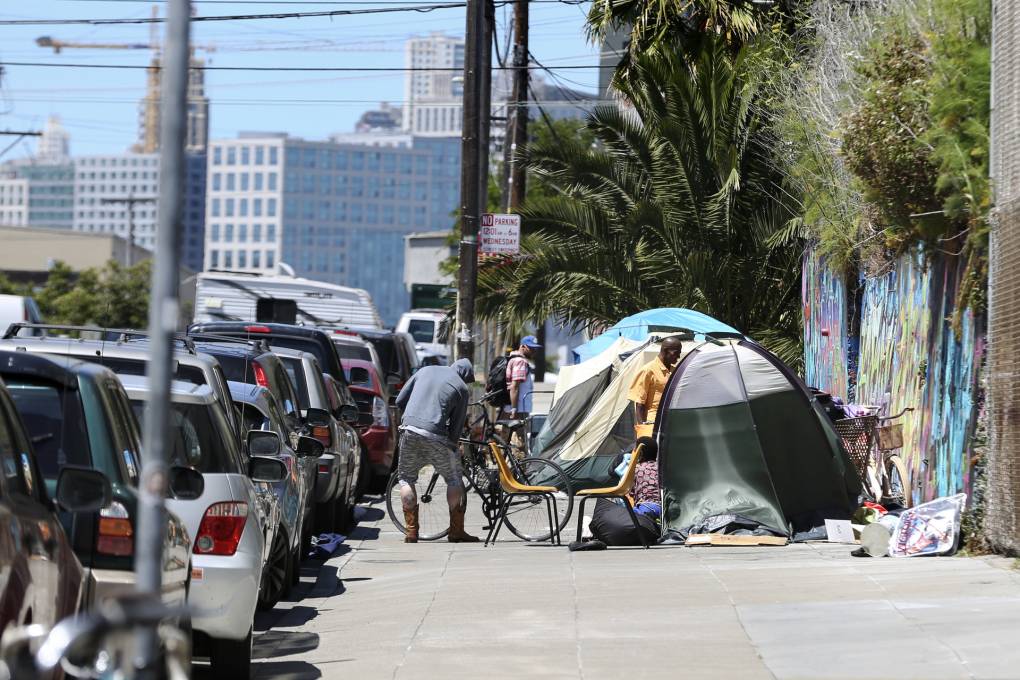
"caption": "A homeless encampment located on Florida St in the Mission District of San Francisco, Calif.",
"description": null,
"title": "Prop1-behavioral-health-spending",
"credit": "Brittany Hosea-Small/KQED",
"status": "inherit",
"altTag": "A wide San Francisco with a tent encampment.",
"isLoading": false,
"fetchFailed": false
},
"news_11702737": {
"type": "attachments",
"id": "news_11702737",
"meta": {
"index": "attachments_1716263798",
"site": "news",
"id": "11702737",
"found": true
},
"parent": 11702058,
"imgSizes": {
"small": {
"file": "https://ww2.kqed.org/app/uploads/sites/10/2018/10/sfmap-1-520x292.jpg",
"width": 520,
"mimeType": "image/jpeg",
"height": 292
},
"thumbnail": {
"file": "https://ww2.kqed.org/app/uploads/sites/10/2018/10/sfmap-1-160x90.jpg",
"width": 160,
"mimeType": "image/jpeg",
"height": 90
},
"post-thumbnail": {
"file": "https://ww2.kqed.org/app/uploads/sites/10/2018/10/sfmap-1-672x372.jpg",
"width": 672,
"mimeType": "image/jpeg",
"height": 372
},
"xsmall": {
"file": "https://ww2.kqed.org/app/uploads/sites/10/2018/10/sfmap-1-375x211.jpg",
"width": 375,
"mimeType": "image/jpeg",
"height": 211
},
"kqedFullSize": {
"file": "https://ww2.kqed.org/app/uploads/sites/10/2018/10/sfmap-1.jpg",
"width": 923,
"height": 519
},
"guest-author-50": {
"file": "https://ww2.kqed.org/app/uploads/sites/10/2018/10/sfmap-1-50x50.jpg",
"width": 50,
"mimeType": "image/jpeg",
"height": 50
},
"guest-author-96": {
"file": "https://ww2.kqed.org/app/uploads/sites/10/2018/10/sfmap-1-96x96.jpg",
"width": 96,
"mimeType": "image/jpeg",
"height": 96
},
"medium": {
"file": "https://ww2.kqed.org/app/uploads/sites/10/2018/10/sfmap-1-800x450.jpg",
"width": 800,
"mimeType": "image/jpeg",
"height": 450
},
"guest-author-64": {
"file": "https://ww2.kqed.org/app/uploads/sites/10/2018/10/sfmap-1-64x64.jpg",
"width": 64,
"mimeType": "image/jpeg",
"height": 64
},
"guest-author-32": {
"file": "https://ww2.kqed.org/app/uploads/sites/10/2018/10/sfmap-1-32x32.jpg",
"width": 32,
"mimeType": "image/jpeg",
"height": 32
},
"detail": {
"file": "https://ww2.kqed.org/app/uploads/sites/10/2018/10/sfmap-1-150x150.jpg",
"width": 150,
"mimeType": "image/jpeg",
"height": 150
},
"guest-author-128": {
"file": "https://ww2.kqed.org/app/uploads/sites/10/2018/10/sfmap-1-128x128.jpg",
"width": 128,
"mimeType": "image/jpeg",
"height": 128
},
"xxsmall": {
"file": "https://ww2.kqed.org/app/uploads/sites/10/2018/10/sfmap-1-240x135.jpg",
"width": 240,
"mimeType": "image/jpeg",
"height": 135
}
},
"publishDate": 1541022243,
"modified": 1541022366,
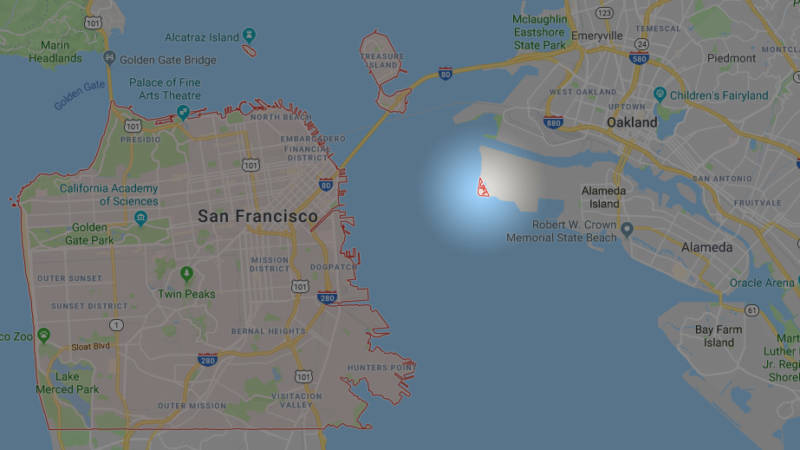
"caption": "The outline of San Francisco on Google Maps includes a tiny sliver of Alameda Island. ",
"description": "The outline of San Francisco on Google Maps includes a tiny sliver of Alameda Island. ",
"title": "sfmap",
"credit": "Google Maps",
"status": "inherit",
"isLoading": false,
"fetchFailed": false
},
"news_11965426": {
"type": "attachments",
"id": "news_11965426",
"meta": {
"index": "attachments_1716263798",
"site": "news",
"id": "11965426",
"found": true
},
"title": "231022-AIDSMemorialGrove-034-BL-KQED",
"publishDate": 1698176040,
"status": "inherit",
"parent": 12043893,
"modified": 1749752323,
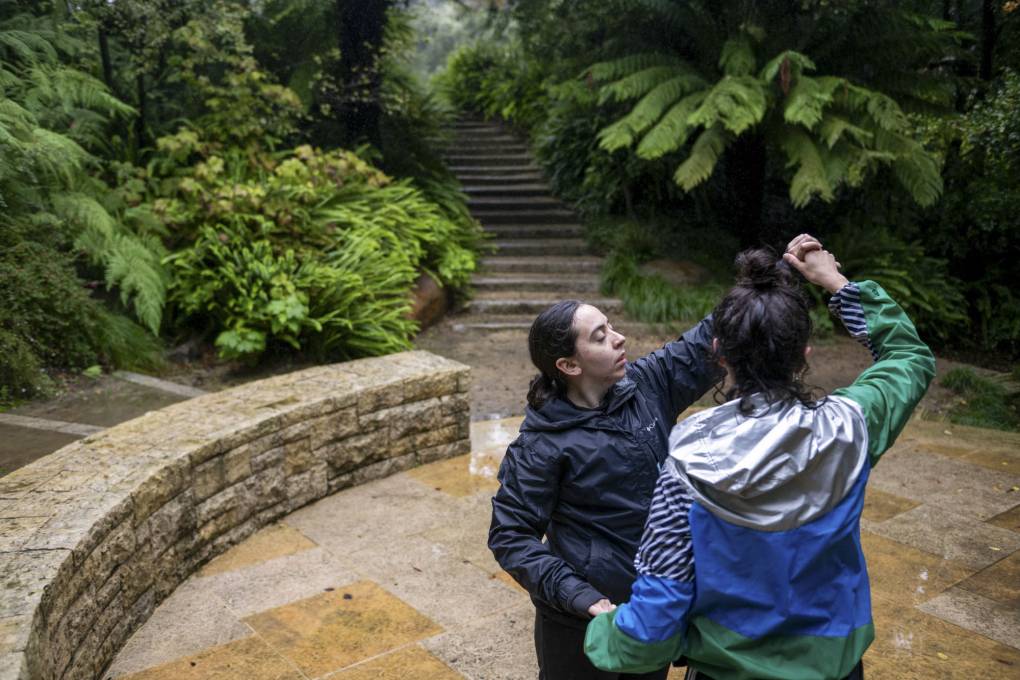
"caption": "Catalina O'Connor and Zoe Huey rehearse for the Bay Curious National AIDS Memorial Walking Tour in the National AIDS Memorial Grove in Golden Gate Park in San Francisco on Oct. 22, 2023.",
"credit": "Beth LaBerge/KQED",
"altTag": "Two people hold each other, appearing to be dancing, in a wooded area.",
"description": null,
"imgSizes": {
"medium": {
"file": "https://cdn.kqed.org/wp-content/uploads/sites/10/2023/10/231022-AIDSMemorialGrove-034-BL-KQED-800x533.jpg",
"width": 800,
"height": 533,
"mimeType": "image/jpeg"
},
"large": {
"file": "https://cdn.kqed.org/wp-content/uploads/sites/10/2023/10/231022-AIDSMemorialGrove-034-BL-KQED-1020x680.jpg",
"width": 1020,
"height": 680,
"mimeType": "image/jpeg"
},
"thumbnail": {
"file": "https://cdn.kqed.org/wp-content/uploads/sites/10/2023/10/231022-AIDSMemorialGrove-034-BL-KQED-160x107.jpg",
"width": 160,
"height": 107,
"mimeType": "image/jpeg"
},
"1536x1536": {
"file": "https://cdn.kqed.org/wp-content/uploads/sites/10/2023/10/231022-AIDSMemorialGrove-034-BL-KQED-1536x1024.jpg",
"width": 1536,
"height": 1024,
"mimeType": "image/jpeg"
},
"post-thumbnail": {
"file": "https://cdn.kqed.org/wp-content/uploads/sites/10/2023/10/231022-AIDSMemorialGrove-034-BL-KQED-672x372.jpg",
"width": 672,
"height": 372,
"mimeType": "image/jpeg"
},
"twentyfourteen-full-width": {
"file": "https://cdn.kqed.org/wp-content/uploads/sites/10/2023/10/231022-AIDSMemorialGrove-034-BL-KQED-1038x576.jpg",
"width": 1038,
"height": 576,
"mimeType": "image/jpeg"
},
"full-width": {
"file": "https://cdn.kqed.org/wp-content/uploads/sites/10/2023/10/231022-AIDSMemorialGrove-034-BL-KQED-1920x1280.jpg",
"width": 1920,
"height": 1280,
"mimeType": "image/jpeg"
},
"kqedFullSize": {
"file": "https://cdn.kqed.org/wp-content/uploads/sites/10/2023/10/231022-AIDSMemorialGrove-034-BL-KQED.jpg",
"width": 2000,
"height": 1333
}
},
"isLoading": false,
"fetchFailed": false
},
"news_11963334": {
"type": "attachments",
"id": "news_11963334",
"meta": {
"index": "attachments_1716263798",
"site": "news",
"id": "11963334",
"found": true
},
"parent": 11963206,
"imgSizes": {
"twentyfourteen-full-width": {
"file": "https://ww2.kqed.org/app/uploads/sites/10/2023/10/GettyImages-1236199193-1038x576.jpg",
"width": 1038,
"mimeType": "image/jpeg",
"height": 576
},
"thumbnail": {
"file": "https://ww2.kqed.org/app/uploads/sites/10/2023/10/GettyImages-1236199193-160x107.jpg",
"width": 160,
"mimeType": "image/jpeg",
"height": 107
},
"post-thumbnail": {
"file": "https://ww2.kqed.org/app/uploads/sites/10/2023/10/GettyImages-1236199193-672x372.jpg",
"width": 672,
"mimeType": "image/jpeg",
"height": 372
},
"kqedFullSize": {
"file": "https://ww2.kqed.org/app/uploads/sites/10/2023/10/GettyImages-1236199193-scaled.jpg",
"width": 2560,
"height": 1707
},
"2048x2048": {
"file": "https://ww2.kqed.org/app/uploads/sites/10/2023/10/GettyImages-1236199193-2048x1365.jpg",
"width": 2048,
"mimeType": "image/jpeg",
"height": 1365
},
"large": {
"file": "https://ww2.kqed.org/app/uploads/sites/10/2023/10/GettyImages-1236199193-1020x680.jpg",
"width": 1020,
"mimeType": "image/jpeg",
"height": 680
},
"1536x1536": {
"file": "https://ww2.kqed.org/app/uploads/sites/10/2023/10/GettyImages-1236199193-1536x1024.jpg",
"width": 1536,
"mimeType": "image/jpeg",
"height": 1024
},
"full-width": {
"file": "https://ww2.kqed.org/app/uploads/sites/10/2023/10/GettyImages-1236199193-1920x1280.jpg",
"width": 1920,
"mimeType": "image/jpeg",
"height": 1280
},
"medium": {
"file": "https://ww2.kqed.org/app/uploads/sites/10/2023/10/GettyImages-1236199193-800x533.jpg",
"width": 800,
"mimeType": "image/jpeg",
"height": 533
}
},
"publishDate": 1696378841,
"modified": 1696379359,
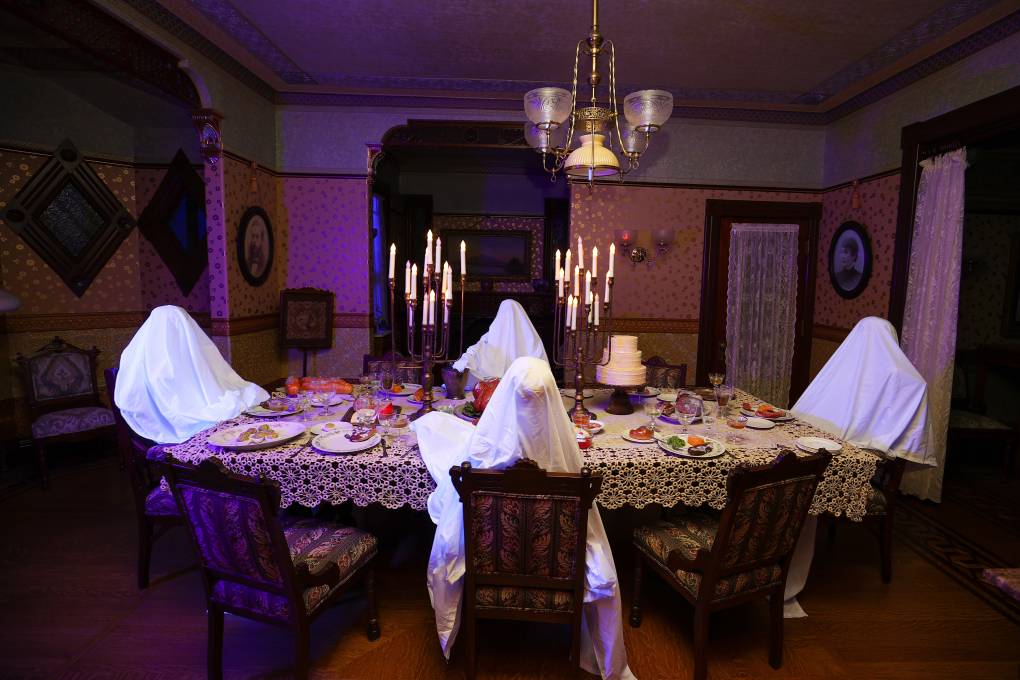
"caption": "The Winchester Mystery House holds a special All Hallows Eve event in October 2021, where they really lean into the idea of the house being haunted. ",
"description": null,
"title": "All Hallowsâ Eve at the Winchester Mystery House",
"credit": "Tayfun Coskun/Anadolu Agency via Getty Images",
"status": "inherit",
"altTag": "An ornately decorated Victorian dining room with a table in the center. Around the table are seating 4 fake ghosts, covered in white sheets. There are two large candelabras on the table as well as a fake dinner.",
"isLoading": false,
"fetchFailed": false
},
"news_11961978": {
"type": "attachments",
"id": "news_11961978",
"meta": {
"index": "attachments_1716263798",
"site": "news",
"id": "11961978",
"found": true
},
"parent": 0,
"imgSizes": {
"twentyfourteen-full-width": {
"file": "https://ww2.kqed.org/app/uploads/sites/10/2023/09/230920-BOTTLE-BANK-01-KQED-1038x576.jpg",
"width": 1038,
"mimeType": "image/jpeg",
"height": 576
},
"thumbnail": {
"file": "https://ww2.kqed.org/app/uploads/sites/10/2023/09/230920-BOTTLE-BANK-01-KQED-160x107.jpg",
"width": 160,
"mimeType": "image/jpeg",
"height": 107
},
"post-thumbnail": {
"file": "https://ww2.kqed.org/app/uploads/sites/10/2023/09/230920-BOTTLE-BANK-01-KQED-672x372.jpg",
"width": 672,
"mimeType": "image/jpeg",
"height": 372
},
"kqedFullSize": {
"file": "https://ww2.kqed.org/app/uploads/sites/10/2023/09/230920-BOTTLE-BANK-01-KQED.jpg",
"width": 2000,
"height": 1333
},
"large": {
"file": "https://ww2.kqed.org/app/uploads/sites/10/2023/09/230920-BOTTLE-BANK-01-KQED-1020x680.jpg",
"width": 1020,
"mimeType": "image/jpeg",
"height": 680
},
"1536x1536": {
"file": "https://ww2.kqed.org/app/uploads/sites/10/2023/09/230920-BOTTLE-BANK-01-KQED-1536x1024.jpg",
"width": 1536,
"mimeType": "image/jpeg",
"height": 1024
},
"full-width": {
"file": "https://ww2.kqed.org/app/uploads/sites/10/2023/09/230920-BOTTLE-BANK-01-KQED-1920x1280.jpg",
"width": 1920,
"mimeType": "image/jpeg",
"height": 1280
},
"medium": {
"file": "https://ww2.kqed.org/app/uploads/sites/10/2023/09/230920-BOTTLE-BANK-01-KQED-800x533.jpg",
"width": 800,
"mimeType": "image/jpeg",
"height": 533
}
},
"publishDate": 1695251703,
"modified": 1695252573,
"caption": "BottleBank attendant John Ramos stands behind bags from the afternoon shift.",
"description": null,
"title": "230920-BOTTLE BANK-01-KQED",
"credit": "Steven Rascon/KQED",
"status": "inherit",
"altTag": "A man stands with blue bags full of aluminum cans ready to be recycled.",
"isLoading": false,
"fetchFailed": false
},
"news_11956659": {
"type": "attachments",
"id": "news_11956659",
"meta": {
"index": "attachments_1716263798",
"site": "news",
"id": "11956659",
"found": true
},
"parent": 11956649,
"imgSizes": {
"twentyfourteen-full-width": {
"file": "https://ww2.kqed.org/app/uploads/sites/10/2023/07/RS66031_06032023_bayfc-364-qut-1038x576.jpg",
"width": 1038,
"mimeType": "image/jpeg",
"height": 576
},
"thumbnail": {
"file": "https://ww2.kqed.org/app/uploads/sites/10/2023/07/RS66031_06032023_bayfc-364-qut-160x107.jpg",
"width": 160,
"mimeType": "image/jpeg",
"height": 107
},
"post-thumbnail": {
"file": "https://ww2.kqed.org/app/uploads/sites/10/2023/07/RS66031_06032023_bayfc-364-qut-672x372.jpg",
"width": 672,
"mimeType": "image/jpeg",
"height": 372
},
"kqedFullSize": {
"file": "https://ww2.kqed.org/app/uploads/sites/10/2023/07/RS66031_06032023_bayfc-364-qut.jpg",
"width": 1920,
"height": 1278
},
"large": {
"file": "https://ww2.kqed.org/app/uploads/sites/10/2023/07/RS66031_06032023_bayfc-364-qut-1020x679.jpg",
"width": 1020,
"mimeType": "image/jpeg",
"height": 679
},
"1536x1536": {
"file": "https://ww2.kqed.org/app/uploads/sites/10/2023/07/RS66031_06032023_bayfc-364-qut-1536x1022.jpg",
"width": 1536,
"mimeType": "image/jpeg",
"height": 1022
},
"medium": {
"file": "https://ww2.kqed.org/app/uploads/sites/10/2023/07/RS66031_06032023_bayfc-364-qut-800x533.jpg",
"width": 800,
"mimeType": "image/jpeg",
"height": 533
}
},
"publishDate": 1690435591,
"modified": 1690586193,
"caption": "Members of the Alameda Islanders at the Bay FC kickoff event.",
"description": null,
"title": "RS66031_06032023_bayfc 364-qut",
"credit": "Kori Suzuki/KQED",
"status": "inherit",
"altTag": "Four your girls in gray sweatshirts stand in a row on a soccer field. Two of them are holding soccer balls under their feet.",
"isLoading": false,
"fetchFailed": false
},
"news_11451514": {
"type": "attachments",
"id": "news_11451514",
"meta": {
"index": "attachments_1716263798",
"site": "news",
"id": "11451514",
"found": true
},
"parent": 11450483,
"imgSizes": {
"small": {
"file": "https://ww2.kqed.org/app/uploads/sites/10/2017/05/Yosemite-Final-1-520x293.jpg",
"width": 520,
"mimeType": "image/jpeg",
"height": 293
},
"twentyfourteen-full-width": {
"file": "https://ww2.kqed.org/app/uploads/sites/10/2017/05/Yosemite-Final-1-1038x576.jpg",
"width": 1038,
"mimeType": "image/jpeg",
"height": 576
},
"thumbnail": {
"file": "https://ww2.kqed.org/app/uploads/sites/10/2017/05/Yosemite-Final-1-160x90.jpg",
"width": 160,
"mimeType": "image/jpeg",
"height": 90
},
"fd-sm": {
"file": "https://ww2.kqed.org/app/uploads/sites/10/2017/05/Yosemite-Final-1-960x540.jpg",
"width": 960,
"mimeType": "image/jpeg",
"height": 540
},
"post-thumbnail": {
"file": "https://ww2.kqed.org/app/uploads/sites/10/2017/05/Yosemite-Final-1-672x372.jpg",
"width": 672,
"mimeType": "image/jpeg",
"height": 372
},
"xsmall": {
"file": "https://ww2.kqed.org/app/uploads/sites/10/2017/05/Yosemite-Final-1-375x211.jpg",
"width": 375,
"mimeType": "image/jpeg",
"height": 211
},
"kqedFullSize": {
"file": "https://ww2.kqed.org/app/uploads/sites/10/2017/05/Yosemite-Final-1.jpg",
"width": 1920,
"height": 1080
},
"large": {
"file": "https://ww2.kqed.org/app/uploads/sites/10/2017/05/Yosemite-Final-1-1020x574.jpg",
"width": 1020,
"mimeType": "image/jpeg",
"height": 574
},
"xlarge": {
"file": "https://ww2.kqed.org/app/uploads/sites/10/2017/05/Yosemite-Final-1-1180x664.jpg",
"width": 1180,
"mimeType": "image/jpeg",
"height": 664
},
"guest-author-50": {
"file": "https://ww2.kqed.org/app/uploads/sites/10/2017/05/Yosemite-Final-1-50x50.jpg",
"width": 50,
"mimeType": "image/jpeg",
"height": 50
},
"guest-author-96": {
"file": "https://ww2.kqed.org/app/uploads/sites/10/2017/05/Yosemite-Final-1-96x96.jpg",
"width": 96,
"mimeType": "image/jpeg",
"height": 96
},
"medium": {
"file": "https://ww2.kqed.org/app/uploads/sites/10/2017/05/Yosemite-Final-1-800x450.jpg",
"width": 800,
"mimeType": "image/jpeg",
"height": 450
},
"guest-author-64": {
"file": "https://ww2.kqed.org/app/uploads/sites/10/2017/05/Yosemite-Final-1-64x64.jpg",
"width": 64,
"mimeType": "image/jpeg",
"height": 64
},
"guest-author-32": {
"file": "https://ww2.kqed.org/app/uploads/sites/10/2017/05/Yosemite-Final-1-32x32.jpg",
"width": 32,
"mimeType": "image/jpeg",
"height": 32
},
"fd-lrg": {
"file": "https://ww2.kqed.org/app/uploads/sites/10/2017/05/Yosemite-Final-1-1920x1080.jpg",
"width": 1920,
"mimeType": "image/jpeg",
"height": 1080
},
"fd-med": {
"file": "https://ww2.kqed.org/app/uploads/sites/10/2017/05/Yosemite-Final-1-1180x664.jpg",
"width": 1180,
"mimeType": "image/jpeg",
"height": 664
},
"full-width": {
"file": "https://ww2.kqed.org/app/uploads/sites/10/2017/05/Yosemite-Final-1-1920x1080.jpg",
"width": 1920,
"mimeType": "image/jpeg",
"height": 1080
},
"detail": {
"file": "https://ww2.kqed.org/app/uploads/sites/10/2017/05/Yosemite-Final-1-150x150.jpg",
"width": 150,
"mimeType": "image/jpeg",
"height": 150
},
"guest-author-128": {
"file": "https://ww2.kqed.org/app/uploads/sites/10/2017/05/Yosemite-Final-1-128x128.jpg",
"width": 128,
"mimeType": "image/jpeg",
"height": 128
},
"xxsmall": {
"file": "https://ww2.kqed.org/app/uploads/sites/10/2017/05/Yosemite-Final-1-240x135.jpg",
"width": 240,
"mimeType": "image/jpeg",
"height": 135
}
},
"publishDate": 1494484060,
"modified": 1494484060,
"caption": null,
"description": null,
"title": "Yosemite-Final",
"credit": null,
"status": "inherit",
"isLoading": false,
"fetchFailed": false
},
"news_11948447": {
"type": "attachments",
"id": "news_11948447",
"meta": {
"index": "attachments_1716263798",
"site": "news",
"id": "11948447",
"found": true
},
"parent": 11948422,
"imgSizes": {
"twentyfourteen-full-width": {
"file": "https://ww2.kqed.org/app/uploads/sites/10/2023/05/IMG_6044-1038x576.jpg",
"width": 1038,
"mimeType": "image/jpeg",
"height": 576
},
"thumbnail": {
"file": "https://ww2.kqed.org/app/uploads/sites/10/2023/05/IMG_6044-160x120.jpg",
"width": 160,
"mimeType": "image/jpeg",
"height": 120
},
"post-thumbnail": {
"file": "https://ww2.kqed.org/app/uploads/sites/10/2023/05/IMG_6044-672x372.jpg",
"width": 672,
"mimeType": "image/jpeg",
"height": 372
},
"kqedFullSize": {
"file": "https://ww2.kqed.org/app/uploads/sites/10/2023/05/IMG_6044-scaled.jpg",
"width": 2560,
"height": 1920
},
"2048x2048": {
"file": "https://ww2.kqed.org/app/uploads/sites/10/2023/05/IMG_6044-2048x1536.jpg",
"width": 2048,
"mimeType": "image/jpeg",
"height": 1536
},
"large": {
"file": "https://ww2.kqed.org/app/uploads/sites/10/2023/05/IMG_6044-1020x765.jpg",
"width": 1020,
"mimeType": "image/jpeg",
"height": 765
},
"1536x1536": {
"file": "https://ww2.kqed.org/app/uploads/sites/10/2023/05/IMG_6044-1536x1152.jpg",
"width": 1536,
"mimeType": "image/jpeg",
"height": 1152
},
"full-width": {
"file": "https://ww2.kqed.org/app/uploads/sites/10/2023/05/IMG_6044-1920x1440.jpg",
"width": 1920,
"mimeType": "image/jpeg",
"height": 1440
},
"medium": {
"file": "https://ww2.kqed.org/app/uploads/sites/10/2023/05/IMG_6044-800x600.jpg",
"width": 800,
"mimeType": "image/jpeg",
"height": 600
}
},
"publishDate": 1683167334,
"modified": 1685653706,
"caption": "At the entrance of Children’s Fairyland in Oakland, children can pass through a giant shoe, a reference to a popular nursery rhyme about an old woman who lived in a shoe.",
"description": null,
"title": "IMG_6044",
"credit": "Pauline Bartolone/KQED",
"status": "inherit",
"altTag": "Beyond bushes in the foreground, we see a giant, light-pink shoe with a turquoise roof and a tunnel people can walk through toward an arch with multicolored letters that spell \"FAIRYLAND.\"",
"isLoading": false,
"fetchFailed": false
},
"news_11689988": {
"type": "attachments",
"id": "news_11689988",
"meta": {
"index": "attachments_1716263798",
"site": "news",
"id": "11689988",
"found": true
},
"parent": 11689504,
"imgSizes": {
"small": {
"file": "https://ww2.kqed.org/app/uploads/sites/10/2018/08/RS32665_19025042463_9119852fb9_o-qut-520x337.jpg",
"width": 520,
"mimeType": "image/jpeg",
"height": 337
},
"twentyfourteen-full-width": {
"file": "https://ww2.kqed.org/app/uploads/sites/10/2018/08/RS32665_19025042463_9119852fb9_o-qut-1038x576.jpg",
"width": 1038,
"mimeType": "image/jpeg",
"height": 576
},
"thumbnail": {
"file": "https://ww2.kqed.org/app/uploads/sites/10/2018/08/RS32665_19025042463_9119852fb9_o-qut-160x104.jpg",
"width": 160,
"mimeType": "image/jpeg",
"height": 104
},
"fd-sm": {
"file": "https://ww2.kqed.org/app/uploads/sites/10/2018/08/RS32665_19025042463_9119852fb9_o-qut-960x623.jpg",
"width": 960,
"mimeType": "image/jpeg",
"height": 623
},
"post-thumbnail": {
"file": "https://ww2.kqed.org/app/uploads/sites/10/2018/08/RS32665_19025042463_9119852fb9_o-qut-672x372.jpg",
"width": 672,
"mimeType": "image/jpeg",
"height": 372
},
"xsmall": {
"file": "https://ww2.kqed.org/app/uploads/sites/10/2018/08/RS32665_19025042463_9119852fb9_o-qut-375x243.jpg",
"width": 375,
"mimeType": "image/jpeg",
"height": 243
},
"kqedFullSize": {
"file": "https://ww2.kqed.org/app/uploads/sites/10/2018/08/RS32665_19025042463_9119852fb9_o-qut.jpg",
"width": 1920,
"height": 1245
},
"large": {
"file": "https://ww2.kqed.org/app/uploads/sites/10/2018/08/RS32665_19025042463_9119852fb9_o-qut-1020x661.jpg",
"width": 1020,
"mimeType": "image/jpeg",
"height": 661
},
"xlarge": {
"file": "https://ww2.kqed.org/app/uploads/sites/10/2018/08/RS32665_19025042463_9119852fb9_o-qut-1180x765.jpg",
"width": 1180,
"mimeType": "image/jpeg",
"height": 765
},
"complete_open_graph": {
"file": "https://ww2.kqed.org/app/uploads/sites/10/2018/08/RS32665_19025042463_9119852fb9_o-qut-1200x778.jpg",
"width": 1200,
"mimeType": "image/jpeg",
"height": 778
},
"guest-author-50": {
"file": "https://ww2.kqed.org/app/uploads/sites/10/2018/08/RS32665_19025042463_9119852fb9_o-qut-50x50.jpg",
"width": 50,
"mimeType": "image/jpeg",
"height": 50
},
"guest-author-96": {
"file": "https://ww2.kqed.org/app/uploads/sites/10/2018/08/RS32665_19025042463_9119852fb9_o-qut-96x96.jpg",
"width": 96,
"mimeType": "image/jpeg",
"height": 96
},
"medium": {
"file": "https://ww2.kqed.org/app/uploads/sites/10/2018/08/RS32665_19025042463_9119852fb9_o-qut-800x519.jpg",
"width": 800,
"mimeType": "image/jpeg",
"height": 519
},
"guest-author-64": {
"file": "https://ww2.kqed.org/app/uploads/sites/10/2018/08/RS32665_19025042463_9119852fb9_o-qut-64x64.jpg",
"width": 64,
"mimeType": "image/jpeg",
"height": 64
},
"guest-author-32": {
"file": "https://ww2.kqed.org/app/uploads/sites/10/2018/08/RS32665_19025042463_9119852fb9_o-qut-32x32.jpg",
"width": 32,
"mimeType": "image/jpeg",
"height": 32
},
"fd-lrg": {
"file": "https://ww2.kqed.org/app/uploads/sites/10/2018/08/RS32665_19025042463_9119852fb9_o-qut-1920x1245.jpg",
"width": 1920,
"mimeType": "image/jpeg",
"height": 1245
},
"fd-med": {
"file": "https://ww2.kqed.org/app/uploads/sites/10/2018/08/RS32665_19025042463_9119852fb9_o-qut-1180x765.jpg",
"width": 1180,
"mimeType": "image/jpeg",
"height": 765
},
"full-width": {
"file": "https://ww2.kqed.org/app/uploads/sites/10/2018/08/RS32665_19025042463_9119852fb9_o-qut-1920x1245.jpg",
"width": 1920,
"mimeType": "image/jpeg",
"height": 1245
},
"detail": {
"file": "https://ww2.kqed.org/app/uploads/sites/10/2018/08/RS32665_19025042463_9119852fb9_o-qut-150x150.jpg",
"width": 150,
"mimeType": "image/jpeg",
"height": 150
},
"guest-author-128": {
"file": "https://ww2.kqed.org/app/uploads/sites/10/2018/08/RS32665_19025042463_9119852fb9_o-qut-128x128.jpg",
"width": 128,
"mimeType": "image/jpeg",
"height": 128
},
"xxsmall": {
"file": "https://ww2.kqed.org/app/uploads/sites/10/2018/08/RS32665_19025042463_9119852fb9_o-qut-240x156.jpg",
"width": 240,
"mimeType": "image/jpeg",
"height": 156
}
},
"publishDate": 1535774810,
"modified": 1535774840,
"caption": "Segments of stone walls, like these on Monument Peak, in Ed Levin County Park near Milpitas, can be found throughout the hills of the East Bay.",
"description": "Segments of stone walls, like these on Monument Peak, in Ed Levin County Park near Milpitas, can be found throughout the hills of the East Bay.",
"title": "RS32665_19025042463_9119852fb9_o-qut",
"credit": "Dan Brekke/KQED",
"status": "inherit",
"isLoading": false,
"fetchFailed": false
},
"news_11663342": {
"type": "attachments",
"id": "news_11663342",
"meta": {
"index": "attachments_1716263798",
"site": "news",
"id": "11663342",
"found": true
},
"title": "RS30490_mayoraldebate-9-qut",
"publishDate": 1524157414,
"status": "inherit",
"parent": 11659844,
"modified": 1755212732,
"caption": "The entrance sign to the Polo Field at Golden Gate Park. ",
"credit": "Samantha Shanahan/KQED",
"altTag": "The entrance sign to the Polo Field at Golden Gate Park. Polo was the main attraction of the field through the early 1960s, but has not been played there regularly for decades.",
"description": "The entrance sign to the Polo Field at Golden Gate Park. Polo was the main attraction of the field through the early 1960s, but has not been played there regularly for decades.",
"imgSizes": {
"thumbnail": {
"file": "https://cdn.kqed.org/wp-content/uploads/sites/10/2018/04/RS30490_mayoraldebate-9-qut-160x107.jpg",
"width": 160,
"height": 107,
"mimeType": "image/jpeg"
},
"medium": {
"file": "https://cdn.kqed.org/wp-content/uploads/sites/10/2018/04/RS30490_mayoraldebate-9-qut-800x533.jpg",
"width": 800,
"height": 533,
"mimeType": "image/jpeg"
},
"large": {
"file": "https://cdn.kqed.org/wp-content/uploads/sites/10/2018/04/RS30490_mayoraldebate-9-qut-1020x680.jpg",
"width": 1020,
"height": 680,
"mimeType": "image/jpeg"
},
"complete_open_graph": {
"file": "https://cdn.kqed.org/wp-content/uploads/sites/10/2018/04/RS30490_mayoraldebate-9-qut-1200x800.jpg",
"width": 1200,
"height": 800,
"mimeType": "image/jpeg"
},
"fd-lrg": {
"file": "https://cdn.kqed.org/wp-content/uploads/sites/10/2018/04/RS30490_mayoraldebate-9-qut-1920x1280.jpg",
"width": 1920,
"height": 1280,
"mimeType": "image/jpeg"
},
"fd-med": {
"file": "https://cdn.kqed.org/wp-content/uploads/sites/10/2018/04/RS30490_mayoraldebate-9-qut-1180x787.jpg",
"width": 1180,
"height": 787,
"mimeType": "image/jpeg"
},
"fd-sm": {
"file": "https://cdn.kqed.org/wp-content/uploads/sites/10/2018/04/RS30490_mayoraldebate-9-qut-960x640.jpg",
"width": 960,
"height": 640,
"mimeType": "image/jpeg"
},
"post-thumbnail": {
"file": "https://cdn.kqed.org/wp-content/uploads/sites/10/2018/04/RS30490_mayoraldebate-9-qut-672x372.jpg",
"width": 672,
"height": 372,
"mimeType": "image/jpeg"
},
"twentyfourteen-full-width": {
"file": "https://cdn.kqed.org/wp-content/uploads/sites/10/2018/04/RS30490_mayoraldebate-9-qut-1038x576.jpg",
"width": 1038,
"height": 576,
"mimeType": "image/jpeg"
},
"xxsmall": {
"file": "https://cdn.kqed.org/wp-content/uploads/sites/10/2018/04/RS30490_mayoraldebate-9-qut-240x160.jpg",
"width": 240,
"height": 160,
"mimeType": "image/jpeg"
},
"xsmall": {
"file": "https://cdn.kqed.org/wp-content/uploads/sites/10/2018/04/RS30490_mayoraldebate-9-qut-375x250.jpg",
"width": 375,
"height": 250,
"mimeType": "image/jpeg"
},
"small": {
"file": "https://cdn.kqed.org/wp-content/uploads/sites/10/2018/04/RS30490_mayoraldebate-9-qut-520x347.jpg",
"width": 520,
"height": 347,
"mimeType": "image/jpeg"
},
"xlarge": {
"file": "https://cdn.kqed.org/wp-content/uploads/sites/10/2018/04/RS30490_mayoraldebate-9-qut-1180x787.jpg",
"width": 1180,
"height": 787,
"mimeType": "image/jpeg"
},
"full-width": {
"file": "https://cdn.kqed.org/wp-content/uploads/sites/10/2018/04/RS30490_mayoraldebate-9-qut-1920x1280.jpg",
"width": 1920,
"height": 1280,
"mimeType": "image/jpeg"
},
"guest-author-32": {
"file": "https://cdn.kqed.org/wp-content/uploads/sites/10/2018/04/RS30490_mayoraldebate-9-qut-32x32.jpg",
"width": 32,
"height": 32,
"mimeType": "image/jpeg"
},
"guest-author-50": {
"file": "https://cdn.kqed.org/wp-content/uploads/sites/10/2018/04/RS30490_mayoraldebate-9-qut-50x50.jpg",
"width": 50,
"height": 50,
"mimeType": "image/jpeg"
},
"guest-author-64": {
"file": "https://cdn.kqed.org/wp-content/uploads/sites/10/2018/04/RS30490_mayoraldebate-9-qut-64x64.jpg",
"width": 64,
"height": 64,
"mimeType": "image/jpeg"
},
"guest-author-96": {
"file": "https://cdn.kqed.org/wp-content/uploads/sites/10/2018/04/RS30490_mayoraldebate-9-qut-96x96.jpg",
"width": 96,
"height": 96,
"mimeType": "image/jpeg"
},
"guest-author-128": {
"file": "https://cdn.kqed.org/wp-content/uploads/sites/10/2018/04/RS30490_mayoraldebate-9-qut-128x128.jpg",
"width": 128,
"height": 128,
"mimeType": "image/jpeg"
},
"detail": {
"file": "https://cdn.kqed.org/wp-content/uploads/sites/10/2018/04/RS30490_mayoraldebate-9-qut-150x150.jpg",
"width": 150,
"height": 150,
"mimeType": "image/jpeg"
},
"kqedFullSize": {
"file": "https://cdn.kqed.org/wp-content/uploads/sites/10/2018/04/RS30490_mayoraldebate-9-qut.jpg",
"width": 1920,
"height": 1280
}
},
"isLoading": false,
"fetchFailed": false
},
"news_11809842": {
"type": "attachments",
"id": "news_11809842",
"meta": {
"index": "attachments_1716263798",
"site": "news",
"id": "11809842",
"found": true
},
"parent": 11495697,
"imgSizes": {
"apple_news_ca_landscape_5_5": {
"file": "https://ww2.kqed.org/app/uploads/sites/10/2020/04/Photo-1-Bison-Arrival-Credit_-James-Watkins-1044x783.jpg",
"width": 1044,
"mimeType": "image/jpeg",
"height": 783
},
"apple_news_ca_square_4_0": {
"file": "https://ww2.kqed.org/app/uploads/sites/10/2020/04/Photo-1-Bison-Arrival-Credit_-James-Watkins-470x470.jpg",
"width": 470,
"mimeType": "image/jpeg",
"height": 470
},
"twentyfourteen-full-width": {
"file": "https://ww2.kqed.org/app/uploads/sites/10/2020/04/Photo-1-Bison-Arrival-Credit_-James-Watkins-1038x576.jpg",
"width": 1038,
"mimeType": "image/jpeg",
"height": 576
},
"thumbnail": {
"file": "https://ww2.kqed.org/app/uploads/sites/10/2020/04/Photo-1-Bison-Arrival-Credit_-James-Watkins-160x90.jpg",
"width": 160,
"mimeType": "image/jpeg",
"height": 90
},
"post-thumbnail": {
"file": "https://ww2.kqed.org/app/uploads/sites/10/2020/04/Photo-1-Bison-Arrival-Credit_-James-Watkins-672x372.jpg",
"width": 672,
"mimeType": "image/jpeg",
"height": 372
},
"kqedFullSize": {
"file": "https://ww2.kqed.org/app/uploads/sites/10/2020/04/Photo-1-Bison-Arrival-Credit_-James-Watkins.jpg",
"width": 1920,
"height": 1080
},
"apple_news_ca_landscape_4_7": {
"file": "https://ww2.kqed.org/app/uploads/sites/10/2020/04/Photo-1-Bison-Arrival-Credit_-James-Watkins-632x474.jpg",
"width": 632,
"mimeType": "image/jpeg",
"height": 474
},
"large": {
"file": "https://ww2.kqed.org/app/uploads/sites/10/2020/04/Photo-1-Bison-Arrival-Credit_-James-Watkins-1020x574.jpg",
"width": 1020,
"mimeType": "image/jpeg",
"height": 574
},
"apple_news_ca_landscape_4_0": {
"file": "https://ww2.kqed.org/app/uploads/sites/10/2020/04/Photo-1-Bison-Arrival-Credit_-James-Watkins-536x402.jpg",
"width": 536,
"mimeType": "image/jpeg",
"height": 402
},
"apple_news_ca_portrait_12_9": {
"file": "https://ww2.kqed.org/app/uploads/sites/10/2020/04/Photo-1-Bison-Arrival-Credit_-James-Watkins-1122x1080.jpg",
"width": 1122,
"mimeType": "image/jpeg",
"height": 1080
},
"medium": {
"file": "https://ww2.kqed.org/app/uploads/sites/10/2020/04/Photo-1-Bison-Arrival-Credit_-James-Watkins-800x450.jpg",
"width": 800,
"mimeType": "image/jpeg",
"height": 450
},
"apple_news_ca_portrait_4_0": {
"file": "https://ww2.kqed.org/app/uploads/sites/10/2020/04/Photo-1-Bison-Arrival-Credit_-James-Watkins-354x472.jpg",
"width": 354,
"mimeType": "image/jpeg",
"height": 472
},
"apple_news_ca_portrait_9_7": {
"file": "https://ww2.kqed.org/app/uploads/sites/10/2020/04/Photo-1-Bison-Arrival-Credit_-James-Watkins-840x1080.jpg",
"width": 840,
"mimeType": "image/jpeg",
"height": 1080
},
"apple_news_ca_landscape_12_9": {
"file": "https://ww2.kqed.org/app/uploads/sites/10/2020/04/Photo-1-Bison-Arrival-Credit_-James-Watkins-1832x1080.jpg",
"width": 1832,
"mimeType": "image/jpeg",
"height": 1080
},
"apple_news_ca_square_9_7": {
"file": "https://ww2.kqed.org/app/uploads/sites/10/2020/04/Photo-1-Bison-Arrival-Credit_-James-Watkins-1104x1080.jpg",
"width": 1104,
"mimeType": "image/jpeg",
"height": 1080
},
"apple_news_ca_portrait_4_7": {
"file": "https://ww2.kqed.org/app/uploads/sites/10/2020/04/Photo-1-Bison-Arrival-Credit_-James-Watkins-414x552.jpg",
"width": 414,
"mimeType": "image/jpeg",
"height": 552
},
"apple_news_ca_square_12_9": {
"file": "https://ww2.kqed.org/app/uploads/sites/10/2020/04/Photo-1-Bison-Arrival-Credit_-James-Watkins-1472x1080.jpg",
"width": 1472,
"mimeType": "image/jpeg",
"height": 1080
},
"apple_news_ca_portrait_5_5": {
"file": "https://ww2.kqed.org/app/uploads/sites/10/2020/04/Photo-1-Bison-Arrival-Credit_-James-Watkins-687x916.jpg",
"width": 687,
"mimeType": "image/jpeg",
"height": 916
},
"full-width": {
"file": "https://ww2.kqed.org/app/uploads/sites/10/2020/04/Photo-1-Bison-Arrival-Credit_-James-Watkins-1920x1080.jpg",
"width": 1920,
"mimeType": "image/jpeg",
"height": 1080
},
"apple_news_ca_square_4_7": {
"file": "https://ww2.kqed.org/app/uploads/sites/10/2020/04/Photo-1-Bison-Arrival-Credit_-James-Watkins-550x550.jpg",
"width": 550,
"mimeType": "image/jpeg",
"height": 550
},
"apple_news_ca_landscape_9_7": {
"file": "https://ww2.kqed.org/app/uploads/sites/10/2020/04/Photo-1-Bison-Arrival-Credit_-James-Watkins-1376x1032.jpg",
"width": 1376,
"mimeType": "image/jpeg",
"height": 1032
},
"apple_news_ca_square_5_5": {
"file": "https://ww2.kqed.org/app/uploads/sites/10/2020/04/Photo-1-Bison-Arrival-Credit_-James-Watkins-912x912.jpg",
"width": 912,
"mimeType": "image/jpeg",
"height": 912
}
},
"publishDate": 1585682729,
"modified": 1654225615,
"caption": "Five new bison are joining the herd at Golden Gate Park in honor of the park's sesquicentennial.",
"description": "Five new bison joined the herd at Golden Gate Park in honor of the park's sesquicentennial.",
"title": "Five new bison are joining the heard at Golden Gate Park in honor of the park's Sesquicentennial.",
"credit": "James Watkins/Courtesy of San Francisco Recreation and Parks",
"status": "inherit",
"altTag": "Five new bison are joining the heard at Golden Gate Park in honor of the park's Sesquicentennial.",
"isLoading": false,
"fetchFailed": false
},
"news_11704111": {
"type": "attachments",
"id": "news_11704111",
"meta": {
"index": "attachments_1716263798",
"site": "news",
"id": "11704111",
"found": true
},
"parent": 11704109,
"imgSizes": {
"thumbnail": {
"file": "https://ww2.kqed.org/app/uploads/sites/10/2018/11/920x920-160x78.jpg",
"width": 160,
"mimeType": "image/jpeg",
"height": 78
},
"post-thumbnail": {
"file": "https://ww2.kqed.org/app/uploads/sites/10/2018/11/920x920-672x372.jpg",
"width": 672,
"mimeType": "image/jpeg",
"height": 372
},
"kqedFullSize": {
"file": "https://ww2.kqed.org/app/uploads/sites/10/2018/11/920x920.jpg",
"width": 920,
"height": 448
},
"guest-author-50": {
"file": "https://ww2.kqed.org/app/uploads/sites/10/2018/11/920x920-50x50.jpg",
"width": 50,
"mimeType": "image/jpeg",
"height": 50
},
"guest-author-96": {
"file": "https://ww2.kqed.org/app/uploads/sites/10/2018/11/920x920-96x96.jpg",
"width": 96,
"mimeType": "image/jpeg",
"height": 96
},
"medium": {
"file": "https://ww2.kqed.org/app/uploads/sites/10/2018/11/920x920-800x390.jpg",
"width": 800,
"mimeType": "image/jpeg",
"height": 390
},
"guest-author-64": {
"file": "https://ww2.kqed.org/app/uploads/sites/10/2018/11/920x920-64x64.jpg",
"width": 64,
"mimeType": "image/jpeg",
"height": 64
},
"detail": {
"file": "https://ww2.kqed.org/app/uploads/sites/10/2018/11/920x920-150x150.jpg",
"width": 150,
"mimeType": "image/jpeg",
"height": 150
},
"guest-author-32": {
"file": "https://ww2.kqed.org/app/uploads/sites/10/2018/11/920x920-32x32.jpg",
"width": 32,
"mimeType": "image/jpeg",
"height": 32
},
"guest-author-128": {
"file": "https://ww2.kqed.org/app/uploads/sites/10/2018/11/920x920-128x128.jpg",
"width": 128,
"mimeType": "image/jpeg",
"height": 128
}
},
"publishDate": 1541534606,
"modified": 1648155999,
"caption": "Demolition of the Emeryville shellmound to make way for a paint factory, 1924.",
"description": "Demolition of the Emeryville Shellmound to make way for a paint factory, 1924.",
"title": "920x920",
"credit": "Courtesy of the Phoebe A. Hearst Museum of Anthropology and Regents of the University of California, catalog no. 15-7792",
"status": "inherit",
"altTag": "Demolition of the Emeryville Shellmound to make way for a paint factory, 1924.",
"isLoading": false,
"fetchFailed": false
}
},
"audioPlayerReducer": {
"postId": "stream_live",
"isPaused": true,
"isPlaying": false,
"pfsActive": false,
"pledgeModalIsOpen": true,
"playerDrawerIsOpen": false,
"liveAudioPlayStartedAt": 0,
"liveAudioPlayContext": ""
},
"authorsReducer": {
"byline_news_11965937": {
"type": "authors",
"id": "byline_news_11965937",
"meta": {
"override": true
},
"slug": "byline_news_11965937",
"name": "María Fernanda Bernal",
"isLoading": false
},
"danbrekke": {
"type": "authors",
"id": "222",
"meta": {
"index": "authors_1716337520",
"id": "222",
"found": true
},
"name": "Dan Brekke",
"firstName": "Dan",
"lastName": "Brekke",
"slug": "danbrekke",
"email": "dbrekke@kqed.org",
"display_author_email": true,
"staff_mastheads": [
"news",
"science"
],
"title": "KQED Editor and Reporter",
"bio": "Dan Brekke is a reporter and editor for KQED News, responsible for coverage of topics ranging from California water issues to the Bay Area's transportation challenges. In a newsroom career that began in Chicago in 1972, Dan has worked for \u003cem>The San Francisco Examiner,\u003c/em> Wired and TechTV and has been published in The New York Times, The New York Times Magazine, Business 2.0, Salon and elsewhere.\r\n\r\nSince joining KQED in 2007, Dan has reported, edited and produced both radio and online features and breaking news pieces. He has shared as both editor and reporter in four Society of Professional Journalists Norcal Excellence in Journalism awards and one Edward R. Murrow regional award. He was chosen for a spring 2017 residency at the Mesa Refuge to advance his research on California salmon.\r\n\r\nEmail Dan at: \u003ca href=\"mailto:dbrekke@kqed.org\">dbrekke@kqed.org\u003c/a>\r\n\r\n\u003cstrong>Twitter:\u003c/strong> \u003ca href=\"https://twitter.com/danbrekke\" rel=\"noopener noreferrer\">twitter.com/danbrekke\u003c/a>\r\n\u003cstrong>Facebook:\u003c/strong> \u003ca href=\"https://www.facebook.com/danbrekke\" rel=\"noopener noreferrer\">www.facebook.com/danbrekke\u003c/a>\r\n\u003cstrong>LinkedIn:\u003c/strong> \u003ca href=\"https://www.linkedin.com/in/danbrekke\" rel=\"noopener noreferrer\">www.linkedin.com/in/danbrekke\u003c/a>",
"avatar": "https://secure.gravatar.com/avatar/c8126230345efca3f7aa89b1a402be45?s=600&d=mm&r=g",
"twitter": "danbrekke",
"facebook": null,
"instagram": "https://www.instagram.com/dan.brekke/",
"linkedin": "https://www.linkedin.com/in/danbrekke/",
"sites": [
{
"site": "news",
"roles": [
"administrator",
"create_posts"
]
},
{
"site": "stateofhealth",
"roles": [
"editor"
]
},
{
"site": "science",
"roles": [
"editor"
]
},
{
"site": "quest",
"roles": [
"contributor"
]
},
{
"site": "food",
"roles": [
"contributor"
]
},
{
"site": "forum",
"roles": [
"contributor"
]
},
{
"site": "liveblog",
"roles": [
"editor"
]
}
],
"headData": {
"title": "Dan Brekke | KQED",
"description": "KQED Editor and Reporter",
"ogImgSrc": "https://secure.gravatar.com/avatar/c8126230345efca3f7aa89b1a402be45?s=600&d=mm&r=g",
"twImgSrc": "https://secure.gravatar.com/avatar/c8126230345efca3f7aa89b1a402be45?s=600&d=mm&r=g"
},
"isLoading": false,
"link": "/author/danbrekke"
},
"scottshafer": {
"type": "authors",
"id": "255",
"meta": {
"index": "authors_1716337520",
"id": "255",
"found": true
},
"name": "Scott Shafer",
"firstName": "Scott",
"lastName": "Shafer",
"slug": "scottshafer",
"email": "sshafer@kqed.org",
"display_author_email": false,
"staff_mastheads": [
"news"
],
"title": "KQED Contributor",
"bio": "Scott Shafer is a senior editor with the KQED Politics and Government desk. He is co-host of Political Breakdown, the award-winning radio show and podcast with a personal take on the world of politics. Scott came to KQED in 1998 to host the statewide\u003cem> California Report\u003c/em>. Prior to that he had extended stints in politics and government\u003cem>.\u003c/em> He uses that inside experience at KQED in his, reporting, hosting and analysis for the politics desk. Scott collaborated \u003cem>Political Breakdown a\u003c/em>nd on \u003cem>The Political Mind of Jerry Brown, \u003c/em>an eight-part series about the life and extraordinary political career of the former governor. For fun, he plays water polo with the San Francisco Tsunami.",
"avatar": "https://secure.gravatar.com/avatar/a62ebae45b79d7aed1a39a0e3bf68104?s=600&d=blank&r=g",
"twitter": "scottshafer",
"bluesky": null,
"facebook": null,
"instagram": null,
"linkedin": null,
"sites": [
{
"site": "news",
"roles": [
"editor"
]
},
{
"site": "stateofhealth",
"roles": [
"author"
]
},
{
"site": "science",
"roles": [
"author"
]
},
{
"site": "forum",
"roles": [
"subscriber"
]
},
{
"site": "liveblog",
"roles": [
"author"
]
}
],
"headData": {
"title": "Scott Shafer | KQED",
"description": "KQED Contributor",
"ogImgSrc": "https://secure.gravatar.com/avatar/a62ebae45b79d7aed1a39a0e3bf68104?s=600&d=blank&r=g",
"twImgSrc": "https://secure.gravatar.com/avatar/a62ebae45b79d7aed1a39a0e3bf68104?s=600&d=blank&r=g"
},
"isLoading": false,
"link": "/author/scottshafer"
},
"kdomara": {
"type": "authors",
"id": "1459",
"meta": {
"index": "authors_1716337520",
"id": "1459",
"found": true
},
"name": "Kelly O'Mara",
"firstName": "Kelly",
"lastName": "O'Mara",
"slug": "kdomara",
"email": "komara@kqed.org",
"display_author_email": false,
"staff_mastheads": [
"news"
],
"title": "KQED Contributor",
"bio": "Kelly O'Mara is a writer and reporter in the San Francisco Bay Area. She writes about food, health, sports, travel, business and California news. Her work has appeared on KQED, online for Outside Magazine, epsnW, VICE and in Competitor Magazine, among others. Follow Kelly on Twitter \u003ca href=\"https://twitter.com/kellydomara\">@kellydomara\u003c/a>.",
"avatar": "https://secure.gravatar.com/avatar/768fec7412028b72f13bdd0f5f9d8186?s=600&d=blank&r=g",
"twitter": null,
"facebook": null,
"instagram": null,
"linkedin": null,
"sites": [
{
"site": "arts",
"roles": []
},
{
"site": "news",
"roles": []
},
{
"site": "bayareabites",
"roles": []
},
{
"site": "stateofhealth",
"roles": []
},
{
"site": "science",
"roles": []
},
{
"site": "checkplease",
"roles": [
"editor"
]
},
{
"site": "food",
"roles": []
},
{
"site": "forum",
"roles": [
"editor"
]
},
{
"site": "liveblog",
"roles": [
"editor"
]
}
],
"headData": {
"title": "Kelly O'Mara | KQED",
"description": "KQED Contributor",
"ogImgSrc": "https://secure.gravatar.com/avatar/768fec7412028b72f13bdd0f5f9d8186?s=600&d=blank&r=g",
"twImgSrc": "https://secure.gravatar.com/avatar/768fec7412028b72f13bdd0f5f9d8186?s=600&d=blank&r=g"
},
"isLoading": false,
"link": "/author/kdomara"
},
"mlagos": {
"type": "authors",
"id": "3239",
"meta": {
"index": "authors_1716337520",
"id": "3239",
"found": true
},
"name": "Marisa Lagos",
"firstName": "Marisa",
"lastName": "Lagos",
"slug": "mlagos",
"email": "mlagos@kqed.org",
"display_author_email": false,
"staff_mastheads": [
"news"
],
"title": "KQED Contributor",
"bio": "Marisa Lagos is a correspondent for KQED’s California Politics and Government Desk and co-hosts the award-winning show and podcast, Political Breakdown. At KQED, Lagos also conducts reporting, analysis and investigations into state, local and national politics for radio, TV, online and onstage. In 2022, she and co-host, Scott Shafer, moderated the only gubernatorial debate in California. In 2020, the \u003ci>Washington Post\u003c/i> named her one of the top political journalists in California; she was nominated for a Peabody and won several other awards for her work investigating the 2017 California wildfires. She has worked at the \u003ci>San Francisco Chronicle\u003c/i>, \u003ci>San Francisco Examiner\u003c/i> and \u003ci>Los Angeles Times\u003c/i>. A UC Santa Barbara graduate, she lives in San Francisco with her two sons and husband.",
"avatar": "https://secure.gravatar.com/avatar/a261a0d3696fc066871ef96b85b5e7d2?s=600&d=blank&r=g",
"twitter": "@mlagos",
"facebook": null,
"instagram": null,
"linkedin": null,
"sites": [
{
"site": "arts",
"roles": [
"author"
]
},
{
"site": "news",
"roles": [
"editor"
]
},
{
"site": "science",
"roles": [
"editor"
]
},
{
"site": "forum",
"roles": [
"author"
]
},
{
"site": "liveblog",
"roles": [
"author"
]
}
],
"headData": {
"title": "Marisa Lagos | KQED",
"description": "KQED Contributor",
"ogImgSrc": "https://secure.gravatar.com/avatar/a261a0d3696fc066871ef96b85b5e7d2?s=600&d=blank&r=g",
"twImgSrc": "https://secure.gravatar.com/avatar/a261a0d3696fc066871ef96b85b5e7d2?s=600&d=blank&r=g"
},
"isLoading": false,
"link": "/author/mlagos"
},
"jplaczek": {
"type": "authors",
"id": "8606",
"meta": {
"index": "authors_1716337520",
"id": "8606",
"found": true
},
"name": "Jessica Placzek",
"firstName": "Jessica",
"lastName": "Placzek",
"slug": "jplaczek",
"email": "jessicalplaczek@gmail.com",
"display_author_email": false,
"staff_mastheads": [
"news"
],
"title": "KQED Contributor",
"bio": "Jessica Placzek is a former senior editor of podcasts at KQED where she served as the editorial lead of the podcast department. She worked with shows like MindShift, Rightnowish, Consider This, SOLD OUT, Bay Curious and The Bay. She’s also been a reporter and audio producer at KQED, KPFA, and KALW. She taught audio production to men incarcerated at California State Prison Solano and edited pieces they produced for the Uncuffed podcast through KALW. In 2018 she co-hosted and produced the third season of Raw Material for SFMOMA. In New Orleans she wrote for the Nola Defender. Her work has also appeared on Marketplace, All Things Considered, The California Report, and Vice. You can find more at jessicaplaczek.com",
"avatar": "https://secure.gravatar.com/avatar/5ead103b5880f672eceb84ce75eecd1b4b6f74a47edc457684a73ad5b8b158e9?s=600&d=blank&r=g",
"twitter": null,
"bluesky": null,
"facebook": null,
"instagram": null,
"linkedin": null,
"sites": [
{
"site": "arts",
"roles": [
"subscriber"
]
},
{
"site": "news",
"roles": [
"subscriber"
]
},
{
"site": "stateofhealth",
"roles": [
"editor"
]
},
{
"site": "forum",
"roles": [
"editor"
]
}
],
"headData": {
"title": "Jessica Placzek | KQED",
"description": "KQED Contributor",
"ogImgSrc": "https://secure.gravatar.com/avatar/5ead103b5880f672eceb84ce75eecd1b4b6f74a47edc457684a73ad5b8b158e9?s=600&d=blank&r=g",
"twImgSrc": "https://secure.gravatar.com/avatar/5ead103b5880f672eceb84ce75eecd1b4b6f74a47edc457684a73ad5b8b158e9?s=600&d=blank&r=g"
},
"isLoading": false,
"link": "/author/jplaczek"
},
"lklivans": {
"type": "authors",
"id": "8648",
"meta": {
"index": "authors_1716337520",
"id": "8648",
"found": true
},
"name": "Laura Klivans",
"firstName": "Laura",
"lastName": "Klivans",
"slug": "lklivans",
"email": "lklivans@kqed.org",
"display_author_email": true,
"staff_mastheads": [
"news",
"science"
],
"title": "Reporter",
"bio": "Laura Klivans is an award-winning science reporter for KQED News, where she covers climate change with an eye on both groundbreaking progress and gaps in action. She is the former host of KQED's blockbuster video series about tiny, amazing animals, \u003cem>Deep Look\u003c/em>. Her work reaches national audiences through NPR, \u003cem>Here & Now, \u003c/em>PRI, and other major outlets. \r\n\r\nLaura’s won five Northern California Area Emmy Awards for Deep Look and First Place in the Greater Bay Area Journalism Awards for a podcast exploring how one Oakland neighborhood teamed up to reduce planet-heating pollution.\r\n\r\nBeyond her reporting, she hosts and moderates events. In the past, she taught audio storytelling at the UC Berkeley Graduate School of Journalism, led international education programs, worked with immigrants and refugees along the Thai-Burmese border, taught high schoolers sex ed, and was an actress. \r\n\r\nShe's a former UC Berkeley Human Rights Fellow, USC Center for Health Journalism's California Fellow and Coro Fellow in Public Affairs. Laura has a master’s in journalism from UC Berkeley, a master’s in education from Harvard, and an undergraduate degree from Northwestern University.\r\n\r\nShe loves trying to riddle the meaning out of vanity license plates.",
"avatar": "https://secure.gravatar.com/avatar/2d2ecd1550a494cc10ad4a503406965585902124739e775a9b3817eebf1d88be?s=600&d=blank&r=g",
"twitter": "lauraklivans",
"bluesky": null,
"facebook": null,
"instagram": null,
"linkedin": null,
"sites": [
{
"site": "news",
"roles": [
"editor"
]
},
{
"site": "stateofhealth",
"roles": [
"contributor",
"editor"
]
},
{
"site": "science",
"roles": [
"editor"
]
},
{
"site": "forum",
"roles": [
"editor"
]
}
],
"headData": {
"title": "Laura Klivans | KQED",
"description": "Reporter",
"ogImgSrc": "https://secure.gravatar.com/avatar/2d2ecd1550a494cc10ad4a503406965585902124739e775a9b3817eebf1d88be?s=600&d=blank&r=g",
"twImgSrc": "https://secure.gravatar.com/avatar/2d2ecd1550a494cc10ad4a503406965585902124739e775a9b3817eebf1d88be?s=600&d=blank&r=g"
},
"isLoading": false,
"link": "/author/lklivans"
},
"ecruzguevarra": {
"type": "authors",
"id": "8654",
"meta": {
"index": "authors_1716337520",
"id": "8654",
"found": true
},
"name": "Ericka Cruz Guevarra",
"firstName": "Ericka",
"lastName": "Cruz Guevarra",
"slug": "ecruzguevarra",
"email": "ecruzguevarra@kqed.org",
"display_author_email": true,
"staff_mastheads": [
"news"
],
"title": "Producer, The Bay Podcast",
"bio": "Ericka Cruz Guevarra is host of \u003ca href=\"https://www.kqed.org/podcasts/thebay\">\u003cem>The Bay\u003c/em>\u003c/a> podcast at KQED. Before host, she was the show’s producer. Her work in that capacity includes a three-part reported series on policing in Vallejo, which won a 2020 excellence in journalism award from the Society of Professional Journalists. Ericka has worked as a breaking news reporter at Oregon Public Broadcasting, helped produce the Code Switch podcast, and was KQED’s inaugural Raul Ramirez Diversity Fund intern. She’s also an alumna of NPR’s Next Generation Radio program. Send her an email if you have strong feelings about whether Fairfield and Suisun City are the Bay. Ericka is represented by SAG-AFTRA.",
"avatar": "https://secure.gravatar.com/avatar/accefc1de4bafc7e234b69bcb9b6f6536c130fd84709bc3069ef11a78787e1bb?s=600&d=blank&r=g",
"twitter": "NotoriousECG",
"bluesky": null,
"facebook": null,
"instagram": null,
"linkedin": null,
"sites": [
{
"site": "arts",
"roles": [
"subscriber"
]
},
{
"site": "news",
"roles": [
"editor",
"manage_categories"
]
},
{
"site": "futureofyou",
"roles": [
"subscriber"
]
},
{
"site": "stateofhealth",
"roles": [
"subscriber"
]
},
{
"site": "science",
"roles": [
"editor"
]
},
{
"site": "forum",
"roles": [
"subscriber"
]
}
],
"headData": {
"title": "Ericka Cruz Guevarra | KQED",
"description": "Producer, The Bay Podcast",
"ogImgSrc": "https://secure.gravatar.com/avatar/accefc1de4bafc7e234b69bcb9b6f6536c130fd84709bc3069ef11a78787e1bb?s=600&d=blank&r=g",
"twImgSrc": "https://secure.gravatar.com/avatar/accefc1de4bafc7e234b69bcb9b6f6536c130fd84709bc3069ef11a78787e1bb?s=600&d=blank&r=g"
},
"isLoading": false,
"link": "/author/ecruzguevarra"
},
"rlevi": {
"type": "authors",
"id": "11260",
"meta": {
"index": "authors_1716337520",
"id": "11260",
"found": true
},
"name": "Ryan Levi",
"firstName": "Ryan",
"lastName": "Levi",
"slug": "rlevi",
"email": "rlevi@KQED.org",
"display_author_email": false,
"staff_mastheads": [],
"title": "KQED Contributor",
"bio": "Ryan Levi was a reporter and podcast producer at KQED News from 2016-2019. He worked on \u003ca href=\"https://www.kqed.org/news/series/baycurious\">Bay Curious\u003c/a>, \u003ca href=\"https://www.kqed.org/news/tag/the-bay/\">The Bay, \u003c/a>and \u003ca href=\"https://podcasts.apple.com/us/podcast/the-california-report-magazine/id1314750545\">The California Report Magazine\u003c/a>, as well as hosting and producing the weekly \u003ca href=\"https://www.kqed.org/news/program/qedup/\">Q'ed Up podcast. \u003c/a>He also helped inaugurate KQED's weekend news coverage in 2017 as one of two original digital producers. Ryan holds degrees in multimedia journalism and Spanish from the University of Missouri.",
"avatar": "https://secure.gravatar.com/avatar/4cb2ddd028ac8807d1adf09609c5555d?s=600&d=blank&r=g",
"twitter": "ryan_levi",
"facebook": null,
"instagram": null,
"linkedin": null,
"sites": [
{
"site": "arts",
"roles": [
"editor"
]
},
{
"site": "news",
"roles": [
"subscriber"
]
},
{
"site": "stateofhealth",
"roles": [
"editor"
]
},
{
"site": "science",
"roles": [
"editor"
]
},
{
"site": "forum",
"roles": [
"administrator"
]
},
{
"site": "perspectives",
"roles": [
"administrator"
]
}
],
"headData": {
"title": "Ryan Levi | KQED",
"description": "KQED Contributor",
"ogImgSrc": "https://secure.gravatar.com/avatar/4cb2ddd028ac8807d1adf09609c5555d?s=600&d=blank&r=g",
"twImgSrc": "https://secure.gravatar.com/avatar/4cb2ddd028ac8807d1adf09609c5555d?s=600&d=blank&r=g"
},
"isLoading": false,
"link": "/author/rlevi"
},
"amontecillo": {
"type": "authors",
"id": "11649",
"meta": {
"index": "authors_1716337520",
"id": "11649",
"found": true
},
"name": "Alan Montecillo",
"firstName": "Alan",
"lastName": "Montecillo",
"slug": "amontecillo",
"email": "amontecillo@kqed.org",
"display_author_email": false,
"staff_mastheads": [
"news"
],
"title": "KQED Contributor",
"bio": "Alan Montecillo is the senior editor of \u003cem>\u003ca href=\"http://kqed.org/thebay\">The Bay\u003c/a>, \u003c/em> KQED's local news podcast. Before moving to the Bay Area, he worked as a senior talk show producer for WILL in Champaign-Urbana, Illinois and at Oregon Public Broadcasting in Portland, Oregon. He has won journalism awards from the Society of Professional Journalists Northern California, the Public Media Journalists Association, The Signal Awards, and has also received a regional Edward R. Murrow award. Alan is a Filipino American from Hong Kong and a graduate of Reed College.",
"avatar": "https://secure.gravatar.com/avatar/268f53a2066899ea9efdd8a5900218b17c822d9862cbc9326cccec53ef41d349?s=600&d=blank&r=g",
"twitter": "alanmontecillo",
"bluesky": null,
"facebook": null,
"instagram": null,
"linkedin": null,
"sites": [
{
"site": "",
"roles": [
"editor"
]
},
{
"site": "news",
"roles": [
"editor",
"manage_categories"
]
}
],
"headData": {
"title": "Alan Montecillo | KQED",
"description": "KQED Contributor",
"ogImgSrc": "https://secure.gravatar.com/avatar/268f53a2066899ea9efdd8a5900218b17c822d9862cbc9326cccec53ef41d349?s=600&d=blank&r=g",
"twImgSrc": "https://secure.gravatar.com/avatar/268f53a2066899ea9efdd8a5900218b17c822d9862cbc9326cccec53ef41d349?s=600&d=blank&r=g"
},
"isLoading": false,
"link": "/author/amontecillo"
},
"mesquinca": {
"type": "authors",
"id": "11802",
"meta": {
"index": "authors_1716337520",
"id": "11802",
"found": true
},
"name": "Maria Esquinca",
"firstName": "Maria",
"lastName": "Esquinca",
"slug": "mesquinca",
"email": "mesquinca@kqed.org",
"display_author_email": false,
"staff_mastheads": [],
"title": "Producer, The Bay",
"bio": "María Esquinca is a producer of The Bay. Before that, she was a New York Women’s Foundation IGNITE Fellow at Latino USA. She worked at Radio Bilingue where she covered the San Joaquin Valley. Maria has interned at WLRN, News 21, The New York Times Student Journalism Institute and at Crain’s Detroit Business as a Dow Jones News Fund Business Reporting Intern. She is an MFA graduate from the University of Miami. In 2017, she graduated from the Walter Cronkite School of Journalism and Mass Communication with a Master of Mass Communication. A fronteriza, she was born in Ciudad Juárez, Chihuahua, Mexico and grew up in El Paso, Texas.",
"avatar": "https://secure.gravatar.com/avatar/77cedba18aae91da775038ba06dcd8d0?s=600&d=blank&r=g",
"twitter": "@m_esquinca",
"facebook": null,
"instagram": null,
"linkedin": null,
"sites": [
{
"site": "news",
"roles": []
}
],
"headData": {
"title": "Maria Esquinca | KQED",
"description": "Producer, The Bay",
"ogImgSrc": "https://secure.gravatar.com/avatar/77cedba18aae91da775038ba06dcd8d0?s=600&d=blank&r=g",
"twImgSrc": "https://secure.gravatar.com/avatar/77cedba18aae91da775038ba06dcd8d0?s=600&d=blank&r=g"
},
"isLoading": false,
"link": "/author/mesquinca"
},
"srascon": {
"type": "authors",
"id": "11816",
"meta": {
"index": "authors_1716337520",
"id": "11816",
"found": true
},
"name": "Steven Rascón",
"firstName": "Steven",
"lastName": "Rascón",
"slug": "srascon",
"email": "srascon@kqed.org",
"display_author_email": false,
"staff_mastheads": [],
"title": "KQED Contributor",
"bio": "Steven Rascón is a journalist and an audio producer from Northeast Los Angeles. He's a producer in the KQED news and podcast department. He was a producer for the KQED investigative series \u003cem>\u003ca href=\"https://www.kqed.org/news/11974730/1-welcome-to-the-family-s2-new-folsom/\">On Our Watch: New Folsom\u003c/a>.\u003c/em> His reporting has been featured in Cal Matters, KCRW, and WHYY. He's also the production manager for the radio show and podcast \u003cem>Reveal\u003c/em> from the Center for Investigative Reporting and PRX. He was part of the team that produced the Peabody nominated 7-part series \u003cem>\u003ca href=\"https://revealnews.org/mississippi-goddam/\">Mississippi Goddamn: The Ballad of Billey Joe\u003c/a>.\u003c/em> He's a graduate from the UC Berkeley Graduate School of Journalism.",
"avatar": "https://secure.gravatar.com/avatar/37610a357b875db673c4b0d1bdcd9db1?s=600&d=blank&r=g",
"twitter": "hola_rascon",
"facebook": null,
"instagram": null,
"linkedin": null,
"sites": [
{
"site": "arts",
"roles": [
"editor"
]
},
{
"site": "news",
"roles": [
"editor"
]
}
],
"headData": {
"title": "Steven Rascón | KQED",
"description": "KQED Contributor",
"ogImgSrc": "https://secure.gravatar.com/avatar/37610a357b875db673c4b0d1bdcd9db1?s=600&d=blank&r=g",
"twImgSrc": "https://secure.gravatar.com/avatar/37610a357b875db673c4b0d1bdcd9db1?s=600&d=blank&r=g"
},
"isLoading": false,
"link": "/author/srascon"
},
"pbartolone": {
"type": "authors",
"id": "11879",
"meta": {
"index": "authors_1716337520",
"id": "11879",
"found": true
},
"name": "Pauline Bartolone",
"firstName": "Pauline",
"lastName": "Bartolone",
"slug": "pbartolone",
"email": "pbartolone@kqed.org",
"display_author_email": false,
"staff_mastheads": [],
"title": "KQED Contributor",
"bio": "Pauline Bartolone has been a journalist for two decades, specializing in longform audio storytelling. Before editing and producing for podcasts like Bay Curious, she was a health care journalist for public radio and print outlets such as CalMatters and Kaiser Health News. Her reporting has won several regional Edward R. Murrow awards, national recognition from the Society of Professional Journalists and a first-place prize from the Association of Health Care Journalists.\r\n\r\nPauline’s work has aired frequently on National Public Radio, and bylines have appeared in The Los Angeles Times, CNN.com, Washingtonpost.com, USA Today and Scientific American.\r\n\r\nPauline has lived in Northern California for 20 years. Her other passions are crafts (now done in collaboration with her daughter) and the Brazilian martial art of capoeira.",
"avatar": "https://secure.gravatar.com/avatar/95001c30374b0d3878007af9cf1e120a?s=600&d=blank&r=g",
"twitter": "pbartolone",
"facebook": null,
"instagram": null,
"linkedin": null,
"sites": [
{
"site": "news",
"roles": [
"editor"
]
},
{
"site": "podcasts",
"roles": [
"subscriber"
]
}
],
"headData": {
"title": "Pauline Bartolone | KQED",
"description": "KQED Contributor",
"ogImgSrc": "https://secure.gravatar.com/avatar/95001c30374b0d3878007af9cf1e120a?s=600&d=blank&r=g",
"twImgSrc": "https://secure.gravatar.com/avatar/95001c30374b0d3878007af9cf1e120a?s=600&d=blank&r=g"
},
"isLoading": false,
"link": "/author/pbartolone"
}
},
"pagesReducer": {
"news_tag_bay-curious": {
"type": "terms",
"id": "news_18426",
"meta": {
"index": "terms_1716263798",
"site": "news",
"id": "18426",
"score": 9.104131
},
"featImg": null,
"name": "Bay Curious",
"description": null,
"taxonomy": "tag",
"headData": {
"twImgId": null,
"twTitle": null,
"ogTitle": null,
"ogImgId": null,
"twDescription": null,
"description": null,
"title": "Bay Curious Archives | KQED News",
"ogDescription": null
},
"ttid": 18460,
"slug": "bay-curious",
"isLoading": false,
"title": "Bay Curious",
"pageMeta": {
"site": "news",
"WpPageTemplate": "page-topic-editorial",
"currentPage": 7
},
"blocks": [
{
"blockName": "kqed/post-list",
"attrs": {
"layout": "cardArticle2",
"query": "posts/news?tag=bay-curious",
"seeMore": false,
"paginated": true,
"page": 7
}
},
{
"blockName": "kqed/ad"
}
]
}
},
"pfsSessionReducer": {},
"postsReducer": {
"stream_live": {
"type": "live",
"id": "stream_live",
"audioUrl": "https://streams.kqed.org/kqedradio",
"title": "Live Stream",
"excerpt": "Live Stream information currently unavailable.",
"link": "/radio",
"featImg": "",
"label": {
"name": "KQED Live",
"link": "/"
}
},
"stream_kqedNewscast": {
"type": "posts",
"id": "stream_kqedNewscast",
"audioUrl": "https://www.kqed.org/.stream/anon/radio/RDnews/newscast.mp3?_=1",
"title": "KQED Newscast",
"featImg": "",
"label": {
"name": "88.5 FM",
"link": "/"
}
},
"news_11976435": {
"type": "posts",
"id": "news_11976435",
"meta": {
"index": "posts_1716263798",
"site": "news",
"id": "11976435",
"score": null,
"sort": [
1708479001000
]
},
"parent": 0,
"labelTerm": {},
"blocks": [],
"publishDate": 1708479001,
"format": "audio",
"title": "Homelessness, Mental Illness and Drug Addiction: Prop. 1 Takes Aim at All 3",
"headTitle": "Homelessness, Mental Illness and Drug Addiction: Prop. 1 Takes Aim at All 3 | KQED",
"content": "\u003cp>Scott and Marisa\u003c/p>\n\u003cp>Protests over the Israel-Hamas War continue dividing Democrats, with disagreement over what the Biden Administration should do. Scott and Marisa talk about what this means as President Biden visits California this week to fundraise.\u003c/p>\n\u003cp>Then, Guy Marzorati joins Olivia Allen-Price, host of Bay Curious, to break down everything you need to know about Proposition 1. It’s the only statewide ballot measure in the March primary, and it’s meant to address homelessness, drug addiction and mental illness.\u003c/p>\n\u003cp>\u003ca href=\"https://www.kqed.org/news/11975170/bay-curious-breaks-down-prop-1\">Bay Curious Breaks Down Prop. 1\u003c/a>\u003c/p>\n\u003cp>\u003ca href=\"https://www.kqed.org/news/11974991/transcript-proposition-1-behavioral-health-funding\">Transcript: Proposition 1 — Behavioral Health Funding\u003c/a>\u003c/p>\n\u003cp>[ad fullwidth]\u003c/p>\u003cp>\u003c/p>\n",
"stats": {
"hasVideo": false,
"hasChartOrMap": false,
"hasAudio": false,
"hasPolis": false,
"wordCount": 101,
"hasGoogleForm": false,
"hasGallery": false,
"hasHearkenModule": false,
"iframeSrcs": [],
"paragraphCount": 7
},
"modified": 1708474428,
"excerpt": null,
"headData": {
"twImgId": "",
"twTitle": "",
"ogTitle": "",
"ogImgId": "",
"twDescription": "",
"description": "Scott and Marisa Protests over the Israel-Hamas War continue dividing Democrats, with disagreement over what the Biden Administration should do. Scott and Marisa talk about what this means as President Biden visits California this week to fundraise. Then, Guy Marzorati joins Olivia Allen-Price, host of Bay Curious, to break down everything you need to know",
"title": "Homelessness, Mental Illness and Drug Addiction: Prop. 1 Takes Aim at All 3 | KQED",
"ogDescription": "",
"schema": {
"@context": "https://schema.org",
"@type": "NewsArticle",
"headline": "Homelessness, Mental Illness and Drug Addiction: Prop. 1 Takes Aim at All 3",
"datePublished": "2024-02-20T17:30:01-08:00",
"dateModified": "2024-02-20T16:13:48-08:00",
"image": "https://cdn.kqed.org/wp-content/uploads/2020/02/KQED-OG-Image@1x.png",
"isAccessibleForFree": "True",
"publisher": {
"@type": "NewsMediaOrganization",
"@id": "https://www.kqed.org/#organization",
"name": "KQED",
"logo": "https://cdn.kqed.org/wp-content/uploads/2020/02/KQED-OG-Image@1x.png",
"url": "https://www.kqed.org",
"sameAs": [
"https://www.facebook.com/KQED",
"https://twitter.com/KQED",
"https://www.instagram.com/kqed/",
"https://www.tiktok.com/@kqedofficial",
"https://www.linkedin.com/company/kqed",
"https://www.youtube.com/channel/UCeC0IOo7i1P_61zVUWbJ4nw"
]
}
}
},
"guestAuthors": [],
"slug": "homelessness-mental-illness-and-drug-addiction-prop-1-takes-aim-at-all-3",
"status": "publish",
"audioUrl": "https://www.podtrac.com/pts/redirect.mp3/chrt.fm/track/G6C7C3/traffic.megaphone.fm/KQINC1611583717.mp3?updated=1708474036",
"excludeFromSiteSearch": "Include",
"sticky": false,
"source": "Political Breakdown",
"articleAge": "0",
"path": "/news/11976435/homelessness-mental-illness-and-drug-addiction-prop-1-takes-aim-at-all-3",
"audioTrackLength": null,
"parsedContent": [
{
"type": "contentString",
"content": "\u003cdiv class=\"post-body\">\u003cp>\u003cp>Scott and Marisa\u003c/p>\n\u003cp>Protests over the Israel-Hamas War continue dividing Democrats, with disagreement over what the Biden Administration should do. Scott and Marisa talk about what this means as President Biden visits California this week to fundraise.\u003c/p>\n\u003cp>Then, Guy Marzorati joins Olivia Allen-Price, host of Bay Curious, to break down everything you need to know about Proposition 1. It’s the only statewide ballot measure in the March primary, and it’s meant to address homelessness, drug addiction and mental illness.\u003c/p>\n\u003cp>\u003ca href=\"https://www.kqed.org/news/11975170/bay-curious-breaks-down-prop-1\">Bay Curious Breaks Down Prop. 1\u003c/a>\u003c/p>\n\u003cp>\u003ca href=\"https://www.kqed.org/news/11974991/transcript-proposition-1-behavioral-health-funding\">Transcript: Proposition 1 — Behavioral Health Funding\u003c/a>\u003c/p>\n\u003cp>\u003c/p>\u003c/div>",
"attributes": {
"named": {},
"numeric": []
}
},
{
"type": "component",
"content": "",
"name": "ad",
"attributes": {
"named": {
"label": "fullwidth"
},
"numeric": [
"fullwidth"
]
}
},
{
"type": "contentString",
"content": "\u003cdiv class=\"post-body\">\u003cp>\u003c/p>\u003cp>\u003c/p>\n\u003c/div>\u003c/p>",
"attributes": {
"named": {},
"numeric": []
}
}
],
"link": "/news/11976435/homelessness-mental-illness-and-drug-addiction-prop-1-takes-aim-at-all-3",
"authors": [
"255",
"3239"
],
"categories": [
"news_8"
],
"tags": [
"news_18426",
"news_32839",
"news_2109",
"news_22235",
"news_17968",
"news_17101"
],
"featImg": "news_11975014",
"label": "source_news_11976435"
},
"news_11702058": {
"type": "posts",
"id": "news_11702058",
"meta": {
"index": "posts_1716263798",
"site": "news",
"id": "11702058",
"score": null,
"sort": [
1704366012000
]
},
"parent": 0,
"labelTerm": {},
"blocks": [],
"publishDate": 1704366012,
"format": "image",
"title": "Why Is Part of Alameda Island in San Francisco?",
"headTitle": "Why Is Part of Alameda Island in San Francisco? | KQED",
"content": "\u003cp>\u003ca href=\"#episode-transcript\">\u003cem>View the full episode transcript\u003c/em>\u003c/a>\u003c/p>\n\u003cp>\u003cem>This story first published November 1, 2018.\u003c/em>\u003c/p>\n\u003cp>Bay Curious listener Lori Bodenhamer has noticed something odd whenever she pulls up a map of San Francisco online.\u003c/p>\n\u003cp>“My little shortcut to get to Google Maps is I just type in ‘SF Map,’ and then Google pops up,” Bodenhamer says. “And it outlines S.F. in red, and I noticed there were some bits of red in Alameda.”\u003c/p>\n\u003cp>[baycuriouspodcastinfo]\u003c/p>\n\u003cp>And it’s not just Google Maps being wonky. Maps from the San Francisco Planning Department confirm that a piece of Alameda Island is inside San Francisco’s borders.\u003c/p>\n\u003cp>To understand how this is possible, we have to go back hundreds of years to when California was part of Spain.\u003c/p>\n\u003cfigure id=\"attachment_11702286\" class=\"wp-caption aligncenter\" style=\"max-width: 800px\">\u003cimg loading=\"lazy\" decoding=\"async\" class=\"size-medium wp-image-11702286\" src=\"https://ww2.kqed.org/news/wp-content/uploads/sites/10/2018/10/RS33470_Screen-Shot-2018-10-29-at-10.08.51-PM-qut-800x607.jpg\" alt=\"A map from the San Francisco Planning Department shows the same geographic oddity.\" width=\"800\" height=\"607\" srcset=\"https://cdn.kqed.org/wp-content/uploads/sites/10/2018/10/RS33470_Screen-Shot-2018-10-29-at-10.08.51-PM-qut-800x607.jpg 800w, https://cdn.kqed.org/wp-content/uploads/sites/10/2018/10/RS33470_Screen-Shot-2018-10-29-at-10.08.51-PM-qut-160x121.jpg 160w, https://cdn.kqed.org/wp-content/uploads/sites/10/2018/10/RS33470_Screen-Shot-2018-10-29-at-10.08.51-PM-qut-1020x774.jpg 1020w, https://cdn.kqed.org/wp-content/uploads/sites/10/2018/10/RS33470_Screen-Shot-2018-10-29-at-10.08.51-PM-qut-1200x911.jpg 1200w, https://cdn.kqed.org/wp-content/uploads/sites/10/2018/10/RS33470_Screen-Shot-2018-10-29-at-10.08.51-PM-qut-1180x896.jpg 1180w, https://cdn.kqed.org/wp-content/uploads/sites/10/2018/10/RS33470_Screen-Shot-2018-10-29-at-10.08.51-PM-qut-960x729.jpg 960w, https://cdn.kqed.org/wp-content/uploads/sites/10/2018/10/RS33470_Screen-Shot-2018-10-29-at-10.08.51-PM-qut-240x182.jpg 240w, https://cdn.kqed.org/wp-content/uploads/sites/10/2018/10/RS33470_Screen-Shot-2018-10-29-at-10.08.51-PM-qut-375x285.jpg 375w, https://cdn.kqed.org/wp-content/uploads/sites/10/2018/10/RS33470_Screen-Shot-2018-10-29-at-10.08.51-PM-qut-520x395.jpg 520w, https://cdn.kqed.org/wp-content/uploads/sites/10/2018/10/RS33470_Screen-Shot-2018-10-29-at-10.08.51-PM-qut.jpg 1670w\" sizes=\"(max-width: 800px) 100vw, 800px\">\u003cfigcaption class=\"wp-caption-text\">A map from the San Francisco Planning Department shows the same geographic oddity. \u003ccite>(San Francisco Planning Department)\u003c/cite>\u003c/figcaption>\u003c/figure>\n\u003ch2>The Peraltas\u003c/h2>\n\u003cp>It starts in 1820 when the Spanish government gave Luís Maria Peralta a land grant of more than 40,000 acres in recognition of his 40 years of military service. Known as the \u003ca href=\"http://www.peraltahacienda.org/pages/main.php?pageid=69&pagecategory=3\" target=\"_blank\" rel=\"noopener\">Rancho San Antonio\u003c/a>, it covered present-day San Leandro, Oakland, Alameda, Emeryville, Piedmont, Berkeley and Albany.\u003c/p>\n\u003cp>Basically, the Spanish government gave him the entire East Bay (even though Native Americans, including the Ohlone and Bay Miwok, had already been living there for centuries).\u003c/p>\n\u003cp>Peralta never actually lived on the Rancho, but he split the land among his four sons, who settled the land, built homes, raised cattle and fostered the growth of a thriving, Spanish-speaking community.\u003c/p>\n\u003cp>[ad fullwidth]\u003c/p>\n\u003cp>In 1848, California was ceded to the United States by Mexico, and in 1850, it became a state. For existing landowners like the Peraltas, this created several headaches.\u003c/p>\n\u003cp>U.S. squatters settled in California without respect to who had owned the land under Spanish and Mexican rule. Squatters were such a problem that Antonio Peralta, one of Luís’ sons, was shocked in 1851 to find two men actually interested in buying some of his land.\u003c/p>\n\u003cp>William Chipman and Gideon Aughinbaugh bought 160 acres from Antonio in 1851 for $14,000, and they would use the land to \u003ca href=\"https://alamedamuseum.org/news-and-resources/history/\" target=\"_blank\" rel=\"noopener\">found the city of Alameda\u003c/a>.\u003c/p>\n\u003cp>But Antonio still had problems.\u003c/p>\n\u003cp>The U.S. government made Spanish and Mexican landowners go to court to prove their claims, and it wasn’t until 1874 that Antonio finally received a patent from the government affirming his claim to his land, including the piece he had sold to Chipman and Aughinbaugh.\u003c/p>\n\u003ch2>The Navy pushes Alameda into San Francisco\u003c/h2>\n\u003cp>The story picks up in 1956 when the U.S. Navy makes an eminent domain claim of about 50 acres of submerged land underneath San Francisco Bay off the coast of Alameda. (The Navy would end up revising their request down to just shy of 40 acres.)\u003c/p>\n\u003cp>The Navy was looking to expand the Alameda Naval Air Station, which had opened just before the start of World War II and served as the launching site for the first major bombing raid of Japan after Pearl Harbor.\u003c/p>\n\u003cfigure id=\"attachment_11702298\" class=\"wp-caption aligncenter\" style=\"max-width: 800px\">\u003cimg loading=\"lazy\" decoding=\"async\" class=\"wp-image-11702298 size-medium\" src=\"https://ww2.kqed.org/news/wp-content/uploads/sites/10/2018/10/RS33473_USS_Hancock_CVA-19_Bon_Homme_Richard_CVA-31_and_Midway_CVA-41_at_NAS_Alameda_1958-qut-800x529.jpg\" alt=\"U.S. Navy aircraft carriers USS Hancock (CVA-19), USS Midway (CVA-41), and USS Bon Homme Richard (CVA-31) berthed at Naval Air Station Alameda in 1958.\" width=\"800\" height=\"529\" srcset=\"https://cdn.kqed.org/wp-content/uploads/sites/10/2018/10/RS33473_USS_Hancock_CVA-19_Bon_Homme_Richard_CVA-31_and_Midway_CVA-41_at_NAS_Alameda_1958-qut-800x529.jpg 800w, https://cdn.kqed.org/wp-content/uploads/sites/10/2018/10/RS33473_USS_Hancock_CVA-19_Bon_Homme_Richard_CVA-31_and_Midway_CVA-41_at_NAS_Alameda_1958-qut-160x106.jpg 160w, https://cdn.kqed.org/wp-content/uploads/sites/10/2018/10/RS33473_USS_Hancock_CVA-19_Bon_Homme_Richard_CVA-31_and_Midway_CVA-41_at_NAS_Alameda_1958-qut-1020x675.jpg 1020w, https://cdn.kqed.org/wp-content/uploads/sites/10/2018/10/RS33473_USS_Hancock_CVA-19_Bon_Homme_Richard_CVA-31_and_Midway_CVA-41_at_NAS_Alameda_1958-qut-1200x794.jpg 1200w, https://cdn.kqed.org/wp-content/uploads/sites/10/2018/10/RS33473_USS_Hancock_CVA-19_Bon_Homme_Richard_CVA-31_and_Midway_CVA-41_at_NAS_Alameda_1958-qut-1180x781.jpg 1180w, https://cdn.kqed.org/wp-content/uploads/sites/10/2018/10/RS33473_USS_Hancock_CVA-19_Bon_Homme_Richard_CVA-31_and_Midway_CVA-41_at_NAS_Alameda_1958-qut-960x635.jpg 960w, https://cdn.kqed.org/wp-content/uploads/sites/10/2018/10/RS33473_USS_Hancock_CVA-19_Bon_Homme_Richard_CVA-31_and_Midway_CVA-41_at_NAS_Alameda_1958-qut-240x159.jpg 240w, https://cdn.kqed.org/wp-content/uploads/sites/10/2018/10/RS33473_USS_Hancock_CVA-19_Bon_Homme_Richard_CVA-31_and_Midway_CVA-41_at_NAS_Alameda_1958-qut-375x248.jpg 375w, https://cdn.kqed.org/wp-content/uploads/sites/10/2018/10/RS33473_USS_Hancock_CVA-19_Bon_Homme_Richard_CVA-31_and_Midway_CVA-41_at_NAS_Alameda_1958-qut-520x344.jpg 520w, https://cdn.kqed.org/wp-content/uploads/sites/10/2018/10/RS33473_USS_Hancock_CVA-19_Bon_Homme_Richard_CVA-31_and_Midway_CVA-41_at_NAS_Alameda_1958-qut.jpg 1489w\" sizes=\"(max-width: 800px) 100vw, 800px\">\u003cfigcaption class=\"wp-caption-text\">US Navy aircraft carriers USS Hancock (CVA-19), USS Midway (CVA-41), and USS Bonhomme Richard (CVA-31) berthed at Naval Air Station Alameda in 1958. \u003ccite>(U.S. Navy [Public domain], via Wikimedia Commons)\u003c/cite>\u003c/figcaption>\u003c/figure>\n\u003cp>The Navy had regularly filled in parts of the bay to expand the air station, but when they did it this time, they crossed over the invisible line underneath the bay that separates Alameda from San Francisco.\u003c/p>\n\u003cp>Thanks to the Navy, there was now a tiny piece of San Francisco attached to Alameda Island.\u003c/p>\n\u003cfigure id=\"attachment_11702301\" class=\"wp-caption alignright\" style=\"max-width: 800px\">\u003cimg loading=\"lazy\" decoding=\"async\" class=\"size-medium wp-image-11702301\" src=\"https://ww2.kqed.org/news/wp-content/uploads/sites/10/2018/10/RS33472_Carol-Heche-March-2-1961-part-1f-qut-800x2485.jpg\" alt=\"A newspaper clipping detailing one of Carol Heche's other legal battles borne out of her claim to submerged land off of Alameda Island.\" width=\"800\" height=\"2485\" srcset=\"https://cdn.kqed.org/wp-content/uploads/sites/10/2018/10/RS33472_Carol-Heche-March-2-1961-part-1f-qut-800x2485.jpg 800w, https://cdn.kqed.org/wp-content/uploads/sites/10/2018/10/RS33472_Carol-Heche-March-2-1961-part-1f-qut-160x497.jpg 160w, https://cdn.kqed.org/wp-content/uploads/sites/10/2018/10/RS33472_Carol-Heche-March-2-1961-part-1f-qut-386x1200.jpg 386w, https://cdn.kqed.org/wp-content/uploads/sites/10/2018/10/RS33472_Carol-Heche-March-2-1961-part-1f-qut-240x746.jpg 240w, https://cdn.kqed.org/wp-content/uploads/sites/10/2018/10/RS33472_Carol-Heche-March-2-1961-part-1f-qut-375x1165.jpg 375w, https://cdn.kqed.org/wp-content/uploads/sites/10/2018/10/RS33472_Carol-Heche-March-2-1961-part-1f-qut-520x1615.jpg 520w, https://cdn.kqed.org/wp-content/uploads/sites/10/2018/10/RS33472_Carol-Heche-March-2-1961-part-1f-qut.jpg 900w\" sizes=\"(max-width: 800px) 100vw, 800px\">\u003cfigcaption class=\"wp-caption-text\">A newspaper clipping detailing one of Carol Heche’s other legal battles borne out of her claim to submerged land off of Alameda Island. \u003ccite>(Newspapers.com)\u003c/cite>\u003c/figcaption>\u003c/figure>\n\u003cp>But no one at the time seemed to care much about this border breach. What they did care about was who the federal government would have to pay for taking this piece of land. The state of California said it was the proper beneficiary, but two East Bay women saw it differently.\u003c/p>\n\u003cp>Carol Heche and Elinor Petersen claimed that the submerged land actually belonged to them, and therefore they deserved payment as the descendants of the founders of Alameda — William Chipman and Gideon Aughinbaugh. Petersen said she purchased the estate of Aughinbaugh’s daughter, Ella, and Heche was Chipman’s granddaughter.\u003c/p>\n\u003cp>“She was very proud of their heritage, and she was the historian of the family,” says George Gunn, curator of the Alameda Museum, about Heche. “She claimed that their property extended out into the bay.”\u003c/p>\n\u003cp>This was the women’s central argument. According to court records, the women traced their claim through their Alameda ancestors and back to the original Peralta land grant from the king of Spain in 1820, which was, according to them, “bounded on the southwest by the sea.”\u003c/p>\n\u003cp>“In Spanish laws, the lands bounded by the sea, are lands that extended to the deep navigable waters of the sea,” Petersen wrote in a court filing in January 1962.\u003c/p>\n\u003cp>This begs the question of what exactly the “deep navigable waters” included and how far out these women claimed ownership underneath San Francisco Bay.\u003c/p>\n\u003cp>“I don’t know how far out I own,” Petersen said in court in August 1962, according to a transcript. “It doesn’t really make any difference, because the Federal Government is protecting it for me, and I have a fine Government and I’m not worried.”\u003c/p>\n\u003cp>But she and Heche were certain that they owned the part of the bay the Navy had taken, and they believed fervently that their claim had been confirmed by the 1874 patent, as shown by this exchange between Petersen and Judge Alfonso Zirpoli at a pretrial hearing in December 1962:\u003c/p>\n\u003cblockquote>\u003cp>ZIRPOLI: The only question involved is whether or not your land comes within this patent.\u003cbr>\nPETERSEN: It does.\u003cbr>\nZIRPOLI: If it does, you are entitled to judgment in your favor.\u003cbr>\nPETERSEN: Absolutely does.\u003cbr>\nZIRPOLI: If it doesn’t, you are not.\u003cbr>\nPETERSEN: It absolutely does.\u003cbr>\nZIRPOLI: I think it is as simple as that.\u003cbr>\nPETERSEN: It does, absolutely, every bit of it.\u003c/p>\u003c/blockquote>\n\u003cp>But it actually didn’t.\u003c/p>\n\u003cp>While the Spanish land grant may have implied ownership out into the bay’s “deep navigable waters,” the 1874 patent explicitly described the southwest border as, “… along the Bay of San Francisco, at the line of ordinary high tide.”\u003c/p>\n\u003cp>Zirpoli ruled against the women and denied their request for a new trial. Petersen and Heche appealed the decision to the 9th U.S. Circuit Court of Appeals, which also ruled against them.\u003c/p>\n\u003cp>“A boundary line at ‘ordinary high water’ or ‘ordinary high tide’ cannot, by any process of interpretation, be located somewhere on or under the surface of the water a mile or more from the line of high tide or high water,” the appeals court wrote \u003ca href=\"https://www.courtlistener.com/opinion/263062/elinor-e-petersen-carol-e-heche-and-51424-acres-of-land-more-or-less/\" target=\"_blank\" rel=\"noopener\">in its February 1964 decision\u003c/a>.\u003c/p>\n\u003cp>A year later, the federal government cut the state of California a check for $13,619.55 for the submerged land it had claimed nearly a decade earlier. And Heche and Petersen walked away empty-handed.\u003c/p>\n\u003ch2>Who you gonna call: San Francisco or Alameda?\u003c/h2>\n\u003cfigure id=\"attachment_11702307\" class=\"wp-caption aligncenter\" style=\"max-width: 800px\">\u003cimg loading=\"lazy\" decoding=\"async\" class=\"size-medium wp-image-11702307\" src=\"https://ww2.kqed.org/news/wp-content/uploads/sites/10/2018/10/RS33478_Image-from-iOS-4-qut-800x600.jpg\" alt=\"A view across the water of San Francisco ... from San Francisco on Alameda Island. It's trippy, right?\" width=\"800\" height=\"600\" srcset=\"https://cdn.kqed.org/wp-content/uploads/sites/10/2018/10/RS33478_Image-from-iOS-4-qut-800x600.jpg 800w, https://cdn.kqed.org/wp-content/uploads/sites/10/2018/10/RS33478_Image-from-iOS-4-qut-160x120.jpg 160w, https://cdn.kqed.org/wp-content/uploads/sites/10/2018/10/RS33478_Image-from-iOS-4-qut-1020x765.jpg 1020w, https://cdn.kqed.org/wp-content/uploads/sites/10/2018/10/RS33478_Image-from-iOS-4-qut-1200x900.jpg 1200w, https://cdn.kqed.org/wp-content/uploads/sites/10/2018/10/RS33478_Image-from-iOS-4-qut.jpg 1920w, https://cdn.kqed.org/wp-content/uploads/sites/10/2018/10/RS33478_Image-from-iOS-4-qut-1180x885.jpg 1180w, https://cdn.kqed.org/wp-content/uploads/sites/10/2018/10/RS33478_Image-from-iOS-4-qut-960x720.jpg 960w, https://cdn.kqed.org/wp-content/uploads/sites/10/2018/10/RS33478_Image-from-iOS-4-qut-240x180.jpg 240w, https://cdn.kqed.org/wp-content/uploads/sites/10/2018/10/RS33478_Image-from-iOS-4-qut-375x281.jpg 375w, https://cdn.kqed.org/wp-content/uploads/sites/10/2018/10/RS33478_Image-from-iOS-4-qut-520x390.jpg 520w\" sizes=\"(max-width: 800px) 100vw, 800px\">\u003cfigcaption class=\"wp-caption-text\">A view across the water of San Francisco … from San Francisco on Alameda Island. It’s trippy, right? \u003ccite>(Ryan Levi/KQED)\u003c/cite>\u003c/figcaption>\u003c/figure>\n\u003cp>After the Alameda Naval Air Station closed in 1997, the Navy began transferring the land to different entities. In 2014, the Department of Veterans Affairs agreed to take over 624 acres, including the border-crossing sliver.\u003c/p>\n\u003cp>“From the VA’s perspective, it really doesn’t matter if it’s Alameda or San Francisco County. It’s federal property,” says Larry Janes, who’s overseeing the development of a new VA hospital and national cemetery on the former naval base.\u003c/p>\n\u003cp>Neither San Francisco nor Alameda zone the geographic oddity — which spans about 30 acres — and the VA has promised never to develop that part of the land because it’s home to an endangered bird species, the California least tern.\u003c/p>\n\u003cp>There’s currently no regular public access to that part of the former base, but our Bay Curious question asker, Lori, couldn’t help but wonder what would happen if a crime was committed out there. Whose jurisdiction would it fall under?\u003c/p>\n\u003cfigure id=\"attachment_11702306\" class=\"wp-caption aligncenter\" style=\"max-width: 800px\">\u003cimg loading=\"lazy\" decoding=\"async\" class=\"size-medium wp-image-11702306\" src=\"https://ww2.kqed.org/news/wp-content/uploads/sites/10/2018/10/RS33476_Image-from-iOS-2-qut-800x600.jpg\" alt=\"Bay Curious listener Lori Bodenhamer talks with Larry Janes of the Department of Veterans' Affairs about the piece of Alameda Island, now owned by the VA, that crosses over into San Francisco.\" width=\"800\" height=\"600\" srcset=\"https://cdn.kqed.org/wp-content/uploads/sites/10/2018/10/RS33476_Image-from-iOS-2-qut-800x600.jpg 800w, https://cdn.kqed.org/wp-content/uploads/sites/10/2018/10/RS33476_Image-from-iOS-2-qut-160x120.jpg 160w, https://cdn.kqed.org/wp-content/uploads/sites/10/2018/10/RS33476_Image-from-iOS-2-qut-1020x765.jpg 1020w, https://cdn.kqed.org/wp-content/uploads/sites/10/2018/10/RS33476_Image-from-iOS-2-qut-1200x900.jpg 1200w, https://cdn.kqed.org/wp-content/uploads/sites/10/2018/10/RS33476_Image-from-iOS-2-qut.jpg 1920w, https://cdn.kqed.org/wp-content/uploads/sites/10/2018/10/RS33476_Image-from-iOS-2-qut-1180x885.jpg 1180w, https://cdn.kqed.org/wp-content/uploads/sites/10/2018/10/RS33476_Image-from-iOS-2-qut-960x720.jpg 960w, https://cdn.kqed.org/wp-content/uploads/sites/10/2018/10/RS33476_Image-from-iOS-2-qut-240x180.jpg 240w, https://cdn.kqed.org/wp-content/uploads/sites/10/2018/10/RS33476_Image-from-iOS-2-qut-375x281.jpg 375w, https://cdn.kqed.org/wp-content/uploads/sites/10/2018/10/RS33476_Image-from-iOS-2-qut-520x390.jpg 520w\" sizes=\"(max-width: 800px) 100vw, 800px\">\u003cfigcaption class=\"wp-caption-text\">Bay Curious listener Lori Bodenhamer talks with Larry Janes of the Department of Veterans Affairs about the piece of Alameda Island, now owned by the VA, that crosses over into San Francisco. \u003ccite>(Olivia Allen-Price/KQED)\u003c/cite>\u003c/figcaption>\u003c/figure>\n\u003cp>“We actually have a contract with East Bay Regional Park District police,” Janes says. “And we have our own VA police as well, and we work with the Alameda police, so if we needed backup from Alameda, we could go to them as well.”\u003c/p>\n\u003cp>Janes says the VA is talking to the city of Alameda about putting in a recreational trail that would hug the coastline around the sliver, so sometime in the future, anyone could walk from Alameda right into San Francisco and stand on land that was disputed all the way back to the king of Spain.\u003c/p>\n\u003cp>[baycuriousquestion]\u003c/p>\n\u003ch2 id=\"episode-transcript\">Episode Transcript\u003c/h2>\n\u003cp>\u003cstrong>Olivia Allen Price:\u003c/strong> We start today’s episode on a beautiful, clear and sunny day back in 2018.\u003c/p>\n\u003cp>\u003cstrong>Olivia Allen Price:\u003c/strong> Could you tell us where have we brought you today?\u003c/p>\n\u003cp>\u003cstrong>Lori Bodenhamer:\u003c/strong> We’re on the western side of Alameda Island and we’re very close to … I see the Port of Oakland. We’re in the Hanger One Vodka Area. I think it’s called Spirits Vodka now?\u003c/p>\n\u003cp>\u003cstrong>Olivia Allen Price:\u003c/strong> I’m standing in front of a giant sign that says “Warning Restricted Area: Authorized Personnel Only” with this week’s question asker.\u003c/p>\n\u003cp>\u003cstrong>Lori Bodenhamer:\u003c/strong> My name is Lori Bodenhamer. I’ve lived in San Francisco for about 20 years.\u003c/p>\n\u003cp>\u003cstrong>Olivia Allen Price:\u003c/strong> We’ve come to Alameda to check out a peculiar piece of land that Lori noticed.\u003c/p>\n\u003cp>\u003cstrong>Lori Bodenhamer:\u003c/strong> My little shortcut to get to the Google Maps — I just type in “SF Map,” and then Google pops up and it outlines San Francisco in red and noticed there were some bits of red in Alameda.\u003c/p>\n\u003cp>\u003cstrong>Olivia Allen Price:\u003c/strong> The border of San Francisco should be simple. You’ve got water on three sides and a straight line along the southern edge. But … not so!\u003c/p>\n\u003cp>\u003cstrong>Lori Bodenhamer:\u003c/strong> I wondered why there’s a little sliver of San Francisco on the western edge of Alameda.\u003c/p>\n\u003cp>\u003cem>[Theme music playing]\u003c/em>\u003c/p>\n\u003cp>\u003cstrong>Olivia Allen Price:\u003c/strong> This is Bay Curious, the show where we answer your questions about the Bay Area. I’m Olivia Allen-Price. Today we travel from 19th century Spanish California to a World War II-era Navy station in Alameda. All to figure out why the heck San Francisco has jumped the bay. This episode first aired in 2018 and we’re reairing it today because it tells one of the wackier histories of land ownership we’ve found. Stick around.\u003c/p>\n\u003cp>We asked Bay Curious reporter Ryan Levi to tackle this one.\u003c/p>\n\u003cp>\u003cstrong>Ryan Levi:\u003c/strong> It looks like a little right triangle, just a 30-some acre sliver at the very western tip of Alameda Island. It’s all the way across the bay from San Francisco, but somehow, it’s still a part of S-F.\u003c/p>\n\u003cp>And honestly, I thought figuring out how that was possible would be pretty easy. Just call someone up at the city and get the answer.\u003c/p>\n\u003cp>So I start calling people.\u003c/p>\n\u003cp>\u003cem>[Music playing]\u003c/em>\u003c/p>\n\u003cp>I try the City Administrator’s office \u003cem>[sound of voicemail]\u003c/em>. They don’t know and say I should email the Department of Real Estate \u003cem>[typing]\u003c/em>. They’ve also got nothing. So I reach out to the Department of Public Works where finally we have a breakthrough.\u003c/p>\n\u003cp>I get a tip about a court case from 1964 that’s somehow connected to our sliver, but records from that far back aren’t going to be digitized so my only option is to go find it for myself.\u003c/p>\n\u003cp>\u003cstrong>Ryan Levi:\u003c/strong> Are you where I check in?\u003c/p>\n\u003cp>\u003cstrong>Front desk worker:\u003c/strong> Yes.\u003c/p>\n\u003cp>\u003cstrong>Ryan Levi:\u003c/strong> The National Archives Building in San Bruno is kind of hidden away behind the Tanforan mall and a housing development. I expected it to be kind of dungeon-y, but it’s got lots of windows and natural light and wooden tables set up for researchers. Feels like a library.\u003c/p>\n\u003cp>\u003cstrong>National Archives worker:\u003c/strong> This is case 35276.\u003c/p>\n\u003cp>\u003cstrong>Ryan Levi:\u003c/strong> They set me up at one of the tables with this gray file box filled with three folders bursting with documents.\u003c/p>\n\u003cp>\u003cstrong>National Archives worker:\u003c/strong> Looks like it’s oversized maps and stuff.\u003c/p>\n\u003cp>And when I start going through them all, I realize that this case goes back a lot further than I thought. All the way back to when California was part of Spain.\u003c/p>\n\u003cp>\u003cem>[Music playing]\u003c/em>\u003c/p>\n\u003cp>It starts in 1820 with a guy named Luís Maria Peralta.\u003c/p>\n\u003cp>\u003cstrong>Dennis Evanosky:\u003c/strong> He served as a soldier for the Spanish government.\u003c/p>\n\u003cp>\u003cstrong>Ryan Levi:\u003c/strong> Dennis Evanosky is the publisher of the Alameda Sun newspaper and until recently was the president of the Alameda Museum. He says Peralta caught the attention of the Spanish government when he secured the release of a group of priests who had been kidnapped from Mission San Jose and taken to the Central Valley.\u003c/p>\n\u003cp>\u003cstrong>Dennis Evanosky:\u003c/strong> As a thank you gift, he got a land grant that stretched all the way from El Cerrito down to San Leandro.\u003c/p>\n\u003cp>\u003cstrong>Ryan Levi:\u003c/strong> Basically they give him the entire East Bay, even though Native Americans like the Ohlone and Bay Miwok had already been living there for centuries. But Spain gives Peralta the land, which he then splits among his sons.\u003c/p>\n\u003cp>Fast forward 31 years. California is now part of the United States and one of Peralta’s sons, Antonio, is looking to unload some of his land.\u003c/p>\n\u003cp>\u003cstrong>Dennis Evanosky:\u003c/strong> Antonio was delighted to find out that there were actually Americans that were willing to pay him.\u003c/p>\n\u003cp>\u003cstrong>Ryan Levi:\u003c/strong> This was because squatting was a big problem in the state’s early days … so Peralta was thrilled when two men…\u003c/p>\n\u003cp>\u003cstrong>Dennis Evanosky:\u003c/strong> William Worthington Chipman and Gideon Aughinbaugh.\u003c/p>\n\u003cp>\u003cstrong>Ryan Levi:\u003c/strong> Made an offer on 160 acres of Peralta’s land where they established the town of Alameda.\u003c/p>\n\u003cp>But Peralta had a problem.\u003c/p>\n\u003cp>\u003cem>[Music playing]\u003c/em>\u003c/p>\n\u003cp>His land was in the U.S. now and it would take the government more than 20 years to recognize his claim with a patent.\u003c/p>\n\u003cp>\u003cstrong>Dennis Evanosky:\u003c/strong> Unfortunately, by then yes the land would have belonged to him had he not sold a lot of it. And also by then Aughinbaugh and Chipman were both gone.\u003c/p>\n\u003cp>\u003cstrong>Ryan Levi:\u003c/strong> So Peralta, Chipman and Aughinbaugh had all left Alameda by the time the government finally got around to affirming Peralta’s claim in 1874 and issuing him that patent for the land.\u003c/p>\n\u003cp>\u003cstrong>Voice over actor:\u003c/strong> Now Know ye, that the United States of America in consideration of the premises \u003cem>[voice fades out]\u003c/em>.\u003c/p>\n\u003cp>\u003cstrong>Ryan Levi:\u003c/strong> But the language in that patent, it’s really important for our purposes, and here’s the part you have to remember: [Music starts] the patent includes the piece Peralta sold to Aughinbaugh and Chipman and it says that its western border is…\u003c/p>\n\u003cp>\u003cstrong>Voice over actor:\u003c/strong> “Along the Bay of San Francisco, at the line of ordinary high tide.”\u003c/p>\n\u003cp>\u003cstrong>Ryan Levi:\u003c/strong> “Line of ordinary high tide.” Remember that.\u003c/p>\n\u003cp>\u003cstrong>Archival tape:\u003c/strong> On December 7, 1941 Japan like its infamous Axis partners struck first and declared war afterward…\u003c/p>\n\u003cp>\u003cstrong>Ryan Levi:\u003c/strong> World War II comes to Alameda. Within months of Japan attacking Pearl Harbor, the brand new Alameda Naval Air Station becomes the launching site of the first major bombing raid on Japan.\u003c/p>\n\u003cp>\u003cstrong>Archival tape:\u003c/strong> The United States aircraft carrier Hornet … part of a taskforce steaming into Japanese waters is now revealed as the secret base from which American plans first bomb Tokyo.\u003c/p>\n\u003cp>\u003cstrong>Ryan Levi:\u003c/strong> After the war, the station continues to grow by filling in San Francisco bay with new land. So it was totally normal when the Navy claimed about 50 acres of the bay in 1956 to expand the base.\u003c/p>\n\u003cp>But what happens next is not normal.\u003c/p>\n\u003cp>\u003cem>[Music playing]\u003c/em>\u003c/p>\n\u003cp>When the Navy adds this landfill on, it crosses over the invisible line underneath the bay that marks the border between San Francisco and Alameda. Once filled in, this tiny sliver of Alameda Island is now technically in San Francisco.\u003c/p>\n\u003cp>But no one really cares that this underwater border has been breached. What people do care about is who gets paid for this land the Navy is taking.\u003c/p>\n\u003cp>And that’s when two new players enter the arena: Elinor Petersen and Carol Heche.\u003c/p>\n\u003cp>\u003cstrong>George Gunn:\u003c/strong> Mrs. Heche … she was a leading member of a museum when it was founded.\u003c/p>\n\u003cp>\u003cstrong>Ryan Levi:\u003c/strong> George Gunn is the curator of the Alameda Museum.\u003c/p>\n\u003cp>\u003cstrong>George Gunn:\u003c/strong> Everybody knew that she was the granddaughter of Chipman.\u003c/p>\n\u003cp>\u003cstrong>Ryan Levi:\u003c/strong> That’s William Chipman, one of the men who bought the land from Antonio Peralta to establish Alameda back in the 1850s.\u003c/p>\n\u003cp>\u003cstrong>George Gunn:\u003c/strong> That was their one claim to fame.\u003c/p>\n\u003cp>\u003cstrong>Ryan Levi:\u003c/strong> It was also how Heche and Petersen claimed ownership and demanded payment from the U.S. government for the part of the bay taken by the Navy to expand the air station.\u003c/p>\n\u003cp>\u003cstrong>George Gunn:\u003c/strong> She was very proud of their heritage and she was the historian of a family. She claimed that their property extended out into into the bay.\u003c/p>\n\u003cp>\u003cstrong>Ryan Levi:\u003c/strong> She made this claim based on the original Peralta land grant — the one given by Spain in 1820 — which she and Petersen said extended into the quote “deep waters of San Francisco Bay.”\u003c/p>\n\u003cp>But here’s the rub. That original Spanish land grant may have talked about “deep waters,” but remember that 1874 patent? It set the borders “along the Bay of San Francisco, at the line of ordinary high tide.” High tide is not the same as deep waters.\u003c/p>\n\u003cp>And when the women took their case to court, transcripts show the judge was only interested in the patent, the U.S. definition of the borders. Here’s one exchange between the judge and Petersen, who represented the women in court.\u003c/p>\n\u003cp>\u003cem>[Actors’ voices]\u003c/em>\u003c/p>\n\u003cp>\u003cstrong>Judge Alfonso Zirpoli:\u003c/strong> The only question involved is whether or not your land comes within this patent.\u003c/p>\n\u003cp>\u003cstrong>Elinor Petersen:\u003c/strong> It does.\u003c/p>\n\u003cp>\u003cstrong>Judge Alfonso Zirpoli:\u003c/strong> If it does, you are entitled to judgment in your favor.\u003c/p>\n\u003cp>\u003cstrong>Elinor Petersen:\u003c/strong> Absolutely does.\u003c/p>\n\u003cp>\u003cstrong>Judge Alfonso Zirpoli:\u003c/strong> If it doesn’t, you are not.\u003c/p>\n\u003cp>\u003cstrong>Elinor Petersen:\u003c/strong> It absolutely does.\u003c/p>\n\u003cp>\u003cstrong>Judge Alfonso Zirpoli:\u003c/strong> I think it is as simple as that.\u003c/p>\n\u003cp>\u003cstrong>Elinor Petersen:\u003c/strong> It does, absolutely, every bit of it.\u003c/p>\n\u003cp>\u003cstrong>Ryan Levi:\u003c/strong> But the judge disagrees and rules against Heche and Petersen. They appeal the case, but to no avail.\u003c/p>\n\u003cp>In the end, the Feds do end up paying for the land. Just shy of 14-thousand dollars to California. And the women? They get nothing.\u003c/p>\n\u003cp>\u003cem>[Sounds of walking on gravel]\u003c/em>\u003c/p>\n\u003cp>\u003cstrong>Lori Bodenhamer:\u003c/strong> It’s so peaceful here. And what a perfect day.\u003c/p>\n\u003cp>\u003cstrong>Olivia Allen Price:\u003c/strong> We’re back on present-day Alameda Island with our question asker Lori looking across the bay at the San Francisco skyline. And yet…\u003c/p>\n\u003cp>\u003cstrong>Larry Janes:\u003c/strong> So you’re in San Francisco now.\u003c/p>\n\u003cp>\u003cstrong>Ryan Levi:\u003c/strong> That’s Larry Janes. He’s with the Department of Veterans Affairs which now owns the sliver, and he’s taking us on a tour of this restricted area.\u003c/p>\n\u003cp>\u003cstrong>Larry Janes:\u003c/strong> This pond that we’re looking at here, in the summertime you’ll have several hundred Caspian terns that come here.\u003c/p>\n\u003cp>\u003cstrong>Olivia Allen Price:\u003c/strong> After the Navy closed the air station in the late ’90s, it gave more than 600 acres of it to the VA to build a new hospital and national cemetery.\u003c/p>\n\u003cp>\u003cstrong>Larry Janes:\u003c/strong> From the VA’s perspective it really doesn’t matter if it’s Alameda or San Francisco County it’s federal property.\u003c/p>\n\u003cp>\u003cstrong>Lori Bodenhamer:\u003c/strong> What logistics does that mean? Like for example if a crime was committed where’s the jurisdiction?\u003c/p>\n\u003cp>\u003cstrong>Larry Janes:\u003c/strong> We actually have a contract with East Bay Regional Park District Police. And we have our own VA police as well and we work with the Alameda police so if we needed backup from Alameda we could go to them as well.\u003c/p>\n\u003cp>\u003cstrong>Olivia Allen Price:\u003c/strong> But San Francisco is out of the picture.\u003c/p>\n\u003cp>\u003cstrong>Larry Janes:\u003c/strong> I mean they can come over if they want but it’s a little bit of a distance for them, right?\u003c/p>\n\u003cp>\u003cstrong>Ryan Levi:\u003c/strong> Neither Alameda nor San Francisco zone the sliver and the VA has promised not to develop it because it’s home to an endangered bird species … called the California Least Tern.\u003c/p>\n\u003cp>\u003cstrong>Larry Janes:\u003c/strong> In order to ensure their well-being, we had to leave them a buffer zone.\u003c/p>\n\u003cp>\u003cstrong>Ryan Levi:\u003c/strong> The VA is talking to the city of Alameda about putting in a recreational trail that would hug the coastline around the sliver. So maybe one day soon, you too can walk from Alameda right into San Francisco and stand on land that was disputed all the way back to the King of Spain.\u003c/p>\n\u003cp>\u003cem>[Theme music playing]\u003c/em>\u003c/p>\n\u003cp>\u003cstrong>Olivia Allen Price:\u003c/strong> That was Bay Curious reporter, Ryan Levi.\u003c/p>\n\u003cp>Thanks to Lori Bodenhamer for asking this week’s question.\u003c/p>\n\u003cp>We are sending our January newsletter out next Wednesday – that’s January 10. In it, we’ll answer a question from listener Mandy Y.: “Who put up the large letters ‘South San Francisco The Industrial City’ on a hillside over the town? Why is it there?” If you’re curious, be sure you’re subscribed to get the answer at \u003ca href=\"https://www.kqed.org/newsletters/bay-curious\">BayCurious.org/newsletter\u003c/a>.\u003c/p>\n\u003cp>Our show is produced by Katrina Schwartz, Christopher Beale and me, Olivia Allen-Price.\u003c/p>\n\u003cp>\u003cstrong>Lori Bodenhamer:\u003c/strong> Bay Curious is made in San Francisco at KQED.\u003c/p>\n\u003cp>\u003cstrong>Olivia Allen Price:\u003c/strong> And we’re actually in San Francisco as we are making it today but we’re on Alameda Island. It’s weird. I’m not going to get over it. It’s just weird. It’s cool.\u003c/p>\n\u003cp>\u003cstrong>Olivia Allen Price:\u003c/strong> Thanks to Jessica Placzek and ENGINEER for their work on this episode. Additional support from Jen Chien, Katie Sprenger, Cesar Saldana, Maha Sanad, Holly Kernan and the whole KQED family.\u003c/p>\n\u003cp>We’re back next week with a new episode. I’ll see you then!\u003c/p>\n\u003cp>[ad floatright]\u003c/p>\n",
"stats": {
"hasVideo": false,
"hasChartOrMap": false,
"hasAudio": false,
"hasPolis": false,
"wordCount": 3867,
"hasGoogleForm": false,
"hasGallery": false,
"hasHearkenModule": true,
"iframeSrcs": [],
"paragraphCount": 141
},
"modified": 1704400631,
"excerpt": "Maps show a small sliver of Alameda Island is part of San Francisco. Why? The answer stretches back to 1820, when California was still a part of Spain.",
"headData": {
"twImgId": "",
"twTitle": "",
"ogTitle": "",
"ogImgId": "",
"twDescription": "",
"description": "Maps show a small sliver of Alameda Island is part of San Francisco. Why? The answer stretches back to 1820, when California was still a part of Spain.",
"title": "Why Is Part of Alameda Island in San Francisco? | KQED",
"ogDescription": "",
"schema": {
"@context": "https://schema.org",
"@type": "NewsArticle",
"headline": "Why Is Part of Alameda Island in San Francisco?",
"datePublished": "2024-01-04T03:00:12-08:00",
"dateModified": "2024-01-04T12:37:11-08:00",
"image": "https://cdn.kqed.org/wp-content/uploads/2020/02/KQED-OG-Image@1x.png",
"isAccessibleForFree": "True",
"publisher": {
"@type": "NewsMediaOrganization",
"@id": "https://www.kqed.org/#organization",
"name": "KQED",
"logo": "https://cdn.kqed.org/wp-content/uploads/2020/02/KQED-OG-Image@1x.png",
"url": "https://www.kqed.org",
"sameAs": [
"https://www.facebook.com/KQED",
"https://twitter.com/KQED",
"https://www.instagram.com/kqed/",
"https://www.tiktok.com/@kqedofficial",
"https://www.linkedin.com/company/kqed",
"https://www.youtube.com/channel/UCeC0IOo7i1P_61zVUWbJ4nw"
]
}
}
},
"guestAuthors": [],
"slug": "why-is-part-of-alameda-island-in-san-francisco",
"status": "publish",
"sourceUrl": "https://www.kqed.org/podcasts/baycurious/",
"audioUrl": "https://www.podtrac.com/pts/redirect.mp3/pdst.fm/e/chrt.fm/track/G6C7C3/traffic.megaphone.fm/KQINC6115825065.mp3?updated=1704315833",
"excludeFromSiteSearch": "Include",
"sticky": false,
"audioTrackLength": 703,
"source": "Bay Curious",
"articleAge": "0",
"path": "/news/11702058/why-is-part-of-alameda-island-in-san-francisco",
"parsedContent": [
{
"type": "contentString",
"content": "\u003cdiv class=\"post-body\">\u003cp>\u003cp>\u003ca href=\"#episode-transcript\">\u003cem>View the full episode transcript\u003c/em>\u003c/a>\u003c/p>\n\u003cp>\u003cem>This story first published November 1, 2018.\u003c/em>\u003c/p>\n\u003cp>Bay Curious listener Lori Bodenhamer has noticed something odd whenever she pulls up a map of San Francisco online.\u003c/p>\n\u003cp>“My little shortcut to get to Google Maps is I just type in ‘SF Map,’ and then Google pops up,” Bodenhamer says. “And it outlines S.F. in red, and I noticed there were some bits of red in Alameda.”\u003c/p>\n\u003cp>\u003c/p>\u003cp>\u003caside class=\"alignleft utils-parseShortcode-shortcodes-__bayCuriousPodcastShortcode__bayCurious\">\u003cimg src=https://cdn.kqed.org/wp-content/uploads/2023/02/bayCuriousLogo.png alt=\"Bay Curious Podcast\" loading=\"lazy\" />\n \u003ca href=\"/news/series/baycurious\">Bay Curious\u003c/a> is a podcast that answers your questions about the Bay Area.\n Subscribe on \u003ca href=\"https://itunes.apple.com/us/podcast/bay-curious/id1172473406\" target=\"_blank\" rel=\"noopener noreferrer\">Apple Podcasts\u003c/a>,\n \u003ca href=\"http://www.npr.org/podcasts/500557090/bay-curious\" target=\"_blank\" rel=\"noopener noreferrer\">NPR One\u003c/a> or your favorite podcast platform.\u003c/aside>\u003c/p>\u003cp>\u003c/p>\n\u003cp>And it’s not just Google Maps being wonky. Maps from the San Francisco Planning Department confirm that a piece of Alameda Island is inside San Francisco’s borders.\u003c/p>\n\u003cp>To understand how this is possible, we have to go back hundreds of years to when California was part of Spain.\u003c/p>\n\u003cfigure id=\"attachment_11702286\" class=\"wp-caption aligncenter\" style=\"max-width: 800px\">\u003cimg loading=\"lazy\" decoding=\"async\" class=\"size-medium wp-image-11702286\" src=\"https://ww2.kqed.org/news/wp-content/uploads/sites/10/2018/10/RS33470_Screen-Shot-2018-10-29-at-10.08.51-PM-qut-800x607.jpg\" alt=\"A map from the San Francisco Planning Department shows the same geographic oddity.\" width=\"800\" height=\"607\" srcset=\"https://cdn.kqed.org/wp-content/uploads/sites/10/2018/10/RS33470_Screen-Shot-2018-10-29-at-10.08.51-PM-qut-800x607.jpg 800w, https://cdn.kqed.org/wp-content/uploads/sites/10/2018/10/RS33470_Screen-Shot-2018-10-29-at-10.08.51-PM-qut-160x121.jpg 160w, https://cdn.kqed.org/wp-content/uploads/sites/10/2018/10/RS33470_Screen-Shot-2018-10-29-at-10.08.51-PM-qut-1020x774.jpg 1020w, https://cdn.kqed.org/wp-content/uploads/sites/10/2018/10/RS33470_Screen-Shot-2018-10-29-at-10.08.51-PM-qut-1200x911.jpg 1200w, https://cdn.kqed.org/wp-content/uploads/sites/10/2018/10/RS33470_Screen-Shot-2018-10-29-at-10.08.51-PM-qut-1180x896.jpg 1180w, https://cdn.kqed.org/wp-content/uploads/sites/10/2018/10/RS33470_Screen-Shot-2018-10-29-at-10.08.51-PM-qut-960x729.jpg 960w, https://cdn.kqed.org/wp-content/uploads/sites/10/2018/10/RS33470_Screen-Shot-2018-10-29-at-10.08.51-PM-qut-240x182.jpg 240w, https://cdn.kqed.org/wp-content/uploads/sites/10/2018/10/RS33470_Screen-Shot-2018-10-29-at-10.08.51-PM-qut-375x285.jpg 375w, https://cdn.kqed.org/wp-content/uploads/sites/10/2018/10/RS33470_Screen-Shot-2018-10-29-at-10.08.51-PM-qut-520x395.jpg 520w, https://cdn.kqed.org/wp-content/uploads/sites/10/2018/10/RS33470_Screen-Shot-2018-10-29-at-10.08.51-PM-qut.jpg 1670w\" sizes=\"(max-width: 800px) 100vw, 800px\">\u003cfigcaption class=\"wp-caption-text\">A map from the San Francisco Planning Department shows the same geographic oddity. \u003ccite>(San Francisco Planning Department)\u003c/cite>\u003c/figcaption>\u003c/figure>\n\u003ch2>The Peraltas\u003c/h2>\n\u003cp>It starts in 1820 when the Spanish government gave Luís Maria Peralta a land grant of more than 40,000 acres in recognition of his 40 years of military service. Known as the \u003ca href=\"http://www.peraltahacienda.org/pages/main.php?pageid=69&pagecategory=3\" target=\"_blank\" rel=\"noopener\">Rancho San Antonio\u003c/a>, it covered present-day San Leandro, Oakland, Alameda, Emeryville, Piedmont, Berkeley and Albany.\u003c/p>\n\u003cp>Basically, the Spanish government gave him the entire East Bay (even though Native Americans, including the Ohlone and Bay Miwok, had already been living there for centuries).\u003c/p>\n\u003cp>Peralta never actually lived on the Rancho, but he split the land among his four sons, who settled the land, built homes, raised cattle and fostered the growth of a thriving, Spanish-speaking community.\u003c/p>\n\u003cp>\u003c/p>\u003c/div>",
"attributes": {
"named": {},
"numeric": []
}
},
{
"type": "component",
"content": "",
"name": "ad",
"attributes": {
"named": {
"label": "fullwidth"
},
"numeric": [
"fullwidth"
]
}
},
{
"type": "contentString",
"content": "\u003cdiv class=\"post-body\">\u003cp>\u003c/p>\n\u003cp>In 1848, California was ceded to the United States by Mexico, and in 1850, it became a state. For existing landowners like the Peraltas, this created several headaches.\u003c/p>\n\u003cp>U.S. squatters settled in California without respect to who had owned the land under Spanish and Mexican rule. Squatters were such a problem that Antonio Peralta, one of Luís’ sons, was shocked in 1851 to find two men actually interested in buying some of his land.\u003c/p>\n\u003cp>William Chipman and Gideon Aughinbaugh bought 160 acres from Antonio in 1851 for $14,000, and they would use the land to \u003ca href=\"https://alamedamuseum.org/news-and-resources/history/\" target=\"_blank\" rel=\"noopener\">found the city of Alameda\u003c/a>.\u003c/p>\n\u003cp>But Antonio still had problems.\u003c/p>\n\u003cp>The U.S. government made Spanish and Mexican landowners go to court to prove their claims, and it wasn’t until 1874 that Antonio finally received a patent from the government affirming his claim to his land, including the piece he had sold to Chipman and Aughinbaugh.\u003c/p>\n\u003ch2>The Navy pushes Alameda into San Francisco\u003c/h2>\n\u003cp>The story picks up in 1956 when the U.S. Navy makes an eminent domain claim of about 50 acres of submerged land underneath San Francisco Bay off the coast of Alameda. (The Navy would end up revising their request down to just shy of 40 acres.)\u003c/p>\n\u003cp>The Navy was looking to expand the Alameda Naval Air Station, which had opened just before the start of World War II and served as the launching site for the first major bombing raid of Japan after Pearl Harbor.\u003c/p>\n\u003cfigure id=\"attachment_11702298\" class=\"wp-caption aligncenter\" style=\"max-width: 800px\">\u003cimg loading=\"lazy\" decoding=\"async\" class=\"wp-image-11702298 size-medium\" src=\"https://ww2.kqed.org/news/wp-content/uploads/sites/10/2018/10/RS33473_USS_Hancock_CVA-19_Bon_Homme_Richard_CVA-31_and_Midway_CVA-41_at_NAS_Alameda_1958-qut-800x529.jpg\" alt=\"U.S. Navy aircraft carriers USS Hancock (CVA-19), USS Midway (CVA-41), and USS Bon Homme Richard (CVA-31) berthed at Naval Air Station Alameda in 1958.\" width=\"800\" height=\"529\" srcset=\"https://cdn.kqed.org/wp-content/uploads/sites/10/2018/10/RS33473_USS_Hancock_CVA-19_Bon_Homme_Richard_CVA-31_and_Midway_CVA-41_at_NAS_Alameda_1958-qut-800x529.jpg 800w, https://cdn.kqed.org/wp-content/uploads/sites/10/2018/10/RS33473_USS_Hancock_CVA-19_Bon_Homme_Richard_CVA-31_and_Midway_CVA-41_at_NAS_Alameda_1958-qut-160x106.jpg 160w, https://cdn.kqed.org/wp-content/uploads/sites/10/2018/10/RS33473_USS_Hancock_CVA-19_Bon_Homme_Richard_CVA-31_and_Midway_CVA-41_at_NAS_Alameda_1958-qut-1020x675.jpg 1020w, https://cdn.kqed.org/wp-content/uploads/sites/10/2018/10/RS33473_USS_Hancock_CVA-19_Bon_Homme_Richard_CVA-31_and_Midway_CVA-41_at_NAS_Alameda_1958-qut-1200x794.jpg 1200w, https://cdn.kqed.org/wp-content/uploads/sites/10/2018/10/RS33473_USS_Hancock_CVA-19_Bon_Homme_Richard_CVA-31_and_Midway_CVA-41_at_NAS_Alameda_1958-qut-1180x781.jpg 1180w, https://cdn.kqed.org/wp-content/uploads/sites/10/2018/10/RS33473_USS_Hancock_CVA-19_Bon_Homme_Richard_CVA-31_and_Midway_CVA-41_at_NAS_Alameda_1958-qut-960x635.jpg 960w, https://cdn.kqed.org/wp-content/uploads/sites/10/2018/10/RS33473_USS_Hancock_CVA-19_Bon_Homme_Richard_CVA-31_and_Midway_CVA-41_at_NAS_Alameda_1958-qut-240x159.jpg 240w, https://cdn.kqed.org/wp-content/uploads/sites/10/2018/10/RS33473_USS_Hancock_CVA-19_Bon_Homme_Richard_CVA-31_and_Midway_CVA-41_at_NAS_Alameda_1958-qut-375x248.jpg 375w, https://cdn.kqed.org/wp-content/uploads/sites/10/2018/10/RS33473_USS_Hancock_CVA-19_Bon_Homme_Richard_CVA-31_and_Midway_CVA-41_at_NAS_Alameda_1958-qut-520x344.jpg 520w, https://cdn.kqed.org/wp-content/uploads/sites/10/2018/10/RS33473_USS_Hancock_CVA-19_Bon_Homme_Richard_CVA-31_and_Midway_CVA-41_at_NAS_Alameda_1958-qut.jpg 1489w\" sizes=\"(max-width: 800px) 100vw, 800px\">\u003cfigcaption class=\"wp-caption-text\">US Navy aircraft carriers USS Hancock (CVA-19), USS Midway (CVA-41), and USS Bonhomme Richard (CVA-31) berthed at Naval Air Station Alameda in 1958. \u003ccite>(U.S. Navy [Public domain], via Wikimedia Commons)\u003c/cite>\u003c/figcaption>\u003c/figure>\n\u003cp>The Navy had regularly filled in parts of the bay to expand the air station, but when they did it this time, they crossed over the invisible line underneath the bay that separates Alameda from San Francisco.\u003c/p>\n\u003cp>Thanks to the Navy, there was now a tiny piece of San Francisco attached to Alameda Island.\u003c/p>\n\u003cfigure id=\"attachment_11702301\" class=\"wp-caption alignright\" style=\"max-width: 800px\">\u003cimg loading=\"lazy\" decoding=\"async\" class=\"size-medium wp-image-11702301\" src=\"https://ww2.kqed.org/news/wp-content/uploads/sites/10/2018/10/RS33472_Carol-Heche-March-2-1961-part-1f-qut-800x2485.jpg\" alt=\"A newspaper clipping detailing one of Carol Heche's other legal battles borne out of her claim to submerged land off of Alameda Island.\" width=\"800\" height=\"2485\" srcset=\"https://cdn.kqed.org/wp-content/uploads/sites/10/2018/10/RS33472_Carol-Heche-March-2-1961-part-1f-qut-800x2485.jpg 800w, https://cdn.kqed.org/wp-content/uploads/sites/10/2018/10/RS33472_Carol-Heche-March-2-1961-part-1f-qut-160x497.jpg 160w, https://cdn.kqed.org/wp-content/uploads/sites/10/2018/10/RS33472_Carol-Heche-March-2-1961-part-1f-qut-386x1200.jpg 386w, https://cdn.kqed.org/wp-content/uploads/sites/10/2018/10/RS33472_Carol-Heche-March-2-1961-part-1f-qut-240x746.jpg 240w, https://cdn.kqed.org/wp-content/uploads/sites/10/2018/10/RS33472_Carol-Heche-March-2-1961-part-1f-qut-375x1165.jpg 375w, https://cdn.kqed.org/wp-content/uploads/sites/10/2018/10/RS33472_Carol-Heche-March-2-1961-part-1f-qut-520x1615.jpg 520w, https://cdn.kqed.org/wp-content/uploads/sites/10/2018/10/RS33472_Carol-Heche-March-2-1961-part-1f-qut.jpg 900w\" sizes=\"(max-width: 800px) 100vw, 800px\">\u003cfigcaption class=\"wp-caption-text\">A newspaper clipping detailing one of Carol Heche’s other legal battles borne out of her claim to submerged land off of Alameda Island. \u003ccite>(Newspapers.com)\u003c/cite>\u003c/figcaption>\u003c/figure>\n\u003cp>But no one at the time seemed to care much about this border breach. What they did care about was who the federal government would have to pay for taking this piece of land. The state of California said it was the proper beneficiary, but two East Bay women saw it differently.\u003c/p>\n\u003cp>Carol Heche and Elinor Petersen claimed that the submerged land actually belonged to them, and therefore they deserved payment as the descendants of the founders of Alameda — William Chipman and Gideon Aughinbaugh. Petersen said she purchased the estate of Aughinbaugh’s daughter, Ella, and Heche was Chipman’s granddaughter.\u003c/p>\n\u003cp>“She was very proud of their heritage, and she was the historian of the family,” says George Gunn, curator of the Alameda Museum, about Heche. “She claimed that their property extended out into the bay.”\u003c/p>\n\u003cp>This was the women’s central argument. According to court records, the women traced their claim through their Alameda ancestors and back to the original Peralta land grant from the king of Spain in 1820, which was, according to them, “bounded on the southwest by the sea.”\u003c/p>\n\u003cp>“In Spanish laws, the lands bounded by the sea, are lands that extended to the deep navigable waters of the sea,” Petersen wrote in a court filing in January 1962.\u003c/p>\n\u003cp>This begs the question of what exactly the “deep navigable waters” included and how far out these women claimed ownership underneath San Francisco Bay.\u003c/p>\n\u003cp>“I don’t know how far out I own,” Petersen said in court in August 1962, according to a transcript. “It doesn’t really make any difference, because the Federal Government is protecting it for me, and I have a fine Government and I’m not worried.”\u003c/p>\n\u003cp>But she and Heche were certain that they owned the part of the bay the Navy had taken, and they believed fervently that their claim had been confirmed by the 1874 patent, as shown by this exchange between Petersen and Judge Alfonso Zirpoli at a pretrial hearing in December 1962:\u003c/p>\n\u003cblockquote>\u003cp>ZIRPOLI: The only question involved is whether or not your land comes within this patent.\u003cbr>\nPETERSEN: It does.\u003cbr>\nZIRPOLI: If it does, you are entitled to judgment in your favor.\u003cbr>\nPETERSEN: Absolutely does.\u003cbr>\nZIRPOLI: If it doesn’t, you are not.\u003cbr>\nPETERSEN: It absolutely does.\u003cbr>\nZIRPOLI: I think it is as simple as that.\u003cbr>\nPETERSEN: It does, absolutely, every bit of it.\u003c/p>\u003c/blockquote>\n\u003cp>But it actually didn’t.\u003c/p>\n\u003cp>While the Spanish land grant may have implied ownership out into the bay’s “deep navigable waters,” the 1874 patent explicitly described the southwest border as, “… along the Bay of San Francisco, at the line of ordinary high tide.”\u003c/p>\n\u003cp>Zirpoli ruled against the women and denied their request for a new trial. Petersen and Heche appealed the decision to the 9th U.S. Circuit Court of Appeals, which also ruled against them.\u003c/p>\n\u003cp>“A boundary line at ‘ordinary high water’ or ‘ordinary high tide’ cannot, by any process of interpretation, be located somewhere on or under the surface of the water a mile or more from the line of high tide or high water,” the appeals court wrote \u003ca href=\"https://www.courtlistener.com/opinion/263062/elinor-e-petersen-carol-e-heche-and-51424-acres-of-land-more-or-less/\" target=\"_blank\" rel=\"noopener\">in its February 1964 decision\u003c/a>.\u003c/p>\n\u003cp>A year later, the federal government cut the state of California a check for $13,619.55 for the submerged land it had claimed nearly a decade earlier. And Heche and Petersen walked away empty-handed.\u003c/p>\n\u003ch2>Who you gonna call: San Francisco or Alameda?\u003c/h2>\n\u003cfigure id=\"attachment_11702307\" class=\"wp-caption aligncenter\" style=\"max-width: 800px\">\u003cimg loading=\"lazy\" decoding=\"async\" class=\"size-medium wp-image-11702307\" src=\"https://ww2.kqed.org/news/wp-content/uploads/sites/10/2018/10/RS33478_Image-from-iOS-4-qut-800x600.jpg\" alt=\"A view across the water of San Francisco ... from San Francisco on Alameda Island. It's trippy, right?\" width=\"800\" height=\"600\" srcset=\"https://cdn.kqed.org/wp-content/uploads/sites/10/2018/10/RS33478_Image-from-iOS-4-qut-800x600.jpg 800w, https://cdn.kqed.org/wp-content/uploads/sites/10/2018/10/RS33478_Image-from-iOS-4-qut-160x120.jpg 160w, https://cdn.kqed.org/wp-content/uploads/sites/10/2018/10/RS33478_Image-from-iOS-4-qut-1020x765.jpg 1020w, https://cdn.kqed.org/wp-content/uploads/sites/10/2018/10/RS33478_Image-from-iOS-4-qut-1200x900.jpg 1200w, https://cdn.kqed.org/wp-content/uploads/sites/10/2018/10/RS33478_Image-from-iOS-4-qut.jpg 1920w, https://cdn.kqed.org/wp-content/uploads/sites/10/2018/10/RS33478_Image-from-iOS-4-qut-1180x885.jpg 1180w, https://cdn.kqed.org/wp-content/uploads/sites/10/2018/10/RS33478_Image-from-iOS-4-qut-960x720.jpg 960w, https://cdn.kqed.org/wp-content/uploads/sites/10/2018/10/RS33478_Image-from-iOS-4-qut-240x180.jpg 240w, https://cdn.kqed.org/wp-content/uploads/sites/10/2018/10/RS33478_Image-from-iOS-4-qut-375x281.jpg 375w, https://cdn.kqed.org/wp-content/uploads/sites/10/2018/10/RS33478_Image-from-iOS-4-qut-520x390.jpg 520w\" sizes=\"(max-width: 800px) 100vw, 800px\">\u003cfigcaption class=\"wp-caption-text\">A view across the water of San Francisco … from San Francisco on Alameda Island. It’s trippy, right? \u003ccite>(Ryan Levi/KQED)\u003c/cite>\u003c/figcaption>\u003c/figure>\n\u003cp>After the Alameda Naval Air Station closed in 1997, the Navy began transferring the land to different entities. In 2014, the Department of Veterans Affairs agreed to take over 624 acres, including the border-crossing sliver.\u003c/p>\n\u003cp>“From the VA’s perspective, it really doesn’t matter if it’s Alameda or San Francisco County. It’s federal property,” says Larry Janes, who’s overseeing the development of a new VA hospital and national cemetery on the former naval base.\u003c/p>\n\u003cp>Neither San Francisco nor Alameda zone the geographic oddity — which spans about 30 acres — and the VA has promised never to develop that part of the land because it’s home to an endangered bird species, the California least tern.\u003c/p>\n\u003cp>There’s currently no regular public access to that part of the former base, but our Bay Curious question asker, Lori, couldn’t help but wonder what would happen if a crime was committed out there. Whose jurisdiction would it fall under?\u003c/p>\n\u003cfigure id=\"attachment_11702306\" class=\"wp-caption aligncenter\" style=\"max-width: 800px\">\u003cimg loading=\"lazy\" decoding=\"async\" class=\"size-medium wp-image-11702306\" src=\"https://ww2.kqed.org/news/wp-content/uploads/sites/10/2018/10/RS33476_Image-from-iOS-2-qut-800x600.jpg\" alt=\"Bay Curious listener Lori Bodenhamer talks with Larry Janes of the Department of Veterans' Affairs about the piece of Alameda Island, now owned by the VA, that crosses over into San Francisco.\" width=\"800\" height=\"600\" srcset=\"https://cdn.kqed.org/wp-content/uploads/sites/10/2018/10/RS33476_Image-from-iOS-2-qut-800x600.jpg 800w, https://cdn.kqed.org/wp-content/uploads/sites/10/2018/10/RS33476_Image-from-iOS-2-qut-160x120.jpg 160w, https://cdn.kqed.org/wp-content/uploads/sites/10/2018/10/RS33476_Image-from-iOS-2-qut-1020x765.jpg 1020w, https://cdn.kqed.org/wp-content/uploads/sites/10/2018/10/RS33476_Image-from-iOS-2-qut-1200x900.jpg 1200w, https://cdn.kqed.org/wp-content/uploads/sites/10/2018/10/RS33476_Image-from-iOS-2-qut.jpg 1920w, https://cdn.kqed.org/wp-content/uploads/sites/10/2018/10/RS33476_Image-from-iOS-2-qut-1180x885.jpg 1180w, https://cdn.kqed.org/wp-content/uploads/sites/10/2018/10/RS33476_Image-from-iOS-2-qut-960x720.jpg 960w, https://cdn.kqed.org/wp-content/uploads/sites/10/2018/10/RS33476_Image-from-iOS-2-qut-240x180.jpg 240w, https://cdn.kqed.org/wp-content/uploads/sites/10/2018/10/RS33476_Image-from-iOS-2-qut-375x281.jpg 375w, https://cdn.kqed.org/wp-content/uploads/sites/10/2018/10/RS33476_Image-from-iOS-2-qut-520x390.jpg 520w\" sizes=\"(max-width: 800px) 100vw, 800px\">\u003cfigcaption class=\"wp-caption-text\">Bay Curious listener Lori Bodenhamer talks with Larry Janes of the Department of Veterans Affairs about the piece of Alameda Island, now owned by the VA, that crosses over into San Francisco. \u003ccite>(Olivia Allen-Price/KQED)\u003c/cite>\u003c/figcaption>\u003c/figure>\n\u003cp>“We actually have a contract with East Bay Regional Park District police,” Janes says. “And we have our own VA police as well, and we work with the Alameda police, so if we needed backup from Alameda, we could go to them as well.”\u003c/p>\n\u003cp>Janes says the VA is talking to the city of Alameda about putting in a recreational trail that would hug the coastline around the sliver, so sometime in the future, anyone could walk from Alameda right into San Francisco and stand on land that was disputed all the way back to the king of Spain.\u003c/p>\n\u003cp>\u003c/p>\u003c/div>",
"attributes": {
"named": {},
"numeric": []
}
},
{
"type": "component",
"content": "",
"name": "baycuriousquestion",
"attributes": {
"named": {
"label": ""
},
"numeric": []
}
},
{
"type": "contentString",
"content": "\u003cdiv class=\"post-body\">\u003c/div>",
"attributes": {
"named": {},
"numeric": []
}
},
{
"type": "contentString",
"content": "\u003cdiv class=\"post-content post-body\">\u003ch2 id=\"episode-transcript\">Episode Transcript\u003c/h2>\n\u003cp>\u003cstrong>Olivia Allen Price:\u003c/strong> We start today’s episode on a beautiful, clear and sunny day back in 2018.\u003c/p>\n\u003cp>\u003cstrong>Olivia Allen Price:\u003c/strong> Could you tell us where have we brought you today?\u003c/p>\n\u003cp>\u003cstrong>Lori Bodenhamer:\u003c/strong> We’re on the western side of Alameda Island and we’re very close to … I see the Port of Oakland. We’re in the Hanger One Vodka Area. I think it’s called Spirits Vodka now?\u003c/p>\n\u003cp>\u003cstrong>Olivia Allen Price:\u003c/strong> I’m standing in front of a giant sign that says “Warning Restricted Area: Authorized Personnel Only” with this week’s question asker.\u003c/p>\n\u003cp>\u003cstrong>Lori Bodenhamer:\u003c/strong> My name is Lori Bodenhamer. I’ve lived in San Francisco for about 20 years.\u003c/p>\n\u003cp>\u003cstrong>Olivia Allen Price:\u003c/strong> We’ve come to Alameda to check out a peculiar piece of land that Lori noticed.\u003c/p>\n\u003cp>\u003cstrong>Lori Bodenhamer:\u003c/strong> My little shortcut to get to the Google Maps — I just type in “SF Map,” and then Google pops up and it outlines San Francisco in red and noticed there were some bits of red in Alameda.\u003c/p>\n\u003cp>\u003cstrong>Olivia Allen Price:\u003c/strong> The border of San Francisco should be simple. You’ve got water on three sides and a straight line along the southern edge. But … not so!\u003c/p>\n\u003cp>\u003cstrong>Lori Bodenhamer:\u003c/strong> I wondered why there’s a little sliver of San Francisco on the western edge of Alameda.\u003c/p>\n\u003cp>\u003cem>[Theme music playing]\u003c/em>\u003c/p>\n\u003cp>\u003cstrong>Olivia Allen Price:\u003c/strong> This is Bay Curious, the show where we answer your questions about the Bay Area. I’m Olivia Allen-Price. Today we travel from 19th century Spanish California to a World War II-era Navy station in Alameda. All to figure out why the heck San Francisco has jumped the bay. This episode first aired in 2018 and we’re reairing it today because it tells one of the wackier histories of land ownership we’ve found. Stick around.\u003c/p>\n\u003cp>We asked Bay Curious reporter Ryan Levi to tackle this one.\u003c/p>\n\u003cp>\u003cstrong>Ryan Levi:\u003c/strong> It looks like a little right triangle, just a 30-some acre sliver at the very western tip of Alameda Island. It’s all the way across the bay from San Francisco, but somehow, it’s still a part of S-F.\u003c/p>\n\u003cp>And honestly, I thought figuring out how that was possible would be pretty easy. Just call someone up at the city and get the answer.\u003c/p>\n\u003cp>So I start calling people.\u003c/p>\n\u003cp>\u003cem>[Music playing]\u003c/em>\u003c/p>\n\u003cp>I try the City Administrator’s office \u003cem>[sound of voicemail]\u003c/em>. They don’t know and say I should email the Department of Real Estate \u003cem>[typing]\u003c/em>. They’ve also got nothing. So I reach out to the Department of Public Works where finally we have a breakthrough.\u003c/p>\n\u003cp>I get a tip about a court case from 1964 that’s somehow connected to our sliver, but records from that far back aren’t going to be digitized so my only option is to go find it for myself.\u003c/p>\n\u003cp>\u003cstrong>Ryan Levi:\u003c/strong> Are you where I check in?\u003c/p>\n\u003cp>\u003cstrong>Front desk worker:\u003c/strong> Yes.\u003c/p>\n\u003cp>\u003cstrong>Ryan Levi:\u003c/strong> The National Archives Building in San Bruno is kind of hidden away behind the Tanforan mall and a housing development. I expected it to be kind of dungeon-y, but it’s got lots of windows and natural light and wooden tables set up for researchers. Feels like a library.\u003c/p>\n\u003cp>\u003cstrong>National Archives worker:\u003c/strong> This is case 35276.\u003c/p>\n\u003cp>\u003cstrong>Ryan Levi:\u003c/strong> They set me up at one of the tables with this gray file box filled with three folders bursting with documents.\u003c/p>\n\u003cp>\u003cstrong>National Archives worker:\u003c/strong> Looks like it’s oversized maps and stuff.\u003c/p>\n\u003cp>And when I start going through them all, I realize that this case goes back a lot further than I thought. All the way back to when California was part of Spain.\u003c/p>\n\u003cp>\u003cem>[Music playing]\u003c/em>\u003c/p>\n\u003cp>It starts in 1820 with a guy named Luís Maria Peralta.\u003c/p>\n\u003cp>\u003cstrong>Dennis Evanosky:\u003c/strong> He served as a soldier for the Spanish government.\u003c/p>\n\u003cp>\u003cstrong>Ryan Levi:\u003c/strong> Dennis Evanosky is the publisher of the Alameda Sun newspaper and until recently was the president of the Alameda Museum. He says Peralta caught the attention of the Spanish government when he secured the release of a group of priests who had been kidnapped from Mission San Jose and taken to the Central Valley.\u003c/p>\n\u003cp>\u003cstrong>Dennis Evanosky:\u003c/strong> As a thank you gift, he got a land grant that stretched all the way from El Cerrito down to San Leandro.\u003c/p>\n\u003cp>\u003cstrong>Ryan Levi:\u003c/strong> Basically they give him the entire East Bay, even though Native Americans like the Ohlone and Bay Miwok had already been living there for centuries. But Spain gives Peralta the land, which he then splits among his sons.\u003c/p>\n\u003cp>Fast forward 31 years. California is now part of the United States and one of Peralta’s sons, Antonio, is looking to unload some of his land.\u003c/p>\n\u003cp>\u003cstrong>Dennis Evanosky:\u003c/strong> Antonio was delighted to find out that there were actually Americans that were willing to pay him.\u003c/p>\n\u003cp>\u003cstrong>Ryan Levi:\u003c/strong> This was because squatting was a big problem in the state’s early days … so Peralta was thrilled when two men…\u003c/p>\n\u003cp>\u003cstrong>Dennis Evanosky:\u003c/strong> William Worthington Chipman and Gideon Aughinbaugh.\u003c/p>\n\u003cp>\u003cstrong>Ryan Levi:\u003c/strong> Made an offer on 160 acres of Peralta’s land where they established the town of Alameda.\u003c/p>\n\u003cp>But Peralta had a problem.\u003c/p>\n\u003cp>\u003cem>[Music playing]\u003c/em>\u003c/p>\n\u003cp>His land was in the U.S. now and it would take the government more than 20 years to recognize his claim with a patent.\u003c/p>\n\u003cp>\u003cstrong>Dennis Evanosky:\u003c/strong> Unfortunately, by then yes the land would have belonged to him had he not sold a lot of it. And also by then Aughinbaugh and Chipman were both gone.\u003c/p>\n\u003cp>\u003cstrong>Ryan Levi:\u003c/strong> So Peralta, Chipman and Aughinbaugh had all left Alameda by the time the government finally got around to affirming Peralta’s claim in 1874 and issuing him that patent for the land.\u003c/p>\n\u003cp>\u003cstrong>Voice over actor:\u003c/strong> Now Know ye, that the United States of America in consideration of the premises \u003cem>[voice fades out]\u003c/em>.\u003c/p>\n\u003cp>\u003cstrong>Ryan Levi:\u003c/strong> But the language in that patent, it’s really important for our purposes, and here’s the part you have to remember: [Music starts] the patent includes the piece Peralta sold to Aughinbaugh and Chipman and it says that its western border is…\u003c/p>\n\u003cp>\u003cstrong>Voice over actor:\u003c/strong> “Along the Bay of San Francisco, at the line of ordinary high tide.”\u003c/p>\n\u003cp>\u003cstrong>Ryan Levi:\u003c/strong> “Line of ordinary high tide.” Remember that.\u003c/p>\n\u003cp>\u003cstrong>Archival tape:\u003c/strong> On December 7, 1941 Japan like its infamous Axis partners struck first and declared war afterward…\u003c/p>\n\u003cp>\u003cstrong>Ryan Levi:\u003c/strong> World War II comes to Alameda. Within months of Japan attacking Pearl Harbor, the brand new Alameda Naval Air Station becomes the launching site of the first major bombing raid on Japan.\u003c/p>\n\u003cp>\u003cstrong>Archival tape:\u003c/strong> The United States aircraft carrier Hornet … part of a taskforce steaming into Japanese waters is now revealed as the secret base from which American plans first bomb Tokyo.\u003c/p>\n\u003cp>\u003cstrong>Ryan Levi:\u003c/strong> After the war, the station continues to grow by filling in San Francisco bay with new land. So it was totally normal when the Navy claimed about 50 acres of the bay in 1956 to expand the base.\u003c/p>\n\u003cp>But what happens next is not normal.\u003c/p>\n\u003cp>\u003cem>[Music playing]\u003c/em>\u003c/p>\n\u003cp>When the Navy adds this landfill on, it crosses over the invisible line underneath the bay that marks the border between San Francisco and Alameda. Once filled in, this tiny sliver of Alameda Island is now technically in San Francisco.\u003c/p>\n\u003cp>But no one really cares that this underwater border has been breached. What people do care about is who gets paid for this land the Navy is taking.\u003c/p>\n\u003cp>And that’s when two new players enter the arena: Elinor Petersen and Carol Heche.\u003c/p>\n\u003cp>\u003cstrong>George Gunn:\u003c/strong> Mrs. Heche … she was a leading member of a museum when it was founded.\u003c/p>\n\u003cp>\u003cstrong>Ryan Levi:\u003c/strong> George Gunn is the curator of the Alameda Museum.\u003c/p>\n\u003cp>\u003cstrong>George Gunn:\u003c/strong> Everybody knew that she was the granddaughter of Chipman.\u003c/p>\n\u003cp>\u003cstrong>Ryan Levi:\u003c/strong> That’s William Chipman, one of the men who bought the land from Antonio Peralta to establish Alameda back in the 1850s.\u003c/p>\n\u003cp>\u003cstrong>George Gunn:\u003c/strong> That was their one claim to fame.\u003c/p>\n\u003cp>\u003cstrong>Ryan Levi:\u003c/strong> It was also how Heche and Petersen claimed ownership and demanded payment from the U.S. government for the part of the bay taken by the Navy to expand the air station.\u003c/p>\n\u003cp>\u003cstrong>George Gunn:\u003c/strong> She was very proud of their heritage and she was the historian of a family. She claimed that their property extended out into into the bay.\u003c/p>\n\u003cp>\u003cstrong>Ryan Levi:\u003c/strong> She made this claim based on the original Peralta land grant — the one given by Spain in 1820 — which she and Petersen said extended into the quote “deep waters of San Francisco Bay.”\u003c/p>\n\u003cp>But here’s the rub. That original Spanish land grant may have talked about “deep waters,” but remember that 1874 patent? It set the borders “along the Bay of San Francisco, at the line of ordinary high tide.” High tide is not the same as deep waters.\u003c/p>\n\u003cp>And when the women took their case to court, transcripts show the judge was only interested in the patent, the U.S. definition of the borders. Here’s one exchange between the judge and Petersen, who represented the women in court.\u003c/p>\n\u003cp>\u003cem>[Actors’ voices]\u003c/em>\u003c/p>\n\u003cp>\u003cstrong>Judge Alfonso Zirpoli:\u003c/strong> The only question involved is whether or not your land comes within this patent.\u003c/p>\n\u003cp>\u003cstrong>Elinor Petersen:\u003c/strong> It does.\u003c/p>\n\u003cp>\u003cstrong>Judge Alfonso Zirpoli:\u003c/strong> If it does, you are entitled to judgment in your favor.\u003c/p>\n\u003cp>\u003cstrong>Elinor Petersen:\u003c/strong> Absolutely does.\u003c/p>\n\u003cp>\u003cstrong>Judge Alfonso Zirpoli:\u003c/strong> If it doesn’t, you are not.\u003c/p>\n\u003cp>\u003cstrong>Elinor Petersen:\u003c/strong> It absolutely does.\u003c/p>\n\u003cp>\u003cstrong>Judge Alfonso Zirpoli:\u003c/strong> I think it is as simple as that.\u003c/p>\n\u003cp>\u003cstrong>Elinor Petersen:\u003c/strong> It does, absolutely, every bit of it.\u003c/p>\n\u003cp>\u003cstrong>Ryan Levi:\u003c/strong> But the judge disagrees and rules against Heche and Petersen. They appeal the case, but to no avail.\u003c/p>\n\u003cp>In the end, the Feds do end up paying for the land. Just shy of 14-thousand dollars to California. And the women? They get nothing.\u003c/p>\n\u003cp>\u003cem>[Sounds of walking on gravel]\u003c/em>\u003c/p>\n\u003cp>\u003cstrong>Lori Bodenhamer:\u003c/strong> It’s so peaceful here. And what a perfect day.\u003c/p>\n\u003cp>\u003cstrong>Olivia Allen Price:\u003c/strong> We’re back on present-day Alameda Island with our question asker Lori looking across the bay at the San Francisco skyline. And yet…\u003c/p>\n\u003cp>\u003cstrong>Larry Janes:\u003c/strong> So you’re in San Francisco now.\u003c/p>\n\u003cp>\u003cstrong>Ryan Levi:\u003c/strong> That’s Larry Janes. He’s with the Department of Veterans Affairs which now owns the sliver, and he’s taking us on a tour of this restricted area.\u003c/p>\n\u003cp>\u003cstrong>Larry Janes:\u003c/strong> This pond that we’re looking at here, in the summertime you’ll have several hundred Caspian terns that come here.\u003c/p>\n\u003cp>\u003cstrong>Olivia Allen Price:\u003c/strong> After the Navy closed the air station in the late ’90s, it gave more than 600 acres of it to the VA to build a new hospital and national cemetery.\u003c/p>\n\u003cp>\u003cstrong>Larry Janes:\u003c/strong> From the VA’s perspective it really doesn’t matter if it’s Alameda or San Francisco County it’s federal property.\u003c/p>\n\u003cp>\u003cstrong>Lori Bodenhamer:\u003c/strong> What logistics does that mean? Like for example if a crime was committed where’s the jurisdiction?\u003c/p>\n\u003cp>\u003cstrong>Larry Janes:\u003c/strong> We actually have a contract with East Bay Regional Park District Police. And we have our own VA police as well and we work with the Alameda police so if we needed backup from Alameda we could go to them as well.\u003c/p>\n\u003cp>\u003cstrong>Olivia Allen Price:\u003c/strong> But San Francisco is out of the picture.\u003c/p>\n\u003cp>\u003cstrong>Larry Janes:\u003c/strong> I mean they can come over if they want but it’s a little bit of a distance for them, right?\u003c/p>\n\u003cp>\u003cstrong>Ryan Levi:\u003c/strong> Neither Alameda nor San Francisco zone the sliver and the VA has promised not to develop it because it’s home to an endangered bird species … called the California Least Tern.\u003c/p>\n\u003cp>\u003cstrong>Larry Janes:\u003c/strong> In order to ensure their well-being, we had to leave them a buffer zone.\u003c/p>\n\u003cp>\u003cstrong>Ryan Levi:\u003c/strong> The VA is talking to the city of Alameda about putting in a recreational trail that would hug the coastline around the sliver. So maybe one day soon, you too can walk from Alameda right into San Francisco and stand on land that was disputed all the way back to the King of Spain.\u003c/p>\n\u003cp>\u003cem>[Theme music playing]\u003c/em>\u003c/p>\n\u003cp>\u003cstrong>Olivia Allen Price:\u003c/strong> That was Bay Curious reporter, Ryan Levi.\u003c/p>\n\u003cp>Thanks to Lori Bodenhamer for asking this week’s question.\u003c/p>\n\u003cp>We are sending our January newsletter out next Wednesday – that’s January 10. In it, we’ll answer a question from listener Mandy Y.: “Who put up the large letters ‘South San Francisco The Industrial City’ on a hillside over the town? Why is it there?” If you’re curious, be sure you’re subscribed to get the answer at \u003ca href=\"https://www.kqed.org/newsletters/bay-curious\">BayCurious.org/newsletter\u003c/a>.\u003c/p>\n\u003cp>Our show is produced by Katrina Schwartz, Christopher Beale and me, Olivia Allen-Price.\u003c/p>\n\u003cp>\u003cstrong>Lori Bodenhamer:\u003c/strong> Bay Curious is made in San Francisco at KQED.\u003c/p>\n\u003cp>\u003cstrong>Olivia Allen Price:\u003c/strong> And we’re actually in San Francisco as we are making it today but we’re on Alameda Island. It’s weird. I’m not going to get over it. It’s just weird. It’s cool.\u003c/p>\n\u003cp>\u003cstrong>Olivia Allen Price:\u003c/strong> Thanks to Jessica Placzek and ENGINEER for their work on this episode. Additional support from Jen Chien, Katie Sprenger, Cesar Saldana, Maha Sanad, Holly Kernan and the whole KQED family.\u003c/p>\n\u003cp>We’re back next week with a new episode. I’ll see you then!\u003c/p>\n\u003cp>\u003c/p>\n\u003c/div>"
}
],
"link": "/news/11702058/why-is-part-of-alameda-island-in-san-francisco",
"authors": [
"11260"
],
"programs": [
"news_33523",
"news_72"
],
"series": [
"news_17986"
],
"categories": [
"news_8",
"news_33520"
],
"tags": [
"news_18426",
"news_24211",
"news_18352",
"news_38"
],
"featImg": "news_11702737",
"label": "source_news_11702058"
},
"news_11965937": {
"type": "posts",
"id": "news_11965937",
"meta": {
"index": "posts_1716263798",
"site": "news",
"id": "11965937",
"score": null,
"sort": [
1698768039000
]
},
"guestAuthors": [],
"slug": "as-hiv-rates-fall-nationally-latinx-communities-remain-disproportionately-impacted-why",
"title": "As HIV Rates Fall Nationally, Latinx Communities Remain Disproportionately Impacted. Why?",
"publishDate": 1698768039,
"format": "standard",
"headTitle": "As HIV Rates Fall Nationally, Latinx Communities Remain Disproportionately Impacted. Why? | KQED",
"labelTerm": {
"site": "news"
},
"content": "\u003cp>Bay Curious, KQED’s podcast that explores the Bay Area’s unique local legends, interesting landmarks and uncovered histories, is inviting listeners to take off their headphones and take a walk in a park.\u003c/p>\n\u003cp>On Nov. 4 and 5, our journalists will take small groups on guided tours of the \u003ca href=\"https://www.aidsmemorial.org/\">National AIDS Memorial Grove in Golden Gate Park\u003c/a>, where they’ll tell stories about the formation of the memorial, known as The Grove. Along the way, there will be performances reflecting on the people who are remembered in the space.\u003c/p>\n\u003cp>Overall, according to the Centers for Disease Control and Prevention, human immunodeficiency virus, or HIV, has declined in the United States by 6% since 2010. But there’s been an escalation of new infections — 14% — in the Latinx community, particularly among gay and bisexual men. According to 2019 data from the CDC, Hispanic Americans \u003ca href=\"https://minorityhealth.hhs.gov/hivaids-and-hispanic-americans#:~:text=Hispanic%20Americans%20accounted%20for%20almost,as%20compared%20to%20white%20males.\">accounted for almost 30% of new HIV infections\u003c/a> while making up only about 18% of the country’s population.[pullquote align=\"right\" size=\"medium\" citation=\"Francisco Buchting, Horizons Foundation\"]‘When HIV first started, it was the ‘gay cancer,’ Even in the present, it continues — homophobia — in parts of our community.’[/pullquote]In California, about 40% of residents identify as Hispanic or Latino, according to \u003ca href=\"https://www.census.gov/quickfacts/fact/table/CA/PST045222\">U.S. Census Bureau data\u003c/a>.\u003c/p>\n\u003cp>Francisco Buchting, vice president of grants, programs and communications at Horizons Foundation, which invests in LGBTQ nonprofits, told KQED there is a stigma about HIV in the Latinx community.\u003c/p>\n\u003cp>“When HIV first started, it was the ‘gay cancer,’” he said. “Even in the present, it continues — homophobia — in parts of our community.”\u003c/p>\n\u003cp>In the 1980s, the face of the HIV movement was white, gay men. That, consequently, often left minorities absent from research literature, outreach initiatives and early treatment. In addition to homophobia, the entrenched religious beliefs in the Latinx diaspora contributed to the stigmatization of HIV.\u003c/p>\n\u003cp>Moral judgments about male same-gender relationships and fears of contagion dominated the public religious response during the first five or six years of the HIV epidemic, according to the National Center for Biotechnology Information. Additionally, the cultural value of machismo \u003ca href=\"https://www.cdc.gov/nchhstp/newsroom/docs/factsheets/cdc-hiv-latinos-508.pdf\">may create reluctance to acknowledge risky behaviors\u003c/a> such as male-to-male sexual contact or substance misuse, according to the CDC.\u003c/p>\n\u003cp>Esperanza Macias, policy and communications director with the Instituto Familiar de La Raza, a San Francisco organization that promotes health in the Latino community, said gay Latin men often had to combat living outside of the stereotypes of being a dominant alpha male because they would face harassment and assault.\u003c/p>\n\u003cp>“A lot of men met in areas that ended up not being safe. That was the only way that they were able to explore their sexuality,” Macias said. “And, unfortunately, it was an unsafe way. And because they weren’t able to share that with their partners, oftentimes, their partners would also get HIV.”\u003c/p>\n\u003cp>[ad fullwidth]The 2019 CDC data found that both Hispanic men and women were four times as likely to have AIDS — the condition caused by HIV — as compared to white men and women. It also found that Hispanic men were twice as likely to die of HIV infection than non-Hispanic white men, while Hispanic women were three times as likely to die than non-Hispanic white women.\u003c/p>\n\u003cp>Buchting told KQED that a growing shift in recent decades to abstinence-only sex education in the U.S. and Latin America, fueled by conservatism and religion, complicated HIV prevention efforts.\u003c/p>\n\u003cp>“I think within the religion piece, especially in the space that I fund internationally, we look at religious fundamentalism as one of the driving forces for this — [the] safe, secure, legal access to comprehensive reproductive rights, including abortion or LGBTI rights,” he added.\u003c/p>\n\u003cp>Macias, who has worked to teach youth of color about sexually transmitted diseases like HIV, said the push for abstinence messaging wasn’t good for the health of young people who have hormones and are naturally curious.[aside label=\"related coverage\" tag=\"aids\"]“It was a matter of exposing people to the concepts and to the importance and recognizing that it was much more a health issue than an issue of religion,” Macias said, referring to sex education. “It was not a tradeoff between promiscuity and other negative characteristics associated with sex education. It was really a matter of being a critical health issue — that it was important for young men and young women.”\u003c/p>\n\u003cp>Social and economic factors, like poverty, racial discrimination and lack of access to health care, can increase the risks of HIV, according to the CDC. But language barriers, low academic achievement and mistrust of the health care system may also affect the quality of HIV care many Latinos receive.\u003c/p>\n\u003cp>There are also several studies that indicate HIV-infected undocumented immigrants enter care at a more advanced stage than others.\u003c/p>\n\u003cp>“If you’re undocumented, you may not be as comfortable responding to surveys for a host of reasons,” Buchting said. “When I was working in HIV in LA, especially a lot of the Latino patients that I saw, they were accessing services much later, compared to the non-Latino patients. And their HIV had progressed to the point that sometimes the first encounter with them was already an AIDS diagnosis as opposed to an HIV infection.”\u003c/p>\n\u003cp>Undocumented people also face unique barriers to receiving necessary care, including stigmatization, high levels of acculturation stress, and fear of deportation, according to the National Institutes of Health. Many also have very limited access to health care coverage and are ineligible to enroll in federally-funded health care programs like Medicaid and Medicare.\u003c/p>\n\u003cp>But Buchting said that compared to decades ago, there are now many more treatment options for HIV, which is currently viewed as a chronic medical illness that can be managed. Research on HIV has progressed significantly since the 1980s, he noted, including HIV prevention medication like pre-exposure prophylaxis, commonly known as PrEP, which reduces the risk of HIV from sex by 99%.\u003c/p>\n\u003cp>“Now, as HIV is evolving and less at the forefront, we’re looking at what other ways [we can] partner,” Macias said about Instituto Familiar de La Raza. “Then, if our focus is not so much on saving the LGBT Latino community from a fatal disease, what can we do to support their wellness now? And I feel like that’s a wonderful thing to witness.”\u003c/p>\n\u003cp>More than 100,000 Latinos have died since the start of the HIV/AIDS epidemic, according to a 2016 CDC report. Buchting says the work being done at the organizational level is made to honor those who passed.\u003c/p>\n\u003cp>“We know that, hopefully, one day, there’ll be a cure, but until then, continue to work to help those infected and those that are living with it,” he said. “And try to do as much prevention as we can.”\u003c/p>\n\u003cp>\u003ci>Guided tours of the National AIDS Memorial Grove in Golden Gate Park are from 1–3 p.m. Nov. 4 and 5. Space is limited. Tickets cost $25. For more information and to register, visit \u003c/i>\u003ca href=\"https://www.kqed.org/event/3582\">\u003ci>kqed.org\u003c/i>\u003c/a>\u003ci>. \u003c/i>\u003c/p>\n\u003cp>[ad floatright]\u003c/p>\n",
"blocks": [],
"excerpt": "Despite a national decline in HIV cases since 2010, infection rates have increased markedly in the Latinx community, especially among gay and bisexual men.",
"status": "publish",
"parent": 0,
"modified": 1726004818,
"stats": {
"hasAudio": false,
"hasVideo": false,
"hasChartOrMap": false,
"iframeSrcs": [],
"hasGoogleForm": false,
"hasGallery": false,
"hasHearkenModule": false,
"hasPolis": false,
"paragraphCount": 23,
"wordCount": 1231
},
"headData": {
"title": "As HIV Rates Fall Nationally, Latinx Communities Remain Disproportionately Impacted. Why? | KQED",
"description": "Despite a national decline in HIV cases since 2010, infection rates have increased markedly in the Latinx community, especially among gay and bisexual men.",
"ogTitle": "",
"ogDescription": "",
"ogImgId": "",
"twTitle": "",
"twDescription": "",
"twImgId": "",
"schema": {
"@context": "https://schema.org",
"@type": "NewsArticle",
"headline": "As HIV Rates Fall Nationally, Latinx Communities Remain Disproportionately Impacted. Why?",
"datePublished": "2023-10-31T09:00:39-07:00",
"dateModified": "2024-09-10T14:46:58-07:00",
"image": "https://cdn.kqed.org/wp-content/uploads/2020/02/KQED-OG-Image@1x.png",
"isAccessibleForFree": "True",
"publisher": {
"@type": "NewsMediaOrganization",
"@id": "https://www.kqed.org/#organization",
"name": "KQED",
"logo": "https://cdn.kqed.org/wp-content/uploads/2020/02/KQED-OG-Image@1x.png",
"url": "https://www.kqed.org",
"sameAs": [
"https://www.facebook.com/KQED",
"https://twitter.com/KQED",
"https://www.instagram.com/kqed/",
"https://www.tiktok.com/@kqedofficial",
"https://www.linkedin.com/company/kqed",
"https://www.youtube.com/channel/UCeC0IOo7i1P_61zVUWbJ4nw"
]
}
}
},
"sticky": false,
"nprByline": "María Fernanda Bernal",
"excludeFromSiteSearch": "Include",
"showOnAuthorArchivePages": "No",
"articleAge": "0",
"path": "/news/11965937/as-hiv-rates-fall-nationally-latinx-communities-remain-disproportionately-impacted-why",
"audioTrackLength": null,
"parsedContent": [
{
"type": "contentString",
"content": "\u003cdiv class=\"post-body\">\u003cp>\u003cp>Bay Curious, KQED’s podcast that explores the Bay Area’s unique local legends, interesting landmarks and uncovered histories, is inviting listeners to take off their headphones and take a walk in a park.\u003c/p>\n\u003cp>On Nov. 4 and 5, our journalists will take small groups on guided tours of the \u003ca href=\"https://www.aidsmemorial.org/\">National AIDS Memorial Grove in Golden Gate Park\u003c/a>, where they’ll tell stories about the formation of the memorial, known as The Grove. Along the way, there will be performances reflecting on the people who are remembered in the space.\u003c/p>\n\u003cp>Overall, according to the Centers for Disease Control and Prevention, human immunodeficiency virus, or HIV, has declined in the United States by 6% since 2010. But there’s been an escalation of new infections — 14% — in the Latinx community, particularly among gay and bisexual men. According to 2019 data from the CDC, Hispanic Americans \u003ca href=\"https://minorityhealth.hhs.gov/hivaids-and-hispanic-americans#:~:text=Hispanic%20Americans%20accounted%20for%20almost,as%20compared%20to%20white%20males.\">accounted for almost 30% of new HIV infections\u003c/a> while making up only about 18% of the country’s population.\u003c/p>\u003c/div>",
"attributes": {
"named": {},
"numeric": []
}
},
{
"type": "component",
"content": "‘When HIV first started, it was the ‘gay cancer,’ Even in the present, it continues — homophobia — in parts of our community.’",
"name": "pullquote",
"attributes": {
"named": {
"align": "right",
"size": "medium",
"citation": "Francisco Buchting, Horizons Foundation",
"label": ""
},
"numeric": []
}
},
{
"type": "contentString",
"content": "\u003cdiv class=\"post-body\">\u003cp>In California, about 40% of residents identify as Hispanic or Latino, according to \u003ca href=\"https://www.census.gov/quickfacts/fact/table/CA/PST045222\">U.S. Census Bureau data\u003c/a>.\u003c/p>\n\u003cp>Francisco Buchting, vice president of grants, programs and communications at Horizons Foundation, which invests in LGBTQ nonprofits, told KQED there is a stigma about HIV in the Latinx community.\u003c/p>\n\u003cp>“When HIV first started, it was the ‘gay cancer,’” he said. “Even in the present, it continues — homophobia — in parts of our community.”\u003c/p>\n\u003cp>In the 1980s, the face of the HIV movement was white, gay men. That, consequently, often left minorities absent from research literature, outreach initiatives and early treatment. In addition to homophobia, the entrenched religious beliefs in the Latinx diaspora contributed to the stigmatization of HIV.\u003c/p>\n\u003cp>Moral judgments about male same-gender relationships and fears of contagion dominated the public religious response during the first five or six years of the HIV epidemic, according to the National Center for Biotechnology Information. Additionally, the cultural value of machismo \u003ca href=\"https://www.cdc.gov/nchhstp/newsroom/docs/factsheets/cdc-hiv-latinos-508.pdf\">may create reluctance to acknowledge risky behaviors\u003c/a> such as male-to-male sexual contact or substance misuse, according to the CDC.\u003c/p>\n\u003cp>Esperanza Macias, policy and communications director with the Instituto Familiar de La Raza, a San Francisco organization that promotes health in the Latino community, said gay Latin men often had to combat living outside of the stereotypes of being a dominant alpha male because they would face harassment and assault.\u003c/p>\n\u003cp>“A lot of men met in areas that ended up not being safe. That was the only way that they were able to explore their sexuality,” Macias said. “And, unfortunately, it was an unsafe way. And because they weren’t able to share that with their partners, oftentimes, their partners would also get HIV.”\u003c/p>\n\u003cp>\u003c/p>\u003c/div>",
"attributes": {
"named": {},
"numeric": []
}
},
{
"type": "component",
"content": "",
"name": "ad",
"attributes": {
"named": {
"label": "fullwidth"
},
"numeric": [
"fullwidth"
]
}
},
{
"type": "contentString",
"content": "\u003cdiv class=\"post-body\">\u003cp>The 2019 CDC data found that both Hispanic men and women were four times as likely to have AIDS — the condition caused by HIV — as compared to white men and women. It also found that Hispanic men were twice as likely to die of HIV infection than non-Hispanic white men, while Hispanic women were three times as likely to die than non-Hispanic white women.\u003c/p>\n\u003cp>Buchting told KQED that a growing shift in recent decades to abstinence-only sex education in the U.S. and Latin America, fueled by conservatism and religion, complicated HIV prevention efforts.\u003c/p>\n\u003cp>“I think within the religion piece, especially in the space that I fund internationally, we look at religious fundamentalism as one of the driving forces for this — [the] safe, secure, legal access to comprehensive reproductive rights, including abortion or LGBTI rights,” he added.\u003c/p>\n\u003cp>Macias, who has worked to teach youth of color about sexually transmitted diseases like HIV, said the push for abstinence messaging wasn’t good for the health of young people who have hormones and are naturally curious.\u003c/p>\u003c/div>",
"attributes": {
"named": {},
"numeric": []
}
},
{
"type": "component",
"content": "",
"name": "aside",
"attributes": {
"named": {
"label": "related coverage ",
"tag": "aids"
},
"numeric": []
}
},
{
"type": "contentString",
"content": "\u003cdiv class=\"post-body\">\u003cp>“It was a matter of exposing people to the concepts and to the importance and recognizing that it was much more a health issue than an issue of religion,” Macias said, referring to sex education. “It was not a tradeoff between promiscuity and other negative characteristics associated with sex education. It was really a matter of being a critical health issue — that it was important for young men and young women.”\u003c/p>\n\u003cp>Social and economic factors, like poverty, racial discrimination and lack of access to health care, can increase the risks of HIV, according to the CDC. But language barriers, low academic achievement and mistrust of the health care system may also affect the quality of HIV care many Latinos receive.\u003c/p>\n\u003cp>There are also several studies that indicate HIV-infected undocumented immigrants enter care at a more advanced stage than others.\u003c/p>\n\u003cp>“If you’re undocumented, you may not be as comfortable responding to surveys for a host of reasons,” Buchting said. “When I was working in HIV in LA, especially a lot of the Latino patients that I saw, they were accessing services much later, compared to the non-Latino patients. And their HIV had progressed to the point that sometimes the first encounter with them was already an AIDS diagnosis as opposed to an HIV infection.”\u003c/p>\n\u003cp>Undocumented people also face unique barriers to receiving necessary care, including stigmatization, high levels of acculturation stress, and fear of deportation, according to the National Institutes of Health. Many also have very limited access to health care coverage and are ineligible to enroll in federally-funded health care programs like Medicaid and Medicare.\u003c/p>\n\u003cp>But Buchting said that compared to decades ago, there are now many more treatment options for HIV, which is currently viewed as a chronic medical illness that can be managed. Research on HIV has progressed significantly since the 1980s, he noted, including HIV prevention medication like pre-exposure prophylaxis, commonly known as PrEP, which reduces the risk of HIV from sex by 99%.\u003c/p>\n\u003cp>“Now, as HIV is evolving and less at the forefront, we’re looking at what other ways [we can] partner,” Macias said about Instituto Familiar de La Raza. “Then, if our focus is not so much on saving the LGBT Latino community from a fatal disease, what can we do to support their wellness now? And I feel like that’s a wonderful thing to witness.”\u003c/p>\n\u003cp>More than 100,000 Latinos have died since the start of the HIV/AIDS epidemic, according to a 2016 CDC report. Buchting says the work being done at the organizational level is made to honor those who passed.\u003c/p>\n\u003cp>“We know that, hopefully, one day, there’ll be a cure, but until then, continue to work to help those infected and those that are living with it,” he said. “And try to do as much prevention as we can.”\u003c/p>\n\u003cp>\u003ci>Guided tours of the National AIDS Memorial Grove in Golden Gate Park are from 1–3 p.m. Nov. 4 and 5. Space is limited. Tickets cost $25. For more information and to register, visit \u003c/i>\u003ca href=\"https://www.kqed.org/event/3582\">\u003ci>kqed.org\u003c/i>\u003c/a>\u003ci>. \u003c/i>\u003c/p>\n\u003cp>\u003c/p>\u003c/div>",
"attributes": {
"named": {},
"numeric": []
}
},
{
"type": "component",
"content": "",
"name": "ad",
"attributes": {
"named": {
"label": "floatright"
},
"numeric": [
"floatright"
]
}
},
{
"type": "contentString",
"content": "\u003cdiv class=\"post-body\">\u003cp>\u003c/p>\n\u003c/div>\u003c/p>",
"attributes": {
"named": {},
"numeric": []
}
}
],
"link": "/news/11965937/as-hiv-rates-fall-nationally-latinx-communities-remain-disproportionately-impacted-why",
"authors": [
"byline_news_11965937"
],
"categories": [
"news_457",
"news_8"
],
"tags": [
"news_1510",
"news_18426",
"news_18543"
],
"featImg": "news_11965426",
"label": "news"
},
"news_11965055": {
"type": "posts",
"id": "news_11965055",
"meta": {
"index": "posts_1716263798",
"site": "news",
"id": "11965055",
"score": null,
"sort": [
1697796030000
]
},
"parent": 0,
"labelTerm": {},
"blocks": [],
"publishDate": 1697796030,
"format": "audio",
"title": "100 Years of Mystery at the Winchester House in San Jose",
"headTitle": "100 Years of Mystery at the Winchester House in San Jose | KQED",
"content": "\u003cp>\u003cspan style=\"font-weight: 400\">To understand the Winchester Mystery House – and how it came to be – you have to understand the woman behind it. KQED’s Boo Curious (also known as Bay Curious) takes us inside to do just that. \u003c/span>\u003c/p>\n\u003cp id=\"embed-code\" class=\"inconsolata\">\n\u003c!-- iframe plugin v.4.3 wordpress.org/plugins/iframe/ -->\u003cbr>\n\u003ciframe loading=\"lazy\" frameborder=\"0\" height=\"200\" scrolling=\"no\" src=\"https://playlist.megaphone.fm/?e=KQINC9473873386&light=true\" width=\"100%\" class=\"iframe-class\">\u003c/iframe>\n\u003c/p>\n\u003cp>\u003ci>\u003cspan style=\"font-weight: 400\">This episode of Boo Curious\u003c/span>\u003c/i>\u003ca href=\"https://www.kqed.org/news/11963206/after-100-years-the-mysteries-of-the-winchester-house-endure\">\u003ci>\u003cspan style=\"font-weight: 400\"> first published Oct. 5, 2023\u003c/span>\u003c/i>\u003c/a>\u003c/p>\n\u003cp>[ad fullwidth]\u003c/p>\u003cp>\u003c/p>\n",
"stats": {
"hasVideo": false,
"hasChartOrMap": false,
"hasAudio": true,
"hasPolis": false,
"wordCount": 52,
"hasGoogleForm": false,
"hasGallery": false,
"hasHearkenModule": false,
"iframeSrcs": [],
"paragraphCount": 4
},
"modified": 1700689015,
"excerpt": "To understand the Winchester Mystery House – and how it came to be – you have to understand the woman behind it. KQED’s Boo Curious (also known as Bay Curious) takes us inside to do just that. \r\n",
"headData": {
"twImgId": "",
"twTitle": "",
"ogTitle": "",
"ogImgId": "",
"twDescription": "",
"description": "To understand the Winchester Mystery House – and how it came to be – you have to understand the woman behind it. KQED’s Boo Curious (also known as Bay Curious) takes us inside to do just that. \r\n",
"title": "100 Years of Mystery at the Winchester House in San Jose | KQED",
"ogDescription": "",
"schema": {
"@context": "https://schema.org",
"@type": "NewsArticle",
"headline": "100 Years of Mystery at the Winchester House in San Jose",
"datePublished": "2023-10-20T03:00:30-07:00",
"dateModified": "2023-11-22T13:36:55-08:00",
"image": "https://cdn.kqed.org/wp-content/uploads/2020/02/KQED-OG-Image@1x.png",
"isAccessibleForFree": "True",
"publisher": {
"@type": "NewsMediaOrganization",
"@id": "https://www.kqed.org/#organization",
"name": "KQED",
"logo": "https://cdn.kqed.org/wp-content/uploads/2020/02/KQED-OG-Image@1x.png",
"url": "https://www.kqed.org",
"sameAs": [
"https://www.facebook.com/KQED",
"https://twitter.com/KQED",
"https://www.instagram.com/kqed/",
"https://www.tiktok.com/@kqedofficial",
"https://www.linkedin.com/company/kqed",
"https://www.youtube.com/channel/UCeC0IOo7i1P_61zVUWbJ4nw"
]
}
}
},
"guestAuthors": [],
"slug": "100-years-of-mystery-at-the-winchester-house-in-san-jose",
"status": "publish",
"sourceUrl": "https://www.kqed.org/podcasts/thebay",
"audioUrl": "https://www.podtrac.com/pts/redirect.mp3/chrt.fm/track/G6C7C3/traffic.megaphone.fm/KQINC9473873386.mp3?updated=1697757625",
"excludeFromSiteSearch": "Include",
"source": "The Bay",
"articleAge": "0",
"path": "/news/11965055/100-years-of-mystery-at-the-winchester-house-in-san-jose",
"audioTrackLength": null,
"parsedContent": [
{
"type": "contentString",
"content": "\u003cdiv class=\"post-body\">\u003cp>\u003cp>\u003cspan style=\"font-weight: 400\">To understand the Winchester Mystery House – and how it came to be – you have to understand the woman behind it. KQED’s Boo Curious (also known as Bay Curious) takes us inside to do just that. \u003c/span>\u003c/p>\n\u003cp id=\"embed-code\" class=\"inconsolata\">\n\u003c!-- iframe plugin v.4.3 wordpress.org/plugins/iframe/ -->\u003cbr>\n\u003ciframe loading=\"lazy\" frameborder=\"0\" height=\"200\" scrolling=\"no\" src=\"https://playlist.megaphone.fm/?e=KQINC9473873386&light=true\" width=\"100%\" class=\"iframe-class\">\u003c/iframe>\n\u003c/p>\n\u003cp>\u003ci>\u003cspan style=\"font-weight: 400\">This episode of Boo Curious\u003c/span>\u003c/i>\u003ca href=\"https://www.kqed.org/news/11963206/after-100-years-the-mysteries-of-the-winchester-house-endure\">\u003ci>\u003cspan style=\"font-weight: 400\"> first published Oct. 5, 2023\u003c/span>\u003c/i>\u003c/a>\u003c/p>\n\u003cp>\u003c/p>\u003c/div>",
"attributes": {
"named": {},
"numeric": []
}
},
{
"type": "component",
"content": "",
"name": "ad",
"attributes": {
"named": {
"label": "fullwidth"
},
"numeric": [
"fullwidth"
]
}
},
{
"type": "contentString",
"content": "\u003cdiv class=\"post-body\">\u003cp>\u003c/p>\u003cp>\u003c/p>\n\u003c/div>\u003c/p>",
"attributes": {
"named": {},
"numeric": []
}
}
],
"link": "/news/11965055/100-years-of-mystery-at-the-winchester-house-in-san-jose",
"authors": [
"8654",
"11649",
"11802"
],
"programs": [
"news_28779"
],
"categories": [
"news_8",
"news_33520"
],
"tags": [
"news_18426",
"news_18541",
"news_22598"
],
"featImg": "news_11963334",
"label": "source_news_11965055"
},
"news_11961915": {
"type": "posts",
"id": "news_11961915",
"meta": {
"index": "posts_1716263798",
"site": "news",
"id": "11961915",
"score": null,
"sort": [
1695290662000
]
},
"guestAuthors": [],
"slug": "cashing-in-on-californias-broken-bottle-deposit-system",
"title": "Cashing In on the Future of California's Bottle Deposit System",
"publishDate": 1695290662,
"format": "standard",
"headTitle": "Cashing In on the Future of California’s Bottle Deposit System | KQED",
"labelTerm": {
"term": 33523,
"site": "news"
},
"content": "\u003cp>\u003ca href=\"#episode-transcript\">\u003cem>Read a transcript of this episode\u003c/em>\u003c/a>\u003c/p>\n\u003cp>When Paul Beach was a kid growing up in Maine, he remembers going to a recycling center that was part of a grocery store. He watched people walk into this large space with garbage bags full of bottles and cans. And when he noticed they were walking out with cash, he wanted in on the hustle.\u003c/p>\n\u003cp>“I would have like $50 in cans. It took me a while to get that much, but it was pretty good income for, like, a 10-year-old,” Beach said.\u003c/p>\n\u003cp>Maine and California are two states with \u003ca href=\"https://www.bottlebill.org/index.php/current-and-proposed-laws/usa/california\">a Bottle Bill\u003c/a>, a law that encourages recycling for money. When Beach moved to California, where he’s lived for the past 25 years, he looked up the closest redemption center to him in Oakland and discovered it was 5 miles away. A place called Cash for Cans.\u003c/p>\n\u003cp>For Beach, it’s not worth storing several bags of containers in his apartment for a single trip. Instead, he puts his recyclables in the blue bin on the street.\u003c/p>\n\u003cp>[ad fullwidth]\u003c/p>\n\u003cp>This experience had him wondering: Where does the money go for bottle-and-can redemption if residents don’t turn them into a recycling center? And why is it so hard to recycle them in the first place?\u003c/p>\n\u003ch2>The Bottle Bill\u003c/h2>\n\u003cp>The money Beach is talking about is the California Redemption Value, or CRV — and it’s not exactly free. Whenever someone buys a drink from the store with the letters CRV printed on the label, they’re paying a 5-to-10-cent deposit at the checkout line. To get that deposit back, they have to recycle those containers.\u003c/p>\n\u003cp>This applies mostly to beverages that come in aluminum cans and plastic bottles. The whole point is to encourage recycling and reduce litter.\u003c/p>\n\u003cp>In 1986, the state passed the California Beverage Container Recycling and Litter Reduction Act, also known as the Bottle Bill. The law created the recycling deposit system many use today. California is also one of 10 states in the country with a Bottle Bill.\u003c/p>\n\u003cp>Susan V. Collins, president of the Container Recycling Institute in Culver City, calls Bottle Bills “the rock stars of recycling” because of the financial incentive behind them.\u003c/p>\n\u003cp>[baycuriouspodcastinfo]“People either hold onto their bottle and turn it in for the 5 cents, or if they do litter it, someone else picks it up and takes it in for recycling,” Collins said.\u003c/p>\n\u003cp>Since passing its Bottle Bill, California has had a good track record with the number of recycled and redeemed containers. One out of five beverage containers recycled in the U.S. \u003ca href=\"https://www.bottlebill.org/index.php/current-and-proposed-laws/usa/california\">are recycled in California\u003c/a>, according to the Container Recycling Institute.\u003c/p>\n\u003cp>But recycling containers isn’t the same as redeeming them for cash. As redemption centers closed across the state, Californians were left with fewer options to redeem their bottles and cans. According to CRI, the state’s redemption rates have fallen from 74% to 60% in the past decade.\u003c/p>\n\u003cfigure id=\"attachment_11962004\" class=\"wp-caption aligncenter\" style=\"max-width: 2560px\">\u003ca href=\"https://ww2.kqed.org/news/2023/09/21/cashing-in-on-californias-broken-bottle-deposit-system/bottles-ready-to-be-recycled-at-the-recycling-center-at-church-on-market-streets-in-san-francisco-calif-on-friday-august-9-2013-safeway-is-going-to-shut-down-its-recyling-center-here-by-septemb/\" rel=\"attachment wp-att-11962004\">\u003cimg loading=\"lazy\" decoding=\"async\" class=\"size-full wp-image-11962004\" src=\"https://ww2.kqed.org/app/uploads/sites/10/2023/09/GettyImages-1321630841-scaled.jpg\" alt=\"two bins of glass bottles and cans\" width=\"2560\" height=\"1707\" srcset=\"https://cdn.kqed.org/wp-content/uploads/sites/10/2023/09/GettyImages-1321630841-scaled.jpg 2560w, https://cdn.kqed.org/wp-content/uploads/sites/10/2023/09/GettyImages-1321630841-800x533.jpg 800w, https://cdn.kqed.org/wp-content/uploads/sites/10/2023/09/GettyImages-1321630841-1020x680.jpg 1020w, https://cdn.kqed.org/wp-content/uploads/sites/10/2023/09/GettyImages-1321630841-160x107.jpg 160w, https://cdn.kqed.org/wp-content/uploads/sites/10/2023/09/GettyImages-1321630841-1536x1024.jpg 1536w, https://cdn.kqed.org/wp-content/uploads/sites/10/2023/09/GettyImages-1321630841-2048x1365.jpg 2048w, https://cdn.kqed.org/wp-content/uploads/sites/10/2023/09/GettyImages-1321630841-1920x1280.jpg 1920w\" sizes=\"(max-width: 2560px) 100vw, 2560px\">\u003c/a>\u003cfigcaption class=\"wp-caption-text\">Bottles ready to be recycled at the recycling center at Church and Market streets in San Francisco. \u003ccite>(Liz Hafalia/The San Francisco Chronicle via Getty Images)\u003c/cite>\u003c/figcaption>\u003c/figure>\n\u003ch2>Redemption center deserts\u003c/h2>\n\u003cp>When the Bottle Bill was passed in the 1980s it depended on California’s current recycling center infrastructure. Recycling centers were now obligated to give people back their money for bottles and cans.\u003c/p>\n\u003cp>Most of these businesses created partnerships with grocery stores to establish convenience for consumers looking for a place to recycle. They set up shop in the parking lots of a store much like the one from Beach’s childhood.\u003c/p>\n\u003cp>But when revenue started to plummet at these locations because of the falling price of scrap material, many shuttered.\u003c/p>\n\u003cp>Since 2013, more than 40% of \u003ca href=\"https://www.nbcbayarea.com/news/local/cash-in-the-can-californias-recycling-run-around/2055057/\">these recycling centers\u003c/a> have closed across the state. Collins said the Bay Area is the epicenter of these closures affecting a majority of people who depend on these centers for extra income.\u003c/p>\n\u003cp>“California has the least convenient system in the world right now because of these redemption deserts,” Collins said.\u003c/p>\n\u003cp>In the ’90s, San Francisco once had about 35 redemption centers scattered throughout the city. Today, there are only two and both are located in the Bayview District. CalRecycle \u003ca href=\"https://www2.calrecycle.ca.gov/BevContainer/RecyclingCenters/\">lists about 1,200 redemption centers\u003c/a> left in the state.\u003c/p>\n\u003ch2>Abandoned deposits\u003c/h2>\n\u003cp>When bottles and cans end up in landfills and not redeemed, those deposits are considered “unclaimed” by the state. This unclaimed money sits in the Beverage Container Fund, which is managed by CalRecycle. About 400 people in the state agency who work in the beverage container program are paid out of unclaimed deposits.\u003c/p>\n\u003cp>The money is supposed to be used to subsidize the state’s recycling infrastructure to help people get their money back. But for the most part, it stays untouched in the beverage container fund.\u003c/p>\n\u003cp>[pullquote size=\"medium\" align=\"right\" citation=\"Susan V. Collins, president, Container Recycling Institute\"]‘California has the least convenient system in the world right now because of these redemption deserts.’[/pullquote]Some of the unclaimed deposits are paid out to redemption centers, but not a whole lot.\u003c/p>\n\u003cp>In California, where many rely on blue recycling bins, waste hauling companies get to cash in on the CRV money attached to those bottles and cans thrown out. Collins said only a small percentage of those recyclables are redeemed because waste haulers don’t always do a perfect job of sorting through the recycling. Inevitably, a lot of it ends up in landfill. Last year, only 13% were redeemed for CRV.\u003c/p>\n\u003cp>Collins said, as of last summer, the beverage container fund accumulated $672 million. She indicated that the high balance was a partial failure on behalf of the program.\u003c/p>\n\u003cp>Consumer advocates argue that redemption center closures and allowing waste haulers to take residents’ CRV is hurting consumers.\u003c/p>\n\u003cp>“It’s turned into a tax because we don’t have any place to take those bottles and cans to get those dimes and nickels back. That’s the fundamental problem,” said Liza Tucker, consumer advocate for Consumer Watchdog.\u003c/p>\n\u003cp>She added that working-class communities who \u003ca href=\"https://www.kqed.org/news/11714223/when-recycling-pays-and-when-it-doesnt\">depend on recycling to pay bills\u003c/a> are hurting the most.\u003c/p>\n\u003cp>“They actually need cash. They need to fill their tanks with gas. They need to buy food,” Tucker said.\u003c/p>\n\u003ch2>The in-lieu-fee loophole\u003c/h2>\n\u003cp>Under the Bottle Bill, retailers that sell beverages are required to recycle those beverages if there’s no recycling center nearby. The law was designed for the sake of convenience. But California’s Bottle Bill gives stores the option of paying out of their responsibility to recycle and redeem drink containers. This is known as the “in-lieu fee,” a penalty in lieu of redeeming empty containers — a $100 fee for each day the store is not taking back recyclables.\u003c/p>\n\u003cp>In some cases, stores \u003ca href=\"https://www.cnn.com/2019/12/10/business/cvs-3-6-million-fine-california-recycling-trnd/index.html#:~:text=California%20is%20slapping%20CVS%20with,its%20residents%2C%20the%20state%20said\">try to get away with not paying the in-lieu fees at all\u003c/a>. In response, CalRecycle Director Rachel Machi Wagoner said, “It’s incredibly hard to ensure that retailers who say they are taking back in store or are paying the in-lieu fee, are doing exactly what they’re saying.”\u003c/p>\n\u003cfigure id=\"attachment_11962006\" class=\"wp-caption aligncenter\" style=\"max-width: 2560px\">\u003ca href=\"https://ww2.kqed.org/news/2023/09/21/cashing-in-on-californias-broken-bottle-deposit-system/customers-line-up-to-have-bottles-and-cans-weighed-before-they-receive-a-cash-payment-at-the-our-planet-recycling-collection-center-on-bayshore-boulevard-in-san-francisco-calif-on-thursday-aug-3-2/\" rel=\"attachment wp-att-11962006\">\u003cimg loading=\"lazy\" decoding=\"async\" class=\"size-full wp-image-11962006\" src=\"https://ww2.kqed.org/app/uploads/sites/10/2023/09/GettyImages-1408767999-1-scaled.jpg\" alt=\"people lined up outside a recycling center with trash bags full of recyclable bottles and cans\" width=\"2560\" height=\"1722\" srcset=\"https://cdn.kqed.org/wp-content/uploads/sites/10/2023/09/GettyImages-1408767999-1-scaled.jpg 2560w, https://cdn.kqed.org/wp-content/uploads/sites/10/2023/09/GettyImages-1408767999-1-800x538.jpg 800w, https://cdn.kqed.org/wp-content/uploads/sites/10/2023/09/GettyImages-1408767999-1-1020x686.jpg 1020w, https://cdn.kqed.org/wp-content/uploads/sites/10/2023/09/GettyImages-1408767999-1-160x108.jpg 160w, https://cdn.kqed.org/wp-content/uploads/sites/10/2023/09/GettyImages-1408767999-1-1536x1033.jpg 1536w, https://cdn.kqed.org/wp-content/uploads/sites/10/2023/09/GettyImages-1408767999-1-2048x1377.jpg 2048w, https://cdn.kqed.org/wp-content/uploads/sites/10/2023/09/GettyImages-1408767999-1-1920x1291.jpg 1920w\" sizes=\"(max-width: 2560px) 100vw, 2560px\">\u003c/a>\u003cfigcaption class=\"wp-caption-text\">Customers line up to have bottles and cans weighed before they receive a cash payment at the Our Planet Recycling collection center on Bayshore Boulevard in San Francisco in 2017. Independent recycling centers are struggling to stay open saying the state subsidies aren’t enough to keep them in business. \u003ccite>(Paul Chinn/The San Francisco Chronicle via Getty Images)\u003c/cite>\u003c/figcaption>\u003c/figure>\n\u003ch2>Lawmakers know the system isn’t working\u003c/h2>\n\u003cp>In 2019, the state put aside $5 million to pilot new ways to recycle and redeem our bottles and cans.\u003c/p>\n\u003cp>One of those pilot programs is called \u003ca href=\"https://sfbottlebank.org/\">BottleBank\u003c/a> in San Francisco. After downloading the app, consumers drop off their containers to any BottleBank mobile drop-off location and then their recyclables get taken to an offsite recycling center for sorting. The CRV is tallied up and the money is electronically delivered to the person’s bank account.\u003c/p>\n\u003cp>“Our ultimate goal for CRV is to rapidly increase how many people are redeeming. … getting more money back into people’s pockets,” said Charles Sheehan, chief policy and public affairs officer with San Francisco’s Department of the Environment.\u003c/p>\n\u003cp>Since the program kicked off last year, Sheehan said the department recycled more than 3 million bottles and cans and paid out about $190,000 in CRV as of this summer. There are currently \u003ca href=\"https://sfbottlebank.org/locations/\">20 BottleBank sites\u003c/a> set up around the city with many found parked outside Safeway, Whole Foods and Grocery Outlet.\u003c/p>\n\u003cp>[baycuriousbug]Consumer advocates, however, aren’t happy with the program, saying the pilot is benefiting supermarkets more than consumers. CalRecycle lists the BottleBank sites on its website as certified recycling centers. Under the Bottle Bill, grocery stores within a certain mile radius of a recycling center don’t have to pay in-lieu fees or take back in store.\u003c/p>\n\u003cp>“So the minute that they approved this particular pilot, 400 stores got off the hook,” Tucker of Consumer Watchdog said.\u003c/p>\n\u003cp>Consumer Watchdog added that BottleBank is not recycling enough, because the sites are only open one day out of the week for several hours a day and the program is costing taxpayers too much to operate.\u003c/p>\n\u003cp>After analyzing BottleBank’s expenses, Consumer Watchdog asked the state’s Department of Finance to no longer fund the program.\u003c/p>\n\u003cp>“It is costing 79 cents to return a nickel to consumers. And it will never be sustainable,” it said in \u003ca href=\"https://consumerwatchdog.org/wp-content/uploads/2023/06/LtrBottleBankStephenshaw6-19-23.pdf\">a statement (PDF)\u003c/a>.\u003c/p>\n\u003cp>In defense of the program, Sheehan stressed that it’s still in the pilot phase, which means making improvements while incurring costs.\u003c/p>\n\u003cp>“We’re growing, and as we grow we will continue to kind of bring in more revenues and bring our revenues in line with our costs,” Sheehan said.\u003c/p>\n\u003cp>BottleBank’s costs include renting the grocery store parking lot space for its operations, plus labor, marketing materials and transportation for the bottles and cans to the recycling facility.\u003c/p>\n\u003cp>According to CalRecycle, the state awarded the program $500,000 to expand their services to last until the end of the year. Sheehan said the goal is to get a total of 30 locations running with longer operating hours.\u003c/p>\n\u003ch2>A new law could change it all\u003c/h2>\n\u003cp>Other Bottle Bill states like Oregon have a higher redemption rate of 85%. The state has multiple ways to redeem items using reverse vending machines, bag drop programs and in-store take back. The state also utilizes the same app-based technology as BottleBank for consumers to receive their CRV electronically. They can also get a voucher to use at their local grocery store.\u003c/p>\n\u003cp>Starting in 2025, it’s possible that California can start looking more like Oregon. SB 1013 passed last year and it will require grocery stores with no nearby recycling centers to be responsible for taking back empty beverage containers starting in January 2025. It also removes the optional $100-a-day in-lieu fee and adds wine and spirits to the list of redemption items.\u003c/p>\n\u003cp>It’s considered one of the biggest improvements to the Bottle Bill ever. CalRecycle’s Director, Rachel Wagoner, added that the machinery to build this infrastructure will not be cheap.\u003c/p>\n\u003cp>“So if the state’s gonna purchase it, we wanna make sure that that is a long-term investment that we’re making in the recycling system,” Wagoner said.\u003c/p>\n\u003cp>CalRecycle is giving out more than $70 million in grant money to large grocery store chains to create this infrastructure. The agency is currently having public workshops with retailers to answer questions about the grant process. The idea is to create large-scale redemption centers with multiple ways to recycle items, while increasing the state’s redemption rate.\u003c/p>\n\u003cp>Still, Wagoner is optimistic that the new law will make a real difference in the number of redeemed containers. And she’s hopeful for 100% redemption.\u003c/p>\n\u003cp>“And even if I don’t hit 100%, let’s see how close we can get,” Wagoner said.\u003c/p>\n\u003cp>Collins said her organization, the Container Recycling Institute, first advocated for these changes in 2009. She added that if everything goes according to plan California could have a good system in place.\u003c/p>\n\u003cp>Yet Collins is skeptical about how fast those changes will come. She pointed out that multiple spending programs, and an additional budget bill, passed along with the new law may exceed the resources in the Beverage Container Fund to create the redemption infrastructure.\u003c/p>\n\u003cp>\u003ca href=\"https://www.container-recycling.org/images/2023/CRI_CalRecycle_budget_questions_Sen_06132023.pdf\">In a letter (PDF)\u003c/a> asking the state’s Senate Budget Committee to reconsider how they spend the money, Collins wrote, “The complete implementation of AB 179 and SB 1013 over 6 years will cost the beverage container fund and other accounts roughly $1.3 billion.”\u003c/p>\n\u003cp>“We can’t have money going outta the fund to pay for things that are not bottles and cans when that money is needed to give people their nickels and dimes back,” said Collins.\u003c/p>\n\u003cp>[baycuriousquestion]\u003c/p>\n\u003ch2 id=\"episode-transcript\">Episode Transcript\u003c/h2>\n\u003cp>\u003ci>This is a computer-generated transcript. While our team has reviewed it, there may be errors.\u003c/i>\u003c/p>\n\u003cp>\u003cb>Olivia Allen-Price:\u003c/b>\u003cspan style=\"font-weight: 400\"> When Paul Beach was a kid growing up in Maine, he would go to this recycling center that was part of a grocery store. \u003c/span>\u003ci>\u003c/i>\u003c/p>\n\u003cp>\u003cb>Paul Beach:\u003c/b>\u003cspan style=\"font-weight: 400\"> It was a pretty big space in the grocery store. And you just bring your bottles and cans in. and they sorted them, like green bottles went here, white bottles went there, brown bottles went here.\u003c/span>\u003ci>\u003c/i>\u003c/p>\n\u003cp>\u003cb>Olivia:\u003c/b>\u003cspan style=\"font-weight: 400\"> Paul noticed that people would walk into the recycling center with a bag of … well, garbage, essentially. And they would walk out with \u003c/span>\u003ci>\u003cspan style=\"font-weight: 400\">cash\u003c/span>\u003c/i>\u003cspan style=\"font-weight: 400\">. He wanted in on the hustle.\u003c/span>\u003cspan style=\"font-weight: 400\">\u003cbr>\n\u003c/span>\u003c/p>\n\u003cp>\u003cb>Paul:\u003c/b>\u003cspan style=\"font-weight: 400\"> And I would have, like $50 in cans. It took me a while to get that much, but it was pretty good income for like a 10 year old.\u003c/span>\u003c/p>\n\u003cp>\u003cb>Olivia:\u003c/b>\u003cspan style=\"font-weight: 400\"> That experience taught Paul the literal value of recycling. Every bottle or can was worth up to fifteen cents in Maine because of the state’s\u003c/span>\u003ci>\u003cspan style=\"font-weight: 400\"> bottle bill\u003c/span>\u003c/i>\u003cspan style=\"font-weight: 400\">. That’s a law designed to encourage recycling. When Paul moved to California, where we \u003c/span>\u003ci>\u003cspan style=\"font-weight: 400\">also\u003c/span>\u003c/i>\u003cspan style=\"font-weight: 400\"> have a bottle bill, he thought things would work about the same…but his nearest redemption center was far, so he never went … Now, he puts his items on the curb where they’re whisked away by a waste hauling company.\u003c/span>\u003ci>\u003c/i>\u003c/p>\n\u003cp>\u003cb>Paul: \u003c/b>\u003cspan style=\"font-weight: 400\">I am pretty sure that the company that I pay to take the recycling fishes through and gets all the cans and they get the money for the cans and bottles. // like, you’re getting paid on both sides. It’s like, this just doesn’t seem fair.\u003c/span>\u003cb>\u003cbr>\n\u003c/b>\u003c/p>\n\u003cp>\u003cb>Olivia:\u003c/b>\u003cspan style=\"font-weight: 400\"> This has all left him wondering about a few things…\u003c/span>\u003ci>\u003c/i>\u003c/p>\n\u003cp>\u003cb>Paul:\u003c/b>\u003cspan style=\"font-weight: 400\"> Where does the money go for bottle and can redemption if we don’t bring the bottles and cans back?\u003c/span>\u003c/p>\n\u003cp>\u003cb>Olivia:\u003c/b>\u003cspan style=\"font-weight: 400\"> And why is it so hard to find a place to recycle them in the first place?\u003c/span>\u003cspan style=\"font-weight: 400\">\u003cbr>\n\u003c/span>\u003cspan style=\"font-weight: 400\">\u003cbr>\n\u003c/span>\u003ci>\u003cspan style=\"font-weight: 400\">Music change\u003c/span>\u003c/i>\u003ci>\u003c/i>\u003c/p>\n\u003cp>\u003cb>Olivia:\u003c/b>\u003cspan style=\"font-weight: 400\"> In today’s episode of Bay Curious we dig into how this recycling system works and why some argue it’s seriously broken. Plus: Who’s pocketing the CRV money from California’s unclaimed bottles and cans? I’m Olivia Allen-Price. This is Bay Curious. We’ll be right back.\u003c/span>\u003ci>\u003c/i>\u003c/p>\n\u003cp>\u003cb>\u003ci>SPONSOR MESSAGE\u003c/i>\u003c/b>\u003ci>\u003c/i>\u003c/p>\n\u003cp>\u003cb>Olivia:\u003c/b>\u003cspan style=\"font-weight: 400\"> To answer Paul’s questions about bottle and can redemption in California … KQED’s Steven Rascón has been following the money. Hey Steven!\u003c/span>\u003ci>\u003c/i>\u003c/p>\n\u003cp>\u003cb>Steven Rascón:\u003c/b>\u003cspan style=\"font-weight: 400\"> Hey Olivia.\u003c/span>\u003ci>\u003c/i>\u003c/p>\n\u003cp>\u003cb>Olivia: \u003c/b>\u003cspan style=\"font-weight: 400\">So Paul’s question is all about CRV. Can you explain what exactly that is?\u003c/span>\u003c/p>\n\u003cp>\u003cb>Steven:\u003c/b>\u003cspan style=\"font-weight: 400\"> Sure. CRV stands for California Redemption Value. And it applies to certain bottled and canned drinks you buy from the store. Anytime you buy one of these beverages with the letters CRV engraved on the lid or printed on the label, you’re paying 5-10 cents extra at the checkout line. Paying this extra charge is supposed to work like a deposit. Because once we’re done with that drink, we’re supposed to recycle it and get back those 10 cents.\u003c/span>\u003ci>\u003c/i>\u003c/p>\n\u003cp>\u003cb>Olivia:\u003c/b>\u003cspan style=\"font-weight: 400\"> And this applies specifically to store-bought beverages… so containers of juice, coffee, water, soda …?\u003c/span>\u003ci>\u003c/i>\u003c/p>\n\u003cp>\u003cb>Steven: \u003c/b>\u003cspan style=\"font-weight: 400\">Exactly. This recycling system is part of a law that’s colloquially known as the \u003c/span>\u003ci>\u003cspan style=\"font-weight: 400\">Bottle Bill\u003c/span>\u003c/i>\u003cspan style=\"font-weight: 400\">. We are one of ten states in the country with a Bottle Bill. Beverage containers specifically, continue to make up roughly half of roadside litter across the country. And so in the 80’s, environmentalists and lawmakers decided to do something about it in California… and pass the Bottle Bill. And recycling experts say this system works.\u003c/span>\u003cspan style=\"font-weight: 400\">\u003cbr>\n\u003c/span>\u003c/p>\n\u003cp>\u003cb>Susan Collins:\u003c/b>\u003cspan style=\"font-weight: 400\"> We know that bottle bills on average, reduce beverage container litter by 50%. So we can keep some of those plastics outta the ocean if we have bottle bills in place. \u003c/span>\u003ci>\u003c/i>\u003c/p>\n\u003cp>\u003cb>Steven:\u003c/b>\u003cspan style=\"font-weight: 400\"> That’s Susan Collins, she’s the head of the \u003c/span>\u003ci>\u003cspan style=\"font-weight: 400\">Container Recycling Institute\u003c/span>\u003c/i>\u003cspan style=\"font-weight: 400\"> in Culver City California. \u003c/span>\u003ci>\u003c/i>\u003c/p>\n\u003cp>\u003cb>Susan: \u003c/b>\u003cspan style=\"font-weight: 400\">The whole reason bottle bills work like magic, why I call them the rock stars of recycling, is because of the incentive that’s attached to it. because people either hold onto their bottle and turn it in for the 5 cents, or if they do litter it, someone else picks it up and takes it in for recycling.\u003c/span>\u003ci>\u003c/i>\u003c/p>\n\u003cp>\u003cb>Steven:\u003c/b>\u003cspan style=\"font-weight: 400\"> Since California passed its Bottle Bill, the number of recycled containers has shot up. The Container Recycling Institute says one out of five beverage containers recycled in the US are being recycled in California. But…not all of those bottles and cans are getting redeemed for cash. \u003c/span>\u003ci>\u003c/i>\u003c/p>\n\u003cp>\u003cb>Steven: \u003c/b>\u003cspan style=\"font-weight: 400\">And when that happens…that money just stays in what’s called the beverage container fund. A fund that’s owned by the state.\u003c/span>\u003cb> \u003c/b>\u003ci>\u003c/i>\u003c/p>\n\u003cp>\u003cb>Olivia: \u003c/b>\u003cspan style=\"font-weight: 400\">What is the unclaimed money in that fund used for? \u003c/span>\u003ci>\u003c/i>\u003c/p>\n\u003cp>\u003cb>Steven:\u003c/b>\u003cspan style=\"font-weight: 400\"> So the unclaimed deposits from those containers, the money \u003c/span>\u003ci>\u003cspan style=\"font-weight: 400\">that no one’s getting\u003c/span>\u003c/i>\u003cspan style=\"font-weight: 400\"> belongs to the state. CalRecycle is the state agency that manages the fund and the program. Susan says there’s a lot of work that goes into it that we don’t see. \u003c/span>\u003ci>\u003c/i>\u003c/p>\n\u003cp>\u003cb>Susan: \u003c/b>\u003cspan style=\"font-weight: 400\">Cal Recycle has about 400 people who work on this program, and those people are paid out of the unclaimed deposits. That money is also supposed to be used to create more ways for recycling our items. CalRecycle gives some of that money to recycling centers who redeem our bottles and cans. Some of it goes to waste hauling companies who pick up our blue bins of recyclables.\u003c/span>\u003ci>\u003c/i>\u003c/p>\n\u003cp>\u003cb>Olivia:\u003c/b>\u003cspan style=\"font-weight: 400\"> I know a lot of people, like our question asker Paul and myself, put our bottles and cans in the blue bin on the curb. But who gets the money for those items? Because I know it’s not me! \u003c/span>\u003ci>\u003c/i>\u003c/p>\n\u003cp>\u003cb>Steven: \u003c/b>\u003cspan style=\"font-weight: 400\">According to CalRecycle, the waste hauling companies that pick up our recycling like Recology get to cash in on the bottles and cans we put in them. We’re actually the only state with a Bottle Bill where this is the case. So Paul’s right when he says waste haulers are getting paid twice. Consumer advocates, by the way, are not happy with this arrangement…\u003c/span>\u003ci>\u003c/i>\u003c/p>\n\u003cp>\u003cb>Steven: \u003c/b>\u003cspan style=\"font-weight: 400\">Another issue with the blue bin….is waste haulers don’t do a perfect job of sorting all the recycling. Oftentimes, food and trash will mix with the bottles and cans…and those containers that don’t get redeemed inevitably end up in the landfill.\u003c/span>\u003cspan style=\"font-weight: 400\"> The Container Recycling Institute says only 13 percent of those bottles and cans being recycled are being redeemed for cash.\u003c/span>\u003ci>\u003c/i>\u003c/p>\n\u003cp>\u003cb>Olivia: \u003c/b>\u003cspan style=\"font-weight: 400\">So to recap, we’re not getting the money we throw out in blue bins and not all of it is even being recycled. It sounds like everything would be better if took things to the redemption center?\u003c/span>\u003ci>\u003c/i>\u003c/p>\n\u003cp>\u003cb>Steven: \u003c/b>\u003cspan style=\"font-weight: 400\">Right but \u003c/span>\u003ci>\u003cspan style=\"font-weight: 400\">If only\u003c/span>\u003c/i>\u003cspan style=\"font-weight: 400\"> it were that easy! Yes, redemption centers are the ideal way to recycle our bottles and cans and get our money back. But good luck finding one…\u003c/span>\u003ci>\u003c/i>\u003c/p>\n\u003cp>\u003cb>Susan:\u003c/b>\u003cspan style=\"font-weight: 400\"> The Bay Area is like the epicenter of redemption center closures, and it’s the area of the state that has the least availability of centers and the more people dependent on each and every center.\u003cbr>\n\u003c/span>\u003cb>\u003cbr>\n\u003c/b>\u003cb>Steven:\u003c/b>\u003cspan style=\"font-weight: 400\"> In the 90’s, San Francisco once had about 35 of these centers scattered throughout the city, \u003c/span>\u003ci>\u003cspan style=\"font-weight: 400\">today there are only two\u003c/span>\u003c/i>\u003cspan style=\"font-weight: 400\">…both located in the Bayview District. Since 2013 more than forty percent of these centers have closed across the state. \u003c/span>\u003ci>\u003c/i>\u003c/p>\n\u003cp>\u003cb>Susan: \u003c/b>\u003cspan style=\"font-weight: 400\">California has the least convenient system in the world right now because of these redemption deserts. Why they’ve had to close is a whole other story, but in short – prices for recycled materials dropped so much…these businesses couldn’t survive.\u003c/span>\u003cb>\u003c/b>\u003c/p>\n\u003cp>\u003ci>\u003cspan style=\"font-weight: 400\">Music out\u003c/span>\u003c/i>\u003cb>\u003c/b>\u003c/p>\n\u003cp>\u003cb>Olivia: \u003c/b>\u003cspan style=\"font-weight: 400\">This is all pretty frustrating, and it’s about to get downright infuriating because Californians should, in theory, be able to take our recyclable beverage containers to the grocery store, just like our question asker Paul did when he was growing up in Maine.\u003c/span>\u003ci>\u003c/i>\u003c/p>\n\u003cp>\u003cb>Steven: \u003c/b>\u003cspan style=\"font-weight: 400\">Right\u003c/span>\u003cb>. \u003c/b>\u003cspan style=\"font-weight: 400\">And technically it’s the law. Under the Bottle Bill supermarkets and retailers that sell beverages \u003c/span>\u003ci>\u003cspan style=\"font-weight: 400\">are required\u003c/span>\u003c/i>\u003cspan style=\"font-weight: 400\"> to recycle them and give us back our money. \u003c/span>\u003ci>\u003c/i>\u003c/p>\n\u003cp>\u003cb>Susan: \u003c/b>\u003cspan style=\"font-weight: 400\">It should be just as easy to return your bottle or can for redemption as it was to purchase the bottle in the first place. \u003c/span>\u003ci>\u003c/i>\u003c/p>\n\u003cp>\u003cb>Steven\u003c/b>\u003cspan style=\"font-weight: 400\">: But the problem is most supermarkets don’t take our bottles and cans. \u003c/span>\u003cspan style=\"font-weight: 400\">Only a small handful actually do. And so if a supermarket refuses to take your empty cans…then they have to pay what’s called…an “in lieu fee.” A penalty in lieu of redeeming empty containers. It’s a hundred dollar fine per day. But this \u003c/span>\u003ci>\u003cspan style=\"font-weight: 400\">penalty\u003c/span>\u003c/i>\u003cspan style=\"font-weight: 400\"> has become a \u003c/span>\u003ci>\u003cspan style=\"font-weight: 400\">loophole. \u003c/span>\u003c/i>\u003cspan style=\"font-weight: 400\">For a lot of these stores, $100 a day is a bargain to not have to deal with CRV redemption.\u003c/span>\u003ci>\u003c/i>\u003c/p>\n\u003cp>\u003cb>Steven:\u003c/b>\u003cspan style=\"font-weight: 400\"> Some stores try \u003c/span>\u003ci>\u003cspan style=\"font-weight: 400\">to get away\u003c/span>\u003c/i>\u003cspan style=\"font-weight: 400\"> without paying the in lieu fees at all. I brought this up to CalRecycle and they said “it’s incredibly hard to ensure that retailers who says they are taking back in store or are paying the in lieu fee, are doing exactly what they’re saying.”\u003c/span>\u003cspan style=\"font-weight: 400\"> \u003c/span>\u003ci>\u003c/i>\u003c/p>\n\u003cp>\u003cb>Olivia:\u003c/b>\u003cspan style=\"font-weight: 400\"> It sounds like this system is very broken… \u003c/span>\u003ci>\u003c/i>\u003c/p>\n\u003cp>\u003cb>Steven:\u003c/b>\u003cspan style=\"font-weight: 400\"> That’s what a lot of people I spoke to have said…And as a result, with fewer ways to redeem our bottles and cans, the pot of nickels and dimes in the state’s fund just keeps growing. \u003c/span>\u003ci>\u003c/i>\u003c/p>\n\u003cp>\u003cb>Susan:\u003c/b> \u003cspan style=\"font-weight: 400\">As of the end of June last year, the beverage container fund had accumulated 672 million dollars. \u003c/span>\u003cspan style=\"font-weight: 400\">Susan says you need some of that money to keep the program going but… \u003c/span>\u003ci>\u003c/i>\u003c/p>\n\u003cp>\u003cb>Susan:\u003c/b>\u003cspan style=\"font-weight: 400\"> You certainly do not wanna have a fund balance that’s close to 700 million that indicates a program partial failure. \u003c/span>\u003cb>\u003c/b>\u003c/p>\n\u003cp>\u003cb>Steven: \u003c/b>\u003cspan style=\"font-weight: 400\">And that …five or ten cents… extra you pay. Consumer advocates say this might not seem like a big deal for some people.\u003c/span>\u003c/p>\n\u003cp>\u003cb>Liza: \u003c/b>\u003cspan style=\"font-weight: 400\">The sort of middle class, upper middle class. You know, a lot of them aren’t even aware they’re paying bottle deposits when they go through the line. Um, you know, they’re not even aware.\u003c/span>\u003ci>\u003cspan style=\"font-weight: 400\"> \u003c/span>\u003c/i>\u003ci>\u003c/i>\u003c/p>\n\u003cp>\u003cb>Steven:\u003c/b>\u003cspan style=\"font-weight: 400\"> That’s Liza Tucker, an advocate \u003c/span>\u003ci>\u003cspan style=\"font-weight: 400\">with Consumer Watchdog\u003c/span>\u003c/i>\u003cspan style=\"font-weight: 400\"> who’s written several reports on the state’s recycling and redemption system. \u003c/span>\u003cspan style=\"font-weight: 400\">\u003cbr>\n\u003cb>\u003cbr>\nLiza: \u003c/b>There are a lot of people in the state of California who actually depend on that money. They actually need cash. They need to fill their tanks with gas. They need to buy food. \u003c/span>\u003c/p>\n\u003cp>\u003cb>Steven: \u003c/b>\u003cspan style=\"font-weight: 400\">But if we can’t redeem, we lose money.\u003c/span>\u003ci>\u003c/i>\u003c/p>\n\u003cp>\u003cb>Liza: \u003c/b>\u003cspan style=\"font-weight: 400\">It’s called a refundable deposit because that’s what it’s supposed to be. It’s not supposed to be a tax, but it’s turned into a tax because we don’t have any place to take those bottles and cans to get those dimes and nickels back. That’s the fundamental problem. And so we’re looking at a situation where the system. Is imploding.\u003c/span>\u003ci>\u003c/i>\u003c/p>\n\u003cp>\u003cb>Olivia: \u003c/b>\u003cspan style=\"font-weight: 400\">This sounds like a huge mess. Has anyone tried to fix this?\u003c/span>\u003ci>\u003c/i>\u003c/p>\n\u003cp>\u003cb>Steven: \u003c/b>\u003cspan style=\"font-weight: 400\">Lawmakers know the system isn’t working like it’s supposed to…So in 2019, the state put aside 5 million dollars to pilot new ways to recycle and redeem our bottles and cans. \u003c/span>\u003ci>\u003c/i>\u003c/p>\n\u003cp>\u003cb>Steven:\u003c/b>\u003cspan style=\"font-weight: 400\"> One of those pilots is now operating in San Francisco. It’s called Bottle Bank. \u003c/span>\u003cspan style=\"font-weight: 400\">It works through an app on your phone. And you have to have an account in order to recycle with them. The app lists their locations and hours. \u003c/span>\u003cspan style=\"font-weight: 400\">So I grabbed whatever bottles and cans I could find in my apartment…\u003c/span>\u003ci>\u003c/i>\u003c/p>\n\u003cp>\u003ci>\u003cspan style=\"font-weight: 400\">Sound of collecting of bottles and cans\u003c/span>\u003c/i>\u003ci>\u003cspan style=\"font-weight: 400\">\u003cbr>\n\u003c/span>\u003c/i>\u003ci>\u003cspan style=\"font-weight: 400\">Steven in scene: There’s probably like 35 cents in here. \u003c/span>\u003c/i>\u003ci>\u003c/i>\u003c/p>\n\u003cp>\u003cb>Steven:\u003c/b>\u003cspan style=\"font-weight: 400\"> And I went to one of their busiest locations outside a Safeway by the beach…to see how their operation works and if I could get some CRV.\u003c/span>\u003c/p>\n\u003cp>\u003cb>\u003ci>\u003c/i>\u003c/b>\u003ci>\u003cspan style=\"font-weight: 400\">Steven: “Hello? Hi. How’s it going? Good. Good…Look at all these bags.”\u003cbr>\n\u003c/span>\u003c/i>\u003ci>\u003cspan style=\"font-weight: 400\">Jon Jon: Yeah. Bottles and cans.\u003cbr>\n\u003c/span>\u003c/i>\u003ci>\u003cspan style=\"font-weight: 400\">Steven: Are these all, all, all from today?\u003cbr>\n\u003c/span>\u003c/i>\u003ci>Jon Jon: Yes. the morning shift already got about 50, 30, 50 bags.\u003c/i>\u003c/p>\n\u003cp>\u003cb>Steven: \u003c/b>\u003cspan style=\"font-weight: 400\">That’s a Bottle Bank attendant, his name is Jon Jon, he’s collecting bags…. But these aren’t just your typical trash bags… these blue colored garbage bags have a QR code on them that connect to your Bottle Bank account on your phone. Jon Jon takes my bottles and cans and throws them into one of these bags. \u003c/span>\u003c/p>\n\u003cp>\u003cspan style=\"font-weight: 400\"> \u003c/span>\u003cb>Jon Jon\u003ci>:\u003c/i>\u003c/b> \u003cspan style=\"font-weight: 400\">And then scan every bag\u003c/span>\u003ci>\u003c/i>\u003c/p>\n\u003cp>\u003cb>Steven:\u003c/b>\u003cspan style=\"font-weight: 400\"> He scans the QR code on the bag…\u003c/span>\u003c/p>\n\u003cp>\u003cem>\u003cspan style=\"font-weight: 400\">Sound of machine beeping\u003c/span>\u003c/em>\u003ci>\u003c/i>\u003c/p>\n\u003cp>\u003cb>Steven: \u003c/b>\u003cspan style=\"font-weight: 400\">Then he scans the app on my phone. The bag of cans is now linked to my Bottle Bank account. \u003c/span>\u003ci>\u003c/i>\u003c/p>\n\u003cp>\u003cb>Jon Jon: \u003c/b>\u003cspan style=\"font-weight: 400\">After this day we bring it to the facility and they will process it.\u003c/span>\u003c/p>\n\u003cp>\u003cb>Steven: \u003c/b>\u003cspan style=\"font-weight: 400\">My bag along with the other bags of the day will be taken to an offsite recycling center for sorting. This is Jim, he’s another Bottle Bank attendant.\u003c/span>\u003c/p>\n\u003cp>\u003cb>Jim:\u003c/b>\u003cspan style=\"font-weight: 400\"> It distinguishes the material type as well as the size of the container and its value. When we process the bottles and cans. The money goes electronically into the Bottle Bank account. \u003c/span>\u003c/p>\n\u003cp>\u003cb>Steven: \u003c/b>\u003cspan style=\"font-weight: 400\">And after three days, I had about a dollar in my account…\u003c/span>\u003c/p>\n\u003cp>\u003cb>Steven:\u003c/b>\u003cspan style=\"font-weight: 400\"> San Francisco officials who run the program are proud of it. Here is Charles Sheehan, He’s with San Francisco’s Department of the Environment and head of the program.\u003c/span>\u003c/p>\n\u003cp>\u003cb>Charles:\u003c/b>\u003cspan style=\"font-weight: 400\"> I think it’s kind of brought bottle and canned recycling into the modern age, if you will.\u003c/span>\u003c/p>\n\u003cp>\u003cb>Steven: \u003c/b>\u003cspan style=\"font-weight: 400\">As of this past summer, the department said it recycled more than three million bottles and cans and given out about $190,000 in CRV.\u003c/span>\u003c/p>\n\u003cp>\u003cb>Charles: \u003c/b>\u003cspan style=\"font-weight: 400\">When we think about what our ultimate goal is for CRV, is like, to rapidly increase how many people are redeeming, you know, who is redeeming, getting more money back into people’s pockets.\u003c/span>\u003c/p>\n\u003cp>\u003cb>Steven:\u003c/b>\u003cspan style=\"font-weight: 400\"> But Liza from Consumer Watchdog says the pilot is not recycling enough because the Bottle Bank sites are only open-one-day-a-week…only several hours a day in select locations. And it’s …costing taxpayers too much to operate. \u003c/span>\u003c/p>\n\u003cp>\u003cb>Liza: \u003c/b>\u003cspan style=\"font-weight: 400\">We are advocating strongly not to finance the mobile experiments because they aren’t penciling out.\u003cbr>\n\u003c/span>\u003cb>\u003cbr>\n\u003c/b>\u003cb>Steven: \u003c/b>\u003cspan style=\"font-weight: 400\">After analyzing Bottle Bank’s expenses, Consumer Watchdog asked the state’s Department of Finance to no longer fund the program. Saying, quote: “It is costing 79 cents to return a nickel to consumers. And it will never be sustainable.”\u003c/span>\u003ci>\u003c/i>\u003c/p>\n\u003cp>\u003cb>Steven:\u003c/b>\u003cspan style=\"font-weight: 400\"> These costs include renting out the grocery store parking lots where they’re taking bags. Labor, materials, and transporting the bottes to the facility. But Liza says the biggest problem with Bottle Bank is it’s allowing grocery stores in the city \u003c/span>\u003ci>\u003cspan style=\"font-weight: 400\">to refuse\u003c/span>\u003c/i>\u003cspan style=\"font-weight: 400\"> people’s empty bottles and cans… benefiting supermarkets more than consumers.\u003cbr>\n\u003c/span>\u003cspan style=\"font-weight: 400\">\u003cbr>\n\u003c/span>\u003cb>Liza: \u003c/b>\u003cspan style=\"font-weight: 400\">So the minute that they approved this particular pilot, 400 stores got off the hook.\u003c/span>\u003c/p>\n\u003cp>\u003cb>Steven:\u003c/b>\u003cspan style=\"font-weight: 400\"> That’s cause under the Bottle Bill…if a grocery store is within a certain mile radius of \u003c/span>\u003cspan style=\"font-weight: 400\">a recycling center then, the store doesn’t have to recycle or redeem any of our bottles and cans…and they don’t have to pay the in lieu fee. \u003c/span>\u003c/p>\n\u003cp>\u003cb>Liza: \u003c/b>\u003cspan style=\"font-weight: 400\">Because a stipulation behind all of these pilot programs is that when they say yes to a pilot is in an underserved location it automatically absolves all the supermarkets in the area from either having to take back in store because there’s no redemption center or pay that a hundred dollars a day.\u003c/span>\u003c/p>\n\u003cp>\u003cb>Steven:\u003c/b>\u003cspan style=\"font-weight: 400\"> In defense of the program, Charles Sheehan stresses they’re still in the pilot phase, which means making revisions while incurring costs. \u003c/span>\u003c/p>\n\u003cp>\u003cb>Charles: \u003c/b>\u003cspan style=\"font-weight: 400\">We’re growing. Um, and as we grow, you know, we will continue to kind of bring in more revenues and bring our revenues in line with our costs. \u003c/span>\u003c/p>\n\u003cp>\u003cb>Steven:\u003c/b>\u003cspan style=\"font-weight: 400\"> According to CalRecycle, the state just awarded 500 thousand dollars to expand the program. Sheehan says the goal is to get up to 30 locations running with longer operating hours. Meanwhile, Liza says, the tech Bottle Bank is using isn’t new.\u003cbr>\n\u003c/span>\u003cspan style=\"font-weight: 400\"> \u003c/span>\u003cb>\u003cbr>\n\u003c/b>\u003cb>Liza: \u003c/b>\u003cspan style=\"font-weight: 400\">It’s already proven technology. This is not innovation, quote unquote. \u003c/span>\u003cspan style=\"font-weight: 400\">All of this is about access to redemption. The more convenient it is, the bigger the volume is of what you take in, and then you’re covering costs and making some money.\u003c/span>\u003c/p>\n\u003cp>\u003cb>Olivia: \u003c/b>We’re one of ten states with bottle bills. Are other states having more success with their programs?\u003c/p>\n\u003cp>\u003cb>Steven: \u003c/b>Absolutely. According to the Container Recycling Institute…we have a redemption rate of 60 percent. In comparison, Maine and Oregon have redemption rates of 80 to 90 percent. In Oregon there are supermarket sized redemption centers near grocery stores with multiple ways to recycle…seven days a week sometimes 24 hours a day. Here’s Susan Collins again.\u003c/p>\n\u003cp>\u003cb>Susan: \u003c/b>\u003cspan style=\"font-weight: 400\">You can take your containers inside and they have banks of RVMs. \u003c/span>\u003ci>\u003c/i>\u003c/p>\n\u003cp>\u003cb>Steven: \u003c/b>\u003cspan style=\"font-weight: 400\">RVMs or reverse vending machines…are kiosks with slots in them for you to drop your items. \u003c/span>\u003ci>\u003c/i>\u003c/p>\n\u003cp>\u003cb>Susan: \u003c/b>\u003cspan style=\"font-weight: 400\">Or if you have a small number of containers, I think if it’s under 50, you just go straight to the front counter and say, count my containers and give me my money. \u003c/span>\u003ci>\u003c/i>\u003c/p>\n\u003cp>\u003cb>Steven: \u003c/b>\u003cspan style=\"font-weight: 400\">You can also drop your items off in a bag where they’re counted later…and Oregon uses the same technology as Bottle Bank…so if you want the money delivered electronically on your phone you can do that too or get a voucher and use it towards your groceries.\u003c/span>\u003ci>\u003c/i>\u003c/p>\n\u003cp>\u003cb>Susan: \u003c/b>\u003cspan style=\"font-weight: 400\">So that’s why there’s a contrast between what’s going on in San Francisco. San Francisco does not have all of those locations, does not have all of those layers. And does not have locations that are open for a huge number of hours every week.\u003c/span>\u003ci>\u003c/i>\u003c/p>\n\u003cp>\u003cb>Steven: \u003c/b>\u003cspan style=\"font-weight: 400\">But it’s possible…that we could start looking a little like Oregon. A law passed last year says that starting in 2025…large grocery stores will no longer have $100 a day\u003c/span> \u003cspan style=\"font-weight: 400\">in lieu fee option. So they will \u003c/span>\u003ci>\u003cspan style=\"font-weight: 400\">truly\u003c/span>\u003c/i>\u003cspan style=\"font-weight: 400\"> be responsible for redeeming our bottles and cans. The idea is to create large scale redemption centers with multiple ways to recycle and redeem items.\u003c/span>\u003c/p>\n\u003cp>\u003cb>Susan: \u003c/b>\u003cspan style=\"font-weight: 400\">The retailers have to establish a convenience infrastructure that is equivalent to what it would be if they had, you know, in-store takeback.\u003c/span>\u003ci>\u003c/i>\u003c/p>\n\u003cp>\u003cb>Steven: \u003c/b>\u003cspan style=\"font-weight: 400\">CalRecycle is giving out more than 70 million dollars in grant money to large grocery store chains \u003c/span>\u003ci>\u003cspan style=\"font-weight: 400\">to create\u003c/span>\u003c/i>\u003cspan style=\"font-weight: 400\"> this infrastructure.\u003c/span> \u003cspan style=\"font-weight: 400\">It’s considered one of the biggest improvements to the Bottle Bill ever, and CalRecycle’s director Rachel Wagoner says this is a serious investment.\u003c/span>\u003c/p>\n\u003cp>\u003cb>Wagoner: \u003c/b>\u003cspan style=\"font-weight: 400\">This machinery isn’t inexpensive to buy upfront. Right. So if the state’s gonna purchase it, we wanna make sure that that is a long-term investment that we’re making in the recycling system. In addition to the new infrastructure, the new law will be adding wine and spirits to the list of redemption options for 25 cents a bottle.\u003c/span>\u003ci>\u003c/i>\u003c/p>\n\u003cp>\u003cb>Steven:\u003c/b>\u003cspan style=\"font-weight: 400\"> Wagoner is optimistic that the new law will make a real difference in the number of redeemed containers, taking our current redemption rate from 60 percent to a hundred.\u003c/span>\u003ci>\u003c/i>\u003c/p>\n\u003cp>\u003cb>Wagoner: \u003c/b>\u003cspan style=\"font-weight: 400\">And, uh, even if I don’t hit a hundred percent, let’s see how close we can get.\u003c/span>\u003ci>\u003c/i>\u003c/p>\n\u003cp>\u003cb>Steven: \u003c/b>\u003cspan style=\"font-weight: 400\">And Susan is also optimistic…\u003c/span>\u003c/p>\n\u003cp>\u003cb>Susan:\u003c/b>\u003cspan style=\"font-weight: 400\"> If everything goes according to plan. We could have a really good system in California.\u003c/span>\u003c/p>\n\u003cp>\u003cb>Steven:\u003c/b>\u003cspan style=\"font-weight: 400\"> But she is skeptical about how fast the changes will come. She says her organization first advocated for these changes back in 2009.\u003c/span>\u003cspan style=\"font-weight: 400\"> \u003c/span>\u003c/p>\n\u003cp>\u003cb>Susan: \u003c/b>\u003cspan style=\"font-weight: 400\">And it happened in 2022. \u003c/span>\u003cspan style=\"font-weight: 400\">I also know that if we advocate for something strongly enough and long enough that eventually it will come to pass. \u003c/span>\u003c/p>\n\u003cp>\u003cb>Steven: \u003c/b>\u003cspan style=\"font-weight: 400\">I reached out to Paul, our question asker, and told him how most of the money from unredeemed deposits just sits in the beverage container fund…because most of the redemption centers have closed. We pulled up a map of Oakland and found that the nearest redemption center to his home was more than five miles away. \u003c/span>\u003c/p>\n\u003cp>\u003ci>\u003cspan style=\"font-weight: 400\">Steven: I’m curious, I wanna get your thoughts on that. Is that feasible? What do you think?\u003c/span>\u003c/i>\u003c/p>\n\u003cp>\u003ci>\u003cspan style=\"font-weight: 400\">Paul: I live in a small condo and for me there’s a headache associated with storing a whole separate bag full of cans, like, I’m not gonna go for like two or three cans.\u003c/span>\u003c/i>\u003ci>\u003c/i>\u003c/p>\n\u003cp>\u003cb>Steven: \u003c/b>\u003cspan style=\"font-weight: 400\">But Paul likes the idea of redeeming bottles and cans at supermarkets… \u003c/span>\u003c/p>\n\u003cp>\u003cb>Paul: \u003c/b>\u003cspan style=\"font-weight: 400\">I would go to the grocery store to go shopping where I could return my can. So for me it’s an incentive to go shop at their store. \u003c/span>\u003c/p>\n\u003cp>\u003cb>Steven: \u003c/b>\u003cspan style=\"font-weight: 400\">Maybe someday soon Paul will once again be able to head to the grocery store with a bag of cans, and come home with a little cash in his pocket.\u003c/span>\u003c/p>\n\u003cp>\u003cb>OUTRO\u003c/b>\u003c/p>\n\u003cp>\u003cb>Olivia: \u003c/b>\u003cspan style=\"font-weight: 400\">That was producer and reporter Steven Rascon.\u003c/span>\u003c/p>\n\u003cp>\u003cb>Olivia: \u003c/b>\u003cspan style=\"font-weight: 400\">Longtime listeners will know this isn’t our first rodeo talking about how recycling works and sometimes doesn’t. Find links to more episodes in our show notes. \u003c/span>\u003c/p>\n\u003cp>\u003cb>Olivia: \u003c/b>\u003cspan style=\"font-weight: 400\">As you probably know by now, we are in a fundraising period, but I wanted to point something out… \u003c/span>\u003cspan style=\"font-weight: 400\">People ask me all the time how they can get their hands on some Bay Curious swag. And usually the answer is: You have to get on the show and we send you a thank you item for participating. But right now, you can get your hands on one of our thick, luxurious, Bay Curious beanies — which I’ll add are legendary among the question askers who’ve received them. All it takes is becoming a KQED member. Visit \u003c/span>\u003ca href=\"http://donate.kqed.org/podcasts\">\u003cspan style=\"font-weight: 400\">donate.kqed.org/podcasts\u003c/span>\u003c/a>\u003cspan style=\"font-weight: 400\"> to learn how and stay toasty with us all winter long. Or, if you don’t need a new hat, you can choose from lots of other great gifts at \u003c/span>\u003ca href=\"http://donate.kqed.org/\">\u003cspan style=\"font-weight: 400\">donate.kqed.org\u003c/span>\u003c/a>\u003cspan style=\"font-weight: 400\">/podcasts. Thank you. Seriously! Thank you.\u003c/span>\u003c/p>\n\u003cp>[ad floatright]\u003c/p>\n\u003cp>\u003cb>Olivia: \u003c/b>\u003cspan style=\"font-weight: 400\">Bay Curious is made by Amanda Font, Christopher Beale, and me, Olivia-Allen Price. Additional support from Jen Chien, Katie Sprenger, Cesar Saldana, Maha Sanad, Holly Kernan and the entire KQED family. Have a wonderful week.\u003c/span>\u003ci>\u003c/i>\u003c/p>\n\n",
"blocks": [],
"excerpt": "Where does all of our bottle deposit money go given that most Californians do not bring their bottles back for redemption?",
"status": "publish",
"parent": 0,
"modified": 1721115738,
"stats": {
"hasAudio": false,
"hasVideo": false,
"hasChartOrMap": false,
"iframeSrcs": [],
"hasGoogleForm": false,
"hasGallery": false,
"hasHearkenModule": true,
"hasPolis": false,
"paragraphCount": 159,
"wordCount": 6164
},
"headData": {
"title": "Cashing In on the Future of California's Bottle Deposit System | KQED",
"description": "Where does all of our bottle deposit money go given that most Californians do not bring their bottles back for redemption?",
"ogTitle": "",
"ogDescription": "",
"ogImgId": "",
"twTitle": "",
"twDescription": "",
"twImgId": "",
"schema": {
"@context": "https://schema.org",
"@type": "NewsArticle",
"headline": "Cashing In on the Future of California's Bottle Deposit System",
"datePublished": "2023-09-21T03:04:22-07:00",
"dateModified": "2024-07-16T00:42:18-07:00",
"image": "https://cdn.kqed.org/wp-content/uploads/2020/02/KQED-OG-Image@1x.png",
"isAccessibleForFree": "True",
"publisher": {
"@type": "NewsMediaOrganization",
"@id": "https://www.kqed.org/#organization",
"name": "KQED",
"logo": "https://cdn.kqed.org/wp-content/uploads/2020/02/KQED-OG-Image@1x.png",
"url": "https://www.kqed.org",
"sameAs": [
"https://www.facebook.com/KQED",
"https://twitter.com/KQED",
"https://www.instagram.com/kqed/",
"https://www.tiktok.com/@kqedofficial",
"https://www.linkedin.com/company/kqed",
"https://www.youtube.com/channel/UCeC0IOo7i1P_61zVUWbJ4nw"
]
}
}
},
"audioUrl": "https://www.podtrac.com/pts/redirect.mp3/pdst.fm/e/chrt.fm/track/G6C7C3/traffic.megaphone.fm/KQINC7061057653.mp3?updated=1695311169",
"sticky": false,
"excludeFromSiteSearch": "Include",
"articleAge": "0",
"path": "/news/11961915/cashing-in-on-californias-broken-bottle-deposit-system",
"audioTrackLength": null,
"parsedContent": [
{
"type": "contentString",
"content": "\u003cdiv class=\"post-body\">\u003cp>\u003cp>\u003ca href=\"#episode-transcript\">\u003cem>Read a transcript of this episode\u003c/em>\u003c/a>\u003c/p>\n\u003cp>When Paul Beach was a kid growing up in Maine, he remembers going to a recycling center that was part of a grocery store. He watched people walk into this large space with garbage bags full of bottles and cans. And when he noticed they were walking out with cash, he wanted in on the hustle.\u003c/p>\n\u003cp>“I would have like $50 in cans. It took me a while to get that much, but it was pretty good income for, like, a 10-year-old,” Beach said.\u003c/p>\n\u003cp>Maine and California are two states with \u003ca href=\"https://www.bottlebill.org/index.php/current-and-proposed-laws/usa/california\">a Bottle Bill\u003c/a>, a law that encourages recycling for money. When Beach moved to California, where he’s lived for the past 25 years, he looked up the closest redemption center to him in Oakland and discovered it was 5 miles away. A place called Cash for Cans.\u003c/p>\n\u003cp>For Beach, it’s not worth storing several bags of containers in his apartment for a single trip. Instead, he puts his recyclables in the blue bin on the street.\u003c/p>\n\u003cp>\u003c/p>\u003c/div>",
"attributes": {
"named": {},
"numeric": []
}
},
{
"type": "component",
"content": "",
"name": "ad",
"attributes": {
"named": {
"label": "fullwidth"
},
"numeric": [
"fullwidth"
]
}
},
{
"type": "contentString",
"content": "\u003cdiv class=\"post-body\">\u003cp>\u003c/p>\n\u003cp>This experience had him wondering: Where does the money go for bottle-and-can redemption if residents don’t turn them into a recycling center? And why is it so hard to recycle them in the first place?\u003c/p>\n\u003ch2>The Bottle Bill\u003c/h2>\n\u003cp>The money Beach is talking about is the California Redemption Value, or CRV — and it’s not exactly free. Whenever someone buys a drink from the store with the letters CRV printed on the label, they’re paying a 5-to-10-cent deposit at the checkout line. To get that deposit back, they have to recycle those containers.\u003c/p>\n\u003cp>This applies mostly to beverages that come in aluminum cans and plastic bottles. The whole point is to encourage recycling and reduce litter.\u003c/p>\n\u003cp>In 1986, the state passed the California Beverage Container Recycling and Litter Reduction Act, also known as the Bottle Bill. The law created the recycling deposit system many use today. California is also one of 10 states in the country with a Bottle Bill.\u003c/p>\n\u003cp>Susan V. Collins, president of the Container Recycling Institute in Culver City, calls Bottle Bills “the rock stars of recycling” because of the financial incentive behind them.\u003c/p>\n\u003cp>\u003c/p>\u003cp>\u003caside class=\"alignleft utils-parseShortcode-shortcodes-__bayCuriousPodcastShortcode__bayCurious\">\u003cimg src=https://cdn.kqed.org/wp-content/uploads/2023/02/bayCuriousLogo.png alt=\"Bay Curious Podcast\" loading=\"lazy\" />\n \u003ca href=\"/news/series/baycurious\">Bay Curious\u003c/a> is a podcast that answers your questions about the Bay Area.\n Subscribe on \u003ca href=\"https://itunes.apple.com/us/podcast/bay-curious/id1172473406\" target=\"_blank\" rel=\"noopener noreferrer\">Apple Podcasts\u003c/a>,\n \u003ca href=\"http://www.npr.org/podcasts/500557090/bay-curious\" target=\"_blank\" rel=\"noopener noreferrer\">NPR One\u003c/a> or your favorite podcast platform.\u003c/aside>\u003c/p>\u003cp>“People either hold onto their bottle and turn it in for the 5 cents, or if they do litter it, someone else picks it up and takes it in for recycling,” Collins said.\u003c/p>\n\u003cp>Since passing its Bottle Bill, California has had a good track record with the number of recycled and redeemed containers. One out of five beverage containers recycled in the U.S. \u003ca href=\"https://www.bottlebill.org/index.php/current-and-proposed-laws/usa/california\">are recycled in California\u003c/a>, according to the Container Recycling Institute.\u003c/p>\n\u003cp>But recycling containers isn’t the same as redeeming them for cash. As redemption centers closed across the state, Californians were left with fewer options to redeem their bottles and cans. According to CRI, the state’s redemption rates have fallen from 74% to 60% in the past decade.\u003c/p>\n\u003cfigure id=\"attachment_11962004\" class=\"wp-caption aligncenter\" style=\"max-width: 2560px\">\u003ca href=\"https://ww2.kqed.org/news/2023/09/21/cashing-in-on-californias-broken-bottle-deposit-system/bottles-ready-to-be-recycled-at-the-recycling-center-at-church-on-market-streets-in-san-francisco-calif-on-friday-august-9-2013-safeway-is-going-to-shut-down-its-recyling-center-here-by-septemb/\" rel=\"attachment wp-att-11962004\">\u003cimg loading=\"lazy\" decoding=\"async\" class=\"size-full wp-image-11962004\" src=\"https://ww2.kqed.org/app/uploads/sites/10/2023/09/GettyImages-1321630841-scaled.jpg\" alt=\"two bins of glass bottles and cans\" width=\"2560\" height=\"1707\" srcset=\"https://cdn.kqed.org/wp-content/uploads/sites/10/2023/09/GettyImages-1321630841-scaled.jpg 2560w, https://cdn.kqed.org/wp-content/uploads/sites/10/2023/09/GettyImages-1321630841-800x533.jpg 800w, https://cdn.kqed.org/wp-content/uploads/sites/10/2023/09/GettyImages-1321630841-1020x680.jpg 1020w, https://cdn.kqed.org/wp-content/uploads/sites/10/2023/09/GettyImages-1321630841-160x107.jpg 160w, https://cdn.kqed.org/wp-content/uploads/sites/10/2023/09/GettyImages-1321630841-1536x1024.jpg 1536w, https://cdn.kqed.org/wp-content/uploads/sites/10/2023/09/GettyImages-1321630841-2048x1365.jpg 2048w, https://cdn.kqed.org/wp-content/uploads/sites/10/2023/09/GettyImages-1321630841-1920x1280.jpg 1920w\" sizes=\"(max-width: 2560px) 100vw, 2560px\">\u003c/a>\u003cfigcaption class=\"wp-caption-text\">Bottles ready to be recycled at the recycling center at Church and Market streets in San Francisco. \u003ccite>(Liz Hafalia/The San Francisco Chronicle via Getty Images)\u003c/cite>\u003c/figcaption>\u003c/figure>\n\u003ch2>Redemption center deserts\u003c/h2>\n\u003cp>When the Bottle Bill was passed in the 1980s it depended on California’s current recycling center infrastructure. Recycling centers were now obligated to give people back their money for bottles and cans.\u003c/p>\n\u003cp>Most of these businesses created partnerships with grocery stores to establish convenience for consumers looking for a place to recycle. They set up shop in the parking lots of a store much like the one from Beach’s childhood.\u003c/p>\n\u003cp>But when revenue started to plummet at these locations because of the falling price of scrap material, many shuttered.\u003c/p>\n\u003cp>Since 2013, more than 40% of \u003ca href=\"https://www.nbcbayarea.com/news/local/cash-in-the-can-californias-recycling-run-around/2055057/\">these recycling centers\u003c/a> have closed across the state. Collins said the Bay Area is the epicenter of these closures affecting a majority of people who depend on these centers for extra income.\u003c/p>\n\u003cp>“California has the least convenient system in the world right now because of these redemption deserts,” Collins said.\u003c/p>\n\u003cp>In the ’90s, San Francisco once had about 35 redemption centers scattered throughout the city. Today, there are only two and both are located in the Bayview District. CalRecycle \u003ca href=\"https://www2.calrecycle.ca.gov/BevContainer/RecyclingCenters/\">lists about 1,200 redemption centers\u003c/a> left in the state.\u003c/p>\n\u003ch2>Abandoned deposits\u003c/h2>\n\u003cp>When bottles and cans end up in landfills and not redeemed, those deposits are considered “unclaimed” by the state. This unclaimed money sits in the Beverage Container Fund, which is managed by CalRecycle. About 400 people in the state agency who work in the beverage container program are paid out of unclaimed deposits.\u003c/p>\n\u003cp>The money is supposed to be used to subsidize the state’s recycling infrastructure to help people get their money back. But for the most part, it stays untouched in the beverage container fund.\u003c/p>\n\u003cp>\u003c/p>\u003c/div>",
"attributes": {
"named": {},
"numeric": []
}
},
{
"type": "component",
"content": "‘California has the least convenient system in the world right now because of these redemption deserts.’",
"name": "pullquote",
"attributes": {
"named": {
"size": "medium",
"align": "right",
"citation": "Susan V. Collins, president, Container Recycling Institute",
"label": ""
},
"numeric": []
}
},
{
"type": "contentString",
"content": "\u003cdiv class=\"post-body\">\u003cp>Some of the unclaimed deposits are paid out to redemption centers, but not a whole lot.\u003c/p>\n\u003cp>In California, where many rely on blue recycling bins, waste hauling companies get to cash in on the CRV money attached to those bottles and cans thrown out. Collins said only a small percentage of those recyclables are redeemed because waste haulers don’t always do a perfect job of sorting through the recycling. Inevitably, a lot of it ends up in landfill. Last year, only 13% were redeemed for CRV.\u003c/p>\n\u003cp>Collins said, as of last summer, the beverage container fund accumulated $672 million. She indicated that the high balance was a partial failure on behalf of the program.\u003c/p>\n\u003cp>Consumer advocates argue that redemption center closures and allowing waste haulers to take residents’ CRV is hurting consumers.\u003c/p>\n\u003cp>“It’s turned into a tax because we don’t have any place to take those bottles and cans to get those dimes and nickels back. That’s the fundamental problem,” said Liza Tucker, consumer advocate for Consumer Watchdog.\u003c/p>\n\u003cp>She added that working-class communities who \u003ca href=\"https://www.kqed.org/news/11714223/when-recycling-pays-and-when-it-doesnt\">depend on recycling to pay bills\u003c/a> are hurting the most.\u003c/p>\n\u003cp>“They actually need cash. They need to fill their tanks with gas. They need to buy food,” Tucker said.\u003c/p>\n\u003ch2>The in-lieu-fee loophole\u003c/h2>\n\u003cp>Under the Bottle Bill, retailers that sell beverages are required to recycle those beverages if there’s no recycling center nearby. The law was designed for the sake of convenience. But California’s Bottle Bill gives stores the option of paying out of their responsibility to recycle and redeem drink containers. This is known as the “in-lieu fee,” a penalty in lieu of redeeming empty containers — a $100 fee for each day the store is not taking back recyclables.\u003c/p>\n\u003cp>In some cases, stores \u003ca href=\"https://www.cnn.com/2019/12/10/business/cvs-3-6-million-fine-california-recycling-trnd/index.html#:~:text=California%20is%20slapping%20CVS%20with,its%20residents%2C%20the%20state%20said\">try to get away with not paying the in-lieu fees at all\u003c/a>. In response, CalRecycle Director Rachel Machi Wagoner said, “It’s incredibly hard to ensure that retailers who say they are taking back in store or are paying the in-lieu fee, are doing exactly what they’re saying.”\u003c/p>\n\u003cfigure id=\"attachment_11962006\" class=\"wp-caption aligncenter\" style=\"max-width: 2560px\">\u003ca href=\"https://ww2.kqed.org/news/2023/09/21/cashing-in-on-californias-broken-bottle-deposit-system/customers-line-up-to-have-bottles-and-cans-weighed-before-they-receive-a-cash-payment-at-the-our-planet-recycling-collection-center-on-bayshore-boulevard-in-san-francisco-calif-on-thursday-aug-3-2/\" rel=\"attachment wp-att-11962006\">\u003cimg loading=\"lazy\" decoding=\"async\" class=\"size-full wp-image-11962006\" src=\"https://ww2.kqed.org/app/uploads/sites/10/2023/09/GettyImages-1408767999-1-scaled.jpg\" alt=\"people lined up outside a recycling center with trash bags full of recyclable bottles and cans\" width=\"2560\" height=\"1722\" srcset=\"https://cdn.kqed.org/wp-content/uploads/sites/10/2023/09/GettyImages-1408767999-1-scaled.jpg 2560w, https://cdn.kqed.org/wp-content/uploads/sites/10/2023/09/GettyImages-1408767999-1-800x538.jpg 800w, https://cdn.kqed.org/wp-content/uploads/sites/10/2023/09/GettyImages-1408767999-1-1020x686.jpg 1020w, https://cdn.kqed.org/wp-content/uploads/sites/10/2023/09/GettyImages-1408767999-1-160x108.jpg 160w, https://cdn.kqed.org/wp-content/uploads/sites/10/2023/09/GettyImages-1408767999-1-1536x1033.jpg 1536w, https://cdn.kqed.org/wp-content/uploads/sites/10/2023/09/GettyImages-1408767999-1-2048x1377.jpg 2048w, https://cdn.kqed.org/wp-content/uploads/sites/10/2023/09/GettyImages-1408767999-1-1920x1291.jpg 1920w\" sizes=\"(max-width: 2560px) 100vw, 2560px\">\u003c/a>\u003cfigcaption class=\"wp-caption-text\">Customers line up to have bottles and cans weighed before they receive a cash payment at the Our Planet Recycling collection center on Bayshore Boulevard in San Francisco in 2017. Independent recycling centers are struggling to stay open saying the state subsidies aren’t enough to keep them in business. \u003ccite>(Paul Chinn/The San Francisco Chronicle via Getty Images)\u003c/cite>\u003c/figcaption>\u003c/figure>\n\u003ch2>Lawmakers know the system isn’t working\u003c/h2>\n\u003cp>In 2019, the state put aside $5 million to pilot new ways to recycle and redeem our bottles and cans.\u003c/p>\n\u003cp>One of those pilot programs is called \u003ca href=\"https://sfbottlebank.org/\">BottleBank\u003c/a> in San Francisco. After downloading the app, consumers drop off their containers to any BottleBank mobile drop-off location and then their recyclables get taken to an offsite recycling center for sorting. The CRV is tallied up and the money is electronically delivered to the person’s bank account.\u003c/p>\n\u003cp>“Our ultimate goal for CRV is to rapidly increase how many people are redeeming. … getting more money back into people’s pockets,” said Charles Sheehan, chief policy and public affairs officer with San Francisco’s Department of the Environment.\u003c/p>\n\u003cp>Since the program kicked off last year, Sheehan said the department recycled more than 3 million bottles and cans and paid out about $190,000 in CRV as of this summer. There are currently \u003ca href=\"https://sfbottlebank.org/locations/\">20 BottleBank sites\u003c/a> set up around the city with many found parked outside Safeway, Whole Foods and Grocery Outlet.\u003c/p>\n\u003cp>\u003c/p>\u003cp>\u003caside class=\"alignleft utils-parseShortcode-shortcodes-__bayCuriousPodcastShortcode__bayCurious\">\u003cimg src=https://cdn.kqed.org/wp-content/uploads/2023/02/bayCuriousLogo.png alt=\"Bay Curious Podcast\" loading=\"lazy\" />\n What do you wonder about the Bay Area, its culture or people that you want KQED to investigate?\n \u003ca href=\"/news/series/baycurious\">Ask Bay Curious.\u003c/a>\u003c/aside>\u003c/p>\u003cp>Consumer advocates, however, aren’t happy with the program, saying the pilot is benefiting supermarkets more than consumers. CalRecycle lists the BottleBank sites on its website as certified recycling centers. Under the Bottle Bill, grocery stores within a certain mile radius of a recycling center don’t have to pay in-lieu fees or take back in store.\u003c/p>\n\u003cp>“So the minute that they approved this particular pilot, 400 stores got off the hook,” Tucker of Consumer Watchdog said.\u003c/p>\n\u003cp>Consumer Watchdog added that BottleBank is not recycling enough, because the sites are only open one day out of the week for several hours a day and the program is costing taxpayers too much to operate.\u003c/p>\n\u003cp>After analyzing BottleBank’s expenses, Consumer Watchdog asked the state’s Department of Finance to no longer fund the program.\u003c/p>\n\u003cp>“It is costing 79 cents to return a nickel to consumers. And it will never be sustainable,” it said in \u003ca href=\"https://consumerwatchdog.org/wp-content/uploads/2023/06/LtrBottleBankStephenshaw6-19-23.pdf\">a statement (PDF)\u003c/a>.\u003c/p>\n\u003cp>In defense of the program, Sheehan stressed that it’s still in the pilot phase, which means making improvements while incurring costs.\u003c/p>\n\u003cp>“We’re growing, and as we grow we will continue to kind of bring in more revenues and bring our revenues in line with our costs,” Sheehan said.\u003c/p>\n\u003cp>BottleBank’s costs include renting the grocery store parking lot space for its operations, plus labor, marketing materials and transportation for the bottles and cans to the recycling facility.\u003c/p>\n\u003cp>According to CalRecycle, the state awarded the program $500,000 to expand their services to last until the end of the year. Sheehan said the goal is to get a total of 30 locations running with longer operating hours.\u003c/p>\n\u003ch2>A new law could change it all\u003c/h2>\n\u003cp>Other Bottle Bill states like Oregon have a higher redemption rate of 85%. The state has multiple ways to redeem items using reverse vending machines, bag drop programs and in-store take back. The state also utilizes the same app-based technology as BottleBank for consumers to receive their CRV electronically. They can also get a voucher to use at their local grocery store.\u003c/p>\n\u003cp>Starting in 2025, it’s possible that California can start looking more like Oregon. SB 1013 passed last year and it will require grocery stores with no nearby recycling centers to be responsible for taking back empty beverage containers starting in January 2025. It also removes the optional $100-a-day in-lieu fee and adds wine and spirits to the list of redemption items.\u003c/p>\n\u003cp>It’s considered one of the biggest improvements to the Bottle Bill ever. CalRecycle’s Director, Rachel Wagoner, added that the machinery to build this infrastructure will not be cheap.\u003c/p>\n\u003cp>“So if the state’s gonna purchase it, we wanna make sure that that is a long-term investment that we’re making in the recycling system,” Wagoner said.\u003c/p>\n\u003cp>CalRecycle is giving out more than $70 million in grant money to large grocery store chains to create this infrastructure. The agency is currently having public workshops with retailers to answer questions about the grant process. The idea is to create large-scale redemption centers with multiple ways to recycle items, while increasing the state’s redemption rate.\u003c/p>\n\u003cp>Still, Wagoner is optimistic that the new law will make a real difference in the number of redeemed containers. And she’s hopeful for 100% redemption.\u003c/p>\n\u003cp>“And even if I don’t hit 100%, let’s see how close we can get,” Wagoner said.\u003c/p>\n\u003cp>Collins said her organization, the Container Recycling Institute, first advocated for these changes in 2009. She added that if everything goes according to plan California could have a good system in place.\u003c/p>\n\u003cp>Yet Collins is skeptical about how fast those changes will come. She pointed out that multiple spending programs, and an additional budget bill, passed along with the new law may exceed the resources in the Beverage Container Fund to create the redemption infrastructure.\u003c/p>\n\u003cp>\u003ca href=\"https://www.container-recycling.org/images/2023/CRI_CalRecycle_budget_questions_Sen_06132023.pdf\">In a letter (PDF)\u003c/a> asking the state’s Senate Budget Committee to reconsider how they spend the money, Collins wrote, “The complete implementation of AB 179 and SB 1013 over 6 years will cost the beverage container fund and other accounts roughly $1.3 billion.”\u003c/p>\n\u003cp>“We can’t have money going outta the fund to pay for things that are not bottles and cans when that money is needed to give people their nickels and dimes back,” said Collins.\u003c/p>\n\u003cp>\u003c/p>\u003c/div>",
"attributes": {
"named": {},
"numeric": []
}
},
{
"type": "component",
"content": "",
"name": "baycuriousquestion",
"attributes": {
"named": {
"label": ""
},
"numeric": []
}
},
{
"type": "contentString",
"content": "\u003cdiv class=\"post-body\">\u003c/div>",
"attributes": {
"named": {},
"numeric": []
}
},
{
"type": "contentString",
"content": "\u003cdiv class=\"post-content post-body\">\u003ch2 id=\"episode-transcript\">Episode Transcript\u003c/h2>\n\u003cp>\u003ci>This is a computer-generated transcript. While our team has reviewed it, there may be errors.\u003c/i>\u003c/p>\n\u003cp>\u003cb>Olivia Allen-Price:\u003c/b>\u003cspan style=\"font-weight: 400\"> When Paul Beach was a kid growing up in Maine, he would go to this recycling center that was part of a grocery store. \u003c/span>\u003ci>\u003c/i>\u003c/p>\n\u003cp>\u003cb>Paul Beach:\u003c/b>\u003cspan style=\"font-weight: 400\"> It was a pretty big space in the grocery store. And you just bring your bottles and cans in. and they sorted them, like green bottles went here, white bottles went there, brown bottles went here.\u003c/span>\u003ci>\u003c/i>\u003c/p>\n\u003cp>\u003cb>Olivia:\u003c/b>\u003cspan style=\"font-weight: 400\"> Paul noticed that people would walk into the recycling center with a bag of … well, garbage, essentially. And they would walk out with \u003c/span>\u003ci>\u003cspan style=\"font-weight: 400\">cash\u003c/span>\u003c/i>\u003cspan style=\"font-weight: 400\">. He wanted in on the hustle.\u003c/span>\u003cspan style=\"font-weight: 400\">\u003cbr>\n\u003c/span>\u003c/p>\n\u003cp>\u003cb>Paul:\u003c/b>\u003cspan style=\"font-weight: 400\"> And I would have, like $50 in cans. It took me a while to get that much, but it was pretty good income for like a 10 year old.\u003c/span>\u003c/p>\n\u003cp>\u003cb>Olivia:\u003c/b>\u003cspan style=\"font-weight: 400\"> That experience taught Paul the literal value of recycling. Every bottle or can was worth up to fifteen cents in Maine because of the state’s\u003c/span>\u003ci>\u003cspan style=\"font-weight: 400\"> bottle bill\u003c/span>\u003c/i>\u003cspan style=\"font-weight: 400\">. That’s a law designed to encourage recycling. When Paul moved to California, where we \u003c/span>\u003ci>\u003cspan style=\"font-weight: 400\">also\u003c/span>\u003c/i>\u003cspan style=\"font-weight: 400\"> have a bottle bill, he thought things would work about the same…but his nearest redemption center was far, so he never went … Now, he puts his items on the curb where they’re whisked away by a waste hauling company.\u003c/span>\u003ci>\u003c/i>\u003c/p>\n\u003cp>\u003cb>Paul: \u003c/b>\u003cspan style=\"font-weight: 400\">I am pretty sure that the company that I pay to take the recycling fishes through and gets all the cans and they get the money for the cans and bottles. // like, you’re getting paid on both sides. It’s like, this just doesn’t seem fair.\u003c/span>\u003cb>\u003cbr>\n\u003c/b>\u003c/p>\n\u003cp>\u003cb>Olivia:\u003c/b>\u003cspan style=\"font-weight: 400\"> This has all left him wondering about a few things…\u003c/span>\u003ci>\u003c/i>\u003c/p>\n\u003cp>\u003cb>Paul:\u003c/b>\u003cspan style=\"font-weight: 400\"> Where does the money go for bottle and can redemption if we don’t bring the bottles and cans back?\u003c/span>\u003c/p>\n\u003cp>\u003cb>Olivia:\u003c/b>\u003cspan style=\"font-weight: 400\"> And why is it so hard to find a place to recycle them in the first place?\u003c/span>\u003cspan style=\"font-weight: 400\">\u003cbr>\n\u003c/span>\u003cspan style=\"font-weight: 400\">\u003cbr>\n\u003c/span>\u003ci>\u003cspan style=\"font-weight: 400\">Music change\u003c/span>\u003c/i>\u003ci>\u003c/i>\u003c/p>\n\u003cp>\u003cb>Olivia:\u003c/b>\u003cspan style=\"font-weight: 400\"> In today’s episode of Bay Curious we dig into how this recycling system works and why some argue it’s seriously broken. Plus: Who’s pocketing the CRV money from California’s unclaimed bottles and cans? I’m Olivia Allen-Price. This is Bay Curious. We’ll be right back.\u003c/span>\u003ci>\u003c/i>\u003c/p>\n\u003cp>\u003cb>\u003ci>SPONSOR MESSAGE\u003c/i>\u003c/b>\u003ci>\u003c/i>\u003c/p>\n\u003cp>\u003cb>Olivia:\u003c/b>\u003cspan style=\"font-weight: 400\"> To answer Paul’s questions about bottle and can redemption in California … KQED’s Steven Rascón has been following the money. Hey Steven!\u003c/span>\u003ci>\u003c/i>\u003c/p>\n\u003cp>\u003cb>Steven Rascón:\u003c/b>\u003cspan style=\"font-weight: 400\"> Hey Olivia.\u003c/span>\u003ci>\u003c/i>\u003c/p>\n\u003cp>\u003cb>Olivia: \u003c/b>\u003cspan style=\"font-weight: 400\">So Paul’s question is all about CRV. Can you explain what exactly that is?\u003c/span>\u003c/p>\n\u003cp>\u003cb>Steven:\u003c/b>\u003cspan style=\"font-weight: 400\"> Sure. CRV stands for California Redemption Value. And it applies to certain bottled and canned drinks you buy from the store. Anytime you buy one of these beverages with the letters CRV engraved on the lid or printed on the label, you’re paying 5-10 cents extra at the checkout line. Paying this extra charge is supposed to work like a deposit. Because once we’re done with that drink, we’re supposed to recycle it and get back those 10 cents.\u003c/span>\u003ci>\u003c/i>\u003c/p>\n\u003cp>\u003cb>Olivia:\u003c/b>\u003cspan style=\"font-weight: 400\"> And this applies specifically to store-bought beverages… so containers of juice, coffee, water, soda …?\u003c/span>\u003ci>\u003c/i>\u003c/p>\n\u003cp>\u003cb>Steven: \u003c/b>\u003cspan style=\"font-weight: 400\">Exactly. This recycling system is part of a law that’s colloquially known as the \u003c/span>\u003ci>\u003cspan style=\"font-weight: 400\">Bottle Bill\u003c/span>\u003c/i>\u003cspan style=\"font-weight: 400\">. We are one of ten states in the country with a Bottle Bill. Beverage containers specifically, continue to make up roughly half of roadside litter across the country. And so in the 80’s, environmentalists and lawmakers decided to do something about it in California… and pass the Bottle Bill. And recycling experts say this system works.\u003c/span>\u003cspan style=\"font-weight: 400\">\u003cbr>\n\u003c/span>\u003c/p>\n\u003cp>\u003cb>Susan Collins:\u003c/b>\u003cspan style=\"font-weight: 400\"> We know that bottle bills on average, reduce beverage container litter by 50%. So we can keep some of those plastics outta the ocean if we have bottle bills in place. \u003c/span>\u003ci>\u003c/i>\u003c/p>\n\u003cp>\u003cb>Steven:\u003c/b>\u003cspan style=\"font-weight: 400\"> That’s Susan Collins, she’s the head of the \u003c/span>\u003ci>\u003cspan style=\"font-weight: 400\">Container Recycling Institute\u003c/span>\u003c/i>\u003cspan style=\"font-weight: 400\"> in Culver City California. \u003c/span>\u003ci>\u003c/i>\u003c/p>\n\u003cp>\u003cb>Susan: \u003c/b>\u003cspan style=\"font-weight: 400\">The whole reason bottle bills work like magic, why I call them the rock stars of recycling, is because of the incentive that’s attached to it. because people either hold onto their bottle and turn it in for the 5 cents, or if they do litter it, someone else picks it up and takes it in for recycling.\u003c/span>\u003ci>\u003c/i>\u003c/p>\n\u003cp>\u003cb>Steven:\u003c/b>\u003cspan style=\"font-weight: 400\"> Since California passed its Bottle Bill, the number of recycled containers has shot up. The Container Recycling Institute says one out of five beverage containers recycled in the US are being recycled in California. But…not all of those bottles and cans are getting redeemed for cash. \u003c/span>\u003ci>\u003c/i>\u003c/p>\n\u003cp>\u003cb>Steven: \u003c/b>\u003cspan style=\"font-weight: 400\">And when that happens…that money just stays in what’s called the beverage container fund. A fund that’s owned by the state.\u003c/span>\u003cb> \u003c/b>\u003ci>\u003c/i>\u003c/p>\n\u003cp>\u003cb>Olivia: \u003c/b>\u003cspan style=\"font-weight: 400\">What is the unclaimed money in that fund used for? \u003c/span>\u003ci>\u003c/i>\u003c/p>\n\u003cp>\u003cb>Steven:\u003c/b>\u003cspan style=\"font-weight: 400\"> So the unclaimed deposits from those containers, the money \u003c/span>\u003ci>\u003cspan style=\"font-weight: 400\">that no one’s getting\u003c/span>\u003c/i>\u003cspan style=\"font-weight: 400\"> belongs to the state. CalRecycle is the state agency that manages the fund and the program. Susan says there’s a lot of work that goes into it that we don’t see. \u003c/span>\u003ci>\u003c/i>\u003c/p>\n\u003cp>\u003cb>Susan: \u003c/b>\u003cspan style=\"font-weight: 400\">Cal Recycle has about 400 people who work on this program, and those people are paid out of the unclaimed deposits. That money is also supposed to be used to create more ways for recycling our items. CalRecycle gives some of that money to recycling centers who redeem our bottles and cans. Some of it goes to waste hauling companies who pick up our blue bins of recyclables.\u003c/span>\u003ci>\u003c/i>\u003c/p>\n\u003cp>\u003cb>Olivia:\u003c/b>\u003cspan style=\"font-weight: 400\"> I know a lot of people, like our question asker Paul and myself, put our bottles and cans in the blue bin on the curb. But who gets the money for those items? Because I know it’s not me! \u003c/span>\u003ci>\u003c/i>\u003c/p>\n\u003cp>\u003cb>Steven: \u003c/b>\u003cspan style=\"font-weight: 400\">According to CalRecycle, the waste hauling companies that pick up our recycling like Recology get to cash in on the bottles and cans we put in them. We’re actually the only state with a Bottle Bill where this is the case. So Paul’s right when he says waste haulers are getting paid twice. Consumer advocates, by the way, are not happy with this arrangement…\u003c/span>\u003ci>\u003c/i>\u003c/p>\n\u003cp>\u003cb>Steven: \u003c/b>\u003cspan style=\"font-weight: 400\">Another issue with the blue bin….is waste haulers don’t do a perfect job of sorting all the recycling. Oftentimes, food and trash will mix with the bottles and cans…and those containers that don’t get redeemed inevitably end up in the landfill.\u003c/span>\u003cspan style=\"font-weight: 400\"> The Container Recycling Institute says only 13 percent of those bottles and cans being recycled are being redeemed for cash.\u003c/span>\u003ci>\u003c/i>\u003c/p>\n\u003cp>\u003cb>Olivia: \u003c/b>\u003cspan style=\"font-weight: 400\">So to recap, we’re not getting the money we throw out in blue bins and not all of it is even being recycled. It sounds like everything would be better if took things to the redemption center?\u003c/span>\u003ci>\u003c/i>\u003c/p>\n\u003cp>\u003cb>Steven: \u003c/b>\u003cspan style=\"font-weight: 400\">Right but \u003c/span>\u003ci>\u003cspan style=\"font-weight: 400\">If only\u003c/span>\u003c/i>\u003cspan style=\"font-weight: 400\"> it were that easy! Yes, redemption centers are the ideal way to recycle our bottles and cans and get our money back. But good luck finding one…\u003c/span>\u003ci>\u003c/i>\u003c/p>\n\u003cp>\u003cb>Susan:\u003c/b>\u003cspan style=\"font-weight: 400\"> The Bay Area is like the epicenter of redemption center closures, and it’s the area of the state that has the least availability of centers and the more people dependent on each and every center.\u003cbr>\n\u003c/span>\u003cb>\u003cbr>\n\u003c/b>\u003cb>Steven:\u003c/b>\u003cspan style=\"font-weight: 400\"> In the 90’s, San Francisco once had about 35 of these centers scattered throughout the city, \u003c/span>\u003ci>\u003cspan style=\"font-weight: 400\">today there are only two\u003c/span>\u003c/i>\u003cspan style=\"font-weight: 400\">…both located in the Bayview District. Since 2013 more than forty percent of these centers have closed across the state. \u003c/span>\u003ci>\u003c/i>\u003c/p>\n\u003cp>\u003cb>Susan: \u003c/b>\u003cspan style=\"font-weight: 400\">California has the least convenient system in the world right now because of these redemption deserts. Why they’ve had to close is a whole other story, but in short – prices for recycled materials dropped so much…these businesses couldn’t survive.\u003c/span>\u003cb>\u003c/b>\u003c/p>\n\u003cp>\u003ci>\u003cspan style=\"font-weight: 400\">Music out\u003c/span>\u003c/i>\u003cb>\u003c/b>\u003c/p>\n\u003cp>\u003cb>Olivia: \u003c/b>\u003cspan style=\"font-weight: 400\">This is all pretty frustrating, and it’s about to get downright infuriating because Californians should, in theory, be able to take our recyclable beverage containers to the grocery store, just like our question asker Paul did when he was growing up in Maine.\u003c/span>\u003ci>\u003c/i>\u003c/p>\n\u003cp>\u003cb>Steven: \u003c/b>\u003cspan style=\"font-weight: 400\">Right\u003c/span>\u003cb>. \u003c/b>\u003cspan style=\"font-weight: 400\">And technically it’s the law. Under the Bottle Bill supermarkets and retailers that sell beverages \u003c/span>\u003ci>\u003cspan style=\"font-weight: 400\">are required\u003c/span>\u003c/i>\u003cspan style=\"font-weight: 400\"> to recycle them and give us back our money. \u003c/span>\u003ci>\u003c/i>\u003c/p>\n\u003cp>\u003cb>Susan: \u003c/b>\u003cspan style=\"font-weight: 400\">It should be just as easy to return your bottle or can for redemption as it was to purchase the bottle in the first place. \u003c/span>\u003ci>\u003c/i>\u003c/p>\n\u003cp>\u003cb>Steven\u003c/b>\u003cspan style=\"font-weight: 400\">: But the problem is most supermarkets don’t take our bottles and cans. \u003c/span>\u003cspan style=\"font-weight: 400\">Only a small handful actually do. And so if a supermarket refuses to take your empty cans…then they have to pay what’s called…an “in lieu fee.” A penalty in lieu of redeeming empty containers. It’s a hundred dollar fine per day. But this \u003c/span>\u003ci>\u003cspan style=\"font-weight: 400\">penalty\u003c/span>\u003c/i>\u003cspan style=\"font-weight: 400\"> has become a \u003c/span>\u003ci>\u003cspan style=\"font-weight: 400\">loophole. \u003c/span>\u003c/i>\u003cspan style=\"font-weight: 400\">For a lot of these stores, $100 a day is a bargain to not have to deal with CRV redemption.\u003c/span>\u003ci>\u003c/i>\u003c/p>\n\u003cp>\u003cb>Steven:\u003c/b>\u003cspan style=\"font-weight: 400\"> Some stores try \u003c/span>\u003ci>\u003cspan style=\"font-weight: 400\">to get away\u003c/span>\u003c/i>\u003cspan style=\"font-weight: 400\"> without paying the in lieu fees at all. I brought this up to CalRecycle and they said “it’s incredibly hard to ensure that retailers who says they are taking back in store or are paying the in lieu fee, are doing exactly what they’re saying.”\u003c/span>\u003cspan style=\"font-weight: 400\"> \u003c/span>\u003ci>\u003c/i>\u003c/p>\n\u003cp>\u003cb>Olivia:\u003c/b>\u003cspan style=\"font-weight: 400\"> It sounds like this system is very broken… \u003c/span>\u003ci>\u003c/i>\u003c/p>\n\u003cp>\u003cb>Steven:\u003c/b>\u003cspan style=\"font-weight: 400\"> That’s what a lot of people I spoke to have said…And as a result, with fewer ways to redeem our bottles and cans, the pot of nickels and dimes in the state’s fund just keeps growing. \u003c/span>\u003ci>\u003c/i>\u003c/p>\n\u003cp>\u003cb>Susan:\u003c/b> \u003cspan style=\"font-weight: 400\">As of the end of June last year, the beverage container fund had accumulated 672 million dollars. \u003c/span>\u003cspan style=\"font-weight: 400\">Susan says you need some of that money to keep the program going but… \u003c/span>\u003ci>\u003c/i>\u003c/p>\n\u003cp>\u003cb>Susan:\u003c/b>\u003cspan style=\"font-weight: 400\"> You certainly do not wanna have a fund balance that’s close to 700 million that indicates a program partial failure. \u003c/span>\u003cb>\u003c/b>\u003c/p>\n\u003cp>\u003cb>Steven: \u003c/b>\u003cspan style=\"font-weight: 400\">And that …five or ten cents… extra you pay. Consumer advocates say this might not seem like a big deal for some people.\u003c/span>\u003c/p>\n\u003cp>\u003cb>Liza: \u003c/b>\u003cspan style=\"font-weight: 400\">The sort of middle class, upper middle class. You know, a lot of them aren’t even aware they’re paying bottle deposits when they go through the line. Um, you know, they’re not even aware.\u003c/span>\u003ci>\u003cspan style=\"font-weight: 400\"> \u003c/span>\u003c/i>\u003ci>\u003c/i>\u003c/p>\n\u003cp>\u003cb>Steven:\u003c/b>\u003cspan style=\"font-weight: 400\"> That’s Liza Tucker, an advocate \u003c/span>\u003ci>\u003cspan style=\"font-weight: 400\">with Consumer Watchdog\u003c/span>\u003c/i>\u003cspan style=\"font-weight: 400\"> who’s written several reports on the state’s recycling and redemption system. \u003c/span>\u003cspan style=\"font-weight: 400\">\u003cbr>\n\u003cb>\u003cbr>\nLiza: \u003c/b>There are a lot of people in the state of California who actually depend on that money. They actually need cash. They need to fill their tanks with gas. They need to buy food. \u003c/span>\u003c/p>\n\u003cp>\u003cb>Steven: \u003c/b>\u003cspan style=\"font-weight: 400\">But if we can’t redeem, we lose money.\u003c/span>\u003ci>\u003c/i>\u003c/p>\n\u003cp>\u003cb>Liza: \u003c/b>\u003cspan style=\"font-weight: 400\">It’s called a refundable deposit because that’s what it’s supposed to be. It’s not supposed to be a tax, but it’s turned into a tax because we don’t have any place to take those bottles and cans to get those dimes and nickels back. That’s the fundamental problem. And so we’re looking at a situation where the system. Is imploding.\u003c/span>\u003ci>\u003c/i>\u003c/p>\n\u003cp>\u003cb>Olivia: \u003c/b>\u003cspan style=\"font-weight: 400\">This sounds like a huge mess. Has anyone tried to fix this?\u003c/span>\u003ci>\u003c/i>\u003c/p>\n\u003cp>\u003cb>Steven: \u003c/b>\u003cspan style=\"font-weight: 400\">Lawmakers know the system isn’t working like it’s supposed to…So in 2019, the state put aside 5 million dollars to pilot new ways to recycle and redeem our bottles and cans. \u003c/span>\u003ci>\u003c/i>\u003c/p>\n\u003cp>\u003cb>Steven:\u003c/b>\u003cspan style=\"font-weight: 400\"> One of those pilots is now operating in San Francisco. It’s called Bottle Bank. \u003c/span>\u003cspan style=\"font-weight: 400\">It works through an app on your phone. And you have to have an account in order to recycle with them. The app lists their locations and hours. \u003c/span>\u003cspan style=\"font-weight: 400\">So I grabbed whatever bottles and cans I could find in my apartment…\u003c/span>\u003ci>\u003c/i>\u003c/p>\n\u003cp>\u003ci>\u003cspan style=\"font-weight: 400\">Sound of collecting of bottles and cans\u003c/span>\u003c/i>\u003ci>\u003cspan style=\"font-weight: 400\">\u003cbr>\n\u003c/span>\u003c/i>\u003ci>\u003cspan style=\"font-weight: 400\">Steven in scene: There’s probably like 35 cents in here. \u003c/span>\u003c/i>\u003ci>\u003c/i>\u003c/p>\n\u003cp>\u003cb>Steven:\u003c/b>\u003cspan style=\"font-weight: 400\"> And I went to one of their busiest locations outside a Safeway by the beach…to see how their operation works and if I could get some CRV.\u003c/span>\u003c/p>\n\u003cp>\u003cb>\u003ci>\u003c/i>\u003c/b>\u003ci>\u003cspan style=\"font-weight: 400\">Steven: “Hello? Hi. How’s it going? Good. Good…Look at all these bags.”\u003cbr>\n\u003c/span>\u003c/i>\u003ci>\u003cspan style=\"font-weight: 400\">Jon Jon: Yeah. Bottles and cans.\u003cbr>\n\u003c/span>\u003c/i>\u003ci>\u003cspan style=\"font-weight: 400\">Steven: Are these all, all, all from today?\u003cbr>\n\u003c/span>\u003c/i>\u003ci>Jon Jon: Yes. the morning shift already got about 50, 30, 50 bags.\u003c/i>\u003c/p>\n\u003cp>\u003cb>Steven: \u003c/b>\u003cspan style=\"font-weight: 400\">That’s a Bottle Bank attendant, his name is Jon Jon, he’s collecting bags…. But these aren’t just your typical trash bags… these blue colored garbage bags have a QR code on them that connect to your Bottle Bank account on your phone. Jon Jon takes my bottles and cans and throws them into one of these bags. \u003c/span>\u003c/p>\n\u003cp>\u003cspan style=\"font-weight: 400\"> \u003c/span>\u003cb>Jon Jon\u003ci>:\u003c/i>\u003c/b> \u003cspan style=\"font-weight: 400\">And then scan every bag\u003c/span>\u003ci>\u003c/i>\u003c/p>\n\u003cp>\u003cb>Steven:\u003c/b>\u003cspan style=\"font-weight: 400\"> He scans the QR code on the bag…\u003c/span>\u003c/p>\n\u003cp>\u003cem>\u003cspan style=\"font-weight: 400\">Sound of machine beeping\u003c/span>\u003c/em>\u003ci>\u003c/i>\u003c/p>\n\u003cp>\u003cb>Steven: \u003c/b>\u003cspan style=\"font-weight: 400\">Then he scans the app on my phone. The bag of cans is now linked to my Bottle Bank account. \u003c/span>\u003ci>\u003c/i>\u003c/p>\n\u003cp>\u003cb>Jon Jon: \u003c/b>\u003cspan style=\"font-weight: 400\">After this day we bring it to the facility and they will process it.\u003c/span>\u003c/p>\n\u003cp>\u003cb>Steven: \u003c/b>\u003cspan style=\"font-weight: 400\">My bag along with the other bags of the day will be taken to an offsite recycling center for sorting. This is Jim, he’s another Bottle Bank attendant.\u003c/span>\u003c/p>\n\u003cp>\u003cb>Jim:\u003c/b>\u003cspan style=\"font-weight: 400\"> It distinguishes the material type as well as the size of the container and its value. When we process the bottles and cans. The money goes electronically into the Bottle Bank account. \u003c/span>\u003c/p>\n\u003cp>\u003cb>Steven: \u003c/b>\u003cspan style=\"font-weight: 400\">And after three days, I had about a dollar in my account…\u003c/span>\u003c/p>\n\u003cp>\u003cb>Steven:\u003c/b>\u003cspan style=\"font-weight: 400\"> San Francisco officials who run the program are proud of it. Here is Charles Sheehan, He’s with San Francisco’s Department of the Environment and head of the program.\u003c/span>\u003c/p>\n\u003cp>\u003cb>Charles:\u003c/b>\u003cspan style=\"font-weight: 400\"> I think it’s kind of brought bottle and canned recycling into the modern age, if you will.\u003c/span>\u003c/p>\n\u003cp>\u003cb>Steven: \u003c/b>\u003cspan style=\"font-weight: 400\">As of this past summer, the department said it recycled more than three million bottles and cans and given out about $190,000 in CRV.\u003c/span>\u003c/p>\n\u003cp>\u003cb>Charles: \u003c/b>\u003cspan style=\"font-weight: 400\">When we think about what our ultimate goal is for CRV, is like, to rapidly increase how many people are redeeming, you know, who is redeeming, getting more money back into people’s pockets.\u003c/span>\u003c/p>\n\u003cp>\u003cb>Steven:\u003c/b>\u003cspan style=\"font-weight: 400\"> But Liza from Consumer Watchdog says the pilot is not recycling enough because the Bottle Bank sites are only open-one-day-a-week…only several hours a day in select locations. And it’s …costing taxpayers too much to operate. \u003c/span>\u003c/p>\n\u003cp>\u003cb>Liza: \u003c/b>\u003cspan style=\"font-weight: 400\">We are advocating strongly not to finance the mobile experiments because they aren’t penciling out.\u003cbr>\n\u003c/span>\u003cb>\u003cbr>\n\u003c/b>\u003cb>Steven: \u003c/b>\u003cspan style=\"font-weight: 400\">After analyzing Bottle Bank’s expenses, Consumer Watchdog asked the state’s Department of Finance to no longer fund the program. Saying, quote: “It is costing 79 cents to return a nickel to consumers. And it will never be sustainable.”\u003c/span>\u003ci>\u003c/i>\u003c/p>\n\u003cp>\u003cb>Steven:\u003c/b>\u003cspan style=\"font-weight: 400\"> These costs include renting out the grocery store parking lots where they’re taking bags. Labor, materials, and transporting the bottes to the facility. But Liza says the biggest problem with Bottle Bank is it’s allowing grocery stores in the city \u003c/span>\u003ci>\u003cspan style=\"font-weight: 400\">to refuse\u003c/span>\u003c/i>\u003cspan style=\"font-weight: 400\"> people’s empty bottles and cans… benefiting supermarkets more than consumers.\u003cbr>\n\u003c/span>\u003cspan style=\"font-weight: 400\">\u003cbr>\n\u003c/span>\u003cb>Liza: \u003c/b>\u003cspan style=\"font-weight: 400\">So the minute that they approved this particular pilot, 400 stores got off the hook.\u003c/span>\u003c/p>\n\u003cp>\u003cb>Steven:\u003c/b>\u003cspan style=\"font-weight: 400\"> That’s cause under the Bottle Bill…if a grocery store is within a certain mile radius of \u003c/span>\u003cspan style=\"font-weight: 400\">a recycling center then, the store doesn’t have to recycle or redeem any of our bottles and cans…and they don’t have to pay the in lieu fee. \u003c/span>\u003c/p>\n\u003cp>\u003cb>Liza: \u003c/b>\u003cspan style=\"font-weight: 400\">Because a stipulation behind all of these pilot programs is that when they say yes to a pilot is in an underserved location it automatically absolves all the supermarkets in the area from either having to take back in store because there’s no redemption center or pay that a hundred dollars a day.\u003c/span>\u003c/p>\n\u003cp>\u003cb>Steven:\u003c/b>\u003cspan style=\"font-weight: 400\"> In defense of the program, Charles Sheehan stresses they’re still in the pilot phase, which means making revisions while incurring costs. \u003c/span>\u003c/p>\n\u003cp>\u003cb>Charles: \u003c/b>\u003cspan style=\"font-weight: 400\">We’re growing. Um, and as we grow, you know, we will continue to kind of bring in more revenues and bring our revenues in line with our costs. \u003c/span>\u003c/p>\n\u003cp>\u003cb>Steven:\u003c/b>\u003cspan style=\"font-weight: 400\"> According to CalRecycle, the state just awarded 500 thousand dollars to expand the program. Sheehan says the goal is to get up to 30 locations running with longer operating hours. Meanwhile, Liza says, the tech Bottle Bank is using isn’t new.\u003cbr>\n\u003c/span>\u003cspan style=\"font-weight: 400\"> \u003c/span>\u003cb>\u003cbr>\n\u003c/b>\u003cb>Liza: \u003c/b>\u003cspan style=\"font-weight: 400\">It’s already proven technology. This is not innovation, quote unquote. \u003c/span>\u003cspan style=\"font-weight: 400\">All of this is about access to redemption. The more convenient it is, the bigger the volume is of what you take in, and then you’re covering costs and making some money.\u003c/span>\u003c/p>\n\u003cp>\u003cb>Olivia: \u003c/b>We’re one of ten states with bottle bills. Are other states having more success with their programs?\u003c/p>\n\u003cp>\u003cb>Steven: \u003c/b>Absolutely. According to the Container Recycling Institute…we have a redemption rate of 60 percent. In comparison, Maine and Oregon have redemption rates of 80 to 90 percent. In Oregon there are supermarket sized redemption centers near grocery stores with multiple ways to recycle…seven days a week sometimes 24 hours a day. Here’s Susan Collins again.\u003c/p>\n\u003cp>\u003cb>Susan: \u003c/b>\u003cspan style=\"font-weight: 400\">You can take your containers inside and they have banks of RVMs. \u003c/span>\u003ci>\u003c/i>\u003c/p>\n\u003cp>\u003cb>Steven: \u003c/b>\u003cspan style=\"font-weight: 400\">RVMs or reverse vending machines…are kiosks with slots in them for you to drop your items. \u003c/span>\u003ci>\u003c/i>\u003c/p>\n\u003cp>\u003cb>Susan: \u003c/b>\u003cspan style=\"font-weight: 400\">Or if you have a small number of containers, I think if it’s under 50, you just go straight to the front counter and say, count my containers and give me my money. \u003c/span>\u003ci>\u003c/i>\u003c/p>\n\u003cp>\u003cb>Steven: \u003c/b>\u003cspan style=\"font-weight: 400\">You can also drop your items off in a bag where they’re counted later…and Oregon uses the same technology as Bottle Bank…so if you want the money delivered electronically on your phone you can do that too or get a voucher and use it towards your groceries.\u003c/span>\u003ci>\u003c/i>\u003c/p>\n\u003cp>\u003cb>Susan: \u003c/b>\u003cspan style=\"font-weight: 400\">So that’s why there’s a contrast between what’s going on in San Francisco. San Francisco does not have all of those locations, does not have all of those layers. And does not have locations that are open for a huge number of hours every week.\u003c/span>\u003ci>\u003c/i>\u003c/p>\n\u003cp>\u003cb>Steven: \u003c/b>\u003cspan style=\"font-weight: 400\">But it’s possible…that we could start looking a little like Oregon. A law passed last year says that starting in 2025…large grocery stores will no longer have $100 a day\u003c/span> \u003cspan style=\"font-weight: 400\">in lieu fee option. So they will \u003c/span>\u003ci>\u003cspan style=\"font-weight: 400\">truly\u003c/span>\u003c/i>\u003cspan style=\"font-weight: 400\"> be responsible for redeeming our bottles and cans. The idea is to create large scale redemption centers with multiple ways to recycle and redeem items.\u003c/span>\u003c/p>\n\u003cp>\u003cb>Susan: \u003c/b>\u003cspan style=\"font-weight: 400\">The retailers have to establish a convenience infrastructure that is equivalent to what it would be if they had, you know, in-store takeback.\u003c/span>\u003ci>\u003c/i>\u003c/p>\n\u003cp>\u003cb>Steven: \u003c/b>\u003cspan style=\"font-weight: 400\">CalRecycle is giving out more than 70 million dollars in grant money to large grocery store chains \u003c/span>\u003ci>\u003cspan style=\"font-weight: 400\">to create\u003c/span>\u003c/i>\u003cspan style=\"font-weight: 400\"> this infrastructure.\u003c/span> \u003cspan style=\"font-weight: 400\">It’s considered one of the biggest improvements to the Bottle Bill ever, and CalRecycle’s director Rachel Wagoner says this is a serious investment.\u003c/span>\u003c/p>\n\u003cp>\u003cb>Wagoner: \u003c/b>\u003cspan style=\"font-weight: 400\">This machinery isn’t inexpensive to buy upfront. Right. So if the state’s gonna purchase it, we wanna make sure that that is a long-term investment that we’re making in the recycling system. In addition to the new infrastructure, the new law will be adding wine and spirits to the list of redemption options for 25 cents a bottle.\u003c/span>\u003ci>\u003c/i>\u003c/p>\n\u003cp>\u003cb>Steven:\u003c/b>\u003cspan style=\"font-weight: 400\"> Wagoner is optimistic that the new law will make a real difference in the number of redeemed containers, taking our current redemption rate from 60 percent to a hundred.\u003c/span>\u003ci>\u003c/i>\u003c/p>\n\u003cp>\u003cb>Wagoner: \u003c/b>\u003cspan style=\"font-weight: 400\">And, uh, even if I don’t hit a hundred percent, let’s see how close we can get.\u003c/span>\u003ci>\u003c/i>\u003c/p>\n\u003cp>\u003cb>Steven: \u003c/b>\u003cspan style=\"font-weight: 400\">And Susan is also optimistic…\u003c/span>\u003c/p>\n\u003cp>\u003cb>Susan:\u003c/b>\u003cspan style=\"font-weight: 400\"> If everything goes according to plan. We could have a really good system in California.\u003c/span>\u003c/p>\n\u003cp>\u003cb>Steven:\u003c/b>\u003cspan style=\"font-weight: 400\"> But she is skeptical about how fast the changes will come. She says her organization first advocated for these changes back in 2009.\u003c/span>\u003cspan style=\"font-weight: 400\"> \u003c/span>\u003c/p>\n\u003cp>\u003cb>Susan: \u003c/b>\u003cspan style=\"font-weight: 400\">And it happened in 2022. \u003c/span>\u003cspan style=\"font-weight: 400\">I also know that if we advocate for something strongly enough and long enough that eventually it will come to pass. \u003c/span>\u003c/p>\n\u003cp>\u003cb>Steven: \u003c/b>\u003cspan style=\"font-weight: 400\">I reached out to Paul, our question asker, and told him how most of the money from unredeemed deposits just sits in the beverage container fund…because most of the redemption centers have closed. We pulled up a map of Oakland and found that the nearest redemption center to his home was more than five miles away. \u003c/span>\u003c/p>\n\u003cp>\u003ci>\u003cspan style=\"font-weight: 400\">Steven: I’m curious, I wanna get your thoughts on that. Is that feasible? What do you think?\u003c/span>\u003c/i>\u003c/p>\n\u003cp>\u003ci>\u003cspan style=\"font-weight: 400\">Paul: I live in a small condo and for me there’s a headache associated with storing a whole separate bag full of cans, like, I’m not gonna go for like two or three cans.\u003c/span>\u003c/i>\u003ci>\u003c/i>\u003c/p>\n\u003cp>\u003cb>Steven: \u003c/b>\u003cspan style=\"font-weight: 400\">But Paul likes the idea of redeeming bottles and cans at supermarkets… \u003c/span>\u003c/p>\n\u003cp>\u003cb>Paul: \u003c/b>\u003cspan style=\"font-weight: 400\">I would go to the grocery store to go shopping where I could return my can. So for me it’s an incentive to go shop at their store. \u003c/span>\u003c/p>\n\u003cp>\u003cb>Steven: \u003c/b>\u003cspan style=\"font-weight: 400\">Maybe someday soon Paul will once again be able to head to the grocery store with a bag of cans, and come home with a little cash in his pocket.\u003c/span>\u003c/p>\n\u003cp>\u003cb>OUTRO\u003c/b>\u003c/p>\n\u003cp>\u003cb>Olivia: \u003c/b>\u003cspan style=\"font-weight: 400\">That was producer and reporter Steven Rascon.\u003c/span>\u003c/p>\n\u003cp>\u003cb>Olivia: \u003c/b>\u003cspan style=\"font-weight: 400\">Longtime listeners will know this isn’t our first rodeo talking about how recycling works and sometimes doesn’t. Find links to more episodes in our show notes. \u003c/span>\u003c/p>\n\u003cp>\u003cb>Olivia: \u003c/b>\u003cspan style=\"font-weight: 400\">As you probably know by now, we are in a fundraising period, but I wanted to point something out… \u003c/span>\u003cspan style=\"font-weight: 400\">People ask me all the time how they can get their hands on some Bay Curious swag. And usually the answer is: You have to get on the show and we send you a thank you item for participating. But right now, you can get your hands on one of our thick, luxurious, Bay Curious beanies — which I’ll add are legendary among the question askers who’ve received them. All it takes is becoming a KQED member. Visit \u003c/span>\u003ca href=\"http://donate.kqed.org/podcasts\">\u003cspan style=\"font-weight: 400\">donate.kqed.org/podcasts\u003c/span>\u003c/a>\u003cspan style=\"font-weight: 400\"> to learn how and stay toasty with us all winter long. Or, if you don’t need a new hat, you can choose from lots of other great gifts at \u003c/span>\u003ca href=\"http://donate.kqed.org/\">\u003cspan style=\"font-weight: 400\">donate.kqed.org\u003c/span>\u003c/a>\u003cspan style=\"font-weight: 400\">/podcasts. Thank you. Seriously! Thank you.\u003c/span>\u003c/p>\n\u003cp>\u003c/p>\n\u003cp>\u003cb>Olivia: \u003c/b>\u003cspan style=\"font-weight: 400\">Bay Curious is made by Amanda Font, Christopher Beale, and me, Olivia-Allen Price. Additional support from Jen Chien, Katie Sprenger, Cesar Saldana, Maha Sanad, Holly Kernan and the entire KQED family. Have a wonderful week.\u003c/span>\u003ci>\u003c/i>\u003c/p>\n\n\u003c/div>"
}
],
"link": "/news/11961915/cashing-in-on-californias-broken-bottle-deposit-system",
"authors": [
"11816"
],
"programs": [
"news_33523"
],
"series": [
"news_17986"
],
"categories": [
"news_31795",
"news_8",
"news_33520"
],
"tags": [
"news_18426",
"news_20023",
"news_382"
],
"featImg": "news_11961978",
"label": "news_33523"
},
"news_11956649": {
"type": "posts",
"id": "news_11956649",
"meta": {
"index": "posts_1716263798",
"site": "news",
"id": "11956649",
"score": null,
"sort": [
1690638347000
]
},
"guestAuthors": [],
"slug": "why-doesnt-the-bay-area-have-a-pro-womens-sports-team",
"title": "Why Doesn't the Bay Area Have a Pro Women's Sports Team?",
"publishDate": 1690638347,
"format": "standard",
"headTitle": "Why Doesn’t the Bay Area Have a Pro Women’s Sports Team? | KQED",
"labelTerm": {
"term": 33523,
"site": "news"
},
"content": "\u003cp>Afifa Tawil works for the women’s and non-binary semi-pro ultimate frisbee team, \u003ca href=\"https://www.falconsultimate.com/\">the San Francisco Falcons\u003c/a>, and she’s noticed something: The Bay Area has a men’s pro football team, a men’s pro basketball team, a men’s pro soccer team, a men’s pro hockey team, and (at least for now) two men’s pro baseball teams.[baycuriouspodcastinfo]\u003c/p>\n\u003cp>That’s a lot of sports. But no women’s pro team!\u003c/p>\n\u003cp>So she wants to know why. “Why isn’t there a professional women’s or non-binary team in the Bay Area?” she asked.\u003c/p>\n\u003cp>Afifa thinks our area has a lot going for it: a big, outdoors-y population and progressive values that would appear supportive of women’s sports. Other places have women’s pro sports teams. Why not here?\u003c/p>\n\u003ch2>The good news first\u003c/h2>\n\u003cp>Well, first off: There is one coming. The newest team in the National Women’s Soccer League, the Bay FC, \u003ca href=\"https://www.kqed.org/news/11952128/bay-areas-first-professional-womens-soccer-team-kicks-off-with-public-launch\">held a launch event last month\u003c/a> and they are getting ready for their debut season in spring 2024.\u003c/p>\n\u003cp>But it took a long time to make that happen.\u003c/p>\n\u003cp>According to Brandi Chastain, \u003ca href=\"https://www.youtube.com/watch?v=z-A1-Rz_pks\">of World Cup fame\u003c/a>, it took almost two years to get the team off the ground. Chastain, who grew up playing on the boys team in San José, is one of four founders of the Bay FC — all of whom grew up or live in the Bay Area, and all of whom played on the U.S. national team. They said it has taken years and multiple attempts to line up investment partners, media and interest. And that interest is finally building and momentum is shifting.\u003c/p>\n\u003cp>“It has to be the right time and the right moment with the right people,” she said at the launch event.\u003c/p>\n\u003cp>The other piece of semi-good news: There actually have been women’s pro teams in the Bay Area before — from basketball to softball.\u003c/p>\n\u003cp>But the bad news: They all folded. The past attempts at women’s pro teams couldn’t survive. Which means Tawil’s question still stands. Why exactly did it take so long for the Bay Area to get this newest professional women’s team? Shouldn’t women’s sports be big here?\u003c/p>\n\u003cp>[ad fullwidth]\u003c/p>\n\u003ch2>In the beginning\u003c/h2>\n\u003cp>Before professional sports — men’s or women’s — really existed in a modern form, elite women’s sports could be found throughout the Bay Area. In fact, the first collegiate women’s basketball ever played was here, between Stanford and UC Berkeley back in 1896.\u003c/p>\n\u003cfigure id=\"attachment_11956654\" class=\"wp-caption aligncenter\" style=\"max-width: 1132px\">\u003ca href=\"https://ww2.kqed.org/news/2023/07/29/why-doesnt-the-bay-area-have-a-pro-womens-sports-team/sf-call-image-1132x917/\" rel=\"attachment wp-att-11956654\">\u003cimg loading=\"lazy\" decoding=\"async\" class=\"size-full wp-image-11956654\" src=\"https://ww2.kqed.org/app/uploads/sites/10/2023/07/SF-Call-image-1132x917-1.jpeg\" alt=\"an old-fashioned drawing of women on a basketball court\" width=\"1132\" height=\"917\" srcset=\"https://cdn.kqed.org/wp-content/uploads/sites/10/2023/07/SF-Call-image-1132x917-1.jpeg 1132w, https://cdn.kqed.org/wp-content/uploads/sites/10/2023/07/SF-Call-image-1132x917-1-800x648.jpeg 800w, https://cdn.kqed.org/wp-content/uploads/sites/10/2023/07/SF-Call-image-1132x917-1-1020x826.jpeg 1020w, https://cdn.kqed.org/wp-content/uploads/sites/10/2023/07/SF-Call-image-1132x917-1-160x130.jpeg 160w\" sizes=\"(max-width: 1132px) 100vw, 1132px\">\u003c/a>\u003cfigcaption class=\"wp-caption-text\">An artist from The San Francisco Call captured the historic basketball game. \u003ccite>(San Francisco Call/Library of Congress)\u003c/cite>\u003c/figcaption>\u003c/figure>\n\u003cp>The sport had only been invented a few years earlier and you probably wouldn’t recognize it now. Nine women played on a half-size court, wearing the athletic clothing of the day: knee-length bloomers, tall socks, and long-sleeve sweaters. Still, it was a hard-fought battle. \u003cem>The San Francisco Chronicle\u003c/em> wrote, at the time:\u003c/p>\n\u003cblockquote>\u003cp>“From the very first the game was snappy. The bewitched pigskin seemed to be everywhere and nowhere … Sometimes with a slump and a slide three girls would dive for the ball and end in an inextricable heap … In less time than it takes to read it they were all planted firmly on their two feet, flushed, perspiring … oblivious of everything except that ball.”\u003c/p>\u003c/blockquote>\n\u003cp>A crowd of 700 women cheered on the teams and, even though men weren’t allowed in the gym, many watched through the windows. Stanford won, and when they returned to campus they were greeted by crowds and the famous Stanford band.\u003c/p>\n\u003cp>There were pockets like this throughout the Bay Area during the late 1800s and early 1900s, said \u003ca href=\"https://www.csueastbay.edu/directory/profiles/kpe/libertirita.html\">Rita Liberti\u003c/a>, a professor of sports history at CSU East Bay. “Softball was huge among a range of communities across class and race and ethnicity,” she said.\u003c/p>\n\u003cp>Basketball was played in Chinatown and around San Francisco. Women’s swimming was big, especially in Santa Clara. San Francisco even had a pro co-ed roller derby team — called the Bay Bombers — who played mostly at Kezar Stadium and Cow Palace and, at one point, drew 1 million spectators a year along with television broadcasts.\u003c/p>\n\u003cp>And there was running. For example, the Dipsea Race, in Marin County, was popular for elite competitive women.\u003c/p>\n\u003cp>“From 1918 to 1922, it was really an incredible run, hundreds of participants, thousands of people watching,” said Liberti.\u003c/p>\n\u003cfigure id=\"attachment_11956841\" class=\"wp-caption aligncenter\" style=\"max-width: 920px\">\u003ca href=\"https://ww2.kqed.org/news/2023/07/29/why-doesnt-the-bay-area-have-a-pro-womens-sports-team/i/\" rel=\"attachment wp-att-11956841\">\u003cimg loading=\"lazy\" decoding=\"async\" class=\"size-full wp-image-11956841\" src=\"https://ww2.kqed.org/app/uploads/sites/10/2023/07/i.jpeg\" alt=\"an older black and white photo shows a crowd of women dressed in old-fashioned athlete gear gathered at a start line\" width=\"920\" height=\"518\" srcset=\"https://cdn.kqed.org/wp-content/uploads/sites/10/2023/07/i.jpeg 920w, https://cdn.kqed.org/wp-content/uploads/sites/10/2023/07/i-800x450.jpeg 800w, https://cdn.kqed.org/wp-content/uploads/sites/10/2023/07/i-160x90.jpeg 160w\" sizes=\"(max-width: 920px) 100vw, 920px\">\u003c/a>\u003cfigcaption class=\"wp-caption-text\">The Dipsea ‘Hike’ for women drew huge numbers from 1918–1922. \u003ccite>(Dipsea Race Committee)\u003c/cite>\u003c/figcaption>\u003c/figure>\n\u003cp>It was called a “\u003ca href=\"https://www.dipsea.org/news/2018-02-11-womenshikehistory.php\">hike\u003c/a>” to get around bans at the time on women running competitively. But despite that, and even wearing long skirts and boots, the winning woman in 1922 covered the mountainous 7.5-mile course in one hour and 12 minutes. It’s a time that would place her in the top quarter of athletes at this year’s race. Her “hike” was most definitely a run.\u003c/p>\n\u003cp>“We’re talking about girls and women who were kind of everyday athletes. But we’re also talking about elite athleticism, women who were really skilled,” said Liberti. “And all of this is happening in the San Francisco Bay.”\u003c/p>\n\u003cp>For decades, we \u003cem>were\u003c/em> a place for elite women’s sports. But then came the pushback.\u003c/p>\n\u003ch2>A 50-year ban\u003c/h2>\n\u003cp>Every time women found a place for elite athleticism in the first half of the century, there came periodic backlash. Just a few years after that first basketball game, Stanford put an end to all intercollegiate women’s sports for fear of the stress on women’s bodies. A conservative wave then pushed across the country starting in the 1920s, seen across all aspects of life. And, while small fringe pockets for women to thrive could continue to be found, the Bay Area was not immune to conservative fears.\u003c/p>\n\u003cp>“[T]he reason why the Dipsea Hike, the race, ended in 1922, is that community leaders felt it was too harsh for women to continue running that race. And so there’s still those combination [of] fears about female frailty, like their ovaries are going to fall out or something if they run up and down a basketball court, or that they’ll become too mannish,” said Liberti. “The Bay Area may seem intensely progressive. But it carries with it ideas about gender, and we’re not immune from that.”\u003c/p>\n\u003cp>After the last Dipsea women’s hike in 1922, the race wouldn’t open back up to women for five decades — until 1971.\u003c/p>\n\u003cp>This happened across many women’s sports, with many facing decades of being barred from participating.\u003c/p>\n\u003cp>When that finally changed, after so many years of being banned or limited, building a foundation back up for women’s sports was slow.\u003c/p>\n\u003cp>While Title IX — the landmark legislation that banned gender discrimination — passed a year later, in 1972, it wasn’t until 1982 that the NCAA even added women’s basketball. That’s nearly 90 years after that first Stanford-Cal game was played.\u003c/p>\n\u003cp>And by the 1970s, modern pro men’s sports as we think of them were really taking shape with money, sponsors, tickets and TV deals. This is when we first see an attempt at professional women’s teams, too. But they were on the back foot, having to catch up to the audience and investment that men’s teams had built.\u003c/p>\n\u003ch2>Meet the SF Pioneers\u003c/h2>\n\u003cp>It was then, in 1979, that San Francisco got a women’s professional basketball team: the SF Pioneers. They joined the brand new, first of its kind, women’s pro basketball league, which called itself the WBL.\u003c/p>\n\u003cp>“It was like a dream come true for me, because I never thought the United States would ever have a women’s league,” said \u003ca href=\"https://thelegends.org/our-team/\">Cardte Hicks\u003c/a>, one of the women on that team.\u003c/p>\n\u003cp>https://www.youtube.com/watch?v=eBkMz2ix2_0\u003c/p>\n\u003cp>Hicks had played for CSU Northridge and had a 42-inch vertical jump. She was recruited to San Francisco by the coach, Frank LaPorte, who had heard of her and \u003ca href=\"https://www.sfchronicle.com/sports/ostler/article/Inspiring-dunks-of-Stanford-s-Belibi-echo-16036458.php\">her famous dunking\u003c/a>.\u003c/p>\n\u003cp>“I never even knew that dunking was something spectacular. I just thought it was fun to be able to get up that high,” she said, “He had heard a lot about me playing in AAU. I played for my brothers, because they wouldn’t allow women to play, so they’d dress me up like a boy, tape my boobs down, what little bit I did have,” she said. “And people would come out because they’d heard about that girl that could jump.”\u003c/p>\n\u003cp>The Pioneers played at the Civic Center and were supported by Willie Brown.\u003c/p>\n\u003cp>“One thing I can truly say is that San Francisco showed some love, in the gay community, more so than any community. They were just so supportive. They wanted this to grow,” she said.\u003c/p>\n\u003cp>But the players didn’t get paid much and, after the novelty wore off, they didn’t get much media attention or marketing either. “We didn’t get marketed like they do with the WNBA. We didn’t have a lot of money. Me personally, I’d have played for nothing, as long as I can get out there and play,” said Hicks.\u003c/p>\n\u003cp>How much did she get paid? About $1,500 per month.\u003c/p>\n\u003cfigure id=\"attachment_11956859\" class=\"wp-caption alignright\" style=\"max-width: 800px\">\u003ca href=\"https://ww2.kqed.org/app/uploads/sites/10/2023/07/GettyImages-1206294847.jpg\">\u003cimg loading=\"lazy\" decoding=\"async\" class=\"size-medium wp-image-11956859\" src=\"https://ww2.kqed.org/app/uploads/sites/10/2023/07/GettyImages-1206294847-800x1306.jpg\" alt=\"Black and white image of 4 women on a basketball court. Three of them wear dark uniforms, and one is in a white uniform. The 2 women in the middle ground are leaping into the air after a basketball that is above them out of frame.\" width=\"800\" height=\"1306\" srcset=\"https://cdn.kqed.org/wp-content/uploads/sites/10/2023/07/GettyImages-1206294847-800x1306.jpg 800w, https://cdn.kqed.org/wp-content/uploads/sites/10/2023/07/GettyImages-1206294847-160x261.jpg 160w, https://cdn.kqed.org/wp-content/uploads/sites/10/2023/07/GettyImages-1206294847-941x1536.jpg 941w, https://cdn.kqed.org/wp-content/uploads/sites/10/2023/07/GettyImages-1206294847.jpg 992w\" sizes=\"(max-width: 800px) 100vw, 800px\">\u003c/a>\u003cfigcaption class=\"wp-caption-text\">The San Francisco Pioneers, a women’s professional basketball team, playing a game in the first national league on Dec. 30, 1980. \u003ccite>(Steve Ringman/San Francisco Chronicle via Getty Images)\u003c/cite>\u003c/figcaption>\u003c/figure>\n\u003cp>The players were good, though, she said. Imagine if they’d had the opportunities available now.\u003c/p>\n\u003cp>“When the league folded, it was a heartbreaker for all of us,” she said. By 1981, the WBL was done.\u003c/p>\n\u003cp>A few years ago, many of those players, including Hicks, were honored by the WNBA and inducted into the \u003ca href=\"https://www.wbhof.com/\">Women’s Basketball Hall of Fame\u003c/a>. But back in the early ’80s, without enough capital or coverage, the WBL couldn’t last. The team and league shut down and Hicks went back to playing overseas where there were more opportunities.\u003c/p>\n\u003cp>This happened to a lot of the newly formed women’s pro teams during the ’70s and ’80s. They keep getting shortchanged and shut down, struggling to catch up to the head start the men’s teams had.\u003c/p>\n\u003cp>“All of these women’s pro sport leagues are short lived,” said Liberti, “Like they come and they go, they’re in and they’re out. They don’t have funding. There’s no capital. There’s no media following them at this point.”\u003c/p>\n\u003cp>This pattern continued for decades. There was the San Jose Sunbirds, a pro softball team, which was later followed by the California Sunbirds in Stockton, which were part of the on-and-off National Pro Fastpitch league. There was the FC Gold Pride, part of one of the early women’s pro soccer leagues, who played in Hayward.\u003c/p>\n\u003cp>There have been a number of different women’s pro teams in the Bay Area over the years, but they haven’t lasted.\u003c/p>\n\u003cp>Are things finally changing? Has the time finally come for one to succeed here?\u003c/p>\n\u003ch2>A shift happening\u003c/h2>\n\u003cp>Back to the launch of the new women’s pro soccer team.\u003c/p>\n\u003cp>“I just think sometimes people are resistant to understanding what is possible if they haven’t seen it done before,” said Aly Wagner, another one of the four founders of the Bay FC. Wagner also played on the national team and in previous women’s pro leagues — none of which lasted. “We’re in a very different place now than where we were then. And one of the things that I keep coming back to is that there were always gatekeepers.”\u003c/p>\n\u003cp>What Wagner means is that for a long time the people who make the decisions in regards to sports funding kept saying: “No point in investing in women’s sports; no one wants to watch women’s sports; don’t put them on TV.” And so nothing happened. There was no investment, media or marketing.\u003c/p>\n\u003cp>Right now, though, in July 2023, as the \u003ca href=\"https://www.cbssports.com/soccer/news/2023-womens-world-cup-breaks-ticket-sale-records-viewership-way-up-over-2019/\">Women’s World Cup\u003c/a> and \u003ca href=\"https://www.cyclingnews.com/news/232-million-watched-live-broadcasts-of-2022-tour-de-france-femmes/\">Tour de France Femmes\u003c/a> draw millions of viewers, it’s hard not to notice a shift happening globally. \u003ca href=\"https://www.wsj.com/articles/ncaa-womens-basketball-final-ratings-record-c8a9f218\">Almost 10 million people tuned in for the women’s March Madness final\u003c/a>. WNBA opening weekend viewership was up 100%. \u003ca href=\"https://www.espn.com/soccer/story/_/id/37630607/women-attendances-dominated-european-football-2022\">The three most attended soccer games in Europe last year were all women’s matches\u003c/a>.\u003c/p>\n\u003cp>It’s clear there is money to be made — and that’s what’s changing. Investors now see there’s a market, an audience, an entire base of women’s sports fans who are not being served. And with the potential for profit, comes funding, which brings broadcast TV deals. And since you can’t be a fan of what you can’t see, that brings more viewers and more fans.\u003c/p>\n\u003cp>“Now I think that people are starting to understand that the momentum is there, the data is there. Everything is signaling that this is the right time,” Wagner said. “It might have been the right time before, but now it’s \u003cem>really\u003c/em> the right time.”\u003c/p>\n\u003cfigure id=\"attachment_11956860\" class=\"wp-caption aligncenter\" style=\"max-width: 800px\">\u003ca href=\"https://ww2.kqed.org/app/uploads/sites/10/2023/07/RS66033_06032023_bayfc-405-qut.jpg\">\u003cimg loading=\"lazy\" decoding=\"async\" class=\"size-medium wp-image-11956860\" src=\"https://ww2.kqed.org/app/uploads/sites/10/2023/07/RS66033_06032023_bayfc-405-qut-800x532.jpg\" alt=\"A row of people smile at the camera, they are all wearing items of clothing with the logo for a women's soccer team called "Bay FC."\" width=\"800\" height=\"532\" srcset=\"https://cdn.kqed.org/wp-content/uploads/sites/10/2023/07/RS66033_06032023_bayfc-405-qut-800x532.jpg 800w, https://cdn.kqed.org/wp-content/uploads/sites/10/2023/07/RS66033_06032023_bayfc-405-qut-1020x678.jpg 1020w, https://cdn.kqed.org/wp-content/uploads/sites/10/2023/07/RS66033_06032023_bayfc-405-qut-160x106.jpg 160w, https://cdn.kqed.org/wp-content/uploads/sites/10/2023/07/RS66033_06032023_bayfc-405-qut-1536x1022.jpg 1536w, https://cdn.kqed.org/wp-content/uploads/sites/10/2023/07/RS66033_06032023_bayfc-405-qut.jpg 1920w\" sizes=\"(max-width: 800px) 100vw, 800px\">\u003c/a>\u003cfigcaption class=\"wp-caption-text\">Sheryl Sandberg, Danielle Slaton, Brandi Chastain, Leslie Osborne and Aly Wagner pose for a photo with other attendees at a kickoff event for Bay FC, the Bay Area’s first team in the National Women’s Soccer League, at the Presidio in San Francisco, on June 3, 2023. \u003ccite>(Kori Suzuki/KQED)\u003c/cite>\u003c/figcaption>\u003c/figure>\n\u003cp>At the Bay FC team launch event, fans were excited too.\u003c/p>\n\u003cp>“Oh, I’m so excited,” said Deepa Patel. “I started watching the NWSL after the 2015 World Cup and since then I’ve just been waiting for a team.”\u003c/p>\n\u003cp>“Finally we have a women’s team in Northern California. We don’t have to fly to Portland, we don’t have to go to L.A., we don’t have to fly to San Diego. Finally we have something representing Northern California, and the Bay Area,” said Monica MacMillan.\u003c/p>\n\u003cp>There have always been women’s sports in the Bay Area. There are professional runners, cyclists, tennis players, swimmers, and ice-skaters. There are semi-pro teams here, too. But now it might really be time for a fully-fledged, fully-funded major pro team that lasts.\u003c/p>\n\u003cp>There’s just one last obstacle.\u003c/p>\n\u003cp>There are also efforts to bring a WNBA expansion team here, though the commissioner has said “\u003ca href=\"https://justwomenssports.com/reads/wnba-expansion-teams-timeline-cathy-engelbert-commissioner/\">not yet\u003c/a>.”\u003c/p>\n\u003cp>At issue is another factor that answers Afifa Tawil’s original question. It can be tough to start teams in the Bay Area.\u003c/p>\n\u003cp>It’s often easier to start out and build in smaller markets, especially during the survival mode women’s sports have historically existed in. In small markets, you can sometimes build women’s teams as a kind of homegrown oddity attraction. The Bay Area, by contrast, is a little hard for people to get their heads around, a little hard to conquer for any one new team.\u003c/p>\n\u003cp>“I think the Bay Area is perhaps daunting to a lot of people because we have so much going on there,” said Wagner.\u003c/p>\n\u003cp>It’s so spread out, so diverse, there’s so many other things to do besides sit inside and watch sports on TV. We’re not always considered a great sports market. But Brandi Chastain disagrees.\u003c/p>\n\u003cp>“The Bay Area is the best sports town and we’re going to prove it,” she said.\u003c/p>\n\u003cp>The Bay FC starts play in the spring and after that, who knows. Maybe a WNBA team in Oakland. Or dream big: A softball team in Hayward; a women’s hockey team in San José. Momentum is building. As the women’s soccer fans like to say: LFG.\u003c/p>\n\u003cp>[baycuriousquestion]\u003c/p>\n\u003cp>[ad floatright]\u003c/p>\n",
"blocks": [],
"excerpt": "Lots of other cities have professional women's sports — and San Francisco has had teams in the past, but not now. Is that all about to change?",
"status": "publish",
"parent": 0,
"modified": 1721126958,
"stats": {
"hasAudio": false,
"hasVideo": true,
"hasChartOrMap": false,
"iframeSrcs": [],
"hasGoogleForm": false,
"hasGallery": false,
"hasHearkenModule": true,
"hasPolis": false,
"paragraphCount": 65,
"wordCount": 2811
},
"headData": {
"title": "Why Doesn't the Bay Area Have a Pro Women's Sports Team? | KQED",
"description": "Lots of other cities have professional women's sports — and San Francisco has had teams in the past, but not now. Is that all about to change?",
"ogTitle": "",
"ogDescription": "",
"ogImgId": "",
"twTitle": "",
"twDescription": "",
"twImgId": "",
"schema": {
"@context": "https://schema.org",
"@type": "NewsArticle",
"headline": "Why Doesn't the Bay Area Have a Pro Women's Sports Team?",
"datePublished": "2023-07-29T06:45:47-07:00",
"dateModified": "2024-07-16T03:49:18-07:00",
"image": "https://cdn.kqed.org/wp-content/uploads/2020/02/KQED-OG-Image@1x.png",
"isAccessibleForFree": "True",
"publisher": {
"@type": "NewsMediaOrganization",
"@id": "https://www.kqed.org/#organization",
"name": "KQED",
"logo": "https://cdn.kqed.org/wp-content/uploads/2020/02/KQED-OG-Image@1x.png",
"url": "https://www.kqed.org",
"sameAs": [
"https://www.facebook.com/KQED",
"https://twitter.com/KQED",
"https://www.instagram.com/kqed/",
"https://www.tiktok.com/@kqedofficial",
"https://www.linkedin.com/company/kqed",
"https://www.youtube.com/channel/UCeC0IOo7i1P_61zVUWbJ4nw"
]
}
}
},
"audioUrl": "https://www.podtrac.com/pts/redirect.mp3/pdst.fm/e/chrt.fm/track/G6C7C3/traffic.megaphone.fm/KQINC9938896289.mp3?updated=1689830500",
"sticky": false,
"excludeFromSiteSearch": "Include",
"articleAge": "0",
"path": "/news/11956649/why-doesnt-the-bay-area-have-a-pro-womens-sports-team",
"audioTrackLength": null,
"parsedContent": [
{
"type": "contentString",
"content": "\u003cdiv class=\"post-body\">\u003cp>\u003cp>Afifa Tawil works for the women’s and non-binary semi-pro ultimate frisbee team, \u003ca href=\"https://www.falconsultimate.com/\">the San Francisco Falcons\u003c/a>, and she’s noticed something: The Bay Area has a men’s pro football team, a men’s pro basketball team, a men’s pro soccer team, a men’s pro hockey team, and (at least for now) two men’s pro baseball teams.\u003c/p>\u003cp>\u003caside class=\"alignleft utils-parseShortcode-shortcodes-__bayCuriousPodcastShortcode__bayCurious\">\u003cimg src=https://cdn.kqed.org/wp-content/uploads/2023/02/bayCuriousLogo.png alt=\"Bay Curious Podcast\" loading=\"lazy\" />\n \u003ca href=\"/news/series/baycurious\">Bay Curious\u003c/a> is a podcast that answers your questions about the Bay Area.\n Subscribe on \u003ca href=\"https://itunes.apple.com/us/podcast/bay-curious/id1172473406\" target=\"_blank\" rel=\"noopener noreferrer\">Apple Podcasts\u003c/a>,\n \u003ca href=\"http://www.npr.org/podcasts/500557090/bay-curious\" target=\"_blank\" rel=\"noopener noreferrer\">NPR One\u003c/a> or your favorite podcast platform.\u003c/aside>\u003c/p>\u003cp>\u003c/p>\n\u003cp>That’s a lot of sports. But no women’s pro team!\u003c/p>\n\u003cp>So she wants to know why. “Why isn’t there a professional women’s or non-binary team in the Bay Area?” she asked.\u003c/p>\n\u003cp>Afifa thinks our area has a lot going for it: a big, outdoors-y population and progressive values that would appear supportive of women’s sports. Other places have women’s pro sports teams. Why not here?\u003c/p>\n\u003ch2>The good news first\u003c/h2>\n\u003cp>Well, first off: There is one coming. The newest team in the National Women’s Soccer League, the Bay FC, \u003ca href=\"https://www.kqed.org/news/11952128/bay-areas-first-professional-womens-soccer-team-kicks-off-with-public-launch\">held a launch event last month\u003c/a> and they are getting ready for their debut season in spring 2024.\u003c/p>\n\u003cp>But it took a long time to make that happen.\u003c/p>\n\u003cp>According to Brandi Chastain, \u003ca href=\"https://www.youtube.com/watch?v=z-A1-Rz_pks\">of World Cup fame\u003c/a>, it took almost two years to get the team off the ground. Chastain, who grew up playing on the boys team in San José, is one of four founders of the Bay FC — all of whom grew up or live in the Bay Area, and all of whom played on the U.S. national team. They said it has taken years and multiple attempts to line up investment partners, media and interest. And that interest is finally building and momentum is shifting.\u003c/p>\n\u003cp>“It has to be the right time and the right moment with the right people,” she said at the launch event.\u003c/p>\n\u003cp>The other piece of semi-good news: There actually have been women’s pro teams in the Bay Area before — from basketball to softball.\u003c/p>\n\u003cp>But the bad news: They all folded. The past attempts at women’s pro teams couldn’t survive. Which means Tawil’s question still stands. Why exactly did it take so long for the Bay Area to get this newest professional women’s team? Shouldn’t women’s sports be big here?\u003c/p>\n\u003cp>\u003c/p>\u003c/div>",
"attributes": {
"named": {},
"numeric": []
}
},
{
"type": "component",
"content": "",
"name": "ad",
"attributes": {
"named": {
"label": "fullwidth"
},
"numeric": [
"fullwidth"
]
}
},
{
"type": "contentString",
"content": "\u003cdiv class=\"post-body\">\u003cp>\u003c/p>\n\u003ch2>In the beginning\u003c/h2>\n\u003cp>Before professional sports — men’s or women’s — really existed in a modern form, elite women’s sports could be found throughout the Bay Area. In fact, the first collegiate women’s basketball ever played was here, between Stanford and UC Berkeley back in 1896.\u003c/p>\n\u003cfigure id=\"attachment_11956654\" class=\"wp-caption aligncenter\" style=\"max-width: 1132px\">\u003ca href=\"https://ww2.kqed.org/news/2023/07/29/why-doesnt-the-bay-area-have-a-pro-womens-sports-team/sf-call-image-1132x917/\" rel=\"attachment wp-att-11956654\">\u003cimg loading=\"lazy\" decoding=\"async\" class=\"size-full wp-image-11956654\" src=\"https://ww2.kqed.org/app/uploads/sites/10/2023/07/SF-Call-image-1132x917-1.jpeg\" alt=\"an old-fashioned drawing of women on a basketball court\" width=\"1132\" height=\"917\" srcset=\"https://cdn.kqed.org/wp-content/uploads/sites/10/2023/07/SF-Call-image-1132x917-1.jpeg 1132w, https://cdn.kqed.org/wp-content/uploads/sites/10/2023/07/SF-Call-image-1132x917-1-800x648.jpeg 800w, https://cdn.kqed.org/wp-content/uploads/sites/10/2023/07/SF-Call-image-1132x917-1-1020x826.jpeg 1020w, https://cdn.kqed.org/wp-content/uploads/sites/10/2023/07/SF-Call-image-1132x917-1-160x130.jpeg 160w\" sizes=\"(max-width: 1132px) 100vw, 1132px\">\u003c/a>\u003cfigcaption class=\"wp-caption-text\">An artist from The San Francisco Call captured the historic basketball game. \u003ccite>(San Francisco Call/Library of Congress)\u003c/cite>\u003c/figcaption>\u003c/figure>\n\u003cp>The sport had only been invented a few years earlier and you probably wouldn’t recognize it now. Nine women played on a half-size court, wearing the athletic clothing of the day: knee-length bloomers, tall socks, and long-sleeve sweaters. Still, it was a hard-fought battle. \u003cem>The San Francisco Chronicle\u003c/em> wrote, at the time:\u003c/p>\n\u003cblockquote>\u003cp>“From the very first the game was snappy. The bewitched pigskin seemed to be everywhere and nowhere … Sometimes with a slump and a slide three girls would dive for the ball and end in an inextricable heap … In less time than it takes to read it they were all planted firmly on their two feet, flushed, perspiring … oblivious of everything except that ball.”\u003c/p>\u003c/blockquote>\n\u003cp>A crowd of 700 women cheered on the teams and, even though men weren’t allowed in the gym, many watched through the windows. Stanford won, and when they returned to campus they were greeted by crowds and the famous Stanford band.\u003c/p>\n\u003cp>There were pockets like this throughout the Bay Area during the late 1800s and early 1900s, said \u003ca href=\"https://www.csueastbay.edu/directory/profiles/kpe/libertirita.html\">Rita Liberti\u003c/a>, a professor of sports history at CSU East Bay. “Softball was huge among a range of communities across class and race and ethnicity,” she said.\u003c/p>\n\u003cp>Basketball was played in Chinatown and around San Francisco. Women’s swimming was big, especially in Santa Clara. San Francisco even had a pro co-ed roller derby team — called the Bay Bombers — who played mostly at Kezar Stadium and Cow Palace and, at one point, drew 1 million spectators a year along with television broadcasts.\u003c/p>\n\u003cp>And there was running. For example, the Dipsea Race, in Marin County, was popular for elite competitive women.\u003c/p>\n\u003cp>“From 1918 to 1922, it was really an incredible run, hundreds of participants, thousands of people watching,” said Liberti.\u003c/p>\n\u003cfigure id=\"attachment_11956841\" class=\"wp-caption aligncenter\" style=\"max-width: 920px\">\u003ca href=\"https://ww2.kqed.org/news/2023/07/29/why-doesnt-the-bay-area-have-a-pro-womens-sports-team/i/\" rel=\"attachment wp-att-11956841\">\u003cimg loading=\"lazy\" decoding=\"async\" class=\"size-full wp-image-11956841\" src=\"https://ww2.kqed.org/app/uploads/sites/10/2023/07/i.jpeg\" alt=\"an older black and white photo shows a crowd of women dressed in old-fashioned athlete gear gathered at a start line\" width=\"920\" height=\"518\" srcset=\"https://cdn.kqed.org/wp-content/uploads/sites/10/2023/07/i.jpeg 920w, https://cdn.kqed.org/wp-content/uploads/sites/10/2023/07/i-800x450.jpeg 800w, https://cdn.kqed.org/wp-content/uploads/sites/10/2023/07/i-160x90.jpeg 160w\" sizes=\"(max-width: 920px) 100vw, 920px\">\u003c/a>\u003cfigcaption class=\"wp-caption-text\">The Dipsea ‘Hike’ for women drew huge numbers from 1918–1922. \u003ccite>(Dipsea Race Committee)\u003c/cite>\u003c/figcaption>\u003c/figure>\n\u003cp>It was called a “\u003ca href=\"https://www.dipsea.org/news/2018-02-11-womenshikehistory.php\">hike\u003c/a>” to get around bans at the time on women running competitively. But despite that, and even wearing long skirts and boots, the winning woman in 1922 covered the mountainous 7.5-mile course in one hour and 12 minutes. It’s a time that would place her in the top quarter of athletes at this year’s race. Her “hike” was most definitely a run.\u003c/p>\n\u003cp>“We’re talking about girls and women who were kind of everyday athletes. But we’re also talking about elite athleticism, women who were really skilled,” said Liberti. “And all of this is happening in the San Francisco Bay.”\u003c/p>\n\u003cp>For decades, we \u003cem>were\u003c/em> a place for elite women’s sports. But then came the pushback.\u003c/p>\n\u003ch2>A 50-year ban\u003c/h2>\n\u003cp>Every time women found a place for elite athleticism in the first half of the century, there came periodic backlash. Just a few years after that first basketball game, Stanford put an end to all intercollegiate women’s sports for fear of the stress on women’s bodies. A conservative wave then pushed across the country starting in the 1920s, seen across all aspects of life. And, while small fringe pockets for women to thrive could continue to be found, the Bay Area was not immune to conservative fears.\u003c/p>\n\u003cp>“[T]he reason why the Dipsea Hike, the race, ended in 1922, is that community leaders felt it was too harsh for women to continue running that race. And so there’s still those combination [of] fears about female frailty, like their ovaries are going to fall out or something if they run up and down a basketball court, or that they’ll become too mannish,” said Liberti. “The Bay Area may seem intensely progressive. But it carries with it ideas about gender, and we’re not immune from that.”\u003c/p>\n\u003cp>After the last Dipsea women’s hike in 1922, the race wouldn’t open back up to women for five decades — until 1971.\u003c/p>\n\u003cp>This happened across many women’s sports, with many facing decades of being barred from participating.\u003c/p>\n\u003cp>When that finally changed, after so many years of being banned or limited, building a foundation back up for women’s sports was slow.\u003c/p>\n\u003cp>While Title IX — the landmark legislation that banned gender discrimination — passed a year later, in 1972, it wasn’t until 1982 that the NCAA even added women’s basketball. That’s nearly 90 years after that first Stanford-Cal game was played.\u003c/p>\n\u003cp>And by the 1970s, modern pro men’s sports as we think of them were really taking shape with money, sponsors, tickets and TV deals. This is when we first see an attempt at professional women’s teams, too. But they were on the back foot, having to catch up to the audience and investment that men’s teams had built.\u003c/p>\n\u003ch2>Meet the SF Pioneers\u003c/h2>\n\u003cp>It was then, in 1979, that San Francisco got a women’s professional basketball team: the SF Pioneers. They joined the brand new, first of its kind, women’s pro basketball league, which called itself the WBL.\u003c/p>\n\u003cp>“It was like a dream come true for me, because I never thought the United States would ever have a women’s league,” said \u003ca href=\"https://thelegends.org/our-team/\">Cardte Hicks\u003c/a>, one of the women on that team.\u003c/p>\u003c/p>\u003cp>\u003cspan class='utils-parseShortcode-shortcodes-__youtubeShortcode__embedYoutube'>\n \u003cspan class='utils-parseShortcode-shortcodes-__youtubeShortcode__embedYoutubeInside'>\n \u003ciframe\n loading='lazy'\n class='utils-parseShortcode-shortcodes-__youtubeShortcode__youtubePlayer'\n type='text/html'\n src='//www.youtube.com/embed/eBkMz2ix2_0'\n title='//www.youtube.com/embed/eBkMz2ix2_0'\n allowfullscreen='true'\n style='border:0;'>\u003c/iframe>\n \u003c/span>\n \u003c/span>\u003c/p>\u003cp>\u003cp>Hicks had played for CSU Northridge and had a 42-inch vertical jump. She was recruited to San Francisco by the coach, Frank LaPorte, who had heard of her and \u003ca href=\"https://www.sfchronicle.com/sports/ostler/article/Inspiring-dunks-of-Stanford-s-Belibi-echo-16036458.php\">her famous dunking\u003c/a>.\u003c/p>\n\u003cp>“I never even knew that dunking was something spectacular. I just thought it was fun to be able to get up that high,” she said, “He had heard a lot about me playing in AAU. I played for my brothers, because they wouldn’t allow women to play, so they’d dress me up like a boy, tape my boobs down, what little bit I did have,” she said. “And people would come out because they’d heard about that girl that could jump.”\u003c/p>\n\u003cp>The Pioneers played at the Civic Center and were supported by Willie Brown.\u003c/p>\n\u003cp>“One thing I can truly say is that San Francisco showed some love, in the gay community, more so than any community. They were just so supportive. They wanted this to grow,” she said.\u003c/p>\n\u003cp>But the players didn’t get paid much and, after the novelty wore off, they didn’t get much media attention or marketing either. “We didn’t get marketed like they do with the WNBA. We didn’t have a lot of money. Me personally, I’d have played for nothing, as long as I can get out there and play,” said Hicks.\u003c/p>\n\u003cp>How much did she get paid? About $1,500 per month.\u003c/p>\n\u003cfigure id=\"attachment_11956859\" class=\"wp-caption alignright\" style=\"max-width: 800px\">\u003ca href=\"https://ww2.kqed.org/app/uploads/sites/10/2023/07/GettyImages-1206294847.jpg\">\u003cimg loading=\"lazy\" decoding=\"async\" class=\"size-medium wp-image-11956859\" src=\"https://ww2.kqed.org/app/uploads/sites/10/2023/07/GettyImages-1206294847-800x1306.jpg\" alt=\"Black and white image of 4 women on a basketball court. Three of them wear dark uniforms, and one is in a white uniform. The 2 women in the middle ground are leaping into the air after a basketball that is above them out of frame.\" width=\"800\" height=\"1306\" srcset=\"https://cdn.kqed.org/wp-content/uploads/sites/10/2023/07/GettyImages-1206294847-800x1306.jpg 800w, https://cdn.kqed.org/wp-content/uploads/sites/10/2023/07/GettyImages-1206294847-160x261.jpg 160w, https://cdn.kqed.org/wp-content/uploads/sites/10/2023/07/GettyImages-1206294847-941x1536.jpg 941w, https://cdn.kqed.org/wp-content/uploads/sites/10/2023/07/GettyImages-1206294847.jpg 992w\" sizes=\"(max-width: 800px) 100vw, 800px\">\u003c/a>\u003cfigcaption class=\"wp-caption-text\">The San Francisco Pioneers, a women’s professional basketball team, playing a game in the first national league on Dec. 30, 1980. \u003ccite>(Steve Ringman/San Francisco Chronicle via Getty Images)\u003c/cite>\u003c/figcaption>\u003c/figure>\n\u003cp>The players were good, though, she said. Imagine if they’d had the opportunities available now.\u003c/p>\n\u003cp>“When the league folded, it was a heartbreaker for all of us,” she said. By 1981, the WBL was done.\u003c/p>\n\u003cp>A few years ago, many of those players, including Hicks, were honored by the WNBA and inducted into the \u003ca href=\"https://www.wbhof.com/\">Women’s Basketball Hall of Fame\u003c/a>. But back in the early ’80s, without enough capital or coverage, the WBL couldn’t last. The team and league shut down and Hicks went back to playing overseas where there were more opportunities.\u003c/p>\n\u003cp>This happened to a lot of the newly formed women’s pro teams during the ’70s and ’80s. They keep getting shortchanged and shut down, struggling to catch up to the head start the men’s teams had.\u003c/p>\n\u003cp>“All of these women’s pro sport leagues are short lived,” said Liberti, “Like they come and they go, they’re in and they’re out. They don’t have funding. There’s no capital. There’s no media following them at this point.”\u003c/p>\n\u003cp>This pattern continued for decades. There was the San Jose Sunbirds, a pro softball team, which was later followed by the California Sunbirds in Stockton, which were part of the on-and-off National Pro Fastpitch league. There was the FC Gold Pride, part of one of the early women’s pro soccer leagues, who played in Hayward.\u003c/p>\n\u003cp>There have been a number of different women’s pro teams in the Bay Area over the years, but they haven’t lasted.\u003c/p>\n\u003cp>Are things finally changing? Has the time finally come for one to succeed here?\u003c/p>\n\u003ch2>A shift happening\u003c/h2>\n\u003cp>Back to the launch of the new women’s pro soccer team.\u003c/p>\n\u003cp>“I just think sometimes people are resistant to understanding what is possible if they haven’t seen it done before,” said Aly Wagner, another one of the four founders of the Bay FC. Wagner also played on the national team and in previous women’s pro leagues — none of which lasted. “We’re in a very different place now than where we were then. And one of the things that I keep coming back to is that there were always gatekeepers.”\u003c/p>\n\u003cp>What Wagner means is that for a long time the people who make the decisions in regards to sports funding kept saying: “No point in investing in women’s sports; no one wants to watch women’s sports; don’t put them on TV.” And so nothing happened. There was no investment, media or marketing.\u003c/p>\n\u003cp>Right now, though, in July 2023, as the \u003ca href=\"https://www.cbssports.com/soccer/news/2023-womens-world-cup-breaks-ticket-sale-records-viewership-way-up-over-2019/\">Women’s World Cup\u003c/a> and \u003ca href=\"https://www.cyclingnews.com/news/232-million-watched-live-broadcasts-of-2022-tour-de-france-femmes/\">Tour de France Femmes\u003c/a> draw millions of viewers, it’s hard not to notice a shift happening globally. \u003ca href=\"https://www.wsj.com/articles/ncaa-womens-basketball-final-ratings-record-c8a9f218\">Almost 10 million people tuned in for the women’s March Madness final\u003c/a>. WNBA opening weekend viewership was up 100%. \u003ca href=\"https://www.espn.com/soccer/story/_/id/37630607/women-attendances-dominated-european-football-2022\">The three most attended soccer games in Europe last year were all women’s matches\u003c/a>.\u003c/p>\n\u003cp>It’s clear there is money to be made — and that’s what’s changing. Investors now see there’s a market, an audience, an entire base of women’s sports fans who are not being served. And with the potential for profit, comes funding, which brings broadcast TV deals. And since you can’t be a fan of what you can’t see, that brings more viewers and more fans.\u003c/p>\n\u003cp>“Now I think that people are starting to understand that the momentum is there, the data is there. Everything is signaling that this is the right time,” Wagner said. “It might have been the right time before, but now it’s \u003cem>really\u003c/em> the right time.”\u003c/p>\n\u003cfigure id=\"attachment_11956860\" class=\"wp-caption aligncenter\" style=\"max-width: 800px\">\u003ca href=\"https://ww2.kqed.org/app/uploads/sites/10/2023/07/RS66033_06032023_bayfc-405-qut.jpg\">\u003cimg loading=\"lazy\" decoding=\"async\" class=\"size-medium wp-image-11956860\" src=\"https://ww2.kqed.org/app/uploads/sites/10/2023/07/RS66033_06032023_bayfc-405-qut-800x532.jpg\" alt=\"A row of people smile at the camera, they are all wearing items of clothing with the logo for a women's soccer team called "Bay FC."\" width=\"800\" height=\"532\" srcset=\"https://cdn.kqed.org/wp-content/uploads/sites/10/2023/07/RS66033_06032023_bayfc-405-qut-800x532.jpg 800w, https://cdn.kqed.org/wp-content/uploads/sites/10/2023/07/RS66033_06032023_bayfc-405-qut-1020x678.jpg 1020w, https://cdn.kqed.org/wp-content/uploads/sites/10/2023/07/RS66033_06032023_bayfc-405-qut-160x106.jpg 160w, https://cdn.kqed.org/wp-content/uploads/sites/10/2023/07/RS66033_06032023_bayfc-405-qut-1536x1022.jpg 1536w, https://cdn.kqed.org/wp-content/uploads/sites/10/2023/07/RS66033_06032023_bayfc-405-qut.jpg 1920w\" sizes=\"(max-width: 800px) 100vw, 800px\">\u003c/a>\u003cfigcaption class=\"wp-caption-text\">Sheryl Sandberg, Danielle Slaton, Brandi Chastain, Leslie Osborne and Aly Wagner pose for a photo with other attendees at a kickoff event for Bay FC, the Bay Area’s first team in the National Women’s Soccer League, at the Presidio in San Francisco, on June 3, 2023. \u003ccite>(Kori Suzuki/KQED)\u003c/cite>\u003c/figcaption>\u003c/figure>\n\u003cp>At the Bay FC team launch event, fans were excited too.\u003c/p>\n\u003cp>“Oh, I’m so excited,” said Deepa Patel. “I started watching the NWSL after the 2015 World Cup and since then I’ve just been waiting for a team.”\u003c/p>\n\u003cp>“Finally we have a women’s team in Northern California. We don’t have to fly to Portland, we don’t have to go to L.A., we don’t have to fly to San Diego. Finally we have something representing Northern California, and the Bay Area,” said Monica MacMillan.\u003c/p>\n\u003cp>There have always been women’s sports in the Bay Area. There are professional runners, cyclists, tennis players, swimmers, and ice-skaters. There are semi-pro teams here, too. But now it might really be time for a fully-fledged, fully-funded major pro team that lasts.\u003c/p>\n\u003cp>There’s just one last obstacle.\u003c/p>\n\u003cp>There are also efforts to bring a WNBA expansion team here, though the commissioner has said “\u003ca href=\"https://justwomenssports.com/reads/wnba-expansion-teams-timeline-cathy-engelbert-commissioner/\">not yet\u003c/a>.”\u003c/p>\n\u003cp>At issue is another factor that answers Afifa Tawil’s original question. It can be tough to start teams in the Bay Area.\u003c/p>\n\u003cp>It’s often easier to start out and build in smaller markets, especially during the survival mode women’s sports have historically existed in. In small markets, you can sometimes build women’s teams as a kind of homegrown oddity attraction. The Bay Area, by contrast, is a little hard for people to get their heads around, a little hard to conquer for any one new team.\u003c/p>\n\u003cp>“I think the Bay Area is perhaps daunting to a lot of people because we have so much going on there,” said Wagner.\u003c/p>\n\u003cp>It’s so spread out, so diverse, there’s so many other things to do besides sit inside and watch sports on TV. We’re not always considered a great sports market. But Brandi Chastain disagrees.\u003c/p>\n\u003cp>“The Bay Area is the best sports town and we’re going to prove it,” she said.\u003c/p>\n\u003cp>The Bay FC starts play in the spring and after that, who knows. Maybe a WNBA team in Oakland. Or dream big: A softball team in Hayward; a women’s hockey team in San José. Momentum is building. As the women’s soccer fans like to say: LFG.\u003c/p>\n\u003cp>\u003c/p>\u003c/div>",
"attributes": {
"named": {},
"numeric": []
}
},
{
"type": "component",
"content": "",
"name": "baycuriousquestion",
"attributes": {
"named": {
"label": ""
},
"numeric": []
}
},
{
"type": "contentString",
"content": "\u003cdiv class=\"post-body\">\u003cp>\u003c/p>\n\u003cp>\u003c/p>\u003c/div>",
"attributes": {
"named": {},
"numeric": []
}
},
{
"type": "component",
"content": "",
"name": "ad",
"attributes": {
"named": {
"label": "floatright"
},
"numeric": [
"floatright"
]
}
},
{
"type": "contentString",
"content": "\u003cdiv class=\"post-body\">\u003cp>\u003c/p>\n\u003c/div>\u003c/p>",
"attributes": {
"named": {},
"numeric": []
}
}
],
"link": "/news/11956649/why-doesnt-the-bay-area-have-a-pro-womens-sports-team",
"authors": [
"1459"
],
"programs": [
"news_33523"
],
"series": [
"news_17986"
],
"categories": [
"news_8",
"news_33520",
"news_10"
],
"tags": [
"news_32793",
"news_18426",
"news_27626",
"news_17996",
"news_34078",
"news_6215",
"news_28623"
],
"featImg": "news_11956659",
"label": "news_33523"
},
"news_11450483": {
"type": "posts",
"id": "news_11450483",
"meta": {
"index": "posts_1716263798",
"site": "news",
"id": "11450483",
"score": null,
"sort": [
1686319227000
]
},
"parent": 0,
"labelTerm": {},
"blocks": [],
"publishDate": 1686319227,
"format": "audio",
"title": "Why Can't You Get That Camping Spot?",
"headTitle": "Why Can’t You Get That Camping Spot? | KQED",
"content": "\u003cp>\u003cstrong>Update, June 9, 2023:\u003c/strong> If you’ve ever tried to grab a spot at one of the state’s more popular campgrounds, you’ve probably experienced that frustrating moment: You log in at the exact minute reservations are opened and … everything’s already booked.\u003c/p>\n\u003cp>It’s such a common experience that our original Bay Curious story from 2017 (below) about the possible use of bots to snag coveted campsites still attracts questions. So we went back to park officials to find out: Are bots still a problem in 2023?\u003c/p>\n\u003cp>California State Parks information officer Jorge Moreno says, not anymore. They were an issue back in 2017, after the state parks moved to a third-party online reservation system called \u003ca href=\"https://reservecalifornia.com/Web/\">Reserve California\u003c/a>. Campers complained about bots snapping up spots faster than a human could click a button. That’s why in 2019 Reserve America, the parent company, added a captcha and verification step to the process, said Moreno. In 2021, to be sure the new methods were effective, they did an analysis of the reservation IPs and time stamps.\u003c/p>\n\u003cp>“It was determined that automated bots were no longer an issue,” he said. Additionally, any account caught using bots or reselling reservations will be banned.\u003c/p>\n\u003cp>So why are all the campsites already full the second they open up for reservations? “Demand is greater than inventory,” Moreno said. For some of the most popular spots — like the cabins at Steep Ravine in Mount Tamalpais State Park — there might be 100 people logging on for one of eight cabins. “It’s really like a lottery.”\u003c/p>\n\u003cp>[ad fullwidth]\u003c/p>\n\u003cp>\u003cstrong>Original story, May 11, 2017: \u003c/strong>Abigail Johnston and Steve Fotter have been taking the same vacation for decades. For a week, twice a year, they pack up their car with sleeping bags, books and bug spray and drive an hour to Steep Ravine at Mount Tamalpais State Park.\u003c/p>\n\u003cp>[baycuriouspodcastinfo]\u003c/p>\n\u003cp>Nestled along the coast of Marin County, down beneath the cliffs of the Pacific, they make their way to one of 10 primitive wooden cabins. There’s no electricity or running water, but luxury is not why people visit Steep Ravine. They go for the sweeping views of the ocean and a secluded beach a few steps away.\u003c/p>\n\u003cfigure id=\"attachment_11450574\" class=\"wp-caption alignright\" style=\"max-width: 800px\">\u003cimg decoding=\"async\" loading=\"lazy\" class=\"size-medium wp-image-11450574\" src=\"https://ww2.kqed.org/news/wp-content/uploads/sites/10/2017/05/IMG_0260.JPG-e1494450774680-800x609.jpeg\" alt=\"Abigail Johnston inside the Steep Ravine cabins when they first opened to the public.\" width=\"800\" height=\"609\" srcset=\"https://ww2.kqed.org/app/uploads/sites/10/2017/05/IMG_0260.JPG-e1494450774680-800x609.jpeg 800w, https://ww2.kqed.org/app/uploads/sites/10/2017/05/IMG_0260.JPG-e1494450774680-160x122.jpeg 160w, https://ww2.kqed.org/app/uploads/sites/10/2017/05/IMG_0260.JPG-e1494450774680-1020x776.jpeg 1020w, https://ww2.kqed.org/app/uploads/sites/10/2017/05/IMG_0260.JPG-e1494450774680-960x731.jpeg 960w, https://ww2.kqed.org/app/uploads/sites/10/2017/05/IMG_0260.JPG-e1494450774680-240x183.jpeg 240w, https://ww2.kqed.org/app/uploads/sites/10/2017/05/IMG_0260.JPG-e1494450774680-375x285.jpeg 375w, https://ww2.kqed.org/app/uploads/sites/10/2017/05/IMG_0260.JPG-e1494450774680-520x396.jpeg 520w, https://ww2.kqed.org/app/uploads/sites/10/2017/05/IMG_0260.JPG-e1494450774680.jpeg 1147w\" sizes=\"(max-width: 800px) 100vw, 800px\">\u003cfigcaption class=\"wp-caption-text\">Abigail Johnston inside the Steep Ravine cabins when they first opened to the public. \u003ccite>(Courtesy of Abigail Johnston)\u003c/cite>\u003c/figcaption>\u003c/figure>\n\u003cp>For Abigail and Steve, this state park is heaven on earth — a sanctuary they’ve been visiting since the cabins opened to the public in 1984. But it’s gotten tough to get a spot. Almost impossible.\u003c/p>\n\u003cp>When the registration window opens at 8 a.m. most cabins are booked by 8:01 a.m. Abigail and Steve have been trying to book a cabin for a year now, with no success.\u003c/p>\n\u003cp>Are others beating them through the reservation system? Or are they falling short because they’re competing against something not quite human: bots?\u003c/p>\n\u003cfigure id=\"attachment_11450646\" class=\"wp-caption aligncenter\" style=\"max-width: 500px\">\u003cimg decoding=\"async\" loading=\"lazy\" class=\"wp-image-11450646 size-full\" src=\"https://ww2.kqed.org/news/wp-content/uploads/sites/10/2017/05/380315703_a3c9f96a13_z.jpg\" alt=\"The Steep Ravine cabins\" width=\"500\" height=\"375\" srcset=\"https://ww2.kqed.org/app/uploads/sites/10/2017/05/380315703_a3c9f96a13_z.jpg 500w, https://ww2.kqed.org/app/uploads/sites/10/2017/05/380315703_a3c9f96a13_z-160x120.jpg 160w, https://ww2.kqed.org/app/uploads/sites/10/2017/05/380315703_a3c9f96a13_z-240x180.jpg 240w, https://ww2.kqed.org/app/uploads/sites/10/2017/05/380315703_a3c9f96a13_z-375x281.jpg 375w\" sizes=\"(max-width: 500px) 100vw, 500px\">\u003cfigcaption class=\"wp-caption-text\">The Steep Ravine cabins \u003ccite>(Bill Bo Braasch/flickr)\u003c/cite>\u003c/figcaption>\u003c/figure>\n\u003ch2>Bots\u003c/h2>\n\u003cp>Bots are software that can automatically perform routine tasks on the internet. You’ve probably used a bot online and not even realized it, like when you search the web or look for cheap flights on sites like Kayak or Expedia, instead of having to check each airline yourself,\u003c/p>\n\u003cp>The bots go and pull all that information into one helpful place. But bots can also be used nefariously, such as \u003ca href=\"https://www.wired.com/2016/01/hacker-lexicon-what-are-dos-and-ddos-attacks/\">taking down a website\u003c/a> by overwhelming its servers and making it impossible for legitimate users to access the system.\u003c/p>\n\u003cp>I was unable to confirm if bots are reserving campsites, but they are certainly active on ReserveAmerica’s website.\u003c/p>\n\u003cfigure id=\"attachment_11450604\" class=\"wp-caption alignleft\" style=\"max-width: 250px\">\u003cimg decoding=\"async\" loading=\"lazy\" class=\"wp-image-11450604\" src=\"https://ww2.kqed.org/news/wp-content/uploads/sites/10/2017/05/GettyImages-466343185-1-160x123.jpg\" alt=\"A computer screen is filled with code.\" width=\"250\" height=\"191\" srcset=\"https://ww2.kqed.org/app/uploads/sites/10/2017/05/GettyImages-466343185-1-160x123.jpg 160w, https://ww2.kqed.org/app/uploads/sites/10/2017/05/GettyImages-466343185-1-800x613.jpg 800w, https://ww2.kqed.org/app/uploads/sites/10/2017/05/GettyImages-466343185-1-1020x781.jpg 1020w, https://ww2.kqed.org/app/uploads/sites/10/2017/05/GettyImages-466343185-1-960x735.jpg 960w, https://ww2.kqed.org/app/uploads/sites/10/2017/05/GettyImages-466343185-1-240x184.jpg 240w, https://ww2.kqed.org/app/uploads/sites/10/2017/05/GettyImages-466343185-1-375x287.jpg 375w, https://ww2.kqed.org/app/uploads/sites/10/2017/05/GettyImages-466343185-1-520x398.jpg 520w, https://ww2.kqed.org/app/uploads/sites/10/2017/05/GettyImages-466343185-1.jpg 1024w\" sizes=\"(max-width: 250px) 100vw, 250px\">\u003cfigcaption class=\"wp-caption-text\">A computer screen filled with code. \u003ccite>(Joe Raedle/Getty Images)\u003c/cite>\u003c/figcaption>\u003c/figure>\n\u003ch2>Scraping for availability\u003c/h2>\n\u003cp>Chris Streeter is a software engineer living in San Francisco. He wanted a campsite for Easter weekend at another popular park, \u003ca href=\"http://www.parks.ca.gov/?page_id=540\">Big Basin Redwoods State Park\u003c/a>. The place was 100 percent booked, but he kept checking the ReserveAmerica website for cancellations — a common strategy for snagging a last-minute spot.\u003c/p>\n\u003cp>“It involves going to reserveamerica.com, checking to see if there’s a site available. There’s not, so you have to keep coming back super often. I decided to automate the process,” says Streeter.\u003c/p>\n\u003cp>He built a bot that looks for cancellations on ReserveAmerica.\u003c/p>\n\u003cp>“Every 15 minutes [the bot] just checks. And if there’s a site, it posts a little notification in my Mac that says, ‘Hey, there’s a site available,’” says Streeter.\u003c/p>\n\u003cp>This bot is not the only one of its kind. There’s a bot for Yosemite, too.\u003c/p>\n\u003cp>The code for the Yosemite bot is posted on GitHub, a code-sharing website. Anyone who finds the code and understands it can use it. It was written by Brian Hansen, another computer engineer based in San Francisco. Hansen is a rock climber and, like most climbers, he sees Yosemite as a mecca.\u003c/p>\n\u003cfigure id=\"attachment_11450576\" class=\"wp-caption aligncenter\" style=\"max-width: 800px\">\u003cimg decoding=\"async\" loading=\"lazy\" class=\"wp-image-11450576 size-medium\" src=\"https://ww2.kqed.org/news/wp-content/uploads/sites/10/2017/05/GettyImages-541104090-800x534.jpg\" alt=\"Yosemite National Park\" width=\"800\" height=\"534\" srcset=\"https://ww2.kqed.org/app/uploads/sites/10/2017/05/GettyImages-541104090-800x534.jpg 800w, https://ww2.kqed.org/app/uploads/sites/10/2017/05/GettyImages-541104090-160x107.jpg 160w, https://ww2.kqed.org/app/uploads/sites/10/2017/05/GettyImages-541104090-1020x680.jpg 1020w, https://ww2.kqed.org/app/uploads/sites/10/2017/05/GettyImages-541104090-960x640.jpg 960w, https://ww2.kqed.org/app/uploads/sites/10/2017/05/GettyImages-541104090-240x160.jpg 240w, https://ww2.kqed.org/app/uploads/sites/10/2017/05/GettyImages-541104090-375x250.jpg 375w, https://ww2.kqed.org/app/uploads/sites/10/2017/05/GettyImages-541104090-520x347.jpg 520w, https://ww2.kqed.org/app/uploads/sites/10/2017/05/GettyImages-541104090.jpg 1024w\" sizes=\"(max-width: 800px) 100vw, 800px\">\u003cfigcaption class=\"wp-caption-text\">Yosemite National Park \u003ccite>(Brendan Smialowski/AFP/Getty Images)\u003c/cite>\u003c/figcaption>\u003c/figure>\n\u003cp>“Most climbers I know will set alarms early on May 15th,” wrote Hansen via email. “I personally prefer more spontaneous trips, and was told that my only recourse was to refresh the \u003ca href=\"http://recreation.gov\">recreation.gov\u003c/a> website repeatedly until a campsite opened up due to cancellation.”\u003c/p>\n\u003cp>According to Hansen’s GitHub stats, people have been copying the bot.\u003c/p>\n\u003ch2>Is it legal?\u003c/h2>\n\u003cp>The \u003ca href=\"https://www.congress.gov/bill/114th-congress/senate-bill/3183/all-info\">Better Online Ticket Sales Act\u003c/a> (also called the BOTS Act) targets bots used for ticket scalping at events over a certain size, so the non-commercial personal-use bots built by Streeter and Hansen don’t qualify. Specialists in internet law say that these bots fall into a legal gray area.\u003c/p>\n\u003cp>The bots do violate the website contractors’ \u003ca href=\"http://www.activenetwork.com/information/terms-of-use\">terms of use,\u003c/a> which prohibit the use of robots, bots and scraping. However, in similar cases the terms of use were not found to be legally binding unless agreement to the terms of use was\u003ca href=\"https://h2o.law.harvard.edu/cases/4518\"> prominently displayed\u003c/a> in a location where the users could not miss them.\u003c/p>\n\u003cp>According to Jeffrey Rosenfeld of KR Internet Law, “If users click to check a box saying they’ve read and agree to the terms and conditions, that would be considered legally binding.”\u003c/p>\n\u003cp>Even if it is legally binding, most prosecutors will only go after people who are trying to make money or steal business from the site.\u003c/p>\n\u003cp>“Unless you’re going to try to commercialize the website’s content, most businesses and website operators won’t care what you do,” says Rosenfeld.\u003c/p>\n\u003cp>When people do try to commercialize campsites, California State Parks has been quick to shut them down and threaten legal action under the \u003ca href=\"http://codes.findlaw.com/ca/penal-code/pen-sect-537.html\">California Penal Code\u003c/a>. The last vendor the Parks shut down was called “Adventure Man.” Some vendors make big promises to get customers reservations at the most difficult campgrounds, but California State Parks representatives didn’t know if they used bots.\u003c/p>\n\u003cfigure id=\"attachment_11450577\" class=\"wp-caption aligncenter\" style=\"max-width: 800px\">\u003cimg decoding=\"async\" loading=\"lazy\" class=\"wp-image-11450577 size-medium\" src=\"https://ww2.kqed.org/news/wp-content/uploads/sites/10/2017/05/GettyImages-654194708-800x534.jpg\" alt=\"Diamond Valley Lake, near Hemet, California. \" width=\"800\" height=\"534\" srcset=\"https://ww2.kqed.org/app/uploads/sites/10/2017/05/GettyImages-654194708-800x534.jpg 800w, https://ww2.kqed.org/app/uploads/sites/10/2017/05/GettyImages-654194708-160x107.jpg 160w, https://ww2.kqed.org/app/uploads/sites/10/2017/05/GettyImages-654194708-1020x680.jpg 1020w, https://ww2.kqed.org/app/uploads/sites/10/2017/05/GettyImages-654194708-960x640.jpg 960w, https://ww2.kqed.org/app/uploads/sites/10/2017/05/GettyImages-654194708-240x160.jpg 240w, https://ww2.kqed.org/app/uploads/sites/10/2017/05/GettyImages-654194708-375x250.jpg 375w, https://ww2.kqed.org/app/uploads/sites/10/2017/05/GettyImages-654194708-520x347.jpg 520w, https://ww2.kqed.org/app/uploads/sites/10/2017/05/GettyImages-654194708.jpg 1024w\" sizes=\"(max-width: 800px) 100vw, 800px\">\u003cfigcaption class=\"wp-caption-text\">Diamond Valley Lake near Hemet, California. \u003ccite>(David McNew/Getty Images)\u003c/cite>\u003c/figcaption>\u003c/figure>\n\u003cp>Andrea Matwyshyn specializes in technology and innovation policy at Northeastern University. She says Streeter’s and Hansen’s bots could also fall under unauthorized access, but that “in the 9th Circuit, it’s unlikely that this case would be pursued by prosecutors.”\u003c/p>\n\u003cp>Hansen has considered that his bot is in a legal gray area, but isn’t worried about prosecution because “it’s such a small project, but [the questionable legality] is why I haven’t made a real website out of this or pursued developing third-party reservation optimization much further,” Hansen wrote.\u003c/p>\n\u003ch2>Is it fair?\u003c/h2>\n\u003cp>Some might say that Streeter and Hansen are problem-solving in an innovative way. Their bots create more free time and could potentially be the start of businesses that create jobs.\u003c/p>\n\u003cp>Others feel differently.\u003c/p>\n\u003cp>“There’s a fairness question. … It’s an act of creating technology haves and technology have nots,” Matwyshyn says.\u003c/p>\n\u003cfigure id=\"attachment_11450578\" class=\"wp-caption aligncenter\" style=\"max-width: 800px\">\u003cimg decoding=\"async\" loading=\"lazy\" class=\"wp-image-11450578 size-medium\" src=\"https://ww2.kqed.org/news/wp-content/uploads/sites/10/2017/05/GettyImages-541356660-800x534.jpg\" alt=\"A park ranger directs hikers in Yosemite National Park.\" width=\"800\" height=\"534\" srcset=\"https://ww2.kqed.org/app/uploads/sites/10/2017/05/GettyImages-541356660-800x534.jpg 800w, https://ww2.kqed.org/app/uploads/sites/10/2017/05/GettyImages-541356660-160x107.jpg 160w, https://ww2.kqed.org/app/uploads/sites/10/2017/05/GettyImages-541356660-1020x680.jpg 1020w, https://ww2.kqed.org/app/uploads/sites/10/2017/05/GettyImages-541356660-960x640.jpg 960w, https://ww2.kqed.org/app/uploads/sites/10/2017/05/GettyImages-541356660-240x160.jpg 240w, https://ww2.kqed.org/app/uploads/sites/10/2017/05/GettyImages-541356660-375x250.jpg 375w, https://ww2.kqed.org/app/uploads/sites/10/2017/05/GettyImages-541356660-520x347.jpg 520w, https://ww2.kqed.org/app/uploads/sites/10/2017/05/GettyImages-541356660.jpg 1024w\" sizes=\"(max-width: 800px) 100vw, 800px\">\u003cfigcaption class=\"wp-caption-text\">A park ranger directs hikers in Yosemite National Park. \u003ccite>(Brendan Smialowski/AFP/Getty Image)\u003c/cite>\u003c/figcaption>\u003c/figure>\n\u003cp>Streeter has thought about fairness. He says he could automate the whole process and have a bot that completes his booking for him. He says that program might exist, but he hasn’t built it.\u003c/p>\n\u003cp>“I look at it as, I’m not doing anything a human couldn’t do. It’s the same thing as setting an alarm on your phone every 15 minutes,” Streeter says.\u003c/p>\n\u003cp>If he made a faster or more advanced bot, no human could compete with it. And faster, more advanced bots have been built in similar contexts.\u003c/p>\n\u003cp>In 2013, students at New York’s Baruch College created bots to get \u003ca href=\"http://college.usatoday.com/2013/02/07/opinion-smart-student-hackers-should-be-celebrated-not-punished/\">better registration times for classes\u003c/a>.\u003c/p>\n\u003cp>“The student body was very divided over whether they thought the students were cheating or if they were simply using their skills in an innovative way,” says Matwyshyn.\u003c/p>\n\u003cp>Bots have been used to gain advantage in the Bay Area restaurant scene, too. Tables at San Francisco restaurant State Bird Provisions have been \u003ca href=\"https://sf.eater.com/2013/7/25/6396753/techies-are-hacking-state-bird-reservations-updated\">a big target for bots\u003c/a>. One company, TableSweep, even scrapes OpenTable for cancellations at top restaurants and charges customers $5 for every successfully booked reservation.\u003c/p>\n\u003cfigure id=\"attachment_11450651\" class=\"wp-caption aligncenter\" style=\"max-width: 640px\">\u003cimg decoding=\"async\" loading=\"lazy\" class=\"size-full wp-image-11450651\" src=\"https://ww2.kqed.org/news/wp-content/uploads/sites/10/2017/05/9383057464_5c4394a3a0_z.jpg\" alt=\"Chef's counter seating at State Bird Provisions on July 27, 2013\" width=\"640\" height=\"427\" srcset=\"https://ww2.kqed.org/app/uploads/sites/10/2017/05/9383057464_5c4394a3a0_z.jpg 640w, https://ww2.kqed.org/app/uploads/sites/10/2017/05/9383057464_5c4394a3a0_z-160x107.jpg 160w, https://ww2.kqed.org/app/uploads/sites/10/2017/05/9383057464_5c4394a3a0_z-240x160.jpg 240w, https://ww2.kqed.org/app/uploads/sites/10/2017/05/9383057464_5c4394a3a0_z-375x250.jpg 375w, https://ww2.kqed.org/app/uploads/sites/10/2017/05/9383057464_5c4394a3a0_z-520x347.jpg 520w\" sizes=\"(max-width: 640px) 100vw, 640px\">\u003cfigcaption class=\"wp-caption-text\">Chef’s counter seating at State Bird Provisions on July 27, 2013. \u003ccite>(City Foodsters/flickr)\u003c/cite>\u003c/figcaption>\u003c/figure>\n\u003cp>Matwyshyn believes there needs to be space for innovation, but if not everyone has the same access to technology, it raises a lot of questions.\u003c/p>\n\u003cp>“That’s a debate that we need to have as a society. And these questions of scraping data and aggregating and reusing [data] are our very entry point to those questions that are going to show up on steroids in the next 10 to 20 years,” says Matwyshyn.\u003c/p>\n\u003ch2>Can we stop it?\u003c/h2>\n\u003cp>The contractor running \u003ca href=\"https://www.reserveamerica.com/welcome.do\">reserveamerica.com\u003c/a> would not return emails or calls requesting comment. But because they work for California State Parks, they did respond to Brian Ketterer, its southern field division chief.\u003c/p>\n\u003cp>“They said they have software that screens for bots. They were not aware of any infiltration into our reservation system,” says Ketterer.\u003c/p>\n\u003cp>A typical bot prevention measure might include adding a CAPTCHA (that’s the “Completely Automated Public Turing test to tell Computers and Humans Apart”), but programmers have gotten around it by hiring real people to fill them out. Artificial intelligence can also be trained to fill out a CAPTCHA.\u003c/p>\n\u003cp>Another preventative measure could be two-step authentication. That’s when a website texts you a number that you must type into the site.\u003c/p>\n\u003cp>The parks could also move away from online reservations and back to booking things over the phone. Award-winning Berkeley restaurant Chez Panisse said they’ve never noticed a bot problem and attribute it to the fact that most reservations are completed by phone. Paying for more man-hours could be costly, though.\u003c/p>\n\u003cfigure id=\"attachment_11450624\" class=\"wp-caption aligncenter\" style=\"max-width: 800px\">\u003cimg decoding=\"async\" loading=\"lazy\" class=\"size-medium wp-image-11450624\" src=\"https://ww2.kqed.org/news/wp-content/uploads/sites/10/2017/05/RS19879_IMG_7064-qut-800x600.jpg\" alt=\"Big Sur State Park\" width=\"800\" height=\"600\" srcset=\"https://ww2.kqed.org/app/uploads/sites/10/2017/05/RS19879_IMG_7064-qut-800x600.jpg 800w, https://ww2.kqed.org/app/uploads/sites/10/2017/05/RS19879_IMG_7064-qut-160x120.jpg 160w, https://ww2.kqed.org/app/uploads/sites/10/2017/05/RS19879_IMG_7064-qut-1020x765.jpg 1020w, https://ww2.kqed.org/app/uploads/sites/10/2017/05/RS19879_IMG_7064-qut.jpg 1920w, https://ww2.kqed.org/app/uploads/sites/10/2017/05/RS19879_IMG_7064-qut-1180x885.jpg 1180w, https://ww2.kqed.org/app/uploads/sites/10/2017/05/RS19879_IMG_7064-qut-960x720.jpg 960w, https://ww2.kqed.org/app/uploads/sites/10/2017/05/RS19879_IMG_7064-qut-240x180.jpg 240w, https://ww2.kqed.org/app/uploads/sites/10/2017/05/RS19879_IMG_7064-qut-375x281.jpg 375w, https://ww2.kqed.org/app/uploads/sites/10/2017/05/RS19879_IMG_7064-qut-520x390.jpg 520w\" sizes=\"(max-width: 800px) 100vw, 800px\">\u003cfigcaption class=\"wp-caption-text\">Big Sur State Park \u003ccite>(Rachael Myrow/KQED)\u003c/cite>\u003c/figcaption>\u003c/figure>\n\u003cp>This could also be tackled from the supply side. After all, these bots were a response to a scarce resource.\u003c/p>\n\u003ch2>Increasing the supply\u003c/h2>\n\u003cp>“There are only 459 campsites in Yosemite Valley and over 4 million people visit the park each year,” says Yosemite ranger and representative Jamie Richards. “We are fully booked the entire summer and beyond.”\u003c/p>\n\u003cp>The California State Parks system isn’t much better.\u003c/p>\n\u003cp>“The real story here is a lack of inventory,” says Ketterer.\u003c/p>\n\u003cp>Almost 40 million people live in California and over 200 million visit the state as tourists each year. According to Ketterer, there are about 14,600 campsites and accommodations available by reservation.\u003c/p>\n\u003cp>“And if you look at those numbers, it’s not in your favor. It’s like playing the lottery” he says.\u003c/p>\n\u003cp>California has seen the number of reservations steadily increasing. In just the past year, reservations were up by 9 percent, says Ketterer, and parks can’t keep up with growing demand. They don’t have the budget to open and maintain new campsites.\u003c/p>\n\u003cp>[baycuriousbug]\u003c/p>\n\u003cp>It should also be noted that not all campgrounds are equally popular. According to Ketterer, coastal campsites with accommodations are the most difficult to snag. Even without bots, there is fierce competition.\u003c/p>\n\u003cp>“We’ve heard from people who have businesses using the employees in the office to sit by their computers and sit by their phones and try to get that reservation,” he says.\u003c/p>\n\u003cp>Even Ketterer has trouble getting a spot.\u003c/p>\n\u003cp>“I have yet to visit Crystal Cove State Park as a visitor and I would love to do that. I’ve also tried for Big Sur and I have yet to get into there. And I’ve tried for about five years.”\u003c/p>\n\u003cp>\u003cstrong>Have you heard of people using bots to get campsites? Have you heard of people using bots for other popular events or items? Send us an email at baycurious@kqed.org.\u003c/strong>\u003c/p>\n\u003cp>\u003cem>Correction: An earlier version of this story misstated when the reservation window opens for the Steep Ravine cabins. It’s on the first of each month.\u003c/em>\u003c/p>\n\u003cp>[ad floatright]\u003c/p>\n\u003cp>[baycuriousquestion]\u003c/p>\n\n",
"stats": {
"hasVideo": false,
"hasChartOrMap": false,
"hasAudio": false,
"hasPolis": false,
"wordCount": 2229,
"hasGoogleForm": false,
"hasGallery": false,
"hasHearkenModule": true,
"iframeSrcs": [],
"paragraphCount": 63
},
"modified": 1700531540,
"excerpt": "Some people used to use bots to snag campsites at state and national parks. Is it still a problem?\r\n",
"headData": {
"twImgId": "",
"twTitle": "",
"ogTitle": "",
"ogImgId": "",
"twDescription": "",
"description": "Some people used to use bots to snag campsites at state and national parks. Is it still a problem?\r\n",
"title": "Why Can't You Get That Camping Spot? | KQED",
"ogDescription": "",
"schema": {
"@context": "https://schema.org",
"@type": "NewsArticle",
"headline": "Why Can't You Get That Camping Spot?",
"datePublished": "2023-06-09T07:00:27-07:00",
"dateModified": "2023-11-20T17:52:20-08:00",
"image": "https://cdn.kqed.org/wp-content/uploads/2020/02/KQED-OG-Image@1x.png",
"isAccessibleForFree": "True",
"publisher": {
"@type": "NewsMediaOrganization",
"@id": "https://www.kqed.org/#organization",
"name": "KQED",
"logo": "https://cdn.kqed.org/wp-content/uploads/2020/02/KQED-OG-Image@1x.png",
"url": "https://www.kqed.org",
"sameAs": [
"https://www.facebook.com/KQED",
"https://twitter.com/KQED",
"https://www.instagram.com/kqed/",
"https://www.tiktok.com/@kqedofficial",
"https://www.linkedin.com/company/kqed",
"https://www.youtube.com/channel/UCeC0IOo7i1P_61zVUWbJ4nw"
]
}
}
},
"guestAuthors": [],
"slug": "cant-get-that-camping-spot-it-could-be-bots",
"status": "publish",
"sourceUrl": "https://www.kqed.org/news/series/baycurious",
"audioUrl": "https://www.kqed.org/.stream/mp3splice/radio/bay-curious/2017/05/BCBotsPodcast.mp3",
"excludeFromSiteSearch": "Include",
"source": "Bay Curious",
"articleAge": "0",
"path": "/news/11450483/cant-get-that-camping-spot-it-could-be-bots",
"audioDuration": 663000,
"audioTrackLength": null,
"parsedContent": [
{
"type": "contentString",
"content": "\u003cdiv class=\"post-body\">\u003cp>\u003cp>\u003cstrong>Update, June 9, 2023:\u003c/strong> If you’ve ever tried to grab a spot at one of the state’s more popular campgrounds, you’ve probably experienced that frustrating moment: You log in at the exact minute reservations are opened and … everything’s already booked.\u003c/p>\n\u003cp>It’s such a common experience that our original Bay Curious story from 2017 (below) about the possible use of bots to snag coveted campsites still attracts questions. So we went back to park officials to find out: Are bots still a problem in 2023?\u003c/p>\n\u003cp>California State Parks information officer Jorge Moreno says, not anymore. They were an issue back in 2017, after the state parks moved to a third-party online reservation system called \u003ca href=\"https://reservecalifornia.com/Web/\">Reserve California\u003c/a>. Campers complained about bots snapping up spots faster than a human could click a button. That’s why in 2019 Reserve America, the parent company, added a captcha and verification step to the process, said Moreno. In 2021, to be sure the new methods were effective, they did an analysis of the reservation IPs and time stamps.\u003c/p>\n\u003cp>“It was determined that automated bots were no longer an issue,” he said. Additionally, any account caught using bots or reselling reservations will be banned.\u003c/p>\n\u003cp>So why are all the campsites already full the second they open up for reservations? “Demand is greater than inventory,” Moreno said. For some of the most popular spots — like the cabins at Steep Ravine in Mount Tamalpais State Park — there might be 100 people logging on for one of eight cabins. “It’s really like a lottery.”\u003c/p>\n\u003cp>\u003c/p>\u003c/div>",
"attributes": {
"named": {},
"numeric": []
}
},
{
"type": "component",
"content": "",
"name": "ad",
"attributes": {
"named": {
"label": "fullwidth"
},
"numeric": [
"fullwidth"
]
}
},
{
"type": "contentString",
"content": "\u003cdiv class=\"post-body\">\u003cp>\u003c/p>\n\u003cp>\u003cstrong>Original story, May 11, 2017: \u003c/strong>Abigail Johnston and Steve Fotter have been taking the same vacation for decades. For a week, twice a year, they pack up their car with sleeping bags, books and bug spray and drive an hour to Steep Ravine at Mount Tamalpais State Park.\u003c/p>\n\u003cp>\u003c/p>\u003cp>\u003caside class=\"alignleft utils-parseShortcode-shortcodes-__bayCuriousPodcastShortcode__bayCurious\">\u003cimg src=https://cdn.kqed.org/wp-content/uploads/2023/02/bayCuriousLogo.png alt=\"Bay Curious Podcast\" loading=\"lazy\" />\n \u003ca href=\"/news/series/baycurious\">Bay Curious\u003c/a> is a podcast that answers your questions about the Bay Area.\n Subscribe on \u003ca href=\"https://itunes.apple.com/us/podcast/bay-curious/id1172473406\" target=\"_blank\" rel=\"noopener noreferrer\">Apple Podcasts\u003c/a>,\n \u003ca href=\"http://www.npr.org/podcasts/500557090/bay-curious\" target=\"_blank\" rel=\"noopener noreferrer\">NPR One\u003c/a> or your favorite podcast platform.\u003c/aside>\u003c/p>\u003cp>\u003c/p>\n\u003cp>Nestled along the coast of Marin County, down beneath the cliffs of the Pacific, they make their way to one of 10 primitive wooden cabins. There’s no electricity or running water, but luxury is not why people visit Steep Ravine. They go for the sweeping views of the ocean and a secluded beach a few steps away.\u003c/p>\n\u003cfigure id=\"attachment_11450574\" class=\"wp-caption alignright\" style=\"max-width: 800px\">\u003cimg decoding=\"async\" loading=\"lazy\" class=\"size-medium wp-image-11450574\" src=\"https://ww2.kqed.org/news/wp-content/uploads/sites/10/2017/05/IMG_0260.JPG-e1494450774680-800x609.jpeg\" alt=\"Abigail Johnston inside the Steep Ravine cabins when they first opened to the public.\" width=\"800\" height=\"609\" srcset=\"https://ww2.kqed.org/app/uploads/sites/10/2017/05/IMG_0260.JPG-e1494450774680-800x609.jpeg 800w, https://ww2.kqed.org/app/uploads/sites/10/2017/05/IMG_0260.JPG-e1494450774680-160x122.jpeg 160w, https://ww2.kqed.org/app/uploads/sites/10/2017/05/IMG_0260.JPG-e1494450774680-1020x776.jpeg 1020w, https://ww2.kqed.org/app/uploads/sites/10/2017/05/IMG_0260.JPG-e1494450774680-960x731.jpeg 960w, https://ww2.kqed.org/app/uploads/sites/10/2017/05/IMG_0260.JPG-e1494450774680-240x183.jpeg 240w, https://ww2.kqed.org/app/uploads/sites/10/2017/05/IMG_0260.JPG-e1494450774680-375x285.jpeg 375w, https://ww2.kqed.org/app/uploads/sites/10/2017/05/IMG_0260.JPG-e1494450774680-520x396.jpeg 520w, https://ww2.kqed.org/app/uploads/sites/10/2017/05/IMG_0260.JPG-e1494450774680.jpeg 1147w\" sizes=\"(max-width: 800px) 100vw, 800px\">\u003cfigcaption class=\"wp-caption-text\">Abigail Johnston inside the Steep Ravine cabins when they first opened to the public. \u003ccite>(Courtesy of Abigail Johnston)\u003c/cite>\u003c/figcaption>\u003c/figure>\n\u003cp>For Abigail and Steve, this state park is heaven on earth — a sanctuary they’ve been visiting since the cabins opened to the public in 1984. But it’s gotten tough to get a spot. Almost impossible.\u003c/p>\n\u003cp>When the registration window opens at 8 a.m. most cabins are booked by 8:01 a.m. Abigail and Steve have been trying to book a cabin for a year now, with no success.\u003c/p>\n\u003cp>Are others beating them through the reservation system? Or are they falling short because they’re competing against something not quite human: bots?\u003c/p>\n\u003cfigure id=\"attachment_11450646\" class=\"wp-caption aligncenter\" style=\"max-width: 500px\">\u003cimg decoding=\"async\" loading=\"lazy\" class=\"wp-image-11450646 size-full\" src=\"https://ww2.kqed.org/news/wp-content/uploads/sites/10/2017/05/380315703_a3c9f96a13_z.jpg\" alt=\"The Steep Ravine cabins\" width=\"500\" height=\"375\" srcset=\"https://ww2.kqed.org/app/uploads/sites/10/2017/05/380315703_a3c9f96a13_z.jpg 500w, https://ww2.kqed.org/app/uploads/sites/10/2017/05/380315703_a3c9f96a13_z-160x120.jpg 160w, https://ww2.kqed.org/app/uploads/sites/10/2017/05/380315703_a3c9f96a13_z-240x180.jpg 240w, https://ww2.kqed.org/app/uploads/sites/10/2017/05/380315703_a3c9f96a13_z-375x281.jpg 375w\" sizes=\"(max-width: 500px) 100vw, 500px\">\u003cfigcaption class=\"wp-caption-text\">The Steep Ravine cabins \u003ccite>(Bill Bo Braasch/flickr)\u003c/cite>\u003c/figcaption>\u003c/figure>\n\u003ch2>Bots\u003c/h2>\n\u003cp>Bots are software that can automatically perform routine tasks on the internet. You’ve probably used a bot online and not even realized it, like when you search the web or look for cheap flights on sites like Kayak or Expedia, instead of having to check each airline yourself,\u003c/p>\n\u003cp>The bots go and pull all that information into one helpful place. But bots can also be used nefariously, such as \u003ca href=\"https://www.wired.com/2016/01/hacker-lexicon-what-are-dos-and-ddos-attacks/\">taking down a website\u003c/a> by overwhelming its servers and making it impossible for legitimate users to access the system.\u003c/p>\n\u003cp>I was unable to confirm if bots are reserving campsites, but they are certainly active on ReserveAmerica’s website.\u003c/p>\n\u003cfigure id=\"attachment_11450604\" class=\"wp-caption alignleft\" style=\"max-width: 250px\">\u003cimg decoding=\"async\" loading=\"lazy\" class=\"wp-image-11450604\" src=\"https://ww2.kqed.org/news/wp-content/uploads/sites/10/2017/05/GettyImages-466343185-1-160x123.jpg\" alt=\"A computer screen is filled with code.\" width=\"250\" height=\"191\" srcset=\"https://ww2.kqed.org/app/uploads/sites/10/2017/05/GettyImages-466343185-1-160x123.jpg 160w, https://ww2.kqed.org/app/uploads/sites/10/2017/05/GettyImages-466343185-1-800x613.jpg 800w, https://ww2.kqed.org/app/uploads/sites/10/2017/05/GettyImages-466343185-1-1020x781.jpg 1020w, https://ww2.kqed.org/app/uploads/sites/10/2017/05/GettyImages-466343185-1-960x735.jpg 960w, https://ww2.kqed.org/app/uploads/sites/10/2017/05/GettyImages-466343185-1-240x184.jpg 240w, https://ww2.kqed.org/app/uploads/sites/10/2017/05/GettyImages-466343185-1-375x287.jpg 375w, https://ww2.kqed.org/app/uploads/sites/10/2017/05/GettyImages-466343185-1-520x398.jpg 520w, https://ww2.kqed.org/app/uploads/sites/10/2017/05/GettyImages-466343185-1.jpg 1024w\" sizes=\"(max-width: 250px) 100vw, 250px\">\u003cfigcaption class=\"wp-caption-text\">A computer screen filled with code. \u003ccite>(Joe Raedle/Getty Images)\u003c/cite>\u003c/figcaption>\u003c/figure>\n\u003ch2>Scraping for availability\u003c/h2>\n\u003cp>Chris Streeter is a software engineer living in San Francisco. He wanted a campsite for Easter weekend at another popular park, \u003ca href=\"http://www.parks.ca.gov/?page_id=540\">Big Basin Redwoods State Park\u003c/a>. The place was 100 percent booked, but he kept checking the ReserveAmerica website for cancellations — a common strategy for snagging a last-minute spot.\u003c/p>\n\u003cp>“It involves going to reserveamerica.com, checking to see if there’s a site available. There’s not, so you have to keep coming back super often. I decided to automate the process,” says Streeter.\u003c/p>\n\u003cp>He built a bot that looks for cancellations on ReserveAmerica.\u003c/p>\n\u003cp>“Every 15 minutes [the bot] just checks. And if there’s a site, it posts a little notification in my Mac that says, ‘Hey, there’s a site available,’” says Streeter.\u003c/p>\n\u003cp>This bot is not the only one of its kind. There’s a bot for Yosemite, too.\u003c/p>\n\u003cp>The code for the Yosemite bot is posted on GitHub, a code-sharing website. Anyone who finds the code and understands it can use it. It was written by Brian Hansen, another computer engineer based in San Francisco. Hansen is a rock climber and, like most climbers, he sees Yosemite as a mecca.\u003c/p>\n\u003cfigure id=\"attachment_11450576\" class=\"wp-caption aligncenter\" style=\"max-width: 800px\">\u003cimg decoding=\"async\" loading=\"lazy\" class=\"wp-image-11450576 size-medium\" src=\"https://ww2.kqed.org/news/wp-content/uploads/sites/10/2017/05/GettyImages-541104090-800x534.jpg\" alt=\"Yosemite National Park\" width=\"800\" height=\"534\" srcset=\"https://ww2.kqed.org/app/uploads/sites/10/2017/05/GettyImages-541104090-800x534.jpg 800w, https://ww2.kqed.org/app/uploads/sites/10/2017/05/GettyImages-541104090-160x107.jpg 160w, https://ww2.kqed.org/app/uploads/sites/10/2017/05/GettyImages-541104090-1020x680.jpg 1020w, https://ww2.kqed.org/app/uploads/sites/10/2017/05/GettyImages-541104090-960x640.jpg 960w, https://ww2.kqed.org/app/uploads/sites/10/2017/05/GettyImages-541104090-240x160.jpg 240w, https://ww2.kqed.org/app/uploads/sites/10/2017/05/GettyImages-541104090-375x250.jpg 375w, https://ww2.kqed.org/app/uploads/sites/10/2017/05/GettyImages-541104090-520x347.jpg 520w, https://ww2.kqed.org/app/uploads/sites/10/2017/05/GettyImages-541104090.jpg 1024w\" sizes=\"(max-width: 800px) 100vw, 800px\">\u003cfigcaption class=\"wp-caption-text\">Yosemite National Park \u003ccite>(Brendan Smialowski/AFP/Getty Images)\u003c/cite>\u003c/figcaption>\u003c/figure>\n\u003cp>“Most climbers I know will set alarms early on May 15th,” wrote Hansen via email. “I personally prefer more spontaneous trips, and was told that my only recourse was to refresh the \u003ca href=\"http://recreation.gov\">recreation.gov\u003c/a> website repeatedly until a campsite opened up due to cancellation.”\u003c/p>\n\u003cp>According to Hansen’s GitHub stats, people have been copying the bot.\u003c/p>\n\u003ch2>Is it legal?\u003c/h2>\n\u003cp>The \u003ca href=\"https://www.congress.gov/bill/114th-congress/senate-bill/3183/all-info\">Better Online Ticket Sales Act\u003c/a> (also called the BOTS Act) targets bots used for ticket scalping at events over a certain size, so the non-commercial personal-use bots built by Streeter and Hansen don’t qualify. Specialists in internet law say that these bots fall into a legal gray area.\u003c/p>\n\u003cp>The bots do violate the website contractors’ \u003ca href=\"http://www.activenetwork.com/information/terms-of-use\">terms of use,\u003c/a> which prohibit the use of robots, bots and scraping. However, in similar cases the terms of use were not found to be legally binding unless agreement to the terms of use was\u003ca href=\"https://h2o.law.harvard.edu/cases/4518\"> prominently displayed\u003c/a> in a location where the users could not miss them.\u003c/p>\n\u003cp>According to Jeffrey Rosenfeld of KR Internet Law, “If users click to check a box saying they’ve read and agree to the terms and conditions, that would be considered legally binding.”\u003c/p>\n\u003cp>Even if it is legally binding, most prosecutors will only go after people who are trying to make money or steal business from the site.\u003c/p>\n\u003cp>“Unless you’re going to try to commercialize the website’s content, most businesses and website operators won’t care what you do,” says Rosenfeld.\u003c/p>\n\u003cp>When people do try to commercialize campsites, California State Parks has been quick to shut them down and threaten legal action under the \u003ca href=\"http://codes.findlaw.com/ca/penal-code/pen-sect-537.html\">California Penal Code\u003c/a>. The last vendor the Parks shut down was called “Adventure Man.” Some vendors make big promises to get customers reservations at the most difficult campgrounds, but California State Parks representatives didn’t know if they used bots.\u003c/p>\n\u003cfigure id=\"attachment_11450577\" class=\"wp-caption aligncenter\" style=\"max-width: 800px\">\u003cimg decoding=\"async\" loading=\"lazy\" class=\"wp-image-11450577 size-medium\" src=\"https://ww2.kqed.org/news/wp-content/uploads/sites/10/2017/05/GettyImages-654194708-800x534.jpg\" alt=\"Diamond Valley Lake, near Hemet, California. \" width=\"800\" height=\"534\" srcset=\"https://ww2.kqed.org/app/uploads/sites/10/2017/05/GettyImages-654194708-800x534.jpg 800w, https://ww2.kqed.org/app/uploads/sites/10/2017/05/GettyImages-654194708-160x107.jpg 160w, https://ww2.kqed.org/app/uploads/sites/10/2017/05/GettyImages-654194708-1020x680.jpg 1020w, https://ww2.kqed.org/app/uploads/sites/10/2017/05/GettyImages-654194708-960x640.jpg 960w, https://ww2.kqed.org/app/uploads/sites/10/2017/05/GettyImages-654194708-240x160.jpg 240w, https://ww2.kqed.org/app/uploads/sites/10/2017/05/GettyImages-654194708-375x250.jpg 375w, https://ww2.kqed.org/app/uploads/sites/10/2017/05/GettyImages-654194708-520x347.jpg 520w, https://ww2.kqed.org/app/uploads/sites/10/2017/05/GettyImages-654194708.jpg 1024w\" sizes=\"(max-width: 800px) 100vw, 800px\">\u003cfigcaption class=\"wp-caption-text\">Diamond Valley Lake near Hemet, California. \u003ccite>(David McNew/Getty Images)\u003c/cite>\u003c/figcaption>\u003c/figure>\n\u003cp>Andrea Matwyshyn specializes in technology and innovation policy at Northeastern University. She says Streeter’s and Hansen’s bots could also fall under unauthorized access, but that “in the 9th Circuit, it’s unlikely that this case would be pursued by prosecutors.”\u003c/p>\n\u003cp>Hansen has considered that his bot is in a legal gray area, but isn’t worried about prosecution because “it’s such a small project, but [the questionable legality] is why I haven’t made a real website out of this or pursued developing third-party reservation optimization much further,” Hansen wrote.\u003c/p>\n\u003ch2>Is it fair?\u003c/h2>\n\u003cp>Some might say that Streeter and Hansen are problem-solving in an innovative way. Their bots create more free time and could potentially be the start of businesses that create jobs.\u003c/p>\n\u003cp>Others feel differently.\u003c/p>\n\u003cp>“There’s a fairness question. … It’s an act of creating technology haves and technology have nots,” Matwyshyn says.\u003c/p>\n\u003cfigure id=\"attachment_11450578\" class=\"wp-caption aligncenter\" style=\"max-width: 800px\">\u003cimg decoding=\"async\" loading=\"lazy\" class=\"wp-image-11450578 size-medium\" src=\"https://ww2.kqed.org/news/wp-content/uploads/sites/10/2017/05/GettyImages-541356660-800x534.jpg\" alt=\"A park ranger directs hikers in Yosemite National Park.\" width=\"800\" height=\"534\" srcset=\"https://ww2.kqed.org/app/uploads/sites/10/2017/05/GettyImages-541356660-800x534.jpg 800w, https://ww2.kqed.org/app/uploads/sites/10/2017/05/GettyImages-541356660-160x107.jpg 160w, https://ww2.kqed.org/app/uploads/sites/10/2017/05/GettyImages-541356660-1020x680.jpg 1020w, https://ww2.kqed.org/app/uploads/sites/10/2017/05/GettyImages-541356660-960x640.jpg 960w, https://ww2.kqed.org/app/uploads/sites/10/2017/05/GettyImages-541356660-240x160.jpg 240w, https://ww2.kqed.org/app/uploads/sites/10/2017/05/GettyImages-541356660-375x250.jpg 375w, https://ww2.kqed.org/app/uploads/sites/10/2017/05/GettyImages-541356660-520x347.jpg 520w, https://ww2.kqed.org/app/uploads/sites/10/2017/05/GettyImages-541356660.jpg 1024w\" sizes=\"(max-width: 800px) 100vw, 800px\">\u003cfigcaption class=\"wp-caption-text\">A park ranger directs hikers in Yosemite National Park. \u003ccite>(Brendan Smialowski/AFP/Getty Image)\u003c/cite>\u003c/figcaption>\u003c/figure>\n\u003cp>Streeter has thought about fairness. He says he could automate the whole process and have a bot that completes his booking for him. He says that program might exist, but he hasn’t built it.\u003c/p>\n\u003cp>“I look at it as, I’m not doing anything a human couldn’t do. It’s the same thing as setting an alarm on your phone every 15 minutes,” Streeter says.\u003c/p>\n\u003cp>If he made a faster or more advanced bot, no human could compete with it. And faster, more advanced bots have been built in similar contexts.\u003c/p>\n\u003cp>In 2013, students at New York’s Baruch College created bots to get \u003ca href=\"http://college.usatoday.com/2013/02/07/opinion-smart-student-hackers-should-be-celebrated-not-punished/\">better registration times for classes\u003c/a>.\u003c/p>\n\u003cp>“The student body was very divided over whether they thought the students were cheating or if they were simply using their skills in an innovative way,” says Matwyshyn.\u003c/p>\n\u003cp>Bots have been used to gain advantage in the Bay Area restaurant scene, too. Tables at San Francisco restaurant State Bird Provisions have been \u003ca href=\"https://sf.eater.com/2013/7/25/6396753/techies-are-hacking-state-bird-reservations-updated\">a big target for bots\u003c/a>. One company, TableSweep, even scrapes OpenTable for cancellations at top restaurants and charges customers $5 for every successfully booked reservation.\u003c/p>\n\u003cfigure id=\"attachment_11450651\" class=\"wp-caption aligncenter\" style=\"max-width: 640px\">\u003cimg decoding=\"async\" loading=\"lazy\" class=\"size-full wp-image-11450651\" src=\"https://ww2.kqed.org/news/wp-content/uploads/sites/10/2017/05/9383057464_5c4394a3a0_z.jpg\" alt=\"Chef's counter seating at State Bird Provisions on July 27, 2013\" width=\"640\" height=\"427\" srcset=\"https://ww2.kqed.org/app/uploads/sites/10/2017/05/9383057464_5c4394a3a0_z.jpg 640w, https://ww2.kqed.org/app/uploads/sites/10/2017/05/9383057464_5c4394a3a0_z-160x107.jpg 160w, https://ww2.kqed.org/app/uploads/sites/10/2017/05/9383057464_5c4394a3a0_z-240x160.jpg 240w, https://ww2.kqed.org/app/uploads/sites/10/2017/05/9383057464_5c4394a3a0_z-375x250.jpg 375w, https://ww2.kqed.org/app/uploads/sites/10/2017/05/9383057464_5c4394a3a0_z-520x347.jpg 520w\" sizes=\"(max-width: 640px) 100vw, 640px\">\u003cfigcaption class=\"wp-caption-text\">Chef’s counter seating at State Bird Provisions on July 27, 2013. \u003ccite>(City Foodsters/flickr)\u003c/cite>\u003c/figcaption>\u003c/figure>\n\u003cp>Matwyshyn believes there needs to be space for innovation, but if not everyone has the same access to technology, it raises a lot of questions.\u003c/p>\n\u003cp>“That’s a debate that we need to have as a society. And these questions of scraping data and aggregating and reusing [data] are our very entry point to those questions that are going to show up on steroids in the next 10 to 20 years,” says Matwyshyn.\u003c/p>\n\u003ch2>Can we stop it?\u003c/h2>\n\u003cp>The contractor running \u003ca href=\"https://www.reserveamerica.com/welcome.do\">reserveamerica.com\u003c/a> would not return emails or calls requesting comment. But because they work for California State Parks, they did respond to Brian Ketterer, its southern field division chief.\u003c/p>\n\u003cp>“They said they have software that screens for bots. They were not aware of any infiltration into our reservation system,” says Ketterer.\u003c/p>\n\u003cp>A typical bot prevention measure might include adding a CAPTCHA (that’s the “Completely Automated Public Turing test to tell Computers and Humans Apart”), but programmers have gotten around it by hiring real people to fill them out. Artificial intelligence can also be trained to fill out a CAPTCHA.\u003c/p>\n\u003cp>Another preventative measure could be two-step authentication. That’s when a website texts you a number that you must type into the site.\u003c/p>\n\u003cp>The parks could also move away from online reservations and back to booking things over the phone. Award-winning Berkeley restaurant Chez Panisse said they’ve never noticed a bot problem and attribute it to the fact that most reservations are completed by phone. Paying for more man-hours could be costly, though.\u003c/p>\n\u003cfigure id=\"attachment_11450624\" class=\"wp-caption aligncenter\" style=\"max-width: 800px\">\u003cimg decoding=\"async\" loading=\"lazy\" class=\"size-medium wp-image-11450624\" src=\"https://ww2.kqed.org/news/wp-content/uploads/sites/10/2017/05/RS19879_IMG_7064-qut-800x600.jpg\" alt=\"Big Sur State Park\" width=\"800\" height=\"600\" srcset=\"https://ww2.kqed.org/app/uploads/sites/10/2017/05/RS19879_IMG_7064-qut-800x600.jpg 800w, https://ww2.kqed.org/app/uploads/sites/10/2017/05/RS19879_IMG_7064-qut-160x120.jpg 160w, https://ww2.kqed.org/app/uploads/sites/10/2017/05/RS19879_IMG_7064-qut-1020x765.jpg 1020w, https://ww2.kqed.org/app/uploads/sites/10/2017/05/RS19879_IMG_7064-qut.jpg 1920w, https://ww2.kqed.org/app/uploads/sites/10/2017/05/RS19879_IMG_7064-qut-1180x885.jpg 1180w, https://ww2.kqed.org/app/uploads/sites/10/2017/05/RS19879_IMG_7064-qut-960x720.jpg 960w, https://ww2.kqed.org/app/uploads/sites/10/2017/05/RS19879_IMG_7064-qut-240x180.jpg 240w, https://ww2.kqed.org/app/uploads/sites/10/2017/05/RS19879_IMG_7064-qut-375x281.jpg 375w, https://ww2.kqed.org/app/uploads/sites/10/2017/05/RS19879_IMG_7064-qut-520x390.jpg 520w\" sizes=\"(max-width: 800px) 100vw, 800px\">\u003cfigcaption class=\"wp-caption-text\">Big Sur State Park \u003ccite>(Rachael Myrow/KQED)\u003c/cite>\u003c/figcaption>\u003c/figure>\n\u003cp>This could also be tackled from the supply side. After all, these bots were a response to a scarce resource.\u003c/p>\n\u003ch2>Increasing the supply\u003c/h2>\n\u003cp>“There are only 459 campsites in Yosemite Valley and over 4 million people visit the park each year,” says Yosemite ranger and representative Jamie Richards. “We are fully booked the entire summer and beyond.”\u003c/p>\n\u003cp>The California State Parks system isn’t much better.\u003c/p>\n\u003cp>“The real story here is a lack of inventory,” says Ketterer.\u003c/p>\n\u003cp>Almost 40 million people live in California and over 200 million visit the state as tourists each year. According to Ketterer, there are about 14,600 campsites and accommodations available by reservation.\u003c/p>\n\u003cp>“And if you look at those numbers, it’s not in your favor. It’s like playing the lottery” he says.\u003c/p>\n\u003cp>California has seen the number of reservations steadily increasing. In just the past year, reservations were up by 9 percent, says Ketterer, and parks can’t keep up with growing demand. They don’t have the budget to open and maintain new campsites.\u003c/p>\n\u003cp>\u003c/p>\u003cp>\u003caside class=\"alignleft utils-parseShortcode-shortcodes-__bayCuriousPodcastShortcode__bayCurious\">\u003cimg src=https://cdn.kqed.org/wp-content/uploads/2023/02/bayCuriousLogo.png alt=\"Bay Curious Podcast\" loading=\"lazy\" />\n What do you wonder about the Bay Area, its culture or people that you want KQED to investigate?\n \u003ca href=\"/news/series/baycurious\">Ask Bay Curious.\u003c/a>\u003c/aside>\u003c/p>\u003cp>\u003c/p>\n\u003cp>It should also be noted that not all campgrounds are equally popular. According to Ketterer, coastal campsites with accommodations are the most difficult to snag. Even without bots, there is fierce competition.\u003c/p>\n\u003cp>“We’ve heard from people who have businesses using the employees in the office to sit by their computers and sit by their phones and try to get that reservation,” he says.\u003c/p>\n\u003cp>Even Ketterer has trouble getting a spot.\u003c/p>\n\u003cp>“I have yet to visit Crystal Cove State Park as a visitor and I would love to do that. I’ve also tried for Big Sur and I have yet to get into there. And I’ve tried for about five years.”\u003c/p>\n\u003cp>\u003cstrong>Have you heard of people using bots to get campsites? Have you heard of people using bots for other popular events or items? Send us an email at baycurious@kqed.org.\u003c/strong>\u003c/p>\n\u003cp>\u003cem>Correction: An earlier version of this story misstated when the reservation window opens for the Steep Ravine cabins. It’s on the first of each month.\u003c/em>\u003c/p>\n\u003cp>\u003c/p>\u003c/div>",
"attributes": {
"named": {},
"numeric": []
}
},
{
"type": "component",
"content": "",
"name": "ad",
"attributes": {
"named": {
"label": "floatright"
},
"numeric": [
"floatright"
]
}
},
{
"type": "contentString",
"content": "\u003cdiv class=\"post-body\">\u003cp>\u003c/p>\n\u003cp>\u003c/p>\u003c/div>",
"attributes": {
"named": {},
"numeric": []
}
},
{
"type": "component",
"content": "",
"name": "baycuriousquestion",
"attributes": {
"named": {
"label": ""
},
"numeric": []
}
},
{
"type": "contentString",
"content": "\u003cdiv class=\"post-body\">\u003cp>\u003c/p>\n\n\u003c/div>\u003c/p>",
"attributes": {
"named": {},
"numeric": []
}
}
],
"link": "/news/11450483/cant-get-that-camping-spot-it-could-be-bots",
"authors": [
"8606"
],
"programs": [
"news_33523"
],
"series": [
"news_17986"
],
"categories": [
"news_8",
"news_33520"
],
"tags": [
"news_18426"
],
"featImg": "news_11451514",
"label": "source_news_11450483"
},
"news_11948422": {
"type": "posts",
"id": "news_11948422",
"meta": {
"index": "posts_1716263798",
"site": "news",
"id": "11948422",
"score": null,
"sort": [
1683194435000
]
},
"parent": 0,
"labelTerm": {
"site": "news",
"term": 33523
},
"blocks": [],
"publishDate": 1683194435,
"format": "standard",
"title": "The Future Looks Bright for Children's Fairyland, as It Seeks to Better Reflect Oakland's Cultural Rainbow",
"headTitle": "The Future Looks Bright for Children’s Fairyland, as It Seeks to Better Reflect Oakland’s Cultural Rainbow | KQED",
"content": "\u003cp>\u003ca href=\"https://bit.ly/3Lw8Y51\">\u003cem>Read a transcript of this episode here. \u003c/em>\u003c/a>\u003c/p>\n\u003cp>To Rose Gelfand, Children’s Fairyland exists “outside of the bounds of time.”\u003c/p>\n\u003cp>Gelfand grew up in Richmond and as a kid went regularly to the 10-acre storybook-themed amusement park on the north side of Oakland’s Lake Merritt. But even as a teenager, when Gelfand attended high school at Oakland School for the Arts, Fairyland’s rainbow-colored sign remained a destination.\u003c/p>\n\u003cp>“Oftentimes I would meet friends at the Fairyland sign facing the water and sit in the sun and, you know, have long chats and make art together,” said Gelfand, who now lives in Portland, Oregon.[baycuriouspodcastinfo]\u003c/p>\n\u003cp>“[It] sort of always had this presence in our lives, even past the point where I was going as a kid.”\u003c/p>\n\u003cp>Gelfand is certainly not the only person who grew up in the Bay Area, or currently lives here, who considers Fairyland an iconic East Bay institution.\u003c/p>\n\u003cp>The park’s timeless charm may come from its elaborate play sets based on classic fairy tales — most of which were made in the 1950s and ’60s and have changed little since then.\u003c/p>\n\u003cp>But as the park approaches its 75th anniversary, in 2025, its leadership is pondering how to update it to better reflect Oakland’s ever-growing diversity.\u003c/p>\n\u003cfigure id=\"attachment_11948448\" class=\"wp-caption alignnone\" style=\"max-width: 2560px\">\u003cimg loading=\"lazy\" decoding=\"async\" class=\"wp-image-11948448 size-full\" src=\"https://ww2.kqed.org/app/uploads/sites/10/2023/05/IMG_6084-scaled.jpg\" alt=\"A three little piggies-themed play set, with a small brick house with a low doorway, and a cut-out cartoon pig next to it. A couple high-rise buildings in downtown Oakland are visible in the background.\" width=\"2560\" height=\"1920\" srcset=\"https://cdn.kqed.org/wp-content/uploads/sites/10/2023/05/IMG_6084-scaled.jpg 2560w, https://cdn.kqed.org/wp-content/uploads/sites/10/2023/05/IMG_6084-800x600.jpg 800w, https://cdn.kqed.org/wp-content/uploads/sites/10/2023/05/IMG_6084-1020x765.jpg 1020w, https://cdn.kqed.org/wp-content/uploads/sites/10/2023/05/IMG_6084-160x120.jpg 160w, https://cdn.kqed.org/wp-content/uploads/sites/10/2023/05/IMG_6084-1536x1152.jpg 1536w, https://cdn.kqed.org/wp-content/uploads/sites/10/2023/05/IMG_6084-2048x1536.jpg 2048w, https://cdn.kqed.org/wp-content/uploads/sites/10/2023/05/IMG_6084-1920x1440.jpg 1920w\" sizes=\"(max-width: 2560px) 100vw, 2560px\">\u003cfigcaption class=\"wp-caption-text\">Children’s Fairyland has dozens of interactive play installations based on popular stories for kids. \u003ccite>(Pauline Bartolone/KQED)\u003c/cite>\u003c/figcaption>\u003c/figure>\n\u003cp>Gelfand has been wondering something similar.\u003c/p>\n\u003cp>“I’m kind of curious what their plan is moving into the future and if it will continue to exist as it is,” she told KQED.\u003c/p>\n\u003ch2>‘Kiddy tech’\u003c/h2>\n\u003cp>If you’ve already been to Children’s Fairyland, you’ll know it’s nothing like a Disney theme park. There are no extravagant light shows, no giant castles and no Donald Duck mascots.\u003c/p>\n\u003cp>The park is a unique landscape of dozens of interactive play installations — ideal for kids 8 years old and under — to climb on or into or run through. The play sets are all based on popular kids’ stories: nursery rhymes like “Mary Had a Little Lamb,” classic children’s books like\u003cem> Peter Rabbit\u003c/em>, and folktales like those about Johnny Appleseed and Anansi the Spider.\u003c/p>\n\u003cp>A “magic” key — bought for a few bucks — unlocks the story of each scene through a colorful speaker box next to each story station.\u003c/p>\n\u003cfigure id=\"attachment_11948449\" class=\"wp-caption alignnone\" style=\"max-width: 2560px\">\u003cimg loading=\"lazy\" decoding=\"async\" class=\"wp-image-11948449 size-full\" src=\"https://ww2.kqed.org/app/uploads/sites/10/2023/05/IMG_6061-scaled.jpg\" alt=\"A little kid, around age 6, with poofy, coily hair and a blue puffer jacket turns a key in a light-blue wooden box. Beyond the box, which sits atop a turquoise-painted fence, is a little, light-pink house and flowers blooming amid paving stones.\" width=\"2560\" height=\"1920\" srcset=\"https://cdn.kqed.org/wp-content/uploads/sites/10/2023/05/IMG_6061-scaled.jpg 2560w, https://cdn.kqed.org/wp-content/uploads/sites/10/2023/05/IMG_6061-800x600.jpg 800w, https://cdn.kqed.org/wp-content/uploads/sites/10/2023/05/IMG_6061-1020x765.jpg 1020w, https://cdn.kqed.org/wp-content/uploads/sites/10/2023/05/IMG_6061-160x120.jpg 160w, https://cdn.kqed.org/wp-content/uploads/sites/10/2023/05/IMG_6061-1536x1152.jpg 1536w, https://cdn.kqed.org/wp-content/uploads/sites/10/2023/05/IMG_6061-2048x1536.jpg 2048w, https://cdn.kqed.org/wp-content/uploads/sites/10/2023/05/IMG_6061-1920x1440.jpg 1920w\" sizes=\"(max-width: 2560px) 100vw, 2560px\">\u003cfigcaption class=\"wp-caption-text\">Story boxes with speakers are next to each play set at Children’s Fairyland. Kids can unlock the story with a ‘magic key.’ \u003ccite>(Pauline Bartolone/KQED)\u003c/cite>\u003c/figcaption>\u003c/figure>\n\u003cp>The park’s structures are kid-size and slightly crooked, as if they were sprinkled with a bit of surrealist fairy dust.\u003c/p>\n\u003cp>Everything looks vintage, which makes sense because of when most sets were built. Many of the play areas could use a coat of paint or even an extra nail. But the veneer of the play areas is not the point, says Randal Metz, who has worked at the park for more than 50 years. It’s about the imagination the spaces provoke, he says.\u003c/p>\n\u003cp>“Fairyland is a place for kids to lose themselves and to create their own fairytale fantasies,” said Metz, who was once the park’s artistic director, and is now a puppeteer and park historian.\u003c/p>\n\u003cfigure id=\"attachment_11948450\" class=\"wp-caption alignnone\" style=\"max-width: 2560px\">\u003cimg loading=\"lazy\" decoding=\"async\" class=\"wp-image-11948450 size-full\" src=\"https://ww2.kqed.org/app/uploads/sites/10/2023/05/IMG_6073-scaled.jpg\" alt=\"A tall, light blue clock tower has a set of stairs to the left, with a dark green banister, and an opening at the bottom where the end of a slide empties. The ground around the clock tower is paved.\" width=\"2560\" height=\"1920\" srcset=\"https://cdn.kqed.org/wp-content/uploads/sites/10/2023/05/IMG_6073-scaled.jpg 2560w, https://cdn.kqed.org/wp-content/uploads/sites/10/2023/05/IMG_6073-800x600.jpg 800w, https://cdn.kqed.org/wp-content/uploads/sites/10/2023/05/IMG_6073-1020x765.jpg 1020w, https://cdn.kqed.org/wp-content/uploads/sites/10/2023/05/IMG_6073-160x120.jpg 160w, https://cdn.kqed.org/wp-content/uploads/sites/10/2023/05/IMG_6073-1536x1152.jpg 1536w, https://cdn.kqed.org/wp-content/uploads/sites/10/2023/05/IMG_6073-2048x1536.jpg 2048w, https://cdn.kqed.org/wp-content/uploads/sites/10/2023/05/IMG_6073-1920x1440.jpg 1920w\" sizes=\"(max-width: 2560px) 100vw, 2560px\">\u003cfigcaption class=\"wp-caption-text\">Children’s Fairyland has dozens of interactive play installations based on popular stories for kids. \u003ccite>(Pauline Bartolone/KQED)\u003c/cite>\u003c/figcaption>\u003c/figure>\n\u003cp>Metz says the park’s style is intentionally “quiet” so that kids use their own creativity to add depth and detail to the stories through play.\u003c/p>\n\u003cp>“We’re low tech. We call it kiddy tech. We like to keep it simple, and so that things turn and they move for the children. But also they can understand how it happens.”\u003c/p>\n\u003ch2>Parks within parks\u003c/h2>\n\u003cp>Children’s Fairyland was born out of Oakland’s post-World War II period. Young soldiers returning from war were starting families and wanted a place to escape, Metz writes in his book \u003cem>Creating a Fairyland\u003c/em>, which he co-authored with Tony Jonick. At the same time, a landscape architect named William Penn Mott Jr. became the Oakland parks superintendent, with grand visions for expanding the city’s public green spaces.\u003c/p>\n\u003cp>“There were approximately 950 acres of Oakland city parks in 1946, which was really low for a city of Oakland’s population and size,” said Mitchell Schwarzer, professor emeritus at California College of the Arts, and author of \u003cem>Hella Town: Oakland’s History of Development and Disruption\u003c/em>.\u003c/p>\n\u003cfigure id=\"attachment_11948454\" class=\"wp-caption alignnone\" style=\"max-width: 2560px\">\u003cimg loading=\"lazy\" decoding=\"async\" class=\"wp-image-11948454 size-full\" src=\"https://ww2.kqed.org/app/uploads/sites/10/2023/05/IMG_6037-scaled.jpg\" alt=\"Three seemingly life-size statues of smiling little girls in white-and-blue pinafores. The girl on the far left appears Asian and has long black hair. The two girls to the right embrace happily; the girl on the left appears Black, with Black hair, and the third girl appears white, with red hair. They all stand in dappled sunlight beneath trees.\" width=\"2560\" height=\"1920\" srcset=\"https://cdn.kqed.org/wp-content/uploads/sites/10/2023/05/IMG_6037-scaled.jpg 2560w, https://cdn.kqed.org/wp-content/uploads/sites/10/2023/05/IMG_6037-800x600.jpg 800w, https://cdn.kqed.org/wp-content/uploads/sites/10/2023/05/IMG_6037-1020x765.jpg 1020w, https://cdn.kqed.org/wp-content/uploads/sites/10/2023/05/IMG_6037-160x120.jpg 160w, https://cdn.kqed.org/wp-content/uploads/sites/10/2023/05/IMG_6037-1536x1152.jpg 1536w, https://cdn.kqed.org/wp-content/uploads/sites/10/2023/05/IMG_6037-2048x1536.jpg 2048w, https://cdn.kqed.org/wp-content/uploads/sites/10/2023/05/IMG_6037-1920x1440.jpg 1920w\" sizes=\"(max-width: 2560px) 100vw, 2560px\">\u003cfigcaption class=\"wp-caption-text\">Children’s Fairyland has dozens of interactive play installations based on popular stories for kids. \u003ccite>(Pauline Bartolone/KQED)\u003c/cite>\u003c/figcaption>\u003c/figure>\n\u003cp>“Mott wanted to build more, and he came up with all these ideas to increase the acreage of the park system,” Schwarzer said.\u003c/p>\n\u003cp>But Mott hit some roadblocks. He couldn’t create new parks because Oakland taxpayers didn’t have an appetite to pay more for them, according to Schwarzer, and Mott’s other idea, to create a fantasy-themed park for teenagers — with a mini train, boat and auto course — failed.\u003c/p>\n\u003cp>“He had a kind of crisis of spirit in the late ’40s and thought, ‘Well, I’ve got to go a different direction,’” said Schwarzer.\u003c/p>\n\u003cp>His new approach? Create parks \u003cem>within\u003c/em> parks.\u003c/p>\n\u003cp>\u003cstrong>“\u003c/strong>If you can’t have lots of space, you can create space in people’s minds,” said Schwarzer.\u003c/p>\n\u003cp>But Mott didn’t launch Fairyland on his own. In fact, the idea to create the park was fueled by Arthur Navlet, a local business investor who had run a large plant nursery in Oakland.\u003c/p>\n\u003cp>Navlet and his wife had no children, but still had a deep love for children, according to Metz. While in retirement, the couple visited a children’s zoo in Detroit and were inspired by the bright colors and “festive” environment for the animals, who were not confined to the industrial cages that were customary at the time. Navlet came back to the East Bay determined to create something similar in Oakland.\u003c/p>\n\u003cfigure id=\"attachment_11948455\" class=\"wp-caption alignnone\" style=\"max-width: 2560px\">\u003cimg loading=\"lazy\" decoding=\"async\" class=\"wp-image-11948455 size-full\" src=\"https://ww2.kqed.org/app/uploads/sites/10/2023/05/IMG_6040-scaled.jpg\" alt=\"A view of the anthropomorphic playing cards from Alice in Wonderland, arranged side-by-side to form a maze. Each red or black playing card has a flat head at the top, with various skin tones and facial expressions (although most look surprised).\" width=\"2560\" height=\"1920\" srcset=\"https://cdn.kqed.org/wp-content/uploads/sites/10/2023/05/IMG_6040-scaled.jpg 2560w, https://cdn.kqed.org/wp-content/uploads/sites/10/2023/05/IMG_6040-800x600.jpg 800w, https://cdn.kqed.org/wp-content/uploads/sites/10/2023/05/IMG_6040-1020x765.jpg 1020w, https://cdn.kqed.org/wp-content/uploads/sites/10/2023/05/IMG_6040-160x120.jpg 160w, https://cdn.kqed.org/wp-content/uploads/sites/10/2023/05/IMG_6040-1536x1152.jpg 1536w, https://cdn.kqed.org/wp-content/uploads/sites/10/2023/05/IMG_6040-2048x1536.jpg 2048w, https://cdn.kqed.org/wp-content/uploads/sites/10/2023/05/IMG_6040-1920x1440.jpg 1920w\" sizes=\"(max-width: 2560px) 100vw, 2560px\">\u003cfigcaption class=\"wp-caption-text\">Over the years, Children’s Fairyland has tried to be more racially representative by diversifying the skin tones of characters in the storybook playsets. Now, leadership wants to diversify the actual stories featured at the park. \u003ccite>(Pauline Bartolone/KQED)\u003c/cite>\u003c/figcaption>\u003c/figure>\n\u003cp>Navlet was a member of the Lake Merritt Breakfast Club, a civic-minded group of businessmen who were interested in development. He drummed up their support and, along with Mott, raised seed money to develop a plan for the new park.\u003c/p>\n\u003cp>They hired local artist and industrial designer William Russell Everett, who sketched out the first 17 sets of the park.\u003c/p>\n\u003cp>Children’s Fairyland officially opened in September 1950, presenting stories such as\u003cem> The Little Red Hen\u003c/em> and \u003cem>Three Billy Goats Gruff\u003c/em>, and the story of Noah’s ark, to nearly half a million people in the first year of operation.\u003c/p>\n\u003cp>Fairyland soon inspired other cities, like Sacramento, to open their own children’s storybook parks. Metz says Walt Disney himself visited the park and was deeply inspired by it when he opened Disneyland in 1955.\u003c/p>\n\u003cp>The Walt Disney Company says there’s no concrete evidence of Disney’s visit to the park, but records show that he did fly to San Francisco in 1954.\u003c/p>\n\u003cp>The company also went on to hire Fairyland’s first executive director, Dorothy Manes, to head up youth activities for Disneyland in the 1950s, according to \u003ca href=\"https://d23.com/ask-dave/chris-alameda-california/\">former Disney archivist Dave Smith\u003c/a>.\u003c/p>\n\u003cp>Children’s Fairyland started as a public park, and is now an independent nonprofit, operating with the financial help of memberships, donations and $16 entrance fees. It has endured over the decades, much like the timeless stories it recounts, says Schwarzer.\u003c/p>\n\u003cfigure id=\"attachment_11948456\" class=\"wp-caption alignnone\" style=\"max-width: 603px\">\u003cimg loading=\"lazy\" decoding=\"async\" class=\"wp-image-11948456 size-full\" src=\"https://ww2.kqed.org/app/uploads/sites/10/2023/05/Oaklandpubliclibrary1955-e1683168812227.jpg\" alt=\"A black-and-white photo of dozens of children sitting on the ground, looking past the camera toward an unseen stage, and laughing really hard. The four boys in the foreground are dressed in cowboy gear, with Western shirts and one wearing a cowboy hat. Most of the children appear Latino and white.\" width=\"603\" height=\"454\" srcset=\"https://cdn.kqed.org/wp-content/uploads/sites/10/2023/05/Oaklandpubliclibrary1955-e1683168812227.jpg 603w, https://cdn.kqed.org/wp-content/uploads/sites/10/2023/05/Oaklandpubliclibrary1955-e1683168812227-160x120.jpg 160w\" sizes=\"(max-width: 603px) 100vw, 603px\">\u003cfigcaption class=\"wp-caption-text\">Children being entertained at Fairyland in Oakland, California circa 1955. \u003ccite>(Courtesy Oakland Public Library, Oakland History Center)\u003c/cite>\u003c/figcaption>\u003c/figure>\n\u003cp>“This is one of Oakland’s most innovative and lasting contributions to the whole country,” he said, about Fairyland’s ability to inspire other fantasy-themed storybook parks.\u003c/p>\n\u003cp>Scott Lukas, a cultural anthropologist and author of the book \u003cem>Theme Park\u003c/em>, says Fairyland incorporates stories, fostering play and creativity, in a way that is pretty distinct from most other kids’ entertainment nowadays.\u003c/p>\n\u003cp>In contrast to Fairyland, “they’re not maybe being used for imagination and development of important skills in children, but they’re being used as properties, as brands, as commodities,” Lukas said.\u003c/p>\n\u003cp>And, he says, Fairyland is not trying to sell you anything or tell you what to think.[emailsignup newslettername=\"baycurious\" align=\"right\"]“Children get to complete the stories. It’s not about something preset,” said Lukas.\u003c/p>\n\u003ch2>Controversy\u003c/h2>\n\u003cp>While Children’s Fairyland may be a point of pride for Bay Area residents, its history isn’t without controversy.\u003c/p>\n\u003cp>When the park first opened, its creators wanted to hammer home the idea that it was for all small people, including adult little people. So they hired Victor and Edna Wetter as host guides. The married couple, who starred as little people (or “munchkins”) in \u003cem>The Wizard of Oz\u003c/em>, were not much taller than the children who visited the park.\u003c/p>\n\u003cp>“The couple would show groups of kids throughout the park and tell them the stories that they were seeing,” Metz said. “Unfortunately, the park decided that the job for getting a host guide in Fairyland had to be at a certain height.”\u003c/p>\n\u003cp>City rules dictated that Fairyland hosts had to be of “small stature,” according to Metz. When another employee of average height contested the rule, the controversy got the attention of the mayor and parks director.\u003c/p>\n\u003cp>“The Wetters just said, you know, we’re not going to be involved with that. So they moved on to something better. And Fairyland took that out of the job description,” Metz said.\u003c/p>\n\u003ch2>The future of Children’s Fairyland\u003c/h2>\n\u003cp>Despite Fairyland’s very multiethnic, multiracial clientele, about 90% of the play sets at the park highlight European folktales, according to the park’s leadership. Over the decades, the park has taken small steps to diversify: There is a Chinese dragon slide, a Japanese “party area,” and a mini Ferris wheel based on Anansi the Spider, the protagonist in folktales from Ghana in West Africa.\u003c/p>\n\u003cp>The puppet theater, which presents daily shows, has featured more international stories over the years, including a Vietnamese Cinderella story, a Mexican folktale called “Perez and Mondinga,” and Baba Yaga from Slavic folklore.\u003c/p>\n\u003cfigure id=\"attachment_11948451\" class=\"wp-caption alignnone\" style=\"max-width: 2560px\">\u003cimg loading=\"lazy\" decoding=\"async\" class=\"wp-image-11948451 size-full\" src=\"https://ww2.kqed.org/app/uploads/sites/10/2023/05/IMG_6030-scaled.jpg\" alt=\"The narrow backstage of a puppet theater, with two people standing behind a curtain operating marionettes below them. The right side of the frame shows a strip of bright sunlight, where we assume the audience is sitting; behind the curtain are ordinary objects, such as books, a lamp and a painting.\" width=\"2560\" height=\"1920\" srcset=\"https://cdn.kqed.org/wp-content/uploads/sites/10/2023/05/IMG_6030-scaled.jpg 2560w, https://cdn.kqed.org/wp-content/uploads/sites/10/2023/05/IMG_6030-800x600.jpg 800w, https://cdn.kqed.org/wp-content/uploads/sites/10/2023/05/IMG_6030-1020x765.jpg 1020w, https://cdn.kqed.org/wp-content/uploads/sites/10/2023/05/IMG_6030-160x120.jpg 160w, https://cdn.kqed.org/wp-content/uploads/sites/10/2023/05/IMG_6030-1536x1152.jpg 1536w, https://cdn.kqed.org/wp-content/uploads/sites/10/2023/05/IMG_6030-2048x1536.jpg 2048w, https://cdn.kqed.org/wp-content/uploads/sites/10/2023/05/IMG_6030-1920x1440.jpg 1920w\" sizes=\"(max-width: 2560px) 100vw, 2560px\">\u003cfigcaption class=\"wp-caption-text\">The puppet theater at Children’s Fairyland has daily shows when the park is open. \u003ccite>(Pauline Bartolone/KQED)\u003c/cite>\u003c/figcaption>\u003c/figure>\n\u003cp>The skin tones of characters in story sets have also been painted various shades of brown in recent years. Little Miss Muffet and the Old Woman Who Lived in a Shoe, for example, are now portrayed as Latina and Black, respectively.\u003c/p>\n\u003cp>But as Fairyland prepares for its 75th anniversary, the park wants to tell more stories that better reflect and celebrate the diverse community it serves, says Executive Director Kymberly Miller.\u003c/p>\n\u003cp>“The park has always tried to be intentional to represent where it sits in Oakland,” Miller said. “I think what we’re looking for is a much deeper, wider intention now around that, because what it is right now is a little bit narrow.”\u003c/p>\n\u003cfigure id=\"attachment_11948452\" class=\"wp-caption alignnone\" style=\"max-width: 2560px\">\u003cimg loading=\"lazy\" decoding=\"async\" class=\"wp-image-11948452 size-full\" src=\"https://ww2.kqed.org/app/uploads/sites/10/2023/05/IMG_6078-scaled.jpg\" alt='We see the backs of parents and children sitting on green, pink and yellow benches under yellow shade umbrellas, facing the front of the puppet theater, which has a blue awning and an ochre-colored arch lettered with \"Storybook Puppet Theater.\"' width=\"2560\" height=\"1920\" srcset=\"https://cdn.kqed.org/wp-content/uploads/sites/10/2023/05/IMG_6078-scaled.jpg 2560w, https://cdn.kqed.org/wp-content/uploads/sites/10/2023/05/IMG_6078-800x600.jpg 800w, https://cdn.kqed.org/wp-content/uploads/sites/10/2023/05/IMG_6078-1020x765.jpg 1020w, https://cdn.kqed.org/wp-content/uploads/sites/10/2023/05/IMG_6078-160x120.jpg 160w, https://cdn.kqed.org/wp-content/uploads/sites/10/2023/05/IMG_6078-1536x1152.jpg 1536w, https://cdn.kqed.org/wp-content/uploads/sites/10/2023/05/IMG_6078-2048x1536.jpg 2048w, https://cdn.kqed.org/wp-content/uploads/sites/10/2023/05/IMG_6078-1920x1440.jpg 1920w\" sizes=\"(max-width: 2560px) 100vw, 2560px\">\u003cfigcaption class=\"wp-caption-text\">The puppet theater at Children’s Fairyland has daily shows when the park is open. \u003ccite>(Pauline Bartolone/KQED)\u003c/cite>\u003c/figcaption>\u003c/figure>\n\u003cp>Miller says the stories should reflect what kids of different cultural backgrounds hear as they grow up, both in Oakland and throughout the world. The park wants to install several more international sets and make stories accessible in more languages, she says. It’s even considering rotating out some installations, much like conventional museums do with their exhibits.\u003c/p>\n\u003cp>But the fundamental character of the park that families love — the low-tech, vintage experience that offers a departure from everyday life — won’t change, says Miller. Fairyland goers can look forward to some updated storytelling, though.\u003c/p>\n\u003cfigure id=\"attachment_11948453\" class=\"wp-caption alignnone\" style=\"max-width: 2560px\">\u003cimg loading=\"lazy\" decoding=\"async\" class=\"wp-image-11948453 size-full\" src=\"https://ww2.kqed.org/app/uploads/sites/10/2023/05/IMG_6028-scaled.jpg\" alt=\"A view of six marionettes arranged on a high shelf, with varying styles, including a multicolored jester and a white-faced mime.\" width=\"2560\" height=\"1920\" srcset=\"https://cdn.kqed.org/wp-content/uploads/sites/10/2023/05/IMG_6028-scaled.jpg 2560w, https://cdn.kqed.org/wp-content/uploads/sites/10/2023/05/IMG_6028-800x600.jpg 800w, https://cdn.kqed.org/wp-content/uploads/sites/10/2023/05/IMG_6028-1020x765.jpg 1020w, https://cdn.kqed.org/wp-content/uploads/sites/10/2023/05/IMG_6028-160x120.jpg 160w, https://cdn.kqed.org/wp-content/uploads/sites/10/2023/05/IMG_6028-1536x1152.jpg 1536w, https://cdn.kqed.org/wp-content/uploads/sites/10/2023/05/IMG_6028-2048x1536.jpg 2048w, https://cdn.kqed.org/wp-content/uploads/sites/10/2023/05/IMG_6028-1920x1440.jpg 1920w\" sizes=\"(max-width: 2560px) 100vw, 2560px\">\u003cfigcaption class=\"wp-caption-text\">Puppets from the folktales and mythologies of different cultures at Children’s Fairyland. \u003ccite>(Pauline Bartolone/KQED)\u003c/cite>\u003c/figcaption>\u003c/figure>\n\u003cp>“It’s about being able to be representative enough as the world changes,” said Miller. Paola Lopez, who recently took her two youngest children to Fairyland, says it would be great to see the park present stories from more places and cultures around the world, like from Peru, where she grew up.\u003c/p>\n\u003cp>“Well, yeah, it’s Oakland … I mean, look around,” said Lopez one recent Saturday afternoon at the park. In addition to European tales, visitors could see “South American stories about the jungle,” she said, or just one other play set that makes more people say, “‘Hey, I grew up listening or reading this story.”’\u003c/p>\n\u003cp>[baycuriousquestion]\u003c/p>\n\u003cp>[ad fullwidth]\u003c/p>\n\u003cp>[ad floatright]\u003c/p>\n",
"stats": {
"hasVideo": false,
"hasChartOrMap": false,
"hasAudio": false,
"hasPolis": false,
"wordCount": 2214,
"hasGoogleForm": false,
"hasGallery": false,
"hasHearkenModule": true,
"iframeSrcs": [],
"paragraphCount": 55
},
"modified": 1708468044,
"excerpt": "Listener Rose Gelfand asked: 'What's the history of Children's Fairyland? It's such an iconic East Bay institution and I have no clue how it came to be.'",
"headData": {
"twImgId": "",
"twTitle": "",
"ogTitle": "",
"ogImgId": "",
"twDescription": "",
"description": "Listener Rose Gelfand asked: 'What's the history of Children's Fairyland? It's such an iconic East Bay institution and I have no clue how it came to be.'",
"title": "The Future Looks Bright for Children's Fairyland, as It Seeks to Better Reflect Oakland's Cultural Rainbow | KQED",
"ogDescription": "",
"schema": {
"@context": "https://schema.org",
"@type": "NewsArticle",
"headline": "The Future Looks Bright for Children's Fairyland, as It Seeks to Better Reflect Oakland's Cultural Rainbow",
"datePublished": "2023-05-04T03:00:35-07:00",
"dateModified": "2024-02-20T14:27:24-08:00",
"image": "https://cdn.kqed.org/wp-content/uploads/2020/02/KQED-OG-Image@1x.png",
"isAccessibleForFree": "True",
"publisher": {
"@type": "NewsMediaOrganization",
"@id": "https://www.kqed.org/#organization",
"name": "KQED",
"logo": "https://cdn.kqed.org/wp-content/uploads/2020/02/KQED-OG-Image@1x.png",
"url": "https://www.kqed.org",
"sameAs": [
"https://www.facebook.com/KQED",
"https://twitter.com/KQED",
"https://www.instagram.com/kqed/",
"https://www.tiktok.com/@kqedofficial",
"https://www.linkedin.com/company/kqed",
"https://www.youtube.com/channel/UCeC0IOo7i1P_61zVUWbJ4nw"
]
}
}
},
"guestAuthors": [],
"slug": "the-future-looks-bright-for-childrens-fairyland-as-it-seeks-to-better-reflect-oaklands-cultural-rainbow",
"status": "publish",
"audioUrl": "https://www.podtrac.com/pts/redirect.mp3/chrt.fm/track/EBCBFA/traffic.megaphone.fm/KQINC3620311165.mp3?updated=1683153450",
"excludeFromSiteSearch": "Include",
"sticky": false,
"showOnAuthorArchivePages": "No",
"articleAge": "0",
"path": "/news/11948422/the-future-looks-bright-for-childrens-fairyland-as-it-seeks-to-better-reflect-oaklands-cultural-rainbow",
"audioTrackLength": null,
"parsedContent": [
{
"type": "contentString",
"content": "\u003cdiv class=\"post-body\">\u003cp>\u003cp>\u003ca href=\"https://bit.ly/3Lw8Y51\">\u003cem>Read a transcript of this episode here. \u003c/em>\u003c/a>\u003c/p>\n\u003cp>To Rose Gelfand, Children’s Fairyland exists “outside of the bounds of time.”\u003c/p>\n\u003cp>Gelfand grew up in Richmond and as a kid went regularly to the 10-acre storybook-themed amusement park on the north side of Oakland’s Lake Merritt. But even as a teenager, when Gelfand attended high school at Oakland School for the Arts, Fairyland’s rainbow-colored sign remained a destination.\u003c/p>\n\u003cp>“Oftentimes I would meet friends at the Fairyland sign facing the water and sit in the sun and, you know, have long chats and make art together,” said Gelfand, who now lives in Portland, Oregon.\u003c/p>\u003cp>\u003caside class=\"alignleft utils-parseShortcode-shortcodes-__bayCuriousPodcastShortcode__bayCurious\">\u003cimg src=https://cdn.kqed.org/wp-content/uploads/2023/02/bayCuriousLogo.png alt=\"Bay Curious Podcast\" loading=\"lazy\" />\n \u003ca href=\"/news/series/baycurious\">Bay Curious\u003c/a> is a podcast that answers your questions about the Bay Area.\n Subscribe on \u003ca href=\"https://itunes.apple.com/us/podcast/bay-curious/id1172473406\" target=\"_blank\" rel=\"noopener noreferrer\">Apple Podcasts\u003c/a>,\n \u003ca href=\"http://www.npr.org/podcasts/500557090/bay-curious\" target=\"_blank\" rel=\"noopener noreferrer\">NPR One\u003c/a> or your favorite podcast platform.\u003c/aside>\u003c/p>\u003cp>\u003c/p>\n\u003cp>“[It] sort of always had this presence in our lives, even past the point where I was going as a kid.”\u003c/p>\n\u003cp>Gelfand is certainly not the only person who grew up in the Bay Area, or currently lives here, who considers Fairyland an iconic East Bay institution.\u003c/p>\n\u003cp>The park’s timeless charm may come from its elaborate play sets based on classic fairy tales — most of which were made in the 1950s and ’60s and have changed little since then.\u003c/p>\n\u003cp>But as the park approaches its 75th anniversary, in 2025, its leadership is pondering how to update it to better reflect Oakland’s ever-growing diversity.\u003c/p>\n\u003cfigure id=\"attachment_11948448\" class=\"wp-caption alignnone\" style=\"max-width: 2560px\">\u003cimg loading=\"lazy\" decoding=\"async\" class=\"wp-image-11948448 size-full\" src=\"https://ww2.kqed.org/app/uploads/sites/10/2023/05/IMG_6084-scaled.jpg\" alt=\"A three little piggies-themed play set, with a small brick house with a low doorway, and a cut-out cartoon pig next to it. A couple high-rise buildings in downtown Oakland are visible in the background.\" width=\"2560\" height=\"1920\" srcset=\"https://cdn.kqed.org/wp-content/uploads/sites/10/2023/05/IMG_6084-scaled.jpg 2560w, https://cdn.kqed.org/wp-content/uploads/sites/10/2023/05/IMG_6084-800x600.jpg 800w, https://cdn.kqed.org/wp-content/uploads/sites/10/2023/05/IMG_6084-1020x765.jpg 1020w, https://cdn.kqed.org/wp-content/uploads/sites/10/2023/05/IMG_6084-160x120.jpg 160w, https://cdn.kqed.org/wp-content/uploads/sites/10/2023/05/IMG_6084-1536x1152.jpg 1536w, https://cdn.kqed.org/wp-content/uploads/sites/10/2023/05/IMG_6084-2048x1536.jpg 2048w, https://cdn.kqed.org/wp-content/uploads/sites/10/2023/05/IMG_6084-1920x1440.jpg 1920w\" sizes=\"(max-width: 2560px) 100vw, 2560px\">\u003cfigcaption class=\"wp-caption-text\">Children’s Fairyland has dozens of interactive play installations based on popular stories for kids. \u003ccite>(Pauline Bartolone/KQED)\u003c/cite>\u003c/figcaption>\u003c/figure>\n\u003cp>Gelfand has been wondering something similar.\u003c/p>\n\u003cp>“I’m kind of curious what their plan is moving into the future and if it will continue to exist as it is,” she told KQED.\u003c/p>\n\u003ch2>‘Kiddy tech’\u003c/h2>\n\u003cp>If you’ve already been to Children’s Fairyland, you’ll know it’s nothing like a Disney theme park. There are no extravagant light shows, no giant castles and no Donald Duck mascots.\u003c/p>\n\u003cp>The park is a unique landscape of dozens of interactive play installations — ideal for kids 8 years old and under — to climb on or into or run through. The play sets are all based on popular kids’ stories: nursery rhymes like “Mary Had a Little Lamb,” classic children’s books like\u003cem> Peter Rabbit\u003c/em>, and folktales like those about Johnny Appleseed and Anansi the Spider.\u003c/p>\n\u003cp>A “magic” key — bought for a few bucks — unlocks the story of each scene through a colorful speaker box next to each story station.\u003c/p>\n\u003cfigure id=\"attachment_11948449\" class=\"wp-caption alignnone\" style=\"max-width: 2560px\">\u003cimg loading=\"lazy\" decoding=\"async\" class=\"wp-image-11948449 size-full\" src=\"https://ww2.kqed.org/app/uploads/sites/10/2023/05/IMG_6061-scaled.jpg\" alt=\"A little kid, around age 6, with poofy, coily hair and a blue puffer jacket turns a key in a light-blue wooden box. Beyond the box, which sits atop a turquoise-painted fence, is a little, light-pink house and flowers blooming amid paving stones.\" width=\"2560\" height=\"1920\" srcset=\"https://cdn.kqed.org/wp-content/uploads/sites/10/2023/05/IMG_6061-scaled.jpg 2560w, https://cdn.kqed.org/wp-content/uploads/sites/10/2023/05/IMG_6061-800x600.jpg 800w, https://cdn.kqed.org/wp-content/uploads/sites/10/2023/05/IMG_6061-1020x765.jpg 1020w, https://cdn.kqed.org/wp-content/uploads/sites/10/2023/05/IMG_6061-160x120.jpg 160w, https://cdn.kqed.org/wp-content/uploads/sites/10/2023/05/IMG_6061-1536x1152.jpg 1536w, https://cdn.kqed.org/wp-content/uploads/sites/10/2023/05/IMG_6061-2048x1536.jpg 2048w, https://cdn.kqed.org/wp-content/uploads/sites/10/2023/05/IMG_6061-1920x1440.jpg 1920w\" sizes=\"(max-width: 2560px) 100vw, 2560px\">\u003cfigcaption class=\"wp-caption-text\">Story boxes with speakers are next to each play set at Children’s Fairyland. Kids can unlock the story with a ‘magic key.’ \u003ccite>(Pauline Bartolone/KQED)\u003c/cite>\u003c/figcaption>\u003c/figure>\n\u003cp>The park’s structures are kid-size and slightly crooked, as if they were sprinkled with a bit of surrealist fairy dust.\u003c/p>\n\u003cp>Everything looks vintage, which makes sense because of when most sets were built. Many of the play areas could use a coat of paint or even an extra nail. But the veneer of the play areas is not the point, says Randal Metz, who has worked at the park for more than 50 years. It’s about the imagination the spaces provoke, he says.\u003c/p>\n\u003cp>“Fairyland is a place for kids to lose themselves and to create their own fairytale fantasies,” said Metz, who was once the park’s artistic director, and is now a puppeteer and park historian.\u003c/p>\n\u003cfigure id=\"attachment_11948450\" class=\"wp-caption alignnone\" style=\"max-width: 2560px\">\u003cimg loading=\"lazy\" decoding=\"async\" class=\"wp-image-11948450 size-full\" src=\"https://ww2.kqed.org/app/uploads/sites/10/2023/05/IMG_6073-scaled.jpg\" alt=\"A tall, light blue clock tower has a set of stairs to the left, with a dark green banister, and an opening at the bottom where the end of a slide empties. The ground around the clock tower is paved.\" width=\"2560\" height=\"1920\" srcset=\"https://cdn.kqed.org/wp-content/uploads/sites/10/2023/05/IMG_6073-scaled.jpg 2560w, https://cdn.kqed.org/wp-content/uploads/sites/10/2023/05/IMG_6073-800x600.jpg 800w, https://cdn.kqed.org/wp-content/uploads/sites/10/2023/05/IMG_6073-1020x765.jpg 1020w, https://cdn.kqed.org/wp-content/uploads/sites/10/2023/05/IMG_6073-160x120.jpg 160w, https://cdn.kqed.org/wp-content/uploads/sites/10/2023/05/IMG_6073-1536x1152.jpg 1536w, https://cdn.kqed.org/wp-content/uploads/sites/10/2023/05/IMG_6073-2048x1536.jpg 2048w, https://cdn.kqed.org/wp-content/uploads/sites/10/2023/05/IMG_6073-1920x1440.jpg 1920w\" sizes=\"(max-width: 2560px) 100vw, 2560px\">\u003cfigcaption class=\"wp-caption-text\">Children’s Fairyland has dozens of interactive play installations based on popular stories for kids. \u003ccite>(Pauline Bartolone/KQED)\u003c/cite>\u003c/figcaption>\u003c/figure>\n\u003cp>Metz says the park’s style is intentionally “quiet” so that kids use their own creativity to add depth and detail to the stories through play.\u003c/p>\n\u003cp>“We’re low tech. We call it kiddy tech. We like to keep it simple, and so that things turn and they move for the children. But also they can understand how it happens.”\u003c/p>\n\u003ch2>Parks within parks\u003c/h2>\n\u003cp>Children’s Fairyland was born out of Oakland’s post-World War II period. Young soldiers returning from war were starting families and wanted a place to escape, Metz writes in his book \u003cem>Creating a Fairyland\u003c/em>, which he co-authored with Tony Jonick. At the same time, a landscape architect named William Penn Mott Jr. became the Oakland parks superintendent, with grand visions for expanding the city’s public green spaces.\u003c/p>\n\u003cp>“There were approximately 950 acres of Oakland city parks in 1946, which was really low for a city of Oakland’s population and size,” said Mitchell Schwarzer, professor emeritus at California College of the Arts, and author of \u003cem>Hella Town: Oakland’s History of Development and Disruption\u003c/em>.\u003c/p>\n\u003cfigure id=\"attachment_11948454\" class=\"wp-caption alignnone\" style=\"max-width: 2560px\">\u003cimg loading=\"lazy\" decoding=\"async\" class=\"wp-image-11948454 size-full\" src=\"https://ww2.kqed.org/app/uploads/sites/10/2023/05/IMG_6037-scaled.jpg\" alt=\"Three seemingly life-size statues of smiling little girls in white-and-blue pinafores. The girl on the far left appears Asian and has long black hair. The two girls to the right embrace happily; the girl on the left appears Black, with Black hair, and the third girl appears white, with red hair. They all stand in dappled sunlight beneath trees.\" width=\"2560\" height=\"1920\" srcset=\"https://cdn.kqed.org/wp-content/uploads/sites/10/2023/05/IMG_6037-scaled.jpg 2560w, https://cdn.kqed.org/wp-content/uploads/sites/10/2023/05/IMG_6037-800x600.jpg 800w, https://cdn.kqed.org/wp-content/uploads/sites/10/2023/05/IMG_6037-1020x765.jpg 1020w, https://cdn.kqed.org/wp-content/uploads/sites/10/2023/05/IMG_6037-160x120.jpg 160w, https://cdn.kqed.org/wp-content/uploads/sites/10/2023/05/IMG_6037-1536x1152.jpg 1536w, https://cdn.kqed.org/wp-content/uploads/sites/10/2023/05/IMG_6037-2048x1536.jpg 2048w, https://cdn.kqed.org/wp-content/uploads/sites/10/2023/05/IMG_6037-1920x1440.jpg 1920w\" sizes=\"(max-width: 2560px) 100vw, 2560px\">\u003cfigcaption class=\"wp-caption-text\">Children’s Fairyland has dozens of interactive play installations based on popular stories for kids. \u003ccite>(Pauline Bartolone/KQED)\u003c/cite>\u003c/figcaption>\u003c/figure>\n\u003cp>“Mott wanted to build more, and he came up with all these ideas to increase the acreage of the park system,” Schwarzer said.\u003c/p>\n\u003cp>But Mott hit some roadblocks. He couldn’t create new parks because Oakland taxpayers didn’t have an appetite to pay more for them, according to Schwarzer, and Mott’s other idea, to create a fantasy-themed park for teenagers — with a mini train, boat and auto course — failed.\u003c/p>\n\u003cp>“He had a kind of crisis of spirit in the late ’40s and thought, ‘Well, I’ve got to go a different direction,’” said Schwarzer.\u003c/p>\n\u003cp>His new approach? Create parks \u003cem>within\u003c/em> parks.\u003c/p>\n\u003cp>\u003cstrong>“\u003c/strong>If you can’t have lots of space, you can create space in people’s minds,” said Schwarzer.\u003c/p>\n\u003cp>But Mott didn’t launch Fairyland on his own. In fact, the idea to create the park was fueled by Arthur Navlet, a local business investor who had run a large plant nursery in Oakland.\u003c/p>\n\u003cp>Navlet and his wife had no children, but still had a deep love for children, according to Metz. While in retirement, the couple visited a children’s zoo in Detroit and were inspired by the bright colors and “festive” environment for the animals, who were not confined to the industrial cages that were customary at the time. Navlet came back to the East Bay determined to create something similar in Oakland.\u003c/p>\n\u003cfigure id=\"attachment_11948455\" class=\"wp-caption alignnone\" style=\"max-width: 2560px\">\u003cimg loading=\"lazy\" decoding=\"async\" class=\"wp-image-11948455 size-full\" src=\"https://ww2.kqed.org/app/uploads/sites/10/2023/05/IMG_6040-scaled.jpg\" alt=\"A view of the anthropomorphic playing cards from Alice in Wonderland, arranged side-by-side to form a maze. Each red or black playing card has a flat head at the top, with various skin tones and facial expressions (although most look surprised).\" width=\"2560\" height=\"1920\" srcset=\"https://cdn.kqed.org/wp-content/uploads/sites/10/2023/05/IMG_6040-scaled.jpg 2560w, https://cdn.kqed.org/wp-content/uploads/sites/10/2023/05/IMG_6040-800x600.jpg 800w, https://cdn.kqed.org/wp-content/uploads/sites/10/2023/05/IMG_6040-1020x765.jpg 1020w, https://cdn.kqed.org/wp-content/uploads/sites/10/2023/05/IMG_6040-160x120.jpg 160w, https://cdn.kqed.org/wp-content/uploads/sites/10/2023/05/IMG_6040-1536x1152.jpg 1536w, https://cdn.kqed.org/wp-content/uploads/sites/10/2023/05/IMG_6040-2048x1536.jpg 2048w, https://cdn.kqed.org/wp-content/uploads/sites/10/2023/05/IMG_6040-1920x1440.jpg 1920w\" sizes=\"(max-width: 2560px) 100vw, 2560px\">\u003cfigcaption class=\"wp-caption-text\">Over the years, Children’s Fairyland has tried to be more racially representative by diversifying the skin tones of characters in the storybook playsets. Now, leadership wants to diversify the actual stories featured at the park. \u003ccite>(Pauline Bartolone/KQED)\u003c/cite>\u003c/figcaption>\u003c/figure>\n\u003cp>Navlet was a member of the Lake Merritt Breakfast Club, a civic-minded group of businessmen who were interested in development. He drummed up their support and, along with Mott, raised seed money to develop a plan for the new park.\u003c/p>\n\u003cp>They hired local artist and industrial designer William Russell Everett, who sketched out the first 17 sets of the park.\u003c/p>\n\u003cp>Children’s Fairyland officially opened in September 1950, presenting stories such as\u003cem> The Little Red Hen\u003c/em> and \u003cem>Three Billy Goats Gruff\u003c/em>, and the story of Noah’s ark, to nearly half a million people in the first year of operation.\u003c/p>\n\u003cp>Fairyland soon inspired other cities, like Sacramento, to open their own children’s storybook parks. Metz says Walt Disney himself visited the park and was deeply inspired by it when he opened Disneyland in 1955.\u003c/p>\n\u003cp>The Walt Disney Company says there’s no concrete evidence of Disney’s visit to the park, but records show that he did fly to San Francisco in 1954.\u003c/p>\n\u003cp>The company also went on to hire Fairyland’s first executive director, Dorothy Manes, to head up youth activities for Disneyland in the 1950s, according to \u003ca href=\"https://d23.com/ask-dave/chris-alameda-california/\">former Disney archivist Dave Smith\u003c/a>.\u003c/p>\n\u003cp>Children’s Fairyland started as a public park, and is now an independent nonprofit, operating with the financial help of memberships, donations and $16 entrance fees. It has endured over the decades, much like the timeless stories it recounts, says Schwarzer.\u003c/p>\n\u003cfigure id=\"attachment_11948456\" class=\"wp-caption alignnone\" style=\"max-width: 603px\">\u003cimg loading=\"lazy\" decoding=\"async\" class=\"wp-image-11948456 size-full\" src=\"https://ww2.kqed.org/app/uploads/sites/10/2023/05/Oaklandpubliclibrary1955-e1683168812227.jpg\" alt=\"A black-and-white photo of dozens of children sitting on the ground, looking past the camera toward an unseen stage, and laughing really hard. The four boys in the foreground are dressed in cowboy gear, with Western shirts and one wearing a cowboy hat. Most of the children appear Latino and white.\" width=\"603\" height=\"454\" srcset=\"https://cdn.kqed.org/wp-content/uploads/sites/10/2023/05/Oaklandpubliclibrary1955-e1683168812227.jpg 603w, https://cdn.kqed.org/wp-content/uploads/sites/10/2023/05/Oaklandpubliclibrary1955-e1683168812227-160x120.jpg 160w\" sizes=\"(max-width: 603px) 100vw, 603px\">\u003cfigcaption class=\"wp-caption-text\">Children being entertained at Fairyland in Oakland, California circa 1955. \u003ccite>(Courtesy Oakland Public Library, Oakland History Center)\u003c/cite>\u003c/figcaption>\u003c/figure>\n\u003cp>“This is one of Oakland’s most innovative and lasting contributions to the whole country,” he said, about Fairyland’s ability to inspire other fantasy-themed storybook parks.\u003c/p>\n\u003cp>Scott Lukas, a cultural anthropologist and author of the book \u003cem>Theme Park\u003c/em>, says Fairyland incorporates stories, fostering play and creativity, in a way that is pretty distinct from most other kids’ entertainment nowadays.\u003c/p>\n\u003cp>In contrast to Fairyland, “they’re not maybe being used for imagination and development of important skills in children, but they’re being used as properties, as brands, as commodities,” Lukas said.\u003c/p>\n\u003cp>And, he says, Fairyland is not trying to sell you anything or tell you what to think.\u003c/p>\u003c/div>",
"attributes": {
"named": {},
"numeric": []
}
},
{
"type": "component",
"content": "",
"name": "emailsignup",
"attributes": {
"named": {
"newslettername": "baycurious",
"align": "right",
"label": ""
},
"numeric": []
}
},
{
"type": "contentString",
"content": "\u003cdiv class=\"post-body\">\u003cp>“Children get to complete the stories. It’s not about something preset,” said Lukas.\u003c/p>\n\u003ch2>Controversy\u003c/h2>\n\u003cp>While Children’s Fairyland may be a point of pride for Bay Area residents, its history isn’t without controversy.\u003c/p>\n\u003cp>When the park first opened, its creators wanted to hammer home the idea that it was for all small people, including adult little people. So they hired Victor and Edna Wetter as host guides. The married couple, who starred as little people (or “munchkins”) in \u003cem>The Wizard of Oz\u003c/em>, were not much taller than the children who visited the park.\u003c/p>\n\u003cp>“The couple would show groups of kids throughout the park and tell them the stories that they were seeing,” Metz said. “Unfortunately, the park decided that the job for getting a host guide in Fairyland had to be at a certain height.”\u003c/p>\n\u003cp>City rules dictated that Fairyland hosts had to be of “small stature,” according to Metz. When another employee of average height contested the rule, the controversy got the attention of the mayor and parks director.\u003c/p>\n\u003cp>“The Wetters just said, you know, we’re not going to be involved with that. So they moved on to something better. And Fairyland took that out of the job description,” Metz said.\u003c/p>\n\u003ch2>The future of Children’s Fairyland\u003c/h2>\n\u003cp>Despite Fairyland’s very multiethnic, multiracial clientele, about 90% of the play sets at the park highlight European folktales, according to the park’s leadership. Over the decades, the park has taken small steps to diversify: There is a Chinese dragon slide, a Japanese “party area,” and a mini Ferris wheel based on Anansi the Spider, the protagonist in folktales from Ghana in West Africa.\u003c/p>\n\u003cp>The puppet theater, which presents daily shows, has featured more international stories over the years, including a Vietnamese Cinderella story, a Mexican folktale called “Perez and Mondinga,” and Baba Yaga from Slavic folklore.\u003c/p>\n\u003cfigure id=\"attachment_11948451\" class=\"wp-caption alignnone\" style=\"max-width: 2560px\">\u003cimg loading=\"lazy\" decoding=\"async\" class=\"wp-image-11948451 size-full\" src=\"https://ww2.kqed.org/app/uploads/sites/10/2023/05/IMG_6030-scaled.jpg\" alt=\"The narrow backstage of a puppet theater, with two people standing behind a curtain operating marionettes below them. The right side of the frame shows a strip of bright sunlight, where we assume the audience is sitting; behind the curtain are ordinary objects, such as books, a lamp and a painting.\" width=\"2560\" height=\"1920\" srcset=\"https://cdn.kqed.org/wp-content/uploads/sites/10/2023/05/IMG_6030-scaled.jpg 2560w, https://cdn.kqed.org/wp-content/uploads/sites/10/2023/05/IMG_6030-800x600.jpg 800w, https://cdn.kqed.org/wp-content/uploads/sites/10/2023/05/IMG_6030-1020x765.jpg 1020w, https://cdn.kqed.org/wp-content/uploads/sites/10/2023/05/IMG_6030-160x120.jpg 160w, https://cdn.kqed.org/wp-content/uploads/sites/10/2023/05/IMG_6030-1536x1152.jpg 1536w, https://cdn.kqed.org/wp-content/uploads/sites/10/2023/05/IMG_6030-2048x1536.jpg 2048w, https://cdn.kqed.org/wp-content/uploads/sites/10/2023/05/IMG_6030-1920x1440.jpg 1920w\" sizes=\"(max-width: 2560px) 100vw, 2560px\">\u003cfigcaption class=\"wp-caption-text\">The puppet theater at Children’s Fairyland has daily shows when the park is open. \u003ccite>(Pauline Bartolone/KQED)\u003c/cite>\u003c/figcaption>\u003c/figure>\n\u003cp>The skin tones of characters in story sets have also been painted various shades of brown in recent years. Little Miss Muffet and the Old Woman Who Lived in a Shoe, for example, are now portrayed as Latina and Black, respectively.\u003c/p>\n\u003cp>But as Fairyland prepares for its 75th anniversary, the park wants to tell more stories that better reflect and celebrate the diverse community it serves, says Executive Director Kymberly Miller.\u003c/p>\n\u003cp>“The park has always tried to be intentional to represent where it sits in Oakland,” Miller said. “I think what we’re looking for is a much deeper, wider intention now around that, because what it is right now is a little bit narrow.”\u003c/p>\n\u003cfigure id=\"attachment_11948452\" class=\"wp-caption alignnone\" style=\"max-width: 2560px\">\u003cimg loading=\"lazy\" decoding=\"async\" class=\"wp-image-11948452 size-full\" src=\"https://ww2.kqed.org/app/uploads/sites/10/2023/05/IMG_6078-scaled.jpg\" alt='We see the backs of parents and children sitting on green, pink and yellow benches under yellow shade umbrellas, facing the front of the puppet theater, which has a blue awning and an ochre-colored arch lettered with \"Storybook Puppet Theater.\"' width=\"2560\" height=\"1920\" srcset=\"https://cdn.kqed.org/wp-content/uploads/sites/10/2023/05/IMG_6078-scaled.jpg 2560w, https://cdn.kqed.org/wp-content/uploads/sites/10/2023/05/IMG_6078-800x600.jpg 800w, https://cdn.kqed.org/wp-content/uploads/sites/10/2023/05/IMG_6078-1020x765.jpg 1020w, https://cdn.kqed.org/wp-content/uploads/sites/10/2023/05/IMG_6078-160x120.jpg 160w, https://cdn.kqed.org/wp-content/uploads/sites/10/2023/05/IMG_6078-1536x1152.jpg 1536w, https://cdn.kqed.org/wp-content/uploads/sites/10/2023/05/IMG_6078-2048x1536.jpg 2048w, https://cdn.kqed.org/wp-content/uploads/sites/10/2023/05/IMG_6078-1920x1440.jpg 1920w\" sizes=\"(max-width: 2560px) 100vw, 2560px\">\u003cfigcaption class=\"wp-caption-text\">The puppet theater at Children’s Fairyland has daily shows when the park is open. \u003ccite>(Pauline Bartolone/KQED)\u003c/cite>\u003c/figcaption>\u003c/figure>\n\u003cp>Miller says the stories should reflect what kids of different cultural backgrounds hear as they grow up, both in Oakland and throughout the world. The park wants to install several more international sets and make stories accessible in more languages, she says. It’s even considering rotating out some installations, much like conventional museums do with their exhibits.\u003c/p>\n\u003cp>But the fundamental character of the park that families love — the low-tech, vintage experience that offers a departure from everyday life — won’t change, says Miller. Fairyland goers can look forward to some updated storytelling, though.\u003c/p>\n\u003cfigure id=\"attachment_11948453\" class=\"wp-caption alignnone\" style=\"max-width: 2560px\">\u003cimg loading=\"lazy\" decoding=\"async\" class=\"wp-image-11948453 size-full\" src=\"https://ww2.kqed.org/app/uploads/sites/10/2023/05/IMG_6028-scaled.jpg\" alt=\"A view of six marionettes arranged on a high shelf, with varying styles, including a multicolored jester and a white-faced mime.\" width=\"2560\" height=\"1920\" srcset=\"https://cdn.kqed.org/wp-content/uploads/sites/10/2023/05/IMG_6028-scaled.jpg 2560w, https://cdn.kqed.org/wp-content/uploads/sites/10/2023/05/IMG_6028-800x600.jpg 800w, https://cdn.kqed.org/wp-content/uploads/sites/10/2023/05/IMG_6028-1020x765.jpg 1020w, https://cdn.kqed.org/wp-content/uploads/sites/10/2023/05/IMG_6028-160x120.jpg 160w, https://cdn.kqed.org/wp-content/uploads/sites/10/2023/05/IMG_6028-1536x1152.jpg 1536w, https://cdn.kqed.org/wp-content/uploads/sites/10/2023/05/IMG_6028-2048x1536.jpg 2048w, https://cdn.kqed.org/wp-content/uploads/sites/10/2023/05/IMG_6028-1920x1440.jpg 1920w\" sizes=\"(max-width: 2560px) 100vw, 2560px\">\u003cfigcaption class=\"wp-caption-text\">Puppets from the folktales and mythologies of different cultures at Children’s Fairyland. \u003ccite>(Pauline Bartolone/KQED)\u003c/cite>\u003c/figcaption>\u003c/figure>\n\u003cp>“It’s about being able to be representative enough as the world changes,” said Miller. Paola Lopez, who recently took her two youngest children to Fairyland, says it would be great to see the park present stories from more places and cultures around the world, like from Peru, where she grew up.\u003c/p>\n\u003cp>“Well, yeah, it’s Oakland … I mean, look around,” said Lopez one recent Saturday afternoon at the park. In addition to European tales, visitors could see “South American stories about the jungle,” she said, or just one other play set that makes more people say, “‘Hey, I grew up listening or reading this story.”’\u003c/p>\n\u003cp>\u003c/p>\u003c/div>",
"attributes": {
"named": {},
"numeric": []
}
},
{
"type": "component",
"content": "",
"name": "baycuriousquestion",
"attributes": {
"named": {
"label": ""
},
"numeric": []
}
},
{
"type": "contentString",
"content": "\u003cdiv class=\"post-body\">\u003cp>\u003c/p>\n\u003cp>\u003c/p>\u003c/div>",
"attributes": {
"named": {},
"numeric": []
}
},
{
"type": "component",
"content": "",
"name": "ad",
"attributes": {
"named": {
"label": "fullwidth"
},
"numeric": [
"fullwidth"
]
}
},
{
"type": "contentString",
"content": "\u003cdiv class=\"post-body\">\u003cp>\u003c/p>\n\u003cp>\u003c/p>\u003c/div>",
"attributes": {
"named": {},
"numeric": []
}
},
{
"type": "component",
"content": "",
"name": "ad",
"attributes": {
"named": {
"label": "floatright"
},
"numeric": [
"floatright"
]
}
},
{
"type": "contentString",
"content": "\u003cdiv class=\"post-body\">\u003cp>\u003c/p>\n\u003c/div>\u003c/p>",
"attributes": {
"named": {},
"numeric": []
}
}
],
"link": "/news/11948422/the-future-looks-bright-for-childrens-fairyland-as-it-seeks-to-better-reflect-oaklands-cultural-rainbow",
"authors": [
"11879"
],
"programs": [
"news_33523"
],
"series": [
"news_17986"
],
"categories": [
"news_8",
"news_33520"
],
"tags": [
"news_18426",
"news_32702",
"news_32703",
"news_2266"
],
"featImg": "news_11948447",
"label": "news_33523"
},
"news_11689504": {
"type": "posts",
"id": "news_11689504",
"meta": {
"index": "posts_1716263798",
"site": "news",
"id": "11689504",
"score": null,
"sort": [
1673546407000
]
},
"parent": 0,
"labelTerm": {},
"blocks": [],
"publishDate": 1673546407,
"format": "video",
"title": "Uncovering the Real Story Behind the 'East Bay Mystery Walls'",
"headTitle": "Uncovering the Real Story Behind the ‘East Bay Mystery Walls’ | KQED",
"content": "\u003cp>\u003cem>This story was first published on Aug 31, 2018. \u003c/em>\u003c/p>\n\u003cp>[dropcap]F[/dropcap]or more than a century, people in the Bay Area — and especially the East Bay — have puzzled over the existence of stone walls scattered on ridges from near San Jose north through the Berkeley Hills.\u003c/p>\n\u003cp>Sometimes the walls are built in long straight lines. Sometimes they form angles. Occasionally you’ll find rectangular or circular constructions.\u003cbr>\n[baycuriouspodcastinfo]\u003cbr>\nWho built these things? How long ago? And why?\u003c/p>\n\u003cp>Maybe voyagers from a lost continent built them. Or visitors from outer space. Or a vanished tribe of “superior” Native Americans.\u003c/p>\n\u003cp>People have suggested these walls could have been meant for defense. Or as navigational aids for extraterrestrials.\u003c/p>\n\u003cp>[ad fullwidth]\u003c/p>\n\u003cp>We started getting “mystery walls” questions almost as soon as Bay Curious opened for business, including one from Eric Haven. He’s an artist — he writes and draws graphic novels — and he’s been a producer on “MythBusters” as well as the reboot, “Mythbusters Jr.” So he’s someone who wants to get to the bottom of things.\u003c/p>\n\u003cp>His query was pretty straightforward: “Who built the East Bay mystery walls? They appear to be ancient, many hundreds or even thousands of years old.”\u003c/p>\n\u003cp>Eric came to the Bay Area in 1989. As we hiked up a steep, rocky trail in the Berkeley Hills to visit a wall segment there, he told me that’s when he first heard about a nearby “mystery wall.”\u003c/p>\n\u003cp>“And the way it was relayed to me was very much like urban myth or urban legend,” he said. “There are certain signifiers of that conversation — you know, the vagueness of it — and yet certain things are very specific. ‘No one knows who built it. No one knows why they built it.’ ”\u003c/p>\n\u003cfigure id=\"attachment_11689988\" class=\"wp-caption aligncenter\" style=\"max-width: 800px\">\u003cimg decoding=\"async\" loading=\"lazy\" class=\"size-medium wp-image-11689988\" src=\"https://ww2.kqed.org/news/wp-content/uploads/sites/10/2018/08/RS32665_19025042463_9119852fb9_o-qut-800x519.jpg\" alt=\"Segments of stone walls, like these on Monument Peak, in Ed Levin County Park near Milpitas, can be found throughout the hills of the East Bay.\" width=\"800\" height=\"519\" srcset=\"https://ww2.kqed.org/app/uploads/sites/10/2018/08/RS32665_19025042463_9119852fb9_o-qut-800x519.jpg 800w, https://ww2.kqed.org/app/uploads/sites/10/2018/08/RS32665_19025042463_9119852fb9_o-qut-160x104.jpg 160w, https://ww2.kqed.org/app/uploads/sites/10/2018/08/RS32665_19025042463_9119852fb9_o-qut-1020x661.jpg 1020w, https://ww2.kqed.org/app/uploads/sites/10/2018/08/RS32665_19025042463_9119852fb9_o-qut-1200x778.jpg 1200w, https://ww2.kqed.org/app/uploads/sites/10/2018/08/RS32665_19025042463_9119852fb9_o-qut.jpg 1920w, https://ww2.kqed.org/app/uploads/sites/10/2018/08/RS32665_19025042463_9119852fb9_o-qut-1180x765.jpg 1180w, https://ww2.kqed.org/app/uploads/sites/10/2018/08/RS32665_19025042463_9119852fb9_o-qut-960x623.jpg 960w, https://ww2.kqed.org/app/uploads/sites/10/2018/08/RS32665_19025042463_9119852fb9_o-qut-240x156.jpg 240w, https://ww2.kqed.org/app/uploads/sites/10/2018/08/RS32665_19025042463_9119852fb9_o-qut-375x243.jpg 375w, https://ww2.kqed.org/app/uploads/sites/10/2018/08/RS32665_19025042463_9119852fb9_o-qut-520x337.jpg 520w\" sizes=\"(max-width: 800px) 100vw, 800px\">\u003cfigcaption class=\"wp-caption-text\">Segments of stone walls, like these on Monument Peak, in Ed Levin County Park near Milpitas, can be found throughout the hills of the East Bay. \u003ccite>(Dan Brekke/KQED)\u003c/cite>\u003c/figcaption>\u003c/figure>\n\u003cp>[dropcap]T[/dropcap]hat “no one knows” refrain is a constant in the story of the walls from the beginning.\u003c/p>\n\u003cp>It’s hard to say precisely when locals might have started gossiping about the walls — or if they ever did — but the oldest published mention of the “mystery” appears to be \u003ca href=\"https://flic.kr/p/2aywx85\" target=\"_blank\" rel=\"noopener noreferrer\">March 8, 1896,\u003c/a> in the Sunday San Francisco Chronicle.\u003c/p>\n\u003cp>“Half a mile east of Grizzly Peak stand the remnants of stone walls which have long baffled the researches and curiosity of antiquarians,” the unbylined story said. “By whom they were erected, when and why is an unsolved mystery.”\u003c/p>\n\u003cp>The same little essay goes on to drop a theory or two: that perhaps the walls were the work of what it called “a long forgotten race,” or maybe the Aztecs of Mexico, who might have used the walls for defense.\u003c/p>\n\u003cp>For structures that have excited such feverish speculation for so long, most of them look pretty modest. The section Eric Haven and I tramped up to is actually kind of nondescript: about 100 feet long and just 2 or 3 feet high. The rocks used for construction — local limestone — are stacked or piled, not mortared or cut to fit. Most of the stones are small enough that one person could place them easily; some would have required a crew to put in place. Most are covered with lichens.\u003c/p>\n\u003cp>As we soaked in the atmosphere of the place — a spot with a sweeping view, but one we promised the property owners we wouldn’t disclose — Eric shared a friend’s idea about the origins of the walls. It’s a variation on the notion that Native Americans built these walls for a mystical purpose.\u003cbr>\n[baycuriousbug]\u003cbr>\n“His theory was that there was an earthquake here, and it opened up fissures in the ground,” Eric said. “And he thought these were purely ceremonial. They were here to appease whatever gods they thought were angered, or spirits, and this was a way to mark those fissures and to show those spirits they’d do whatever it takes so the earthquake doesn’t happen again.”\u003c/p>\n\u003cp>Before we headed back down the trail from the wall, we observed that the wall runs parallel to a modern barbed-wire fence that pretty clearly marks a property boundary. So this wall, perhaps, was built as part of a property line.\u003c/p>\n\u003cfigure id=\"attachment_11690201\" class=\"wp-caption aligncenter\" style=\"max-width: 800px\">\u003cimg decoding=\"async\" loading=\"lazy\" class=\"wp-image-11690201 size-medium\" src=\"https://ww2.kqed.org/news/wp-content/uploads/sites/10/2018/08/RS32679_19023508794_fb75164909_o-qut-1-800x504.jpg\" alt=\"A portion of walls with the Diablo Range in the background.\" width=\"800\" height=\"504\" srcset=\"https://ww2.kqed.org/app/uploads/sites/10/2018/08/RS32679_19023508794_fb75164909_o-qut-1-800x504.jpg 800w, https://ww2.kqed.org/app/uploads/sites/10/2018/08/RS32679_19023508794_fb75164909_o-qut-1-160x101.jpg 160w, https://ww2.kqed.org/app/uploads/sites/10/2018/08/RS32679_19023508794_fb75164909_o-qut-1-1020x642.jpg 1020w, https://ww2.kqed.org/app/uploads/sites/10/2018/08/RS32679_19023508794_fb75164909_o-qut-1-1200x756.jpg 1200w, https://ww2.kqed.org/app/uploads/sites/10/2018/08/RS32679_19023508794_fb75164909_o-qut-1.jpg 1920w, https://ww2.kqed.org/app/uploads/sites/10/2018/08/RS32679_19023508794_fb75164909_o-qut-1-1180x743.jpg 1180w, https://ww2.kqed.org/app/uploads/sites/10/2018/08/RS32679_19023508794_fb75164909_o-qut-1-960x605.jpg 960w, https://ww2.kqed.org/app/uploads/sites/10/2018/08/RS32679_19023508794_fb75164909_o-qut-1-240x151.jpg 240w, https://ww2.kqed.org/app/uploads/sites/10/2018/08/RS32679_19023508794_fb75164909_o-qut-1-375x236.jpg 375w, https://ww2.kqed.org/app/uploads/sites/10/2018/08/RS32679_19023508794_fb75164909_o-qut-1-520x327.jpg 520w\" sizes=\"(max-width: 800px) 100vw, 800px\">\u003cfigcaption class=\"wp-caption-text\">A portion of walls with the Diablo Range in the background. \u003ccite>(Dan Brekke/KQED)\u003c/cite>\u003c/figcaption>\u003c/figure>\n\u003cp>[dropcap]L[/dropcap]ooking for an answer meant going through old newspaper stories, tracking down amateur sleuths’ accounts of the walls, searching old maps for evidence of the structures and finding out whether real live archaeologists had ever studied the walls.\u003c/p>\n\u003cp>There have been many newspaper pieces over the years, starting with the Chronicle’s in 1896. Most have repeated the original article’s conclusion that the walls are an impenetrable enigma.\u003c/p>\n\u003cp>For instance, in August 1904, the Chronicle ran another story on the walls, this time, as a big spread in the Sunday paper. It featured a dramatic illustration of stereotype savage fighting with spear and bow and arrow and hurling big rocks.\u003c/p>\n\u003cp>It was written by a guy named Harold French — a hiker, writer and clerk at \u003ca href=\"https://www.kqed.org/news/11667314/this-s-f-fortress-is-full-of-money-that-will-never-be-spent\" target=\"_blank\" rel=\"noopener noreferrer\">San Francisco’s U.S. Mint\u003c/a>. The prose sounds a lot like that in the 1896 piece.\u003c/p>\n\u003cp>“Did a colony from lost Atlantis once populate the Berkeley hills?” the story asked. “Are the ancient rock walls which crown the Contra Costa ridges remnants of a Toltec or a pre-Toltec civilization? Are these remarkable walls really relics of the Stone Age?”\u003c/p>\n\u003cp>A few weeks later, the Chronicle was back with another dramatic Sunday spread, announcing an amazing find unearthed by a University of California chemistry professor named Henry Coffinberry Myers.\u003c/p>\n\u003cp>The headline declared that “stone age relics discovered in the Berkeley Hills … seem to change the accepted history of the Western world.”\u003c/p>\n\u003cp>The objects Myers said he’d uncovered during forays into the hills included a “five-faced stone image,” stone axes and pieces of pottery. Myers said that mineral deposits on the carved stone image proved it was 1,000 to 10,000 years old.\u003c/p>\n\u003cp>Myers and other experts the Chronicle contacted said the artifacts and the walls in the hills were evidence that early hill dwellers — perhaps giants who had gained immense strength by lifting big rocks — had migrated from China.\u003c/p>\n\u003cp>Myers’ find was almost certainly a hoax. The Chronicle doesn’t appear to have said another word about the professor and his world-shattering discoveries. Myers left Berkeley shortly afterward to manage a sugar refinery in Hawaii. He eventually donated his artifacts — telling \u003ca href=\"http://kaga.wsulibs.wsu.edu/cdm4/item_viewer.php?CISOROOT=%2Fclipping&CISOPTR=10799&DMSCALE=100.00000&DMWIDTH=600&DMHEIGHT=600&DMMODE=viewer&DMFULL=0&DMOLDSCALE=16.35769&DMX=0&DMY=0&DMTEXT=&DMTHUMB=1&REC=1&DMROTATE=0&x=42&y=146\" target=\"_blank\" rel=\"noopener noreferrer\">a different story\u003c/a> about where they’d come from — to a \u003ca href=\"http://spokanehistorical.org/items/show/536\" target=\"_blank\" rel=\"noopener noreferrer\">Bible college\u003c/a> in Spokane, Washington.\u003c/p>\n\u003cp>In 1908, the Berkeley Hills walls were back in the news. “Professor” Joseph Voyle, president of the Berkeley Society for Psychical Research, identified some of the walls as \u003ca href=\"http://cdnc.ucr.edu/cgi-bin/cdnc?a=d&d=SFC19080622.2.60.11\" target=\"_blank\" rel=\"noopener noreferrer\">remains of a prehistoric civilization\u003c/a>. He was led to the site by a kind of divining rod, and newspapers delighted in telling the tale of Voyle leading a group on an expedition into the wilds.\u003c/p>\n\u003cp>(Voyle also claimed to have discovered a radium mine beneath San Francisco and reported he had invented an earthquake detector and figured out how to make non-intoxicating alcohol. He died an indigent in Alameda County’s public hospital in 1915, having succumbed to what one paper called “an infirmity of which he had long been a sufferer.”)\u003c/p>\n\u003cfigure id=\"attachment_11690204\" class=\"wp-caption aligncenter\" style=\"max-width: 800px\">\u003cimg decoding=\"async\" loading=\"lazy\" class=\"size-medium wp-image-11690204\" src=\"https://ww2.kqed.org/news/wp-content/uploads/sites/10/2018/08/RS32677_19597532225_92ce855207_o-qut-800x600.jpg\" alt=\"The stone walls wind through the landscape on Monument Peak.\" width=\"800\" height=\"600\" srcset=\"https://ww2.kqed.org/app/uploads/sites/10/2018/08/RS32677_19597532225_92ce855207_o-qut-800x600.jpg 800w, https://ww2.kqed.org/app/uploads/sites/10/2018/08/RS32677_19597532225_92ce855207_o-qut-160x120.jpg 160w, https://ww2.kqed.org/app/uploads/sites/10/2018/08/RS32677_19597532225_92ce855207_o-qut-1020x765.jpg 1020w, https://ww2.kqed.org/app/uploads/sites/10/2018/08/RS32677_19597532225_92ce855207_o-qut-1200x900.jpg 1200w, https://ww2.kqed.org/app/uploads/sites/10/2018/08/RS32677_19597532225_92ce855207_o-qut.jpg 1920w, https://ww2.kqed.org/app/uploads/sites/10/2018/08/RS32677_19597532225_92ce855207_o-qut-1180x885.jpg 1180w, https://ww2.kqed.org/app/uploads/sites/10/2018/08/RS32677_19597532225_92ce855207_o-qut-960x720.jpg 960w, https://ww2.kqed.org/app/uploads/sites/10/2018/08/RS32677_19597532225_92ce855207_o-qut-240x180.jpg 240w, https://ww2.kqed.org/app/uploads/sites/10/2018/08/RS32677_19597532225_92ce855207_o-qut-375x281.jpg 375w, https://ww2.kqed.org/app/uploads/sites/10/2018/08/RS32677_19597532225_92ce855207_o-qut-520x390.jpg 520w\" sizes=\"(max-width: 800px) 100vw, 800px\">\u003cfigcaption class=\"wp-caption-text\">The stone walls wind through the landscape on Monument Peak. \u003ccite>(Dan Brekke/KQED)\u003c/cite>\u003c/figcaption>\u003c/figure>\n\u003cp>[dropcap]W[/dropcap]hile Myers and Voyle departed the scene, Harold French showed up again and again in print over the years promoting the legend of the walls.\u003c/p>\n\u003cp>I say “legend” advisedly. In published writings through the early 1920s, French never failed to describe the walls as “prehistoric” or “ancient.” But beyond the walls’ mere presence, the only evidence he ever cited was the testimony of unnamed old-timers who, he said, had told him that the walls had been a puzzle to both Native Americans and early settlers alike.\u003c/p>\n\u003cp>It’s not clear if trained archaeologists ever seriously studied the walls at the time French was writing. At one point, French reported he had spoken to a “certain teacher of anthropology” at the University of California about the walls’ origins. The anthropologist reportedly responded:\u003c/p>\n\u003cp>“From time to time my students have come and told me about these walls … but I never took them seriously enough to climb way up there in that ‘Beanstalk Land’ to see them. I suppose they are either old sheep corrals or ranch boundaries.”\u003c/p>\n\u003cfigure id=\"attachment_11689477\" class=\"wp-caption alignleft\" style=\"max-width: 640px\">\u003ca href=\"https://ww2.kqed.org/news/wp-content/uploads/sites/10/2018/08/Screen-Shot-2018-08-29-at-4.16.31-PM.png\">\u003cimg decoding=\"async\" loading=\"lazy\" class=\"size-large wp-image-11689477\" src=\"https://ww2.kqed.org/news/wp-content/uploads/sites/10/2018/08/Screen-Shot-2018-08-29-at-4.16.31-PM-1020x1172.png\" alt=\"\" width=\"640\" height=\"735\">\u003c/a>\u003cfigcaption class=\"wp-caption-text\">An Oakland Tribune feature article on the East Bay Walls by writer and hiker Harold French.\u003c/figcaption>\u003c/figure>\n\u003cp>Eventually, though, amateur researchers started trying to decipher the walls.\u003c/p>\n\u003cp>One was Seth Simpson, who spent years documenting the presence of the walls and puzzling over their origins. His conclusion, \u003ca href=\"https://assets.documentcloud.org/documents/4807539/East-Bay-Walls-Simpson-Pursuit.pdf\" target=\"_blank\" rel=\"noopener noreferrer\">summarized\u003c/a> in a 1972 number of Pursuit, the Journal of the Society for the Investigation of the Unexplained, is classic.\u003c/p>\n\u003cp>Simpson said there was a possibility some of the walls had been erected by local tribes to trap and kill game. But for the rest, he said, “All I can suggest is that they were built by unknown persons, in an unknown year, for an unknown purpose … and very possibly they will remain a puzzle for the indefinite future.”\u003c/p>\n\u003cp>[dropcap]O[/dropcap]ther wall fanatics were exploring the hills, too. Robert Fisher, a physician from Fremont, and a friend from Berkeley, Russell Swanson, took a lively interest in the walls, especially those in the hills near the south end of the bay.\u003c/p>\n\u003cp>Fisher and Swanson were inclined to see massive rock formations on the ridges and highlands as the work of unknown ancients they called “the Earliers.” The meaning of the walls, massive standing stones and outcroppings, was baffling. Fisher suggested some of the stone work could have served as navigational aids for extraterrestrials.\u003c/p>\n\u003cp>At least one real live archaeologist joined Fisher to tour one area of the hills — Monument Peak, above Milpitas in Santa Clara County’s Ed Levin Park. It’s a dramatic site, with wonderful stretches of walls snaking along ridges about 2,000 feet above the bay.\u003c/p>\n\u003cp>In an answer to an email query relayed through the Society for California Archaeology, Breck Parkman, a now-retired state parks archeologist, said that in the late 1980s a friend prevailed upon him to visit Monument Peak with Fisher.\u003c/p>\n\u003cp>Fisher “wanted me to come and authenticate what he was finding,” Parkman said in an email. “… I said, show me the best you have. He did.”\u003c/p>\n\u003cp>Parkman said the area featured “lots and lots of stone walls” he believed dated to sometime in the 1800s. Most were built, he felt, in the later years of the century, perhaps by Chinese workers, perhaps by Basque sheep herders.\u003c/p>\n\u003cp>But he found a handful of structures — possible hunting blinds and prayer circles — he thought could have been Native American in origin.\u003c/p>\n\u003cp>“It was these features that convinced me that among the many late 19th century rock features in the East Bay Hills, we might find a few older features of importance,” Parkman wrote. “It would be worth checking out, but I don’t know who’d be interested in taking a systematic look at this.”\u003c/p>\n\u003cp>One reason that professionals may have stayed away from the walls, Parkman added, is “not wanting to be associated with the fringe element” responsible for the many wild wall hypotheses over the years.\u003c/p>\n\u003cfigure id=\"attachment_11690202\" class=\"wp-caption aligncenter\" style=\"max-width: 800px\">\u003cimg decoding=\"async\" loading=\"lazy\" class=\"size-medium wp-image-11690202\" src=\"https://ww2.kqed.org/news/wp-content/uploads/sites/10/2018/08/RS32680_Screen-Shot-2018-09-02-at-12.40.56-PM-qut-800x450.jpg\" alt=\"A portion of the stone walls found throughout the Berkeley Hills.\" width=\"800\" height=\"450\" srcset=\"https://ww2.kqed.org/app/uploads/sites/10/2018/08/RS32680_Screen-Shot-2018-09-02-at-12.40.56-PM-qut-800x450.jpg 800w, https://ww2.kqed.org/app/uploads/sites/10/2018/08/RS32680_Screen-Shot-2018-09-02-at-12.40.56-PM-qut-160x90.jpg 160w, https://ww2.kqed.org/app/uploads/sites/10/2018/08/RS32680_Screen-Shot-2018-09-02-at-12.40.56-PM-qut-1020x574.jpg 1020w, https://ww2.kqed.org/app/uploads/sites/10/2018/08/RS32680_Screen-Shot-2018-09-02-at-12.40.56-PM-qut-1200x675.jpg 1200w, https://ww2.kqed.org/app/uploads/sites/10/2018/08/RS32680_Screen-Shot-2018-09-02-at-12.40.56-PM-qut.jpg 1920w, https://ww2.kqed.org/app/uploads/sites/10/2018/08/RS32680_Screen-Shot-2018-09-02-at-12.40.56-PM-qut-1180x664.jpg 1180w, https://ww2.kqed.org/app/uploads/sites/10/2018/08/RS32680_Screen-Shot-2018-09-02-at-12.40.56-PM-qut-960x540.jpg 960w, https://ww2.kqed.org/app/uploads/sites/10/2018/08/RS32680_Screen-Shot-2018-09-02-at-12.40.56-PM-qut-240x135.jpg 240w, https://ww2.kqed.org/app/uploads/sites/10/2018/08/RS32680_Screen-Shot-2018-09-02-at-12.40.56-PM-qut-375x211.jpg 375w, https://ww2.kqed.org/app/uploads/sites/10/2018/08/RS32680_Screen-Shot-2018-09-02-at-12.40.56-PM-qut-520x293.jpg 520w\" sizes=\"(max-width: 800px) 100vw, 800px\">\u003cfigcaption class=\"wp-caption-text\">A portion of the stone walls found throughout the Berkeley Hills. \u003ccite>(Adam Grossberg/KQED)\u003c/cite>\u003c/figcaption>\u003c/figure>\n\u003cp>[dropcap]A[/dropcap]nother archaeologist, Jeff Fentress, went up into the Berkeley Hills with me to look at the same section of wall I visited with our question asker, Eric Haven.\u003c/p>\n\u003cp>Fentress, now retired from his position as a professor of archaeology at San Francisco State University, was raised nearby and said he’d been hearing stories about the walls since his boyhood.\u003c/p>\n\u003cp>“When I was growing up in Berkeley here, we were told the Lemurians built the walls, and the Lemurians were the inhabitants of the lost continent of Mu,” Fentress said.\u003c/p>\n\u003cp>\u003ca href=\"http://www.crystalinks.com/lemuria.html\" target=\"_blank\" rel=\"noopener noreferrer\">Mu\u003c/a> is said to have existed out in the Pacific Ocean somewhere. And Fentress said stories like that are still coming up. The History Channel asked him whether a Chinese admiral might have erected the rock walls, and British TV interviewed him about whether the West African adventurers might have put up the walls during a visit 30,000 years ago.\u003c/p>\n\u003cp>Fentress said the problem with all of those theories — Lemurians, Chinese, West Africans and extraterrestrials — is that there’s simply no evidence any of those real or imagined groups ever landed here.\u003c/p>\n\u003cp>“So I think you have to look at the walls in the context of who was actually here in the Bay Area,” he said.\u003c/p>\n\u003cfigure id=\"attachment_11690203\" class=\"wp-caption aligncenter\" style=\"max-width: 800px\">\u003cimg decoding=\"async\" loading=\"lazy\" class=\"size-medium wp-image-11690203\" src=\"https://ww2.kqed.org/news/wp-content/uploads/sites/10/2018/08/RS32682_Screen-Shot-2018-09-02-at-12.41.59-PM-qut-800x446.jpg\" alt=\"Archaeologist Jeff Fentress says it would take a lot of time and money to definitively determine when the stone walls were built and by whom.\" width=\"800\" height=\"446\" srcset=\"https://ww2.kqed.org/app/uploads/sites/10/2018/08/RS32682_Screen-Shot-2018-09-02-at-12.41.59-PM-qut-800x446.jpg 800w, https://ww2.kqed.org/app/uploads/sites/10/2018/08/RS32682_Screen-Shot-2018-09-02-at-12.41.59-PM-qut-160x89.jpg 160w, https://ww2.kqed.org/app/uploads/sites/10/2018/08/RS32682_Screen-Shot-2018-09-02-at-12.41.59-PM-qut-1020x569.jpg 1020w, https://ww2.kqed.org/app/uploads/sites/10/2018/08/RS32682_Screen-Shot-2018-09-02-at-12.41.59-PM-qut-1200x669.jpg 1200w, https://ww2.kqed.org/app/uploads/sites/10/2018/08/RS32682_Screen-Shot-2018-09-02-at-12.41.59-PM-qut.jpg 1920w, https://ww2.kqed.org/app/uploads/sites/10/2018/08/RS32682_Screen-Shot-2018-09-02-at-12.41.59-PM-qut-1180x658.jpg 1180w, https://ww2.kqed.org/app/uploads/sites/10/2018/08/RS32682_Screen-Shot-2018-09-02-at-12.41.59-PM-qut-960x536.jpg 960w, https://ww2.kqed.org/app/uploads/sites/10/2018/08/RS32682_Screen-Shot-2018-09-02-at-12.41.59-PM-qut-240x134.jpg 240w, https://ww2.kqed.org/app/uploads/sites/10/2018/08/RS32682_Screen-Shot-2018-09-02-at-12.41.59-PM-qut-375x209.jpg 375w, https://ww2.kqed.org/app/uploads/sites/10/2018/08/RS32682_Screen-Shot-2018-09-02-at-12.41.59-PM-qut-520x290.jpg 520w\" sizes=\"(max-width: 800px) 100vw, 800px\">\u003cfigcaption class=\"wp-caption-text\">Archaeologist Jeff Fentress says it would take a lot of time and money to definitively determine when the stone walls were built and by whom. \u003ccite>(Adam Grossberg/KQED)\u003c/cite>\u003c/figcaption>\u003c/figure>\n\u003cp>Native American tribes have populated the Bay Area for about 10,000 years, according to the latest estimates. They were here long before the arrival of Spanish and Mexican colonists and the Gold Rush-era invasion of Americans.\u003c/p>\n\u003cp>But Fentress said “there is no indication that Native American people built rock walls that extended for hundreds or thousands of feet. There are no accounts of them building massive wall structures or corrals or any of the other sort of rock features we see in the East Bay here.”\u003c/p>\n\u003cp>Fentress and other archaeologists who have studied and recorded the walls agree that there is an explanation, though.\u003c/p>\n\u003cp>The rock walls were the work of us — the people who pushed the native tribes off the land.\u003c/p>\n\u003cp>Fentress said some wall building may have begun in the Mission period, and walls like the ones in the hills followed. Some were likely built to mark property lines. Many others were put up as part of ranching and farming operations, such as those that were known to have existed both in the Berkeley Hills and the Monument Peak area.\u003c/p>\n\u003cp>He also points to the many European immigrant groups known to have ranched and farmed in the hills.\u003c/p>\n\u003cp>“Did these people make rock walls in their countries?” Fentress asks. “Look at them all — Portugal, Spain, Ireland, Germany, Switzerland and so on. \u003cem>Of course\u003c/em> they made rock walls.”\u003c/p>\n\u003cfigure id=\"attachment_11689494\" class=\"wp-caption aligncenter\" style=\"max-width: 800px\">\u003cimg decoding=\"async\" loading=\"lazy\" class=\"size-medium wp-image-11689494\" src=\"https://ww2.kqed.org/news/wp-content/uploads/sites/10/2018/08/Screen-Shot-2018-08-29-at-10.05.19-PM-800x487.png\" alt=\"Fentress says the most likely answer is that European immigrants built the walls as functional parts of their lives that didn't rise to the level of recording their purpose.\" width=\"800\" height=\"487\">\u003cfigcaption class=\"wp-caption-text\">Fentress says the most likely answer is that European immigrants built the walls as functional parts of their lives that didn’t rise to the level of recording their purpose. \u003ccite>(Dan Brekke/KQED)\u003c/cite>\u003c/figcaption>\u003c/figure>\n\u003cp>Fentress and others also point out there was no shortage of labor — provided either willingly or unwillingly. Chinese crews, paid as little as a penny a linear foot, were hired to build ranch walls in Mariposa and Tehama counties, for instance. And many Native Americans, displaced from their lands and denied basic civil rights, were forced into indentured servitude to provide labor.\u003c/p>\n\u003cp>But Fentress concedes his explanations for the walls are speculative and said you’d want to search for more evidence to back up what he and other researchers have observed and been told in the field.\u003c/p>\n\u003cp>“The main thing to do would be to systematically record and map all the walls,” he said. Once the walls were mapped, researchers could compare their locations to older maps showing historic property lines and other features.\u003c/p>\n\u003cp>He also said it could be useful to dig along the base of walls to study their construction and to look for artifacts. It would also help to study the rocks used in the structures to confirm what most people assume — that they come from the same area as the walls themselves.\u003c/p>\n\u003cp>Dating techniques could be useful, too. \u003ca href=\"https://assets.documentcloud.org/documents/4807533/Proceedings-of-the-Society-for-California.pdf\" target=\"_blank\" rel=\"noopener noreferrer\">One experimental study\u003c/a> that used the growth of lichens as a dating technique estimated that the surviving wall segment in the Berkeley Hills may have been built between 1850 and 1880.\u003c/p>\n\u003cp>Fentress said you’d want to do a more systematic study — a hundred lichen sites, say — to really come to a firm conclusion.\u003c/p>\n\u003cp>Historical records — written accounts — could be important, too. But those are in short supply.\u003c/p>\n\u003cp>“And really the reason is that, you know, we’re looking at — you could call it the archaeology of the common people, the archeology of the working class,” he said. “Back in 1850, if Mr. McGillicuddy cleared his fields and he built a wall between his property and Mr. Sousa next door, no one’s going to write a newspaper article about that. It’s not going to get in the history books. So all we have is the remains of these people showing their hard work and their ingenuity.”\u003c/p>\n\u003cfigure id=\"attachment_11690200\" class=\"wp-caption aligncenter\" style=\"max-width: 800px\">\u003cimg decoding=\"async\" loading=\"lazy\" class=\"size-medium wp-image-11690200\" src=\"https://ww2.kqed.org/news/wp-content/uploads/sites/10/2018/08/RS32678_19457917600_a0745537be_o-qut-1-800x533.jpg\" alt=\"Downtown San Jose rises in the distance behind a small collection of stones seen from Monument Peak.\" width=\"800\" height=\"533\" srcset=\"https://ww2.kqed.org/app/uploads/sites/10/2018/08/RS32678_19457917600_a0745537be_o-qut-1-800x533.jpg 800w, https://ww2.kqed.org/app/uploads/sites/10/2018/08/RS32678_19457917600_a0745537be_o-qut-1-160x107.jpg 160w, https://ww2.kqed.org/app/uploads/sites/10/2018/08/RS32678_19457917600_a0745537be_o-qut-1-1020x680.jpg 1020w, https://ww2.kqed.org/app/uploads/sites/10/2018/08/RS32678_19457917600_a0745537be_o-qut-1-1200x800.jpg 1200w, https://ww2.kqed.org/app/uploads/sites/10/2018/08/RS32678_19457917600_a0745537be_o-qut-1.jpg 1920w, https://ww2.kqed.org/app/uploads/sites/10/2018/08/RS32678_19457917600_a0745537be_o-qut-1-1180x787.jpg 1180w, https://ww2.kqed.org/app/uploads/sites/10/2018/08/RS32678_19457917600_a0745537be_o-qut-1-960x640.jpg 960w, https://ww2.kqed.org/app/uploads/sites/10/2018/08/RS32678_19457917600_a0745537be_o-qut-1-240x160.jpg 240w, https://ww2.kqed.org/app/uploads/sites/10/2018/08/RS32678_19457917600_a0745537be_o-qut-1-375x250.jpg 375w, https://ww2.kqed.org/app/uploads/sites/10/2018/08/RS32678_19457917600_a0745537be_o-qut-1-520x347.jpg 520w\" sizes=\"(max-width: 800px) 100vw, 800px\">\u003cfigcaption class=\"wp-caption-text\">Downtown San Jose rises in the distance behind a small collection of stones seen from Monument Peak. \u003ccite>(Dan Brekke/KQED)\u003c/cite>\u003c/figcaption>\u003c/figure>\n\u003cp>[dropcap]S[/dropcap]o, at the end of all this, there is still some mystery left in the walls and more work to be done to come to definitive answers. Eric Haven, who prompted our own investigation, said he’s OK with that.\u003c/p>\n\u003cp>“People love a mystery,” he said. “And since this is an unsolved mystery, it’s naturally evocative and compelling. I still think about it — a lot. And part of me somewhat hopes that we never find the answers, so that the Berkeley walls can always be a mystery.”\u003c/p>\n\u003cp>[ad floatright]\u003c/p>\n\u003cp>[baycuriousquestion]\u003c/p>\n\n",
"stats": {
"hasVideo": false,
"hasChartOrMap": false,
"hasAudio": false,
"hasPolis": false,
"wordCount": 3050,
"hasGoogleForm": false,
"hasGallery": false,
"hasHearkenModule": true,
"iframeSrcs": [],
"paragraphCount": 70
},
"modified": 1700531888,
"excerpt": "Extraordinary structures of the ancient past? Or completely mundane piles of rock?",
"headData": {
"twImgId": "",
"twTitle": "",
"ogTitle": "",
"ogImgId": "",
"twDescription": "",
"description": "Extraordinary structures of the ancient past? Or completely mundane piles of rock?",
"title": "Uncovering the Real Story Behind the 'East Bay Mystery Walls' | KQED",
"ogDescription": "",
"schema": {
"@context": "https://schema.org",
"@type": "NewsArticle",
"headline": "Uncovering the Real Story Behind the 'East Bay Mystery Walls'",
"datePublished": "2023-01-12T10:00:07-08:00",
"dateModified": "2023-11-20T17:58:08-08:00",
"image": "https://cdn.kqed.org/wp-content/uploads/2020/02/KQED-OG-Image@1x.png",
"isAccessibleForFree": "True",
"publisher": {
"@type": "NewsMediaOrganization",
"@id": "https://www.kqed.org/#organization",
"name": "KQED",
"logo": "https://cdn.kqed.org/wp-content/uploads/2020/02/KQED-OG-Image@1x.png",
"url": "https://www.kqed.org",
"sameAs": [
"https://www.facebook.com/KQED",
"https://twitter.com/KQED",
"https://www.instagram.com/kqed/",
"https://www.tiktok.com/@kqedofficial",
"https://www.linkedin.com/company/kqed",
"https://www.youtube.com/channel/UCeC0IOo7i1P_61zVUWbJ4nw"
]
}
}
},
"guestAuthors": [],
"slug": "uncovering-the-real-story-behind-the-mysterious-east-bay-walls",
"status": "publish",
"sourceUrl": "https://www.kqed.org/news/series/baycurious",
"videoEmbed": "https://www.youtube.com/watch?v=OMISe8MKVC4&feature=youtu.be",
"excludeFromSiteSearch": "Include",
"audioTrackLength": 627,
"source": "Bay Curious",
"articleAge": "0",
"path": "/news/11689504/uncovering-the-real-story-behind-the-mysterious-east-bay-walls",
"audioUrl": "https://www.kqed.org/.stream/anon/radio/new-bay-curious/2018/08/EastBayWalls.mp3",
"audioDuration": 630000,
"parsedContent": [
{
"type": "contentString",
"content": "\u003cdiv class=\"post-body\">\u003cp>\u003cp>\u003cem>This story was first published on Aug 31, 2018. \u003c/em>\u003c/p>\n\u003cp>\u003c/p>\u003cp>\u003cspan class=\"utils-parseShortcode-shortcodes-__dropcapShortcode__dropcap\">F\u003c/span>\u003c/p>\u003cp>or more than a century, people in the Bay Area — and especially the East Bay — have puzzled over the existence of stone walls scattered on ridges from near San Jose north through the Berkeley Hills.\u003c/p>\n\u003cp>Sometimes the walls are built in long straight lines. Sometimes they form angles. Occasionally you’ll find rectangular or circular constructions.\u003cbr>\n\u003c/p>\u003cp>\u003caside class=\"alignleft utils-parseShortcode-shortcodes-__bayCuriousPodcastShortcode__bayCurious\">\u003cimg src=https://cdn.kqed.org/wp-content/uploads/2023/02/bayCuriousLogo.png alt=\"Bay Curious Podcast\" loading=\"lazy\" />\n \u003ca href=\"/news/series/baycurious\">Bay Curious\u003c/a> is a podcast that answers your questions about the Bay Area.\n Subscribe on \u003ca href=\"https://itunes.apple.com/us/podcast/bay-curious/id1172473406\" target=\"_blank\" rel=\"noopener noreferrer\">Apple Podcasts\u003c/a>,\n \u003ca href=\"http://www.npr.org/podcasts/500557090/bay-curious\" target=\"_blank\" rel=\"noopener noreferrer\">NPR One\u003c/a> or your favorite podcast platform.\u003c/aside>\u003c/p>\u003cp>\u003cbr>\nWho built these things? How long ago? And why?\u003c/p>\n\u003cp>Maybe voyagers from a lost continent built them. Or visitors from outer space. Or a vanished tribe of “superior” Native Americans.\u003c/p>\n\u003cp>People have suggested these walls could have been meant for defense. Or as navigational aids for extraterrestrials.\u003c/p>\n\u003cp>\u003c/p>\u003c/div>",
"attributes": {
"named": {},
"numeric": []
}
},
{
"type": "component",
"content": "",
"name": "ad",
"attributes": {
"named": {
"label": "fullwidth"
},
"numeric": [
"fullwidth"
]
}
},
{
"type": "contentString",
"content": "\u003cdiv class=\"post-body\">\u003cp>\u003c/p>\n\u003cp>We started getting “mystery walls” questions almost as soon as Bay Curious opened for business, including one from Eric Haven. He’s an artist — he writes and draws graphic novels — and he’s been a producer on “MythBusters” as well as the reboot, “Mythbusters Jr.” So he’s someone who wants to get to the bottom of things.\u003c/p>\n\u003cp>His query was pretty straightforward: “Who built the East Bay mystery walls? They appear to be ancient, many hundreds or even thousands of years old.”\u003c/p>\n\u003cp>Eric came to the Bay Area in 1989. As we hiked up a steep, rocky trail in the Berkeley Hills to visit a wall segment there, he told me that’s when he first heard about a nearby “mystery wall.”\u003c/p>\n\u003cp>“And the way it was relayed to me was very much like urban myth or urban legend,” he said. “There are certain signifiers of that conversation — you know, the vagueness of it — and yet certain things are very specific. ‘No one knows who built it. No one knows why they built it.’ ”\u003c/p>\n\u003cfigure id=\"attachment_11689988\" class=\"wp-caption aligncenter\" style=\"max-width: 800px\">\u003cimg decoding=\"async\" loading=\"lazy\" class=\"size-medium wp-image-11689988\" src=\"https://ww2.kqed.org/news/wp-content/uploads/sites/10/2018/08/RS32665_19025042463_9119852fb9_o-qut-800x519.jpg\" alt=\"Segments of stone walls, like these on Monument Peak, in Ed Levin County Park near Milpitas, can be found throughout the hills of the East Bay.\" width=\"800\" height=\"519\" srcset=\"https://ww2.kqed.org/app/uploads/sites/10/2018/08/RS32665_19025042463_9119852fb9_o-qut-800x519.jpg 800w, https://ww2.kqed.org/app/uploads/sites/10/2018/08/RS32665_19025042463_9119852fb9_o-qut-160x104.jpg 160w, https://ww2.kqed.org/app/uploads/sites/10/2018/08/RS32665_19025042463_9119852fb9_o-qut-1020x661.jpg 1020w, https://ww2.kqed.org/app/uploads/sites/10/2018/08/RS32665_19025042463_9119852fb9_o-qut-1200x778.jpg 1200w, https://ww2.kqed.org/app/uploads/sites/10/2018/08/RS32665_19025042463_9119852fb9_o-qut.jpg 1920w, https://ww2.kqed.org/app/uploads/sites/10/2018/08/RS32665_19025042463_9119852fb9_o-qut-1180x765.jpg 1180w, https://ww2.kqed.org/app/uploads/sites/10/2018/08/RS32665_19025042463_9119852fb9_o-qut-960x623.jpg 960w, https://ww2.kqed.org/app/uploads/sites/10/2018/08/RS32665_19025042463_9119852fb9_o-qut-240x156.jpg 240w, https://ww2.kqed.org/app/uploads/sites/10/2018/08/RS32665_19025042463_9119852fb9_o-qut-375x243.jpg 375w, https://ww2.kqed.org/app/uploads/sites/10/2018/08/RS32665_19025042463_9119852fb9_o-qut-520x337.jpg 520w\" sizes=\"(max-width: 800px) 100vw, 800px\">\u003cfigcaption class=\"wp-caption-text\">Segments of stone walls, like these on Monument Peak, in Ed Levin County Park near Milpitas, can be found throughout the hills of the East Bay. \u003ccite>(Dan Brekke/KQED)\u003c/cite>\u003c/figcaption>\u003c/figure>\n\u003cp>\u003c/p>\u003cp>\u003cspan class=\"utils-parseShortcode-shortcodes-__dropcapShortcode__dropcap\">T\u003c/span>\u003c/p>\u003cp>hat “no one knows” refrain is a constant in the story of the walls from the beginning.\u003c/p>\n\u003cp>It’s hard to say precisely when locals might have started gossiping about the walls — or if they ever did — but the oldest published mention of the “mystery” appears to be \u003ca href=\"https://flic.kr/p/2aywx85\" target=\"_blank\" rel=\"noopener noreferrer\">March 8, 1896,\u003c/a> in the Sunday San Francisco Chronicle.\u003c/p>\n\u003cp>“Half a mile east of Grizzly Peak stand the remnants of stone walls which have long baffled the researches and curiosity of antiquarians,” the unbylined story said. “By whom they were erected, when and why is an unsolved mystery.”\u003c/p>\n\u003cp>The same little essay goes on to drop a theory or two: that perhaps the walls were the work of what it called “a long forgotten race,” or maybe the Aztecs of Mexico, who might have used the walls for defense.\u003c/p>\n\u003cp>For structures that have excited such feverish speculation for so long, most of them look pretty modest. The section Eric Haven and I tramped up to is actually kind of nondescript: about 100 feet long and just 2 or 3 feet high. The rocks used for construction — local limestone — are stacked or piled, not mortared or cut to fit. Most of the stones are small enough that one person could place them easily; some would have required a crew to put in place. Most are covered with lichens.\u003c/p>\n\u003cp>As we soaked in the atmosphere of the place — a spot with a sweeping view, but one we promised the property owners we wouldn’t disclose — Eric shared a friend’s idea about the origins of the walls. It’s a variation on the notion that Native Americans built these walls for a mystical purpose.\u003cbr>\n\u003c/p>\u003cp>\u003caside class=\"alignleft utils-parseShortcode-shortcodes-__bayCuriousPodcastShortcode__bayCurious\">\u003cimg src=https://cdn.kqed.org/wp-content/uploads/2023/02/bayCuriousLogo.png alt=\"Bay Curious Podcast\" loading=\"lazy\" />\n What do you wonder about the Bay Area, its culture or people that you want KQED to investigate?\n \u003ca href=\"/news/series/baycurious\">Ask Bay Curious.\u003c/a>\u003c/aside>\u003c/p>\u003cp>\u003cbr>\n“His theory was that there was an earthquake here, and it opened up fissures in the ground,” Eric said. “And he thought these were purely ceremonial. They were here to appease whatever gods they thought were angered, or spirits, and this was a way to mark those fissures and to show those spirits they’d do whatever it takes so the earthquake doesn’t happen again.”\u003c/p>\n\u003cp>Before we headed back down the trail from the wall, we observed that the wall runs parallel to a modern barbed-wire fence that pretty clearly marks a property boundary. So this wall, perhaps, was built as part of a property line.\u003c/p>\n\u003cfigure id=\"attachment_11690201\" class=\"wp-caption aligncenter\" style=\"max-width: 800px\">\u003cimg decoding=\"async\" loading=\"lazy\" class=\"wp-image-11690201 size-medium\" src=\"https://ww2.kqed.org/news/wp-content/uploads/sites/10/2018/08/RS32679_19023508794_fb75164909_o-qut-1-800x504.jpg\" alt=\"A portion of walls with the Diablo Range in the background.\" width=\"800\" height=\"504\" srcset=\"https://ww2.kqed.org/app/uploads/sites/10/2018/08/RS32679_19023508794_fb75164909_o-qut-1-800x504.jpg 800w, https://ww2.kqed.org/app/uploads/sites/10/2018/08/RS32679_19023508794_fb75164909_o-qut-1-160x101.jpg 160w, https://ww2.kqed.org/app/uploads/sites/10/2018/08/RS32679_19023508794_fb75164909_o-qut-1-1020x642.jpg 1020w, https://ww2.kqed.org/app/uploads/sites/10/2018/08/RS32679_19023508794_fb75164909_o-qut-1-1200x756.jpg 1200w, https://ww2.kqed.org/app/uploads/sites/10/2018/08/RS32679_19023508794_fb75164909_o-qut-1.jpg 1920w, https://ww2.kqed.org/app/uploads/sites/10/2018/08/RS32679_19023508794_fb75164909_o-qut-1-1180x743.jpg 1180w, https://ww2.kqed.org/app/uploads/sites/10/2018/08/RS32679_19023508794_fb75164909_o-qut-1-960x605.jpg 960w, https://ww2.kqed.org/app/uploads/sites/10/2018/08/RS32679_19023508794_fb75164909_o-qut-1-240x151.jpg 240w, https://ww2.kqed.org/app/uploads/sites/10/2018/08/RS32679_19023508794_fb75164909_o-qut-1-375x236.jpg 375w, https://ww2.kqed.org/app/uploads/sites/10/2018/08/RS32679_19023508794_fb75164909_o-qut-1-520x327.jpg 520w\" sizes=\"(max-width: 800px) 100vw, 800px\">\u003cfigcaption class=\"wp-caption-text\">A portion of walls with the Diablo Range in the background. \u003ccite>(Dan Brekke/KQED)\u003c/cite>\u003c/figcaption>\u003c/figure>\n\u003cp>\u003c/p>\u003cp>\u003cspan class=\"utils-parseShortcode-shortcodes-__dropcapShortcode__dropcap\">L\u003c/span>\u003c/p>\u003cp>ooking for an answer meant going through old newspaper stories, tracking down amateur sleuths’ accounts of the walls, searching old maps for evidence of the structures and finding out whether real live archaeologists had ever studied the walls.\u003c/p>\n\u003cp>There have been many newspaper pieces over the years, starting with the Chronicle’s in 1896. Most have repeated the original article’s conclusion that the walls are an impenetrable enigma.\u003c/p>\n\u003cp>For instance, in August 1904, the Chronicle ran another story on the walls, this time, as a big spread in the Sunday paper. It featured a dramatic illustration of stereotype savage fighting with spear and bow and arrow and hurling big rocks.\u003c/p>\n\u003cp>It was written by a guy named Harold French — a hiker, writer and clerk at \u003ca href=\"https://www.kqed.org/news/11667314/this-s-f-fortress-is-full-of-money-that-will-never-be-spent\" target=\"_blank\" rel=\"noopener noreferrer\">San Francisco’s U.S. Mint\u003c/a>. The prose sounds a lot like that in the 1896 piece.\u003c/p>\n\u003cp>“Did a colony from lost Atlantis once populate the Berkeley hills?” the story asked. “Are the ancient rock walls which crown the Contra Costa ridges remnants of a Toltec or a pre-Toltec civilization? Are these remarkable walls really relics of the Stone Age?”\u003c/p>\n\u003cp>A few weeks later, the Chronicle was back with another dramatic Sunday spread, announcing an amazing find unearthed by a University of California chemistry professor named Henry Coffinberry Myers.\u003c/p>\n\u003cp>The headline declared that “stone age relics discovered in the Berkeley Hills … seem to change the accepted history of the Western world.”\u003c/p>\n\u003cp>The objects Myers said he’d uncovered during forays into the hills included a “five-faced stone image,” stone axes and pieces of pottery. Myers said that mineral deposits on the carved stone image proved it was 1,000 to 10,000 years old.\u003c/p>\n\u003cp>Myers and other experts the Chronicle contacted said the artifacts and the walls in the hills were evidence that early hill dwellers — perhaps giants who had gained immense strength by lifting big rocks — had migrated from China.\u003c/p>\n\u003cp>Myers’ find was almost certainly a hoax. The Chronicle doesn’t appear to have said another word about the professor and his world-shattering discoveries. Myers left Berkeley shortly afterward to manage a sugar refinery in Hawaii. He eventually donated his artifacts — telling \u003ca href=\"http://kaga.wsulibs.wsu.edu/cdm4/item_viewer.php?CISOROOT=%2Fclipping&CISOPTR=10799&DMSCALE=100.00000&DMWIDTH=600&DMHEIGHT=600&DMMODE=viewer&DMFULL=0&DMOLDSCALE=16.35769&DMX=0&DMY=0&DMTEXT=&DMTHUMB=1&REC=1&DMROTATE=0&x=42&y=146\" target=\"_blank\" rel=\"noopener noreferrer\">a different story\u003c/a> about where they’d come from — to a \u003ca href=\"http://spokanehistorical.org/items/show/536\" target=\"_blank\" rel=\"noopener noreferrer\">Bible college\u003c/a> in Spokane, Washington.\u003c/p>\n\u003cp>In 1908, the Berkeley Hills walls were back in the news. “Professor” Joseph Voyle, president of the Berkeley Society for Psychical Research, identified some of the walls as \u003ca href=\"http://cdnc.ucr.edu/cgi-bin/cdnc?a=d&d=SFC19080622.2.60.11\" target=\"_blank\" rel=\"noopener noreferrer\">remains of a prehistoric civilization\u003c/a>. He was led to the site by a kind of divining rod, and newspapers delighted in telling the tale of Voyle leading a group on an expedition into the wilds.\u003c/p>\n\u003cp>(Voyle also claimed to have discovered a radium mine beneath San Francisco and reported he had invented an earthquake detector and figured out how to make non-intoxicating alcohol. He died an indigent in Alameda County’s public hospital in 1915, having succumbed to what one paper called “an infirmity of which he had long been a sufferer.”)\u003c/p>\n\u003cfigure id=\"attachment_11690204\" class=\"wp-caption aligncenter\" style=\"max-width: 800px\">\u003cimg decoding=\"async\" loading=\"lazy\" class=\"size-medium wp-image-11690204\" src=\"https://ww2.kqed.org/news/wp-content/uploads/sites/10/2018/08/RS32677_19597532225_92ce855207_o-qut-800x600.jpg\" alt=\"The stone walls wind through the landscape on Monument Peak.\" width=\"800\" height=\"600\" srcset=\"https://ww2.kqed.org/app/uploads/sites/10/2018/08/RS32677_19597532225_92ce855207_o-qut-800x600.jpg 800w, https://ww2.kqed.org/app/uploads/sites/10/2018/08/RS32677_19597532225_92ce855207_o-qut-160x120.jpg 160w, https://ww2.kqed.org/app/uploads/sites/10/2018/08/RS32677_19597532225_92ce855207_o-qut-1020x765.jpg 1020w, https://ww2.kqed.org/app/uploads/sites/10/2018/08/RS32677_19597532225_92ce855207_o-qut-1200x900.jpg 1200w, https://ww2.kqed.org/app/uploads/sites/10/2018/08/RS32677_19597532225_92ce855207_o-qut.jpg 1920w, https://ww2.kqed.org/app/uploads/sites/10/2018/08/RS32677_19597532225_92ce855207_o-qut-1180x885.jpg 1180w, https://ww2.kqed.org/app/uploads/sites/10/2018/08/RS32677_19597532225_92ce855207_o-qut-960x720.jpg 960w, https://ww2.kqed.org/app/uploads/sites/10/2018/08/RS32677_19597532225_92ce855207_o-qut-240x180.jpg 240w, https://ww2.kqed.org/app/uploads/sites/10/2018/08/RS32677_19597532225_92ce855207_o-qut-375x281.jpg 375w, https://ww2.kqed.org/app/uploads/sites/10/2018/08/RS32677_19597532225_92ce855207_o-qut-520x390.jpg 520w\" sizes=\"(max-width: 800px) 100vw, 800px\">\u003cfigcaption class=\"wp-caption-text\">The stone walls wind through the landscape on Monument Peak. \u003ccite>(Dan Brekke/KQED)\u003c/cite>\u003c/figcaption>\u003c/figure>\n\u003cp>\u003c/p>\u003cp>\u003cspan class=\"utils-parseShortcode-shortcodes-__dropcapShortcode__dropcap\">W\u003c/span>\u003c/p>\u003cp>hile Myers and Voyle departed the scene, Harold French showed up again and again in print over the years promoting the legend of the walls.\u003c/p>\n\u003cp>I say “legend” advisedly. In published writings through the early 1920s, French never failed to describe the walls as “prehistoric” or “ancient.” But beyond the walls’ mere presence, the only evidence he ever cited was the testimony of unnamed old-timers who, he said, had told him that the walls had been a puzzle to both Native Americans and early settlers alike.\u003c/p>\n\u003cp>It’s not clear if trained archaeologists ever seriously studied the walls at the time French was writing. At one point, French reported he had spoken to a “certain teacher of anthropology” at the University of California about the walls’ origins. The anthropologist reportedly responded:\u003c/p>\n\u003cp>“From time to time my students have come and told me about these walls … but I never took them seriously enough to climb way up there in that ‘Beanstalk Land’ to see them. I suppose they are either old sheep corrals or ranch boundaries.”\u003c/p>\n\u003cfigure id=\"attachment_11689477\" class=\"wp-caption alignleft\" style=\"max-width: 640px\">\u003ca href=\"https://ww2.kqed.org/news/wp-content/uploads/sites/10/2018/08/Screen-Shot-2018-08-29-at-4.16.31-PM.png\">\u003cimg decoding=\"async\" loading=\"lazy\" class=\"size-large wp-image-11689477\" src=\"https://ww2.kqed.org/news/wp-content/uploads/sites/10/2018/08/Screen-Shot-2018-08-29-at-4.16.31-PM-1020x1172.png\" alt=\"\" width=\"640\" height=\"735\">\u003c/a>\u003cfigcaption class=\"wp-caption-text\">An Oakland Tribune feature article on the East Bay Walls by writer and hiker Harold French.\u003c/figcaption>\u003c/figure>\n\u003cp>Eventually, though, amateur researchers started trying to decipher the walls.\u003c/p>\n\u003cp>One was Seth Simpson, who spent years documenting the presence of the walls and puzzling over their origins. His conclusion, \u003ca href=\"https://assets.documentcloud.org/documents/4807539/East-Bay-Walls-Simpson-Pursuit.pdf\" target=\"_blank\" rel=\"noopener noreferrer\">summarized\u003c/a> in a 1972 number of Pursuit, the Journal of the Society for the Investigation of the Unexplained, is classic.\u003c/p>\n\u003cp>Simpson said there was a possibility some of the walls had been erected by local tribes to trap and kill game. But for the rest, he said, “All I can suggest is that they were built by unknown persons, in an unknown year, for an unknown purpose … and very possibly they will remain a puzzle for the indefinite future.”\u003c/p>\n\u003cp>\u003c/p>\u003cp>\u003cspan class=\"utils-parseShortcode-shortcodes-__dropcapShortcode__dropcap\">O\u003c/span>\u003c/p>\u003cp>ther wall fanatics were exploring the hills, too. Robert Fisher, a physician from Fremont, and a friend from Berkeley, Russell Swanson, took a lively interest in the walls, especially those in the hills near the south end of the bay.\u003c/p>\n\u003cp>Fisher and Swanson were inclined to see massive rock formations on the ridges and highlands as the work of unknown ancients they called “the Earliers.” The meaning of the walls, massive standing stones and outcroppings, was baffling. Fisher suggested some of the stone work could have served as navigational aids for extraterrestrials.\u003c/p>\n\u003cp>At least one real live archaeologist joined Fisher to tour one area of the hills — Monument Peak, above Milpitas in Santa Clara County’s Ed Levin Park. It’s a dramatic site, with wonderful stretches of walls snaking along ridges about 2,000 feet above the bay.\u003c/p>\n\u003cp>In an answer to an email query relayed through the Society for California Archaeology, Breck Parkman, a now-retired state parks archeologist, said that in the late 1980s a friend prevailed upon him to visit Monument Peak with Fisher.\u003c/p>\n\u003cp>Fisher “wanted me to come and authenticate what he was finding,” Parkman said in an email. “… I said, show me the best you have. He did.”\u003c/p>\n\u003cp>Parkman said the area featured “lots and lots of stone walls” he believed dated to sometime in the 1800s. Most were built, he felt, in the later years of the century, perhaps by Chinese workers, perhaps by Basque sheep herders.\u003c/p>\n\u003cp>But he found a handful of structures — possible hunting blinds and prayer circles — he thought could have been Native American in origin.\u003c/p>\n\u003cp>“It was these features that convinced me that among the many late 19th century rock features in the East Bay Hills, we might find a few older features of importance,” Parkman wrote. “It would be worth checking out, but I don’t know who’d be interested in taking a systematic look at this.”\u003c/p>\n\u003cp>One reason that professionals may have stayed away from the walls, Parkman added, is “not wanting to be associated with the fringe element” responsible for the many wild wall hypotheses over the years.\u003c/p>\n\u003cfigure id=\"attachment_11690202\" class=\"wp-caption aligncenter\" style=\"max-width: 800px\">\u003cimg decoding=\"async\" loading=\"lazy\" class=\"size-medium wp-image-11690202\" src=\"https://ww2.kqed.org/news/wp-content/uploads/sites/10/2018/08/RS32680_Screen-Shot-2018-09-02-at-12.40.56-PM-qut-800x450.jpg\" alt=\"A portion of the stone walls found throughout the Berkeley Hills.\" width=\"800\" height=\"450\" srcset=\"https://ww2.kqed.org/app/uploads/sites/10/2018/08/RS32680_Screen-Shot-2018-09-02-at-12.40.56-PM-qut-800x450.jpg 800w, https://ww2.kqed.org/app/uploads/sites/10/2018/08/RS32680_Screen-Shot-2018-09-02-at-12.40.56-PM-qut-160x90.jpg 160w, https://ww2.kqed.org/app/uploads/sites/10/2018/08/RS32680_Screen-Shot-2018-09-02-at-12.40.56-PM-qut-1020x574.jpg 1020w, https://ww2.kqed.org/app/uploads/sites/10/2018/08/RS32680_Screen-Shot-2018-09-02-at-12.40.56-PM-qut-1200x675.jpg 1200w, https://ww2.kqed.org/app/uploads/sites/10/2018/08/RS32680_Screen-Shot-2018-09-02-at-12.40.56-PM-qut.jpg 1920w, https://ww2.kqed.org/app/uploads/sites/10/2018/08/RS32680_Screen-Shot-2018-09-02-at-12.40.56-PM-qut-1180x664.jpg 1180w, https://ww2.kqed.org/app/uploads/sites/10/2018/08/RS32680_Screen-Shot-2018-09-02-at-12.40.56-PM-qut-960x540.jpg 960w, https://ww2.kqed.org/app/uploads/sites/10/2018/08/RS32680_Screen-Shot-2018-09-02-at-12.40.56-PM-qut-240x135.jpg 240w, https://ww2.kqed.org/app/uploads/sites/10/2018/08/RS32680_Screen-Shot-2018-09-02-at-12.40.56-PM-qut-375x211.jpg 375w, https://ww2.kqed.org/app/uploads/sites/10/2018/08/RS32680_Screen-Shot-2018-09-02-at-12.40.56-PM-qut-520x293.jpg 520w\" sizes=\"(max-width: 800px) 100vw, 800px\">\u003cfigcaption class=\"wp-caption-text\">A portion of the stone walls found throughout the Berkeley Hills. \u003ccite>(Adam Grossberg/KQED)\u003c/cite>\u003c/figcaption>\u003c/figure>\n\u003cp>\u003c/p>\u003cp>\u003cspan class=\"utils-parseShortcode-shortcodes-__dropcapShortcode__dropcap\">A\u003c/span>\u003c/p>\u003cp>nother archaeologist, Jeff Fentress, went up into the Berkeley Hills with me to look at the same section of wall I visited with our question asker, Eric Haven.\u003c/p>\n\u003cp>Fentress, now retired from his position as a professor of archaeology at San Francisco State University, was raised nearby and said he’d been hearing stories about the walls since his boyhood.\u003c/p>\n\u003cp>“When I was growing up in Berkeley here, we were told the Lemurians built the walls, and the Lemurians were the inhabitants of the lost continent of Mu,” Fentress said.\u003c/p>\n\u003cp>\u003ca href=\"http://www.crystalinks.com/lemuria.html\" target=\"_blank\" rel=\"noopener noreferrer\">Mu\u003c/a> is said to have existed out in the Pacific Ocean somewhere. And Fentress said stories like that are still coming up. The History Channel asked him whether a Chinese admiral might have erected the rock walls, and British TV interviewed him about whether the West African adventurers might have put up the walls during a visit 30,000 years ago.\u003c/p>\n\u003cp>Fentress said the problem with all of those theories — Lemurians, Chinese, West Africans and extraterrestrials — is that there’s simply no evidence any of those real or imagined groups ever landed here.\u003c/p>\n\u003cp>“So I think you have to look at the walls in the context of who was actually here in the Bay Area,” he said.\u003c/p>\n\u003cfigure id=\"attachment_11690203\" class=\"wp-caption aligncenter\" style=\"max-width: 800px\">\u003cimg decoding=\"async\" loading=\"lazy\" class=\"size-medium wp-image-11690203\" src=\"https://ww2.kqed.org/news/wp-content/uploads/sites/10/2018/08/RS32682_Screen-Shot-2018-09-02-at-12.41.59-PM-qut-800x446.jpg\" alt=\"Archaeologist Jeff Fentress says it would take a lot of time and money to definitively determine when the stone walls were built and by whom.\" width=\"800\" height=\"446\" srcset=\"https://ww2.kqed.org/app/uploads/sites/10/2018/08/RS32682_Screen-Shot-2018-09-02-at-12.41.59-PM-qut-800x446.jpg 800w, https://ww2.kqed.org/app/uploads/sites/10/2018/08/RS32682_Screen-Shot-2018-09-02-at-12.41.59-PM-qut-160x89.jpg 160w, https://ww2.kqed.org/app/uploads/sites/10/2018/08/RS32682_Screen-Shot-2018-09-02-at-12.41.59-PM-qut-1020x569.jpg 1020w, https://ww2.kqed.org/app/uploads/sites/10/2018/08/RS32682_Screen-Shot-2018-09-02-at-12.41.59-PM-qut-1200x669.jpg 1200w, https://ww2.kqed.org/app/uploads/sites/10/2018/08/RS32682_Screen-Shot-2018-09-02-at-12.41.59-PM-qut.jpg 1920w, https://ww2.kqed.org/app/uploads/sites/10/2018/08/RS32682_Screen-Shot-2018-09-02-at-12.41.59-PM-qut-1180x658.jpg 1180w, https://ww2.kqed.org/app/uploads/sites/10/2018/08/RS32682_Screen-Shot-2018-09-02-at-12.41.59-PM-qut-960x536.jpg 960w, https://ww2.kqed.org/app/uploads/sites/10/2018/08/RS32682_Screen-Shot-2018-09-02-at-12.41.59-PM-qut-240x134.jpg 240w, https://ww2.kqed.org/app/uploads/sites/10/2018/08/RS32682_Screen-Shot-2018-09-02-at-12.41.59-PM-qut-375x209.jpg 375w, https://ww2.kqed.org/app/uploads/sites/10/2018/08/RS32682_Screen-Shot-2018-09-02-at-12.41.59-PM-qut-520x290.jpg 520w\" sizes=\"(max-width: 800px) 100vw, 800px\">\u003cfigcaption class=\"wp-caption-text\">Archaeologist Jeff Fentress says it would take a lot of time and money to definitively determine when the stone walls were built and by whom. \u003ccite>(Adam Grossberg/KQED)\u003c/cite>\u003c/figcaption>\u003c/figure>\n\u003cp>Native American tribes have populated the Bay Area for about 10,000 years, according to the latest estimates. They were here long before the arrival of Spanish and Mexican colonists and the Gold Rush-era invasion of Americans.\u003c/p>\n\u003cp>But Fentress said “there is no indication that Native American people built rock walls that extended for hundreds or thousands of feet. There are no accounts of them building massive wall structures or corrals or any of the other sort of rock features we see in the East Bay here.”\u003c/p>\n\u003cp>Fentress and other archaeologists who have studied and recorded the walls agree that there is an explanation, though.\u003c/p>\n\u003cp>The rock walls were the work of us — the people who pushed the native tribes off the land.\u003c/p>\n\u003cp>Fentress said some wall building may have begun in the Mission period, and walls like the ones in the hills followed. Some were likely built to mark property lines. Many others were put up as part of ranching and farming operations, such as those that were known to have existed both in the Berkeley Hills and the Monument Peak area.\u003c/p>\n\u003cp>He also points to the many European immigrant groups known to have ranched and farmed in the hills.\u003c/p>\n\u003cp>“Did these people make rock walls in their countries?” Fentress asks. “Look at them all — Portugal, Spain, Ireland, Germany, Switzerland and so on. \u003cem>Of course\u003c/em> they made rock walls.”\u003c/p>\n\u003cfigure id=\"attachment_11689494\" class=\"wp-caption aligncenter\" style=\"max-width: 800px\">\u003cimg decoding=\"async\" loading=\"lazy\" class=\"size-medium wp-image-11689494\" src=\"https://ww2.kqed.org/news/wp-content/uploads/sites/10/2018/08/Screen-Shot-2018-08-29-at-10.05.19-PM-800x487.png\" alt=\"Fentress says the most likely answer is that European immigrants built the walls as functional parts of their lives that didn't rise to the level of recording their purpose.\" width=\"800\" height=\"487\">\u003cfigcaption class=\"wp-caption-text\">Fentress says the most likely answer is that European immigrants built the walls as functional parts of their lives that didn’t rise to the level of recording their purpose. \u003ccite>(Dan Brekke/KQED)\u003c/cite>\u003c/figcaption>\u003c/figure>\n\u003cp>Fentress and others also point out there was no shortage of labor — provided either willingly or unwillingly. Chinese crews, paid as little as a penny a linear foot, were hired to build ranch walls in Mariposa and Tehama counties, for instance. And many Native Americans, displaced from their lands and denied basic civil rights, were forced into indentured servitude to provide labor.\u003c/p>\n\u003cp>But Fentress concedes his explanations for the walls are speculative and said you’d want to search for more evidence to back up what he and other researchers have observed and been told in the field.\u003c/p>\n\u003cp>“The main thing to do would be to systematically record and map all the walls,” he said. Once the walls were mapped, researchers could compare their locations to older maps showing historic property lines and other features.\u003c/p>\n\u003cp>He also said it could be useful to dig along the base of walls to study their construction and to look for artifacts. It would also help to study the rocks used in the structures to confirm what most people assume — that they come from the same area as the walls themselves.\u003c/p>\n\u003cp>Dating techniques could be useful, too. \u003ca href=\"https://assets.documentcloud.org/documents/4807533/Proceedings-of-the-Society-for-California.pdf\" target=\"_blank\" rel=\"noopener noreferrer\">One experimental study\u003c/a> that used the growth of lichens as a dating technique estimated that the surviving wall segment in the Berkeley Hills may have been built between 1850 and 1880.\u003c/p>\n\u003cp>Fentress said you’d want to do a more systematic study — a hundred lichen sites, say — to really come to a firm conclusion.\u003c/p>\n\u003cp>Historical records — written accounts — could be important, too. But those are in short supply.\u003c/p>\n\u003cp>“And really the reason is that, you know, we’re looking at — you could call it the archaeology of the common people, the archeology of the working class,” he said. “Back in 1850, if Mr. McGillicuddy cleared his fields and he built a wall between his property and Mr. Sousa next door, no one’s going to write a newspaper article about that. It’s not going to get in the history books. So all we have is the remains of these people showing their hard work and their ingenuity.”\u003c/p>\n\u003cfigure id=\"attachment_11690200\" class=\"wp-caption aligncenter\" style=\"max-width: 800px\">\u003cimg decoding=\"async\" loading=\"lazy\" class=\"size-medium wp-image-11690200\" src=\"https://ww2.kqed.org/news/wp-content/uploads/sites/10/2018/08/RS32678_19457917600_a0745537be_o-qut-1-800x533.jpg\" alt=\"Downtown San Jose rises in the distance behind a small collection of stones seen from Monument Peak.\" width=\"800\" height=\"533\" srcset=\"https://ww2.kqed.org/app/uploads/sites/10/2018/08/RS32678_19457917600_a0745537be_o-qut-1-800x533.jpg 800w, https://ww2.kqed.org/app/uploads/sites/10/2018/08/RS32678_19457917600_a0745537be_o-qut-1-160x107.jpg 160w, https://ww2.kqed.org/app/uploads/sites/10/2018/08/RS32678_19457917600_a0745537be_o-qut-1-1020x680.jpg 1020w, https://ww2.kqed.org/app/uploads/sites/10/2018/08/RS32678_19457917600_a0745537be_o-qut-1-1200x800.jpg 1200w, https://ww2.kqed.org/app/uploads/sites/10/2018/08/RS32678_19457917600_a0745537be_o-qut-1.jpg 1920w, https://ww2.kqed.org/app/uploads/sites/10/2018/08/RS32678_19457917600_a0745537be_o-qut-1-1180x787.jpg 1180w, https://ww2.kqed.org/app/uploads/sites/10/2018/08/RS32678_19457917600_a0745537be_o-qut-1-960x640.jpg 960w, https://ww2.kqed.org/app/uploads/sites/10/2018/08/RS32678_19457917600_a0745537be_o-qut-1-240x160.jpg 240w, https://ww2.kqed.org/app/uploads/sites/10/2018/08/RS32678_19457917600_a0745537be_o-qut-1-375x250.jpg 375w, https://ww2.kqed.org/app/uploads/sites/10/2018/08/RS32678_19457917600_a0745537be_o-qut-1-520x347.jpg 520w\" sizes=\"(max-width: 800px) 100vw, 800px\">\u003cfigcaption class=\"wp-caption-text\">Downtown San Jose rises in the distance behind a small collection of stones seen from Monument Peak. \u003ccite>(Dan Brekke/KQED)\u003c/cite>\u003c/figcaption>\u003c/figure>\n\u003cp>\u003c/p>\u003cp>\u003cspan class=\"utils-parseShortcode-shortcodes-__dropcapShortcode__dropcap\">S\u003c/span>\u003c/p>\u003cp>o, at the end of all this, there is still some mystery left in the walls and more work to be done to come to definitive answers. Eric Haven, who prompted our own investigation, said he’s OK with that.\u003c/p>\n\u003cp>“People love a mystery,” he said. “And since this is an unsolved mystery, it’s naturally evocative and compelling. I still think about it — a lot. And part of me somewhat hopes that we never find the answers, so that the Berkeley walls can always be a mystery.”\u003c/p>\n\u003cp>\u003c/p>\u003c/div>",
"attributes": {
"named": {},
"numeric": []
}
},
{
"type": "component",
"content": "",
"name": "ad",
"attributes": {
"named": {
"label": "floatright"
},
"numeric": [
"floatright"
]
}
},
{
"type": "contentString",
"content": "\u003cdiv class=\"post-body\">\u003cp>\u003c/p>\n\u003cp>\u003c/p>\u003c/div>",
"attributes": {
"named": {},
"numeric": []
}
},
{
"type": "component",
"content": "",
"name": "baycuriousquestion",
"attributes": {
"named": {
"label": ""
},
"numeric": []
}
},
{
"type": "contentString",
"content": "\u003cdiv class=\"post-body\">\u003cp>\u003c/p>\n\n\u003c/div>\u003c/p>",
"attributes": {
"named": {},
"numeric": []
}
}
],
"link": "/news/11689504/uncovering-the-real-story-behind-the-mysterious-east-bay-walls",
"authors": [
"222"
],
"programs": [
"news_33523"
],
"series": [
"news_17986"
],
"categories": [
"news_8",
"news_33520"
],
"tags": [
"news_18426",
"news_24620",
"news_32749"
],
"featImg": "news_11689988",
"label": "source_news_11689504"
},
"news_11659844": {
"type": "posts",
"id": "news_11659844",
"meta": {
"index": "posts_1716263798",
"site": "news",
"id": "11659844",
"score": null,
"sort": [
1654164028000
]
},
"guestAuthors": [],
"slug": "does-anyone-play-polo-at-the-golden-gate-park-polo-field-anymore",
"title": "Does Anyone Play Polo at the Golden Gate Park Polo Field Anymore?",
"publishDate": 1654164028,
"format": "audio",
"headTitle": "Does Anyone Play Polo at the Golden Gate Park Polo Field Anymore? | KQED",
"labelTerm": {},
"content": "\u003cp>\u003cem>This article was originally published on April 26, 2018. It’s part of the Bay Curious series “\u003ca href=\"https://www.kqed.org/news/11915065/take-a-very-curious-golden-gate-park-walking-tour\">A Very Curious Walking Tour of Golden Gate Park\u003c/a>.”\u003c/em>\u003c/p>\n\u003cp>The Golden Gate Park Polo Field and Stadium in San Francisco is probably best known as the home to music festivals like Outside Lands.\u003cbr>\n[baycuriouspodcastinfo]\u003cbr>\nBay Curious listener Cliff Bargar has been to Outside Lands, and he likes to bike and run on the track around the polo field, but he’s never seen an actual polo match there.\u003c/p>\n\u003cp>“If polo was happening I would probably check it out at least once,” Cliff says.\u003c/p>\n\u003cp>Which raises the question: Is polo still played at the polo field?\u003c/p>\n\u003ch2>‘Like the Coliseum in Rome’\u003c/h2>\n\u003cp>The Stadium (as it was originally called) opened to the public in 1906, just after the massive earthquake and fire that ravaged the city.\u003c/p>\n\u003cp>[ad fullwidth]\u003c/p>\n\u003cp>“People probably needed some celebration after all of the calamitous things that had happened,” says Christopher Pollock, historian-in-residence for the San Francisco Recreation and Parks Department.\u003c/p>\n\u003cp>Pollock says it looks pretty much the same today as it did back then. It’s a big, grassy oval field a few hundred yards long with some bleachers on either side and a bike track around the perimeter.\u003c/p>\n\u003cfigure id=\"attachment_11663344\" class=\"wp-caption aligncenter\" style=\"max-width: 800px\">\u003cimg loading=\"lazy\" decoding=\"async\" class=\"size-medium wp-image-11663344\" src=\"https://ww2.kqed.org/news/wp-content/uploads/sites/10/2018/04/RS30483_mayoraldebate-2-qut-800x533.jpg\" alt=\"The Golden Gate Park Polo Field is frequented by intramural athletes, runners and cyclists.\" width=\"800\" height=\"533\" srcset=\"https://cdn.kqed.org/wp-content/uploads/sites/10/2018/04/RS30483_mayoraldebate-2-qut-800x533.jpg 800w, https://cdn.kqed.org/wp-content/uploads/sites/10/2018/04/RS30483_mayoraldebate-2-qut-160x107.jpg 160w, https://cdn.kqed.org/wp-content/uploads/sites/10/2018/04/RS30483_mayoraldebate-2-qut-1020x680.jpg 1020w, https://cdn.kqed.org/wp-content/uploads/sites/10/2018/04/RS30483_mayoraldebate-2-qut-1200x800.jpg 1200w, https://cdn.kqed.org/wp-content/uploads/sites/10/2018/04/RS30483_mayoraldebate-2-qut.jpg 1920w, https://cdn.kqed.org/wp-content/uploads/sites/10/2018/04/RS30483_mayoraldebate-2-qut-1180x787.jpg 1180w, https://cdn.kqed.org/wp-content/uploads/sites/10/2018/04/RS30483_mayoraldebate-2-qut-960x640.jpg 960w, https://cdn.kqed.org/wp-content/uploads/sites/10/2018/04/RS30483_mayoraldebate-2-qut-240x160.jpg 240w, https://cdn.kqed.org/wp-content/uploads/sites/10/2018/04/RS30483_mayoraldebate-2-qut-375x250.jpg 375w, https://cdn.kqed.org/wp-content/uploads/sites/10/2018/04/RS30483_mayoraldebate-2-qut-520x347.jpg 520w\" sizes=\"(max-width: 800px) 100vw, 800px\">\u003cfigcaption class=\"wp-caption-text\">The Golden Gate Park polo field is frequented by intramural athletes, runners and cyclists. \u003ccite>(Samantha Shanahan/KQED)\u003c/cite>\u003c/figcaption>\u003c/figure>\n\u003cp>There were big plans back then for what The Stadium would be.\u003c/p>\n\u003cp>“The grand vision was that this would become a stadium in the biggest imaginable sense, like the Coliseum in Rome,” Pollock says.\u003c/p>\n\u003cp>The plan was for The Stadium to be a major site of the 1915 World’s Fair being held in San Francisco. It would be surrounded by bleachers with room for thousands of spectators. An arcade of arches would surround the field, and grand portals would act as entrances to the field itself.\u003c/p>\n\u003cp>But the World’s Fair was relocated to the Marina District, and a lack of easy parking near The Stadium ended any chance of realizing that grand vision.\u003c/p>\n\u003ch2>The polo field\u003c/h2>\n\u003cp>Instead, polo became The Stadium’s main attraction. In 1931, it was designated an official municipal polo field and, somewhere along the way, the name stuck: It became known as just “the polo field.”\u003c/p>\n\u003cp>For the next three decades, polo matches were a regular sight on the field, and the San Francisco Recreation and Parks Department hosted matches nearly every week into the early 1960s.\u003c/p>\n\u003cfigure id=\"attachment_11661187\" class=\"wp-caption aligncenter\" style=\"max-width: 509px\">\u003cimg loading=\"lazy\" decoding=\"async\" class=\"size-full wp-image-11661187\" src=\"https://ww2.kqed.org/news/wp-content/uploads/sites/10/2018/04/RS30358_Polo-1-qut.jpg\" alt=\"Enrique Alberdi (R) of the famed Argentine polo team plays alongside Larry Sherrin (L) of the Texas Hurricanes play polo at the Polo Field at Golden Gate Park on May 7, 1949.\" width=\"509\" height=\"400\" srcset=\"https://cdn.kqed.org/wp-content/uploads/sites/10/2018/04/RS30358_Polo-1-qut.jpg 509w, https://cdn.kqed.org/wp-content/uploads/sites/10/2018/04/RS30358_Polo-1-qut-160x126.jpg 160w, https://cdn.kqed.org/wp-content/uploads/sites/10/2018/04/RS30358_Polo-1-qut-240x189.jpg 240w, https://cdn.kqed.org/wp-content/uploads/sites/10/2018/04/RS30358_Polo-1-qut-375x295.jpg 375w\" sizes=\"(max-width: 509px) 100vw, 509px\">\u003cfigcaption class=\"wp-caption-text\">Enrique Alberdi (right) of the famed Argentine polo team plays alongside Larry Sherrin (left) of the Texas Hurricanes at the polo field at Golden Gate Park on May 7, 1949. \u003ccite>(San Francisco History Center, San Francisco Public Library)\u003c/cite>\u003c/figcaption>\u003c/figure>\n\u003cfigure id=\"attachment_11661188\" class=\"wp-caption aligncenter\" style=\"max-width: 506px\">\u003cimg loading=\"lazy\" decoding=\"async\" class=\"size-full wp-image-11661188\" src=\"https://ww2.kqed.org/news/wp-content/uploads/sites/10/2018/04/RS30359_Polo-2-qut.jpg\" alt=\"The California All-Star polo team plays the Texas Rangers at the Polo Field at Golden Gate Park on May 1, 1948.\" width=\"506\" height=\"400\" srcset=\"https://cdn.kqed.org/wp-content/uploads/sites/10/2018/04/RS30359_Polo-2-qut.jpg 506w, https://cdn.kqed.org/wp-content/uploads/sites/10/2018/04/RS30359_Polo-2-qut-160x126.jpg 160w, https://cdn.kqed.org/wp-content/uploads/sites/10/2018/04/RS30359_Polo-2-qut-240x190.jpg 240w, https://cdn.kqed.org/wp-content/uploads/sites/10/2018/04/RS30359_Polo-2-qut-375x296.jpg 375w\" sizes=\"(max-width: 506px) 100vw, 506px\">\u003cfigcaption class=\"wp-caption-text\">The California All-Star polo team plays the Texas Rangers at the polo field at Golden Gate Park on May 1, 1948. \u003ccite>(SAN FRANCISCO HISTORY CENTER, SAN FRANCISCO PUBLIC LIBRARY)\u003c/cite>\u003c/figcaption>\u003c/figure>\n\u003cfigure id=\"attachment_11661189\" class=\"wp-caption aligncenter\" style=\"max-width: 510px\">\u003cimg loading=\"lazy\" decoding=\"async\" class=\"size-full wp-image-11661189\" src=\"https://ww2.kqed.org/news/wp-content/uploads/sites/10/2018/04/RS30360_Polo-3-qut.jpg\" alt=\"A polo game between Australia and San Francisco played at Golden Gate Park Polo Field on January 3, 1948.\" width=\"510\" height=\"400\" srcset=\"https://cdn.kqed.org/wp-content/uploads/sites/10/2018/04/RS30360_Polo-3-qut.jpg 510w, https://cdn.kqed.org/wp-content/uploads/sites/10/2018/04/RS30360_Polo-3-qut-160x125.jpg 160w, https://cdn.kqed.org/wp-content/uploads/sites/10/2018/04/RS30360_Polo-3-qut-240x188.jpg 240w, https://cdn.kqed.org/wp-content/uploads/sites/10/2018/04/RS30360_Polo-3-qut-375x294.jpg 375w\" sizes=\"(max-width: 510px) 100vw, 510px\">\u003cfigcaption class=\"wp-caption-text\">A polo game between Australia and San Francisco plays at the Golden Gate Park polo field on Jan. 3, 1948. \u003ccite>(San Francisco History Center, San Francisco Public Library)\u003c/cite>\u003c/figcaption>\u003c/figure>\n\u003cp>But polo isn’t a cheap sport to play or host. Horses are expensive to keep, and a polo field requires constant maintenance to repair the turf after horses have galloped all over it.\u003c/p>\n\u003cp>By the 1970s, rugby had replaced polo as the primary sport on the field.\u003c/p>\n\u003cp>“It died out gradually,” Pollock says of polo at the field. “It wasn’t one of these things that just dropped off all of a sudden. It happened over a very gradual amount of time as the sport really became less popular.”\u003c/p>\n\u003cp>There are still a couple of clubs in the North Bay and on the Peninsula where you can find old-fashioned polo matches, but there’s nothing in San Francisco. The polo field is the only place that could realistically host a match, but outside of the rare tournament or charity event, it’s all concerts and recreational soccer games there now.\u003c/p>\n\u003ch2>You don’t have to ride a horse to play polo\u003c/h2>\n\u003cp>About five miles east of Golden Gate Park is Dolores Park, \u003ca href=\"https://www.kqed.org/news/11652193/theres-no-polo-at-the-polo-fields-but-there-is-at-dolores-park\">where bike polo matches happen\u003c/a> almost every night.\u003c/p>\n\u003cp>\u003c!-- iframe plugin v.4.3 wordpress.org/plugins/iframe/ -->\u003cbr>\n\u003ciframe loading=\"lazy\" src=\"https://player.vimeo.com/video/134147568\" width=\"640\" height=\"360\" frameborder=\"0\" scrolling=\"yes\" class=\"iframe-class\">\u003c/iframe>\u003c/p>\n\u003cp>\u003ca href=\"https://nahbpa.gitbooks.io/nah-ruleset-2017/\">The rule book is 17 pages long\u003c/a>, but the basics are pretty simple: Teams of three play against each other, and the first team to score five goals wins.\u003c/p>\n\u003cp>The game looks more like hockey than it does polo. For instance, in polo, players aren’t allowed to cut off someone who has the ball because it would be dangerous for both the rider and the horse. But that’s fair game in bike polo.\u003c/p>\n\u003cfigure id=\"attachment_11661034\" class=\"wp-caption alignright\" style=\"max-width: 800px\">\u003ca href=\"https://ww2.kqed.org/news/wp-content/uploads/sites/10/2018/04/RS29586_Image-uploaded-from-iOS-58-qut.jpg\">\u003cimg loading=\"lazy\" decoding=\"async\" class=\"size-medium wp-image-11661034\" src=\"https://ww2.kqed.org/news/wp-content/uploads/sites/10/2018/04/RS29586_Image-uploaded-from-iOS-58-qut-800x600.jpg\" alt=\"Bay Curious listener Cliff Bargar poses by the Dolores Park court where you can find bike polo being played almost any night of the week.\" width=\"800\" height=\"600\" srcset=\"https://cdn.kqed.org/wp-content/uploads/sites/10/2018/04/RS29586_Image-uploaded-from-iOS-58-qut-800x600.jpg 800w, https://cdn.kqed.org/wp-content/uploads/sites/10/2018/04/RS29586_Image-uploaded-from-iOS-58-qut-160x120.jpg 160w, https://cdn.kqed.org/wp-content/uploads/sites/10/2018/04/RS29586_Image-uploaded-from-iOS-58-qut-1020x765.jpg 1020w, https://cdn.kqed.org/wp-content/uploads/sites/10/2018/04/RS29586_Image-uploaded-from-iOS-58-qut.jpg 1920w, https://cdn.kqed.org/wp-content/uploads/sites/10/2018/04/RS29586_Image-uploaded-from-iOS-58-qut-1180x885.jpg 1180w, https://cdn.kqed.org/wp-content/uploads/sites/10/2018/04/RS29586_Image-uploaded-from-iOS-58-qut-960x720.jpg 960w, https://cdn.kqed.org/wp-content/uploads/sites/10/2018/04/RS29586_Image-uploaded-from-iOS-58-qut-240x180.jpg 240w, https://cdn.kqed.org/wp-content/uploads/sites/10/2018/04/RS29586_Image-uploaded-from-iOS-58-qut-375x281.jpg 375w, https://cdn.kqed.org/wp-content/uploads/sites/10/2018/04/RS29586_Image-uploaded-from-iOS-58-qut-520x390.jpg 520w\" sizes=\"(max-width: 800px) 100vw, 800px\">\u003c/a>\u003cfigcaption class=\"wp-caption-text\">Bay Curious listener Cliff Bargar poses by the Dolores Park court where you can find bike polo being played almost any night of the week. \u003ccite>(Ryan Levi/KQED)\u003c/cite>\u003c/figcaption>\u003c/figure>\n\u003cp>\u003ca href=\"http://www.cnkbikepolo.com/History-of-Bike-Polo.pdf\">Bike polo has its origins in Ireland\u003c/a> from the late 19th century, where it was played on a grass field. In 1908, it was featured as an exhibition sport in the London Olympics.\u003c/p>\n\u003cp>Hard-court bike polo, like what’s played in Dolores Park, got its start in Seattle in the late 20th century and quickly spread from there. The \u003ca href=\"https://ww2.kqed.org/news/2015/07/23/san-franciscos-bike-polo-league-finds-a-home-at-new-dolores-park/\">Dolores Park court was built in 2015\u003c/a> specifically for sports like hard-court bike polo.\u003c/p>\n\u003cp>So should we expect to see our question-asker, Cliff Bargar, pedaling into a game anytime soon?\u003c/p>\n\u003cp>“I find this a lot more interesting than horse polo, to be honest,” he said, “[but] I’m not sure yet if I’ll be back with my own bike … but I’ll definitely consider it.”\u003c/p>\n\u003cp>\u003c/p>\n\u003cp>[baycuriousquestion]\u003c/p>\n\n",
"blocks": [],
"excerpt": "We go back in time to the days when polo was king at Golden Gate Park.",
"status": "publish",
"parent": 0,
"modified": 1721114546,
"stats": {
"hasAudio": false,
"hasVideo": true,
"hasChartOrMap": false,
"iframeSrcs": [],
"hasGoogleForm": false,
"hasGallery": false,
"hasHearkenModule": true,
"hasPolis": false,
"paragraphCount": 28,
"wordCount": 958
},
"headData": {
"title": "Does Anyone Play Polo at the Golden Gate Park Polo Field Anymore? | KQED",
"description": "We go back in time to the days when polo was king at Golden Gate Park.",
"ogTitle": "",
"ogDescription": "",
"ogImgId": "",
"twTitle": "",
"twDescription": "",
"twImgId": "",
"schema": {
"@context": "https://schema.org",
"@type": "NewsArticle",
"headline": "Does Anyone Play Polo at the Golden Gate Park Polo Field Anymore?",
"datePublished": "2022-06-02T03:00:28-07:00",
"dateModified": "2024-07-16T00:22:26-07:00",
"image": "https://cdn.kqed.org/wp-content/uploads/2020/02/KQED-OG-Image@1x.png",
"isAccessibleForFree": "True",
"publisher": {
"@type": "NewsMediaOrganization",
"@id": "https://www.kqed.org/#organization",
"name": "KQED",
"logo": "https://cdn.kqed.org/wp-content/uploads/2020/02/KQED-OG-Image@1x.png",
"url": "https://www.kqed.org",
"sameAs": [
"https://www.facebook.com/KQED",
"https://twitter.com/KQED",
"https://www.instagram.com/kqed/",
"https://www.tiktok.com/@kqedofficial",
"https://www.linkedin.com/company/kqed",
"https://www.youtube.com/channel/UCeC0IOo7i1P_61zVUWbJ4nw"
]
}
}
},
"source": "Bay Curious",
"sourceUrl": "https://www.kqed.org/news/series/baycurious",
"audioUrl": "https://www.kqed.org/.stream/anon/radio/new-bay-curious/2018/04/BCPolo.mp3",
"sticky": false,
"excludeFromSiteSearch": "Include",
"path": "/news/11659844/does-anyone-play-polo-at-the-golden-gate-park-polo-field-anymore",
"audioDuration": 414000,
"audioTrackLength": null,
"parsedContent": [
{
"type": "contentString",
"content": "\u003cdiv class=\"post-body\">\u003cp>\u003cp>\u003cem>This article was originally published on April 26, 2018. It’s part of the Bay Curious series “\u003ca href=\"https://www.kqed.org/news/11915065/take-a-very-curious-golden-gate-park-walking-tour\">A Very Curious Walking Tour of Golden Gate Park\u003c/a>.”\u003c/em>\u003c/p>\n\u003cp>The Golden Gate Park Polo Field and Stadium in San Francisco is probably best known as the home to music festivals like Outside Lands.\u003cbr>\n\u003c/p>\u003cp>\u003caside class=\"alignleft utils-parseShortcode-shortcodes-__bayCuriousPodcastShortcode__bayCurious\">\u003cimg src=https://cdn.kqed.org/wp-content/uploads/2023/02/bayCuriousLogo.png alt=\"Bay Curious Podcast\" loading=\"lazy\" />\n \u003ca href=\"/news/series/baycurious\">Bay Curious\u003c/a> is a podcast that answers your questions about the Bay Area.\n Subscribe on \u003ca href=\"https://itunes.apple.com/us/podcast/bay-curious/id1172473406\" target=\"_blank\" rel=\"noopener noreferrer\">Apple Podcasts\u003c/a>,\n \u003ca href=\"http://www.npr.org/podcasts/500557090/bay-curious\" target=\"_blank\" rel=\"noopener noreferrer\">NPR One\u003c/a> or your favorite podcast platform.\u003c/aside>\u003c/p>\u003cp>\u003cbr>\nBay Curious listener Cliff Bargar has been to Outside Lands, and he likes to bike and run on the track around the polo field, but he’s never seen an actual polo match there.\u003c/p>\n\u003cp>“If polo was happening I would probably check it out at least once,” Cliff says.\u003c/p>\n\u003cp>Which raises the question: Is polo still played at the polo field?\u003c/p>\n\u003ch2>‘Like the Coliseum in Rome’\u003c/h2>\n\u003cp>The Stadium (as it was originally called) opened to the public in 1906, just after the massive earthquake and fire that ravaged the city.\u003c/p>\n\u003cp>\u003c/p>\u003c/div>",
"attributes": {
"named": {},
"numeric": []
}
},
{
"type": "component",
"content": "",
"name": "ad",
"attributes": {
"named": {
"label": "fullwidth"
},
"numeric": [
"fullwidth"
]
}
},
{
"type": "contentString",
"content": "\u003cdiv class=\"post-body\">\u003cp>\u003c/p>\n\u003cp>“People probably needed some celebration after all of the calamitous things that had happened,” says Christopher Pollock, historian-in-residence for the San Francisco Recreation and Parks Department.\u003c/p>\n\u003cp>Pollock says it looks pretty much the same today as it did back then. It’s a big, grassy oval field a few hundred yards long with some bleachers on either side and a bike track around the perimeter.\u003c/p>\n\u003cfigure id=\"attachment_11663344\" class=\"wp-caption aligncenter\" style=\"max-width: 800px\">\u003cimg loading=\"lazy\" decoding=\"async\" class=\"size-medium wp-image-11663344\" src=\"https://ww2.kqed.org/news/wp-content/uploads/sites/10/2018/04/RS30483_mayoraldebate-2-qut-800x533.jpg\" alt=\"The Golden Gate Park Polo Field is frequented by intramural athletes, runners and cyclists.\" width=\"800\" height=\"533\" srcset=\"https://cdn.kqed.org/wp-content/uploads/sites/10/2018/04/RS30483_mayoraldebate-2-qut-800x533.jpg 800w, https://cdn.kqed.org/wp-content/uploads/sites/10/2018/04/RS30483_mayoraldebate-2-qut-160x107.jpg 160w, https://cdn.kqed.org/wp-content/uploads/sites/10/2018/04/RS30483_mayoraldebate-2-qut-1020x680.jpg 1020w, https://cdn.kqed.org/wp-content/uploads/sites/10/2018/04/RS30483_mayoraldebate-2-qut-1200x800.jpg 1200w, https://cdn.kqed.org/wp-content/uploads/sites/10/2018/04/RS30483_mayoraldebate-2-qut.jpg 1920w, https://cdn.kqed.org/wp-content/uploads/sites/10/2018/04/RS30483_mayoraldebate-2-qut-1180x787.jpg 1180w, https://cdn.kqed.org/wp-content/uploads/sites/10/2018/04/RS30483_mayoraldebate-2-qut-960x640.jpg 960w, https://cdn.kqed.org/wp-content/uploads/sites/10/2018/04/RS30483_mayoraldebate-2-qut-240x160.jpg 240w, https://cdn.kqed.org/wp-content/uploads/sites/10/2018/04/RS30483_mayoraldebate-2-qut-375x250.jpg 375w, https://cdn.kqed.org/wp-content/uploads/sites/10/2018/04/RS30483_mayoraldebate-2-qut-520x347.jpg 520w\" sizes=\"(max-width: 800px) 100vw, 800px\">\u003cfigcaption class=\"wp-caption-text\">The Golden Gate Park polo field is frequented by intramural athletes, runners and cyclists. \u003ccite>(Samantha Shanahan/KQED)\u003c/cite>\u003c/figcaption>\u003c/figure>\n\u003cp>There were big plans back then for what The Stadium would be.\u003c/p>\n\u003cp>“The grand vision was that this would become a stadium in the biggest imaginable sense, like the Coliseum in Rome,” Pollock says.\u003c/p>\n\u003cp>The plan was for The Stadium to be a major site of the 1915 World’s Fair being held in San Francisco. It would be surrounded by bleachers with room for thousands of spectators. An arcade of arches would surround the field, and grand portals would act as entrances to the field itself.\u003c/p>\n\u003cp>But the World’s Fair was relocated to the Marina District, and a lack of easy parking near The Stadium ended any chance of realizing that grand vision.\u003c/p>\n\u003ch2>The polo field\u003c/h2>\n\u003cp>Instead, polo became The Stadium’s main attraction. In 1931, it was designated an official municipal polo field and, somewhere along the way, the name stuck: It became known as just “the polo field.”\u003c/p>\n\u003cp>For the next three decades, polo matches were a regular sight on the field, and the San Francisco Recreation and Parks Department hosted matches nearly every week into the early 1960s.\u003c/p>\n\u003cfigure id=\"attachment_11661187\" class=\"wp-caption aligncenter\" style=\"max-width: 509px\">\u003cimg loading=\"lazy\" decoding=\"async\" class=\"size-full wp-image-11661187\" src=\"https://ww2.kqed.org/news/wp-content/uploads/sites/10/2018/04/RS30358_Polo-1-qut.jpg\" alt=\"Enrique Alberdi (R) of the famed Argentine polo team plays alongside Larry Sherrin (L) of the Texas Hurricanes play polo at the Polo Field at Golden Gate Park on May 7, 1949.\" width=\"509\" height=\"400\" srcset=\"https://cdn.kqed.org/wp-content/uploads/sites/10/2018/04/RS30358_Polo-1-qut.jpg 509w, https://cdn.kqed.org/wp-content/uploads/sites/10/2018/04/RS30358_Polo-1-qut-160x126.jpg 160w, https://cdn.kqed.org/wp-content/uploads/sites/10/2018/04/RS30358_Polo-1-qut-240x189.jpg 240w, https://cdn.kqed.org/wp-content/uploads/sites/10/2018/04/RS30358_Polo-1-qut-375x295.jpg 375w\" sizes=\"(max-width: 509px) 100vw, 509px\">\u003cfigcaption class=\"wp-caption-text\">Enrique Alberdi (right) of the famed Argentine polo team plays alongside Larry Sherrin (left) of the Texas Hurricanes at the polo field at Golden Gate Park on May 7, 1949. \u003ccite>(San Francisco History Center, San Francisco Public Library)\u003c/cite>\u003c/figcaption>\u003c/figure>\n\u003cfigure id=\"attachment_11661188\" class=\"wp-caption aligncenter\" style=\"max-width: 506px\">\u003cimg loading=\"lazy\" decoding=\"async\" class=\"size-full wp-image-11661188\" src=\"https://ww2.kqed.org/news/wp-content/uploads/sites/10/2018/04/RS30359_Polo-2-qut.jpg\" alt=\"The California All-Star polo team plays the Texas Rangers at the Polo Field at Golden Gate Park on May 1, 1948.\" width=\"506\" height=\"400\" srcset=\"https://cdn.kqed.org/wp-content/uploads/sites/10/2018/04/RS30359_Polo-2-qut.jpg 506w, https://cdn.kqed.org/wp-content/uploads/sites/10/2018/04/RS30359_Polo-2-qut-160x126.jpg 160w, https://cdn.kqed.org/wp-content/uploads/sites/10/2018/04/RS30359_Polo-2-qut-240x190.jpg 240w, https://cdn.kqed.org/wp-content/uploads/sites/10/2018/04/RS30359_Polo-2-qut-375x296.jpg 375w\" sizes=\"(max-width: 506px) 100vw, 506px\">\u003cfigcaption class=\"wp-caption-text\">The California All-Star polo team plays the Texas Rangers at the polo field at Golden Gate Park on May 1, 1948. \u003ccite>(SAN FRANCISCO HISTORY CENTER, SAN FRANCISCO PUBLIC LIBRARY)\u003c/cite>\u003c/figcaption>\u003c/figure>\n\u003cfigure id=\"attachment_11661189\" class=\"wp-caption aligncenter\" style=\"max-width: 510px\">\u003cimg loading=\"lazy\" decoding=\"async\" class=\"size-full wp-image-11661189\" src=\"https://ww2.kqed.org/news/wp-content/uploads/sites/10/2018/04/RS30360_Polo-3-qut.jpg\" alt=\"A polo game between Australia and San Francisco played at Golden Gate Park Polo Field on January 3, 1948.\" width=\"510\" height=\"400\" srcset=\"https://cdn.kqed.org/wp-content/uploads/sites/10/2018/04/RS30360_Polo-3-qut.jpg 510w, https://cdn.kqed.org/wp-content/uploads/sites/10/2018/04/RS30360_Polo-3-qut-160x125.jpg 160w, https://cdn.kqed.org/wp-content/uploads/sites/10/2018/04/RS30360_Polo-3-qut-240x188.jpg 240w, https://cdn.kqed.org/wp-content/uploads/sites/10/2018/04/RS30360_Polo-3-qut-375x294.jpg 375w\" sizes=\"(max-width: 510px) 100vw, 510px\">\u003cfigcaption class=\"wp-caption-text\">A polo game between Australia and San Francisco plays at the Golden Gate Park polo field on Jan. 3, 1948. \u003ccite>(San Francisco History Center, San Francisco Public Library)\u003c/cite>\u003c/figcaption>\u003c/figure>\n\u003cp>But polo isn’t a cheap sport to play or host. Horses are expensive to keep, and a polo field requires constant maintenance to repair the turf after horses have galloped all over it.\u003c/p>\n\u003cp>By the 1970s, rugby had replaced polo as the primary sport on the field.\u003c/p>\n\u003cp>“It died out gradually,” Pollock says of polo at the field. “It wasn’t one of these things that just dropped off all of a sudden. It happened over a very gradual amount of time as the sport really became less popular.”\u003c/p>\n\u003cp>There are still a couple of clubs in the North Bay and on the Peninsula where you can find old-fashioned polo matches, but there’s nothing in San Francisco. The polo field is the only place that could realistically host a match, but outside of the rare tournament or charity event, it’s all concerts and recreational soccer games there now.\u003c/p>\n\u003ch2>You don’t have to ride a horse to play polo\u003c/h2>\n\u003cp>About five miles east of Golden Gate Park is Dolores Park, \u003ca href=\"https://www.kqed.org/news/11652193/theres-no-polo-at-the-polo-fields-but-there-is-at-dolores-park\">where bike polo matches happen\u003c/a> almost every night.\u003c/p>\n\u003cp>\u003c!-- iframe plugin v.4.3 wordpress.org/plugins/iframe/ -->\u003cbr>\n\u003ciframe loading=\"lazy\" src=\"https://player.vimeo.com/video/134147568\" width=\"640\" height=\"360\" frameborder=\"0\" scrolling=\"yes\" class=\"iframe-class\">\u003c/iframe>\u003c/p>\n\u003cp>\u003ca href=\"https://nahbpa.gitbooks.io/nah-ruleset-2017/\">The rule book is 17 pages long\u003c/a>, but the basics are pretty simple: Teams of three play against each other, and the first team to score five goals wins.\u003c/p>\n\u003cp>The game looks more like hockey than it does polo. For instance, in polo, players aren’t allowed to cut off someone who has the ball because it would be dangerous for both the rider and the horse. But that’s fair game in bike polo.\u003c/p>\n\u003cfigure id=\"attachment_11661034\" class=\"wp-caption alignright\" style=\"max-width: 800px\">\u003ca href=\"https://ww2.kqed.org/news/wp-content/uploads/sites/10/2018/04/RS29586_Image-uploaded-from-iOS-58-qut.jpg\">\u003cimg loading=\"lazy\" decoding=\"async\" class=\"size-medium wp-image-11661034\" src=\"https://ww2.kqed.org/news/wp-content/uploads/sites/10/2018/04/RS29586_Image-uploaded-from-iOS-58-qut-800x600.jpg\" alt=\"Bay Curious listener Cliff Bargar poses by the Dolores Park court where you can find bike polo being played almost any night of the week.\" width=\"800\" height=\"600\" srcset=\"https://cdn.kqed.org/wp-content/uploads/sites/10/2018/04/RS29586_Image-uploaded-from-iOS-58-qut-800x600.jpg 800w, https://cdn.kqed.org/wp-content/uploads/sites/10/2018/04/RS29586_Image-uploaded-from-iOS-58-qut-160x120.jpg 160w, https://cdn.kqed.org/wp-content/uploads/sites/10/2018/04/RS29586_Image-uploaded-from-iOS-58-qut-1020x765.jpg 1020w, https://cdn.kqed.org/wp-content/uploads/sites/10/2018/04/RS29586_Image-uploaded-from-iOS-58-qut.jpg 1920w, https://cdn.kqed.org/wp-content/uploads/sites/10/2018/04/RS29586_Image-uploaded-from-iOS-58-qut-1180x885.jpg 1180w, https://cdn.kqed.org/wp-content/uploads/sites/10/2018/04/RS29586_Image-uploaded-from-iOS-58-qut-960x720.jpg 960w, https://cdn.kqed.org/wp-content/uploads/sites/10/2018/04/RS29586_Image-uploaded-from-iOS-58-qut-240x180.jpg 240w, https://cdn.kqed.org/wp-content/uploads/sites/10/2018/04/RS29586_Image-uploaded-from-iOS-58-qut-375x281.jpg 375w, https://cdn.kqed.org/wp-content/uploads/sites/10/2018/04/RS29586_Image-uploaded-from-iOS-58-qut-520x390.jpg 520w\" sizes=\"(max-width: 800px) 100vw, 800px\">\u003c/a>\u003cfigcaption class=\"wp-caption-text\">Bay Curious listener Cliff Bargar poses by the Dolores Park court where you can find bike polo being played almost any night of the week. \u003ccite>(Ryan Levi/KQED)\u003c/cite>\u003c/figcaption>\u003c/figure>\n\u003cp>\u003ca href=\"http://www.cnkbikepolo.com/History-of-Bike-Polo.pdf\">Bike polo has its origins in Ireland\u003c/a> from the late 19th century, where it was played on a grass field. In 1908, it was featured as an exhibition sport in the London Olympics.\u003c/p>\n\u003cp>Hard-court bike polo, like what’s played in Dolores Park, got its start in Seattle in the late 20th century and quickly spread from there. The \u003ca href=\"https://ww2.kqed.org/news/2015/07/23/san-franciscos-bike-polo-league-finds-a-home-at-new-dolores-park/\">Dolores Park court was built in 2015\u003c/a> specifically for sports like hard-court bike polo.\u003c/p>\n\u003cp>So should we expect to see our question-asker, Cliff Bargar, pedaling into a game anytime soon?\u003c/p>\n\u003cp>“I find this a lot more interesting than horse polo, to be honest,” he said, “[but] I’m not sure yet if I’ll be back with my own bike … but I’ll definitely consider it.”\u003c/p>\n\u003cp>\u003c/p>\n\u003cp>\u003c/p>\u003c/div>",
"attributes": {
"named": {},
"numeric": []
}
},
{
"type": "component",
"content": "",
"name": "baycuriousquestion",
"attributes": {
"named": {
"label": ""
},
"numeric": []
}
},
{
"type": "contentString",
"content": "\u003cdiv class=\"post-body\">\u003cp>\u003c/p>\n\n\u003c/div>\u003c/p>",
"attributes": {
"named": {},
"numeric": []
}
}
],
"link": "/news/11659844/does-anyone-play-polo-at-the-golden-gate-park-polo-field-anymore",
"authors": [
"11260"
],
"programs": [
"news_33523"
],
"series": [
"news_17986"
],
"categories": [
"news_8",
"news_33520",
"news_10"
],
"tags": [
"news_18426",
"news_823",
"news_34078"
],
"featImg": "news_11663342",
"label": "source_news_11659844"
},
"news_11495697": {
"type": "posts",
"id": "news_11495697",
"meta": {
"index": "posts_1716263798",
"site": "news",
"id": "11495697",
"score": null,
"sort": [
1653904825000
]
},
"guestAuthors": [],
"slug": "whats-with-the-bison-in-golden-gate-park",
"title": "What's With the Bison in Golden Gate Park?",
"publishDate": 1653904825,
"format": "audio",
"headTitle": "What’s With the Bison in Golden Gate Park? | KQED",
"labelTerm": {
"term": 33523,
"site": "news"
},
"content": "\u003cp>\u003cem>This story is part of the Bay Curious series “\u003ca href=\"https://www.kqed.org/news/11915065/take-a-very-curious-golden-gate-park-walking-tour\">A Very Curious Walking Tour of Golden Gate Park\u003c/a>.”\u003c/em>\u003c/p>\n\u003cp>San Francisco’s Golden Gate Park: In our humble opinion, with so many treasures across almost 1,000 acres, it’s arguably one of the best urban parks in the world. There’s a \u003ca href=\"https://goldengatepark.com/windmills.html\" target=\"_blank\" rel=\"noopener noreferrer\">pair of windmills\u003c/a> that look like they belong in the Dutch countryside, and through an elaborate gate you’ll find the \u003ca href=\"http://japaneseteagardensf.com/\" target=\"_blank\" rel=\"noopener noreferrer\">oldest public Japanese teagarden\u003c/a> in the United States. But perhaps the wildest treasure in the park is the herd of American bison.\u003c/p>\n\u003cp>\u003cspan style=\"font-weight: 400\">In March 2020, for the park’s 150th anniversary, a birthday gift of five new bison calves were added to the herd.\u003c/span>\u003c/p>\n\u003cp>https://www.youtube.com/watch?v=h7hbu_pGErw\u003c/p>\n\u003cp>Seeing the bison in the park is unexpected, says Bay Curious listener Paul Irving. After all, bison aren’t native to San Francisco, and they certainly stand out in today’s urban setting. After years of cycling past the paddock, Irving asked Bay Curious: “What’s the story behind the bison in Golden Gate Park?”\u003c/p>\n\u003cfigure id=\"attachment_11495865\" class=\"wp-caption alignright\" style=\"max-width: 800px\">\u003cimg loading=\"lazy\" decoding=\"async\" class=\"wp-image-11495865 size-medium\" src=\"https://ww2.kqed.org/news/wp-content/uploads/sites/10/2017/06/Question-Asker-800x600.jpg\" alt=\"Paul Irving in front of the bison paddock.\" width=\"800\" height=\"600\" srcset=\"https://cdn.kqed.org/wp-content/uploads/sites/10/2017/06/Question-Asker-800x600.jpg 800w, https://cdn.kqed.org/wp-content/uploads/sites/10/2017/06/Question-Asker-160x120.jpg 160w, https://cdn.kqed.org/wp-content/uploads/sites/10/2017/06/Question-Asker-1020x765.jpg 1020w, https://cdn.kqed.org/wp-content/uploads/sites/10/2017/06/Question-Asker-1180x885.jpg 1180w, https://cdn.kqed.org/wp-content/uploads/sites/10/2017/06/Question-Asker-960x720.jpg 960w, https://cdn.kqed.org/wp-content/uploads/sites/10/2017/06/Question-Asker-240x180.jpg 240w, https://cdn.kqed.org/wp-content/uploads/sites/10/2017/06/Question-Asker-375x281.jpg 375w, https://cdn.kqed.org/wp-content/uploads/sites/10/2017/06/Question-Asker-520x390.jpg 520w, https://cdn.kqed.org/wp-content/uploads/sites/10/2017/06/Question-Asker.jpg 1600w\" sizes=\"(max-width: 800px) 100vw, 800px\">\u003cfigcaption class=\"wp-caption-text\">Paul Irving in front of the bison paddock. \u003ccite>(Jessica Placzek/KQED)\u003c/cite>\u003c/figcaption>\u003c/figure>\n\u003cp>The answer goes back hundreds of years.\u003c/p>\n\u003cp>In the 1500s, an estimated 30 million to 60 million bison roamed American prairies. They grazed all over the West, from northern Mexico up through Canada.\u003c/p>\n\u003cp>As European colonizers moved into the West, the bison’s habitat was chopped up by railroads, or turned into farms. Imported cattle brought grazing competition and new diseases to the bison. But the greatest threat to bison was hunting. Bison meat was exported or eaten on the spot, skins were sent to commercial tanneries, and bones were ground up to make things like fertilizer and bone china.\u003c/p>\n\u003cfigure id=\"attachment_11495700\" class=\"wp-caption alignnone\" style=\"max-width: 800px\">\u003cimg loading=\"lazy\" decoding=\"async\" class=\"size-medium wp-image-11495700\" src=\"https://ww2.kqed.org/news/wp-content/uploads/sites/10/2017/06/bison-map-800x688.jpg\" alt='\"Map of Bison Distribution Over Time.\" Kentucky Geological Survey, 1876. ' width=\"800\" height=\"688\" srcset=\"https://cdn.kqed.org/wp-content/uploads/sites/10/2017/06/bison-map-800x688.jpg 800w, https://cdn.kqed.org/wp-content/uploads/sites/10/2017/06/bison-map-160x138.jpg 160w, https://cdn.kqed.org/wp-content/uploads/sites/10/2017/06/bison-map-960x826.jpg 960w, https://cdn.kqed.org/wp-content/uploads/sites/10/2017/06/bison-map-240x206.jpg 240w, https://cdn.kqed.org/wp-content/uploads/sites/10/2017/06/bison-map-375x323.jpg 375w, https://cdn.kqed.org/wp-content/uploads/sites/10/2017/06/bison-map-520x447.jpg 520w, https://cdn.kqed.org/wp-content/uploads/sites/10/2017/06/bison-map.jpg 1000w\" sizes=\"(max-width: 800px) 100vw, 800px\">\u003cfigcaption class=\"wp-caption-text\">‘Map of Bison Distribution Over Time,’ Kentucky Geological Survey, 1876. \u003ccite>(Courtesy of the Newberry Library)\u003c/cite>\u003c/figcaption>\u003c/figure>\n\u003cp>William F. Cody, aka Buffalo Bill, allegedly killed 4,280 bison over 17 months to feed construction crews of the Kansas Pacific Railroad.\u003c/p>\n\u003cp>Bison also were killed for sport. Competitions were held to see who could kill the most bison (Buffalo Bill got his nickname at one of these competitions). Tourists on trains would shoot the animals from their seats, leaving the carcasses where they fell. In 1973, a railway engineer in Santa Fe said it was possible to walk 100 miles along the railroad by stepping from one bison carcass to another.\u003c/p>\n\u003cfigure id=\"attachment_11495712\" class=\"wp-caption alignnone\" style=\"max-width: 614px\">\u003cimg loading=\"lazy\" decoding=\"async\" class=\"size-full wp-image-11495712\" src=\"https://ww2.kqed.org/news/wp-content/uploads/sites/10/2017/06/A-collection-of-bison-heads-killed-from-the-Kansas-Pacific-Railway.jpg\" alt=\"A collection of bison heads killed from the Kansas Pacific Railway.\" width=\"614\" height=\"345\" srcset=\"https://cdn.kqed.org/wp-content/uploads/sites/10/2017/06/A-collection-of-bison-heads-killed-from-the-Kansas-Pacific-Railway.jpg 614w, https://cdn.kqed.org/wp-content/uploads/sites/10/2017/06/A-collection-of-bison-heads-killed-from-the-Kansas-Pacific-Railway-160x90.jpg 160w, https://cdn.kqed.org/wp-content/uploads/sites/10/2017/06/A-collection-of-bison-heads-killed-from-the-Kansas-Pacific-Railway-240x135.jpg 240w, https://cdn.kqed.org/wp-content/uploads/sites/10/2017/06/A-collection-of-bison-heads-killed-from-the-Kansas-Pacific-Railway-375x211.jpg 375w, https://cdn.kqed.org/wp-content/uploads/sites/10/2017/06/A-collection-of-bison-heads-killed-from-the-Kansas-Pacific-Railway-520x292.jpg 520w\" sizes=\"(max-width: 614px) 100vw, 614px\">\u003cfigcaption class=\"wp-caption-text\">A collection of bison heads killed from the Kansas Pacific Railway. \u003ccite>(Library of Congress)\u003c/cite>\u003c/figcaption>\u003c/figure>\n\u003cp>While the U.S. government clashed with Native Americans over land, the army encouraged the rampant slaughter of bison, which were an important native resource. One colonel even said to hunters, “Kill every buffalo you can! Every buffalo dead is an Indian gone.”\u003c/p>\n\u003cp>By 1889, the estimated number of bison had dwindled to about 1,000.\u003c/p>\n\u003cfigure id=\"attachment_11495709\" class=\"wp-caption alignnone\" style=\"max-width: 800px\">\u003cimg loading=\"lazy\" decoding=\"async\" class=\"size-medium wp-image-11495709\" src=\"https://ww2.kqed.org/news/wp-content/uploads/sites/10/2017/06/bison-fertilizer-800x600.jpg\" alt=\"Piles of bison skulls that would be ground up for fertilizer.\" width=\"800\" height=\"600\" srcset=\"https://cdn.kqed.org/wp-content/uploads/sites/10/2017/06/bison-fertilizer-800x600.jpg 800w, https://cdn.kqed.org/wp-content/uploads/sites/10/2017/06/bison-fertilizer-160x120.jpg 160w, https://cdn.kqed.org/wp-content/uploads/sites/10/2017/06/bison-fertilizer-1020x765.jpg 1020w, https://cdn.kqed.org/wp-content/uploads/sites/10/2017/06/bison-fertilizer-1180x885.jpg 1180w, https://cdn.kqed.org/wp-content/uploads/sites/10/2017/06/bison-fertilizer-960x720.jpg 960w, https://cdn.kqed.org/wp-content/uploads/sites/10/2017/06/bison-fertilizer-240x180.jpg 240w, https://cdn.kqed.org/wp-content/uploads/sites/10/2017/06/bison-fertilizer-375x281.jpg 375w, https://cdn.kqed.org/wp-content/uploads/sites/10/2017/06/bison-fertilizer-520x390.jpg 520w, https://cdn.kqed.org/wp-content/uploads/sites/10/2017/06/bison-fertilizer.jpg 1280w\" sizes=\"(max-width: 800px) 100vw, 800px\">\u003cfigcaption class=\"wp-caption-text\">Piles of bison skulls to be turned into fertilizer. \u003ccite>(Wikimedia Commons)\u003c/cite>\u003c/figcaption>\u003c/figure>\n\u003ch2>The bison come to Golden Gate Park\u003c/h2>\n\u003cp>It was around this time that work began on Golden Gate Park.\u003c/p>\n\u003caside class=\"alignright\">\n\u003ch2>Bison facts\u003c/h2>\n\u003cul>\n\u003cli>A male bison tips the scale at 2,000 pounds, and females can weigh around 1,000 pounds.\u003c/li>\n\u003cli>In 2016 President Obama named the American bison the United State’s official mammal.\u003c/li>\n\u003cli>Bison can use their heads as snowplows, allowing them to discover food beneath feet of snow.\u003c/li>\n\u003cli>When bison were close to extinction, concerns about inbreeding led to many being bred with cows, which explains why most of the bison we see today look a little like cows.\u003c/li>\n\u003cli>Though their names are often used interchangeably, bison and buffalo are different animals. Buffalo are a species native to Africa and Asia, while bison are specific to North America and parts of Europe.\u003c/li>\n\u003c/ul>\n\u003c/aside>\n\u003cp>“When Golden Gate Park was created, the idea was to honor the Wild West,” says Phil Ginsburg, general manager of San Francisco Recreation and Parks.\u003c/p>\n\u003cp>To recreate the Wild West, the park needed bison.\u003c/p>\n\u003cp>The first bison was brought to the park in 1891. It was soon joined by more bison from private and public herds.\u003c/p>\n\u003cp>“Bison and several other animals were actually first put in a paddock, which is very close to where Kezar Stadium is today,” Ginsburg says.\u003c/p>\n\u003cp>The zoo had a captive-breeding program that produced more than 100 bison calves, though the program has since ended.\u003c/p>\n\u003cp>Over the decades, conservation efforts (and, ironically, an increased interest in bison meat) have brought the North American bison population back into the hundreds of thousands.\u003c/p>\n\u003cfigure id=\"attachment_11495873\" class=\"wp-caption alignnone\" style=\"max-width: 800px\">\u003cimg loading=\"lazy\" decoding=\"async\" class=\"size-medium wp-image-11495873\" src=\"https://ww2.kqed.org/news/wp-content/uploads/sites/10/2017/06/High-Res-Mixed-paddock-800x378.jpg\" alt=\"Bison and white deer grazing in Golden Gate Park in 1944.\" width=\"800\" height=\"378\" srcset=\"https://cdn.kqed.org/wp-content/uploads/sites/10/2017/06/High-Res-Mixed-paddock-800x378.jpg 800w, https://cdn.kqed.org/wp-content/uploads/sites/10/2017/06/High-Res-Mixed-paddock-160x76.jpg 160w, https://cdn.kqed.org/wp-content/uploads/sites/10/2017/06/High-Res-Mixed-paddock-1020x482.jpg 1020w, https://cdn.kqed.org/wp-content/uploads/sites/10/2017/06/High-Res-Mixed-paddock-1180x558.jpg 1180w, https://cdn.kqed.org/wp-content/uploads/sites/10/2017/06/High-Res-Mixed-paddock-960x454.jpg 960w, https://cdn.kqed.org/wp-content/uploads/sites/10/2017/06/High-Res-Mixed-paddock-240x113.jpg 240w, https://cdn.kqed.org/wp-content/uploads/sites/10/2017/06/High-Res-Mixed-paddock-375x177.jpg 375w, https://cdn.kqed.org/wp-content/uploads/sites/10/2017/06/High-Res-Mixed-paddock-520x246.jpg 520w, https://cdn.kqed.org/wp-content/uploads/sites/10/2017/06/High-Res-Mixed-paddock.jpg 1280w\" sizes=\"(max-width: 800px) 100vw, 800px\">\u003cfigcaption class=\"wp-caption-text\">Bison and white deer grazing in Golden Gate Park in 1944. \u003ccite>(Courtesy of the San Francisco History Center/San Francisco Public Library)\u003c/cite>\u003c/figcaption>\u003c/figure>\n\u003ch2>Today’s herd\u003c/h2>\n\u003cp>The bison currently living in the pen in Golden Gate Park are not descended from the original animals brought to the park. The bison were replaced by a younger herd in 1984 and again in 2011. At the beginning of March 2020, the five new bison calves were added to the surviving 2011 herd.\u003c/p>\n\u003cp>Today, all the bison in the paddock are female.\u003c/p>\n\u003cfigure id=\"attachment_11497000\" class=\"wp-caption alignnone\" style=\"max-width: 800px\">\u003cimg loading=\"lazy\" decoding=\"async\" class=\"size-medium wp-image-11497000\" src=\"https://ww2.kqed.org/news/wp-content/uploads/sites/10/2017/06/Bison_2-800x450.jpg\" alt=\"The bison at Golden Gate Park.\" width=\"800\" height=\"450\" srcset=\"https://cdn.kqed.org/wp-content/uploads/sites/10/2017/06/Bison_2-800x450.jpg 800w, https://cdn.kqed.org/wp-content/uploads/sites/10/2017/06/Bison_2-160x90.jpg 160w, https://cdn.kqed.org/wp-content/uploads/sites/10/2017/06/Bison_2-1020x574.jpg 1020w, https://cdn.kqed.org/wp-content/uploads/sites/10/2017/06/Bison_2.jpg 1920w, https://cdn.kqed.org/wp-content/uploads/sites/10/2017/06/Bison_2-1180x664.jpg 1180w, https://cdn.kqed.org/wp-content/uploads/sites/10/2017/06/Bison_2-960x540.jpg 960w, https://cdn.kqed.org/wp-content/uploads/sites/10/2017/06/Bison_2-240x135.jpg 240w, https://cdn.kqed.org/wp-content/uploads/sites/10/2017/06/Bison_2-375x211.jpg 375w, https://cdn.kqed.org/wp-content/uploads/sites/10/2017/06/Bison_2-520x293.jpg 520w\" sizes=\"(max-width: 800px) 100vw, 800px\">\u003cfigcaption class=\"wp-caption-text\">The bison at Golden Gate Park. \u003ccite>(Erasmo Martinez/KQED)\u003c/cite>\u003c/figcaption>\u003c/figure>\n\u003cp>“Having all females just keeps everything a little bit more calm,” says Ginsburg.\u003c/p>\n\u003cp>When there were bulls, the bison could get aggressive. One tried to maul a police officer on horseback, and another tried to escape by running into the Sunset District.\u003c/p>\n\u003cp>“Males become very aggressive around August because they’re fighting for dominance in order to breed with the females,” says Sarah King of the San Francisco Zoo, which takes care of the animals. “Then calves are generally born in the spring, nine months later, and that’s when the females get aggressive because they’re very protective of their offspring.”\u003c/p>\n\u003cp>[baycuriouspodcastinfo]\u003c/p>\n\u003cp>Though they may appear to be slow, bison are powerful creatures. They can run over 30 mph, jump up to 6 feet in the air, and swim over half a mile, says King.\u003c/p>\n\u003cp>These days the paddock is calm. On any given day, you can see the bison either grazing or resting. Most of the excitement in the paddock is human-generated. For example: The streaker who was arrested for running into the paddock during Bay to Breakers.\u003c/p>\n\u003cp>\u003cem>A version of this article was first published on June 8, 2017. In the last few years some bison referenced in the original story have passed away.\u003c/em>\u003c/p>\n\u003cp>[ad fullwidth]\u003c/p>\n\u003cp>[baycuriousquestion]\u003c/p>\n\u003cp>[ad floatright]\u003c/p>\n",
"blocks": [],
"excerpt": "The first American bison was brought to Golden Gate Park in 1891. It was soon joined by more bison from private and public herds.",
"status": "publish",
"parent": 0,
"modified": 1721110460,
"stats": {
"hasAudio": false,
"hasVideo": true,
"hasChartOrMap": false,
"iframeSrcs": [],
"hasGoogleForm": false,
"hasGallery": false,
"hasHearkenModule": true,
"hasPolis": false,
"paragraphCount": 30,
"wordCount": 1081
},
"headData": {
"title": "Just Don't Call Them Buffalo: Meet the Bison of Golden Gate Park | KQED News",
"description": "The first American bison was brought to the Golden Gate Park in 1891. It was soon joined by more bison from private and public herds.",
"ogTitle": "",
"ogDescription": "",
"ogImgId": "",
"twTitle": "",
"twDescription": "",
"twImgId": "",
"socialTitle": "Just Don't Call Them Buffalo: Meet the Bison of Golden Gate Park %%page%% %%sep%% %%sitename%%",
"socialDescription": "The first American bison was brought to the Golden Gate Park in 1891. It was soon joined by more bison from private and public herds.",
"schema": {
"@context": "https://schema.org",
"@type": "NewsArticle",
"headline": "What's With the Bison in Golden Gate Park?",
"datePublished": "2022-05-30T03:00:25-07:00",
"dateModified": "2024-07-15T23:14:20-07:00",
"image": "https://cdn.kqed.org/wp-content/uploads/2020/02/KQED-OG-Image@1x.png",
"isAccessibleForFree": "True",
"publisher": {
"@type": "NewsMediaOrganization",
"@id": "https://www.kqed.org/#organization",
"name": "KQED",
"logo": "https://cdn.kqed.org/wp-content/uploads/2020/02/KQED-OG-Image@1x.png",
"url": "https://www.kqed.org",
"sameAs": [
"https://www.facebook.com/KQED",
"https://twitter.com/KQED",
"https://www.instagram.com/kqed/",
"https://www.tiktok.com/@kqedofficial",
"https://www.linkedin.com/company/kqed",
"https://www.youtube.com/channel/UCeC0IOo7i1P_61zVUWbJ4nw"
]
}
}
},
"videoEmbed": "https://youtu.be/h7hbu_pGErw",
"audioUrl": "https://www.podtrac.com/pts/redirect.mp3/traffic.megaphone.fm/KQINC6656088419.mp3?updated=1653503144",
"sticky": false,
"templateType": "standard",
"featuredImageType": "standard",
"excludeFromSiteSearch": "Include",
"path": "/news/11495697/whats-with-the-bison-in-golden-gate-park",
"audioTrackLength": null,
"parsedContent": [
{
"type": "contentString",
"content": "\u003cdiv class=\"post-body\">\u003cp>\u003cp>\u003cem>This story is part of the Bay Curious series “\u003ca href=\"https://www.kqed.org/news/11915065/take-a-very-curious-golden-gate-park-walking-tour\">A Very Curious Walking Tour of Golden Gate Park\u003c/a>.”\u003c/em>\u003c/p>\n\u003cp>San Francisco’s Golden Gate Park: In our humble opinion, with so many treasures across almost 1,000 acres, it’s arguably one of the best urban parks in the world. There’s a \u003ca href=\"https://goldengatepark.com/windmills.html\" target=\"_blank\" rel=\"noopener noreferrer\">pair of windmills\u003c/a> that look like they belong in the Dutch countryside, and through an elaborate gate you’ll find the \u003ca href=\"http://japaneseteagardensf.com/\" target=\"_blank\" rel=\"noopener noreferrer\">oldest public Japanese teagarden\u003c/a> in the United States. But perhaps the wildest treasure in the park is the herd of American bison.\u003c/p>\n\u003cp>\u003cspan style=\"font-weight: 400\">In March 2020, for the park’s 150th anniversary, a birthday gift of five new bison calves were added to the herd.\u003c/span>\u003c/p>\u003c/p>\u003cp>\u003cspan class='utils-parseShortcode-shortcodes-__youtubeShortcode__embedYoutube'>\n \u003cspan class='utils-parseShortcode-shortcodes-__youtubeShortcode__embedYoutubeInside'>\n \u003ciframe\n loading='lazy'\n class='utils-parseShortcode-shortcodes-__youtubeShortcode__youtubePlayer'\n type='text/html'\n src='//www.youtube.com/embed/h7hbu_pGErw'\n title='//www.youtube.com/embed/h7hbu_pGErw'\n allowfullscreen='true'\n style='border:0;'>\u003c/iframe>\n \u003c/span>\n \u003c/span>\u003c/p>\u003cp>\u003cp>Seeing the bison in the park is unexpected, says Bay Curious listener Paul Irving. After all, bison aren’t native to San Francisco, and they certainly stand out in today’s urban setting. After years of cycling past the paddock, Irving asked Bay Curious: “What’s the story behind the bison in Golden Gate Park?”\u003c/p>\n\u003cfigure id=\"attachment_11495865\" class=\"wp-caption alignright\" style=\"max-width: 800px\">\u003cimg loading=\"lazy\" decoding=\"async\" class=\"wp-image-11495865 size-medium\" src=\"https://ww2.kqed.org/news/wp-content/uploads/sites/10/2017/06/Question-Asker-800x600.jpg\" alt=\"Paul Irving in front of the bison paddock.\" width=\"800\" height=\"600\" srcset=\"https://cdn.kqed.org/wp-content/uploads/sites/10/2017/06/Question-Asker-800x600.jpg 800w, https://cdn.kqed.org/wp-content/uploads/sites/10/2017/06/Question-Asker-160x120.jpg 160w, https://cdn.kqed.org/wp-content/uploads/sites/10/2017/06/Question-Asker-1020x765.jpg 1020w, https://cdn.kqed.org/wp-content/uploads/sites/10/2017/06/Question-Asker-1180x885.jpg 1180w, https://cdn.kqed.org/wp-content/uploads/sites/10/2017/06/Question-Asker-960x720.jpg 960w, https://cdn.kqed.org/wp-content/uploads/sites/10/2017/06/Question-Asker-240x180.jpg 240w, https://cdn.kqed.org/wp-content/uploads/sites/10/2017/06/Question-Asker-375x281.jpg 375w, https://cdn.kqed.org/wp-content/uploads/sites/10/2017/06/Question-Asker-520x390.jpg 520w, https://cdn.kqed.org/wp-content/uploads/sites/10/2017/06/Question-Asker.jpg 1600w\" sizes=\"(max-width: 800px) 100vw, 800px\">\u003cfigcaption class=\"wp-caption-text\">Paul Irving in front of the bison paddock. \u003ccite>(Jessica Placzek/KQED)\u003c/cite>\u003c/figcaption>\u003c/figure>\n\u003cp>The answer goes back hundreds of years.\u003c/p>\n\u003cp>In the 1500s, an estimated 30 million to 60 million bison roamed American prairies. They grazed all over the West, from northern Mexico up through Canada.\u003c/p>\n\u003cp>As European colonizers moved into the West, the bison’s habitat was chopped up by railroads, or turned into farms. Imported cattle brought grazing competition and new diseases to the bison. But the greatest threat to bison was hunting. Bison meat was exported or eaten on the spot, skins were sent to commercial tanneries, and bones were ground up to make things like fertilizer and bone china.\u003c/p>\n\u003cfigure id=\"attachment_11495700\" class=\"wp-caption alignnone\" style=\"max-width: 800px\">\u003cimg loading=\"lazy\" decoding=\"async\" class=\"size-medium wp-image-11495700\" src=\"https://ww2.kqed.org/news/wp-content/uploads/sites/10/2017/06/bison-map-800x688.jpg\" alt='\"Map of Bison Distribution Over Time.\" Kentucky Geological Survey, 1876. ' width=\"800\" height=\"688\" srcset=\"https://cdn.kqed.org/wp-content/uploads/sites/10/2017/06/bison-map-800x688.jpg 800w, https://cdn.kqed.org/wp-content/uploads/sites/10/2017/06/bison-map-160x138.jpg 160w, https://cdn.kqed.org/wp-content/uploads/sites/10/2017/06/bison-map-960x826.jpg 960w, https://cdn.kqed.org/wp-content/uploads/sites/10/2017/06/bison-map-240x206.jpg 240w, https://cdn.kqed.org/wp-content/uploads/sites/10/2017/06/bison-map-375x323.jpg 375w, https://cdn.kqed.org/wp-content/uploads/sites/10/2017/06/bison-map-520x447.jpg 520w, https://cdn.kqed.org/wp-content/uploads/sites/10/2017/06/bison-map.jpg 1000w\" sizes=\"(max-width: 800px) 100vw, 800px\">\u003cfigcaption class=\"wp-caption-text\">‘Map of Bison Distribution Over Time,’ Kentucky Geological Survey, 1876. \u003ccite>(Courtesy of the Newberry Library)\u003c/cite>\u003c/figcaption>\u003c/figure>\n\u003cp>William F. Cody, aka Buffalo Bill, allegedly killed 4,280 bison over 17 months to feed construction crews of the Kansas Pacific Railroad.\u003c/p>\n\u003cp>Bison also were killed for sport. Competitions were held to see who could kill the most bison (Buffalo Bill got his nickname at one of these competitions). Tourists on trains would shoot the animals from their seats, leaving the carcasses where they fell. In 1973, a railway engineer in Santa Fe said it was possible to walk 100 miles along the railroad by stepping from one bison carcass to another.\u003c/p>\n\u003cfigure id=\"attachment_11495712\" class=\"wp-caption alignnone\" style=\"max-width: 614px\">\u003cimg loading=\"lazy\" decoding=\"async\" class=\"size-full wp-image-11495712\" src=\"https://ww2.kqed.org/news/wp-content/uploads/sites/10/2017/06/A-collection-of-bison-heads-killed-from-the-Kansas-Pacific-Railway.jpg\" alt=\"A collection of bison heads killed from the Kansas Pacific Railway.\" width=\"614\" height=\"345\" srcset=\"https://cdn.kqed.org/wp-content/uploads/sites/10/2017/06/A-collection-of-bison-heads-killed-from-the-Kansas-Pacific-Railway.jpg 614w, https://cdn.kqed.org/wp-content/uploads/sites/10/2017/06/A-collection-of-bison-heads-killed-from-the-Kansas-Pacific-Railway-160x90.jpg 160w, https://cdn.kqed.org/wp-content/uploads/sites/10/2017/06/A-collection-of-bison-heads-killed-from-the-Kansas-Pacific-Railway-240x135.jpg 240w, https://cdn.kqed.org/wp-content/uploads/sites/10/2017/06/A-collection-of-bison-heads-killed-from-the-Kansas-Pacific-Railway-375x211.jpg 375w, https://cdn.kqed.org/wp-content/uploads/sites/10/2017/06/A-collection-of-bison-heads-killed-from-the-Kansas-Pacific-Railway-520x292.jpg 520w\" sizes=\"(max-width: 614px) 100vw, 614px\">\u003cfigcaption class=\"wp-caption-text\">A collection of bison heads killed from the Kansas Pacific Railway. \u003ccite>(Library of Congress)\u003c/cite>\u003c/figcaption>\u003c/figure>\n\u003cp>While the U.S. government clashed with Native Americans over land, the army encouraged the rampant slaughter of bison, which were an important native resource. One colonel even said to hunters, “Kill every buffalo you can! Every buffalo dead is an Indian gone.”\u003c/p>\n\u003cp>By 1889, the estimated number of bison had dwindled to about 1,000.\u003c/p>\n\u003cfigure id=\"attachment_11495709\" class=\"wp-caption alignnone\" style=\"max-width: 800px\">\u003cimg loading=\"lazy\" decoding=\"async\" class=\"size-medium wp-image-11495709\" src=\"https://ww2.kqed.org/news/wp-content/uploads/sites/10/2017/06/bison-fertilizer-800x600.jpg\" alt=\"Piles of bison skulls that would be ground up for fertilizer.\" width=\"800\" height=\"600\" srcset=\"https://cdn.kqed.org/wp-content/uploads/sites/10/2017/06/bison-fertilizer-800x600.jpg 800w, https://cdn.kqed.org/wp-content/uploads/sites/10/2017/06/bison-fertilizer-160x120.jpg 160w, https://cdn.kqed.org/wp-content/uploads/sites/10/2017/06/bison-fertilizer-1020x765.jpg 1020w, https://cdn.kqed.org/wp-content/uploads/sites/10/2017/06/bison-fertilizer-1180x885.jpg 1180w, https://cdn.kqed.org/wp-content/uploads/sites/10/2017/06/bison-fertilizer-960x720.jpg 960w, https://cdn.kqed.org/wp-content/uploads/sites/10/2017/06/bison-fertilizer-240x180.jpg 240w, https://cdn.kqed.org/wp-content/uploads/sites/10/2017/06/bison-fertilizer-375x281.jpg 375w, https://cdn.kqed.org/wp-content/uploads/sites/10/2017/06/bison-fertilizer-520x390.jpg 520w, https://cdn.kqed.org/wp-content/uploads/sites/10/2017/06/bison-fertilizer.jpg 1280w\" sizes=\"(max-width: 800px) 100vw, 800px\">\u003cfigcaption class=\"wp-caption-text\">Piles of bison skulls to be turned into fertilizer. \u003ccite>(Wikimedia Commons)\u003c/cite>\u003c/figcaption>\u003c/figure>\n\u003ch2>The bison come to Golden Gate Park\u003c/h2>\n\u003cp>It was around this time that work began on Golden Gate Park.\u003c/p>\n\u003caside class=\"alignright\">\n\u003ch2>Bison facts\u003c/h2>\n\u003cul>\n\u003cli>A male bison tips the scale at 2,000 pounds, and females can weigh around 1,000 pounds.\u003c/li>\n\u003cli>In 2016 President Obama named the American bison the United State’s official mammal.\u003c/li>\n\u003cli>Bison can use their heads as snowplows, allowing them to discover food beneath feet of snow.\u003c/li>\n\u003cli>When bison were close to extinction, concerns about inbreeding led to many being bred with cows, which explains why most of the bison we see today look a little like cows.\u003c/li>\n\u003cli>Though their names are often used interchangeably, bison and buffalo are different animals. Buffalo are a species native to Africa and Asia, while bison are specific to North America and parts of Europe.\u003c/li>\n\u003c/ul>\n\u003c/aside>\n\u003cp>“When Golden Gate Park was created, the idea was to honor the Wild West,” says Phil Ginsburg, general manager of San Francisco Recreation and Parks.\u003c/p>\n\u003cp>To recreate the Wild West, the park needed bison.\u003c/p>\n\u003cp>The first bison was brought to the park in 1891. It was soon joined by more bison from private and public herds.\u003c/p>\n\u003cp>“Bison and several other animals were actually first put in a paddock, which is very close to where Kezar Stadium is today,” Ginsburg says.\u003c/p>\n\u003cp>The zoo had a captive-breeding program that produced more than 100 bison calves, though the program has since ended.\u003c/p>\n\u003cp>Over the decades, conservation efforts (and, ironically, an increased interest in bison meat) have brought the North American bison population back into the hundreds of thousands.\u003c/p>\n\u003cfigure id=\"attachment_11495873\" class=\"wp-caption alignnone\" style=\"max-width: 800px\">\u003cimg loading=\"lazy\" decoding=\"async\" class=\"size-medium wp-image-11495873\" src=\"https://ww2.kqed.org/news/wp-content/uploads/sites/10/2017/06/High-Res-Mixed-paddock-800x378.jpg\" alt=\"Bison and white deer grazing in Golden Gate Park in 1944.\" width=\"800\" height=\"378\" srcset=\"https://cdn.kqed.org/wp-content/uploads/sites/10/2017/06/High-Res-Mixed-paddock-800x378.jpg 800w, https://cdn.kqed.org/wp-content/uploads/sites/10/2017/06/High-Res-Mixed-paddock-160x76.jpg 160w, https://cdn.kqed.org/wp-content/uploads/sites/10/2017/06/High-Res-Mixed-paddock-1020x482.jpg 1020w, https://cdn.kqed.org/wp-content/uploads/sites/10/2017/06/High-Res-Mixed-paddock-1180x558.jpg 1180w, https://cdn.kqed.org/wp-content/uploads/sites/10/2017/06/High-Res-Mixed-paddock-960x454.jpg 960w, https://cdn.kqed.org/wp-content/uploads/sites/10/2017/06/High-Res-Mixed-paddock-240x113.jpg 240w, https://cdn.kqed.org/wp-content/uploads/sites/10/2017/06/High-Res-Mixed-paddock-375x177.jpg 375w, https://cdn.kqed.org/wp-content/uploads/sites/10/2017/06/High-Res-Mixed-paddock-520x246.jpg 520w, https://cdn.kqed.org/wp-content/uploads/sites/10/2017/06/High-Res-Mixed-paddock.jpg 1280w\" sizes=\"(max-width: 800px) 100vw, 800px\">\u003cfigcaption class=\"wp-caption-text\">Bison and white deer grazing in Golden Gate Park in 1944. \u003ccite>(Courtesy of the San Francisco History Center/San Francisco Public Library)\u003c/cite>\u003c/figcaption>\u003c/figure>\n\u003ch2>Today’s herd\u003c/h2>\n\u003cp>The bison currently living in the pen in Golden Gate Park are not descended from the original animals brought to the park. The bison were replaced by a younger herd in 1984 and again in 2011. At the beginning of March 2020, the five new bison calves were added to the surviving 2011 herd.\u003c/p>\n\u003cp>Today, all the bison in the paddock are female.\u003c/p>\n\u003cfigure id=\"attachment_11497000\" class=\"wp-caption alignnone\" style=\"max-width: 800px\">\u003cimg loading=\"lazy\" decoding=\"async\" class=\"size-medium wp-image-11497000\" src=\"https://ww2.kqed.org/news/wp-content/uploads/sites/10/2017/06/Bison_2-800x450.jpg\" alt=\"The bison at Golden Gate Park.\" width=\"800\" height=\"450\" srcset=\"https://cdn.kqed.org/wp-content/uploads/sites/10/2017/06/Bison_2-800x450.jpg 800w, https://cdn.kqed.org/wp-content/uploads/sites/10/2017/06/Bison_2-160x90.jpg 160w, https://cdn.kqed.org/wp-content/uploads/sites/10/2017/06/Bison_2-1020x574.jpg 1020w, https://cdn.kqed.org/wp-content/uploads/sites/10/2017/06/Bison_2.jpg 1920w, https://cdn.kqed.org/wp-content/uploads/sites/10/2017/06/Bison_2-1180x664.jpg 1180w, https://cdn.kqed.org/wp-content/uploads/sites/10/2017/06/Bison_2-960x540.jpg 960w, https://cdn.kqed.org/wp-content/uploads/sites/10/2017/06/Bison_2-240x135.jpg 240w, https://cdn.kqed.org/wp-content/uploads/sites/10/2017/06/Bison_2-375x211.jpg 375w, https://cdn.kqed.org/wp-content/uploads/sites/10/2017/06/Bison_2-520x293.jpg 520w\" sizes=\"(max-width: 800px) 100vw, 800px\">\u003cfigcaption class=\"wp-caption-text\">The bison at Golden Gate Park. \u003ccite>(Erasmo Martinez/KQED)\u003c/cite>\u003c/figcaption>\u003c/figure>\n\u003cp>“Having all females just keeps everything a little bit more calm,” says Ginsburg.\u003c/p>\n\u003cp>When there were bulls, the bison could get aggressive. One tried to maul a police officer on horseback, and another tried to escape by running into the Sunset District.\u003c/p>\n\u003cp>“Males become very aggressive around August because they’re fighting for dominance in order to breed with the females,” says Sarah King of the San Francisco Zoo, which takes care of the animals. “Then calves are generally born in the spring, nine months later, and that’s when the females get aggressive because they’re very protective of their offspring.”\u003c/p>\n\u003cp>\u003c/p>\u003cp>\u003caside class=\"alignleft utils-parseShortcode-shortcodes-__bayCuriousPodcastShortcode__bayCurious\">\u003cimg src=https://cdn.kqed.org/wp-content/uploads/2023/02/bayCuriousLogo.png alt=\"Bay Curious Podcast\" loading=\"lazy\" />\n \u003ca href=\"/news/series/baycurious\">Bay Curious\u003c/a> is a podcast that answers your questions about the Bay Area.\n Subscribe on \u003ca href=\"https://itunes.apple.com/us/podcast/bay-curious/id1172473406\" target=\"_blank\" rel=\"noopener noreferrer\">Apple Podcasts\u003c/a>,\n \u003ca href=\"http://www.npr.org/podcasts/500557090/bay-curious\" target=\"_blank\" rel=\"noopener noreferrer\">NPR One\u003c/a> or your favorite podcast platform.\u003c/aside>\u003c/p>\u003cp>\u003c/p>\n\u003cp>Though they may appear to be slow, bison are powerful creatures. They can run over 30 mph, jump up to 6 feet in the air, and swim over half a mile, says King.\u003c/p>\n\u003cp>These days the paddock is calm. On any given day, you can see the bison either grazing or resting. Most of the excitement in the paddock is human-generated. For example: The streaker who was arrested for running into the paddock during Bay to Breakers.\u003c/p>\n\u003cp>\u003cem>A version of this article was first published on June 8, 2017. In the last few years some bison referenced in the original story have passed away.\u003c/em>\u003c/p>\n\u003cp>\u003c/p>\u003c/div>",
"attributes": {
"named": {},
"numeric": []
}
},
{
"type": "component",
"content": "",
"name": "ad",
"attributes": {
"named": {
"label": "fullwidth"
},
"numeric": [
"fullwidth"
]
}
},
{
"type": "contentString",
"content": "\u003cdiv class=\"post-body\">\u003cp>\u003c/p>\n\u003cp>\u003c/p>\u003c/div>",
"attributes": {
"named": {},
"numeric": []
}
},
{
"type": "component",
"content": "",
"name": "baycuriousquestion",
"attributes": {
"named": {
"label": ""
},
"numeric": []
}
},
{
"type": "contentString",
"content": "\u003cdiv class=\"post-body\">\u003cp>\u003c/p>\n\u003cp>\u003c/p>\u003c/div>",
"attributes": {
"named": {},
"numeric": []
}
},
{
"type": "component",
"content": "",
"name": "ad",
"attributes": {
"named": {
"label": "floatright"
},
"numeric": [
"floatright"
]
}
},
{
"type": "contentString",
"content": "\u003cdiv class=\"post-body\">\u003cp>\u003c/p>\n\u003c/div>\u003c/p>",
"attributes": {
"named": {},
"numeric": []
}
}
],
"link": "/news/11495697/whats-with-the-bison-in-golden-gate-park",
"authors": [
"8606"
],
"programs": [
"news_33523"
],
"series": [
"news_17986"
],
"categories": [
"news_8",
"news_33520"
],
"tags": [
"news_18132",
"news_18426",
"news_23201",
"news_21074",
"news_823",
"news_150"
],
"featImg": "news_11809842",
"label": "news_33523"
},
"news_11704679": {
"type": "posts",
"id": "news_11704679",
"meta": {
"index": "posts_1716263798",
"site": "news",
"id": "11704679",
"score": null,
"sort": [
1648116052000
]
},
"parent": 0,
"labelTerm": {},
"blocks": [],
"publishDate": 1648116052,
"format": "standard",
"title": "There Were Once More Than 425 Shellmounds in the Bay Area. Where Did They Go?",
"headTitle": "There Were Once More Than 425 Shellmounds in the Bay Area. Where Did They Go? | KQED",
"content": "\u003cp>\u003cem>This article was originally published on Nov. 8, 2018. Since then, the California Court of Appeals ruled that \u003ca href=\"https://www.berkeleyside.org/2021/07/29/development-spengers-parking-lot-can-proceed-ohlone-shellmound-ruling\">a housing development could move forward on the West Berkeley Shellmound site\u003c/a>, despite arguments by the city of Berkeley and the Confederated Villages of Lisjan. Berkeley appealed the ruling, but the State Supreme Court declined to hear the case.\u003c/em>\u003c/p>\n\u003cp>[dropcap]Y[/dropcap]ou may associate the Emeryville shoreline with shops, or the Scandinavian furniture store Ikea. But what you may not know is that before this place was a commercial area, a different human-made structure towered above Bay Area residents: a shellmound.\u003c/p>\n\u003cp>Driving down Shellmound Street may tip you off, too. It did for Bay Curious listener Paul Gilbert, who used to live and work in Emeryville. He would cross Shellmound Street every day for years.\u003c/p>\n\u003cp>[baycuriouspodcastinfo]\u003c/p>\n\u003cp>“And somewhere along the way I’d heard the story that there used to be a Native American mound of shells somewhere along the shore,” Gilbert said.\u003c/p>\n\u003cp>[ad fullwidth]\u003c/p>\n\u003cp>So he asked Bay Curious: “What’s the story behind Shellmound Street in Emeryville, and what happened to the Native American shellmounds that I heard it was named after?”\u003c/p>\n\u003ch2>What are shellmounds?\u003c/h2>\n\u003cp>Shellmounds are human-made mounds of earth and organic matter that were built up over thousands of years. They were created by the people native to the San Francisco Bay Area.\u003c/p>\n\u003cp>The mounds served many purposes.\u003c/p>\n\u003cp>“Shellmounds are created by my ancestors as ceremonial places and as burial sites,” said \u003ca href=\"https://sogoreate-landtrust.org/staff-board/\">Corrina Gould\u003c/a>, tribal spokesperson for the Confederated Villages of Lisjan and co-director of the Sogorea Te’ Land Trust. The Lisjan are one of more than 40 native groups that call the greater Bay Area their home. As colonizers came to Northern California, they lumped these distinct Indigenous groups into one. These days this larger group is sometimes called the Ohlone.\u003c/p>\n\u003cfigure id=\"attachment_11704735\" class=\"wp-caption aligncenter\" style=\"max-width: 800px\">\u003cimg decoding=\"async\" loading=\"lazy\" class=\"size-medium wp-image-11704735\" src=\"https://ww2.kqed.org/news/wp-content/uploads/sites/10/2018/11/RS33756_Screen-Shot-2018-11-07-at-2.57.48-PM-qut-800x600.jpg\" alt=\"A shellmound in Mill Valley, as photographed by archaeologist Nels Nelson in 1909. From Nelson's report "Shellmounds of the San Francisco Bay Region."\" width=\"800\" height=\"600\" srcset=\"https://ww2.kqed.org/app/uploads/sites/10/2018/11/RS33756_Screen-Shot-2018-11-07-at-2.57.48-PM-qut-800x600.jpg 800w, https://ww2.kqed.org/app/uploads/sites/10/2018/11/RS33756_Screen-Shot-2018-11-07-at-2.57.48-PM-qut-160x120.jpg 160w, https://ww2.kqed.org/app/uploads/sites/10/2018/11/RS33756_Screen-Shot-2018-11-07-at-2.57.48-PM-qut-1020x765.jpg 1020w, https://ww2.kqed.org/app/uploads/sites/10/2018/11/RS33756_Screen-Shot-2018-11-07-at-2.57.48-PM-qut-1200x900.jpg 1200w, https://ww2.kqed.org/app/uploads/sites/10/2018/11/RS33756_Screen-Shot-2018-11-07-at-2.57.48-PM-qut.jpg 1600w\" sizes=\"(max-width: 800px) 100vw, 800px\">\u003cfigcaption class=\"wp-caption-text\">A shellmound in Mill Valley, as photographed by archaeologist Nels Nelson in 1909, from Nelson’s report ‘Shellmounds of the San Francisco Bay Region.’\u003c/figcaption>\u003c/figure>\n\u003cp>Gould said innumerable burials were found in shellmounds: “Children buried with their mothers who had been lost in childbirth. Elders with babies.”\u003c/p>\n\u003cp>These bodies were then covered with layers of soil, shell and rock.\u003c/p>\n\u003cfigure id=\"attachment_11704748\" class=\"wp-caption aligncenter\" style=\"max-width: 800px\">\u003cimg decoding=\"async\" loading=\"lazy\" class=\"size-medium wp-image-11704748\" src=\"https://ww2.kqed.org/news/wp-content/uploads/sites/10/2018/11/106958124_4623a24028_b-800x600.jpg\" alt=\"Mussel (like those pictured here), clam and oyster shells give shellmounds their name.\" width=\"800\" height=\"600\" srcset=\"https://ww2.kqed.org/app/uploads/sites/10/2018/11/106958124_4623a24028_b-800x600.jpg 800w, https://ww2.kqed.org/app/uploads/sites/10/2018/11/106958124_4623a24028_b-160x120.jpg 160w, https://ww2.kqed.org/app/uploads/sites/10/2018/11/106958124_4623a24028_b-1020x765.jpg 1020w, https://ww2.kqed.org/app/uploads/sites/10/2018/11/106958124_4623a24028_b.jpg 1024w\" sizes=\"(max-width: 800px) 100vw, 800px\">\u003cfigcaption class=\"wp-caption-text\">Mussel shells (like those pictured here) and clam and oyster shells give shellmounds their name. \u003ccite>(David Gee/flickr)\u003c/cite>\u003c/figcaption>\u003c/figure>\n\u003cp>Growing bigger over time, the shellmounds transformed the flatlands by the bay waters into an undulating, awe-inspiring scene.\u003c/p>\n\u003cp>The shellmounds also served as an active space for the living.\u003c/p>\n\u003cp>“People would come and they would trade with each other, and they would have ceremony at the top of these mounds,” Gould said.\u003c/p>\n\u003cp>Archaeologists have found remnants of communal fireplaces, workshops and homes in the mounds. They were so central to community life that it seems there wasn’t even time for topsoil to build up or for grasses to grow, said UC Berkeley anthropology professor \u003ca href=\"https://anthropology.berkeley.edu/kent-lightfoot\" target=\"_blank\" rel=\"noopener noreferrer\">Kent Lightfoot\u003c/a>.\u003c/p>\n\u003cp>Their height, sometimes taller than 30 feet, served as a focal point to navigate across the bay waters, or to communicate with other tribes.\u003c/p>\n\u003cp>“You could send signals to other people across the bay because you could see their fires,” Gould said, saying the signals could, among other things, warn groups about toxic red tide.\u003c/p>\n\u003cfigure id=\"attachment_11704736\" class=\"wp-caption aligncenter\" style=\"max-width: 800px\">\u003cimg decoding=\"async\" loading=\"lazy\" class=\"size-medium wp-image-11704736\" src=\"https://ww2.kqed.org/news/wp-content/uploads/sites/10/2018/11/RS33755_Screen-Shot-2018-11-07-at-2.58.07-PM-qut-800x617.jpg\" alt=\"A shellmound in San Rafael, as photographed by archaeologist Nels Nelson in 1909. From Nelson's report "Shellmounds of the San Francisco Bay Region."\" width=\"800\" height=\"617\" srcset=\"https://ww2.kqed.org/app/uploads/sites/10/2018/11/RS33755_Screen-Shot-2018-11-07-at-2.58.07-PM-qut-800x617.jpg 800w, https://ww2.kqed.org/app/uploads/sites/10/2018/11/RS33755_Screen-Shot-2018-11-07-at-2.58.07-PM-qut-160x123.jpg 160w, https://ww2.kqed.org/app/uploads/sites/10/2018/11/RS33755_Screen-Shot-2018-11-07-at-2.58.07-PM-qut-1020x787.jpg 1020w, https://ww2.kqed.org/app/uploads/sites/10/2018/11/RS33755_Screen-Shot-2018-11-07-at-2.58.07-PM-qut-1200x925.jpg 1200w, https://ww2.kqed.org/app/uploads/sites/10/2018/11/RS33755_Screen-Shot-2018-11-07-at-2.58.07-PM-qut.jpg 1582w\" sizes=\"(max-width: 800px) 100vw, 800px\">\u003cfigcaption class=\"wp-caption-text\">A shellmound in San Rafael, as photographed by archaeologist Nels Nelson in 1909, from Nelson’s report ‘Shellmounds of the San Francisco Bay Region.’\u003c/figcaption>\u003c/figure>\n\u003cp>“There’s all of these things that are in these mounds that tell us this rich history of our people for thousands and thousands of years,” she said.\u003c/p>\n\u003cp>Gould is referring to remnants of daily Ohlone life, like remnants of the foods that sustained them: not only the mussel, clam and oyster shells that give the mounds their name, but traces of salmon and sturgeon, deer and acorns from the ample oak trees.\u003c/p>\n\u003ch2>How many shellmounds were in the Bay Area?\u003c/h2>\n\u003cp>The San Francisco Bay Area was a popular place to live for Native Americans. Natural resources from both water and land were abundant here. The area from Point Sur in the south to the Carquinez Strait in the north was one of the most densely populated places for Indigenous people north of Mexico, with roughly 10,000 inhabitants.\u003c/p>\n\u003cp>All these people meant a lot of villages, and therefore a lot of shellmounds.\u003c/p>\n\u003cfigure id=\"attachment_11704814\" class=\"wp-caption aligncenter\" style=\"max-width: 640px\">\u003cimg decoding=\"async\" loading=\"lazy\" class=\"wp-image-11704814 size-full\" src=\"https://ww2.kqed.org/news/wp-content/uploads/sites/10/2018/11/IMG_9392.jpg\" alt=\"Corrina Gould stands in front of the site of a former shellmound and village known to Ohlone as Sigorea Te. This place is also called Glen Cove Waterfront Park.\" width=\"640\" height=\"480\" srcset=\"https://ww2.kqed.org/app/uploads/sites/10/2018/11/IMG_9392.jpg 640w, https://ww2.kqed.org/app/uploads/sites/10/2018/11/IMG_9392-160x120.jpg 160w, https://ww2.kqed.org/app/uploads/sites/10/2018/11/IMG_9392-240x180.jpg 240w, https://ww2.kqed.org/app/uploads/sites/10/2018/11/IMG_9392-375x281.jpg 375w, https://ww2.kqed.org/app/uploads/sites/10/2018/11/IMG_9392-520x390.jpg 520w\" sizes=\"(max-width: 640px) 100vw, 640px\">\u003cfigcaption class=\"wp-caption-text\">Corrina Gould stands in front of the site of a former shellmound and village known to Ohlone people as Sogorea Te’. This place is also called Glen Cove Waterfront Park. \u003ccite>(Laura Klivans/KQED)\u003c/cite>\u003c/figcaption>\u003c/figure>\n\u003cp>But as colonizers came to California in the 1700s and 1800s, the native population was devastated. They were killed by newly introduced diseases, starvation and genocide. These killings were \u003ca href=\"https://www.nytimes.com/2016/05/29/books/review/an-american-genocide-by-benja.html\" target=\"_blank\" rel=\"noopener noreferrer\">at times funded by the state of California and the U.S. government\u003c/a>.\u003c/p>\n\u003cp>Native people began to disappear from their traditional land. When their houses of willow branches and tule reeds decomposed, the shellmounds were all that was left to mark where their villages once stood.\u003c/p>\n\u003cfigure id=\"attachment_11704710\" class=\"wp-caption aligncenter\" style=\"max-width: 650px\">\u003cimg decoding=\"async\" loading=\"lazy\" class=\"size-full wp-image-11704710\" src=\"https://ww2.kqed.org/news/wp-content/uploads/sites/10/2018/11/Shell-Mounds-in-SF-Bay.jpg\" alt=\"A map of shellmounds documented in 1909 by archaeologist Nels Nelson.\" width=\"650\" height=\"650\" srcset=\"https://ww2.kqed.org/app/uploads/sites/10/2018/11/Shell-Mounds-in-SF-Bay.jpg 650w, https://ww2.kqed.org/app/uploads/sites/10/2018/11/Shell-Mounds-in-SF-Bay-160x160.jpg 160w, https://ww2.kqed.org/app/uploads/sites/10/2018/11/Shell-Mounds-in-SF-Bay-32x32.jpg 32w, https://ww2.kqed.org/app/uploads/sites/10/2018/11/Shell-Mounds-in-SF-Bay-50x50.jpg 50w, https://ww2.kqed.org/app/uploads/sites/10/2018/11/Shell-Mounds-in-SF-Bay-64x64.jpg 64w, https://ww2.kqed.org/app/uploads/sites/10/2018/11/Shell-Mounds-in-SF-Bay-96x96.jpg 96w, https://ww2.kqed.org/app/uploads/sites/10/2018/11/Shell-Mounds-in-SF-Bay-128x128.jpg 128w, https://ww2.kqed.org/app/uploads/sites/10/2018/11/Shell-Mounds-in-SF-Bay-150x150.jpg 150w\" sizes=\"(max-width: 650px) 100vw, 650px\">\u003cfigcaption class=\"wp-caption-text\">A map of shellmounds documented in 1909 by archaeologist Nels Nelson. \u003ccite>(Courtesy Stanford's CESTA Spatial History Project)\u003c/cite>\u003c/figcaption>\u003c/figure>\n\u003cp>In 1909, a UC Berkeley archaeologist named Nels Nelson counted 425 shellmounds around the Bay Area. He thought there had been many more, too, that already had been worn away by water, time and development.\u003c/p>\n\u003cp>Corrina Gould believes that of the shellmounds Nelson documented in 1909, roughly four can still be seen, in such places as San Bruno, Fremont and Richmond.\u003c/p>\n\u003ch2>What happened to the shellmounds?\u003c/h2>\n\u003cp>Let’s take a look at the Emeryville shellmound as an example of a larger trend. This shellmound was the biggest one recorded in the Bay Area, more than three stories high and 350 feet in diameter, Gould said.\u003c/p>\n\u003cfigure id=\"attachment_11704712\" class=\"wp-caption alignnone\" style=\"max-width: 628px\">\u003cimg decoding=\"async\" loading=\"lazy\" class=\"wp-image-11704712 size-full\" style=\"font-weight: bold;background-color: transparent;color: #767676\" src=\"https://ww2.kqed.org/app/uploads/sites/10/2018/11/oakland_history_room.jpg\" alt=\"Demolition of the Emeryville Shellmound.\" width=\"628\" height=\"274\" srcset=\"https://ww2.kqed.org/app/uploads/sites/10/2018/11/oakland_history_room.jpg 628w, https://ww2.kqed.org/app/uploads/sites/10/2018/11/oakland_history_room-160x70.jpg 160w, https://ww2.kqed.org/app/uploads/sites/10/2018/11/oakland_history_room-240x105.jpg 240w, https://ww2.kqed.org/app/uploads/sites/10/2018/11/oakland_history_room-375x164.jpg 375w, https://ww2.kqed.org/app/uploads/sites/10/2018/11/oakland_history_room-520x227.jpg 520w\" sizes=\"(max-width: 628px) 100vw, 628px\">\u003cfigcaption class=\"wp-caption-text\">Demolition of the Emeryville shellmound. If you look for the shellmound today, you won’t find much above ground. \u003ccite>(Courtesy Oakland History Room)\u003c/cite>\u003c/figcaption>\u003c/figure>\n\u003cp>In the late 1800s, developers sheared off the top to create a dance pavilion — people were literally dancing on graves. At the base of the shellmound, they constructed an amusement park. Decades later the shellmound was leveled completely to make way for a paint factory. And in the early 2000s, the site of this once-busy Native village became a busy outdoor shopping center.\u003c/p>\n\u003cp>This kind of destruction happened across the Bay Area.\u003c/p>\n\u003cp>But Gould emphasized that the shellmounds are still here, albeit underground.\u003c/p>\n\u003cp>“It’s important for us to preserve and protect what’s left,” Gould said. “Even if you as human beings can’t see it on top, we know that the layers of our shellmounds go way deep underneath the land.”\u003c/p>\n\u003cp>The soil below where shellmounds stood is distinct. It’s a dark, rich color from organic material, with white pockets colored by remains of shells.\u003c/p>\n\u003cp>The rich soil from above-ground shellmounds was used to pave roads, fill in parts of the bay and fertilize gardens. Some of the human remains met similar fates.\u003c/p>\n\u003cp>Gould said the shellmounds are beneath landmarks that Bay Area residents pass daily: a Burger King in downtown Oakland, or Yerba Buena Gardens in San Francisco.\u003c/p>\n\u003cp>Many skeletons have been unceremoniously unearthed. Construction crews and archaeologists uncovered human bones as recently as the early 2000s, while building the Emeryville shops. Gould said most of these were reburied in an undisclosed location on the original site. In the past, remains were treated differently. Professional and amateur archaeologists sought out human bones and artifacts and sent them to universities.\u003c/p>\n\u003cp>UC Berkeley’s Phoebe A. Hearst Museum of Anthropology has more than 5,000 sets of human remains from the Bay Area alone. A “set” could represent the remains of one or multiple people, or even just an isolated component of a person, according to a spokesperson for the museum.\u003c/p>\n\u003cp>Two years ago, Gould and other Ohlone people viewed the Hearst Museum’s collection of human remains.\u003c/p>\n\u003cp>“From the top of the ceiling to the floor there was all these trays with our ancestor remains up and down,” Gould said. “I’ll never forget that experience, that this institution is holding these humans, and for what purpose? And how many is too many?”\u003c/p>\n\u003cp>“They were the ancestors, you know, my direct relations,” Gould said. She choked up as she spoke, describing her reaction after the visit: “I lay down in bed for three days and couldn’t move. And it still hurts.”\u003c/p>\n\u003ch2>What’s happening with shellmounds now?\u003c/h2>\n\u003cp>Gould and other Native American activists are fighting to acquire land where the oldest Bay Area shellmound, nearly 5,000 years old, once stood: West Berkeley. The space is privately owned and currently an asphalt parking lot at 1900 Fourth Street, between the Fourth Street shopping corridor and the bay. The location has been designated as an \u003ca href=\"https://www.cityofberkeley.info/uploadedFiles/Planning_and_Development/Level_3_-_LPC/COB_Landmarks_updated%20April%202015.pdf\" target=\"_blank\" rel=\"noopener noreferrer\">archaeological landmark\u003c/a> by the city of Berkeley since 2000.\u003c/p>\n\u003cp>The landowners have sought to build housing here in recent years, but their proposals have been \u003ca href=\"https://www.berkeleyside.com/2018/09/05/berkeley-rejects-sb35-application-for-spengers-lot-development-again\" target=\"_blank\" rel=\"noopener noreferrer\">rejected by the city of Berkeley\u003c/a>. While the owners have challenged the city, a \u003ca href=\"https://www.berkeleyside.com/2019/10/22/judge-rules-for-berkeley-in-developers-lawsuit-over-spengers-parking-lot\" target=\"_blank\" rel=\"noopener noreferrer\">judge recently ruled\u003c/a> in favor of the city.\u003c/p>\n\u003cp>[baycuriousbug]\u003c/p>\n\u003cp>Gould hopes eventually the land will be overseen by Ohlone and other Native Americans. She acknowledges this is just a dream right now, as the owners of the land are not willing to sell. But she said stranger things have happened.\u003c/p>\n\u003cp>Her vision is a space with native plants, a circular dancing structure for Ohlone ceremonies, and a 40-foot-tall mound with a spiral path and information about the Ohlone.\u003c/p>\n\u003cfigure id=\"attachment_11704720\" class=\"wp-caption aligncenter\" style=\"max-width: 800px\">\u003cimg decoding=\"async\" loading=\"lazy\" class=\"wp-image-11704720 size-medium\" src=\"https://ww2.kqed.org/news/wp-content/uploads/sites/10/2018/11/Ohlone-Vision-rev-June-2018-sm-800x550.jpg\" alt=\"A vision for what an open space at 1900 Fourth St in West Berkeley could look like. It would be a monument to Ohlone ancestors and the shellmound that once stood here. \" width=\"800\" height=\"550\" srcset=\"https://ww2.kqed.org/app/uploads/sites/10/2018/11/Ohlone-Vision-rev-June-2018-sm-800x550.jpg 800w, https://ww2.kqed.org/app/uploads/sites/10/2018/11/Ohlone-Vision-rev-June-2018-sm-160x110.jpg 160w, https://ww2.kqed.org/app/uploads/sites/10/2018/11/Ohlone-Vision-rev-June-2018-sm-1020x701.jpg 1020w, https://ww2.kqed.org/app/uploads/sites/10/2018/11/Ohlone-Vision-rev-June-2018-sm-1200x825.jpg 1200w, https://ww2.kqed.org/app/uploads/sites/10/2018/11/Ohlone-Vision-rev-June-2018-sm-1920x1320.jpg 1920w\" sizes=\"(max-width: 800px) 100vw, 800px\">\u003cfigcaption class=\"wp-caption-text\">A vision for what an open space at 1900 Fourth St. in West Berkeley could look like. It would be a monument to Ohlone ancestors and the shellmound that once stood here. \u003ccite>(Courtesy Corrina Gould)\u003c/cite>\u003c/figcaption>\u003c/figure>\n\u003cp>Gould and others regularly hold intertribal prayers here, on the current parking lot. Over her decades as an activist, Gould said Ohlone events have grown stronger, and the crowds have grown larger.\u003c/p>\n\u003cp>She sees this as part of a larger Ohlone resurgence: consulting for the Hearst Museum that houses bones of their relatives, reviving dance steps no one has followed in 100 years, and learning traditional languages — not spoken in generations — from tape recordings.\u003c/p>\n\u003cp>[ad floatright]\u003c/p>\n\u003cp>Her hope is to renew more Ohlone ways, just as she hopes to build a new shellmound on the site of an old one, once flattened.\u003c/p>\n\n",
"stats": {
"hasVideo": false,
"hasChartOrMap": false,
"hasAudio": false,
"hasPolis": false,
"wordCount": 1759,
"hasGoogleForm": false,
"hasGallery": false,
"hasHearkenModule": false,
"iframeSrcs": [],
"paragraphCount": 48
},
"modified": 1700532844,
"excerpt": "Shellmounds were used by Ohlone people as burial sites. People used them to navigate bay waters, and gathered on top of them. Now almost all the more than 425 shellmounds once in the Bay Area have been destroyed, paved over or built upon.",
"headData": {
"twImgId": "",
"twTitle": "",
"ogTitle": "",
"ogImgId": "",
"twDescription": "",
"description": "Shellmounds were used by Ohlone people as burial sites. People used them to navigate bay waters, and gathered on top of them. Now almost all the more than 425 shellmounds once in the Bay Area have been destroyed, paved over or built upon.",
"title": "There Were Once More Than 425 Shellmounds in the Bay Area. Where Did They Go? | KQED",
"ogDescription": "",
"schema": {
"@context": "https://schema.org",
"@type": "NewsArticle",
"headline": "There Were Once More Than 425 Shellmounds in the Bay Area. Where Did They Go?",
"datePublished": "2022-03-24T03:00:52-07:00",
"dateModified": "2023-11-20T18:14:04-08:00",
"image": "https://cdn.kqed.org/wp-content/uploads/2020/02/KQED-OG-Image@1x.png",
"isAccessibleForFree": "True",
"publisher": {
"@type": "NewsMediaOrganization",
"@id": "https://www.kqed.org/#organization",
"name": "KQED",
"logo": "https://cdn.kqed.org/wp-content/uploads/2020/02/KQED-OG-Image@1x.png",
"url": "https://www.kqed.org",
"sameAs": [
"https://www.facebook.com/KQED",
"https://twitter.com/KQED",
"https://www.instagram.com/kqed/",
"https://www.tiktok.com/@kqedofficial",
"https://www.linkedin.com/company/kqed",
"https://www.youtube.com/channel/UCeC0IOo7i1P_61zVUWbJ4nw"
]
}
}
},
"guestAuthors": [],
"slug": "there-were-once-more-than-425-shellmounds-in-the-bay-area-where-did-they-go",
"status": "publish",
"sourceUrl": "https://www.kqed.org/news/series/baycurious",
"audioUrl": "https://www.kqed.org/.stream/anon/radio/new-bay-curious/2018/11/Shellmounds.mp3",
"excludeFromSiteSearch": "Include",
"audioTrackLength": 704,
"source": "Bay Curious",
"path": "/news/11704679/there-were-once-more-than-425-shellmounds-in-the-bay-area-where-did-they-go",
"audioDuration": 711000,
"parsedContent": [
{
"type": "contentString",
"content": "\u003cdiv class=\"post-body\">\u003cp>\u003cp>\u003cem>This article was originally published on Nov. 8, 2018. Since then, the California Court of Appeals ruled that \u003ca href=\"https://www.berkeleyside.org/2021/07/29/development-spengers-parking-lot-can-proceed-ohlone-shellmound-ruling\">a housing development could move forward on the West Berkeley Shellmound site\u003c/a>, despite arguments by the city of Berkeley and the Confederated Villages of Lisjan. Berkeley appealed the ruling, but the State Supreme Court declined to hear the case.\u003c/em>\u003c/p>\n\u003cp>\u003c/p>\u003cp>\u003cspan class=\"utils-parseShortcode-shortcodes-__dropcapShortcode__dropcap\">Y\u003c/span>\u003c/p>\u003cp>ou may associate the Emeryville shoreline with shops, or the Scandinavian furniture store Ikea. But what you may not know is that before this place was a commercial area, a different human-made structure towered above Bay Area residents: a shellmound.\u003c/p>\n\u003cp>Driving down Shellmound Street may tip you off, too. It did for Bay Curious listener Paul Gilbert, who used to live and work in Emeryville. He would cross Shellmound Street every day for years.\u003c/p>\n\u003cp>\u003c/p>\u003cp>\u003caside class=\"alignleft utils-parseShortcode-shortcodes-__bayCuriousPodcastShortcode__bayCurious\">\u003cimg src=https://cdn.kqed.org/wp-content/uploads/2023/02/bayCuriousLogo.png alt=\"Bay Curious Podcast\" loading=\"lazy\" />\n \u003ca href=\"/news/series/baycurious\">Bay Curious\u003c/a> is a podcast that answers your questions about the Bay Area.\n Subscribe on \u003ca href=\"https://itunes.apple.com/us/podcast/bay-curious/id1172473406\" target=\"_blank\" rel=\"noopener noreferrer\">Apple Podcasts\u003c/a>,\n \u003ca href=\"http://www.npr.org/podcasts/500557090/bay-curious\" target=\"_blank\" rel=\"noopener noreferrer\">NPR One\u003c/a> or your favorite podcast platform.\u003c/aside>\u003c/p>\u003cp>\u003c/p>\n\u003cp>“And somewhere along the way I’d heard the story that there used to be a Native American mound of shells somewhere along the shore,” Gilbert said.\u003c/p>\n\u003cp>\u003c/p>\u003c/div>",
"attributes": {
"named": {},
"numeric": []
}
},
{
"type": "component",
"content": "",
"name": "ad",
"attributes": {
"named": {
"label": "fullwidth"
},
"numeric": [
"fullwidth"
]
}
},
{
"type": "contentString",
"content": "\u003cdiv class=\"post-body\">\u003cp>\u003c/p>\n\u003cp>So he asked Bay Curious: “What’s the story behind Shellmound Street in Emeryville, and what happened to the Native American shellmounds that I heard it was named after?”\u003c/p>\n\u003ch2>What are shellmounds?\u003c/h2>\n\u003cp>Shellmounds are human-made mounds of earth and organic matter that were built up over thousands of years. They were created by the people native to the San Francisco Bay Area.\u003c/p>\n\u003cp>The mounds served many purposes.\u003c/p>\n\u003cp>“Shellmounds are created by my ancestors as ceremonial places and as burial sites,” said \u003ca href=\"https://sogoreate-landtrust.org/staff-board/\">Corrina Gould\u003c/a>, tribal spokesperson for the Confederated Villages of Lisjan and co-director of the Sogorea Te’ Land Trust. The Lisjan are one of more than 40 native groups that call the greater Bay Area their home. As colonizers came to Northern California, they lumped these distinct Indigenous groups into one. These days this larger group is sometimes called the Ohlone.\u003c/p>\n\u003cfigure id=\"attachment_11704735\" class=\"wp-caption aligncenter\" style=\"max-width: 800px\">\u003cimg decoding=\"async\" loading=\"lazy\" class=\"size-medium wp-image-11704735\" src=\"https://ww2.kqed.org/news/wp-content/uploads/sites/10/2018/11/RS33756_Screen-Shot-2018-11-07-at-2.57.48-PM-qut-800x600.jpg\" alt=\"A shellmound in Mill Valley, as photographed by archaeologist Nels Nelson in 1909. From Nelson's report "Shellmounds of the San Francisco Bay Region."\" width=\"800\" height=\"600\" srcset=\"https://ww2.kqed.org/app/uploads/sites/10/2018/11/RS33756_Screen-Shot-2018-11-07-at-2.57.48-PM-qut-800x600.jpg 800w, https://ww2.kqed.org/app/uploads/sites/10/2018/11/RS33756_Screen-Shot-2018-11-07-at-2.57.48-PM-qut-160x120.jpg 160w, https://ww2.kqed.org/app/uploads/sites/10/2018/11/RS33756_Screen-Shot-2018-11-07-at-2.57.48-PM-qut-1020x765.jpg 1020w, https://ww2.kqed.org/app/uploads/sites/10/2018/11/RS33756_Screen-Shot-2018-11-07-at-2.57.48-PM-qut-1200x900.jpg 1200w, https://ww2.kqed.org/app/uploads/sites/10/2018/11/RS33756_Screen-Shot-2018-11-07-at-2.57.48-PM-qut.jpg 1600w\" sizes=\"(max-width: 800px) 100vw, 800px\">\u003cfigcaption class=\"wp-caption-text\">A shellmound in Mill Valley, as photographed by archaeologist Nels Nelson in 1909, from Nelson’s report ‘Shellmounds of the San Francisco Bay Region.’\u003c/figcaption>\u003c/figure>\n\u003cp>Gould said innumerable burials were found in shellmounds: “Children buried with their mothers who had been lost in childbirth. Elders with babies.”\u003c/p>\n\u003cp>These bodies were then covered with layers of soil, shell and rock.\u003c/p>\n\u003cfigure id=\"attachment_11704748\" class=\"wp-caption aligncenter\" style=\"max-width: 800px\">\u003cimg decoding=\"async\" loading=\"lazy\" class=\"size-medium wp-image-11704748\" src=\"https://ww2.kqed.org/news/wp-content/uploads/sites/10/2018/11/106958124_4623a24028_b-800x600.jpg\" alt=\"Mussel (like those pictured here), clam and oyster shells give shellmounds their name.\" width=\"800\" height=\"600\" srcset=\"https://ww2.kqed.org/app/uploads/sites/10/2018/11/106958124_4623a24028_b-800x600.jpg 800w, https://ww2.kqed.org/app/uploads/sites/10/2018/11/106958124_4623a24028_b-160x120.jpg 160w, https://ww2.kqed.org/app/uploads/sites/10/2018/11/106958124_4623a24028_b-1020x765.jpg 1020w, https://ww2.kqed.org/app/uploads/sites/10/2018/11/106958124_4623a24028_b.jpg 1024w\" sizes=\"(max-width: 800px) 100vw, 800px\">\u003cfigcaption class=\"wp-caption-text\">Mussel shells (like those pictured here) and clam and oyster shells give shellmounds their name. \u003ccite>(David Gee/flickr)\u003c/cite>\u003c/figcaption>\u003c/figure>\n\u003cp>Growing bigger over time, the shellmounds transformed the flatlands by the bay waters into an undulating, awe-inspiring scene.\u003c/p>\n\u003cp>The shellmounds also served as an active space for the living.\u003c/p>\n\u003cp>“People would come and they would trade with each other, and they would have ceremony at the top of these mounds,” Gould said.\u003c/p>\n\u003cp>Archaeologists have found remnants of communal fireplaces, workshops and homes in the mounds. They were so central to community life that it seems there wasn’t even time for topsoil to build up or for grasses to grow, said UC Berkeley anthropology professor \u003ca href=\"https://anthropology.berkeley.edu/kent-lightfoot\" target=\"_blank\" rel=\"noopener noreferrer\">Kent Lightfoot\u003c/a>.\u003c/p>\n\u003cp>Their height, sometimes taller than 30 feet, served as a focal point to navigate across the bay waters, or to communicate with other tribes.\u003c/p>\n\u003cp>“You could send signals to other people across the bay because you could see their fires,” Gould said, saying the signals could, among other things, warn groups about toxic red tide.\u003c/p>\n\u003cfigure id=\"attachment_11704736\" class=\"wp-caption aligncenter\" style=\"max-width: 800px\">\u003cimg decoding=\"async\" loading=\"lazy\" class=\"size-medium wp-image-11704736\" src=\"https://ww2.kqed.org/news/wp-content/uploads/sites/10/2018/11/RS33755_Screen-Shot-2018-11-07-at-2.58.07-PM-qut-800x617.jpg\" alt=\"A shellmound in San Rafael, as photographed by archaeologist Nels Nelson in 1909. From Nelson's report "Shellmounds of the San Francisco Bay Region."\" width=\"800\" height=\"617\" srcset=\"https://ww2.kqed.org/app/uploads/sites/10/2018/11/RS33755_Screen-Shot-2018-11-07-at-2.58.07-PM-qut-800x617.jpg 800w, https://ww2.kqed.org/app/uploads/sites/10/2018/11/RS33755_Screen-Shot-2018-11-07-at-2.58.07-PM-qut-160x123.jpg 160w, https://ww2.kqed.org/app/uploads/sites/10/2018/11/RS33755_Screen-Shot-2018-11-07-at-2.58.07-PM-qut-1020x787.jpg 1020w, https://ww2.kqed.org/app/uploads/sites/10/2018/11/RS33755_Screen-Shot-2018-11-07-at-2.58.07-PM-qut-1200x925.jpg 1200w, https://ww2.kqed.org/app/uploads/sites/10/2018/11/RS33755_Screen-Shot-2018-11-07-at-2.58.07-PM-qut.jpg 1582w\" sizes=\"(max-width: 800px) 100vw, 800px\">\u003cfigcaption class=\"wp-caption-text\">A shellmound in San Rafael, as photographed by archaeologist Nels Nelson in 1909, from Nelson’s report ‘Shellmounds of the San Francisco Bay Region.’\u003c/figcaption>\u003c/figure>\n\u003cp>“There’s all of these things that are in these mounds that tell us this rich history of our people for thousands and thousands of years,” she said.\u003c/p>\n\u003cp>Gould is referring to remnants of daily Ohlone life, like remnants of the foods that sustained them: not only the mussel, clam and oyster shells that give the mounds their name, but traces of salmon and sturgeon, deer and acorns from the ample oak trees.\u003c/p>\n\u003ch2>How many shellmounds were in the Bay Area?\u003c/h2>\n\u003cp>The San Francisco Bay Area was a popular place to live for Native Americans. Natural resources from both water and land were abundant here. The area from Point Sur in the south to the Carquinez Strait in the north was one of the most densely populated places for Indigenous people north of Mexico, with roughly 10,000 inhabitants.\u003c/p>\n\u003cp>All these people meant a lot of villages, and therefore a lot of shellmounds.\u003c/p>\n\u003cfigure id=\"attachment_11704814\" class=\"wp-caption aligncenter\" style=\"max-width: 640px\">\u003cimg decoding=\"async\" loading=\"lazy\" class=\"wp-image-11704814 size-full\" src=\"https://ww2.kqed.org/news/wp-content/uploads/sites/10/2018/11/IMG_9392.jpg\" alt=\"Corrina Gould stands in front of the site of a former shellmound and village known to Ohlone as Sigorea Te. This place is also called Glen Cove Waterfront Park.\" width=\"640\" height=\"480\" srcset=\"https://ww2.kqed.org/app/uploads/sites/10/2018/11/IMG_9392.jpg 640w, https://ww2.kqed.org/app/uploads/sites/10/2018/11/IMG_9392-160x120.jpg 160w, https://ww2.kqed.org/app/uploads/sites/10/2018/11/IMG_9392-240x180.jpg 240w, https://ww2.kqed.org/app/uploads/sites/10/2018/11/IMG_9392-375x281.jpg 375w, https://ww2.kqed.org/app/uploads/sites/10/2018/11/IMG_9392-520x390.jpg 520w\" sizes=\"(max-width: 640px) 100vw, 640px\">\u003cfigcaption class=\"wp-caption-text\">Corrina Gould stands in front of the site of a former shellmound and village known to Ohlone people as Sogorea Te’. This place is also called Glen Cove Waterfront Park. \u003ccite>(Laura Klivans/KQED)\u003c/cite>\u003c/figcaption>\u003c/figure>\n\u003cp>But as colonizers came to California in the 1700s and 1800s, the native population was devastated. They were killed by newly introduced diseases, starvation and genocide. These killings were \u003ca href=\"https://www.nytimes.com/2016/05/29/books/review/an-american-genocide-by-benja.html\" target=\"_blank\" rel=\"noopener noreferrer\">at times funded by the state of California and the U.S. government\u003c/a>.\u003c/p>\n\u003cp>Native people began to disappear from their traditional land. When their houses of willow branches and tule reeds decomposed, the shellmounds were all that was left to mark where their villages once stood.\u003c/p>\n\u003cfigure id=\"attachment_11704710\" class=\"wp-caption aligncenter\" style=\"max-width: 650px\">\u003cimg decoding=\"async\" loading=\"lazy\" class=\"size-full wp-image-11704710\" src=\"https://ww2.kqed.org/news/wp-content/uploads/sites/10/2018/11/Shell-Mounds-in-SF-Bay.jpg\" alt=\"A map of shellmounds documented in 1909 by archaeologist Nels Nelson.\" width=\"650\" height=\"650\" srcset=\"https://ww2.kqed.org/app/uploads/sites/10/2018/11/Shell-Mounds-in-SF-Bay.jpg 650w, https://ww2.kqed.org/app/uploads/sites/10/2018/11/Shell-Mounds-in-SF-Bay-160x160.jpg 160w, https://ww2.kqed.org/app/uploads/sites/10/2018/11/Shell-Mounds-in-SF-Bay-32x32.jpg 32w, https://ww2.kqed.org/app/uploads/sites/10/2018/11/Shell-Mounds-in-SF-Bay-50x50.jpg 50w, https://ww2.kqed.org/app/uploads/sites/10/2018/11/Shell-Mounds-in-SF-Bay-64x64.jpg 64w, https://ww2.kqed.org/app/uploads/sites/10/2018/11/Shell-Mounds-in-SF-Bay-96x96.jpg 96w, https://ww2.kqed.org/app/uploads/sites/10/2018/11/Shell-Mounds-in-SF-Bay-128x128.jpg 128w, https://ww2.kqed.org/app/uploads/sites/10/2018/11/Shell-Mounds-in-SF-Bay-150x150.jpg 150w\" sizes=\"(max-width: 650px) 100vw, 650px\">\u003cfigcaption class=\"wp-caption-text\">A map of shellmounds documented in 1909 by archaeologist Nels Nelson. \u003ccite>(Courtesy Stanford's CESTA Spatial History Project)\u003c/cite>\u003c/figcaption>\u003c/figure>\n\u003cp>In 1909, a UC Berkeley archaeologist named Nels Nelson counted 425 shellmounds around the Bay Area. He thought there had been many more, too, that already had been worn away by water, time and development.\u003c/p>\n\u003cp>Corrina Gould believes that of the shellmounds Nelson documented in 1909, roughly four can still be seen, in such places as San Bruno, Fremont and Richmond.\u003c/p>\n\u003ch2>What happened to the shellmounds?\u003c/h2>\n\u003cp>Let’s take a look at the Emeryville shellmound as an example of a larger trend. This shellmound was the biggest one recorded in the Bay Area, more than three stories high and 350 feet in diameter, Gould said.\u003c/p>\n\u003cfigure id=\"attachment_11704712\" class=\"wp-caption alignnone\" style=\"max-width: 628px\">\u003cimg decoding=\"async\" loading=\"lazy\" class=\"wp-image-11704712 size-full\" style=\"font-weight: bold;background-color: transparent;color: #767676\" src=\"https://ww2.kqed.org/app/uploads/sites/10/2018/11/oakland_history_room.jpg\" alt=\"Demolition of the Emeryville Shellmound.\" width=\"628\" height=\"274\" srcset=\"https://ww2.kqed.org/app/uploads/sites/10/2018/11/oakland_history_room.jpg 628w, https://ww2.kqed.org/app/uploads/sites/10/2018/11/oakland_history_room-160x70.jpg 160w, https://ww2.kqed.org/app/uploads/sites/10/2018/11/oakland_history_room-240x105.jpg 240w, https://ww2.kqed.org/app/uploads/sites/10/2018/11/oakland_history_room-375x164.jpg 375w, https://ww2.kqed.org/app/uploads/sites/10/2018/11/oakland_history_room-520x227.jpg 520w\" sizes=\"(max-width: 628px) 100vw, 628px\">\u003cfigcaption class=\"wp-caption-text\">Demolition of the Emeryville shellmound. If you look for the shellmound today, you won’t find much above ground. \u003ccite>(Courtesy Oakland History Room)\u003c/cite>\u003c/figcaption>\u003c/figure>\n\u003cp>In the late 1800s, developers sheared off the top to create a dance pavilion — people were literally dancing on graves. At the base of the shellmound, they constructed an amusement park. Decades later the shellmound was leveled completely to make way for a paint factory. And in the early 2000s, the site of this once-busy Native village became a busy outdoor shopping center.\u003c/p>\n\u003cp>This kind of destruction happened across the Bay Area.\u003c/p>\n\u003cp>But Gould emphasized that the shellmounds are still here, albeit underground.\u003c/p>\n\u003cp>“It’s important for us to preserve and protect what’s left,” Gould said. “Even if you as human beings can’t see it on top, we know that the layers of our shellmounds go way deep underneath the land.”\u003c/p>\n\u003cp>The soil below where shellmounds stood is distinct. It’s a dark, rich color from organic material, with white pockets colored by remains of shells.\u003c/p>\n\u003cp>The rich soil from above-ground shellmounds was used to pave roads, fill in parts of the bay and fertilize gardens. Some of the human remains met similar fates.\u003c/p>\n\u003cp>Gould said the shellmounds are beneath landmarks that Bay Area residents pass daily: a Burger King in downtown Oakland, or Yerba Buena Gardens in San Francisco.\u003c/p>\n\u003cp>Many skeletons have been unceremoniously unearthed. Construction crews and archaeologists uncovered human bones as recently as the early 2000s, while building the Emeryville shops. Gould said most of these were reburied in an undisclosed location on the original site. In the past, remains were treated differently. Professional and amateur archaeologists sought out human bones and artifacts and sent them to universities.\u003c/p>\n\u003cp>UC Berkeley’s Phoebe A. Hearst Museum of Anthropology has more than 5,000 sets of human remains from the Bay Area alone. A “set” could represent the remains of one or multiple people, or even just an isolated component of a person, according to a spokesperson for the museum.\u003c/p>\n\u003cp>Two years ago, Gould and other Ohlone people viewed the Hearst Museum’s collection of human remains.\u003c/p>\n\u003cp>“From the top of the ceiling to the floor there was all these trays with our ancestor remains up and down,” Gould said. “I’ll never forget that experience, that this institution is holding these humans, and for what purpose? And how many is too many?”\u003c/p>\n\u003cp>“They were the ancestors, you know, my direct relations,” Gould said. She choked up as she spoke, describing her reaction after the visit: “I lay down in bed for three days and couldn’t move. And it still hurts.”\u003c/p>\n\u003ch2>What’s happening with shellmounds now?\u003c/h2>\n\u003cp>Gould and other Native American activists are fighting to acquire land where the oldest Bay Area shellmound, nearly 5,000 years old, once stood: West Berkeley. The space is privately owned and currently an asphalt parking lot at 1900 Fourth Street, between the Fourth Street shopping corridor and the bay. The location has been designated as an \u003ca href=\"https://www.cityofberkeley.info/uploadedFiles/Planning_and_Development/Level_3_-_LPC/COB_Landmarks_updated%20April%202015.pdf\" target=\"_blank\" rel=\"noopener noreferrer\">archaeological landmark\u003c/a> by the city of Berkeley since 2000.\u003c/p>\n\u003cp>The landowners have sought to build housing here in recent years, but their proposals have been \u003ca href=\"https://www.berkeleyside.com/2018/09/05/berkeley-rejects-sb35-application-for-spengers-lot-development-again\" target=\"_blank\" rel=\"noopener noreferrer\">rejected by the city of Berkeley\u003c/a>. While the owners have challenged the city, a \u003ca href=\"https://www.berkeleyside.com/2019/10/22/judge-rules-for-berkeley-in-developers-lawsuit-over-spengers-parking-lot\" target=\"_blank\" rel=\"noopener noreferrer\">judge recently ruled\u003c/a> in favor of the city.\u003c/p>\n\u003cp>\u003c/p>\u003cp>\u003caside class=\"alignleft utils-parseShortcode-shortcodes-__bayCuriousPodcastShortcode__bayCurious\">\u003cimg src=https://cdn.kqed.org/wp-content/uploads/2023/02/bayCuriousLogo.png alt=\"Bay Curious Podcast\" loading=\"lazy\" />\n What do you wonder about the Bay Area, its culture or people that you want KQED to investigate?\n \u003ca href=\"/news/series/baycurious\">Ask Bay Curious.\u003c/a>\u003c/aside>\u003c/p>\u003cp>\u003c/p>\n\u003cp>Gould hopes eventually the land will be overseen by Ohlone and other Native Americans. She acknowledges this is just a dream right now, as the owners of the land are not willing to sell. But she said stranger things have happened.\u003c/p>\n\u003cp>Her vision is a space with native plants, a circular dancing structure for Ohlone ceremonies, and a 40-foot-tall mound with a spiral path and information about the Ohlone.\u003c/p>\n\u003cfigure id=\"attachment_11704720\" class=\"wp-caption aligncenter\" style=\"max-width: 800px\">\u003cimg decoding=\"async\" loading=\"lazy\" class=\"wp-image-11704720 size-medium\" src=\"https://ww2.kqed.org/news/wp-content/uploads/sites/10/2018/11/Ohlone-Vision-rev-June-2018-sm-800x550.jpg\" alt=\"A vision for what an open space at 1900 Fourth St in West Berkeley could look like. It would be a monument to Ohlone ancestors and the shellmound that once stood here. \" width=\"800\" height=\"550\" srcset=\"https://ww2.kqed.org/app/uploads/sites/10/2018/11/Ohlone-Vision-rev-June-2018-sm-800x550.jpg 800w, https://ww2.kqed.org/app/uploads/sites/10/2018/11/Ohlone-Vision-rev-June-2018-sm-160x110.jpg 160w, https://ww2.kqed.org/app/uploads/sites/10/2018/11/Ohlone-Vision-rev-June-2018-sm-1020x701.jpg 1020w, https://ww2.kqed.org/app/uploads/sites/10/2018/11/Ohlone-Vision-rev-June-2018-sm-1200x825.jpg 1200w, https://ww2.kqed.org/app/uploads/sites/10/2018/11/Ohlone-Vision-rev-June-2018-sm-1920x1320.jpg 1920w\" sizes=\"(max-width: 800px) 100vw, 800px\">\u003cfigcaption class=\"wp-caption-text\">A vision for what an open space at 1900 Fourth St. in West Berkeley could look like. It would be a monument to Ohlone ancestors and the shellmound that once stood here. \u003ccite>(Courtesy Corrina Gould)\u003c/cite>\u003c/figcaption>\u003c/figure>\n\u003cp>Gould and others regularly hold intertribal prayers here, on the current parking lot. Over her decades as an activist, Gould said Ohlone events have grown stronger, and the crowds have grown larger.\u003c/p>\n\u003cp>She sees this as part of a larger Ohlone resurgence: consulting for the Hearst Museum that houses bones of their relatives, reviving dance steps no one has followed in 100 years, and learning traditional languages — not spoken in generations — from tape recordings.\u003c/p>\n\u003cp>\u003c/p>\u003c/div>",
"attributes": {
"named": {},
"numeric": []
}
},
{
"type": "component",
"content": "",
"name": "ad",
"attributes": {
"named": {
"label": "floatright"
},
"numeric": [
"floatright"
]
}
},
{
"type": "contentString",
"content": "\u003cdiv class=\"post-body\">\u003cp>\u003c/p>\n\u003cp>Her hope is to renew more Ohlone ways, just as she hopes to build a new shellmound on the site of an old one, once flattened.\u003c/p>\n\n\u003c/div>\u003c/p>",
"attributes": {
"named": {},
"numeric": []
}
}
],
"link": "/news/11704679/there-were-once-more-than-425-shellmounds-in-the-bay-area-where-did-they-go",
"authors": [
"8648"
],
"programs": [
"news_33523"
],
"series": [
"news_17986"
],
"categories": [
"news_19906",
"news_8",
"news_33520"
],
"tags": [
"news_18426",
"news_24211",
"news_460",
"news_1262",
"news_21733"
],
"featImg": "news_11704111",
"label": "source_news_11704679"
}
},
"podcastsReducer": {
"isFetching": false,
"fetchFailed": false,
"hasFetched": false,
"podcasts": {}
},
"radioProgramsReducer": {
"isFetching": false,
"fetchFailed": false,
"hasFetched": false,
"radioPrograms": {}
},
"radioSearchSegmentsReducer": {},
"programsReducer": {
"all-things-considered": {
"id": "all-things-considered",
"title": "All Things Considered",
"info": "Every weekday, \u003cem>All Things Considered\u003c/em> hosts Robert Siegel, Audie Cornish, Ari Shapiro, and Kelly McEvers present the program's trademark mix of news, interviews, commentaries, reviews, and offbeat features. Michel Martin hosts on the weekends.",
"airtime": "MON-FRI 1pm-2pm, 4:30pm-6:30pm\u003cbr />SAT-SUN 5pm-6pm",
"imageSrc": "https://cdn.kqed.org/wp-content/uploads/2024/04/All-Things-Considered-Podcast-Tile-360x360-1.jpg",
"officialWebsiteLink": "https://www.npr.org/programs/all-things-considered/",
"meta": {
"site": "news",
"source": "npr"
},
"link": "/radio/program/all-things-considered"
},
"american-suburb-podcast": {
"id": "american-suburb-podcast",
"title": "American Suburb: The Podcast",
"tagline": "The flip side of gentrification, told through one town",
"info": "Gentrification is changing cities across America, forcing people from neighborhoods they have long called home. Call them the displaced. Now those priced out of the Bay Area are looking for a better life in an unlikely place. American Suburb follows this migration to one California town along the Delta, 45 miles from San Francisco. But is this once sleepy suburb ready for them?",
"imageSrc": "https://cdn.kqed.org/wp-content/uploads/2024/04/American-Suburb-Podcast-Tile-703x703-1.jpg",
"officialWebsiteLink": "/news/series/american-suburb-podcast",
"meta": {
"site": "news",
"source": "kqed",
"order": 19
},
"link": "/news/series/american-suburb-podcast/",
"subscribe": {
"npr": "https://rpb3r.app.goo.gl/RBrW",
"apple": "https://itunes.apple.com/WebObjects/MZStore.woa/wa/viewPodcast?mt=2&id=1287748328",
"tuneIn": "https://tunein.com/radio/American-Suburb-p1086805/",
"rss": "https://ww2.kqed.org/news/series/american-suburb-podcast/feed/podcast",
"google": "https://podcasts.google.com/feed/aHR0cHM6Ly9mZWVkcy5tZWdhcGhvbmUuZm0vS1FJTkMzMDExODgxNjA5"
}
},
"baycurious": {
"id": "baycurious",
"title": "Bay Curious",
"tagline": "Exploring the Bay Area, one question at a time",
"info": "KQED’s new podcast, Bay Curious, gets to the bottom of the mysteries — both profound and peculiar — that give the Bay Area its unique identity. And we’ll do it with your help! You ask the questions. You decide what Bay Curious investigates. And you join us on the journey to find the answers.",
"imageSrc": "https://cdn.kqed.org/wp-content/uploads/2024/04/Bay-Curious-Podcast-Tile-703x703-1.jpg",
"imageAlt": "KQED Bay Curious",
"officialWebsiteLink": "/news/series/baycurious",
"meta": {
"site": "news",
"source": "kqed",
"order": 3
},
"link": "/podcasts/baycurious",
"subscribe": {
"apple": "https://podcasts.apple.com/us/podcast/bay-curious/id1172473406",
"npr": "https://www.npr.org/podcasts/500557090/bay-curious",
"rss": "https://ww2.kqed.org/news/category/bay-curious-podcast/feed/podcast",
"amazon": "https://music.amazon.com/podcasts/9a90d476-aa04-455d-9a4c-0871ed6216d4/bay-curious",
"stitcher": "https://www.stitcher.com/podcast/kqed/bay-curious",
"spotify": "https://open.spotify.com/show/6O76IdmhixfijmhTZLIJ8k"
}
},
"bbc-world-service": {
"id": "bbc-world-service",
"title": "BBC World Service",
"info": "The day's top stories from BBC News compiled twice daily in the week, once at weekends.",
"airtime": "MON-FRI 9pm-10pm, TUE-FRI 1am-2am",
"imageSrc": "https://cdn.kqed.org/wp-content/uploads/2024/04/BBC-World-Service-Podcast-Tile-360x360-1.jpg",
"officialWebsiteLink": "https://www.bbc.co.uk/sounds/play/live:bbc_world_service",
"meta": {
"site": "news",
"source": "BBC World Service"
},
"link": "/radio/program/bbc-world-service",
"subscribe": {
"apple": "https://itunes.apple.com/us/podcast/global-news-podcast/id135067274?mt=2",
"tuneIn": "https://tunein.com/radio/BBC-World-Service-p455581/",
"rss": "https://podcasts.files.bbci.co.uk/p02nq0gn.rss"
}
},
"californiareport": {
"id": "californiareport",
"title": "The California Report",
"tagline": "California, day by day",
"info": "KQED’s statewide radio news program providing daily coverage of issues, trends and public policy decisions.",
"imageSrc": "https://cdn.kqed.org/wp-content/uploads/2024/04/The-California-Report-Podcast-Tile-703x703-1.jpg",
"imageAlt": "KQED The California Report",
"officialWebsiteLink": "/californiareport",
"meta": {
"site": "news",
"source": "kqed",
"order": 8
},
"link": "/californiareport",
"subscribe": {
"apple": "https://podcasts.apple.com/us/podcast/kqeds-the-california-report/id79681292",
"amazon": "https://music.amazon.com/podcasts/26099305-72af-4542-9dde-ac1807fe36d5/kqed-s-the-california-report",
"npr": "https://www.npr.org/podcasts/432285393/the-california-report",
"stitcher": "https://www.stitcher.com/podcast/kqedfm-kqeds-the-california-report-podcast-8838",
"rss": "https://ww2.kqed.org/news/tag/tcram/feed/podcast"
}
},
"californiareportmagazine": {
"id": "californiareportmagazine",
"title": "The California Report Magazine",
"tagline": "Your state, your stories",
"info": "Every week, The California Report Magazine takes you on a road trip for the ears: to visit the places and meet the people who make California unique. The in-depth storytelling podcast from the California Report.",
"airtime": "FRI 4:30pm-5pm, 6:30pm-7pm, 11pm-11:30pm",
"imageSrc": "https://cdn.kqed.org/wp-content/uploads/2024/04/The-California-Report-Magazine-Podcast-Tile-703x703-1.jpg",
"imageAlt": "KQED The California Report Magazine",
"officialWebsiteLink": "/californiareportmagazine",
"meta": {
"site": "news",
"source": "kqed",
"order": 10
},
"link": "/californiareportmagazine",
"subscribe": {
"apple": "https://podcasts.apple.com/us/podcast/the-california-report-magazine/id1314750545",
"google": "https://podcasts.google.com/feed/aHR0cHM6Ly9mZWVkcy5tZWdhcGhvbmUuZm0vS1FJTkM3NjkwNjk1OTAz",
"npr": "https://www.npr.org/podcasts/564733126/the-california-report-magazine",
"stitcher": "https://www.stitcher.com/podcast/kqed/the-california-report-magazine",
"rss": "https://ww2.kqed.org/news/tag/tcrmag/feed/podcast"
}
},
"city-arts": {
"id": "city-arts",
"title": "City Arts & Lectures",
"info": "A one-hour radio program to hear celebrated writers, artists and thinkers address contemporary ideas and values, often discussing the creative process. Please note: tapes or transcripts are not available",
"imageSrc": "https://ww2.kqed.org/radio/wp-content/uploads/sites/50/2018/05/cityartsandlecture-300x300.jpg",
"officialWebsiteLink": "https://www.cityarts.net/",
"airtime": "SUN 1pm-2pm, TUE 10pm, WED 1am",
"meta": {
"site": "news",
"source": "City Arts & Lectures"
},
"link": "https://www.cityarts.net",
"subscribe": {
"tuneIn": "https://tunein.com/radio/City-Arts-and-Lectures-p692/",
"rss": "https://www.cityarts.net/feed/"
}
},
"closealltabs": {
"id": "closealltabs",
"title": "Close All Tabs",
"tagline": "Your irreverent guide to the trends redefining our world",
"info": "Close All Tabs breaks down how digital culture shapes our world through thoughtful insights and irreverent humor.",
"imageSrc": "https://cdn.kqed.org/wp-content/uploads/2025/02/CAT_2_Tile-scaled.jpg",
"imageAlt": "KQED Close All Tabs",
"officialWebsiteLink": "/podcasts/closealltabs",
"meta": {
"site": "news",
"source": "kqed",
"order": 1
},
"link": "/podcasts/closealltabs",
"subscribe": {
"apple": "https://podcasts.apple.com/us/podcast/close-all-tabs/id214663465",
"rss": "https://feeds.megaphone.fm/KQINC6993880386",
"amazon": "https://music.amazon.com/podcasts/92d9d4ac-67a3-4eed-b10a-fb45d45b1ef2/close-all-tabs",
"spotify": "https://open.spotify.com/show/6LAJFHnGK1pYXYzv6SIol6?si=deb0cae19813417c"
}
},
"code-switch-life-kit": {
"id": "code-switch-life-kit",
"title": "Code Switch / Life Kit",
"info": "\u003cem>Code Switch\u003c/em>, which listeners will hear in the first part of the hour, has fearless and much-needed conversations about race. Hosted by journalists of color, the show tackles the subject of race head-on, exploring how it impacts every part of society — from politics and pop culture to history, sports and more.\u003cbr />\u003cbr />\u003cem>Life Kit\u003c/em>, which will be in the second part of the hour, guides you through spaces and feelings no one prepares you for — from finances to mental health, from workplace microaggressions to imposter syndrome, from relationships to parenting. The show features experts with real world experience and shares their knowledge. Because everyone needs a little help being human.\u003cbr />\u003cbr />\u003ca href=\"https://www.npr.org/podcasts/510312/codeswitch\">\u003cem>Code Switch\u003c/em> offical site and podcast\u003c/a>\u003cbr />\u003ca href=\"https://www.npr.org/lifekit\">\u003cem>Life Kit\u003c/em> offical site and podcast\u003c/a>\u003cbr />",
"airtime": "SUN 9pm-10pm",
"imageSrc": "https://cdn.kqed.org/wp-content/uploads/2024/04/Code-Switch-Life-Kit-Podcast-Tile-360x360-1.jpg",
"meta": {
"site": "radio",
"source": "npr"
},
"link": "/radio/program/code-switch-life-kit",
"subscribe": {
"apple": "https://podcasts.apple.com/podcast/1112190608?mt=2&at=11l79Y&ct=nprdirectory",
"google": "https://podcasts.google.com/feed/aHR0cHM6Ly93d3cubnByLm9yZy9yc3MvcG9kY2FzdC5waHA_aWQ9NTEwMzEy",
"spotify": "https://open.spotify.com/show/3bExJ9JQpkwNhoHvaIIuyV",
"rss": "https://feeds.npr.org/510312/podcast.xml"
}
},
"commonwealth-club": {
"id": "commonwealth-club",
"title": "Commonwealth Club of California Podcast",
"info": "The Commonwealth Club of California is the nation's oldest and largest public affairs forum. As a non-partisan forum, The Club brings to the public airwaves diverse viewpoints on important topics. The Club's weekly radio broadcast - the oldest in the U.S., dating back to 1924 - is carried across the nation on public radio stations and is now podcasting. Our website archive features audio of our recent programs, as well as selected speeches from our long and distinguished history. This podcast feed is usually updated twice a week and is always un-edited.",
"airtime": "THU 10pm, FRI 1am",
"imageSrc": "https://cdn.kqed.org/wp-content/uploads/2024/04/Commonwealth-Club-Podcast-Tile-360x360-1.jpg",
"officialWebsiteLink": "https://www.commonwealthclub.org/podcasts",
"meta": {
"site": "news",
"source": "Commonwealth Club of California"
},
"link": "/radio/program/commonwealth-club",
"subscribe": {
"apple": "https://itunes.apple.com/us/podcast/commonwealth-club-of-california-podcast/id976334034?mt=2",
"google": "https://podcasts.google.com/feed/aHR0cDovL3d3dy5jb21tb253ZWFsdGhjbHViLm9yZy9hdWRpby9wb2RjYXN0L3dlZWtseS54bWw",
"tuneIn": "https://tunein.com/radio/Commonwealth-Club-of-California-p1060/"
}
},
"forum": {
"id": "forum",
"title": "Forum",
"tagline": "The conversation starts here",
"info": "KQED’s live call-in program discussing local, state, national and international issues, as well as in-depth interviews.",
"airtime": "MON-FRI 9am-11am, 10pm-11pm",
"imageSrc": "https://cdn.kqed.org/wp-content/uploads/2024/04/Forum-Podcast-Tile-703x703-1.jpg",
"imageAlt": "KQED Forum with Mina Kim and Alexis Madrigal",
"officialWebsiteLink": "/forum",
"meta": {
"site": "news",
"source": "kqed",
"order": 9
},
"link": "/forum",
"subscribe": {
"apple": "https://podcasts.apple.com/us/podcast/kqeds-forum/id73329719",
"google": "https://podcasts.google.com/feed/aHR0cHM6Ly9mZWVkcy5tZWdhcGhvbmUuZm0vS1FJTkM5NTU3MzgxNjMz",
"npr": "https://www.npr.org/podcasts/432307980/forum",
"stitcher": "https://www.stitcher.com/podcast/kqedfm-kqeds-forum-podcast",
"rss": "https://feeds.megaphone.fm/KQINC9557381633"
}
},
"freakonomics-radio": {
"id": "freakonomics-radio",
"title": "Freakonomics Radio",
"info": "Freakonomics Radio is a one-hour award-winning podcast and public-radio project hosted by Stephen Dubner, with co-author Steve Levitt as a regular guest. It is produced in partnership with WNYC.",
"imageSrc": "https://ww2.kqed.org/news/wp-content/uploads/sites/10/2018/05/freakonomicsRadio.png",
"officialWebsiteLink": "http://freakonomics.com/",
"airtime": "SUN 1am-2am, SAT 3pm-4pm",
"meta": {
"site": "radio",
"source": "WNYC"
},
"link": "/radio/program/freakonomics-radio",
"subscribe": {
"npr": "https://rpb3r.app.goo.gl/4s8b",
"apple": "https://itunes.apple.com/us/podcast/freakonomics-radio/id354668519",
"tuneIn": "https://tunein.com/podcasts/WNYC-Podcasts/Freakonomics-Radio-p272293/",
"rss": "https://feeds.feedburner.com/freakonomicsradio"
}
},
"fresh-air": {
"id": "fresh-air",
"title": "Fresh Air",
"info": "Hosted by Terry Gross, \u003cem>Fresh Air from WHYY\u003c/em> is the Peabody Award-winning weekday magazine of contemporary arts and issues. One of public radio's most popular programs, Fresh Air features intimate conversations with today's biggest luminaries.",
"airtime": "MON-FRI 7pm-8pm",
"imageSrc": "https://cdn.kqed.org/wp-content/uploads/2024/04/Fresh-Air-Podcast-Tile-360x360-1.jpg",
"officialWebsiteLink": "https://www.npr.org/programs/fresh-air/",
"meta": {
"site": "radio",
"source": "npr"
},
"link": "/radio/program/fresh-air",
"subscribe": {
"npr": "https://rpb3r.app.goo.gl/4s8b",
"apple": "https://itunes.apple.com/WebObjects/MZStore.woa/wa/viewPodcast?s=143441&mt=2&id=214089682&at=11l79Y&ct=nprdirectory",
"tuneIn": "https://tunein.com/radio/Fresh-Air-p17/",
"rss": "https://feeds.npr.org/381444908/podcast.xml"
}
},
"here-and-now": {
"id": "here-and-now",
"title": "Here & Now",
"info": "A live production of NPR and WBUR Boston, in collaboration with stations across the country, Here & Now reflects the fluid world of news as it's happening in the middle of the day, with timely, in-depth news, interviews and conversation. Hosted by Robin Young, Jeremy Hobson and Tonya Mosley.",
"airtime": "MON-THU 11am-12pm",
"imageSrc": "https://cdn.kqed.org/wp-content/uploads/2024/04/Here-And-Now-Podcast-Tile-360x360-1.jpg",
"officialWebsiteLink": "http://www.wbur.org/hereandnow",
"meta": {
"site": "news",
"source": "npr"
},
"link": "/radio/program/here-and-now",
"subsdcribe": {
"apple": "https://itunes.apple.com/WebObjects/MZStore.woa/wa/viewPodcast?mt=2&id=426698661",
"tuneIn": "https://tunein.com/radio/Here--Now-p211/",
"rss": "https://feeds.npr.org/510051/podcast.xml"
}
},
"hidden-brain": {
"id": "hidden-brain",
"title": "Hidden Brain",
"info": "Shankar Vedantam uses science and storytelling to reveal the unconscious patterns that drive human behavior, shape our choices and direct our relationships.",
"imageSrc": "https://ww2.kqed.org/radio/wp-content/uploads/sites/50/2018/05/hiddenbrain.jpg",
"officialWebsiteLink": "https://www.npr.org/series/423302056/hidden-brain",
"airtime": "SUN 7pm-8pm",
"meta": {
"site": "news",
"source": "NPR"
},
"link": "/radio/program/hidden-brain",
"subscribe": {
"apple": "https://itunes.apple.com/us/podcast/hidden-brain/id1028908750?mt=2",
"tuneIn": "https://tunein.com/podcasts/Science-Podcasts/Hidden-Brain-p787503/",
"rss": "https://feeds.npr.org/510308/podcast.xml"
}
},
"how-i-built-this": {
"id": "how-i-built-this",
"title": "How I Built This with Guy Raz",
"info": "Guy Raz dives into the stories behind some of the world's best known companies. How I Built This weaves a narrative journey about innovators, entrepreneurs and idealists—and the movements they built.",
"imageSrc": "https://ww2.kqed.org/news/wp-content/uploads/sites/10/2018/05/howIBuiltThis.png",
"officialWebsiteLink": "https://www.npr.org/podcasts/510313/how-i-built-this",
"airtime": "SUN 7:30pm-8pm",
"meta": {
"site": "news",
"source": "npr"
},
"link": "/radio/program/how-i-built-this",
"subscribe": {
"npr": "https://rpb3r.app.goo.gl/3zxy",
"apple": "https://itunes.apple.com/us/podcast/how-i-built-this-with-guy-raz/id1150510297?mt=2",
"tuneIn": "https://tunein.com/podcasts/Arts--Culture-Podcasts/How-I-Built-This-p910896/",
"rss": "https://feeds.npr.org/510313/podcast.xml"
}
},
"hyphenacion": {
"id": "hyphenacion",
"title": "Hyphenación",
"tagline": "Where conversation and cultura meet",
"info": "What kind of no sabo word is Hyphenación? For us, it’s about living within a hyphenation. Like being a third-gen Mexican-American from the Texas border now living that Bay Area Chicano life. Like Xorje! Each week we bring together a couple of hyphenated Latinos to talk all about personal life choices: family, careers, relationships, belonging … everything is on the table. ",
"imageSrc": "https://cdn.kqed.org/wp-content/uploads/2025/03/Hyphenacion_FinalAssets_PodcastTile.png",
"imageAlt": "KQED Hyphenación",
"officialWebsiteLink": "/podcasts/hyphenacion",
"meta": {
"site": "news",
"source": "kqed",
"order": 15
},
"link": "/podcasts/hyphenacion",
"subscribe": {
"apple": "https://podcasts.apple.com/us/podcast/hyphenaci%C3%B3n/id1191591838",
"spotify": "https://open.spotify.com/show/2p3Fifq96nw9BPcmFdIq0o?si=39209f7b25774f38",
"youtube": "https://www.youtube.com/c/kqedarts",
"amazon": "https://music.amazon.com/podcasts/6c3dd23c-93fb-4aab-97ba-1725fa6315f1/hyphenaci%C3%B3n",
"rss": "https://feeds.megaphone.fm/KQINC2275451163"
}
},
"jerrybrown": {
"id": "jerrybrown",
"title": "The Political Mind of Jerry Brown",
"tagline": "Lessons from a lifetime in politics",
"info": "The Political Mind of Jerry Brown brings listeners the wisdom of the former Governor, Mayor, and presidential candidate. Scott Shafer interviewed Brown for more than 40 hours, covering the former governor's life and half-century in the political game – and Brown has some lessons he'd like to share. ",
"imageSrc": "https://cdn.kqed.org/wp-content/uploads/2024/04/The-Political-Mind-of-Jerry-Brown-Podcast-Tile-703x703-1.jpg",
"imageAlt": "KQED The Political Mind of Jerry Brown",
"officialWebsiteLink": "/podcasts/jerrybrown",
"meta": {
"site": "news",
"source": "kqed",
"order": 18
},
"link": "/podcasts/jerrybrown",
"subscribe": {
"npr": "https://www.npr.org/podcasts/790253322/the-political-mind-of-jerry-brown",
"apple": "https://itunes.apple.com/us/podcast/id1492194549",
"rss": "https://ww2.kqed.org/news/series/jerrybrown/feed/podcast/",
"tuneIn": "http://tun.in/pjGcK",
"stitcher": "https://www.stitcher.com/podcast/kqed/the-political-mind-of-jerry-brown",
"spotify": "https://open.spotify.com/show/54C1dmuyFyKMFttY6X2j6r?si=K8SgRCoISNK6ZbjpXrX5-w",
"amazon": "https://music.amazon.com/podcasts/44420f75-3b0e-4301-ab3b-16da6b09e543/the-political-mind-of-jerry-brown"
}
},
"latino-usa": {
"id": "latino-usa",
"title": "Latino USA",
"airtime": "MON 1am-2am, SUN 6pm-7pm",
"info": "Latino USA, the radio journal of news and culture, is the only national, English-language radio program produced from a Latino perspective.",
"imageSrc": "https://ww2.kqed.org/radio/wp-content/uploads/sites/50/2018/04/latinoUsa.jpg",
"officialWebsiteLink": "http://latinousa.org/",
"meta": {
"site": "news",
"source": "npr"
},
"link": "/radio/program/latino-usa",
"subscribe": {
"npr": "https://rpb3r.app.goo.gl/xtTd",
"apple": "https://itunes.apple.com/WebObjects/MZStore.woa/wa/viewPodcast?s=143441&mt=2&id=79681317&at=11l79Y&ct=nprdirectory",
"tuneIn": "https://tunein.com/radio/Latino-USA-p621/",
"rss": "https://feeds.npr.org/510016/podcast.xml"
}
},
"marketplace": {
"id": "marketplace",
"title": "Marketplace",
"info": "Our flagship program, helmed by Kai Ryssdal, examines what the day in money delivered, through stories, conversations, newsworthy numbers and more. Updated Monday through Friday at about 3:30 p.m. PT.",
"airtime": "MON-FRI 4pm-4:30pm, MON-WED 6:30pm-7pm",
"imageSrc": "https://cdn.kqed.org/wp-content/uploads/2024/04/Marketplace-Podcast-Tile-360x360-1.jpg",
"officialWebsiteLink": "https://www.marketplace.org/",
"meta": {
"site": "news",
"source": "American Public Media"
},
"link": "/radio/program/marketplace",
"subscribe": {
"apple": "https://itunes.apple.com/WebObjects/MZStore.woa/wa/viewPodcast?s=143441&mt=2&id=201853034&at=11l79Y&ct=nprdirectory",
"tuneIn": "https://tunein.com/radio/APM-Marketplace-p88/",
"rss": "https://feeds.publicradio.org/public_feeds/marketplace-pm/rss/rss"
}
},
"masters-of-scale": {
"id": "masters-of-scale",
"title": "Masters of Scale",
"info": "Masters of Scale is an original podcast in which LinkedIn co-founder and Greylock Partner Reid Hoffman sets out to describe and prove theories that explain how great entrepreneurs take their companies from zero to a gazillion in ingenious fashion.",
"airtime": "Every other Wednesday June 12 through October 16 at 8pm (repeats Thursdays at 2am)",
"imageSrc": "https://cdn.kqed.org/wp-content/uploads/2024/04/Masters-of-Scale-Podcast-Tile-360x360-1.jpg",
"officialWebsiteLink": "https://mastersofscale.com/",
"meta": {
"site": "radio",
"source": "WaitWhat"
},
"link": "/radio/program/masters-of-scale",
"subscribe": {
"apple": "http://mastersofscale.app.link/",
"rss": "https://rss.art19.com/masters-of-scale"
}
},
"mindshift": {
"id": "mindshift",
"title": "MindShift",
"tagline": "A podcast about the future of learning and how we raise our kids",
"info": "The MindShift podcast explores the innovations in education that are shaping how kids learn. Hosts Ki Sung and Katrina Schwartz introduce listeners to educators, researchers, parents and students who are developing effective ways to improve how kids learn. We cover topics like how fed-up administrators are developing surprising tactics to deal with classroom disruptions; how listening to podcasts are helping kids develop reading skills; the consequences of overparenting; and why interdisciplinary learning can engage students on all ends of the traditional achievement spectrum. This podcast is part of the MindShift education site, a division of KQED News. KQED is an NPR/PBS member station based in San Francisco. You can also visit the MindShift website for episodes and supplemental blog posts or tweet us \u003ca href=\"https://twitter.com/MindShiftKQED\">@MindShiftKQED\u003c/a> or visit us at \u003ca href=\"/mindshift\">MindShift.KQED.org\u003c/a>",
"imageSrc": "https://cdn.kqed.org/wp-content/uploads/2024/04/Mindshift-Podcast-Tile-703x703-1.jpg",
"imageAlt": "KQED MindShift: How We Will Learn",
"officialWebsiteLink": "/mindshift/",
"meta": {
"site": "news",
"source": "kqed",
"order": 12
},
"link": "/podcasts/mindshift",
"subscribe": {
"apple": "https://podcasts.apple.com/us/podcast/mindshift-podcast/id1078765985",
"google": "https://podcasts.google.com/feed/aHR0cHM6Ly9mZWVkcy5tZWdhcGhvbmUuZm0vS1FJTkM1NzY0NjAwNDI5",
"npr": "https://www.npr.org/podcasts/464615685/mind-shift-podcast",
"stitcher": "https://www.stitcher.com/podcast/kqed/stories-teachers-share",
"spotify": "https://open.spotify.com/show/0MxSpNYZKNprFLCl7eEtyx"
}
},
"morning-edition": {
"id": "morning-edition",
"title": "Morning Edition",
"info": "\u003cem>Morning Edition\u003c/em> takes listeners around the country and the world with multi-faceted stories and commentaries every weekday. Hosts Steve Inskeep, David Greene and Rachel Martin bring you the latest breaking news and features to prepare you for the day.",
"airtime": "MON-FRI 3am-9am",
"imageSrc": "https://cdn.kqed.org/wp-content/uploads/2024/04/Morning-Edition-Podcast-Tile-360x360-1.jpg",
"officialWebsiteLink": "https://www.npr.org/programs/morning-edition/",
"meta": {
"site": "news",
"source": "npr"
},
"link": "/radio/program/morning-edition"
},
"onourwatch": {
"id": "onourwatch",
"title": "On Our Watch",
"tagline": "Deeply-reported investigative journalism",
"info": "For decades, the process for how police police themselves has been inconsistent – if not opaque. In some states, like California, these proceedings were completely hidden. After a new police transparency law unsealed scores of internal affairs files, our reporters set out to examine these cases and the shadow world of police discipline. On Our Watch brings listeners into the rooms where officers are questioned and witnesses are interrogated to find out who this system is really protecting. Is it the officers, or the public they've sworn to serve?",
"imageSrc": "https://cdn.kqed.org/wp-content/uploads/2024/04/On-Our-Watch-Podcast-Tile-703x703-1.jpg",
"imageAlt": "On Our Watch from NPR and KQED",
"officialWebsiteLink": "/podcasts/onourwatch",
"meta": {
"site": "news",
"source": "kqed",
"order": 11
},
"link": "/podcasts/onourwatch",
"subscribe": {
"apple": "https://podcasts.apple.com/podcast/id1567098962",
"google": "https://podcasts.google.com/feed/aHR0cHM6Ly9mZWVkcy5ucHIub3JnLzUxMDM2MC9wb2RjYXN0LnhtbD9zYz1nb29nbGVwb2RjYXN0cw",
"npr": "https://rpb3r.app.goo.gl/onourwatch",
"spotify": "https://open.spotify.com/show/0OLWoyizopu6tY1XiuX70x",
"tuneIn": "https://tunein.com/radio/On-Our-Watch-p1436229/",
"stitcher": "https://www.stitcher.com/show/on-our-watch",
"rss": "https://feeds.npr.org/510360/podcast.xml"
}
},
"on-the-media": {
"id": "on-the-media",
"title": "On The Media",
"info": "Our weekly podcast explores how the media 'sausage' is made, casts an incisive eye on fluctuations in the marketplace of ideas, and examines threats to the freedom of information and expression in America and abroad. For one hour a week, the show tries to lift the veil from the process of \"making media,\" especially news media, because it's through that lens that we see the world and the world sees us",
"airtime": "SUN 2pm-3pm, MON 12am-1am",
"imageSrc": "https://ww2.kqed.org/radio/wp-content/uploads/sites/50/2018/04/onTheMedia.png",
"officialWebsiteLink": "https://www.wnycstudios.org/shows/otm",
"meta": {
"site": "news",
"source": "wnyc"
},
"link": "/radio/program/on-the-media",
"subscribe": {
"apple": "https://itunes.apple.com/us/podcast/on-the-media/id73330715?mt=2",
"tuneIn": "https://tunein.com/radio/On-the-Media-p69/",
"rss": "http://feeds.wnyc.org/onthemedia"
}
},
"pbs-newshour": {
"id": "pbs-newshour",
"title": "PBS NewsHour",
"info": "Analysis, background reports and updates from the PBS NewsHour putting today's news in context.",
"airtime": "MON-FRI 3pm-4pm",
"imageSrc": "https://cdn.kqed.org/wp-content/uploads/2024/04/PBS-News-Hour-Podcast-Tile-360x360-1.jpg",
"officialWebsiteLink": "https://www.pbs.org/newshour/",
"meta": {
"site": "news",
"source": "pbs"
},
"link": "/radio/program/pbs-newshour",
"subscribe": {
"apple": "https://itunes.apple.com/us/podcast/pbs-newshour-full-show/id394432287?mt=2",
"tuneIn": "https://tunein.com/radio/PBS-NewsHour---Full-Show-p425698/",
"rss": "https://www.pbs.org/newshour/feeds/rss/podcasts/show"
}
},
"perspectives": {
"id": "perspectives",
"title": "Perspectives",
"tagline": "KQED's series of daily listener commentaries since 1991",
"info": "KQED's series of daily listener commentaries since 1991.",
"imageSrc": "https://cdn.kqed.org/wp-content/uploads/2025/01/Perspectives_Tile_Final.jpg",
"imageAlt": "KQED Perspectives",
"officialWebsiteLink": "/perspectives/",
"meta": {
"site": "radio",
"source": "kqed",
"order": 14
},
"link": "/perspectives",
"subscribe": {
"apple": "https://podcasts.apple.com/us/podcast/id73801135",
"npr": "https://www.npr.org/podcasts/432309616/perspectives",
"rss": "https://ww2.kqed.org/perspectives/category/perspectives/feed/",
"google": "https://podcasts.google.com/feed/aHR0cHM6Ly93dzIua3FlZC5vcmcvcGVyc3BlY3RpdmVzL2NhdGVnb3J5L3BlcnNwZWN0aXZlcy9mZWVkLw"
}
},
"planet-money": {
"id": "planet-money",
"title": "Planet Money",
"info": "The economy explained. Imagine you could call up a friend and say, Meet me at the bar and tell me what's going on with the economy. Now imagine that's actually a fun evening.",
"airtime": "SUN 3pm-4pm",
"imageSrc": "https://ww2.kqed.org/radio/wp-content/uploads/sites/50/2018/04/planetmoney.jpg",
"officialWebsiteLink": "https://www.npr.org/sections/money/",
"meta": {
"site": "news",
"source": "npr"
},
"link": "/radio/program/planet-money",
"subscribe": {
"npr": "https://rpb3r.app.goo.gl/M4f5",
"apple": "https://itunes.apple.com/us/podcast/planet-money/id290783428?mt=2",
"tuneIn": "https://tunein.com/podcasts/Business--Economics-Podcasts/Planet-Money-p164680/",
"rss": "https://feeds.npr.org/510289/podcast.xml"
}
},
"politicalbreakdown": {
"id": "politicalbreakdown",
"title": "Political Breakdown",
"tagline": "Politics from a personal perspective",
"info": "Political Breakdown is a new series that explores the political intersection of California and the nation. Each week hosts Scott Shafer and Marisa Lagos are joined with a new special guest to unpack politics -- with personality — and offer an insider’s glimpse at how politics happens.",
"airtime": "THU 6:30pm-7pm",
"imageSrc": "https://cdn.kqed.org/wp-content/uploads/2024/04/Political-Breakdown-2024-Podcast-Tile-703x703-1.jpg",
"imageAlt": "KQED Political Breakdown",
"officialWebsiteLink": "/podcasts/politicalbreakdown",
"meta": {
"site": "radio",
"source": "kqed",
"order": 5
},
"link": "/podcasts/politicalbreakdown",
"subscribe": {
"apple": "https://podcasts.apple.com/us/podcast/political-breakdown/id1327641087",
"amazon": "https://music.amazon.com/podcasts/e0c2d153-ad36-4c8d-901d-f1da6a724824/political-breakdown",
"npr": "https://www.npr.org/podcasts/572155894/political-breakdown",
"stitcher": "https://www.stitcher.com/podcast/kqed/political-breakdown",
"spotify": "https://open.spotify.com/show/07RVyIjIdk2WDuVehvBMoN",
"rss": "https://ww2.kqed.org/news/tag/political-breakdown/feed/podcast"
}
},
"possible": {
"id": "possible",
"title": "Possible",
"info": "Possible is hosted by entrepreneur Reid Hoffman and writer Aria Finger. Together in Possible, Hoffman and Finger lead enlightening discussions about building a brighter collective future. The show features interviews with visionary guests like Trevor Noah, Sam Altman and Janette Sadik-Khan. Possible paints an optimistic portrait of the world we can create through science, policy, business, art and our shared humanity. It asks: What if everything goes right for once? How can we get there? Each episode also includes a short fiction story generated by advanced AI GPT-4, serving as a thought-provoking springboard to speculate how humanity could leverage technology for good.",
"airtime": "SUN 2pm",
"imageSrc": "https://cdn.kqed.org/wp-content/uploads/2024/04/Possible-Podcast-Tile-360x360-1.jpg",
"officialWebsiteLink": "https://www.possible.fm/",
"meta": {
"site": "news",
"source": "Possible"
},
"link": "/radio/program/possible",
"subscribe": {
"apple": "https://podcasts.apple.com/us/podcast/possible/id1677184070",
"spotify": "https://open.spotify.com/show/730YpdUSNlMyPQwNnyjp4k"
}
},
"pri-the-world": {
"id": "pri-the-world",
"title": "PRI's The World: Latest Edition",
"info": "Each weekday, host Marco Werman and his team of producers bring you the world's most interesting stories in an hour of radio that reminds us just how small our planet really is.",
"airtime": "MON-FRI 2pm-3pm",
"imageSrc": "https://cdn.kqed.org/wp-content/uploads/2024/04/The-World-Podcast-Tile-360x360-1.jpg",
"officialWebsiteLink": "https://www.pri.org/programs/the-world",
"meta": {
"site": "news",
"source": "PRI"
},
"link": "/radio/program/pri-the-world",
"subscribe": {
"apple": "https://itunes.apple.com/us/podcast/pris-the-world-latest-edition/id278196007?mt=2",
"tuneIn": "https://tunein.com/podcasts/News--Politics-Podcasts/PRIs-The-World-p24/",
"rss": "http://feeds.feedburner.com/pri/theworld"
}
},
"radiolab": {
"id": "radiolab",
"title": "Radiolab",
"info": "A two-time Peabody Award-winner, Radiolab is an investigation told through sounds and stories, and centered around one big idea. In the Radiolab world, information sounds like music and science and culture collide. Hosted by Jad Abumrad and Robert Krulwich, the show is designed for listeners who demand skepticism, but appreciate wonder. WNYC Studios is the producer of other leading podcasts including Freakonomics Radio, Death, Sex & Money, On the Media and many more.",
"airtime": "SUN 12am-1am, SAT 2pm-3pm",
"imageSrc": "https://ww2.kqed.org/radio/wp-content/uploads/sites/50/2018/04/radiolab1400.png",
"officialWebsiteLink": "https://www.wnycstudios.org/shows/radiolab/",
"meta": {
"site": "science",
"source": "WNYC"
},
"link": "/radio/program/radiolab",
"subscribe": {
"apple": "https://itunes.apple.com/us/podcast/radiolab/id152249110?mt=2",
"tuneIn": "https://tunein.com/radio/RadioLab-p68032/",
"rss": "https://feeds.wnyc.org/radiolab"
}
},
"reveal": {
"id": "reveal",
"title": "Reveal",
"info": "Created by The Center for Investigative Reporting and PRX, Reveal is public radios first one-hour weekly radio show and podcast dedicated to investigative reporting. Credible, fact based and without a partisan agenda, Reveal combines the power and artistry of driveway moment storytelling with data-rich reporting on critically important issues. The result is stories that inform and inspire, arming our listeners with information to right injustices, hold the powerful accountable and improve lives.Reveal is hosted by Al Letson and showcases the award-winning work of CIR and newsrooms large and small across the nation. In a radio and podcast market crowded with choices, Reveal focuses on important and often surprising stories that illuminate the world for our listeners.",
"airtime": "SAT 4pm-5pm",
"imageSrc": "https://ww2.kqed.org/radio/wp-content/uploads/sites/50/2018/04/reveal300px.png",
"officialWebsiteLink": "https://www.revealnews.org/episodes/",
"meta": {
"site": "news",
"source": "npr"
},
"link": "/radio/program/reveal",
"subscribe": {
"apple": "https://itunes.apple.com/us/podcast/reveal/id886009669",
"tuneIn": "https://tunein.com/radio/Reveal-p679597/",
"rss": "http://feeds.revealradio.org/revealpodcast"
}
},
"rightnowish": {
"id": "rightnowish",
"title": "Rightnowish",
"tagline": "Art is where you find it",
"info": "Rightnowish digs into life in the Bay Area right now… ish. Journalist Pendarvis Harshaw takes us to galleries painted on the sides of liquor stores in West Oakland. We'll dance in warehouses in the Bayview, make smoothies with kids in South Berkeley, and listen to classical music in a 1984 Cutlass Supreme in Richmond. Every week, Pen talks to movers and shakers about how the Bay Area shapes what they create, and how they shape the place we call home.",
"imageSrc": "https://cdn.kqed.org/wp-content/uploads/2024/04/Rightnowish-Podcast-Tile-500x500-1.jpg",
"imageAlt": "KQED Rightnowish with Pendarvis Harshaw",
"officialWebsiteLink": "/podcasts/rightnowish",
"meta": {
"site": "arts",
"source": "kqed",
"order": 16
},
"link": "/podcasts/rightnowish",
"subscribe": {
"npr": "https://www.npr.org/podcasts/721590300/rightnowish",
"rss": "https://ww2.kqed.org/arts/programs/rightnowish/feed/podcast",
"apple": "https://podcasts.apple.com/us/podcast/rightnowish/id1482187648",
"stitcher": "https://www.stitcher.com/podcast/kqed/rightnowish",
"google": "https://podcasts.google.com/feed/aHR0cHM6Ly9mZWVkcy5tZWdhcGhvbmUuZm0vS1FJTkMxMjU5MTY3NDc4",
"spotify": "https://open.spotify.com/show/7kEJuafTzTVan7B78ttz1I"
}
},
"science-friday": {
"id": "science-friday",
"title": "Science Friday",
"info": "Science Friday is a weekly science talk show, broadcast live over public radio stations nationwide. Each week, the show focuses on science topics that are in the news and tries to bring an educated, balanced discussion to bear on the scientific issues at hand. Panels of expert guests join host Ira Flatow, a veteran science journalist, to discuss science and to take questions from listeners during the call-in portion of the program.",
"airtime": "FRI 11am-1pm",
"imageSrc": "https://cdn.kqed.org/wp-content/uploads/2024/04/Science-Friday-Podcast-Tile-360x360-1.jpg",
"officialWebsiteLink": "https://www.wnycstudios.org/shows/science-friday",
"meta": {
"site": "news",
"source": "npr"
},
"link": "/radio/program/science-friday",
"subscribe": {
"apple": "https://itunes.apple.com/WebObjects/MZStore.woa/wa/viewPodcast?s=143441&mt=2&id=73329284&at=11l79Y&ct=nprdirectory",
"tuneIn": "https://tunein.com/radio/Science-Friday-p394/",
"rss": "http://feeds.wnyc.org/science-friday"
}
},
"snap-judgment": {
"id": "snap-judgment",
"title": "Snap Judgment",
"tagline": "Real stories with killer beats",
"info": "The Snap Judgment radio show and podcast mixes real stories with killer beats to produce cinematic, dramatic radio. Snap's musical brand of storytelling dares listeners to see the world through the eyes of another. This is storytelling... with a BEAT!! Snap first aired on public radio stations nationwide in July 2010. Today, Snap Judgment airs on over 450 public radio stations and is brought to the airwaves by KQED & PRX.",
"airtime": "SAT 1pm-2pm, 9pm-10pm",
"imageSrc": "https://cdn.kqed.org/wp-content/uploads/2024/05/Snap-Judgment-Podcast-Tile-703x703-1.jpg",
"imageAlt": "KQED Snap Judgment",
"officialWebsiteLink": "https://snapjudgment.org",
"meta": {
"site": "arts",
"source": "kqed",
"order": 4
},
"link": "https://snapjudgment.org",
"subscribe": {
"apple": "https://podcasts.apple.com/us/podcast/snap-judgment/id283657561",
"npr": "https://www.npr.org/podcasts/449018144/snap-judgment",
"stitcher": "https://www.pandora.com/podcast/snap-judgment/PC:241?source=stitcher-sunset",
"spotify": "https://open.spotify.com/show/3Cct7ZWmxHNAtLgBTqjC5v",
"rss": "https://snap.feed.snapjudgment.org/"
}
},
"soldout": {
"id": "soldout",
"title": "SOLD OUT: Rethinking Housing in America",
"tagline": "A new future for housing",
"info": "Sold Out: Rethinking Housing in America",
"imageSrc": "https://cdn.kqed.org/wp-content/uploads/2024/04/Sold-Out-Podcast-Tile-703x703-1.jpg",
"imageAlt": "KQED Sold Out: Rethinking Housing in America",
"officialWebsiteLink": "/podcasts/soldout",
"meta": {
"site": "news",
"source": "kqed",
"order": 13
},
"link": "/podcasts/soldout",
"subscribe": {
"npr": "https://www.npr.org/podcasts/911586047/s-o-l-d-o-u-t-a-new-future-for-housing",
"apple": "https://podcasts.apple.com/us/podcast/introducing-sold-out-rethinking-housing-in-america/id1531354937",
"rss": "https://feeds.megaphone.fm/soldout",
"spotify": "https://open.spotify.com/show/38dTBSk2ISFoPiyYNoKn1X",
"stitcher": "https://www.stitcher.com/podcast/kqed/sold-out-rethinking-housing-in-america",
"tunein": "https://tunein.com/radio/SOLD-OUT-Rethinking-Housing-in-America-p1365871/"
}
},
"spooked": {
"id": "spooked",
"title": "Spooked",
"tagline": "True-life supernatural stories",
"info": "",
"imageSrc": "https://cdn.kqed.org/wp-content/uploads/2024/10/Spooked-Podcast-Tile-703x703-1.jpg",
"imageAlt": "KQED Spooked",
"officialWebsiteLink": "https://spookedpodcast.org/",
"meta": {
"site": "news",
"source": "kqed",
"order": 7
},
"link": "https://spookedpodcast.org/",
"subscribe": {
"apple": "https://podcasts.apple.com/us/podcast/spooked/id1279361017",
"npr": "https://www.npr.org/podcasts/549547848/snap-judgment-presents-spooked",
"spotify": "https://open.spotify.com/show/76571Rfl3m7PLJQZKQIGCT",
"rss": "https://feeds.simplecast.com/TBotaapn"
}
},
"tech-nation": {
"id": "tech-nation",
"title": "Tech Nation Radio Podcast",
"info": "Tech Nation is a weekly public radio program, hosted by Dr. Moira Gunn. Founded in 1993, it has grown from a simple interview show to a multi-faceted production, featuring conversations with noted technology and science leaders, and a weekly science and technology-related commentary.",
"airtime": "FRI 10pm",
"imageSrc": "https://cdn.kqed.org/wp-content/uploads/2024/04/Tech-Nation-Radio-Podcast-Tile-360x360-1.jpg",
"officialWebsiteLink": "http://technation.podomatic.com/",
"meta": {
"site": "science",
"source": "Tech Nation Media"
},
"link": "/radio/program/tech-nation",
"subscribe": {
"rss": "https://technation.podomatic.com/rss2.xml"
}
},
"ted-radio-hour": {
"id": "ted-radio-hour",
"title": "TED Radio Hour",
"info": "The TED Radio Hour is a journey through fascinating ideas, astonishing inventions, fresh approaches to old problems, and new ways to think and create.",
"airtime": "SUN 3pm-4pm, SAT 10pm-11pm",
"imageSrc": "https://ww2.kqed.org/radio/wp-content/uploads/sites/50/2018/04/tedRadioHour.jpg",
"officialWebsiteLink": "https://www.npr.org/programs/ted-radio-hour/?showDate=2018-06-22",
"meta": {
"site": "news",
"source": "npr"
},
"link": "/radio/program/ted-radio-hour",
"subscribe": {
"npr": "https://rpb3r.app.goo.gl/8vsS",
"apple": "https://itunes.apple.com/WebObjects/MZStore.woa/wa/viewPodcast?s=143441&mt=2&id=523121474&at=11l79Y&ct=nprdirectory",
"tuneIn": "https://tunein.com/radio/TED-Radio-Hour-p418021/",
"rss": "https://feeds.npr.org/510298/podcast.xml"
}
},
"thebay": {
"id": "thebay",
"title": "The Bay",
"tagline": "Local news to keep you rooted",
"info": "Host Devin Katayama walks you through the biggest story of the day with reporters and newsmakers.",
"imageSrc": "https://cdn.kqed.org/wp-content/uploads/2024/04/The-Bay-Podcast-Tile-703x703-1.jpg",
"imageAlt": "KQED The Bay",
"officialWebsiteLink": "/podcasts/thebay",
"meta": {
"site": "radio",
"source": "kqed",
"order": 2
},
"link": "/podcasts/thebay",
"subscribe": {
"apple": "https://podcasts.apple.com/us/podcast/the-bay/id1350043452",
"amazon": "https://music.amazon.com/podcasts/d800ea4c-7a2c-42f2-b861-edaf78a5db0b/the-bay",
"npr": "https://www.npr.org/podcasts/586725995/the-bay",
"stitcher": "https://www.stitcher.com/podcast/kqed/the-bay",
"spotify": "https://open.spotify.com/show/4BIKBKIujizLHlIlBNaAqQ",
"rss": "https://feeds.megaphone.fm/KQINC8259786327"
}
},
"thelatest": {
"id": "thelatest",
"title": "The Latest",
"tagline": "Trusted local news in real time",
"info": "",
"imageSrc": "https://cdn.kqed.org/wp-content/uploads/2025/05/The-Latest-2025-Podcast-Tile-703x703-1.jpg",
"imageAlt": "KQED The Latest",
"officialWebsiteLink": "/thelatest",
"meta": {
"site": "news",
"source": "kqed",
"order": 6
},
"link": "/thelatest",
"subscribe": {
"apple": "https://podcasts.apple.com/us/podcast/the-latest-from-kqed/id1197721799",
"npr": "https://www.npr.org/podcasts/1257949365/the-latest-from-k-q-e-d",
"spotify": "https://open.spotify.com/show/5KIIXMgM9GTi5AepwOYvIZ?si=bd3053fec7244dba",
"rss": "https://feeds.megaphone.fm/KQINC9137121918"
}
},
"theleap": {
"id": "theleap",
"title": "The Leap",
"tagline": "What if you closed your eyes, and jumped?",
"info": "Stories about people making dramatic, risky changes, told by award-winning public radio reporter Judy Campbell.",
"imageSrc": "https://cdn.kqed.org/wp-content/uploads/2024/04/The-Leap-Podcast-Tile-703x703-1.jpg",
"imageAlt": "KQED The Leap",
"officialWebsiteLink": "/podcasts/theleap",
"meta": {
"site": "news",
"source": "kqed",
"order": 17
},
"link": "/podcasts/theleap",
"subscribe": {
"apple": "https://podcasts.apple.com/us/podcast/the-leap/id1046668171",
"npr": "https://www.npr.org/podcasts/447248267/the-leap",
"stitcher": "https://www.stitcher.com/podcast/kqed/the-leap",
"spotify": "https://open.spotify.com/show/3sSlVHHzU0ytLwuGs1SD1U",
"rss": "https://ww2.kqed.org/news/programs/the-leap/feed/podcast"
}
},
"the-moth-radio-hour": {
"id": "the-moth-radio-hour",
"title": "The Moth Radio Hour",
"info": "Since its launch in 1997, The Moth has presented thousands of true stories, told live and without notes, to standing-room-only crowds worldwide. Moth storytellers stand alone, under a spotlight, with only a microphone and a roomful of strangers. The storyteller and the audience embark on a high-wire act of shared experience which is both terrifying and exhilarating. Since 2008, The Moth podcast has featured many of our favorite stories told live on Moth stages around the country. For information on all of our programs and live events, visit themoth.org.",
"airtime": "SAT 8pm-9pm and SUN 11am-12pm",
"imageSrc": "https://ww2.kqed.org/radio/wp-content/uploads/sites/50/2018/04/theMoth.jpg",
"officialWebsiteLink": "https://themoth.org/",
"meta": {
"site": "arts",
"source": "prx"
},
"link": "/radio/program/the-moth-radio-hour",
"subscribe": {
"apple": "https://itunes.apple.com/us/podcast/the-moth-podcast/id275699983?mt=2",
"tuneIn": "https://tunein.com/radio/The-Moth-p273888/",
"rss": "http://feeds.themoth.org/themothpodcast"
}
},
"the-new-yorker-radio-hour": {
"id": "the-new-yorker-radio-hour",
"title": "The New Yorker Radio Hour",
"info": "The New Yorker Radio Hour is a weekly program presented by the magazine's editor, David Remnick, and produced by WNYC Studios and The New Yorker. Each episode features a diverse mix of interviews, profiles, storytelling, and an occasional burst of humor inspired by the magazine, and shaped by its writers, artists, and editors. This isn't a radio version of a magazine, but something all its own, reflecting the rich possibilities of audio storytelling and conversation. Theme music for the show was composed and performed by Merrill Garbus of tUnE-YArDs.",
"airtime": "SAT 10am-11am",
"imageSrc": "https://cdn.kqed.org/wp-content/uploads/2024/04/The-New-Yorker-Podcast-Tile-360x360-1.jpg",
"officialWebsiteLink": "https://www.wnycstudios.org/shows/tnyradiohour",
"meta": {
"site": "arts",
"source": "WNYC"
},
"link": "/radio/program/the-new-yorker-radio-hour",
"subscribe": {
"apple": "https://itunes.apple.com/us/podcast/id1050430296",
"tuneIn": "https://tunein.com/podcasts/WNYC-Podcasts/New-Yorker-Radio-Hour-p803804/",
"rss": "https://feeds.feedburner.com/newyorkerradiohour"
}
},
"the-sam-sanders-show": {
"id": "the-sam-sanders-show",
"title": "The Sam Sanders Show",
"info": "One of public radio's most dynamic voices, Sam Sanders helped launch The NPR Politics Podcast and hosted NPR's hit show It's Been A Minute. Now, the award-winning host returns with something brand new, The Sam Sanders Show. Every week, Sam Sanders and friends dig into the culture that shapes our lives: what's driving the biggest trends, how artists really think, and even the memes you can't stop scrolling past. Sam is beloved for his way of unpacking the world and bringing you up close to fresh currents and engaging conversations. The Sam Sanders Show is smart, funny and always a good time.",
"airtime": "FRI 12-1pm AND SAT 11am-12pm",
"imageSrc": "https://cdn.kqed.org/wp-content/uploads/2025/11/The-Sam-Sanders-Show-Podcast-Tile-400x400-1.jpg",
"officialWebsiteLink": "https://www.kcrw.com/shows/the-sam-sanders-show/latest",
"meta": {
"site": "arts",
"source": "KCRW"
},
"link": "https://www.kcrw.com/shows/the-sam-sanders-show/latest",
"subscribe": {
"rss": "https://feed.cdnstream1.com/zjb/feed/download/ac/28/59/ac28594c-e1d0-4231-8728-61865cdc80e8.xml"
}
},
"the-splendid-table": {
"id": "the-splendid-table",
"title": "The Splendid Table",
"info": "\u003cem>The Splendid Table\u003c/em> hosts our nation's conversations about cooking, sustainability and food culture.",
"imageSrc": "https://cdn.kqed.org/wp-content/uploads/2024/04/The-Splendid-Table-Podcast-Tile-360x360-1.jpg",
"officialWebsiteLink": "https://www.splendidtable.org/",
"airtime": "SUN 10-11 pm",
"meta": {
"site": "radio",
"source": "npr"
},
"link": "/radio/program/the-splendid-table"
},
"this-american-life": {
"id": "this-american-life",
"title": "This American Life",
"info": "This American Life is a weekly public radio show, heard by 2.2 million people on more than 500 stations. Another 2.5 million people download the weekly podcast. It is hosted by Ira Glass, produced in collaboration with Chicago Public Media, delivered to stations by PRX The Public Radio Exchange, and has won all of the major broadcasting awards.",
"airtime": "SAT 12pm-1pm, 7pm-8pm",
"imageSrc": "https://ww2.kqed.org/radio/wp-content/uploads/sites/50/2018/04/thisAmericanLife.png",
"officialWebsiteLink": "https://www.thisamericanlife.org/",
"meta": {
"site": "news",
"source": "wbez"
},
"link": "/radio/program/this-american-life",
"subscribe": {
"apple": "https://itunes.apple.com/WebObjects/MZStore.woa/wa/viewPodcast?s=143441&mt=2&id=201671138&at=11l79Y&ct=nprdirectory",
"rss": "https://www.thisamericanlife.org/podcast/rss.xml"
}
},
"tinydeskradio": {
"id": "tinydeskradio",
"title": "Tiny Desk Radio",
"info": "We're bringing the best of Tiny Desk to the airwaves, only on public radio.",
"airtime": "SUN 8pm and SAT 9pm",
"imageSrc": "https://cdn.kqed.org/wp-content/uploads/2025/04/300x300-For-Member-Station-Logo-Tiny-Desk-Radio-@2x.png",
"officialWebsiteLink": "https://www.npr.org/series/g-s1-52030/tiny-desk-radio",
"meta": {
"site": "news",
"source": "npr"
},
"link": "/radio/program/tinydeskradio",
"subscribe": {
"rss": "https://feeds.npr.org/g-s1-52030/rss.xml"
}
},
"wait-wait-dont-tell-me": {
"id": "wait-wait-dont-tell-me",
"title": "Wait Wait... Don't Tell Me!",
"info": "Peter Sagal and Bill Kurtis host the weekly NPR News quiz show alongside some of the best and brightest news and entertainment personalities.",
"airtime": "SUN 10am-11am, SAT 11am-12pm, SAT 6pm-7pm",
"imageSrc": "https://cdn.kqed.org/wp-content/uploads/2024/04/Wait-Wait-Podcast-Tile-300x300-1.jpg",
"officialWebsiteLink": "https://www.npr.org/programs/wait-wait-dont-tell-me/",
"meta": {
"site": "news",
"source": "npr"
},
"link": "/radio/program/wait-wait-dont-tell-me",
"subscribe": {
"npr": "https://rpb3r.app.goo.gl/Xogv",
"apple": "https://itunes.apple.com/WebObjects/MZStore.woa/wa/viewPodcast?s=143441&mt=2&id=121493804&at=11l79Y&ct=nprdirectory",
"tuneIn": "https://tunein.com/radio/Wait-Wait-Dont-Tell-Me-p46/",
"rss": "https://feeds.npr.org/344098539/podcast.xml"
}
},
"weekend-edition-saturday": {
"id": "weekend-edition-saturday",
"title": "Weekend Edition Saturday",
"info": "Weekend Edition Saturday wraps up the week's news and offers a mix of analysis and features on a wide range of topics, including arts, sports, entertainment, and human interest stories. The two-hour program is hosted by NPR's Peabody Award-winning Scott Simon.",
"airtime": "SAT 5am-10am",
"imageSrc": "https://cdn.kqed.org/wp-content/uploads/2024/04/Weekend-Edition-Podcast-Tile-360x360-1.jpg",
"officialWebsiteLink": "https://www.npr.org/programs/weekend-edition-saturday/",
"meta": {
"site": "news",
"source": "npr"
},
"link": "/radio/program/weekend-edition-saturday"
},
"weekend-edition-sunday": {
"id": "weekend-edition-sunday",
"title": "Weekend Edition Sunday",
"info": "Weekend Edition Sunday features interviews with newsmakers, artists, scientists, politicians, musicians, writers, theologians and historians. The program has covered news events from Nelson Mandela's 1990 release from a South African prison to the capture of Saddam Hussein.",
"airtime": "SUN 5am-10am",
"imageSrc": "https://cdn.kqed.org/wp-content/uploads/2024/04/Weekend-Edition-Podcast-Tile-360x360-1.jpg",
"officialWebsiteLink": "https://www.npr.org/programs/weekend-edition-sunday/",
"meta": {
"site": "news",
"source": "npr"
},
"link": "/radio/program/weekend-edition-sunday"
}
},
"racesReducer": {},
"racesGenElectionReducer": {},
"racesGenElection2026Reducer": {},
"radioSchedulesReducer": {},
"listsReducer": {
"posts/news?tag=bay-curious": {
"isFetching": false,
"latestQuery": {
"from": 72,
"size": 12
},
"vitalsOnly": false,
"totalRequested": 12,
"isLoading": false,
"isLoadingMore": true,
"total": {
"value": 198,
"relation": "eq"
},
"items": [
"news_11976435",
"news_11702058",
"news_11965937",
"news_11965055",
"news_11961915",
"news_11956649",
"news_11450483",
"news_11948422",
"news_11689504",
"news_11659844",
"news_11495697",
"news_11704679"
],
"complete": true
}
},
"recallGuideReducer": {
"intros": {},
"policy": {},
"candidates": {}
},
"savedArticleReducer": {
"articles": [],
"status": {}
},
"newslettersReducer": {
"isFetching": false,
"fetchFailed": false,
"hasFetched": false,
"newsletters": {},
"isSubscribing": false,
"isUnsubscribing": false,
"subscribedNewsletters": {}
},
"termsReducer": {
"about": {
"name": "About",
"type": "terms",
"id": "about",
"slug": "about",
"link": "/about",
"taxonomy": "site"
},
"arts": {
"name": "Arts & Culture",
"grouping": [
"arts",
"pop",
"trulyca"
],
"description": "KQED Arts provides daily in-depth coverage of the Bay Area's music, art, film, performing arts, literature and arts news, as well as cultural commentary and criticism.",
"type": "terms",
"id": "arts",
"slug": "arts",
"link": "/arts",
"taxonomy": "site"
},
"artschool": {
"name": "Art School",
"parent": "arts",
"type": "terms",
"id": "artschool",
"slug": "artschool",
"link": "/artschool",
"taxonomy": "site"
},
"bayareabites": {
"name": "KQED food",
"grouping": [
"food",
"bayareabites",
"checkplease"
],
"parent": "food",
"type": "terms",
"id": "bayareabites",
"slug": "bayareabites",
"link": "/food",
"taxonomy": "site"
},
"bayareahiphop": {
"name": "Bay Area Hiphop",
"type": "terms",
"id": "bayareahiphop",
"slug": "bayareahiphop",
"link": "/bayareahiphop",
"taxonomy": "site"
},
"campaign21": {
"name": "Campaign 21",
"type": "terms",
"id": "campaign21",
"slug": "campaign21",
"link": "/campaign21",
"taxonomy": "site"
},
"careers": {
"name": "Careers",
"type": "terms",
"id": "careers",
"slug": "careers",
"link": "/careers",
"taxonomy": "site"
},
"checkplease": {
"name": "KQED food",
"grouping": [
"food",
"bayareabites",
"checkplease"
],
"parent": "food",
"type": "terms",
"id": "checkplease",
"slug": "checkplease",
"link": "/food",
"taxonomy": "site"
},
"education": {
"name": "Education",
"grouping": [
"education"
],
"type": "terms",
"id": "education",
"slug": "education",
"link": "/education",
"taxonomy": "site"
},
"elections": {
"name": "Elections",
"type": "terms",
"id": "elections",
"slug": "elections",
"link": "/elections",
"taxonomy": "site"
},
"events": {
"name": "Events",
"type": "terms",
"id": "events",
"slug": "events",
"link": "/events",
"taxonomy": "site"
},
"event": {
"name": "Event",
"alias": "events",
"type": "terms",
"id": "event",
"slug": "event",
"link": "/event",
"taxonomy": "site"
},
"filmschoolshorts": {
"name": "Film School Shorts",
"type": "terms",
"id": "filmschoolshorts",
"slug": "filmschoolshorts",
"link": "/filmschoolshorts",
"taxonomy": "site"
},
"food": {
"name": "KQED food",
"grouping": [
"food",
"bayareabites",
"checkplease"
],
"type": "terms",
"id": "food",
"slug": "food",
"link": "/food",
"taxonomy": "site"
},
"forum": {
"name": "Forum",
"relatedContentQuery": "posts/forum?",
"parent": "news",
"type": "terms",
"id": "forum",
"slug": "forum",
"link": "/forum",
"taxonomy": "site"
},
"futureofyou": {
"name": "Future of You",
"grouping": [
"science",
"futureofyou"
],
"parent": "science",
"type": "terms",
"id": "futureofyou",
"slug": "futureofyou",
"link": "/futureofyou",
"taxonomy": "site"
},
"jpepinheart": {
"name": "KQED food",
"relatedContentQuery": "posts/food,bayareabites,checkplease",
"parent": "food",
"type": "terms",
"id": "jpepinheart",
"slug": "jpepinheart",
"link": "/food",
"taxonomy": "site"
},
"liveblog": {
"name": "Live Blog",
"type": "terms",
"id": "liveblog",
"slug": "liveblog",
"link": "/liveblog",
"taxonomy": "site"
},
"livetv": {
"name": "Live TV",
"parent": "tv",
"type": "terms",
"id": "livetv",
"slug": "livetv",
"link": "/livetv",
"taxonomy": "site"
},
"lowdown": {
"name": "The Lowdown",
"relatedContentQuery": "posts/lowdown?",
"parent": "news",
"type": "terms",
"id": "lowdown",
"slug": "lowdown",
"link": "/lowdown",
"taxonomy": "site"
},
"mindshift": {
"name": "Mindshift",
"parent": "news",
"description": "MindShift explores the future of education by highlighting the innovative – and sometimes counterintuitive – ways educators and parents are helping all children succeed.",
"type": "terms",
"id": "mindshift",
"slug": "mindshift",
"link": "/mindshift",
"taxonomy": "site"
},
"news": {
"name": "News",
"grouping": [
"news",
"forum"
],
"type": "terms",
"id": "news",
"slug": "news",
"link": "/news",
"taxonomy": "site"
},
"newsletters": {
"name": "newsletters",
"type": "terms",
"id": "newsletters",
"slug": "newsletters",
"link": "/newsletters",
"taxonomy": "site"
},
"perspectives": {
"name": "Perspectives",
"parent": "radio",
"type": "terms",
"id": "perspectives",
"slug": "perspectives",
"link": "/perspectives",
"taxonomy": "site"
},
"podcasts": {
"name": "Podcasts",
"type": "terms",
"id": "podcasts",
"slug": "podcasts",
"link": "/podcasts",
"taxonomy": "site"
},
"pop": {
"name": "Pop",
"parent": "arts",
"type": "terms",
"id": "pop",
"slug": "pop",
"link": "/pop",
"taxonomy": "site"
},
"pressroom": {
"name": "Pressroom",
"type": "terms",
"id": "pressroom",
"slug": "pressroom",
"link": "/pressroom",
"taxonomy": "site"
},
"quest": {
"name": "Quest",
"parent": "science",
"type": "terms",
"id": "quest",
"slug": "quest",
"link": "/quest",
"taxonomy": "site"
},
"radio": {
"name": "Radio",
"grouping": [
"forum",
"perspectives"
],
"description": "Listen to KQED Public Radio – home of Forum and The California Report – on 88.5 FM in San Francisco, 89.3 FM in Sacramento, 88.3 FM in Santa Rosa and 88.1 FM in Martinez.",
"type": "terms",
"id": "radio",
"slug": "radio",
"link": "/radio",
"taxonomy": "site"
},
"root": {
"name": "KQED",
"image": "https://ww2.kqed.org/app/uploads/2020/02/KQED-OG-Image@1x.png",
"imageWidth": 1200,
"imageHeight": 630,
"headData": {
"title": "KQED | News, Radio, Podcasts, TV | Public Media for Northern California",
"description": "KQED provides public radio, television, and independent reporting on issues that matter to the Bay Area. We’re the NPR and PBS member station for Northern California."
},
"type": "terms",
"id": "root",
"slug": "root",
"link": "/root",
"taxonomy": "site"
},
"science": {
"name": "Science",
"grouping": [
"science",
"futureofyou"
],
"description": "KQED Science brings you award-winning science and environment coverage from the Bay Area and beyond.",
"type": "terms",
"id": "science",
"slug": "science",
"link": "/science",
"taxonomy": "site"
},
"stateofhealth": {
"name": "State of Health",
"parent": "science",
"type": "terms",
"id": "stateofhealth",
"slug": "stateofhealth",
"link": "/stateofhealth",
"taxonomy": "site"
},
"support": {
"name": "Support",
"type": "terms",
"id": "support",
"slug": "support",
"link": "/support",
"taxonomy": "site"
},
"thedolist": {
"name": "The Do List",
"parent": "arts",
"type": "terms",
"id": "thedolist",
"slug": "thedolist",
"link": "/thedolist",
"taxonomy": "site"
},
"trulyca": {
"name": "Truly CA",
"grouping": [
"arts",
"pop",
"trulyca"
],
"parent": "arts",
"type": "terms",
"id": "trulyca",
"slug": "trulyca",
"link": "/trulyca",
"taxonomy": "site"
},
"tv": {
"name": "TV",
"type": "terms",
"id": "tv",
"slug": "tv",
"link": "/tv",
"taxonomy": "site"
},
"voterguide": {
"name": "Voter Guide",
"parent": "elections",
"alias": "elections",
"type": "terms",
"id": "voterguide",
"slug": "voterguide",
"link": "/voterguide",
"taxonomy": "site"
},
"guiaelectoral": {
"name": "Guia Electoral",
"parent": "elections",
"alias": "elections",
"type": "terms",
"id": "guiaelectoral",
"slug": "guiaelectoral",
"link": "/guiaelectoral",
"taxonomy": "site"
},
"news_tag_bay-curious": {
"isLoading": true
},
"news_18426": {
"type": "terms",
"id": "news_18426",
"meta": {
"index": "terms_1716263798",
"site": "news",
"id": "18426",
"found": true
},
"relationships": {},
"featImg": null,
"name": "Bay Curious",
"description": null,
"taxonomy": "tag",
"headData": {
"twImgId": null,
"twTitle": null,
"ogTitle": null,
"ogImgId": null,
"twDescription": null,
"description": null,
"title": "Bay Curious Archives | KQED News",
"ogDescription": null
},
"ttid": 18460,
"slug": "bay-curious",
"isLoading": false,
"link": "/news/tag/bay-curious"
},
"source_news_11976435": {
"type": "terms",
"id": "source_news_11976435",
"meta": {
"override": true
},
"name": "Political Breakdown",
"isLoading": false
},
"source_news_11702058": {
"type": "terms",
"id": "source_news_11702058",
"meta": {
"override": true
},
"name": "Bay Curious",
"link": "https://www.kqed.org/podcasts/baycurious/",
"isLoading": false
},
"source_news_11965055": {
"type": "terms",
"id": "source_news_11965055",
"meta": {
"override": true
},
"name": "The Bay",
"link": "https://www.kqed.org/podcasts/thebay",
"isLoading": false
},
"source_news_11450483": {
"type": "terms",
"id": "source_news_11450483",
"meta": {
"override": true
},
"name": "Bay Curious",
"link": "https://www.kqed.org/news/series/baycurious",
"isLoading": false
},
"source_news_11689504": {
"type": "terms",
"id": "source_news_11689504",
"meta": {
"override": true
},
"name": "Bay Curious",
"link": "https://www.kqed.org/news/series/baycurious",
"isLoading": false
},
"source_news_11659844": {
"type": "terms",
"id": "source_news_11659844",
"meta": {
"override": true
},
"name": "Bay Curious",
"link": "https://www.kqed.org/news/series/baycurious",
"isLoading": false
},
"source_news_11704679": {
"type": "terms",
"id": "source_news_11704679",
"meta": {
"override": true
},
"name": "Bay Curious",
"link": "https://www.kqed.org/news/series/baycurious",
"isLoading": false
},
"news_8": {
"type": "terms",
"id": "news_8",
"meta": {
"index": "terms_1716263798",
"site": "news",
"id": "8",
"found": true
},
"relationships": {},
"featImg": null,
"name": "News",
"description": null,
"taxonomy": "category",
"headData": {
"twImgId": null,
"twTitle": null,
"ogTitle": null,
"ogImgId": null,
"twDescription": null,
"description": null,
"title": "News Archives | KQED News",
"ogDescription": null
},
"ttid": 8,
"slug": "news",
"isLoading": false,
"link": "/news/category/news"
},
"news_32839": {
"type": "terms",
"id": "news_32839",
"meta": {
"index": "terms_1716263798",
"site": "news",
"id": "32839",
"found": true
},
"relationships": {},
"featImg": null,
"name": "Election 2024",
"description": null,
"taxonomy": "tag",
"headData": {
"twImgId": null,
"twTitle": null,
"ogTitle": null,
"ogImgId": null,
"twDescription": null,
"description": null,
"title": "Election 2024 Archives | KQED News",
"ogDescription": null
},
"ttid": 32856,
"slug": "election-2024",
"isLoading": false,
"link": "/news/tag/election-2024"
},
"news_2109": {
"type": "terms",
"id": "news_2109",
"meta": {
"index": "terms_1716263798",
"site": "news",
"id": "2109",
"found": true
},
"relationships": {},
"featImg": null,
"name": "mental health",
"description": null,
"taxonomy": "tag",
"headData": {
"twImgId": null,
"twTitle": null,
"ogTitle": null,
"ogImgId": null,
"twDescription": null,
"description": null,
"title": "mental health Archives | KQED News",
"ogDescription": null
},
"ttid": 2124,
"slug": "mental-health",
"isLoading": false,
"link": "/news/tag/mental-health"
},
"news_22235": {
"type": "terms",
"id": "news_22235",
"meta": {
"index": "terms_1716263798",
"site": "news",
"id": "22235",
"found": true
},
"relationships": {},
"featImg": null,
"name": "Political Breakdown",
"description": "\u003cimg class=\"alignnone size-medium wp-image-11638190\" src=\"https://ww2.kqed.org/news/wp-content/uploads/sites/10/2018/01/PB-for-FB-links.png\" alt=\"\" />\r\n\r\nJoin hosts\u003cstrong> Scott Shafer\u003c/strong> and \u003cstrong>Marisa Lagos\u003c/strong> as they unpack the week in politics with a California perspective. Featuring interviews with reporters and other insiders involved in the craft of politics—including elected officials, candidates, pollsters, campaign managers, fundraisers, and other political players—\u003ci>Political Breakdown \u003c/i>pulls back the curtain to offer an insider’s glimpse at how politics works today.\r\n\r\n\u003ca href=\"https://itunes.apple.com/us/podcast/political-breakdown/id1327641087?mt=2\">\u003cimg src=\"https://ww2.kqed.org/news/wp-content/uploads/sites/10/2018/01/Listen_on_Apple_Podcasts_sRGB_US-e1515635079510.png\" />\u003c/a>",
"taxonomy": "tag",
"headData": {
"twImgId": null,
"twTitle": null,
"ogTitle": null,
"ogImgId": null,
"twDescription": null,
"description": "Join hosts Scott Shafer and Marisa Lagos as they unpack the week in politics with a California perspective. Featuring interviews with reporters and other insiders involved in the craft of politics—including elected officials, candidates, pollsters, campaign managers, fundraisers, and other political players—Political Breakdown pulls back the curtain to offer an insider’s glimpse at how politics works today.",
"title": "Political Breakdown Archives | KQED News",
"ogDescription": null
},
"ttid": 22252,
"slug": "political-breakdown",
"isLoading": false,
"link": "/news/tag/political-breakdown"
},
"news_17968": {
"type": "terms",
"id": "news_17968",
"meta": {
"index": "terms_1716263798",
"site": "news",
"id": "17968",
"found": true
},
"relationships": {},
"name": "Politics",
"slug": "politics",
"taxonomy": "tag",
"description": null,
"featImg": null,
"headData": {
"title": "Politics | KQED News",
"description": null,
"ogTitle": null,
"ogDescription": null,
"ogImgId": null,
"twTitle": null,
"twDescription": null,
"twImgId": null
},
"ttid": 18002,
"isLoading": false,
"link": "/news/tag/politics"
},
"news_17101": {
"type": "terms",
"id": "news_17101",
"meta": {
"index": "terms_1716263798",
"site": "news",
"id": "17101",
"found": true
},
"relationships": {},
"featImg": null,
"name": "Proposition 1",
"description": null,
"taxonomy": "tag",
"headData": {
"twImgId": null,
"twTitle": null,
"ogTitle": null,
"ogImgId": null,
"twDescription": null,
"description": null,
"title": "Proposition 1 Archives | KQED News",
"ogDescription": null
},
"ttid": 17130,
"slug": "proposition-1",
"isLoading": false,
"link": "/news/tag/proposition-1"
},
"news_33523": {
"type": "terms",
"id": "news_33523",
"meta": {
"index": "terms_1716263798",
"site": "news",
"id": "33523",
"found": true
},
"relationships": {},
"featImg": null,
"name": "Bay Curious",
"description": null,
"taxonomy": "program",
"headData": {
"twImgId": null,
"twTitle": null,
"ogTitle": null,
"ogImgId": null,
"twDescription": null,
"description": null,
"title": "Bay Curious Archives | KQED News",
"ogDescription": null
},
"ttid": 33540,
"slug": "bay-curious",
"isLoading": false,
"link": "/news/program/bay-curious"
},
"news_72": {
"type": "terms",
"id": "news_72",
"meta": {
"index": "terms_1716263798",
"site": "news",
"id": "72",
"found": true
},
"relationships": {},
"featImg": "https://ww2.kqed.org/app/uploads/sites/10/2014/10/TCR-2-Logo-Web-Banners-03.png",
"name": "The California Report",
"description": null,
"taxonomy": "program",
"headData": {
"twImgId": null,
"twTitle": null,
"ogTitle": null,
"ogImgId": null,
"twDescription": null,
"description": null,
"title": "The California Report Archives | KQED News",
"ogDescription": null
},
"ttid": 6969,
"slug": "the-california-report",
"isLoading": false,
"link": "/news/program/the-california-report"
},
"news_17986": {
"type": "terms",
"id": "news_17986",
"meta": {
"index": "terms_1716263798",
"site": "news",
"id": "17986",
"found": true
},
"relationships": {},
"featImg": "https://ww2.kqed.org/app/uploads/sites/10/2016/11/BayCuriousLogoFinal01-e1493662037229.png",
"name": "Bay Curious",
"description": "\u003ch2>A podcast exploring the Bay Area one question at a time\u003c/h2>\r\n\r\n\u003caside>\r\n\u003cdiv style=\"width: 100%; padding-right: 20px;\">\r\n\r\nKQED’s \u003cstrong>Bay Curious\u003c/strong> gets to the bottom of the mysteries — both profound and peculiar — that give the Bay Area its unique identity. And we’ll do it with your help! You ask the questions. You decide what Bay Curious investigates. And you join us on the journey to find the answers.\r\n\u003cbr />\r\n\u003cspan class=\"alignleft\">\u003ca href=\"https://itunes.apple.com/us/podcast/id1172473406\">\u003cimg width=\"75px\" src=\"https://ww2.kqed.org/news/wp-content/uploads/sites/10/2016/11/DownloadOniTunes_100x100.png\">\u003c/a> \u003ca href=\"https://goo.gl/app/playmusic?ibi=com.google.PlayMusic&isi=691797987&ius=googleplaymusic&link=https://play.google.com/music/m/Ipi2mc5aqfen4nr2daayiziiyuy?t%3DBay_Curious\">\u003cimg width=\"75px\" src=\"https://ww2.kqed.org/news/wp-content/uploads/sites/10/2016/11/Google_Play_100x100.png\">\u003c/a>\u003c/span>\u003c/div>\r\n\u003c/aside> \r\n\u003ch2>What's your question?\u003c/h2>\r\n\u003cdiv id=\"huxq6\" class=\"curiosity-module\" data-pym-src=\"//modules.wearehearken.com/kqed/curiosity_modules/133\">\u003c/div>\r\n\u003cscript src=\"//assets.wearehearken.com/production/thirdparty/p.m.js\">\u003c/script>\r\n\u003ch2>Bay Curious monthly newsletter\u003c/h2>\r\nWe're launching it soon! \u003ca href=\"https://docs.google.com/forms/d/e/1FAIpQLSdEtzbyNbSQkRHCCAkKhoGiAl3Bd0zWxhk0ZseJ1KH_o_ZDjQ/viewform\" target=\"_blank\">Sign up\u003c/a> so you don't miss it when it drops.\r\n",
"taxonomy": "series",
"headData": {
"twImgId": null,
"twTitle": null,
"ogTitle": null,
"ogImgId": null,
"twDescription": null,
"description": "A podcast exploring the Bay Area one question at a time KQED’s Bay Curious gets to the bottom of the mysteries — both profound and peculiar — that give the Bay Area its unique identity. And we’ll do it with your help! You ask the questions. You decide what Bay Curious investigates. And you join us on the journey to find the answers. What's your question? Bay Curious monthly newsletter We're launching it soon! Sign up so you don't miss it when it drops.",
"title": "Bay Curious Archives | KQED News",
"ogDescription": null
},
"ttid": 18020,
"slug": "baycurious",
"isLoading": false,
"link": "/news/series/baycurious"
},
"news_33520": {
"type": "terms",
"id": "news_33520",
"meta": {
"index": "terms_1716263798",
"site": "news",
"id": "33520",
"found": true
},
"relationships": {},
"featImg": null,
"name": "Podcast",
"description": null,
"taxonomy": "category",
"headData": {
"twImgId": null,
"twTitle": null,
"ogTitle": null,
"ogImgId": null,
"twDescription": null,
"description": null,
"title": "Podcast Archives | KQED News",
"ogDescription": null
},
"ttid": 33537,
"slug": "podcast",
"isLoading": false,
"link": "/news/category/podcast"
},
"news_24211": {
"type": "terms",
"id": "news_24211",
"meta": {
"index": "terms_1716263798",
"site": "news",
"id": "24211",
"found": true
},
"relationships": {},
"featImg": null,
"name": "BayCurious",
"description": null,
"taxonomy": "tag",
"headData": {
"twImgId": null,
"twTitle": null,
"ogTitle": null,
"ogImgId": null,
"twDescription": null,
"description": null,
"title": "BayCurious Archives | KQED News",
"ogDescription": null
},
"ttid": 24228,
"slug": "baycurious",
"isLoading": false,
"link": "/news/tag/baycurious"
},
"news_18352": {
"type": "terms",
"id": "news_18352",
"meta": {
"index": "terms_1716263798",
"site": "news",
"id": "18352",
"found": true
},
"relationships": {},
"featImg": null,
"name": "East Bay",
"description": null,
"taxonomy": "tag",
"headData": {
"twImgId": null,
"twTitle": null,
"ogTitle": null,
"ogImgId": null,
"twDescription": null,
"description": null,
"title": "East Bay Archives | KQED News",
"ogDescription": null
},
"ttid": 18386,
"slug": "east-bay",
"isLoading": false,
"link": "/news/tag/east-bay"
},
"news_38": {
"type": "terms",
"id": "news_38",
"meta": {
"index": "terms_1716263798",
"site": "news",
"id": "38",
"found": true
},
"relationships": {},
"featImg": null,
"name": "San Francisco",
"description": null,
"taxonomy": "tag",
"headData": {
"twImgId": null,
"twTitle": null,
"ogTitle": null,
"ogImgId": null,
"twDescription": null,
"description": null,
"title": "San Francisco Archives | KQED News",
"ogDescription": null
},
"ttid": 58,
"slug": "san-francisco",
"isLoading": false,
"link": "/news/tag/san-francisco"
},
"news_457": {
"type": "terms",
"id": "news_457",
"meta": {
"index": "terms_1716263798",
"site": "news",
"id": "457",
"found": true
},
"relationships": {},
"featImg": null,
"name": "Health",
"description": null,
"taxonomy": "category",
"headData": {
"twImgId": null,
"twTitle": null,
"ogTitle": null,
"ogImgId": null,
"twDescription": null,
"description": null,
"title": "Health Archives | KQED News",
"ogDescription": null
},
"ttid": 16998,
"slug": "health",
"isLoading": false,
"link": "/news/category/health"
},
"news_1510": {
"type": "terms",
"id": "news_1510",
"meta": {
"index": "terms_1716263798",
"site": "news",
"id": "1510",
"found": true
},
"relationships": {},
"featImg": null,
"name": "AIDS",
"description": null,
"taxonomy": "tag",
"headData": {
"twImgId": null,
"twTitle": null,
"ogTitle": null,
"ogImgId": null,
"twDescription": null,
"description": null,
"title": "AIDS Archives | KQED News",
"ogDescription": null
},
"ttid": 1522,
"slug": "aids",
"isLoading": false,
"link": "/news/tag/aids"
},
"news_18543": {
"type": "terms",
"id": "news_18543",
"meta": {
"index": "terms_1716263798",
"site": "news",
"id": "18543",
"found": true
},
"relationships": {},
"featImg": null,
"name": "Health",
"description": null,
"taxonomy": "tag",
"headData": {
"twImgId": null,
"twTitle": null,
"ogTitle": null,
"ogImgId": null,
"twDescription": null,
"description": null,
"title": "Health Archives | KQED News",
"ogDescription": null
},
"ttid": 466,
"slug": "health",
"isLoading": false,
"link": "/news/tag/health"
},
"news_28779": {
"type": "terms",
"id": "news_28779",
"meta": {
"index": "terms_1716263798",
"site": "news",
"id": "28779",
"found": true
},
"relationships": {},
"featImg": null,
"name": "The Bay",
"description": null,
"taxonomy": "program",
"headData": {
"twImgId": null,
"twTitle": null,
"ogTitle": null,
"ogImgId": null,
"twDescription": null,
"description": "The Bay is a daily news and culture program from KQED that covers the latest headlines, trends, and stories that matter to the Bay Area.",
"title": "The Bay Area Archives | KQED",
"ogDescription": null
},
"ttid": 28796,
"slug": "the-bay",
"isLoading": false,
"link": "/news/program/the-bay"
},
"news_18541": {
"type": "terms",
"id": "news_18541",
"meta": {
"index": "terms_1716263798",
"site": "news",
"id": "18541",
"found": true
},
"relationships": {},
"featImg": null,
"name": "San Jose",
"description": null,
"taxonomy": "tag",
"headData": {
"twImgId": null,
"twTitle": null,
"ogTitle": null,
"ogImgId": null,
"twDescription": null,
"description": null,
"title": "San Jose Archives | KQED News",
"ogDescription": null
},
"ttid": 91,
"slug": "san-jose",
"isLoading": false,
"link": "/news/tag/san-jose"
},
"news_22598": {
"type": "terms",
"id": "news_22598",
"meta": {
"index": "terms_1716263798",
"site": "news",
"id": "22598",
"found": true
},
"relationships": {},
"featImg": null,
"name": "The Bay",
"description": "\u003cimg class=\"alignnone size-medium wp-image-11638190\" src=\"https://ww2.kqed.org/news/wp-content/uploads/sites/10/2018/02/TheBay_1200x6301.png\" alt=\"\" />\r\n\u003cbr/>\r\n\r\nEvery good story starts local. So that’s where we start. \u003ci>The Bay\u003c/i> is storytelling for daily news. KQED host Devin Katayama talks with reporters to help us make sense of what’s happening in the Bay Area. One story. One conversation. One idea.\r\n\r\n\u003cstrong>Subscribe to The Bay:\u003c/strong>\r\n\r\n\u003ca href=\"https://itunes.apple.com/us/podcast/the-bay/id1350043452?mt=2\">\u003cimg src=\"https://ww2.kqed.org/news/wp-content/uploads/sites/10/2018/01/Listen_on_Apple_Podcasts_sRGB_US-e1515635079510.png\" />\u003c/a>",
"taxonomy": "tag",
"headData": {
"twImgId": null,
"twTitle": null,
"ogTitle": null,
"ogImgId": null,
"twDescription": null,
"description": "Every good story starts local. So that’s where we start. The Bay is storytelling for daily news. KQED host Devin Katayama talks with reporters to help us make sense of what’s happening in the Bay Area. One story. One conversation. One idea. Subscribe to The Bay:",
"title": "The Bay Archives | KQED News",
"ogDescription": null
},
"ttid": 22615,
"slug": "the-bay",
"isLoading": false,
"link": "/news/tag/the-bay"
},
"news_31795": {
"type": "terms",
"id": "news_31795",
"meta": {
"index": "terms_1716263798",
"site": "news",
"id": "31795",
"found": true
},
"relationships": {},
"featImg": null,
"name": "California",
"description": null,
"taxonomy": "category",
"headData": {
"twImgId": null,
"twTitle": null,
"ogTitle": null,
"ogImgId": null,
"twDescription": null,
"description": null,
"title": "California Archives | KQED News",
"ogDescription": null
},
"ttid": 31812,
"slug": "california",
"isLoading": false,
"link": "/news/category/california"
},
"news_20023": {
"type": "terms",
"id": "news_20023",
"meta": {
"index": "terms_1716263798",
"site": "news",
"id": "20023",
"found": true
},
"relationships": {},
"featImg": null,
"name": "environment",
"description": null,
"taxonomy": "tag",
"headData": {
"twImgId": null,
"twTitle": null,
"ogTitle": null,
"ogImgId": null,
"twDescription": null,
"description": null,
"title": "environment Archives | KQED News",
"ogDescription": null
},
"ttid": 20040,
"slug": "environment",
"isLoading": false,
"link": "/news/tag/environment"
},
"news_382": {
"type": "terms",
"id": "news_382",
"meta": {
"index": "terms_1716263798",
"site": "news",
"id": "382",
"found": true
},
"relationships": {},
"featImg": null,
"name": "recycling",
"description": null,
"taxonomy": "tag",
"headData": {
"twImgId": null,
"twTitle": null,
"ogTitle": null,
"ogImgId": null,
"twDescription": null,
"description": null,
"title": "recycling Archives | KQED News",
"ogDescription": null
},
"ttid": 390,
"slug": "recycling",
"isLoading": false,
"link": "/news/tag/recycling"
},
"news_10": {
"type": "terms",
"id": "news_10",
"meta": {
"index": "terms_1716263798",
"site": "news",
"id": "10",
"found": true
},
"relationships": {},
"featImg": null,
"name": "Sports",
"description": null,
"taxonomy": "category",
"headData": {
"twImgId": null,
"twTitle": null,
"ogTitle": null,
"ogImgId": null,
"twDescription": null,
"description": null,
"title": "Sports Archives | KQED News",
"ogDescription": null
},
"ttid": 10,
"slug": "sports",
"isLoading": false,
"link": "/news/category/sports"
},
"news_32793": {
"type": "terms",
"id": "news_32793",
"meta": {
"index": "terms_1716263798",
"site": "news",
"id": "32793",
"found": true
},
"relationships": {},
"featImg": null,
"name": "Bay Area soccer",
"description": null,
"taxonomy": "tag",
"headData": {
"twImgId": null,
"twTitle": null,
"ogTitle": null,
"ogImgId": null,
"twDescription": null,
"description": null,
"title": "Bay Area soccer Archives | KQED News",
"ogDescription": null
},
"ttid": 32810,
"slug": "bay-area-soccer",
"isLoading": false,
"link": "/news/tag/bay-area-soccer"
},
"news_27626": {
"type": "terms",
"id": "news_27626",
"meta": {
"index": "terms_1716263798",
"site": "news",
"id": "27626",
"found": true
},
"relationships": {},
"featImg": null,
"name": "featured-news",
"description": null,
"taxonomy": "tag",
"headData": {
"twImgId": null,
"twTitle": null,
"ogTitle": null,
"ogImgId": null,
"twDescription": null,
"description": null,
"title": "featured-news Archives | KQED News",
"ogDescription": null
},
"ttid": 27643,
"slug": "featured-news",
"isLoading": false,
"link": "/news/tag/featured-news"
},
"news_17996": {
"type": "terms",
"id": "news_17996",
"meta": {
"index": "terms_1716263798",
"site": "news",
"id": "17996",
"found": true
},
"relationships": {},
"featImg": null,
"name": "News",
"description": null,
"taxonomy": "tag",
"headData": {
"twImgId": null,
"twTitle": null,
"ogTitle": null,
"ogImgId": null,
"twDescription": null,
"description": null,
"title": "News Archives | KQED News",
"ogDescription": null
},
"ttid": 18030,
"slug": "news",
"isLoading": false,
"link": "/news/tag/news"
},
"news_34078": {
"type": "terms",
"id": "news_34078",
"meta": {
"index": "terms_1716263798",
"site": "news",
"id": "34078",
"found": true
},
"relationships": {},
"featImg": null,
"name": "sports",
"description": null,
"taxonomy": "tag",
"headData": {
"twImgId": null,
"twTitle": null,
"ogTitle": null,
"ogImgId": null,
"twDescription": null,
"description": null,
"title": "sports Archives | KQED News",
"ogDescription": null
},
"ttid": 34095,
"slug": "sports",
"isLoading": false,
"link": "/news/tag/sports"
},
"news_6215": {
"type": "terms",
"id": "news_6215",
"meta": {
"index": "terms_1716263798",
"site": "news",
"id": "6215",
"found": true
},
"relationships": {},
"featImg": null,
"name": "Title IX",
"description": null,
"taxonomy": "tag",
"headData": {
"twImgId": null,
"twTitle": null,
"ogTitle": null,
"ogImgId": null,
"twDescription": null,
"description": null,
"title": "Title IX Archives | KQED News",
"ogDescription": null
},
"ttid": 6239,
"slug": "title-ix",
"isLoading": false,
"link": "/news/tag/title-ix"
},
"news_28623": {
"type": "terms",
"id": "news_28623",
"meta": {
"index": "terms_1716263798",
"site": "news",
"id": "28623",
"found": true
},
"relationships": {},
"featImg": null,
"name": "women's soccer",
"description": null,
"taxonomy": "tag",
"headData": {
"twImgId": null,
"twTitle": null,
"ogTitle": null,
"ogImgId": null,
"twDescription": null,
"description": null,
"title": "women's soccer Archives | KQED News",
"ogDescription": null
},
"ttid": 28640,
"slug": "womens-soccer",
"isLoading": false,
"link": "/news/tag/womens-soccer"
},
"news_2266": {
"type": "terms",
"id": "news_2266",
"meta": {
"index": "terms_1716263798",
"site": "news",
"id": "2266",
"found": true
},
"relationships": {},
"featImg": null,
"name": "Oakland history",
"description": null,
"taxonomy": "tag",
"headData": {
"twImgId": null,
"twTitle": null,
"ogTitle": null,
"ogImgId": null,
"twDescription": null,
"description": null,
"title": "Oakland history Archives | KQED News",
"ogDescription": null
},
"ttid": 2281,
"slug": "oakland-history",
"isLoading": false,
"link": "/news/tag/oakland-history"
},
"news_24620": {
"type": "terms",
"id": "news_24620",
"meta": {
"index": "terms_1716263798",
"site": "news",
"id": "24620",
"found": true
},
"relationships": {},
"featImg": null,
"name": "Dan Brekke",
"description": null,
"taxonomy": "tag",
"headData": {
"twImgId": null,
"twTitle": null,
"ogTitle": null,
"ogImgId": null,
"twDescription": null,
"description": null,
"title": "Dan Brekke Archives | KQED News",
"ogDescription": null
},
"ttid": 24637,
"slug": "dan-brekke",
"isLoading": false,
"link": "/news/tag/dan-brekke"
},
"news_32749": {
"type": "terms",
"id": "news_32749",
"meta": {
"index": "terms_1716263798",
"site": "news",
"id": "32749",
"found": true
},
"relationships": {},
"featImg": null,
"name": "spooky",
"description": null,
"taxonomy": "tag",
"headData": {
"twImgId": null,
"twTitle": null,
"ogTitle": null,
"ogImgId": null,
"twDescription": null,
"description": null,
"title": "spooky Archives | KQED News",
"ogDescription": null
},
"ttid": 32766,
"slug": "spooky",
"isLoading": false,
"link": "/news/tag/spooky"
},
"news_823": {
"type": "terms",
"id": "news_823",
"meta": {
"index": "terms_1716263798",
"site": "news",
"id": "823",
"found": true
},
"relationships": {},
"featImg": null,
"name": "Golden Gate Park",
"description": null,
"taxonomy": "tag",
"headData": {
"twImgId": null,
"twTitle": null,
"ogTitle": null,
"ogImgId": null,
"twDescription": null,
"description": null,
"title": "Golden Gate Park Archives | KQED News",
"ogDescription": null
},
"ttid": 833,
"slug": "golden-gate-park",
"isLoading": false,
"link": "/news/tag/golden-gate-park"
},
"news_18132": {
"type": "terms",
"id": "news_18132",
"meta": {
"index": "terms_1716263798",
"site": "news",
"id": "18132",
"found": true
},
"relationships": {},
"featImg": null,
"name": "animals",
"description": null,
"taxonomy": "tag",
"headData": {
"twImgId": null,
"twTitle": null,
"ogTitle": null,
"ogImgId": null,
"twDescription": null,
"description": null,
"title": "animals Archives | KQED News",
"ogDescription": null
},
"ttid": 18166,
"slug": "animals",
"isLoading": false,
"link": "/news/tag/animals"
},
"news_23201": {
"type": "terms",
"id": "news_23201",
"meta": {
"index": "terms_1716263798",
"site": "news",
"id": "23201",
"found": true
},
"relationships": {},
"featImg": null,
"name": "Bay Curious Video",
"description": null,
"taxonomy": "tag",
"headData": {
"twImgId": null,
"twTitle": null,
"ogTitle": null,
"ogImgId": null,
"twDescription": null,
"description": null,
"title": "Bay Curious Video Archives | KQED News",
"ogDescription": null
},
"ttid": 23218,
"slug": "bay-curious-video",
"isLoading": false,
"link": "/news/tag/bay-curious-video"
},
"news_21074": {
"type": "terms",
"id": "news_21074",
"meta": {
"index": "terms_1716263798",
"site": "news",
"id": "21074",
"found": true
},
"relationships": {},
"featImg": null,
"name": "Conservation",
"description": null,
"taxonomy": "tag",
"headData": {
"twImgId": null,
"twTitle": null,
"ogTitle": null,
"ogImgId": null,
"twDescription": null,
"description": null,
"title": "Conservation Archives | KQED News",
"ogDescription": null
},
"ttid": 21091,
"slug": "conservation",
"isLoading": false,
"link": "/news/tag/conservation"
},
"news_150": {
"type": "terms",
"id": "news_150",
"meta": {
"index": "terms_1716263798",
"site": "news",
"id": "150",
"found": true
},
"relationships": {},
"featImg": null,
"name": "video",
"description": null,
"taxonomy": "tag",
"headData": {
"twImgId": null,
"twTitle": null,
"ogTitle": null,
"ogImgId": null,
"twDescription": null,
"description": null,
"title": "video Archives | KQED News",
"ogDescription": null
},
"ttid": 157,
"slug": "video",
"isLoading": false,
"link": "/news/tag/video"
},
"news_19906": {
"type": "terms",
"id": "news_19906",
"meta": {
"index": "terms_1716263798",
"site": "news",
"id": "19906",
"found": true
},
"relationships": {},
"featImg": null,
"name": "Environment",
"description": null,
"taxonomy": "category",
"headData": {
"twImgId": null,
"twTitle": null,
"ogTitle": null,
"ogImgId": null,
"twDescription": null,
"description": null,
"title": "Environment Archives | KQED News",
"ogDescription": null
},
"ttid": 19923,
"slug": "environment",
"isLoading": false,
"link": "/news/category/environment"
},
"news_460": {
"type": "terms",
"id": "news_460",
"meta": {
"index": "terms_1716263798",
"site": "news",
"id": "460",
"found": true
},
"relationships": {},
"featImg": null,
"name": "Emeryville",
"description": null,
"taxonomy": "tag",
"headData": {
"twImgId": null,
"twTitle": null,
"ogTitle": null,
"ogImgId": null,
"twDescription": null,
"description": null,
"title": "Emeryville Archives | KQED News",
"ogDescription": null
},
"ttid": 469,
"slug": "emeryville",
"isLoading": false,
"link": "/news/tag/emeryville"
},
"news_1262": {
"type": "terms",
"id": "news_1262",
"meta": {
"index": "terms_1716263798",
"site": "news",
"id": "1262",
"found": true
},
"relationships": {},
"featImg": null,
"name": "native americans",
"description": null,
"taxonomy": "tag",
"headData": {
"twImgId": null,
"twTitle": null,
"ogTitle": null,
"ogImgId": null,
"twDescription": null,
"description": null,
"title": "native americans Archives | KQED News",
"ogDescription": null
},
"ttid": 1274,
"slug": "native-americans",
"isLoading": false,
"link": "/news/tag/native-americans"
},
"news_21733": {
"type": "terms",
"id": "news_21733",
"meta": {
"index": "terms_1716263798",
"site": "news",
"id": "21733",
"found": true
},
"relationships": {},
"featImg": null,
"name": "Ohlone",
"description": null,
"taxonomy": "tag",
"headData": {
"twImgId": null,
"twTitle": null,
"ogTitle": null,
"ogImgId": null,
"twDescription": null,
"description": null,
"title": "Ohlone Archives | KQED News",
"ogDescription": null
},
"ttid": 21750,
"slug": "ohlone",
"isLoading": false,
"link": "/news/tag/ohlone"
}
},
"userPermissionsReducer": {
"wpLoggedIn": false
},
"eventsReducer": {},
"fssReducer": {},
"tvDailyScheduleReducer": {},
"tvWeeklyScheduleReducer": {},
"tvPrimetimeScheduleReducer": {},
"tvMonthlyScheduleReducer": {},
"userAccountReducer": {
"user": {
"email": null,
"emailStatus": "EMAIL_UNVALIDATED",
"loggedStatus": "LOGGED_OUT",
"loggingChecked": false,
"articles": [],
"firstName": null,
"lastName": null,
"phoneNumber": null,
"fetchingMembership": false,
"membershipError": false,
"memberships": [
{
"id": null,
"startDate": null,
"firstName": null,
"lastName": null,
"familyNumber": null,
"memberNumber": null,
"memberSince": null,
"expirationDate": null,
"pfsEligible": false,
"isSustaining": false,
"membershipLevel": "Prospect",
"membershipStatus": "Non Member",
"lastGiftDate": null,
"renewalDate": null,
"lastDonationAmount": null
}
]
},
"authModal": {
"isOpen": false,
"view": "LANDING_VIEW"
},
"error": null
},
"youthMediaReducer": {},
"checkPleaseReducer": {
"filterData": {
"region": {
"key": "Restaurant Region",
"filters": [
"Any Region"
]
},
"cuisine": {
"key": "Restaurant Cuisine",
"filters": [
"Any Cuisine"
]
}
},
"restaurantDataById": {},
"restaurantIdsSorted": [],
"error": null
},
"userAgentReducer": {
"userAgent": "Mozilla/5.0 AppleWebKit/537.36 (KHTML, like Gecko; compatible; ClaudeBot/1.0; +claudebot@anthropic.com)",
"isBot": true
},
"requestOutcomesReducer": {
"notFound": []
}
}