window.__IS_SSR__=true
window.__INITIAL_STATE__={
"attachmentsReducer": {
"audio_0": {
"type": "attachments",
"id": "audio_0",
"imgSizes": {
"kqedFullSize": {
"file": "https://ww2.kqed.org/news/wp-content/themes/KQED-unified/img/audio_bgs/background0.jpg"
}
}
},
"audio_1": {
"type": "attachments",
"id": "audio_1",
"imgSizes": {
"kqedFullSize": {
"file": "https://ww2.kqed.org/news/wp-content/themes/KQED-unified/img/audio_bgs/background1.jpg"
}
}
},
"audio_2": {
"type": "attachments",
"id": "audio_2",
"imgSizes": {
"kqedFullSize": {
"file": "https://ww2.kqed.org/news/wp-content/themes/KQED-unified/img/audio_bgs/background2.jpg"
}
}
},
"audio_3": {
"type": "attachments",
"id": "audio_3",
"imgSizes": {
"kqedFullSize": {
"file": "https://ww2.kqed.org/news/wp-content/themes/KQED-unified/img/audio_bgs/background3.jpg"
}
}
},
"audio_4": {
"type": "attachments",
"id": "audio_4",
"imgSizes": {
"kqedFullSize": {
"file": "https://ww2.kqed.org/news/wp-content/themes/KQED-unified/img/audio_bgs/background4.jpg"
}
}
},
"placeholder": {
"type": "attachments",
"id": "placeholder",
"imgSizes": {
"thumbnail": {
"file": "https://cdn.kqed.org/wp-content/uploads/2024/12/KQED-Default-Image-816638274-2000x1333-1-160x107.jpg",
"width": 160,
"height": 107,
"mimeType": "image/jpeg"
},
"medium": {
"file": "https://cdn.kqed.org/wp-content/uploads/2024/12/KQED-Default-Image-816638274-2000x1333-1-800x533.jpg",
"width": 800,
"height": 533,
"mimeType": "image/jpeg"
},
"medium_large": {
"file": "https://cdn.kqed.org/wp-content/uploads/2024/12/KQED-Default-Image-816638274-2000x1333-1-768x512.jpg",
"width": 768,
"height": 512,
"mimeType": "image/jpeg"
},
"large": {
"file": "https://cdn.kqed.org/wp-content/uploads/2024/12/KQED-Default-Image-816638274-2000x1333-1-1020x680.jpg",
"width": 1020,
"height": 680,
"mimeType": "image/jpeg"
},
"1536x1536": {
"file": "https://cdn.kqed.org/wp-content/uploads/2024/12/KQED-Default-Image-816638274-2000x1333-1-1536x1024.jpg",
"width": 1536,
"height": 1024,
"mimeType": "image/jpeg"
},
"fd-lrg": {
"file": "https://cdn.kqed.org/wp-content/uploads/2024/12/KQED-Default-Image-816638274-2000x1333-1-1536x1024.jpg",
"width": 1536,
"height": 1024,
"mimeType": "image/jpeg"
},
"fd-med": {
"file": "https://cdn.kqed.org/wp-content/uploads/2024/12/KQED-Default-Image-816638274-2000x1333-1-1020x680.jpg",
"width": 1020,
"height": 680,
"mimeType": "image/jpeg"
},
"fd-sm": {
"file": "https://cdn.kqed.org/wp-content/uploads/2024/12/KQED-Default-Image-816638274-2000x1333-1-800x533.jpg",
"width": 800,
"height": 533,
"mimeType": "image/jpeg"
},
"post-thumbnail": {
"file": "https://cdn.kqed.org/wp-content/uploads/2024/12/KQED-Default-Image-816638274-2000x1333-1-672x372.jpg",
"width": 672,
"height": 372,
"mimeType": "image/jpeg"
},
"twentyfourteen-full-width": {
"file": "https://cdn.kqed.org/wp-content/uploads/2024/12/KQED-Default-Image-816638274-2000x1333-1-1038x576.jpg",
"width": 1038,
"height": 576,
"mimeType": "image/jpeg"
},
"xxsmall": {
"file": "https://cdn.kqed.org/wp-content/uploads/2024/12/KQED-Default-Image-816638274-2000x1333-1-160x107.jpg",
"width": 160,
"height": 107,
"mimeType": "image/jpeg"
},
"xsmall": {
"file": "https://cdn.kqed.org/wp-content/uploads/2024/12/KQED-Default-Image-816638274-2000x1333-1-672x372.jpg",
"width": 672,
"height": 372,
"mimeType": "image/jpeg"
},
"small": {
"file": "https://cdn.kqed.org/wp-content/uploads/2024/12/KQED-Default-Image-816638274-2000x1333-1-672x372.jpg",
"width": 672,
"height": 372,
"mimeType": "image/jpeg"
},
"xlarge": {
"file": "https://cdn.kqed.org/wp-content/uploads/2024/12/KQED-Default-Image-816638274-2000x1333-1-1020x680.jpg",
"width": 1020,
"height": 680,
"mimeType": "image/jpeg"
},
"full-width": {
"file": "https://cdn.kqed.org/wp-content/uploads/2024/12/KQED-Default-Image-816638274-2000x1333-1-1920x1280.jpg",
"width": 1920,
"height": 1280,
"mimeType": "image/jpeg"
},
"guest-author-32": {
"file": "https://cdn.kqed.org/wp-content/uploads/2025/01/KQED-Default-Image-816638274-1333x1333-1-160x160.jpg",
"width": 32,
"height": 32,
"mimeType": "image/jpeg"
},
"guest-author-50": {
"file": "https://cdn.kqed.org/wp-content/uploads/2025/01/KQED-Default-Image-816638274-1333x1333-1-160x160.jpg",
"width": 50,
"height": 50,
"mimeType": "image/jpeg"
},
"guest-author-64": {
"file": "https://cdn.kqed.org/wp-content/uploads/2025/01/KQED-Default-Image-816638274-1333x1333-1-160x160.jpg",
"width": 64,
"height": 64,
"mimeType": "image/jpeg"
},
"guest-author-96": {
"file": "https://cdn.kqed.org/wp-content/uploads/2025/01/KQED-Default-Image-816638274-1333x1333-1-160x160.jpg",
"width": 96,
"height": 96,
"mimeType": "image/jpeg"
},
"guest-author-128": {
"file": "https://cdn.kqed.org/wp-content/uploads/2025/01/KQED-Default-Image-816638274-1333x1333-1-160x160.jpg",
"width": 128,
"height": 128,
"mimeType": "image/jpeg"
},
"detail": {
"file": "https://cdn.kqed.org/wp-content/uploads/2025/01/KQED-Default-Image-816638274-1333x1333-1-160x160.jpg",
"width": 160,
"height": 160,
"mimeType": "image/jpeg"
},
"kqedFullSize": {
"file": "https://cdn.kqed.org/wp-content/uploads/2024/12/KQED-Default-Image-816638274-2000x1333-1.jpg",
"width": 2000,
"height": 1333
}
}
},
"news_12014151": {
"type": "attachments",
"id": "news_12014151",
"meta": {
"index": "attachments_1716263798",
"site": "news",
"id": "12014151",
"found": true
},
"title": "20241112_WAVEORGAN_GC-3-KQED",
"publishDate": 1731457514,
"status": "inherit",
"parent": 0,
"modified": 1731457596,
"caption": "The Wave Organ jetty, made of recycled materials including from a demolished cemetery and old street curbs, in San Francisco on Nov. 12, 2024.",
"credit": "Gina Castro/KQED",
"altTag": null,
"description": null,
"imgSizes": {
"medium": {
"file": "https://cdn.kqed.org/wp-content/uploads/sites/10/2024/11/20241112_WAVEORGAN_GC-3-KQED-800x533.jpg",
"width": 800,
"height": 533,
"mimeType": "image/jpeg"
},
"large": {
"file": "https://cdn.kqed.org/wp-content/uploads/sites/10/2024/11/20241112_WAVEORGAN_GC-3-KQED-1020x680.jpg",
"width": 1020,
"height": 680,
"mimeType": "image/jpeg"
},
"thumbnail": {
"file": "https://cdn.kqed.org/wp-content/uploads/sites/10/2024/11/20241112_WAVEORGAN_GC-3-KQED-160x107.jpg",
"width": 160,
"height": 107,
"mimeType": "image/jpeg"
},
"1536x1536": {
"file": "https://cdn.kqed.org/wp-content/uploads/sites/10/2024/11/20241112_WAVEORGAN_GC-3-KQED-1536x1024.jpg",
"width": 1536,
"height": 1024,
"mimeType": "image/jpeg"
},
"post-thumbnail": {
"file": "https://cdn.kqed.org/wp-content/uploads/sites/10/2024/11/20241112_WAVEORGAN_GC-3-KQED-672x372.jpg",
"width": 672,
"height": 372,
"mimeType": "image/jpeg"
},
"twentyfourteen-full-width": {
"file": "https://cdn.kqed.org/wp-content/uploads/sites/10/2024/11/20241112_WAVEORGAN_GC-3-KQED-1038x576.jpg",
"width": 1038,
"height": 576,
"mimeType": "image/jpeg"
},
"full-width": {
"file": "https://cdn.kqed.org/wp-content/uploads/sites/10/2024/11/20241112_WAVEORGAN_GC-3-KQED-1920x1280.jpg",
"width": 1920,
"height": 1280,
"mimeType": "image/jpeg"
},
"kqedFullSize": {
"file": "https://cdn.kqed.org/wp-content/uploads/sites/10/2024/11/20241112_WAVEORGAN_GC-3-KQED.jpg",
"width": 2000,
"height": 1333
}
},
"isLoading": false,
"fetchFailed": false
},
"news_12011387": {
"type": "attachments",
"id": "news_12011387",
"meta": {
"index": "attachments_1716263798",
"site": "news",
"id": "12011387",
"found": true
},
"title": "USSHornet",
"publishDate": 1730148642,
"status": "inherit",
"parent": 0,
"modified": 1730331558,
"caption": "The sun sets on the USS Hornet in Alameda on Oct. 25, 2024.",
"credit": "Florence Middleton for KQED",
"altTag": "A large battleship, seen from afar.",
"description": null,
"imgSizes": {
"medium": {
"file": "https://cdn.kqed.org/wp-content/uploads/sites/10/2024/10/02_20241025_USSHORNET_MIDDLETON_013-KQED-800x533.jpg",
"width": 800,
"height": 533,
"mimeType": "image/jpeg"
},
"large": {
"file": "https://cdn.kqed.org/wp-content/uploads/sites/10/2024/10/02_20241025_USSHORNET_MIDDLETON_013-KQED-1020x680.jpg",
"width": 1020,
"height": 680,
"mimeType": "image/jpeg"
},
"thumbnail": {
"file": "https://cdn.kqed.org/wp-content/uploads/sites/10/2024/10/02_20241025_USSHORNET_MIDDLETON_013-KQED-160x107.jpg",
"width": 160,
"height": 107,
"mimeType": "image/jpeg"
},
"1536x1536": {
"file": "https://cdn.kqed.org/wp-content/uploads/sites/10/2024/10/02_20241025_USSHORNET_MIDDLETON_013-KQED-1536x1024.jpg",
"width": 1536,
"height": 1024,
"mimeType": "image/jpeg"
},
"post-thumbnail": {
"file": "https://cdn.kqed.org/wp-content/uploads/sites/10/2024/10/02_20241025_USSHORNET_MIDDLETON_013-KQED-672x372.jpg",
"width": 672,
"height": 372,
"mimeType": "image/jpeg"
},
"twentyfourteen-full-width": {
"file": "https://cdn.kqed.org/wp-content/uploads/sites/10/2024/10/02_20241025_USSHORNET_MIDDLETON_013-KQED-1038x576.jpg",
"width": 1038,
"height": 576,
"mimeType": "image/jpeg"
},
"full-width": {
"file": "https://cdn.kqed.org/wp-content/uploads/sites/10/2024/10/02_20241025_USSHORNET_MIDDLETON_013-KQED-1920x1280.jpg",
"width": 1920,
"height": 1280,
"mimeType": "image/jpeg"
},
"kqedFullSize": {
"file": "https://cdn.kqed.org/wp-content/uploads/sites/10/2024/10/02_20241025_USSHORNET_MIDDLETON_013-KQED.jpg",
"width": 2000,
"height": 1333
}
},
"isLoading": false,
"fetchFailed": false
},
"news_11700254": {
"type": "attachments",
"id": "news_11700254",
"meta": {
"index": "attachments_1716263798",
"site": "news",
"id": "11700254",
"found": true
},
"parent": 11700225,
"imgSizes": {
"small": {
"file": "https://ww2.kqed.org/app/uploads/sites/10/2018/10/10062018_AW_GhostStory_103-520x347.jpg",
"width": 520,
"mimeType": "image/jpeg",
"height": 347
},
"twentyfourteen-full-width": {
"file": "https://ww2.kqed.org/app/uploads/sites/10/2018/10/10062018_AW_GhostStory_103-1038x576.jpg",
"width": 1038,
"mimeType": "image/jpeg",
"height": 576
},
"thumbnail": {
"file": "https://ww2.kqed.org/app/uploads/sites/10/2018/10/10062018_AW_GhostStory_103-160x107.jpg",
"width": 160,
"mimeType": "image/jpeg",
"height": 107
},
"fd-sm": {
"file": "https://ww2.kqed.org/app/uploads/sites/10/2018/10/10062018_AW_GhostStory_103-960x640.jpg",
"width": 960,
"mimeType": "image/jpeg",
"height": 640
},
"post-thumbnail": {
"file": "https://ww2.kqed.org/app/uploads/sites/10/2018/10/10062018_AW_GhostStory_103-672x372.jpg",
"width": 672,
"mimeType": "image/jpeg",
"height": 372
},
"xsmall": {
"file": "https://ww2.kqed.org/app/uploads/sites/10/2018/10/10062018_AW_GhostStory_103-375x250.jpg",
"width": 375,
"mimeType": "image/jpeg",
"height": 250
},
"kqedFullSize": {
"file": "https://ww2.kqed.org/app/uploads/sites/10/2018/10/10062018_AW_GhostStory_103-e1540151366310.jpg",
"width": 1920,
"height": 1280
},
"large": {
"file": "https://ww2.kqed.org/app/uploads/sites/10/2018/10/10062018_AW_GhostStory_103-1020x680.jpg",
"width": 1020,
"mimeType": "image/jpeg",
"height": 680
},
"xlarge": {
"file": "https://ww2.kqed.org/app/uploads/sites/10/2018/10/10062018_AW_GhostStory_103-1180x787.jpg",
"width": 1180,
"mimeType": "image/jpeg",
"height": 787
},
"complete_open_graph": {
"file": "https://ww2.kqed.org/app/uploads/sites/10/2018/10/10062018_AW_GhostStory_103-1200x800.jpg",
"width": 1200,
"mimeType": "image/jpeg",
"height": 800
},
"guest-author-50": {
"file": "https://ww2.kqed.org/app/uploads/sites/10/2018/10/10062018_AW_GhostStory_103-50x50.jpg",
"width": 50,
"mimeType": "image/jpeg",
"height": 50
},
"guest-author-96": {
"file": "https://ww2.kqed.org/app/uploads/sites/10/2018/10/10062018_AW_GhostStory_103-96x96.jpg",
"width": 96,
"mimeType": "image/jpeg",
"height": 96
},
"medium": {
"file": "https://ww2.kqed.org/app/uploads/sites/10/2018/10/10062018_AW_GhostStory_103-800x533.jpg",
"width": 800,
"mimeType": "image/jpeg",
"height": 533
},
"guest-author-64": {
"file": "https://ww2.kqed.org/app/uploads/sites/10/2018/10/10062018_AW_GhostStory_103-64x64.jpg",
"width": 64,
"mimeType": "image/jpeg",
"height": 64
},
"guest-author-32": {
"file": "https://ww2.kqed.org/app/uploads/sites/10/2018/10/10062018_AW_GhostStory_103-32x32.jpg",
"width": 32,
"mimeType": "image/jpeg",
"height": 32
},
"fd-lrg": {
"file": "https://ww2.kqed.org/app/uploads/sites/10/2018/10/10062018_AW_GhostStory_103-1920x1280.jpg",
"width": 1920,
"mimeType": "image/jpeg",
"height": 1280
},
"fd-med": {
"file": "https://ww2.kqed.org/app/uploads/sites/10/2018/10/10062018_AW_GhostStory_103-1180x787.jpg",
"width": 1180,
"mimeType": "image/jpeg",
"height": 787
},
"full-width": {
"file": "https://ww2.kqed.org/app/uploads/sites/10/2018/10/10062018_AW_GhostStory_103-1920x1280.jpg",
"width": 1920,
"mimeType": "image/jpeg",
"height": 1280
},
"detail": {
"file": "https://ww2.kqed.org/app/uploads/sites/10/2018/10/10062018_AW_GhostStory_103-150x150.jpg",
"width": 150,
"mimeType": "image/jpeg",
"height": 150
},
"guest-author-128": {
"file": "https://ww2.kqed.org/app/uploads/sites/10/2018/10/10062018_AW_GhostStory_103-128x128.jpg",
"width": 128,
"mimeType": "image/jpeg",
"height": 128
},
"xxsmall": {
"file": "https://ww2.kqed.org/app/uploads/sites/10/2018/10/10062018_AW_GhostStory_103-240x160.jpg",
"width": 240,
"mimeType": "image/jpeg",
"height": 160
}
},
"publishDate": 1540149082,
"modified": 1540149155,
"caption": "A lantern illuminates the sidewalk plaque dedicated to Mary Ellen Pleasant on the San Francisco Ghost Hunt tour",
"description": null,
"title": "10062018_AW_GhostStory_103",
"credit": "Anne Wernikoff / KQED",
"status": "inherit",
"isLoading": false,
"fetchFailed": false
},
"news_12005328": {
"type": "attachments",
"id": "news_12005328",
"meta": {
"index": "attachments_1716263798",
"site": "news",
"id": "12005328",
"found": true
},
"title": "240918-HUNTERSPOINTCRANE-16-BL-KQED",
"publishDate": 1726694288,
"status": "inherit",
"parent": 0,
"modified": 1726694313,
"caption": "James Bryant sits at Hillpoint Park overlooking the Hunters Point gantry crane at the naval shipyard in San Francisco on Sept. 18, 2024.",
"credit": "Beth LaBerge/KQED",
"altTag": null,
"description": null,
"imgSizes": {
"medium": {
"file": "https://cdn.kqed.org/wp-content/uploads/sites/10/2024/09/240918-HUNTERSPOINTCRANE-16-BL-KQED-800x533.jpg",
"width": 800,
"height": 533,
"mimeType": "image/jpeg"
},
"large": {
"file": "https://cdn.kqed.org/wp-content/uploads/sites/10/2024/09/240918-HUNTERSPOINTCRANE-16-BL-KQED-1020x680.jpg",
"width": 1020,
"height": 680,
"mimeType": "image/jpeg"
},
"thumbnail": {
"file": "https://cdn.kqed.org/wp-content/uploads/sites/10/2024/09/240918-HUNTERSPOINTCRANE-16-BL-KQED-160x107.jpg",
"width": 160,
"height": 107,
"mimeType": "image/jpeg"
},
"1536x1536": {
"file": "https://cdn.kqed.org/wp-content/uploads/sites/10/2024/09/240918-HUNTERSPOINTCRANE-16-BL-KQED-1536x1024.jpg",
"width": 1536,
"height": 1024,
"mimeType": "image/jpeg"
},
"post-thumbnail": {
"file": "https://cdn.kqed.org/wp-content/uploads/sites/10/2024/09/240918-HUNTERSPOINTCRANE-16-BL-KQED-672x372.jpg",
"width": 672,
"height": 372,
"mimeType": "image/jpeg"
},
"twentyfourteen-full-width": {
"file": "https://cdn.kqed.org/wp-content/uploads/sites/10/2024/09/240918-HUNTERSPOINTCRANE-16-BL-KQED-1038x576.jpg",
"width": 1038,
"height": 576,
"mimeType": "image/jpeg"
},
"full-width": {
"file": "https://cdn.kqed.org/wp-content/uploads/sites/10/2024/09/240918-HUNTERSPOINTCRANE-16-BL-KQED-1920x1280.jpg",
"width": 1920,
"height": 1280,
"mimeType": "image/jpeg"
},
"kqedFullSize": {
"file": "https://cdn.kqed.org/wp-content/uploads/sites/10/2024/09/240918-HUNTERSPOINTCRANE-16-BL-KQED.jpg",
"width": 2000,
"height": 1333
}
},
"isLoading": false,
"fetchFailed": false
},
"news_12002164": {
"type": "attachments",
"id": "news_12002164",
"meta": {
"index": "attachments_1716263798",
"site": "news",
"id": "12002164",
"found": true
},
"title": "The town of Port Costa in Contra Costa County on Aug. 27, 2024.",
"publishDate": 1724870110,
"status": "inherit",
"parent": 0,
"modified": 1724870369,
"caption": "The town of Port Costa in Contra Costa County on Aug. 27, 2024.",
"credit": "Beth LaBerge/KQED",
"altTag": null,
"description": null,
"imgSizes": {
"medium": {
"file": "https://cdn.kqed.org/wp-content/uploads/sites/10/2024/08/240827-PORTCOSTA-63-BL-KQED-800x533.jpg",
"width": 800,
"height": 533,
"mimeType": "image/jpeg"
},
"large": {
"file": "https://cdn.kqed.org/wp-content/uploads/sites/10/2024/08/240827-PORTCOSTA-63-BL-KQED-1020x680.jpg",
"width": 1020,
"height": 680,
"mimeType": "image/jpeg"
},
"thumbnail": {
"file": "https://cdn.kqed.org/wp-content/uploads/sites/10/2024/08/240827-PORTCOSTA-63-BL-KQED-160x107.jpg",
"width": 160,
"height": 107,
"mimeType": "image/jpeg"
},
"1536x1536": {
"file": "https://cdn.kqed.org/wp-content/uploads/sites/10/2024/08/240827-PORTCOSTA-63-BL-KQED-1536x1024.jpg",
"width": 1536,
"height": 1024,
"mimeType": "image/jpeg"
},
"post-thumbnail": {
"file": "https://cdn.kqed.org/wp-content/uploads/sites/10/2024/08/240827-PORTCOSTA-63-BL-KQED-672x372.jpg",
"width": 672,
"height": 372,
"mimeType": "image/jpeg"
},
"twentyfourteen-full-width": {
"file": "https://cdn.kqed.org/wp-content/uploads/sites/10/2024/08/240827-PORTCOSTA-63-BL-KQED-1038x576.jpg",
"width": 1038,
"height": 576,
"mimeType": "image/jpeg"
},
"full-width": {
"file": "https://cdn.kqed.org/wp-content/uploads/sites/10/2024/08/240827-PORTCOSTA-63-BL-KQED-1920x1280.jpg",
"width": 1920,
"height": 1280,
"mimeType": "image/jpeg"
},
"kqedFullSize": {
"file": "https://cdn.kqed.org/wp-content/uploads/sites/10/2024/08/240827-PORTCOSTA-63-BL-KQED.jpg",
"width": 2000,
"height": 1333
}
},
"isLoading": false,
"fetchFailed": false
},
"news_12001109": {
"type": "attachments",
"id": "news_12001109",
"meta": {
"index": "attachments_1716263798",
"site": "news",
"id": "12001109",
"found": true
},
"title": "20240817_LOWRIDERS_GC-28-KQED",
"publishDate": 1724257815,
"status": "inherit",
"parent": 0,
"modified": 1724275398,
"caption": "Cars lined up, waiting to be judged, at the annual King of the Streets car show at the Palace of Fine Arts on Aug. 17, 2024.",
"credit": "Gina Castro/KQED",
"altTag": null,
"description": null,
"imgSizes": {
"medium": {
"file": "https://cdn.kqed.org/wp-content/uploads/sites/10/2024/08/20240817_LOWRIDERS_GC-28-KQED-800x533.jpg",
"width": 800,
"height": 533,
"mimeType": "image/jpeg"
},
"large": {
"file": "https://cdn.kqed.org/wp-content/uploads/sites/10/2024/08/20240817_LOWRIDERS_GC-28-KQED-1020x680.jpg",
"width": 1020,
"height": 680,
"mimeType": "image/jpeg"
},
"thumbnail": {
"file": "https://cdn.kqed.org/wp-content/uploads/sites/10/2024/08/20240817_LOWRIDERS_GC-28-KQED-160x107.jpg",
"width": 160,
"height": 107,
"mimeType": "image/jpeg"
},
"1536x1536": {
"file": "https://cdn.kqed.org/wp-content/uploads/sites/10/2024/08/20240817_LOWRIDERS_GC-28-KQED-1536x1024.jpg",
"width": 1536,
"height": 1024,
"mimeType": "image/jpeg"
},
"post-thumbnail": {
"file": "https://cdn.kqed.org/wp-content/uploads/sites/10/2024/08/20240817_LOWRIDERS_GC-28-KQED-672x372.jpg",
"width": 672,
"height": 372,
"mimeType": "image/jpeg"
},
"twentyfourteen-full-width": {
"file": "https://cdn.kqed.org/wp-content/uploads/sites/10/2024/08/20240817_LOWRIDERS_GC-28-KQED-1038x576.jpg",
"width": 1038,
"height": 576,
"mimeType": "image/jpeg"
},
"full-width": {
"file": "https://cdn.kqed.org/wp-content/uploads/sites/10/2024/08/20240817_LOWRIDERS_GC-28-KQED-1920x1280.jpg",
"width": 1920,
"height": 1280,
"mimeType": "image/jpeg"
},
"kqedFullSize": {
"file": "https://cdn.kqed.org/wp-content/uploads/sites/10/2024/08/20240817_LOWRIDERS_GC-28-KQED.jpg",
"width": 2000,
"height": 1333
}
},
"isLoading": false,
"fetchFailed": false
},
"news_11990228": {
"type": "attachments",
"id": "news_11990228",
"meta": {
"index": "attachments_1716263798",
"site": "news",
"id": "11990228",
"found": true
},
"title": "240604-InvasiveIcePlant-71-BL_qut",
"publishDate": 1718307122,
"status": "inherit",
"parent": 0,
"modified": 1718307282,
"caption": "National Park Service ranger Sierra Frisbie holds an ice plant (Carpobrotus edulis), an invasive species from South Africa, which was removed from a section of dunes at Point Reyes National Seashore on June 4.",
"credit": "Beth LaBerge/KQED",
"altTag": null,
"description": null,
"imgSizes": {
"medium": {
"file": "https://cdn.kqed.org/wp-content/uploads/sites/10/2024/06/240604-InvasiveIcePlant-71-BL_qut-800x533.jpg",
"width": 800,
"height": 533,
"mimeType": "image/jpeg"
},
"large": {
"file": "https://cdn.kqed.org/wp-content/uploads/sites/10/2024/06/240604-InvasiveIcePlant-71-BL_qut-1020x680.jpg",
"width": 1020,
"height": 680,
"mimeType": "image/jpeg"
},
"thumbnail": {
"file": "https://cdn.kqed.org/wp-content/uploads/sites/10/2024/06/240604-InvasiveIcePlant-71-BL_qut-160x107.jpg",
"width": 160,
"height": 107,
"mimeType": "image/jpeg"
},
"1536x1536": {
"file": "https://cdn.kqed.org/wp-content/uploads/sites/10/2024/06/240604-InvasiveIcePlant-71-BL_qut-1536x1024.jpg",
"width": 1536,
"height": 1024,
"mimeType": "image/jpeg"
},
"post-thumbnail": {
"file": "https://cdn.kqed.org/wp-content/uploads/sites/10/2024/06/240604-InvasiveIcePlant-71-BL_qut-672x372.jpg",
"width": 672,
"height": 372,
"mimeType": "image/jpeg"
},
"twentyfourteen-full-width": {
"file": "https://cdn.kqed.org/wp-content/uploads/sites/10/2024/06/240604-InvasiveIcePlant-71-BL_qut-1038x576.jpg",
"width": 1038,
"height": 576,
"mimeType": "image/jpeg"
},
"kqedFullSize": {
"file": "https://cdn.kqed.org/wp-content/uploads/sites/10/2024/06/240604-InvasiveIcePlant-71-BL_qut.jpg",
"width": 1920,
"height": 1280
}
},
"isLoading": false,
"fetchFailed": false
},
"news_11999267": {
"type": "attachments",
"id": "news_11999267",
"meta": {
"index": "attachments_1716263798",
"site": "news",
"id": "11999267",
"found": true
},
"title": "20240506_EVFile-2_qed",
"publishDate": 1723064389,
"status": "inherit",
"parent": 11999232,
"modified": 1723065361,
"caption": "A Polestar 2 charges at an EV charging station in San Francisco on Monday, May 6, 2024.",
"credit": "Gina Castro/KQED",
"altTag": null,
"description": null,
"imgSizes": {
"medium": {
"file": "https://cdn.kqed.org/wp-content/uploads/sites/10/2024/08/20240506_EVFile-2_qed-800x533.jpg",
"width": 800,
"height": 533,
"mimeType": "image/jpeg"
},
"large": {
"file": "https://cdn.kqed.org/wp-content/uploads/sites/10/2024/08/20240506_EVFile-2_qed-1020x680.jpg",
"width": 1020,
"height": 680,
"mimeType": "image/jpeg"
},
"thumbnail": {
"file": "https://cdn.kqed.org/wp-content/uploads/sites/10/2024/08/20240506_EVFile-2_qed-160x107.jpg",
"width": 160,
"height": 107,
"mimeType": "image/jpeg"
},
"1536x1536": {
"file": "https://cdn.kqed.org/wp-content/uploads/sites/10/2024/08/20240506_EVFile-2_qed-1536x1024.jpg",
"width": 1536,
"height": 1024,
"mimeType": "image/jpeg"
},
"post-thumbnail": {
"file": "https://cdn.kqed.org/wp-content/uploads/sites/10/2024/08/20240506_EVFile-2_qed-672x372.jpg",
"width": 672,
"height": 372,
"mimeType": "image/jpeg"
},
"twentyfourteen-full-width": {
"file": "https://cdn.kqed.org/wp-content/uploads/sites/10/2024/08/20240506_EVFile-2_qed-1038x576.jpg",
"width": 1038,
"height": 576,
"mimeType": "image/jpeg"
},
"full-width": {
"file": "https://cdn.kqed.org/wp-content/uploads/sites/10/2024/08/20240506_EVFile-2_qed-1920x1280.jpg",
"width": 1920,
"height": 1280,
"mimeType": "image/jpeg"
},
"kqedFullSize": {
"file": "https://cdn.kqed.org/wp-content/uploads/sites/10/2024/08/20240506_EVFile-2_qed.jpg",
"width": 2000,
"height": 1333
}
},
"isLoading": false,
"fetchFailed": false
},
"news_11998352": {
"type": "attachments",
"id": "news_11998352",
"meta": {
"index": "attachments_1716263798",
"site": "news",
"id": "11998352",
"found": true
},
"title": "ScarlotHarlot",
"publishDate": 1722480579,
"status": "inherit",
"parent": 11998507,
"modified": 1722554375,
"caption": "Carol Leigh as Scarlot reads the definition of prostitution in 'The Adventures of Scarlot Harlot' in 1983.",
"credit": "Courtesy of the Carol Leigh estate",
"altTag": "Black and white image of a woman reading a book. She is sitting crooked on a chair with her knees pulled up and feet in the air. Beneath her is a striking checkerboard floor.",
"description": null,
"imgSizes": {
"medium": {
"file": "https://cdn.kqed.org/wp-content/uploads/sites/10/2024/07/ScarlotHarlot-800x544.jpg",
"width": 800,
"height": 544,
"mimeType": "image/jpeg"
},
"large": {
"file": "https://cdn.kqed.org/wp-content/uploads/sites/10/2024/07/ScarlotHarlot-1020x694.jpg",
"width": 1020,
"height": 694,
"mimeType": "image/jpeg"
},
"thumbnail": {
"file": "https://cdn.kqed.org/wp-content/uploads/sites/10/2024/07/ScarlotHarlot-160x109.jpg",
"width": 160,
"height": 109,
"mimeType": "image/jpeg"
},
"1536x1536": {
"file": "https://cdn.kqed.org/wp-content/uploads/sites/10/2024/07/ScarlotHarlot-1536x1045.jpg",
"width": 1536,
"height": 1045,
"mimeType": "image/jpeg"
},
"post-thumbnail": {
"file": "https://cdn.kqed.org/wp-content/uploads/sites/10/2024/07/ScarlotHarlot-672x372.jpg",
"width": 672,
"height": 372,
"mimeType": "image/jpeg"
},
"twentyfourteen-full-width": {
"file": "https://cdn.kqed.org/wp-content/uploads/sites/10/2024/07/ScarlotHarlot-1038x576.jpg",
"width": 1038,
"height": 576,
"mimeType": "image/jpeg"
},
"kqedFullSize": {
"file": "https://cdn.kqed.org/wp-content/uploads/sites/10/2024/07/ScarlotHarlot.jpg",
"width": 1920,
"height": 1306
}
},
"isLoading": false,
"fetchFailed": false
},
"news_11990788": {
"type": "attachments",
"id": "news_11990788",
"meta": {
"index": "attachments_1716263798",
"site": "news",
"id": "11990788",
"found": true
},
"title": "US-FIRE-CALIFORNIA",
"publishDate": 1718662121,
"status": "inherit",
"parent": 11624317,
"modified": 1718662176,
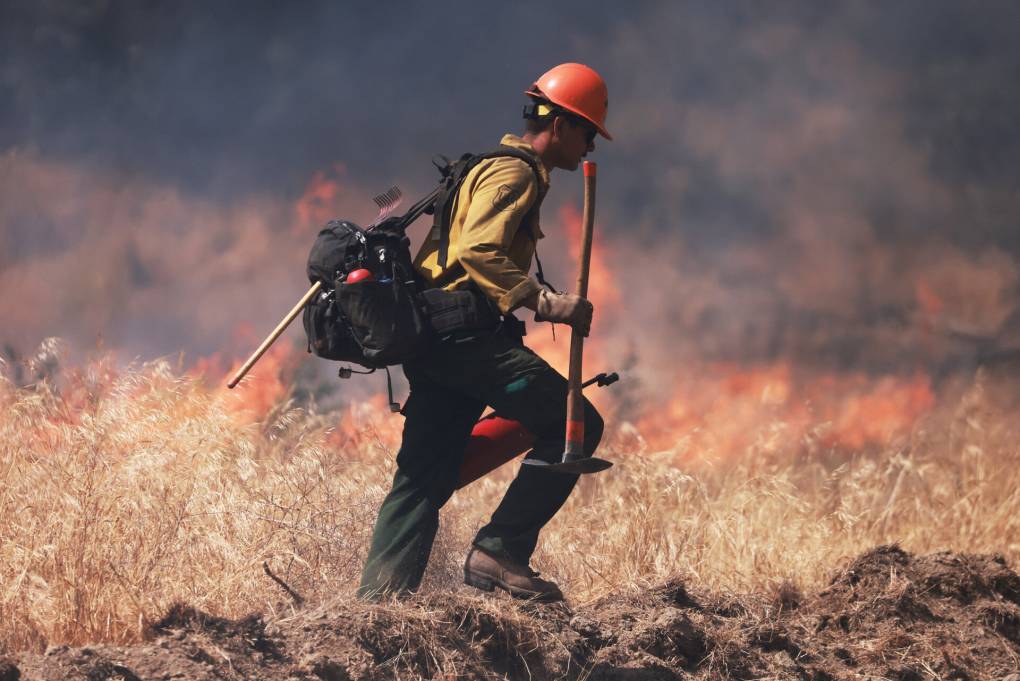
"caption": "A U.S. Forest Service firefighter sets a controlled burn as the Post Fire burns through Castaic, California, on June 16.",
"credit": "DAVID SWANSON/AFP via Getty Images",
"altTag": null,
"description": null,
"imgSizes": {
"medium": {
"file": "https://cdn.kqed.org/wp-content/uploads/sites/10/2017/10/GettyImages-2157340569_qut-800x534.jpg",
"width": 800,
"height": 534,
"mimeType": "image/jpeg"
},
"large": {
"file": "https://cdn.kqed.org/wp-content/uploads/sites/10/2017/10/GettyImages-2157340569_qut-1020x681.jpg",
"width": 1020,
"height": 681,
"mimeType": "image/jpeg"
},
"thumbnail": {
"file": "https://cdn.kqed.org/wp-content/uploads/sites/10/2017/10/GettyImages-2157340569_qut-160x107.jpg",
"width": 160,
"height": 107,
"mimeType": "image/jpeg"
},
"1536x1536": {
"file": "https://cdn.kqed.org/wp-content/uploads/sites/10/2017/10/GettyImages-2157340569_qut-1536x1025.jpg",
"width": 1536,
"height": 1025,
"mimeType": "image/jpeg"
},
"post-thumbnail": {
"file": "https://cdn.kqed.org/wp-content/uploads/sites/10/2017/10/GettyImages-2157340569_qut-672x372.jpg",
"width": 672,
"height": 372,
"mimeType": "image/jpeg"
},
"twentyfourteen-full-width": {
"file": "https://cdn.kqed.org/wp-content/uploads/sites/10/2017/10/GettyImages-2157340569_qut-1038x576.jpg",
"width": 1038,
"height": 576,
"mimeType": "image/jpeg"
},
"kqedFullSize": {
"file": "https://cdn.kqed.org/wp-content/uploads/sites/10/2017/10/GettyImages-2157340569_qut.jpg",
"width": 1920,
"height": 1281
}
},
"isLoading": false,
"fetchFailed": false
},
"news_11786449": {
"type": "attachments",
"id": "news_11786449",
"meta": {
"index": "attachments_1716263798",
"site": "news",
"id": "11786449",
"found": true
},
"parent": 11786254,
"imgSizes": {
"apple_news_ca_landscape_5_5": {
"file": "https://ww2.kqed.org/app/uploads/sites/10/2019/11/GettyImages-180103660-1-1044x783.jpg",
"width": 1044,
"mimeType": "image/jpeg",
"height": 783
},
"apple_news_ca_square_4_0": {
"file": "https://ww2.kqed.org/app/uploads/sites/10/2019/11/GettyImages-180103660-1-470x470.jpg",
"width": 470,
"mimeType": "image/jpeg",
"height": 470
},
"twentyfourteen-full-width": {
"file": "https://ww2.kqed.org/app/uploads/sites/10/2019/11/GettyImages-180103660-1-1038x576.jpg",
"width": 1038,
"mimeType": "image/jpeg",
"height": 576
},
"thumbnail": {
"file": "https://ww2.kqed.org/app/uploads/sites/10/2019/11/GettyImages-180103660-1-160x107.jpg",
"width": 160,
"mimeType": "image/jpeg",
"height": 107
},
"post-thumbnail": {
"file": "https://ww2.kqed.org/app/uploads/sites/10/2019/11/GettyImages-180103660-1-672x372.jpg",
"width": 672,
"mimeType": "image/jpeg",
"height": 372
},
"kqedFullSize": {
"file": "https://ww2.kqed.org/app/uploads/sites/10/2019/11/GettyImages-180103660-1.jpg",
"width": 1920,
"height": 1280
},
"apple_news_ca_landscape_4_7": {
"file": "https://ww2.kqed.org/app/uploads/sites/10/2019/11/GettyImages-180103660-1-632x474.jpg",
"width": 632,
"mimeType": "image/jpeg",
"height": 474
},
"large": {
"file": "https://ww2.kqed.org/app/uploads/sites/10/2019/11/GettyImages-180103660-1-1020x680.jpg",
"width": 1020,
"mimeType": "image/jpeg",
"height": 680
},
"complete_open_graph": {
"file": "https://ww2.kqed.org/app/uploads/sites/10/2019/11/GettyImages-180103660-1-1200x800.jpg",
"width": 1200,
"mimeType": "image/jpeg",
"height": 800
},
"apple_news_ca_landscape_4_0": {
"file": "https://ww2.kqed.org/app/uploads/sites/10/2019/11/GettyImages-180103660-1-536x402.jpg",
"width": 536,
"mimeType": "image/jpeg",
"height": 402
},
"apple_news_ca_portrait_12_9": {
"file": "https://ww2.kqed.org/app/uploads/sites/10/2019/11/GettyImages-180103660-1-1122x1280.jpg",
"width": 1122,
"mimeType": "image/jpeg",
"height": 1280
},
"medium": {
"file": "https://ww2.kqed.org/app/uploads/sites/10/2019/11/GettyImages-180103660-1-800x533.jpg",
"width": 800,
"mimeType": "image/jpeg",
"height": 533
},
"apple_news_ca_portrait_4_0": {
"file": "https://ww2.kqed.org/app/uploads/sites/10/2019/11/GettyImages-180103660-1-354x472.jpg",
"width": 354,
"mimeType": "image/jpeg",
"height": 472
},
"apple_news_ca_portrait_9_7": {
"file": "https://ww2.kqed.org/app/uploads/sites/10/2019/11/GettyImages-180103660-1-840x1120.jpg",
"width": 840,
"mimeType": "image/jpeg",
"height": 1120
},
"apple_news_ca_landscape_12_9": {
"file": "https://ww2.kqed.org/app/uploads/sites/10/2019/11/GettyImages-180103660-1-1832x1280.jpg",
"width": 1832,
"mimeType": "image/jpeg",
"height": 1280
},
"apple_news_ca_square_9_7": {
"file": "https://ww2.kqed.org/app/uploads/sites/10/2019/11/GettyImages-180103660-1-1104x1104.jpg",
"width": 1104,
"mimeType": "image/jpeg",
"height": 1104
},
"apple_news_ca_portrait_4_7": {
"file": "https://ww2.kqed.org/app/uploads/sites/10/2019/11/GettyImages-180103660-1-414x552.jpg",
"width": 414,
"mimeType": "image/jpeg",
"height": 552
},
"apple_news_ca_square_12_9": {
"file": "https://ww2.kqed.org/app/uploads/sites/10/2019/11/GettyImages-180103660-1-1472x1280.jpg",
"width": 1472,
"mimeType": "image/jpeg",
"height": 1280
},
"apple_news_ca_portrait_5_5": {
"file": "https://ww2.kqed.org/app/uploads/sites/10/2019/11/GettyImages-180103660-1-687x916.jpg",
"width": 687,
"mimeType": "image/jpeg",
"height": 916
},
"full-width": {
"file": "https://ww2.kqed.org/app/uploads/sites/10/2019/11/GettyImages-180103660-1-1920x1280.jpg",
"width": 1920,
"mimeType": "image/jpeg",
"height": 1280
},
"apple_news_ca_square_4_7": {
"file": "https://ww2.kqed.org/app/uploads/sites/10/2019/11/GettyImages-180103660-1-550x550.jpg",
"width": 550,
"mimeType": "image/jpeg",
"height": 550
},
"apple_news_ca_landscape_9_7": {
"file": "https://ww2.kqed.org/app/uploads/sites/10/2019/11/GettyImages-180103660-1-1376x1032.jpg",
"width": 1376,
"mimeType": "image/jpeg",
"height": 1032
},
"apple_news_ca_square_5_5": {
"file": "https://ww2.kqed.org/app/uploads/sites/10/2019/11/GettyImages-180103660-1-912x912.jpg",
"width": 912,
"mimeType": "image/jpeg",
"height": 912
}
},
"publishDate": 1573687656,
"modified": 1573691744,
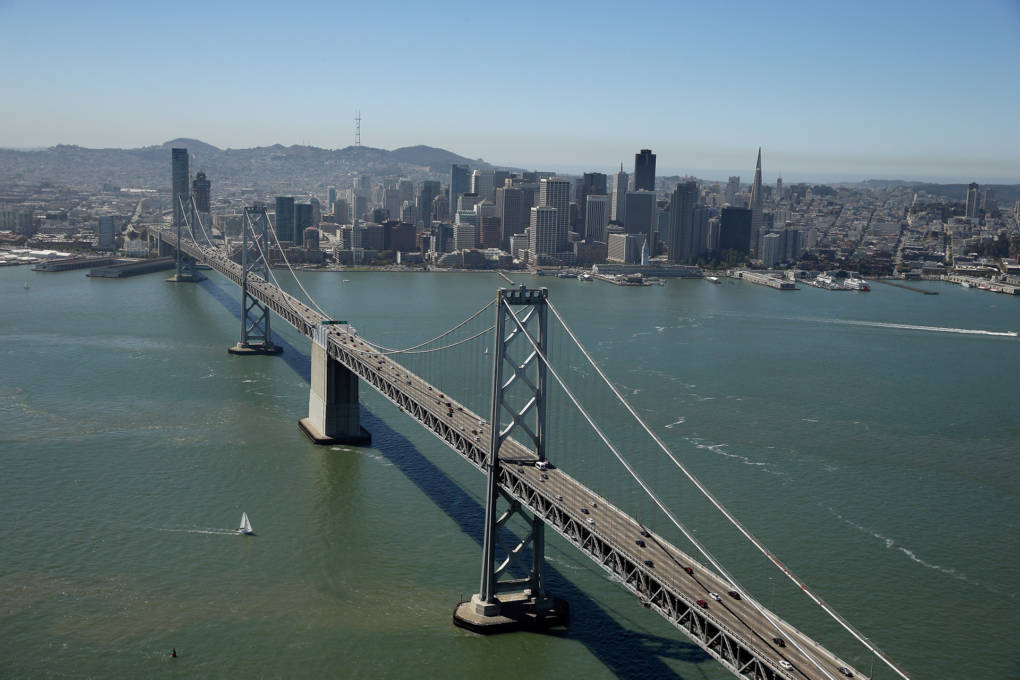
"caption": "At many times of the day, you might best describe the color of the bay as 'artichoke.' ",
"description": "At many times of the day, you might best describe the color of the bay as \"artichoke.\" ",
"title": "Aerial Views Of San Francisco",
"credit": " Ezra Shaw/Getty Images",
"status": "inherit",
"isLoading": false,
"fetchFailed": false
},
"news_11783907": {
"type": "attachments",
"id": "news_11783907",
"meta": {
"index": "attachments_1716263798",
"site": "news",
"id": "11783907",
"found": true
},
"parent": 11782405,
"imgSizes": {
"apple_news_ca_landscape_5_5": {
"file": "https://ww2.kqed.org/app/uploads/sites/10/2019/10/RS39774_Carly_MEgan_02-1044x783.jpg",
"width": 1044,
"mimeType": "image/jpeg",
"height": 783
},
"apple_news_ca_square_4_0": {
"file": "https://ww2.kqed.org/app/uploads/sites/10/2019/10/RS39774_Carly_MEgan_02-470x470.jpg",
"width": 470,
"mimeType": "image/jpeg",
"height": 470
},
"twentyfourteen-full-width": {
"file": "https://ww2.kqed.org/app/uploads/sites/10/2019/10/RS39774_Carly_MEgan_02-1038x576.jpg",
"width": 1038,
"mimeType": "image/jpeg",
"height": 576
},
"thumbnail": {
"file": "https://ww2.kqed.org/app/uploads/sites/10/2019/10/RS39774_Carly_MEgan_02-160x90.jpg",
"width": 160,
"mimeType": "image/jpeg",
"height": 90
},
"post-thumbnail": {
"file": "https://ww2.kqed.org/app/uploads/sites/10/2019/10/RS39774_Carly_MEgan_02-672x372.jpg",
"width": 672,
"mimeType": "image/jpeg",
"height": 372
},
"kqedFullSize": {
"file": "https://ww2.kqed.org/app/uploads/sites/10/2019/10/RS39774_Carly_MEgan_02.jpg",
"width": 1825,
"height": 1027
},
"apple_news_ca_landscape_4_7": {
"file": "https://ww2.kqed.org/app/uploads/sites/10/2019/10/RS39774_Carly_MEgan_02-632x474.jpg",
"width": 632,
"mimeType": "image/jpeg",
"height": 474
},
"large": {
"file": "https://ww2.kqed.org/app/uploads/sites/10/2019/10/RS39774_Carly_MEgan_02-1020x574.jpg",
"width": 1020,
"mimeType": "image/jpeg",
"height": 574
},
"complete_open_graph": {
"file": "https://ww2.kqed.org/app/uploads/sites/10/2019/10/RS39774_Carly_MEgan_02-1200x675.jpg",
"width": 1200,
"mimeType": "image/jpeg",
"height": 675
},
"apple_news_ca_landscape_4_0": {
"file": "https://ww2.kqed.org/app/uploads/sites/10/2019/10/RS39774_Carly_MEgan_02-536x402.jpg",
"width": 536,
"mimeType": "image/jpeg",
"height": 402
},
"apple_news_ca_portrait_12_9": {
"file": "https://ww2.kqed.org/app/uploads/sites/10/2019/10/RS39774_Carly_MEgan_02-1122x1027.jpg",
"width": 1122,
"mimeType": "image/jpeg",
"height": 1027
},
"medium": {
"file": "https://ww2.kqed.org/app/uploads/sites/10/2019/10/RS39774_Carly_MEgan_02-800x450.jpg",
"width": 800,
"mimeType": "image/jpeg",
"height": 450
},
"apple_news_ca_portrait_4_0": {
"file": "https://ww2.kqed.org/app/uploads/sites/10/2019/10/RS39774_Carly_MEgan_02-354x472.jpg",
"width": 354,
"mimeType": "image/jpeg",
"height": 472
},
"apple_news_ca_portrait_9_7": {
"file": "https://ww2.kqed.org/app/uploads/sites/10/2019/10/RS39774_Carly_MEgan_02-840x1027.jpg",
"width": 840,
"mimeType": "image/jpeg",
"height": 1027
},
"apple_news_ca_square_9_7": {
"file": "https://ww2.kqed.org/app/uploads/sites/10/2019/10/RS39774_Carly_MEgan_02-1104x1027.jpg",
"width": 1104,
"mimeType": "image/jpeg",
"height": 1027
},
"apple_news_ca_portrait_4_7": {
"file": "https://ww2.kqed.org/app/uploads/sites/10/2019/10/RS39774_Carly_MEgan_02-414x552.jpg",
"width": 414,
"mimeType": "image/jpeg",
"height": 552
},
"apple_news_ca_square_12_9": {
"file": "https://ww2.kqed.org/app/uploads/sites/10/2019/10/RS39774_Carly_MEgan_02-1472x1027.jpg",
"width": 1472,
"mimeType": "image/jpeg",
"height": 1027
},
"apple_news_ca_portrait_5_5": {
"file": "https://ww2.kqed.org/app/uploads/sites/10/2019/10/RS39774_Carly_MEgan_02-687x916.jpg",
"width": 687,
"mimeType": "image/jpeg",
"height": 916
},
"apple_news_ca_square_4_7": {
"file": "https://ww2.kqed.org/app/uploads/sites/10/2019/10/RS39774_Carly_MEgan_02-550x550.jpg",
"width": 550,
"mimeType": "image/jpeg",
"height": 550
},
"apple_news_ca_landscape_9_7": {
"file": "https://ww2.kqed.org/app/uploads/sites/10/2019/10/RS39774_Carly_MEgan_02-1376x1027.jpg",
"width": 1376,
"mimeType": "image/jpeg",
"height": 1027
},
"apple_news_ca_square_5_5": {
"file": "https://ww2.kqed.org/app/uploads/sites/10/2019/10/RS39774_Carly_MEgan_02-912x912.jpg",
"width": 912,
"mimeType": "image/jpeg",
"height": 912
}
},
"publishDate": 1572472843,
"modified": 1572473087,
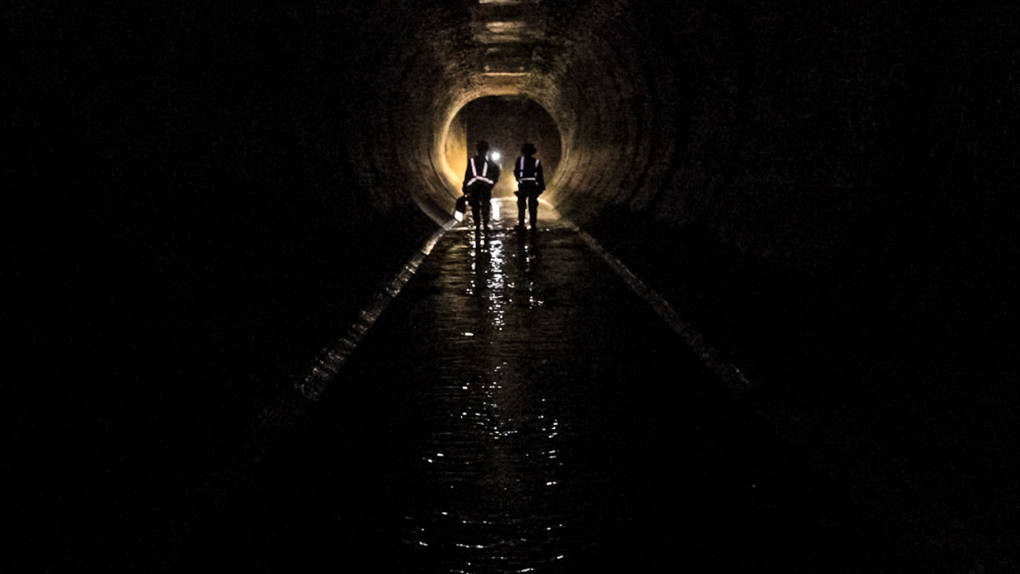
"caption": "Many dangers lurk underground in San Francisco. ",
"description": "Many dangers lurk underground in San Francisco. ",
"title": "RS39774_Carly_MEgan_02",
"credit": "Sruti Mamidanna/KQED",
"status": "inherit",
"isLoading": false,
"fetchFailed": false
}
},
"audioPlayerReducer": {
"postId": "stream_live",
"isPaused": true,
"isPlaying": false,
"pfsActive": false,
"pledgeModalIsOpen": true,
"playerDrawerIsOpen": false,
"liveAudioPlayStartedAt": 0,
"liveAudioPlayContext": ""
},
"authorsReducer": {
"byline_news_12015182": {
"type": "authors",
"id": "byline_news_12015182",
"meta": {
"override": true
},
"slug": "byline_news_12015182",
"name": "Ana De Almeida Amaral",
"isLoading": false
},
"ohubertallen": {
"type": "authors",
"id": "102",
"meta": {
"index": "authors_1716337520",
"id": "102",
"found": true
},
"name": "Olivia Allen-Price",
"firstName": "Olivia",
"lastName": "Allen-Price",
"slug": "ohubertallen",
"email": "oallenprice@kqed.org",
"display_author_email": false,
"staff_mastheads": [
"news"
],
"title": "Senior Editor",
"bio": "Olivia Allen-Price is senior editor and host of the award-winning Bay Curious podcast. Prior to joining KQED in 2013, Olivia worked at The Baltimore Sun and The Virginian-Pilot in Norfolk, Va. She holds degrees in journalism and political science from Elon University. Her work has earned awards from the Society of Professional Journalists, the Hearst Foundation and Hearken. She loves to talk about running and curly hair.\r\n\r\nFollow: \u003ca href=\"https://twitter.com/oallenprice\">@oallenprice\u003c/a>\r\nEmail: \u003ca href=\"mailto:oallenprice@kqed.org\">oallenprice@kqed.org\u003c/a>",
"avatar": "https://secure.gravatar.com/avatar/07f7803c1f6be56f3be58ef276dfa64dce898502e0554408ef4858451a8294f7?s=600&d=blank&r=g",
"twitter": "oallenprice",
"bluesky": null,
"facebook": null,
"instagram": null,
"linkedin": null,
"sites": [
{
"site": "",
"roles": [
"editor"
]
},
{
"site": "arts",
"roles": [
"subscriber"
]
},
{
"site": "news",
"roles": [
"administrator"
]
},
{
"site": "pop",
"roles": [
"administrator"
]
},
{
"site": "bayareabites",
"roles": [
"contributor"
]
},
{
"site": "stateofhealth",
"roles": [
"administrator"
]
},
{
"site": "science",
"roles": [
"editor"
]
}
],
"headData": {
"title": "Olivia Allen-Price | KQED",
"description": "Senior Editor",
"ogImgSrc": "https://secure.gravatar.com/avatar/07f7803c1f6be56f3be58ef276dfa64dce898502e0554408ef4858451a8294f7?s=600&d=blank&r=g",
"twImgSrc": "https://secure.gravatar.com/avatar/07f7803c1f6be56f3be58ef276dfa64dce898502e0554408ef4858451a8294f7?s=600&d=blank&r=g"
},
"isLoading": false,
"link": "/author/ohubertallen"
},
"carlysevern": {
"type": "authors",
"id": "3243",
"meta": {
"index": "authors_1716337520",
"id": "3243",
"found": true
},
"name": "Carly Severn",
"firstName": "Carly",
"lastName": "Severn",
"slug": "carlysevern",
"email": "csevern@kqed.org",
"display_author_email": false,
"staff_mastheads": [
"news"
],
"title": "Senior Editor, Audience News ",
"bio": "Carly is KQED's Senior Editor of Audience News on the Digital News team, and has reported for the California Report Magazine, Bay Curious and KQED Arts. She's formerly the host of \u003ca href=\"http://ww2.kqed.org/pop/category/the-cooler/\" rel=\"noopener noreferrer\">The Cooler\u003c/a> podcast.",
"avatar": "https://secure.gravatar.com/avatar/54037bf5c128fe678f0ef26cec97a93f2e7f220a22d7285703328f12c42c1b1d?s=600&d=blank&r=g",
"twitter": "teacupinthebay",
"bluesky": null,
"facebook": null,
"instagram": null,
"linkedin": null,
"sites": [
{
"site": "",
"roles": [
"editor"
]
},
{
"site": "arts",
"roles": [
"editor"
]
},
{
"site": "news",
"roles": [
"administrator"
]
},
{
"site": "pop",
"roles": [
"editor"
]
},
{
"site": "futureofyou",
"roles": [
"editor"
]
},
{
"site": "about",
"roles": [
"administrator"
]
},
{
"site": "mindshift",
"roles": [
"editor"
]
},
{
"site": "bayareabites",
"roles": [
"editor"
]
},
{
"site": "stateofhealth",
"roles": [
"editor"
]
},
{
"site": "science",
"roles": [
"editor"
]
},
{
"site": "food",
"roles": [
"contributor"
]
},
{
"site": "forum",
"roles": [
"editor"
]
},
{
"site": "perspectives",
"roles": [
"administrator"
]
},
{
"site": "liveblog",
"roles": [
"editor"
]
}
],
"headData": {
"title": "Carly Severn | KQED",
"description": "Senior Editor, Audience News ",
"ogImgSrc": "https://secure.gravatar.com/avatar/54037bf5c128fe678f0ef26cec97a93f2e7f220a22d7285703328f12c42c1b1d?s=600&d=blank&r=g",
"twImgSrc": "https://secure.gravatar.com/avatar/54037bf5c128fe678f0ef26cec97a93f2e7f220a22d7285703328f12c42c1b1d?s=600&d=blank&r=g"
},
"isLoading": false,
"link": "/author/carlysevern"
},
"lindseyhoshaw": {
"type": "authors",
"id": "5432",
"meta": {
"index": "authors_1716337520",
"id": "5432",
"found": true
},
"name": "Lindsey Hoshaw",
"firstName": "Lindsey",
"lastName": "Hoshaw",
"slug": "lindseyhoshaw",
"email": "lhoshaw@kqed.org",
"display_author_email": false,
"staff_mastheads": [],
"title": "KQED Contributor",
"bio": "Lindsey Hoshaw is a former interactive producer for KQED Science. Before joining KQED, Lindsey was a science correspondent for The New York Times, The Boston Globe, Forbes and Scientific American. On Twitter @lindseyhoshaw",
"avatar": "https://secure.gravatar.com/avatar/274b07694c998eaa8f26cfabaa941186?s=600&d=mm&r=g",
"twitter": "lindseyhoshaw",
"facebook": "lindsey.hoshaw.9",
"instagram": null,
"linkedin": null,
"sites": [
{
"site": "arts",
"roles": [
"author"
]
},
{
"site": "news",
"roles": [
"subscriber"
]
},
{
"site": "futureofyou",
"roles": [
"editor"
]
},
{
"site": "bayareabites",
"roles": [
"contributor"
]
},
{
"site": "stateofhealth",
"roles": [
"author"
]
},
{
"site": "science",
"roles": [
"edit_theme_options",
"subscriber"
]
},
{
"site": "quest",
"roles": [
"edit_post_subscriptions",
"edit_usergroups",
"unfiltered_html",
"unfiltered_upload",
"leadcoordinator",
"editor"
]
},
{
"site": "food",
"roles": []
}
],
"headData": {
"title": "Lindsey Hoshaw | KQED",
"description": "KQED Contributor",
"ogImgSrc": "https://secure.gravatar.com/avatar/274b07694c998eaa8f26cfabaa941186?s=600&d=mm&r=g",
"twImgSrc": "https://secure.gravatar.com/avatar/274b07694c998eaa8f26cfabaa941186?s=600&d=mm&r=g"
},
"isLoading": false,
"link": "/author/lindseyhoshaw"
},
"jplaczek": {
"type": "authors",
"id": "8606",
"meta": {
"index": "authors_1716337520",
"id": "8606",
"found": true
},
"name": "Jessica Placzek",
"firstName": "Jessica",
"lastName": "Placzek",
"slug": "jplaczek",
"email": "jessicalplaczek@gmail.com",
"display_author_email": false,
"staff_mastheads": [
"news"
],
"title": "KQED Contributor",
"bio": "Jessica Placzek is a former senior editor of podcasts at KQED where she served as the editorial lead of the podcast department. She worked with shows like MindShift, Rightnowish, Consider This, SOLD OUT, Bay Curious and The Bay. She’s also been a reporter and audio producer at KQED, KPFA, and KALW. She taught audio production to men incarcerated at California State Prison Solano and edited pieces they produced for the Uncuffed podcast through KALW. In 2018 she co-hosted and produced the third season of Raw Material for SFMOMA. In New Orleans she wrote for the Nola Defender. Her work has also appeared on Marketplace, All Things Considered, The California Report, and Vice. You can find more at jessicaplaczek.com",
"avatar": "https://secure.gravatar.com/avatar/5ead103b5880f672eceb84ce75eecd1b4b6f74a47edc457684a73ad5b8b158e9?s=600&d=blank&r=g",
"twitter": null,
"bluesky": null,
"facebook": null,
"instagram": null,
"linkedin": null,
"sites": [
{
"site": "arts",
"roles": [
"subscriber"
]
},
{
"site": "news",
"roles": [
"subscriber"
]
},
{
"site": "stateofhealth",
"roles": [
"editor"
]
},
{
"site": "forum",
"roles": [
"editor"
]
}
],
"headData": {
"title": "Jessica Placzek | KQED",
"description": "KQED Contributor",
"ogImgSrc": "https://secure.gravatar.com/avatar/5ead103b5880f672eceb84ce75eecd1b4b6f74a47edc457684a73ad5b8b158e9?s=600&d=blank&r=g",
"twImgSrc": "https://secure.gravatar.com/avatar/5ead103b5880f672eceb84ce75eecd1b4b6f74a47edc457684a73ad5b8b158e9?s=600&d=blank&r=g"
},
"isLoading": false,
"link": "/author/jplaczek"
},
"afont": {
"type": "authors",
"id": "8637",
"meta": {
"index": "authors_1716337520",
"id": "8637",
"found": true
},
"name": "Amanda Font",
"firstName": "Amanda",
"lastName": "Font",
"slug": "afont",
"email": "afont@kqed.org",
"display_author_email": false,
"staff_mastheads": [],
"title": "KQED Contributor",
"bio": "Amanda Font is a producer on \u003cem>The Latest\u003c/em> podcast, and the host and co-producer of the series \u003cem>Audible Cosmos\u003c/em>. She has previously worked as a producer and reporter on the \u003cem>Bay Curious\u003c/em> podcast, and director of \u003cem>The California Report Magazine\u003c/em>. She grew up in the deserts of Southern California and moved north for the trees. Amanda earned a B.A. from the BECA program at San Francisco State, where she worked in the university's radio station. Amanda Font is represented by SAG-AFTRA.",
"avatar": "https://secure.gravatar.com/avatar/d9e81cf0117d5849b9cfb7ab4b1422f1?s=600&d=blank&r=g",
"twitter": null,
"facebook": null,
"instagram": null,
"linkedin": null,
"sites": [
{
"site": "news",
"roles": [
"add_users",
"create_users"
]
},
{
"site": "science",
"roles": []
},
{
"site": "forum",
"roles": [
"administrator"
]
},
{
"site": "perspectives",
"roles": [
"administrator"
]
},
{
"site": "radio",
"roles": [
"administrator"
]
}
],
"headData": {
"title": "Amanda Font | KQED",
"description": "KQED Contributor",
"ogImgSrc": "https://secure.gravatar.com/avatar/d9e81cf0117d5849b9cfb7ab4b1422f1?s=600&d=blank&r=g",
"twImgSrc": "https://secure.gravatar.com/avatar/d9e81cf0117d5849b9cfb7ab4b1422f1?s=600&d=blank&r=g"
},
"isLoading": false,
"link": "/author/afont"
},
"rlevi": {
"type": "authors",
"id": "11260",
"meta": {
"index": "authors_1716337520",
"id": "11260",
"found": true
},
"name": "Ryan Levi",
"firstName": "Ryan",
"lastName": "Levi",
"slug": "rlevi",
"email": "rlevi@KQED.org",
"display_author_email": false,
"staff_mastheads": [],
"title": "KQED Contributor",
"bio": "Ryan Levi was a reporter and podcast producer at KQED News from 2016-2019. He worked on \u003ca href=\"https://www.kqed.org/news/series/baycurious\">Bay Curious\u003c/a>, \u003ca href=\"https://www.kqed.org/news/tag/the-bay/\">The Bay, \u003c/a>and \u003ca href=\"https://podcasts.apple.com/us/podcast/the-california-report-magazine/id1314750545\">The California Report Magazine\u003c/a>, as well as hosting and producing the weekly \u003ca href=\"https://www.kqed.org/news/program/qedup/\">Q'ed Up podcast. \u003c/a>He also helped inaugurate KQED's weekend news coverage in 2017 as one of two original digital producers. Ryan holds degrees in multimedia journalism and Spanish from the University of Missouri.",
"avatar": "https://secure.gravatar.com/avatar/4cb2ddd028ac8807d1adf09609c5555d?s=600&d=blank&r=g",
"twitter": "ryan_levi",
"facebook": null,
"instagram": null,
"linkedin": null,
"sites": [
{
"site": "arts",
"roles": [
"editor"
]
},
{
"site": "news",
"roles": [
"subscriber"
]
},
{
"site": "stateofhealth",
"roles": [
"editor"
]
},
{
"site": "science",
"roles": [
"editor"
]
},
{
"site": "forum",
"roles": [
"administrator"
]
},
{
"site": "perspectives",
"roles": [
"administrator"
]
}
],
"headData": {
"title": "Ryan Levi | KQED",
"description": "KQED Contributor",
"ogImgSrc": "https://secure.gravatar.com/avatar/4cb2ddd028ac8807d1adf09609c5555d?s=600&d=blank&r=g",
"twImgSrc": "https://secure.gravatar.com/avatar/4cb2ddd028ac8807d1adf09609c5555d?s=600&d=blank&r=g"
},
"isLoading": false,
"link": "/author/rlevi"
},
"dcronin": {
"type": "authors",
"id": "11362",
"meta": {
"index": "authors_1716337520",
"id": "11362",
"found": true
},
"name": "Dana Cronin",
"firstName": "Dana",
"lastName": "Cronin",
"slug": "dcronin",
"email": "dcronin@KQED.org",
"display_author_email": true,
"staff_mastheads": [],
"title": "KQED Contributor",
"bio": "Dana Cronin is a reporter for KQED News. She loves writing stories about climate change, environmental issues, food and agriculture. She's reported across the country, from Colorado to Washington D.C. to Illinois, and has won numerous awards for her coverage. Her work is regularly featured on national broadcasts, including NPR’s Morning Edition, All Things Considered, PBS Newshour and Science Friday. She lives in Oakland and has an avocado tree in her back yard.",
"avatar": "https://secure.gravatar.com/avatar/bcf89e3455ff7235f96ab6fa7258dd95?s=600&d=blank&r=g",
"twitter": "DanaHCronin",
"facebook": null,
"instagram": null,
"linkedin": null,
"sites": [
{
"site": "arts",
"roles": [
"author"
]
},
{
"site": "news",
"roles": [
"editor"
]
},
{
"site": "science",
"roles": [
"author"
]
},
{
"site": "liveblog",
"roles": [
"author"
]
}
],
"headData": {
"title": "Dana Cronin | KQED",
"description": "KQED Contributor",
"ogImgSrc": "https://secure.gravatar.com/avatar/bcf89e3455ff7235f96ab6fa7258dd95?s=600&d=blank&r=g",
"twImgSrc": "https://secure.gravatar.com/avatar/bcf89e3455ff7235f96ab6fa7258dd95?s=600&d=blank&r=g"
},
"isLoading": false,
"link": "/author/dcronin"
},
"eromero": {
"type": "authors",
"id": "11746",
"meta": {
"index": "authors_1716337520",
"id": "11746",
"found": true
},
"name": "Ezra David Romero",
"firstName": "Ezra David",
"lastName": "Romero",
"slug": "eromero",
"email": "eromero@kqed.org",
"display_author_email": true,
"staff_mastheads": [
"news",
"science"
],
"title": "Climate Reporter",
"bio": "Ezra David Romero is a climate reporter for KQED News. He covers the absence and excess of water in the Bay Area — think sea level rise, flooding and drought. For nearly a decade he’s covered how warming temperatures are altering the lives of Californians. He’s reported on farmers worried their pistachio trees aren’t getting enough sleep, families desperate for water, scientists studying dying giant sequoias, and alongside firefighters containing wildfires. His work has appeared on local stations across California and nationally on public radio shows like Morning Edition, Here and Now, All Things Considered and Science Friday. ",
"avatar": "https://secure.gravatar.com/avatar/c76404d287c10ed40224227551ac36e24352c7306f106632caf6fead76f8801f?s=600&d=blank&r=g",
"twitter": "ezraromero",
"bluesky": null,
"facebook": null,
"instagram": null,
"linkedin": null,
"sites": [
{
"site": "arts",
"roles": [
"editor"
]
},
{
"site": "news",
"roles": [
"editor"
]
},
{
"site": "science",
"roles": [
"editor"
]
},
{
"site": "liveblog",
"roles": [
"author"
]
}
],
"headData": {
"title": "Ezra David Romero | KQED",
"description": "Climate Reporter",
"ogImgSrc": "https://secure.gravatar.com/avatar/c76404d287c10ed40224227551ac36e24352c7306f106632caf6fead76f8801f?s=600&d=blank&r=g",
"twImgSrc": "https://secure.gravatar.com/avatar/c76404d287c10ed40224227551ac36e24352c7306f106632caf6fead76f8801f?s=600&d=blank&r=g"
},
"isLoading": false,
"link": "/author/eromero"
},
"sminobucheli": {
"type": "authors",
"id": "11764",
"meta": {
"index": "authors_1716337520",
"id": "11764",
"found": true
},
"name": "Sebastian Miño-Bucheli",
"firstName": "Sebastian",
"lastName": "Miño-Bucheli",
"slug": "sminobucheli",
"email": "sminobucheli@kqed.org",
"display_author_email": false,
"staff_mastheads": [],
"title": "KQED Contributor",
"bio": "Sebastian Miño-Bucheli is a bilingual multimedia reporter and contributor to KQED Digital News. His reporting has been featured for Bay Curious, the California Report Magazine and KQED Arts. ",
"avatar": "https://secure.gravatar.com/avatar/4d433e33876cb631fbbe1ab7b9ddf7a1616f5e270c709b89ee147c0489875612?s=600&d=blank&r=g",
"twitter": "@BucheliMino",
"bluesky": null,
"facebook": null,
"instagram": null,
"linkedin": null,
"sites": [
{
"site": "arts",
"roles": [
"subscriber"
]
},
{
"site": "news",
"roles": [
"subscriber"
]
}
],
"headData": {
"title": "Sebastian Miño-Bucheli | KQED",
"description": "KQED Contributor",
"ogImgSrc": "https://secure.gravatar.com/avatar/4d433e33876cb631fbbe1ab7b9ddf7a1616f5e270c709b89ee147c0489875612?s=600&d=blank&r=g",
"twImgSrc": "https://secure.gravatar.com/avatar/4d433e33876cb631fbbe1ab7b9ddf7a1616f5e270c709b89ee147c0489875612?s=600&d=blank&r=g"
},
"isLoading": false,
"link": "/author/sminobucheli"
},
"kmonahan": {
"type": "authors",
"id": "11842",
"meta": {
"index": "authors_1716337520",
"id": "11842",
"found": true
},
"name": "Katherine Monahan",
"firstName": "Katherine",
"lastName": "Monahan",
"slug": "kmonahan",
"email": "kmonahan@kqed.org",
"display_author_email": true,
"staff_mastheads": [],
"title": "Reporter / Sound Engineer",
"bio": "I cover state and local news. I’m also a sound engineer at the station, mixing stories and running live broadcasts. I link to source materials so that readers can draw their own conclusions, and seek comment from a range of perspectives, including from people directly affected by events. Awards received include from the Society of Professional Journalists, Northern California chapter and the Alaska Press Club. I speak multiple languages and have reported and engineered in the Bay Area, Alaska, West Africa and Latin America.",
"avatar": "https://secure.gravatar.com/avatar/ff257b3a5da88893781a3d3266904b2d2f91c7f0e1bbf728f61f5fb81b74a669?s=600&d=blank&r=g",
"twitter": null,
"bluesky": null,
"facebook": null,
"instagram": null,
"linkedin": null,
"sites": [
{
"site": "news",
"roles": [
"editor"
]
},
{
"site": "science",
"roles": [
"contributor"
]
}
],
"headData": {
"title": "Katherine Monahan | KQED",
"description": "Reporter / Sound Engineer",
"ogImgSrc": "https://secure.gravatar.com/avatar/ff257b3a5da88893781a3d3266904b2d2f91c7f0e1bbf728f61f5fb81b74a669?s=600&d=blank&r=g",
"twImgSrc": "https://secure.gravatar.com/avatar/ff257b3a5da88893781a3d3266904b2d2f91c7f0e1bbf728f61f5fb81b74a669?s=600&d=blank&r=g"
},
"isLoading": false,
"link": "/author/kmonahan"
},
"pbartolone": {
"type": "authors",
"id": "11879",
"meta": {
"index": "authors_1716337520",
"id": "11879",
"found": true
},
"name": "Pauline Bartolone",
"firstName": "Pauline",
"lastName": "Bartolone",
"slug": "pbartolone",
"email": "pbartolone@kqed.org",
"display_author_email": false,
"staff_mastheads": [],
"title": "KQED Contributor",
"bio": "Pauline Bartolone has been a journalist for two decades, specializing in longform audio storytelling. Before editing and producing for podcasts like Bay Curious, she was a health care journalist for public radio and print outlets such as CalMatters and Kaiser Health News. Her reporting has won several regional Edward R. Murrow awards, national recognition from the Society of Professional Journalists and a first-place prize from the Association of Health Care Journalists.\r\n\r\nPauline’s work has aired frequently on National Public Radio, and bylines have appeared in The Los Angeles Times, CNN.com, Washingtonpost.com, USA Today and Scientific American.\r\n\r\nPauline has lived in Northern California for 20 years. Her other passions are crafts (now done in collaboration with her daughter) and the Brazilian martial art of capoeira.",
"avatar": "https://secure.gravatar.com/avatar/95001c30374b0d3878007af9cf1e120a?s=600&d=blank&r=g",
"twitter": "pbartolone",
"facebook": null,
"instagram": null,
"linkedin": null,
"sites": [
{
"site": "news",
"roles": [
"editor"
]
},
{
"site": "podcasts",
"roles": [
"subscriber"
]
}
],
"headData": {
"title": "Pauline Bartolone | KQED",
"description": "KQED Contributor",
"ogImgSrc": "https://secure.gravatar.com/avatar/95001c30374b0d3878007af9cf1e120a?s=600&d=blank&r=g",
"twImgSrc": "https://secure.gravatar.com/avatar/95001c30374b0d3878007af9cf1e120a?s=600&d=blank&r=g"
},
"isLoading": false,
"link": "/author/pbartolone"
}
},
"pagesReducer": {
"news_tag_bay-curious": {
"type": "terms",
"id": "news_18426",
"meta": {
"index": "terms_1716263798",
"site": "news",
"id": "18426",
"score": 9.104131
},
"featImg": null,
"name": "Bay Curious",
"description": null,
"taxonomy": "tag",
"headData": {
"twImgId": null,
"twTitle": null,
"ogTitle": null,
"ogImgId": null,
"twDescription": null,
"description": null,
"title": "Bay Curious Archives | KQED News",
"ogDescription": null
},
"ttid": 18460,
"slug": "bay-curious",
"isLoading": false,
"title": "Bay Curious",
"pageMeta": {
"site": "news",
"WpPageTemplate": "page-topic-editorial",
"currentPage": 6
},
"blocks": [
{
"blockName": "kqed/post-list",
"attrs": {
"layout": "cardArticle2",
"query": "posts/news?tag=bay-curious",
"seeMore": false,
"paginated": true,
"page": 6
}
},
{
"blockName": "kqed/ad"
}
]
}
},
"pfsSessionReducer": {},
"postsReducer": {
"stream_live": {
"type": "live",
"id": "stream_live",
"audioUrl": "https://streams.kqed.org/kqedradio",
"title": "Live Stream",
"excerpt": "Live Stream information currently unavailable.",
"link": "/radio",
"featImg": "",
"label": {
"name": "KQED Live",
"link": "/"
}
},
"stream_kqedNewscast": {
"type": "posts",
"id": "stream_kqedNewscast",
"audioUrl": "https://www.kqed.org/.stream/anon/radio/RDnews/newscast.mp3?_=1",
"title": "KQED Newscast",
"featImg": "",
"label": {
"name": "88.5 FM",
"link": "/"
}
},
"news_12015182": {
"type": "posts",
"id": "news_12015182",
"meta": {
"index": "posts_1716263798",
"site": "news",
"id": "12015182",
"score": null,
"sort": [
1732186813000
]
},
"guestAuthors": [],
"slug": "san-franciscos-wave-organ-brings-sounds-of-the-bay-to-life",
"title": "San Francisco’s Wave Organ Brings Sounds of the Bay to Life",
"publishDate": 1732186813,
"format": "standard",
"headTitle": "San Francisco’s Wave Organ Brings Sounds of the Bay to Life | KQED",
"labelTerm": {
"term": 33523,
"site": "news"
},
"content": "\u003cp>\u003ca href=\"#episode-transcript\">View the full episode transcript\u003c/a>\u003c/p>\n\u003cp>Ever wondered what the San Francisco Bay sounds like beneath the water’s surface? The Wave Organ, a sound sculpture maintained by San Francisco’s Exploratorium, has 25 pipes that shoot down into the bay, creating a unique sonic experience for visitors above. You can find the sculpture, made of recycled granite, at the end of the man-made jetty across the street from the Palace of Fine Arts. There, you can put your ear to a pipe made of PVC and concrete to hear the “music” of the bay.\u003c/p>\n\u003cp>[baycuriouspodcastinfo]\u003c/p>\n\u003cp>The Wave Organ is nothing like the trumpeting organs in a church. The art installation stretches about 60 feet across and is made of rock slabs with different seating levels that visitors can climb on. The artists behind the sculpture chose to use recycled debris from the 1906 earthquake, and remnants of headstones leftover from century-old cemetery relocations.\u003c/p>\n\u003cp>As far as the sound the organ makes — you probably wouldn’t call it musical. This art piece features an orchestra of gurgles, splashes, and booms.\u003c/p>\n\u003cfigure id=\"attachment_12014153\" class=\"wp-caption alignnone\" style=\"max-width: 800px\">\u003cimg loading=\"lazy\" decoding=\"async\" class=\"size-medium wp-image-12014153\" src=\"https://cdn.kqed.org/wp-content/uploads/sites/10/2024/11/20241112_WAVEORGAN_GC-9-KQED-800x533.jpg\" alt=\"\" width=\"800\" height=\"533\" srcset=\"https://cdn.kqed.org/wp-content/uploads/sites/10/2024/11/20241112_WAVEORGAN_GC-9-KQED-800x533.jpg 800w, https://cdn.kqed.org/wp-content/uploads/sites/10/2024/11/20241112_WAVEORGAN_GC-9-KQED-1020x680.jpg 1020w, https://cdn.kqed.org/wp-content/uploads/sites/10/2024/11/20241112_WAVEORGAN_GC-9-KQED-160x107.jpg 160w, https://cdn.kqed.org/wp-content/uploads/sites/10/2024/11/20241112_WAVEORGAN_GC-9-KQED-1536x1024.jpg 1536w, https://cdn.kqed.org/wp-content/uploads/sites/10/2024/11/20241112_WAVEORGAN_GC-9-KQED-1920x1280.jpg 1920w, https://cdn.kqed.org/wp-content/uploads/sites/10/2024/11/20241112_WAVEORGAN_GC-9-KQED.jpg 2000w\" sizes=\"auto, (max-width: 800px) 100vw, 800px\">\u003cfigcaption class=\"wp-caption-text\">A plaque for the Wave Organ in San Francisco on Nov. 12, 2024. \u003ccite>(Gina Castro/KQED)\u003c/cite>\u003c/figcaption>\u003c/figure>\n\u003ch3>The Wave Organ’s origins\u003c/h3>\n\u003cp>Understanding the Wave Organ’s origins requires a little lesson in San Francisco art history.\u003c/p>\n\u003cp>[ad fullwidth]\u003c/p>\n\u003cp>This environmental sculpture was created in 1986 by artist Peter Richards in collaboration with master stonemason George Gonzalez.\u003c/p>\n\u003cp>Richards was inspired to create the Wave Organ after moving to San Francisco in 1970. He was fascinated by how the tides in the bay showed an intimate connection between the sea and the moon.\u003c/p>\n\u003cfigure id=\"attachment_12014150\" class=\"wp-caption alignnone\" style=\"max-width: 800px\">\u003cimg loading=\"lazy\" decoding=\"async\" class=\"size-medium wp-image-12014150\" src=\"https://cdn.kqed.org/wp-content/uploads/sites/10/2024/11/20241112_WAVEORGAN_GC-2-KQED-800x522.jpg\" alt=\"\" width=\"800\" height=\"522\" srcset=\"https://cdn.kqed.org/wp-content/uploads/sites/10/2024/11/20241112_WAVEORGAN_GC-2-KQED-800x522.jpg 800w, https://cdn.kqed.org/wp-content/uploads/sites/10/2024/11/20241112_WAVEORGAN_GC-2-KQED-1020x666.jpg 1020w, https://cdn.kqed.org/wp-content/uploads/sites/10/2024/11/20241112_WAVEORGAN_GC-2-KQED-160x104.jpg 160w, https://cdn.kqed.org/wp-content/uploads/sites/10/2024/11/20241112_WAVEORGAN_GC-2-KQED-1536x1002.jpg 1536w, https://cdn.kqed.org/wp-content/uploads/sites/10/2024/11/20241112_WAVEORGAN_GC-2-KQED-1920x1253.jpg 1920w, https://cdn.kqed.org/wp-content/uploads/sites/10/2024/11/20241112_WAVEORGAN_GC-2-KQED.jpg 2000w\" sizes=\"auto, (max-width: 800px) 100vw, 800px\">\u003cfigcaption class=\"wp-caption-text\">Water flows out of a pipe at the Wave Organ in San Francisco on Nov. 12, 2024. \u003ccite>(Gina Castro/KQED)\u003c/cite>\u003c/figcaption>\u003c/figure>\n\u003cp>“It was the first time I was near a place that had tides,” said Richards, a senior artist emeritus at the Exploratorium in San Francisco, about moving to the West Coast. “I was inherently curious about [tides] and how they worked.”\u003c/p>\n\u003cp>Richards was also inspired by artist Bill Fontana, who had recorded the sounds of pipes in a concrete dock in Sydney, Australia, in 1976. Fontana’s sonic art piece amplified and distorted bubbling and splashing sounds from the water. Richards was intrigued by the connection between physics and art to create the acoustic rhythm.\u003c/p>\n\u003cp>Richards wanted to see if he could do the same using San Francisco’s waters. So he took PVC pipes to the jetty in the city’s Marina district and began testing the sounds of different pipe configurations.\u003c/p>\n\u003cfigure id=\"attachment_12015192\" class=\"wp-caption alignnone\" style=\"max-width: 800px\">\u003cimg loading=\"lazy\" decoding=\"async\" class=\"wp-image-12015192 size-medium\" src=\"https://cdn.kqed.org/wp-content/uploads/sites/10/2024/11/conceptual-1-1-resize-800x547.jpg\" alt=\"\" width=\"800\" height=\"547\" srcset=\"https://cdn.kqed.org/wp-content/uploads/sites/10/2024/11/conceptual-1-1-resize-800x547.jpg 800w, https://cdn.kqed.org/wp-content/uploads/sites/10/2024/11/conceptual-1-1-resize-1020x697.jpg 1020w, https://cdn.kqed.org/wp-content/uploads/sites/10/2024/11/conceptual-1-1-resize-160x109.jpg 160w, https://cdn.kqed.org/wp-content/uploads/sites/10/2024/11/conceptual-1-1-resize-1536x1050.jpg 1536w, https://cdn.kqed.org/wp-content/uploads/sites/10/2024/11/conceptual-1-1-resize.jpg 2000w\" sizes=\"auto, (max-width: 800px) 100vw, 800px\">\u003cfigcaption class=\"wp-caption-text\">A conceptual design of the Wave Organ originally shared at the New Music ’81 Festival. (Courtesy of the Exploratorium)\u003c/figcaption>\u003c/figure>\n\u003cp>What he found was that the sound from the organ pipes changed depending on the water level within the pipe.\u003c/p>\n\u003ch3>How does it work?\u003c/h3>\n\u003cp>In the Wave Organ, each pipe creates a vibrating column of air that amplifies sounds produced by moving water. Certain sound frequencies created by the waves are amplified, depending on the length of the pipe and water level within it.\u003c/p>\n\u003cp>“At high tides, the air columns are shorter, so the sounds are higher,” Richards explains. “The low tides produce lower frequencies.”\u003c/p>\n\u003cfigure id=\"attachment_12014154\" class=\"wp-caption alignnone\" style=\"max-width: 800px\">\u003cimg loading=\"lazy\" decoding=\"async\" class=\"size-medium wp-image-12014154\" src=\"https://cdn.kqed.org/wp-content/uploads/sites/10/2024/11/20241112_WAVEORGAN_GC-12-KQED-800x533.jpg\" alt=\"\" width=\"800\" height=\"533\" srcset=\"https://cdn.kqed.org/wp-content/uploads/sites/10/2024/11/20241112_WAVEORGAN_GC-12-KQED-800x533.jpg 800w, https://cdn.kqed.org/wp-content/uploads/sites/10/2024/11/20241112_WAVEORGAN_GC-12-KQED-1020x680.jpg 1020w, https://cdn.kqed.org/wp-content/uploads/sites/10/2024/11/20241112_WAVEORGAN_GC-12-KQED-160x107.jpg 160w, https://cdn.kqed.org/wp-content/uploads/sites/10/2024/11/20241112_WAVEORGAN_GC-12-KQED-1536x1024.jpg 1536w, https://cdn.kqed.org/wp-content/uploads/sites/10/2024/11/20241112_WAVEORGAN_GC-12-KQED-1920x1280.jpg 1920w, https://cdn.kqed.org/wp-content/uploads/sites/10/2024/11/20241112_WAVEORGAN_GC-12-KQED.jpg 2000w\" sizes=\"auto, (max-width: 800px) 100vw, 800px\">\u003cfigcaption class=\"wp-caption-text\">Pipes made of PVC and concrete at the Wave Organ in San Francisco on Nov. 12, 2024. The installation has 25 organ pipes, which sound best during high tide. \u003ccite>(Gina Castro/KQED)\u003c/cite>\u003c/figcaption>\u003c/figure>\n\u003cp>Richards prototyped his design for the Wave Organ and presented a rudimentary version of the sculpture for the New Music ’81 Festival in San Francisco, a festival for experimental music and instruments.\u003c/p>\n\u003cp>After securing funding to create a permanent installation, Richards met fellow Bay Area-based stonemason George Gonzalez and invited him to be a collaborator on the project. Richard says that before he met Gonzalez, he had made models and drawings of what he imagined the final installation to look like, but Gonzalez brought an innovative vision and elevated the overall project.\u003c/p>\n\u003cp>“When we started working on it, the first thing we did was throw the drawings away and… just allow the stonework to determine what was needed. George [had an] amazing ability to look at this beautiful stonework and be able to put it together in a very clever and functional way,” said Richards.\u003c/p>\n\u003cp>In 1986, the Wave Organ opened to the public. Decades later, it is still a favorite spot for San Franciscans who stop by on their morning walks. It’s also a destination for tourists who want to get off the beaten path and a place for fishermen to cast their lines.\u003c/p>\n\u003cp>Craig Easley, a San Franciscan who visits the Wave Organ twice a week to fish, says, “Fish or no fish, this is heaven. It’s a little bit of paradise with a 360-degree view of the bay and the city that I love.”\u003c/p>\n\u003cp>The Wave Organ is free to visit. It’s one of the few Exploratorium exhibits that is located outside the walls of the museum.\u003c/p>\n\u003cp>[baycuriousquestion]\u003c/p>\n\u003ch2 id=\"episode-transcript\">Episode Transcript\u003c/h2>\n\u003cp>\u003cstrong>Olivia Allen-Price:\u003c/strong> During the early days of the COVID-19 pandemic, we all had our little escapes. Places away from the confines of our quarantined homes to get some fresh air … and remind us that despite the distance, the rest of the world still exists. After moving to San Francisco in 2020, Robbie Rock discovered his special spot: a public art installation called the Wave Organ. It’s at the very end of a jetty sitting out in the bay, across the way from The Palace of Fine Arts.\u003c/p>\n\u003cp>\u003cstrong>Robbie Rock:\u003c/strong> It’s just a really cool place to sit, watch the waves, and also to, like, hear the organ.\u003c/p>\n\u003cp>\u003cstrong>Olivia Allen-Price:\u003c/strong> The Wave organ is not like the massive trumpeting organs that you’ll find in a church. Its appearance and sounds are a bit less opulent, but the organ still produces a pretty grand orchestra of gurgles, hisses, and booms.\u003c/p>\n\u003cp>\u003cem>[distorted gurgling from the Wave Organ]\u003c/em>\u003c/p>\n\u003cp>\u003cstrong>Olivia Allen-Price:\u003c/strong> But after all of his visits, Robbie still never really knew what, exactly, he was listening to.\u003c/p>\n\u003cp>\u003cstrong>Robbie Rock:\u003c/strong> I just had so many questions about it. Why is it there, and how does it even work?\u003c/p>\n\u003cp>\u003cstrong>Olivia Allen-Price:\u003c/strong> And of course…\u003c/p>\n\u003cp>\u003cstrong>Robbie Rock:\u003c/strong> When is the best time to hear it?\u003c/p>\n\u003cp>\u003cstrong>Olivia Allen-Price:\u003c/strong> I’m Olivia Allen-Price. This is Bay Curious — the podcast that answers your questions about the San Francisco Bay Area. This week, we’re turning an ear to the waters of the bay.\u003c/p>\n\u003cp>Now, this episode is probably going to sound best with headphones, but if you’re listening on speakers, you might just want to crank it up. Stay with us.\u003c/p>\n\u003cp>\u003cem>[SPONSOR MESSAGE]\u003c/em>\u003c/p>\n\u003cp>\u003cstrong>Olivia Allen-Price:\u003c/strong> To learn more about this instrument that’s being played by the bay itself, we sent out Bay Curious intern, Ana De Almeida Amaral.\u003c/p>\n\u003cp>\u003cstrong>Ana De Almeida Amaral:\u003c/strong> Out in the Marina district of San Francisco, just off Marina Boulevard, a jetty stretches out into the bay — It’s a man-made stretch of land protecting the docks of St Francis Yacht Club. I went there on a windy morning to visit the Wave Organ. The Wave Organ is an art installation that is partially underwater at the edge of the jetty. It’s an environmental sculpture that interacts with the natural sounds of the waves to create a unique auditory experience.\u003c/p>\n\u003cp>\u003cem>[Ambient sound of the Wave Organ]\u003c/em>\u003c/p>\n\u003cp>\u003cstrong>Ana De Almeida Amaral:\u003c/strong> I called up Ken Finn, an educator at the Exploratorium, which is the interactive science and arts museum in San Francisco. The organ is one of the few exploratorium exhibits that is outside the walls of the museum, and it’s free! I asked Ken to show me around the Wave Organ for the first time.\u003c/p>\n\u003cp>\u003cstrong>Ken Finn:\u003c/strong> A personal favorite time to come out here…[laughs] when a storm is brewing.\u003c/p>\n\u003cp>\u003cstrong>Ana De Almeida Amaral:\u003c/strong> The Wave Organ is a really unique installation. It looks kind of like a Roman ruin — with various slabs of granite creating different viewing levels and stone stairs leading down to the water’s edge. The organ itself is all around the installation. There are 25 organ pipes that peek out like periscopes. And visitors can place their ear next to each pipe in order to hear what is going on underwater. As I climbed around the installation with Ken, we approached an organ pipe.\u003c/p>\n\u003cp>\u003cstrong>Ken Finn:\u003c/strong> Here’s one of the first pipes. And you can see now that the tide is low. You can almost trace it in its winding path down into the bay. I’m going to give it a listen here… Oh, nice.\u003c/p>\n\u003cp>\u003cstrong>Ana De Almeida Amaral:\u003c/strong> Then, it was my turn to listen….\u003c/p>\n\u003cp>\u003cem>[Distorted swishing sounds from the Wave Organ]\u003c/em>\u003c/p>\n\u003cp>\u003cstrong>Ana De Almeida Amaral:\u003c/strong> That’s beautiful!\u003c/p>\n\u003cp>\u003cstrong>Ana De Almeida Amaral:\u003c/strong> With the tide out, the lower water level exposes the length of the pipes. Some only reach out 3 or 4 feet into the bay, while others extend out deep into the water. Then, Ken points at a stone slab on the staircase.\u003c/p>\n\u003cp>\u003cstrong>Ken Finn:\u003c/strong> I like to call out that on some of these, you can see the leftover red paint, so you can tell there’s a red zone. So, some of these were old curb stones from parts of San Francisco.\u003c/p>\n\u003cp>\u003cstrong>Ana De Almeida Amaral:\u003c/strong> That’s because most of the stone slabs used to make the sculpture are recycled pieces of granite. The jetty was originally built using stone slabs from fallen buildings after the 1906 earthquake and headstone remnants from the cemetery relocations of the early 1900s. Many still had beautiful carvings and designs, and they were given a new life with the creation of the Wave Organ.\u003c/p>\n\u003cp>The Wave Organ was created by artist Peter Richards in collaboration with master stonemason, George Gonzalez. Peter Richards is now a senior artist emeritus at the Exploratorium, but back in 1970 he was a recent MFA graduate and new to San Francisco.\u003c/p>\n\u003cp>\u003cstrong>Peter Richards:\u003c/strong> It was the first time I was near a place that had tides. So, I was inherently curious about them and how they worked.\u003c/p>\n\u003cp>\u003cstrong>Ana De Almeida Amaral:\u003c/strong> He was enamored by the changing tides and the way they revealed an intimate connection between us — and the sun and the moon. He was also inspired by a recording he had heard from artist Bill Fontana — who had recorded the sounds of cylindrical pipes he found in a concrete dock in Sydney, Australia. Peter was drawn in by the rhythmic, distorted, and almost mesmerizing qualities of this audio portrait.\u003c/p>\n\u003cp>Here’s a little excerpt of that.\u003c/p>\n\u003cp>\u003cem>[Splashing sounds]\u003c/em>\u003c/p>\n\u003cp>\u003cstrong>Ana De Almeida Amaral:\u003c/strong> Peter wanted to see if he could intentionally create this phenomenon. So he took PVC pipes out onto the jetty just across from the Exploratorium, which at the time was housed at the Palace of Fine Arts. And he began testing the sounds of different pipe lengths and configurations. What he found was that the sound from the pipes changed depending on the water level within the pipe…\u003c/p>\n\u003cp>\u003cstrong>Peter Richards:\u003c/strong> So at High tides, the air columns are shorter, so the sounds are higher. And if you go to the low tide, it produces lower frequencies.\u003c/p>\n\u003cp>\u003cstrong>Ana De Almeida Amaral:\u003c/strong> The pipes function like a pan flute. In the Wave Organ, each pipe is a vibrating column of air that amplifies the sounds produced by the moving water. Certain sound frequencies created by the waves are amplified depending on the length of the pipe. And this is what creates a distorted orchestra of underwater sounds.\u003c/p>\n\u003cp>Once he made this discovery, Peter built a prototype of the Wave Organ for an experimental music festival in 1981. He constructed a rudimentary version at the same spot on the jetty.\u003c/p>\n\u003cp>\u003cstrong>Peter Richards:\u003c/strong> At that point, it was done very crudely. But we did mic it and run a telephone wire back to the Exploratorium.\u003c/p>\n\u003cp>\u003cstrong>Ana De Almeida Amaral:\u003c/strong> The telephone wire ran across Marina Boulevard and all the way to the Palace of Fine Arts.\u003c/p>\n\u003cp>\u003cstrong>Peter Richards:\u003c/strong> So we had the sounds from the Wave Organ sort of echoing through the museum.\u003c/p>\n\u003cp>\u003cem>[Sounds from the Wave Organ]\u003c/em>\u003c/p>\n\u003cp>\u003cstrong>Ana De Almeida Amaral:\u003c/strong> And visitors loved it!\u003c/p>\n\u003cp>\u003cstrong>Peter Richards:\u003c/strong> At that point the Director Frank Oppenheimer said, “Well, we’ve got to do something with this.” So that’s when I started working seriously on it.\u003c/p>\n\u003cp>\u003cstrong>Ana De Almeida Amaral:\u003c/strong> After working to secure funding, the Exploratorium was ready to break ground on a permanent installation. That is when Peter met George Gonzalez and invited him to be the stonemason on the project.\u003c/p>\n\u003cp>\u003cstrong>Peter Richards:\u003c/strong> During the conceptual development of the project, I had built some models, and I made a drawing of what I envisioned happening. And when we started working on it, the first thing we did is to throw the drawings away and put the model away and just allow the stonework to determine what was needed there. And there was George’s amazing ability to look at this beautiful stonework and be able to put it together in a very clever and functional way.\u003c/p>\n\u003cp>\u003cstrong>Ana De Almeida Amaral:\u003c/strong> With an attention to the beautifully carved granite slabs and to the tides… the Wave Organ rose from the rocks on the jetty in 1986. The Wave Organ is a magical integration of the natural and constructed world. It’s an art piece that sits at the center of many intersections — between the sea and moon and between science and art. And here, you get to be an audience to all of it. But before I left the Wave Organ, I had to ask Ken, the educator from the Exploratorium, the question we are all waiting for: When is the best time to hear the Wave Organ?\u003c/p>\n\u003cp>\u003cstrong>Ken Finn:\u003c/strong> Definitely check the tides. And I think that visiting the Wave Organ at high tide is the best time. And it’s definitely a lot more enjoyable to be there when the tide is high, and it’s making some tones that are much more easy for us to hear.\u003c/p>\n\u003cp>\u003cstrong>Ana De Almeida Amaral:\u003c/strong> But, in case you are not able to make it out to the Wave Organ at high tide — we’ll bring it to you. Here’s 30 seconds of oceanic art.\u003c/p>\n\u003cp>\u003cem>[Sounds from the Wave Organ]\u003c/em>\u003c/p>\n\u003cp>\u003cstrong>Olivia Allen-Price:\u003c/strong> That was KQED’s Ana De Almeida Amaral.\u003c/p>\n\u003cp>Thanks to Robbie Rock for asking the question and to Bill Fontana for letting us share a piece of his sonic art.\u003c/p>\n\u003cp>The Bay Curious team is taking a little breather next week, so we won’t have a new episode.\u003cbr>\nBut, we did create a kid-friendly Spotify playlist with some of our greatest hits from over the years. If you’ve got travel plans and need to fill some time — check it out! We’ll drop a link in our show notes. We’ll be back in your feeds on Dec. 5.\u003c/p>\n\u003cp>Gift-buying season is on the way, and I know, at least for some of you, it’s been here since Halloween, so I’d love to humbly suggest you consider giving the Bay Curious book this year. It’s chock full of history, culture, fun facts and more all about the San Francisco Bay Area. You can find it at most local bookstores and all the big online retailers. If audiobooks are more your jam, we’ve got one of those too. Learn more at \u003ca href=\"https://www.kqed.org/podcasts/baycurious\">KQED.org/BayCuriousBook\u003c/a>.\u003c/p>\n\u003cp>Bay Curious is made in San Francisco by Ana De Almeida Amaral, Amanda Font, Christopher Beale and me, Olivia Allen-Price.\u003c/p>\n\u003cp>With additional support from Jen Chien, Katie Sprenger, Maha Sanad, Chris Hambrick, Holly Kernan, Chris Egusa and the whole KQED family.\u003c/p>\n\u003cp>[ad floatright]\u003c/p>\n\u003cp>I’m Olivia Allen-Price. Have a wonderful week!\u003c/p>\n\n",
"blocks": [],
"excerpt": null,
"status": "publish",
"parent": 0,
"modified": 1758150988,
"stats": {
"hasAudio": false,
"hasVideo": false,
"hasChartOrMap": false,
"iframeSrcs": [],
"hasGoogleForm": false,
"hasGallery": false,
"hasHearkenModule": true,
"hasPolis": false,
"paragraphCount": 75,
"wordCount": 2724
},
"headData": {
"title": "San Francisco’s Wave Organ Brings Sounds of the Bay to Life | KQED",
"description": "View the full episode transcript Ever wondered what the San Francisco Bay sounds like beneath the water’s surface? The Wave Organ, a sound sculpture maintained by San Francisco’s Exploratorium, has 25 pipes that shoot down into the bay, creating a unique sonic experience for visitors above. You can find the sculpture, made of recycled granite, at the end of the man-made jetty across the street from the Palace of Fine Arts. There, you can put your ear to a pipe made of PVC and concrete to hear the “music” of the bay. The Wave Organ is nothing like the trumpeting",
"ogTitle": "",
"ogDescription": "",
"ogImgId": "",
"twTitle": "",
"twDescription": "",
"twImgId": "",
"schema": {
"@context": "https://schema.org",
"@type": "NewsArticle",
"headline": "San Francisco’s Wave Organ Brings Sounds of the Bay to Life",
"datePublished": "2024-11-21T03:00:13-08:00",
"dateModified": "2025-09-17T16:16:28-07:00",
"image": "https://cdn.kqed.org/wp-content/uploads/2020/02/KQED-OG-Image@1x.png",
"isAccessibleForFree": "True",
"publisher": {
"@type": "NewsMediaOrganization",
"@id": "https://www.kqed.org/#organization",
"name": "KQED",
"logo": "https://cdn.kqed.org/wp-content/uploads/2020/02/KQED-OG-Image@1x.png",
"url": "https://www.kqed.org",
"sameAs": [
"https://www.facebook.com/KQED",
"https://twitter.com/KQED",
"https://www.instagram.com/kqed/",
"https://www.tiktok.com/@kqedofficial",
"https://www.linkedin.com/company/kqed",
"https://www.youtube.com/channel/UCeC0IOo7i1P_61zVUWbJ4nw"
]
}
}
},
"primaryCategory": {
"termId": 29992,
"slug": "arts",
"name": "Arts"
},
"audioUrl": "https://www.podtrac.com/pts/redirect.mp3/pdst.fm/e/chrt.fm/track/G6C7C3/traffic.megaphone.fm/KQINC6570185477.mp3?updated=1732146698",
"sticky": false,
"nprByline": "Ana De Almeida Amaral",
"nprStoryId": "kqed-12015182",
"templateType": "standard",
"featuredImageType": "standard",
"excludeFromSiteSearch": "Include",
"showOnAuthorArchivePages": "No",
"articleAge": "0",
"path": "/news/12015182/san-franciscos-wave-organ-brings-sounds-of-the-bay-to-life",
"audioTrackLength": null,
"parsedContent": [
{
"type": "contentString",
"content": "\u003cdiv class=\"post-body\">\u003cp>\u003cp>\u003ca href=\"#episode-transcript\">View the full episode transcript\u003c/a>\u003c/p>\n\u003cp>Ever wondered what the San Francisco Bay sounds like beneath the water’s surface? The Wave Organ, a sound sculpture maintained by San Francisco’s Exploratorium, has 25 pipes that shoot down into the bay, creating a unique sonic experience for visitors above. You can find the sculpture, made of recycled granite, at the end of the man-made jetty across the street from the Palace of Fine Arts. There, you can put your ear to a pipe made of PVC and concrete to hear the “music” of the bay.\u003c/p>\n\u003cp>\u003c/p>\u003cp>\u003caside class=\"alignleft utils-parseShortcode-shortcodes-__bayCuriousPodcastShortcode__bayCurious\">\u003cimg src=https://cdn.kqed.org/wp-content/uploads/2023/02/bayCuriousLogo.png alt=\"Bay Curious Podcast\" loading=\"lazy\" />\n \u003ca href=\"/news/series/baycurious\">Bay Curious\u003c/a> is a podcast that answers your questions about the Bay Area.\n Subscribe on \u003ca href=\"https://itunes.apple.com/us/podcast/bay-curious/id1172473406\" target=\"_blank\" rel=\"noopener noreferrer\">Apple Podcasts\u003c/a>,\n \u003ca href=\"http://www.npr.org/podcasts/500557090/bay-curious\" target=\"_blank\" rel=\"noopener noreferrer\">NPR One\u003c/a> or your favorite podcast platform.\u003c/aside>\u003c/p>\u003cp>\u003c/p>\n\u003cp>The Wave Organ is nothing like the trumpeting organs in a church. The art installation stretches about 60 feet across and is made of rock slabs with different seating levels that visitors can climb on. The artists behind the sculpture chose to use recycled debris from the 1906 earthquake, and remnants of headstones leftover from century-old cemetery relocations.\u003c/p>\n\u003cp>As far as the sound the organ makes — you probably wouldn’t call it musical. This art piece features an orchestra of gurgles, splashes, and booms.\u003c/p>\n\u003cfigure id=\"attachment_12014153\" class=\"wp-caption alignnone\" style=\"max-width: 800px\">\u003cimg loading=\"lazy\" decoding=\"async\" class=\"size-medium wp-image-12014153\" src=\"https://cdn.kqed.org/wp-content/uploads/sites/10/2024/11/20241112_WAVEORGAN_GC-9-KQED-800x533.jpg\" alt=\"\" width=\"800\" height=\"533\" srcset=\"https://cdn.kqed.org/wp-content/uploads/sites/10/2024/11/20241112_WAVEORGAN_GC-9-KQED-800x533.jpg 800w, https://cdn.kqed.org/wp-content/uploads/sites/10/2024/11/20241112_WAVEORGAN_GC-9-KQED-1020x680.jpg 1020w, https://cdn.kqed.org/wp-content/uploads/sites/10/2024/11/20241112_WAVEORGAN_GC-9-KQED-160x107.jpg 160w, https://cdn.kqed.org/wp-content/uploads/sites/10/2024/11/20241112_WAVEORGAN_GC-9-KQED-1536x1024.jpg 1536w, https://cdn.kqed.org/wp-content/uploads/sites/10/2024/11/20241112_WAVEORGAN_GC-9-KQED-1920x1280.jpg 1920w, https://cdn.kqed.org/wp-content/uploads/sites/10/2024/11/20241112_WAVEORGAN_GC-9-KQED.jpg 2000w\" sizes=\"auto, (max-width: 800px) 100vw, 800px\">\u003cfigcaption class=\"wp-caption-text\">A plaque for the Wave Organ in San Francisco on Nov. 12, 2024. \u003ccite>(Gina Castro/KQED)\u003c/cite>\u003c/figcaption>\u003c/figure>\n\u003ch3>The Wave Organ’s origins\u003c/h3>\n\u003cp>Understanding the Wave Organ’s origins requires a little lesson in San Francisco art history.\u003c/p>\n\u003cp>\u003c/p>\u003c/div>",
"attributes": {
"named": {},
"numeric": []
}
},
{
"type": "component",
"content": "",
"name": "ad",
"attributes": {
"named": {
"label": "fullwidth"
},
"numeric": [
"fullwidth"
]
}
},
{
"type": "contentString",
"content": "\u003cdiv class=\"post-body\">\u003cp>\u003c/p>\n\u003cp>This environmental sculpture was created in 1986 by artist Peter Richards in collaboration with master stonemason George Gonzalez.\u003c/p>\n\u003cp>Richards was inspired to create the Wave Organ after moving to San Francisco in 1970. He was fascinated by how the tides in the bay showed an intimate connection between the sea and the moon.\u003c/p>\n\u003cfigure id=\"attachment_12014150\" class=\"wp-caption alignnone\" style=\"max-width: 800px\">\u003cimg loading=\"lazy\" decoding=\"async\" class=\"size-medium wp-image-12014150\" src=\"https://cdn.kqed.org/wp-content/uploads/sites/10/2024/11/20241112_WAVEORGAN_GC-2-KQED-800x522.jpg\" alt=\"\" width=\"800\" height=\"522\" srcset=\"https://cdn.kqed.org/wp-content/uploads/sites/10/2024/11/20241112_WAVEORGAN_GC-2-KQED-800x522.jpg 800w, https://cdn.kqed.org/wp-content/uploads/sites/10/2024/11/20241112_WAVEORGAN_GC-2-KQED-1020x666.jpg 1020w, https://cdn.kqed.org/wp-content/uploads/sites/10/2024/11/20241112_WAVEORGAN_GC-2-KQED-160x104.jpg 160w, https://cdn.kqed.org/wp-content/uploads/sites/10/2024/11/20241112_WAVEORGAN_GC-2-KQED-1536x1002.jpg 1536w, https://cdn.kqed.org/wp-content/uploads/sites/10/2024/11/20241112_WAVEORGAN_GC-2-KQED-1920x1253.jpg 1920w, https://cdn.kqed.org/wp-content/uploads/sites/10/2024/11/20241112_WAVEORGAN_GC-2-KQED.jpg 2000w\" sizes=\"auto, (max-width: 800px) 100vw, 800px\">\u003cfigcaption class=\"wp-caption-text\">Water flows out of a pipe at the Wave Organ in San Francisco on Nov. 12, 2024. \u003ccite>(Gina Castro/KQED)\u003c/cite>\u003c/figcaption>\u003c/figure>\n\u003cp>“It was the first time I was near a place that had tides,” said Richards, a senior artist emeritus at the Exploratorium in San Francisco, about moving to the West Coast. “I was inherently curious about [tides] and how they worked.”\u003c/p>\n\u003cp>Richards was also inspired by artist Bill Fontana, who had recorded the sounds of pipes in a concrete dock in Sydney, Australia, in 1976. Fontana’s sonic art piece amplified and distorted bubbling and splashing sounds from the water. Richards was intrigued by the connection between physics and art to create the acoustic rhythm.\u003c/p>\n\u003cp>Richards wanted to see if he could do the same using San Francisco’s waters. So he took PVC pipes to the jetty in the city’s Marina district and began testing the sounds of different pipe configurations.\u003c/p>\n\u003cfigure id=\"attachment_12015192\" class=\"wp-caption alignnone\" style=\"max-width: 800px\">\u003cimg loading=\"lazy\" decoding=\"async\" class=\"wp-image-12015192 size-medium\" src=\"https://cdn.kqed.org/wp-content/uploads/sites/10/2024/11/conceptual-1-1-resize-800x547.jpg\" alt=\"\" width=\"800\" height=\"547\" srcset=\"https://cdn.kqed.org/wp-content/uploads/sites/10/2024/11/conceptual-1-1-resize-800x547.jpg 800w, https://cdn.kqed.org/wp-content/uploads/sites/10/2024/11/conceptual-1-1-resize-1020x697.jpg 1020w, https://cdn.kqed.org/wp-content/uploads/sites/10/2024/11/conceptual-1-1-resize-160x109.jpg 160w, https://cdn.kqed.org/wp-content/uploads/sites/10/2024/11/conceptual-1-1-resize-1536x1050.jpg 1536w, https://cdn.kqed.org/wp-content/uploads/sites/10/2024/11/conceptual-1-1-resize.jpg 2000w\" sizes=\"auto, (max-width: 800px) 100vw, 800px\">\u003cfigcaption class=\"wp-caption-text\">A conceptual design of the Wave Organ originally shared at the New Music ’81 Festival. (Courtesy of the Exploratorium)\u003c/figcaption>\u003c/figure>\n\u003cp>What he found was that the sound from the organ pipes changed depending on the water level within the pipe.\u003c/p>\n\u003ch3>How does it work?\u003c/h3>\n\u003cp>In the Wave Organ, each pipe creates a vibrating column of air that amplifies sounds produced by moving water. Certain sound frequencies created by the waves are amplified, depending on the length of the pipe and water level within it.\u003c/p>\n\u003cp>“At high tides, the air columns are shorter, so the sounds are higher,” Richards explains. “The low tides produce lower frequencies.”\u003c/p>\n\u003cfigure id=\"attachment_12014154\" class=\"wp-caption alignnone\" style=\"max-width: 800px\">\u003cimg loading=\"lazy\" decoding=\"async\" class=\"size-medium wp-image-12014154\" src=\"https://cdn.kqed.org/wp-content/uploads/sites/10/2024/11/20241112_WAVEORGAN_GC-12-KQED-800x533.jpg\" alt=\"\" width=\"800\" height=\"533\" srcset=\"https://cdn.kqed.org/wp-content/uploads/sites/10/2024/11/20241112_WAVEORGAN_GC-12-KQED-800x533.jpg 800w, https://cdn.kqed.org/wp-content/uploads/sites/10/2024/11/20241112_WAVEORGAN_GC-12-KQED-1020x680.jpg 1020w, https://cdn.kqed.org/wp-content/uploads/sites/10/2024/11/20241112_WAVEORGAN_GC-12-KQED-160x107.jpg 160w, https://cdn.kqed.org/wp-content/uploads/sites/10/2024/11/20241112_WAVEORGAN_GC-12-KQED-1536x1024.jpg 1536w, https://cdn.kqed.org/wp-content/uploads/sites/10/2024/11/20241112_WAVEORGAN_GC-12-KQED-1920x1280.jpg 1920w, https://cdn.kqed.org/wp-content/uploads/sites/10/2024/11/20241112_WAVEORGAN_GC-12-KQED.jpg 2000w\" sizes=\"auto, (max-width: 800px) 100vw, 800px\">\u003cfigcaption class=\"wp-caption-text\">Pipes made of PVC and concrete at the Wave Organ in San Francisco on Nov. 12, 2024. The installation has 25 organ pipes, which sound best during high tide. \u003ccite>(Gina Castro/KQED)\u003c/cite>\u003c/figcaption>\u003c/figure>\n\u003cp>Richards prototyped his design for the Wave Organ and presented a rudimentary version of the sculpture for the New Music ’81 Festival in San Francisco, a festival for experimental music and instruments.\u003c/p>\n\u003cp>After securing funding to create a permanent installation, Richards met fellow Bay Area-based stonemason George Gonzalez and invited him to be a collaborator on the project. Richard says that before he met Gonzalez, he had made models and drawings of what he imagined the final installation to look like, but Gonzalez brought an innovative vision and elevated the overall project.\u003c/p>\n\u003cp>“When we started working on it, the first thing we did was throw the drawings away and… just allow the stonework to determine what was needed. George [had an] amazing ability to look at this beautiful stonework and be able to put it together in a very clever and functional way,” said Richards.\u003c/p>\n\u003cp>In 1986, the Wave Organ opened to the public. Decades later, it is still a favorite spot for San Franciscans who stop by on their morning walks. It’s also a destination for tourists who want to get off the beaten path and a place for fishermen to cast their lines.\u003c/p>\n\u003cp>Craig Easley, a San Franciscan who visits the Wave Organ twice a week to fish, says, “Fish or no fish, this is heaven. It’s a little bit of paradise with a 360-degree view of the bay and the city that I love.”\u003c/p>\n\u003cp>The Wave Organ is free to visit. It’s one of the few Exploratorium exhibits that is located outside the walls of the museum.\u003c/p>\n\u003cp>\u003c/p>\u003c/div>",
"attributes": {
"named": {},
"numeric": []
}
},
{
"type": "component",
"content": "",
"name": "baycuriousquestion",
"attributes": {
"named": {
"label": ""
},
"numeric": []
}
},
{
"type": "contentString",
"content": "\u003cdiv class=\"post-body\">\u003c/div>",
"attributes": {
"named": {},
"numeric": []
}
},
{
"type": "contentString",
"content": "\u003cdiv class=\"post-content post-body\">\u003ch2 id=\"episode-transcript\">Episode Transcript\u003c/h2>\n\u003cp>\u003cstrong>Olivia Allen-Price:\u003c/strong> During the early days of the COVID-19 pandemic, we all had our little escapes. Places away from the confines of our quarantined homes to get some fresh air … and remind us that despite the distance, the rest of the world still exists. After moving to San Francisco in 2020, Robbie Rock discovered his special spot: a public art installation called the Wave Organ. It’s at the very end of a jetty sitting out in the bay, across the way from The Palace of Fine Arts.\u003c/p>\n\u003cp>\u003cstrong>Robbie Rock:\u003c/strong> It’s just a really cool place to sit, watch the waves, and also to, like, hear the organ.\u003c/p>\n\u003cp>\u003cstrong>Olivia Allen-Price:\u003c/strong> The Wave organ is not like the massive trumpeting organs that you’ll find in a church. Its appearance and sounds are a bit less opulent, but the organ still produces a pretty grand orchestra of gurgles, hisses, and booms.\u003c/p>\n\u003cp>\u003cem>[distorted gurgling from the Wave Organ]\u003c/em>\u003c/p>\n\u003cp>\u003cstrong>Olivia Allen-Price:\u003c/strong> But after all of his visits, Robbie still never really knew what, exactly, he was listening to.\u003c/p>\n\u003cp>\u003cstrong>Robbie Rock:\u003c/strong> I just had so many questions about it. Why is it there, and how does it even work?\u003c/p>\n\u003cp>\u003cstrong>Olivia Allen-Price:\u003c/strong> And of course…\u003c/p>\n\u003cp>\u003cstrong>Robbie Rock:\u003c/strong> When is the best time to hear it?\u003c/p>\n\u003cp>\u003cstrong>Olivia Allen-Price:\u003c/strong> I’m Olivia Allen-Price. This is Bay Curious — the podcast that answers your questions about the San Francisco Bay Area. This week, we’re turning an ear to the waters of the bay.\u003c/p>\n\u003cp>Now, this episode is probably going to sound best with headphones, but if you’re listening on speakers, you might just want to crank it up. Stay with us.\u003c/p>\n\u003cp>\u003cem>[SPONSOR MESSAGE]\u003c/em>\u003c/p>\n\u003cp>\u003cstrong>Olivia Allen-Price:\u003c/strong> To learn more about this instrument that’s being played by the bay itself, we sent out Bay Curious intern, Ana De Almeida Amaral.\u003c/p>\n\u003cp>\u003cstrong>Ana De Almeida Amaral:\u003c/strong> Out in the Marina district of San Francisco, just off Marina Boulevard, a jetty stretches out into the bay — It’s a man-made stretch of land protecting the docks of St Francis Yacht Club. I went there on a windy morning to visit the Wave Organ. The Wave Organ is an art installation that is partially underwater at the edge of the jetty. It’s an environmental sculpture that interacts with the natural sounds of the waves to create a unique auditory experience.\u003c/p>\n\u003cp>\u003cem>[Ambient sound of the Wave Organ]\u003c/em>\u003c/p>\n\u003cp>\u003cstrong>Ana De Almeida Amaral:\u003c/strong> I called up Ken Finn, an educator at the Exploratorium, which is the interactive science and arts museum in San Francisco. The organ is one of the few exploratorium exhibits that is outside the walls of the museum, and it’s free! I asked Ken to show me around the Wave Organ for the first time.\u003c/p>\n\u003cp>\u003cstrong>Ken Finn:\u003c/strong> A personal favorite time to come out here…[laughs] when a storm is brewing.\u003c/p>\n\u003cp>\u003cstrong>Ana De Almeida Amaral:\u003c/strong> The Wave Organ is a really unique installation. It looks kind of like a Roman ruin — with various slabs of granite creating different viewing levels and stone stairs leading down to the water’s edge. The organ itself is all around the installation. There are 25 organ pipes that peek out like periscopes. And visitors can place their ear next to each pipe in order to hear what is going on underwater. As I climbed around the installation with Ken, we approached an organ pipe.\u003c/p>\n\u003cp>\u003cstrong>Ken Finn:\u003c/strong> Here’s one of the first pipes. And you can see now that the tide is low. You can almost trace it in its winding path down into the bay. I’m going to give it a listen here… Oh, nice.\u003c/p>\n\u003cp>\u003cstrong>Ana De Almeida Amaral:\u003c/strong> Then, it was my turn to listen….\u003c/p>\n\u003cp>\u003cem>[Distorted swishing sounds from the Wave Organ]\u003c/em>\u003c/p>\n\u003cp>\u003cstrong>Ana De Almeida Amaral:\u003c/strong> That’s beautiful!\u003c/p>\n\u003cp>\u003cstrong>Ana De Almeida Amaral:\u003c/strong> With the tide out, the lower water level exposes the length of the pipes. Some only reach out 3 or 4 feet into the bay, while others extend out deep into the water. Then, Ken points at a stone slab on the staircase.\u003c/p>\n\u003cp>\u003cstrong>Ken Finn:\u003c/strong> I like to call out that on some of these, you can see the leftover red paint, so you can tell there’s a red zone. So, some of these were old curb stones from parts of San Francisco.\u003c/p>\n\u003cp>\u003cstrong>Ana De Almeida Amaral:\u003c/strong> That’s because most of the stone slabs used to make the sculpture are recycled pieces of granite. The jetty was originally built using stone slabs from fallen buildings after the 1906 earthquake and headstone remnants from the cemetery relocations of the early 1900s. Many still had beautiful carvings and designs, and they were given a new life with the creation of the Wave Organ.\u003c/p>\n\u003cp>The Wave Organ was created by artist Peter Richards in collaboration with master stonemason, George Gonzalez. Peter Richards is now a senior artist emeritus at the Exploratorium, but back in 1970 he was a recent MFA graduate and new to San Francisco.\u003c/p>\n\u003cp>\u003cstrong>Peter Richards:\u003c/strong> It was the first time I was near a place that had tides. So, I was inherently curious about them and how they worked.\u003c/p>\n\u003cp>\u003cstrong>Ana De Almeida Amaral:\u003c/strong> He was enamored by the changing tides and the way they revealed an intimate connection between us — and the sun and the moon. He was also inspired by a recording he had heard from artist Bill Fontana — who had recorded the sounds of cylindrical pipes he found in a concrete dock in Sydney, Australia. Peter was drawn in by the rhythmic, distorted, and almost mesmerizing qualities of this audio portrait.\u003c/p>\n\u003cp>Here’s a little excerpt of that.\u003c/p>\n\u003cp>\u003cem>[Splashing sounds]\u003c/em>\u003c/p>\n\u003cp>\u003cstrong>Ana De Almeida Amaral:\u003c/strong> Peter wanted to see if he could intentionally create this phenomenon. So he took PVC pipes out onto the jetty just across from the Exploratorium, which at the time was housed at the Palace of Fine Arts. And he began testing the sounds of different pipe lengths and configurations. What he found was that the sound from the pipes changed depending on the water level within the pipe…\u003c/p>\n\u003cp>\u003cstrong>Peter Richards:\u003c/strong> So at High tides, the air columns are shorter, so the sounds are higher. And if you go to the low tide, it produces lower frequencies.\u003c/p>\n\u003cp>\u003cstrong>Ana De Almeida Amaral:\u003c/strong> The pipes function like a pan flute. In the Wave Organ, each pipe is a vibrating column of air that amplifies the sounds produced by the moving water. Certain sound frequencies created by the waves are amplified depending on the length of the pipe. And this is what creates a distorted orchestra of underwater sounds.\u003c/p>\n\u003cp>Once he made this discovery, Peter built a prototype of the Wave Organ for an experimental music festival in 1981. He constructed a rudimentary version at the same spot on the jetty.\u003c/p>\n\u003cp>\u003cstrong>Peter Richards:\u003c/strong> At that point, it was done very crudely. But we did mic it and run a telephone wire back to the Exploratorium.\u003c/p>\n\u003cp>\u003cstrong>Ana De Almeida Amaral:\u003c/strong> The telephone wire ran across Marina Boulevard and all the way to the Palace of Fine Arts.\u003c/p>\n\u003cp>\u003cstrong>Peter Richards:\u003c/strong> So we had the sounds from the Wave Organ sort of echoing through the museum.\u003c/p>\n\u003cp>\u003cem>[Sounds from the Wave Organ]\u003c/em>\u003c/p>\n\u003cp>\u003cstrong>Ana De Almeida Amaral:\u003c/strong> And visitors loved it!\u003c/p>\n\u003cp>\u003cstrong>Peter Richards:\u003c/strong> At that point the Director Frank Oppenheimer said, “Well, we’ve got to do something with this.” So that’s when I started working seriously on it.\u003c/p>\n\u003cp>\u003cstrong>Ana De Almeida Amaral:\u003c/strong> After working to secure funding, the Exploratorium was ready to break ground on a permanent installation. That is when Peter met George Gonzalez and invited him to be the stonemason on the project.\u003c/p>\n\u003cp>\u003cstrong>Peter Richards:\u003c/strong> During the conceptual development of the project, I had built some models, and I made a drawing of what I envisioned happening. And when we started working on it, the first thing we did is to throw the drawings away and put the model away and just allow the stonework to determine what was needed there. And there was George’s amazing ability to look at this beautiful stonework and be able to put it together in a very clever and functional way.\u003c/p>\n\u003cp>\u003cstrong>Ana De Almeida Amaral:\u003c/strong> With an attention to the beautifully carved granite slabs and to the tides… the Wave Organ rose from the rocks on the jetty in 1986. The Wave Organ is a magical integration of the natural and constructed world. It’s an art piece that sits at the center of many intersections — between the sea and moon and between science and art. And here, you get to be an audience to all of it. But before I left the Wave Organ, I had to ask Ken, the educator from the Exploratorium, the question we are all waiting for: When is the best time to hear the Wave Organ?\u003c/p>\n\u003cp>\u003cstrong>Ken Finn:\u003c/strong> Definitely check the tides. And I think that visiting the Wave Organ at high tide is the best time. And it’s definitely a lot more enjoyable to be there when the tide is high, and it’s making some tones that are much more easy for us to hear.\u003c/p>\n\u003cp>\u003cstrong>Ana De Almeida Amaral:\u003c/strong> But, in case you are not able to make it out to the Wave Organ at high tide — we’ll bring it to you. Here’s 30 seconds of oceanic art.\u003c/p>\n\u003cp>\u003cem>[Sounds from the Wave Organ]\u003c/em>\u003c/p>\n\u003cp>\u003cstrong>Olivia Allen-Price:\u003c/strong> That was KQED’s Ana De Almeida Amaral.\u003c/p>\n\u003cp>Thanks to Robbie Rock for asking the question and to Bill Fontana for letting us share a piece of his sonic art.\u003c/p>\n\u003cp>The Bay Curious team is taking a little breather next week, so we won’t have a new episode.\u003cbr>\nBut, we did create a kid-friendly Spotify playlist with some of our greatest hits from over the years. If you’ve got travel plans and need to fill some time — check it out! We’ll drop a link in our show notes. We’ll be back in your feeds on Dec. 5.\u003c/p>\n\u003cp>Gift-buying season is on the way, and I know, at least for some of you, it’s been here since Halloween, so I’d love to humbly suggest you consider giving the Bay Curious book this year. It’s chock full of history, culture, fun facts and more all about the San Francisco Bay Area. You can find it at most local bookstores and all the big online retailers. If audiobooks are more your jam, we’ve got one of those too. Learn more at \u003ca href=\"https://www.kqed.org/podcasts/baycurious\">KQED.org/BayCuriousBook\u003c/a>.\u003c/p>\n\u003cp>Bay Curious is made in San Francisco by Ana De Almeida Amaral, Amanda Font, Christopher Beale and me, Olivia Allen-Price.\u003c/p>\n\u003cp>With additional support from Jen Chien, Katie Sprenger, Maha Sanad, Chris Hambrick, Holly Kernan, Chris Egusa and the whole KQED family.\u003c/p>\n\u003cp>\u003c/p>\n\u003cp>I’m Olivia Allen-Price. Have a wonderful week!\u003c/p>\n\n\u003c/div>"
}
],
"link": "/news/12015182/san-franciscos-wave-organ-brings-sounds-of-the-bay-to-life",
"authors": [
"byline_news_12015182"
],
"programs": [
"news_33523"
],
"series": [
"news_17986"
],
"categories": [
"news_29992",
"news_223",
"news_31795",
"news_19906",
"news_28250",
"news_8",
"news_33520"
],
"tags": [
"news_18426",
"news_27626",
"news_1425",
"news_38",
"news_1861"
],
"featImg": "news_12014151",
"label": "news_33523"
},
"news_12011685": {
"type": "posts",
"id": "news_12011685",
"meta": {
"index": "posts_1716263798",
"site": "news",
"id": "12011685",
"score": null,
"sort": [
1730368803000
]
},
"guestAuthors": [],
"slug": "the-uss-hornet-in-alameda-is-a-destination-for-paranormal-enthusiasts-and-you-can-spend-the-night-there",
"title": "The USS Hornet in Alameda Is a Destination for Paranormal Enthusiasts — and You Can Spend the Night There",
"publishDate": 1730368803,
"format": "audio",
"headTitle": "The USS Hornet in Alameda Is a Destination for Paranormal Enthusiasts — and You Can Spend the Night There | KQED",
"labelTerm": {
"term": 33523,
"site": "news"
},
"content": "\u003cp>\u003cem>\u003ca href=\"#episode-transcript\">View the full episode transcript.\u003c/a>\u003c/em>\u003c/p>\n\u003cp>There are a number of spaces around the Bay Area that attract ghost hunters … people who don’t run away from things that go bump in the night — but rather seek them out. One of those hot spots is floating in Alameda: the USS Hornet, a massive retired aircraft carrier.\u003c/p>\n\u003cp>During World War II, the Hornet carried thousands of crewmen and more than a hundred aircraft as it battled around the Pacific. And decades later, the Hornet picked up American astronauts after splashdown following two of the moon landings.\u003c/p>\n\u003cp>[baycuriouspodcastinfo]\u003c/p>\n\u003cp>But fascinating history aside, the USS Hornet is also said to be haunted and offers overnight tours. Paranormal enthusiasts from near and far come to spend the night in the original sailors’ bunks and set up ghost-detecting instruments in some of the ship’s deepest compartments. To find out more, Bay Curious tagged along on a recent tour with about ten other thrill seekers.\u003c/p>\n\u003ch2>Unsettling Encounters\u003c/h2>\n\u003cp>In the Hornet’s sick bay, rows of WWII-era hospital beds with white sheets and metal frames stretched back into shadowed corners. Faye Navarro, private events manager on the USS Hornet, placed a small, coffin-shaped box on one of the beds: a motion-detecting music box used to sense the presence of spirits.\u003c/p>\n\u003cfigure id=\"attachment_12011402\" class=\"wp-caption alignnone\" style=\"max-width: 2000px\">\u003ca href=\"https://cdn.kqed.org/wp-content/uploads/sites/10/2024/10/29_20241025_USSHORNET_MIDDLETON_362-KQED.jpg\">\u003cimg loading=\"lazy\" decoding=\"async\" class=\"size-full wp-image-12011402\" src=\"https://cdn.kqed.org/wp-content/uploads/sites/10/2024/10/29_20241025_USSHORNET_MIDDLETON_362-KQED.jpg\" alt=\"A group of people walk around on a ship.\" width=\"2000\" height=\"1333\" srcset=\"https://cdn.kqed.org/wp-content/uploads/sites/10/2024/10/29_20241025_USSHORNET_MIDDLETON_362-KQED.jpg 2000w, https://cdn.kqed.org/wp-content/uploads/sites/10/2024/10/29_20241025_USSHORNET_MIDDLETON_362-KQED-800x533.jpg 800w, https://cdn.kqed.org/wp-content/uploads/sites/10/2024/10/29_20241025_USSHORNET_MIDDLETON_362-KQED-1020x680.jpg 1020w, https://cdn.kqed.org/wp-content/uploads/sites/10/2024/10/29_20241025_USSHORNET_MIDDLETON_362-KQED-160x107.jpg 160w, https://cdn.kqed.org/wp-content/uploads/sites/10/2024/10/29_20241025_USSHORNET_MIDDLETON_362-KQED-1536x1024.jpg 1536w, https://cdn.kqed.org/wp-content/uploads/sites/10/2024/10/29_20241025_USSHORNET_MIDDLETON_362-KQED-1920x1280.jpg 1920w\" sizes=\"(max-width: 2000px) 100vw, 2000px\">\u003c/a>\u003cfigcaption class=\"wp-caption-text\">Tour guide, Faye Navarro, left, leads a group of participants on a History Mystery Tour on the USS Hornet in Alameda on Oct. 25, 2024. \u003ccite>(Florence Middleton for KQED)\u003c/cite>\u003c/figcaption>\u003c/figure>\n\u003cp>“When you’re looking down, and this thing is going off, and you don’t see anybody, it gets creepy,” Navarro said.\u003c/p>\n\u003cp>[ad fullwidth]\u003c/p>\n\u003cp>“There’s something particular about this place,” her fellow tour guide Steve Jackson said. He’s been to other spaces rumored to be haunted, like the Winchester Mystery House, but he believes the USS Hornet is exceptionally full of ghosts.\u003c/p>\n\u003cp>“They’re not just the spirits that were here when the ship was active,” Jackson said. “They’re spirits from all over the place.”\u003c/p>\n\u003cp>To communicate with them, Jackson and Navarro used pendulums, dowsing rods, and even Maglite flashlights, which they unscrew just enough so that they were turned off and then lay on the floor.\u003c/p>\n\u003cp>“The theory is the spirits are able to bridge the gap between the battery and the light to be able to answer questions,” Jackson said. “But sadly, they can only answer yes or no questions.”\u003c/p>\n\u003cp>“Is there more than one spirit in here?” Jackson called out into the darkness of the sick bay. The flashlight stayed off, indicating a “no” answer.\u003c/p>\n\u003cfigure id=\"attachment_12011397\" class=\"wp-caption alignnone\" style=\"max-width: 2000px\">\u003ca href=\"https://cdn.kqed.org/wp-content/uploads/sites/10/2024/10/21_20241025_USSHORNET_MIDDLETON_205-KQED.jpg\">\u003cimg loading=\"lazy\" decoding=\"async\" class=\"size-full wp-image-12011397\" src=\"https://cdn.kqed.org/wp-content/uploads/sites/10/2024/10/21_20241025_USSHORNET_MIDDLETON_205-KQED.jpg\" alt=\"A man squats down with a measuring instrument in a red-lit room, as two other people watch.\" width=\"2000\" height=\"1333\" srcset=\"https://cdn.kqed.org/wp-content/uploads/sites/10/2024/10/21_20241025_USSHORNET_MIDDLETON_205-KQED.jpg 2000w, https://cdn.kqed.org/wp-content/uploads/sites/10/2024/10/21_20241025_USSHORNET_MIDDLETON_205-KQED-800x533.jpg 800w, https://cdn.kqed.org/wp-content/uploads/sites/10/2024/10/21_20241025_USSHORNET_MIDDLETON_205-KQED-1020x680.jpg 1020w, https://cdn.kqed.org/wp-content/uploads/sites/10/2024/10/21_20241025_USSHORNET_MIDDLETON_205-KQED-160x107.jpg 160w, https://cdn.kqed.org/wp-content/uploads/sites/10/2024/10/21_20241025_USSHORNET_MIDDLETON_205-KQED-1536x1024.jpg 1536w, https://cdn.kqed.org/wp-content/uploads/sites/10/2024/10/21_20241025_USSHORNET_MIDDLETON_205-KQED-1920x1280.jpg 1920w\" sizes=\"(max-width: 2000px) 100vw, 2000px\">\u003c/a>\u003cfigcaption class=\"wp-caption-text\">Tour guide, Steve Jackson, center, sets up a radiating electromagneticity (REM) pod used to detect paranormal activity during a History Mystery Tour on the USS Hornet in Alameda on Oct. 25, 2024. \u003ccite>(Florence Middleton for KQED)\u003c/cite>\u003c/figcaption>\u003c/figure>\n\u003cp>“Is it just you that’s in here?” he asked.\u003c/p>\n\u003cp>[aside label=\"more Bay Curious stories\" tag=\"bay-curious\"]And the flashlight winked on.\u003c/p>\n\u003cp>In the nearby surgery room, guest Ashley Juarez Bilow climbed onto the operating table, next to a tray of old surgical instruments … and felt something gripping her foot.\u003c/p>\n\u003cp>“It didn’t feel like a bad entity,” Juarez Bilow said. “Felt like someone caring for me, like when your mother looks at your knee when you have a boo-boo.”\u003c/p>\n\u003cp>Deeper inside the ship, in a big metal room with pipes running across the ceiling, guest Zaniah Velazquez felt the presence of her late mother. She said she often feels spirits around her.\u003c/p>\n\u003cp>“I’ve been like that all my life,” she said. “I’m very sensitive to stuff.\u003c/p>\n\u003cp>Velazquez said she had an especially creepy experience the first time she spent the night on the USS Hornet.\u003c/p>\n\u003cfigure id=\"attachment_12011400\" class=\"wp-caption alignnone\" style=\"max-width: 2000px\">\u003ca href=\"https://cdn.kqed.org/wp-content/uploads/sites/10/2024/10/26_20241025_USSHORNET_MIDDLETON_318-KQED.jpg\">\u003cimg loading=\"lazy\" decoding=\"async\" class=\"size-full wp-image-12011400\" src=\"https://cdn.kqed.org/wp-content/uploads/sites/10/2024/10/26_20241025_USSHORNET_MIDDLETON_318-KQED.jpg\" alt=\"Several people stand in a dark, tight enclosure.\" width=\"2000\" height=\"1333\" srcset=\"https://cdn.kqed.org/wp-content/uploads/sites/10/2024/10/26_20241025_USSHORNET_MIDDLETON_318-KQED.jpg 2000w, https://cdn.kqed.org/wp-content/uploads/sites/10/2024/10/26_20241025_USSHORNET_MIDDLETON_318-KQED-800x533.jpg 800w, https://cdn.kqed.org/wp-content/uploads/sites/10/2024/10/26_20241025_USSHORNET_MIDDLETON_318-KQED-1020x680.jpg 1020w, https://cdn.kqed.org/wp-content/uploads/sites/10/2024/10/26_20241025_USSHORNET_MIDDLETON_318-KQED-160x107.jpg 160w, https://cdn.kqed.org/wp-content/uploads/sites/10/2024/10/26_20241025_USSHORNET_MIDDLETON_318-KQED-1536x1024.jpg 1536w, https://cdn.kqed.org/wp-content/uploads/sites/10/2024/10/26_20241025_USSHORNET_MIDDLETON_318-KQED-1920x1280.jpg 1920w\" sizes=\"(max-width: 2000px) 100vw, 2000px\">\u003c/a>\u003cfigcaption class=\"wp-caption-text\">Participants of the History Mystery Tour look into jail cells on the USS Hornet in Alameda on Oct. 25, 2024. \u003ccite>(Florence Middleton for KQED)\u003c/cite>\u003c/figcaption>\u003c/figure>\n\u003cp>“I felt something get on top of me. It wouldn’t let me move. And I started praying,” she said. “I felt it get up off of me. When I turned around, that’s when I seen it pass by. I seen a black shadow pass by,” Velazquez said.\u003c/p>\n\u003cp>As midnight approached, the group walked carefully through the pitch black, even deeper into the heart of the ship. In Radio Central, a small room with walls covered in knobs and switches, the electromagnetic field (EMF) sensors lit up and the flashlights flickered.\u003c/p>\n\u003cfigure id=\"attachment_12011392\" class=\"wp-caption alignnone\" style=\"max-width: 2000px\">\u003ca href=\"https://cdn.kqed.org/wp-content/uploads/sites/10/2024/10/09_20241025_USSHORNET_MIDDLETON_095-KQED.jpg\">\u003cimg loading=\"lazy\" decoding=\"async\" class=\"size-full wp-image-12011392\" src=\"https://cdn.kqed.org/wp-content/uploads/sites/10/2024/10/09_20241025_USSHORNET_MIDDLETON_095-KQED.jpg\" alt=\"A woman lying down under a lamp.\" width=\"2000\" height=\"1333\" srcset=\"https://cdn.kqed.org/wp-content/uploads/sites/10/2024/10/09_20241025_USSHORNET_MIDDLETON_095-KQED.jpg 2000w, https://cdn.kqed.org/wp-content/uploads/sites/10/2024/10/09_20241025_USSHORNET_MIDDLETON_095-KQED-800x533.jpg 800w, https://cdn.kqed.org/wp-content/uploads/sites/10/2024/10/09_20241025_USSHORNET_MIDDLETON_095-KQED-1020x680.jpg 1020w, https://cdn.kqed.org/wp-content/uploads/sites/10/2024/10/09_20241025_USSHORNET_MIDDLETON_095-KQED-160x107.jpg 160w, https://cdn.kqed.org/wp-content/uploads/sites/10/2024/10/09_20241025_USSHORNET_MIDDLETON_095-KQED-1536x1024.jpg 1536w, https://cdn.kqed.org/wp-content/uploads/sites/10/2024/10/09_20241025_USSHORNET_MIDDLETON_095-KQED-1920x1280.jpg 1920w\" sizes=\"(max-width: 2000px) 100vw, 2000px\">\u003c/a>\u003cfigcaption class=\"wp-caption-text\">Liz Gibbons, left, monitors for spirits as Hira Zahir, right, lays on the operating table inside the USS Hornet in Alameda on Oct. 25, 2024. \u003ccite>(Florence Middleton for KQED)\u003c/cite>\u003c/figcaption>\u003c/figure>\n\u003cp>“Did you guys see that little orb?” Velazquez said. “I seen something pass by. Like a little ball of light.”Around midnight, the guides left, and the rest of the guests got ready to spend the night in the sailors’ sleeping compartments.\u003c/p>\n\u003cp>Juarez Bilow brought her Ouija board and tarot cards. She hoped to run into more spirits … but wasn’t afraid.\u003c/p>\n\u003cfigure id=\"attachment_12011401\" class=\"wp-caption alignnone\" style=\"max-width: 2000px\">\u003ca href=\"https://cdn.kqed.org/wp-content/uploads/sites/10/2024/10/28_20241025_USSHORNET_MIDDLETON_331-KQED.jpg\">\u003cimg loading=\"lazy\" decoding=\"async\" class=\"size-full wp-image-12011401\" src=\"https://cdn.kqed.org/wp-content/uploads/sites/10/2024/10/28_20241025_USSHORNET_MIDDLETON_331-KQED.jpg\" alt=\"A man in a red-lit room holds a small pendulum, while a woman sits next to him watching.\" width=\"2000\" height=\"1333\" srcset=\"https://cdn.kqed.org/wp-content/uploads/sites/10/2024/10/28_20241025_USSHORNET_MIDDLETON_331-KQED.jpg 2000w, https://cdn.kqed.org/wp-content/uploads/sites/10/2024/10/28_20241025_USSHORNET_MIDDLETON_331-KQED-800x533.jpg 800w, https://cdn.kqed.org/wp-content/uploads/sites/10/2024/10/28_20241025_USSHORNET_MIDDLETON_331-KQED-1020x680.jpg 1020w, https://cdn.kqed.org/wp-content/uploads/sites/10/2024/10/28_20241025_USSHORNET_MIDDLETON_331-KQED-160x107.jpg 160w, https://cdn.kqed.org/wp-content/uploads/sites/10/2024/10/28_20241025_USSHORNET_MIDDLETON_331-KQED-1536x1024.jpg 1536w, https://cdn.kqed.org/wp-content/uploads/sites/10/2024/10/28_20241025_USSHORNET_MIDDLETON_331-KQED-1920x1280.jpg 1920w\" sizes=\"(max-width: 2000px) 100vw, 2000px\">\u003c/a>\u003cfigcaption class=\"wp-caption-text\">History Mystery Tour guide Faye Navarro, left, watches as her co-guide, Steve Jackson, uses a pendulum to communicate with spirits on the USS Hornet in Alameda on Oct. 25, 2024. \u003ccite>(Florence Middleton for KQED)\u003c/cite>\u003c/figcaption>\u003c/figure>\n\u003cfigure id=\"attachment_12011393\" class=\"wp-caption alignnone\" style=\"max-width: 2000px\">\u003ca href=\"https://cdn.kqed.org/wp-content/uploads/sites/10/2024/10/11_20241025_USSHORNET_MIDDLETON_099-KQED.jpg\">\u003cimg loading=\"lazy\" decoding=\"async\" class=\"size-full wp-image-12011393\" src=\"https://cdn.kqed.org/wp-content/uploads/sites/10/2024/10/11_20241025_USSHORNET_MIDDLETON_099-KQED.jpg\" alt=\"Old-fashioned operating tools on metal table.\" width=\"2000\" height=\"1333\" srcset=\"https://cdn.kqed.org/wp-content/uploads/sites/10/2024/10/11_20241025_USSHORNET_MIDDLETON_099-KQED.jpg 2000w, https://cdn.kqed.org/wp-content/uploads/sites/10/2024/10/11_20241025_USSHORNET_MIDDLETON_099-KQED-800x533.jpg 800w, https://cdn.kqed.org/wp-content/uploads/sites/10/2024/10/11_20241025_USSHORNET_MIDDLETON_099-KQED-1020x680.jpg 1020w, https://cdn.kqed.org/wp-content/uploads/sites/10/2024/10/11_20241025_USSHORNET_MIDDLETON_099-KQED-160x107.jpg 160w, https://cdn.kqed.org/wp-content/uploads/sites/10/2024/10/11_20241025_USSHORNET_MIDDLETON_099-KQED-1536x1024.jpg 1536w, https://cdn.kqed.org/wp-content/uploads/sites/10/2024/10/11_20241025_USSHORNET_MIDDLETON_099-KQED-1920x1280.jpg 1920w\" sizes=\"(max-width: 2000px) 100vw, 2000px\">\u003c/a>\u003cfigcaption class=\"wp-caption-text\">Operating tools on the USS Hornet in Alameda on Oct. 25, 2024. \u003ccite>(Florence Middleton for KQED)\u003c/cite>\u003c/figcaption>\u003c/figure>\n\u003cp>“Because entities, if you don’t interact with them, they generally leave you alone,” she said.\u003c/p>\n\u003cp>The USS Hornet holds paranormal overnight adventure tours about once a month. To find out more, go to their website at uss-hornet.org. And if sleeping on a ship brimming with ghosts isn’t your thing, they also have daytime tours and overnights that focus on the ship’s history — and are presumably way less spooky.\u003c/p>\n\u003cfigure id=\"attachment_12011388\" class=\"wp-caption alignnone\" style=\"max-width: 2000px\">\u003ca href=\"https://cdn.kqed.org/wp-content/uploads/sites/10/2024/10/06_20241025_USSHORNET_MIDDLETON_050-KQED.jpg\">\u003cimg loading=\"lazy\" decoding=\"async\" class=\"size-full wp-image-12011388\" src=\"https://cdn.kqed.org/wp-content/uploads/sites/10/2024/10/06_20241025_USSHORNET_MIDDLETON_050-KQED.jpg\" alt=\"A ramp leading up to a ship.\" width=\"2000\" height=\"1333\" srcset=\"https://cdn.kqed.org/wp-content/uploads/sites/10/2024/10/06_20241025_USSHORNET_MIDDLETON_050-KQED.jpg 2000w, https://cdn.kqed.org/wp-content/uploads/sites/10/2024/10/06_20241025_USSHORNET_MIDDLETON_050-KQED-800x533.jpg 800w, https://cdn.kqed.org/wp-content/uploads/sites/10/2024/10/06_20241025_USSHORNET_MIDDLETON_050-KQED-1020x680.jpg 1020w, https://cdn.kqed.org/wp-content/uploads/sites/10/2024/10/06_20241025_USSHORNET_MIDDLETON_050-KQED-160x107.jpg 160w, https://cdn.kqed.org/wp-content/uploads/sites/10/2024/10/06_20241025_USSHORNET_MIDDLETON_050-KQED-1536x1024.jpg 1536w, https://cdn.kqed.org/wp-content/uploads/sites/10/2024/10/06_20241025_USSHORNET_MIDDLETON_050-KQED-1920x1280.jpg 1920w\" sizes=\"(max-width: 2000px) 100vw, 2000px\">\u003c/a>\u003cfigcaption class=\"wp-caption-text\">The ramp to the USS Hornet in Alameda on Oct. 25, 2024. The ship is open after hours for the History Mystery Tours that run throughout the year. \u003ccite>(Florence Middleton for KQED)\u003c/cite>\u003c/figcaption>\u003c/figure>\n\u003cp>[baycuriousquestion]\u003c/p>\n\u003ch2 id=\"episode-transcript\">Episode Transcript\u003c/h2>\n\u003cp>\u003cb>Olivia Allen-Price: \u003c/b>There’s a number of spaces around the Bay Area that attract ghost hunters … people who don’t run away from things that go bump in the night — but rather, seek them out.\u003c/p>\n\u003cp>And one of those hot spots is floating in Alameda….\u003c/p>\n\u003cp>\u003ci>(large ship rocks and creaks while the sound of water can be heard)\u003c/i>\u003c/p>\n\u003cp>\u003cb>Olivia Allen-Price: \u003c/b>It’s the massive retired aircraft carrier — the USS Hornet.\u003c/p>\n\u003cp>During WWII, the Hornet carried thousands of crewmen, and more than a hundred aircraft, as it battled around the Pacific. And decades later, the Hornet picked up American astronauts after splashdown following two of the moon landings!\u003c/p>\n\u003cp>There’s a lot of history to this place, but today, we’re putting that all aside. Because it’s Halloween, after all. So, instead of \u003ci>history, \u003c/i>we’re going into the \u003ci>mystery.\u003c/i>\u003c/p>\n\u003cp>The USS Hornet is said to be haunted. So today on the show, we’re tagging along on an after-hours tour to see what paranormal activity we can find.\u003c/p>\n\u003cp>I’m Olivia Allen-Price, and this is Bay Curious.\u003c/p>\n\u003cp>SPONSOR MESSAGE\u003c/p>\n\u003cp>\u003cb>Olivia Allen-Price: \u003c/b>It’s a Friday night, around sunset and KQED reporter Katherine Monahan is climbing aboard the USS Hornet in Alameda with ten other curious guests. Many of these are experienced ghost hunters who have brought their own ghost-detecting instruments for tonight’s activities. Just as the sun dips below the horizon, the intrepid team heads into the dark, steely depths of the ship…\u003c/p>\n\u003cp>[sounds of people moving around onboard the ship]\u003c/p>\n\u003cp>\u003cb>Faye Navarro: \u003c/b>We’re gonna go ahead and walk this way. Watch your step\u003c/p>\n\u003cp>\u003cb>Katherine Monahan:\u003c/b> Docent and paranormal investigator Faye Navarro leads us by flashlight through echoing metal hallways, past pitch-black rooms filled with old naval equipment.\u003c/p>\n\u003cp>\u003cb>Faye Navarro: \u003c/b>Watch your head, too.\u003c/p>\n\u003cp>\u003cb>Katherine Monahan: \u003c/b>We step into the Hornet’s sick bay, where wounded crewmembers would have been treated … and where likely some of them died. Rows of WWII-era hospital beds with white sheets and metal frames stretch back into shadowed corners.\u003c/p>\n\u003cp>Navarro places a small, coffin-shaped box on one of the beds. A piece of equipment she’s calibrating so we can use it to sense the presence of spirits.\u003c/p>\n\u003cp>\u003cb>Faye Navarro: \u003c/b>This is our motion detective, uh, music box. We’ll calibrate the space … \u003ci>[a small music box plays a high-pitched tune]\u003c/i> … When you’re looking down, and this thing is going off, and you don’t see anybody, it gets creepy.\u003c/p>\n\u003cp>\u003cb>Katherine Monahan: \u003c/b>Navarro’s partner, Steve Jackson, takes out two little mag flashlights — the kind where you twist the top to turn them on and off.\u003c/p>\n\u003cp>He unscrews them just enough so that they’re off and sets them on the ground.\u003c/p>\n\u003cp>\u003cb>Steve Jackson: \u003c/b>The theory is the spirits are able to bridge the gap between the battery and the light to be able to answer questions.\u003c/p>\n\u003cp>\u003cb>Katherine Monahan: \u003c/b>And they start talking to ghosts.\u003c/p>\n\u003cp>\u003cb>Steve Jackson: \u003c/b>Is there more than one spirit in here?\u003c/p>\n\u003cp>\u003cb>Katherine Monahan: \u003c/b>The flashlight stays off, indicating a no-answer\u003c/p>\n\u003cp>\u003cb>Steve Jackson: \u003c/b>Is it just you that’s in here?\u003c/p>\n\u003cp>\u003cb>Katherine Monahan: \u003c/b>And it comes on\u003c/p>\n\u003cp>\u003cb>Steve Jackson: \u003c/b>Thank you, can you turn the flashlight off please?\u003c/p>\n\u003cp>\u003cb>Katherine Monahan: \u003c/b> … and it goes back off.\u003c/p>\n\u003cp>\u003cb>Steve Jackson: \u003c/b>There’s something particular about this place.\u003c/p>\n\u003cp>\u003cb>Katherine Monahan: \u003c/b>Jackson has been to other spaces that are known as haunted — like the Winchester Mystery House. But he says the USS Hornet is exceptionally full of ghosts.\u003c/p>\n\u003cp>\u003cb>Steve Jackson: \u003c/b>They’re not just the spirits that were here when the ship was active. They’re spirits from all over the place. I mean, the spirit will come with somebody, and it’ll stay, or a spirit will leave with somebody.\u003c/p>\n\u003cp>\u003cb>Katherine Monahan: \u003c/b>Nearby is the surgery room, with an operating table for the patient and a tray of old instruments for the doctor. A single surgical lamp spotlights the bed — the only light in this otherwise dark room. One of the guests, Ashley Juarez Bilow, climbs on, lays down, and reaches out to the past.\u003c/p>\n\u003cp>\u003cb>Ashley Juarez Bilow:\u003c/b> Doctor, could you please check my leg? My right leg? (pause) Oh, it feels like my foot is being held right now.\u003c/p>\n\u003cp>\u003cb>Katherine Monahan: \u003c/b>She says it’s not a frightening feeling.\u003c/p>\n\u003cp>\u003cb>Ashley Juarez Bilow: \u003c/b>I felt like my foot was being gripped, like held on to. It didn’t feel like a bad entity. Felt like someone caring for me and checking something out, like when your mother looks at your knee when you have a boo-boo kind of thing.\u003c/p>\n\u003cp>\u003cb>Katherine Monahan: \u003c/b>She says she’s kind of used to this.\u003c/p>\n\u003cp>\u003cb>Ashley Juarez Bilow:\u003c/b> I’ve been into it since I was about 13. I used to go to my local cemetery with my Ouija board and go talk to the spirits over there. I was a little bit of a weird kid, so I liked the paranormal. I liked the supernatural. I believe in all of it. I believe your spirit can stay on this earth.\u003c/p>\n\u003cp>\u003cb>Katherine Monahan: \u003c/b>Our guides, Navarro and Jackson, lead us on through the dark, up a metal staircase so narrow it’s more of a ladder. We peer through doorways at dusty pieces of the past: sonar buoy casings and old radio equipment. We come to a big, open room with pipes running across the ceiling. And here, we’re introduced to a new means of communication with the spirit world.\u003c/p>\n\u003cp>\u003cb>Faye Navarro: \u003c/b>Has anybody heard of or seen a Human Pendulum?\u003cb> \u003c/b>\u003c/p>\n\u003cp>\u003cb>Guest: \u003c/b>Human what?\u003c/p>\n\u003cp>\u003cb>Faye Navarro:\u003c/b> Pendulum.\u003c/p>\n\u003cp>\u003cb>Guest:\u003c/b> Is that the wires that cross?\u003c/p>\n\u003cp>\u003cb>Faye Navarro: \u003c/b>No. This is with people.\u003c/p>\n\u003cp>\u003cb>Katherine Monahan: \u003c/b>They ask for a volunteer to stand in the middle of the room and just allow their body to go loose.\u003c/p>\n\u003cp>\u003cb>Faye Navarro: \u003c/b>So Spirits, we have a new friend here that is willing to be your, um, talking board, so to speak. So if you can touch her lightly and show us what your yes answer will be.\u003c/p>\n\u003cp>\u003cb>Katherine Monahan: \u003c/b>The volunteer leans slightly forward.\u003c/p>\n\u003cp>\u003cb>Faye Navarro:\u003c/b> Forward is a yes. Okay, can you show us what your no answer is going to be, please? (pause) Yep, backwards. Okay, Spirit, that we’re talking to right now, Are you a crew member? (pause) No. Okay. Is this your first time on the ship? (pause) Yes.\u003c/p>\n\u003cp>\u003cb>Katherine Monahan: \u003c/b>And this is when Zaniah Velazquez, another guest, starts to feel she knows who this is. She reaches out in Spanish.\u003c/p>\n\u003cp>\u003cb>Zaniah Velazquez: \u003c/b>Eres tu Mama?\u003c/p>\n\u003cp>\u003cb>Faye Navarro:\u003c/b> Yes\u003c/p>\n\u003cp>\u003cb>Zaniah Velazquez: \u003c/b>I asked her, ‘Is it you, mom?’ Because my mom passed away, you know.\u003c/p>\n\u003cp>\u003cb>Faye Navarro: \u003c/b>We got a yes. It went forward.\u003c/p>\n\u003cp>\u003cb>Zaniah Velazquez: \u003c/b> Estas aqui ma?\u003c/p>\n\u003cp>\u003cb>Faye Navarro: \u003c/b>Yes.\u003c/p>\n\u003cp>\u003cb>Zaniah Velazquez: \u003c/b> I love you mama.\u003c/p>\n\u003cp>\u003cb>Katherine Monahan: \u003c/b>Velazquez lost her mother three years ago.\u003c/p>\n\u003cp>\u003cb>Zaniah Velazquez: \u003c/b>I’ve lost a lot of friends and family members. But I feel her presence, always. And my friends. They’re always around. But she’s there to protect me. You know?\u003c/p>\n\u003cp>\u003cb>Katherine Monahan: \u003c/b>She says she often feels spirits around her.\u003c/p>\n\u003cp>\u003cb>Zaniah Velazquez: \u003c/b>I’ve been like that all my life. I’m very sensitive to stuff. As soon as I came in the ship, I started feeling like, uh, like I went outside and, you know, started talking. Like, you know, I’m just like, I come in peace. Like, don’t follow me home.\u003c/p>\n\u003cp>\u003cb>Katherine Monahan: \u003c/b>It can be unsettling, she says. Sometimes, she even gets nauseous, overwhelmed. But all in all, she says, it’s fun, and she keeps coming back for more. This is actually her fifth time on the tour.\u003c/p>\n\u003cp>\u003cb>Zaniah Velazquez: The first, first day we spent the night here. It was creepy to me because I felt something get on top of me. \u003c/b>\u003c/p>\n\u003cp>[eerie music plays]\u003c/p>\n\u003cp>\u003cb>Zaniah Velazquez: \u003c/b>It wouldn’t let me move. And I started praying. Once I started praying, that’s when I felt it. I felt it leave. And then it came back again the second time. And then I was like, oh man, that’s when I really, like, started, like I was praying in Spanish. That’s when I, you know, I felt it get up off of me when I turned around. That’s when I see, I seen it pass by. I seen a black shadow pass by.\u003c/p>\n\u003cp>\u003ci>[sounds of people walking around]\u003c/i>\u003c/p>\n\u003cp>\u003cb>Katherine Monahan: \u003c/b>It’s almost midnight now and getting cold. We walk — carefully, it’s pitch black — even deeper into the heart of the ship.\u003c/p>\n\u003cp>\u003cb>Steve Jackson: \u003c/b>This is Radio Central. This is one of the secretest places on the ship.\u003c/p>\n\u003cp>\u003cb>Katherine Monahan: \u003c/b>The walls of this small room are covered with knobs and switches. Jackson and Navarro set up their equipment — including a temperature sensor that beeps if the air gets abruptly colder. They lay the flashlights on the ground, and immediately they start winking on.\u003c/p>\n\u003cp>\u003cb>Faye Navarro: \u003c/b>Okay, can you turn that flashlight off for us, please? Thank you. Did you follow us from the other space? \u003ci>[device beeps] \u003c/i>A temperature change? Mm hmm. It got colder.\u003c/p>\n\u003cp>\u003cb>Steve Jackson: \u003c/b>That wasn’t my stomach either.\u003c/p>\n\u003cp>\u003cb>Katherin Monahan: \u003c/b>I did hear it. Uh-huh.\u003c/p>\n\u003cp>\u003cb>Katherine Monahan: \u003c/b>And then Velazquez sees something\u003c/p>\n\u003cp>\u003cb>Zaniah Velazquez:\u003c/b> Did you guys see that little orb? Mm mm. I seen something pass by. Like a little ball of light.\u003c/p>\n\u003cp>\u003cb>Faye Navarro: \u003c/b>Outside?\u003c/p>\n\u003cp>\u003cb>Zaniah Velazquez: \u003c/b>Yeah, outside the door. I seen it go that way.\u003c/p>\n\u003cp>\u003ci>BEAT / MUSIC / CREEPY SOUNDS\u003c/i>\u003c/p>\n\u003cp>\u003cb>Katherine Monahan: \u003c/b>Around midnight, the guides leave, and the rest of the guests get ready to spend the night in the original sailors’ sleeping compartments. Ashley Juarez Bilow — the one who felt the doctor touch her foot on the operating table — has her ouija board and tarot cards. She’s with her husband, and she’s hoping to communicate with his late mother — whom she sensed earlier in one of the rooms.\u003c/p>\n\u003cp>\u003cb>Ashley Juarez Bilow: \u003c/b>I have a feeling that it might be her. So I want to ask questions to see if she’s here.\u003c/p>\n\u003cp>\u003cb>Katherine Monahan: \u003c/b>Her husband, David Juarez Bilow, is more of a skeptic but happy to be here with his wife.\u003c/p>\n\u003cp>\u003cb>David Juarez Bilow: \u003c/b>I find these cool places that say that they’re haunted, because I know that she likes it, I just bring her along. I mean, happy wife, happy life, right? (laughs)\u003c/p>\n\u003cp>\u003cb>Katherine Monahan: \u003c/b>As he goes to get some snacks from the vending machine, Ashley says that she expects to run into more spirits tonight but … she’s not afraid.\u003c/p>\n\u003cp>\u003cb>Ashley Juarez Bilow:\u003c/b> Because entities, if you don’t interact with them, they generally leave you alone. I learned that in the cemeteries.\u003c/p>\n\u003cp>\u003cb>Katherine Monahan: \u003c/b>Solid advice … if you want to come spend the night on the USS Hornet.\u003c/p>\n\u003cp>Just crawl into a nice WWII-era metal cot, close your eyes, and see what happens.\u003c/p>\n\u003cp>\u003ci>MUSIC BOX MUSIC\u003c/i>\u003c/p>\n\u003cp>\u003cb>Olivia Allen-Price: \u003c/b>That was KQED reporter Katherine Monahan.\u003c/p>\n\u003cp>The USS Hornet holds paranormal overnight adventure tours about once a month. To find out more, go to their website at uss-hornet.org. And if sleeping on a ship brimming with ghosts isn’t your thing, they, of course, have daytime tours and also overnights that focus on the ship’s history — and are presumably way less spooky. Presumably.\u003c/p>\n\u003cp>Bay Curious is made in San Francisco at member-supported KQED. Our show is made by Ana De Almeida Amaral, Amanda Font, Christopher Beale, Olivia Allen-Price. Extra support from Jen, Chien, Katie Sprenger, Maha Sanad, Holly Kernan and the whole KQED family.\u003c/p>\n\u003cp>[ad floatright]\u003c/p>\n\u003cp>I’m Olivia Allen-Price. Nighty Night!\u003c/p>\n\n",
"blocks": [],
"excerpt": "Said to be haunted, the USS Hornet attracts paranormal enthusiasts from near and far who come to spend the night in the original sailors’ bunks, and set up ghost-detecting instruments in some of the ship’s deepest compartments.",
"status": "publish",
"parent": 0,
"modified": 1730378571,
"stats": {
"hasAudio": false,
"hasVideo": false,
"hasChartOrMap": false,
"iframeSrcs": [],
"hasGoogleForm": false,
"hasGallery": false,
"hasHearkenModule": true,
"hasPolis": false,
"paragraphCount": 115,
"wordCount": 3067
},
"headData": {
"title": "The USS Hornet in Alameda Is a Destination for Paranormal Enthusiasts — and You Can Spend the Night There | KQED",
"description": "Said to be haunted, the USS Hornet attracts paranormal enthusiasts from near and far who come to spend the night in the original sailors’ bunks, and set up ghost-detecting instruments in some of the ship’s deepest compartments.",
"ogTitle": "",
"ogDescription": "",
"ogImgId": "",
"twTitle": "",
"twDescription": "",
"twImgId": "",
"schema": {
"@context": "https://schema.org",
"@type": "NewsArticle",
"headline": "The USS Hornet in Alameda Is a Destination for Paranormal Enthusiasts — and You Can Spend the Night There",
"datePublished": "2024-10-31T03:00:03-07:00",
"dateModified": "2024-10-31T05:42:51-07:00",
"image": "https://cdn.kqed.org/wp-content/uploads/2020/02/KQED-OG-Image@1x.png",
"isAccessibleForFree": "True",
"publisher": {
"@type": "NewsMediaOrganization",
"@id": "https://www.kqed.org/#organization",
"name": "KQED",
"logo": "https://cdn.kqed.org/wp-content/uploads/2020/02/KQED-OG-Image@1x.png",
"url": "https://www.kqed.org",
"sameAs": [
"https://www.facebook.com/KQED",
"https://twitter.com/KQED",
"https://www.instagram.com/kqed/",
"https://www.tiktok.com/@kqedofficial",
"https://www.linkedin.com/company/kqed",
"https://www.youtube.com/channel/UCeC0IOo7i1P_61zVUWbJ4nw"
]
}
}
},
"audioUrl": "https://dcs-spotify.megaphone.fm/KQINC5154841846.mp3?key=8fe02a637c9b5d1d8c79e9b05512f700&request_event_id=670c8668-26bb-4312-b8e2-84a2a5dfdb46&timetoken=1730354711_4FA1D1476EE980BA104DC52910C7D61F",
"sticky": false,
"nprStoryId": "kqed-12011685",
"excludeFromSiteSearch": "Include",
"articleAge": "0",
"path": "/news/12011685/the-uss-hornet-in-alameda-is-a-destination-for-paranormal-enthusiasts-and-you-can-spend-the-night-there",
"audioTrackLength": null,
"parsedContent": [
{
"type": "contentString",
"content": "\u003cdiv class=\"post-body\">\u003cp>\u003cp>\u003cem>\u003ca href=\"#episode-transcript\">View the full episode transcript.\u003c/a>\u003c/em>\u003c/p>\n\u003cp>There are a number of spaces around the Bay Area that attract ghost hunters … people who don’t run away from things that go bump in the night — but rather seek them out. One of those hot spots is floating in Alameda: the USS Hornet, a massive retired aircraft carrier.\u003c/p>\n\u003cp>During World War II, the Hornet carried thousands of crewmen and more than a hundred aircraft as it battled around the Pacific. And decades later, the Hornet picked up American astronauts after splashdown following two of the moon landings.\u003c/p>\n\u003cp>\u003c/p>\u003cp>\u003caside class=\"alignleft utils-parseShortcode-shortcodes-__bayCuriousPodcastShortcode__bayCurious\">\u003cimg src=https://cdn.kqed.org/wp-content/uploads/2023/02/bayCuriousLogo.png alt=\"Bay Curious Podcast\" loading=\"lazy\" />\n \u003ca href=\"/news/series/baycurious\">Bay Curious\u003c/a> is a podcast that answers your questions about the Bay Area.\n Subscribe on \u003ca href=\"https://itunes.apple.com/us/podcast/bay-curious/id1172473406\" target=\"_blank\" rel=\"noopener noreferrer\">Apple Podcasts\u003c/a>,\n \u003ca href=\"http://www.npr.org/podcasts/500557090/bay-curious\" target=\"_blank\" rel=\"noopener noreferrer\">NPR One\u003c/a> or your favorite podcast platform.\u003c/aside>\u003c/p>\u003cp>\u003c/p>\n\u003cp>But fascinating history aside, the USS Hornet is also said to be haunted and offers overnight tours. Paranormal enthusiasts from near and far come to spend the night in the original sailors’ bunks and set up ghost-detecting instruments in some of the ship’s deepest compartments. To find out more, Bay Curious tagged along on a recent tour with about ten other thrill seekers.\u003c/p>\n\u003ch2>Unsettling Encounters\u003c/h2>\n\u003cp>In the Hornet’s sick bay, rows of WWII-era hospital beds with white sheets and metal frames stretched back into shadowed corners. Faye Navarro, private events manager on the USS Hornet, placed a small, coffin-shaped box on one of the beds: a motion-detecting music box used to sense the presence of spirits.\u003c/p>\n\u003cfigure id=\"attachment_12011402\" class=\"wp-caption alignnone\" style=\"max-width: 2000px\">\u003ca href=\"https://cdn.kqed.org/wp-content/uploads/sites/10/2024/10/29_20241025_USSHORNET_MIDDLETON_362-KQED.jpg\">\u003cimg loading=\"lazy\" decoding=\"async\" class=\"size-full wp-image-12011402\" src=\"https://cdn.kqed.org/wp-content/uploads/sites/10/2024/10/29_20241025_USSHORNET_MIDDLETON_362-KQED.jpg\" alt=\"A group of people walk around on a ship.\" width=\"2000\" height=\"1333\" srcset=\"https://cdn.kqed.org/wp-content/uploads/sites/10/2024/10/29_20241025_USSHORNET_MIDDLETON_362-KQED.jpg 2000w, https://cdn.kqed.org/wp-content/uploads/sites/10/2024/10/29_20241025_USSHORNET_MIDDLETON_362-KQED-800x533.jpg 800w, https://cdn.kqed.org/wp-content/uploads/sites/10/2024/10/29_20241025_USSHORNET_MIDDLETON_362-KQED-1020x680.jpg 1020w, https://cdn.kqed.org/wp-content/uploads/sites/10/2024/10/29_20241025_USSHORNET_MIDDLETON_362-KQED-160x107.jpg 160w, https://cdn.kqed.org/wp-content/uploads/sites/10/2024/10/29_20241025_USSHORNET_MIDDLETON_362-KQED-1536x1024.jpg 1536w, https://cdn.kqed.org/wp-content/uploads/sites/10/2024/10/29_20241025_USSHORNET_MIDDLETON_362-KQED-1920x1280.jpg 1920w\" sizes=\"(max-width: 2000px) 100vw, 2000px\">\u003c/a>\u003cfigcaption class=\"wp-caption-text\">Tour guide, Faye Navarro, left, leads a group of participants on a History Mystery Tour on the USS Hornet in Alameda on Oct. 25, 2024. \u003ccite>(Florence Middleton for KQED)\u003c/cite>\u003c/figcaption>\u003c/figure>\n\u003cp>“When you’re looking down, and this thing is going off, and you don’t see anybody, it gets creepy,” Navarro said.\u003c/p>\n\u003cp>\u003c/p>\u003c/div>",
"attributes": {
"named": {},
"numeric": []
}
},
{
"type": "component",
"content": "",
"name": "ad",
"attributes": {
"named": {
"label": "fullwidth"
},
"numeric": [
"fullwidth"
]
}
},
{
"type": "contentString",
"content": "\u003cdiv class=\"post-body\">\u003cp>\u003c/p>\n\u003cp>“There’s something particular about this place,” her fellow tour guide Steve Jackson said. He’s been to other spaces rumored to be haunted, like the Winchester Mystery House, but he believes the USS Hornet is exceptionally full of ghosts.\u003c/p>\n\u003cp>“They’re not just the spirits that were here when the ship was active,” Jackson said. “They’re spirits from all over the place.”\u003c/p>\n\u003cp>To communicate with them, Jackson and Navarro used pendulums, dowsing rods, and even Maglite flashlights, which they unscrew just enough so that they were turned off and then lay on the floor.\u003c/p>\n\u003cp>“The theory is the spirits are able to bridge the gap between the battery and the light to be able to answer questions,” Jackson said. “But sadly, they can only answer yes or no questions.”\u003c/p>\n\u003cp>“Is there more than one spirit in here?” Jackson called out into the darkness of the sick bay. The flashlight stayed off, indicating a “no” answer.\u003c/p>\n\u003cfigure id=\"attachment_12011397\" class=\"wp-caption alignnone\" style=\"max-width: 2000px\">\u003ca href=\"https://cdn.kqed.org/wp-content/uploads/sites/10/2024/10/21_20241025_USSHORNET_MIDDLETON_205-KQED.jpg\">\u003cimg loading=\"lazy\" decoding=\"async\" class=\"size-full wp-image-12011397\" src=\"https://cdn.kqed.org/wp-content/uploads/sites/10/2024/10/21_20241025_USSHORNET_MIDDLETON_205-KQED.jpg\" alt=\"A man squats down with a measuring instrument in a red-lit room, as two other people watch.\" width=\"2000\" height=\"1333\" srcset=\"https://cdn.kqed.org/wp-content/uploads/sites/10/2024/10/21_20241025_USSHORNET_MIDDLETON_205-KQED.jpg 2000w, https://cdn.kqed.org/wp-content/uploads/sites/10/2024/10/21_20241025_USSHORNET_MIDDLETON_205-KQED-800x533.jpg 800w, https://cdn.kqed.org/wp-content/uploads/sites/10/2024/10/21_20241025_USSHORNET_MIDDLETON_205-KQED-1020x680.jpg 1020w, https://cdn.kqed.org/wp-content/uploads/sites/10/2024/10/21_20241025_USSHORNET_MIDDLETON_205-KQED-160x107.jpg 160w, https://cdn.kqed.org/wp-content/uploads/sites/10/2024/10/21_20241025_USSHORNET_MIDDLETON_205-KQED-1536x1024.jpg 1536w, https://cdn.kqed.org/wp-content/uploads/sites/10/2024/10/21_20241025_USSHORNET_MIDDLETON_205-KQED-1920x1280.jpg 1920w\" sizes=\"(max-width: 2000px) 100vw, 2000px\">\u003c/a>\u003cfigcaption class=\"wp-caption-text\">Tour guide, Steve Jackson, center, sets up a radiating electromagneticity (REM) pod used to detect paranormal activity during a History Mystery Tour on the USS Hornet in Alameda on Oct. 25, 2024. \u003ccite>(Florence Middleton for KQED)\u003c/cite>\u003c/figcaption>\u003c/figure>\n\u003cp>“Is it just you that’s in here?” he asked.\u003c/p>\n\u003cp>\u003c/p>\u003c/div>",
"attributes": {
"named": {},
"numeric": []
}
},
{
"type": "component",
"content": "",
"name": "aside",
"attributes": {
"named": {
"label": "more Bay Curious stories ",
"tag": "bay-curious"
},
"numeric": []
}
},
{
"type": "contentString",
"content": "\u003cdiv class=\"post-body\">\u003cp>And the flashlight winked on.\u003c/p>\n\u003cp>In the nearby surgery room, guest Ashley Juarez Bilow climbed onto the operating table, next to a tray of old surgical instruments … and felt something gripping her foot.\u003c/p>\n\u003cp>“It didn’t feel like a bad entity,” Juarez Bilow said. “Felt like someone caring for me, like when your mother looks at your knee when you have a boo-boo.”\u003c/p>\n\u003cp>Deeper inside the ship, in a big metal room with pipes running across the ceiling, guest Zaniah Velazquez felt the presence of her late mother. She said she often feels spirits around her.\u003c/p>\n\u003cp>“I’ve been like that all my life,” she said. “I’m very sensitive to stuff.\u003c/p>\n\u003cp>Velazquez said she had an especially creepy experience the first time she spent the night on the USS Hornet.\u003c/p>\n\u003cfigure id=\"attachment_12011400\" class=\"wp-caption alignnone\" style=\"max-width: 2000px\">\u003ca href=\"https://cdn.kqed.org/wp-content/uploads/sites/10/2024/10/26_20241025_USSHORNET_MIDDLETON_318-KQED.jpg\">\u003cimg loading=\"lazy\" decoding=\"async\" class=\"size-full wp-image-12011400\" src=\"https://cdn.kqed.org/wp-content/uploads/sites/10/2024/10/26_20241025_USSHORNET_MIDDLETON_318-KQED.jpg\" alt=\"Several people stand in a dark, tight enclosure.\" width=\"2000\" height=\"1333\" srcset=\"https://cdn.kqed.org/wp-content/uploads/sites/10/2024/10/26_20241025_USSHORNET_MIDDLETON_318-KQED.jpg 2000w, https://cdn.kqed.org/wp-content/uploads/sites/10/2024/10/26_20241025_USSHORNET_MIDDLETON_318-KQED-800x533.jpg 800w, https://cdn.kqed.org/wp-content/uploads/sites/10/2024/10/26_20241025_USSHORNET_MIDDLETON_318-KQED-1020x680.jpg 1020w, https://cdn.kqed.org/wp-content/uploads/sites/10/2024/10/26_20241025_USSHORNET_MIDDLETON_318-KQED-160x107.jpg 160w, https://cdn.kqed.org/wp-content/uploads/sites/10/2024/10/26_20241025_USSHORNET_MIDDLETON_318-KQED-1536x1024.jpg 1536w, https://cdn.kqed.org/wp-content/uploads/sites/10/2024/10/26_20241025_USSHORNET_MIDDLETON_318-KQED-1920x1280.jpg 1920w\" sizes=\"(max-width: 2000px) 100vw, 2000px\">\u003c/a>\u003cfigcaption class=\"wp-caption-text\">Participants of the History Mystery Tour look into jail cells on the USS Hornet in Alameda on Oct. 25, 2024. \u003ccite>(Florence Middleton for KQED)\u003c/cite>\u003c/figcaption>\u003c/figure>\n\u003cp>“I felt something get on top of me. It wouldn’t let me move. And I started praying,” she said. “I felt it get up off of me. When I turned around, that’s when I seen it pass by. I seen a black shadow pass by,” Velazquez said.\u003c/p>\n\u003cp>As midnight approached, the group walked carefully through the pitch black, even deeper into the heart of the ship. In Radio Central, a small room with walls covered in knobs and switches, the electromagnetic field (EMF) sensors lit up and the flashlights flickered.\u003c/p>\n\u003cfigure id=\"attachment_12011392\" class=\"wp-caption alignnone\" style=\"max-width: 2000px\">\u003ca href=\"https://cdn.kqed.org/wp-content/uploads/sites/10/2024/10/09_20241025_USSHORNET_MIDDLETON_095-KQED.jpg\">\u003cimg loading=\"lazy\" decoding=\"async\" class=\"size-full wp-image-12011392\" src=\"https://cdn.kqed.org/wp-content/uploads/sites/10/2024/10/09_20241025_USSHORNET_MIDDLETON_095-KQED.jpg\" alt=\"A woman lying down under a lamp.\" width=\"2000\" height=\"1333\" srcset=\"https://cdn.kqed.org/wp-content/uploads/sites/10/2024/10/09_20241025_USSHORNET_MIDDLETON_095-KQED.jpg 2000w, https://cdn.kqed.org/wp-content/uploads/sites/10/2024/10/09_20241025_USSHORNET_MIDDLETON_095-KQED-800x533.jpg 800w, https://cdn.kqed.org/wp-content/uploads/sites/10/2024/10/09_20241025_USSHORNET_MIDDLETON_095-KQED-1020x680.jpg 1020w, https://cdn.kqed.org/wp-content/uploads/sites/10/2024/10/09_20241025_USSHORNET_MIDDLETON_095-KQED-160x107.jpg 160w, https://cdn.kqed.org/wp-content/uploads/sites/10/2024/10/09_20241025_USSHORNET_MIDDLETON_095-KQED-1536x1024.jpg 1536w, https://cdn.kqed.org/wp-content/uploads/sites/10/2024/10/09_20241025_USSHORNET_MIDDLETON_095-KQED-1920x1280.jpg 1920w\" sizes=\"(max-width: 2000px) 100vw, 2000px\">\u003c/a>\u003cfigcaption class=\"wp-caption-text\">Liz Gibbons, left, monitors for spirits as Hira Zahir, right, lays on the operating table inside the USS Hornet in Alameda on Oct. 25, 2024. \u003ccite>(Florence Middleton for KQED)\u003c/cite>\u003c/figcaption>\u003c/figure>\n\u003cp>“Did you guys see that little orb?” Velazquez said. “I seen something pass by. Like a little ball of light.”Around midnight, the guides left, and the rest of the guests got ready to spend the night in the sailors’ sleeping compartments.\u003c/p>\n\u003cp>Juarez Bilow brought her Ouija board and tarot cards. She hoped to run into more spirits … but wasn’t afraid.\u003c/p>\n\u003cfigure id=\"attachment_12011401\" class=\"wp-caption alignnone\" style=\"max-width: 2000px\">\u003ca href=\"https://cdn.kqed.org/wp-content/uploads/sites/10/2024/10/28_20241025_USSHORNET_MIDDLETON_331-KQED.jpg\">\u003cimg loading=\"lazy\" decoding=\"async\" class=\"size-full wp-image-12011401\" src=\"https://cdn.kqed.org/wp-content/uploads/sites/10/2024/10/28_20241025_USSHORNET_MIDDLETON_331-KQED.jpg\" alt=\"A man in a red-lit room holds a small pendulum, while a woman sits next to him watching.\" width=\"2000\" height=\"1333\" srcset=\"https://cdn.kqed.org/wp-content/uploads/sites/10/2024/10/28_20241025_USSHORNET_MIDDLETON_331-KQED.jpg 2000w, https://cdn.kqed.org/wp-content/uploads/sites/10/2024/10/28_20241025_USSHORNET_MIDDLETON_331-KQED-800x533.jpg 800w, https://cdn.kqed.org/wp-content/uploads/sites/10/2024/10/28_20241025_USSHORNET_MIDDLETON_331-KQED-1020x680.jpg 1020w, https://cdn.kqed.org/wp-content/uploads/sites/10/2024/10/28_20241025_USSHORNET_MIDDLETON_331-KQED-160x107.jpg 160w, https://cdn.kqed.org/wp-content/uploads/sites/10/2024/10/28_20241025_USSHORNET_MIDDLETON_331-KQED-1536x1024.jpg 1536w, https://cdn.kqed.org/wp-content/uploads/sites/10/2024/10/28_20241025_USSHORNET_MIDDLETON_331-KQED-1920x1280.jpg 1920w\" sizes=\"(max-width: 2000px) 100vw, 2000px\">\u003c/a>\u003cfigcaption class=\"wp-caption-text\">History Mystery Tour guide Faye Navarro, left, watches as her co-guide, Steve Jackson, uses a pendulum to communicate with spirits on the USS Hornet in Alameda on Oct. 25, 2024. \u003ccite>(Florence Middleton for KQED)\u003c/cite>\u003c/figcaption>\u003c/figure>\n\u003cfigure id=\"attachment_12011393\" class=\"wp-caption alignnone\" style=\"max-width: 2000px\">\u003ca href=\"https://cdn.kqed.org/wp-content/uploads/sites/10/2024/10/11_20241025_USSHORNET_MIDDLETON_099-KQED.jpg\">\u003cimg loading=\"lazy\" decoding=\"async\" class=\"size-full wp-image-12011393\" src=\"https://cdn.kqed.org/wp-content/uploads/sites/10/2024/10/11_20241025_USSHORNET_MIDDLETON_099-KQED.jpg\" alt=\"Old-fashioned operating tools on metal table.\" width=\"2000\" height=\"1333\" srcset=\"https://cdn.kqed.org/wp-content/uploads/sites/10/2024/10/11_20241025_USSHORNET_MIDDLETON_099-KQED.jpg 2000w, https://cdn.kqed.org/wp-content/uploads/sites/10/2024/10/11_20241025_USSHORNET_MIDDLETON_099-KQED-800x533.jpg 800w, https://cdn.kqed.org/wp-content/uploads/sites/10/2024/10/11_20241025_USSHORNET_MIDDLETON_099-KQED-1020x680.jpg 1020w, https://cdn.kqed.org/wp-content/uploads/sites/10/2024/10/11_20241025_USSHORNET_MIDDLETON_099-KQED-160x107.jpg 160w, https://cdn.kqed.org/wp-content/uploads/sites/10/2024/10/11_20241025_USSHORNET_MIDDLETON_099-KQED-1536x1024.jpg 1536w, https://cdn.kqed.org/wp-content/uploads/sites/10/2024/10/11_20241025_USSHORNET_MIDDLETON_099-KQED-1920x1280.jpg 1920w\" sizes=\"(max-width: 2000px) 100vw, 2000px\">\u003c/a>\u003cfigcaption class=\"wp-caption-text\">Operating tools on the USS Hornet in Alameda on Oct. 25, 2024. \u003ccite>(Florence Middleton for KQED)\u003c/cite>\u003c/figcaption>\u003c/figure>\n\u003cp>“Because entities, if you don’t interact with them, they generally leave you alone,” she said.\u003c/p>\n\u003cp>The USS Hornet holds paranormal overnight adventure tours about once a month. To find out more, go to their website at uss-hornet.org. And if sleeping on a ship brimming with ghosts isn’t your thing, they also have daytime tours and overnights that focus on the ship’s history — and are presumably way less spooky.\u003c/p>\n\u003cfigure id=\"attachment_12011388\" class=\"wp-caption alignnone\" style=\"max-width: 2000px\">\u003ca href=\"https://cdn.kqed.org/wp-content/uploads/sites/10/2024/10/06_20241025_USSHORNET_MIDDLETON_050-KQED.jpg\">\u003cimg loading=\"lazy\" decoding=\"async\" class=\"size-full wp-image-12011388\" src=\"https://cdn.kqed.org/wp-content/uploads/sites/10/2024/10/06_20241025_USSHORNET_MIDDLETON_050-KQED.jpg\" alt=\"A ramp leading up to a ship.\" width=\"2000\" height=\"1333\" srcset=\"https://cdn.kqed.org/wp-content/uploads/sites/10/2024/10/06_20241025_USSHORNET_MIDDLETON_050-KQED.jpg 2000w, https://cdn.kqed.org/wp-content/uploads/sites/10/2024/10/06_20241025_USSHORNET_MIDDLETON_050-KQED-800x533.jpg 800w, https://cdn.kqed.org/wp-content/uploads/sites/10/2024/10/06_20241025_USSHORNET_MIDDLETON_050-KQED-1020x680.jpg 1020w, https://cdn.kqed.org/wp-content/uploads/sites/10/2024/10/06_20241025_USSHORNET_MIDDLETON_050-KQED-160x107.jpg 160w, https://cdn.kqed.org/wp-content/uploads/sites/10/2024/10/06_20241025_USSHORNET_MIDDLETON_050-KQED-1536x1024.jpg 1536w, https://cdn.kqed.org/wp-content/uploads/sites/10/2024/10/06_20241025_USSHORNET_MIDDLETON_050-KQED-1920x1280.jpg 1920w\" sizes=\"(max-width: 2000px) 100vw, 2000px\">\u003c/a>\u003cfigcaption class=\"wp-caption-text\">The ramp to the USS Hornet in Alameda on Oct. 25, 2024. The ship is open after hours for the History Mystery Tours that run throughout the year. \u003ccite>(Florence Middleton for KQED)\u003c/cite>\u003c/figcaption>\u003c/figure>\n\u003cp>\u003c/p>\u003c/div>",
"attributes": {
"named": {},
"numeric": []
}
},
{
"type": "component",
"content": "",
"name": "baycuriousquestion",
"attributes": {
"named": {
"label": ""
},
"numeric": []
}
},
{
"type": "contentString",
"content": "\u003cdiv class=\"post-body\">\u003c/div>",
"attributes": {
"named": {},
"numeric": []
}
},
{
"type": "contentString",
"content": "\u003cdiv class=\"post-content post-body\">\u003ch2 id=\"episode-transcript\">Episode Transcript\u003c/h2>\n\u003cp>\u003cb>Olivia Allen-Price: \u003c/b>There’s a number of spaces around the Bay Area that attract ghost hunters … people who don’t run away from things that go bump in the night — but rather, seek them out.\u003c/p>\n\u003cp>And one of those hot spots is floating in Alameda….\u003c/p>\n\u003cp>\u003ci>(large ship rocks and creaks while the sound of water can be heard)\u003c/i>\u003c/p>\n\u003cp>\u003cb>Olivia Allen-Price: \u003c/b>It’s the massive retired aircraft carrier — the USS Hornet.\u003c/p>\n\u003cp>During WWII, the Hornet carried thousands of crewmen, and more than a hundred aircraft, as it battled around the Pacific. And decades later, the Hornet picked up American astronauts after splashdown following two of the moon landings!\u003c/p>\n\u003cp>There’s a lot of history to this place, but today, we’re putting that all aside. Because it’s Halloween, after all. So, instead of \u003ci>history, \u003c/i>we’re going into the \u003ci>mystery.\u003c/i>\u003c/p>\n\u003cp>The USS Hornet is said to be haunted. So today on the show, we’re tagging along on an after-hours tour to see what paranormal activity we can find.\u003c/p>\n\u003cp>I’m Olivia Allen-Price, and this is Bay Curious.\u003c/p>\n\u003cp>SPONSOR MESSAGE\u003c/p>\n\u003cp>\u003cb>Olivia Allen-Price: \u003c/b>It’s a Friday night, around sunset and KQED reporter Katherine Monahan is climbing aboard the USS Hornet in Alameda with ten other curious guests. Many of these are experienced ghost hunters who have brought their own ghost-detecting instruments for tonight’s activities. Just as the sun dips below the horizon, the intrepid team heads into the dark, steely depths of the ship…\u003c/p>\n\u003cp>[sounds of people moving around onboard the ship]\u003c/p>\n\u003cp>\u003cb>Faye Navarro: \u003c/b>We’re gonna go ahead and walk this way. Watch your step\u003c/p>\n\u003cp>\u003cb>Katherine Monahan:\u003c/b> Docent and paranormal investigator Faye Navarro leads us by flashlight through echoing metal hallways, past pitch-black rooms filled with old naval equipment.\u003c/p>\n\u003cp>\u003cb>Faye Navarro: \u003c/b>Watch your head, too.\u003c/p>\n\u003cp>\u003cb>Katherine Monahan: \u003c/b>We step into the Hornet’s sick bay, where wounded crewmembers would have been treated … and where likely some of them died. Rows of WWII-era hospital beds with white sheets and metal frames stretch back into shadowed corners.\u003c/p>\n\u003cp>Navarro places a small, coffin-shaped box on one of the beds. A piece of equipment she’s calibrating so we can use it to sense the presence of spirits.\u003c/p>\n\u003cp>\u003cb>Faye Navarro: \u003c/b>This is our motion detective, uh, music box. We’ll calibrate the space … \u003ci>[a small music box plays a high-pitched tune]\u003c/i> … When you’re looking down, and this thing is going off, and you don’t see anybody, it gets creepy.\u003c/p>\n\u003cp>\u003cb>Katherine Monahan: \u003c/b>Navarro’s partner, Steve Jackson, takes out two little mag flashlights — the kind where you twist the top to turn them on and off.\u003c/p>\n\u003cp>He unscrews them just enough so that they’re off and sets them on the ground.\u003c/p>\n\u003cp>\u003cb>Steve Jackson: \u003c/b>The theory is the spirits are able to bridge the gap between the battery and the light to be able to answer questions.\u003c/p>\n\u003cp>\u003cb>Katherine Monahan: \u003c/b>And they start talking to ghosts.\u003c/p>\n\u003cp>\u003cb>Steve Jackson: \u003c/b>Is there more than one spirit in here?\u003c/p>\n\u003cp>\u003cb>Katherine Monahan: \u003c/b>The flashlight stays off, indicating a no-answer\u003c/p>\n\u003cp>\u003cb>Steve Jackson: \u003c/b>Is it just you that’s in here?\u003c/p>\n\u003cp>\u003cb>Katherine Monahan: \u003c/b>And it comes on\u003c/p>\n\u003cp>\u003cb>Steve Jackson: \u003c/b>Thank you, can you turn the flashlight off please?\u003c/p>\n\u003cp>\u003cb>Katherine Monahan: \u003c/b> … and it goes back off.\u003c/p>\n\u003cp>\u003cb>Steve Jackson: \u003c/b>There’s something particular about this place.\u003c/p>\n\u003cp>\u003cb>Katherine Monahan: \u003c/b>Jackson has been to other spaces that are known as haunted — like the Winchester Mystery House. But he says the USS Hornet is exceptionally full of ghosts.\u003c/p>\n\u003cp>\u003cb>Steve Jackson: \u003c/b>They’re not just the spirits that were here when the ship was active. They’re spirits from all over the place. I mean, the spirit will come with somebody, and it’ll stay, or a spirit will leave with somebody.\u003c/p>\n\u003cp>\u003cb>Katherine Monahan: \u003c/b>Nearby is the surgery room, with an operating table for the patient and a tray of old instruments for the doctor. A single surgical lamp spotlights the bed — the only light in this otherwise dark room. One of the guests, Ashley Juarez Bilow, climbs on, lays down, and reaches out to the past.\u003c/p>\n\u003cp>\u003cb>Ashley Juarez Bilow:\u003c/b> Doctor, could you please check my leg? My right leg? (pause) Oh, it feels like my foot is being held right now.\u003c/p>\n\u003cp>\u003cb>Katherine Monahan: \u003c/b>She says it’s not a frightening feeling.\u003c/p>\n\u003cp>\u003cb>Ashley Juarez Bilow: \u003c/b>I felt like my foot was being gripped, like held on to. It didn’t feel like a bad entity. Felt like someone caring for me and checking something out, like when your mother looks at your knee when you have a boo-boo kind of thing.\u003c/p>\n\u003cp>\u003cb>Katherine Monahan: \u003c/b>She says she’s kind of used to this.\u003c/p>\n\u003cp>\u003cb>Ashley Juarez Bilow:\u003c/b> I’ve been into it since I was about 13. I used to go to my local cemetery with my Ouija board and go talk to the spirits over there. I was a little bit of a weird kid, so I liked the paranormal. I liked the supernatural. I believe in all of it. I believe your spirit can stay on this earth.\u003c/p>\n\u003cp>\u003cb>Katherine Monahan: \u003c/b>Our guides, Navarro and Jackson, lead us on through the dark, up a metal staircase so narrow it’s more of a ladder. We peer through doorways at dusty pieces of the past: sonar buoy casings and old radio equipment. We come to a big, open room with pipes running across the ceiling. And here, we’re introduced to a new means of communication with the spirit world.\u003c/p>\n\u003cp>\u003cb>Faye Navarro: \u003c/b>Has anybody heard of or seen a Human Pendulum?\u003cb> \u003c/b>\u003c/p>\n\u003cp>\u003cb>Guest: \u003c/b>Human what?\u003c/p>\n\u003cp>\u003cb>Faye Navarro:\u003c/b> Pendulum.\u003c/p>\n\u003cp>\u003cb>Guest:\u003c/b> Is that the wires that cross?\u003c/p>\n\u003cp>\u003cb>Faye Navarro: \u003c/b>No. This is with people.\u003c/p>\n\u003cp>\u003cb>Katherine Monahan: \u003c/b>They ask for a volunteer to stand in the middle of the room and just allow their body to go loose.\u003c/p>\n\u003cp>\u003cb>Faye Navarro: \u003c/b>So Spirits, we have a new friend here that is willing to be your, um, talking board, so to speak. So if you can touch her lightly and show us what your yes answer will be.\u003c/p>\n\u003cp>\u003cb>Katherine Monahan: \u003c/b>The volunteer leans slightly forward.\u003c/p>\n\u003cp>\u003cb>Faye Navarro:\u003c/b> Forward is a yes. Okay, can you show us what your no answer is going to be, please? (pause) Yep, backwards. Okay, Spirit, that we’re talking to right now, Are you a crew member? (pause) No. Okay. Is this your first time on the ship? (pause) Yes.\u003c/p>\n\u003cp>\u003cb>Katherine Monahan: \u003c/b>And this is when Zaniah Velazquez, another guest, starts to feel she knows who this is. She reaches out in Spanish.\u003c/p>\n\u003cp>\u003cb>Zaniah Velazquez: \u003c/b>Eres tu Mama?\u003c/p>\n\u003cp>\u003cb>Faye Navarro:\u003c/b> Yes\u003c/p>\n\u003cp>\u003cb>Zaniah Velazquez: \u003c/b>I asked her, ‘Is it you, mom?’ Because my mom passed away, you know.\u003c/p>\n\u003cp>\u003cb>Faye Navarro: \u003c/b>We got a yes. It went forward.\u003c/p>\n\u003cp>\u003cb>Zaniah Velazquez: \u003c/b> Estas aqui ma?\u003c/p>\n\u003cp>\u003cb>Faye Navarro: \u003c/b>Yes.\u003c/p>\n\u003cp>\u003cb>Zaniah Velazquez: \u003c/b> I love you mama.\u003c/p>\n\u003cp>\u003cb>Katherine Monahan: \u003c/b>Velazquez lost her mother three years ago.\u003c/p>\n\u003cp>\u003cb>Zaniah Velazquez: \u003c/b>I’ve lost a lot of friends and family members. But I feel her presence, always. And my friends. They’re always around. But she’s there to protect me. You know?\u003c/p>\n\u003cp>\u003cb>Katherine Monahan: \u003c/b>She says she often feels spirits around her.\u003c/p>\n\u003cp>\u003cb>Zaniah Velazquez: \u003c/b>I’ve been like that all my life. I’m very sensitive to stuff. As soon as I came in the ship, I started feeling like, uh, like I went outside and, you know, started talking. Like, you know, I’m just like, I come in peace. Like, don’t follow me home.\u003c/p>\n\u003cp>\u003cb>Katherine Monahan: \u003c/b>It can be unsettling, she says. Sometimes, she even gets nauseous, overwhelmed. But all in all, she says, it’s fun, and she keeps coming back for more. This is actually her fifth time on the tour.\u003c/p>\n\u003cp>\u003cb>Zaniah Velazquez: The first, first day we spent the night here. It was creepy to me because I felt something get on top of me. \u003c/b>\u003c/p>\n\u003cp>[eerie music plays]\u003c/p>\n\u003cp>\u003cb>Zaniah Velazquez: \u003c/b>It wouldn’t let me move. And I started praying. Once I started praying, that’s when I felt it. I felt it leave. And then it came back again the second time. And then I was like, oh man, that’s when I really, like, started, like I was praying in Spanish. That’s when I, you know, I felt it get up off of me when I turned around. That’s when I see, I seen it pass by. I seen a black shadow pass by.\u003c/p>\n\u003cp>\u003ci>[sounds of people walking around]\u003c/i>\u003c/p>\n\u003cp>\u003cb>Katherine Monahan: \u003c/b>It’s almost midnight now and getting cold. We walk — carefully, it’s pitch black — even deeper into the heart of the ship.\u003c/p>\n\u003cp>\u003cb>Steve Jackson: \u003c/b>This is Radio Central. This is one of the secretest places on the ship.\u003c/p>\n\u003cp>\u003cb>Katherine Monahan: \u003c/b>The walls of this small room are covered with knobs and switches. Jackson and Navarro set up their equipment — including a temperature sensor that beeps if the air gets abruptly colder. They lay the flashlights on the ground, and immediately they start winking on.\u003c/p>\n\u003cp>\u003cb>Faye Navarro: \u003c/b>Okay, can you turn that flashlight off for us, please? Thank you. Did you follow us from the other space? \u003ci>[device beeps] \u003c/i>A temperature change? Mm hmm. It got colder.\u003c/p>\n\u003cp>\u003cb>Steve Jackson: \u003c/b>That wasn’t my stomach either.\u003c/p>\n\u003cp>\u003cb>Katherin Monahan: \u003c/b>I did hear it. Uh-huh.\u003c/p>\n\u003cp>\u003cb>Katherine Monahan: \u003c/b>And then Velazquez sees something\u003c/p>\n\u003cp>\u003cb>Zaniah Velazquez:\u003c/b> Did you guys see that little orb? Mm mm. I seen something pass by. Like a little ball of light.\u003c/p>\n\u003cp>\u003cb>Faye Navarro: \u003c/b>Outside?\u003c/p>\n\u003cp>\u003cb>Zaniah Velazquez: \u003c/b>Yeah, outside the door. I seen it go that way.\u003c/p>\n\u003cp>\u003ci>BEAT / MUSIC / CREEPY SOUNDS\u003c/i>\u003c/p>\n\u003cp>\u003cb>Katherine Monahan: \u003c/b>Around midnight, the guides leave, and the rest of the guests get ready to spend the night in the original sailors’ sleeping compartments. Ashley Juarez Bilow — the one who felt the doctor touch her foot on the operating table — has her ouija board and tarot cards. She’s with her husband, and she’s hoping to communicate with his late mother — whom she sensed earlier in one of the rooms.\u003c/p>\n\u003cp>\u003cb>Ashley Juarez Bilow: \u003c/b>I have a feeling that it might be her. So I want to ask questions to see if she’s here.\u003c/p>\n\u003cp>\u003cb>Katherine Monahan: \u003c/b>Her husband, David Juarez Bilow, is more of a skeptic but happy to be here with his wife.\u003c/p>\n\u003cp>\u003cb>David Juarez Bilow: \u003c/b>I find these cool places that say that they’re haunted, because I know that she likes it, I just bring her along. I mean, happy wife, happy life, right? (laughs)\u003c/p>\n\u003cp>\u003cb>Katherine Monahan: \u003c/b>As he goes to get some snacks from the vending machine, Ashley says that she expects to run into more spirits tonight but … she’s not afraid.\u003c/p>\n\u003cp>\u003cb>Ashley Juarez Bilow:\u003c/b> Because entities, if you don’t interact with them, they generally leave you alone. I learned that in the cemeteries.\u003c/p>\n\u003cp>\u003cb>Katherine Monahan: \u003c/b>Solid advice … if you want to come spend the night on the USS Hornet.\u003c/p>\n\u003cp>Just crawl into a nice WWII-era metal cot, close your eyes, and see what happens.\u003c/p>\n\u003cp>\u003ci>MUSIC BOX MUSIC\u003c/i>\u003c/p>\n\u003cp>\u003cb>Olivia Allen-Price: \u003c/b>That was KQED reporter Katherine Monahan.\u003c/p>\n\u003cp>The USS Hornet holds paranormal overnight adventure tours about once a month. To find out more, go to their website at uss-hornet.org. And if sleeping on a ship brimming with ghosts isn’t your thing, they, of course, have daytime tours and also overnights that focus on the ship’s history — and are presumably way less spooky. Presumably.\u003c/p>\n\u003cp>Bay Curious is made in San Francisco at member-supported KQED. Our show is made by Ana De Almeida Amaral, Amanda Font, Christopher Beale, Olivia Allen-Price. Extra support from Jen, Chien, Katie Sprenger, Maha Sanad, Holly Kernan and the whole KQED family.\u003c/p>\n\u003cp>\u003c/p>\n\u003cp>I’m Olivia Allen-Price. Nighty Night!\u003c/p>\n\n\u003c/div>"
}
],
"link": "/news/12011685/the-uss-hornet-in-alameda-is-a-destination-for-paranormal-enthusiasts-and-you-can-spend-the-night-there",
"authors": [
"11842"
],
"programs": [
"news_33523"
],
"series": [
"news_17986"
],
"categories": [
"news_8"
],
"tags": [
"news_18848",
"news_18426",
"news_18816"
],
"featImg": "news_12011387",
"label": "news_33523"
},
"news_11700225": {
"type": "posts",
"id": "news_11700225",
"meta": {
"index": "posts_1716263798",
"site": "news",
"id": "11700225",
"score": null,
"sort": [
1728554402000
]
},
"guestAuthors": [],
"slug": "the-ghost-of-a-legend-how-a-san-francisco-civil-rights-icon-was-made-a-monster",
"title": "Ghost of a Legend: How a San Francisco Civil Rights Icon Was Made a Monster",
"publishDate": 1728554402,
"format": "image",
"headTitle": "Ghost of a Legend: How a San Francisco Civil Rights Icon Was Made a Monster | KQED",
"labelTerm": {},
"content": "\u003cp>\u003cem>This story first published online and aired on “Bay Curious” on Oct 25, 2018.\u003c/em>\u003c/p>\n\u003cp>\u003ca href=\"#episode-transcript\">\u003ci>View the full episode transcript.\u003c/i>\u003c/a>\u003c/p>\n\u003cp>“What are the most haunted places in San Francisco?”\u003c/p>\n\u003cp>That’s the question that \u003ca href=\"https://www.kqed.org/news/series/baycurious\">Bay Curious\u003c/a> listener Kelsey Poole asked us a few weeks ago. Which is how I found myself standing with her on the steep streets of San Francisco’s Pacific Heights neighborhood as the sun went down — on the San Francisco Ghost Hunt.\u003c/p>\n\u003cfigure id=\"attachment_11699617\" class=\"wp-caption alignnone\" style=\"max-width: 1920px\">\u003cimg loading=\"lazy\" decoding=\"async\" class=\"size-full wp-image-11699617\" src=\"https://ww2.kqed.org/news/wp-content/uploads/sites/10/2018/10/RS33251_composite_2-qut.jpg\" alt=\"\" width=\"1920\" height=\"1271\" srcset=\"https://cdn.kqed.org/wp-content/uploads/sites/10/2018/10/RS33251_composite_2-qut.jpg 1920w, https://cdn.kqed.org/wp-content/uploads/sites/10/2018/10/RS33251_composite_2-qut-160x106.jpg 160w, https://cdn.kqed.org/wp-content/uploads/sites/10/2018/10/RS33251_composite_2-qut-800x530.jpg 800w, https://cdn.kqed.org/wp-content/uploads/sites/10/2018/10/RS33251_composite_2-qut-1020x675.jpg 1020w, https://cdn.kqed.org/wp-content/uploads/sites/10/2018/10/RS33251_composite_2-qut-1200x794.jpg 1200w, https://cdn.kqed.org/wp-content/uploads/sites/10/2018/10/RS33251_composite_2-qut-1180x781.jpg 1180w, https://cdn.kqed.org/wp-content/uploads/sites/10/2018/10/RS33251_composite_2-qut-960x636.jpg 960w, https://cdn.kqed.org/wp-content/uploads/sites/10/2018/10/RS33251_composite_2-qut-240x159.jpg 240w, https://cdn.kqed.org/wp-content/uploads/sites/10/2018/10/RS33251_composite_2-qut-375x248.jpg 375w, https://cdn.kqed.org/wp-content/uploads/sites/10/2018/10/RS33251_composite_2-qut-520x344.jpg 520w\" sizes=\"(max-width: 1920px) 100vw, 1920px\">\u003cfigcaption class=\"wp-caption-text\">Christian Cagigal leading the San Francisco Ghost Hunt through Pacific Heights \u003ccite>(Anne Wernikoff/KQED)\u003c/cite>\u003c/figcaption>\u003c/figure>\n\u003cp>A Tennessee transplant to the Bay Area, Poole is actually already a fan of going on ghost tours when she travels, as a way to learn the history of a city she’s visiting — plus “you get some spooky stories that keep you up at night,” she says. But she’d never done one in San Francisco. \u003cem>(Want to go on a ghost hunt with the Bay Curious team on Nov. 1? \u003ca href=\"https://www.eventbrite.com/e/bay-curious-sf-ghost-hunt-tour-and-meetup-tickets-51352552868\" target=\"_blank\" rel=\"noopener\">Details and tickets here\u003c/a>!)\u003c/em>\u003c/p>\n\u003cp>[ad fullwidth]\u003c/p>\n\u003cp>The Ghost Hunt tour is led by performer Christian Cagigal, who leads us through these streets in full 19th century dress, top hat and clacking cane. From tales of ghostly apparitions to aristocrats meeting grisly ends, every corner brings another ghoulish story from San Francisco history.\u003c/p>\n\u003cfigure id=\"attachment_11700249\" class=\"wp-caption alignnone\" style=\"max-width: 1920px\">\u003cimg loading=\"lazy\" decoding=\"async\" class=\"size-full wp-image-11700249\" src=\"https://ww2.kqed.org/news/wp-content/uploads/sites/10/2018/10/RS33238_10062018_AW_GhostStory_11-qut.jpg\" alt=\"\" width=\"1920\" height=\"1401\" srcset=\"https://cdn.kqed.org/wp-content/uploads/sites/10/2018/10/RS33238_10062018_AW_GhostStory_11-qut.jpg 1920w, https://cdn.kqed.org/wp-content/uploads/sites/10/2018/10/RS33238_10062018_AW_GhostStory_11-qut-160x117.jpg 160w, https://cdn.kqed.org/wp-content/uploads/sites/10/2018/10/RS33238_10062018_AW_GhostStory_11-qut-800x584.jpg 800w, https://cdn.kqed.org/wp-content/uploads/sites/10/2018/10/RS33238_10062018_AW_GhostStory_11-qut-1020x744.jpg 1020w, https://cdn.kqed.org/wp-content/uploads/sites/10/2018/10/RS33238_10062018_AW_GhostStory_11-qut-1200x876.jpg 1200w, https://cdn.kqed.org/wp-content/uploads/sites/10/2018/10/RS33238_10062018_AW_GhostStory_11-qut-1180x861.jpg 1180w, https://cdn.kqed.org/wp-content/uploads/sites/10/2018/10/RS33238_10062018_AW_GhostStory_11-qut-960x701.jpg 960w, https://cdn.kqed.org/wp-content/uploads/sites/10/2018/10/RS33238_10062018_AW_GhostStory_11-qut-240x175.jpg 240w, https://cdn.kqed.org/wp-content/uploads/sites/10/2018/10/RS33238_10062018_AW_GhostStory_11-qut-375x274.jpg 375w, https://cdn.kqed.org/wp-content/uploads/sites/10/2018/10/RS33238_10062018_AW_GhostStory_11-qut-520x379.jpg 520w\" sizes=\"(max-width: 1920px) 100vw, 1920px\">\u003cfigcaption class=\"wp-caption-text\">Bay Curious listener Kelsey Poole \u003ccite>(Anne Wernikoff / KQED)\u003c/cite>\u003c/figcaption>\u003c/figure>\n\u003cp>There’s one stop on this tour we discovered, however, that tells a real-life story bigger than any Halloween legend: at the corner of Octavia and Bush streets, the place known as Mary Ellen Pleasant Memorial Park.\u003c/p>\n\u003cp>The ghost of Mary Ellen Pleasant — a 19th century entrepreneur who once lived in a now-vanished mansion nearby, and actually planted the eucalyptus trees above our heads — is said to still haunt this unlit corner. Her spirit is said to summon chills, frighten dogs and even throw eucalyptus nuts at passers-by. (For the record, we escaped unscathed that night.)\u003c/p>\n\u003cfigure id=\"attachment_11700253\" class=\"wp-caption alignnone\" style=\"max-width: 1920px\">\u003cimg loading=\"lazy\" decoding=\"async\" class=\"wp-image-11700253 size-full\" src=\"https://ww2.kqed.org/news/wp-content/uploads/sites/10/2018/10/10062018_AW_GhostStory_100-e1540151423725.jpg\" alt=\"\" width=\"1920\" height=\"1343\">\u003cfigcaption class=\"wp-caption-text\">Christian Cagigal holds up a photograph of 19th century San Francisco on his Ghost Hunt tour, at Mary Ellen Memorial Park \u003ccite>(Anne Wernikoff)\u003c/cite>\u003c/figcaption>\u003c/figure>\n\u003cp>Pleasant, Cagigal tells us, was born into slavery in the South and came to San Francisco in the mid-1800s — defying white society’s constraints to not only amass great wealth, but to use her power to advance the cause of civil rights in the city.\u003c/p>\n\u003cfigure id=\"attachment_11700602\" class=\"wp-caption alignright\" style=\"max-width: 291px\">\u003cimg loading=\"lazy\" decoding=\"async\" class=\"wp-image-11700602 size-full\" src=\"https://ww2.kqed.org/news/wp-content/uploads/sites/10/2018/10/AAD-2997.jpg\" alt=\"\" width=\"291\" height=\"400\" srcset=\"https://cdn.kqed.org/wp-content/uploads/sites/10/2018/10/AAD-2997.jpg 291w, https://cdn.kqed.org/wp-content/uploads/sites/10/2018/10/AAD-2997-160x220.jpg 160w, https://cdn.kqed.org/wp-content/uploads/sites/10/2018/10/AAD-2997-240x330.jpg 240w\" sizes=\"(max-width: 291px) 100vw, 291px\">\u003cfigcaption class=\"wp-caption-text\">Photograph of Mary Ellen Pleasant, age 87. \u003ccite>(Courtesy San Francisco Public Library History Center)\u003c/cite>\u003c/figcaption>\u003c/figure>\n\u003cp>Yet she was \u003cem>also\u003c/em> described as a witch, a “voodoo queen” and even a murderer. What’s real here?\u003c/p>\n\u003cp>“Her life is so enshrouded in mystery because she was her own spin doctor,” says Sacramento writer and performer Susheel Bibbs, who has studied Pleasant’s story for decades. Pleasant wrote three autobiographies — but each one contradicts the other on basic facts, such as the year of her birth.\u003c/p>\n\u003cp>We do know that she was born in Georgia, and was raised in Nantucket, Massachusetts, “in indenture,” says Bibbs. There on the East Coast, the young Pleasant became a crucial figure in the civil rights fight, secretly teaming up with abolitionists and rescuing escaped slaves on the Underground Railroad.\u003c/p>\n\u003cp>Her double life actually including presenting as a white woman when she could.\u003c/p>\n\u003cp>“She was very used to being covert,” Bibbs says.\u003c/p>\n\u003cp>The death of her first husband left her rich, and she arrived in San Francisco in 1852 — still passing as white. She invested this sizable fortune in property by establishing boardinghouses and laundries: services that a town full of prospectors relied on.\u003c/p>\n\u003cfigure id=\"attachment_11700259\" class=\"wp-caption alignnone\" style=\"max-width: 1920px\">\u003cimg loading=\"lazy\" decoding=\"async\" class=\"size-full wp-image-11700259\" src=\"https://ww2.kqed.org/news/wp-content/uploads/sites/10/2018/10/RS33344_DSC_1169-qut.jpg\" alt=\"\" width=\"1920\" height=\"1280\" srcset=\"https://cdn.kqed.org/wp-content/uploads/sites/10/2018/10/RS33344_DSC_1169-qut.jpg 1920w, https://cdn.kqed.org/wp-content/uploads/sites/10/2018/10/RS33344_DSC_1169-qut-160x107.jpg 160w, https://cdn.kqed.org/wp-content/uploads/sites/10/2018/10/RS33344_DSC_1169-qut-800x533.jpg 800w, https://cdn.kqed.org/wp-content/uploads/sites/10/2018/10/RS33344_DSC_1169-qut-1020x680.jpg 1020w, https://cdn.kqed.org/wp-content/uploads/sites/10/2018/10/RS33344_DSC_1169-qut-1200x800.jpg 1200w, https://cdn.kqed.org/wp-content/uploads/sites/10/2018/10/RS33344_DSC_1169-qut-1180x787.jpg 1180w, https://cdn.kqed.org/wp-content/uploads/sites/10/2018/10/RS33344_DSC_1169-qut-960x640.jpg 960w, https://cdn.kqed.org/wp-content/uploads/sites/10/2018/10/RS33344_DSC_1169-qut-240x160.jpg 240w, https://cdn.kqed.org/wp-content/uploads/sites/10/2018/10/RS33344_DSC_1169-qut-375x250.jpg 375w, https://cdn.kqed.org/wp-content/uploads/sites/10/2018/10/RS33344_DSC_1169-qut-520x347.jpg 520w\" sizes=\"(max-width: 1920px) 100vw, 1920px\">\u003cfigcaption class=\"wp-caption-text\">Sacramento writer and performer Susheel Bibbs \u003ccite>(Carly Severn / KQED)\u003c/cite>\u003c/figcaption>\u003c/figure>\n\u003cp>In these spaces, she learned the private secrets of powerful men, and used them as another kind of currency, to rise in society. While wealthy white people of San Francisco knew her as the white boardinghouse proprietress, the city’s growing black community knew her \u003cem>real\u003c/em> identity.\u003c/p>\n\u003cp>To them, she was known as “The Black City Hall,” who brought the Underground Railroad to the West and helped black people find employment. And almost a century before Rosa Parks, Pleasant challenged San Francisco’s segregated transit system in court, winning black people the right to ride the streetcars.\u003c/p>\n\u003cp>“My cause,” Pleasant wrote in one of her memoirs, “was the cause of freedom and equality for myself and for my people. And I’d rather be a corpse than a coward.”\u003c/p>\n\u003cfigure id=\"attachment_11700604\" class=\"wp-caption alignnone\" style=\"max-width: 1007px\">\u003cimg loading=\"lazy\" decoding=\"async\" class=\"size-full wp-image-11700604\" src=\"https://ww2.kqed.org/news/wp-content/uploads/sites/10/2018/10/Chron-3.png\" alt=\"\" width=\"1007\" height=\"565\" srcset=\"https://cdn.kqed.org/wp-content/uploads/sites/10/2018/10/Chron-3.png 1007w, https://cdn.kqed.org/wp-content/uploads/sites/10/2018/10/Chron-3-160x90.png 160w, https://cdn.kqed.org/wp-content/uploads/sites/10/2018/10/Chron-3-800x449.png 800w, https://cdn.kqed.org/wp-content/uploads/sites/10/2018/10/Chron-3-960x539.png 960w, https://cdn.kqed.org/wp-content/uploads/sites/10/2018/10/Chron-3-240x135.png 240w, https://cdn.kqed.org/wp-content/uploads/sites/10/2018/10/Chron-3-375x210.png 375w, https://cdn.kqed.org/wp-content/uploads/sites/10/2018/10/Chron-3-520x292.png 520w\" sizes=\"(max-width: 1007px) 100vw, 1007px\">\u003cfigcaption class=\"wp-caption-text\">Mary Ellen Pleasant pictured in the San Francisco Chronicle in 1899 \u003ccite>(Courtesy San Francisco Chronicle)\u003c/cite>\u003c/figcaption>\u003c/figure>\n\u003cp>After the Civil War, over a decade after she arrived in the city, Pleasant finally checked the box that said “Black” on the census of 1865. While this undoubtedly caused a stir, Pleasant continued to move in wealthy white circles.\u003c/p>\n\u003cp>But by the 1880s, the wild, mud-caked San Francisco that Mary Ellen Pleasant the capitalist had carved her way into had itself transformed into a “very much more overtly racist” city, says Bibbs.\u003c/p>\n\u003cp>Across the nation, emancipated slaves became a convenient scapegoat for the economy’s woes — and as a wealthy, older black woman, Pleasant now inspired suspicion, even fear. The press coined a racist nickname: “Mammy Pleasant.”\u003c/p>\n\u003cp>Whispers grew that she had some otherworldly hold over the wealthy white people she was close to — especially when Pleasant became entangled in the scandalous 1883 trial of Nevada Sen. William Sharon, accused of seducing and then abandoning a young woman.\u003c/p>\n\u003cp>“It was like the O.J. Simpson trial” in notoriety, says Bibbs.\u003c/p>\n\u003cfigure id=\"attachment_11700255\" class=\"wp-caption alignnone\" style=\"max-width: 1920px\">\u003cimg loading=\"lazy\" decoding=\"async\" class=\"wp-image-11700255 size-full\" src=\"https://ww2.kqed.org/news/wp-content/uploads/sites/10/2018/10/10062018_AW_GhostStory_102-e1540151451936.jpg\" alt=\"\" width=\"1920\" height=\"1280\">\u003cfigcaption class=\"wp-caption-text\">The crowd listens to Christian Cagigal telling the story of Mary Ellen Pleasant on the San Francisco Ghost Hunt tour \u003ccite>(Anne Wernikoff / KQED)\u003c/cite>\u003c/figcaption>\u003c/figure>\n\u003cp>Lawyers for Sharon claimed that Pleasant, as the young woman’s friend, had used dark forces to manipulate her into entrapping the senator. And rather than rejecting the rumors, she defied them — encouraged them. She carried a voodoo doll in court, claiming she would use it to bring about his death. Wild thing is, he soon \u003cem>did\u003c/em> die during the trial.\u003c/p>\n\u003cp>Pleasant’s status as a “voodoo queen” grew, cementing her reputation as a quasi-mystical figure in San Francisco. To the public, voodoo meant blood magic and malevolent intent.\u003c/p>\n\u003cp>To Mary Ellen Pleasant, however, the real voodoo — vodoun, or vodun — was actually her religion from her ancestral homeland of Haiti, says Bibbs.\u003c/p>\n\u003cp>Scandal followed scandal. When her business partner, a Scotsman named Thomas Bell, was found dead in Pleasant’s mansion in 1899, his widow collaborated on a full-page smear piece in the San Francisco Chronicle with the headline “The Queen of the Voodoos.”\u003c/p>\n\u003cfigure id=\"attachment_11700490\" class=\"wp-caption alignnone\" style=\"max-width: 1359px\">\u003cimg loading=\"lazy\" decoding=\"async\" class=\"size-full wp-image-11700490\" src=\"https://ww2.kqed.org/news/wp-content/uploads/sites/10/2018/10/Chron-2.png\" alt=\"\" width=\"1359\" height=\"867\" srcset=\"https://cdn.kqed.org/wp-content/uploads/sites/10/2018/10/Chron-2.png 1359w, https://cdn.kqed.org/wp-content/uploads/sites/10/2018/10/Chron-2-160x102.png 160w, https://cdn.kqed.org/wp-content/uploads/sites/10/2018/10/Chron-2-800x510.png 800w, https://cdn.kqed.org/wp-content/uploads/sites/10/2018/10/Chron-2-1020x651.png 1020w, https://cdn.kqed.org/wp-content/uploads/sites/10/2018/10/Chron-2-1200x766.png 1200w, https://cdn.kqed.org/wp-content/uploads/sites/10/2018/10/Chron-2-1180x753.png 1180w, https://cdn.kqed.org/wp-content/uploads/sites/10/2018/10/Chron-2-960x612.png 960w, https://cdn.kqed.org/wp-content/uploads/sites/10/2018/10/Chron-2-240x153.png 240w, https://cdn.kqed.org/wp-content/uploads/sites/10/2018/10/Chron-2-375x239.png 375w, https://cdn.kqed.org/wp-content/uploads/sites/10/2018/10/Chron-2-520x332.png 520w\" sizes=\"(max-width: 1359px) 100vw, 1359px\">\u003cfigcaption class=\"wp-caption-text\">The “Queen of the Voodoos” article about Mary Ellen Pleasant in the San Francisco Chronicle \u003ccite>(Courtesy San Francisco Chronicle )\u003c/cite>\u003c/figcaption>\u003c/figure>\n\u003cp>The press had used the language of the supernatural to describe her for years — but now, they made her into a flat-out monster, accusing her of witchcraft and heavily implying she murdered Bell.\u003c/p>\n\u003cp>It’s telling who gets a legend — and who gets a ghost story. Mary Ellen Pleasant was demonized in her own lifetime. Yet in a system so loaded against a black woman in the public eye, playing with rumor, as she did, was perhaps the only way to play the game — even if it was ultimately her undoing.\u003c/p>\n\u003cp>She died in 1904, in her 90s, and her obituary in the San Francisco Examiner was titled: “Mammy Pleasant Will Work Weird Spells No More.”\u003c/p>\n\u003cp>How we’re remembered depends on who’s telling your story. And with such varying accounts, “one could not tell \u003cem>who\u003c/em> she was,” says Bibbs. “Was she the … mother of civil rights, or was she a murderess?”\u003c/p>\n\u003cfigure id=\"attachment_11700257\" class=\"wp-caption alignnone\" style=\"max-width: 1920px\">\u003cimg loading=\"lazy\" decoding=\"async\" class=\"size-full wp-image-11700257\" src=\"https://ww2.kqed.org/news/wp-content/uploads/sites/10/2018/10/RS33243_10062018_AW_GhostStory_76-qut.jpg\" alt=\"\" width=\"1920\" height=\"1311\" srcset=\"https://cdn.kqed.org/wp-content/uploads/sites/10/2018/10/RS33243_10062018_AW_GhostStory_76-qut.jpg 1920w, https://cdn.kqed.org/wp-content/uploads/sites/10/2018/10/RS33243_10062018_AW_GhostStory_76-qut-160x109.jpg 160w, https://cdn.kqed.org/wp-content/uploads/sites/10/2018/10/RS33243_10062018_AW_GhostStory_76-qut-800x546.jpg 800w, https://cdn.kqed.org/wp-content/uploads/sites/10/2018/10/RS33243_10062018_AW_GhostStory_76-qut-1020x696.jpg 1020w, https://cdn.kqed.org/wp-content/uploads/sites/10/2018/10/RS33243_10062018_AW_GhostStory_76-qut-1200x819.jpg 1200w, https://cdn.kqed.org/wp-content/uploads/sites/10/2018/10/RS33243_10062018_AW_GhostStory_76-qut-1180x806.jpg 1180w, https://cdn.kqed.org/wp-content/uploads/sites/10/2018/10/RS33243_10062018_AW_GhostStory_76-qut-960x656.jpg 960w, https://cdn.kqed.org/wp-content/uploads/sites/10/2018/10/RS33243_10062018_AW_GhostStory_76-qut-240x164.jpg 240w, https://cdn.kqed.org/wp-content/uploads/sites/10/2018/10/RS33243_10062018_AW_GhostStory_76-qut-375x256.jpg 375w, https://cdn.kqed.org/wp-content/uploads/sites/10/2018/10/RS33243_10062018_AW_GhostStory_76-qut-520x355.jpg 520w\" sizes=\"(max-width: 1920px) 100vw, 1920px\">\u003cfigcaption class=\"wp-caption-text\">The San Francisco Ghost Hunt concludes in Room 407 — rumored to be haunted — of the Hotel Majestic in Pacific Heights \u003ccite>(Anne Wernikoff / KQED)\u003c/cite>\u003c/figcaption>\u003c/figure>\n\u003cp>Or as Christian Cagigal put it in closing on the San Francisco Ghost Hunt, under those eucalyptus trees she’s said to haunt: “When there’s three versions of your life story. We don’t know what to do with your life story…. And we \u003cem>forget\u003c/em> your story.”\u003c/p>\n\u003cp>He keeps Mary Ellen Pleasant on his ghost hunt, he says, “so we might start to remember.”\u003c/p>\n\u003ch2 id=\"episode-transcript\">Episode Transcript\u003c/h2>\n\u003cp>\u003cb>Olivia Allen-Price: \u003c/b>\u003cspan style=\"font-weight: 400;\">The nights are getting longer. Pumpkins are popping up on doorsteps all over town. And soon ghoulish trick or treaters may be knocking at your door. Today on Bay Curious, we’ve got a treat for you to kick off spooky season, all inspired by this question from a listener.\u003c/span>\u003c/p>\n\u003cp>\u003cb>Kelsey Poole: \u003c/b>\u003cspan style=\"font-weight: 400;\">Hi, I’m Kelsey Poole and my question is, what are the most haunted places in San Francisco?\u003c/span>\u003c/p>\n\u003cp>\u003cb>Olivia Allen-Price: \u003c/b>\u003cspan style=\"font-weight: 400;\">We sent Kelsey on a San Francisco Ghost Hunt tour to learn the haunted side of the city’s history.\u003c/span>\u003c/p>\n\u003cp>\u003cb>Kelsey Poole: \u003c/b>\u003cspan style=\"font-weight: 400;\">It’s a cool way to see the city and you get some spooky stories that keep you up at night.\u003c/span>\u003c/p>\n\u003cp>\u003cb>Olivia Allen-Price: \u003c/b>\u003cspan style=\"font-weight: 400;\">But what we didn’t expect to find on the tour was the real life story that would shake us the most. Something not found in many San Francisco history books. Something more significant than any Halloween legend.\u003c/span>\u003c/p>\n\u003cp>\u003cb>Olivia Allen-Price: \u003c/b>\u003cspan style=\"font-weight: 400;\">I’m Olivia Allen-Price, this is Bay Curious. Today we’re bringing back a story we first aired in 2018 about a crusading heroine who somehow became a demon in her own lifetime. That’s all just ahead. \u003c/span>\u003c/p>\n\u003cp>\u003ci>\u003cspan style=\"font-weight: 400;\">Sponsor message\u003c/span>\u003c/i>\u003c/p>\n\u003cp>\u003cb>Olivia Allen-Price: \u003c/b>\u003cspan style=\"font-weight: 400;\">Bay Curious reporter Carly Seven went along with Kelsey on the ghost tour and brings us the tale.\u003c/span>\u003c/p>\n\u003cp>\u003cb>Christian Cagigal: \u003c/b>\u003cspan style=\"font-weight: 400;\">Alright ghost hunters. Gather ‘round, gather ‘round.\u003c/span>\u003c/p>\n\u003cp>\u003cb>Carly Severn: \u003c/b>\u003cspan style=\"font-weight: 400;\">The San Francisco Ghost Hunt starts at dusk in the city’s Pacific Heights neighborhood in the shadow of those looming Victorians.\u003c/span>\u003c/p>\n\u003cp>\u003cb>Christian Cagigal: \u003c/b>\u003cspan style=\"font-weight: 400;\">Hello and welcome to the San Francisco Ghost Hunt walking tour. Thank you.\u003c/span>\u003c/p>\n\u003cp>\u003cb>Carly Severn: \u003c/b>\u003cspan style=\"font-weight: 400;\">Actor Christian Cagigal leads us around the steep streets in full 19th century dress – top hat and clacking cane. Every corner brings another ghoulish story from San Francisco history, from ghostly apparitions to an aristocrat who disappeared under grisly circumstances.\u003c/span>\u003c/p>\n\u003cp>\u003cb>Christian Cagigal: \u003c/b>\u003cspan style=\"font-weight: 400;\">Windows and doors were said to slam shut throughout the entire house, as inside, they discovered the pickled body of George Atherton.\u003c/span>\u003c/p>\n\u003cp>\u003cb>Carly Severn: \u003c/b>\u003cspan style=\"font-weight: 400;\">But on one particularly dark street corner, our guide Christian places his flickering lantern down on the sidewalk to illuminate a large circular plaque under our feet, dedicated to a woman who lived and died here over a century ago.\u003c/span>\u003c/p>\n\u003cp>\u003cb>Christian Cagigal: \u003c/b>\u003cspan style=\"font-weight: 400;\">She was said to be worth $30 million. For anybody, anytime, that is an accomplishment. For a woman in the Victorian time, quite an accomplishment. For an African-American woman, for that time, almost unheard of. \u003c/span>\u003ci>\u003cspan style=\"font-weight: 400;\">Almost.\u003c/span>\u003c/i>\u003cspan style=\"font-weight: 400;\"> This, my friends, is Miss Mary Ellen Pleasant.\u003c/span>\u003c/p>\n\u003cp>\u003cb>Carly Severn: \u003c/b>\u003cspan style=\"font-weight: 400;\">The excitable crowd on this tour has come to be scared. But sometimes Christian says they get more than they bargained for. Mary’s ghost is said to summon chills, frighten dogs, even throw nuts from the nearby eucalyptus trees at people like us.\u003c/span>\u003c/p>\n\u003cp>\u003cb>Christian Cagigal: \u003c/b>\u003cspan style=\"font-weight: 400;\">Not on your head. From behind … on your back.\u003c/span>\u003c/p>\n\u003cp>\u003cb>Carly Severn: \u003c/b>\u003cspan style=\"font-weight: 400;\">After the crowds disperse into the night, I wondered: why would the soul still be so restless? I wanted to learn more about the flesh and blood Mary. And there’s one person who knows her better than most, Sacramento writer Susheel Bibbs.\u003c/span>\u003c/p>\n\u003cp>\u003cb>Susheel Bibbs: \u003c/b>\u003cspan style=\"font-weight: 400;\">Her life is so enshrouded in mystery because she was her own spin doctor.\u003c/span>\u003c/p>\n\u003cp>\u003cb>Carly Severn: \u003c/b>\u003cspan style=\"font-weight: 400;\">Mary wrote three autobiographies, but each one contradicts the other. Here’s what we do know about her.\u003c/span>\u003c/p>\n\u003cp>\u003cb>Susheel Bibbs: \u003c/b>\u003cspan style=\"font-weight: 400;\">She was born a slave in Georgia. She was raised in Nantucket in indenture.\u003c/span>\u003c/p>\n\u003cp>\u003cb>Carly Severn:\u003c/b> \u003cspan style=\"font-weight: 400;\">There on the East Coast, years before she came to San Francisco, Mary was a crucial figure in the civil rights fight, secretly teaming up with abolitionists and rescuing escaped slaves on the Underground Railroad. In this world, nothing could ever be as it seemed.\u003c/span>\u003c/p>\n\u003cp>\u003cb>Susheel Bibbs: \u003c/b>\u003cspan style=\"font-weight: 400;\">She was very used to being covert, and she often said that words were made to conceal feelings and that she was good at it.\u003c/span>\u003cspan style=\"font-weight: 400;\"> \u003c/span>\u003c/p>\n\u003cp>\u003cb>Carly Severn: \u003c/b>\u003cspan style=\"font-weight: 400;\">And that double life included presenting as a white woman when she could. Early on, she married well, and rich. And when she was widowed, she inherited all that money.\u003c/span>\u003cspan style=\"font-weight: 400;\"> \u003c/span>\u003c/p>\n\u003cp>\u003cb>Susheel Bibbs: \u003c/b>\u003cspan style=\"font-weight: 400;\">$45,000 in gold from her husband’s estate.\u003c/span>\u003c/p>\n\u003cp>\u003cb>Carly Severn: \u003c/b>\u003cspan style=\"font-weight: 400;\">And she made the journey by steamer to San Francisco in 1852, still passing as white. She found a town filled with men come to make their gold rush fortunes. They were far from home and needed somewhere to live. So Mary buys up boarding houses and laundries.\u003c/span>\u003c/p>\n\u003cp>\u003cb>Susheel Bibbs: \u003c/b>\u003cspan style=\"font-weight: 400;\">All kinds of things that she thinks will be a niche in San Francisco to make more money.\u003c/span>\u003c/p>\n\u003cp>\u003cb>Carly Severn: \u003c/b>\u003cspan style=\"font-weight: 400;\">Thing is, Mary also did the cooking and the cleaning for these men. Why? Because you can hear secrets that way. She had the dirty laundry of influential men, literally, and she was using it as leverage to further her real cause, bringing the Underground Railroad out west. You see, only San Francisco’s growing Black community knew her as a Black woman. They called her the Black City Hall, the place where you go to get what you need.\u003c/span>\u003c/p>\n\u003cp>\u003cb>Susheel Bibbs: \u003c/b>\u003cspan style=\"font-weight: 400;\">She helped African Americans get jobs on steamers and in homes and in her own businesses.\u003c/span>\u003cspan style=\"font-weight: 400;\"> \u003c/span>\u003c/p>\n\u003cp>\u003cb>Carly Severn: \u003c/b>\u003cspan style=\"font-weight: 400;\">Not only that, almost a century before Rosa Parks, Mary Ellen Pleasant challenged the city’s segregated transit system.\u003c/span>\u003c/p>\n\u003cp>\u003cb>Susheel Bibbs: \u003c/b>\u003cspan style=\"font-weight: 400;\">She won in and out of court, and in 1868, African Americans could ride the trolleys in San Francisco.\u003c/span>\u003c/p>\n\u003cp>\u003cb>Carly Severn: \u003c/b>\u003cspan style=\"font-weight: 400;\">After the Civil War. Over a decade after she arrived in the city, Mary finally checked the box that said Black on the census of 1865. Susheel, who also performs as Mary on stage, reads from her memoirs.\u003c/span>\u003c/p>\n\u003cp>\u003cb>Susheel Bibbs: \u003c/b>\u003cspan style=\"font-weight: 400;\">My cause was the cause of freedom and equality for myself and for my people, and I’d rather be a corpse than a coward.\u003c/span>\u003c/p>\n\u003cp>\u003cb>Carly Severn: \u003c/b>\u003cspan style=\"font-weight: 400;\">But by the 1880s, the wild mud-caked San Francisco that Mary Ellen Pleasant, the capitalist, had carved her way into, had itself transformed.\u003c/span>\u003c/p>\n\u003cp>\u003cb>Susheel Bibbs: \u003c/b>\u003cspan style=\"font-weight: 400;\">Very much more overtly racist.\u003c/span>\u003c/p>\n\u003cp>\u003cb>Carly Severn: \u003c/b>\u003cspan style=\"font-weight: 400;\">Across the nation, emancipated slaves became a convenient scapegoat for the economy’s woes. And as a wealthy, older Black woman, Mary now inspired suspicion, even fear. And that is how a heroine becomes a villain. Now, the press coined a racist nickname, Mammy Pleasant. And in 1883, she became entangled in the scandalous trial of a Nevada senator accused of seducing, then abandoning a young woman. That woman was Mary’s friend.\u003c/span>\u003c/p>\n\u003cp>\u003cb>Susheel Bibbs: \u003c/b>\u003cspan style=\"font-weight: 400;\">It was a trial like the O.J. Simpson trial of the 20th century and went all the way to New York and it was reported everywhere, every day.\u003c/span>\u003c/p>\n\u003cp>\u003cb>Carly Severn: \u003c/b>\u003cspan style=\"font-weight: 400;\">Though she wasn’t on trial, Mary was painted as a sinister crone with an otherworldly hold over the white people she was close to. But rather than rejecting the rumors, she defied them, encouraged them even, during the senator’s trial.\u003c/span>\u003c/p>\n\u003cp>\u003cb>Susheel Bibbs: \u003c/b>\u003cspan style=\"font-weight: 400;\">At one point, she planted a voodoo doll and said that, you know, he would die. He did die during, over the course of the trials.\u003c/span>\u003c/p>\n\u003cp>\u003cb>Carly Severn: \u003c/b>\u003cspan style=\"font-weight: 400;\">To Mary Ellen Pleasant, voodoo wasn’t just some scare tactic. It was, vodoun, or vodun, a belief system from her ancestral homeland of Haiti.\u003c/span>\u003c/p>\n\u003cp>\u003cb>Susheel Bibbs: \u003c/b>\u003cspan style=\"font-weight: 400;\">It was Pleasant’s religion from the time she was a child. She was born the daughter of a voodoo priestess and the granddaughter of a voodoo priest from Haiti.\u003c/span>\u003c/p>\n\u003cp>\u003cb>Carly Severn: \u003c/b>\u003cspan style=\"font-weight: 400;\">Scandal followed scandal. When her wealthy white business partner was found dead in her mansion, his widow collaborated on a full page smear piece in the San Francisco Chronicle. The headline…\u003c/span>\u003c/p>\n\u003cp>\u003cb>Paul Lancour (reading from newspaper): \u003c/b>\u003cspan style=\"font-weight: 400;\">The Queen of the Voodoos\u003c/span>\u003c/p>\n\u003cp>\u003cb>Carly Severn: \u003c/b>\u003cspan style=\"font-weight: 400;\">The press had used the language of the supernatural to describe her for years, and now they made her into a flat out monster. And the public turned on her.\u003c/span>\u003c/p>\n\u003cp>\u003cb>Susheel Bibbs: \u003c/b>\u003cspan style=\"font-weight: 400;\">They exploited those rumors and called her a blackmailer. They called her a baby stealer. So I would say that it was hate, revenge and racism.\u003c/span>\u003c/p>\n\u003cp>\u003cb>Carly Severn: \u003c/b>\u003cspan style=\"font-weight: 400;\">Pleasant died in 1904, in her 90s. After such a life, so many achievements, this was the obituary she received in the San Francisco Examiner.\u003c/span>\u003c/p>\n\u003cp>\u003cb>Paul Lancour (reading from a newspaper): \u003c/b>\u003cspan style=\"font-weight: 400;\">Mammy Pleasant will work weird spells no more.\u003c/span>\u003c/p>\n\u003cp>\u003cb>Carly Severn: \u003c/b>\u003cspan style=\"font-weight: 400;\">It’s telling who gets a legend and who gets a ghost story. How we are remembered depends on who’s telling your story. Or as our tour guide, Christian put it ,under those haunted eucalyptus trees in San Francisco …\u003c/span>\u003c/p>\n\u003cp>\u003cb>Christian Cagigal: \u003c/b>\u003cspan style=\"font-weight: 400;\">But when there’s three versions of your life story, we don’t know what to do with your life story. We stop telling your life story and we forget your story.\u003c/span>\u003c/p>\n\u003cp>\u003cb>Carly Severn: \u003c/b>\u003cspan style=\"font-weight: 400;\">He keeps Mary Ellen Pleasant on his ghost hunt, he says so that she’s not forgotten. But given Mary’s own penchant for mystery and a good story, then maybe you could choose a worse time to get to know Mary Ellen Pleasant than Halloween.\u003c/span>\u003c/p>\n\u003cp>\u003cb>Olivia Allen-Price: \u003c/b>\u003cspan style=\"font-weight: 400;\">Before we go, let’s check back in with Kelsey, our question asker.\u003c/span>\u003c/p>\n\u003cp>\u003cb>Carly Severn: \u003c/b>\u003cspan style=\"font-weight: 400;\">What do you think about the story of Mary Ellen Pleasant?\u003c/span>\u003c/p>\n\u003cp>\u003cb>Kelsey Poole: \u003c/b>\u003cspan style=\"font-weight: 400;\">It was really cool history I didn’t know before. But I hope she doesn’t throw a gumball at me.\u003c/span>\u003c/p>\n\u003cp>\u003cb>Olivia Allen-Price: \u003c/b>\u003cspan style=\"font-weight: 400;\">Reporter Carly Seven. Thanks for bringing us this story. \u003c/span>\u003c/p>\n\u003cp>\u003cb>Olivia Allen-Price: \u003c/b>\u003cspan style=\"font-weight: 400;\">Mark your calendars for a super fun event we have coming up. It’s a free and festive block party and open house at KQED headquarters in San Francisco’s Mission District. It’s called KQED Fest, and it’s a daylong celebration of local food, music, culture and your favorite KQED, PBS and NPR programs. Bay Curious will be live on stage talking about the statewide propositions that we recently covered in our Prop Fest series. So be sure to swing by and say hello. I’ll be there. It all goes down on October 19th. Find details and register for free at kqed.org/live. \u003c/span>\u003c/p>\n\u003cp>\u003cb>Olivia Allen-Price: \u003c/b>\u003cspan style=\"font-weight: 400;\">Bay Curious is made in San Francisco at member-supported KQED. Our show is produced by Amanda Font, Christopher Beale, Ana De Almeida Amaral and me, Olivia Allen-Price. Additional support from Victoria Mauleon, Jen Chien, Katie Sprenger, Maha Sanad, Holly Kernan and the whole KQED family.\u003c/span>\u003c/p>\n\u003cp>\u003cb>Olivia Allen-Price: \u003c/b>\u003cspan style=\"font-weight: 400;\">I’m Olivia Ellen Price, and I hope to see you at KQED Fest. Thanks for listening!\u003c/span>\u003c/p>\n\u003cp>[ad floatright]\u003c/p>\n\u003cp>[baycuriousquestion]\u003c/p>\n\n",
"blocks": [],
"excerpt": "One of San Francisco's purported 'ghosts' has a remarkable real-life story often left out of San Francisco's history books. ",
"status": "publish",
"parent": 0,
"modified": 1728518035,
"stats": {
"hasAudio": false,
"hasVideo": false,
"hasChartOrMap": false,
"iframeSrcs": [],
"hasGoogleForm": false,
"hasGallery": false,
"hasHearkenModule": true,
"hasPolis": false,
"paragraphCount": 93,
"wordCount": 3242
},
"headData": {
"title": "Ghost of a Legend: How a San Francisco Civil Rights Icon Was Made a Monster | KQED",
"description": "One of San Francisco's purported 'ghosts' has a remarkable real-life story often left out of San Francisco's history books. ",
"ogTitle": "",
"ogDescription": "",
"ogImgId": "",
"twTitle": "",
"twDescription": "",
"twImgId": "",
"schema": {
"@context": "https://schema.org",
"@type": "NewsArticle",
"headline": "Ghost of a Legend: How a San Francisco Civil Rights Icon Was Made a Monster",
"datePublished": "2024-10-10T03:00:02-07:00",
"dateModified": "2024-10-09T16:53:55-07:00",
"image": "https://cdn.kqed.org/wp-content/uploads/2020/02/KQED-OG-Image@1x.png",
"isAccessibleForFree": "True",
"publisher": {
"@type": "NewsMediaOrganization",
"@id": "https://www.kqed.org/#organization",
"name": "KQED",
"logo": "https://cdn.kqed.org/wp-content/uploads/2020/02/KQED-OG-Image@1x.png",
"url": "https://www.kqed.org",
"sameAs": [
"https://www.facebook.com/KQED",
"https://twitter.com/KQED",
"https://www.instagram.com/kqed/",
"https://www.tiktok.com/@kqedofficial",
"https://www.linkedin.com/company/kqed",
"https://www.youtube.com/channel/UCeC0IOo7i1P_61zVUWbJ4nw"
]
}
}
},
"source": "Bay Curious",
"sourceUrl": "https://www.kqed.org/news/series/baycurious",
"audioUrl": "https://www.podtrac.com/pts/redirect.mp3/pdst.fm/e/chrt.fm/track/G6C7C3/traffic.megaphone.fm/KQINC4958860274.mp3?updated=1728503701",
"sticky": false,
"audioTrackLength": 656,
"excludeFromSiteSearch": "Include",
"articleAge": "0",
"path": "/news/11700225/the-ghost-of-a-legend-how-a-san-francisco-civil-rights-icon-was-made-a-monster",
"parsedContent": [
{
"type": "contentString",
"content": "\u003cdiv class=\"post-body\">\u003cp>\u003cp>\u003cem>This story first published online and aired on “Bay Curious” on Oct 25, 2018.\u003c/em>\u003c/p>\n\u003cp>\u003ca href=\"#episode-transcript\">\u003ci>View the full episode transcript.\u003c/i>\u003c/a>\u003c/p>\n\u003cp>“What are the most haunted places in San Francisco?”\u003c/p>\n\u003cp>That’s the question that \u003ca href=\"https://www.kqed.org/news/series/baycurious\">Bay Curious\u003c/a> listener Kelsey Poole asked us a few weeks ago. Which is how I found myself standing with her on the steep streets of San Francisco’s Pacific Heights neighborhood as the sun went down — on the San Francisco Ghost Hunt.\u003c/p>\n\u003cfigure id=\"attachment_11699617\" class=\"wp-caption alignnone\" style=\"max-width: 1920px\">\u003cimg loading=\"lazy\" decoding=\"async\" class=\"size-full wp-image-11699617\" src=\"https://ww2.kqed.org/news/wp-content/uploads/sites/10/2018/10/RS33251_composite_2-qut.jpg\" alt=\"\" width=\"1920\" height=\"1271\" srcset=\"https://cdn.kqed.org/wp-content/uploads/sites/10/2018/10/RS33251_composite_2-qut.jpg 1920w, https://cdn.kqed.org/wp-content/uploads/sites/10/2018/10/RS33251_composite_2-qut-160x106.jpg 160w, https://cdn.kqed.org/wp-content/uploads/sites/10/2018/10/RS33251_composite_2-qut-800x530.jpg 800w, https://cdn.kqed.org/wp-content/uploads/sites/10/2018/10/RS33251_composite_2-qut-1020x675.jpg 1020w, https://cdn.kqed.org/wp-content/uploads/sites/10/2018/10/RS33251_composite_2-qut-1200x794.jpg 1200w, https://cdn.kqed.org/wp-content/uploads/sites/10/2018/10/RS33251_composite_2-qut-1180x781.jpg 1180w, https://cdn.kqed.org/wp-content/uploads/sites/10/2018/10/RS33251_composite_2-qut-960x636.jpg 960w, https://cdn.kqed.org/wp-content/uploads/sites/10/2018/10/RS33251_composite_2-qut-240x159.jpg 240w, https://cdn.kqed.org/wp-content/uploads/sites/10/2018/10/RS33251_composite_2-qut-375x248.jpg 375w, https://cdn.kqed.org/wp-content/uploads/sites/10/2018/10/RS33251_composite_2-qut-520x344.jpg 520w\" sizes=\"(max-width: 1920px) 100vw, 1920px\">\u003cfigcaption class=\"wp-caption-text\">Christian Cagigal leading the San Francisco Ghost Hunt through Pacific Heights \u003ccite>(Anne Wernikoff/KQED)\u003c/cite>\u003c/figcaption>\u003c/figure>\n\u003cp>A Tennessee transplant to the Bay Area, Poole is actually already a fan of going on ghost tours when she travels, as a way to learn the history of a city she’s visiting — plus “you get some spooky stories that keep you up at night,” she says. But she’d never done one in San Francisco. \u003cem>(Want to go on a ghost hunt with the Bay Curious team on Nov. 1? \u003ca href=\"https://www.eventbrite.com/e/bay-curious-sf-ghost-hunt-tour-and-meetup-tickets-51352552868\" target=\"_blank\" rel=\"noopener\">Details and tickets here\u003c/a>!)\u003c/em>\u003c/p>\n\u003cp>\u003c/p>\u003c/div>",
"attributes": {
"named": {},
"numeric": []
}
},
{
"type": "component",
"content": "",
"name": "ad",
"attributes": {
"named": {
"label": "fullwidth"
},
"numeric": [
"fullwidth"
]
}
},
{
"type": "contentString",
"content": "\u003cdiv class=\"post-body\">\u003cp>\u003c/p>\n\u003cp>The Ghost Hunt tour is led by performer Christian Cagigal, who leads us through these streets in full 19th century dress, top hat and clacking cane. From tales of ghostly apparitions to aristocrats meeting grisly ends, every corner brings another ghoulish story from San Francisco history.\u003c/p>\n\u003cfigure id=\"attachment_11700249\" class=\"wp-caption alignnone\" style=\"max-width: 1920px\">\u003cimg loading=\"lazy\" decoding=\"async\" class=\"size-full wp-image-11700249\" src=\"https://ww2.kqed.org/news/wp-content/uploads/sites/10/2018/10/RS33238_10062018_AW_GhostStory_11-qut.jpg\" alt=\"\" width=\"1920\" height=\"1401\" srcset=\"https://cdn.kqed.org/wp-content/uploads/sites/10/2018/10/RS33238_10062018_AW_GhostStory_11-qut.jpg 1920w, https://cdn.kqed.org/wp-content/uploads/sites/10/2018/10/RS33238_10062018_AW_GhostStory_11-qut-160x117.jpg 160w, https://cdn.kqed.org/wp-content/uploads/sites/10/2018/10/RS33238_10062018_AW_GhostStory_11-qut-800x584.jpg 800w, https://cdn.kqed.org/wp-content/uploads/sites/10/2018/10/RS33238_10062018_AW_GhostStory_11-qut-1020x744.jpg 1020w, https://cdn.kqed.org/wp-content/uploads/sites/10/2018/10/RS33238_10062018_AW_GhostStory_11-qut-1200x876.jpg 1200w, https://cdn.kqed.org/wp-content/uploads/sites/10/2018/10/RS33238_10062018_AW_GhostStory_11-qut-1180x861.jpg 1180w, https://cdn.kqed.org/wp-content/uploads/sites/10/2018/10/RS33238_10062018_AW_GhostStory_11-qut-960x701.jpg 960w, https://cdn.kqed.org/wp-content/uploads/sites/10/2018/10/RS33238_10062018_AW_GhostStory_11-qut-240x175.jpg 240w, https://cdn.kqed.org/wp-content/uploads/sites/10/2018/10/RS33238_10062018_AW_GhostStory_11-qut-375x274.jpg 375w, https://cdn.kqed.org/wp-content/uploads/sites/10/2018/10/RS33238_10062018_AW_GhostStory_11-qut-520x379.jpg 520w\" sizes=\"(max-width: 1920px) 100vw, 1920px\">\u003cfigcaption class=\"wp-caption-text\">Bay Curious listener Kelsey Poole \u003ccite>(Anne Wernikoff / KQED)\u003c/cite>\u003c/figcaption>\u003c/figure>\n\u003cp>There’s one stop on this tour we discovered, however, that tells a real-life story bigger than any Halloween legend: at the corner of Octavia and Bush streets, the place known as Mary Ellen Pleasant Memorial Park.\u003c/p>\n\u003cp>The ghost of Mary Ellen Pleasant — a 19th century entrepreneur who once lived in a now-vanished mansion nearby, and actually planted the eucalyptus trees above our heads — is said to still haunt this unlit corner. Her spirit is said to summon chills, frighten dogs and even throw eucalyptus nuts at passers-by. (For the record, we escaped unscathed that night.)\u003c/p>\n\u003cfigure id=\"attachment_11700253\" class=\"wp-caption alignnone\" style=\"max-width: 1920px\">\u003cimg loading=\"lazy\" decoding=\"async\" class=\"wp-image-11700253 size-full\" src=\"https://ww2.kqed.org/news/wp-content/uploads/sites/10/2018/10/10062018_AW_GhostStory_100-e1540151423725.jpg\" alt=\"\" width=\"1920\" height=\"1343\">\u003cfigcaption class=\"wp-caption-text\">Christian Cagigal holds up a photograph of 19th century San Francisco on his Ghost Hunt tour, at Mary Ellen Memorial Park \u003ccite>(Anne Wernikoff)\u003c/cite>\u003c/figcaption>\u003c/figure>\n\u003cp>Pleasant, Cagigal tells us, was born into slavery in the South and came to San Francisco in the mid-1800s — defying white society’s constraints to not only amass great wealth, but to use her power to advance the cause of civil rights in the city.\u003c/p>\n\u003cfigure id=\"attachment_11700602\" class=\"wp-caption alignright\" style=\"max-width: 291px\">\u003cimg loading=\"lazy\" decoding=\"async\" class=\"wp-image-11700602 size-full\" src=\"https://ww2.kqed.org/news/wp-content/uploads/sites/10/2018/10/AAD-2997.jpg\" alt=\"\" width=\"291\" height=\"400\" srcset=\"https://cdn.kqed.org/wp-content/uploads/sites/10/2018/10/AAD-2997.jpg 291w, https://cdn.kqed.org/wp-content/uploads/sites/10/2018/10/AAD-2997-160x220.jpg 160w, https://cdn.kqed.org/wp-content/uploads/sites/10/2018/10/AAD-2997-240x330.jpg 240w\" sizes=\"(max-width: 291px) 100vw, 291px\">\u003cfigcaption class=\"wp-caption-text\">Photograph of Mary Ellen Pleasant, age 87. \u003ccite>(Courtesy San Francisco Public Library History Center)\u003c/cite>\u003c/figcaption>\u003c/figure>\n\u003cp>Yet she was \u003cem>also\u003c/em> described as a witch, a “voodoo queen” and even a murderer. What’s real here?\u003c/p>\n\u003cp>“Her life is so enshrouded in mystery because she was her own spin doctor,” says Sacramento writer and performer Susheel Bibbs, who has studied Pleasant’s story for decades. Pleasant wrote three autobiographies — but each one contradicts the other on basic facts, such as the year of her birth.\u003c/p>\n\u003cp>We do know that she was born in Georgia, and was raised in Nantucket, Massachusetts, “in indenture,” says Bibbs. There on the East Coast, the young Pleasant became a crucial figure in the civil rights fight, secretly teaming up with abolitionists and rescuing escaped slaves on the Underground Railroad.\u003c/p>\n\u003cp>Her double life actually including presenting as a white woman when she could.\u003c/p>\n\u003cp>“She was very used to being covert,” Bibbs says.\u003c/p>\n\u003cp>The death of her first husband left her rich, and she arrived in San Francisco in 1852 — still passing as white. She invested this sizable fortune in property by establishing boardinghouses and laundries: services that a town full of prospectors relied on.\u003c/p>\n\u003cfigure id=\"attachment_11700259\" class=\"wp-caption alignnone\" style=\"max-width: 1920px\">\u003cimg loading=\"lazy\" decoding=\"async\" class=\"size-full wp-image-11700259\" src=\"https://ww2.kqed.org/news/wp-content/uploads/sites/10/2018/10/RS33344_DSC_1169-qut.jpg\" alt=\"\" width=\"1920\" height=\"1280\" srcset=\"https://cdn.kqed.org/wp-content/uploads/sites/10/2018/10/RS33344_DSC_1169-qut.jpg 1920w, https://cdn.kqed.org/wp-content/uploads/sites/10/2018/10/RS33344_DSC_1169-qut-160x107.jpg 160w, https://cdn.kqed.org/wp-content/uploads/sites/10/2018/10/RS33344_DSC_1169-qut-800x533.jpg 800w, https://cdn.kqed.org/wp-content/uploads/sites/10/2018/10/RS33344_DSC_1169-qut-1020x680.jpg 1020w, https://cdn.kqed.org/wp-content/uploads/sites/10/2018/10/RS33344_DSC_1169-qut-1200x800.jpg 1200w, https://cdn.kqed.org/wp-content/uploads/sites/10/2018/10/RS33344_DSC_1169-qut-1180x787.jpg 1180w, https://cdn.kqed.org/wp-content/uploads/sites/10/2018/10/RS33344_DSC_1169-qut-960x640.jpg 960w, https://cdn.kqed.org/wp-content/uploads/sites/10/2018/10/RS33344_DSC_1169-qut-240x160.jpg 240w, https://cdn.kqed.org/wp-content/uploads/sites/10/2018/10/RS33344_DSC_1169-qut-375x250.jpg 375w, https://cdn.kqed.org/wp-content/uploads/sites/10/2018/10/RS33344_DSC_1169-qut-520x347.jpg 520w\" sizes=\"(max-width: 1920px) 100vw, 1920px\">\u003cfigcaption class=\"wp-caption-text\">Sacramento writer and performer Susheel Bibbs \u003ccite>(Carly Severn / KQED)\u003c/cite>\u003c/figcaption>\u003c/figure>\n\u003cp>In these spaces, she learned the private secrets of powerful men, and used them as another kind of currency, to rise in society. While wealthy white people of San Francisco knew her as the white boardinghouse proprietress, the city’s growing black community knew her \u003cem>real\u003c/em> identity.\u003c/p>\n\u003cp>To them, she was known as “The Black City Hall,” who brought the Underground Railroad to the West and helped black people find employment. And almost a century before Rosa Parks, Pleasant challenged San Francisco’s segregated transit system in court, winning black people the right to ride the streetcars.\u003c/p>\n\u003cp>“My cause,” Pleasant wrote in one of her memoirs, “was the cause of freedom and equality for myself and for my people. And I’d rather be a corpse than a coward.”\u003c/p>\n\u003cfigure id=\"attachment_11700604\" class=\"wp-caption alignnone\" style=\"max-width: 1007px\">\u003cimg loading=\"lazy\" decoding=\"async\" class=\"size-full wp-image-11700604\" src=\"https://ww2.kqed.org/news/wp-content/uploads/sites/10/2018/10/Chron-3.png\" alt=\"\" width=\"1007\" height=\"565\" srcset=\"https://cdn.kqed.org/wp-content/uploads/sites/10/2018/10/Chron-3.png 1007w, https://cdn.kqed.org/wp-content/uploads/sites/10/2018/10/Chron-3-160x90.png 160w, https://cdn.kqed.org/wp-content/uploads/sites/10/2018/10/Chron-3-800x449.png 800w, https://cdn.kqed.org/wp-content/uploads/sites/10/2018/10/Chron-3-960x539.png 960w, https://cdn.kqed.org/wp-content/uploads/sites/10/2018/10/Chron-3-240x135.png 240w, https://cdn.kqed.org/wp-content/uploads/sites/10/2018/10/Chron-3-375x210.png 375w, https://cdn.kqed.org/wp-content/uploads/sites/10/2018/10/Chron-3-520x292.png 520w\" sizes=\"(max-width: 1007px) 100vw, 1007px\">\u003cfigcaption class=\"wp-caption-text\">Mary Ellen Pleasant pictured in the San Francisco Chronicle in 1899 \u003ccite>(Courtesy San Francisco Chronicle)\u003c/cite>\u003c/figcaption>\u003c/figure>\n\u003cp>After the Civil War, over a decade after she arrived in the city, Pleasant finally checked the box that said “Black” on the census of 1865. While this undoubtedly caused a stir, Pleasant continued to move in wealthy white circles.\u003c/p>\n\u003cp>But by the 1880s, the wild, mud-caked San Francisco that Mary Ellen Pleasant the capitalist had carved her way into had itself transformed into a “very much more overtly racist” city, says Bibbs.\u003c/p>\n\u003cp>Across the nation, emancipated slaves became a convenient scapegoat for the economy’s woes — and as a wealthy, older black woman, Pleasant now inspired suspicion, even fear. The press coined a racist nickname: “Mammy Pleasant.”\u003c/p>\n\u003cp>Whispers grew that she had some otherworldly hold over the wealthy white people she was close to — especially when Pleasant became entangled in the scandalous 1883 trial of Nevada Sen. William Sharon, accused of seducing and then abandoning a young woman.\u003c/p>\n\u003cp>“It was like the O.J. Simpson trial” in notoriety, says Bibbs.\u003c/p>\n\u003cfigure id=\"attachment_11700255\" class=\"wp-caption alignnone\" style=\"max-width: 1920px\">\u003cimg loading=\"lazy\" decoding=\"async\" class=\"wp-image-11700255 size-full\" src=\"https://ww2.kqed.org/news/wp-content/uploads/sites/10/2018/10/10062018_AW_GhostStory_102-e1540151451936.jpg\" alt=\"\" width=\"1920\" height=\"1280\">\u003cfigcaption class=\"wp-caption-text\">The crowd listens to Christian Cagigal telling the story of Mary Ellen Pleasant on the San Francisco Ghost Hunt tour \u003ccite>(Anne Wernikoff / KQED)\u003c/cite>\u003c/figcaption>\u003c/figure>\n\u003cp>Lawyers for Sharon claimed that Pleasant, as the young woman’s friend, had used dark forces to manipulate her into entrapping the senator. And rather than rejecting the rumors, she defied them — encouraged them. She carried a voodoo doll in court, claiming she would use it to bring about his death. Wild thing is, he soon \u003cem>did\u003c/em> die during the trial.\u003c/p>\n\u003cp>Pleasant’s status as a “voodoo queen” grew, cementing her reputation as a quasi-mystical figure in San Francisco. To the public, voodoo meant blood magic and malevolent intent.\u003c/p>\n\u003cp>To Mary Ellen Pleasant, however, the real voodoo — vodoun, or vodun — was actually her religion from her ancestral homeland of Haiti, says Bibbs.\u003c/p>\n\u003cp>Scandal followed scandal. When her business partner, a Scotsman named Thomas Bell, was found dead in Pleasant’s mansion in 1899, his widow collaborated on a full-page smear piece in the San Francisco Chronicle with the headline “The Queen of the Voodoos.”\u003c/p>\n\u003cfigure id=\"attachment_11700490\" class=\"wp-caption alignnone\" style=\"max-width: 1359px\">\u003cimg loading=\"lazy\" decoding=\"async\" class=\"size-full wp-image-11700490\" src=\"https://ww2.kqed.org/news/wp-content/uploads/sites/10/2018/10/Chron-2.png\" alt=\"\" width=\"1359\" height=\"867\" srcset=\"https://cdn.kqed.org/wp-content/uploads/sites/10/2018/10/Chron-2.png 1359w, https://cdn.kqed.org/wp-content/uploads/sites/10/2018/10/Chron-2-160x102.png 160w, https://cdn.kqed.org/wp-content/uploads/sites/10/2018/10/Chron-2-800x510.png 800w, https://cdn.kqed.org/wp-content/uploads/sites/10/2018/10/Chron-2-1020x651.png 1020w, https://cdn.kqed.org/wp-content/uploads/sites/10/2018/10/Chron-2-1200x766.png 1200w, https://cdn.kqed.org/wp-content/uploads/sites/10/2018/10/Chron-2-1180x753.png 1180w, https://cdn.kqed.org/wp-content/uploads/sites/10/2018/10/Chron-2-960x612.png 960w, https://cdn.kqed.org/wp-content/uploads/sites/10/2018/10/Chron-2-240x153.png 240w, https://cdn.kqed.org/wp-content/uploads/sites/10/2018/10/Chron-2-375x239.png 375w, https://cdn.kqed.org/wp-content/uploads/sites/10/2018/10/Chron-2-520x332.png 520w\" sizes=\"(max-width: 1359px) 100vw, 1359px\">\u003cfigcaption class=\"wp-caption-text\">The “Queen of the Voodoos” article about Mary Ellen Pleasant in the San Francisco Chronicle \u003ccite>(Courtesy San Francisco Chronicle )\u003c/cite>\u003c/figcaption>\u003c/figure>\n\u003cp>The press had used the language of the supernatural to describe her for years — but now, they made her into a flat-out monster, accusing her of witchcraft and heavily implying she murdered Bell.\u003c/p>\n\u003cp>It’s telling who gets a legend — and who gets a ghost story. Mary Ellen Pleasant was demonized in her own lifetime. Yet in a system so loaded against a black woman in the public eye, playing with rumor, as she did, was perhaps the only way to play the game — even if it was ultimately her undoing.\u003c/p>\n\u003cp>She died in 1904, in her 90s, and her obituary in the San Francisco Examiner was titled: “Mammy Pleasant Will Work Weird Spells No More.”\u003c/p>\n\u003cp>How we’re remembered depends on who’s telling your story. And with such varying accounts, “one could not tell \u003cem>who\u003c/em> she was,” says Bibbs. “Was she the … mother of civil rights, or was she a murderess?”\u003c/p>\n\u003cfigure id=\"attachment_11700257\" class=\"wp-caption alignnone\" style=\"max-width: 1920px\">\u003cimg loading=\"lazy\" decoding=\"async\" class=\"size-full wp-image-11700257\" src=\"https://ww2.kqed.org/news/wp-content/uploads/sites/10/2018/10/RS33243_10062018_AW_GhostStory_76-qut.jpg\" alt=\"\" width=\"1920\" height=\"1311\" srcset=\"https://cdn.kqed.org/wp-content/uploads/sites/10/2018/10/RS33243_10062018_AW_GhostStory_76-qut.jpg 1920w, https://cdn.kqed.org/wp-content/uploads/sites/10/2018/10/RS33243_10062018_AW_GhostStory_76-qut-160x109.jpg 160w, https://cdn.kqed.org/wp-content/uploads/sites/10/2018/10/RS33243_10062018_AW_GhostStory_76-qut-800x546.jpg 800w, https://cdn.kqed.org/wp-content/uploads/sites/10/2018/10/RS33243_10062018_AW_GhostStory_76-qut-1020x696.jpg 1020w, https://cdn.kqed.org/wp-content/uploads/sites/10/2018/10/RS33243_10062018_AW_GhostStory_76-qut-1200x819.jpg 1200w, https://cdn.kqed.org/wp-content/uploads/sites/10/2018/10/RS33243_10062018_AW_GhostStory_76-qut-1180x806.jpg 1180w, https://cdn.kqed.org/wp-content/uploads/sites/10/2018/10/RS33243_10062018_AW_GhostStory_76-qut-960x656.jpg 960w, https://cdn.kqed.org/wp-content/uploads/sites/10/2018/10/RS33243_10062018_AW_GhostStory_76-qut-240x164.jpg 240w, https://cdn.kqed.org/wp-content/uploads/sites/10/2018/10/RS33243_10062018_AW_GhostStory_76-qut-375x256.jpg 375w, https://cdn.kqed.org/wp-content/uploads/sites/10/2018/10/RS33243_10062018_AW_GhostStory_76-qut-520x355.jpg 520w\" sizes=\"(max-width: 1920px) 100vw, 1920px\">\u003cfigcaption class=\"wp-caption-text\">The San Francisco Ghost Hunt concludes in Room 407 — rumored to be haunted — of the Hotel Majestic in Pacific Heights \u003ccite>(Anne Wernikoff / KQED)\u003c/cite>\u003c/figcaption>\u003c/figure>\n\u003cp>Or as Christian Cagigal put it in closing on the San Francisco Ghost Hunt, under those eucalyptus trees she’s said to haunt: “When there’s three versions of your life story. We don’t know what to do with your life story…. And we \u003cem>forget\u003c/em> your story.”\u003c/p>\n\u003cp>He keeps Mary Ellen Pleasant on his ghost hunt, he says, “so we might start to remember.”\u003c/div>",
"attributes": {
"named": {},
"numeric": []
}
},
{
"type": "contentString",
"content": "\u003cdiv class=\"post-content post-body\">\u003ch2 id=\"episode-transcript\">Episode Transcript\u003c/h2>\n\u003cp>\u003cb>Olivia Allen-Price: \u003c/b>\u003cspan style=\"font-weight: 400;\">The nights are getting longer. Pumpkins are popping up on doorsteps all over town. And soon ghoulish trick or treaters may be knocking at your door. Today on Bay Curious, we’ve got a treat for you to kick off spooky season, all inspired by this question from a listener.\u003c/span>\u003c/p>\n\u003cp>\u003cb>Kelsey Poole: \u003c/b>\u003cspan style=\"font-weight: 400;\">Hi, I’m Kelsey Poole and my question is, what are the most haunted places in San Francisco?\u003c/span>\u003c/p>\n\u003cp>\u003cb>Olivia Allen-Price: \u003c/b>\u003cspan style=\"font-weight: 400;\">We sent Kelsey on a San Francisco Ghost Hunt tour to learn the haunted side of the city’s history.\u003c/span>\u003c/p>\n\u003cp>\u003cb>Kelsey Poole: \u003c/b>\u003cspan style=\"font-weight: 400;\">It’s a cool way to see the city and you get some spooky stories that keep you up at night.\u003c/span>\u003c/p>\n\u003cp>\u003cb>Olivia Allen-Price: \u003c/b>\u003cspan style=\"font-weight: 400;\">But what we didn’t expect to find on the tour was the real life story that would shake us the most. Something not found in many San Francisco history books. Something more significant than any Halloween legend.\u003c/span>\u003c/p>\n\u003cp>\u003cb>Olivia Allen-Price: \u003c/b>\u003cspan style=\"font-weight: 400;\">I’m Olivia Allen-Price, this is Bay Curious. Today we’re bringing back a story we first aired in 2018 about a crusading heroine who somehow became a demon in her own lifetime. That’s all just ahead. \u003c/span>\u003c/p>\n\u003cp>\u003ci>\u003cspan style=\"font-weight: 400;\">Sponsor message\u003c/span>\u003c/i>\u003c/p>\n\u003cp>\u003cb>Olivia Allen-Price: \u003c/b>\u003cspan style=\"font-weight: 400;\">Bay Curious reporter Carly Seven went along with Kelsey on the ghost tour and brings us the tale.\u003c/span>\u003c/p>\n\u003cp>\u003cb>Christian Cagigal: \u003c/b>\u003cspan style=\"font-weight: 400;\">Alright ghost hunters. Gather ‘round, gather ‘round.\u003c/span>\u003c/p>\n\u003cp>\u003cb>Carly Severn: \u003c/b>\u003cspan style=\"font-weight: 400;\">The San Francisco Ghost Hunt starts at dusk in the city’s Pacific Heights neighborhood in the shadow of those looming Victorians.\u003c/span>\u003c/p>\n\u003cp>\u003cb>Christian Cagigal: \u003c/b>\u003cspan style=\"font-weight: 400;\">Hello and welcome to the San Francisco Ghost Hunt walking tour. Thank you.\u003c/span>\u003c/p>\n\u003cp>\u003cb>Carly Severn: \u003c/b>\u003cspan style=\"font-weight: 400;\">Actor Christian Cagigal leads us around the steep streets in full 19th century dress – top hat and clacking cane. Every corner brings another ghoulish story from San Francisco history, from ghostly apparitions to an aristocrat who disappeared under grisly circumstances.\u003c/span>\u003c/p>\n\u003cp>\u003cb>Christian Cagigal: \u003c/b>\u003cspan style=\"font-weight: 400;\">Windows and doors were said to slam shut throughout the entire house, as inside, they discovered the pickled body of George Atherton.\u003c/span>\u003c/p>\n\u003cp>\u003cb>Carly Severn: \u003c/b>\u003cspan style=\"font-weight: 400;\">But on one particularly dark street corner, our guide Christian places his flickering lantern down on the sidewalk to illuminate a large circular plaque under our feet, dedicated to a woman who lived and died here over a century ago.\u003c/span>\u003c/p>\n\u003cp>\u003cb>Christian Cagigal: \u003c/b>\u003cspan style=\"font-weight: 400;\">She was said to be worth $30 million. For anybody, anytime, that is an accomplishment. For a woman in the Victorian time, quite an accomplishment. For an African-American woman, for that time, almost unheard of. \u003c/span>\u003ci>\u003cspan style=\"font-weight: 400;\">Almost.\u003c/span>\u003c/i>\u003cspan style=\"font-weight: 400;\"> This, my friends, is Miss Mary Ellen Pleasant.\u003c/span>\u003c/p>\n\u003cp>\u003cb>Carly Severn: \u003c/b>\u003cspan style=\"font-weight: 400;\">The excitable crowd on this tour has come to be scared. But sometimes Christian says they get more than they bargained for. Mary’s ghost is said to summon chills, frighten dogs, even throw nuts from the nearby eucalyptus trees at people like us.\u003c/span>\u003c/p>\n\u003cp>\u003cb>Christian Cagigal: \u003c/b>\u003cspan style=\"font-weight: 400;\">Not on your head. From behind … on your back.\u003c/span>\u003c/p>\n\u003cp>\u003cb>Carly Severn: \u003c/b>\u003cspan style=\"font-weight: 400;\">After the crowds disperse into the night, I wondered: why would the soul still be so restless? I wanted to learn more about the flesh and blood Mary. And there’s one person who knows her better than most, Sacramento writer Susheel Bibbs.\u003c/span>\u003c/p>\n\u003cp>\u003cb>Susheel Bibbs: \u003c/b>\u003cspan style=\"font-weight: 400;\">Her life is so enshrouded in mystery because she was her own spin doctor.\u003c/span>\u003c/p>\n\u003cp>\u003cb>Carly Severn: \u003c/b>\u003cspan style=\"font-weight: 400;\">Mary wrote three autobiographies, but each one contradicts the other. Here’s what we do know about her.\u003c/span>\u003c/p>\n\u003cp>\u003cb>Susheel Bibbs: \u003c/b>\u003cspan style=\"font-weight: 400;\">She was born a slave in Georgia. She was raised in Nantucket in indenture.\u003c/span>\u003c/p>\n\u003cp>\u003cb>Carly Severn:\u003c/b> \u003cspan style=\"font-weight: 400;\">There on the East Coast, years before she came to San Francisco, Mary was a crucial figure in the civil rights fight, secretly teaming up with abolitionists and rescuing escaped slaves on the Underground Railroad. In this world, nothing could ever be as it seemed.\u003c/span>\u003c/p>\n\u003cp>\u003cb>Susheel Bibbs: \u003c/b>\u003cspan style=\"font-weight: 400;\">She was very used to being covert, and she often said that words were made to conceal feelings and that she was good at it.\u003c/span>\u003cspan style=\"font-weight: 400;\"> \u003c/span>\u003c/p>\n\u003cp>\u003cb>Carly Severn: \u003c/b>\u003cspan style=\"font-weight: 400;\">And that double life included presenting as a white woman when she could. Early on, she married well, and rich. And when she was widowed, she inherited all that money.\u003c/span>\u003cspan style=\"font-weight: 400;\"> \u003c/span>\u003c/p>\n\u003cp>\u003cb>Susheel Bibbs: \u003c/b>\u003cspan style=\"font-weight: 400;\">$45,000 in gold from her husband’s estate.\u003c/span>\u003c/p>\n\u003cp>\u003cb>Carly Severn: \u003c/b>\u003cspan style=\"font-weight: 400;\">And she made the journey by steamer to San Francisco in 1852, still passing as white. She found a town filled with men come to make their gold rush fortunes. They were far from home and needed somewhere to live. So Mary buys up boarding houses and laundries.\u003c/span>\u003c/p>\n\u003cp>\u003cb>Susheel Bibbs: \u003c/b>\u003cspan style=\"font-weight: 400;\">All kinds of things that she thinks will be a niche in San Francisco to make more money.\u003c/span>\u003c/p>\n\u003cp>\u003cb>Carly Severn: \u003c/b>\u003cspan style=\"font-weight: 400;\">Thing is, Mary also did the cooking and the cleaning for these men. Why? Because you can hear secrets that way. She had the dirty laundry of influential men, literally, and she was using it as leverage to further her real cause, bringing the Underground Railroad out west. You see, only San Francisco’s growing Black community knew her as a Black woman. They called her the Black City Hall, the place where you go to get what you need.\u003c/span>\u003c/p>\n\u003cp>\u003cb>Susheel Bibbs: \u003c/b>\u003cspan style=\"font-weight: 400;\">She helped African Americans get jobs on steamers and in homes and in her own businesses.\u003c/span>\u003cspan style=\"font-weight: 400;\"> \u003c/span>\u003c/p>\n\u003cp>\u003cb>Carly Severn: \u003c/b>\u003cspan style=\"font-weight: 400;\">Not only that, almost a century before Rosa Parks, Mary Ellen Pleasant challenged the city’s segregated transit system.\u003c/span>\u003c/p>\n\u003cp>\u003cb>Susheel Bibbs: \u003c/b>\u003cspan style=\"font-weight: 400;\">She won in and out of court, and in 1868, African Americans could ride the trolleys in San Francisco.\u003c/span>\u003c/p>\n\u003cp>\u003cb>Carly Severn: \u003c/b>\u003cspan style=\"font-weight: 400;\">After the Civil War. Over a decade after she arrived in the city, Mary finally checked the box that said Black on the census of 1865. Susheel, who also performs as Mary on stage, reads from her memoirs.\u003c/span>\u003c/p>\n\u003cp>\u003cb>Susheel Bibbs: \u003c/b>\u003cspan style=\"font-weight: 400;\">My cause was the cause of freedom and equality for myself and for my people, and I’d rather be a corpse than a coward.\u003c/span>\u003c/p>\n\u003cp>\u003cb>Carly Severn: \u003c/b>\u003cspan style=\"font-weight: 400;\">But by the 1880s, the wild mud-caked San Francisco that Mary Ellen Pleasant, the capitalist, had carved her way into, had itself transformed.\u003c/span>\u003c/p>\n\u003cp>\u003cb>Susheel Bibbs: \u003c/b>\u003cspan style=\"font-weight: 400;\">Very much more overtly racist.\u003c/span>\u003c/p>\n\u003cp>\u003cb>Carly Severn: \u003c/b>\u003cspan style=\"font-weight: 400;\">Across the nation, emancipated slaves became a convenient scapegoat for the economy’s woes. And as a wealthy, older Black woman, Mary now inspired suspicion, even fear. And that is how a heroine becomes a villain. Now, the press coined a racist nickname, Mammy Pleasant. And in 1883, she became entangled in the scandalous trial of a Nevada senator accused of seducing, then abandoning a young woman. That woman was Mary’s friend.\u003c/span>\u003c/p>\n\u003cp>\u003cb>Susheel Bibbs: \u003c/b>\u003cspan style=\"font-weight: 400;\">It was a trial like the O.J. Simpson trial of the 20th century and went all the way to New York and it was reported everywhere, every day.\u003c/span>\u003c/p>\n\u003cp>\u003cb>Carly Severn: \u003c/b>\u003cspan style=\"font-weight: 400;\">Though she wasn’t on trial, Mary was painted as a sinister crone with an otherworldly hold over the white people she was close to. But rather than rejecting the rumors, she defied them, encouraged them even, during the senator’s trial.\u003c/span>\u003c/p>\n\u003cp>\u003cb>Susheel Bibbs: \u003c/b>\u003cspan style=\"font-weight: 400;\">At one point, she planted a voodoo doll and said that, you know, he would die. He did die during, over the course of the trials.\u003c/span>\u003c/p>\n\u003cp>\u003cb>Carly Severn: \u003c/b>\u003cspan style=\"font-weight: 400;\">To Mary Ellen Pleasant, voodoo wasn’t just some scare tactic. It was, vodoun, or vodun, a belief system from her ancestral homeland of Haiti.\u003c/span>\u003c/p>\n\u003cp>\u003cb>Susheel Bibbs: \u003c/b>\u003cspan style=\"font-weight: 400;\">It was Pleasant’s religion from the time she was a child. She was born the daughter of a voodoo priestess and the granddaughter of a voodoo priest from Haiti.\u003c/span>\u003c/p>\n\u003cp>\u003cb>Carly Severn: \u003c/b>\u003cspan style=\"font-weight: 400;\">Scandal followed scandal. When her wealthy white business partner was found dead in her mansion, his widow collaborated on a full page smear piece in the San Francisco Chronicle. The headline…\u003c/span>\u003c/p>\n\u003cp>\u003cb>Paul Lancour (reading from newspaper): \u003c/b>\u003cspan style=\"font-weight: 400;\">The Queen of the Voodoos\u003c/span>\u003c/p>\n\u003cp>\u003cb>Carly Severn: \u003c/b>\u003cspan style=\"font-weight: 400;\">The press had used the language of the supernatural to describe her for years, and now they made her into a flat out monster. And the public turned on her.\u003c/span>\u003c/p>\n\u003cp>\u003cb>Susheel Bibbs: \u003c/b>\u003cspan style=\"font-weight: 400;\">They exploited those rumors and called her a blackmailer. They called her a baby stealer. So I would say that it was hate, revenge and racism.\u003c/span>\u003c/p>\n\u003cp>\u003cb>Carly Severn: \u003c/b>\u003cspan style=\"font-weight: 400;\">Pleasant died in 1904, in her 90s. After such a life, so many achievements, this was the obituary she received in the San Francisco Examiner.\u003c/span>\u003c/p>\n\u003cp>\u003cb>Paul Lancour (reading from a newspaper): \u003c/b>\u003cspan style=\"font-weight: 400;\">Mammy Pleasant will work weird spells no more.\u003c/span>\u003c/p>\n\u003cp>\u003cb>Carly Severn: \u003c/b>\u003cspan style=\"font-weight: 400;\">It’s telling who gets a legend and who gets a ghost story. How we are remembered depends on who’s telling your story. Or as our tour guide, Christian put it ,under those haunted eucalyptus trees in San Francisco …\u003c/span>\u003c/p>\n\u003cp>\u003cb>Christian Cagigal: \u003c/b>\u003cspan style=\"font-weight: 400;\">But when there’s three versions of your life story, we don’t know what to do with your life story. We stop telling your life story and we forget your story.\u003c/span>\u003c/p>\n\u003cp>\u003cb>Carly Severn: \u003c/b>\u003cspan style=\"font-weight: 400;\">He keeps Mary Ellen Pleasant on his ghost hunt, he says so that she’s not forgotten. But given Mary’s own penchant for mystery and a good story, then maybe you could choose a worse time to get to know Mary Ellen Pleasant than Halloween.\u003c/span>\u003c/p>\n\u003cp>\u003cb>Olivia Allen-Price: \u003c/b>\u003cspan style=\"font-weight: 400;\">Before we go, let’s check back in with Kelsey, our question asker.\u003c/span>\u003c/p>\n\u003cp>\u003cb>Carly Severn: \u003c/b>\u003cspan style=\"font-weight: 400;\">What do you think about the story of Mary Ellen Pleasant?\u003c/span>\u003c/p>\n\u003cp>\u003cb>Kelsey Poole: \u003c/b>\u003cspan style=\"font-weight: 400;\">It was really cool history I didn’t know before. But I hope she doesn’t throw a gumball at me.\u003c/span>\u003c/p>\n\u003cp>\u003cb>Olivia Allen-Price: \u003c/b>\u003cspan style=\"font-weight: 400;\">Reporter Carly Seven. Thanks for bringing us this story. \u003c/span>\u003c/p>\n\u003cp>\u003cb>Olivia Allen-Price: \u003c/b>\u003cspan style=\"font-weight: 400;\">Mark your calendars for a super fun event we have coming up. It’s a free and festive block party and open house at KQED headquarters in San Francisco’s Mission District. It’s called KQED Fest, and it’s a daylong celebration of local food, music, culture and your favorite KQED, PBS and NPR programs. Bay Curious will be live on stage talking about the statewide propositions that we recently covered in our Prop Fest series. So be sure to swing by and say hello. I’ll be there. It all goes down on October 19th. Find details and register for free at kqed.org/live. \u003c/span>\u003c/p>\n\u003cp>\u003cb>Olivia Allen-Price: \u003c/b>\u003cspan style=\"font-weight: 400;\">Bay Curious is made in San Francisco at member-supported KQED. Our show is produced by Amanda Font, Christopher Beale, Ana De Almeida Amaral and me, Olivia Allen-Price. Additional support from Victoria Mauleon, Jen Chien, Katie Sprenger, Maha Sanad, Holly Kernan and the whole KQED family.\u003c/span>\u003c/p>\n\u003cp>\u003cb>Olivia Allen-Price: \u003c/b>\u003cspan style=\"font-weight: 400;\">I’m Olivia Ellen Price, and I hope to see you at KQED Fest. Thanks for listening!\u003c/span>\u003c/p>\n\u003cp>\u003c/p>\n\u003cp>\u003c/p>\n\n\u003c/div>\u003c/div>"
},
{
"type": "component",
"content": "",
"name": "baycuriousquestion",
"attributes": {
"named": {
"label": ""
},
"numeric": []
}
}
],
"link": "/news/11700225/the-ghost-of-a-legend-how-a-san-francisco-civil-rights-icon-was-made-a-monster",
"authors": [
"3243"
],
"programs": [
"news_33523",
"news_34552"
],
"series": [
"news_17986"
],
"categories": [
"news_8",
"news_33520"
],
"tags": [
"news_18426",
"news_24211",
"news_4750",
"news_18816",
"news_33812"
],
"featImg": "news_11700254",
"label": "source_news_11700225"
},
"news_12005257": {
"type": "posts",
"id": "news_12005257",
"meta": {
"index": "posts_1716263798",
"site": "news",
"id": "12005257",
"score": null,
"sort": [
1726740031000
]
},
"guestAuthors": [],
"slug": "the-hunters-point-cranes-legacy-is-both-majestic-and-troubling",
"title": "The Hunters Point Crane's Legacy Is Both Majestic and Troubling",
"publishDate": 1726740031,
"format": "standard",
"headTitle": "The Hunters Point Crane’s Legacy Is Both Majestic and Troubling | KQED",
"labelTerm": {
"term": 33523,
"site": "news"
},
"content": "\u003cp>\u003ca href=\"#episode-transcript\">\u003cem>View the full episode transcript.\u003c/em>\u003c/a>\u003c/p>\n\u003cp>[dropcap]A[/dropcap]fter breakfast and coffee every morning, James Bryant heads out the front door. From his home on a hill in San Francisco, he sees the Hunters Point Gantry Crane, what he calls the “West Coast Statue of Liberty.” The metal monolith sits on the edge of the Bay at the old Hunters Point Naval Shipyard.\u003c/p>\n\u003cp>“It is huge, and it’s breathtaking,” said Bryant, who has lived in San Francisco’s Bayview neighborhood for over four decades and is a neighborhood historian. “The gantry crane represents what New York has in their bay, what we have in our bay.”\u003c/p>\n\u003cp>[baycuriouspodcastinfo]\u003c/p>\n\u003cp>The crane is 450 feet tall and 730 feet long, so big it can be seen from three counties. It weighs as much as the Eiffel Tower. It’s an iconic piece of infrastructure, not unlike the Sutro Tower or the Bay Bridge, but perhaps the more underrated cousin.\u003c/p>\n\u003cp>The crane was used to load ships from the 1940s to the 1970s. For some, it’s a celebrated Bay Area icon worth. There’s even \u003ca href=\"https://www.hunterspointcrane.com/\">a whole fan website for the old crane\u003c/a>, where they sell merchandise and tell some of its history.\u003c/p>\n\u003cp>However, the legacy and effect of the crane are much more profound than its metal form.\u003c/p>\n\u003cp>Bay Curious listener Olivia Grubert wrote to Bay Curious asking for more information about the crane. So, let’s take a closer look.\u003c/p>\n\u003cp>[ad fullwidth]\u003c/p>\n\u003ch2>The crane’s history\u003c/h2>\n\u003cp>To understand how the Hunters Point Gantry Crane came to be, we have to go back to the late 1940s when the Cold War started between the United States, the Soviet Union and their respective allies.\u003c/p>\n\u003cp>The U.S. Navy built the crane in 1947 for $2.5 million. At this point, it looked like a giant table from afar. On two sides, the crane loaded massive gun turrets onto warships. Altogether, it could lift more than a million pounds. The goal was to fix and load up ships fast so they could get back to battle.\u003c/p>\n\u003cfigure id=\"attachment_12005067\" class=\"wp-caption alignright\" style=\"max-width: 2000px\">\u003cimg loading=\"lazy\" decoding=\"async\" class=\"size-full wp-image-12005067\" src=\"https://cdn.kqed.org/wp-content/uploads/sites/10/2024/09/240917-Hunters-Point-Gantry-Crane-SFPL-01-KQED.jpg\" alt=\"\" width=\"2000\" height=\"1523\" srcset=\"https://cdn.kqed.org/wp-content/uploads/sites/10/2024/09/240917-Hunters-Point-Gantry-Crane-SFPL-01-KQED.jpg 2000w, https://cdn.kqed.org/wp-content/uploads/sites/10/2024/09/240917-Hunters-Point-Gantry-Crane-SFPL-01-KQED-800x609.jpg 800w, https://cdn.kqed.org/wp-content/uploads/sites/10/2024/09/240917-Hunters-Point-Gantry-Crane-SFPL-01-KQED-1020x777.jpg 1020w, https://cdn.kqed.org/wp-content/uploads/sites/10/2024/09/240917-Hunters-Point-Gantry-Crane-SFPL-01-KQED-160x122.jpg 160w, https://cdn.kqed.org/wp-content/uploads/sites/10/2024/09/240917-Hunters-Point-Gantry-Crane-SFPL-01-KQED-1536x1170.jpg 1536w, https://cdn.kqed.org/wp-content/uploads/sites/10/2024/09/240917-Hunters-Point-Gantry-Crane-SFPL-01-KQED-1920x1462.jpg 1920w\" sizes=\"(max-width: 2000px) 100vw, 2000px\">\u003cfigcaption class=\"wp-caption-text\">The Hunters Point Naval Shipyard in San Francisco on June 25, 1953. \u003ccite>(Courtesy of San Francisco Public Library)\u003c/cite>\u003c/figcaption>\u003c/figure>\n\u003cp>“The boats would pull in, and they were lifted and loaded,” Bryant said. “The idea was that we’re going to war and need to load these ships right now. These ships were major.”\u003c/p>\n\u003cp>The Navy also tested missiles on the crane — Polaris, hydrogen bomb-tipped missiles. At Hunters Point, the Navy initially hurled missiles into the bay and retrieved them after. Later, the military shot them into mid-air, but an apparatus prevented them from flight. In the ’70s, when the Navy wanted to test more potent Poseidon missiles on the crane, they attached a 170-foot arch to strengthen it.\u003c/p>\n\u003cp>At the shipyard, the Navy also decontaminated ships after atomic bomb tests and established the Naval Radiological Defense Laboratory. This process contaminated the soil in and around the base with radioactive chemicals, heavy metals and petroleum fuels.\u003c/p>\n\u003cp>The Navy base remained active until 1974, and after that, a private company used the property for ship repair for a short period of time. The base was declared one of the nation’s most contaminated sites in 1989. The crane has remained, standing unused for decades.\u003c/p>\n\u003cfigure id=\"attachment_12005326\" class=\"wp-caption aligncenter\" style=\"max-width: 2000px\">\u003cimg loading=\"lazy\" decoding=\"async\" class=\"size-full wp-image-12005326\" src=\"https://cdn.kqed.org/wp-content/uploads/sites/10/2024/09/240918-HUNTERSPOINTCRANE-12-BL-KQED.jpg\" alt=\"\" width=\"2000\" height=\"1333\" srcset=\"https://cdn.kqed.org/wp-content/uploads/sites/10/2024/09/240918-HUNTERSPOINTCRANE-12-BL-KQED.jpg 2000w, https://cdn.kqed.org/wp-content/uploads/sites/10/2024/09/240918-HUNTERSPOINTCRANE-12-BL-KQED-800x533.jpg 800w, https://cdn.kqed.org/wp-content/uploads/sites/10/2024/09/240918-HUNTERSPOINTCRANE-12-BL-KQED-1020x680.jpg 1020w, https://cdn.kqed.org/wp-content/uploads/sites/10/2024/09/240918-HUNTERSPOINTCRANE-12-BL-KQED-160x107.jpg 160w, https://cdn.kqed.org/wp-content/uploads/sites/10/2024/09/240918-HUNTERSPOINTCRANE-12-BL-KQED-1536x1024.jpg 1536w, https://cdn.kqed.org/wp-content/uploads/sites/10/2024/09/240918-HUNTERSPOINTCRANE-12-BL-KQED-1920x1280.jpg 1920w\" sizes=\"(max-width: 2000px) 100vw, 2000px\">\u003cfigcaption class=\"wp-caption-text\">the Hunters Point gantry crane at the naval shipyard in San Francisco on Sept. 18, 2024. \u003ccite>(Beth LaBerge/KQED)\u003c/cite>\u003c/figcaption>\u003c/figure>\n\u003ch2>A complex legacy\u003c/h2>\n\u003cp>While the history of the crane itself is relatively straightforward, its legacy is complex. On one hand, the Navy brought jobs to the Bay Area, much-needed jobs for people who had left the South.\u003c/p>\n\u003cp>The shipyard employed as many as 18,000 people at its peak, many of whom were Black. They built and serviced ships for wartime efforts. Bryant said they came from the South — places like Alabama, Mississippi and Texas. For many of them, the shipyard jobs allowed them to buy homes.\u003c/p>\n\u003cp>Bryant said the crane reminds many people in the Bayview of the prosperity they were afforded by working at the shipyard.\u003c/p>\n\u003cp>“It was prosperity because they got to own a home,” he said. “They got to live in the best weather. You can’t beat the Bayview weather.”\u003c/p>\n\u003cp>On the other hand, the Hunters Point Crane is a reminder of another legacy. Radioactive contamination is still in the ground all these years later. The Navy is working on cleaning up the site, and just last year, the Navy \u003ca href=\"https://www.kqed.org/science/1985646/radioactive-object-found-at-san-franciscos-hunters-point-naval-shipyard-raises-new-concerns\">unearthed two radioactive objects there\u003c/a>.\u003c/p>\n\u003cfigure id=\"attachment_12005325\" class=\"wp-caption aligncenter\" style=\"max-width: 2000px\">\u003cimg loading=\"lazy\" decoding=\"async\" class=\"size-full wp-image-12005325\" src=\"https://cdn.kqed.org/wp-content/uploads/sites/10/2024/09/240918-HUNTERSPOINTCRANE-05-BL-KQED.jpg\" alt=\"\" width=\"2000\" height=\"1333\" srcset=\"https://cdn.kqed.org/wp-content/uploads/sites/10/2024/09/240918-HUNTERSPOINTCRANE-05-BL-KQED.jpg 2000w, https://cdn.kqed.org/wp-content/uploads/sites/10/2024/09/240918-HUNTERSPOINTCRANE-05-BL-KQED-800x533.jpg 800w, https://cdn.kqed.org/wp-content/uploads/sites/10/2024/09/240918-HUNTERSPOINTCRANE-05-BL-KQED-1020x680.jpg 1020w, https://cdn.kqed.org/wp-content/uploads/sites/10/2024/09/240918-HUNTERSPOINTCRANE-05-BL-KQED-160x107.jpg 160w, https://cdn.kqed.org/wp-content/uploads/sites/10/2024/09/240918-HUNTERSPOINTCRANE-05-BL-KQED-1536x1024.jpg 1536w, https://cdn.kqed.org/wp-content/uploads/sites/10/2024/09/240918-HUNTERSPOINTCRANE-05-BL-KQED-1920x1280.jpg 1920w\" sizes=\"(max-width: 2000px) 100vw, 2000px\">\u003cfigcaption class=\"wp-caption-text\">An abandoned building at the Hunters Point Naval Shipyard in San Francisco on Sept. 18, 2024. \u003ccite>(Beth LaBerge/KQED)\u003c/cite>\u003c/figcaption>\u003c/figure>\n\u003cp>The Navy did not respond to KQED’s email with a comment. But in the past, the Navy defended its remedies.\u003c/p>\n\u003cp>Community advocates like Bryant have called for a more thorough site cleanup for years.\u003c/p>\n\u003cp>“It can be eradicated. If it were on the other side of town, it would have been gone,” said Byrant, who worked for the Navy in the 1970s at the shipyard in public relations.\u003c/p>\n\u003cp>All these years later, Bryant is now 70 and still raves about the crane but is worried about the contamination in the ground beneath it.\u003c/p>\n\u003cp>“You can almost hear the buildings talking to you, [saying] there’s history here that no one’s talking about,” he said. “The Navy ships that went in there were loaded with nuclear stuff, which is one of the reasons why it is still sitting there because it was a little contaminated.”\u003c/p>\n\u003ch2>‘Still work to be done’\u003c/h2>\n\u003cp>Someone who knows a lot about this contamination and how it could be hurting the community is Arieann Harrison.\u003c/p>\n\u003cp>Harrison’s mother, Marie Harrison, pushed for the cleanup of the shipyard for decades before passing away in 2019 from lung disease. Harrison took up her mantle in a way and now leads the Marie Harrison Community Foundation, focused on environmental justice.\u003c/p>\n\u003cp>She is \u003ca href=\"https://www.kqed.org/science/1979614/for-these-black-bayview-hunters-point-residents-reparations-include-safeguarding-against-rising-toxic-contamination\">advocating for an “absolute cleanup of the shipyard.\u003c/a>” But she believes there’s a “huge chance” the Navy will leave contamination in the ground.\u003c/p>\n\u003cp>Harrison grew up very close to the shipyard and believes over time, she was exposed to radioactive contamination. A local doctor tested her for contaminants and found high levels of a bunch of them — contaminants like lead, manganese, uranium and plutonium.\u003c/p>\n\u003cp>A scientist told her that her case looks like “that of people serving in the military.” Because of all that new information, she’s worried her health issues are related to the contamination. The doctor who took Harrison’s tests and those of more than 150 others plans to create a registry of their results. She wants to expand testing across the community.\u003c/p>\n\u003cfigure id=\"attachment_12005327\" class=\"wp-caption aligncenter\" style=\"max-width: 2000px\">\u003cimg loading=\"lazy\" decoding=\"async\" class=\"size-full wp-image-12005327\" src=\"https://cdn.kqed.org/wp-content/uploads/sites/10/2024/09/240918-HUNTERSPOINTCRANE-14-BL-KQED.jpg\" alt=\"\" width=\"2000\" height=\"1333\" srcset=\"https://cdn.kqed.org/wp-content/uploads/sites/10/2024/09/240918-HUNTERSPOINTCRANE-14-BL-KQED.jpg 2000w, https://cdn.kqed.org/wp-content/uploads/sites/10/2024/09/240918-HUNTERSPOINTCRANE-14-BL-KQED-800x533.jpg 800w, https://cdn.kqed.org/wp-content/uploads/sites/10/2024/09/240918-HUNTERSPOINTCRANE-14-BL-KQED-1020x680.jpg 1020w, https://cdn.kqed.org/wp-content/uploads/sites/10/2024/09/240918-HUNTERSPOINTCRANE-14-BL-KQED-160x107.jpg 160w, https://cdn.kqed.org/wp-content/uploads/sites/10/2024/09/240918-HUNTERSPOINTCRANE-14-BL-KQED-1536x1024.jpg 1536w, https://cdn.kqed.org/wp-content/uploads/sites/10/2024/09/240918-HUNTERSPOINTCRANE-14-BL-KQED-1920x1280.jpg 1920w\" sizes=\"(max-width: 2000px) 100vw, 2000px\">\u003cfigcaption class=\"wp-caption-text\">James Bryant stands at Hillpoint Park overlooking the Hunters Point gantry crane at the naval shipyard in San Francisco on Sept. 18, 2024. \u003ccite>(Beth LaBerge/KQED)\u003c/cite>\u003c/figcaption>\u003c/figure>\n\u003cp>“I am still angry, and I am still hopeful for the future,” she said. “I have a lot of a vested interest in making sure that if it’s the last thing I do, things improve.”\u003c/p>\n\u003cp>Harrison wants all the contaminated soil removed from the site. The Navy has removed some of it. Its solutions also include treating or sealing the contaminated soil under a thick layer of asphalt or dirt to contain it.\u003c/p>\n\u003cp>But Harrison worries those remedies aren’t enough because scientists expect human-caused climate change to raise sea levels. That could push water up from underneath the toxic site and spread the contamination into the Bay and the community.\u003c/p>\n\u003cp>Unless the Navy removes toxic soil, she believes rising seas will cause the contamination “to seep out into the greater Bay Area.” Over the last year, the Navy announced it found several radioactive objects within the site, \u003ca href=\"https://www.kqed.org/science/1985646/radioactive-object-found-at-san-franciscos-hunters-point-naval-shipyard-raises-new-concerns\">raising concerns about the efficacy of the cleanup\u003c/a>.\u003c/p>\n\u003cp>Earlier this year, the Navy acknowledged for \u003ca href=\"https://www.kqed.org/news/11979473/us-navy-acknowledges-toxic-groundwater-rising-in-bayview-hunters-point\">the first time that potentially toxic groundwater could surface at the shipyard in just over a decade\u003c/a>. The Navy said it’s taken steps to protect against a 100-year storm and three feet of sea-level rise, like extending a seawall and landfill cap.\u003c/p>\n\u003cp>In June, an environmental justice nonprofit filed \u003ca href=\"https://www.kqed.org/science/1993505/cleanup-of-san-francisco-superfund-site-has-been-badly-mishandled-lawsuit-alleges\">a lawsuit alleging “egregious” mishandling of the cleanup of radioactive contamination\u003c/a> at the site.\u003c/p>\n\u003cp>Harrison is apprehensive about the contamination left underground because the city of San Francisco hopes to allow developers to build \u003ca href=\"https://sfocii.org/projects/hunters-point-shipyard-candlestick-point-2/overview\">thousands of homes on the site\u003c/a>. If and when developers build those homes, many people who live in them will have a view of the Hunters Point Crane.\u003c/p>\n\u003cp>For Harrison, the crane is a daily reminder of the contamination left in her community.\u003c/p>\n\u003cp>“To me, [the crane] signifies that there’s still work to be done,” she said.\u003c/p>\n\u003cp>[baycuriousquestion]\u003c/p>\n\u003ch2 id=\"episode-transcript\">Episode Transcript\u003c/h2>\n\u003cp>\u003ci>This is a computer-generated transcript. While our team has reviewed it, there may be errors.\u003c/i>\u003c/p>\n\u003cp>\u003cstrong>Olivia Allen Price: \u003c/strong>Every time Olivia Grubert drives over the Bay Bridge from Oakland, she notices this thing perched on the edge of the bay on the south side of the city.\u003c/p>\n\u003cp>\u003cstrong>Olivia Grubert:\u003c/strong> You see this massive structure just kind of all by itself. And it seems that no one really knows too much about it. I keep pointing it out.\u003c/p>\n\u003cp>\u003cstrong>Olivia Allen Price: \u003c/strong>It turns out that metal monolith has a name. It’s called the Hunters Point Gantry Crane. From a distance, you see the structure looks like an outline of a dining table with four legs and a rectangular top on top of that table on one side. A wide arch reaches up to the sky. And this thing is big. So big it can be seen from at least three counties. Olivia sent us this question:\u003c/p>\n\u003cp>\u003cstrong>Olivia Grubert: \u003c/strong>I live in Oakland, and I was curious, can you tell us about the massive crane at Hunters Point? How did it used to operate and why is it still around today?\u003c/p>\n\u003cp>\u003cstrong>Olivia Allen Price: \u003c/strong>The Hunters Point Gantry crane is 450 feet tall and 730 feet long. It weighs as much as the Eiffel Tower. It’s an iconic piece of infrastructure, not unlike the Sutro Tower or the Bay Bridge, but perhaps the more underrated cousin. What else is there to know? A whole lot. I’m Olivia Allen Price. On today’s episode, we dig into the Crane’s history by talking to San Francisco locals who see the crane as a piece of ingenuity, but also as a reminder of how actions by the U.S. Navy decades ago still haunt San Franciscans today. We’ll get into all of that just after a quick break. Stay with us.\u003c/p>\n\u003cp>[SPONSOR MESSAGE]\u003c/p>\n\u003cp>\u003cstrong>Olivia Allen Price: \u003c/strong>To help us answer Olivia’s question about the Hunters Point Crane, we’ve got KQED climate reporter Ezra David Romero here. Hey, Ezra.\u003c/p>\n\u003cp>\u003cstrong>Ezra David Romero: \u003c/strong>Hey, Olivia. Yeah. Whenever I think of the Hunters Point Crane, I always think of those cranes at the Port of Oakland that you can see from the Bay Bridge. I was always told that they inspired the imperial walkers. You know, those like creatures that walk in the snow in the \u003cem>Star Wars\u003c/em> film \u003cem>The Empire Strikes Back\u003c/em>. I personally love that scene where the rebel alliance takes down an imperial walker on the snow planet, Hoth.\u003c/p>\n\u003cp>\u003cstrong>Olivia Allen Price: \u003c/strong>But Bay Curious did an episode in 2017 demystifying that idea. George Lucas is on record saying there’s no connection. Sorry, Ezra.\u003c/p>\n\u003cp>\u003cstrong>Ezra David Romero: \u003c/strong>It may not have inspired George Lucas, but I learned the notion of the crane being related to war isn’t farfetched. James Bryant has lived in the Bayview for more than 40 years. He’s known in the community as a neighborhood historian. I took our question asker Olivia Grubert, to meet him.\u003c/p>\n\u003cp>\u003cstrong>James Bryant: \u003c/strong>This is my house right here. I’m not going to disturb my wife. I’m gonna park here. Watch your step.\u003c/p>\n\u003cp>\u003cstrong>Ezra David Romero: \u003c/strong>But from his front porch, he sees the old gantry crane off in the distance every single day.\u003c/p>\n\u003cp>\u003cstrong>James Bryant: \u003c/strong>There it is. What a picture. The west coast Statue of Liberty, right here. The Gantry Crane represents what New York has in their bay, we have in our bay.\u003c/p>\n\u003cp>\u003cstrong>Ezra David Romero: \u003c/strong>To me and Olivia, from this vantage point, it kind of looks like a futuristic metal space dog guarding San Francisco.\u003c/p>\n\u003cp>\u003cstrong>James Bryant: \u003c/strong>It is huge and it’s breathtaking. You ever seen a crane like this anywhere in the world?\u003c/p>\n\u003cp>\u003cstrong>Olivia Grubert: \u003c/strong>I’m really excited we have this here.\u003c/p>\n\u003cp>\u003cstrong>Ezra David Romero: \u003c/strong>To understand how the Hunters Point Gantry Crane came to be. We have to go back in time to the late 1940s when the Cold War started between the United States, the Soviet Union, and the respective allies.\u003c/p>\n\u003cp>[music]\u003c/p>\n\u003cp>\u003cstrong>Ezra David Romero: \u003c/strong>The crane was built in 1947 for $2.5 million. At this point, it looked like a giant table from afar. On two sides, the crane loaded massive gun turrets on the warships.\u003c/p>\n\u003cp>\u003cstrong>James Bryant: \u003c/strong>The overhead was being operated on two sides of the columns or the boats pulled in and they were being, you know, lifted, loaded.\u003c/p>\n\u003cp>\u003cstrong>Ezra David Romero: \u003c/strong>All together, it could lift over 1 million pounds. The goal was to fix and load up ships fast so they could get back to battle.\u003c/p>\n\u003cp>\u003cstrong>James Bryant: \u003c/strong>The crane was used for loading like four or five ships at once. It was an idea that, you know what, we’re going to war and we need to load these ships like, right now. Because, you know, these ships were major.\u003c/p>\n\u003cp>\u003cstrong>Ezra David Romero: \u003c/strong>The Navy also tested missiles on the crane, Polaris missiles, which are hydrogen bomb tipped. I wasn’t able to find any archival recordings of a missile test from the Hunters Point Crane. But here’s what one sounded like in 1960 being shot out of a submarine off the Florida coast.\u003c/p>\n\u003cp>\u003cstrong>Archival Tape: \u003c/strong>The George Washington goes down some 50 to 60 feet below the surface and the time for launching is at hand.\u003c/p>\n\u003cp>\u003cstrong>Ezra David Romero: \u003c/strong>At Hunters Point, the missiles were originally hurled into the bay and then later retrieved. Later they were shot into midair, but an apparatus prevented them from flight. In the 70s, when the Navy wanted to test stronger Poseidon missiles on the crane, they attached a 170 foot arch to strengthen it. Here’s a Poseidon being launched by the Navy off the Florida coast in 1972.\u003c/p>\n\u003cp>\u003cstrong>[Archival Tape]\u003c/strong>\u003c/p>\n\u003cp>\u003cstrong>Ezra David Romero: \u003c/strong>At the shipyard, the Navy decontaminated ships after atomic bomb tests and established the Naval Radiological Defense Laboratory. This process contaminated the soil in and around the base with radioactive chemicals, heavy metals, and petroleum fuels. The Navy base remained active until 1974 and was used by a private company for ship repair after that. The base was declared one of the nation’s most contaminated sites in 1989. The crane has remained unused for decades. While the history of the crane is quite straightforward, its legacy is complex. On one hand, the Navy brought jobs to the Bay Area, much needed jobs for people who had left the South. The shipyard employed as many as 18,000 people at its peak, many of whom were black. They built in-service ships for wartime efforts.\u003c/p>\n\u003cp>\u003cstrong>James Bryant: \u003c/strong>They came up from Alabama, Mississippi, Texas, and, you know, they were looking for some sort of prosperity. And imagine people who went in there, got jobs, ended up being homeowners.\u003c/p>\n\u003cp>\u003cstrong>Ezra David Romero: \u003c/strong>So, it represented, like, prosperity, like opportunity.\u003c/p>\n\u003cp>\u003cstrong>James Bryant: \u003c/strong>There was two things for people who came up from the south and didn’t have a job. They didn’t have opportunity in those southern states. And it was prosperity because they got to own a home. They got to live in the best weather. You can’t beat this where they can’t beat the Bayview weather, right?\u003c/p>\n\u003cp>\u003cstrong>Ezra David Romero: \u003c/strong>But on the other hand, the hunters point crane is a reminder of another legacy. Radioactive contamination is still on the ground all these years later. The Navy is working on cleaning up the site. And just last year, two soil samples unearthed radioactive objects there. The Navy did not respond to my emails for comment. But in the past, the Navy defended its remedies. Community advocates like James have for years called for a more thorough cleanup of the site.\u003c/p>\n\u003cp>\u003cstrong>James Bryant: \u003c/strong>It could be eradicated. If it was on the other side of town, it would have been gone. You know what I mean? If it was a Sea Cliff, there would have never been an issue because the value of the homes and stuff, it should be prosperity again. That should switch Bayview Hunters Point from none to prosperity. It could provide jobs.\u003c/p>\n\u003cp>\u003cstrong>Ezra David Romero: \u003c/strong>In the late 1970s. James worked for the Navy at the shipyard in public relations.\u003c/p>\n\u003cp>\u003cstrong>James Bryant: \u003c/strong>I said, okay, but there’s something about me that you might know up front. And this was that. I don’t lie. I went along with that project for about two years.\u003c/p>\n\u003cp>\u003cstrong>Ezra David Romero: \u003c/strong>He left that job because he did not agree with a message the Navy wanted to portray about the contamination left at the shipyard. James now owns a public relations firm in the Bayview. All these years later, James is now 70 and still raves about the crane, but is worried about the contamination left in the ground beneath it.\u003c/p>\n\u003cp>\u003cstrong>James Bryant: \u003c/strong>You can almost hear the buildings talk to you. There’s history here that no one is talking about. Somehow the Navy ships that went in there were loaded with the nuclear stuff, which is one of the reasons why it is still sitting there, because it was a little contaminated.\u003c/p>\n\u003cp>\u003cstrong>Ezra David Romero: \u003c/strong>A little contaminated?\u003c/p>\n\u003cp>\u003cstrong>James Bryant: \u003c/strong>Just a little [laughs]\u003c/p>\n\u003cp>\u003cstrong>Ezra David Romero: \u003c/strong>Someone who knows a lot about this contamination and how it could be hurting the community is Arieann Harrison. We’re at her office.\u003c/p>\n\u003cp>\u003cstrong>Arieann Harrison \u003c/strong>How are you? Oh, you look so cute.\u003c/p>\n\u003cp>\u003cstrong>Ezra David Romero: \u003c/strong>Good to see you.\u003c/p>\n\u003cp>\u003cstrong>Ezra David Romero: \u003c/strong>I met Ariana a few years ago. Her mom, Marie Harrison, pushed for the cleanup of the shipyard for decades before passing away in 2019 from lung disease. Ariana took up her mom’s mantle in a way, and now leads the Marie Harrison Community Foundation, which is focused on environmental justice.\u003c/p>\n\u003cp>\u003cstrong>Arieann Harrison \u003c/strong>Right now, we’re still at, you know, absolutely clean up of the shipyard. Even though we know that there’s a really big, huge chance they’re not going to take all that stuff off from under the ground.\u003c/p>\n\u003cp>\u003cstrong>Ezra David Romero: \u003c/strong>Erin grew up very close to the shipyard and believes she was exposed to the radioactive contamination. A local doctor tested her for contaminants and found a bunch of them.\u003c/p>\n\u003cp>\u003cstrong>Arieann Harrison: \u003c/strong>For me to see elevated levels of lead, which we usually see that in low income areas anyway. And manganese and, you know, radioactive isotopes and metals and all that other stuff that’s not good for you. And then to come back positive for PCI 24 — uranium and plutonium. I mean, come on, man, you know. And you have a scientist as saying that your case is that of people that were serving in the military, people that tested positive for this stuff. Come on. What do you do with that information?\u003c/p>\n\u003cp>\u003cstrong>Ezra David Romero: \u003c/strong>Because of all that new information, she’s worried her health issues are related to the contamination. The doctor who took Ariana’s tests and more than 150 others plans to create a registry of their results. She wants to expand testing across the community.\u003c/p>\n\u003cp>\u003cstrong>Arieann Harrison \u003c/strong>I remain hopeful. If you want to get yourself to our early grave, you can stay bitter, right? And stay angry. That was affecting my health, too. I am still angry and I know that and is still hopeful at the same time, for the future, you know. I have a lot of a vested interest in making sure if it’s the last thing I do, that things improve.\u003c/p>\n\u003cp>\u003cstrong>Ezra David Romero: \u003c/strong>Ariana believes a more thorough cleanup is needed. She wants all of the contaminated soil removed from the site, but the Navy has removed some of it. IT solutions also include treating or sealing the contaminated soil under a thick layer of asphalt or dirt to contain it. But she’s also worried those remedies aren’t enough because human caused climate change is expected to raise sea levels. That could push water up from underneath the toxic site and spread the contamination into the bay and the community.\u003c/p>\n\u003cp>\u003cstrong>Arieann Harrison: \u003c/strong>Later on down the line, a year or two or three from now, because we don’t know what the science is projecting, what sea level rise is going to look like, that this stuff that’s under the ground is definitely going to seep out to the Greater Bay Area.\u003c/p>\n\u003cp>\u003cstrong>Ezra David Romero: \u003c/strong>Earlier this year, the Navy acknowledged for the first time that potentially toxic groundwater could surface at the shipyard in just over a decade. They say they’ve taken steps to protect against a 100-year storm and three feet of sea level rise like extending a seawall and a landfill cap. Their findings raise questions about the city’s plan to build thousands of homes here. If and when those homes are built. Many will have a view of the Hunters Point crane. For some, it’s an icon to be celebrated. There’s even a whole fan website for the old crane where they sell merchandise and tell some of the history behind it.\u003c/p>\n\u003cp>\u003cstrong>Arieann Harrison: \u003c/strong>We know that maybe they want to preserve that, which is fine as long as they, you know, do their best to clean up all the crap that’s around it you know. But to me, it signifies that there’s still work to be done. It’s like when you have war, there’s always a fallout.\u003c/p>\n\u003cp>\u003cstrong>Ezra David Romero: \u003c/strong>It’s just that Arieann doesn’t want that fallout to any longer be on the shores of San Francisco. And in her case, the crane is a daily reminder of contamination left in her community.\u003c/p>\n\u003cp>[Music]\u003c/p>\n\u003cp>\u003cstrong>Olivia Allen Price: \u003c/strong>That was KQED’s Ezra David Romero. Thanks to Olivia Grubert for asking this week’s question. If you’ve got a question you’d like to hear answered on Bay Curious, head to Baycurious.org and ask. Next Monday is the start of Propfest, our podcast series that digs in deep on the propositions on California’s ballot this year. For two weeks, we’ll be dropping a new episode every Monday through Friday, each one covering one of the ten propositions that you’ll be voting on. We hope you’ll tune in so you can vote with confidence on the issues that matter to you. And honestly, the ones that maybe don’t matter to you yet, but you might care more about after you listen. It all kicks off Monday, September 23rd, so be sure you’re subscribed to Bay Curious so you don’t miss a thing. Bay Curious is made in San Francisco at member supported KQED. Our show is made by Amanda Font, Christopher Beal, Ana De Almeida Amaral, and me, Olivia Allen Price. Additional support from Jen Chien, Katrina Schwartz, Maha Sanad, Holly Kernan, and the whole KQED family. I’m Olivia Allen Price. We will see you next Monday. Bye!\u003c/p>\n\u003cp>[ad floatright]\u003c/p>\n",
"blocks": [],
"excerpt": "Built in the '40s, the 450-foot-tall, 730-foot-long crane is an iconic Bay Area structure. But it was also part of a process that contaminated the soil in and around the area with radioactive chemicals, heavy metals and petroleum fuels.",
"status": "publish",
"parent": 0,
"modified": 1726856629,
"stats": {
"hasAudio": false,
"hasVideo": false,
"hasChartOrMap": false,
"iframeSrcs": [],
"hasGoogleForm": false,
"hasGallery": false,
"hasHearkenModule": true,
"hasPolis": false,
"paragraphCount": 96,
"wordCount": 4077
},
"headData": {
"title": "The Hunters Point Crane's Legacy Is Both Majestic and Troubling | KQED",
"description": "Built in the '40s, the 450-foot-tall, 730-foot-long crane is an iconic Bay Area structure. But it was also part of a process that contaminated the soil in and around the area with radioactive chemicals, heavy metals and petroleum fuels.",
"ogTitle": "",
"ogDescription": "",
"ogImgId": "",
"twTitle": "",
"twDescription": "",
"twImgId": "",
"schema": {
"@context": "https://schema.org",
"@type": "NewsArticle",
"headline": "The Hunters Point Crane's Legacy Is Both Majestic and Troubling",
"datePublished": "2024-09-19T03:00:31-07:00",
"dateModified": "2024-09-20T11:23:49-07:00",
"image": "https://cdn.kqed.org/wp-content/uploads/2020/02/KQED-OG-Image@1x.png",
"isAccessibleForFree": "True",
"publisher": {
"@type": "NewsMediaOrganization",
"@id": "https://www.kqed.org/#organization",
"name": "KQED",
"logo": "https://cdn.kqed.org/wp-content/uploads/2020/02/KQED-OG-Image@1x.png",
"url": "https://www.kqed.org",
"sameAs": [
"https://www.facebook.com/KQED",
"https://twitter.com/KQED",
"https://www.instagram.com/kqed/",
"https://www.tiktok.com/@kqedofficial",
"https://www.linkedin.com/company/kqed",
"https://www.youtube.com/channel/UCeC0IOo7i1P_61zVUWbJ4nw"
]
}
}
},
"audioUrl": "https://www.podtrac.com/pts/redirect.mp3/pdst.fm/e/chrt.fm/track/G6C7C3/traffic.megaphone.fm/KQINC4643811059.mp3?updated=1726731612",
"sticky": false,
"nprStoryId": "kqed-12005257",
"excludeFromSiteSearch": "Include",
"articleAge": "0",
"path": "/news/12005257/the-hunters-point-cranes-legacy-is-both-majestic-and-troubling",
"audioTrackLength": null,
"parsedContent": [
{
"type": "contentString",
"content": "\u003cdiv class=\"post-body\">\u003cp>\u003cp>\u003ca href=\"#episode-transcript\">\u003cem>View the full episode transcript.\u003c/em>\u003c/a>\u003c/p>\n\u003cp>\u003c/p>\u003cp>\u003cspan class=\"utils-parseShortcode-shortcodes-__dropcapShortcode__dropcap\">A\u003c/span>\u003c/p>\u003cp>fter breakfast and coffee every morning, James Bryant heads out the front door. From his home on a hill in San Francisco, he sees the Hunters Point Gantry Crane, what he calls the “West Coast Statue of Liberty.” The metal monolith sits on the edge of the Bay at the old Hunters Point Naval Shipyard.\u003c/p>\n\u003cp>“It is huge, and it’s breathtaking,” said Bryant, who has lived in San Francisco’s Bayview neighborhood for over four decades and is a neighborhood historian. “The gantry crane represents what New York has in their bay, what we have in our bay.”\u003c/p>\n\u003cp>\u003c/p>\u003cp>\u003caside class=\"alignleft utils-parseShortcode-shortcodes-__bayCuriousPodcastShortcode__bayCurious\">\u003cimg src=https://cdn.kqed.org/wp-content/uploads/2023/02/bayCuriousLogo.png alt=\"Bay Curious Podcast\" loading=\"lazy\" />\n \u003ca href=\"/news/series/baycurious\">Bay Curious\u003c/a> is a podcast that answers your questions about the Bay Area.\n Subscribe on \u003ca href=\"https://itunes.apple.com/us/podcast/bay-curious/id1172473406\" target=\"_blank\" rel=\"noopener noreferrer\">Apple Podcasts\u003c/a>,\n \u003ca href=\"http://www.npr.org/podcasts/500557090/bay-curious\" target=\"_blank\" rel=\"noopener noreferrer\">NPR One\u003c/a> or your favorite podcast platform.\u003c/aside>\u003c/p>\u003cp>\u003c/p>\n\u003cp>The crane is 450 feet tall and 730 feet long, so big it can be seen from three counties. It weighs as much as the Eiffel Tower. It’s an iconic piece of infrastructure, not unlike the Sutro Tower or the Bay Bridge, but perhaps the more underrated cousin.\u003c/p>\n\u003cp>The crane was used to load ships from the 1940s to the 1970s. For some, it’s a celebrated Bay Area icon worth. There’s even \u003ca href=\"https://www.hunterspointcrane.com/\">a whole fan website for the old crane\u003c/a>, where they sell merchandise and tell some of its history.\u003c/p>\n\u003cp>However, the legacy and effect of the crane are much more profound than its metal form.\u003c/p>\n\u003cp>Bay Curious listener Olivia Grubert wrote to Bay Curious asking for more information about the crane. So, let’s take a closer look.\u003c/p>\n\u003cp>\u003c/p>\u003c/div>",
"attributes": {
"named": {},
"numeric": []
}
},
{
"type": "component",
"content": "",
"name": "ad",
"attributes": {
"named": {
"label": "fullwidth"
},
"numeric": [
"fullwidth"
]
}
},
{
"type": "contentString",
"content": "\u003cdiv class=\"post-body\">\u003cp>\u003c/p>\n\u003ch2>The crane’s history\u003c/h2>\n\u003cp>To understand how the Hunters Point Gantry Crane came to be, we have to go back to the late 1940s when the Cold War started between the United States, the Soviet Union and their respective allies.\u003c/p>\n\u003cp>The U.S. Navy built the crane in 1947 for $2.5 million. At this point, it looked like a giant table from afar. On two sides, the crane loaded massive gun turrets onto warships. Altogether, it could lift more than a million pounds. The goal was to fix and load up ships fast so they could get back to battle.\u003c/p>\n\u003cfigure id=\"attachment_12005067\" class=\"wp-caption alignright\" style=\"max-width: 2000px\">\u003cimg loading=\"lazy\" decoding=\"async\" class=\"size-full wp-image-12005067\" src=\"https://cdn.kqed.org/wp-content/uploads/sites/10/2024/09/240917-Hunters-Point-Gantry-Crane-SFPL-01-KQED.jpg\" alt=\"\" width=\"2000\" height=\"1523\" srcset=\"https://cdn.kqed.org/wp-content/uploads/sites/10/2024/09/240917-Hunters-Point-Gantry-Crane-SFPL-01-KQED.jpg 2000w, https://cdn.kqed.org/wp-content/uploads/sites/10/2024/09/240917-Hunters-Point-Gantry-Crane-SFPL-01-KQED-800x609.jpg 800w, https://cdn.kqed.org/wp-content/uploads/sites/10/2024/09/240917-Hunters-Point-Gantry-Crane-SFPL-01-KQED-1020x777.jpg 1020w, https://cdn.kqed.org/wp-content/uploads/sites/10/2024/09/240917-Hunters-Point-Gantry-Crane-SFPL-01-KQED-160x122.jpg 160w, https://cdn.kqed.org/wp-content/uploads/sites/10/2024/09/240917-Hunters-Point-Gantry-Crane-SFPL-01-KQED-1536x1170.jpg 1536w, https://cdn.kqed.org/wp-content/uploads/sites/10/2024/09/240917-Hunters-Point-Gantry-Crane-SFPL-01-KQED-1920x1462.jpg 1920w\" sizes=\"(max-width: 2000px) 100vw, 2000px\">\u003cfigcaption class=\"wp-caption-text\">The Hunters Point Naval Shipyard in San Francisco on June 25, 1953. \u003ccite>(Courtesy of San Francisco Public Library)\u003c/cite>\u003c/figcaption>\u003c/figure>\n\u003cp>“The boats would pull in, and they were lifted and loaded,” Bryant said. “The idea was that we’re going to war and need to load these ships right now. These ships were major.”\u003c/p>\n\u003cp>The Navy also tested missiles on the crane — Polaris, hydrogen bomb-tipped missiles. At Hunters Point, the Navy initially hurled missiles into the bay and retrieved them after. Later, the military shot them into mid-air, but an apparatus prevented them from flight. In the ’70s, when the Navy wanted to test more potent Poseidon missiles on the crane, they attached a 170-foot arch to strengthen it.\u003c/p>\n\u003cp>At the shipyard, the Navy also decontaminated ships after atomic bomb tests and established the Naval Radiological Defense Laboratory. This process contaminated the soil in and around the base with radioactive chemicals, heavy metals and petroleum fuels.\u003c/p>\n\u003cp>The Navy base remained active until 1974, and after that, a private company used the property for ship repair for a short period of time. The base was declared one of the nation’s most contaminated sites in 1989. The crane has remained, standing unused for decades.\u003c/p>\n\u003cfigure id=\"attachment_12005326\" class=\"wp-caption aligncenter\" style=\"max-width: 2000px\">\u003cimg loading=\"lazy\" decoding=\"async\" class=\"size-full wp-image-12005326\" src=\"https://cdn.kqed.org/wp-content/uploads/sites/10/2024/09/240918-HUNTERSPOINTCRANE-12-BL-KQED.jpg\" alt=\"\" width=\"2000\" height=\"1333\" srcset=\"https://cdn.kqed.org/wp-content/uploads/sites/10/2024/09/240918-HUNTERSPOINTCRANE-12-BL-KQED.jpg 2000w, https://cdn.kqed.org/wp-content/uploads/sites/10/2024/09/240918-HUNTERSPOINTCRANE-12-BL-KQED-800x533.jpg 800w, https://cdn.kqed.org/wp-content/uploads/sites/10/2024/09/240918-HUNTERSPOINTCRANE-12-BL-KQED-1020x680.jpg 1020w, https://cdn.kqed.org/wp-content/uploads/sites/10/2024/09/240918-HUNTERSPOINTCRANE-12-BL-KQED-160x107.jpg 160w, https://cdn.kqed.org/wp-content/uploads/sites/10/2024/09/240918-HUNTERSPOINTCRANE-12-BL-KQED-1536x1024.jpg 1536w, https://cdn.kqed.org/wp-content/uploads/sites/10/2024/09/240918-HUNTERSPOINTCRANE-12-BL-KQED-1920x1280.jpg 1920w\" sizes=\"(max-width: 2000px) 100vw, 2000px\">\u003cfigcaption class=\"wp-caption-text\">the Hunters Point gantry crane at the naval shipyard in San Francisco on Sept. 18, 2024. \u003ccite>(Beth LaBerge/KQED)\u003c/cite>\u003c/figcaption>\u003c/figure>\n\u003ch2>A complex legacy\u003c/h2>\n\u003cp>While the history of the crane itself is relatively straightforward, its legacy is complex. On one hand, the Navy brought jobs to the Bay Area, much-needed jobs for people who had left the South.\u003c/p>\n\u003cp>The shipyard employed as many as 18,000 people at its peak, many of whom were Black. They built and serviced ships for wartime efforts. Bryant said they came from the South — places like Alabama, Mississippi and Texas. For many of them, the shipyard jobs allowed them to buy homes.\u003c/p>\n\u003cp>Bryant said the crane reminds many people in the Bayview of the prosperity they were afforded by working at the shipyard.\u003c/p>\n\u003cp>“It was prosperity because they got to own a home,” he said. “They got to live in the best weather. You can’t beat the Bayview weather.”\u003c/p>\n\u003cp>On the other hand, the Hunters Point Crane is a reminder of another legacy. Radioactive contamination is still in the ground all these years later. The Navy is working on cleaning up the site, and just last year, the Navy \u003ca href=\"https://www.kqed.org/science/1985646/radioactive-object-found-at-san-franciscos-hunters-point-naval-shipyard-raises-new-concerns\">unearthed two radioactive objects there\u003c/a>.\u003c/p>\n\u003cfigure id=\"attachment_12005325\" class=\"wp-caption aligncenter\" style=\"max-width: 2000px\">\u003cimg loading=\"lazy\" decoding=\"async\" class=\"size-full wp-image-12005325\" src=\"https://cdn.kqed.org/wp-content/uploads/sites/10/2024/09/240918-HUNTERSPOINTCRANE-05-BL-KQED.jpg\" alt=\"\" width=\"2000\" height=\"1333\" srcset=\"https://cdn.kqed.org/wp-content/uploads/sites/10/2024/09/240918-HUNTERSPOINTCRANE-05-BL-KQED.jpg 2000w, https://cdn.kqed.org/wp-content/uploads/sites/10/2024/09/240918-HUNTERSPOINTCRANE-05-BL-KQED-800x533.jpg 800w, https://cdn.kqed.org/wp-content/uploads/sites/10/2024/09/240918-HUNTERSPOINTCRANE-05-BL-KQED-1020x680.jpg 1020w, https://cdn.kqed.org/wp-content/uploads/sites/10/2024/09/240918-HUNTERSPOINTCRANE-05-BL-KQED-160x107.jpg 160w, https://cdn.kqed.org/wp-content/uploads/sites/10/2024/09/240918-HUNTERSPOINTCRANE-05-BL-KQED-1536x1024.jpg 1536w, https://cdn.kqed.org/wp-content/uploads/sites/10/2024/09/240918-HUNTERSPOINTCRANE-05-BL-KQED-1920x1280.jpg 1920w\" sizes=\"(max-width: 2000px) 100vw, 2000px\">\u003cfigcaption class=\"wp-caption-text\">An abandoned building at the Hunters Point Naval Shipyard in San Francisco on Sept. 18, 2024. \u003ccite>(Beth LaBerge/KQED)\u003c/cite>\u003c/figcaption>\u003c/figure>\n\u003cp>The Navy did not respond to KQED’s email with a comment. But in the past, the Navy defended its remedies.\u003c/p>\n\u003cp>Community advocates like Bryant have called for a more thorough site cleanup for years.\u003c/p>\n\u003cp>“It can be eradicated. If it were on the other side of town, it would have been gone,” said Byrant, who worked for the Navy in the 1970s at the shipyard in public relations.\u003c/p>\n\u003cp>All these years later, Bryant is now 70 and still raves about the crane but is worried about the contamination in the ground beneath it.\u003c/p>\n\u003cp>“You can almost hear the buildings talking to you, [saying] there’s history here that no one’s talking about,” he said. “The Navy ships that went in there were loaded with nuclear stuff, which is one of the reasons why it is still sitting there because it was a little contaminated.”\u003c/p>\n\u003ch2>‘Still work to be done’\u003c/h2>\n\u003cp>Someone who knows a lot about this contamination and how it could be hurting the community is Arieann Harrison.\u003c/p>\n\u003cp>Harrison’s mother, Marie Harrison, pushed for the cleanup of the shipyard for decades before passing away in 2019 from lung disease. Harrison took up her mantle in a way and now leads the Marie Harrison Community Foundation, focused on environmental justice.\u003c/p>\n\u003cp>She is \u003ca href=\"https://www.kqed.org/science/1979614/for-these-black-bayview-hunters-point-residents-reparations-include-safeguarding-against-rising-toxic-contamination\">advocating for an “absolute cleanup of the shipyard.\u003c/a>” But she believes there’s a “huge chance” the Navy will leave contamination in the ground.\u003c/p>\n\u003cp>Harrison grew up very close to the shipyard and believes over time, she was exposed to radioactive contamination. A local doctor tested her for contaminants and found high levels of a bunch of them — contaminants like lead, manganese, uranium and plutonium.\u003c/p>\n\u003cp>A scientist told her that her case looks like “that of people serving in the military.” Because of all that new information, she’s worried her health issues are related to the contamination. The doctor who took Harrison’s tests and those of more than 150 others plans to create a registry of their results. She wants to expand testing across the community.\u003c/p>\n\u003cfigure id=\"attachment_12005327\" class=\"wp-caption aligncenter\" style=\"max-width: 2000px\">\u003cimg loading=\"lazy\" decoding=\"async\" class=\"size-full wp-image-12005327\" src=\"https://cdn.kqed.org/wp-content/uploads/sites/10/2024/09/240918-HUNTERSPOINTCRANE-14-BL-KQED.jpg\" alt=\"\" width=\"2000\" height=\"1333\" srcset=\"https://cdn.kqed.org/wp-content/uploads/sites/10/2024/09/240918-HUNTERSPOINTCRANE-14-BL-KQED.jpg 2000w, https://cdn.kqed.org/wp-content/uploads/sites/10/2024/09/240918-HUNTERSPOINTCRANE-14-BL-KQED-800x533.jpg 800w, https://cdn.kqed.org/wp-content/uploads/sites/10/2024/09/240918-HUNTERSPOINTCRANE-14-BL-KQED-1020x680.jpg 1020w, https://cdn.kqed.org/wp-content/uploads/sites/10/2024/09/240918-HUNTERSPOINTCRANE-14-BL-KQED-160x107.jpg 160w, https://cdn.kqed.org/wp-content/uploads/sites/10/2024/09/240918-HUNTERSPOINTCRANE-14-BL-KQED-1536x1024.jpg 1536w, https://cdn.kqed.org/wp-content/uploads/sites/10/2024/09/240918-HUNTERSPOINTCRANE-14-BL-KQED-1920x1280.jpg 1920w\" sizes=\"(max-width: 2000px) 100vw, 2000px\">\u003cfigcaption class=\"wp-caption-text\">James Bryant stands at Hillpoint Park overlooking the Hunters Point gantry crane at the naval shipyard in San Francisco on Sept. 18, 2024. \u003ccite>(Beth LaBerge/KQED)\u003c/cite>\u003c/figcaption>\u003c/figure>\n\u003cp>“I am still angry, and I am still hopeful for the future,” she said. “I have a lot of a vested interest in making sure that if it’s the last thing I do, things improve.”\u003c/p>\n\u003cp>Harrison wants all the contaminated soil removed from the site. The Navy has removed some of it. Its solutions also include treating or sealing the contaminated soil under a thick layer of asphalt or dirt to contain it.\u003c/p>\n\u003cp>But Harrison worries those remedies aren’t enough because scientists expect human-caused climate change to raise sea levels. That could push water up from underneath the toxic site and spread the contamination into the Bay and the community.\u003c/p>\n\u003cp>Unless the Navy removes toxic soil, she believes rising seas will cause the contamination “to seep out into the greater Bay Area.” Over the last year, the Navy announced it found several radioactive objects within the site, \u003ca href=\"https://www.kqed.org/science/1985646/radioactive-object-found-at-san-franciscos-hunters-point-naval-shipyard-raises-new-concerns\">raising concerns about the efficacy of the cleanup\u003c/a>.\u003c/p>\n\u003cp>Earlier this year, the Navy acknowledged for \u003ca href=\"https://www.kqed.org/news/11979473/us-navy-acknowledges-toxic-groundwater-rising-in-bayview-hunters-point\">the first time that potentially toxic groundwater could surface at the shipyard in just over a decade\u003c/a>. The Navy said it’s taken steps to protect against a 100-year storm and three feet of sea-level rise, like extending a seawall and landfill cap.\u003c/p>\n\u003cp>In June, an environmental justice nonprofit filed \u003ca href=\"https://www.kqed.org/science/1993505/cleanup-of-san-francisco-superfund-site-has-been-badly-mishandled-lawsuit-alleges\">a lawsuit alleging “egregious” mishandling of the cleanup of radioactive contamination\u003c/a> at the site.\u003c/p>\n\u003cp>Harrison is apprehensive about the contamination left underground because the city of San Francisco hopes to allow developers to build \u003ca href=\"https://sfocii.org/projects/hunters-point-shipyard-candlestick-point-2/overview\">thousands of homes on the site\u003c/a>. If and when developers build those homes, many people who live in them will have a view of the Hunters Point Crane.\u003c/p>\n\u003cp>For Harrison, the crane is a daily reminder of the contamination left in her community.\u003c/p>\n\u003cp>“To me, [the crane] signifies that there’s still work to be done,” she said.\u003c/p>\n\u003cp>\u003c/p>\u003c/div>",
"attributes": {
"named": {},
"numeric": []
}
},
{
"type": "component",
"content": "",
"name": "baycuriousquestion",
"attributes": {
"named": {
"label": ""
},
"numeric": []
}
},
{
"type": "contentString",
"content": "\u003cdiv class=\"post-body\">\u003c/div>",
"attributes": {
"named": {},
"numeric": []
}
},
{
"type": "contentString",
"content": "\u003cdiv class=\"post-content post-body\">\u003ch2 id=\"episode-transcript\">Episode Transcript\u003c/h2>\n\u003cp>\u003ci>This is a computer-generated transcript. While our team has reviewed it, there may be errors.\u003c/i>\u003c/p>\n\u003cp>\u003cstrong>Olivia Allen Price: \u003c/strong>Every time Olivia Grubert drives over the Bay Bridge from Oakland, she notices this thing perched on the edge of the bay on the south side of the city.\u003c/p>\n\u003cp>\u003cstrong>Olivia Grubert:\u003c/strong> You see this massive structure just kind of all by itself. And it seems that no one really knows too much about it. I keep pointing it out.\u003c/p>\n\u003cp>\u003cstrong>Olivia Allen Price: \u003c/strong>It turns out that metal monolith has a name. It’s called the Hunters Point Gantry Crane. From a distance, you see the structure looks like an outline of a dining table with four legs and a rectangular top on top of that table on one side. A wide arch reaches up to the sky. And this thing is big. So big it can be seen from at least three counties. Olivia sent us this question:\u003c/p>\n\u003cp>\u003cstrong>Olivia Grubert: \u003c/strong>I live in Oakland, and I was curious, can you tell us about the massive crane at Hunters Point? How did it used to operate and why is it still around today?\u003c/p>\n\u003cp>\u003cstrong>Olivia Allen Price: \u003c/strong>The Hunters Point Gantry crane is 450 feet tall and 730 feet long. It weighs as much as the Eiffel Tower. It’s an iconic piece of infrastructure, not unlike the Sutro Tower or the Bay Bridge, but perhaps the more underrated cousin. What else is there to know? A whole lot. I’m Olivia Allen Price. On today’s episode, we dig into the Crane’s history by talking to San Francisco locals who see the crane as a piece of ingenuity, but also as a reminder of how actions by the U.S. Navy decades ago still haunt San Franciscans today. We’ll get into all of that just after a quick break. Stay with us.\u003c/p>\n\u003cp>[SPONSOR MESSAGE]\u003c/p>\n\u003cp>\u003cstrong>Olivia Allen Price: \u003c/strong>To help us answer Olivia’s question about the Hunters Point Crane, we’ve got KQED climate reporter Ezra David Romero here. Hey, Ezra.\u003c/p>\n\u003cp>\u003cstrong>Ezra David Romero: \u003c/strong>Hey, Olivia. Yeah. Whenever I think of the Hunters Point Crane, I always think of those cranes at the Port of Oakland that you can see from the Bay Bridge. I was always told that they inspired the imperial walkers. You know, those like creatures that walk in the snow in the \u003cem>Star Wars\u003c/em> film \u003cem>The Empire Strikes Back\u003c/em>. I personally love that scene where the rebel alliance takes down an imperial walker on the snow planet, Hoth.\u003c/p>\n\u003cp>\u003cstrong>Olivia Allen Price: \u003c/strong>But Bay Curious did an episode in 2017 demystifying that idea. George Lucas is on record saying there’s no connection. Sorry, Ezra.\u003c/p>\n\u003cp>\u003cstrong>Ezra David Romero: \u003c/strong>It may not have inspired George Lucas, but I learned the notion of the crane being related to war isn’t farfetched. James Bryant has lived in the Bayview for more than 40 years. He’s known in the community as a neighborhood historian. I took our question asker Olivia Grubert, to meet him.\u003c/p>\n\u003cp>\u003cstrong>James Bryant: \u003c/strong>This is my house right here. I’m not going to disturb my wife. I’m gonna park here. Watch your step.\u003c/p>\n\u003cp>\u003cstrong>Ezra David Romero: \u003c/strong>But from his front porch, he sees the old gantry crane off in the distance every single day.\u003c/p>\n\u003cp>\u003cstrong>James Bryant: \u003c/strong>There it is. What a picture. The west coast Statue of Liberty, right here. The Gantry Crane represents what New York has in their bay, we have in our bay.\u003c/p>\n\u003cp>\u003cstrong>Ezra David Romero: \u003c/strong>To me and Olivia, from this vantage point, it kind of looks like a futuristic metal space dog guarding San Francisco.\u003c/p>\n\u003cp>\u003cstrong>James Bryant: \u003c/strong>It is huge and it’s breathtaking. You ever seen a crane like this anywhere in the world?\u003c/p>\n\u003cp>\u003cstrong>Olivia Grubert: \u003c/strong>I’m really excited we have this here.\u003c/p>\n\u003cp>\u003cstrong>Ezra David Romero: \u003c/strong>To understand how the Hunters Point Gantry Crane came to be. We have to go back in time to the late 1940s when the Cold War started between the United States, the Soviet Union, and the respective allies.\u003c/p>\n\u003cp>[music]\u003c/p>\n\u003cp>\u003cstrong>Ezra David Romero: \u003c/strong>The crane was built in 1947 for $2.5 million. At this point, it looked like a giant table from afar. On two sides, the crane loaded massive gun turrets on the warships.\u003c/p>\n\u003cp>\u003cstrong>James Bryant: \u003c/strong>The overhead was being operated on two sides of the columns or the boats pulled in and they were being, you know, lifted, loaded.\u003c/p>\n\u003cp>\u003cstrong>Ezra David Romero: \u003c/strong>All together, it could lift over 1 million pounds. The goal was to fix and load up ships fast so they could get back to battle.\u003c/p>\n\u003cp>\u003cstrong>James Bryant: \u003c/strong>The crane was used for loading like four or five ships at once. It was an idea that, you know what, we’re going to war and we need to load these ships like, right now. Because, you know, these ships were major.\u003c/p>\n\u003cp>\u003cstrong>Ezra David Romero: \u003c/strong>The Navy also tested missiles on the crane, Polaris missiles, which are hydrogen bomb tipped. I wasn’t able to find any archival recordings of a missile test from the Hunters Point Crane. But here’s what one sounded like in 1960 being shot out of a submarine off the Florida coast.\u003c/p>\n\u003cp>\u003cstrong>Archival Tape: \u003c/strong>The George Washington goes down some 50 to 60 feet below the surface and the time for launching is at hand.\u003c/p>\n\u003cp>\u003cstrong>Ezra David Romero: \u003c/strong>At Hunters Point, the missiles were originally hurled into the bay and then later retrieved. Later they were shot into midair, but an apparatus prevented them from flight. In the 70s, when the Navy wanted to test stronger Poseidon missiles on the crane, they attached a 170 foot arch to strengthen it. Here’s a Poseidon being launched by the Navy off the Florida coast in 1972.\u003c/p>\n\u003cp>\u003cstrong>[Archival Tape]\u003c/strong>\u003c/p>\n\u003cp>\u003cstrong>Ezra David Romero: \u003c/strong>At the shipyard, the Navy decontaminated ships after atomic bomb tests and established the Naval Radiological Defense Laboratory. This process contaminated the soil in and around the base with radioactive chemicals, heavy metals, and petroleum fuels. The Navy base remained active until 1974 and was used by a private company for ship repair after that. The base was declared one of the nation’s most contaminated sites in 1989. The crane has remained unused for decades. While the history of the crane is quite straightforward, its legacy is complex. On one hand, the Navy brought jobs to the Bay Area, much needed jobs for people who had left the South. The shipyard employed as many as 18,000 people at its peak, many of whom were black. They built in-service ships for wartime efforts.\u003c/p>\n\u003cp>\u003cstrong>James Bryant: \u003c/strong>They came up from Alabama, Mississippi, Texas, and, you know, they were looking for some sort of prosperity. And imagine people who went in there, got jobs, ended up being homeowners.\u003c/p>\n\u003cp>\u003cstrong>Ezra David Romero: \u003c/strong>So, it represented, like, prosperity, like opportunity.\u003c/p>\n\u003cp>\u003cstrong>James Bryant: \u003c/strong>There was two things for people who came up from the south and didn’t have a job. They didn’t have opportunity in those southern states. And it was prosperity because they got to own a home. They got to live in the best weather. You can’t beat this where they can’t beat the Bayview weather, right?\u003c/p>\n\u003cp>\u003cstrong>Ezra David Romero: \u003c/strong>But on the other hand, the hunters point crane is a reminder of another legacy. Radioactive contamination is still on the ground all these years later. The Navy is working on cleaning up the site. And just last year, two soil samples unearthed radioactive objects there. The Navy did not respond to my emails for comment. But in the past, the Navy defended its remedies. Community advocates like James have for years called for a more thorough cleanup of the site.\u003c/p>\n\u003cp>\u003cstrong>James Bryant: \u003c/strong>It could be eradicated. If it was on the other side of town, it would have been gone. You know what I mean? If it was a Sea Cliff, there would have never been an issue because the value of the homes and stuff, it should be prosperity again. That should switch Bayview Hunters Point from none to prosperity. It could provide jobs.\u003c/p>\n\u003cp>\u003cstrong>Ezra David Romero: \u003c/strong>In the late 1970s. James worked for the Navy at the shipyard in public relations.\u003c/p>\n\u003cp>\u003cstrong>James Bryant: \u003c/strong>I said, okay, but there’s something about me that you might know up front. And this was that. I don’t lie. I went along with that project for about two years.\u003c/p>\n\u003cp>\u003cstrong>Ezra David Romero: \u003c/strong>He left that job because he did not agree with a message the Navy wanted to portray about the contamination left at the shipyard. James now owns a public relations firm in the Bayview. All these years later, James is now 70 and still raves about the crane, but is worried about the contamination left in the ground beneath it.\u003c/p>\n\u003cp>\u003cstrong>James Bryant: \u003c/strong>You can almost hear the buildings talk to you. There’s history here that no one is talking about. Somehow the Navy ships that went in there were loaded with the nuclear stuff, which is one of the reasons why it is still sitting there, because it was a little contaminated.\u003c/p>\n\u003cp>\u003cstrong>Ezra David Romero: \u003c/strong>A little contaminated?\u003c/p>\n\u003cp>\u003cstrong>James Bryant: \u003c/strong>Just a little [laughs]\u003c/p>\n\u003cp>\u003cstrong>Ezra David Romero: \u003c/strong>Someone who knows a lot about this contamination and how it could be hurting the community is Arieann Harrison. We’re at her office.\u003c/p>\n\u003cp>\u003cstrong>Arieann Harrison \u003c/strong>How are you? Oh, you look so cute.\u003c/p>\n\u003cp>\u003cstrong>Ezra David Romero: \u003c/strong>Good to see you.\u003c/p>\n\u003cp>\u003cstrong>Ezra David Romero: \u003c/strong>I met Ariana a few years ago. Her mom, Marie Harrison, pushed for the cleanup of the shipyard for decades before passing away in 2019 from lung disease. Ariana took up her mom’s mantle in a way, and now leads the Marie Harrison Community Foundation, which is focused on environmental justice.\u003c/p>\n\u003cp>\u003cstrong>Arieann Harrison \u003c/strong>Right now, we’re still at, you know, absolutely clean up of the shipyard. Even though we know that there’s a really big, huge chance they’re not going to take all that stuff off from under the ground.\u003c/p>\n\u003cp>\u003cstrong>Ezra David Romero: \u003c/strong>Erin grew up very close to the shipyard and believes she was exposed to the radioactive contamination. A local doctor tested her for contaminants and found a bunch of them.\u003c/p>\n\u003cp>\u003cstrong>Arieann Harrison: \u003c/strong>For me to see elevated levels of lead, which we usually see that in low income areas anyway. And manganese and, you know, radioactive isotopes and metals and all that other stuff that’s not good for you. And then to come back positive for PCI 24 — uranium and plutonium. I mean, come on, man, you know. And you have a scientist as saying that your case is that of people that were serving in the military, people that tested positive for this stuff. Come on. What do you do with that information?\u003c/p>\n\u003cp>\u003cstrong>Ezra David Romero: \u003c/strong>Because of all that new information, she’s worried her health issues are related to the contamination. The doctor who took Ariana’s tests and more than 150 others plans to create a registry of their results. She wants to expand testing across the community.\u003c/p>\n\u003cp>\u003cstrong>Arieann Harrison \u003c/strong>I remain hopeful. If you want to get yourself to our early grave, you can stay bitter, right? And stay angry. That was affecting my health, too. I am still angry and I know that and is still hopeful at the same time, for the future, you know. I have a lot of a vested interest in making sure if it’s the last thing I do, that things improve.\u003c/p>\n\u003cp>\u003cstrong>Ezra David Romero: \u003c/strong>Ariana believes a more thorough cleanup is needed. She wants all of the contaminated soil removed from the site, but the Navy has removed some of it. IT solutions also include treating or sealing the contaminated soil under a thick layer of asphalt or dirt to contain it. But she’s also worried those remedies aren’t enough because human caused climate change is expected to raise sea levels. That could push water up from underneath the toxic site and spread the contamination into the bay and the community.\u003c/p>\n\u003cp>\u003cstrong>Arieann Harrison: \u003c/strong>Later on down the line, a year or two or three from now, because we don’t know what the science is projecting, what sea level rise is going to look like, that this stuff that’s under the ground is definitely going to seep out to the Greater Bay Area.\u003c/p>\n\u003cp>\u003cstrong>Ezra David Romero: \u003c/strong>Earlier this year, the Navy acknowledged for the first time that potentially toxic groundwater could surface at the shipyard in just over a decade. They say they’ve taken steps to protect against a 100-year storm and three feet of sea level rise like extending a seawall and a landfill cap. Their findings raise questions about the city’s plan to build thousands of homes here. If and when those homes are built. Many will have a view of the Hunters Point crane. For some, it’s an icon to be celebrated. There’s even a whole fan website for the old crane where they sell merchandise and tell some of the history behind it.\u003c/p>\n\u003cp>\u003cstrong>Arieann Harrison: \u003c/strong>We know that maybe they want to preserve that, which is fine as long as they, you know, do their best to clean up all the crap that’s around it you know. But to me, it signifies that there’s still work to be done. It’s like when you have war, there’s always a fallout.\u003c/p>\n\u003cp>\u003cstrong>Ezra David Romero: \u003c/strong>It’s just that Arieann doesn’t want that fallout to any longer be on the shores of San Francisco. And in her case, the crane is a daily reminder of contamination left in her community.\u003c/p>\n\u003cp>[Music]\u003c/p>\n\u003cp>\u003cstrong>Olivia Allen Price: \u003c/strong>That was KQED’s Ezra David Romero. Thanks to Olivia Grubert for asking this week’s question. If you’ve got a question you’d like to hear answered on Bay Curious, head to Baycurious.org and ask. Next Monday is the start of Propfest, our podcast series that digs in deep on the propositions on California’s ballot this year. For two weeks, we’ll be dropping a new episode every Monday through Friday, each one covering one of the ten propositions that you’ll be voting on. We hope you’ll tune in so you can vote with confidence on the issues that matter to you. And honestly, the ones that maybe don’t matter to you yet, but you might care more about after you listen. It all kicks off Monday, September 23rd, so be sure you’re subscribed to Bay Curious so you don’t miss a thing. Bay Curious is made in San Francisco at member supported KQED. Our show is made by Amanda Font, Christopher Beal, Ana De Almeida Amaral, and me, Olivia Allen Price. Additional support from Jen Chien, Katrina Schwartz, Maha Sanad, Holly Kernan, and the whole KQED family. I’m Olivia Allen Price. We will see you next Monday. Bye!\u003c/p>\n\u003cp>\u003c/p>\n\u003c/div>"
}
],
"link": "/news/12005257/the-hunters-point-cranes-legacy-is-both-majestic-and-troubling",
"authors": [
"11746"
],
"programs": [
"news_33523"
],
"series": [
"news_17986"
],
"categories": [
"news_19906",
"news_8",
"news_356"
],
"tags": [
"news_18426",
"news_1700",
"news_20023",
"news_27626"
],
"featImg": "news_12005328",
"label": "news_33523"
},
"news_12002191": {
"type": "posts",
"id": "news_12002191",
"meta": {
"index": "posts_1716263798",
"site": "news",
"id": "12002191",
"score": null,
"sort": [
1724925638000
]
},
"guestAuthors": [],
"slug": "for-a-taste-of-the-old-west-head-to-this-tiny-bay-area-town",
"title": "The Bay Area Wild West Port Town That Reinvented Itself",
"publishDate": 1724925638,
"format": "standard",
"headTitle": "The Bay Area Wild West Port Town That Reinvented Itself | KQED",
"labelTerm": {
"term": 33523,
"site": "news"
},
"content": "\u003cp>\u003ca href=\"#episode-transcript\">\u003ci>View the full episode transcript.\u003c/i>\u003c/a>\u003c/p>\n\u003cp>Port Costa is a tiny, funky town on the Carquinez Strait that looks and feels like a time capsule.\u003c/p>\n\u003cp>It’s way out at the end of a windy road. If you drive there, you won’t see anything along the way except oak trees and maybe a squirrel or some crows. It seems totally disconnected from the rest of the world. But if you could come by ship or by train — it would all make sense.[baycuriouspodcastinfo align=\"right\"]\u003c/p>\n\u003cp>The tracks of the old transcontinental railroad run along the edge of town, and just offshore, the water is deep enough for merchant ships from Europe to have docked at what was once one of the busiest ports on the West Coast.\u003c/p>\n\u003ch2>A Growing Port Town\u003c/h2>\n\u003cp>In the late 1800s, California was exporting huge quantities of wheat and barley, and Port Costa was in the perfect location: right on the main waterway connecting the food markets of Europe to the farms of the Central Valley. Soon, warehouses and wharves lined the shore, almost from Crockett to Martinez.\u003c/p>\n\u003cfigure id=\"attachment_12002227\" class=\"wp-caption aligncenter\" style=\"max-width: 1999px\">\u003cimg loading=\"lazy\" decoding=\"async\" class=\"size-full wp-image-12002227\" src=\"https://cdn.kqed.org/wp-content/uploads/sites/10/2024/08/240827-PortCosta-56-BL_qed.jpg\" alt=\"\" width=\"1999\" height=\"1333\" srcset=\"https://cdn.kqed.org/wp-content/uploads/sites/10/2024/08/240827-PortCosta-56-BL_qed.jpg 1999w, https://cdn.kqed.org/wp-content/uploads/sites/10/2024/08/240827-PortCosta-56-BL_qed-800x533.jpg 800w, https://cdn.kqed.org/wp-content/uploads/sites/10/2024/08/240827-PortCosta-56-BL_qed-1020x680.jpg 1020w, https://cdn.kqed.org/wp-content/uploads/sites/10/2024/08/240827-PortCosta-56-BL_qed-160x107.jpg 160w, https://cdn.kqed.org/wp-content/uploads/sites/10/2024/08/240827-PortCosta-56-BL_qed-1536x1024.jpg 1536w, https://cdn.kqed.org/wp-content/uploads/sites/10/2024/08/240827-PortCosta-56-BL_qed-1920x1280.jpg 1920w\" sizes=\"(max-width: 1999px) 100vw, 1999px\">\u003cfigcaption class=\"wp-caption-text\">A train passes by the town of Port Costa in Contra Costa County on Aug. 27, 2024. \u003ccite>(Beth LaBerge/KQED)\u003c/cite>\u003c/figcaption>\u003c/figure>\n\u003cp>They worked like a buffet table. Trains could pull up to the warehouses on one side and ships and barges on the other to load and unload grain. Businesses sprang up in between as thousands of people flocked to the growing town.\u003c/p>\n\u003cp>In 1879, Port Costa became a major stop on the transcontinental railroad.\u003c/p>\n\u003cp>[ad fullwidth]\u003c/p>\n\u003cp>The largest ferry in the world called the Solano, carried entire trains across the water between Benicia and Port Costa. It had four tracks on it and could fit 48 freight cars or 24 passenger cars. Trains drove onto the deck, and a team uncoupled them and pushed the remaining sections onboard with a switching engine. On the other side, the team put the trains back together and they drove off. The entire operation, including the journey across the strait, took less than half an hour.\u003c/p>\n\u003cp>In 1914, an even bigger ferry, called the Contra Costa, was added.\u003c/p>\n\u003cp>Port Costa developed a reputation as a fun place to stop on the transcontinental route between New York and San Francisco.\u003c/p>\n\u003cfigure id=\"attachment_12002240\" class=\"wp-caption aligncenter\" style=\"max-width: 2000px\">\u003cimg loading=\"lazy\" decoding=\"async\" class=\"size-full wp-image-12002240\" src=\"https://cdn.kqed.org/wp-content/uploads/sites/10/2024/08/240827-PortCosta-72-BL_qed.jpg\" alt=\"\" width=\"2000\" height=\"1333\" srcset=\"https://cdn.kqed.org/wp-content/uploads/sites/10/2024/08/240827-PortCosta-72-BL_qed.jpg 2000w, https://cdn.kqed.org/wp-content/uploads/sites/10/2024/08/240827-PortCosta-72-BL_qed-800x533.jpg 800w, https://cdn.kqed.org/wp-content/uploads/sites/10/2024/08/240827-PortCosta-72-BL_qed-1020x680.jpg 1020w, https://cdn.kqed.org/wp-content/uploads/sites/10/2024/08/240827-PortCosta-72-BL_qed-160x107.jpg 160w, https://cdn.kqed.org/wp-content/uploads/sites/10/2024/08/240827-PortCosta-72-BL_qed-1536x1024.jpg 1536w, https://cdn.kqed.org/wp-content/uploads/sites/10/2024/08/240827-PortCosta-72-BL_qed-1920x1280.jpg 1920w\" sizes=\"(max-width: 2000px) 100vw, 2000px\">\u003cfigcaption class=\"wp-caption-text\">A sign for Port Costa outside the town in Contra Costa County on Aug. 27, 2024.\u003c/figcaption>\u003c/figure>\n\u003cp>“This place was kind of the classic Wild West,” said Suzanne Statler of the Port Costa Conservation Society. “You’d get off the ferry, and you’d turn right, and you’d have a hotel . . . and a saloon . . . and a place to cash your money . . . and a saloon . . .”\u003c/p>\n\u003cp>It was quite the raucous scene! But it was short-lived.\u003c/p>\n\u003cp>California’s wheat market dropped off at the beginning of the 20th century. Fires kept destroying the wooden waterfront, and shipworms ate into the pilings that held up the wharves. In 1930 came the final blow: a train bridge was built between Benicia and Martinez, shifting passenger and freight traffic inland.\u003c/p>\n\u003cp>“All the activities around the trains, it all dried up,” Statler said. “The whole purpose of this town got kind of run over by time. So the town was dying.”\u003c/p>\n\u003cfigure id=\"attachment_12002238\" class=\"wp-caption aligncenter\" style=\"max-width: 1999px\">\u003cimg loading=\"lazy\" decoding=\"async\" class=\"size-full wp-image-12002238\" src=\"https://cdn.kqed.org/wp-content/uploads/sites/10/2024/08/240827-PortCosta-61-BL_qed.jpg\" alt=\"\" width=\"1999\" height=\"1333\" srcset=\"https://cdn.kqed.org/wp-content/uploads/sites/10/2024/08/240827-PortCosta-61-BL_qed.jpg 1999w, https://cdn.kqed.org/wp-content/uploads/sites/10/2024/08/240827-PortCosta-61-BL_qed-800x533.jpg 800w, https://cdn.kqed.org/wp-content/uploads/sites/10/2024/08/240827-PortCosta-61-BL_qed-1020x680.jpg 1020w, https://cdn.kqed.org/wp-content/uploads/sites/10/2024/08/240827-PortCosta-61-BL_qed-160x107.jpg 160w, https://cdn.kqed.org/wp-content/uploads/sites/10/2024/08/240827-PortCosta-61-BL_qed-1536x1024.jpg 1536w, https://cdn.kqed.org/wp-content/uploads/sites/10/2024/08/240827-PortCosta-61-BL_qed-1920x1280.jpg 1920w\" sizes=\"(max-width: 1999px) 100vw, 1999px\">\u003cfigcaption class=\"wp-caption-text\">The town of Port Costa in Contra Costa County on Aug. 27, 2024.\u003c/figcaption>\u003c/figure>\n\u003ch2>The Town’s Next Chapter\u003c/h2>\n\u003cp>By the 1960s, all that was left of the waterfront was rotting pilings stretched along the shore (you can still see them today). Only the inland part of town was still standing when a Coors delivery driver named Bill Rich first saw it. He thought it could make for a cool, eclectic place for artists. He bought the downtown for a cheap price and revived some of the old establishments.\u003c/p>\n\u003cp>One of them is the Burlington Hotel, a charming yellow three-story building from 1883. Each of its rooms has a lady’s name painted on the door.\u003c/p>\n\u003cp>The urban legend is that these were sex workers in Port Costa’s wild heyday. But many of the townsfolk say these women were, in fact, Bill Rich’s artist friends who had little shops up here in the 1970s. Sarah Louise Humann, who owns the crystal shop next door to the hotel, thinks the place is too fancy to be a brothel.\u003c/p>\n\u003cfigure id=\"attachment_12002154\" class=\"wp-caption aligncenter\" style=\"max-width: 2000px\">\u003cimg loading=\"lazy\" decoding=\"async\" class=\"size-full wp-image-12002154\" src=\"https://cdn.kqed.org/wp-content/uploads/sites/10/2024/08/240827-PORTCOSTA-13-BL-KQED.jpg\" alt=\"\" width=\"2000\" height=\"1333\" srcset=\"https://cdn.kqed.org/wp-content/uploads/sites/10/2024/08/240827-PORTCOSTA-13-BL-KQED.jpg 2000w, https://cdn.kqed.org/wp-content/uploads/sites/10/2024/08/240827-PORTCOSTA-13-BL-KQED-800x533.jpg 800w, https://cdn.kqed.org/wp-content/uploads/sites/10/2024/08/240827-PORTCOSTA-13-BL-KQED-1020x680.jpg 1020w, https://cdn.kqed.org/wp-content/uploads/sites/10/2024/08/240827-PORTCOSTA-13-BL-KQED-160x107.jpg 160w, https://cdn.kqed.org/wp-content/uploads/sites/10/2024/08/240827-PORTCOSTA-13-BL-KQED-1536x1024.jpg 1536w, https://cdn.kqed.org/wp-content/uploads/sites/10/2024/08/240827-PORTCOSTA-13-BL-KQED-1920x1280.jpg 1920w\" sizes=\"(max-width: 2000px) 100vw, 2000px\">\u003cfigcaption class=\"wp-caption-text\">The ‘Peggy’ room at the Burlington Hotel, which closed in 2020, in Port Costa on Aug. 27, 2024. \u003ccite>(Beth LaBerge/KQED)\u003c/cite>\u003c/figcaption>\u003c/figure>\n\u003cp>“The center of town was what you wanted the investors to see,” Humann said. “All the ill repute was probably done closer to the water. But they may have snuck gentlemen out the back door.”\u003c/p>\n\u003cp>In the hotel’s hallway is a big mirror full of shifting shadows that seem to lead back into misty dimensions. It’s old enough to have been made with real silver behind the glass, which tarnishes with age and creates a dark, dripping look.\u003c/p>\n\u003cp>“This mirror is likely partially responsible for at least people’s illusion of ghosts in the hotel,” Humann said. “It’s extremely old and exudes that haunted ‘anything could be on the other side of it’ vibe.”\u003c/p>\n\u003cfigure id=\"attachment_12002224\" class=\"wp-caption aligncenter\" style=\"max-width: 2000px\">\u003cimg loading=\"lazy\" decoding=\"async\" class=\"size-full wp-image-12002224\" src=\"https://cdn.kqed.org/wp-content/uploads/sites/10/2024/08/240827-PortCosta-04-BL_qed.jpg\" alt=\"\" width=\"2000\" height=\"1333\" srcset=\"https://cdn.kqed.org/wp-content/uploads/sites/10/2024/08/240827-PortCosta-04-BL_qed.jpg 2000w, https://cdn.kqed.org/wp-content/uploads/sites/10/2024/08/240827-PortCosta-04-BL_qed-800x533.jpg 800w, https://cdn.kqed.org/wp-content/uploads/sites/10/2024/08/240827-PortCosta-04-BL_qed-1020x680.jpg 1020w, https://cdn.kqed.org/wp-content/uploads/sites/10/2024/08/240827-PortCosta-04-BL_qed-160x107.jpg 160w, https://cdn.kqed.org/wp-content/uploads/sites/10/2024/08/240827-PortCosta-04-BL_qed-1536x1024.jpg 1536w, https://cdn.kqed.org/wp-content/uploads/sites/10/2024/08/240827-PortCosta-04-BL_qed-1920x1280.jpg 1920w\" sizes=\"(max-width: 2000px) 100vw, 2000px\">\u003cfigcaption class=\"wp-caption-text\">An antique mirror hangs on the third floor of the Burlington Hotel, which closed in 2020, in Port Costa on Aug. 27, 2024. \u003ccite>(Beth LaBerge/KQED)\u003c/cite>\u003c/figcaption>\u003c/figure>\n\u003cp>Humann says the rumor of haunting has attracted badly behaved ghost hunters.\u003c/p>\n\u003cp>“It is a little bit of a touchy subject for locals,” she said, “because there’s been vandalization and damage and disrespect done.”\u003c/p>\n\u003cp>Humann hasn’t seen any ghosts, but Barbara Williams, who bartends across the street in the Warehouse Cafe, says she has.\u003c/p>\n\u003cp>“I was in the bar. I was closing,” Williams said. “And I felt a breeze going past my face. And as I turned to tell the people that I was closed, I saw a woman look at me and walk through the door.”\u003c/p>\n\u003cp>The door, she said, was closed and locked.\u003c/p>\n\u003cfigure id=\"attachment_12002158\" class=\"wp-caption aligncenter\" style=\"max-width: 2000px\">\u003cimg loading=\"lazy\" decoding=\"async\" class=\"size-full wp-image-12002158\" src=\"https://cdn.kqed.org/wp-content/uploads/sites/10/2024/08/240827-PORTCOSTA-29-BL-KQED.jpg\" alt=\"\" width=\"2000\" height=\"1333\" srcset=\"https://cdn.kqed.org/wp-content/uploads/sites/10/2024/08/240827-PORTCOSTA-29-BL-KQED.jpg 2000w, https://cdn.kqed.org/wp-content/uploads/sites/10/2024/08/240827-PORTCOSTA-29-BL-KQED-800x533.jpg 800w, https://cdn.kqed.org/wp-content/uploads/sites/10/2024/08/240827-PORTCOSTA-29-BL-KQED-1020x680.jpg 1020w, https://cdn.kqed.org/wp-content/uploads/sites/10/2024/08/240827-PORTCOSTA-29-BL-KQED-160x107.jpg 160w, https://cdn.kqed.org/wp-content/uploads/sites/10/2024/08/240827-PORTCOSTA-29-BL-KQED-1536x1024.jpg 1536w, https://cdn.kqed.org/wp-content/uploads/sites/10/2024/08/240827-PORTCOSTA-29-BL-KQED-1920x1280.jpg 1920w\" sizes=\"(max-width: 2000px) 100vw, 2000px\">\u003cfigcaption class=\"wp-caption-text\">Paintings hang above the entryway staircase at the Burlington Hotel in Port Costa on Aug. 27, 2024. \u003ccite>(Beth LaBerge/KQED)\u003c/cite>\u003c/figcaption>\u003c/figure>\n\u003ch2>Port Costa Today\u003c/h2>\n\u003cp>These days, the Warehouse is a popular weekend hangout for motorcycle clubs. Bands play out front in what used to be the train yard. And inside, dilapidated, festive relics and bits of art cover the walls and ceiling. In the corner, an almost 9-foot-tall taxidermied polar bear looms over a baby seal. There’s also a water buffalo, a metal Medusa sculpture, circus masks and life preservers.\u003c/p>\n\u003cfigure id=\"attachment_12002161\" class=\"wp-caption aligncenter\" style=\"max-width: 2000px\">\u003cimg loading=\"lazy\" decoding=\"async\" class=\"size-full wp-image-12002161\" src=\"https://cdn.kqed.org/wp-content/uploads/sites/10/2024/08/240827-PORTCOSTA-39-BL-KQED.jpg\" alt=\"\" width=\"2000\" height=\"1333\" srcset=\"https://cdn.kqed.org/wp-content/uploads/sites/10/2024/08/240827-PORTCOSTA-39-BL-KQED.jpg 2000w, https://cdn.kqed.org/wp-content/uploads/sites/10/2024/08/240827-PORTCOSTA-39-BL-KQED-800x533.jpg 800w, https://cdn.kqed.org/wp-content/uploads/sites/10/2024/08/240827-PORTCOSTA-39-BL-KQED-1020x680.jpg 1020w, https://cdn.kqed.org/wp-content/uploads/sites/10/2024/08/240827-PORTCOSTA-39-BL-KQED-160x107.jpg 160w, https://cdn.kqed.org/wp-content/uploads/sites/10/2024/08/240827-PORTCOSTA-39-BL-KQED-1536x1024.jpg 1536w, https://cdn.kqed.org/wp-content/uploads/sites/10/2024/08/240827-PORTCOSTA-39-BL-KQED-1920x1280.jpg 1920w\" sizes=\"(max-width: 2000px) 100vw, 2000px\">\u003cfigcaption class=\"wp-caption-text\">The Warehouse Cafe, a bar and restaurant, in Port Costa on Aug. 27, 2024. \u003ccite>(Beth LaBerge/KQED)\u003c/cite>\u003c/figcaption>\u003c/figure>\n\u003cp>The collection has taken on a momentum of its own, bartender Lary Dameron says. Just a few years ago, someone donated a Kodiak bear.\u003c/p>\n\u003cfigure id=\"attachment_12002159\" class=\"wp-caption aligncenter\" style=\"max-width: 2000px\">\u003cimg loading=\"lazy\" decoding=\"async\" class=\"size-full wp-image-12002159\" src=\"https://cdn.kqed.org/wp-content/uploads/sites/10/2024/08/240827-PORTCOSTA-34-BL-KQED.jpg\" alt=\"\" width=\"2000\" height=\"1333\" srcset=\"https://cdn.kqed.org/wp-content/uploads/sites/10/2024/08/240827-PORTCOSTA-34-BL-KQED.jpg 2000w, https://cdn.kqed.org/wp-content/uploads/sites/10/2024/08/240827-PORTCOSTA-34-BL-KQED-800x533.jpg 800w, https://cdn.kqed.org/wp-content/uploads/sites/10/2024/08/240827-PORTCOSTA-34-BL-KQED-1020x680.jpg 1020w, https://cdn.kqed.org/wp-content/uploads/sites/10/2024/08/240827-PORTCOSTA-34-BL-KQED-160x107.jpg 160w, https://cdn.kqed.org/wp-content/uploads/sites/10/2024/08/240827-PORTCOSTA-34-BL-KQED-1536x1024.jpg 1536w, https://cdn.kqed.org/wp-content/uploads/sites/10/2024/08/240827-PORTCOSTA-34-BL-KQED-1920x1280.jpg 1920w\" sizes=\"(max-width: 2000px) 100vw, 2000px\">\u003cfigcaption class=\"wp-caption-text\">A taxidermy polar bear and bear are on display at The Warehouse Cafe, a bar and restaurant, in Port Costa on Aug. 27, 2024. \u003ccite>(Beth LaBerge/KQED)\u003c/cite>\u003c/figcaption>\u003c/figure>\n\u003cp>“A guy who comes in on Sundays for music works at the wildlife museum, and they were cleaning out the basement, so he calls up, and he’s like, you guys interested in a Kodiak bear, you know, taxidermy?” Dameron said. “It’s like, ‘hell yeah, I want it.’ How often do people offer you a bear?”\u003c/p>\n\u003cp>Port Costa still has the raucous character of its old port days. Only about 250 people live here now, and though \u003ca href=\"https://www.sfchronicle.com/opinion/soleilho/article/california-san-francisco-bay-area-nimby-battle-19518620.php\">they don’t agree on everything\u003c/a>, they do share a devotion to this unique place along the Carquinez Strait.\u003c/p>\n\u003cfigure id=\"attachment_12002162\" class=\"wp-caption aligncenter\" style=\"max-width: 2000px\">\u003cimg loading=\"lazy\" decoding=\"async\" class=\"size-full wp-image-12002162\" src=\"https://cdn.kqed.org/wp-content/uploads/sites/10/2024/08/240827-PORTCOSTA-44-BL-KQED.jpg\" alt=\"\" width=\"2000\" height=\"1333\" srcset=\"https://cdn.kqed.org/wp-content/uploads/sites/10/2024/08/240827-PORTCOSTA-44-BL-KQED.jpg 2000w, https://cdn.kqed.org/wp-content/uploads/sites/10/2024/08/240827-PORTCOSTA-44-BL-KQED-800x533.jpg 800w, https://cdn.kqed.org/wp-content/uploads/sites/10/2024/08/240827-PORTCOSTA-44-BL-KQED-1020x680.jpg 1020w, https://cdn.kqed.org/wp-content/uploads/sites/10/2024/08/240827-PORTCOSTA-44-BL-KQED-160x107.jpg 160w, https://cdn.kqed.org/wp-content/uploads/sites/10/2024/08/240827-PORTCOSTA-44-BL-KQED-1536x1024.jpg 1536w, https://cdn.kqed.org/wp-content/uploads/sites/10/2024/08/240827-PORTCOSTA-44-BL-KQED-1920x1280.jpg 1920w\" sizes=\"(max-width: 2000px) 100vw, 2000px\">\u003cfigcaption class=\"wp-caption-text\">Lary Dameron stands behind the bar at the Warehouse Cafe in Port Costa on Aug. 27, 2024. \u003ccite>(Beth LaBerge/KQED)\u003c/cite>\u003c/figcaption>\u003c/figure>\n\u003cp>[baycuriousquestion]\u003c/p>\n\u003ch2 id=\"episode-transcript\">Episode Transcript\u003c/h2>\n\u003cp>\u003cstrong>Olivia Allen-Price:\u003c/strong> Marianne Hockenberry has vivid memories of being a teenager and going on long bike rides with her mom. They’d often start in Crockett, ride along the Carquinez Strait to Martinez. And sometimes continue on all the way to Danville, some 25 miles away.\u003c/p>\n\u003cp>\u003cstrong>Marianne Hockenberry:\u003c/strong> And then my dad would follow us in, in the VA, in the VW bus. So we had a camper bus, and he biked sometimes, but he wasn’t into it like my mom was. And so yeah, then he would follow along. And so when we got tired, we could just like take a break and get in the bus in the VW.\u003c/p>\n\u003cp>\u003cstrong>Olivia Allen-Price:\u003c/strong> Along these journeys — Marianne and her mom passed through some of the rural, golden hills of the Bay Area. And the towns nestled in them.\u003c/p>\n\u003cp>\u003cstrong>Marianne Hockenberry:\u003c/strong> She liked to tell me stories about Port Costa when we would go through there. We’d be eating at the warehouse…\u003c/p>\n\u003cp>\u003cstrong>Olivia Allen-Price:\u003c/strong> The Warehouse … an iconic building in the small town of Port Costa, and just across the street is an old Victorian hotel. It’s weather-worn but still charming with its chipped yellow and blue paint…\u003c/p>\n\u003cp>\u003cstrong>Marianne Hockenberry:\u003c/strong> … and, she would tell me this used to be, a brothel or used to be women of the night here like she would say, you know.\u003c/p>\n\u003cp>\u003cstrong>Olivia Allen-Price:\u003c/strong> Marianne isn’t totally sure about the truth behind her mom’s stories.\u003c/p>\n\u003cp>\u003cstrong>Marianne Hockenberry:\u003c/strong> My mom was… she was a wonderful kind of crazy woman. And, you know, I don’t know, I, I pretty much take after her, I think. (laughs)\u003c/p>\n\u003cp>\u003cstrong>Olivia Allen-Price:\u003c/strong> Marianne isn’t the only person curious about Port Costa. We’ve received a few questions over the years about this tiny, eclectic town sitting along the Carquinez Strait. Today, we’ll answer a slew of them! Did that old hotel used to be a brothel? Is it haunted? Was Port Costa once a port, as the name suggests?\u003c/p>\n\u003cp>\u003cstrong>Olivia Allen-Price:\u003c/strong> That’s all just ahead on Bay Curious. The show that explores the hidden true stories of the San Francisco Bay Area. I’m Olivia Allen-Price. Stay with us.\u003c/p>\n\u003cp>\u003cem>Sponsor message\u003c/em>\u003c/p>\n\u003cp>\u003cstrong>Olivia Allen-Price:\u003c/strong> To answer the questions from Marianne and other listeners about Port Costa, we first have to get there! KQED’s Katherine Monahan got the job.\u003c/p>\n\u003cp>\u003cstrong>Katherine Monahan:\u003c/strong> If you drive to Port Costa, it’s pretty hard to understand why it’s here. It’s way out at the end of a windy road. You won’t see anything along the way except oak trees and maybe a squirrel or some crows. It seems totally disconnected from the rest of the world. But if you could come by ship or by train — it would all make sense. So we’re going to cross the tracks, look to the left, look to the right. No trains. Let’s go.\u003c/p>\n\u003cp>\u003cstrong>Katherine Monahan:\u003c/strong> Suzanne Statler with the Port Costa Conservation Society steps across the railroad tracks that run along the shoreline at the edge of town. She points out into the waters of the Carquinez Strait.\u003c/p>\n\u003cp>\u003cstrong>Suzanne Statler:\u003c/strong> If you go just out, 50 feet. It drops down to 50 feet there.\u003c/p>\n\u003cp>\u003cstrong>Katherine Monahan:\u003c/strong> That’s deep enough for merchant ships from Europe to have docked here . . . at what was once one of the busiest ports on the West Coast.\u003c/p>\n\u003cp>\u003cem>[Music]\u003c/em>\u003c/p>\n\u003cp>\u003cstrong>Katherine Monahan:\u003c/strong> In the late 1800s, California was exporting huge quantities of wheat and barley. And a businessman named George W. McNear realized that Port Costa was in the perfect location: right on the main waterway connecting the food markets of Europe to the farms of the Central Valley. So he bought a stretch of shoreline and started building.\u003c/p>\n\u003cp>\u003cstrong>Suzanne Statler:\u003c/strong> All along the Carquinez Straits, you had warehouses that were built and burned down and rebuilt.\u003c/p>\n\u003cp>\u003cstrong>Katherine Monahan:\u003c/strong> It worked like a buffet table. Trains could pull up to the warehouses on one side and ships and barges on the other and load and unload grain. Businesses sprang up in between.\u003c/p>\n\u003cp>\u003cstrong>Suzanne Statler:\u003c/strong> All along the waterfront there, that is where downtown was located at Port Costa. And it was quite a bustling place.\u003c/p>\n\u003cp>\u003cstrong>Katherine Monahan:\u003c/strong> Thousands of people flocked to the growing town — stevedores, railroad workers, fishermen. McNear, who became known as “The Wheat King,” started building inland as well, up a narrow valley, away from the wildness of the wharves. Port Costa grew into kind of a T-shape, with the waterfront as the top of the T, and then along the stem …\u003c/p>\n\u003cp>\u003cstrong>Suzanne Statler:\u003c/strong> The modern town was where people lived. So your boarding houses were there, your individual family homes were there.\u003c/p>\n\u003cp>\u003cstrong>Katherine Monahan:\u003c/strong> In 1879, it became a major stop on the transcontinental railroad. The largest ferry in the world carried entire trains across the water between Benicia and Port Costa — 24 hours a day. It was called the Solano.\u003c/p>\n\u003cp>\u003cstrong>Suzanne Statler:\u003c/strong> It was 425 feet long.\u003cbr>\n\u003cstrong>Katherine Monahan (in tape):\u003c/strong> What!?\u003cbr>\n\u003cstrong>Suzanne Statler:\u003c/strong> Four, four football fields. Plus.\u003cbr>\n\u003cstrong>Katherine Monahan (in tape):\u003c/strong> That’s buck wild.\u003c/p>\n\u003cp>\u003cstrong>Katherine Monahan:\u003c/strong> The Solano could carry 48 freight cars or 24 passenger cars. It had four tracks on it. Trains drove right up onto the deck, and a team uncoupled them and pushed the remaining sections onboard with a switching engine. On the other side, the team put the trains back together again and they drove off. The entire operation — including the journey across the strait — took less than half an hour.\u003c/p>\n\u003cp>\u003cstrong>Katherine Monahan:\u003c/strong> Port Costa developed a reputation as a fun place to stop on the transcontinental route, which ran between the East Coast and Oakland.\u003c/p>\n\u003cp>\u003cspan style=\"margin: 0px;padding: 0px\">\u003cstrong>Suzanne Statler:\u003c/strong> This place was kind of the classic Wild West. You’d get off the ferry, and you’d turn right, and you’d have a hotel and a saloon and a place to cash your money and a saloon.\u003c/span>\u003c/p>\n\u003cp>\u003cstrong>Katherine Monahan:\u003c/strong> It was quite the raucous scene! But it was short-lived. California’s wheat market dropped off at the beginning of the 20th century. Fires kept destroying the wooden waterfront, and shipworms — small wood-burrowing mollusks — ate into the pilings that held up the wharves. In 1930 came the final blow — a train bridge was built a little ways inland, between Benicia and Martinez, rendering the Solano train ferry obsolete\u003c/p>\n\u003cp>\u003cstrong>Suzanne Statler:\u003c/strong> People coming in and out of Port Costa and all the activities around the trains, it all dried up. The whole purpose of this town that had been built on, got kind of run over by time. So the town was dying.\u003c/p>\n\u003cp>\u003cstrong>Katherine Monahan:\u003c/strong> Some thirty years passed, and by the 1960s, the place was almost a ghost town. The waterfront part, all the warehouses and saloons and such, was gone — just a bunch of rotting pilings stretched along the shore. Only the inland part was still standing when a man named Bill Rich first saw it.\u003c/p>\n\u003cp>\u003cstrong>Suzanne Statler:\u003c/strong> He was a Coors delivery driver. And he said, you know what, this would be an awesome place to make into a really eclectic, funky, awesome place.\u003c/p>\n\u003cp>\u003cstrong>Katherine Monahan:\u003c/strong> And he did it! Rich bought the downtown for cheap and revived some of the old establishments. One of them is the Burlington Hotel. It closed during the pandemic, but Sarah Humann, who owns a crystal shop next door, has the keys.\u003c/p>\n\u003cp>\u003cem>[Keys jingling]\u003c/em>\u003c/p>\n\u003cp>\u003cstrong>Sarah Humann:\u003c/strong> So the doors to the Burlington Hotel are a very popular photo backdrop. Watch your step.\u003c/p>\n\u003cp>\u003cem>[Door opening]\u003c/em>\u003c/p>\n\u003cp>\u003cstrong>Katherine Monahan:\u003c/strong> Oh. my. Goodness.\u003c/p>\n\u003cp>\u003cstrong>Sarah Humann:\u003c/strong> Yeah, so everything in the hotel’s pretty creaky. Uh, we can head upstairs.\u003c/p>\n\u003cp>\u003cem>[Stepping sounds]\u003c/em>\u003c/p>\n\u003cp>\u003cstrong>Katherine Monahan:\u003c/strong> Through the carved wooden doors, up past the painted portraits mounted on the velvet embossed wallpaper, are the hotel rooms. And each has a lady’s name painted on the door.\u003c/p>\n\u003cp>\u003cstrong>Sarah Humann:\u003c/strong> So we have Hazel, Corrine, Victoria is a really pretty room. And I think I can get you in.\u003c/p>\n\u003cp>\u003cstrong>Katherine Monahan:\u003c/strong> The urban legend is that these were sex workers in Port Costa’s wild heyday.\u003c/p>\n\u003cp>\u003cstrong>Sarah Humann:\u003c/strong> So this is Ethel.\u003c/p>\n\u003cp>\u003cem>[Keys opening the door]\u003c/em>\u003c/p>\n\u003cp>\u003cstrong>Katherine Monahan:\u003c/strong> But many of the townsfolk say these women were, in fact, Bill Rich’s artist friends who had little shops up here in the 70s. Which seems like a more probable fit. I mean, maybe Ethel was a sexy name back in the 1800s. But . . . Fanny?\u003c/p>\n\u003cp>\u003cstrong>Sarah Humann:\u003c/strong> Fanny is a room that has purple maroon furniture set against an olive green wall color. There’s definitely some porcelain kitty cats and some cotton candy, pink, floral decorated lamps.\u003c/p>\n\u003cp>\u003cstrong>Katherine Monahan:\u003c/strong> Humann thinks this hotel was too fancy to be a brothel, and besides, it was in the more straight-laced, residential section.\u003c/p>\n\u003cp>\u003cstrong>Sarah Humann:\u003c/strong> Just understanding how these old towns worked is, the center of town was what you wanted the investors to see. All the ill-repute was probably done closer to the water. But they may have snuck gentlemen out the back door. (laughs)\u003c/p>\n\u003cp>\u003cstrong>Katherine Monahan:\u003c/strong> Down the hallway, Humann points out the probable source of another popular rumor.\u003c/p>\n\u003cp>\u003cstrong>Sarah Humann:\u003c/strong> This mirror is likely partially responsible for at least people’s illusion of ghosts in the hotel. It’s extremely old and exudes that haunted, anything could be on the other side of it, vibe.\u003c/p>\n\u003cp>\u003cstrong>Katherine Monahan:\u003c/strong> It’s about 4 feet tall and wide and full of shifting shadows that seem to lead back into misty dimensions.\u003c/p>\n\u003cp>\u003cstrong>Sarah Humann:\u003c/strong> The old mirrors have an actual layer of silver on the other side of the glass. And so, over time, that silver has tarnished. And you can kind of see how it all drips down. It’s very cool looking.\u003c/p>\n\u003cp>\u003cstrong>Katherine Monahan:\u003c/strong> The hotel is old and creaky and has actual bats living in the walls. Humann says it’s not surprising that people like to think it’s haunted. But that the rumor has attracted badly behaved ghost hunters.\u003c/p>\n\u003cp>\u003cstrong>Sarah Humann:\u003c/strong> It is a little bit of a touchy subject for locals, because there’s been vandalization and damage and disrespect done.\u003c/p>\n\u003cp>\u003cstrong>Katherine Monahan:\u003c/strong> Humann hasn’t seen any ghosts. But Barbara Williams, who works across the street, says she has. She bartends in the Warehouse Cafe. It’s on the first floor of the last of the town’s grain warehouses, built in 1886.\u003c/p>\n\u003cp>\u003cstrong>Barbara Williams:\u003c/strong> I was in the bar. I was closing. And I felt a breeze going past my face, and as I turned to tell the people that I was closed, I saw a woman look at me and walk through the door.\u003c/p>\n\u003cp>\u003cstrong>Katherine Monahan (in tape):\u003c/strong> And when you say walk through the door, was the door open?\u003c/p>\n\u003cp>\u003cstrong>Barbara Williams:\u003c/strong> The door was locked. It was closed.\u003c/p>\n\u003cp>\u003cstrong>Katherine Monahan:\u003c/strong> Another night, she says, she saw a man go into the back of the bar, and she went to tell him he wasn’t allowed there.\u003c/p>\n\u003cp>\u003cstrong>Barbara Williams:\u003c/strong> Got up, looked around. No one was here. So, I told the other bartender the next day about what happened. And she said you described Bill Rich.\u003c/p>\n\u003cp>\u003cstrong>Katherine Monahan:\u003c/strong> Bill Rich, the guy who bought the town in the 1960s, had passed away some years before that. But he used to own the Warehouse bar.\u003c/p>\n\u003cp>\u003cem>[Music of band playing outside Warehouse Cafe]\u003c/em>\u003c/p>\n\u003cp>\u003cstrong>Katherine Monahan:\u003c/strong> These days, the Warehouse is a popular weekend hangout for motorcycle clubs. Bands play out front in what used to be the train yard. And daytrippers, along with some of the town’s 250 residents, come here to drink and chat. It’s nice. It’s sunny. A few cats are walking around.\u003c/p>\n\u003cp>\u003cstrong>Katherine Monahan:\u003c/strong> And inside, it is seriously funky, with dilapidated, festive relics and bits of art all over the walls and ceiling. Lary Dameron has been bartending here for close to 20 years. He points to a taxidermied polar bear in a glass case.\u003c/p>\n\u003cp>\u003cstrong>Lary Dameron:\u003c/strong> He’s 8 foot, 8 inches tall. He’s standing up like he’s gonna swipe at you or something. But, um, the dead baby seal at his feet is unique.\u003c/p>\n\u003cp>\u003cstrong>Katherine Monahan:\u003c/strong> The polar bear is too weird and majestic to call the bar’s mascot, but it’s certainly part of its soul.\u003c/p>\n\u003cp>\u003cstrong>Lary Dameron:\u003c/strong> It was payment for some work that Bill, the guy who bought the town … he did some work for this guy and that was how he paid him back.\u003c/p>\n\u003cp>\u003cstrong>Katherine Monahan (in tape):\u003c/strong> With a polar bear.\u003c/p>\n\u003cp>\u003cstrong>Lary Dameron:\u003c/strong> Yeah.\u003c/p>\n\u003cp>\u003cstrong>Katherine Monahan:\u003c/strong> There’s also a water buffalo, a metal medusa sculpture, circus masks and giant candelabras and life preservers. And the collection has taken on a momentum of its own. Just a few years ago, someone donated a Kodiak bear.\u003c/p>\n\u003cp>\u003cstrong>Lary Dameron:\u003c/strong> A guy who comes in on Sundays for music works at the wildlife museum and they were cleaning out the basement. So he calls up, and he’s like, “You guys interested in a Kodiak bear, you know, taxidermy?” I was like, “For free?” He’s like, “Yeah.” (sarcastically) I’m like, “No, no, I don’t want that…” It’s like, “hell yeah. I want it!” It’s like, how often do people offer you a bear?\u003c/p>\n\u003cp>\u003cstrong>Katherine Monahan:\u003c/strong> Port Costa is a unique place. And the people who know about it really treasure it. Dameron walks outside to where the band is packing up at the end of their set, and a few residents and bikers are just enjoying the evening.\u003c/p>\n\u003cp>\u003cstrong>Lary Dameron:\u003c/strong> You know, when the sun goes down, it’s kind of like this. It’s really nice. And you get, you know, boats go by, and ships go by, and trains and stuff. And it’s kind of cool.\u003c/p>\n\u003cp>\u003cstrong>Katherine Monahan:\u003c/strong> It’s a time capsule. It’s still got that raucous character that it had in the beginning. And as Dameron points out, Port Costa is surrounded by designated parkland, so it won’t be growing any time soon.\u003c/p>\n\u003cp>\u003cstrong>Lary Dameron:\u003c/strong> If the town doesn’t just disintegrate or something, it’ll be exactly how it is today because it’s not going to change. I mean, it can’t really change; as long as people maintain it and live here, it’ll be just like it is now.\u003c/p>\n\u003cp>\u003cem>[Sound of train going by]\u003c/em>\u003c/p>\n\u003cp>\u003cstrong>Olivia Allen-Price:\u003c/strong> That was KQED’s Katherine Monahan. Thanks to Marianne Hockenberry for asking the question.\u003c/p>\n\u003cp>\u003cstrong>Olivia Allen-Price:\u003c/strong> We won’t be dropping an episode next week because the Bay Curious team is off for Labor Day (and I really hope you are, too.) We need all the rest we can get because when we return, we start work on Prop Fest — our podcast series that explains all those confuddling props on the statewide ballot. If there’s one on your radar you’ve got questions about, send ‘em our way! There’s a question box to fill out at BayCurious.org.\u003c/p>\n\u003cp>\u003cstrong>Olivia Allen-Price:\u003c/strong> Are you a longtime listener who hasn’t gotten around to leaving us a rating and review? I get it — but please, do us a solid and take a few minutes today. Those ahem, five-star reviews keep us going and help other listeners find us, too!\u003c/p>\n\u003cp>\u003cstrong>Marianne Hockenberry:\u003c/strong> Bay Curious is made in SF at member-supported KQED.\u003c/p>\n\u003cp>\u003cstrong>Olivia Allen-Price:\u003c/strong> Our show is produced by Amanda Font, Christopher Beale, Ana De Almeida Amaral and me, Olivia Allen-Price. Extra support from Katie Sprenger, Jen Chien, Maha Sanad, Holly Kernan and the whole KQED Family. I’m Olivia Allen-Price. Have a good one!\u003c/p>\n\u003cp>[ad floatright]\u003c/p>\n",
"blocks": [],
"excerpt": "Port Costa, sitting along the Carquinez Strait, is an eclectic town with a raucous history.",
"status": "publish",
"parent": 0,
"modified": 1725217210,
"stats": {
"hasAudio": false,
"hasVideo": false,
"hasChartOrMap": false,
"iframeSrcs": [],
"hasGoogleForm": false,
"hasGallery": false,
"hasHearkenModule": true,
"hasPolis": false,
"paragraphCount": 113,
"wordCount": 4048
},
"headData": {
"title": "The Bay Area Wild West Port Town That Reinvented Itself | KQED",
"description": "Port Costa, sitting along the Carquinez Strait, is an eclectic town with a raucous history.",
"ogTitle": "",
"ogDescription": "",
"ogImgId": "",
"twTitle": "",
"twDescription": "",
"twImgId": "",
"schema": {
"@context": "https://schema.org",
"@type": "NewsArticle",
"headline": "The Bay Area Wild West Port Town That Reinvented Itself",
"datePublished": "2024-08-29T03:00:38-07:00",
"dateModified": "2024-09-01T12:00:10-07:00",
"image": "https://cdn.kqed.org/wp-content/uploads/2020/02/KQED-OG-Image@1x.png",
"isAccessibleForFree": "True",
"publisher": {
"@type": "NewsMediaOrganization",
"@id": "https://www.kqed.org/#organization",
"name": "KQED",
"logo": "https://cdn.kqed.org/wp-content/uploads/2020/02/KQED-OG-Image@1x.png",
"url": "https://www.kqed.org",
"sameAs": [
"https://www.facebook.com/KQED",
"https://twitter.com/KQED",
"https://www.instagram.com/kqed/",
"https://www.tiktok.com/@kqedofficial",
"https://www.linkedin.com/company/kqed",
"https://www.youtube.com/channel/UCeC0IOo7i1P_61zVUWbJ4nw"
]
}
}
},
"audioUrl": "https://www.podtrac.com/pts/redirect.mp3/pdst.fm/e/chrt.fm/track/G6C7C3/traffic.megaphone.fm/KQINC1283441206.mp3",
"sticky": false,
"nprStoryId": "kqed-12002191",
"excludeFromSiteSearch": "Include",
"showOnAuthorArchivePages": "No",
"articleAge": "0",
"path": "/news/12002191/for-a-taste-of-the-old-west-head-to-this-tiny-bay-area-town",
"audioTrackLength": null,
"parsedContent": [
{
"type": "contentString",
"content": "\u003cdiv class=\"post-body\">\u003cp>\u003cp>\u003ca href=\"#episode-transcript\">\u003ci>View the full episode transcript.\u003c/i>\u003c/a>\u003c/p>\n\u003cp>Port Costa is a tiny, funky town on the Carquinez Strait that looks and feels like a time capsule.\u003c/p>\n\u003cp>It’s way out at the end of a windy road. If you drive there, you won’t see anything along the way except oak trees and maybe a squirrel or some crows. It seems totally disconnected from the rest of the world. But if you could come by ship or by train — it would all make sense.\u003c/p>\u003cp>\u003caside class=\"alignleft utils-parseShortcode-shortcodes-__bayCuriousPodcastShortcode__bayCurious\">\u003cimg src=https://cdn.kqed.org/wp-content/uploads/2023/02/bayCuriousLogo.png alt=\"Bay Curious Podcast\" loading=\"lazy\" />\n \u003ca href=\"/news/series/baycurious\">Bay Curious\u003c/a> is a podcast that answers your questions about the Bay Area.\n Subscribe on \u003ca href=\"https://itunes.apple.com/us/podcast/bay-curious/id1172473406\" target=\"_blank\" rel=\"noopener noreferrer\">Apple Podcasts\u003c/a>,\n \u003ca href=\"http://www.npr.org/podcasts/500557090/bay-curious\" target=\"_blank\" rel=\"noopener noreferrer\">NPR One\u003c/a> or your favorite podcast platform.\u003c/aside>\u003c/p>\u003cp>\u003c/p>\n\u003cp>The tracks of the old transcontinental railroad run along the edge of town, and just offshore, the water is deep enough for merchant ships from Europe to have docked at what was once one of the busiest ports on the West Coast.\u003c/p>\n\u003ch2>A Growing Port Town\u003c/h2>\n\u003cp>In the late 1800s, California was exporting huge quantities of wheat and barley, and Port Costa was in the perfect location: right on the main waterway connecting the food markets of Europe to the farms of the Central Valley. Soon, warehouses and wharves lined the shore, almost from Crockett to Martinez.\u003c/p>\n\u003cfigure id=\"attachment_12002227\" class=\"wp-caption aligncenter\" style=\"max-width: 1999px\">\u003cimg loading=\"lazy\" decoding=\"async\" class=\"size-full wp-image-12002227\" src=\"https://cdn.kqed.org/wp-content/uploads/sites/10/2024/08/240827-PortCosta-56-BL_qed.jpg\" alt=\"\" width=\"1999\" height=\"1333\" srcset=\"https://cdn.kqed.org/wp-content/uploads/sites/10/2024/08/240827-PortCosta-56-BL_qed.jpg 1999w, https://cdn.kqed.org/wp-content/uploads/sites/10/2024/08/240827-PortCosta-56-BL_qed-800x533.jpg 800w, https://cdn.kqed.org/wp-content/uploads/sites/10/2024/08/240827-PortCosta-56-BL_qed-1020x680.jpg 1020w, https://cdn.kqed.org/wp-content/uploads/sites/10/2024/08/240827-PortCosta-56-BL_qed-160x107.jpg 160w, https://cdn.kqed.org/wp-content/uploads/sites/10/2024/08/240827-PortCosta-56-BL_qed-1536x1024.jpg 1536w, https://cdn.kqed.org/wp-content/uploads/sites/10/2024/08/240827-PortCosta-56-BL_qed-1920x1280.jpg 1920w\" sizes=\"(max-width: 1999px) 100vw, 1999px\">\u003cfigcaption class=\"wp-caption-text\">A train passes by the town of Port Costa in Contra Costa County on Aug. 27, 2024. \u003ccite>(Beth LaBerge/KQED)\u003c/cite>\u003c/figcaption>\u003c/figure>\n\u003cp>They worked like a buffet table. Trains could pull up to the warehouses on one side and ships and barges on the other to load and unload grain. Businesses sprang up in between as thousands of people flocked to the growing town.\u003c/p>\n\u003cp>In 1879, Port Costa became a major stop on the transcontinental railroad.\u003c/p>\n\u003cp>\u003c/p>\u003c/div>",
"attributes": {
"named": {},
"numeric": []
}
},
{
"type": "component",
"content": "",
"name": "ad",
"attributes": {
"named": {
"label": "fullwidth"
},
"numeric": [
"fullwidth"
]
}
},
{
"type": "contentString",
"content": "\u003cdiv class=\"post-body\">\u003cp>\u003c/p>\n\u003cp>The largest ferry in the world called the Solano, carried entire trains across the water between Benicia and Port Costa. It had four tracks on it and could fit 48 freight cars or 24 passenger cars. Trains drove onto the deck, and a team uncoupled them and pushed the remaining sections onboard with a switching engine. On the other side, the team put the trains back together and they drove off. The entire operation, including the journey across the strait, took less than half an hour.\u003c/p>\n\u003cp>In 1914, an even bigger ferry, called the Contra Costa, was added.\u003c/p>\n\u003cp>Port Costa developed a reputation as a fun place to stop on the transcontinental route between New York and San Francisco.\u003c/p>\n\u003cfigure id=\"attachment_12002240\" class=\"wp-caption aligncenter\" style=\"max-width: 2000px\">\u003cimg loading=\"lazy\" decoding=\"async\" class=\"size-full wp-image-12002240\" src=\"https://cdn.kqed.org/wp-content/uploads/sites/10/2024/08/240827-PortCosta-72-BL_qed.jpg\" alt=\"\" width=\"2000\" height=\"1333\" srcset=\"https://cdn.kqed.org/wp-content/uploads/sites/10/2024/08/240827-PortCosta-72-BL_qed.jpg 2000w, https://cdn.kqed.org/wp-content/uploads/sites/10/2024/08/240827-PortCosta-72-BL_qed-800x533.jpg 800w, https://cdn.kqed.org/wp-content/uploads/sites/10/2024/08/240827-PortCosta-72-BL_qed-1020x680.jpg 1020w, https://cdn.kqed.org/wp-content/uploads/sites/10/2024/08/240827-PortCosta-72-BL_qed-160x107.jpg 160w, https://cdn.kqed.org/wp-content/uploads/sites/10/2024/08/240827-PortCosta-72-BL_qed-1536x1024.jpg 1536w, https://cdn.kqed.org/wp-content/uploads/sites/10/2024/08/240827-PortCosta-72-BL_qed-1920x1280.jpg 1920w\" sizes=\"(max-width: 2000px) 100vw, 2000px\">\u003cfigcaption class=\"wp-caption-text\">A sign for Port Costa outside the town in Contra Costa County on Aug. 27, 2024.\u003c/figcaption>\u003c/figure>\n\u003cp>“This place was kind of the classic Wild West,” said Suzanne Statler of the Port Costa Conservation Society. “You’d get off the ferry, and you’d turn right, and you’d have a hotel . . . and a saloon . . . and a place to cash your money . . . and a saloon . . .”\u003c/p>\n\u003cp>It was quite the raucous scene! But it was short-lived.\u003c/p>\n\u003cp>California’s wheat market dropped off at the beginning of the 20th century. Fires kept destroying the wooden waterfront, and shipworms ate into the pilings that held up the wharves. In 1930 came the final blow: a train bridge was built between Benicia and Martinez, shifting passenger and freight traffic inland.\u003c/p>\n\u003cp>“All the activities around the trains, it all dried up,” Statler said. “The whole purpose of this town got kind of run over by time. So the town was dying.”\u003c/p>\n\u003cfigure id=\"attachment_12002238\" class=\"wp-caption aligncenter\" style=\"max-width: 1999px\">\u003cimg loading=\"lazy\" decoding=\"async\" class=\"size-full wp-image-12002238\" src=\"https://cdn.kqed.org/wp-content/uploads/sites/10/2024/08/240827-PortCosta-61-BL_qed.jpg\" alt=\"\" width=\"1999\" height=\"1333\" srcset=\"https://cdn.kqed.org/wp-content/uploads/sites/10/2024/08/240827-PortCosta-61-BL_qed.jpg 1999w, https://cdn.kqed.org/wp-content/uploads/sites/10/2024/08/240827-PortCosta-61-BL_qed-800x533.jpg 800w, https://cdn.kqed.org/wp-content/uploads/sites/10/2024/08/240827-PortCosta-61-BL_qed-1020x680.jpg 1020w, https://cdn.kqed.org/wp-content/uploads/sites/10/2024/08/240827-PortCosta-61-BL_qed-160x107.jpg 160w, https://cdn.kqed.org/wp-content/uploads/sites/10/2024/08/240827-PortCosta-61-BL_qed-1536x1024.jpg 1536w, https://cdn.kqed.org/wp-content/uploads/sites/10/2024/08/240827-PortCosta-61-BL_qed-1920x1280.jpg 1920w\" sizes=\"(max-width: 1999px) 100vw, 1999px\">\u003cfigcaption class=\"wp-caption-text\">The town of Port Costa in Contra Costa County on Aug. 27, 2024.\u003c/figcaption>\u003c/figure>\n\u003ch2>The Town’s Next Chapter\u003c/h2>\n\u003cp>By the 1960s, all that was left of the waterfront was rotting pilings stretched along the shore (you can still see them today). Only the inland part of town was still standing when a Coors delivery driver named Bill Rich first saw it. He thought it could make for a cool, eclectic place for artists. He bought the downtown for a cheap price and revived some of the old establishments.\u003c/p>\n\u003cp>One of them is the Burlington Hotel, a charming yellow three-story building from 1883. Each of its rooms has a lady’s name painted on the door.\u003c/p>\n\u003cp>The urban legend is that these were sex workers in Port Costa’s wild heyday. But many of the townsfolk say these women were, in fact, Bill Rich’s artist friends who had little shops up here in the 1970s. Sarah Louise Humann, who owns the crystal shop next door to the hotel, thinks the place is too fancy to be a brothel.\u003c/p>\n\u003cfigure id=\"attachment_12002154\" class=\"wp-caption aligncenter\" style=\"max-width: 2000px\">\u003cimg loading=\"lazy\" decoding=\"async\" class=\"size-full wp-image-12002154\" src=\"https://cdn.kqed.org/wp-content/uploads/sites/10/2024/08/240827-PORTCOSTA-13-BL-KQED.jpg\" alt=\"\" width=\"2000\" height=\"1333\" srcset=\"https://cdn.kqed.org/wp-content/uploads/sites/10/2024/08/240827-PORTCOSTA-13-BL-KQED.jpg 2000w, https://cdn.kqed.org/wp-content/uploads/sites/10/2024/08/240827-PORTCOSTA-13-BL-KQED-800x533.jpg 800w, https://cdn.kqed.org/wp-content/uploads/sites/10/2024/08/240827-PORTCOSTA-13-BL-KQED-1020x680.jpg 1020w, https://cdn.kqed.org/wp-content/uploads/sites/10/2024/08/240827-PORTCOSTA-13-BL-KQED-160x107.jpg 160w, https://cdn.kqed.org/wp-content/uploads/sites/10/2024/08/240827-PORTCOSTA-13-BL-KQED-1536x1024.jpg 1536w, https://cdn.kqed.org/wp-content/uploads/sites/10/2024/08/240827-PORTCOSTA-13-BL-KQED-1920x1280.jpg 1920w\" sizes=\"(max-width: 2000px) 100vw, 2000px\">\u003cfigcaption class=\"wp-caption-text\">The ‘Peggy’ room at the Burlington Hotel, which closed in 2020, in Port Costa on Aug. 27, 2024. \u003ccite>(Beth LaBerge/KQED)\u003c/cite>\u003c/figcaption>\u003c/figure>\n\u003cp>“The center of town was what you wanted the investors to see,” Humann said. “All the ill repute was probably done closer to the water. But they may have snuck gentlemen out the back door.”\u003c/p>\n\u003cp>In the hotel’s hallway is a big mirror full of shifting shadows that seem to lead back into misty dimensions. It’s old enough to have been made with real silver behind the glass, which tarnishes with age and creates a dark, dripping look.\u003c/p>\n\u003cp>“This mirror is likely partially responsible for at least people’s illusion of ghosts in the hotel,” Humann said. “It’s extremely old and exudes that haunted ‘anything could be on the other side of it’ vibe.”\u003c/p>\n\u003cfigure id=\"attachment_12002224\" class=\"wp-caption aligncenter\" style=\"max-width: 2000px\">\u003cimg loading=\"lazy\" decoding=\"async\" class=\"size-full wp-image-12002224\" src=\"https://cdn.kqed.org/wp-content/uploads/sites/10/2024/08/240827-PortCosta-04-BL_qed.jpg\" alt=\"\" width=\"2000\" height=\"1333\" srcset=\"https://cdn.kqed.org/wp-content/uploads/sites/10/2024/08/240827-PortCosta-04-BL_qed.jpg 2000w, https://cdn.kqed.org/wp-content/uploads/sites/10/2024/08/240827-PortCosta-04-BL_qed-800x533.jpg 800w, https://cdn.kqed.org/wp-content/uploads/sites/10/2024/08/240827-PortCosta-04-BL_qed-1020x680.jpg 1020w, https://cdn.kqed.org/wp-content/uploads/sites/10/2024/08/240827-PortCosta-04-BL_qed-160x107.jpg 160w, https://cdn.kqed.org/wp-content/uploads/sites/10/2024/08/240827-PortCosta-04-BL_qed-1536x1024.jpg 1536w, https://cdn.kqed.org/wp-content/uploads/sites/10/2024/08/240827-PortCosta-04-BL_qed-1920x1280.jpg 1920w\" sizes=\"(max-width: 2000px) 100vw, 2000px\">\u003cfigcaption class=\"wp-caption-text\">An antique mirror hangs on the third floor of the Burlington Hotel, which closed in 2020, in Port Costa on Aug. 27, 2024. \u003ccite>(Beth LaBerge/KQED)\u003c/cite>\u003c/figcaption>\u003c/figure>\n\u003cp>Humann says the rumor of haunting has attracted badly behaved ghost hunters.\u003c/p>\n\u003cp>“It is a little bit of a touchy subject for locals,” she said, “because there’s been vandalization and damage and disrespect done.”\u003c/p>\n\u003cp>Humann hasn’t seen any ghosts, but Barbara Williams, who bartends across the street in the Warehouse Cafe, says she has.\u003c/p>\n\u003cp>“I was in the bar. I was closing,” Williams said. “And I felt a breeze going past my face. And as I turned to tell the people that I was closed, I saw a woman look at me and walk through the door.”\u003c/p>\n\u003cp>The door, she said, was closed and locked.\u003c/p>\n\u003cfigure id=\"attachment_12002158\" class=\"wp-caption aligncenter\" style=\"max-width: 2000px\">\u003cimg loading=\"lazy\" decoding=\"async\" class=\"size-full wp-image-12002158\" src=\"https://cdn.kqed.org/wp-content/uploads/sites/10/2024/08/240827-PORTCOSTA-29-BL-KQED.jpg\" alt=\"\" width=\"2000\" height=\"1333\" srcset=\"https://cdn.kqed.org/wp-content/uploads/sites/10/2024/08/240827-PORTCOSTA-29-BL-KQED.jpg 2000w, https://cdn.kqed.org/wp-content/uploads/sites/10/2024/08/240827-PORTCOSTA-29-BL-KQED-800x533.jpg 800w, https://cdn.kqed.org/wp-content/uploads/sites/10/2024/08/240827-PORTCOSTA-29-BL-KQED-1020x680.jpg 1020w, https://cdn.kqed.org/wp-content/uploads/sites/10/2024/08/240827-PORTCOSTA-29-BL-KQED-160x107.jpg 160w, https://cdn.kqed.org/wp-content/uploads/sites/10/2024/08/240827-PORTCOSTA-29-BL-KQED-1536x1024.jpg 1536w, https://cdn.kqed.org/wp-content/uploads/sites/10/2024/08/240827-PORTCOSTA-29-BL-KQED-1920x1280.jpg 1920w\" sizes=\"(max-width: 2000px) 100vw, 2000px\">\u003cfigcaption class=\"wp-caption-text\">Paintings hang above the entryway staircase at the Burlington Hotel in Port Costa on Aug. 27, 2024. \u003ccite>(Beth LaBerge/KQED)\u003c/cite>\u003c/figcaption>\u003c/figure>\n\u003ch2>Port Costa Today\u003c/h2>\n\u003cp>These days, the Warehouse is a popular weekend hangout for motorcycle clubs. Bands play out front in what used to be the train yard. And inside, dilapidated, festive relics and bits of art cover the walls and ceiling. In the corner, an almost 9-foot-tall taxidermied polar bear looms over a baby seal. There’s also a water buffalo, a metal Medusa sculpture, circus masks and life preservers.\u003c/p>\n\u003cfigure id=\"attachment_12002161\" class=\"wp-caption aligncenter\" style=\"max-width: 2000px\">\u003cimg loading=\"lazy\" decoding=\"async\" class=\"size-full wp-image-12002161\" src=\"https://cdn.kqed.org/wp-content/uploads/sites/10/2024/08/240827-PORTCOSTA-39-BL-KQED.jpg\" alt=\"\" width=\"2000\" height=\"1333\" srcset=\"https://cdn.kqed.org/wp-content/uploads/sites/10/2024/08/240827-PORTCOSTA-39-BL-KQED.jpg 2000w, https://cdn.kqed.org/wp-content/uploads/sites/10/2024/08/240827-PORTCOSTA-39-BL-KQED-800x533.jpg 800w, https://cdn.kqed.org/wp-content/uploads/sites/10/2024/08/240827-PORTCOSTA-39-BL-KQED-1020x680.jpg 1020w, https://cdn.kqed.org/wp-content/uploads/sites/10/2024/08/240827-PORTCOSTA-39-BL-KQED-160x107.jpg 160w, https://cdn.kqed.org/wp-content/uploads/sites/10/2024/08/240827-PORTCOSTA-39-BL-KQED-1536x1024.jpg 1536w, https://cdn.kqed.org/wp-content/uploads/sites/10/2024/08/240827-PORTCOSTA-39-BL-KQED-1920x1280.jpg 1920w\" sizes=\"(max-width: 2000px) 100vw, 2000px\">\u003cfigcaption class=\"wp-caption-text\">The Warehouse Cafe, a bar and restaurant, in Port Costa on Aug. 27, 2024. \u003ccite>(Beth LaBerge/KQED)\u003c/cite>\u003c/figcaption>\u003c/figure>\n\u003cp>The collection has taken on a momentum of its own, bartender Lary Dameron says. Just a few years ago, someone donated a Kodiak bear.\u003c/p>\n\u003cfigure id=\"attachment_12002159\" class=\"wp-caption aligncenter\" style=\"max-width: 2000px\">\u003cimg loading=\"lazy\" decoding=\"async\" class=\"size-full wp-image-12002159\" src=\"https://cdn.kqed.org/wp-content/uploads/sites/10/2024/08/240827-PORTCOSTA-34-BL-KQED.jpg\" alt=\"\" width=\"2000\" height=\"1333\" srcset=\"https://cdn.kqed.org/wp-content/uploads/sites/10/2024/08/240827-PORTCOSTA-34-BL-KQED.jpg 2000w, https://cdn.kqed.org/wp-content/uploads/sites/10/2024/08/240827-PORTCOSTA-34-BL-KQED-800x533.jpg 800w, https://cdn.kqed.org/wp-content/uploads/sites/10/2024/08/240827-PORTCOSTA-34-BL-KQED-1020x680.jpg 1020w, https://cdn.kqed.org/wp-content/uploads/sites/10/2024/08/240827-PORTCOSTA-34-BL-KQED-160x107.jpg 160w, https://cdn.kqed.org/wp-content/uploads/sites/10/2024/08/240827-PORTCOSTA-34-BL-KQED-1536x1024.jpg 1536w, https://cdn.kqed.org/wp-content/uploads/sites/10/2024/08/240827-PORTCOSTA-34-BL-KQED-1920x1280.jpg 1920w\" sizes=\"(max-width: 2000px) 100vw, 2000px\">\u003cfigcaption class=\"wp-caption-text\">A taxidermy polar bear and bear are on display at The Warehouse Cafe, a bar and restaurant, in Port Costa on Aug. 27, 2024. \u003ccite>(Beth LaBerge/KQED)\u003c/cite>\u003c/figcaption>\u003c/figure>\n\u003cp>“A guy who comes in on Sundays for music works at the wildlife museum, and they were cleaning out the basement, so he calls up, and he’s like, you guys interested in a Kodiak bear, you know, taxidermy?” Dameron said. “It’s like, ‘hell yeah, I want it.’ How often do people offer you a bear?”\u003c/p>\n\u003cp>Port Costa still has the raucous character of its old port days. Only about 250 people live here now, and though \u003ca href=\"https://www.sfchronicle.com/opinion/soleilho/article/california-san-francisco-bay-area-nimby-battle-19518620.php\">they don’t agree on everything\u003c/a>, they do share a devotion to this unique place along the Carquinez Strait.\u003c/p>\n\u003cfigure id=\"attachment_12002162\" class=\"wp-caption aligncenter\" style=\"max-width: 2000px\">\u003cimg loading=\"lazy\" decoding=\"async\" class=\"size-full wp-image-12002162\" src=\"https://cdn.kqed.org/wp-content/uploads/sites/10/2024/08/240827-PORTCOSTA-44-BL-KQED.jpg\" alt=\"\" width=\"2000\" height=\"1333\" srcset=\"https://cdn.kqed.org/wp-content/uploads/sites/10/2024/08/240827-PORTCOSTA-44-BL-KQED.jpg 2000w, https://cdn.kqed.org/wp-content/uploads/sites/10/2024/08/240827-PORTCOSTA-44-BL-KQED-800x533.jpg 800w, https://cdn.kqed.org/wp-content/uploads/sites/10/2024/08/240827-PORTCOSTA-44-BL-KQED-1020x680.jpg 1020w, https://cdn.kqed.org/wp-content/uploads/sites/10/2024/08/240827-PORTCOSTA-44-BL-KQED-160x107.jpg 160w, https://cdn.kqed.org/wp-content/uploads/sites/10/2024/08/240827-PORTCOSTA-44-BL-KQED-1536x1024.jpg 1536w, https://cdn.kqed.org/wp-content/uploads/sites/10/2024/08/240827-PORTCOSTA-44-BL-KQED-1920x1280.jpg 1920w\" sizes=\"(max-width: 2000px) 100vw, 2000px\">\u003cfigcaption class=\"wp-caption-text\">Lary Dameron stands behind the bar at the Warehouse Cafe in Port Costa on Aug. 27, 2024. \u003ccite>(Beth LaBerge/KQED)\u003c/cite>\u003c/figcaption>\u003c/figure>\n\u003cp>\u003c/p>\u003c/div>",
"attributes": {
"named": {},
"numeric": []
}
},
{
"type": "component",
"content": "",
"name": "baycuriousquestion",
"attributes": {
"named": {
"label": ""
},
"numeric": []
}
},
{
"type": "contentString",
"content": "\u003cdiv class=\"post-body\">\u003c/div>",
"attributes": {
"named": {},
"numeric": []
}
},
{
"type": "contentString",
"content": "\u003cdiv class=\"post-content post-body\">\u003ch2 id=\"episode-transcript\">Episode Transcript\u003c/h2>\n\u003cp>\u003cstrong>Olivia Allen-Price:\u003c/strong> Marianne Hockenberry has vivid memories of being a teenager and going on long bike rides with her mom. They’d often start in Crockett, ride along the Carquinez Strait to Martinez. And sometimes continue on all the way to Danville, some 25 miles away.\u003c/p>\n\u003cp>\u003cstrong>Marianne Hockenberry:\u003c/strong> And then my dad would follow us in, in the VA, in the VW bus. So we had a camper bus, and he biked sometimes, but he wasn’t into it like my mom was. And so yeah, then he would follow along. And so when we got tired, we could just like take a break and get in the bus in the VW.\u003c/p>\n\u003cp>\u003cstrong>Olivia Allen-Price:\u003c/strong> Along these journeys — Marianne and her mom passed through some of the rural, golden hills of the Bay Area. And the towns nestled in them.\u003c/p>\n\u003cp>\u003cstrong>Marianne Hockenberry:\u003c/strong> She liked to tell me stories about Port Costa when we would go through there. We’d be eating at the warehouse…\u003c/p>\n\u003cp>\u003cstrong>Olivia Allen-Price:\u003c/strong> The Warehouse … an iconic building in the small town of Port Costa, and just across the street is an old Victorian hotel. It’s weather-worn but still charming with its chipped yellow and blue paint…\u003c/p>\n\u003cp>\u003cstrong>Marianne Hockenberry:\u003c/strong> … and, she would tell me this used to be, a brothel or used to be women of the night here like she would say, you know.\u003c/p>\n\u003cp>\u003cstrong>Olivia Allen-Price:\u003c/strong> Marianne isn’t totally sure about the truth behind her mom’s stories.\u003c/p>\n\u003cp>\u003cstrong>Marianne Hockenberry:\u003c/strong> My mom was… she was a wonderful kind of crazy woman. And, you know, I don’t know, I, I pretty much take after her, I think. (laughs)\u003c/p>\n\u003cp>\u003cstrong>Olivia Allen-Price:\u003c/strong> Marianne isn’t the only person curious about Port Costa. We’ve received a few questions over the years about this tiny, eclectic town sitting along the Carquinez Strait. Today, we’ll answer a slew of them! Did that old hotel used to be a brothel? Is it haunted? Was Port Costa once a port, as the name suggests?\u003c/p>\n\u003cp>\u003cstrong>Olivia Allen-Price:\u003c/strong> That’s all just ahead on Bay Curious. The show that explores the hidden true stories of the San Francisco Bay Area. I’m Olivia Allen-Price. Stay with us.\u003c/p>\n\u003cp>\u003cem>Sponsor message\u003c/em>\u003c/p>\n\u003cp>\u003cstrong>Olivia Allen-Price:\u003c/strong> To answer the questions from Marianne and other listeners about Port Costa, we first have to get there! KQED’s Katherine Monahan got the job.\u003c/p>\n\u003cp>\u003cstrong>Katherine Monahan:\u003c/strong> If you drive to Port Costa, it’s pretty hard to understand why it’s here. It’s way out at the end of a windy road. You won’t see anything along the way except oak trees and maybe a squirrel or some crows. It seems totally disconnected from the rest of the world. But if you could come by ship or by train — it would all make sense. So we’re going to cross the tracks, look to the left, look to the right. No trains. Let’s go.\u003c/p>\n\u003cp>\u003cstrong>Katherine Monahan:\u003c/strong> Suzanne Statler with the Port Costa Conservation Society steps across the railroad tracks that run along the shoreline at the edge of town. She points out into the waters of the Carquinez Strait.\u003c/p>\n\u003cp>\u003cstrong>Suzanne Statler:\u003c/strong> If you go just out, 50 feet. It drops down to 50 feet there.\u003c/p>\n\u003cp>\u003cstrong>Katherine Monahan:\u003c/strong> That’s deep enough for merchant ships from Europe to have docked here . . . at what was once one of the busiest ports on the West Coast.\u003c/p>\n\u003cp>\u003cem>[Music]\u003c/em>\u003c/p>\n\u003cp>\u003cstrong>Katherine Monahan:\u003c/strong> In the late 1800s, California was exporting huge quantities of wheat and barley. And a businessman named George W. McNear realized that Port Costa was in the perfect location: right on the main waterway connecting the food markets of Europe to the farms of the Central Valley. So he bought a stretch of shoreline and started building.\u003c/p>\n\u003cp>\u003cstrong>Suzanne Statler:\u003c/strong> All along the Carquinez Straits, you had warehouses that were built and burned down and rebuilt.\u003c/p>\n\u003cp>\u003cstrong>Katherine Monahan:\u003c/strong> It worked like a buffet table. Trains could pull up to the warehouses on one side and ships and barges on the other and load and unload grain. Businesses sprang up in between.\u003c/p>\n\u003cp>\u003cstrong>Suzanne Statler:\u003c/strong> All along the waterfront there, that is where downtown was located at Port Costa. And it was quite a bustling place.\u003c/p>\n\u003cp>\u003cstrong>Katherine Monahan:\u003c/strong> Thousands of people flocked to the growing town — stevedores, railroad workers, fishermen. McNear, who became known as “The Wheat King,” started building inland as well, up a narrow valley, away from the wildness of the wharves. Port Costa grew into kind of a T-shape, with the waterfront as the top of the T, and then along the stem …\u003c/p>\n\u003cp>\u003cstrong>Suzanne Statler:\u003c/strong> The modern town was where people lived. So your boarding houses were there, your individual family homes were there.\u003c/p>\n\u003cp>\u003cstrong>Katherine Monahan:\u003c/strong> In 1879, it became a major stop on the transcontinental railroad. The largest ferry in the world carried entire trains across the water between Benicia and Port Costa — 24 hours a day. It was called the Solano.\u003c/p>\n\u003cp>\u003cstrong>Suzanne Statler:\u003c/strong> It was 425 feet long.\u003cbr>\n\u003cstrong>Katherine Monahan (in tape):\u003c/strong> What!?\u003cbr>\n\u003cstrong>Suzanne Statler:\u003c/strong> Four, four football fields. Plus.\u003cbr>\n\u003cstrong>Katherine Monahan (in tape):\u003c/strong> That’s buck wild.\u003c/p>\n\u003cp>\u003cstrong>Katherine Monahan:\u003c/strong> The Solano could carry 48 freight cars or 24 passenger cars. It had four tracks on it. Trains drove right up onto the deck, and a team uncoupled them and pushed the remaining sections onboard with a switching engine. On the other side, the team put the trains back together again and they drove off. The entire operation — including the journey across the strait — took less than half an hour.\u003c/p>\n\u003cp>\u003cstrong>Katherine Monahan:\u003c/strong> Port Costa developed a reputation as a fun place to stop on the transcontinental route, which ran between the East Coast and Oakland.\u003c/p>\n\u003cp>\u003cspan style=\"margin: 0px;padding: 0px\">\u003cstrong>Suzanne Statler:\u003c/strong> This place was kind of the classic Wild West. You’d get off the ferry, and you’d turn right, and you’d have a hotel and a saloon and a place to cash your money and a saloon.\u003c/span>\u003c/p>\n\u003cp>\u003cstrong>Katherine Monahan:\u003c/strong> It was quite the raucous scene! But it was short-lived. California’s wheat market dropped off at the beginning of the 20th century. Fires kept destroying the wooden waterfront, and shipworms — small wood-burrowing mollusks — ate into the pilings that held up the wharves. In 1930 came the final blow — a train bridge was built a little ways inland, between Benicia and Martinez, rendering the Solano train ferry obsolete\u003c/p>\n\u003cp>\u003cstrong>Suzanne Statler:\u003c/strong> People coming in and out of Port Costa and all the activities around the trains, it all dried up. The whole purpose of this town that had been built on, got kind of run over by time. So the town was dying.\u003c/p>\n\u003cp>\u003cstrong>Katherine Monahan:\u003c/strong> Some thirty years passed, and by the 1960s, the place was almost a ghost town. The waterfront part, all the warehouses and saloons and such, was gone — just a bunch of rotting pilings stretched along the shore. Only the inland part was still standing when a man named Bill Rich first saw it.\u003c/p>\n\u003cp>\u003cstrong>Suzanne Statler:\u003c/strong> He was a Coors delivery driver. And he said, you know what, this would be an awesome place to make into a really eclectic, funky, awesome place.\u003c/p>\n\u003cp>\u003cstrong>Katherine Monahan:\u003c/strong> And he did it! Rich bought the downtown for cheap and revived some of the old establishments. One of them is the Burlington Hotel. It closed during the pandemic, but Sarah Humann, who owns a crystal shop next door, has the keys.\u003c/p>\n\u003cp>\u003cem>[Keys jingling]\u003c/em>\u003c/p>\n\u003cp>\u003cstrong>Sarah Humann:\u003c/strong> So the doors to the Burlington Hotel are a very popular photo backdrop. Watch your step.\u003c/p>\n\u003cp>\u003cem>[Door opening]\u003c/em>\u003c/p>\n\u003cp>\u003cstrong>Katherine Monahan:\u003c/strong> Oh. my. Goodness.\u003c/p>\n\u003cp>\u003cstrong>Sarah Humann:\u003c/strong> Yeah, so everything in the hotel’s pretty creaky. Uh, we can head upstairs.\u003c/p>\n\u003cp>\u003cem>[Stepping sounds]\u003c/em>\u003c/p>\n\u003cp>\u003cstrong>Katherine Monahan:\u003c/strong> Through the carved wooden doors, up past the painted portraits mounted on the velvet embossed wallpaper, are the hotel rooms. And each has a lady’s name painted on the door.\u003c/p>\n\u003cp>\u003cstrong>Sarah Humann:\u003c/strong> So we have Hazel, Corrine, Victoria is a really pretty room. And I think I can get you in.\u003c/p>\n\u003cp>\u003cstrong>Katherine Monahan:\u003c/strong> The urban legend is that these were sex workers in Port Costa’s wild heyday.\u003c/p>\n\u003cp>\u003cstrong>Sarah Humann:\u003c/strong> So this is Ethel.\u003c/p>\n\u003cp>\u003cem>[Keys opening the door]\u003c/em>\u003c/p>\n\u003cp>\u003cstrong>Katherine Monahan:\u003c/strong> But many of the townsfolk say these women were, in fact, Bill Rich’s artist friends who had little shops up here in the 70s. Which seems like a more probable fit. I mean, maybe Ethel was a sexy name back in the 1800s. But . . . Fanny?\u003c/p>\n\u003cp>\u003cstrong>Sarah Humann:\u003c/strong> Fanny is a room that has purple maroon furniture set against an olive green wall color. There’s definitely some porcelain kitty cats and some cotton candy, pink, floral decorated lamps.\u003c/p>\n\u003cp>\u003cstrong>Katherine Monahan:\u003c/strong> Humann thinks this hotel was too fancy to be a brothel, and besides, it was in the more straight-laced, residential section.\u003c/p>\n\u003cp>\u003cstrong>Sarah Humann:\u003c/strong> Just understanding how these old towns worked is, the center of town was what you wanted the investors to see. All the ill-repute was probably done closer to the water. But they may have snuck gentlemen out the back door. (laughs)\u003c/p>\n\u003cp>\u003cstrong>Katherine Monahan:\u003c/strong> Down the hallway, Humann points out the probable source of another popular rumor.\u003c/p>\n\u003cp>\u003cstrong>Sarah Humann:\u003c/strong> This mirror is likely partially responsible for at least people’s illusion of ghosts in the hotel. It’s extremely old and exudes that haunted, anything could be on the other side of it, vibe.\u003c/p>\n\u003cp>\u003cstrong>Katherine Monahan:\u003c/strong> It’s about 4 feet tall and wide and full of shifting shadows that seem to lead back into misty dimensions.\u003c/p>\n\u003cp>\u003cstrong>Sarah Humann:\u003c/strong> The old mirrors have an actual layer of silver on the other side of the glass. And so, over time, that silver has tarnished. And you can kind of see how it all drips down. It’s very cool looking.\u003c/p>\n\u003cp>\u003cstrong>Katherine Monahan:\u003c/strong> The hotel is old and creaky and has actual bats living in the walls. Humann says it’s not surprising that people like to think it’s haunted. But that the rumor has attracted badly behaved ghost hunters.\u003c/p>\n\u003cp>\u003cstrong>Sarah Humann:\u003c/strong> It is a little bit of a touchy subject for locals, because there’s been vandalization and damage and disrespect done.\u003c/p>\n\u003cp>\u003cstrong>Katherine Monahan:\u003c/strong> Humann hasn’t seen any ghosts. But Barbara Williams, who works across the street, says she has. She bartends in the Warehouse Cafe. It’s on the first floor of the last of the town’s grain warehouses, built in 1886.\u003c/p>\n\u003cp>\u003cstrong>Barbara Williams:\u003c/strong> I was in the bar. I was closing. And I felt a breeze going past my face, and as I turned to tell the people that I was closed, I saw a woman look at me and walk through the door.\u003c/p>\n\u003cp>\u003cstrong>Katherine Monahan (in tape):\u003c/strong> And when you say walk through the door, was the door open?\u003c/p>\n\u003cp>\u003cstrong>Barbara Williams:\u003c/strong> The door was locked. It was closed.\u003c/p>\n\u003cp>\u003cstrong>Katherine Monahan:\u003c/strong> Another night, she says, she saw a man go into the back of the bar, and she went to tell him he wasn’t allowed there.\u003c/p>\n\u003cp>\u003cstrong>Barbara Williams:\u003c/strong> Got up, looked around. No one was here. So, I told the other bartender the next day about what happened. And she said you described Bill Rich.\u003c/p>\n\u003cp>\u003cstrong>Katherine Monahan:\u003c/strong> Bill Rich, the guy who bought the town in the 1960s, had passed away some years before that. But he used to own the Warehouse bar.\u003c/p>\n\u003cp>\u003cem>[Music of band playing outside Warehouse Cafe]\u003c/em>\u003c/p>\n\u003cp>\u003cstrong>Katherine Monahan:\u003c/strong> These days, the Warehouse is a popular weekend hangout for motorcycle clubs. Bands play out front in what used to be the train yard. And daytrippers, along with some of the town’s 250 residents, come here to drink and chat. It’s nice. It’s sunny. A few cats are walking around.\u003c/p>\n\u003cp>\u003cstrong>Katherine Monahan:\u003c/strong> And inside, it is seriously funky, with dilapidated, festive relics and bits of art all over the walls and ceiling. Lary Dameron has been bartending here for close to 20 years. He points to a taxidermied polar bear in a glass case.\u003c/p>\n\u003cp>\u003cstrong>Lary Dameron:\u003c/strong> He’s 8 foot, 8 inches tall. He’s standing up like he’s gonna swipe at you or something. But, um, the dead baby seal at his feet is unique.\u003c/p>\n\u003cp>\u003cstrong>Katherine Monahan:\u003c/strong> The polar bear is too weird and majestic to call the bar’s mascot, but it’s certainly part of its soul.\u003c/p>\n\u003cp>\u003cstrong>Lary Dameron:\u003c/strong> It was payment for some work that Bill, the guy who bought the town … he did some work for this guy and that was how he paid him back.\u003c/p>\n\u003cp>\u003cstrong>Katherine Monahan (in tape):\u003c/strong> With a polar bear.\u003c/p>\n\u003cp>\u003cstrong>Lary Dameron:\u003c/strong> Yeah.\u003c/p>\n\u003cp>\u003cstrong>Katherine Monahan:\u003c/strong> There’s also a water buffalo, a metal medusa sculpture, circus masks and giant candelabras and life preservers. And the collection has taken on a momentum of its own. Just a few years ago, someone donated a Kodiak bear.\u003c/p>\n\u003cp>\u003cstrong>Lary Dameron:\u003c/strong> A guy who comes in on Sundays for music works at the wildlife museum and they were cleaning out the basement. So he calls up, and he’s like, “You guys interested in a Kodiak bear, you know, taxidermy?” I was like, “For free?” He’s like, “Yeah.” (sarcastically) I’m like, “No, no, I don’t want that…” It’s like, “hell yeah. I want it!” It’s like, how often do people offer you a bear?\u003c/p>\n\u003cp>\u003cstrong>Katherine Monahan:\u003c/strong> Port Costa is a unique place. And the people who know about it really treasure it. Dameron walks outside to where the band is packing up at the end of their set, and a few residents and bikers are just enjoying the evening.\u003c/p>\n\u003cp>\u003cstrong>Lary Dameron:\u003c/strong> You know, when the sun goes down, it’s kind of like this. It’s really nice. And you get, you know, boats go by, and ships go by, and trains and stuff. And it’s kind of cool.\u003c/p>\n\u003cp>\u003cstrong>Katherine Monahan:\u003c/strong> It’s a time capsule. It’s still got that raucous character that it had in the beginning. And as Dameron points out, Port Costa is surrounded by designated parkland, so it won’t be growing any time soon.\u003c/p>\n\u003cp>\u003cstrong>Lary Dameron:\u003c/strong> If the town doesn’t just disintegrate or something, it’ll be exactly how it is today because it’s not going to change. I mean, it can’t really change; as long as people maintain it and live here, it’ll be just like it is now.\u003c/p>\n\u003cp>\u003cem>[Sound of train going by]\u003c/em>\u003c/p>\n\u003cp>\u003cstrong>Olivia Allen-Price:\u003c/strong> That was KQED’s Katherine Monahan. Thanks to Marianne Hockenberry for asking the question.\u003c/p>\n\u003cp>\u003cstrong>Olivia Allen-Price:\u003c/strong> We won’t be dropping an episode next week because the Bay Curious team is off for Labor Day (and I really hope you are, too.) We need all the rest we can get because when we return, we start work on Prop Fest — our podcast series that explains all those confuddling props on the statewide ballot. If there’s one on your radar you’ve got questions about, send ‘em our way! There’s a question box to fill out at BayCurious.org.\u003c/p>\n\u003cp>\u003cstrong>Olivia Allen-Price:\u003c/strong> Are you a longtime listener who hasn’t gotten around to leaving us a rating and review? I get it — but please, do us a solid and take a few minutes today. Those ahem, five-star reviews keep us going and help other listeners find us, too!\u003c/p>\n\u003cp>\u003cstrong>Marianne Hockenberry:\u003c/strong> Bay Curious is made in SF at member-supported KQED.\u003c/p>\n\u003cp>\u003cstrong>Olivia Allen-Price:\u003c/strong> Our show is produced by Amanda Font, Christopher Beale, Ana De Almeida Amaral and me, Olivia Allen-Price. Extra support from Katie Sprenger, Jen Chien, Maha Sanad, Holly Kernan and the whole KQED Family. I’m Olivia Allen-Price. Have a good one!\u003c/p>\n\u003cp>\u003c/p>\n\u003c/div>"
}
],
"link": "/news/12002191/for-a-taste-of-the-old-west-head-to-this-tiny-bay-area-town",
"authors": [
"11842"
],
"programs": [
"news_33523"
],
"categories": [
"news_31795",
"news_8"
],
"tags": [
"news_18426",
"news_20902",
"news_5037",
"news_26838",
"news_227"
],
"featImg": "news_12002164",
"label": "news_33523"
},
"news_12001199": {
"type": "posts",
"id": "news_12001199",
"meta": {
"index": "posts_1716263798",
"site": "news",
"id": "12001199",
"score": null,
"sort": [
1724320838000
]
},
"guestAuthors": [],
"slug": "the-provocative-and-flamboyant-origins-of-lowriding",
"title": "The Provocative, Rebellious and Flamboyant Origins of Lowriding",
"publishDate": 1724320838,
"format": "standard",
"headTitle": "The Provocative, Rebellious and Flamboyant Origins of Lowriding | KQED",
"labelTerm": {
"term": 33523,
"site": "news"
},
"content": "\u003cp>\u003ca href=\"#episode-transcript\">\u003ci>View the full episode transcript.\u003c/i>\u003c/a>\u003c/p>\n\u003cp>To some, a lowrider might just be a car with hydraulics, but amongst the most passionate followers, lowriding is a culture with its own aesthetic, attitude and history. Lowriding aficionados can now be found globally — in the streets of France, Japan, Dubai and more — each with their own style. But the origins of this artistic automotive subculture are still hotly debated.\u003c/p>\n\u003cp>[baycuriouspodcastinfo]\u003c/p>\n\u003cp>A Bay Curious listener heard that lowriding got its start in both Los Angeles and San José. They asked us to explore the lowriding origin story or stories.\u003c/p>\n\u003cp>Professor John Ulloa, the Dean of Arts and Social Science at West Valley College, has spent time researching the history of lowriding for his podcast.\u003c/p>\n\u003cp>He says to start at ground zero we have to focus on one group of lowriders, the subculture of \u003ca href=\"https://www.bbc.com/travel/article/20230913-pachucos-the-latinx-subculture-that-defied-the-us\">pachucos\u003c/a> in East Los Angeles in the 1940s. Pachuco is Spanish for punk, and the group was made up of primarily Mexican American youth.\u003c/p>\n\u003cp>[ad fullwidth]\u003c/p>\n\u003ch2>\u003cstrong>‘All my friends know the lowrider’\u003c/strong>\u003c/h2>\n\u003cp>“Pachuco culture is provocative in nature, it really comes out of jazz culture, big band and swing,” Ulloa said. “These kids, by a white dominant paradigm, \u003ca href=\"https://www.pbssocal.org/shows/artbound/pachucos-not-just-mexican-american-males-or-juvenile-delinquents\">were othered and seen as foreign\u003c/a>.”\u003c/p>\n\u003cp>Pachucos were children during the Great Depression, and they’d seen friends and family members deported en masse to Mexico — \u003ca href=\"https://www.kqed.org/news/12002189/over-1-million-were-deported-to-mexico-nearly-100-years-ago-most-of-them-were-u-s-citizens\">even if they were legal citizens\u003c/a>. So these kids were about fighting assimilation.\u003c/p>\n\u003cfigure id=\"attachment_12001113\" class=\"wp-caption alignnone\" style=\"max-width: 2000px\">\u003cimg loading=\"lazy\" decoding=\"async\" class=\"size-full wp-image-12001113\" src=\"https://cdn.kqed.org/wp-content/uploads/sites/10/2024/08/20240817_LOWRIDERS_GC-34-KQED.jpg\" alt=\"\" width=\"2000\" height=\"1235\" srcset=\"https://cdn.kqed.org/wp-content/uploads/sites/10/2024/08/20240817_LOWRIDERS_GC-34-KQED.jpg 2000w, https://cdn.kqed.org/wp-content/uploads/sites/10/2024/08/20240817_LOWRIDERS_GC-34-KQED-800x494.jpg 800w, https://cdn.kqed.org/wp-content/uploads/sites/10/2024/08/20240817_LOWRIDERS_GC-34-KQED-1020x630.jpg 1020w, https://cdn.kqed.org/wp-content/uploads/sites/10/2024/08/20240817_LOWRIDERS_GC-34-KQED-160x99.jpg 160w, https://cdn.kqed.org/wp-content/uploads/sites/10/2024/08/20240817_LOWRIDERS_GC-34-KQED-1536x948.jpg 1536w, https://cdn.kqed.org/wp-content/uploads/sites/10/2024/08/20240817_LOWRIDERS_GC-34-KQED-1920x1186.jpg 1920w\" sizes=\"(max-width: 2000px) 100vw, 2000px\">\u003cfigcaption class=\"wp-caption-text\">The engine of ‘El Diablo,’ a 1963 GMC truck at the annual King of the Streets car show at the Palace of Fine Arts on Aug. 17, 2024. \u003ccite>(Gina Castro/KQED)\u003c/cite>\u003c/figcaption>\u003c/figure>\n\u003cp>Pachuco culture developed in the shadow of World War II, at a time when many Americans were rationing gas, food, and not buying new clothes to save resources for the war effort. Rationing was seen as patriotic, but the pachuco style was extravagant. They wore zoot suits: a clothing style from jazz culture that was popular with Black, Latino and Filipino youth. It featured ballooned pants, exaggerated shoulder pads, and nice hats topped off with a single large feather.\u003c/p>\n\u003cp>“The whole presentation was really flamboyant and seen as not only criminalized but completely un-American,” Ulloa said. “It was the antithesis of the white Anglo picket fence.”\u003c/p>\n\u003cfigure id=\"attachment_12001111\" class=\"wp-caption alignnone\" style=\"max-width: 2000px\">\u003cimg loading=\"lazy\" decoding=\"async\" class=\"size-full wp-image-12001111\" src=\"https://cdn.kqed.org/wp-content/uploads/sites/10/2024/08/20240817_LOWRIDERS_GC-32-KQED.jpg\" alt=\"\" width=\"2000\" height=\"1333\" srcset=\"https://cdn.kqed.org/wp-content/uploads/sites/10/2024/08/20240817_LOWRIDERS_GC-32-KQED.jpg 2000w, https://cdn.kqed.org/wp-content/uploads/sites/10/2024/08/20240817_LOWRIDERS_GC-32-KQED-800x533.jpg 800w, https://cdn.kqed.org/wp-content/uploads/sites/10/2024/08/20240817_LOWRIDERS_GC-32-KQED-1020x680.jpg 1020w, https://cdn.kqed.org/wp-content/uploads/sites/10/2024/08/20240817_LOWRIDERS_GC-32-KQED-160x107.jpg 160w, https://cdn.kqed.org/wp-content/uploads/sites/10/2024/08/20240817_LOWRIDERS_GC-32-KQED-1536x1024.jpg 1536w, https://cdn.kqed.org/wp-content/uploads/sites/10/2024/08/20240817_LOWRIDERS_GC-32-KQED-1920x1280.jpg 1920w\" sizes=\"(max-width: 2000px) 100vw, 2000px\">\u003cfigcaption class=\"wp-caption-text\">At the annual King of the Streets car show at the Palace of Fine Arts on Aug. 17, 2024. \u003ccite>(Gina Castro/KQED)\u003c/cite>\u003c/figcaption>\u003c/figure>\n\u003cp>Pachucos also went against the grain when it came to American car culture. In the late ’40s and early ’50s, white Americans were hacking their hot rod cars to go fast. But the pachucos were doing the exact opposite. They bought less expensive, older cars and customized them to go low and slow. Before the advent of hydraulics, that meant making the car heavier to force it lower to the ground.\u003c/p>\n\u003cp>“You ‘slam it,’” said Ulloa, “Literally with sandbags, with rocks, with cinder blocks, with bricks, whatever you could find that was heavy to put in the trunk.”\u003c/p>\n\u003cp>So the argument for Los Angeles being the birthplace of lowriding is compelling. But, Ulloa said, the San José scene is extremely significant in terms of lowrider history.\u003c/p>\n\u003cfigure id=\"attachment_12001107\" class=\"wp-caption alignnone\" style=\"max-width: 2000px\">\u003cimg loading=\"lazy\" decoding=\"async\" class=\"size-full wp-image-12001107\" src=\"https://cdn.kqed.org/wp-content/uploads/sites/10/2024/08/20240817_LOWRIDERS_GC-21-KQED.jpg\" alt=\"\" width=\"2000\" height=\"1333\" srcset=\"https://cdn.kqed.org/wp-content/uploads/sites/10/2024/08/20240817_LOWRIDERS_GC-21-KQED.jpg 2000w, https://cdn.kqed.org/wp-content/uploads/sites/10/2024/08/20240817_LOWRIDERS_GC-21-KQED-800x533.jpg 800w, https://cdn.kqed.org/wp-content/uploads/sites/10/2024/08/20240817_LOWRIDERS_GC-21-KQED-1020x680.jpg 1020w, https://cdn.kqed.org/wp-content/uploads/sites/10/2024/08/20240817_LOWRIDERS_GC-21-KQED-160x107.jpg 160w, https://cdn.kqed.org/wp-content/uploads/sites/10/2024/08/20240817_LOWRIDERS_GC-21-KQED-1536x1024.jpg 1536w, https://cdn.kqed.org/wp-content/uploads/sites/10/2024/08/20240817_LOWRIDERS_GC-21-KQED-1920x1280.jpg 1920w\" sizes=\"(max-width: 2000px) 100vw, 2000px\">\u003cfigcaption class=\"wp-caption-text\">Tracy Gallardo sits in her dream car, a 1958 Chevy Impala, at the annual King of the Streets car show at the Palace of Fine Arts on Aug. 17, 2024. \u003ccite>(Gina Castro/KQED)\u003c/cite>\u003c/figcaption>\u003c/figure>\n\u003ch2>\u003cstrong>‘Do You Know the Way to San Jose?’ \u003c/strong>\u003c/h2>\n\u003cp>“The San José argument largely has to do with [it being] the birthplace of \u003ca href=\"https://www.kqed.org/forum/2010101875250/san-jose-founded-lowrider-magazine-icon-of-chicano-car-culture-goes-out-of-print\">\u003cem>Lowrider\u003c/em> magazine\u003c/a>,” Ulloa said. “It was a lifestyle magazine, it wasn’t just cars and vehicles — it was people.”\u003c/p>\n\u003cp>In 1977 while studying at San Jose State, Sonny Madrid launched \u003cem>Lowrider \u003c/em>magazine, a monthly publication that celebrated Chicano culture. A small staff, including some of Madrid’s friends, wrote articles about fashion, music, politics — it was a hit at the newsstands at just the right time.\u003c/p>\n\u003cfigure id=\"attachment_12001102\" class=\"wp-caption alignnone\" style=\"max-width: 2000px\">\u003cimg loading=\"lazy\" decoding=\"async\" class=\"size-full wp-image-12001102\" src=\"https://cdn.kqed.org/wp-content/uploads/sites/10/2024/08/20240817_LOWRIDERS_GC-7-KQED.jpg\" alt=\"\" width=\"2000\" height=\"1333\" srcset=\"https://cdn.kqed.org/wp-content/uploads/sites/10/2024/08/20240817_LOWRIDERS_GC-7-KQED.jpg 2000w, https://cdn.kqed.org/wp-content/uploads/sites/10/2024/08/20240817_LOWRIDERS_GC-7-KQED-800x533.jpg 800w, https://cdn.kqed.org/wp-content/uploads/sites/10/2024/08/20240817_LOWRIDERS_GC-7-KQED-1020x680.jpg 1020w, https://cdn.kqed.org/wp-content/uploads/sites/10/2024/08/20240817_LOWRIDERS_GC-7-KQED-160x107.jpg 160w, https://cdn.kqed.org/wp-content/uploads/sites/10/2024/08/20240817_LOWRIDERS_GC-7-KQED-1536x1024.jpg 1536w, https://cdn.kqed.org/wp-content/uploads/sites/10/2024/08/20240817_LOWRIDERS_GC-7-KQED-1920x1280.jpg 1920w\" sizes=\"(max-width: 2000px) 100vw, 2000px\">\u003cfigcaption class=\"wp-caption-text\">The steering wheel of a Buick Regal with ‘SF’ on it at the annual King of the Streets car show at the Palace of Fine Arts on Aug. 17, 2024. \u003ccite>(Gina Castro/KQED)\u003c/cite>\u003c/figcaption>\u003c/figure>\n\u003cp>Ulloa stamps the first five years of \u003cem>Lowrider \u003c/em>being published as the “Golden Era,” because people were already lowriding but its circulation was able to reach audiences beyond San José.\u003c/p>\n\u003cp>“\u003cem>Lowrider \u003c/em>magazine was able to give everyone access to see what people were doing all over the Southwest,” said Ulloa. “The youth had \u003cem>Lowrider\u003c/em> magazine, whether they were lowriding or not — they were able to see themselves at a car show as participants.”\u003c/p>\n\u003cfigure id=\"attachment_12001105\" class=\"wp-caption alignnone\" style=\"max-width: 2000px\">\u003cimg loading=\"lazy\" decoding=\"async\" class=\"size-full wp-image-12001105\" src=\"https://cdn.kqed.org/wp-content/uploads/sites/10/2024/08/20240817_LOWRIDERS_GC-13-KQED.jpg\" alt=\"\" width=\"2000\" height=\"1333\" srcset=\"https://cdn.kqed.org/wp-content/uploads/sites/10/2024/08/20240817_LOWRIDERS_GC-13-KQED.jpg 2000w, https://cdn.kqed.org/wp-content/uploads/sites/10/2024/08/20240817_LOWRIDERS_GC-13-KQED-800x533.jpg 800w, https://cdn.kqed.org/wp-content/uploads/sites/10/2024/08/20240817_LOWRIDERS_GC-13-KQED-1020x680.jpg 1020w, https://cdn.kqed.org/wp-content/uploads/sites/10/2024/08/20240817_LOWRIDERS_GC-13-KQED-160x107.jpg 160w, https://cdn.kqed.org/wp-content/uploads/sites/10/2024/08/20240817_LOWRIDERS_GC-13-KQED-1536x1024.jpg 1536w, https://cdn.kqed.org/wp-content/uploads/sites/10/2024/08/20240817_LOWRIDERS_GC-13-KQED-1920x1280.jpg 1920w\" sizes=\"(max-width: 2000px) 100vw, 2000px\">\u003cfigcaption class=\"wp-caption-text\">A Monte Carlo parked on three wheels outside of the Palace of Fine Arts during the annual King of the Streets car show on Aug. 17, 2024. \u003ccite>(Gina Castro/KQED)\u003c/cite>\u003c/figcaption>\u003c/figure>\n\u003cp>\u003cem>Lowrider\u003c/em> solidified lowriding as a culture in California, and then the circulation of the magazine went international. The Letters to the Editor section of the magazine was filled with submissions from readers in Great Britain, France, all over the world, giving praise for the magazine’s content.\u003c/p>\n\u003cp>When there’s a global phenomenon, there’s always a local take on it. Each city adds their own flare to lowriding. People in the know can often spot a Bay Area lowrider versus one from L.A., or San Antonio, or Japan. Maybe it’s a custom paint job, or a tire size popular in a certain area.\u003c/p>\n\u003cfigure id=\"attachment_12001110\" class=\"wp-caption alignnone\" style=\"max-width: 2000px\">\u003cimg loading=\"lazy\" decoding=\"async\" class=\"size-full wp-image-12001110\" src=\"https://cdn.kqed.org/wp-content/uploads/sites/10/2024/08/20240817_LOWRIDERS_GC-31-KQED.jpg\" alt=\"\" width=\"2000\" height=\"1333\" srcset=\"https://cdn.kqed.org/wp-content/uploads/sites/10/2024/08/20240817_LOWRIDERS_GC-31-KQED.jpg 2000w, https://cdn.kqed.org/wp-content/uploads/sites/10/2024/08/20240817_LOWRIDERS_GC-31-KQED-800x533.jpg 800w, https://cdn.kqed.org/wp-content/uploads/sites/10/2024/08/20240817_LOWRIDERS_GC-31-KQED-1020x680.jpg 1020w, https://cdn.kqed.org/wp-content/uploads/sites/10/2024/08/20240817_LOWRIDERS_GC-31-KQED-160x107.jpg 160w, https://cdn.kqed.org/wp-content/uploads/sites/10/2024/08/20240817_LOWRIDERS_GC-31-KQED-1536x1024.jpg 1536w, https://cdn.kqed.org/wp-content/uploads/sites/10/2024/08/20240817_LOWRIDERS_GC-31-KQED-1920x1280.jpg 1920w\" sizes=\"(max-width: 2000px) 100vw, 2000px\">\u003cfigcaption class=\"wp-caption-text\">A 1963 Chevy Impala enters the Palace of Fine Arts during the annual King of the Streets car show on Aug. 17, 2024. \u003ccite>(Gina Castro/KQED)\u003c/cite>\u003c/figcaption>\u003c/figure>\n\u003cp>Everywhere lowriding goes, the community leaves a mark. Ulloa won’t settle the debate about the origins starting in Los Angeles or San José. He said it originates in the Mexican American experience in the southwestern part of the United States.\u003c/p>\n\u003cp>To Ulloa, where lowriding started doesn’t matter. But why people care does. Everyone wants to own a piece of history, he said, especially when there are communities who have had their histories systemically erased.\u003c/p>\n\u003cp>To learn more about lowriding, check out these episodes of \u003ca href=\"https://www.kqed.org/arts/13923205/best-of-roll-with-us-a-sisterhood-of-lowriding\">Rightnowish \u003c/a>and \u003ca href=\"https://www.kqed.org/trulyca/99/everything-comes-from-the-streets\">Truly CA\u003c/a>\u003cem>. \u003c/em>And if you want to know how lowriding — once banned in California — finally became legal, check out this episode of \u003ca href=\"https://www.kqed.org/news/11966254/california-lifts-decades-old-ban-on-lowrider-cruising\">The Bay\u003c/a>.\u003c/p>\n\u003cfigure id=\"attachment_12001112\" class=\"wp-caption alignnone\" style=\"max-width: 2000px\">\u003cimg loading=\"lazy\" decoding=\"async\" class=\"size-full wp-image-12001112\" src=\"https://cdn.kqed.org/wp-content/uploads/sites/10/2024/08/20240817_LOWRIDERS_GC-33-KQED.jpg\" alt=\"\" width=\"2000\" height=\"1333\" srcset=\"https://cdn.kqed.org/wp-content/uploads/sites/10/2024/08/20240817_LOWRIDERS_GC-33-KQED.jpg 2000w, https://cdn.kqed.org/wp-content/uploads/sites/10/2024/08/20240817_LOWRIDERS_GC-33-KQED-800x533.jpg 800w, https://cdn.kqed.org/wp-content/uploads/sites/10/2024/08/20240817_LOWRIDERS_GC-33-KQED-1020x680.jpg 1020w, https://cdn.kqed.org/wp-content/uploads/sites/10/2024/08/20240817_LOWRIDERS_GC-33-KQED-160x107.jpg 160w, https://cdn.kqed.org/wp-content/uploads/sites/10/2024/08/20240817_LOWRIDERS_GC-33-KQED-1536x1024.jpg 1536w, https://cdn.kqed.org/wp-content/uploads/sites/10/2024/08/20240817_LOWRIDERS_GC-33-KQED-1920x1280.jpg 1920w\" sizes=\"(max-width: 2000px) 100vw, 2000px\">\u003cfigcaption class=\"wp-caption-text\">A car with a sign reading ‘I’m not old, I’m classic’ is displayed on a 1964 GMC truck at the annual King of the Streets car show at the Palace of Fine Arts on Aug. 17, 2024. \u003ccite>(Gina Castro/KQED)\u003c/cite>\u003c/figcaption>\u003c/figure>\n\u003cp>[baycuriousquestion]\u003c/p>\n\u003ch2 id=\"episode-transcript\">Episode Transcript\u003c/h2>\n\u003cp>\u003ci>This is a computer-generated transcript. While our team has reviewed it, there may be errors.\u003c/i>\u003c/p>\n\u003cp>\u003cstrong>Olivia Allen-Price: \u003c/strong>When Naomi Barrios and her sister Rosie were teenagers in the 1980s, they would look forward to cruising around Salinas every Friday and Saturday night. They’d roll low and slow, down Alisal Street.\u003c/p>\n\u003cp>(music begins)\u003c/p>\n\u003cp>\u003cstrong>Naomi Barrios: \u003c/strong>That was the best. Meeting people, seeing cars, having fun, enjoying the music, flirting with guys. It was fun!\u003c/p>\n\u003cp>\u003cstrong>Olivia Allen-Price:\u003c/strong> Naomi and Ros would cruise in a burgundy Pontiac Firebird … sporty looking car … with a regal yellow firebird painted on the hood.\u003c/p>\n\u003cp>\u003cstrong>Naomi Barrios:\u003c/strong> After we would cruise a little bit, a couple times, you know, three times. Then we would park, at a Winchell’s Donut place. That was our spot.\u003c/p>\n\u003cp>\u003cstrong>Olivia Allen-Price:\u003c/strong> In the parking lot people, mostly from Salina’s Chicano community, would line up their immaculate cars and show off their newest modifications. I’m talking leather seats, shiny rims and precise paint jobs. These cars weren’t simply modes of transportation. They were creative vessels, canvases for artistic expression, one’s pride and joy.\u003c/p>\n\u003cp>\u003cstrong>Naomi Barrios: \u003c/strong>It was a big crowd hanging out there outside. Inside everybody ordering, chatting. Everybody had their music on. Again, just looking at their cars, meeting new people, making new friends.\u003c/p>\n\u003cp>\u003cstrong>Olivia Allen-Price:\u003c/strong> The whole thing … it was a scene. One that was popping up in communities all across California. That’s because California is the birthplace of lowriding culture … but where exactly that birthplace is has been a point of contention. Some folks say Lowriding started down in L.A., others say things got going in San José.\u003c/p>\n\u003cp>\u003cstrong>Olivia Allen-Price:\u003c/strong> A Bay Curious listener asked us to unpack the dispute. You selected the question in a public voting round. So, today on the show, we’ll explore the lowriding origin story … or stories. Then, we’ll learn how lowriding became criminalized, and catch up on where things are at today. I’m Olivia Allen-Price. We roll … right after this.\u003c/p>\n\u003cp>\u003cem>Sponsor Message\u003c/em>\u003c/p>\n\u003cp>\u003cstrong>Olivia Allen-Price: \u003c/strong>So, did lowriding start in San José or L.A.? Or somewhere else all together? To start today’s episode, Bay Curious intern, Ana De Almeida Amaral, headed out to a car show to get the lay of the land.\u003c/p>\n\u003cp>\u003cstrong>Ana De Almeida Amaral (in tape):\u003c/strong> So I’m in a parking lot and there are dozens of cars just parked along both sides, and they’re painted all sorts of beautiful colors.\u003c/p>\n\u003cp>\u003cstrong>Ana De Almeida Amaral: \u003c/strong>Right behind the palace of fine arts in San Francisco, over a hundred people are gathered for the King of the Streets car show. In the middle of the parking lot, a sparkly, lime green Chevy is parked — with the hood popped revealing a shiny chrome engine. Nearby is a light blue two-seater, with a painting of a nude woman on the hood. The car is balanced on three wheels — one wheel 3 feet in the air — showing off its hydraulic suspension.\u003c/p>\n\u003cp>\u003cstrong>Ana De Almeida Amaral: \u003c/strong>People stand around cars that look like art pieces, drinking, eating, and talking all about the features. A car owner named Carlos brags about his ride.\u003c/p>\n\u003cp>\u003cstrong>Carlos:\u003c/strong> That’s my car right there, El Mas Gangster de Todos. It’s a 1948 Buick Super 50. It’s all original … original chromes, original paint.\u003c/p>\n\u003cp>\u003cstrong>Ana De Almeida Amaral:\u003c/strong> As I walked down rows and rows of lifted, candy painted, and tricked out cars, I bumped into Anthony, who was wiping his white car’s exterior with a towel even though, to me, it already looked pristine.\u003c/p>\n\u003cp>\u003cstrong>Anthony:\u003c/strong> This is a 1969 Chevy Caprice, it has a 350 small block, uh brand new block. It has hydraulics, it’s lifted front and back — were from the BLVD Kings Car Club.\u003c/p>\n\u003cp>\u003cstrong>Ana De Almeida Amaral:\u003c/strong> And how long have you been working on cars?\u003c/p>\n\u003cp>\u003cstrong>Anthony:\u003c/strong> Oof, since I was a kid.\u003c/p>\n\u003cp>\u003cstrong>Ana De Almeida Amaral:\u003c/strong> He points to an older man working on the car with him.\u003c/p>\n\u003cp>\u003cstrong>Anthony:\u003c/strong> He basically taught me everything I know, the first car I remember him having was a ’72 Impala, so that basically got me into it. And then I remember growing up in the mission, seeing all the mini-trucks going up and down the mission. So, it’s been all my life.\u003c/p>\n\u003cp>\u003cstrong>Ana De Almeida Amaral:\u003c/strong> Other people I spoke to shared the same passion for this art form and a deep pride in the lowriding culture. But when I asked about the origins of lowriding, I got a lot of answers …\u003c/p>\n\u003cp>\u003cstrong>Ana De Almeida Amaral (in tape):\u003c/strong> Where do you think that it got started?\u003c/p>\n\u003cp>\u003cstrong>Anthony: \u003c/strong>Oh, L.A. all day. Everybody knows, lowriding got started in L.A.\u003c/p>\n\u003cp>\u003cstrong>Man 1 at the car show:\u003c/strong> In my hometown, Turlock, California. Cause I was a kid from there! [laughs]\u003c/p>\n\u003cp>\u003cstrong>Man 2 at the car show:\u003c/strong> Hmmm, it’s been said San José.\u003c/p>\n\u003cp>\u003cstrong>Man 3 at the car show:\u003c/strong> From what I understand, it started somewhere in Baja California.\u003c/p>\n\u003cp>\u003cstrong>Robert:\u003c/strong> I think it started with every little kid who had a Hot Wheels and stole their mom’s nail polish and started candy painting their hot wheels.\u003c/p>\n\u003cp>\u003cstrong>Olivia Allen-Price:\u003c/strong> Out on the streets, Ana didn’t find a straight answer, so we passed it off to reporter Sebastian Miño-Bucheli to dive deeper into the world of lowriding.\u003c/p>\n\u003cp>\u003cstrong>Sebastian Miño-Bucheli:\u003c/strong> It’s clear that within the lowriding community, this matter isn’t settled. So I talked to someone who has been studying lowriding for a long time … Professor John Ulloa.\u003c/p>\n\u003cp>\u003cstrong>John Ulloa:\u003c/strong> It’s debatable. I mean, it’s hotly debated. Hotly debated. Everybody wants to claim ground zero for low riding.\u003c/p>\n\u003cp>\u003cstrong>Sebastian Miño-Bucheli:\u003c/strong> Ulloa is the dean of arts and social science at West Valley College. He says one tough thing about this question is that lowriding has evolved a lot over time …\u003c/p>\n\u003cp>\u003cstrong>John Ulloa:\u003c/strong> A lot of people say, well, it’s a it’s a car with hydraulics on it. But if you’re looking at culture and you’re looking at stance of car, you’re looking at attitude, you’re looking at aesthetics. Um, you know, the clothing and in tandem with the cars and, you know. Just the presence of, you know, how one presents themselves culturally… I think that we really have to be looking at the pachucos of the 1940s.\u003c/p>\n\u003cp>\u003cem>(Jazzy mellow music from the 1940s era)\u003c/em>\u003c/p>\n\u003cp>\u003cstrong>Sebastian Miño-Bucheli:\u003c/strong> Here comes the argument for Los Angeles being the birthplace of lowriding …\u003c/p>\n\u003cp>\u003cstrong>Sebastian Miño-Bucheli:\u003c/strong> The pachucos were a subculture of predominantly Mexican American young people that thrived in East Los Angeles around World War II. Pachuco means “Punk” in Spanish\u003c/p>\n\u003cp>They were kids during the Great Depression, and had seen their friends and family members of Mexican descent deported en masse, even those who were American citizens. It was part of the U.S. government’s “repatriation” program … which ultimately saw the mass deportation of about a million people.\u003c/p>\n\u003cp>\u003cstrong>John Ulloa: \u003c/strong>These kids, by a white dominant paradigm, were othered and seen as foreign.\u003c/p>\n\u003cp>\u003cstrong>Sebastian Miño-Bucheli:\u003c/strong> The U.S., and white society had not treated their families well, so the pachucos were all about resisting assimilation, and instead creating something of their own.\u003c/p>\n\u003cp>\u003cstrong>John Ulloa: \u003c/strong>Pachuco culture is provocative in nature.\u003c/p>\n\u003cp>\u003cem>(music ends)\u003c/em>\u003c/p>\n\u003cp>\u003cstrong>Sebastian Miño-Bucheli:\u003c/strong> During World War II, many Americans were showing their patriotism by rationing … using less gas, eating less food, not buying new clothes. The idea was to save resources for the war effort. But the pachucos … they were rocking the Zoot suit.\u003c/p>\n\u003cp>\u003cstrong>John Ulloa: \u003c/strong>You have an exaggerated aesthetic with ballooned out pants, exaggerated shoulders in the coats. Um, you know, topped off with a nice hat with a big single feather.\u003c/p>\n\u003cp>\u003cstrong>Sebastian Miño-Bucheli:\u003c/strong> This clothing style came from jazz culture and it was popular amongst Black, Latino and Filipino youth.\u003c/p>\n\u003cp>\u003cstrong>John Ulloa: \u003c/strong>So the whole presentation was really flamboyant and seen as not only criminalized but completely un-American.\u003c/p>\n\u003cp>\u003cstrong>Sebastian Miño-Bucheli:\u003c/strong> Around this time, in the ’40s, White Americans were hacking their hotrod cars to go fast. So pachucos did the exact opposite. They went low and slow … sending a clear message about their nonconformity.\u003c/p>\n\u003cp>\u003cstrong>John Ulloa: \u003c/strong>Necessity is the mother of all invention, right so. It was cheap to get a ’30s car and work on it, you know make it your own. You lower it in the back or you lower it all the way around.\u003c/p>\n\u003cp>\u003cstrong>Sebastian Miño-Bucheli:\u003c/strong> And this was decades before hydraulics came on the scene, so getting low meant filling the trunk.\u003c/p>\n\u003cp>\u003cstrong>John Ulloa: \u003c/strong>You slam it quote unquote as we say. Literally. With sandbags, with rocks, with cinder blocks, with bricks, whatever you could find that was heavy to put in the trunk. What that would do is that would take the car from sitting level, to being lowered in the back.\u003c/p>\n\u003cp>\u003cstrong>Sebastian Miño-Bucheli:\u003c/strong> The pachucos also pushed against the grain with candy-colored paint jobs and Chicano art. These cars were a loud and proud statement about their culture.\u003c/p>\n\u003cp>\u003cstrong>John Ulloa: \u003c/strong>Low and slow was the antithesis of hot rod fast.\u003c/p>\n\u003cp>\u003cstrong>Sebastian Miño-Bucheli:\u003c/strong> So if we’re looking at who are the OG lowriders, the first to start driving low and slow, Los Angeles and the pachucos have a compelling argument. But then where does this San Jose argument come from? What stake does that city have in lowriding culture?\u003c/p>\n\u003cp>\u003cstrong>John Ulloa:\u003c/strong> The San José argument largely has to do with it’s the birthplace of \u003cem>Lowrider\u003c/em> magazine.\u003c/p>\n\u003cp>\u003cem>(Mellow 1970s era music)\u003c/em>\u003c/p>\n\u003cp>\u003cstrong>Sebastian Miño-Bucheli: \u003c/strong>In 1977, a guy named Sonny Madrid was a student at San Jose State. With a few friends, he launched \u003cem>Lowrider\u003c/em> magazine, a monthly that celebrated Chicano culture.\u003c/p>\n\u003cp>\u003cstrong>John Ulloa:\u003c/strong> It was a lifestyle magazine. It wasn’t just cars and vehicles. It was people. Right …\u003c/p>\n\u003cp>\u003cstrong>Sebastian Miño-Bucheli: \u003c/strong>The magazine had articles about fashion, music, politics. And it was hitting newsstands at just the right time.\u003c/p>\n\u003cp>\u003cstrong>John Ulloa:\u003c/strong> The Golden Era, as I’ve timestamped it, was from 1977 to 1982 and those were the first five years of \u003cem>Lowrider\u003c/em> magazine. People were already lowriding prior to \u003cem>Lowrider\u003c/em> magazine, but now what \u003cem>Lowrider\u003c/em> magazine did is it was able to give everyone access to see what people were doing all over the Southwest, right?\u003c/p>\n\u003cp>\u003cstrong>Sebastian Miño-Bucheli: \u003c/strong>It helped solidify lowriding as a culture. And then it exported that culture making it into a global phenomenon. The Letters to the Editor section of the magazine put that on full display.\u003c/p>\n\u003cp>\u003cstrong>John Ulloa:\u003c/strong> There were letters in there from Great Britain, Scandinavia, France, Germany, all over the world. People are saying, “Hey, I just got your magazine in my hand, and this is so cool. We don’t have this here, but as soon as we can, we will.”\u003c/p>\n\u003cp>\u003cstrong>Sebastian Miño-Bucheli: \u003c/strong>And when there’s a global phenomenon going around, there’s always a local take on the phenomenon. Each city adds their own flare to lowriding. People in the know can often spot a Bay Area lowrider versus one from L.A. or one from San Antonio, or Japan. Maybe it’s a custom paint job. Or a tire size popular in a certain area. Everywhere lowriding goes, the community leaves a mark.\u003c/p>\n\u003cp>\u003cem>(Blues begins)\u003c/em>\u003c/p>\n\u003cp>\u003cstrong>Sebastian Miño-Bucheli: \u003c/strong>At the end of the day, Ulloa won’t settle the debate about if lowriding started in Los Angeles … or if what came out of San José and \u003cem>Lowrider\u003c/em> magazine was so unique it was something new altogether …\u003c/p>\n\u003cp>\u003cstrong>John Ulloa:\u003c/strong> Safely we can say that lowriding originates in the Mexican American experience in the southwestern part of the United States.\u003c/p>\n\u003cp>\u003cstrong>Sebastian Miño-Bucheli: \u003c/strong>To Ulloa, where lowriding started doesn’t matter. But why people care does.\u003c/p>\n\u003cp>\u003cstrong>John Ulloa:\u003c/strong> The real question is why are people planting that flag? That’s the deeper question and everybody wants to own history. Especially communities that have historically had their histories systematically erased, swept under the rug, ignored, altered, unheard.\u003c/p>\n\u003cp>\u003cem>(Music in the clear for a few seconds and then fades)\u003c/em>\u003c/p>\n\u003cp>\u003cstrong>Olivia Allen-Price: \u003c/strong>Sebastian, Lowriding has such a fascinating history in this state. And while we can celebrate that it was born here, it hasn’t always been accepted here. Can you explain how lowriding first became criminalized?\u003c/p>\n\u003cp>\u003cstrong>Sebastian Miño-Bucheli: \u003c/strong>If we go back to the pachucos in the 1940s, they were surrounded by military personnel in Los Angeles waiting to leave to fight in World War II. And the presence of pachucos did not sit well with them. They thought zoot suits were unpatriotic … a sign of gang affiliation. And that’s a narrative that the local press really fed into.\u003c/p>\n\u003cp>\u003cstrong>Sebastian Miño-Bucheli: \u003c/strong>There were a series of violent clashes where off-duty servicemen, police and white civilians attacked the pachucos, known as the Zoot Suit Riots. Anyone caught by the mob were stripped of their zoot suits and beaten. That’s where we start to see pachuco culture become targeted by police. Racial profiling is happening. And it extends to people driving lowriders. This criminalization of lowriding would play out for decades to come.\u003c/p>\n\u003cp>\u003cstrong>Olivia Allen-Price: \u003c/strong>In 1982, the state of California passed a law that allowed cities to implement cruising bans … over concerns about traffic, noise and crime. It also set limits on how much a car could be lowered. And then Soon after that cities like Sacramento, Fresno, L.A. and San José all had cruising bans on the books. What happened to the community in those places?\u003c/p>\n\u003cp>\u003cstrong>Sebastian Miño-Bucheli: \u003c/strong>The culture didn’t go anywhere, but people did get creative. People kept lowriding, eventually car shows started happening. These were sanctioned events where the lowriding community could still gather. But ultimately, activists started working to change things. And it worked! Just last year, California passed AB 436, a law that overturns the cruising bans, and lifts that prohibition on how low cars can go.\u003c/p>\n\u003cp>We’re still seeing how it all plays out on the local level, but this last May, East San José had their first lowrider event since the ban was lifted for Cinco de Mayo. And people I spoke with there were optimistic about the future. And they were really happy to be there that day to share in the community and culture. They said finally we’re able to do this again!\u003c/p>\n\u003cp>\u003cstrong>Olivia Allen-Price: \u003c/strong>Sebastian Miño-Bucheli. Thanks for your reporting on this one.\u003c/p>\n\u003cp>\u003cstrong>Sebastian Miño-Bucheli: \u003c/strong>You’re welcome.\u003c/p>\n\u003cp>\u003cem>(Music with trumpets begins)\u003c/em>\u003c/p>\n\u003cp>\u003cstrong>Olivia Allen-Price: \u003c/strong>KQED’s podcast The Bay has an excellent episode from when the cruising ban was lifted last year, that gets a lot more into how it was criminalized. It’s called “\u003ca href=\"https://www.kqed.org/news/11966254/california-lifts-decades-old-ban-on-lowrider-cruising\">California Lifts Decades-Old Ban on Lowrider Cruising.\u003c/a>” We’ll link to it in our show notes.\u003c/p>\n\u003cp>\u003cstrong>Olivia Allen-Price: \u003c/strong>Also in our show notes is a link to the web story for this Bay Curious podcast episode — check it out for some awesome photos of that lowrider car show our intern Ana went to, along with several videos KQED has produced about lowriders over the years.\u003c/p>\n\u003cp>\u003cstrong>Olivia Allen-Price: \u003c/strong>Bay Curious is made in San Francisco at member-supported KQED. If you like what we’re doing here at Bay Curious, please consider becoming a KQED member today. Learn more at \u003ca href=\"http://kqed.org/donate\">KQED.org/donate\u003c/a>.\u003c/p>\n\u003cp>\u003cstrong>Olivia Allen-Price: \u003c/strong>This episode was produced by Ana De Almeida Amaral, Amanda Font, Christopher Beale, and me Olivia Allen-Price. Special thanks to Katrina Schwartz, Katie Sprenger, Jen Chien, Maha Sanad, Holly Kernan and the whole KQED Family.\u003c/p>\n\u003cp>\u003cstrong>Olivia Allen-Price: \u003c/strong>I’m Olivia Allen-Price … hoping you have a wonderful week. Bye!\u003c/p>\n\u003cp>[ad floatright]\u003c/p>\n",
"blocks": [],
"excerpt": "Did lowriding start in Los Angeles or San José? We explore the history in both places, and touch on the recent decriminalization of lowriding statewide. ",
"status": "publish",
"parent": 0,
"modified": 1724950797,
"stats": {
"hasAudio": false,
"hasVideo": false,
"hasChartOrMap": false,
"iframeSrcs": [],
"hasGoogleForm": false,
"hasGallery": false,
"hasHearkenModule": true,
"hasPolis": false,
"paragraphCount": 107,
"wordCount": 3912
},
"headData": {
"title": "The Provocative, Rebellious and Flamboyant Origins of Lowriding | KQED",
"description": "Did lowriding start in Los Angeles or San José? We explore the history in both places, and touch on the recent decriminalization of lowriding statewide. ",
"ogTitle": "",
"ogDescription": "",
"ogImgId": "",
"twTitle": "",
"twDescription": "",
"twImgId": "",
"schema": {
"@context": "https://schema.org",
"@type": "NewsArticle",
"headline": "The Provocative, Rebellious and Flamboyant Origins of Lowriding",
"datePublished": "2024-08-22T03:00:38-07:00",
"dateModified": "2024-08-29T09:59:57-07:00",
"image": "https://cdn.kqed.org/wp-content/uploads/2020/02/KQED-OG-Image@1x.png",
"isAccessibleForFree": "True",
"publisher": {
"@type": "NewsMediaOrganization",
"@id": "https://www.kqed.org/#organization",
"name": "KQED",
"logo": "https://cdn.kqed.org/wp-content/uploads/2020/02/KQED-OG-Image@1x.png",
"url": "https://www.kqed.org",
"sameAs": [
"https://www.facebook.com/KQED",
"https://twitter.com/KQED",
"https://www.instagram.com/kqed/",
"https://www.tiktok.com/@kqedofficial",
"https://www.linkedin.com/company/kqed",
"https://www.youtube.com/channel/UCeC0IOo7i1P_61zVUWbJ4nw"
]
}
}
},
"audioUrl": "https://www.podtrac.com/pts/redirect.mp3/pdst.fm/e/chrt.fm/track/G6C7C3/traffic.megaphone.fm/KQINC6056589415.mp3",
"sticky": false,
"nprStoryId": "kqed-12001199",
"excludeFromSiteSearch": "Include",
"articleAge": "0",
"path": "/news/12001199/the-provocative-and-flamboyant-origins-of-lowriding",
"audioTrackLength": null,
"parsedContent": [
{
"type": "contentString",
"content": "\u003cdiv class=\"post-body\">\u003cp>\u003cp>\u003ca href=\"#episode-transcript\">\u003ci>View the full episode transcript.\u003c/i>\u003c/a>\u003c/p>\n\u003cp>To some, a lowrider might just be a car with hydraulics, but amongst the most passionate followers, lowriding is a culture with its own aesthetic, attitude and history. Lowriding aficionados can now be found globally — in the streets of France, Japan, Dubai and more — each with their own style. But the origins of this artistic automotive subculture are still hotly debated.\u003c/p>\n\u003cp>\u003c/p>\u003cp>\u003caside class=\"alignleft utils-parseShortcode-shortcodes-__bayCuriousPodcastShortcode__bayCurious\">\u003cimg src=https://cdn.kqed.org/wp-content/uploads/2023/02/bayCuriousLogo.png alt=\"Bay Curious Podcast\" loading=\"lazy\" />\n \u003ca href=\"/news/series/baycurious\">Bay Curious\u003c/a> is a podcast that answers your questions about the Bay Area.\n Subscribe on \u003ca href=\"https://itunes.apple.com/us/podcast/bay-curious/id1172473406\" target=\"_blank\" rel=\"noopener noreferrer\">Apple Podcasts\u003c/a>,\n \u003ca href=\"http://www.npr.org/podcasts/500557090/bay-curious\" target=\"_blank\" rel=\"noopener noreferrer\">NPR One\u003c/a> or your favorite podcast platform.\u003c/aside>\u003c/p>\u003cp>\u003c/p>\n\u003cp>A Bay Curious listener heard that lowriding got its start in both Los Angeles and San José. They asked us to explore the lowriding origin story or stories.\u003c/p>\n\u003cp>Professor John Ulloa, the Dean of Arts and Social Science at West Valley College, has spent time researching the history of lowriding for his podcast.\u003c/p>\n\u003cp>He says to start at ground zero we have to focus on one group of lowriders, the subculture of \u003ca href=\"https://www.bbc.com/travel/article/20230913-pachucos-the-latinx-subculture-that-defied-the-us\">pachucos\u003c/a> in East Los Angeles in the 1940s. Pachuco is Spanish for punk, and the group was made up of primarily Mexican American youth.\u003c/p>\n\u003cp>\u003c/p>\u003c/div>",
"attributes": {
"named": {},
"numeric": []
}
},
{
"type": "component",
"content": "",
"name": "ad",
"attributes": {
"named": {
"label": "fullwidth"
},
"numeric": [
"fullwidth"
]
}
},
{
"type": "contentString",
"content": "\u003cdiv class=\"post-body\">\u003cp>\u003c/p>\n\u003ch2>\u003cstrong>‘All my friends know the lowrider’\u003c/strong>\u003c/h2>\n\u003cp>“Pachuco culture is provocative in nature, it really comes out of jazz culture, big band and swing,” Ulloa said. “These kids, by a white dominant paradigm, \u003ca href=\"https://www.pbssocal.org/shows/artbound/pachucos-not-just-mexican-american-males-or-juvenile-delinquents\">were othered and seen as foreign\u003c/a>.”\u003c/p>\n\u003cp>Pachucos were children during the Great Depression, and they’d seen friends and family members deported en masse to Mexico — \u003ca href=\"https://www.kqed.org/news/12002189/over-1-million-were-deported-to-mexico-nearly-100-years-ago-most-of-them-were-u-s-citizens\">even if they were legal citizens\u003c/a>. So these kids were about fighting assimilation.\u003c/p>\n\u003cfigure id=\"attachment_12001113\" class=\"wp-caption alignnone\" style=\"max-width: 2000px\">\u003cimg loading=\"lazy\" decoding=\"async\" class=\"size-full wp-image-12001113\" src=\"https://cdn.kqed.org/wp-content/uploads/sites/10/2024/08/20240817_LOWRIDERS_GC-34-KQED.jpg\" alt=\"\" width=\"2000\" height=\"1235\" srcset=\"https://cdn.kqed.org/wp-content/uploads/sites/10/2024/08/20240817_LOWRIDERS_GC-34-KQED.jpg 2000w, https://cdn.kqed.org/wp-content/uploads/sites/10/2024/08/20240817_LOWRIDERS_GC-34-KQED-800x494.jpg 800w, https://cdn.kqed.org/wp-content/uploads/sites/10/2024/08/20240817_LOWRIDERS_GC-34-KQED-1020x630.jpg 1020w, https://cdn.kqed.org/wp-content/uploads/sites/10/2024/08/20240817_LOWRIDERS_GC-34-KQED-160x99.jpg 160w, https://cdn.kqed.org/wp-content/uploads/sites/10/2024/08/20240817_LOWRIDERS_GC-34-KQED-1536x948.jpg 1536w, https://cdn.kqed.org/wp-content/uploads/sites/10/2024/08/20240817_LOWRIDERS_GC-34-KQED-1920x1186.jpg 1920w\" sizes=\"(max-width: 2000px) 100vw, 2000px\">\u003cfigcaption class=\"wp-caption-text\">The engine of ‘El Diablo,’ a 1963 GMC truck at the annual King of the Streets car show at the Palace of Fine Arts on Aug. 17, 2024. \u003ccite>(Gina Castro/KQED)\u003c/cite>\u003c/figcaption>\u003c/figure>\n\u003cp>Pachuco culture developed in the shadow of World War II, at a time when many Americans were rationing gas, food, and not buying new clothes to save resources for the war effort. Rationing was seen as patriotic, but the pachuco style was extravagant. They wore zoot suits: a clothing style from jazz culture that was popular with Black, Latino and Filipino youth. It featured ballooned pants, exaggerated shoulder pads, and nice hats topped off with a single large feather.\u003c/p>\n\u003cp>“The whole presentation was really flamboyant and seen as not only criminalized but completely un-American,” Ulloa said. “It was the antithesis of the white Anglo picket fence.”\u003c/p>\n\u003cfigure id=\"attachment_12001111\" class=\"wp-caption alignnone\" style=\"max-width: 2000px\">\u003cimg loading=\"lazy\" decoding=\"async\" class=\"size-full wp-image-12001111\" src=\"https://cdn.kqed.org/wp-content/uploads/sites/10/2024/08/20240817_LOWRIDERS_GC-32-KQED.jpg\" alt=\"\" width=\"2000\" height=\"1333\" srcset=\"https://cdn.kqed.org/wp-content/uploads/sites/10/2024/08/20240817_LOWRIDERS_GC-32-KQED.jpg 2000w, https://cdn.kqed.org/wp-content/uploads/sites/10/2024/08/20240817_LOWRIDERS_GC-32-KQED-800x533.jpg 800w, https://cdn.kqed.org/wp-content/uploads/sites/10/2024/08/20240817_LOWRIDERS_GC-32-KQED-1020x680.jpg 1020w, https://cdn.kqed.org/wp-content/uploads/sites/10/2024/08/20240817_LOWRIDERS_GC-32-KQED-160x107.jpg 160w, https://cdn.kqed.org/wp-content/uploads/sites/10/2024/08/20240817_LOWRIDERS_GC-32-KQED-1536x1024.jpg 1536w, https://cdn.kqed.org/wp-content/uploads/sites/10/2024/08/20240817_LOWRIDERS_GC-32-KQED-1920x1280.jpg 1920w\" sizes=\"(max-width: 2000px) 100vw, 2000px\">\u003cfigcaption class=\"wp-caption-text\">At the annual King of the Streets car show at the Palace of Fine Arts on Aug. 17, 2024. \u003ccite>(Gina Castro/KQED)\u003c/cite>\u003c/figcaption>\u003c/figure>\n\u003cp>Pachucos also went against the grain when it came to American car culture. In the late ’40s and early ’50s, white Americans were hacking their hot rod cars to go fast. But the pachucos were doing the exact opposite. They bought less expensive, older cars and customized them to go low and slow. Before the advent of hydraulics, that meant making the car heavier to force it lower to the ground.\u003c/p>\n\u003cp>“You ‘slam it,’” said Ulloa, “Literally with sandbags, with rocks, with cinder blocks, with bricks, whatever you could find that was heavy to put in the trunk.”\u003c/p>\n\u003cp>So the argument for Los Angeles being the birthplace of lowriding is compelling. But, Ulloa said, the San José scene is extremely significant in terms of lowrider history.\u003c/p>\n\u003cfigure id=\"attachment_12001107\" class=\"wp-caption alignnone\" style=\"max-width: 2000px\">\u003cimg loading=\"lazy\" decoding=\"async\" class=\"size-full wp-image-12001107\" src=\"https://cdn.kqed.org/wp-content/uploads/sites/10/2024/08/20240817_LOWRIDERS_GC-21-KQED.jpg\" alt=\"\" width=\"2000\" height=\"1333\" srcset=\"https://cdn.kqed.org/wp-content/uploads/sites/10/2024/08/20240817_LOWRIDERS_GC-21-KQED.jpg 2000w, https://cdn.kqed.org/wp-content/uploads/sites/10/2024/08/20240817_LOWRIDERS_GC-21-KQED-800x533.jpg 800w, https://cdn.kqed.org/wp-content/uploads/sites/10/2024/08/20240817_LOWRIDERS_GC-21-KQED-1020x680.jpg 1020w, https://cdn.kqed.org/wp-content/uploads/sites/10/2024/08/20240817_LOWRIDERS_GC-21-KQED-160x107.jpg 160w, https://cdn.kqed.org/wp-content/uploads/sites/10/2024/08/20240817_LOWRIDERS_GC-21-KQED-1536x1024.jpg 1536w, https://cdn.kqed.org/wp-content/uploads/sites/10/2024/08/20240817_LOWRIDERS_GC-21-KQED-1920x1280.jpg 1920w\" sizes=\"(max-width: 2000px) 100vw, 2000px\">\u003cfigcaption class=\"wp-caption-text\">Tracy Gallardo sits in her dream car, a 1958 Chevy Impala, at the annual King of the Streets car show at the Palace of Fine Arts on Aug. 17, 2024. \u003ccite>(Gina Castro/KQED)\u003c/cite>\u003c/figcaption>\u003c/figure>\n\u003ch2>\u003cstrong>‘Do You Know the Way to San Jose?’ \u003c/strong>\u003c/h2>\n\u003cp>“The San José argument largely has to do with [it being] the birthplace of \u003ca href=\"https://www.kqed.org/forum/2010101875250/san-jose-founded-lowrider-magazine-icon-of-chicano-car-culture-goes-out-of-print\">\u003cem>Lowrider\u003c/em> magazine\u003c/a>,” Ulloa said. “It was a lifestyle magazine, it wasn’t just cars and vehicles — it was people.”\u003c/p>\n\u003cp>In 1977 while studying at San Jose State, Sonny Madrid launched \u003cem>Lowrider \u003c/em>magazine, a monthly publication that celebrated Chicano culture. A small staff, including some of Madrid’s friends, wrote articles about fashion, music, politics — it was a hit at the newsstands at just the right time.\u003c/p>\n\u003cfigure id=\"attachment_12001102\" class=\"wp-caption alignnone\" style=\"max-width: 2000px\">\u003cimg loading=\"lazy\" decoding=\"async\" class=\"size-full wp-image-12001102\" src=\"https://cdn.kqed.org/wp-content/uploads/sites/10/2024/08/20240817_LOWRIDERS_GC-7-KQED.jpg\" alt=\"\" width=\"2000\" height=\"1333\" srcset=\"https://cdn.kqed.org/wp-content/uploads/sites/10/2024/08/20240817_LOWRIDERS_GC-7-KQED.jpg 2000w, https://cdn.kqed.org/wp-content/uploads/sites/10/2024/08/20240817_LOWRIDERS_GC-7-KQED-800x533.jpg 800w, https://cdn.kqed.org/wp-content/uploads/sites/10/2024/08/20240817_LOWRIDERS_GC-7-KQED-1020x680.jpg 1020w, https://cdn.kqed.org/wp-content/uploads/sites/10/2024/08/20240817_LOWRIDERS_GC-7-KQED-160x107.jpg 160w, https://cdn.kqed.org/wp-content/uploads/sites/10/2024/08/20240817_LOWRIDERS_GC-7-KQED-1536x1024.jpg 1536w, https://cdn.kqed.org/wp-content/uploads/sites/10/2024/08/20240817_LOWRIDERS_GC-7-KQED-1920x1280.jpg 1920w\" sizes=\"(max-width: 2000px) 100vw, 2000px\">\u003cfigcaption class=\"wp-caption-text\">The steering wheel of a Buick Regal with ‘SF’ on it at the annual King of the Streets car show at the Palace of Fine Arts on Aug. 17, 2024. \u003ccite>(Gina Castro/KQED)\u003c/cite>\u003c/figcaption>\u003c/figure>\n\u003cp>Ulloa stamps the first five years of \u003cem>Lowrider \u003c/em>being published as the “Golden Era,” because people were already lowriding but its circulation was able to reach audiences beyond San José.\u003c/p>\n\u003cp>“\u003cem>Lowrider \u003c/em>magazine was able to give everyone access to see what people were doing all over the Southwest,” said Ulloa. “The youth had \u003cem>Lowrider\u003c/em> magazine, whether they were lowriding or not — they were able to see themselves at a car show as participants.”\u003c/p>\n\u003cfigure id=\"attachment_12001105\" class=\"wp-caption alignnone\" style=\"max-width: 2000px\">\u003cimg loading=\"lazy\" decoding=\"async\" class=\"size-full wp-image-12001105\" src=\"https://cdn.kqed.org/wp-content/uploads/sites/10/2024/08/20240817_LOWRIDERS_GC-13-KQED.jpg\" alt=\"\" width=\"2000\" height=\"1333\" srcset=\"https://cdn.kqed.org/wp-content/uploads/sites/10/2024/08/20240817_LOWRIDERS_GC-13-KQED.jpg 2000w, https://cdn.kqed.org/wp-content/uploads/sites/10/2024/08/20240817_LOWRIDERS_GC-13-KQED-800x533.jpg 800w, https://cdn.kqed.org/wp-content/uploads/sites/10/2024/08/20240817_LOWRIDERS_GC-13-KQED-1020x680.jpg 1020w, https://cdn.kqed.org/wp-content/uploads/sites/10/2024/08/20240817_LOWRIDERS_GC-13-KQED-160x107.jpg 160w, https://cdn.kqed.org/wp-content/uploads/sites/10/2024/08/20240817_LOWRIDERS_GC-13-KQED-1536x1024.jpg 1536w, https://cdn.kqed.org/wp-content/uploads/sites/10/2024/08/20240817_LOWRIDERS_GC-13-KQED-1920x1280.jpg 1920w\" sizes=\"(max-width: 2000px) 100vw, 2000px\">\u003cfigcaption class=\"wp-caption-text\">A Monte Carlo parked on three wheels outside of the Palace of Fine Arts during the annual King of the Streets car show on Aug. 17, 2024. \u003ccite>(Gina Castro/KQED)\u003c/cite>\u003c/figcaption>\u003c/figure>\n\u003cp>\u003cem>Lowrider\u003c/em> solidified lowriding as a culture in California, and then the circulation of the magazine went international. The Letters to the Editor section of the magazine was filled with submissions from readers in Great Britain, France, all over the world, giving praise for the magazine’s content.\u003c/p>\n\u003cp>When there’s a global phenomenon, there’s always a local take on it. Each city adds their own flare to lowriding. People in the know can often spot a Bay Area lowrider versus one from L.A., or San Antonio, or Japan. Maybe it’s a custom paint job, or a tire size popular in a certain area.\u003c/p>\n\u003cfigure id=\"attachment_12001110\" class=\"wp-caption alignnone\" style=\"max-width: 2000px\">\u003cimg loading=\"lazy\" decoding=\"async\" class=\"size-full wp-image-12001110\" src=\"https://cdn.kqed.org/wp-content/uploads/sites/10/2024/08/20240817_LOWRIDERS_GC-31-KQED.jpg\" alt=\"\" width=\"2000\" height=\"1333\" srcset=\"https://cdn.kqed.org/wp-content/uploads/sites/10/2024/08/20240817_LOWRIDERS_GC-31-KQED.jpg 2000w, https://cdn.kqed.org/wp-content/uploads/sites/10/2024/08/20240817_LOWRIDERS_GC-31-KQED-800x533.jpg 800w, https://cdn.kqed.org/wp-content/uploads/sites/10/2024/08/20240817_LOWRIDERS_GC-31-KQED-1020x680.jpg 1020w, https://cdn.kqed.org/wp-content/uploads/sites/10/2024/08/20240817_LOWRIDERS_GC-31-KQED-160x107.jpg 160w, https://cdn.kqed.org/wp-content/uploads/sites/10/2024/08/20240817_LOWRIDERS_GC-31-KQED-1536x1024.jpg 1536w, https://cdn.kqed.org/wp-content/uploads/sites/10/2024/08/20240817_LOWRIDERS_GC-31-KQED-1920x1280.jpg 1920w\" sizes=\"(max-width: 2000px) 100vw, 2000px\">\u003cfigcaption class=\"wp-caption-text\">A 1963 Chevy Impala enters the Palace of Fine Arts during the annual King of the Streets car show on Aug. 17, 2024. \u003ccite>(Gina Castro/KQED)\u003c/cite>\u003c/figcaption>\u003c/figure>\n\u003cp>Everywhere lowriding goes, the community leaves a mark. Ulloa won’t settle the debate about the origins starting in Los Angeles or San José. He said it originates in the Mexican American experience in the southwestern part of the United States.\u003c/p>\n\u003cp>To Ulloa, where lowriding started doesn’t matter. But why people care does. Everyone wants to own a piece of history, he said, especially when there are communities who have had their histories systemically erased.\u003c/p>\n\u003cp>To learn more about lowriding, check out these episodes of \u003ca href=\"https://www.kqed.org/arts/13923205/best-of-roll-with-us-a-sisterhood-of-lowriding\">Rightnowish \u003c/a>and \u003ca href=\"https://www.kqed.org/trulyca/99/everything-comes-from-the-streets\">Truly CA\u003c/a>\u003cem>. \u003c/em>And if you want to know how lowriding — once banned in California — finally became legal, check out this episode of \u003ca href=\"https://www.kqed.org/news/11966254/california-lifts-decades-old-ban-on-lowrider-cruising\">The Bay\u003c/a>.\u003c/p>\n\u003cfigure id=\"attachment_12001112\" class=\"wp-caption alignnone\" style=\"max-width: 2000px\">\u003cimg loading=\"lazy\" decoding=\"async\" class=\"size-full wp-image-12001112\" src=\"https://cdn.kqed.org/wp-content/uploads/sites/10/2024/08/20240817_LOWRIDERS_GC-33-KQED.jpg\" alt=\"\" width=\"2000\" height=\"1333\" srcset=\"https://cdn.kqed.org/wp-content/uploads/sites/10/2024/08/20240817_LOWRIDERS_GC-33-KQED.jpg 2000w, https://cdn.kqed.org/wp-content/uploads/sites/10/2024/08/20240817_LOWRIDERS_GC-33-KQED-800x533.jpg 800w, https://cdn.kqed.org/wp-content/uploads/sites/10/2024/08/20240817_LOWRIDERS_GC-33-KQED-1020x680.jpg 1020w, https://cdn.kqed.org/wp-content/uploads/sites/10/2024/08/20240817_LOWRIDERS_GC-33-KQED-160x107.jpg 160w, https://cdn.kqed.org/wp-content/uploads/sites/10/2024/08/20240817_LOWRIDERS_GC-33-KQED-1536x1024.jpg 1536w, https://cdn.kqed.org/wp-content/uploads/sites/10/2024/08/20240817_LOWRIDERS_GC-33-KQED-1920x1280.jpg 1920w\" sizes=\"(max-width: 2000px) 100vw, 2000px\">\u003cfigcaption class=\"wp-caption-text\">A car with a sign reading ‘I’m not old, I’m classic’ is displayed on a 1964 GMC truck at the annual King of the Streets car show at the Palace of Fine Arts on Aug. 17, 2024. \u003ccite>(Gina Castro/KQED)\u003c/cite>\u003c/figcaption>\u003c/figure>\n\u003cp>\u003c/p>\u003c/div>",
"attributes": {
"named": {},
"numeric": []
}
},
{
"type": "component",
"content": "",
"name": "baycuriousquestion",
"attributes": {
"named": {
"label": ""
},
"numeric": []
}
},
{
"type": "contentString",
"content": "\u003cdiv class=\"post-body\">\u003c/div>",
"attributes": {
"named": {},
"numeric": []
}
},
{
"type": "contentString",
"content": "\u003cdiv class=\"post-content post-body\">\u003ch2 id=\"episode-transcript\">Episode Transcript\u003c/h2>\n\u003cp>\u003ci>This is a computer-generated transcript. While our team has reviewed it, there may be errors.\u003c/i>\u003c/p>\n\u003cp>\u003cstrong>Olivia Allen-Price: \u003c/strong>When Naomi Barrios and her sister Rosie were teenagers in the 1980s, they would look forward to cruising around Salinas every Friday and Saturday night. They’d roll low and slow, down Alisal Street.\u003c/p>\n\u003cp>(music begins)\u003c/p>\n\u003cp>\u003cstrong>Naomi Barrios: \u003c/strong>That was the best. Meeting people, seeing cars, having fun, enjoying the music, flirting with guys. It was fun!\u003c/p>\n\u003cp>\u003cstrong>Olivia Allen-Price:\u003c/strong> Naomi and Ros would cruise in a burgundy Pontiac Firebird … sporty looking car … with a regal yellow firebird painted on the hood.\u003c/p>\n\u003cp>\u003cstrong>Naomi Barrios:\u003c/strong> After we would cruise a little bit, a couple times, you know, three times. Then we would park, at a Winchell’s Donut place. That was our spot.\u003c/p>\n\u003cp>\u003cstrong>Olivia Allen-Price:\u003c/strong> In the parking lot people, mostly from Salina’s Chicano community, would line up their immaculate cars and show off their newest modifications. I’m talking leather seats, shiny rims and precise paint jobs. These cars weren’t simply modes of transportation. They were creative vessels, canvases for artistic expression, one’s pride and joy.\u003c/p>\n\u003cp>\u003cstrong>Naomi Barrios: \u003c/strong>It was a big crowd hanging out there outside. Inside everybody ordering, chatting. Everybody had their music on. Again, just looking at their cars, meeting new people, making new friends.\u003c/p>\n\u003cp>\u003cstrong>Olivia Allen-Price:\u003c/strong> The whole thing … it was a scene. One that was popping up in communities all across California. That’s because California is the birthplace of lowriding culture … but where exactly that birthplace is has been a point of contention. Some folks say Lowriding started down in L.A., others say things got going in San José.\u003c/p>\n\u003cp>\u003cstrong>Olivia Allen-Price:\u003c/strong> A Bay Curious listener asked us to unpack the dispute. You selected the question in a public voting round. So, today on the show, we’ll explore the lowriding origin story … or stories. Then, we’ll learn how lowriding became criminalized, and catch up on where things are at today. I’m Olivia Allen-Price. We roll … right after this.\u003c/p>\n\u003cp>\u003cem>Sponsor Message\u003c/em>\u003c/p>\n\u003cp>\u003cstrong>Olivia Allen-Price: \u003c/strong>So, did lowriding start in San José or L.A.? Or somewhere else all together? To start today’s episode, Bay Curious intern, Ana De Almeida Amaral, headed out to a car show to get the lay of the land.\u003c/p>\n\u003cp>\u003cstrong>Ana De Almeida Amaral (in tape):\u003c/strong> So I’m in a parking lot and there are dozens of cars just parked along both sides, and they’re painted all sorts of beautiful colors.\u003c/p>\n\u003cp>\u003cstrong>Ana De Almeida Amaral: \u003c/strong>Right behind the palace of fine arts in San Francisco, over a hundred people are gathered for the King of the Streets car show. In the middle of the parking lot, a sparkly, lime green Chevy is parked — with the hood popped revealing a shiny chrome engine. Nearby is a light blue two-seater, with a painting of a nude woman on the hood. The car is balanced on three wheels — one wheel 3 feet in the air — showing off its hydraulic suspension.\u003c/p>\n\u003cp>\u003cstrong>Ana De Almeida Amaral: \u003c/strong>People stand around cars that look like art pieces, drinking, eating, and talking all about the features. A car owner named Carlos brags about his ride.\u003c/p>\n\u003cp>\u003cstrong>Carlos:\u003c/strong> That’s my car right there, El Mas Gangster de Todos. It’s a 1948 Buick Super 50. It’s all original … original chromes, original paint.\u003c/p>\n\u003cp>\u003cstrong>Ana De Almeida Amaral:\u003c/strong> As I walked down rows and rows of lifted, candy painted, and tricked out cars, I bumped into Anthony, who was wiping his white car’s exterior with a towel even though, to me, it already looked pristine.\u003c/p>\n\u003cp>\u003cstrong>Anthony:\u003c/strong> This is a 1969 Chevy Caprice, it has a 350 small block, uh brand new block. It has hydraulics, it’s lifted front and back — were from the BLVD Kings Car Club.\u003c/p>\n\u003cp>\u003cstrong>Ana De Almeida Amaral:\u003c/strong> And how long have you been working on cars?\u003c/p>\n\u003cp>\u003cstrong>Anthony:\u003c/strong> Oof, since I was a kid.\u003c/p>\n\u003cp>\u003cstrong>Ana De Almeida Amaral:\u003c/strong> He points to an older man working on the car with him.\u003c/p>\n\u003cp>\u003cstrong>Anthony:\u003c/strong> He basically taught me everything I know, the first car I remember him having was a ’72 Impala, so that basically got me into it. And then I remember growing up in the mission, seeing all the mini-trucks going up and down the mission. So, it’s been all my life.\u003c/p>\n\u003cp>\u003cstrong>Ana De Almeida Amaral:\u003c/strong> Other people I spoke to shared the same passion for this art form and a deep pride in the lowriding culture. But when I asked about the origins of lowriding, I got a lot of answers …\u003c/p>\n\u003cp>\u003cstrong>Ana De Almeida Amaral (in tape):\u003c/strong> Where do you think that it got started?\u003c/p>\n\u003cp>\u003cstrong>Anthony: \u003c/strong>Oh, L.A. all day. Everybody knows, lowriding got started in L.A.\u003c/p>\n\u003cp>\u003cstrong>Man 1 at the car show:\u003c/strong> In my hometown, Turlock, California. Cause I was a kid from there! [laughs]\u003c/p>\n\u003cp>\u003cstrong>Man 2 at the car show:\u003c/strong> Hmmm, it’s been said San José.\u003c/p>\n\u003cp>\u003cstrong>Man 3 at the car show:\u003c/strong> From what I understand, it started somewhere in Baja California.\u003c/p>\n\u003cp>\u003cstrong>Robert:\u003c/strong> I think it started with every little kid who had a Hot Wheels and stole their mom’s nail polish and started candy painting their hot wheels.\u003c/p>\n\u003cp>\u003cstrong>Olivia Allen-Price:\u003c/strong> Out on the streets, Ana didn’t find a straight answer, so we passed it off to reporter Sebastian Miño-Bucheli to dive deeper into the world of lowriding.\u003c/p>\n\u003cp>\u003cstrong>Sebastian Miño-Bucheli:\u003c/strong> It’s clear that within the lowriding community, this matter isn’t settled. So I talked to someone who has been studying lowriding for a long time … Professor John Ulloa.\u003c/p>\n\u003cp>\u003cstrong>John Ulloa:\u003c/strong> It’s debatable. I mean, it’s hotly debated. Hotly debated. Everybody wants to claim ground zero for low riding.\u003c/p>\n\u003cp>\u003cstrong>Sebastian Miño-Bucheli:\u003c/strong> Ulloa is the dean of arts and social science at West Valley College. He says one tough thing about this question is that lowriding has evolved a lot over time …\u003c/p>\n\u003cp>\u003cstrong>John Ulloa:\u003c/strong> A lot of people say, well, it’s a it’s a car with hydraulics on it. But if you’re looking at culture and you’re looking at stance of car, you’re looking at attitude, you’re looking at aesthetics. Um, you know, the clothing and in tandem with the cars and, you know. Just the presence of, you know, how one presents themselves culturally… I think that we really have to be looking at the pachucos of the 1940s.\u003c/p>\n\u003cp>\u003cem>(Jazzy mellow music from the 1940s era)\u003c/em>\u003c/p>\n\u003cp>\u003cstrong>Sebastian Miño-Bucheli:\u003c/strong> Here comes the argument for Los Angeles being the birthplace of lowriding …\u003c/p>\n\u003cp>\u003cstrong>Sebastian Miño-Bucheli:\u003c/strong> The pachucos were a subculture of predominantly Mexican American young people that thrived in East Los Angeles around World War II. Pachuco means “Punk” in Spanish\u003c/p>\n\u003cp>They were kids during the Great Depression, and had seen their friends and family members of Mexican descent deported en masse, even those who were American citizens. It was part of the U.S. government’s “repatriation” program … which ultimately saw the mass deportation of about a million people.\u003c/p>\n\u003cp>\u003cstrong>John Ulloa: \u003c/strong>These kids, by a white dominant paradigm, were othered and seen as foreign.\u003c/p>\n\u003cp>\u003cstrong>Sebastian Miño-Bucheli:\u003c/strong> The U.S., and white society had not treated their families well, so the pachucos were all about resisting assimilation, and instead creating something of their own.\u003c/p>\n\u003cp>\u003cstrong>John Ulloa: \u003c/strong>Pachuco culture is provocative in nature.\u003c/p>\n\u003cp>\u003cem>(music ends)\u003c/em>\u003c/p>\n\u003cp>\u003cstrong>Sebastian Miño-Bucheli:\u003c/strong> During World War II, many Americans were showing their patriotism by rationing … using less gas, eating less food, not buying new clothes. The idea was to save resources for the war effort. But the pachucos … they were rocking the Zoot suit.\u003c/p>\n\u003cp>\u003cstrong>John Ulloa: \u003c/strong>You have an exaggerated aesthetic with ballooned out pants, exaggerated shoulders in the coats. Um, you know, topped off with a nice hat with a big single feather.\u003c/p>\n\u003cp>\u003cstrong>Sebastian Miño-Bucheli:\u003c/strong> This clothing style came from jazz culture and it was popular amongst Black, Latino and Filipino youth.\u003c/p>\n\u003cp>\u003cstrong>John Ulloa: \u003c/strong>So the whole presentation was really flamboyant and seen as not only criminalized but completely un-American.\u003c/p>\n\u003cp>\u003cstrong>Sebastian Miño-Bucheli:\u003c/strong> Around this time, in the ’40s, White Americans were hacking their hotrod cars to go fast. So pachucos did the exact opposite. They went low and slow … sending a clear message about their nonconformity.\u003c/p>\n\u003cp>\u003cstrong>John Ulloa: \u003c/strong>Necessity is the mother of all invention, right so. It was cheap to get a ’30s car and work on it, you know make it your own. You lower it in the back or you lower it all the way around.\u003c/p>\n\u003cp>\u003cstrong>Sebastian Miño-Bucheli:\u003c/strong> And this was decades before hydraulics came on the scene, so getting low meant filling the trunk.\u003c/p>\n\u003cp>\u003cstrong>John Ulloa: \u003c/strong>You slam it quote unquote as we say. Literally. With sandbags, with rocks, with cinder blocks, with bricks, whatever you could find that was heavy to put in the trunk. What that would do is that would take the car from sitting level, to being lowered in the back.\u003c/p>\n\u003cp>\u003cstrong>Sebastian Miño-Bucheli:\u003c/strong> The pachucos also pushed against the grain with candy-colored paint jobs and Chicano art. These cars were a loud and proud statement about their culture.\u003c/p>\n\u003cp>\u003cstrong>John Ulloa: \u003c/strong>Low and slow was the antithesis of hot rod fast.\u003c/p>\n\u003cp>\u003cstrong>Sebastian Miño-Bucheli:\u003c/strong> So if we’re looking at who are the OG lowriders, the first to start driving low and slow, Los Angeles and the pachucos have a compelling argument. But then where does this San Jose argument come from? What stake does that city have in lowriding culture?\u003c/p>\n\u003cp>\u003cstrong>John Ulloa:\u003c/strong> The San José argument largely has to do with it’s the birthplace of \u003cem>Lowrider\u003c/em> magazine.\u003c/p>\n\u003cp>\u003cem>(Mellow 1970s era music)\u003c/em>\u003c/p>\n\u003cp>\u003cstrong>Sebastian Miño-Bucheli: \u003c/strong>In 1977, a guy named Sonny Madrid was a student at San Jose State. With a few friends, he launched \u003cem>Lowrider\u003c/em> magazine, a monthly that celebrated Chicano culture.\u003c/p>\n\u003cp>\u003cstrong>John Ulloa:\u003c/strong> It was a lifestyle magazine. It wasn’t just cars and vehicles. It was people. Right …\u003c/p>\n\u003cp>\u003cstrong>Sebastian Miño-Bucheli: \u003c/strong>The magazine had articles about fashion, music, politics. And it was hitting newsstands at just the right time.\u003c/p>\n\u003cp>\u003cstrong>John Ulloa:\u003c/strong> The Golden Era, as I’ve timestamped it, was from 1977 to 1982 and those were the first five years of \u003cem>Lowrider\u003c/em> magazine. People were already lowriding prior to \u003cem>Lowrider\u003c/em> magazine, but now what \u003cem>Lowrider\u003c/em> magazine did is it was able to give everyone access to see what people were doing all over the Southwest, right?\u003c/p>\n\u003cp>\u003cstrong>Sebastian Miño-Bucheli: \u003c/strong>It helped solidify lowriding as a culture. And then it exported that culture making it into a global phenomenon. The Letters to the Editor section of the magazine put that on full display.\u003c/p>\n\u003cp>\u003cstrong>John Ulloa:\u003c/strong> There were letters in there from Great Britain, Scandinavia, France, Germany, all over the world. People are saying, “Hey, I just got your magazine in my hand, and this is so cool. We don’t have this here, but as soon as we can, we will.”\u003c/p>\n\u003cp>\u003cstrong>Sebastian Miño-Bucheli: \u003c/strong>And when there’s a global phenomenon going around, there’s always a local take on the phenomenon. Each city adds their own flare to lowriding. People in the know can often spot a Bay Area lowrider versus one from L.A. or one from San Antonio, or Japan. Maybe it’s a custom paint job. Or a tire size popular in a certain area. Everywhere lowriding goes, the community leaves a mark.\u003c/p>\n\u003cp>\u003cem>(Blues begins)\u003c/em>\u003c/p>\n\u003cp>\u003cstrong>Sebastian Miño-Bucheli: \u003c/strong>At the end of the day, Ulloa won’t settle the debate about if lowriding started in Los Angeles … or if what came out of San José and \u003cem>Lowrider\u003c/em> magazine was so unique it was something new altogether …\u003c/p>\n\u003cp>\u003cstrong>John Ulloa:\u003c/strong> Safely we can say that lowriding originates in the Mexican American experience in the southwestern part of the United States.\u003c/p>\n\u003cp>\u003cstrong>Sebastian Miño-Bucheli: \u003c/strong>To Ulloa, where lowriding started doesn’t matter. But why people care does.\u003c/p>\n\u003cp>\u003cstrong>John Ulloa:\u003c/strong> The real question is why are people planting that flag? That’s the deeper question and everybody wants to own history. Especially communities that have historically had their histories systematically erased, swept under the rug, ignored, altered, unheard.\u003c/p>\n\u003cp>\u003cem>(Music in the clear for a few seconds and then fades)\u003c/em>\u003c/p>\n\u003cp>\u003cstrong>Olivia Allen-Price: \u003c/strong>Sebastian, Lowriding has such a fascinating history in this state. And while we can celebrate that it was born here, it hasn’t always been accepted here. Can you explain how lowriding first became criminalized?\u003c/p>\n\u003cp>\u003cstrong>Sebastian Miño-Bucheli: \u003c/strong>If we go back to the pachucos in the 1940s, they were surrounded by military personnel in Los Angeles waiting to leave to fight in World War II. And the presence of pachucos did not sit well with them. They thought zoot suits were unpatriotic … a sign of gang affiliation. And that’s a narrative that the local press really fed into.\u003c/p>\n\u003cp>\u003cstrong>Sebastian Miño-Bucheli: \u003c/strong>There were a series of violent clashes where off-duty servicemen, police and white civilians attacked the pachucos, known as the Zoot Suit Riots. Anyone caught by the mob were stripped of their zoot suits and beaten. That’s where we start to see pachuco culture become targeted by police. Racial profiling is happening. And it extends to people driving lowriders. This criminalization of lowriding would play out for decades to come.\u003c/p>\n\u003cp>\u003cstrong>Olivia Allen-Price: \u003c/strong>In 1982, the state of California passed a law that allowed cities to implement cruising bans … over concerns about traffic, noise and crime. It also set limits on how much a car could be lowered. And then Soon after that cities like Sacramento, Fresno, L.A. and San José all had cruising bans on the books. What happened to the community in those places?\u003c/p>\n\u003cp>\u003cstrong>Sebastian Miño-Bucheli: \u003c/strong>The culture didn’t go anywhere, but people did get creative. People kept lowriding, eventually car shows started happening. These were sanctioned events where the lowriding community could still gather. But ultimately, activists started working to change things. And it worked! Just last year, California passed AB 436, a law that overturns the cruising bans, and lifts that prohibition on how low cars can go.\u003c/p>\n\u003cp>We’re still seeing how it all plays out on the local level, but this last May, East San José had their first lowrider event since the ban was lifted for Cinco de Mayo. And people I spoke with there were optimistic about the future. And they were really happy to be there that day to share in the community and culture. They said finally we’re able to do this again!\u003c/p>\n\u003cp>\u003cstrong>Olivia Allen-Price: \u003c/strong>Sebastian Miño-Bucheli. Thanks for your reporting on this one.\u003c/p>\n\u003cp>\u003cstrong>Sebastian Miño-Bucheli: \u003c/strong>You’re welcome.\u003c/p>\n\u003cp>\u003cem>(Music with trumpets begins)\u003c/em>\u003c/p>\n\u003cp>\u003cstrong>Olivia Allen-Price: \u003c/strong>KQED’s podcast The Bay has an excellent episode from when the cruising ban was lifted last year, that gets a lot more into how it was criminalized. It’s called “\u003ca href=\"https://www.kqed.org/news/11966254/california-lifts-decades-old-ban-on-lowrider-cruising\">California Lifts Decades-Old Ban on Lowrider Cruising.\u003c/a>” We’ll link to it in our show notes.\u003c/p>\n\u003cp>\u003cstrong>Olivia Allen-Price: \u003c/strong>Also in our show notes is a link to the web story for this Bay Curious podcast episode — check it out for some awesome photos of that lowrider car show our intern Ana went to, along with several videos KQED has produced about lowriders over the years.\u003c/p>\n\u003cp>\u003cstrong>Olivia Allen-Price: \u003c/strong>Bay Curious is made in San Francisco at member-supported KQED. If you like what we’re doing here at Bay Curious, please consider becoming a KQED member today. Learn more at \u003ca href=\"http://kqed.org/donate\">KQED.org/donate\u003c/a>.\u003c/p>\n\u003cp>\u003cstrong>Olivia Allen-Price: \u003c/strong>This episode was produced by Ana De Almeida Amaral, Amanda Font, Christopher Beale, and me Olivia Allen-Price. Special thanks to Katrina Schwartz, Katie Sprenger, Jen Chien, Maha Sanad, Holly Kernan and the whole KQED Family.\u003c/p>\n\u003cp>\u003cstrong>Olivia Allen-Price: \u003c/strong>I’m Olivia Allen-Price … hoping you have a wonderful week. Bye!\u003c/p>\n\u003cp>\u003c/p>\n\u003c/div>"
}
],
"link": "/news/12001199/the-provocative-and-flamboyant-origins-of-lowriding",
"authors": [
"11764"
],
"programs": [
"news_33523"
],
"series": [
"news_17986"
],
"categories": [
"news_223",
"news_31795",
"news_8"
],
"tags": [
"news_32662",
"news_18426",
"news_27626",
"news_29792"
],
"featImg": "news_12001109",
"label": "news_33523"
},
"news_12000061": {
"type": "posts",
"id": "news_12000061",
"meta": {
"index": "posts_1716263798",
"site": "news",
"id": "12000061",
"score": null,
"sort": [
1723716055000
]
},
"guestAuthors": [],
"slug": "pretty-but-not-nice-californias-invasive-ice-plant",
"title": "Pretty, but Not 'Nice': California's Invasive Ice Plant",
"publishDate": 1723716055,
"format": "standard",
"headTitle": "Pretty, but Not ‘Nice’: California’s Invasive Ice Plant | KQED",
"labelTerm": {
"term": 33523,
"site": "news"
},
"content": "\u003cp>\u003ca href=\"#episode-transcript\">\u003ci>View the full episode transcript.\u003c/i>\u003c/a>\u003c/p>\n\u003cp>Ice plant has many monikers: \u003cem>Carpobrotus edulis\u003c/em>, highway ice plant or simply, sour fig. If you’ve ever set eyes on a California beach, even from a distance, you’ve seen it. The fleshy green succulent has finger-like, three-sided leaves. It blooms with purple and yellow flowers in the spring. Most agree it’s a pretty plant.\u003c/p>\n\u003cp>But this ubiquitous coastal plant has a dark side. It’s an invasive species that blankets dune landscapes, squeezing out native plants and critters.\u003c/p>\n\u003cp>\u003cspan style=\"font-weight: 400\">[baycuriouspodcastinfo]\u003c/span>Wetland ecologist Lorraine Parsons has a joke about invasive species: “Does that plant species play nicely in the sandbox?” she told me while observing rolling dunes covered with ice plant at Point Reyes National Seashore.\u003c/p>\n\u003cp>The answer for this succulent is a decisive “no.”\u003c/p>\n\u003cp>\u003cem>Carpobrotus edulis\u003c/em> competes with other plants for basic resources like\u003ca href=\"https://www.calflora.org/app/taxon?crn=1660\"> light, water and space\u003c/a>. And it usually wins.\u003c/p>\n\u003cp>After KQED listener Tom McMahon moved here in 2016, he was surprised to learn that the existence of ice plant in California barely predates the state’s railroads and highways.\u003c/p>\n\u003cp>But over the past century, the succulent has blanketed some of California’s most beautiful seaside places.\u003c/p>\n\u003cp>“It’s part of my expectation of what the Pacific coast is,” he said.\u003c/p>\n\u003cp>McMahon wanted to know how the freeway plant got here in the first place, so he asked Bay Curious to look into its origin story. He also wanted to know about other invasive plants that don’t “play nice” with California natives.\u003c/p>\n\u003cp>[ad fullwidth]\u003c/p>\n\u003ch2>\u003cb>The beach invader\u003c/b>\u003c/h2>\n\u003cp>From Crescent City to San Diego, ice plant can be seen in some of California’s most iconic coastal areas.\u003c/p>\n\u003cp>At Point Reyes National Seashore, there are miles and miles of it, despite the fact that park staff have been organizing removal events to control it for 25 years.\u003c/p>\n\u003cp>At one recent work party in June, around 10 employees and volunteers tore out ice plant just north of the lighthouse. Parsons said they chose the area because it wasn’t completely overrun, and therefore, there’s still hope that the sparse populations of native plants can bounce back after the removal of ice plant and European beach grass.\u003c/p>\n\u003cp>Parsons’ coworkers worked their way along the ground on their hands and knees, pulling out long strands of ice plant. They opted for a manual removal method rather than using herbicide, which would have affected other plants and water sources.\u003c/p>\n\u003cfigure id=\"attachment_11990217\" class=\"wp-caption alignnone\" style=\"max-width: 1920px\">\u003cimg loading=\"lazy\" decoding=\"async\" class=\"size-full wp-image-11990217\" src=\"https://cdn.kqed.org/wp-content/uploads/sites/10/2024/06/240604-InvasiveIcePlant-13-BL_qut.jpg\" alt=\"\" width=\"1920\" height=\"1280\" srcset=\"https://cdn.kqed.org/wp-content/uploads/sites/10/2024/06/240604-InvasiveIcePlant-13-BL_qut.jpg 1920w, https://cdn.kqed.org/wp-content/uploads/sites/10/2024/06/240604-InvasiveIcePlant-13-BL_qut-800x533.jpg 800w, https://cdn.kqed.org/wp-content/uploads/sites/10/2024/06/240604-InvasiveIcePlant-13-BL_qut-1020x680.jpg 1020w, https://cdn.kqed.org/wp-content/uploads/sites/10/2024/06/240604-InvasiveIcePlant-13-BL_qut-160x107.jpg 160w, https://cdn.kqed.org/wp-content/uploads/sites/10/2024/06/240604-InvasiveIcePlant-13-BL_qut-1536x1024.jpg 1536w\" sizes=\"(max-width: 1920px) 100vw, 1920px\">\u003cfigcaption class=\"wp-caption-text\">Francesca Dezza Parada (left) and Celeste Chavez, bilingual environmental educators with the Point Reyes National Seashore Association, remove ice plant (Carpobrotus edulis), an invasive species from South Africa, from a section of dunes at Point Reyes National Seashore on June 4. \u003ccite>(Beth LaBerge/KQED)\u003c/cite>\u003c/figcaption>\u003c/figure>\n\u003cp>Because it grows in long, crawling strands, fellow weed killers have been known to enjoy friendly competition over who can remove the longest strand of ice plant.\u003c/p>\n\u003cp>“You’ll end up with something as long as your body and proudly hold it up like a big fish,” park ranger Sierra Frisbie said with a laugh.\u003c/p>\n\u003cfigure id=\"attachment_11990225\" class=\"wp-caption alignnone\" style=\"max-width: 1920px\">\u003cimg loading=\"lazy\" decoding=\"async\" class=\"size-full wp-image-11990225\" src=\"https://cdn.kqed.org/wp-content/uploads/sites/10/2024/06/240604-InvasiveIcePlant-67-BL_qut.jpg\" alt=\"\" width=\"1920\" height=\"1280\" srcset=\"https://cdn.kqed.org/wp-content/uploads/sites/10/2024/06/240604-InvasiveIcePlant-67-BL_qut.jpg 1920w, https://cdn.kqed.org/wp-content/uploads/sites/10/2024/06/240604-InvasiveIcePlant-67-BL_qut-800x533.jpg 800w, https://cdn.kqed.org/wp-content/uploads/sites/10/2024/06/240604-InvasiveIcePlant-67-BL_qut-1020x680.jpg 1020w, https://cdn.kqed.org/wp-content/uploads/sites/10/2024/06/240604-InvasiveIcePlant-67-BL_qut-160x107.jpg 160w, https://cdn.kqed.org/wp-content/uploads/sites/10/2024/06/240604-InvasiveIcePlant-67-BL_qut-1536x1024.jpg 1536w\" sizes=\"(max-width: 1920px) 100vw, 1920px\">\u003cfigcaption class=\"wp-caption-text\">National Park Service ranger Sierra Frisbie (left) and biological science technician Miriam Golding look at native plans in an area where ice plant (Carpobrotus edulis), an invasive species from South Africa, was removed at Point Reyes National Seashore on June 4. \u003ccite>(Beth LaBerge/KQED)\u003c/cite>\u003c/figcaption>\u003c/figure>\n\u003cp>While the beach backdrop at Point Reyes is gorgeous, and the weed crusaders are having a good time, long-term ice plant eradication here is a permanent management problem.\u003c/p>\n\u003cp>It all started, Parsons said, when the plant was intentionally sown here in the early to mid-1900s as a way to keep dunes from moving into nearby pastures. Sandy dune ecosystems naturally shift, and ice plant helps hold them in place by setting down roots along viney, ground-hugging stems.\u003c/p>\n\u003cp>Ice plant also grows fast — about three feet laterally a year. So whenever ice plant shows up, it can pretty quickly form a dense carpet, holding the soil together underneath.\u003c/p>\n\u003cp>After decades of growth at Point Reyes, Parsons said, about 60 percent of the coastal area has been taken over by ice plant and another invasive — the equally pernicious European beach grass.\u003c/p>\n\u003cp>In this hillside near a beach just north of the lighthouse, Parsons’ team is trying to make space for the native\u003ca href=\"https://www.fws.gov/species/tidestroms-lupine-lupinus-tidestromii\"> Tidestrom’s Lupine\u003c/a>, which is at risk of going extinct.\u003c/p>\n\u003cp>The seeds of the lupine, another low-to-the-ground dune-lover with lavender flowers, are being eaten by mice, which have great cover in the nearby ice plant and beach grass.\u003c/p>\n\u003cp>\u003cstrong>“\u003c/strong>Native deer mice come, and they literally clip off the seams that have the seed on it, and they tug them off. And that’s like a food source for them,” Parsons said.\u003c/p>\n\u003cp>The decline of native plants has a ripple effect on other wildlife. For example, another plant here, the\u003ca href=\"https://calscape.org/Monardella-undulata-(Curlyleaf-Monardella)\"> Curlyleaf Monardella\u003c/a>, is a primary nectar source for the endangered\u003ca href=\"https://www.fws.gov/species/myrtles-silverspot-butterfly-speyeria-zerene-myrtleae\"> Myrtle’s Silverspot\u003c/a> butterfly.\u003c/p>\n\u003cfigure id=\"attachment_11990859\" class=\"wp-caption alignnone\" style=\"max-width: 1920px\">\u003cimg loading=\"lazy\" decoding=\"async\" class=\"size-full wp-image-11990859\" src=\"https://cdn.kqed.org/wp-content/uploads/sites/10/2024/06/240604-InvasiveIcePlant-105-BL.jpg\" alt=\"\" width=\"1920\" height=\"1284\" srcset=\"https://cdn.kqed.org/wp-content/uploads/sites/10/2024/06/240604-InvasiveIcePlant-105-BL.jpg 1920w, https://cdn.kqed.org/wp-content/uploads/sites/10/2024/06/240604-InvasiveIcePlant-105-BL-800x535.jpg 800w, https://cdn.kqed.org/wp-content/uploads/sites/10/2024/06/240604-InvasiveIcePlant-105-BL-1020x682.jpg 1020w, https://cdn.kqed.org/wp-content/uploads/sites/10/2024/06/240604-InvasiveIcePlant-105-BL-160x107.jpg 160w, https://cdn.kqed.org/wp-content/uploads/sites/10/2024/06/240604-InvasiveIcePlant-105-BL-1536x1027.jpg 1536w\" sizes=\"(max-width: 1920px) 100vw, 1920px\">\u003cfigcaption class=\"wp-caption-text\">Native plants grow in a section of dunes at Point Reyes National Seashore on June 4, 2024, that has been cleared of an invasive ice plant. The top row from left to right: curly-leaved Monardella (Monardella sinuata ssp. nigrescens), coast Indian paintbrush (Castilleja affinis) and beach layia (Layia carnosa). The bottom row from left to right are: mock heather (Ericameria ericoides), Tidestrom’s lupine (Lupinus tidestromii) and California poppy (Eschscholzia californica). This California poppy is the state flower. It’s very common around California, but usually, the flower is solid orange. The ones on the dunes tend to be much more yellow. \u003ccite>(Beth LaBerge/KQED)\u003c/cite>\u003c/figcaption>\u003c/figure>\n\u003cp>And birds such as the Western Snowy Plover, which are already\u003ca href=\"https://ecos.fws.gov/ecp/species/8035\"> threatened\u003c/a>, are also made vulnerable by the nearby ice plant and beach grass. The short, white-bellied shorebird nests right in the sand on the beach. Their predators, ravens and coyotes, hide out in the thick cover of the invasives.\u003c/p>\n\u003cp>“It makes it easier for them to kind of sneak up on the nest,” Parsons said.\u003c/p>\n\u003cp>\u003cem>Carpobrotus edulis\u003c/em> can also change the microbiota of the soil, making it less favorable for native plants even after ice plant is removed. So Parsons says removing an area infested by ice plants can just make space for “secondary invaders, instead of luring native flora back.\u003c/p>\n\u003cp>For all those reasons, the staff at Point Reyes National Seashore choose their battles wisely when deciding which dune habitat to restore.\u003c/p>\n\u003cp>“We’re not going to get rid of all this ice plant,” Parsons said, so they choose areas that aren’t completely overrun. “Because, in a sense, you get more bang for your buck … It’s a lot easier to reestablish a native community.”\u003c/p>\n\u003ch2>\u003cstrong>Ice plant’s origins\u003c/strong>\u003c/h2>\n\u003cp>Today, ice plant blankets the California coastline and can also be seen in residential home gardens (where it is more welcome as an ornamental or lawn substitute).\u003c/p>\n\u003cp>\u003cem>Carpobrotus edulis\u003c/em> is not just a problem in California, though. It’s everywhere: coastal Italy, Spain, Argentina and Australia.\u003c/p>\n\u003cp>Ever since people have been buying plants and gardening, plants have been traded across international borders, UC Santa Barbara ecology professor\u003ca href=\"https://www.eemb.ucsb.edu/people/faculty/dantonio\"> Carla D’Antonio said\u003c/a>.\u003c/p>\n\u003cp>“People take plants with them when they go places. When the Spaniards came here, they had a whole array of species,” she said.\u003c/p>\n\u003cp>Ice plant first came from South Africa, probably in the 1930s, according to D’Antonio.\u003c/p>\n\u003cfigure id=\"attachment_11990222\" class=\"wp-caption alignnone\" style=\"max-width: 1920px\">\u003cimg loading=\"lazy\" decoding=\"async\" class=\"size-full wp-image-11990222\" src=\"https://cdn.kqed.org/wp-content/uploads/sites/10/2024/06/240604-InvasiveIcePlant-45-BL_qut.jpg\" alt=\"\" width=\"1920\" height=\"1280\" srcset=\"https://cdn.kqed.org/wp-content/uploads/sites/10/2024/06/240604-InvasiveIcePlant-45-BL_qut.jpg 1920w, https://cdn.kqed.org/wp-content/uploads/sites/10/2024/06/240604-InvasiveIcePlant-45-BL_qut-800x533.jpg 800w, https://cdn.kqed.org/wp-content/uploads/sites/10/2024/06/240604-InvasiveIcePlant-45-BL_qut-1020x680.jpg 1020w, https://cdn.kqed.org/wp-content/uploads/sites/10/2024/06/240604-InvasiveIcePlant-45-BL_qut-160x107.jpg 160w, https://cdn.kqed.org/wp-content/uploads/sites/10/2024/06/240604-InvasiveIcePlant-45-BL_qut-1536x1024.jpg 1536w\" sizes=\"(max-width: 1920px) 100vw, 1920px\">\u003cfigcaption class=\"wp-caption-text\">Wetland biologist Lorraine Parsons removes ice plant (Carpobrotus edulis), an invasive species from South Africa, from a section of Point Reyes National Seashore on June 4. \u003ccite>(Beth LaBerge/KQED)\u003c/cite>\u003c/figcaption>\u003c/figure>\n\u003cp>Caltrans and other transportation engineers are\u003ca href=\"https://wildlife.ca.gov/Conservation/Plants/Dont-Plant-Me/Iceplant\"> widely reported\u003c/a> to have planted it around highways, railroads and other landscapes.\u003c/p>\n\u003cp>“It was planted along railroads to stabilize blowing sand,” D’Antonio said. “It’s probably pretty good at stopping cars that are out of control, you know, and stopping erosion of cliff sides or bank sides onto those highways.”\u003c/p>\n\u003cp>There was a turning point with ice plant in the 1980s and ’90s, D’Antonio said, when natural area managers started not wanting the plant around.\u003c/p>\n\u003cp>“People were noticing that they were losing some of their beautiful…endemic coastal poppies and other things because \u003cem>Carpobrotus\u003c/em> was growing everywhere,” she said.\u003c/p>\n\u003ch2>\u003cstrong>Other invasives\u003c/strong>\u003c/h2>\n\u003cp>Certainly, ice plant isn’t the only invasive plant crowding out California natives.\u003c/p>\n\u003cp>\u003ca href=\"https://www.cal-ipc.org/plants/profile/arundo-donax-profile/\">\u003cem>Arundo Donax\u003c/em>\u003c/a>, a giant reed used for roofing material and musical instruments,\u003ca href=\"https://cisr.ucr.edu/invasive-species/giant-reed\"> was brought to California in the early 1800s\u003c/a>. \u003cem>Arundo Donax\u003c/em> is particularly troublesome. It turns river areas into fuel for fires and grows back even stronger after a blaze. Tens of millions of public dollars have been used to fight its spread.\u003c/p>\n\u003cp>While thousands of non-native plants have been introduced into California — some of them brought intentionally, others accidentally — most of them don’t alter their environments as much as Arundo and ice plant.\u003c/p>\n\u003cp>“It isn’t that many of them that are really causing these big changes,” D’Antonio said. “But the ones that do definitely are changing the resources and the values that we want to have in our ecosystems.”\u003c/p>\n\u003cfigure id=\"attachment_11990216\" class=\"wp-caption alignnone\" style=\"max-width: 1920px\">\u003cimg loading=\"lazy\" decoding=\"async\" class=\"size-full wp-image-11990216\" src=\"https://cdn.kqed.org/wp-content/uploads/sites/10/2024/06/240604-InvasiveIcePlant-01-BL_qut.jpg\" alt=\"\" width=\"1920\" height=\"1280\" srcset=\"https://cdn.kqed.org/wp-content/uploads/sites/10/2024/06/240604-InvasiveIcePlant-01-BL_qut.jpg 1920w, https://cdn.kqed.org/wp-content/uploads/sites/10/2024/06/240604-InvasiveIcePlant-01-BL_qut-800x533.jpg 800w, https://cdn.kqed.org/wp-content/uploads/sites/10/2024/06/240604-InvasiveIcePlant-01-BL_qut-1020x680.jpg 1020w, https://cdn.kqed.org/wp-content/uploads/sites/10/2024/06/240604-InvasiveIcePlant-01-BL_qut-160x107.jpg 160w, https://cdn.kqed.org/wp-content/uploads/sites/10/2024/06/240604-InvasiveIcePlant-01-BL_qut-1536x1024.jpg 1536w\" sizes=\"(max-width: 1920px) 100vw, 1920px\">\u003cfigcaption class=\"wp-caption-text\">Ice plant (Carpobrotus edulis), an invasive species from South Africa, grows at Point Reyes National Seashore on June 4. \u003ccite>(Beth LaBerge/KQED)\u003c/cite>\u003c/figcaption>\u003c/figure>\n\u003ch2>\u003cstrong>Preventing ‘invasions’\u003c/strong>\u003c/h2>\n\u003cp>The good news is that in the past few decades, ecologists have been trying to establish some boundaries on international plant exchange, D’Antonio said.\u003c/p>\n\u003cp>And more locally, park rangers are using a ‘boots on the ground’ approach to preventing the spread of invasives.\u003c/p>\n\u003cp>Rachel Kesel, a senior environmental scientist with California State Parks, is an evangelist for catching plant invaders before they take over entire coastlines. She’s trained park staff all over the Bay Area in early detection work, teaching them how to identify, map, and get rid of invasive plants before they become unmanageable.\u003c/p>\n\u003cfigure id=\"attachment_11990219\" class=\"wp-caption alignnone\" style=\"max-width: 1920px\">\u003cimg loading=\"lazy\" decoding=\"async\" class=\"size-full wp-image-11990219\" src=\"https://cdn.kqed.org/wp-content/uploads/sites/10/2024/06/240604-InvasiveIcePlant-11-BL_qut.jpg\" alt=\"\" width=\"1920\" height=\"1280\" srcset=\"https://cdn.kqed.org/wp-content/uploads/sites/10/2024/06/240604-InvasiveIcePlant-11-BL_qut.jpg 1920w, https://cdn.kqed.org/wp-content/uploads/sites/10/2024/06/240604-InvasiveIcePlant-11-BL_qut-800x533.jpg 800w, https://cdn.kqed.org/wp-content/uploads/sites/10/2024/06/240604-InvasiveIcePlant-11-BL_qut-1020x680.jpg 1020w, https://cdn.kqed.org/wp-content/uploads/sites/10/2024/06/240604-InvasiveIcePlant-11-BL_qut-160x107.jpg 160w, https://cdn.kqed.org/wp-content/uploads/sites/10/2024/06/240604-InvasiveIcePlant-11-BL_qut-1536x1024.jpg 1536w\" sizes=\"(max-width: 1920px) 100vw, 1920px\">\u003cfigcaption class=\"wp-caption-text\">National Park Service ranger Sierra Frisbie removes ice plant (Carpobrotus edulis), an invasive species from South Africa, from a section of Point Reyes National Seashore on June 4. \u003ccite>(Beth LaBerge/KQED)\u003c/cite>\u003c/figcaption>\u003c/figure>\n\u003cp>One morning in June, Kesel trained a handful of park managers and volunteers at Armstrong Redwoods State Natural Reserve in the Russian River area of Sonoma County.\u003c/p>\n\u003cp>She warned them about a wispy green weed called panic veldt grass or\u003ca href=\"https://www.cal-ipc.org/plants/profile/ehrharta-erecta-profile/\"> \u003cem>Ehrharta erect\u003c/em>a\u003c/a>, which she saw crop up all over Mt. Tam when she worked there for the better part of a decade. She doesn’t want the grass to invade these redwoods.\u003c/p>\n\u003cp>“It really is probably the highest priority for what to look for,” she said to the group. “It often comes in on our vehicles, mud in our tires and that sort of thing, out of our neighborhoods.”\u003c/p>\n\u003cp>Although this little blade of grass looks harmless, Kesel takes it very seriously. It has the potential to take over the forest floor; it can grow in just 2% light as well as on a sunny, soil-deprived beach. The veldt grass grows between other plants, which makes it look messy and hard to pull out.\u003c/p>\n\u003cfigure id=\"attachment_12000167\" class=\"wp-caption aligncenter\" style=\"max-width: 2000px\">\u003cimg loading=\"lazy\" decoding=\"async\" class=\"size-full wp-image-12000167\" src=\"https://cdn.kqed.org/wp-content/uploads/sites/10/2024/08/Kesel_grass.jpg\" alt=\"\" width=\"2000\" height=\"1475\" srcset=\"https://cdn.kqed.org/wp-content/uploads/sites/10/2024/08/Kesel_grass.jpg 2000w, https://cdn.kqed.org/wp-content/uploads/sites/10/2024/08/Kesel_grass-800x590.jpg 800w, https://cdn.kqed.org/wp-content/uploads/sites/10/2024/08/Kesel_grass-1020x752.jpg 1020w, https://cdn.kqed.org/wp-content/uploads/sites/10/2024/08/Kesel_grass-160x118.jpg 160w, https://cdn.kqed.org/wp-content/uploads/sites/10/2024/08/Kesel_grass-1536x1133.jpg 1536w, https://cdn.kqed.org/wp-content/uploads/sites/10/2024/08/Kesel_grass-1920x1416.jpg 1920w\" sizes=\"(max-width: 2000px) 100vw, 2000px\">\u003cfigcaption class=\"wp-caption-text\">Rachel Kesel, senior environmental scientist for California State Parks, holds up a piece of invasive panic veldtgrass or Ehrharta erecta, in Armstrong Redwoods State Natural Reserve during a training with local park workers. \u003ccite>(Pauline Bartolone/KQED)\u003c/cite>\u003c/figcaption>\u003c/figure>\n\u003cp>“It would really change that iconic look of the understory floor and kind of what people are coming into an old-growth redwood forest to see,” Kesel said.\u003c/p>\n\u003cp>Hunting down and rooting out invasives may seem like a lot of effort. But to anyone who stands among the redwoods on a hot day and soaks in the beauty of the clover-shaped sorrel on the forest floor, it probably doesn’t seem like too much to ask.\u003c/p>\n\u003cp>After all, we all manage weeds in our own yards, too.\u003c/p>\n\u003cp>If you want to get nerdy about the invasive plants in your area, go to \u003ca href=\"https://www.cal-ipc.org/\">Cal-IPC.\u003c/a>\u003c/p>\n\u003cp>If you’re inspired to plant California natives in your neighborhood, \u003ca href=\"https://calscape.org/\">Calscape offers design ideas and resources\u003c/a>.\u003c/p>\n\u003cp>[baycuriousquestion]\u003c/p>\n\u003ch2 id=\"episode-transcript\">Episode Transcript\u003c/h2>\n\u003cp>\u003ci>\u003cspan style=\"font-weight: 400\">This is a computer-generated transcript. While our team has reviewed it, there may be errors.\u003c/span>\u003c/i>\u003c/p>\n\u003cp>\u003cstrong>Olivia Allen-Price:\u003c/strong> When you think of quintessential California experiences, driving down Highway 1 is pretty tough to beat. It was one of the first things Tom McMahon did when he first visited the Bay Area in 2016.\u003c/p>\n\u003cp>\u003cstrong>Tom McMahon: \u003c/strong>I rented a car, and I drove from San Francisco down to Seacliff. And on the way, I actually stopped along a few spots. And one of them was like, Poplar Beach. And, you know, one of the things that kind of jumped out was all these green plants with the purple and yellow flowers.\u003c/p>\n\u003cp>\u003cstrong>Olivia Allen-Price:\u003c/strong> What he was seeing was ice plant — a fleshy green succulent with finger-like, three-sided leaves. It grows low to the ground and spreads out over large areas, like a carpet. In spring its pink, purple, or yellow flowers burst open — its petals spreading like little fireworks. Quite frankly, it’s gorgeous! But it’s got a dark side. McMahon started studying plants with his 5-year-old daughter recently and learned this charming-looking plant is invasive.\u003c/p>\n\u003cp>\u003cstrong>Tom McMahon:\u003c/strong> And this has been something that I’ve seen everywhere, and it’s part of my expectation of what the Pacific coast is.\u003c/p>\n\u003cp>\u003cstrong>Olivia Allen-Price:\u003c/strong> McMahon lives in California now, and he and his daughter go on walks and see ice plant all over — it’s often used in landscaping in place of grass. She’s been asking: “If it’s invasive, why did someone put it there?” and McMahon doesn’t have a great answer. So, he asked Bay Curious for an assist.\u003c/p>\n\u003cp>\u003cstrong>Tom McMahon:\u003c/strong> Yeah, I’d like to know, why are the ice plants here, who brought them here? What was their purpose? And what other things do we see every day that are actually invasive and potentially harming our local plant life and wildlife?\u003c/p>\n\u003cp>\u003cstrong>Olivia Allen-Price:\u003c/strong> I’m Olivia Allen-Price. This week on Bay Curious, we’re delving into the world of invasive plants. We’ll answer McMahon’s questions about ice plant and explore a few other troublesome flora. That’s all just head, stay with us.\u003c/p>\n\u003cp>\u003cstrong>[SPONSOR MESSAGE]\u003c/strong>\u003c/p>\n\u003cp>\u003cstrong>Olivia Allen-Price:\u003c/strong> To answer Tom McMahon’s questions about ice plant and other notorious invasives. KQED producer Pauline Bartolone got really in the weeds, hardy har har. Enjoy the ride.\u003c/p>\n\u003cp>\u003cstrong>Pauline Bartolone: \u003c/strong>Ice plant has many monikers … Carpobrotus edulis, highway ice plant, or simply sour fig. If you’ve ever set eyes on a California beach, even from a distance, you’ve seen it. From as far north as Crescent City all the way down to San Diego. When it comes to invasive species in California, ice plant is iconic. And so are the areas it invades.\u003c/p>\n\u003cp>\u003cstrong> \u003c/strong>\u003cem>[Wind sounds and crashing waves]\u003c/em>\u003c/p>\n\u003cp>\u003cstrong> \u003c/strong>\u003cstrong>Pauline Bartolone:\u003c/strong> Like the Point Reyes seashore.\u003c/p>\n\u003cp>\u003cem> \u003c/em>\u003cstrong>Lorraine Parsons: \u003c/strong>So that’s all ice plant! \u003cem>[laughs]\u003c/em>\u003c/p>\n\u003cp>\u003cstrong>Pauline Bartolone: \u003c/strong>Oh wow, okay, that whole ridge …\u003c/p>\n\u003cp>\u003cstrong>Lorraine Parsons: \u003c/strong>That whole ridge is ice plant over there.\u003c/p>\n\u003cp>\u003cstrong>Pauline Bartolone: \u003c/strong>I went to the rolling dunes of Point Reyes to meet Lorraine Parsons. She’s a wetland ecologist with the National Seashore. There are miles and miles of ice plant here.\u003c/p>\n\u003cp>\u003cstrong>Lorraine Parsons:\u003c/strong> If you drive Sir Francis Drake all the way out to the lighthouse and you look out toward the ocean, many areas are just this dense carpet of ice plant and literally no other plant species.\u003c/p>\n\u003cp>\u003cstrong>Pauline Bartolone: \u003c/strong>Parsons is here today with around 10 employees and volunteers to tear out ice plant uphill from a beach near the lighthouse. Here, they still have a chance to protect some vulnerable wildlife.\u003c/p>\n\u003cp>\u003cstrong>Lorraine Parsons:\u003c/strong> And we still have some native plant species, but they’re being pushed out by the ice plant.\u003c/p>\n\u003cp>\u003cstrong>Pauline Bartolone:\u003c/strong> National seashore staff have been organizing work parties like this for 25 years.\u003c/p>\n\u003cp>[sound of plants rustling, breaking]\u003c/p>\n\u003cp>\u003cstrong>Danna Ojeda:\u003c/strong> Oh, it’s a pretty easy plant to pull.\u003c/p>\n\u003cp>\u003cstrong>Pauline Bartolone: \u003c/strong>Biotechnician Danna Ojeda is on her hands and knees ripping out ice plant, drawing her hand back like she’s pulling a plug out of a wall. Technically, you could kill ice plant with herbicide, but that can affect other plants and water sources. Ojeda says the trickiest part about tearing it out is just making sure you don’t remove other plants too.\u003c/p>\n\u003cp>\u003cstrong>Danna Ojeda:\u003c/strong> So you just pull it, and since it’s sand, it comes right off. Just make sure the roots don’t go in between any of the plants so you don’t accidentally bring them up to.\u003c/p>\n\u003cp>\u003cstrong>Pauline Bartolone: \u003c/strong>Park ranger Sierra Frisbie adds her ice plant debris to a big pile.\u003c/p>\n\u003cp>\u003cstrong>Sierra Frisbie: \u003c/strong>During a volunteer event, we try to have a competition of who can get the longest piece of ice plant and you’ll end up with something, you know, as long as your body and proudly hold it up like a big fish or something. It’s kinda your catch of the day.\u003c/p>\n\u003cp>\u003cstrong>Pauline Bartolone: \u003c/strong>While it’s a gorgeous sunny day out here, this is a beast of a project and a permanent management problem. Parsons says ice plant was actually planted here in the early to mid-1900s as a way to keep dunes, which naturally shift, from moving into nearby pastures. Ice plant is a good soil stabilizer. But it grows laterally about three feet a year. So after decades of growth, Parsons says, about 60 percent of the coastal area in Point Reyes has been taken over by ice plant and another invasive — the equally pernicious European beach grass. They’re struggling to get rid of it in areas where endangered native plants like Tidestrom’s lupine are at risk of going extinct.\u003c/p>\n\u003cp>\u003cstrong>Lorraine Parsons: \u003c/strong>So this is the Tidestrom’s lupine here … Again, this is a short-lived perennial plant species in the pea family.\u003c/p>\n\u003cp>\u003cstrong>Pauline Bartolone: \u003c/strong>Tidestrom’s lupine is another low-to-the-ground beach-loving plant with little lavender flowers. But here, its seeds are being eaten by mice, which hide out in the nearby ice plant and European beach grass. In many areas, it hasn’t been growing back\u003c/p>\n\u003cp>\u003cstrong>Lorraine Parsons: \u003c/strong>It has historically stretched from Sonoma County near Goat Rock all the way down to Monterey. And, you know, over that time, populations have been lost.\u003c/p>\n\u003cp>\u003cstrong>Pauline Bartolone: \u003c/strong>The decline of native plants has a ripple effect on other wildlife in an ecosystem. For example, another plant here, the Curlyleaf Monardella, is a primary nectar source for an endangered butterfly. And birds such as the snowy plover, a tiny white-bellied thing, are also threatened. They nest right in the sand on the beach. And the nearby ice plant and beach grass provide cover for their predators.\u003c/p>\n\u003cp>\u003cspan style=\"margin: 0px;padding: 0px\">\u003cstrong>Lorraine Parsons:\u003c/strong> So, like, ravens can be in there obviously like coyotes, other animals like that, it makes it easier for them to kind of sneak up on the nest there.\u003c/span>\u003c/p>\n\u003cp>\u003cstrong>Pauline Bartolone: \u003c/strong>And the bad news about ice plant gets worse. The invasive can also change the soil conditions, so it is less favorable for native plants even after ice plant is removed. For all those reasons, when it comes to these eradication parties, Parsons says they have to choose their battles wisely. They don’t even bother with the completely overrun areas.\u003c/p>\n\u003cp>\u003cstrong>Lorraine Parsons:\u003c/strong> We realize we’re not going to get rid of all this beach grass, and we’re not going to get rid of all this ice plant. So I think we’re just focusing on these like moderately to sparsely invaded areas because, in a sense, you get more bang for your buck. You’ve already got the native plants here. It’s a lot easier to get, to reestablish a native community.\u003c/p>\n\u003cp>\u003cstrong>Pauline Bartolone: \u003c/strong>Today, ice plant blankets the California coastline. It’s not just a problem in California, though, it’s everywhere: coastal Italy, Spain, Argentina, Australia. UC Santa Barbara ecology professor Carla D’Antonio says that’s not surprising.\u003c/p>\n\u003cp>\u003cstrong>Carla D’Antonio: \u003c/strong>People take plants with them when they go places. When the Spaniards came here, they had a whole array of species that they brought.\u003c/p>\n\u003cp>\u003cstrong>Pauline Bartolone: \u003c/strong>D’Antonio says there isn’t a lot of documentation about the beginnings of Carpobrotus edulis in the U.S. but there’s a consensus about its origin.\u003c/p>\n\u003cp>\u003cstrong>Carla D’Antonio: \u003c/strong>It came from South Africa. It appears to have come probably, in the 1930s. It was planted along railroads to stabilize blowing sand. It was planted along highways. It’s probably pretty good at stopping cars that are out of control, you know, and stopping erosion of cliff sides or bank sides onto those highways.\u003c/p>\n\u003cp>\u003cstrong>Pauline Bartolone:\u003c/strong> Ice plant’s long and viny stems stay close to the ground as they grow, and set down many different roots along the way. The tangley mat keeps soil together underneath. That’s why Caltrans and other engineers planted it around highways, railroads and other landscapes. But when managers of natural areas like Asilomar in Monterey started getting concerned about ice plant, D’Antonio decided to do her doctoral research on it.\u003c/p>\n\u003cp>\u003cstrong>Carla D’Antonio: \u003c/strong>Awareness really started to grow that this thing was showing up everywhere. People were noticing that they were losing some of their beautiful kind of endemic coastal poppies and other things because carpobrotus was growing everywhere.\u003cem>\u003cbr>\n\u003c/em>\u003cstrong>\u003cbr>\nPauline Bartolone:\u003c/strong> Certainly, ice plant isn’t the only non-native plant bent on world domination. Our question asker, Tom McMahon wanted to know about others on the most-wanted list. I’d say Arundo donax would definitely be in that category. The giant reed was brought to California in the early 1800s and used for roofing material and musical instruments. Arundo donax is particularly gnarly, turning river areas into fuel for fire and growing back even stronger after a blaze. Tens of millions of public dollars have been used to fight it. All in all, D’Antonio says, thousands of non-native plants have been introduced into California. Some of them intentionally, others accidentally. Most of them play nice with native plants.\u003c/p>\n\u003cp>\u003cstrong>Carla D’Antonio:\u003c/strong> So it isn’t that many of them that are really causing these big changes. But the ones that do definitely are changing the resources and the values that we want to have in our ecosystems.\u003c/p>\n\u003cp>\u003cstrong>Pauline Bartolone:\u003c/strong> So how do we stop those world-dominating plants? D’Antonio says for the past few decades, ecologists have been trying to establish some boundaries on international plant exchange. And more locally, park rangers are using boots on the ground approaches to preventing the spread of invasives.\u003c/p>\n\u003cp>\u003cstrong>Rachel Kesel: \u003c/strong>So I brought a couple of things with me.\u003c/p>\n\u003cp>\u003cstrong>Pauline Bartolone: \u003c/strong>People like Rachel Kesel in Sonoma County. The park ranger is an evangelist for catching plant invaders early before they take over entire coastlines.\u003c/p>\n\u003cp>\u003cstrong>Rachel Kesel: \u003c/strong>So I think everybody probably knows that all folks engaged in land management spend a lot of time and money on invasive plants. And what the early detection of invasive plants approach does is try to shift some of that, hopefully, new investment of time and money that you are already spending to plants that are newer on the landscape.\u003c/p>\n\u003cp>\u003cstrong>Pauline Bartolone: \u003c/strong>Kesel has trained park staff all over the Bay Area to find invasive plants early. Today, she’s in Armstrong Redwoods State Reserve in the Russian River warning a handful of park staff and volunteers about a wispy green weed called panic veldt grass, or Ehrharta erecta.\u003c/p>\n\u003cp>\u003cstrong>Rachel Kesel: \u003c/strong>It often comes in on our vehicles, mud in our tires and that sort of thing out of our neighborhoods.\u003c/p>\n\u003cp>\u003cstrong>Pauline Bartolone: \u003c/strong>Kesel takes this little blade of grass very seriously. She saw Ehrharta crop up all over Mt. Tam, where she worked for the better part of a decade. This thing sounds like it could withstand an apocalypse. It can grow on a forest floor in just 2 percent light, or a sunny, soil deprived beach. It grows between other plants, which makes it hard to pull out. And Kesel says it just looks messy.\u003c/p>\n\u003cp>\u003cstrong>Rachel Kesel: \u003c/strong>It would really change that iconic look of the understory floor and kind of what people are coming into an old-growth redwood forest to see.\u003c/p>\n\u003cp>\u003cstrong>[footsteps]\u003c/strong>\u003c/p>\n\u003cp>\u003cstrong>Pauline Bartolone: \u003c/strong>Kesel takes a couple of park personnel out on a detection walk, to show them how they can identify the plant, and map it, so scientists can track its footprint over time.\u003c/p>\n\u003cp>\u003cstrong>Rachel Kesel:\u003c/strong> Go, team! Now, when I come upon something like this, I’m always gonna take a twirl around it…\u003c/p>\n\u003cp>\u003cstrong>Pauline Bartolone:\u003c/strong> Is that it?\u003c/p>\n\u003cp>\u003cstrong>Rachel Kesel:\u003c/strong> No, that is a melaka.\u003c/p>\n\u003cp>\u003cstrong>Pauline Bartolone:\u003c/strong> Okay.\u003c/p>\n\u003cp>\u003cstrong>Rachel Kesel:\u003c/strong> It’s a native grass, thankfully. But. Good eye, you’re noticing grasses.\u003c/p>\n\u003cp>\u003cstrong>Pauline Bartolone: \u003c/strong>Apparently, I can’t tell the difference between blades of grass, but Kesel seems to have developed a hawk eye for this work. When we did come across the pesky blades of grass, she broke out a plastic bag to transport the undesirables.\u003c/p>\n\u003cp>\u003cstrong>Rachel Kesel:\u003c/strong> I know I look paranoid, but it is dropping its seed, which is why I have it in the bag.\u003c/p>\n\u003cp>[rustling of plastic bag]\u003c/p>\n\u003cp>\u003cstrong>Rachel Kesel:\u003c/strong> So now you go in the bag, my friend …\u003c/p>\n\u003cp>\u003cstrong>Pauline Bartolone: \u003c/strong>Then, she holds up the blade of grass like it’s a contaminated Q-tip so the park workers can get a closer look. She takes out her mini magnifying glass.\u003c/p>\n\u003cp>\u003cstrong>Rachel Kesel:\u003c/strong> So, all right. If we look at the base. Of course, this one isn’t very red because, like I said, color is a fickle character.\u003c/p>\n\u003cp>\u003cstrong>Pauline Bartolone:\u003c/strong> Finally, she shows the park workers how to map other invasives using a program on her phone.\u003c/p>\n\u003cp>\u003cstrong>Rachel Kesel: \u003c/strong>Go to my location. Why are you being so dumb? I talk back to my device a lot.\u003c/p>\n\u003cp>\u003cstrong>Pauline Bartolone:\u003c/strong> During this trip, part of me felt like, wow, what a lot of effort to remove just a little blade of grass. But on the way out of Armstrong that day, I took a moment to stand under the shade of the redwoods and soak in the beauty. The forest floor was covered in this really pretty, delicate-looking sorrel. It’s a clover-like plant a few inches off the ground. That’s when it struck me.\u003c/p>\n\u003cp>\u003cstrong>Pauline Bartolone:\u003c/strong> I can really see why people want to preserve this place. The air is so still and soft, and I imagine much cooler than outside this redwood forest. I could spend all day here.\u003c/p>\n\u003cp>\u003cstrong>Pauline Bartolone: \u003c/strong>When it comes to preserving that feeling of the redwoods, managing invasives doesn’t seem like too much to ask. After all, we all manage weeds in our own yards, too.\u003c/p>\n\u003cp>\u003cstrong>Olivia Allen-Price:\u003c/strong> That story was produced by Pauline Bartolone. Big thanks to Tom McMahon and his five-year-old daughter for the question. And to the California invasive plant council for their expertise on this story. If you want to learn more about invasive plants or get involved in one of those removal work parties – we’ve got a lot of resources for you online at BayCurious.org. We’ll drop a link in our show notes too. Bay Curious is made in San Francisco at member-supported KQED. You can support our show by becoming a member! Give today at donate.kqed.org.\u003c/p>\n\u003cp>Bay Curious is made by Amanda Font, Olivia Allen-Price, Christopher Beale, Ana De Almeida Amaral. Additional support from Jen Chien, Katie Sprenger, Maha Sanad, Holly Kernan and the whole KQED family. I’m Olivia Allen-Price, thank you for listening.\u003c/p>\n\u003cp>[ad floatright]\u003c/p>\n",
"blocks": [],
"excerpt": "California's ubiquitous coastal plant has a dark side: It's an invasive species that blankets dune landscapes, squeezing out native plants and critters.",
"status": "publish",
"parent": 0,
"modified": 1723748354,
"stats": {
"hasAudio": false,
"hasVideo": false,
"hasChartOrMap": false,
"iframeSrcs": [],
"hasGoogleForm": false,
"hasGallery": false,
"hasHearkenModule": true,
"hasPolis": false,
"paragraphCount": 124,
"wordCount": 4768
},
"headData": {
"title": "Pretty, but Not 'Nice': California's Invasive Ice Plant | KQED",
"description": "California's ubiquitous coastal plant has a dark side: It's an invasive species that blankets dune landscapes, squeezing out native plants and critters.",
"ogTitle": "",
"ogDescription": "",
"ogImgId": "",
"twTitle": "",
"twDescription": "",
"twImgId": "",
"schema": {
"@context": "https://schema.org",
"@type": "NewsArticle",
"headline": "Pretty, but Not 'Nice': California's Invasive Ice Plant",
"datePublished": "2024-08-15T03:00:55-07:00",
"dateModified": "2024-08-15T11:59:14-07:00",
"image": "https://cdn.kqed.org/wp-content/uploads/2020/02/KQED-OG-Image@1x.png",
"isAccessibleForFree": "True",
"publisher": {
"@type": "NewsMediaOrganization",
"@id": "https://www.kqed.org/#organization",
"name": "KQED",
"logo": "https://cdn.kqed.org/wp-content/uploads/2020/02/KQED-OG-Image@1x.png",
"url": "https://www.kqed.org",
"sameAs": [
"https://www.facebook.com/KQED",
"https://twitter.com/KQED",
"https://www.instagram.com/kqed/",
"https://www.tiktok.com/@kqedofficial",
"https://www.linkedin.com/company/kqed",
"https://www.youtube.com/channel/UCeC0IOo7i1P_61zVUWbJ4nw"
]
}
}
},
"audioUrl": "https://www.podtrac.com/pts/redirect.mp3/pdst.fm/e/chrt.fm/track/G6C7C3/traffic.megaphone.fm/KQINC2157052942.mp3",
"sticky": false,
"nprStoryId": "kqed-12000061",
"excludeFromSiteSearch": "Include",
"articleAge": "0",
"path": "/news/12000061/pretty-but-not-nice-californias-invasive-ice-plant",
"audioTrackLength": null,
"parsedContent": [
{
"type": "contentString",
"content": "\u003cdiv class=\"post-body\">\u003cp>\u003cp>\u003ca href=\"#episode-transcript\">\u003ci>View the full episode transcript.\u003c/i>\u003c/a>\u003c/p>\n\u003cp>Ice plant has many monikers: \u003cem>Carpobrotus edulis\u003c/em>, highway ice plant or simply, sour fig. If you’ve ever set eyes on a California beach, even from a distance, you’ve seen it. The fleshy green succulent has finger-like, three-sided leaves. It blooms with purple and yellow flowers in the spring. Most agree it’s a pretty plant.\u003c/p>\n\u003cp>But this ubiquitous coastal plant has a dark side. It’s an invasive species that blankets dune landscapes, squeezing out native plants and critters.\u003c/p>\n\u003cp>\u003cspan style=\"font-weight: 400\">\u003c/p>\u003cp>\u003caside class=\"alignleft utils-parseShortcode-shortcodes-__bayCuriousPodcastShortcode__bayCurious\">\u003cimg src=https://cdn.kqed.org/wp-content/uploads/2023/02/bayCuriousLogo.png alt=\"Bay Curious Podcast\" loading=\"lazy\" />\n \u003ca href=\"/news/series/baycurious\">Bay Curious\u003c/a> is a podcast that answers your questions about the Bay Area.\n Subscribe on \u003ca href=\"https://itunes.apple.com/us/podcast/bay-curious/id1172473406\" target=\"_blank\" rel=\"noopener noreferrer\">Apple Podcasts\u003c/a>,\n \u003ca href=\"http://www.npr.org/podcasts/500557090/bay-curious\" target=\"_blank\" rel=\"noopener noreferrer\">NPR One\u003c/a> or your favorite podcast platform.\u003c/aside>\u003c/p>\u003cp>\u003c/span>Wetland ecologist Lorraine Parsons has a joke about invasive species: “Does that plant species play nicely in the sandbox?” she told me while observing rolling dunes covered with ice plant at Point Reyes National Seashore.\u003c/p>\n\u003cp>The answer for this succulent is a decisive “no.”\u003c/p>\n\u003cp>\u003cem>Carpobrotus edulis\u003c/em> competes with other plants for basic resources like\u003ca href=\"https://www.calflora.org/app/taxon?crn=1660\"> light, water and space\u003c/a>. And it usually wins.\u003c/p>\n\u003cp>After KQED listener Tom McMahon moved here in 2016, he was surprised to learn that the existence of ice plant in California barely predates the state’s railroads and highways.\u003c/p>\n\u003cp>But over the past century, the succulent has blanketed some of California’s most beautiful seaside places.\u003c/p>\n\u003cp>“It’s part of my expectation of what the Pacific coast is,” he said.\u003c/p>\n\u003cp>McMahon wanted to know how the freeway plant got here in the first place, so he asked Bay Curious to look into its origin story. He also wanted to know about other invasive plants that don’t “play nice” with California natives.\u003c/p>\n\u003cp>\u003c/p>\u003c/div>",
"attributes": {
"named": {},
"numeric": []
}
},
{
"type": "component",
"content": "",
"name": "ad",
"attributes": {
"named": {
"label": "fullwidth"
},
"numeric": [
"fullwidth"
]
}
},
{
"type": "contentString",
"content": "\u003cdiv class=\"post-body\">\u003cp>\u003c/p>\n\u003ch2>\u003cb>The beach invader\u003c/b>\u003c/h2>\n\u003cp>From Crescent City to San Diego, ice plant can be seen in some of California’s most iconic coastal areas.\u003c/p>\n\u003cp>At Point Reyes National Seashore, there are miles and miles of it, despite the fact that park staff have been organizing removal events to control it for 25 years.\u003c/p>\n\u003cp>At one recent work party in June, around 10 employees and volunteers tore out ice plant just north of the lighthouse. Parsons said they chose the area because it wasn’t completely overrun, and therefore, there’s still hope that the sparse populations of native plants can bounce back after the removal of ice plant and European beach grass.\u003c/p>\n\u003cp>Parsons’ coworkers worked their way along the ground on their hands and knees, pulling out long strands of ice plant. They opted for a manual removal method rather than using herbicide, which would have affected other plants and water sources.\u003c/p>\n\u003cfigure id=\"attachment_11990217\" class=\"wp-caption alignnone\" style=\"max-width: 1920px\">\u003cimg loading=\"lazy\" decoding=\"async\" class=\"size-full wp-image-11990217\" src=\"https://cdn.kqed.org/wp-content/uploads/sites/10/2024/06/240604-InvasiveIcePlant-13-BL_qut.jpg\" alt=\"\" width=\"1920\" height=\"1280\" srcset=\"https://cdn.kqed.org/wp-content/uploads/sites/10/2024/06/240604-InvasiveIcePlant-13-BL_qut.jpg 1920w, https://cdn.kqed.org/wp-content/uploads/sites/10/2024/06/240604-InvasiveIcePlant-13-BL_qut-800x533.jpg 800w, https://cdn.kqed.org/wp-content/uploads/sites/10/2024/06/240604-InvasiveIcePlant-13-BL_qut-1020x680.jpg 1020w, https://cdn.kqed.org/wp-content/uploads/sites/10/2024/06/240604-InvasiveIcePlant-13-BL_qut-160x107.jpg 160w, https://cdn.kqed.org/wp-content/uploads/sites/10/2024/06/240604-InvasiveIcePlant-13-BL_qut-1536x1024.jpg 1536w\" sizes=\"(max-width: 1920px) 100vw, 1920px\">\u003cfigcaption class=\"wp-caption-text\">Francesca Dezza Parada (left) and Celeste Chavez, bilingual environmental educators with the Point Reyes National Seashore Association, remove ice plant (Carpobrotus edulis), an invasive species from South Africa, from a section of dunes at Point Reyes National Seashore on June 4. \u003ccite>(Beth LaBerge/KQED)\u003c/cite>\u003c/figcaption>\u003c/figure>\n\u003cp>Because it grows in long, crawling strands, fellow weed killers have been known to enjoy friendly competition over who can remove the longest strand of ice plant.\u003c/p>\n\u003cp>“You’ll end up with something as long as your body and proudly hold it up like a big fish,” park ranger Sierra Frisbie said with a laugh.\u003c/p>\n\u003cfigure id=\"attachment_11990225\" class=\"wp-caption alignnone\" style=\"max-width: 1920px\">\u003cimg loading=\"lazy\" decoding=\"async\" class=\"size-full wp-image-11990225\" src=\"https://cdn.kqed.org/wp-content/uploads/sites/10/2024/06/240604-InvasiveIcePlant-67-BL_qut.jpg\" alt=\"\" width=\"1920\" height=\"1280\" srcset=\"https://cdn.kqed.org/wp-content/uploads/sites/10/2024/06/240604-InvasiveIcePlant-67-BL_qut.jpg 1920w, https://cdn.kqed.org/wp-content/uploads/sites/10/2024/06/240604-InvasiveIcePlant-67-BL_qut-800x533.jpg 800w, https://cdn.kqed.org/wp-content/uploads/sites/10/2024/06/240604-InvasiveIcePlant-67-BL_qut-1020x680.jpg 1020w, https://cdn.kqed.org/wp-content/uploads/sites/10/2024/06/240604-InvasiveIcePlant-67-BL_qut-160x107.jpg 160w, https://cdn.kqed.org/wp-content/uploads/sites/10/2024/06/240604-InvasiveIcePlant-67-BL_qut-1536x1024.jpg 1536w\" sizes=\"(max-width: 1920px) 100vw, 1920px\">\u003cfigcaption class=\"wp-caption-text\">National Park Service ranger Sierra Frisbie (left) and biological science technician Miriam Golding look at native plans in an area where ice plant (Carpobrotus edulis), an invasive species from South Africa, was removed at Point Reyes National Seashore on June 4. \u003ccite>(Beth LaBerge/KQED)\u003c/cite>\u003c/figcaption>\u003c/figure>\n\u003cp>While the beach backdrop at Point Reyes is gorgeous, and the weed crusaders are having a good time, long-term ice plant eradication here is a permanent management problem.\u003c/p>\n\u003cp>It all started, Parsons said, when the plant was intentionally sown here in the early to mid-1900s as a way to keep dunes from moving into nearby pastures. Sandy dune ecosystems naturally shift, and ice plant helps hold them in place by setting down roots along viney, ground-hugging stems.\u003c/p>\n\u003cp>Ice plant also grows fast — about three feet laterally a year. So whenever ice plant shows up, it can pretty quickly form a dense carpet, holding the soil together underneath.\u003c/p>\n\u003cp>After decades of growth at Point Reyes, Parsons said, about 60 percent of the coastal area has been taken over by ice plant and another invasive — the equally pernicious European beach grass.\u003c/p>\n\u003cp>In this hillside near a beach just north of the lighthouse, Parsons’ team is trying to make space for the native\u003ca href=\"https://www.fws.gov/species/tidestroms-lupine-lupinus-tidestromii\"> Tidestrom’s Lupine\u003c/a>, which is at risk of going extinct.\u003c/p>\n\u003cp>The seeds of the lupine, another low-to-the-ground dune-lover with lavender flowers, are being eaten by mice, which have great cover in the nearby ice plant and beach grass.\u003c/p>\n\u003cp>\u003cstrong>“\u003c/strong>Native deer mice come, and they literally clip off the seams that have the seed on it, and they tug them off. And that’s like a food source for them,” Parsons said.\u003c/p>\n\u003cp>The decline of native plants has a ripple effect on other wildlife. For example, another plant here, the\u003ca href=\"https://calscape.org/Monardella-undulata-(Curlyleaf-Monardella)\"> Curlyleaf Monardella\u003c/a>, is a primary nectar source for the endangered\u003ca href=\"https://www.fws.gov/species/myrtles-silverspot-butterfly-speyeria-zerene-myrtleae\"> Myrtle’s Silverspot\u003c/a> butterfly.\u003c/p>\n\u003cfigure id=\"attachment_11990859\" class=\"wp-caption alignnone\" style=\"max-width: 1920px\">\u003cimg loading=\"lazy\" decoding=\"async\" class=\"size-full wp-image-11990859\" src=\"https://cdn.kqed.org/wp-content/uploads/sites/10/2024/06/240604-InvasiveIcePlant-105-BL.jpg\" alt=\"\" width=\"1920\" height=\"1284\" srcset=\"https://cdn.kqed.org/wp-content/uploads/sites/10/2024/06/240604-InvasiveIcePlant-105-BL.jpg 1920w, https://cdn.kqed.org/wp-content/uploads/sites/10/2024/06/240604-InvasiveIcePlant-105-BL-800x535.jpg 800w, https://cdn.kqed.org/wp-content/uploads/sites/10/2024/06/240604-InvasiveIcePlant-105-BL-1020x682.jpg 1020w, https://cdn.kqed.org/wp-content/uploads/sites/10/2024/06/240604-InvasiveIcePlant-105-BL-160x107.jpg 160w, https://cdn.kqed.org/wp-content/uploads/sites/10/2024/06/240604-InvasiveIcePlant-105-BL-1536x1027.jpg 1536w\" sizes=\"(max-width: 1920px) 100vw, 1920px\">\u003cfigcaption class=\"wp-caption-text\">Native plants grow in a section of dunes at Point Reyes National Seashore on June 4, 2024, that has been cleared of an invasive ice plant. The top row from left to right: curly-leaved Monardella (Monardella sinuata ssp. nigrescens), coast Indian paintbrush (Castilleja affinis) and beach layia (Layia carnosa). The bottom row from left to right are: mock heather (Ericameria ericoides), Tidestrom’s lupine (Lupinus tidestromii) and California poppy (Eschscholzia californica). This California poppy is the state flower. It’s very common around California, but usually, the flower is solid orange. The ones on the dunes tend to be much more yellow. \u003ccite>(Beth LaBerge/KQED)\u003c/cite>\u003c/figcaption>\u003c/figure>\n\u003cp>And birds such as the Western Snowy Plover, which are already\u003ca href=\"https://ecos.fws.gov/ecp/species/8035\"> threatened\u003c/a>, are also made vulnerable by the nearby ice plant and beach grass. The short, white-bellied shorebird nests right in the sand on the beach. Their predators, ravens and coyotes, hide out in the thick cover of the invasives.\u003c/p>\n\u003cp>“It makes it easier for them to kind of sneak up on the nest,” Parsons said.\u003c/p>\n\u003cp>\u003cem>Carpobrotus edulis\u003c/em> can also change the microbiota of the soil, making it less favorable for native plants even after ice plant is removed. So Parsons says removing an area infested by ice plants can just make space for “secondary invaders, instead of luring native flora back.\u003c/p>\n\u003cp>For all those reasons, the staff at Point Reyes National Seashore choose their battles wisely when deciding which dune habitat to restore.\u003c/p>\n\u003cp>“We’re not going to get rid of all this ice plant,” Parsons said, so they choose areas that aren’t completely overrun. “Because, in a sense, you get more bang for your buck … It’s a lot easier to reestablish a native community.”\u003c/p>\n\u003ch2>\u003cstrong>Ice plant’s origins\u003c/strong>\u003c/h2>\n\u003cp>Today, ice plant blankets the California coastline and can also be seen in residential home gardens (where it is more welcome as an ornamental or lawn substitute).\u003c/p>\n\u003cp>\u003cem>Carpobrotus edulis\u003c/em> is not just a problem in California, though. It’s everywhere: coastal Italy, Spain, Argentina and Australia.\u003c/p>\n\u003cp>Ever since people have been buying plants and gardening, plants have been traded across international borders, UC Santa Barbara ecology professor\u003ca href=\"https://www.eemb.ucsb.edu/people/faculty/dantonio\"> Carla D’Antonio said\u003c/a>.\u003c/p>\n\u003cp>“People take plants with them when they go places. When the Spaniards came here, they had a whole array of species,” she said.\u003c/p>\n\u003cp>Ice plant first came from South Africa, probably in the 1930s, according to D’Antonio.\u003c/p>\n\u003cfigure id=\"attachment_11990222\" class=\"wp-caption alignnone\" style=\"max-width: 1920px\">\u003cimg loading=\"lazy\" decoding=\"async\" class=\"size-full wp-image-11990222\" src=\"https://cdn.kqed.org/wp-content/uploads/sites/10/2024/06/240604-InvasiveIcePlant-45-BL_qut.jpg\" alt=\"\" width=\"1920\" height=\"1280\" srcset=\"https://cdn.kqed.org/wp-content/uploads/sites/10/2024/06/240604-InvasiveIcePlant-45-BL_qut.jpg 1920w, https://cdn.kqed.org/wp-content/uploads/sites/10/2024/06/240604-InvasiveIcePlant-45-BL_qut-800x533.jpg 800w, https://cdn.kqed.org/wp-content/uploads/sites/10/2024/06/240604-InvasiveIcePlant-45-BL_qut-1020x680.jpg 1020w, https://cdn.kqed.org/wp-content/uploads/sites/10/2024/06/240604-InvasiveIcePlant-45-BL_qut-160x107.jpg 160w, https://cdn.kqed.org/wp-content/uploads/sites/10/2024/06/240604-InvasiveIcePlant-45-BL_qut-1536x1024.jpg 1536w\" sizes=\"(max-width: 1920px) 100vw, 1920px\">\u003cfigcaption class=\"wp-caption-text\">Wetland biologist Lorraine Parsons removes ice plant (Carpobrotus edulis), an invasive species from South Africa, from a section of Point Reyes National Seashore on June 4. \u003ccite>(Beth LaBerge/KQED)\u003c/cite>\u003c/figcaption>\u003c/figure>\n\u003cp>Caltrans and other transportation engineers are\u003ca href=\"https://wildlife.ca.gov/Conservation/Plants/Dont-Plant-Me/Iceplant\"> widely reported\u003c/a> to have planted it around highways, railroads and other landscapes.\u003c/p>\n\u003cp>“It was planted along railroads to stabilize blowing sand,” D’Antonio said. “It’s probably pretty good at stopping cars that are out of control, you know, and stopping erosion of cliff sides or bank sides onto those highways.”\u003c/p>\n\u003cp>There was a turning point with ice plant in the 1980s and ’90s, D’Antonio said, when natural area managers started not wanting the plant around.\u003c/p>\n\u003cp>“People were noticing that they were losing some of their beautiful…endemic coastal poppies and other things because \u003cem>Carpobrotus\u003c/em> was growing everywhere,” she said.\u003c/p>\n\u003ch2>\u003cstrong>Other invasives\u003c/strong>\u003c/h2>\n\u003cp>Certainly, ice plant isn’t the only invasive plant crowding out California natives.\u003c/p>\n\u003cp>\u003ca href=\"https://www.cal-ipc.org/plants/profile/arundo-donax-profile/\">\u003cem>Arundo Donax\u003c/em>\u003c/a>, a giant reed used for roofing material and musical instruments,\u003ca href=\"https://cisr.ucr.edu/invasive-species/giant-reed\"> was brought to California in the early 1800s\u003c/a>. \u003cem>Arundo Donax\u003c/em> is particularly troublesome. It turns river areas into fuel for fires and grows back even stronger after a blaze. Tens of millions of public dollars have been used to fight its spread.\u003c/p>\n\u003cp>While thousands of non-native plants have been introduced into California — some of them brought intentionally, others accidentally — most of them don’t alter their environments as much as Arundo and ice plant.\u003c/p>\n\u003cp>“It isn’t that many of them that are really causing these big changes,” D’Antonio said. “But the ones that do definitely are changing the resources and the values that we want to have in our ecosystems.”\u003c/p>\n\u003cfigure id=\"attachment_11990216\" class=\"wp-caption alignnone\" style=\"max-width: 1920px\">\u003cimg loading=\"lazy\" decoding=\"async\" class=\"size-full wp-image-11990216\" src=\"https://cdn.kqed.org/wp-content/uploads/sites/10/2024/06/240604-InvasiveIcePlant-01-BL_qut.jpg\" alt=\"\" width=\"1920\" height=\"1280\" srcset=\"https://cdn.kqed.org/wp-content/uploads/sites/10/2024/06/240604-InvasiveIcePlant-01-BL_qut.jpg 1920w, https://cdn.kqed.org/wp-content/uploads/sites/10/2024/06/240604-InvasiveIcePlant-01-BL_qut-800x533.jpg 800w, https://cdn.kqed.org/wp-content/uploads/sites/10/2024/06/240604-InvasiveIcePlant-01-BL_qut-1020x680.jpg 1020w, https://cdn.kqed.org/wp-content/uploads/sites/10/2024/06/240604-InvasiveIcePlant-01-BL_qut-160x107.jpg 160w, https://cdn.kqed.org/wp-content/uploads/sites/10/2024/06/240604-InvasiveIcePlant-01-BL_qut-1536x1024.jpg 1536w\" sizes=\"(max-width: 1920px) 100vw, 1920px\">\u003cfigcaption class=\"wp-caption-text\">Ice plant (Carpobrotus edulis), an invasive species from South Africa, grows at Point Reyes National Seashore on June 4. \u003ccite>(Beth LaBerge/KQED)\u003c/cite>\u003c/figcaption>\u003c/figure>\n\u003ch2>\u003cstrong>Preventing ‘invasions’\u003c/strong>\u003c/h2>\n\u003cp>The good news is that in the past few decades, ecologists have been trying to establish some boundaries on international plant exchange, D’Antonio said.\u003c/p>\n\u003cp>And more locally, park rangers are using a ‘boots on the ground’ approach to preventing the spread of invasives.\u003c/p>\n\u003cp>Rachel Kesel, a senior environmental scientist with California State Parks, is an evangelist for catching plant invaders before they take over entire coastlines. She’s trained park staff all over the Bay Area in early detection work, teaching them how to identify, map, and get rid of invasive plants before they become unmanageable.\u003c/p>\n\u003cfigure id=\"attachment_11990219\" class=\"wp-caption alignnone\" style=\"max-width: 1920px\">\u003cimg loading=\"lazy\" decoding=\"async\" class=\"size-full wp-image-11990219\" src=\"https://cdn.kqed.org/wp-content/uploads/sites/10/2024/06/240604-InvasiveIcePlant-11-BL_qut.jpg\" alt=\"\" width=\"1920\" height=\"1280\" srcset=\"https://cdn.kqed.org/wp-content/uploads/sites/10/2024/06/240604-InvasiveIcePlant-11-BL_qut.jpg 1920w, https://cdn.kqed.org/wp-content/uploads/sites/10/2024/06/240604-InvasiveIcePlant-11-BL_qut-800x533.jpg 800w, https://cdn.kqed.org/wp-content/uploads/sites/10/2024/06/240604-InvasiveIcePlant-11-BL_qut-1020x680.jpg 1020w, https://cdn.kqed.org/wp-content/uploads/sites/10/2024/06/240604-InvasiveIcePlant-11-BL_qut-160x107.jpg 160w, https://cdn.kqed.org/wp-content/uploads/sites/10/2024/06/240604-InvasiveIcePlant-11-BL_qut-1536x1024.jpg 1536w\" sizes=\"(max-width: 1920px) 100vw, 1920px\">\u003cfigcaption class=\"wp-caption-text\">National Park Service ranger Sierra Frisbie removes ice plant (Carpobrotus edulis), an invasive species from South Africa, from a section of Point Reyes National Seashore on June 4. \u003ccite>(Beth LaBerge/KQED)\u003c/cite>\u003c/figcaption>\u003c/figure>\n\u003cp>One morning in June, Kesel trained a handful of park managers and volunteers at Armstrong Redwoods State Natural Reserve in the Russian River area of Sonoma County.\u003c/p>\n\u003cp>She warned them about a wispy green weed called panic veldt grass or\u003ca href=\"https://www.cal-ipc.org/plants/profile/ehrharta-erecta-profile/\"> \u003cem>Ehrharta erect\u003c/em>a\u003c/a>, which she saw crop up all over Mt. Tam when she worked there for the better part of a decade. She doesn’t want the grass to invade these redwoods.\u003c/p>\n\u003cp>“It really is probably the highest priority for what to look for,” she said to the group. “It often comes in on our vehicles, mud in our tires and that sort of thing, out of our neighborhoods.”\u003c/p>\n\u003cp>Although this little blade of grass looks harmless, Kesel takes it very seriously. It has the potential to take over the forest floor; it can grow in just 2% light as well as on a sunny, soil-deprived beach. The veldt grass grows between other plants, which makes it look messy and hard to pull out.\u003c/p>\n\u003cfigure id=\"attachment_12000167\" class=\"wp-caption aligncenter\" style=\"max-width: 2000px\">\u003cimg loading=\"lazy\" decoding=\"async\" class=\"size-full wp-image-12000167\" src=\"https://cdn.kqed.org/wp-content/uploads/sites/10/2024/08/Kesel_grass.jpg\" alt=\"\" width=\"2000\" height=\"1475\" srcset=\"https://cdn.kqed.org/wp-content/uploads/sites/10/2024/08/Kesel_grass.jpg 2000w, https://cdn.kqed.org/wp-content/uploads/sites/10/2024/08/Kesel_grass-800x590.jpg 800w, https://cdn.kqed.org/wp-content/uploads/sites/10/2024/08/Kesel_grass-1020x752.jpg 1020w, https://cdn.kqed.org/wp-content/uploads/sites/10/2024/08/Kesel_grass-160x118.jpg 160w, https://cdn.kqed.org/wp-content/uploads/sites/10/2024/08/Kesel_grass-1536x1133.jpg 1536w, https://cdn.kqed.org/wp-content/uploads/sites/10/2024/08/Kesel_grass-1920x1416.jpg 1920w\" sizes=\"(max-width: 2000px) 100vw, 2000px\">\u003cfigcaption class=\"wp-caption-text\">Rachel Kesel, senior environmental scientist for California State Parks, holds up a piece of invasive panic veldtgrass or Ehrharta erecta, in Armstrong Redwoods State Natural Reserve during a training with local park workers. \u003ccite>(Pauline Bartolone/KQED)\u003c/cite>\u003c/figcaption>\u003c/figure>\n\u003cp>“It would really change that iconic look of the understory floor and kind of what people are coming into an old-growth redwood forest to see,” Kesel said.\u003c/p>\n\u003cp>Hunting down and rooting out invasives may seem like a lot of effort. But to anyone who stands among the redwoods on a hot day and soaks in the beauty of the clover-shaped sorrel on the forest floor, it probably doesn’t seem like too much to ask.\u003c/p>\n\u003cp>After all, we all manage weeds in our own yards, too.\u003c/p>\n\u003cp>If you want to get nerdy about the invasive plants in your area, go to \u003ca href=\"https://www.cal-ipc.org/\">Cal-IPC.\u003c/a>\u003c/p>\n\u003cp>If you’re inspired to plant California natives in your neighborhood, \u003ca href=\"https://calscape.org/\">Calscape offers design ideas and resources\u003c/a>.\u003c/p>\n\u003cp>\u003c/p>\u003c/div>",
"attributes": {
"named": {},
"numeric": []
}
},
{
"type": "component",
"content": "",
"name": "baycuriousquestion",
"attributes": {
"named": {
"label": ""
},
"numeric": []
}
},
{
"type": "contentString",
"content": "\u003cdiv class=\"post-body\">\u003c/div>",
"attributes": {
"named": {},
"numeric": []
}
},
{
"type": "contentString",
"content": "\u003cdiv class=\"post-content post-body\">\u003ch2 id=\"episode-transcript\">Episode Transcript\u003c/h2>\n\u003cp>\u003ci>\u003cspan style=\"font-weight: 400\">This is a computer-generated transcript. While our team has reviewed it, there may be errors.\u003c/span>\u003c/i>\u003c/p>\n\u003cp>\u003cstrong>Olivia Allen-Price:\u003c/strong> When you think of quintessential California experiences, driving down Highway 1 is pretty tough to beat. It was one of the first things Tom McMahon did when he first visited the Bay Area in 2016.\u003c/p>\n\u003cp>\u003cstrong>Tom McMahon: \u003c/strong>I rented a car, and I drove from San Francisco down to Seacliff. And on the way, I actually stopped along a few spots. And one of them was like, Poplar Beach. And, you know, one of the things that kind of jumped out was all these green plants with the purple and yellow flowers.\u003c/p>\n\u003cp>\u003cstrong>Olivia Allen-Price:\u003c/strong> What he was seeing was ice plant — a fleshy green succulent with finger-like, three-sided leaves. It grows low to the ground and spreads out over large areas, like a carpet. In spring its pink, purple, or yellow flowers burst open — its petals spreading like little fireworks. Quite frankly, it’s gorgeous! But it’s got a dark side. McMahon started studying plants with his 5-year-old daughter recently and learned this charming-looking plant is invasive.\u003c/p>\n\u003cp>\u003cstrong>Tom McMahon:\u003c/strong> And this has been something that I’ve seen everywhere, and it’s part of my expectation of what the Pacific coast is.\u003c/p>\n\u003cp>\u003cstrong>Olivia Allen-Price:\u003c/strong> McMahon lives in California now, and he and his daughter go on walks and see ice plant all over — it’s often used in landscaping in place of grass. She’s been asking: “If it’s invasive, why did someone put it there?” and McMahon doesn’t have a great answer. So, he asked Bay Curious for an assist.\u003c/p>\n\u003cp>\u003cstrong>Tom McMahon:\u003c/strong> Yeah, I’d like to know, why are the ice plants here, who brought them here? What was their purpose? And what other things do we see every day that are actually invasive and potentially harming our local plant life and wildlife?\u003c/p>\n\u003cp>\u003cstrong>Olivia Allen-Price:\u003c/strong> I’m Olivia Allen-Price. This week on Bay Curious, we’re delving into the world of invasive plants. We’ll answer McMahon’s questions about ice plant and explore a few other troublesome flora. That’s all just head, stay with us.\u003c/p>\n\u003cp>\u003cstrong>[SPONSOR MESSAGE]\u003c/strong>\u003c/p>\n\u003cp>\u003cstrong>Olivia Allen-Price:\u003c/strong> To answer Tom McMahon’s questions about ice plant and other notorious invasives. KQED producer Pauline Bartolone got really in the weeds, hardy har har. Enjoy the ride.\u003c/p>\n\u003cp>\u003cstrong>Pauline Bartolone: \u003c/strong>Ice plant has many monikers … Carpobrotus edulis, highway ice plant, or simply sour fig. If you’ve ever set eyes on a California beach, even from a distance, you’ve seen it. From as far north as Crescent City all the way down to San Diego. When it comes to invasive species in California, ice plant is iconic. And so are the areas it invades.\u003c/p>\n\u003cp>\u003cstrong> \u003c/strong>\u003cem>[Wind sounds and crashing waves]\u003c/em>\u003c/p>\n\u003cp>\u003cstrong> \u003c/strong>\u003cstrong>Pauline Bartolone:\u003c/strong> Like the Point Reyes seashore.\u003c/p>\n\u003cp>\u003cem> \u003c/em>\u003cstrong>Lorraine Parsons: \u003c/strong>So that’s all ice plant! \u003cem>[laughs]\u003c/em>\u003c/p>\n\u003cp>\u003cstrong>Pauline Bartolone: \u003c/strong>Oh wow, okay, that whole ridge …\u003c/p>\n\u003cp>\u003cstrong>Lorraine Parsons: \u003c/strong>That whole ridge is ice plant over there.\u003c/p>\n\u003cp>\u003cstrong>Pauline Bartolone: \u003c/strong>I went to the rolling dunes of Point Reyes to meet Lorraine Parsons. She’s a wetland ecologist with the National Seashore. There are miles and miles of ice plant here.\u003c/p>\n\u003cp>\u003cstrong>Lorraine Parsons:\u003c/strong> If you drive Sir Francis Drake all the way out to the lighthouse and you look out toward the ocean, many areas are just this dense carpet of ice plant and literally no other plant species.\u003c/p>\n\u003cp>\u003cstrong>Pauline Bartolone: \u003c/strong>Parsons is here today with around 10 employees and volunteers to tear out ice plant uphill from a beach near the lighthouse. Here, they still have a chance to protect some vulnerable wildlife.\u003c/p>\n\u003cp>\u003cstrong>Lorraine Parsons:\u003c/strong> And we still have some native plant species, but they’re being pushed out by the ice plant.\u003c/p>\n\u003cp>\u003cstrong>Pauline Bartolone:\u003c/strong> National seashore staff have been organizing work parties like this for 25 years.\u003c/p>\n\u003cp>[sound of plants rustling, breaking]\u003c/p>\n\u003cp>\u003cstrong>Danna Ojeda:\u003c/strong> Oh, it’s a pretty easy plant to pull.\u003c/p>\n\u003cp>\u003cstrong>Pauline Bartolone: \u003c/strong>Biotechnician Danna Ojeda is on her hands and knees ripping out ice plant, drawing her hand back like she’s pulling a plug out of a wall. Technically, you could kill ice plant with herbicide, but that can affect other plants and water sources. Ojeda says the trickiest part about tearing it out is just making sure you don’t remove other plants too.\u003c/p>\n\u003cp>\u003cstrong>Danna Ojeda:\u003c/strong> So you just pull it, and since it’s sand, it comes right off. Just make sure the roots don’t go in between any of the plants so you don’t accidentally bring them up to.\u003c/p>\n\u003cp>\u003cstrong>Pauline Bartolone: \u003c/strong>Park ranger Sierra Frisbie adds her ice plant debris to a big pile.\u003c/p>\n\u003cp>\u003cstrong>Sierra Frisbie: \u003c/strong>During a volunteer event, we try to have a competition of who can get the longest piece of ice plant and you’ll end up with something, you know, as long as your body and proudly hold it up like a big fish or something. It’s kinda your catch of the day.\u003c/p>\n\u003cp>\u003cstrong>Pauline Bartolone: \u003c/strong>While it’s a gorgeous sunny day out here, this is a beast of a project and a permanent management problem. Parsons says ice plant was actually planted here in the early to mid-1900s as a way to keep dunes, which naturally shift, from moving into nearby pastures. Ice plant is a good soil stabilizer. But it grows laterally about three feet a year. So after decades of growth, Parsons says, about 60 percent of the coastal area in Point Reyes has been taken over by ice plant and another invasive — the equally pernicious European beach grass. They’re struggling to get rid of it in areas where endangered native plants like Tidestrom’s lupine are at risk of going extinct.\u003c/p>\n\u003cp>\u003cstrong>Lorraine Parsons: \u003c/strong>So this is the Tidestrom’s lupine here … Again, this is a short-lived perennial plant species in the pea family.\u003c/p>\n\u003cp>\u003cstrong>Pauline Bartolone: \u003c/strong>Tidestrom’s lupine is another low-to-the-ground beach-loving plant with little lavender flowers. But here, its seeds are being eaten by mice, which hide out in the nearby ice plant and European beach grass. In many areas, it hasn’t been growing back\u003c/p>\n\u003cp>\u003cstrong>Lorraine Parsons: \u003c/strong>It has historically stretched from Sonoma County near Goat Rock all the way down to Monterey. And, you know, over that time, populations have been lost.\u003c/p>\n\u003cp>\u003cstrong>Pauline Bartolone: \u003c/strong>The decline of native plants has a ripple effect on other wildlife in an ecosystem. For example, another plant here, the Curlyleaf Monardella, is a primary nectar source for an endangered butterfly. And birds such as the snowy plover, a tiny white-bellied thing, are also threatened. They nest right in the sand on the beach. And the nearby ice plant and beach grass provide cover for their predators.\u003c/p>\n\u003cp>\u003cspan style=\"margin: 0px;padding: 0px\">\u003cstrong>Lorraine Parsons:\u003c/strong> So, like, ravens can be in there obviously like coyotes, other animals like that, it makes it easier for them to kind of sneak up on the nest there.\u003c/span>\u003c/p>\n\u003cp>\u003cstrong>Pauline Bartolone: \u003c/strong>And the bad news about ice plant gets worse. The invasive can also change the soil conditions, so it is less favorable for native plants even after ice plant is removed. For all those reasons, when it comes to these eradication parties, Parsons says they have to choose their battles wisely. They don’t even bother with the completely overrun areas.\u003c/p>\n\u003cp>\u003cstrong>Lorraine Parsons:\u003c/strong> We realize we’re not going to get rid of all this beach grass, and we’re not going to get rid of all this ice plant. So I think we’re just focusing on these like moderately to sparsely invaded areas because, in a sense, you get more bang for your buck. You’ve already got the native plants here. It’s a lot easier to get, to reestablish a native community.\u003c/p>\n\u003cp>\u003cstrong>Pauline Bartolone: \u003c/strong>Today, ice plant blankets the California coastline. It’s not just a problem in California, though, it’s everywhere: coastal Italy, Spain, Argentina, Australia. UC Santa Barbara ecology professor Carla D’Antonio says that’s not surprising.\u003c/p>\n\u003cp>\u003cstrong>Carla D’Antonio: \u003c/strong>People take plants with them when they go places. When the Spaniards came here, they had a whole array of species that they brought.\u003c/p>\n\u003cp>\u003cstrong>Pauline Bartolone: \u003c/strong>D’Antonio says there isn’t a lot of documentation about the beginnings of Carpobrotus edulis in the U.S. but there’s a consensus about its origin.\u003c/p>\n\u003cp>\u003cstrong>Carla D’Antonio: \u003c/strong>It came from South Africa. It appears to have come probably, in the 1930s. It was planted along railroads to stabilize blowing sand. It was planted along highways. It’s probably pretty good at stopping cars that are out of control, you know, and stopping erosion of cliff sides or bank sides onto those highways.\u003c/p>\n\u003cp>\u003cstrong>Pauline Bartolone:\u003c/strong> Ice plant’s long and viny stems stay close to the ground as they grow, and set down many different roots along the way. The tangley mat keeps soil together underneath. That’s why Caltrans and other engineers planted it around highways, railroads and other landscapes. But when managers of natural areas like Asilomar in Monterey started getting concerned about ice plant, D’Antonio decided to do her doctoral research on it.\u003c/p>\n\u003cp>\u003cstrong>Carla D’Antonio: \u003c/strong>Awareness really started to grow that this thing was showing up everywhere. People were noticing that they were losing some of their beautiful kind of endemic coastal poppies and other things because carpobrotus was growing everywhere.\u003cem>\u003cbr>\n\u003c/em>\u003cstrong>\u003cbr>\nPauline Bartolone:\u003c/strong> Certainly, ice plant isn’t the only non-native plant bent on world domination. Our question asker, Tom McMahon wanted to know about others on the most-wanted list. I’d say Arundo donax would definitely be in that category. The giant reed was brought to California in the early 1800s and used for roofing material and musical instruments. Arundo donax is particularly gnarly, turning river areas into fuel for fire and growing back even stronger after a blaze. Tens of millions of public dollars have been used to fight it. All in all, D’Antonio says, thousands of non-native plants have been introduced into California. Some of them intentionally, others accidentally. Most of them play nice with native plants.\u003c/p>\n\u003cp>\u003cstrong>Carla D’Antonio:\u003c/strong> So it isn’t that many of them that are really causing these big changes. But the ones that do definitely are changing the resources and the values that we want to have in our ecosystems.\u003c/p>\n\u003cp>\u003cstrong>Pauline Bartolone:\u003c/strong> So how do we stop those world-dominating plants? D’Antonio says for the past few decades, ecologists have been trying to establish some boundaries on international plant exchange. And more locally, park rangers are using boots on the ground approaches to preventing the spread of invasives.\u003c/p>\n\u003cp>\u003cstrong>Rachel Kesel: \u003c/strong>So I brought a couple of things with me.\u003c/p>\n\u003cp>\u003cstrong>Pauline Bartolone: \u003c/strong>People like Rachel Kesel in Sonoma County. The park ranger is an evangelist for catching plant invaders early before they take over entire coastlines.\u003c/p>\n\u003cp>\u003cstrong>Rachel Kesel: \u003c/strong>So I think everybody probably knows that all folks engaged in land management spend a lot of time and money on invasive plants. And what the early detection of invasive plants approach does is try to shift some of that, hopefully, new investment of time and money that you are already spending to plants that are newer on the landscape.\u003c/p>\n\u003cp>\u003cstrong>Pauline Bartolone: \u003c/strong>Kesel has trained park staff all over the Bay Area to find invasive plants early. Today, she’s in Armstrong Redwoods State Reserve in the Russian River warning a handful of park staff and volunteers about a wispy green weed called panic veldt grass, or Ehrharta erecta.\u003c/p>\n\u003cp>\u003cstrong>Rachel Kesel: \u003c/strong>It often comes in on our vehicles, mud in our tires and that sort of thing out of our neighborhoods.\u003c/p>\n\u003cp>\u003cstrong>Pauline Bartolone: \u003c/strong>Kesel takes this little blade of grass very seriously. She saw Ehrharta crop up all over Mt. Tam, where she worked for the better part of a decade. This thing sounds like it could withstand an apocalypse. It can grow on a forest floor in just 2 percent light, or a sunny, soil deprived beach. It grows between other plants, which makes it hard to pull out. And Kesel says it just looks messy.\u003c/p>\n\u003cp>\u003cstrong>Rachel Kesel: \u003c/strong>It would really change that iconic look of the understory floor and kind of what people are coming into an old-growth redwood forest to see.\u003c/p>\n\u003cp>\u003cstrong>[footsteps]\u003c/strong>\u003c/p>\n\u003cp>\u003cstrong>Pauline Bartolone: \u003c/strong>Kesel takes a couple of park personnel out on a detection walk, to show them how they can identify the plant, and map it, so scientists can track its footprint over time.\u003c/p>\n\u003cp>\u003cstrong>Rachel Kesel:\u003c/strong> Go, team! Now, when I come upon something like this, I’m always gonna take a twirl around it…\u003c/p>\n\u003cp>\u003cstrong>Pauline Bartolone:\u003c/strong> Is that it?\u003c/p>\n\u003cp>\u003cstrong>Rachel Kesel:\u003c/strong> No, that is a melaka.\u003c/p>\n\u003cp>\u003cstrong>Pauline Bartolone:\u003c/strong> Okay.\u003c/p>\n\u003cp>\u003cstrong>Rachel Kesel:\u003c/strong> It’s a native grass, thankfully. But. Good eye, you’re noticing grasses.\u003c/p>\n\u003cp>\u003cstrong>Pauline Bartolone: \u003c/strong>Apparently, I can’t tell the difference between blades of grass, but Kesel seems to have developed a hawk eye for this work. When we did come across the pesky blades of grass, she broke out a plastic bag to transport the undesirables.\u003c/p>\n\u003cp>\u003cstrong>Rachel Kesel:\u003c/strong> I know I look paranoid, but it is dropping its seed, which is why I have it in the bag.\u003c/p>\n\u003cp>[rustling of plastic bag]\u003c/p>\n\u003cp>\u003cstrong>Rachel Kesel:\u003c/strong> So now you go in the bag, my friend …\u003c/p>\n\u003cp>\u003cstrong>Pauline Bartolone: \u003c/strong>Then, she holds up the blade of grass like it’s a contaminated Q-tip so the park workers can get a closer look. She takes out her mini magnifying glass.\u003c/p>\n\u003cp>\u003cstrong>Rachel Kesel:\u003c/strong> So, all right. If we look at the base. Of course, this one isn’t very red because, like I said, color is a fickle character.\u003c/p>\n\u003cp>\u003cstrong>Pauline Bartolone:\u003c/strong> Finally, she shows the park workers how to map other invasives using a program on her phone.\u003c/p>\n\u003cp>\u003cstrong>Rachel Kesel: \u003c/strong>Go to my location. Why are you being so dumb? I talk back to my device a lot.\u003c/p>\n\u003cp>\u003cstrong>Pauline Bartolone:\u003c/strong> During this trip, part of me felt like, wow, what a lot of effort to remove just a little blade of grass. But on the way out of Armstrong that day, I took a moment to stand under the shade of the redwoods and soak in the beauty. The forest floor was covered in this really pretty, delicate-looking sorrel. It’s a clover-like plant a few inches off the ground. That’s when it struck me.\u003c/p>\n\u003cp>\u003cstrong>Pauline Bartolone:\u003c/strong> I can really see why people want to preserve this place. The air is so still and soft, and I imagine much cooler than outside this redwood forest. I could spend all day here.\u003c/p>\n\u003cp>\u003cstrong>Pauline Bartolone: \u003c/strong>When it comes to preserving that feeling of the redwoods, managing invasives doesn’t seem like too much to ask. After all, we all manage weeds in our own yards, too.\u003c/p>\n\u003cp>\u003cstrong>Olivia Allen-Price:\u003c/strong> That story was produced by Pauline Bartolone. Big thanks to Tom McMahon and his five-year-old daughter for the question. And to the California invasive plant council for their expertise on this story. If you want to learn more about invasive plants or get involved in one of those removal work parties – we’ve got a lot of resources for you online at BayCurious.org. We’ll drop a link in our show notes too. Bay Curious is made in San Francisco at member-supported KQED. You can support our show by becoming a member! Give today at donate.kqed.org.\u003c/p>\n\u003cp>Bay Curious is made by Amanda Font, Olivia Allen-Price, Christopher Beale, Ana De Almeida Amaral. Additional support from Jen Chien, Katie Sprenger, Maha Sanad, Holly Kernan and the whole KQED family. I’m Olivia Allen-Price, thank you for listening.\u003c/p>\n\u003cp>\u003c/p>\n\u003c/div>"
}
],
"link": "/news/12000061/pretty-but-not-nice-californias-invasive-ice-plant",
"authors": [
"11879"
],
"programs": [
"news_33523"
],
"series": [
"news_17986"
],
"categories": [
"news_31795",
"news_19906",
"news_8",
"news_356"
],
"tags": [
"news_18426",
"news_20023",
"news_27626",
"news_23518",
"news_1421"
],
"featImg": "news_11990228",
"label": "news_33523"
},
"news_11999232": {
"type": "posts",
"id": "news_11999232",
"meta": {
"index": "posts_1716263798",
"site": "news",
"id": "11999232",
"score": null,
"sort": [
1723111242000
]
},
"guestAuthors": [],
"slug": "what-will-it-take-to-improve-ev-infrastructure-in-california",
"title": "What Will It Take to Improve EV Infrastructure in California?",
"publishDate": 1723111242,
"format": "standard",
"headTitle": "What Will It Take to Improve EV Infrastructure in California? | KQED",
"labelTerm": {
"term": 33523,
"site": "news"
},
"content": "\u003cp>\u003ca href=\"#episode-transcript\">\u003ci>View the full episode transcript.\u003c/i>\u003c/a>\u003c/p>\n\u003cp>You may have heard some horror stories about electric vehicle charging — long lines, lengthy waits, broken units. Sometimes even\u003cem> finding \u003c/em>a charging station is a challenge. When your car’s low on charge but no charger is available, it’s stressful. Maybe you’re halfway between San Francisco and Los Angeles and you’re stuck waiting.\u003c/p>\n\u003cp>That’s one of the big things stopping Bay Curious listener Kelly Lindberg from buying an electric car right now.\u003c/p>\n\u003cp>[baycuriouspodcastinfo]\u003c/p>\n\u003cp>“I’m hoping that by 2030, between having some years to save up and the technology getting better and cheaper, maybe that’s around the time [it] could work for our family,” she said.\u003c/p>\n\u003cp>In the meantime, Lindberg has an idea to help alleviate the charging congestion. She’s noticed a lot of empty former gas station sites around her neighborhood in Oakland and wondered, “Would it be a good idea to turn some of these spaces into electric car charging stations?”\u003c/p>\n\u003cp>In 2020, Gov. Gavin Newsom set a goal for the state to ban the sale of new gas-powered vehicles by the year 2035. So even if you’ve got a gas-powered car, and this isn’t a problem you’re facing currently, it may be soon.\u003c/p>\n\u003ch2>\u003cstrong>How to set up a charging station\u003c/strong>\u003c/h2>\n\u003cp>To find out what goes into installing a new charging station, I met up with Jonah Eidus, who oversees real estate development for electric car charging company EVgo. The company has hundreds of charging stalls across the Bay Area and thousands across the country.\u003c/p>\n\u003cp>“In general, when we’re installing new chargers, we’re looking to be in high-traffic areas where the chargers will be used for about 15 to 45 minutes,” Eidus said. “And that means we also want to have amenities nearby so people have something to do during those 15 to 45 minutes.”\u003c/p>\n\u003cp>[ad fullwidth]\u003c/p>\n\u003cp>Since charging your car takes longer than pumping gas, stations are designed with the surroundings in mind. They aim to install stations in the parking lot of a Safeway, for example, or close to a coffee shop.\u003c/p>\n\u003cp>There are many other considerations too, Eidus said, including the availability of parking stalls. Is there enough space for many cars to park? The goal, after all, is to build as many charging stalls per site as possible.\u003c/p>\n\u003cp>Does the site integrate well into the electrical grid? The product they are ultimately selling is electricity, so they have to make sure that a site \u003cem>has \u003c/em>the electricity to sell at an affordable price.\u003c/p>\n\u003cp>Additionally, is the charging station set up near those who need it most, including those who live in apartment complexes and don’t have the option to charge from their own garage? There are also city zoning regulations and safety considerations to take into account.\u003c/p>\n\u003cp>That’s not even half of what goes into establishing a charging site. In fact, EVgo has a mapping algorithm that integrates 27 different factors.\u003c/p>\n\u003cp>“Suffice to say, it is a fairly sophisticated process that we go through,” Eidus said. “When a site goes live, a lot of thought and a lot of data has gone into the decision to build that site.”\u003c/p>\n\u003ch2>\u003cstrong>Improving reliability and keeping up with demand\u003c/strong>\u003c/h2>\n\u003cp>California — particularly the Bay Area — \u003ca href=\"https://www.nytimes.com/2024/03/12/us/bay-area-electric-vehicles.html\">leads the nation\u003c/a> in electric vehicle adoption. To meet that growing demand, California has to build 1 million new chargers by the end of 2030, \u003ca href=\"https://s3.documentcloud.org/documents/24795161/assembly-bill-2127-second-electric-vehicle-charging-infrastructure-second-assessment-revised-staff-report.pdf#page=52\">according to the state’s own projections (PDF)\u003c/a>. Some experts say \u003ca href=\"https://calmatters.org/environment/climate-change/2024/07/california-electric-car-chargers-unrealistic-goals/\">that’s not feasible\u003c/a>.\u003c/p>\n\u003cp>“I would say we’re tight on the number of chargers,” said Carleen Cullen, co-founder of the environmental nonprofit Cool the Earth and a former transportation advisor to Gov. Newsom.\u003c/p>\n\u003cp>Not only are they in short supply, the ones we do have are not always reliable, Cullen said. She helped conduct a study a few years ago to test the reliability of charging stations in the Bay Area and found that a quarter of them weren’t functional, meaning the screens were broken, the payment system didn’t work or the equipment was flawed.\u003c/p>\n\u003cp>Cullen said while the infrastructure has improved a lot since then, there’s still not enough of it — despite the fact that \u003ca href=\"https://smartasset.com/data-studies/ev-chargers-2023\">California is outpacing other states\u003c/a> in both EV adoption and infrastructure. And in order to reach Newsom’s goal, we need consumers, charging companies, EV manufacturers, local governments and utility companies to work together, Cullen said.\u003c/p>\n\u003cp>“We need to move the adoption of EVs forward, we need to move the number of charging ports available as well, and we need to move the grid capacity as well,” she said.\u003c/p>\n\u003cfigure id=\"attachment_11999354\" class=\"wp-caption aligncenter\" style=\"max-width: 1999px\">\u003cimg loading=\"lazy\" decoding=\"async\" class=\"size-full wp-image-11999354\" src=\"https://cdn.kqed.org/wp-content/uploads/sites/10/2024/08/240129-EVFILE-KSM-24_qed.jpg\" alt=\"\" width=\"1999\" height=\"1333\" srcset=\"https://cdn.kqed.org/wp-content/uploads/sites/10/2024/08/240129-EVFILE-KSM-24_qed.jpg 1999w, https://cdn.kqed.org/wp-content/uploads/sites/10/2024/08/240129-EVFILE-KSM-24_qed-800x533.jpg 800w, https://cdn.kqed.org/wp-content/uploads/sites/10/2024/08/240129-EVFILE-KSM-24_qed-1020x680.jpg 1020w, https://cdn.kqed.org/wp-content/uploads/sites/10/2024/08/240129-EVFILE-KSM-24_qed-160x107.jpg 160w, https://cdn.kqed.org/wp-content/uploads/sites/10/2024/08/240129-EVFILE-KSM-24_qed-1536x1024.jpg 1536w, https://cdn.kqed.org/wp-content/uploads/sites/10/2024/08/240129-EVFILE-KSM-24_qed-1920x1280.jpg 1920w\" sizes=\"(max-width: 1999px) 100vw, 1999px\">\u003cfigcaption class=\"wp-caption-text\">Tashinda Richardson of Oakland plugs in her rented electric vehicle at an EVgo Fast Charging station in Oakland on Jan. 29. Richardson said it can be hard to find a charger when she needs one. Sometimes, she said, chargers won’t work or the plug will get stuck in the car. \u003ccite>(Kathryn Styer Martínez/KQED)\u003c/cite>\u003c/figcaption>\u003c/figure>\n\u003cp>A big hold-up right now, according to Cullen, lies with PG&E.\u003c/p>\n\u003cp>“There’s a huge lag time between when the charging station vendor requests the power and when PG&E actually delivers it,” she said.\u003c/p>\n\u003cp>For a charging station to operate, it needs to be hooked up to the power grid. That’s where PG&E comes in. And they won’t just let you set up a charging station anywhere. They have to be able to deliver enough power to that site.\u003c/p>\n\u003cp>Is the section of the grid you’re trying to connect to also connected to a big manufacturing plant, for example? Are your neighbors using a lot of electricity during certain times of the day? Then the available power is likely spoken for. Does that portion of the grid rely heavily on solar power? Then the chargers may not work when the sun goes down.\u003c/p>\n\u003cp>“We have over 600,000 EVs in our service territory. And we’ve seen EV adoption grow at about 26% of the compound annual growth rate over the last few years. That’s a significant amount of load that we’re seeing on the system,” said David Almeida, a manager within PG&E’s clean energy transportation group.\u003c/p>\n\u003cp>Almeida said the utility company underestimated electricity demand, and as a result, it doesn’t have the infrastructure to support the rapidly growing EV industry right now.\u003c/p>\n\u003cp>But they’re working on it.\u003c/p>\n\u003cp>“We are building out a forecast that doesn’t look at necessarily just historical load, but it looks at where we anticipate load growth,” he said.\u003c/p>\n\u003cp>The goal is to make electric car charging stations faster to build and more reliable once they’re up and running.\u003c/p>\n\u003cp>Despite all the work needed to bolster this transportation system overhaul, Almeida said it’s ultimately worth it.\u003c/p>\n\u003cp>Right now, California’s transportation system is by far the \u003ca href=\"https://ww2.arb.ca.gov/ghg-inventory-data\">largest contributor\u003c/a> to our greenhouse gas emissions. Transitioning away from gas-powered cars is critical to mitigating the impacts of climate change, and EVs are already helping to do that.\u003c/p>\n\u003cp>A recent \u003ca href=\"https://pubs.acs.org/doi/10.1021/acs.est.3c09642\">study\u003c/a> by scientists at UC Berkeley showed EV adoption in the Bay Area has already reduced our carbon emissions by almost 2%.\u003c/p>\n\u003cp>“I’ve been a believer from the very beginning,” Almeida said. “And it’s just very cool to see a lot of this prove out.”\u003c/p>\n\u003cp>[baycuriousquestion]\u003c/p>\n\u003ch2 id=\"episode-transcript\">Episode Transcript\u003c/h2>\n\u003cp>\u003ci>This is a computer-generated transcript. While our team has reviewed it, there may be errors.\u003c/i>\u003c/p>\n\u003cp>\u003cstrong>Olivia Allen-Price: \u003c/strong>I’m Olivia Allen-Price. This is Bay curious. And today we’re going on a little road trip.\u003c/p>\n\u003cp>\u003cem>Sounds of a car driving\u003c/em>\u003c/p>\n\u003cp>\u003cstrong>Olivia Allen-Price: \u003c/strong>Here we go. So we are driving around San Francisco in my Volkswagen E-golf, and it’s an electric vehicle. And we’re looking for a place to charge. And I’m here with Dana Cronin.\u003c/p>\n\u003cp>\u003cstrong>Dana Cronin: \u003c/strong>And how do you normally find a place to charge in the city?\u003c/p>\n\u003cp>\u003cstrong>Olivia Allen-Price:\u003c/strong> It’s pretty rare that I have to find a place to charge because I mostly charge at home. But when I do have to find a place, I pull up an app on my phone and …\u003c/p>\n\u003cp>\u003cstrong>Dana Cronin:\u003c/strong> Safely, of course, pulled over by the side of the road.\u003c/p>\n\u003cp>\u003cstrong>Olivia Allen-Price:\u003c/strong> Exactly. Let’s actually pull over real quick up here.\u003c/p>\n\u003cp>(sound of car decelerating)\u003c/p>\n\u003cp>\u003cstrong>Olivia Allen-Price: \u003c/strong>Okay, so I pull up this app on my phone and what it does is it loads all sorts of different chargers that are nearby that are owned by all sorts of different companies. The numbers mean how many charging stations are in each of these locations. Of the one that’s nearby, it looks like one is out of service; four are currently being used … but looks like one is available.\u003c/p>\n\u003cp>\u003cstrong>Dana Cronin:\u003c/strong> 0.2 miles away. That’s not too bad.\u003c/p>\n\u003cp>\u003cstrong>Olivia Allen-Price:\u003c/strong> Yeah, let’s give it a shot. Okay, so the charger is somewhere in this enormous parking lot.\u003c/p>\n\u003cp>\u003cstrong>Dana Cronin:\u003c/strong> You know that there’s a spot open right now because of your app, right? Or is it possible that it’s there but someone’s using it?\u003c/p>\n\u003cp>\u003cstrong>Olivia Allen-Price:\u003c/strong> I would … I would say I don’t feel 100% confident based on the app.\u003c/p>\n\u003cp>\u003cstrong>Dana Cronin:\u003c/strong> There’s a line of Teslas.\u003c/p>\n\u003cp>\u003cstrong>Olivia Allen-Price: \u003c/strong>So, let’s go and see if the non-Tesla chargers are near the Tesla ones, too. Oh, and here we are to the right. … This is also Tesla charging. Just kidding.\u003c/p>\n\u003cp>\u003cstrong>Olivia Allen-Price: \u003c/strong>We drove around the parking lot for a while but then finally found the chargers.\u003c/p>\n\u003cp>\u003cstrong>Dana Cronin:\u003c/strong> So, it’s full. (laughs)\u003c/p>\n\u003cp>\u003cstrong>Olivia Allen-Price:\u003c/strong> There was a little dispute with another customer over who was there first. It was totally us, but we let it go. Eventually, another stall opened up.\u003c/p>\n\u003cp>\u003cstrong>Olivia Allen-Price: \u003c/strong>Charging port here, plug it in and it looks like this one gives me the option to pay by the EVgo app, or I can pay by credit card, which is actually great. It does not seem … Oh, there we go, there we go. Okay, let’s remove the card … (pause) authorization declined. I will try a different card payment. (pause) Authorized!\u003c/p>\n\u003cp>\u003cstrong>Dana Cronin:\u003c/strong> Step one: Complete! (laughing)\u003c/p>\n\u003cp>\u003cstrong>Olivia Allen-Price: \u003c/strong>Step 7,962: pay for the charging. (laughing)\u003c/p>\n\u003cp>\u003cstrong>Dana Cronin: \u003c/strong>Generally, I would say this was not super easy, and yet it’s pretty much totally full.\u003c/p>\n\u003cp>\u003cstrong>Olivia Allen-Price\u003c/strong>: Yeah, I mean, it’s not easy. I feel really lucky most of the time. I charge at home because it is, you know, it’s a pain and it’s a little stressful, especially if you are really low on charge. Like I’ve been in situations where I’m really sweating it out because I go to one charging station and like the screen is broken or the Wi-Fi isn’t working, or sometimes they’ll have these in paid parking garages and they don’t tell you that. And it’s like $30 just to get in the garage.\u003c/p>\n\u003cp>\u003cstrong>Dana Cronin:\u003c/strong> Like it feels like you do have to have an at-home charger right now for this to be convenient and conducive to your lifestyle. Like, I can’t imagine, like fully relying on this, you know. I, for one, will probably just stick with my Subaru for now. My gas-powered Subaru, for now.\u003c/p>\n\u003cp>\u003cstrong>Olivia Allen-Price:\u003c/strong> On today’s episode of Bay Curious, we dive into the world of electric vehicles. I love driving mine, but as you saw, it’s not perfect. California currently dominates the EV market, and the state has a lofty goal of banning the sale of new gas-powered vehicles by 2035. So if you’re not driving an EV yet, you may be soon. Is your community set up for it? Is the Bay area’s current infrastructure matching up with the demand? We’ll get into all that just after a quick break.\u003c/p>\n\u003cp>\u003cem>SPONSOR\u003c/em>\u003c/p>\n\u003cp>\u003cstrong>Olivia Allen-Price: \u003c/strong>For this episode, I’m tossing to my co-pilot … reporter Dana Cronin … to explain what’s going on with the Bay Area’s EV infrastructure.\u003c/p>\n\u003cp>\u003cstrong>Dana Cronin:\u003c/strong> Like a lot of Bay Area residents … maybe you included … I want my next car to be electric. But if my 2012 Subaru Outback died tomorrow … I’m not sure I’d be ready to make the switch. Especially after that drive with Olivia.\u003c/p>\n\u003cp>Bay Curious listener Kelly Lindberg … feels the same way.\u003c/p>\n\u003cp>\u003cstrong>Kelly Lindberg:\u003c/strong> You hear those stories in the news sometimes about, like, the drive between, like, Las Vegas and Los Angeles. You know, people going in their Teslas and having a super long line at the charging station.\u003c/p>\n\u003cp>\u003cstrong>Dana Cronin: \u003c/strong>Kelly works for a climate startup accelerator, and she’s thought, “There’s gotta be a solution to this problem.”\u003c/p>\n\u003cp>One came to her… as she was driving through her neighborhood in Oakland. She’s noticed a lot of abandoned gas stations around.\u003c/p>\n\u003cp>\u003cstrong>Kelly Lindberg:\u003c/strong> Would it be a good idea to maybe turn some of these spaces into electric car charging stations?\u003c/p>\n\u003cp>\u003cstrong>Dana Cronin: \u003c/strong>I mean … sounds like a good idea to me. I, too, live in Oakland and have noticed quite a few empty lots. Whether they’re former gas stations, convenience stores, or storefronts … it seems like there’s plenty of empty space for charging stations to set up shop.\u003c/p>\n\u003cp>But, to do that, you first need a charging company. So, I met with one.\u003c/p>\n\u003cp>(sounds of loud road noise)\u003c/p>\n\u003cp>\u003cstrong>Dana Cronin: \u003c/strong>Jonah Eidus is wearing a navy-logoed polo and is parked at an EVgo charging station. He oversees EVgo’s real estate department.\u003c/p>\n\u003cp>EVgo has hundreds of charging stalls in the Bay Area … the one we’re meeting at is in Oakland’s Fruitvale neighborhood … right off of 580 on Fruitvale Avenue. It’s set up at a Shell gas station.\u003c/p>\n\u003cp>\u003cstrong>Jonah Eidus:\u003c/strong> So this site is an eight-stall, fast-charging site, capable of delivering up to 350 kW to each car. And it is definitely one of the more popular stations in Oakland.\u003c/p>\n\u003cp>\u003cstrong>Dana Cronin: \u003c/strong>That’s enough to charge most modern EVs in less than 20 minutes. And it is popular! Over the course of our interview … all eight stalls were full almost the whole time.\u003c/p>\n\u003cp>Without wasting any time, I posed Kelly’s question. Could empty lots and gas stations near her house get setups like this one?\u003c/p>\n\u003cp>\u003cstrong>Jonah Eidus:\u003c/strong> In general, when we’re installing new chargers, we’re looking to be in high-traffic areas where the chargers will be used for about 15 to 45 minutes. And that means we also want to have amenities nearby so people have something to do during those 15 to 45 minutes.\u003c/p>\n\u003cp>\u003cstrong>Dana Cronin: \u003c/strong>It takes longer to charge your car’s battery than it does to pump gas. So this charging station, for example, is right next to a Peet’s Coffee and a Farmer Joe’s grocery store. A perfect place to run some errands while you wait.\u003c/p>\n\u003cp>As we’re talking, Dave Robinson drives up in his brand new 2023 KIA EV6, backs into a stall, and plugs in.\u003c/p>\n\u003cp>\u003cstrong>Dana Cronin: \u003c/strong>What do you plan to do while you wait?\u003c/p>\n\u003cp>\u003cstrong>Dave Robinson:\u003c/strong> Just hang out. You know, if it’s going to be a while, there’s coffee shops and everything else around. So it’s easy.\u003c/p>\n\u003cp>\u003cstrong>Dana Cronin: \u003c/strong>Convenience! It’s a big factor in selecting a charging site, Jonah says. But there are lots of other factors, too.\u003c/p>\n\u003cp>\u003cstrong>Jonah Eidus: \u003c/strong>Availability of parking stalls, grid interconnection, forecasted charging demand, electricity rates and importantly, multifamily housing density nearby the charging station.\u003c/p>\n\u003cp>\u003cstrong>Dana Cronin: \u003c/strong>OK … let’s take those one at a time.\u003c/p>\n\u003cp>\u003cstrong>Jonah Eidus:\u003c/strong> Availability of parking stalls …\u003c/p>\n\u003cp>\u003cstrong>Dana Cronin: \u003c/strong>Meaning … is there enough space for cars to park here? The goal is to build as many charging stalls as possible per site.\u003c/p>\n\u003cp>\u003cstrong>Jonah Eidus:\u003c/strong> … grid interconnection …\u003c/p>\n\u003cp>\u003cstrong>Dana Cronin: \u003c/strong>This one is super important. Because after all, the product they are ultimately selling … is electricity. And they need to make sure that a specific site HAS the electricity to sell\u003c/p>\n\u003cp>\u003cstrong>Jonah Eidus:\u003c/strong> … forecasted charging demand … electricity rates …\u003c/p>\n\u003cp>\u003cstrong>Dana Cronin: \u003c/strong>How many customers do they expect, and how much will those customers have to pay to charge? The cost of electricity can \u003cem>literally \u003c/em>vary block to block.\u003c/p>\n\u003cp>\u003cstrong>Dana Cronin: \u003c/strong>And … EVGo is a for-profit company after all … so it needs to pencil out.\u003c/p>\n\u003cp>\u003cstrong>Jonah Eidus:\u003c/strong> … and importantly, multifamily housing density nearby the charging station.\u003c/p>\n\u003cp>\u003cstrong>Dana Cronin: \u003c/strong>Is the charging station set up near those who need it the most? Those who live in apartment complexes, for example, don’t have the option to charge from their own garage.\u003c/p>\n\u003cp>That’s not even \u003cem>half \u003c/em>the considerations that go into establishing a charging site. There’s also things like a city’s zoning regulations … and safety considerations.\u003c/p>\n\u003cp>In fact, EVgo has a mapping algorithm that integrates 27 different factors.\u003c/p>\n\u003cp>\u003cstrong>Jonah Eidus: \u003c/strong>Suffice to say, it is a fairly sophisticated process that we go through. And when a site goes live, a lot of thought and a lot of data has gone into the decision to build that site.\u003c/p>\n\u003cp>\u003cstrong>Dana Cronin: \u003c/strong>Jonah couldn’t say exactly whether the specific abandoned gas stations in Kelly’s neighborhood could be converted to charging sites … I guess that’s a question for the algorithm.\u003c/p>\n\u003cp>(music)\u003c/p>\n\u003cp>\u003cem> \u003c/em>So that’s how companies choose specific charging sites … and avoid others.\u003c/p>\n\u003cp>But at the \u003cem>heart \u003c/em>of Kelly’s question … is a bigger question. Clearly, we need MORE charging stations … whether at abandoned gas stations … or near coffee shops and grocery stores. So … why hasn’t the electric vehicle charging infrastructure kept up with demand?\u003c/p>\n\u003cp>To answer that question, I met up with Carleen Cullen. She’s the co-founder of the environmental nonprofit Cool the Earth and a former transportation advisor to Governor Newsom.\u003c/p>\n\u003cp>(sounds of a busy parking lot)\u003c/p>\n\u003cp>\u003cstrong>Dana Cronin: \u003c/strong>We meet up at another charging station … this one in the parking lot of a Safeway in Mill Valley. We’re chatting next to Carleen’s Chevy Bolt … which is parked in a stall, ready to charge … when, all of a sudden, another EV driver pulls up behind us and asks how long we plan to be.\u003c/p>\n\u003cp>\u003cstrong>Dana Cronin: \u003c/strong>I guess that’s part of the challenge is that there’s so few chargers that we have someone waiting on us here waiting for a charge, somewhat impatiently. So we’re going to go ahead and get charging.\u003c/p>\n\u003cp>\u003cstrong>Carleen Cullen:\u003c/strong> Let’s get started.\u003c/p>\n\u003cp>\u003cstrong>Dana Cronin: \u003c/strong>Carleen swipes her credit card, pulls the charger around to her car, plugs in, and it starts charging.\u003c/p>\n\u003cp>(sound of the high-pitched hum from the charger)\u003c/p>\n\u003cp>\u003cstrong>Carleen Cullen: \u003c/strong>So when you hear that great hum, you know that that’s happening.\u003c/p>\n\u003cp>\u003cstrong>Dana Cronin: \u003c/strong>Carleen is somewhat of an electric vehicle evangelist … an E-V-vangelist … if you will. Half the time we spent together I felt like I was in an EV infomercial. But she’s not naive. She knows the current infrastructure is flawed. In fact, she did a study a few years ago where she tested the reliability of charging stations in the Bay Area.\u003c/p>\n\u003cp>\u003cstrong>Carleen Cullen: \u003c/strong>And we found that about a quarter of the stations in the Bay area weren’t functional.\u003c/p>\n\u003cp>\u003cstrong>Dana Cronin: \u003c/strong>Meaning the screens were broken or the payment system didn’t work or the equipment was flawed. She says the infrastructure has improved a lot since then, but there’s still not enough of it.\u003c/p>\n\u003cp>\u003cstrong>Carleen Cullen: \u003c/strong>I would say we’re tight on the number of chargers. Yeah, we’re definitely tight.\u003c/p>\n\u003cp>\u003cstrong>Dana Cronin: \u003c/strong>And that’s in part because … what we’re talking about here … is a MAJOR overhaul of an entire transportation system. In 2020, Governor Newsom set a goal to ban the sale of new gas-powered vehicles in California by the year 2035. And California is outpacing other states in both EV adoption and infrastructure by a long shot. We have more chargers than any other state. But in order to reach that lofty goal … Carleen says we need three things:\u003c/p>\n\u003cp>\u003cstrong>Carleen Cullen:\u003c/strong> We need to move the adoption of EVs forward. We need to move the number of charging ports available as well, and we need to move the grid capacity as well.\u003c/p>\n\u003cp>\u003cstrong>Dana Cronin: \u003c/strong>These things all have to happen simultaneously. Consumers, charging companies, EV manufacturers, utility companies, local governments … everyone has to work in concert for this to work. Carleen says, right now, the utility companies aren’t necessarily pulling their weight.\u003c/p>\n\u003cp>\u003cstrong>Carleen Cullen: \u003c/strong>There’s a huge lag time between when the station, the charging station vendor requests the power and when PG&E actually delivers it.\u003c/p>\n\u003cp>\u003cstrong>Dana Cronin: \u003c/strong>For a charging station to operate, it needs to be hooked up to our power grid. That’s where PG&E comes in. And they won’t just let you set up a charging station ANYWHERE. They have to be able to deliver enough power to that site.\u003c/p>\n\u003cp>Is the section of the grid you’re trying to connect to also connected to a big manufacturing plant … for example? Are your neighbors using a lot of electricity during certain times of the day? Then the available power is likely spoken for. Does that portion of the grid rely heavily on solar power? Then the chargers may not work when the sun goes down.\u003c/p>\n\u003cp>These are critical considerations, says David Almeida … a manager within PG&E’s clean energy transportation group. And he says Carleen’s critique is fair. He says, yes, the utility is definitely still playing catch-up.\u003c/p>\n\u003cp>\u003cstrong>David Almeida:\u003c/strong> So we have over 600,000 EVs in our service territory. And we’ve seen EV adoption grow at about 26% of the compound annual growth rate over the last few years. That’s a significant amount of load that we’re seeing on the system.\u003c/p>\n\u003cp>\u003cstrong>Dana Cronin: \u003c/strong>He also says … they didn’t plan for that increased demand for electricity. In fact, they UNDERestimated it … and, as a result, they don’t have the infrastructure to support it right now.\u003c/p>\n\u003cp>But, he says, they’re working on it.\u003c/p>\n\u003cp>\u003cstrong>David Almeida: \u003c/strong>We are building out a forecast that doesn’t look at necessarily just historical load, but it looks at where we anticipate load growth.\u003c/p>\n\u003cp>\u003cstrong>Dana Cronin: \u003c/strong>He says their goal is to make electric car charging stations faster to build and more reliable once they’re up and running.\u003c/p>\n\u003cp>\u003cem>Music\u003c/em>\u003c/p>\n\u003cp>\u003cstrong>Dana Cronin: \u003c/strong>This all sounds like a lot of work. Overhauling our entire state’s transportation system … building thousands and thousands of new charging stations … getting utility companies on board … I’m exhausted just thinking about it.\u003c/p>\n\u003cp>But it’s important to remember WHY we’re doing this. Right now, California’s transportation system is BY FAR the largest contributor to our greenhouse gas emissions. Transitioning away from gas-powered cars is critical to mitigating the impacts of climate change.\u003c/p>\n\u003cp>And Evs are already helping to do that.\u003c/p>\n\u003cp>A recent study by scientists at UC Berkeley showed EV adoption in the Bay Area has already reduced our carbon emissions by almost 2 percent.\u003c/p>\n\u003cp>Now, obviously, to keep up that progress … the system has to work for EVERYONE. And I’m not sure we’re there yet.\u003c/p>\n\u003cp>\u003cem>Music sneaks in\u003c/em>\u003c/p>\n\u003cp>\u003cstrong>Dana Cronin:\u003c/strong> What do you think, Olivia? Any more sympathy for the cause?\u003c/p>\n\u003cp>\u003cstrong>Olivia Allen-Price:\u003c/strong> You know, yeah. I didn’t realize there were so many hurdles to getting new charging stations online. I feel really lucky that I am able to charge my car at home and so this isn’t an issue I have to deal with very often. But for folks who can’t charge overnight where they live — that’s a huge hurdle. And I’m sure it’s a non-starter for some people! It’s got to get better.\u003c/p>\n\u003cp>\u003cstrong>Dana Cronin:\u003c/strong> Yeah … 2035 is not THAT far away … and if we’re gonna reach that goal, we’re going to need more charging stations.\u003c/p>\n\u003cp>I’m kind of hoping my Subaru lasts just a couple more years …\u003c/p>\n\u003cp>\u003cstrong>Olivia Allen-Price:\u003c/strong> Dana Cronin — thank you!\u003c/p>\n\u003cp>\u003cstrong>Dana Cronin:\u003c/strong> Thank you.\u003c/p>\n\u003cp>\u003cem>Music\u003c/em>\u003c/p>\n\u003cp>\u003cstrong>Olivia Allen-Price: \u003c/strong>That was KQED’s Dana Cronin.\u003c/p>\n\u003cp>This story would not have been possible without our question-asker, Kelly Lindberg. That’s because you, our dear audience, decide what we cover by submitting questions — and then voting on which ones we should answer.\u003c/p>\n\u003cp>We have a new voting round-up at BayCurious.org with three enticing questions.\u003c/p>\n\u003cp>\u003cstrong>Voice 1:\u003c/strong> Why did Oakland International Airport become San Francisco Bay Oakland International Airport, giving us two very confusingly similar-sounding airports?\u003c/p>\n\u003cp>\u003cstrong>Voice 2:\u003c/strong> I remember going to the Berkeley dump, now Cesar Chavez Park, with my dad in the 1970s. It was pretty wild. It’d be really interesting to learn more about its evolution from dump to park.\u003c/p>\n\u003cp>\u003cstrong>Voice 3:\u003c/strong> I was walking my dog on Thornton Beach on the Daly City/SF border and found a really long tunnel coming out of the hillside around some abandoned piers. Any idea what it is?\u003c/p>\n\u003cp>\u003cstrong>Olivia Allen-Price: \u003c/strong>Voting is so easy! Just grab your phone, pull up BayCurious.org, scroll to our voting round and click on your favorite question! No registering or emails or phone numbers or anything complicated. We try to make it easy on you.\u003c/p>\n\u003cp>Bay Curious is made by Ana De Almeida Amaral, Amanda Font, Olivia Allen-Price, Christopher Beale. Special thanks to Laura Klivans, Jen Chien, Katie Sprenger, Maha Sanad, Holly Kernan and the whole KQED Family.\u003c/p>\n\u003cp>\u003cstrong>Olivia Allen-Price: \u003c/strong>I’m Olivia Allen-Price.\u003c/p>\n\u003cp>[ad floatright]\u003c/p>\n",
"blocks": [],
"excerpt": "EV owners face challenges in finding charging stations with infrastructure still lagging behind ambitious California goals. But few are aware of just how many complicated considerations go into the building charging stations.",
"status": "publish",
"parent": 0,
"modified": 1729027055,
"stats": {
"hasAudio": false,
"hasVideo": false,
"hasChartOrMap": false,
"iframeSrcs": [],
"hasGoogleForm": false,
"hasGallery": false,
"hasHearkenModule": true,
"hasPolis": false,
"paragraphCount": 148,
"wordCount": 4565
},
"headData": {
"title": "What Will It Take to Improve EV Infrastructure in California? | KQED",
"description": "EV owners face challenges in finding charging stations with infrastructure still lagging behind ambitious California goals. But few are aware of just how many complicated considerations go into the building charging stations.",
"ogTitle": "",
"ogDescription": "",
"ogImgId": "",
"twTitle": "",
"twDescription": "",
"twImgId": "",
"schema": {
"@context": "https://schema.org",
"@type": "NewsArticle",
"headline": "What Will It Take to Improve EV Infrastructure in California?",
"datePublished": "2024-08-08T03:00:42-07:00",
"dateModified": "2024-10-15T14:17:35-07:00",
"image": "https://cdn.kqed.org/wp-content/uploads/2020/02/KQED-OG-Image@1x.png",
"isAccessibleForFree": "True",
"publisher": {
"@type": "NewsMediaOrganization",
"@id": "https://www.kqed.org/#organization",
"name": "KQED",
"logo": "https://cdn.kqed.org/wp-content/uploads/2020/02/KQED-OG-Image@1x.png",
"url": "https://www.kqed.org",
"sameAs": [
"https://www.facebook.com/KQED",
"https://twitter.com/KQED",
"https://www.instagram.com/kqed/",
"https://www.tiktok.com/@kqedofficial",
"https://www.linkedin.com/company/kqed",
"https://www.youtube.com/channel/UCeC0IOo7i1P_61zVUWbJ4nw"
]
}
}
},
"audioUrl": "https://www.podtrac.com/pts/redirect.mp3/pdst.fm/e/chrt.fm/track/G6C7C3/traffic.megaphone.fm/KQINC9615068029.mp3?updated=1723057572",
"sticky": false,
"nprStoryId": "kqed-11999232",
"excludeFromSiteSearch": "Include",
"articleAge": "0",
"path": "/news/11999232/what-will-it-take-to-improve-ev-infrastructure-in-california",
"audioTrackLength": null,
"parsedContent": [
{
"type": "contentString",
"content": "\u003cdiv class=\"post-body\">\u003cp>\u003cp>\u003ca href=\"#episode-transcript\">\u003ci>View the full episode transcript.\u003c/i>\u003c/a>\u003c/p>\n\u003cp>You may have heard some horror stories about electric vehicle charging — long lines, lengthy waits, broken units. Sometimes even\u003cem> finding \u003c/em>a charging station is a challenge. When your car’s low on charge but no charger is available, it’s stressful. Maybe you’re halfway between San Francisco and Los Angeles and you’re stuck waiting.\u003c/p>\n\u003cp>That’s one of the big things stopping Bay Curious listener Kelly Lindberg from buying an electric car right now.\u003c/p>\n\u003cp>\u003c/p>\u003cp>\u003caside class=\"alignleft utils-parseShortcode-shortcodes-__bayCuriousPodcastShortcode__bayCurious\">\u003cimg src=https://cdn.kqed.org/wp-content/uploads/2023/02/bayCuriousLogo.png alt=\"Bay Curious Podcast\" loading=\"lazy\" />\n \u003ca href=\"/news/series/baycurious\">Bay Curious\u003c/a> is a podcast that answers your questions about the Bay Area.\n Subscribe on \u003ca href=\"https://itunes.apple.com/us/podcast/bay-curious/id1172473406\" target=\"_blank\" rel=\"noopener noreferrer\">Apple Podcasts\u003c/a>,\n \u003ca href=\"http://www.npr.org/podcasts/500557090/bay-curious\" target=\"_blank\" rel=\"noopener noreferrer\">NPR One\u003c/a> or your favorite podcast platform.\u003c/aside>\u003c/p>\u003cp>\u003c/p>\n\u003cp>“I’m hoping that by 2030, between having some years to save up and the technology getting better and cheaper, maybe that’s around the time [it] could work for our family,” she said.\u003c/p>\n\u003cp>In the meantime, Lindberg has an idea to help alleviate the charging congestion. She’s noticed a lot of empty former gas station sites around her neighborhood in Oakland and wondered, “Would it be a good idea to turn some of these spaces into electric car charging stations?”\u003c/p>\n\u003cp>In 2020, Gov. Gavin Newsom set a goal for the state to ban the sale of new gas-powered vehicles by the year 2035. So even if you’ve got a gas-powered car, and this isn’t a problem you’re facing currently, it may be soon.\u003c/p>\n\u003ch2>\u003cstrong>How to set up a charging station\u003c/strong>\u003c/h2>\n\u003cp>To find out what goes into installing a new charging station, I met up with Jonah Eidus, who oversees real estate development for electric car charging company EVgo. The company has hundreds of charging stalls across the Bay Area and thousands across the country.\u003c/p>\n\u003cp>“In general, when we’re installing new chargers, we’re looking to be in high-traffic areas where the chargers will be used for about 15 to 45 minutes,” Eidus said. “And that means we also want to have amenities nearby so people have something to do during those 15 to 45 minutes.”\u003c/p>\n\u003cp>\u003c/p>\u003c/div>",
"attributes": {
"named": {},
"numeric": []
}
},
{
"type": "component",
"content": "",
"name": "ad",
"attributes": {
"named": {
"label": "fullwidth"
},
"numeric": [
"fullwidth"
]
}
},
{
"type": "contentString",
"content": "\u003cdiv class=\"post-body\">\u003cp>\u003c/p>\n\u003cp>Since charging your car takes longer than pumping gas, stations are designed with the surroundings in mind. They aim to install stations in the parking lot of a Safeway, for example, or close to a coffee shop.\u003c/p>\n\u003cp>There are many other considerations too, Eidus said, including the availability of parking stalls. Is there enough space for many cars to park? The goal, after all, is to build as many charging stalls per site as possible.\u003c/p>\n\u003cp>Does the site integrate well into the electrical grid? The product they are ultimately selling is electricity, so they have to make sure that a site \u003cem>has \u003c/em>the electricity to sell at an affordable price.\u003c/p>\n\u003cp>Additionally, is the charging station set up near those who need it most, including those who live in apartment complexes and don’t have the option to charge from their own garage? There are also city zoning regulations and safety considerations to take into account.\u003c/p>\n\u003cp>That’s not even half of what goes into establishing a charging site. In fact, EVgo has a mapping algorithm that integrates 27 different factors.\u003c/p>\n\u003cp>“Suffice to say, it is a fairly sophisticated process that we go through,” Eidus said. “When a site goes live, a lot of thought and a lot of data has gone into the decision to build that site.”\u003c/p>\n\u003ch2>\u003cstrong>Improving reliability and keeping up with demand\u003c/strong>\u003c/h2>\n\u003cp>California — particularly the Bay Area — \u003ca href=\"https://www.nytimes.com/2024/03/12/us/bay-area-electric-vehicles.html\">leads the nation\u003c/a> in electric vehicle adoption. To meet that growing demand, California has to build 1 million new chargers by the end of 2030, \u003ca href=\"https://s3.documentcloud.org/documents/24795161/assembly-bill-2127-second-electric-vehicle-charging-infrastructure-second-assessment-revised-staff-report.pdf#page=52\">according to the state’s own projections (PDF)\u003c/a>. Some experts say \u003ca href=\"https://calmatters.org/environment/climate-change/2024/07/california-electric-car-chargers-unrealistic-goals/\">that’s not feasible\u003c/a>.\u003c/p>\n\u003cp>“I would say we’re tight on the number of chargers,” said Carleen Cullen, co-founder of the environmental nonprofit Cool the Earth and a former transportation advisor to Gov. Newsom.\u003c/p>\n\u003cp>Not only are they in short supply, the ones we do have are not always reliable, Cullen said. She helped conduct a study a few years ago to test the reliability of charging stations in the Bay Area and found that a quarter of them weren’t functional, meaning the screens were broken, the payment system didn’t work or the equipment was flawed.\u003c/p>\n\u003cp>Cullen said while the infrastructure has improved a lot since then, there’s still not enough of it — despite the fact that \u003ca href=\"https://smartasset.com/data-studies/ev-chargers-2023\">California is outpacing other states\u003c/a> in both EV adoption and infrastructure. And in order to reach Newsom’s goal, we need consumers, charging companies, EV manufacturers, local governments and utility companies to work together, Cullen said.\u003c/p>\n\u003cp>“We need to move the adoption of EVs forward, we need to move the number of charging ports available as well, and we need to move the grid capacity as well,” she said.\u003c/p>\n\u003cfigure id=\"attachment_11999354\" class=\"wp-caption aligncenter\" style=\"max-width: 1999px\">\u003cimg loading=\"lazy\" decoding=\"async\" class=\"size-full wp-image-11999354\" src=\"https://cdn.kqed.org/wp-content/uploads/sites/10/2024/08/240129-EVFILE-KSM-24_qed.jpg\" alt=\"\" width=\"1999\" height=\"1333\" srcset=\"https://cdn.kqed.org/wp-content/uploads/sites/10/2024/08/240129-EVFILE-KSM-24_qed.jpg 1999w, https://cdn.kqed.org/wp-content/uploads/sites/10/2024/08/240129-EVFILE-KSM-24_qed-800x533.jpg 800w, https://cdn.kqed.org/wp-content/uploads/sites/10/2024/08/240129-EVFILE-KSM-24_qed-1020x680.jpg 1020w, https://cdn.kqed.org/wp-content/uploads/sites/10/2024/08/240129-EVFILE-KSM-24_qed-160x107.jpg 160w, https://cdn.kqed.org/wp-content/uploads/sites/10/2024/08/240129-EVFILE-KSM-24_qed-1536x1024.jpg 1536w, https://cdn.kqed.org/wp-content/uploads/sites/10/2024/08/240129-EVFILE-KSM-24_qed-1920x1280.jpg 1920w\" sizes=\"(max-width: 1999px) 100vw, 1999px\">\u003cfigcaption class=\"wp-caption-text\">Tashinda Richardson of Oakland plugs in her rented electric vehicle at an EVgo Fast Charging station in Oakland on Jan. 29. Richardson said it can be hard to find a charger when she needs one. Sometimes, she said, chargers won’t work or the plug will get stuck in the car. \u003ccite>(Kathryn Styer Martínez/KQED)\u003c/cite>\u003c/figcaption>\u003c/figure>\n\u003cp>A big hold-up right now, according to Cullen, lies with PG&E.\u003c/p>\n\u003cp>“There’s a huge lag time between when the charging station vendor requests the power and when PG&E actually delivers it,” she said.\u003c/p>\n\u003cp>For a charging station to operate, it needs to be hooked up to the power grid. That’s where PG&E comes in. And they won’t just let you set up a charging station anywhere. They have to be able to deliver enough power to that site.\u003c/p>\n\u003cp>Is the section of the grid you’re trying to connect to also connected to a big manufacturing plant, for example? Are your neighbors using a lot of electricity during certain times of the day? Then the available power is likely spoken for. Does that portion of the grid rely heavily on solar power? Then the chargers may not work when the sun goes down.\u003c/p>\n\u003cp>“We have over 600,000 EVs in our service territory. And we’ve seen EV adoption grow at about 26% of the compound annual growth rate over the last few years. That’s a significant amount of load that we’re seeing on the system,” said David Almeida, a manager within PG&E’s clean energy transportation group.\u003c/p>\n\u003cp>Almeida said the utility company underestimated electricity demand, and as a result, it doesn’t have the infrastructure to support the rapidly growing EV industry right now.\u003c/p>\n\u003cp>But they’re working on it.\u003c/p>\n\u003cp>“We are building out a forecast that doesn’t look at necessarily just historical load, but it looks at where we anticipate load growth,” he said.\u003c/p>\n\u003cp>The goal is to make electric car charging stations faster to build and more reliable once they’re up and running.\u003c/p>\n\u003cp>Despite all the work needed to bolster this transportation system overhaul, Almeida said it’s ultimately worth it.\u003c/p>\n\u003cp>Right now, California’s transportation system is by far the \u003ca href=\"https://ww2.arb.ca.gov/ghg-inventory-data\">largest contributor\u003c/a> to our greenhouse gas emissions. Transitioning away from gas-powered cars is critical to mitigating the impacts of climate change, and EVs are already helping to do that.\u003c/p>\n\u003cp>A recent \u003ca href=\"https://pubs.acs.org/doi/10.1021/acs.est.3c09642\">study\u003c/a> by scientists at UC Berkeley showed EV adoption in the Bay Area has already reduced our carbon emissions by almost 2%.\u003c/p>\n\u003cp>“I’ve been a believer from the very beginning,” Almeida said. “And it’s just very cool to see a lot of this prove out.”\u003c/p>\n\u003cp>\u003c/p>\u003c/div>",
"attributes": {
"named": {},
"numeric": []
}
},
{
"type": "component",
"content": "",
"name": "baycuriousquestion",
"attributes": {
"named": {
"label": ""
},
"numeric": []
}
},
{
"type": "contentString",
"content": "\u003cdiv class=\"post-body\">\u003c/div>",
"attributes": {
"named": {},
"numeric": []
}
},
{
"type": "contentString",
"content": "\u003cdiv class=\"post-content post-body\">\u003ch2 id=\"episode-transcript\">Episode Transcript\u003c/h2>\n\u003cp>\u003ci>This is a computer-generated transcript. While our team has reviewed it, there may be errors.\u003c/i>\u003c/p>\n\u003cp>\u003cstrong>Olivia Allen-Price: \u003c/strong>I’m Olivia Allen-Price. This is Bay curious. And today we’re going on a little road trip.\u003c/p>\n\u003cp>\u003cem>Sounds of a car driving\u003c/em>\u003c/p>\n\u003cp>\u003cstrong>Olivia Allen-Price: \u003c/strong>Here we go. So we are driving around San Francisco in my Volkswagen E-golf, and it’s an electric vehicle. And we’re looking for a place to charge. And I’m here with Dana Cronin.\u003c/p>\n\u003cp>\u003cstrong>Dana Cronin: \u003c/strong>And how do you normally find a place to charge in the city?\u003c/p>\n\u003cp>\u003cstrong>Olivia Allen-Price:\u003c/strong> It’s pretty rare that I have to find a place to charge because I mostly charge at home. But when I do have to find a place, I pull up an app on my phone and …\u003c/p>\n\u003cp>\u003cstrong>Dana Cronin:\u003c/strong> Safely, of course, pulled over by the side of the road.\u003c/p>\n\u003cp>\u003cstrong>Olivia Allen-Price:\u003c/strong> Exactly. Let’s actually pull over real quick up here.\u003c/p>\n\u003cp>(sound of car decelerating)\u003c/p>\n\u003cp>\u003cstrong>Olivia Allen-Price: \u003c/strong>Okay, so I pull up this app on my phone and what it does is it loads all sorts of different chargers that are nearby that are owned by all sorts of different companies. The numbers mean how many charging stations are in each of these locations. Of the one that’s nearby, it looks like one is out of service; four are currently being used … but looks like one is available.\u003c/p>\n\u003cp>\u003cstrong>Dana Cronin:\u003c/strong> 0.2 miles away. That’s not too bad.\u003c/p>\n\u003cp>\u003cstrong>Olivia Allen-Price:\u003c/strong> Yeah, let’s give it a shot. Okay, so the charger is somewhere in this enormous parking lot.\u003c/p>\n\u003cp>\u003cstrong>Dana Cronin:\u003c/strong> You know that there’s a spot open right now because of your app, right? Or is it possible that it’s there but someone’s using it?\u003c/p>\n\u003cp>\u003cstrong>Olivia Allen-Price:\u003c/strong> I would … I would say I don’t feel 100% confident based on the app.\u003c/p>\n\u003cp>\u003cstrong>Dana Cronin:\u003c/strong> There’s a line of Teslas.\u003c/p>\n\u003cp>\u003cstrong>Olivia Allen-Price: \u003c/strong>So, let’s go and see if the non-Tesla chargers are near the Tesla ones, too. Oh, and here we are to the right. … This is also Tesla charging. Just kidding.\u003c/p>\n\u003cp>\u003cstrong>Olivia Allen-Price: \u003c/strong>We drove around the parking lot for a while but then finally found the chargers.\u003c/p>\n\u003cp>\u003cstrong>Dana Cronin:\u003c/strong> So, it’s full. (laughs)\u003c/p>\n\u003cp>\u003cstrong>Olivia Allen-Price:\u003c/strong> There was a little dispute with another customer over who was there first. It was totally us, but we let it go. Eventually, another stall opened up.\u003c/p>\n\u003cp>\u003cstrong>Olivia Allen-Price: \u003c/strong>Charging port here, plug it in and it looks like this one gives me the option to pay by the EVgo app, or I can pay by credit card, which is actually great. It does not seem … Oh, there we go, there we go. Okay, let’s remove the card … (pause) authorization declined. I will try a different card payment. (pause) Authorized!\u003c/p>\n\u003cp>\u003cstrong>Dana Cronin:\u003c/strong> Step one: Complete! (laughing)\u003c/p>\n\u003cp>\u003cstrong>Olivia Allen-Price: \u003c/strong>Step 7,962: pay for the charging. (laughing)\u003c/p>\n\u003cp>\u003cstrong>Dana Cronin: \u003c/strong>Generally, I would say this was not super easy, and yet it’s pretty much totally full.\u003c/p>\n\u003cp>\u003cstrong>Olivia Allen-Price\u003c/strong>: Yeah, I mean, it’s not easy. I feel really lucky most of the time. I charge at home because it is, you know, it’s a pain and it’s a little stressful, especially if you are really low on charge. Like I’ve been in situations where I’m really sweating it out because I go to one charging station and like the screen is broken or the Wi-Fi isn’t working, or sometimes they’ll have these in paid parking garages and they don’t tell you that. And it’s like $30 just to get in the garage.\u003c/p>\n\u003cp>\u003cstrong>Dana Cronin:\u003c/strong> Like it feels like you do have to have an at-home charger right now for this to be convenient and conducive to your lifestyle. Like, I can’t imagine, like fully relying on this, you know. I, for one, will probably just stick with my Subaru for now. My gas-powered Subaru, for now.\u003c/p>\n\u003cp>\u003cstrong>Olivia Allen-Price:\u003c/strong> On today’s episode of Bay Curious, we dive into the world of electric vehicles. I love driving mine, but as you saw, it’s not perfect. California currently dominates the EV market, and the state has a lofty goal of banning the sale of new gas-powered vehicles by 2035. So if you’re not driving an EV yet, you may be soon. Is your community set up for it? Is the Bay area’s current infrastructure matching up with the demand? We’ll get into all that just after a quick break.\u003c/p>\n\u003cp>\u003cem>SPONSOR\u003c/em>\u003c/p>\n\u003cp>\u003cstrong>Olivia Allen-Price: \u003c/strong>For this episode, I’m tossing to my co-pilot … reporter Dana Cronin … to explain what’s going on with the Bay Area’s EV infrastructure.\u003c/p>\n\u003cp>\u003cstrong>Dana Cronin:\u003c/strong> Like a lot of Bay Area residents … maybe you included … I want my next car to be electric. But if my 2012 Subaru Outback died tomorrow … I’m not sure I’d be ready to make the switch. Especially after that drive with Olivia.\u003c/p>\n\u003cp>Bay Curious listener Kelly Lindberg … feels the same way.\u003c/p>\n\u003cp>\u003cstrong>Kelly Lindberg:\u003c/strong> You hear those stories in the news sometimes about, like, the drive between, like, Las Vegas and Los Angeles. You know, people going in their Teslas and having a super long line at the charging station.\u003c/p>\n\u003cp>\u003cstrong>Dana Cronin: \u003c/strong>Kelly works for a climate startup accelerator, and she’s thought, “There’s gotta be a solution to this problem.”\u003c/p>\n\u003cp>One came to her… as she was driving through her neighborhood in Oakland. She’s noticed a lot of abandoned gas stations around.\u003c/p>\n\u003cp>\u003cstrong>Kelly Lindberg:\u003c/strong> Would it be a good idea to maybe turn some of these spaces into electric car charging stations?\u003c/p>\n\u003cp>\u003cstrong>Dana Cronin: \u003c/strong>I mean … sounds like a good idea to me. I, too, live in Oakland and have noticed quite a few empty lots. Whether they’re former gas stations, convenience stores, or storefronts … it seems like there’s plenty of empty space for charging stations to set up shop.\u003c/p>\n\u003cp>But, to do that, you first need a charging company. So, I met with one.\u003c/p>\n\u003cp>(sounds of loud road noise)\u003c/p>\n\u003cp>\u003cstrong>Dana Cronin: \u003c/strong>Jonah Eidus is wearing a navy-logoed polo and is parked at an EVgo charging station. He oversees EVgo’s real estate department.\u003c/p>\n\u003cp>EVgo has hundreds of charging stalls in the Bay Area … the one we’re meeting at is in Oakland’s Fruitvale neighborhood … right off of 580 on Fruitvale Avenue. It’s set up at a Shell gas station.\u003c/p>\n\u003cp>\u003cstrong>Jonah Eidus:\u003c/strong> So this site is an eight-stall, fast-charging site, capable of delivering up to 350 kW to each car. And it is definitely one of the more popular stations in Oakland.\u003c/p>\n\u003cp>\u003cstrong>Dana Cronin: \u003c/strong>That’s enough to charge most modern EVs in less than 20 minutes. And it is popular! Over the course of our interview … all eight stalls were full almost the whole time.\u003c/p>\n\u003cp>Without wasting any time, I posed Kelly’s question. Could empty lots and gas stations near her house get setups like this one?\u003c/p>\n\u003cp>\u003cstrong>Jonah Eidus:\u003c/strong> In general, when we’re installing new chargers, we’re looking to be in high-traffic areas where the chargers will be used for about 15 to 45 minutes. And that means we also want to have amenities nearby so people have something to do during those 15 to 45 minutes.\u003c/p>\n\u003cp>\u003cstrong>Dana Cronin: \u003c/strong>It takes longer to charge your car’s battery than it does to pump gas. So this charging station, for example, is right next to a Peet’s Coffee and a Farmer Joe’s grocery store. A perfect place to run some errands while you wait.\u003c/p>\n\u003cp>As we’re talking, Dave Robinson drives up in his brand new 2023 KIA EV6, backs into a stall, and plugs in.\u003c/p>\n\u003cp>\u003cstrong>Dana Cronin: \u003c/strong>What do you plan to do while you wait?\u003c/p>\n\u003cp>\u003cstrong>Dave Robinson:\u003c/strong> Just hang out. You know, if it’s going to be a while, there’s coffee shops and everything else around. So it’s easy.\u003c/p>\n\u003cp>\u003cstrong>Dana Cronin: \u003c/strong>Convenience! It’s a big factor in selecting a charging site, Jonah says. But there are lots of other factors, too.\u003c/p>\n\u003cp>\u003cstrong>Jonah Eidus: \u003c/strong>Availability of parking stalls, grid interconnection, forecasted charging demand, electricity rates and importantly, multifamily housing density nearby the charging station.\u003c/p>\n\u003cp>\u003cstrong>Dana Cronin: \u003c/strong>OK … let’s take those one at a time.\u003c/p>\n\u003cp>\u003cstrong>Jonah Eidus:\u003c/strong> Availability of parking stalls …\u003c/p>\n\u003cp>\u003cstrong>Dana Cronin: \u003c/strong>Meaning … is there enough space for cars to park here? The goal is to build as many charging stalls as possible per site.\u003c/p>\n\u003cp>\u003cstrong>Jonah Eidus:\u003c/strong> … grid interconnection …\u003c/p>\n\u003cp>\u003cstrong>Dana Cronin: \u003c/strong>This one is super important. Because after all, the product they are ultimately selling … is electricity. And they need to make sure that a specific site HAS the electricity to sell\u003c/p>\n\u003cp>\u003cstrong>Jonah Eidus:\u003c/strong> … forecasted charging demand … electricity rates …\u003c/p>\n\u003cp>\u003cstrong>Dana Cronin: \u003c/strong>How many customers do they expect, and how much will those customers have to pay to charge? The cost of electricity can \u003cem>literally \u003c/em>vary block to block.\u003c/p>\n\u003cp>\u003cstrong>Dana Cronin: \u003c/strong>And … EVGo is a for-profit company after all … so it needs to pencil out.\u003c/p>\n\u003cp>\u003cstrong>Jonah Eidus:\u003c/strong> … and importantly, multifamily housing density nearby the charging station.\u003c/p>\n\u003cp>\u003cstrong>Dana Cronin: \u003c/strong>Is the charging station set up near those who need it the most? Those who live in apartment complexes, for example, don’t have the option to charge from their own garage.\u003c/p>\n\u003cp>That’s not even \u003cem>half \u003c/em>the considerations that go into establishing a charging site. There’s also things like a city’s zoning regulations … and safety considerations.\u003c/p>\n\u003cp>In fact, EVgo has a mapping algorithm that integrates 27 different factors.\u003c/p>\n\u003cp>\u003cstrong>Jonah Eidus: \u003c/strong>Suffice to say, it is a fairly sophisticated process that we go through. And when a site goes live, a lot of thought and a lot of data has gone into the decision to build that site.\u003c/p>\n\u003cp>\u003cstrong>Dana Cronin: \u003c/strong>Jonah couldn’t say exactly whether the specific abandoned gas stations in Kelly’s neighborhood could be converted to charging sites … I guess that’s a question for the algorithm.\u003c/p>\n\u003cp>(music)\u003c/p>\n\u003cp>\u003cem> \u003c/em>So that’s how companies choose specific charging sites … and avoid others.\u003c/p>\n\u003cp>But at the \u003cem>heart \u003c/em>of Kelly’s question … is a bigger question. Clearly, we need MORE charging stations … whether at abandoned gas stations … or near coffee shops and grocery stores. So … why hasn’t the electric vehicle charging infrastructure kept up with demand?\u003c/p>\n\u003cp>To answer that question, I met up with Carleen Cullen. She’s the co-founder of the environmental nonprofit Cool the Earth and a former transportation advisor to Governor Newsom.\u003c/p>\n\u003cp>(sounds of a busy parking lot)\u003c/p>\n\u003cp>\u003cstrong>Dana Cronin: \u003c/strong>We meet up at another charging station … this one in the parking lot of a Safeway in Mill Valley. We’re chatting next to Carleen’s Chevy Bolt … which is parked in a stall, ready to charge … when, all of a sudden, another EV driver pulls up behind us and asks how long we plan to be.\u003c/p>\n\u003cp>\u003cstrong>Dana Cronin: \u003c/strong>I guess that’s part of the challenge is that there’s so few chargers that we have someone waiting on us here waiting for a charge, somewhat impatiently. So we’re going to go ahead and get charging.\u003c/p>\n\u003cp>\u003cstrong>Carleen Cullen:\u003c/strong> Let’s get started.\u003c/p>\n\u003cp>\u003cstrong>Dana Cronin: \u003c/strong>Carleen swipes her credit card, pulls the charger around to her car, plugs in, and it starts charging.\u003c/p>\n\u003cp>(sound of the high-pitched hum from the charger)\u003c/p>\n\u003cp>\u003cstrong>Carleen Cullen: \u003c/strong>So when you hear that great hum, you know that that’s happening.\u003c/p>\n\u003cp>\u003cstrong>Dana Cronin: \u003c/strong>Carleen is somewhat of an electric vehicle evangelist … an E-V-vangelist … if you will. Half the time we spent together I felt like I was in an EV infomercial. But she’s not naive. She knows the current infrastructure is flawed. In fact, she did a study a few years ago where she tested the reliability of charging stations in the Bay Area.\u003c/p>\n\u003cp>\u003cstrong>Carleen Cullen: \u003c/strong>And we found that about a quarter of the stations in the Bay area weren’t functional.\u003c/p>\n\u003cp>\u003cstrong>Dana Cronin: \u003c/strong>Meaning the screens were broken or the payment system didn’t work or the equipment was flawed. She says the infrastructure has improved a lot since then, but there’s still not enough of it.\u003c/p>\n\u003cp>\u003cstrong>Carleen Cullen: \u003c/strong>I would say we’re tight on the number of chargers. Yeah, we’re definitely tight.\u003c/p>\n\u003cp>\u003cstrong>Dana Cronin: \u003c/strong>And that’s in part because … what we’re talking about here … is a MAJOR overhaul of an entire transportation system. In 2020, Governor Newsom set a goal to ban the sale of new gas-powered vehicles in California by the year 2035. And California is outpacing other states in both EV adoption and infrastructure by a long shot. We have more chargers than any other state. But in order to reach that lofty goal … Carleen says we need three things:\u003c/p>\n\u003cp>\u003cstrong>Carleen Cullen:\u003c/strong> We need to move the adoption of EVs forward. We need to move the number of charging ports available as well, and we need to move the grid capacity as well.\u003c/p>\n\u003cp>\u003cstrong>Dana Cronin: \u003c/strong>These things all have to happen simultaneously. Consumers, charging companies, EV manufacturers, utility companies, local governments … everyone has to work in concert for this to work. Carleen says, right now, the utility companies aren’t necessarily pulling their weight.\u003c/p>\n\u003cp>\u003cstrong>Carleen Cullen: \u003c/strong>There’s a huge lag time between when the station, the charging station vendor requests the power and when PG&E actually delivers it.\u003c/p>\n\u003cp>\u003cstrong>Dana Cronin: \u003c/strong>For a charging station to operate, it needs to be hooked up to our power grid. That’s where PG&E comes in. And they won’t just let you set up a charging station ANYWHERE. They have to be able to deliver enough power to that site.\u003c/p>\n\u003cp>Is the section of the grid you’re trying to connect to also connected to a big manufacturing plant … for example? Are your neighbors using a lot of electricity during certain times of the day? Then the available power is likely spoken for. Does that portion of the grid rely heavily on solar power? Then the chargers may not work when the sun goes down.\u003c/p>\n\u003cp>These are critical considerations, says David Almeida … a manager within PG&E’s clean energy transportation group. And he says Carleen’s critique is fair. He says, yes, the utility is definitely still playing catch-up.\u003c/p>\n\u003cp>\u003cstrong>David Almeida:\u003c/strong> So we have over 600,000 EVs in our service territory. And we’ve seen EV adoption grow at about 26% of the compound annual growth rate over the last few years. That’s a significant amount of load that we’re seeing on the system.\u003c/p>\n\u003cp>\u003cstrong>Dana Cronin: \u003c/strong>He also says … they didn’t plan for that increased demand for electricity. In fact, they UNDERestimated it … and, as a result, they don’t have the infrastructure to support it right now.\u003c/p>\n\u003cp>But, he says, they’re working on it.\u003c/p>\n\u003cp>\u003cstrong>David Almeida: \u003c/strong>We are building out a forecast that doesn’t look at necessarily just historical load, but it looks at where we anticipate load growth.\u003c/p>\n\u003cp>\u003cstrong>Dana Cronin: \u003c/strong>He says their goal is to make electric car charging stations faster to build and more reliable once they’re up and running.\u003c/p>\n\u003cp>\u003cem>Music\u003c/em>\u003c/p>\n\u003cp>\u003cstrong>Dana Cronin: \u003c/strong>This all sounds like a lot of work. Overhauling our entire state’s transportation system … building thousands and thousands of new charging stations … getting utility companies on board … I’m exhausted just thinking about it.\u003c/p>\n\u003cp>But it’s important to remember WHY we’re doing this. Right now, California’s transportation system is BY FAR the largest contributor to our greenhouse gas emissions. Transitioning away from gas-powered cars is critical to mitigating the impacts of climate change.\u003c/p>\n\u003cp>And Evs are already helping to do that.\u003c/p>\n\u003cp>A recent study by scientists at UC Berkeley showed EV adoption in the Bay Area has already reduced our carbon emissions by almost 2 percent.\u003c/p>\n\u003cp>Now, obviously, to keep up that progress … the system has to work for EVERYONE. And I’m not sure we’re there yet.\u003c/p>\n\u003cp>\u003cem>Music sneaks in\u003c/em>\u003c/p>\n\u003cp>\u003cstrong>Dana Cronin:\u003c/strong> What do you think, Olivia? Any more sympathy for the cause?\u003c/p>\n\u003cp>\u003cstrong>Olivia Allen-Price:\u003c/strong> You know, yeah. I didn’t realize there were so many hurdles to getting new charging stations online. I feel really lucky that I am able to charge my car at home and so this isn’t an issue I have to deal with very often. But for folks who can’t charge overnight where they live — that’s a huge hurdle. And I’m sure it’s a non-starter for some people! It’s got to get better.\u003c/p>\n\u003cp>\u003cstrong>Dana Cronin:\u003c/strong> Yeah … 2035 is not THAT far away … and if we’re gonna reach that goal, we’re going to need more charging stations.\u003c/p>\n\u003cp>I’m kind of hoping my Subaru lasts just a couple more years …\u003c/p>\n\u003cp>\u003cstrong>Olivia Allen-Price:\u003c/strong> Dana Cronin — thank you!\u003c/p>\n\u003cp>\u003cstrong>Dana Cronin:\u003c/strong> Thank you.\u003c/p>\n\u003cp>\u003cem>Music\u003c/em>\u003c/p>\n\u003cp>\u003cstrong>Olivia Allen-Price: \u003c/strong>That was KQED’s Dana Cronin.\u003c/p>\n\u003cp>This story would not have been possible without our question-asker, Kelly Lindberg. That’s because you, our dear audience, decide what we cover by submitting questions — and then voting on which ones we should answer.\u003c/p>\n\u003cp>We have a new voting round-up at BayCurious.org with three enticing questions.\u003c/p>\n\u003cp>\u003cstrong>Voice 1:\u003c/strong> Why did Oakland International Airport become San Francisco Bay Oakland International Airport, giving us two very confusingly similar-sounding airports?\u003c/p>\n\u003cp>\u003cstrong>Voice 2:\u003c/strong> I remember going to the Berkeley dump, now Cesar Chavez Park, with my dad in the 1970s. It was pretty wild. It’d be really interesting to learn more about its evolution from dump to park.\u003c/p>\n\u003cp>\u003cstrong>Voice 3:\u003c/strong> I was walking my dog on Thornton Beach on the Daly City/SF border and found a really long tunnel coming out of the hillside around some abandoned piers. Any idea what it is?\u003c/p>\n\u003cp>\u003cstrong>Olivia Allen-Price: \u003c/strong>Voting is so easy! Just grab your phone, pull up BayCurious.org, scroll to our voting round and click on your favorite question! No registering or emails or phone numbers or anything complicated. We try to make it easy on you.\u003c/p>\n\u003cp>Bay Curious is made by Ana De Almeida Amaral, Amanda Font, Olivia Allen-Price, Christopher Beale. Special thanks to Laura Klivans, Jen Chien, Katie Sprenger, Maha Sanad, Holly Kernan and the whole KQED Family.\u003c/p>\n\u003cp>\u003cstrong>Olivia Allen-Price: \u003c/strong>I’m Olivia Allen-Price.\u003c/p>\n\u003cp>\u003c/p>\n\u003c/div>"
}
],
"link": "/news/11999232/what-will-it-take-to-improve-ev-infrastructure-in-california",
"authors": [
"11362"
],
"programs": [
"news_28779",
"news_34552",
"news_33523"
],
"series": [
"news_17986"
],
"categories": [
"news_31795",
"news_1758",
"news_19906",
"news_8",
"news_33520",
"news_248",
"news_1397"
],
"tags": [
"news_18426",
"news_21349",
"news_22457",
"news_21348",
"news_27626",
"news_1631"
],
"featImg": "news_11999267",
"label": "news_33523"
},
"news_11998339": {
"type": "posts",
"id": "news_11998339",
"meta": {
"index": "posts_1716263798",
"site": "news",
"id": "11998339",
"score": null,
"sort": [
1722506421000
]
},
"guestAuthors": [],
"slug": "transcript-scarlot-harlot-made-sex-worker-rights-her-lifes-work",
"title": "Transcript: Scarlot Harlot Made Sex Worker Rights Her Life's Work",
"publishDate": 1722506421,
"format": "standard",
"headTitle": "Transcript: Scarlot Harlot Made Sex Worker Rights Her Life’s Work | KQED",
"labelTerm": {
"term": 33523,
"site": "news"
},
"content": "\u003cp>It has been called “the world’s oldest profession,” but it’s not one that’s often discussed openly. Of course, we’re talking about sex work. Attitudes about certain parts of the industry—from porn to strip clubs—have evolved over time, and so has the language used to discuss it. Even the term “sex work” is relatively new. This week, reporter Steven Rascón brings us the story of the woman who coined the term, and the history of the sex worker rights movement.\u003c/p>\n\u003cp>This episode contains frank discussions about sexual acts, and sex work—some of which is criminalized in California. And it includes some outdated language.\u003c/p>\n\u003ch2>Episode Transcript:\u003c/h2>\n\u003cp>\u003cb>Olivia Allen-Price: \u003c/b>\u003cspan style=\"font-weight: 400;\">Quick note before we get started – This episode contains frank discussions about sexual acts, and sex work, some of which is criminalized in California, and it includes some outdated language.\u003c/span>\u003c/p>\n\u003cp>\u003cspan style=\"font-weight: 400;\">It’s a $14 billion dollar industry in the United States, but you’re unlikely to read about it in the Wall Street Journal. It’s been called the world’s oldest profession, but you can’t go to college for it. It’s been a part of our region’s story since the earliest days of the Gold Rush and yet, our history books tend to skim over some details. I’m talking about sex work. \u003c/span>\u003c/p>\n\u003cp>\u003cb>\u003cspan style=\"font-weight: 400;\">[baycuriousbug] \u003c/span>\u003c/b>\u003cspan style=\"font-weight: 400;\">From the early days in San Francisco, when brothels lined Pacific Avenue to the sexual revolution of the 60s and 70s that saw a proliferation of strip clubs, porn shops, and massage parlors– Sex has practically always been for sale in this town. \u003c/span>\u003cspan style=\"font-weight: 400;\">Public attitudes about fully decriminalizing sex work have swung back and forth over the years,\u003c/span>\u003cspan style=\"font-weight: 400;\"> in part because of the work of activists with The Sex Worker Rights Movement. At the center of that movement in the 70s was Margo St. James, a former sex worker in San Francisco.\u003c/span>\u003c/p>\n\u003cp>[ad fullwidth]\u003c/p>\n\u003cp>\u003cb>Margo St. James: \u003c/b>\u003cspan style=\"font-weight: 400;\">I enjoyed it very much. I enjoyed the mobility, I enjoyed the money, the freedom that it gave me to move around.\u003c/span>\u003c/p>\n\u003cp>\u003cb>Olivia Allen-Price: \u003c/b>\u003cspan style=\"font-weight: 400;\">St. James was an activist who made sex work a\u003c/span>\u003ci>\u003cspan style=\"font-weight: 400;\"> labor\u003c/span>\u003c/i>\u003cspan style=\"font-weight: 400;\"> issue. She argued that it was a job like any other – something you did to pay the bills. And these workers deserved the same safety and health care protections as anyone else. Standing just beside her in that early fight was another activist in the movement…\u003c/span>\u003cb>\u003c/b>\u003c/p>\n\u003cp>\u003cb>Carol Leigh: \u003c/b>\u003cspan style=\"font-weight: 400;\">I’ve been a prostitute and a prostitute rights advocate for more than 10 years. \u003c/span>\u003cb>\u003c/b>\u003c/p>\n\u003cp>\u003cb>Olivia Allen-Price: \u003c/b>\u003cspan style=\"font-weight: 400;\">Her name is Carol Leigh but she’s probably best known by the name “Scarlot Harlot.” She took a flamboyant approach to fighting the stigma around sex work. And she spoke openly about it in a way that sometimes took people by surprise. \u003c/span>\u003c/p>\n\u003cp>\u003cb>Carol Leigh: \u003c/b>\u003cspan style=\"font-weight: 400;\">People always ask how did a nice girl like you ever get started in this line of work? But, you know, there’s a popular misconception. Actually, prostitutes are very very nice. That’s part of the skill that we need in order to keep our clientele.\u003c/span>\u003c/p>\n\u003cp>\u003cb>Olivia Allen-Price: \u003c/b>\u003cspan style=\"font-weight: 400;\">Today on Bay Curious, we’re shining a light on Carol Leigh – \u003c/span>\u003cspan style=\"font-weight: 400;\"> who is credited with transforming how sex workers talk about the profession \u003c/span>\u003cspan style=\"font-weight: 400;\">and so much more. \u003c/span>\u003cspan style=\"font-weight: 400;\">I’m Olivia Allen-Price and you’re listening to Bay Curious – the show that explores the hidden true stories of the San Francisco Bay Area. Stay with us.\u003c/span>\u003c/p>\n\u003cp>\u003cb>[SPONSOR MESSAGE]\u003c/b>\u003cb>\u003cbr>\n\u003c/b>\u003cb>\u003cbr>\n\u003c/b>\u003cb>Olivia Allen-Price:\u003c/b>\u003cspan style=\"font-weight: 400;\"> Carol Leigh was an activist in San Francisco who fought for the legitimacy of sex worker rights. Reporter Steven Rascón brings us Carol’s story. \u003c/span>\u003cb>\u003ci>\u003c/i>\u003c/b>\u003c/p>\n\u003cp>\u003cb>Steven Rascón: \u003c/b>\u003cspan style=\"font-weight: 400;\">I met Carol over Zoom in 2021. She was 70 years old at the time, and told me about how she grew up in a socialist family in New York. \u003c/span>\u003c/p>\n\u003cp>\u003cb>Carol Leigh: \u003c/b>\u003cspan style=\"font-weight: 400;\">My mother on Long Island. She was an avid feminist. We kind of became feminists in the early seventies at the same time together. \u003c/span>\u003c/p>\n\u003cp>\u003cb>Steven Rascón: \u003c/b>\u003cspan style=\"font-weight: 400;\">Carol was a graduate student at Boston University studying creative writing.\u003c/span> \u003cspan style=\"font-weight: 400;\">She wanted to be a poet.\u003c/span> \u003cspan style=\"font-weight: 400;\">She also prided herself on being a feminist, she loved how the movement called for equal opportunity for women. How it demanded they not be objectified. But for Carol it wasn’t a perfect fit. \u003c/span>\u003c/p>\n\u003cp>\u003cb>Carol Leigh: \u003c/b>\u003cspan style=\"font-weight: 400;\">There were problems within feminism that I hadn’t really understood, In regards to sexual expression and sexual identity. \u003c/span>\u003c/p>\n\u003cp>\u003cb>Steven Rascón: \u003c/b>\u003cspan style=\"font-weight: 400;\">At this point Carol wasn’t doing sex work yet. But she was drawn to it. \u003c/span>\u003c/p>\n\u003cp>\u003cb>Carol Leigh: \u003c/b>\u003cspan style=\"font-weight: 400;\">Now I had been curious about prostitution, but still as a feminist, I did feel like it was a capitulation to men. Cause you know, we would give them blow jobs. And they didn’t even have to be nice to us. I thought that sounded like a bad thing. And then I had all kinds of stereotype visions of what the experience was like, of course, it being degrading.\u003c/span>\u003c/p>\n\u003cp>\u003cb>Steven Rascón: \u003c/b>\u003cspan style=\"font-weight: 400;\">Eventually, she would give in to her sexual curiosities. First, in small doses.\u003c/span>\u003c/p>\n\u003cp>\u003cb>Carol Leigh: \u003c/b>\u003cspan style=\"font-weight: 400;\">When I was, uh, mid twenties, I danced at the golden banana in Peabody, Massachusetts on amateur night. \u003c/span>\u003c/p>\n\u003cp>\u003cb>Steven Rascón: \u003c/b>\u003cspan style=\"font-weight: 400;\">The Golden Banana. A small strip club. Carol dressed up in lingerie and did a silly burlesque number. \u003c/span>\u003c/p>\n\u003cp>\u003cb>Carol Leigh: It was fun and I loved it. \u003c/b>\u003c/p>\n\u003cp>\u003cb>Steven Rascón: \u003c/b>\u003cspan style=\"font-weight: 400;\">The audience of mostly businessmen also loved her “lusty little comedy” bit, as she called it. Then in 1978, Carol moved to San Francisco. She wanted something different from the east coast. But the city was expensive and Carol was strapped for cash. \u003c/span>\u003c/p>\n\u003cp>\u003cb>Carol Leigh: \u003c/b>\u003cspan style=\"font-weight: 400;\">And I basically didn’t have much money. I always tried to live hand to mouth, I worked as a waitress. \u003c/span>\u003c/p>\n\u003cp>\u003cb>Steven Rascón: \u003c/b>\u003cspan style=\"font-weight: 400;\">Carol worked a number of odd jobs but nothing seemed to stick. So she asked about the massage parlor scene. She saw storefronts in the Tenderloin neighborhood that said “sex, massage, girls” she walked into one– a massage parlor called The Hong Kong.\u003c/span>\u003c/p>\n\u003cp>\u003cb>Carol Leigh: \u003c/b>\u003cspan style=\"font-weight: 400;\">Sleazy massage parlor. I knew they sold sex because they weren’t selling ambiance. \u003c/span>\u003c/p>\n\u003cp>\u003cb>Steven Rascón: \u003c/b>\u003cspan style=\"font-weight: 400;\">She says\u003c/span>\u003ci>\u003cspan style=\"font-weight: 400;\"> that’s\u003c/span>\u003c/i>\u003cspan style=\"font-weight: 400;\"> when she gave a blow job to her first client. She wrote about the experience in her memoir: \u003c/span>\u003ci>\u003cspan style=\"font-weight: 400;\">Unrepentant Whore: The collected works of Scarlot Harlot. \u003c/span>\u003c/i>\u003cspan style=\"font-weight: 400;\">She writes “he was a guy in his mid 30’s”– cuter than most of her boyfriends. Then on her way home, she says she saw her reflection in the train car window, looked at herself and said proudly, “Now there’s a prostitute.” \u003c/span>\u003cb>\u003c/b>\u003c/p>\n\u003cp>\u003cb>Carol Leigh: \u003c/b>\u003cspan style=\"font-weight: 400;\">I was working amongst women from all over the world. I was fascinated with how they dealt with prostitution. \u003c/span>\u003c/p>\n\u003cp>\u003cb>Steven Rascón: \u003c/b>\u003cspan style=\"font-weight: 400;\">Carol got to know her co-workers. Over time, the negative stereo-types she’d heard about sex work and those doing it, started to fade.\u003c/span>\u003c/p>\n\u003cp>\u003cb>Carol Leigh: \u003c/b>\u003cspan style=\"font-weight: 400;\">I met women who seemed like they were robust and rebellious and funny, and this is not what I expected. \u003c/span>\u003c/p>\n\u003cp>\u003cb>Steven Rascón: \u003c/b>\u003cspan style=\"font-weight: 400;\">Carol liked the flexibility of the job. She worked during the day and focused on her writing at night. And she wanted to meet \u003c/span>\u003ci>\u003cspan style=\"font-weight: 400;\">other\u003c/span>\u003c/i>\u003cspan style=\"font-weight: 400;\"> workers. And get involved with issues that mattered to her… \u003c/span>\u003c/p>\n\u003cp>\u003cb>Carol Leigh: \u003c/b>\u003cspan style=\"font-weight: 400;\">So the first thing I did probably within a week or two was look for Margo. \u003c/span>\u003c/p>\n\u003cp>\u003cb>\u003c/b>\u003cb>Steven Rascón: \u003c/b>\u003cspan style=\"font-weight: 400;\">Margo as in Margo St. James – a big name in the community who started Call Off Your Old Tired Ethics or COYOTE for short – the activist group for sex workers. \u003c/span>\u003c/p>\n\u003cp>\u003cb>Margo St. James: \u003c/b>\u003cspan style=\"font-weight: 400;\">Well,\u003c/span> \u003cspan style=\"font-weight: 400;\">my goal is, of course, is complete decriminalization of sex for human beings, just because we’re getting paid for our time doesn’t mean it has to be, uh, uh, you know, something you go to jail for.\u003c/span>\u003c/p>\n\u003cp>\u003cb>Steven Rascón: \u003c/b>\u003cspan style=\"font-weight: 400;\">Margo had strong relationships with the press and with local lawmakers. Carol remembers seeing Margo at her first COYOTE meeting. She says Margo used her quick wit to cut through the hypocrisy of the issues. But it was Margo’s sex positive attitude as a feminist that really inspired Carol. \u003c/span>\u003c/p>\n\u003cp>\u003cb>Carol Leigh: \u003c/b>\u003cspan style=\"font-weight: 400;\">From knowing Margo and knowing her message. I saw that there is another feminism and she made feminism make sense to me. \u003c/span>\u003c/p>\n\u003cp>\u003cb>Steven Rascón: \u003c/b>\u003cspan style=\"font-weight: 400;\">Carol continued going to COYOTE meetings. And at one of those meetings she met Annie Sprinkle, a sex worker living in New York at the time. \u003c/span>\u003c/p>\n\u003cp>\u003cb>Annie Sprinkle: \u003c/b>\u003cspan style=\"font-weight: 400;\">Oh my God, so Caro Leigh. We became friends in the late 70s through COYOTE and Sex Worker Rights and through Margo St. James. \u003c/span>\u003c/p>\n\u003cp>\u003cb>Steven Rascón: \u003c/b>\u003cspan style=\"font-weight: 400;\">Carol and Annie bonded over a lot. They were both Jewish girls from middle class families. They loved art, film and theater. And for them sex work was a means of financial stability. \u003c/span>\u003cspan style=\"font-weight: 400;\">\u003cbr>\n\u003c/span>\u003cspan style=\"font-weight: 400;\">\u003cbr>\n\u003c/span>\u003cb>Annie Sprinkle: \u003c/b>\u003cspan style=\"font-weight: 400;\">We were independent and we chose to do it. Nobody forced us to be prostitutes. We chose to do it.\u003c/span>\u003c/p>\n\u003cp>\u003cb>Steven Rascón: \u003c/b>\u003cspan style=\"font-weight: 400;\">They both had started doing sex work in massage parlors. And they both noticed the same issues…\u003c/span>\u003c/p>\n\u003cp>\u003cb>Annie Sprinkle: \u003c/b>\u003cspan style=\"font-weight: 400;\">I worked in a massage parlor for three months. But of course the place got busted… \u003c/span>\u003c/p>\n\u003cp>\u003cb>Steven Rascón: \u003c/b>\u003cspan style=\"font-weight: 400;\">Massage parlors were easy targets for undercover police stings because of how public\u003c/span> \u003cspan style=\"font-weight: 400;\">they were. If a worker solicited an undercover cop at one of these parlors, they could be arrested. But Carol and Annie noticed this didn’t do anything to stop consensual sex workers. All it did was give them a criminal record. Typically someone who was arrested would go back to a different\u003c/span> \u003cspan style=\"font-weight: 400;\">parlor. \u003c/span>\u003c/p>\n\u003cp>\u003cb>Annie Sprinkle: \u003c/b>\u003cspan style=\"font-weight: 400;\">We knew that criminalizing sex work was just basically wrong. We were all aware that what we were doing was dangerous.\u003c/span> \u003cb>\u003c/b>\u003c/p>\n\u003cp>\u003cb>Steven Rascón: \u003c/b>\u003cspan style=\"font-weight: 400;\">Eventually Carol and Annie started working independently with their own roster of clients, as call girls. \u003c/span>\u003cspan style=\"font-weight: 400;\">They often exchanged notes about clients at COYOTE meetings to know who was trustworthy \u003c/span>\u003ci>\u003cspan style=\"font-weight: 400;\">and not a cop\u003c/span>\u003c/i>\u003cspan style=\"font-weight: 400;\">. \u003c/span>\u003c/p>\n\u003cp>\u003cb>Steven Rascón: \u003c/b>\u003cspan style=\"font-weight: 400;\">In 1978, the same year she joined COYOTE, Carol became a spokesperson for the group. She was an outspoken and proud sex worker. It was a vulnerable position but she thought it was important to share her experience.\u003c/span>\u003c/p>\n\u003cp>\u003cb>Carol Leigh: \u003c/b>\u003cspan style=\"font-weight: 400;\">I was always going around and trying to present a sex worker’s point of view at different locations with COYOTE.\u003c/span>\u003c/p>\n\u003cp>\u003cb>Steven Rascón: \u003c/b>\u003cspan style=\"font-weight: 400;\">One day, she went to a talk led by a group of feminists about how the porn industry took advantage of women.\u003c/span>\u003c/p>\n\u003cp>\u003cb>Carol Leigh: \u003c/b>\u003cspan style=\"font-weight: 400;\">And There was a workshop about the “sex use” industry. \u003c/span>\u003c/p>\n\u003cp>\u003cb>Steven Rascón: \u003c/b>\u003cspan style=\"font-weight: 400;\">The group referred to it as the sex use industry because they felt all women in the sex trade were being oppressed. Carol was familiar with this argument. She noticed the name of the workshop and spoke up.\u003c/span>\u003c/p>\n\u003cp>\u003cb>Carol Leigh: \u003c/b>\u003cspan style=\"font-weight: 400;\">And I looked at that and I thought, wait, if we’re a feminist, we should be defining it. Not by what the men do, the men use, the services, but by what the women do, women do sex work. \u003c/span>\u003c/p>\n\u003cp>\u003cb>Steven Rascón: \u003c/b>\u003cspan style=\"font-weight: 400;\">“Sex work” Nobody had ever referred to (it) as sex work then. But Carol made the case. \u003c/span>\u003c/p>\n\u003cp>\u003cb>Carol Leigh: \u003c/b>\u003cspan style=\"font-weight: 400;\">We always felt that it was work //You show up for your job, you have a schedule and you do it just like you would a manicure or something like that. It was just work. \u003c/span>\u003cb>\u003c/b>\u003c/p>\n\u003cp>\u003cb>Steven Rascón: \u003c/b>\u003cspan style=\"font-weight: 400;\">She knew most people wouldn’t agree with her because they saw what she was doing as a moral issue not a labor one.\u003c/span>\u003cspan style=\"font-weight: 400;\">\u003cbr>\n\u003c/span>\u003c/p>\n\u003cp>\u003cb>Carol Leigh:\u003c/b>\u003cspan style=\"font-weight: 400;\"> I understood that those who are opposed to prostitution. Were resisting, seeing it as work, So I felt like that was one difference that I wanted to highlight, so I coined the term “sex work”.\u003c/span>\u003c/p>\n\u003cp>\u003cb>Joya Corey: \u003c/b>\u003cspan style=\"font-weight: 400;\">sex work, yeah. I had not heard the term before, before I met Carol.\u003c/span>\u003cspan style=\"font-weight: 400;\">\u003cbr>\n\u003c/span>\u003c/p>\n\u003cp>\u003cb>Steven Rascón: \u003c/b>\u003cspan style=\"font-weight: 400;\">This is Joya Corey, an acting teacher in the Bay Area. Carol wasn’t just being a spokesperson for COYOTE at the time. She was also working with Joya and taking her acting classes. Carol loved making art and dabbled in all kinds – painting, guitar, writing. And she loved poetry most of all. A friend of hers said she spent almost every day of the week at coffee shops reading her poems for small audiences. But Carol had bigger ambitions. She wanted to make her poems into a play.\u003c/span>\u003c/p>\n\u003cp>\u003cb>Joya Corey: \u003c/b>\u003cspan style=\"font-weight: 400;\">She told me about it and said would you like to direct it? It was about her career as a call girl. \u003c/span>\u003c/p>\n\u003cp>\u003cb>Steven Rascón: \u003c/b>\u003cspan style=\"font-weight: 400;\">Joya didn’t know anything about the life of a sex worker then but she was interested. So they got started on the play. It would be a one-woman show and Carol would play a character she created called “Scarlot Harlot”\u003c/span>\u003cb> \u003c/b>\u003c/p>\n\u003cp>\u003cb>Joya Corey: \u003c/b>\u003cspan style=\"font-weight: 400;\">I thought it fitted her better. That name fitted her better than Carol. Carol’s like a vanilla name and Scarlet was not vanilla. She was anything but vanilla.\u003c/span>\u003c/p>\n\u003cp>\u003cb>Steven Rascón: \u003c/b>\u003cspan style=\"font-weight: 400;\">Carol dyed her hair deep red for Scarlot. And wore red lipstick to match. Her curly hair gave her an extra inch or two of height. \u003c/span>\u003c/p>\n\u003cp>\u003cb>Joya Corey: \u003c/b>\u003cspan style=\"font-weight: 400;\">She had that luscious kind of full body. She was tall, she was a fairly big woman.\u003c/span>\u003c/p>\n\u003cp>\u003cb>Steven Rascón: \u003c/b>\u003cspan style=\"font-weight: 400;\">She spelled Scarlot as Scar-LOT as in lots of scars. She was like an alter ego. A high femme, uninhibited version of Carol. Shameless. Bold. \u003c/span>\u003c/p>\n\u003cp>\u003cb>Annie Sprinkle: \u003c/b>\u003cspan style=\"font-weight: 400;\">And she was really flamboyant. She wore big hair, big costumes. \u003c/span>\u003c/p>\n\u003cp>\u003cb>Steven Rascón: \u003c/b>\u003cspan style=\"font-weight: 400;\">And so sassy. \u003c/span>\u003c/p>\n\u003cp>\u003cb>Carol Leigh as Scarlot Harlot: \u003c/b>\u003cspan style=\"font-weight: 400;\">I would really like to marry a rich producer. I think that’s really like the perfect kind of prostitution for me.\u003c/span>\u003c/p>\n\u003cp>\u003cb>Steven Rascón: \u003c/b>\u003cspan style=\"font-weight: 400;\">Carol had an idea for the play. She would name it, \u003c/span>\u003ci>\u003cspan style=\"font-weight: 400;\">The Adventures of Scarlot Harlot\u003c/span>\u003c/i>\u003cspan style=\"font-weight: 400;\"> and in it she would introduce audiences to the term “sex work” and what it meant to her.\u003c/span>\u003c/p>\n\u003cp>\u003cb>Carol Leigh:\u003c/b>\u003cspan style=\"font-weight: 400;\"> I wrote a piece where Scarlot comes out and the first thing she’s kind of blind. She has a paper bag on her head. This paper bag…\u003c/span>\u003c/p>\n\u003cp>\u003cb>Carol Leigh as Scarlot Harlot:\u003c/b>\u003cspan style=\"font-weight: 400;\"> This paper bag symbolizes the anonymity prostitutes are forced to adopt.\u003c/span>\u003c/p>\n\u003cp>\u003cb>Carol Leigh:\u003c/b>\u003cspan style=\"font-weight: 400;\"> And then she takes the paper bag off. And her first words are “sex workers unite!”\u003c/span>\u003cb> \u003c/b>\u003c/p>\n\u003cp>\u003cb>Carol Leigh as Scarlot Harlot: \u003c/b>\u003cspan style=\"font-weight: 400;\">Sex workers unite! We won’t remain anonymous!\u003c/span>\u003c/p>\n\u003cp>\u003cb>Joya Corey: \u003c/b>\u003cspan style=\"font-weight: 400;\">That was the beginning of her being a political artist.\u003c/span>\u003c/p>\n\u003cp>\u003cb>Steven Rascón: \u003c/b>\u003cspan style=\"font-weight: 400;\">But it wasn’t just political. Carol had fun with the play. She wrote a scene where Scarlot is confronted with the definition of prostitution. \u003c/span>\u003c/p>\n\u003cp>\u003cb>Carol Leigh as Scarlot Harlot:\u003c/b>\u003cspan style=\"font-weight: 400;\"> Prostitution: One. 1. Trading sexual services for money or goods. 2. The act of selling one’s talents for an unworthy cause. \u003c/span>\u003cb>\u003cbr>\n\u003c/b>\u003c/p>\n\u003cp>\u003ci>\u003cspan style=\"font-weight: 400;\">[Laughter]\u003c/span>\u003c/i>\u003cb>\u003cbr>\n\u003c/b>\u003c/p>\n\u003cp>\u003cb>Carol Leigh as Scarlot Harlot: \u003c/b>\u003cspan style=\"font-weight: 400;\">Well, that definition tarnishes my reputation!\u003c/span>\u003c/p>\n\u003cp>\u003cb>Joya Corey: \u003c/b>\u003cspan style=\"font-weight: 400;\">She would ask the audience directly. Have you ever done anything for money that goes against your core values? Raise your hand if you have. And half the audience would raise their hand and she’d say, ah, that’s prostitution.\u003c/span>\u003c/p>\n\u003cp>\u003cb>Carol Leigh as Scarlot Harlot: \u003c/b>\u003cspan style=\"font-weight: 400;\">I have more money than I’ve ever had before!\u003c/span>\u003c/p>\n\u003cp>\u003cb>Steven Rascón: \u003c/b>\u003cspan style=\"font-weight: 400;\">People were entertained. \u003c/span>\u003c/p>\n\u003cp>\u003cb>Carol Leigh as Scarlot Harlot: …\u003c/b>\u003cspan style=\"font-weight: 400;\">Color tv!\u003c/span>\u003c/p>\n\u003cp>\u003cb>Steven Rascón: \u003c/b>\u003cspan style=\"font-weight: 400;\">And if they were paying attention, would shift their thinking about sex work. \u003c/span>\u003c/p>\n\u003cp>\u003cb>Joya Corey: \u003c/b>\u003cspan style=\"font-weight: 400;\">It’s really hard to do political art and make it interesting. And she did that.\u003c/span>\u003c/p>\n\u003cp>\u003cb>Carol Leigh as Scarlot Harlot: \u003c/b>\u003cspan style=\"font-weight: 400;\">Push button fireplace!\u003c/span>\u003c/p>\n\u003cp>\u003cb>Steven Rascón: \u003c/b>\u003cspan style=\"font-weight: 400;\">The play toured different small theaters across the bay area for about four years. Audiences were curious to see what the life of a sex worker was like. And Scarlot did not hold back.\u003c/span>\u003c/p>\n\u003cp>\u003cb>Carol Leigh [archival tape]:\u003c/b>\u003cspan style=\"font-weight: 400;\"> We all know that we don’t want to confine ourselves to being sexual objects, but our sexuality is a resource for us. I think it’s very important that we start making the money from our own sexuality and put it into our own causes. \u003c/span>\u003c/p>\n\u003cp>\u003cb>Joya Corey:\u003c/b>\u003cspan style=\"font-weight: 400;\"> Really her political proclivities were beginning to come forth, you know, to be an activist. And, in the doing of this show, \u003c/span>\u003ci>\u003cspan style=\"font-weight: 400;\">The Adventures of Scarlet Harlot\u003c/span>\u003c/i>\u003cspan style=\"font-weight: 400;\">, she started to realize that she wanted to be an activist for decriminalizing prostitution.\u003c/span>\u003cb>\u003cbr>\n\u003c/b>\u003c/p>\n\u003cp>\u003cb>Steven Rascón: \u003c/b>\u003cspan style=\"font-weight: 400;\">Carol had aspirations of taking Scarlot off-Broadway in New York. But then, Carol writes in her book that Margo and COYOTE had warned her about a mysterious sexually transmitted disease. COYOTE started urging everyone to use condoms. Carol’s focus was turning. She writes, “The whore stigma was no longer my most pressing issue.” By 1984, the disease was more than just a rumor. The AIDS crisis was in full swing. \u003c/span>\u003c/p>\n\u003cp>\u003cb>Steven Rascón: \u003c/b>\u003cspan style=\"font-weight: 400;\">In the beginning, there was a lot of confusion about how the virus spread. Lawmakers across the country went into a panic and started drafting laws to criminalize people who might spread the infection in hopes of stopping it. They put sex workers in that group. \u003c/span>\u003c/p>\n\u003cp>\u003cb>Carol Leigh: \u003c/b>\u003cspan style=\"font-weight: 400;\">It was a very scary time for sex workers. \u003c/span>\u003c/p>\n\u003cp>\u003cb>Steven Rascón: \u003c/b>\u003cspan style=\"font-weight: 400;\">At this point, Carol is stuck at a crossroads. \u003c/span>\u003c/p>\n\u003cp>\u003cb>Carol Leigh:\u003c/b>\u003cspan style=\"font-weight: 400;\"> I was always very worried about not being able to fulfill the needs I would have as an artist to develop my work and also be an activist. \u003c/span>\u003c/p>\n\u003cp>\u003cb>Steven Rascón: \u003c/b>\u003cspan style=\"font-weight: 400;\">She knew sex workers could be a valuable voice in educating the public on how to reduce the spread of the virus. So she put her play on hold and joined Citizens for Medical Justice, an early AIDS Awareness group.\u003c/span>\u003c/p>\n\u003cp>\u003cb>\u003c/b>\u003cb>Carol Leigh [archival tape]: \u003c/b>\u003cspan style=\"font-weight: 400;\">The solution is like IV drug hygiene, it’s recovery programs, it’s needles. The solution to the crisis is education, it’s not punishing people because they have a disease.\u003c/span>\u003c/p>\n\u003cp>\u003cb>Carol Leigh: \u003c/b>\u003cspan style=\"font-weight: 400;\">I became very involved and this is really where I learned how to be an activist and organizer.\u003c/span>\u003c/p>\n\u003cp>\u003cb>Steven Rascón: \u003c/b>\u003cspan style=\"font-weight: 400;\">A bill criminalizing sex workers for spreading the virus was making its way through the California legislature. It was referred to as a “mandatory testing law”. It required sex workers who were arrested to be tested for AIDS. Testing positive came with criminal charges.\u003c/span>\u003c/p>\n\u003cp>\u003cb>Group chanting [archival tape]: \u003c/b>\u003cspan style=\"font-weight: 400;\">“You say hey, we say no, mandatory testing has got to go!…”\u003c/span>\u003c/p>\n\u003cp>\u003cb>\u003c/b>\u003cb>Newscast: \u003c/b>\u003cspan style=\"font-weight: 400;\">The bill to force prostitutes to be tested for AIDS is now in the state senate.\u003c/span>\u003c/p>\n\u003cp>\u003cb>Carol Leigh [archival tape]: \u003c/b>\u003cspan style=\"font-weight: 400;\">This means that a prostitute is convicted and she is antibody positive. If she even does a hand job, she can actually be convicted of a felony.\u003c/span>\u003c/p>\n\u003cp>\u003cb>Steven Rascón: \u003c/b>\u003cspan style=\"font-weight: 400;\">The bill had already passed the state house in a 65-8 vote and was in committee. On the day of the final vote, Carol and members of COYOTE drove to Sacramento to lobby members of the state assembly to vote against the law. Despite their efforts, the bill passed. \u003c/span>\u003c/p>\n\u003cp>\u003cb>Carol Leigh [archival tape]: \u003c/b>\u003cspan style=\"font-weight: 400;\">This is inhumane, we’re absolutely shocked, we’re against all mandatory testing.\u003c/span>\u003c/p>\n\u003cp>\u003cb>Annie Sprinkle: \u003c/b>\u003cspan style=\"font-weight: 400;\">Carol Leigh was very interested in women’s body autonomy. Whether that was abortion, or the right to a clean needle, or the right to do sex work that she felt a woman should have agency. Who she wants to have sex with. who she wants to go out with, and she should be safe.\u003c/span>\u003c/p>\n\u003cp>\u003cb>Steven Rascón: \u003c/b>\u003cspan style=\"font-weight: 400;\">It wouldn’t be until almost 30 years later that Carol’s activism would pay off. In 2017, the legislature repealed the law and annulled all previous convictions for sex workers affected by it. The crisis and the laws had galvanized Carol. It showed her that to win their rights, sex workers needed a voice on the larger stage. She found a way to use Scarlot to reach a wider audience. \u003c/span>\u003c/p>\n\u003cp>\u003cb>Carol Leigh [archival tape]: \u003c/b>\u003cspan style=\"font-weight: 400;\">I knew that I needed to be Scarlot Harlot and go around the world and tell everyone what it’s like to be a prostitute in case they wanted to know, because people usually do want to know. \u003c/span>\u003c/p>\n\u003cp>\u003cb>Steven Rascón: \u003c/b>\u003cspan style=\"font-weight: 400;\">So Scarlot did talk show appearances.\u003c/span>\u003c/p>\n\u003cp>\u003cb>Carol Leigh as Scarlot Harlot:\u003c/b>\u003cspan style=\"font-weight: 400;\"> Well, pretty much I fake it. \u003c/span>\u003cspan style=\"font-weight: 400;\">\u003cbr>\n\u003c/span>\u003cb>\u003cbr>\n\u003c/b>\u003cb>Announcer: \u003c/b>\u003cspan style=\"font-weight: 400;\">Corporate Call Girls on the next Geraldo… \u003c/span>\u003c/p>\n\u003cp>\u003cb>Carol Leigh as Scarlot Harlot: \u003c/b>\u003ci>\u003cspan style=\"font-weight: 400;\">[singing]\u003c/span>\u003c/i> \u003cspan style=\"font-weight: 400;\">Safe sex!\u003c/span>\u003c/p>\n\u003cp>\u003cb>Steven Rascón: \u003c/b>\u003cspan style=\"font-weight: 400;\">And she wrote music..Carol would start several organizations like the Bay Area Sex Worker Advocacy Network and the Sex Worker Film and Arts Festival here in San Francisco. Scarlot elevated the movement. And became a role model for a new generation of sex workers across the globe.\u003c/span>\u003cspan style=\"font-weight: 400;\">\u003cbr>\n\u003c/span>\u003c/p>\n\u003cp>\u003cb>Carol Leigh as Scarlot Harlot: \u003c/b>\u003ci>\u003cspan style=\"font-weight: 400;\">[singing] \u003c/span>\u003c/i>\u003cspan style=\"font-weight: 400;\">The bedroom is the last frontier. Condoms leave a souvenir. Safe sex! \u003c/span>\u003c/p>\n\u003cp>\u003cb>Steven Rascón: \u003c/b>\u003cspan style=\"font-weight: 400;\">In 1999, Carol, Margo, and members of COYOTE started the St. James Infirmary clinic in the Tenderloin. A free clinic offering confidential medical and legal services to sex workers in the Bay Area. The clinic was the first of its kind in the country. When I talked to Carol in January 2021 she wasn’t doing as many high profile gigs. But she did tell me something else she had learned from Margo, what “her north star” was for the movement. \u003c/span>\u003c/p>\n\u003cp>\u003cb>Carol Leigh: \u003c/b>\u003cspan style=\"font-weight: 400;\">The prostitutes rights agenda should be determined by what impacts the most vulnerable people in our communities, those who are impacted by the laws. \u003c/span>\u003cb> \u003c/b>\u003c/p>\n\u003cp>\u003cb>Steven Rascón: \u003c/b>\u003cspan style=\"font-weight: 400;\">Those communities today include Black and Trans sex workers, as well as undocumented workers. And they’re the groups that Carol says she spent her time with in Zoom meetings, connecting with them, listening to their unique challenges and how they navigate sex work. She did this while she was battling cancer\u003c/span>\u003cb>. \u003c/b>\u003cb> \u003c/b>\u003c/p>\n\u003cp>\u003cb>Carol Leigh: \u003c/b>\u003cspan style=\"font-weight: 400;\">I was diagnosed five years ago, stage four cancer. That seems really serious. You know I get scared of dying soon.\u003c/span>\u003c/p>\n\u003cp>\u003cb>Steven Rascón: \u003c/b>\u003cspan style=\"font-weight: 400;\">But she remained active in her own way.\u003c/span>\u003c/p>\n\u003cp>\u003cb>Carol Leigh: \u003c/b>\u003cspan style=\"font-weight: 400;\">As I get this old 70 that’s pretty old. So. I love zoom and I mean, I’m in so many sex worker groups now, and I tried to find a new role for myself, uh, or the right role, the best role now.\u003c/span>\u003c/p>\n\u003cp>\u003cb>Steven Rascón: \u003c/b>\u003cspan style=\"font-weight: 400;\">Carol passed away two years after our conversation.\u003c/span>\u003c/p>\n\u003cp>\u003cb>Annie Sprinkle:\u003c/b>\u003cspan style=\"font-weight: 400;\"> I was pretty devastated when she died. \u003c/span>\u003c/p>\n\u003cp>\u003cb>Steven Rascón: \u003c/b>\u003cspan style=\"font-weight: 400;\">Annie and her closest friends surrounded her in her final moments.\u003c/span>\u003c/p>\n\u003cp>\u003cb>Annie Sprinkle:\u003c/b>\u003cspan style=\"font-weight: 400;\"> and I got to go over there. And be with her body, and put some flowers on her and be there when they rolled her out in a red velvet, a red velvet body bag. And she did a really good job planning for her death, amazingly well.\u003c/span>\u003c/p>\n\u003cp>\u003cb>Steven Rascón: \u003c/b>\u003cspan style=\"font-weight: 400;\">And Scarlot had one more trick up her sleeve. Before she died, Carol established a trust that she didn’t tell anybody about. It included an inheritance from her mother, who supported Carol’s sex worker career from the beginning. The beneficiaries included eighty-six different sex workers and sex worker organizations in need. \u003c/span>\u003c/p>\n\u003cp>\u003cb>Annie Sprinkle:\u003c/b>\u003cspan style=\"font-weight: 400;\"> She, in her death, became a philanthropist. And she was almost embarrassed that she had money at the end\u003c/span>\u003cb>\u003cbr>\n\u003c/b>\u003c/p>\n\u003cp>\u003cb>Steven Rascón: \u003c/b>\u003cspan style=\"font-weight: 400;\">In a letter to her beneficiaries, Carol wrote “My mother, Augusta, wanted me to use her savings to support my life and work.” Carol also left behind her poems, excerpts from her play as Scarlot, and many news articles that quoted her.\u003c/span>\u003cspan style=\"font-weight: 400;\">\u003cbr>\n\u003c/span>\u003c/p>\n\u003cp>\u003cb>Annie Sprinkle: \u003c/b>\u003cspan style=\"font-weight: 400;\">Scarlot Harlot is the goddess of compassion, and she always wears the latest in fashion.\u003c/span>\u003c/p>\n\u003cp>\u003cb>Steven Rascón: \u003c/b>\u003cspan style=\"font-weight: 400;\">Annie reads me a poem she wrote for Carol. \u003c/span>\u003c/p>\n\u003cp>\u003cb>Annie Sprinkle: \u003c/b>\u003cspan style=\"font-weight: 400;\">Scarlot Harlot is the gal we love the best, the finest whore in all of the West. She’s made the world a more wonderful place. All this and more. Plus she’ll sit on your face. \u003c/span>\u003c/p>\n\u003cp>\u003ci>\u003cspan style=\"font-weight: 400;\">[laughter]\u003c/span>\u003c/i>\u003c/p>\n\u003cp>\u003cb>Steven Rascón: \u003c/b>\u003cspan style=\"font-weight: 400;\">That’s so fun. \u003c/span>\u003c/p>\n\u003cp>\u003cb>Annie Sprinkle: \u003c/b>\u003cspan style=\"font-weight: 400;\">She was a whore mentor and a whore mother to many sex workers. She was truly the whore with a heart of gold.\u003c/span>\u003c/p>\n\u003cp>\u003cb>Olivia Allen-Price: \u003c/b>\u003cspan style=\"font-weight: 400;\">That story was reported and produced by Steven Rascón.\u003c/span>\u003c/p>\n\u003cp>\u003cspan style=\"font-weight: 400;\">Decades after Carol introduced the term “sex worker” in her play, Margo St. James and others in COYOTE started using it regularly to describe the movement with lawmakers, the press, and public health officials.\u003c/span>\u003c/p>\n\u003cp>\u003cspan style=\"font-weight: 400;\">The term found its way into studies from the World Health Organization and the National Institutes of Health. Today, the phrase that Carol coined has revolutionized the way the world talks about the profession.\u003c/span>\u003c/p>\n\u003cp>\u003cspan style=\"font-weight: 400;\">Currently in California, soliciting sex in exchange for money may be punishable with fines and jail time.\u003c/span> \u003cspan style=\"font-weight: 400;\">Activists continue their efforts to decriminalize all forms of sex work.\u003c/span>\u003c/p>\n\u003cp>\u003cspan style=\"font-weight: 400;\">Today’s episode was produced by Amanda Font, Ana De Almeida Amaral, Christopher Beale and me, Olivia Allen-Price. Special thanks to Jen Chien, Nastia Voynovskaya, Katie Sprenger, Maha Sanad, And the whole KQED Family.\u003c/span>\u003c/p>\n\u003cp>\u003cspan style=\"font-weight: 400;\">I’m Olivia Allen-Price. Have a great week!\u003c/span>\u003c/p>\n\u003cp>[ad floatright]\u003c/p>\n\u003cp>[baycuriousquestion]\u003c/p>\n\n",
"blocks": [],
"excerpt": "Sex worker rights activist Carol Leigh took care of her community until her death. ",
"status": "publish",
"parent": 0,
"modified": 1722549367,
"stats": {
"hasAudio": false,
"hasVideo": false,
"hasChartOrMap": false,
"iframeSrcs": [],
"hasGoogleForm": false,
"hasGallery": false,
"hasHearkenModule": true,
"hasPolis": false,
"paragraphCount": 135,
"wordCount": 4443
},
"headData": {
"title": "Transcript: Scarlot Harlot Made Sex Worker Rights Her Life's Work | KQED",
"description": "Sex worker rights activist Carol Leigh took care of her community until her death. ",
"ogTitle": "",
"ogDescription": "",
"ogImgId": "",
"twTitle": "",
"twDescription": "",
"twImgId": "",
"schema": {
"@context": "https://schema.org",
"@type": "NewsArticle",
"headline": "Transcript: Scarlot Harlot Made Sex Worker Rights Her Life's Work",
"datePublished": "2024-08-01T03:00:21-07:00",
"dateModified": "2024-08-01T14:56:07-07:00",
"image": "https://cdn.kqed.org/wp-content/uploads/2020/02/KQED-OG-Image@1x.png",
"isAccessibleForFree": "True",
"publisher": {
"@type": "NewsMediaOrganization",
"@id": "https://www.kqed.org/#organization",
"name": "KQED",
"logo": "https://cdn.kqed.org/wp-content/uploads/2020/02/KQED-OG-Image@1x.png",
"url": "https://www.kqed.org",
"sameAs": [
"https://www.facebook.com/KQED",
"https://twitter.com/KQED",
"https://www.instagram.com/kqed/",
"https://www.tiktok.com/@kqedofficial",
"https://www.linkedin.com/company/kqed",
"https://www.youtube.com/channel/UCeC0IOo7i1P_61zVUWbJ4nw"
]
}
}
},
"audioUrl": "https://www.podtrac.com/pts/redirect.mp3/pdst.fm/e/chrt.fm/track/G6C7C3/traffic.megaphone.fm/KQINC2054077849.mp3?updated=1722462985",
"sticky": false,
"nprStoryId": "kqed-11998339",
"excludeFromSiteSearch": "Include",
"articleAge": "0",
"path": "/news/11998339/transcript-scarlot-harlot-made-sex-worker-rights-her-lifes-work",
"audioTrackLength": null,
"parsedContent": [
{
"type": "contentString",
"content": "\u003cdiv class=\"post-body\">\u003cp>\u003cp>It has been called “the world’s oldest profession,” but it’s not one that’s often discussed openly. Of course, we’re talking about sex work. Attitudes about certain parts of the industry—from porn to strip clubs—have evolved over time, and so has the language used to discuss it. Even the term “sex work” is relatively new. This week, reporter Steven Rascón brings us the story of the woman who coined the term, and the history of the sex worker rights movement.\u003c/p>\n\u003cp>This episode contains frank discussions about sexual acts, and sex work—some of which is criminalized in California. And it includes some outdated language.\u003c/p>\n\u003ch2>Episode Transcript:\u003c/h2>\n\u003cp>\u003cb>Olivia Allen-Price: \u003c/b>\u003cspan style=\"font-weight: 400;\">Quick note before we get started – This episode contains frank discussions about sexual acts, and sex work, some of which is criminalized in California, and it includes some outdated language.\u003c/span>\u003c/p>\n\u003cp>\u003cspan style=\"font-weight: 400;\">It’s a $14 billion dollar industry in the United States, but you’re unlikely to read about it in the Wall Street Journal. It’s been called the world’s oldest profession, but you can’t go to college for it. It’s been a part of our region’s story since the earliest days of the Gold Rush and yet, our history books tend to skim over some details. I’m talking about sex work. \u003c/span>\u003c/p>\n\u003cp>\u003cb>\u003cspan style=\"font-weight: 400;\">\u003c/p>\u003cp>\u003caside class=\"alignleft utils-parseShortcode-shortcodes-__bayCuriousPodcastShortcode__bayCurious\">\u003cimg src=https://cdn.kqed.org/wp-content/uploads/2023/02/bayCuriousLogo.png alt=\"Bay Curious Podcast\" loading=\"lazy\" />\n What do you wonder about the Bay Area, its culture or people that you want KQED to investigate?\n \u003ca href=\"/news/series/baycurious\">Ask Bay Curious.\u003c/a>\u003c/aside>\u003c/p>\u003cp> \u003c/span>\u003c/b>\u003cspan style=\"font-weight: 400;\">From the early days in San Francisco, when brothels lined Pacific Avenue to the sexual revolution of the 60s and 70s that saw a proliferation of strip clubs, porn shops, and massage parlors– Sex has practically always been for sale in this town. \u003c/span>\u003cspan style=\"font-weight: 400;\">Public attitudes about fully decriminalizing sex work have swung back and forth over the years,\u003c/span>\u003cspan style=\"font-weight: 400;\"> in part because of the work of activists with The Sex Worker Rights Movement. At the center of that movement in the 70s was Margo St. James, a former sex worker in San Francisco.\u003c/span>\u003c/p>\n\u003cp>\u003c/p>\u003c/div>",
"attributes": {
"named": {},
"numeric": []
}
},
{
"type": "component",
"content": "",
"name": "ad",
"attributes": {
"named": {
"label": "fullwidth"
},
"numeric": [
"fullwidth"
]
}
},
{
"type": "contentString",
"content": "\u003cdiv class=\"post-body\">\u003cp>\u003c/p>\n\u003cp>\u003cb>Margo St. James: \u003c/b>\u003cspan style=\"font-weight: 400;\">I enjoyed it very much. I enjoyed the mobility, I enjoyed the money, the freedom that it gave me to move around.\u003c/span>\u003c/p>\n\u003cp>\u003cb>Olivia Allen-Price: \u003c/b>\u003cspan style=\"font-weight: 400;\">St. James was an activist who made sex work a\u003c/span>\u003ci>\u003cspan style=\"font-weight: 400;\"> labor\u003c/span>\u003c/i>\u003cspan style=\"font-weight: 400;\"> issue. She argued that it was a job like any other – something you did to pay the bills. And these workers deserved the same safety and health care protections as anyone else. Standing just beside her in that early fight was another activist in the movement…\u003c/span>\u003cb>\u003c/b>\u003c/p>\n\u003cp>\u003cb>Carol Leigh: \u003c/b>\u003cspan style=\"font-weight: 400;\">I’ve been a prostitute and a prostitute rights advocate for more than 10 years. \u003c/span>\u003cb>\u003c/b>\u003c/p>\n\u003cp>\u003cb>Olivia Allen-Price: \u003c/b>\u003cspan style=\"font-weight: 400;\">Her name is Carol Leigh but she’s probably best known by the name “Scarlot Harlot.” She took a flamboyant approach to fighting the stigma around sex work. And she spoke openly about it in a way that sometimes took people by surprise. \u003c/span>\u003c/p>\n\u003cp>\u003cb>Carol Leigh: \u003c/b>\u003cspan style=\"font-weight: 400;\">People always ask how did a nice girl like you ever get started in this line of work? But, you know, there’s a popular misconception. Actually, prostitutes are very very nice. That’s part of the skill that we need in order to keep our clientele.\u003c/span>\u003c/p>\n\u003cp>\u003cb>Olivia Allen-Price: \u003c/b>\u003cspan style=\"font-weight: 400;\">Today on Bay Curious, we’re shining a light on Carol Leigh – \u003c/span>\u003cspan style=\"font-weight: 400;\"> who is credited with transforming how sex workers talk about the profession \u003c/span>\u003cspan style=\"font-weight: 400;\">and so much more. \u003c/span>\u003cspan style=\"font-weight: 400;\">I’m Olivia Allen-Price and you’re listening to Bay Curious – the show that explores the hidden true stories of the San Francisco Bay Area. Stay with us.\u003c/span>\u003c/p>\n\u003cp>\u003cb>[SPONSOR MESSAGE]\u003c/b>\u003cb>\u003cbr>\n\u003c/b>\u003cb>\u003cbr>\n\u003c/b>\u003cb>Olivia Allen-Price:\u003c/b>\u003cspan style=\"font-weight: 400;\"> Carol Leigh was an activist in San Francisco who fought for the legitimacy of sex worker rights. Reporter Steven Rascón brings us Carol’s story. \u003c/span>\u003cb>\u003ci>\u003c/i>\u003c/b>\u003c/p>\n\u003cp>\u003cb>Steven Rascón: \u003c/b>\u003cspan style=\"font-weight: 400;\">I met Carol over Zoom in 2021. She was 70 years old at the time, and told me about how she grew up in a socialist family in New York. \u003c/span>\u003c/p>\n\u003cp>\u003cb>Carol Leigh: \u003c/b>\u003cspan style=\"font-weight: 400;\">My mother on Long Island. She was an avid feminist. We kind of became feminists in the early seventies at the same time together. \u003c/span>\u003c/p>\n\u003cp>\u003cb>Steven Rascón: \u003c/b>\u003cspan style=\"font-weight: 400;\">Carol was a graduate student at Boston University studying creative writing.\u003c/span> \u003cspan style=\"font-weight: 400;\">She wanted to be a poet.\u003c/span> \u003cspan style=\"font-weight: 400;\">She also prided herself on being a feminist, she loved how the movement called for equal opportunity for women. How it demanded they not be objectified. But for Carol it wasn’t a perfect fit. \u003c/span>\u003c/p>\n\u003cp>\u003cb>Carol Leigh: \u003c/b>\u003cspan style=\"font-weight: 400;\">There were problems within feminism that I hadn’t really understood, In regards to sexual expression and sexual identity. \u003c/span>\u003c/p>\n\u003cp>\u003cb>Steven Rascón: \u003c/b>\u003cspan style=\"font-weight: 400;\">At this point Carol wasn’t doing sex work yet. But she was drawn to it. \u003c/span>\u003c/p>\n\u003cp>\u003cb>Carol Leigh: \u003c/b>\u003cspan style=\"font-weight: 400;\">Now I had been curious about prostitution, but still as a feminist, I did feel like it was a capitulation to men. Cause you know, we would give them blow jobs. And they didn’t even have to be nice to us. I thought that sounded like a bad thing. And then I had all kinds of stereotype visions of what the experience was like, of course, it being degrading.\u003c/span>\u003c/p>\n\u003cp>\u003cb>Steven Rascón: \u003c/b>\u003cspan style=\"font-weight: 400;\">Eventually, she would give in to her sexual curiosities. First, in small doses.\u003c/span>\u003c/p>\n\u003cp>\u003cb>Carol Leigh: \u003c/b>\u003cspan style=\"font-weight: 400;\">When I was, uh, mid twenties, I danced at the golden banana in Peabody, Massachusetts on amateur night. \u003c/span>\u003c/p>\n\u003cp>\u003cb>Steven Rascón: \u003c/b>\u003cspan style=\"font-weight: 400;\">The Golden Banana. A small strip club. Carol dressed up in lingerie and did a silly burlesque number. \u003c/span>\u003c/p>\n\u003cp>\u003cb>Carol Leigh: It was fun and I loved it. \u003c/b>\u003c/p>\n\u003cp>\u003cb>Steven Rascón: \u003c/b>\u003cspan style=\"font-weight: 400;\">The audience of mostly businessmen also loved her “lusty little comedy” bit, as she called it. Then in 1978, Carol moved to San Francisco. She wanted something different from the east coast. But the city was expensive and Carol was strapped for cash. \u003c/span>\u003c/p>\n\u003cp>\u003cb>Carol Leigh: \u003c/b>\u003cspan style=\"font-weight: 400;\">And I basically didn’t have much money. I always tried to live hand to mouth, I worked as a waitress. \u003c/span>\u003c/p>\n\u003cp>\u003cb>Steven Rascón: \u003c/b>\u003cspan style=\"font-weight: 400;\">Carol worked a number of odd jobs but nothing seemed to stick. So she asked about the massage parlor scene. She saw storefronts in the Tenderloin neighborhood that said “sex, massage, girls” she walked into one– a massage parlor called The Hong Kong.\u003c/span>\u003c/p>\n\u003cp>\u003cb>Carol Leigh: \u003c/b>\u003cspan style=\"font-weight: 400;\">Sleazy massage parlor. I knew they sold sex because they weren’t selling ambiance. \u003c/span>\u003c/p>\n\u003cp>\u003cb>Steven Rascón: \u003c/b>\u003cspan style=\"font-weight: 400;\">She says\u003c/span>\u003ci>\u003cspan style=\"font-weight: 400;\"> that’s\u003c/span>\u003c/i>\u003cspan style=\"font-weight: 400;\"> when she gave a blow job to her first client. She wrote about the experience in her memoir: \u003c/span>\u003ci>\u003cspan style=\"font-weight: 400;\">Unrepentant Whore: The collected works of Scarlot Harlot. \u003c/span>\u003c/i>\u003cspan style=\"font-weight: 400;\">She writes “he was a guy in his mid 30’s”– cuter than most of her boyfriends. Then on her way home, she says she saw her reflection in the train car window, looked at herself and said proudly, “Now there’s a prostitute.” \u003c/span>\u003cb>\u003c/b>\u003c/p>\n\u003cp>\u003cb>Carol Leigh: \u003c/b>\u003cspan style=\"font-weight: 400;\">I was working amongst women from all over the world. I was fascinated with how they dealt with prostitution. \u003c/span>\u003c/p>\n\u003cp>\u003cb>Steven Rascón: \u003c/b>\u003cspan style=\"font-weight: 400;\">Carol got to know her co-workers. Over time, the negative stereo-types she’d heard about sex work and those doing it, started to fade.\u003c/span>\u003c/p>\n\u003cp>\u003cb>Carol Leigh: \u003c/b>\u003cspan style=\"font-weight: 400;\">I met women who seemed like they were robust and rebellious and funny, and this is not what I expected. \u003c/span>\u003c/p>\n\u003cp>\u003cb>Steven Rascón: \u003c/b>\u003cspan style=\"font-weight: 400;\">Carol liked the flexibility of the job. She worked during the day and focused on her writing at night. And she wanted to meet \u003c/span>\u003ci>\u003cspan style=\"font-weight: 400;\">other\u003c/span>\u003c/i>\u003cspan style=\"font-weight: 400;\"> workers. And get involved with issues that mattered to her… \u003c/span>\u003c/p>\n\u003cp>\u003cb>Carol Leigh: \u003c/b>\u003cspan style=\"font-weight: 400;\">So the first thing I did probably within a week or two was look for Margo. \u003c/span>\u003c/p>\n\u003cp>\u003cb>\u003c/b>\u003cb>Steven Rascón: \u003c/b>\u003cspan style=\"font-weight: 400;\">Margo as in Margo St. James – a big name in the community who started Call Off Your Old Tired Ethics or COYOTE for short – the activist group for sex workers. \u003c/span>\u003c/p>\n\u003cp>\u003cb>Margo St. James: \u003c/b>\u003cspan style=\"font-weight: 400;\">Well,\u003c/span> \u003cspan style=\"font-weight: 400;\">my goal is, of course, is complete decriminalization of sex for human beings, just because we’re getting paid for our time doesn’t mean it has to be, uh, uh, you know, something you go to jail for.\u003c/span>\u003c/p>\n\u003cp>\u003cb>Steven Rascón: \u003c/b>\u003cspan style=\"font-weight: 400;\">Margo had strong relationships with the press and with local lawmakers. Carol remembers seeing Margo at her first COYOTE meeting. She says Margo used her quick wit to cut through the hypocrisy of the issues. But it was Margo’s sex positive attitude as a feminist that really inspired Carol. \u003c/span>\u003c/p>\n\u003cp>\u003cb>Carol Leigh: \u003c/b>\u003cspan style=\"font-weight: 400;\">From knowing Margo and knowing her message. I saw that there is another feminism and she made feminism make sense to me. \u003c/span>\u003c/p>\n\u003cp>\u003cb>Steven Rascón: \u003c/b>\u003cspan style=\"font-weight: 400;\">Carol continued going to COYOTE meetings. And at one of those meetings she met Annie Sprinkle, a sex worker living in New York at the time. \u003c/span>\u003c/p>\n\u003cp>\u003cb>Annie Sprinkle: \u003c/b>\u003cspan style=\"font-weight: 400;\">Oh my God, so Caro Leigh. We became friends in the late 70s through COYOTE and Sex Worker Rights and through Margo St. James. \u003c/span>\u003c/p>\n\u003cp>\u003cb>Steven Rascón: \u003c/b>\u003cspan style=\"font-weight: 400;\">Carol and Annie bonded over a lot. They were both Jewish girls from middle class families. They loved art, film and theater. And for them sex work was a means of financial stability. \u003c/span>\u003cspan style=\"font-weight: 400;\">\u003cbr>\n\u003c/span>\u003cspan style=\"font-weight: 400;\">\u003cbr>\n\u003c/span>\u003cb>Annie Sprinkle: \u003c/b>\u003cspan style=\"font-weight: 400;\">We were independent and we chose to do it. Nobody forced us to be prostitutes. We chose to do it.\u003c/span>\u003c/p>\n\u003cp>\u003cb>Steven Rascón: \u003c/b>\u003cspan style=\"font-weight: 400;\">They both had started doing sex work in massage parlors. And they both noticed the same issues…\u003c/span>\u003c/p>\n\u003cp>\u003cb>Annie Sprinkle: \u003c/b>\u003cspan style=\"font-weight: 400;\">I worked in a massage parlor for three months. But of course the place got busted… \u003c/span>\u003c/p>\n\u003cp>\u003cb>Steven Rascón: \u003c/b>\u003cspan style=\"font-weight: 400;\">Massage parlors were easy targets for undercover police stings because of how public\u003c/span> \u003cspan style=\"font-weight: 400;\">they were. If a worker solicited an undercover cop at one of these parlors, they could be arrested. But Carol and Annie noticed this didn’t do anything to stop consensual sex workers. All it did was give them a criminal record. Typically someone who was arrested would go back to a different\u003c/span> \u003cspan style=\"font-weight: 400;\">parlor. \u003c/span>\u003c/p>\n\u003cp>\u003cb>Annie Sprinkle: \u003c/b>\u003cspan style=\"font-weight: 400;\">We knew that criminalizing sex work was just basically wrong. We were all aware that what we were doing was dangerous.\u003c/span> \u003cb>\u003c/b>\u003c/p>\n\u003cp>\u003cb>Steven Rascón: \u003c/b>\u003cspan style=\"font-weight: 400;\">Eventually Carol and Annie started working independently with their own roster of clients, as call girls. \u003c/span>\u003cspan style=\"font-weight: 400;\">They often exchanged notes about clients at COYOTE meetings to know who was trustworthy \u003c/span>\u003ci>\u003cspan style=\"font-weight: 400;\">and not a cop\u003c/span>\u003c/i>\u003cspan style=\"font-weight: 400;\">. \u003c/span>\u003c/p>\n\u003cp>\u003cb>Steven Rascón: \u003c/b>\u003cspan style=\"font-weight: 400;\">In 1978, the same year she joined COYOTE, Carol became a spokesperson for the group. She was an outspoken and proud sex worker. It was a vulnerable position but she thought it was important to share her experience.\u003c/span>\u003c/p>\n\u003cp>\u003cb>Carol Leigh: \u003c/b>\u003cspan style=\"font-weight: 400;\">I was always going around and trying to present a sex worker’s point of view at different locations with COYOTE.\u003c/span>\u003c/p>\n\u003cp>\u003cb>Steven Rascón: \u003c/b>\u003cspan style=\"font-weight: 400;\">One day, she went to a talk led by a group of feminists about how the porn industry took advantage of women.\u003c/span>\u003c/p>\n\u003cp>\u003cb>Carol Leigh: \u003c/b>\u003cspan style=\"font-weight: 400;\">And There was a workshop about the “sex use” industry. \u003c/span>\u003c/p>\n\u003cp>\u003cb>Steven Rascón: \u003c/b>\u003cspan style=\"font-weight: 400;\">The group referred to it as the sex use industry because they felt all women in the sex trade were being oppressed. Carol was familiar with this argument. She noticed the name of the workshop and spoke up.\u003c/span>\u003c/p>\n\u003cp>\u003cb>Carol Leigh: \u003c/b>\u003cspan style=\"font-weight: 400;\">And I looked at that and I thought, wait, if we’re a feminist, we should be defining it. Not by what the men do, the men use, the services, but by what the women do, women do sex work. \u003c/span>\u003c/p>\n\u003cp>\u003cb>Steven Rascón: \u003c/b>\u003cspan style=\"font-weight: 400;\">“Sex work” Nobody had ever referred to (it) as sex work then. But Carol made the case. \u003c/span>\u003c/p>\n\u003cp>\u003cb>Carol Leigh: \u003c/b>\u003cspan style=\"font-weight: 400;\">We always felt that it was work //You show up for your job, you have a schedule and you do it just like you would a manicure or something like that. It was just work. \u003c/span>\u003cb>\u003c/b>\u003c/p>\n\u003cp>\u003cb>Steven Rascón: \u003c/b>\u003cspan style=\"font-weight: 400;\">She knew most people wouldn’t agree with her because they saw what she was doing as a moral issue not a labor one.\u003c/span>\u003cspan style=\"font-weight: 400;\">\u003cbr>\n\u003c/span>\u003c/p>\n\u003cp>\u003cb>Carol Leigh:\u003c/b>\u003cspan style=\"font-weight: 400;\"> I understood that those who are opposed to prostitution. Were resisting, seeing it as work, So I felt like that was one difference that I wanted to highlight, so I coined the term “sex work”.\u003c/span>\u003c/p>\n\u003cp>\u003cb>Joya Corey: \u003c/b>\u003cspan style=\"font-weight: 400;\">sex work, yeah. I had not heard the term before, before I met Carol.\u003c/span>\u003cspan style=\"font-weight: 400;\">\u003cbr>\n\u003c/span>\u003c/p>\n\u003cp>\u003cb>Steven Rascón: \u003c/b>\u003cspan style=\"font-weight: 400;\">This is Joya Corey, an acting teacher in the Bay Area. Carol wasn’t just being a spokesperson for COYOTE at the time. She was also working with Joya and taking her acting classes. Carol loved making art and dabbled in all kinds – painting, guitar, writing. And she loved poetry most of all. A friend of hers said she spent almost every day of the week at coffee shops reading her poems for small audiences. But Carol had bigger ambitions. She wanted to make her poems into a play.\u003c/span>\u003c/p>\n\u003cp>\u003cb>Joya Corey: \u003c/b>\u003cspan style=\"font-weight: 400;\">She told me about it and said would you like to direct it? It was about her career as a call girl. \u003c/span>\u003c/p>\n\u003cp>\u003cb>Steven Rascón: \u003c/b>\u003cspan style=\"font-weight: 400;\">Joya didn’t know anything about the life of a sex worker then but she was interested. So they got started on the play. It would be a one-woman show and Carol would play a character she created called “Scarlot Harlot”\u003c/span>\u003cb> \u003c/b>\u003c/p>\n\u003cp>\u003cb>Joya Corey: \u003c/b>\u003cspan style=\"font-weight: 400;\">I thought it fitted her better. That name fitted her better than Carol. Carol’s like a vanilla name and Scarlet was not vanilla. She was anything but vanilla.\u003c/span>\u003c/p>\n\u003cp>\u003cb>Steven Rascón: \u003c/b>\u003cspan style=\"font-weight: 400;\">Carol dyed her hair deep red for Scarlot. And wore red lipstick to match. Her curly hair gave her an extra inch or two of height. \u003c/span>\u003c/p>\n\u003cp>\u003cb>Joya Corey: \u003c/b>\u003cspan style=\"font-weight: 400;\">She had that luscious kind of full body. She was tall, she was a fairly big woman.\u003c/span>\u003c/p>\n\u003cp>\u003cb>Steven Rascón: \u003c/b>\u003cspan style=\"font-weight: 400;\">She spelled Scarlot as Scar-LOT as in lots of scars. She was like an alter ego. A high femme, uninhibited version of Carol. Shameless. Bold. \u003c/span>\u003c/p>\n\u003cp>\u003cb>Annie Sprinkle: \u003c/b>\u003cspan style=\"font-weight: 400;\">And she was really flamboyant. She wore big hair, big costumes. \u003c/span>\u003c/p>\n\u003cp>\u003cb>Steven Rascón: \u003c/b>\u003cspan style=\"font-weight: 400;\">And so sassy. \u003c/span>\u003c/p>\n\u003cp>\u003cb>Carol Leigh as Scarlot Harlot: \u003c/b>\u003cspan style=\"font-weight: 400;\">I would really like to marry a rich producer. I think that’s really like the perfect kind of prostitution for me.\u003c/span>\u003c/p>\n\u003cp>\u003cb>Steven Rascón: \u003c/b>\u003cspan style=\"font-weight: 400;\">Carol had an idea for the play. She would name it, \u003c/span>\u003ci>\u003cspan style=\"font-weight: 400;\">The Adventures of Scarlot Harlot\u003c/span>\u003c/i>\u003cspan style=\"font-weight: 400;\"> and in it she would introduce audiences to the term “sex work” and what it meant to her.\u003c/span>\u003c/p>\n\u003cp>\u003cb>Carol Leigh:\u003c/b>\u003cspan style=\"font-weight: 400;\"> I wrote a piece where Scarlot comes out and the first thing she’s kind of blind. She has a paper bag on her head. This paper bag…\u003c/span>\u003c/p>\n\u003cp>\u003cb>Carol Leigh as Scarlot Harlot:\u003c/b>\u003cspan style=\"font-weight: 400;\"> This paper bag symbolizes the anonymity prostitutes are forced to adopt.\u003c/span>\u003c/p>\n\u003cp>\u003cb>Carol Leigh:\u003c/b>\u003cspan style=\"font-weight: 400;\"> And then she takes the paper bag off. And her first words are “sex workers unite!”\u003c/span>\u003cb> \u003c/b>\u003c/p>\n\u003cp>\u003cb>Carol Leigh as Scarlot Harlot: \u003c/b>\u003cspan style=\"font-weight: 400;\">Sex workers unite! We won’t remain anonymous!\u003c/span>\u003c/p>\n\u003cp>\u003cb>Joya Corey: \u003c/b>\u003cspan style=\"font-weight: 400;\">That was the beginning of her being a political artist.\u003c/span>\u003c/p>\n\u003cp>\u003cb>Steven Rascón: \u003c/b>\u003cspan style=\"font-weight: 400;\">But it wasn’t just political. Carol had fun with the play. She wrote a scene where Scarlot is confronted with the definition of prostitution. \u003c/span>\u003c/p>\n\u003cp>\u003cb>Carol Leigh as Scarlot Harlot:\u003c/b>\u003cspan style=\"font-weight: 400;\"> Prostitution: One. 1. Trading sexual services for money or goods. 2. The act of selling one’s talents for an unworthy cause. \u003c/span>\u003cb>\u003cbr>\n\u003c/b>\u003c/p>\n\u003cp>\u003ci>\u003cspan style=\"font-weight: 400;\">[Laughter]\u003c/span>\u003c/i>\u003cb>\u003cbr>\n\u003c/b>\u003c/p>\n\u003cp>\u003cb>Carol Leigh as Scarlot Harlot: \u003c/b>\u003cspan style=\"font-weight: 400;\">Well, that definition tarnishes my reputation!\u003c/span>\u003c/p>\n\u003cp>\u003cb>Joya Corey: \u003c/b>\u003cspan style=\"font-weight: 400;\">She would ask the audience directly. Have you ever done anything for money that goes against your core values? Raise your hand if you have. And half the audience would raise their hand and she’d say, ah, that’s prostitution.\u003c/span>\u003c/p>\n\u003cp>\u003cb>Carol Leigh as Scarlot Harlot: \u003c/b>\u003cspan style=\"font-weight: 400;\">I have more money than I’ve ever had before!\u003c/span>\u003c/p>\n\u003cp>\u003cb>Steven Rascón: \u003c/b>\u003cspan style=\"font-weight: 400;\">People were entertained. \u003c/span>\u003c/p>\n\u003cp>\u003cb>Carol Leigh as Scarlot Harlot: …\u003c/b>\u003cspan style=\"font-weight: 400;\">Color tv!\u003c/span>\u003c/p>\n\u003cp>\u003cb>Steven Rascón: \u003c/b>\u003cspan style=\"font-weight: 400;\">And if they were paying attention, would shift their thinking about sex work. \u003c/span>\u003c/p>\n\u003cp>\u003cb>Joya Corey: \u003c/b>\u003cspan style=\"font-weight: 400;\">It’s really hard to do political art and make it interesting. And she did that.\u003c/span>\u003c/p>\n\u003cp>\u003cb>Carol Leigh as Scarlot Harlot: \u003c/b>\u003cspan style=\"font-weight: 400;\">Push button fireplace!\u003c/span>\u003c/p>\n\u003cp>\u003cb>Steven Rascón: \u003c/b>\u003cspan style=\"font-weight: 400;\">The play toured different small theaters across the bay area for about four years. Audiences were curious to see what the life of a sex worker was like. And Scarlot did not hold back.\u003c/span>\u003c/p>\n\u003cp>\u003cb>Carol Leigh [archival tape]:\u003c/b>\u003cspan style=\"font-weight: 400;\"> We all know that we don’t want to confine ourselves to being sexual objects, but our sexuality is a resource for us. I think it’s very important that we start making the money from our own sexuality and put it into our own causes. \u003c/span>\u003c/p>\n\u003cp>\u003cb>Joya Corey:\u003c/b>\u003cspan style=\"font-weight: 400;\"> Really her political proclivities were beginning to come forth, you know, to be an activist. And, in the doing of this show, \u003c/span>\u003ci>\u003cspan style=\"font-weight: 400;\">The Adventures of Scarlet Harlot\u003c/span>\u003c/i>\u003cspan style=\"font-weight: 400;\">, she started to realize that she wanted to be an activist for decriminalizing prostitution.\u003c/span>\u003cb>\u003cbr>\n\u003c/b>\u003c/p>\n\u003cp>\u003cb>Steven Rascón: \u003c/b>\u003cspan style=\"font-weight: 400;\">Carol had aspirations of taking Scarlot off-Broadway in New York. But then, Carol writes in her book that Margo and COYOTE had warned her about a mysterious sexually transmitted disease. COYOTE started urging everyone to use condoms. Carol’s focus was turning. She writes, “The whore stigma was no longer my most pressing issue.” By 1984, the disease was more than just a rumor. The AIDS crisis was in full swing. \u003c/span>\u003c/p>\n\u003cp>\u003cb>Steven Rascón: \u003c/b>\u003cspan style=\"font-weight: 400;\">In the beginning, there was a lot of confusion about how the virus spread. Lawmakers across the country went into a panic and started drafting laws to criminalize people who might spread the infection in hopes of stopping it. They put sex workers in that group. \u003c/span>\u003c/p>\n\u003cp>\u003cb>Carol Leigh: \u003c/b>\u003cspan style=\"font-weight: 400;\">It was a very scary time for sex workers. \u003c/span>\u003c/p>\n\u003cp>\u003cb>Steven Rascón: \u003c/b>\u003cspan style=\"font-weight: 400;\">At this point, Carol is stuck at a crossroads. \u003c/span>\u003c/p>\n\u003cp>\u003cb>Carol Leigh:\u003c/b>\u003cspan style=\"font-weight: 400;\"> I was always very worried about not being able to fulfill the needs I would have as an artist to develop my work and also be an activist. \u003c/span>\u003c/p>\n\u003cp>\u003cb>Steven Rascón: \u003c/b>\u003cspan style=\"font-weight: 400;\">She knew sex workers could be a valuable voice in educating the public on how to reduce the spread of the virus. So she put her play on hold and joined Citizens for Medical Justice, an early AIDS Awareness group.\u003c/span>\u003c/p>\n\u003cp>\u003cb>\u003c/b>\u003cb>Carol Leigh [archival tape]: \u003c/b>\u003cspan style=\"font-weight: 400;\">The solution is like IV drug hygiene, it’s recovery programs, it’s needles. The solution to the crisis is education, it’s not punishing people because they have a disease.\u003c/span>\u003c/p>\n\u003cp>\u003cb>Carol Leigh: \u003c/b>\u003cspan style=\"font-weight: 400;\">I became very involved and this is really where I learned how to be an activist and organizer.\u003c/span>\u003c/p>\n\u003cp>\u003cb>Steven Rascón: \u003c/b>\u003cspan style=\"font-weight: 400;\">A bill criminalizing sex workers for spreading the virus was making its way through the California legislature. It was referred to as a “mandatory testing law”. It required sex workers who were arrested to be tested for AIDS. Testing positive came with criminal charges.\u003c/span>\u003c/p>\n\u003cp>\u003cb>Group chanting [archival tape]: \u003c/b>\u003cspan style=\"font-weight: 400;\">“You say hey, we say no, mandatory testing has got to go!…”\u003c/span>\u003c/p>\n\u003cp>\u003cb>\u003c/b>\u003cb>Newscast: \u003c/b>\u003cspan style=\"font-weight: 400;\">The bill to force prostitutes to be tested for AIDS is now in the state senate.\u003c/span>\u003c/p>\n\u003cp>\u003cb>Carol Leigh [archival tape]: \u003c/b>\u003cspan style=\"font-weight: 400;\">This means that a prostitute is convicted and she is antibody positive. If she even does a hand job, she can actually be convicted of a felony.\u003c/span>\u003c/p>\n\u003cp>\u003cb>Steven Rascón: \u003c/b>\u003cspan style=\"font-weight: 400;\">The bill had already passed the state house in a 65-8 vote and was in committee. On the day of the final vote, Carol and members of COYOTE drove to Sacramento to lobby members of the state assembly to vote against the law. Despite their efforts, the bill passed. \u003c/span>\u003c/p>\n\u003cp>\u003cb>Carol Leigh [archival tape]: \u003c/b>\u003cspan style=\"font-weight: 400;\">This is inhumane, we’re absolutely shocked, we’re against all mandatory testing.\u003c/span>\u003c/p>\n\u003cp>\u003cb>Annie Sprinkle: \u003c/b>\u003cspan style=\"font-weight: 400;\">Carol Leigh was very interested in women’s body autonomy. Whether that was abortion, or the right to a clean needle, or the right to do sex work that she felt a woman should have agency. Who she wants to have sex with. who she wants to go out with, and she should be safe.\u003c/span>\u003c/p>\n\u003cp>\u003cb>Steven Rascón: \u003c/b>\u003cspan style=\"font-weight: 400;\">It wouldn’t be until almost 30 years later that Carol’s activism would pay off. In 2017, the legislature repealed the law and annulled all previous convictions for sex workers affected by it. The crisis and the laws had galvanized Carol. It showed her that to win their rights, sex workers needed a voice on the larger stage. She found a way to use Scarlot to reach a wider audience. \u003c/span>\u003c/p>\n\u003cp>\u003cb>Carol Leigh [archival tape]: \u003c/b>\u003cspan style=\"font-weight: 400;\">I knew that I needed to be Scarlot Harlot and go around the world and tell everyone what it’s like to be a prostitute in case they wanted to know, because people usually do want to know. \u003c/span>\u003c/p>\n\u003cp>\u003cb>Steven Rascón: \u003c/b>\u003cspan style=\"font-weight: 400;\">So Scarlot did talk show appearances.\u003c/span>\u003c/p>\n\u003cp>\u003cb>Carol Leigh as Scarlot Harlot:\u003c/b>\u003cspan style=\"font-weight: 400;\"> Well, pretty much I fake it. \u003c/span>\u003cspan style=\"font-weight: 400;\">\u003cbr>\n\u003c/span>\u003cb>\u003cbr>\n\u003c/b>\u003cb>Announcer: \u003c/b>\u003cspan style=\"font-weight: 400;\">Corporate Call Girls on the next Geraldo… \u003c/span>\u003c/p>\n\u003cp>\u003cb>Carol Leigh as Scarlot Harlot: \u003c/b>\u003ci>\u003cspan style=\"font-weight: 400;\">[singing]\u003c/span>\u003c/i> \u003cspan style=\"font-weight: 400;\">Safe sex!\u003c/span>\u003c/p>\n\u003cp>\u003cb>Steven Rascón: \u003c/b>\u003cspan style=\"font-weight: 400;\">And she wrote music..Carol would start several organizations like the Bay Area Sex Worker Advocacy Network and the Sex Worker Film and Arts Festival here in San Francisco. Scarlot elevated the movement. And became a role model for a new generation of sex workers across the globe.\u003c/span>\u003cspan style=\"font-weight: 400;\">\u003cbr>\n\u003c/span>\u003c/p>\n\u003cp>\u003cb>Carol Leigh as Scarlot Harlot: \u003c/b>\u003ci>\u003cspan style=\"font-weight: 400;\">[singing] \u003c/span>\u003c/i>\u003cspan style=\"font-weight: 400;\">The bedroom is the last frontier. Condoms leave a souvenir. Safe sex! \u003c/span>\u003c/p>\n\u003cp>\u003cb>Steven Rascón: \u003c/b>\u003cspan style=\"font-weight: 400;\">In 1999, Carol, Margo, and members of COYOTE started the St. James Infirmary clinic in the Tenderloin. A free clinic offering confidential medical and legal services to sex workers in the Bay Area. The clinic was the first of its kind in the country. When I talked to Carol in January 2021 she wasn’t doing as many high profile gigs. But she did tell me something else she had learned from Margo, what “her north star” was for the movement. \u003c/span>\u003c/p>\n\u003cp>\u003cb>Carol Leigh: \u003c/b>\u003cspan style=\"font-weight: 400;\">The prostitutes rights agenda should be determined by what impacts the most vulnerable people in our communities, those who are impacted by the laws. \u003c/span>\u003cb> \u003c/b>\u003c/p>\n\u003cp>\u003cb>Steven Rascón: \u003c/b>\u003cspan style=\"font-weight: 400;\">Those communities today include Black and Trans sex workers, as well as undocumented workers. And they’re the groups that Carol says she spent her time with in Zoom meetings, connecting with them, listening to their unique challenges and how they navigate sex work. She did this while she was battling cancer\u003c/span>\u003cb>. \u003c/b>\u003cb> \u003c/b>\u003c/p>\n\u003cp>\u003cb>Carol Leigh: \u003c/b>\u003cspan style=\"font-weight: 400;\">I was diagnosed five years ago, stage four cancer. That seems really serious. You know I get scared of dying soon.\u003c/span>\u003c/p>\n\u003cp>\u003cb>Steven Rascón: \u003c/b>\u003cspan style=\"font-weight: 400;\">But she remained active in her own way.\u003c/span>\u003c/p>\n\u003cp>\u003cb>Carol Leigh: \u003c/b>\u003cspan style=\"font-weight: 400;\">As I get this old 70 that’s pretty old. So. I love zoom and I mean, I’m in so many sex worker groups now, and I tried to find a new role for myself, uh, or the right role, the best role now.\u003c/span>\u003c/p>\n\u003cp>\u003cb>Steven Rascón: \u003c/b>\u003cspan style=\"font-weight: 400;\">Carol passed away two years after our conversation.\u003c/span>\u003c/p>\n\u003cp>\u003cb>Annie Sprinkle:\u003c/b>\u003cspan style=\"font-weight: 400;\"> I was pretty devastated when she died. \u003c/span>\u003c/p>\n\u003cp>\u003cb>Steven Rascón: \u003c/b>\u003cspan style=\"font-weight: 400;\">Annie and her closest friends surrounded her in her final moments.\u003c/span>\u003c/p>\n\u003cp>\u003cb>Annie Sprinkle:\u003c/b>\u003cspan style=\"font-weight: 400;\"> and I got to go over there. And be with her body, and put some flowers on her and be there when they rolled her out in a red velvet, a red velvet body bag. And she did a really good job planning for her death, amazingly well.\u003c/span>\u003c/p>\n\u003cp>\u003cb>Steven Rascón: \u003c/b>\u003cspan style=\"font-weight: 400;\">And Scarlot had one more trick up her sleeve. Before she died, Carol established a trust that she didn’t tell anybody about. It included an inheritance from her mother, who supported Carol’s sex worker career from the beginning. The beneficiaries included eighty-six different sex workers and sex worker organizations in need. \u003c/span>\u003c/p>\n\u003cp>\u003cb>Annie Sprinkle:\u003c/b>\u003cspan style=\"font-weight: 400;\"> She, in her death, became a philanthropist. And she was almost embarrassed that she had money at the end\u003c/span>\u003cb>\u003cbr>\n\u003c/b>\u003c/p>\n\u003cp>\u003cb>Steven Rascón: \u003c/b>\u003cspan style=\"font-weight: 400;\">In a letter to her beneficiaries, Carol wrote “My mother, Augusta, wanted me to use her savings to support my life and work.” Carol also left behind her poems, excerpts from her play as Scarlot, and many news articles that quoted her.\u003c/span>\u003cspan style=\"font-weight: 400;\">\u003cbr>\n\u003c/span>\u003c/p>\n\u003cp>\u003cb>Annie Sprinkle: \u003c/b>\u003cspan style=\"font-weight: 400;\">Scarlot Harlot is the goddess of compassion, and she always wears the latest in fashion.\u003c/span>\u003c/p>\n\u003cp>\u003cb>Steven Rascón: \u003c/b>\u003cspan style=\"font-weight: 400;\">Annie reads me a poem she wrote for Carol. \u003c/span>\u003c/p>\n\u003cp>\u003cb>Annie Sprinkle: \u003c/b>\u003cspan style=\"font-weight: 400;\">Scarlot Harlot is the gal we love the best, the finest whore in all of the West. She’s made the world a more wonderful place. All this and more. Plus she’ll sit on your face. \u003c/span>\u003c/p>\n\u003cp>\u003ci>\u003cspan style=\"font-weight: 400;\">[laughter]\u003c/span>\u003c/i>\u003c/p>\n\u003cp>\u003cb>Steven Rascón: \u003c/b>\u003cspan style=\"font-weight: 400;\">That’s so fun. \u003c/span>\u003c/p>\n\u003cp>\u003cb>Annie Sprinkle: \u003c/b>\u003cspan style=\"font-weight: 400;\">She was a whore mentor and a whore mother to many sex workers. She was truly the whore with a heart of gold.\u003c/span>\u003c/p>\n\u003cp>\u003cb>Olivia Allen-Price: \u003c/b>\u003cspan style=\"font-weight: 400;\">That story was reported and produced by Steven Rascón.\u003c/span>\u003c/p>\n\u003cp>\u003cspan style=\"font-weight: 400;\">Decades after Carol introduced the term “sex worker” in her play, Margo St. James and others in COYOTE started using it regularly to describe the movement with lawmakers, the press, and public health officials.\u003c/span>\u003c/p>\n\u003cp>\u003cspan style=\"font-weight: 400;\">The term found its way into studies from the World Health Organization and the National Institutes of Health. Today, the phrase that Carol coined has revolutionized the way the world talks about the profession.\u003c/span>\u003c/p>\n\u003cp>\u003cspan style=\"font-weight: 400;\">Currently in California, soliciting sex in exchange for money may be punishable with fines and jail time.\u003c/span> \u003cspan style=\"font-weight: 400;\">Activists continue their efforts to decriminalize all forms of sex work.\u003c/span>\u003c/p>\n\u003cp>\u003cspan style=\"font-weight: 400;\">Today’s episode was produced by Amanda Font, Ana De Almeida Amaral, Christopher Beale and me, Olivia Allen-Price. Special thanks to Jen Chien, Nastia Voynovskaya, Katie Sprenger, Maha Sanad, And the whole KQED Family.\u003c/span>\u003c/p>\n\u003cp>\u003cspan style=\"font-weight: 400;\">I’m Olivia Allen-Price. Have a great week!\u003c/span>\u003c/p>\n\u003cp>\u003c/p>\u003c/div>",
"attributes": {
"named": {},
"numeric": []
}
},
{
"type": "component",
"content": "",
"name": "ad",
"attributes": {
"named": {
"label": "floatright"
},
"numeric": [
"floatright"
]
}
},
{
"type": "contentString",
"content": "\u003cdiv class=\"post-body\">\u003cp>\u003c/p>\n\u003cp>\u003c/p>\u003c/div>",
"attributes": {
"named": {},
"numeric": []
}
},
{
"type": "component",
"content": "",
"name": "baycuriousquestion",
"attributes": {
"named": {
"label": ""
},
"numeric": []
}
},
{
"type": "contentString",
"content": "\u003cdiv class=\"post-body\">\u003cp>\u003c/p>\n\n\u003c/div>\u003c/p>",
"attributes": {
"named": {},
"numeric": []
}
}
],
"link": "/news/11998339/transcript-scarlot-harlot-made-sex-worker-rights-her-lifes-work",
"authors": [
"8637"
],
"programs": [
"news_33523"
],
"categories": [
"news_21291"
],
"tags": [
"news_18426"
],
"featImg": "news_11998352",
"label": "news_33523"
},
"news_11624317": {
"type": "posts",
"id": "news_11624317",
"meta": {
"index": "posts_1716263798",
"site": "news",
"id": "11624317",
"score": null,
"sort": [
1718662258000
]
},
"guestAuthors": [],
"slug": "wildfires-youve-got-questions-weve-got-answers",
"title": "What Does It Mean to 'Contain' a Wildfire? And More Answers to Your Questions",
"publishDate": 1718662258,
"format": "standard",
"headTitle": "What Does It Mean to ‘Contain’ a Wildfire? And More Answers to Your Questions | KQED",
"labelTerm": {
"term": 28779,
"site": "news"
},
"content": "\u003cp>\u003cem>Updated 10 a.m. on January 9, 2025\u003c/em>\u003c/p>\n\u003cp>When\u003ca href=\"https://www.kqed.org/news/12020872/la-fires-eaton-fire-palisades-pasadena-wildfire-resources-air-quality\"> a deadly wildfire\u003c/a> breaks out in California, causing people to lose their homes, security or even their lives, it can be a truly distressing and confusing time for those of us who live here.\u003c/p>\n\u003cp>The \u003ca href=\"https://www.kqed.org/podcasts/baycurious\">Bay Curious\u003c/a> team asked KQED audiences their most pressing questions about wildfires. Read on for the full answers.\u003c/p>\n\u003ch2>‘What does it mean when a fire is \u003cem>contained\u003c/em> or \u003cem>controlled\u003c/em>?’\u003c/h2>\n\u003cp>Once a fire starts, the goal is suppression, and the first step is containment.\u003c/p>\n\u003cp>Fire updates often include a “% contained” figure, and it can take days for fire crews to get even 10% containment on certain fires.\u003c/p>\n\u003cp>[baycuriouspodcastinfo]\u003c/p>\n\u003cp>So what does containment mean, and why is it so hard to achieve?\u003c/p>\n\u003cp>“Containment means that there’s some type of barrier between the area that has been burned, which we call ‘the black’ and an area that has not been burned, which we refer to as ‘the green,'” Cal Fire public information officer Jaime Williams says.\u003c/p>\n\u003cp>The “% contained” indicates how much of the fire’s perimeter is surrounded by a barrier. So, for a fire whose perimeter is 10 miles around, if firefighters create a 5-mile-long dirt area around the fire, the fire is 50% contained.\u003c/p>\n\u003cp>There are two types of barriers: natural and artificial. A stream or lake can act as a natural barrier, and an artificial barrier is often a dirt path dug around the fire. Firefighters will use a bulldozer to create what is called a “dozer line” or manually carve out a path using picks and shovels, which is called a “hand line.”\u003c/p>\n\u003cp>“They basically scrape the top layer of the grass off to leave bare mineral soil,” Williams says. “That way, the fire stops because there’s nothing to burn.”\u003c/p>\n\u003cp>Or firefighters will employ a “hose lay,” where they’ll carry a synthetic hose around the fire, periodically spraying the area inside “the black.”\u003c/p>\n\u003cp>But that doesn’t mean fires can’t spread beyond a containment line.\u003c/p>\n\u003cfigure id=\"attachment_1916742\" class=\"wp-caption aligncenter\" style=\"max-width: 2404px\">\u003ca href=\"https://ww2.kqed.org/science/wp-content/uploads/sites/35/2017/10/Fork-Complex_Aug-5-3.jpg\">\u003cimg loading=\"lazy\" decoding=\"async\" class=\"size-full wp-image-1916742\" src=\"https://ww2.kqed.org/science/wp-content/uploads/sites/35/2017/10/Fork-Complex_Aug-5-3.jpg\" alt=\"\" width=\"2404\" height=\"1412\">\u003c/a>\u003cfigcaption class=\"wp-caption-text\">Firefighters use picks to create a barrier between unburned vegetation and the fire in a technique called a ‘hand line.’ \u003cem>(Deleware.gov)\u003c/em>\u003c/figcaption>\u003c/figure>\n\u003cp>Winds can carry embers beyond containment lines, which spark new fires nearby.\u003c/p>\n\u003cp>And then a fire can go from 50% contained to 20% contained.\u003c/p>\n\u003cp>Even after a fire is contained, there’s still a lot of work to do.\u003c/p>\n\u003cp>A contained fire can still be flaming inside the perimeter and firefighters must burn out untouched vegetation inside the barrier and cool down hot spots that could flare up. After the hot spots and unburned vegetation are treated and the barrier is expected to hold, a fire is considered “controlled.”\u003c/p>\n\u003cp>https://www.youtube.com/watch?v=9EzcA3KvEsY\u003c/p>\n\u003ch2>‘How do wildfires get their names?’\u003c/h2>\n\u003cp>The first fire crew on the scene typically names the fire. Usually, they’re inspired by a nearby landmark like a road, mountain, lake or town.\u003c/p>\n\u003cp>The \u003ca href=\"http://www.fire.ca.gov/current_incidents/incidentdetails/Index/1867\" target=\"_blank\" rel=\"noopener noreferrer\">Tubbs Fire, which \u003c/a>destroyed parts of Santa Rosa in 2017, started near Tubbs Lane, just north of Calistoga. The \u003ca href=\"http://www.fire.ca.gov/current_incidents/incidentdetails/Index/1866\" target=\"_blank\" rel=\"noopener noreferrer\">Atlas Fire\u003c/a> in Napa was named for Atlas Peak, a nearby mountain.\u003c/p>\n\u003cp>But the naming process isn’t always that simple — especially with the sheer number of fires in play.\u003c/p>\n\u003cp>Back in 2015, \u003ca href=\"http://www.npr.org/2015/08/26/434821450/how-do-wildfires-get-their-names-the-national-park-service-explains\">firefighters in Idaho faced their 57th fire of the season\u003c/a> and couldn’t come up with a creative name for the fire. So, they named it \u003ca href=\"https://inciweb.nwcg.gov/incident/4523\" target=\"_blank\" rel=\"noopener noreferrer\">Not Creative Fire\u003c/a>.\u003c/p>\n\u003cp>[baycuriousbug]\u003c/p>\n\u003cp>Fire names also often include the word “complex,” like the CZU Lightning Complex fires that burned in San Mateo and Santa Cruz counties in 2020. That means there are two or more individual fires located in the same general area, and it has been assigned to a unified command.\u003c/p>\n\u003ch2>‘How can I prepare for a wildfire?’\u003c/h2>\n\u003cp>Wildfires may now feel grimly inevitable in Northern California. But there is still a great deal you can do personally to prepare yourself, your family and your home for wildfire and its wide-reaching effects. Find our most-read guides to wildfire preparedness below:\u003c/p>\n\u003cp>\u003cstrong>\u003ca href=\"https://www.kqed.org/science/1965575/and-now-fire-season-heres-how-to-prepare\">How to Prepare Your Home For Wildfire\u003c/a>\u003c/strong>\u003c/p>\n\u003cp>Even if your home isn’t in the direct path of flames, wildfire can still reach you through flying embers. Find out how to do a self-assessment of the trees, brush and other vegetation on and around your property, and \u003ca href=\"https://www.kqed.org/science/1965575/and-now-fire-season-heres-how-to-prepare\">learn the steps to protect your home\u003c/a> from wildfire by creating defensible space and “hardening” your home.\u003c/p>\n\u003cp>\u003cstrong>\u003ca href=\"https://www.kqed.org/news/11833686/what-to-pack-in-your-emergency-bag-with-covid-19-in-mind\">What to Pack in Your Emergency Bag to Prepare For a Wildfire\u003c/a>\u003c/strong>\u003c/p>\n\u003cp>Fire moves incredibly fast, and if you live in an at-risk zone, you and your family may have to leave your home immediately. Read \u003ca href=\"https://www.kqed.org/news/11833686/what-to-pack-in-your-emergency-bag-with-covid-19-in-mind\">our guide to what should be in your emergency bag\u003c/a>.\u003c/p>\n\u003cfigure id=\"attachment_11619961\" class=\"wp-caption aligncenter\" style=\"max-width: 800px\">\u003ca href=\"https://ww2.kqed.org/news/wp-content/uploads/sites/10/2017/09/RS27070_Inmate-Firefighters-1-qut.jpg\">\u003cimg loading=\"lazy\" decoding=\"async\" class=\"wp-image-11619961 size-medium\" src=\"https://ww2.kqed.org/news/wp-content/uploads/sites/10/2017/09/RS27070_Inmate-Firefighters-1-qut-800x530.jpg\" alt=\"Inmate firefighters clear brush from a roadside in the Berkeley Hills in September. Fire officials say fuel reduction projects like this are critical to preventing major wildfires, but funding for fuel reduction on federal land has been squeezed to pay for increasing firefighting costs.\" width=\"800\" height=\"530\" srcset=\"https://cdn.kqed.org/wp-content/uploads/sites/10/2017/09/RS27070_Inmate-Firefighters-1-qut-800x530.jpg 800w, https://cdn.kqed.org/wp-content/uploads/sites/10/2017/09/RS27070_Inmate-Firefighters-1-qut-160x106.jpg 160w, https://cdn.kqed.org/wp-content/uploads/sites/10/2017/09/RS27070_Inmate-Firefighters-1-qut-1020x676.jpg 1020w, https://cdn.kqed.org/wp-content/uploads/sites/10/2017/09/RS27070_Inmate-Firefighters-1-qut.jpg 1920w, https://cdn.kqed.org/wp-content/uploads/sites/10/2017/09/RS27070_Inmate-Firefighters-1-qut-1180x782.jpg 1180w, https://cdn.kqed.org/wp-content/uploads/sites/10/2017/09/RS27070_Inmate-Firefighters-1-qut-960x636.jpg 960w, https://cdn.kqed.org/wp-content/uploads/sites/10/2017/09/RS27070_Inmate-Firefighters-1-qut-240x159.jpg 240w, https://cdn.kqed.org/wp-content/uploads/sites/10/2017/09/RS27070_Inmate-Firefighters-1-qut-375x248.jpg 375w, https://cdn.kqed.org/wp-content/uploads/sites/10/2017/09/RS27070_Inmate-Firefighters-1-qut-520x345.jpg 520w\" sizes=\"auto, (max-width: 800px) 100vw, 800px\">\u003c/a>\u003cfigcaption class=\"wp-caption-text\">Inmate firefighters clear brush from a roadside in the Berkeley Hills in September 2017. Fire officials say fuel reduction projects like this are critical to preventing major wildfires, but funding for fuel reduction on federal land has been squeezed to pay for increasing firefighting costs. \u003ccite>(Ryan Levi/KQED)\u003c/cite>\u003c/figcaption>\u003c/figure>\n\u003cp>\u003cstrong>\u003ca href=\"https://www.kqed.org/news/11834901/fire-evacuation-what-actually-happens-and-how-can-you-plan\">Fire Evacuation: What Actually Happens? And How Can You Plan?\u003c/a>\u003c/strong>\u003c/p>\n\u003cp>Having to evacuate your home due to the threat of wildfire is a scary prospect — especially if you’ve never had to do it before. \u003ca href=\"https://www.kqed.org/news/11834901/fire-evacuation-what-actually-happens-and-how-can-you-plan\">Read our guide to safely and swiftly leaving your home\u003c/a>, from when you should leave to what you should bring (and what you should wear).\u003c/p>\n\u003cp>\u003cstrong>\u003ca href=\"https://www.kqed.org/news/11840047/during-a-disaster-your-phone-might-stop-working-how-can-you-communicate\">During a Wildfire, Your Phone Might Stop Working. How Can You Communicate?\u003c/a>\u003c/strong>\u003c/p>\n\u003cp>In a disaster situation, communication between you and those you care about is key. But what if the one device you rely on to communicate — your phone — isn’t working because of downed cell towers? Read these \u003ca href=\"https://www.kqed.org/news/11840047/during-a-disaster-your-phone-might-stop-working-how-can-you-communicate\">steps you can take to maintain contact with others\u003c/a> and keep loved ones up-to-date on your safety.\u003c/p>\n\u003cp>[ad fullwidth]\u003c/p>\n\u003cp>\u003cstrong>\u003ca href=\"https://www.kqed.org/news/11834305/masks-for-smoke-and-covid-19-what-kind-is-best\">When Air Quality’s Bad, Which Mask Should I Wear for Wildfire Smoke?\u003c/a>\u003c/strong>\u003c/p>\n\u003cp>Californians have become familiar with masks in recent years. And in a nutshell, that collection of N95 or KN95 masks you may still have in your home for COVID is the best choice for protecting yourself from wildfire smoke. \u003ca href=\"https://www.kqed.org/news/11834305/masks-for-smoke-and-covid-19-what-kind-is-best\">Read more about how these masks work\u003c/a>, and which ones just aren’t effective.\u003c/p>\n\u003cp>\u003cstrong>\u003ca href=\"https://www.kqed.org/news/11834305/masks-for-smoke-and-covid-19-what-kind-is-best\">Why Wildfire Smoke is So Dangerous to Your Health\u003c/a>\u003c/strong>\u003c/p>\n\u003cp>Even brief exposure to wildfire smoke can cause potentially serious health problems for everyone. And the most dangerous thing for your health in this smoke is the fine particulate matter: that is, the tiny pieces of soot and ash that are invisible to the naked eye. Read more about \u003ca href=\"https://www.kqed.org/science/1926793/protecting-your-health-from-toxic-wildfire-smoke\">why protecting yourself against wildfire smoke is so crucial\u003c/a>, and how to do it.\u003c/p>\n\u003cp>\u003cem>An earlier version of this story was originally published in Oct. 2017.\u003c/em>\u003c/p>\n\u003cp>[baycuriousquestion]\u003c/p>\n\u003cp>[ad floatright]\u003c/p>\n",
"blocks": [],
"excerpt": "What does containment mean? How are wildfires named? And how can you prepare your home and your family for wildfire?",
"status": "publish",
"parent": 0,
"modified": 1736445484,
"stats": {
"hasAudio": false,
"hasVideo": true,
"hasChartOrMap": false,
"iframeSrcs": [],
"hasGoogleForm": false,
"hasGallery": false,
"hasHearkenModule": true,
"hasPolis": false,
"paragraphCount": 40,
"wordCount": 1168
},
"headData": {
"title": "What Does It Mean to 'Contain' a Wildfire? And More Answers to Your Questions | KQED",
"description": "What does containment mean? How are wildfires named? And how can you prepare your home and your family for wildfire?",
"ogTitle": "",
"ogDescription": "",
"ogImgId": "",
"twTitle": "",
"twDescription": "",
"twImgId": "",
"schema": {
"@context": "https://schema.org",
"@type": "NewsArticle",
"headline": "What Does It Mean to 'Contain' a Wildfire? And More Answers to Your Questions",
"datePublished": "2024-06-17T15:10:58-07:00",
"dateModified": "2025-01-09T09:58:04-08:00",
"image": "https://cdn.kqed.org/wp-content/uploads/2020/02/KQED-OG-Image@1x.png",
"isAccessibleForFree": "True",
"publisher": {
"@type": "NewsMediaOrganization",
"@id": "https://www.kqed.org/#organization",
"name": "KQED",
"logo": "https://cdn.kqed.org/wp-content/uploads/2020/02/KQED-OG-Image@1x.png",
"url": "https://www.kqed.org",
"sameAs": [
"https://www.facebook.com/KQED",
"https://twitter.com/KQED",
"https://www.instagram.com/kqed/",
"https://www.tiktok.com/@kqedofficial",
"https://www.linkedin.com/company/kqed",
"https://www.youtube.com/channel/UCeC0IOo7i1P_61zVUWbJ4nw"
]
}
}
},
"sticky": false,
"audioTrackLength": 819,
"excludeFromSiteSearch": "Include",
"articleAge": "0",
"path": "/news/11624317/wildfires-youve-got-questions-weve-got-answers",
"parsedContent": [
{
"type": "contentString",
"content": "\u003cdiv class=\"post-body\">\u003cp>\u003cp>\u003cem>Updated 10 a.m. on January 9, 2025\u003c/em>\u003c/p>\n\u003cp>When\u003ca href=\"https://www.kqed.org/news/12020872/la-fires-eaton-fire-palisades-pasadena-wildfire-resources-air-quality\"> a deadly wildfire\u003c/a> breaks out in California, causing people to lose their homes, security or even their lives, it can be a truly distressing and confusing time for those of us who live here.\u003c/p>\n\u003cp>The \u003ca href=\"https://www.kqed.org/podcasts/baycurious\">Bay Curious\u003c/a> team asked KQED audiences their most pressing questions about wildfires. Read on for the full answers.\u003c/p>\n\u003ch2>‘What does it mean when a fire is \u003cem>contained\u003c/em> or \u003cem>controlled\u003c/em>?’\u003c/h2>\n\u003cp>Once a fire starts, the goal is suppression, and the first step is containment.\u003c/p>\n\u003cp>Fire updates often include a “% contained” figure, and it can take days for fire crews to get even 10% containment on certain fires.\u003c/p>\n\u003cp>\u003c/p>\u003cp>\u003caside class=\"alignleft utils-parseShortcode-shortcodes-__bayCuriousPodcastShortcode__bayCurious\">\u003cimg src=https://cdn.kqed.org/wp-content/uploads/2023/02/bayCuriousLogo.png alt=\"Bay Curious Podcast\" loading=\"lazy\" />\n \u003ca href=\"/news/series/baycurious\">Bay Curious\u003c/a> is a podcast that answers your questions about the Bay Area.\n Subscribe on \u003ca href=\"https://itunes.apple.com/us/podcast/bay-curious/id1172473406\" target=\"_blank\" rel=\"noopener noreferrer\">Apple Podcasts\u003c/a>,\n \u003ca href=\"http://www.npr.org/podcasts/500557090/bay-curious\" target=\"_blank\" rel=\"noopener noreferrer\">NPR One\u003c/a> or your favorite podcast platform.\u003c/aside>\u003c/p>\u003cp>\u003c/p>\n\u003cp>So what does containment mean, and why is it so hard to achieve?\u003c/p>\n\u003cp>“Containment means that there’s some type of barrier between the area that has been burned, which we call ‘the black’ and an area that has not been burned, which we refer to as ‘the green,'” Cal Fire public information officer Jaime Williams says.\u003c/p>\n\u003cp>The “% contained” indicates how much of the fire’s perimeter is surrounded by a barrier. So, for a fire whose perimeter is 10 miles around, if firefighters create a 5-mile-long dirt area around the fire, the fire is 50% contained.\u003c/p>\n\u003cp>There are two types of barriers: natural and artificial. A stream or lake can act as a natural barrier, and an artificial barrier is often a dirt path dug around the fire. Firefighters will use a bulldozer to create what is called a “dozer line” or manually carve out a path using picks and shovels, which is called a “hand line.”\u003c/p>\n\u003cp>“They basically scrape the top layer of the grass off to leave bare mineral soil,” Williams says. “That way, the fire stops because there’s nothing to burn.”\u003c/p>\n\u003cp>Or firefighters will employ a “hose lay,” where they’ll carry a synthetic hose around the fire, periodically spraying the area inside “the black.”\u003c/p>\n\u003cp>But that doesn’t mean fires can’t spread beyond a containment line.\u003c/p>\n\u003cfigure id=\"attachment_1916742\" class=\"wp-caption aligncenter\" style=\"max-width: 2404px\">\u003ca href=\"https://ww2.kqed.org/science/wp-content/uploads/sites/35/2017/10/Fork-Complex_Aug-5-3.jpg\">\u003cimg loading=\"lazy\" decoding=\"async\" class=\"size-full wp-image-1916742\" src=\"https://ww2.kqed.org/science/wp-content/uploads/sites/35/2017/10/Fork-Complex_Aug-5-3.jpg\" alt=\"\" width=\"2404\" height=\"1412\">\u003c/a>\u003cfigcaption class=\"wp-caption-text\">Firefighters use picks to create a barrier between unburned vegetation and the fire in a technique called a ‘hand line.’ \u003cem>(Deleware.gov)\u003c/em>\u003c/figcaption>\u003c/figure>\n\u003cp>Winds can carry embers beyond containment lines, which spark new fires nearby.\u003c/p>\n\u003cp>And then a fire can go from 50% contained to 20% contained.\u003c/p>\n\u003cp>Even after a fire is contained, there’s still a lot of work to do.\u003c/p>\n\u003cp>A contained fire can still be flaming inside the perimeter and firefighters must burn out untouched vegetation inside the barrier and cool down hot spots that could flare up. After the hot spots and unburned vegetation are treated and the barrier is expected to hold, a fire is considered “controlled.”\u003c/p>\u003c/p>\u003cp>\u003cspan class='utils-parseShortcode-shortcodes-__youtubeShortcode__embedYoutube'>\n \u003cspan class='utils-parseShortcode-shortcodes-__youtubeShortcode__embedYoutubeInside'>\n \u003ciframe\n loading='lazy'\n class='utils-parseShortcode-shortcodes-__youtubeShortcode__youtubePlayer'\n type='text/html'\n src='//www.youtube.com/embed/9EzcA3KvEsY'\n title='//www.youtube.com/embed/9EzcA3KvEsY'\n allowfullscreen='true'\n style='border:0;'>\u003c/iframe>\n \u003c/span>\n \u003c/span>\u003c/p>\u003cp>\u003ch2>‘How do wildfires get their names?’\u003c/h2>\n\u003cp>The first fire crew on the scene typically names the fire. Usually, they’re inspired by a nearby landmark like a road, mountain, lake or town.\u003c/p>\n\u003cp>The \u003ca href=\"http://www.fire.ca.gov/current_incidents/incidentdetails/Index/1867\" target=\"_blank\" rel=\"noopener noreferrer\">Tubbs Fire, which \u003c/a>destroyed parts of Santa Rosa in 2017, started near Tubbs Lane, just north of Calistoga. The \u003ca href=\"http://www.fire.ca.gov/current_incidents/incidentdetails/Index/1866\" target=\"_blank\" rel=\"noopener noreferrer\">Atlas Fire\u003c/a> in Napa was named for Atlas Peak, a nearby mountain.\u003c/p>\n\u003cp>But the naming process isn’t always that simple — especially with the sheer number of fires in play.\u003c/p>\n\u003cp>Back in 2015, \u003ca href=\"http://www.npr.org/2015/08/26/434821450/how-do-wildfires-get-their-names-the-national-park-service-explains\">firefighters in Idaho faced their 57th fire of the season\u003c/a> and couldn’t come up with a creative name for the fire. So, they named it \u003ca href=\"https://inciweb.nwcg.gov/incident/4523\" target=\"_blank\" rel=\"noopener noreferrer\">Not Creative Fire\u003c/a>.\u003c/p>\n\u003cp>\u003c/p>\u003cp>\u003caside class=\"alignleft utils-parseShortcode-shortcodes-__bayCuriousPodcastShortcode__bayCurious\">\u003cimg src=https://cdn.kqed.org/wp-content/uploads/2023/02/bayCuriousLogo.png alt=\"Bay Curious Podcast\" loading=\"lazy\" />\n What do you wonder about the Bay Area, its culture or people that you want KQED to investigate?\n \u003ca href=\"/news/series/baycurious\">Ask Bay Curious.\u003c/a>\u003c/aside>\u003c/p>\u003cp>\u003c/p>\n\u003cp>Fire names also often include the word “complex,” like the CZU Lightning Complex fires that burned in San Mateo and Santa Cruz counties in 2020. That means there are two or more individual fires located in the same general area, and it has been assigned to a unified command.\u003c/p>\n\u003ch2>‘How can I prepare for a wildfire?’\u003c/h2>\n\u003cp>Wildfires may now feel grimly inevitable in Northern California. But there is still a great deal you can do personally to prepare yourself, your family and your home for wildfire and its wide-reaching effects. Find our most-read guides to wildfire preparedness below:\u003c/p>\n\u003cp>\u003cstrong>\u003ca href=\"https://www.kqed.org/science/1965575/and-now-fire-season-heres-how-to-prepare\">How to Prepare Your Home For Wildfire\u003c/a>\u003c/strong>\u003c/p>\n\u003cp>Even if your home isn’t in the direct path of flames, wildfire can still reach you through flying embers. Find out how to do a self-assessment of the trees, brush and other vegetation on and around your property, and \u003ca href=\"https://www.kqed.org/science/1965575/and-now-fire-season-heres-how-to-prepare\">learn the steps to protect your home\u003c/a> from wildfire by creating defensible space and “hardening” your home.\u003c/p>\n\u003cp>\u003cstrong>\u003ca href=\"https://www.kqed.org/news/11833686/what-to-pack-in-your-emergency-bag-with-covid-19-in-mind\">What to Pack in Your Emergency Bag to Prepare For a Wildfire\u003c/a>\u003c/strong>\u003c/p>\n\u003cp>Fire moves incredibly fast, and if you live in an at-risk zone, you and your family may have to leave your home immediately. Read \u003ca href=\"https://www.kqed.org/news/11833686/what-to-pack-in-your-emergency-bag-with-covid-19-in-mind\">our guide to what should be in your emergency bag\u003c/a>.\u003c/p>\n\u003cfigure id=\"attachment_11619961\" class=\"wp-caption aligncenter\" style=\"max-width: 800px\">\u003ca href=\"https://ww2.kqed.org/news/wp-content/uploads/sites/10/2017/09/RS27070_Inmate-Firefighters-1-qut.jpg\">\u003cimg loading=\"lazy\" decoding=\"async\" class=\"wp-image-11619961 size-medium\" src=\"https://ww2.kqed.org/news/wp-content/uploads/sites/10/2017/09/RS27070_Inmate-Firefighters-1-qut-800x530.jpg\" alt=\"Inmate firefighters clear brush from a roadside in the Berkeley Hills in September. Fire officials say fuel reduction projects like this are critical to preventing major wildfires, but funding for fuel reduction on federal land has been squeezed to pay for increasing firefighting costs.\" width=\"800\" height=\"530\" srcset=\"https://cdn.kqed.org/wp-content/uploads/sites/10/2017/09/RS27070_Inmate-Firefighters-1-qut-800x530.jpg 800w, https://cdn.kqed.org/wp-content/uploads/sites/10/2017/09/RS27070_Inmate-Firefighters-1-qut-160x106.jpg 160w, https://cdn.kqed.org/wp-content/uploads/sites/10/2017/09/RS27070_Inmate-Firefighters-1-qut-1020x676.jpg 1020w, https://cdn.kqed.org/wp-content/uploads/sites/10/2017/09/RS27070_Inmate-Firefighters-1-qut.jpg 1920w, https://cdn.kqed.org/wp-content/uploads/sites/10/2017/09/RS27070_Inmate-Firefighters-1-qut-1180x782.jpg 1180w, https://cdn.kqed.org/wp-content/uploads/sites/10/2017/09/RS27070_Inmate-Firefighters-1-qut-960x636.jpg 960w, https://cdn.kqed.org/wp-content/uploads/sites/10/2017/09/RS27070_Inmate-Firefighters-1-qut-240x159.jpg 240w, https://cdn.kqed.org/wp-content/uploads/sites/10/2017/09/RS27070_Inmate-Firefighters-1-qut-375x248.jpg 375w, https://cdn.kqed.org/wp-content/uploads/sites/10/2017/09/RS27070_Inmate-Firefighters-1-qut-520x345.jpg 520w\" sizes=\"auto, (max-width: 800px) 100vw, 800px\">\u003c/a>\u003cfigcaption class=\"wp-caption-text\">Inmate firefighters clear brush from a roadside in the Berkeley Hills in September 2017. Fire officials say fuel reduction projects like this are critical to preventing major wildfires, but funding for fuel reduction on federal land has been squeezed to pay for increasing firefighting costs. \u003ccite>(Ryan Levi/KQED)\u003c/cite>\u003c/figcaption>\u003c/figure>\n\u003cp>\u003cstrong>\u003ca href=\"https://www.kqed.org/news/11834901/fire-evacuation-what-actually-happens-and-how-can-you-plan\">Fire Evacuation: What Actually Happens? And How Can You Plan?\u003c/a>\u003c/strong>\u003c/p>\n\u003cp>Having to evacuate your home due to the threat of wildfire is a scary prospect — especially if you’ve never had to do it before. \u003ca href=\"https://www.kqed.org/news/11834901/fire-evacuation-what-actually-happens-and-how-can-you-plan\">Read our guide to safely and swiftly leaving your home\u003c/a>, from when you should leave to what you should bring (and what you should wear).\u003c/p>\n\u003cp>\u003cstrong>\u003ca href=\"https://www.kqed.org/news/11840047/during-a-disaster-your-phone-might-stop-working-how-can-you-communicate\">During a Wildfire, Your Phone Might Stop Working. How Can You Communicate?\u003c/a>\u003c/strong>\u003c/p>\n\u003cp>In a disaster situation, communication between you and those you care about is key. But what if the one device you rely on to communicate — your phone — isn’t working because of downed cell towers? Read these \u003ca href=\"https://www.kqed.org/news/11840047/during-a-disaster-your-phone-might-stop-working-how-can-you-communicate\">steps you can take to maintain contact with others\u003c/a> and keep loved ones up-to-date on your safety.\u003c/p>\n\u003cp>\u003c/p>\u003c/div>",
"attributes": {
"named": {},
"numeric": []
}
},
{
"type": "component",
"content": "",
"name": "ad",
"attributes": {
"named": {
"label": "fullwidth"
},
"numeric": [
"fullwidth"
]
}
},
{
"type": "contentString",
"content": "\u003cdiv class=\"post-body\">\u003cp>\u003c/p>\n\u003cp>\u003cstrong>\u003ca href=\"https://www.kqed.org/news/11834305/masks-for-smoke-and-covid-19-what-kind-is-best\">When Air Quality’s Bad, Which Mask Should I Wear for Wildfire Smoke?\u003c/a>\u003c/strong>\u003c/p>\n\u003cp>Californians have become familiar with masks in recent years. And in a nutshell, that collection of N95 or KN95 masks you may still have in your home for COVID is the best choice for protecting yourself from wildfire smoke. \u003ca href=\"https://www.kqed.org/news/11834305/masks-for-smoke-and-covid-19-what-kind-is-best\">Read more about how these masks work\u003c/a>, and which ones just aren’t effective.\u003c/p>\n\u003cp>\u003cstrong>\u003ca href=\"https://www.kqed.org/news/11834305/masks-for-smoke-and-covid-19-what-kind-is-best\">Why Wildfire Smoke is So Dangerous to Your Health\u003c/a>\u003c/strong>\u003c/p>\n\u003cp>Even brief exposure to wildfire smoke can cause potentially serious health problems for everyone. And the most dangerous thing for your health in this smoke is the fine particulate matter: that is, the tiny pieces of soot and ash that are invisible to the naked eye. Read more about \u003ca href=\"https://www.kqed.org/science/1926793/protecting-your-health-from-toxic-wildfire-smoke\">why protecting yourself against wildfire smoke is so crucial\u003c/a>, and how to do it.\u003c/p>\n\u003cp>\u003cem>An earlier version of this story was originally published in Oct. 2017.\u003c/em>\u003c/p>\n\u003cp>\u003c/p>\u003c/div>",
"attributes": {
"named": {},
"numeric": []
}
},
{
"type": "component",
"content": "",
"name": "baycuriousquestion",
"attributes": {
"named": {
"label": ""
},
"numeric": []
}
},
{
"type": "contentString",
"content": "\u003cdiv class=\"post-body\">\u003cp>\u003c/p>\n\u003cp>\u003c/p>\u003c/div>",
"attributes": {
"named": {},
"numeric": []
}
},
{
"type": "component",
"content": "",
"name": "ad",
"attributes": {
"named": {
"label": "floatright"
},
"numeric": [
"floatright"
]
}
},
{
"type": "contentString",
"content": "\u003cdiv class=\"post-body\">\u003cp>\u003c/p>\n\u003c/div>\u003c/p>",
"attributes": {
"named": {},
"numeric": []
}
}
],
"link": "/news/11624317/wildfires-youve-got-questions-weve-got-answers",
"authors": [
"102",
"5432",
"8606",
"11260",
"3243"
],
"programs": [
"news_33523",
"news_34552",
"news_28779"
],
"series": [
"news_17986"
],
"categories": [
"news_19906",
"news_8",
"news_33520",
"news_356"
],
"tags": [
"news_18426",
"news_4463"
],
"featImg": "news_11990788",
"label": "news_28779"
},
"news_11786254": {
"type": "posts",
"id": "news_11786254",
"meta": {
"index": "posts_1716263798",
"site": "news",
"id": "11786254",
"score": null,
"sort": [
1717668005000
]
},
"guestAuthors": [],
"slug": "feel-like-the-bay-used-to-be-bluer",
"title": "Feel Like the SF Bay Used to Be Bluer? You're Not Imagining It",
"publishDate": 1717668005,
"format": "image",
"headTitle": "Feel Like the SF Bay Used to Be Bluer? You’re Not Imagining It | KQED",
"labelTerm": {},
"content": "\u003cp>\u003ca href=\"#episode-transcript\">\u003cem>View the full episode transcript.\u003c/em>\u003c/a>\u003c/p>\n\u003cp>If the \u003ca href=\"https://www.youtube.com/watch?v=ViG0XoKgnVs\">Heart of the Ocean\u003c/a> is a big blue diamond, the Heart of San Francisco Bay would be a big muddy emerald — or maybe more like a jade stone? Malachite? What I’m saying is, she’s green.\u003c/p>\n\u003cp>It hasn’t always been that way, though. When Bay Curious listener Justin Hartung was growing up in Oakland, he remembers the bay being blue. After moving to New York for college in the early ’90s, and returning to the East Bay a couple of years ago, he noticed a big difference in the hue of the harbor.\u003c/p>\n\u003cp>“I remembered it being much more blue,” he says. “So I wondered if that was a thing, or if I was just remembering things incorrectly.”\u003c/p>\n\u003cp>[baycuriouspodcastinfo]\u003c/p>\n\u003cp>Justin is not wrong. The bay is, in fact, greener now than it was in 1992. It’s the result of a chain reaction of natural processes that includes the rotation of the Earth and something called a trophic cascade.\u003c/p>\n\u003ch2>It ain’t easy being green\u003c/h2>\n\u003cp>What makes the water appear green are lots of microscopic marine algae called \u003ca href=\"https://oceanservice.noaa.gov/facts/phyto.html\">phytoplankton\u003c/a>. These photosynthetic organisms contain the same chlorophyll that makes plants green. Though they’re tiny, phytoplankton represent the largest biomass in the bay. They typically go through a large bloom in the spring and early summer, providing a plentiful food source for many other aquatic organisms.\u003c/p>\n\u003cfigure id=\"attachment_11786309\" class=\"wp-caption alignright\" style=\"max-width: 800px\">\u003ca href=\"https://ww2.kqed.org/news/wp-content/uploads/sites/10/2019/11/iStock-993949074.jpg\">\u003cimg loading=\"lazy\" decoding=\"async\" class=\"size-medium wp-image-11786309\" src=\"https://ww2.kqed.org/news/wp-content/uploads/sites/10/2019/11/iStock-993949074-800x533.jpg\" alt=\"\" width=\"800\" height=\"533\" srcset=\"https://cdn.kqed.org/wp-content/uploads/sites/10/2019/11/iStock-993949074-800x533.jpg 800w, https://cdn.kqed.org/wp-content/uploads/sites/10/2019/11/iStock-993949074-160x107.jpg 160w, https://cdn.kqed.org/wp-content/uploads/sites/10/2019/11/iStock-993949074-1020x680.jpg 1020w, https://cdn.kqed.org/wp-content/uploads/sites/10/2019/11/iStock-993949074-1200x800.jpg 1200w, https://cdn.kqed.org/wp-content/uploads/sites/10/2019/11/iStock-993949074.jpg 1254w\" sizes=\"(max-width: 800px) 100vw, 800px\">\u003c/a>\u003cfigcaption class=\"wp-caption-text\">Volvox is a polyphyletic genus of chlorophyte green algae or phytoplankton. \u003ccite>(tonaquatic/iStock)\u003c/cite>\u003c/figcaption>\u003c/figure>\n\u003cp>The animals that feed on phytoplankton include filter feeders like clams and mussels. Back in the early ’90s, when Justin was still in the Bay Area, the clam and mussel populations kept the phytoplankton numbers in check. But toward the end of the decade, things started to shift. We know this only because someone has been keeping track.\u003c/p>\n\u003ch2>Surprises are new discoveries\u003c/h2>\n\u003cp>Jim Cloern is a retired aquatic ecologist who spent his 43-year career with the U.S. Geological Survey studying San Francisco Bay. He was \u003ca href=\"https://archive.org/details/insidethegoldengatepart1\">part of a team\u003c/a> that maintains a record of water quality in the bay by doing regular sampling at set locations. The data set goes back to 1968, a longevity most other U.S. waterways don’t have.\u003c/p>\n\u003cp>\u003cb>\u003c/b>“It’s very unusual in the United States,” Cloern says, “I think this USGS program is the longest continuing program of research observation in a bay or estuary in the United States.”\u003c/p>\n\u003cp>The program is still running, and scientists head out on sampling cruises about once a month. They started on the \u003ca href=\"https://sfbay.wr.usgs.gov/access/wqdata/overview/measure/polaris.html\">R/V Polaris,\u003c/a> and in 2016, moved operations to the \u003ca href=\"https://sfbay.wr.usgs.gov/access/wqdata/overview/wherewhen/2018cruise.html\">catamaran David H. Peterson\u003c/a>, named for the late founder of the project. There’s a new generation of team members now; some work for the USGS, others are PhD candidates doing doctoral research.\u003c/p>\n\u003cfigure id=\"attachment_11786416\" class=\"wp-caption aligncenter\" style=\"max-width: 1920px\">\u003ca href=\"https://ww2.kqed.org/news/img_3667/\">\u003cimg loading=\"lazy\" decoding=\"async\" class=\"size-full wp-image-11786416\" src=\"https://ww2.kqed.org/app/uploads/sites/10/2019/11/IMG_3667-e1573682049623.jpg\" alt=\"\" width=\"1920\" height=\"1440\">\u003c/a>\u003cfigcaption class=\"wp-caption-text\">The first light of day as the David H. Peterson takes off from the Port of Redwood City. \u003ccite>(Amanda Font/KQED)\u003c/cite>\u003c/figcaption>\u003c/figure>\n\u003cfigure id=\"attachment_11786413\" class=\"wp-caption aligncenter\" style=\"max-width: 1920px\">\u003ca href=\"https://ww2.kqed.org/news/img_3689/\">\u003cimg loading=\"lazy\" decoding=\"async\" class=\"size-full wp-image-11786413\" src=\"https://ww2.kqed.org/app/uploads/sites/10/2019/11/IMG_3689-e1573681974504.jpeg\" alt=\"\" width=\"1920\" height=\"1440\">\u003c/a>\u003cfigcaption class=\"wp-caption-text\">Captain Joel Fritsch is at the helm of the USGS vessel David H. Peterson. \u003ccite>(Amanda Font/KQED)\u003c/cite>\u003c/figcaption>\u003c/figure>\n\u003cfigure id=\"attachment_11786410\" class=\"wp-caption aligncenter\" style=\"max-width: 1920px\">\u003ca href=\"https://ww2.kqed.org/news/img_3727/\">\u003cimg loading=\"lazy\" decoding=\"async\" class=\"size-full wp-image-11786410\" src=\"https://ww2.kqed.org/app/uploads/sites/10/2019/11/IMG_3727-e1573681694172.jpeg\" alt=\"\" width=\"1920\" height=\"1440\">\u003c/a>\u003cfigcaption class=\"wp-caption-text\">PhD candidate Niky Taylor is on the vessel doing doctoral research about the color of the water. \u003ccite>(Amanda Font/KQED)\u003c/cite>\u003c/figcaption>\u003c/figure>\n\u003cfigure id=\"attachment_11786411\" class=\"wp-caption aligncenter\" style=\"max-width: 1920px\">\u003ca href=\"https://ww2.kqed.org/news/img_3714/\">\u003cimg loading=\"lazy\" decoding=\"async\" class=\"size-full wp-image-11786411\" src=\"https://ww2.kqed.org/app/uploads/sites/10/2019/11/IMG_3714-e1573681807629.jpg\" alt=\"\" width=\"1920\" height=\"1440\">\u003c/a>\u003cfigcaption class=\"wp-caption-text\">Charlie Martin collects a sample from the continuous surface water sampler in the boat’s lab. Later the phytoplankton DNA will be sequenced to see which species are present. \u003ccite>(Amanda Font/KQED)\u003c/cite>\u003c/figcaption>\u003c/figure>\n\u003cfigure id=\"attachment_11786412\" class=\"wp-caption aligncenter\" style=\"max-width: 1920px\">\u003ca href=\"https://ww2.kqed.org/news/img_3701/\">\u003cimg loading=\"lazy\" decoding=\"async\" class=\"size-full wp-image-11786412\" src=\"https://ww2.kqed.org/app/uploads/sites/10/2019/11/IMG_3701-e1573681909518.jpeg\" alt=\"\" width=\"1920\" height=\"1440\">\u003c/a>\u003cfigcaption class=\"wp-caption-text\">Erica Nejad prepares for the next sampling stop, where she will drop the CTD (pictured in the background) down into the water to take measurements. \u003ccite>(Amanda Font/KQED)\u003c/cite>\u003c/figcaption>\u003c/figure>\n\u003cp>The David H. Peterson, helmed by \u003ca href=\"https://sfbay.wr.usgs.gov/access/wqdata/overview/people/joel.html\">Capt. Joel Fritsch,\u003c/a> takes off from the Port of Redwood City in the predawn hours and heads south, under the Dumbarton Bridge, to their first sampling station. There they turn around and begin the long trek through the entire bay, all the way into the mouth of the Sacramento River.\u003c/p>\n\u003cp>At each location Fritsch positions the boat, then calls out to the scientists on board that they’re free to begin working. The team jumps to action. With so many sampling locations and so far to go, they have only minutes to do the work they’re here for, and the distance between the stops is sometimes as short as five or seven minutes.\u003c/p>\n\u003cfigure id=\"attachment_11786346\" class=\"wp-caption alignleft\" style=\"max-width: 317px\">\u003ca href=\"https://ww2.kqed.org/news/wp-content/uploads/sites/10/2019/11/stnmaplt.jpg\">\u003cimg loading=\"lazy\" decoding=\"async\" class=\" wp-image-11786346\" src=\"https://ww2.kqed.org/news/wp-content/uploads/sites/10/2019/11/stnmaplt.jpg\" alt=\"\" width=\"317\" height=\"340\" srcset=\"https://cdn.kqed.org/wp-content/uploads/sites/10/2019/11/stnmaplt.jpg 601w, https://cdn.kqed.org/wp-content/uploads/sites/10/2019/11/stnmaplt-160x172.jpg 160w\" sizes=\"(max-width: 317px) 100vw, 317px\">\u003c/a>\u003cfigcaption class=\"wp-caption-text\">A map of the locations where water sampling is conducted by USGS scientists. \u003ccite>(Courtesy of USGS)\u003c/cite>\u003c/figcaption>\u003c/figure>\n\u003cp>The information being gathered includes the temperature, salinity, turbidity or cloudiness, and chlorophyll concentrations. Water samples are also being collected from the bottom of the bay and along the surface water. They’re stored for later research and DNA sequencing to keep track of which phytoplankton species are present.\u003c/p>\n\u003cp>Cloern says maintaining this robust data set is vital to keeping track of the bay. “The longer we do this, the more we’re surprised,” he says, “and surprises are new discoveries.”\u003c/p>\n\u003cp>It’s because of this monitoring that the USGS team noticed a shift in the phytoplankton concentrations in the late ’90s.\u003c/p>\n\u003ch2>One thing leads to another\u003c/h2>\n\u003cp>Starting around 1998–99, phytoplankton populations rose. The researchers saw blooms in the fall, which was very unusual. After consulting with colleagues who research bivalves in the bay, they discovered that clam and mussel populations had dropped significantly. These animals would normally filter out the phytoplankton, but their low numbers meant phytoplankton were proliferating and causing a greening period in the water.\u003c/p>\n\u003cp>It took the USGS team several more years to discover the cause for the low numbers of bivalves. Eventually they found that it’s all the result of a \u003ca href=\"https://agupubs.onlinelibrary.wiley.com/doi/full/10.1029/2010GL044774\">massive climate shift\u003c/a> that began around that time.\u003c/p>\n\u003cp>The direction of the prevailing winds in the north Pacific Ocean has been observed to oscillate every 30 to 40 years. The last of these shifts occurred in the late ’90s, with the direction shifting from a south to north pattern, to a north to south pattern. Because of the Coriolis effect caused by the rotation of the Earth, the north to south winds cause the surface water along the coast to push west.\u003c/p>\n\u003cp>As the currents push west, they also churn up colder, more nutrient-dense water from the bottom of the ocean. This process is called coastal upwelling. Many marine animals thrive in this nutrient-rich water, setting off a trophic cascade.\u003c/p>\n\u003cp>Flatfish, crabs and shrimp all use San Francisco Bay as a nursery for their young. When this coastal upwelling began to occur, their populations grew, leading to more juveniles in the bay. All of these organisms eat clams and mussels, which led to a drop in those populations. That’s how you end up with more phytoplankton abundance and greener water.\u003c/p>\n\u003ch2>Can we ever go back to blue?\u003c/h2>\n\u003cp>This North Pacific oscillation process is a natural one and is not the result of human-caused climate change. It is likely that in the next of these large wind shifts, the pattern will reverse, leading to an increase in bivalve populations and fewer phytoplankton, thus bluer water. As long as the USGS sampling program continues, we’ll be able to track those changes over the long term.\u003c/p>\n\u003cp>\u003cem>This article first published November 14, 2019 and was updated and republished on June 6, 2024.\u003cbr>\n\u003c/em>\u003c/p>\n\u003cp>[ad fullwidth]\u003c/p>\n\u003cp>[baycuriousquestion]\u003c/p>\n\u003ch2 id=\"episode-transcript\">Episode Transcript\u003c/h2>\n\u003cp>\u003cem>This is a computer-generated transcript. While our team has reviewed it, there may be errors.\u003c/em>\u003c/p>\n\u003cp>\u003cstrong>Olivia Allen-Price:\u003c/strong> If you spend any time along the shores or on the water inside the Golden Gate, you may have thought the bay looks less ocean blue and more olive green these days. Justin Hartung definitely thinks so.\u003c/p>\n\u003cp>\u003cstrong>Justin Hartung:\u003c/strong> Yes, I noticed it driving across the bridge mostly. I live right here in Emeryville, so the water, especially right here by the bridge, is really green some days.\u003c/p>\n\u003cp>\u003cstrong>Olivia Allen-Price:\u003c/strong> Justin grew up in Oakland’s Montclair neighborhood.\u003c/p>\n\u003cp>\u003cstrong>Justin Hartung: \u003c/strong>Moved to New York around 1992 for college.\u003c/p>\n\u003cp>\u003cstrong>Olivia Allen-Price:\u003c/strong> And when he moved back a couple years ago, the bay itself looked very different to him.\u003c/p>\n\u003cp>\u003cstrong>Justin Hartung: \u003c/strong>I remember it being much more blue, so I wondered if that was a thing or if I was just remembering things incorrectly.\u003c/p>\n\u003cp>\u003cstrong>Olivia Allen-Price:\u003c/strong> This is Bay curious, the show where we answer listener questions about the San Francisco Bay area. Today on the show, we’ll find out if Justin’s observations hold water. We’ll learn what makes water appear different colors, and meet some scientists who have been studying this very question for decades. This story first aired in 2019. I’m Olivia Ellen Price. We’ll get to it right after this.\u003c/p>\n\u003cp>Justin Hartung brought his question to Bay. Curious. You selected it in a public voting round, and now reporter Amanda Font heads out in search of answers about the colors of the bay.\u003c/p>\n\u003cp>\u003cstrong>Amanda Font: \u003c/strong>Incremental change is hard to see when you’re looking at something every day, like how your hair looks just as long today as it did yesterday. Even though it has grown a little, you could look at an old photo of yourself to see a difference, but that won’t work. If we’re looking for subtle color changes in the bay, the only way to know for sure is through data. And lots of it.\u003c/p>\n\u003cp>\u003cstrong>Jim Cloern:\u003c/strong> Many parts of the bay are very different today than they were 43 years ago.\u003c/p>\n\u003cp>\u003cstrong>Amanda Font:\u003c/strong> Luckily, someone has been collecting that data.\u003c/p>\n\u003cp>\u003cstrong>Justin Hartung:\u003c/strong> My name is Jim Cloern. I’m trained as a lake biologist, but I’ve spent my entire career working in San Francisco Bay.\u003c/p>\n\u003cp>\u003cstrong>Amanda Font:\u003c/strong> Jim is recently retired from the U.S. Geological Survey, but he spent more than four decades studying how the bay is influenced by human activities, and he’s seen a lot of change. I asked Jim if he could answer Justin’s question just straight up. Is the Bay really greener?\u003c/p>\n\u003cp>\u003cstrong>Jim Cloern:\u003c/strong> Yeah. Okay. But the color of water is a pretty complicated subject.\u003c/p>\n\u003cp>\u003cstrong>Amanda Font:\u003c/strong> All right, kids, buckle up for some science.\u003c/p>\n\u003cp>\u003cstrong>Jim Cloern:\u003c/strong> When I think about the color of water in California, the first thing I think about is Lake Tahoe.\u003c/p>\n\u003cp>\u003cstrong>Amanda Font: \u003c/strong>You’ve probably seen those bumper stickers that say Keep Tahoe Blue.\u003c/p>\n\u003cp>\u003cstrong>Jim Cloern:\u003c/strong> Well, what does that mean? Lake Tahoe is pretty much snow melt is pretty close to pure water. It doesn’t have much in it.\u003c/p>\n\u003cp>\u003cstrong>Amanda Font:\u003c/strong> And if you held up a drop and looked at it, it would pretty much be clear. It’s light that influences how we see the color of water.\u003c/p>\n\u003cp>\u003cstrong>Jim Cloern:\u003c/strong> So water absorbs red and green and orange and yellow and violet, but it doesn’t absorb blue.\u003c/p>\n\u003cp>\u003cstrong>Amanda Font:\u003c/strong> Blue light has a much shorter wavelength. So unlike the colors of light with longer wavelengths, same red or orange, it doesn’t snake through the water molecules as easily. It bangs into that. And where they hit the molecules. The blue light waves scatter. And your eye perceives more blue light.\u003c/p>\n\u003cp>\u003cstrong>Jim Cloern:\u003c/strong> And so when sunlight penetrates into a lake like Lake Tahoe, all of these other colors are absorbed by the water. But what’s left behind is the blue.\u003c/p>\n\u003cp>\u003cstrong>Amanda Font:\u003c/strong> This light scattering is also the reason the sky looks blue. So if when you were a kid, your mom or dad told you the sky is blue because it reflects the ocean, and the ocean is blue because it reflects the sky? Yeah, they probably just didn’t know the answer. Or you were asking too many questions. So in the bay, when you see any other color besides blue, you’re really seeing particles.\u003c/p>\n\u003cp>\u003cstrong>Jim Cloern:\u003c/strong> Particles and other colors. There are living particles and there are non-living particles. The non-living particles are mostly clay particles that come from soils.\u003c/p>\n\u003cp>\u003cstrong>Amanda Font:\u003c/strong> This sediment gets into the water through erosion runoff after it rains, and via the multiple rivers that flow into the bay. Currents churn up the sediment, which can make the water look brown.\u003c/p>\n\u003cp>\u003cstrong>Jim Cloern:\u003c/strong> The living particles are microscopic algae. Phytoplankton. The phytoplankton have the same chlorophyl that land plants have that makes them green.\u003c/p>\n\u003cp>\u003cstrong>Amanda Font:\u003c/strong> It’s these phytoplankton that give the water a greenish hue.\u003c/p>\n\u003cp>\u003cstrong>Jim Cloern:\u003c/strong> Now the question of has there been a long term trend of greenness in the bay? It’s it sounds like a simple question, but it’s not as simple and straightforward as you would think, because we have all these sources of variability.\u003c/p>\n\u003cp>\u003cstrong>Amanda Font:\u003c/strong> The bay isn’t a static thing. It changes seasonally. Day to day, hour to hour.\u003c/p>\n\u003cp>\u003cstrong>Jim Cloern:\u003c/strong> And so if there’s a long term trend, all of that variability makes it hard to detect a long term pattern of change.\u003c/p>\n\u003cp>\u003cstrong>Amanda Font:\u003c/strong> Here’s where all the data comes in at the USGS. Jim was also part of a project that since 1968, has been collecting water samples in the bay to measure changes over time. These sampling cruises happen about once a month. I talked with Erika Nejat on one of them. She’s a biologist who works for the USGS. This day, she was using specialized instruments to collect the measurements of several different factors, including chlorophyl content.\u003c/p>\n\u003cp>\u003cstrong>Erika Nejat:\u003c/strong> So? So the CTD is taking vertical profiles of the water column at different stations. Every station we stop at is getting a. Complete vertical profile of the app space and time.\u003c/p>\n\u003cp>\u003cstrong>Amanda Font:\u003c/strong> The CTD that stands for conductivity, temperature and depth is a bundle of different sensors attached together. At the end of a cable at each of the sampling locations, Erica lowers this thing slowly to the bottom of the bed.\u003c/p>\n\u003cp>\u003cstrong>Erika Nejat: \u003c/strong>They added this nice camera so I can see what the CTD’s at surface. So I want to start right sitting at surface, and then I go to as close to bottom as I can get without rubbing it into the bottom. So I can see my depth here.\u003c/p>\n\u003cp>\u003cstrong>Amanda Font:\u003c/strong> All the way down. It’s scanning, taking measurements and reporting them back. It comes back up with a sample of deep water so they can study the phytoplankton species later. There’s also a continuous surface water sampler running inside the lab on the boat, and a special instrument that is taking pictures of individual phytoplankton in real time. They’re collecting a ton of information so that when you look at the larger data set, patterns start to emerge. Here’s Jim again.\u003c/p>\n\u003cp>\u003cstrong>Jim Cloern:\u003c/strong> We have measured over the last two decades a trend of increasing phytoplankton. So two things are going on that would make the bay look greener over time. Decreased sediment input, less brown, increasing phytoplankton abundance more green. So yes, there is a trend of increasing greenness in the bay.\u003c/p>\n\u003cp>\u003cstrong>Amanda Font: \u003c/strong>There you have it. It is greener. But we’re not done yet. Because, like Ricardo Montalban in The Wrath of Khan, I want to know why. Why? Why are there more phytoplankton now than before?\u003c/p>\n\u003cp>\u003cstrong>Jim Cloern:\u003c/strong> Now we need to talk about biological communities.\u003c/p>\n\u003cp>\u003cstrong>Amanda Font: \u003c/strong>Phytoplankton are small, but they take up a lot of space. Little on the aggregate, but massive on the whole.\u003c/p>\n\u003cp>\u003cstrong>Jim Cloern:\u003c/strong> If you could weigh all of the communities that live in the bay the phytoplankton, the bacteria, the clams, them, the mussels, the crabs, the fish, the phytoplankton would weigh the most. It’s the living component that has the largest living biomass in the bay.\u003c/p>\n\u003cp>\u003cstrong>Amanda Font:\u003c/strong> They’re right at the base of the food web. A lot of them are eaten by clams and mussels, which are filter feeders. They pull in and blow out water through a tube like structure called a siphon, and in the process, they filter out the nutritious phytoplankton. They used to do this at a pretty astounding rate.\u003c/p>\n\u003cp>\u003cstrong>Jim Cloern:\u003c/strong> And we calculated this is over three decades ago, that if you if you know how many clams and mussels are in the bay, how large they are, you can calculate how fast they’re filtering water. The clams and mussels that live in the bay are pumping a volume of water that’s equal to the volume of water in the bay every one or two days during the summertime.\u003c/p>\n\u003cp>\u003cstrong>Amanda Font:\u003c/strong> If you’ve ever gone swimming in the bay and gotten water in your mouth, just know that it has probably been filtered through a clam. So back before 1998, those clams and mussels were keeping the phytoplankton population under control. But then things started to shift.\u003c/p>\n\u003cp>\u003cstrong>Jim Cloern: \u003c/strong>And in 1999, we started seeing changes in the seasonal pattern of the phytoplankton. We saw bloom in the autumn. We’d never seen anything like that before.\u003c/p>\n\u003cp>\u003cstrong>Amanda Font: \u003c/strong>Our question asker, Justin, was living in New York in 1999, so he didn’t see this shift until it was well underway. The extra phytoplankton blooms were a mystery to Jim and the team, until they checked in with their colleagues who study the clams. They could hardly find any in the bay, but other species numbers were growing.\u003c/p>\n\u003cp>\u003cstrong>Jim Cloern:\u003c/strong> They started seeing record high numbers of crabs in the bay, flatfish in the bay like, you know, Seoul and record high numbers of shrimp.\u003c/p>\n\u003cp>\u003cstrong>Amanda Font:\u003c/strong> Those animals are all coastal marine organisms who live their adult lives in the ocean. But they’re young. Spend the first year or two of life in the shelter of the bay, and they all eat clams.\u003c/p>\n\u003cp>\u003cstrong>Olivia Allen-Price:\u003c/strong> So Amanda, to make sure I have this starting in 1999, we have more clam eaters, fewer clams, thus more photo plankton and greener water.\u003c/p>\n\u003cp>\u003cstrong>Amanda Font: \u003c/strong>Yeah, this is called a trophic cascade. A change in one part of the food web sets off a cascading effect on the other organisms in it, and the clam eater numbers are still up, which is why the water is still that rich shade of artichoke.\u003c/p>\n\u003cp>\u003cstrong>Olivia Allen-Price: \u003c/strong>Why the sudden influx of other animals?\u003c/p>\n\u003cp>\u003cstrong>Jim Cloern: \u003c/strong> We have learned over the last couple of decades that there are natural cycles of the climate system that fluctuate over periods of multiple decades.\u003c/p>\n\u003cp>\u003cstrong>Amanda Font: \u003c/strong>There are these huge wind oscillations that happen way out in the North Pacific Ocean. Around 1999, the direction of the winds shifted in a way that caused the ocean along our coast to churn up cold water from the deep. This is called coastal upwelling.\u003c/p>\n\u003cp>\u003cstrong>Jim Cloern: \u003c/strong>And the cold, deep water is rich in nutrients. So this phase of strong winds, strong upwelling is a period of high biological productivity.\u003c/p>\n\u003cp>\u003cstrong>Olivia Allen-Price: \u003c/strong>All right. So the winds blow. It shifts the ocean climate feeds the flatfish, crabs and shrimp. Their babies drift into the bay, eat the clams. The photo plankton populations grow and the water turns green.\u003c/p>\n\u003cp>\u003cstrong>Amanda Font: \u003c/strong>That’s how it works.\u003c/p>\n\u003cp>\u003cstrong>Olivia Allen-Price: \u003c/strong>And this has something to do with human caused climate change, I assume.\u003c/p>\n\u003cp>\u003cstrong>Amanda Font: \u003c/strong>Actually, no. Jim made it clear that this is not something that has been caused by human actions.\u003c/p>\n\u003cp>\u003cstrong>Jim Cloern: \u003c/strong>These aren’t responses to global climate change. This is part of the natural oscillation of the climate system.\u003c/p>\n\u003cp>\u003cstrong>Olivia Allen-Price: \u003c/strong>Does that mean the water will eventually go back to looking more blue?\u003c/p>\n\u003cp>\u003cstrong>Jim Cloern: \u003c/strong>So this greening period that we’ve experienced since 1998, we might reverse that pattern if we see this next climate shift.\u003c/p>\n\u003cp>\u003cstrong>Amanda Font: \u003c/strong>The only way we’ll really know for sure is if we keep collecting data so we can observe long term changes.\u003c/p>\n\u003cp>\u003cstrong>Jim Cloern: \u003c/strong>It’s really important for us to keep making measurements, keep making observations, because the longer we do this, the more we’re surprised. And surprises are new discoveries.\u003c/p>\n\u003cp>\u003cstrong>Olivia Allen-Price: \u003c/strong>That was reporter Amanda Font. She took the story back to listener Justin Hartung to see what he thought.\u003c/p>\n\u003cp>\u003cstrong>Jim Cloern: \u003c/strong>I’m glad to know that it’s not the climate. I’m glad to know it’s not my failing eyesight or my bad memory. So. Mystery definitely solved. I can also tell my dad that I am not crazy. What she told me was when I told him about this.\u003c/p>\n\u003cp>\u003cstrong>Olivia Allen-Price:\u003c/strong> So thanks for asking the question, Justin. If you’re digging the podcast, you will definitely dig \u003ca href=\"https://www.kqed.org/newsletters/bay-curious\">our email newsletter\u003c/a>. We send it out the first Wednesday of the month, and it has answers to more listener questions, and we have time to get into on the show. Plus, behind the scenes tidbits like how we used a theremin to make sounds for this episode. Okay.\u003c/p>\n\u003cp>\u003cstrong>Amanda Font:\u003c/strong> Ok, try now. I’m so sweaty.\u003c/p>\n\u003cp>\u003cstrong>Olivia Allen-Price:\u003c/strong> \u003ca href=\"https://www.kqed.org/newsletters/bay-curious\">Subscribe at Bay curious.org\u003c/a> and you can always find a link in our show notes.\u003c/p>\n\u003cp>\u003cstrong>Justin Hartung:\u003c/strong> Bay Curious is made in San Francisco at member supported KQED.\u003c/p>\n\u003cp>\u003cstrong>Christopher Beale: \u003c/strong>Produced by Christopher Beale.\u003c/p>\n\u003cp>\u003cstrong>Katrina Schwartz:\u003c/strong> Katrina Schwartz.\u003c/p>\n\u003cp>\u003cstrong>Olivia Allen-Price:\u003c/strong> And me Olivia Allen Price.\u003c/p>\n\u003cp>\u003cstrong>Paul Lancour:\u003c/strong> Additional support from Paul Lancour.\u003c/p>\n\u003cp>\u003cstrong>Jen Chien: \u003c/strong>Jen Chien.\u003c/p>\n\u003cp>\u003cstrong>Katie Sprenger:\u003c/strong> Katie Sprenger.\u003c/p>\n\u003cp>\u003cstrong>Cesar Saldaña:\u003c/strong> Cesar Saldaña.\u003c/p>\n\u003cp>\u003cstrong>Maha Sanad:\u003c/strong> Maha Sanad.\u003c/p>\n\u003cp>\u003cstrong>Holly Kernan:\u003c/strong> Holly Kernan.\u003c/p>\n\u003cp>\u003cstrong>Olivia Allen-Price: \u003c/strong>And the whole KQED family. Have a great week.\u003c/p>\n\u003cp>[ad floatright]\u003c/p>\n",
"blocks": [],
"excerpt": "A Bay Curious listener remembers when San Francisco Bay was more blue. Why the change?",
"status": "publish",
"parent": 0,
"modified": 1717713922,
"stats": {
"hasAudio": false,
"hasVideo": false,
"hasChartOrMap": false,
"iframeSrcs": [],
"hasGoogleForm": false,
"hasGallery": false,
"hasHearkenModule": true,
"hasPolis": false,
"paragraphCount": 105,
"wordCount": 3669
},
"headData": {
"title": "Feel Like the SF Bay Used to Be Bluer? You're Not Imagining It | KQED",
"description": "A Bay Curious listener remembers when San Francisco Bay was more blue. Why the change?",
"ogTitle": "",
"ogDescription": "",
"ogImgId": "",
"twTitle": "",
"twDescription": "",
"twImgId": "",
"schema": {
"@context": "https://schema.org",
"@type": "NewsArticle",
"headline": "Feel Like the SF Bay Used to Be Bluer? You're Not Imagining It",
"datePublished": "2024-06-06T03:00:05-07:00",
"dateModified": "2024-06-06T15:45:22-07:00",
"image": "https://cdn.kqed.org/wp-content/uploads/2020/02/KQED-OG-Image@1x.png",
"isAccessibleForFree": "True",
"publisher": {
"@type": "NewsMediaOrganization",
"@id": "https://www.kqed.org/#organization",
"name": "KQED",
"logo": "https://cdn.kqed.org/wp-content/uploads/2020/02/KQED-OG-Image@1x.png",
"url": "https://www.kqed.org",
"sameAs": [
"https://www.facebook.com/KQED",
"https://twitter.com/KQED",
"https://www.instagram.com/kqed/",
"https://www.tiktok.com/@kqedofficial",
"https://www.linkedin.com/company/kqed",
"https://www.youtube.com/channel/UCeC0IOo7i1P_61zVUWbJ4nw"
]
}
}
},
"source": "Bay Curious",
"sourceUrl": "https://www.kqed.org/news/series/baycurious",
"audioUrl": "https://www.podtrac.com/pts/redirect.mp3/pdst.fm/e/chrt.fm/track/G6C7C3/traffic.megaphone.fm/KQINC1381375122.mp3?updated=1717543391",
"sticky": false,
"audioTrackLength": 804,
"excludeFromSiteSearch": "Include",
"articleAge": "0",
"path": "/news/11786254/feel-like-the-bay-used-to-be-bluer",
"parsedContent": [
{
"type": "contentString",
"content": "\u003cdiv class=\"post-body\">\u003cp>\u003cp>\u003ca href=\"#episode-transcript\">\u003cem>View the full episode transcript.\u003c/em>\u003c/a>\u003c/p>\n\u003cp>If the \u003ca href=\"https://www.youtube.com/watch?v=ViG0XoKgnVs\">Heart of the Ocean\u003c/a> is a big blue diamond, the Heart of San Francisco Bay would be a big muddy emerald — or maybe more like a jade stone? Malachite? What I’m saying is, she’s green.\u003c/p>\n\u003cp>It hasn’t always been that way, though. When Bay Curious listener Justin Hartung was growing up in Oakland, he remembers the bay being blue. After moving to New York for college in the early ’90s, and returning to the East Bay a couple of years ago, he noticed a big difference in the hue of the harbor.\u003c/p>\n\u003cp>“I remembered it being much more blue,” he says. “So I wondered if that was a thing, or if I was just remembering things incorrectly.”\u003c/p>\n\u003cp>\u003c/p>\u003cp>\u003caside class=\"alignleft utils-parseShortcode-shortcodes-__bayCuriousPodcastShortcode__bayCurious\">\u003cimg src=https://cdn.kqed.org/wp-content/uploads/2023/02/bayCuriousLogo.png alt=\"Bay Curious Podcast\" loading=\"lazy\" />\n \u003ca href=\"/news/series/baycurious\">Bay Curious\u003c/a> is a podcast that answers your questions about the Bay Area.\n Subscribe on \u003ca href=\"https://itunes.apple.com/us/podcast/bay-curious/id1172473406\" target=\"_blank\" rel=\"noopener noreferrer\">Apple Podcasts\u003c/a>,\n \u003ca href=\"http://www.npr.org/podcasts/500557090/bay-curious\" target=\"_blank\" rel=\"noopener noreferrer\">NPR One\u003c/a> or your favorite podcast platform.\u003c/aside>\u003c/p>\u003cp>\u003c/p>\n\u003cp>Justin is not wrong. The bay is, in fact, greener now than it was in 1992. It’s the result of a chain reaction of natural processes that includes the rotation of the Earth and something called a trophic cascade.\u003c/p>\n\u003ch2>It ain’t easy being green\u003c/h2>\n\u003cp>What makes the water appear green are lots of microscopic marine algae called \u003ca href=\"https://oceanservice.noaa.gov/facts/phyto.html\">phytoplankton\u003c/a>. These photosynthetic organisms contain the same chlorophyll that makes plants green. Though they’re tiny, phytoplankton represent the largest biomass in the bay. They typically go through a large bloom in the spring and early summer, providing a plentiful food source for many other aquatic organisms.\u003c/p>\n\u003cfigure id=\"attachment_11786309\" class=\"wp-caption alignright\" style=\"max-width: 800px\">\u003ca href=\"https://ww2.kqed.org/news/wp-content/uploads/sites/10/2019/11/iStock-993949074.jpg\">\u003cimg loading=\"lazy\" decoding=\"async\" class=\"size-medium wp-image-11786309\" src=\"https://ww2.kqed.org/news/wp-content/uploads/sites/10/2019/11/iStock-993949074-800x533.jpg\" alt=\"\" width=\"800\" height=\"533\" srcset=\"https://cdn.kqed.org/wp-content/uploads/sites/10/2019/11/iStock-993949074-800x533.jpg 800w, https://cdn.kqed.org/wp-content/uploads/sites/10/2019/11/iStock-993949074-160x107.jpg 160w, https://cdn.kqed.org/wp-content/uploads/sites/10/2019/11/iStock-993949074-1020x680.jpg 1020w, https://cdn.kqed.org/wp-content/uploads/sites/10/2019/11/iStock-993949074-1200x800.jpg 1200w, https://cdn.kqed.org/wp-content/uploads/sites/10/2019/11/iStock-993949074.jpg 1254w\" sizes=\"(max-width: 800px) 100vw, 800px\">\u003c/a>\u003cfigcaption class=\"wp-caption-text\">Volvox is a polyphyletic genus of chlorophyte green algae or phytoplankton. \u003ccite>(tonaquatic/iStock)\u003c/cite>\u003c/figcaption>\u003c/figure>\n\u003cp>The animals that feed on phytoplankton include filter feeders like clams and mussels. Back in the early ’90s, when Justin was still in the Bay Area, the clam and mussel populations kept the phytoplankton numbers in check. But toward the end of the decade, things started to shift. We know this only because someone has been keeping track.\u003c/p>\n\u003ch2>Surprises are new discoveries\u003c/h2>\n\u003cp>Jim Cloern is a retired aquatic ecologist who spent his 43-year career with the U.S. Geological Survey studying San Francisco Bay. He was \u003ca href=\"https://archive.org/details/insidethegoldengatepart1\">part of a team\u003c/a> that maintains a record of water quality in the bay by doing regular sampling at set locations. The data set goes back to 1968, a longevity most other U.S. waterways don’t have.\u003c/p>\n\u003cp>\u003cb>\u003c/b>“It’s very unusual in the United States,” Cloern says, “I think this USGS program is the longest continuing program of research observation in a bay or estuary in the United States.”\u003c/p>\n\u003cp>The program is still running, and scientists head out on sampling cruises about once a month. They started on the \u003ca href=\"https://sfbay.wr.usgs.gov/access/wqdata/overview/measure/polaris.html\">R/V Polaris,\u003c/a> and in 2016, moved operations to the \u003ca href=\"https://sfbay.wr.usgs.gov/access/wqdata/overview/wherewhen/2018cruise.html\">catamaran David H. Peterson\u003c/a>, named for the late founder of the project. There’s a new generation of team members now; some work for the USGS, others are PhD candidates doing doctoral research.\u003c/p>\n\u003cfigure id=\"attachment_11786416\" class=\"wp-caption aligncenter\" style=\"max-width: 1920px\">\u003ca href=\"https://ww2.kqed.org/news/img_3667/\">\u003cimg loading=\"lazy\" decoding=\"async\" class=\"size-full wp-image-11786416\" src=\"https://ww2.kqed.org/app/uploads/sites/10/2019/11/IMG_3667-e1573682049623.jpg\" alt=\"\" width=\"1920\" height=\"1440\">\u003c/a>\u003cfigcaption class=\"wp-caption-text\">The first light of day as the David H. Peterson takes off from the Port of Redwood City. \u003ccite>(Amanda Font/KQED)\u003c/cite>\u003c/figcaption>\u003c/figure>\n\u003cfigure id=\"attachment_11786413\" class=\"wp-caption aligncenter\" style=\"max-width: 1920px\">\u003ca href=\"https://ww2.kqed.org/news/img_3689/\">\u003cimg loading=\"lazy\" decoding=\"async\" class=\"size-full wp-image-11786413\" src=\"https://ww2.kqed.org/app/uploads/sites/10/2019/11/IMG_3689-e1573681974504.jpeg\" alt=\"\" width=\"1920\" height=\"1440\">\u003c/a>\u003cfigcaption class=\"wp-caption-text\">Captain Joel Fritsch is at the helm of the USGS vessel David H. Peterson. \u003ccite>(Amanda Font/KQED)\u003c/cite>\u003c/figcaption>\u003c/figure>\n\u003cfigure id=\"attachment_11786410\" class=\"wp-caption aligncenter\" style=\"max-width: 1920px\">\u003ca href=\"https://ww2.kqed.org/news/img_3727/\">\u003cimg loading=\"lazy\" decoding=\"async\" class=\"size-full wp-image-11786410\" src=\"https://ww2.kqed.org/app/uploads/sites/10/2019/11/IMG_3727-e1573681694172.jpeg\" alt=\"\" width=\"1920\" height=\"1440\">\u003c/a>\u003cfigcaption class=\"wp-caption-text\">PhD candidate Niky Taylor is on the vessel doing doctoral research about the color of the water. \u003ccite>(Amanda Font/KQED)\u003c/cite>\u003c/figcaption>\u003c/figure>\n\u003cfigure id=\"attachment_11786411\" class=\"wp-caption aligncenter\" style=\"max-width: 1920px\">\u003ca href=\"https://ww2.kqed.org/news/img_3714/\">\u003cimg loading=\"lazy\" decoding=\"async\" class=\"size-full wp-image-11786411\" src=\"https://ww2.kqed.org/app/uploads/sites/10/2019/11/IMG_3714-e1573681807629.jpg\" alt=\"\" width=\"1920\" height=\"1440\">\u003c/a>\u003cfigcaption class=\"wp-caption-text\">Charlie Martin collects a sample from the continuous surface water sampler in the boat’s lab. Later the phytoplankton DNA will be sequenced to see which species are present. \u003ccite>(Amanda Font/KQED)\u003c/cite>\u003c/figcaption>\u003c/figure>\n\u003cfigure id=\"attachment_11786412\" class=\"wp-caption aligncenter\" style=\"max-width: 1920px\">\u003ca href=\"https://ww2.kqed.org/news/img_3701/\">\u003cimg loading=\"lazy\" decoding=\"async\" class=\"size-full wp-image-11786412\" src=\"https://ww2.kqed.org/app/uploads/sites/10/2019/11/IMG_3701-e1573681909518.jpeg\" alt=\"\" width=\"1920\" height=\"1440\">\u003c/a>\u003cfigcaption class=\"wp-caption-text\">Erica Nejad prepares for the next sampling stop, where she will drop the CTD (pictured in the background) down into the water to take measurements. \u003ccite>(Amanda Font/KQED)\u003c/cite>\u003c/figcaption>\u003c/figure>\n\u003cp>The David H. Peterson, helmed by \u003ca href=\"https://sfbay.wr.usgs.gov/access/wqdata/overview/people/joel.html\">Capt. Joel Fritsch,\u003c/a> takes off from the Port of Redwood City in the predawn hours and heads south, under the Dumbarton Bridge, to their first sampling station. There they turn around and begin the long trek through the entire bay, all the way into the mouth of the Sacramento River.\u003c/p>\n\u003cp>At each location Fritsch positions the boat, then calls out to the scientists on board that they’re free to begin working. The team jumps to action. With so many sampling locations and so far to go, they have only minutes to do the work they’re here for, and the distance between the stops is sometimes as short as five or seven minutes.\u003c/p>\n\u003cfigure id=\"attachment_11786346\" class=\"wp-caption alignleft\" style=\"max-width: 317px\">\u003ca href=\"https://ww2.kqed.org/news/wp-content/uploads/sites/10/2019/11/stnmaplt.jpg\">\u003cimg loading=\"lazy\" decoding=\"async\" class=\" wp-image-11786346\" src=\"https://ww2.kqed.org/news/wp-content/uploads/sites/10/2019/11/stnmaplt.jpg\" alt=\"\" width=\"317\" height=\"340\" srcset=\"https://cdn.kqed.org/wp-content/uploads/sites/10/2019/11/stnmaplt.jpg 601w, https://cdn.kqed.org/wp-content/uploads/sites/10/2019/11/stnmaplt-160x172.jpg 160w\" sizes=\"(max-width: 317px) 100vw, 317px\">\u003c/a>\u003cfigcaption class=\"wp-caption-text\">A map of the locations where water sampling is conducted by USGS scientists. \u003ccite>(Courtesy of USGS)\u003c/cite>\u003c/figcaption>\u003c/figure>\n\u003cp>The information being gathered includes the temperature, salinity, turbidity or cloudiness, and chlorophyll concentrations. Water samples are also being collected from the bottom of the bay and along the surface water. They’re stored for later research and DNA sequencing to keep track of which phytoplankton species are present.\u003c/p>\n\u003cp>Cloern says maintaining this robust data set is vital to keeping track of the bay. “The longer we do this, the more we’re surprised,” he says, “and surprises are new discoveries.”\u003c/p>\n\u003cp>It’s because of this monitoring that the USGS team noticed a shift in the phytoplankton concentrations in the late ’90s.\u003c/p>\n\u003ch2>One thing leads to another\u003c/h2>\n\u003cp>Starting around 1998–99, phytoplankton populations rose. The researchers saw blooms in the fall, which was very unusual. After consulting with colleagues who research bivalves in the bay, they discovered that clam and mussel populations had dropped significantly. These animals would normally filter out the phytoplankton, but their low numbers meant phytoplankton were proliferating and causing a greening period in the water.\u003c/p>\n\u003cp>It took the USGS team several more years to discover the cause for the low numbers of bivalves. Eventually they found that it’s all the result of a \u003ca href=\"https://agupubs.onlinelibrary.wiley.com/doi/full/10.1029/2010GL044774\">massive climate shift\u003c/a> that began around that time.\u003c/p>\n\u003cp>The direction of the prevailing winds in the north Pacific Ocean has been observed to oscillate every 30 to 40 years. The last of these shifts occurred in the late ’90s, with the direction shifting from a south to north pattern, to a north to south pattern. Because of the Coriolis effect caused by the rotation of the Earth, the north to south winds cause the surface water along the coast to push west.\u003c/p>\n\u003cp>As the currents push west, they also churn up colder, more nutrient-dense water from the bottom of the ocean. This process is called coastal upwelling. Many marine animals thrive in this nutrient-rich water, setting off a trophic cascade.\u003c/p>\n\u003cp>Flatfish, crabs and shrimp all use San Francisco Bay as a nursery for their young. When this coastal upwelling began to occur, their populations grew, leading to more juveniles in the bay. All of these organisms eat clams and mussels, which led to a drop in those populations. That’s how you end up with more phytoplankton abundance and greener water.\u003c/p>\n\u003ch2>Can we ever go back to blue?\u003c/h2>\n\u003cp>This North Pacific oscillation process is a natural one and is not the result of human-caused climate change. It is likely that in the next of these large wind shifts, the pattern will reverse, leading to an increase in bivalve populations and fewer phytoplankton, thus bluer water. As long as the USGS sampling program continues, we’ll be able to track those changes over the long term.\u003c/p>\n\u003cp>\u003cem>This article first published November 14, 2019 and was updated and republished on June 6, 2024.\u003cbr>\n\u003c/em>\u003c/p>\n\u003cp>\u003c/p>\u003c/div>",
"attributes": {
"named": {},
"numeric": []
}
},
{
"type": "component",
"content": "",
"name": "ad",
"attributes": {
"named": {
"label": "fullwidth"
},
"numeric": [
"fullwidth"
]
}
},
{
"type": "contentString",
"content": "\u003cdiv class=\"post-body\">\u003cp>\u003c/p>\n\u003cp>\u003c/p>\u003c/div>",
"attributes": {
"named": {},
"numeric": []
}
},
{
"type": "component",
"content": "",
"name": "baycuriousquestion",
"attributes": {
"named": {
"label": ""
},
"numeric": []
}
},
{
"type": "contentString",
"content": "\u003cdiv class=\"post-body\">\u003c/div>",
"attributes": {
"named": {},
"numeric": []
}
},
{
"type": "contentString",
"content": "\u003cdiv class=\"post-content post-body\">\u003ch2 id=\"episode-transcript\">Episode Transcript\u003c/h2>\n\u003cp>\u003cem>This is a computer-generated transcript. While our team has reviewed it, there may be errors.\u003c/em>\u003c/p>\n\u003cp>\u003cstrong>Olivia Allen-Price:\u003c/strong> If you spend any time along the shores or on the water inside the Golden Gate, you may have thought the bay looks less ocean blue and more olive green these days. Justin Hartung definitely thinks so.\u003c/p>\n\u003cp>\u003cstrong>Justin Hartung:\u003c/strong> Yes, I noticed it driving across the bridge mostly. I live right here in Emeryville, so the water, especially right here by the bridge, is really green some days.\u003c/p>\n\u003cp>\u003cstrong>Olivia Allen-Price:\u003c/strong> Justin grew up in Oakland’s Montclair neighborhood.\u003c/p>\n\u003cp>\u003cstrong>Justin Hartung: \u003c/strong>Moved to New York around 1992 for college.\u003c/p>\n\u003cp>\u003cstrong>Olivia Allen-Price:\u003c/strong> And when he moved back a couple years ago, the bay itself looked very different to him.\u003c/p>\n\u003cp>\u003cstrong>Justin Hartung: \u003c/strong>I remember it being much more blue, so I wondered if that was a thing or if I was just remembering things incorrectly.\u003c/p>\n\u003cp>\u003cstrong>Olivia Allen-Price:\u003c/strong> This is Bay curious, the show where we answer listener questions about the San Francisco Bay area. Today on the show, we’ll find out if Justin’s observations hold water. We’ll learn what makes water appear different colors, and meet some scientists who have been studying this very question for decades. This story first aired in 2019. I’m Olivia Ellen Price. We’ll get to it right after this.\u003c/p>\n\u003cp>Justin Hartung brought his question to Bay. Curious. You selected it in a public voting round, and now reporter Amanda Font heads out in search of answers about the colors of the bay.\u003c/p>\n\u003cp>\u003cstrong>Amanda Font: \u003c/strong>Incremental change is hard to see when you’re looking at something every day, like how your hair looks just as long today as it did yesterday. Even though it has grown a little, you could look at an old photo of yourself to see a difference, but that won’t work. If we’re looking for subtle color changes in the bay, the only way to know for sure is through data. And lots of it.\u003c/p>\n\u003cp>\u003cstrong>Jim Cloern:\u003c/strong> Many parts of the bay are very different today than they were 43 years ago.\u003c/p>\n\u003cp>\u003cstrong>Amanda Font:\u003c/strong> Luckily, someone has been collecting that data.\u003c/p>\n\u003cp>\u003cstrong>Justin Hartung:\u003c/strong> My name is Jim Cloern. I’m trained as a lake biologist, but I’ve spent my entire career working in San Francisco Bay.\u003c/p>\n\u003cp>\u003cstrong>Amanda Font:\u003c/strong> Jim is recently retired from the U.S. Geological Survey, but he spent more than four decades studying how the bay is influenced by human activities, and he’s seen a lot of change. I asked Jim if he could answer Justin’s question just straight up. Is the Bay really greener?\u003c/p>\n\u003cp>\u003cstrong>Jim Cloern:\u003c/strong> Yeah. Okay. But the color of water is a pretty complicated subject.\u003c/p>\n\u003cp>\u003cstrong>Amanda Font:\u003c/strong> All right, kids, buckle up for some science.\u003c/p>\n\u003cp>\u003cstrong>Jim Cloern:\u003c/strong> When I think about the color of water in California, the first thing I think about is Lake Tahoe.\u003c/p>\n\u003cp>\u003cstrong>Amanda Font: \u003c/strong>You’ve probably seen those bumper stickers that say Keep Tahoe Blue.\u003c/p>\n\u003cp>\u003cstrong>Jim Cloern:\u003c/strong> Well, what does that mean? Lake Tahoe is pretty much snow melt is pretty close to pure water. It doesn’t have much in it.\u003c/p>\n\u003cp>\u003cstrong>Amanda Font:\u003c/strong> And if you held up a drop and looked at it, it would pretty much be clear. It’s light that influences how we see the color of water.\u003c/p>\n\u003cp>\u003cstrong>Jim Cloern:\u003c/strong> So water absorbs red and green and orange and yellow and violet, but it doesn’t absorb blue.\u003c/p>\n\u003cp>\u003cstrong>Amanda Font:\u003c/strong> Blue light has a much shorter wavelength. So unlike the colors of light with longer wavelengths, same red or orange, it doesn’t snake through the water molecules as easily. It bangs into that. And where they hit the molecules. The blue light waves scatter. And your eye perceives more blue light.\u003c/p>\n\u003cp>\u003cstrong>Jim Cloern:\u003c/strong> And so when sunlight penetrates into a lake like Lake Tahoe, all of these other colors are absorbed by the water. But what’s left behind is the blue.\u003c/p>\n\u003cp>\u003cstrong>Amanda Font:\u003c/strong> This light scattering is also the reason the sky looks blue. So if when you were a kid, your mom or dad told you the sky is blue because it reflects the ocean, and the ocean is blue because it reflects the sky? Yeah, they probably just didn’t know the answer. Or you were asking too many questions. So in the bay, when you see any other color besides blue, you’re really seeing particles.\u003c/p>\n\u003cp>\u003cstrong>Jim Cloern:\u003c/strong> Particles and other colors. There are living particles and there are non-living particles. The non-living particles are mostly clay particles that come from soils.\u003c/p>\n\u003cp>\u003cstrong>Amanda Font:\u003c/strong> This sediment gets into the water through erosion runoff after it rains, and via the multiple rivers that flow into the bay. Currents churn up the sediment, which can make the water look brown.\u003c/p>\n\u003cp>\u003cstrong>Jim Cloern:\u003c/strong> The living particles are microscopic algae. Phytoplankton. The phytoplankton have the same chlorophyl that land plants have that makes them green.\u003c/p>\n\u003cp>\u003cstrong>Amanda Font:\u003c/strong> It’s these phytoplankton that give the water a greenish hue.\u003c/p>\n\u003cp>\u003cstrong>Jim Cloern:\u003c/strong> Now the question of has there been a long term trend of greenness in the bay? It’s it sounds like a simple question, but it’s not as simple and straightforward as you would think, because we have all these sources of variability.\u003c/p>\n\u003cp>\u003cstrong>Amanda Font:\u003c/strong> The bay isn’t a static thing. It changes seasonally. Day to day, hour to hour.\u003c/p>\n\u003cp>\u003cstrong>Jim Cloern:\u003c/strong> And so if there’s a long term trend, all of that variability makes it hard to detect a long term pattern of change.\u003c/p>\n\u003cp>\u003cstrong>Amanda Font:\u003c/strong> Here’s where all the data comes in at the USGS. Jim was also part of a project that since 1968, has been collecting water samples in the bay to measure changes over time. These sampling cruises happen about once a month. I talked with Erika Nejat on one of them. She’s a biologist who works for the USGS. This day, she was using specialized instruments to collect the measurements of several different factors, including chlorophyl content.\u003c/p>\n\u003cp>\u003cstrong>Erika Nejat:\u003c/strong> So? So the CTD is taking vertical profiles of the water column at different stations. Every station we stop at is getting a. Complete vertical profile of the app space and time.\u003c/p>\n\u003cp>\u003cstrong>Amanda Font:\u003c/strong> The CTD that stands for conductivity, temperature and depth is a bundle of different sensors attached together. At the end of a cable at each of the sampling locations, Erica lowers this thing slowly to the bottom of the bed.\u003c/p>\n\u003cp>\u003cstrong>Erika Nejat: \u003c/strong>They added this nice camera so I can see what the CTD’s at surface. So I want to start right sitting at surface, and then I go to as close to bottom as I can get without rubbing it into the bottom. So I can see my depth here.\u003c/p>\n\u003cp>\u003cstrong>Amanda Font:\u003c/strong> All the way down. It’s scanning, taking measurements and reporting them back. It comes back up with a sample of deep water so they can study the phytoplankton species later. There’s also a continuous surface water sampler running inside the lab on the boat, and a special instrument that is taking pictures of individual phytoplankton in real time. They’re collecting a ton of information so that when you look at the larger data set, patterns start to emerge. Here’s Jim again.\u003c/p>\n\u003cp>\u003cstrong>Jim Cloern:\u003c/strong> We have measured over the last two decades a trend of increasing phytoplankton. So two things are going on that would make the bay look greener over time. Decreased sediment input, less brown, increasing phytoplankton abundance more green. So yes, there is a trend of increasing greenness in the bay.\u003c/p>\n\u003cp>\u003cstrong>Amanda Font: \u003c/strong>There you have it. It is greener. But we’re not done yet. Because, like Ricardo Montalban in The Wrath of Khan, I want to know why. Why? Why are there more phytoplankton now than before?\u003c/p>\n\u003cp>\u003cstrong>Jim Cloern:\u003c/strong> Now we need to talk about biological communities.\u003c/p>\n\u003cp>\u003cstrong>Amanda Font: \u003c/strong>Phytoplankton are small, but they take up a lot of space. Little on the aggregate, but massive on the whole.\u003c/p>\n\u003cp>\u003cstrong>Jim Cloern:\u003c/strong> If you could weigh all of the communities that live in the bay the phytoplankton, the bacteria, the clams, them, the mussels, the crabs, the fish, the phytoplankton would weigh the most. It’s the living component that has the largest living biomass in the bay.\u003c/p>\n\u003cp>\u003cstrong>Amanda Font:\u003c/strong> They’re right at the base of the food web. A lot of them are eaten by clams and mussels, which are filter feeders. They pull in and blow out water through a tube like structure called a siphon, and in the process, they filter out the nutritious phytoplankton. They used to do this at a pretty astounding rate.\u003c/p>\n\u003cp>\u003cstrong>Jim Cloern:\u003c/strong> And we calculated this is over three decades ago, that if you if you know how many clams and mussels are in the bay, how large they are, you can calculate how fast they’re filtering water. The clams and mussels that live in the bay are pumping a volume of water that’s equal to the volume of water in the bay every one or two days during the summertime.\u003c/p>\n\u003cp>\u003cstrong>Amanda Font:\u003c/strong> If you’ve ever gone swimming in the bay and gotten water in your mouth, just know that it has probably been filtered through a clam. So back before 1998, those clams and mussels were keeping the phytoplankton population under control. But then things started to shift.\u003c/p>\n\u003cp>\u003cstrong>Jim Cloern: \u003c/strong>And in 1999, we started seeing changes in the seasonal pattern of the phytoplankton. We saw bloom in the autumn. We’d never seen anything like that before.\u003c/p>\n\u003cp>\u003cstrong>Amanda Font: \u003c/strong>Our question asker, Justin, was living in New York in 1999, so he didn’t see this shift until it was well underway. The extra phytoplankton blooms were a mystery to Jim and the team, until they checked in with their colleagues who study the clams. They could hardly find any in the bay, but other species numbers were growing.\u003c/p>\n\u003cp>\u003cstrong>Jim Cloern:\u003c/strong> They started seeing record high numbers of crabs in the bay, flatfish in the bay like, you know, Seoul and record high numbers of shrimp.\u003c/p>\n\u003cp>\u003cstrong>Amanda Font:\u003c/strong> Those animals are all coastal marine organisms who live their adult lives in the ocean. But they’re young. Spend the first year or two of life in the shelter of the bay, and they all eat clams.\u003c/p>\n\u003cp>\u003cstrong>Olivia Allen-Price:\u003c/strong> So Amanda, to make sure I have this starting in 1999, we have more clam eaters, fewer clams, thus more photo plankton and greener water.\u003c/p>\n\u003cp>\u003cstrong>Amanda Font: \u003c/strong>Yeah, this is called a trophic cascade. A change in one part of the food web sets off a cascading effect on the other organisms in it, and the clam eater numbers are still up, which is why the water is still that rich shade of artichoke.\u003c/p>\n\u003cp>\u003cstrong>Olivia Allen-Price: \u003c/strong>Why the sudden influx of other animals?\u003c/p>\n\u003cp>\u003cstrong>Jim Cloern: \u003c/strong> We have learned over the last couple of decades that there are natural cycles of the climate system that fluctuate over periods of multiple decades.\u003c/p>\n\u003cp>\u003cstrong>Amanda Font: \u003c/strong>There are these huge wind oscillations that happen way out in the North Pacific Ocean. Around 1999, the direction of the winds shifted in a way that caused the ocean along our coast to churn up cold water from the deep. This is called coastal upwelling.\u003c/p>\n\u003cp>\u003cstrong>Jim Cloern: \u003c/strong>And the cold, deep water is rich in nutrients. So this phase of strong winds, strong upwelling is a period of high biological productivity.\u003c/p>\n\u003cp>\u003cstrong>Olivia Allen-Price: \u003c/strong>All right. So the winds blow. It shifts the ocean climate feeds the flatfish, crabs and shrimp. Their babies drift into the bay, eat the clams. The photo plankton populations grow and the water turns green.\u003c/p>\n\u003cp>\u003cstrong>Amanda Font: \u003c/strong>That’s how it works.\u003c/p>\n\u003cp>\u003cstrong>Olivia Allen-Price: \u003c/strong>And this has something to do with human caused climate change, I assume.\u003c/p>\n\u003cp>\u003cstrong>Amanda Font: \u003c/strong>Actually, no. Jim made it clear that this is not something that has been caused by human actions.\u003c/p>\n\u003cp>\u003cstrong>Jim Cloern: \u003c/strong>These aren’t responses to global climate change. This is part of the natural oscillation of the climate system.\u003c/p>\n\u003cp>\u003cstrong>Olivia Allen-Price: \u003c/strong>Does that mean the water will eventually go back to looking more blue?\u003c/p>\n\u003cp>\u003cstrong>Jim Cloern: \u003c/strong>So this greening period that we’ve experienced since 1998, we might reverse that pattern if we see this next climate shift.\u003c/p>\n\u003cp>\u003cstrong>Amanda Font: \u003c/strong>The only way we’ll really know for sure is if we keep collecting data so we can observe long term changes.\u003c/p>\n\u003cp>\u003cstrong>Jim Cloern: \u003c/strong>It’s really important for us to keep making measurements, keep making observations, because the longer we do this, the more we’re surprised. And surprises are new discoveries.\u003c/p>\n\u003cp>\u003cstrong>Olivia Allen-Price: \u003c/strong>That was reporter Amanda Font. She took the story back to listener Justin Hartung to see what he thought.\u003c/p>\n\u003cp>\u003cstrong>Jim Cloern: \u003c/strong>I’m glad to know that it’s not the climate. I’m glad to know it’s not my failing eyesight or my bad memory. So. Mystery definitely solved. I can also tell my dad that I am not crazy. What she told me was when I told him about this.\u003c/p>\n\u003cp>\u003cstrong>Olivia Allen-Price:\u003c/strong> So thanks for asking the question, Justin. If you’re digging the podcast, you will definitely dig \u003ca href=\"https://www.kqed.org/newsletters/bay-curious\">our email newsletter\u003c/a>. We send it out the first Wednesday of the month, and it has answers to more listener questions, and we have time to get into on the show. Plus, behind the scenes tidbits like how we used a theremin to make sounds for this episode. Okay.\u003c/p>\n\u003cp>\u003cstrong>Amanda Font:\u003c/strong> Ok, try now. I’m so sweaty.\u003c/p>\n\u003cp>\u003cstrong>Olivia Allen-Price:\u003c/strong> \u003ca href=\"https://www.kqed.org/newsletters/bay-curious\">Subscribe at Bay curious.org\u003c/a> and you can always find a link in our show notes.\u003c/p>\n\u003cp>\u003cstrong>Justin Hartung:\u003c/strong> Bay Curious is made in San Francisco at member supported KQED.\u003c/p>\n\u003cp>\u003cstrong>Christopher Beale: \u003c/strong>Produced by Christopher Beale.\u003c/p>\n\u003cp>\u003cstrong>Katrina Schwartz:\u003c/strong> Katrina Schwartz.\u003c/p>\n\u003cp>\u003cstrong>Olivia Allen-Price:\u003c/strong> And me Olivia Allen Price.\u003c/p>\n\u003cp>\u003cstrong>Paul Lancour:\u003c/strong> Additional support from Paul Lancour.\u003c/p>\n\u003cp>\u003cstrong>Jen Chien: \u003c/strong>Jen Chien.\u003c/p>\n\u003cp>\u003cstrong>Katie Sprenger:\u003c/strong> Katie Sprenger.\u003c/p>\n\u003cp>\u003cstrong>Cesar Saldaña:\u003c/strong> Cesar Saldaña.\u003c/p>\n\u003cp>\u003cstrong>Maha Sanad:\u003c/strong> Maha Sanad.\u003c/p>\n\u003cp>\u003cstrong>Holly Kernan:\u003c/strong> Holly Kernan.\u003c/p>\n\u003cp>\u003cstrong>Olivia Allen-Price: \u003c/strong>And the whole KQED family. Have a great week.\u003c/p>\n\u003cp>\u003c/p>\n\u003c/div>"
}
],
"link": "/news/11786254/feel-like-the-bay-used-to-be-bluer",
"authors": [
"8637"
],
"programs": [
"news_33523"
],
"series": [
"news_17986"
],
"categories": [
"news_8",
"news_33520",
"news_356"
],
"tags": [
"news_18426",
"news_24374",
"news_1861",
"news_664"
],
"featImg": "news_11786449",
"label": "source_news_11786254"
},
"news_11782405": {
"type": "posts",
"id": "news_11782405",
"meta": {
"index": "posts_1716263798",
"site": "news",
"id": "11782405",
"score": null,
"sort": [
1714644006000
]
},
"parent": 0,
"labelTerm": {},
"blocks": [],
"publishDate": 1714644006,
"format": "video",
"title": "Tunnels Under San Francisco? Inside the Dark, Dangerous World of the Sewers",
"headTitle": "Tunnels Under San Francisco? Inside the Dark, Dangerous World of the Sewers | KQED",
"content": "\u003cp>\u003ca href=\"#episode-transcript\">\u003ci>View the full episode transcript\u003c/i>\u003c/a>\u003c/p>\n\u003cp>Here at \u003ca href=\"https://www.kqed.org/news/series/baycurious\">Bay Curious\u003c/a>, we’ve received a \u003cem>lot\u003c/em> of questions about tunnels under San Francisco.\u003c/p>\n\u003cp>Listeners have told us they’ve heard stories of secret passageways running under the city. They’ve asked us, what is the truth about them?\u003c/p>\n\u003cp>The first thing I should tell you is: They’re absolutely real.\u003c/p>\n\u003ch3>\u003cstrong>What Lies Beneath?\u003c/strong>\u003c/h3>\n\u003cp>The myth of the underground — a silent world hidden under our feet — is an endlessly alluring one. There are, after all, very \u003cem>real\u003c/em> labyrinths under major world cities. Like the infamous \u003ca href=\"http://catacombes.paris.fr/en\" target=\"_blank\" rel=\"noopener\">catacombs of Paris\u003c/a>, lined with the bones of the city’s dead, or the \u003ca href=\"https://www.atlasobscura.com/places/odessa-catacombs\" target=\"_blank\" rel=\"noopener\">terrifying catacombs under Odesa\u003c/a> in Ukraine.\u003c/p>\n\u003cp>[ad fullwidth]\u003c/p>\n\u003cp>Some people get so obsessed with the idea of tunnels that they search for underground adventures themselves. They call themselves “urban explorers.” If you hit Google looking for information on San Francisco’s particular underground, there’s a name that comes up again and again — an explorer named \u003ca href=\"http://www.sierrahartman.com/sf-underground\">Sierra Hartman\u003c/a>.\u003c/p>\n\u003cfigure id=\"attachment_11782642\" class=\"wp-caption aligncenter\" style=\"max-width: 700px\">\u003cimg loading=\"lazy\" decoding=\"async\" class=\"wp-image-11782642 size-full\" src=\"https://ww2.kqed.org/news/wp-content/uploads/sites/10/2019/10/Sierra-1.png\" alt=\"\" width=\"700\" height=\"450\" srcset=\"https://cdn.kqed.org/wp-content/uploads/sites/10/2019/10/Sierra-1.png 700w, https://cdn.kqed.org/wp-content/uploads/sites/10/2019/10/Sierra-1-160x103.png 160w\" sizes=\"(max-width: 700px) 100vw, 700px\">\u003cfigcaption class=\"wp-caption-text\">Somewhere under San Francisco. \u003ccite>(Sierra Hartman)\u003c/cite>\u003c/figcaption>\u003c/figure>\n\u003cp>A photographer and writer, Hartman’s haunting photographs of shadowy spaces under S.F. are, for many people, their first clue that this particular world of tunnels really does exist.\u003c/p>\n\u003cp>“I think it’s just ingrained in human nature, you know?” Hartman says of the drive to venture below. “You wonder what’s down there.”\u003c/p>\n\u003cp>Hartman lives in Tacoma, Washington, but grew up in Southern California. It was roaming around on his bike as a kid with friends, Goonies-style, that he discovered the dark urban waterways in his hometown.\u003c/p>\n\u003cp>“You take a 12-year-old kid and show them an entrance of a tunnel? Like, they’re \u003cem>going\u003c/em> to go in,” Hartman says.\u003c/p>\n\u003cfigure id=\"attachment_11782644\" class=\"wp-caption aligncenter\" style=\"max-width: 700px\">\u003cimg loading=\"lazy\" decoding=\"async\" class=\"wp-image-11782644 size-full\" src=\"https://ww2.kqed.org/news/wp-content/uploads/sites/10/2019/10/0_v96zDttNjTR0Bhsu_.png\" alt=\"\" width=\"700\" height=\"450\" srcset=\"https://cdn.kqed.org/wp-content/uploads/sites/10/2019/10/0_v96zDttNjTR0Bhsu_.png 700w, https://cdn.kqed.org/wp-content/uploads/sites/10/2019/10/0_v96zDttNjTR0Bhsu_-160x103.png 160w\" sizes=\"(max-width: 700px) 100vw, 700px\">\u003cfigcaption class=\"wp-caption-text\">Somewhere under San Francisco. \u003ccite>(Sierra Hartman)\u003c/cite>\u003c/figcaption>\u003c/figure>\n\u003cp>Arriving in San Francisco later in life, he began exploring the city’s streets at night with his camera. One of those nights, a chance encounter with a manhole left open led him beneath the San Francisco for the first time — and sparked an adult passion for urban exploration.\u003c/p>\n\u003cp>Across the sleeping city, Hartman found entrances to dark, dripping tunnels, sloshing wet, that stretched for miles into the blackness.\u003c/p>\n\u003cp>“So much of it is just overgrown,” he says of those doorways. “You don’t \u003cem>realize\u003c/em> that there is a whole underground part of this thing.”\u003c/p>\n\u003cp>Like many urban explorers, Hartman says, he enjoyed the thrill of the hunt almost as much as the actual discovery.\u003c/p>\n\u003cp>“Like solving a puzzle,” he says. “It’s as much about solving the mystery and finding the thing.”\u003c/p>\n\u003cfigure id=\"attachment_11782645\" class=\"wp-caption aligncenter\" style=\"max-width: 700px\">\u003cimg loading=\"lazy\" decoding=\"async\" class=\"wp-image-11782645 size-full\" src=\"https://ww2.kqed.org/news/wp-content/uploads/sites/10/2019/10/0_bKc1L_JmfVh4mTQZ_.png\" alt=\"\" width=\"700\" height=\"450\" srcset=\"https://cdn.kqed.org/wp-content/uploads/sites/10/2019/10/0_bKc1L_JmfVh4mTQZ_.png 700w, https://cdn.kqed.org/wp-content/uploads/sites/10/2019/10/0_bKc1L_JmfVh4mTQZ_-160x103.png 160w\" sizes=\"(max-width: 700px) 100vw, 700px\">\u003cfigcaption class=\"wp-caption-text\">Somewhere under San Francisco. \u003ccite>(Sierra Hartman)\u003c/cite>\u003c/figcaption>\u003c/figure>\n\u003cp>He used a mixture of publicly available records and maps, Google Earth, and whispers from fellow urban explorers, who are notoriously secretive about their finds.\u003c/p>\n\u003cp>At least some of that is due to the risks of their enterprise. Bodily dangers aside, urban exploration represents “at best a gray area of legality in some places, and outright trespassing in other places,” as Hartman puts it.\u003c/p>\n\u003cp>This is the part where I tell you that this underground network Hartman risked bodily harm to venture into is no mysterious labyrinth built by shadowy figures.\u003c/p>\n\u003cp>It’s San Francisco’s huge sewer network.\u003c/p>\n\u003cp>[baycuriouspodcastinfo]\u003c/p>\n\u003ch3>\u003cstrong>A Complex World You Don’t See\u003c/strong>\u003c/h3>\n\u003cp>“I crawl through a lot of sewer pipes. That’s basically my job,” says Megan Abadie, an assistant engineer for the San Francisco Public Utilities Commission wastewater enterprise. Her job sees her enter those same tunnels — legally — to make sure that this giant, intricate system filled with your waste keeps working the way it’s meant to.\u003c/p>\n\u003cfigure id=\"attachment_11782900\" class=\"wp-caption aligncenter\" style=\"max-width: 1920px\">\u003cimg loading=\"lazy\" decoding=\"async\" class=\"wp-image-11782900 size-full\" src=\"https://ww2.kqed.org/news/wp-content/uploads/sites/10/2019/10/RS39803__M6A1972-qut.jpg\" alt=\"\" width=\"1920\" height=\"1280\" srcset=\"https://cdn.kqed.org/wp-content/uploads/sites/10/2019/10/RS39803__M6A1972-qut.jpg 1920w, https://cdn.kqed.org/wp-content/uploads/sites/10/2019/10/RS39803__M6A1972-qut-160x107.jpg 160w, https://cdn.kqed.org/wp-content/uploads/sites/10/2019/10/RS39803__M6A1972-qut-800x533.jpg 800w, https://cdn.kqed.org/wp-content/uploads/sites/10/2019/10/RS39803__M6A1972-qut-1020x680.jpg 1020w, https://cdn.kqed.org/wp-content/uploads/sites/10/2019/10/RS39803__M6A1972-qut-1200x800.jpg 1200w\" sizes=\"(max-width: 1920px) 100vw, 1920px\">\u003cfigcaption class=\"wp-caption-text\">Megan Abadie in her office at San Francisco’s Public Utilities Commission. \u003ccite>(Sruti Mamidanna/KQED)\u003c/cite>\u003c/figcaption>\u003c/figure>\n\u003cp>There are a lot of misconceptions about the sewers, Abadie says. For one, what we surface-dwellers call “tunnels” aren’t truly tunnels — a term that specifically means a long run of pipe bored out of the earth with only a few manholes attached. When we talk of the “tunnels under San Francisco,” we’re usually talking, in fact, about sewer mains.\u003c/p>\n\u003cp>San Francisco is 49 square miles but has over 1,000 miles of sewer mains under every block. What makes our system unique in California is the fact that it’s a combined system. Instead of stormwater and sewage water being separated into different pipes, as they are elsewhere in the state, in San Francisco, it all flows into the same set of pipes.\u003c/p>\n\u003cfigure id=\"attachment_11782624\" class=\"wp-caption aligncenter\" style=\"max-width: 800px\">\u003cimg loading=\"lazy\" decoding=\"async\" class=\"wp-image-11782624 size-medium\" src=\"https://ww2.kqed.org/news/wp-content/uploads/sites/10/2019/10/RS39789_Megan_Tunnel_05-qut-800x450.jpg\" alt=\"\" width=\"800\" height=\"450\" srcset=\"https://cdn.kqed.org/wp-content/uploads/sites/10/2019/10/RS39789_Megan_Tunnel_05-qut-800x450.jpg 800w, https://cdn.kqed.org/wp-content/uploads/sites/10/2019/10/RS39789_Megan_Tunnel_05-qut-160x90.jpg 160w, https://cdn.kqed.org/wp-content/uploads/sites/10/2019/10/RS39789_Megan_Tunnel_05-qut-1020x574.jpg 1020w, https://cdn.kqed.org/wp-content/uploads/sites/10/2019/10/RS39789_Megan_Tunnel_05-qut-1200x675.jpg 1200w, https://cdn.kqed.org/wp-content/uploads/sites/10/2019/10/RS39789_Megan_Tunnel_05-qut.jpg 1885w\" sizes=\"(max-width: 800px) 100vw, 800px\">\u003cfigcaption class=\"wp-caption-text\">Megan Abadie, deep in the San Francisco sewers. \u003ccite>(Sruti Mamidanna/KQED)\u003c/cite>\u003c/figcaption>\u003c/figure>\n\u003cp>This is a legacy of the city’s relative age, with the foundations of our modern-day sewers being laid during the Gold Rush — in what Abadie describes as “a very ad hoc system … people would build pipes to just connect to the nearest creek.” There are still some pipes under your feet that date from the 1840s, she says.\u003c/p>\n\u003cp>Just like in New York — another old, dense city — it was too hard to rip up San Francisco’s sewer network to replace the old system with secondary pipes. So we’ve repaired and adapted our old system, which is why this city still has those big, wide sewer mains … that people can’t seem to stay out of.\u003c/p>\n\u003ch3>A Lethal Labyrinth\u003c/h3>\n\u003cp>“There’s a lot of things that can happen in the sewer that can actually kill you pretty easily,” Abadie reminds me.\u003c/p>\n\u003cp>For one thing, there’s the risk of drowning down there. Because of San Francisco’s steep topography, Abadie and her colleagues never enter the sewers if there’s so much as a drizzle of rain anywhere in the city.\u003c/p>\n\u003cfigure id=\"attachment_11782637\" class=\"wp-caption aligncenter\" style=\"max-width: 1920px\">\u003cimg loading=\"lazy\" decoding=\"async\" class=\"wp-image-11782637 size-full\" src=\"https://ww2.kqed.org/news/wp-content/uploads/sites/10/2019/10/RS39787_Megan_Tunnel_02-qut.jpg\" alt=\"\" width=\"1920\" height=\"1080\" srcset=\"https://cdn.kqed.org/wp-content/uploads/sites/10/2019/10/RS39787_Megan_Tunnel_02-qut.jpg 1920w, https://cdn.kqed.org/wp-content/uploads/sites/10/2019/10/RS39787_Megan_Tunnel_02-qut-160x90.jpg 160w, https://cdn.kqed.org/wp-content/uploads/sites/10/2019/10/RS39787_Megan_Tunnel_02-qut-800x450.jpg 800w, https://cdn.kqed.org/wp-content/uploads/sites/10/2019/10/RS39787_Megan_Tunnel_02-qut-1020x574.jpg 1020w, https://cdn.kqed.org/wp-content/uploads/sites/10/2019/10/RS39787_Megan_Tunnel_02-qut-1200x675.jpg 1200w\" sizes=\"(max-width: 1920px) 100vw, 1920px\">\u003cfigcaption class=\"wp-caption-text\">Megan Abadie in the sewers of San Francisco. \u003ccite>(Sruti Mamidanna/KQED)\u003c/cite>\u003c/figcaption>\u003c/figure>\n\u003cp>“If you’re in a large pipe at the bottom of a hill, it doesn’t take much for a big slug of water to hit you, even if it’s not raining very much where you are,” she says.\u003c/p>\n\u003cp>Then, there’s the danger of toxic gas, namely hydrogen sulfide, produced when organic material (waste matter, seaweed) starts to decompose. At low levels, it has a distinctive smell of rotten eggs. At higher levels, it affects a person’s sense of smell entirely and can knock you out — and kill you — within minutes.\u003c/p>\n\u003cfigure id=\"attachment_11782625\" class=\"wp-caption aligncenter\" style=\"max-width: 1920px\">\u003cimg loading=\"lazy\" decoding=\"async\" class=\"wp-image-11782625 size-full\" src=\"https://ww2.kqed.org/news/wp-content/uploads/sites/10/2019/10/RS39796_Tunnel_02-qut.jpg\" alt=\"\" width=\"1920\" height=\"1080\" srcset=\"https://cdn.kqed.org/wp-content/uploads/sites/10/2019/10/RS39796_Tunnel_02-qut.jpg 1920w, https://cdn.kqed.org/wp-content/uploads/sites/10/2019/10/RS39796_Tunnel_02-qut-160x90.jpg 160w, https://cdn.kqed.org/wp-content/uploads/sites/10/2019/10/RS39796_Tunnel_02-qut-800x450.jpg 800w, https://cdn.kqed.org/wp-content/uploads/sites/10/2019/10/RS39796_Tunnel_02-qut-1020x574.jpg 1020w, https://cdn.kqed.org/wp-content/uploads/sites/10/2019/10/RS39796_Tunnel_02-qut-1200x675.jpg 1200w\" sizes=\"(max-width: 1920px) 100vw, 1920px\">\u003cfigcaption class=\"wp-caption-text\">Megan Abadie in the San Francisco sewers. \u003ccite>(Sruti Mamidanna/KQED)\u003c/cite>\u003c/figcaption>\u003c/figure>\n\u003cp>On top of \u003cem>that\u003c/em>, there’s the threat of simply getting lost, injured or both in the sewers. Abadie and her fellow inspectors are equipped with accurate maps and supported by a large chain of people both below and above ground — weather spotters, medics.\u003c/p>\n\u003cp>“When I go into the sewer system, I know exactly where I am. … You go into a pipe that you see sticking out somewhere? Open up a manhole? You’re not going to know where you are,” Abadie says.\u003c/p>\n\u003cfigure id=\"attachment_11782638\" class=\"wp-caption aligncenter\" style=\"max-width: 1920px\">\u003cimg loading=\"lazy\" decoding=\"async\" class=\"wp-image-11782638 size-full\" src=\"https://ww2.kqed.org/news/wp-content/uploads/sites/10/2019/10/RS39773_Carly_DischargePipe-qut.jpg\" alt=\"\" width=\"1920\" height=\"1080\" srcset=\"https://cdn.kqed.org/wp-content/uploads/sites/10/2019/10/RS39773_Carly_DischargePipe-qut.jpg 1920w, https://cdn.kqed.org/wp-content/uploads/sites/10/2019/10/RS39773_Carly_DischargePipe-qut-160x90.jpg 160w, https://cdn.kqed.org/wp-content/uploads/sites/10/2019/10/RS39773_Carly_DischargePipe-qut-800x450.jpg 800w, https://cdn.kqed.org/wp-content/uploads/sites/10/2019/10/RS39773_Carly_DischargePipe-qut-1020x574.jpg 1020w, https://cdn.kqed.org/wp-content/uploads/sites/10/2019/10/RS39773_Carly_DischargePipe-qut-1200x675.jpg 1200w\" sizes=\"(max-width: 1920px) 100vw, 1920px\">\u003cfigcaption class=\"wp-caption-text\">Stooping low in the sewers. \u003ccite>(Sruti Mamidanna/KQED)\u003c/cite>\u003c/figcaption>\u003c/figure>\n\u003cp>After hearing this, I had \u003cem>zero\u003c/em> intention of exploring the sewers alone for this story. But I couldn’t resist asking Megan to take me down to see an underground place that Sierra Hartman had told me about.\u003c/p>\n\u003ch3>\u003cstrong>A Trip into the Underworld\u003c/strong>\u003c/h3>\n\u003cp>It looked more like a cave than a sewer, Hartman says. And I knew urban explorers like him would spend months, even years, trying to track down its precise location — because of how striking it looked and how it led right out to the Pacific Ocean.\u003c/p>\n\u003cp>Abadie knew exactly the place Hartman meant and asked me to wait until the timing was just right when it’d be safe enough at low tide, with no chance of rain. That timing turned out to be very early in the morning on the Fourth of July, the lowest tide of the year.\u003c/p>\n\u003cfigure id=\"attachment_11782626\" class=\"wp-caption aligncenter\" style=\"max-width: 1920px\">\u003cimg loading=\"lazy\" decoding=\"async\" class=\"wp-image-11782626 size-full\" src=\"https://ww2.kqed.org/news/wp-content/uploads/sites/10/2019/10/RS39779_Carly-qut.jpg\" alt=\"\" width=\"1920\" height=\"1080\" srcset=\"https://cdn.kqed.org/wp-content/uploads/sites/10/2019/10/RS39779_Carly-qut.jpg 1920w, https://cdn.kqed.org/wp-content/uploads/sites/10/2019/10/RS39779_Carly-qut-160x90.jpg 160w, https://cdn.kqed.org/wp-content/uploads/sites/10/2019/10/RS39779_Carly-qut-800x450.jpg 800w, https://cdn.kqed.org/wp-content/uploads/sites/10/2019/10/RS39779_Carly-qut-1020x574.jpg 1020w, https://cdn.kqed.org/wp-content/uploads/sites/10/2019/10/RS39779_Carly-qut-1200x675.jpg 1200w\" sizes=\"(max-width: 1920px) 100vw, 1920px\">\u003cfigcaption class=\"wp-caption-text\">Reporter Carly Severn being lowered into the sewer system. \u003ccite>(Sruti Mamidanna/KQED)\u003c/cite>\u003c/figcaption>\u003c/figure>\n\u003cp>As Abadie’s crew secured a harness and waist-high waders to my body, she explained why we’d be taking gas meters and oxygen masks down there. Even though the fast flow of the system we’d be entering would lower the hydrogen sulfide risk, “you can go into a sewer that’s been fine every single time, and one year something can be different,” she says.\u003c/p>\n\u003cp>With safety equipment secured, we were lowered one by one into the tunnel by rope, down a tall, rusting ladder until we finally reached the bottom of the sewer with a splash. The water reached our knees. Ahead, through the humid, misty air, was a long, high tunnel that seemed to stretch for miles in front of us. Down there in the darkness was that “sewer cave” — and the ocean. During the rainy season, Abadie reminded me that the tunnel we stood in would have been full of water.\u003c/p>\n\u003cfigure id=\"attachment_11782631\" class=\"wp-caption aligncenter\" style=\"max-width: 1851px\">\u003ca href=\"manho\">\u003cimg loading=\"lazy\" decoding=\"async\" class=\"wp-image-11782631 size-full\" src=\"https://ww2.kqed.org/news/wp-content/uploads/sites/10/2019/10/RS39786_Megan_entrance-qut.jpg\" alt=\"\" width=\"1851\" height=\"1056\" srcset=\"https://cdn.kqed.org/wp-content/uploads/sites/10/2019/10/RS39786_Megan_entrance-qut.jpg 1851w, https://cdn.kqed.org/wp-content/uploads/sites/10/2019/10/RS39786_Megan_entrance-qut-160x91.jpg 160w, https://cdn.kqed.org/wp-content/uploads/sites/10/2019/10/RS39786_Megan_entrance-qut-800x456.jpg 800w, https://cdn.kqed.org/wp-content/uploads/sites/10/2019/10/RS39786_Megan_entrance-qut-1020x582.jpg 1020w, https://cdn.kqed.org/wp-content/uploads/sites/10/2019/10/RS39786_Megan_entrance-qut-1200x685.jpg 1200w\" sizes=\"(max-width: 1851px) 100vw, 1851px\">\u003c/a>\u003cfigcaption class=\"wp-caption-text\">Reporter Carly Severn is lowered down through a manhole. \u003ccite>(Sruti Mamidanna/KQED)\u003c/cite>\u003c/figcaption>\u003c/figure>\n\u003cp>Surprisingly, the sewers don’t smell how you might fear they would: the odor is agricultural, like a farmyard smell. Yet no matter how pleasant this surprise, wading through high sewer water in such humidity quickly becomes exhausting, like walking through deep snow.\u003c/p>\n\u003cp>As we walked through the tunnel, our voices echoing off the walls, Abadie told me about her first entries into the sewers after she started working for the city in 2011. The underground network, she says, reminded her of the vast Mines of Moria in “The Lord of the Rings.”\u003c/p>\n\u003cp>“I thought it was really cool. I even thought it was cool seeing a little turd float by! I mean, that’s not something everyone gets to see,” she says.\u003c/p>\n\u003cfigure id=\"attachment_11782632\" class=\"wp-caption aligncenter\" style=\"max-width: 1885px\">\u003cimg loading=\"lazy\" decoding=\"async\" class=\"wp-image-11782632 size-full\" src=\"https://ww2.kqed.org/news/wp-content/uploads/sites/10/2019/10/RS39772_Carly_03-qut.jpg\" alt=\"\" width=\"1885\" height=\"1060\" srcset=\"https://cdn.kqed.org/wp-content/uploads/sites/10/2019/10/RS39772_Carly_03-qut.jpg 1885w, https://cdn.kqed.org/wp-content/uploads/sites/10/2019/10/RS39772_Carly_03-qut-160x90.jpg 160w, https://cdn.kqed.org/wp-content/uploads/sites/10/2019/10/RS39772_Carly_03-qut-800x450.jpg 800w, https://cdn.kqed.org/wp-content/uploads/sites/10/2019/10/RS39772_Carly_03-qut-1020x574.jpg 1020w, https://cdn.kqed.org/wp-content/uploads/sites/10/2019/10/RS39772_Carly_03-qut-1200x675.jpg 1200w\" sizes=\"(max-width: 1885px) 100vw, 1885px\">\u003cfigcaption class=\"wp-caption-text\">Exploring deep under San Francisco. \u003ccite>(Sruti Mamidanna/KQED)\u003c/cite>\u003c/figcaption>\u003c/figure>\n\u003cp>As we got closer to what \u003cem>I’d\u003c/em> come to see — that cave — the crashing of the Pacific Ocean suddenly grew louder. Looming in front of us, there it was: What looked like the tall, wide mouth of a cave, deep under San Francisco, carved from dark, jutting rock and yawning into more blackness.\u003c/p>\n\u003cp>“This,” Abadie says with some pride, “is definitely the most scenic and beautiful combined sewer overflow in San Francisco.”\u003c/p>\n\u003cfigure id=\"attachment_11782633\" class=\"wp-caption aligncenter\" style=\"max-width: 1920px\">\u003ca href=\"Sruti%20Mamidanna/KQED\">\u003cimg loading=\"lazy\" decoding=\"async\" class=\"wp-image-11782633 size-full\" src=\"https://ww2.kqed.org/news/wp-content/uploads/sites/10/2019/10/RS39775_Carly_Megan_03-qut.jpg\" alt=\"\" width=\"1920\" height=\"1080\" srcset=\"https://cdn.kqed.org/wp-content/uploads/sites/10/2019/10/RS39775_Carly_Megan_03-qut.jpg 1920w, https://cdn.kqed.org/wp-content/uploads/sites/10/2019/10/RS39775_Carly_Megan_03-qut-160x90.jpg 160w, https://cdn.kqed.org/wp-content/uploads/sites/10/2019/10/RS39775_Carly_Megan_03-qut-800x450.jpg 800w, https://cdn.kqed.org/wp-content/uploads/sites/10/2019/10/RS39775_Carly_Megan_03-qut-1020x574.jpg 1020w, https://cdn.kqed.org/wp-content/uploads/sites/10/2019/10/RS39775_Carly_Megan_03-qut-1200x675.jpg 1200w\" sizes=\"(max-width: 1920px) 100vw, 1920px\">\u003c/a>\u003cfigcaption class=\"wp-caption-text\">Carly Severn and Megan Abadie in the mouth of the ‘sewer cave.’\u003c/figcaption>\u003c/figure>\n\u003cp>Passing through the cave, we had to stoop to get through the last part of our journey, our helmets scraping the ceiling. We were now inside the discharge pipe: the way the system can safely get water out during heavy storms, while providing primary-level treatment, when the usual storage areas under the city are full to the brim.\u003c/p>\n\u003cp>At the end of the pipe, the waves we could hear crashing close suddenly became visible, as I found myself looking out at the ocean, framed by rock. After hours underground, it was now daylight out there. That entrance onto the water is, unthinkably, how some explorers try to get \u003cem>in\u003c/em> here via a tiny strip of beach that opens up only for a brief period of time.\u003c/p>\n\u003cfigure id=\"attachment_11782636\" class=\"wp-caption aligncenter\" style=\"max-width: 1846px\">\u003cimg loading=\"lazy\" decoding=\"async\" class=\"wp-image-11782636 size-full\" src=\"https://ww2.kqed.org/news/wp-content/uploads/sites/10/2019/10/RS39771_4.34-qut.jpg\" alt=\"\" width=\"1846\" height=\"1038\" srcset=\"https://cdn.kqed.org/wp-content/uploads/sites/10/2019/10/RS39771_4.34-qut.jpg 1846w, https://cdn.kqed.org/wp-content/uploads/sites/10/2019/10/RS39771_4.34-qut-160x90.jpg 160w, https://cdn.kqed.org/wp-content/uploads/sites/10/2019/10/RS39771_4.34-qut-800x450.jpg 800w, https://cdn.kqed.org/wp-content/uploads/sites/10/2019/10/RS39771_4.34-qut-1020x574.jpg 1020w, https://cdn.kqed.org/wp-content/uploads/sites/10/2019/10/RS39771_4.34-qut-1200x675.jpg 1200w\" sizes=\"(max-width: 1846px) 100vw, 1846px\">\u003cfigcaption class=\"wp-caption-text\">A glimpse of the Pacific Ocean. \u003ccite>(Sruti Mamidanna/KQED)\u003c/cite>\u003c/figcaption>\u003c/figure>\n\u003cp>As the tide started to rise, the waves started to crash further and further into the pipe toward us, and we knew it was time to go. As we moved back through the tunnel, the difference in smell was palpable: The people of San Francisco were waking up and were starting to use their bathrooms.\u003c/p>\n\u003cp>After being attached to the rope and hauled out of the darkness and up through the manhole again, I was suddenly out of the city’s underworld. Exhausted, after hours of trudging through sewer water, the call of the underground was only more apparent to me.\u003c/p>\n\u003cp>So what could people do, I asked Abadie, if after hearing the truth about the darkness and danger down there, they \u003cem>still\u003c/em> couldn’t resist the lure of subterranean exploration?\u003c/p>\n\u003cfigure id=\"attachment_11782640\" class=\"wp-caption aligncenter\" style=\"max-width: 1891px\">\u003cimg loading=\"lazy\" decoding=\"async\" class=\"wp-image-11782640 size-full\" src=\"https://ww2.kqed.org/news/wp-content/uploads/sites/10/2019/10/RS39791_Megandischarge-qut.jpg\" alt=\"\" width=\"1891\" height=\"1064\" srcset=\"https://cdn.kqed.org/wp-content/uploads/sites/10/2019/10/RS39791_Megandischarge-qut.jpg 1891w, https://cdn.kqed.org/wp-content/uploads/sites/10/2019/10/RS39791_Megandischarge-qut-160x90.jpg 160w, https://cdn.kqed.org/wp-content/uploads/sites/10/2019/10/RS39791_Megandischarge-qut-800x450.jpg 800w, https://cdn.kqed.org/wp-content/uploads/sites/10/2019/10/RS39791_Megandischarge-qut-1020x574.jpg 1020w, https://cdn.kqed.org/wp-content/uploads/sites/10/2019/10/RS39791_Megandischarge-qut-1200x675.jpg 1200w\" sizes=\"(max-width: 1891px) 100vw, 1891px\">\u003cfigcaption class=\"wp-caption-text\">Megan Abadie in the discharge pipe leading out to the ocean. \u003ccite>(Sruti Mamidanna )\u003c/cite>\u003c/figcaption>\u003c/figure>\n\u003cp>“We have a lot of people retiring here. You can come work for us!” she says. “We will get you into sewers. It’ll be awesome. Your passion can actually get you \u003cem>paid\u003c/em> to explore sewers.”\u003c/p>\n\u003cp>“Or become a public radio reporter,” she added. “Those are two ways that you can get into sewers and not die.”\u003c/p>\n\u003cp>\u003cem>This story first published on Oct. 31, 2019 and was updated and republished on May 2, 2024. Special thanks to Evan Thompson with his assistance for this story.\u003c/em>\u003c/p>\n\u003cp>[baycuriousquestion]\u003c/p>\n\u003ch2 id=\"episode-transcript\">Episode Transcript\u003c/h2>\n\u003cp>\u003ci>\u003cspan style=\"font-weight: 400;\">[Sounds of birds, dog barking]\u003c/span>\u003c/i>\u003c/p>\n\u003cp>\u003cb>Olivia Allen-Price\u003c/b>\u003cspan style=\"font-weight: 400;\">: Around us all the time is the city that we know. The same stretch of sidewalk we walk on every day, the bus stop on the corner, our favorite restaurants, our neighborhood parks. If you live anywhere long enough, you can think you’ve seen it all. But what if beneath the streets there was another world? A place that’s so close to you all the time, but you wouldn’t even recognize it.\u003c/span>\u003c/p>\n\u003cp>\u003ci>\u003cspan style=\"font-weight: 400;\">[Bay Curious theme music starts] \u003c/span>\u003c/i>\u003c/p>\n\u003cp>\u003cspan style=\"font-weight: 400;\">Hey everyone, Olivia Allen-Price here. Over the years we’ve been running Bay Curious, we’ve received a bunch of questions about tunnels. Listeners who say they’ve heard stories of secret passageways running under San Francisco. \u003c/span>We aired an episode on the topic in 2019, but your questions have kept on coming … So today we’re going to revisit it, and answer the question do these tunnels exist?\u003c/p>\n\u003cp>\u003cspan style=\"font-weight: 400;\">Sponsor Message\u003c/span>\u003c/p>\n\u003cp>\u003cb>Olivia Allen-Price\u003c/b>\u003cspan style=\"font-weight: 400;\">: Those stories about hidden underground tunnel systems in the Bay Area. They’re true!\u003c/span>\u003c/p>\n\u003cp>\u003ci>\u003cspan style=\"font-weight: 400;\">[Underground tunnels echo]\u003c/span>\u003c/i>\u003c/p>\n\u003cp>\u003cb>Carly Severn\u003c/b>\u003cspan style=\"font-weight: 400;\">: The structure is absolutely amazing. It’s also quite scary. \u003c/span>\u003c/p>\n\u003cp>\u003cb>Olivia Allen-Price\u003c/b>\u003cspan style=\"font-weight: 400;\">: That voice you just heard was recorded deep under the streets of San Francisco, and it belongs to reporter Carly Severn. We sent her to investigate the secret world under the city,\u003c/span>\u003c/p>\n\u003cp>\u003ci>\u003cspan style=\"font-weight: 400;\">[Mystical music] \u003c/span>\u003c/i>\u003c/p>\n\u003cp>\u003cb>Carly Severn:\u003c/b>\u003cspan style=\"font-weight: 400;\"> A lot of you will have heard the legends about the very real labyrinths under major world cities, like the famous catacombs of Paris, that are lined with the bones of the city’s dead. And if you hit Google looking for information on San Francisco’s underground like I did, there’s a name that comes up again and again an urban explorer called Sierra Hardman. And his incredible, haunting photographs of shadowy spaces under the city are, for many people, their first clue that this world of tunnels really exists. \u003c/span>\u003c/p>\n\u003cp>\u003cb>Sierra Hartman: \u003c/b>\u003cspan style=\"font-weight: 400;\">I think it’s just ingrained in human nature. You know, you wonder what’s down there. \u003c/span>\u003c/p>\n\u003cp>\u003cb>Carly Severn:\u003c/b>\u003cspan style=\"font-weight: 400;\"> Sierra told me he’s been obsessed with exploring the underground since he was a kid, back when he was growing up in Southern California, riding around on his bike, Goonies style, and peering into dark urban waterways. \u003c/span>\u003c/p>\n\u003cp>\u003cb>Sierra Hartman: \u003c/b>\u003cspan style=\"font-weight: 400;\">I mean, you take a 12 year old kid and you show them an entrance of a tunnel like they’re gonna to go in. \u003c/span>\u003c/p>\n\u003cp>\u003cb>Carly Severn: \u003c/b>\u003cspan style=\"font-weight: 400;\">When he was older, he moved to San Francisco and started roaming the streets with his camera while the rest of the city was sleeping, just looking for secret entry ways underground, guided by maps and city plans and whispers from other urban explorers.\u003c/span>\u003c/p>\n\u003cp>\u003cb>Sierra Hartman: \u003c/b>\u003cspan style=\"font-weight: 400;\">So much of it is just overgrown. Yeah, you drove past it so many times you don’t really recognize it as something really special. You don’t realize that there’s a whole, like, underground part of this thing.\u003c/span>\u003cb> \u003c/b>\u003c/p>\n\u003cp>\u003cb>Carly Severn: \u003c/b>\u003cspan style=\"font-weight: 400;\">He found doorways and manholes that led him down into dark, dripping tunnels stretching into blackness beyond the reach of his flashlight. But this network of underground spaces, this is no secret labyrinth built by shadowy figures. It’s San Francisco’s huge sewer network, and there’s one person in this city that knows the sewers inside out. \u003c/span>\u003c/p>\n\u003cp>\u003cb>Megan Abadie\u003c/b>\u003cspan style=\"font-weight: 400;\">: So my name’s Megan Abadie. I’m an assistant engineer for the San Francisco Public Utilities Commission Wastewater Enterprise. \u003c/span>\u003c/p>\n\u003cp>\u003cb>Carly Severn: \u003c/b>\u003cspan style=\"font-weight: 400;\">Megan’s job is making sure that system – yep – pipes filled with your waste works.\u003c/span>\u003cb> \u003c/b>\u003c/p>\n\u003cp>\u003cb>Megan Abadie: \u003c/b>\u003cspan style=\"font-weight: 400;\">I crawl through a lot of sewer pipes. That’s basically my job. \u003c/span>\u003c/p>\n\u003cp>\u003cb>Carly Severn: \u003c/b>\u003cspan style=\"font-weight: 400;\">Wastewater management, what we call sewers, can sound kind of gross, but how this stuff all works is pretty impressive. \u003c/span>\u003cb>\u003cbr>\n\u003c/b>\u003cb>Megan Abadie: \u003c/b>\u003cspan style=\"font-weight: 400;\">San Francisco is about a seven by seven, you know, 49-50 mile square city. And we actually have over 1000 miles of sewer main. There’s sewers under every block. \u003c/span>\u003c/p>\n\u003cp>\u003cb>Carly Severn: \u003c/b>\u003cspan style=\"font-weight: 400;\">The thing about the city’s sewers is many of these pipes are big. Big enough for curious risk takers to walk through rather than crawl, which isn’t possible in many other cities. \u003c/span>\u003c/p>\n\u003cp>\u003cb>Megan Abadie: \u003c/b>\u003cspan style=\"font-weight: 400;\">San Francisco has a very different type of sewer system than pretty much any other city in California. It has what’s called a combined system. That means that the stormwater and the sewage water leak from your toilet and your sinks, it all goes into the same set of pipes.\u003c/span>\u003c/p>\n\u003cp>\u003cb>Carly Severn: \u003c/b>\u003cspan style=\"font-weight: 400;\">We have an old city, and that one pipe system was how folks did it back then. \u003c/span>\u003c/p>\n\u003cp>\u003cb>Megan Abadie: \u003c/b>\u003cspan style=\"font-weight: 400;\">San Francisco’s sewer network, began to be built during the Gold Rush era. So there are some pipes that date from the 1840s. It was a very ad hoc system at that time that people would build pipes to just connect to the nearest creek. \u003c/span>\u003c/p>\n\u003cp>\u003cb>Carly Severn: \u003c/b>\u003cspan style=\"font-weight: 400;\"> Just like in New York, another old dense city. It was too hard to rip up San Francisco’s sewer network to add secondary pipes. So we’ve repaired and adapted our old system, creating a maze of those big wide sewer mains. But listen, if you’re hearing this and are feeling the lure of exploring the world on the San Francisco yourself, \u003c/span>\u003ci>\u003cspan style=\"font-weight: 400;\">don’t\u003c/span>\u003c/i>\u003cspan style=\"font-weight: 400;\">. Seriously.\u003c/span>\u003c/p>\n\u003cp>\u003cb>Megan Abadie: \u003c/b>\u003cspan style=\"font-weight: 400;\">There’s a lot of things that can happen in the sewer that can actually kill you pretty easily. \u003c/span>\u003c/p>\n\u003cp>\u003cb>Carly Severn: \u003c/b>\u003cspan style=\"font-weight: 400;\">There was no way I was going to follow in the footsteps of an urban explorer like Sierra Hartmann and go roaming under San Francisco alone. But there was this one particular place that Sierra told me about that I knew I really wanted to see.\u003c/span>\u003c/p>\n\u003cp>\u003ci>\u003cspan style=\"font-weight: 400;\">[Dramatic music] \u003c/span>\u003c/i>\u003c/p>\n\u003cp>\u003cspan style=\"font-weight: 400;\">A passageway somewhere beneath San Francisco that’s famous for its otherworldly look. Sierra had to pour over old sewer maps to find it. I was told it looks more like a cave than a sewer. And it leads right out onto the Pacific Ocean. Megan knew exactly the place I meant. And when conditions were just right, she said she’d take me down there herself. \u003c/span>\u003c/p>\n\u003cp>\u003cb>Megan Abadie: \u003c/b>\u003cspan style=\"font-weight: 400;\">We’ll be over 200 feet below the ground, actually. \u003c/span>\u003c/p>\n\u003cp>\u003ci>\u003cspan style=\"font-weight: 400;\">[Crew conversation in the background]\u003c/span>\u003c/i>\u003c/p>\n\u003cp>\u003cb>Carly Severn: \u003c/b>\u003cspan style=\"font-weight: 400;\">And so that’s how I end up with Megan and her crew, at 2 AM on the 4th of July in a harness, in a waist-high waders, getting recording equipment taped to my body, about to be lowered down into an open manhole. \u003c/span>\u003c/p>\n\u003cp>\u003cb>Megan Abadie: \u003c/b>\u003cspan style=\"font-weight: 400;\">…Does it feel..? Oh, look like it’s a good height, you don’t need to adjust the height.\u003c/span>\u003c/p>\n\u003cp>\u003cb>Carly Severn: \u003c/b>\u003cspan style=\"font-weight: 400;\">Our underground journey will lead us through a very watery tunnel, through that sewer cave, and into what they call a discharge pipe. Now, that pipe is the way the system can safely get water out during really heavy storms, when the usual storage areas under the city are full to the brim. \u003c/span>\u003c/p>\n\u003cp>\u003cb>Megan Abadie:\u003c/b>\u003cspan style=\"font-weight: 400;\"> Yeah, so when we get out into the discharge pipe, you’re going to hear the ocean, just boring through this final stretch of tunnel. And you can actually, like, feel it. You can’t just hear it – you can feel it in your gut. \u003c/span>\u003c/p>\n\u003cp>\u003cb>Carly Severn: \u003c/b>\u003cspan style=\"font-weight: 400;\">I can’t wait!\u003c/span>\u003c/p>\n\u003cp>\u003cspan style=\"font-weight: 400;\">As one of her crew is strapping a bright yellow gas meter onto my suit, Megan tells me more about the very real dangers of being in the sewers. The big one is a lethal gas called hydrogen sulfide that can kill you before you know it’s there. \u003c/span>\u003c/p>\n\u003cp>\u003cb>Megan Abadie:\u003c/b>\u003cspan style=\"font-weight: 400;\"> You can smell it at low levels, it smells like rotten eggs. At higher levels that actually kills the nerves, it kills your smell nerves, it kills your old factory nerves. So at higher levels, at levels high enough to be dangerous, you won’t smell it at all.\u003c/span>\u003c/p>\n\u003cp>\u003cb>Carly Severn:\u003c/b>\u003cspan style=\"font-weight: 400;\"> And because of the gas risk, I’m getting an air pack too.\u003c/span>\u003c/p>\n\u003cp>\u003cb>Megan Abadie:\u003c/b>\u003cspan style=\"font-weight: 400;\"> That’s exactly like the, oxygen masks that you have on an airplane. You just put it over your face and breathe through it, and it’ll give you oxygen. \u003c/span>\u003c/p>\n\u003cp>\u003cb>Carly Severn:\u003c/b>\u003cspan style=\"font-weight: 400;\"> Okay, well, fingers crossed we don’t end up using these. \u003c/span>\u003c/p>\n\u003cp>\u003cb>Megan Abadie: \u003c/b>\u003cspan style=\"font-weight: 400;\">You won’t, you won’t. But it’s good to know how to.\u003c/span>\u003c/p>\n\u003cp>\u003cb>Carly Severn: \u003c/b>\u003cspan style=\"font-weight: 400;\">Oh yeah. \u003c/span>\u003c/p>\n\u003cp>\u003cspan style=\"font-weight: 400;\">After all this, I’m finally lowered down many feet into the tunnel by rope down a tall, rusting ladder until we splash into knee deep water and into the sewer. \u003c/span>\u003c/p>\n\u003cp>\u003ci>\u003cspan style=\"font-weight: 400;\">[Sounds of water splashes]\u003c/span>\u003c/i>\u003c/p>\n\u003cp>\u003cspan style=\"font-weight: 400;\">And I’m staring down into a long, gaping tunnel that seems to stretch out for miles. Oh my goodness. This is exactly like I thought it would be, from watching horror movies. The air is really damp, exactly like they said it would be. You can kind of see this fine mist in the air, and I can hear my voice echoing in a really crazy way. There’s water flow under my feet… And it’s like walking through stream with a really dirty stream. Speaker 2: [00:08:45] We start to make our way toward the sewer cave that few people have seen. Megan tells me that had it been raining above ground, this tunnel would have been a lethal river of freezing water right up to the roof. \u003c/span>\u003c/p>\n\u003cp>\u003cspan style=\"font-weight: 400;\">Yeah, this would totally be fun. \u003c/span>\u003c/p>\n\u003cp>\u003cb>Megan Abadie:\u003c/b>\u003cspan style=\"font-weight: 400;\"> Oh, yeah. You wouldn’t – we don’t go into the system when there’s even a drizzle.\u003c/span>\u003c/p>\n\u003cp>\u003cb>Carly Severn: \u003c/b>\u003cspan style=\"font-weight: 400;\">If you ever wondered what it sounds like to wade through raw sewage, it’s pretty much like this.\u003c/span>\u003c/p>\n\u003cp>\u003ci>\u003cspan style=\"font-weight: 400;\">[Carly wading through water]\u003c/span>\u003c/i>\u003c/p>\n\u003cp>\u003cspan style=\"font-weight: 400;\">Weirdly, it does not smell that bad in here. Well, at least not as bad as I thought. Kind of smells like if you spent time on a farm. Kind of smells like that. \u003c/span>\u003c/p>\n\u003cp>\u003cb>Megan Abadie: \u003c/b>\u003cspan style=\"font-weight: 400;\">When I started working in for the city in 2011 and doing sewer entry.. So that was after the \u003c/span>\u003ci>\u003cspan style=\"font-weight: 400;\">Lord of the Rings\u003c/span>\u003c/i>\u003cspan style=\"font-weight: 400;\"> movies came out, and it reminded me of the mines of Moria with all the pillars, except it was full of water. Yeah. I thought it was really cool. I even thought it was cool seeing little turds float by. I mean, that’s not something everyone gets to see. \u003c/span>\u003c/p>\n\u003cp>\u003cb>Carly Severn: \u003c/b>\u003cspan style=\"font-weight: 400;\">As we get closer to what I’d come to see. That cave, the crashing of the ocean out on the outside world suddenly gets louder. And then looming in front of us, right there in the tunnel. There it is. What looks like the tall, wide mouth of a cave, deep under San Francisco, dark, jutting rock yawning into more blackness. The entrance to the pipe that leads out to the water.\u003c/span>\u003c/p>\n\u003cp>\u003cspan style=\"font-weight: 400;\">It’s amazing. It looks like it looks like a Middle Earth. \u003c/span>\u003c/p>\n\u003cp>\u003cb>Megan Abadie:\u003c/b>\u003cspan style=\"font-weight: 400;\"> Yeah. Isn’t it beautiful? This is, this is definitely the most scenic and beautiful combined sewer overflow in San Francisco. It’s the only one that’s carved into raw stone like this. \u003c/span>\u003c/p>\n\u003cp>\u003cb>Carly Severn: \u003c/b>\u003cspan style=\"font-weight: 400;\">We walk into the cave through a stretch of that discharge pipe, and there’s the final surprise. We can see the Pacific Ocean just feet away, framed by the rock. \u003c/span>\u003c/p>\n\u003cp>\u003ci>\u003cspan style=\"font-weight: 400;\">[Water flowing] \u003c/span>\u003c/i>\u003c/p>\n\u003cp>\u003cspan style=\"font-weight: 400;\">After hours underground, we’re now staring at broad daylight. This entrance, unthinkably, is how some explorers try to get in here from the outside via a tiny strip of beach that only opens up for a brief period of time. \u003c/span>\u003c/p>\n\u003cp>\u003cb>Megan Abadie:\u003c/b>\u003cspan style=\"font-weight: 400;\"> It’s a bad idea to go into the sewer anywhere, but it’s a really bad idea to go into the sewer via an access point that is only going to be passable for like, an hour or two.\u003c/span>\u003c/p>\n\u003cp>\u003cb>Carly Severn: \u003c/b>\u003cspan style=\"font-weight: 400;\">Crouching there in that pipe, I see how quickly the waves are starting to rush towards us, a sign that it was time to hurry out of there and back above ground.\u003c/span>\u003c/p>\n\u003cp>\u003cspan style=\"font-weight: 400;\">Okay, it is definitely smelling a little different on our return journey, and I think that’s because people have woken up by now and let’s just say they are using their bathrooms. And after being reattached the rope and having my tired body hauled out of the darkness and up through the manhole again like that, I am out of the underworld. \u003c/span>\u003c/p>\n\u003cp>\u003ci>\u003cspan style=\"font-weight: 400;\">[Carly laughing]\u003c/span>\u003c/i>\u003c/p>\n\u003cp>\u003cspan style=\"font-weight: 400;\">And out into daylight on the 4th of July. Cool. \u003c/span>\u003c/p>\n\u003cp>\u003cspan style=\"font-weight: 400;\">So there you have it. San Francisco’s secret underground is pretty incredible, even if our legendary tunnels are actually some not so secret sewers after all. Except… maybe there’s something Sierra told me that I couldn’t get out of my mind. \u003c/span>\u003c/p>\n\u003cp>\u003ci>\u003cspan style=\"font-weight: 400;\">[Mystical music]\u003c/span>\u003c/i>\u003c/p>\n\u003cp>\u003cb>Sierra Hartman: \u003c/b>\u003cspan style=\"font-weight: 400;\">A lot of these sewers are maps. Because in the 1906 earthquake and the entire city, or the entire eastern half of the city anyway, just burned to the ground. They lost tons of records of infrastructure. \u003c/span>\u003c/p>\n\u003cp>\u003cb>Carly Severn: \u003c/b>\u003cspan style=\"font-weight: 400;\">And you know what? According to the city, he’s right. So there is still a touch of mystery under San Francisco, after all. \u003c/span>\u003c/p>\n\u003cp>\u003ci>\u003cspan style=\"font-weight: 400;\">[Music fades]\u003c/span>\u003c/i>\u003c/p>\n\u003cp>\u003cb>Olivia Allen-Price:\u003c/b>\u003cspan style=\"font-weight: 400;\"> That was KQED’s Carly Seven. This is a story that you really need to see, not just listen to. Video producer Sruti Mamidanna made a video from Carly’s trip and it is very cool. You can find it at \u003c/span>\u003ca href=\"http://baycurious.org\">\u003cspan style=\"font-weight: 400;\">baycurious.org\u003c/span>\u003c/a>\u003cspan style=\"font-weight: 400;\"> – we’ll drop a link in the show notes too. It’s a new month, which means a new voting round is up at \u003c/span>\u003ca href=\"http://baycurious.org\">\u003cspan style=\"font-weight: 400;\">baycurious.org\u003c/span>\u003c/a>.\u003cspan style=\"font-weight: 400;\"> Let’s hear the choices. \u003c/span>\u003c/p>\n\u003cp>\u003cb>Question 1 : \u003c/b>\u003cspan style=\"font-weight: 400;\">How clean is the Bay Area water? Is it safe to swim? Are some areas better than others? What would it take to get it fully clean or safe? \u003c/span>\u003c/p>\n\u003cp>\u003cb>Question 2: \u003c/b>\u003cspan style=\"font-weight: 400;\">Whatever happened to the Bay area’s camels? I went to high school in Benicia and heard things about the camel barns. There are no longer camels in the barns. Where did they go, and why were they there to begin with?\u003c/span>\u003c/p>\n\u003cp>\u003cb>Question 3: \u003c/b>\u003cspan style=\"font-weight: 400;\">What’s the deal with the Devil’s Slide? And how did I get that name? Had to \u003c/span>\u003ca href=\"http://baycurious.org\">\u003cspan style=\"font-weight: 400;\">baycurious.org\u003c/span>\u003c/a>\u003cspan style=\"font-weight: 400;\"> to cast your vote, for which question we should answer next.\u003c/span>\u003c/p>\n\u003cp>[ad floatright]\u003c/p>\n\u003cp>\u003cb>Olivia Allen-Price:\u003c/b>\u003cspan style=\"font-weight: 400;\"> Bay Curious is produced by Katrina Schwartz, Christopher Bill, Tamuna Chkareuli, and me, Olivia Allen-Price with support from Kimberly Low, Molly Wu, Jen Chien, Katie Sprenger, Cesar Saldana, Maha Sanad, Holly Kernan and KQED family. Bay Curious is made in San Francisco at member supported KQED. I’m Olivia Allen-Price. We’ll see you next week. \u003c/span>\u003c/p>\n\n",
"stats": {
"hasVideo": false,
"hasChartOrMap": false,
"hasAudio": false,
"hasPolis": false,
"wordCount": 4782,
"hasGoogleForm": false,
"hasGallery": false,
"hasHearkenModule": true,
"iframeSrcs": [],
"paragraphCount": 126
},
"modified": 1714656525,
"excerpt": "Take a trip with us into the hidden world lying under San Francisco's streets.",
"headData": {
"twImgId": "",
"twTitle": "",
"ogTitle": "",
"ogImgId": "",
"twDescription": "",
"description": "Take a trip with us into the hidden world lying under San Francisco's streets.",
"title": "Tunnels Under San Francisco? Inside the Dark, Dangerous World of the Sewers | KQED",
"ogDescription": "",
"schema": {
"@context": "https://schema.org",
"@type": "NewsArticle",
"headline": "Tunnels Under San Francisco? Inside the Dark, Dangerous World of the Sewers",
"datePublished": "2024-05-02T03:00:06-07:00",
"dateModified": "2024-05-02T06:28:45-07:00",
"image": "https://cdn.kqed.org/wp-content/uploads/2020/02/KQED-OG-Image@1x.png",
"isAccessibleForFree": "True",
"publisher": {
"@type": "NewsMediaOrganization",
"@id": "https://www.kqed.org/#organization",
"name": "KQED",
"logo": "https://cdn.kqed.org/wp-content/uploads/2020/02/KQED-OG-Image@1x.png",
"url": "https://www.kqed.org",
"sameAs": [
"https://www.facebook.com/KQED",
"https://twitter.com/KQED",
"https://www.instagram.com/kqed/",
"https://www.tiktok.com/@kqedofficial",
"https://www.linkedin.com/company/kqed",
"https://www.youtube.com/channel/UCeC0IOo7i1P_61zVUWbJ4nw"
]
}
}
},
"guestAuthors": [],
"slug": "tunnels-under-san-francisco-inside-the-dark-dangerous-world-of-the-sewers",
"status": "publish",
"sourceUrl": "https://www.kqed.org/news/series/baycurious",
"videoEmbed": "https://www.youtube.com/watch?v=726sQLKGAjk",
"audioUrl": "https://www.podtrac.com/pts/redirect.mp3/pdst.fm/e/chrt.fm/track/G6C7C3/traffic.megaphone.fm/KQINC5310262395.mp3?updated=1714610657",
"excludeFromSiteSearch": "Include",
"sticky": false,
"audioTrackLength": 879,
"source": "Bay Curious",
"articleAge": "0",
"nprStoryId": "kqed-11782405",
"path": "/news/11782405/tunnels-under-san-francisco-inside-the-dark-dangerous-world-of-the-sewers",
"parsedContent": [
{
"type": "contentString",
"content": "\u003cdiv class=\"post-body\">\u003cp>\u003cp>\u003ca href=\"#episode-transcript\">\u003ci>View the full episode transcript\u003c/i>\u003c/a>\u003c/p>\n\u003cp>Here at \u003ca href=\"https://www.kqed.org/news/series/baycurious\">Bay Curious\u003c/a>, we’ve received a \u003cem>lot\u003c/em> of questions about tunnels under San Francisco.\u003c/p>\n\u003cp>Listeners have told us they’ve heard stories of secret passageways running under the city. They’ve asked us, what is the truth about them?\u003c/p>\n\u003cp>The first thing I should tell you is: They’re absolutely real.\u003c/p>\n\u003ch3>\u003cstrong>What Lies Beneath?\u003c/strong>\u003c/h3>\n\u003cp>The myth of the underground — a silent world hidden under our feet — is an endlessly alluring one. There are, after all, very \u003cem>real\u003c/em> labyrinths under major world cities. Like the infamous \u003ca href=\"http://catacombes.paris.fr/en\" target=\"_blank\" rel=\"noopener\">catacombs of Paris\u003c/a>, lined with the bones of the city’s dead, or the \u003ca href=\"https://www.atlasobscura.com/places/odessa-catacombs\" target=\"_blank\" rel=\"noopener\">terrifying catacombs under Odesa\u003c/a> in Ukraine.\u003c/p>\n\u003cp>\u003c/p>\u003c/div>",
"attributes": {
"named": {},
"numeric": []
}
},
{
"type": "component",
"content": "",
"name": "ad",
"attributes": {
"named": {
"label": "fullwidth"
},
"numeric": [
"fullwidth"
]
}
},
{
"type": "contentString",
"content": "\u003cdiv class=\"post-body\">\u003cp>\u003c/p>\n\u003cp>Some people get so obsessed with the idea of tunnels that they search for underground adventures themselves. They call themselves “urban explorers.” If you hit Google looking for information on San Francisco’s particular underground, there’s a name that comes up again and again — an explorer named \u003ca href=\"http://www.sierrahartman.com/sf-underground\">Sierra Hartman\u003c/a>.\u003c/p>\n\u003cfigure id=\"attachment_11782642\" class=\"wp-caption aligncenter\" style=\"max-width: 700px\">\u003cimg loading=\"lazy\" decoding=\"async\" class=\"wp-image-11782642 size-full\" src=\"https://ww2.kqed.org/news/wp-content/uploads/sites/10/2019/10/Sierra-1.png\" alt=\"\" width=\"700\" height=\"450\" srcset=\"https://cdn.kqed.org/wp-content/uploads/sites/10/2019/10/Sierra-1.png 700w, https://cdn.kqed.org/wp-content/uploads/sites/10/2019/10/Sierra-1-160x103.png 160w\" sizes=\"(max-width: 700px) 100vw, 700px\">\u003cfigcaption class=\"wp-caption-text\">Somewhere under San Francisco. \u003ccite>(Sierra Hartman)\u003c/cite>\u003c/figcaption>\u003c/figure>\n\u003cp>A photographer and writer, Hartman’s haunting photographs of shadowy spaces under S.F. are, for many people, their first clue that this particular world of tunnels really does exist.\u003c/p>\n\u003cp>“I think it’s just ingrained in human nature, you know?” Hartman says of the drive to venture below. “You wonder what’s down there.”\u003c/p>\n\u003cp>Hartman lives in Tacoma, Washington, but grew up in Southern California. It was roaming around on his bike as a kid with friends, Goonies-style, that he discovered the dark urban waterways in his hometown.\u003c/p>\n\u003cp>“You take a 12-year-old kid and show them an entrance of a tunnel? Like, they’re \u003cem>going\u003c/em> to go in,” Hartman says.\u003c/p>\n\u003cfigure id=\"attachment_11782644\" class=\"wp-caption aligncenter\" style=\"max-width: 700px\">\u003cimg loading=\"lazy\" decoding=\"async\" class=\"wp-image-11782644 size-full\" src=\"https://ww2.kqed.org/news/wp-content/uploads/sites/10/2019/10/0_v96zDttNjTR0Bhsu_.png\" alt=\"\" width=\"700\" height=\"450\" srcset=\"https://cdn.kqed.org/wp-content/uploads/sites/10/2019/10/0_v96zDttNjTR0Bhsu_.png 700w, https://cdn.kqed.org/wp-content/uploads/sites/10/2019/10/0_v96zDttNjTR0Bhsu_-160x103.png 160w\" sizes=\"(max-width: 700px) 100vw, 700px\">\u003cfigcaption class=\"wp-caption-text\">Somewhere under San Francisco. \u003ccite>(Sierra Hartman)\u003c/cite>\u003c/figcaption>\u003c/figure>\n\u003cp>Arriving in San Francisco later in life, he began exploring the city’s streets at night with his camera. One of those nights, a chance encounter with a manhole left open led him beneath the San Francisco for the first time — and sparked an adult passion for urban exploration.\u003c/p>\n\u003cp>Across the sleeping city, Hartman found entrances to dark, dripping tunnels, sloshing wet, that stretched for miles into the blackness.\u003c/p>\n\u003cp>“So much of it is just overgrown,” he says of those doorways. “You don’t \u003cem>realize\u003c/em> that there is a whole underground part of this thing.”\u003c/p>\n\u003cp>Like many urban explorers, Hartman says, he enjoyed the thrill of the hunt almost as much as the actual discovery.\u003c/p>\n\u003cp>“Like solving a puzzle,” he says. “It’s as much about solving the mystery and finding the thing.”\u003c/p>\n\u003cfigure id=\"attachment_11782645\" class=\"wp-caption aligncenter\" style=\"max-width: 700px\">\u003cimg loading=\"lazy\" decoding=\"async\" class=\"wp-image-11782645 size-full\" src=\"https://ww2.kqed.org/news/wp-content/uploads/sites/10/2019/10/0_bKc1L_JmfVh4mTQZ_.png\" alt=\"\" width=\"700\" height=\"450\" srcset=\"https://cdn.kqed.org/wp-content/uploads/sites/10/2019/10/0_bKc1L_JmfVh4mTQZ_.png 700w, https://cdn.kqed.org/wp-content/uploads/sites/10/2019/10/0_bKc1L_JmfVh4mTQZ_-160x103.png 160w\" sizes=\"(max-width: 700px) 100vw, 700px\">\u003cfigcaption class=\"wp-caption-text\">Somewhere under San Francisco. \u003ccite>(Sierra Hartman)\u003c/cite>\u003c/figcaption>\u003c/figure>\n\u003cp>He used a mixture of publicly available records and maps, Google Earth, and whispers from fellow urban explorers, who are notoriously secretive about their finds.\u003c/p>\n\u003cp>At least some of that is due to the risks of their enterprise. Bodily dangers aside, urban exploration represents “at best a gray area of legality in some places, and outright trespassing in other places,” as Hartman puts it.\u003c/p>\n\u003cp>This is the part where I tell you that this underground network Hartman risked bodily harm to venture into is no mysterious labyrinth built by shadowy figures.\u003c/p>\n\u003cp>It’s San Francisco’s huge sewer network.\u003c/p>\n\u003cp>\u003c/p>\u003cp>\u003caside class=\"alignleft utils-parseShortcode-shortcodes-__bayCuriousPodcastShortcode__bayCurious\">\u003cimg src=https://cdn.kqed.org/wp-content/uploads/2023/02/bayCuriousLogo.png alt=\"Bay Curious Podcast\" loading=\"lazy\" />\n \u003ca href=\"/news/series/baycurious\">Bay Curious\u003c/a> is a podcast that answers your questions about the Bay Area.\n Subscribe on \u003ca href=\"https://itunes.apple.com/us/podcast/bay-curious/id1172473406\" target=\"_blank\" rel=\"noopener noreferrer\">Apple Podcasts\u003c/a>,\n \u003ca href=\"http://www.npr.org/podcasts/500557090/bay-curious\" target=\"_blank\" rel=\"noopener noreferrer\">NPR One\u003c/a> or your favorite podcast platform.\u003c/aside>\u003c/p>\u003cp>\u003c/p>\n\u003ch3>\u003cstrong>A Complex World You Don’t See\u003c/strong>\u003c/h3>\n\u003cp>“I crawl through a lot of sewer pipes. That’s basically my job,” says Megan Abadie, an assistant engineer for the San Francisco Public Utilities Commission wastewater enterprise. Her job sees her enter those same tunnels — legally — to make sure that this giant, intricate system filled with your waste keeps working the way it’s meant to.\u003c/p>\n\u003cfigure id=\"attachment_11782900\" class=\"wp-caption aligncenter\" style=\"max-width: 1920px\">\u003cimg loading=\"lazy\" decoding=\"async\" class=\"wp-image-11782900 size-full\" src=\"https://ww2.kqed.org/news/wp-content/uploads/sites/10/2019/10/RS39803__M6A1972-qut.jpg\" alt=\"\" width=\"1920\" height=\"1280\" srcset=\"https://cdn.kqed.org/wp-content/uploads/sites/10/2019/10/RS39803__M6A1972-qut.jpg 1920w, https://cdn.kqed.org/wp-content/uploads/sites/10/2019/10/RS39803__M6A1972-qut-160x107.jpg 160w, https://cdn.kqed.org/wp-content/uploads/sites/10/2019/10/RS39803__M6A1972-qut-800x533.jpg 800w, https://cdn.kqed.org/wp-content/uploads/sites/10/2019/10/RS39803__M6A1972-qut-1020x680.jpg 1020w, https://cdn.kqed.org/wp-content/uploads/sites/10/2019/10/RS39803__M6A1972-qut-1200x800.jpg 1200w\" sizes=\"(max-width: 1920px) 100vw, 1920px\">\u003cfigcaption class=\"wp-caption-text\">Megan Abadie in her office at San Francisco’s Public Utilities Commission. \u003ccite>(Sruti Mamidanna/KQED)\u003c/cite>\u003c/figcaption>\u003c/figure>\n\u003cp>There are a lot of misconceptions about the sewers, Abadie says. For one, what we surface-dwellers call “tunnels” aren’t truly tunnels — a term that specifically means a long run of pipe bored out of the earth with only a few manholes attached. When we talk of the “tunnels under San Francisco,” we’re usually talking, in fact, about sewer mains.\u003c/p>\n\u003cp>San Francisco is 49 square miles but has over 1,000 miles of sewer mains under every block. What makes our system unique in California is the fact that it’s a combined system. Instead of stormwater and sewage water being separated into different pipes, as they are elsewhere in the state, in San Francisco, it all flows into the same set of pipes.\u003c/p>\n\u003cfigure id=\"attachment_11782624\" class=\"wp-caption aligncenter\" style=\"max-width: 800px\">\u003cimg loading=\"lazy\" decoding=\"async\" class=\"wp-image-11782624 size-medium\" src=\"https://ww2.kqed.org/news/wp-content/uploads/sites/10/2019/10/RS39789_Megan_Tunnel_05-qut-800x450.jpg\" alt=\"\" width=\"800\" height=\"450\" srcset=\"https://cdn.kqed.org/wp-content/uploads/sites/10/2019/10/RS39789_Megan_Tunnel_05-qut-800x450.jpg 800w, https://cdn.kqed.org/wp-content/uploads/sites/10/2019/10/RS39789_Megan_Tunnel_05-qut-160x90.jpg 160w, https://cdn.kqed.org/wp-content/uploads/sites/10/2019/10/RS39789_Megan_Tunnel_05-qut-1020x574.jpg 1020w, https://cdn.kqed.org/wp-content/uploads/sites/10/2019/10/RS39789_Megan_Tunnel_05-qut-1200x675.jpg 1200w, https://cdn.kqed.org/wp-content/uploads/sites/10/2019/10/RS39789_Megan_Tunnel_05-qut.jpg 1885w\" sizes=\"(max-width: 800px) 100vw, 800px\">\u003cfigcaption class=\"wp-caption-text\">Megan Abadie, deep in the San Francisco sewers. \u003ccite>(Sruti Mamidanna/KQED)\u003c/cite>\u003c/figcaption>\u003c/figure>\n\u003cp>This is a legacy of the city’s relative age, with the foundations of our modern-day sewers being laid during the Gold Rush — in what Abadie describes as “a very ad hoc system … people would build pipes to just connect to the nearest creek.” There are still some pipes under your feet that date from the 1840s, she says.\u003c/p>\n\u003cp>Just like in New York — another old, dense city — it was too hard to rip up San Francisco’s sewer network to replace the old system with secondary pipes. So we’ve repaired and adapted our old system, which is why this city still has those big, wide sewer mains … that people can’t seem to stay out of.\u003c/p>\n\u003ch3>A Lethal Labyrinth\u003c/h3>\n\u003cp>“There’s a lot of things that can happen in the sewer that can actually kill you pretty easily,” Abadie reminds me.\u003c/p>\n\u003cp>For one thing, there’s the risk of drowning down there. Because of San Francisco’s steep topography, Abadie and her colleagues never enter the sewers if there’s so much as a drizzle of rain anywhere in the city.\u003c/p>\n\u003cfigure id=\"attachment_11782637\" class=\"wp-caption aligncenter\" style=\"max-width: 1920px\">\u003cimg loading=\"lazy\" decoding=\"async\" class=\"wp-image-11782637 size-full\" src=\"https://ww2.kqed.org/news/wp-content/uploads/sites/10/2019/10/RS39787_Megan_Tunnel_02-qut.jpg\" alt=\"\" width=\"1920\" height=\"1080\" srcset=\"https://cdn.kqed.org/wp-content/uploads/sites/10/2019/10/RS39787_Megan_Tunnel_02-qut.jpg 1920w, https://cdn.kqed.org/wp-content/uploads/sites/10/2019/10/RS39787_Megan_Tunnel_02-qut-160x90.jpg 160w, https://cdn.kqed.org/wp-content/uploads/sites/10/2019/10/RS39787_Megan_Tunnel_02-qut-800x450.jpg 800w, https://cdn.kqed.org/wp-content/uploads/sites/10/2019/10/RS39787_Megan_Tunnel_02-qut-1020x574.jpg 1020w, https://cdn.kqed.org/wp-content/uploads/sites/10/2019/10/RS39787_Megan_Tunnel_02-qut-1200x675.jpg 1200w\" sizes=\"(max-width: 1920px) 100vw, 1920px\">\u003cfigcaption class=\"wp-caption-text\">Megan Abadie in the sewers of San Francisco. \u003ccite>(Sruti Mamidanna/KQED)\u003c/cite>\u003c/figcaption>\u003c/figure>\n\u003cp>“If you’re in a large pipe at the bottom of a hill, it doesn’t take much for a big slug of water to hit you, even if it’s not raining very much where you are,” she says.\u003c/p>\n\u003cp>Then, there’s the danger of toxic gas, namely hydrogen sulfide, produced when organic material (waste matter, seaweed) starts to decompose. At low levels, it has a distinctive smell of rotten eggs. At higher levels, it affects a person’s sense of smell entirely and can knock you out — and kill you — within minutes.\u003c/p>\n\u003cfigure id=\"attachment_11782625\" class=\"wp-caption aligncenter\" style=\"max-width: 1920px\">\u003cimg loading=\"lazy\" decoding=\"async\" class=\"wp-image-11782625 size-full\" src=\"https://ww2.kqed.org/news/wp-content/uploads/sites/10/2019/10/RS39796_Tunnel_02-qut.jpg\" alt=\"\" width=\"1920\" height=\"1080\" srcset=\"https://cdn.kqed.org/wp-content/uploads/sites/10/2019/10/RS39796_Tunnel_02-qut.jpg 1920w, https://cdn.kqed.org/wp-content/uploads/sites/10/2019/10/RS39796_Tunnel_02-qut-160x90.jpg 160w, https://cdn.kqed.org/wp-content/uploads/sites/10/2019/10/RS39796_Tunnel_02-qut-800x450.jpg 800w, https://cdn.kqed.org/wp-content/uploads/sites/10/2019/10/RS39796_Tunnel_02-qut-1020x574.jpg 1020w, https://cdn.kqed.org/wp-content/uploads/sites/10/2019/10/RS39796_Tunnel_02-qut-1200x675.jpg 1200w\" sizes=\"(max-width: 1920px) 100vw, 1920px\">\u003cfigcaption class=\"wp-caption-text\">Megan Abadie in the San Francisco sewers. \u003ccite>(Sruti Mamidanna/KQED)\u003c/cite>\u003c/figcaption>\u003c/figure>\n\u003cp>On top of \u003cem>that\u003c/em>, there’s the threat of simply getting lost, injured or both in the sewers. Abadie and her fellow inspectors are equipped with accurate maps and supported by a large chain of people both below and above ground — weather spotters, medics.\u003c/p>\n\u003cp>“When I go into the sewer system, I know exactly where I am. … You go into a pipe that you see sticking out somewhere? Open up a manhole? You’re not going to know where you are,” Abadie says.\u003c/p>\n\u003cfigure id=\"attachment_11782638\" class=\"wp-caption aligncenter\" style=\"max-width: 1920px\">\u003cimg loading=\"lazy\" decoding=\"async\" class=\"wp-image-11782638 size-full\" src=\"https://ww2.kqed.org/news/wp-content/uploads/sites/10/2019/10/RS39773_Carly_DischargePipe-qut.jpg\" alt=\"\" width=\"1920\" height=\"1080\" srcset=\"https://cdn.kqed.org/wp-content/uploads/sites/10/2019/10/RS39773_Carly_DischargePipe-qut.jpg 1920w, https://cdn.kqed.org/wp-content/uploads/sites/10/2019/10/RS39773_Carly_DischargePipe-qut-160x90.jpg 160w, https://cdn.kqed.org/wp-content/uploads/sites/10/2019/10/RS39773_Carly_DischargePipe-qut-800x450.jpg 800w, https://cdn.kqed.org/wp-content/uploads/sites/10/2019/10/RS39773_Carly_DischargePipe-qut-1020x574.jpg 1020w, https://cdn.kqed.org/wp-content/uploads/sites/10/2019/10/RS39773_Carly_DischargePipe-qut-1200x675.jpg 1200w\" sizes=\"(max-width: 1920px) 100vw, 1920px\">\u003cfigcaption class=\"wp-caption-text\">Stooping low in the sewers. \u003ccite>(Sruti Mamidanna/KQED)\u003c/cite>\u003c/figcaption>\u003c/figure>\n\u003cp>After hearing this, I had \u003cem>zero\u003c/em> intention of exploring the sewers alone for this story. But I couldn’t resist asking Megan to take me down to see an underground place that Sierra Hartman had told me about.\u003c/p>\n\u003ch3>\u003cstrong>A Trip into the Underworld\u003c/strong>\u003c/h3>\n\u003cp>It looked more like a cave than a sewer, Hartman says. And I knew urban explorers like him would spend months, even years, trying to track down its precise location — because of how striking it looked and how it led right out to the Pacific Ocean.\u003c/p>\n\u003cp>Abadie knew exactly the place Hartman meant and asked me to wait until the timing was just right when it’d be safe enough at low tide, with no chance of rain. That timing turned out to be very early in the morning on the Fourth of July, the lowest tide of the year.\u003c/p>\n\u003cfigure id=\"attachment_11782626\" class=\"wp-caption aligncenter\" style=\"max-width: 1920px\">\u003cimg loading=\"lazy\" decoding=\"async\" class=\"wp-image-11782626 size-full\" src=\"https://ww2.kqed.org/news/wp-content/uploads/sites/10/2019/10/RS39779_Carly-qut.jpg\" alt=\"\" width=\"1920\" height=\"1080\" srcset=\"https://cdn.kqed.org/wp-content/uploads/sites/10/2019/10/RS39779_Carly-qut.jpg 1920w, https://cdn.kqed.org/wp-content/uploads/sites/10/2019/10/RS39779_Carly-qut-160x90.jpg 160w, https://cdn.kqed.org/wp-content/uploads/sites/10/2019/10/RS39779_Carly-qut-800x450.jpg 800w, https://cdn.kqed.org/wp-content/uploads/sites/10/2019/10/RS39779_Carly-qut-1020x574.jpg 1020w, https://cdn.kqed.org/wp-content/uploads/sites/10/2019/10/RS39779_Carly-qut-1200x675.jpg 1200w\" sizes=\"(max-width: 1920px) 100vw, 1920px\">\u003cfigcaption class=\"wp-caption-text\">Reporter Carly Severn being lowered into the sewer system. \u003ccite>(Sruti Mamidanna/KQED)\u003c/cite>\u003c/figcaption>\u003c/figure>\n\u003cp>As Abadie’s crew secured a harness and waist-high waders to my body, she explained why we’d be taking gas meters and oxygen masks down there. Even though the fast flow of the system we’d be entering would lower the hydrogen sulfide risk, “you can go into a sewer that’s been fine every single time, and one year something can be different,” she says.\u003c/p>\n\u003cp>With safety equipment secured, we were lowered one by one into the tunnel by rope, down a tall, rusting ladder until we finally reached the bottom of the sewer with a splash. The water reached our knees. Ahead, through the humid, misty air, was a long, high tunnel that seemed to stretch for miles in front of us. Down there in the darkness was that “sewer cave” — and the ocean. During the rainy season, Abadie reminded me that the tunnel we stood in would have been full of water.\u003c/p>\n\u003cfigure id=\"attachment_11782631\" class=\"wp-caption aligncenter\" style=\"max-width: 1851px\">\u003ca href=\"manho\">\u003cimg loading=\"lazy\" decoding=\"async\" class=\"wp-image-11782631 size-full\" src=\"https://ww2.kqed.org/news/wp-content/uploads/sites/10/2019/10/RS39786_Megan_entrance-qut.jpg\" alt=\"\" width=\"1851\" height=\"1056\" srcset=\"https://cdn.kqed.org/wp-content/uploads/sites/10/2019/10/RS39786_Megan_entrance-qut.jpg 1851w, https://cdn.kqed.org/wp-content/uploads/sites/10/2019/10/RS39786_Megan_entrance-qut-160x91.jpg 160w, https://cdn.kqed.org/wp-content/uploads/sites/10/2019/10/RS39786_Megan_entrance-qut-800x456.jpg 800w, https://cdn.kqed.org/wp-content/uploads/sites/10/2019/10/RS39786_Megan_entrance-qut-1020x582.jpg 1020w, https://cdn.kqed.org/wp-content/uploads/sites/10/2019/10/RS39786_Megan_entrance-qut-1200x685.jpg 1200w\" sizes=\"(max-width: 1851px) 100vw, 1851px\">\u003c/a>\u003cfigcaption class=\"wp-caption-text\">Reporter Carly Severn is lowered down through a manhole. \u003ccite>(Sruti Mamidanna/KQED)\u003c/cite>\u003c/figcaption>\u003c/figure>\n\u003cp>Surprisingly, the sewers don’t smell how you might fear they would: the odor is agricultural, like a farmyard smell. Yet no matter how pleasant this surprise, wading through high sewer water in such humidity quickly becomes exhausting, like walking through deep snow.\u003c/p>\n\u003cp>As we walked through the tunnel, our voices echoing off the walls, Abadie told me about her first entries into the sewers after she started working for the city in 2011. The underground network, she says, reminded her of the vast Mines of Moria in “The Lord of the Rings.”\u003c/p>\n\u003cp>“I thought it was really cool. I even thought it was cool seeing a little turd float by! I mean, that’s not something everyone gets to see,” she says.\u003c/p>\n\u003cfigure id=\"attachment_11782632\" class=\"wp-caption aligncenter\" style=\"max-width: 1885px\">\u003cimg loading=\"lazy\" decoding=\"async\" class=\"wp-image-11782632 size-full\" src=\"https://ww2.kqed.org/news/wp-content/uploads/sites/10/2019/10/RS39772_Carly_03-qut.jpg\" alt=\"\" width=\"1885\" height=\"1060\" srcset=\"https://cdn.kqed.org/wp-content/uploads/sites/10/2019/10/RS39772_Carly_03-qut.jpg 1885w, https://cdn.kqed.org/wp-content/uploads/sites/10/2019/10/RS39772_Carly_03-qut-160x90.jpg 160w, https://cdn.kqed.org/wp-content/uploads/sites/10/2019/10/RS39772_Carly_03-qut-800x450.jpg 800w, https://cdn.kqed.org/wp-content/uploads/sites/10/2019/10/RS39772_Carly_03-qut-1020x574.jpg 1020w, https://cdn.kqed.org/wp-content/uploads/sites/10/2019/10/RS39772_Carly_03-qut-1200x675.jpg 1200w\" sizes=\"(max-width: 1885px) 100vw, 1885px\">\u003cfigcaption class=\"wp-caption-text\">Exploring deep under San Francisco. \u003ccite>(Sruti Mamidanna/KQED)\u003c/cite>\u003c/figcaption>\u003c/figure>\n\u003cp>As we got closer to what \u003cem>I’d\u003c/em> come to see — that cave — the crashing of the Pacific Ocean suddenly grew louder. Looming in front of us, there it was: What looked like the tall, wide mouth of a cave, deep under San Francisco, carved from dark, jutting rock and yawning into more blackness.\u003c/p>\n\u003cp>“This,” Abadie says with some pride, “is definitely the most scenic and beautiful combined sewer overflow in San Francisco.”\u003c/p>\n\u003cfigure id=\"attachment_11782633\" class=\"wp-caption aligncenter\" style=\"max-width: 1920px\">\u003ca href=\"Sruti%20Mamidanna/KQED\">\u003cimg loading=\"lazy\" decoding=\"async\" class=\"wp-image-11782633 size-full\" src=\"https://ww2.kqed.org/news/wp-content/uploads/sites/10/2019/10/RS39775_Carly_Megan_03-qut.jpg\" alt=\"\" width=\"1920\" height=\"1080\" srcset=\"https://cdn.kqed.org/wp-content/uploads/sites/10/2019/10/RS39775_Carly_Megan_03-qut.jpg 1920w, https://cdn.kqed.org/wp-content/uploads/sites/10/2019/10/RS39775_Carly_Megan_03-qut-160x90.jpg 160w, https://cdn.kqed.org/wp-content/uploads/sites/10/2019/10/RS39775_Carly_Megan_03-qut-800x450.jpg 800w, https://cdn.kqed.org/wp-content/uploads/sites/10/2019/10/RS39775_Carly_Megan_03-qut-1020x574.jpg 1020w, https://cdn.kqed.org/wp-content/uploads/sites/10/2019/10/RS39775_Carly_Megan_03-qut-1200x675.jpg 1200w\" sizes=\"(max-width: 1920px) 100vw, 1920px\">\u003c/a>\u003cfigcaption class=\"wp-caption-text\">Carly Severn and Megan Abadie in the mouth of the ‘sewer cave.’\u003c/figcaption>\u003c/figure>\n\u003cp>Passing through the cave, we had to stoop to get through the last part of our journey, our helmets scraping the ceiling. We were now inside the discharge pipe: the way the system can safely get water out during heavy storms, while providing primary-level treatment, when the usual storage areas under the city are full to the brim.\u003c/p>\n\u003cp>At the end of the pipe, the waves we could hear crashing close suddenly became visible, as I found myself looking out at the ocean, framed by rock. After hours underground, it was now daylight out there. That entrance onto the water is, unthinkably, how some explorers try to get \u003cem>in\u003c/em> here via a tiny strip of beach that opens up only for a brief period of time.\u003c/p>\n\u003cfigure id=\"attachment_11782636\" class=\"wp-caption aligncenter\" style=\"max-width: 1846px\">\u003cimg loading=\"lazy\" decoding=\"async\" class=\"wp-image-11782636 size-full\" src=\"https://ww2.kqed.org/news/wp-content/uploads/sites/10/2019/10/RS39771_4.34-qut.jpg\" alt=\"\" width=\"1846\" height=\"1038\" srcset=\"https://cdn.kqed.org/wp-content/uploads/sites/10/2019/10/RS39771_4.34-qut.jpg 1846w, https://cdn.kqed.org/wp-content/uploads/sites/10/2019/10/RS39771_4.34-qut-160x90.jpg 160w, https://cdn.kqed.org/wp-content/uploads/sites/10/2019/10/RS39771_4.34-qut-800x450.jpg 800w, https://cdn.kqed.org/wp-content/uploads/sites/10/2019/10/RS39771_4.34-qut-1020x574.jpg 1020w, https://cdn.kqed.org/wp-content/uploads/sites/10/2019/10/RS39771_4.34-qut-1200x675.jpg 1200w\" sizes=\"(max-width: 1846px) 100vw, 1846px\">\u003cfigcaption class=\"wp-caption-text\">A glimpse of the Pacific Ocean. \u003ccite>(Sruti Mamidanna/KQED)\u003c/cite>\u003c/figcaption>\u003c/figure>\n\u003cp>As the tide started to rise, the waves started to crash further and further into the pipe toward us, and we knew it was time to go. As we moved back through the tunnel, the difference in smell was palpable: The people of San Francisco were waking up and were starting to use their bathrooms.\u003c/p>\n\u003cp>After being attached to the rope and hauled out of the darkness and up through the manhole again, I was suddenly out of the city’s underworld. Exhausted, after hours of trudging through sewer water, the call of the underground was only more apparent to me.\u003c/p>\n\u003cp>So what could people do, I asked Abadie, if after hearing the truth about the darkness and danger down there, they \u003cem>still\u003c/em> couldn’t resist the lure of subterranean exploration?\u003c/p>\n\u003cfigure id=\"attachment_11782640\" class=\"wp-caption aligncenter\" style=\"max-width: 1891px\">\u003cimg loading=\"lazy\" decoding=\"async\" class=\"wp-image-11782640 size-full\" src=\"https://ww2.kqed.org/news/wp-content/uploads/sites/10/2019/10/RS39791_Megandischarge-qut.jpg\" alt=\"\" width=\"1891\" height=\"1064\" srcset=\"https://cdn.kqed.org/wp-content/uploads/sites/10/2019/10/RS39791_Megandischarge-qut.jpg 1891w, https://cdn.kqed.org/wp-content/uploads/sites/10/2019/10/RS39791_Megandischarge-qut-160x90.jpg 160w, https://cdn.kqed.org/wp-content/uploads/sites/10/2019/10/RS39791_Megandischarge-qut-800x450.jpg 800w, https://cdn.kqed.org/wp-content/uploads/sites/10/2019/10/RS39791_Megandischarge-qut-1020x574.jpg 1020w, https://cdn.kqed.org/wp-content/uploads/sites/10/2019/10/RS39791_Megandischarge-qut-1200x675.jpg 1200w\" sizes=\"(max-width: 1891px) 100vw, 1891px\">\u003cfigcaption class=\"wp-caption-text\">Megan Abadie in the discharge pipe leading out to the ocean. \u003ccite>(Sruti Mamidanna )\u003c/cite>\u003c/figcaption>\u003c/figure>\n\u003cp>“We have a lot of people retiring here. You can come work for us!” she says. “We will get you into sewers. It’ll be awesome. Your passion can actually get you \u003cem>paid\u003c/em> to explore sewers.”\u003c/p>\n\u003cp>“Or become a public radio reporter,” she added. “Those are two ways that you can get into sewers and not die.”\u003c/p>\n\u003cp>\u003cem>This story first published on Oct. 31, 2019 and was updated and republished on May 2, 2024. Special thanks to Evan Thompson with his assistance for this story.\u003c/em>\u003c/p>\n\u003cp>\u003c/p>\u003c/div>",
"attributes": {
"named": {},
"numeric": []
}
},
{
"type": "component",
"content": "",
"name": "baycuriousquestion",
"attributes": {
"named": {
"label": ""
},
"numeric": []
}
},
{
"type": "contentString",
"content": "\u003cdiv class=\"post-body\">\u003c/div>",
"attributes": {
"named": {},
"numeric": []
}
},
{
"type": "contentString",
"content": "\u003cdiv class=\"post-content post-body\">\u003ch2 id=\"episode-transcript\">Episode Transcript\u003c/h2>\n\u003cp>\u003ci>\u003cspan style=\"font-weight: 400;\">[Sounds of birds, dog barking]\u003c/span>\u003c/i>\u003c/p>\n\u003cp>\u003cb>Olivia Allen-Price\u003c/b>\u003cspan style=\"font-weight: 400;\">: Around us all the time is the city that we know. The same stretch of sidewalk we walk on every day, the bus stop on the corner, our favorite restaurants, our neighborhood parks. If you live anywhere long enough, you can think you’ve seen it all. But what if beneath the streets there was another world? A place that’s so close to you all the time, but you wouldn’t even recognize it.\u003c/span>\u003c/p>\n\u003cp>\u003ci>\u003cspan style=\"font-weight: 400;\">[Bay Curious theme music starts] \u003c/span>\u003c/i>\u003c/p>\n\u003cp>\u003cspan style=\"font-weight: 400;\">Hey everyone, Olivia Allen-Price here. Over the years we’ve been running Bay Curious, we’ve received a bunch of questions about tunnels. Listeners who say they’ve heard stories of secret passageways running under San Francisco. \u003c/span>We aired an episode on the topic in 2019, but your questions have kept on coming … So today we’re going to revisit it, and answer the question do these tunnels exist?\u003c/p>\n\u003cp>\u003cspan style=\"font-weight: 400;\">Sponsor Message\u003c/span>\u003c/p>\n\u003cp>\u003cb>Olivia Allen-Price\u003c/b>\u003cspan style=\"font-weight: 400;\">: Those stories about hidden underground tunnel systems in the Bay Area. They’re true!\u003c/span>\u003c/p>\n\u003cp>\u003ci>\u003cspan style=\"font-weight: 400;\">[Underground tunnels echo]\u003c/span>\u003c/i>\u003c/p>\n\u003cp>\u003cb>Carly Severn\u003c/b>\u003cspan style=\"font-weight: 400;\">: The structure is absolutely amazing. It’s also quite scary. \u003c/span>\u003c/p>\n\u003cp>\u003cb>Olivia Allen-Price\u003c/b>\u003cspan style=\"font-weight: 400;\">: That voice you just heard was recorded deep under the streets of San Francisco, and it belongs to reporter Carly Severn. We sent her to investigate the secret world under the city,\u003c/span>\u003c/p>\n\u003cp>\u003ci>\u003cspan style=\"font-weight: 400;\">[Mystical music] \u003c/span>\u003c/i>\u003c/p>\n\u003cp>\u003cb>Carly Severn:\u003c/b>\u003cspan style=\"font-weight: 400;\"> A lot of you will have heard the legends about the very real labyrinths under major world cities, like the famous catacombs of Paris, that are lined with the bones of the city’s dead. And if you hit Google looking for information on San Francisco’s underground like I did, there’s a name that comes up again and again an urban explorer called Sierra Hardman. And his incredible, haunting photographs of shadowy spaces under the city are, for many people, their first clue that this world of tunnels really exists. \u003c/span>\u003c/p>\n\u003cp>\u003cb>Sierra Hartman: \u003c/b>\u003cspan style=\"font-weight: 400;\">I think it’s just ingrained in human nature. You know, you wonder what’s down there. \u003c/span>\u003c/p>\n\u003cp>\u003cb>Carly Severn:\u003c/b>\u003cspan style=\"font-weight: 400;\"> Sierra told me he’s been obsessed with exploring the underground since he was a kid, back when he was growing up in Southern California, riding around on his bike, Goonies style, and peering into dark urban waterways. \u003c/span>\u003c/p>\n\u003cp>\u003cb>Sierra Hartman: \u003c/b>\u003cspan style=\"font-weight: 400;\">I mean, you take a 12 year old kid and you show them an entrance of a tunnel like they’re gonna to go in. \u003c/span>\u003c/p>\n\u003cp>\u003cb>Carly Severn: \u003c/b>\u003cspan style=\"font-weight: 400;\">When he was older, he moved to San Francisco and started roaming the streets with his camera while the rest of the city was sleeping, just looking for secret entry ways underground, guided by maps and city plans and whispers from other urban explorers.\u003c/span>\u003c/p>\n\u003cp>\u003cb>Sierra Hartman: \u003c/b>\u003cspan style=\"font-weight: 400;\">So much of it is just overgrown. Yeah, you drove past it so many times you don’t really recognize it as something really special. You don’t realize that there’s a whole, like, underground part of this thing.\u003c/span>\u003cb> \u003c/b>\u003c/p>\n\u003cp>\u003cb>Carly Severn: \u003c/b>\u003cspan style=\"font-weight: 400;\">He found doorways and manholes that led him down into dark, dripping tunnels stretching into blackness beyond the reach of his flashlight. But this network of underground spaces, this is no secret labyrinth built by shadowy figures. It’s San Francisco’s huge sewer network, and there’s one person in this city that knows the sewers inside out. \u003c/span>\u003c/p>\n\u003cp>\u003cb>Megan Abadie\u003c/b>\u003cspan style=\"font-weight: 400;\">: So my name’s Megan Abadie. I’m an assistant engineer for the San Francisco Public Utilities Commission Wastewater Enterprise. \u003c/span>\u003c/p>\n\u003cp>\u003cb>Carly Severn: \u003c/b>\u003cspan style=\"font-weight: 400;\">Megan’s job is making sure that system – yep – pipes filled with your waste works.\u003c/span>\u003cb> \u003c/b>\u003c/p>\n\u003cp>\u003cb>Megan Abadie: \u003c/b>\u003cspan style=\"font-weight: 400;\">I crawl through a lot of sewer pipes. That’s basically my job. \u003c/span>\u003c/p>\n\u003cp>\u003cb>Carly Severn: \u003c/b>\u003cspan style=\"font-weight: 400;\">Wastewater management, what we call sewers, can sound kind of gross, but how this stuff all works is pretty impressive. \u003c/span>\u003cb>\u003cbr>\n\u003c/b>\u003cb>Megan Abadie: \u003c/b>\u003cspan style=\"font-weight: 400;\">San Francisco is about a seven by seven, you know, 49-50 mile square city. And we actually have over 1000 miles of sewer main. There’s sewers under every block. \u003c/span>\u003c/p>\n\u003cp>\u003cb>Carly Severn: \u003c/b>\u003cspan style=\"font-weight: 400;\">The thing about the city’s sewers is many of these pipes are big. Big enough for curious risk takers to walk through rather than crawl, which isn’t possible in many other cities. \u003c/span>\u003c/p>\n\u003cp>\u003cb>Megan Abadie: \u003c/b>\u003cspan style=\"font-weight: 400;\">San Francisco has a very different type of sewer system than pretty much any other city in California. It has what’s called a combined system. That means that the stormwater and the sewage water leak from your toilet and your sinks, it all goes into the same set of pipes.\u003c/span>\u003c/p>\n\u003cp>\u003cb>Carly Severn: \u003c/b>\u003cspan style=\"font-weight: 400;\">We have an old city, and that one pipe system was how folks did it back then. \u003c/span>\u003c/p>\n\u003cp>\u003cb>Megan Abadie: \u003c/b>\u003cspan style=\"font-weight: 400;\">San Francisco’s sewer network, began to be built during the Gold Rush era. So there are some pipes that date from the 1840s. It was a very ad hoc system at that time that people would build pipes to just connect to the nearest creek. \u003c/span>\u003c/p>\n\u003cp>\u003cb>Carly Severn: \u003c/b>\u003cspan style=\"font-weight: 400;\"> Just like in New York, another old dense city. It was too hard to rip up San Francisco’s sewer network to add secondary pipes. So we’ve repaired and adapted our old system, creating a maze of those big wide sewer mains. But listen, if you’re hearing this and are feeling the lure of exploring the world on the San Francisco yourself, \u003c/span>\u003ci>\u003cspan style=\"font-weight: 400;\">don’t\u003c/span>\u003c/i>\u003cspan style=\"font-weight: 400;\">. Seriously.\u003c/span>\u003c/p>\n\u003cp>\u003cb>Megan Abadie: \u003c/b>\u003cspan style=\"font-weight: 400;\">There’s a lot of things that can happen in the sewer that can actually kill you pretty easily. \u003c/span>\u003c/p>\n\u003cp>\u003cb>Carly Severn: \u003c/b>\u003cspan style=\"font-weight: 400;\">There was no way I was going to follow in the footsteps of an urban explorer like Sierra Hartmann and go roaming under San Francisco alone. But there was this one particular place that Sierra told me about that I knew I really wanted to see.\u003c/span>\u003c/p>\n\u003cp>\u003ci>\u003cspan style=\"font-weight: 400;\">[Dramatic music] \u003c/span>\u003c/i>\u003c/p>\n\u003cp>\u003cspan style=\"font-weight: 400;\">A passageway somewhere beneath San Francisco that’s famous for its otherworldly look. Sierra had to pour over old sewer maps to find it. I was told it looks more like a cave than a sewer. And it leads right out onto the Pacific Ocean. Megan knew exactly the place I meant. And when conditions were just right, she said she’d take me down there herself. \u003c/span>\u003c/p>\n\u003cp>\u003cb>Megan Abadie: \u003c/b>\u003cspan style=\"font-weight: 400;\">We’ll be over 200 feet below the ground, actually. \u003c/span>\u003c/p>\n\u003cp>\u003ci>\u003cspan style=\"font-weight: 400;\">[Crew conversation in the background]\u003c/span>\u003c/i>\u003c/p>\n\u003cp>\u003cb>Carly Severn: \u003c/b>\u003cspan style=\"font-weight: 400;\">And so that’s how I end up with Megan and her crew, at 2 AM on the 4th of July in a harness, in a waist-high waders, getting recording equipment taped to my body, about to be lowered down into an open manhole. \u003c/span>\u003c/p>\n\u003cp>\u003cb>Megan Abadie: \u003c/b>\u003cspan style=\"font-weight: 400;\">…Does it feel..? Oh, look like it’s a good height, you don’t need to adjust the height.\u003c/span>\u003c/p>\n\u003cp>\u003cb>Carly Severn: \u003c/b>\u003cspan style=\"font-weight: 400;\">Our underground journey will lead us through a very watery tunnel, through that sewer cave, and into what they call a discharge pipe. Now, that pipe is the way the system can safely get water out during really heavy storms, when the usual storage areas under the city are full to the brim. \u003c/span>\u003c/p>\n\u003cp>\u003cb>Megan Abadie:\u003c/b>\u003cspan style=\"font-weight: 400;\"> Yeah, so when we get out into the discharge pipe, you’re going to hear the ocean, just boring through this final stretch of tunnel. And you can actually, like, feel it. You can’t just hear it – you can feel it in your gut. \u003c/span>\u003c/p>\n\u003cp>\u003cb>Carly Severn: \u003c/b>\u003cspan style=\"font-weight: 400;\">I can’t wait!\u003c/span>\u003c/p>\n\u003cp>\u003cspan style=\"font-weight: 400;\">As one of her crew is strapping a bright yellow gas meter onto my suit, Megan tells me more about the very real dangers of being in the sewers. The big one is a lethal gas called hydrogen sulfide that can kill you before you know it’s there. \u003c/span>\u003c/p>\n\u003cp>\u003cb>Megan Abadie:\u003c/b>\u003cspan style=\"font-weight: 400;\"> You can smell it at low levels, it smells like rotten eggs. At higher levels that actually kills the nerves, it kills your smell nerves, it kills your old factory nerves. So at higher levels, at levels high enough to be dangerous, you won’t smell it at all.\u003c/span>\u003c/p>\n\u003cp>\u003cb>Carly Severn:\u003c/b>\u003cspan style=\"font-weight: 400;\"> And because of the gas risk, I’m getting an air pack too.\u003c/span>\u003c/p>\n\u003cp>\u003cb>Megan Abadie:\u003c/b>\u003cspan style=\"font-weight: 400;\"> That’s exactly like the, oxygen masks that you have on an airplane. You just put it over your face and breathe through it, and it’ll give you oxygen. \u003c/span>\u003c/p>\n\u003cp>\u003cb>Carly Severn:\u003c/b>\u003cspan style=\"font-weight: 400;\"> Okay, well, fingers crossed we don’t end up using these. \u003c/span>\u003c/p>\n\u003cp>\u003cb>Megan Abadie: \u003c/b>\u003cspan style=\"font-weight: 400;\">You won’t, you won’t. But it’s good to know how to.\u003c/span>\u003c/p>\n\u003cp>\u003cb>Carly Severn: \u003c/b>\u003cspan style=\"font-weight: 400;\">Oh yeah. \u003c/span>\u003c/p>\n\u003cp>\u003cspan style=\"font-weight: 400;\">After all this, I’m finally lowered down many feet into the tunnel by rope down a tall, rusting ladder until we splash into knee deep water and into the sewer. \u003c/span>\u003c/p>\n\u003cp>\u003ci>\u003cspan style=\"font-weight: 400;\">[Sounds of water splashes]\u003c/span>\u003c/i>\u003c/p>\n\u003cp>\u003cspan style=\"font-weight: 400;\">And I’m staring down into a long, gaping tunnel that seems to stretch out for miles. Oh my goodness. This is exactly like I thought it would be, from watching horror movies. The air is really damp, exactly like they said it would be. You can kind of see this fine mist in the air, and I can hear my voice echoing in a really crazy way. There’s water flow under my feet… And it’s like walking through stream with a really dirty stream. Speaker 2: [00:08:45] We start to make our way toward the sewer cave that few people have seen. Megan tells me that had it been raining above ground, this tunnel would have been a lethal river of freezing water right up to the roof. \u003c/span>\u003c/p>\n\u003cp>\u003cspan style=\"font-weight: 400;\">Yeah, this would totally be fun. \u003c/span>\u003c/p>\n\u003cp>\u003cb>Megan Abadie:\u003c/b>\u003cspan style=\"font-weight: 400;\"> Oh, yeah. You wouldn’t – we don’t go into the system when there’s even a drizzle.\u003c/span>\u003c/p>\n\u003cp>\u003cb>Carly Severn: \u003c/b>\u003cspan style=\"font-weight: 400;\">If you ever wondered what it sounds like to wade through raw sewage, it’s pretty much like this.\u003c/span>\u003c/p>\n\u003cp>\u003ci>\u003cspan style=\"font-weight: 400;\">[Carly wading through water]\u003c/span>\u003c/i>\u003c/p>\n\u003cp>\u003cspan style=\"font-weight: 400;\">Weirdly, it does not smell that bad in here. Well, at least not as bad as I thought. Kind of smells like if you spent time on a farm. Kind of smells like that. \u003c/span>\u003c/p>\n\u003cp>\u003cb>Megan Abadie: \u003c/b>\u003cspan style=\"font-weight: 400;\">When I started working in for the city in 2011 and doing sewer entry.. So that was after the \u003c/span>\u003ci>\u003cspan style=\"font-weight: 400;\">Lord of the Rings\u003c/span>\u003c/i>\u003cspan style=\"font-weight: 400;\"> movies came out, and it reminded me of the mines of Moria with all the pillars, except it was full of water. Yeah. I thought it was really cool. I even thought it was cool seeing little turds float by. I mean, that’s not something everyone gets to see. \u003c/span>\u003c/p>\n\u003cp>\u003cb>Carly Severn: \u003c/b>\u003cspan style=\"font-weight: 400;\">As we get closer to what I’d come to see. That cave, the crashing of the ocean out on the outside world suddenly gets louder. And then looming in front of us, right there in the tunnel. There it is. What looks like the tall, wide mouth of a cave, deep under San Francisco, dark, jutting rock yawning into more blackness. The entrance to the pipe that leads out to the water.\u003c/span>\u003c/p>\n\u003cp>\u003cspan style=\"font-weight: 400;\">It’s amazing. It looks like it looks like a Middle Earth. \u003c/span>\u003c/p>\n\u003cp>\u003cb>Megan Abadie:\u003c/b>\u003cspan style=\"font-weight: 400;\"> Yeah. Isn’t it beautiful? This is, this is definitely the most scenic and beautiful combined sewer overflow in San Francisco. It’s the only one that’s carved into raw stone like this. \u003c/span>\u003c/p>\n\u003cp>\u003cb>Carly Severn: \u003c/b>\u003cspan style=\"font-weight: 400;\">We walk into the cave through a stretch of that discharge pipe, and there’s the final surprise. We can see the Pacific Ocean just feet away, framed by the rock. \u003c/span>\u003c/p>\n\u003cp>\u003ci>\u003cspan style=\"font-weight: 400;\">[Water flowing] \u003c/span>\u003c/i>\u003c/p>\n\u003cp>\u003cspan style=\"font-weight: 400;\">After hours underground, we’re now staring at broad daylight. This entrance, unthinkably, is how some explorers try to get in here from the outside via a tiny strip of beach that only opens up for a brief period of time. \u003c/span>\u003c/p>\n\u003cp>\u003cb>Megan Abadie:\u003c/b>\u003cspan style=\"font-weight: 400;\"> It’s a bad idea to go into the sewer anywhere, but it’s a really bad idea to go into the sewer via an access point that is only going to be passable for like, an hour or two.\u003c/span>\u003c/p>\n\u003cp>\u003cb>Carly Severn: \u003c/b>\u003cspan style=\"font-weight: 400;\">Crouching there in that pipe, I see how quickly the waves are starting to rush towards us, a sign that it was time to hurry out of there and back above ground.\u003c/span>\u003c/p>\n\u003cp>\u003cspan style=\"font-weight: 400;\">Okay, it is definitely smelling a little different on our return journey, and I think that’s because people have woken up by now and let’s just say they are using their bathrooms. And after being reattached the rope and having my tired body hauled out of the darkness and up through the manhole again like that, I am out of the underworld. \u003c/span>\u003c/p>\n\u003cp>\u003ci>\u003cspan style=\"font-weight: 400;\">[Carly laughing]\u003c/span>\u003c/i>\u003c/p>\n\u003cp>\u003cspan style=\"font-weight: 400;\">And out into daylight on the 4th of July. Cool. \u003c/span>\u003c/p>\n\u003cp>\u003cspan style=\"font-weight: 400;\">So there you have it. San Francisco’s secret underground is pretty incredible, even if our legendary tunnels are actually some not so secret sewers after all. Except… maybe there’s something Sierra told me that I couldn’t get out of my mind. \u003c/span>\u003c/p>\n\u003cp>\u003ci>\u003cspan style=\"font-weight: 400;\">[Mystical music]\u003c/span>\u003c/i>\u003c/p>\n\u003cp>\u003cb>Sierra Hartman: \u003c/b>\u003cspan style=\"font-weight: 400;\">A lot of these sewers are maps. Because in the 1906 earthquake and the entire city, or the entire eastern half of the city anyway, just burned to the ground. They lost tons of records of infrastructure. \u003c/span>\u003c/p>\n\u003cp>\u003cb>Carly Severn: \u003c/b>\u003cspan style=\"font-weight: 400;\">And you know what? According to the city, he’s right. So there is still a touch of mystery under San Francisco, after all. \u003c/span>\u003c/p>\n\u003cp>\u003ci>\u003cspan style=\"font-weight: 400;\">[Music fades]\u003c/span>\u003c/i>\u003c/p>\n\u003cp>\u003cb>Olivia Allen-Price:\u003c/b>\u003cspan style=\"font-weight: 400;\"> That was KQED’s Carly Seven. This is a story that you really need to see, not just listen to. Video producer Sruti Mamidanna made a video from Carly’s trip and it is very cool. You can find it at \u003c/span>\u003ca href=\"http://baycurious.org\">\u003cspan style=\"font-weight: 400;\">baycurious.org\u003c/span>\u003c/a>\u003cspan style=\"font-weight: 400;\"> – we’ll drop a link in the show notes too. It’s a new month, which means a new voting round is up at \u003c/span>\u003ca href=\"http://baycurious.org\">\u003cspan style=\"font-weight: 400;\">baycurious.org\u003c/span>\u003c/a>.\u003cspan style=\"font-weight: 400;\"> Let’s hear the choices. \u003c/span>\u003c/p>\n\u003cp>\u003cb>Question 1 : \u003c/b>\u003cspan style=\"font-weight: 400;\">How clean is the Bay Area water? Is it safe to swim? Are some areas better than others? What would it take to get it fully clean or safe? \u003c/span>\u003c/p>\n\u003cp>\u003cb>Question 2: \u003c/b>\u003cspan style=\"font-weight: 400;\">Whatever happened to the Bay area’s camels? I went to high school in Benicia and heard things about the camel barns. There are no longer camels in the barns. Where did they go, and why were they there to begin with?\u003c/span>\u003c/p>\n\u003cp>\u003cb>Question 3: \u003c/b>\u003cspan style=\"font-weight: 400;\">What’s the deal with the Devil’s Slide? And how did I get that name? Had to \u003c/span>\u003ca href=\"http://baycurious.org\">\u003cspan style=\"font-weight: 400;\">baycurious.org\u003c/span>\u003c/a>\u003cspan style=\"font-weight: 400;\"> to cast your vote, for which question we should answer next.\u003c/span>\u003c/p>\n\u003cp>\u003c/p>\n\u003cp>\u003cb>Olivia Allen-Price:\u003c/b>\u003cspan style=\"font-weight: 400;\"> Bay Curious is produced by Katrina Schwartz, Christopher Bill, Tamuna Chkareuli, and me, Olivia Allen-Price with support from Kimberly Low, Molly Wu, Jen Chien, Katie Sprenger, Cesar Saldana, Maha Sanad, Holly Kernan and KQED family. Bay Curious is made in San Francisco at member supported KQED. I’m Olivia Allen-Price. We’ll see you next week. \u003c/span>\u003c/p>\n\n\u003c/div>"
}
],
"link": "/news/11782405/tunnels-under-san-francisco-inside-the-dark-dangerous-world-of-the-sewers",
"authors": [
"3243"
],
"programs": [
"news_33523"
],
"series": [
"news_17986"
],
"categories": [
"news_8",
"news_33520"
],
"tags": [
"news_18426",
"news_26456",
"news_24374",
"news_19542",
"news_38"
],
"featImg": "news_11783907",
"label": "source_news_11782405"
}
},
"podcastsReducer": {
"isFetching": false,
"fetchFailed": false,
"hasFetched": false,
"podcasts": {}
},
"radioProgramsReducer": {
"isFetching": false,
"fetchFailed": false,
"hasFetched": false,
"radioPrograms": {}
},
"radioSearchSegmentsReducer": {},
"programsReducer": {
"all-things-considered": {
"id": "all-things-considered",
"title": "All Things Considered",
"info": "Every weekday, \u003cem>All Things Considered\u003c/em> hosts Robert Siegel, Audie Cornish, Ari Shapiro, and Kelly McEvers present the program's trademark mix of news, interviews, commentaries, reviews, and offbeat features. Michel Martin hosts on the weekends.",
"airtime": "MON-FRI 1pm-2pm, 4:30pm-6:30pm\u003cbr />SAT-SUN 5pm-6pm",
"imageSrc": "https://cdn.kqed.org/wp-content/uploads/2024/04/All-Things-Considered-Podcast-Tile-360x360-1.jpg",
"officialWebsiteLink": "https://www.npr.org/programs/all-things-considered/",
"meta": {
"site": "news",
"source": "npr"
},
"link": "/radio/program/all-things-considered"
},
"american-suburb-podcast": {
"id": "american-suburb-podcast",
"title": "American Suburb: The Podcast",
"tagline": "The flip side of gentrification, told through one town",
"info": "Gentrification is changing cities across America, forcing people from neighborhoods they have long called home. Call them the displaced. Now those priced out of the Bay Area are looking for a better life in an unlikely place. American Suburb follows this migration to one California town along the Delta, 45 miles from San Francisco. But is this once sleepy suburb ready for them?",
"imageSrc": "https://cdn.kqed.org/wp-content/uploads/2024/04/American-Suburb-Podcast-Tile-703x703-1.jpg",
"officialWebsiteLink": "/news/series/american-suburb-podcast",
"meta": {
"site": "news",
"source": "kqed",
"order": 19
},
"link": "/news/series/american-suburb-podcast/",
"subscribe": {
"npr": "https://rpb3r.app.goo.gl/RBrW",
"apple": "https://itunes.apple.com/WebObjects/MZStore.woa/wa/viewPodcast?mt=2&id=1287748328",
"tuneIn": "https://tunein.com/radio/American-Suburb-p1086805/",
"rss": "https://ww2.kqed.org/news/series/american-suburb-podcast/feed/podcast",
"google": "https://podcasts.google.com/feed/aHR0cHM6Ly9mZWVkcy5tZWdhcGhvbmUuZm0vS1FJTkMzMDExODgxNjA5"
}
},
"baycurious": {
"id": "baycurious",
"title": "Bay Curious",
"tagline": "Exploring the Bay Area, one question at a time",
"info": "KQED’s new podcast, Bay Curious, gets to the bottom of the mysteries — both profound and peculiar — that give the Bay Area its unique identity. And we’ll do it with your help! You ask the questions. You decide what Bay Curious investigates. And you join us on the journey to find the answers.",
"imageSrc": "https://cdn.kqed.org/wp-content/uploads/2024/04/Bay-Curious-Podcast-Tile-703x703-1.jpg",
"imageAlt": "KQED Bay Curious",
"officialWebsiteLink": "/news/series/baycurious",
"meta": {
"site": "news",
"source": "kqed",
"order": 3
},
"link": "/podcasts/baycurious",
"subscribe": {
"apple": "https://podcasts.apple.com/us/podcast/bay-curious/id1172473406",
"npr": "https://www.npr.org/podcasts/500557090/bay-curious",
"rss": "https://ww2.kqed.org/news/category/bay-curious-podcast/feed/podcast",
"amazon": "https://music.amazon.com/podcasts/9a90d476-aa04-455d-9a4c-0871ed6216d4/bay-curious",
"stitcher": "https://www.stitcher.com/podcast/kqed/bay-curious",
"spotify": "https://open.spotify.com/show/6O76IdmhixfijmhTZLIJ8k"
}
},
"bbc-world-service": {
"id": "bbc-world-service",
"title": "BBC World Service",
"info": "The day's top stories from BBC News compiled twice daily in the week, once at weekends.",
"airtime": "MON-FRI 9pm-10pm, TUE-FRI 1am-2am",
"imageSrc": "https://cdn.kqed.org/wp-content/uploads/2024/04/BBC-World-Service-Podcast-Tile-360x360-1.jpg",
"officialWebsiteLink": "https://www.bbc.co.uk/sounds/play/live:bbc_world_service",
"meta": {
"site": "news",
"source": "BBC World Service"
},
"link": "/radio/program/bbc-world-service",
"subscribe": {
"apple": "https://itunes.apple.com/us/podcast/global-news-podcast/id135067274?mt=2",
"tuneIn": "https://tunein.com/radio/BBC-World-Service-p455581/",
"rss": "https://podcasts.files.bbci.co.uk/p02nq0gn.rss"
}
},
"californiareport": {
"id": "californiareport",
"title": "The California Report",
"tagline": "California, day by day",
"info": "KQED’s statewide radio news program providing daily coverage of issues, trends and public policy decisions.",
"imageSrc": "https://cdn.kqed.org/wp-content/uploads/2024/04/The-California-Report-Podcast-Tile-703x703-1.jpg",
"imageAlt": "KQED The California Report",
"officialWebsiteLink": "/californiareport",
"meta": {
"site": "news",
"source": "kqed",
"order": 8
},
"link": "/californiareport",
"subscribe": {
"apple": "https://podcasts.apple.com/us/podcast/kqeds-the-california-report/id79681292",
"amazon": "https://music.amazon.com/podcasts/26099305-72af-4542-9dde-ac1807fe36d5/kqed-s-the-california-report",
"npr": "https://www.npr.org/podcasts/432285393/the-california-report",
"stitcher": "https://www.stitcher.com/podcast/kqedfm-kqeds-the-california-report-podcast-8838",
"rss": "https://ww2.kqed.org/news/tag/tcram/feed/podcast"
}
},
"californiareportmagazine": {
"id": "californiareportmagazine",
"title": "The California Report Magazine",
"tagline": "Your state, your stories",
"info": "Every week, The California Report Magazine takes you on a road trip for the ears: to visit the places and meet the people who make California unique. The in-depth storytelling podcast from the California Report.",
"airtime": "FRI 4:30pm-5pm, 6:30pm-7pm, 11pm-11:30pm",
"imageSrc": "https://cdn.kqed.org/wp-content/uploads/2024/04/The-California-Report-Magazine-Podcast-Tile-703x703-1.jpg",
"imageAlt": "KQED The California Report Magazine",
"officialWebsiteLink": "/californiareportmagazine",
"meta": {
"site": "news",
"source": "kqed",
"order": 10
},
"link": "/californiareportmagazine",
"subscribe": {
"apple": "https://podcasts.apple.com/us/podcast/the-california-report-magazine/id1314750545",
"google": "https://podcasts.google.com/feed/aHR0cHM6Ly9mZWVkcy5tZWdhcGhvbmUuZm0vS1FJTkM3NjkwNjk1OTAz",
"npr": "https://www.npr.org/podcasts/564733126/the-california-report-magazine",
"stitcher": "https://www.stitcher.com/podcast/kqed/the-california-report-magazine",
"rss": "https://ww2.kqed.org/news/tag/tcrmag/feed/podcast"
}
},
"city-arts": {
"id": "city-arts",
"title": "City Arts & Lectures",
"info": "A one-hour radio program to hear celebrated writers, artists and thinkers address contemporary ideas and values, often discussing the creative process. Please note: tapes or transcripts are not available",
"imageSrc": "https://ww2.kqed.org/radio/wp-content/uploads/sites/50/2018/05/cityartsandlecture-300x300.jpg",
"officialWebsiteLink": "https://www.cityarts.net/",
"airtime": "SUN 1pm-2pm, TUE 10pm, WED 1am",
"meta": {
"site": "news",
"source": "City Arts & Lectures"
},
"link": "https://www.cityarts.net",
"subscribe": {
"tuneIn": "https://tunein.com/radio/City-Arts-and-Lectures-p692/",
"rss": "https://www.cityarts.net/feed/"
}
},
"closealltabs": {
"id": "closealltabs",
"title": "Close All Tabs",
"tagline": "Your irreverent guide to the trends redefining our world",
"info": "Close All Tabs breaks down how digital culture shapes our world through thoughtful insights and irreverent humor.",
"imageSrc": "https://cdn.kqed.org/wp-content/uploads/2025/02/CAT_2_Tile-scaled.jpg",
"imageAlt": "KQED Close All Tabs",
"officialWebsiteLink": "/podcasts/closealltabs",
"meta": {
"site": "news",
"source": "kqed",
"order": 1
},
"link": "/podcasts/closealltabs",
"subscribe": {
"apple": "https://podcasts.apple.com/us/podcast/close-all-tabs/id214663465",
"rss": "https://feeds.megaphone.fm/KQINC6993880386",
"amazon": "https://music.amazon.com/podcasts/92d9d4ac-67a3-4eed-b10a-fb45d45b1ef2/close-all-tabs",
"spotify": "https://open.spotify.com/show/6LAJFHnGK1pYXYzv6SIol6?si=deb0cae19813417c"
}
},
"code-switch-life-kit": {
"id": "code-switch-life-kit",
"title": "Code Switch / Life Kit",
"info": "\u003cem>Code Switch\u003c/em>, which listeners will hear in the first part of the hour, has fearless and much-needed conversations about race. Hosted by journalists of color, the show tackles the subject of race head-on, exploring how it impacts every part of society — from politics and pop culture to history, sports and more.\u003cbr />\u003cbr />\u003cem>Life Kit\u003c/em>, which will be in the second part of the hour, guides you through spaces and feelings no one prepares you for — from finances to mental health, from workplace microaggressions to imposter syndrome, from relationships to parenting. The show features experts with real world experience and shares their knowledge. Because everyone needs a little help being human.\u003cbr />\u003cbr />\u003ca href=\"https://www.npr.org/podcasts/510312/codeswitch\">\u003cem>Code Switch\u003c/em> offical site and podcast\u003c/a>\u003cbr />\u003ca href=\"https://www.npr.org/lifekit\">\u003cem>Life Kit\u003c/em> offical site and podcast\u003c/a>\u003cbr />",
"airtime": "SUN 9pm-10pm",
"imageSrc": "https://cdn.kqed.org/wp-content/uploads/2024/04/Code-Switch-Life-Kit-Podcast-Tile-360x360-1.jpg",
"meta": {
"site": "radio",
"source": "npr"
},
"link": "/radio/program/code-switch-life-kit",
"subscribe": {
"apple": "https://podcasts.apple.com/podcast/1112190608?mt=2&at=11l79Y&ct=nprdirectory",
"google": "https://podcasts.google.com/feed/aHR0cHM6Ly93d3cubnByLm9yZy9yc3MvcG9kY2FzdC5waHA_aWQ9NTEwMzEy",
"spotify": "https://open.spotify.com/show/3bExJ9JQpkwNhoHvaIIuyV",
"rss": "https://feeds.npr.org/510312/podcast.xml"
}
},
"commonwealth-club": {
"id": "commonwealth-club",
"title": "Commonwealth Club of California Podcast",
"info": "The Commonwealth Club of California is the nation's oldest and largest public affairs forum. As a non-partisan forum, The Club brings to the public airwaves diverse viewpoints on important topics. The Club's weekly radio broadcast - the oldest in the U.S., dating back to 1924 - is carried across the nation on public radio stations and is now podcasting. Our website archive features audio of our recent programs, as well as selected speeches from our long and distinguished history. This podcast feed is usually updated twice a week and is always un-edited.",
"airtime": "THU 10pm, FRI 1am",
"imageSrc": "https://cdn.kqed.org/wp-content/uploads/2024/04/Commonwealth-Club-Podcast-Tile-360x360-1.jpg",
"officialWebsiteLink": "https://www.commonwealthclub.org/podcasts",
"meta": {
"site": "news",
"source": "Commonwealth Club of California"
},
"link": "/radio/program/commonwealth-club",
"subscribe": {
"apple": "https://itunes.apple.com/us/podcast/commonwealth-club-of-california-podcast/id976334034?mt=2",
"google": "https://podcasts.google.com/feed/aHR0cDovL3d3dy5jb21tb253ZWFsdGhjbHViLm9yZy9hdWRpby9wb2RjYXN0L3dlZWtseS54bWw",
"tuneIn": "https://tunein.com/radio/Commonwealth-Club-of-California-p1060/"
}
},
"forum": {
"id": "forum",
"title": "Forum",
"tagline": "The conversation starts here",
"info": "KQED’s live call-in program discussing local, state, national and international issues, as well as in-depth interviews.",
"airtime": "MON-FRI 9am-11am, 10pm-11pm",
"imageSrc": "https://cdn.kqed.org/wp-content/uploads/2024/04/Forum-Podcast-Tile-703x703-1.jpg",
"imageAlt": "KQED Forum with Mina Kim and Alexis Madrigal",
"officialWebsiteLink": "/forum",
"meta": {
"site": "news",
"source": "kqed",
"order": 9
},
"link": "/forum",
"subscribe": {
"apple": "https://podcasts.apple.com/us/podcast/kqeds-forum/id73329719",
"google": "https://podcasts.google.com/feed/aHR0cHM6Ly9mZWVkcy5tZWdhcGhvbmUuZm0vS1FJTkM5NTU3MzgxNjMz",
"npr": "https://www.npr.org/podcasts/432307980/forum",
"stitcher": "https://www.stitcher.com/podcast/kqedfm-kqeds-forum-podcast",
"rss": "https://feeds.megaphone.fm/KQINC9557381633"
}
},
"freakonomics-radio": {
"id": "freakonomics-radio",
"title": "Freakonomics Radio",
"info": "Freakonomics Radio is a one-hour award-winning podcast and public-radio project hosted by Stephen Dubner, with co-author Steve Levitt as a regular guest. It is produced in partnership with WNYC.",
"imageSrc": "https://ww2.kqed.org/news/wp-content/uploads/sites/10/2018/05/freakonomicsRadio.png",
"officialWebsiteLink": "http://freakonomics.com/",
"airtime": "SUN 1am-2am, SAT 3pm-4pm",
"meta": {
"site": "radio",
"source": "WNYC"
},
"link": "/radio/program/freakonomics-radio",
"subscribe": {
"npr": "https://rpb3r.app.goo.gl/4s8b",
"apple": "https://itunes.apple.com/us/podcast/freakonomics-radio/id354668519",
"tuneIn": "https://tunein.com/podcasts/WNYC-Podcasts/Freakonomics-Radio-p272293/",
"rss": "https://feeds.feedburner.com/freakonomicsradio"
}
},
"fresh-air": {
"id": "fresh-air",
"title": "Fresh Air",
"info": "Hosted by Terry Gross, \u003cem>Fresh Air from WHYY\u003c/em> is the Peabody Award-winning weekday magazine of contemporary arts and issues. One of public radio's most popular programs, Fresh Air features intimate conversations with today's biggest luminaries.",
"airtime": "MON-FRI 7pm-8pm",
"imageSrc": "https://cdn.kqed.org/wp-content/uploads/2024/04/Fresh-Air-Podcast-Tile-360x360-1.jpg",
"officialWebsiteLink": "https://www.npr.org/programs/fresh-air/",
"meta": {
"site": "radio",
"source": "npr"
},
"link": "/radio/program/fresh-air",
"subscribe": {
"npr": "https://rpb3r.app.goo.gl/4s8b",
"apple": "https://itunes.apple.com/WebObjects/MZStore.woa/wa/viewPodcast?s=143441&mt=2&id=214089682&at=11l79Y&ct=nprdirectory",
"tuneIn": "https://tunein.com/radio/Fresh-Air-p17/",
"rss": "https://feeds.npr.org/381444908/podcast.xml"
}
},
"here-and-now": {
"id": "here-and-now",
"title": "Here & Now",
"info": "A live production of NPR and WBUR Boston, in collaboration with stations across the country, Here & Now reflects the fluid world of news as it's happening in the middle of the day, with timely, in-depth news, interviews and conversation. Hosted by Robin Young, Jeremy Hobson and Tonya Mosley.",
"airtime": "MON-THU 11am-12pm",
"imageSrc": "https://cdn.kqed.org/wp-content/uploads/2024/04/Here-And-Now-Podcast-Tile-360x360-1.jpg",
"officialWebsiteLink": "http://www.wbur.org/hereandnow",
"meta": {
"site": "news",
"source": "npr"
},
"link": "/radio/program/here-and-now",
"subsdcribe": {
"apple": "https://itunes.apple.com/WebObjects/MZStore.woa/wa/viewPodcast?mt=2&id=426698661",
"tuneIn": "https://tunein.com/radio/Here--Now-p211/",
"rss": "https://feeds.npr.org/510051/podcast.xml"
}
},
"hidden-brain": {
"id": "hidden-brain",
"title": "Hidden Brain",
"info": "Shankar Vedantam uses science and storytelling to reveal the unconscious patterns that drive human behavior, shape our choices and direct our relationships.",
"imageSrc": "https://ww2.kqed.org/radio/wp-content/uploads/sites/50/2018/05/hiddenbrain.jpg",
"officialWebsiteLink": "https://www.npr.org/series/423302056/hidden-brain",
"airtime": "SUN 7pm-8pm",
"meta": {
"site": "news",
"source": "NPR"
},
"link": "/radio/program/hidden-brain",
"subscribe": {
"apple": "https://itunes.apple.com/us/podcast/hidden-brain/id1028908750?mt=2",
"tuneIn": "https://tunein.com/podcasts/Science-Podcasts/Hidden-Brain-p787503/",
"rss": "https://feeds.npr.org/510308/podcast.xml"
}
},
"how-i-built-this": {
"id": "how-i-built-this",
"title": "How I Built This with Guy Raz",
"info": "Guy Raz dives into the stories behind some of the world's best known companies. How I Built This weaves a narrative journey about innovators, entrepreneurs and idealists—and the movements they built.",
"imageSrc": "https://ww2.kqed.org/news/wp-content/uploads/sites/10/2018/05/howIBuiltThis.png",
"officialWebsiteLink": "https://www.npr.org/podcasts/510313/how-i-built-this",
"airtime": "SUN 7:30pm-8pm",
"meta": {
"site": "news",
"source": "npr"
},
"link": "/radio/program/how-i-built-this",
"subscribe": {
"npr": "https://rpb3r.app.goo.gl/3zxy",
"apple": "https://itunes.apple.com/us/podcast/how-i-built-this-with-guy-raz/id1150510297?mt=2",
"tuneIn": "https://tunein.com/podcasts/Arts--Culture-Podcasts/How-I-Built-This-p910896/",
"rss": "https://feeds.npr.org/510313/podcast.xml"
}
},
"hyphenacion": {
"id": "hyphenacion",
"title": "Hyphenación",
"tagline": "Where conversation and cultura meet",
"info": "What kind of no sabo word is Hyphenación? For us, it’s about living within a hyphenation. Like being a third-gen Mexican-American from the Texas border now living that Bay Area Chicano life. Like Xorje! Each week we bring together a couple of hyphenated Latinos to talk all about personal life choices: family, careers, relationships, belonging … everything is on the table. ",
"imageSrc": "https://cdn.kqed.org/wp-content/uploads/2025/03/Hyphenacion_FinalAssets_PodcastTile.png",
"imageAlt": "KQED Hyphenación",
"officialWebsiteLink": "/podcasts/hyphenacion",
"meta": {
"site": "news",
"source": "kqed",
"order": 15
},
"link": "/podcasts/hyphenacion",
"subscribe": {
"apple": "https://podcasts.apple.com/us/podcast/hyphenaci%C3%B3n/id1191591838",
"spotify": "https://open.spotify.com/show/2p3Fifq96nw9BPcmFdIq0o?si=39209f7b25774f38",
"youtube": "https://www.youtube.com/c/kqedarts",
"amazon": "https://music.amazon.com/podcasts/6c3dd23c-93fb-4aab-97ba-1725fa6315f1/hyphenaci%C3%B3n",
"rss": "https://feeds.megaphone.fm/KQINC2275451163"
}
},
"jerrybrown": {
"id": "jerrybrown",
"title": "The Political Mind of Jerry Brown",
"tagline": "Lessons from a lifetime in politics",
"info": "The Political Mind of Jerry Brown brings listeners the wisdom of the former Governor, Mayor, and presidential candidate. Scott Shafer interviewed Brown for more than 40 hours, covering the former governor's life and half-century in the political game – and Brown has some lessons he'd like to share. ",
"imageSrc": "https://cdn.kqed.org/wp-content/uploads/2024/04/The-Political-Mind-of-Jerry-Brown-Podcast-Tile-703x703-1.jpg",
"imageAlt": "KQED The Political Mind of Jerry Brown",
"officialWebsiteLink": "/podcasts/jerrybrown",
"meta": {
"site": "news",
"source": "kqed",
"order": 18
},
"link": "/podcasts/jerrybrown",
"subscribe": {
"npr": "https://www.npr.org/podcasts/790253322/the-political-mind-of-jerry-brown",
"apple": "https://itunes.apple.com/us/podcast/id1492194549",
"rss": "https://ww2.kqed.org/news/series/jerrybrown/feed/podcast/",
"tuneIn": "http://tun.in/pjGcK",
"stitcher": "https://www.stitcher.com/podcast/kqed/the-political-mind-of-jerry-brown",
"spotify": "https://open.spotify.com/show/54C1dmuyFyKMFttY6X2j6r?si=K8SgRCoISNK6ZbjpXrX5-w",
"amazon": "https://music.amazon.com/podcasts/44420f75-3b0e-4301-ab3b-16da6b09e543/the-political-mind-of-jerry-brown"
}
},
"latino-usa": {
"id": "latino-usa",
"title": "Latino USA",
"airtime": "MON 1am-2am, SUN 6pm-7pm",
"info": "Latino USA, the radio journal of news and culture, is the only national, English-language radio program produced from a Latino perspective.",
"imageSrc": "https://ww2.kqed.org/radio/wp-content/uploads/sites/50/2018/04/latinoUsa.jpg",
"officialWebsiteLink": "http://latinousa.org/",
"meta": {
"site": "news",
"source": "npr"
},
"link": "/radio/program/latino-usa",
"subscribe": {
"npr": "https://rpb3r.app.goo.gl/xtTd",
"apple": "https://itunes.apple.com/WebObjects/MZStore.woa/wa/viewPodcast?s=143441&mt=2&id=79681317&at=11l79Y&ct=nprdirectory",
"tuneIn": "https://tunein.com/radio/Latino-USA-p621/",
"rss": "https://feeds.npr.org/510016/podcast.xml"
}
},
"marketplace": {
"id": "marketplace",
"title": "Marketplace",
"info": "Our flagship program, helmed by Kai Ryssdal, examines what the day in money delivered, through stories, conversations, newsworthy numbers and more. Updated Monday through Friday at about 3:30 p.m. PT.",
"airtime": "MON-FRI 4pm-4:30pm, MON-WED 6:30pm-7pm",
"imageSrc": "https://cdn.kqed.org/wp-content/uploads/2024/04/Marketplace-Podcast-Tile-360x360-1.jpg",
"officialWebsiteLink": "https://www.marketplace.org/",
"meta": {
"site": "news",
"source": "American Public Media"
},
"link": "/radio/program/marketplace",
"subscribe": {
"apple": "https://itunes.apple.com/WebObjects/MZStore.woa/wa/viewPodcast?s=143441&mt=2&id=201853034&at=11l79Y&ct=nprdirectory",
"tuneIn": "https://tunein.com/radio/APM-Marketplace-p88/",
"rss": "https://feeds.publicradio.org/public_feeds/marketplace-pm/rss/rss"
}
},
"masters-of-scale": {
"id": "masters-of-scale",
"title": "Masters of Scale",
"info": "Masters of Scale is an original podcast in which LinkedIn co-founder and Greylock Partner Reid Hoffman sets out to describe and prove theories that explain how great entrepreneurs take their companies from zero to a gazillion in ingenious fashion.",
"airtime": "Every other Wednesday June 12 through October 16 at 8pm (repeats Thursdays at 2am)",
"imageSrc": "https://cdn.kqed.org/wp-content/uploads/2024/04/Masters-of-Scale-Podcast-Tile-360x360-1.jpg",
"officialWebsiteLink": "https://mastersofscale.com/",
"meta": {
"site": "radio",
"source": "WaitWhat"
},
"link": "/radio/program/masters-of-scale",
"subscribe": {
"apple": "http://mastersofscale.app.link/",
"rss": "https://rss.art19.com/masters-of-scale"
}
},
"mindshift": {
"id": "mindshift",
"title": "MindShift",
"tagline": "A podcast about the future of learning and how we raise our kids",
"info": "The MindShift podcast explores the innovations in education that are shaping how kids learn. Hosts Ki Sung and Katrina Schwartz introduce listeners to educators, researchers, parents and students who are developing effective ways to improve how kids learn. We cover topics like how fed-up administrators are developing surprising tactics to deal with classroom disruptions; how listening to podcasts are helping kids develop reading skills; the consequences of overparenting; and why interdisciplinary learning can engage students on all ends of the traditional achievement spectrum. This podcast is part of the MindShift education site, a division of KQED News. KQED is an NPR/PBS member station based in San Francisco. You can also visit the MindShift website for episodes and supplemental blog posts or tweet us \u003ca href=\"https://twitter.com/MindShiftKQED\">@MindShiftKQED\u003c/a> or visit us at \u003ca href=\"/mindshift\">MindShift.KQED.org\u003c/a>",
"imageSrc": "https://cdn.kqed.org/wp-content/uploads/2024/04/Mindshift-Podcast-Tile-703x703-1.jpg",
"imageAlt": "KQED MindShift: How We Will Learn",
"officialWebsiteLink": "/mindshift/",
"meta": {
"site": "news",
"source": "kqed",
"order": 12
},
"link": "/podcasts/mindshift",
"subscribe": {
"apple": "https://podcasts.apple.com/us/podcast/mindshift-podcast/id1078765985",
"google": "https://podcasts.google.com/feed/aHR0cHM6Ly9mZWVkcy5tZWdhcGhvbmUuZm0vS1FJTkM1NzY0NjAwNDI5",
"npr": "https://www.npr.org/podcasts/464615685/mind-shift-podcast",
"stitcher": "https://www.stitcher.com/podcast/kqed/stories-teachers-share",
"spotify": "https://open.spotify.com/show/0MxSpNYZKNprFLCl7eEtyx"
}
},
"morning-edition": {
"id": "morning-edition",
"title": "Morning Edition",
"info": "\u003cem>Morning Edition\u003c/em> takes listeners around the country and the world with multi-faceted stories and commentaries every weekday. Hosts Steve Inskeep, David Greene and Rachel Martin bring you the latest breaking news and features to prepare you for the day.",
"airtime": "MON-FRI 3am-9am",
"imageSrc": "https://cdn.kqed.org/wp-content/uploads/2024/04/Morning-Edition-Podcast-Tile-360x360-1.jpg",
"officialWebsiteLink": "https://www.npr.org/programs/morning-edition/",
"meta": {
"site": "news",
"source": "npr"
},
"link": "/radio/program/morning-edition"
},
"onourwatch": {
"id": "onourwatch",
"title": "On Our Watch",
"tagline": "Deeply-reported investigative journalism",
"info": "For decades, the process for how police police themselves has been inconsistent – if not opaque. In some states, like California, these proceedings were completely hidden. After a new police transparency law unsealed scores of internal affairs files, our reporters set out to examine these cases and the shadow world of police discipline. On Our Watch brings listeners into the rooms where officers are questioned and witnesses are interrogated to find out who this system is really protecting. Is it the officers, or the public they've sworn to serve?",
"imageSrc": "https://cdn.kqed.org/wp-content/uploads/2024/04/On-Our-Watch-Podcast-Tile-703x703-1.jpg",
"imageAlt": "On Our Watch from NPR and KQED",
"officialWebsiteLink": "/podcasts/onourwatch",
"meta": {
"site": "news",
"source": "kqed",
"order": 11
},
"link": "/podcasts/onourwatch",
"subscribe": {
"apple": "https://podcasts.apple.com/podcast/id1567098962",
"google": "https://podcasts.google.com/feed/aHR0cHM6Ly9mZWVkcy5ucHIub3JnLzUxMDM2MC9wb2RjYXN0LnhtbD9zYz1nb29nbGVwb2RjYXN0cw",
"npr": "https://rpb3r.app.goo.gl/onourwatch",
"spotify": "https://open.spotify.com/show/0OLWoyizopu6tY1XiuX70x",
"tuneIn": "https://tunein.com/radio/On-Our-Watch-p1436229/",
"stitcher": "https://www.stitcher.com/show/on-our-watch",
"rss": "https://feeds.npr.org/510360/podcast.xml"
}
},
"on-the-media": {
"id": "on-the-media",
"title": "On The Media",
"info": "Our weekly podcast explores how the media 'sausage' is made, casts an incisive eye on fluctuations in the marketplace of ideas, and examines threats to the freedom of information and expression in America and abroad. For one hour a week, the show tries to lift the veil from the process of \"making media,\" especially news media, because it's through that lens that we see the world and the world sees us",
"airtime": "SUN 2pm-3pm, MON 12am-1am",
"imageSrc": "https://ww2.kqed.org/radio/wp-content/uploads/sites/50/2018/04/onTheMedia.png",
"officialWebsiteLink": "https://www.wnycstudios.org/shows/otm",
"meta": {
"site": "news",
"source": "wnyc"
},
"link": "/radio/program/on-the-media",
"subscribe": {
"apple": "https://itunes.apple.com/us/podcast/on-the-media/id73330715?mt=2",
"tuneIn": "https://tunein.com/radio/On-the-Media-p69/",
"rss": "http://feeds.wnyc.org/onthemedia"
}
},
"pbs-newshour": {
"id": "pbs-newshour",
"title": "PBS NewsHour",
"info": "Analysis, background reports and updates from the PBS NewsHour putting today's news in context.",
"airtime": "MON-FRI 3pm-4pm",
"imageSrc": "https://cdn.kqed.org/wp-content/uploads/2024/04/PBS-News-Hour-Podcast-Tile-360x360-1.jpg",
"officialWebsiteLink": "https://www.pbs.org/newshour/",
"meta": {
"site": "news",
"source": "pbs"
},
"link": "/radio/program/pbs-newshour",
"subscribe": {
"apple": "https://itunes.apple.com/us/podcast/pbs-newshour-full-show/id394432287?mt=2",
"tuneIn": "https://tunein.com/radio/PBS-NewsHour---Full-Show-p425698/",
"rss": "https://www.pbs.org/newshour/feeds/rss/podcasts/show"
}
},
"perspectives": {
"id": "perspectives",
"title": "Perspectives",
"tagline": "KQED's series of daily listener commentaries since 1991",
"info": "KQED's series of daily listener commentaries since 1991.",
"imageSrc": "https://cdn.kqed.org/wp-content/uploads/2025/01/Perspectives_Tile_Final.jpg",
"imageAlt": "KQED Perspectives",
"officialWebsiteLink": "/perspectives/",
"meta": {
"site": "radio",
"source": "kqed",
"order": 14
},
"link": "/perspectives",
"subscribe": {
"apple": "https://podcasts.apple.com/us/podcast/id73801135",
"npr": "https://www.npr.org/podcasts/432309616/perspectives",
"rss": "https://ww2.kqed.org/perspectives/category/perspectives/feed/",
"google": "https://podcasts.google.com/feed/aHR0cHM6Ly93dzIua3FlZC5vcmcvcGVyc3BlY3RpdmVzL2NhdGVnb3J5L3BlcnNwZWN0aXZlcy9mZWVkLw"
}
},
"planet-money": {
"id": "planet-money",
"title": "Planet Money",
"info": "The economy explained. Imagine you could call up a friend and say, Meet me at the bar and tell me what's going on with the economy. Now imagine that's actually a fun evening.",
"airtime": "SUN 3pm-4pm",
"imageSrc": "https://ww2.kqed.org/radio/wp-content/uploads/sites/50/2018/04/planetmoney.jpg",
"officialWebsiteLink": "https://www.npr.org/sections/money/",
"meta": {
"site": "news",
"source": "npr"
},
"link": "/radio/program/planet-money",
"subscribe": {
"npr": "https://rpb3r.app.goo.gl/M4f5",
"apple": "https://itunes.apple.com/us/podcast/planet-money/id290783428?mt=2",
"tuneIn": "https://tunein.com/podcasts/Business--Economics-Podcasts/Planet-Money-p164680/",
"rss": "https://feeds.npr.org/510289/podcast.xml"
}
},
"politicalbreakdown": {
"id": "politicalbreakdown",
"title": "Political Breakdown",
"tagline": "Politics from a personal perspective",
"info": "Political Breakdown is a new series that explores the political intersection of California and the nation. Each week hosts Scott Shafer and Marisa Lagos are joined with a new special guest to unpack politics -- with personality — and offer an insider’s glimpse at how politics happens.",
"airtime": "THU 6:30pm-7pm",
"imageSrc": "https://cdn.kqed.org/wp-content/uploads/2024/04/Political-Breakdown-2024-Podcast-Tile-703x703-1.jpg",
"imageAlt": "KQED Political Breakdown",
"officialWebsiteLink": "/podcasts/politicalbreakdown",
"meta": {
"site": "radio",
"source": "kqed",
"order": 5
},
"link": "/podcasts/politicalbreakdown",
"subscribe": {
"apple": "https://podcasts.apple.com/us/podcast/political-breakdown/id1327641087",
"amazon": "https://music.amazon.com/podcasts/e0c2d153-ad36-4c8d-901d-f1da6a724824/political-breakdown",
"npr": "https://www.npr.org/podcasts/572155894/political-breakdown",
"stitcher": "https://www.stitcher.com/podcast/kqed/political-breakdown",
"spotify": "https://open.spotify.com/show/07RVyIjIdk2WDuVehvBMoN",
"rss": "https://ww2.kqed.org/news/tag/political-breakdown/feed/podcast"
}
},
"possible": {
"id": "possible",
"title": "Possible",
"info": "Possible is hosted by entrepreneur Reid Hoffman and writer Aria Finger. Together in Possible, Hoffman and Finger lead enlightening discussions about building a brighter collective future. The show features interviews with visionary guests like Trevor Noah, Sam Altman and Janette Sadik-Khan. Possible paints an optimistic portrait of the world we can create through science, policy, business, art and our shared humanity. It asks: What if everything goes right for once? How can we get there? Each episode also includes a short fiction story generated by advanced AI GPT-4, serving as a thought-provoking springboard to speculate how humanity could leverage technology for good.",
"airtime": "SUN 2pm",
"imageSrc": "https://cdn.kqed.org/wp-content/uploads/2024/04/Possible-Podcast-Tile-360x360-1.jpg",
"officialWebsiteLink": "https://www.possible.fm/",
"meta": {
"site": "news",
"source": "Possible"
},
"link": "/radio/program/possible",
"subscribe": {
"apple": "https://podcasts.apple.com/us/podcast/possible/id1677184070",
"spotify": "https://open.spotify.com/show/730YpdUSNlMyPQwNnyjp4k"
}
},
"pri-the-world": {
"id": "pri-the-world",
"title": "PRI's The World: Latest Edition",
"info": "Each weekday, host Marco Werman and his team of producers bring you the world's most interesting stories in an hour of radio that reminds us just how small our planet really is.",
"airtime": "MON-FRI 2pm-3pm",
"imageSrc": "https://cdn.kqed.org/wp-content/uploads/2024/04/The-World-Podcast-Tile-360x360-1.jpg",
"officialWebsiteLink": "https://www.pri.org/programs/the-world",
"meta": {
"site": "news",
"source": "PRI"
},
"link": "/radio/program/pri-the-world",
"subscribe": {
"apple": "https://itunes.apple.com/us/podcast/pris-the-world-latest-edition/id278196007?mt=2",
"tuneIn": "https://tunein.com/podcasts/News--Politics-Podcasts/PRIs-The-World-p24/",
"rss": "http://feeds.feedburner.com/pri/theworld"
}
},
"radiolab": {
"id": "radiolab",
"title": "Radiolab",
"info": "A two-time Peabody Award-winner, Radiolab is an investigation told through sounds and stories, and centered around one big idea. In the Radiolab world, information sounds like music and science and culture collide. Hosted by Jad Abumrad and Robert Krulwich, the show is designed for listeners who demand skepticism, but appreciate wonder. WNYC Studios is the producer of other leading podcasts including Freakonomics Radio, Death, Sex & Money, On the Media and many more.",
"airtime": "SUN 12am-1am, SAT 2pm-3pm",
"imageSrc": "https://ww2.kqed.org/radio/wp-content/uploads/sites/50/2018/04/radiolab1400.png",
"officialWebsiteLink": "https://www.wnycstudios.org/shows/radiolab/",
"meta": {
"site": "science",
"source": "WNYC"
},
"link": "/radio/program/radiolab",
"subscribe": {
"apple": "https://itunes.apple.com/us/podcast/radiolab/id152249110?mt=2",
"tuneIn": "https://tunein.com/radio/RadioLab-p68032/",
"rss": "https://feeds.wnyc.org/radiolab"
}
},
"reveal": {
"id": "reveal",
"title": "Reveal",
"info": "Created by The Center for Investigative Reporting and PRX, Reveal is public radios first one-hour weekly radio show and podcast dedicated to investigative reporting. Credible, fact based and without a partisan agenda, Reveal combines the power and artistry of driveway moment storytelling with data-rich reporting on critically important issues. The result is stories that inform and inspire, arming our listeners with information to right injustices, hold the powerful accountable and improve lives.Reveal is hosted by Al Letson and showcases the award-winning work of CIR and newsrooms large and small across the nation. In a radio and podcast market crowded with choices, Reveal focuses on important and often surprising stories that illuminate the world for our listeners.",
"airtime": "SAT 4pm-5pm",
"imageSrc": "https://ww2.kqed.org/radio/wp-content/uploads/sites/50/2018/04/reveal300px.png",
"officialWebsiteLink": "https://www.revealnews.org/episodes/",
"meta": {
"site": "news",
"source": "npr"
},
"link": "/radio/program/reveal",
"subscribe": {
"apple": "https://itunes.apple.com/us/podcast/reveal/id886009669",
"tuneIn": "https://tunein.com/radio/Reveal-p679597/",
"rss": "http://feeds.revealradio.org/revealpodcast"
}
},
"rightnowish": {
"id": "rightnowish",
"title": "Rightnowish",
"tagline": "Art is where you find it",
"info": "Rightnowish digs into life in the Bay Area right now… ish. Journalist Pendarvis Harshaw takes us to galleries painted on the sides of liquor stores in West Oakland. We'll dance in warehouses in the Bayview, make smoothies with kids in South Berkeley, and listen to classical music in a 1984 Cutlass Supreme in Richmond. Every week, Pen talks to movers and shakers about how the Bay Area shapes what they create, and how they shape the place we call home.",
"imageSrc": "https://cdn.kqed.org/wp-content/uploads/2024/04/Rightnowish-Podcast-Tile-500x500-1.jpg",
"imageAlt": "KQED Rightnowish with Pendarvis Harshaw",
"officialWebsiteLink": "/podcasts/rightnowish",
"meta": {
"site": "arts",
"source": "kqed",
"order": 16
},
"link": "/podcasts/rightnowish",
"subscribe": {
"npr": "https://www.npr.org/podcasts/721590300/rightnowish",
"rss": "https://ww2.kqed.org/arts/programs/rightnowish/feed/podcast",
"apple": "https://podcasts.apple.com/us/podcast/rightnowish/id1482187648",
"stitcher": "https://www.stitcher.com/podcast/kqed/rightnowish",
"google": "https://podcasts.google.com/feed/aHR0cHM6Ly9mZWVkcy5tZWdhcGhvbmUuZm0vS1FJTkMxMjU5MTY3NDc4",
"spotify": "https://open.spotify.com/show/7kEJuafTzTVan7B78ttz1I"
}
},
"science-friday": {
"id": "science-friday",
"title": "Science Friday",
"info": "Science Friday is a weekly science talk show, broadcast live over public radio stations nationwide. Each week, the show focuses on science topics that are in the news and tries to bring an educated, balanced discussion to bear on the scientific issues at hand. Panels of expert guests join host Ira Flatow, a veteran science journalist, to discuss science and to take questions from listeners during the call-in portion of the program.",
"airtime": "FRI 11am-1pm",
"imageSrc": "https://cdn.kqed.org/wp-content/uploads/2024/04/Science-Friday-Podcast-Tile-360x360-1.jpg",
"officialWebsiteLink": "https://www.wnycstudios.org/shows/science-friday",
"meta": {
"site": "news",
"source": "npr"
},
"link": "/radio/program/science-friday",
"subscribe": {
"apple": "https://itunes.apple.com/WebObjects/MZStore.woa/wa/viewPodcast?s=143441&mt=2&id=73329284&at=11l79Y&ct=nprdirectory",
"tuneIn": "https://tunein.com/radio/Science-Friday-p394/",
"rss": "http://feeds.wnyc.org/science-friday"
}
},
"snap-judgment": {
"id": "snap-judgment",
"title": "Snap Judgment",
"tagline": "Real stories with killer beats",
"info": "The Snap Judgment radio show and podcast mixes real stories with killer beats to produce cinematic, dramatic radio. Snap's musical brand of storytelling dares listeners to see the world through the eyes of another. This is storytelling... with a BEAT!! Snap first aired on public radio stations nationwide in July 2010. Today, Snap Judgment airs on over 450 public radio stations and is brought to the airwaves by KQED & PRX.",
"airtime": "SAT 1pm-2pm, 9pm-10pm",
"imageSrc": "https://cdn.kqed.org/wp-content/uploads/2024/05/Snap-Judgment-Podcast-Tile-703x703-1.jpg",
"imageAlt": "KQED Snap Judgment",
"officialWebsiteLink": "https://snapjudgment.org",
"meta": {
"site": "arts",
"source": "kqed",
"order": 4
},
"link": "https://snapjudgment.org",
"subscribe": {
"apple": "https://podcasts.apple.com/us/podcast/snap-judgment/id283657561",
"npr": "https://www.npr.org/podcasts/449018144/snap-judgment",
"stitcher": "https://www.pandora.com/podcast/snap-judgment/PC:241?source=stitcher-sunset",
"spotify": "https://open.spotify.com/show/3Cct7ZWmxHNAtLgBTqjC5v",
"rss": "https://snap.feed.snapjudgment.org/"
}
},
"soldout": {
"id": "soldout",
"title": "SOLD OUT: Rethinking Housing in America",
"tagline": "A new future for housing",
"info": "Sold Out: Rethinking Housing in America",
"imageSrc": "https://cdn.kqed.org/wp-content/uploads/2024/04/Sold-Out-Podcast-Tile-703x703-1.jpg",
"imageAlt": "KQED Sold Out: Rethinking Housing in America",
"officialWebsiteLink": "/podcasts/soldout",
"meta": {
"site": "news",
"source": "kqed",
"order": 13
},
"link": "/podcasts/soldout",
"subscribe": {
"npr": "https://www.npr.org/podcasts/911586047/s-o-l-d-o-u-t-a-new-future-for-housing",
"apple": "https://podcasts.apple.com/us/podcast/introducing-sold-out-rethinking-housing-in-america/id1531354937",
"rss": "https://feeds.megaphone.fm/soldout",
"spotify": "https://open.spotify.com/show/38dTBSk2ISFoPiyYNoKn1X",
"stitcher": "https://www.stitcher.com/podcast/kqed/sold-out-rethinking-housing-in-america",
"tunein": "https://tunein.com/radio/SOLD-OUT-Rethinking-Housing-in-America-p1365871/"
}
},
"spooked": {
"id": "spooked",
"title": "Spooked",
"tagline": "True-life supernatural stories",
"info": "",
"imageSrc": "https://cdn.kqed.org/wp-content/uploads/2024/10/Spooked-Podcast-Tile-703x703-1.jpg",
"imageAlt": "KQED Spooked",
"officialWebsiteLink": "https://spookedpodcast.org/",
"meta": {
"site": "news",
"source": "kqed",
"order": 7
},
"link": "https://spookedpodcast.org/",
"subscribe": {
"apple": "https://podcasts.apple.com/us/podcast/spooked/id1279361017",
"npr": "https://www.npr.org/podcasts/549547848/snap-judgment-presents-spooked",
"spotify": "https://open.spotify.com/show/76571Rfl3m7PLJQZKQIGCT",
"rss": "https://feeds.simplecast.com/TBotaapn"
}
},
"tech-nation": {
"id": "tech-nation",
"title": "Tech Nation Radio Podcast",
"info": "Tech Nation is a weekly public radio program, hosted by Dr. Moira Gunn. Founded in 1993, it has grown from a simple interview show to a multi-faceted production, featuring conversations with noted technology and science leaders, and a weekly science and technology-related commentary.",
"airtime": "FRI 10pm",
"imageSrc": "https://cdn.kqed.org/wp-content/uploads/2024/04/Tech-Nation-Radio-Podcast-Tile-360x360-1.jpg",
"officialWebsiteLink": "http://technation.podomatic.com/",
"meta": {
"site": "science",
"source": "Tech Nation Media"
},
"link": "/radio/program/tech-nation",
"subscribe": {
"rss": "https://technation.podomatic.com/rss2.xml"
}
},
"ted-radio-hour": {
"id": "ted-radio-hour",
"title": "TED Radio Hour",
"info": "The TED Radio Hour is a journey through fascinating ideas, astonishing inventions, fresh approaches to old problems, and new ways to think and create.",
"airtime": "SUN 3pm-4pm, SAT 10pm-11pm",
"imageSrc": "https://ww2.kqed.org/radio/wp-content/uploads/sites/50/2018/04/tedRadioHour.jpg",
"officialWebsiteLink": "https://www.npr.org/programs/ted-radio-hour/?showDate=2018-06-22",
"meta": {
"site": "news",
"source": "npr"
},
"link": "/radio/program/ted-radio-hour",
"subscribe": {
"npr": "https://rpb3r.app.goo.gl/8vsS",
"apple": "https://itunes.apple.com/WebObjects/MZStore.woa/wa/viewPodcast?s=143441&mt=2&id=523121474&at=11l79Y&ct=nprdirectory",
"tuneIn": "https://tunein.com/radio/TED-Radio-Hour-p418021/",
"rss": "https://feeds.npr.org/510298/podcast.xml"
}
},
"thebay": {
"id": "thebay",
"title": "The Bay",
"tagline": "Local news to keep you rooted",
"info": "Host Devin Katayama walks you through the biggest story of the day with reporters and newsmakers.",
"imageSrc": "https://cdn.kqed.org/wp-content/uploads/2024/04/The-Bay-Podcast-Tile-703x703-1.jpg",
"imageAlt": "KQED The Bay",
"officialWebsiteLink": "/podcasts/thebay",
"meta": {
"site": "radio",
"source": "kqed",
"order": 2
},
"link": "/podcasts/thebay",
"subscribe": {
"apple": "https://podcasts.apple.com/us/podcast/the-bay/id1350043452",
"amazon": "https://music.amazon.com/podcasts/d800ea4c-7a2c-42f2-b861-edaf78a5db0b/the-bay",
"npr": "https://www.npr.org/podcasts/586725995/the-bay",
"stitcher": "https://www.stitcher.com/podcast/kqed/the-bay",
"spotify": "https://open.spotify.com/show/4BIKBKIujizLHlIlBNaAqQ",
"rss": "https://feeds.megaphone.fm/KQINC8259786327"
}
},
"thelatest": {
"id": "thelatest",
"title": "The Latest",
"tagline": "Trusted local news in real time",
"info": "",
"imageSrc": "https://cdn.kqed.org/wp-content/uploads/2025/05/The-Latest-2025-Podcast-Tile-703x703-1.jpg",
"imageAlt": "KQED The Latest",
"officialWebsiteLink": "/thelatest",
"meta": {
"site": "news",
"source": "kqed",
"order": 6
},
"link": "/thelatest",
"subscribe": {
"apple": "https://podcasts.apple.com/us/podcast/the-latest-from-kqed/id1197721799",
"npr": "https://www.npr.org/podcasts/1257949365/the-latest-from-k-q-e-d",
"spotify": "https://open.spotify.com/show/5KIIXMgM9GTi5AepwOYvIZ?si=bd3053fec7244dba",
"rss": "https://feeds.megaphone.fm/KQINC9137121918"
}
},
"theleap": {
"id": "theleap",
"title": "The Leap",
"tagline": "What if you closed your eyes, and jumped?",
"info": "Stories about people making dramatic, risky changes, told by award-winning public radio reporter Judy Campbell.",
"imageSrc": "https://cdn.kqed.org/wp-content/uploads/2024/04/The-Leap-Podcast-Tile-703x703-1.jpg",
"imageAlt": "KQED The Leap",
"officialWebsiteLink": "/podcasts/theleap",
"meta": {
"site": "news",
"source": "kqed",
"order": 17
},
"link": "/podcasts/theleap",
"subscribe": {
"apple": "https://podcasts.apple.com/us/podcast/the-leap/id1046668171",
"npr": "https://www.npr.org/podcasts/447248267/the-leap",
"stitcher": "https://www.stitcher.com/podcast/kqed/the-leap",
"spotify": "https://open.spotify.com/show/3sSlVHHzU0ytLwuGs1SD1U",
"rss": "https://ww2.kqed.org/news/programs/the-leap/feed/podcast"
}
},
"the-moth-radio-hour": {
"id": "the-moth-radio-hour",
"title": "The Moth Radio Hour",
"info": "Since its launch in 1997, The Moth has presented thousands of true stories, told live and without notes, to standing-room-only crowds worldwide. Moth storytellers stand alone, under a spotlight, with only a microphone and a roomful of strangers. The storyteller and the audience embark on a high-wire act of shared experience which is both terrifying and exhilarating. Since 2008, The Moth podcast has featured many of our favorite stories told live on Moth stages around the country. For information on all of our programs and live events, visit themoth.org.",
"airtime": "SAT 8pm-9pm and SUN 11am-12pm",
"imageSrc": "https://ww2.kqed.org/radio/wp-content/uploads/sites/50/2018/04/theMoth.jpg",
"officialWebsiteLink": "https://themoth.org/",
"meta": {
"site": "arts",
"source": "prx"
},
"link": "/radio/program/the-moth-radio-hour",
"subscribe": {
"apple": "https://itunes.apple.com/us/podcast/the-moth-podcast/id275699983?mt=2",
"tuneIn": "https://tunein.com/radio/The-Moth-p273888/",
"rss": "http://feeds.themoth.org/themothpodcast"
}
},
"the-new-yorker-radio-hour": {
"id": "the-new-yorker-radio-hour",
"title": "The New Yorker Radio Hour",
"info": "The New Yorker Radio Hour is a weekly program presented by the magazine's editor, David Remnick, and produced by WNYC Studios and The New Yorker. Each episode features a diverse mix of interviews, profiles, storytelling, and an occasional burst of humor inspired by the magazine, and shaped by its writers, artists, and editors. This isn't a radio version of a magazine, but something all its own, reflecting the rich possibilities of audio storytelling and conversation. Theme music for the show was composed and performed by Merrill Garbus of tUnE-YArDs.",
"airtime": "SAT 10am-11am",
"imageSrc": "https://cdn.kqed.org/wp-content/uploads/2024/04/The-New-Yorker-Podcast-Tile-360x360-1.jpg",
"officialWebsiteLink": "https://www.wnycstudios.org/shows/tnyradiohour",
"meta": {
"site": "arts",
"source": "WNYC"
},
"link": "/radio/program/the-new-yorker-radio-hour",
"subscribe": {
"apple": "https://itunes.apple.com/us/podcast/id1050430296",
"tuneIn": "https://tunein.com/podcasts/WNYC-Podcasts/New-Yorker-Radio-Hour-p803804/",
"rss": "https://feeds.feedburner.com/newyorkerradiohour"
}
},
"the-sam-sanders-show": {
"id": "the-sam-sanders-show",
"title": "The Sam Sanders Show",
"info": "One of public radio's most dynamic voices, Sam Sanders helped launch The NPR Politics Podcast and hosted NPR's hit show It's Been A Minute. Now, the award-winning host returns with something brand new, The Sam Sanders Show. Every week, Sam Sanders and friends dig into the culture that shapes our lives: what's driving the biggest trends, how artists really think, and even the memes you can't stop scrolling past. Sam is beloved for his way of unpacking the world and bringing you up close to fresh currents and engaging conversations. The Sam Sanders Show is smart, funny and always a good time.",
"airtime": "FRI 12-1pm AND SAT 11am-12pm",
"imageSrc": "https://cdn.kqed.org/wp-content/uploads/2025/11/The-Sam-Sanders-Show-Podcast-Tile-400x400-1.jpg",
"officialWebsiteLink": "https://www.kcrw.com/shows/the-sam-sanders-show/latest",
"meta": {
"site": "arts",
"source": "KCRW"
},
"link": "https://www.kcrw.com/shows/the-sam-sanders-show/latest",
"subscribe": {
"rss": "https://feed.cdnstream1.com/zjb/feed/download/ac/28/59/ac28594c-e1d0-4231-8728-61865cdc80e8.xml"
}
},
"the-splendid-table": {
"id": "the-splendid-table",
"title": "The Splendid Table",
"info": "\u003cem>The Splendid Table\u003c/em> hosts our nation's conversations about cooking, sustainability and food culture.",
"imageSrc": "https://cdn.kqed.org/wp-content/uploads/2024/04/The-Splendid-Table-Podcast-Tile-360x360-1.jpg",
"officialWebsiteLink": "https://www.splendidtable.org/",
"airtime": "SUN 10-11 pm",
"meta": {
"site": "radio",
"source": "npr"
},
"link": "/radio/program/the-splendid-table"
},
"this-american-life": {
"id": "this-american-life",
"title": "This American Life",
"info": "This American Life is a weekly public radio show, heard by 2.2 million people on more than 500 stations. Another 2.5 million people download the weekly podcast. It is hosted by Ira Glass, produced in collaboration with Chicago Public Media, delivered to stations by PRX The Public Radio Exchange, and has won all of the major broadcasting awards.",
"airtime": "SAT 12pm-1pm, 7pm-8pm",
"imageSrc": "https://ww2.kqed.org/radio/wp-content/uploads/sites/50/2018/04/thisAmericanLife.png",
"officialWebsiteLink": "https://www.thisamericanlife.org/",
"meta": {
"site": "news",
"source": "wbez"
},
"link": "/radio/program/this-american-life",
"subscribe": {
"apple": "https://itunes.apple.com/WebObjects/MZStore.woa/wa/viewPodcast?s=143441&mt=2&id=201671138&at=11l79Y&ct=nprdirectory",
"rss": "https://www.thisamericanlife.org/podcast/rss.xml"
}
},
"tinydeskradio": {
"id": "tinydeskradio",
"title": "Tiny Desk Radio",
"info": "We're bringing the best of Tiny Desk to the airwaves, only on public radio.",
"airtime": "SUN 8pm and SAT 9pm",
"imageSrc": "https://cdn.kqed.org/wp-content/uploads/2025/04/300x300-For-Member-Station-Logo-Tiny-Desk-Radio-@2x.png",
"officialWebsiteLink": "https://www.npr.org/series/g-s1-52030/tiny-desk-radio",
"meta": {
"site": "news",
"source": "npr"
},
"link": "/radio/program/tinydeskradio",
"subscribe": {
"rss": "https://feeds.npr.org/g-s1-52030/rss.xml"
}
},
"wait-wait-dont-tell-me": {
"id": "wait-wait-dont-tell-me",
"title": "Wait Wait... Don't Tell Me!",
"info": "Peter Sagal and Bill Kurtis host the weekly NPR News quiz show alongside some of the best and brightest news and entertainment personalities.",
"airtime": "SUN 10am-11am, SAT 11am-12pm, SAT 6pm-7pm",
"imageSrc": "https://cdn.kqed.org/wp-content/uploads/2024/04/Wait-Wait-Podcast-Tile-300x300-1.jpg",
"officialWebsiteLink": "https://www.npr.org/programs/wait-wait-dont-tell-me/",
"meta": {
"site": "news",
"source": "npr"
},
"link": "/radio/program/wait-wait-dont-tell-me",
"subscribe": {
"npr": "https://rpb3r.app.goo.gl/Xogv",
"apple": "https://itunes.apple.com/WebObjects/MZStore.woa/wa/viewPodcast?s=143441&mt=2&id=121493804&at=11l79Y&ct=nprdirectory",
"tuneIn": "https://tunein.com/radio/Wait-Wait-Dont-Tell-Me-p46/",
"rss": "https://feeds.npr.org/344098539/podcast.xml"
}
},
"weekend-edition-saturday": {
"id": "weekend-edition-saturday",
"title": "Weekend Edition Saturday",
"info": "Weekend Edition Saturday wraps up the week's news and offers a mix of analysis and features on a wide range of topics, including arts, sports, entertainment, and human interest stories. The two-hour program is hosted by NPR's Peabody Award-winning Scott Simon.",
"airtime": "SAT 5am-10am",
"imageSrc": "https://cdn.kqed.org/wp-content/uploads/2024/04/Weekend-Edition-Podcast-Tile-360x360-1.jpg",
"officialWebsiteLink": "https://www.npr.org/programs/weekend-edition-saturday/",
"meta": {
"site": "news",
"source": "npr"
},
"link": "/radio/program/weekend-edition-saturday"
},
"weekend-edition-sunday": {
"id": "weekend-edition-sunday",
"title": "Weekend Edition Sunday",
"info": "Weekend Edition Sunday features interviews with newsmakers, artists, scientists, politicians, musicians, writers, theologians and historians. The program has covered news events from Nelson Mandela's 1990 release from a South African prison to the capture of Saddam Hussein.",
"airtime": "SUN 5am-10am",
"imageSrc": "https://cdn.kqed.org/wp-content/uploads/2024/04/Weekend-Edition-Podcast-Tile-360x360-1.jpg",
"officialWebsiteLink": "https://www.npr.org/programs/weekend-edition-sunday/",
"meta": {
"site": "news",
"source": "npr"
},
"link": "/radio/program/weekend-edition-sunday"
}
},
"racesReducer": {},
"racesGenElectionReducer": {},
"racesGenElection2026Reducer": {},
"radioSchedulesReducer": {},
"listsReducer": {
"posts/news?tag=bay-curious": {
"isFetching": false,
"latestQuery": {
"from": 60,
"size": 12
},
"vitalsOnly": false,
"totalRequested": 12,
"isLoading": false,
"isLoadingMore": true,
"total": {
"value": 198,
"relation": "eq"
},
"items": [
"news_12015182",
"news_12011685",
"news_11700225",
"news_12005257",
"news_12002191",
"news_12001199",
"news_12000061",
"news_11999232",
"news_11998339",
"news_11624317",
"news_11786254",
"news_11782405"
],
"complete": true
}
},
"recallGuideReducer": {
"intros": {},
"policy": {},
"candidates": {}
},
"savedArticleReducer": {
"articles": [],
"status": {}
},
"newslettersReducer": {
"isFetching": false,
"fetchFailed": false,
"hasFetched": false,
"newsletters": {},
"isSubscribing": false,
"isUnsubscribing": false,
"subscribedNewsletters": {}
},
"termsReducer": {
"about": {
"name": "About",
"type": "terms",
"id": "about",
"slug": "about",
"link": "/about",
"taxonomy": "site"
},
"arts": {
"name": "Arts & Culture",
"grouping": [
"arts",
"pop",
"trulyca"
],
"description": "KQED Arts provides daily in-depth coverage of the Bay Area's music, art, film, performing arts, literature and arts news, as well as cultural commentary and criticism.",
"type": "terms",
"id": "arts",
"slug": "arts",
"link": "/arts",
"taxonomy": "site"
},
"artschool": {
"name": "Art School",
"parent": "arts",
"type": "terms",
"id": "artschool",
"slug": "artschool",
"link": "/artschool",
"taxonomy": "site"
},
"bayareabites": {
"name": "KQED food",
"grouping": [
"food",
"bayareabites",
"checkplease"
],
"parent": "food",
"type": "terms",
"id": "bayareabites",
"slug": "bayareabites",
"link": "/food",
"taxonomy": "site"
},
"bayareahiphop": {
"name": "Bay Area Hiphop",
"type": "terms",
"id": "bayareahiphop",
"slug": "bayareahiphop",
"link": "/bayareahiphop",
"taxonomy": "site"
},
"campaign21": {
"name": "Campaign 21",
"type": "terms",
"id": "campaign21",
"slug": "campaign21",
"link": "/campaign21",
"taxonomy": "site"
},
"careers": {
"name": "Careers",
"type": "terms",
"id": "careers",
"slug": "careers",
"link": "/careers",
"taxonomy": "site"
},
"checkplease": {
"name": "KQED food",
"grouping": [
"food",
"bayareabites",
"checkplease"
],
"parent": "food",
"type": "terms",
"id": "checkplease",
"slug": "checkplease",
"link": "/food",
"taxonomy": "site"
},
"education": {
"name": "Education",
"grouping": [
"education"
],
"type": "terms",
"id": "education",
"slug": "education",
"link": "/education",
"taxonomy": "site"
},
"elections": {
"name": "Elections",
"type": "terms",
"id": "elections",
"slug": "elections",
"link": "/elections",
"taxonomy": "site"
},
"events": {
"name": "Events",
"type": "terms",
"id": "events",
"slug": "events",
"link": "/events",
"taxonomy": "site"
},
"event": {
"name": "Event",
"alias": "events",
"type": "terms",
"id": "event",
"slug": "event",
"link": "/event",
"taxonomy": "site"
},
"filmschoolshorts": {
"name": "Film School Shorts",
"type": "terms",
"id": "filmschoolshorts",
"slug": "filmschoolshorts",
"link": "/filmschoolshorts",
"taxonomy": "site"
},
"food": {
"name": "KQED food",
"grouping": [
"food",
"bayareabites",
"checkplease"
],
"type": "terms",
"id": "food",
"slug": "food",
"link": "/food",
"taxonomy": "site"
},
"forum": {
"name": "Forum",
"relatedContentQuery": "posts/forum?",
"parent": "news",
"type": "terms",
"id": "forum",
"slug": "forum",
"link": "/forum",
"taxonomy": "site"
},
"futureofyou": {
"name": "Future of You",
"grouping": [
"science",
"futureofyou"
],
"parent": "science",
"type": "terms",
"id": "futureofyou",
"slug": "futureofyou",
"link": "/futureofyou",
"taxonomy": "site"
},
"jpepinheart": {
"name": "KQED food",
"relatedContentQuery": "posts/food,bayareabites,checkplease",
"parent": "food",
"type": "terms",
"id": "jpepinheart",
"slug": "jpepinheart",
"link": "/food",
"taxonomy": "site"
},
"liveblog": {
"name": "Live Blog",
"type": "terms",
"id": "liveblog",
"slug": "liveblog",
"link": "/liveblog",
"taxonomy": "site"
},
"livetv": {
"name": "Live TV",
"parent": "tv",
"type": "terms",
"id": "livetv",
"slug": "livetv",
"link": "/livetv",
"taxonomy": "site"
},
"lowdown": {
"name": "The Lowdown",
"relatedContentQuery": "posts/lowdown?",
"parent": "news",
"type": "terms",
"id": "lowdown",
"slug": "lowdown",
"link": "/lowdown",
"taxonomy": "site"
},
"mindshift": {
"name": "Mindshift",
"parent": "news",
"description": "MindShift explores the future of education by highlighting the innovative – and sometimes counterintuitive – ways educators and parents are helping all children succeed.",
"type": "terms",
"id": "mindshift",
"slug": "mindshift",
"link": "/mindshift",
"taxonomy": "site"
},
"news": {
"name": "News",
"grouping": [
"news",
"forum"
],
"type": "terms",
"id": "news",
"slug": "news",
"link": "/news",
"taxonomy": "site"
},
"newsletters": {
"name": "newsletters",
"type": "terms",
"id": "newsletters",
"slug": "newsletters",
"link": "/newsletters",
"taxonomy": "site"
},
"perspectives": {
"name": "Perspectives",
"parent": "radio",
"type": "terms",
"id": "perspectives",
"slug": "perspectives",
"link": "/perspectives",
"taxonomy": "site"
},
"podcasts": {
"name": "Podcasts",
"type": "terms",
"id": "podcasts",
"slug": "podcasts",
"link": "/podcasts",
"taxonomy": "site"
},
"pop": {
"name": "Pop",
"parent": "arts",
"type": "terms",
"id": "pop",
"slug": "pop",
"link": "/pop",
"taxonomy": "site"
},
"pressroom": {
"name": "Pressroom",
"type": "terms",
"id": "pressroom",
"slug": "pressroom",
"link": "/pressroom",
"taxonomy": "site"
},
"quest": {
"name": "Quest",
"parent": "science",
"type": "terms",
"id": "quest",
"slug": "quest",
"link": "/quest",
"taxonomy": "site"
},
"radio": {
"name": "Radio",
"grouping": [
"forum",
"perspectives"
],
"description": "Listen to KQED Public Radio – home of Forum and The California Report – on 88.5 FM in San Francisco, 89.3 FM in Sacramento, 88.3 FM in Santa Rosa and 88.1 FM in Martinez.",
"type": "terms",
"id": "radio",
"slug": "radio",
"link": "/radio",
"taxonomy": "site"
},
"root": {
"name": "KQED",
"image": "https://ww2.kqed.org/app/uploads/2020/02/KQED-OG-Image@1x.png",
"imageWidth": 1200,
"imageHeight": 630,
"headData": {
"title": "KQED | News, Radio, Podcasts, TV | Public Media for Northern California",
"description": "KQED provides public radio, television, and independent reporting on issues that matter to the Bay Area. We’re the NPR and PBS member station for Northern California."
},
"type": "terms",
"id": "root",
"slug": "root",
"link": "/root",
"taxonomy": "site"
},
"science": {
"name": "Science",
"grouping": [
"science",
"futureofyou"
],
"description": "KQED Science brings you award-winning science and environment coverage from the Bay Area and beyond.",
"type": "terms",
"id": "science",
"slug": "science",
"link": "/science",
"taxonomy": "site"
},
"stateofhealth": {
"name": "State of Health",
"parent": "science",
"type": "terms",
"id": "stateofhealth",
"slug": "stateofhealth",
"link": "/stateofhealth",
"taxonomy": "site"
},
"support": {
"name": "Support",
"type": "terms",
"id": "support",
"slug": "support",
"link": "/support",
"taxonomy": "site"
},
"thedolist": {
"name": "The Do List",
"parent": "arts",
"type": "terms",
"id": "thedolist",
"slug": "thedolist",
"link": "/thedolist",
"taxonomy": "site"
},
"trulyca": {
"name": "Truly CA",
"grouping": [
"arts",
"pop",
"trulyca"
],
"parent": "arts",
"type": "terms",
"id": "trulyca",
"slug": "trulyca",
"link": "/trulyca",
"taxonomy": "site"
},
"tv": {
"name": "TV",
"type": "terms",
"id": "tv",
"slug": "tv",
"link": "/tv",
"taxonomy": "site"
},
"voterguide": {
"name": "Voter Guide",
"parent": "elections",
"alias": "elections",
"type": "terms",
"id": "voterguide",
"slug": "voterguide",
"link": "/voterguide",
"taxonomy": "site"
},
"guiaelectoral": {
"name": "Guia Electoral",
"parent": "elections",
"alias": "elections",
"type": "terms",
"id": "guiaelectoral",
"slug": "guiaelectoral",
"link": "/guiaelectoral",
"taxonomy": "site"
},
"news_tag_bay-curious": {
"isLoading": true
},
"news_18426": {
"type": "terms",
"id": "news_18426",
"meta": {
"index": "terms_1716263798",
"site": "news",
"id": "18426",
"found": true
},
"relationships": {},
"featImg": null,
"name": "Bay Curious",
"description": null,
"taxonomy": "tag",
"headData": {
"twImgId": null,
"twTitle": null,
"ogTitle": null,
"ogImgId": null,
"twDescription": null,
"description": null,
"title": "Bay Curious Archives | KQED News",
"ogDescription": null
},
"ttid": 18460,
"slug": "bay-curious",
"isLoading": false,
"link": "/news/tag/bay-curious"
},
"source_news_11700225": {
"type": "terms",
"id": "source_news_11700225",
"meta": {
"override": true
},
"name": "Bay Curious",
"link": "https://www.kqed.org/news/series/baycurious",
"isLoading": false
},
"source_news_11786254": {
"type": "terms",
"id": "source_news_11786254",
"meta": {
"override": true
},
"name": "Bay Curious",
"link": "https://www.kqed.org/news/series/baycurious",
"isLoading": false
},
"source_news_11782405": {
"type": "terms",
"id": "source_news_11782405",
"meta": {
"override": true
},
"name": "Bay Curious",
"link": "https://www.kqed.org/news/series/baycurious",
"isLoading": false
},
"news_33523": {
"type": "terms",
"id": "news_33523",
"meta": {
"index": "terms_1716263798",
"site": "news",
"id": "33523",
"found": true
},
"relationships": {},
"featImg": null,
"name": "Bay Curious",
"description": null,
"taxonomy": "program",
"headData": {
"twImgId": null,
"twTitle": null,
"ogTitle": null,
"ogImgId": null,
"twDescription": null,
"description": null,
"title": "Bay Curious Archives | KQED News",
"ogDescription": null
},
"ttid": 33540,
"slug": "bay-curious",
"isLoading": false,
"link": "/news/program/bay-curious"
},
"news_17986": {
"type": "terms",
"id": "news_17986",
"meta": {
"index": "terms_1716263798",
"site": "news",
"id": "17986",
"found": true
},
"relationships": {},
"featImg": "https://ww2.kqed.org/app/uploads/sites/10/2016/11/BayCuriousLogoFinal01-e1493662037229.png",
"name": "Bay Curious",
"description": "\u003ch2>A podcast exploring the Bay Area one question at a time\u003c/h2>\r\n\r\n\u003caside>\r\n\u003cdiv style=\"width: 100%; padding-right: 20px;\">\r\n\r\nKQED’s \u003cstrong>Bay Curious\u003c/strong> gets to the bottom of the mysteries — both profound and peculiar — that give the Bay Area its unique identity. And we’ll do it with your help! You ask the questions. You decide what Bay Curious investigates. And you join us on the journey to find the answers.\r\n\u003cbr />\r\n\u003cspan class=\"alignleft\">\u003ca href=\"https://itunes.apple.com/us/podcast/id1172473406\">\u003cimg width=\"75px\" src=\"https://ww2.kqed.org/news/wp-content/uploads/sites/10/2016/11/DownloadOniTunes_100x100.png\">\u003c/a> \u003ca href=\"https://goo.gl/app/playmusic?ibi=com.google.PlayMusic&isi=691797987&ius=googleplaymusic&link=https://play.google.com/music/m/Ipi2mc5aqfen4nr2daayiziiyuy?t%3DBay_Curious\">\u003cimg width=\"75px\" src=\"https://ww2.kqed.org/news/wp-content/uploads/sites/10/2016/11/Google_Play_100x100.png\">\u003c/a>\u003c/span>\u003c/div>\r\n\u003c/aside> \r\n\u003ch2>What's your question?\u003c/h2>\r\n\u003cdiv id=\"huxq6\" class=\"curiosity-module\" data-pym-src=\"//modules.wearehearken.com/kqed/curiosity_modules/133\">\u003c/div>\r\n\u003cscript src=\"//assets.wearehearken.com/production/thirdparty/p.m.js\">\u003c/script>\r\n\u003ch2>Bay Curious monthly newsletter\u003c/h2>\r\nWe're launching it soon! \u003ca href=\"https://docs.google.com/forms/d/e/1FAIpQLSdEtzbyNbSQkRHCCAkKhoGiAl3Bd0zWxhk0ZseJ1KH_o_ZDjQ/viewform\" target=\"_blank\">Sign up\u003c/a> so you don't miss it when it drops.\r\n",
"taxonomy": "series",
"headData": {
"twImgId": null,
"twTitle": null,
"ogTitle": null,
"ogImgId": null,
"twDescription": null,
"description": "A podcast exploring the Bay Area one question at a time KQED’s Bay Curious gets to the bottom of the mysteries — both profound and peculiar — that give the Bay Area its unique identity. And we’ll do it with your help! You ask the questions. You decide what Bay Curious investigates. And you join us on the journey to find the answers. What's your question? Bay Curious monthly newsletter We're launching it soon! Sign up so you don't miss it when it drops.",
"title": "Bay Curious Archives | KQED News",
"ogDescription": null
},
"ttid": 18020,
"slug": "baycurious",
"isLoading": false,
"link": "/news/series/baycurious"
},
"news_29992": {
"type": "terms",
"id": "news_29992",
"meta": {
"index": "terms_1716263798",
"site": "news",
"id": "29992",
"found": true
},
"relationships": {},
"featImg": null,
"name": "Arts",
"description": null,
"taxonomy": "category",
"headData": {
"twImgId": null,
"twTitle": null,
"ogTitle": null,
"ogImgId": null,
"twDescription": null,
"description": null,
"title": "Arts Archives | KQED News",
"ogDescription": null
},
"ttid": 30009,
"slug": "arts",
"isLoading": false,
"link": "/news/category/arts"
},
"news_223": {
"type": "terms",
"id": "news_223",
"meta": {
"index": "terms_1716263798",
"site": "news",
"id": "223",
"found": true
},
"relationships": {},
"featImg": null,
"name": "Arts and Culture",
"description": null,
"taxonomy": "category",
"headData": {
"twImgId": null,
"twTitle": null,
"ogTitle": null,
"ogImgId": null,
"twDescription": null,
"description": null,
"title": "Arts and Culture Archives | KQED News",
"ogDescription": null
},
"ttid": 231,
"slug": "arts-and-culture",
"isLoading": false,
"link": "/news/category/arts-and-culture"
},
"news_31795": {
"type": "terms",
"id": "news_31795",
"meta": {
"index": "terms_1716263798",
"site": "news",
"id": "31795",
"found": true
},
"relationships": {},
"featImg": null,
"name": "California",
"description": null,
"taxonomy": "category",
"headData": {
"twImgId": null,
"twTitle": null,
"ogTitle": null,
"ogImgId": null,
"twDescription": null,
"description": null,
"title": "California Archives | KQED News",
"ogDescription": null
},
"ttid": 31812,
"slug": "california",
"isLoading": false,
"link": "/news/category/california"
},
"news_19906": {
"type": "terms",
"id": "news_19906",
"meta": {
"index": "terms_1716263798",
"site": "news",
"id": "19906",
"found": true
},
"relationships": {},
"featImg": null,
"name": "Environment",
"description": null,
"taxonomy": "category",
"headData": {
"twImgId": null,
"twTitle": null,
"ogTitle": null,
"ogImgId": null,
"twDescription": null,
"description": null,
"title": "Environment Archives | KQED News",
"ogDescription": null
},
"ttid": 19923,
"slug": "environment",
"isLoading": false,
"link": "/news/category/environment"
},
"news_28250": {
"type": "terms",
"id": "news_28250",
"meta": {
"index": "terms_1716263798",
"site": "news",
"id": "28250",
"found": true
},
"relationships": {},
"featImg": null,
"name": "Local",
"description": null,
"taxonomy": "category",
"headData": {
"twImgId": null,
"twTitle": null,
"ogTitle": null,
"ogImgId": null,
"twDescription": null,
"description": null,
"title": "Local Archives | KQED News",
"ogDescription": null
},
"ttid": 28267,
"slug": "local",
"isLoading": false,
"link": "/news/category/local"
},
"news_8": {
"type": "terms",
"id": "news_8",
"meta": {
"index": "terms_1716263798",
"site": "news",
"id": "8",
"found": true
},
"relationships": {},
"featImg": null,
"name": "News",
"description": null,
"taxonomy": "category",
"headData": {
"twImgId": null,
"twTitle": null,
"ogTitle": null,
"ogImgId": null,
"twDescription": null,
"description": null,
"title": "News Archives | KQED News",
"ogDescription": null
},
"ttid": 8,
"slug": "news",
"isLoading": false,
"link": "/news/category/news"
},
"news_33520": {
"type": "terms",
"id": "news_33520",
"meta": {
"index": "terms_1716263798",
"site": "news",
"id": "33520",
"found": true
},
"relationships": {},
"featImg": null,
"name": "Podcast",
"description": null,
"taxonomy": "category",
"headData": {
"twImgId": null,
"twTitle": null,
"ogTitle": null,
"ogImgId": null,
"twDescription": null,
"description": null,
"title": "Podcast Archives | KQED News",
"ogDescription": null
},
"ttid": 33537,
"slug": "podcast",
"isLoading": false,
"link": "/news/category/podcast"
},
"news_27626": {
"type": "terms",
"id": "news_27626",
"meta": {
"index": "terms_1716263798",
"site": "news",
"id": "27626",
"found": true
},
"relationships": {},
"featImg": null,
"name": "featured-news",
"description": null,
"taxonomy": "tag",
"headData": {
"twImgId": null,
"twTitle": null,
"ogTitle": null,
"ogImgId": null,
"twDescription": null,
"description": null,
"title": "featured-news Archives | KQED News",
"ogDescription": null
},
"ttid": 27643,
"slug": "featured-news",
"isLoading": false,
"link": "/news/tag/featured-news"
},
"news_1425": {
"type": "terms",
"id": "news_1425",
"meta": {
"index": "terms_1716263798",
"site": "news",
"id": "1425",
"found": true
},
"relationships": {},
"featImg": null,
"name": "music",
"description": null,
"taxonomy": "tag",
"headData": {
"twImgId": null,
"twTitle": null,
"ogTitle": null,
"ogImgId": null,
"twDescription": null,
"description": null,
"title": "music Archives | KQED News",
"ogDescription": null
},
"ttid": 1437,
"slug": "music",
"isLoading": false,
"link": "/news/tag/music"
},
"news_38": {
"type": "terms",
"id": "news_38",
"meta": {
"index": "terms_1716263798",
"site": "news",
"id": "38",
"found": true
},
"relationships": {},
"featImg": null,
"name": "San Francisco",
"description": null,
"taxonomy": "tag",
"headData": {
"twImgId": null,
"twTitle": null,
"ogTitle": null,
"ogImgId": null,
"twDescription": null,
"description": null,
"title": "San Francisco Archives | KQED News",
"ogDescription": null
},
"ttid": 58,
"slug": "san-francisco",
"isLoading": false,
"link": "/news/tag/san-francisco"
},
"news_1861": {
"type": "terms",
"id": "news_1861",
"meta": {
"index": "terms_1716263798",
"site": "news",
"id": "1861",
"found": true
},
"relationships": {},
"featImg": null,
"name": "San Francisco Bay",
"description": null,
"taxonomy": "tag",
"headData": {
"twImgId": null,
"twTitle": null,
"ogTitle": null,
"ogImgId": null,
"twDescription": null,
"description": null,
"title": "San Francisco Bay Archives | KQED News",
"ogDescription": null
},
"ttid": 1876,
"slug": "san-francisco-bay",
"isLoading": false,
"link": "/news/tag/san-francisco-bay"
},
"news_33736": {
"type": "terms",
"id": "news_33736",
"meta": {
"index": "terms_1716263798",
"site": "news",
"id": "33736",
"found": true
},
"relationships": {},
"featImg": null,
"name": "Arts and Culture",
"description": null,
"taxonomy": "interest",
"headData": {
"twImgId": null,
"twTitle": null,
"ogTitle": null,
"ogImgId": null,
"twDescription": null,
"description": null,
"title": "Arts and Culture Archives | KQED News",
"ogDescription": null
},
"ttid": 33753,
"slug": "arts-and-culture",
"isLoading": false,
"link": "/news/interest/arts-and-culture"
},
"news_33738": {
"type": "terms",
"id": "news_33738",
"meta": {
"index": "terms_1716263798",
"site": "news",
"id": "33738",
"found": true
},
"relationships": {},
"featImg": null,
"name": "California",
"description": null,
"taxonomy": "interest",
"headData": {
"twImgId": null,
"twTitle": null,
"ogTitle": null,
"ogImgId": null,
"twDescription": null,
"description": null,
"title": "California Archives | KQED News",
"ogDescription": null
},
"ttid": 33755,
"slug": "california",
"isLoading": false,
"link": "/news/interest/california"
},
"news_33729": {
"type": "terms",
"id": "news_33729",
"meta": {
"index": "terms_1716263798",
"site": "news",
"id": "33729",
"found": true
},
"relationships": {},
"featImg": null,
"name": "San Francisco",
"description": null,
"taxonomy": "interest",
"headData": {
"twImgId": null,
"twTitle": null,
"ogTitle": null,
"ogImgId": null,
"twDescription": null,
"description": null,
"title": "San Francisco Archives | KQED News",
"ogDescription": null
},
"ttid": 33746,
"slug": "san-francisco",
"isLoading": false,
"link": "/news/interest/san-francisco"
},
"news_18848": {
"type": "terms",
"id": "news_18848",
"meta": {
"index": "terms_1716263798",
"site": "news",
"id": "18848",
"found": true
},
"relationships": {},
"featImg": null,
"name": "Alameda",
"description": null,
"taxonomy": "tag",
"headData": {
"twImgId": null,
"twTitle": null,
"ogTitle": null,
"ogImgId": null,
"twDescription": null,
"description": null,
"title": "Alameda Archives | KQED News",
"ogDescription": null
},
"ttid": 18865,
"slug": "alameda",
"isLoading": false,
"link": "/news/tag/alameda"
},
"news_18816": {
"type": "terms",
"id": "news_18816",
"meta": {
"index": "terms_1716263798",
"site": "news",
"id": "18816",
"found": true
},
"relationships": {},
"featImg": null,
"name": "Halloween",
"description": null,
"taxonomy": "tag",
"headData": {
"twImgId": null,
"twTitle": null,
"ogTitle": null,
"ogImgId": null,
"twDescription": null,
"description": null,
"title": "Halloween Archives | KQED News",
"ogDescription": null
},
"ttid": 18833,
"slug": "halloween",
"isLoading": false,
"link": "/news/tag/halloween"
},
"news_33741": {
"type": "terms",
"id": "news_33741",
"meta": {
"index": "terms_1716263798",
"site": "news",
"id": "33741",
"found": true
},
"relationships": {},
"featImg": null,
"name": "East Bay",
"description": null,
"taxonomy": "interest",
"headData": {
"twImgId": null,
"twTitle": null,
"ogTitle": null,
"ogImgId": null,
"twDescription": null,
"description": null,
"title": "East Bay Archives | KQED News",
"ogDescription": null
},
"ttid": 33758,
"slug": "east-bay",
"isLoading": false,
"link": "/news/interest/east-bay"
},
"news_33749": {
"type": "terms",
"id": "news_33749",
"meta": {
"index": "terms_1716263798",
"site": "news",
"id": "33749",
"found": true
},
"relationships": {},
"featImg": null,
"name": "Entertainment",
"description": null,
"taxonomy": "interest",
"headData": {
"twImgId": null,
"twTitle": null,
"ogTitle": null,
"ogImgId": null,
"twDescription": null,
"description": null,
"title": "Entertainment Archives | KQED News",
"ogDescription": null
},
"ttid": 33766,
"slug": "entertainment",
"isLoading": false,
"link": "/news/interest/entertainment"
},
"news_33740": {
"type": "terms",
"id": "news_33740",
"meta": {
"index": "terms_1716263798",
"site": "news",
"id": "33740",
"found": true
},
"relationships": {},
"featImg": null,
"name": "Events",
"description": null,
"taxonomy": "interest",
"headData": {
"twImgId": null,
"twTitle": null,
"ogTitle": null,
"ogImgId": null,
"twDescription": null,
"description": null,
"title": "Events Archives | KQED News",
"ogDescription": null
},
"ttid": 33757,
"slug": "events",
"isLoading": false,
"link": "/news/interest/events"
},
"news_34552": {
"type": "terms",
"id": "news_34552",
"meta": {
"index": "terms_1716263798",
"site": "news",
"id": "34552",
"found": true
},
"relationships": {},
"name": "baycurious",
"slug": "baycurious",
"taxonomy": "program",
"description": null,
"featImg": null,
"headData": {
"title": "baycurious | KQED News",
"description": null,
"ogTitle": null,
"ogDescription": null,
"ogImgId": null,
"twTitle": null,
"twDescription": null,
"twImgId": null
},
"ttid": 34569,
"isLoading": false,
"link": "/news/program/baycurious"
},
"news_24211": {
"type": "terms",
"id": "news_24211",
"meta": {
"index": "terms_1716263798",
"site": "news",
"id": "24211",
"found": true
},
"relationships": {},
"featImg": null,
"name": "BayCurious",
"description": null,
"taxonomy": "tag",
"headData": {
"twImgId": null,
"twTitle": null,
"ogTitle": null,
"ogImgId": null,
"twDescription": null,
"description": null,
"title": "BayCurious Archives | KQED News",
"ogDescription": null
},
"ttid": 24228,
"slug": "baycurious",
"isLoading": false,
"link": "/news/tag/baycurious"
},
"news_4750": {
"type": "terms",
"id": "news_4750",
"meta": {
"index": "terms_1716263798",
"site": "news",
"id": "4750",
"found": true
},
"relationships": {},
"featImg": null,
"name": "civil rights",
"description": null,
"taxonomy": "tag",
"headData": {
"twImgId": null,
"twTitle": null,
"ogTitle": null,
"ogImgId": null,
"twDescription": null,
"description": null,
"title": "civil rights Archives | KQED News",
"ogDescription": null
},
"ttid": 4769,
"slug": "civil-rights",
"isLoading": false,
"link": "/news/tag/civil-rights"
},
"news_33812": {
"type": "terms",
"id": "news_33812",
"meta": {
"index": "terms_1716263798",
"site": "news",
"id": "33812",
"found": true
},
"relationships": {},
"featImg": null,
"name": "Interests",
"description": null,
"taxonomy": "tag",
"headData": {
"twImgId": null,
"twTitle": null,
"ogTitle": null,
"ogImgId": null,
"twDescription": null,
"description": null,
"title": "Interests Archives | KQED News",
"ogDescription": null
},
"ttid": 33829,
"slug": "interests",
"isLoading": false,
"link": "/news/tag/interests"
},
"news_356": {
"type": "terms",
"id": "news_356",
"meta": {
"index": "terms_1716263798",
"site": "news",
"id": "356",
"found": true
},
"relationships": {},
"featImg": null,
"name": "Science",
"description": null,
"taxonomy": "category",
"headData": {
"twImgId": null,
"twTitle": null,
"ogTitle": null,
"ogImgId": null,
"twDescription": null,
"description": null,
"title": "Science Archives | KQED News",
"ogDescription": null
},
"ttid": 364,
"slug": "science",
"isLoading": false,
"link": "/news/category/science"
},
"news_1700": {
"type": "terms",
"id": "news_1700",
"meta": {
"index": "terms_1716263798",
"site": "news",
"id": "1700",
"found": true
},
"relationships": {},
"featImg": null,
"name": "Bayview Hunters Point",
"description": null,
"taxonomy": "tag",
"headData": {
"twImgId": null,
"twTitle": null,
"ogTitle": null,
"ogImgId": null,
"twDescription": null,
"description": null,
"title": "Bayview Hunters Point Archives | KQED News",
"ogDescription": null
},
"ttid": 1712,
"slug": "bayview-hunters-point",
"isLoading": false,
"link": "/news/tag/bayview-hunters-point"
},
"news_20023": {
"type": "terms",
"id": "news_20023",
"meta": {
"index": "terms_1716263798",
"site": "news",
"id": "20023",
"found": true
},
"relationships": {},
"featImg": null,
"name": "environment",
"description": null,
"taxonomy": "tag",
"headData": {
"twImgId": null,
"twTitle": null,
"ogTitle": null,
"ogImgId": null,
"twDescription": null,
"description": null,
"title": "environment Archives | KQED News",
"ogDescription": null
},
"ttid": 20040,
"slug": "environment",
"isLoading": false,
"link": "/news/tag/environment"
},
"news_33733": {
"type": "terms",
"id": "news_33733",
"meta": {
"index": "terms_1716263798",
"site": "news",
"id": "33733",
"found": true
},
"relationships": {},
"featImg": null,
"name": "News",
"description": null,
"taxonomy": "interest",
"headData": {
"twImgId": null,
"twTitle": null,
"ogTitle": null,
"ogImgId": null,
"twDescription": null,
"description": null,
"title": "News Archives | KQED News",
"ogDescription": null
},
"ttid": 33750,
"slug": "news",
"isLoading": false,
"link": "/news/interest/news"
},
"news_33744": {
"type": "terms",
"id": "news_33744",
"meta": {
"index": "terms_1716263798",
"site": "news",
"id": "33744",
"found": true
},
"relationships": {},
"featImg": null,
"name": "Peninsula",
"description": null,
"taxonomy": "interest",
"headData": {
"twImgId": null,
"twTitle": null,
"ogTitle": null,
"ogImgId": null,
"twDescription": null,
"description": null,
"title": "Peninsula Archives | KQED News",
"ogDescription": null
},
"ttid": 33761,
"slug": "peninsula",
"isLoading": false,
"link": "/news/interest/peninsula"
},
"news_20902": {
"type": "terms",
"id": "news_20902",
"meta": {
"index": "terms_1716263798",
"site": "news",
"id": "20902",
"found": true
},
"relationships": {},
"featImg": null,
"name": "Benicia",
"description": null,
"taxonomy": "tag",
"headData": {
"twImgId": null,
"twTitle": null,
"ogTitle": null,
"ogImgId": null,
"twDescription": null,
"description": null,
"title": "Benicia Archives | KQED News",
"ogDescription": null
},
"ttid": 20919,
"slug": "benicia",
"isLoading": false,
"link": "/news/tag/benicia"
},
"news_5037": {
"type": "terms",
"id": "news_5037",
"meta": {
"index": "terms_1716263798",
"site": "news",
"id": "5037",
"found": true
},
"relationships": {},
"name": "Carquinez Bridge",
"slug": "carquinez-bridge",
"taxonomy": "tag",
"description": null,
"featImg": null,
"headData": {
"title": "Carquinez Bridge | KQED News",
"description": null,
"ogTitle": null,
"ogDescription": null,
"ogImgId": null,
"twTitle": null,
"twDescription": null,
"twImgId": null,
"metaRobotsNoIndex": "noindex"
},
"ttid": 5056,
"isLoading": false,
"link": "/news/tag/carquinez-bridge"
},
"news_26838": {
"type": "terms",
"id": "news_26838",
"meta": {
"index": "terms_1716263798",
"site": "news",
"id": "26838",
"found": true
},
"relationships": {},
"featImg": null,
"name": "crockett",
"description": null,
"taxonomy": "tag",
"headData": {
"twImgId": null,
"twTitle": null,
"ogTitle": null,
"ogImgId": null,
"twDescription": null,
"description": null,
"title": "crockett Archives | KQED News",
"ogDescription": null
},
"ttid": 26855,
"slug": "crockett",
"isLoading": false,
"link": "/news/tag/crockett"
},
"news_227": {
"type": "terms",
"id": "news_227",
"meta": {
"index": "terms_1716263798",
"site": "news",
"id": "227",
"found": true
},
"relationships": {},
"featImg": null,
"name": "Martinez",
"description": null,
"taxonomy": "tag",
"headData": {
"twImgId": null,
"twTitle": null,
"ogTitle": null,
"ogImgId": null,
"twDescription": null,
"description": null,
"title": "Martinez Archives | KQED News",
"ogDescription": null
},
"ttid": 235,
"slug": "martinez",
"isLoading": false,
"link": "/news/tag/martinez"
},
"news_32662": {
"type": "terms",
"id": "news_32662",
"meta": {
"index": "terms_1716263798",
"site": "news",
"id": "32662",
"found": true
},
"relationships": {},
"featImg": null,
"name": "arts and culture",
"description": null,
"taxonomy": "tag",
"headData": {
"twImgId": null,
"twTitle": null,
"ogTitle": null,
"ogImgId": null,
"twDescription": null,
"description": null,
"title": "arts and culture Archives | KQED News",
"ogDescription": null
},
"ttid": 32679,
"slug": "arts-and-culture",
"isLoading": false,
"link": "/news/tag/arts-and-culture"
},
"news_29792": {
"type": "terms",
"id": "news_29792",
"meta": {
"index": "terms_1716263798",
"site": "news",
"id": "29792",
"found": true
},
"relationships": {},
"name": "lowrider",
"slug": "lowrider",
"taxonomy": "tag",
"description": null,
"featImg": null,
"headData": {
"title": "lowrider | KQED News",
"description": null,
"ogTitle": null,
"ogDescription": null,
"ogImgId": null,
"twTitle": null,
"twDescription": null,
"twImgId": null,
"metaRobotsNoIndex": "noindex"
},
"ttid": 29809,
"isLoading": false,
"link": "/news/tag/lowrider"
},
"news_33731": {
"type": "terms",
"id": "news_33731",
"meta": {
"index": "terms_1716263798",
"site": "news",
"id": "33731",
"found": true
},
"relationships": {},
"featImg": null,
"name": "South Bay",
"description": null,
"taxonomy": "interest",
"headData": {
"twImgId": null,
"twTitle": null,
"ogTitle": null,
"ogImgId": null,
"twDescription": null,
"description": null,
"title": "South Bay Archives | KQED News",
"ogDescription": null
},
"ttid": 33748,
"slug": "south-bay",
"isLoading": false,
"link": "/news/interest/south-bay"
},
"news_23518": {
"type": "terms",
"id": "news_23518",
"meta": {
"index": "terms_1716263798",
"site": "news",
"id": "23518",
"found": true
},
"relationships": {},
"featImg": null,
"name": "plants",
"description": null,
"taxonomy": "tag",
"headData": {
"twImgId": null,
"twTitle": null,
"ogTitle": null,
"ogImgId": null,
"twDescription": null,
"description": null,
"title": "plants Archives | KQED News",
"ogDescription": null
},
"ttid": 23535,
"slug": "plants",
"isLoading": false,
"link": "/news/tag/plants"
},
"news_1421": {
"type": "terms",
"id": "news_1421",
"meta": {
"index": "terms_1716263798",
"site": "news",
"id": "1421",
"found": true
},
"relationships": {},
"featImg": null,
"name": "wildlife",
"description": null,
"taxonomy": "tag",
"headData": {
"twImgId": null,
"twTitle": null,
"ogTitle": null,
"ogImgId": null,
"twDescription": null,
"description": null,
"title": "wildlife Archives | KQED News",
"ogDescription": null
},
"ttid": 1433,
"slug": "wildlife",
"isLoading": false,
"link": "/news/tag/wildlife"
},
"news_33737": {
"type": "terms",
"id": "news_33737",
"meta": {
"index": "terms_1716263798",
"site": "news",
"id": "33737",
"found": true
},
"relationships": {},
"featImg": null,
"name": "Science",
"description": null,
"taxonomy": "interest",
"headData": {
"twImgId": null,
"twTitle": null,
"ogTitle": null,
"ogImgId": null,
"twDescription": null,
"description": null,
"title": "Science Archives | KQED News",
"ogDescription": null
},
"ttid": 33754,
"slug": "science",
"isLoading": false,
"link": "/news/interest/science"
},
"news_28779": {
"type": "terms",
"id": "news_28779",
"meta": {
"index": "terms_1716263798",
"site": "news",
"id": "28779",
"found": true
},
"relationships": {},
"featImg": null,
"name": "The Bay",
"description": null,
"taxonomy": "program",
"headData": {
"twImgId": null,
"twTitle": null,
"ogTitle": null,
"ogImgId": null,
"twDescription": null,
"description": "The Bay is a daily news and culture program from KQED that covers the latest headlines, trends, and stories that matter to the Bay Area.",
"title": "The Bay Area Archives | KQED",
"ogDescription": null
},
"ttid": 28796,
"slug": "the-bay",
"isLoading": false,
"link": "/news/program/the-bay"
},
"news_1758": {
"type": "terms",
"id": "news_1758",
"meta": {
"index": "terms_1716263798",
"site": "news",
"id": "1758",
"found": true
},
"relationships": {},
"featImg": null,
"name": "Economy",
"description": null,
"taxonomy": "category",
"headData": {
"twImgId": null,
"twTitle": null,
"ogTitle": null,
"ogImgId": null,
"twDescription": null,
"description": "Full coverage of the economy",
"title": "Economy Archives | KQED News",
"ogDescription": null
},
"ttid": 2648,
"slug": "economy",
"isLoading": false,
"link": "/news/category/economy"
},
"news_248": {
"type": "terms",
"id": "news_248",
"meta": {
"index": "terms_1716263798",
"site": "news",
"id": "248",
"found": true
},
"relationships": {},
"featImg": null,
"name": "Technology",
"description": null,
"taxonomy": "category",
"headData": {
"twImgId": null,
"twTitle": null,
"ogTitle": null,
"ogImgId": null,
"twDescription": null,
"description": null,
"title": "Technology Archives | KQED News",
"ogDescription": null
},
"ttid": 256,
"slug": "technology",
"isLoading": false,
"link": "/news/category/technology"
},
"news_1397": {
"type": "terms",
"id": "news_1397",
"meta": {
"index": "terms_1716263798",
"site": "news",
"id": "1397",
"found": true
},
"relationships": {},
"featImg": null,
"name": "Transportation",
"description": null,
"taxonomy": "category",
"headData": {
"twImgId": null,
"twTitle": null,
"ogTitle": null,
"ogImgId": null,
"twDescription": null,
"description": null,
"title": "Transportation Archives | KQED News",
"ogDescription": null
},
"ttid": 1409,
"slug": "transportation",
"isLoading": false,
"link": "/news/category/transportation"
},
"news_21349": {
"type": "terms",
"id": "news_21349",
"meta": {
"index": "terms_1716263798",
"site": "news",
"id": "21349",
"found": true
},
"relationships": {},
"featImg": null,
"name": "clean energy",
"description": null,
"taxonomy": "tag",
"headData": {
"twImgId": null,
"twTitle": null,
"ogTitle": null,
"ogImgId": null,
"twDescription": null,
"description": null,
"title": "clean energy Archives | KQED News",
"ogDescription": null
},
"ttid": 21366,
"slug": "clean-energy",
"isLoading": false,
"link": "/news/tag/clean-energy"
},
"news_22457": {
"type": "terms",
"id": "news_22457",
"meta": {
"index": "terms_1716263798",
"site": "news",
"id": "22457",
"found": true
},
"relationships": {},
"featImg": null,
"name": "electric cars",
"description": null,
"taxonomy": "tag",
"headData": {
"twImgId": null,
"twTitle": null,
"ogTitle": null,
"ogImgId": null,
"twDescription": null,
"description": null,
"title": "electric cars Archives | KQED News",
"ogDescription": null
},
"ttid": 22474,
"slug": "electric-cars",
"isLoading": false,
"link": "/news/tag/electric-cars"
},
"news_21348": {
"type": "terms",
"id": "news_21348",
"meta": {
"index": "terms_1716263798",
"site": "news",
"id": "21348",
"found": true
},
"relationships": {},
"featImg": null,
"name": "electric vehicles;",
"description": null,
"taxonomy": "tag",
"headData": {
"twImgId": null,
"twTitle": null,
"ogTitle": null,
"ogImgId": null,
"twDescription": null,
"description": null,
"title": "electric vehicles; Archives | KQED News",
"ogDescription": null
},
"ttid": 21365,
"slug": "electric-vehicles",
"isLoading": false,
"link": "/news/tag/electric-vehicles"
},
"news_1631": {
"type": "terms",
"id": "news_1631",
"meta": {
"index": "terms_1716263798",
"site": "news",
"id": "1631",
"found": true
},
"relationships": {},
"name": "Technology",
"slug": "technology",
"taxonomy": "tag",
"description": null,
"featImg": null,
"headData": {
"title": "Technology | KQED News",
"description": null,
"ogTitle": null,
"ogDescription": null,
"ogImgId": null,
"twTitle": null,
"twDescription": null,
"twImgId": null
},
"ttid": 1643,
"isLoading": false,
"link": "/news/tag/technology"
},
"news_33732": {
"type": "terms",
"id": "news_33732",
"meta": {
"index": "terms_1716263798",
"site": "news",
"id": "33732",
"found": true
},
"relationships": {},
"featImg": null,
"name": "Technology",
"description": null,
"taxonomy": "interest",
"headData": {
"twImgId": null,
"twTitle": null,
"ogTitle": null,
"ogImgId": null,
"twDescription": null,
"description": null,
"title": "Technology Archives | KQED News",
"ogDescription": null
},
"ttid": 33749,
"slug": "technology",
"isLoading": false,
"link": "/news/interest/technology"
},
"news_21291": {
"type": "terms",
"id": "news_21291",
"meta": {
"index": "terms_1716263798",
"site": "news",
"id": "21291",
"found": true
},
"relationships": {},
"featImg": null,
"name": "Uncategorized",
"description": null,
"taxonomy": "category",
"headData": {
"twImgId": null,
"twTitle": null,
"ogTitle": null,
"ogImgId": null,
"twDescription": null,
"description": null,
"title": "Uncategorized Archives | KQED News",
"ogDescription": null
},
"ttid": 21308,
"slug": "uncategorized",
"isLoading": false,
"link": "/news/category/uncategorized"
},
"news_4463": {
"type": "terms",
"id": "news_4463",
"meta": {
"index": "terms_1716263798",
"site": "news",
"id": "4463",
"found": true
},
"relationships": {},
"featImg": null,
"name": "wildfires",
"description": null,
"taxonomy": "tag",
"headData": {
"twImgId": null,
"twTitle": null,
"ogTitle": null,
"ogImgId": null,
"twDescription": null,
"description": null,
"title": "wildfires Archives | KQED News",
"ogDescription": null
},
"ttid": 4482,
"slug": "wildfires",
"isLoading": false,
"link": "/news/tag/wildfires"
},
"news_33750": {
"type": "terms",
"id": "news_33750",
"meta": {
"index": "terms_1716263798",
"site": "news",
"id": "33750",
"found": true
},
"relationships": {},
"featImg": null,
"name": "Climate",
"description": null,
"taxonomy": "interest",
"headData": {
"twImgId": null,
"twTitle": null,
"ogTitle": null,
"ogImgId": null,
"twDescription": null,
"description": null,
"title": "Climate Archives | KQED News",
"ogDescription": null
},
"ttid": 33767,
"slug": "climate",
"isLoading": false,
"link": "/news/interest/climate"
},
"news_24374": {
"type": "terms",
"id": "news_24374",
"meta": {
"index": "terms_1716263798",
"site": "news",
"id": "24374",
"found": true
},
"relationships": {},
"featImg": null,
"name": "Bay Curious featured",
"description": null,
"taxonomy": "tag",
"headData": {
"twImgId": null,
"twTitle": null,
"ogTitle": null,
"ogImgId": null,
"twDescription": null,
"description": null,
"title": "Bay Curious featured Archives | KQED News",
"ogDescription": null
},
"ttid": 24391,
"slug": "bay-curious-featured",
"isLoading": false,
"link": "/news/tag/bay-curious-featured"
},
"news_664": {
"type": "terms",
"id": "news_664",
"meta": {
"index": "terms_1716263798",
"site": "news",
"id": "664",
"found": true
},
"relationships": {},
"featImg": null,
"name": "USGS",
"description": null,
"taxonomy": "tag",
"headData": {
"twImgId": null,
"twTitle": null,
"ogTitle": null,
"ogImgId": null,
"twDescription": null,
"description": null,
"title": "USGS Archives | KQED News",
"ogDescription": null
},
"ttid": 673,
"slug": "usgs",
"isLoading": false,
"link": "/news/tag/usgs"
},
"news_26456": {
"type": "terms",
"id": "news_26456",
"meta": {
"index": "terms_1716263798",
"site": "news",
"id": "26456",
"found": true
},
"relationships": {},
"name": "Bay Curious Feature",
"slug": "bay-curious-feature",
"taxonomy": "tag",
"description": null,
"featImg": null,
"headData": {
"title": "Bay Curious Feature | KQED News",
"description": null,
"ogTitle": null,
"ogDescription": null,
"ogImgId": null,
"twTitle": null,
"twDescription": null,
"twImgId": null,
"metaRobotsNoIndex": "noindex"
},
"ttid": 26473,
"isLoading": false,
"link": "/news/tag/bay-curious-feature"
},
"news_19542": {
"type": "terms",
"id": "news_19542",
"meta": {
"index": "terms_1716263798",
"site": "news",
"id": "19542",
"found": true
},
"relationships": {},
"featImg": null,
"name": "featured",
"description": null,
"taxonomy": "tag",
"headData": {
"twImgId": null,
"twTitle": null,
"ogTitle": null,
"ogImgId": null,
"twDescription": null,
"description": null,
"title": "featured Archives | KQED News",
"ogDescription": null
},
"ttid": 19559,
"slug": "featured",
"isLoading": false,
"link": "/news/tag/featured"
}
},
"userPermissionsReducer": {
"wpLoggedIn": false
},
"eventsReducer": {},
"fssReducer": {},
"tvDailyScheduleReducer": {},
"tvWeeklyScheduleReducer": {},
"tvPrimetimeScheduleReducer": {},
"tvMonthlyScheduleReducer": {},
"userAccountReducer": {
"user": {
"email": null,
"emailStatus": "EMAIL_UNVALIDATED",
"loggedStatus": "LOGGED_OUT",
"loggingChecked": false,
"articles": [],
"firstName": null,
"lastName": null,
"phoneNumber": null,
"fetchingMembership": false,
"membershipError": false,
"memberships": [
{
"id": null,
"startDate": null,
"firstName": null,
"lastName": null,
"familyNumber": null,
"memberNumber": null,
"memberSince": null,
"expirationDate": null,
"pfsEligible": false,
"isSustaining": false,
"membershipLevel": "Prospect",
"membershipStatus": "Non Member",
"lastGiftDate": null,
"renewalDate": null,
"lastDonationAmount": null
}
]
},
"authModal": {
"isOpen": false,
"view": "LANDING_VIEW"
},
"error": null
},
"youthMediaReducer": {},
"checkPleaseReducer": {
"filterData": {
"region": {
"key": "Restaurant Region",
"filters": [
"Any Region"
]
},
"cuisine": {
"key": "Restaurant Cuisine",
"filters": [
"Any Cuisine"
]
}
},
"restaurantDataById": {},
"restaurantIdsSorted": [],
"error": null
},
"userAgentReducer": {
"userAgent": "Mozilla/5.0 AppleWebKit/537.36 (KHTML, like Gecko; compatible; ClaudeBot/1.0; +claudebot@anthropic.com)",
"isBot": true
},
"requestOutcomesReducer": {
"notFound": []
}
}