window.__IS_SSR__=true
window.__INITIAL_STATE__={
"attachmentsReducer": {
"audio_0": {
"type": "attachments",
"id": "audio_0",
"imgSizes": {
"kqedFullSize": {
"file": "https://ww2.kqed.org/news/wp-content/themes/KQED-unified/img/audio_bgs/background0.jpg"
}
}
},
"audio_1": {
"type": "attachments",
"id": "audio_1",
"imgSizes": {
"kqedFullSize": {
"file": "https://ww2.kqed.org/news/wp-content/themes/KQED-unified/img/audio_bgs/background1.jpg"
}
}
},
"audio_2": {
"type": "attachments",
"id": "audio_2",
"imgSizes": {
"kqedFullSize": {
"file": "https://ww2.kqed.org/news/wp-content/themes/KQED-unified/img/audio_bgs/background2.jpg"
}
}
},
"audio_3": {
"type": "attachments",
"id": "audio_3",
"imgSizes": {
"kqedFullSize": {
"file": "https://ww2.kqed.org/news/wp-content/themes/KQED-unified/img/audio_bgs/background3.jpg"
}
}
},
"audio_4": {
"type": "attachments",
"id": "audio_4",
"imgSizes": {
"kqedFullSize": {
"file": "https://ww2.kqed.org/news/wp-content/themes/KQED-unified/img/audio_bgs/background4.jpg"
}
}
},
"placeholder": {
"type": "attachments",
"id": "placeholder",
"imgSizes": {
"thumbnail": {
"file": "https://cdn.kqed.org/wp-content/uploads/2024/12/KQED-Default-Image-816638274-2000x1333-1-160x107.jpg",
"width": 160,
"height": 107,
"mimeType": "image/jpeg"
},
"medium": {
"file": "https://cdn.kqed.org/wp-content/uploads/2024/12/KQED-Default-Image-816638274-2000x1333-1-800x533.jpg",
"width": 800,
"height": 533,
"mimeType": "image/jpeg"
},
"medium_large": {
"file": "https://cdn.kqed.org/wp-content/uploads/2024/12/KQED-Default-Image-816638274-2000x1333-1-768x512.jpg",
"width": 768,
"height": 512,
"mimeType": "image/jpeg"
},
"large": {
"file": "https://cdn.kqed.org/wp-content/uploads/2024/12/KQED-Default-Image-816638274-2000x1333-1-1020x680.jpg",
"width": 1020,
"height": 680,
"mimeType": "image/jpeg"
},
"1536x1536": {
"file": "https://cdn.kqed.org/wp-content/uploads/2024/12/KQED-Default-Image-816638274-2000x1333-1-1536x1024.jpg",
"width": 1536,
"height": 1024,
"mimeType": "image/jpeg"
},
"fd-lrg": {
"file": "https://cdn.kqed.org/wp-content/uploads/2024/12/KQED-Default-Image-816638274-2000x1333-1-1536x1024.jpg",
"width": 1536,
"height": 1024,
"mimeType": "image/jpeg"
},
"fd-med": {
"file": "https://cdn.kqed.org/wp-content/uploads/2024/12/KQED-Default-Image-816638274-2000x1333-1-1020x680.jpg",
"width": 1020,
"height": 680,
"mimeType": "image/jpeg"
},
"fd-sm": {
"file": "https://cdn.kqed.org/wp-content/uploads/2024/12/KQED-Default-Image-816638274-2000x1333-1-800x533.jpg",
"width": 800,
"height": 533,
"mimeType": "image/jpeg"
},
"post-thumbnail": {
"file": "https://cdn.kqed.org/wp-content/uploads/2024/12/KQED-Default-Image-816638274-2000x1333-1-672x372.jpg",
"width": 672,
"height": 372,
"mimeType": "image/jpeg"
},
"twentyfourteen-full-width": {
"file": "https://cdn.kqed.org/wp-content/uploads/2024/12/KQED-Default-Image-816638274-2000x1333-1-1038x576.jpg",
"width": 1038,
"height": 576,
"mimeType": "image/jpeg"
},
"xxsmall": {
"file": "https://cdn.kqed.org/wp-content/uploads/2024/12/KQED-Default-Image-816638274-2000x1333-1-160x107.jpg",
"width": 160,
"height": 107,
"mimeType": "image/jpeg"
},
"xsmall": {
"file": "https://cdn.kqed.org/wp-content/uploads/2024/12/KQED-Default-Image-816638274-2000x1333-1-672x372.jpg",
"width": 672,
"height": 372,
"mimeType": "image/jpeg"
},
"small": {
"file": "https://cdn.kqed.org/wp-content/uploads/2024/12/KQED-Default-Image-816638274-2000x1333-1-672x372.jpg",
"width": 672,
"height": 372,
"mimeType": "image/jpeg"
},
"xlarge": {
"file": "https://cdn.kqed.org/wp-content/uploads/2024/12/KQED-Default-Image-816638274-2000x1333-1-1020x680.jpg",
"width": 1020,
"height": 680,
"mimeType": "image/jpeg"
},
"full-width": {
"file": "https://cdn.kqed.org/wp-content/uploads/2024/12/KQED-Default-Image-816638274-2000x1333-1-1920x1280.jpg",
"width": 1920,
"height": 1280,
"mimeType": "image/jpeg"
},
"guest-author-32": {
"file": "https://cdn.kqed.org/wp-content/uploads/2025/01/KQED-Default-Image-816638274-1333x1333-1-160x160.jpg",
"width": 32,
"height": 32,
"mimeType": "image/jpeg"
},
"guest-author-50": {
"file": "https://cdn.kqed.org/wp-content/uploads/2025/01/KQED-Default-Image-816638274-1333x1333-1-160x160.jpg",
"width": 50,
"height": 50,
"mimeType": "image/jpeg"
},
"guest-author-64": {
"file": "https://cdn.kqed.org/wp-content/uploads/2025/01/KQED-Default-Image-816638274-1333x1333-1-160x160.jpg",
"width": 64,
"height": 64,
"mimeType": "image/jpeg"
},
"guest-author-96": {
"file": "https://cdn.kqed.org/wp-content/uploads/2025/01/KQED-Default-Image-816638274-1333x1333-1-160x160.jpg",
"width": 96,
"height": 96,
"mimeType": "image/jpeg"
},
"guest-author-128": {
"file": "https://cdn.kqed.org/wp-content/uploads/2025/01/KQED-Default-Image-816638274-1333x1333-1-160x160.jpg",
"width": 128,
"height": 128,
"mimeType": "image/jpeg"
},
"detail": {
"file": "https://cdn.kqed.org/wp-content/uploads/2025/01/KQED-Default-Image-816638274-1333x1333-1-160x160.jpg",
"width": 160,
"height": 160,
"mimeType": "image/jpeg"
},
"kqedFullSize": {
"file": "https://cdn.kqed.org/wp-content/uploads/2024/12/KQED-Default-Image-816638274-2000x1333-1.jpg",
"width": 2000,
"height": 1333
}
}
},
"news_12082068": {
"type": "attachments",
"id": "news_12082068",
"meta": {
"index": "attachments_1716263798",
"site": "news",
"id": "12082068",
"found": true
},
"title": "CANADA-SHOOTING-CRIME",
"publishDate": 1777656025,
"status": "inherit",
"parent": 12082064,
"modified": 1777677641,
"caption": "A young boy brings flowers to a memorial in honor of the victims of one of Canada's deadliest shooting in Tumbler Ridge, British Columbia, Canada, on Feb. 13, 2026. A lawsuit alleges negligence and wrongful death on account of the shooter’s interactions with the chatbot in the weeks and months leading up to the fatal attack.",
"credit": "Paige Taylor White/AFP via Getty Images",
"altTag": null,
"description": null,
"imgSizes": {
"thumbnail": {
"file": "https://cdn.kqed.org/wp-content/uploads/sites/10/2026/05/TumblerRidgeGetty-160x110.jpg",
"width": 160,
"height": 110,
"mimeType": "image/jpeg"
},
"1536x1536": {
"file": "https://cdn.kqed.org/wp-content/uploads/sites/10/2026/05/TumblerRidgeGetty-1536x1053.jpg",
"width": 1536,
"height": 1053,
"mimeType": "image/jpeg"
},
"post-thumbnail": {
"file": "https://cdn.kqed.org/wp-content/uploads/sites/10/2026/05/TumblerRidgeGetty-672x372.jpg",
"width": 672,
"height": 372,
"mimeType": "image/jpeg"
},
"twentyfourteen-full-width": {
"file": "https://cdn.kqed.org/wp-content/uploads/sites/10/2026/05/TumblerRidgeGetty-1038x576.jpg",
"width": 1038,
"height": 576,
"mimeType": "image/jpeg"
},
"npr-cds-wide": {
"file": "https://cdn.kqed.org/wp-content/uploads/sites/10/2026/05/TumblerRidgeGetty-1200x675.jpg",
"width": 1200,
"height": 675,
"mimeType": "image/jpeg"
},
"npr-cds-square": {
"file": "https://cdn.kqed.org/wp-content/uploads/sites/10/2026/05/TumblerRidgeGetty-600x600.jpg",
"width": 600,
"height": 600,
"mimeType": "image/jpeg"
},
"kqedFullSize": {
"file": "https://cdn.kqed.org/wp-content/uploads/sites/10/2026/05/TumblerRidgeGetty.jpg",
"width": 2000,
"height": 1371
}
},
"isLoading": false,
"fetchFailed": false
},
"news_12038511": {
"type": "attachments",
"id": "news_12038511",
"meta": {
"index": "attachments_1716263798",
"site": "news",
"id": "12038511",
"found": true
},
"title": "250501-MAYDAYRALLYSF-12-BL-KQED",
"publishDate": 1746161923,
"status": "inherit",
"parent": 0,
"modified": 1777670400,
"caption": "Thousands of demonstrators march from Civic Center Plaza toward the Embarcadero during a May Day protest in San Francisco on Friday, May 1, 2025.",
"credit": "Beth LaBerge/KQED",
"altTag": null,
"description": null,
"imgSizes": {
"medium": {
"file": "https://cdn.kqed.org/wp-content/uploads/sites/10/2025/05/250501-MAYDAYRALLYSF-12-BL-KQED-800x533.jpg",
"width": 800,
"height": 533,
"mimeType": "image/jpeg"
},
"large": {
"file": "https://cdn.kqed.org/wp-content/uploads/sites/10/2025/05/250501-MAYDAYRALLYSF-12-BL-KQED-1020x680.jpg",
"width": 1020,
"height": 680,
"mimeType": "image/jpeg"
},
"thumbnail": {
"file": "https://cdn.kqed.org/wp-content/uploads/sites/10/2025/05/250501-MAYDAYRALLYSF-12-BL-KQED-160x107.jpg",
"width": 160,
"height": 107,
"mimeType": "image/jpeg"
},
"1536x1536": {
"file": "https://cdn.kqed.org/wp-content/uploads/sites/10/2025/05/250501-MAYDAYRALLYSF-12-BL-KQED-1536x1024.jpg",
"width": 1536,
"height": 1024,
"mimeType": "image/jpeg"
},
"post-thumbnail": {
"file": "https://cdn.kqed.org/wp-content/uploads/sites/10/2025/05/250501-MAYDAYRALLYSF-12-BL-KQED-672x372.jpg",
"width": 672,
"height": 372,
"mimeType": "image/jpeg"
},
"twentyfourteen-full-width": {
"file": "https://cdn.kqed.org/wp-content/uploads/sites/10/2025/05/250501-MAYDAYRALLYSF-12-BL-KQED-1038x576.jpg",
"width": 1038,
"height": 576,
"mimeType": "image/jpeg"
},
"full-width": {
"file": "https://cdn.kqed.org/wp-content/uploads/sites/10/2025/05/250501-MAYDAYRALLYSF-12-BL-KQED-1920x1280.jpg",
"width": 1920,
"height": 1280,
"mimeType": "image/jpeg"
},
"kqedFullSize": {
"file": "https://cdn.kqed.org/wp-content/uploads/sites/10/2025/05/250501-MAYDAYRALLYSF-12-BL-KQED.jpg",
"width": 2000,
"height": 1333
}
},
"isLoading": false,
"fetchFailed": false
},
"news_12081606": {
"type": "attachments",
"id": "news_12081606",
"meta": {
"index": "attachments_1716263798",
"site": "news",
"id": "12081606",
"found": true
},
"title": "Musk OpenAI Trial",
"publishDate": 1777397997,
"status": "inherit",
"parent": 12081603,
"modified": 1777398261,
"caption": "Elon Musk arrives at the U.S. District Court in Oakland, California, on Tuesday, April 28, 2026. ",
"credit": "Godofredo A. Vásquez/AP Photo",
"altTag": null,
"description": null,
"imgSizes": {
"medium": {
"file": "https://cdn.kqed.org/wp-content/uploads/sites/10/2026/04/AP26118555622828-2000x1333.jpg",
"width": 2000,
"height": 1333,
"mimeType": "image/jpeg"
},
"large": {
"file": "https://cdn.kqed.org/wp-content/uploads/sites/10/2026/04/AP26118555622828-2000x1333.jpg",
"width": 2000,
"height": 1333,
"mimeType": "image/jpeg"
},
"thumbnail": {
"file": "https://cdn.kqed.org/wp-content/uploads/sites/10/2026/04/AP26118555622828-160x107.jpg",
"width": 160,
"height": 107,
"mimeType": "image/jpeg"
},
"1536x1536": {
"file": "https://cdn.kqed.org/wp-content/uploads/sites/10/2026/04/AP26118555622828-1536x1024.jpg",
"width": 1536,
"height": 1024,
"mimeType": "image/jpeg"
},
"2048x2048": {
"file": "https://cdn.kqed.org/wp-content/uploads/sites/10/2026/04/AP26118555622828-2048x1365.jpg",
"width": 2048,
"height": 1365,
"mimeType": "image/jpeg"
},
"post-thumbnail": {
"file": "https://cdn.kqed.org/wp-content/uploads/sites/10/2026/04/AP26118555622828-672x372.jpg",
"width": 672,
"height": 372,
"mimeType": "image/jpeg"
},
"twentyfourteen-full-width": {
"file": "https://cdn.kqed.org/wp-content/uploads/sites/10/2026/04/AP26118555622828-1038x576.jpg",
"width": 1038,
"height": 576,
"mimeType": "image/jpeg"
},
"full-width": {
"file": "https://cdn.kqed.org/wp-content/uploads/sites/10/2026/04/AP26118555622828-2000x1333.jpg",
"width": 2000,
"height": 1333,
"mimeType": "image/jpeg"
},
"npr-cds-wide": {
"file": "https://cdn.kqed.org/wp-content/uploads/sites/10/2026/04/AP26118555622828-1200x675.jpg",
"width": 1200,
"height": 675,
"mimeType": "image/jpeg"
},
"npr-cds-square": {
"file": "https://cdn.kqed.org/wp-content/uploads/sites/10/2026/04/AP26118555622828-600x600.jpg",
"width": 600,
"height": 600,
"mimeType": "image/jpeg"
},
"kqedFullSize": {
"file": "https://cdn.kqed.org/wp-content/uploads/sites/10/2026/04/AP26118555622828-scaled-e1777398211110.jpg",
"width": 2000,
"height": 1334
}
},
"isLoading": false,
"fetchFailed": false
},
"news_12081820": {
"type": "attachments",
"id": "news_12081820",
"meta": {
"index": "attachments_1716263798",
"site": "news",
"id": "12081820",
"found": true
},
"title": "260428-VallejoChildCare-23-BL",
"publishDate": 1777493596,
"status": "inherit",
"parent": 12083461,
"modified": 1778701509,
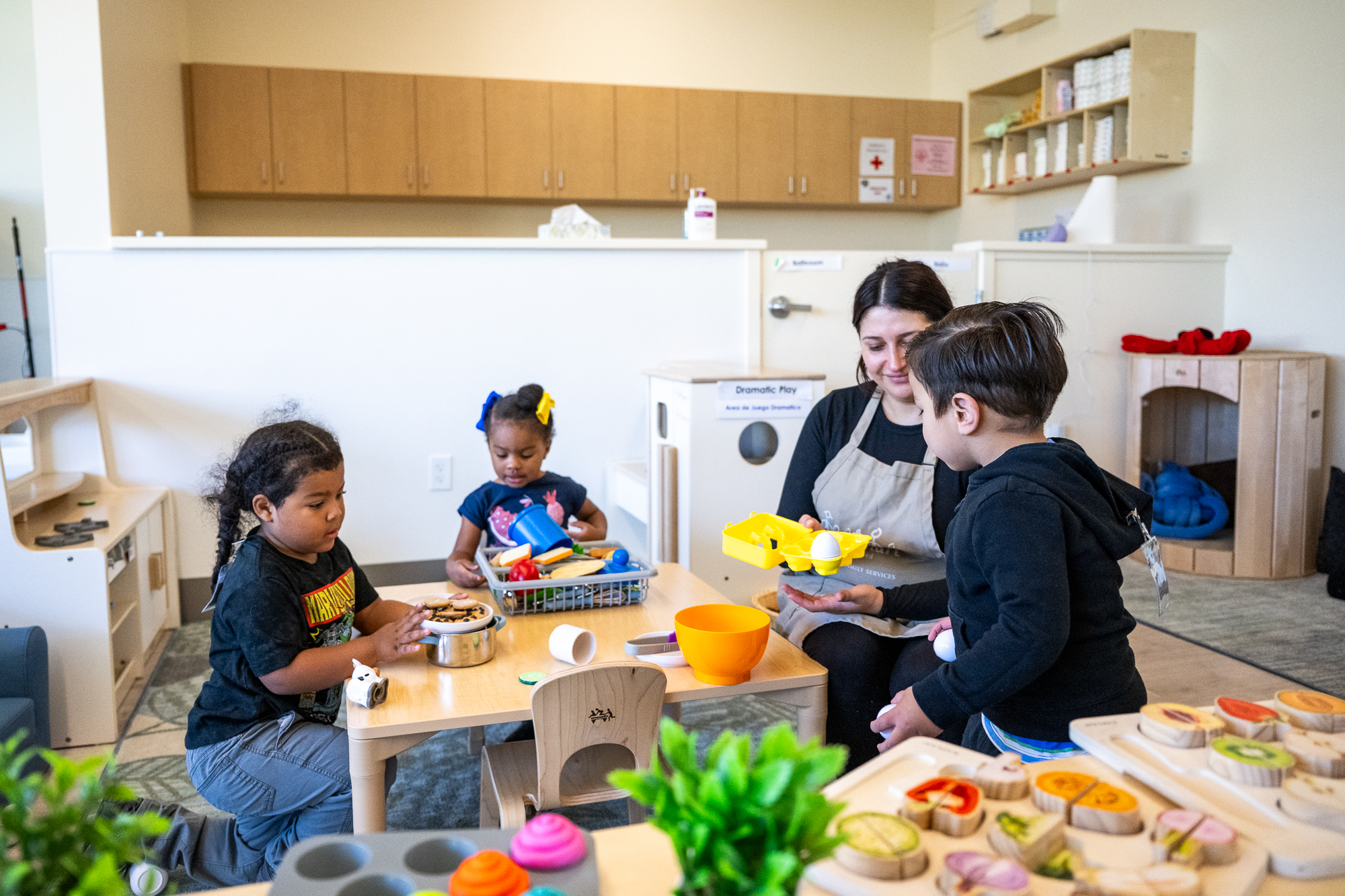
"caption": "Teacher Brianda Casillas works with children in a classroom at Rise Vallejo, an early education center, in Vallejo on April 28, 2026. The center recently opened, repurposing a former elementary school into a campus with classrooms, outdoor areas, and childcare space specifically designed for young children.",
"credit": "Beth LaBerge/KQED",
"altTag": null,
"description": null,
"imgSizes": {
"thumbnail": {
"file": "https://cdn.kqed.org/wp-content/uploads/sites/10/2026/04/260428-VallejoChildCare-23-BL-160x107.jpg",
"width": 160,
"height": 107,
"mimeType": "image/jpeg"
},
"1536x1536": {
"file": "https://cdn.kqed.org/wp-content/uploads/sites/10/2026/04/260428-VallejoChildCare-23-BL-1536x1024.jpg",
"width": 1536,
"height": 1024,
"mimeType": "image/jpeg"
},
"post-thumbnail": {
"file": "https://cdn.kqed.org/wp-content/uploads/sites/10/2026/04/260428-VallejoChildCare-23-BL-672x372.jpg",
"width": 672,
"height": 372,
"mimeType": "image/jpeg"
},
"twentyfourteen-full-width": {
"file": "https://cdn.kqed.org/wp-content/uploads/sites/10/2026/04/260428-VallejoChildCare-23-BL-1038x576.jpg",
"width": 1038,
"height": 576,
"mimeType": "image/jpeg"
},
"npr-cds-wide": {
"file": "https://cdn.kqed.org/wp-content/uploads/sites/10/2026/04/260428-VallejoChildCare-23-BL-1200x675.jpg",
"width": 1200,
"height": 675,
"mimeType": "image/jpeg"
},
"npr-cds-square": {
"file": "https://cdn.kqed.org/wp-content/uploads/sites/10/2026/04/260428-VallejoChildCare-23-BL-600x600.jpg",
"width": 600,
"height": 600,
"mimeType": "image/jpeg"
},
"kqedFullSize": {
"file": "https://cdn.kqed.org/wp-content/uploads/sites/10/2026/04/260428-VallejoChildCare-23-BL.jpg",
"width": 2000,
"height": 1333
}
},
"isLoading": false,
"fetchFailed": false
},
"news_12079720": {
"type": "attachments",
"id": "news_12079720",
"meta": {
"index": "attachments_1716263798",
"site": "news",
"id": "12079720",
"found": true
},
"title": "260325-AFFORDIBILTYYOUNGPARENTS00248_TV-KQED",
"publishDate": 1776112038,
"status": "inherit",
"parent": 0,
"modified": 1777499144,
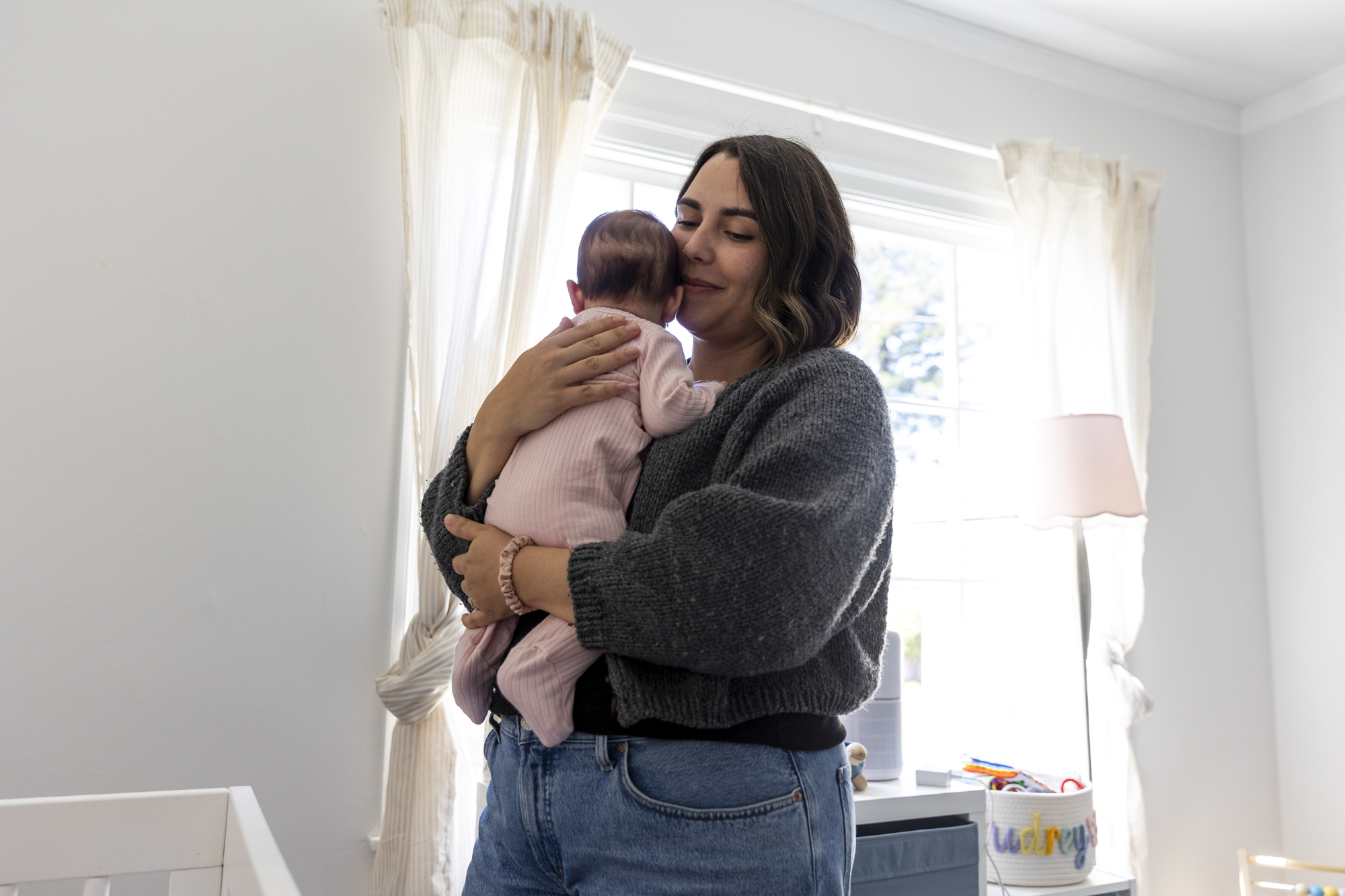
"caption": "Lauren Fierro soothes her daughter, Audrey Fierro-Phillips, for nap time in Oakland on March 25, 2026.",
"credit": "Tâm Vũ/KQED",
"altTag": null,
"description": null,
"imgSizes": {
"thumbnail": {
"file": "https://cdn.kqed.org/wp-content/uploads/sites/10/2026/04/260325-AFFORDIBILTYYOUNGPARENTS00248_TV-KQED-160x107.jpg",
"width": 160,
"height": 107,
"mimeType": "image/jpeg"
},
"1536x1536": {
"file": "https://cdn.kqed.org/wp-content/uploads/sites/10/2026/04/260325-AFFORDIBILTYYOUNGPARENTS00248_TV-KQED-1536x1024.jpg",
"width": 1536,
"height": 1024,
"mimeType": "image/jpeg"
},
"post-thumbnail": {
"file": "https://cdn.kqed.org/wp-content/uploads/sites/10/2026/04/260325-AFFORDIBILTYYOUNGPARENTS00248_TV-KQED-672x372.jpg",
"width": 672,
"height": 372,
"mimeType": "image/jpeg"
},
"twentyfourteen-full-width": {
"file": "https://cdn.kqed.org/wp-content/uploads/sites/10/2026/04/260325-AFFORDIBILTYYOUNGPARENTS00248_TV-KQED-1038x576.jpg",
"width": 1038,
"height": 576,
"mimeType": "image/jpeg"
},
"npr-cds-wide": {
"file": "https://cdn.kqed.org/wp-content/uploads/sites/10/2026/04/260325-AFFORDIBILTYYOUNGPARENTS00248_TV-KQED-1200x675.jpg",
"width": 1200,
"height": 675,
"mimeType": "image/jpeg"
},
"npr-cds-square": {
"file": "https://cdn.kqed.org/wp-content/uploads/sites/10/2026/04/260325-AFFORDIBILTYYOUNGPARENTS00248_TV-KQED-600x600.jpg",
"width": 600,
"height": 600,
"mimeType": "image/jpeg"
},
"kqedFullSize": {
"file": "https://cdn.kqed.org/wp-content/uploads/sites/10/2026/04/260325-AFFORDIBILTYYOUNGPARENTS00248_TV-KQED.jpg",
"width": 2000,
"height": 1333
}
},
"isLoading": false,
"fetchFailed": false
},
"news_12070471": {
"type": "attachments",
"id": "news_12070471",
"meta": {
"index": "attachments_1716263798",
"site": "news",
"id": "12070471",
"found": true
},
"title": "011526_ALAMEDABRIDGES_GH_029-KQED-KQED-1",
"publishDate": 1768944175,
"status": "inherit",
"parent": 0,
"modified": 1777493015,
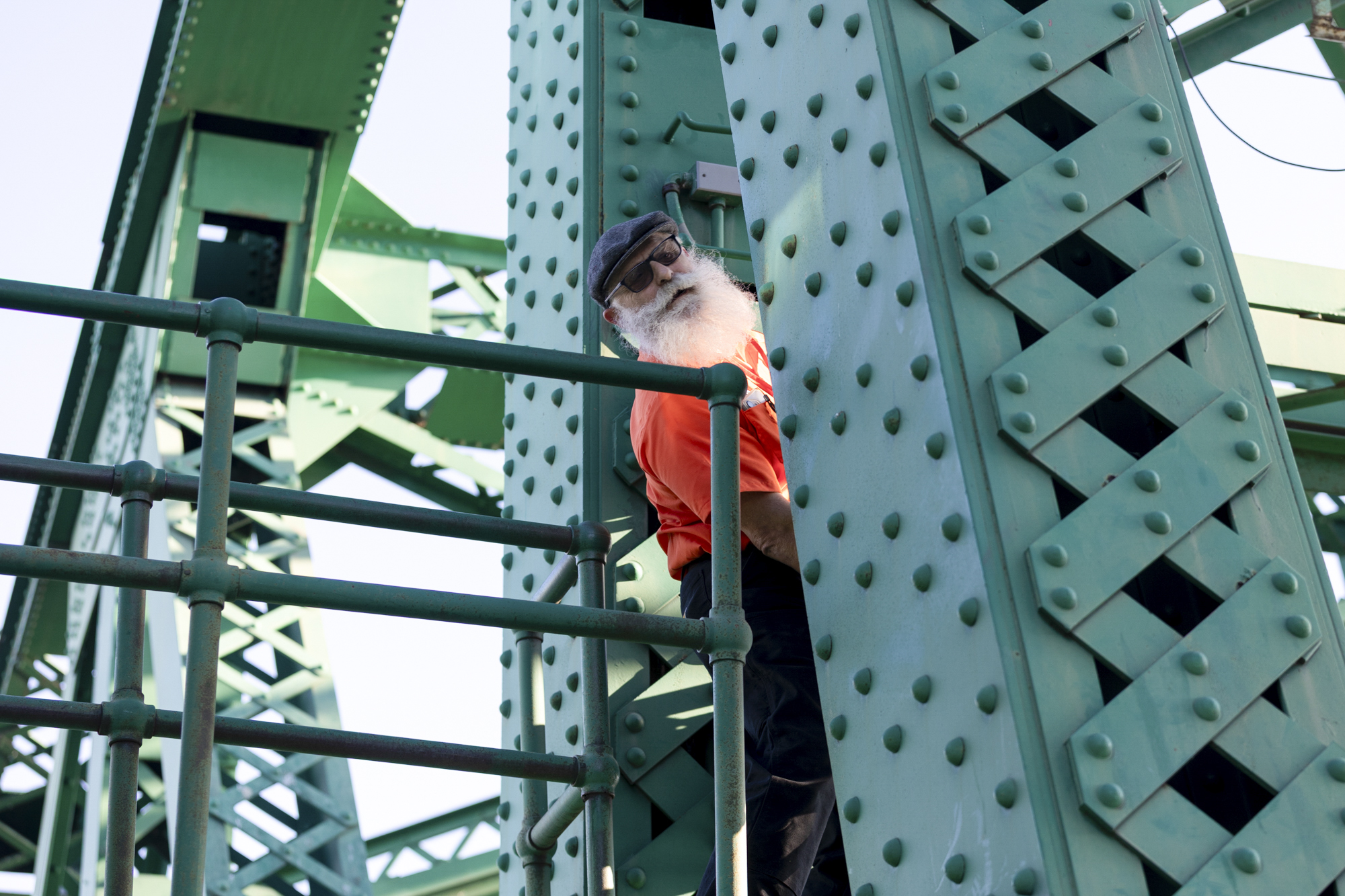
"caption": "John Williams, a bridge utility worker with the Alameda County Public Works Agency, prepares to lift the Park Street Bridge to allow marine traffic through the Oakland-Alameda Estuary on Jan. 13, 2026, in Alameda.",
"credit": "Gustavo Hernandez/KQED",
"altTag": null,
"description": null,
"imgSizes": {
"thumbnail": {
"file": "https://cdn.kqed.org/wp-content/uploads/sites/10/2026/01/011526_ALAMEDABRIDGES_GH_029-KQED-KQED-1-160x107.jpg",
"width": 160,
"height": 107,
"mimeType": "image/jpeg"
},
"1536x1536": {
"file": "https://cdn.kqed.org/wp-content/uploads/sites/10/2026/01/011526_ALAMEDABRIDGES_GH_029-KQED-KQED-1-1536x1024.jpg",
"width": 1536,
"height": 1024,
"mimeType": "image/jpeg"
},
"post-thumbnail": {
"file": "https://cdn.kqed.org/wp-content/uploads/sites/10/2026/01/011526_ALAMEDABRIDGES_GH_029-KQED-KQED-1-672x372.jpg",
"width": 672,
"height": 372,
"mimeType": "image/jpeg"
},
"twentyfourteen-full-width": {
"file": "https://cdn.kqed.org/wp-content/uploads/sites/10/2026/01/011526_ALAMEDABRIDGES_GH_029-KQED-KQED-1-1038x576.jpg",
"width": 1038,
"height": 576,
"mimeType": "image/jpeg"
},
"npr-cds-wide": {
"file": "https://cdn.kqed.org/wp-content/uploads/sites/10/2026/01/011526_ALAMEDABRIDGES_GH_029-KQED-KQED-1-1200x675.jpg",
"width": 1200,
"height": 675,
"mimeType": "image/jpeg"
},
"kqedFullSize": {
"file": "https://cdn.kqed.org/wp-content/uploads/sites/10/2026/01/011526_ALAMEDABRIDGES_GH_029-KQED-KQED-1.jpg",
"width": 2000,
"height": 1333
}
},
"isLoading": false,
"fetchFailed": false
},
"news_12081691": {
"type": "attachments",
"id": "news_12081691",
"meta": {
"index": "attachments_1716263798",
"site": "news",
"id": "12081691",
"found": true
},
"title": "260428-SFSPEEDCAMERAS-22-BL-KQED",
"publishDate": 1777419172,
"status": "inherit",
"parent": 0,
"modified": 1777419195,
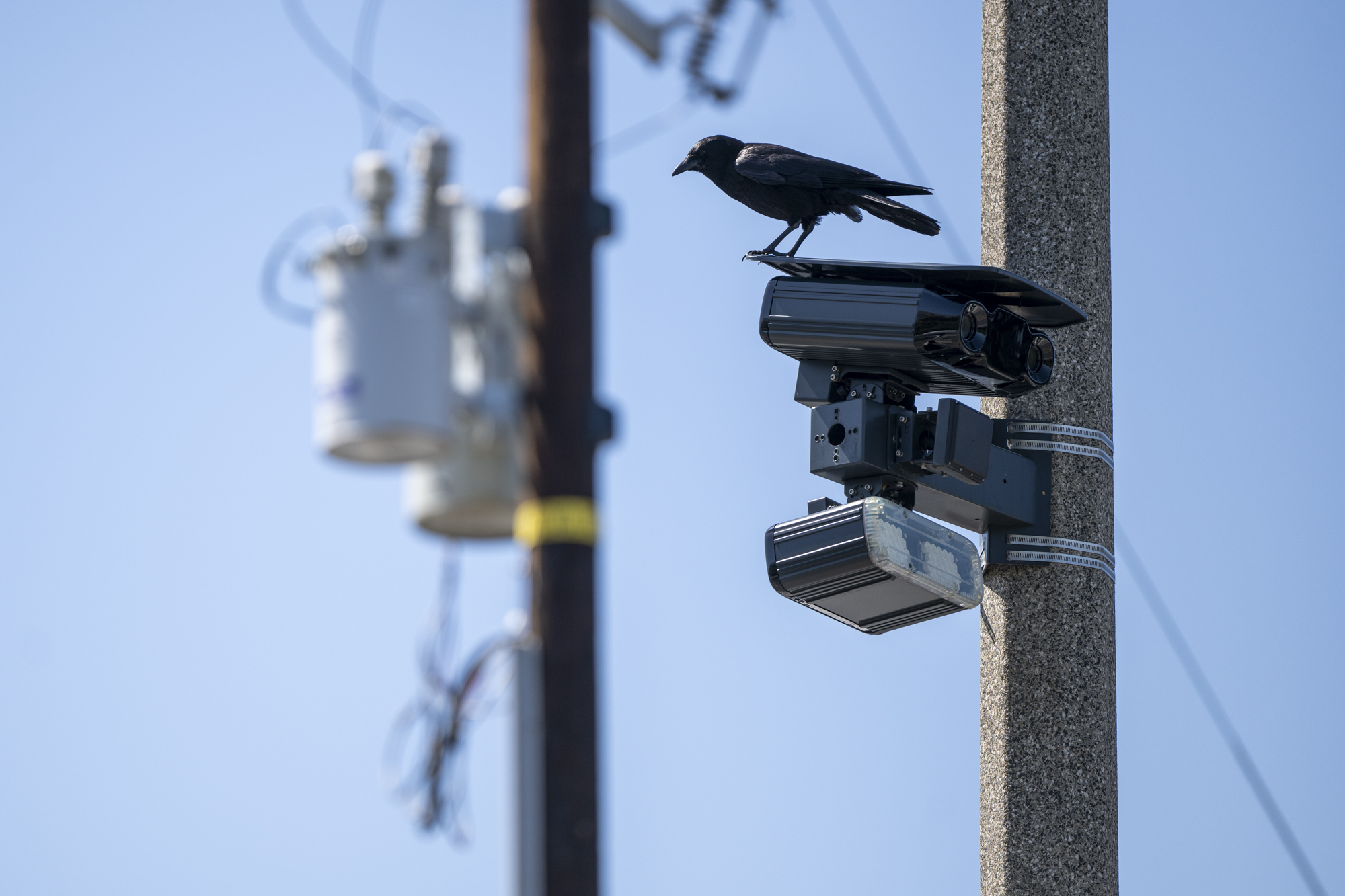
"caption": "A speed camera on Alemany Boulevard monitors traffic between Farragut and Naglee avenues in San Francisco on April 28, 2026, as part of a city pilot program to reduce speeding and traffic injuries.",
"credit": "Beth LaBerge/KQED",
"altTag": null,
"description": null,
"imgSizes": {
"thumbnail": {
"file": "https://cdn.kqed.org/wp-content/uploads/sites/10/2026/04/260428-SFSPEEDCAMERAS-22-BL-KQED-160x107.jpg",
"width": 160,
"height": 107,
"mimeType": "image/jpeg"
},
"1536x1536": {
"file": "https://cdn.kqed.org/wp-content/uploads/sites/10/2026/04/260428-SFSPEEDCAMERAS-22-BL-KQED-1536x1024.jpg",
"width": 1536,
"height": 1024,
"mimeType": "image/jpeg"
},
"post-thumbnail": {
"file": "https://cdn.kqed.org/wp-content/uploads/sites/10/2026/04/260428-SFSPEEDCAMERAS-22-BL-KQED-672x372.jpg",
"width": 672,
"height": 372,
"mimeType": "image/jpeg"
},
"twentyfourteen-full-width": {
"file": "https://cdn.kqed.org/wp-content/uploads/sites/10/2026/04/260428-SFSPEEDCAMERAS-22-BL-KQED-1038x576.jpg",
"width": 1038,
"height": 576,
"mimeType": "image/jpeg"
},
"npr-cds-wide": {
"file": "https://cdn.kqed.org/wp-content/uploads/sites/10/2026/04/260428-SFSPEEDCAMERAS-22-BL-KQED-1200x675.jpg",
"width": 1200,
"height": 675,
"mimeType": "image/jpeg"
},
"npr-cds-square": {
"file": "https://cdn.kqed.org/wp-content/uploads/sites/10/2026/04/260428-SFSPEEDCAMERAS-22-BL-KQED-600x600.jpg",
"width": 600,
"height": 600,
"mimeType": "image/jpeg"
},
"kqedFullSize": {
"file": "https://cdn.kqed.org/wp-content/uploads/sites/10/2026/04/260428-SFSPEEDCAMERAS-22-BL-KQED.jpg",
"width": 2000,
"height": 1333
}
},
"isLoading": false,
"fetchFailed": false
},
"news_12081648": {
"type": "attachments",
"id": "news_12081648",
"meta": {
"index": "attachments_1716263798",
"site": "news",
"id": "12081648",
"found": true
},
"title": "260428-TRANSITRIDERSHIPREBOUND00494_TV-KQED",
"publishDate": 1777410533,
"status": "inherit",
"parent": 12090116,
"modified": 1783617241,
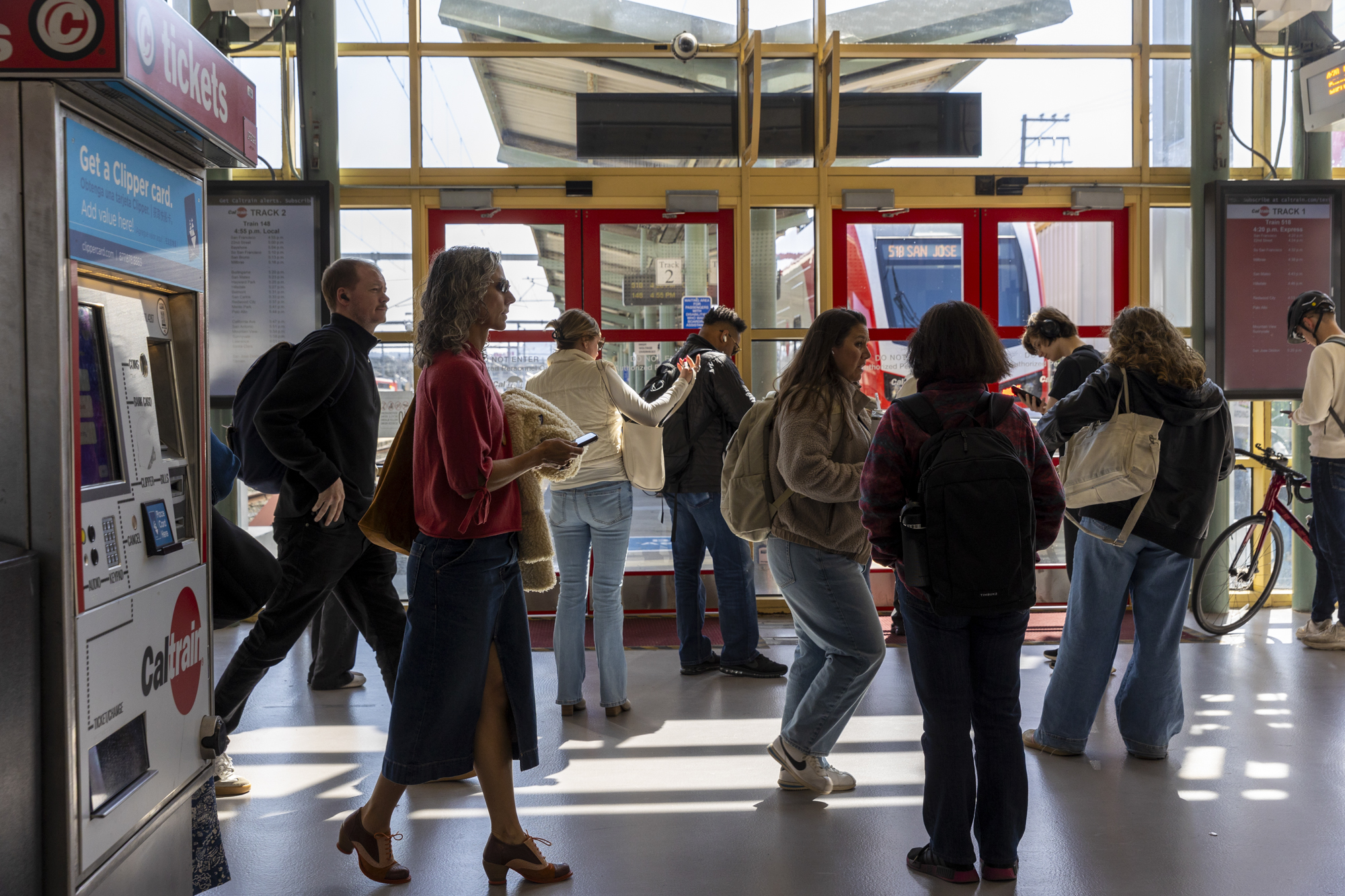
"caption": "Transit riders walk through the Caltrain station on King Street and Fourth Street in San Francisco on April 27, 2026.",
"credit": "Tâm Vũ/KQED",
"altTag": null,
"description": null,
"imgSizes": {
"thumbnail": {
"file": "https://cdn.kqed.org/wp-content/uploads/sites/10/2026/04/260428-TRANSITRIDERSHIPREBOUND00494_TV-KQED-160x107.jpg",
"width": 160,
"height": 107,
"mimeType": "image/jpeg"
},
"1536x1536": {
"file": "https://cdn.kqed.org/wp-content/uploads/sites/10/2026/04/260428-TRANSITRIDERSHIPREBOUND00494_TV-KQED-1536x1024.jpg",
"width": 1536,
"height": 1024,
"mimeType": "image/jpeg"
},
"post-thumbnail": {
"file": "https://cdn.kqed.org/wp-content/uploads/sites/10/2026/04/260428-TRANSITRIDERSHIPREBOUND00494_TV-KQED-672x372.jpg",
"width": 672,
"height": 372,
"mimeType": "image/jpeg"
},
"twentyfourteen-full-width": {
"file": "https://cdn.kqed.org/wp-content/uploads/sites/10/2026/04/260428-TRANSITRIDERSHIPREBOUND00494_TV-KQED-1038x576.jpg",
"width": 1038,
"height": 576,
"mimeType": "image/jpeg"
},
"npr-cds-wide": {
"file": "https://cdn.kqed.org/wp-content/uploads/sites/10/2026/04/260428-TRANSITRIDERSHIPREBOUND00494_TV-KQED-1200x675.jpg",
"width": 1200,
"height": 675,
"mimeType": "image/jpeg"
},
"npr-cds-square": {
"file": "https://cdn.kqed.org/wp-content/uploads/sites/10/2026/04/260428-TRANSITRIDERSHIPREBOUND00494_TV-KQED-600x600.jpg",
"width": 600,
"height": 600,
"mimeType": "image/jpeg"
},
"kqedFullSize": {
"file": "https://cdn.kqed.org/wp-content/uploads/sites/10/2026/04/260428-TRANSITRIDERSHIPREBOUND00494_TV-KQED.jpg",
"width": 2000,
"height": 1333
}
},
"isLoading": false,
"fetchFailed": false
},
"news_12081658": {
"type": "attachments",
"id": "news_12081658",
"meta": {
"index": "attachments_1716263798",
"site": "news",
"id": "12081658",
"found": true
},
"title": "_MG_6573_qed",
"publishDate": 1777410826,
"status": "inherit",
"parent": 12081460,
"modified": 1777411924,
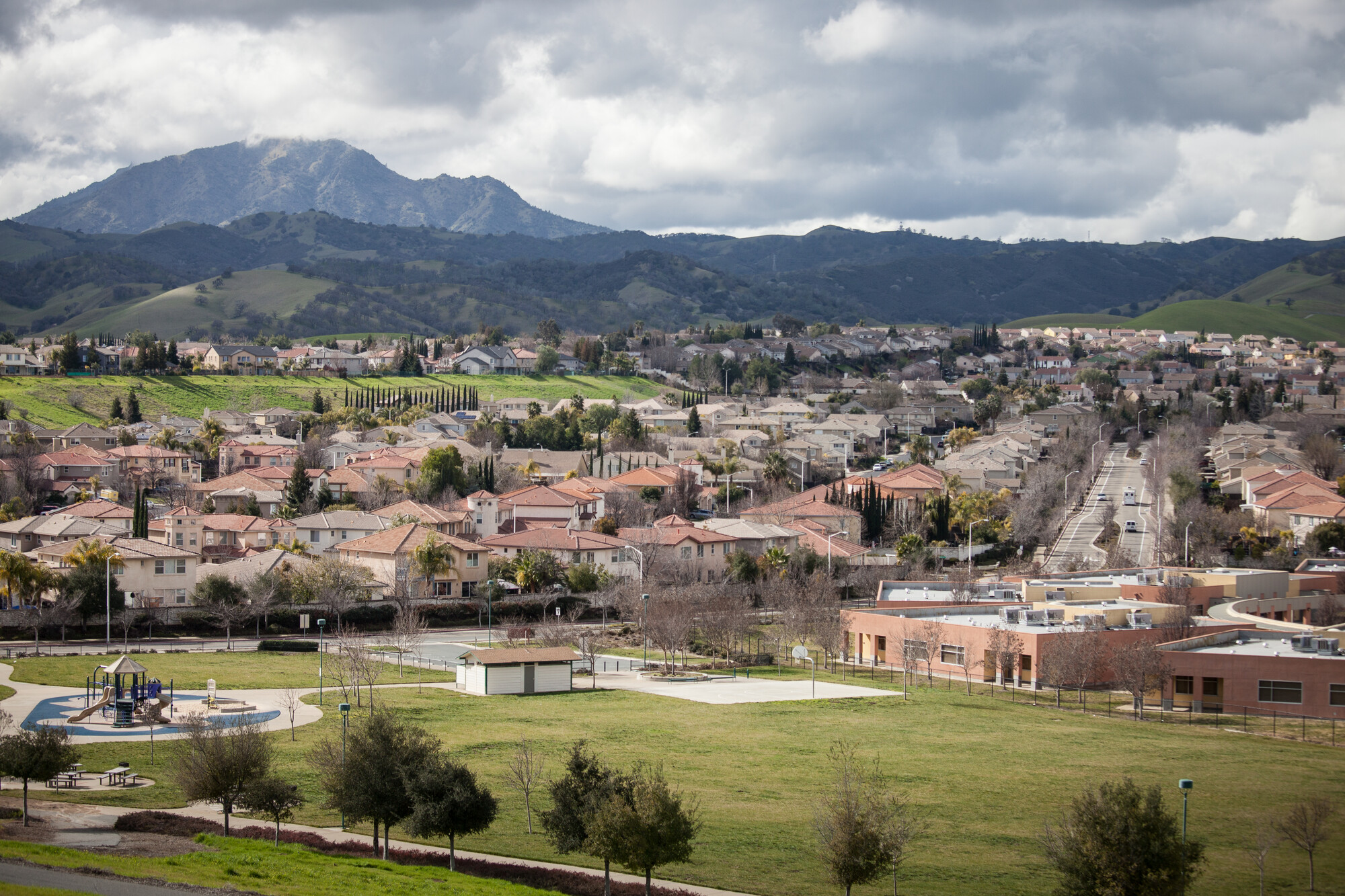
"caption": "A view of a residential part of Antioch with Mount Diablo standing in the background.",
"credit": "Deborah Svoboda/KQED",
"altTag": null,
"description": null,
"imgSizes": {
"thumbnail": {
"file": "https://cdn.kqed.org/wp-content/uploads/sites/10/2026/04/MG_6573_qed-160x107.jpg",
"width": 160,
"height": 107,
"mimeType": "image/jpeg"
},
"1536x1536": {
"file": "https://cdn.kqed.org/wp-content/uploads/sites/10/2026/04/MG_6573_qed-1536x1024.jpg",
"width": 1536,
"height": 1024,
"mimeType": "image/jpeg"
},
"post-thumbnail": {
"file": "https://cdn.kqed.org/wp-content/uploads/sites/10/2026/04/MG_6573_qed-672x372.jpg",
"width": 672,
"height": 372,
"mimeType": "image/jpeg"
},
"twentyfourteen-full-width": {
"file": "https://cdn.kqed.org/wp-content/uploads/sites/10/2026/04/MG_6573_qed-1038x576.jpg",
"width": 1038,
"height": 576,
"mimeType": "image/jpeg"
},
"npr-cds-wide": {
"file": "https://cdn.kqed.org/wp-content/uploads/sites/10/2026/04/MG_6573_qed-1200x675.jpg",
"width": 1200,
"height": 675,
"mimeType": "image/jpeg"
},
"npr-cds-square": {
"file": "https://cdn.kqed.org/wp-content/uploads/sites/10/2026/04/MG_6573_qed-600x600.jpg",
"width": 600,
"height": 600,
"mimeType": "image/jpeg"
},
"kqedFullSize": {
"file": "https://cdn.kqed.org/wp-content/uploads/sites/10/2026/04/MG_6573_qed.jpg",
"width": 2000,
"height": 1333
}
},
"isLoading": false,
"fetchFailed": false
},
"news_12081459": {
"type": "attachments",
"id": "news_12081459",
"meta": {
"index": "attachments_1716263798",
"site": "news",
"id": "12081459",
"found": true
},
"title": "260416-COSTOFDRIVING00282_TV-KQED",
"publishDate": 1777308877,
"status": "inherit",
"parent": 0,
"modified": 1777308888,
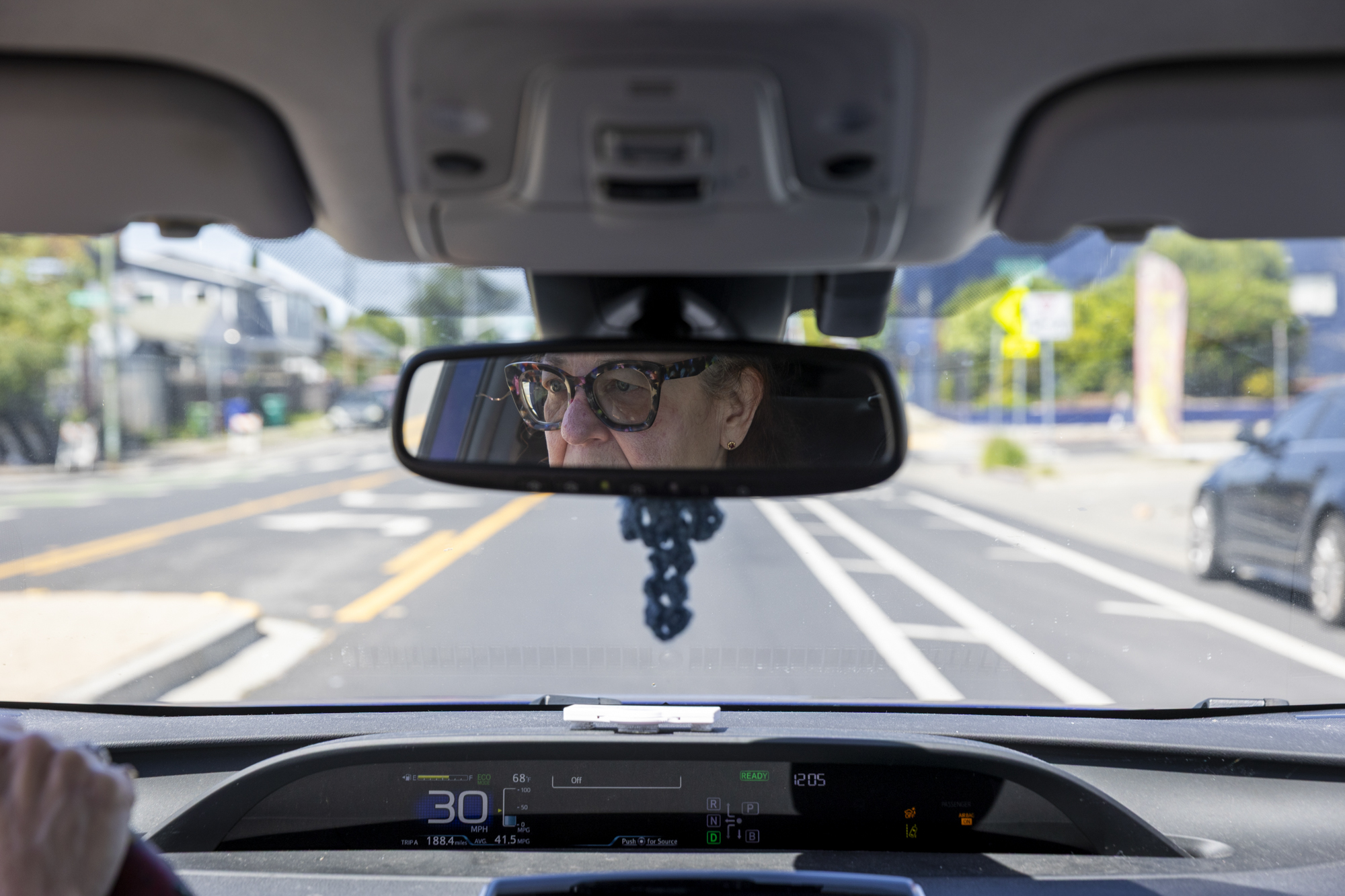
"caption": "Shekinah Samaya-Thomas drives herself and her husband to a food distribution center in Oakland on April 16, 2026.",
"credit": "Tâm Vũ/KQED",
"altTag": null,
"description": null,
"imgSizes": {
"thumbnail": {
"file": "https://cdn.kqed.org/wp-content/uploads/sites/10/2026/04/260416-COSTOFDRIVING00282_TV-KQED-160x107.jpg",
"width": 160,
"height": 107,
"mimeType": "image/jpeg"
},
"1536x1536": {
"file": "https://cdn.kqed.org/wp-content/uploads/sites/10/2026/04/260416-COSTOFDRIVING00282_TV-KQED-1536x1024.jpg",
"width": 1536,
"height": 1024,
"mimeType": "image/jpeg"
},
"post-thumbnail": {
"file": "https://cdn.kqed.org/wp-content/uploads/sites/10/2026/04/260416-COSTOFDRIVING00282_TV-KQED-672x372.jpg",
"width": 672,
"height": 372,
"mimeType": "image/jpeg"
},
"twentyfourteen-full-width": {
"file": "https://cdn.kqed.org/wp-content/uploads/sites/10/2026/04/260416-COSTOFDRIVING00282_TV-KQED-1038x576.jpg",
"width": 1038,
"height": 576,
"mimeType": "image/jpeg"
},
"npr-cds-wide": {
"file": "https://cdn.kqed.org/wp-content/uploads/sites/10/2026/04/260416-COSTOFDRIVING00282_TV-KQED-1200x675.jpg",
"width": 1200,
"height": 675,
"mimeType": "image/jpeg"
},
"npr-cds-square": {
"file": "https://cdn.kqed.org/wp-content/uploads/sites/10/2026/04/260416-COSTOFDRIVING00282_TV-KQED-600x600.jpg",
"width": 600,
"height": 600,
"mimeType": "image/jpeg"
},
"kqedFullSize": {
"file": "https://cdn.kqed.org/wp-content/uploads/sites/10/2026/04/260416-COSTOFDRIVING00282_TV-KQED.jpg",
"width": 2000,
"height": 1333
}
},
"isLoading": false,
"fetchFailed": false
},
"news_12081537": {
"type": "attachments",
"id": "news_12081537",
"meta": {
"index": "attachments_1716263798",
"site": "news",
"id": "12081537",
"found": true
},
"title": "260427-CONSTRUCTIONWORKERS-19-BL-KQED",
"publishDate": 1777323932,
"status": "inherit",
"parent": 0,
"modified": 1777331473,
"caption": "Construction workers and supporters march through Oakland to the Lion Creek Crossings, an affordable housing complex, on April 27, 2026, as part of a demonstration calling for more than $300,000 in unpaid wages from Bay Area contractors Milestone Roofing and Saarman Construction.",
"credit": "Beth LaBerge/KQED",
"altTag": null,
"description": null,
"imgSizes": {
"thumbnail": {
"file": "https://cdn.kqed.org/wp-content/uploads/sites/10/2026/04/260427-CONSTRUCTIONWORKERS-19-BL-KQED-160x107.jpg",
"width": 160,
"height": 107,
"mimeType": "image/jpeg"
},
"1536x1536": {
"file": "https://cdn.kqed.org/wp-content/uploads/sites/10/2026/04/260427-CONSTRUCTIONWORKERS-19-BL-KQED-1536x1024.jpg",
"width": 1536,
"height": 1024,
"mimeType": "image/jpeg"
},
"post-thumbnail": {
"file": "https://cdn.kqed.org/wp-content/uploads/sites/10/2026/04/260427-CONSTRUCTIONWORKERS-19-BL-KQED-672x372.jpg",
"width": 672,
"height": 372,
"mimeType": "image/jpeg"
},
"twentyfourteen-full-width": {
"file": "https://cdn.kqed.org/wp-content/uploads/sites/10/2026/04/260427-CONSTRUCTIONWORKERS-19-BL-KQED-1038x576.jpg",
"width": 1038,
"height": 576,
"mimeType": "image/jpeg"
},
"npr-cds-wide": {
"file": "https://cdn.kqed.org/wp-content/uploads/sites/10/2026/04/260427-CONSTRUCTIONWORKERS-19-BL-KQED-1200x675.jpg",
"width": 1200,
"height": 675,
"mimeType": "image/jpeg"
},
"npr-cds-square": {
"file": "https://cdn.kqed.org/wp-content/uploads/sites/10/2026/04/260427-CONSTRUCTIONWORKERS-19-BL-KQED-600x600.jpg",
"width": 600,
"height": 600,
"mimeType": "image/jpeg"
},
"kqedFullSize": {
"file": "https://cdn.kqed.org/wp-content/uploads/sites/10/2026/04/260427-CONSTRUCTIONWORKERS-19-BL-KQED.jpg",
"width": 2000,
"height": 1333
}
},
"isLoading": false,
"fetchFailed": false
},
"news_12080929": {
"type": "attachments",
"id": "news_12080929",
"meta": {
"index": "attachments_1716263798",
"site": "news",
"id": "12080929",
"found": true
},
"title": "260422-ALTMANMUSK-MD-01-KQED",
"publishDate": 1776885164,
"status": "inherit",
"parent": 0,
"modified": 1776885551,
"caption": "Once allies in what they called a mission to develop AI safely for humanity, Elon Musk and Sam Altman will let a federal judge and jury decide what that promise was worth. The trial is slated to begin April 27, 2026.",
"credit": "Left: Chip Somodevilla/Getty Images; Right: Fabrice Coffrini/AFP via Getty Images",
"altTag": null,
"description": null,
"imgSizes": {
"thumbnail": {
"file": "https://cdn.kqed.org/wp-content/uploads/sites/10/2026/04/260422-ALTMANMUSK-MD-01-KQED-160x107.jpg",
"width": 160,
"height": 107,
"mimeType": "image/jpeg"
},
"1536x1536": {
"file": "https://cdn.kqed.org/wp-content/uploads/sites/10/2026/04/260422-ALTMANMUSK-MD-01-KQED-1536x1025.jpg",
"width": 1536,
"height": 1025,
"mimeType": "image/jpeg"
},
"post-thumbnail": {
"file": "https://cdn.kqed.org/wp-content/uploads/sites/10/2026/04/260422-ALTMANMUSK-MD-01-KQED-672x372.jpg",
"width": 672,
"height": 372,
"mimeType": "image/jpeg"
},
"twentyfourteen-full-width": {
"file": "https://cdn.kqed.org/wp-content/uploads/sites/10/2026/04/260422-ALTMANMUSK-MD-01-KQED-1038x576.jpg",
"width": 1038,
"height": 576,
"mimeType": "image/jpeg"
},
"npr-cds-wide": {
"file": "https://cdn.kqed.org/wp-content/uploads/sites/10/2026/04/260422-ALTMANMUSK-MD-01-KQED-1200x675.jpg",
"width": 1200,
"height": 675,
"mimeType": "image/jpeg"
},
"npr-cds-square": {
"file": "https://cdn.kqed.org/wp-content/uploads/sites/10/2026/04/260422-ALTMANMUSK-MD-01-KQED-600x600.jpg",
"width": 600,
"height": 600,
"mimeType": "image/jpeg"
},
"kqedFullSize": {
"file": "https://cdn.kqed.org/wp-content/uploads/sites/10/2026/04/260422-ALTMANMUSK-MD-01-KQED.jpg",
"width": 2000,
"height": 1334
}
},
"isLoading": false,
"fetchFailed": false
}
},
"audioPlayerReducer": {
"postId": "stream_live",
"isPaused": true,
"isPlaying": false,
"pfsActive": false,
"pledgeModalIsOpen": true,
"playerDrawerIsOpen": false,
"liveAudioPlayStartedAt": 0,
"liveAudioPlayContext": ""
},
"authorsReducer": {
"byline_news_12082064": {
"type": "authors",
"id": "byline_news_12082064",
"meta": {
"override": true
},
"slug": "byline_news_12082064",
"name": "Matt O’Brien, Associated Press, and Nisa Khan, KQED",
"isLoading": false
},
"rachael-myrow": {
"type": "authors",
"id": "251",
"meta": {
"index": "authors_1716337520",
"id": "251",
"found": true
},
"name": "Rachael Myrow",
"firstName": "Rachael",
"lastName": "Myrow",
"slug": "rachael-myrow",
"email": "rmyrow@kqed.org",
"display_author_email": true,
"staff_mastheads": [
"news"
],
"title": "Senior Editor of KQED's Silicon Valley News Desk",
"bio": "• I write and edit stories about how Silicon Valley power and policies shape everyday life in California. I’m also passionate about making Bay Area history and culture more accessible to a broad public. • I’ve been a journalist for most of my life, starting in high school with The Franklin Press in Los Angeles, where I grew up. While earning my first degree in English at UC Berkeley, I got my start in public radio at KALX-FM. After completing a second degree in journalism at Cal, I landed my first professional job at Marketplace, then moved on to KPCC (now LAist), and then KQED, where I hosted The California Report for more than seven years. • My reporting has appeared on NPR, The World, WBUR’s \u003ci>Here & Now\u003c/i>, and the BBC. I also guest host for KQED’s \u003ci>Forum\u003c/i>, as well as the Commonwealth Club in San Francisco. • I speak periodically on media, democracy and technology issues, and do voiceover work for documentaries and educational video projects. • Outside of the studio, you'll find me hiking Bay Area trails and whipping up Insta-ready meals in my kitchen. • I do not accept gifts, money, or favors from anyone connected to my reporting, I don't pay people for information, and I do not support or donate to political causes. • I strive to treat the people I report on with fairness, honesty, and respect. I also recognize there are often multiple sides to a story and work to verify information through multiple sources and documentation. If I get something wrong, I correct it.",
"avatar": "https://secure.gravatar.com/avatar/3ed8a3c5f26025e4a805ba634cda8cd764906b97438a6d9ce216b044e340da4e?s=600&d=blank&r=g",
"twitter": "rachaelmyrow",
"bluesky": null,
"facebook": null,
"instagram": null,
"linkedin": "https://www.linkedin.com/in/rachaelmyrow/",
"sites": [
{
"site": "arts",
"roles": [
"administrator"
]
},
{
"site": "news",
"roles": [
"edit_others_posts",
"editor"
]
},
{
"site": "futureofyou",
"roles": [
"editor"
]
},
{
"site": "bayareabites",
"roles": [
"editor"
]
},
{
"site": "stateofhealth",
"roles": [
"editor"
]
},
{
"site": "science",
"roles": [
"editor"
]
},
{
"site": "food",
"roles": [
"editor"
]
},
{
"site": "forum",
"roles": [
"editor"
]
},
{
"site": "liveblog",
"roles": [
"author"
]
}
],
"headData": {
"title": "Rachael Myrow | KQED",
"description": "Senior Editor of KQED's Silicon Valley News Desk",
"ogImgSrc": "https://secure.gravatar.com/avatar/3ed8a3c5f26025e4a805ba634cda8cd764906b97438a6d9ce216b044e340da4e?s=600&d=blank&r=g",
"twImgSrc": "https://secure.gravatar.com/avatar/3ed8a3c5f26025e4a805ba634cda8cd764906b97438a6d9ce216b044e340da4e?s=600&d=blank&r=g"
},
"isLoading": false,
"link": "/author/rachael-myrow"
},
"fjhabvala": {
"type": "authors",
"id": "8659",
"meta": {
"index": "authors_1716337520",
"id": "8659",
"found": true
},
"name": "Farida Jhabvala Romero",
"firstName": "Farida",
"lastName": "Jhabvala Romero",
"slug": "fjhabvala",
"email": "fjhabvala@kqed.org",
"display_author_email": true,
"staff_mastheads": [
"news"
],
"title": "KQED Contributor",
"bio": "Farida Jhabvala Romero is a Labor Correspondent for KQED. She previously covered immigration. Farida was \u003ca href=\"https://www.ccnma.org/2022-most-influential-latina-journalists\">named\u003c/a> one of the 10 Most Influential Latina Journalists in California in 2022 by the California Chicano News Media Association. Her work has won awards from the Society of Professional Journalists (Northern California), as well as a national and regional Edward M. Murrow Award for the collaborative reporting projects “Dangerous Air” and “Graying California.” Before joining KQED, Farida worked as a producer at Radio Bilingüe, a national public radio network. Farida earned her master’s degree in journalism from Stanford University.",
"avatar": "https://secure.gravatar.com/avatar/f9f022d4e2609741874222a1e9d41f48fea74011aa7c615eef91d9a50c944ebe?s=600&d=blank&r=g",
"twitter": "FaridaJhabvala",
"bluesky": null,
"facebook": null,
"instagram": null,
"linkedin": "https://www.linkedin.com/in/faridajhabvala/",
"sites": [
{
"site": "news",
"roles": [
"editor"
]
},
{
"site": "stateofhealth",
"roles": [
"author"
]
},
{
"site": "liveblog",
"roles": [
"author"
]
}
],
"headData": {
"title": "Farida Jhabvala Romero | KQED",
"description": "KQED Contributor",
"ogImgSrc": "https://secure.gravatar.com/avatar/f9f022d4e2609741874222a1e9d41f48fea74011aa7c615eef91d9a50c944ebe?s=600&d=blank&r=g",
"twImgSrc": "https://secure.gravatar.com/avatar/f9f022d4e2609741874222a1e9d41f48fea74011aa7c615eef91d9a50c944ebe?s=600&d=blank&r=g"
},
"isLoading": false,
"link": "/author/fjhabvala"
},
"ahall": {
"type": "authors",
"id": "11490",
"meta": {
"index": "authors_1716337520",
"id": "11490",
"found": true
},
"name": "Alex Hall",
"firstName": "Alex",
"lastName": "Hall",
"slug": "ahall",
"email": "ahall@kqed.org",
"display_author_email": false,
"staff_mastheads": [
"news"
],
"title": "KQED Enterprise & Accountability Reporter",
"bio": "Alex Hall is KQED's Enterprise and Accountability Reporter. She previously covered the Central Valley for five years from KQED's bureau in Fresno. Before joining KQED, Alex was an investigative reporting fellow at Wisconsin Public Radio and the Wisconsin Center for Investigative Journalism. She has also worked as a bilingual producer for NPR's investigative unit and freelance video producer for Reuters TV on the Latin America desk. She got her start in journalism in South America, where she worked as a radio producer and Spanish-English translator for CNN Chile. Her documentary and investigation into the series of deadly COVID-19 outbreaks at Foster Farms won a national Edward R. Murrow award and was named an Investigative Reporters & Editors award finalist. Alex's reporting for Reveal on the Wisconsin dairy industry's reliance on undocumented immigrant labor was made into a film, Los Lecheros, which won a regional Edward R. Murrow award for best news documentary.",
"avatar": "https://secure.gravatar.com/avatar/defcbeb88b0bf591ff9af41f22644051?s=600&d=blank&r=g",
"twitter": "@chalexhall",
"facebook": null,
"instagram": null,
"linkedin": null,
"sites": [
{
"site": "news",
"roles": [
"editor"
]
},
{
"site": "liveblog",
"roles": [
"author"
]
}
],
"headData": {
"title": "Alex Hall | KQED",
"description": "KQED Enterprise & Accountability Reporter",
"ogImgSrc": "https://secure.gravatar.com/avatar/defcbeb88b0bf591ff9af41f22644051?s=600&d=blank&r=g",
"twImgSrc": "https://secure.gravatar.com/avatar/defcbeb88b0bf591ff9af41f22644051?s=600&d=blank&r=g"
},
"isLoading": false,
"link": "/author/ahall"
},
"abandlamudi": {
"type": "authors",
"id": "11672",
"meta": {
"index": "authors_1716337520",
"id": "11672",
"found": true
},
"name": "Adhiti Bandlamudi",
"firstName": "Adhiti",
"lastName": "Bandlamudi",
"slug": "abandlamudi",
"email": "abandlamudi@kqed.org",
"display_author_email": false,
"staff_mastheads": [
"news"
],
"title": "KQED Housing Reporter",
"bio": "Adhiti Bandlamudi reports for KQED's Housing desk. She focuses on how housing gets built across the Bay Area. Before joining KQED in 2020, she reported for WUNC in Durham, North Carolina, WABE in Atlanta, Georgia and Capital Public Radio in Sacramento. In 2017, she was awarded a Kroc Fellowship at NPR where she reported on everything from sprinkles to the Golden State Killer's arrest. When she's not reporting, she's baking new recipes in her kitchen or watching movies with friends and family. She's originally from Georgia and has strong opinions about Great British Bake Off.",
"avatar": "https://secure.gravatar.com/avatar/868129c8b257bb99a3500e2c86a65400?s=600&d=mm&r=g",
"twitter": "oddity_adhiti",
"facebook": null,
"instagram": null,
"linkedin": null,
"sites": [
{
"site": "arts",
"roles": [
"author"
]
},
{
"site": "news",
"roles": [
"editor"
]
},
{
"site": "liveblog",
"roles": [
"author"
]
}
],
"headData": {
"title": "Adhiti Bandlamudi | KQED",
"description": "KQED Housing Reporter",
"ogImgSrc": "https://secure.gravatar.com/avatar/868129c8b257bb99a3500e2c86a65400?s=600&d=mm&r=g",
"twImgSrc": "https://secure.gravatar.com/avatar/868129c8b257bb99a3500e2c86a65400?s=600&d=mm&r=g"
},
"isLoading": false,
"link": "/author/abandlamudi"
},
"adahlstromeckman": {
"type": "authors",
"id": "11785",
"meta": {
"index": "authors_1716337520",
"id": "11785",
"found": true
},
"name": "Azul Dahlstrom-Eckman",
"firstName": "Azul",
"lastName": "Dahlstrom-Eckman",
"slug": "adahlstromeckman",
"email": "adahlstrom-eckman@kqed.org",
"display_author_email": true,
"staff_mastheads": [],
"title": "Reporter",
"bio": "Azul is a reporter for KQED focusing on transportation and features. He joined KQED in 2021 as an alumna of KALW's Audio Academy radio journalism training program.",
"avatar": "https://secure.gravatar.com/avatar/9cb750298435add7815a777f55bf1f46845c1386bb8452555c60a7b820b5aba3?s=600&d=blank&r=g",
"twitter": "@zuliemann",
"bluesky": "@azul415.bsky.social",
"facebook": null,
"instagram": null,
"linkedin": null,
"sites": [
{
"site": "arts",
"roles": [
"editor"
]
},
{
"site": "news",
"roles": [
"editor"
]
},
{
"site": "science",
"roles": [
"editor"
]
},
{
"site": "liveblog",
"roles": [
"author"
]
}
],
"headData": {
"title": "Azul Dahlstrom-Eckman | KQED",
"description": "Reporter",
"ogImgSrc": "https://secure.gravatar.com/avatar/9cb750298435add7815a777f55bf1f46845c1386bb8452555c60a7b820b5aba3?s=600&d=blank&r=g",
"twImgSrc": "https://secure.gravatar.com/avatar/9cb750298435add7815a777f55bf1f46845c1386bb8452555c60a7b820b5aba3?s=600&d=blank&r=g"
},
"isLoading": false,
"link": "/author/adahlstromeckman"
},
"daisynguyen": {
"type": "authors",
"id": "11829",
"meta": {
"index": "authors_1716337520",
"id": "11829",
"found": true
},
"name": "Daisy Nguyen",
"firstName": "Daisy",
"lastName": "Nguyen",
"slug": "daisynguyen",
"email": "daisynguyen@kqed.org",
"display_author_email": true,
"staff_mastheads": [
"news"
],
"title": "KQED Contributor",
"bio": "I have covered early childhood education and child care for KQED since 2022. I focus on policies aimed at increasing access to early care and education and how they shape individual lives. I've been a journalist for more than two decades, with most of that time devoted to covering breaking news throughout California for The Associated Press. I grew up in San Francisco and studied at UC Davis and Columbia University's Graduate School of Journalism. I live in Oakland with my husband and two kids.",
"avatar": "https://secure.gravatar.com/avatar/2da2127c27f7143b53ebd419800fd55f?s=600&d=blank&r=g",
"twitter": null,
"facebook": null,
"instagram": null,
"linkedin": "https://www.linkedin.com/in/daisynguyen/",
"sites": [
{
"site": "news",
"roles": [
"author"
]
},
{
"site": "liveblog",
"roles": [
"author"
]
}
],
"headData": {
"title": "Daisy Nguyen | KQED",
"description": "KQED Contributor",
"ogImgSrc": "https://secure.gravatar.com/avatar/2da2127c27f7143b53ebd419800fd55f?s=600&d=blank&r=g",
"twImgSrc": "https://secure.gravatar.com/avatar/2da2127c27f7143b53ebd419800fd55f?s=600&d=blank&r=g"
},
"isLoading": false,
"link": "/author/daisynguyen"
},
"kdebenedetti": {
"type": "authors",
"id": "11913",
"meta": {
"index": "authors_1716337520",
"id": "11913",
"found": true
},
"name": "Katie DeBenedetti",
"firstName": "Katie",
"lastName": "DeBenedetti",
"slug": "kdebenedetti",
"email": "kdebenedetti@kqed.org",
"display_author_email": false,
"staff_mastheads": [
"news",
"science"
],
"title": "KQED Contributor",
"bio": "Katie DeBenedetti is a digital reporter covering daily news for the Express Desk. Prior to joining KQED as a culture reporting intern in January 2024, she covered education and city government for the Napa Valley Register.",
"avatar": "https://secure.gravatar.com/avatar/6e31073cb8f7e4214ab03f42771d0f45?s=600&d=blank&r=g",
"twitter": null,
"facebook": null,
"instagram": null,
"linkedin": null,
"sites": [
{
"site": "news",
"roles": [
"author"
]
},
{
"site": "science",
"roles": [
"author"
]
},
{
"site": "liveblog",
"roles": [
"author"
]
}
],
"headData": {
"title": "Katie DeBenedetti | KQED",
"description": "KQED Contributor",
"ogImgSrc": "https://secure.gravatar.com/avatar/6e31073cb8f7e4214ab03f42771d0f45?s=600&d=blank&r=g",
"twImgSrc": "https://secure.gravatar.com/avatar/6e31073cb8f7e4214ab03f42771d0f45?s=600&d=blank&r=g"
},
"isLoading": false,
"link": "/author/kdebenedetti"
}
},
"pagesReducer": {
"news_tag_bay-area": {
"type": "terms",
"id": "news_1386",
"meta": {
"index": "terms_1716263798",
"site": "news",
"id": "1386",
"score": 7.788433
},
"featImg": null,
"name": "Bay Area",
"description": null,
"taxonomy": "tag",
"headData": {
"twImgId": null,
"twTitle": null,
"ogTitle": null,
"ogImgId": null,
"twDescription": null,
"description": null,
"title": "Bay Area Archives | KQED News",
"ogDescription": null
},
"ttid": 1398,
"slug": "bay-area",
"isLoading": false,
"title": "Bay Area",
"pageMeta": {
"site": "news",
"WpPageTemplate": "page-topic-editorial",
"currentPage": 24
},
"blocks": [
{
"blockName": "kqed/post-list",
"attrs": {
"layout": "cardArticle2",
"query": "posts/news?tag=bay-area",
"seeMore": false,
"paginated": true,
"page": 24
}
},
{
"blockName": "kqed/ad"
}
]
}
},
"pfsSessionReducer": {},
"postsReducer": {
"stream_live": {
"type": "live",
"id": "stream_live",
"audioUrl": "https://streams.kqed.org/kqedradio",
"title": "Live Stream",
"excerpt": "Live Stream information currently unavailable.",
"link": "/radio",
"featImg": "",
"label": {
"name": "KQED Live",
"link": "/"
}
},
"stream_kqedNewscast": {
"type": "posts",
"id": "stream_kqedNewscast",
"audioUrl": "https://www.kqed.org/.stream/anon/radio/RDnews/newscast.mp3?_=1",
"title": "KQED Newscast",
"featImg": "",
"label": {
"name": "88.5 FM",
"link": "/"
}
},
"news_12082064": {
"type": "posts",
"id": "news_12082064",
"meta": {
"index": "posts_1716263798",
"site": "news",
"id": "12082064",
"score": null,
"sort": [
1777676594000
]
},
"guestAuthors": [],
"slug": "openai-back-in-court-over-canada-school-shooters-use-of-chatgpt",
"title": "OpenAI Back in Court Over Canada School Shooter’s Use of ChatGPT",
"publishDate": 1777676594,
"format": "standard",
"headTitle": "OpenAI Back in Court Over Canada School Shooter’s Use of ChatGPT | KQED",
"labelTerm": {
"site": "news"
},
"content": "\u003cp>The families of victims of a school shooting in a British Columbia town sued artificial intelligence company \u003ca href=\"https://www.kqed.org/news/tag/open-ai\">OpenAI \u003c/a>in a San Francisco court this week, alleging that the company behind \u003ca href=\"https://www.kqed.org/news/tag/chatgpt\">ChatGPT\u003c/a> failed to alert police of the shooter’s alarming interactions with the chatbot.\u003c/p>\n\u003cp>One of the lawsuits was filed on behalf of Shannda Aviugana-Durand, an education assistant who was shot and killed in a library at \u003ca href=\"https://apnews.com/article/openai-chatgpt-tumbler-ridge-26d632a065e8420a263655c8ee29f961\">Tumbler Ridge Secondary School\u003c/a>. The suit alleges negligence, aiding and abetting a mass shooting, wrongful death and liability, among other claims. According to the lawsuit, Aviugana-Durand’s daughter was present at the time of the attack.\u003c/p>\n\u003cp>The educational assistant was one of six people who were killed by an 18-year-old in February. The teen — who later shot herself — also killed her mother and her 11-year-old half-brother at home beforehand. Twenty-five people were also injured in the attack, Canada’s deadliest mass shooting in years.\u003c/p>\n\u003cp>[ad fullwidth]\u003c/p>\n\u003cp>Another lawsuit was filed Wednesday on behalf of 12-year-old Maya Gebala, who was critically injured in the February shooting. The plaintiffs’ attorney, Jay Edelson, said in an interview with the \u003cem>Associated Press\u003c/em> that decisions made by OpenAI and its CEO Sam Altman “have destroyed the town. The people are really resilient, but what happened is unimaginable.”\u003c/p>\n\u003cp>Altman sent a letter last week \u003ca href=\"https://apnews.com/article/openai-altman-tumbler-ridge-killings-apology-dec2adaad3946583519370eede6a99e2\">formally apologizing\u003c/a> to the community that his company did not notify law enforcement about the shooter’s online behavior in the weeks leading up to the attack.\u003c/p>\n\u003cp>The case highlights concerns about the harms posed by \u003ca href=\"https://apnews.com/article/ai-sycophancy-chatbots-science-study-8dc61e69278b661cab1e53d38b4173b6\">overly agreeable AI chatbots\u003c/a> and what obligations the tech industry has to control them or notify authorities about planned violence by chatbot users. This month, \u003ca href=\"https://apnews.com/article/missing-grad-students-florida-6279adeef3d0540865de39ab3d6f8093\">prosecutors investigating the deaths\u003c/a> of two University of South Florida doctoral students said that the suspect asked ChatGPT about body disposal in the lead-up to the students’ disappearance.\u003c/p>\n\u003cfigure id=\"attachment_12079761\" class=\"wp-caption aligncenter\" style=\"max-width: 2000px\">\u003cimg loading=\"lazy\" decoding=\"async\" class=\"wp-image-12079761 size-full\" src=\"https://cdn.kqed.org/wp-content/uploads/sites/10/2026/04/SamAltmanGetty2.jpg\" alt=\"\" width=\"2000\" height=\"1333\" srcset=\"https://cdn.kqed.org/wp-content/uploads/sites/10/2026/04/SamAltmanGetty2.jpg 2000w, https://cdn.kqed.org/wp-content/uploads/sites/10/2026/04/SamAltmanGetty2-160x107.jpg 160w, https://cdn.kqed.org/wp-content/uploads/sites/10/2026/04/SamAltmanGetty2-1536x1024.jpg 1536w\" sizes=\"auto, (max-width: 2000px) 100vw, 2000px\">\u003cfigcaption class=\"wp-caption-text\">OpenAI CEO Sam Altman speaks during the BlackRock Infrastructure Summit on March 11, 2026, in Washington, D.C. \u003ccite>(Anna Moneymaker/Getty Images)\u003c/cite>\u003c/figcaption>\u003c/figure>\n\u003cp>“It’s not the first lawsuit of its kind,” said Robin Feldman, law professor at UC Law San Francisco and director of its AI Law and Innovation Institute. “This is part of an early wave of lawsuits in which citizens are asking to hold LLMs responsible for harms that happen down the line, whether they are crimes, mental health problems, suicide.”\u003c/p>\n\u003cp>“ChatGPT was first on the scene. And it is the most widely known of the LLMs,” Feldman said. “That puts it in the hot seat as the law tries to understand how to wrangle this unusual beast.”\u003c/p>\n\u003cp>In response to the lawsuit, OpenAI said in a written statement that the “events in Tumbler Ridge are a tragedy. We have a zero-tolerance policy for using our tools to assist in committing violence.”[aside postID=news_12081916 hero='https://cdn.kqed.org/wp-content/uploads/sites/10/2026/04/AP26118555622828-2000x1333.jpg']“As we shared with Canadian officials, we have already strengthened our safeguards, including improving how ChatGPT responds to signs of distress, connecting people with local support and mental health resources, strengthening how we assess and escalate potential threats of violence, and improving detection of repeat policy violators,” the company said.\u003c/p>\n\u003cp>Edelson, a Chicago-based lawyer known for taking on the tech industry, is already juggling a number of high-profile cases against OpenAI, including from the family of a California teenager who killed himself after \u003ca href=\"https://apnews.com/article/ai-chatbot-teens-congress-chatgpt-character-ce3959b6a3ea1a4997bf1ccabb4f0de2\">conversations with ChatGPT\u003c/a> and another from the heirs of an 83-year-old Connecticut woman \u003ca href=\"https://apnews.com/article/ai-chatgpt-wrongful-death-lawsuit-greenwich-97fd7da31c0fa08f3d3ea9efd6713151\">killed by her son\u003c/a> after ChatGPT allegedly amplified the man’s “paranoid delusions.”\u003c/p>\n\u003cp>“This is not a passive technology,” Edelson said, comparing the chatbot interactions with a more conventional online search for information. “What we’ve seen in the past is that (for) people who are mentally ill, the chatbot will validate what they’re saying and then amplify what they’re saying.”\u003c/p>\n\u003cp>Last week, Edelson visited the small town of Tumbler Ridge and met with dozens of people in the basement of a visitor center. He also visited Gebala at a children’s hospital in Vancouver, where she remains hospitalized and seemed alert but unable to speak.\u003c/p>\n\u003cp>“It was so heartbreaking,” he said.\u003c/p>\n\u003cfigure id=\"attachment_12082198\" class=\"wp-caption aligncenter\" style=\"max-width: 2000px\">\u003cimg loading=\"lazy\" decoding=\"async\" class=\"wp-image-12082198 size-full\" src=\"https://cdn.kqed.org/wp-content/uploads/sites/10/2026/05/TumblerRidgeGetty2.jpg\" alt=\"\" width=\"2000\" height=\"1333\" srcset=\"https://cdn.kqed.org/wp-content/uploads/sites/10/2026/05/TumblerRidgeGetty2.jpg 2000w, https://cdn.kqed.org/wp-content/uploads/sites/10/2026/05/TumblerRidgeGetty2-160x107.jpg 160w, https://cdn.kqed.org/wp-content/uploads/sites/10/2026/05/TumblerRidgeGetty2-1536x1024.jpg 1536w\" sizes=\"auto, (max-width: 2000px) 100vw, 2000px\">\u003cfigcaption class=\"wp-caption-text\">Candles, flowers, photographs, plush toys and other items at a makeshift memorial for the victims four days after a deadly mass shooting took place at a school, in the town of Tumbler Ridge, British Columbia, Canada, on Feb. 13, 2026. \u003ccite>(Paige Taylor White/AFP via Getty Images)\u003c/cite>\u003c/figcaption>\u003c/figure>\n\u003cp>The lawsuits filed Wednesday also represent the families of the five slain children targeted in the school shooting: Zoey Benoit, Abel Mwansa Jr., Ticaria “Tiki” Lampert and Kylie Smith, all 12, and Ezekiel Schofield, 13.\u003c/p>\n\u003cp>After the shootings, OpenAI came forward to say that last June, the company flagged the shooter’s account as having been used to discuss violence against other people.\u003c/p>\n\u003cp>The company said it considered whether to refer the account to the Royal Canadian Mounted Police, but determined at the time that the account activity didn’t meet a threshold for referral to law enforcement. OpenAI banned the account in June for violating its usage policy.[aside postID=news_12080610 hero='https://cdn.kqed.org/wp-content/uploads/sites/10/2024/06/GettyImages-2155035557-1020x680.jpg']The lawsuits filed Wednesday allege “the victims didn’t learn this because OpenAI was forthcoming, but because \u003ca href=\"https://www.wsj.com/us-news/law/openai-employees-raised-alarms-about-canada-shooting-suspect-months-ago-b585df62\">its own employees leaked it to \u003cem>The Wall Street Journal\u003c/em>\u003c/a> after they could no longer stomach the company’s silence.”\u003c/p>\n\u003cp>In \u003ca href=\"https://tumblerridgelines.com/2026/04/24/openai-apologizes-to-tumbler-ridge/\">his letter\u003c/a>, Altman said he was “deeply sorry that we did not alert law enforcement to the account that was banned in June.”\u003c/p>\n\u003cp>“While I know words can never be enough, I believe an apology is necessary to recognize the harm and irreversible loss your community has suffered,” Altman wrote.\u003c/p>\n\u003cp>British Columbia Premier David Eby, \u003ca href=\"https://x.com/dave_eby/status/2047751590803886291?s=46&t=7BBzFwo6eYLzJIVfAlumEQ\">in a social media post\u003c/a>, called the apology “necessary, and yet grossly insufficient for the devastation done to the families of Tumbler Ridge.”\u003c/p>\n\u003cp>The Gebala lawsuit accuses OpenAI of negligence involving a failure to warn law enforcement and “aiding and abetting a mass shooting.”\u003c/p>\n\u003cp>Along with damages, the Gebala lawsuit seeks a court order that would require OpenAI to ban users from ChatGPT if their accounts were deactivated for violent misuse, and to require the company to alert law enforcement when its systems identify someone who poses a “real-world risk of violence.”\u003c/p>\n\u003cp>An earlier case was filed in a court in British Columbia, but a team of lawyers in both countries is seeking to bring the affiliated cases to San Francisco, where OpenAI is headquartered.\u003c/p>\n\u003ch2>‘Untried territory’\u003c/h2>\n\u003cp>Feldman called reports that the company flagged the risk but failed to act effectively “deeply troubling.”\u003c/p>\n\u003cp>“As with so much about AI, the lawsuit will take us into untried territory,” she said. “The old doctrines are being applied to new circumstances.”\u003c/p>\n\u003cp>She said if the families were to win, the company would have to pay damages and assume responsibility for altering its platform to identify and respond to risks.\u003c/p>\n\u003cp>The major issues that the lawsuit will tackle are whether OpenAI and ChatGPT are protected by the First Amendment and whether or not OpenAI had “a duty to act,” she said.\u003c/p>\n\u003cfigure id=\"attachment_12082201\" class=\"wp-caption aligncenter\" style=\"max-width: 2000px\">\u003cimg loading=\"lazy\" decoding=\"async\" class=\"wp-image-12082201 size-full\" src=\"https://cdn.kqed.org/wp-content/uploads/sites/10/2026/05/TumblerRidgeGetty3.jpg\" alt=\"\" width=\"2000\" height=\"1333\" srcset=\"https://cdn.kqed.org/wp-content/uploads/sites/10/2026/05/TumblerRidgeGetty3.jpg 2000w, https://cdn.kqed.org/wp-content/uploads/sites/10/2026/05/TumblerRidgeGetty3-160x107.jpg 160w, https://cdn.kqed.org/wp-content/uploads/sites/10/2026/05/TumblerRidgeGetty3-1536x1024.jpg 1536w\" sizes=\"auto, (max-width: 2000px) 100vw, 2000px\">\u003cfigcaption class=\"wp-caption-text\">Community members attend a vigil to honor the victims of one of Canada’s deadliest mass shootings in Tumbler Ridge, British Columbia, Canada, on Feb. 13, 2026. \u003ccite>(Paige Taylor White/AFP via Getty Images)\u003c/cite>\u003c/figcaption>\u003c/figure>\n\u003cp>She said that there are \u003ca href=\"https://www.congress.gov/crs-product/R46751\">parts\u003c/a> of U.S. law that shield tech companies from liability for content that their users host. Essentially, this means platforms are more like “bulletin boards” and “are not responsible for the content.”\u003c/p>\n\u003cp>But this case would raise the question, she said, “Are LLMs like a bulletin board or publisher? Or they like a facilitator who helped with the crime?”\u003c/p>\n\u003cp>Some companies struggle with the burden of responsibility when reviewing potential threats to public safety, Feldman said, “If they try to help out, they can be viewed as accepting the mantle of responsibility.”\u003c/p>\n\u003cp>According to Feldman, families are also likely to argue that the LLM “is a defective product without appropriate safeguards.\u003c/p>\n\u003cp>“In that case, the question is the following: ‘Is the LLM a defective product, or merely a product that was used improperly? And is it analogous to a product at all?”\u003c/p>\n\u003cp>“All of these are tough questions as we enter the age of AI, and the courts are just beginning to explore them,” Feldman said.\u003c/p>\n\u003cp>\u003cem>The Associated Press’ Jim Morris contributed to this story.\u003c/em>\u003c/p>\n\u003cp>[ad floatright]\u003c/p>\n",
"blocks": [],
"excerpt": "The lawsuit alleges negligence and wrongful death on account of the shooter’s interactions with the chatbot in the weeks and months leading up to the fatal attack.",
"status": "publish",
"parent": 0,
"modified": 1787327550,
"stats": {
"hasAudio": false,
"hasVideo": false,
"hasChartOrMap": false,
"iframeSrcs": [],
"hasGoogleForm": false,
"hasGallery": false,
"hasHearkenModule": false,
"hasPolis": false,
"paragraphCount": 35,
"wordCount": 1495
},
"headData": {
"title": "OpenAI Back in Court Over Canada School Shooter’s Use of ChatGPT | KQED",
"description": "The lawsuit alleges negligence and wrongful death on account of the shooter’s interactions with the chatbot in the weeks and months leading up to the fatal attack.",
"ogTitle": "",
"ogDescription": "",
"ogImgId": "",
"twTitle": "",
"twDescription": "",
"twImgId": "",
"schema": {
"@context": "https://schema.org",
"@type": "NewsArticle",
"headline": "OpenAI Back in Court Over Canada School Shooter’s Use of ChatGPT",
"datePublished": "2026-05-01T16:03:14-07:00",
"dateModified": "2026-08-21T08:52:30-07:00",
"image": "https://cdn.kqed.org/wp-content/uploads/2020/02/KQED-OG-Image@1x.png",
"isAccessibleForFree": "True",
"publisher": {
"@type": "NewsMediaOrganization",
"@id": "https://www.kqed.org/#organization",
"name": "KQED",
"logo": "https://cdn.kqed.org/wp-content/uploads/2020/02/KQED-OG-Image@1x.png",
"url": "https://www.kqed.org",
"sameAs": [
"https://www.facebook.com/KQED",
"https://twitter.com/KQED",
"https://www.instagram.com/kqed/",
"https://www.tiktok.com/@kqedofficial",
"https://www.linkedin.com/company/kqed",
"https://www.youtube.com/channel/UCeC0IOo7i1P_61zVUWbJ4nw"
]
}
}
},
"primaryCategory": {
"termId": 34167,
"slug": "criminal-justice",
"name": "Criminal Justice"
},
"sticky": false,
"nprByline": "Matt O’Brien, Associated Press, and Nisa Khan, KQED",
"nprStoryId": "kqed-12082064",
"templateType": "standard",
"featuredImageType": "standard",
"excludeFromSiteSearch": "Include",
"showOnAuthorArchivePages": "Yes",
"articleAge": "0",
"path": "/news/12082064/openai-back-in-court-over-canada-school-shooters-use-of-chatgpt",
"audioTrackLength": null,
"parsedContent": [
{
"type": "contentString",
"content": "\u003cdiv class=\"post-body\">\u003cp>\u003cp>The families of victims of a school shooting in a British Columbia town sued artificial intelligence company \u003ca href=\"https://www.kqed.org/news/tag/open-ai\">OpenAI \u003c/a>in a San Francisco court this week, alleging that the company behind \u003ca href=\"https://www.kqed.org/news/tag/chatgpt\">ChatGPT\u003c/a> failed to alert police of the shooter’s alarming interactions with the chatbot.\u003c/p>\n\u003cp>One of the lawsuits was filed on behalf of Shannda Aviugana-Durand, an education assistant who was shot and killed in a library at \u003ca href=\"https://apnews.com/article/openai-chatgpt-tumbler-ridge-26d632a065e8420a263655c8ee29f961\">Tumbler Ridge Secondary School\u003c/a>. The suit alleges negligence, aiding and abetting a mass shooting, wrongful death and liability, among other claims. According to the lawsuit, Aviugana-Durand’s daughter was present at the time of the attack.\u003c/p>\n\u003cp>The educational assistant was one of six people who were killed by an 18-year-old in February. The teen — who later shot herself — also killed her mother and her 11-year-old half-brother at home beforehand. Twenty-five people were also injured in the attack, Canada’s deadliest mass shooting in years.\u003c/p>\n\u003cp>\u003c/p>\u003c/div>",
"attributes": {
"named": {},
"numeric": []
}
},
{
"type": "component",
"content": "",
"name": "ad",
"attributes": {
"named": {
"label": "fullwidth"
},
"numeric": [
"fullwidth"
]
}
},
{
"type": "contentString",
"content": "\u003cdiv class=\"post-body\">\u003cp>\u003c/p>\n\u003cp>Another lawsuit was filed Wednesday on behalf of 12-year-old Maya Gebala, who was critically injured in the February shooting. The plaintiffs’ attorney, Jay Edelson, said in an interview with the \u003cem>Associated Press\u003c/em> that decisions made by OpenAI and its CEO Sam Altman “have destroyed the town. The people are really resilient, but what happened is unimaginable.”\u003c/p>\n\u003cp>Altman sent a letter last week \u003ca href=\"https://apnews.com/article/openai-altman-tumbler-ridge-killings-apology-dec2adaad3946583519370eede6a99e2\">formally apologizing\u003c/a> to the community that his company did not notify law enforcement about the shooter’s online behavior in the weeks leading up to the attack.\u003c/p>\n\u003cp>The case highlights concerns about the harms posed by \u003ca href=\"https://apnews.com/article/ai-sycophancy-chatbots-science-study-8dc61e69278b661cab1e53d38b4173b6\">overly agreeable AI chatbots\u003c/a> and what obligations the tech industry has to control them or notify authorities about planned violence by chatbot users. This month, \u003ca href=\"https://apnews.com/article/missing-grad-students-florida-6279adeef3d0540865de39ab3d6f8093\">prosecutors investigating the deaths\u003c/a> of two University of South Florida doctoral students said that the suspect asked ChatGPT about body disposal in the lead-up to the students’ disappearance.\u003c/p>\n\u003cfigure id=\"attachment_12079761\" class=\"wp-caption aligncenter\" style=\"max-width: 2000px\">\u003cimg loading=\"lazy\" decoding=\"async\" class=\"wp-image-12079761 size-full\" src=\"https://cdn.kqed.org/wp-content/uploads/sites/10/2026/04/SamAltmanGetty2.jpg\" alt=\"\" width=\"2000\" height=\"1333\" srcset=\"https://cdn.kqed.org/wp-content/uploads/sites/10/2026/04/SamAltmanGetty2.jpg 2000w, https://cdn.kqed.org/wp-content/uploads/sites/10/2026/04/SamAltmanGetty2-160x107.jpg 160w, https://cdn.kqed.org/wp-content/uploads/sites/10/2026/04/SamAltmanGetty2-1536x1024.jpg 1536w\" sizes=\"auto, (max-width: 2000px) 100vw, 2000px\">\u003cfigcaption class=\"wp-caption-text\">OpenAI CEO Sam Altman speaks during the BlackRock Infrastructure Summit on March 11, 2026, in Washington, D.C. \u003ccite>(Anna Moneymaker/Getty Images)\u003c/cite>\u003c/figcaption>\u003c/figure>\n\u003cp>“It’s not the first lawsuit of its kind,” said Robin Feldman, law professor at UC Law San Francisco and director of its AI Law and Innovation Institute. “This is part of an early wave of lawsuits in which citizens are asking to hold LLMs responsible for harms that happen down the line, whether they are crimes, mental health problems, suicide.”\u003c/p>\n\u003cp>“ChatGPT was first on the scene. And it is the most widely known of the LLMs,” Feldman said. “That puts it in the hot seat as the law tries to understand how to wrangle this unusual beast.”\u003c/p>\n\u003cp>In response to the lawsuit, OpenAI said in a written statement that the “events in Tumbler Ridge are a tragedy. We have a zero-tolerance policy for using our tools to assist in committing violence.”\u003c/p>\u003c/div>",
"attributes": {
"named": {},
"numeric": []
}
},
{
"type": "component",
"content": "",
"name": "aside",
"attributes": {
"named": {
"postid": "news_12081916",
"hero": "https://cdn.kqed.org/wp-content/uploads/sites/10/2026/04/AP26118555622828-2000x1333.jpg",
"label": ""
},
"numeric": []
}
},
{
"type": "contentString",
"content": "\u003cdiv class=\"post-body\">\u003cp>“As we shared with Canadian officials, we have already strengthened our safeguards, including improving how ChatGPT responds to signs of distress, connecting people with local support and mental health resources, strengthening how we assess and escalate potential threats of violence, and improving detection of repeat policy violators,” the company said.\u003c/p>\n\u003cp>Edelson, a Chicago-based lawyer known for taking on the tech industry, is already juggling a number of high-profile cases against OpenAI, including from the family of a California teenager who killed himself after \u003ca href=\"https://apnews.com/article/ai-chatbot-teens-congress-chatgpt-character-ce3959b6a3ea1a4997bf1ccabb4f0de2\">conversations with ChatGPT\u003c/a> and another from the heirs of an 83-year-old Connecticut woman \u003ca href=\"https://apnews.com/article/ai-chatgpt-wrongful-death-lawsuit-greenwich-97fd7da31c0fa08f3d3ea9efd6713151\">killed by her son\u003c/a> after ChatGPT allegedly amplified the man’s “paranoid delusions.”\u003c/p>\n\u003cp>“This is not a passive technology,” Edelson said, comparing the chatbot interactions with a more conventional online search for information. “What we’ve seen in the past is that (for) people who are mentally ill, the chatbot will validate what they’re saying and then amplify what they’re saying.”\u003c/p>\n\u003cp>Last week, Edelson visited the small town of Tumbler Ridge and met with dozens of people in the basement of a visitor center. He also visited Gebala at a children’s hospital in Vancouver, where she remains hospitalized and seemed alert but unable to speak.\u003c/p>\n\u003cp>“It was so heartbreaking,” he said.\u003c/p>\n\u003cfigure id=\"attachment_12082198\" class=\"wp-caption aligncenter\" style=\"max-width: 2000px\">\u003cimg loading=\"lazy\" decoding=\"async\" class=\"wp-image-12082198 size-full\" src=\"https://cdn.kqed.org/wp-content/uploads/sites/10/2026/05/TumblerRidgeGetty2.jpg\" alt=\"\" width=\"2000\" height=\"1333\" srcset=\"https://cdn.kqed.org/wp-content/uploads/sites/10/2026/05/TumblerRidgeGetty2.jpg 2000w, https://cdn.kqed.org/wp-content/uploads/sites/10/2026/05/TumblerRidgeGetty2-160x107.jpg 160w, https://cdn.kqed.org/wp-content/uploads/sites/10/2026/05/TumblerRidgeGetty2-1536x1024.jpg 1536w\" sizes=\"auto, (max-width: 2000px) 100vw, 2000px\">\u003cfigcaption class=\"wp-caption-text\">Candles, flowers, photographs, plush toys and other items at a makeshift memorial for the victims four days after a deadly mass shooting took place at a school, in the town of Tumbler Ridge, British Columbia, Canada, on Feb. 13, 2026. \u003ccite>(Paige Taylor White/AFP via Getty Images)\u003c/cite>\u003c/figcaption>\u003c/figure>\n\u003cp>The lawsuits filed Wednesday also represent the families of the five slain children targeted in the school shooting: Zoey Benoit, Abel Mwansa Jr., Ticaria “Tiki” Lampert and Kylie Smith, all 12, and Ezekiel Schofield, 13.\u003c/p>\n\u003cp>After the shootings, OpenAI came forward to say that last June, the company flagged the shooter’s account as having been used to discuss violence against other people.\u003c/p>\n\u003cp>The company said it considered whether to refer the account to the Royal Canadian Mounted Police, but determined at the time that the account activity didn’t meet a threshold for referral to law enforcement. OpenAI banned the account in June for violating its usage policy.\u003c/p>\u003c/div>",
"attributes": {
"named": {},
"numeric": []
}
},
{
"type": "component",
"content": "",
"name": "aside",
"attributes": {
"named": {
"postid": "news_12080610",
"hero": "https://cdn.kqed.org/wp-content/uploads/sites/10/2024/06/GettyImages-2155035557-1020x680.jpg",
"label": ""
},
"numeric": []
}
},
{
"type": "contentString",
"content": "\u003cdiv class=\"post-body\">\u003cp>The lawsuits filed Wednesday allege “the victims didn’t learn this because OpenAI was forthcoming, but because \u003ca href=\"https://www.wsj.com/us-news/law/openai-employees-raised-alarms-about-canada-shooting-suspect-months-ago-b585df62\">its own employees leaked it to \u003cem>The Wall Street Journal\u003c/em>\u003c/a> after they could no longer stomach the company’s silence.”\u003c/p>\n\u003cp>In \u003ca href=\"https://tumblerridgelines.com/2026/04/24/openai-apologizes-to-tumbler-ridge/\">his letter\u003c/a>, Altman said he was “deeply sorry that we did not alert law enforcement to the account that was banned in June.”\u003c/p>\n\u003cp>“While I know words can never be enough, I believe an apology is necessary to recognize the harm and irreversible loss your community has suffered,” Altman wrote.\u003c/p>\n\u003cp>British Columbia Premier David Eby, \u003ca href=\"https://x.com/dave_eby/status/2047751590803886291?s=46&t=7BBzFwo6eYLzJIVfAlumEQ\">in a social media post\u003c/a>, called the apology “necessary, and yet grossly insufficient for the devastation done to the families of Tumbler Ridge.”\u003c/p>\n\u003cp>The Gebala lawsuit accuses OpenAI of negligence involving a failure to warn law enforcement and “aiding and abetting a mass shooting.”\u003c/p>\n\u003cp>Along with damages, the Gebala lawsuit seeks a court order that would require OpenAI to ban users from ChatGPT if their accounts were deactivated for violent misuse, and to require the company to alert law enforcement when its systems identify someone who poses a “real-world risk of violence.”\u003c/p>\n\u003cp>An earlier case was filed in a court in British Columbia, but a team of lawyers in both countries is seeking to bring the affiliated cases to San Francisco, where OpenAI is headquartered.\u003c/p>\n\u003ch2>‘Untried territory’\u003c/h2>\n\u003cp>Feldman called reports that the company flagged the risk but failed to act effectively “deeply troubling.”\u003c/p>\n\u003cp>“As with so much about AI, the lawsuit will take us into untried territory,” she said. “The old doctrines are being applied to new circumstances.”\u003c/p>\n\u003cp>She said if the families were to win, the company would have to pay damages and assume responsibility for altering its platform to identify and respond to risks.\u003c/p>\n\u003cp>The major issues that the lawsuit will tackle are whether OpenAI and ChatGPT are protected by the First Amendment and whether or not OpenAI had “a duty to act,” she said.\u003c/p>\n\u003cfigure id=\"attachment_12082201\" class=\"wp-caption aligncenter\" style=\"max-width: 2000px\">\u003cimg loading=\"lazy\" decoding=\"async\" class=\"wp-image-12082201 size-full\" src=\"https://cdn.kqed.org/wp-content/uploads/sites/10/2026/05/TumblerRidgeGetty3.jpg\" alt=\"\" width=\"2000\" height=\"1333\" srcset=\"https://cdn.kqed.org/wp-content/uploads/sites/10/2026/05/TumblerRidgeGetty3.jpg 2000w, https://cdn.kqed.org/wp-content/uploads/sites/10/2026/05/TumblerRidgeGetty3-160x107.jpg 160w, https://cdn.kqed.org/wp-content/uploads/sites/10/2026/05/TumblerRidgeGetty3-1536x1024.jpg 1536w\" sizes=\"auto, (max-width: 2000px) 100vw, 2000px\">\u003cfigcaption class=\"wp-caption-text\">Community members attend a vigil to honor the victims of one of Canada’s deadliest mass shootings in Tumbler Ridge, British Columbia, Canada, on Feb. 13, 2026. \u003ccite>(Paige Taylor White/AFP via Getty Images)\u003c/cite>\u003c/figcaption>\u003c/figure>\n\u003cp>She said that there are \u003ca href=\"https://www.congress.gov/crs-product/R46751\">parts\u003c/a> of U.S. law that shield tech companies from liability for content that their users host. Essentially, this means platforms are more like “bulletin boards” and “are not responsible for the content.”\u003c/p>\n\u003cp>But this case would raise the question, she said, “Are LLMs like a bulletin board or publisher? Or they like a facilitator who helped with the crime?”\u003c/p>\n\u003cp>Some companies struggle with the burden of responsibility when reviewing potential threats to public safety, Feldman said, “If they try to help out, they can be viewed as accepting the mantle of responsibility.”\u003c/p>\n\u003cp>According to Feldman, families are also likely to argue that the LLM “is a defective product without appropriate safeguards.\u003c/p>\n\u003cp>“In that case, the question is the following: ‘Is the LLM a defective product, or merely a product that was used improperly? And is it analogous to a product at all?”\u003c/p>\n\u003cp>“All of these are tough questions as we enter the age of AI, and the courts are just beginning to explore them,” Feldman said.\u003c/p>\n\u003cp>\u003cem>The Associated Press’ Jim Morris contributed to this story.\u003c/em>\u003c/p>\n\u003cp>\u003c/p>\u003c/div>",
"attributes": {
"named": {},
"numeric": []
}
},
{
"type": "component",
"content": "",
"name": "ad",
"attributes": {
"named": {
"label": "floatright"
},
"numeric": [
"floatright"
]
}
},
{
"type": "contentString",
"content": "\u003cdiv class=\"post-body\">\u003cp>\u003c/p>\n\u003c/div>\u003c/p>",
"attributes": {
"named": {},
"numeric": []
}
}
],
"link": "/news/12082064/openai-back-in-court-over-canada-school-shooters-use-of-chatgpt",
"authors": [
"byline_news_12082064"
],
"categories": [
"news_34167",
"news_28250",
"news_8"
],
"tags": [
"news_34755",
"news_1386",
"news_32668",
"news_17725",
"news_22434",
"news_35784",
"news_33542",
"news_33543",
"news_38"
],
"featImg": "news_12082068",
"label": "news"
},
"news_12081912": {
"type": "posts",
"id": "news_12081912",
"meta": {
"index": "posts_1716263798",
"site": "news",
"id": "12081912",
"score": null,
"sort": [
1777633200000
]
},
"guestAuthors": [],
"slug": "trumps-immigration-crackdown-draws-out-may-day-crowds-in-the-bay-area",
"title": "Trump’s Immigration Crackdown Draws Out May Day Crowds in the Bay Area",
"publishDate": 1777633200,
"format": "standard",
"headTitle": "Trump’s Immigration Crackdown Draws Out May Day Crowds in the Bay Area | KQED",
"labelTerm": {
"site": "news"
},
"content": "\u003cp>This \u003ca href=\"https://www.kqed.org/news/tag/may-day\">May Day\u003c/a>, thousands across the Bay Area are expected to take up the cause of workers, joining thousands nationwide in protesting the Trump administration’s immigration agenda and economic inequality.\u003c/p>\n\u003cp>Hundreds of labor unions and community groups across the country are adopting the slogan “No work, no school, no shopping,” \u003ca href=\"https://www.kqed.org/news/12071746/thousands-gather-in-san-francisco-businesses-close-as-part-of-nationwide-ice-out-protest\">a tactic also used by protestors in Minneapolis\u003c/a> after it became the target of a U.S. Immigration and Customs Enforcement surge last December.\u003c/p>\n\u003cp>The coalition is calling on people to stop those daily activities, and instead take to the streets to protest ICE, the U.S.’s war with Iran and a system they say is enriching corporations and billionaires at the expense of workers.\u003c/p>\n\u003cp>[ad fullwidth]\u003c/p>\n\u003cp>“In the past year, we’ve seen a lot of our immigrant community being under attack,” said Citlali Fermin, who’s co-coordinating May Day actions in Oakland. “We’ve seen our community in fear. We’ve seen our children not showing up to school, and so our goal for May Day is to bring our community to march in the streets with us.”\u003c/p>\n\u003cp>Bay Area organizers said the ramp-up of ICE activity over the last year has brought increased scale and urgency to International Workers Day.\u003c/p>\n\u003cp>“ICE, the [Make America Great Again] regime is expanding and ICE [is] entering into really this militarized force that is affecting our neighborhoods, our workplaces,” said David Valencia with Mission Action, which is one of the lead organizations coordinating events in San Francisco.\u003c/p>\n\u003cfigure id=\"attachment_11984654\" class=\"wp-caption aligncenter\" style=\"max-width: 2000px\">\u003cimg loading=\"lazy\" decoding=\"async\" class=\"size-full wp-image-11984654\" src=\"https://cdn.kqed.org/wp-content/uploads/sites/10/2024/05/20240501_MAYDAYRALLY-25-GC-KQED.jpg\" alt=\"\" width=\"2000\" height=\"1333\" srcset=\"https://cdn.kqed.org/wp-content/uploads/sites/10/2024/05/20240501_MAYDAYRALLY-25-GC-KQED.jpg 2000w, https://cdn.kqed.org/wp-content/uploads/sites/10/2024/05/20240501_MAYDAYRALLY-25-GC-KQED-800x533.jpg 800w, https://cdn.kqed.org/wp-content/uploads/sites/10/2024/05/20240501_MAYDAYRALLY-25-GC-KQED-1020x680.jpg 1020w, https://cdn.kqed.org/wp-content/uploads/sites/10/2024/05/20240501_MAYDAYRALLY-25-GC-KQED-160x107.jpg 160w, https://cdn.kqed.org/wp-content/uploads/sites/10/2024/05/20240501_MAYDAYRALLY-25-GC-KQED-1536x1024.jpg 1536w, https://cdn.kqed.org/wp-content/uploads/sites/10/2024/05/20240501_MAYDAYRALLY-25-GC-KQED-1920x1280.jpg 1920w\" sizes=\"auto, (max-width: 2000px) 100vw, 2000px\">\u003cfigcaption class=\"wp-caption-text\">Jim Martinez, also known as the protest cheerleader, shouts at the May Day rally during International Workers Day in the Mission on May 1, 2024. \u003ccite>(Gina Castro/KQED)\u003c/cite>\u003c/figcaption>\u003c/figure>\n\u003cp>“That’s why we see a lot more community members … taking the streets not just to resist, but also to reclaim May Day for what it is: and that is a declaration that working people will not be ruled by any regime,” he continued.\u003c/p>\n\u003cp>In San Francisco, actions are set to start at San Francisco International Airport at 11 a.m., with an “ICE Out of San Francisco” rally. The event will be led by SFO’s passenger service workers, who are preparing for a Board of Supervisors hearing next week over low wages. SFO was also the site of a \u003ca href=\"https://www.kqed.org/news/12077292/is-ice-at-sfo-heres-what-we-know-about-videos-of-woman-being-forcefully-detained\">high-profile altercation with ICE\u003c/a> last month, where agents forcefully detained a woman and her young child. The \u003cem>New York Times\u003c/em> reported that TSA\u003ca href=\"https://www.nytimes.com/2026/03/24/us/tsa-data-ice-deportation-san-francisco-airport.html?campaign_id=49&emc=edit_ca_20260325&instance_id=173043&nl=california-today®i_id=59166962&segment_id=217200&user_id=dd1e3705d1f52ea63d24332ade825eb2\"> tipped off ICE\u003c/a> that the mom and daughter would be traveling through the airport before the arrest.\u003c/p>\n\u003cp>At 2 p.m. Friday, Mission Action has planned an event at Civic Center, where there’ll be a short program followed by a march to the Embarcadero Plaza. Along the way, the group will make three stops, outside the federal building at 7th Street and Mission, another at 4th Street and Mission, and the final outside of Salesforce, where they’ll be joined by a coalition of tech workers, according to Valencia. Among the May Day Coalition’s demands are to prioritize workers over the ultra-rich, and in California, a ballot measure that would impose a one-time, 5% tax on the assets of California’s roughly 200 billionaires qualified for the November ballot this week.[aside postID=news_12081608 hero='https://cdn.kqed.org/wp-content/uploads/sites/10/2025/05/20250203_MartinezRefineryFolo_GC-26_qed-1020x680.jpg']When the march ends at Embarcadero Plaza, Valencia said he hopes participants will spill into the city’s third and final major action of the day, a march led by the San Francisco Labor Council.\u003c/p>\n\u003cp>David Huerta, the president of the Service Employees International Union–United Service Workers, said organizers are expecting this year’s event to be especially large. While the labor movement has traditionally come together with immigrant rights groups and other community organizations on May Day, there’s a sense of particular unity across the sectors of immigration, labor and economic justice.\u003c/p>\n\u003cp>Huerta, who was tackled and detained by immigration agents last June at a protest during a workplace immigration raid in Los Angeles, said Friday’s rallies are an “accumulation of that resistance for the past year and a half.”\u003c/p>\n\u003cp>“I think right now, this resistance is coming to a head, and hopefully it will demonstrate its power and flex its power on May 1,” he said.\u003c/p>\n\u003cp>Across the Bay in East Oakland, Fermin’s organization, Trabajadores Unidos Workers United, is co-organizing a rally and march in Fruitvale, a majority Latino neighborhood.\u003c/p>\n\u003cp>The event will begin with a resource fair at Fruitvale Plaza at 2 p.m., followed by a slate of speakers at 3 p.m. Around 4 p.m., she said, protesters will make a loop up 35th Street.\u003c/p>\n\u003cfigure id=\"attachment_12038503\" class=\"wp-caption aligncenter\" style=\"max-width: 2000px\">\u003cimg loading=\"lazy\" decoding=\"async\" class=\"size-full wp-image-12038503\" src=\"https://cdn.kqed.org/wp-content/uploads/sites/10/2025/05/250501-MAY-DAY-MARCH-OAKLAND-MD-12-KQED.jpg\" alt=\"\" width=\"2000\" height=\"1334\" srcset=\"https://cdn.kqed.org/wp-content/uploads/sites/10/2025/05/250501-MAY-DAY-MARCH-OAKLAND-MD-12-KQED.jpg 2000w, https://cdn.kqed.org/wp-content/uploads/sites/10/2025/05/250501-MAY-DAY-MARCH-OAKLAND-MD-12-KQED-800x534.jpg 800w, https://cdn.kqed.org/wp-content/uploads/sites/10/2025/05/250501-MAY-DAY-MARCH-OAKLAND-MD-12-KQED-1020x680.jpg 1020w, https://cdn.kqed.org/wp-content/uploads/sites/10/2025/05/250501-MAY-DAY-MARCH-OAKLAND-MD-12-KQED-160x107.jpg 160w, https://cdn.kqed.org/wp-content/uploads/sites/10/2025/05/250501-MAY-DAY-MARCH-OAKLAND-MD-12-KQED-1536x1025.jpg 1536w, https://cdn.kqed.org/wp-content/uploads/sites/10/2025/05/250501-MAY-DAY-MARCH-OAKLAND-MD-12-KQED-1920x1281.jpg 1920w\" sizes=\"auto, (max-width: 2000px) 100vw, 2000px\">\u003cfigcaption class=\"wp-caption-text\">Hortencia M. (left) and Maria E. chant and play buckets as drums as part of the Oakland Sin Fronteras May Day March for Labor & Immigrants in Oakland on May 1, 2025. \u003ccite>(Martin do Nascimento/KQED)\u003c/cite>\u003c/figcaption>\u003c/figure>\n\u003cp>Fermin said she understands that not everyone may be able to fulfill the May Day Coalition’s work boycott, but urged people to turn out to a local event regardless.\u003c/p>\n\u003cp>“A lot of us are trying to survive and work every day, are trying to go to school every day. But I think what’s more important is to show our community that we’re here, that we’re taking on the streets, and that we are fighting for justice,” she said.\u003c/p>\n\u003cp>Elsewhere in the Bay Area, there are a number of smaller events planned from San José to the North Bay. Huerta said the day is an important moment for organizing the working class ahead of November’s midterm elections. Primaries in California will be just over a month after May Day’s activities, on June 2.\u003c/p>\n\u003cp>“We are in a fight with an authoritarian. We know the only way we can defeat authoritarianism is by winning elections,” he said. “But in order to be able to win elections, we have to organize the voters. We have to organize the masses. We have to organize working people.\u003c/p>\n\u003cp>“This is an opportunity to flex that power,” he continued.\u003c/p>\n\u003cp>\u003cem>KQED’s \u003ca href=\"https://www.kqed.org/author/fjhabvala\">Farida Jhabvala Romero\u003c/a> contributed to this report.\u003c/em>\u003c/p>\n\u003cp>[ad floatright]\u003c/p>\n",
"blocks": [],
"excerpt": "California labor leader David Huerta said Friday’s rallies are an “accumulation” of the past year and a half of “resistance.”",
"status": "publish",
"parent": 0,
"modified": 1777606923,
"stats": {
"hasAudio": false,
"hasVideo": false,
"hasChartOrMap": false,
"iframeSrcs": [],
"hasGoogleForm": false,
"hasGallery": false,
"hasHearkenModule": false,
"hasPolis": false,
"paragraphCount": 22,
"wordCount": 1078
},
"headData": {
"title": "Trump’s Immigration Crackdown Draws Out May Day Crowds in the Bay Area | KQED",
"description": "California labor leader David Huerta said Friday’s rallies are an “accumulation” of the past year and a half of “resistance.”",
"ogTitle": "",
"ogDescription": "",
"ogImgId": "",
"twTitle": "",
"twDescription": "",
"twImgId": "",
"schema": {
"@context": "https://schema.org",
"@type": "NewsArticle",
"headline": "Trump’s Immigration Crackdown Draws Out May Day Crowds in the Bay Area",
"datePublished": "2026-05-01T04:00:00-07:00",
"dateModified": "2026-04-30T20:42:03-07:00",
"image": "https://cdn.kqed.org/wp-content/uploads/2020/02/KQED-OG-Image@1x.png",
"isAccessibleForFree": "True",
"publisher": {
"@type": "NewsMediaOrganization",
"@id": "https://www.kqed.org/#organization",
"name": "KQED",
"logo": "https://cdn.kqed.org/wp-content/uploads/2020/02/KQED-OG-Image@1x.png",
"url": "https://www.kqed.org",
"sameAs": [
"https://www.facebook.com/KQED",
"https://twitter.com/KQED",
"https://www.instagram.com/kqed/",
"https://www.tiktok.com/@kqedofficial",
"https://www.linkedin.com/company/kqed",
"https://www.youtube.com/channel/UCeC0IOo7i1P_61zVUWbJ4nw"
]
}
}
},
"primaryCategory": {
"termId": 34551,
"slug": "labor",
"name": "Labor"
},
"sticky": false,
"templateType": "standard",
"featuredImageType": "standard",
"excludeFromSiteSearch": "Include",
"articleAge": "0",
"path": "/news/12081912/trumps-immigration-crackdown-draws-out-may-day-crowds-in-the-bay-area",
"audioTrackLength": null,
"parsedContent": [
{
"type": "contentString",
"content": "\u003cdiv class=\"post-body\">\u003cp>\u003cp>This \u003ca href=\"https://www.kqed.org/news/tag/may-day\">May Day\u003c/a>, thousands across the Bay Area are expected to take up the cause of workers, joining thousands nationwide in protesting the Trump administration’s immigration agenda and economic inequality.\u003c/p>\n\u003cp>Hundreds of labor unions and community groups across the country are adopting the slogan “No work, no school, no shopping,” \u003ca href=\"https://www.kqed.org/news/12071746/thousands-gather-in-san-francisco-businesses-close-as-part-of-nationwide-ice-out-protest\">a tactic also used by protestors in Minneapolis\u003c/a> after it became the target of a U.S. Immigration and Customs Enforcement surge last December.\u003c/p>\n\u003cp>The coalition is calling on people to stop those daily activities, and instead take to the streets to protest ICE, the U.S.’s war with Iran and a system they say is enriching corporations and billionaires at the expense of workers.\u003c/p>\n\u003cp>\u003c/p>\u003c/div>",
"attributes": {
"named": {},
"numeric": []
}
},
{
"type": "component",
"content": "",
"name": "ad",
"attributes": {
"named": {
"label": "fullwidth"
},
"numeric": [
"fullwidth"
]
}
},
{
"type": "contentString",
"content": "\u003cdiv class=\"post-body\">\u003cp>\u003c/p>\n\u003cp>“In the past year, we’ve seen a lot of our immigrant community being under attack,” said Citlali Fermin, who’s co-coordinating May Day actions in Oakland. “We’ve seen our community in fear. We’ve seen our children not showing up to school, and so our goal for May Day is to bring our community to march in the streets with us.”\u003c/p>\n\u003cp>Bay Area organizers said the ramp-up of ICE activity over the last year has brought increased scale and urgency to International Workers Day.\u003c/p>\n\u003cp>“ICE, the [Make America Great Again] regime is expanding and ICE [is] entering into really this militarized force that is affecting our neighborhoods, our workplaces,” said David Valencia with Mission Action, which is one of the lead organizations coordinating events in San Francisco.\u003c/p>\n\u003cfigure id=\"attachment_11984654\" class=\"wp-caption aligncenter\" style=\"max-width: 2000px\">\u003cimg loading=\"lazy\" decoding=\"async\" class=\"size-full wp-image-11984654\" src=\"https://cdn.kqed.org/wp-content/uploads/sites/10/2024/05/20240501_MAYDAYRALLY-25-GC-KQED.jpg\" alt=\"\" width=\"2000\" height=\"1333\" srcset=\"https://cdn.kqed.org/wp-content/uploads/sites/10/2024/05/20240501_MAYDAYRALLY-25-GC-KQED.jpg 2000w, https://cdn.kqed.org/wp-content/uploads/sites/10/2024/05/20240501_MAYDAYRALLY-25-GC-KQED-800x533.jpg 800w, https://cdn.kqed.org/wp-content/uploads/sites/10/2024/05/20240501_MAYDAYRALLY-25-GC-KQED-1020x680.jpg 1020w, https://cdn.kqed.org/wp-content/uploads/sites/10/2024/05/20240501_MAYDAYRALLY-25-GC-KQED-160x107.jpg 160w, https://cdn.kqed.org/wp-content/uploads/sites/10/2024/05/20240501_MAYDAYRALLY-25-GC-KQED-1536x1024.jpg 1536w, https://cdn.kqed.org/wp-content/uploads/sites/10/2024/05/20240501_MAYDAYRALLY-25-GC-KQED-1920x1280.jpg 1920w\" sizes=\"auto, (max-width: 2000px) 100vw, 2000px\">\u003cfigcaption class=\"wp-caption-text\">Jim Martinez, also known as the protest cheerleader, shouts at the May Day rally during International Workers Day in the Mission on May 1, 2024. \u003ccite>(Gina Castro/KQED)\u003c/cite>\u003c/figcaption>\u003c/figure>\n\u003cp>“That’s why we see a lot more community members … taking the streets not just to resist, but also to reclaim May Day for what it is: and that is a declaration that working people will not be ruled by any regime,” he continued.\u003c/p>\n\u003cp>In San Francisco, actions are set to start at San Francisco International Airport at 11 a.m., with an “ICE Out of San Francisco” rally. The event will be led by SFO’s passenger service workers, who are preparing for a Board of Supervisors hearing next week over low wages. SFO was also the site of a \u003ca href=\"https://www.kqed.org/news/12077292/is-ice-at-sfo-heres-what-we-know-about-videos-of-woman-being-forcefully-detained\">high-profile altercation with ICE\u003c/a> last month, where agents forcefully detained a woman and her young child. The \u003cem>New York Times\u003c/em> reported that TSA\u003ca href=\"https://www.nytimes.com/2026/03/24/us/tsa-data-ice-deportation-san-francisco-airport.html?campaign_id=49&emc=edit_ca_20260325&instance_id=173043&nl=california-today®i_id=59166962&segment_id=217200&user_id=dd1e3705d1f52ea63d24332ade825eb2\"> tipped off ICE\u003c/a> that the mom and daughter would be traveling through the airport before the arrest.\u003c/p>\n\u003cp>At 2 p.m. Friday, Mission Action has planned an event at Civic Center, where there’ll be a short program followed by a march to the Embarcadero Plaza. Along the way, the group will make three stops, outside the federal building at 7th Street and Mission, another at 4th Street and Mission, and the final outside of Salesforce, where they’ll be joined by a coalition of tech workers, according to Valencia. Among the May Day Coalition’s demands are to prioritize workers over the ultra-rich, and in California, a ballot measure that would impose a one-time, 5% tax on the assets of California’s roughly 200 billionaires qualified for the November ballot this week.\u003c/p>\u003c/div>",
"attributes": {
"named": {},
"numeric": []
}
},
{
"type": "component",
"content": "",
"name": "aside",
"attributes": {
"named": {
"postid": "news_12081608",
"hero": "https://cdn.kqed.org/wp-content/uploads/sites/10/2025/05/20250203_MartinezRefineryFolo_GC-26_qed-1020x680.jpg",
"label": ""
},
"numeric": []
}
},
{
"type": "contentString",
"content": "\u003cdiv class=\"post-body\">\u003cp>When the march ends at Embarcadero Plaza, Valencia said he hopes participants will spill into the city’s third and final major action of the day, a march led by the San Francisco Labor Council.\u003c/p>\n\u003cp>David Huerta, the president of the Service Employees International Union–United Service Workers, said organizers are expecting this year’s event to be especially large. While the labor movement has traditionally come together with immigrant rights groups and other community organizations on May Day, there’s a sense of particular unity across the sectors of immigration, labor and economic justice.\u003c/p>\n\u003cp>Huerta, who was tackled and detained by immigration agents last June at a protest during a workplace immigration raid in Los Angeles, said Friday’s rallies are an “accumulation of that resistance for the past year and a half.”\u003c/p>\n\u003cp>“I think right now, this resistance is coming to a head, and hopefully it will demonstrate its power and flex its power on May 1,” he said.\u003c/p>\n\u003cp>Across the Bay in East Oakland, Fermin’s organization, Trabajadores Unidos Workers United, is co-organizing a rally and march in Fruitvale, a majority Latino neighborhood.\u003c/p>\n\u003cp>The event will begin with a resource fair at Fruitvale Plaza at 2 p.m., followed by a slate of speakers at 3 p.m. Around 4 p.m., she said, protesters will make a loop up 35th Street.\u003c/p>\n\u003cfigure id=\"attachment_12038503\" class=\"wp-caption aligncenter\" style=\"max-width: 2000px\">\u003cimg loading=\"lazy\" decoding=\"async\" class=\"size-full wp-image-12038503\" src=\"https://cdn.kqed.org/wp-content/uploads/sites/10/2025/05/250501-MAY-DAY-MARCH-OAKLAND-MD-12-KQED.jpg\" alt=\"\" width=\"2000\" height=\"1334\" srcset=\"https://cdn.kqed.org/wp-content/uploads/sites/10/2025/05/250501-MAY-DAY-MARCH-OAKLAND-MD-12-KQED.jpg 2000w, https://cdn.kqed.org/wp-content/uploads/sites/10/2025/05/250501-MAY-DAY-MARCH-OAKLAND-MD-12-KQED-800x534.jpg 800w, https://cdn.kqed.org/wp-content/uploads/sites/10/2025/05/250501-MAY-DAY-MARCH-OAKLAND-MD-12-KQED-1020x680.jpg 1020w, https://cdn.kqed.org/wp-content/uploads/sites/10/2025/05/250501-MAY-DAY-MARCH-OAKLAND-MD-12-KQED-160x107.jpg 160w, https://cdn.kqed.org/wp-content/uploads/sites/10/2025/05/250501-MAY-DAY-MARCH-OAKLAND-MD-12-KQED-1536x1025.jpg 1536w, https://cdn.kqed.org/wp-content/uploads/sites/10/2025/05/250501-MAY-DAY-MARCH-OAKLAND-MD-12-KQED-1920x1281.jpg 1920w\" sizes=\"auto, (max-width: 2000px) 100vw, 2000px\">\u003cfigcaption class=\"wp-caption-text\">Hortencia M. (left) and Maria E. chant and play buckets as drums as part of the Oakland Sin Fronteras May Day March for Labor & Immigrants in Oakland on May 1, 2025. \u003ccite>(Martin do Nascimento/KQED)\u003c/cite>\u003c/figcaption>\u003c/figure>\n\u003cp>Fermin said she understands that not everyone may be able to fulfill the May Day Coalition’s work boycott, but urged people to turn out to a local event regardless.\u003c/p>\n\u003cp>“A lot of us are trying to survive and work every day, are trying to go to school every day. But I think what’s more important is to show our community that we’re here, that we’re taking on the streets, and that we are fighting for justice,” she said.\u003c/p>\n\u003cp>Elsewhere in the Bay Area, there are a number of smaller events planned from San José to the North Bay. Huerta said the day is an important moment for organizing the working class ahead of November’s midterm elections. Primaries in California will be just over a month after May Day’s activities, on June 2.\u003c/p>\n\u003cp>“We are in a fight with an authoritarian. We know the only way we can defeat authoritarianism is by winning elections,” he said. “But in order to be able to win elections, we have to organize the voters. We have to organize the masses. We have to organize working people.\u003c/p>\n\u003cp>“This is an opportunity to flex that power,” he continued.\u003c/p>\n\u003cp>\u003cem>KQED’s \u003ca href=\"https://www.kqed.org/author/fjhabvala\">Farida Jhabvala Romero\u003c/a> contributed to this report.\u003c/em>\u003c/p>\n\u003cp>\u003c/p>\u003c/div>",
"attributes": {
"named": {},
"numeric": []
}
},
{
"type": "component",
"content": "",
"name": "ad",
"attributes": {
"named": {
"label": "floatright"
},
"numeric": [
"floatright"
]
}
},
{
"type": "contentString",
"content": "\u003cdiv class=\"post-body\">\u003cp>\u003c/p>\n\u003c/div>\u003c/p>",
"attributes": {
"named": {},
"numeric": []
}
}
],
"link": "/news/12081912/trumps-immigration-crackdown-draws-out-may-day-crowds-in-the-bay-area",
"authors": [
"11913"
],
"categories": [
"news_31795",
"news_34551",
"news_28250",
"news_8",
"news_13"
],
"tags": [
"news_1386",
"news_1323",
"news_35825",
"news_19904",
"news_2494",
"news_34054",
"news_17968",
"news_38"
],
"featImg": "news_12038511",
"label": "news"
},
"news_12081916": {
"type": "posts",
"id": "news_12081916",
"meta": {
"index": "posts_1716263798",
"site": "news",
"id": "12081916",
"score": null,
"sort": [
1777591777000
]
},
"guestAuthors": [],
"slug": "are-elon-musk-and-openai-fighting-an-ai-arms-race-sam-altmans-lawyers-think-so",
"title": "Are Elon Musk and OpenAI Fighting an AI Arms Race? Sam Altman’s Lawyers Think So",
"publishDate": 1777591777,
"format": "standard",
"headTitle": "Are Elon Musk and OpenAI Fighting an AI Arms Race? Sam Altman’s Lawyers Think So | KQED",
"labelTerm": {
"site": "news"
},
"content": "\u003cp>As Elon Musk’s dayslong testimony in his \u003ca href=\"https://www.kqed.org/news/12081290/how-to-unscramble-an-omelet-in-silicon-valley-the-musk-v-altman-trial-that-will-try\">case against OpenAI co-founder Sam Altman\u003c/a> came to a close Thursday, defense attorneys aimed to paint the world’s richest man as intent on dominating artificial intelligence — not on protecting the world from it.\u003c/p>\n\u003cp>Under cross-examination in an Oakland court, attorneys for Altman and Microsoft, the company’s largest financial backer and which until this week held the exclusive rights to license and sell its technology, held Musk’s feet to the fire about a number of business moves he’s made — both within and outside of OpenAI — that might give jurors pause about whether he operated so differently from his former colleagues in the race to dominate the field.\u003c/p>\n\u003cp>During hours of testimony, Musk has told the court that he cofounded the nonprofit OpenAI with Altman and OpenAI President Greg Brockman\u003ca href=\"https://www.kqed.org/news/12081603/elon-musk-takes-aim-at-openai-as-trial-begins-its-not-ok-to-steal-a-charity\"> in 2015 altruistically\u003c/a>, fearing the dangers of AI and wanting to ensure that the technology was developed in a safe and open-source way. He brought the suit, he said, after deciding that his co-founders \u003ca href=\"https://www.kqed.org/news/12081798/elon-musk-says-sam-altman-tricked-him-into-funding-openai\">had betrayed that intention\u003c/a> — expanding the company into a tech behemoth valued at $852 billion today.\u003c/p>\n\u003cp>[ad fullwidth]\u003c/p>\n\u003cp>But Microsoft attorney Russell Cohen seemed to point to a different motivation: a desire to beat OpenAI and win the AI race.\u003c/p>\n\u003cp>“You didn’t sue Microsoft [and OpenAI] until November 2024, correct?” Cohen said.\u003c/p>\n\u003cp>“Yes,” Musk said.\u003c/p>\n\u003cp>“And that is after you formed your own AI company, xAI, correct?” Cohen said.\u003c/p>\n\u003cp>“Yes,” Musk said.\u003c/p>\n\u003cfigure id=\"attachment_12081637\" class=\"wp-caption aligncenter\" style=\"max-width: 2000px\">\u003cimg loading=\"lazy\" decoding=\"async\" class=\"size-full wp-image-12081637\" src=\"https://cdn.kqed.org/wp-content/uploads/sites/10/2026/04/260428-MUSK-ALTMAN-VB-01-KQED.jpg\" alt=\"\" width=\"2000\" height=\"1125\" srcset=\"https://cdn.kqed.org/wp-content/uploads/sites/10/2026/04/260428-MUSK-ALTMAN-VB-01-KQED.jpg 2000w, https://cdn.kqed.org/wp-content/uploads/sites/10/2026/04/260428-MUSK-ALTMAN-VB-01-KQED-160x90.jpg 160w, https://cdn.kqed.org/wp-content/uploads/sites/10/2026/04/260428-MUSK-ALTMAN-VB-01-KQED-1536x864.jpg 1536w, https://cdn.kqed.org/wp-content/uploads/sites/10/2026/04/260428-MUSK-ALTMAN-VB-01-KQED-1200x675.jpg 1200w\" sizes=\"auto, (max-width: 2000px) 100vw, 2000px\">\u003cfigcaption class=\"wp-caption-text\">OpenAI’s lead counsel William Savitt presents opening statements in the trial in which Elon Musk claims that Sam Altman and OpenAI abandoned their founding promise to develop AI for the benefit of humanity, rather than solely for profit in Oakland on April 28, 2026. \u003ccite>(Vicki Behringer for KQED)\u003c/cite>\u003c/figcaption>\u003c/figure>\n\u003cp>The questions came after William Savitt, Altman’s attorney, directed the jury’s attention to a bombshell message Musk sent to Mark Zuckerberg in February 2025, asking whether the Meta CEO would be “open to the idea of bidding on the OpenAI IP,” or intellectual property, with Musk and others.\u003c/p>\n\u003cp>The jury also learned that xAI had partially “distilled,” that is, derived technology from OpenAI’s own models, which violates OpenAI’s terms of service.\u003c/p>\n\u003cp>The pointed inquiries on Thursday came after Musk’s testimony started to bring the events of how OpenAI launched its first for-profit subsidiary into focus. In 2017, executives including Altman, Musk, Brockman and Ilya Sutskever, a top computer scientist at the company since its founding, launched discussions about creating a for-profit subsidiary.\u003c/p>\n\u003cp>It would be, they said, a way to bring in additional funding and keep at the cutting edge of a growing field of competitors as they started pursuing artificial general intelligence — commonly referred to as AGI — a futuristic superintelligent AI technology.[aside postID=news_12081798 hero='https://cdn.kqed.org/wp-content/uploads/sites/10/2026/04/260428-MUSK-ALTMAN-VB-03-KQED-1.jpg']Altman’s defense has alleged that throughout that process, Musk attempted to “wrest control” of the company twice, first insisting that he hold a majority equity stake in any for-profit entity, control its board of directors and serve as CEO, and later, that OpenAI be folded into Tesla, where he already serves as CEO.\u003c/p>\n\u003cp>Savitt said Musk began withholding $5 million quarterly fund contributions to put pressure on the company to grant his requests, and after those attempts failed, he left the company.\u003c/p>\n\u003cp>Savitt also accused Musk of poaching OpenAI employees as Musk exited in early 2018, including founding member Andrej Karpathy, for Tesla.\u003c/p>\n\u003cp>Musk said multiple times that Tesla is not pursuing AGI. But in March, Musk \u003ca href=\"https://x.com/elonmusk/status/2029123591871308272?lang=en\">wrote on the social media platform X\u003c/a> that “Tesla will be one of the companies to make AGI and probably the first to make it in humanoid/atom-shaping form.”\u003c/p>\n\u003cp>Separately, he formed xAI in 2023, which he said is pursuing AGI.\u003c/p>\n\u003cp>He’s downplayed its competitiveness with OpenAI, though, testifying that it has just a couple hundred employees and a “small market share.”\u003c/p>\n\u003cp>“I would say technically competitive, but much smaller than OpenAI,” Musk said Tuesday.\u003c/p>\n\u003cfigure id=\"attachment_10734536\" class=\"wp-caption aligncenter\" style=\"max-width: 1920px\">\u003cimg loading=\"lazy\" decoding=\"async\" class=\"size-full wp-image-10734536\" src=\"https://cdn.kqed.org/wp-content/uploads/sites/10/2015/10/StuartRussell.jpg\" alt='Stuart Russell, UC Berkeley computer science professor and co-author of the standard textbook \"Artificial Intelligence: a Modern Approach.\"' width=\"1920\" height=\"1320\" srcset=\"https://cdn.kqed.org/wp-content/uploads/sites/10/2015/10/StuartRussell.jpg 1920w, https://cdn.kqed.org/wp-content/uploads/sites/10/2015/10/StuartRussell-400x275.jpg 400w, https://cdn.kqed.org/wp-content/uploads/sites/10/2015/10/StuartRussell-800x550.jpg 800w, https://cdn.kqed.org/wp-content/uploads/sites/10/2015/10/StuartRussell-1440x990.jpg 1440w, https://cdn.kqed.org/wp-content/uploads/sites/10/2015/10/StuartRussell-1180x811.jpg 1180w, https://cdn.kqed.org/wp-content/uploads/sites/10/2015/10/StuartRussell-960x660.jpg 960w\" sizes=\"auto, (max-width: 1920px) 100vw, 1920px\">\u003cfigcaption class=\"wp-caption-text\">Stuart Russell, UC Berkeley computer science professor and co-author of the standard textbook “Artificial Intelligence: A Modern Approach.” \u003ccite>(Juan Mabromata/AFP via Getty Images)\u003c/cite>\u003c/figcaption>\u003c/figure>\n\u003cp>The three days of Musk’s testimony got testy at times, particularly during Savitt’s cross-examination on Wednesday afternoon, when Savitt and U.S. District Judge Yvonne Gonzalez Rogers asked Musk repeatedly to answer the questions he was asked. Musk accused Savitt of intentionally misleading him.\u003c/p>\n\u003cp>But the most heated moment thus far might have come before the jury was called to the courtroom on Thursday morning, during a discussion about what AI safety expert Stuart Russell, who is taking the stand this afternoon, will be willing to testify to.\u003c/p>\n\u003cp>Musk’s attorney argued he should be allowed to speak about the climate risk associated with AI, saying: “We could all die.”\u003c/p>\n\u003cp>“It is also ironic that your client, despite these risks, is creating a company in the exact space,” Gonzalez Rogers said. “I suspect that there are people who don’t want to put the future in Mr. Musk’s hands.”\u003c/p>\n\u003cp>\u003c/p>\n",
"blocks": [],
"excerpt": "The Tesla CEO said OpenAI betrayed its original mission as a nonprofit. But defense attorneys representing Altman and Microsoft used social media and email evidence to question Musk's own motives for getting involved. ",
"status": "publish",
"parent": 0,
"modified": 1777653621,
"stats": {
"hasAudio": false,
"hasVideo": false,
"hasChartOrMap": false,
"iframeSrcs": [],
"hasGoogleForm": false,
"hasGallery": false,
"hasHearkenModule": false,
"hasPolis": false,
"paragraphCount": 24,
"wordCount": 920
},
"headData": {
"title": "Are Elon Musk and OpenAI Fighting an AI Arms Race? Sam Altman’s Lawyers Think So | KQED",
"description": "The Tesla CEO said OpenAI betrayed its original mission as a nonprofit. But defense attorneys representing Altman and Microsoft used social media and email evidence to question Musk's own motives for getting involved. ",
"ogTitle": "",
"ogDescription": "",
"ogImgId": "",
"twTitle": "",
"twDescription": "",
"twImgId": "",
"schema": {
"@context": "https://schema.org",
"@type": "NewsArticle",
"headline": "Are Elon Musk and OpenAI Fighting an AI Arms Race? Sam Altman’s Lawyers Think So",
"datePublished": "2026-04-30T16:29:37-07:00",
"dateModified": "2026-05-01T09:40:21-07:00",
"image": "https://cdn.kqed.org/wp-content/uploads/2020/02/KQED-OG-Image@1x.png",
"isAccessibleForFree": "True",
"publisher": {
"@type": "NewsMediaOrganization",
"@id": "https://www.kqed.org/#organization",
"name": "KQED",
"logo": "https://cdn.kqed.org/wp-content/uploads/2020/02/KQED-OG-Image@1x.png",
"url": "https://www.kqed.org",
"sameAs": [
"https://www.facebook.com/KQED",
"https://twitter.com/KQED",
"https://www.instagram.com/kqed/",
"https://www.tiktok.com/@kqedofficial",
"https://www.linkedin.com/company/kqed",
"https://www.youtube.com/channel/UCeC0IOo7i1P_61zVUWbJ4nw"
]
}
}
},
"primaryCategory": {
"termId": 248,
"slug": "technology",
"name": "Technology"
},
"sticky": false,
"nprStoryId": "kqed-12081916",
"templateType": "standard",
"featuredImageType": "standard",
"excludeFromSiteSearch": "Include",
"articleAge": "0",
"path": "/news/12081916/are-elon-musk-and-openai-fighting-an-ai-arms-race-sam-altmans-lawyers-think-so",
"audioTrackLength": null,
"parsedContent": [
{
"type": "contentString",
"content": "\u003cdiv class=\"post-body\">\u003cp>\u003cp>As Elon Musk’s dayslong testimony in his \u003ca href=\"https://www.kqed.org/news/12081290/how-to-unscramble-an-omelet-in-silicon-valley-the-musk-v-altman-trial-that-will-try\">case against OpenAI co-founder Sam Altman\u003c/a> came to a close Thursday, defense attorneys aimed to paint the world’s richest man as intent on dominating artificial intelligence — not on protecting the world from it.\u003c/p>\n\u003cp>Under cross-examination in an Oakland court, attorneys for Altman and Microsoft, the company’s largest financial backer and which until this week held the exclusive rights to license and sell its technology, held Musk’s feet to the fire about a number of business moves he’s made — both within and outside of OpenAI — that might give jurors pause about whether he operated so differently from his former colleagues in the race to dominate the field.\u003c/p>\n\u003cp>During hours of testimony, Musk has told the court that he cofounded the nonprofit OpenAI with Altman and OpenAI President Greg Brockman\u003ca href=\"https://www.kqed.org/news/12081603/elon-musk-takes-aim-at-openai-as-trial-begins-its-not-ok-to-steal-a-charity\"> in 2015 altruistically\u003c/a>, fearing the dangers of AI and wanting to ensure that the technology was developed in a safe and open-source way. He brought the suit, he said, after deciding that his co-founders \u003ca href=\"https://www.kqed.org/news/12081798/elon-musk-says-sam-altman-tricked-him-into-funding-openai\">had betrayed that intention\u003c/a> — expanding the company into a tech behemoth valued at $852 billion today.\u003c/p>\n\u003cp>\u003c/p>\u003c/div>",
"attributes": {
"named": {},
"numeric": []
}
},
{
"type": "component",
"content": "",
"name": "ad",
"attributes": {
"named": {
"label": "fullwidth"
},
"numeric": [
"fullwidth"
]
}
},
{
"type": "contentString",
"content": "\u003cdiv class=\"post-body\">\u003cp>\u003c/p>\n\u003cp>But Microsoft attorney Russell Cohen seemed to point to a different motivation: a desire to beat OpenAI and win the AI race.\u003c/p>\n\u003cp>“You didn’t sue Microsoft [and OpenAI] until November 2024, correct?” Cohen said.\u003c/p>\n\u003cp>“Yes,” Musk said.\u003c/p>\n\u003cp>“And that is after you formed your own AI company, xAI, correct?” Cohen said.\u003c/p>\n\u003cp>“Yes,” Musk said.\u003c/p>\n\u003cfigure id=\"attachment_12081637\" class=\"wp-caption aligncenter\" style=\"max-width: 2000px\">\u003cimg loading=\"lazy\" decoding=\"async\" class=\"size-full wp-image-12081637\" src=\"https://cdn.kqed.org/wp-content/uploads/sites/10/2026/04/260428-MUSK-ALTMAN-VB-01-KQED.jpg\" alt=\"\" width=\"2000\" height=\"1125\" srcset=\"https://cdn.kqed.org/wp-content/uploads/sites/10/2026/04/260428-MUSK-ALTMAN-VB-01-KQED.jpg 2000w, https://cdn.kqed.org/wp-content/uploads/sites/10/2026/04/260428-MUSK-ALTMAN-VB-01-KQED-160x90.jpg 160w, https://cdn.kqed.org/wp-content/uploads/sites/10/2026/04/260428-MUSK-ALTMAN-VB-01-KQED-1536x864.jpg 1536w, https://cdn.kqed.org/wp-content/uploads/sites/10/2026/04/260428-MUSK-ALTMAN-VB-01-KQED-1200x675.jpg 1200w\" sizes=\"auto, (max-width: 2000px) 100vw, 2000px\">\u003cfigcaption class=\"wp-caption-text\">OpenAI’s lead counsel William Savitt presents opening statements in the trial in which Elon Musk claims that Sam Altman and OpenAI abandoned their founding promise to develop AI for the benefit of humanity, rather than solely for profit in Oakland on April 28, 2026. \u003ccite>(Vicki Behringer for KQED)\u003c/cite>\u003c/figcaption>\u003c/figure>\n\u003cp>The questions came after William Savitt, Altman’s attorney, directed the jury’s attention to a bombshell message Musk sent to Mark Zuckerberg in February 2025, asking whether the Meta CEO would be “open to the idea of bidding on the OpenAI IP,” or intellectual property, with Musk and others.\u003c/p>\n\u003cp>The jury also learned that xAI had partially “distilled,” that is, derived technology from OpenAI’s own models, which violates OpenAI’s terms of service.\u003c/p>\n\u003cp>The pointed inquiries on Thursday came after Musk’s testimony started to bring the events of how OpenAI launched its first for-profit subsidiary into focus. In 2017, executives including Altman, Musk, Brockman and Ilya Sutskever, a top computer scientist at the company since its founding, launched discussions about creating a for-profit subsidiary.\u003c/p>\n\u003cp>It would be, they said, a way to bring in additional funding and keep at the cutting edge of a growing field of competitors as they started pursuing artificial general intelligence — commonly referred to as AGI — a futuristic superintelligent AI technology.\u003c/p>\u003c/div>",
"attributes": {
"named": {},
"numeric": []
}
},
{
"type": "component",
"content": "",
"name": "aside",
"attributes": {
"named": {
"postid": "news_12081798",
"hero": "https://cdn.kqed.org/wp-content/uploads/sites/10/2026/04/260428-MUSK-ALTMAN-VB-03-KQED-1.jpg",
"label": ""
},
"numeric": []
}
},
{
"type": "contentString",
"content": "\u003cdiv class=\"post-body\">\u003cp>Altman’s defense has alleged that throughout that process, Musk attempted to “wrest control” of the company twice, first insisting that he hold a majority equity stake in any for-profit entity, control its board of directors and serve as CEO, and later, that OpenAI be folded into Tesla, where he already serves as CEO.\u003c/p>\n\u003cp>Savitt said Musk began withholding $5 million quarterly fund contributions to put pressure on the company to grant his requests, and after those attempts failed, he left the company.\u003c/p>\n\u003cp>Savitt also accused Musk of poaching OpenAI employees as Musk exited in early 2018, including founding member Andrej Karpathy, for Tesla.\u003c/p>\n\u003cp>Musk said multiple times that Tesla is not pursuing AGI. But in March, Musk \u003ca href=\"https://x.com/elonmusk/status/2029123591871308272?lang=en\">wrote on the social media platform X\u003c/a> that “Tesla will be one of the companies to make AGI and probably the first to make it in humanoid/atom-shaping form.”\u003c/p>\n\u003cp>Separately, he formed xAI in 2023, which he said is pursuing AGI.\u003c/p>\n\u003cp>He’s downplayed its competitiveness with OpenAI, though, testifying that it has just a couple hundred employees and a “small market share.”\u003c/p>\n\u003cp>“I would say technically competitive, but much smaller than OpenAI,” Musk said Tuesday.\u003c/p>\n\u003cfigure id=\"attachment_10734536\" class=\"wp-caption aligncenter\" style=\"max-width: 1920px\">\u003cimg loading=\"lazy\" decoding=\"async\" class=\"size-full wp-image-10734536\" src=\"https://cdn.kqed.org/wp-content/uploads/sites/10/2015/10/StuartRussell.jpg\" alt='Stuart Russell, UC Berkeley computer science professor and co-author of the standard textbook \"Artificial Intelligence: a Modern Approach.\"' width=\"1920\" height=\"1320\" srcset=\"https://cdn.kqed.org/wp-content/uploads/sites/10/2015/10/StuartRussell.jpg 1920w, https://cdn.kqed.org/wp-content/uploads/sites/10/2015/10/StuartRussell-400x275.jpg 400w, https://cdn.kqed.org/wp-content/uploads/sites/10/2015/10/StuartRussell-800x550.jpg 800w, https://cdn.kqed.org/wp-content/uploads/sites/10/2015/10/StuartRussell-1440x990.jpg 1440w, https://cdn.kqed.org/wp-content/uploads/sites/10/2015/10/StuartRussell-1180x811.jpg 1180w, https://cdn.kqed.org/wp-content/uploads/sites/10/2015/10/StuartRussell-960x660.jpg 960w\" sizes=\"auto, (max-width: 1920px) 100vw, 1920px\">\u003cfigcaption class=\"wp-caption-text\">Stuart Russell, UC Berkeley computer science professor and co-author of the standard textbook “Artificial Intelligence: A Modern Approach.” \u003ccite>(Juan Mabromata/AFP via Getty Images)\u003c/cite>\u003c/figcaption>\u003c/figure>\n\u003cp>The three days of Musk’s testimony got testy at times, particularly during Savitt’s cross-examination on Wednesday afternoon, when Savitt and U.S. District Judge Yvonne Gonzalez Rogers asked Musk repeatedly to answer the questions he was asked. Musk accused Savitt of intentionally misleading him.\u003c/p>\n\u003cp>But the most heated moment thus far might have come before the jury was called to the courtroom on Thursday morning, during a discussion about what AI safety expert Stuart Russell, who is taking the stand this afternoon, will be willing to testify to.\u003c/p>\n\u003cp>Musk’s attorney argued he should be allowed to speak about the climate risk associated with AI, saying: “We could all die.”\u003c/p>\n\u003cp>“It is also ironic that your client, despite these risks, is creating a company in the exact space,” Gonzalez Rogers said. “I suspect that there are people who don’t want to put the future in Mr. Musk’s hands.”\u003c/p>\n\u003cp>\u003c/p>\n\u003c/div>\u003c/p>",
"attributes": {
"named": {},
"numeric": []
}
}
],
"link": "/news/12081916/are-elon-musk-and-openai-fighting-an-ai-arms-race-sam-altmans-lawyers-think-so",
"authors": [
"11913",
"251"
],
"categories": [
"news_28250",
"news_8",
"news_248"
],
"tags": [
"news_1386",
"news_3897",
"news_27626",
"news_34054",
"news_33542",
"news_33543",
"news_34586",
"news_1631"
],
"featImg": "news_12081606",
"label": "news"
},
"news_12081587": {
"type": "posts",
"id": "news_12081587",
"meta": {
"index": "posts_1716263798",
"site": "news",
"id": "12081587",
"score": null,
"sort": [
1777561200000
]
},
"guestAuthors": [],
"slug": "struggling-bay-area-schools-get-new-life-as-badly-needed-child-care-centers",
"title": "Struggling Bay Area Schools Get New Life as Badly Needed Child Care Centers",
"publishDate": 1777561200,
"format": "standard",
"headTitle": "Struggling Bay Area Schools Get New Life as Badly Needed Child Care Centers | KQED",
"labelTerm": {
"site": "news"
},
"content": "\u003cp>Over the past six years, a shuttered Vallejo elementary school stood vacant, serving as a visual reminder of the Bay Area city’s declining student population.\u003c/p>\n\u003cp>Whenever a bell rings, residents around the former Beverly Hills Elementary School know that it isn’t the sound of classes starting, but of an alarm triggered by vandals breaking in.\u003c/p>\n\u003cp>But starting earlier this month, a new sound could be heard in the neighborhood: preschoolers playing in the yard. After undergoing a major overhaul, the campus reopened as an early learning center for up to 200 young kids.\u003c/p>\n\u003cp>The new \u003ca href=\"https://www.risevallejo.com/\">Rise Vallejo Early Education center\u003c/a> is the latest example of a school repurposed to provide child care, following similar moves in San Jose and Hayward.\u003c/p>\n\u003cp>[ad fullwidth]\u003c/p>\n\u003cp>As California school districts continue to grapple with rising expenses and falling enrollment — with \u003ca href=\"https://edsource.org/2026/declining-school-enrollment-california/756174\">the sharpest drop since the pandemic \u003c/a>recorded this year — education leaders and child care providers say this kind of conversion could help revitalize communities and create sorely-needed child care spaces.\u003c/p>\n\u003cp>“It’s definitely a project that is scalable in all communities that really want to help meet the need of providing child care,” said Juan Cisneros, executive director of Child Start Inc., which operates Head Start classrooms in the center alongside four other early childhood education and care programs.\u003c/p>\n\u003cp>“We just have to have the resources and the community will to do something like that,” he said.\u003c/p>\n\u003cfigure id=\"attachment_12081808\" class=\"wp-caption aligncenter\" style=\"max-width: 2000px\">\u003cimg loading=\"lazy\" decoding=\"async\" class=\"size-full wp-image-12081808\" src=\"https://cdn.kqed.org/wp-content/uploads/sites/10/2026/04/260428-VallejoChildCare-37-BL.jpg\" alt=\"\" width=\"2000\" height=\"1333\" srcset=\"https://cdn.kqed.org/wp-content/uploads/sites/10/2026/04/260428-VallejoChildCare-37-BL.jpg 2000w, https://cdn.kqed.org/wp-content/uploads/sites/10/2026/04/260428-VallejoChildCare-37-BL-160x107.jpg 160w, https://cdn.kqed.org/wp-content/uploads/sites/10/2026/04/260428-VallejoChildCare-37-BL-1536x1024.jpg 1536w\" sizes=\"auto, (max-width: 2000px) 100vw, 2000px\">\u003cfigcaption class=\"wp-caption-text\">Children play in an outdoor area at Rise Vallejo, an early education center, in Vallejo on April 28, 2026. \u003ccite>(Beth LaBerge/KQED)\u003c/cite>\u003c/figcaption>\u003c/figure>\n\u003cp>Across the Bay Area, other school districts facing declining enrollment, such as Alum Rock and Berryessa Union school districts in San Jose and Hayward Unified School District, are leasing underutilized classrooms to child care operators and family resource centers.\u003c/p>\n\u003cp>This summer, the child care organization Kidango plans to open an early learning center in partnership with the Ravenswood City School District in East Palo Alto.\u003c/p>\n\u003cp>And just last week, the education board of the\u003ca href=\"https://media.edlio.net/4e6ffa79/cb3c8c98/895cb4aa/fd33c949db26461d800dcfc3beb0d387?_=04-21-26RegBdOBpostRev.pdf\"> Los Angeles Unified School District approved\u003c/a> placing more preschool classrooms on elementary school campuses as part of an ambitious plan to open more space for infants and toddlers.\u003c/p>\n\u003cp>The district saw the steepest decline in enrollment in California over the last year — 4.5% compared to 1.3% statewide — and is hoping that families who send their child to a publicly-subsidized preschool program will stay in the same campus when they begin elementary school.[aside postID=news_12075761 hero='https://cdn.kqed.org/wp-content/uploads/sites/10/2026/04/260401-AFFORDABILITYCHILDCARE00263_TV-KQED.jpg']But unlike these arrangements, Solano County transferred ownership of Vallejo Rise to Child Start, allowing the nonprofit to operate five classrooms and lease ten others to privately-owned child care providers.\u003c/p>\n\u003cp>The $20 million project began in 2020, when Child Start needed to vacate a building it was leasing from the county. The agency had a tough time finding a facility in Vallejo that met the needs of its existing students, not to mention a space big enough to accommodate the long waitlist of families hoping to join.\u003c/p>\n\u003cp>Responding to the severe shortage of licensed child care spaces — which were only available for 23% of Solano County children, \u003ca href=\"https://public.tableau.com/app/profile/asr1451/viz/SolanoCountyCommunityIndicators/Home?publish=yes\">according to a 2023 study\u003c/a> — county leaders asked the Vallejo City Unified School District for a few spare rooms. As it happened, the district had an entire school available.\u003c/p>\n\u003cp>All over the state and nation, a declining birth rate and slowing immigration rates have contributed to enrollment loss. In Vallejo, \u003ca href=\"https://www.fcmat.org/PublicationsReports/Vallejo%20City%20FHRA%202025%20final.pdf#:~:text=Between%20the%202014%2D15%20and%202023%2D24%20school%20years%2C%20noncharter%20school%20enrollment%20decreased%20by%2031%25.\">school enrollment fell 30% \u003c/a>between the 2014-15 and 2023-24 school years. The plummeting enrollment fueled a fiscal crisis that has forced the district to downsize.\u003c/p>\n\u003cp>First 5 Solano County, which distributes funds from a statewide tobacco tax to support local early childhood programs, worked with county leaders to buy the school for $2.8 million. Then, they pulled together county, state and federal dollars, along with private donations, to fund the rest of the redesign and renovation.\u003c/p>\n\u003cp>Workers outfitted the classrooms with tiny toilets, sinks and kitchenettes, resurfaced the yards with artificial turf, and installed smaller-scale playgrounds and shade structures. In the hallways, new murals of animals greet the children at their eye level.\u003c/p>\n\u003cfigure id=\"attachment_12081819\" class=\"wp-caption aligncenter\" style=\"max-width: 2000px\">\u003cimg loading=\"lazy\" decoding=\"async\" class=\"size-full wp-image-12081819\" src=\"https://cdn.kqed.org/wp-content/uploads/sites/10/2026/04/260428-VallejoChildCare-17-BL.jpg\" alt=\"\" width=\"2000\" height=\"1333\" srcset=\"https://cdn.kqed.org/wp-content/uploads/sites/10/2026/04/260428-VallejoChildCare-17-BL.jpg 2000w, https://cdn.kqed.org/wp-content/uploads/sites/10/2026/04/260428-VallejoChildCare-17-BL-160x107.jpg 160w, https://cdn.kqed.org/wp-content/uploads/sites/10/2026/04/260428-VallejoChildCare-17-BL-1536x1024.jpg 1536w\" sizes=\"auto, (max-width: 2000px) 100vw, 2000px\">\u003cfigcaption class=\"wp-caption-text\">A classroom at Rise Vallejo, an early education center, in Vallejo on April 28, 2026. The center recently opened, repurposing a former elementary school into a campus with classrooms, outdoor areas, and childcare space specifically designed for young children. \u003ccite>(Beth LaBerge/KQED)\u003c/cite>\u003c/figcaption>\u003c/figure>\n\u003cp>“It really makes sense to take a public asset, make a one-time investment and turn it into something that you know isn’t just sitting empty but can really feed the community,” said Michele Harris, executive director of First 5 Solano.\u003c/p>\n\u003cp>The providers don’t pay facility fees. Instead, they share the costs of utilities and staff to manage the day-to-day operations of the center, allowing them to run their businesses at about half the cost, Cisneros said.\u003c/p>\n\u003cp>\u003cstrong>“\u003c/strong>It helps them expand their business, but it also builds the workforce,” he said. “People who want to teach in this environment now have this space to be able to do it, and it’s going to bring a lot of new jobs into this community.”\u003c/p>\n\u003cp>Cisneros said Vallejo Rise is the only early learning center he knows of that houses multiple programs with their own early education philosophies.\u003c/p>\n\u003cfigure id=\"attachment_12081818\" class=\"wp-caption aligncenter\" style=\"max-width: 2000px\">\u003cimg loading=\"lazy\" decoding=\"async\" class=\"size-full wp-image-12081818\" src=\"https://cdn.kqed.org/wp-content/uploads/sites/10/2026/04/260428-VallejoChildCare-28-BL.jpg\" alt=\"\" width=\"2000\" height=\"1333\" srcset=\"https://cdn.kqed.org/wp-content/uploads/sites/10/2026/04/260428-VallejoChildCare-28-BL.jpg 2000w, https://cdn.kqed.org/wp-content/uploads/sites/10/2026/04/260428-VallejoChildCare-28-BL-160x107.jpg 160w, https://cdn.kqed.org/wp-content/uploads/sites/10/2026/04/260428-VallejoChildCare-28-BL-1536x1024.jpg 1536w\" sizes=\"auto, (max-width: 2000px) 100vw, 2000px\">\u003cfigcaption class=\"wp-caption-text\">A classroom at Rise Vallejo, an early education center, in Vallejo on April 28, 2026. The center recently opened, repurposing a former elementary school into a campus with classrooms, outdoor areas, and childcare space specifically designed for young children.\u003c/figcaption>\u003c/figure>\n\u003cp>For Dionna Perkins, the new center is giving her a chance to grow her home-based Montessori preschool, Joyful Journeys, into something much bigger. She’s currently licensed to serve up to 14 children and often has a waitlist of seven to 10 families.\u003c/p>\n\u003cp>“It’s crazy because I get a lot of parents that [sign up] when their child is in the womb,” Perkins said.\u003c/p>\n\u003cp>Now, she’ll have three classrooms that can serve up to 48 kids.\u003c/p>\n\u003cp>“I can happily say that we do have at least half available right now,” she said.\u003c/p>\n\u003cfigure id=\"attachment_12081809\" class=\"wp-caption aligncenter\" style=\"max-width: 2000px\">\u003cimg loading=\"lazy\" decoding=\"async\" class=\"size-full wp-image-12081809\" src=\"https://cdn.kqed.org/wp-content/uploads/sites/10/2026/04/260428-VallejoChildCare-36-BL.jpg\" alt=\"\" width=\"2000\" height=\"1333\" srcset=\"https://cdn.kqed.org/wp-content/uploads/sites/10/2026/04/260428-VallejoChildCare-36-BL.jpg 2000w, https://cdn.kqed.org/wp-content/uploads/sites/10/2026/04/260428-VallejoChildCare-36-BL-160x107.jpg 160w, https://cdn.kqed.org/wp-content/uploads/sites/10/2026/04/260428-VallejoChildCare-36-BL-1536x1024.jpg 1536w\" sizes=\"auto, (max-width: 2000px) 100vw, 2000px\">\u003cfigcaption class=\"wp-caption-text\">Janet Walton, known as Ms. Janet, holds a child at Rise Vallejo, an early education center, in Vallejo on April 28, 2026. The center recently opened, repurposing a former elementary school into a campus with classrooms, outdoor areas, and childcare space specifically designed for young children. \u003ccite>(Beth LaBerge/KQED)\u003c/cite>\u003c/figcaption>\u003c/figure>\n\u003cp>The providers will share the cost of other resources, like the laundry machines, and save on big purchases, like cribs and classroom furniture.\u003c/p>\n\u003cp>“It’s a huge benefit because if you’re expanding, you have to find all of the funds for that by yourself,” Perkins said. “And in this economy, it’s hard, you know?”\u003c/p>\n\u003cp>Fundraising is underway to build a family resource center near the parking lot for anyone in the community seeking child care, a food pantry, and social services. The county’s Office of Education will also provide on-site coaching to early childhood educators who might need help supporting a child with special needs or developmental concerns, Harris said.\u003c/p>\n\u003cp>“To have that professional development on site where [the coaches] can respond right away, it’s just such a tremendous difference than being in isolation by yourself all day, every day,” she said.\u003c/p>\n\u003cfigure id=\"attachment_12081812\" class=\"wp-caption aligncenter\" style=\"max-width: 2000px\">\u003cimg loading=\"lazy\" decoding=\"async\" class=\"size-full wp-image-12081812\" src=\"https://cdn.kqed.org/wp-content/uploads/sites/10/2026/04/260428-VallejoChildCare-43-BL.jpg\" alt=\"\" width=\"2000\" height=\"1333\" srcset=\"https://cdn.kqed.org/wp-content/uploads/sites/10/2026/04/260428-VallejoChildCare-43-BL.jpg 2000w, https://cdn.kqed.org/wp-content/uploads/sites/10/2026/04/260428-VallejoChildCare-43-BL-160x107.jpg 160w, https://cdn.kqed.org/wp-content/uploads/sites/10/2026/04/260428-VallejoChildCare-43-BL-1536x1024.jpg 1536w\" sizes=\"auto, (max-width: 2000px) 100vw, 2000px\">\u003cfigcaption class=\"wp-caption-text\">An aerial view of Rise Vallejo, an early education center, in Vallejo on April 28, 2026. The center recently opened, repurposing a former elementary school into a campus with classrooms, outdoor areas, and childcare space specifically designed for young children. \u003ccite>(Beth LaBerge/KQED)\u003c/cite>\u003c/figcaption>\u003c/figure>\n\u003cp>For Ruben Aurelio, the superintendent of Vallejo City Unified School District, the partnerships that were formed to create the center give him hope for the future of Vallejo. In its heyday, long before he led the district, more than 22,000 students were enrolled.\u003c/p>\n\u003cp>“We’re currently sitting around 9,000 students,” he said.\u003c/p>\n\u003cp>The closure of Mare Island Naval Shipyard in 1996 devastated the local economy, and the 2008 financial crisis led the city to declare bankruptcy.\u003c/p>\n\u003cp>A high crime rate, police misconduct scandals and neglected infrastructure gave Vallejo a bad reputation. Declining enrollment and overspending also brought the school district to the brink of bankruptcy. After receiving a $60 million bailout from the state, it lost local control for 20 years and is \u003ca href=\"https://www.kqed.org/news/12046637/vallejo-city-unified-takes-back-local-control-of-schools-after-21-years\">emerging from state oversight\u003c/a>.\u003c/p>\n\u003cfigure id=\"attachment_12081814\" class=\"wp-caption aligncenter\" style=\"max-width: 2000px\">\u003cimg loading=\"lazy\" decoding=\"async\" class=\"wp-image-12081814 size-full\" src=\"https://cdn.kqed.org/wp-content/uploads/sites/10/2026/04/260428-VallejoChildCare-12-BL.jpg\" alt=\"\" width=\"2000\" height=\"1333\" srcset=\"https://cdn.kqed.org/wp-content/uploads/sites/10/2026/04/260428-VallejoChildCare-12-BL.jpg 2000w, https://cdn.kqed.org/wp-content/uploads/sites/10/2026/04/260428-VallejoChildCare-12-BL-160x107.jpg 160w, https://cdn.kqed.org/wp-content/uploads/sites/10/2026/04/260428-VallejoChildCare-12-BL-1536x1024.jpg 1536w\" sizes=\"auto, (max-width: 2000px) 100vw, 2000px\">\u003cfigcaption class=\"wp-caption-text\">Students play at Rise Vallejo, an early education center, in Vallejo on April 28, 2026. \u003ccite>(Beth LaBerge/KQED)\u003c/cite>\u003c/figcaption>\u003c/figure>\n\u003cp>Aurelio said the district will close three more elementary schools by the end of this school year as it seeks to “right-size” itself, and is looking at ways to reopen vacant or surplus facilities to benefit the community.\u003c/p>\n\u003cp>\u003cstrong>“\u003c/strong>We just don’t like seeing them sit empty,” he said. “That’s a blight on the community, and it diminishes that sort of pride that the community has.”\u003c/p>\n\u003cp>After touring Rise Vallejo on its opening day celebration, Aurelio said he was heartened to see the school reimagined into something that brings value to the community.\u003c/p>\n\u003cp>But, there’s another benefit, he said, “Those preschoolers will hopefully feed my schools one day.”\u003c/p>\n\u003cp>[ad floatright]\u003c/p>\n",
"blocks": [],
"excerpt": "As school districts across California grapple with falling enrollment and rising expenses, experts say this kind of conversion could help revitalize communities and increase access to child care.",
"status": "publish",
"parent": 0,
"modified": 1778005566,
"stats": {
"hasAudio": false,
"hasVideo": false,
"hasChartOrMap": false,
"iframeSrcs": [],
"hasGoogleForm": false,
"hasGallery": false,
"hasHearkenModule": false,
"hasPolis": false,
"paragraphCount": 38,
"wordCount": 1580
},
"headData": {
"title": "Struggling Bay Area Schools Get New Life as Badly Needed Child Care Centers | KQED",
"description": "As school districts across California grapple with falling enrollment and rising expenses, experts say this kind of conversion could help revitalize communities and increase access to child care.",
"ogTitle": "",
"ogDescription": "",
"ogImgId": "",
"twTitle": "",
"twDescription": "",
"twImgId": "",
"schema": {
"@context": "https://schema.org",
"@type": "NewsArticle",
"headline": "Struggling Bay Area Schools Get New Life as Badly Needed Child Care Centers",
"datePublished": "2026-04-30T08:00:00-07:00",
"dateModified": "2026-05-05T11:26:06-07:00",
"image": "https://cdn.kqed.org/wp-content/uploads/2020/02/KQED-OG-Image@1x.png",
"isAccessibleForFree": "True",
"publisher": {
"@type": "NewsMediaOrganization",
"@id": "https://www.kqed.org/#organization",
"name": "KQED",
"logo": "https://cdn.kqed.org/wp-content/uploads/2020/02/KQED-OG-Image@1x.png",
"url": "https://www.kqed.org",
"sameAs": [
"https://www.facebook.com/KQED",
"https://twitter.com/KQED",
"https://www.instagram.com/kqed/",
"https://www.tiktok.com/@kqedofficial",
"https://www.linkedin.com/company/kqed",
"https://www.youtube.com/channel/UCeC0IOo7i1P_61zVUWbJ4nw"
]
}
}
},
"primaryCategory": {
"termId": 18540,
"slug": "education",
"name": "Education"
},
"audioUrl": "https://traffic.omny.fm/d/clips/0af137ef-751e-4b19-a055-aaef00d2d578/ffca7e9f-6831-41c5-bcaf-aaef00f5a073/c67aceab-53e8-4e6f-8057-b44101127adc/audio.mp3",
"sticky": false,
"nprStoryId": "kqed-12081587",
"templateType": "standard",
"featuredImageType": "standard",
"excludeFromSiteSearch": "Include",
"articleAge": "0",
"path": "/news/12081587/struggling-bay-area-schools-get-new-life-as-badly-needed-child-care-centers",
"audioTrackLength": null,
"parsedContent": [
{
"type": "contentString",
"content": "\u003cdiv class=\"post-body\">\u003cp>\u003cp>Over the past six years, a shuttered Vallejo elementary school stood vacant, serving as a visual reminder of the Bay Area city’s declining student population.\u003c/p>\n\u003cp>Whenever a bell rings, residents around the former Beverly Hills Elementary School know that it isn’t the sound of classes starting, but of an alarm triggered by vandals breaking in.\u003c/p>\n\u003cp>But starting earlier this month, a new sound could be heard in the neighborhood: preschoolers playing in the yard. After undergoing a major overhaul, the campus reopened as an early learning center for up to 200 young kids.\u003c/p>\n\u003cp>The new \u003ca href=\"https://www.risevallejo.com/\">Rise Vallejo Early Education center\u003c/a> is the latest example of a school repurposed to provide child care, following similar moves in San Jose and Hayward.\u003c/p>\n\u003cp>\u003c/p>\u003c/div>",
"attributes": {
"named": {},
"numeric": []
}
},
{
"type": "component",
"content": "",
"name": "ad",
"attributes": {
"named": {
"label": "fullwidth"
},
"numeric": [
"fullwidth"
]
}
},
{
"type": "contentString",
"content": "\u003cdiv class=\"post-body\">\u003cp>\u003c/p>\n\u003cp>As California school districts continue to grapple with rising expenses and falling enrollment — with \u003ca href=\"https://edsource.org/2026/declining-school-enrollment-california/756174\">the sharpest drop since the pandemic \u003c/a>recorded this year — education leaders and child care providers say this kind of conversion could help revitalize communities and create sorely-needed child care spaces.\u003c/p>\n\u003cp>“It’s definitely a project that is scalable in all communities that really want to help meet the need of providing child care,” said Juan Cisneros, executive director of Child Start Inc., which operates Head Start classrooms in the center alongside four other early childhood education and care programs.\u003c/p>\n\u003cp>“We just have to have the resources and the community will to do something like that,” he said.\u003c/p>\n\u003cfigure id=\"attachment_12081808\" class=\"wp-caption aligncenter\" style=\"max-width: 2000px\">\u003cimg loading=\"lazy\" decoding=\"async\" class=\"size-full wp-image-12081808\" src=\"https://cdn.kqed.org/wp-content/uploads/sites/10/2026/04/260428-VallejoChildCare-37-BL.jpg\" alt=\"\" width=\"2000\" height=\"1333\" srcset=\"https://cdn.kqed.org/wp-content/uploads/sites/10/2026/04/260428-VallejoChildCare-37-BL.jpg 2000w, https://cdn.kqed.org/wp-content/uploads/sites/10/2026/04/260428-VallejoChildCare-37-BL-160x107.jpg 160w, https://cdn.kqed.org/wp-content/uploads/sites/10/2026/04/260428-VallejoChildCare-37-BL-1536x1024.jpg 1536w\" sizes=\"auto, (max-width: 2000px) 100vw, 2000px\">\u003cfigcaption class=\"wp-caption-text\">Children play in an outdoor area at Rise Vallejo, an early education center, in Vallejo on April 28, 2026. \u003ccite>(Beth LaBerge/KQED)\u003c/cite>\u003c/figcaption>\u003c/figure>\n\u003cp>Across the Bay Area, other school districts facing declining enrollment, such as Alum Rock and Berryessa Union school districts in San Jose and Hayward Unified School District, are leasing underutilized classrooms to child care operators and family resource centers.\u003c/p>\n\u003cp>This summer, the child care organization Kidango plans to open an early learning center in partnership with the Ravenswood City School District in East Palo Alto.\u003c/p>\n\u003cp>And just last week, the education board of the\u003ca href=\"https://media.edlio.net/4e6ffa79/cb3c8c98/895cb4aa/fd33c949db26461d800dcfc3beb0d387?_=04-21-26RegBdOBpostRev.pdf\"> Los Angeles Unified School District approved\u003c/a> placing more preschool classrooms on elementary school campuses as part of an ambitious plan to open more space for infants and toddlers.\u003c/p>\n\u003cp>The district saw the steepest decline in enrollment in California over the last year — 4.5% compared to 1.3% statewide — and is hoping that families who send their child to a publicly-subsidized preschool program will stay in the same campus when they begin elementary school.\u003c/p>\u003c/div>",
"attributes": {
"named": {},
"numeric": []
}
},
{
"type": "component",
"content": "",
"name": "aside",
"attributes": {
"named": {
"postid": "news_12075761",
"hero": "https://cdn.kqed.org/wp-content/uploads/sites/10/2026/04/260401-AFFORDABILITYCHILDCARE00263_TV-KQED.jpg",
"label": ""
},
"numeric": []
}
},
{
"type": "contentString",
"content": "\u003cdiv class=\"post-body\">\u003cp>But unlike these arrangements, Solano County transferred ownership of Vallejo Rise to Child Start, allowing the nonprofit to operate five classrooms and lease ten others to privately-owned child care providers.\u003c/p>\n\u003cp>The $20 million project began in 2020, when Child Start needed to vacate a building it was leasing from the county. The agency had a tough time finding a facility in Vallejo that met the needs of its existing students, not to mention a space big enough to accommodate the long waitlist of families hoping to join.\u003c/p>\n\u003cp>Responding to the severe shortage of licensed child care spaces — which were only available for 23% of Solano County children, \u003ca href=\"https://public.tableau.com/app/profile/asr1451/viz/SolanoCountyCommunityIndicators/Home?publish=yes\">according to a 2023 study\u003c/a> — county leaders asked the Vallejo City Unified School District for a few spare rooms. As it happened, the district had an entire school available.\u003c/p>\n\u003cp>All over the state and nation, a declining birth rate and slowing immigration rates have contributed to enrollment loss. In Vallejo, \u003ca href=\"https://www.fcmat.org/PublicationsReports/Vallejo%20City%20FHRA%202025%20final.pdf#:~:text=Between%20the%202014%2D15%20and%202023%2D24%20school%20years%2C%20noncharter%20school%20enrollment%20decreased%20by%2031%25.\">school enrollment fell 30% \u003c/a>between the 2014-15 and 2023-24 school years. The plummeting enrollment fueled a fiscal crisis that has forced the district to downsize.\u003c/p>\n\u003cp>First 5 Solano County, which distributes funds from a statewide tobacco tax to support local early childhood programs, worked with county leaders to buy the school for $2.8 million. Then, they pulled together county, state and federal dollars, along with private donations, to fund the rest of the redesign and renovation.\u003c/p>\n\u003cp>Workers outfitted the classrooms with tiny toilets, sinks and kitchenettes, resurfaced the yards with artificial turf, and installed smaller-scale playgrounds and shade structures. In the hallways, new murals of animals greet the children at their eye level.\u003c/p>\n\u003cfigure id=\"attachment_12081819\" class=\"wp-caption aligncenter\" style=\"max-width: 2000px\">\u003cimg loading=\"lazy\" decoding=\"async\" class=\"size-full wp-image-12081819\" src=\"https://cdn.kqed.org/wp-content/uploads/sites/10/2026/04/260428-VallejoChildCare-17-BL.jpg\" alt=\"\" width=\"2000\" height=\"1333\" srcset=\"https://cdn.kqed.org/wp-content/uploads/sites/10/2026/04/260428-VallejoChildCare-17-BL.jpg 2000w, https://cdn.kqed.org/wp-content/uploads/sites/10/2026/04/260428-VallejoChildCare-17-BL-160x107.jpg 160w, https://cdn.kqed.org/wp-content/uploads/sites/10/2026/04/260428-VallejoChildCare-17-BL-1536x1024.jpg 1536w\" sizes=\"auto, (max-width: 2000px) 100vw, 2000px\">\u003cfigcaption class=\"wp-caption-text\">A classroom at Rise Vallejo, an early education center, in Vallejo on April 28, 2026. The center recently opened, repurposing a former elementary school into a campus with classrooms, outdoor areas, and childcare space specifically designed for young children. \u003ccite>(Beth LaBerge/KQED)\u003c/cite>\u003c/figcaption>\u003c/figure>\n\u003cp>“It really makes sense to take a public asset, make a one-time investment and turn it into something that you know isn’t just sitting empty but can really feed the community,” said Michele Harris, executive director of First 5 Solano.\u003c/p>\n\u003cp>The providers don’t pay facility fees. Instead, they share the costs of utilities and staff to manage the day-to-day operations of the center, allowing them to run their businesses at about half the cost, Cisneros said.\u003c/p>\n\u003cp>\u003cstrong>“\u003c/strong>It helps them expand their business, but it also builds the workforce,” he said. “People who want to teach in this environment now have this space to be able to do it, and it’s going to bring a lot of new jobs into this community.”\u003c/p>\n\u003cp>Cisneros said Vallejo Rise is the only early learning center he knows of that houses multiple programs with their own early education philosophies.\u003c/p>\n\u003cfigure id=\"attachment_12081818\" class=\"wp-caption aligncenter\" style=\"max-width: 2000px\">\u003cimg loading=\"lazy\" decoding=\"async\" class=\"size-full wp-image-12081818\" src=\"https://cdn.kqed.org/wp-content/uploads/sites/10/2026/04/260428-VallejoChildCare-28-BL.jpg\" alt=\"\" width=\"2000\" height=\"1333\" srcset=\"https://cdn.kqed.org/wp-content/uploads/sites/10/2026/04/260428-VallejoChildCare-28-BL.jpg 2000w, https://cdn.kqed.org/wp-content/uploads/sites/10/2026/04/260428-VallejoChildCare-28-BL-160x107.jpg 160w, https://cdn.kqed.org/wp-content/uploads/sites/10/2026/04/260428-VallejoChildCare-28-BL-1536x1024.jpg 1536w\" sizes=\"auto, (max-width: 2000px) 100vw, 2000px\">\u003cfigcaption class=\"wp-caption-text\">A classroom at Rise Vallejo, an early education center, in Vallejo on April 28, 2026. The center recently opened, repurposing a former elementary school into a campus with classrooms, outdoor areas, and childcare space specifically designed for young children.\u003c/figcaption>\u003c/figure>\n\u003cp>For Dionna Perkins, the new center is giving her a chance to grow her home-based Montessori preschool, Joyful Journeys, into something much bigger. She’s currently licensed to serve up to 14 children and often has a waitlist of seven to 10 families.\u003c/p>\n\u003cp>“It’s crazy because I get a lot of parents that [sign up] when their child is in the womb,” Perkins said.\u003c/p>\n\u003cp>Now, she’ll have three classrooms that can serve up to 48 kids.\u003c/p>\n\u003cp>“I can happily say that we do have at least half available right now,” she said.\u003c/p>\n\u003cfigure id=\"attachment_12081809\" class=\"wp-caption aligncenter\" style=\"max-width: 2000px\">\u003cimg loading=\"lazy\" decoding=\"async\" class=\"size-full wp-image-12081809\" src=\"https://cdn.kqed.org/wp-content/uploads/sites/10/2026/04/260428-VallejoChildCare-36-BL.jpg\" alt=\"\" width=\"2000\" height=\"1333\" srcset=\"https://cdn.kqed.org/wp-content/uploads/sites/10/2026/04/260428-VallejoChildCare-36-BL.jpg 2000w, https://cdn.kqed.org/wp-content/uploads/sites/10/2026/04/260428-VallejoChildCare-36-BL-160x107.jpg 160w, https://cdn.kqed.org/wp-content/uploads/sites/10/2026/04/260428-VallejoChildCare-36-BL-1536x1024.jpg 1536w\" sizes=\"auto, (max-width: 2000px) 100vw, 2000px\">\u003cfigcaption class=\"wp-caption-text\">Janet Walton, known as Ms. Janet, holds a child at Rise Vallejo, an early education center, in Vallejo on April 28, 2026. The center recently opened, repurposing a former elementary school into a campus with classrooms, outdoor areas, and childcare space specifically designed for young children. \u003ccite>(Beth LaBerge/KQED)\u003c/cite>\u003c/figcaption>\u003c/figure>\n\u003cp>The providers will share the cost of other resources, like the laundry machines, and save on big purchases, like cribs and classroom furniture.\u003c/p>\n\u003cp>“It’s a huge benefit because if you’re expanding, you have to find all of the funds for that by yourself,” Perkins said. “And in this economy, it’s hard, you know?”\u003c/p>\n\u003cp>Fundraising is underway to build a family resource center near the parking lot for anyone in the community seeking child care, a food pantry, and social services. The county’s Office of Education will also provide on-site coaching to early childhood educators who might need help supporting a child with special needs or developmental concerns, Harris said.\u003c/p>\n\u003cp>“To have that professional development on site where [the coaches] can respond right away, it’s just such a tremendous difference than being in isolation by yourself all day, every day,” she said.\u003c/p>\n\u003cfigure id=\"attachment_12081812\" class=\"wp-caption aligncenter\" style=\"max-width: 2000px\">\u003cimg loading=\"lazy\" decoding=\"async\" class=\"size-full wp-image-12081812\" src=\"https://cdn.kqed.org/wp-content/uploads/sites/10/2026/04/260428-VallejoChildCare-43-BL.jpg\" alt=\"\" width=\"2000\" height=\"1333\" srcset=\"https://cdn.kqed.org/wp-content/uploads/sites/10/2026/04/260428-VallejoChildCare-43-BL.jpg 2000w, https://cdn.kqed.org/wp-content/uploads/sites/10/2026/04/260428-VallejoChildCare-43-BL-160x107.jpg 160w, https://cdn.kqed.org/wp-content/uploads/sites/10/2026/04/260428-VallejoChildCare-43-BL-1536x1024.jpg 1536w\" sizes=\"auto, (max-width: 2000px) 100vw, 2000px\">\u003cfigcaption class=\"wp-caption-text\">An aerial view of Rise Vallejo, an early education center, in Vallejo on April 28, 2026. The center recently opened, repurposing a former elementary school into a campus with classrooms, outdoor areas, and childcare space specifically designed for young children. \u003ccite>(Beth LaBerge/KQED)\u003c/cite>\u003c/figcaption>\u003c/figure>\n\u003cp>For Ruben Aurelio, the superintendent of Vallejo City Unified School District, the partnerships that were formed to create the center give him hope for the future of Vallejo. In its heyday, long before he led the district, more than 22,000 students were enrolled.\u003c/p>\n\u003cp>“We’re currently sitting around 9,000 students,” he said.\u003c/p>\n\u003cp>The closure of Mare Island Naval Shipyard in 1996 devastated the local economy, and the 2008 financial crisis led the city to declare bankruptcy.\u003c/p>\n\u003cp>A high crime rate, police misconduct scandals and neglected infrastructure gave Vallejo a bad reputation. Declining enrollment and overspending also brought the school district to the brink of bankruptcy. After receiving a $60 million bailout from the state, it lost local control for 20 years and is \u003ca href=\"https://www.kqed.org/news/12046637/vallejo-city-unified-takes-back-local-control-of-schools-after-21-years\">emerging from state oversight\u003c/a>.\u003c/p>\n\u003cfigure id=\"attachment_12081814\" class=\"wp-caption aligncenter\" style=\"max-width: 2000px\">\u003cimg loading=\"lazy\" decoding=\"async\" class=\"wp-image-12081814 size-full\" src=\"https://cdn.kqed.org/wp-content/uploads/sites/10/2026/04/260428-VallejoChildCare-12-BL.jpg\" alt=\"\" width=\"2000\" height=\"1333\" srcset=\"https://cdn.kqed.org/wp-content/uploads/sites/10/2026/04/260428-VallejoChildCare-12-BL.jpg 2000w, https://cdn.kqed.org/wp-content/uploads/sites/10/2026/04/260428-VallejoChildCare-12-BL-160x107.jpg 160w, https://cdn.kqed.org/wp-content/uploads/sites/10/2026/04/260428-VallejoChildCare-12-BL-1536x1024.jpg 1536w\" sizes=\"auto, (max-width: 2000px) 100vw, 2000px\">\u003cfigcaption class=\"wp-caption-text\">Students play at Rise Vallejo, an early education center, in Vallejo on April 28, 2026. \u003ccite>(Beth LaBerge/KQED)\u003c/cite>\u003c/figcaption>\u003c/figure>\n\u003cp>Aurelio said the district will close three more elementary schools by the end of this school year as it seeks to “right-size” itself, and is looking at ways to reopen vacant or surplus facilities to benefit the community.\u003c/p>\n\u003cp>\u003cstrong>“\u003c/strong>We just don’t like seeing them sit empty,” he said. “That’s a blight on the community, and it diminishes that sort of pride that the community has.”\u003c/p>\n\u003cp>After touring Rise Vallejo on its opening day celebration, Aurelio said he was heartened to see the school reimagined into something that brings value to the community.\u003c/p>\n\u003cp>But, there’s another benefit, he said, “Those preschoolers will hopefully feed my schools one day.”\u003c/p>\n\u003cp>\u003c/p>\u003c/div>",
"attributes": {
"named": {},
"numeric": []
}
},
{
"type": "component",
"content": "",
"name": "ad",
"attributes": {
"named": {
"label": "floatright"
},
"numeric": [
"floatright"
]
}
},
{
"type": "contentString",
"content": "\u003cdiv class=\"post-body\">\u003cp>\u003c/p>\n\u003c/div>\u003c/p>",
"attributes": {
"named": {},
"numeric": []
}
}
],
"link": "/news/12081587/struggling-bay-area-schools-get-new-life-as-badly-needed-child-care-centers",
"authors": [
"11829"
],
"categories": [
"news_31795",
"news_18540",
"news_8"
],
"tags": [
"news_25647",
"news_1386",
"news_18538",
"news_20754",
"news_32102",
"news_32928",
"news_29460",
"news_20013",
"news_23333",
"news_273"
],
"featImg": "news_12081820",
"label": "news"
},
"news_12081761": {
"type": "posts",
"id": "news_12081761",
"meta": {
"index": "posts_1716263798",
"site": "news",
"id": "12081761",
"score": null,
"sort": [
1777557602000
]
},
"guestAuthors": [],
"slug": "in-the-bay-area-raising-kids-comes-with-compromise",
"title": "In the Bay Area, Raising Kids Comes With Compromise",
"publishDate": 1777557602,
"format": "standard",
"headTitle": "In the Bay Area, Raising Kids Comes With Compromise | KQED",
"labelTerm": {
"site": "news"
},
"content": "\u003cp>\u003cem>This story is part of \u003c/em>\u003ca href=\"https://www.kqed.org/affordability\">\u003cem>How We Get By\u003c/em>\u003c/a>\u003cem>, a KQED series exploring how people are coping with rising costs in the Bay Area and California. Find the \u003c/em>\u003ca href=\"https://www.kqed.org/affordability\">\u003cem>full series here\u003c/em>\u003c/a>\u003cem>. \u003c/em>\u003c/p>\n\u003cp>Lauren Fierro and her husband spent years contemplating whether to have children. There were lots of uncertainties, but the biggest was whether they could afford it.\u003c/p>\n\u003cp>When Fierro discovered she was pregnant, her husband thought it was time to buy a home, but she wasn’t so sure. They started weighing their options.\u003c/p>\n\u003cp>Staying in Oakland meant taking on a mortgage they could barely afford. Leaving meant giving up the walkable neighborhoods, proximity to restaurants and other amenities she’d grown to appreciate.\u003c/p>\n\u003cp>“We lived walking distance to the farmers market, so it’s incredibly convenient, and we didn’t really want to give that up,” Fierro said, adding that to leave their apartment, ”It had to be for the perfect location, perfect house.”\u003c/p>\n\u003cp>[ad fullwidth]\u003c/p>\n\u003cp>For decades, Bay Area families have faced the same question: leave in search of affordability or stay and absorb the cost of living in one of the nation’s most expensive regions.\u003c/p>\n\u003cp>Since the pandemic, \u003ca href=\"https://dq.cde.ca.gov/dataquest/\">public school enrollment data\u003c/a> shows many families have moved inland, fueling growth in certain districts within more affordable counties like Sacramento, Placer and Fresno. Meanwhile, many Bay Area districts are shrinking.\u003c/p>\n\u003cp>\u003c!-- iframe plugin v.4.3 wordpress.org/plugins/iframe/ -->\u003cbr>\n\u003ciframe loading=\"lazy\" title=\"Median Home Price in the Bay Area and Central Valley\" aria-label=\"Line chart\" id=\"datawrapper-chart-oDGOJ\" src=\"https://datawrapper.dwcdn.net/oDGOJ/2/\" scrolling=\"no\" frameborder=\"0\" style=\"border: none;\" width=\"600\" height=\"463\" data-external=\"1\" class=\"iframe-class\">\u003c/iframe>\u003c/p>\n\u003cp>And families are still trying to make the Bay Area work — often by sacrificing space, walkability, commute times or financial flexibility.\u003c/p>\n\u003cp>Elk Grove realtor Charles Velasco has seen that tension play out in real time. During the pandemic, when work-from-home policies allowed desk employees to untether from their offices, he noticed a spike in Bay Area families looking for more affordable, family-friendly housing.\u003c/p>\n\u003cp>The data bears that out, with Elk Grove seeing a 2.4% spike in enrollment since 2020, and it was the \u003ca href=\"https://edsource.org/2026/declining-school-enrollment-california/756174\">fastest-growing school district in the state\u003c/a> last year. The county’s median home price — $550,000, or more than $1 million less than San Francisco’s — was an obvious draw.\u003c/p>\n\u003cp>\u003c!-- iframe plugin v.4.3 wordpress.org/plugins/iframe/ -->\u003cbr>\n\u003ciframe loading=\"lazy\" title=\"School Enrollment in the Bay Area and Central Valley\" aria-label=\"Line chart\" id=\"datawrapper-chart-xcC48\" src=\"https://datawrapper.dwcdn.net/xcC48/1/\" scrolling=\"no\" frameborder=\"0\" style=\"border: none;\" width=\"600\" height=\"447\" data-external=\"1\" class=\"iframe-class\">\u003c/iframe>\u003c/p>\n\u003cp>“A lot of people were realizing they’re paying $3,000 to $6,000 a month in rent in the Bay Area,” he said. “With a low interest rate, they could buy out in Elk Grove.”\u003c/p>\n\u003cp>But as mortgage rates have risen and employers have implemented stricter in-office requirements, Velasco said he has seen fewer families looking to leave the Bay Area.\u003c/p>\n\u003cp>For families considering staying in the region, that leaves a familiar question: What are they willing to compromise to continue living here?\u003c/p>\n\u003ch2>Kiara and Gabriel Medina\u003c/h2>\n\u003cp>\u003cstrong>Homeowners or Renters: Homeowners, bought in 2025\u003c/strong>\u003c/p>\n\u003cp>\u003cstrong>Percentage of Income Spent on Housing: 35%\u003c/strong>\u003c/p>\n\u003cp>\u003cstrong>Location: Martinez\u003c/strong>\u003c/p>\n\u003cp>\u003cstrong>What We Sacrificed to Make It Work: Commute\u003c/strong>\u003c/p>\n\u003cp>Kiara Medina and her husband always wanted to be homeowners. Last year, they started looking. At the time, they were living with her husband’s family in Brentwood, but they were eager to live on their own.\u003c/p>\n\u003cp>According to \u003ca href=\"https://www.zillow.com/home-values/403105/bay-area-ca/\">Zillow\u003c/a>, the median sale price for a single-family home in the San Francisco-Oakland-Hayward metro area is a little more than $1 million. Medina and her husband knew they didn’t want to spend more than that.\u003c/p>\n\u003cfigure id=\"attachment_12079730\" class=\"wp-caption aligncenter\" style=\"max-width: 2000px\">\u003cimg loading=\"lazy\" decoding=\"async\" class=\"wp-image-12079730 size-full\" src=\"https://cdn.kqed.org/wp-content/uploads/sites/10/2026/04/260408-AFFORDIBILTYYOUNGPARENTS01248_TV-KQED.jpg\" alt=\"\" width=\"2000\" height=\"1333\" srcset=\"https://cdn.kqed.org/wp-content/uploads/sites/10/2026/04/260408-AFFORDIBILTYYOUNGPARENTS01248_TV-KQED.jpg 2000w, https://cdn.kqed.org/wp-content/uploads/sites/10/2026/04/260408-AFFORDIBILTYYOUNGPARENTS01248_TV-KQED-160x107.jpg 160w, https://cdn.kqed.org/wp-content/uploads/sites/10/2026/04/260408-AFFORDIBILTYYOUNGPARENTS01248_TV-KQED-1536x1024.jpg 1536w\" sizes=\"auto, (max-width: 2000px) 100vw, 2000px\">\u003cfigcaption class=\"wp-caption-text\">Kiara Medina waters her front yard at her home in Martinez on April 9, 2026. The couple, Kiara and Gabriel Medina, bought their single-family Martinez home to start their own family. \u003ccite>(Tâm Vũ/KQED)\u003c/cite>\u003c/figcaption>\u003c/figure>\n\u003cp>The 28-year-old grew up in the East Bay and still has family in Brentwood, so she and her husband wanted to find something nearby. The couple saw a listing in Martinez for an older home with warped floors and termite damage.\u003c/p>\n\u003cp>But it was within their budget and the perfect size to start a family, so they decided to buy. The neighborhood was near restaurants, shops and a historic downtown district. What’s more, it was filled with young families.\u003c/p>\n\u003cp>“There [were] just so many young families, young moms pushing strollers, young dads carrying their kids,” she said. “If you go to the farmers market, there’s a huge spectrum of ages, but a ton of young people with young kids, which was very encouraging and promising.”\u003c/p>\n\u003cfigure id=\"attachment_12079729\" class=\"wp-caption aligncenter\" style=\"max-width: 2000px\">\u003cimg loading=\"lazy\" decoding=\"async\" class=\"size-full wp-image-12079729\" src=\"https://cdn.kqed.org/wp-content/uploads/sites/10/2026/04/260408-AFFORDIBILTYYOUNGPARENTS01213_TV-KQED.jpg\" alt=\"\" width=\"2000\" height=\"1333\" srcset=\"https://cdn.kqed.org/wp-content/uploads/sites/10/2026/04/260408-AFFORDIBILTYYOUNGPARENTS01213_TV-KQED.jpg 2000w, https://cdn.kqed.org/wp-content/uploads/sites/10/2026/04/260408-AFFORDIBILTYYOUNGPARENTS01213_TV-KQED-160x107.jpg 160w, https://cdn.kqed.org/wp-content/uploads/sites/10/2026/04/260408-AFFORDIBILTYYOUNGPARENTS01213_TV-KQED-1536x1024.jpg 1536w\" sizes=\"auto, (max-width: 2000px) 100vw, 2000px\">\u003cfigcaption class=\"wp-caption-text\">Gabriel Medina brushes out spider webs in his front yard at his home in Martinez on April 9, 2026. \u003ccite>(Tâm Vũ/KQED)\u003c/cite>\u003c/figcaption>\u003c/figure>\n\u003cp>During the pandemic, the quaint city on the shore of the Carquinez Strait became a popular destination for eager homebuyers looking for an affordable option. Average home prices surged from about $584,000 in 2017 to $874,000 in June 2022, according to \u003ca href=\"https://www.zillow.com/home-values/12592/martinez-ca/\">Zillow\u003c/a>. Average home prices have since dropped to $761,000 as more people return to the office.\u003c/p>\n\u003cp>Medina and her husband hope to have children soon. When they do, she’s grateful they live only a 30-minute drive from her family. But Medina now faces a three-hour round-trip commute three days a week to San Francisco. It’s worth it, she said, for the opportunity to own a home and gain equity.\u003c/p>\n\u003cp>“People are like, why the heck do you live in Martinez? That commute must be atrocious. And I do it with a smile on my face because I willingly chose not to rent in San Francisco or in Oakland or in Berkeley,” she said. “We chose to buy because that’s what we wanted our future to look like.”\u003c/p>\n\u003ch2>Aparna and Andy Simmons\u003c/h2>\n\u003cp>\u003cstrong>Homeowners or Renters: Homeowners, bought in 2024\u003c/strong>\u003c/p>\n\u003cp>\u003cstrong>Percentage of Income Spent on Housing: 23%\u003c/strong>\u003c/p>\n\u003cp>\u003cstrong>Location: East Oakland\u003c/strong>\u003c/p>\n\u003cp>\u003cstrong>What We Sacrificed to Make It Work: Walkability \u003c/strong>\u003c/p>\n\u003cp>Aparna and Andy Simmons were ready to buy a home in 2024, after spending four years renting an apartment in San Francisco’s Cole Valley neighborhood. They had gotten married the year before and wanted to have children soon. Buying a home seemed like the next logical step.\u003c/p>\n\u003cp>They had hoped to find one in the city, but with a budget of under $1 million, they were quickly priced out of their preferred areas. As they looked, they would send listings to their other recently married friends, hoping they could all find homes nearby.\u003c/p>\n\u003cfigure id=\"attachment_12081897\" class=\"wp-caption aligncenter\" style=\"max-width: 2000px\">\u003cimg loading=\"lazy\" decoding=\"async\" class=\"size-full wp-image-12081897\" src=\"https://cdn.kqed.org/wp-content/uploads/sites/10/2026/04/260325-affordibiltyyoungparents00338_TV_qed.jpg\" alt=\"\" width=\"2000\" height=\"1333\" srcset=\"https://cdn.kqed.org/wp-content/uploads/sites/10/2026/04/260325-affordibiltyyoungparents00338_TV_qed.jpg 2000w, https://cdn.kqed.org/wp-content/uploads/sites/10/2026/04/260325-affordibiltyyoungparents00338_TV_qed-160x107.jpg 160w, https://cdn.kqed.org/wp-content/uploads/sites/10/2026/04/260325-affordibiltyyoungparents00338_TV_qed-1536x1024.jpg 1536w\" sizes=\"auto, (max-width: 2000px) 100vw, 2000px\">\u003cfigcaption class=\"wp-caption-text\">Andy Simmons (right) watches his wife Aparna Simmons (left) hold their son Kiran Cole (center) in their home in Oakland on March 25, 2026. \u003ccite>(Tâm Vũ/KQED)\u003c/cite>\u003c/figcaption>\u003c/figure>\n\u003cp>“We all got married at the same time, within a few months of each other, and wanted to have kids around the same time,” she said, “just having that community and having our kids grow up with friends — like built-in friends.”\u003c/p>\n\u003cp>But the timing didn’t work out. Some friends weren’t quite ready to commit to buying a home. So they decided to look on their own.\u003c/p>\n\u003cp>They found a home in Redwood Heights, a small neighborhood in the hills of East Oakland. The home had everything they wanted for their family: a backyard for a future pet, a pool and great views of San Francisco. Most importantly, it had space for their son, Kiran, who was born in November.\u003c/p>\n\u003cfigure id=\"attachment_12079723\" class=\"wp-caption aligncenter\" style=\"max-width: 2000px\">\u003cimg loading=\"lazy\" decoding=\"async\" class=\"size-full wp-image-12079723\" src=\"https://cdn.kqed.org/wp-content/uploads/sites/10/2026/04/260325-AFFORDIBILTYYOUNGPARENTS00287_TV-KQED.jpg\" alt=\"\" width=\"2000\" height=\"1333\" srcset=\"https://cdn.kqed.org/wp-content/uploads/sites/10/2026/04/260325-AFFORDIBILTYYOUNGPARENTS00287_TV-KQED.jpg 2000w, https://cdn.kqed.org/wp-content/uploads/sites/10/2026/04/260325-AFFORDIBILTYYOUNGPARENTS00287_TV-KQED-160x107.jpg 160w, https://cdn.kqed.org/wp-content/uploads/sites/10/2026/04/260325-AFFORDIBILTYYOUNGPARENTS00287_TV-KQED-1536x1024.jpg 1536w\" sizes=\"auto, (max-width: 2000px) 100vw, 2000px\">\u003cfigcaption class=\"wp-caption-text\">Andy Simmons (left) holds his son Kiran Cole’s (right) foot in their home in Oakland on March 25, 2026. \u003ccite>(Tâm Vũ/KQED)\u003c/cite>\u003c/figcaption>\u003c/figure>\n\u003cp>But the neighborhood isn’t as conveniently located as Simmons would like it to be. When they first moved there almost two years ago, she wasn’t worried about their ability to continue seeing their friends, who live all over the Bay Area. Both of them work from home and have no trouble driving to activities.\u003c/p>\n\u003cp>Now, Aparna Simmons said she is reevaluating her priorities. Some features of the home, like the pool, aren’t as important as living in a neighborhood where they can walk to restaurants, parks, farmers’ markets, yoga classes and other activities.\u003c/p>\n\u003cp>“I realize that is something we really want in our next place,” she said. “There’s things here that we’re like, ‘OK, this isn’t as important actually,’ and we prefer having it be walkable instead.”\u003c/p>\n\u003ch2>Logan and Heidi Truman\u003c/h2>\n\u003cp>\u003cstrong>Homeowners or Renters: Renters\u003c/strong>\u003c/p>\n\u003cp>\u003cstrong>Percentage of Income Spent on Housing: 11%\u003c/strong>\u003c/p>\n\u003cp>\u003cstrong>Location: San Francisco\u003c/strong>\u003c/p>\n\u003cp>\u003cstrong>What We Sacrificed to Make It Work: Space\u003c/strong>\u003c/p>\n\u003cp>Some might say the Truman family has an unconventional living situation. Logan and Heidi Truman, and their two sons, aged 11 and 13, cram into a studio apartment in San Francisco’s Inner Sunset neighborhood.\u003c/p>\n\u003cp>Heidi Truman found the rent-controlled studio near Golden Gate Park when she started a year-long residency program there at UC San Francisco.\u003c/p>\n\u003cp>“Then that year turned into a full-time position,” Logan Truman said. “And so she stayed, and then I moved in. It just was easier to stay and make it work than to try and figure something else out.”\u003c/p>\n\u003cfigure id=\"attachment_12081782\" class=\"wp-caption aligncenter\" style=\"max-width: 2000px\">\u003cimg loading=\"lazy\" decoding=\"async\" class=\"size-full wp-image-12081782\" src=\"https://cdn.kqed.org/wp-content/uploads/sites/10/2026/04/260326-AffordabilitySeriesIntroTrumanFamily-01-BL_qed.jpg\" alt=\"\" width=\"2000\" height=\"1333\" srcset=\"https://cdn.kqed.org/wp-content/uploads/sites/10/2026/04/260326-AffordabilitySeriesIntroTrumanFamily-01-BL_qed.jpg 2000w, https://cdn.kqed.org/wp-content/uploads/sites/10/2026/04/260326-AffordabilitySeriesIntroTrumanFamily-01-BL_qed-160x107.jpg 160w, https://cdn.kqed.org/wp-content/uploads/sites/10/2026/04/260326-AffordabilitySeriesIntroTrumanFamily-01-BL_qed-1536x1024.jpg 1536w\" sizes=\"auto, (max-width: 2000px) 100vw, 2000px\">\u003cfigcaption class=\"wp-caption-text\">Heidi Truman (left) and husband Logan talk in their kitchen in the studio apartment they share with their sons in San Francisco on March 26, 2026. \u003ccite>(Beth LaBerge/KQED)\u003c/cite>\u003c/figcaption>\u003c/figure>\n\u003cp>When they had children, they managed within the tight space. Logan Truman converted a walk-in closet into a room for the boys, with a closet on one end and a bunk bed on the other. He built a fold-up wall bed in their living room, which becomes their bedroom at night.\u003c/p>\n\u003cp>They have considered moving elsewhere, to a home with more space, but the best solution always seems to be to stay put. Because their apartment is rent-controlled, yearly increases are incremental, and they’re protected from big price jumps.\u003c/p>\n\u003cp>“We can afford it,” he said. “So, we take the money that we earn above that, and we’re aggressively saving and maybe someday we can retire and own our own place, but not yet. We stay where we’re at, we keep working.”\u003c/p>\n\u003cp>Logan Truman said sacrificing space has taught his family how to live modestly and value experiences over material objects. Rather than buy books, they borrow from the library. If they want to go camping or skiing, they rent their equipment. They’re judicious about the appliances they keep in their kitchen: an Instant Pot, a toaster and a kettle.\u003c/p>\n\u003cfigure id=\"attachment_12081787\" class=\"wp-caption aligncenter\" style=\"max-width: 1999px\">\u003cimg loading=\"lazy\" decoding=\"async\" class=\"wp-image-12081787 size-full\" src=\"https://cdn.kqed.org/wp-content/uploads/sites/10/2026/04/260326-AffordabilitySeriesIntroTrumanFamily-14-BL_qed.jpg\" alt=\"\" width=\"1999\" height=\"1333\" srcset=\"https://cdn.kqed.org/wp-content/uploads/sites/10/2026/04/260326-AffordabilitySeriesIntroTrumanFamily-14-BL_qed.jpg 1999w, https://cdn.kqed.org/wp-content/uploads/sites/10/2026/04/260326-AffordabilitySeriesIntroTrumanFamily-14-BL_qed-160x107.jpg 160w, https://cdn.kqed.org/wp-content/uploads/sites/10/2026/04/260326-AffordabilitySeriesIntroTrumanFamily-14-BL_qed-1536x1024.jpg 1536w\" sizes=\"auto, (max-width: 1999px) 100vw, 1999px\">\u003cfigcaption class=\"wp-caption-text\">Logan and Heidi Truman and their son, Baron, 11, stand in the walk-in closet converted to a bedroom at their studio apartment in San Francisco on March 26, 2026. \u003ccite>(Beth LaBerge/KQED)\u003c/cite>\u003c/figcaption>\u003c/figure>\n\u003cp>Owning fewer items helps them save money, and it benefits the environment, he said.\u003c/p>\n\u003cp>They spend some of the money they save on family vacations. They recently took a seven-day cruise to Alaska with both sets of grandparents. Before that, they spent two weeks in Britain. Eventually, they’d like to travel to Scandinavia.\u003c/p>\n\u003cp>Logan Truman said their living situation has made his children more grounded.\u003c/p>\n\u003cp>“I’ve told them that there’s no room for animosity in the house — it just doesn’t fit,” he said. “So we have to get along. You can’t get away from anybody. You have to be respectful, you have to be courteous, you have to be kind.”\u003c/p>\n\u003ch2>Kate Knuttel and Matt Quisenberry\u003c/h2>\n\u003cp>\u003cstrong>Homeowners or Renters: Renters\u003c/strong>\u003c/p>\n\u003cp>\u003cstrong>Percentage of Income Spent on Housing: almost 50%\u003c/strong>\u003c/p>\n\u003cp>\u003cstrong>Location: American Canyon\u003c/strong>\u003c/p>\n\u003cp>\u003cstrong>What We Sacrificed to Make It Work: Affordability\u003c/strong>\u003c/p>\n\u003cp>Kate Knuttel and her partner, Matt Quisenberry, wanted to move to American Canyon, even if it meant living paycheck-to-paycheck.\u003c/p>\n\u003cp>Until two years ago, they and their four children crowded into a two-bedroom, one bathroom rental in Vallejo.\u003c/p>\n\u003cp>“There were three kids in one room and then us and the baby in the other room,” she said. “We were all very close. Luckily, there wasn’t too much fighting over the bathroom at that point.”\u003c/p>\n\u003cfigure id=\"attachment_12079726\" class=\"wp-caption aligncenter\" style=\"max-width: 2000px\">\u003cimg loading=\"lazy\" decoding=\"async\" class=\"size-full wp-image-12079726\" src=\"https://cdn.kqed.org/wp-content/uploads/sites/10/2026/04/260331-AFFORDIBILTYYOUNGPARENTS00015_TV-KQED.jpg\" alt=\"\" width=\"2000\" height=\"1333\" srcset=\"https://cdn.kqed.org/wp-content/uploads/sites/10/2026/04/260331-AFFORDIBILTYYOUNGPARENTS00015_TV-KQED.jpg 2000w, https://cdn.kqed.org/wp-content/uploads/sites/10/2026/04/260331-AFFORDIBILTYYOUNGPARENTS00015_TV-KQED-160x107.jpg 160w, https://cdn.kqed.org/wp-content/uploads/sites/10/2026/04/260331-AFFORDIBILTYYOUNGPARENTS00015_TV-KQED-1536x1024.jpg 1536w\" sizes=\"auto, (max-width: 2000px) 100vw, 2000px\">\u003cfigcaption class=\"wp-caption-text\">Kate Knuttel (left) talks to her daughter Chloe (right), 6, about dinner time in their home in American Canyon on March 25, 2026. \u003ccite>(Tâm Vũ/KQED)\u003c/cite>\u003c/figcaption>\u003c/figure>\n\u003cp>Her kids had some friends who lived nearby, but Knuttel didn’t feel safe letting them play in the street unsupervised. She and her partner yearned to find a place near other young families where her kids could thrive. And, they were starting to feel the pinch of living in a small space.\u003c/p>\n\u003cp>In 2022, before her youngest daughter was born, she and her partner, Matt Quisenberry, looked into buying a home in American Canyon, where he grew up.\u003c/p>\n\u003cp>But when they looked into how much their monthly mortgage payments would be, it was more expensive than their rent. So, they scrapped their plans for homeownership and opted to rent there instead.\u003c/p>\n\u003cfigure id=\"attachment_12079727\" class=\"wp-caption aligncenter\" style=\"max-width: 2000px\">\u003cimg loading=\"lazy\" decoding=\"async\" class=\"size-full wp-image-12079727\" src=\"https://cdn.kqed.org/wp-content/uploads/sites/10/2026/04/260331-AFFORDIBILTYYOUNGPARENTS00034_TV-KQED.jpg\" alt=\"\" width=\"2000\" height=\"1333\" srcset=\"https://cdn.kqed.org/wp-content/uploads/sites/10/2026/04/260331-AFFORDIBILTYYOUNGPARENTS00034_TV-KQED.jpg 2000w, https://cdn.kqed.org/wp-content/uploads/sites/10/2026/04/260331-AFFORDIBILTYYOUNGPARENTS00034_TV-KQED-160x107.jpg 160w, https://cdn.kqed.org/wp-content/uploads/sites/10/2026/04/260331-AFFORDIBILTYYOUNGPARENTS00034_TV-KQED-1536x1024.jpg 1536w\" sizes=\"auto, (max-width: 2000px) 100vw, 2000px\">\u003cfigcaption class=\"wp-caption-text\">The Knuttel-Quisenberry home is decorated their children’s photos and art in American Canyon on March 25, 2026. \u003ccite>(Tâm Vũ/KQED)\u003c/cite>\u003c/figcaption>\u003c/figure>\n\u003cp>They found a single-family home with three bedrooms and two bathrooms — a perfect set-up for their teenage children, who wanted more space for themselves. The kids enrolled in American Canyon schools and found others to play with in the neighborhood.\u003c/p>\n\u003cp>“It was so fortuitous to get to this spot,” she said. “We’re so close to everything because it’s a small town. The kids have friends, they can run around in the street. It’s really great, and it feels amazing to have this and it’s not ours forever, but yeah, it feels good.”\u003c/p>\n\u003cp>But their living situation is not without its challenges. Because American Canyon is so suburban, Knuttel said there aren’t many things to do in the area. Their rent is also more expensive than what they were paying in Vallejo.\u003c/p>\n\u003cfigure id=\"attachment_12079728\" class=\"wp-caption aligncenter\" style=\"max-width: 2000px\">\u003cimg loading=\"lazy\" decoding=\"async\" class=\"size-full wp-image-12079728\" src=\"https://cdn.kqed.org/wp-content/uploads/sites/10/2026/04/260331-AFFORDIBILTYYOUNGPARENTS00443_TV-KQED.jpg\" alt=\"\" width=\"2000\" height=\"1333\" srcset=\"https://cdn.kqed.org/wp-content/uploads/sites/10/2026/04/260331-AFFORDIBILTYYOUNGPARENTS00443_TV-KQED.jpg 2000w, https://cdn.kqed.org/wp-content/uploads/sites/10/2026/04/260331-AFFORDIBILTYYOUNGPARENTS00443_TV-KQED-160x107.jpg 160w, https://cdn.kqed.org/wp-content/uploads/sites/10/2026/04/260331-AFFORDIBILTYYOUNGPARENTS00443_TV-KQED-1536x1024.jpg 1536w\" sizes=\"auto, (max-width: 2000px) 100vw, 2000px\">\u003cfigcaption class=\"wp-caption-text\">Matthew Quisenberry (right) helps his kids Landon (left) and Chloe (center) examine a small insect found in strawberries in American Canyon on March 25, 2026. \u003ccite>(Tâm Vũ/KQED)\u003c/cite>\u003c/figcaption>\u003c/figure>\n\u003cp>Quisenberry and Knuttel make just enough for the family to get by, but not enough to save.\u003c/p>\n\u003cp>Over the past two years, Knuttel and Quisenberry said they have spent more than they make. So, they’ve become proficient at managing debt. They use 0% credit cards to give them more time to pay off expenses. But they feel certain this period will pass.\u003c/p>\n\u003cp>“Once [our youngest daughter is] in public school, we will be out of that decline,” Quisenberry said. “We’re just waiting it out. We’re continuing to acquire debt, but we’re managing it more intelligently.”\u003c/p>\n\u003ch2>Lauren Fierro and Jimmy Phillips\u003c/h2>\n\u003cp>\u003cstrong>Homeowners or Renters: Homeowners, bought in 2025\u003c/strong>\u003c/p>\n\u003cp>\u003cstrong>Percentage of Income Spent on Housing: 26.2%\u003c/strong>\u003c/p>\n\u003cp>\u003cstrong>Location: East Oakland\u003c/strong>\u003c/p>\n\u003cp>\u003cstrong>What We Sacrificed to Make It Work: Affordability\u003c/strong>\u003c/p>\n\u003cfigure id=\"attachment_12079719\" class=\"wp-caption aligncenter\" style=\"max-width: 2000px\">\u003cimg loading=\"lazy\" decoding=\"async\" class=\"size-full wp-image-12079719\" src=\"https://cdn.kqed.org/wp-content/uploads/sites/10/2026/04/260325-AFFORDIBILTYYOUNGPARENTS00105_TV-KQED.jpg\" alt=\"\" width=\"2000\" height=\"1333\" srcset=\"https://cdn.kqed.org/wp-content/uploads/sites/10/2026/04/260325-AFFORDIBILTYYOUNGPARENTS00105_TV-KQED.jpg 2000w, https://cdn.kqed.org/wp-content/uploads/sites/10/2026/04/260325-AFFORDIBILTYYOUNGPARENTS00105_TV-KQED-160x107.jpg 160w, https://cdn.kqed.org/wp-content/uploads/sites/10/2026/04/260325-AFFORDIBILTYYOUNGPARENTS00105_TV-KQED-1536x1024.jpg 1536w\" sizes=\"auto, (max-width: 2000px) 100vw, 2000px\">\u003cfigcaption class=\"wp-caption-text\">A photo of Lauren Fierro (left) and Jimmy Phillips (right) on a shelf with baby shoes in their home in Oakland on March 25, 2026. \u003ccite>(Tâm Vũ/KQED)\u003c/cite>\u003c/figcaption>\u003c/figure>\n\u003cp>In September, Fierro and Phillips found what they were looking for: a storybook-style home in East Oakland.\u003c/p>\n\u003cp>Fierro admires its charm and quirky character, but it’s the neighborhood that captured her heart. On the first Friday of every month, neighbors host block parties and regularly check in on Fierro and her baby, Audrey, who was born in January, sharing clothes and toys their children have since outgrown.\u003c/p>\n\u003cp>Their neighborhood gave her family the best of both worlds: The safety and security of living near other young families and proximity to downtown Oakland. But that convenience came at a cost.[aside postID=news_12078480 hero='https://cdn.kqed.org/wp-content/uploads/sites/10/2026/04/AffordabilitySeriesIntro_Lede.jpg']Their mortgage is more expensive than what they were paying in rent. Their utility bill is higher, too. Their 100-year-old home lacks insulation, which became a problem when a \u003ca href=\"https://www.kqed.org/science/2000299/a-delight-mare-bay-area-sizzles-march-heat-wave-could-shatter-records\">recent heat wave\u003c/a> disrupted the region’s normally temperate climate. They bought a portable air conditioner for Audrey’s room so the baby didn’t overheat.\u003c/p>\n\u003cp>“We try to be really mindful about the amount of power and gas that we use, and we also just try to be mindful about really living within our means,” Fierro said.\u003c/p>\n\u003cp>Their family doesn’t eat out or go on trips as often as they did before moving into the house. Though Fierro and Phillips came from big families and would like to have more children, they said it would be impossible on top of their other living expenses.\u003c/p>\n\u003cp>For now, they are doing whatever they can to continue living in the city. It’s not affordable, Fierro said, and it often feels like an unfair burden to shoulder so their daughter can have access to a supportive neighborhood and a big city.\u003c/p>\n\u003cp>“It’s a price that we shouldn’t have to pay, but we are making work because we want this desperately for her,” she said.\u003c/p>\n\u003cp>[ad floatright]\u003c/p>\n",
"blocks": [],
"excerpt": "Fewer Bay Area residents are choosing to have kids. For the ones who do, many have to choose between location, price and size to make it affordable.",
"status": "publish",
"parent": 0,
"modified": 1777915719,
"stats": {
"hasAudio": false,
"hasVideo": false,
"hasChartOrMap": true,
"iframeSrcs": [
"https://datawrapper.dwcdn.net/oDGOJ/2/",
"https://datawrapper.dwcdn.net/xcC48/1/"
],
"hasGoogleForm": false,
"hasGallery": false,
"hasHearkenModule": false,
"hasPolis": false,
"paragraphCount": 83,
"wordCount": 2877
},
"headData": {
"title": "In the Bay Area, Raising Kids Comes With Compromise | KQED",
"description": "Fewer Bay Area residents are choosing to have kids. For the ones who do, many have to choose between location, price and size to make it affordable.",
"ogTitle": "",
"ogDescription": "",
"ogImgId": "",
"twTitle": "",
"twDescription": "",
"twImgId": "",
"schema": {
"@context": "https://schema.org",
"@type": "NewsArticle",
"headline": "In the Bay Area, Raising Kids Comes With Compromise",
"datePublished": "2026-04-30T07:00:02-07:00",
"dateModified": "2026-05-04T10:28:39-07:00",
"image": "https://cdn.kqed.org/wp-content/uploads/2020/02/KQED-OG-Image@1x.png",
"isAccessibleForFree": "True",
"publisher": {
"@type": "NewsMediaOrganization",
"@id": "https://www.kqed.org/#organization",
"name": "KQED",
"logo": "https://cdn.kqed.org/wp-content/uploads/2020/02/KQED-OG-Image@1x.png",
"url": "https://www.kqed.org",
"sameAs": [
"https://www.facebook.com/KQED",
"https://twitter.com/KQED",
"https://www.instagram.com/kqed/",
"https://www.tiktok.com/@kqedofficial",
"https://www.linkedin.com/company/kqed",
"https://www.youtube.com/channel/UCeC0IOo7i1P_61zVUWbJ4nw"
]
}
}
},
"primaryCategory": {
"termId": 6266,
"slug": "housing",
"name": "Housing"
},
"audioUrl": "https://traffic.omny.fm/d/clips/0af137ef-751e-4b19-a055-aaef00d2d578/ffca7e9f-6831-41c5-bcaf-aaef00f5a073/b05a28e5-cad2-4a6d-afc2-b44001129f5b/audio.mp3",
"sticky": false,
"nprStoryId": "kqed-12081761",
"templateType": "standard",
"featuredImageType": "standard",
"excludeFromSiteSearch": "Include",
"articleAge": "0",
"path": "/news/12081761/in-the-bay-area-raising-kids-comes-with-compromise",
"audioTrackLength": null,
"parsedContent": [
{
"type": "contentString",
"content": "\u003cdiv class=\"post-body\">\u003cp>\u003cp>\u003cem>This story is part of \u003c/em>\u003ca href=\"https://www.kqed.org/affordability\">\u003cem>How We Get By\u003c/em>\u003c/a>\u003cem>, a KQED series exploring how people are coping with rising costs in the Bay Area and California. Find the \u003c/em>\u003ca href=\"https://www.kqed.org/affordability\">\u003cem>full series here\u003c/em>\u003c/a>\u003cem>. \u003c/em>\u003c/p>\n\u003cp>Lauren Fierro and her husband spent years contemplating whether to have children. There were lots of uncertainties, but the biggest was whether they could afford it.\u003c/p>\n\u003cp>When Fierro discovered she was pregnant, her husband thought it was time to buy a home, but she wasn’t so sure. They started weighing their options.\u003c/p>\n\u003cp>Staying in Oakland meant taking on a mortgage they could barely afford. Leaving meant giving up the walkable neighborhoods, proximity to restaurants and other amenities she’d grown to appreciate.\u003c/p>\n\u003cp>“We lived walking distance to the farmers market, so it’s incredibly convenient, and we didn’t really want to give that up,” Fierro said, adding that to leave their apartment, ”It had to be for the perfect location, perfect house.”\u003c/p>\n\u003cp>\u003c/p>\u003c/div>",
"attributes": {
"named": {},
"numeric": []
}
},
{
"type": "component",
"content": "",
"name": "ad",
"attributes": {
"named": {
"label": "fullwidth"
},
"numeric": [
"fullwidth"
]
}
},
{
"type": "contentString",
"content": "\u003cdiv class=\"post-body\">\u003cp>\u003c/p>\n\u003cp>For decades, Bay Area families have faced the same question: leave in search of affordability or stay and absorb the cost of living in one of the nation’s most expensive regions.\u003c/p>\n\u003cp>Since the pandemic, \u003ca href=\"https://dq.cde.ca.gov/dataquest/\">public school enrollment data\u003c/a> shows many families have moved inland, fueling growth in certain districts within more affordable counties like Sacramento, Placer and Fresno. Meanwhile, many Bay Area districts are shrinking.\u003c/p>\n\u003cp>\u003c!-- iframe plugin v.4.3 wordpress.org/plugins/iframe/ -->\u003cbr>\n\u003ciframe loading=\"lazy\" title=\"Median Home Price in the Bay Area and Central Valley\" aria-label=\"Line chart\" id=\"datawrapper-chart-oDGOJ\" src=\"https://datawrapper.dwcdn.net/oDGOJ/2/\" scrolling=\"no\" frameborder=\"0\" style=\"border: none;\" width=\"600\" height=\"463\" data-external=\"1\" class=\"iframe-class\">\u003c/iframe>\u003c/p>\n\u003cp>And families are still trying to make the Bay Area work — often by sacrificing space, walkability, commute times or financial flexibility.\u003c/p>\n\u003cp>Elk Grove realtor Charles Velasco has seen that tension play out in real time. During the pandemic, when work-from-home policies allowed desk employees to untether from their offices, he noticed a spike in Bay Area families looking for more affordable, family-friendly housing.\u003c/p>\n\u003cp>The data bears that out, with Elk Grove seeing a 2.4% spike in enrollment since 2020, and it was the \u003ca href=\"https://edsource.org/2026/declining-school-enrollment-california/756174\">fastest-growing school district in the state\u003c/a> last year. The county’s median home price — $550,000, or more than $1 million less than San Francisco’s — was an obvious draw.\u003c/p>\n\u003cp>\u003c!-- iframe plugin v.4.3 wordpress.org/plugins/iframe/ -->\u003cbr>\n\u003ciframe loading=\"lazy\" title=\"School Enrollment in the Bay Area and Central Valley\" aria-label=\"Line chart\" id=\"datawrapper-chart-xcC48\" src=\"https://datawrapper.dwcdn.net/xcC48/1/\" scrolling=\"no\" frameborder=\"0\" style=\"border: none;\" width=\"600\" height=\"447\" data-external=\"1\" class=\"iframe-class\">\u003c/iframe>\u003c/p>\n\u003cp>“A lot of people were realizing they’re paying $3,000 to $6,000 a month in rent in the Bay Area,” he said. “With a low interest rate, they could buy out in Elk Grove.”\u003c/p>\n\u003cp>But as mortgage rates have risen and employers have implemented stricter in-office requirements, Velasco said he has seen fewer families looking to leave the Bay Area.\u003c/p>\n\u003cp>For families considering staying in the region, that leaves a familiar question: What are they willing to compromise to continue living here?\u003c/p>\n\u003ch2>Kiara and Gabriel Medina\u003c/h2>\n\u003cp>\u003cstrong>Homeowners or Renters: Homeowners, bought in 2025\u003c/strong>\u003c/p>\n\u003cp>\u003cstrong>Percentage of Income Spent on Housing: 35%\u003c/strong>\u003c/p>\n\u003cp>\u003cstrong>Location: Martinez\u003c/strong>\u003c/p>\n\u003cp>\u003cstrong>What We Sacrificed to Make It Work: Commute\u003c/strong>\u003c/p>\n\u003cp>Kiara Medina and her husband always wanted to be homeowners. Last year, they started looking. At the time, they were living with her husband’s family in Brentwood, but they were eager to live on their own.\u003c/p>\n\u003cp>According to \u003ca href=\"https://www.zillow.com/home-values/403105/bay-area-ca/\">Zillow\u003c/a>, the median sale price for a single-family home in the San Francisco-Oakland-Hayward metro area is a little more than $1 million. Medina and her husband knew they didn’t want to spend more than that.\u003c/p>\n\u003cfigure id=\"attachment_12079730\" class=\"wp-caption aligncenter\" style=\"max-width: 2000px\">\u003cimg loading=\"lazy\" decoding=\"async\" class=\"wp-image-12079730 size-full\" src=\"https://cdn.kqed.org/wp-content/uploads/sites/10/2026/04/260408-AFFORDIBILTYYOUNGPARENTS01248_TV-KQED.jpg\" alt=\"\" width=\"2000\" height=\"1333\" srcset=\"https://cdn.kqed.org/wp-content/uploads/sites/10/2026/04/260408-AFFORDIBILTYYOUNGPARENTS01248_TV-KQED.jpg 2000w, https://cdn.kqed.org/wp-content/uploads/sites/10/2026/04/260408-AFFORDIBILTYYOUNGPARENTS01248_TV-KQED-160x107.jpg 160w, https://cdn.kqed.org/wp-content/uploads/sites/10/2026/04/260408-AFFORDIBILTYYOUNGPARENTS01248_TV-KQED-1536x1024.jpg 1536w\" sizes=\"auto, (max-width: 2000px) 100vw, 2000px\">\u003cfigcaption class=\"wp-caption-text\">Kiara Medina waters her front yard at her home in Martinez on April 9, 2026. The couple, Kiara and Gabriel Medina, bought their single-family Martinez home to start their own family. \u003ccite>(Tâm Vũ/KQED)\u003c/cite>\u003c/figcaption>\u003c/figure>\n\u003cp>The 28-year-old grew up in the East Bay and still has family in Brentwood, so she and her husband wanted to find something nearby. The couple saw a listing in Martinez for an older home with warped floors and termite damage.\u003c/p>\n\u003cp>But it was within their budget and the perfect size to start a family, so they decided to buy. The neighborhood was near restaurants, shops and a historic downtown district. What’s more, it was filled with young families.\u003c/p>\n\u003cp>“There [were] just so many young families, young moms pushing strollers, young dads carrying their kids,” she said. “If you go to the farmers market, there’s a huge spectrum of ages, but a ton of young people with young kids, which was very encouraging and promising.”\u003c/p>\n\u003cfigure id=\"attachment_12079729\" class=\"wp-caption aligncenter\" style=\"max-width: 2000px\">\u003cimg loading=\"lazy\" decoding=\"async\" class=\"size-full wp-image-12079729\" src=\"https://cdn.kqed.org/wp-content/uploads/sites/10/2026/04/260408-AFFORDIBILTYYOUNGPARENTS01213_TV-KQED.jpg\" alt=\"\" width=\"2000\" height=\"1333\" srcset=\"https://cdn.kqed.org/wp-content/uploads/sites/10/2026/04/260408-AFFORDIBILTYYOUNGPARENTS01213_TV-KQED.jpg 2000w, https://cdn.kqed.org/wp-content/uploads/sites/10/2026/04/260408-AFFORDIBILTYYOUNGPARENTS01213_TV-KQED-160x107.jpg 160w, https://cdn.kqed.org/wp-content/uploads/sites/10/2026/04/260408-AFFORDIBILTYYOUNGPARENTS01213_TV-KQED-1536x1024.jpg 1536w\" sizes=\"auto, (max-width: 2000px) 100vw, 2000px\">\u003cfigcaption class=\"wp-caption-text\">Gabriel Medina brushes out spider webs in his front yard at his home in Martinez on April 9, 2026. \u003ccite>(Tâm Vũ/KQED)\u003c/cite>\u003c/figcaption>\u003c/figure>\n\u003cp>During the pandemic, the quaint city on the shore of the Carquinez Strait became a popular destination for eager homebuyers looking for an affordable option. Average home prices surged from about $584,000 in 2017 to $874,000 in June 2022, according to \u003ca href=\"https://www.zillow.com/home-values/12592/martinez-ca/\">Zillow\u003c/a>. Average home prices have since dropped to $761,000 as more people return to the office.\u003c/p>\n\u003cp>Medina and her husband hope to have children soon. When they do, she’s grateful they live only a 30-minute drive from her family. But Medina now faces a three-hour round-trip commute three days a week to San Francisco. It’s worth it, she said, for the opportunity to own a home and gain equity.\u003c/p>\n\u003cp>“People are like, why the heck do you live in Martinez? That commute must be atrocious. And I do it with a smile on my face because I willingly chose not to rent in San Francisco or in Oakland or in Berkeley,” she said. “We chose to buy because that’s what we wanted our future to look like.”\u003c/p>\n\u003ch2>Aparna and Andy Simmons\u003c/h2>\n\u003cp>\u003cstrong>Homeowners or Renters: Homeowners, bought in 2024\u003c/strong>\u003c/p>\n\u003cp>\u003cstrong>Percentage of Income Spent on Housing: 23%\u003c/strong>\u003c/p>\n\u003cp>\u003cstrong>Location: East Oakland\u003c/strong>\u003c/p>\n\u003cp>\u003cstrong>What We Sacrificed to Make It Work: Walkability \u003c/strong>\u003c/p>\n\u003cp>Aparna and Andy Simmons were ready to buy a home in 2024, after spending four years renting an apartment in San Francisco’s Cole Valley neighborhood. They had gotten married the year before and wanted to have children soon. Buying a home seemed like the next logical step.\u003c/p>\n\u003cp>They had hoped to find one in the city, but with a budget of under $1 million, they were quickly priced out of their preferred areas. As they looked, they would send listings to their other recently married friends, hoping they could all find homes nearby.\u003c/p>\n\u003cfigure id=\"attachment_12081897\" class=\"wp-caption aligncenter\" style=\"max-width: 2000px\">\u003cimg loading=\"lazy\" decoding=\"async\" class=\"size-full wp-image-12081897\" src=\"https://cdn.kqed.org/wp-content/uploads/sites/10/2026/04/260325-affordibiltyyoungparents00338_TV_qed.jpg\" alt=\"\" width=\"2000\" height=\"1333\" srcset=\"https://cdn.kqed.org/wp-content/uploads/sites/10/2026/04/260325-affordibiltyyoungparents00338_TV_qed.jpg 2000w, https://cdn.kqed.org/wp-content/uploads/sites/10/2026/04/260325-affordibiltyyoungparents00338_TV_qed-160x107.jpg 160w, https://cdn.kqed.org/wp-content/uploads/sites/10/2026/04/260325-affordibiltyyoungparents00338_TV_qed-1536x1024.jpg 1536w\" sizes=\"auto, (max-width: 2000px) 100vw, 2000px\">\u003cfigcaption class=\"wp-caption-text\">Andy Simmons (right) watches his wife Aparna Simmons (left) hold their son Kiran Cole (center) in their home in Oakland on March 25, 2026. \u003ccite>(Tâm Vũ/KQED)\u003c/cite>\u003c/figcaption>\u003c/figure>\n\u003cp>“We all got married at the same time, within a few months of each other, and wanted to have kids around the same time,” she said, “just having that community and having our kids grow up with friends — like built-in friends.”\u003c/p>\n\u003cp>But the timing didn’t work out. Some friends weren’t quite ready to commit to buying a home. So they decided to look on their own.\u003c/p>\n\u003cp>They found a home in Redwood Heights, a small neighborhood in the hills of East Oakland. The home had everything they wanted for their family: a backyard for a future pet, a pool and great views of San Francisco. Most importantly, it had space for their son, Kiran, who was born in November.\u003c/p>\n\u003cfigure id=\"attachment_12079723\" class=\"wp-caption aligncenter\" style=\"max-width: 2000px\">\u003cimg loading=\"lazy\" decoding=\"async\" class=\"size-full wp-image-12079723\" src=\"https://cdn.kqed.org/wp-content/uploads/sites/10/2026/04/260325-AFFORDIBILTYYOUNGPARENTS00287_TV-KQED.jpg\" alt=\"\" width=\"2000\" height=\"1333\" srcset=\"https://cdn.kqed.org/wp-content/uploads/sites/10/2026/04/260325-AFFORDIBILTYYOUNGPARENTS00287_TV-KQED.jpg 2000w, https://cdn.kqed.org/wp-content/uploads/sites/10/2026/04/260325-AFFORDIBILTYYOUNGPARENTS00287_TV-KQED-160x107.jpg 160w, https://cdn.kqed.org/wp-content/uploads/sites/10/2026/04/260325-AFFORDIBILTYYOUNGPARENTS00287_TV-KQED-1536x1024.jpg 1536w\" sizes=\"auto, (max-width: 2000px) 100vw, 2000px\">\u003cfigcaption class=\"wp-caption-text\">Andy Simmons (left) holds his son Kiran Cole’s (right) foot in their home in Oakland on March 25, 2026. \u003ccite>(Tâm Vũ/KQED)\u003c/cite>\u003c/figcaption>\u003c/figure>\n\u003cp>But the neighborhood isn’t as conveniently located as Simmons would like it to be. When they first moved there almost two years ago, she wasn’t worried about their ability to continue seeing their friends, who live all over the Bay Area. Both of them work from home and have no trouble driving to activities.\u003c/p>\n\u003cp>Now, Aparna Simmons said she is reevaluating her priorities. Some features of the home, like the pool, aren’t as important as living in a neighborhood where they can walk to restaurants, parks, farmers’ markets, yoga classes and other activities.\u003c/p>\n\u003cp>“I realize that is something we really want in our next place,” she said. “There’s things here that we’re like, ‘OK, this isn’t as important actually,’ and we prefer having it be walkable instead.”\u003c/p>\n\u003ch2>Logan and Heidi Truman\u003c/h2>\n\u003cp>\u003cstrong>Homeowners or Renters: Renters\u003c/strong>\u003c/p>\n\u003cp>\u003cstrong>Percentage of Income Spent on Housing: 11%\u003c/strong>\u003c/p>\n\u003cp>\u003cstrong>Location: San Francisco\u003c/strong>\u003c/p>\n\u003cp>\u003cstrong>What We Sacrificed to Make It Work: Space\u003c/strong>\u003c/p>\n\u003cp>Some might say the Truman family has an unconventional living situation. Logan and Heidi Truman, and their two sons, aged 11 and 13, cram into a studio apartment in San Francisco’s Inner Sunset neighborhood.\u003c/p>\n\u003cp>Heidi Truman found the rent-controlled studio near Golden Gate Park when she started a year-long residency program there at UC San Francisco.\u003c/p>\n\u003cp>“Then that year turned into a full-time position,” Logan Truman said. “And so she stayed, and then I moved in. It just was easier to stay and make it work than to try and figure something else out.”\u003c/p>\n\u003cfigure id=\"attachment_12081782\" class=\"wp-caption aligncenter\" style=\"max-width: 2000px\">\u003cimg loading=\"lazy\" decoding=\"async\" class=\"size-full wp-image-12081782\" src=\"https://cdn.kqed.org/wp-content/uploads/sites/10/2026/04/260326-AffordabilitySeriesIntroTrumanFamily-01-BL_qed.jpg\" alt=\"\" width=\"2000\" height=\"1333\" srcset=\"https://cdn.kqed.org/wp-content/uploads/sites/10/2026/04/260326-AffordabilitySeriesIntroTrumanFamily-01-BL_qed.jpg 2000w, https://cdn.kqed.org/wp-content/uploads/sites/10/2026/04/260326-AffordabilitySeriesIntroTrumanFamily-01-BL_qed-160x107.jpg 160w, https://cdn.kqed.org/wp-content/uploads/sites/10/2026/04/260326-AffordabilitySeriesIntroTrumanFamily-01-BL_qed-1536x1024.jpg 1536w\" sizes=\"auto, (max-width: 2000px) 100vw, 2000px\">\u003cfigcaption class=\"wp-caption-text\">Heidi Truman (left) and husband Logan talk in their kitchen in the studio apartment they share with their sons in San Francisco on March 26, 2026. \u003ccite>(Beth LaBerge/KQED)\u003c/cite>\u003c/figcaption>\u003c/figure>\n\u003cp>When they had children, they managed within the tight space. Logan Truman converted a walk-in closet into a room for the boys, with a closet on one end and a bunk bed on the other. He built a fold-up wall bed in their living room, which becomes their bedroom at night.\u003c/p>\n\u003cp>They have considered moving elsewhere, to a home with more space, but the best solution always seems to be to stay put. Because their apartment is rent-controlled, yearly increases are incremental, and they’re protected from big price jumps.\u003c/p>\n\u003cp>“We can afford it,” he said. “So, we take the money that we earn above that, and we’re aggressively saving and maybe someday we can retire and own our own place, but not yet. We stay where we’re at, we keep working.”\u003c/p>\n\u003cp>Logan Truman said sacrificing space has taught his family how to live modestly and value experiences over material objects. Rather than buy books, they borrow from the library. If they want to go camping or skiing, they rent their equipment. They’re judicious about the appliances they keep in their kitchen: an Instant Pot, a toaster and a kettle.\u003c/p>\n\u003cfigure id=\"attachment_12081787\" class=\"wp-caption aligncenter\" style=\"max-width: 1999px\">\u003cimg loading=\"lazy\" decoding=\"async\" class=\"wp-image-12081787 size-full\" src=\"https://cdn.kqed.org/wp-content/uploads/sites/10/2026/04/260326-AffordabilitySeriesIntroTrumanFamily-14-BL_qed.jpg\" alt=\"\" width=\"1999\" height=\"1333\" srcset=\"https://cdn.kqed.org/wp-content/uploads/sites/10/2026/04/260326-AffordabilitySeriesIntroTrumanFamily-14-BL_qed.jpg 1999w, https://cdn.kqed.org/wp-content/uploads/sites/10/2026/04/260326-AffordabilitySeriesIntroTrumanFamily-14-BL_qed-160x107.jpg 160w, https://cdn.kqed.org/wp-content/uploads/sites/10/2026/04/260326-AffordabilitySeriesIntroTrumanFamily-14-BL_qed-1536x1024.jpg 1536w\" sizes=\"auto, (max-width: 1999px) 100vw, 1999px\">\u003cfigcaption class=\"wp-caption-text\">Logan and Heidi Truman and their son, Baron, 11, stand in the walk-in closet converted to a bedroom at their studio apartment in San Francisco on March 26, 2026. \u003ccite>(Beth LaBerge/KQED)\u003c/cite>\u003c/figcaption>\u003c/figure>\n\u003cp>Owning fewer items helps them save money, and it benefits the environment, he said.\u003c/p>\n\u003cp>They spend some of the money they save on family vacations. They recently took a seven-day cruise to Alaska with both sets of grandparents. Before that, they spent two weeks in Britain. Eventually, they’d like to travel to Scandinavia.\u003c/p>\n\u003cp>Logan Truman said their living situation has made his children more grounded.\u003c/p>\n\u003cp>“I’ve told them that there’s no room for animosity in the house — it just doesn’t fit,” he said. “So we have to get along. You can’t get away from anybody. You have to be respectful, you have to be courteous, you have to be kind.”\u003c/p>\n\u003ch2>Kate Knuttel and Matt Quisenberry\u003c/h2>\n\u003cp>\u003cstrong>Homeowners or Renters: Renters\u003c/strong>\u003c/p>\n\u003cp>\u003cstrong>Percentage of Income Spent on Housing: almost 50%\u003c/strong>\u003c/p>\n\u003cp>\u003cstrong>Location: American Canyon\u003c/strong>\u003c/p>\n\u003cp>\u003cstrong>What We Sacrificed to Make It Work: Affordability\u003c/strong>\u003c/p>\n\u003cp>Kate Knuttel and her partner, Matt Quisenberry, wanted to move to American Canyon, even if it meant living paycheck-to-paycheck.\u003c/p>\n\u003cp>Until two years ago, they and their four children crowded into a two-bedroom, one bathroom rental in Vallejo.\u003c/p>\n\u003cp>“There were three kids in one room and then us and the baby in the other room,” she said. “We were all very close. Luckily, there wasn’t too much fighting over the bathroom at that point.”\u003c/p>\n\u003cfigure id=\"attachment_12079726\" class=\"wp-caption aligncenter\" style=\"max-width: 2000px\">\u003cimg loading=\"lazy\" decoding=\"async\" class=\"size-full wp-image-12079726\" src=\"https://cdn.kqed.org/wp-content/uploads/sites/10/2026/04/260331-AFFORDIBILTYYOUNGPARENTS00015_TV-KQED.jpg\" alt=\"\" width=\"2000\" height=\"1333\" srcset=\"https://cdn.kqed.org/wp-content/uploads/sites/10/2026/04/260331-AFFORDIBILTYYOUNGPARENTS00015_TV-KQED.jpg 2000w, https://cdn.kqed.org/wp-content/uploads/sites/10/2026/04/260331-AFFORDIBILTYYOUNGPARENTS00015_TV-KQED-160x107.jpg 160w, https://cdn.kqed.org/wp-content/uploads/sites/10/2026/04/260331-AFFORDIBILTYYOUNGPARENTS00015_TV-KQED-1536x1024.jpg 1536w\" sizes=\"auto, (max-width: 2000px) 100vw, 2000px\">\u003cfigcaption class=\"wp-caption-text\">Kate Knuttel (left) talks to her daughter Chloe (right), 6, about dinner time in their home in American Canyon on March 25, 2026. \u003ccite>(Tâm Vũ/KQED)\u003c/cite>\u003c/figcaption>\u003c/figure>\n\u003cp>Her kids had some friends who lived nearby, but Knuttel didn’t feel safe letting them play in the street unsupervised. She and her partner yearned to find a place near other young families where her kids could thrive. And, they were starting to feel the pinch of living in a small space.\u003c/p>\n\u003cp>In 2022, before her youngest daughter was born, she and her partner, Matt Quisenberry, looked into buying a home in American Canyon, where he grew up.\u003c/p>\n\u003cp>But when they looked into how much their monthly mortgage payments would be, it was more expensive than their rent. So, they scrapped their plans for homeownership and opted to rent there instead.\u003c/p>\n\u003cfigure id=\"attachment_12079727\" class=\"wp-caption aligncenter\" style=\"max-width: 2000px\">\u003cimg loading=\"lazy\" decoding=\"async\" class=\"size-full wp-image-12079727\" src=\"https://cdn.kqed.org/wp-content/uploads/sites/10/2026/04/260331-AFFORDIBILTYYOUNGPARENTS00034_TV-KQED.jpg\" alt=\"\" width=\"2000\" height=\"1333\" srcset=\"https://cdn.kqed.org/wp-content/uploads/sites/10/2026/04/260331-AFFORDIBILTYYOUNGPARENTS00034_TV-KQED.jpg 2000w, https://cdn.kqed.org/wp-content/uploads/sites/10/2026/04/260331-AFFORDIBILTYYOUNGPARENTS00034_TV-KQED-160x107.jpg 160w, https://cdn.kqed.org/wp-content/uploads/sites/10/2026/04/260331-AFFORDIBILTYYOUNGPARENTS00034_TV-KQED-1536x1024.jpg 1536w\" sizes=\"auto, (max-width: 2000px) 100vw, 2000px\">\u003cfigcaption class=\"wp-caption-text\">The Knuttel-Quisenberry home is decorated their children’s photos and art in American Canyon on March 25, 2026. \u003ccite>(Tâm Vũ/KQED)\u003c/cite>\u003c/figcaption>\u003c/figure>\n\u003cp>They found a single-family home with three bedrooms and two bathrooms — a perfect set-up for their teenage children, who wanted more space for themselves. The kids enrolled in American Canyon schools and found others to play with in the neighborhood.\u003c/p>\n\u003cp>“It was so fortuitous to get to this spot,” she said. “We’re so close to everything because it’s a small town. The kids have friends, they can run around in the street. It’s really great, and it feels amazing to have this and it’s not ours forever, but yeah, it feels good.”\u003c/p>\n\u003cp>But their living situation is not without its challenges. Because American Canyon is so suburban, Knuttel said there aren’t many things to do in the area. Their rent is also more expensive than what they were paying in Vallejo.\u003c/p>\n\u003cfigure id=\"attachment_12079728\" class=\"wp-caption aligncenter\" style=\"max-width: 2000px\">\u003cimg loading=\"lazy\" decoding=\"async\" class=\"size-full wp-image-12079728\" src=\"https://cdn.kqed.org/wp-content/uploads/sites/10/2026/04/260331-AFFORDIBILTYYOUNGPARENTS00443_TV-KQED.jpg\" alt=\"\" width=\"2000\" height=\"1333\" srcset=\"https://cdn.kqed.org/wp-content/uploads/sites/10/2026/04/260331-AFFORDIBILTYYOUNGPARENTS00443_TV-KQED.jpg 2000w, https://cdn.kqed.org/wp-content/uploads/sites/10/2026/04/260331-AFFORDIBILTYYOUNGPARENTS00443_TV-KQED-160x107.jpg 160w, https://cdn.kqed.org/wp-content/uploads/sites/10/2026/04/260331-AFFORDIBILTYYOUNGPARENTS00443_TV-KQED-1536x1024.jpg 1536w\" sizes=\"auto, (max-width: 2000px) 100vw, 2000px\">\u003cfigcaption class=\"wp-caption-text\">Matthew Quisenberry (right) helps his kids Landon (left) and Chloe (center) examine a small insect found in strawberries in American Canyon on March 25, 2026. \u003ccite>(Tâm Vũ/KQED)\u003c/cite>\u003c/figcaption>\u003c/figure>\n\u003cp>Quisenberry and Knuttel make just enough for the family to get by, but not enough to save.\u003c/p>\n\u003cp>Over the past two years, Knuttel and Quisenberry said they have spent more than they make. So, they’ve become proficient at managing debt. They use 0% credit cards to give them more time to pay off expenses. But they feel certain this period will pass.\u003c/p>\n\u003cp>“Once [our youngest daughter is] in public school, we will be out of that decline,” Quisenberry said. “We’re just waiting it out. We’re continuing to acquire debt, but we’re managing it more intelligently.”\u003c/p>\n\u003ch2>Lauren Fierro and Jimmy Phillips\u003c/h2>\n\u003cp>\u003cstrong>Homeowners or Renters: Homeowners, bought in 2025\u003c/strong>\u003c/p>\n\u003cp>\u003cstrong>Percentage of Income Spent on Housing: 26.2%\u003c/strong>\u003c/p>\n\u003cp>\u003cstrong>Location: East Oakland\u003c/strong>\u003c/p>\n\u003cp>\u003cstrong>What We Sacrificed to Make It Work: Affordability\u003c/strong>\u003c/p>\n\u003cfigure id=\"attachment_12079719\" class=\"wp-caption aligncenter\" style=\"max-width: 2000px\">\u003cimg loading=\"lazy\" decoding=\"async\" class=\"size-full wp-image-12079719\" src=\"https://cdn.kqed.org/wp-content/uploads/sites/10/2026/04/260325-AFFORDIBILTYYOUNGPARENTS00105_TV-KQED.jpg\" alt=\"\" width=\"2000\" height=\"1333\" srcset=\"https://cdn.kqed.org/wp-content/uploads/sites/10/2026/04/260325-AFFORDIBILTYYOUNGPARENTS00105_TV-KQED.jpg 2000w, https://cdn.kqed.org/wp-content/uploads/sites/10/2026/04/260325-AFFORDIBILTYYOUNGPARENTS00105_TV-KQED-160x107.jpg 160w, https://cdn.kqed.org/wp-content/uploads/sites/10/2026/04/260325-AFFORDIBILTYYOUNGPARENTS00105_TV-KQED-1536x1024.jpg 1536w\" sizes=\"auto, (max-width: 2000px) 100vw, 2000px\">\u003cfigcaption class=\"wp-caption-text\">A photo of Lauren Fierro (left) and Jimmy Phillips (right) on a shelf with baby shoes in their home in Oakland on March 25, 2026. \u003ccite>(Tâm Vũ/KQED)\u003c/cite>\u003c/figcaption>\u003c/figure>\n\u003cp>In September, Fierro and Phillips found what they were looking for: a storybook-style home in East Oakland.\u003c/p>\n\u003cp>Fierro admires its charm and quirky character, but it’s the neighborhood that captured her heart. On the first Friday of every month, neighbors host block parties and regularly check in on Fierro and her baby, Audrey, who was born in January, sharing clothes and toys their children have since outgrown.\u003c/p>\n\u003cp>Their neighborhood gave her family the best of both worlds: The safety and security of living near other young families and proximity to downtown Oakland. But that convenience came at a cost.\u003c/p>\u003c/div>",
"attributes": {
"named": {},
"numeric": []
}
},
{
"type": "component",
"content": "",
"name": "aside",
"attributes": {
"named": {
"postid": "news_12078480",
"hero": "https://cdn.kqed.org/wp-content/uploads/sites/10/2026/04/AffordabilitySeriesIntro_Lede.jpg",
"label": ""
},
"numeric": []
}
},
{
"type": "contentString",
"content": "\u003cdiv class=\"post-body\">\u003cp>Their mortgage is more expensive than what they were paying in rent. Their utility bill is higher, too. Their 100-year-old home lacks insulation, which became a problem when a \u003ca href=\"https://www.kqed.org/science/2000299/a-delight-mare-bay-area-sizzles-march-heat-wave-could-shatter-records\">recent heat wave\u003c/a> disrupted the region’s normally temperate climate. They bought a portable air conditioner for Audrey’s room so the baby didn’t overheat.\u003c/p>\n\u003cp>“We try to be really mindful about the amount of power and gas that we use, and we also just try to be mindful about really living within our means,” Fierro said.\u003c/p>\n\u003cp>Their family doesn’t eat out or go on trips as often as they did before moving into the house. Though Fierro and Phillips came from big families and would like to have more children, they said it would be impossible on top of their other living expenses.\u003c/p>\n\u003cp>For now, they are doing whatever they can to continue living in the city. It’s not affordable, Fierro said, and it often feels like an unfair burden to shoulder so their daughter can have access to a supportive neighborhood and a big city.\u003c/p>\n\u003cp>“It’s a price that we shouldn’t have to pay, but we are making work because we want this desperately for her,” she said.\u003c/p>\n\u003cp>\u003c/p>\u003c/div>",
"attributes": {
"named": {},
"numeric": []
}
},
{
"type": "component",
"content": "",
"name": "ad",
"attributes": {
"named": {
"label": "floatright"
},
"numeric": [
"floatright"
]
}
},
{
"type": "contentString",
"content": "\u003cdiv class=\"post-body\">\u003cp>\u003c/p>\n\u003c/div>\u003c/p>",
"attributes": {
"named": {},
"numeric": []
}
}
],
"link": "/news/12081761/in-the-bay-area-raising-kids-comes-with-compromise",
"authors": [
"11672"
],
"categories": [
"news_31795",
"news_1758",
"news_6266",
"news_8"
],
"tags": [
"news_26598",
"news_3921",
"news_1386",
"news_18538",
"news_23333",
"news_36350",
"news_27626",
"news_1775",
"news_34054",
"news_2672"
],
"featImg": "news_12079720",
"label": "news"
},
"news_12081627": {
"type": "posts",
"id": "news_12081627",
"meta": {
"index": "posts_1716263798",
"site": "news",
"id": "12081627",
"score": null,
"sort": [
1777543226000
]
},
"guestAuthors": [],
"slug": "alameda-relies-on-bridge-tenders-for-safety-on-land-and-sea",
"title": "Alameda Relies on Bridge Tenders for Safety on Land and Sea",
"publishDate": 1777543226,
"format": "audio",
"headTitle": "Alameda Relies on Bridge Tenders for Safety on Land and Sea | KQED",
"labelTerm": {},
"content": "\u003cp>\u003cem>\u003ca href=\"#Viewthefullepisodetranscript\">View the full episode transcript.\u003c/a>\u003c/em>\u003c/p>\n\u003cp>Like many people who travel to and from the city of \u003ca href=\"https://www.kqed.org/news/tag/alameda\">Alameda\u003c/a>, Sarah Reid, one day, found herself facing a bridge that was temporarily disconnected.\u003c/p>\n\u003cp>The Park Street Bridge, a forest green drawbridge, about the length of a football field, had split open, casting the four-lane bridge at a 70-degree angle in the air so a boat could pass underneath.\u003c/p>\n\u003cp>The opening and closing of Alameda’s drawbridges is a familiar ritual for people who travel to the Bay Area’s island city. Alameda is connected to the rest of the Bay Area by six bridges, as well as two underwater tunnels. All but two of the bridges are required to open 24 hours a day, sometimes on very short notice, in order to let ships travel down the Oakland Estuary, which separates Alameda and Oakland.\u003c/p>\n\u003cp>[ad fullwidth]\u003c/p>\n\u003cp>With nothing to do but to wait, Reid peered through her windshield and noticed a little tower connected to the bridge, with a room full of windows at the top. She wondered if someone was inside that room, and what they did up there.\u003c/p>\n\u003cp>“I remember wondering, does someone just sit there all day? And what is that like?” Reid said. “What’s a good day look like? What’s a bad day? What’s the weirdest thing that’s ever happened?”\u003c/p>\n\u003cfigure id=\"attachment_12070402\" class=\"wp-caption aligncenter\" style=\"max-width: 2000px\">\u003ca href=\"https://cdn.kqed.org/wp-content/uploads/sites/10/2026/01/011526_ALAMEDABRIDGES_GH_020-KQED.jpg\">\u003cimg loading=\"lazy\" decoding=\"async\" class=\"size-full wp-image-12070402\" src=\"https://cdn.kqed.org/wp-content/uploads/sites/10/2026/01/011526_ALAMEDABRIDGES_GH_020-KQED.jpg\" alt=\"\" width=\"2000\" height=\"1333\" srcset=\"https://cdn.kqed.org/wp-content/uploads/sites/10/2026/01/011526_ALAMEDABRIDGES_GH_020-KQED.jpg 2000w, https://cdn.kqed.org/wp-content/uploads/sites/10/2026/01/011526_ALAMEDABRIDGES_GH_020-KQED-160x107.jpg 160w, https://cdn.kqed.org/wp-content/uploads/sites/10/2026/01/011526_ALAMEDABRIDGES_GH_020-KQED-1536x1024.jpg 1536w\" sizes=\"auto, (max-width: 2000px) 100vw, 2000px\">\u003c/a>\u003cfigcaption class=\"wp-caption-text\">The High Street Bridge begins to lift over the Oakland-Alameda Estuary on Jan. 15, 2026, in Alameda. \u003ccite>(Gustavo Hernandez/KQED)\u003c/cite>\u003c/figcaption>\u003c/figure>\n\u003cp>There was, in fact, a bridge tender in the control tower of the Park Street Bridge that day, just as there has been for decades. Bridge tenders are the workers responsible for safely opening and closing the bridges, so that people both on land and on water can move through the area. It’s a job that comes with life -or-death public safety risks, stunning views, ample alone time, and a strong connection to the history of the island city itself.\u003c/p>\n\u003ch2>A public service job with risks\u003c/h2>\n\u003cp>“ It’s the best job in the world,” said John Williams, a bridge tender for Alameda County Public Works Agency, who has held the job for 16 years.\u003c/p>\n\u003cp>Williams was the bridge tender on duty at the Park Street Bridge on a sunny winter morning earlier this year. From his perch inside the control tower, Williams could see up and down the estuary, with Berkeley and downtown Oakland in the distance.\u003c/p>\n\u003cp>[aside postID=news_12081386 hero='https://cdn.kqed.org/wp-content/uploads/sites/10/2026/04/260423-CONCORD-MOUNDS-MD-08-KQED-3.jpg']\u003c/p>\n\u003cp>One end of the room is all business: with a control panel for operating the drawbridge, a maritime radio, security cameras, a log book and a laptop. In a corner of the other side of the room is a little kitchenette. On that particular day, there was a French press and an avocado sitting on the counter.\u003c/p>\n\u003cp>Because the bridges are staffed 24/7, with bridge tenders working day, swing and graveyard shifts, each bridge control tower has its own kitchenette and bathroom.\u003c/p>\n\u003cp>Williams said the perks include beautiful sunsets, great wildlife viewing and dedicated colleagues. But he also takes pride in being a public servant.\u003c/p>\n\u003cp>“Our first job is to make sure no one gets hurt while we’re operating these massive machines,” Williams said. “You could crush a car or kill somebody if you’re not following procedure properly.”\u003c/p>\n\u003cp>He said being a bridge tender requires constant vigilance, ensuring nobody is in harm’s way when the bridge is moving. Still, there have been accidents.\u003c/p>\n\u003cp>“People will run on the bridge while it’s moving, and I think twice we’ve had people run their cars through the barrier,” Williams said.\u003c/p>\n\u003cp>That’s just the terrestrial side of his worries. The bridge also needs to be opened in a timely manner so that a boat doesn’t hit it.\u003c/p>\n\u003cp>“You’ll get a call and tug and barge is coming in with 20 tons of gravel, and a fat tide and wind behind them, and you have to open the bridge because it’s very hard for them to stop,” Williams said.\u003c/p>\n\u003cp>Boats can schedule openings ahead of time or call to request one. The bridges don’t open during the morning and afternoon rush hour unless a boat captain makes an appointment at least two hours ahead of time.\u003c/p>\n\u003cp>Williams is relaxed and friendly in his downtime at work, but when it comes time to open the bridge, he gets intensely focused. When opening the bridge, the first thing he does is open all the blinds in the control tower, so he has full visibility. He stops speaking to anyone else around so that he can concentrate.\u003c/p>\n\u003cp>He activates an alarm bell as he makes an announcement over a loudspeaker, telling the public to stand clear. Then he drops the gates that block the road and sidewalk leading to the bridge. He double and triple checks the security cameras and walks out on a little catwalk adjacent to the tower to verify that nobody is on the bridge. Then he initiates the opening.\u003c/p>\n\u003cp>Metal locks underneath the bridge disconnect, an electric motor deep in the bowels below the bridge begins to whir, a massive counterweight sinks into a pit and the bridge begins to rise.\u003c/p>\n\u003cfigure id=\"attachment_12070399\" class=\"wp-caption aligncenter\" style=\"max-width: 2000px\">\u003ca href=\"https://cdn.kqed.org/wp-content/uploads/sites/10/2026/01/011526_ALAMEDABRIDGES_GH_008-KQED.jpg\">\u003cimg loading=\"lazy\" decoding=\"async\" class=\"size-full wp-image-12070399\" src=\"https://cdn.kqed.org/wp-content/uploads/sites/10/2026/01/011526_ALAMEDABRIDGES_GH_008-KQED.jpg\" alt=\"\" width=\"2000\" height=\"1333\" srcset=\"https://cdn.kqed.org/wp-content/uploads/sites/10/2026/01/011526_ALAMEDABRIDGES_GH_008-KQED.jpg 2000w, https://cdn.kqed.org/wp-content/uploads/sites/10/2026/01/011526_ALAMEDABRIDGES_GH_008-KQED-160x107.jpg 160w, https://cdn.kqed.org/wp-content/uploads/sites/10/2026/01/011526_ALAMEDABRIDGES_GH_008-KQED-1536x1024.jpg 1536w\" sizes=\"auto, (max-width: 2000px) 100vw, 2000px\">\u003c/a>\u003cfigcaption class=\"wp-caption-text\">A flock of pigeons flies near the Park Street Bridge over the Oakland Estuary on Jan. 15, 2026, in Alameda. \u003ccite>(Gustavo Hernandez/KQED)\u003c/cite>\u003c/figcaption>\u003c/figure>\n\u003cp>For second-generation bridge tender Damon Wallace, it’s a special moment.\u003c/p>\n\u003cp>“They’re these giant machines, and you don’t realize it until you’re up in the tower the first time and you press that button, and then your world starts to tilt sideways,” Wallace, whose father and uncle worked as bridge tenders, said as he gazed up at the bridge.\u003c/p>\n\u003cp>“For a minute, you get to just sit there and watch this amazing, surreal thing happen right in front of you. It’s one of my favorite things,” Wallace said.\u003c/p>\n\u003cp>After the bridge reaches its apex, Williams repeats the process in reverse until the bridge is back together, and the traffic on the bridge resumes again.\u003c/p>\n\u003ch2>The chaotic past of Alameda’s bridges\u003c/h2>\n\u003cp>Ever since early European settlers founded the city of Alameda, its residents have had to navigate getting across the strip of water and marshland separating it from Oakland, and bridge tenders have been part of that history.\u003c/p>\n\u003cp>“The problem started in the 1870s when people on the west end of Alameda complained, ‘Oakland’s right there, we sure would like to get over there,” Alameda historian Dennis Evanosky said.\u003c/p>\n\u003cp>[aside postID=news_12080794 hero='https://cdn.kqed.org/wp-content/uploads/sites/10/2026/04/260408-baycurioustacobell01913_TV.jpg']\u003c/p>\n\u003cp>Back then, Alameda wasn’t yet an island, but connected to Oakland by a marshy stretch of land at its eastern end. Years later, in 1902, the Army Corps of Engineers would finish work dredging that channel, flooding the area connecting Oakland’s inner harbor with San Leandro Bay, making Alameda an island.\u003c/p>\n\u003cp>Still, even before that, crossing the marshy stretch of land connecting it to Oakland wasn’t easy.\u003c/p>\n\u003cp>The first bridge to connect Alameda to Oakland was the Webster Street bridge, built by Alameda County in 1871. It’s now long gone. And pretty much from the get-go, it had its fair share of tragedies.\u003c/p>\n\u003cp>“The Webster Street Bridge was a disaster,” Evanosky said.\u003c/p>\n\u003cp>It wasn’t a drawbridge, but rather a swing bridge that could turn 90 degrees, out of the way of ship traffic. This was the design of most early Alameda bridges. Evanosky said it was hit by ships multiple times, and in 1900 was the site of a tragic train accident in which 13 people were killed.\u003c/p>\n\u003cp>The Webster Street bridge couldn’t catch a break. It was destroyed and rebuilt three more times, and its successors were the site of more ship collisions, a fire, and an attempted bombing, according to Bernard C. Winn, the author of \u003cem>California Drawbridges\u003c/em>.\u003c/p>\n\u003cp>County officials made the decision to dismantle the bridge in 1928, after the construction of the Webster Street Tube, an underwater tunnel connecting Oakland and Alameda, made it obsolete. This is the pattern most of Alameda’s bridges have followed. Some don’t exist anymore, but the ones that do have been rebuilt at least once.\u003c/p>\n\u003cfigure id=\"attachment_12070403\" class=\"wp-caption aligncenter\" style=\"max-width: 2000px\">\u003ca href=\"https://cdn.kqed.org/wp-content/uploads/sites/10/2026/01/011526_ALAMEDABRIDGES_GH_021-KQED.jpg\">\u003cimg loading=\"lazy\" decoding=\"async\" class=\"size-full wp-image-12070403\" src=\"https://cdn.kqed.org/wp-content/uploads/sites/10/2026/01/011526_ALAMEDABRIDGES_GH_021-KQED.jpg\" alt=\"\" width=\"2000\" height=\"1333\" srcset=\"https://cdn.kqed.org/wp-content/uploads/sites/10/2026/01/011526_ALAMEDABRIDGES_GH_021-KQED.jpg 2000w, https://cdn.kqed.org/wp-content/uploads/sites/10/2026/01/011526_ALAMEDABRIDGES_GH_021-KQED-160x107.jpg 160w, https://cdn.kqed.org/wp-content/uploads/sites/10/2026/01/011526_ALAMEDABRIDGES_GH_021-KQED-1536x1024.jpg 1536w\" sizes=\"auto, (max-width: 2000px) 100vw, 2000px\">\u003c/a>\u003cfigcaption class=\"wp-caption-text\">Vincent Cerletti, the High Street Bridge operator with the Alameda County Public Works Agency, sits at the controls used to raise and lower the drawbridge over the Oakland-Alameda Estuary on Jan. 13, 2026, in Alameda. \u003ccite>(Gustavo Hernandez/KQED)\u003c/cite>\u003c/figcaption>\u003c/figure>\n\u003cp>But it hasn’t been all ship strikes and disasters. Alameda residents have had some fun along the way. Evanosky said early Alameda residents used to “ride the bridges,” clinging on as the bridges swung open and taking them for a ride.\u003c/p>\n\u003cp>People even did this on the current version of the Park Street Bridge. Clinging on as the drawbridge raised open.\u003c/p>\n\u003cp>“That’s pretty dangerous. So they put a stop to that,” Evanosky said.\u003c/p>\n\u003cp>The cities of Alameda and Oakland commemorated the opening of the current version of the Park Street Bridge in 1935, with a wedding between a woman from Alameda, Edith Bird, and a man from Oakland, Edward M. Drotloff.\u003c/p>\n\u003cp>Newspaper clippings from the time describe it as a huge party. There was a parade, marathon runners from Oakland, and the mayors of the two towns clasped hands as hundreds came out to see the new bridge.\u003c/p>\n\u003ch2>What it takes\u003c/h2>\n\u003cp>At the High Street Bridge control tower, just a half-mile down up the estuary from the Park Street Bridge, Vincent Cerletti strummed his ukulele in a moment of downtime during his shift.\u003c/p>\n\u003cp>“ Part of the job is to stare out the window and the ukulele accompanies it pretty good,” Cerletti said. “You have to have somewhat of a little hobby to pass the time.”\u003c/p>\n\u003cfigure id=\"attachment_12070401\" class=\"wp-caption aligncenter\" style=\"max-width: 2000px\">\u003ca href=\"https://cdn.kqed.org/wp-content/uploads/sites/10/2026/01/011526_ALAMEDABRIDGES_GH_018-KQED.jpg\">\u003cimg loading=\"lazy\" decoding=\"async\" class=\"size-full wp-image-12070401\" src=\"https://cdn.kqed.org/wp-content/uploads/sites/10/2026/01/011526_ALAMEDABRIDGES_GH_018-KQED.jpg\" alt=\"\" width=\"2000\" height=\"1333\" srcset=\"https://cdn.kqed.org/wp-content/uploads/sites/10/2026/01/011526_ALAMEDABRIDGES_GH_018-KQED.jpg 2000w, https://cdn.kqed.org/wp-content/uploads/sites/10/2026/01/011526_ALAMEDABRIDGES_GH_018-KQED-160x107.jpg 160w, https://cdn.kqed.org/wp-content/uploads/sites/10/2026/01/011526_ALAMEDABRIDGES_GH_018-KQED-1536x1024.jpg 1536w\" sizes=\"auto, (max-width: 2000px) 100vw, 2000px\">\u003c/a>\u003cfigcaption class=\"wp-caption-text\">Vincent Cerletti, the High Street Bridge operator, looks out from the bridge’s operator tower on Jan. 15, 2026, in Alameda. The Miller-Sweeney Bridge is visible in the distance. \u003ccite>(Gustavo Hernandez/KQED)\u003c/cite>\u003c/figcaption>\u003c/figure>\n\u003cp>He said other bridge tenders paint watercolors or fix small electronics between bridge openings.\u003c/p>\n\u003cp>Cerletti has been a bridge tender since 2014, and said the stability of working for Alameda County has been great, he said. But the job can get a little lonely.\u003c/p>\n\u003cp>“ You have to be able to be comfortable with yourself sitting up here too, because you can get go a little stir crazy being alone all the time,” Cerletti said.\u003c/p>\n\u003ch2>Generations of bridge tenders\u003c/h2>\n\u003cp>The work of being a bridge tender has seeped into Damon Wallace’s bones. Wallace fondly remembers moments from his youth, like when he greeted his father at the door in the morning after a graveyard shift, noticing the smell of oil, grease and work his father would bring home with him.\u003c/p>\n\u003cp>“ I started working here and I was like, ‘oh, that’s that smell,’ I get it now,” Wallace said.\u003c/p>\n\u003cfigure id=\"attachment_12070400\" class=\"wp-caption alignright\" style=\"max-width: 2000px\">\u003ca href=\"https://cdn.kqed.org/wp-content/uploads/sites/10/2026/01/011526_ALAMEDABRIDGES_GH_013-KQED.jpg\">\u003cimg loading=\"lazy\" decoding=\"async\" class=\"size-full wp-image-12070400\" src=\"https://cdn.kqed.org/wp-content/uploads/sites/10/2026/01/011526_ALAMEDABRIDGES_GH_013-KQED.jpg\" alt=\"\" width=\"2000\" height=\"1333\" srcset=\"https://cdn.kqed.org/wp-content/uploads/sites/10/2026/01/011526_ALAMEDABRIDGES_GH_013-KQED.jpg 2000w, https://cdn.kqed.org/wp-content/uploads/sites/10/2026/01/011526_ALAMEDABRIDGES_GH_013-KQED-160x107.jpg 160w, https://cdn.kqed.org/wp-content/uploads/sites/10/2026/01/011526_ALAMEDABRIDGES_GH_013-KQED-1536x1024.jpg 1536w\" sizes=\"auto, (max-width: 2000px) 100vw, 2000px\">\u003c/a>\u003cfigcaption class=\"wp-caption-text\">Steel beams and the roadway deck are seen as the Park Street Bridge lifts over the Oakland-Alameda Estuary on Jan. 15, 2026, in Alameda. The double-leaf bascule bridge spans 372 feet and is raised to about 70 degrees for most openings. \u003ccite>(Gustavo Hernandez/KQED)\u003c/cite>\u003c/figcaption>\u003c/figure>\n\u003cp>Even the sound of rubber car tires driving on the bridges’ metal road deck, a sort of ever-present drone around the bridges, has become soothing for him.\u003c/p>\n\u003cp>“ Over the years, I’ve gotten to actually look and put hands on these things and understand what they are for and why they’re here. My childhood became my adulthood, and my world got bigger somehow,” Wallace said.\u003c/p>\n\u003cp>He said he’s started to bring his children to work with him.\u003c/p>\n\u003cp>“ It’s honest work, and it’s kind of a special thing, this sort of infrastructure, this kind of machinery, this sort of job,” Wallace said. “There’s not a lot of it left, and I’m proud to be part of it.”\u003c/p>\n\u003cp>[baycuriousquestion]\u003c/p>\n\u003ch2>\u003ca id=\"Viewthefullepisodetranscript\">\u003c/a>Episode transcript\u003c/h2>\n\u003cp>\u003cb>Olivia Allen-Price:\u003c/b>\u003cspan style=\"font-weight: 400\"> Hey everyone! This is Bay Curious. I’m Olivia Allen-Price. Crossing bridges can be essential to getting around the Bay Area. No matter what side of the water you live on, odds are, you’re probably going to use a bridge sooner than later. \u003c/span>\u003c/p>\n\u003cp>\u003cspan style=\"font-weight: 400\">And for the people who live, work or just hang out in the City of Alameda, crossing a bridge is almost non-negotiable. The island is connected to the rest of the Bay by six drawbridges, as well as two underwater tunnels, that span the Oakland Estuary. \u003c/span>\u003c/p>\n\u003cp>\u003cspan style=\"font-weight: 400\">When those bridges open to let a boat pass, everybody has to wait. One day, Sarah Reid was in her car, watching the Park Street bridge open, when she noticed a little room attached to one of the bridges. \u003c/span>\u003c/p>\n\u003cp>\u003cb>Sarah Reid:\u003c/b>\u003cspan style=\"font-weight: 400\"> And I remember looking up at those little rooms wondering, does someone just sit up there all day? And what is that like, \u003c/span>\u003c/p>\n\u003cp>\u003cb>Olivia Allen-Price:\u003c/b>\u003cspan style=\"font-weight: 400\"> She also wants to hear some stories …\u003c/span>\u003c/p>\n\u003cp>\u003cb>Sarah Reid:\u003c/b>\u003cspan style=\"font-weight: 400\"> What’s a good day look like? What’s a bad da y? What’s the weirdest thing that’s ever happened \u003c/span>\u003c/p>\n\u003cp>\u003cb>Olivia Allen-Price:\u003c/b>\u003cspan style=\"font-weight: 400\"> Turns out – yeah! There’s a bridge tender sitting in that little room 24/7. And they’ve seen a lot! KQED’s Azul Dahlstrom-Eckman has the story.\u003c/span>\u003c/p>\n\u003cp>\u003cb>\u003ci>Cars on Bridge Noise\u003c/i>\u003c/b>\u003c/p>\n\u003cp>\u003cb>Azul Dahlstrom-Eckman: \u003c/b>\u003cspan style=\"font-weight: 400\">Car tires hum against the steel deck of the Park Street Bridge. This hypnotic drone is the bridge’s soundtrack. \u003c/span>\u003c/p>\n\u003cp>\u003cb>Damon Wallace: \u003c/b>\u003cspan style=\"font-weight: 400\">I grew up on these bridges. Um, the sound of the cars going overhead is, is soothing to me. It’s like a, it’s a comfort thing. \u003c/span>\u003c/p>\n\u003cp>\u003cb>Azul Dahlstrom-Eckman: \u003c/b>\u003cspan style=\"font-weight: 400\">That’s Damon Wallace, he’s a bridge utility worker for Alameda County’s Public Works Agency.\u003c/span>\u003c/p>\n\u003cp>\u003cb>Damon Wallace: \u003c/b>\u003cspan style=\"font-weight: 400\">I’ve been doing that for about two years, and prior to that I was a bridge tender. \u003c/span>\u003c/p>\n\u003cp>\u003cb>Azul Dahlstrom-Eckman: \u003c/b>\u003cspan style=\"font-weight: 400\">Bridge tenders are the people that operate Alameda’s drawbridges. It runs in his family, his father and his uncle both held the job when he was a kid. \u003c/span>\u003c/p>\n\u003cp>\u003cb>Damon Wallace: \u003c/b>\u003cspan style=\"font-weight: 400\">My dad 25 years. Uh, my uncle, uh, a little bit less than that. \u003c/span>\u003c/p>\n\u003cp>\u003cb>Azul Dahlstrom-Eckman: \u003c/b>\u003cspan style=\"font-weight: 400\">We’re standing in the machinery room underneath the Park Street Bridge…its a large concrete bunker full of tools and the giant electrical motor that opens and closes the bridge\u003c/span>\u003c/p>\n\u003cp>\u003cspan style=\"font-weight: 400\">It’s like a little Home Depot in here, just for the bridge, they’ve got everything they need to keep the bridge running which is essential because The Park Street Bridge is the busiest of Alameda’s bridges. Around 40,000 vehicles travel across its four lanes on an average weekday. \u003c/span>\u003c/p>\n\u003cp>\u003cspan style=\"font-weight: 400\">Up on the deck of the bridge, which is about the length of a football field we can see Berkeley, downtown Oakland, and ships at the Port of Oakland. We walk up to the bridge tower. It’s fixed on the Alameda side of the bridge, and almost looks like a little miniature clock tower. \u003c/span>\u003c/p>\n\u003cp>\u003cb>Carl Speaker:\u003c/b>\u003cspan style=\"font-weight: 400\"> Knock, knock. Hello. \u003c/span>\u003c/p>\n\u003cp>\u003cb>John Williams:\u003c/b>\u003cspan style=\"font-weight: 400\"> Come on up. \u003c/span>\u003c/p>\n\u003cp>\u003cb>Carl Speaker:\u003c/b>\u003cspan style=\"font-weight: 400\"> How you doing, John? \u003c/span>\u003c/p>\n\u003cp>\u003cb>John Williams:\u003c/b>\u003cspan style=\"font-weight: 400\"> Good. \u003c/span>\u003c/p>\n\u003cp>\u003cb>Azul Dahlstrom-Eckman: \u003c/b>\u003cspan style=\"font-weight: 400\">We head up a spiral staircase to the top floor. \u003c/span>\u003c/p>\n\u003cp>\u003cb>John Williams: \u003c/b>\u003cspan style=\"font-weight: 400\">Welcome to Park Street Bridge, uh, Alameda County Public Works Agency. How you doing? \u003c/span>\u003c/p>\n\u003cp>\u003cb>Azul Dahlstrom-Eckman: \u003c/b>\u003cspan style=\"font-weight: 400\">John Williams is the bridge tender on duty right now. He’s got a big white beard and his orange public works shirt tucked into his work pants. \u003c/span>\u003c/p>\n\u003cp>\u003cb>John Williams:\u003c/b>\u003cspan style=\"font-weight: 400\"> It’s the best job in the world, you know, I mean, I, it’s really an excellent job \u003c/span>\u003c/p>\n\u003cp>\u003cb>Azul Dahlstrom-Eckman: \u003c/b>\u003cspan style=\"font-weight: 400\">The top floor is just one room with windows all around, giving the operator a 360 degree view of the bridge and the Oakland estuary. One end is all business: with a control panel for operating the drawbridge, \u003c/span>\u003c/p>\n\u003cp>\u003cb>Azul Dahlstrom-Eckman (in scene): \u003c/b>\u003cspan style=\"font-weight: 400\">Wow. There are a lot of big red buttons there, \u003c/span>\u003c/p>\n\u003cp>\u003cb>John Williams: \u003c/b>\u003cspan style=\"font-weight: 400\">right? There are. And you don’t just randomly push them either. \u003c/span>\u003c/p>\n\u003cp>\u003cb>Azul Dahlstrom-Eckman (in scene): \u003c/b>\u003cspan style=\"font-weight: 400\">Oh, that’s too bad. \u003c/span>\u003c/p>\n\u003cp>\u003cb>Azul Dahlstrom-Eckman: \u003c/b>\u003cspan style=\"font-weight: 400\">There’s also a maritime radio, security cameras, a log book and a laptop. In a corner of the other side of the room is a little kitchenette, there’s a french press and an avocado sitting on the counter. \u003c/span>\u003c/p>\n\u003cp>\u003cb>John Williams: \u003c/b>\u003cspan style=\"font-weight: 400\">I’ve seen a lot of wildlife out here over, over the years. You know, way l one time, lot of otters now and then, um, a lot of seabirds.\u003c/span>\u003c/p>\n\u003cp>\u003cb>Azul Dahlstrom-Eckman: \u003c/b>\u003cspan style=\"font-weight: 400\">Some great sunsets too. John says he found the job on Craigslist. Besides the perks, he says this job has some big responsibilities. Public safety is their number one concern. \u003c/span>\u003c/p>\n\u003cp>\u003cb>John Williams:\u003c/b>\u003cspan style=\"font-weight: 400\"> Our first job is to make sure no one gets hurt while we’re operating these massive machines.\u003c/span>\u003c/p>\n\u003cp>\u003cb>Azul Dahlstrom-Eckman: \u003c/b>\u003cspan style=\"font-weight: 400\">A normal opening of the bridge splits the road deck in half, tons of concrete and steel lift into the sky at a 70 degree angle, about 143 feet in the air. The process requires constant vigilance and double, triple checking.\u003c/span>\u003c/p>\n\u003cp>\u003cb>John Williams: \u003c/b>\u003cspan style=\"font-weight: 400\">Cause people will run on the bridge while it’s moving. They’ll go underneath the barriers. I think twice we’ve had people run their cars through the barrier. \u003c/span>\u003c/p>\n\u003cp>\u003cb>Azul Dahlstrom-Eckman: \u003c/b>\u003cspan style=\"font-weight: 400\">And that’s just keeping the PEOPLE safe. The bridge also needs to be opened in a timely manner so that a boat doesn’t hit it.\u003c/span>\u003c/p>\n\u003cp>\u003cb>John Williams: \u003c/b>\u003cspan style=\"font-weight: 400\">You get a call and tug and barge is coming in with like, you know whatever, 20 tons of gravel, you know, with a, a fat tide behind them pushing ’em in, in wind, and you have to open the bridge. You can’t not open the bridge. It’s very hard for ’em to stop. Really hard for ’em to stop.\u003c/span>\u003c/p>\n\u003cp>\u003cb>Azul Dahlstrom-Eckman: \u003c/b>\u003cspan style=\"font-weight: 400\">All but two of Alameda’s drawbridges are staffed around the clock because ships, including the nearby Coast Guard base, need to be able to travel up and down the estuary at all hours. On a busy day, the Park Street bridge might open and close 14 different times. \u003c/span>\u003c/p>\n\u003cp>\u003cb>John Williams: \u003c/b>\u003cspan style=\"font-weight: 400\">I could be in a crowd of a thousand people and if somebody on the other side of that crowd said Park Street Bridge, I would hear them. Because I’m trained to hear it, you know, the radio call.\u003c/span>\u003c/p>\n\u003cp>\u003cb>Azul Dahlstrom-Eckman: \u003c/b>\u003cspan style=\"font-weight: 400\">Boats can schedule openings ahead of time, or just call to request one. The bridges don’t open during the morning and afternoon rush hour unless a boat makes an appointment\u003c/span>\u003c/p>\n\u003cp>\u003cb>Azul Dahlstrom-Eckman: \u003c/b>\u003cspan style=\"font-weight: 400\">John comes off pretty relaxed and friendly, but when it comes time to open the bridge, he gets intensely focused. \u003c/span>\u003c/p>\n\u003cp>\u003cb>Azul Dahlstrom-Eckman: \u003c/b>\u003cspan style=\"font-weight: 400\">Right now, there isn’t a ship passing, this is an operational check, that the tenders do from time to time, to make sure everything is working as it should. John starts by opening all the blinds in the little tower room. He wants full visibility. And he stops talking to me. He says he needs to concentrate. \u003c/span>\u003c/p>\n\u003cp>\u003cb>John Williams (in scene): \u003c/b>\u003cspan style=\"font-weight: 400\">St and clear for bridge opening. Please stand clear for Park Street Bridge opening\u003c/span>\u003c/p>\n\u003cp>\u003cb>Azul Dahlstrom-Eckman: \u003c/b>\u003cspan style=\"font-weight: 400\">First he drops the gates and barriers to keep cars and pedestrians off the bridge, and makes sure all the traffic is stopped. Then he walks out on a little catwalk extending out from the tower, and double checks that nobody is in harms way.\u003c/span>\u003c/p>\n\u003cp>\u003ci>\u003cspan style=\"font-weight: 400\">Sounds of birds\u003c/span>\u003c/i>\u003c/p>\n\u003cp>\u003cb>Azul Dahlstrom-Eckman: \u003c/b>\u003cspan style=\"font-weight: 400\">Just then, recordings of birds play underneath the bridge, in an attempt to shoo nesting pigeons away. \u003c/span>\u003c/p>\n\u003cp>\u003cb>Azul Dahlstrom-Eckman: \u003c/b>\u003cspan style=\"font-weight: 400\">And then it gets pretty quiet. The hum of traffic stops, and the bridge begins to rise. You can hear the electrical motors whirring. For Damon, the second generation bridge worker, it’s a special moment.\u003c/span>\u003c/p>\n\u003cp>\u003cb>Damon Wallace:\u003c/b>\u003cspan style=\"font-weight: 400\"> It’s these giant machines, and you don’t realize they’re machines until you’re up in the tower the first time and you press that button and the your world starts to tilt sideways.\u003c/span>\u003cb> \u003c/b>\u003c/p>\n\u003cp>\u003cb>Azul Dahlstrom-Eckman: \u003c/b>\u003cspan style=\"font-weight: 400\">He says there’s something magical about it. \u003c/span>\u003c/p>\n\u003cp>\u003cb>Damon Wallace:\u003c/b>\u003cspan style=\"font-weight: 400\"> For a minute you get to just sit there and watch this amazing, surreal thing happened right in front of you. And it’s, it’s, it’s one of my favorite things, you know? It always has been. \u003c/span>\u003c/p>\n\u003cp>\u003cb>Azul Dahlstrom-Eckman: \u003c/b>\u003cspan style=\"font-weight: 400\">With the bridge sticking straight up in the air, John checks again before letting it down. \u003c/span>\u003c/p>\n\u003cp>\u003cb>John Williams:\u003c/b>\u003cspan style=\"font-weight: 400\"> Okay, you guys. All right?\u003c/span>\u003c/p>\n\u003cp>\u003cb>Voices: \u003c/b>\u003cspan style=\"font-weight: 400\">good!\u003c/span>\u003c/p>\n\u003cp>\u003cb>John Williams: \u003c/b>\u003cspan style=\"font-weight: 400\">Coming down.\u003c/span>\u003c/p>\n\u003cp>\u003cb>Azul Dahlstrom-Eckman: \u003c/b>\u003cspan style=\"font-weight: 400\">And then, John guides the bridge slowly back down, metal locks click back together underneath the road deck, and the traffic starts again. \u003c/span>\u003c/p>\n\u003cp>\u003cspan style=\"font-weight: 400\">It’s clear the bridge tenders are essential. But in this world of technological innovation, especially artificial intelligence, I wonder, how much longer will these jobs be around? I put that question to John Medlock, he’s the Deputy Director of Maintenance Operation for Alameda County, PublicWorks Agency.\u003c/span>\u003cb> \u003c/b>\u003c/p>\n\u003cp>\u003cb>John Medlock: \u003c/b>\u003cspan style=\"font-weight: 400\">At some point in time, you know, maybe, maybe everything needs to be replaced. We’ll probably find new technology or, or new way of spanning the, uh, the estuary. But right now that’s what we have and love it or hate it. If that’s what we have. \u003c/span>\u003c/p>\n\u003cp>\u003cb>Azul Dahlstrom-Eckman: \u003c/b>\u003cspan style=\"font-weight: 400\">He thinks the bridge tenders, will be around for the foreseeable future. \u003c/span>\u003c/p>\n\u003cp>\u003cb>Olivia Allen-Price:\u003c/b>\u003cspan style=\"font-weight: 400\"> When we return – some history of these drawbridges. And the unique ways bridge tenders pass the time. Stay with us.\u003c/span>\u003c/p>\n\u003cp>\u003cb>SPONSOR MESSAGE\u003c/b>\u003c/p>\n\u003cp>\u003cb>Olivia Allen-Price:\u003c/b>\u003cspan style=\"font-weight: 400\"> Nowadays Alameda’s bridges are a reliable way to get on and off the island. But it wasn’t always that way. Here’s Azul again…\u003c/span>\u003c/p>\n\u003cp>\u003cb>Azul Dahlstrom-Eckman: \u003c/b>\u003cspan style=\"font-weight: 400\">Ever since early European settlers founded the city of Alameda, its residents have had to navigate getting across the strip of water and marshland … separating it from Oakland. And bridge tenders have been part of that history. \u003c/span>\u003c/p>\n\u003cp>\u003cb>Dennis Evanosky: \u003c/b>\u003cspan style=\"font-weight: 400\">The problem started in, in the, in the 1870s when people on the west end of Alameda complained, ‘Boy Oakland’s right over there. We’d like to get over there.’\u003c/span>\u003c/p>\n\u003cp>\u003cb>Azul Dahlstrom-Eckman: \u003c/b>\u003cspan style=\"font-weight: 400\">That’s historian Dennis Evanosky. The first bridge to connect Alameda to what’s now Oakland was the Webster Street bridge, built by Alameda County in 1871. It’s now long gone. And pretty much from the get go, it had its fair share of tragedies. \u003c/span>\u003c/p>\n\u003cp>\u003cb>Dennis Evanosky: \u003c/b>\u003cspan style=\"font-weight: 400\">The Webster Street Bridge was a disaster. \u003c/span>\u003c/p>\n\u003cp>\u003cb>Azul Dahlstrom-Eckman: \u003c/b>\u003cspan style=\"font-weight: 400\">It wasn’t a drawbridge, but rather a swing bridge, that could turn 90 degrees, out of the way of ship traffic. This was the design of most early Alameda bridges. But Evanosky says it was hit by ships multiple times, and in 1900 was the site of a tragic train accident. \u003c/span>\u003c/p>\n\u003cp>\u003cb>Dennis Evanosky: \u003c/b>\u003cspan style=\"font-weight: 400\">They misunderstood a signal and, and the, the whole train dumped into the estuary.\u003c/span>\u003c/p>\n\u003cp>\u003cb>Azul Dahlstrom-Eckman: \u003c/b>\u003cspan style=\"font-weight: 400\">Thirteen people were killed. The Webster Street bridge couldn’t catch a break. It was destroyed and rebuilt 3 more times, and its successors were the site of more ship collisions, a fire, and an attempted bombing. The bridge was dismantled for the last time, shortly after the construction of the Webster Street Tube in 1928., the tube is an underwater tunnel connecting Oakland and Alameda. \u003c/span>\u003c/p>\n\u003cp>\u003cspan style=\"font-weight: 400\">And that’s kind of the story of all of Alameda’s bridges. Some don’t exist anymore, but the ones that do have been rebuilt, at least once.\u003c/span>\u003c/p>\n\u003cp>\u003cb>Dennis Evanosky: \u003c/b>\u003cspan style=\"font-weight: 400\">So each of the bridges has two lives. \u003c/span>\u003c/p>\n\u003cp>\u003cb>Azul Dahlstrom-Eckman: \u003c/b>\u003cspan style=\"font-weight: 400\">And it hasn’t been all ship strikes and disasters. Alameda residents have had some fun along the way. \u003c/span>\u003c/p>\n\u003cp>\u003cb>Dennis Evanosky: \u003c/b>\u003cspan style=\"font-weight: 400\">And then the people, uh, who, who were really close by when they heard the boat toot for permission, they’d all run down there and they’d ride the bridge.\u003c/span>\u003c/p>\n\u003cp>\u003cb>Azul Dahlstrom-Eckman: \u003c/b>\u003cspan style=\"font-weight: 400\">…Climbing on the bridge as it swung open and taking it for a ride. People even did this on the current version of the park street bridge. Clinging on as the drawbridge raised open. \u003c/span>\u003c/p>\n\u003cp>\u003cb>Dennis Evanosky: \u003c/b>\u003cspan style=\"font-weight: 400\">That’s pretty dangerous. So they, they, they put a stop to that. \u003c/span>\u003c/p>\n\u003cp>\u003cb>Azul Dahlstrom-Eckman: \u003c/b>\u003cspan style=\"font-weight: 400\">The cities of Alameda and Oakland commemorated the opening of the latest Park Street Bridge in 1935, with a wedding between a woman from Alameda and a man from Oakland.\u003c/span>\u003c/p>\n\u003cp>\u003cb>Voice over reading newspaper clip: \u003c/b>\u003cspan style=\"font-weight: 400\">Miss Edith Bird of Alameda became Mrs. Edward M. Drotloff of Oakland yesterday afternoon. The ceremony that united them as they stood at the site of the newly-completed Park Street Bridge symbolized the uniting of the two cities by the huge structure. \u003c/span>\u003c/p>\n\u003cp>\u003cb>Azul Dahlstrom-Eckman: \u003c/b>\u003cspan style=\"font-weight: 400\">It was a huge party. There was a parade, marathon runners from oakland, and the mayors of the two towns clasped hands as hundreds came out to see the new bridge. The same one that stands today. \u003c/span>\u003c/p>\n\u003cp>\u003cspan style=\"font-weight: 400\">Today, there are 14 bridge tenders that work the Alameda bridges, and they switch between all 6 of the bridges. \u003c/span>\u003c/p>\n\u003cp>\u003cb>Azul Dahlstrom-Eckman: \u003c/b>\u003cspan style=\"font-weight: 400\">When I go to visit the High Street Bridge, Vincent Cerletti is the bridge tender on duty. He’s wearing orange alameda county coveralls, and a psychedelic trucker hat for a disc golf supply company. This bridge sees less traffic, so has a calmer vibe.. Across the water I can see houseboats bobbing up and down. \u003c/span>\u003c/p>\n\u003cp>\u003cb>Vincent Cerletti:\u003c/b>\u003cspan style=\"font-weight: 400\"> There’s a lot going on out there. It’s peaceful. The birds. Oh man. When you get these huge flocks that come flying in here and settle into the estuary, it’s like a, like a painting.\u003c/span>\u003c/p>\n\u003cp>\u003cb>Azul Dahlstrom-Eckman: \u003c/b>\u003cspan style=\"font-weight: 400\">Vincent has been a bridge tender for more than ten years. \u003c/span>\u003c/p>\n\u003cp>\u003cb>Vincent Cerletti:\u003c/b> \u003cspan style=\"font-weight: 400\">It’s the first regular thing that I got into that gave me a stability working for the county, which has been awesome. \u003c/span>\u003c/p>\n\u003cp>\u003cb>Azul Dahlstrom-Eckman: \u003c/b>\u003cspan style=\"font-weight: 400\">And he’s seen some things. \u003c/span>\u003c/p>\n\u003cp>\u003cb>Vincent Cerletti:\u003c/b>\u003cspan style=\"font-weight: 400\"> Like a guy with a couch once came down with a, a, you know, like the small little trolling motor on the back? I think he was floating on, on a piece of a dock with a couch on it. A little motor. He’s fishing. He was having a good time. \u003c/span>\u003c/p>\n\u003cp>\u003cb>Azul Dahlstrom-Eckman: \u003c/b>\u003cspan style=\"font-weight: 400\">He says that in order to be a bridge tender, you have to be ok with spending a lot of time by yourself.\u003c/span>\u003c/p>\n\u003cp>\u003cb>Vincent Cerletti:\u003c/b>\u003cspan style=\"font-weight: 400\"> Some guys paint, paint, little, uh, pictures, you know, watercolors of the boats and stuff. \u003c/span>\u003c/p>\n\u003cp>\u003cb>Azul Dahlstrom-Eckman: \u003c/b>\u003cspan style=\"font-weight: 400\">He says one bridge tender fixes electronics to pass the time. Vincent, likes to bring his Ukelele. \u003c/span>\u003c/p>\n\u003cp>\u003cb>Vincent Cerletti:\u003c/b>\u003cspan style=\"font-weight: 400\"> Yeah. So I just, uh, yeah. Sit here and.\u003c/span>\u003c/p>\n\u003cp>\u003cb>(Ukelele Music)\u003c/b>\u003c/p>\n\u003cp>\u003cb>Vincent Cerletti: \u003c/b>\u003cspan style=\"font-weight: 400\">And when you’re here on like, you know, Christmas Day and New Year’s Eve and Thanksgiving, I worked all those holidays this year. I dunno, you gotta have somewhat of a little hobby to pass the time. \u003c/span>\u003c/p>\n\u003cp>\u003cb>Azul Dahlstrom-Eckman: \u003c/b>\u003cspan style=\"font-weight: 400\">Do you ever feel lonely? \u003c/span>\u003c/p>\n\u003cp>\u003cb>Vincent Cerletti:\u003c/b>\u003cspan style=\"font-weight: 400\"> Sure. Yeah, it’s kind of hard to have a relationship if you’re doing graveyards, you know, seven nights of the month and you’re on swing shift. So you take off at two o’clock and get home at 11. \u003c/span>\u003c/p>\n\u003cp>\u003cb>Azul Dahlstrom-Eckman: \u003c/b>\u003cspan style=\"font-weight: 400\">Being a bridge tender can be tough, but its also rewarding. Here’s Damon, the bridge tender we heard from in the beginning. \u003c/span>\u003c/p>\n\u003cp>\u003cb>Damon Wallace: \u003c/b>It’s honest work. It’s, uh, and it’s kind of a special thing, these sort of infrastructure, this kind of machinery, this sort of job. It, it does. There’s not a lot of it left, and, uh, I’m proud to be part of it. I am.\u003c/p>\n\u003cp>\u003cb>Azul Dahlstrom-Eckman: \u003c/b>\u003cspan style=\"font-weight: 400\">He says he’s started to bring his kids to work. \u003c/span>\u003c/p>\n\u003cp>\u003cb>Olivia Allen-Price:\u003c/b>\u003cspan style=\"font-weight: 400\"> That was KQED’s Azul Dahlstrom-Eckman.\u003c/span>\u003c/p>\n\u003cp>\u003cspan style=\"font-weight: 400\">If you want to learn more about Alameda, including how it isn’t actually a natural island – hit up our show notes where we’ve linked some other Bay Curious episodes you might enjoy.\u003c/span>\u003c/p>\n\u003cp>\u003cspan style=\"font-weight: 400\">Bay Curious is gearing up for KQED Fest – an all-day open house at KQED’s headquarters in San Francisco. It’s a block party with educational activities, live music, food, and more! I’ll be doing a fireside chat about how we make Bay Curious at 11:15 a.m. Tickets are free, but you do need to register. You can do it at \u003c/span>\u003ca href=\"http://kqed.org/live\">\u003cspan style=\"font-weight: 400\">KQED.org/live\u003c/span>\u003c/a>\u003cspan style=\"font-weight: 400\">. \u003c/span>\u003c/p>\n\u003cp>\u003cspan style=\"font-weight: 400\">Bay Curious is made by Christopher Beale, Katrina Schwartz and me Olivia Allen-Price.\u003c/span>\u003c/p>\n\u003cp>\u003cspan style=\"font-weight: 400\">We get extra support from Katie Sprenger, Maha Sanad, Jen Chien, Ethan Toven-Lindsey and everyone on Team KQED.\u003c/span>\u003c/p>\n\u003cp>\u003cspan style=\"font-weight: 400\">Our show is made in San Francisco at member-supported KQED. Big thanks to all our members out there who help keep Bay Curious going. If you aren’t a member yet – please consider joining at \u003c/span>\u003ca href=\"http://kqed.org/donate\">\u003cspan style=\"font-weight: 400\">KQED.org/donate\u003c/span>\u003c/a>\u003cspan style=\"font-weight: 400\">.\u003c/span>\u003c/p>\n\u003cp>\u003cspan style=\"font-weight: 400\">I’m Olivia Allen-Price. Have a good one. \u003c/span>\u003c/p>\n\u003cp>[ad floatright]\u003c/p>\n",
"blocks": [],
"excerpt": "Alameda’s bridge tenders work around the clock ensuring safe travel around the Bay Area’s island city. The job comes with some great perks and serious consequences. ",
"status": "publish",
"parent": 0,
"modified": 1777506928,
"stats": {
"hasAudio": false,
"hasVideo": false,
"hasChartOrMap": false,
"iframeSrcs": [],
"hasGoogleForm": false,
"hasGallery": false,
"hasHearkenModule": true,
"hasPolis": false,
"paragraphCount": 157,
"wordCount": 5147
},
"headData": {
"title": "Alameda Relies on Bridge Tenders for Safety on Land and Sea | KQED",
"description": "Alameda’s bridge tenders work around the clock ensuring safe travel around the Bay Area’s island city. The job comes with some great perks and serious consequences. ",
"ogTitle": "",
"ogDescription": "",
"ogImgId": "",
"twTitle": "",
"twDescription": "",
"twImgId": "",
"schema": {
"@context": "https://schema.org",
"@type": "NewsArticle",
"headline": "Alameda Relies on Bridge Tenders for Safety on Land and Sea",
"datePublished": "2026-04-30T03:00:26-07:00",
"dateModified": "2026-04-29T16:55:28-07:00",
"image": "https://cdn.kqed.org/wp-content/uploads/2020/02/KQED-OG-Image@1x.png",
"isAccessibleForFree": "True",
"publisher": {
"@type": "NewsMediaOrganization",
"@id": "https://www.kqed.org/#organization",
"name": "KQED",
"logo": "https://cdn.kqed.org/wp-content/uploads/2020/02/KQED-OG-Image@1x.png",
"url": "https://www.kqed.org",
"sameAs": [
"https://www.facebook.com/KQED",
"https://twitter.com/KQED",
"https://www.instagram.com/kqed/",
"https://www.tiktok.com/@kqedofficial",
"https://www.linkedin.com/company/kqed",
"https://www.youtube.com/channel/UCeC0IOo7i1P_61zVUWbJ4nw"
]
}
}
},
"primaryCategory": {
"termId": 33520,
"slug": "podcast",
"name": "Podcast"
},
"source": "Bay Curious",
"sourceUrl": "https://www.kqed.org/podcasts/baycurious",
"audioUrl": "https://dcs-cached.megaphone.fm/KQINC4560622445.mp3?key=e786728785b85bf18c3c472ee01b9741[…]c5b&timetoken=1777497740_991D48E4D4984DCC1FD200FD124B7C5A",
"sticky": false,
"templateType": "standard",
"featuredImageType": "standard",
"excludeFromSiteSearch": "Include",
"articleAge": "0",
"path": "/news/12081627/alameda-relies-on-bridge-tenders-for-safety-on-land-and-sea",
"audioTrackLength": null,
"parsedContent": [
{
"type": "contentString",
"content": "\u003cdiv class=\"post-body\">\u003cp>\u003cp>\u003cem>\u003ca href=\"#Viewthefullepisodetranscript\">View the full episode transcript.\u003c/a>\u003c/em>\u003c/p>\n\u003cp>Like many people who travel to and from the city of \u003ca href=\"https://www.kqed.org/news/tag/alameda\">Alameda\u003c/a>, Sarah Reid, one day, found herself facing a bridge that was temporarily disconnected.\u003c/p>\n\u003cp>The Park Street Bridge, a forest green drawbridge, about the length of a football field, had split open, casting the four-lane bridge at a 70-degree angle in the air so a boat could pass underneath.\u003c/p>\n\u003cp>The opening and closing of Alameda’s drawbridges is a familiar ritual for people who travel to the Bay Area’s island city. Alameda is connected to the rest of the Bay Area by six bridges, as well as two underwater tunnels. All but two of the bridges are required to open 24 hours a day, sometimes on very short notice, in order to let ships travel down the Oakland Estuary, which separates Alameda and Oakland.\u003c/p>\n\u003cp>\u003c/p>\u003c/div>",
"attributes": {
"named": {},
"numeric": []
}
},
{
"type": "component",
"content": "",
"name": "ad",
"attributes": {
"named": {
"label": "fullwidth"
},
"numeric": [
"fullwidth"
]
}
},
{
"type": "contentString",
"content": "\u003cdiv class=\"post-body\">\u003cp>\u003c/p>\n\u003cp>With nothing to do but to wait, Reid peered through her windshield and noticed a little tower connected to the bridge, with a room full of windows at the top. She wondered if someone was inside that room, and what they did up there.\u003c/p>\n\u003cp>“I remember wondering, does someone just sit there all day? And what is that like?” Reid said. “What’s a good day look like? What’s a bad day? What’s the weirdest thing that’s ever happened?”\u003c/p>\n\u003cfigure id=\"attachment_12070402\" class=\"wp-caption aligncenter\" style=\"max-width: 2000px\">\u003ca href=\"https://cdn.kqed.org/wp-content/uploads/sites/10/2026/01/011526_ALAMEDABRIDGES_GH_020-KQED.jpg\">\u003cimg loading=\"lazy\" decoding=\"async\" class=\"size-full wp-image-12070402\" src=\"https://cdn.kqed.org/wp-content/uploads/sites/10/2026/01/011526_ALAMEDABRIDGES_GH_020-KQED.jpg\" alt=\"\" width=\"2000\" height=\"1333\" srcset=\"https://cdn.kqed.org/wp-content/uploads/sites/10/2026/01/011526_ALAMEDABRIDGES_GH_020-KQED.jpg 2000w, https://cdn.kqed.org/wp-content/uploads/sites/10/2026/01/011526_ALAMEDABRIDGES_GH_020-KQED-160x107.jpg 160w, https://cdn.kqed.org/wp-content/uploads/sites/10/2026/01/011526_ALAMEDABRIDGES_GH_020-KQED-1536x1024.jpg 1536w\" sizes=\"auto, (max-width: 2000px) 100vw, 2000px\">\u003c/a>\u003cfigcaption class=\"wp-caption-text\">The High Street Bridge begins to lift over the Oakland-Alameda Estuary on Jan. 15, 2026, in Alameda. \u003ccite>(Gustavo Hernandez/KQED)\u003c/cite>\u003c/figcaption>\u003c/figure>\n\u003cp>There was, in fact, a bridge tender in the control tower of the Park Street Bridge that day, just as there has been for decades. Bridge tenders are the workers responsible for safely opening and closing the bridges, so that people both on land and on water can move through the area. It’s a job that comes with life -or-death public safety risks, stunning views, ample alone time, and a strong connection to the history of the island city itself.\u003c/p>\n\u003ch2>A public service job with risks\u003c/h2>\n\u003cp>“ It’s the best job in the world,” said John Williams, a bridge tender for Alameda County Public Works Agency, who has held the job for 16 years.\u003c/p>\n\u003cp>Williams was the bridge tender on duty at the Park Street Bridge on a sunny winter morning earlier this year. From his perch inside the control tower, Williams could see up and down the estuary, with Berkeley and downtown Oakland in the distance.\u003c/p>\n\u003cp>\u003c/p>\u003c/div>",
"attributes": {
"named": {},
"numeric": []
}
},
{
"type": "component",
"content": "",
"name": "aside",
"attributes": {
"named": {
"postid": "news_12081386",
"hero": "https://cdn.kqed.org/wp-content/uploads/sites/10/2026/04/260423-CONCORD-MOUNDS-MD-08-KQED-3.jpg",
"label": ""
},
"numeric": []
}
},
{
"type": "contentString",
"content": "\u003cdiv class=\"post-body\">\u003cp>\u003c/p>\n\u003cp>One end of the room is all business: with a control panel for operating the drawbridge, a maritime radio, security cameras, a log book and a laptop. In a corner of the other side of the room is a little kitchenette. On that particular day, there was a French press and an avocado sitting on the counter.\u003c/p>\n\u003cp>Because the bridges are staffed 24/7, with bridge tenders working day, swing and graveyard shifts, each bridge control tower has its own kitchenette and bathroom.\u003c/p>\n\u003cp>Williams said the perks include beautiful sunsets, great wildlife viewing and dedicated colleagues. But he also takes pride in being a public servant.\u003c/p>\n\u003cp>“Our first job is to make sure no one gets hurt while we’re operating these massive machines,” Williams said. “You could crush a car or kill somebody if you’re not following procedure properly.”\u003c/p>\n\u003cp>He said being a bridge tender requires constant vigilance, ensuring nobody is in harm’s way when the bridge is moving. Still, there have been accidents.\u003c/p>\n\u003cp>“People will run on the bridge while it’s moving, and I think twice we’ve had people run their cars through the barrier,” Williams said.\u003c/p>\n\u003cp>That’s just the terrestrial side of his worries. The bridge also needs to be opened in a timely manner so that a boat doesn’t hit it.\u003c/p>\n\u003cp>“You’ll get a call and tug and barge is coming in with 20 tons of gravel, and a fat tide and wind behind them, and you have to open the bridge because it’s very hard for them to stop,” Williams said.\u003c/p>\n\u003cp>Boats can schedule openings ahead of time or call to request one. The bridges don’t open during the morning and afternoon rush hour unless a boat captain makes an appointment at least two hours ahead of time.\u003c/p>\n\u003cp>Williams is relaxed and friendly in his downtime at work, but when it comes time to open the bridge, he gets intensely focused. When opening the bridge, the first thing he does is open all the blinds in the control tower, so he has full visibility. He stops speaking to anyone else around so that he can concentrate.\u003c/p>\n\u003cp>He activates an alarm bell as he makes an announcement over a loudspeaker, telling the public to stand clear. Then he drops the gates that block the road and sidewalk leading to the bridge. He double and triple checks the security cameras and walks out on a little catwalk adjacent to the tower to verify that nobody is on the bridge. Then he initiates the opening.\u003c/p>\n\u003cp>Metal locks underneath the bridge disconnect, an electric motor deep in the bowels below the bridge begins to whir, a massive counterweight sinks into a pit and the bridge begins to rise.\u003c/p>\n\u003cfigure id=\"attachment_12070399\" class=\"wp-caption aligncenter\" style=\"max-width: 2000px\">\u003ca href=\"https://cdn.kqed.org/wp-content/uploads/sites/10/2026/01/011526_ALAMEDABRIDGES_GH_008-KQED.jpg\">\u003cimg loading=\"lazy\" decoding=\"async\" class=\"size-full wp-image-12070399\" src=\"https://cdn.kqed.org/wp-content/uploads/sites/10/2026/01/011526_ALAMEDABRIDGES_GH_008-KQED.jpg\" alt=\"\" width=\"2000\" height=\"1333\" srcset=\"https://cdn.kqed.org/wp-content/uploads/sites/10/2026/01/011526_ALAMEDABRIDGES_GH_008-KQED.jpg 2000w, https://cdn.kqed.org/wp-content/uploads/sites/10/2026/01/011526_ALAMEDABRIDGES_GH_008-KQED-160x107.jpg 160w, https://cdn.kqed.org/wp-content/uploads/sites/10/2026/01/011526_ALAMEDABRIDGES_GH_008-KQED-1536x1024.jpg 1536w\" sizes=\"auto, (max-width: 2000px) 100vw, 2000px\">\u003c/a>\u003cfigcaption class=\"wp-caption-text\">A flock of pigeons flies near the Park Street Bridge over the Oakland Estuary on Jan. 15, 2026, in Alameda. \u003ccite>(Gustavo Hernandez/KQED)\u003c/cite>\u003c/figcaption>\u003c/figure>\n\u003cp>For second-generation bridge tender Damon Wallace, it’s a special moment.\u003c/p>\n\u003cp>“They’re these giant machines, and you don’t realize it until you’re up in the tower the first time and you press that button, and then your world starts to tilt sideways,” Wallace, whose father and uncle worked as bridge tenders, said as he gazed up at the bridge.\u003c/p>\n\u003cp>“For a minute, you get to just sit there and watch this amazing, surreal thing happen right in front of you. It’s one of my favorite things,” Wallace said.\u003c/p>\n\u003cp>After the bridge reaches its apex, Williams repeats the process in reverse until the bridge is back together, and the traffic on the bridge resumes again.\u003c/p>\n\u003ch2>The chaotic past of Alameda’s bridges\u003c/h2>\n\u003cp>Ever since early European settlers founded the city of Alameda, its residents have had to navigate getting across the strip of water and marshland separating it from Oakland, and bridge tenders have been part of that history.\u003c/p>\n\u003cp>“The problem started in the 1870s when people on the west end of Alameda complained, ‘Oakland’s right there, we sure would like to get over there,” Alameda historian Dennis Evanosky said.\u003c/p>\n\u003cp>\u003c/p>\u003c/div>",
"attributes": {
"named": {},
"numeric": []
}
},
{
"type": "component",
"content": "",
"name": "aside",
"attributes": {
"named": {
"postid": "news_12080794",
"hero": "https://cdn.kqed.org/wp-content/uploads/sites/10/2026/04/260408-baycurioustacobell01913_TV.jpg",
"label": ""
},
"numeric": []
}
},
{
"type": "contentString",
"content": "\u003cdiv class=\"post-body\">\u003cp>\u003c/p>\n\u003cp>Back then, Alameda wasn’t yet an island, but connected to Oakland by a marshy stretch of land at its eastern end. Years later, in 1902, the Army Corps of Engineers would finish work dredging that channel, flooding the area connecting Oakland’s inner harbor with San Leandro Bay, making Alameda an island.\u003c/p>\n\u003cp>Still, even before that, crossing the marshy stretch of land connecting it to Oakland wasn’t easy.\u003c/p>\n\u003cp>The first bridge to connect Alameda to Oakland was the Webster Street bridge, built by Alameda County in 1871. It’s now long gone. And pretty much from the get-go, it had its fair share of tragedies.\u003c/p>\n\u003cp>“The Webster Street Bridge was a disaster,” Evanosky said.\u003c/p>\n\u003cp>It wasn’t a drawbridge, but rather a swing bridge that could turn 90 degrees, out of the way of ship traffic. This was the design of most early Alameda bridges. Evanosky said it was hit by ships multiple times, and in 1900 was the site of a tragic train accident in which 13 people were killed.\u003c/p>\n\u003cp>The Webster Street bridge couldn’t catch a break. It was destroyed and rebuilt three more times, and its successors were the site of more ship collisions, a fire, and an attempted bombing, according to Bernard C. Winn, the author of \u003cem>California Drawbridges\u003c/em>.\u003c/p>\n\u003cp>County officials made the decision to dismantle the bridge in 1928, after the construction of the Webster Street Tube, an underwater tunnel connecting Oakland and Alameda, made it obsolete. This is the pattern most of Alameda’s bridges have followed. Some don’t exist anymore, but the ones that do have been rebuilt at least once.\u003c/p>\n\u003cfigure id=\"attachment_12070403\" class=\"wp-caption aligncenter\" style=\"max-width: 2000px\">\u003ca href=\"https://cdn.kqed.org/wp-content/uploads/sites/10/2026/01/011526_ALAMEDABRIDGES_GH_021-KQED.jpg\">\u003cimg loading=\"lazy\" decoding=\"async\" class=\"size-full wp-image-12070403\" src=\"https://cdn.kqed.org/wp-content/uploads/sites/10/2026/01/011526_ALAMEDABRIDGES_GH_021-KQED.jpg\" alt=\"\" width=\"2000\" height=\"1333\" srcset=\"https://cdn.kqed.org/wp-content/uploads/sites/10/2026/01/011526_ALAMEDABRIDGES_GH_021-KQED.jpg 2000w, https://cdn.kqed.org/wp-content/uploads/sites/10/2026/01/011526_ALAMEDABRIDGES_GH_021-KQED-160x107.jpg 160w, https://cdn.kqed.org/wp-content/uploads/sites/10/2026/01/011526_ALAMEDABRIDGES_GH_021-KQED-1536x1024.jpg 1536w\" sizes=\"auto, (max-width: 2000px) 100vw, 2000px\">\u003c/a>\u003cfigcaption class=\"wp-caption-text\">Vincent Cerletti, the High Street Bridge operator with the Alameda County Public Works Agency, sits at the controls used to raise and lower the drawbridge over the Oakland-Alameda Estuary on Jan. 13, 2026, in Alameda. \u003ccite>(Gustavo Hernandez/KQED)\u003c/cite>\u003c/figcaption>\u003c/figure>\n\u003cp>But it hasn’t been all ship strikes and disasters. Alameda residents have had some fun along the way. Evanosky said early Alameda residents used to “ride the bridges,” clinging on as the bridges swung open and taking them for a ride.\u003c/p>\n\u003cp>People even did this on the current version of the Park Street Bridge. Clinging on as the drawbridge raised open.\u003c/p>\n\u003cp>“That’s pretty dangerous. So they put a stop to that,” Evanosky said.\u003c/p>\n\u003cp>The cities of Alameda and Oakland commemorated the opening of the current version of the Park Street Bridge in 1935, with a wedding between a woman from Alameda, Edith Bird, and a man from Oakland, Edward M. Drotloff.\u003c/p>\n\u003cp>Newspaper clippings from the time describe it as a huge party. There was a parade, marathon runners from Oakland, and the mayors of the two towns clasped hands as hundreds came out to see the new bridge.\u003c/p>\n\u003ch2>What it takes\u003c/h2>\n\u003cp>At the High Street Bridge control tower, just a half-mile down up the estuary from the Park Street Bridge, Vincent Cerletti strummed his ukulele in a moment of downtime during his shift.\u003c/p>\n\u003cp>“ Part of the job is to stare out the window and the ukulele accompanies it pretty good,” Cerletti said. “You have to have somewhat of a little hobby to pass the time.”\u003c/p>\n\u003cfigure id=\"attachment_12070401\" class=\"wp-caption aligncenter\" style=\"max-width: 2000px\">\u003ca href=\"https://cdn.kqed.org/wp-content/uploads/sites/10/2026/01/011526_ALAMEDABRIDGES_GH_018-KQED.jpg\">\u003cimg loading=\"lazy\" decoding=\"async\" class=\"size-full wp-image-12070401\" src=\"https://cdn.kqed.org/wp-content/uploads/sites/10/2026/01/011526_ALAMEDABRIDGES_GH_018-KQED.jpg\" alt=\"\" width=\"2000\" height=\"1333\" srcset=\"https://cdn.kqed.org/wp-content/uploads/sites/10/2026/01/011526_ALAMEDABRIDGES_GH_018-KQED.jpg 2000w, https://cdn.kqed.org/wp-content/uploads/sites/10/2026/01/011526_ALAMEDABRIDGES_GH_018-KQED-160x107.jpg 160w, https://cdn.kqed.org/wp-content/uploads/sites/10/2026/01/011526_ALAMEDABRIDGES_GH_018-KQED-1536x1024.jpg 1536w\" sizes=\"auto, (max-width: 2000px) 100vw, 2000px\">\u003c/a>\u003cfigcaption class=\"wp-caption-text\">Vincent Cerletti, the High Street Bridge operator, looks out from the bridge’s operator tower on Jan. 15, 2026, in Alameda. The Miller-Sweeney Bridge is visible in the distance. \u003ccite>(Gustavo Hernandez/KQED)\u003c/cite>\u003c/figcaption>\u003c/figure>\n\u003cp>He said other bridge tenders paint watercolors or fix small electronics between bridge openings.\u003c/p>\n\u003cp>Cerletti has been a bridge tender since 2014, and said the stability of working for Alameda County has been great, he said. But the job can get a little lonely.\u003c/p>\n\u003cp>“ You have to be able to be comfortable with yourself sitting up here too, because you can get go a little stir crazy being alone all the time,” Cerletti said.\u003c/p>\n\u003ch2>Generations of bridge tenders\u003c/h2>\n\u003cp>The work of being a bridge tender has seeped into Damon Wallace’s bones. Wallace fondly remembers moments from his youth, like when he greeted his father at the door in the morning after a graveyard shift, noticing the smell of oil, grease and work his father would bring home with him.\u003c/p>\n\u003cp>“ I started working here and I was like, ‘oh, that’s that smell,’ I get it now,” Wallace said.\u003c/p>\n\u003cfigure id=\"attachment_12070400\" class=\"wp-caption alignright\" style=\"max-width: 2000px\">\u003ca href=\"https://cdn.kqed.org/wp-content/uploads/sites/10/2026/01/011526_ALAMEDABRIDGES_GH_013-KQED.jpg\">\u003cimg loading=\"lazy\" decoding=\"async\" class=\"size-full wp-image-12070400\" src=\"https://cdn.kqed.org/wp-content/uploads/sites/10/2026/01/011526_ALAMEDABRIDGES_GH_013-KQED.jpg\" alt=\"\" width=\"2000\" height=\"1333\" srcset=\"https://cdn.kqed.org/wp-content/uploads/sites/10/2026/01/011526_ALAMEDABRIDGES_GH_013-KQED.jpg 2000w, https://cdn.kqed.org/wp-content/uploads/sites/10/2026/01/011526_ALAMEDABRIDGES_GH_013-KQED-160x107.jpg 160w, https://cdn.kqed.org/wp-content/uploads/sites/10/2026/01/011526_ALAMEDABRIDGES_GH_013-KQED-1536x1024.jpg 1536w\" sizes=\"auto, (max-width: 2000px) 100vw, 2000px\">\u003c/a>\u003cfigcaption class=\"wp-caption-text\">Steel beams and the roadway deck are seen as the Park Street Bridge lifts over the Oakland-Alameda Estuary on Jan. 15, 2026, in Alameda. The double-leaf bascule bridge spans 372 feet and is raised to about 70 degrees for most openings. \u003ccite>(Gustavo Hernandez/KQED)\u003c/cite>\u003c/figcaption>\u003c/figure>\n\u003cp>Even the sound of rubber car tires driving on the bridges’ metal road deck, a sort of ever-present drone around the bridges, has become soothing for him.\u003c/p>\n\u003cp>“ Over the years, I’ve gotten to actually look and put hands on these things and understand what they are for and why they’re here. My childhood became my adulthood, and my world got bigger somehow,” Wallace said.\u003c/p>\n\u003cp>He said he’s started to bring his children to work with him.\u003c/p>\n\u003cp>“ It’s honest work, and it’s kind of a special thing, this sort of infrastructure, this kind of machinery, this sort of job,” Wallace said. “There’s not a lot of it left, and I’m proud to be part of it.”\u003c/p>\n\u003cp>\u003c/p>\u003c/div>",
"attributes": {
"named": {},
"numeric": []
}
},
{
"type": "component",
"content": "",
"name": "baycuriousquestion",
"attributes": {
"named": {
"label": ""
},
"numeric": []
}
},
{
"type": "contentString",
"content": "\u003cdiv class=\"post-body\">\u003cp>\u003c/p>\n\u003ch2>\u003ca id=\"Viewthefullepisodetranscript\">\u003c/a>Episode transcript\u003c/h2>\n\u003cp>\u003cb>Olivia Allen-Price:\u003c/b>\u003cspan style=\"font-weight: 400\"> Hey everyone! This is Bay Curious. I’m Olivia Allen-Price. Crossing bridges can be essential to getting around the Bay Area. No matter what side of the water you live on, odds are, you’re probably going to use a bridge sooner than later. \u003c/span>\u003c/p>\n\u003cp>\u003cspan style=\"font-weight: 400\">And for the people who live, work or just hang out in the City of Alameda, crossing a bridge is almost non-negotiable. The island is connected to the rest of the Bay by six drawbridges, as well as two underwater tunnels, that span the Oakland Estuary. \u003c/span>\u003c/p>\n\u003cp>\u003cspan style=\"font-weight: 400\">When those bridges open to let a boat pass, everybody has to wait. One day, Sarah Reid was in her car, watching the Park Street bridge open, when she noticed a little room attached to one of the bridges. \u003c/span>\u003c/p>\n\u003cp>\u003cb>Sarah Reid:\u003c/b>\u003cspan style=\"font-weight: 400\"> And I remember looking up at those little rooms wondering, does someone just sit up there all day? And what is that like, \u003c/span>\u003c/p>\n\u003cp>\u003cb>Olivia Allen-Price:\u003c/b>\u003cspan style=\"font-weight: 400\"> She also wants to hear some stories …\u003c/span>\u003c/p>\n\u003cp>\u003cb>Sarah Reid:\u003c/b>\u003cspan style=\"font-weight: 400\"> What’s a good day look like? What’s a bad da y? What’s the weirdest thing that’s ever happened \u003c/span>\u003c/p>\n\u003cp>\u003cb>Olivia Allen-Price:\u003c/b>\u003cspan style=\"font-weight: 400\"> Turns out – yeah! There’s a bridge tender sitting in that little room 24/7. And they’ve seen a lot! KQED’s Azul Dahlstrom-Eckman has the story.\u003c/span>\u003c/p>\n\u003cp>\u003cb>\u003ci>Cars on Bridge Noise\u003c/i>\u003c/b>\u003c/p>\n\u003cp>\u003cb>Azul Dahlstrom-Eckman: \u003c/b>\u003cspan style=\"font-weight: 400\">Car tires hum against the steel deck of the Park Street Bridge. This hypnotic drone is the bridge’s soundtrack. \u003c/span>\u003c/p>\n\u003cp>\u003cb>Damon Wallace: \u003c/b>\u003cspan style=\"font-weight: 400\">I grew up on these bridges. Um, the sound of the cars going overhead is, is soothing to me. It’s like a, it’s a comfort thing. \u003c/span>\u003c/p>\n\u003cp>\u003cb>Azul Dahlstrom-Eckman: \u003c/b>\u003cspan style=\"font-weight: 400\">That’s Damon Wallace, he’s a bridge utility worker for Alameda County’s Public Works Agency.\u003c/span>\u003c/p>\n\u003cp>\u003cb>Damon Wallace: \u003c/b>\u003cspan style=\"font-weight: 400\">I’ve been doing that for about two years, and prior to that I was a bridge tender. \u003c/span>\u003c/p>\n\u003cp>\u003cb>Azul Dahlstrom-Eckman: \u003c/b>\u003cspan style=\"font-weight: 400\">Bridge tenders are the people that operate Alameda’s drawbridges. It runs in his family, his father and his uncle both held the job when he was a kid. \u003c/span>\u003c/p>\n\u003cp>\u003cb>Damon Wallace: \u003c/b>\u003cspan style=\"font-weight: 400\">My dad 25 years. Uh, my uncle, uh, a little bit less than that. \u003c/span>\u003c/p>\n\u003cp>\u003cb>Azul Dahlstrom-Eckman: \u003c/b>\u003cspan style=\"font-weight: 400\">We’re standing in the machinery room underneath the Park Street Bridge…its a large concrete bunker full of tools and the giant electrical motor that opens and closes the bridge\u003c/span>\u003c/p>\n\u003cp>\u003cspan style=\"font-weight: 400\">It’s like a little Home Depot in here, just for the bridge, they’ve got everything they need to keep the bridge running which is essential because The Park Street Bridge is the busiest of Alameda’s bridges. Around 40,000 vehicles travel across its four lanes on an average weekday. \u003c/span>\u003c/p>\n\u003cp>\u003cspan style=\"font-weight: 400\">Up on the deck of the bridge, which is about the length of a football field we can see Berkeley, downtown Oakland, and ships at the Port of Oakland. We walk up to the bridge tower. It’s fixed on the Alameda side of the bridge, and almost looks like a little miniature clock tower. \u003c/span>\u003c/p>\n\u003cp>\u003cb>Carl Speaker:\u003c/b>\u003cspan style=\"font-weight: 400\"> Knock, knock. Hello. \u003c/span>\u003c/p>\n\u003cp>\u003cb>John Williams:\u003c/b>\u003cspan style=\"font-weight: 400\"> Come on up. \u003c/span>\u003c/p>\n\u003cp>\u003cb>Carl Speaker:\u003c/b>\u003cspan style=\"font-weight: 400\"> How you doing, John? \u003c/span>\u003c/p>\n\u003cp>\u003cb>John Williams:\u003c/b>\u003cspan style=\"font-weight: 400\"> Good. \u003c/span>\u003c/p>\n\u003cp>\u003cb>Azul Dahlstrom-Eckman: \u003c/b>\u003cspan style=\"font-weight: 400\">We head up a spiral staircase to the top floor. \u003c/span>\u003c/p>\n\u003cp>\u003cb>John Williams: \u003c/b>\u003cspan style=\"font-weight: 400\">Welcome to Park Street Bridge, uh, Alameda County Public Works Agency. How you doing? \u003c/span>\u003c/p>\n\u003cp>\u003cb>Azul Dahlstrom-Eckman: \u003c/b>\u003cspan style=\"font-weight: 400\">John Williams is the bridge tender on duty right now. He’s got a big white beard and his orange public works shirt tucked into his work pants. \u003c/span>\u003c/p>\n\u003cp>\u003cb>John Williams:\u003c/b>\u003cspan style=\"font-weight: 400\"> It’s the best job in the world, you know, I mean, I, it’s really an excellent job \u003c/span>\u003c/p>\n\u003cp>\u003cb>Azul Dahlstrom-Eckman: \u003c/b>\u003cspan style=\"font-weight: 400\">The top floor is just one room with windows all around, giving the operator a 360 degree view of the bridge and the Oakland estuary. One end is all business: with a control panel for operating the drawbridge, \u003c/span>\u003c/p>\n\u003cp>\u003cb>Azul Dahlstrom-Eckman (in scene): \u003c/b>\u003cspan style=\"font-weight: 400\">Wow. There are a lot of big red buttons there, \u003c/span>\u003c/p>\n\u003cp>\u003cb>John Williams: \u003c/b>\u003cspan style=\"font-weight: 400\">right? There are. And you don’t just randomly push them either. \u003c/span>\u003c/p>\n\u003cp>\u003cb>Azul Dahlstrom-Eckman (in scene): \u003c/b>\u003cspan style=\"font-weight: 400\">Oh, that’s too bad. \u003c/span>\u003c/p>\n\u003cp>\u003cb>Azul Dahlstrom-Eckman: \u003c/b>\u003cspan style=\"font-weight: 400\">There’s also a maritime radio, security cameras, a log book and a laptop. In a corner of the other side of the room is a little kitchenette, there’s a french press and an avocado sitting on the counter. \u003c/span>\u003c/p>\n\u003cp>\u003cb>John Williams: \u003c/b>\u003cspan style=\"font-weight: 400\">I’ve seen a lot of wildlife out here over, over the years. You know, way l one time, lot of otters now and then, um, a lot of seabirds.\u003c/span>\u003c/p>\n\u003cp>\u003cb>Azul Dahlstrom-Eckman: \u003c/b>\u003cspan style=\"font-weight: 400\">Some great sunsets too. John says he found the job on Craigslist. Besides the perks, he says this job has some big responsibilities. Public safety is their number one concern. \u003c/span>\u003c/p>\n\u003cp>\u003cb>John Williams:\u003c/b>\u003cspan style=\"font-weight: 400\"> Our first job is to make sure no one gets hurt while we’re operating these massive machines.\u003c/span>\u003c/p>\n\u003cp>\u003cb>Azul Dahlstrom-Eckman: \u003c/b>\u003cspan style=\"font-weight: 400\">A normal opening of the bridge splits the road deck in half, tons of concrete and steel lift into the sky at a 70 degree angle, about 143 feet in the air. The process requires constant vigilance and double, triple checking.\u003c/span>\u003c/p>\n\u003cp>\u003cb>John Williams: \u003c/b>\u003cspan style=\"font-weight: 400\">Cause people will run on the bridge while it’s moving. They’ll go underneath the barriers. I think twice we’ve had people run their cars through the barrier. \u003c/span>\u003c/p>\n\u003cp>\u003cb>Azul Dahlstrom-Eckman: \u003c/b>\u003cspan style=\"font-weight: 400\">And that’s just keeping the PEOPLE safe. The bridge also needs to be opened in a timely manner so that a boat doesn’t hit it.\u003c/span>\u003c/p>\n\u003cp>\u003cb>John Williams: \u003c/b>\u003cspan style=\"font-weight: 400\">You get a call and tug and barge is coming in with like, you know whatever, 20 tons of gravel, you know, with a, a fat tide behind them pushing ’em in, in wind, and you have to open the bridge. You can’t not open the bridge. It’s very hard for ’em to stop. Really hard for ’em to stop.\u003c/span>\u003c/p>\n\u003cp>\u003cb>Azul Dahlstrom-Eckman: \u003c/b>\u003cspan style=\"font-weight: 400\">All but two of Alameda’s drawbridges are staffed around the clock because ships, including the nearby Coast Guard base, need to be able to travel up and down the estuary at all hours. On a busy day, the Park Street bridge might open and close 14 different times. \u003c/span>\u003c/p>\n\u003cp>\u003cb>John Williams: \u003c/b>\u003cspan style=\"font-weight: 400\">I could be in a crowd of a thousand people and if somebody on the other side of that crowd said Park Street Bridge, I would hear them. Because I’m trained to hear it, you know, the radio call.\u003c/span>\u003c/p>\n\u003cp>\u003cb>Azul Dahlstrom-Eckman: \u003c/b>\u003cspan style=\"font-weight: 400\">Boats can schedule openings ahead of time, or just call to request one. The bridges don’t open during the morning and afternoon rush hour unless a boat makes an appointment\u003c/span>\u003c/p>\n\u003cp>\u003cb>Azul Dahlstrom-Eckman: \u003c/b>\u003cspan style=\"font-weight: 400\">John comes off pretty relaxed and friendly, but when it comes time to open the bridge, he gets intensely focused. \u003c/span>\u003c/p>\n\u003cp>\u003cb>Azul Dahlstrom-Eckman: \u003c/b>\u003cspan style=\"font-weight: 400\">Right now, there isn’t a ship passing, this is an operational check, that the tenders do from time to time, to make sure everything is working as it should. John starts by opening all the blinds in the little tower room. He wants full visibility. And he stops talking to me. He says he needs to concentrate. \u003c/span>\u003c/p>\n\u003cp>\u003cb>John Williams (in scene): \u003c/b>\u003cspan style=\"font-weight: 400\">St and clear for bridge opening. Please stand clear for Park Street Bridge opening\u003c/span>\u003c/p>\n\u003cp>\u003cb>Azul Dahlstrom-Eckman: \u003c/b>\u003cspan style=\"font-weight: 400\">First he drops the gates and barriers to keep cars and pedestrians off the bridge, and makes sure all the traffic is stopped. Then he walks out on a little catwalk extending out from the tower, and double checks that nobody is in harms way.\u003c/span>\u003c/p>\n\u003cp>\u003ci>\u003cspan style=\"font-weight: 400\">Sounds of birds\u003c/span>\u003c/i>\u003c/p>\n\u003cp>\u003cb>Azul Dahlstrom-Eckman: \u003c/b>\u003cspan style=\"font-weight: 400\">Just then, recordings of birds play underneath the bridge, in an attempt to shoo nesting pigeons away. \u003c/span>\u003c/p>\n\u003cp>\u003cb>Azul Dahlstrom-Eckman: \u003c/b>\u003cspan style=\"font-weight: 400\">And then it gets pretty quiet. The hum of traffic stops, and the bridge begins to rise. You can hear the electrical motors whirring. For Damon, the second generation bridge worker, it’s a special moment.\u003c/span>\u003c/p>\n\u003cp>\u003cb>Damon Wallace:\u003c/b>\u003cspan style=\"font-weight: 400\"> It’s these giant machines, and you don’t realize they’re machines until you’re up in the tower the first time and you press that button and the your world starts to tilt sideways.\u003c/span>\u003cb> \u003c/b>\u003c/p>\n\u003cp>\u003cb>Azul Dahlstrom-Eckman: \u003c/b>\u003cspan style=\"font-weight: 400\">He says there’s something magical about it. \u003c/span>\u003c/p>\n\u003cp>\u003cb>Damon Wallace:\u003c/b>\u003cspan style=\"font-weight: 400\"> For a minute you get to just sit there and watch this amazing, surreal thing happened right in front of you. And it’s, it’s, it’s one of my favorite things, you know? It always has been. \u003c/span>\u003c/p>\n\u003cp>\u003cb>Azul Dahlstrom-Eckman: \u003c/b>\u003cspan style=\"font-weight: 400\">With the bridge sticking straight up in the air, John checks again before letting it down. \u003c/span>\u003c/p>\n\u003cp>\u003cb>John Williams:\u003c/b>\u003cspan style=\"font-weight: 400\"> Okay, you guys. All right?\u003c/span>\u003c/p>\n\u003cp>\u003cb>Voices: \u003c/b>\u003cspan style=\"font-weight: 400\">good!\u003c/span>\u003c/p>\n\u003cp>\u003cb>John Williams: \u003c/b>\u003cspan style=\"font-weight: 400\">Coming down.\u003c/span>\u003c/p>\n\u003cp>\u003cb>Azul Dahlstrom-Eckman: \u003c/b>\u003cspan style=\"font-weight: 400\">And then, John guides the bridge slowly back down, metal locks click back together underneath the road deck, and the traffic starts again. \u003c/span>\u003c/p>\n\u003cp>\u003cspan style=\"font-weight: 400\">It’s clear the bridge tenders are essential. But in this world of technological innovation, especially artificial intelligence, I wonder, how much longer will these jobs be around? I put that question to John Medlock, he’s the Deputy Director of Maintenance Operation for Alameda County, PublicWorks Agency.\u003c/span>\u003cb> \u003c/b>\u003c/p>\n\u003cp>\u003cb>John Medlock: \u003c/b>\u003cspan style=\"font-weight: 400\">At some point in time, you know, maybe, maybe everything needs to be replaced. We’ll probably find new technology or, or new way of spanning the, uh, the estuary. But right now that’s what we have and love it or hate it. If that’s what we have. \u003c/span>\u003c/p>\n\u003cp>\u003cb>Azul Dahlstrom-Eckman: \u003c/b>\u003cspan style=\"font-weight: 400\">He thinks the bridge tenders, will be around for the foreseeable future. \u003c/span>\u003c/p>\n\u003cp>\u003cb>Olivia Allen-Price:\u003c/b>\u003cspan style=\"font-weight: 400\"> When we return – some history of these drawbridges. And the unique ways bridge tenders pass the time. Stay with us.\u003c/span>\u003c/p>\n\u003cp>\u003cb>SPONSOR MESSAGE\u003c/b>\u003c/p>\n\u003cp>\u003cb>Olivia Allen-Price:\u003c/b>\u003cspan style=\"font-weight: 400\"> Nowadays Alameda’s bridges are a reliable way to get on and off the island. But it wasn’t always that way. Here’s Azul again…\u003c/span>\u003c/p>\n\u003cp>\u003cb>Azul Dahlstrom-Eckman: \u003c/b>\u003cspan style=\"font-weight: 400\">Ever since early European settlers founded the city of Alameda, its residents have had to navigate getting across the strip of water and marshland … separating it from Oakland. And bridge tenders have been part of that history. \u003c/span>\u003c/p>\n\u003cp>\u003cb>Dennis Evanosky: \u003c/b>\u003cspan style=\"font-weight: 400\">The problem started in, in the, in the 1870s when people on the west end of Alameda complained, ‘Boy Oakland’s right over there. We’d like to get over there.’\u003c/span>\u003c/p>\n\u003cp>\u003cb>Azul Dahlstrom-Eckman: \u003c/b>\u003cspan style=\"font-weight: 400\">That’s historian Dennis Evanosky. The first bridge to connect Alameda to what’s now Oakland was the Webster Street bridge, built by Alameda County in 1871. It’s now long gone. And pretty much from the get go, it had its fair share of tragedies. \u003c/span>\u003c/p>\n\u003cp>\u003cb>Dennis Evanosky: \u003c/b>\u003cspan style=\"font-weight: 400\">The Webster Street Bridge was a disaster. \u003c/span>\u003c/p>\n\u003cp>\u003cb>Azul Dahlstrom-Eckman: \u003c/b>\u003cspan style=\"font-weight: 400\">It wasn’t a drawbridge, but rather a swing bridge, that could turn 90 degrees, out of the way of ship traffic. This was the design of most early Alameda bridges. But Evanosky says it was hit by ships multiple times, and in 1900 was the site of a tragic train accident. \u003c/span>\u003c/p>\n\u003cp>\u003cb>Dennis Evanosky: \u003c/b>\u003cspan style=\"font-weight: 400\">They misunderstood a signal and, and the, the whole train dumped into the estuary.\u003c/span>\u003c/p>\n\u003cp>\u003cb>Azul Dahlstrom-Eckman: \u003c/b>\u003cspan style=\"font-weight: 400\">Thirteen people were killed. The Webster Street bridge couldn’t catch a break. It was destroyed and rebuilt 3 more times, and its successors were the site of more ship collisions, a fire, and an attempted bombing. The bridge was dismantled for the last time, shortly after the construction of the Webster Street Tube in 1928., the tube is an underwater tunnel connecting Oakland and Alameda. \u003c/span>\u003c/p>\n\u003cp>\u003cspan style=\"font-weight: 400\">And that’s kind of the story of all of Alameda’s bridges. Some don’t exist anymore, but the ones that do have been rebuilt, at least once.\u003c/span>\u003c/p>\n\u003cp>\u003cb>Dennis Evanosky: \u003c/b>\u003cspan style=\"font-weight: 400\">So each of the bridges has two lives. \u003c/span>\u003c/p>\n\u003cp>\u003cb>Azul Dahlstrom-Eckman: \u003c/b>\u003cspan style=\"font-weight: 400\">And it hasn’t been all ship strikes and disasters. Alameda residents have had some fun along the way. \u003c/span>\u003c/p>\n\u003cp>\u003cb>Dennis Evanosky: \u003c/b>\u003cspan style=\"font-weight: 400\">And then the people, uh, who, who were really close by when they heard the boat toot for permission, they’d all run down there and they’d ride the bridge.\u003c/span>\u003c/p>\n\u003cp>\u003cb>Azul Dahlstrom-Eckman: \u003c/b>\u003cspan style=\"font-weight: 400\">…Climbing on the bridge as it swung open and taking it for a ride. People even did this on the current version of the park street bridge. Clinging on as the drawbridge raised open. \u003c/span>\u003c/p>\n\u003cp>\u003cb>Dennis Evanosky: \u003c/b>\u003cspan style=\"font-weight: 400\">That’s pretty dangerous. So they, they, they put a stop to that. \u003c/span>\u003c/p>\n\u003cp>\u003cb>Azul Dahlstrom-Eckman: \u003c/b>\u003cspan style=\"font-weight: 400\">The cities of Alameda and Oakland commemorated the opening of the latest Park Street Bridge in 1935, with a wedding between a woman from Alameda and a man from Oakland.\u003c/span>\u003c/p>\n\u003cp>\u003cb>Voice over reading newspaper clip: \u003c/b>\u003cspan style=\"font-weight: 400\">Miss Edith Bird of Alameda became Mrs. Edward M. Drotloff of Oakland yesterday afternoon. The ceremony that united them as they stood at the site of the newly-completed Park Street Bridge symbolized the uniting of the two cities by the huge structure. \u003c/span>\u003c/p>\n\u003cp>\u003cb>Azul Dahlstrom-Eckman: \u003c/b>\u003cspan style=\"font-weight: 400\">It was a huge party. There was a parade, marathon runners from oakland, and the mayors of the two towns clasped hands as hundreds came out to see the new bridge. The same one that stands today. \u003c/span>\u003c/p>\n\u003cp>\u003cspan style=\"font-weight: 400\">Today, there are 14 bridge tenders that work the Alameda bridges, and they switch between all 6 of the bridges. \u003c/span>\u003c/p>\n\u003cp>\u003cb>Azul Dahlstrom-Eckman: \u003c/b>\u003cspan style=\"font-weight: 400\">When I go to visit the High Street Bridge, Vincent Cerletti is the bridge tender on duty. He’s wearing orange alameda county coveralls, and a psychedelic trucker hat for a disc golf supply company. This bridge sees less traffic, so has a calmer vibe.. Across the water I can see houseboats bobbing up and down. \u003c/span>\u003c/p>\n\u003cp>\u003cb>Vincent Cerletti:\u003c/b>\u003cspan style=\"font-weight: 400\"> There’s a lot going on out there. It’s peaceful. The birds. Oh man. When you get these huge flocks that come flying in here and settle into the estuary, it’s like a, like a painting.\u003c/span>\u003c/p>\n\u003cp>\u003cb>Azul Dahlstrom-Eckman: \u003c/b>\u003cspan style=\"font-weight: 400\">Vincent has been a bridge tender for more than ten years. \u003c/span>\u003c/p>\n\u003cp>\u003cb>Vincent Cerletti:\u003c/b> \u003cspan style=\"font-weight: 400\">It’s the first regular thing that I got into that gave me a stability working for the county, which has been awesome. \u003c/span>\u003c/p>\n\u003cp>\u003cb>Azul Dahlstrom-Eckman: \u003c/b>\u003cspan style=\"font-weight: 400\">And he’s seen some things. \u003c/span>\u003c/p>\n\u003cp>\u003cb>Vincent Cerletti:\u003c/b>\u003cspan style=\"font-weight: 400\"> Like a guy with a couch once came down with a, a, you know, like the small little trolling motor on the back? I think he was floating on, on a piece of a dock with a couch on it. A little motor. He’s fishing. He was having a good time. \u003c/span>\u003c/p>\n\u003cp>\u003cb>Azul Dahlstrom-Eckman: \u003c/b>\u003cspan style=\"font-weight: 400\">He says that in order to be a bridge tender, you have to be ok with spending a lot of time by yourself.\u003c/span>\u003c/p>\n\u003cp>\u003cb>Vincent Cerletti:\u003c/b>\u003cspan style=\"font-weight: 400\"> Some guys paint, paint, little, uh, pictures, you know, watercolors of the boats and stuff. \u003c/span>\u003c/p>\n\u003cp>\u003cb>Azul Dahlstrom-Eckman: \u003c/b>\u003cspan style=\"font-weight: 400\">He says one bridge tender fixes electronics to pass the time. Vincent, likes to bring his Ukelele. \u003c/span>\u003c/p>\n\u003cp>\u003cb>Vincent Cerletti:\u003c/b>\u003cspan style=\"font-weight: 400\"> Yeah. So I just, uh, yeah. Sit here and.\u003c/span>\u003c/p>\n\u003cp>\u003cb>(Ukelele Music)\u003c/b>\u003c/p>\n\u003cp>\u003cb>Vincent Cerletti: \u003c/b>\u003cspan style=\"font-weight: 400\">And when you’re here on like, you know, Christmas Day and New Year’s Eve and Thanksgiving, I worked all those holidays this year. I dunno, you gotta have somewhat of a little hobby to pass the time. \u003c/span>\u003c/p>\n\u003cp>\u003cb>Azul Dahlstrom-Eckman: \u003c/b>\u003cspan style=\"font-weight: 400\">Do you ever feel lonely? \u003c/span>\u003c/p>\n\u003cp>\u003cb>Vincent Cerletti:\u003c/b>\u003cspan style=\"font-weight: 400\"> Sure. Yeah, it’s kind of hard to have a relationship if you’re doing graveyards, you know, seven nights of the month and you’re on swing shift. So you take off at two o’clock and get home at 11. \u003c/span>\u003c/p>\n\u003cp>\u003cb>Azul Dahlstrom-Eckman: \u003c/b>\u003cspan style=\"font-weight: 400\">Being a bridge tender can be tough, but its also rewarding. Here’s Damon, the bridge tender we heard from in the beginning. \u003c/span>\u003c/p>\n\u003cp>\u003cb>Damon Wallace: \u003c/b>It’s honest work. It’s, uh, and it’s kind of a special thing, these sort of infrastructure, this kind of machinery, this sort of job. It, it does. There’s not a lot of it left, and, uh, I’m proud to be part of it. I am.\u003c/p>\n\u003cp>\u003cb>Azul Dahlstrom-Eckman: \u003c/b>\u003cspan style=\"font-weight: 400\">He says he’s started to bring his kids to work. \u003c/span>\u003c/p>\n\u003cp>\u003cb>Olivia Allen-Price:\u003c/b>\u003cspan style=\"font-weight: 400\"> That was KQED’s Azul Dahlstrom-Eckman.\u003c/span>\u003c/p>\n\u003cp>\u003cspan style=\"font-weight: 400\">If you want to learn more about Alameda, including how it isn’t actually a natural island – hit up our show notes where we’ve linked some other Bay Curious episodes you might enjoy.\u003c/span>\u003c/p>\n\u003cp>\u003cspan style=\"font-weight: 400\">Bay Curious is gearing up for KQED Fest – an all-day open house at KQED’s headquarters in San Francisco. It’s a block party with educational activities, live music, food, and more! I’ll be doing a fireside chat about how we make Bay Curious at 11:15 a.m. Tickets are free, but you do need to register. You can do it at \u003c/span>\u003ca href=\"http://kqed.org/live\">\u003cspan style=\"font-weight: 400\">KQED.org/live\u003c/span>\u003c/a>\u003cspan style=\"font-weight: 400\">. \u003c/span>\u003c/p>\n\u003cp>\u003cspan style=\"font-weight: 400\">Bay Curious is made by Christopher Beale, Katrina Schwartz and me Olivia Allen-Price.\u003c/span>\u003c/p>\n\u003cp>\u003cspan style=\"font-weight: 400\">We get extra support from Katie Sprenger, Maha Sanad, Jen Chien, Ethan Toven-Lindsey and everyone on Team KQED.\u003c/span>\u003c/p>\n\u003cp>\u003cspan style=\"font-weight: 400\">Our show is made in San Francisco at member-supported KQED. Big thanks to all our members out there who help keep Bay Curious going. If you aren’t a member yet – please consider joining at \u003c/span>\u003ca href=\"http://kqed.org/donate\">\u003cspan style=\"font-weight: 400\">KQED.org/donate\u003c/span>\u003c/a>\u003cspan style=\"font-weight: 400\">.\u003c/span>\u003c/p>\n\u003cp>\u003cspan style=\"font-weight: 400\">I’m Olivia Allen-Price. Have a good one. \u003c/span>\u003c/p>\n\u003cp>\u003c/p>\u003c/div>",
"attributes": {
"named": {},
"numeric": []
}
},
{
"type": "component",
"content": "",
"name": "ad",
"attributes": {
"named": {
"label": "floatright"
},
"numeric": [
"floatright"
]
}
},
{
"type": "contentString",
"content": "\u003cdiv class=\"post-body\">\u003cp>\u003c/p>\n\u003c/div>\u003c/p>",
"attributes": {
"named": {},
"numeric": []
}
}
],
"link": "/news/12081627/alameda-relies-on-bridge-tenders-for-safety-on-land-and-sea",
"authors": [
"11785"
],
"programs": [
"news_33523",
"news_34552",
"news_28779"
],
"series": [
"news_17986"
],
"categories": [
"news_31795",
"news_8",
"news_33520"
],
"tags": [
"news_18848",
"news_260",
"news_1386",
"news_18426",
"news_30208",
"news_18538",
"news_18352",
"news_27626",
"news_1730"
],
"featImg": "news_12070471",
"label": "source_news_12081627"
},
"news_12081618": {
"type": "posts",
"id": "news_12081618",
"meta": {
"index": "posts_1716263798",
"site": "news",
"id": "12081618",
"score": null,
"sort": [
1777498021000
]
},
"guestAuthors": [],
"slug": "one-year-in-advocates-launch-campaign-to-expand-sfs-speed-camera-program",
"title": "1 Year in, Advocates Launch Campaign to Expand SF’s Speed Camera Program",
"publishDate": 1777498021,
"format": "standard",
"headTitle": "1 Year in, Advocates Launch Campaign to Expand SF’s Speed Camera Program | KQED",
"labelTerm": {
"site": "news"
},
"content": "\u003cp>Hailing the results of a new report showing \u003ca href=\"https://www.kqed.org/news/12050882/sfs-speed-cameras-a-good-first-step-but-bittersweet-for-families-of-speeding-victims\">automated speed cameras\u003c/a> are reducing dangerous speeding in San Francisco, city leaders and traffic safety advocates on Wednesday kicked off a campaign to expand the program.\u003c/p>\n\u003cp>Since the first of the city’s speed cameras, which are spread out across 33 locations in the city, were installed in March 2025, the share of drivers traveling 10 mph or more above the speed limit has dropped by nearly 80% across camera locations, compared to pre-implementation levels, according to a report by the San Francisco Municipal Transportation Agency.\u003c/p>\n\u003cp>“ San Francisco is proving that this is a technology that works, it’s saving lives, and it’s time to double down and get more of it,” said San Francisco District Six Supervisor Matt Dorsey, who said he plans to introduce a resolution to the city’s Board of Supervisors on Tuesday reaffirming support for the program and highlighting its success.\u003c/p>\n\u003cp>[ad fullwidth]\u003c/p>\n\u003cp>The cameras began issuing citations starting at $50 to drivers traveling 11 mph or more over the speed limit in August 2025, following a several-month warning period, when $0 citations were issued.\u003c/p>\n\u003cp>The speed camera program was authorized by AB 645, a 2023 law which allowed six California cities — including \u003ca href=\"https://www.kqed.org/news/12075751/oaklands-speed-cameras-start-ticketing-sunday-here-are-the-hot-spots\">Oakland\u003c/a>, San Jose, Los Angeles, Glendale and Long Beach — to pilot automated speed cameras for five years, in a bid to make streets safer. Speeding is a primary factor in traffic collisions that cause serious injury or death in San Francisco, according to the SFMTA. An average of 29 people have died in traffic collisions in the city each year since 2014.\u003c/p>\n\u003cp>The pedestrian safety advocacy non-profit Walk San Francisco said it’s beginning to explore ways to expand and strengthen automated speed camera programs in both San Francisco and across the state, including making the pilot permanent or increasing the number of cameras.\u003c/p>\n\u003cfigure id=\"attachment_12081689\" class=\"wp-caption aligncenter\" style=\"max-width: 2000px\">\u003cimg loading=\"lazy\" decoding=\"async\" class=\"size-full wp-image-12081689\" src=\"https://cdn.kqed.org/wp-content/uploads/sites/10/2026/04/260428-SFSPEEDCAMERAS-14-BL-KQED.jpg\" alt=\"\" width=\"2000\" height=\"1333\" srcset=\"https://cdn.kqed.org/wp-content/uploads/sites/10/2026/04/260428-SFSPEEDCAMERAS-14-BL-KQED.jpg 2000w, https://cdn.kqed.org/wp-content/uploads/sites/10/2026/04/260428-SFSPEEDCAMERAS-14-BL-KQED-160x107.jpg 160w, https://cdn.kqed.org/wp-content/uploads/sites/10/2026/04/260428-SFSPEEDCAMERAS-14-BL-KQED-1536x1024.jpg 1536w\" sizes=\"auto, (max-width: 2000px) 100vw, 2000px\">\u003cfigcaption class=\"wp-caption-text\">Vehicles drive on 10th Street between Harrison and Folsom streets in San Francisco on April 28, 2026, where a speed camera is part of a city pilot program to reduce speeding and traffic injuries. \u003ccite>(Beth LaBerge/KQED)\u003c/cite>\u003c/figcaption>\u003c/figure>\n\u003cp>”Drivers need to slow down, and the great news is that because of this technology, they are,” said Jodie Medeiros, executive director of Walk San Francisco.\u003c/p>\n\u003cp>SFMTA officials said the cameras issued more than 163,900 citations and over 553,600 warnings as of the end of March.\u003c/p>\n\u003cp>The number of warnings and citations issued by the cameras steadily decreased from August 2025 to January, but has since ticked up, hitting a high of nearly 53,000 in March, the highest yet since all cameras started citing drivers.\u003c/p>\n\u003cp>The SFMTA said a range of factors, including traffic volume, major events like the Super Bowl, construction activity and ongoing refinements to the technology, can influence the citation rate.[aside postID=news_12050882 hero='https://cdn.kqed.org/wp-content/uploads/sites/10/2025/08/250805_SPEED-CAMERAS-FOLO_-0003_GH-KQED.jpg']SFMTA Streets Division Director Viktoriya Wise said the agency isn’t measuring success by the number of citations issued, but rather if drivers are slowing down.\u003c/p>\n\u003cp>In August 2025, 43% of drivers who received a citation were traveling 16-20 mph over the speed limit, but by last month, that number had dropped to 24%. Meanwhile, the percentage of people who received a ticket for driving 11-15 mph over the speed limit climbed in August 2025 from 49% to 71% in March 2026.\u003c/p>\n\u003cp>“ If we all slow down a little bit, and if our behavior is adjusted through this program, that is a success,” Wise said.\u003c/p>\n\u003cp>For Lori Lai, a survivor of a 2023 traffic collision involving a speeding driver in the city’s Excelsior neighborhood, the speed camera program is a way to keep other people from getting hurt.\u003c/p>\n\u003cp>“I had made it a little more than halfway to the median in the middle of Alemany Boulevard, when out of nowhere, a driver making a left turn struck me, throwing my body up over the hood of his car, and my head slammed against the windshield,” Lai said. “ It was loud enough that people heard it from their homes.”\u003c/p>\n\u003cp>Lai is a member of Families for Safe Streets, a group of people who have been directly affected by traffic crashes. She said the incident forced her to go on disability, which cut her pay. It took her over a year to recover, she said, but she counts herself as one of the lucky ones.\u003c/p>\n\u003cp>“ When I look around our city, it is clear that we need more prevention when it comes to keeping people safe. When I see a speed camera, I see lives saved and tragedies averted,” Lai said.\u003c/p>\n\u003cfigure id=\"attachment_12081688\" class=\"wp-caption aligncenter\" style=\"max-width: 2000px\">\u003cimg loading=\"lazy\" decoding=\"async\" class=\"size-full wp-image-12081688\" src=\"https://cdn.kqed.org/wp-content/uploads/sites/10/2026/04/260428-SFSPEEDCAMERAS-12-BL-KQED.jpg\" alt=\"\" width=\"2000\" height=\"1333\" srcset=\"https://cdn.kqed.org/wp-content/uploads/sites/10/2026/04/260428-SFSPEEDCAMERAS-12-BL-KQED.jpg 2000w, https://cdn.kqed.org/wp-content/uploads/sites/10/2026/04/260428-SFSPEEDCAMERAS-12-BL-KQED-160x107.jpg 160w, https://cdn.kqed.org/wp-content/uploads/sites/10/2026/04/260428-SFSPEEDCAMERAS-12-BL-KQED-1536x1024.jpg 1536w\" sizes=\"auto, (max-width: 2000px) 100vw, 2000px\">\u003cfigcaption class=\"wp-caption-text\">A speed camera on 10th Street monitors traffic between Harrison and Folsom streets in San Francisco on April 28, 2026, as part of a city pilot program to reduce speeding and traffic injuries. \u003ccite>(Beth LaBerge/KQED)\u003c/cite>\u003c/figcaption>\u003c/figure>\n\u003cp>Oakland joined San Francisco in implementing its speed camera program earlier this year, while San Jose is planning to install its cameras later this year. No matter when San Jose begins its five-year pilot, the programs have a hard cutoff date of January 2032.\u003c/p>\n\u003cp>Dorsey said he was surprised at how difficult it was to get AB 645 passed, noting that it took six attempts over eight years in the California legislature.\u003c/p>\n\u003cp>“It was revelatory to me here in the bubble of San Francisco. I don’t think we fully appreciate that this is a great, big, car-driving state, and we really had an uphill battle for many years,” Dorsey said.\u003c/p>\n\u003cp>\u003c/p>\n",
"blocks": [],
"excerpt": "Street safety advocates in San Francisco said a new report on the first year of automated speed cameras is proof that the state needs to invest further in the program.",
"status": "publish",
"parent": 0,
"modified": 1777502632,
"stats": {
"hasAudio": false,
"hasVideo": false,
"hasChartOrMap": false,
"iframeSrcs": [],
"hasGoogleForm": false,
"hasGallery": false,
"hasHearkenModule": false,
"hasPolis": false,
"paragraphCount": 21,
"wordCount": 957
},
"headData": {
"title": "1 Year in, Advocates Launch Campaign to Expand SF’s Speed Camera Program | KQED",
"description": "Street safety advocates in San Francisco said a new report on the first year of automated speed cameras is proof that the state needs to invest further in the program.",
"ogTitle": "",
"ogDescription": "",
"ogImgId": "",
"twTitle": "",
"twDescription": "",
"twImgId": "",
"schema": {
"@context": "https://schema.org",
"@type": "NewsArticle",
"headline": "1 Year in, Advocates Launch Campaign to Expand SF’s Speed Camera Program",
"datePublished": "2026-04-29T14:27:01-07:00",
"dateModified": "2026-04-29T15:43:52-07:00",
"image": "https://cdn.kqed.org/wp-content/uploads/2020/02/KQED-OG-Image@1x.png",
"isAccessibleForFree": "True",
"publisher": {
"@type": "NewsMediaOrganization",
"@id": "https://www.kqed.org/#organization",
"name": "KQED",
"logo": "https://cdn.kqed.org/wp-content/uploads/2020/02/KQED-OG-Image@1x.png",
"url": "https://www.kqed.org",
"sameAs": [
"https://www.facebook.com/KQED",
"https://twitter.com/KQED",
"https://www.instagram.com/kqed/",
"https://www.tiktok.com/@kqedofficial",
"https://www.linkedin.com/company/kqed",
"https://www.youtube.com/channel/UCeC0IOo7i1P_61zVUWbJ4nw"
]
}
}
},
"primaryCategory": {
"termId": 1397,
"slug": "transportation",
"name": "Transportation"
},
"sticky": false,
"nprStoryId": "kqed-12081618",
"templateType": "standard",
"featuredImageType": "standard",
"excludeFromSiteSearch": "Include",
"articleAge": "0",
"path": "/news/12081618/one-year-in-advocates-launch-campaign-to-expand-sfs-speed-camera-program",
"audioTrackLength": null,
"parsedContent": [
{
"type": "contentString",
"content": "\u003cdiv class=\"post-body\">\u003cp>\u003cp>Hailing the results of a new report showing \u003ca href=\"https://www.kqed.org/news/12050882/sfs-speed-cameras-a-good-first-step-but-bittersweet-for-families-of-speeding-victims\">automated speed cameras\u003c/a> are reducing dangerous speeding in San Francisco, city leaders and traffic safety advocates on Wednesday kicked off a campaign to expand the program.\u003c/p>\n\u003cp>Since the first of the city’s speed cameras, which are spread out across 33 locations in the city, were installed in March 2025, the share of drivers traveling 10 mph or more above the speed limit has dropped by nearly 80% across camera locations, compared to pre-implementation levels, according to a report by the San Francisco Municipal Transportation Agency.\u003c/p>\n\u003cp>“ San Francisco is proving that this is a technology that works, it’s saving lives, and it’s time to double down and get more of it,” said San Francisco District Six Supervisor Matt Dorsey, who said he plans to introduce a resolution to the city’s Board of Supervisors on Tuesday reaffirming support for the program and highlighting its success.\u003c/p>\n\u003cp>\u003c/p>\u003c/div>",
"attributes": {
"named": {},
"numeric": []
}
},
{
"type": "component",
"content": "",
"name": "ad",
"attributes": {
"named": {
"label": "fullwidth"
},
"numeric": [
"fullwidth"
]
}
},
{
"type": "contentString",
"content": "\u003cdiv class=\"post-body\">\u003cp>\u003c/p>\n\u003cp>The cameras began issuing citations starting at $50 to drivers traveling 11 mph or more over the speed limit in August 2025, following a several-month warning period, when $0 citations were issued.\u003c/p>\n\u003cp>The speed camera program was authorized by AB 645, a 2023 law which allowed six California cities — including \u003ca href=\"https://www.kqed.org/news/12075751/oaklands-speed-cameras-start-ticketing-sunday-here-are-the-hot-spots\">Oakland\u003c/a>, San Jose, Los Angeles, Glendale and Long Beach — to pilot automated speed cameras for five years, in a bid to make streets safer. Speeding is a primary factor in traffic collisions that cause serious injury or death in San Francisco, according to the SFMTA. An average of 29 people have died in traffic collisions in the city each year since 2014.\u003c/p>\n\u003cp>The pedestrian safety advocacy non-profit Walk San Francisco said it’s beginning to explore ways to expand and strengthen automated speed camera programs in both San Francisco and across the state, including making the pilot permanent or increasing the number of cameras.\u003c/p>\n\u003cfigure id=\"attachment_12081689\" class=\"wp-caption aligncenter\" style=\"max-width: 2000px\">\u003cimg loading=\"lazy\" decoding=\"async\" class=\"size-full wp-image-12081689\" src=\"https://cdn.kqed.org/wp-content/uploads/sites/10/2026/04/260428-SFSPEEDCAMERAS-14-BL-KQED.jpg\" alt=\"\" width=\"2000\" height=\"1333\" srcset=\"https://cdn.kqed.org/wp-content/uploads/sites/10/2026/04/260428-SFSPEEDCAMERAS-14-BL-KQED.jpg 2000w, https://cdn.kqed.org/wp-content/uploads/sites/10/2026/04/260428-SFSPEEDCAMERAS-14-BL-KQED-160x107.jpg 160w, https://cdn.kqed.org/wp-content/uploads/sites/10/2026/04/260428-SFSPEEDCAMERAS-14-BL-KQED-1536x1024.jpg 1536w\" sizes=\"auto, (max-width: 2000px) 100vw, 2000px\">\u003cfigcaption class=\"wp-caption-text\">Vehicles drive on 10th Street between Harrison and Folsom streets in San Francisco on April 28, 2026, where a speed camera is part of a city pilot program to reduce speeding and traffic injuries. \u003ccite>(Beth LaBerge/KQED)\u003c/cite>\u003c/figcaption>\u003c/figure>\n\u003cp>”Drivers need to slow down, and the great news is that because of this technology, they are,” said Jodie Medeiros, executive director of Walk San Francisco.\u003c/p>\n\u003cp>SFMTA officials said the cameras issued more than 163,900 citations and over 553,600 warnings as of the end of March.\u003c/p>\n\u003cp>The number of warnings and citations issued by the cameras steadily decreased from August 2025 to January, but has since ticked up, hitting a high of nearly 53,000 in March, the highest yet since all cameras started citing drivers.\u003c/p>\n\u003cp>The SFMTA said a range of factors, including traffic volume, major events like the Super Bowl, construction activity and ongoing refinements to the technology, can influence the citation rate.\u003c/p>\u003c/div>",
"attributes": {
"named": {},
"numeric": []
}
},
{
"type": "component",
"content": "",
"name": "aside",
"attributes": {
"named": {
"postid": "news_12050882",
"hero": "https://cdn.kqed.org/wp-content/uploads/sites/10/2025/08/250805_SPEED-CAMERAS-FOLO_-0003_GH-KQED.jpg",
"label": ""
},
"numeric": []
}
},
{
"type": "contentString",
"content": "\u003cdiv class=\"post-body\">\u003cp>SFMTA Streets Division Director Viktoriya Wise said the agency isn’t measuring success by the number of citations issued, but rather if drivers are slowing down.\u003c/p>\n\u003cp>In August 2025, 43% of drivers who received a citation were traveling 16-20 mph over the speed limit, but by last month, that number had dropped to 24%. Meanwhile, the percentage of people who received a ticket for driving 11-15 mph over the speed limit climbed in August 2025 from 49% to 71% in March 2026.\u003c/p>\n\u003cp>“ If we all slow down a little bit, and if our behavior is adjusted through this program, that is a success,” Wise said.\u003c/p>\n\u003cp>For Lori Lai, a survivor of a 2023 traffic collision involving a speeding driver in the city’s Excelsior neighborhood, the speed camera program is a way to keep other people from getting hurt.\u003c/p>\n\u003cp>“I had made it a little more than halfway to the median in the middle of Alemany Boulevard, when out of nowhere, a driver making a left turn struck me, throwing my body up over the hood of his car, and my head slammed against the windshield,” Lai said. “ It was loud enough that people heard it from their homes.”\u003c/p>\n\u003cp>Lai is a member of Families for Safe Streets, a group of people who have been directly affected by traffic crashes. She said the incident forced her to go on disability, which cut her pay. It took her over a year to recover, she said, but she counts herself as one of the lucky ones.\u003c/p>\n\u003cp>“ When I look around our city, it is clear that we need more prevention when it comes to keeping people safe. When I see a speed camera, I see lives saved and tragedies averted,” Lai said.\u003c/p>\n\u003cfigure id=\"attachment_12081688\" class=\"wp-caption aligncenter\" style=\"max-width: 2000px\">\u003cimg loading=\"lazy\" decoding=\"async\" class=\"size-full wp-image-12081688\" src=\"https://cdn.kqed.org/wp-content/uploads/sites/10/2026/04/260428-SFSPEEDCAMERAS-12-BL-KQED.jpg\" alt=\"\" width=\"2000\" height=\"1333\" srcset=\"https://cdn.kqed.org/wp-content/uploads/sites/10/2026/04/260428-SFSPEEDCAMERAS-12-BL-KQED.jpg 2000w, https://cdn.kqed.org/wp-content/uploads/sites/10/2026/04/260428-SFSPEEDCAMERAS-12-BL-KQED-160x107.jpg 160w, https://cdn.kqed.org/wp-content/uploads/sites/10/2026/04/260428-SFSPEEDCAMERAS-12-BL-KQED-1536x1024.jpg 1536w\" sizes=\"auto, (max-width: 2000px) 100vw, 2000px\">\u003cfigcaption class=\"wp-caption-text\">A speed camera on 10th Street monitors traffic between Harrison and Folsom streets in San Francisco on April 28, 2026, as part of a city pilot program to reduce speeding and traffic injuries. \u003ccite>(Beth LaBerge/KQED)\u003c/cite>\u003c/figcaption>\u003c/figure>\n\u003cp>Oakland joined San Francisco in implementing its speed camera program earlier this year, while San Jose is planning to install its cameras later this year. No matter when San Jose begins its five-year pilot, the programs have a hard cutoff date of January 2032.\u003c/p>\n\u003cp>Dorsey said he was surprised at how difficult it was to get AB 645 passed, noting that it took six attempts over eight years in the California legislature.\u003c/p>\n\u003cp>“It was revelatory to me here in the bubble of San Francisco. I don’t think we fully appreciate that this is a great, big, car-driving state, and we really had an uphill battle for many years,” Dorsey said.\u003c/p>\n\u003cp>\u003c/p>\n\u003c/div>\u003c/p>",
"attributes": {
"named": {},
"numeric": []
}
}
],
"link": "/news/12081618/one-year-in-advocates-launch-campaign-to-expand-sfs-speed-camera-program",
"authors": [
"11785"
],
"categories": [
"news_28250",
"news_8",
"news_1397"
],
"tags": [
"news_36200",
"news_32939",
"news_1386",
"news_38",
"news_20517"
],
"featImg": "news_12081691",
"label": "news"
},
"news_12081663": {
"type": "posts",
"id": "news_12081663",
"meta": {
"index": "posts_1716263798",
"site": "news",
"id": "12081663",
"score": null,
"sort": [
1777460422000
]
},
"guestAuthors": [],
"slug": "the-ohtani-effect-and-more-whats-behind-bay-area-transits-comeback",
"title": "The ‘Ohtani Effect’ and More: What’s Behind Bay Area Transit’s Comeback",
"publishDate": 1777460422,
"format": "standard",
"headTitle": "The ‘Ohtani Effect’ and More: What’s Behind Bay Area Transit’s Comeback | KQED",
"labelTerm": {
"site": "news"
},
"content": "\u003cp>It’s been the kind of spring Bay Area transit agencies have been hoping for.\u003c/p>\n\u003cp>BART, Caltrain and Muni reported record-breaking post-pandemic ridership in March, as they continue to claw their way back from drops in usage and revenue wrought by the pandemic and hybrid work schedules. There’s no one reason for the uptick, but explanations range from \u003ca href=\"https://www.kqed.org/news/12077385/12077385\">higher fuel prices\u003c/a> due to the war in Iran, an unseasonably warm March, and an earlier-than-usual start of the Giants’ season, to name a few.\u003c/p>\n\u003cp>“We’re calling it the Ohtani effect,” said BART General Manager Robert Powers, referencing the draw of the Dodgers star player after the agency in April came close to smashing its record for busiest post-pandemic day, when the Dodgers were in town to play the Giants.\u003c/p>\n\u003cp>[ad fullwidth]\u003c/p>\n\u003cp>The agency did hit that milestone nearly a month earlier, however, on March 25, with 227,300 exits, coinciding with the Giants Opening Day — a feat that, in turn, broke the previous record set in February, during Super Bowl LX week.\u003c/p>\n\u003cp>The San Francisco Municipal Transportation Agency, which operates Muni, the city’s bus, light rail and streetcar service, reports total ridership hit 85% of pre-pandemic levels in March, with weekend ridership at 99% compared to the year prior. Caltrain saw a 33% jump — an increase of nearly 300,000 more people riding the rail line serving San Francisco and areas south.\u003c/p>\n\u003cp>AC Transit spokesperson Robert Lyles said March ridership data was still not available due to “software issues with a vendor that is currently impacting several key performance indicators.”\u003c/p>\n\u003cfigure id=\"attachment_12081652\" class=\"wp-caption aligncenter\" style=\"max-width: 2000px\">\u003cimg loading=\"lazy\" decoding=\"async\" class=\"size-full wp-image-12081652\" src=\"https://cdn.kqed.org/wp-content/uploads/sites/10/2026/04/260428-TRANSITRIDERSHIPREBOUND00540_TV-KQED.jpg\" alt=\"\" width=\"2000\" height=\"1333\" srcset=\"https://cdn.kqed.org/wp-content/uploads/sites/10/2026/04/260428-TRANSITRIDERSHIPREBOUND00540_TV-KQED.jpg 2000w, https://cdn.kqed.org/wp-content/uploads/sites/10/2026/04/260428-TRANSITRIDERSHIPREBOUND00540_TV-KQED-160x107.jpg 160w, https://cdn.kqed.org/wp-content/uploads/sites/10/2026/04/260428-TRANSITRIDERSHIPREBOUND00540_TV-KQED-1536x1024.jpg 1536w\" sizes=\"auto, (max-width: 2000px) 100vw, 2000px\">\u003cfigcaption class=\"wp-caption-text\">Transit riders exit a Muni train on King Street and Fourth Street in San Francisco on April 27, 2026. \u003ccite>(Tâm Vũ/KQED)\u003c/cite>\u003c/figcaption>\u003c/figure>\n\u003cp>The added revenue from the surge still falls far short of fixing the agencies’ looming budget deficits, but agency officials said they welcomed the news.\u003c/p>\n\u003cp>“ Typically, March is when things begin to creep up. But this isn’t a creep. This is a jump,” said Dan Lieberman, a spokesman for Caltrain. “ If this is what it feels like to just be warming up, we are going to have an outstanding summer.”\u003c/p>\n\u003cp>With AAA marking the average price of gas in San Francisco at $6.13 for a gallon of regular, it’s likely that some commuters are deciding to switch from driving to riding public transit, according to Michael Anderson, who researches transportation economics at UC Berkeley. But dramatic impacts on public transit ridership would take time and depend on how long fuel prices remain elevated, he said.\u003c/p>\n\u003cp>“ You might get an immediate group of switchers who are pretty flexible, but the majority of people who might change modes might need to rework their schedules or where they live before they would be able to substitute away from driving to taking transit,” Anderson said. “ There’s a lot of people for whom it’s not really feasible to just ditch the car.”\u003c/p>\n\u003cfigure id=\"attachment_12081646\" class=\"wp-caption aligncenter\" style=\"max-width: 2000px\">\u003cimg loading=\"lazy\" decoding=\"async\" class=\"size-full wp-image-12081646\" src=\"https://cdn.kqed.org/wp-content/uploads/sites/10/2026/04/260428-TRANSITRIDERSHIPREBOUND00304_TV-KQED.jpg\" alt=\"\" width=\"2000\" height=\"1333\" srcset=\"https://cdn.kqed.org/wp-content/uploads/sites/10/2026/04/260428-TRANSITRIDERSHIPREBOUND00304_TV-KQED.jpg 2000w, https://cdn.kqed.org/wp-content/uploads/sites/10/2026/04/260428-TRANSITRIDERSHIPREBOUND00304_TV-KQED-160x107.jpg 160w, https://cdn.kqed.org/wp-content/uploads/sites/10/2026/04/260428-TRANSITRIDERSHIPREBOUND00304_TV-KQED-1536x1024.jpg 1536w\" sizes=\"auto, (max-width: 2000px) 100vw, 2000px\">\u003cfigcaption class=\"wp-caption-text\">Andrew Jardner poses for a portrait at the Caltrain station on King Street and Fourth Street in San Francisco on April 27, 2026. \u003ccite>(Tâm Vũ/KQED)\u003c/cite>\u003c/figcaption>\u003c/figure>\n\u003cp>Andrew Jardner, 32, started taking Caltrain six months ago, when he got a job working in software development in San Francisco. The Hillsdale resident now takes Caltrain and Muni to get to and from work three days a week, leaving his car at home.\u003c/p>\n\u003cp>“ Having the option to take the train was one of the reasons I accepted the job,” Jardner said. “I would’ve been more hesitant if I had to drive into the city.”\u003c/p>\n\u003cp>Muni’s ridership gains were driven by more people taking the agency’s Metro service, which hit a post-pandemic record of 74% of 2019 levels in March, according to Michael Roccaforte, spokesperson for the SFMTA.\u003c/p>\n\u003cp>“This is a big deal. Up to this point, the highest performing bus lines have been carrying system growth with Muni Metro ridership, and downtown being the missing piece of the puzzle,” Roccaforte said.\u003c/p>\n\u003cfigure id=\"attachment_12081653\" class=\"wp-caption aligncenter\" style=\"max-width: 2000px\">\u003cimg loading=\"lazy\" decoding=\"async\" class=\"size-full wp-image-12081653\" src=\"https://cdn.kqed.org/wp-content/uploads/sites/10/2026/04/260428-TRANSITRIDERSHIPREBOUND00587_TV-KQED.jpg\" alt=\"\" width=\"2000\" height=\"1333\" srcset=\"https://cdn.kqed.org/wp-content/uploads/sites/10/2026/04/260428-TRANSITRIDERSHIPREBOUND00587_TV-KQED.jpg 2000w, https://cdn.kqed.org/wp-content/uploads/sites/10/2026/04/260428-TRANSITRIDERSHIPREBOUND00587_TV-KQED-160x107.jpg 160w, https://cdn.kqed.org/wp-content/uploads/sites/10/2026/04/260428-TRANSITRIDERSHIPREBOUND00587_TV-KQED-1536x1024.jpg 1536w\" sizes=\"auto, (max-width: 2000px) 100vw, 2000px\">\u003cfigcaption class=\"wp-caption-text\">Fernando Zermeno poses for a portrait at a Muni station on King Street and Fourth Street in San Francisco on April 27, 2026. \u003ccite>(Tâm Vũ/KQED)\u003c/cite>\u003c/figcaption>\u003c/figure>\n\u003cp>Roccaforte said the increases were proof that the agency’s Muni Forward \u003ca href=\"https://www.sfmta.com/projects/muni-forward\">initiative\u003c/a>, which aims to make the service faster, safer and more reliable, was working to increase ridership.\u003c/p>\n\u003cp>Fernando Zermeno moved to downtown San Francisco a year ago from Mexico and said he rides the T-Third Street line every day to take his daughter to and from daycare, and that he prefers the light rail over the bus.\u003c/p>\n\u003cp>“ It’s more convenient and spacious,” he said.\u003c/p>\n\u003cp>BART has reported a steady monthly year-over-year growth in ridership of about 10%-13%. But March saw that number jump to nearly 20%. Still, BART’s average weekday ridership is about half of what it was before the pandemic, according to monthly ridership reports.[aside postID=news_12081471 hero='https://cdn.kqed.org/wp-content/uploads/sites/10/2026/04/260416-COSTOFDRIVING00282_TV-KQED.jpg']Caltrain, SFMTA and BART are all facing severe pandemic-related budget deficits beginning in the next fiscal year and are warning of steep service cuts unless voters in five Bay Area counties approve a \u003ca href=\"https://www.kqed.org/news/12070685/campaign-to-avert-bay-area-public-transit-death-spiral-gets-underway\">regional sales tax measure\u003c/a> to provide additional funding.\u003c/p>\n\u003cp>Volunteers are currently collecting signatures to get the measure on the November ballot, as well as a separate \u003ca href=\"https://www.kqed.org/news/12074874/amid-bid-to-save-bay-area-transit-muni-gets-a-campaign-of-its-own\">San Francisco-specific parcel tax measure\u003c/a>.\u003c/p>\n\u003cp>“ Even though we’re seeing multiple records for post-pandemic ridership, our fare revenue is still falling far short of what we need to sustain our operations,” said Anna Duckworth, a spokesperson for BART, which is facing a $376 million budget deficit in the next fiscal year. “Continued growth in ridership alone is not enough to close the funding gap.”\u003c/p>\n\u003cp>The same is true of the SFMTA, which has also been affected by less parking revenue and allocations from the city’s general fund, Roccaforte said.\u003c/p>\n\u003cp>“ The pandemic really devastated our revenue sources,” he said. “There’s no way that we can bridge that gap through fares alone.”\u003c/p>\n\u003cp>All three agencies have warned of drastic cuts in service if the regional sales tax measure doesn’t pass.\u003c/p>\n\u003cfigure id=\"attachment_12081645\" class=\"wp-caption aligncenter\" style=\"max-width: 2000px\">\u003cimg loading=\"lazy\" decoding=\"async\" class=\"size-full wp-image-12081645\" src=\"https://cdn.kqed.org/wp-content/uploads/sites/10/2026/04/260428-TRANSITRIDERSHIPREBOUND00197_TV-KQED.jpg\" alt=\"\" width=\"2000\" height=\"1333\" srcset=\"https://cdn.kqed.org/wp-content/uploads/sites/10/2026/04/260428-TRANSITRIDERSHIPREBOUND00197_TV-KQED.jpg 2000w, https://cdn.kqed.org/wp-content/uploads/sites/10/2026/04/260428-TRANSITRIDERSHIPREBOUND00197_TV-KQED-160x107.jpg 160w, https://cdn.kqed.org/wp-content/uploads/sites/10/2026/04/260428-TRANSITRIDERSHIPREBOUND00197_TV-KQED-1536x1024.jpg 1536w\" sizes=\"auto, (max-width: 2000px) 100vw, 2000px\">\u003cfigcaption class=\"wp-caption-text\">Trains are stationed at the Caltrain station on King Street and Fourth Street in San Francisco on April 27, 2026. \u003ccite>(Tâm Vũ/KQED)\u003c/cite>\u003c/figcaption>\u003c/figure>\n\u003cp>Rhea Kaur started taking Caltrain nine months ago, after graduating from college and landing a job at UC San Francisco working as a clinical research coordinator at its cancer center. She commutes from Gilroy three days a week.\u003c/p>\n\u003cp>“ I drove for the first month or so, and it was pretty miserable. The ETA will say one thing, and then you get there two hours later. It was just very inconsistent and unreliable. So for that reason, I felt like Caltrain was better for me,” Kaur said.\u003c/p>\n\u003cp>If Caltrain were to reduce service or become less reliable, she said she’d be forced to drive and would probably reconsider her employment.\u003c/p>\n\u003cp>“The burnout from transporting myself for that far, for that long would honestly make me start looking for a new job,” Kaur said.\u003c/p>\n\u003cp>[ad floatright]\u003c/p>\n",
"blocks": [],
"excerpt": "BART, Muni and Caltrain report major increases in ridership this spring. The agencies say that’s due to nice weather, better service and the Ohtani Effect, among other reasons.",
"status": "publish",
"parent": 0,
"modified": 1777422144,
"stats": {
"hasAudio": false,
"hasVideo": false,
"hasChartOrMap": false,
"iframeSrcs": [],
"hasGoogleForm": false,
"hasGallery": false,
"hasHearkenModule": false,
"hasPolis": false,
"paragraphCount": 29,
"wordCount": 1260
},
"headData": {
"title": "The ‘Ohtani Effect’ and More: What’s Behind Bay Area Transit’s Comeback | KQED",
"description": "BART, Muni and Caltrain report major increases in ridership this spring. The agencies say that’s due to nice weather, better service and the Ohtani Effect, among other reasons.",
"ogTitle": "",
"ogDescription": "",
"ogImgId": "",
"twTitle": "",
"twDescription": "",
"twImgId": "",
"schema": {
"@context": "https://schema.org",
"@type": "NewsArticle",
"headline": "The ‘Ohtani Effect’ and More: What’s Behind Bay Area Transit’s Comeback",
"datePublished": "2026-04-29T04:00:22-07:00",
"dateModified": "2026-04-28T17:22:24-07:00",
"image": "https://cdn.kqed.org/wp-content/uploads/2020/02/KQED-OG-Image@1x.png",
"isAccessibleForFree": "True",
"publisher": {
"@type": "NewsMediaOrganization",
"@id": "https://www.kqed.org/#organization",
"name": "KQED",
"logo": "https://cdn.kqed.org/wp-content/uploads/2020/02/KQED-OG-Image@1x.png",
"url": "https://www.kqed.org",
"sameAs": [
"https://www.facebook.com/KQED",
"https://twitter.com/KQED",
"https://www.instagram.com/kqed/",
"https://www.tiktok.com/@kqedofficial",
"https://www.linkedin.com/company/kqed",
"https://www.youtube.com/channel/UCeC0IOo7i1P_61zVUWbJ4nw"
]
}
}
},
"primaryCategory": {
"termId": 1397,
"slug": "transportation",
"name": "Transportation"
},
"sticky": false,
"templateType": "standard",
"featuredImageType": "standard",
"excludeFromSiteSearch": "Include",
"articleAge": "0",
"path": "/news/12081663/the-ohtani-effect-and-more-whats-behind-bay-area-transits-comeback",
"audioTrackLength": null,
"parsedContent": [
{
"type": "contentString",
"content": "\u003cdiv class=\"post-body\">\u003cp>\u003cp>It’s been the kind of spring Bay Area transit agencies have been hoping for.\u003c/p>\n\u003cp>BART, Caltrain and Muni reported record-breaking post-pandemic ridership in March, as they continue to claw their way back from drops in usage and revenue wrought by the pandemic and hybrid work schedules. There’s no one reason for the uptick, but explanations range from \u003ca href=\"https://www.kqed.org/news/12077385/12077385\">higher fuel prices\u003c/a> due to the war in Iran, an unseasonably warm March, and an earlier-than-usual start of the Giants’ season, to name a few.\u003c/p>\n\u003cp>“We’re calling it the Ohtani effect,” said BART General Manager Robert Powers, referencing the draw of the Dodgers star player after the agency in April came close to smashing its record for busiest post-pandemic day, when the Dodgers were in town to play the Giants.\u003c/p>\n\u003cp>\u003c/p>\u003c/div>",
"attributes": {
"named": {},
"numeric": []
}
},
{
"type": "component",
"content": "",
"name": "ad",
"attributes": {
"named": {
"label": "fullwidth"
},
"numeric": [
"fullwidth"
]
}
},
{
"type": "contentString",
"content": "\u003cdiv class=\"post-body\">\u003cp>\u003c/p>\n\u003cp>The agency did hit that milestone nearly a month earlier, however, on March 25, with 227,300 exits, coinciding with the Giants Opening Day — a feat that, in turn, broke the previous record set in February, during Super Bowl LX week.\u003c/p>\n\u003cp>The San Francisco Municipal Transportation Agency, which operates Muni, the city’s bus, light rail and streetcar service, reports total ridership hit 85% of pre-pandemic levels in March, with weekend ridership at 99% compared to the year prior. Caltrain saw a 33% jump — an increase of nearly 300,000 more people riding the rail line serving San Francisco and areas south.\u003c/p>\n\u003cp>AC Transit spokesperson Robert Lyles said March ridership data was still not available due to “software issues with a vendor that is currently impacting several key performance indicators.”\u003c/p>\n\u003cfigure id=\"attachment_12081652\" class=\"wp-caption aligncenter\" style=\"max-width: 2000px\">\u003cimg loading=\"lazy\" decoding=\"async\" class=\"size-full wp-image-12081652\" src=\"https://cdn.kqed.org/wp-content/uploads/sites/10/2026/04/260428-TRANSITRIDERSHIPREBOUND00540_TV-KQED.jpg\" alt=\"\" width=\"2000\" height=\"1333\" srcset=\"https://cdn.kqed.org/wp-content/uploads/sites/10/2026/04/260428-TRANSITRIDERSHIPREBOUND00540_TV-KQED.jpg 2000w, https://cdn.kqed.org/wp-content/uploads/sites/10/2026/04/260428-TRANSITRIDERSHIPREBOUND00540_TV-KQED-160x107.jpg 160w, https://cdn.kqed.org/wp-content/uploads/sites/10/2026/04/260428-TRANSITRIDERSHIPREBOUND00540_TV-KQED-1536x1024.jpg 1536w\" sizes=\"auto, (max-width: 2000px) 100vw, 2000px\">\u003cfigcaption class=\"wp-caption-text\">Transit riders exit a Muni train on King Street and Fourth Street in San Francisco on April 27, 2026. \u003ccite>(Tâm Vũ/KQED)\u003c/cite>\u003c/figcaption>\u003c/figure>\n\u003cp>The added revenue from the surge still falls far short of fixing the agencies’ looming budget deficits, but agency officials said they welcomed the news.\u003c/p>\n\u003cp>“ Typically, March is when things begin to creep up. But this isn’t a creep. This is a jump,” said Dan Lieberman, a spokesman for Caltrain. “ If this is what it feels like to just be warming up, we are going to have an outstanding summer.”\u003c/p>\n\u003cp>With AAA marking the average price of gas in San Francisco at $6.13 for a gallon of regular, it’s likely that some commuters are deciding to switch from driving to riding public transit, according to Michael Anderson, who researches transportation economics at UC Berkeley. But dramatic impacts on public transit ridership would take time and depend on how long fuel prices remain elevated, he said.\u003c/p>\n\u003cp>“ You might get an immediate group of switchers who are pretty flexible, but the majority of people who might change modes might need to rework their schedules or where they live before they would be able to substitute away from driving to taking transit,” Anderson said. “ There’s a lot of people for whom it’s not really feasible to just ditch the car.”\u003c/p>\n\u003cfigure id=\"attachment_12081646\" class=\"wp-caption aligncenter\" style=\"max-width: 2000px\">\u003cimg loading=\"lazy\" decoding=\"async\" class=\"size-full wp-image-12081646\" src=\"https://cdn.kqed.org/wp-content/uploads/sites/10/2026/04/260428-TRANSITRIDERSHIPREBOUND00304_TV-KQED.jpg\" alt=\"\" width=\"2000\" height=\"1333\" srcset=\"https://cdn.kqed.org/wp-content/uploads/sites/10/2026/04/260428-TRANSITRIDERSHIPREBOUND00304_TV-KQED.jpg 2000w, https://cdn.kqed.org/wp-content/uploads/sites/10/2026/04/260428-TRANSITRIDERSHIPREBOUND00304_TV-KQED-160x107.jpg 160w, https://cdn.kqed.org/wp-content/uploads/sites/10/2026/04/260428-TRANSITRIDERSHIPREBOUND00304_TV-KQED-1536x1024.jpg 1536w\" sizes=\"auto, (max-width: 2000px) 100vw, 2000px\">\u003cfigcaption class=\"wp-caption-text\">Andrew Jardner poses for a portrait at the Caltrain station on King Street and Fourth Street in San Francisco on April 27, 2026. \u003ccite>(Tâm Vũ/KQED)\u003c/cite>\u003c/figcaption>\u003c/figure>\n\u003cp>Andrew Jardner, 32, started taking Caltrain six months ago, when he got a job working in software development in San Francisco. The Hillsdale resident now takes Caltrain and Muni to get to and from work three days a week, leaving his car at home.\u003c/p>\n\u003cp>“ Having the option to take the train was one of the reasons I accepted the job,” Jardner said. “I would’ve been more hesitant if I had to drive into the city.”\u003c/p>\n\u003cp>Muni’s ridership gains were driven by more people taking the agency’s Metro service, which hit a post-pandemic record of 74% of 2019 levels in March, according to Michael Roccaforte, spokesperson for the SFMTA.\u003c/p>\n\u003cp>“This is a big deal. Up to this point, the highest performing bus lines have been carrying system growth with Muni Metro ridership, and downtown being the missing piece of the puzzle,” Roccaforte said.\u003c/p>\n\u003cfigure id=\"attachment_12081653\" class=\"wp-caption aligncenter\" style=\"max-width: 2000px\">\u003cimg loading=\"lazy\" decoding=\"async\" class=\"size-full wp-image-12081653\" src=\"https://cdn.kqed.org/wp-content/uploads/sites/10/2026/04/260428-TRANSITRIDERSHIPREBOUND00587_TV-KQED.jpg\" alt=\"\" width=\"2000\" height=\"1333\" srcset=\"https://cdn.kqed.org/wp-content/uploads/sites/10/2026/04/260428-TRANSITRIDERSHIPREBOUND00587_TV-KQED.jpg 2000w, https://cdn.kqed.org/wp-content/uploads/sites/10/2026/04/260428-TRANSITRIDERSHIPREBOUND00587_TV-KQED-160x107.jpg 160w, https://cdn.kqed.org/wp-content/uploads/sites/10/2026/04/260428-TRANSITRIDERSHIPREBOUND00587_TV-KQED-1536x1024.jpg 1536w\" sizes=\"auto, (max-width: 2000px) 100vw, 2000px\">\u003cfigcaption class=\"wp-caption-text\">Fernando Zermeno poses for a portrait at a Muni station on King Street and Fourth Street in San Francisco on April 27, 2026. \u003ccite>(Tâm Vũ/KQED)\u003c/cite>\u003c/figcaption>\u003c/figure>\n\u003cp>Roccaforte said the increases were proof that the agency’s Muni Forward \u003ca href=\"https://www.sfmta.com/projects/muni-forward\">initiative\u003c/a>, which aims to make the service faster, safer and more reliable, was working to increase ridership.\u003c/p>\n\u003cp>Fernando Zermeno moved to downtown San Francisco a year ago from Mexico and said he rides the T-Third Street line every day to take his daughter to and from daycare, and that he prefers the light rail over the bus.\u003c/p>\n\u003cp>“ It’s more convenient and spacious,” he said.\u003c/p>\n\u003cp>BART has reported a steady monthly year-over-year growth in ridership of about 10%-13%. But March saw that number jump to nearly 20%. Still, BART’s average weekday ridership is about half of what it was before the pandemic, according to monthly ridership reports.\u003c/p>\u003c/div>",
"attributes": {
"named": {},
"numeric": []
}
},
{
"type": "component",
"content": "",
"name": "aside",
"attributes": {
"named": {
"postid": "news_12081471",
"hero": "https://cdn.kqed.org/wp-content/uploads/sites/10/2026/04/260416-COSTOFDRIVING00282_TV-KQED.jpg",
"label": ""
},
"numeric": []
}
},
{
"type": "contentString",
"content": "\u003cdiv class=\"post-body\">\u003cp>Caltrain, SFMTA and BART are all facing severe pandemic-related budget deficits beginning in the next fiscal year and are warning of steep service cuts unless voters in five Bay Area counties approve a \u003ca href=\"https://www.kqed.org/news/12070685/campaign-to-avert-bay-area-public-transit-death-spiral-gets-underway\">regional sales tax measure\u003c/a> to provide additional funding.\u003c/p>\n\u003cp>Volunteers are currently collecting signatures to get the measure on the November ballot, as well as a separate \u003ca href=\"https://www.kqed.org/news/12074874/amid-bid-to-save-bay-area-transit-muni-gets-a-campaign-of-its-own\">San Francisco-specific parcel tax measure\u003c/a>.\u003c/p>\n\u003cp>“ Even though we’re seeing multiple records for post-pandemic ridership, our fare revenue is still falling far short of what we need to sustain our operations,” said Anna Duckworth, a spokesperson for BART, which is facing a $376 million budget deficit in the next fiscal year. “Continued growth in ridership alone is not enough to close the funding gap.”\u003c/p>\n\u003cp>The same is true of the SFMTA, which has also been affected by less parking revenue and allocations from the city’s general fund, Roccaforte said.\u003c/p>\n\u003cp>“ The pandemic really devastated our revenue sources,” he said. “There’s no way that we can bridge that gap through fares alone.”\u003c/p>\n\u003cp>All three agencies have warned of drastic cuts in service if the regional sales tax measure doesn’t pass.\u003c/p>\n\u003cfigure id=\"attachment_12081645\" class=\"wp-caption aligncenter\" style=\"max-width: 2000px\">\u003cimg loading=\"lazy\" decoding=\"async\" class=\"size-full wp-image-12081645\" src=\"https://cdn.kqed.org/wp-content/uploads/sites/10/2026/04/260428-TRANSITRIDERSHIPREBOUND00197_TV-KQED.jpg\" alt=\"\" width=\"2000\" height=\"1333\" srcset=\"https://cdn.kqed.org/wp-content/uploads/sites/10/2026/04/260428-TRANSITRIDERSHIPREBOUND00197_TV-KQED.jpg 2000w, https://cdn.kqed.org/wp-content/uploads/sites/10/2026/04/260428-TRANSITRIDERSHIPREBOUND00197_TV-KQED-160x107.jpg 160w, https://cdn.kqed.org/wp-content/uploads/sites/10/2026/04/260428-TRANSITRIDERSHIPREBOUND00197_TV-KQED-1536x1024.jpg 1536w\" sizes=\"auto, (max-width: 2000px) 100vw, 2000px\">\u003cfigcaption class=\"wp-caption-text\">Trains are stationed at the Caltrain station on King Street and Fourth Street in San Francisco on April 27, 2026. \u003ccite>(Tâm Vũ/KQED)\u003c/cite>\u003c/figcaption>\u003c/figure>\n\u003cp>Rhea Kaur started taking Caltrain nine months ago, after graduating from college and landing a job at UC San Francisco working as a clinical research coordinator at its cancer center. She commutes from Gilroy three days a week.\u003c/p>\n\u003cp>“ I drove for the first month or so, and it was pretty miserable. The ETA will say one thing, and then you get there two hours later. It was just very inconsistent and unreliable. So for that reason, I felt like Caltrain was better for me,” Kaur said.\u003c/p>\n\u003cp>If Caltrain were to reduce service or become less reliable, she said she’d be forced to drive and would probably reconsider her employment.\u003c/p>\n\u003cp>“The burnout from transporting myself for that far, for that long would honestly make me start looking for a new job,” Kaur said.\u003c/p>\n\u003cp>\u003c/p>\u003c/div>",
"attributes": {
"named": {},
"numeric": []
}
},
{
"type": "component",
"content": "",
"name": "ad",
"attributes": {
"named": {
"label": "floatright"
},
"numeric": [
"floatright"
]
}
},
{
"type": "contentString",
"content": "\u003cdiv class=\"post-body\">\u003cp>\u003c/p>\n\u003c/div>\u003c/p>",
"attributes": {
"named": {},
"numeric": []
}
}
],
"link": "/news/12081663/the-ohtani-effect-and-more-whats-behind-bay-area-transits-comeback",
"authors": [
"11785"
],
"categories": [
"news_28250",
"news_8",
"news_1397"
],
"tags": [
"news_269",
"news_1386",
"news_17768",
"news_27626",
"news_1764",
"news_1533",
"news_20517"
],
"featImg": "news_12081648",
"label": "news"
},
"news_12081460": {
"type": "posts",
"id": "news_12081460",
"meta": {
"index": "posts_1716263798",
"site": "news",
"id": "12081460",
"score": null,
"sort": [
1777411284000
]
},
"guestAuthors": [],
"slug": "california-bill-ending-tax-break-for-corporate-landlords-fails-to-advance",
"title": "California Bill Ending Tax Break for Corporate Landlords Fails to Advance",
"publishDate": 1777411284,
"format": "standard",
"headTitle": "California Bill Ending Tax Break for Corporate Landlords Fails to Advance | KQED",
"labelTerm": {
"site": "news"
},
"content": "\u003cp>A bill that would have ended tax breaks for owners of 50 or more single-family homes has stalled in the state legislature, despite an earlier promise from the governor to curb corporate overreach.\u003c/p>\n\u003cp>“It’s hard to explain how a bill like this doesn’t move forward,” said Assemblymember Matt Haney, D-San Francisco, who introduced the bill. “Cracking down on corporations buying up homes and gaming the tax code is not a fringe idea; it’s overwhelmingly popular and deeply bipartisan.”\u003c/p>\n\u003cp>Right now, if an individual or company sells a home and then buys another soon after, they can defer paying taxes on the profits from that sale. AB 1611 would have eliminated that benefit for owners of 50 or more single-family homes — whether they own the homes directly or indirectly. The Assembly Revenue and Taxation Committee voted to hold the bill on Monday, essentially killing it.\u003c/p>\n\u003cp>[ad fullwidth]\u003c/p>\n\u003cp>In a unique moment of alignment, both President Donald Trump and California Gov. Gavin Newsom in recent months have expressed support for reining in corporate purchases of single-family homes.\u003c/p>\n\u003cp>In January, Trump \u003ca href=\"https://www.whitehouse.gov/presidential-actions/2026/01/stopping-wall-street-from-competing-with-main-street-homebuyers/\">signed an executive order\u003c/a> directing agencies to promote home sales to individual owner-occupants and the Treasury Secretary to review rules related to large investors acquiring single-family homes.\u003c/p>\n\u003cp>Newsom, that same week in his State of the State speech, criticized institutional investors “snatching up homes by the hundreds and thousands at a time, crushing the dream of home ownership, and forcing rents too damn high for everyone else.”\u003c/p>\n\u003cfigure id=\"attachment_12069110\" class=\"wp-caption aligncenter\" style=\"max-width: 2000px\">\u003cimg loading=\"lazy\" decoding=\"async\" class=\"size-full wp-image-12069110\" src=\"https://cdn.kqed.org/wp-content/uploads/sites/10/2026/01/GavinNewsomStateoftheState2026AP2.jpg\" alt=\"\" width=\"2000\" height=\"1333\" srcset=\"https://cdn.kqed.org/wp-content/uploads/sites/10/2026/01/GavinNewsomStateoftheState2026AP2.jpg 2000w, https://cdn.kqed.org/wp-content/uploads/sites/10/2026/01/GavinNewsomStateoftheState2026AP2-160x107.jpg 160w, https://cdn.kqed.org/wp-content/uploads/sites/10/2026/01/GavinNewsomStateoftheState2026AP2-1536x1024.jpg 1536w\" sizes=\"auto, (max-width: 2000px) 100vw, 2000px\">\u003cfigcaption class=\"wp-caption-text\">California Gov. Gavin Newsom, above right, speaks during his State of the State address on Thursday, Jan. 8, 2026, in Sacramento, California. \u003ccite>(Godofredo A. Vásquez/AP Photo)\u003c/cite>\u003c/figcaption>\u003c/figure>\n\u003cp>“Over the next few weeks, we will work with the Legislature to combat this monopolistic behavior, strengthen accountability, and level the playing field for working families,” Newsom said. “That means more oversight and enforcement and potentially changing the state tax code to make this work.”\u003c/p>\n\u003cp>Newsom’s office declined to comment on the bill’s failure, saying the office doesn’t typically comment on pending legislation.\u003c/p>\n\u003cp>“The governor called on the Legislature to act in his State of the State. This bill was us doing exactly that,” Haney said.\u003c/p>\n\u003cp>A coalition of business and real estate associations led by the California Apartment Association had opposed it. Debra Carlton, a lobbyist and spokesperson for the association, said her organization shares “the goal of improving housing affordability” with the author, but warned about the bill’s “unintended consequences.”[aside postID=news_12069094 hero='https://cdn.kqed.org/wp-content/uploads/sites/10/2026/01/GavinNewsomStateoftheState2026AP.jpg']“AB 1611 would have impacted not just investment activity in housing, but also public pension systems and millions of Californians who rely on them,” she said. “Preserving stable, long-term investment in housing is essential to both affordability and economic security.”\u003c/p>\n\u003cp>\u003ca href=\"https://www.documentcloud.org/documents/28081280-ab-1611/\" target=\"_blank\" rel=\"noopener\">In a March 25 letter\u003c/a>, the coalition — which includes the California Chamber of Commerce, the California Business Properties Association, the California Mortgage Bankers Association and the California Building Industry Association — wrote that many public pension systems, including CalPERS and CalSTRS, pool their retirement savings in Real Estate Investment Trusts (REITs). Eliminating the tax benefit would remove “a tool that these retirement systems use to provide safe returns for individuals and families,” they said.\u003c/p>\n\u003cp>In an interview on Monday before AB 1611 was held in committee, Carlton told KQED that Haney’s bill would do nothing to promote affordable housing.\u003c/p>\n\u003cp>“And if Mr. Haney claims that it’s going to help our budget, this is budget dust,” she said. “This is nothing. It’s really going to, I think, harm the shareholders overall.”\u003c/p>\n\u003cp>A spokesperson for the National Rental Home Council, a lobbying group for large landlords of single-family homes, said before the bill stalled that it would have chilled housing investment at a time when the state urgently needs more options.\u003c/p>\n\u003cp>“Single-family rentals provide hardworking Americans with access to quality homes in good neighborhoods. We look forward to working with lawmakers to advance proposals that increase housing investment, promote responsible development, and support pathways to homeownership,” the spokesperson told KQED.\u003c/p>\n\u003cfigure id=\"attachment_12001627\" class=\"wp-caption aligncenter\" style=\"max-width: 2000px\">\u003cimg loading=\"lazy\" decoding=\"async\" class=\"size-full wp-image-12001627\" src=\"https://cdn.kqed.org/wp-content/uploads/sites/10/2024/08/006_KQED_AlamedaAffordableHousing_01122023_qed.jpg\" alt=\"\" width=\"2000\" height=\"1333\" srcset=\"https://cdn.kqed.org/wp-content/uploads/sites/10/2024/08/006_KQED_AlamedaAffordableHousing_01122023_qed.jpg 2000w, https://cdn.kqed.org/wp-content/uploads/sites/10/2024/08/006_KQED_AlamedaAffordableHousing_01122023_qed-800x533.jpg 800w, https://cdn.kqed.org/wp-content/uploads/sites/10/2024/08/006_KQED_AlamedaAffordableHousing_01122023_qed-1020x680.jpg 1020w, https://cdn.kqed.org/wp-content/uploads/sites/10/2024/08/006_KQED_AlamedaAffordableHousing_01122023_qed-160x107.jpg 160w, https://cdn.kqed.org/wp-content/uploads/sites/10/2024/08/006_KQED_AlamedaAffordableHousing_01122023_qed-1536x1024.jpg 1536w, https://cdn.kqed.org/wp-content/uploads/sites/10/2024/08/006_KQED_AlamedaAffordableHousing_01122023_qed-1920x1280.jpg 1920w\" sizes=\"auto, (max-width: 2000px) 100vw, 2000px\">\u003cfigcaption class=\"wp-caption-text\">Single-family homes in Alameda on Jan. 12, 2023. \u003ccite>(Beth LaBerge/KQED)\u003c/cite>\u003c/figcaption>\u003c/figure>\n\u003cp>Assemblymember Alex Lee, D-Milpitas, last year introduced a separate bill, AB 1240, which would ban investors who own more than 1,000 single-family homes from purchasing additional properties and turning them into rentals.\u003c/p>\n\u003cp>The bill narrowly cleared the Assembly and is now in the Senate Judiciary Committee, Lee said.\u003c/p>\n\u003cp>\u003cstrong>“\u003c/strong>I think there is way too much protection of the Wall Street landlord class,” Lee said in a phone interview on Tuesday. “This is an issue that has incredible bipartisan support of all Americans and of regular Americans and Californians alike who do not want to see Wall Street and private equity move in and swoop in and take over the housing market in that way.”\u003c/p>\n\u003cp>Referring to AB 1611, Lee said, “I think it’s an incredible travesty, and it’s a big disappointment.”\u003c/p>\n\u003cp>\u003c/p>\n",
"blocks": [],
"excerpt": "Despite an earlier promise from Gov. Gavin Newsom to curb corporate overreach, a bill to eliminate a tax break for owners of 50 or more single-family homes failed to advance out of a key committee this week.",
"status": "publish",
"parent": 0,
"modified": 1777413357,
"stats": {
"hasAudio": false,
"hasVideo": false,
"hasChartOrMap": false,
"iframeSrcs": [],
"hasGoogleForm": false,
"hasGallery": false,
"hasHearkenModule": false,
"hasPolis": false,
"paragraphCount": 21,
"wordCount": 886
},
"headData": {
"title": "California Bill Ending Tax Break for Corporate Landlords Fails to Advance | KQED",
"description": "Despite an earlier promise from Gov. Gavin Newsom to curb corporate overreach, a bill to eliminate a tax break for owners of 50 or more single-family homes failed to advance out of a key committee this week.",
"ogTitle": "",
"ogDescription": "",
"ogImgId": "",
"twTitle": "",
"twDescription": "",
"twImgId": "",
"schema": {
"@context": "https://schema.org",
"@type": "NewsArticle",
"headline": "California Bill Ending Tax Break for Corporate Landlords Fails to Advance",
"datePublished": "2026-04-28T14:21:24-07:00",
"dateModified": "2026-04-28T14:55:57-07:00",
"image": "https://cdn.kqed.org/wp-content/uploads/2020/02/KQED-OG-Image@1x.png",
"isAccessibleForFree": "True",
"publisher": {
"@type": "NewsMediaOrganization",
"@id": "https://www.kqed.org/#organization",
"name": "KQED",
"logo": "https://cdn.kqed.org/wp-content/uploads/2020/02/KQED-OG-Image@1x.png",
"url": "https://www.kqed.org",
"sameAs": [
"https://www.facebook.com/KQED",
"https://twitter.com/KQED",
"https://www.instagram.com/kqed/",
"https://www.tiktok.com/@kqedofficial",
"https://www.linkedin.com/company/kqed",
"https://www.youtube.com/channel/UCeC0IOo7i1P_61zVUWbJ4nw"
]
}
}
},
"primaryCategory": {
"termId": 6266,
"slug": "housing",
"name": "Housing"
},
"sticky": false,
"nprStoryId": "kqed-12081460",
"templateType": "standard",
"featuredImageType": "standard",
"excludeFromSiteSearch": "Include",
"articleAge": "0",
"path": "/news/12081460/california-bill-ending-tax-break-for-corporate-landlords-fails-to-advance",
"audioTrackLength": null,
"parsedContent": [
{
"type": "contentString",
"content": "\u003cdiv class=\"post-body\">\u003cp>\u003cp>A bill that would have ended tax breaks for owners of 50 or more single-family homes has stalled in the state legislature, despite an earlier promise from the governor to curb corporate overreach.\u003c/p>\n\u003cp>“It’s hard to explain how a bill like this doesn’t move forward,” said Assemblymember Matt Haney, D-San Francisco, who introduced the bill. “Cracking down on corporations buying up homes and gaming the tax code is not a fringe idea; it’s overwhelmingly popular and deeply bipartisan.”\u003c/p>\n\u003cp>Right now, if an individual or company sells a home and then buys another soon after, they can defer paying taxes on the profits from that sale. AB 1611 would have eliminated that benefit for owners of 50 or more single-family homes — whether they own the homes directly or indirectly. The Assembly Revenue and Taxation Committee voted to hold the bill on Monday, essentially killing it.\u003c/p>\n\u003cp>\u003c/p>\u003c/div>",
"attributes": {
"named": {},
"numeric": []
}
},
{
"type": "component",
"content": "",
"name": "ad",
"attributes": {
"named": {
"label": "fullwidth"
},
"numeric": [
"fullwidth"
]
}
},
{
"type": "contentString",
"content": "\u003cdiv class=\"post-body\">\u003cp>\u003c/p>\n\u003cp>In a unique moment of alignment, both President Donald Trump and California Gov. Gavin Newsom in recent months have expressed support for reining in corporate purchases of single-family homes.\u003c/p>\n\u003cp>In January, Trump \u003ca href=\"https://www.whitehouse.gov/presidential-actions/2026/01/stopping-wall-street-from-competing-with-main-street-homebuyers/\">signed an executive order\u003c/a> directing agencies to promote home sales to individual owner-occupants and the Treasury Secretary to review rules related to large investors acquiring single-family homes.\u003c/p>\n\u003cp>Newsom, that same week in his State of the State speech, criticized institutional investors “snatching up homes by the hundreds and thousands at a time, crushing the dream of home ownership, and forcing rents too damn high for everyone else.”\u003c/p>\n\u003cfigure id=\"attachment_12069110\" class=\"wp-caption aligncenter\" style=\"max-width: 2000px\">\u003cimg loading=\"lazy\" decoding=\"async\" class=\"size-full wp-image-12069110\" src=\"https://cdn.kqed.org/wp-content/uploads/sites/10/2026/01/GavinNewsomStateoftheState2026AP2.jpg\" alt=\"\" width=\"2000\" height=\"1333\" srcset=\"https://cdn.kqed.org/wp-content/uploads/sites/10/2026/01/GavinNewsomStateoftheState2026AP2.jpg 2000w, https://cdn.kqed.org/wp-content/uploads/sites/10/2026/01/GavinNewsomStateoftheState2026AP2-160x107.jpg 160w, https://cdn.kqed.org/wp-content/uploads/sites/10/2026/01/GavinNewsomStateoftheState2026AP2-1536x1024.jpg 1536w\" sizes=\"auto, (max-width: 2000px) 100vw, 2000px\">\u003cfigcaption class=\"wp-caption-text\">California Gov. Gavin Newsom, above right, speaks during his State of the State address on Thursday, Jan. 8, 2026, in Sacramento, California. \u003ccite>(Godofredo A. Vásquez/AP Photo)\u003c/cite>\u003c/figcaption>\u003c/figure>\n\u003cp>“Over the next few weeks, we will work with the Legislature to combat this monopolistic behavior, strengthen accountability, and level the playing field for working families,” Newsom said. “That means more oversight and enforcement and potentially changing the state tax code to make this work.”\u003c/p>\n\u003cp>Newsom’s office declined to comment on the bill’s failure, saying the office doesn’t typically comment on pending legislation.\u003c/p>\n\u003cp>“The governor called on the Legislature to act in his State of the State. This bill was us doing exactly that,” Haney said.\u003c/p>\n\u003cp>A coalition of business and real estate associations led by the California Apartment Association had opposed it. Debra Carlton, a lobbyist and spokesperson for the association, said her organization shares “the goal of improving housing affordability” with the author, but warned about the bill’s “unintended consequences.”\u003c/p>\u003c/div>",
"attributes": {
"named": {},
"numeric": []
}
},
{
"type": "component",
"content": "",
"name": "aside",
"attributes": {
"named": {
"postid": "news_12069094",
"hero": "https://cdn.kqed.org/wp-content/uploads/sites/10/2026/01/GavinNewsomStateoftheState2026AP.jpg",
"label": ""
},
"numeric": []
}
},
{
"type": "contentString",
"content": "\u003cdiv class=\"post-body\">\u003cp>“AB 1611 would have impacted not just investment activity in housing, but also public pension systems and millions of Californians who rely on them,” she said. “Preserving stable, long-term investment in housing is essential to both affordability and economic security.”\u003c/p>\n\u003cp>\u003ca href=\"https://www.documentcloud.org/documents/28081280-ab-1611/\" target=\"_blank\" rel=\"noopener\">In a March 25 letter\u003c/a>, the coalition — which includes the California Chamber of Commerce, the California Business Properties Association, the California Mortgage Bankers Association and the California Building Industry Association — wrote that many public pension systems, including CalPERS and CalSTRS, pool their retirement savings in Real Estate Investment Trusts (REITs). Eliminating the tax benefit would remove “a tool that these retirement systems use to provide safe returns for individuals and families,” they said.\u003c/p>\n\u003cp>In an interview on Monday before AB 1611 was held in committee, Carlton told KQED that Haney’s bill would do nothing to promote affordable housing.\u003c/p>\n\u003cp>“And if Mr. Haney claims that it’s going to help our budget, this is budget dust,” she said. “This is nothing. It’s really going to, I think, harm the shareholders overall.”\u003c/p>\n\u003cp>A spokesperson for the National Rental Home Council, a lobbying group for large landlords of single-family homes, said before the bill stalled that it would have chilled housing investment at a time when the state urgently needs more options.\u003c/p>\n\u003cp>“Single-family rentals provide hardworking Americans with access to quality homes in good neighborhoods. We look forward to working with lawmakers to advance proposals that increase housing investment, promote responsible development, and support pathways to homeownership,” the spokesperson told KQED.\u003c/p>\n\u003cfigure id=\"attachment_12001627\" class=\"wp-caption aligncenter\" style=\"max-width: 2000px\">\u003cimg loading=\"lazy\" decoding=\"async\" class=\"size-full wp-image-12001627\" src=\"https://cdn.kqed.org/wp-content/uploads/sites/10/2024/08/006_KQED_AlamedaAffordableHousing_01122023_qed.jpg\" alt=\"\" width=\"2000\" height=\"1333\" srcset=\"https://cdn.kqed.org/wp-content/uploads/sites/10/2024/08/006_KQED_AlamedaAffordableHousing_01122023_qed.jpg 2000w, https://cdn.kqed.org/wp-content/uploads/sites/10/2024/08/006_KQED_AlamedaAffordableHousing_01122023_qed-800x533.jpg 800w, https://cdn.kqed.org/wp-content/uploads/sites/10/2024/08/006_KQED_AlamedaAffordableHousing_01122023_qed-1020x680.jpg 1020w, https://cdn.kqed.org/wp-content/uploads/sites/10/2024/08/006_KQED_AlamedaAffordableHousing_01122023_qed-160x107.jpg 160w, https://cdn.kqed.org/wp-content/uploads/sites/10/2024/08/006_KQED_AlamedaAffordableHousing_01122023_qed-1536x1024.jpg 1536w, https://cdn.kqed.org/wp-content/uploads/sites/10/2024/08/006_KQED_AlamedaAffordableHousing_01122023_qed-1920x1280.jpg 1920w\" sizes=\"auto, (max-width: 2000px) 100vw, 2000px\">\u003cfigcaption class=\"wp-caption-text\">Single-family homes in Alameda on Jan. 12, 2023. \u003ccite>(Beth LaBerge/KQED)\u003c/cite>\u003c/figcaption>\u003c/figure>\n\u003cp>Assemblymember Alex Lee, D-Milpitas, last year introduced a separate bill, AB 1240, which would ban investors who own more than 1,000 single-family homes from purchasing additional properties and turning them into rentals.\u003c/p>\n\u003cp>The bill narrowly cleared the Assembly and is now in the Senate Judiciary Committee, Lee said.\u003c/p>\n\u003cp>\u003cstrong>“\u003c/strong>I think there is way too much protection of the Wall Street landlord class,” Lee said in a phone interview on Tuesday. “This is an issue that has incredible bipartisan support of all Americans and of regular Americans and Californians alike who do not want to see Wall Street and private equity move in and swoop in and take over the housing market in that way.”\u003c/p>\n\u003cp>Referring to AB 1611, Lee said, “I think it’s an incredible travesty, and it’s a big disappointment.”\u003c/p>\n\u003cp>\u003c/p>\n\u003c/div>\u003c/p>",
"attributes": {
"named": {},
"numeric": []
}
}
],
"link": "/news/12081460/california-bill-ending-tax-break-for-corporate-landlords-fails-to-advance",
"authors": [
"11490"
],
"categories": [
"news_6266",
"news_28250",
"news_8"
],
"tags": [
"news_3921",
"news_1386",
"news_18538",
"news_16",
"news_1775",
"news_28957",
"news_20967",
"news_36360"
],
"featImg": "news_12081658",
"label": "news"
},
"news_12081471": {
"type": "posts",
"id": "news_12081471",
"meta": {
"index": "posts_1716263798",
"site": "news",
"id": "12081471",
"score": null,
"sort": [
1777384839000
]
},
"guestAuthors": [],
"slug": "driving-in-the-bay-area-is-essential-for-many-its-only-gotten-more-expensive",
"title": "Driving in the Bay Area Is Essential for Many. It’s Only Gotten More Expensive",
"publishDate": 1777384839,
"format": "standard",
"headTitle": "Driving in the Bay Area Is Essential for Many. It’s Only Gotten More Expensive | KQED",
"labelTerm": {
"site": "news"
},
"content": "\u003cp>\u003cem>This story is part of \u003c/em>\u003ca href=\"https://www.kqed.org/affordability\">\u003cem>How We Get By\u003c/em>\u003c/a>\u003cem>, a KQED series exploring how people are coping with rising costs in the Bay Area and California. Find the \u003c/em>\u003ca href=\"https://www.kqed.org/affordability\">\u003cem>full series here\u003c/em>\u003c/a>\u003cem>.\u003c/em>\u003c/p>\n\u003cp>Running late between work and school, Naomi Rodriguez pulled her blue 2000 Nissan Quest minivan into one of the most expensive gas stations in the United States.\u003c/p>\n\u003cp>Located in San Francisco’s SoMA neighborhood, the gas station is a last chance for commuters like Rodriguez to fill up before heading east on the Bay Bridge. During the afternoon rush hour in early April, the marquee of the Shell station displayed $6.80 for a gallon of regular gas, about $3 higher than the national average.\u003c/p>\n\u003cp>Rodriguez paid $17 for around two and a half gallons, just enough to make it across the bridge.\u003c/p>\n\u003cp>[ad fullwidth]\u003c/p>\n\u003cp>“ The gas is making it impossible to even survive,” said Rodriguez, a 32-year-old student who graduated with a degree in political science from UC Berkeley last May and is working on a separate degree there in legal studies. “ I can’t even focus on putting my money toward getting a place for myself.”\u003c/p>\n\u003cp>The Bay Area and California have long had some of the country’s highest gas prices, and they’ve soared in recent weeks, driven in part by the war with Iran. But sky-high gas prices are only one piece of a broader surge in driving costs that is reshaping life in the Bay Area, where residents already endure grueling, car-dependent commutes.\u003c/p>\n\u003cfigure id=\"attachment_12081540\" class=\"wp-caption alignleft\" style=\"max-width: 1000px\">\u003cimg loading=\"lazy\" decoding=\"async\" class=\"size-full wp-image-12081540\" src=\"https://cdn.kqed.org/wp-content/uploads/sites/10/2026/04/Blue-Colorful-Illustrative-Buy-Used-Car-Tips-Infographic-Poster_1000px.jpg\" alt=\"\" width=\"1000\" height=\"1889\" srcset=\"https://cdn.kqed.org/wp-content/uploads/sites/10/2026/04/Blue-Colorful-Illustrative-Buy-Used-Car-Tips-Infographic-Poster_1000px.jpg 1000w, https://cdn.kqed.org/wp-content/uploads/sites/10/2026/04/Blue-Colorful-Illustrative-Buy-Used-Car-Tips-Infographic-Poster_1000px-160x302.jpg 160w, https://cdn.kqed.org/wp-content/uploads/sites/10/2026/04/Blue-Colorful-Illustrative-Buy-Used-Car-Tips-Infographic-Poster_1000px-813x1536.jpg 813w\" sizes=\"auto, (max-width: 1000px) 100vw, 1000px\">\u003cfigcaption class=\"wp-caption-text\">The cost breakdown of owning and driving a new car in San Francisco includes multiple factors, such as gas, maintenance and insurance. \u003ccite>(\n\u003cp>Sources: \u003ca href=\"https://www.bankrate.com/insurance/car/average-cost-of-car-insurance-in-california/\" target=\"_blank\" rel=\"noopener noreferrer\">Bankrate\u003c/a>, \u003ca href=\"https://www.aaa.com/autorepair/drivingcosts/\" target=\"_blank\" rel=\"noopener noreferrer\">AAA Driving Costs Calculator\u003c/a>, \u003ca href=\"https://gasprices.aaa.com/\" target=\"_blank\" rel=\"noopener noreferrer\">AAA Gas Prices\u003c/a>, \u003ca href=\"https://www.edmunds.com/\" target=\"_blank\" rel=\"noopener noreferrer\">Edmunds\u003c/a>, \u003ca href=\"https://vitalsigns.mtc.ca.gov/indicators/daily-miles-traveled\" target=\"_blank\" rel=\"noopener noreferrer\">Metropolitan Transportation Commission\u003c/a>. Graphic: Marnette Federis/KQED\u003c/p>\n\u003cp>)\u003c/p>\u003c/cite>\u003c/figcaption>\u003c/figure>\n\u003cp>Rising vehicle prices, insurance, maintenance and loan payments are forcing many drivers to make stark tradeoffs — stretching budgets, delaying major purchases or abandoning car ownership altogether.\u003c/p>\n\u003cp>The total expense of owning a car rose 40% from January 2020 to August 2025, with the sharpest increases associated with insurance, gasoline and repair costs, according to an \u003ca href=\"https://www.navyfederal.org/about/press-releases/2025-press-releases/coco-index-car-costs-rising.html\">index\u003c/a> from Navy Federal Credit Union. In 2025, the average cost to own and operate a new car in the U.S. was $11,577, or nearly $965 a month, according to \u003ca href=\"https://newsroom.aaa.com/wp-content/uploads/2025/09/UPDATE-AAA-Fact-Sheet-Your-Driving-Cost-9.2025-1.pdf\">AAA\u003c/a>.\u003c/p>\n\u003cp>“ The affordability crisis for cars right now is fairly intense,” said Jessica Caldwell, assistant vice president of insights at Edmunds, an automotive analytics company.\u003c/p>\n\u003cp>The outer reaches of the Bay Area have long had some of the country’s highest \u003ca href=\"https://www.arcgis.com/apps/mapviewer/index.html?webmap=9fbef2021ab54de19615985df01ddb49\">populations \u003c/a>of \u003ca href=\"https://www.kqed.org/news/11706621/the-life-of-a-bay-area-on-demand-super-commuter\">super commuters\u003c/a>, people who travel more than 90 minutes one-way. Contra Costa County residents had the longest commutes, averaging over 40 minutes by car or more than an hour on public transit, according to the Metropolitan Transportation Commission.\u003c/p>\n\u003cp>Low-income workers may be more affected by sudden spikes in transportation costs, said Michael Anderson, who researches transportation economics at UC Berkeley. He explained that people with low-income jobs are more likely to be required to work in person and outside of normal business hours, when public transportation is unavailable, forcing them to drive more.\u003c/p>\n\u003cp>For Rodriguez, the rising price of driving means she can’t save for other necessities, like housing.\u003c/p>\n\u003cp>She and her daughter had to move out of on-campus family housing in February and have since been living with friends in Albany, Walnut Creek and Oakland, while Rodriguez commutes into San Francisco for work at a social justice nonprofit.\u003c/p>\n\u003cp>“If you can’t make it to places on time, you lose everything. I can’t lose my job. I can’t not finish school,” Rodriguez said.\u003c/p>\n\u003cp>Rodriguez said her own car is having trouble, and the minivan she pulled into the station is on loan from a friend. If she went shopping for a replacement, she’d likely find a market geared toward selling her something less than ideal for a penny-pinched Bay Area commuter.\u003c/p>\n\u003ch2>Bigger, more expensive cars\u003c/h2>\n\u003cp>People shopping for a budget-friendly new car or truck don’t have a lot of options in today’s market, increasing costs across the entire auto industry, Caldwell said.\u003c/p>\n\u003cp>“ Cars are expensive because Americans want bigger vehicles with more amenities and more features, and automakers are happy to produce them because they make more money on them,” she said.\u003c/p>\n\u003cp>The number of vehicles priced at $60,000 or more has almost doubled since 2017, from 61 to 117, according to Sean Tucker, the managing editor at Kelley Blue Book. Meanwhile, the number of models priced at $25,000 or under has dropped from 36 to four, Tucker said.\u003c/p>\n\u003cfigure id=\"attachment_12033975\" class=\"wp-caption aligncenter\" style=\"max-width: 2000px\">\u003cimg loading=\"lazy\" decoding=\"async\" class=\"wp-image-12033975 size-full\" src=\"https://cdn.kqed.org/wp-content/uploads/sites/10/2025/04/GettyImages-2207060270-scaled-e1777317412637.jpg\" alt=\"\" width=\"2000\" height=\"1309\">\u003cfigcaption class=\"wp-caption-text\">Brand new Toyota trucks are displayed on the sales lot at City Toyota on March 26, 2025, in Daly City, California. \u003ccite>(Justin Sullivan/Getty Images)\u003c/cite>\u003c/figcaption>\u003c/figure>\n\u003cp>The average age of a vehicle on American roads is now nearly 13 years old, a figure that has steadily increased since from almost 9 years in 2020, according to Kelley Blue Book and the U.S. Department of Transportation. Caldwell said this has, in part, led to shrinking inventory in the used car market, making it harder for used car shoppers to find a deal.\u003c/p>\n\u003cp>For Bay Area drivers seeking shelter from the volatility of fuel prices, Tucker said a flood of lightly-used electric vehicles has hit the market, as three-year EV leases are running out for people who took advantage of a federal government tax credit. (Until last year, the federal government offered up to \u003ca href=\"https://www.irs.gov/credits-deductions/credits-for-new-clean-vehicles-purchased-in-2023-or-after\">$7,500\u003c/a>.)\u003c/p>\n\u003cp>Higher prices for new cars and trucks are driving up insurance rates, repair costs and the length of auto loans.[aside postID=news_12080289 hero='https://cdn.kqed.org/wp-content/uploads/sites/10/2026/04/260420-SLEEP-PODS-MD-01-KQED_1.jpg']“ It used to be that if you and I were in a fender bender, we needed a new bumper. Now we need a new bumper, a new radar, a new lidar, and two new cameras. We’re seeing even minor accidents are now costing $10,000,” he said.\u003c/p>\n\u003cp>Insurance rates nationwide are up 12% on average annually over the past five years, according to \u003ca href=\"https://www.coxautoinc.com/insights/replay-available-cox-automotive-q1-2026-industry-insights-and-sales-forecast-call/\">Cox Automotive\u003c/a>, a technology services company for the automotive industry.\u003c/p>\n\u003cp>The average cost of full coverage auto insurance in California is $3,119 per year — or 16% more than the national average — and people in dense cities like San Francisco pay significantly more than the state average, according to \u003ca href=\"https://www.bankrate.com/insurance/car/average-cost-of-car-insurance-in-california/\">Bankrate\u003c/a>, a financial planning website.\u003c/p>\n\u003cp>Additionally, drivers who opt for more expensive cars, or who have a tight budget, may decide to finance their purchase with auto loans over a longer period of time to reduce monthly payments, even if it means they will pay more interest overall, Caldwell said.\u003c/p>\n\u003cp>“ Right or wrong, when most people think about the price of their vehicle, they’re looking at the monthly payment,” she said. “If the average is 70, it’s not unusual to have a loan term of 84 months.”\u003c/p>\n\u003cp>As of March, buyers financing a new vehicle at an average 7% annual percentage rate over about 70 months would pay roughly $10,000 in interest, Caldwell said. For used cars, the average APR was higher, at 11% in March, Caldwell said.\u003c/p>\n\u003ch2>Calculating the cost\u003c/h2>\n\u003cp>As costs associated with cars rise, drivers are keeping their vehicles on the road for longer, driving less or changing how they get around.\u003c/p>\n\u003cp>Erin Rabourn relies on her 2006 Toyota Highlander Hybrid to get her 11-year-old son to school, soccer practice and friend hangouts. The family moved from South Berkeley to Richmond in 2023, when she and her husband bought a home after years of saving.\u003c/p>\n\u003cp>“ We can’t be without a car. I can’t e-bike him from Richmond to South Berkeley. It’s not gonna happen,” she said.\u003c/p>\n\u003cfigure id=\"attachment_12081499\" class=\"wp-caption aligncenter\" style=\"max-width: 2000px\">\u003cimg loading=\"lazy\" decoding=\"async\" class=\"size-full wp-image-12081499\" src=\"https://cdn.kqed.org/wp-content/uploads/sites/10/2026/04/RichmondCaliforniaNewCarsGetty-scaled-e1777318176581.jpg\" alt=\"\" width=\"2000\" height=\"1307\">\u003cfigcaption class=\"wp-caption-text\">A truck carries brand new cars on March 4, 2025, in Richmond, California. \u003ccite>(Justin Sullivan/Getty Images)\u003c/cite>\u003c/figcaption>\u003c/figure>\n\u003cp>Rabourn said her car needs its 120,000-mile service and a new hybrid battery, and that her mechanic estimated it would cost $10,000 to keep it on the road over the next few years, suggesting it may be time to invest in a new vehicle.\u003c/p>\n\u003cp>But Rabourn said she’s leaning toward keeping the Highlander, given the state of the market. Comparable SUVs, like a 2023 Toyota Rav4, would cost between $29,000 and $45,000, according to Kelley Blue Book, not to mention insurance and loan payments.\u003c/p>\n\u003cp>As maintenance costs on his 2011 Volkswagen Jetta grew, Albert Flynn DeSilver decided he had had enough. The resident of Woodacre in Marin County sold his car last year and now gets around on a Class 1 e-bike, though he still keeps a 2017 Honda Fit “mostly sitting in the driveway” for when he or his wife needs a car.\u003c/p>\n\u003cp>“It became too much. I realized I could be saving thousands of dollars every year by just letting go of that car,” DeSilver said, estimating he saves between $3,000 and $5,000 a year. DeSilver commutes eight miles to a coworking space in San Rafael, where he works as a publisher — a journey that takes him around 40 minutes.\u003c/p>\n\u003cfigure id=\"attachment_12081453\" class=\"wp-caption aligncenter\" style=\"max-width: 2000px\">\u003cimg loading=\"lazy\" decoding=\"async\" class=\"size-full wp-image-12081453\" src=\"https://cdn.kqed.org/wp-content/uploads/sites/10/2026/04/260416-COSTOFDRIVING00546_TV-KQED.jpg\" alt=\"\" width=\"2000\" height=\"1333\" srcset=\"https://cdn.kqed.org/wp-content/uploads/sites/10/2026/04/260416-COSTOFDRIVING00546_TV-KQED.jpg 2000w, https://cdn.kqed.org/wp-content/uploads/sites/10/2026/04/260416-COSTOFDRIVING00546_TV-KQED-160x107.jpg 160w, https://cdn.kqed.org/wp-content/uploads/sites/10/2026/04/260416-COSTOFDRIVING00546_TV-KQED-1536x1024.jpg 1536w\" sizes=\"auto, (max-width: 2000px) 100vw, 2000px\">\u003cfigcaption class=\"wp-caption-text\">Shekinah Samaya-Thomas shows her gas log on her phone while she waits in line at a Costco gas station in Oakland on April 16, 2026. \u003ccite>(Tâm Vũ/KQED)\u003c/cite>\u003c/figcaption>\u003c/figure>\n\u003cp>For Shekinah Samaya-Thomas, 61, of East Oakland, the cost of driving is a matter of survival. On a recent March afternoon, she waited in line with other Bay Area drivers at a Costco gas station in San Leandro, where regular was $5.19 for a gallon.\u003c/p>\n\u003cp>“ Every time I have to put an extra $25 or $30 into our car, that’s money I don’t have for food, utility bills, retirement or savings,” she said.\u003c/p>\n\u003cp>Samaya-Thomas, a substitute adult educator, described herself and her husband, who works in security, as “very much under-employed.”\u003c/p>\n\u003cfigure id=\"attachment_12081454\" class=\"wp-caption aligncenter\" style=\"max-width: 2000px\">\u003cimg loading=\"lazy\" decoding=\"async\" class=\"size-full wp-image-12081454\" src=\"https://cdn.kqed.org/wp-content/uploads/sites/10/2026/04/260416-COSTOFDRIVING00574_TV-KQED.jpg\" alt=\"\" width=\"2000\" height=\"1333\" srcset=\"https://cdn.kqed.org/wp-content/uploads/sites/10/2026/04/260416-COSTOFDRIVING00574_TV-KQED.jpg 2000w, https://cdn.kqed.org/wp-content/uploads/sites/10/2026/04/260416-COSTOFDRIVING00574_TV-KQED-160x107.jpg 160w, https://cdn.kqed.org/wp-content/uploads/sites/10/2026/04/260416-COSTOFDRIVING00574_TV-KQED-1536x1024.jpg 1536w\" sizes=\"auto, (max-width: 2000px) 100vw, 2000px\">\u003cfigcaption class=\"wp-caption-text\">Shekinah Samaya-Thomas fills up her gas tank at a Costco gas station in Oakland on April 16, 2026. \u003ccite>(Tâm Vũ/KQED)\u003c/cite>\u003c/figcaption>\u003c/figure>\n\u003cp>She said they have both been searching for full-time work for years. Combined, they made just $34,000 last year, and low housing costs through a partnership with the Oakland Community Land Trust are what keep them from becoming homeless, she said.\u003c/p>\n\u003cp>Samaya-Thomas said when she drives, she bundles her errands into one trip to save.\u003c/p>\n\u003cp>“ Driving is reserved for getting to and from work and getting our basic needs met. I don’t see friends. I don’t go out. I don’t do social things,” Samaya-Thomas said.\u003c/p>\n\u003cfigure id=\"attachment_12081449\" class=\"wp-caption aligncenter\" style=\"max-width: 2000px\">\u003cimg loading=\"lazy\" decoding=\"async\" class=\"size-full wp-image-12081449\" src=\"https://cdn.kqed.org/wp-content/uploads/sites/10/2026/04/260416-COSTOFDRIVING00329_TV-KQED.jpg\" alt=\"\" width=\"2000\" height=\"1333\" srcset=\"https://cdn.kqed.org/wp-content/uploads/sites/10/2026/04/260416-COSTOFDRIVING00329_TV-KQED.jpg 2000w, https://cdn.kqed.org/wp-content/uploads/sites/10/2026/04/260416-COSTOFDRIVING00329_TV-KQED-160x107.jpg 160w, https://cdn.kqed.org/wp-content/uploads/sites/10/2026/04/260416-COSTOFDRIVING00329_TV-KQED-1536x1024.jpg 1536w\" sizes=\"auto, (max-width: 2000px) 100vw, 2000px\">\u003cfigcaption class=\"wp-caption-text\">Shekinah Samaya-Thomas (left) and her husband Christopher Samaya-Thomas (right) walk into a food distribution center to pick up groceries in Oakland on April 16, 2026. \u003ccite>(Tâm Vũ/KQED)\u003c/cite>\u003c/figcaption>\u003c/figure>\n\u003cp>When she or her husband, who share a 2016 Toyota Prius, are offered job opportunities, she said the first consideration is the logistics of showing up.\u003c/p>\n\u003cp>“There are some substitute opportunities that are just too far away from me to feel like I can drive to them with gas prices the way they are,” Samaya-Thomas said.\u003c/p>\n\u003cp>Other times, she said her husband has been unable to take a job because it required showing up at 6 a.m. on a weekend, before BART service begins.\u003c/p>\n\u003cfigure id=\"attachment_12081450\" class=\"wp-caption aligncenter\" style=\"max-width: 2000px\">\u003cimg loading=\"lazy\" decoding=\"async\" class=\"size-full wp-image-12081450\" src=\"https://cdn.kqed.org/wp-content/uploads/sites/10/2026/04/260416-COSTOFDRIVING00385_TV-KQED.jpg\" alt=\"\" width=\"2000\" height=\"1333\" srcset=\"https://cdn.kqed.org/wp-content/uploads/sites/10/2026/04/260416-COSTOFDRIVING00385_TV-KQED.jpg 2000w, https://cdn.kqed.org/wp-content/uploads/sites/10/2026/04/260416-COSTOFDRIVING00385_TV-KQED-160x107.jpg 160w, https://cdn.kqed.org/wp-content/uploads/sites/10/2026/04/260416-COSTOFDRIVING00385_TV-KQED-1536x1024.jpg 1536w\" sizes=\"auto, (max-width: 2000px) 100vw, 2000px\">\u003cfigcaption class=\"wp-caption-text\">Christopher Samaya-Thomas (left) and his wife Shekinah Samaya-Thomas (right) pick up groceries at a food distribution center in Oakland on April 16, 2026. \u003ccite>(Tâm Vũ/KQED)\u003c/cite>\u003c/figcaption>\u003c/figure>\n\u003cp>Waiting to pump her gas at Costco, she said the line was longer than usual.\u003c/p>\n\u003cp>“It’s a constant calculation trying to manage all this. It’s emotionally and physically exhausting, and it’s not easy on a marriage either,” she said, gripping her faded Mickey Mouse steering wheel cover, a reminder of her happy place.\u003c/p>\n\u003cp>Faced with rising transportation costs and what she described as an already “bare bones” lifestyle, she said if prices kept rising, she’d be forced to cut one of the few things left that bring her and her husband joy: their streaming subscriptions.\u003c/p>\n\u003cp>“Other than that, I don’t know what’s left to cut,” she said.\u003c/p>\n\u003cp>[ad floatright]\u003c/p>\n",
"blocks": [],
"excerpt": "Car ownership has gotten more expensive in recent years, and the rising costs have strained many Bay Area drivers who are already stretched thin.",
"status": "publish",
"parent": 0,
"modified": 1777411591,
"stats": {
"hasAudio": false,
"hasVideo": false,
"hasChartOrMap": false,
"iframeSrcs": [],
"hasGoogleForm": false,
"hasGallery": false,
"hasHearkenModule": false,
"hasPolis": false,
"paragraphCount": 50,
"wordCount": 2116
},
"headData": {
"title": "Driving in the Bay Area Is Essential for Many. It’s Only Gotten More Expensive | KQED",
"description": "Car ownership has gotten more expensive in recent years, and the rising costs have strained many Bay Area drivers who are already stretched thin.",
"ogTitle": "",
"ogDescription": "",
"ogImgId": "",
"twTitle": "",
"twDescription": "",
"twImgId": "",
"schema": {
"@context": "https://schema.org",
"@type": "NewsArticle",
"headline": "Driving in the Bay Area Is Essential for Many. It’s Only Gotten More Expensive",
"datePublished": "2026-04-28T07:00:39-07:00",
"dateModified": "2026-04-28T14:26:31-07:00",
"image": "https://cdn.kqed.org/wp-content/uploads/2020/02/KQED-OG-Image@1x.png",
"isAccessibleForFree": "True",
"publisher": {
"@type": "NewsMediaOrganization",
"@id": "https://www.kqed.org/#organization",
"name": "KQED",
"logo": "https://cdn.kqed.org/wp-content/uploads/2020/02/KQED-OG-Image@1x.png",
"url": "https://www.kqed.org",
"sameAs": [
"https://www.facebook.com/KQED",
"https://twitter.com/KQED",
"https://www.instagram.com/kqed/",
"https://www.tiktok.com/@kqedofficial",
"https://www.linkedin.com/company/kqed",
"https://www.youtube.com/channel/UCeC0IOo7i1P_61zVUWbJ4nw"
]
}
}
},
"primaryCategory": {
"termId": 1758,
"slug": "economy",
"name": "Economy"
},
"audioUrl": "https://traffic.omny.fm/d/clips/0af137ef-751e-4b19-a055-aaef00d2d578/ffca7e9f-6831-41c5-bcaf-aaef00f5a073/ba285bb7-c385-483e-914d-b43a010fea33/audio.mp3",
"sticky": false,
"nprStoryId": "kqed-12081471",
"templateType": "standard",
"featuredImageType": "standard",
"excludeFromSiteSearch": "Include",
"articleAge": "0",
"path": "/news/12081471/driving-in-the-bay-area-is-essential-for-many-its-only-gotten-more-expensive",
"audioTrackLength": null,
"parsedContent": [
{
"type": "contentString",
"content": "\u003cdiv class=\"post-body\">\u003cp>\u003cp>\u003cem>This story is part of \u003c/em>\u003ca href=\"https://www.kqed.org/affordability\">\u003cem>How We Get By\u003c/em>\u003c/a>\u003cem>, a KQED series exploring how people are coping with rising costs in the Bay Area and California. Find the \u003c/em>\u003ca href=\"https://www.kqed.org/affordability\">\u003cem>full series here\u003c/em>\u003c/a>\u003cem>.\u003c/em>\u003c/p>\n\u003cp>Running late between work and school, Naomi Rodriguez pulled her blue 2000 Nissan Quest minivan into one of the most expensive gas stations in the United States.\u003c/p>\n\u003cp>Located in San Francisco’s SoMA neighborhood, the gas station is a last chance for commuters like Rodriguez to fill up before heading east on the Bay Bridge. During the afternoon rush hour in early April, the marquee of the Shell station displayed $6.80 for a gallon of regular gas, about $3 higher than the national average.\u003c/p>\n\u003cp>Rodriguez paid $17 for around two and a half gallons, just enough to make it across the bridge.\u003c/p>\n\u003cp>\u003c/p>\u003c/div>",
"attributes": {
"named": {},
"numeric": []
}
},
{
"type": "component",
"content": "",
"name": "ad",
"attributes": {
"named": {
"label": "fullwidth"
},
"numeric": [
"fullwidth"
]
}
},
{
"type": "contentString",
"content": "\u003cdiv class=\"post-body\">\u003cp>\u003c/p>\n\u003cp>“ The gas is making it impossible to even survive,” said Rodriguez, a 32-year-old student who graduated with a degree in political science from UC Berkeley last May and is working on a separate degree there in legal studies. “ I can’t even focus on putting my money toward getting a place for myself.”\u003c/p>\n\u003cp>The Bay Area and California have long had some of the country’s highest gas prices, and they’ve soared in recent weeks, driven in part by the war with Iran. But sky-high gas prices are only one piece of a broader surge in driving costs that is reshaping life in the Bay Area, where residents already endure grueling, car-dependent commutes.\u003c/p>\n\u003cfigure id=\"attachment_12081540\" class=\"wp-caption alignleft\" style=\"max-width: 1000px\">\u003cimg loading=\"lazy\" decoding=\"async\" class=\"size-full wp-image-12081540\" src=\"https://cdn.kqed.org/wp-content/uploads/sites/10/2026/04/Blue-Colorful-Illustrative-Buy-Used-Car-Tips-Infographic-Poster_1000px.jpg\" alt=\"\" width=\"1000\" height=\"1889\" srcset=\"https://cdn.kqed.org/wp-content/uploads/sites/10/2026/04/Blue-Colorful-Illustrative-Buy-Used-Car-Tips-Infographic-Poster_1000px.jpg 1000w, https://cdn.kqed.org/wp-content/uploads/sites/10/2026/04/Blue-Colorful-Illustrative-Buy-Used-Car-Tips-Infographic-Poster_1000px-160x302.jpg 160w, https://cdn.kqed.org/wp-content/uploads/sites/10/2026/04/Blue-Colorful-Illustrative-Buy-Used-Car-Tips-Infographic-Poster_1000px-813x1536.jpg 813w\" sizes=\"auto, (max-width: 1000px) 100vw, 1000px\">\u003cfigcaption class=\"wp-caption-text\">The cost breakdown of owning and driving a new car in San Francisco includes multiple factors, such as gas, maintenance and insurance. \u003ccite>(\n\u003cp>Sources: \u003ca href=\"https://www.bankrate.com/insurance/car/average-cost-of-car-insurance-in-california/\" target=\"_blank\" rel=\"noopener noreferrer\">Bankrate\u003c/a>, \u003ca href=\"https://www.aaa.com/autorepair/drivingcosts/\" target=\"_blank\" rel=\"noopener noreferrer\">AAA Driving Costs Calculator\u003c/a>, \u003ca href=\"https://gasprices.aaa.com/\" target=\"_blank\" rel=\"noopener noreferrer\">AAA Gas Prices\u003c/a>, \u003ca href=\"https://www.edmunds.com/\" target=\"_blank\" rel=\"noopener noreferrer\">Edmunds\u003c/a>, \u003ca href=\"https://vitalsigns.mtc.ca.gov/indicators/daily-miles-traveled\" target=\"_blank\" rel=\"noopener noreferrer\">Metropolitan Transportation Commission\u003c/a>. Graphic: Marnette Federis/KQED\u003c/p>\n\u003cp>)\u003c/p>\u003c/cite>\u003c/figcaption>\u003c/figure>\n\u003cp>Rising vehicle prices, insurance, maintenance and loan payments are forcing many drivers to make stark tradeoffs — stretching budgets, delaying major purchases or abandoning car ownership altogether.\u003c/p>\n\u003cp>The total expense of owning a car rose 40% from January 2020 to August 2025, with the sharpest increases associated with insurance, gasoline and repair costs, according to an \u003ca href=\"https://www.navyfederal.org/about/press-releases/2025-press-releases/coco-index-car-costs-rising.html\">index\u003c/a> from Navy Federal Credit Union. In 2025, the average cost to own and operate a new car in the U.S. was $11,577, or nearly $965 a month, according to \u003ca href=\"https://newsroom.aaa.com/wp-content/uploads/2025/09/UPDATE-AAA-Fact-Sheet-Your-Driving-Cost-9.2025-1.pdf\">AAA\u003c/a>.\u003c/p>\n\u003cp>“ The affordability crisis for cars right now is fairly intense,” said Jessica Caldwell, assistant vice president of insights at Edmunds, an automotive analytics company.\u003c/p>\n\u003cp>The outer reaches of the Bay Area have long had some of the country’s highest \u003ca href=\"https://www.arcgis.com/apps/mapviewer/index.html?webmap=9fbef2021ab54de19615985df01ddb49\">populations \u003c/a>of \u003ca href=\"https://www.kqed.org/news/11706621/the-life-of-a-bay-area-on-demand-super-commuter\">super commuters\u003c/a>, people who travel more than 90 minutes one-way. Contra Costa County residents had the longest commutes, averaging over 40 minutes by car or more than an hour on public transit, according to the Metropolitan Transportation Commission.\u003c/p>\n\u003cp>Low-income workers may be more affected by sudden spikes in transportation costs, said Michael Anderson, who researches transportation economics at UC Berkeley. He explained that people with low-income jobs are more likely to be required to work in person and outside of normal business hours, when public transportation is unavailable, forcing them to drive more.\u003c/p>\n\u003cp>For Rodriguez, the rising price of driving means she can’t save for other necessities, like housing.\u003c/p>\n\u003cp>She and her daughter had to move out of on-campus family housing in February and have since been living with friends in Albany, Walnut Creek and Oakland, while Rodriguez commutes into San Francisco for work at a social justice nonprofit.\u003c/p>\n\u003cp>“If you can’t make it to places on time, you lose everything. I can’t lose my job. I can’t not finish school,” Rodriguez said.\u003c/p>\n\u003cp>Rodriguez said her own car is having trouble, and the minivan she pulled into the station is on loan from a friend. If she went shopping for a replacement, she’d likely find a market geared toward selling her something less than ideal for a penny-pinched Bay Area commuter.\u003c/p>\n\u003ch2>Bigger, more expensive cars\u003c/h2>\n\u003cp>People shopping for a budget-friendly new car or truck don’t have a lot of options in today’s market, increasing costs across the entire auto industry, Caldwell said.\u003c/p>\n\u003cp>“ Cars are expensive because Americans want bigger vehicles with more amenities and more features, and automakers are happy to produce them because they make more money on them,” she said.\u003c/p>\n\u003cp>The number of vehicles priced at $60,000 or more has almost doubled since 2017, from 61 to 117, according to Sean Tucker, the managing editor at Kelley Blue Book. Meanwhile, the number of models priced at $25,000 or under has dropped from 36 to four, Tucker said.\u003c/p>\n\u003cfigure id=\"attachment_12033975\" class=\"wp-caption aligncenter\" style=\"max-width: 2000px\">\u003cimg loading=\"lazy\" decoding=\"async\" class=\"wp-image-12033975 size-full\" src=\"https://cdn.kqed.org/wp-content/uploads/sites/10/2025/04/GettyImages-2207060270-scaled-e1777317412637.jpg\" alt=\"\" width=\"2000\" height=\"1309\">\u003cfigcaption class=\"wp-caption-text\">Brand new Toyota trucks are displayed on the sales lot at City Toyota on March 26, 2025, in Daly City, California. \u003ccite>(Justin Sullivan/Getty Images)\u003c/cite>\u003c/figcaption>\u003c/figure>\n\u003cp>The average age of a vehicle on American roads is now nearly 13 years old, a figure that has steadily increased since from almost 9 years in 2020, according to Kelley Blue Book and the U.S. Department of Transportation. Caldwell said this has, in part, led to shrinking inventory in the used car market, making it harder for used car shoppers to find a deal.\u003c/p>\n\u003cp>For Bay Area drivers seeking shelter from the volatility of fuel prices, Tucker said a flood of lightly-used electric vehicles has hit the market, as three-year EV leases are running out for people who took advantage of a federal government tax credit. (Until last year, the federal government offered up to \u003ca href=\"https://www.irs.gov/credits-deductions/credits-for-new-clean-vehicles-purchased-in-2023-or-after\">$7,500\u003c/a>.)\u003c/p>\n\u003cp>Higher prices for new cars and trucks are driving up insurance rates, repair costs and the length of auto loans.\u003c/p>\u003c/div>",
"attributes": {
"named": {},
"numeric": []
}
},
{
"type": "component",
"content": "",
"name": "aside",
"attributes": {
"named": {
"postid": "news_12080289",
"hero": "https://cdn.kqed.org/wp-content/uploads/sites/10/2026/04/260420-SLEEP-PODS-MD-01-KQED_1.jpg",
"label": ""
},
"numeric": []
}
},
{
"type": "contentString",
"content": "\u003cdiv class=\"post-body\">\u003cp>“ It used to be that if you and I were in a fender bender, we needed a new bumper. Now we need a new bumper, a new radar, a new lidar, and two new cameras. We’re seeing even minor accidents are now costing $10,000,” he said.\u003c/p>\n\u003cp>Insurance rates nationwide are up 12% on average annually over the past five years, according to \u003ca href=\"https://www.coxautoinc.com/insights/replay-available-cox-automotive-q1-2026-industry-insights-and-sales-forecast-call/\">Cox Automotive\u003c/a>, a technology services company for the automotive industry.\u003c/p>\n\u003cp>The average cost of full coverage auto insurance in California is $3,119 per year — or 16% more than the national average — and people in dense cities like San Francisco pay significantly more than the state average, according to \u003ca href=\"https://www.bankrate.com/insurance/car/average-cost-of-car-insurance-in-california/\">Bankrate\u003c/a>, a financial planning website.\u003c/p>\n\u003cp>Additionally, drivers who opt for more expensive cars, or who have a tight budget, may decide to finance their purchase with auto loans over a longer period of time to reduce monthly payments, even if it means they will pay more interest overall, Caldwell said.\u003c/p>\n\u003cp>“ Right or wrong, when most people think about the price of their vehicle, they’re looking at the monthly payment,” she said. “If the average is 70, it’s not unusual to have a loan term of 84 months.”\u003c/p>\n\u003cp>As of March, buyers financing a new vehicle at an average 7% annual percentage rate over about 70 months would pay roughly $10,000 in interest, Caldwell said. For used cars, the average APR was higher, at 11% in March, Caldwell said.\u003c/p>\n\u003ch2>Calculating the cost\u003c/h2>\n\u003cp>As costs associated with cars rise, drivers are keeping their vehicles on the road for longer, driving less or changing how they get around.\u003c/p>\n\u003cp>Erin Rabourn relies on her 2006 Toyota Highlander Hybrid to get her 11-year-old son to school, soccer practice and friend hangouts. The family moved from South Berkeley to Richmond in 2023, when she and her husband bought a home after years of saving.\u003c/p>\n\u003cp>“ We can’t be without a car. I can’t e-bike him from Richmond to South Berkeley. It’s not gonna happen,” she said.\u003c/p>\n\u003cfigure id=\"attachment_12081499\" class=\"wp-caption aligncenter\" style=\"max-width: 2000px\">\u003cimg loading=\"lazy\" decoding=\"async\" class=\"size-full wp-image-12081499\" src=\"https://cdn.kqed.org/wp-content/uploads/sites/10/2026/04/RichmondCaliforniaNewCarsGetty-scaled-e1777318176581.jpg\" alt=\"\" width=\"2000\" height=\"1307\">\u003cfigcaption class=\"wp-caption-text\">A truck carries brand new cars on March 4, 2025, in Richmond, California. \u003ccite>(Justin Sullivan/Getty Images)\u003c/cite>\u003c/figcaption>\u003c/figure>\n\u003cp>Rabourn said her car needs its 120,000-mile service and a new hybrid battery, and that her mechanic estimated it would cost $10,000 to keep it on the road over the next few years, suggesting it may be time to invest in a new vehicle.\u003c/p>\n\u003cp>But Rabourn said she’s leaning toward keeping the Highlander, given the state of the market. Comparable SUVs, like a 2023 Toyota Rav4, would cost between $29,000 and $45,000, according to Kelley Blue Book, not to mention insurance and loan payments.\u003c/p>\n\u003cp>As maintenance costs on his 2011 Volkswagen Jetta grew, Albert Flynn DeSilver decided he had had enough. The resident of Woodacre in Marin County sold his car last year and now gets around on a Class 1 e-bike, though he still keeps a 2017 Honda Fit “mostly sitting in the driveway” for when he or his wife needs a car.\u003c/p>\n\u003cp>“It became too much. I realized I could be saving thousands of dollars every year by just letting go of that car,” DeSilver said, estimating he saves between $3,000 and $5,000 a year. DeSilver commutes eight miles to a coworking space in San Rafael, where he works as a publisher — a journey that takes him around 40 minutes.\u003c/p>\n\u003cfigure id=\"attachment_12081453\" class=\"wp-caption aligncenter\" style=\"max-width: 2000px\">\u003cimg loading=\"lazy\" decoding=\"async\" class=\"size-full wp-image-12081453\" src=\"https://cdn.kqed.org/wp-content/uploads/sites/10/2026/04/260416-COSTOFDRIVING00546_TV-KQED.jpg\" alt=\"\" width=\"2000\" height=\"1333\" srcset=\"https://cdn.kqed.org/wp-content/uploads/sites/10/2026/04/260416-COSTOFDRIVING00546_TV-KQED.jpg 2000w, https://cdn.kqed.org/wp-content/uploads/sites/10/2026/04/260416-COSTOFDRIVING00546_TV-KQED-160x107.jpg 160w, https://cdn.kqed.org/wp-content/uploads/sites/10/2026/04/260416-COSTOFDRIVING00546_TV-KQED-1536x1024.jpg 1536w\" sizes=\"auto, (max-width: 2000px) 100vw, 2000px\">\u003cfigcaption class=\"wp-caption-text\">Shekinah Samaya-Thomas shows her gas log on her phone while she waits in line at a Costco gas station in Oakland on April 16, 2026. \u003ccite>(Tâm Vũ/KQED)\u003c/cite>\u003c/figcaption>\u003c/figure>\n\u003cp>For Shekinah Samaya-Thomas, 61, of East Oakland, the cost of driving is a matter of survival. On a recent March afternoon, she waited in line with other Bay Area drivers at a Costco gas station in San Leandro, where regular was $5.19 for a gallon.\u003c/p>\n\u003cp>“ Every time I have to put an extra $25 or $30 into our car, that’s money I don’t have for food, utility bills, retirement or savings,” she said.\u003c/p>\n\u003cp>Samaya-Thomas, a substitute adult educator, described herself and her husband, who works in security, as “very much under-employed.”\u003c/p>\n\u003cfigure id=\"attachment_12081454\" class=\"wp-caption aligncenter\" style=\"max-width: 2000px\">\u003cimg loading=\"lazy\" decoding=\"async\" class=\"size-full wp-image-12081454\" src=\"https://cdn.kqed.org/wp-content/uploads/sites/10/2026/04/260416-COSTOFDRIVING00574_TV-KQED.jpg\" alt=\"\" width=\"2000\" height=\"1333\" srcset=\"https://cdn.kqed.org/wp-content/uploads/sites/10/2026/04/260416-COSTOFDRIVING00574_TV-KQED.jpg 2000w, https://cdn.kqed.org/wp-content/uploads/sites/10/2026/04/260416-COSTOFDRIVING00574_TV-KQED-160x107.jpg 160w, https://cdn.kqed.org/wp-content/uploads/sites/10/2026/04/260416-COSTOFDRIVING00574_TV-KQED-1536x1024.jpg 1536w\" sizes=\"auto, (max-width: 2000px) 100vw, 2000px\">\u003cfigcaption class=\"wp-caption-text\">Shekinah Samaya-Thomas fills up her gas tank at a Costco gas station in Oakland on April 16, 2026. \u003ccite>(Tâm Vũ/KQED)\u003c/cite>\u003c/figcaption>\u003c/figure>\n\u003cp>She said they have both been searching for full-time work for years. Combined, they made just $34,000 last year, and low housing costs through a partnership with the Oakland Community Land Trust are what keep them from becoming homeless, she said.\u003c/p>\n\u003cp>Samaya-Thomas said when she drives, she bundles her errands into one trip to save.\u003c/p>\n\u003cp>“ Driving is reserved for getting to and from work and getting our basic needs met. I don’t see friends. I don’t go out. I don’t do social things,” Samaya-Thomas said.\u003c/p>\n\u003cfigure id=\"attachment_12081449\" class=\"wp-caption aligncenter\" style=\"max-width: 2000px\">\u003cimg loading=\"lazy\" decoding=\"async\" class=\"size-full wp-image-12081449\" src=\"https://cdn.kqed.org/wp-content/uploads/sites/10/2026/04/260416-COSTOFDRIVING00329_TV-KQED.jpg\" alt=\"\" width=\"2000\" height=\"1333\" srcset=\"https://cdn.kqed.org/wp-content/uploads/sites/10/2026/04/260416-COSTOFDRIVING00329_TV-KQED.jpg 2000w, https://cdn.kqed.org/wp-content/uploads/sites/10/2026/04/260416-COSTOFDRIVING00329_TV-KQED-160x107.jpg 160w, https://cdn.kqed.org/wp-content/uploads/sites/10/2026/04/260416-COSTOFDRIVING00329_TV-KQED-1536x1024.jpg 1536w\" sizes=\"auto, (max-width: 2000px) 100vw, 2000px\">\u003cfigcaption class=\"wp-caption-text\">Shekinah Samaya-Thomas (left) and her husband Christopher Samaya-Thomas (right) walk into a food distribution center to pick up groceries in Oakland on April 16, 2026. \u003ccite>(Tâm Vũ/KQED)\u003c/cite>\u003c/figcaption>\u003c/figure>\n\u003cp>When she or her husband, who share a 2016 Toyota Prius, are offered job opportunities, she said the first consideration is the logistics of showing up.\u003c/p>\n\u003cp>“There are some substitute opportunities that are just too far away from me to feel like I can drive to them with gas prices the way they are,” Samaya-Thomas said.\u003c/p>\n\u003cp>Other times, she said her husband has been unable to take a job because it required showing up at 6 a.m. on a weekend, before BART service begins.\u003c/p>\n\u003cfigure id=\"attachment_12081450\" class=\"wp-caption aligncenter\" style=\"max-width: 2000px\">\u003cimg loading=\"lazy\" decoding=\"async\" class=\"size-full wp-image-12081450\" src=\"https://cdn.kqed.org/wp-content/uploads/sites/10/2026/04/260416-COSTOFDRIVING00385_TV-KQED.jpg\" alt=\"\" width=\"2000\" height=\"1333\" srcset=\"https://cdn.kqed.org/wp-content/uploads/sites/10/2026/04/260416-COSTOFDRIVING00385_TV-KQED.jpg 2000w, https://cdn.kqed.org/wp-content/uploads/sites/10/2026/04/260416-COSTOFDRIVING00385_TV-KQED-160x107.jpg 160w, https://cdn.kqed.org/wp-content/uploads/sites/10/2026/04/260416-COSTOFDRIVING00385_TV-KQED-1536x1024.jpg 1536w\" sizes=\"auto, (max-width: 2000px) 100vw, 2000px\">\u003cfigcaption class=\"wp-caption-text\">Christopher Samaya-Thomas (left) and his wife Shekinah Samaya-Thomas (right) pick up groceries at a food distribution center in Oakland on April 16, 2026. \u003ccite>(Tâm Vũ/KQED)\u003c/cite>\u003c/figcaption>\u003c/figure>\n\u003cp>Waiting to pump her gas at Costco, she said the line was longer than usual.\u003c/p>\n\u003cp>“It’s a constant calculation trying to manage all this. It’s emotionally and physically exhausting, and it’s not easy on a marriage either,” she said, gripping her faded Mickey Mouse steering wheel cover, a reminder of her happy place.\u003c/p>\n\u003cp>Faced with rising transportation costs and what she described as an already “bare bones” lifestyle, she said if prices kept rising, she’d be forced to cut one of the few things left that bring her and her husband joy: their streaming subscriptions.\u003c/p>\n\u003cp>“Other than that, I don’t know what’s left to cut,” she said.\u003c/p>\n\u003cp>\u003c/p>\u003c/div>",
"attributes": {
"named": {},
"numeric": []
}
},
{
"type": "component",
"content": "",
"name": "ad",
"attributes": {
"named": {
"label": "floatright"
},
"numeric": [
"floatright"
]
}
},
{
"type": "contentString",
"content": "\u003cdiv class=\"post-body\">\u003cp>\u003c/p>\n\u003c/div>\u003c/p>",
"attributes": {
"named": {},
"numeric": []
}
}
],
"link": "/news/12081471/driving-in-the-bay-area-is-essential-for-many-its-only-gotten-more-expensive",
"authors": [
"11785"
],
"categories": [
"news_31795",
"news_1758",
"news_34551"
],
"tags": [
"news_26598",
"news_1386",
"news_18538",
"news_3651",
"news_17768",
"news_36371",
"news_18545",
"news_36350",
"news_27626",
"news_641",
"news_19904",
"news_30764"
],
"featImg": "news_12081459",
"label": "news"
},
"news_12081466": {
"type": "posts",
"id": "news_12081466",
"meta": {
"index": "posts_1716263798",
"site": "news",
"id": "12081466",
"score": null,
"sort": [
1777336744000
]
},
"guestAuthors": [],
"slug": "oakland-laborers-allege-over-300000-in-wage-theft-at-public-housing-redevelopment",
"title": "Oakland Laborers Allege Over $300,000 in Wage Theft at Public Housing Redevelopment",
"publishDate": 1777336744,
"format": "standard",
"headTitle": "Oakland Laborers Allege Over $300,000 in Wage Theft at Public Housing Redevelopment | KQED",
"labelTerm": {
"site": "news"
},
"content": "\u003cp>In East Oakland, several construction workers allege that they are owed more than $300,000 in total wages for their roofing \u003ca href=\"https://www.kqed.org/news/tag/labor\">labor\u003c/a> on a large, publicly funded affordable housing development.\u003c/p>\n\u003cp>Partially funded by the Oakland Housing Authority, the renovation project took place last year at Lion Creek Crossings, which has hundreds of affordable housing units near the Coliseum BART station.\u003c/p>\n\u003cp>At least 21 workers said that they were underpaid for weeks, and in some cases months, by Milestone Roofing, a subcontractor of Alameda-based Saarman Construction Ltd. Since last October, more than 10 of those laborers have filed complaints with the California Labor Commissioner’s Office to try to recover pay, according to a legal aid group assisting them.\u003c/p>\n\u003cp>[ad fullwidth]\u003c/p>\n\u003cp>At a press conference on Monday, organized by the nonprofit Trabajadores Unidos Workers United, some of the workers said they struggled to support their families and were forced to deplete their savings while receiving partial or no paychecks from Milestone.\u003c/p>\n\u003cp>“It was extremely difficult when rent came due — especially when it came to paying for gas just to get to work,” said Jesus Martinez, 32, in Spanish. “At the same time, it was incredibly frustrating not having an income — particularly because I was dependent on this job.”\u003c/p>\n\u003cp>Martinez, the father of a 9-year-old girl, estimates his due wages at $18,000.\u003c/p>\n\u003cfigure id=\"attachment_12081538\" class=\"wp-caption alignnone\" style=\"max-width: 2000px\">\u003cimg loading=\"lazy\" decoding=\"async\" class=\"size-full wp-image-12081538\" src=\"https://cdn.kqed.org/wp-content/uploads/sites/10/2026/04/260427-CONSTRUCTIONWORKERS-22-BL-KQED.jpg\" alt=\"\" width=\"2000\" height=\"1333\" srcset=\"https://cdn.kqed.org/wp-content/uploads/sites/10/2026/04/260427-CONSTRUCTIONWORKERS-22-BL-KQED.jpg 2000w, https://cdn.kqed.org/wp-content/uploads/sites/10/2026/04/260427-CONSTRUCTIONWORKERS-22-BL-KQED-160x107.jpg 160w, https://cdn.kqed.org/wp-content/uploads/sites/10/2026/04/260427-CONSTRUCTIONWORKERS-22-BL-KQED-1536x1024.jpg 1536w\" sizes=\"auto, (max-width: 2000px) 100vw, 2000px\">\u003cfigcaption class=\"wp-caption-text\">Construction workers and supporters march through Oakland to the Lion Creek Crossings, an affordable housing complex, on April 27, 2026, as part of a demonstration calling for more than $300,000 in unpaid wages from Bay Area contractors Milestone Roofing and Saarman Construction. \u003ccite>(Beth LaBerge/KQED)\u003c/cite>\u003c/figcaption>\u003c/figure>\n\u003cp>His father, 54-year-old Eusebio Martinez, a foreman in the project, said he himself lost sleep and saw his diabetes worsen because of the alleged wage theft. Despite fielding questions from other roofers who were not receiving their full paychecks, Martinez said he got no clear answers.\u003c/p>\n\u003cp>“The stress made me sick…. I had such severe anxiety that the doctor prescribed medication for it,” said the elder Martinez, who has worked as a roofer for 25 years. “Wage theft is unfair; it is undignified. I felt frustrated. I had no money to bring home.”\u003c/p>\n\u003cp>As part of Monday’s announcement, more than a dozen workers and supporters marched to Saarman’s offices to deliver a follow-up letter demanding they be properly paid.\u003c/p>\n\u003cp>In a statement, a Milestone Roofing representative said the Tracy-based company is investigating the accuracy of the workers’ allegations.[aside postID=news_12046137 hero='https://cdn.kqed.org/wp-content/uploads/sites/10/2025/06/250626-OAKLAND-DAY-LABORERS-MD-06-KQED.jpg']“Negotiations with Saarman Construction, the contracting party, are ongoing,” the spokesperson said, adding that the company is “not in a position to offer further comment” until those matters are settled.\u003c/p>\n\u003cp>General contractor Saarman Construction said the workers alleging underpayment were hired by its subcontractor Milestone Roofing, not Saarman. The construction firm, founded more than 40 years ago, said that it’s also reviewing the allegations against Milestone.\u003c/p>\n\u003cp>“We take wage compliance on all our projects seriously and expect all our subcontractors to do the same,” the company said. “We are working to verify the facts and are engaging with counsel for the workers to address their claims.”\u003c/p>\n\u003cp>A spokesperson with the Labor Commissioner’s Office, which is tasked with enforcing labor laws, confirmed it has received complaints involving Saarman Construction and Milestone Roofing, but declined to comment further.\u003c/p>\n\u003cp>The roofers worked in two phases of the \u003ca href=\"https://www.relatedcalifornia.com/our-company/properties/lion-creek-crossings\">Lion Creek Crossings\u003c/a> project, involving 261 affordable housing units at the site of an older public housing complex called Coliseum Gardens. The transit-oriented development now features a large public park and community center.\u003c/p>\n\u003cp>Alexx Campbell, a senior staff attorney with Legal Aid at Work who represents some of the roofers claiming unpaid wages, said the city referred their query to the project’s private developer, Related California.\u003c/p>\n\u003cp>Campbell said that Related California seems to have deflected any responsibility to Saarman, which oversaw the project, and its subcontractor Milestone.\u003c/p>\n\u003cfigure id=\"attachment_12081535\" class=\"wp-caption aligncenter\" style=\"max-width: 2000px\">\u003cimg loading=\"lazy\" decoding=\"async\" class=\"size-full wp-image-12081535\" src=\"https://cdn.kqed.org/wp-content/uploads/sites/10/2026/04/260427-CONSTRUCTIONWORKERS-06-BL-KQED.jpg\" alt=\"\" width=\"2000\" height=\"1333\" srcset=\"https://cdn.kqed.org/wp-content/uploads/sites/10/2026/04/260427-CONSTRUCTIONWORKERS-06-BL-KQED.jpg 2000w, https://cdn.kqed.org/wp-content/uploads/sites/10/2026/04/260427-CONSTRUCTIONWORKERS-06-BL-KQED-160x107.jpg 160w, https://cdn.kqed.org/wp-content/uploads/sites/10/2026/04/260427-CONSTRUCTIONWORKERS-06-BL-KQED-1536x1024.jpg 1536w\" sizes=\"auto, (max-width: 2000px) 100vw, 2000px\">\u003cfigcaption class=\"wp-caption-text\">Construction workers and supporters march through Oakland to the Lion Creek Crossings, an affordable housing complex, on April 27, 2026, as part of a demonstration calling for more than $300,000 in unpaid wages from Bay Area contractors Milestone Roofing and Saarman Construction. \u003ccite>(Beth LaBerge/KQED)\u003c/cite>\u003c/figcaption>\u003c/figure>\n\u003cp>He added that the workers, undertaking difficult and often dangerous roofing tasks, were entitled to a prevailing wage of $74.78 per hour that they failed to receive. Employers in public works projects are required to pay \u003ca href=\"https://www.dir.ca.gov/public-works/prevailing-wage.html\">prevailing wage\u003c/a> rates set by state regulators, which are higher than the minimum wage for all other workers.\u003c/p>\n\u003cp>Campbell pointed to the publicly funded nature of the project, saying that “it used taxpayer money, and when that happens, it’s even more important that the employers who hire workers to work on that kind of project follow the law.”\u003c/p>\n\u003cp>The Oakland Housing Authority said in a statement that projects like Lion Creek Crossings provide meaningful job opportunities for Oakland workers and hundreds of affordable homes, adding that its development partners hire construction firms that operate separately from the housing authority.\u003c/p>\n\u003cp>“The Oakland Housing Authority (OHA) takes concerns about wage compliance seriously and expects all contractors and subcontractors working on developments that receive public funding to follow all applicable labor laws,” the statement said.\u003c/p>\n\u003cfigure id=\"attachment_12081534\" class=\"wp-caption aligncenter\" style=\"max-width: 2000px\">\u003cimg loading=\"lazy\" decoding=\"async\" class=\"size-full wp-image-12081534\" src=\"https://cdn.kqed.org/wp-content/uploads/sites/10/2026/04/260427-CONSTRUCTIONWORKERS-01-BL-KQED.jpg\" alt=\"\" width=\"2000\" height=\"1333\" srcset=\"https://cdn.kqed.org/wp-content/uploads/sites/10/2026/04/260427-CONSTRUCTIONWORKERS-01-BL-KQED.jpg 2000w, https://cdn.kqed.org/wp-content/uploads/sites/10/2026/04/260427-CONSTRUCTIONWORKERS-01-BL-KQED-160x107.jpg 160w, https://cdn.kqed.org/wp-content/uploads/sites/10/2026/04/260427-CONSTRUCTIONWORKERS-01-BL-KQED-1536x1024.jpg 1536w\" sizes=\"auto, (max-width: 2000px) 100vw, 2000px\">\u003cfigcaption class=\"wp-caption-text\">Construction workers and supporters march through Oakland to the Lion Creek Crossings, an affordable housing complex, on April 27, 2026, as part of a demonstration calling for more than $300,000 in unpaid wages from Bay Area contractors Milestone Roofing and Saarman Construction. \u003ccite>(Beth LaBerge/KQED)\u003c/cite>\u003c/figcaption>\u003c/figure>\n\u003cp>Saarman and Milestone have been involved in previous worker complaints, including other public works projects, Campbell said.\u003c/p>\n\u003cp>In 2023, Saarman Construction agreed to pay a $150,000 settlement to resolve a 2018 lawsuit, filed in San Francisco Superior Court by three workers who alleged that the company failed to pay them and others both prevailing and overtime wages.\u003c/p>\n\u003cp>“I would think that the city of Oakland, the Oakland Housing Authority, would want to see workers on a project like this, on a public housing project, be paid properly,” Campbell said.\u003c/p>\n\u003cp>\u003c/p>\n",
"blocks": [],
"excerpt": "More than 20 workers said they received partial or no pay over the course of weeks and months, with one complainant estimating $18,000 owed for his roofing labor.",
"status": "publish",
"parent": 0,
"modified": 1777409158,
"stats": {
"hasAudio": false,
"hasVideo": false,
"hasChartOrMap": false,
"iframeSrcs": [],
"hasGoogleForm": false,
"hasGallery": false,
"hasHearkenModule": false,
"hasPolis": false,
"paragraphCount": 25,
"wordCount": 1057
},
"headData": {
"title": "Oakland Laborers Allege Over $300,000 in Wage Theft at Public Housing Redevelopment | KQED",
"description": "More than 20 workers said they received partial or no pay over the course of weeks and months, with one complainant estimating $18,000 owed for his roofing labor.",
"ogTitle": "",
"ogDescription": "",
"ogImgId": "",
"twTitle": "",
"twDescription": "",
"twImgId": "",
"schema": {
"@context": "https://schema.org",
"@type": "NewsArticle",
"headline": "Oakland Laborers Allege Over $300,000 in Wage Theft at Public Housing Redevelopment",
"datePublished": "2026-04-27T17:39:04-07:00",
"dateModified": "2026-04-28T13:45:58-07:00",
"image": "https://cdn.kqed.org/wp-content/uploads/2020/02/KQED-OG-Image@1x.png",
"isAccessibleForFree": "True",
"publisher": {
"@type": "NewsMediaOrganization",
"@id": "https://www.kqed.org/#organization",
"name": "KQED",
"logo": "https://cdn.kqed.org/wp-content/uploads/2020/02/KQED-OG-Image@1x.png",
"url": "https://www.kqed.org",
"sameAs": [
"https://www.facebook.com/KQED",
"https://twitter.com/KQED",
"https://www.instagram.com/kqed/",
"https://www.tiktok.com/@kqedofficial",
"https://www.linkedin.com/company/kqed",
"https://www.youtube.com/channel/UCeC0IOo7i1P_61zVUWbJ4nw"
]
}
}
},
"primaryCategory": {
"termId": 34551,
"slug": "labor",
"name": "Labor"
},
"sticky": false,
"nprStoryId": "kqed-12081466",
"templateType": "standard",
"featuredImageType": "standard",
"excludeFromSiteSearch": "Include",
"articleAge": "0",
"path": "/news/12081466/oakland-laborers-allege-over-300000-in-wage-theft-at-public-housing-redevelopment",
"audioTrackLength": null,
"parsedContent": [
{
"type": "contentString",
"content": "\u003cdiv class=\"post-body\">\u003cp>\u003cp>In East Oakland, several construction workers allege that they are owed more than $300,000 in total wages for their roofing \u003ca href=\"https://www.kqed.org/news/tag/labor\">labor\u003c/a> on a large, publicly funded affordable housing development.\u003c/p>\n\u003cp>Partially funded by the Oakland Housing Authority, the renovation project took place last year at Lion Creek Crossings, which has hundreds of affordable housing units near the Coliseum BART station.\u003c/p>\n\u003cp>At least 21 workers said that they were underpaid for weeks, and in some cases months, by Milestone Roofing, a subcontractor of Alameda-based Saarman Construction Ltd. Since last October, more than 10 of those laborers have filed complaints with the California Labor Commissioner’s Office to try to recover pay, according to a legal aid group assisting them.\u003c/p>\n\u003cp>\u003c/p>\u003c/div>",
"attributes": {
"named": {},
"numeric": []
}
},
{
"type": "component",
"content": "",
"name": "ad",
"attributes": {
"named": {
"label": "fullwidth"
},
"numeric": [
"fullwidth"
]
}
},
{
"type": "contentString",
"content": "\u003cdiv class=\"post-body\">\u003cp>\u003c/p>\n\u003cp>At a press conference on Monday, organized by the nonprofit Trabajadores Unidos Workers United, some of the workers said they struggled to support their families and were forced to deplete their savings while receiving partial or no paychecks from Milestone.\u003c/p>\n\u003cp>“It was extremely difficult when rent came due — especially when it came to paying for gas just to get to work,” said Jesus Martinez, 32, in Spanish. “At the same time, it was incredibly frustrating not having an income — particularly because I was dependent on this job.”\u003c/p>\n\u003cp>Martinez, the father of a 9-year-old girl, estimates his due wages at $18,000.\u003c/p>\n\u003cfigure id=\"attachment_12081538\" class=\"wp-caption alignnone\" style=\"max-width: 2000px\">\u003cimg loading=\"lazy\" decoding=\"async\" class=\"size-full wp-image-12081538\" src=\"https://cdn.kqed.org/wp-content/uploads/sites/10/2026/04/260427-CONSTRUCTIONWORKERS-22-BL-KQED.jpg\" alt=\"\" width=\"2000\" height=\"1333\" srcset=\"https://cdn.kqed.org/wp-content/uploads/sites/10/2026/04/260427-CONSTRUCTIONWORKERS-22-BL-KQED.jpg 2000w, https://cdn.kqed.org/wp-content/uploads/sites/10/2026/04/260427-CONSTRUCTIONWORKERS-22-BL-KQED-160x107.jpg 160w, https://cdn.kqed.org/wp-content/uploads/sites/10/2026/04/260427-CONSTRUCTIONWORKERS-22-BL-KQED-1536x1024.jpg 1536w\" sizes=\"auto, (max-width: 2000px) 100vw, 2000px\">\u003cfigcaption class=\"wp-caption-text\">Construction workers and supporters march through Oakland to the Lion Creek Crossings, an affordable housing complex, on April 27, 2026, as part of a demonstration calling for more than $300,000 in unpaid wages from Bay Area contractors Milestone Roofing and Saarman Construction. \u003ccite>(Beth LaBerge/KQED)\u003c/cite>\u003c/figcaption>\u003c/figure>\n\u003cp>His father, 54-year-old Eusebio Martinez, a foreman in the project, said he himself lost sleep and saw his diabetes worsen because of the alleged wage theft. Despite fielding questions from other roofers who were not receiving their full paychecks, Martinez said he got no clear answers.\u003c/p>\n\u003cp>“The stress made me sick…. I had such severe anxiety that the doctor prescribed medication for it,” said the elder Martinez, who has worked as a roofer for 25 years. “Wage theft is unfair; it is undignified. I felt frustrated. I had no money to bring home.”\u003c/p>\n\u003cp>As part of Monday’s announcement, more than a dozen workers and supporters marched to Saarman’s offices to deliver a follow-up letter demanding they be properly paid.\u003c/p>\n\u003cp>In a statement, a Milestone Roofing representative said the Tracy-based company is investigating the accuracy of the workers’ allegations.\u003c/p>\u003c/div>",
"attributes": {
"named": {},
"numeric": []
}
},
{
"type": "component",
"content": "",
"name": "aside",
"attributes": {
"named": {
"postid": "news_12046137",
"hero": "https://cdn.kqed.org/wp-content/uploads/sites/10/2025/06/250626-OAKLAND-DAY-LABORERS-MD-06-KQED.jpg",
"label": ""
},
"numeric": []
}
},
{
"type": "contentString",
"content": "\u003cdiv class=\"post-body\">\u003cp>“Negotiations with Saarman Construction, the contracting party, are ongoing,” the spokesperson said, adding that the company is “not in a position to offer further comment” until those matters are settled.\u003c/p>\n\u003cp>General contractor Saarman Construction said the workers alleging underpayment were hired by its subcontractor Milestone Roofing, not Saarman. The construction firm, founded more than 40 years ago, said that it’s also reviewing the allegations against Milestone.\u003c/p>\n\u003cp>“We take wage compliance on all our projects seriously and expect all our subcontractors to do the same,” the company said. “We are working to verify the facts and are engaging with counsel for the workers to address their claims.”\u003c/p>\n\u003cp>A spokesperson with the Labor Commissioner’s Office, which is tasked with enforcing labor laws, confirmed it has received complaints involving Saarman Construction and Milestone Roofing, but declined to comment further.\u003c/p>\n\u003cp>The roofers worked in two phases of the \u003ca href=\"https://www.relatedcalifornia.com/our-company/properties/lion-creek-crossings\">Lion Creek Crossings\u003c/a> project, involving 261 affordable housing units at the site of an older public housing complex called Coliseum Gardens. The transit-oriented development now features a large public park and community center.\u003c/p>\n\u003cp>Alexx Campbell, a senior staff attorney with Legal Aid at Work who represents some of the roofers claiming unpaid wages, said the city referred their query to the project’s private developer, Related California.\u003c/p>\n\u003cp>Campbell said that Related California seems to have deflected any responsibility to Saarman, which oversaw the project, and its subcontractor Milestone.\u003c/p>\n\u003cfigure id=\"attachment_12081535\" class=\"wp-caption aligncenter\" style=\"max-width: 2000px\">\u003cimg loading=\"lazy\" decoding=\"async\" class=\"size-full wp-image-12081535\" src=\"https://cdn.kqed.org/wp-content/uploads/sites/10/2026/04/260427-CONSTRUCTIONWORKERS-06-BL-KQED.jpg\" alt=\"\" width=\"2000\" height=\"1333\" srcset=\"https://cdn.kqed.org/wp-content/uploads/sites/10/2026/04/260427-CONSTRUCTIONWORKERS-06-BL-KQED.jpg 2000w, https://cdn.kqed.org/wp-content/uploads/sites/10/2026/04/260427-CONSTRUCTIONWORKERS-06-BL-KQED-160x107.jpg 160w, https://cdn.kqed.org/wp-content/uploads/sites/10/2026/04/260427-CONSTRUCTIONWORKERS-06-BL-KQED-1536x1024.jpg 1536w\" sizes=\"auto, (max-width: 2000px) 100vw, 2000px\">\u003cfigcaption class=\"wp-caption-text\">Construction workers and supporters march through Oakland to the Lion Creek Crossings, an affordable housing complex, on April 27, 2026, as part of a demonstration calling for more than $300,000 in unpaid wages from Bay Area contractors Milestone Roofing and Saarman Construction. \u003ccite>(Beth LaBerge/KQED)\u003c/cite>\u003c/figcaption>\u003c/figure>\n\u003cp>He added that the workers, undertaking difficult and often dangerous roofing tasks, were entitled to a prevailing wage of $74.78 per hour that they failed to receive. Employers in public works projects are required to pay \u003ca href=\"https://www.dir.ca.gov/public-works/prevailing-wage.html\">prevailing wage\u003c/a> rates set by state regulators, which are higher than the minimum wage for all other workers.\u003c/p>\n\u003cp>Campbell pointed to the publicly funded nature of the project, saying that “it used taxpayer money, and when that happens, it’s even more important that the employers who hire workers to work on that kind of project follow the law.”\u003c/p>\n\u003cp>The Oakland Housing Authority said in a statement that projects like Lion Creek Crossings provide meaningful job opportunities for Oakland workers and hundreds of affordable homes, adding that its development partners hire construction firms that operate separately from the housing authority.\u003c/p>\n\u003cp>“The Oakland Housing Authority (OHA) takes concerns about wage compliance seriously and expects all contractors and subcontractors working on developments that receive public funding to follow all applicable labor laws,” the statement said.\u003c/p>\n\u003cfigure id=\"attachment_12081534\" class=\"wp-caption aligncenter\" style=\"max-width: 2000px\">\u003cimg loading=\"lazy\" decoding=\"async\" class=\"size-full wp-image-12081534\" src=\"https://cdn.kqed.org/wp-content/uploads/sites/10/2026/04/260427-CONSTRUCTIONWORKERS-01-BL-KQED.jpg\" alt=\"\" width=\"2000\" height=\"1333\" srcset=\"https://cdn.kqed.org/wp-content/uploads/sites/10/2026/04/260427-CONSTRUCTIONWORKERS-01-BL-KQED.jpg 2000w, https://cdn.kqed.org/wp-content/uploads/sites/10/2026/04/260427-CONSTRUCTIONWORKERS-01-BL-KQED-160x107.jpg 160w, https://cdn.kqed.org/wp-content/uploads/sites/10/2026/04/260427-CONSTRUCTIONWORKERS-01-BL-KQED-1536x1024.jpg 1536w\" sizes=\"auto, (max-width: 2000px) 100vw, 2000px\">\u003cfigcaption class=\"wp-caption-text\">Construction workers and supporters march through Oakland to the Lion Creek Crossings, an affordable housing complex, on April 27, 2026, as part of a demonstration calling for more than $300,000 in unpaid wages from Bay Area contractors Milestone Roofing and Saarman Construction. \u003ccite>(Beth LaBerge/KQED)\u003c/cite>\u003c/figcaption>\u003c/figure>\n\u003cp>Saarman and Milestone have been involved in previous worker complaints, including other public works projects, Campbell said.\u003c/p>\n\u003cp>In 2023, Saarman Construction agreed to pay a $150,000 settlement to resolve a 2018 lawsuit, filed in San Francisco Superior Court by three workers who alleged that the company failed to pay them and others both prevailing and overtime wages.\u003c/p>\n\u003cp>“I would think that the city of Oakland, the Oakland Housing Authority, would want to see workers on a project like this, on a public housing project, be paid properly,” Campbell said.\u003c/p>\n\u003cp>\u003c/p>\n\u003c/div>\u003c/p>",
"attributes": {
"named": {},
"numeric": []
}
}
],
"link": "/news/12081466/oakland-laborers-allege-over-300000-in-wage-theft-at-public-housing-redevelopment",
"authors": [
"8659"
],
"categories": [
"news_31795",
"news_6266",
"news_34551",
"news_28250",
"news_8"
],
"tags": [
"news_3921",
"news_260",
"news_1386",
"news_18538",
"news_27626",
"news_1775",
"news_19904",
"news_34054",
"news_18208",
"news_3733"
],
"featImg": "news_12081537",
"label": "news"
},
"news_12081290": {
"type": "posts",
"id": "news_12081290",
"meta": {
"index": "posts_1716263798",
"site": "news",
"id": "12081290",
"score": null,
"sort": [
1777287633000
]
},
"guestAuthors": [],
"slug": "how-to-unscramble-an-omelet-in-silicon-valley-the-musk-v-altman-trial-that-will-try",
"title": "How to Unscramble an Omelet in Silicon Valley: The Musk v. Altman Trial That Will Try",
"publishDate": 1777287633,
"format": "standard",
"headTitle": "How to Unscramble an Omelet in Silicon Valley: The Musk v. Altman Trial That Will Try | KQED",
"labelTerm": {
"site": "news"
},
"content": "\u003cp>Starting Monday in Oakland, a federal judge will consider \u003ca href=\"https://www.kqed.org/forum/2010101912956/its-elon-musks-world-were-just-living-in-it\">Elon Musk\u003c/a>’s claim that Sam Altman and OpenAI abandoned their founding promise to develop AI for the \u003ca href=\"https://www.kqed.org/news/12034916/about-benefiting-humanity-calls-grow-for-openai-to-make-good-on-its-promises\">benefit of humanity\u003c/a>, rather than solely for profit. At stake is not just $134 billion in potential damages, but whether it matters, legally speaking, that one of the most powerful AI companies in the world was built on a lie.\u003c/p>\n\u003cp>Musk and Altman co-founded OpenAI in 2015 as a nonprofit research lab, along with Greg Brockman, an AI researcher and entrepreneur, and others prominent in the field, but Musk left the company after a bitter falling out in 2018.\u003c/p>\n\u003cp>The following year, OpenAI established its first for-profit subsidiary, with investor returns capped at 100 times their investment. This structure would eventually evolve into the nearly trillion-dollar public benefit corporation OpenAI became in 2025. A public benefit corporation is essentially a for-profit company with a mission statement it’s legally required to consider, but not necessarily to prioritize.\u003c/p>\n\u003cp>[ad fullwidth]\u003c/p>\n\u003cp>This\u003ca href=\"https://www.courtlistener.com/docket/69013420/musk-v-altman/\"> lawsuit\u003c/a>, filed in 2024, originally alleged that Altman and Brockman ran a ‘long con,’ conspiring to enrich themselves at Musk’s expense.\u003c/p>\n\u003cp>On the eve of trial, in a move OpenAI called “evasive,” Musk’s lawyers voluntarily dismissed those personal fraud claims. What proceeds to trial today are two claims that go beyond Musk’s personal grievance: unjust enrichment and breach of charitable trust — essentially, the argument that OpenAI betrayed, not just Musk, but the public it promised to serve.\u003c/p>\n\u003cp>OpenAI argues Musk was fully aware the research lab needed to evolve beyond its nonprofit structure, because he participated in those early discussions, and even proposed folding OpenAI into Tesla. Now, OpenAI’s lawyers argue, Musk is disingenuously trying to use the courts to kneecap the most prominent rival to his own weaker and more controversial AI venture, xAI.\u003c/p>\n\u003cfigure id=\"attachment_12075430\" class=\"wp-caption aligncenter\" style=\"max-width: 2000px\">\u003cimg loading=\"lazy\" decoding=\"async\" class=\"size-full wp-image-12075430\" src=\"https://cdn.kqed.org/wp-content/uploads/sites/10/2026/03/260304-Elon-Musk-Trial-03-KQED.jpg\" alt=\"\" width=\"2000\" height=\"1333\" srcset=\"https://cdn.kqed.org/wp-content/uploads/sites/10/2026/03/260304-Elon-Musk-Trial-03-KQED.jpg 2000w, https://cdn.kqed.org/wp-content/uploads/sites/10/2026/03/260304-Elon-Musk-Trial-03-KQED-160x107.jpg 160w, https://cdn.kqed.org/wp-content/uploads/sites/10/2026/03/260304-Elon-Musk-Trial-03-KQED-1536x1024.jpg 1536w\" sizes=\"auto, (max-width: 2000px) 100vw, 2000px\">\u003cfigcaption class=\"wp-caption-text\">A courtroom sketch depicts Elon Musk on the stand on March 4, 2026. \u003ccite>(Vicki Behringer for KQED)\u003c/cite>\u003c/figcaption>\u003c/figure>\n\u003cp>“Motivated by jealousy, regret for walking away from OpenAI and a desire to derail a competing AI company, Elon has spent years harassing OpenAI through baseless lawsuits and public attacks,” the company\u003ca href=\"https://openai.com/index/openai-elon-musk/\"> posted\u003c/a> on its website, where it also offers a\u003ca href=\"https://openai.com/index/elon-musk-wanted-an-openai-for-profit/\"> timeline\u003c/a> that Musk v. Altman et al case watchers will find helpful as they follow what promises to be a barnburner of a trial.\u003c/p>\n\u003cp>\u003ca href=\"https://www.courtlistener.com/docket/69013420/musk-v-altman/?page=3\">Hundreds of court filings\u003c/a> provide a dishy treasure trove of private communications worthy of a telenovela, including some juicy excerpts from Brockman’s personal journal.\u003c/p>\n\u003cp>He writes about Musk, “it’d be wrong to steal the nonprofit from him. … that’d be pretty morally bankrupt. and he’s really not an idiot.”[aside postID=news_12072425 hero='https://cdn.kqed.org/wp-content/uploads/sites/10/2024/05/AP24134775174210-1020x680.jpg']Also, “Financially, what will take me to $1B?”\u003c/p>\n\u003cp>But without a doubt, it is the beef between Musk and Altman that will dominate this show. “They really do not like each other. That part is not fake,” said Charlie Bullock, a senior research fellow at the nonprofit Institute for Law and AI who advises state and federal policy makers on AI governance topics.\u003c/p>\n\u003cp>This trial promises to put on lurid public display a mini-universe of incestuous business relationships between men famous for rewriting rules rather than following them.\u003c/p>\n\u003cp>Personal spite between Musk and Altman aside, Bullock said, “We’re going to learn a lot over the course of this case and from the conclusion of this case about whether the legal system can meaningfully constrain frontier AI labs.”\u003c/p>\n\u003cp>This trial, Bullock told KQED, is “sort of the fallback option” in the absence of other checks on bad behavior in the AI space, such as federal regulation.\u003c/p>\n\u003cp>There is, for instance, a well-established law in California about nonprofits, for-profits, and how transitions between the two should be regulated. Whether and how it applies in this case is up to U.S. District Judge Yvonne Gonzalez Rogers in Oakland to determine over the next month.\u003c/p>\n\u003ch2>OpenAI is like nothing that’s come before\u003c/h2>\n\u003cp>Jill Horwitz, a law professor at Northwestern University and faculty director of the Lowell Milken Center for Philanthropy and Nonprofits at UCLA Law, likens OpenAI’s unique structure to “An enormous tail on a tiny dog.”\u003c/p>\n\u003cp>“The tail is the operating company, which is what everybody thinks of as being OpenAI, and the dog is the nonprofit, and it’s tiny. And it remains to be seen whether that board can be independent enough, because there’s such overlap between the nonprofit board and the for-profit board,” Horwitz said.\u003c/p>\n\u003cfigure id=\"attachment_12054564\" class=\"wp-caption aligncenter\" style=\"max-width: 2000px\">\u003cimg loading=\"lazy\" decoding=\"async\" class=\"wp-image-12054564 size-full\" src=\"https://cdn.kqed.org/wp-content/uploads/sites/10/2025/09/Sam-Altman_chatpgt.jpg\" alt=\"\" width=\"2000\" height=\"1333\" srcset=\"https://cdn.kqed.org/wp-content/uploads/sites/10/2025/09/Sam-Altman_chatpgt.jpg 2000w, https://cdn.kqed.org/wp-content/uploads/sites/10/2025/09/Sam-Altman_chatpgt-160x107.jpg 160w, https://cdn.kqed.org/wp-content/uploads/sites/10/2025/09/Sam-Altman_chatpgt-1536x1024.jpg 1536w\" sizes=\"auto, (max-width: 2000px) 100vw, 2000px\">\u003cfigcaption class=\"wp-caption-text\">Samuel Altman, CEO of OpenAI, testifies before the Senate Judiciary Subcommittee on Privacy, Technology and the Law on May 16, 2023, in Washington, D.C. \u003ccite>(Win McNamee/Getty Images)\u003c/cite>\u003c/figcaption>\u003c/figure>\n\u003cp>“It’s a weird structure. OpenAI isn’t one company. OpenAI is an interconnected group of companies. But it all is supposed to be advancing the nonprofit purpose,” Horwitz told KQED.\u003c/p>\n\u003cp>In 2018, even as OpenAI was privately contemplating the for-profit restructuring, it voluntarily adopted a new charter that restated and even strengthened its commitment to the public mission articulated at its founding.\u003c/p>\n\u003cp>In part, this had to do with the pressure Altman and OpenAI felt to attract top AI researchers, many of whom are concerned about the ethics of unleashing world-changing software on the rest of us. In 2024, 13 current and former OpenAI and Google DeepMind employees took the extraordinary step of publishing an \u003ca href=\"https://righttowarn.ai\">open letter\u003c/a> titled “Right to Warn,” calling out their own industry, and asking for protection if they warned the public.[aside postID=news_12079267 hero='https://cdn.kqed.org/wp-content/uploads/sites/10/2026/04/Hegseth-Side-by-Side-c.jpg']“We are hopeful that these risks can be adequately mitigated with sufficient guidance from the scientific community, policymakers, and the public. However, AI companies have strong financial incentives to avoid effective oversight, and we do not believe bespoke structures of corporate governance are sufficient to change this.”\u003c/p>\n\u003cp>To this day, it remains unclear whether Altman’s talk about benefiting humanity was anything more than a savvy sales pitch designed to attract top AI talent and allay the concerns of \u003ca href=\"https://www.kqed.org/news/11976097/california-lawmakers-take-on-ai-regulation-with-a-host-of-bills\">federal regulators\u003c/a>. This is one of the key questions trial watchers will be most keen to see answered.\u003c/p>\n\u003cp>“It’s quite typical for scientific research organizations to do all the hard work of the research before their IP is sold to a for-profit company for practical purposes,” said Rose Chan Loui, founding executive director of the Lowell Milken Center for Philanthropy and Nonprofits at UCLA Law.\u003c/p>\n\u003cp>What makes OpenAI unusual, Chan Loui said, is how explicitly and repeatedly the AI developer bound itself to promising its AI would be developed safely and for the benefit of all of humanity. “When they opened up to investment and formed the subsidiary, they recommitted to that purpose. They tied themselves even more tightly.”\u003c/p>\n\u003cp>Anthropic, founded by former OpenAI employees who left over concerns about the company’s direction, has cultivated a reputation as the more safety-conscious, ethically serious player in the AI race, the light gray hat to OpenAI’s dark gray one. Anthropic chose to incorporate as a public benefit corporation from the beginning, rather than a nonprofit, because a public benefit corporation has far more legal flexibility. “Anthropic may be behaving in a way that the public thinks is more charitable, but its legal duties to do so are a lot lower than OpenAI’s,” Horwitz said.\u003c/p>\n\u003ch2>But is Musk the right party to bring this suit?\u003c/h2>\n\u003cp>For legal eagles following this case, it’s curious that Musk is the plaintiff, rather than California’s attorney general, who is the primary legal guardian of charitable assets in the state, where most of OpenAI’s assets are located. But in 2025, Attorney General Rob Bonta negotiated a binding \u003ca href=\"https://oag.ca.gov/system/files/attachments/press-docs/Final%20Executed%20MOU%20Between%20OpenAI%20and%20California%20AG%20re%20Notice%20of%20Conditions%20of%20Non-Objection%20%2810.27.2025%29%20%28Signed%20by%20OpenAI%29%20%28Signed%20by%20CA%20DOJ%29.pdf\">memorandum of understanding\u003c/a> with OpenAI. The AG in Delaware, where OpenAI is incorporated, issued a parallel statement of non-objection.\u003c/p>\n\u003cp>A coalition of more than 30 California foundations and nonprofit organizations, including the San Francisco Foundation and TechEquity, \u003ca href=\"https://www.sff.org/Offsite-Media/Charitable-coalition-letter-on-OpenAI-conversion-1-29-25.pdf\">urged Bonta\u003c/a> to take immediate legal action to protect OpenAI’s charitable assets, arguing his office had both the authority and the responsibility to do so.\u003c/p>\n\u003cfigure id=\"attachment_12063671\" class=\"wp-caption aligncenter\" style=\"max-width: 2000px\">\u003cimg loading=\"lazy\" decoding=\"async\" class=\"size-full wp-image-12063671\" src=\"https://cdn.kqed.org/wp-content/uploads/sites/10/2025/11/RobBontaAP.jpg\" alt=\"\" width=\"2000\" height=\"1333\" srcset=\"https://cdn.kqed.org/wp-content/uploads/sites/10/2025/11/RobBontaAP.jpg 2000w, https://cdn.kqed.org/wp-content/uploads/sites/10/2025/11/RobBontaAP-160x107.jpg 160w, https://cdn.kqed.org/wp-content/uploads/sites/10/2025/11/RobBontaAP-1536x1024.jpg 1536w\" sizes=\"auto, (max-width: 2000px) 100vw, 2000px\">\u003cfigcaption class=\"wp-caption-text\">California Attorney General Rob Bonta speaks to reporters as Arizona Attorney General Kris Mayes, left, and Oregon Attorney General Dan Rayfield, right, listen outside the Supreme Court on Wednesday, Nov. 5, 2025, in Washington, D.C. \u003ccite>(Mark Schiefelbein/AP Photo)\u003c/cite>\u003c/figcaption>\u003c/figure>\n\u003cp>\u003ca href=\"https://www.kqed.org/news/12034916/about-benefiting-humanity-calls-grow-for-openai-to-make-good-on-its-promises\">More than 50 organizations\u003c/a> also petitioned Bonta to halt OpenAI’s for-profit conversion until he calculated the full market value of OpenAI’s nonprofit assets, estimated at the time at up to $300 billion, and directed OpenAI to transfer that value to independent nonprofit entities.\u003c/p>\n\u003cp>“It’s not too late for the Attorney General to revisit his agreement with OpenAI,” wrote Catherine Bracy, founder and CEO of TechEquity, an Oakland-based tech accountability organization. “The evidence this trial unearths, especially how OpenAI violated its original charitable mission in pursuit of profit, will likely leave him no choice.”\u003c/p>\n\u003cp>Chan Loui is among those scratching her head over a basic question: why does Musk get to bring this case at all? “He’s a competitor,” she said.\u003c/p>\n\u003cp>A personal fraud claim, that Altman lied to him to get his money, might have given Musk the clearest standing as an injured party. But Musk voluntarily dismissed those claims late last week. What remains rests almost entirely on a public interest argument, one that California’s attorney general, not a billionaire with a rival AI company of his own, would typically make. [aside postID=news_12079896 hero='https://cdn.kqed.org/wp-content/uploads/sites/10/2026/04/Daniel-Moreno-Gama-AP.jpg']Chan Loui worries about what it would mean if Judge Gonzalez Rogers effectively threw out that hard-won agreement between the attorneys general and OpenAI, essentially substituting a billionaire rival’s lawsuit for the state’s own regulatory process, whatever its deficiencies.\u003c/p>\n\u003cp>“You don’t want just anyone, any donor to complain,” Chan Loui said. “We have all this litigation against charities.” She said she sympathizes with those who want OpenAI to recommit as fully as possible to its original ethos, but she worries about what legal precedents this case could set for everybody else.\u003c/p>\n\u003cp>What’s not in dispute is that this trial will be a riveting spectacle for Silicon Valley, which will be watching this case with a mix of curiosity and fear. Judge Gonzalez Rogers has already proven \u003ca href=\"https://oag.ca.gov/news/press-releases/attorney-general-bonta-epic-v-apple-decision-win-california-law-protecting\">she will rule\u003c/a> against powerful tech companies when she determines the law demands it.\u003c/p>\n\u003cp>Also, the documents already unsealed suggest that what gets said in that Oakland courtroom may reveal a lot more about how Silicon Valley’s AI elite actually operates than anything previously said or posted in public.\u003c/p>\n\u003cp>“How much is OpenAI worth? Most of \u003ca href=\"https://www.reuters.com/business/openai-lays-groundwork-juggernaut-ipo-up-1-trillion-valuation-2025-10-29/\">$1 trillion\u003c/a>?” Bullock said. “There are ways that you could unscramble this omelet, but it would be extremely difficult, and it would be a massive headache for everyone involved.” He anticipates that whoever ends up on the losing end of this case will appeal.\u003c/p>\n\u003cp>[ad floatright]\u003c/p>\n",
"blocks": [],
"excerpt": "Two Silicon Valley titans, Elon Musk and Sam Altman, face off in court starting Monday in a case that claims Altman and others enriched themselves by allegedly betraying OpenAI’s founding mission.",
"status": "publish",
"parent": 0,
"modified": 1777313556,
"stats": {
"hasAudio": false,
"hasVideo": false,
"hasChartOrMap": false,
"iframeSrcs": [],
"hasGoogleForm": false,
"hasGallery": false,
"hasHearkenModule": false,
"hasPolis": false,
"paragraphCount": 35,
"wordCount": 1943
},
"headData": {
"title": "How to Unscramble an Omelet in Silicon Valley: The Musk v. Altman Trial That Will Try | KQED",
"description": "Two Silicon Valley titans, Elon Musk and Sam Altman, face off in court starting Monday in a case that claims Altman and others enriched themselves by allegedly betraying OpenAI’s founding mission.",
"ogTitle": "",
"ogDescription": "",
"ogImgId": "",
"twTitle": "",
"twDescription": "",
"twImgId": "",
"schema": {
"@context": "https://schema.org",
"@type": "NewsArticle",
"headline": "How to Unscramble an Omelet in Silicon Valley: The Musk v. Altman Trial That Will Try",
"datePublished": "2026-04-27T04:00:33-07:00",
"dateModified": "2026-04-27T11:12:36-07:00",
"image": "https://cdn.kqed.org/wp-content/uploads/2020/02/KQED-OG-Image@1x.png",
"isAccessibleForFree": "True",
"publisher": {
"@type": "NewsMediaOrganization",
"@id": "https://www.kqed.org/#organization",
"name": "KQED",
"logo": "https://cdn.kqed.org/wp-content/uploads/2020/02/KQED-OG-Image@1x.png",
"url": "https://www.kqed.org",
"sameAs": [
"https://www.facebook.com/KQED",
"https://twitter.com/KQED",
"https://www.instagram.com/kqed/",
"https://www.tiktok.com/@kqedofficial",
"https://www.linkedin.com/company/kqed",
"https://www.youtube.com/channel/UCeC0IOo7i1P_61zVUWbJ4nw"
]
}
}
},
"primaryCategory": {
"termId": 6188,
"slug": "law-and-justice",
"name": "Law and Justice"
},
"audioUrl": "https://traffic.omny.fm/d/clips/0af137ef-751e-4b19-a055-aaef00d2d578/ffca7e9f-6831-41c5-bcaf-aaef00f5a073/a372dc1c-fe90-423e-b5c6-b439011129f7/audio.mp3",
"sticky": false,
"nprStoryId": "kqed-12081290",
"templateType": "standard",
"featuredImageType": "standard",
"excludeFromSiteSearch": "Include",
"articleAge": "0",
"path": "/news/12081290/how-to-unscramble-an-omelet-in-silicon-valley-the-musk-v-altman-trial-that-will-try",
"audioTrackLength": null,
"parsedContent": [
{
"type": "contentString",
"content": "\u003cdiv class=\"post-body\">\u003cp>\u003cp>Starting Monday in Oakland, a federal judge will consider \u003ca href=\"https://www.kqed.org/forum/2010101912956/its-elon-musks-world-were-just-living-in-it\">Elon Musk\u003c/a>’s claim that Sam Altman and OpenAI abandoned their founding promise to develop AI for the \u003ca href=\"https://www.kqed.org/news/12034916/about-benefiting-humanity-calls-grow-for-openai-to-make-good-on-its-promises\">benefit of humanity\u003c/a>, rather than solely for profit. At stake is not just $134 billion in potential damages, but whether it matters, legally speaking, that one of the most powerful AI companies in the world was built on a lie.\u003c/p>\n\u003cp>Musk and Altman co-founded OpenAI in 2015 as a nonprofit research lab, along with Greg Brockman, an AI researcher and entrepreneur, and others prominent in the field, but Musk left the company after a bitter falling out in 2018.\u003c/p>\n\u003cp>The following year, OpenAI established its first for-profit subsidiary, with investor returns capped at 100 times their investment. This structure would eventually evolve into the nearly trillion-dollar public benefit corporation OpenAI became in 2025. A public benefit corporation is essentially a for-profit company with a mission statement it’s legally required to consider, but not necessarily to prioritize.\u003c/p>\n\u003cp>\u003c/p>\u003c/div>",
"attributes": {
"named": {},
"numeric": []
}
},
{
"type": "component",
"content": "",
"name": "ad",
"attributes": {
"named": {
"label": "fullwidth"
},
"numeric": [
"fullwidth"
]
}
},
{
"type": "contentString",
"content": "\u003cdiv class=\"post-body\">\u003cp>\u003c/p>\n\u003cp>This\u003ca href=\"https://www.courtlistener.com/docket/69013420/musk-v-altman/\"> lawsuit\u003c/a>, filed in 2024, originally alleged that Altman and Brockman ran a ‘long con,’ conspiring to enrich themselves at Musk’s expense.\u003c/p>\n\u003cp>On the eve of trial, in a move OpenAI called “evasive,” Musk’s lawyers voluntarily dismissed those personal fraud claims. What proceeds to trial today are two claims that go beyond Musk’s personal grievance: unjust enrichment and breach of charitable trust — essentially, the argument that OpenAI betrayed, not just Musk, but the public it promised to serve.\u003c/p>\n\u003cp>OpenAI argues Musk was fully aware the research lab needed to evolve beyond its nonprofit structure, because he participated in those early discussions, and even proposed folding OpenAI into Tesla. Now, OpenAI’s lawyers argue, Musk is disingenuously trying to use the courts to kneecap the most prominent rival to his own weaker and more controversial AI venture, xAI.\u003c/p>\n\u003cfigure id=\"attachment_12075430\" class=\"wp-caption aligncenter\" style=\"max-width: 2000px\">\u003cimg loading=\"lazy\" decoding=\"async\" class=\"size-full wp-image-12075430\" src=\"https://cdn.kqed.org/wp-content/uploads/sites/10/2026/03/260304-Elon-Musk-Trial-03-KQED.jpg\" alt=\"\" width=\"2000\" height=\"1333\" srcset=\"https://cdn.kqed.org/wp-content/uploads/sites/10/2026/03/260304-Elon-Musk-Trial-03-KQED.jpg 2000w, https://cdn.kqed.org/wp-content/uploads/sites/10/2026/03/260304-Elon-Musk-Trial-03-KQED-160x107.jpg 160w, https://cdn.kqed.org/wp-content/uploads/sites/10/2026/03/260304-Elon-Musk-Trial-03-KQED-1536x1024.jpg 1536w\" sizes=\"auto, (max-width: 2000px) 100vw, 2000px\">\u003cfigcaption class=\"wp-caption-text\">A courtroom sketch depicts Elon Musk on the stand on March 4, 2026. \u003ccite>(Vicki Behringer for KQED)\u003c/cite>\u003c/figcaption>\u003c/figure>\n\u003cp>“Motivated by jealousy, regret for walking away from OpenAI and a desire to derail a competing AI company, Elon has spent years harassing OpenAI through baseless lawsuits and public attacks,” the company\u003ca href=\"https://openai.com/index/openai-elon-musk/\"> posted\u003c/a> on its website, where it also offers a\u003ca href=\"https://openai.com/index/elon-musk-wanted-an-openai-for-profit/\"> timeline\u003c/a> that Musk v. Altman et al case watchers will find helpful as they follow what promises to be a barnburner of a trial.\u003c/p>\n\u003cp>\u003ca href=\"https://www.courtlistener.com/docket/69013420/musk-v-altman/?page=3\">Hundreds of court filings\u003c/a> provide a dishy treasure trove of private communications worthy of a telenovela, including some juicy excerpts from Brockman’s personal journal.\u003c/p>\n\u003cp>He writes about Musk, “it’d be wrong to steal the nonprofit from him. … that’d be pretty morally bankrupt. and he’s really not an idiot.”\u003c/p>\u003c/div>",
"attributes": {
"named": {},
"numeric": []
}
},
{
"type": "component",
"content": "",
"name": "aside",
"attributes": {
"named": {
"postid": "news_12072425",
"hero": "https://cdn.kqed.org/wp-content/uploads/sites/10/2024/05/AP24134775174210-1020x680.jpg",
"label": ""
},
"numeric": []
}
},
{
"type": "contentString",
"content": "\u003cdiv class=\"post-body\">\u003cp>Also, “Financially, what will take me to $1B?”\u003c/p>\n\u003cp>But without a doubt, it is the beef between Musk and Altman that will dominate this show. “They really do not like each other. That part is not fake,” said Charlie Bullock, a senior research fellow at the nonprofit Institute for Law and AI who advises state and federal policy makers on AI governance topics.\u003c/p>\n\u003cp>This trial promises to put on lurid public display a mini-universe of incestuous business relationships between men famous for rewriting rules rather than following them.\u003c/p>\n\u003cp>Personal spite between Musk and Altman aside, Bullock said, “We’re going to learn a lot over the course of this case and from the conclusion of this case about whether the legal system can meaningfully constrain frontier AI labs.”\u003c/p>\n\u003cp>This trial, Bullock told KQED, is “sort of the fallback option” in the absence of other checks on bad behavior in the AI space, such as federal regulation.\u003c/p>\n\u003cp>There is, for instance, a well-established law in California about nonprofits, for-profits, and how transitions between the two should be regulated. Whether and how it applies in this case is up to U.S. District Judge Yvonne Gonzalez Rogers in Oakland to determine over the next month.\u003c/p>\n\u003ch2>OpenAI is like nothing that’s come before\u003c/h2>\n\u003cp>Jill Horwitz, a law professor at Northwestern University and faculty director of the Lowell Milken Center for Philanthropy and Nonprofits at UCLA Law, likens OpenAI’s unique structure to “An enormous tail on a tiny dog.”\u003c/p>\n\u003cp>“The tail is the operating company, which is what everybody thinks of as being OpenAI, and the dog is the nonprofit, and it’s tiny. And it remains to be seen whether that board can be independent enough, because there’s such overlap between the nonprofit board and the for-profit board,” Horwitz said.\u003c/p>\n\u003cfigure id=\"attachment_12054564\" class=\"wp-caption aligncenter\" style=\"max-width: 2000px\">\u003cimg loading=\"lazy\" decoding=\"async\" class=\"wp-image-12054564 size-full\" src=\"https://cdn.kqed.org/wp-content/uploads/sites/10/2025/09/Sam-Altman_chatpgt.jpg\" alt=\"\" width=\"2000\" height=\"1333\" srcset=\"https://cdn.kqed.org/wp-content/uploads/sites/10/2025/09/Sam-Altman_chatpgt.jpg 2000w, https://cdn.kqed.org/wp-content/uploads/sites/10/2025/09/Sam-Altman_chatpgt-160x107.jpg 160w, https://cdn.kqed.org/wp-content/uploads/sites/10/2025/09/Sam-Altman_chatpgt-1536x1024.jpg 1536w\" sizes=\"auto, (max-width: 2000px) 100vw, 2000px\">\u003cfigcaption class=\"wp-caption-text\">Samuel Altman, CEO of OpenAI, testifies before the Senate Judiciary Subcommittee on Privacy, Technology and the Law on May 16, 2023, in Washington, D.C. \u003ccite>(Win McNamee/Getty Images)\u003c/cite>\u003c/figcaption>\u003c/figure>\n\u003cp>“It’s a weird structure. OpenAI isn’t one company. OpenAI is an interconnected group of companies. But it all is supposed to be advancing the nonprofit purpose,” Horwitz told KQED.\u003c/p>\n\u003cp>In 2018, even as OpenAI was privately contemplating the for-profit restructuring, it voluntarily adopted a new charter that restated and even strengthened its commitment to the public mission articulated at its founding.\u003c/p>\n\u003cp>In part, this had to do with the pressure Altman and OpenAI felt to attract top AI researchers, many of whom are concerned about the ethics of unleashing world-changing software on the rest of us. In 2024, 13 current and former OpenAI and Google DeepMind employees took the extraordinary step of publishing an \u003ca href=\"https://righttowarn.ai\">open letter\u003c/a> titled “Right to Warn,” calling out their own industry, and asking for protection if they warned the public.\u003c/p>\u003c/div>",
"attributes": {
"named": {},
"numeric": []
}
},
{
"type": "component",
"content": "",
"name": "aside",
"attributes": {
"named": {
"postid": "news_12079267",
"hero": "https://cdn.kqed.org/wp-content/uploads/sites/10/2026/04/Hegseth-Side-by-Side-c.jpg",
"label": ""
},
"numeric": []
}
},
{
"type": "contentString",
"content": "\u003cdiv class=\"post-body\">\u003cp>“We are hopeful that these risks can be adequately mitigated with sufficient guidance from the scientific community, policymakers, and the public. However, AI companies have strong financial incentives to avoid effective oversight, and we do not believe bespoke structures of corporate governance are sufficient to change this.”\u003c/p>\n\u003cp>To this day, it remains unclear whether Altman’s talk about benefiting humanity was anything more than a savvy sales pitch designed to attract top AI talent and allay the concerns of \u003ca href=\"https://www.kqed.org/news/11976097/california-lawmakers-take-on-ai-regulation-with-a-host-of-bills\">federal regulators\u003c/a>. This is one of the key questions trial watchers will be most keen to see answered.\u003c/p>\n\u003cp>“It’s quite typical for scientific research organizations to do all the hard work of the research before their IP is sold to a for-profit company for practical purposes,” said Rose Chan Loui, founding executive director of the Lowell Milken Center for Philanthropy and Nonprofits at UCLA Law.\u003c/p>\n\u003cp>What makes OpenAI unusual, Chan Loui said, is how explicitly and repeatedly the AI developer bound itself to promising its AI would be developed safely and for the benefit of all of humanity. “When they opened up to investment and formed the subsidiary, they recommitted to that purpose. They tied themselves even more tightly.”\u003c/p>\n\u003cp>Anthropic, founded by former OpenAI employees who left over concerns about the company’s direction, has cultivated a reputation as the more safety-conscious, ethically serious player in the AI race, the light gray hat to OpenAI’s dark gray one. Anthropic chose to incorporate as a public benefit corporation from the beginning, rather than a nonprofit, because a public benefit corporation has far more legal flexibility. “Anthropic may be behaving in a way that the public thinks is more charitable, but its legal duties to do so are a lot lower than OpenAI’s,” Horwitz said.\u003c/p>\n\u003ch2>But is Musk the right party to bring this suit?\u003c/h2>\n\u003cp>For legal eagles following this case, it’s curious that Musk is the plaintiff, rather than California’s attorney general, who is the primary legal guardian of charitable assets in the state, where most of OpenAI’s assets are located. But in 2025, Attorney General Rob Bonta negotiated a binding \u003ca href=\"https://oag.ca.gov/system/files/attachments/press-docs/Final%20Executed%20MOU%20Between%20OpenAI%20and%20California%20AG%20re%20Notice%20of%20Conditions%20of%20Non-Objection%20%2810.27.2025%29%20%28Signed%20by%20OpenAI%29%20%28Signed%20by%20CA%20DOJ%29.pdf\">memorandum of understanding\u003c/a> with OpenAI. The AG in Delaware, where OpenAI is incorporated, issued a parallel statement of non-objection.\u003c/p>\n\u003cp>A coalition of more than 30 California foundations and nonprofit organizations, including the San Francisco Foundation and TechEquity, \u003ca href=\"https://www.sff.org/Offsite-Media/Charitable-coalition-letter-on-OpenAI-conversion-1-29-25.pdf\">urged Bonta\u003c/a> to take immediate legal action to protect OpenAI’s charitable assets, arguing his office had both the authority and the responsibility to do so.\u003c/p>\n\u003cfigure id=\"attachment_12063671\" class=\"wp-caption aligncenter\" style=\"max-width: 2000px\">\u003cimg loading=\"lazy\" decoding=\"async\" class=\"size-full wp-image-12063671\" src=\"https://cdn.kqed.org/wp-content/uploads/sites/10/2025/11/RobBontaAP.jpg\" alt=\"\" width=\"2000\" height=\"1333\" srcset=\"https://cdn.kqed.org/wp-content/uploads/sites/10/2025/11/RobBontaAP.jpg 2000w, https://cdn.kqed.org/wp-content/uploads/sites/10/2025/11/RobBontaAP-160x107.jpg 160w, https://cdn.kqed.org/wp-content/uploads/sites/10/2025/11/RobBontaAP-1536x1024.jpg 1536w\" sizes=\"auto, (max-width: 2000px) 100vw, 2000px\">\u003cfigcaption class=\"wp-caption-text\">California Attorney General Rob Bonta speaks to reporters as Arizona Attorney General Kris Mayes, left, and Oregon Attorney General Dan Rayfield, right, listen outside the Supreme Court on Wednesday, Nov. 5, 2025, in Washington, D.C. \u003ccite>(Mark Schiefelbein/AP Photo)\u003c/cite>\u003c/figcaption>\u003c/figure>\n\u003cp>\u003ca href=\"https://www.kqed.org/news/12034916/about-benefiting-humanity-calls-grow-for-openai-to-make-good-on-its-promises\">More than 50 organizations\u003c/a> also petitioned Bonta to halt OpenAI’s for-profit conversion until he calculated the full market value of OpenAI’s nonprofit assets, estimated at the time at up to $300 billion, and directed OpenAI to transfer that value to independent nonprofit entities.\u003c/p>\n\u003cp>“It’s not too late for the Attorney General to revisit his agreement with OpenAI,” wrote Catherine Bracy, founder and CEO of TechEquity, an Oakland-based tech accountability organization. “The evidence this trial unearths, especially how OpenAI violated its original charitable mission in pursuit of profit, will likely leave him no choice.”\u003c/p>\n\u003cp>Chan Loui is among those scratching her head over a basic question: why does Musk get to bring this case at all? “He’s a competitor,” she said.\u003c/p>\n\u003cp>A personal fraud claim, that Altman lied to him to get his money, might have given Musk the clearest standing as an injured party. But Musk voluntarily dismissed those claims late last week. What remains rests almost entirely on a public interest argument, one that California’s attorney general, not a billionaire with a rival AI company of his own, would typically make. \u003c/p>\u003c/div>",
"attributes": {
"named": {},
"numeric": []
}
},
{
"type": "component",
"content": "",
"name": "aside",
"attributes": {
"named": {
"postid": "news_12079896",
"hero": "https://cdn.kqed.org/wp-content/uploads/sites/10/2026/04/Daniel-Moreno-Gama-AP.jpg",
"label": ""
},
"numeric": []
}
},
{
"type": "contentString",
"content": "\u003cdiv class=\"post-body\">\u003cp>Chan Loui worries about what it would mean if Judge Gonzalez Rogers effectively threw out that hard-won agreement between the attorneys general and OpenAI, essentially substituting a billionaire rival’s lawsuit for the state’s own regulatory process, whatever its deficiencies.\u003c/p>\n\u003cp>“You don’t want just anyone, any donor to complain,” Chan Loui said. “We have all this litigation against charities.” She said she sympathizes with those who want OpenAI to recommit as fully as possible to its original ethos, but she worries about what legal precedents this case could set for everybody else.\u003c/p>\n\u003cp>What’s not in dispute is that this trial will be a riveting spectacle for Silicon Valley, which will be watching this case with a mix of curiosity and fear. Judge Gonzalez Rogers has already proven \u003ca href=\"https://oag.ca.gov/news/press-releases/attorney-general-bonta-epic-v-apple-decision-win-california-law-protecting\">she will rule\u003c/a> against powerful tech companies when she determines the law demands it.\u003c/p>\n\u003cp>Also, the documents already unsealed suggest that what gets said in that Oakland courtroom may reveal a lot more about how Silicon Valley’s AI elite actually operates than anything previously said or posted in public.\u003c/p>\n\u003cp>“How much is OpenAI worth? Most of \u003ca href=\"https://www.reuters.com/business/openai-lays-groundwork-juggernaut-ipo-up-1-trillion-valuation-2025-10-29/\">$1 trillion\u003c/a>?” Bullock said. “There are ways that you could unscramble this omelet, but it would be extremely difficult, and it would be a massive headache for everyone involved.” He anticipates that whoever ends up on the losing end of this case will appeal.\u003c/p>\n\u003cp>\u003c/p>\u003c/div>",
"attributes": {
"named": {},
"numeric": []
}
},
{
"type": "component",
"content": "",
"name": "ad",
"attributes": {
"named": {
"label": "floatright"
},
"numeric": [
"floatright"
]
}
},
{
"type": "contentString",
"content": "\u003cdiv class=\"post-body\">\u003cp>\u003c/p>\n\u003c/div>\u003c/p>",
"attributes": {
"named": {},
"numeric": []
}
}
],
"link": "/news/12081290/how-to-unscramble-an-omelet-in-silicon-valley-the-musk-v-altman-trial-that-will-try",
"authors": [
"251"
],
"categories": [
"news_6188",
"news_8",
"news_248"
],
"tags": [
"news_34755",
"news_1386",
"news_18538",
"news_3897",
"news_27626",
"news_23052",
"news_19954",
"news_34054",
"news_33542",
"news_33543",
"news_38",
"news_34586",
"news_1631"
],
"featImg": "news_12080929",
"label": "news"
}
},
"podcastsReducer": {
"isFetching": false,
"fetchFailed": false,
"hasFetched": false,
"podcasts": {}
},
"radioProgramsReducer": {
"isFetching": false,
"fetchFailed": false,
"hasFetched": false,
"radioPrograms": {}
},
"radioSearchSegmentsReducer": {},
"programsReducer": {
"all-things-considered": {
"id": "all-things-considered",
"title": "All Things Considered",
"info": "Every weekday, \u003cem>All Things Considered\u003c/em> hosts Robert Siegel, Audie Cornish, Ari Shapiro, and Kelly McEvers present the program's trademark mix of news, interviews, commentaries, reviews, and offbeat features. Michel Martin hosts on the weekends.",
"airtime": "MON-FRI 1pm-2pm, 4:30pm-6:30pm\u003cbr />SAT-SUN 5pm-6pm",
"imageSrc": "https://cdn.kqed.org/wp-content/uploads/2024/04/All-Things-Considered-Podcast-Tile-360x360-1.jpg",
"officialWebsiteLink": "https://www.npr.org/programs/all-things-considered/",
"meta": {
"site": "news",
"source": "npr"
},
"link": "/radio/program/all-things-considered"
},
"american-suburb-podcast": {
"id": "american-suburb-podcast",
"title": "American Suburb: The Podcast",
"tagline": "The flip side of gentrification, told through one town",
"info": "Gentrification is changing cities across America, forcing people from neighborhoods they have long called home. Call them the displaced. Now those priced out of the Bay Area are looking for a better life in an unlikely place. American Suburb follows this migration to one California town along the Delta, 45 miles from San Francisco. But is this once sleepy suburb ready for them?",
"imageSrc": "https://cdn.kqed.org/wp-content/uploads/2024/04/American-Suburb-Podcast-Tile-703x703-1.jpg",
"officialWebsiteLink": "/news/series/american-suburb-podcast",
"meta": {
"site": "news",
"source": "kqed",
"order": 19
},
"link": "/news/series/american-suburb-podcast/",
"subscribe": {
"npr": "https://rpb3r.app.goo.gl/RBrW",
"apple": "https://itunes.apple.com/WebObjects/MZStore.woa/wa/viewPodcast?mt=2&id=1287748328",
"tuneIn": "https://tunein.com/radio/American-Suburb-p1086805/",
"rss": "https://ww2.kqed.org/news/series/american-suburb-podcast/feed/podcast",
"google": "https://podcasts.google.com/feed/aHR0cHM6Ly9mZWVkcy5tZWdhcGhvbmUuZm0vS1FJTkMzMDExODgxNjA5"
}
},
"baycurious": {
"id": "baycurious",
"title": "Bay Curious",
"tagline": "Exploring the Bay Area, one question at a time",
"info": "KQED’s new podcast, Bay Curious, gets to the bottom of the mysteries — both profound and peculiar — that give the Bay Area its unique identity. And we’ll do it with your help! You ask the questions. You decide what Bay Curious investigates. And you join us on the journey to find the answers.",
"imageSrc": "https://cdn.kqed.org/wp-content/uploads/2024/04/Bay-Curious-Podcast-Tile-703x703-1.jpg",
"imageAlt": "KQED Bay Curious",
"officialWebsiteLink": "/news/series/baycurious",
"meta": {
"site": "news",
"source": "kqed",
"order": 3
},
"link": "/podcasts/baycurious",
"subscribe": {
"apple": "https://podcasts.apple.com/us/podcast/bay-curious/id1172473406",
"npr": "https://www.npr.org/podcasts/500557090/bay-curious",
"rss": "https://ww2.kqed.org/news/category/bay-curious-podcast/feed/podcast",
"amazon": "https://music.amazon.com/podcasts/9a90d476-aa04-455d-9a4c-0871ed6216d4/bay-curious",
"stitcher": "https://www.stitcher.com/podcast/kqed/bay-curious",
"spotify": "https://open.spotify.com/show/6O76IdmhixfijmhTZLIJ8k"
}
},
"bbc-world-service": {
"id": "bbc-world-service",
"title": "BBC World Service",
"info": "The day's top stories from BBC News compiled twice daily in the week, once at weekends.",
"airtime": "MON-FRI 9pm-10pm, TUE-FRI 1am-2am",
"imageSrc": "https://cdn.kqed.org/wp-content/uploads/2024/04/BBC-World-Service-Podcast-Tile-360x360-1.jpg",
"officialWebsiteLink": "https://www.bbc.co.uk/sounds/play/live:bbc_world_service",
"meta": {
"site": "news",
"source": "BBC World Service"
},
"link": "/radio/program/bbc-world-service",
"subscribe": {
"apple": "https://itunes.apple.com/us/podcast/global-news-podcast/id135067274?mt=2",
"tuneIn": "https://tunein.com/radio/BBC-World-Service-p455581/",
"rss": "https://podcasts.files.bbci.co.uk/p02nq0gn.rss"
}
},
"californiareport": {
"id": "californiareport",
"title": "The California Report",
"tagline": "California, day by day",
"info": "KQED’s statewide radio news program providing daily coverage of issues, trends and public policy decisions.",
"imageSrc": "https://cdn.kqed.org/wp-content/uploads/2024/04/The-California-Report-Podcast-Tile-703x703-1.jpg",
"imageAlt": "KQED The California Report",
"officialWebsiteLink": "/californiareport",
"meta": {
"site": "news",
"source": "kqed",
"order": 8
},
"link": "/californiareport",
"subscribe": {
"apple": "https://podcasts.apple.com/us/podcast/kqeds-the-california-report/id79681292",
"amazon": "https://music.amazon.com/podcasts/26099305-72af-4542-9dde-ac1807fe36d5/kqed-s-the-california-report",
"npr": "https://www.npr.org/podcasts/432285393/the-california-report",
"stitcher": "https://www.stitcher.com/podcast/kqedfm-kqeds-the-california-report-podcast-8838",
"rss": "https://ww2.kqed.org/news/tag/tcram/feed/podcast"
}
},
"californiareportmagazine": {
"id": "californiareportmagazine",
"title": "The California Report Magazine",
"tagline": "Your state, your stories",
"info": "Every week, The California Report Magazine takes you on a road trip for the ears: to visit the places and meet the people who make California unique. The in-depth storytelling podcast from the California Report.",
"airtime": "FRI 4:30pm-5pm, 6:30pm-7pm, 11pm-11:30pm",
"imageSrc": "https://cdn.kqed.org/wp-content/uploads/2024/04/The-California-Report-Magazine-Podcast-Tile-703x703-1.jpg",
"imageAlt": "KQED The California Report Magazine",
"officialWebsiteLink": "/californiareportmagazine",
"meta": {
"site": "news",
"source": "kqed",
"order": 10
},
"link": "/californiareportmagazine",
"subscribe": {
"apple": "https://podcasts.apple.com/us/podcast/the-california-report-magazine/id1314750545",
"google": "https://podcasts.google.com/feed/aHR0cHM6Ly9mZWVkcy5tZWdhcGhvbmUuZm0vS1FJTkM3NjkwNjk1OTAz",
"npr": "https://www.npr.org/podcasts/564733126/the-california-report-magazine",
"stitcher": "https://www.stitcher.com/podcast/kqed/the-california-report-magazine",
"rss": "https://ww2.kqed.org/news/tag/tcrmag/feed/podcast"
}
},
"city-arts": {
"id": "city-arts",
"title": "City Arts & Lectures",
"info": "A one-hour radio program to hear celebrated writers, artists and thinkers address contemporary ideas and values, often discussing the creative process. Please note: tapes or transcripts are not available",
"imageSrc": "https://ww2.kqed.org/radio/wp-content/uploads/sites/50/2018/05/cityartsandlecture-300x300.jpg",
"officialWebsiteLink": "https://www.cityarts.net/",
"airtime": "SUN 1pm-2pm, TUE 10pm, WED 1am",
"meta": {
"site": "news",
"source": "City Arts & Lectures"
},
"link": "https://www.cityarts.net",
"subscribe": {
"tuneIn": "https://tunein.com/radio/City-Arts-and-Lectures-p692/",
"rss": "https://www.cityarts.net/feed/"
}
},
"closealltabs": {
"id": "closealltabs",
"title": "Close All Tabs",
"tagline": "Your irreverent guide to the trends redefining our world",
"info": "Close All Tabs breaks down how digital culture shapes our world through thoughtful insights and irreverent humor.",
"imageSrc": "https://cdn.kqed.org/wp-content/uploads/2025/02/CAT_2_Tile-scaled.jpg",
"imageAlt": "KQED Close All Tabs",
"officialWebsiteLink": "/podcasts/closealltabs",
"meta": {
"site": "news",
"source": "kqed",
"order": 1
},
"link": "/podcasts/closealltabs",
"subscribe": {
"apple": "https://podcasts.apple.com/us/podcast/close-all-tabs/id214663465",
"rss": "https://feeds.megaphone.fm/KQINC6993880386",
"amazon": "https://music.amazon.com/podcasts/92d9d4ac-67a3-4eed-b10a-fb45d45b1ef2/close-all-tabs",
"spotify": "https://open.spotify.com/show/6LAJFHnGK1pYXYzv6SIol6?si=deb0cae19813417c"
}
},
"code-switch-life-kit": {
"id": "code-switch-life-kit",
"title": "Code Switch / Life Kit",
"info": "\u003cem>Code Switch\u003c/em>, which listeners will hear in the first part of the hour, has fearless and much-needed conversations about race. Hosted by journalists of color, the show tackles the subject of race head-on, exploring how it impacts every part of society — from politics and pop culture to history, sports and more.\u003cbr />\u003cbr />\u003cem>Life Kit\u003c/em>, which will be in the second part of the hour, guides you through spaces and feelings no one prepares you for — from finances to mental health, from workplace microaggressions to imposter syndrome, from relationships to parenting. The show features experts with real world experience and shares their knowledge. Because everyone needs a little help being human.\u003cbr />\u003cbr />\u003ca href=\"https://www.npr.org/podcasts/510312/codeswitch\">\u003cem>Code Switch\u003c/em> offical site and podcast\u003c/a>\u003cbr />\u003ca href=\"https://www.npr.org/lifekit\">\u003cem>Life Kit\u003c/em> offical site and podcast\u003c/a>\u003cbr />",
"airtime": "SUN 9pm-10pm",
"imageSrc": "https://cdn.kqed.org/wp-content/uploads/2024/04/Code-Switch-Life-Kit-Podcast-Tile-360x360-1.jpg",
"meta": {
"site": "radio",
"source": "npr"
},
"link": "/radio/program/code-switch-life-kit",
"subscribe": {
"apple": "https://podcasts.apple.com/podcast/1112190608?mt=2&at=11l79Y&ct=nprdirectory",
"google": "https://podcasts.google.com/feed/aHR0cHM6Ly93d3cubnByLm9yZy9yc3MvcG9kY2FzdC5waHA_aWQ9NTEwMzEy",
"spotify": "https://open.spotify.com/show/3bExJ9JQpkwNhoHvaIIuyV",
"rss": "https://feeds.npr.org/510312/podcast.xml"
}
},
"commonwealth-club": {
"id": "commonwealth-club",
"title": "Commonwealth Club of California Podcast",
"info": "The Commonwealth Club of California is the nation's oldest and largest public affairs forum. As a non-partisan forum, The Club brings to the public airwaves diverse viewpoints on important topics. The Club's weekly radio broadcast - the oldest in the U.S., dating back to 1924 - is carried across the nation on public radio stations and is now podcasting. Our website archive features audio of our recent programs, as well as selected speeches from our long and distinguished history. This podcast feed is usually updated twice a week and is always un-edited.",
"airtime": "THU 10pm, FRI 1am",
"imageSrc": "https://cdn.kqed.org/wp-content/uploads/2024/04/Commonwealth-Club-Podcast-Tile-360x360-1.jpg",
"officialWebsiteLink": "https://www.commonwealthclub.org/podcasts",
"meta": {
"site": "news",
"source": "Commonwealth Club of California"
},
"link": "/radio/program/commonwealth-club",
"subscribe": {
"apple": "https://itunes.apple.com/us/podcast/commonwealth-club-of-california-podcast/id976334034?mt=2",
"google": "https://podcasts.google.com/feed/aHR0cDovL3d3dy5jb21tb253ZWFsdGhjbHViLm9yZy9hdWRpby9wb2RjYXN0L3dlZWtseS54bWw",
"tuneIn": "https://tunein.com/radio/Commonwealth-Club-of-California-p1060/"
}
},
"forum": {
"id": "forum",
"title": "Forum",
"tagline": "The conversation starts here",
"info": "KQED’s live call-in program discussing local, state, national and international issues, as well as in-depth interviews.",
"airtime": "MON-FRI 9am-11am, 10pm-11pm",
"imageSrc": "https://cdn.kqed.org/wp-content/uploads/2024/04/Forum-Podcast-Tile-703x703-1.jpg",
"imageAlt": "KQED Forum with Mina Kim and Alexis Madrigal",
"officialWebsiteLink": "/forum",
"meta": {
"site": "news",
"source": "kqed",
"order": 9
},
"link": "/forum",
"subscribe": {
"apple": "https://podcasts.apple.com/us/podcast/kqeds-forum/id73329719",
"google": "https://podcasts.google.com/feed/aHR0cHM6Ly9mZWVkcy5tZWdhcGhvbmUuZm0vS1FJTkM5NTU3MzgxNjMz",
"npr": "https://www.npr.org/podcasts/432307980/forum",
"stitcher": "https://www.stitcher.com/podcast/kqedfm-kqeds-forum-podcast",
"rss": "https://feeds.megaphone.fm/KQINC9557381633"
}
},
"freakonomics-radio": {
"id": "freakonomics-radio",
"title": "Freakonomics Radio",
"info": "Freakonomics Radio is a one-hour award-winning podcast and public-radio project hosted by Stephen Dubner, with co-author Steve Levitt as a regular guest. It is produced in partnership with WNYC.",
"imageSrc": "https://ww2.kqed.org/news/wp-content/uploads/sites/10/2018/05/freakonomicsRadio.png",
"officialWebsiteLink": "http://freakonomics.com/",
"airtime": "SUN 1am-2am, SAT 3pm-4pm",
"meta": {
"site": "radio",
"source": "WNYC"
},
"link": "/radio/program/freakonomics-radio",
"subscribe": {
"npr": "https://rpb3r.app.goo.gl/4s8b",
"apple": "https://itunes.apple.com/us/podcast/freakonomics-radio/id354668519",
"tuneIn": "https://tunein.com/podcasts/WNYC-Podcasts/Freakonomics-Radio-p272293/",
"rss": "https://feeds.feedburner.com/freakonomicsradio"
}
},
"fresh-air": {
"id": "fresh-air",
"title": "Fresh Air",
"info": "Hosted by Terry Gross, \u003cem>Fresh Air from WHYY\u003c/em> is the Peabody Award-winning weekday magazine of contemporary arts and issues. One of public radio's most popular programs, Fresh Air features intimate conversations with today's biggest luminaries.",
"airtime": "MON-FRI 7pm-8pm",
"imageSrc": "https://cdn.kqed.org/wp-content/uploads/2024/04/Fresh-Air-Podcast-Tile-360x360-1.jpg",
"officialWebsiteLink": "https://www.npr.org/programs/fresh-air/",
"meta": {
"site": "radio",
"source": "npr"
},
"link": "/radio/program/fresh-air",
"subscribe": {
"npr": "https://rpb3r.app.goo.gl/4s8b",
"apple": "https://itunes.apple.com/WebObjects/MZStore.woa/wa/viewPodcast?s=143441&mt=2&id=214089682&at=11l79Y&ct=nprdirectory",
"tuneIn": "https://tunein.com/radio/Fresh-Air-p17/",
"rss": "https://feeds.npr.org/381444908/podcast.xml"
}
},
"here-and-now": {
"id": "here-and-now",
"title": "Here & Now",
"info": "A live production of NPR and WBUR Boston, in collaboration with stations across the country, Here & Now reflects the fluid world of news as it's happening in the middle of the day, with timely, in-depth news, interviews and conversation. Hosted by Robin Young, Jeremy Hobson and Tonya Mosley.",
"airtime": "MON-THU 11am-12pm",
"imageSrc": "https://cdn.kqed.org/wp-content/uploads/2024/04/Here-And-Now-Podcast-Tile-360x360-1.jpg",
"officialWebsiteLink": "http://www.wbur.org/hereandnow",
"meta": {
"site": "news",
"source": "npr"
},
"link": "/radio/program/here-and-now",
"subsdcribe": {
"apple": "https://itunes.apple.com/WebObjects/MZStore.woa/wa/viewPodcast?mt=2&id=426698661",
"tuneIn": "https://tunein.com/radio/Here--Now-p211/",
"rss": "https://feeds.npr.org/510051/podcast.xml"
}
},
"hidden-brain": {
"id": "hidden-brain",
"title": "Hidden Brain",
"info": "Shankar Vedantam uses science and storytelling to reveal the unconscious patterns that drive human behavior, shape our choices and direct our relationships.",
"imageSrc": "https://ww2.kqed.org/radio/wp-content/uploads/sites/50/2018/05/hiddenbrain.jpg",
"officialWebsiteLink": "https://www.npr.org/series/423302056/hidden-brain",
"airtime": "SUN 7pm-8pm",
"meta": {
"site": "news",
"source": "NPR"
},
"link": "/radio/program/hidden-brain",
"subscribe": {
"apple": "https://itunes.apple.com/us/podcast/hidden-brain/id1028908750?mt=2",
"tuneIn": "https://tunein.com/podcasts/Science-Podcasts/Hidden-Brain-p787503/",
"rss": "https://feeds.npr.org/510308/podcast.xml"
}
},
"how-i-built-this": {
"id": "how-i-built-this",
"title": "How I Built This with Guy Raz",
"info": "Guy Raz dives into the stories behind some of the world's best known companies. How I Built This weaves a narrative journey about innovators, entrepreneurs and idealists—and the movements they built.",
"imageSrc": "https://ww2.kqed.org/news/wp-content/uploads/sites/10/2018/05/howIBuiltThis.png",
"officialWebsiteLink": "https://www.npr.org/podcasts/510313/how-i-built-this",
"airtime": "SUN 7:30pm-8pm",
"meta": {
"site": "news",
"source": "npr"
},
"link": "/radio/program/how-i-built-this",
"subscribe": {
"npr": "https://rpb3r.app.goo.gl/3zxy",
"apple": "https://itunes.apple.com/us/podcast/how-i-built-this-with-guy-raz/id1150510297?mt=2",
"tuneIn": "https://tunein.com/podcasts/Arts--Culture-Podcasts/How-I-Built-This-p910896/",
"rss": "https://feeds.npr.org/510313/podcast.xml"
}
},
"hyphenacion": {
"id": "hyphenacion",
"title": "Hyphenación",
"tagline": "Where conversation and cultura meet",
"info": "What kind of no sabo word is Hyphenación? For us, it’s about living within a hyphenation. Like being a third-gen Mexican-American from the Texas border now living that Bay Area Chicano life. Like Xorje! Each week we bring together a couple of hyphenated Latinos to talk all about personal life choices: family, careers, relationships, belonging … everything is on the table. ",
"imageSrc": "https://cdn.kqed.org/wp-content/uploads/2025/03/Hyphenacion_FinalAssets_PodcastTile.png",
"imageAlt": "KQED Hyphenación",
"officialWebsiteLink": "/podcasts/hyphenacion",
"meta": {
"site": "news",
"source": "kqed",
"order": 15
},
"link": "/podcasts/hyphenacion",
"subscribe": {
"apple": "https://podcasts.apple.com/us/podcast/hyphenaci%C3%B3n/id1191591838",
"spotify": "https://open.spotify.com/show/2p3Fifq96nw9BPcmFdIq0o?si=39209f7b25774f38",
"youtube": "https://www.youtube.com/c/kqedarts",
"amazon": "https://music.amazon.com/podcasts/6c3dd23c-93fb-4aab-97ba-1725fa6315f1/hyphenaci%C3%B3n",
"rss": "https://feeds.megaphone.fm/KQINC2275451163"
}
},
"jerrybrown": {
"id": "jerrybrown",
"title": "The Political Mind of Jerry Brown",
"tagline": "Lessons from a lifetime in politics",
"info": "The Political Mind of Jerry Brown brings listeners the wisdom of the former Governor, Mayor, and presidential candidate. Scott Shafer interviewed Brown for more than 40 hours, covering the former governor's life and half-century in the political game – and Brown has some lessons he'd like to share. ",
"imageSrc": "https://cdn.kqed.org/wp-content/uploads/2024/04/The-Political-Mind-of-Jerry-Brown-Podcast-Tile-703x703-1.jpg",
"imageAlt": "KQED The Political Mind of Jerry Brown",
"officialWebsiteLink": "/podcasts/jerrybrown",
"meta": {
"site": "news",
"source": "kqed",
"order": 18
},
"link": "/podcasts/jerrybrown",
"subscribe": {
"npr": "https://www.npr.org/podcasts/790253322/the-political-mind-of-jerry-brown",
"apple": "https://itunes.apple.com/us/podcast/id1492194549",
"rss": "https://ww2.kqed.org/news/series/jerrybrown/feed/podcast/",
"tuneIn": "http://tun.in/pjGcK",
"stitcher": "https://www.stitcher.com/podcast/kqed/the-political-mind-of-jerry-brown",
"spotify": "https://open.spotify.com/show/54C1dmuyFyKMFttY6X2j6r?si=K8SgRCoISNK6ZbjpXrX5-w",
"amazon": "https://music.amazon.com/podcasts/44420f75-3b0e-4301-ab3b-16da6b09e543/the-political-mind-of-jerry-brown"
}
},
"latino-usa": {
"id": "latino-usa",
"title": "Latino USA",
"airtime": "MON 1am-2am, SUN 6pm-7pm",
"info": "Latino USA, the radio journal of news and culture, is the only national, English-language radio program produced from a Latino perspective.",
"imageSrc": "https://ww2.kqed.org/radio/wp-content/uploads/sites/50/2018/04/latinoUsa.jpg",
"officialWebsiteLink": "http://latinousa.org/",
"meta": {
"site": "news",
"source": "npr"
},
"link": "/radio/program/latino-usa",
"subscribe": {
"npr": "https://rpb3r.app.goo.gl/xtTd",
"apple": "https://itunes.apple.com/WebObjects/MZStore.woa/wa/viewPodcast?s=143441&mt=2&id=79681317&at=11l79Y&ct=nprdirectory",
"tuneIn": "https://tunein.com/radio/Latino-USA-p621/",
"rss": "https://feeds.npr.org/510016/podcast.xml"
}
},
"marketplace": {
"id": "marketplace",
"title": "Marketplace",
"info": "Our flagship program, helmed by Kai Ryssdal, examines what the day in money delivered, through stories, conversations, newsworthy numbers and more. Updated Monday through Friday at about 3:30 p.m. PT.",
"airtime": "MON-FRI 4pm-4:30pm, MON-WED 6:30pm-7pm",
"imageSrc": "https://cdn.kqed.org/wp-content/uploads/2024/04/Marketplace-Podcast-Tile-360x360-1.jpg",
"officialWebsiteLink": "https://www.marketplace.org/",
"meta": {
"site": "news",
"source": "American Public Media"
},
"link": "/radio/program/marketplace",
"subscribe": {
"apple": "https://itunes.apple.com/WebObjects/MZStore.woa/wa/viewPodcast?s=143441&mt=2&id=201853034&at=11l79Y&ct=nprdirectory",
"tuneIn": "https://tunein.com/radio/APM-Marketplace-p88/",
"rss": "https://feeds.publicradio.org/public_feeds/marketplace-pm/rss/rss"
}
},
"masters-of-scale": {
"id": "masters-of-scale",
"title": "Masters of Scale",
"info": "Masters of Scale is an original podcast in which LinkedIn co-founder and Greylock Partner Reid Hoffman sets out to describe and prove theories that explain how great entrepreneurs take their companies from zero to a gazillion in ingenious fashion.",
"airtime": "Every other Wednesday June 12 through October 16 at 8pm (repeats Thursdays at 2am)",
"imageSrc": "https://cdn.kqed.org/wp-content/uploads/2024/04/Masters-of-Scale-Podcast-Tile-360x360-1.jpg",
"officialWebsiteLink": "https://mastersofscale.com/",
"meta": {
"site": "radio",
"source": "WaitWhat"
},
"link": "/radio/program/masters-of-scale",
"subscribe": {
"apple": "http://mastersofscale.app.link/",
"rss": "https://rss.art19.com/masters-of-scale"
}
},
"mindshift": {
"id": "mindshift",
"title": "MindShift",
"tagline": "A podcast about the future of learning and how we raise our kids",
"info": "The MindShift podcast explores the innovations in education that are shaping how kids learn. Hosts Ki Sung and Katrina Schwartz introduce listeners to educators, researchers, parents and students who are developing effective ways to improve how kids learn. We cover topics like how fed-up administrators are developing surprising tactics to deal with classroom disruptions; how listening to podcasts are helping kids develop reading skills; the consequences of overparenting; and why interdisciplinary learning can engage students on all ends of the traditional achievement spectrum. This podcast is part of the MindShift education site, a division of KQED News. KQED is an NPR/PBS member station based in San Francisco. You can also visit the MindShift website for episodes and supplemental blog posts or tweet us \u003ca href=\"https://twitter.com/MindShiftKQED\">@MindShiftKQED\u003c/a> or visit us at \u003ca href=\"/mindshift\">MindShift.KQED.org\u003c/a>",
"imageSrc": "https://cdn.kqed.org/wp-content/uploads/2024/04/Mindshift-Podcast-Tile-703x703-1.jpg",
"imageAlt": "KQED MindShift: How We Will Learn",
"officialWebsiteLink": "/mindshift/",
"meta": {
"site": "news",
"source": "kqed",
"order": 12
},
"link": "/podcasts/mindshift",
"subscribe": {
"apple": "https://podcasts.apple.com/us/podcast/mindshift-podcast/id1078765985",
"google": "https://podcasts.google.com/feed/aHR0cHM6Ly9mZWVkcy5tZWdhcGhvbmUuZm0vS1FJTkM1NzY0NjAwNDI5",
"npr": "https://www.npr.org/podcasts/464615685/mind-shift-podcast",
"stitcher": "https://www.stitcher.com/podcast/kqed/stories-teachers-share",
"spotify": "https://open.spotify.com/show/0MxSpNYZKNprFLCl7eEtyx"
}
},
"morning-edition": {
"id": "morning-edition",
"title": "Morning Edition",
"info": "\u003cem>Morning Edition\u003c/em> takes listeners around the country and the world with multi-faceted stories and commentaries every weekday. Hosts Steve Inskeep, David Greene and Rachel Martin bring you the latest breaking news and features to prepare you for the day.",
"airtime": "MON-FRI 3am-9am",
"imageSrc": "https://cdn.kqed.org/wp-content/uploads/2024/04/Morning-Edition-Podcast-Tile-360x360-1.jpg",
"officialWebsiteLink": "https://www.npr.org/programs/morning-edition/",
"meta": {
"site": "news",
"source": "npr"
},
"link": "/radio/program/morning-edition"
},
"onourwatch": {
"id": "onourwatch",
"title": "On Our Watch",
"tagline": "Deeply-reported investigative journalism",
"info": "For decades, the process for how police police themselves has been inconsistent – if not opaque. In some states, like California, these proceedings were completely hidden. After a new police transparency law unsealed scores of internal affairs files, our reporters set out to examine these cases and the shadow world of police discipline. On Our Watch brings listeners into the rooms where officers are questioned and witnesses are interrogated to find out who this system is really protecting. Is it the officers, or the public they've sworn to serve?",
"imageSrc": "https://cdn.kqed.org/wp-content/uploads/2024/04/On-Our-Watch-Podcast-Tile-703x703-1.jpg",
"imageAlt": "On Our Watch from NPR and KQED",
"officialWebsiteLink": "/podcasts/onourwatch",
"meta": {
"site": "news",
"source": "kqed",
"order": 11
},
"link": "/podcasts/onourwatch",
"subscribe": {
"apple": "https://podcasts.apple.com/podcast/id1567098962",
"google": "https://podcasts.google.com/feed/aHR0cHM6Ly9mZWVkcy5ucHIub3JnLzUxMDM2MC9wb2RjYXN0LnhtbD9zYz1nb29nbGVwb2RjYXN0cw",
"npr": "https://rpb3r.app.goo.gl/onourwatch",
"spotify": "https://open.spotify.com/show/0OLWoyizopu6tY1XiuX70x",
"tuneIn": "https://tunein.com/radio/On-Our-Watch-p1436229/",
"stitcher": "https://www.stitcher.com/show/on-our-watch",
"rss": "https://feeds.npr.org/510360/podcast.xml"
}
},
"on-the-media": {
"id": "on-the-media",
"title": "On The Media",
"info": "Our weekly podcast explores how the media 'sausage' is made, casts an incisive eye on fluctuations in the marketplace of ideas, and examines threats to the freedom of information and expression in America and abroad. For one hour a week, the show tries to lift the veil from the process of \"making media,\" especially news media, because it's through that lens that we see the world and the world sees us",
"airtime": "SUN 2pm-3pm, MON 12am-1am",
"imageSrc": "https://ww2.kqed.org/radio/wp-content/uploads/sites/50/2018/04/onTheMedia.png",
"officialWebsiteLink": "https://www.wnycstudios.org/shows/otm",
"meta": {
"site": "news",
"source": "wnyc"
},
"link": "/radio/program/on-the-media",
"subscribe": {
"apple": "https://itunes.apple.com/us/podcast/on-the-media/id73330715?mt=2",
"tuneIn": "https://tunein.com/radio/On-the-Media-p69/",
"rss": "http://feeds.wnyc.org/onthemedia"
}
},
"pbs-newshour": {
"id": "pbs-newshour",
"title": "PBS NewsHour",
"info": "Analysis, background reports and updates from the PBS NewsHour putting today's news in context.",
"airtime": "MON-FRI 3pm-4pm",
"imageSrc": "https://cdn.kqed.org/wp-content/uploads/2024/04/PBS-News-Hour-Podcast-Tile-360x360-1.jpg",
"officialWebsiteLink": "https://www.pbs.org/newshour/",
"meta": {
"site": "news",
"source": "pbs"
},
"link": "/radio/program/pbs-newshour",
"subscribe": {
"apple": "https://itunes.apple.com/us/podcast/pbs-newshour-full-show/id394432287?mt=2",
"tuneIn": "https://tunein.com/radio/PBS-NewsHour---Full-Show-p425698/",
"rss": "https://www.pbs.org/newshour/feeds/rss/podcasts/show"
}
},
"perspectives": {
"id": "perspectives",
"title": "Perspectives",
"tagline": "KQED's series of daily listener commentaries since 1991",
"info": "KQED's series of daily listener commentaries since 1991.",
"imageSrc": "https://cdn.kqed.org/wp-content/uploads/2025/01/Perspectives_Tile_Final.jpg",
"imageAlt": "KQED Perspectives",
"officialWebsiteLink": "/perspectives/",
"meta": {
"site": "radio",
"source": "kqed",
"order": 14
},
"link": "/perspectives",
"subscribe": {
"apple": "https://podcasts.apple.com/us/podcast/id73801135",
"npr": "https://www.npr.org/podcasts/432309616/perspectives",
"rss": "https://ww2.kqed.org/perspectives/category/perspectives/feed/",
"google": "https://podcasts.google.com/feed/aHR0cHM6Ly93dzIua3FlZC5vcmcvcGVyc3BlY3RpdmVzL2NhdGVnb3J5L3BlcnNwZWN0aXZlcy9mZWVkLw"
}
},
"planet-money": {
"id": "planet-money",
"title": "Planet Money",
"info": "The economy explained. Imagine you could call up a friend and say, Meet me at the bar and tell me what's going on with the economy. Now imagine that's actually a fun evening.",
"airtime": "SUN 3pm-4pm",
"imageSrc": "https://ww2.kqed.org/radio/wp-content/uploads/sites/50/2018/04/planetmoney.jpg",
"officialWebsiteLink": "https://www.npr.org/sections/money/",
"meta": {
"site": "news",
"source": "npr"
},
"link": "/radio/program/planet-money",
"subscribe": {
"npr": "https://rpb3r.app.goo.gl/M4f5",
"apple": "https://itunes.apple.com/us/podcast/planet-money/id290783428?mt=2",
"tuneIn": "https://tunein.com/podcasts/Business--Economics-Podcasts/Planet-Money-p164680/",
"rss": "https://feeds.npr.org/510289/podcast.xml"
}
},
"politicalbreakdown": {
"id": "politicalbreakdown",
"title": "Political Breakdown",
"tagline": "Politics from a personal perspective",
"info": "Political Breakdown is a new series that explores the political intersection of California and the nation. Each week hosts Scott Shafer and Marisa Lagos are joined with a new special guest to unpack politics -- with personality — and offer an insider’s glimpse at how politics happens.",
"airtime": "THU 6:30pm-7pm",
"imageSrc": "https://cdn.kqed.org/wp-content/uploads/2024/04/Political-Breakdown-2024-Podcast-Tile-703x703-1.jpg",
"imageAlt": "KQED Political Breakdown",
"officialWebsiteLink": "/podcasts/politicalbreakdown",
"meta": {
"site": "radio",
"source": "kqed",
"order": 5
},
"link": "/podcasts/politicalbreakdown",
"subscribe": {
"apple": "https://podcasts.apple.com/us/podcast/political-breakdown/id1327641087",
"amazon": "https://music.amazon.com/podcasts/e0c2d153-ad36-4c8d-901d-f1da6a724824/political-breakdown",
"npr": "https://www.npr.org/podcasts/572155894/political-breakdown",
"stitcher": "https://www.stitcher.com/podcast/kqed/political-breakdown",
"spotify": "https://open.spotify.com/show/07RVyIjIdk2WDuVehvBMoN",
"rss": "https://ww2.kqed.org/news/tag/political-breakdown/feed/podcast"
}
},
"possible": {
"id": "possible",
"title": "Possible",
"info": "Possible is hosted by entrepreneur Reid Hoffman and writer Aria Finger. Together in Possible, Hoffman and Finger lead enlightening discussions about building a brighter collective future. The show features interviews with visionary guests like Trevor Noah, Sam Altman and Janette Sadik-Khan. Possible paints an optimistic portrait of the world we can create through science, policy, business, art and our shared humanity. It asks: What if everything goes right for once? How can we get there? Each episode also includes a short fiction story generated by advanced AI GPT-4, serving as a thought-provoking springboard to speculate how humanity could leverage technology for good.",
"airtime": "SUN 2pm",
"imageSrc": "https://cdn.kqed.org/wp-content/uploads/2024/04/Possible-Podcast-Tile-360x360-1.jpg",
"officialWebsiteLink": "https://www.possible.fm/",
"meta": {
"site": "news",
"source": "Possible"
},
"link": "/radio/program/possible",
"subscribe": {
"apple": "https://podcasts.apple.com/us/podcast/possible/id1677184070",
"spotify": "https://open.spotify.com/show/730YpdUSNlMyPQwNnyjp4k"
}
},
"pri-the-world": {
"id": "pri-the-world",
"title": "PRI's The World: Latest Edition",
"info": "Each weekday, host Marco Werman and his team of producers bring you the world's most interesting stories in an hour of radio that reminds us just how small our planet really is.",
"airtime": "MON-FRI 2pm-3pm",
"imageSrc": "https://cdn.kqed.org/wp-content/uploads/2024/04/The-World-Podcast-Tile-360x360-1.jpg",
"officialWebsiteLink": "https://www.pri.org/programs/the-world",
"meta": {
"site": "news",
"source": "PRI"
},
"link": "/radio/program/pri-the-world",
"subscribe": {
"apple": "https://itunes.apple.com/us/podcast/pris-the-world-latest-edition/id278196007?mt=2",
"tuneIn": "https://tunein.com/podcasts/News--Politics-Podcasts/PRIs-The-World-p24/",
"rss": "http://feeds.feedburner.com/pri/theworld"
}
},
"radiolab": {
"id": "radiolab",
"title": "Radiolab",
"info": "A two-time Peabody Award-winner, Radiolab is an investigation told through sounds and stories, and centered around one big idea. In the Radiolab world, information sounds like music and science and culture collide. Hosted by Jad Abumrad and Robert Krulwich, the show is designed for listeners who demand skepticism, but appreciate wonder. WNYC Studios is the producer of other leading podcasts including Freakonomics Radio, Death, Sex & Money, On the Media and many more.",
"airtime": "SUN 12am-1am, SAT 2pm-3pm",
"imageSrc": "https://ww2.kqed.org/radio/wp-content/uploads/sites/50/2018/04/radiolab1400.png",
"officialWebsiteLink": "https://www.wnycstudios.org/shows/radiolab/",
"meta": {
"site": "science",
"source": "WNYC"
},
"link": "/radio/program/radiolab",
"subscribe": {
"apple": "https://itunes.apple.com/us/podcast/radiolab/id152249110?mt=2",
"tuneIn": "https://tunein.com/radio/RadioLab-p68032/",
"rss": "https://feeds.wnyc.org/radiolab"
}
},
"reveal": {
"id": "reveal",
"title": "Reveal",
"info": "Created by The Center for Investigative Reporting and PRX, Reveal is public radios first one-hour weekly radio show and podcast dedicated to investigative reporting. Credible, fact based and without a partisan agenda, Reveal combines the power and artistry of driveway moment storytelling with data-rich reporting on critically important issues. The result is stories that inform and inspire, arming our listeners with information to right injustices, hold the powerful accountable and improve lives.Reveal is hosted by Al Letson and showcases the award-winning work of CIR and newsrooms large and small across the nation. In a radio and podcast market crowded with choices, Reveal focuses on important and often surprising stories that illuminate the world for our listeners.",
"airtime": "SAT 4pm-5pm",
"imageSrc": "https://ww2.kqed.org/radio/wp-content/uploads/sites/50/2018/04/reveal300px.png",
"officialWebsiteLink": "https://www.revealnews.org/episodes/",
"meta": {
"site": "news",
"source": "npr"
},
"link": "/radio/program/reveal",
"subscribe": {
"apple": "https://itunes.apple.com/us/podcast/reveal/id886009669",
"tuneIn": "https://tunein.com/radio/Reveal-p679597/",
"rss": "http://feeds.revealradio.org/revealpodcast"
}
},
"rightnowish": {
"id": "rightnowish",
"title": "Rightnowish",
"tagline": "Art is where you find it",
"info": "Rightnowish digs into life in the Bay Area right now… ish. Journalist Pendarvis Harshaw takes us to galleries painted on the sides of liquor stores in West Oakland. We'll dance in warehouses in the Bayview, make smoothies with kids in South Berkeley, and listen to classical music in a 1984 Cutlass Supreme in Richmond. Every week, Pen talks to movers and shakers about how the Bay Area shapes what they create, and how they shape the place we call home.",
"imageSrc": "https://cdn.kqed.org/wp-content/uploads/2024/04/Rightnowish-Podcast-Tile-500x500-1.jpg",
"imageAlt": "KQED Rightnowish with Pendarvis Harshaw",
"officialWebsiteLink": "/podcasts/rightnowish",
"meta": {
"site": "arts",
"source": "kqed",
"order": 16
},
"link": "/podcasts/rightnowish",
"subscribe": {
"npr": "https://www.npr.org/podcasts/721590300/rightnowish",
"rss": "https://ww2.kqed.org/arts/programs/rightnowish/feed/podcast",
"apple": "https://podcasts.apple.com/us/podcast/rightnowish/id1482187648",
"stitcher": "https://www.stitcher.com/podcast/kqed/rightnowish",
"google": "https://podcasts.google.com/feed/aHR0cHM6Ly9mZWVkcy5tZWdhcGhvbmUuZm0vS1FJTkMxMjU5MTY3NDc4",
"spotify": "https://open.spotify.com/show/7kEJuafTzTVan7B78ttz1I"
}
},
"science-friday": {
"id": "science-friday",
"title": "Science Friday",
"info": "Science Friday is a weekly science talk show, broadcast live over public radio stations nationwide. Each week, the show focuses on science topics that are in the news and tries to bring an educated, balanced discussion to bear on the scientific issues at hand. Panels of expert guests join host Ira Flatow, a veteran science journalist, to discuss science and to take questions from listeners during the call-in portion of the program.",
"airtime": "FRI 11am-1pm",
"imageSrc": "https://cdn.kqed.org/wp-content/uploads/2024/04/Science-Friday-Podcast-Tile-360x360-1.jpg",
"officialWebsiteLink": "https://www.wnycstudios.org/shows/science-friday",
"meta": {
"site": "news",
"source": "npr"
},
"link": "/radio/program/science-friday",
"subscribe": {
"apple": "https://itunes.apple.com/WebObjects/MZStore.woa/wa/viewPodcast?s=143441&mt=2&id=73329284&at=11l79Y&ct=nprdirectory",
"tuneIn": "https://tunein.com/radio/Science-Friday-p394/",
"rss": "http://feeds.wnyc.org/science-friday"
}
},
"snap-judgment": {
"id": "snap-judgment",
"title": "Snap Judgment",
"tagline": "Real stories with killer beats",
"info": "The Snap Judgment radio show and podcast mixes real stories with killer beats to produce cinematic, dramatic radio. Snap's musical brand of storytelling dares listeners to see the world through the eyes of another. This is storytelling... with a BEAT!! Snap first aired on public radio stations nationwide in July 2010. Today, Snap Judgment airs on over 450 public radio stations and is brought to the airwaves by KQED & PRX.",
"airtime": "SAT 1pm-2pm, 9pm-10pm",
"imageSrc": "https://cdn.kqed.org/wp-content/uploads/2024/05/Snap-Judgment-Podcast-Tile-703x703-1.jpg",
"imageAlt": "KQED Snap Judgment",
"officialWebsiteLink": "https://snapjudgment.org",
"meta": {
"site": "arts",
"source": "kqed",
"order": 4
},
"link": "https://snapjudgment.org",
"subscribe": {
"apple": "https://podcasts.apple.com/us/podcast/snap-judgment/id283657561",
"npr": "https://www.npr.org/podcasts/449018144/snap-judgment",
"stitcher": "https://www.pandora.com/podcast/snap-judgment/PC:241?source=stitcher-sunset",
"spotify": "https://open.spotify.com/show/3Cct7ZWmxHNAtLgBTqjC5v",
"rss": "https://snap.feed.snapjudgment.org/"
}
},
"soldout": {
"id": "soldout",
"title": "SOLD OUT: Rethinking Housing in America",
"tagline": "A new future for housing",
"info": "Sold Out: Rethinking Housing in America",
"imageSrc": "https://cdn.kqed.org/wp-content/uploads/2024/04/Sold-Out-Podcast-Tile-703x703-1.jpg",
"imageAlt": "KQED Sold Out: Rethinking Housing in America",
"officialWebsiteLink": "/podcasts/soldout",
"meta": {
"site": "news",
"source": "kqed",
"order": 13
},
"link": "/podcasts/soldout",
"subscribe": {
"npr": "https://www.npr.org/podcasts/911586047/s-o-l-d-o-u-t-a-new-future-for-housing",
"apple": "https://podcasts.apple.com/us/podcast/introducing-sold-out-rethinking-housing-in-america/id1531354937",
"rss": "https://feeds.megaphone.fm/soldout",
"spotify": "https://open.spotify.com/show/38dTBSk2ISFoPiyYNoKn1X",
"stitcher": "https://www.stitcher.com/podcast/kqed/sold-out-rethinking-housing-in-america",
"tunein": "https://tunein.com/radio/SOLD-OUT-Rethinking-Housing-in-America-p1365871/"
}
},
"spooked": {
"id": "spooked",
"title": "Spooked",
"tagline": "True-life supernatural stories",
"info": "",
"imageSrc": "https://cdn.kqed.org/wp-content/uploads/2024/10/Spooked-Podcast-Tile-703x703-1.jpg",
"imageAlt": "KQED Spooked",
"officialWebsiteLink": "https://spookedpodcast.org/",
"meta": {
"site": "news",
"source": "kqed",
"order": 7
},
"link": "https://spookedpodcast.org/",
"subscribe": {
"apple": "https://podcasts.apple.com/us/podcast/spooked/id1279361017",
"npr": "https://www.npr.org/podcasts/549547848/snap-judgment-presents-spooked",
"spotify": "https://open.spotify.com/show/76571Rfl3m7PLJQZKQIGCT",
"rss": "https://feeds.simplecast.com/TBotaapn"
}
},
"tech-nation": {
"id": "tech-nation",
"title": "Tech Nation Radio Podcast",
"info": "Tech Nation is a weekly public radio program, hosted by Dr. Moira Gunn. Founded in 1993, it has grown from a simple interview show to a multi-faceted production, featuring conversations with noted technology and science leaders, and a weekly science and technology-related commentary.",
"airtime": "FRI 10pm",
"imageSrc": "https://cdn.kqed.org/wp-content/uploads/2024/04/Tech-Nation-Radio-Podcast-Tile-360x360-1.jpg",
"officialWebsiteLink": "http://technation.podomatic.com/",
"meta": {
"site": "science",
"source": "Tech Nation Media"
},
"link": "/radio/program/tech-nation",
"subscribe": {
"rss": "https://technation.podomatic.com/rss2.xml"
}
},
"ted-radio-hour": {
"id": "ted-radio-hour",
"title": "TED Radio Hour",
"info": "The TED Radio Hour is a journey through fascinating ideas, astonishing inventions, fresh approaches to old problems, and new ways to think and create.",
"airtime": "SUN 3pm-4pm, SAT 10pm-11pm",
"imageSrc": "https://ww2.kqed.org/radio/wp-content/uploads/sites/50/2018/04/tedRadioHour.jpg",
"officialWebsiteLink": "https://www.npr.org/programs/ted-radio-hour/?showDate=2018-06-22",
"meta": {
"site": "news",
"source": "npr"
},
"link": "/radio/program/ted-radio-hour",
"subscribe": {
"npr": "https://rpb3r.app.goo.gl/8vsS",
"apple": "https://itunes.apple.com/WebObjects/MZStore.woa/wa/viewPodcast?s=143441&mt=2&id=523121474&at=11l79Y&ct=nprdirectory",
"tuneIn": "https://tunein.com/radio/TED-Radio-Hour-p418021/",
"rss": "https://feeds.npr.org/510298/podcast.xml"
}
},
"thebay": {
"id": "thebay",
"title": "The Bay",
"tagline": "Local news to keep you rooted",
"info": "Host Devin Katayama walks you through the biggest story of the day with reporters and newsmakers.",
"imageSrc": "https://cdn.kqed.org/wp-content/uploads/2024/04/The-Bay-Podcast-Tile-703x703-1.jpg",
"imageAlt": "KQED The Bay",
"officialWebsiteLink": "/podcasts/thebay",
"meta": {
"site": "radio",
"source": "kqed",
"order": 2
},
"link": "/podcasts/thebay",
"subscribe": {
"apple": "https://podcasts.apple.com/us/podcast/the-bay/id1350043452",
"amazon": "https://music.amazon.com/podcasts/d800ea4c-7a2c-42f2-b861-edaf78a5db0b/the-bay",
"npr": "https://www.npr.org/podcasts/586725995/the-bay",
"stitcher": "https://www.stitcher.com/podcast/kqed/the-bay",
"spotify": "https://open.spotify.com/show/4BIKBKIujizLHlIlBNaAqQ",
"rss": "https://feeds.megaphone.fm/KQINC8259786327"
}
},
"thelatest": {
"id": "thelatest",
"title": "The Latest",
"tagline": "Trusted local news in real time",
"info": "",
"imageSrc": "https://cdn.kqed.org/wp-content/uploads/2025/05/The-Latest-2025-Podcast-Tile-703x703-1.jpg",
"imageAlt": "KQED The Latest",
"officialWebsiteLink": "/thelatest",
"meta": {
"site": "news",
"source": "kqed",
"order": 6
},
"link": "/thelatest",
"subscribe": {
"apple": "https://podcasts.apple.com/us/podcast/the-latest-from-kqed/id1197721799",
"npr": "https://www.npr.org/podcasts/1257949365/the-latest-from-k-q-e-d",
"spotify": "https://open.spotify.com/show/5KIIXMgM9GTi5AepwOYvIZ?si=bd3053fec7244dba",
"rss": "https://feeds.megaphone.fm/KQINC9137121918"
}
},
"theleap": {
"id": "theleap",
"title": "The Leap",
"tagline": "What if you closed your eyes, and jumped?",
"info": "Stories about people making dramatic, risky changes, told by award-winning public radio reporter Judy Campbell.",
"imageSrc": "https://cdn.kqed.org/wp-content/uploads/2024/04/The-Leap-Podcast-Tile-703x703-1.jpg",
"imageAlt": "KQED The Leap",
"officialWebsiteLink": "/podcasts/theleap",
"meta": {
"site": "news",
"source": "kqed",
"order": 17
},
"link": "/podcasts/theleap",
"subscribe": {
"apple": "https://podcasts.apple.com/us/podcast/the-leap/id1046668171",
"npr": "https://www.npr.org/podcasts/447248267/the-leap",
"stitcher": "https://www.stitcher.com/podcast/kqed/the-leap",
"spotify": "https://open.spotify.com/show/3sSlVHHzU0ytLwuGs1SD1U",
"rss": "https://ww2.kqed.org/news/programs/the-leap/feed/podcast"
}
},
"the-moth-radio-hour": {
"id": "the-moth-radio-hour",
"title": "The Moth Radio Hour",
"info": "Since its launch in 1997, The Moth has presented thousands of true stories, told live and without notes, to standing-room-only crowds worldwide. Moth storytellers stand alone, under a spotlight, with only a microphone and a roomful of strangers. The storyteller and the audience embark on a high-wire act of shared experience which is both terrifying and exhilarating. Since 2008, The Moth podcast has featured many of our favorite stories told live on Moth stages around the country. For information on all of our programs and live events, visit themoth.org.",
"airtime": "SAT 8pm-9pm and SUN 11am-12pm",
"imageSrc": "https://ww2.kqed.org/radio/wp-content/uploads/sites/50/2018/04/theMoth.jpg",
"officialWebsiteLink": "https://themoth.org/",
"meta": {
"site": "arts",
"source": "prx"
},
"link": "/radio/program/the-moth-radio-hour",
"subscribe": {
"apple": "https://itunes.apple.com/us/podcast/the-moth-podcast/id275699983?mt=2",
"tuneIn": "https://tunein.com/radio/The-Moth-p273888/",
"rss": "http://feeds.themoth.org/themothpodcast"
}
},
"the-new-yorker-radio-hour": {
"id": "the-new-yorker-radio-hour",
"title": "The New Yorker Radio Hour",
"info": "The New Yorker Radio Hour is a weekly program presented by the magazine's editor, David Remnick, and produced by WNYC Studios and The New Yorker. Each episode features a diverse mix of interviews, profiles, storytelling, and an occasional burst of humor inspired by the magazine, and shaped by its writers, artists, and editors. This isn't a radio version of a magazine, but something all its own, reflecting the rich possibilities of audio storytelling and conversation. Theme music for the show was composed and performed by Merrill Garbus of tUnE-YArDs.",
"airtime": "SAT 10am-11am",
"imageSrc": "https://cdn.kqed.org/wp-content/uploads/2024/04/The-New-Yorker-Podcast-Tile-360x360-1.jpg",
"officialWebsiteLink": "https://www.wnycstudios.org/shows/tnyradiohour",
"meta": {
"site": "arts",
"source": "WNYC"
},
"link": "/radio/program/the-new-yorker-radio-hour",
"subscribe": {
"apple": "https://itunes.apple.com/us/podcast/id1050430296",
"tuneIn": "https://tunein.com/podcasts/WNYC-Podcasts/New-Yorker-Radio-Hour-p803804/",
"rss": "https://feeds.feedburner.com/newyorkerradiohour"
}
},
"the-sam-sanders-show": {
"id": "the-sam-sanders-show",
"title": "The Sam Sanders Show",
"info": "One of public radio's most dynamic voices, Sam Sanders helped launch The NPR Politics Podcast and hosted NPR's hit show It's Been A Minute. Now, the award-winning host returns with something brand new, The Sam Sanders Show. Every week, Sam Sanders and friends dig into the culture that shapes our lives: what's driving the biggest trends, how artists really think, and even the memes you can't stop scrolling past. Sam is beloved for his way of unpacking the world and bringing you up close to fresh currents and engaging conversations. The Sam Sanders Show is smart, funny and always a good time.",
"airtime": "FRI 12-1pm AND SAT 11am-12pm",
"imageSrc": "https://cdn.kqed.org/wp-content/uploads/2025/11/The-Sam-Sanders-Show-Podcast-Tile-400x400-1.jpg",
"officialWebsiteLink": "https://www.kcrw.com/shows/the-sam-sanders-show/latest",
"meta": {
"site": "arts",
"source": "KCRW"
},
"link": "https://www.kcrw.com/shows/the-sam-sanders-show/latest",
"subscribe": {
"rss": "https://feed.cdnstream1.com/zjb/feed/download/ac/28/59/ac28594c-e1d0-4231-8728-61865cdc80e8.xml"
}
},
"the-splendid-table": {
"id": "the-splendid-table",
"title": "The Splendid Table",
"info": "\u003cem>The Splendid Table\u003c/em> hosts our nation's conversations about cooking, sustainability and food culture.",
"imageSrc": "https://cdn.kqed.org/wp-content/uploads/2024/04/The-Splendid-Table-Podcast-Tile-360x360-1.jpg",
"officialWebsiteLink": "https://www.splendidtable.org/",
"airtime": "SUN 10-11 pm",
"meta": {
"site": "radio",
"source": "npr"
},
"link": "/radio/program/the-splendid-table"
},
"this-american-life": {
"id": "this-american-life",
"title": "This American Life",
"info": "This American Life is a weekly public radio show, heard by 2.2 million people on more than 500 stations. Another 2.5 million people download the weekly podcast. It is hosted by Ira Glass, produced in collaboration with Chicago Public Media, delivered to stations by PRX The Public Radio Exchange, and has won all of the major broadcasting awards.",
"airtime": "SAT 12pm-1pm, 7pm-8pm",
"imageSrc": "https://ww2.kqed.org/radio/wp-content/uploads/sites/50/2018/04/thisAmericanLife.png",
"officialWebsiteLink": "https://www.thisamericanlife.org/",
"meta": {
"site": "news",
"source": "wbez"
},
"link": "/radio/program/this-american-life",
"subscribe": {
"apple": "https://itunes.apple.com/WebObjects/MZStore.woa/wa/viewPodcast?s=143441&mt=2&id=201671138&at=11l79Y&ct=nprdirectory",
"rss": "https://www.thisamericanlife.org/podcast/rss.xml"
}
},
"tinydeskradio": {
"id": "tinydeskradio",
"title": "Tiny Desk Radio",
"info": "We're bringing the best of Tiny Desk to the airwaves, only on public radio.",
"airtime": "SUN 8pm and SAT 9pm",
"imageSrc": "https://cdn.kqed.org/wp-content/uploads/2025/04/300x300-For-Member-Station-Logo-Tiny-Desk-Radio-@2x.png",
"officialWebsiteLink": "https://www.npr.org/series/g-s1-52030/tiny-desk-radio",
"meta": {
"site": "news",
"source": "npr"
},
"link": "/radio/program/tinydeskradio",
"subscribe": {
"rss": "https://feeds.npr.org/g-s1-52030/rss.xml"
}
},
"wait-wait-dont-tell-me": {
"id": "wait-wait-dont-tell-me",
"title": "Wait Wait... Don't Tell Me!",
"info": "Peter Sagal and Bill Kurtis host the weekly NPR News quiz show alongside some of the best and brightest news and entertainment personalities.",
"airtime": "SUN 10am-11am, SAT 11am-12pm, SAT 6pm-7pm",
"imageSrc": "https://cdn.kqed.org/wp-content/uploads/2024/04/Wait-Wait-Podcast-Tile-300x300-1.jpg",
"officialWebsiteLink": "https://www.npr.org/programs/wait-wait-dont-tell-me/",
"meta": {
"site": "news",
"source": "npr"
},
"link": "/radio/program/wait-wait-dont-tell-me",
"subscribe": {
"npr": "https://rpb3r.app.goo.gl/Xogv",
"apple": "https://itunes.apple.com/WebObjects/MZStore.woa/wa/viewPodcast?s=143441&mt=2&id=121493804&at=11l79Y&ct=nprdirectory",
"tuneIn": "https://tunein.com/radio/Wait-Wait-Dont-Tell-Me-p46/",
"rss": "https://feeds.npr.org/344098539/podcast.xml"
}
},
"weekend-edition-saturday": {
"id": "weekend-edition-saturday",
"title": "Weekend Edition Saturday",
"info": "Weekend Edition Saturday wraps up the week's news and offers a mix of analysis and features on a wide range of topics, including arts, sports, entertainment, and human interest stories. The two-hour program is hosted by NPR's Peabody Award-winning Scott Simon.",
"airtime": "SAT 5am-10am",
"imageSrc": "https://cdn.kqed.org/wp-content/uploads/2024/04/Weekend-Edition-Podcast-Tile-360x360-1.jpg",
"officialWebsiteLink": "https://www.npr.org/programs/weekend-edition-saturday/",
"meta": {
"site": "news",
"source": "npr"
},
"link": "/radio/program/weekend-edition-saturday"
},
"weekend-edition-sunday": {
"id": "weekend-edition-sunday",
"title": "Weekend Edition Sunday",
"info": "Weekend Edition Sunday features interviews with newsmakers, artists, scientists, politicians, musicians, writers, theologians and historians. The program has covered news events from Nelson Mandela's 1990 release from a South African prison to the capture of Saddam Hussein.",
"airtime": "SUN 5am-10am",
"imageSrc": "https://cdn.kqed.org/wp-content/uploads/2024/04/Weekend-Edition-Podcast-Tile-360x360-1.jpg",
"officialWebsiteLink": "https://www.npr.org/programs/weekend-edition-sunday/",
"meta": {
"site": "news",
"source": "npr"
},
"link": "/radio/program/weekend-edition-sunday"
}
},
"racesReducer": {},
"racesGenElectionReducer": {},
"racesGenElection2026Reducer": {},
"radioSchedulesReducer": {},
"listsReducer": {
"posts/news?tag=bay-area": {
"isFetching": false,
"latestQuery": {
"from": 276,
"size": 12
},
"vitalsOnly": false,
"totalRequested": 12,
"isLoading": false,
"isLoadingMore": true,
"total": {
"value": 1215,
"relation": "eq"
},
"items": [
"news_12082064",
"news_12081912",
"news_12081916",
"news_12081587",
"news_12081761",
"news_12081627",
"news_12081618",
"news_12081663",
"news_12081460",
"news_12081471",
"news_12081466",
"news_12081290"
],
"complete": true
}
},
"recallGuideReducer": {
"intros": {},
"policy": {},
"candidates": {}
},
"savedArticleReducer": {
"articles": [],
"status": {}
},
"newslettersReducer": {
"isFetching": false,
"fetchFailed": false,
"hasFetched": false,
"newsletters": {},
"isSubscribing": false,
"isUnsubscribing": false,
"subscribedNewsletters": {}
},
"termsReducer": {
"about": {
"name": "About",
"type": "terms",
"id": "about",
"slug": "about",
"link": "/about",
"taxonomy": "site"
},
"arts": {
"name": "Arts & Culture",
"grouping": [
"arts",
"pop",
"trulyca"
],
"description": "KQED Arts provides daily in-depth coverage of the Bay Area's music, art, film, performing arts, literature and arts news, as well as cultural commentary and criticism.",
"type": "terms",
"id": "arts",
"slug": "arts",
"link": "/arts",
"taxonomy": "site"
},
"artschool": {
"name": "Art School",
"parent": "arts",
"type": "terms",
"id": "artschool",
"slug": "artschool",
"link": "/artschool",
"taxonomy": "site"
},
"bayareabites": {
"name": "KQED food",
"grouping": [
"food",
"bayareabites",
"checkplease"
],
"parent": "food",
"type": "terms",
"id": "bayareabites",
"slug": "bayareabites",
"link": "/food",
"taxonomy": "site"
},
"bayareahiphop": {
"name": "Bay Area Hiphop",
"type": "terms",
"id": "bayareahiphop",
"slug": "bayareahiphop",
"link": "/bayareahiphop",
"taxonomy": "site"
},
"campaign21": {
"name": "Campaign 21",
"type": "terms",
"id": "campaign21",
"slug": "campaign21",
"link": "/campaign21",
"taxonomy": "site"
},
"careers": {
"name": "Careers",
"type": "terms",
"id": "careers",
"slug": "careers",
"link": "/careers",
"taxonomy": "site"
},
"checkplease": {
"name": "KQED food",
"grouping": [
"food",
"bayareabites",
"checkplease"
],
"parent": "food",
"type": "terms",
"id": "checkplease",
"slug": "checkplease",
"link": "/food",
"taxonomy": "site"
},
"education": {
"name": "Education",
"grouping": [
"education"
],
"type": "terms",
"id": "education",
"slug": "education",
"link": "/education",
"taxonomy": "site"
},
"elections": {
"name": "Elections",
"type": "terms",
"id": "elections",
"slug": "elections",
"link": "/elections",
"taxonomy": "site"
},
"events": {
"name": "Events",
"type": "terms",
"id": "events",
"slug": "events",
"link": "/events",
"taxonomy": "site"
},
"event": {
"name": "Event",
"alias": "events",
"type": "terms",
"id": "event",
"slug": "event",
"link": "/event",
"taxonomy": "site"
},
"filmschoolshorts": {
"name": "Film School Shorts",
"type": "terms",
"id": "filmschoolshorts",
"slug": "filmschoolshorts",
"link": "/filmschoolshorts",
"taxonomy": "site"
},
"food": {
"name": "KQED food",
"grouping": [
"food",
"bayareabites",
"checkplease"
],
"type": "terms",
"id": "food",
"slug": "food",
"link": "/food",
"taxonomy": "site"
},
"forum": {
"name": "Forum",
"relatedContentQuery": "posts/forum?",
"parent": "news",
"type": "terms",
"id": "forum",
"slug": "forum",
"link": "/forum",
"taxonomy": "site"
},
"futureofyou": {
"name": "Future of You",
"grouping": [
"science",
"futureofyou"
],
"parent": "science",
"type": "terms",
"id": "futureofyou",
"slug": "futureofyou",
"link": "/futureofyou",
"taxonomy": "site"
},
"jpepinheart": {
"name": "KQED food",
"relatedContentQuery": "posts/food,bayareabites,checkplease",
"parent": "food",
"type": "terms",
"id": "jpepinheart",
"slug": "jpepinheart",
"link": "/food",
"taxonomy": "site"
},
"liveblog": {
"name": "Live Blog",
"type": "terms",
"id": "liveblog",
"slug": "liveblog",
"link": "/liveblog",
"taxonomy": "site"
},
"livetv": {
"name": "Live TV",
"parent": "tv",
"type": "terms",
"id": "livetv",
"slug": "livetv",
"link": "/livetv",
"taxonomy": "site"
},
"lowdown": {
"name": "The Lowdown",
"relatedContentQuery": "posts/lowdown?",
"parent": "news",
"type": "terms",
"id": "lowdown",
"slug": "lowdown",
"link": "/lowdown",
"taxonomy": "site"
},
"mindshift": {
"name": "Mindshift",
"parent": "news",
"description": "MindShift explores the future of education by highlighting the innovative – and sometimes counterintuitive – ways educators and parents are helping all children succeed.",
"type": "terms",
"id": "mindshift",
"slug": "mindshift",
"link": "/mindshift",
"taxonomy": "site"
},
"news": {
"name": "News",
"grouping": [
"news",
"forum"
],
"type": "terms",
"id": "news",
"slug": "news",
"link": "/news",
"taxonomy": "site"
},
"newsletters": {
"name": "newsletters",
"type": "terms",
"id": "newsletters",
"slug": "newsletters",
"link": "/newsletters",
"taxonomy": "site"
},
"perspectives": {
"name": "Perspectives",
"parent": "radio",
"type": "terms",
"id": "perspectives",
"slug": "perspectives",
"link": "/perspectives",
"taxonomy": "site"
},
"podcasts": {
"name": "Podcasts",
"type": "terms",
"id": "podcasts",
"slug": "podcasts",
"link": "/podcasts",
"taxonomy": "site"
},
"pop": {
"name": "Pop",
"parent": "arts",
"type": "terms",
"id": "pop",
"slug": "pop",
"link": "/pop",
"taxonomy": "site"
},
"pressroom": {
"name": "Pressroom",
"type": "terms",
"id": "pressroom",
"slug": "pressroom",
"link": "/pressroom",
"taxonomy": "site"
},
"quest": {
"name": "Quest",
"parent": "science",
"type": "terms",
"id": "quest",
"slug": "quest",
"link": "/quest",
"taxonomy": "site"
},
"radio": {
"name": "Radio",
"grouping": [
"forum",
"perspectives"
],
"description": "Listen to KQED Public Radio – home of Forum and The California Report – on 88.5 FM in San Francisco, 89.3 FM in Sacramento, 88.3 FM in Santa Rosa and 88.1 FM in Martinez.",
"type": "terms",
"id": "radio",
"slug": "radio",
"link": "/radio",
"taxonomy": "site"
},
"root": {
"name": "KQED",
"image": "https://ww2.kqed.org/app/uploads/2020/02/KQED-OG-Image@1x.png",
"imageWidth": 1200,
"imageHeight": 630,
"headData": {
"title": "KQED | News, Radio, Podcasts, TV | Public Media for Northern California",
"description": "KQED provides public radio, television, and independent reporting on issues that matter to the Bay Area. We’re the NPR and PBS member station for Northern California."
},
"type": "terms",
"id": "root",
"slug": "root",
"link": "/root",
"taxonomy": "site"
},
"science": {
"name": "Science",
"grouping": [
"science",
"futureofyou"
],
"description": "KQED Science brings you award-winning science and environment coverage from the Bay Area and beyond.",
"type": "terms",
"id": "science",
"slug": "science",
"link": "/science",
"taxonomy": "site"
},
"stateofhealth": {
"name": "State of Health",
"parent": "science",
"type": "terms",
"id": "stateofhealth",
"slug": "stateofhealth",
"link": "/stateofhealth",
"taxonomy": "site"
},
"support": {
"name": "Support",
"type": "terms",
"id": "support",
"slug": "support",
"link": "/support",
"taxonomy": "site"
},
"thedolist": {
"name": "The Do List",
"parent": "arts",
"type": "terms",
"id": "thedolist",
"slug": "thedolist",
"link": "/thedolist",
"taxonomy": "site"
},
"trulyca": {
"name": "Truly CA",
"grouping": [
"arts",
"pop",
"trulyca"
],
"parent": "arts",
"type": "terms",
"id": "trulyca",
"slug": "trulyca",
"link": "/trulyca",
"taxonomy": "site"
},
"tv": {
"name": "TV",
"type": "terms",
"id": "tv",
"slug": "tv",
"link": "/tv",
"taxonomy": "site"
},
"voterguide": {
"name": "Voter Guide",
"parent": "elections",
"alias": "elections",
"type": "terms",
"id": "voterguide",
"slug": "voterguide",
"link": "/voterguide",
"taxonomy": "site"
},
"guiaelectoral": {
"name": "Guia Electoral",
"parent": "elections",
"alias": "elections",
"type": "terms",
"id": "guiaelectoral",
"slug": "guiaelectoral",
"link": "/guiaelectoral",
"taxonomy": "site"
},
"news_tag_bay-area": {
"isLoading": true
},
"news_1386": {
"type": "terms",
"id": "news_1386",
"meta": {
"index": "terms_1716263798",
"site": "news",
"id": "1386",
"found": true
},
"relationships": {},
"featImg": null,
"name": "Bay Area",
"description": null,
"taxonomy": "tag",
"headData": {
"twImgId": null,
"twTitle": null,
"ogTitle": null,
"ogImgId": null,
"twDescription": null,
"description": null,
"title": "Bay Area Archives | KQED News",
"ogDescription": null
},
"ttid": 1398,
"slug": "bay-area",
"isLoading": false,
"link": "/news/tag/bay-area"
},
"source_news_12081627": {
"type": "terms",
"id": "source_news_12081627",
"meta": {
"override": true
},
"name": "Bay Curious",
"link": "https://www.kqed.org/podcasts/baycurious",
"isLoading": false
},
"news_34167": {
"type": "terms",
"id": "news_34167",
"meta": {
"index": "terms_1716263798",
"site": "news",
"id": "34167",
"found": true
},
"relationships": {},
"name": "Criminal Justice",
"slug": "criminal-justice",
"taxonomy": "category",
"description": null,
"featImg": null,
"headData": {
"title": "Criminal Justice Archives | KQED News",
"description": null,
"ogTitle": null,
"ogDescription": null,
"ogImgId": null,
"twTitle": null,
"twDescription": null,
"twImgId": null
},
"ttid": 34184,
"isLoading": false,
"link": "/news/category/criminal-justice"
},
"news_28250": {
"type": "terms",
"id": "news_28250",
"meta": {
"index": "terms_1716263798",
"site": "news",
"id": "28250",
"found": true
},
"relationships": {},
"featImg": null,
"name": "Local",
"description": null,
"taxonomy": "category",
"headData": {
"twImgId": null,
"twTitle": null,
"ogTitle": null,
"ogImgId": null,
"twDescription": null,
"description": null,
"title": "Local Archives | KQED News",
"ogDescription": null
},
"ttid": 28267,
"slug": "local",
"isLoading": false,
"link": "/news/category/local"
},
"news_8": {
"type": "terms",
"id": "news_8",
"meta": {
"index": "terms_1716263798",
"site": "news",
"id": "8",
"found": true
},
"relationships": {},
"featImg": null,
"name": "News",
"description": null,
"taxonomy": "category",
"headData": {
"twImgId": null,
"twTitle": null,
"ogTitle": null,
"ogImgId": null,
"twDescription": null,
"description": null,
"title": "News Archives | KQED News",
"ogDescription": null
},
"ttid": 8,
"slug": "news",
"isLoading": false,
"link": "/news/category/news"
},
"news_34755": {
"type": "terms",
"id": "news_34755",
"meta": {
"index": "terms_1716263798",
"site": "news",
"id": "34755",
"found": true
},
"relationships": {},
"name": "artificial intelligence",
"slug": "artificial-intelligence",
"taxonomy": "tag",
"description": null,
"featImg": null,
"headData": {
"title": "artificial intelligence | KQED News",
"description": null,
"ogTitle": null,
"ogDescription": null,
"ogImgId": null,
"twTitle": null,
"twDescription": null,
"twImgId": null
},
"ttid": 34772,
"isLoading": false,
"link": "/news/tag/artificial-intelligence"
},
"news_32668": {
"type": "terms",
"id": "news_32668",
"meta": {
"index": "terms_1716263798",
"site": "news",
"id": "32668",
"found": true
},
"relationships": {},
"featImg": null,
"name": "ChatGPT",
"description": null,
"taxonomy": "tag",
"headData": {
"twImgId": null,
"twTitle": null,
"ogTitle": null,
"ogImgId": null,
"twDescription": null,
"description": null,
"title": "ChatGPT Archives | KQED News",
"ogDescription": null
},
"ttid": 32685,
"slug": "chatgpt",
"isLoading": false,
"link": "/news/tag/chatgpt"
},
"news_17725": {
"type": "terms",
"id": "news_17725",
"meta": {
"index": "terms_1716263798",
"site": "news",
"id": "17725",
"found": true
},
"relationships": {},
"featImg": null,
"name": "criminal justice",
"description": null,
"taxonomy": "tag",
"headData": {
"twImgId": null,
"twTitle": null,
"ogTitle": null,
"ogImgId": null,
"twDescription": null,
"description": null,
"title": "criminal justice Archives | KQED News",
"ogDescription": null
},
"ttid": 17759,
"slug": "criminal-justice",
"isLoading": false,
"link": "/news/tag/criminal-justice"
},
"news_22434": {
"type": "terms",
"id": "news_22434",
"meta": {
"index": "terms_1716263798",
"site": "news",
"id": "22434",
"found": true
},
"relationships": {},
"featImg": null,
"name": "death",
"description": null,
"taxonomy": "tag",
"headData": {
"twImgId": null,
"twTitle": null,
"ogTitle": null,
"ogImgId": null,
"twDescription": null,
"description": null,
"title": "death Archives | KQED News",
"ogDescription": null
},
"ttid": 22451,
"slug": "death",
"isLoading": false,
"link": "/news/tag/death"
},
"news_35784": {
"type": "terms",
"id": "news_35784",
"meta": {
"index": "terms_1716263798",
"site": "news",
"id": "35784",
"found": true
},
"relationships": {},
"name": "gun violence",
"slug": "gun-violence",
"taxonomy": "tag",
"description": null,
"featImg": null,
"headData": {
"title": "gun violence | KQED News",
"description": null,
"ogTitle": null,
"ogDescription": null,
"ogImgId": null,
"twTitle": null,
"twDescription": null,
"twImgId": null
},
"ttid": 35801,
"isLoading": false,
"link": "/news/tag/gun-violence"
},
"news_33542": {
"type": "terms",
"id": "news_33542",
"meta": {
"index": "terms_1716263798",
"site": "news",
"id": "33542",
"found": true
},
"relationships": {},
"featImg": null,
"name": "OpenAI",
"description": null,
"taxonomy": "tag",
"headData": {
"twImgId": null,
"twTitle": null,
"ogTitle": null,
"ogImgId": null,
"twDescription": null,
"description": null,
"title": "OpenAI Archives | KQED News",
"ogDescription": null
},
"ttid": 33559,
"slug": "openai",
"isLoading": false,
"link": "/news/tag/openai"
},
"news_33543": {
"type": "terms",
"id": "news_33543",
"meta": {
"index": "terms_1716263798",
"site": "news",
"id": "33543",
"found": true
},
"relationships": {},
"name": "Sam Altman",
"slug": "sam-altman",
"taxonomy": "tag",
"description": null,
"featImg": null,
"headData": {
"title": "Sam Altman | KQED News",
"description": null,
"ogTitle": null,
"ogDescription": null,
"ogImgId": null,
"twTitle": null,
"twDescription": null,
"twImgId": null,
"metaRobotsNoIndex": "noindex"
},
"ttid": 33560,
"isLoading": false,
"link": "/news/tag/sam-altman"
},
"news_38": {
"type": "terms",
"id": "news_38",
"meta": {
"index": "terms_1716263798",
"site": "news",
"id": "38",
"found": true
},
"relationships": {},
"featImg": null,
"name": "San Francisco",
"description": null,
"taxonomy": "tag",
"headData": {
"twImgId": null,
"twTitle": null,
"ogTitle": null,
"ogImgId": null,
"twDescription": null,
"description": null,
"title": "San Francisco Archives | KQED News",
"ogDescription": null
},
"ttid": 58,
"slug": "san-francisco",
"isLoading": false,
"link": "/news/tag/san-francisco"
},
"news_33745": {
"type": "terms",
"id": "news_33745",
"meta": {
"index": "terms_1716263798",
"site": "news",
"id": "33745",
"found": true
},
"relationships": {},
"featImg": null,
"name": "Criminal Justice",
"description": null,
"taxonomy": "interest",
"headData": {
"twImgId": null,
"twTitle": null,
"ogTitle": null,
"ogImgId": null,
"twDescription": null,
"description": null,
"title": "Criminal Justice Archives | KQED News",
"ogDescription": null
},
"ttid": 33762,
"slug": "criminal-justice",
"isLoading": false,
"link": "/news/interest/criminal-justice"
},
"news_33733": {
"type": "terms",
"id": "news_33733",
"meta": {
"index": "terms_1716263798",
"site": "news",
"id": "33733",
"found": true
},
"relationships": {},
"featImg": null,
"name": "News",
"description": null,
"taxonomy": "interest",
"headData": {
"twImgId": null,
"twTitle": null,
"ogTitle": null,
"ogImgId": null,
"twDescription": null,
"description": null,
"title": "News Archives | KQED News",
"ogDescription": null
},
"ttid": 33750,
"slug": "news",
"isLoading": false,
"link": "/news/interest/news"
},
"news_33729": {
"type": "terms",
"id": "news_33729",
"meta": {
"index": "terms_1716263798",
"site": "news",
"id": "33729",
"found": true
},
"relationships": {},
"featImg": null,
"name": "San Francisco",
"description": null,
"taxonomy": "interest",
"headData": {
"twImgId": null,
"twTitle": null,
"ogTitle": null,
"ogImgId": null,
"twDescription": null,
"description": null,
"title": "San Francisco Archives | KQED News",
"ogDescription": null
},
"ttid": 33746,
"slug": "san-francisco",
"isLoading": false,
"link": "/news/interest/san-francisco"
},
"news_31795": {
"type": "terms",
"id": "news_31795",
"meta": {
"index": "terms_1716263798",
"site": "news",
"id": "31795",
"found": true
},
"relationships": {},
"featImg": null,
"name": "California",
"description": null,
"taxonomy": "category",
"headData": {
"twImgId": null,
"twTitle": null,
"ogTitle": null,
"ogImgId": null,
"twDescription": null,
"description": null,
"title": "California Archives | KQED News",
"ogDescription": null
},
"ttid": 31812,
"slug": "california",
"isLoading": false,
"link": "/news/category/california"
},
"news_34551": {
"type": "terms",
"id": "news_34551",
"meta": {
"index": "terms_1716263798",
"site": "news",
"id": "34551",
"found": true
},
"relationships": {},
"name": "Labor",
"slug": "labor",
"taxonomy": "category",
"description": "We examine worker safety, workplace regulation, employment trends and union organizing.",
"featImg": null,
"headData": {
"title": "Labor | KQED News",
"description": "We examine worker safety, workplace regulation, employment trends and union organizing.",
"ogTitle": null,
"ogDescription": null,
"ogImgId": null,
"twTitle": null,
"twDescription": null,
"twImgId": null
},
"ttid": 34568,
"isLoading": false,
"link": "/news/category/labor"
},
"news_13": {
"type": "terms",
"id": "news_13",
"meta": {
"index": "terms_1716263798",
"site": "news",
"id": "13",
"found": true
},
"relationships": {},
"name": "Politics",
"slug": "politics",
"taxonomy": "category",
"description": null,
"featImg": null,
"headData": {
"title": "Politics | KQED News",
"description": null,
"ogTitle": null,
"ogDescription": null,
"ogImgId": null,
"twTitle": null,
"twDescription": null,
"twImgId": null
},
"ttid": 13,
"isLoading": false,
"link": "/news/category/politics"
},
"news_1323": {
"type": "terms",
"id": "news_1323",
"meta": {
"index": "terms_1716263798",
"site": "news",
"id": "1323",
"found": true
},
"relationships": {},
"featImg": null,
"name": "Donald Trump",
"description": null,
"taxonomy": "tag",
"headData": {
"twImgId": null,
"twTitle": null,
"ogTitle": null,
"ogImgId": null,
"twDescription": null,
"description": null,
"title": "Donald Trump Archives | KQED News",
"ogDescription": null
},
"ttid": 1335,
"slug": "donald-trump",
"isLoading": false,
"link": "/news/tag/donald-trump"
},
"news_35825": {
"type": "terms",
"id": "news_35825",
"meta": {
"index": "terms_1716263798",
"site": "news",
"id": "35825",
"found": true
},
"relationships": {},
"name": "immigrant workers",
"slug": "immigrant-workers",
"taxonomy": "tag",
"description": null,
"featImg": null,
"headData": {
"title": "immigrant workers | KQED News",
"description": null,
"ogTitle": null,
"ogDescription": null,
"ogImgId": null,
"twTitle": null,
"twDescription": null,
"twImgId": null
},
"ttid": 35842,
"isLoading": false,
"link": "/news/tag/immigrant-workers"
},
"news_19904": {
"type": "terms",
"id": "news_19904",
"meta": {
"index": "terms_1716263798",
"site": "news",
"id": "19904",
"found": true
},
"relationships": {},
"name": "Labor",
"slug": "labor",
"taxonomy": "tag",
"description": null,
"featImg": null,
"headData": {
"title": "Labor | KQED News",
"description": null,
"ogTitle": null,
"ogDescription": null,
"ogImgId": null,
"twTitle": null,
"twDescription": null,
"twImgId": null
},
"ttid": 19921,
"isLoading": false,
"link": "/news/tag/labor"
},
"news_2494": {
"type": "terms",
"id": "news_2494",
"meta": {
"index": "terms_1716263798",
"site": "news",
"id": "2494",
"found": true
},
"relationships": {},
"featImg": null,
"name": "May Day",
"description": null,
"taxonomy": "tag",
"headData": {
"twImgId": null,
"twTitle": null,
"ogTitle": null,
"ogImgId": null,
"twDescription": null,
"description": null,
"title": "May Day Archives | KQED News",
"ogDescription": null
},
"ttid": 2509,
"slug": "may-day",
"isLoading": false,
"link": "/news/tag/may-day"
},
"news_34054": {
"type": "terms",
"id": "news_34054",
"meta": {
"index": "terms_1716263798",
"site": "news",
"id": "34054",
"found": true
},
"relationships": {},
"featImg": null,
"name": "oakland",
"description": null,
"taxonomy": "tag",
"headData": {
"twImgId": null,
"twTitle": null,
"ogTitle": null,
"ogImgId": null,
"twDescription": null,
"description": null,
"title": "oakland Archives | KQED News",
"ogDescription": null
},
"ttid": 34071,
"slug": "oakland",
"isLoading": false,
"link": "/news/tag/oakland"
},
"news_17968": {
"type": "terms",
"id": "news_17968",
"meta": {
"index": "terms_1716263798",
"site": "news",
"id": "17968",
"found": true
},
"relationships": {},
"name": "Politics",
"slug": "politics",
"taxonomy": "tag",
"description": null,
"featImg": null,
"headData": {
"title": "Politics | KQED News",
"description": null,
"ogTitle": null,
"ogDescription": null,
"ogImgId": null,
"twTitle": null,
"twDescription": null,
"twImgId": null
},
"ttid": 18002,
"isLoading": false,
"link": "/news/tag/politics"
},
"news_33734": {
"type": "terms",
"id": "news_33734",
"meta": {
"index": "terms_1716263798",
"site": "news",
"id": "33734",
"found": true
},
"relationships": {},
"featImg": null,
"name": "Local Politics",
"description": null,
"taxonomy": "interest",
"headData": {
"twImgId": null,
"twTitle": null,
"ogTitle": null,
"ogImgId": null,
"twDescription": null,
"description": null,
"title": "Local Politics Archives | KQED News",
"ogDescription": null
},
"ttid": 33751,
"slug": "local-politics",
"isLoading": false,
"link": "/news/interest/local-politics"
},
"news_248": {
"type": "terms",
"id": "news_248",
"meta": {
"index": "terms_1716263798",
"site": "news",
"id": "248",
"found": true
},
"relationships": {},
"featImg": null,
"name": "Technology",
"description": null,
"taxonomy": "category",
"headData": {
"twImgId": null,
"twTitle": null,
"ogTitle": null,
"ogImgId": null,
"twDescription": null,
"description": null,
"title": "Technology Archives | KQED News",
"ogDescription": null
},
"ttid": 256,
"slug": "technology",
"isLoading": false,
"link": "/news/category/technology"
},
"news_3897": {
"type": "terms",
"id": "news_3897",
"meta": {
"index": "terms_1716263798",
"site": "news",
"id": "3897",
"found": true
},
"relationships": {},
"featImg": null,
"name": "Elon Musk",
"description": null,
"taxonomy": "tag",
"headData": {
"twImgId": null,
"twTitle": null,
"ogTitle": null,
"ogImgId": null,
"twDescription": null,
"description": null,
"title": "Elon Musk Archives | KQED News",
"ogDescription": null
},
"ttid": 3916,
"slug": "elon-musk",
"isLoading": false,
"link": "/news/tag/elon-musk"
},
"news_27626": {
"type": "terms",
"id": "news_27626",
"meta": {
"index": "terms_1716263798",
"site": "news",
"id": "27626",
"found": true
},
"relationships": {},
"featImg": null,
"name": "featured-news",
"description": null,
"taxonomy": "tag",
"headData": {
"twImgId": null,
"twTitle": null,
"ogTitle": null,
"ogImgId": null,
"twDescription": null,
"description": null,
"title": "featured-news Archives | KQED News",
"ogDescription": null
},
"ttid": 27643,
"slug": "featured-news",
"isLoading": false,
"link": "/news/tag/featured-news"
},
"news_34586": {
"type": "terms",
"id": "news_34586",
"meta": {
"index": "terms_1716263798",
"site": "news",
"id": "34586",
"found": true
},
"relationships": {},
"name": "Silicon Valley",
"slug": "silicon-valley",
"taxonomy": "tag",
"description": null,
"featImg": null,
"headData": {
"title": "Silicon Valley | KQED News",
"description": null,
"ogTitle": null,
"ogDescription": null,
"ogImgId": null,
"twTitle": null,
"twDescription": null,
"twImgId": null
},
"ttid": 34603,
"isLoading": false,
"link": "/news/tag/silicon-valley"
},
"news_1631": {
"type": "terms",
"id": "news_1631",
"meta": {
"index": "terms_1716263798",
"site": "news",
"id": "1631",
"found": true
},
"relationships": {},
"name": "Technology",
"slug": "technology",
"taxonomy": "tag",
"description": null,
"featImg": null,
"headData": {
"title": "Technology | KQED News",
"description": null,
"ogTitle": null,
"ogDescription": null,
"ogImgId": null,
"twTitle": null,
"twDescription": null,
"twImgId": null
},
"ttid": 1643,
"isLoading": false,
"link": "/news/tag/technology"
},
"news_33730": {
"type": "terms",
"id": "news_33730",
"meta": {
"index": "terms_1716263798",
"site": "news",
"id": "33730",
"found": true
},
"relationships": {},
"featImg": null,
"name": "Oakland",
"description": null,
"taxonomy": "interest",
"headData": {
"twImgId": null,
"twTitle": null,
"ogTitle": null,
"ogImgId": null,
"twDescription": null,
"description": null,
"title": "Oakland Archives | KQED News",
"ogDescription": null
},
"ttid": 33747,
"slug": "oakland",
"isLoading": false,
"link": "/news/interest/oakland"
},
"news_33732": {
"type": "terms",
"id": "news_33732",
"meta": {
"index": "terms_1716263798",
"site": "news",
"id": "33732",
"found": true
},
"relationships": {},
"featImg": null,
"name": "Technology",
"description": null,
"taxonomy": "interest",
"headData": {
"twImgId": null,
"twTitle": null,
"ogTitle": null,
"ogImgId": null,
"twDescription": null,
"description": null,
"title": "Technology Archives | KQED News",
"ogDescription": null
},
"ttid": 33749,
"slug": "technology",
"isLoading": false,
"link": "/news/interest/technology"
},
"news_18540": {
"type": "terms",
"id": "news_18540",
"meta": {
"index": "terms_1716263798",
"site": "news",
"id": "18540",
"found": true
},
"relationships": {},
"featImg": null,
"name": "Education",
"description": null,
"taxonomy": "category",
"headData": {
"twImgId": null,
"twTitle": null,
"ogTitle": null,
"ogImgId": null,
"twDescription": null,
"description": null,
"title": "Education Archives | KQED News",
"ogDescription": null
},
"ttid": 2595,
"slug": "education",
"isLoading": false,
"link": "/news/category/education"
},
"news_25647": {
"type": "terms",
"id": "news_25647",
"meta": {
"index": "terms_1716263798",
"site": "news",
"id": "25647",
"found": true
},
"relationships": {},
"name": "affordable child care",
"slug": "affordable-child-care",
"taxonomy": "tag",
"description": null,
"featImg": null,
"headData": {
"title": "affordable child care | KQED News",
"description": null,
"ogTitle": null,
"ogDescription": null,
"ogImgId": null,
"twTitle": null,
"twDescription": null,
"twImgId": null,
"metaRobotsNoIndex": "noindex"
},
"ttid": 25664,
"isLoading": false,
"link": "/news/tag/affordable-child-care"
},
"news_18538": {
"type": "terms",
"id": "news_18538",
"meta": {
"index": "terms_1716263798",
"site": "news",
"id": "18538",
"found": true
},
"relationships": {},
"featImg": null,
"name": "California",
"description": null,
"taxonomy": "tag",
"headData": {
"twImgId": null,
"twTitle": null,
"ogTitle": null,
"ogImgId": null,
"twDescription": null,
"description": null,
"title": "California Archives | KQED News",
"ogDescription": null
},
"ttid": 31,
"slug": "california",
"isLoading": false,
"link": "/news/tag/california"
},
"news_20754": {
"type": "terms",
"id": "news_20754",
"meta": {
"index": "terms_1716263798",
"site": "news",
"id": "20754",
"found": true
},
"relationships": {},
"featImg": null,
"name": "child care",
"description": null,
"taxonomy": "tag",
"headData": {
"twImgId": null,
"twTitle": null,
"ogTitle": null,
"ogImgId": null,
"twDescription": null,
"description": null,
"title": "child care Archives | KQED News",
"ogDescription": null
},
"ttid": 20771,
"slug": "child-care",
"isLoading": false,
"link": "/news/tag/child-care"
},
"news_32102": {
"type": "terms",
"id": "news_32102",
"meta": {
"index": "terms_1716263798",
"site": "news",
"id": "32102",
"found": true
},
"relationships": {},
"featImg": null,
"name": "early childhood education and care",
"description": null,
"taxonomy": "tag",
"headData": {
"twImgId": null,
"twTitle": null,
"ogTitle": null,
"ogImgId": null,
"twDescription": null,
"description": null,
"title": "early childhood education and care Archives | KQED News",
"ogDescription": null
},
"ttid": 32119,
"slug": "early-childhood-education-and-care",
"isLoading": false,
"link": "/news/tag/early-childhood-education-and-care"
},
"news_32928": {
"type": "terms",
"id": "news_32928",
"meta": {
"index": "terms_1716263798",
"site": "news",
"id": "32928",
"found": true
},
"relationships": {},
"featImg": null,
"name": "early childhood services",
"description": null,
"taxonomy": "tag",
"headData": {
"twImgId": null,
"twTitle": null,
"ogTitle": null,
"ogImgId": null,
"twDescription": null,
"description": null,
"title": "early childhood services Archives | KQED News",
"ogDescription": null
},
"ttid": 32945,
"slug": "early-childhood-services",
"isLoading": false,
"link": "/news/tag/early-childhood-services"
},
"news_29460": {
"type": "terms",
"id": "news_29460",
"meta": {
"index": "terms_1716263798",
"site": "news",
"id": "29460",
"found": true
},
"relationships": {},
"featImg": null,
"name": "early education",
"description": null,
"taxonomy": "tag",
"headData": {
"twImgId": null,
"twTitle": null,
"ogTitle": null,
"ogImgId": null,
"twDescription": null,
"description": null,
"title": "early education Archives | KQED News",
"ogDescription": null
},
"ttid": 29477,
"slug": "early-education",
"isLoading": false,
"link": "/news/tag/early-education"
},
"news_20013": {
"type": "terms",
"id": "news_20013",
"meta": {
"index": "terms_1716263798",
"site": "news",
"id": "20013",
"found": true
},
"relationships": {},
"featImg": null,
"name": "education",
"description": null,
"taxonomy": "tag",
"headData": {
"twImgId": null,
"twTitle": null,
"ogTitle": null,
"ogImgId": null,
"twDescription": null,
"description": null,
"title": "education Archives | KQED News",
"ogDescription": null
},
"ttid": 20030,
"slug": "education",
"isLoading": false,
"link": "/news/tag/education"
},
"news_23333": {
"type": "terms",
"id": "news_23333",
"meta": {
"index": "terms_1716263798",
"site": "news",
"id": "23333",
"found": true
},
"relationships": {},
"featImg": null,
"name": "families",
"description": null,
"taxonomy": "tag",
"headData": {
"twImgId": null,
"twTitle": null,
"ogTitle": null,
"ogImgId": null,
"twDescription": null,
"description": null,
"title": "families Archives | KQED News",
"ogDescription": null
},
"ttid": 23350,
"slug": "families",
"isLoading": false,
"link": "/news/tag/families"
},
"news_273": {
"type": "terms",
"id": "news_273",
"meta": {
"index": "terms_1716263798",
"site": "news",
"id": "273",
"found": true
},
"relationships": {},
"featImg": null,
"name": "Vallejo",
"description": null,
"taxonomy": "tag",
"headData": {
"twImgId": null,
"twTitle": null,
"ogTitle": null,
"ogImgId": null,
"twDescription": null,
"description": null,
"title": "Vallejo Archives | KQED News",
"ogDescription": null
},
"ttid": 281,
"slug": "vallejo",
"isLoading": false,
"link": "/news/tag/vallejo"
},
"news_33738": {
"type": "terms",
"id": "news_33738",
"meta": {
"index": "terms_1716263798",
"site": "news",
"id": "33738",
"found": true
},
"relationships": {},
"featImg": null,
"name": "California",
"description": null,
"taxonomy": "interest",
"headData": {
"twImgId": null,
"twTitle": null,
"ogTitle": null,
"ogImgId": null,
"twDescription": null,
"description": null,
"title": "California Archives | KQED News",
"ogDescription": null
},
"ttid": 33755,
"slug": "california",
"isLoading": false,
"link": "/news/interest/california"
},
"news_33746": {
"type": "terms",
"id": "news_33746",
"meta": {
"index": "terms_1716263798",
"site": "news",
"id": "33746",
"found": true
},
"relationships": {},
"featImg": null,
"name": "Education",
"description": null,
"taxonomy": "interest",
"headData": {
"twImgId": null,
"twTitle": null,
"ogTitle": null,
"ogImgId": null,
"twDescription": null,
"description": null,
"title": "Education Archives | KQED News",
"ogDescription": null
},
"ttid": 33763,
"slug": "education",
"isLoading": false,
"link": "/news/interest/education"
},
"news_1758": {
"type": "terms",
"id": "news_1758",
"meta": {
"index": "terms_1716263798",
"site": "news",
"id": "1758",
"found": true
},
"relationships": {},
"featImg": null,
"name": "Economy",
"description": null,
"taxonomy": "category",
"headData": {
"twImgId": null,
"twTitle": null,
"ogTitle": null,
"ogImgId": null,
"twDescription": null,
"description": "Full coverage of the economy",
"title": "Economy Archives | KQED News",
"ogDescription": null
},
"ttid": 2648,
"slug": "economy",
"isLoading": false,
"link": "/news/category/economy"
},
"news_6266": {
"type": "terms",
"id": "news_6266",
"meta": {
"index": "terms_1716263798",
"site": "news",
"id": "6266",
"found": true
},
"relationships": {},
"featImg": null,
"name": "Housing",
"description": null,
"taxonomy": "category",
"headData": {
"twImgId": null,
"twTitle": null,
"ogTitle": null,
"ogImgId": null,
"twDescription": null,
"description": null,
"title": "Housing Archives | KQED News",
"ogDescription": null
},
"ttid": 6290,
"slug": "housing",
"isLoading": false,
"link": "/news/category/housing"
},
"news_26598": {
"type": "terms",
"id": "news_26598",
"meta": {
"index": "terms_1716263798",
"site": "news",
"id": "26598",
"found": true
},
"relationships": {},
"name": "affordability",
"slug": "affordability",
"taxonomy": "tag",
"description": null,
"featImg": null,
"headData": {
"title": "affordability | KQED News",
"description": null,
"ogTitle": null,
"ogDescription": null,
"ogImgId": null,
"twTitle": null,
"twDescription": null,
"twImgId": null,
"metaRobotsNoIndex": "noindex"
},
"ttid": 26615,
"isLoading": false,
"link": "/news/tag/affordability"
},
"news_3921": {
"type": "terms",
"id": "news_3921",
"meta": {
"index": "terms_1716263798",
"site": "news",
"id": "3921",
"found": true
},
"relationships": {},
"featImg": null,
"name": "affordable housing",
"description": null,
"taxonomy": "tag",
"headData": {
"twImgId": null,
"twTitle": null,
"ogTitle": null,
"ogImgId": null,
"twDescription": null,
"description": null,
"title": "affordable housing Archives | KQED News",
"ogDescription": null
},
"ttid": 3940,
"slug": "affordable-housing",
"isLoading": false,
"link": "/news/tag/affordable-housing"
},
"news_36350": {
"type": "terms",
"id": "news_36350",
"meta": {
"index": "terms_1716263798",
"site": "news",
"id": "36350",
"found": true
},
"relationships": {},
"name": "featured-affordability",
"slug": "featured-affordability",
"taxonomy": "tag",
"description": null,
"featImg": null,
"headData": {
"title": "featured-affordability | KQED News",
"description": null,
"ogTitle": null,
"ogDescription": null,
"ogImgId": null,
"twTitle": null,
"twDescription": null,
"twImgId": null
},
"ttid": 36367,
"isLoading": false,
"link": "/news/tag/featured-affordability"
},
"news_1775": {
"type": "terms",
"id": "news_1775",
"meta": {
"index": "terms_1716263798",
"site": "news",
"id": "1775",
"found": true
},
"relationships": {},
"featImg": null,
"name": "housing",
"description": null,
"taxonomy": "tag",
"headData": {
"twImgId": null,
"twTitle": null,
"ogTitle": null,
"ogImgId": null,
"twDescription": null,
"description": null,
"title": "housing Archives | KQED News",
"ogDescription": null
},
"ttid": 1790,
"slug": "housing",
"isLoading": false,
"link": "/news/tag/housing"
},
"news_2672": {
"type": "terms",
"id": "news_2672",
"meta": {
"index": "terms_1716263798",
"site": "news",
"id": "2672",
"found": true
},
"relationships": {},
"featImg": null,
"name": "Photography",
"description": "Witness the Bay Area through captivating images and compelling narratives. Explore the latest visually-driven storytelling by KQED and immerse yourself in the heart of our community.",
"taxonomy": "tag",
"headData": {
"twImgId": null,
"twTitle": null,
"ogTitle": null,
"ogImgId": null,
"twDescription": null,
"description": "Witness the Bay Area through captivating images and compelling narratives. Explore the latest visually-driven storytelling by KQED and immerse yourself in the heart of our community.",
"title": "Photography Archives | KQED News",
"ogDescription": null
},
"ttid": 2689,
"slug": "photography",
"isLoading": false,
"link": "/news/tag/photography"
},
"news_33739": {
"type": "terms",
"id": "news_33739",
"meta": {
"index": "terms_1716263798",
"site": "news",
"id": "33739",
"found": true
},
"relationships": {},
"featImg": null,
"name": "Housing",
"description": null,
"taxonomy": "interest",
"headData": {
"twImgId": null,
"twTitle": null,
"ogTitle": null,
"ogImgId": null,
"twDescription": null,
"description": null,
"title": "Housing Archives | KQED News",
"ogDescription": null
},
"ttid": 33756,
"slug": "housing",
"isLoading": false,
"link": "/news/interest/housing"
},
"news_33523": {
"type": "terms",
"id": "news_33523",
"meta": {
"index": "terms_1716263798",
"site": "news",
"id": "33523",
"found": true
},
"relationships": {},
"featImg": null,
"name": "Bay Curious",
"description": null,
"taxonomy": "program",
"headData": {
"twImgId": null,
"twTitle": null,
"ogTitle": null,
"ogImgId": null,
"twDescription": null,
"description": null,
"title": "Bay Curious Archives | KQED News",
"ogDescription": null
},
"ttid": 33540,
"slug": "bay-curious",
"isLoading": false,
"link": "/news/program/bay-curious"
},
"news_34552": {
"type": "terms",
"id": "news_34552",
"meta": {
"index": "terms_1716263798",
"site": "news",
"id": "34552",
"found": true
},
"relationships": {},
"name": "baycurious",
"slug": "baycurious",
"taxonomy": "program",
"description": null,
"featImg": null,
"headData": {
"title": "baycurious | KQED News",
"description": null,
"ogTitle": null,
"ogDescription": null,
"ogImgId": null,
"twTitle": null,
"twDescription": null,
"twImgId": null
},
"ttid": 34569,
"isLoading": false,
"link": "/news/program/baycurious"
},
"news_28779": {
"type": "terms",
"id": "news_28779",
"meta": {
"index": "terms_1716263798",
"site": "news",
"id": "28779",
"found": true
},
"relationships": {},
"featImg": null,
"name": "The Bay",
"description": null,
"taxonomy": "program",
"headData": {
"twImgId": null,
"twTitle": null,
"ogTitle": null,
"ogImgId": null,
"twDescription": null,
"description": "The Bay is a daily news and culture program from KQED that covers the latest headlines, trends, and stories that matter to the Bay Area.",
"title": "The Bay Area Archives | KQED",
"ogDescription": null
},
"ttid": 28796,
"slug": "the-bay",
"isLoading": false,
"link": "/news/program/the-bay"
},
"news_17986": {
"type": "terms",
"id": "news_17986",
"meta": {
"index": "terms_1716263798",
"site": "news",
"id": "17986",
"found": true
},
"relationships": {},
"featImg": "https://ww2.kqed.org/app/uploads/sites/10/2016/11/BayCuriousLogoFinal01-e1493662037229.png",
"name": "Bay Curious",
"description": "\u003ch2>A podcast exploring the Bay Area one question at a time\u003c/h2>\r\n\r\n\u003caside>\r\n\u003cdiv style=\"width: 100%; padding-right: 20px;\">\r\n\r\nKQED’s \u003cstrong>Bay Curious\u003c/strong> gets to the bottom of the mysteries — both profound and peculiar — that give the Bay Area its unique identity. And we’ll do it with your help! You ask the questions. You decide what Bay Curious investigates. And you join us on the journey to find the answers.\r\n\u003cbr />\r\n\u003cspan class=\"alignleft\">\u003ca href=\"https://itunes.apple.com/us/podcast/id1172473406\">\u003cimg width=\"75px\" src=\"https://ww2.kqed.org/news/wp-content/uploads/sites/10/2016/11/DownloadOniTunes_100x100.png\">\u003c/a> \u003ca href=\"https://goo.gl/app/playmusic?ibi=com.google.PlayMusic&isi=691797987&ius=googleplaymusic&link=https://play.google.com/music/m/Ipi2mc5aqfen4nr2daayiziiyuy?t%3DBay_Curious\">\u003cimg width=\"75px\" src=\"https://ww2.kqed.org/news/wp-content/uploads/sites/10/2016/11/Google_Play_100x100.png\">\u003c/a>\u003c/span>\u003c/div>\r\n\u003c/aside> \r\n\u003ch2>What's your question?\u003c/h2>\r\n\u003cdiv id=\"huxq6\" class=\"curiosity-module\" data-pym-src=\"//modules.wearehearken.com/kqed/curiosity_modules/133\">\u003c/div>\r\n\u003cscript src=\"//assets.wearehearken.com/production/thirdparty/p.m.js\">\u003c/script>\r\n\u003ch2>Bay Curious monthly newsletter\u003c/h2>\r\nWe're launching it soon! \u003ca href=\"https://docs.google.com/forms/d/e/1FAIpQLSdEtzbyNbSQkRHCCAkKhoGiAl3Bd0zWxhk0ZseJ1KH_o_ZDjQ/viewform\" target=\"_blank\">Sign up\u003c/a> so you don't miss it when it drops.\r\n",
"taxonomy": "series",
"headData": {
"twImgId": null,
"twTitle": null,
"ogTitle": null,
"ogImgId": null,
"twDescription": null,
"description": "A podcast exploring the Bay Area one question at a time KQED’s Bay Curious gets to the bottom of the mysteries — both profound and peculiar — that give the Bay Area its unique identity. And we’ll do it with your help! You ask the questions. You decide what Bay Curious investigates. And you join us on the journey to find the answers. What's your question? Bay Curious monthly newsletter We're launching it soon! Sign up so you don't miss it when it drops.",
"title": "Bay Curious Archives | KQED News",
"ogDescription": null
},
"ttid": 18020,
"slug": "baycurious",
"isLoading": false,
"link": "/news/series/baycurious"
},
"news_33520": {
"type": "terms",
"id": "news_33520",
"meta": {
"index": "terms_1716263798",
"site": "news",
"id": "33520",
"found": true
},
"relationships": {},
"featImg": null,
"name": "Podcast",
"description": null,
"taxonomy": "category",
"headData": {
"twImgId": null,
"twTitle": null,
"ogTitle": null,
"ogImgId": null,
"twDescription": null,
"description": null,
"title": "Podcast Archives | KQED News",
"ogDescription": null
},
"ttid": 33537,
"slug": "podcast",
"isLoading": false,
"link": "/news/category/podcast"
},
"news_18848": {
"type": "terms",
"id": "news_18848",
"meta": {
"index": "terms_1716263798",
"site": "news",
"id": "18848",
"found": true
},
"relationships": {},
"featImg": null,
"name": "Alameda",
"description": null,
"taxonomy": "tag",
"headData": {
"twImgId": null,
"twTitle": null,
"ogTitle": null,
"ogImgId": null,
"twDescription": null,
"description": null,
"title": "Alameda Archives | KQED News",
"ogDescription": null
},
"ttid": 18865,
"slug": "alameda",
"isLoading": false,
"link": "/news/tag/alameda"
},
"news_260": {
"type": "terms",
"id": "news_260",
"meta": {
"index": "terms_1716263798",
"site": "news",
"id": "260",
"found": true
},
"relationships": {},
"featImg": null,
"name": "Alameda County",
"description": null,
"taxonomy": "tag",
"headData": {
"twImgId": null,
"twTitle": null,
"ogTitle": null,
"ogImgId": null,
"twDescription": null,
"description": null,
"title": "Alameda County Archives | KQED News",
"ogDescription": null
},
"ttid": 268,
"slug": "alameda-county",
"isLoading": false,
"link": "/news/tag/alameda-county"
},
"news_18426": {
"type": "terms",
"id": "news_18426",
"meta": {
"index": "terms_1716263798",
"site": "news",
"id": "18426",
"found": true
},
"relationships": {},
"featImg": null,
"name": "Bay Curious",
"description": null,
"taxonomy": "tag",
"headData": {
"twImgId": null,
"twTitle": null,
"ogTitle": null,
"ogImgId": null,
"twDescription": null,
"description": null,
"title": "Bay Curious Archives | KQED News",
"ogDescription": null
},
"ttid": 18460,
"slug": "bay-curious",
"isLoading": false,
"link": "/news/tag/bay-curious"
},
"news_30208": {
"type": "terms",
"id": "news_30208",
"meta": {
"index": "terms_1716263798",
"site": "news",
"id": "30208",
"found": true
},
"relationships": {},
"featImg": null,
"name": "bridges",
"description": null,
"taxonomy": "tag",
"headData": {
"twImgId": null,
"twTitle": null,
"ogTitle": null,
"ogImgId": null,
"twDescription": null,
"description": null,
"title": "bridges Archives | KQED News",
"ogDescription": null
},
"ttid": 30225,
"slug": "bridges",
"isLoading": false,
"link": "/news/tag/bridges"
},
"news_18352": {
"type": "terms",
"id": "news_18352",
"meta": {
"index": "terms_1716263798",
"site": "news",
"id": "18352",
"found": true
},
"relationships": {},
"featImg": null,
"name": "East Bay",
"description": null,
"taxonomy": "tag",
"headData": {
"twImgId": null,
"twTitle": null,
"ogTitle": null,
"ogImgId": null,
"twDescription": null,
"description": null,
"title": "East Bay Archives | KQED News",
"ogDescription": null
},
"ttid": 18386,
"slug": "east-bay",
"isLoading": false,
"link": "/news/tag/east-bay"
},
"news_1730": {
"type": "terms",
"id": "news_1730",
"meta": {
"index": "terms_1716263798",
"site": "news",
"id": "1730",
"found": true
},
"relationships": {},
"featImg": null,
"name": "infrastructure",
"description": null,
"taxonomy": "tag",
"headData": {
"twImgId": null,
"twTitle": null,
"ogTitle": null,
"ogImgId": null,
"twDescription": null,
"description": null,
"title": "infrastructure Archives | KQED News",
"ogDescription": null
},
"ttid": 1742,
"slug": "infrastructure",
"isLoading": false,
"link": "/news/tag/infrastructure"
},
"news_33741": {
"type": "terms",
"id": "news_33741",
"meta": {
"index": "terms_1716263798",
"site": "news",
"id": "33741",
"found": true
},
"relationships": {},
"featImg": null,
"name": "East Bay",
"description": null,
"taxonomy": "interest",
"headData": {
"twImgId": null,
"twTitle": null,
"ogTitle": null,
"ogImgId": null,
"twDescription": null,
"description": null,
"title": "East Bay Archives | KQED News",
"ogDescription": null
},
"ttid": 33758,
"slug": "east-bay",
"isLoading": false,
"link": "/news/interest/east-bay"
},
"news_1397": {
"type": "terms",
"id": "news_1397",
"meta": {
"index": "terms_1716263798",
"site": "news",
"id": "1397",
"found": true
},
"relationships": {},
"featImg": null,
"name": "Transportation",
"description": null,
"taxonomy": "category",
"headData": {
"twImgId": null,
"twTitle": null,
"ogTitle": null,
"ogImgId": null,
"twDescription": null,
"description": null,
"title": "Transportation Archives | KQED News",
"ogDescription": null
},
"ttid": 1409,
"slug": "transportation",
"isLoading": false,
"link": "/news/category/transportation"
},
"news_36200": {
"type": "terms",
"id": "news_36200",
"meta": {
"index": "terms_1716263798",
"site": "news",
"id": "36200",
"found": true
},
"relationships": {},
"name": "automated license plate readers",
"slug": "automated-license-plate-readers",
"taxonomy": "tag",
"description": null,
"featImg": null,
"headData": {
"title": "automated license plate readers | KQED News",
"description": null,
"ogTitle": null,
"ogDescription": null,
"ogImgId": null,
"twTitle": null,
"twDescription": null,
"twImgId": null
},
"ttid": 36217,
"isLoading": false,
"link": "/news/tag/automated-license-plate-readers"
},
"news_32939": {
"type": "terms",
"id": "news_32939",
"meta": {
"index": "terms_1716263798",
"site": "news",
"id": "32939",
"found": true
},
"relationships": {},
"featImg": null,
"name": "automated speeding tickets",
"description": null,
"taxonomy": "tag",
"headData": {
"twImgId": null,
"twTitle": null,
"ogTitle": null,
"ogImgId": null,
"twDescription": null,
"description": null,
"title": "automated speeding tickets Archives | KQED News",
"ogDescription": null
},
"ttid": 32956,
"slug": "automated-speeding-tickets",
"isLoading": false,
"link": "/news/tag/automated-speeding-tickets"
},
"news_20517": {
"type": "terms",
"id": "news_20517",
"meta": {
"index": "terms_1716263798",
"site": "news",
"id": "20517",
"found": true
},
"relationships": {},
"featImg": null,
"name": "transportation",
"description": null,
"taxonomy": "tag",
"headData": {
"twImgId": null,
"twTitle": null,
"ogTitle": null,
"ogImgId": null,
"twDescription": null,
"description": null,
"title": "transportation Archives | KQED News",
"ogDescription": null
},
"ttid": 20534,
"slug": "transportation",
"isLoading": false,
"link": "/news/tag/transportation"
},
"news_269": {
"type": "terms",
"id": "news_269",
"meta": {
"index": "terms_1716263798",
"site": "news",
"id": "269",
"found": true
},
"relationships": {},
"featImg": null,
"name": "BART",
"description": null,
"taxonomy": "tag",
"headData": {
"twImgId": null,
"twTitle": null,
"ogTitle": null,
"ogImgId": null,
"twDescription": null,
"description": null,
"title": "BART Archives | KQED News",
"ogDescription": null
},
"ttid": 277,
"slug": "bart",
"isLoading": false,
"link": "/news/tag/bart"
},
"news_17768": {
"type": "terms",
"id": "news_17768",
"meta": {
"index": "terms_1716263798",
"site": "news",
"id": "17768",
"found": true
},
"relationships": {},
"featImg": null,
"name": "commuting",
"description": null,
"taxonomy": "tag",
"headData": {
"twImgId": null,
"twTitle": null,
"ogTitle": null,
"ogImgId": null,
"twDescription": null,
"description": null,
"title": "commuting Archives | KQED News",
"ogDescription": null
},
"ttid": 17802,
"slug": "commuting",
"isLoading": false,
"link": "/news/tag/commuting"
},
"news_1764": {
"type": "terms",
"id": "news_1764",
"meta": {
"index": "terms_1716263798",
"site": "news",
"id": "1764",
"found": true
},
"relationships": {},
"featImg": null,
"name": "public transit",
"description": null,
"taxonomy": "tag",
"headData": {
"twImgId": null,
"twTitle": null,
"ogTitle": null,
"ogImgId": null,
"twDescription": null,
"description": null,
"title": "public transit Archives | KQED News",
"ogDescription": null
},
"ttid": 1777,
"slug": "public-transit",
"isLoading": false,
"link": "/news/tag/public-transit"
},
"news_1533": {
"type": "terms",
"id": "news_1533",
"meta": {
"index": "terms_1716263798",
"site": "news",
"id": "1533",
"found": true
},
"relationships": {},
"featImg": null,
"name": "public transportation",
"description": null,
"taxonomy": "tag",
"headData": {
"twImgId": null,
"twTitle": null,
"ogTitle": null,
"ogImgId": null,
"twDescription": null,
"description": null,
"title": "public transportation Archives | KQED News",
"ogDescription": null
},
"ttid": 1545,
"slug": "public-transportation",
"isLoading": false,
"link": "/news/tag/public-transportation"
},
"news_16": {
"type": "terms",
"id": "news_16",
"meta": {
"index": "terms_1716263798",
"site": "news",
"id": "16",
"found": true
},
"relationships": {},
"featImg": null,
"name": "Gavin Newsom",
"description": null,
"taxonomy": "tag",
"headData": {
"twImgId": null,
"twTitle": null,
"ogTitle": null,
"ogImgId": null,
"twDescription": null,
"description": null,
"title": "Gavin Newsom Archives | KQED News",
"ogDescription": null
},
"ttid": 16,
"slug": "gavin-newsom",
"isLoading": false,
"link": "/news/tag/gavin-newsom"
},
"news_28957": {
"type": "terms",
"id": "news_28957",
"meta": {
"index": "terms_1716263798",
"site": "news",
"id": "28957",
"found": true
},
"relationships": {},
"featImg": null,
"name": "landlords",
"description": null,
"taxonomy": "tag",
"headData": {
"twImgId": null,
"twTitle": null,
"ogTitle": null,
"ogImgId": null,
"twDescription": null,
"description": null,
"title": "landlords Archives | KQED News",
"ogDescription": null
},
"ttid": 28974,
"slug": "landlords",
"isLoading": false,
"link": "/news/tag/landlords"
},
"news_20967": {
"type": "terms",
"id": "news_20967",
"meta": {
"index": "terms_1716263798",
"site": "news",
"id": "20967",
"found": true
},
"relationships": {},
"featImg": null,
"name": "Rent",
"description": null,
"taxonomy": "tag",
"headData": {
"twImgId": null,
"twTitle": null,
"ogTitle": null,
"ogImgId": null,
"twDescription": null,
"description": null,
"title": "Rent Archives | KQED News",
"ogDescription": null
},
"ttid": 20984,
"slug": "rent",
"isLoading": false,
"link": "/news/tag/rent"
},
"news_36360": {
"type": "terms",
"id": "news_36360",
"meta": {
"index": "terms_1716263798",
"site": "news",
"id": "36360",
"found": true
},
"relationships": {},
"name": "renter protections",
"slug": "renter-protections",
"taxonomy": "tag",
"description": null,
"featImg": null,
"headData": {
"title": "renter protections | KQED News",
"description": null,
"ogTitle": null,
"ogDescription": null,
"ogImgId": null,
"twTitle": null,
"twDescription": null,
"twImgId": null
},
"ttid": 36377,
"isLoading": false,
"link": "/news/tag/renter-protections"
},
"news_3651": {
"type": "terms",
"id": "news_3651",
"meta": {
"index": "terms_1716263798",
"site": "news",
"id": "3651",
"found": true
},
"relationships": {},
"featImg": null,
"name": "California economy",
"description": null,
"taxonomy": "tag",
"headData": {
"twImgId": null,
"twTitle": null,
"ogTitle": null,
"ogImgId": null,
"twDescription": null,
"description": null,
"title": "California economy Archives | KQED News",
"ogDescription": null
},
"ttid": 3669,
"slug": "california-economy",
"isLoading": false,
"link": "/news/tag/california-economy"
},
"news_36371": {
"type": "terms",
"id": "news_36371",
"meta": {
"index": "terms_1716263798",
"site": "news",
"id": "36371",
"found": true
},
"relationships": {},
"name": "drivers",
"slug": "drivers",
"taxonomy": "tag",
"description": null,
"featImg": null,
"headData": {
"title": "drivers | KQED News",
"description": null,
"ogTitle": null,
"ogDescription": null,
"ogImgId": null,
"twTitle": null,
"twDescription": null,
"twImgId": null
},
"ttid": 36388,
"isLoading": false,
"link": "/news/tag/drivers"
},
"news_18545": {
"type": "terms",
"id": "news_18545",
"meta": {
"index": "terms_1716263798",
"site": "news",
"id": "18545",
"found": true
},
"relationships": {},
"featImg": null,
"name": "Economy",
"description": null,
"taxonomy": "tag",
"headData": {
"twImgId": null,
"twTitle": null,
"ogTitle": null,
"ogImgId": null,
"twDescription": null,
"description": null,
"title": "Economy Archives | KQED News",
"ogDescription": null
},
"ttid": 1771,
"slug": "economy",
"isLoading": false,
"link": "/news/tag/economy"
},
"news_641": {
"type": "terms",
"id": "news_641",
"meta": {
"index": "terms_1716263798",
"site": "news",
"id": "641",
"found": true
},
"relationships": {},
"featImg": null,
"name": "gas prices",
"description": null,
"taxonomy": "tag",
"headData": {
"twImgId": null,
"twTitle": null,
"ogTitle": null,
"ogImgId": null,
"twDescription": null,
"description": null,
"title": "gas prices Archives | KQED News",
"ogDescription": null
},
"ttid": 650,
"slug": "gas-prices",
"isLoading": false,
"link": "/news/tag/gas-prices"
},
"news_30764": {
"type": "terms",
"id": "news_30764",
"meta": {
"index": "terms_1716263798",
"site": "news",
"id": "30764",
"found": true
},
"relationships": {},
"featImg": null,
"name": "rising gas prices",
"description": null,
"taxonomy": "tag",
"headData": {
"twImgId": null,
"twTitle": null,
"ogTitle": null,
"ogImgId": null,
"twDescription": null,
"description": null,
"title": "rising gas prices Archives | KQED News",
"ogDescription": null
},
"ttid": 30781,
"slug": "rising-gas-prices",
"isLoading": false,
"link": "/news/tag/rising-gas-prices"
},
"news_18208": {
"type": "terms",
"id": "news_18208",
"meta": {
"index": "terms_1716263798",
"site": "news",
"id": "18208",
"found": true
},
"relationships": {},
"featImg": null,
"name": "wage theft",
"description": null,
"taxonomy": "tag",
"headData": {
"twImgId": null,
"twTitle": null,
"ogTitle": null,
"ogImgId": null,
"twDescription": null,
"description": null,
"title": "wage theft Archives | KQED News",
"ogDescription": null
},
"ttid": 18242,
"slug": "wage-theft",
"isLoading": false,
"link": "/news/tag/wage-theft"
},
"news_3733": {
"type": "terms",
"id": "news_3733",
"meta": {
"index": "terms_1716263798",
"site": "news",
"id": "3733",
"found": true
},
"relationships": {},
"featImg": null,
"name": "wages",
"description": null,
"taxonomy": "tag",
"headData": {
"twImgId": null,
"twTitle": null,
"ogTitle": null,
"ogImgId": null,
"twDescription": null,
"description": null,
"title": "wages Archives | KQED News",
"ogDescription": null
},
"ttid": 3751,
"slug": "wages",
"isLoading": false,
"link": "/news/tag/wages"
},
"news_6188": {
"type": "terms",
"id": "news_6188",
"meta": {
"index": "terms_1716263798",
"site": "news",
"id": "6188",
"found": true
},
"relationships": {},
"featImg": null,
"name": "Law and Justice",
"description": null,
"taxonomy": "category",
"headData": {
"twImgId": null,
"twTitle": null,
"ogTitle": null,
"ogImgId": null,
"twDescription": null,
"description": null,
"title": "Law and Justice Archives | KQED News",
"ogDescription": null
},
"ttid": 6212,
"slug": "law-and-justice",
"isLoading": false,
"link": "/news/category/law-and-justice"
},
"news_23052": {
"type": "terms",
"id": "news_23052",
"meta": {
"index": "terms_1716263798",
"site": "news",
"id": "23052",
"found": true
},
"relationships": {},
"featImg": null,
"name": "fraud",
"description": null,
"taxonomy": "tag",
"headData": {
"twImgId": null,
"twTitle": null,
"ogTitle": null,
"ogImgId": null,
"twDescription": null,
"description": null,
"title": "fraud Archives | KQED News",
"ogDescription": null
},
"ttid": 23069,
"slug": "fraud",
"isLoading": false,
"link": "/news/tag/fraud"
},
"news_19954": {
"type": "terms",
"id": "news_19954",
"meta": {
"index": "terms_1716263798",
"site": "news",
"id": "19954",
"found": true
},
"relationships": {},
"featImg": null,
"name": "Law and Justice",
"description": null,
"taxonomy": "tag",
"headData": {
"twImgId": null,
"twTitle": null,
"ogTitle": null,
"ogImgId": null,
"twDescription": null,
"description": null,
"title": "Law and Justice Archives | KQED News",
"ogDescription": null
},
"ttid": 19971,
"slug": "law-and-justice",
"isLoading": false,
"link": "/news/tag/law-and-justice"
}
},
"userPermissionsReducer": {
"wpLoggedIn": false
},
"eventsReducer": {},
"fssReducer": {},
"tvDailyScheduleReducer": {},
"tvWeeklyScheduleReducer": {},
"tvPrimetimeScheduleReducer": {},
"tvMonthlyScheduleReducer": {},
"userAccountReducer": {
"user": {
"email": null,
"emailStatus": "EMAIL_UNVALIDATED",
"loggedStatus": "LOGGED_OUT",
"loggingChecked": false,
"articles": [],
"firstName": null,
"lastName": null,
"phoneNumber": null,
"fetchingMembership": false,
"membershipError": false,
"memberships": [
{
"id": null,
"startDate": null,
"firstName": null,
"lastName": null,
"familyNumber": null,
"memberNumber": null,
"memberSince": null,
"expirationDate": null,
"pfsEligible": false,
"isSustaining": false,
"membershipLevel": "Prospect",
"membershipStatus": "Non Member",
"lastGiftDate": null,
"renewalDate": null,
"lastDonationAmount": null
}
]
},
"authModal": {
"isOpen": false,
"view": "LANDING_VIEW"
},
"error": null
},
"youthMediaReducer": {},
"checkPleaseReducer": {
"filterData": {
"region": {
"key": "Restaurant Region",
"filters": [
"Any Region"
]
},
"cuisine": {
"key": "Restaurant Cuisine",
"filters": [
"Any Cuisine"
]
}
},
"restaurantDataById": {},
"restaurantIdsSorted": [],
"error": null
},
"userAgentReducer": {
"userAgent": "Mozilla/5.0 AppleWebKit/537.36 (KHTML, like Gecko; compatible; ClaudeBot/1.0; +claudebot@anthropic.com)",
"isBot": true
},
"requestOutcomesReducer": {
"notFound": []
}
}