Sonoma State to Relaunch Athletics in Fall 2027 After Massive Cuts
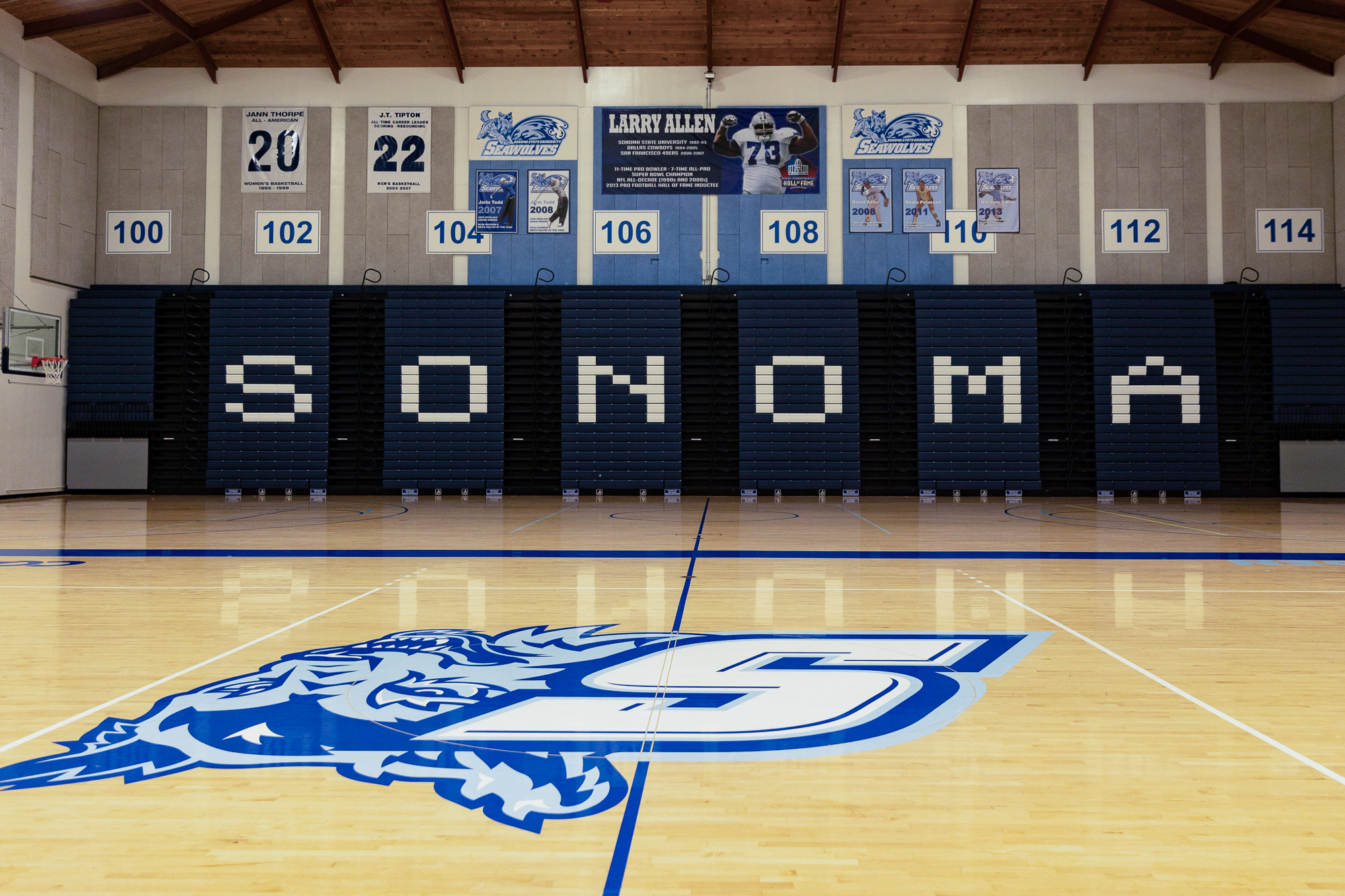
Sonoma State University will reinstate most of its intercollegiate sports teams in 2027, less than two years after campus administrators gutted the athletics program amid a major budget deficit.
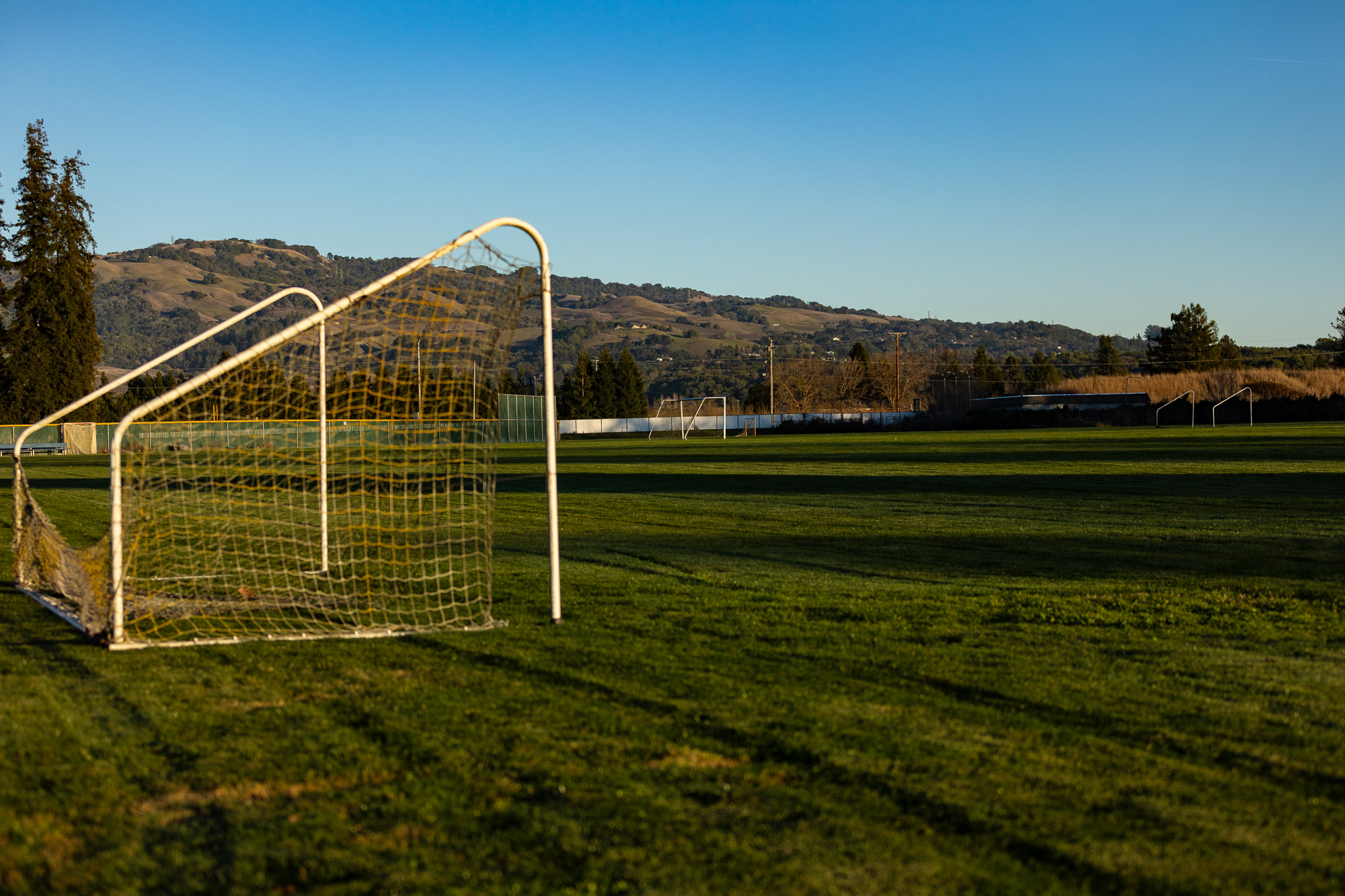
The school announced Monday that it will restore 10 NCAA Division II teams next fall. The teams will include men’s and women’s soccer, cross country, basketball and golf, and women’s softball and volleyball, while baseball won’t return.
“Reinstating Seawolf athletics demonstrates a meaningful commitment to current and future students, the campus community, alumni and our athletic and philanthropic partners in the North Bay and beyond,” Sonoma State’s Interim Athletics Director Joan McDermott said in a statement. “We are excited about the opportunity to compete again in the [California Collegiate Athletic Association] and to represent our community.”
In January 2025, Sonoma State announced it would eliminate its entire athletic department, slash more than 20 degree programs and lay off dozens of faculty at the end of that year to eliminate a nearly $24 million budget deficit.
The school has said the major cuts were part of a larger reimagining of university operations amid enrollment decline and funding losses. At the time, then-interim President Emily Cutrer said that the school was looking to invest in “career-focused” paths, including growing its nursing and health science programs, and attract more local students.
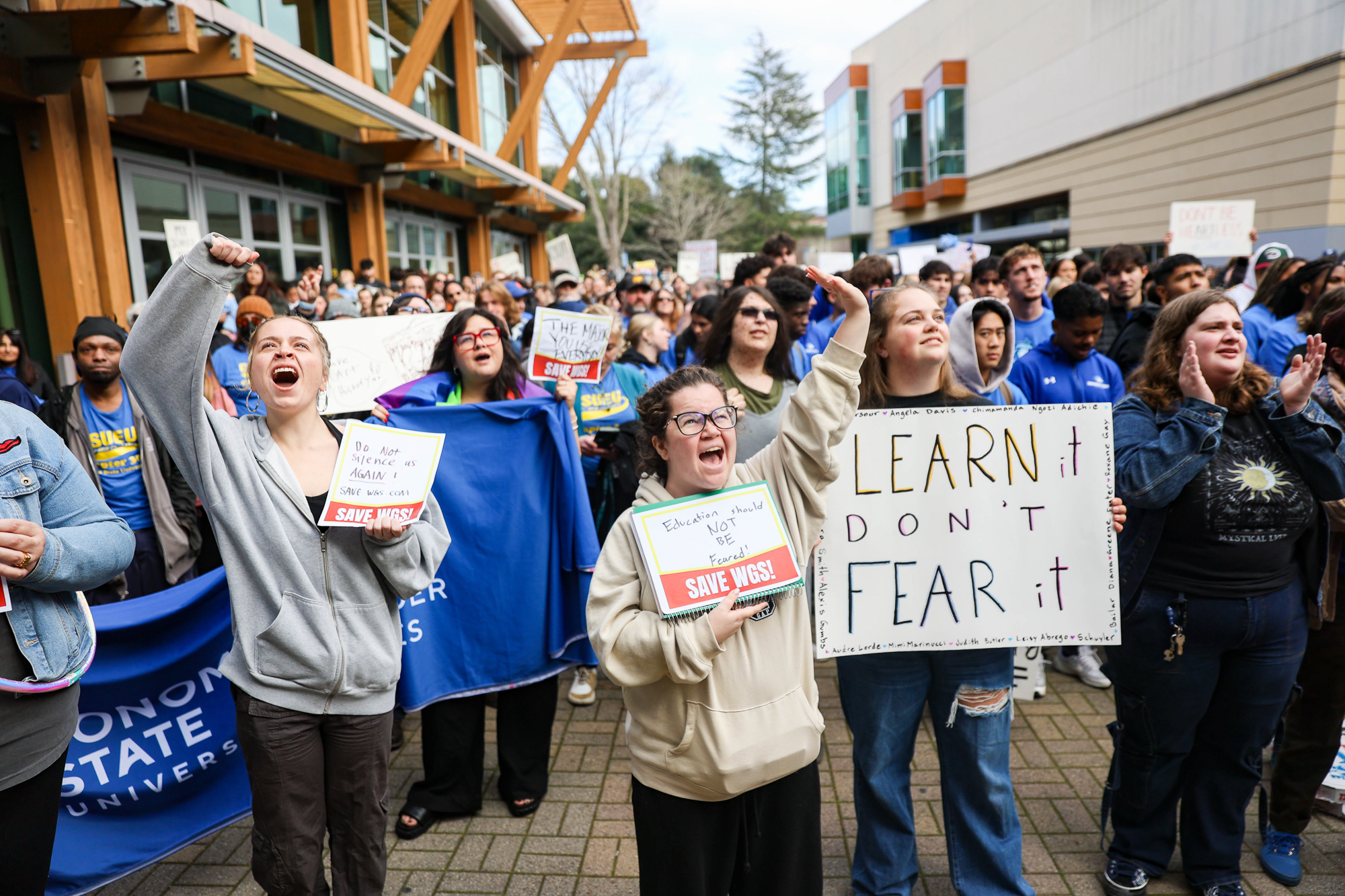
The move blindsided student-athletes and coaching staff, and left many scrambling to find spots in other schools’ programs before the start of the 2025-26 academic year. Within weeks, there were massive campus-wide protests over the slate of cuts, and coaches and athletes launched the “Save Seawolves Athletics” movement in an attempt to stop the elimination of sports.
The campaign filed a federal civil rights complaint with the U.S. Department of Education, alleging that eliminating athletics would have a disproportionate effect on underrepresented students and students of color. In March, seven student-athletes filed a lawsuit against SSU and its leaders alleging that the rollout also violated California State University policy on discontinuing academic programs. Their suit is ongoing.
In January, Sonoma State’s new president, Michael Spagna, announced that he would form an Athletics Fiscal Feasibility Team to evaluate whether it would be possible to sustain athletics long term.
In a letter to the campus community on Monday, Spagna said that the group recommended establishing 10 athletic programs, the minimum number of teams required for NCAA and CCAA Division II membership, after five months of discussion.
The program will be funded by a combination of student fees, tuition revenue from new student-athletes, and state funding, among other sources. The California Legislature’s 2025 budget allocated a one-time $45 million investment to the campus “to support a long-term turnaround plan,” according to budget documents.
Former coaches praised the school’s decision to bring back the majority of their teams — even amid discontent over the process.
“It’s been quite frustrating because it should never have gone away,” said Benjamin Ziemer, who was on the men’s soccer coaching staff for 10 years.
He said that the cuts were a result of “incredible mismanagement,” as the school cycled through five interim and short-lived university presidents.
“They brought in a series of people that failed the school, and they embarked to change the makeup of the school. And unfortunately, they got it really wrong,” he said.
Spagna replaced Cutrer in January, and the school brought in McDermott in April.
Ziemer, a soccer manager who has coached internationally, said despite the frustration, he hopes to help rebuild the soccer program — a bittersweet opportunity after his brother Marcus, who led the men’s team for 35 years and spearheaded efforts to save the program last year, passed away in a scootering accident in March.
“I watched Marcus play at Sonoma State and a bunch of the alumni when I was a young boy, and then I played there, and then I coached there for 10 years with Marcus,” Ziemer said.
“It’s a part of our family, and I would love to assist the soccer program to come back as strong as it was before,” he said.
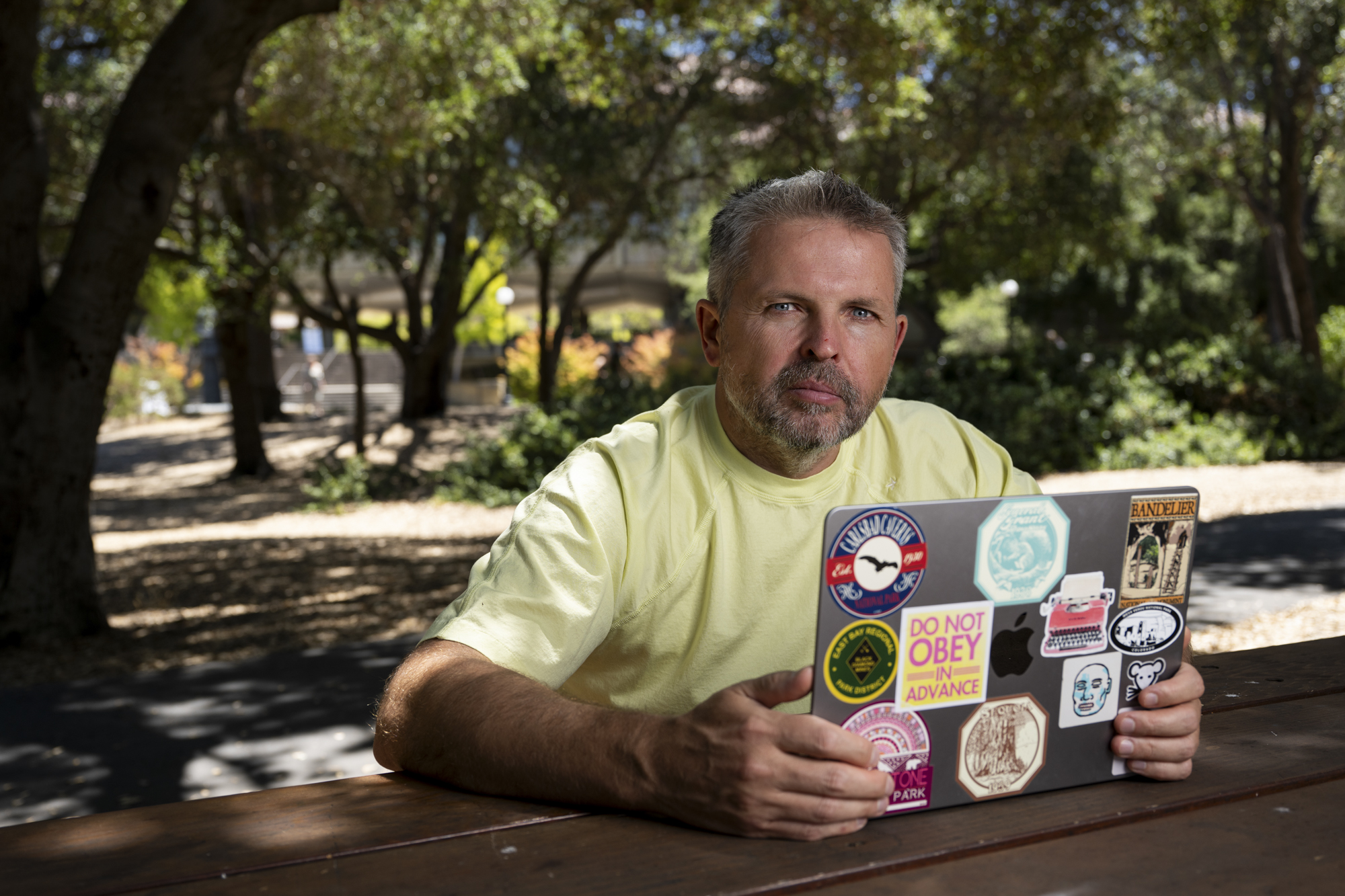
Ziemer said he’s already heard from former players interested in returning to the school for their final season or a fifth year of eligibility if they’re able, and believes there are plenty of players to rebuild the teams.
One hurdle, he said, will be reestablishing trust with athletes.
“Will they assure people that this isn’t going to happen again?” Ziemer said. “Because if you’re somebody that’s looking to go to school for four or five years and play sports and it’s uncertain how long [the programs will run] or if they’re going to be messed with again, that could be a challenge for recruiting.”
Val Verhunce, who was the head coach of both the men’s and women’s golf teams since their launches in 2003 and 2007, said he plans to reapply for his former role.
“I think the thing that’s exciting is that whatever I did in 2003, I think I can do better now, restarting,” he said. “I’m really excited, if that opportunity presents itself, that I could do a much better job.”
Verhunce said the alumni he’s heard from since Monday’s announcement are excited to root for the Seawolves again.
“All those athletes that I’ve coached, for all of our teams, not just golf, they’ll all have a place in history at Sonoma State,” he said. “It hasn’t been erased.”