‘Waymo’ Coordination Needed: Bill Aims to Address Autonomous Vehicle Mishaps
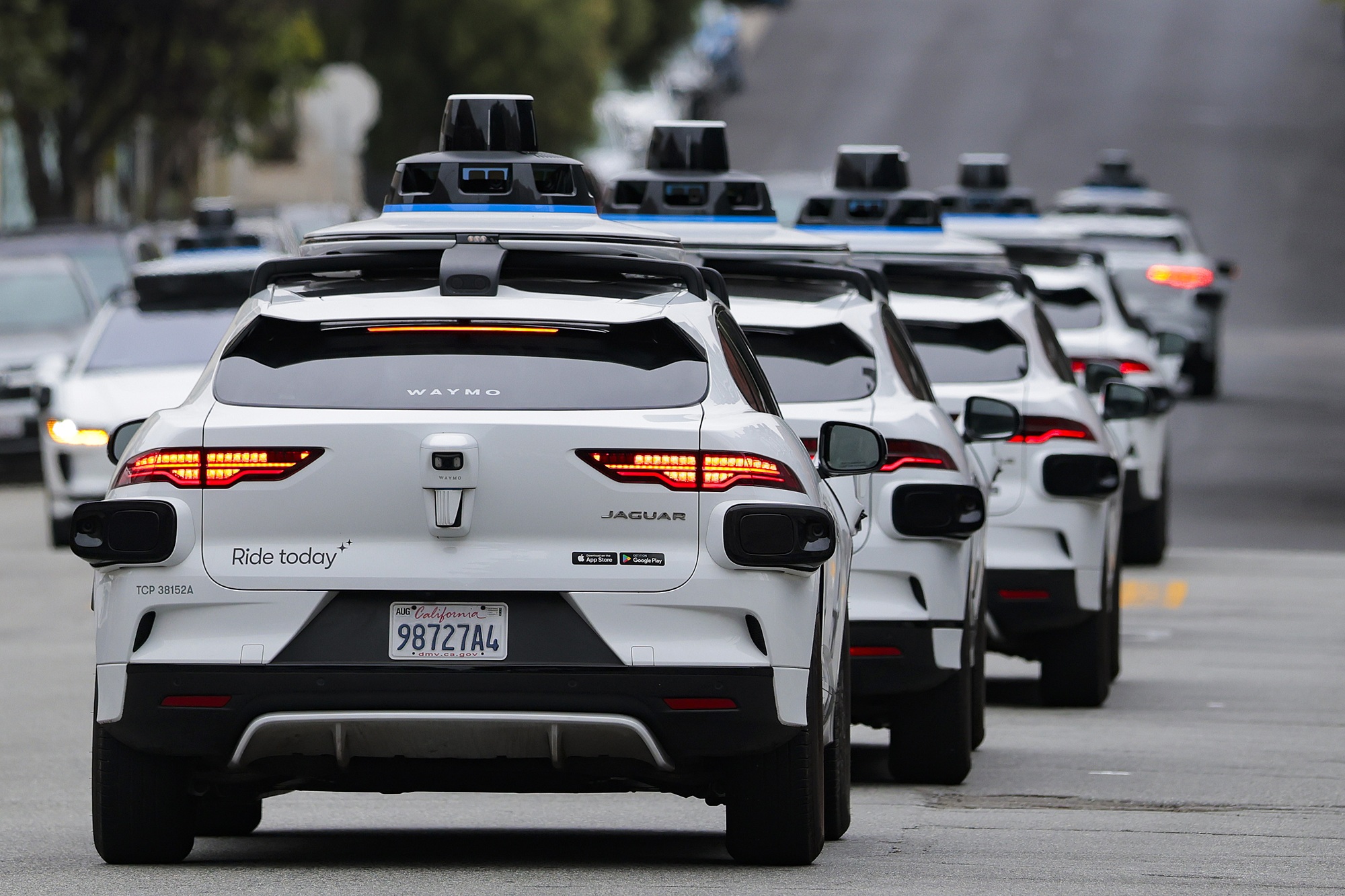
Following a string of Waymo-fueled traffic meltdowns in the Bay Area, a new federal bill aims to improve coordination between autonomous vehicle companies and emergency responders.
Rep. Kevin Mullin, D-San Mateo, announced Tuesday that his proposed legislation will target autonomous vehicles’ ability to navigate emergency situations spurred by unexpected power outages and other unusual traffic conditions.
“The technology is remarkable in normal conditions; what I’m concerned about is abnormal conditions,” Mullin said. “These vehicles not only need to evolve their technology to deal with that, but they need to be in direct coordination with our local public safety officials whose job it is to respond appropriately.”
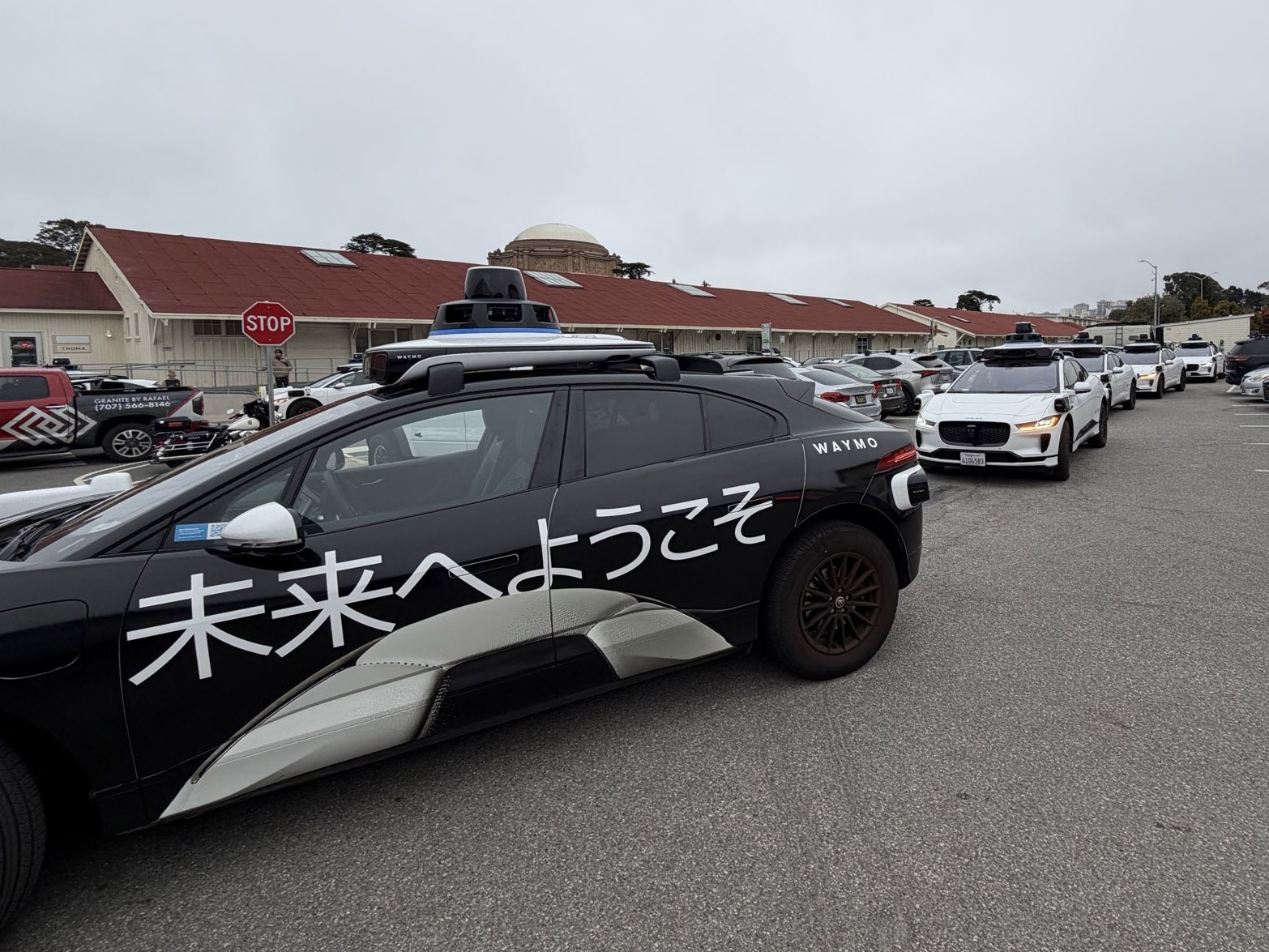
Waymo has created a number of headaches for emergency responders in San Francisco — most notably by causing a “traffic meltdown” during the city’s Fourth of July celebrations and grinding to a halt during the city’s December power outages.
These events prompted Mayor Daniel Lurie to send a letter to the state Secretary of Transportation, asking for new standards for autonomous vehicles, including proof that they are ready for large crowds and unusual traffic patterns.
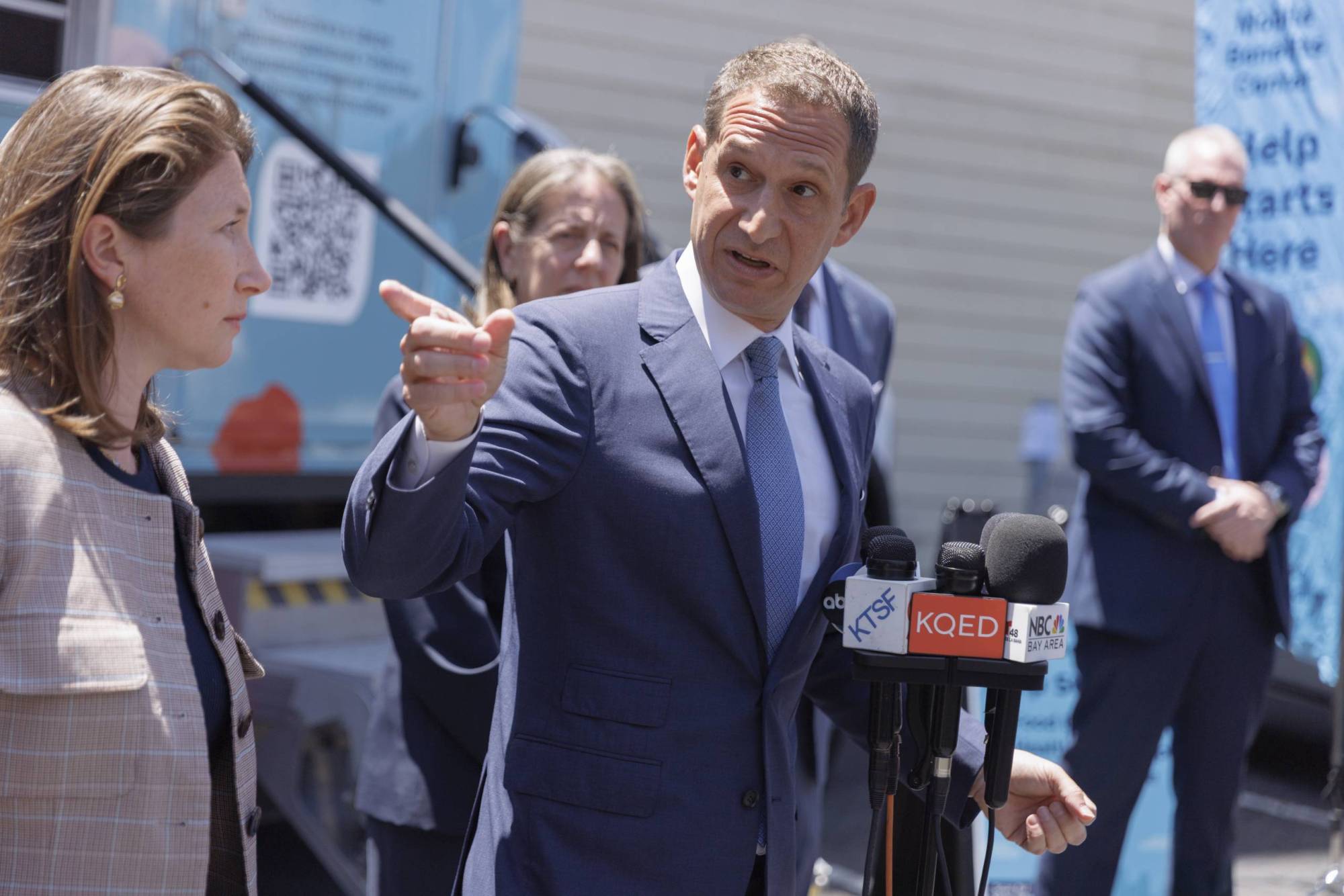
The bill, titled the AV Emergency Response Coordination Act, calls for companies to provide response plans for emergency personnel — and to establish a 24/7 hotline for public officials, according to Mullin’s press release.
If passed, public officials would have a process to geofence areas during emergencies, so that driverless vehicles avoid certain areas while there is an ongoing safety hazard. The National Highway Traffic Safety Administration would also be tasked to develop national emergency standards for autonomous vehicle companies.
At Mullin’s conference on Tuesday, Lurie voiced his support for both the legislation as well as autonomous vehicles in San Francisco.
“San Francisco wants AVs on our streets, and we want them to be here safely,” Lurie said.
Since the city was one of the first to incorporate autonomous vehicles into its streets, Lurie continued, it has learned more than “almost any other city about how they operate in a dense, complex urban environment.”
Cathy Chase, president of Advocates for Highway and Auto Safety, also spoke Tuesday, demanding higher safety standards for driverless cars. She said that they should be compared to the “best drivers, not the worst, or average drivers.”
Chase said that, while these failures have not yet resulted in “major” catastrophes, “we cannot and must not rely on luck.”
In a statement, Waymo’s head of federal policy and government affairs, Tiffany Moore, affirmed the company’s support of “a federal AV framework to establish standards for autonomous vehicles.”
“We similarly support efforts to standardize how AV developers engage with first responders,” she said.
The proposed legislation does not currently provide additional funding for public safety agencies, which will need additional training in order to effectively cooperate with the autonomous vehicle companies — an obstacle that Mullin said he has already recognized.
Mullin said he believes that the bill will garner bipartisan support. “We’ve had fruitful conversations on the AV front because it really isn’t viewed in a partisan context,” he said.
The bill will be formally introduced on Thursday, Mullin said.
KQED’s Jose Velazquez contributed to this report.