Santa Clara County Has Its First 2 West Nile Virus Cases of 2026
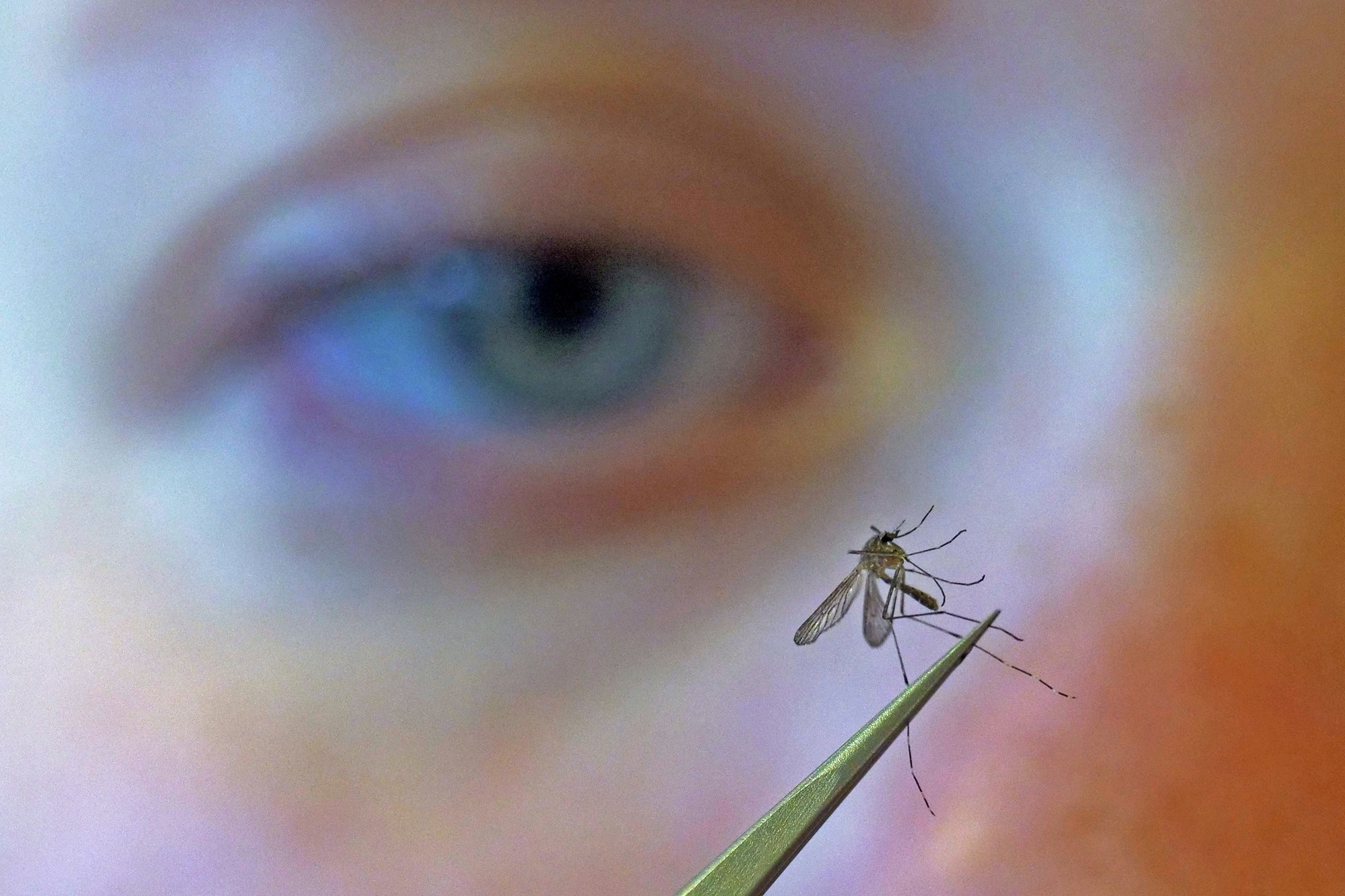
Santa Clara County has reported its first two human cases of West Nile Virus in 2026, public health officials announced Wednesday.
West Nile Virus is the most common and most serious mosquito-borne disease in the region, Dr. Krishna Surasi, the county’s assistant public health officer, said.
Common symptoms include fever, head and muscle aches, nausea and vomiting. Severe cases can lead to neurological illness or death.
“These two cases are a reminder that West Nile Virus can cause very serious illness,” Surasi said. “While West Nile Virus is not spread person to person, there are steps the public should take to discourage mosquitoes from feeling welcome in our neighborhoods.”
While most people who are infected experience mild or no symptoms, people over 60 or with certain underlying conditions are at risk of more serious illness.
The infected Santa Clara County residents received treatment and are recovering at home, according to Surasi.
It’s unclear if local mosquitoes infected the patients. Because both traveled domestically during the disease’s incubation period — which is generally between two days and two weeks — the county cannot be sure where they contracted it.
West Nile is present in counties across California, and Mosquito and Vector Control District Assistant Manager Jeremy Shannon said this year, health officials have seen an increase in mosquito activity statewide.
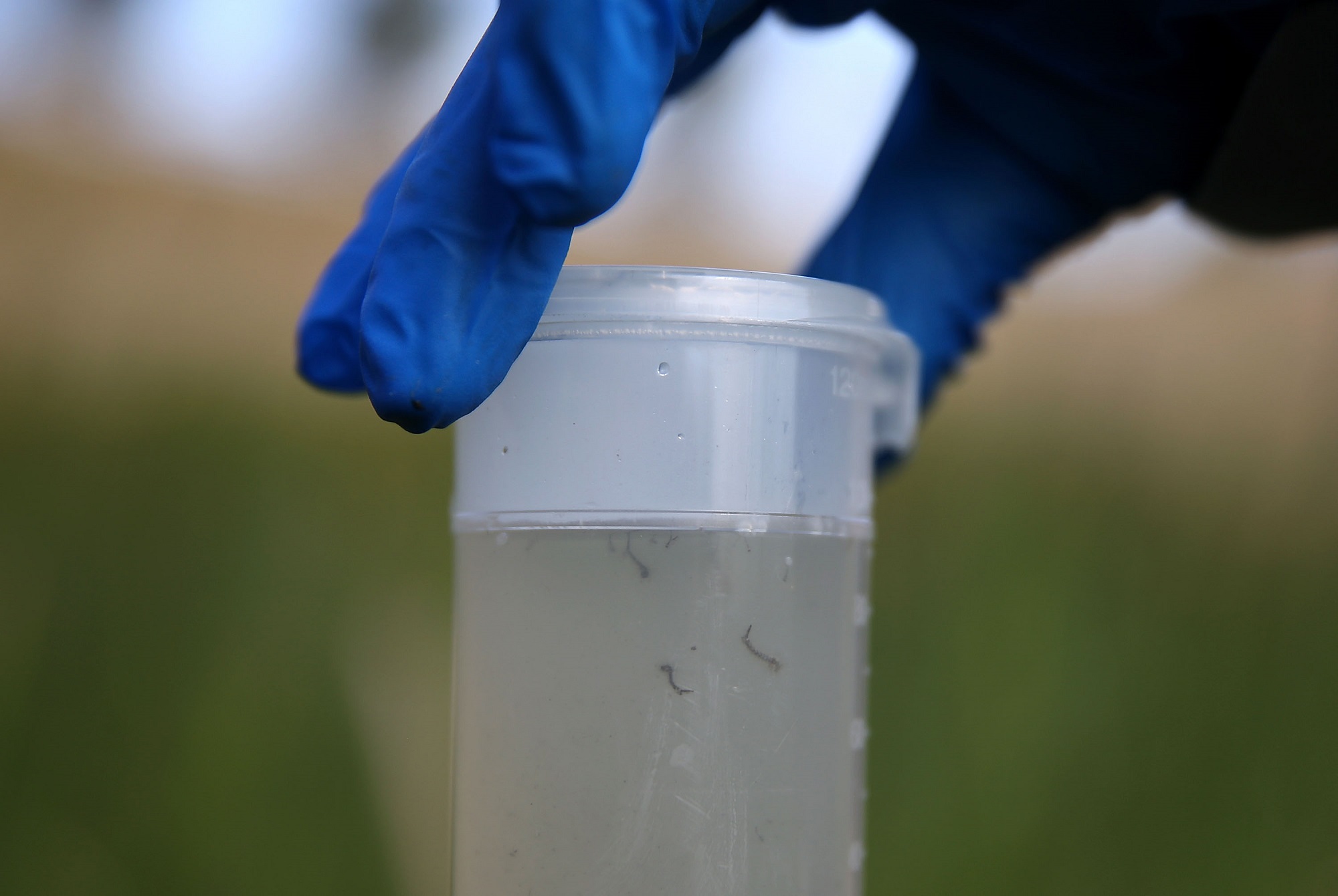
But Santa Clara’s Mosquito and Vector Control District has been conducting routine monitoring, including setting traps, collecting more than 20,000 insects and testing mosquito pools to identify where in the county the disease is present.
Shannon said the county is planning adult mosquito treatments in the areas around the two pools where they identified West Nile.
Shannon also said residents can also help deter mosquito populations by dumping or draining water around their yards, wearing Environmental Protection Agency-approved mosquito repellents, like DEET and IR 3535, and reporting places where they see standing water to the district.
“Our team at the Mosquito and Vector Control District is working year-round to protect the public,” Shannon said. “But we can’t do it alone. Our community plays a huge role.”