window.__IS_SSR__=true
window.__INITIAL_STATE__={
"attachmentsReducer": {
"audio_0": {
"type": "attachments",
"id": "audio_0",
"imgSizes": {
"kqedFullSize": {
"file": "https://ww2.kqed.org/news/wp-content/themes/KQED-unified/img/audio_bgs/background0.jpg"
}
}
},
"audio_1": {
"type": "attachments",
"id": "audio_1",
"imgSizes": {
"kqedFullSize": {
"file": "https://ww2.kqed.org/news/wp-content/themes/KQED-unified/img/audio_bgs/background1.jpg"
}
}
},
"audio_2": {
"type": "attachments",
"id": "audio_2",
"imgSizes": {
"kqedFullSize": {
"file": "https://ww2.kqed.org/news/wp-content/themes/KQED-unified/img/audio_bgs/background2.jpg"
}
}
},
"audio_3": {
"type": "attachments",
"id": "audio_3",
"imgSizes": {
"kqedFullSize": {
"file": "https://ww2.kqed.org/news/wp-content/themes/KQED-unified/img/audio_bgs/background3.jpg"
}
}
},
"audio_4": {
"type": "attachments",
"id": "audio_4",
"imgSizes": {
"kqedFullSize": {
"file": "https://ww2.kqed.org/news/wp-content/themes/KQED-unified/img/audio_bgs/background4.jpg"
}
}
},
"placeholder": {
"type": "attachments",
"id": "placeholder",
"imgSizes": {
"thumbnail": {
"file": "https://cdn.kqed.org/wp-content/uploads/2024/12/KQED-Default-Image-816638274-2000x1333-1-160x107.jpg",
"width": 160,
"height": 107,
"mimeType": "image/jpeg"
},
"medium": {
"file": "https://cdn.kqed.org/wp-content/uploads/2024/12/KQED-Default-Image-816638274-2000x1333-1-800x533.jpg",
"width": 800,
"height": 533,
"mimeType": "image/jpeg"
},
"medium_large": {
"file": "https://cdn.kqed.org/wp-content/uploads/2024/12/KQED-Default-Image-816638274-2000x1333-1-768x512.jpg",
"width": 768,
"height": 512,
"mimeType": "image/jpeg"
},
"large": {
"file": "https://cdn.kqed.org/wp-content/uploads/2024/12/KQED-Default-Image-816638274-2000x1333-1-1020x680.jpg",
"width": 1020,
"height": 680,
"mimeType": "image/jpeg"
},
"1536x1536": {
"file": "https://cdn.kqed.org/wp-content/uploads/2024/12/KQED-Default-Image-816638274-2000x1333-1-1536x1024.jpg",
"width": 1536,
"height": 1024,
"mimeType": "image/jpeg"
},
"fd-lrg": {
"file": "https://cdn.kqed.org/wp-content/uploads/2024/12/KQED-Default-Image-816638274-2000x1333-1-1536x1024.jpg",
"width": 1536,
"height": 1024,
"mimeType": "image/jpeg"
},
"fd-med": {
"file": "https://cdn.kqed.org/wp-content/uploads/2024/12/KQED-Default-Image-816638274-2000x1333-1-1020x680.jpg",
"width": 1020,
"height": 680,
"mimeType": "image/jpeg"
},
"fd-sm": {
"file": "https://cdn.kqed.org/wp-content/uploads/2024/12/KQED-Default-Image-816638274-2000x1333-1-800x533.jpg",
"width": 800,
"height": 533,
"mimeType": "image/jpeg"
},
"post-thumbnail": {
"file": "https://cdn.kqed.org/wp-content/uploads/2024/12/KQED-Default-Image-816638274-2000x1333-1-672x372.jpg",
"width": 672,
"height": 372,
"mimeType": "image/jpeg"
},
"twentyfourteen-full-width": {
"file": "https://cdn.kqed.org/wp-content/uploads/2024/12/KQED-Default-Image-816638274-2000x1333-1-1038x576.jpg",
"width": 1038,
"height": 576,
"mimeType": "image/jpeg"
},
"xxsmall": {
"file": "https://cdn.kqed.org/wp-content/uploads/2024/12/KQED-Default-Image-816638274-2000x1333-1-160x107.jpg",
"width": 160,
"height": 107,
"mimeType": "image/jpeg"
},
"xsmall": {
"file": "https://cdn.kqed.org/wp-content/uploads/2024/12/KQED-Default-Image-816638274-2000x1333-1-672x372.jpg",
"width": 672,
"height": 372,
"mimeType": "image/jpeg"
},
"small": {
"file": "https://cdn.kqed.org/wp-content/uploads/2024/12/KQED-Default-Image-816638274-2000x1333-1-672x372.jpg",
"width": 672,
"height": 372,
"mimeType": "image/jpeg"
},
"xlarge": {
"file": "https://cdn.kqed.org/wp-content/uploads/2024/12/KQED-Default-Image-816638274-2000x1333-1-1020x680.jpg",
"width": 1020,
"height": 680,
"mimeType": "image/jpeg"
},
"full-width": {
"file": "https://cdn.kqed.org/wp-content/uploads/2024/12/KQED-Default-Image-816638274-2000x1333-1-1920x1280.jpg",
"width": 1920,
"height": 1280,
"mimeType": "image/jpeg"
},
"guest-author-32": {
"file": "https://cdn.kqed.org/wp-content/uploads/2025/01/KQED-Default-Image-816638274-1333x1333-1-160x160.jpg",
"width": 32,
"height": 32,
"mimeType": "image/jpeg"
},
"guest-author-50": {
"file": "https://cdn.kqed.org/wp-content/uploads/2025/01/KQED-Default-Image-816638274-1333x1333-1-160x160.jpg",
"width": 50,
"height": 50,
"mimeType": "image/jpeg"
},
"guest-author-64": {
"file": "https://cdn.kqed.org/wp-content/uploads/2025/01/KQED-Default-Image-816638274-1333x1333-1-160x160.jpg",
"width": 64,
"height": 64,
"mimeType": "image/jpeg"
},
"guest-author-96": {
"file": "https://cdn.kqed.org/wp-content/uploads/2025/01/KQED-Default-Image-816638274-1333x1333-1-160x160.jpg",
"width": 96,
"height": 96,
"mimeType": "image/jpeg"
},
"guest-author-128": {
"file": "https://cdn.kqed.org/wp-content/uploads/2025/01/KQED-Default-Image-816638274-1333x1333-1-160x160.jpg",
"width": 128,
"height": 128,
"mimeType": "image/jpeg"
},
"detail": {
"file": "https://cdn.kqed.org/wp-content/uploads/2025/01/KQED-Default-Image-816638274-1333x1333-1-160x160.jpg",
"width": 160,
"height": 160,
"mimeType": "image/jpeg"
},
"kqedFullSize": {
"file": "https://cdn.kqed.org/wp-content/uploads/2024/12/KQED-Default-Image-816638274-2000x1333-1.jpg",
"width": 2000,
"height": 1333
}
}
},
"news_11777623": {
"type": "attachments",
"id": "news_11777623",
"meta": {
"index": "attachments_1716263798",
"site": "news",
"id": "11777623",
"found": true
},
"parent": 11777573,
"imgSizes": {
"apple_news_ca_landscape_5_5": {
"file": "https://ww2.kqed.org/app/uploads/sites/10/2019/10/10012019_asylum-seekers_port-of-entry_remain-in-mexico-qut-1044x783.jpg",
"width": 1044,
"mimeType": "image/jpeg",
"height": 783
},
"apple_news_ca_square_4_0": {
"file": "https://ww2.kqed.org/app/uploads/sites/10/2019/10/10012019_asylum-seekers_port-of-entry_remain-in-mexico-qut-470x470.jpg",
"width": 470,
"mimeType": "image/jpeg",
"height": 470
},
"twentyfourteen-full-width": {
"file": "https://ww2.kqed.org/app/uploads/sites/10/2019/10/10012019_asylum-seekers_port-of-entry_remain-in-mexico-qut-1038x576.jpg",
"width": 1038,
"mimeType": "image/jpeg",
"height": 576
},
"thumbnail": {
"file": "https://ww2.kqed.org/app/uploads/sites/10/2019/10/10012019_asylum-seekers_port-of-entry_remain-in-mexico-qut-160x106.jpg",
"width": 160,
"mimeType": "image/jpeg",
"height": 106
},
"post-thumbnail": {
"file": "https://ww2.kqed.org/app/uploads/sites/10/2019/10/10012019_asylum-seekers_port-of-entry_remain-in-mexico-qut-672x372.jpg",
"width": 672,
"mimeType": "image/jpeg",
"height": 372
},
"kqedFullSize": {
"file": "https://ww2.kqed.org/app/uploads/sites/10/2019/10/10012019_asylum-seekers_port-of-entry_remain-in-mexico-qut.jpg",
"width": 1800,
"height": 1198
},
"apple_news_ca_landscape_4_7": {
"file": "https://ww2.kqed.org/app/uploads/sites/10/2019/10/10012019_asylum-seekers_port-of-entry_remain-in-mexico-qut-632x474.jpg",
"width": 632,
"mimeType": "image/jpeg",
"height": 474
},
"large": {
"file": "https://ww2.kqed.org/app/uploads/sites/10/2019/10/10012019_asylum-seekers_port-of-entry_remain-in-mexico-qut-1020x679.jpg",
"width": 1020,
"mimeType": "image/jpeg",
"height": 679
},
"complete_open_graph": {
"file": "https://ww2.kqed.org/app/uploads/sites/10/2019/10/10012019_asylum-seekers_port-of-entry_remain-in-mexico-qut-1200x799.jpg",
"width": 1200,
"mimeType": "image/jpeg",
"height": 799
},
"apple_news_ca_landscape_4_0": {
"file": "https://ww2.kqed.org/app/uploads/sites/10/2019/10/10012019_asylum-seekers_port-of-entry_remain-in-mexico-qut-536x402.jpg",
"width": 536,
"mimeType": "image/jpeg",
"height": 402
},
"apple_news_ca_portrait_12_9": {
"file": "https://ww2.kqed.org/app/uploads/sites/10/2019/10/10012019_asylum-seekers_port-of-entry_remain-in-mexico-qut-1122x1198.jpg",
"width": 1122,
"mimeType": "image/jpeg",
"height": 1198
},
"medium": {
"file": "https://ww2.kqed.org/app/uploads/sites/10/2019/10/10012019_asylum-seekers_port-of-entry_remain-in-mexico-qut-800x532.jpg",
"width": 800,
"mimeType": "image/jpeg",
"height": 532
},
"apple_news_ca_portrait_4_0": {
"file": "https://ww2.kqed.org/app/uploads/sites/10/2019/10/10012019_asylum-seekers_port-of-entry_remain-in-mexico-qut-354x472.jpg",
"width": 354,
"mimeType": "image/jpeg",
"height": 472
},
"apple_news_ca_portrait_9_7": {
"file": "https://ww2.kqed.org/app/uploads/sites/10/2019/10/10012019_asylum-seekers_port-of-entry_remain-in-mexico-qut-840x1120.jpg",
"width": 840,
"mimeType": "image/jpeg",
"height": 1120
},
"apple_news_ca_square_9_7": {
"file": "https://ww2.kqed.org/app/uploads/sites/10/2019/10/10012019_asylum-seekers_port-of-entry_remain-in-mexico-qut-1104x1104.jpg",
"width": 1104,
"mimeType": "image/jpeg",
"height": 1104
},
"apple_news_ca_portrait_4_7": {
"file": "https://ww2.kqed.org/app/uploads/sites/10/2019/10/10012019_asylum-seekers_port-of-entry_remain-in-mexico-qut-414x552.jpg",
"width": 414,
"mimeType": "image/jpeg",
"height": 552
},
"apple_news_ca_square_12_9": {
"file": "https://ww2.kqed.org/app/uploads/sites/10/2019/10/10012019_asylum-seekers_port-of-entry_remain-in-mexico-qut-1472x1198.jpg",
"width": 1472,
"mimeType": "image/jpeg",
"height": 1198
},
"apple_news_ca_portrait_5_5": {
"file": "https://ww2.kqed.org/app/uploads/sites/10/2019/10/10012019_asylum-seekers_port-of-entry_remain-in-mexico-qut-687x916.jpg",
"width": 687,
"mimeType": "image/jpeg",
"height": 916
},
"apple_news_ca_square_4_7": {
"file": "https://ww2.kqed.org/app/uploads/sites/10/2019/10/10012019_asylum-seekers_port-of-entry_remain-in-mexico-qut-550x550.jpg",
"width": 550,
"mimeType": "image/jpeg",
"height": 550
},
"apple_news_ca_landscape_9_7": {
"file": "https://ww2.kqed.org/app/uploads/sites/10/2019/10/10012019_asylum-seekers_port-of-entry_remain-in-mexico-qut-1376x1032.jpg",
"width": 1376,
"mimeType": "image/jpeg",
"height": 1032
},
"apple_news_ca_square_5_5": {
"file": "https://ww2.kqed.org/app/uploads/sites/10/2019/10/10012019_asylum-seekers_port-of-entry_remain-in-mexico-qut-912x912.jpg",
"width": 912,
"mimeType": "image/jpeg",
"height": 912
}
},
"publishDate": 1569970699,
"modified": 1569974628,
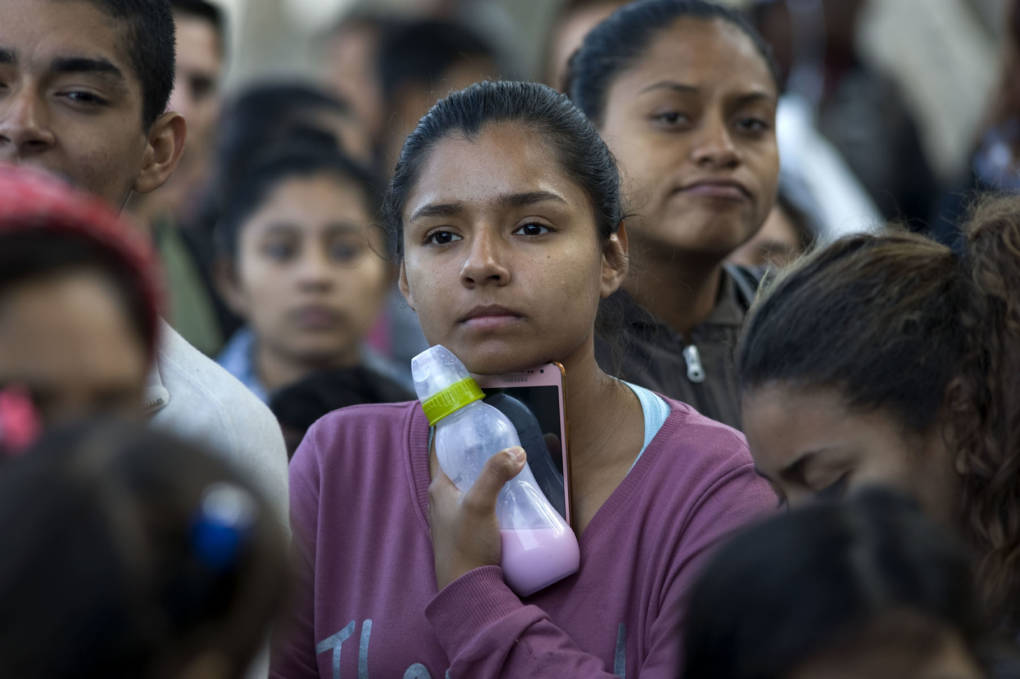
"caption": "A woman waits to hear her position on a list of people waiting at the U.S.-Mexico border to seek asylum on Nov. 21, 2018, in Tijuana, Mexico.",
"description": "A woman waits to hear her position on a list of people waiting at the U.S.-Mexico border to seek asylum on Nov. 21, 2018, in Tijuana, Mexico.",
"title": "10012019_asylum seekers_port of entry_remain in mexico-qut",
"credit": "David Maung/KQED",
"status": "inherit",
"isLoading": false,
"fetchFailed": false
},
"news_11776050": {
"type": "attachments",
"id": "news_11776050",
"meta": {
"index": "attachments_1716263798",
"site": "news",
"id": "11776050",
"found": true
},
"title": "public charge photo 1",
"publishDate": 1569275086,
"status": "inherit",
"parent": 11776046,
"modified": 1762473306,
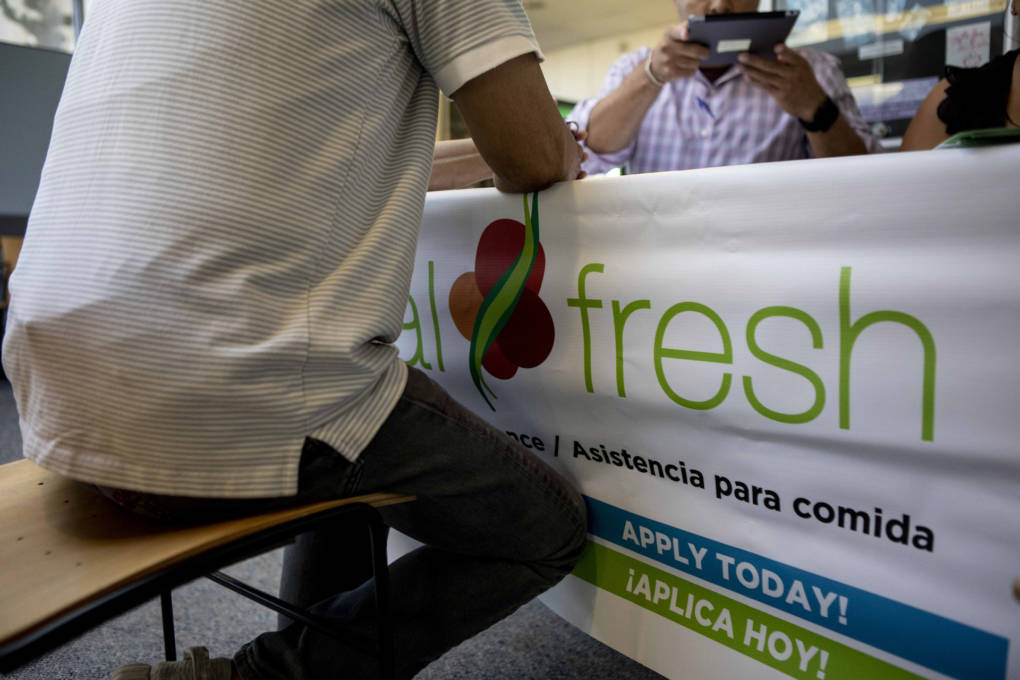
"caption": "An applicant signs up for food stamps, known as CalFresh in California, at a low-income health clinic in Contra Costa County. ",
"credit": "Anne Wernikoff/CalMatters",
"altTag": null,
"description": null,
"imgSizes": {
"thumbnail": {
"file": "https://cdn.kqed.org/wp-content/uploads/sites/10/2019/09/public-charge-photo-1-1-160x107.jpg",
"width": 160,
"height": 107,
"mimeType": "image/jpeg"
},
"medium": {
"file": "https://cdn.kqed.org/wp-content/uploads/sites/10/2019/09/public-charge-photo-1-1-800x533.jpg",
"width": 800,
"height": 533,
"mimeType": "image/jpeg"
},
"large": {
"file": "https://cdn.kqed.org/wp-content/uploads/sites/10/2019/09/public-charge-photo-1-1-1020x680.jpg",
"width": 1020,
"height": 680,
"mimeType": "image/jpeg"
},
"complete_open_graph": {
"file": "https://cdn.kqed.org/wp-content/uploads/sites/10/2019/09/public-charge-photo-1-1-1200x800.jpg",
"width": 1200,
"height": 800,
"mimeType": "image/jpeg"
},
"post-thumbnail": {
"file": "https://cdn.kqed.org/wp-content/uploads/sites/10/2019/09/public-charge-photo-1-1-672x372.jpg",
"width": 672,
"height": 372,
"mimeType": "image/jpeg"
},
"twentyfourteen-full-width": {
"file": "https://cdn.kqed.org/wp-content/uploads/sites/10/2019/09/public-charge-photo-1-1-1038x576.jpg",
"width": 1038,
"height": 576,
"mimeType": "image/jpeg"
},
"full-width": {
"file": "https://cdn.kqed.org/wp-content/uploads/sites/10/2019/09/public-charge-photo-1-1-1920x1280.jpg",
"width": 1920,
"height": 1280,
"mimeType": "image/jpeg"
},
"apple_news_ca_landscape_12_9": {
"file": "https://cdn.kqed.org/wp-content/uploads/sites/10/2019/09/public-charge-photo-1-1-1832x1280.jpg",
"width": 1832,
"height": 1280,
"mimeType": "image/jpeg"
},
"apple_news_ca_landscape_9_7": {
"file": "https://cdn.kqed.org/wp-content/uploads/sites/10/2019/09/public-charge-photo-1-1-1376x1032.jpg",
"width": 1376,
"height": 1032,
"mimeType": "image/jpeg"
},
"apple_news_ca_landscape_5_5": {
"file": "https://cdn.kqed.org/wp-content/uploads/sites/10/2019/09/public-charge-photo-1-1-1044x783.jpg",
"width": 1044,
"height": 783,
"mimeType": "image/jpeg"
},
"apple_news_ca_landscape_4_7": {
"file": "https://cdn.kqed.org/wp-content/uploads/sites/10/2019/09/public-charge-photo-1-1-632x474.jpg",
"width": 632,
"height": 474,
"mimeType": "image/jpeg"
},
"apple_news_ca_landscape_4_0": {
"file": "https://cdn.kqed.org/wp-content/uploads/sites/10/2019/09/public-charge-photo-1-1-536x402.jpg",
"width": 536,
"height": 402,
"mimeType": "image/jpeg"
},
"apple_news_ca_portrait_12_9": {
"file": "https://cdn.kqed.org/wp-content/uploads/sites/10/2019/09/public-charge-photo-1-1-1122x1280.jpg",
"width": 1122,
"height": 1280,
"mimeType": "image/jpeg"
},
"apple_news_ca_portrait_9_7": {
"file": "https://cdn.kqed.org/wp-content/uploads/sites/10/2019/09/public-charge-photo-1-1-840x1120.jpg",
"width": 840,
"height": 1120,
"mimeType": "image/jpeg"
},
"apple_news_ca_portrait_5_5": {
"file": "https://cdn.kqed.org/wp-content/uploads/sites/10/2019/09/public-charge-photo-1-1-687x916.jpg",
"width": 687,
"height": 916,
"mimeType": "image/jpeg"
},
"apple_news_ca_portrait_4_7": {
"file": "https://cdn.kqed.org/wp-content/uploads/sites/10/2019/09/public-charge-photo-1-1-414x552.jpg",
"width": 414,
"height": 552,
"mimeType": "image/jpeg"
},
"apple_news_ca_portrait_4_0": {
"file": "https://cdn.kqed.org/wp-content/uploads/sites/10/2019/09/public-charge-photo-1-1-354x472.jpg",
"width": 354,
"height": 472,
"mimeType": "image/jpeg"
},
"apple_news_ca_square_12_9": {
"file": "https://cdn.kqed.org/wp-content/uploads/sites/10/2019/09/public-charge-photo-1-1-1472x1280.jpg",
"width": 1472,
"height": 1280,
"mimeType": "image/jpeg"
},
"apple_news_ca_square_9_7": {
"file": "https://cdn.kqed.org/wp-content/uploads/sites/10/2019/09/public-charge-photo-1-1-1104x1104.jpg",
"width": 1104,
"height": 1104,
"mimeType": "image/jpeg"
},
"apple_news_ca_square_5_5": {
"file": "https://cdn.kqed.org/wp-content/uploads/sites/10/2019/09/public-charge-photo-1-1-912x912.jpg",
"width": 912,
"height": 912,
"mimeType": "image/jpeg"
},
"apple_news_ca_square_4_7": {
"file": "https://cdn.kqed.org/wp-content/uploads/sites/10/2019/09/public-charge-photo-1-1-550x550.jpg",
"width": 550,
"height": 550,
"mimeType": "image/jpeg"
},
"apple_news_ca_square_4_0": {
"file": "https://cdn.kqed.org/wp-content/uploads/sites/10/2019/09/public-charge-photo-1-1-470x470.jpg",
"width": 470,
"height": 470,
"mimeType": "image/jpeg"
},
"kqedFullSize": {
"file": "https://cdn.kqed.org/wp-content/uploads/sites/10/2019/09/public-charge-photo-1-1.jpg",
"width": 1920,
"height": 1280
}
},
"isLoading": false,
"fetchFailed": false
},
"news_11771248": {
"type": "attachments",
"id": "news_11771248",
"meta": {
"index": "attachments_1716263798",
"site": "news",
"id": "11771248",
"found": true
},
"parent": 11770924,
"imgSizes": {
"apple_news_ca_landscape_5_5": {
"file": "https://ww2.kqed.org/app/uploads/sites/10/2019/08/RS38880_GettyImages-1075194760-qut-1044x783.jpg",
"width": 1044,
"mimeType": "image/jpeg",
"height": 783
},
"apple_news_ca_square_4_0": {
"file": "https://ww2.kqed.org/app/uploads/sites/10/2019/08/RS38880_GettyImages-1075194760-qut-470x470.jpg",
"width": 470,
"mimeType": "image/jpeg",
"height": 470
},
"twentyfourteen-full-width": {
"file": "https://ww2.kqed.org/app/uploads/sites/10/2019/08/RS38880_GettyImages-1075194760-qut-1038x576.jpg",
"width": 1038,
"mimeType": "image/jpeg",
"height": 576
},
"thumbnail": {
"file": "https://ww2.kqed.org/app/uploads/sites/10/2019/08/RS38880_GettyImages-1075194760-qut-160x107.jpg",
"width": 160,
"mimeType": "image/jpeg",
"height": 107
},
"post-thumbnail": {
"file": "https://ww2.kqed.org/app/uploads/sites/10/2019/08/RS38880_GettyImages-1075194760-qut-672x372.jpg",
"width": 672,
"mimeType": "image/jpeg",
"height": 372
},
"kqedFullSize": {
"file": "https://ww2.kqed.org/app/uploads/sites/10/2019/08/RS38880_GettyImages-1075194760-qut.jpg",
"width": 1920,
"height": 1280
},
"apple_news_ca_landscape_4_7": {
"file": "https://ww2.kqed.org/app/uploads/sites/10/2019/08/RS38880_GettyImages-1075194760-qut-632x474.jpg",
"width": 632,
"mimeType": "image/jpeg",
"height": 474
},
"large": {
"file": "https://ww2.kqed.org/app/uploads/sites/10/2019/08/RS38880_GettyImages-1075194760-qut-1020x680.jpg",
"width": 1020,
"mimeType": "image/jpeg",
"height": 680
},
"complete_open_graph": {
"file": "https://ww2.kqed.org/app/uploads/sites/10/2019/08/RS38880_GettyImages-1075194760-qut-1200x800.jpg",
"width": 1200,
"mimeType": "image/jpeg",
"height": 800
},
"apple_news_ca_landscape_4_0": {
"file": "https://ww2.kqed.org/app/uploads/sites/10/2019/08/RS38880_GettyImages-1075194760-qut-536x402.jpg",
"width": 536,
"mimeType": "image/jpeg",
"height": 402
},
"apple_news_ca_portrait_12_9": {
"file": "https://ww2.kqed.org/app/uploads/sites/10/2019/08/RS38880_GettyImages-1075194760-qut-1122x1280.jpg",
"width": 1122,
"mimeType": "image/jpeg",
"height": 1280
},
"medium": {
"file": "https://ww2.kqed.org/app/uploads/sites/10/2019/08/RS38880_GettyImages-1075194760-qut-800x533.jpg",
"width": 800,
"mimeType": "image/jpeg",
"height": 533
},
"apple_news_ca_portrait_4_0": {
"file": "https://ww2.kqed.org/app/uploads/sites/10/2019/08/RS38880_GettyImages-1075194760-qut-354x472.jpg",
"width": 354,
"mimeType": "image/jpeg",
"height": 472
},
"apple_news_ca_portrait_9_7": {
"file": "https://ww2.kqed.org/app/uploads/sites/10/2019/08/RS38880_GettyImages-1075194760-qut-840x1120.jpg",
"width": 840,
"mimeType": "image/jpeg",
"height": 1120
},
"apple_news_ca_landscape_12_9": {
"file": "https://ww2.kqed.org/app/uploads/sites/10/2019/08/RS38880_GettyImages-1075194760-qut-1832x1280.jpg",
"width": 1832,
"mimeType": "image/jpeg",
"height": 1280
},
"apple_news_ca_square_9_7": {
"file": "https://ww2.kqed.org/app/uploads/sites/10/2019/08/RS38880_GettyImages-1075194760-qut-1104x1104.jpg",
"width": 1104,
"mimeType": "image/jpeg",
"height": 1104
},
"apple_news_ca_portrait_4_7": {
"file": "https://ww2.kqed.org/app/uploads/sites/10/2019/08/RS38880_GettyImages-1075194760-qut-414x552.jpg",
"width": 414,
"mimeType": "image/jpeg",
"height": 552
},
"apple_news_ca_square_12_9": {
"file": "https://ww2.kqed.org/app/uploads/sites/10/2019/08/RS38880_GettyImages-1075194760-qut-1472x1280.jpg",
"width": 1472,
"mimeType": "image/jpeg",
"height": 1280
},
"apple_news_ca_portrait_5_5": {
"file": "https://ww2.kqed.org/app/uploads/sites/10/2019/08/RS38880_GettyImages-1075194760-qut-687x916.jpg",
"width": 687,
"mimeType": "image/jpeg",
"height": 916
},
"full-width": {
"file": "https://ww2.kqed.org/app/uploads/sites/10/2019/08/RS38880_GettyImages-1075194760-qut-1920x1280.jpg",
"width": 1920,
"mimeType": "image/jpeg",
"height": 1280
},
"apple_news_ca_square_4_7": {
"file": "https://ww2.kqed.org/app/uploads/sites/10/2019/08/RS38880_GettyImages-1075194760-qut-550x550.jpg",
"width": 550,
"mimeType": "image/jpeg",
"height": 550
},
"apple_news_ca_landscape_9_7": {
"file": "https://ww2.kqed.org/app/uploads/sites/10/2019/08/RS38880_GettyImages-1075194760-qut-1376x1032.jpg",
"width": 1376,
"mimeType": "image/jpeg",
"height": 1032
},
"apple_news_ca_square_5_5": {
"file": "https://ww2.kqed.org/app/uploads/sites/10/2019/08/RS38880_GettyImages-1075194760-qut-912x912.jpg",
"width": 912,
"mimeType": "image/jpeg",
"height": 912
}
},
"publishDate": 1567127023,
"modified": 1567127158,
"caption": "US border patrol agents arrest a group of Central American migrants after crossing the US-Mexico border fence from Tijuana to San Diego County as seen from Tijuana, Baja California State, Mexico, on December 26, 2018. ",
"description": null,
"title": "MEXICO-US-HONDURAS-MIGRATION",
"credit": "GUILLERMO ARIAS/AFP/Getty Images",
"status": "inherit",
"isLoading": false,
"fetchFailed": false
},
"news_11770666": {
"type": "attachments",
"id": "news_11770666",
"meta": {
"index": "attachments_1716263798",
"site": "news",
"id": "11770666",
"found": true
},
"parent": 11770654,
"imgSizes": {
"apple_news_ca_landscape_5_5": {
"file": "https://ww2.kqed.org/app/uploads/sites/10/2019/08/RS38819_GettyImages-1126810193-qut-1044x783.jpg",
"width": 1044,
"mimeType": "image/jpeg",
"height": 783
},
"apple_news_ca_square_4_0": {
"file": "https://ww2.kqed.org/app/uploads/sites/10/2019/08/RS38819_GettyImages-1126810193-qut-470x470.jpg",
"width": 470,
"mimeType": "image/jpeg",
"height": 470
},
"twentyfourteen-full-width": {
"file": "https://ww2.kqed.org/app/uploads/sites/10/2019/08/RS38819_GettyImages-1126810193-qut-1038x576.jpg",
"width": 1038,
"mimeType": "image/jpeg",
"height": 576
},
"thumbnail": {
"file": "https://ww2.kqed.org/app/uploads/sites/10/2019/08/RS38819_GettyImages-1126810193-qut-160x105.jpg",
"width": 160,
"mimeType": "image/jpeg",
"height": 105
},
"post-thumbnail": {
"file": "https://ww2.kqed.org/app/uploads/sites/10/2019/08/RS38819_GettyImages-1126810193-qut-672x372.jpg",
"width": 672,
"mimeType": "image/jpeg",
"height": 372
},
"kqedFullSize": {
"file": "https://ww2.kqed.org/app/uploads/sites/10/2019/08/RS38819_GettyImages-1126810193-qut.jpg",
"width": 1920,
"height": 1265
},
"apple_news_ca_landscape_4_7": {
"file": "https://ww2.kqed.org/app/uploads/sites/10/2019/08/RS38819_GettyImages-1126810193-qut-632x474.jpg",
"width": 632,
"mimeType": "image/jpeg",
"height": 474
},
"large": {
"file": "https://ww2.kqed.org/app/uploads/sites/10/2019/08/RS38819_GettyImages-1126810193-qut-1020x672.jpg",
"width": 1020,
"mimeType": "image/jpeg",
"height": 672
},
"complete_open_graph": {
"file": "https://ww2.kqed.org/app/uploads/sites/10/2019/08/RS38819_GettyImages-1126810193-qut-1200x791.jpg",
"width": 1200,
"mimeType": "image/jpeg",
"height": 791
},
"apple_news_ca_landscape_4_0": {
"file": "https://ww2.kqed.org/app/uploads/sites/10/2019/08/RS38819_GettyImages-1126810193-qut-536x402.jpg",
"width": 536,
"mimeType": "image/jpeg",
"height": 402
},
"apple_news_ca_portrait_12_9": {
"file": "https://ww2.kqed.org/app/uploads/sites/10/2019/08/RS38819_GettyImages-1126810193-qut-1122x1265.jpg",
"width": 1122,
"mimeType": "image/jpeg",
"height": 1265
},
"medium": {
"file": "https://ww2.kqed.org/app/uploads/sites/10/2019/08/RS38819_GettyImages-1126810193-qut-800x527.jpg",
"width": 800,
"mimeType": "image/jpeg",
"height": 527
},
"apple_news_ca_portrait_4_0": {
"file": "https://ww2.kqed.org/app/uploads/sites/10/2019/08/RS38819_GettyImages-1126810193-qut-354x472.jpg",
"width": 354,
"mimeType": "image/jpeg",
"height": 472
},
"apple_news_ca_portrait_9_7": {
"file": "https://ww2.kqed.org/app/uploads/sites/10/2019/08/RS38819_GettyImages-1126810193-qut-840x1120.jpg",
"width": 840,
"mimeType": "image/jpeg",
"height": 1120
},
"apple_news_ca_landscape_12_9": {
"file": "https://ww2.kqed.org/app/uploads/sites/10/2019/08/RS38819_GettyImages-1126810193-qut-1832x1265.jpg",
"width": 1832,
"mimeType": "image/jpeg",
"height": 1265
},
"apple_news_ca_square_9_7": {
"file": "https://ww2.kqed.org/app/uploads/sites/10/2019/08/RS38819_GettyImages-1126810193-qut-1104x1104.jpg",
"width": 1104,
"mimeType": "image/jpeg",
"height": 1104
},
"apple_news_ca_portrait_4_7": {
"file": "https://ww2.kqed.org/app/uploads/sites/10/2019/08/RS38819_GettyImages-1126810193-qut-414x552.jpg",
"width": 414,
"mimeType": "image/jpeg",
"height": 552
},
"apple_news_ca_square_12_9": {
"file": "https://ww2.kqed.org/app/uploads/sites/10/2019/08/RS38819_GettyImages-1126810193-qut-1472x1265.jpg",
"width": 1472,
"mimeType": "image/jpeg",
"height": 1265
},
"apple_news_ca_portrait_5_5": {
"file": "https://ww2.kqed.org/app/uploads/sites/10/2019/08/RS38819_GettyImages-1126810193-qut-687x916.jpg",
"width": 687,
"mimeType": "image/jpeg",
"height": 916
},
"full-width": {
"file": "https://ww2.kqed.org/app/uploads/sites/10/2019/08/RS38819_GettyImages-1126810193-qut-1920x1265.jpg",
"width": 1920,
"mimeType": "image/jpeg",
"height": 1265
},
"apple_news_ca_square_4_7": {
"file": "https://ww2.kqed.org/app/uploads/sites/10/2019/08/RS38819_GettyImages-1126810193-qut-550x550.jpg",
"width": 550,
"mimeType": "image/jpeg",
"height": 550
},
"apple_news_ca_landscape_9_7": {
"file": "https://ww2.kqed.org/app/uploads/sites/10/2019/08/RS38819_GettyImages-1126810193-qut-1376x1032.jpg",
"width": 1376,
"mimeType": "image/jpeg",
"height": 1032
},
"apple_news_ca_square_5_5": {
"file": "https://ww2.kqed.org/app/uploads/sites/10/2019/08/RS38819_GettyImages-1126810193-qut-912x912.jpg",
"width": 912,
"mimeType": "image/jpeg",
"height": 912
}
},
"publishDate": 1567020155,
"modified": 1567020214,
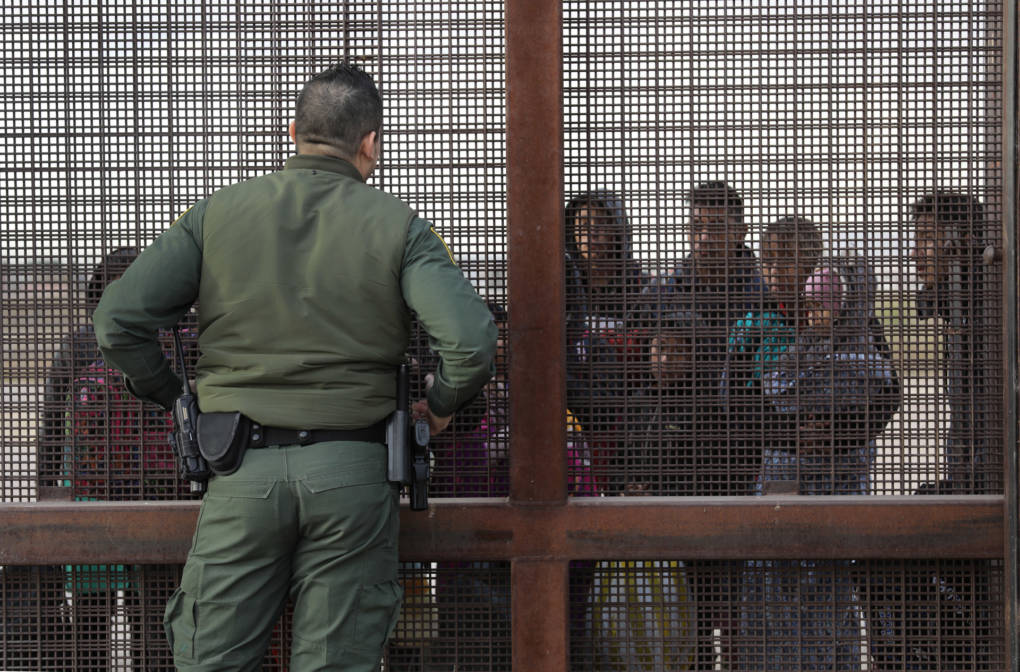
"caption": "A U.S. Border Patrol agent speaks with Central American immigrants at the border fence after they crossed the Rio Grande from Mexico in El Paso, Texas. ",
"description": null,
"title": "U.S. Customs And Border Patrol Agents Patrol Border In El Paso, TX",
"credit": "John Moore/Getty Images",
"status": "inherit",
"isLoading": false,
"fetchFailed": false
},
"news_11768006": {
"type": "attachments",
"id": "news_11768006",
"meta": {
"index": "attachments_1716263798",
"site": "news",
"id": "11768006",
"found": true
},
"parent": 11767980,
"imgSizes": {
"apple_news_ca_landscape_5_5": {
"file": "https://ww2.kqed.org/app/uploads/sites/10/2019/08/Los-Ebanos-1044x783.jpg",
"width": 1044,
"mimeType": "image/jpeg",
"height": 783
},
"apple_news_ca_square_4_0": {
"file": "https://ww2.kqed.org/app/uploads/sites/10/2019/08/Los-Ebanos-470x470.jpg",
"width": 470,
"mimeType": "image/jpeg",
"height": 470
},
"twentyfourteen-full-width": {
"file": "https://ww2.kqed.org/app/uploads/sites/10/2019/08/Los-Ebanos-1038x576.jpg",
"width": 1038,
"mimeType": "image/jpeg",
"height": 576
},
"thumbnail": {
"file": "https://ww2.kqed.org/app/uploads/sites/10/2019/08/Los-Ebanos-160x109.jpg",
"width": 160,
"mimeType": "image/jpeg",
"height": 109
},
"post-thumbnail": {
"file": "https://ww2.kqed.org/app/uploads/sites/10/2019/08/Los-Ebanos-672x372.jpg",
"width": 672,
"mimeType": "image/jpeg",
"height": 372
},
"kqedFullSize": {
"file": "https://ww2.kqed.org/app/uploads/sites/10/2019/08/Los-Ebanos-e1565983206101.jpg",
"width": 1920,
"height": 1304
},
"apple_news_ca_landscape_4_7": {
"file": "https://ww2.kqed.org/app/uploads/sites/10/2019/08/Los-Ebanos-632x474.jpg",
"width": 632,
"mimeType": "image/jpeg",
"height": 474
},
"large": {
"file": "https://ww2.kqed.org/app/uploads/sites/10/2019/08/Los-Ebanos-1020x693.jpg",
"width": 1020,
"mimeType": "image/jpeg",
"height": 693
},
"complete_open_graph": {
"file": "https://ww2.kqed.org/app/uploads/sites/10/2019/08/Los-Ebanos-1200x815.jpg",
"width": 1200,
"mimeType": "image/jpeg",
"height": 815
},
"apple_news_ca_landscape_4_0": {
"file": "https://ww2.kqed.org/app/uploads/sites/10/2019/08/Los-Ebanos-536x402.jpg",
"width": 536,
"mimeType": "image/jpeg",
"height": 402
},
"apple_news_ca_portrait_12_9": {
"file": "https://ww2.kqed.org/app/uploads/sites/10/2019/08/Los-Ebanos-1122x1496.jpg",
"width": 1122,
"mimeType": "image/jpeg",
"height": 1496
},
"medium": {
"file": "https://ww2.kqed.org/app/uploads/sites/10/2019/08/Los-Ebanos-800x543.jpg",
"width": 800,
"mimeType": "image/jpeg",
"height": 543
},
"apple_news_ca_portrait_4_0": {
"file": "https://ww2.kqed.org/app/uploads/sites/10/2019/08/Los-Ebanos-354x472.jpg",
"width": 354,
"mimeType": "image/jpeg",
"height": 472
},
"apple_news_ca_portrait_9_7": {
"file": "https://ww2.kqed.org/app/uploads/sites/10/2019/08/Los-Ebanos-840x1120.jpg",
"width": 840,
"mimeType": "image/jpeg",
"height": 1120
},
"apple_news_ca_landscape_12_9": {
"file": "https://ww2.kqed.org/app/uploads/sites/10/2019/08/Los-Ebanos-1832x1374.jpg",
"width": 1832,
"mimeType": "image/jpeg",
"height": 1374
},
"apple_news_ca_square_9_7": {
"file": "https://ww2.kqed.org/app/uploads/sites/10/2019/08/Los-Ebanos-1104x1104.jpg",
"width": 1104,
"mimeType": "image/jpeg",
"height": 1104
},
"apple_news_ca_portrait_4_7": {
"file": "https://ww2.kqed.org/app/uploads/sites/10/2019/08/Los-Ebanos-414x552.jpg",
"width": 414,
"mimeType": "image/jpeg",
"height": 552
},
"apple_news_ca_square_12_9": {
"file": "https://ww2.kqed.org/app/uploads/sites/10/2019/08/Los-Ebanos-1472x1472.jpg",
"width": 1472,
"mimeType": "image/jpeg",
"height": 1472
},
"apple_news_ca_portrait_5_5": {
"file": "https://ww2.kqed.org/app/uploads/sites/10/2019/08/Los-Ebanos-687x916.jpg",
"width": 687,
"mimeType": "image/jpeg",
"height": 916
},
"full-width": {
"file": "https://ww2.kqed.org/app/uploads/sites/10/2019/08/Los-Ebanos-1920x1304.jpg",
"width": 1920,
"mimeType": "image/jpeg",
"height": 1304
},
"apple_news_ca_square_4_7": {
"file": "https://ww2.kqed.org/app/uploads/sites/10/2019/08/Los-Ebanos-550x550.jpg",
"width": 550,
"mimeType": "image/jpeg",
"height": 550
},
"apple_news_ca_landscape_9_7": {
"file": "https://ww2.kqed.org/app/uploads/sites/10/2019/08/Los-Ebanos-1376x1032.jpg",
"width": 1376,
"mimeType": "image/jpeg",
"height": 1032
},
"apple_news_ca_square_5_5": {
"file": "https://ww2.kqed.org/app/uploads/sites/10/2019/08/Los-Ebanos-912x912.jpg",
"width": 912,
"mimeType": "image/jpeg",
"height": 912
}
},
"publishDate": 1565983141,
"modified": 1565983197,
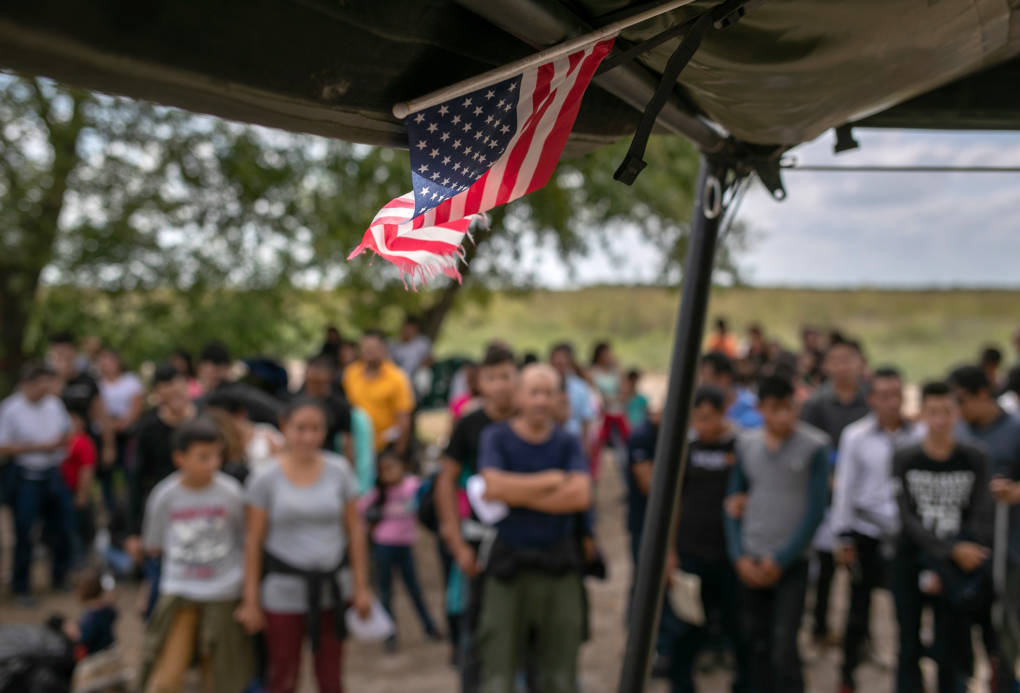
"caption": "Immigrants wait to be interviewed by U.S. Border Patrol agents after they were taken into custody on July 02, 2019 in Los Ebanos, Texas. Hundreds of immigrants, most from Central America, turned themselves in to border agents after rafting across the Rio Grande from Mexico to seek political asylum in the United States. They were to be sent to a Border Patrol processing center in McAllen, Texas.",
"description": "Immigrants wait to be interviewed by U.S. Border Patrol agents after they were taken into custody on July 02, 2019 in Los Ebanos, Texas. Hundreds of immigrants, most from Central America, turned themselves in to border agents after rafting across the Rio Grande from Mexico to seek political asylum in the United States. They were to be sent to a Border Patrol processing center in McAllen, Texas.",
"title": "US Border Patrol Receives Asylum Seekers In Texas' Rio Grande Valley",
"credit": "John Moore/Getty Images",
"status": "inherit",
"isLoading": false,
"fetchFailed": false
},
"news_11763298": {
"type": "attachments",
"id": "news_11763298",
"meta": {
"index": "attachments_1716263798",
"site": "news",
"id": "11763298",
"found": true
},
"parent": 11763296,
"imgSizes": {
"apple_news_ca_landscape_5_5": {
"file": "https://ww2.kqed.org/app/uploads/sites/10/2019/07/RS34057_chaparral-FINAL-07-qut-1044x783.jpg",
"width": 1044,
"mimeType": "image/jpeg",
"height": 783
},
"apple_news_ca_square_4_0": {
"file": "https://ww2.kqed.org/app/uploads/sites/10/2019/07/RS34057_chaparral-FINAL-07-qut-470x470.jpg",
"width": 470,
"mimeType": "image/jpeg",
"height": 470
},
"twentyfourteen-full-width": {
"file": "https://ww2.kqed.org/app/uploads/sites/10/2019/07/RS34057_chaparral-FINAL-07-qut-1038x576.jpg",
"width": 1038,
"mimeType": "image/jpeg",
"height": 576
},
"thumbnail": {
"file": "https://ww2.kqed.org/app/uploads/sites/10/2019/07/RS34057_chaparral-FINAL-07-qut-160x106.jpg",
"width": 160,
"mimeType": "image/jpeg",
"height": 106
},
"post-thumbnail": {
"file": "https://ww2.kqed.org/app/uploads/sites/10/2019/07/RS34057_chaparral-FINAL-07-qut-672x372.jpg",
"width": 672,
"mimeType": "image/jpeg",
"height": 372
},
"kqedFullSize": {
"file": "https://ww2.kqed.org/app/uploads/sites/10/2019/07/RS34057_chaparral-FINAL-07-qut.jpg",
"width": 1800,
"height": 1196
},
"apple_news_ca_landscape_4_7": {
"file": "https://ww2.kqed.org/app/uploads/sites/10/2019/07/RS34057_chaparral-FINAL-07-qut-632x474.jpg",
"width": 632,
"mimeType": "image/jpeg",
"height": 474
},
"large": {
"file": "https://ww2.kqed.org/app/uploads/sites/10/2019/07/RS34057_chaparral-FINAL-07-qut-1020x678.jpg",
"width": 1020,
"mimeType": "image/jpeg",
"height": 678
},
"complete_open_graph": {
"file": "https://ww2.kqed.org/app/uploads/sites/10/2019/07/RS34057_chaparral-FINAL-07-qut-1200x797.jpg",
"width": 1200,
"mimeType": "image/jpeg",
"height": 797
},
"apple_news_ca_landscape_4_0": {
"file": "https://ww2.kqed.org/app/uploads/sites/10/2019/07/RS34057_chaparral-FINAL-07-qut-536x402.jpg",
"width": 536,
"mimeType": "image/jpeg",
"height": 402
},
"apple_news_ca_portrait_12_9": {
"file": "https://ww2.kqed.org/app/uploads/sites/10/2019/07/RS34057_chaparral-FINAL-07-qut-1122x1196.jpg",
"width": 1122,
"mimeType": "image/jpeg",
"height": 1196
},
"medium": {
"file": "https://ww2.kqed.org/app/uploads/sites/10/2019/07/RS34057_chaparral-FINAL-07-qut-800x532.jpg",
"width": 800,
"mimeType": "image/jpeg",
"height": 532
},
"apple_news_ca_portrait_4_0": {
"file": "https://ww2.kqed.org/app/uploads/sites/10/2019/07/RS34057_chaparral-FINAL-07-qut-354x472.jpg",
"width": 354,
"mimeType": "image/jpeg",
"height": 472
},
"apple_news_ca_portrait_9_7": {
"file": "https://ww2.kqed.org/app/uploads/sites/10/2019/07/RS34057_chaparral-FINAL-07-qut-840x1120.jpg",
"width": 840,
"mimeType": "image/jpeg",
"height": 1120
},
"apple_news_ca_square_9_7": {
"file": "https://ww2.kqed.org/app/uploads/sites/10/2019/07/RS34057_chaparral-FINAL-07-qut-1104x1104.jpg",
"width": 1104,
"mimeType": "image/jpeg",
"height": 1104
},
"apple_news_ca_portrait_4_7": {
"file": "https://ww2.kqed.org/app/uploads/sites/10/2019/07/RS34057_chaparral-FINAL-07-qut-414x552.jpg",
"width": 414,
"mimeType": "image/jpeg",
"height": 552
},
"apple_news_ca_square_12_9": {
"file": "https://ww2.kqed.org/app/uploads/sites/10/2019/07/RS34057_chaparral-FINAL-07-qut-1472x1196.jpg",
"width": 1472,
"mimeType": "image/jpeg",
"height": 1196
},
"apple_news_ca_portrait_5_5": {
"file": "https://ww2.kqed.org/app/uploads/sites/10/2019/07/RS34057_chaparral-FINAL-07-qut-687x916.jpg",
"width": 687,
"mimeType": "image/jpeg",
"height": 916
},
"apple_news_ca_square_4_7": {
"file": "https://ww2.kqed.org/app/uploads/sites/10/2019/07/RS34057_chaparral-FINAL-07-qut-550x550.jpg",
"width": 550,
"mimeType": "image/jpeg",
"height": 550
},
"apple_news_ca_landscape_9_7": {
"file": "https://ww2.kqed.org/app/uploads/sites/10/2019/07/RS34057_chaparral-FINAL-07-qut-1376x1032.jpg",
"width": 1376,
"mimeType": "image/jpeg",
"height": 1032
},
"apple_news_ca_square_5_5": {
"file": "https://ww2.kqed.org/app/uploads/sites/10/2019/07/RS34057_chaparral-FINAL-07-qut-912x912.jpg",
"width": 912,
"mimeType": "image/jpeg",
"height": 912
}
},
"publishDate": 1564015853,
"modified": 1564016547,
"caption": "A man shows a woman a video on his cellphone as they wait to hear their position on a list of people waiting at the border in Tijuana to seek asylum in the U.S. on November 21, 2018.",
"description": "A man shows a woman a video on his cellphone as they wait to hear their position on a list of people waiting at the border in Tijuana to seek asylum in the U.S. on November 21, 2018.",
"title": "RS34057_chaparral FINAL 07-qut",
"credit": "David Maung/KQED",
"status": "inherit",
"isLoading": false,
"fetchFailed": false
},
"news_11761583": {
"type": "attachments",
"id": "news_11761583",
"meta": {
"index": "attachments_1716263798",
"site": "news",
"id": "11761583",
"found": true
},
"parent": 11761508,
"imgSizes": {
"apple_news_ca_landscape_5_5": {
"file": "https://ww2.kqed.org/app/uploads/sites/10/2019/07/RS34086_migrant-caravan-shelter-FINAL-03-qut-1044x783.jpg",
"width": 1044,
"mimeType": "image/jpeg",
"height": 783
},
"apple_news_ca_square_4_0": {
"file": "https://ww2.kqed.org/app/uploads/sites/10/2019/07/RS34086_migrant-caravan-shelter-FINAL-03-qut-470x470.jpg",
"width": 470,
"mimeType": "image/jpeg",
"height": 470
},
"twentyfourteen-full-width": {
"file": "https://ww2.kqed.org/app/uploads/sites/10/2019/07/RS34086_migrant-caravan-shelter-FINAL-03-qut-1038x576.jpg",
"width": 1038,
"mimeType": "image/jpeg",
"height": 576
},
"thumbnail": {
"file": "https://ww2.kqed.org/app/uploads/sites/10/2019/07/RS34086_migrant-caravan-shelter-FINAL-03-qut-160x106.jpg",
"width": 160,
"mimeType": "image/jpeg",
"height": 106
},
"post-thumbnail": {
"file": "https://ww2.kqed.org/app/uploads/sites/10/2019/07/RS34086_migrant-caravan-shelter-FINAL-03-qut-672x372.jpg",
"width": 672,
"mimeType": "image/jpeg",
"height": 372
},
"kqedFullSize": {
"file": "https://ww2.kqed.org/app/uploads/sites/10/2019/07/RS34086_migrant-caravan-shelter-FINAL-03-qut.jpg",
"width": 1800,
"height": 1198
},
"apple_news_ca_landscape_4_7": {
"file": "https://ww2.kqed.org/app/uploads/sites/10/2019/07/RS34086_migrant-caravan-shelter-FINAL-03-qut-632x474.jpg",
"width": 632,
"mimeType": "image/jpeg",
"height": 474
},
"large": {
"file": "https://ww2.kqed.org/app/uploads/sites/10/2019/07/RS34086_migrant-caravan-shelter-FINAL-03-qut-1020x679.jpg",
"width": 1020,
"mimeType": "image/jpeg",
"height": 679
},
"complete_open_graph": {
"file": "https://ww2.kqed.org/app/uploads/sites/10/2019/07/RS34086_migrant-caravan-shelter-FINAL-03-qut-1200x799.jpg",
"width": 1200,
"mimeType": "image/jpeg",
"height": 799
},
"apple_news_ca_landscape_4_0": {
"file": "https://ww2.kqed.org/app/uploads/sites/10/2019/07/RS34086_migrant-caravan-shelter-FINAL-03-qut-536x402.jpg",
"width": 536,
"mimeType": "image/jpeg",
"height": 402
},
"apple_news_ca_portrait_12_9": {
"file": "https://ww2.kqed.org/app/uploads/sites/10/2019/07/RS34086_migrant-caravan-shelter-FINAL-03-qut-1122x1198.jpg",
"width": 1122,
"mimeType": "image/jpeg",
"height": 1198
},
"medium": {
"file": "https://ww2.kqed.org/app/uploads/sites/10/2019/07/RS34086_migrant-caravan-shelter-FINAL-03-qut-800x532.jpg",
"width": 800,
"mimeType": "image/jpeg",
"height": 532
},
"apple_news_ca_portrait_4_0": {
"file": "https://ww2.kqed.org/app/uploads/sites/10/2019/07/RS34086_migrant-caravan-shelter-FINAL-03-qut-354x472.jpg",
"width": 354,
"mimeType": "image/jpeg",
"height": 472
},
"apple_news_ca_portrait_9_7": {
"file": "https://ww2.kqed.org/app/uploads/sites/10/2019/07/RS34086_migrant-caravan-shelter-FINAL-03-qut-840x1120.jpg",
"width": 840,
"mimeType": "image/jpeg",
"height": 1120
},
"apple_news_ca_square_9_7": {
"file": "https://ww2.kqed.org/app/uploads/sites/10/2019/07/RS34086_migrant-caravan-shelter-FINAL-03-qut-1104x1104.jpg",
"width": 1104,
"mimeType": "image/jpeg",
"height": 1104
},
"apple_news_ca_portrait_4_7": {
"file": "https://ww2.kqed.org/app/uploads/sites/10/2019/07/RS34086_migrant-caravan-shelter-FINAL-03-qut-414x552.jpg",
"width": 414,
"mimeType": "image/jpeg",
"height": 552
},
"apple_news_ca_square_12_9": {
"file": "https://ww2.kqed.org/app/uploads/sites/10/2019/07/RS34086_migrant-caravan-shelter-FINAL-03-qut-1472x1198.jpg",
"width": 1472,
"mimeType": "image/jpeg",
"height": 1198
},
"apple_news_ca_portrait_5_5": {
"file": "https://ww2.kqed.org/app/uploads/sites/10/2019/07/RS34086_migrant-caravan-shelter-FINAL-03-qut-687x916.jpg",
"width": 687,
"mimeType": "image/jpeg",
"height": 916
},
"apple_news_ca_square_4_7": {
"file": "https://ww2.kqed.org/app/uploads/sites/10/2019/07/RS34086_migrant-caravan-shelter-FINAL-03-qut-550x550.jpg",
"width": 550,
"mimeType": "image/jpeg",
"height": 550
},
"apple_news_ca_landscape_9_7": {
"file": "https://ww2.kqed.org/app/uploads/sites/10/2019/07/RS34086_migrant-caravan-shelter-FINAL-03-qut-1376x1032.jpg",
"width": 1376,
"mimeType": "image/jpeg",
"height": 1032
},
"apple_news_ca_square_5_5": {
"file": "https://ww2.kqed.org/app/uploads/sites/10/2019/07/RS34086_migrant-caravan-shelter-FINAL-03-qut-912x912.jpg",
"width": 912,
"mimeType": "image/jpeg",
"height": 912
}
},
"publishDate": 1563241178,
"modified": 1563241358,
"caption": "People wait in line to enter a temporary shelter for Central American migrants in Tijuana on Nov. 20, 2018.",
"description": null,
"title": "RS34086_migrant caravan shelter FINAL 03-qut",
"credit": "David Maung/KQED",
"status": "inherit",
"isLoading": false,
"fetchFailed": false
},
"news_11761426": {
"type": "attachments",
"id": "news_11761426",
"meta": {
"index": "attachments_1716263798",
"site": "news",
"id": "11761426",
"found": true
},
"parent": 11761305,
"imgSizes": {
"apple_news_ca_landscape_5_5": {
"file": "https://ww2.kqed.org/app/uploads/sites/10/2019/07/07152019_canada-u.s.-safe-third-country-agreement_asylum-seekers_asylum_canada_donald-trump_justin-trudeau-qut-1044x783.jpg",
"width": 1044,
"mimeType": "image/jpeg",
"height": 783
},
"apple_news_ca_square_4_0": {
"file": "https://ww2.kqed.org/app/uploads/sites/10/2019/07/07152019_canada-u.s.-safe-third-country-agreement_asylum-seekers_asylum_canada_donald-trump_justin-trudeau-qut-470x470.jpg",
"width": 470,
"mimeType": "image/jpeg",
"height": 470
},
"twentyfourteen-full-width": {
"file": "https://ww2.kqed.org/app/uploads/sites/10/2019/07/07152019_canada-u.s.-safe-third-country-agreement_asylum-seekers_asylum_canada_donald-trump_justin-trudeau-qut-1038x576.jpg",
"width": 1038,
"mimeType": "image/jpeg",
"height": 576
},
"thumbnail": {
"file": "https://ww2.kqed.org/app/uploads/sites/10/2019/07/07152019_canada-u.s.-safe-third-country-agreement_asylum-seekers_asylum_canada_donald-trump_justin-trudeau-qut-160x107.jpg",
"width": 160,
"mimeType": "image/jpeg",
"height": 107
},
"post-thumbnail": {
"file": "https://ww2.kqed.org/app/uploads/sites/10/2019/07/07152019_canada-u.s.-safe-third-country-agreement_asylum-seekers_asylum_canada_donald-trump_justin-trudeau-qut-672x372.jpg",
"width": 672,
"mimeType": "image/jpeg",
"height": 372
},
"kqedFullSize": {
"file": "https://ww2.kqed.org/app/uploads/sites/10/2019/07/07152019_canada-u.s.-safe-third-country-agreement_asylum-seekers_asylum_canada_donald-trump_justin-trudeau-qut.jpg",
"width": 1920,
"height": 1280
},
"apple_news_ca_landscape_4_7": {
"file": "https://ww2.kqed.org/app/uploads/sites/10/2019/07/07152019_canada-u.s.-safe-third-country-agreement_asylum-seekers_asylum_canada_donald-trump_justin-trudeau-qut-632x474.jpg",
"width": 632,
"mimeType": "image/jpeg",
"height": 474
},
"large": {
"file": "https://ww2.kqed.org/app/uploads/sites/10/2019/07/07152019_canada-u.s.-safe-third-country-agreement_asylum-seekers_asylum_canada_donald-trump_justin-trudeau-qut-1020x680.jpg",
"width": 1020,
"mimeType": "image/jpeg",
"height": 680
},
"complete_open_graph": {
"file": "https://ww2.kqed.org/app/uploads/sites/10/2019/07/07152019_canada-u.s.-safe-third-country-agreement_asylum-seekers_asylum_canada_donald-trump_justin-trudeau-qut-1200x800.jpg",
"width": 1200,
"mimeType": "image/jpeg",
"height": 800
},
"apple_news_ca_landscape_4_0": {
"file": "https://ww2.kqed.org/app/uploads/sites/10/2019/07/07152019_canada-u.s.-safe-third-country-agreement_asylum-seekers_asylum_canada_donald-trump_justin-trudeau-qut-536x402.jpg",
"width": 536,
"mimeType": "image/jpeg",
"height": 402
},
"apple_news_ca_portrait_12_9": {
"file": "https://ww2.kqed.org/app/uploads/sites/10/2019/07/07152019_canada-u.s.-safe-third-country-agreement_asylum-seekers_asylum_canada_donald-trump_justin-trudeau-qut-1122x1280.jpg",
"width": 1122,
"mimeType": "image/jpeg",
"height": 1280
},
"medium": {
"file": "https://ww2.kqed.org/app/uploads/sites/10/2019/07/07152019_canada-u.s.-safe-third-country-agreement_asylum-seekers_asylum_canada_donald-trump_justin-trudeau-qut-800x533.jpg",
"width": 800,
"mimeType": "image/jpeg",
"height": 533
},
"apple_news_ca_portrait_4_0": {
"file": "https://ww2.kqed.org/app/uploads/sites/10/2019/07/07152019_canada-u.s.-safe-third-country-agreement_asylum-seekers_asylum_canada_donald-trump_justin-trudeau-qut-354x472.jpg",
"width": 354,
"mimeType": "image/jpeg",
"height": 472
},
"apple_news_ca_portrait_9_7": {
"file": "https://ww2.kqed.org/app/uploads/sites/10/2019/07/07152019_canada-u.s.-safe-third-country-agreement_asylum-seekers_asylum_canada_donald-trump_justin-trudeau-qut-840x1120.jpg",
"width": 840,
"mimeType": "image/jpeg",
"height": 1120
},
"apple_news_ca_landscape_12_9": {
"file": "https://ww2.kqed.org/app/uploads/sites/10/2019/07/07152019_canada-u.s.-safe-third-country-agreement_asylum-seekers_asylum_canada_donald-trump_justin-trudeau-qut-1832x1280.jpg",
"width": 1832,
"mimeType": "image/jpeg",
"height": 1280
},
"apple_news_ca_square_9_7": {
"file": "https://ww2.kqed.org/app/uploads/sites/10/2019/07/07152019_canada-u.s.-safe-third-country-agreement_asylum-seekers_asylum_canada_donald-trump_justin-trudeau-qut-1104x1104.jpg",
"width": 1104,
"mimeType": "image/jpeg",
"height": 1104
},
"apple_news_ca_portrait_4_7": {
"file": "https://ww2.kqed.org/app/uploads/sites/10/2019/07/07152019_canada-u.s.-safe-third-country-agreement_asylum-seekers_asylum_canada_donald-trump_justin-trudeau-qut-414x552.jpg",
"width": 414,
"mimeType": "image/jpeg",
"height": 552
},
"apple_news_ca_square_12_9": {
"file": "https://ww2.kqed.org/app/uploads/sites/10/2019/07/07152019_canada-u.s.-safe-third-country-agreement_asylum-seekers_asylum_canada_donald-trump_justin-trudeau-qut-1472x1280.jpg",
"width": 1472,
"mimeType": "image/jpeg",
"height": 1280
},
"apple_news_ca_portrait_5_5": {
"file": "https://ww2.kqed.org/app/uploads/sites/10/2019/07/07152019_canada-u.s.-safe-third-country-agreement_asylum-seekers_asylum_canada_donald-trump_justin-trudeau-qut-687x916.jpg",
"width": 687,
"mimeType": "image/jpeg",
"height": 916
},
"full-width": {
"file": "https://ww2.kqed.org/app/uploads/sites/10/2019/07/07152019_canada-u.s.-safe-third-country-agreement_asylum-seekers_asylum_canada_donald-trump_justin-trudeau-qut-1920x1280.jpg",
"width": 1920,
"mimeType": "image/jpeg",
"height": 1280
},
"apple_news_ca_square_4_7": {
"file": "https://ww2.kqed.org/app/uploads/sites/10/2019/07/07152019_canada-u.s.-safe-third-country-agreement_asylum-seekers_asylum_canada_donald-trump_justin-trudeau-qut-550x550.jpg",
"width": 550,
"mimeType": "image/jpeg",
"height": 550
},
"apple_news_ca_landscape_9_7": {
"file": "https://ww2.kqed.org/app/uploads/sites/10/2019/07/07152019_canada-u.s.-safe-third-country-agreement_asylum-seekers_asylum_canada_donald-trump_justin-trudeau-qut-1376x1032.jpg",
"width": 1376,
"mimeType": "image/jpeg",
"height": 1032
},
"apple_news_ca_square_5_5": {
"file": "https://ww2.kqed.org/app/uploads/sites/10/2019/07/07152019_canada-u.s.-safe-third-country-agreement_asylum-seekers_asylum_canada_donald-trump_justin-trudeau-qut-912x912.jpg",
"width": 912,
"mimeType": "image/jpeg",
"height": 912
}
},
"publishDate": 1563222773,
"modified": 1563236209,
"caption": "Two women from Sudan are detained by the Royal Canadian Mounted Police after they illegally crossed the Canada-U.S. border near Hemmingford, Quebec, on Feb. 26, 2017. Canada's Prime Minister Justin Trudeau is facing growing political pressure to address the steady stream of asylum-seekers who have been braving freezing temperatures to cross into Canada from the United States on foot.",
"description": "Two women from Sudan are detained by the Royal Canadian Mounted Police after they illegally crossed the Canada-U.S. border near Hemmingford, Quebec, on Feb. 26, 2017. Canada's Prime Minister Justin Trudeau is facing growing political pressure to address the steady stream of asylum seekers who have been braving freezing temperatures to cross into Canada from the United States.",
"title": "canada u.s. safe third country agreement_asylum seekers_asylum_canada_donald trump_justin trudeau",
"credit": "GEOFF ROBINS/AFP/Getty Images",
"status": "inherit",
"isLoading": false,
"fetchFailed": false
},
"news_11761511": {
"type": "attachments",
"id": "news_11761511",
"meta": {
"index": "attachments_1716263798",
"site": "news",
"id": "11761511",
"found": true
},
"parent": 11761485,
"imgSizes": {
"apple_news_ca_landscape_5_5": {
"file": "https://ww2.kqed.org/app/uploads/sites/10/2019/07/goback_071519_final-1044x783.jpg",
"width": 1044,
"mimeType": "image/jpeg",
"height": 783
},
"apple_news_ca_square_4_0": {
"file": "https://ww2.kqed.org/app/uploads/sites/10/2019/07/goback_071519_final-470x470.jpg",
"width": 470,
"mimeType": "image/jpeg",
"height": 470
},
"twentyfourteen-full-width": {
"file": "https://ww2.kqed.org/app/uploads/sites/10/2019/07/goback_071519_final-1038x576.jpg",
"width": 1038,
"mimeType": "image/jpeg",
"height": 576
},
"thumbnail": {
"file": "https://ww2.kqed.org/app/uploads/sites/10/2019/07/goback_071519_final-160x115.jpg",
"width": 160,
"mimeType": "image/jpeg",
"height": 115
},
"post-thumbnail": {
"file": "https://ww2.kqed.org/app/uploads/sites/10/2019/07/goback_071519_final-672x372.jpg",
"width": 672,
"mimeType": "image/jpeg",
"height": 372
},
"kqedFullSize": {
"file": "https://ww2.kqed.org/app/uploads/sites/10/2019/07/goback_071519_final.jpg",
"width": 1920,
"height": 1385
},
"apple_news_ca_landscape_4_7": {
"file": "https://ww2.kqed.org/app/uploads/sites/10/2019/07/goback_071519_final-632x474.jpg",
"width": 632,
"mimeType": "image/jpeg",
"height": 474
},
"large": {
"file": "https://ww2.kqed.org/app/uploads/sites/10/2019/07/goback_071519_final-1020x736.jpg",
"width": 1020,
"mimeType": "image/jpeg",
"height": 736
},
"complete_open_graph": {
"file": "https://ww2.kqed.org/app/uploads/sites/10/2019/07/goback_071519_final-1200x866.jpg",
"width": 1200,
"mimeType": "image/jpeg",
"height": 866
},
"apple_news_ca_landscape_4_0": {
"file": "https://ww2.kqed.org/app/uploads/sites/10/2019/07/goback_071519_final-536x402.jpg",
"width": 536,
"mimeType": "image/jpeg",
"height": 402
},
"apple_news_ca_portrait_12_9": {
"file": "https://ww2.kqed.org/app/uploads/sites/10/2019/07/goback_071519_final-1122x1385.jpg",
"width": 1122,
"mimeType": "image/jpeg",
"height": 1385
},
"medium": {
"file": "https://ww2.kqed.org/app/uploads/sites/10/2019/07/goback_071519_final-800x577.jpg",
"width": 800,
"mimeType": "image/jpeg",
"height": 577
},
"apple_news_ca_portrait_4_0": {
"file": "https://ww2.kqed.org/app/uploads/sites/10/2019/07/goback_071519_final-354x472.jpg",
"width": 354,
"mimeType": "image/jpeg",
"height": 472
},
"apple_news_ca_portrait_9_7": {
"file": "https://ww2.kqed.org/app/uploads/sites/10/2019/07/goback_071519_final-840x1120.jpg",
"width": 840,
"mimeType": "image/jpeg",
"height": 1120
},
"apple_news_ca_landscape_12_9": {
"file": "https://ww2.kqed.org/app/uploads/sites/10/2019/07/goback_071519_final-1832x1374.jpg",
"width": 1832,
"mimeType": "image/jpeg",
"height": 1374
},
"apple_news_ca_square_9_7": {
"file": "https://ww2.kqed.org/app/uploads/sites/10/2019/07/goback_071519_final-1104x1104.jpg",
"width": 1104,
"mimeType": "image/jpeg",
"height": 1104
},
"apple_news_ca_portrait_4_7": {
"file": "https://ww2.kqed.org/app/uploads/sites/10/2019/07/goback_071519_final-414x552.jpg",
"width": 414,
"mimeType": "image/jpeg",
"height": 552
},
"apple_news_ca_square_12_9": {
"file": "https://ww2.kqed.org/app/uploads/sites/10/2019/07/goback_071519_final-1472x1385.jpg",
"width": 1472,
"mimeType": "image/jpeg",
"height": 1385
},
"apple_news_ca_portrait_5_5": {
"file": "https://ww2.kqed.org/app/uploads/sites/10/2019/07/goback_071519_final-687x916.jpg",
"width": 687,
"mimeType": "image/jpeg",
"height": 916
},
"full-width": {
"file": "https://ww2.kqed.org/app/uploads/sites/10/2019/07/goback_071519_final-1920x1385.jpg",
"width": 1920,
"mimeType": "image/jpeg",
"height": 1385
},
"apple_news_ca_square_4_7": {
"file": "https://ww2.kqed.org/app/uploads/sites/10/2019/07/goback_071519_final-550x550.jpg",
"width": 550,
"mimeType": "image/jpeg",
"height": 550
},
"apple_news_ca_landscape_9_7": {
"file": "https://ww2.kqed.org/app/uploads/sites/10/2019/07/goback_071519_final-1376x1032.jpg",
"width": 1376,
"mimeType": "image/jpeg",
"height": 1032
},
"apple_news_ca_square_5_5": {
"file": "https://ww2.kqed.org/app/uploads/sites/10/2019/07/goback_071519_final-912x912.jpg",
"width": 912,
"mimeType": "image/jpeg",
"height": 912
}
},
"publishDate": 1563233445,
"modified": 1563233468,
"caption": null,
"description": null,
"title": "goback_071519_final",
"credit": null,
"status": "inherit",
"isLoading": false,
"fetchFailed": false
},
"news_11761317": {
"type": "attachments",
"id": "news_11761317",
"meta": {
"index": "attachments_1716263798",
"site": "news",
"id": "11761317",
"found": true
},
"parent": 11761316,
"imgSizes": {
"apple_news_ca_landscape_5_5": {
"file": "https://ww2.kqed.org/app/uploads/sites/10/2019/07/migrantsasylum_wide-c693645a727bb07335b3a07412b60d28175b1897-1044x783.jpg",
"width": 1044,
"mimeType": "image/jpeg",
"height": 783
},
"apple_news_ca_square_4_0": {
"file": "https://ww2.kqed.org/app/uploads/sites/10/2019/07/migrantsasylum_wide-c693645a727bb07335b3a07412b60d28175b1897-470x470.jpg",
"width": 470,
"mimeType": "image/jpeg",
"height": 470
},
"twentyfourteen-full-width": {
"file": "https://ww2.kqed.org/app/uploads/sites/10/2019/07/migrantsasylum_wide-c693645a727bb07335b3a07412b60d28175b1897-1038x576.jpg",
"width": 1038,
"mimeType": "image/jpeg",
"height": 576
},
"thumbnail": {
"file": "https://ww2.kqed.org/app/uploads/sites/10/2019/07/migrantsasylum_wide-c693645a727bb07335b3a07412b60d28175b1897-160x90.jpg",
"width": 160,
"mimeType": "image/jpeg",
"height": 90
},
"post-thumbnail": {
"file": "https://ww2.kqed.org/app/uploads/sites/10/2019/07/migrantsasylum_wide-c693645a727bb07335b3a07412b60d28175b1897-672x372.jpg",
"width": 672,
"mimeType": "image/jpeg",
"height": 372
},
"kqedFullSize": {
"file": "https://ww2.kqed.org/app/uploads/sites/10/2019/07/migrantsasylum_wide-c693645a727bb07335b3a07412b60d28175b1897-e1563214498396.jpg",
"width": 1920,
"height": 1080
},
"apple_news_ca_landscape_4_7": {
"file": "https://ww2.kqed.org/app/uploads/sites/10/2019/07/migrantsasylum_wide-c693645a727bb07335b3a07412b60d28175b1897-632x474.jpg",
"width": 632,
"mimeType": "image/jpeg",
"height": 474
},
"large": {
"file": "https://ww2.kqed.org/app/uploads/sites/10/2019/07/migrantsasylum_wide-c693645a727bb07335b3a07412b60d28175b1897-1020x574.jpg",
"width": 1020,
"mimeType": "image/jpeg",
"height": 574
},
"complete_open_graph": {
"file": "https://ww2.kqed.org/app/uploads/sites/10/2019/07/migrantsasylum_wide-c693645a727bb07335b3a07412b60d28175b1897-1200x675.jpg",
"width": 1200,
"mimeType": "image/jpeg",
"height": 675
},
"apple_news_ca_landscape_4_0": {
"file": "https://ww2.kqed.org/app/uploads/sites/10/2019/07/migrantsasylum_wide-c693645a727bb07335b3a07412b60d28175b1897-536x402.jpg",
"width": 536,
"mimeType": "image/jpeg",
"height": 402
},
"apple_news_ca_portrait_12_9": {
"file": "https://ww2.kqed.org/app/uploads/sites/10/2019/07/migrantsasylum_wide-c693645a727bb07335b3a07412b60d28175b1897-1122x1496.jpg",
"width": 1122,
"mimeType": "image/jpeg",
"height": 1496
},
"medium": {
"file": "https://ww2.kqed.org/app/uploads/sites/10/2019/07/migrantsasylum_wide-c693645a727bb07335b3a07412b60d28175b1897-800x450.jpg",
"width": 800,
"mimeType": "image/jpeg",
"height": 450
},
"apple_news_ca_portrait_4_0": {
"file": "https://ww2.kqed.org/app/uploads/sites/10/2019/07/migrantsasylum_wide-c693645a727bb07335b3a07412b60d28175b1897-354x472.jpg",
"width": 354,
"mimeType": "image/jpeg",
"height": 472
},
"apple_news_ca_portrait_9_7": {
"file": "https://ww2.kqed.org/app/uploads/sites/10/2019/07/migrantsasylum_wide-c693645a727bb07335b3a07412b60d28175b1897-840x1120.jpg",
"width": 840,
"mimeType": "image/jpeg",
"height": 1120
},
"apple_news_ca_landscape_12_9": {
"file": "https://ww2.kqed.org/app/uploads/sites/10/2019/07/migrantsasylum_wide-c693645a727bb07335b3a07412b60d28175b1897-1832x1374.jpg",
"width": 1832,
"mimeType": "image/jpeg",
"height": 1374
},
"apple_news_ca_square_9_7": {
"file": "https://ww2.kqed.org/app/uploads/sites/10/2019/07/migrantsasylum_wide-c693645a727bb07335b3a07412b60d28175b1897-1104x1104.jpg",
"width": 1104,
"mimeType": "image/jpeg",
"height": 1104
},
"apple_news_ca_portrait_4_7": {
"file": "https://ww2.kqed.org/app/uploads/sites/10/2019/07/migrantsasylum_wide-c693645a727bb07335b3a07412b60d28175b1897-414x552.jpg",
"width": 414,
"mimeType": "image/jpeg",
"height": 552
},
"apple_news_ca_square_12_9": {
"file": "https://ww2.kqed.org/app/uploads/sites/10/2019/07/migrantsasylum_wide-c693645a727bb07335b3a07412b60d28175b1897-1472x1472.jpg",
"width": 1472,
"mimeType": "image/jpeg",
"height": 1472
},
"apple_news_ca_portrait_5_5": {
"file": "https://ww2.kqed.org/app/uploads/sites/10/2019/07/migrantsasylum_wide-c693645a727bb07335b3a07412b60d28175b1897-687x916.jpg",
"width": 687,
"mimeType": "image/jpeg",
"height": 916
},
"full-width": {
"file": "https://ww2.kqed.org/app/uploads/sites/10/2019/07/migrantsasylum_wide-c693645a727bb07335b3a07412b60d28175b1897-1920x1080.jpg",
"width": 1920,
"mimeType": "image/jpeg",
"height": 1080
},
"apple_news_ca_square_4_7": {
"file": "https://ww2.kqed.org/app/uploads/sites/10/2019/07/migrantsasylum_wide-c693645a727bb07335b3a07412b60d28175b1897-550x550.jpg",
"width": 550,
"mimeType": "image/jpeg",
"height": 550
},
"apple_news_ca_landscape_9_7": {
"file": "https://ww2.kqed.org/app/uploads/sites/10/2019/07/migrantsasylum_wide-c693645a727bb07335b3a07412b60d28175b1897-1376x1032.jpg",
"width": 1376,
"mimeType": "image/jpeg",
"height": 1032
},
"apple_news_ca_square_5_5": {
"file": "https://ww2.kqed.org/app/uploads/sites/10/2019/07/migrantsasylum_wide-c693645a727bb07335b3a07412b60d28175b1897-912x912.jpg",
"width": 912,
"mimeType": "image/jpeg",
"height": 912
}
},
"publishDate": 1563210150,
"modified": 1563231253,
"caption": "A migrant family waits in Tijuana, Mexico, before being transported to the San Ysidro Port of Entry to begin the process of applying for asylum in the United States. A new Trump administration rule says immigrants who pass through a third country en route to the U.S. cannot apply for asylum at the U.S. southern border.",
"description": "A migrant family waits in Tijuana, Mexico, before being transported to the San Ysidro port of entry to begin the process of applying for asylum in the United States. A new Trump administration rule says immigrants who pass through a third country en route to the U.S. cannot apply for asylum at the U.S. southern border.",
"title": "A migrant family waits in Tijuana, Mexico, before being transported to the San Ysidro port of entry to begin the process of applying for asylum in the United States. A new Trump administration rule says immigrants who pass through a third country en route to the U.S. cannot apply for asylum at the U.S. southern border.",
"credit": "Gregory Bull/AP",
"status": "inherit",
"isLoading": false,
"fetchFailed": false
},
"news_11760255": {
"type": "attachments",
"id": "news_11760255",
"meta": {
"index": "attachments_1716263798",
"site": "news",
"id": "11760255",
"found": true
},
"parent": 11760246,
"imgSizes": {
"apple_news_ca_landscape_5_5": {
"file": "https://ww2.kqed.org/app/uploads/sites/10/2019/07/Cameroonian-Migrants-Protest-Tijuana-1044x783.jpg",
"width": 1044,
"mimeType": "image/jpeg",
"height": 783
},
"apple_news_ca_square_4_0": {
"file": "https://ww2.kqed.org/app/uploads/sites/10/2019/07/Cameroonian-Migrants-Protest-Tijuana-470x470.jpg",
"width": 470,
"mimeType": "image/jpeg",
"height": 470
},
"twentyfourteen-full-width": {
"file": "https://ww2.kqed.org/app/uploads/sites/10/2019/07/Cameroonian-Migrants-Protest-Tijuana-1038x576.jpg",
"width": 1038,
"mimeType": "image/jpeg",
"height": 576
},
"thumbnail": {
"file": "https://ww2.kqed.org/app/uploads/sites/10/2019/07/Cameroonian-Migrants-Protest-Tijuana-160x94.jpg",
"width": 160,
"mimeType": "image/jpeg",
"height": 94
},
"post-thumbnail": {
"file": "https://ww2.kqed.org/app/uploads/sites/10/2019/07/Cameroonian-Migrants-Protest-Tijuana-672x372.jpg",
"width": 672,
"mimeType": "image/jpeg",
"height": 372
},
"kqedFullSize": {
"file": "https://ww2.kqed.org/app/uploads/sites/10/2019/07/Cameroonian-Migrants-Protest-Tijuana.jpg",
"width": 1920,
"height": 1123
},
"apple_news_ca_landscape_4_7": {
"file": "https://ww2.kqed.org/app/uploads/sites/10/2019/07/Cameroonian-Migrants-Protest-Tijuana-632x474.jpg",
"width": 632,
"mimeType": "image/jpeg",
"height": 474
},
"large": {
"file": "https://ww2.kqed.org/app/uploads/sites/10/2019/07/Cameroonian-Migrants-Protest-Tijuana-1020x597.jpg",
"width": 1020,
"mimeType": "image/jpeg",
"height": 597
},
"complete_open_graph": {
"file": "https://ww2.kqed.org/app/uploads/sites/10/2019/07/Cameroonian-Migrants-Protest-Tijuana-1200x702.jpg",
"width": 1200,
"mimeType": "image/jpeg",
"height": 702
},
"apple_news_ca_landscape_4_0": {
"file": "https://ww2.kqed.org/app/uploads/sites/10/2019/07/Cameroonian-Migrants-Protest-Tijuana-536x402.jpg",
"width": 536,
"mimeType": "image/jpeg",
"height": 402
},
"apple_news_ca_portrait_12_9": {
"file": "https://ww2.kqed.org/app/uploads/sites/10/2019/07/Cameroonian-Migrants-Protest-Tijuana-1122x1123.jpg",
"width": 1122,
"mimeType": "image/jpeg",
"height": 1123
},
"medium": {
"file": "https://ww2.kqed.org/app/uploads/sites/10/2019/07/Cameroonian-Migrants-Protest-Tijuana-800x468.jpg",
"width": 800,
"mimeType": "image/jpeg",
"height": 468
},
"apple_news_ca_portrait_4_0": {
"file": "https://ww2.kqed.org/app/uploads/sites/10/2019/07/Cameroonian-Migrants-Protest-Tijuana-354x472.jpg",
"width": 354,
"mimeType": "image/jpeg",
"height": 472
},
"apple_news_ca_portrait_9_7": {
"file": "https://ww2.kqed.org/app/uploads/sites/10/2019/07/Cameroonian-Migrants-Protest-Tijuana-840x1120.jpg",
"width": 840,
"mimeType": "image/jpeg",
"height": 1120
},
"apple_news_ca_landscape_12_9": {
"file": "https://ww2.kqed.org/app/uploads/sites/10/2019/07/Cameroonian-Migrants-Protest-Tijuana-1832x1123.jpg",
"width": 1832,
"mimeType": "image/jpeg",
"height": 1123
},
"apple_news_ca_square_9_7": {
"file": "https://ww2.kqed.org/app/uploads/sites/10/2019/07/Cameroonian-Migrants-Protest-Tijuana-1104x1104.jpg",
"width": 1104,
"mimeType": "image/jpeg",
"height": 1104
},
"apple_news_ca_portrait_4_7": {
"file": "https://ww2.kqed.org/app/uploads/sites/10/2019/07/Cameroonian-Migrants-Protest-Tijuana-414x552.jpg",
"width": 414,
"mimeType": "image/jpeg",
"height": 552
},
"apple_news_ca_square_12_9": {
"file": "https://ww2.kqed.org/app/uploads/sites/10/2019/07/Cameroonian-Migrants-Protest-Tijuana-1472x1123.jpg",
"width": 1472,
"mimeType": "image/jpeg",
"height": 1123
},
"apple_news_ca_portrait_5_5": {
"file": "https://ww2.kqed.org/app/uploads/sites/10/2019/07/Cameroonian-Migrants-Protest-Tijuana-687x916.jpg",
"width": 687,
"mimeType": "image/jpeg",
"height": 916
},
"full-width": {
"file": "https://ww2.kqed.org/app/uploads/sites/10/2019/07/Cameroonian-Migrants-Protest-Tijuana-1920x1123.jpg",
"width": 1920,
"mimeType": "image/jpeg",
"height": 1123
},
"apple_news_ca_square_4_7": {
"file": "https://ww2.kqed.org/app/uploads/sites/10/2019/07/Cameroonian-Migrants-Protest-Tijuana-550x550.jpg",
"width": 550,
"mimeType": "image/jpeg",
"height": 550
},
"apple_news_ca_landscape_9_7": {
"file": "https://ww2.kqed.org/app/uploads/sites/10/2019/07/Cameroonian-Migrants-Protest-Tijuana-1376x1032.jpg",
"width": 1376,
"mimeType": "image/jpeg",
"height": 1032
},
"apple_news_ca_square_5_5": {
"file": "https://ww2.kqed.org/app/uploads/sites/10/2019/07/Cameroonian-Migrants-Protest-Tijuana-912x912.jpg",
"width": 912,
"mimeType": "image/jpeg",
"height": 912
}
},
"publishDate": 1562786053,
"modified": 1562786205,
"caption": "Migrants from Cameroon waiting in Mexico to seek asylum in the United States sat on the ground, blocking the path of Mexican immigration vans Tuesday morning in Tijuana, in protest of what they say is corruption by Mexican immigration officials.",
"description": "Migrants from Cameroon waiting in Mexico to seek asylum in the United States sat on the ground, blocking the path of Mexican immigration vans Tuesday morning in Tijuana, in protest of what they say is corruption by Mexican immigration officials.",
"title": "Cameroonian-Migrants-Protest-Tijuana",
"credit": "Matthew Bowler/KPBS",
"status": "inherit",
"isLoading": false,
"fetchFailed": false
},
"news_11758797": {
"type": "attachments",
"id": "news_11758797",
"meta": {
"index": "attachments_1716263798",
"site": "news",
"id": "11758797",
"found": true
},
"parent": 11758708,
"imgSizes": {
"apple_news_ca_landscape_5_5": {
"file": "https://ww2.kqed.org/app/uploads/sites/10/2019/07/GettyImages-935005548-1044x783.jpg",
"width": 1044,
"mimeType": "image/jpeg",
"height": 783
},
"apple_news_ca_square_4_0": {
"file": "https://ww2.kqed.org/app/uploads/sites/10/2019/07/GettyImages-935005548-470x470.jpg",
"width": 470,
"mimeType": "image/jpeg",
"height": 470
},
"twentyfourteen-full-width": {
"file": "https://ww2.kqed.org/app/uploads/sites/10/2019/07/GettyImages-935005548-1038x576.jpg",
"width": 1038,
"mimeType": "image/jpeg",
"height": 576
},
"thumbnail": {
"file": "https://ww2.kqed.org/app/uploads/sites/10/2019/07/GettyImages-935005548-160x107.jpg",
"width": 160,
"mimeType": "image/jpeg",
"height": 107
},
"post-thumbnail": {
"file": "https://ww2.kqed.org/app/uploads/sites/10/2019/07/GettyImages-935005548-672x372.jpg",
"width": 672,
"mimeType": "image/jpeg",
"height": 372
},
"kqedFullSize": {
"file": "https://ww2.kqed.org/app/uploads/sites/10/2019/07/GettyImages-935005548-e1562112180269.jpg",
"width": 1920,
"height": 1281
},
"apple_news_ca_landscape_4_7": {
"file": "https://ww2.kqed.org/app/uploads/sites/10/2019/07/GettyImages-935005548-632x474.jpg",
"width": 632,
"mimeType": "image/jpeg",
"height": 474
},
"large": {
"file": "https://ww2.kqed.org/app/uploads/sites/10/2019/07/GettyImages-935005548-1020x680.jpg",
"width": 1020,
"mimeType": "image/jpeg",
"height": 680
},
"complete_open_graph": {
"file": "https://ww2.kqed.org/app/uploads/sites/10/2019/07/GettyImages-935005548-1200x800.jpg",
"width": 1200,
"mimeType": "image/jpeg",
"height": 800
},
"apple_news_ca_landscape_4_0": {
"file": "https://ww2.kqed.org/app/uploads/sites/10/2019/07/GettyImages-935005548-536x402.jpg",
"width": 536,
"mimeType": "image/jpeg",
"height": 402
},
"apple_news_ca_portrait_12_9": {
"file": "https://ww2.kqed.org/app/uploads/sites/10/2019/07/GettyImages-935005548-1122x1496.jpg",
"width": 1122,
"mimeType": "image/jpeg",
"height": 1496
},
"medium": {
"file": "https://ww2.kqed.org/app/uploads/sites/10/2019/07/GettyImages-935005548-800x533.jpg",
"width": 800,
"mimeType": "image/jpeg",
"height": 533
},
"apple_news_ca_portrait_4_0": {
"file": "https://ww2.kqed.org/app/uploads/sites/10/2019/07/GettyImages-935005548-354x472.jpg",
"width": 354,
"mimeType": "image/jpeg",
"height": 472
},
"apple_news_ca_portrait_9_7": {
"file": "https://ww2.kqed.org/app/uploads/sites/10/2019/07/GettyImages-935005548-840x1120.jpg",
"width": 840,
"mimeType": "image/jpeg",
"height": 1120
},
"apple_news_ca_landscape_12_9": {
"file": "https://ww2.kqed.org/app/uploads/sites/10/2019/07/GettyImages-935005548-1832x1374.jpg",
"width": 1832,
"mimeType": "image/jpeg",
"height": 1374
},
"apple_news_ca_square_9_7": {
"file": "https://ww2.kqed.org/app/uploads/sites/10/2019/07/GettyImages-935005548-1104x1104.jpg",
"width": 1104,
"mimeType": "image/jpeg",
"height": 1104
},
"apple_news_ca_portrait_4_7": {
"file": "https://ww2.kqed.org/app/uploads/sites/10/2019/07/GettyImages-935005548-414x552.jpg",
"width": 414,
"mimeType": "image/jpeg",
"height": 552
},
"apple_news_ca_square_12_9": {
"file": "https://ww2.kqed.org/app/uploads/sites/10/2019/07/GettyImages-935005548-1472x1472.jpg",
"width": 1472,
"mimeType": "image/jpeg",
"height": 1472
},
"apple_news_ca_portrait_5_5": {
"file": "https://ww2.kqed.org/app/uploads/sites/10/2019/07/GettyImages-935005548-687x916.jpg",
"width": 687,
"mimeType": "image/jpeg",
"height": 916
},
"full-width": {
"file": "https://ww2.kqed.org/app/uploads/sites/10/2019/07/GettyImages-935005548-1920x1280.jpg",
"width": 1920,
"mimeType": "image/jpeg",
"height": 1280
},
"apple_news_ca_square_4_7": {
"file": "https://ww2.kqed.org/app/uploads/sites/10/2019/07/GettyImages-935005548-550x550.jpg",
"width": 550,
"mimeType": "image/jpeg",
"height": 550
},
"apple_news_ca_landscape_9_7": {
"file": "https://ww2.kqed.org/app/uploads/sites/10/2019/07/GettyImages-935005548-1376x1032.jpg",
"width": 1376,
"mimeType": "image/jpeg",
"height": 1032
},
"apple_news_ca_square_5_5": {
"file": "https://ww2.kqed.org/app/uploads/sites/10/2019/07/GettyImages-935005548-912x912.jpg",
"width": 912,
"mimeType": "image/jpeg",
"height": 912
}
},
"publishDate": 1562111879,
"modified": 1562112308,
"caption": "Secretary of Housing and Urban Development Ben Carson has defended the proposed housing assistance family rule.",
"description": null,
"title": "Housing And Urban Development Secretary Ben Carson Testifies To House Committee On Department's Budget",
"credit": "Aaron P. Bernstein/Getty Images",
"status": "inherit",
"isLoading": false,
"fetchFailed": false
}
},
"audioPlayerReducer": {
"postId": "stream_live",
"isPaused": true,
"isPlaying": false,
"pfsActive": false,
"pledgeModalIsOpen": true,
"playerDrawerIsOpen": false,
"liveAudioPlayStartedAt": 0,
"liveAudioPlayContext": ""
},
"authorsReducer": {
"byline_news_11776046": {
"type": "authors",
"id": "byline_news_11776046",
"meta": {
"override": true
},
"slug": "byline_news_11776046",
"name": "\u003ca href=\"https://calmatters.org/author/ericahellerstein/\">Erica Hellerstein\u003c/a>\u003cbr>The Mercury News",
"isLoading": false
},
"byline_news_11770654": {
"type": "authors",
"id": "byline_news_11770654",
"meta": {
"override": true
},
"slug": "byline_news_11770654",
"name": "Colleen Long \u003cbr> Associated Press",
"isLoading": false
},
"byline_news_11767980": {
"type": "authors",
"id": "byline_news_11767980",
"meta": {
"override": true
},
"slug": "byline_news_11767980",
"name": "Nomaan Merchant\u003cbr />Associated Press",
"isLoading": false
},
"byline_news_11761316": {
"type": "authors",
"id": "byline_news_11761316",
"meta": {
"override": true
},
"slug": "byline_news_11761316",
"name": "Bill Chappell\u003cbr>\u003cstrong>\u003ca href=\"https://www.npr.org/2019/07/15/741769333/u-s-sets-new-asylum-rule-telling-potential-refugees-to-apply-elsewhere\">NPR\u003c/a>\u003c/strong>",
"isLoading": false
},
"byline_news_11760246": {
"type": "authors",
"id": "byline_news_11760246",
"meta": {
"override": true
},
"slug": "byline_news_11760246",
"name": "\u003ca href=\"https://www.kpbs.org/staff/max-rivlin-nadler/\">Max Rivlin-Nadler\u003c/a>",
"isLoading": false
},
"tychehendricks": {
"type": "authors",
"id": "259",
"meta": {
"index": "authors_1716337520",
"id": "259",
"found": true
},
"name": "Tyche Hendricks",
"firstName": "Tyche",
"lastName": "Hendricks",
"slug": "tychehendricks",
"email": "thendricks@kqed.org",
"display_author_email": true,
"staff_mastheads": [
"news"
],
"title": "KQED Senior Editor, Immigration",
"bio": "\u003cspan style=\"font-weight: 400;\">Tyche Hendricks is KQED’s senior editor for immigration, leading coverage of the policy and politics that affect California’s immigrant communities. Her work for KQED’s radio and online audiences is also carried on NPR and other national outlets. She has been recognized with awards from the Radio and Television News Directors Association, the Society for Professional Journalists; the Education Writers Association; the Best of the West and the National Federation of Community Broadcasters. Before joining KQED in 2010, Tyche spent more than a dozen years as a newspaper reporter, notably at the \u003c/span>\u003ci>\u003cspan style=\"font-weight: 400;\">San Francisco Chronicle\u003c/span>\u003c/i>\u003cspan style=\"font-weight: 400;\">. At different times she has covered criminal justice, government and politics and urban planning. Tyche has taught in the MFA Creative Writing program at the University of San Francisco and at UC Berkeley’s Graduate School of Journalism, where she was co-director of a national immigration symposium for professional journalists. She is the author of \u003c/span>\u003ci>\u003cspan style=\"font-weight: 400;\">The Wind Doesn't Need a Passport: Stories from the U.S.-Mexico Borderlands\u003c/span>\u003c/i>\u003cspan style=\"font-weight: 400;\"> (University of California Press). \u003c/span>",
"avatar": "https://secure.gravatar.com/avatar/b8ee458e2731c2d43df86882ce17267e?s=600&d=blank&r=g",
"twitter": "tychehendricks",
"facebook": null,
"instagram": null,
"linkedin": null,
"sites": [
{
"site": "news",
"roles": [
"editor"
]
},
{
"site": "stateofhealth",
"roles": [
"editor"
]
}
],
"headData": {
"title": "Tyche Hendricks | KQED",
"description": "KQED Senior Editor, Immigration",
"ogImgSrc": "https://secure.gravatar.com/avatar/b8ee458e2731c2d43df86882ce17267e?s=600&d=blank&r=g",
"twImgSrc": "https://secure.gravatar.com/avatar/b8ee458e2731c2d43df86882ce17267e?s=600&d=blank&r=g"
},
"isLoading": false,
"link": "/author/tychehendricks"
},
"markfiore": {
"type": "authors",
"id": "3236",
"meta": {
"index": "authors_1716337520",
"id": "3236",
"found": true
},
"name": "Mark Fiore",
"firstName": "Mark",
"lastName": "Fiore",
"slug": "markfiore",
"email": "mark@markfiore.com",
"display_author_email": false,
"staff_mastheads": [
"news"
],
"title": "KQED News Cartoonist",
"bio": "\u003ca href=\"http://www.MarkFiore.com\">MarkFiore.com\u003c/a> | \u003ca href=\"https://twitter.com/markfiore\">Follow on Twitter\u003c/a> | \u003ca href=\"https://www.facebook.com/pages/Mark-Fiore-Animated-Political-Cartoons/94451707396?ref=bookmarks\">Facebook\u003c/a> | \u003ca href=\"mailto:mark@markfiore.com\">email\u003c/a>\r\n\r\nPulitzer Prize-winner, Mark Fiore, who the Wall Street Journal has called “the undisputed guru of the form,” creates animated political cartoons in San Francisco, where his work has been featured regularly on the San Francisco Chronicle’s web site, SFGate.com. His work has appeared on Newsweek.com, Slate.com, CBSNews.com, MotherJones.com, DailyKos.com and NPR’s web site. Fiore’s political animation has appeared on CNN, Frontline, Bill Moyers Journal, Salon.com and cable and broadcast outlets across the globe.\r\n\r\nBeginning his professional life by drawing traditional political cartoons for newspapers, Fiore’s work appeared in publications ranging from the Washington Post to the Los Angeles Times. In the late 1990s, he began to experiment with animating political cartoons and, after a short stint at the San Jose Mercury News as their staff cartoonist, Fiore devoted all his energies to animation.\r\nGrowing up in California, Fiore also spent a good portion of his life in the backwoods of Idaho. It was this combination that shaped him politically. Mark majored in political science at Colorado College, where, in a perfect send-off for a cartoonist, he received his diploma in 1991 as commencement speaker Dick Cheney smiled approvingly.\r\nMark Fiore was awarded the Pulitzer Prize for political cartooning in 2010, a Robert F. Kennedy Journalism Award in 2004 and has twice received an Online Journalism Award for commentary from the Online News Association (2002, 2008). Fiore has received two awards for his work in new media from the National Cartoonists Society (2001, 2002), and in 2006 received The James Madison Freedom of Information Award from The Society of Professional Journalists.",
"avatar": "https://secure.gravatar.com/avatar/fc4e2a612b15b67bad0c6f0e1db4ca9b?s=600&d=blank&r=g",
"twitter": "MarkFiore",
"facebook": null,
"instagram": "https://www.instagram.com/markfiore/?hl=en",
"linkedin": null,
"sites": [
{
"site": "arts",
"roles": [
"contributor"
]
},
{
"site": "news",
"roles": [
"editor"
]
},
{
"site": "futureofyou",
"roles": [
"editor"
]
},
{
"site": "science",
"roles": [
"editor"
]
}
],
"headData": {
"title": "Mark Fiore | KQED",
"description": "KQED News Cartoonist",
"ogImgSrc": "https://secure.gravatar.com/avatar/fc4e2a612b15b67bad0c6f0e1db4ca9b?s=600&d=blank&r=g",
"twImgSrc": "https://secure.gravatar.com/avatar/fc4e2a612b15b67bad0c6f0e1db4ca9b?s=600&d=blank&r=g"
},
"isLoading": false,
"link": "/author/markfiore"
},
"fjhabvala": {
"type": "authors",
"id": "8659",
"meta": {
"index": "authors_1716337520",
"id": "8659",
"found": true
},
"name": "Farida Jhabvala Romero",
"firstName": "Farida",
"lastName": "Jhabvala Romero",
"slug": "fjhabvala",
"email": "fjhabvala@kqed.org",
"display_author_email": true,
"staff_mastheads": [
"news"
],
"title": "KQED Contributor",
"bio": "Farida Jhabvala Romero is a Labor Correspondent for KQED. She previously covered immigration. Farida was \u003ca href=\"https://www.ccnma.org/2022-most-influential-latina-journalists\">named\u003c/a> one of the 10 Most Influential Latina Journalists in California in 2022 by the California Chicano News Media Association. Her work has won awards from the Society of Professional Journalists (Northern California), as well as a national and regional Edward M. Murrow Award for the collaborative reporting projects “Dangerous Air” and “Graying California.” Before joining KQED, Farida worked as a producer at Radio Bilingüe, a national public radio network. Farida earned her master’s degree in journalism from Stanford University.",
"avatar": "https://secure.gravatar.com/avatar/f9f022d4e2609741874222a1e9d41f48fea74011aa7c615eef91d9a50c944ebe?s=600&d=blank&r=g",
"twitter": "FaridaJhabvala",
"bluesky": null,
"facebook": null,
"instagram": null,
"linkedin": "https://www.linkedin.com/in/faridajhabvala/",
"sites": [
{
"site": "news",
"roles": [
"editor"
]
},
{
"site": "stateofhealth",
"roles": [
"author"
]
},
{
"site": "liveblog",
"roles": [
"author"
]
}
],
"headData": {
"title": "Farida Jhabvala Romero | KQED",
"description": "KQED Contributor",
"ogImgSrc": "https://secure.gravatar.com/avatar/f9f022d4e2609741874222a1e9d41f48fea74011aa7c615eef91d9a50c944ebe?s=600&d=blank&r=g",
"twImgSrc": "https://secure.gravatar.com/avatar/f9f022d4e2609741874222a1e9d41f48fea74011aa7c615eef91d9a50c944ebe?s=600&d=blank&r=g"
},
"isLoading": false,
"link": "/author/fjhabvala"
},
"agarces": {
"type": "authors",
"id": "11367",
"meta": {
"index": "authors_1716337520",
"id": "11367",
"found": true
},
"name": "Audrey Garces",
"firstName": "Audrey",
"lastName": "Garces",
"slug": "agarces",
"email": "agarces@kqed.org",
"display_author_email": false,
"staff_mastheads": [
"news"
],
"title": "Digital Producer",
"bio": "Audrey is a former digital producer at KQED News. Previously, she was a KQED Raul Ramirez Diversity Fund intern where she developed stories that focused on highlighting diverse voices in journalism. Prior to her work at KQED, she worked as a news intern at the San Francisco Examiner. Audrey graduated from San Francisco State University with a B.A. in journalism and a minor in political science.",
"avatar": "https://secure.gravatar.com/avatar/5211bc2e6a809b9956da169e35ce63d5?s=600&d=blank&r=g",
"twitter": "audgar",
"facebook": null,
"instagram": null,
"linkedin": null,
"sites": [
{
"site": "arts",
"roles": []
},
{
"site": "news",
"roles": [
"subscriber"
]
},
{
"site": "science",
"roles": [
"editor"
]
},
{
"site": "forum",
"roles": [
"editor"
]
},
{
"site": "perspectives",
"roles": [
"administrator"
]
}
],
"headData": {
"title": "Audrey Garces | KQED",
"description": "Digital Producer",
"ogImgSrc": "https://secure.gravatar.com/avatar/5211bc2e6a809b9956da169e35ce63d5?s=600&d=blank&r=g",
"twImgSrc": "https://secure.gravatar.com/avatar/5211bc2e6a809b9956da169e35ce63d5?s=600&d=blank&r=g"
},
"isLoading": false,
"link": "/author/agarces"
},
"mwiley": {
"type": "authors",
"id": "11526",
"meta": {
"index": "authors_1716337520",
"id": "11526",
"found": true
},
"name": "Michelle Wiley",
"firstName": "Michelle",
"lastName": "Wiley",
"slug": "mwiley",
"email": "mwiley@KQED.org",
"display_author_email": true,
"staff_mastheads": [],
"title": null,
"bio": "Michelle Wiley was the senior editor of weekends.",
"avatar": "https://secure.gravatar.com/avatar/3b897d82a09e8587e8e73fa69fbcc635?s=600&d=blank&r=g",
"twitter": "michelleewiley",
"facebook": null,
"instagram": null,
"linkedin": null,
"sites": [
{
"site": "",
"roles": [
"editor"
]
},
{
"site": "arts",
"roles": [
"editor"
]
},
{
"site": "news",
"roles": [
"subscriber"
]
},
{
"site": "lowdown",
"roles": [
"editor"
]
},
{
"site": "science",
"roles": [
"editor"
]
},
{
"site": "podcasts",
"roles": [
"editor"
]
}
],
"headData": {
"title": "Michelle Wiley | KQED",
"description": null,
"ogImgSrc": "https://secure.gravatar.com/avatar/3b897d82a09e8587e8e73fa69fbcc635?s=600&d=blank&r=g",
"twImgSrc": "https://secure.gravatar.com/avatar/3b897d82a09e8587e8e73fa69fbcc635?s=600&d=blank&r=g"
},
"isLoading": false,
"link": "/author/mwiley"
},
"ljamali": {
"type": "authors",
"id": "11552",
"meta": {
"index": "authors_1716337520",
"id": "11552",
"found": true
},
"name": "Lily Jamali",
"firstName": "Lily",
"lastName": "Jamali",
"slug": "ljamali",
"email": "ljamali@kqed.org",
"display_author_email": false,
"staff_mastheads": [],
"title": "KQED Contributor",
"bio": "Lily was the former co-host of the daily morning show, The California Report.",
"avatar": "https://secure.gravatar.com/avatar/dbf7b30d159e697731046a10d25a9e29?s=600&d=blank&r=g",
"twitter": "lilyjamali",
"facebook": null,
"instagram": null,
"linkedin": null,
"sites": [
{
"site": "news",
"roles": [
"create_posts",
"subscriber"
]
},
{
"site": "forum",
"roles": [
"editor"
]
}
],
"headData": {
"title": "Lily Jamali | KQED",
"description": "KQED Contributor",
"ogImgSrc": "https://secure.gravatar.com/avatar/dbf7b30d159e697731046a10d25a9e29?s=600&d=blank&r=g",
"twImgSrc": "https://secure.gravatar.com/avatar/dbf7b30d159e697731046a10d25a9e29?s=600&d=blank&r=g"
},
"isLoading": false,
"link": "/author/ljamali"
}
},
"pagesReducer": {
"news_tag_asylum-seekers": {
"type": "terms",
"id": "news_23653",
"meta": {
"index": "terms_1716263798",
"site": "news",
"id": "23653",
"score": 9.892588
},
"featImg": null,
"name": "Asylum-seekers",
"description": null,
"taxonomy": "tag",
"headData": {
"twImgId": null,
"twTitle": null,
"ogTitle": null,
"ogImgId": null,
"twDescription": null,
"description": null,
"title": "Asylum-seekers Archives | KQED News",
"ogDescription": null
},
"ttid": 23670,
"slug": "asylum-seekers",
"isLoading": false,
"title": "Asylum-seekers",
"pageMeta": {
"site": "news",
"WpPageTemplate": "page-topic-editorial",
"currentPage": 4
},
"blocks": [
{
"blockName": "kqed/post-list",
"attrs": {
"layout": "cardArticle2",
"query": "posts/news?tag=asylum-seekers",
"seeMore": false,
"paginated": true,
"page": 4
}
},
{
"blockName": "kqed/ad"
}
]
}
},
"pfsSessionReducer": {},
"postsReducer": {
"stream_live": {
"type": "live",
"id": "stream_live",
"audioUrl": "https://streams.kqed.org/kqedradio",
"title": "Live Stream",
"excerpt": "Live Stream information currently unavailable.",
"link": "/radio",
"featImg": "",
"label": {
"name": "KQED Live",
"link": "/"
}
},
"stream_kqedNewscast": {
"type": "posts",
"id": "stream_kqedNewscast",
"audioUrl": "https://www.kqed.org/.stream/anon/radio/RDnews/newscast.mp3?_=1",
"title": "KQED Newscast",
"featImg": "",
"label": {
"name": "88.5 FM",
"link": "/"
}
},
"news_11777573": {
"type": "posts",
"id": "news_11777573",
"meta": {
"index": "posts_1716263798",
"site": "news",
"id": "11777573",
"score": null,
"sort": [
1569980153000
]
},
"parent": 0,
"labelTerm": {
"site": "news",
"term": 72
},
"blocks": [],
"publishDate": 1569980153,
"format": "audio",
"disqusTitle": "Can Trump Administration Impose Tighter Restrictions on Asylum? Judges to Weigh In",
"title": "Can Trump Administration Impose Tighter Restrictions on Asylum? Judges to Weigh In",
"headTitle": "The California Report | KQED News",
"content": "\u003cp>Federal judges on Tuesday challenged government lawyers over the legality of a Trump administration rule that denies asylum to people who don't come through a designated port of entry, even though the law specifically allows them to apply — regardless of where they enter the U.S.\u003c/p>\n\u003cp>[aside tag='immigration' label='Related Coverage']The exchange was part of a hearing before the 9th U.S. Circuit Court of Appeals on two cases challenging Trump administration policies restricting access to asylum protections for tens of thousands of migrants at the U.S.-Mexico border. The hearing in San Francisco addressed both the “port of entry” rule and another policy that forces most non-Mexicans who seek asylum at the border to wait in Mexico while their cases are heard in U.S. immigration court.\u003c/p>\n\u003cp>The administration has sought to deter the growing number of families and others seeking safe haven in the United States, many of whom say they are fleeing violence in Central America from which their government fails to protect them. The policies are part of a larger effort by the administration to restrict immigration overall.\u003c/p>\n\u003cp>In the first case, Justice Department attorney Scott Stewart asked the three-judge panel to overturn a lower court ruling last December that blocked the “port of entry” rule. The government has said the restriction is “an important rule designed to address a crisis at our southern border that is overwhelming our asylum system.”\u003c/p>\n\u003cp>In court, Stewart said the rule is valid because it still allows people who don’t come through a port of entry to apply for asylum — even if none of them will be granted it.\u003c/p>\n\u003cp>[ad fullwidth]\u003c/p>\n\u003cp>“This ability to apply for asylum, your honor, doesn’t guarantee any substantive outcome,” Stewart told the judges. “This authority to grant asylum is imbued with discretion.”\u003c/p>\n\u003cp>Judge Richard Paez cut him off.\u003c/p>\n\u003cp>“It seems kind of odd that Congress has pretty specifically set out when an alien can apply — whether or not at a designated port of entry — and then the agency comes along and promulgates a regulation that basically just wipes that out. How is that consistent with the text of the statute?” asked Paez, who was appointed to the bench by President Bill Clinton.\u003c/p>\n\u003cp>Representing a group of immigrant legal service organizations challenging the “port of entry” rule, ACLU attorney Lee Gelernt argued that the asylum restriction was in blatant violation with the language of the law.\u003c/p>\n\u003cp>“We do not think it would have made sense for Congress to say — and twice now, 1980 and 1996 — you may apply regardless,” said Gelernt. “Congress looked at this issue, understood how dangerous it was to eliminate asylum for people who couldn't make it to a port of entry, and put that language in.”\u003c/p>\n\u003cp>The second case before the 9th Circuit Tuesday dealt with the Trump administration’s Migration Protection Protocols, known as the “Remain in Mexico” policy. It requires many non-Mexicans who seek asylum at the border to wait in Mexico for their cases to be heard in U.S. immigration court.\u003c/p>\n\u003cp>In April, U.S. District Judge Richard Seeborg in San Francisco blocked the policy. But the following month, the 9th Circuit allowed it to take effect while the government appeals Seeborg’s preliminary injunction. As of late August, 38,000 people had been ordered to remain in Mexico while their asylum cases proceed.\u003c/p>\n\u003cp>[aside tag='asylum-seekers' label='More Coverage']ACLU attorney Judy Rabinovitz argued that the forced return to Mexico was illegal and asked the court to allow the lower court’s injunction to block it. In particular, she said it was urgent to stop the U.S. from returning asylum-seekers to a country where they could face danger — a requirement of international law known by the French term “non-refoulement.”\u003c/p>\n\u003cp>“The greatest suffering is with respect to those individuals who are being returned to persecution or torture despite the non-refoulement obligation,” said Rabinovitz. “Our concern is just to ensure that we get relief for those people.”\u003c/p>\n\u003cp>Judge William Fletcher, another Clinton appointee, challenged Department of Justice attorney Stewart, suggesting that the interview used to place migrants into the Remain in Mexico program is flawed.\u003c/p>\n\u003cp>“You don’t even ask if they have any kind of fear,” said Fletcher. “You're not even asking them the key question with respect to refoulement, that is to say, ‘Are you afraid?’ ”\u003c/p>\n\u003cp>Stewart replied that the government doesn’t need to ask because asylum-seekers can volunteer that they fear being sent back to Mexico.\u003c/p>\n\u003cp>Douglas Oviedo, an evangelical pastor from Honduras, is one of the plaintiffs in the Remain in Mexico case. He is one of a few people who have won asylum through that program.\u003c/p>\n\u003cp>Speaking after the hearing, Oviedo said he spent 11 months in a Tijuana migrant shelter, unable to work. Central American migrants face discrimination in Mexico but, even worse, they are preyed upon by local gangs and drug cartels and also by the Mexican police. Women are raped and young people are extorted, he said.\u003c/p>\n\u003cp>“Women and children are hiding in the shelters,” he said. “Migrants don’t leave because they’re afraid to go out in the streets.”\u003c/p>\n\u003cp>\u003c/p>\n\u003cp>\u003cem>KQED's Farida Jhabvala Romero contributed to this report.\u003c/em>\u003c/p>\n\n",
"disqusIdentifier": "11777573 https://ww2.kqed.org/news/?p=11777573",
"disqusUrl": "https://ww2.kqed.org/news/2019/10/01/can-trump-administration-impose-tighter-restrictions-on-asylum-judges-to-weigh-in/",
"stats": {
"hasVideo": false,
"hasChartOrMap": false,
"hasAudio": false,
"hasPolis": false,
"wordCount": 929,
"hasGoogleForm": false,
"hasGallery": false,
"hasHearkenModule": false,
"iframeSrcs": [],
"paragraphCount": 23
},
"modified": 1570121508,
"excerpt": "The Trump administration has sought to deter the growing number of families and others seeking safe haven in the U.S., many of whom say they are fleeing violence in Central America.",
"headData": {
"twImgId": "",
"twTitle": "",
"ogTitle": "",
"ogImgId": "",
"twDescription": "",
"description": "The Trump administration has sought to deter the growing number of families and others seeking safe haven in the U.S., many of whom say they are fleeing violence in Central America.",
"title": "Can Trump Administration Impose Tighter Restrictions on Asylum? Judges to Weigh In | KQED",
"ogDescription": "",
"schema": {
"@context": "https://schema.org",
"@type": "NewsArticle",
"headline": "Can Trump Administration Impose Tighter Restrictions on Asylum? Judges to Weigh In",
"datePublished": "2019-10-01T18:35:53-07:00",
"dateModified": "2019-10-03T09:51:48-07:00",
"image": "https://cdn.kqed.org/wp-content/uploads/2020/02/KQED-OG-Image@1x.png",
"isAccessibleForFree": "True",
"publisher": {
"@type": "NewsMediaOrganization",
"@id": "https://www.kqed.org/#organization",
"name": "KQED",
"logo": "https://cdn.kqed.org/wp-content/uploads/2020/02/KQED-OG-Image@1x.png",
"url": "https://www.kqed.org",
"sameAs": [
"https://www.facebook.com/KQED",
"https://twitter.com/KQED",
"https://www.instagram.com/kqed/",
"https://www.tiktok.com/@kqedofficial",
"https://www.linkedin.com/company/kqed",
"https://www.youtube.com/channel/UCeC0IOo7i1P_61zVUWbJ4nw"
]
}
}
},
"guestAuthors": [],
"slug": "can-trump-administration-impose-tighter-restrictions-on-asylum-judges-to-weigh-in",
"status": "publish",
"audioUrl": "https://www.kqed.org/.stream/anon/radio/tcr/2019/10/315541Romero9thcircuit.mp3",
"audioTrackLength": 119,
"path": "/news/11777573/can-trump-administration-impose-tighter-restrictions-on-asylum-judges-to-weigh-in",
"audioDuration": 120000,
"parsedContent": [
{
"type": "contentString",
"content": "\u003cdiv class=\"post-body\">\u003cp>\u003cp>Federal judges on Tuesday challenged government lawyers over the legality of a Trump administration rule that denies asylum to people who don't come through a designated port of entry, even though the law specifically allows them to apply — regardless of where they enter the U.S.\u003c/p>\n\u003cp>\u003c/p>\u003c/div>",
"attributes": {
"named": {},
"numeric": []
}
},
{
"type": "component",
"content": "",
"name": "aside",
"attributes": {
"named": {
"tag": "immigration",
"label": "Related Coverage "
},
"numeric": []
}
},
{
"type": "contentString",
"content": "\u003cdiv class=\"post-body\">\u003cp>The exchange was part of a hearing before the 9th U.S. Circuit Court of Appeals on two cases challenging Trump administration policies restricting access to asylum protections for tens of thousands of migrants at the U.S.-Mexico border. The hearing in San Francisco addressed both the “port of entry” rule and another policy that forces most non-Mexicans who seek asylum at the border to wait in Mexico while their cases are heard in U.S. immigration court.\u003c/p>\n\u003cp>The administration has sought to deter the growing number of families and others seeking safe haven in the United States, many of whom say they are fleeing violence in Central America from which their government fails to protect them. The policies are part of a larger effort by the administration to restrict immigration overall.\u003c/p>\n\u003cp>In the first case, Justice Department attorney Scott Stewart asked the three-judge panel to overturn a lower court ruling last December that blocked the “port of entry” rule. The government has said the restriction is “an important rule designed to address a crisis at our southern border that is overwhelming our asylum system.”\u003c/p>\n\u003cp>In court, Stewart said the rule is valid because it still allows people who don’t come through a port of entry to apply for asylum — even if none of them will be granted it.\u003c/p>\n\u003cp>\u003c/p>\u003c/div>",
"attributes": {
"named": {},
"numeric": []
}
},
{
"type": "component",
"content": "",
"name": "ad",
"attributes": {
"named": {
"label": "fullwidth"
},
"numeric": [
"fullwidth"
]
}
},
{
"type": "contentString",
"content": "\u003cdiv class=\"post-body\">\u003cp>\u003c/p>\n\u003cp>“This ability to apply for asylum, your honor, doesn’t guarantee any substantive outcome,” Stewart told the judges. “This authority to grant asylum is imbued with discretion.”\u003c/p>\n\u003cp>Judge Richard Paez cut him off.\u003c/p>\n\u003cp>“It seems kind of odd that Congress has pretty specifically set out when an alien can apply — whether or not at a designated port of entry — and then the agency comes along and promulgates a regulation that basically just wipes that out. How is that consistent with the text of the statute?” asked Paez, who was appointed to the bench by President Bill Clinton.\u003c/p>\n\u003cp>Representing a group of immigrant legal service organizations challenging the “port of entry” rule, ACLU attorney Lee Gelernt argued that the asylum restriction was in blatant violation with the language of the law.\u003c/p>\n\u003cp>“We do not think it would have made sense for Congress to say — and twice now, 1980 and 1996 — you may apply regardless,” said Gelernt. “Congress looked at this issue, understood how dangerous it was to eliminate asylum for people who couldn't make it to a port of entry, and put that language in.”\u003c/p>\n\u003cp>The second case before the 9th Circuit Tuesday dealt with the Trump administration’s Migration Protection Protocols, known as the “Remain in Mexico” policy. It requires many non-Mexicans who seek asylum at the border to wait in Mexico for their cases to be heard in U.S. immigration court.\u003c/p>\n\u003cp>In April, U.S. District Judge Richard Seeborg in San Francisco blocked the policy. But the following month, the 9th Circuit allowed it to take effect while the government appeals Seeborg’s preliminary injunction. As of late August, 38,000 people had been ordered to remain in Mexico while their asylum cases proceed.\u003c/p>\n\u003cp>\u003c/p>\u003c/div>",
"attributes": {
"named": {},
"numeric": []
}
},
{
"type": "component",
"content": "",
"name": "aside",
"attributes": {
"named": {
"tag": "asylum-seekers",
"label": "More Coverage "
},
"numeric": []
}
},
{
"type": "contentString",
"content": "\u003cdiv class=\"post-body\">\u003cp>ACLU attorney Judy Rabinovitz argued that the forced return to Mexico was illegal and asked the court to allow the lower court’s injunction to block it. In particular, she said it was urgent to stop the U.S. from returning asylum-seekers to a country where they could face danger — a requirement of international law known by the French term “non-refoulement.”\u003c/p>\n\u003cp>“The greatest suffering is with respect to those individuals who are being returned to persecution or torture despite the non-refoulement obligation,” said Rabinovitz. “Our concern is just to ensure that we get relief for those people.”\u003c/p>\n\u003cp>Judge William Fletcher, another Clinton appointee, challenged Department of Justice attorney Stewart, suggesting that the interview used to place migrants into the Remain in Mexico program is flawed.\u003c/p>\n\u003cp>“You don’t even ask if they have any kind of fear,” said Fletcher. “You're not even asking them the key question with respect to refoulement, that is to say, ‘Are you afraid?’ ”\u003c/p>\n\u003cp>Stewart replied that the government doesn’t need to ask because asylum-seekers can volunteer that they fear being sent back to Mexico.\u003c/p>\n\u003cp>Douglas Oviedo, an evangelical pastor from Honduras, is one of the plaintiffs in the Remain in Mexico case. He is one of a few people who have won asylum through that program.\u003c/p>\n\u003cp>Speaking after the hearing, Oviedo said he spent 11 months in a Tijuana migrant shelter, unable to work. Central American migrants face discrimination in Mexico but, even worse, they are preyed upon by local gangs and drug cartels and also by the Mexican police. Women are raped and young people are extorted, he said.\u003c/p>\n\u003cp>“Women and children are hiding in the shelters,” he said. “Migrants don’t leave because they’re afraid to go out in the streets.”\u003c/p>\n\u003cp>\u003c/p>\n\u003cp>\u003cem>KQED's Farida Jhabvala Romero contributed to this report.\u003c/em>\u003c/p>\n\n\u003c/div>\u003c/p>",
"attributes": {
"named": {},
"numeric": []
}
}
],
"link": "/news/11777573/can-trump-administration-impose-tighter-restrictions-on-asylum-judges-to-weigh-in",
"authors": [
"259"
],
"programs": [
"news_72"
],
"categories": [
"news_1169",
"news_6188",
"news_8",
"news_13"
],
"tags": [
"news_350",
"news_23087",
"news_26233",
"news_23653",
"news_23629",
"news_20202",
"news_26112",
"news_17041",
"news_17907"
],
"featImg": "news_11777623",
"label": "news_72"
},
"news_11776046": {
"type": "posts",
"id": "news_11776046",
"meta": {
"index": "posts_1716263798",
"site": "news",
"id": "11776046",
"score": null,
"sort": [
1569281458000
]
},
"guestAuthors": [],
"slug": "immigrants-afraid-of-trumps-public-charge-rule-are-dropping-food-stamps-medical",
"title": "Immigrants Afraid of Trump’s 'Public Charge' Rule Are Dropping Food Stamps, MediCal",
"publishDate": 1569281458,
"format": "standard",
"headTitle": "Immigrants Afraid of Trump’s ‘Public Charge’ Rule Are Dropping Food Stamps, MediCal | KQED",
"labelTerm": {},
"content": "\u003cp>Last month, Yuri sat in her dining room in San Jose, turned on the TV, and heard something that made her sit up straight and sent her mind racing.\u003c/p>\n\u003cp>The Trump administration, the newscaster announced, had just published a new rule that could make it harder for immigrants to get a green card if they used, or were likely to use, public government benefits like food stamps or Medicaid.\u003c/p>\n\u003cp>Yuri, who came to the United States from Michoacán, Mexico, was enrolled in CalFresh, California’s food stamp program, for her seven children, who range in age from just over a month to 15 and who all were born in this country. But with the new rule, Yuri, wondered, would staying on food stamps imperil her asylum application or get her deported? Would she and her family have to move back to Michoacán, which has some of the worst cartel violence in Mexico?\u003c/p>\n\u003cp>[aside label=\"related coverage\" tag=\"public-charge\"]\u003c/p>\n\u003cp>She decided to terminate food stamps for her kids and to withdraw herself from MediCal, despite some health complications she said accompanied her latest pregnancy. She worries, she said, about how she will keep her children’s bellies full without food stamps. But she doesn’t want the use of social service programs to put her at risk of being deported.\u003c/p>\n\u003cp>Across California, the looming change, known as the “public charge” rule, is sowing confusion and fear within the immigrant community, causing many people to abandon programs for fear of retaliation from immigration authorities, according to nearly two dozen interviews with health care providers, lawyers, nonprofit organizations and social service agencies.\u003c/p>\n\u003cp>The new rule could affect more than 2 million Californians, most of whom are not subject to the regulation, and could result in 765,000 people withdrawing from MediCal and CalFresh, according to UCLA’s Center for Health Policy Research.\u003c/p>\n\u003cp>Yuri, who did not want her last name used for fear of drawing attention to her family, would not be affected by the rule change: Refugees and asylees are\u003ca href=\"https://www.uscis.gov/legal-resources/final-rule-public-charge-ground-inadmissibility\"> exempted\u003c/a> from the policy, as are the food stamps she gets for her children, who are citizens. But many immigrants like her, who are not subject to the rule, are feeling the chilling effect, with some withdrawing from social services unnecessarily.\u003c/p>\n\u003cp>Social service experts describe patients staying away from crucial medical appointments, domestic violence survivors avoiding food stamps, a crime victim with a humanitarian visa dropping health coverage during treatment for cancer and parents considering removing their children from benefits ranging from free and reduced school lunches to health coverage.\u003c/p>\n\u003cp>Currently, green card applicants must prove they will not be a financial burden — or a “public charge” — on the United States through use of cash welfare programs or publicly funded institutional care. The new regulation, which will take effect in mid-October, would expand the public charge definition to include Medicaid, food stamps and housing vouchers. Immigration officials will also consider income, education, English-language abilities and health when making a determination.\u003c/p>\n\u003cp>Claribel Chavez, an outreach worker for the Second Harvest Food Bank of Silicon Valley, said the primary reason the people she talks to resist signing up for food stamps is out of fear of being considered a public charge.\u003c/p>\n\u003cp>“They’re just not doing it because they are scared,” she said. “They say, ‘We would rather struggle than put our name into the system.’ It’s getting bad.”\u003c/p>\n\u003cp>In August, Santa Clara and San Francisco counties\u003ca href=\"https://www.sccgov.org/sites/cco/public-charge/pages/home.aspx\"> sued\u003c/a> the Trump administration over the regulation and filed a motion to block the rule before it takes effect. The\u003ca href=\"https://www.sccgov.org/sites/cco/public-charge/Documents/Counties_Prelimimary_Injunction_Motion.pdf\"> motion\u003c/a> argues that the rule, if implemented, would cause “irreparable harm” to the counties and “will cause individuals to dis-enroll from or forgo critical public benefits out of fear of potential immigration consequences.”\u003c/p>\n\u003cp>California is one of a\u003ca href=\"https://thehill.com/homenews/news/457485-washington-state-ag-files-lawsuit-over-trump-public-charge-rule\"> number\u003c/a> of states suing to block the policy.\u003c/p>\n\u003cp>In its\u003ca href=\"https://s3.amazonaws.com/public-inspection.federalregister.gov/2019-17142.pdf\"> publication\u003c/a> of the rule change, the Department of Homeland Security estimated that 324,000 people in households with non-citizens will withdraw or stay away from public benefits because of the change.\u003c/p>\n\u003cp>[pullquote size='medium' align='right' citation=\"Yuri, an asylum-seeker\"]‘We don’t want to have the risk. You never know what’s going to happen.’[/pullquote]But immigrants’ rights advocates said they expect the affected pool to be much larger, because the effects are trickling down to legal immigrants and mixed-status families who, fearing negative consequences, may now withdraw or stay away from housing assistance, health care or other social services. A recent\u003ca href=\"https://www.kff.org/report-section/estimated-impacts-of-final-public-charge-inadmissibility-rule-on-immigrants-and-medicaid-coverage-key-findings/\"> report\u003c/a> by the Kaiser Family Foundation, for example, estimated that the rule could result in up to 4.7 million people withdrawing from Medicaid and the Children’s Health Insurance Program (CHIP).\u003c/p>\n\u003cp>Although it is difficult to measure the full impacts of the policy before it takes effect, there are some indications that it may already be having an influence.\u003c/p>\n\u003cp>In San Francisco County, according to court records, food stamp enrollment in households with at least one noncitizen dropped sharply when the proposed rule was announced in the fall of 2018, while citizen household enrollment remained relatively steady.\u003c/p>\n\u003cp>In Santa Clara County, data provided in\u003ca href=\"https://www.sccgov.org/sites/cco/public-charge/Documents/Declaration_of_Director_of_DEBS_Angela_Shing.pdf\"> court records\u003c/a> indicates that the number of households receiving food stamps with at least one member who is not a citizen decreased 20% — or from about 15,000 to about 12,000 — from October 2018 to May 2019. During the same time period, food stamp enrollment in citizen households stayed at roughly 26,000. The records also show that MediCal participation in households with at least one noncitizen decreased more than 13% from the fall of 2018 to July 2019, while participation in citizen households increased 6%.\u003c/p>\n\u003cp>For health care providers in the Bay Area, the prospect of patients declining medical care is worrisome. Santa Clara County has the fourth-highest rate of tuberculosis in California, according to Dr. Sara Cody, the county’s director of public health, with almost 10% of that population infected with latent TB. Patients forgoing evaluation and treatment could heighten the risk of spreading infection to county residents, she said.\u003c/p>\n\u003cp>Jane Garcia, the chief executive officer of La Clinica, a health clinic that operates in Alameda, Solano and Contra Costa counties, said health care providers have reported patients skipping appointments and withdrawing from county health programs, as well as from MediCal. She said she gets three to four emails a day from doctors reporting appointment cancellations and no-shows.\u003c/p>\n\u003cp>Greg C. Garrett, the chief policy and external affairs officer of the Alameda Health Consortium, shared the story of a 13-year-old U.S. citizen with severe depression and schizophrenia whose mother withdrew her from health services because she was afraid of the public charge rule.\u003c/p>\n\u003cp>“Her provider told me she is having nightmares, wondering what is happening with this young girl because of her issues,” Garrett said.\u003c/p>\n\u003cp>[ad fullwidth]\u003c/p>\n\u003cp>Asylum-seekers and refugees would be exempt from the current rule, as would victims of domestic violence and trafficking. But advocates and lawyers who work with those populations say that many of them, too, are confused about the 800-plus-page rule and have asked if they should reconsider using benefits.\u003c/p>\n\u003cp>In addition, neither the Special Supplemental Nutrition Program for Women, Infants, and Children (WIC) nor free and reduced price school lunch programs would be affected by the change. But social service providers in the Bay Area say recipients of both benefits have expressed concern about continuing their enrollment.\u003c/p>\n\u003cp>As for Yuri, the path forward is one without CalFresh for her children, and although she is seeking the advice of an immigration lawyer, legal consultation seems unlikely to change her mind about withdrawing. For now, she said, it all just seems too uncertain.\u003c/p>\n\u003cp>“We don’t want to have the risk,” she said, rocking her newborn’s pink crib. “You never know what’s going to happen.”\u003c/p>\n\u003cp>\u003cem>Erica Hellerstein is a journalist at The Mercury News in San Jose working for The California Divide, a collaboration among newsrooms examining income inequity and economic survival in California.\u003c/em>\u003c/p>\n\u003cp>[ad floatright]\u003c/p>\n",
"blocks": [],
"excerpt": "A looming change in the \"public charge\" rule is sowing confusion and fear among immigrants, causing many to abandon public programs for fear of retaliation from authorities.\r\n",
"status": "publish",
"parent": 0,
"modified": 1721123337,
"stats": {
"hasAudio": false,
"hasVideo": false,
"hasChartOrMap": false,
"iframeSrcs": [],
"hasGoogleForm": false,
"hasGallery": false,
"hasHearkenModule": false,
"hasPolis": false,
"paragraphCount": 30,
"wordCount": 1400
},
"headData": {
"title": "Immigrants Afraid of Trump’s 'Public Charge' Rule Are Dropping Food Stamps, MediCal | KQED",
"description": "A looming change in the "public charge" rule is sowing confusion and fear among immigrants, causing many to abandon public programs for fear of retaliation from authorities.\r\n",
"ogTitle": "",
"ogDescription": "",
"ogImgId": "",
"twTitle": "",
"twDescription": "",
"twImgId": "",
"schema": {
"@context": "https://schema.org",
"@type": "NewsArticle",
"headline": "Immigrants Afraid of Trump’s 'Public Charge' Rule Are Dropping Food Stamps, MediCal",
"datePublished": "2019-09-23T16:30:58-07:00",
"dateModified": "2024-07-16T02:48:57-07:00",
"image": "https://cdn.kqed.org/wp-content/uploads/2020/02/KQED-OG-Image@1x.png",
"isAccessibleForFree": "True",
"publisher": {
"@type": "NewsMediaOrganization",
"@id": "https://www.kqed.org/#organization",
"name": "KQED",
"logo": "https://cdn.kqed.org/wp-content/uploads/2020/02/KQED-OG-Image@1x.png",
"url": "https://www.kqed.org",
"sameAs": [
"https://www.facebook.com/KQED",
"https://twitter.com/KQED",
"https://www.instagram.com/kqed/",
"https://www.tiktok.com/@kqedofficial",
"https://www.linkedin.com/company/kqed",
"https://www.youtube.com/channel/UCeC0IOo7i1P_61zVUWbJ4nw"
]
}
}
},
"source": "CalMatters",
"sourceUrl": "https://calmatters.org/",
"sticky": false,
"nprByline": "\u003ca href=\"https://calmatters.org/author/ericahellerstein/\">Erica Hellerstein\u003c/a>\u003cbr>The Mercury News",
"path": "/news/11776046/immigrants-afraid-of-trumps-public-charge-rule-are-dropping-food-stamps-medical",
"audioTrackLength": null,
"parsedContent": [
{
"type": "contentString",
"content": "\u003cdiv class=\"post-body\">\u003cp>\u003cp>Last month, Yuri sat in her dining room in San Jose, turned on the TV, and heard something that made her sit up straight and sent her mind racing.\u003c/p>\n\u003cp>The Trump administration, the newscaster announced, had just published a new rule that could make it harder for immigrants to get a green card if they used, or were likely to use, public government benefits like food stamps or Medicaid.\u003c/p>\n\u003cp>Yuri, who came to the United States from Michoacán, Mexico, was enrolled in CalFresh, California’s food stamp program, for her seven children, who range in age from just over a month to 15 and who all were born in this country. But with the new rule, Yuri, wondered, would staying on food stamps imperil her asylum application or get her deported? Would she and her family have to move back to Michoacán, which has some of the worst cartel violence in Mexico?\u003c/p>\n\u003cp>\u003c/p>\u003c/div>",
"attributes": {
"named": {},
"numeric": []
}
},
{
"type": "component",
"content": "",
"name": "aside",
"attributes": {
"named": {
"label": "related coverage ",
"tag": "public-charge"
},
"numeric": []
}
},
{
"type": "contentString",
"content": "\u003cdiv class=\"post-body\">\u003cp>\u003c/p>\n\u003cp>She decided to terminate food stamps for her kids and to withdraw herself from MediCal, despite some health complications she said accompanied her latest pregnancy. She worries, she said, about how she will keep her children’s bellies full without food stamps. But she doesn’t want the use of social service programs to put her at risk of being deported.\u003c/p>\n\u003cp>Across California, the looming change, known as the “public charge” rule, is sowing confusion and fear within the immigrant community, causing many people to abandon programs for fear of retaliation from immigration authorities, according to nearly two dozen interviews with health care providers, lawyers, nonprofit organizations and social service agencies.\u003c/p>\n\u003cp>The new rule could affect more than 2 million Californians, most of whom are not subject to the regulation, and could result in 765,000 people withdrawing from MediCal and CalFresh, according to UCLA’s Center for Health Policy Research.\u003c/p>\n\u003cp>Yuri, who did not want her last name used for fear of drawing attention to her family, would not be affected by the rule change: Refugees and asylees are\u003ca href=\"https://www.uscis.gov/legal-resources/final-rule-public-charge-ground-inadmissibility\"> exempted\u003c/a> from the policy, as are the food stamps she gets for her children, who are citizens. But many immigrants like her, who are not subject to the rule, are feeling the chilling effect, with some withdrawing from social services unnecessarily.\u003c/p>\n\u003cp>Social service experts describe patients staying away from crucial medical appointments, domestic violence survivors avoiding food stamps, a crime victim with a humanitarian visa dropping health coverage during treatment for cancer and parents considering removing their children from benefits ranging from free and reduced school lunches to health coverage.\u003c/p>\n\u003cp>Currently, green card applicants must prove they will not be a financial burden — or a “public charge” — on the United States through use of cash welfare programs or publicly funded institutional care. The new regulation, which will take effect in mid-October, would expand the public charge definition to include Medicaid, food stamps and housing vouchers. Immigration officials will also consider income, education, English-language abilities and health when making a determination.\u003c/p>\n\u003cp>Claribel Chavez, an outreach worker for the Second Harvest Food Bank of Silicon Valley, said the primary reason the people she talks to resist signing up for food stamps is out of fear of being considered a public charge.\u003c/p>\n\u003cp>“They’re just not doing it because they are scared,” she said. “They say, ‘We would rather struggle than put our name into the system.’ It’s getting bad.”\u003c/p>\n\u003cp>In August, Santa Clara and San Francisco counties\u003ca href=\"https://www.sccgov.org/sites/cco/public-charge/pages/home.aspx\"> sued\u003c/a> the Trump administration over the regulation and filed a motion to block the rule before it takes effect. The\u003ca href=\"https://www.sccgov.org/sites/cco/public-charge/Documents/Counties_Prelimimary_Injunction_Motion.pdf\"> motion\u003c/a> argues that the rule, if implemented, would cause “irreparable harm” to the counties and “will cause individuals to dis-enroll from or forgo critical public benefits out of fear of potential immigration consequences.”\u003c/p>\n\u003cp>California is one of a\u003ca href=\"https://thehill.com/homenews/news/457485-washington-state-ag-files-lawsuit-over-trump-public-charge-rule\"> number\u003c/a> of states suing to block the policy.\u003c/p>\n\u003cp>In its\u003ca href=\"https://s3.amazonaws.com/public-inspection.federalregister.gov/2019-17142.pdf\"> publication\u003c/a> of the rule change, the Department of Homeland Security estimated that 324,000 people in households with non-citizens will withdraw or stay away from public benefits because of the change.\u003c/p>\n\u003cp>\u003c/p>\u003c/div>",
"attributes": {
"named": {},
"numeric": []
}
},
{
"type": "component",
"content": "‘We don’t want to have the risk. You never know what’s going to happen.’",
"name": "pullquote",
"attributes": {
"named": {
"size": "medium",
"align": "right",
"citation": "Yuri, an asylum-seeker",
"label": ""
},
"numeric": []
}
},
{
"type": "contentString",
"content": "\u003cdiv class=\"post-body\">\u003cp>But immigrants’ rights advocates said they expect the affected pool to be much larger, because the effects are trickling down to legal immigrants and mixed-status families who, fearing negative consequences, may now withdraw or stay away from housing assistance, health care or other social services. A recent\u003ca href=\"https://www.kff.org/report-section/estimated-impacts-of-final-public-charge-inadmissibility-rule-on-immigrants-and-medicaid-coverage-key-findings/\"> report\u003c/a> by the Kaiser Family Foundation, for example, estimated that the rule could result in up to 4.7 million people withdrawing from Medicaid and the Children’s Health Insurance Program (CHIP).\u003c/p>\n\u003cp>Although it is difficult to measure the full impacts of the policy before it takes effect, there are some indications that it may already be having an influence.\u003c/p>\n\u003cp>In San Francisco County, according to court records, food stamp enrollment in households with at least one noncitizen dropped sharply when the proposed rule was announced in the fall of 2018, while citizen household enrollment remained relatively steady.\u003c/p>\n\u003cp>In Santa Clara County, data provided in\u003ca href=\"https://www.sccgov.org/sites/cco/public-charge/Documents/Declaration_of_Director_of_DEBS_Angela_Shing.pdf\"> court records\u003c/a> indicates that the number of households receiving food stamps with at least one member who is not a citizen decreased 20% — or from about 15,000 to about 12,000 — from October 2018 to May 2019. During the same time period, food stamp enrollment in citizen households stayed at roughly 26,000. The records also show that MediCal participation in households with at least one noncitizen decreased more than 13% from the fall of 2018 to July 2019, while participation in citizen households increased 6%.\u003c/p>\n\u003cp>For health care providers in the Bay Area, the prospect of patients declining medical care is worrisome. Santa Clara County has the fourth-highest rate of tuberculosis in California, according to Dr. Sara Cody, the county’s director of public health, with almost 10% of that population infected with latent TB. Patients forgoing evaluation and treatment could heighten the risk of spreading infection to county residents, she said.\u003c/p>\n\u003cp>Jane Garcia, the chief executive officer of La Clinica, a health clinic that operates in Alameda, Solano and Contra Costa counties, said health care providers have reported patients skipping appointments and withdrawing from county health programs, as well as from MediCal. She said she gets three to four emails a day from doctors reporting appointment cancellations and no-shows.\u003c/p>\n\u003cp>Greg C. Garrett, the chief policy and external affairs officer of the Alameda Health Consortium, shared the story of a 13-year-old U.S. citizen with severe depression and schizophrenia whose mother withdrew her from health services because she was afraid of the public charge rule.\u003c/p>\n\u003cp>“Her provider told me she is having nightmares, wondering what is happening with this young girl because of her issues,” Garrett said.\u003c/p>\n\u003cp>\u003c/p>\u003c/div>",
"attributes": {
"named": {},
"numeric": []
}
},
{
"type": "component",
"content": "",
"name": "ad",
"attributes": {
"named": {
"label": "fullwidth"
},
"numeric": [
"fullwidth"
]
}
},
{
"type": "contentString",
"content": "\u003cdiv class=\"post-body\">\u003cp>\u003c/p>\n\u003cp>Asylum-seekers and refugees would be exempt from the current rule, as would victims of domestic violence and trafficking. But advocates and lawyers who work with those populations say that many of them, too, are confused about the 800-plus-page rule and have asked if they should reconsider using benefits.\u003c/p>\n\u003cp>In addition, neither the Special Supplemental Nutrition Program for Women, Infants, and Children (WIC) nor free and reduced price school lunch programs would be affected by the change. But social service providers in the Bay Area say recipients of both benefits have expressed concern about continuing their enrollment.\u003c/p>\n\u003cp>As for Yuri, the path forward is one without CalFresh for her children, and although she is seeking the advice of an immigration lawyer, legal consultation seems unlikely to change her mind about withdrawing. For now, she said, it all just seems too uncertain.\u003c/p>\n\u003cp>“We don’t want to have the risk,” she said, rocking her newborn’s pink crib. “You never know what’s going to happen.”\u003c/p>\n\u003cp>\u003cem>Erica Hellerstein is a journalist at The Mercury News in San Jose working for The California Divide, a collaboration among newsrooms examining income inequity and economic survival in California.\u003c/em>\u003c/p>\n\u003cp>\u003c/p>\u003c/div>",
"attributes": {
"named": {},
"numeric": []
}
},
{
"type": "component",
"content": "",
"name": "ad",
"attributes": {
"named": {
"label": "floatright"
},
"numeric": [
"floatright"
]
}
},
{
"type": "contentString",
"content": "\u003cdiv class=\"post-body\">\u003cp>\u003c/p>\n\u003c/div>\u003c/p>",
"attributes": {
"named": {},
"numeric": []
}
}
],
"link": "/news/11776046/immigrants-afraid-of-trumps-public-charge-rule-are-dropping-food-stamps-medical",
"authors": [
"byline_news_11776046"
],
"programs": [
"news_72"
],
"categories": [
"news_1169",
"news_6188",
"news_8"
],
"tags": [
"news_23653",
"news_22578",
"news_19994",
"news_2605",
"news_24494",
"news_22992"
],
"featImg": "news_11776050",
"label": "source_news_11776046"
},
"news_11770924": {
"type": "posts",
"id": "news_11770924",
"meta": {
"index": "posts_1716263798",
"site": "news",
"id": "11770924",
"score": null,
"sort": [
1567116114000
]
},
"parent": 0,
"labelTerm": {
"site": "news",
"term": 72
},
"blocks": [],
"publishDate": 1567116114,
"format": "audio",
"disqusTitle": "Dirty Water, Spoiled Food: Report Details Conditions for Asylum-Seekers in Detention",
"title": "Dirty Water, Spoiled Food: Report Details Conditions for Asylum-Seekers in Detention",
"headTitle": "The California Report | KQED News",
"content": "\u003cp>Frozen or spoiled food, not enough water, no toothbrush or toothpaste, verbal abuse.\u003c/p>\n\u003cp>These are some of the conditions that asylum-seekers reported experiencing while in immigration detention, including in Border Patrol stations and Customs and Border Protection facilities, according to a new study from the \u003ca href=\"https://usipc.ucsd.edu/index.html\" target=\"_blank\" rel=\"noopener\">U.S. Immigration Policy Center\u003c/a> at UC San Diego.\u003c/p>\n\u003cp>\u003cspan style=\"font-weight: 400\">[pullquote size='small' align='right' citation='Tom K. Wong, who co-authored the report']'Substandard conditions and mistreatment appear to be the rule not the exception when it comes to how we're treating asylum-seekers at our southern border.'[/pullquote]\u003c/span>The \u003ca href=\"https://usipc.ucsd.edu/publications/usipc-seeking-asylum-part-1-final.pdf\" target=\"_blank\" rel=\"noopener\">report\u003c/a> includes data from intake forms completed by 7,300 asylum-seeking heads of households who passed through the San Diego Rapid Response Network shelter between October 2018 and June 2019. Though some of the respondents were seeking asylum on their own, a large majority of them were with their families.\u003c/p>\n\u003cp>Reporters and members of Congress have previously detailed the \u003ca href=\"https://www.npr.org/2018/07/18/630008640/migrants-describe-unsanitary-and-overcrowded-detention-conditions\" target=\"_blank\" rel=\"noopener\">conditions in immigration detention\u003c/a>, but this is the first data-based study on the subject.\u003c/p>\n\u003cp>\"We've previously only had anecdotal accounts of substandard conditions or mistreatment of asylum-seekers in immigration detention centers,\" said Tom K. Wong, who heads the Immigration Policy Center and co-authored the report. \"Th\u003cb>\u003c/b>ese data provide a systematic account of the experiences that asylum-seekers are facing.\u003c/p>\n\u003cp>[ad fullwidth]\u003c/p>\n\u003cp>\"[It] paints a very bleak portrait that substandard conditions and mistreatment appear to be the rule not the exception when it comes to how we're treating asylum-seekers at our southern border,\" he added.\u003c/p>\n\u003cp>The Department of Homeland Security did not respond to KQED's requests for comment about the report. But officials with U.S. Customs and Border Protection told The Associated Press that the agency \"provides the migrants three meals daily, drinks, unlimited snacks and hygiene products,\" and \"contracts for translation services when officers cannot determine migrants' primary languages.\"\u003c/p>\n\u003cp>\u003cspan style=\"font-weight: 400\">[pullquote]'\u003c/span>Customs and Border Protection says it provides the migrants three meals daily, drinks and hygiene products, and contracts for translation services when needed.\u003cspan style=\"font-weight: 400\">'[/pullquote]\u003c/span>One out of every three people surveyed complained of conditions in detention facilities, treatment within the facilities or medical issues, the report found. The average stay in border detention for the people surveyed was three days.\u003c/p>\n\u003cp>While two-thirds of the people surveyed did not report problems, Wong says that doesn't mean they didn't experience them.\u003c/p>\n\u003cp>\"We are talking to people who have been admitted into the U.S. and still have immigration claims pending,\" said Wong. \"Some of these individuals may have experienced either substandard conditions or mistreatment, but may not have reported it out of fear that it may negatively affect their immigration proceedings.\"\u003c/p>\n\u003cp>Among those who reported issues in immigration detention:\u003c/p>\n\u003cul>\n\u003cli>61.8% reported issues related to food and water, which included \"being fed frozen or spoiled food, not having enough to eat, not being given formula for infants, not being given water and having to drink dirty water,\" among other problems.\u003c/li>\n\u003cli>34.5% reported issues related to hygiene, such as \"not being able to shower, dirty bathrooms and not having a toothbrush or toothpaste to brush their teeth.\"\u003c/li>\n\u003cli>45.6% reported being unable to sleep in detention, as well as \"overcrowded conditions, confinement and the temperature being too cold.\"\u003c/li>\n\u003c/ul>\n\u003cp>The survey also found:\u003c/p>\n\u003cul>\n\u003cli>232 respondents said they'd experienced verbal abuse while in detention.\u003c/li>\n\u003cli>40 other respondents said they'd experienced physical abuse, including being thrown against a wall.\u003c/li>\n\u003cli>18 people reported having their personal property taken from them, including travel documents and passports.\u003c/li>\n\u003c/ul>\n\u003cp>\"The data are screaming out at us that we are not treating asylum-seekers — again, those who are fleeing, in many cases, violence and seeking protection from persecution here in the United States — \u003cb>\u003c/b>humanely,\" said Wong.\u003c/p>\n\u003cfigure id=\"attachment_11771072\" class=\"wp-caption aligncenter\" style=\"max-width: 800px\">\u003cimg class=\"size-medium wp-image-11771072\" src=\"https://ww2.kqed.org/news/wp-content/uploads/sites/10/2019/08/language-access-800x559.png\" alt=\"According to the report, 1 out of every 5 respondents speak a language other than Spanish. But a majority were nevertheless given legal paperwork in Spanish.\" width=\"800\" height=\"559\" srcset=\"https://ww2.kqed.org/app/uploads/sites/10/2019/08/language-access-800x559.png 800w, https://ww2.kqed.org/app/uploads/sites/10/2019/08/language-access-160x112.png 160w, https://ww2.kqed.org/app/uploads/sites/10/2019/08/language-access-1020x713.png 1020w, https://ww2.kqed.org/app/uploads/sites/10/2019/08/language-access-1200x838.png 1200w, https://ww2.kqed.org/app/uploads/sites/10/2019/08/language-access.png 1904w\" sizes=\"(max-width: 800px) 100vw, 800px\">\u003cfigcaption class=\"wp-caption-text\">According to the report, 1 out of every 5 respondents speak a language other than Spanish. But a majority were nevertheless given legal paperwork in Spanish. \u003ccite>(Courtesy of the U.S. Immigration Policy Center)\u003c/cite>\u003c/figcaption>\u003c/figure>\n\u003cp>One of the most serious issues, according to Wong, is inadequate language access to critical legal documents.\u003c/p>\n\u003cp>The report found that for asylum-seekers whose primarily language is not Spanish, at least 20% of those who responded, a majority were nevertheless given documents in Spanish — rather than in their own language. Nearly half of the migrants assisted by the San Diego shelter were from Guatemala, and many spoke indigenous Mayan languages.\u003c/p>\n\u003cp>\u003cspan style=\"font-weight: 400\"> [aside tag='asylum-seekers' label='Related Coverage']\u003c/span>The legal documents included the family's \"notice to appear,\" which gives the location and date of their hearing in immigration court, as well as instructions about when and where they must check in with Immigration and Customs Enforcement officers.\u003c/p>\n\u003cp>\"If there are some who are concerned that asylum-seekers ... do not show up to their immigration court date, then hopefully there is a common-sense solution, which is to make sure that we're delivering these important instructions about immigration proceedings in the languages that people understand,\" said Wong.\u003c/p>\n\u003cp>\u003c/p>\n\u003cp>Wong said a copy of the report has been delivered to some members of Congress. Another report, detailing the conditions experienced by asylum-seekers who were returned to Mexico, is expected to come out in September.\u003c/p>\n\n",
"disqusIdentifier": "11770924 https://ww2.kqed.org/news/?p=11770924",
"disqusUrl": "https://ww2.kqed.org/news/2019/08/29/uc-san-diego-report-details-abhorrent-conditions-for-asylum-seekers-in-detention/",
"stats": {
"hasVideo": false,
"hasChartOrMap": false,
"hasAudio": false,
"hasPolis": false,
"wordCount": 872,
"hasGoogleForm": false,
"hasGallery": false,
"hasHearkenModule": false,
"iframeSrcs": [],
"paragraphCount": 19
},
"modified": 1567194302,
"excerpt": "Frozen or spoiled food, not enough water, no toothbrush or toothpaste, verbal abuse. These are some of the conditions in immigration detention highlighted in a new report.",
"headData": {
"twImgId": "",
"twTitle": "",
"ogTitle": "",
"ogImgId": "",
"twDescription": "",
"description": "Frozen or spoiled food, not enough water, no toothbrush or toothpaste, verbal abuse. These are some of the conditions in immigration detention highlighted in a new report.",
"title": "Dirty Water, Spoiled Food: Report Details Conditions for Asylum-Seekers in Detention | KQED",
"ogDescription": "",
"schema": {
"@context": "https://schema.org",
"@type": "NewsArticle",
"headline": "Dirty Water, Spoiled Food: Report Details Conditions for Asylum-Seekers in Detention",
"datePublished": "2019-08-29T15:01:54-07:00",
"dateModified": "2019-08-30T12:45:02-07:00",
"image": "https://cdn.kqed.org/wp-content/uploads/2020/02/KQED-OG-Image@1x.png",
"isAccessibleForFree": "True",
"publisher": {
"@type": "NewsMediaOrganization",
"@id": "https://www.kqed.org/#organization",
"name": "KQED",
"logo": "https://cdn.kqed.org/wp-content/uploads/2020/02/KQED-OG-Image@1x.png",
"url": "https://www.kqed.org",
"sameAs": [
"https://www.facebook.com/KQED",
"https://twitter.com/KQED",
"https://www.instagram.com/kqed/",
"https://www.tiktok.com/@kqedofficial",
"https://www.linkedin.com/company/kqed",
"https://www.youtube.com/channel/UCeC0IOo7i1P_61zVUWbJ4nw"
]
}
}
},
"guestAuthors": [],
"slug": "uc-san-diego-report-details-abhorrent-conditions-for-asylum-seekers-in-detention",
"status": "publish",
"audioUrl": "https://www.kqed.org/.stream/anon/radio/tcr/2019/08/294655Wileydetentioncetner.mp3",
"audioTrackLength": 94,
"path": "/news/11770924/uc-san-diego-report-details-abhorrent-conditions-for-asylum-seekers-in-detention",
"audioDuration": 94000,
"parsedContent": [
{
"type": "contentString",
"content": "\u003cdiv class=\"post-body\">\u003cp>\u003cp>Frozen or spoiled food, not enough water, no toothbrush or toothpaste, verbal abuse.\u003c/p>\n\u003cp>These are some of the conditions that asylum-seekers reported experiencing while in immigration detention, including in Border Patrol stations and Customs and Border Protection facilities, according to a new study from the \u003ca href=\"https://usipc.ucsd.edu/index.html\" target=\"_blank\" rel=\"noopener\">U.S. Immigration Policy Center\u003c/a> at UC San Diego.\u003c/p>\n\u003cp>\u003cspan style=\"font-weight: 400\">\u003c/p>\u003c/div>",
"attributes": {
"named": {},
"numeric": []
}
},
{
"type": "component",
"content": "'Substandard conditions and mistreatment appear to be the rule not the exception when it comes to how we're treating asylum-seekers at our southern border.'",
"name": "pullquote",
"attributes": {
"named": {
"size": "small",
"align": "right",
"citation": "Tom K. Wong, who co-authored the report",
"label": ""
},
"numeric": []
}
},
{
"type": "contentString",
"content": "\u003cdiv class=\"post-body\">\u003cp>\u003c/span>The \u003ca href=\"https://usipc.ucsd.edu/publications/usipc-seeking-asylum-part-1-final.pdf\" target=\"_blank\" rel=\"noopener\">report\u003c/a> includes data from intake forms completed by 7,300 asylum-seeking heads of households who passed through the San Diego Rapid Response Network shelter between October 2018 and June 2019. Though some of the respondents were seeking asylum on their own, a large majority of them were with their families.\u003c/p>\n\u003cp>Reporters and members of Congress have previously detailed the \u003ca href=\"https://www.npr.org/2018/07/18/630008640/migrants-describe-unsanitary-and-overcrowded-detention-conditions\" target=\"_blank\" rel=\"noopener\">conditions in immigration detention\u003c/a>, but this is the first data-based study on the subject.\u003c/p>\n\u003cp>\"We've previously only had anecdotal accounts of substandard conditions or mistreatment of asylum-seekers in immigration detention centers,\" said Tom K. Wong, who heads the Immigration Policy Center and co-authored the report. \"Th\u003cb>\u003c/b>ese data provide a systematic account of the experiences that asylum-seekers are facing.\u003c/p>\n\u003cp>\u003c/p>\u003c/div>",
"attributes": {
"named": {},
"numeric": []
}
},
{
"type": "component",
"content": "",
"name": "ad",
"attributes": {
"named": {
"label": "fullwidth"
},
"numeric": [
"fullwidth"
]
}
},
{
"type": "contentString",
"content": "\u003cdiv class=\"post-body\">\u003cp>\u003c/p>\n\u003cp>\"[It] paints a very bleak portrait that substandard conditions and mistreatment appear to be the rule not the exception when it comes to how we're treating asylum-seekers at our southern border,\" he added.\u003c/p>\n\u003cp>The Department of Homeland Security did not respond to KQED's requests for comment about the report. But officials with U.S. Customs and Border Protection told The Associated Press that the agency \"provides the migrants three meals daily, drinks, unlimited snacks and hygiene products,\" and \"contracts for translation services when officers cannot determine migrants' primary languages.\"\u003c/p>\n\u003cp>\u003cspan style=\"font-weight: 400\">\u003c/p>\u003c/div>",
"attributes": {
"named": {},
"numeric": []
}
},
{
"type": "component",
"content": "'\u003c/span>Customs and Border Protection says it provides the migrants three meals daily, drinks and hygiene products, and contracts for translation services when needed.\u003cspan style=\"font-weight: 400\">'",
"name": "pullquote",
"attributes": {
"named": {
"label": ""
},
"numeric": []
}
},
{
"type": "contentString",
"content": "\u003cdiv class=\"post-body\">\u003cp>\u003c/span>One out of every three people surveyed complained of conditions in detention facilities, treatment within the facilities or medical issues, the report found. The average stay in border detention for the people surveyed was three days.\u003c/p>\n\u003cp>While two-thirds of the people surveyed did not report problems, Wong says that doesn't mean they didn't experience them.\u003c/p>\n\u003cp>\"We are talking to people who have been admitted into the U.S. and still have immigration claims pending,\" said Wong. \"Some of these individuals may have experienced either substandard conditions or mistreatment, but may not have reported it out of fear that it may negatively affect their immigration proceedings.\"\u003c/p>\n\u003cp>Among those who reported issues in immigration detention:\u003c/p>\n\u003cul>\n\u003cli>61.8% reported issues related to food and water, which included \"being fed frozen or spoiled food, not having enough to eat, not being given formula for infants, not being given water and having to drink dirty water,\" among other problems.\u003c/li>\n\u003cli>34.5% reported issues related to hygiene, such as \"not being able to shower, dirty bathrooms and not having a toothbrush or toothpaste to brush their teeth.\"\u003c/li>\n\u003cli>45.6% reported being unable to sleep in detention, as well as \"overcrowded conditions, confinement and the temperature being too cold.\"\u003c/li>\n\u003c/ul>\n\u003cp>The survey also found:\u003c/p>\n\u003cul>\n\u003cli>232 respondents said they'd experienced verbal abuse while in detention.\u003c/li>\n\u003cli>40 other respondents said they'd experienced physical abuse, including being thrown against a wall.\u003c/li>\n\u003cli>18 people reported having their personal property taken from them, including travel documents and passports.\u003c/li>\n\u003c/ul>\n\u003cp>\"The data are screaming out at us that we are not treating asylum-seekers — again, those who are fleeing, in many cases, violence and seeking protection from persecution here in the United States — \u003cb>\u003c/b>humanely,\" said Wong.\u003c/p>\n\u003cfigure id=\"attachment_11771072\" class=\"wp-caption aligncenter\" style=\"max-width: 800px\">\u003cimg class=\"size-medium wp-image-11771072\" src=\"https://ww2.kqed.org/news/wp-content/uploads/sites/10/2019/08/language-access-800x559.png\" alt=\"According to the report, 1 out of every 5 respondents speak a language other than Spanish. But a majority were nevertheless given legal paperwork in Spanish.\" width=\"800\" height=\"559\" srcset=\"https://ww2.kqed.org/app/uploads/sites/10/2019/08/language-access-800x559.png 800w, https://ww2.kqed.org/app/uploads/sites/10/2019/08/language-access-160x112.png 160w, https://ww2.kqed.org/app/uploads/sites/10/2019/08/language-access-1020x713.png 1020w, https://ww2.kqed.org/app/uploads/sites/10/2019/08/language-access-1200x838.png 1200w, https://ww2.kqed.org/app/uploads/sites/10/2019/08/language-access.png 1904w\" sizes=\"(max-width: 800px) 100vw, 800px\">\u003cfigcaption class=\"wp-caption-text\">According to the report, 1 out of every 5 respondents speak a language other than Spanish. But a majority were nevertheless given legal paperwork in Spanish. \u003ccite>(Courtesy of the U.S. Immigration Policy Center)\u003c/cite>\u003c/figcaption>\u003c/figure>\n\u003cp>One of the most serious issues, according to Wong, is inadequate language access to critical legal documents.\u003c/p>\n\u003cp>The report found that for asylum-seekers whose primarily language is not Spanish, at least 20% of those who responded, a majority were nevertheless given documents in Spanish — rather than in their own language. Nearly half of the migrants assisted by the San Diego shelter were from Guatemala, and many spoke indigenous Mayan languages.\u003c/p>\n\u003cp>\u003cspan style=\"font-weight: 400\"> \u003c/p>\u003c/div>",
"attributes": {
"named": {},
"numeric": []
}
},
{
"type": "component",
"content": "",
"name": "aside",
"attributes": {
"named": {
"tag": "asylum-seekers",
"label": "Related Coverage "
},
"numeric": []
}
},
{
"type": "contentString",
"content": "\u003cdiv class=\"post-body\">\u003cp>\u003c/span>The legal documents included the family's \"notice to appear,\" which gives the location and date of their hearing in immigration court, as well as instructions about when and where they must check in with Immigration and Customs Enforcement officers.\u003c/p>\n\u003cp>\"If there are some who are concerned that asylum-seekers ... do not show up to their immigration court date, then hopefully there is a common-sense solution, which is to make sure that we're delivering these important instructions about immigration proceedings in the languages that people understand,\" said Wong.\u003c/p>\n\u003cp>\u003c/p>\n\u003cp>Wong said a copy of the report has been delivered to some members of Congress. Another report, detailing the conditions experienced by asylum-seekers who were returned to Mexico, is expected to come out in September.\u003c/p>\n\n\u003c/div>\u003c/p>",
"attributes": {
"named": {},
"numeric": []
}
}
],
"link": "/news/11770924/uc-san-diego-report-details-abhorrent-conditions-for-asylum-seekers-in-detention",
"authors": [
"11526"
],
"programs": [
"news_72"
],
"categories": [
"news_1169",
"news_8"
],
"tags": [
"news_23087",
"news_23653",
"news_24253",
"news_1323",
"news_20202",
"news_20584",
"news_23978"
],
"featImg": "news_11771248",
"label": "news_72"
},
"news_11770654": {
"type": "posts",
"id": "news_11770654",
"meta": {
"index": "posts_1716263798",
"site": "news",
"id": "11770654",
"score": null,
"sort": [
1567024841000
]
},
"parent": 0,
"labelTerm": {},
"blocks": [],
"publishDate": 1567024841,
"format": "standard",
"disqusTitle": "U.S. Moves FEMA, Coast Guard Money to Fund Border Programs",
"title": "U.S. Moves FEMA, Coast Guard Money to Fund Border Programs",
"headTitle": "The California Report | KQED News",
"content": "\u003cp>The Department of Homeland Security is moving $271 million from other agencies such as FEMA and the U.S. Coast Guard to increase the number of beds for detained immigrants and support its policy forcing asylum seekers to wait in Mexico while their cases play out.\u003c/p>\n\u003cp>[pullquote size=\"medium\" align=\"right\" citation=\"House Speaker Nancy Pelosi\"]'Stealing from appropriated funds is always unacceptable, but to pick the pockets of disaster relief funding in order to fund an appalling, inhumane family incarceration plan is staggering — and to do so on the eve of hurricane season is stunningly reckless.'[/pullquote]\u003c/p>\n\u003cp>The news comes as hurricane season is ramping up and Tropical Storm Dorian became a Category 1 hurricane as it struck the U.S. Virgin Islands on Wednesday, with forecasters saying it could grow to Category 3 status as it nears the U.S. mainland as early as this weekend.\u003c/p>\n\u003cp>\"Stealing from appropriated funds is always unacceptable, but to pick the pockets of disaster relief funding in order to fund an appalling, inhumane family incarceration plan is staggering — and to do so on the eve of hurricane season is stunningly reckless,\" House Speaker Nancy Pelosi said about the move.\u003c/p>\n\u003cp>The sprawling 240,000-person Homeland Security Department includes the Federal Emergency Management Agency, the Coast Guard and the new Cybersecurity and Infrastructure Security Agency in addition to immigration agencies.\u003c/p>\n\u003cp>[ad fullwidth]\u003c/p>\n\u003cp>It is not uncommon for unassigned funds to be transferred between agencies under the same department as the fiscal year ends. Last year around the same time, about $200 million was transferred, including $10 million from \u003ca href=\"https://apnews.com/fde43d6be2a544fab637fdce8573e1db\">FEMA that prompted major criticism\u003c/a> from Democrats.\u003c/p>\n\u003cp>Homeland Security officials said in a statement Tuesday they would transfer $155 million to create temporary facilities along the U.S.-Mexico border for holding hearings with the aim of moving asylum cases through the system faster.\u003c/p>\n\u003cp>The government has sent more than 30,000 people back to Mexico to wait out their immigration cases in an effort to deter migrants from making a dangerous journey to the U.S. and ease the crush of families from Central America that has vastly strained the system.\u003c/p>\n\u003cp>Asylum seekers generally had been released into the U.S. and allowed to work, but many Trump administration officials claim migrants take advantage of the laws and stop showing up to court. Lawyers for migrants waiting in Mexico have reported major problems reaching clients and getting them to the U.S. for their hearings. And some of the locations in Mexico where migrants are sent are \u003ca href=\"https://www.kqed.org/news/11770290/criminals-target-migrants-in-mexico-seeking-u-s-asylum\" target=\"_blank\" rel=\"noopener\">violent and unsafe\u003c/a>.\u003c/p>\n\u003cp>[aside postID=\"news_11770290,news_11730590,news_11726721,news_11758516\" label=\"The 'Remain in Mexico' Policy\"]\u003c/p>\n\u003cp>This is where the U.S. is sending migrants who have asked for asylum after crossing the Rio Grande near Laredo, Texas.\u003c/p>\n\u003cp>The money will come out of unobligated money from the base disaster relief fund at FEMA, lawmakers said.\u003c/p>\n\u003cp>Democratic House members strongly disagreed and accused DHS of going around their specific appropriations.\u003c/p>\n\u003cp>The chairwoman of the House Appropriations homeland security subcommittee, Lucille Roybal-Allard of California, said the reprogramming would support \"inhumane\" programs and take away necessary funding for other agencies.\u003c/p>\n\u003cp>\"I am greatly concerned that during the course of this administration, there has been a growing disconnect between the will of Congress ... and the implementation of the Department's immigration enforcement operations,\" she said in a statement.\u003c/p>\n\u003cp>Homeland Security officials will also transfer $116 million to fund detention bed space for U.S. Immigration and Customs Enforcement. Congress allocated 45,000 beds for detention, but as of Aug. 24, ICE was detaining 54,344 people. Congress specifically did not authorize additional ICE funding for detention beds when it approved an emergency supplemental funding request of about $1.3 billion from Homeland Security to manage the huge increase in migrants.\u003c/p>\n\u003cp>\"Given the rise of single adults crossing the border, ICE has already had to increase the number of detention beds above what Congress funded,\" according to the DHS statement. Without the funding increase, ICE can't keep up with apprehensions by Border Patrol.\u003c/p>\n\u003cp>\"This realignment of resources allows DHS to address ongoing border emergency crisis ... while minimizing the risk to overall DHS mission performance,\" according to the statement.\u003c/p>\n\u003cp>More than 860,000 people have been encountered at the Southern border this budget year, a decade-long high. Of that, 432,838 were in families — last year for the whole fiscal year there were only 107,212 in families. The increase has caused \u003ca href=\"https://www.kqed.org/news/11760738/watch-lawmakers-hold-hearing-on-migrant-detention-conditions-pence-visits-border\" target=\"_blank\" rel=\"noopener\">vast overcrowding in border facilities\u003c/a> and reports of fetid, filthy conditions and children held for weeks in temporary facilities not meant to hold anyone for longer than a few days.\u003c/p>\n\u003cp>\u003c/p>\n\u003cp>As Tropical Storm Dorian approached the Caribbean and gathered strength, it threatened to turn into a small hurricane that forecasters said could affect the northern Windward Islands and Puerto Rico in upcoming days. Late Tuesday, President Donald Trump declared an emergency in Puerto Rico, ordering federal assistance to the island.\u003c/p>\n\n",
"disqusIdentifier": "11770654 https://ww2.kqed.org/news/?p=11770654",
"disqusUrl": "https://ww2.kqed.org/news/2019/08/28/u-s-moves-fema-coast-guard-money-to-fund-border-programs/",
"stats": {
"hasVideo": false,
"hasChartOrMap": false,
"hasAudio": false,
"hasPolis": false,
"wordCount": 827,
"hasGoogleForm": false,
"hasGallery": false,
"hasHearkenModule": false,
"iframeSrcs": [],
"paragraphCount": 22
},
"modified": 1567024841,
"excerpt": "As hurricane season ramps up, the Department of Homeland Security is moving $271 million from agencies such as FEMA and the U.S. Coast Guard to increase the number of beds for detained immigrants and support its 'Remain in Mexico' policy.",
"headData": {
"twImgId": "",
"twTitle": "",
"ogTitle": "",
"ogImgId": "",
"twDescription": "",
"description": "As hurricane season ramps up, the Department of Homeland Security is moving $271 million from agencies such as FEMA and the U.S. Coast Guard to increase the number of beds for detained immigrants and support its 'Remain in Mexico' policy.",
"title": "U.S. Moves FEMA, Coast Guard Money to Fund Border Programs | KQED",
"ogDescription": "",
"schema": {
"@context": "https://schema.org",
"@type": "NewsArticle",
"headline": "U.S. Moves FEMA, Coast Guard Money to Fund Border Programs",
"datePublished": "2019-08-28T13:40:41-07:00",
"dateModified": "2019-08-28T13:40:41-07:00",
"image": "https://cdn.kqed.org/wp-content/uploads/2020/02/KQED-OG-Image@1x.png",
"isAccessibleForFree": "True",
"publisher": {
"@type": "NewsMediaOrganization",
"@id": "https://www.kqed.org/#organization",
"name": "KQED",
"logo": "https://cdn.kqed.org/wp-content/uploads/2020/02/KQED-OG-Image@1x.png",
"url": "https://www.kqed.org",
"sameAs": [
"https://www.facebook.com/KQED",
"https://twitter.com/KQED",
"https://www.instagram.com/kqed/",
"https://www.tiktok.com/@kqedofficial",
"https://www.linkedin.com/company/kqed",
"https://www.youtube.com/channel/UCeC0IOo7i1P_61zVUWbJ4nw"
]
}
}
},
"guestAuthors": [],
"slug": "u-s-moves-fema-coast-guard-money-to-fund-border-programs",
"status": "publish",
"sourceUrl": "http://www.kqed.org/news/",
"nprByline": "Colleen Long \u003cbr> Associated Press",
"source": "News",
"path": "/news/11770654/u-s-moves-fema-coast-guard-money-to-fund-border-programs",
"audioTrackLength": null,
"parsedContent": [
{
"type": "contentString",
"content": "\u003cdiv class=\"post-body\">\u003cp>\u003cp>The Department of Homeland Security is moving $271 million from other agencies such as FEMA and the U.S. Coast Guard to increase the number of beds for detained immigrants and support its policy forcing asylum seekers to wait in Mexico while their cases play out.\u003c/p>\n\u003cp>\u003c/p>\u003c/div>",
"attributes": {
"named": {},
"numeric": []
}
},
{
"type": "component",
"content": "'Stealing from appropriated funds is always unacceptable, but to pick the pockets of disaster relief funding in order to fund an appalling, inhumane family incarceration plan is staggering — and to do so on the eve of hurricane season is stunningly reckless.'",
"name": "pullquote",
"attributes": {
"named": {
"size": "medium",
"align": "right",
"citation": "House Speaker Nancy Pelosi",
"label": ""
},
"numeric": []
}
},
{
"type": "contentString",
"content": "\u003cdiv class=\"post-body\">\u003cp>\u003c/p>\n\u003cp>The news comes as hurricane season is ramping up and Tropical Storm Dorian became a Category 1 hurricane as it struck the U.S. Virgin Islands on Wednesday, with forecasters saying it could grow to Category 3 status as it nears the U.S. mainland as early as this weekend.\u003c/p>\n\u003cp>\"Stealing from appropriated funds is always unacceptable, but to pick the pockets of disaster relief funding in order to fund an appalling, inhumane family incarceration plan is staggering — and to do so on the eve of hurricane season is stunningly reckless,\" House Speaker Nancy Pelosi said about the move.\u003c/p>\n\u003cp>The sprawling 240,000-person Homeland Security Department includes the Federal Emergency Management Agency, the Coast Guard and the new Cybersecurity and Infrastructure Security Agency in addition to immigration agencies.\u003c/p>\n\u003cp>\u003c/p>\u003c/div>",
"attributes": {
"named": {},
"numeric": []
}
},
{
"type": "component",
"content": "",
"name": "ad",
"attributes": {
"named": {
"label": "fullwidth"
},
"numeric": [
"fullwidth"
]
}
},
{
"type": "contentString",
"content": "\u003cdiv class=\"post-body\">\u003cp>\u003c/p>\n\u003cp>It is not uncommon for unassigned funds to be transferred between agencies under the same department as the fiscal year ends. Last year around the same time, about $200 million was transferred, including $10 million from \u003ca href=\"https://apnews.com/fde43d6be2a544fab637fdce8573e1db\">FEMA that prompted major criticism\u003c/a> from Democrats.\u003c/p>\n\u003cp>Homeland Security officials said in a statement Tuesday they would transfer $155 million to create temporary facilities along the U.S.-Mexico border for holding hearings with the aim of moving asylum cases through the system faster.\u003c/p>\n\u003cp>The government has sent more than 30,000 people back to Mexico to wait out their immigration cases in an effort to deter migrants from making a dangerous journey to the U.S. and ease the crush of families from Central America that has vastly strained the system.\u003c/p>\n\u003cp>Asylum seekers generally had been released into the U.S. and allowed to work, but many Trump administration officials claim migrants take advantage of the laws and stop showing up to court. Lawyers for migrants waiting in Mexico have reported major problems reaching clients and getting them to the U.S. for their hearings. And some of the locations in Mexico where migrants are sent are \u003ca href=\"https://www.kqed.org/news/11770290/criminals-target-migrants-in-mexico-seeking-u-s-asylum\" target=\"_blank\" rel=\"noopener\">violent and unsafe\u003c/a>.\u003c/p>\n\u003cp>\u003c/p>\u003c/div>",
"attributes": {
"named": {},
"numeric": []
}
},
{
"type": "component",
"content": "",
"name": "aside",
"attributes": {
"named": {
"postid": "news_11770290,news_11730590,news_11726721,news_11758516",
"label": "The 'Remain in Mexico' Policy "
},
"numeric": []
}
},
{
"type": "contentString",
"content": "\u003cdiv class=\"post-body\">\u003cp>\u003c/p>\n\u003cp>This is where the U.S. is sending migrants who have asked for asylum after crossing the Rio Grande near Laredo, Texas.\u003c/p>\n\u003cp>The money will come out of unobligated money from the base disaster relief fund at FEMA, lawmakers said.\u003c/p>\n\u003cp>Democratic House members strongly disagreed and accused DHS of going around their specific appropriations.\u003c/p>\n\u003cp>The chairwoman of the House Appropriations homeland security subcommittee, Lucille Roybal-Allard of California, said the reprogramming would support \"inhumane\" programs and take away necessary funding for other agencies.\u003c/p>\n\u003cp>\"I am greatly concerned that during the course of this administration, there has been a growing disconnect between the will of Congress ... and the implementation of the Department's immigration enforcement operations,\" she said in a statement.\u003c/p>\n\u003cp>Homeland Security officials will also transfer $116 million to fund detention bed space for U.S. Immigration and Customs Enforcement. Congress allocated 45,000 beds for detention, but as of Aug. 24, ICE was detaining 54,344 people. Congress specifically did not authorize additional ICE funding for detention beds when it approved an emergency supplemental funding request of about $1.3 billion from Homeland Security to manage the huge increase in migrants.\u003c/p>\n\u003cp>\"Given the rise of single adults crossing the border, ICE has already had to increase the number of detention beds above what Congress funded,\" according to the DHS statement. Without the funding increase, ICE can't keep up with apprehensions by Border Patrol.\u003c/p>\n\u003cp>\"This realignment of resources allows DHS to address ongoing border emergency crisis ... while minimizing the risk to overall DHS mission performance,\" according to the statement.\u003c/p>\n\u003cp>More than 860,000 people have been encountered at the Southern border this budget year, a decade-long high. Of that, 432,838 were in families — last year for the whole fiscal year there were only 107,212 in families. The increase has caused \u003ca href=\"https://www.kqed.org/news/11760738/watch-lawmakers-hold-hearing-on-migrant-detention-conditions-pence-visits-border\" target=\"_blank\" rel=\"noopener\">vast overcrowding in border facilities\u003c/a> and reports of fetid, filthy conditions and children held for weeks in temporary facilities not meant to hold anyone for longer than a few days.\u003c/p>\n\u003cp>\u003c/p>\n\u003cp>As Tropical Storm Dorian approached the Caribbean and gathered strength, it threatened to turn into a small hurricane that forecasters said could affect the northern Windward Islands and Puerto Rico in upcoming days. Late Tuesday, President Donald Trump declared an emergency in Puerto Rico, ordering federal assistance to the island.\u003c/p>\n\n\u003c/div>\u003c/p>",
"attributes": {
"named": {},
"numeric": []
}
}
],
"link": "/news/11770654/u-s-moves-fema-coast-guard-money-to-fund-border-programs",
"authors": [
"byline_news_11770654"
],
"programs": [
"news_72"
],
"categories": [
"news_19906",
"news_1169",
"news_6188",
"news_8",
"news_13"
],
"tags": [
"news_23653",
"news_25969",
"news_21917",
"news_23978",
"news_26112",
"news_22923",
"news_22226",
"news_21038"
],
"featImg": "news_11770666",
"label": "source_news_11770654"
},
"news_11767980": {
"type": "posts",
"id": "news_11767980",
"meta": {
"index": "posts_1716263798",
"site": "news",
"id": "11767980",
"score": null,
"sort": [
1565990362000
]
},
"parent": 0,
"labelTerm": {
"site": "news",
"term": 72
},
"blocks": [],
"publishDate": 1565990362,
"format": "standard",
"disqusTitle": "Court Rules U.S. Can Reject Asylum Along Parts of Mexico Border",
"title": "Court Rules U.S. Can Reject Asylum Along Parts of Mexico Border",
"headTitle": "The California Report | KQED News",
"content": "\u003cp>A federal appeals court's ruling Friday will allow the Trump administration to begin rejecting asylum along the U.S.-Mexico border in New Mexico and Texas for migrants who arrive after passing through a third country.\u003c/p>\n\u003cp>Under Friday's ruling from the 9th U.S. Circuit Court of Appeals in San Francisco, U.S. District Judge Jon Tigar's \u003ca href=\"https://www.kqed.org/news/11763296/federal-judge-in-s-f-halts-new-rule-targeting-central-american-asylum-seekers\" rel=\"noopener\" target=\"_blank\">July 24 order stopping the third-country policy\u003c/a> would only apply in California and Arizona, which are covered by the 9th Circuit.\u003c/p>\n\u003cp>The two busiest areas for unauthorized border crossings are in South Texas' Rio Grande Valley and the region around El Paso, Texas, which includes New Mexico. Nearly 50,000 people in July crossed the U.S. border without permission in those two regions, according to the U.S. Border Patrol.\u003c/p>\n\u003cp>The Trump administration policy would deny asylum to anyone who passes through another country on the way to the U.S. without seeking protection there. Most crossing the southern border are Central Americans fleeing violence and poverty, who would largely be ineligible. The policy would also apply to people from Africa, Asia and South America who come to the southern border to request asylum.\u003c/p>\n\u003cp>If the policy is implemented, ineligible migrants who cross in New Mexico and Texas could be detained and more quickly deported. The U.S. Department of Homeland Security did not immediately respond to a request for comment Friday.\u003c/p>\n\u003cp>[ad fullwidth]\u003c/p>\n\u003cp>Under American law, people can request asylum when they arrive in the U.S. regardless of how they enter. The law makes an exception for those who have come through a country considered to be \"safe\" pursuant to an agreement between the U.S. and that country.\u003c/p>\n\u003cp>\u003ca href=\"https://www.kqed.org/news/11761305/this-obscure-treaty-is-the-blueprint-for-trumps-new-asylum-rule\" rel=\"noopener\" target=\"_blank\">Canada and the U.S. have a \"safe third country\" agreement\u003c/a>. But the U.S. doesn't have one with Mexico or countries in Central America. The Trump administration has tried to sign one with Guatemala, but the country's incoming president said this week that Guatemala would not be able to uphold a tentative deal reached by his predecessor.\u003c/p>\n\u003cp>The U.S. government is already turning away many asylum-seekers at the southern border.\u003c/p>\n\u003cp>About 30,000 people have been returned to Mexico to await asylum hearings under the government's Migrant Protection Protocols program. Tens of thousands of others are waiting in shelters and camps to present themselves to U.S. border agents at official ports of entry that have strict daily limits on asylum-seekers.\u003c/p>\n\u003cp>[aside postID='news_11763296,news_11761316,news_11761305' label='Related Coverage']\u003c/p>\n\u003cp>Mexico's asylum system is itself overwhelmed, and there are widespread reports of migrants being attacked and extorted. Border cities across from New Mexico and Texas include Juarez, Nuevo Laredo and Reynosa, all of which are well-known for their violence and gang presence.\u003c/p>\n\u003cp>Tigar had ruled the policy could expose migrants to violence and abuse, deny their rights under international law and return them to countries they were fleeing.\u003c/p>\n\u003cp>The appeals court ruled that Tigar's order hadn't considered whether a nationwide order was necessary and that there wasn't enough evidence presented yet to conclude that it was. The court instructed Tigar to \"further develop the record in support of a preliminary injunction\" extending nationwide.\u003c/p>\n\u003cp>Judges Mark Bennett and Milan Smith voted to limit Tigar's order. Judge A. Wallace Tashima dissented.\u003c/p>\n\u003cp>Tigar is a nominee of former President Barack Obama. Trump previously derided Tigar as an \"Obama judge\" after Tigar ruled against another set of asylum restrictions last year. That comment led to an unusual rebuke from Chief Justice John Roberts, who said the judiciary did not have \"Obama judges or Clinton judges.\"\u003c/p>\n\u003cp>Trump nominated Bennett, while Smith was nominated by former President George W. Bush. Tashima was nominated by former President Bill Clinton.\u003c/p>\n\u003cp>The American Civil Liberties Union and other legal groups had sued the Trump administration after it announced the restrictions last month.\u003c/p>\n\u003cp>\"We will continue fighting to end the ban entirely and permanently,\" said Lee Gelernt, a lawyer for the ACLU.\u003c/p>\n\u003cp>\u003c/p>\n\u003cp>The U.S. Department of Justice declined to comment.\u003c/p>\n\n",
"disqusIdentifier": "11767980 https://ww2.kqed.org/news/?p=11767980",
"disqusUrl": "https://ww2.kqed.org/news/2019/08/16/court-rules-u-s-can-reject-asylum-along-parts-of-mexico-border/",
"stats": {
"hasVideo": false,
"hasChartOrMap": false,
"hasAudio": false,
"hasPolis": false,
"wordCount": 676,
"hasGoogleForm": false,
"hasGallery": false,
"hasHearkenModule": false,
"iframeSrcs": [],
"paragraphCount": 21
},
"modified": 1565990362,
"excerpt": "The Trump administration policy would deny asylum to anyone who passes through another country on the way to the U.S. without seeking protection there. ",
"headData": {
"twImgId": "",
"twTitle": "",
"ogTitle": "",
"ogImgId": "",
"twDescription": "",
"description": "The Trump administration policy would deny asylum to anyone who passes through another country on the way to the U.S. without seeking protection there. ",
"title": "Court Rules U.S. Can Reject Asylum Along Parts of Mexico Border | KQED",
"ogDescription": "",
"schema": {
"@context": "https://schema.org",
"@type": "NewsArticle",
"headline": "Court Rules U.S. Can Reject Asylum Along Parts of Mexico Border",
"datePublished": "2019-08-16T14:19:22-07:00",
"dateModified": "2019-08-16T14:19:22-07:00",
"image": "https://cdn.kqed.org/wp-content/uploads/2020/02/KQED-OG-Image@1x.png",
"isAccessibleForFree": "True",
"publisher": {
"@type": "NewsMediaOrganization",
"@id": "https://www.kqed.org/#organization",
"name": "KQED",
"logo": "https://cdn.kqed.org/wp-content/uploads/2020/02/KQED-OG-Image@1x.png",
"url": "https://www.kqed.org",
"sameAs": [
"https://www.facebook.com/KQED",
"https://twitter.com/KQED",
"https://www.instagram.com/kqed/",
"https://www.tiktok.com/@kqedofficial",
"https://www.linkedin.com/company/kqed",
"https://www.youtube.com/channel/UCeC0IOo7i1P_61zVUWbJ4nw"
]
}
}
},
"guestAuthors": [],
"slug": "court-rules-u-s-can-reject-asylum-along-parts-of-mexico-border",
"status": "publish",
"nprByline": "Nomaan Merchant\u003cbr />Associated Press",
"path": "/news/11767980/court-rules-u-s-can-reject-asylum-along-parts-of-mexico-border",
"audioTrackLength": null,
"parsedContent": [
{
"type": "contentString",
"content": "\u003cdiv class=\"post-body\">\u003cp>\u003cp>A federal appeals court's ruling Friday will allow the Trump administration to begin rejecting asylum along the U.S.-Mexico border in New Mexico and Texas for migrants who arrive after passing through a third country.\u003c/p>\n\u003cp>Under Friday's ruling from the 9th U.S. Circuit Court of Appeals in San Francisco, U.S. District Judge Jon Tigar's \u003ca href=\"https://www.kqed.org/news/11763296/federal-judge-in-s-f-halts-new-rule-targeting-central-american-asylum-seekers\" rel=\"noopener\" target=\"_blank\">July 24 order stopping the third-country policy\u003c/a> would only apply in California and Arizona, which are covered by the 9th Circuit.\u003c/p>\n\u003cp>The two busiest areas for unauthorized border crossings are in South Texas' Rio Grande Valley and the region around El Paso, Texas, which includes New Mexico. Nearly 50,000 people in July crossed the U.S. border without permission in those two regions, according to the U.S. Border Patrol.\u003c/p>\n\u003cp>The Trump administration policy would deny asylum to anyone who passes through another country on the way to the U.S. without seeking protection there. Most crossing the southern border are Central Americans fleeing violence and poverty, who would largely be ineligible. The policy would also apply to people from Africa, Asia and South America who come to the southern border to request asylum.\u003c/p>\n\u003cp>If the policy is implemented, ineligible migrants who cross in New Mexico and Texas could be detained and more quickly deported. The U.S. Department of Homeland Security did not immediately respond to a request for comment Friday.\u003c/p>\n\u003cp>\u003c/p>\u003c/div>",
"attributes": {
"named": {},
"numeric": []
}
},
{
"type": "component",
"content": "",
"name": "ad",
"attributes": {
"named": {
"label": "fullwidth"
},
"numeric": [
"fullwidth"
]
}
},
{
"type": "contentString",
"content": "\u003cdiv class=\"post-body\">\u003cp>\u003c/p>\n\u003cp>Under American law, people can request asylum when they arrive in the U.S. regardless of how they enter. The law makes an exception for those who have come through a country considered to be \"safe\" pursuant to an agreement between the U.S. and that country.\u003c/p>\n\u003cp>\u003ca href=\"https://www.kqed.org/news/11761305/this-obscure-treaty-is-the-blueprint-for-trumps-new-asylum-rule\" rel=\"noopener\" target=\"_blank\">Canada and the U.S. have a \"safe third country\" agreement\u003c/a>. But the U.S. doesn't have one with Mexico or countries in Central America. The Trump administration has tried to sign one with Guatemala, but the country's incoming president said this week that Guatemala would not be able to uphold a tentative deal reached by his predecessor.\u003c/p>\n\u003cp>The U.S. government is already turning away many asylum-seekers at the southern border.\u003c/p>\n\u003cp>About 30,000 people have been returned to Mexico to await asylum hearings under the government's Migrant Protection Protocols program. Tens of thousands of others are waiting in shelters and camps to present themselves to U.S. border agents at official ports of entry that have strict daily limits on asylum-seekers.\u003c/p>\n\u003cp>\u003c/p>\u003c/div>",
"attributes": {
"named": {},
"numeric": []
}
},
{
"type": "component",
"content": "",
"name": "aside",
"attributes": {
"named": {
"postid": "news_11763296,news_11761316,news_11761305",
"label": "Related Coverage "
},
"numeric": []
}
},
{
"type": "contentString",
"content": "\u003cdiv class=\"post-body\">\u003cp>\u003c/p>\n\u003cp>Mexico's asylum system is itself overwhelmed, and there are widespread reports of migrants being attacked and extorted. Border cities across from New Mexico and Texas include Juarez, Nuevo Laredo and Reynosa, all of which are well-known for their violence and gang presence.\u003c/p>\n\u003cp>Tigar had ruled the policy could expose migrants to violence and abuse, deny their rights under international law and return them to countries they were fleeing.\u003c/p>\n\u003cp>The appeals court ruled that Tigar's order hadn't considered whether a nationwide order was necessary and that there wasn't enough evidence presented yet to conclude that it was. The court instructed Tigar to \"further develop the record in support of a preliminary injunction\" extending nationwide.\u003c/p>\n\u003cp>Judges Mark Bennett and Milan Smith voted to limit Tigar's order. Judge A. Wallace Tashima dissented.\u003c/p>\n\u003cp>Tigar is a nominee of former President Barack Obama. Trump previously derided Tigar as an \"Obama judge\" after Tigar ruled against another set of asylum restrictions last year. That comment led to an unusual rebuke from Chief Justice John Roberts, who said the judiciary did not have \"Obama judges or Clinton judges.\"\u003c/p>\n\u003cp>Trump nominated Bennett, while Smith was nominated by former President George W. Bush. Tashima was nominated by former President Bill Clinton.\u003c/p>\n\u003cp>The American Civil Liberties Union and other legal groups had sued the Trump administration after it announced the restrictions last month.\u003c/p>\n\u003cp>\"We will continue fighting to end the ban entirely and permanently,\" said Lee Gelernt, a lawyer for the ACLU.\u003c/p>\n\u003cp>\u003c/p>\n\u003cp>The U.S. Department of Justice declined to comment.\u003c/p>\n\n\u003c/div>\u003c/p>",
"attributes": {
"named": {},
"numeric": []
}
}
],
"link": "/news/11767980/court-rules-u-s-can-reject-asylum-along-parts-of-mexico-border",
"authors": [
"byline_news_11767980"
],
"programs": [
"news_72"
],
"categories": [
"news_1169",
"news_6188",
"news_8"
],
"tags": [
"news_4863",
"news_23087",
"news_23653",
"news_1323",
"news_24941",
"news_17041"
],
"featImg": "news_11768006",
"label": "news_72"
},
"news_11763296": {
"type": "posts",
"id": "news_11763296",
"meta": {
"index": "posts_1716263798",
"site": "news",
"id": "11763296",
"score": null,
"sort": [
1564017071000
]
},
"parent": 0,
"labelTerm": {
"site": "news",
"term": 72
},
"blocks": [],
"publishDate": 1564017071,
"format": "standard",
"disqusTitle": "Federal Judge in S.F. Halts New Rule Targeting Central American Asylum-Seekers",
"title": "Federal Judge in S.F. Halts New Rule Targeting Central American Asylum-Seekers",
"headTitle": "The California Report | KQED News",
"content": "\u003cp>\u003cstrong>Update, 5:57 p.m. Monday: \u003c/strong>U.S. Attorneys representing the Trump administration filed an appeal of the judge's ruling this afternoon in the Ninth U.S. Circuit Court of Appeals.\u003c/p>\n\u003cp>\u003cstrong>Original Post:\u003c/strong> A federal judge in San Francisco on Wednesday temporarily blocked a Trump administration rule that bars most Central American asylum-seekers from seeking protection in the U.S.\u003c/p>\n\u003cp>[pullquote size='small' align='right' citation='ACLU attorney Lee Gelernt']'If this rule were upheld it would essentially be the end of asylum at the southern border.'[/pullquote]U.S. District Judge Jon Tigar issued a nationwide preliminary injunction halting the rule that would require most migrants to request asylum in another country first. Tigar’s decision came after four California-based immigrant advocate groups sued on the same day the rule went into effect last week.\u003c/p>\n\u003cp>In his decision, Tigar wrote that the so-called “Third Country” rule is inconsistent with existing U.S. asylum laws.\u003c/p>\n\u003cp>“While the public has a weighty interest in the efficient administration of the immigration laws at the border, it also has a substantial interest in ensuring that the statutes enacted by its representatives are not imperiled by executive fiat,” wrote Tigar.\u003c/p>\n\u003cp>[ad fullwidth]\u003c/p>\n\u003cp>Under the new policy, migrants become ineligible for asylum in the United States if they traveled through another country on their way to the U.S. but did not seek protections there first.\u003c/p>\n\u003cp>The Trump administration argued it needs the policy to curb the number of people making what it called meritless asylum claims, overwhelming border facilities and clogging immigration courts.\u003c/p>\n\u003cp>[aside tag='asylum-seekers' label='Related Coverage']For migrants from Central America, Mexico would be a likely “third country” in which to seek safety from persecution. But Judge Tigar said the U.S. government failed to show that Mexico offers a full and fair procedure for deciding asylum claims.\u003c/p>\n\u003cp>“Rather, it affirmatively demonstrates that asylum claimants removed to Mexico are likely to be (1) exposed to violence and abuse from third parties and government officials; (2) denied their rights under Mexican and international law, and (3) wrongly returned to countries from which they fled persecution,” he wrote.\u003c/p>\n\u003cp>During the hearing, Tigar said he expected the losing party to appeal his decision.\u003c/p>\n\u003cp>The Trump administration argues it needs this new rule — and other recent immigration restrictions — to address what it calls a security and humanitarian crisis due to a surge in Central American migrants crossing the border.\u003c/p>\n\u003cp>Tigar's injunction was \"against a lawful and necessary rule that discourages abuse of our asylum system,\" said the White House in a statement.\u003c/p>\n\u003cp>The Attorney General and the Secretary of Homeland Security have “broad discretionary authority” to implement the policy, according to Justice Department attorneys.\u003c/p>\n\u003cp>During a hearing in federal court in San Francisco on Wednesday, Tigar pressed Justice Department lawyer Scott Stewart on whether it’s lawful for the government to require people to apply for protection in countries such as Guatemala, which lack an asylum process as robust as the U.S.\u003c/p>\n\u003cp>[pullquote]The Trump administration argues it needs this new rule — and other recent immigration restrictions — to address what it calls a security and humanitarian crisis due to a surge in Central American migrants crossing the border.[/pullquote]He said that while the government included information about the asylum process in Mexico in its court briefings, he couldn’t find a “scintilla of evidence” about the adequacy of the asylum system in Guatemala, which Salvadoran and Honduran migrants cross before reaching the U.S. border.\u003c/p>\n\u003cp>Attorneys with the American Civil Liberties Union, which represents the groups suing, argued that the policy is “arbitrary and capricious,” and violates U.S. immigration law because protections “cannot be categorically denied based on an asylum-seeker's route to the United States.”\u003c/p>\n\u003cp>“If this rule were upheld it would essentially be the end of asylum at the southern border,” said ACLU attorney Lee Gelernt, who argued the case before Judge Tigar.\u003c/p>\n\u003cp>The decision came hours after U.S. District Judge Timothy Kelly, in Washington D.C., said he was allowing the “Third Country” asylum policy to stand on a separate legal challenge.\u003c/p>\n\u003cp>The White House applauded that decision in a statement as “a victory for Americans concerned about the crisis at our southern border. The court properly rejected the attempt of a few special interest groups to block a rule that discourages abuse of our asylum system.”\u003c/p>\n\u003cp>Between 2017 and 2018, asylum applications increased by nearly 70%, according to government figures. The majority of migrants apprehended at the U.S.-Mexico border are Central American families and children, and many say they are fleeing gang violence and poverty in their home countries, as well as government inaction to address these issues.\u003c/p>\n\u003cp>\u003c/p>\n\u003cp>During the first eight months of this fiscal year, border authorities arrested nearly 525,000 non-Mexican migrants — nearly twice the number in the prior two years combined, according to government court filings.\u003c/p>\n\n",
"disqusIdentifier": "11763296 https://ww2.kqed.org/news/?p=11763296",
"disqusUrl": "https://ww2.kqed.org/news/2019/07/24/federal-judge-in-s-f-halts-new-rule-targeting-central-american-asylum-seekers/",
"stats": {
"hasVideo": false,
"hasChartOrMap": false,
"hasAudio": false,
"hasPolis": false,
"wordCount": 855,
"hasGoogleForm": false,
"hasGallery": false,
"hasHearkenModule": false,
"iframeSrcs": [],
"paragraphCount": 23
},
"modified": 1564448270,
"excerpt": "In his decision, the judge wrote that the so-called “Third Country” rule is inconsistent with existing U.S. asylum laws.",
"headData": {
"twImgId": "",
"twTitle": "",
"ogTitle": "",
"ogImgId": "",
"twDescription": "",
"description": "In his decision, the judge wrote that the so-called “Third Country” rule is inconsistent with existing U.S. asylum laws.",
"title": "Federal Judge in S.F. Halts New Rule Targeting Central American Asylum-Seekers | KQED",
"ogDescription": "",
"schema": {
"@context": "https://schema.org",
"@type": "NewsArticle",
"headline": "Federal Judge in S.F. Halts New Rule Targeting Central American Asylum-Seekers",
"datePublished": "2019-07-24T18:11:11-07:00",
"dateModified": "2019-07-29T17:57:50-07:00",
"image": "https://cdn.kqed.org/wp-content/uploads/2020/02/KQED-OG-Image@1x.png",
"isAccessibleForFree": "True",
"publisher": {
"@type": "NewsMediaOrganization",
"@id": "https://www.kqed.org/#organization",
"name": "KQED",
"logo": "https://cdn.kqed.org/wp-content/uploads/2020/02/KQED-OG-Image@1x.png",
"url": "https://www.kqed.org",
"sameAs": [
"https://www.facebook.com/KQED",
"https://twitter.com/KQED",
"https://www.instagram.com/kqed/",
"https://www.tiktok.com/@kqedofficial",
"https://www.linkedin.com/company/kqed",
"https://www.youtube.com/channel/UCeC0IOo7i1P_61zVUWbJ4nw"
]
}
}
},
"guestAuthors": [],
"slug": "federal-judge-in-s-f-halts-new-rule-targeting-central-american-asylum-seekers",
"status": "publish",
"path": "/news/11763296/federal-judge-in-s-f-halts-new-rule-targeting-central-american-asylum-seekers",
"audioTrackLength": null,
"parsedContent": [
{
"type": "contentString",
"content": "\u003cdiv class=\"post-body\">\u003cp>\u003cp>\u003cstrong>Update, 5:57 p.m. Monday: \u003c/strong>U.S. Attorneys representing the Trump administration filed an appeal of the judge's ruling this afternoon in the Ninth U.S. Circuit Court of Appeals.\u003c/p>\n\u003cp>\u003cstrong>Original Post:\u003c/strong> A federal judge in San Francisco on Wednesday temporarily blocked a Trump administration rule that bars most Central American asylum-seekers from seeking protection in the U.S.\u003c/p>\n\u003cp>\u003c/p>\u003c/div>",
"attributes": {
"named": {},
"numeric": []
}
},
{
"type": "component",
"content": "'If this rule were upheld it would essentially be the end of asylum at the southern border.'",
"name": "pullquote",
"attributes": {
"named": {
"size": "small",
"align": "right",
"citation": "ACLU attorney Lee Gelernt",
"label": ""
},
"numeric": []
}
},
{
"type": "contentString",
"content": "\u003cdiv class=\"post-body\">\u003cp>U.S. District Judge Jon Tigar issued a nationwide preliminary injunction halting the rule that would require most migrants to request asylum in another country first. Tigar’s decision came after four California-based immigrant advocate groups sued on the same day the rule went into effect last week.\u003c/p>\n\u003cp>In his decision, Tigar wrote that the so-called “Third Country” rule is inconsistent with existing U.S. asylum laws.\u003c/p>\n\u003cp>“While the public has a weighty interest in the efficient administration of the immigration laws at the border, it also has a substantial interest in ensuring that the statutes enacted by its representatives are not imperiled by executive fiat,” wrote Tigar.\u003c/p>\n\u003cp>\u003c/p>\u003c/div>",
"attributes": {
"named": {},
"numeric": []
}
},
{
"type": "component",
"content": "",
"name": "ad",
"attributes": {
"named": {
"label": "fullwidth"
},
"numeric": [
"fullwidth"
]
}
},
{
"type": "contentString",
"content": "\u003cdiv class=\"post-body\">\u003cp>\u003c/p>\n\u003cp>Under the new policy, migrants become ineligible for asylum in the United States if they traveled through another country on their way to the U.S. but did not seek protections there first.\u003c/p>\n\u003cp>The Trump administration argued it needs the policy to curb the number of people making what it called meritless asylum claims, overwhelming border facilities and clogging immigration courts.\u003c/p>\n\u003cp>\u003c/p>\u003c/div>",
"attributes": {
"named": {},
"numeric": []
}
},
{
"type": "component",
"content": "",
"name": "aside",
"attributes": {
"named": {
"tag": "asylum-seekers",
"label": "Related Coverage "
},
"numeric": []
}
},
{
"type": "contentString",
"content": "\u003cdiv class=\"post-body\">\u003cp>For migrants from Central America, Mexico would be a likely “third country” in which to seek safety from persecution. But Judge Tigar said the U.S. government failed to show that Mexico offers a full and fair procedure for deciding asylum claims.\u003c/p>\n\u003cp>“Rather, it affirmatively demonstrates that asylum claimants removed to Mexico are likely to be (1) exposed to violence and abuse from third parties and government officials; (2) denied their rights under Mexican and international law, and (3) wrongly returned to countries from which they fled persecution,” he wrote.\u003c/p>\n\u003cp>During the hearing, Tigar said he expected the losing party to appeal his decision.\u003c/p>\n\u003cp>The Trump administration argues it needs this new rule — and other recent immigration restrictions — to address what it calls a security and humanitarian crisis due to a surge in Central American migrants crossing the border.\u003c/p>\n\u003cp>Tigar's injunction was \"against a lawful and necessary rule that discourages abuse of our asylum system,\" said the White House in a statement.\u003c/p>\n\u003cp>The Attorney General and the Secretary of Homeland Security have “broad discretionary authority” to implement the policy, according to Justice Department attorneys.\u003c/p>\n\u003cp>During a hearing in federal court in San Francisco on Wednesday, Tigar pressed Justice Department lawyer Scott Stewart on whether it’s lawful for the government to require people to apply for protection in countries such as Guatemala, which lack an asylum process as robust as the U.S.\u003c/p>\n\u003cp>\u003c/p>\u003c/div>",
"attributes": {
"named": {},
"numeric": []
}
},
{
"type": "component",
"content": "The Trump administration argues it needs this new rule — and other recent immigration restrictions — to address what it calls a security and humanitarian crisis due to a surge in Central American migrants crossing the border.",
"name": "pullquote",
"attributes": {
"named": {
"label": ""
},
"numeric": []
}
},
{
"type": "contentString",
"content": "\u003cdiv class=\"post-body\">\u003cp>He said that while the government included information about the asylum process in Mexico in its court briefings, he couldn’t find a “scintilla of evidence” about the adequacy of the asylum system in Guatemala, which Salvadoran and Honduran migrants cross before reaching the U.S. border.\u003c/p>\n\u003cp>Attorneys with the American Civil Liberties Union, which represents the groups suing, argued that the policy is “arbitrary and capricious,” and violates U.S. immigration law because protections “cannot be categorically denied based on an asylum-seeker's route to the United States.”\u003c/p>\n\u003cp>“If this rule were upheld it would essentially be the end of asylum at the southern border,” said ACLU attorney Lee Gelernt, who argued the case before Judge Tigar.\u003c/p>\n\u003cp>The decision came hours after U.S. District Judge Timothy Kelly, in Washington D.C., said he was allowing the “Third Country” asylum policy to stand on a separate legal challenge.\u003c/p>\n\u003cp>The White House applauded that decision in a statement as “a victory for Americans concerned about the crisis at our southern border. The court properly rejected the attempt of a few special interest groups to block a rule that discourages abuse of our asylum system.”\u003c/p>\n\u003cp>Between 2017 and 2018, asylum applications increased by nearly 70%, according to government figures. The majority of migrants apprehended at the U.S.-Mexico border are Central American families and children, and many say they are fleeing gang violence and poverty in their home countries, as well as government inaction to address these issues.\u003c/p>\n\u003cp>\u003c/p>\n\u003cp>During the first eight months of this fiscal year, border authorities arrested nearly 525,000 non-Mexican migrants — nearly twice the number in the prior two years combined, according to government court filings.\u003c/p>\n\n\u003c/div>\u003c/p>",
"attributes": {
"named": {},
"numeric": []
}
}
],
"link": "/news/11763296/federal-judge-in-s-f-halts-new-rule-targeting-central-american-asylum-seekers",
"authors": [
"8659"
],
"programs": [
"news_72"
],
"categories": [
"news_1169",
"news_6188",
"news_8",
"news_13"
],
"tags": [
"news_23087",
"news_23653",
"news_23602",
"news_20575",
"news_26287",
"news_20202",
"news_17041"
],
"featImg": "news_11763298",
"label": "news_72"
},
"news_11761508": {
"type": "posts",
"id": "news_11761508",
"meta": {
"index": "posts_1716263798",
"site": "news",
"id": "11761508",
"score": null,
"sort": [
1563315312000
]
},
"parent": 0,
"labelTerm": {
"site": "news",
"term": 72
},
"blocks": [],
"publishDate": 1563315312,
"format": "standard",
"disqusTitle": "Immigrant Groups Sue Over New Trump Rule That Would Bar Most Asylum-Seekers From the U.S.",
"title": "Immigrant Groups Sue Over New Trump Rule That Would Bar Most Asylum-Seekers From the U.S.",
"headTitle": "The California Report | KQED News",
"content": "\u003cp>Four immigrant advocacy groups based in California sued the Trump administration on Tuesday in federal court in San Francisco to block a new rule barring migrants from pursuing asylum if they traveled through another country — on their way to the U.S. — without seeking protections there first.\u003c/p>\n\u003cp>Attorneys with the American Civil Liberties Union, which represents the groups, argued that what’s known as the third-country rule was “arbitrary and capricious,” and violated U.S. immigration law because protections “cannot be categorically denied based on an asylum-seeker's route to the United States.”\u003c/p>\n\u003cp>[pullquote size='small' align='right' citation='Tony, an asylum-seeker from Cameroon']'You can’t say that refugees should apply for asylum in Mexico. Because first of all, they don’t feel protected from the police.'[/pullquote]The departments of Justice and Homeland Security \u003ca href=\"https://www.dhs.gov/news/2019/07/15/dhs-and-doj-issue-third-country-asylum-rule#\" target=\"_blank\" rel=\"noopener\">announced\u003c/a> the new rule on Monday and it took effect on Tuesday. The policy aims to reduce the influx of Central American migrants seeking refuge at the southern border, which officials say is overwhelming the country's immigration system. Exceptions are included for people who were denied protection claims elsewhere, were victims of human trafficking, or have traveled through countries that have not signed major international treaties.\u003c/p>\n\u003cp>When asked about the lawsuit by KQED, Homeland Security declined to comment and the Justice Department didn't respond.\u003c/p>\n\u003cp>\"The United States is a generous country but is being completely overwhelmed by the burdens associated with apprehending and processing hundreds of thousands of aliens along the southern border,\" Attorney General William Barr said Monday in a statement announcing the new policy.\u003c/p>\n\u003cp>Top officials with the administration maintain \"loopholes\" in current laws allow asylum-seekers to be released into the U.S. while their claims are decided by a judge — a process that can take years.\u003c/p>\n\u003cp>The third-country rule comes just days after a widely publicized Immigration and Customs Enforcement operation to arrest and deport 2,000 migrants was set to begin in major cities. Mass arrests have yet to materialize in the San Francisco Bay Area or other California cities.\u003c/p>\n\u003cp>[pullquote size='small' align='right' citation='John Eastman, Chapman University law professor']'The Immigration and Nationality Act gives the attorney general very explicit authority to impose such conditions as he thinks are warranted.'[/pullquote]The Trump administration was trying to circumvent the asylum process established by the U.S. Refugee Act, which was passed by Congress in 1980, said Daniel Sharp, legal director of the \u003ca href=\"http://www.carecen-la.org\" target=\"_blank\" rel=\"noopener\">Central American Resource Center in Los Angeles\u003c/a> — one of the groups suing.\u003c/p>\n\u003cp>\"It's an attempt to rewrite four decades of asylum law by a rule that the administration is issuing without even a public comment period,\" said Sharp, adding that his organization has represented thousands of asylum-seekers since its inception in 1983.\u003c/p>\n\u003cp>But John Eastman, a law professor at Chapman University in Orange, said the changes were lawful.\u003c/p>\n\u003cp>\"The Immigration and Nationality Act gives the attorney general very explicit authority to impose such conditions as he thinks are warranted,\" he said.\u003c/p>\n\u003cp>He agreed with Trump administration officials that effectively blocking most asylum claims going forward will help unclog a growing backlog of immigration court cases, and take pressure off border authorities managing overcrowded facilities.\u003c/p>\n\u003cp>\"I applaud the administration for trying to take some action to deal with it,\" Eastman said.\u003c/p>\n\u003cp>[aside tag='asylum-seekers' label='More Coverage']\u003c/p>\n\u003cp>Between 2017 and 2018, asylum applications increased by nearly 70%, according to government figures. U.S. border officials arrested significantly more parents with children in the last nine months than at any time since 2013, when the agency began tracking family units. Many of those seeking asylum at the southern border say they are fleeing extreme violence and poverty in their home countries, as well as government inaction in terms of addressing these issues.\u003c/p>\n\u003cp>Most migrants waiting outside the San Ysidro Port of Entry in Tijuana on Monday didn't know about the new rule.\u003c/p>\n\u003cp>Tony, from Cameroon, who didn’t want to use his last name because he feared for his safety, said refugees wouldn’t want to apply for asylum in Mexico.\u003c/p>\n\u003cp>\"You can’t say that refugees should apply for asylum in Mexico,\" he said. \"Because first of all, they don’t feel protected from the police.\"\u003c/p>\n\u003cp>[pullquote size='small' align='right' citation='Sen. Dianne Feinstein']'Allowing them to seek protection in the United States isn’t a loophole, as the president says and Republicans continue to repeat, it’s a fundamental part of what makes us American.'[/pullquote]Bill Hing, who directs the immigration and deportation clinic at the University of San Francisco, said that with the new rule, the U.S. would violate its responsibilities under international law to protect asylum-seekers who make it to the southern border.\u003c/p>\n\u003cp>International law does not require migrants to seek protections in a country they don't consider safe, said Hing.\u003c/p>\n\u003cp>\"The main issue that a federal court is going to decide is: Can they require someone to apply for asylum in a third country before that person gets to apply for asylum in the United States,\" he added.\u003c/p>\n\u003cp>[ad fullwidth]\u003c/p>\n\u003cp>The Department of Homeland Security, which oversees Customs and Border Protection, didn't respond to questions about how the rule will be implemented by CBP officers — or whether they'll start turning away asylum-seekers who do not qualify for protections under the new rule.\u003c/p>\n\u003cp>“This will be implemented in accordance with all applicable laws, regulations and policies, as well as international agreements,\" a DHS official said in a statement.\u003c/p>\n\u003cp>Central Americans who seek asylum in the U.S. have to travel to the southern border, said Hing, because it's impossible for them to apply for the protections from their home countries.\u003c/p>\n\u003cp>In 2017, the Trump administration \u003ca href=\"https://www.kqed.org/news/11743145/bay-area-mom-leads-charge-to-help-central-american-minors-join-parents-in-u-s\" target=\"_blank\" rel=\"noopener\">ended\u003c/a> an Obama-era program that allowed thousands of minors in El Salvador, Guatemala and Honduras to apply for humanitarian protections and join their parents in the U.S.\u003c/p>\n\u003cp>\"There is no such thing as going to the U.S. Embassy in any of those three Northern Triangle countries and applying for asylum now,\" said Hing, adding that U.S. embassies don't have the authority to grant the protections.\u003c/p>\n\u003cp>Hing added that it's \"unrealistic\" for the U.S. government to require migrants to apply for — and be denied — humanitarian protections in countries like Mexico before pursuing claims in the U.S. An asylum rejection from the Mexican government, Hing said, often comes with a deportation order, so migrants might face additional hurdles to travel to the U.S. border to start another asylum application here.\u003c/p>\n\u003cp>Sen. Dianne Feinstein said the new rule was \"not only illegal, it's heartless and cruel.\"\u003c/p>\n\u003cp>“These families are fleeing some of the most violent, dangerous countries in the world such as El Salvador, Guatemala and Honduras,\" she said in a statement. \"Allowing them to seek protection in the United States isn’t a loophole, as the president says and Republicans continue to repeat, it’s a fundamental part of what makes us American.\"\u003c/p>\n\u003cp>\u003cem>This post has been updated. KPBS reporter Max Rivlin-Nadler contributed to this report from Tijuana, Mexico.\u003c/em>\u003c/p>\n\u003cp>[ad floatright]\u003c/p>\n",
"disqusIdentifier": "11761508 https://ww2.kqed.org/news/?p=11761508",
"disqusUrl": "https://ww2.kqed.org/news/2019/07/16/can-trump-turn-away-most-asylum-seekers-to-the-u-s-courts-likely-to-weigh-in-on-new-policy/",
"stats": {
"hasVideo": false,
"hasChartOrMap": false,
"hasAudio": false,
"hasPolis": false,
"wordCount": 1222,
"hasGoogleForm": false,
"hasGallery": false,
"hasHearkenModule": false,
"iframeSrcs": [],
"paragraphCount": 32
},
"modified": 1563321252,
"excerpt": "Under the new rule, migrants won't be eligible to seek asylum if they traveled through another country while on the way to the U.S. without applying for protections there first.",
"headData": {
"twImgId": "",
"twTitle": "",
"ogTitle": "",
"ogImgId": "",
"twDescription": "",
"description": "Under the new rule, migrants won't be eligible to seek asylum if they traveled through another country while on the way to the U.S. without applying for protections there first.",
"title": "Immigrant Groups Sue Over New Trump Rule That Would Bar Most Asylum-Seekers From the U.S. | KQED",
"ogDescription": "",
"schema": {
"@context": "https://schema.org",
"@type": "NewsArticle",
"headline": "Immigrant Groups Sue Over New Trump Rule That Would Bar Most Asylum-Seekers From the U.S.",
"datePublished": "2019-07-16T15:15:12-07:00",
"dateModified": "2019-07-16T16:54:12-07:00",
"image": "https://cdn.kqed.org/wp-content/uploads/2020/02/KQED-OG-Image@1x.png",
"isAccessibleForFree": "True",
"publisher": {
"@type": "NewsMediaOrganization",
"@id": "https://www.kqed.org/#organization",
"name": "KQED",
"logo": "https://cdn.kqed.org/wp-content/uploads/2020/02/KQED-OG-Image@1x.png",
"url": "https://www.kqed.org",
"sameAs": [
"https://www.facebook.com/KQED",
"https://twitter.com/KQED",
"https://www.instagram.com/kqed/",
"https://www.tiktok.com/@kqedofficial",
"https://www.linkedin.com/company/kqed",
"https://www.youtube.com/channel/UCeC0IOo7i1P_61zVUWbJ4nw"
]
}
}
},
"guestAuthors": [],
"slug": "can-trump-turn-away-most-asylum-seekers-to-the-u-s-courts-likely-to-weigh-in-on-new-policy",
"status": "publish",
"path": "/news/11761508/can-trump-turn-away-most-asylum-seekers-to-the-u-s-courts-likely-to-weigh-in-on-new-policy",
"audioTrackLength": null,
"parsedContent": [
{
"type": "contentString",
"content": "\u003cdiv class=\"post-body\">\u003cp>\u003cp>Four immigrant advocacy groups based in California sued the Trump administration on Tuesday in federal court in San Francisco to block a new rule barring migrants from pursuing asylum if they traveled through another country — on their way to the U.S. — without seeking protections there first.\u003c/p>\n\u003cp>Attorneys with the American Civil Liberties Union, which represents the groups, argued that what’s known as the third-country rule was “arbitrary and capricious,” and violated U.S. immigration law because protections “cannot be categorically denied based on an asylum-seeker's route to the United States.”\u003c/p>\n\u003cp>\u003c/p>\u003c/div>",
"attributes": {
"named": {},
"numeric": []
}
},
{
"type": "component",
"content": "'You can’t say that refugees should apply for asylum in Mexico. Because first of all, they don’t feel protected from the police.'",
"name": "pullquote",
"attributes": {
"named": {
"size": "small",
"align": "right",
"citation": "Tony, an asylum-seeker from Cameroon",
"label": ""
},
"numeric": []
}
},
{
"type": "contentString",
"content": "\u003cdiv class=\"post-body\">\u003cp>The departments of Justice and Homeland Security \u003ca href=\"https://www.dhs.gov/news/2019/07/15/dhs-and-doj-issue-third-country-asylum-rule#\" target=\"_blank\" rel=\"noopener\">announced\u003c/a> the new rule on Monday and it took effect on Tuesday. The policy aims to reduce the influx of Central American migrants seeking refuge at the southern border, which officials say is overwhelming the country's immigration system. Exceptions are included for people who were denied protection claims elsewhere, were victims of human trafficking, or have traveled through countries that have not signed major international treaties.\u003c/p>\n\u003cp>When asked about the lawsuit by KQED, Homeland Security declined to comment and the Justice Department didn't respond.\u003c/p>\n\u003cp>\"The United States is a generous country but is being completely overwhelmed by the burdens associated with apprehending and processing hundreds of thousands of aliens along the southern border,\" Attorney General William Barr said Monday in a statement announcing the new policy.\u003c/p>\n\u003cp>Top officials with the administration maintain \"loopholes\" in current laws allow asylum-seekers to be released into the U.S. while their claims are decided by a judge — a process that can take years.\u003c/p>\n\u003cp>The third-country rule comes just days after a widely publicized Immigration and Customs Enforcement operation to arrest and deport 2,000 migrants was set to begin in major cities. Mass arrests have yet to materialize in the San Francisco Bay Area or other California cities.\u003c/p>\n\u003cp>\u003c/p>\u003c/div>",
"attributes": {
"named": {},
"numeric": []
}
},
{
"type": "component",
"content": "'The Immigration and Nationality Act gives the attorney general very explicit authority to impose such conditions as he thinks are warranted.'",
"name": "pullquote",
"attributes": {
"named": {
"size": "small",
"align": "right",
"citation": "John Eastman, Chapman University law professor",
"label": ""
},
"numeric": []
}
},
{
"type": "contentString",
"content": "\u003cdiv class=\"post-body\">\u003cp>The Trump administration was trying to circumvent the asylum process established by the U.S. Refugee Act, which was passed by Congress in 1980, said Daniel Sharp, legal director of the \u003ca href=\"http://www.carecen-la.org\" target=\"_blank\" rel=\"noopener\">Central American Resource Center in Los Angeles\u003c/a> — one of the groups suing.\u003c/p>\n\u003cp>\"It's an attempt to rewrite four decades of asylum law by a rule that the administration is issuing without even a public comment period,\" said Sharp, adding that his organization has represented thousands of asylum-seekers since its inception in 1983.\u003c/p>\n\u003cp>But John Eastman, a law professor at Chapman University in Orange, said the changes were lawful.\u003c/p>\n\u003cp>\"The Immigration and Nationality Act gives the attorney general very explicit authority to impose such conditions as he thinks are warranted,\" he said.\u003c/p>\n\u003cp>He agreed with Trump administration officials that effectively blocking most asylum claims going forward will help unclog a growing backlog of immigration court cases, and take pressure off border authorities managing overcrowded facilities.\u003c/p>\n\u003cp>\"I applaud the administration for trying to take some action to deal with it,\" Eastman said.\u003c/p>\n\u003cp>\u003c/p>\u003c/div>",
"attributes": {
"named": {},
"numeric": []
}
},
{
"type": "component",
"content": "",
"name": "aside",
"attributes": {
"named": {
"tag": "asylum-seekers",
"label": "More Coverage "
},
"numeric": []
}
},
{
"type": "contentString",
"content": "\u003cdiv class=\"post-body\">\u003cp>\u003c/p>\n\u003cp>Between 2017 and 2018, asylum applications increased by nearly 70%, according to government figures. U.S. border officials arrested significantly more parents with children in the last nine months than at any time since 2013, when the agency began tracking family units. Many of those seeking asylum at the southern border say they are fleeing extreme violence and poverty in their home countries, as well as government inaction in terms of addressing these issues.\u003c/p>\n\u003cp>Most migrants waiting outside the San Ysidro Port of Entry in Tijuana on Monday didn't know about the new rule.\u003c/p>\n\u003cp>Tony, from Cameroon, who didn’t want to use his last name because he feared for his safety, said refugees wouldn’t want to apply for asylum in Mexico.\u003c/p>\n\u003cp>\"You can’t say that refugees should apply for asylum in Mexico,\" he said. \"Because first of all, they don’t feel protected from the police.\"\u003c/p>\n\u003cp>\u003c/p>\u003c/div>",
"attributes": {
"named": {},
"numeric": []
}
},
{
"type": "component",
"content": "'Allowing them to seek protection in the United States isn’t a loophole, as the president says and Republicans continue to repeat, it’s a fundamental part of what makes us American.'",
"name": "pullquote",
"attributes": {
"named": {
"size": "small",
"align": "right",
"citation": "Sen. Dianne Feinstein",
"label": ""
},
"numeric": []
}
},
{
"type": "contentString",
"content": "\u003cdiv class=\"post-body\">\u003cp>Bill Hing, who directs the immigration and deportation clinic at the University of San Francisco, said that with the new rule, the U.S. would violate its responsibilities under international law to protect asylum-seekers who make it to the southern border.\u003c/p>\n\u003cp>International law does not require migrants to seek protections in a country they don't consider safe, said Hing.\u003c/p>\n\u003cp>\"The main issue that a federal court is going to decide is: Can they require someone to apply for asylum in a third country before that person gets to apply for asylum in the United States,\" he added.\u003c/p>\n\u003cp>\u003c/p>\u003c/div>",
"attributes": {
"named": {},
"numeric": []
}
},
{
"type": "component",
"content": "",
"name": "ad",
"attributes": {
"named": {
"label": "fullwidth"
},
"numeric": [
"fullwidth"
]
}
},
{
"type": "contentString",
"content": "\u003cdiv class=\"post-body\">\u003cp>\u003c/p>\n\u003cp>The Department of Homeland Security, which oversees Customs and Border Protection, didn't respond to questions about how the rule will be implemented by CBP officers — or whether they'll start turning away asylum-seekers who do not qualify for protections under the new rule.\u003c/p>\n\u003cp>“This will be implemented in accordance with all applicable laws, regulations and policies, as well as international agreements,\" a DHS official said in a statement.\u003c/p>\n\u003cp>Central Americans who seek asylum in the U.S. have to travel to the southern border, said Hing, because it's impossible for them to apply for the protections from their home countries.\u003c/p>\n\u003cp>In 2017, the Trump administration \u003ca href=\"https://www.kqed.org/news/11743145/bay-area-mom-leads-charge-to-help-central-american-minors-join-parents-in-u-s\" target=\"_blank\" rel=\"noopener\">ended\u003c/a> an Obama-era program that allowed thousands of minors in El Salvador, Guatemala and Honduras to apply for humanitarian protections and join their parents in the U.S.\u003c/p>\n\u003cp>\"There is no such thing as going to the U.S. Embassy in any of those three Northern Triangle countries and applying for asylum now,\" said Hing, adding that U.S. embassies don't have the authority to grant the protections.\u003c/p>\n\u003cp>Hing added that it's \"unrealistic\" for the U.S. government to require migrants to apply for — and be denied — humanitarian protections in countries like Mexico before pursuing claims in the U.S. An asylum rejection from the Mexican government, Hing said, often comes with a deportation order, so migrants might face additional hurdles to travel to the U.S. border to start another asylum application here.\u003c/p>\n\u003cp>Sen. Dianne Feinstein said the new rule was \"not only illegal, it's heartless and cruel.\"\u003c/p>\n\u003cp>“These families are fleeing some of the most violent, dangerous countries in the world such as El Salvador, Guatemala and Honduras,\" she said in a statement. \"Allowing them to seek protection in the United States isn’t a loophole, as the president says and Republicans continue to repeat, it’s a fundamental part of what makes us American.\"\u003c/p>\n\u003cp>\u003cem>This post has been updated. KPBS reporter Max Rivlin-Nadler contributed to this report from Tijuana, Mexico.\u003c/em>\u003c/p>\n\u003cp>\u003c/p>\u003c/div>",
"attributes": {
"named": {},
"numeric": []
}
},
{
"type": "component",
"content": "",
"name": "ad",
"attributes": {
"named": {
"label": "floatright"
},
"numeric": [
"floatright"
]
}
},
{
"type": "contentString",
"content": "\u003cdiv class=\"post-body\">\u003cp>\u003c/p>\n\u003c/div>\u003c/p>",
"attributes": {
"named": {},
"numeric": []
}
}
],
"link": "/news/11761508/can-trump-turn-away-most-asylum-seekers-to-the-u-s-courts-likely-to-weigh-in-on-new-policy",
"authors": [
"8659"
],
"programs": [
"news_72"
],
"categories": [
"news_1169",
"news_6188",
"news_8",
"news_13"
],
"tags": [
"news_23087",
"news_26233",
"news_23653",
"news_20458",
"news_23602",
"news_1323",
"news_21027",
"news_20202",
"news_23978"
],
"featImg": "news_11761583",
"label": "news_72"
},
"news_11761305": {
"type": "posts",
"id": "news_11761305",
"meta": {
"index": "posts_1716263798",
"site": "news",
"id": "11761305",
"score": null,
"sort": [
1563237044000
]
},
"guestAuthors": [],
"slug": "this-obscure-treaty-is-the-blueprint-for-trumps-new-asylum-rule",
"title": "This Obscure Treaty Is the Blueprint for Trump’s New Asylum Rule",
"publishDate": 1563237044,
"format": "standard",
"headTitle": "This Obscure Treaty Is the Blueprint for Trump’s New Asylum Rule | KQED",
"labelTerm": {
"term": 72,
"site": "news"
},
"content": "\u003cp>The Trump administration’s latest attempt to end asylum protections for Central American migrants bears close resemblance to a formal agreement the U.S. has with only one other country: Canada.\u003c/p>\n\u003cp>The \u003ca href=\"https://www.npr.org/2019/07/15/741769333/u-s-sets-new-asylum-rule-telling-potential-refugees-to-apply-elsewhere\">new rule\u003c/a>, which took effect Tuesday, aims to make asylum claims ineligible if an asylum-seeker passes through another country first.\u003c/p>\n\u003cp>“Until Congress can act, this interim rule will help reduce a major pull factor driving irregular migration to the United States,” Homeland Security Acting Secretary Kevin K. McAleenan said in a statement about the new rule.\u003c/p>\n\u003cp>[pullquote size='small' align='right' citation='Lee Gelernt, ACLU attorney']‘When you have an agreement with another country, you can require people to apply for asylum in those countries if and only if that country can provide a safe, effective and meaningful asylum hearing.’[/pullquote]\u003c/p>\n\u003cp>The Canada-U.S. Safe Third Country Agreement, which the two nations signed in 2002, requires \u003ca href=\"https://www.canada.ca/en/immigration-refugees-citizenship/corporate/mandate/policies-operational-instructions-agreements/agreements/safe-third-country-agreement.html\">\u003cstrong>most\u003c/strong>\u003c/a> asylum-seekers to request protection in the first of those safe countries in which they arrive, either the U.S. or Canada. Once they’ve begun the asylum process in one country, they can’t start it in the other.\u003c/p>\n\u003cp>“What the administration is doing is trying a back door around safe third country agreements,” attorney Lee Gelernt said Monday. Gelernt is deputy director of the Immigrants’ Rights Project at the American Civil Liberties Union, which on Tuesday \u003ca href=\"https://www.kqed.org/news/11761508/can-trump-turn-away-most-asylum-seekers-to-the-u-s-courts-likely-to-weigh-in-on-new-policy\" rel=\"noopener\" target=\"_blank\">sued\u003c/a> the administration over the new rule.\u003c/p>\n\u003cp>In November, Gelernt successfully persuaded \u003ca href=\"https://www.cand.uscourts.gov/jst\" target=\"_blank\" rel=\"noopener\">U.S. District Judge Jon Tigar\u003c/a> to halt another Trump administration policy aimed at blocking migrants from seeking asylum if they entered the U.S. from Mexico in between official border crossings. Department of Justice attorneys argued that allowing that policy would help the administration’s ongoing attempts to broker a safe third-party country agreement with Mexico.\u003c/p>\n\u003cp>[aside tag='asylum-seekers' label='Related Coverage']\u003c/p>\n\u003cp>Gelernt says that even if the administration had managed to broker safe third country agreements with Mexico or Guatemala, the ACLU could challenge them on the grounds that, for asylum-seekers, those nations are not safe like Canada.\u003c/p>\n\u003cp>“When you have an agreement with another country, you can require people to apply for asylum in those countries if and only if that country can provide a safe, effective and meaningful asylum hearing,” Gelernt said.\u003c/p>\n\u003cp>Unlike Canada, Mexico and Guatemala lack the legal infrastructure to provide protections to asylum-seekers looking for a safe haven, scholars say.\u003c/p>\n\u003cp>“Guatemala’s legal infrastructure is weak, to say the least. Mexico has offered very limited legal protections for Central Americans,” said Dean Kevin Johnson of the UC Davis School of Law. “That makes it very different from the safe third country agreement with Canada. Few would dispute that Canada has an asylum system that’s efficient, generous and fair.”\u003c/p>\n\u003ch3>Origins of the Canada-U.S. Safe Third Country Agreement\u003c/h3>\n\u003cp>Canada and the U.S. began discussions about a safe third country agreement less than two months after the 9/11 terrorist attacks in the U.S., when both nations agreed to coordinate more on safety along their shared border.\u003c/p>\n\u003cp>When the Canada-U.S. Safe Third Country Agreement took effect in December 2004, one stated purpose was to protect refugees by creating a framework to govern how the two countries would share responsibility for hearing asylum claims.\u003c/p>\n\u003cp>[pullquote size='small' align='right' citation='Kevin K. McAleenan, Homeland Security acting Secretary ']‘Until Congress can act, this interim rule will help reduce a major ‘pull’ factor driving irregular migration to the United States.’[/pullquote]A 2006 U.S. government review of the deal \u003ca href=\"https://www.uscis.gov/unassigned/executive-summary\">cites\u003c/a> a finding by the U.N. High Commissioner for Refugees that cooperation between nations could “enhance the international protection of refugees by ensuring the orderly handling of asylum applications.”\u003c/p>\n\u003cp>In the report, the global growth of migration is cited as one reason for the deal, as well as the need to crack down on abuse by bad actors, including smugglers and traffickers. \u003ca href=\"https://www.uscis.gov/unassigned/chapter-1-introduction\">The report also\u003c/a> says some refugees may pass up earlier opportunities to obtain asylum in one country “in order to claim refugee protection in a country of their choice” — for reasons that having nothing to do with the need for protection from persecution or torture.\u003c/p>\n\u003cp>[ad fullwidth]\u003c/p>\n\u003ch3>Third Party Agreement Is Problematic Under Trump\u003c/h3>\n\u003cp>Even with its robust immigration system, Canada has encountered domestic political fallout from the safe third country agreement since President Trump took office in 2017. That’s due to a loophole in the agreement, which allows asylum-seekers to start the process anew in a second country by crossing between ports of entry.\u003c/p>\n\u003cp>That’s exactly what started happening en masse shortly after the Trump administration’s travel ban was announced in January 2017. The ban prompted a wave of asylum-seekers streaming north from the U.S. into Canada illegally.\u003c/p>\n\u003cp>Captivating images of Canadian Mounties rescuing helpless migrants in the dead of winter made the rounds on social media. At the time, Canadian Prime Minister Justin Trudeau sealed his role as foil to President Trump when he tweeted the hashtag \u003ca href=\"https://twitter.com/justintrudeau/status/825438460265762816?lang=en\">#WelcomeToCanada\u003c/a> as he made it clear that his nation’s doors were open to immigrants.\u003c/p>\n\u003cp>That open-door policy would go on to cause headaches for Trudeau, who is preparing for the next national election in October. The masses of refugees that headed into Canada as Trump took office have put pressure on municipalities like Montreal and Toronto, which have struggled to figure out how to house migrants escaping what they would have once considered a safe country: the U.S.\u003c/p>\n\u003cp>\u003cem>This post has been updated.\u003c/em>\u003c/p>\n\u003cp>\u003c/p>\n",
"blocks": [],
"excerpt": "The Canada-U.S. Safe Third Country Agreement, which the two nations signed in 2002, requires asylum-seekers to request protection in the first of those countries — the U.S. or Canada — in which they arrive.",
"status": "publish",
"parent": 0,
"modified": 1721155024,
"stats": {
"hasAudio": false,
"hasVideo": false,
"hasChartOrMap": false,
"iframeSrcs": [],
"hasGoogleForm": false,
"hasGallery": false,
"hasHearkenModule": false,
"hasPolis": false,
"paragraphCount": 23,
"wordCount": 970
},
"headData": {
"title": "This Obscure Treaty Is the Blueprint for Trump’s New Asylum Rule | KQED",
"description": "The Canada-U.S. Safe Third Country Agreement, which the two nations signed in 2002, requires asylum-seekers to request protection in the first of those countries — the U.S. or Canada — in which they arrive.",
"ogTitle": "",
"ogDescription": "",
"ogImgId": "",
"twTitle": "",
"twDescription": "",
"twImgId": "",
"schema": {
"@context": "https://schema.org",
"@type": "NewsArticle",
"headline": "This Obscure Treaty Is the Blueprint for Trump’s New Asylum Rule",
"datePublished": "2019-07-15T17:30:44-07:00",
"dateModified": "2024-07-16T11:37:04-07:00",
"image": "https://cdn.kqed.org/wp-content/uploads/2020/02/KQED-OG-Image@1x.png",
"isAccessibleForFree": "True",
"publisher": {
"@type": "NewsMediaOrganization",
"@id": "https://www.kqed.org/#organization",
"name": "KQED",
"logo": "https://cdn.kqed.org/wp-content/uploads/2020/02/KQED-OG-Image@1x.png",
"url": "https://www.kqed.org",
"sameAs": [
"https://www.facebook.com/KQED",
"https://twitter.com/KQED",
"https://www.instagram.com/kqed/",
"https://www.tiktok.com/@kqedofficial",
"https://www.linkedin.com/company/kqed",
"https://www.youtube.com/channel/UCeC0IOo7i1P_61zVUWbJ4nw"
]
}
}
},
"sticky": false,
"path": "/news/11761305/this-obscure-treaty-is-the-blueprint-for-trumps-new-asylum-rule",
"audioTrackLength": null,
"parsedContent": [
{
"type": "contentString",
"content": "\u003cdiv class=\"post-body\">\u003cp>\u003cp>The Trump administration’s latest attempt to end asylum protections for Central American migrants bears close resemblance to a formal agreement the U.S. has with only one other country: Canada.\u003c/p>\n\u003cp>The \u003ca href=\"https://www.npr.org/2019/07/15/741769333/u-s-sets-new-asylum-rule-telling-potential-refugees-to-apply-elsewhere\">new rule\u003c/a>, which took effect Tuesday, aims to make asylum claims ineligible if an asylum-seeker passes through another country first.\u003c/p>\n\u003cp>“Until Congress can act, this interim rule will help reduce a major pull factor driving irregular migration to the United States,” Homeland Security Acting Secretary Kevin K. McAleenan said in a statement about the new rule.\u003c/p>\n\u003cp>\u003c/p>\u003c/div>",
"attributes": {
"named": {},
"numeric": []
}
},
{
"type": "component",
"content": "‘When you have an agreement with another country, you can require people to apply for asylum in those countries if and only if that country can provide a safe, effective and meaningful asylum hearing.’",
"name": "pullquote",
"attributes": {
"named": {
"size": "small",
"align": "right",
"citation": "Lee Gelernt, ACLU attorney",
"label": ""
},
"numeric": []
}
},
{
"type": "contentString",
"content": "\u003cdiv class=\"post-body\">\u003cp>\u003c/p>\n\u003cp>The Canada-U.S. Safe Third Country Agreement, which the two nations signed in 2002, requires \u003ca href=\"https://www.canada.ca/en/immigration-refugees-citizenship/corporate/mandate/policies-operational-instructions-agreements/agreements/safe-third-country-agreement.html\">\u003cstrong>most\u003c/strong>\u003c/a> asylum-seekers to request protection in the first of those safe countries in which they arrive, either the U.S. or Canada. Once they’ve begun the asylum process in one country, they can’t start it in the other.\u003c/p>\n\u003cp>“What the administration is doing is trying a back door around safe third country agreements,” attorney Lee Gelernt said Monday. Gelernt is deputy director of the Immigrants’ Rights Project at the American Civil Liberties Union, which on Tuesday \u003ca href=\"https://www.kqed.org/news/11761508/can-trump-turn-away-most-asylum-seekers-to-the-u-s-courts-likely-to-weigh-in-on-new-policy\" rel=\"noopener\" target=\"_blank\">sued\u003c/a> the administration over the new rule.\u003c/p>\n\u003cp>In November, Gelernt successfully persuaded \u003ca href=\"https://www.cand.uscourts.gov/jst\" target=\"_blank\" rel=\"noopener\">U.S. District Judge Jon Tigar\u003c/a> to halt another Trump administration policy aimed at blocking migrants from seeking asylum if they entered the U.S. from Mexico in between official border crossings. Department of Justice attorneys argued that allowing that policy would help the administration’s ongoing attempts to broker a safe third-party country agreement with Mexico.\u003c/p>\n\u003cp>\u003c/p>\u003c/div>",
"attributes": {
"named": {},
"numeric": []
}
},
{
"type": "component",
"content": "",
"name": "aside",
"attributes": {
"named": {
"tag": "asylum-seekers",
"label": "Related Coverage "
},
"numeric": []
}
},
{
"type": "contentString",
"content": "\u003cdiv class=\"post-body\">\u003cp>\u003c/p>\n\u003cp>Gelernt says that even if the administration had managed to broker safe third country agreements with Mexico or Guatemala, the ACLU could challenge them on the grounds that, for asylum-seekers, those nations are not safe like Canada.\u003c/p>\n\u003cp>“When you have an agreement with another country, you can require people to apply for asylum in those countries if and only if that country can provide a safe, effective and meaningful asylum hearing,” Gelernt said.\u003c/p>\n\u003cp>Unlike Canada, Mexico and Guatemala lack the legal infrastructure to provide protections to asylum-seekers looking for a safe haven, scholars say.\u003c/p>\n\u003cp>“Guatemala’s legal infrastructure is weak, to say the least. Mexico has offered very limited legal protections for Central Americans,” said Dean Kevin Johnson of the UC Davis School of Law. “That makes it very different from the safe third country agreement with Canada. Few would dispute that Canada has an asylum system that’s efficient, generous and fair.”\u003c/p>\n\u003ch3>Origins of the Canada-U.S. Safe Third Country Agreement\u003c/h3>\n\u003cp>Canada and the U.S. began discussions about a safe third country agreement less than two months after the 9/11 terrorist attacks in the U.S., when both nations agreed to coordinate more on safety along their shared border.\u003c/p>\n\u003cp>When the Canada-U.S. Safe Third Country Agreement took effect in December 2004, one stated purpose was to protect refugees by creating a framework to govern how the two countries would share responsibility for hearing asylum claims.\u003c/p>\n\u003cp>\u003c/p>\u003c/div>",
"attributes": {
"named": {},
"numeric": []
}
},
{
"type": "component",
"content": "‘Until Congress can act, this interim rule will help reduce a major ‘pull’ factor driving irregular migration to the United States.’",
"name": "pullquote",
"attributes": {
"named": {
"size": "small",
"align": "right",
"citation": "Kevin K. McAleenan, Homeland Security acting Secretary ",
"label": ""
},
"numeric": []
}
},
{
"type": "contentString",
"content": "\u003cdiv class=\"post-body\">\u003cp>A 2006 U.S. government review of the deal \u003ca href=\"https://www.uscis.gov/unassigned/executive-summary\">cites\u003c/a> a finding by the U.N. High Commissioner for Refugees that cooperation between nations could “enhance the international protection of refugees by ensuring the orderly handling of asylum applications.”\u003c/p>\n\u003cp>In the report, the global growth of migration is cited as one reason for the deal, as well as the need to crack down on abuse by bad actors, including smugglers and traffickers. \u003ca href=\"https://www.uscis.gov/unassigned/chapter-1-introduction\">The report also\u003c/a> says some refugees may pass up earlier opportunities to obtain asylum in one country “in order to claim refugee protection in a country of their choice” — for reasons that having nothing to do with the need for protection from persecution or torture.\u003c/p>\n\u003cp>\u003c/p>\u003c/div>",
"attributes": {
"named": {},
"numeric": []
}
},
{
"type": "component",
"content": "",
"name": "ad",
"attributes": {
"named": {
"label": "fullwidth"
},
"numeric": [
"fullwidth"
]
}
},
{
"type": "contentString",
"content": "\u003cdiv class=\"post-body\">\u003cp>\u003c/p>\n\u003ch3>Third Party Agreement Is Problematic Under Trump\u003c/h3>\n\u003cp>Even with its robust immigration system, Canada has encountered domestic political fallout from the safe third country agreement since President Trump took office in 2017. That’s due to a loophole in the agreement, which allows asylum-seekers to start the process anew in a second country by crossing between ports of entry.\u003c/p>\n\u003cp>That’s exactly what started happening en masse shortly after the Trump administration’s travel ban was announced in January 2017. The ban prompted a wave of asylum-seekers streaming north from the U.S. into Canada illegally.\u003c/p>\n\u003cp>Captivating images of Canadian Mounties rescuing helpless migrants in the dead of winter made the rounds on social media. At the time, Canadian Prime Minister Justin Trudeau sealed his role as foil to President Trump when he tweeted the hashtag \u003ca href=\"https://twitter.com/justintrudeau/status/825438460265762816?lang=en\">#WelcomeToCanada\u003c/a> as he made it clear that his nation’s doors were open to immigrants.\u003c/p>\n\u003cp>That open-door policy would go on to cause headaches for Trudeau, who is preparing for the next national election in October. The masses of refugees that headed into Canada as Trump took office have put pressure on municipalities like Montreal and Toronto, which have struggled to figure out how to house migrants escaping what they would have once considered a safe country: the U.S.\u003c/p>\n\u003cp>\u003cem>This post has been updated.\u003c/em>\u003c/p>\n\u003cp>\u003c/p>\n\u003c/div>\u003c/p>",
"attributes": {
"named": {},
"numeric": []
}
}
],
"link": "/news/11761305/this-obscure-treaty-is-the-blueprint-for-trumps-new-asylum-rule",
"authors": [
"11552"
],
"programs": [
"news_72"
],
"categories": [
"news_1169",
"news_8",
"news_13"
],
"tags": [
"news_23087",
"news_23653",
"news_20458",
"news_23629",
"news_20189",
"news_1323",
"news_19542",
"news_20202",
"news_2403",
"news_23978",
"news_17968",
"news_17041"
],
"featImg": "news_11761426",
"label": "news_72"
},
"news_11761485": {
"type": "posts",
"id": "news_11761485",
"meta": {
"index": "posts_1716263798",
"site": "news",
"id": "11761485",
"score": null,
"sort": [
1563234840000
]
},
"guestAuthors": [],
"slug": "another-way-to-say-go-back",
"title": "Another Way to Say 'Go Back'",
"publishDate": 1563234840,
"format": "standard",
"headTitle": "Another Way to Say ‘Go Back’ | KQED",
"labelTerm": {
"term": 18515,
"site": "news"
},
"content": "\u003cp>Days before President Trump sent out racist tweets telling Democratic congresswomen of color to \u003ca href=\"http://bit.ly/fioretrumpracisttweets\" target=\"_blank\" rel=\"noopener\">“go back” to where they came from\u003c/a>, he invited social media influencers with ties to white nationalism to the White House.\u003c/p>\n\u003cp>The “\u003ca href=\"https://www.npr.org/2019/07/13/741485104/white-house-social-media-summit-recap\" target=\"_blank\" rel=\"noopener\">Social Media Summit\u003c/a>” was made up of a \u003ca href=\"https://www.mediamatters.org/research/2019/07/09/Here-are-the-extremist-figures-going-to-the-White-House-social-media-summit/224147\" target=\"_blank\" rel=\"noopener\">rogues’ gallery\u003c/a> of far-right meme-makers and YouTube personalities that included Sept. 11 “Truthers” and other conspiracy theorists.\u003c/p>\n\u003cp>Of course, this isn’t the first time Trump has dabbled in \u003ca href=\"https://www.washingtonpost.com/politics/2019/03/18/sunday-tweetstorm-trump-elevates-series-conspiracy-theories-theorists/?utm_term=.ce54615c5032\" target=\"_blank\" rel=\"noopener\">conspiracy\u003c/a>, \u003ca href=\"https://www.kqed.org/news/11291018/protesters-rush-to-airports-as-trump-order-targeting-refugees-take-effect\" target=\"_blank\" rel=\"noopener\">xenophobia\u003c/a> and \u003ca href=\"https://www.npr.org/2017/08/12/543096579/trump-saw-many-sides-while-some-republicans-saw-white-supremacy-domestic-terrori\" target=\"_blank\" rel=\"noopener\">racism\u003c/a>.\u003c/p>\n\u003cp>Meanwhile, in another attempt to upend the asylum process, the Trump administration is instituting a rule that would \u003ca href=\"https://www.kqed.org/news/11761316/trump-administration-implementing-3rd-country-rule-on-migrants-seeking-asylum\" target=\"_blank\" rel=\"noopener\">severely limit\u003c/a> the ability of people to get asylum protection in the United States.\u003c/p>\n\u003cp>I bet those recent White House guests love the new rule.\u003c/p>\n\u003cp>[ad fullwidth]\u003c/p>\n\u003cp>\u003c/p>\n",
"blocks": [],
"excerpt": "Days before President Trump sent out racist tweets telling Democratic congresswomen of color to 'go back' to where they came from, he invited social media influencers with ties to white nationalism to the White House.",
"status": "publish",
"parent": 0,
"modified": 1738180122,
"stats": {
"hasAudio": false,
"hasVideo": false,
"hasChartOrMap": false,
"iframeSrcs": [],
"hasGoogleForm": false,
"hasGallery": false,
"hasHearkenModule": false,
"hasPolis": false,
"paragraphCount": 7,
"wordCount": 132
},
"headData": {
"title": "Another Way to Say 'Go Back' | KQED",
"description": "Days before President Trump sent out racist tweets telling Democratic congresswomen of color to 'go back' to where they came from, he invited social media influencers with ties to white nationalism to the White House.",
"ogTitle": "",
"ogDescription": "",
"ogImgId": "",
"twTitle": "",
"twDescription": "",
"twImgId": "",
"schema": {
"@context": "https://schema.org",
"@type": "NewsArticle",
"headline": "Another Way to Say 'Go Back'",
"datePublished": "2019-07-15T16:54:00-07:00",
"dateModified": "2025-01-29T11:48:42-08:00",
"image": "https://cdn.kqed.org/wp-content/uploads/2020/02/KQED-OG-Image@1x.png",
"isAccessibleForFree": "True",
"publisher": {
"@type": "NewsMediaOrganization",
"@id": "https://www.kqed.org/#organization",
"name": "KQED",
"logo": "https://cdn.kqed.org/wp-content/uploads/2020/02/KQED-OG-Image@1x.png",
"url": "https://www.kqed.org",
"sameAs": [
"https://www.facebook.com/KQED",
"https://twitter.com/KQED",
"https://www.instagram.com/kqed/",
"https://www.tiktok.com/@kqedofficial",
"https://www.linkedin.com/company/kqed",
"https://www.youtube.com/channel/UCeC0IOo7i1P_61zVUWbJ4nw"
]
}
}
},
"sticky": false,
"path": "/news/11761485/another-way-to-say-go-back",
"audioTrackLength": null,
"parsedContent": [
{
"type": "contentString",
"content": "\u003cdiv class=\"post-body\">\u003cp>\u003cp>Days before President Trump sent out racist tweets telling Democratic congresswomen of color to \u003ca href=\"http://bit.ly/fioretrumpracisttweets\" target=\"_blank\" rel=\"noopener\">“go back” to where they came from\u003c/a>, he invited social media influencers with ties to white nationalism to the White House.\u003c/p>\n\u003cp>The “\u003ca href=\"https://www.npr.org/2019/07/13/741485104/white-house-social-media-summit-recap\" target=\"_blank\" rel=\"noopener\">Social Media Summit\u003c/a>” was made up of a \u003ca href=\"https://www.mediamatters.org/research/2019/07/09/Here-are-the-extremist-figures-going-to-the-White-House-social-media-summit/224147\" target=\"_blank\" rel=\"noopener\">rogues’ gallery\u003c/a> of far-right meme-makers and YouTube personalities that included Sept. 11 “Truthers” and other conspiracy theorists.\u003c/p>\n\u003cp>Of course, this isn’t the first time Trump has dabbled in \u003ca href=\"https://www.washingtonpost.com/politics/2019/03/18/sunday-tweetstorm-trump-elevates-series-conspiracy-theories-theorists/?utm_term=.ce54615c5032\" target=\"_blank\" rel=\"noopener\">conspiracy\u003c/a>, \u003ca href=\"https://www.kqed.org/news/11291018/protesters-rush-to-airports-as-trump-order-targeting-refugees-take-effect\" target=\"_blank\" rel=\"noopener\">xenophobia\u003c/a> and \u003ca href=\"https://www.npr.org/2017/08/12/543096579/trump-saw-many-sides-while-some-republicans-saw-white-supremacy-domestic-terrori\" target=\"_blank\" rel=\"noopener\">racism\u003c/a>.\u003c/p>\n\u003cp>Meanwhile, in another attempt to upend the asylum process, the Trump administration is instituting a rule that would \u003ca href=\"https://www.kqed.org/news/11761316/trump-administration-implementing-3rd-country-rule-on-migrants-seeking-asylum\" target=\"_blank\" rel=\"noopener\">severely limit\u003c/a> the ability of people to get asylum protection in the United States.\u003c/p>\n\u003cp>I bet those recent White House guests love the new rule.\u003c/p>\n\u003cp>\u003c/p>\u003c/div>",
"attributes": {
"named": {},
"numeric": []
}
},
{
"type": "component",
"content": "",
"name": "ad",
"attributes": {
"named": {
"label": "fullwidth"
},
"numeric": [
"fullwidth"
]
}
},
{
"type": "contentString",
"content": "\u003cdiv class=\"post-body\">\u003cp>\u003c/p>\n\u003cp>\u003c/p>\n\u003c/div>\u003c/p>",
"attributes": {
"named": {},
"numeric": []
}
}
],
"link": "/news/11761485/another-way-to-say-go-back",
"authors": [
"3236"
],
"series": [
"news_18515"
],
"categories": [
"news_1169",
"news_6188",
"news_8",
"news_13"
],
"tags": [
"news_23087",
"news_23653",
"news_1323",
"news_20949",
"news_19216",
"news_24517"
],
"featImg": "news_11761511",
"label": "news_18515"
},
"news_11761316": {
"type": "posts",
"id": "news_11761316",
"meta": {
"index": "posts_1716263798",
"site": "news",
"id": "11761316",
"score": null,
"sort": [
1563211147000
]
},
"parent": 0,
"labelTerm": {
"site": "news",
"term": 72
},
"blocks": [],
"publishDate": 1563211147,
"format": "standard",
"disqusTitle": "Trump Administration Implementing '3rd Country' Rule on Migrants Seeking Asylum",
"title": "Trump Administration Implementing '3rd Country' Rule on Migrants Seeking Asylum",
"headTitle": "The California Report | KQED News",
"content": "\u003cp>\u003cstrong>Updated at 12:35 p.m. ET\u003c/strong>\u003c/p>\n\u003cp>The Trump administration is moving forward with a tough new asylum rule in its campaign to slow the flow of Central American migrants crossing the U.S.-Mexico border. Asylum-seeking immigrants who pass through a third country en route to the U.S. must first apply for refugee status in that country rather than at the U.S. border.\u003c/p>\n\u003cp>The restriction will likely face court challenges, opening a new front in the battle over U.S. immigration policies.\u003c/p>\n\u003cp>The \u003ca href=\"https://s3.amazonaws.com/public-inspection.federalregister.gov/2019-15246.pdf\">interim final rule\u003c/a> will take effect immediately after it is published in the Federal Register on Tuesday, according to the departments of Justice and Homeland Security.\u003c/p>\n\u003cp>[aside tag=\"asylum-seekers\"]The new policy applies specifically to the U.S.-Mexico border, saying that \"an alien who enters or attempts to enter the United States across the southern border after failing to apply for protection in a third country outside the alien's country of citizenship, nationality, or last lawful habitual residence through which the alien transited en route to the United States is ineligible for asylum.\"\u003c/p>\n\u003cp>\"Until Congress can act, this interim rule will help reduce a major 'pull' factor driving irregular migration to the United States,\" Homeland Security acting Secretary Kevin K. McAleenan said in a statement about the new rule.\u003c/p>\n\u003cp>The policy shift would likely bring new pressures and official burdens on Mexico and Guatemala, countries through which migrants and refugees often pass on their way to the U.S. On Sunday, Guatemala's government \u003ca href=\"https://twitter.com/GuatemalaGob/status/1150425042163044353\">pulled out of a meeting\u003c/a> between President Jimmy Morales and Trump that had been scheduled for Monday, citing ongoing legal questions over whether the country could be deemed a \"safe third country\" for migrants who want to reach the U.S.\u003c/p>\n\u003cp>The rule would set \"a new bar to eligibility\" for anyone seeking asylum in the U.S., according to a DHS news release. It also allows exceptions in three limited cases:\u003c/p>\n\u003cblockquote>\u003cp>\"1) an alien who demonstrates that he or she applied for protection from persecution or torture in at least one of the countries through which the alien transited en route to the United States, and the alien received a final judgment denying the alien protection in such country;\u003c/p>\n\u003cp>\"(2) an alien who demonstrates that he or she satisfies the definition of 'victim of a severe form of trafficking in persons' provided in 8 C.F.R. § 214.11; or,\u003c/p>\n\u003cp>\"(3) an alien who has transited en route to the United States through only a country or countries that were not parties to the 1951 Convention relating to the Status of Refugees, the 1967 Protocol, or the Convention against Torture and Other Cruel, Inhuman or Degrading Treatment or Punishment.\"\u003c/p>\u003c/blockquote>\n\u003cp>The DHS release describes asylum as \" a discretionary benefit offered by the United States Government to those fleeing persecution on account of race, religion, nationality, membership in a particular social group, or political opinion.\"\u003c/p>\n\u003cp>The American Civil Liberties Union said it planned to file a lawsuit to try to stop the rule from taking effect.\u003c/p>\n\u003cp>\"This new rule is patently unlawful and we will sue swiftly,\" Lee Gelernt, deputy director of the ACLU's national Immigrants' Rights Project, said in \u003ca href=\"https://www.aclu.org/press-releases/aclu-comment-new-trump-asylum-restrictions\">a statement\u003c/a>.\u003c/p>\n\u003cp>Gelernt accused the Trump administration of \"trying to unilaterally reverse our country's legal and moral commitment to protect those fleeing danger.\"\u003c/p>\n\u003cp>The departments of Justice and Homeland Security are publishing the 58-page asylum rule as the Trump administration faces criticism over \u003ca href=\"https://www.npr.org/2019/06/24/735552011/migrant-children-moved-from-border-patrol-center-after-outcry\">conditions at migrant detention centers\u003c/a> at the southern border, as well as its \u003ca href=\"https://www.npr.org/2019/07/10/740159720/under-trump-policy-migrants-seeking-asylum-must-wait-in-mexico\">\"remain in Mexico\" policy\u003c/a> that requires asylum-seekers who are waiting for a U.S. court date to do so in Mexico rather than in the U.S.\u003c/p>\n\u003cp>In a statement about the new rule, U.S. Attorney General William Barr said that current U.S. asylum rules have been abused, and that the large number of people trying to enter the country has put a strain on the system.\u003c/p>\n\u003cp>Barr said the number of cases referred to the Department of Justice for proceedings before an immigration judge \"has risen exponentially, more than tripling between 2013 and 2018.\" The attorney general added, \"Only a small minority of these individuals, however, are ultimately granted asylum.\"\u003c/p>\n\u003cp>\u003cem>Copyright 2019 NPR. To see more, visit \u003ca href=\"https://www.npr.org\" target=\"_blank\" rel=\"noopener\">www.npr.org\u003c/a>.\u003c/em>\u003c/p>\n\u003cp>[ad fullwidth]\u003c/p>\n\u003cp>\u003c/p>\n",
"disqusIdentifier": "11761316 https://ww2.kqed.org/news/?p=11761316",
"disqusUrl": "https://ww2.kqed.org/news/2019/07/15/trump-administration-implementing-3rd-country-rule-on-migrants-seeking-asylum/",
"stats": {
"hasVideo": false,
"hasChartOrMap": false,
"hasAudio": false,
"hasPolis": false,
"wordCount": 719,
"hasGoogleForm": false,
"hasGallery": false,
"hasHearkenModule": false,
"iframeSrcs": [],
"paragraphCount": 21
},
"modified": 1563231329,
"excerpt": "Immigrants who want to seek asylum at the U.S. southern border must first apply for refugee status in another country, according to a new rule that is set to take effect Tuesday.",
"headData": {
"twImgId": "",
"twTitle": "",
"ogTitle": "",
"ogImgId": "",
"twDescription": "",
"description": "Immigrants who want to seek asylum at the U.S. southern border must first apply for refugee status in another country, according to a new rule that is set to take effect Tuesday.",
"title": "Trump Administration Implementing '3rd Country' Rule on Migrants Seeking Asylum | KQED",
"ogDescription": "",
"schema": {
"@context": "https://schema.org",
"@type": "NewsArticle",
"headline": "Trump Administration Implementing '3rd Country' Rule on Migrants Seeking Asylum",
"datePublished": "2019-07-15T10:19:07-07:00",
"dateModified": "2019-07-15T15:55:29-07:00",
"image": "https://cdn.kqed.org/wp-content/uploads/2020/02/KQED-OG-Image@1x.png",
"isAccessibleForFree": "True",
"publisher": {
"@type": "NewsMediaOrganization",
"@id": "https://www.kqed.org/#organization",
"name": "KQED",
"logo": "https://cdn.kqed.org/wp-content/uploads/2020/02/KQED-OG-Image@1x.png",
"url": "https://www.kqed.org",
"sameAs": [
"https://www.facebook.com/KQED",
"https://twitter.com/KQED",
"https://www.instagram.com/kqed/",
"https://www.tiktok.com/@kqedofficial",
"https://www.linkedin.com/company/kqed",
"https://www.youtube.com/channel/UCeC0IOo7i1P_61zVUWbJ4nw"
]
}
}
},
"guestAuthors": [],
"slug": "trump-administration-implementing-3rd-country-rule-on-migrants-seeking-asylum",
"status": "publish",
"nprApiLink": "http://api.npr.org/query?id=741769333&apiKey=MDAxOTAwOTE4MDEyMTkxMDAzNjczZDljZA004",
"nprStoryDate": "Mon, 15 Jul 2019 09:42:00 -0400",
"nprLastModifiedDate": "Mon, 15 Jul 2019 12:39:25 -0400",
"nprHtmlLink": "https://www.npr.org/2019/07/15/741769333/u-s-sets-new-asylum-rule-telling-potential-refugees-to-apply-elsewhere?ft=nprml&f=741769333",
"nprAudio": "https://ondemand.npr.org/anon.npr-mp3/npr/me/2019/07/20190715_me_new_asylum_rule.mp3?orgId=1&topicId=1003&d=232&story=741769333&ft=nprml&f=741769333",
"nprImageAgency": "AP",
"nprAudioM3u": "http://api.npr.org/m3u/1741823558-449df0.m3u?orgId=1&topicId=1003&d=232&story=741769333&ft=nprml&f=741769333",
"nprStoryId": "741769333",
"nprByline": "Bill Chappell\u003cbr>\u003cstrong>\u003ca href=\"https://www.npr.org/2019/07/15/741769333/u-s-sets-new-asylum-rule-telling-potential-refugees-to-apply-elsewhere\">NPR\u003c/a>\u003c/strong>",
"audioTrackLength": 233,
"nprImageCredit": "Gregory Bull",
"nprRetrievedStory": "1",
"nprPubDate": "Mon, 15 Jul 2019 12:39:00 -0400",
"path": "/news/11761316/trump-administration-implementing-3rd-country-rule-on-migrants-seeking-asylum",
"audioUrl": "https://ondemand.npr.org/anon.npr-mp3/npr/me/2019/07/20190715_me_new_asylum_rule.mp3?orgId=1&topicId=1003&d=232&story=741769333&ft=nprml&f=741769333",
"parsedContent": [
{
"type": "contentString",
"content": "\u003cdiv class=\"post-body\">\u003cp>\u003cp>\u003cstrong>Updated at 12:35 p.m. ET\u003c/strong>\u003c/p>\n\u003cp>The Trump administration is moving forward with a tough new asylum rule in its campaign to slow the flow of Central American migrants crossing the U.S.-Mexico border. Asylum-seeking immigrants who pass through a third country en route to the U.S. must first apply for refugee status in that country rather than at the U.S. border.\u003c/p>\n\u003cp>The restriction will likely face court challenges, opening a new front in the battle over U.S. immigration policies.\u003c/p>\n\u003cp>The \u003ca href=\"https://s3.amazonaws.com/public-inspection.federalregister.gov/2019-15246.pdf\">interim final rule\u003c/a> will take effect immediately after it is published in the Federal Register on Tuesday, according to the departments of Justice and Homeland Security.\u003c/p>\n\u003cp>\u003c/p>\u003c/div>",
"attributes": {
"named": {},
"numeric": []
}
},
{
"type": "component",
"content": "",
"name": "aside",
"attributes": {
"named": {
"tag": "asylum-seekers",
"label": ""
},
"numeric": []
}
},
{
"type": "contentString",
"content": "\u003cdiv class=\"post-body\">\u003cp>The new policy applies specifically to the U.S.-Mexico border, saying that \"an alien who enters or attempts to enter the United States across the southern border after failing to apply for protection in a third country outside the alien's country of citizenship, nationality, or last lawful habitual residence through which the alien transited en route to the United States is ineligible for asylum.\"\u003c/p>\n\u003cp>\"Until Congress can act, this interim rule will help reduce a major 'pull' factor driving irregular migration to the United States,\" Homeland Security acting Secretary Kevin K. McAleenan said in a statement about the new rule.\u003c/p>\n\u003cp>The policy shift would likely bring new pressures and official burdens on Mexico and Guatemala, countries through which migrants and refugees often pass on their way to the U.S. On Sunday, Guatemala's government \u003ca href=\"https://twitter.com/GuatemalaGob/status/1150425042163044353\">pulled out of a meeting\u003c/a> between President Jimmy Morales and Trump that had been scheduled for Monday, citing ongoing legal questions over whether the country could be deemed a \"safe third country\" for migrants who want to reach the U.S.\u003c/p>\n\u003cp>The rule would set \"a new bar to eligibility\" for anyone seeking asylum in the U.S., according to a DHS news release. It also allows exceptions in three limited cases:\u003c/p>\n\u003cblockquote>\u003cp>\"1) an alien who demonstrates that he or she applied for protection from persecution or torture in at least one of the countries through which the alien transited en route to the United States, and the alien received a final judgment denying the alien protection in such country;\u003c/p>\n\u003cp>\"(2) an alien who demonstrates that he or she satisfies the definition of 'victim of a severe form of trafficking in persons' provided in 8 C.F.R. § 214.11; or,\u003c/p>\n\u003cp>\"(3) an alien who has transited en route to the United States through only a country or countries that were not parties to the 1951 Convention relating to the Status of Refugees, the 1967 Protocol, or the Convention against Torture and Other Cruel, Inhuman or Degrading Treatment or Punishment.\"\u003c/p>\u003c/blockquote>\n\u003cp>The DHS release describes asylum as \" a discretionary benefit offered by the United States Government to those fleeing persecution on account of race, religion, nationality, membership in a particular social group, or political opinion.\"\u003c/p>\n\u003cp>The American Civil Liberties Union said it planned to file a lawsuit to try to stop the rule from taking effect.\u003c/p>\n\u003cp>\"This new rule is patently unlawful and we will sue swiftly,\" Lee Gelernt, deputy director of the ACLU's national Immigrants' Rights Project, said in \u003ca href=\"https://www.aclu.org/press-releases/aclu-comment-new-trump-asylum-restrictions\">a statement\u003c/a>.\u003c/p>\n\u003cp>Gelernt accused the Trump administration of \"trying to unilaterally reverse our country's legal and moral commitment to protect those fleeing danger.\"\u003c/p>\n\u003cp>The departments of Justice and Homeland Security are publishing the 58-page asylum rule as the Trump administration faces criticism over \u003ca href=\"https://www.npr.org/2019/06/24/735552011/migrant-children-moved-from-border-patrol-center-after-outcry\">conditions at migrant detention centers\u003c/a> at the southern border, as well as its \u003ca href=\"https://www.npr.org/2019/07/10/740159720/under-trump-policy-migrants-seeking-asylum-must-wait-in-mexico\">\"remain in Mexico\" policy\u003c/a> that requires asylum-seekers who are waiting for a U.S. court date to do so in Mexico rather than in the U.S.\u003c/p>\n\u003cp>In a statement about the new rule, U.S. Attorney General William Barr said that current U.S. asylum rules have been abused, and that the large number of people trying to enter the country has put a strain on the system.\u003c/p>\n\u003cp>Barr said the number of cases referred to the Department of Justice for proceedings before an immigration judge \"has risen exponentially, more than tripling between 2013 and 2018.\" The attorney general added, \"Only a small minority of these individuals, however, are ultimately granted asylum.\"\u003c/p>\n\u003cp>\u003cem>Copyright 2019 NPR. To see more, visit \u003ca href=\"https://www.npr.org\" target=\"_blank\" rel=\"noopener\">www.npr.org\u003c/a>.\u003c/em>\u003c/p>\n\u003cp>\u003c/p>\u003c/div>",
"attributes": {
"named": {},
"numeric": []
}
},
{
"type": "component",
"content": "",
"name": "ad",
"attributes": {
"named": {
"label": "fullwidth"
},
"numeric": [
"fullwidth"
]
}
},
{
"type": "contentString",
"content": "\u003cdiv class=\"post-body\">\u003cp>\u003c/p>\n\u003cp>\u003c/p>\n\u003c/div>\u003c/p>",
"attributes": {
"named": {},
"numeric": []
}
}
],
"link": "/news/11761316/trump-administration-implementing-3rd-country-rule-on-migrants-seeking-asylum",
"authors": [
"byline_news_11761316"
],
"programs": [
"news_72"
],
"categories": [
"news_1169",
"news_8",
"news_13"
],
"tags": [
"news_23087",
"news_23653",
"news_1323",
"news_20202",
"news_21038"
],
"affiliates": [
"news_253"
],
"featImg": "news_11761317",
"label": "news_72"
},
"news_11760246": {
"type": "posts",
"id": "news_11760246",
"meta": {
"index": "posts_1716263798",
"site": "news",
"id": "11760246",
"score": null,
"sort": [
1562788592000
]
},
"guestAuthors": [],
"slug": "after-waiting-months-to-declare-asylum-african-migrants-accuse-mexican-officials-of-corruption",
"title": "After Waiting Months to Declare Asylum, African Migrants Accuse Mexican Officials of Corruption",
"publishDate": 1562788592,
"format": "audio",
"headTitle": "After Waiting Months to Declare Asylum, African Migrants Accuse Mexican Officials of Corruption | KQED",
"labelTerm": {},
"content": "\u003cp>For months, the demographics of asylum-seekers waiting in Tijuana to enter the United States has shifted. Caravans of Central American migrants have given way to thousands of people from countries like Cameroon and Eritrea who are fleeing political persecution. \u003c/p>\n\u003cp>But for the last few weeks, the amount of people being admitted into the U.S. in order to declare asylum — in coordination with Mexican immigration authorities — has slowed to a trickle.\u003c/p>\n\u003cp>[aside label=\"Asylum Seekers\" tag=\"asylum-seekers\"]\u003c/p>\n\u003cp>For six days straight, no one was called from an unofficial waiting list of migrants waiting to hear from Mexican authorities about whether they would be transported across the border. The Cameroonians believe that’s because the asylum processing slots made available by the U.S. each day are now being filled by Central American asylum-seekers bribing Mexican officials. \u003c/p>\n\u003cp>In protest, over 100 Cameroonian asylum-seekers blocked the path of Mexican immigration vans Tuesday morning in Tijuana.\u003c/p>\n\u003cp>“It’s corruption plain and simple,” said an asylum-seeker named Beatriz, who asked that her last name not be published. \u003c/p>\n\u003cp>She said Central Americans have been paying bribes to the immigration officers. Beatriz has been waiting two months to cross into the United States and saw her number recently skipped over. \u003c/p>\n\u003cp>“I can’t wait another two months,” she said.\u003c/p>\n\u003cp>Asylum-seekers from Cameroon are, for the most part, members of the English-speaking minority in the country, and they have faced intense persecution since 2016. Many have traveled through South America, the jungles of Panama and Central America, only to run out of time and money south of the U.S. border.\u003c/p>\n\u003cp>“We’ve been suffering for two months. We have nothing to eat. We’re sick. Everything is finished,” said Stanley, an asylum-seeker who also asked that his last name be withheld.\u003c/p>\n\u003cp>https://www.youtube.com/watch?v=49IkoFeolH8\u003c/p>\n\u003cp>Stanley was part of a group of eight African asylum-seekers that were asked to meet with Mexican officials in the hopes of ending the protest, which had drawn the attention of the newly formed \u003ca href=\"https://www.kpbs.org/news/2019/jun/21/mexico-says-national-guard-deployment-complete/\">Mexican National Guard\u003c/a>.\u003c/p>\n\u003cp>After an hour-long meeting, the asylum-seekers and Mexican officials emerged with a “deal” that the African asylum-seekers would be able to verify the unofficial list each morning, to make sure the correct numbers were being called. \u003c/p>\n\u003cp>The group dispersed and let the immigration vans proceed, but not without a promise by many to hold Mexican officials to their word in the final stage of what has been a very long journey for them.\u003c/p>\n\u003cp>[ad fullwidth]\u003c/p>\n\u003cp>\u003c/p>\n",
"blocks": [],
"excerpt": "Cameroonian migrants fleeing political persecution say asylum processing slots made available by the U.S. are being filled by Central Americans who've bribed Mexican officials.",
"status": "publish",
"parent": 0,
"modified": 1721155001,
"stats": {
"hasAudio": false,
"hasVideo": true,
"hasChartOrMap": false,
"iframeSrcs": [],
"hasGoogleForm": false,
"hasGallery": false,
"hasHearkenModule": false,
"hasPolis": false,
"paragraphCount": 15,
"wordCount": 442
},
"headData": {
"title": "After Waiting Months to Declare Asylum, African Migrants Accuse Mexican Officials of Corruption | KQED",
"description": "Cameroonian migrants fleeing political persecution say asylum processing slots made available by the U.S. are being filled by Central Americans who've bribed Mexican officials.",
"ogTitle": "",
"ogDescription": "",
"ogImgId": "",
"twTitle": "",
"twDescription": "",
"twImgId": "",
"schema": {
"@context": "https://schema.org",
"@type": "NewsArticle",
"headline": "After Waiting Months to Declare Asylum, African Migrants Accuse Mexican Officials of Corruption",
"datePublished": "2019-07-10T12:56:32-07:00",
"dateModified": "2024-07-16T11:36:41-07:00",
"image": "https://cdn.kqed.org/wp-content/uploads/2020/02/KQED-OG-Image@1x.png",
"isAccessibleForFree": "True",
"publisher": {
"@type": "NewsMediaOrganization",
"@id": "https://www.kqed.org/#organization",
"name": "KQED",
"logo": "https://cdn.kqed.org/wp-content/uploads/2020/02/KQED-OG-Image@1x.png",
"url": "https://www.kqed.org",
"sameAs": [
"https://www.facebook.com/KQED",
"https://twitter.com/KQED",
"https://www.instagram.com/kqed/",
"https://www.tiktok.com/@kqedofficial",
"https://www.linkedin.com/company/kqed",
"https://www.youtube.com/channel/UCeC0IOo7i1P_61zVUWbJ4nw"
]
}
}
},
"source": "KPBS",
"sourceUrl": "https://www.kpbs.org/",
"audioUrl": "https://www.kqed.org/.stream/anon/radio/tcr/2019/07/NadlerTijuana.mp3",
"sticky": false,
"nprByline": "\u003ca href=\"https://www.kpbs.org/staff/max-rivlin-nadler/\">Max Rivlin-Nadler\u003c/a>",
"audioTrackLength": 105,
"path": "/news/11760246/after-waiting-months-to-declare-asylum-african-migrants-accuse-mexican-officials-of-corruption",
"audioDuration": 105000,
"parsedContent": [
{
"type": "contentString",
"content": "\u003cdiv class=\"post-body\">\u003cp>\u003cp>For months, the demographics of asylum-seekers waiting in Tijuana to enter the United States has shifted. Caravans of Central American migrants have given way to thousands of people from countries like Cameroon and Eritrea who are fleeing political persecution. \u003c/p>\n\u003cp>But for the last few weeks, the amount of people being admitted into the U.S. in order to declare asylum — in coordination with Mexican immigration authorities — has slowed to a trickle.\u003c/p>\n\u003cp>\u003c/p>\u003c/div>",
"attributes": {
"named": {},
"numeric": []
}
},
{
"type": "component",
"content": "",
"name": "aside",
"attributes": {
"named": {
"label": "Asylum Seekers ",
"tag": "asylum-seekers"
},
"numeric": []
}
},
{
"type": "contentString",
"content": "\u003cdiv class=\"post-body\">\u003cp>\u003c/p>\n\u003cp>For six days straight, no one was called from an unofficial waiting list of migrants waiting to hear from Mexican authorities about whether they would be transported across the border. The Cameroonians believe that’s because the asylum processing slots made available by the U.S. each day are now being filled by Central American asylum-seekers bribing Mexican officials. \u003c/p>\n\u003cp>In protest, over 100 Cameroonian asylum-seekers blocked the path of Mexican immigration vans Tuesday morning in Tijuana.\u003c/p>\n\u003cp>“It’s corruption plain and simple,” said an asylum-seeker named Beatriz, who asked that her last name not be published. \u003c/p>\n\u003cp>She said Central Americans have been paying bribes to the immigration officers. Beatriz has been waiting two months to cross into the United States and saw her number recently skipped over. \u003c/p>\n\u003cp>“I can’t wait another two months,” she said.\u003c/p>\n\u003cp>Asylum-seekers from Cameroon are, for the most part, members of the English-speaking minority in the country, and they have faced intense persecution since 2016. Many have traveled through South America, the jungles of Panama and Central America, only to run out of time and money south of the U.S. border.\u003c/p>\n\u003cp>“We’ve been suffering for two months. We have nothing to eat. We’re sick. Everything is finished,” said Stanley, an asylum-seeker who also asked that his last name be withheld.\u003c/p>\u003c/p>\u003cp>\u003cspan class='utils-parseShortcode-shortcodes-__youtubeShortcode__embedYoutube'>\n \u003cspan class='utils-parseShortcode-shortcodes-__youtubeShortcode__embedYoutubeInside'>\n \u003ciframe\n loading='lazy'\n class='utils-parseShortcode-shortcodes-__youtubeShortcode__youtubePlayer'\n type='text/html'\n src='//www.youtube.com/embed/49IkoFeolH8'\n title='//www.youtube.com/embed/49IkoFeolH8'\n allowfullscreen='true'\n style='border:0;'>\u003c/iframe>\n \u003c/span>\n \u003c/span>\u003c/p>\u003cp>\u003cp>Stanley was part of a group of eight African asylum-seekers that were asked to meet with Mexican officials in the hopes of ending the protest, which had drawn the attention of the newly formed \u003ca href=\"https://www.kpbs.org/news/2019/jun/21/mexico-says-national-guard-deployment-complete/\">Mexican National Guard\u003c/a>.\u003c/p>\n\u003cp>After an hour-long meeting, the asylum-seekers and Mexican officials emerged with a “deal” that the African asylum-seekers would be able to verify the unofficial list each morning, to make sure the correct numbers were being called. \u003c/p>\n\u003cp>The group dispersed and let the immigration vans proceed, but not without a promise by many to hold Mexican officials to their word in the final stage of what has been a very long journey for them.\u003c/p>\n\u003cp>\u003c/p>\u003c/div>",
"attributes": {
"named": {},
"numeric": []
}
},
{
"type": "component",
"content": "",
"name": "ad",
"attributes": {
"named": {
"label": "fullwidth"
},
"numeric": [
"fullwidth"
]
}
},
{
"type": "contentString",
"content": "\u003cdiv class=\"post-body\">\u003cp>\u003c/p>\n\u003cp>\u003c/p>\n\u003c/div>\u003c/p>",
"attributes": {
"named": {},
"numeric": []
}
}
],
"link": "/news/11760246/after-waiting-months-to-declare-asylum-african-migrants-accuse-mexican-officials-of-corruption",
"authors": [
"byline_news_11760246"
],
"programs": [
"news_72"
],
"categories": [
"news_1169",
"news_8",
"news_13"
],
"tags": [
"news_23087",
"news_23653",
"news_2403",
"news_23978",
"news_18121"
],
"affiliates": [
"news_7054"
],
"featImg": "news_11760255",
"label": "source_news_11760246"
},
"news_11758708": {
"type": "posts",
"id": "news_11758708",
"meta": {
"index": "posts_1716263798",
"site": "news",
"id": "11758708",
"score": null,
"sort": [
1562166115000
]
},
"guestAuthors": [],
"slug": "state-and-local-lawmakers-oppose-a-hud-proposal-that-would-affect-thousands-of-immigrant-families",
"title": "State, Local Lawmakers Oppose HUD Proposal That Would Affect Thousands of Immigrant Families",
"publishDate": 1562166115,
"format": "audio",
"headTitle": "State, Local Lawmakers Oppose HUD Proposal That Would Affect Thousands of Immigrant Families | KQED",
"labelTerm": {
"term": 72,
"site": "news"
},
"content": "\u003cp>State and local lawmakers are speaking out against a \u003ca href=\"https://www.federalregister.gov/documents/2019/05/10/2019-09566/housing-and-community-development-act-of-1980-verification-of-eligible-status\" target=\"_blank\" rel=\"noopener\">proposed rule\u003c/a> by the Department of Housing and Urban Development, saying it threatens housing stability for thousands of immigrant families in California.\u003c/p>\n\u003cp>The \u003ca href=\"https://www.npr.org/2019/05/10/722173775/proposed-rule-could-evict-55-000-children-from-subsidized-housing\" target=\"_blank\" rel=\"noopener\">rule change proposed on May 10\u003c/a> would deny federal housing benefits to an entire household if even a single member is unable to prove eligibility for housing assistance, based on immigration status. Currently, mixed-status families are allowed to live together in subsidized housing, but the assistance is prorated to exclude household members who are ineligible.\u003c/p>\n\u003cp>[pullquote size='medium' align='right' citation='Contra Costa County Supervisor John Gioia']‘Ultimately it’s a horrible choice for any family to make. Do we split our family to keep some of them in housing or keep our family together and get displaced and be thrown out on the street?’[/pullquote]\u003c/p>\n\u003cp>\u003ca href=\"https://nlihc.org/sites/default/files/2019-05/Noncitizen-RIA-Final-April-15-2019.pdf\" target=\"_blank\" rel=\"noopener\">A HUD analysis report\u003c/a> estimates the rule could affect 25,000 households and potentially separate or evict mixed-status families — including 55,000 children who are eligible for housing benefits.\u003c/p>\n\u003cp>U.S. citizens, legal permanent residents, refugees and asylum-seekers are currently eligible to receive federal housing assistance. If the proposed rule is implemented and individuals can’t provide documents proving eligibility within a permitted time frame, their household will be at risk for losing its housing assistance.\u003c/p>\n\u003cp>“Ultimately, it’s a horrible choice for any family to make,” Contra Costa County Supervisor John Gioia told KQED. “Do we split our family to keep some of them in housing or keep our family together and get displaced and be thrown out on the street?”\u003c/p>\n\u003cp>The \u003ca href=\"https://nlihc.org/sites/default/files/2019-05/Noncitizen-RIA-Final-April-15-2019.pdf\" target=\"_blank\" rel=\"noopener\">department expects\u003c/a> entire household units to evacuate out of fear of families being separated, but suggests they should instead consider asking ineligible members to leave.\u003c/p>\n\u003cp>At a press conference with housing experts on Tuesday, Arianna Cook-Thajudeen, a Bank of America legal fellow with the National Housing Law Project, said she also foresees families sacrificing their assistance in order to remain together.\u003c/p>\n\u003cp>“Ninety-five percent of the individuals of mixed-status families are people of color, of which 85 percent are Latino,” she said. “Most of these families are comprised of parents who are ineligible and eligible school-age children. Therefore, it is likely that most families will choose to stay together and forgo their assistance.\u003c/p>\n\u003cp>[aside tag='migrant-families' label='More Coverage on Migrant Families']\u003c/p>\n\u003cp>“It’s important to know that being ineligible does not automatically mean that someone is undocumented,” Cook-Thajudeen added.\u003c/p>\n\u003cp>Some immigrants living in the country legally are ineligible to receive housing assistance, according to Cook-Thajudeen, including work and student visa holders, DACA recipients and Temporary Protected Status holders.\u003c/p>\n\u003cp>So far, the department has received over 10,000 comments in response to the proposal — which are mostly in opposition — Diana Yentel, CEO of the National Low Income Housing Coalition, said at the press conference Tuesday. HUD is still accepting comments from the public about the rule, and Yentel encouraged people to \u003ca href=\"https://www.hud.gov/program_offices/general_counsel/Commenting-On-HUD-Rules\" target=\"_blank\" rel=\"noopener\">continue sending feedback\u003c/a> before the cutoff on July 9.\u003c/p>\n\u003cp>It’s unknown if and when the rule might be finalized, but the department must review and respond to the comments when implementing a new regulation.\u003c/p>\n\u003cp>“And at a time when the housing crisis continues to worsen, it is truly appalling to have the HUD secretary use his authority to propose increasing homelessness and to increase it among some of our country’s most vulnerable people,” Yentel said. “The cruelty of this proposal is breathtaking and the harm that it would inflict on children, families and community is severe.”\u003c/p>\n\u003cp>\u003cem>KQED’s Peter Jon Shuler contributed to this report.\u003c/em>\u003c/p>\n\u003cp>[ad fullwidth]\u003c/p>\n\u003cp>\u003c/p>\n",
"blocks": [],
"excerpt": "The proposed rule change would deny federal housing benefits to an entire household if even a single member is unable to prove eligibility for housing assistance based on immigration status. ",
"status": "publish",
"parent": 0,
"modified": 1721113427,
"stats": {
"hasAudio": false,
"hasVideo": false,
"hasChartOrMap": false,
"iframeSrcs": [],
"hasGoogleForm": false,
"hasGallery": false,
"hasHearkenModule": false,
"hasPolis": false,
"paragraphCount": 18,
"wordCount": 628
},
"headData": {
"title": "State, Local Lawmakers Oppose HUD Proposal That Would Affect Thousands of Immigrant Families | KQED",
"description": "The proposed rule change would deny federal housing benefits to an entire household if even a single member is unable to prove eligibility for housing assistance based on immigration status. ",
"ogTitle": "",
"ogDescription": "",
"ogImgId": "",
"twTitle": "",
"twDescription": "",
"twImgId": "",
"schema": {
"@context": "https://schema.org",
"@type": "NewsArticle",
"headline": "State, Local Lawmakers Oppose HUD Proposal That Would Affect Thousands of Immigrant Families",
"datePublished": "2019-07-03T08:01:55-07:00",
"dateModified": "2024-07-16T00:03:47-07:00",
"image": "https://cdn.kqed.org/wp-content/uploads/2020/02/KQED-OG-Image@1x.png",
"isAccessibleForFree": "True",
"publisher": {
"@type": "NewsMediaOrganization",
"@id": "https://www.kqed.org/#organization",
"name": "KQED",
"logo": "https://cdn.kqed.org/wp-content/uploads/2020/02/KQED-OG-Image@1x.png",
"url": "https://www.kqed.org",
"sameAs": [
"https://www.facebook.com/KQED",
"https://twitter.com/KQED",
"https://www.instagram.com/kqed/",
"https://www.tiktok.com/@kqedofficial",
"https://www.linkedin.com/company/kqed",
"https://www.youtube.com/channel/UCeC0IOo7i1P_61zVUWbJ4nw"
]
}
}
},
"audioUrl": "https://www.kqed.org/.stream/anon/radio/RDnews/2019/07/ImmigrantHousingcs.mp3",
"sticky": false,
"audioTrackLength": 56,
"path": "/news/11758708/state-and-local-lawmakers-oppose-a-hud-proposal-that-would-affect-thousands-of-immigrant-families",
"audioDuration": 56000,
"parsedContent": [
{
"type": "contentString",
"content": "\u003cdiv class=\"post-body\">\u003cp>\u003cp>State and local lawmakers are speaking out against a \u003ca href=\"https://www.federalregister.gov/documents/2019/05/10/2019-09566/housing-and-community-development-act-of-1980-verification-of-eligible-status\" target=\"_blank\" rel=\"noopener\">proposed rule\u003c/a> by the Department of Housing and Urban Development, saying it threatens housing stability for thousands of immigrant families in California.\u003c/p>\n\u003cp>The \u003ca href=\"https://www.npr.org/2019/05/10/722173775/proposed-rule-could-evict-55-000-children-from-subsidized-housing\" target=\"_blank\" rel=\"noopener\">rule change proposed on May 10\u003c/a> would deny federal housing benefits to an entire household if even a single member is unable to prove eligibility for housing assistance, based on immigration status. Currently, mixed-status families are allowed to live together in subsidized housing, but the assistance is prorated to exclude household members who are ineligible.\u003c/p>\n\u003cp>\u003c/p>\u003c/div>",
"attributes": {
"named": {},
"numeric": []
}
},
{
"type": "component",
"content": "‘Ultimately it’s a horrible choice for any family to make. Do we split our family to keep some of them in housing or keep our family together and get displaced and be thrown out on the street?’",
"name": "pullquote",
"attributes": {
"named": {
"size": "medium",
"align": "right",
"citation": "Contra Costa County Supervisor John Gioia",
"label": ""
},
"numeric": []
}
},
{
"type": "contentString",
"content": "\u003cdiv class=\"post-body\">\u003cp>\u003c/p>\n\u003cp>\u003ca href=\"https://nlihc.org/sites/default/files/2019-05/Noncitizen-RIA-Final-April-15-2019.pdf\" target=\"_blank\" rel=\"noopener\">A HUD analysis report\u003c/a> estimates the rule could affect 25,000 households and potentially separate or evict mixed-status families — including 55,000 children who are eligible for housing benefits.\u003c/p>\n\u003cp>U.S. citizens, legal permanent residents, refugees and asylum-seekers are currently eligible to receive federal housing assistance. If the proposed rule is implemented and individuals can’t provide documents proving eligibility within a permitted time frame, their household will be at risk for losing its housing assistance.\u003c/p>\n\u003cp>“Ultimately, it’s a horrible choice for any family to make,” Contra Costa County Supervisor John Gioia told KQED. “Do we split our family to keep some of them in housing or keep our family together and get displaced and be thrown out on the street?”\u003c/p>\n\u003cp>The \u003ca href=\"https://nlihc.org/sites/default/files/2019-05/Noncitizen-RIA-Final-April-15-2019.pdf\" target=\"_blank\" rel=\"noopener\">department expects\u003c/a> entire household units to evacuate out of fear of families being separated, but suggests they should instead consider asking ineligible members to leave.\u003c/p>\n\u003cp>At a press conference with housing experts on Tuesday, Arianna Cook-Thajudeen, a Bank of America legal fellow with the National Housing Law Project, said she also foresees families sacrificing their assistance in order to remain together.\u003c/p>\n\u003cp>“Ninety-five percent of the individuals of mixed-status families are people of color, of which 85 percent are Latino,” she said. “Most of these families are comprised of parents who are ineligible and eligible school-age children. Therefore, it is likely that most families will choose to stay together and forgo their assistance.\u003c/p>\n\u003cp>\u003c/p>\u003c/div>",
"attributes": {
"named": {},
"numeric": []
}
},
{
"type": "component",
"content": "",
"name": "aside",
"attributes": {
"named": {
"tag": "migrant-families",
"label": "More Coverage on Migrant Families "
},
"numeric": []
}
},
{
"type": "contentString",
"content": "\u003cdiv class=\"post-body\">\u003cp>\u003c/p>\n\u003cp>“It’s important to know that being ineligible does not automatically mean that someone is undocumented,” Cook-Thajudeen added.\u003c/p>\n\u003cp>Some immigrants living in the country legally are ineligible to receive housing assistance, according to Cook-Thajudeen, including work and student visa holders, DACA recipients and Temporary Protected Status holders.\u003c/p>\n\u003cp>So far, the department has received over 10,000 comments in response to the proposal — which are mostly in opposition — Diana Yentel, CEO of the National Low Income Housing Coalition, said at the press conference Tuesday. HUD is still accepting comments from the public about the rule, and Yentel encouraged people to \u003ca href=\"https://www.hud.gov/program_offices/general_counsel/Commenting-On-HUD-Rules\" target=\"_blank\" rel=\"noopener\">continue sending feedback\u003c/a> before the cutoff on July 9.\u003c/p>\n\u003cp>It’s unknown if and when the rule might be finalized, but the department must review and respond to the comments when implementing a new regulation.\u003c/p>\n\u003cp>“And at a time when the housing crisis continues to worsen, it is truly appalling to have the HUD secretary use his authority to propose increasing homelessness and to increase it among some of our country’s most vulnerable people,” Yentel said. “The cruelty of this proposal is breathtaking and the harm that it would inflict on children, families and community is severe.”\u003c/p>\n\u003cp>\u003cem>KQED’s Peter Jon Shuler contributed to this report.\u003c/em>\u003c/p>\n\u003cp>\u003c/p>\u003c/div>",
"attributes": {
"named": {},
"numeric": []
}
},
{
"type": "component",
"content": "",
"name": "ad",
"attributes": {
"named": {
"label": "fullwidth"
},
"numeric": [
"fullwidth"
]
}
},
{
"type": "contentString",
"content": "\u003cdiv class=\"post-body\">\u003cp>\u003c/p>\n\u003cp>\u003c/p>\n\u003c/div>\u003c/p>",
"attributes": {
"named": {},
"numeric": []
}
}
],
"link": "/news/11758708/state-and-local-lawmakers-oppose-a-hud-proposal-that-would-affect-thousands-of-immigrant-families",
"authors": [
"11367"
],
"programs": [
"news_72"
],
"categories": [
"news_6266",
"news_1169",
"news_8",
"news_13"
],
"tags": [
"news_23653",
"news_20453",
"news_19542",
"news_829",
"news_23792",
"news_17968",
"news_17041",
"news_23943"
],
"featImg": "news_11758797",
"label": "news_72"
}
},
"podcastsReducer": {
"isFetching": false,
"fetchFailed": false,
"hasFetched": false,
"podcasts": {}
},
"radioProgramsReducer": {
"isFetching": false,
"fetchFailed": false,
"hasFetched": false,
"radioPrograms": {}
},
"radioSearchSegmentsReducer": {},
"programsReducer": {
"all-things-considered": {
"id": "all-things-considered",
"title": "All Things Considered",
"info": "Every weekday, \u003cem>All Things Considered\u003c/em> hosts Robert Siegel, Audie Cornish, Ari Shapiro, and Kelly McEvers present the program's trademark mix of news, interviews, commentaries, reviews, and offbeat features. Michel Martin hosts on the weekends.",
"airtime": "MON-FRI 1pm-2pm, 4:30pm-6:30pm\u003cbr />SAT-SUN 5pm-6pm",
"imageSrc": "https://cdn.kqed.org/wp-content/uploads/2024/04/All-Things-Considered-Podcast-Tile-360x360-1.jpg",
"officialWebsiteLink": "https://www.npr.org/programs/all-things-considered/",
"meta": {
"site": "news",
"source": "npr"
},
"link": "/radio/program/all-things-considered"
},
"american-suburb-podcast": {
"id": "american-suburb-podcast",
"title": "American Suburb: The Podcast",
"tagline": "The flip side of gentrification, told through one town",
"info": "Gentrification is changing cities across America, forcing people from neighborhoods they have long called home. Call them the displaced. Now those priced out of the Bay Area are looking for a better life in an unlikely place. American Suburb follows this migration to one California town along the Delta, 45 miles from San Francisco. But is this once sleepy suburb ready for them?",
"imageSrc": "https://cdn.kqed.org/wp-content/uploads/2024/04/American-Suburb-Podcast-Tile-703x703-1.jpg",
"officialWebsiteLink": "/news/series/american-suburb-podcast",
"meta": {
"site": "news",
"source": "kqed",
"order": 19
},
"link": "/news/series/american-suburb-podcast/",
"subscribe": {
"npr": "https://rpb3r.app.goo.gl/RBrW",
"apple": "https://itunes.apple.com/WebObjects/MZStore.woa/wa/viewPodcast?mt=2&id=1287748328",
"tuneIn": "https://tunein.com/radio/American-Suburb-p1086805/",
"rss": "https://ww2.kqed.org/news/series/american-suburb-podcast/feed/podcast",
"google": "https://podcasts.google.com/feed/aHR0cHM6Ly9mZWVkcy5tZWdhcGhvbmUuZm0vS1FJTkMzMDExODgxNjA5"
}
},
"baycurious": {
"id": "baycurious",
"title": "Bay Curious",
"tagline": "Exploring the Bay Area, one question at a time",
"info": "KQED’s new podcast, Bay Curious, gets to the bottom of the mysteries — both profound and peculiar — that give the Bay Area its unique identity. And we’ll do it with your help! You ask the questions. You decide what Bay Curious investigates. And you join us on the journey to find the answers.",
"imageSrc": "https://cdn.kqed.org/wp-content/uploads/2024/04/Bay-Curious-Podcast-Tile-703x703-1.jpg",
"imageAlt": "KQED Bay Curious",
"officialWebsiteLink": "/news/series/baycurious",
"meta": {
"site": "news",
"source": "kqed",
"order": 3
},
"link": "/podcasts/baycurious",
"subscribe": {
"apple": "https://podcasts.apple.com/us/podcast/bay-curious/id1172473406",
"npr": "https://www.npr.org/podcasts/500557090/bay-curious",
"rss": "https://ww2.kqed.org/news/category/bay-curious-podcast/feed/podcast",
"amazon": "https://music.amazon.com/podcasts/9a90d476-aa04-455d-9a4c-0871ed6216d4/bay-curious",
"stitcher": "https://www.stitcher.com/podcast/kqed/bay-curious",
"spotify": "https://open.spotify.com/show/6O76IdmhixfijmhTZLIJ8k"
}
},
"bbc-world-service": {
"id": "bbc-world-service",
"title": "BBC World Service",
"info": "The day's top stories from BBC News compiled twice daily in the week, once at weekends.",
"airtime": "MON-FRI 9pm-10pm, TUE-FRI 1am-2am",
"imageSrc": "https://cdn.kqed.org/wp-content/uploads/2024/04/BBC-World-Service-Podcast-Tile-360x360-1.jpg",
"officialWebsiteLink": "https://www.bbc.co.uk/sounds/play/live:bbc_world_service",
"meta": {
"site": "news",
"source": "BBC World Service"
},
"link": "/radio/program/bbc-world-service",
"subscribe": {
"apple": "https://itunes.apple.com/us/podcast/global-news-podcast/id135067274?mt=2",
"tuneIn": "https://tunein.com/radio/BBC-World-Service-p455581/",
"rss": "https://podcasts.files.bbci.co.uk/p02nq0gn.rss"
}
},
"californiareport": {
"id": "californiareport",
"title": "The California Report",
"tagline": "California, day by day",
"info": "KQED’s statewide radio news program providing daily coverage of issues, trends and public policy decisions.",
"imageSrc": "https://cdn.kqed.org/wp-content/uploads/2024/04/The-California-Report-Podcast-Tile-703x703-1.jpg",
"imageAlt": "KQED The California Report",
"officialWebsiteLink": "/californiareport",
"meta": {
"site": "news",
"source": "kqed",
"order": 8
},
"link": "/californiareport",
"subscribe": {
"apple": "https://podcasts.apple.com/us/podcast/kqeds-the-california-report/id79681292",
"amazon": "https://music.amazon.com/podcasts/26099305-72af-4542-9dde-ac1807fe36d5/kqed-s-the-california-report",
"npr": "https://www.npr.org/podcasts/432285393/the-california-report",
"stitcher": "https://www.stitcher.com/podcast/kqedfm-kqeds-the-california-report-podcast-8838",
"rss": "https://ww2.kqed.org/news/tag/tcram/feed/podcast"
}
},
"californiareportmagazine": {
"id": "californiareportmagazine",
"title": "The California Report Magazine",
"tagline": "Your state, your stories",
"info": "Every week, The California Report Magazine takes you on a road trip for the ears: to visit the places and meet the people who make California unique. The in-depth storytelling podcast from the California Report.",
"airtime": "FRI 4:30pm-5pm, 6:30pm-7pm, 11pm-11:30pm",
"imageSrc": "https://cdn.kqed.org/wp-content/uploads/2024/04/The-California-Report-Magazine-Podcast-Tile-703x703-1.jpg",
"imageAlt": "KQED The California Report Magazine",
"officialWebsiteLink": "/californiareportmagazine",
"meta": {
"site": "news",
"source": "kqed",
"order": 10
},
"link": "/californiareportmagazine",
"subscribe": {
"apple": "https://podcasts.apple.com/us/podcast/the-california-report-magazine/id1314750545",
"google": "https://podcasts.google.com/feed/aHR0cHM6Ly9mZWVkcy5tZWdhcGhvbmUuZm0vS1FJTkM3NjkwNjk1OTAz",
"npr": "https://www.npr.org/podcasts/564733126/the-california-report-magazine",
"stitcher": "https://www.stitcher.com/podcast/kqed/the-california-report-magazine",
"rss": "https://ww2.kqed.org/news/tag/tcrmag/feed/podcast"
}
},
"city-arts": {
"id": "city-arts",
"title": "City Arts & Lectures",
"info": "A one-hour radio program to hear celebrated writers, artists and thinkers address contemporary ideas and values, often discussing the creative process. Please note: tapes or transcripts are not available",
"imageSrc": "https://ww2.kqed.org/radio/wp-content/uploads/sites/50/2018/05/cityartsandlecture-300x300.jpg",
"officialWebsiteLink": "https://www.cityarts.net/",
"airtime": "SUN 1pm-2pm, TUE 10pm, WED 1am",
"meta": {
"site": "news",
"source": "City Arts & Lectures"
},
"link": "https://www.cityarts.net",
"subscribe": {
"tuneIn": "https://tunein.com/radio/City-Arts-and-Lectures-p692/",
"rss": "https://www.cityarts.net/feed/"
}
},
"closealltabs": {
"id": "closealltabs",
"title": "Close All Tabs",
"tagline": "Your irreverent guide to the trends redefining our world",
"info": "Close All Tabs breaks down how digital culture shapes our world through thoughtful insights and irreverent humor.",
"imageSrc": "https://cdn.kqed.org/wp-content/uploads/2025/02/CAT_2_Tile-scaled.jpg",
"imageAlt": "KQED Close All Tabs",
"officialWebsiteLink": "/podcasts/closealltabs",
"meta": {
"site": "news",
"source": "kqed",
"order": 1
},
"link": "/podcasts/closealltabs",
"subscribe": {
"apple": "https://podcasts.apple.com/us/podcast/close-all-tabs/id214663465",
"rss": "https://feeds.megaphone.fm/KQINC6993880386",
"amazon": "https://music.amazon.com/podcasts/92d9d4ac-67a3-4eed-b10a-fb45d45b1ef2/close-all-tabs",
"spotify": "https://open.spotify.com/show/6LAJFHnGK1pYXYzv6SIol6?si=deb0cae19813417c"
}
},
"code-switch-life-kit": {
"id": "code-switch-life-kit",
"title": "Code Switch / Life Kit",
"info": "\u003cem>Code Switch\u003c/em>, which listeners will hear in the first part of the hour, has fearless and much-needed conversations about race. Hosted by journalists of color, the show tackles the subject of race head-on, exploring how it impacts every part of society — from politics and pop culture to history, sports and more.\u003cbr />\u003cbr />\u003cem>Life Kit\u003c/em>, which will be in the second part of the hour, guides you through spaces and feelings no one prepares you for — from finances to mental health, from workplace microaggressions to imposter syndrome, from relationships to parenting. The show features experts with real world experience and shares their knowledge. Because everyone needs a little help being human.\u003cbr />\u003cbr />\u003ca href=\"https://www.npr.org/podcasts/510312/codeswitch\">\u003cem>Code Switch\u003c/em> offical site and podcast\u003c/a>\u003cbr />\u003ca href=\"https://www.npr.org/lifekit\">\u003cem>Life Kit\u003c/em> offical site and podcast\u003c/a>\u003cbr />",
"airtime": "SUN 9pm-10pm",
"imageSrc": "https://cdn.kqed.org/wp-content/uploads/2024/04/Code-Switch-Life-Kit-Podcast-Tile-360x360-1.jpg",
"meta": {
"site": "radio",
"source": "npr"
},
"link": "/radio/program/code-switch-life-kit",
"subscribe": {
"apple": "https://podcasts.apple.com/podcast/1112190608?mt=2&at=11l79Y&ct=nprdirectory",
"google": "https://podcasts.google.com/feed/aHR0cHM6Ly93d3cubnByLm9yZy9yc3MvcG9kY2FzdC5waHA_aWQ9NTEwMzEy",
"spotify": "https://open.spotify.com/show/3bExJ9JQpkwNhoHvaIIuyV",
"rss": "https://feeds.npr.org/510312/podcast.xml"
}
},
"commonwealth-club": {
"id": "commonwealth-club",
"title": "Commonwealth Club of California Podcast",
"info": "The Commonwealth Club of California is the nation's oldest and largest public affairs forum. As a non-partisan forum, The Club brings to the public airwaves diverse viewpoints on important topics. The Club's weekly radio broadcast - the oldest in the U.S., dating back to 1924 - is carried across the nation on public radio stations and is now podcasting. Our website archive features audio of our recent programs, as well as selected speeches from our long and distinguished history. This podcast feed is usually updated twice a week and is always un-edited.",
"airtime": "THU 10pm, FRI 1am",
"imageSrc": "https://cdn.kqed.org/wp-content/uploads/2024/04/Commonwealth-Club-Podcast-Tile-360x360-1.jpg",
"officialWebsiteLink": "https://www.commonwealthclub.org/podcasts",
"meta": {
"site": "news",
"source": "Commonwealth Club of California"
},
"link": "/radio/program/commonwealth-club",
"subscribe": {
"apple": "https://itunes.apple.com/us/podcast/commonwealth-club-of-california-podcast/id976334034?mt=2",
"google": "https://podcasts.google.com/feed/aHR0cDovL3d3dy5jb21tb253ZWFsdGhjbHViLm9yZy9hdWRpby9wb2RjYXN0L3dlZWtseS54bWw",
"tuneIn": "https://tunein.com/radio/Commonwealth-Club-of-California-p1060/"
}
},
"forum": {
"id": "forum",
"title": "Forum",
"tagline": "The conversation starts here",
"info": "KQED’s live call-in program discussing local, state, national and international issues, as well as in-depth interviews.",
"airtime": "MON-FRI 9am-11am, 10pm-11pm",
"imageSrc": "https://cdn.kqed.org/wp-content/uploads/2024/04/Forum-Podcast-Tile-703x703-1.jpg",
"imageAlt": "KQED Forum with Mina Kim and Alexis Madrigal",
"officialWebsiteLink": "/forum",
"meta": {
"site": "news",
"source": "kqed",
"order": 9
},
"link": "/forum",
"subscribe": {
"apple": "https://podcasts.apple.com/us/podcast/kqeds-forum/id73329719",
"google": "https://podcasts.google.com/feed/aHR0cHM6Ly9mZWVkcy5tZWdhcGhvbmUuZm0vS1FJTkM5NTU3MzgxNjMz",
"npr": "https://www.npr.org/podcasts/432307980/forum",
"stitcher": "https://www.stitcher.com/podcast/kqedfm-kqeds-forum-podcast",
"rss": "https://feeds.megaphone.fm/KQINC9557381633"
}
},
"freakonomics-radio": {
"id": "freakonomics-radio",
"title": "Freakonomics Radio",
"info": "Freakonomics Radio is a one-hour award-winning podcast and public-radio project hosted by Stephen Dubner, with co-author Steve Levitt as a regular guest. It is produced in partnership with WNYC.",
"imageSrc": "https://ww2.kqed.org/news/wp-content/uploads/sites/10/2018/05/freakonomicsRadio.png",
"officialWebsiteLink": "http://freakonomics.com/",
"airtime": "SUN 1am-2am, SAT 3pm-4pm",
"meta": {
"site": "radio",
"source": "WNYC"
},
"link": "/radio/program/freakonomics-radio",
"subscribe": {
"npr": "https://rpb3r.app.goo.gl/4s8b",
"apple": "https://itunes.apple.com/us/podcast/freakonomics-radio/id354668519",
"tuneIn": "https://tunein.com/podcasts/WNYC-Podcasts/Freakonomics-Radio-p272293/",
"rss": "https://feeds.feedburner.com/freakonomicsradio"
}
},
"fresh-air": {
"id": "fresh-air",
"title": "Fresh Air",
"info": "Hosted by Terry Gross, \u003cem>Fresh Air from WHYY\u003c/em> is the Peabody Award-winning weekday magazine of contemporary arts and issues. One of public radio's most popular programs, Fresh Air features intimate conversations with today's biggest luminaries.",
"airtime": "MON-FRI 7pm-8pm",
"imageSrc": "https://cdn.kqed.org/wp-content/uploads/2024/04/Fresh-Air-Podcast-Tile-360x360-1.jpg",
"officialWebsiteLink": "https://www.npr.org/programs/fresh-air/",
"meta": {
"site": "radio",
"source": "npr"
},
"link": "/radio/program/fresh-air",
"subscribe": {
"npr": "https://rpb3r.app.goo.gl/4s8b",
"apple": "https://itunes.apple.com/WebObjects/MZStore.woa/wa/viewPodcast?s=143441&mt=2&id=214089682&at=11l79Y&ct=nprdirectory",
"tuneIn": "https://tunein.com/radio/Fresh-Air-p17/",
"rss": "https://feeds.npr.org/381444908/podcast.xml"
}
},
"here-and-now": {
"id": "here-and-now",
"title": "Here & Now",
"info": "A live production of NPR and WBUR Boston, in collaboration with stations across the country, Here & Now reflects the fluid world of news as it's happening in the middle of the day, with timely, in-depth news, interviews and conversation. Hosted by Robin Young, Jeremy Hobson and Tonya Mosley.",
"airtime": "MON-THU 11am-12pm",
"imageSrc": "https://cdn.kqed.org/wp-content/uploads/2024/04/Here-And-Now-Podcast-Tile-360x360-1.jpg",
"officialWebsiteLink": "http://www.wbur.org/hereandnow",
"meta": {
"site": "news",
"source": "npr"
},
"link": "/radio/program/here-and-now",
"subsdcribe": {
"apple": "https://itunes.apple.com/WebObjects/MZStore.woa/wa/viewPodcast?mt=2&id=426698661",
"tuneIn": "https://tunein.com/radio/Here--Now-p211/",
"rss": "https://feeds.npr.org/510051/podcast.xml"
}
},
"hidden-brain": {
"id": "hidden-brain",
"title": "Hidden Brain",
"info": "Shankar Vedantam uses science and storytelling to reveal the unconscious patterns that drive human behavior, shape our choices and direct our relationships.",
"imageSrc": "https://ww2.kqed.org/radio/wp-content/uploads/sites/50/2018/05/hiddenbrain.jpg",
"officialWebsiteLink": "https://www.npr.org/series/423302056/hidden-brain",
"airtime": "SUN 7pm-8pm",
"meta": {
"site": "news",
"source": "NPR"
},
"link": "/radio/program/hidden-brain",
"subscribe": {
"apple": "https://itunes.apple.com/us/podcast/hidden-brain/id1028908750?mt=2",
"tuneIn": "https://tunein.com/podcasts/Science-Podcasts/Hidden-Brain-p787503/",
"rss": "https://feeds.npr.org/510308/podcast.xml"
}
},
"how-i-built-this": {
"id": "how-i-built-this",
"title": "How I Built This with Guy Raz",
"info": "Guy Raz dives into the stories behind some of the world's best known companies. How I Built This weaves a narrative journey about innovators, entrepreneurs and idealists—and the movements they built.",
"imageSrc": "https://ww2.kqed.org/news/wp-content/uploads/sites/10/2018/05/howIBuiltThis.png",
"officialWebsiteLink": "https://www.npr.org/podcasts/510313/how-i-built-this",
"airtime": "SUN 7:30pm-8pm",
"meta": {
"site": "news",
"source": "npr"
},
"link": "/radio/program/how-i-built-this",
"subscribe": {
"npr": "https://rpb3r.app.goo.gl/3zxy",
"apple": "https://itunes.apple.com/us/podcast/how-i-built-this-with-guy-raz/id1150510297?mt=2",
"tuneIn": "https://tunein.com/podcasts/Arts--Culture-Podcasts/How-I-Built-This-p910896/",
"rss": "https://feeds.npr.org/510313/podcast.xml"
}
},
"hyphenacion": {
"id": "hyphenacion",
"title": "Hyphenación",
"tagline": "Where conversation and cultura meet",
"info": "What kind of no sabo word is Hyphenación? For us, it’s about living within a hyphenation. Like being a third-gen Mexican-American from the Texas border now living that Bay Area Chicano life. Like Xorje! Each week we bring together a couple of hyphenated Latinos to talk all about personal life choices: family, careers, relationships, belonging … everything is on the table. ",
"imageSrc": "https://cdn.kqed.org/wp-content/uploads/2025/03/Hyphenacion_FinalAssets_PodcastTile.png",
"imageAlt": "KQED Hyphenación",
"officialWebsiteLink": "/podcasts/hyphenacion",
"meta": {
"site": "news",
"source": "kqed",
"order": 15
},
"link": "/podcasts/hyphenacion",
"subscribe": {
"apple": "https://podcasts.apple.com/us/podcast/hyphenaci%C3%B3n/id1191591838",
"spotify": "https://open.spotify.com/show/2p3Fifq96nw9BPcmFdIq0o?si=39209f7b25774f38",
"youtube": "https://www.youtube.com/c/kqedarts",
"amazon": "https://music.amazon.com/podcasts/6c3dd23c-93fb-4aab-97ba-1725fa6315f1/hyphenaci%C3%B3n",
"rss": "https://feeds.megaphone.fm/KQINC2275451163"
}
},
"jerrybrown": {
"id": "jerrybrown",
"title": "The Political Mind of Jerry Brown",
"tagline": "Lessons from a lifetime in politics",
"info": "The Political Mind of Jerry Brown brings listeners the wisdom of the former Governor, Mayor, and presidential candidate. Scott Shafer interviewed Brown for more than 40 hours, covering the former governor's life and half-century in the political game – and Brown has some lessons he'd like to share. ",
"imageSrc": "https://cdn.kqed.org/wp-content/uploads/2024/04/The-Political-Mind-of-Jerry-Brown-Podcast-Tile-703x703-1.jpg",
"imageAlt": "KQED The Political Mind of Jerry Brown",
"officialWebsiteLink": "/podcasts/jerrybrown",
"meta": {
"site": "news",
"source": "kqed",
"order": 18
},
"link": "/podcasts/jerrybrown",
"subscribe": {
"npr": "https://www.npr.org/podcasts/790253322/the-political-mind-of-jerry-brown",
"apple": "https://itunes.apple.com/us/podcast/id1492194549",
"rss": "https://ww2.kqed.org/news/series/jerrybrown/feed/podcast/",
"tuneIn": "http://tun.in/pjGcK",
"stitcher": "https://www.stitcher.com/podcast/kqed/the-political-mind-of-jerry-brown",
"spotify": "https://open.spotify.com/show/54C1dmuyFyKMFttY6X2j6r?si=K8SgRCoISNK6ZbjpXrX5-w",
"amazon": "https://music.amazon.com/podcasts/44420f75-3b0e-4301-ab3b-16da6b09e543/the-political-mind-of-jerry-brown"
}
},
"latino-usa": {
"id": "latino-usa",
"title": "Latino USA",
"airtime": "MON 1am-2am, SUN 6pm-7pm",
"info": "Latino USA, the radio journal of news and culture, is the only national, English-language radio program produced from a Latino perspective.",
"imageSrc": "https://ww2.kqed.org/radio/wp-content/uploads/sites/50/2018/04/latinoUsa.jpg",
"officialWebsiteLink": "http://latinousa.org/",
"meta": {
"site": "news",
"source": "npr"
},
"link": "/radio/program/latino-usa",
"subscribe": {
"npr": "https://rpb3r.app.goo.gl/xtTd",
"apple": "https://itunes.apple.com/WebObjects/MZStore.woa/wa/viewPodcast?s=143441&mt=2&id=79681317&at=11l79Y&ct=nprdirectory",
"tuneIn": "https://tunein.com/radio/Latino-USA-p621/",
"rss": "https://feeds.npr.org/510016/podcast.xml"
}
},
"marketplace": {
"id": "marketplace",
"title": "Marketplace",
"info": "Our flagship program, helmed by Kai Ryssdal, examines what the day in money delivered, through stories, conversations, newsworthy numbers and more. Updated Monday through Friday at about 3:30 p.m. PT.",
"airtime": "MON-FRI 4pm-4:30pm, MON-WED 6:30pm-7pm",
"imageSrc": "https://cdn.kqed.org/wp-content/uploads/2024/04/Marketplace-Podcast-Tile-360x360-1.jpg",
"officialWebsiteLink": "https://www.marketplace.org/",
"meta": {
"site": "news",
"source": "American Public Media"
},
"link": "/radio/program/marketplace",
"subscribe": {
"apple": "https://itunes.apple.com/WebObjects/MZStore.woa/wa/viewPodcast?s=143441&mt=2&id=201853034&at=11l79Y&ct=nprdirectory",
"tuneIn": "https://tunein.com/radio/APM-Marketplace-p88/",
"rss": "https://feeds.publicradio.org/public_feeds/marketplace-pm/rss/rss"
}
},
"masters-of-scale": {
"id": "masters-of-scale",
"title": "Masters of Scale",
"info": "Masters of Scale is an original podcast in which LinkedIn co-founder and Greylock Partner Reid Hoffman sets out to describe and prove theories that explain how great entrepreneurs take their companies from zero to a gazillion in ingenious fashion.",
"airtime": "Every other Wednesday June 12 through October 16 at 8pm (repeats Thursdays at 2am)",
"imageSrc": "https://cdn.kqed.org/wp-content/uploads/2024/04/Masters-of-Scale-Podcast-Tile-360x360-1.jpg",
"officialWebsiteLink": "https://mastersofscale.com/",
"meta": {
"site": "radio",
"source": "WaitWhat"
},
"link": "/radio/program/masters-of-scale",
"subscribe": {
"apple": "http://mastersofscale.app.link/",
"rss": "https://rss.art19.com/masters-of-scale"
}
},
"mindshift": {
"id": "mindshift",
"title": "MindShift",
"tagline": "A podcast about the future of learning and how we raise our kids",
"info": "The MindShift podcast explores the innovations in education that are shaping how kids learn. Hosts Ki Sung and Katrina Schwartz introduce listeners to educators, researchers, parents and students who are developing effective ways to improve how kids learn. We cover topics like how fed-up administrators are developing surprising tactics to deal with classroom disruptions; how listening to podcasts are helping kids develop reading skills; the consequences of overparenting; and why interdisciplinary learning can engage students on all ends of the traditional achievement spectrum. This podcast is part of the MindShift education site, a division of KQED News. KQED is an NPR/PBS member station based in San Francisco. You can also visit the MindShift website for episodes and supplemental blog posts or tweet us \u003ca href=\"https://twitter.com/MindShiftKQED\">@MindShiftKQED\u003c/a> or visit us at \u003ca href=\"/mindshift\">MindShift.KQED.org\u003c/a>",
"imageSrc": "https://cdn.kqed.org/wp-content/uploads/2024/04/Mindshift-Podcast-Tile-703x703-1.jpg",
"imageAlt": "KQED MindShift: How We Will Learn",
"officialWebsiteLink": "/mindshift/",
"meta": {
"site": "news",
"source": "kqed",
"order": 12
},
"link": "/podcasts/mindshift",
"subscribe": {
"apple": "https://podcasts.apple.com/us/podcast/mindshift-podcast/id1078765985",
"google": "https://podcasts.google.com/feed/aHR0cHM6Ly9mZWVkcy5tZWdhcGhvbmUuZm0vS1FJTkM1NzY0NjAwNDI5",
"npr": "https://www.npr.org/podcasts/464615685/mind-shift-podcast",
"stitcher": "https://www.stitcher.com/podcast/kqed/stories-teachers-share",
"spotify": "https://open.spotify.com/show/0MxSpNYZKNprFLCl7eEtyx"
}
},
"morning-edition": {
"id": "morning-edition",
"title": "Morning Edition",
"info": "\u003cem>Morning Edition\u003c/em> takes listeners around the country and the world with multi-faceted stories and commentaries every weekday. Hosts Steve Inskeep, David Greene and Rachel Martin bring you the latest breaking news and features to prepare you for the day.",
"airtime": "MON-FRI 3am-9am",
"imageSrc": "https://cdn.kqed.org/wp-content/uploads/2024/04/Morning-Edition-Podcast-Tile-360x360-1.jpg",
"officialWebsiteLink": "https://www.npr.org/programs/morning-edition/",
"meta": {
"site": "news",
"source": "npr"
},
"link": "/radio/program/morning-edition"
},
"onourwatch": {
"id": "onourwatch",
"title": "On Our Watch",
"tagline": "Deeply-reported investigative journalism",
"info": "For decades, the process for how police police themselves has been inconsistent – if not opaque. In some states, like California, these proceedings were completely hidden. After a new police transparency law unsealed scores of internal affairs files, our reporters set out to examine these cases and the shadow world of police discipline. On Our Watch brings listeners into the rooms where officers are questioned and witnesses are interrogated to find out who this system is really protecting. Is it the officers, or the public they've sworn to serve?",
"imageSrc": "https://cdn.kqed.org/wp-content/uploads/2024/04/On-Our-Watch-Podcast-Tile-703x703-1.jpg",
"imageAlt": "On Our Watch from NPR and KQED",
"officialWebsiteLink": "/podcasts/onourwatch",
"meta": {
"site": "news",
"source": "kqed",
"order": 11
},
"link": "/podcasts/onourwatch",
"subscribe": {
"apple": "https://podcasts.apple.com/podcast/id1567098962",
"google": "https://podcasts.google.com/feed/aHR0cHM6Ly9mZWVkcy5ucHIub3JnLzUxMDM2MC9wb2RjYXN0LnhtbD9zYz1nb29nbGVwb2RjYXN0cw",
"npr": "https://rpb3r.app.goo.gl/onourwatch",
"spotify": "https://open.spotify.com/show/0OLWoyizopu6tY1XiuX70x",
"tuneIn": "https://tunein.com/radio/On-Our-Watch-p1436229/",
"stitcher": "https://www.stitcher.com/show/on-our-watch",
"rss": "https://feeds.npr.org/510360/podcast.xml"
}
},
"on-the-media": {
"id": "on-the-media",
"title": "On The Media",
"info": "Our weekly podcast explores how the media 'sausage' is made, casts an incisive eye on fluctuations in the marketplace of ideas, and examines threats to the freedom of information and expression in America and abroad. For one hour a week, the show tries to lift the veil from the process of \"making media,\" especially news media, because it's through that lens that we see the world and the world sees us",
"airtime": "SUN 2pm-3pm, MON 12am-1am",
"imageSrc": "https://ww2.kqed.org/radio/wp-content/uploads/sites/50/2018/04/onTheMedia.png",
"officialWebsiteLink": "https://www.wnycstudios.org/shows/otm",
"meta": {
"site": "news",
"source": "wnyc"
},
"link": "/radio/program/on-the-media",
"subscribe": {
"apple": "https://itunes.apple.com/us/podcast/on-the-media/id73330715?mt=2",
"tuneIn": "https://tunein.com/radio/On-the-Media-p69/",
"rss": "http://feeds.wnyc.org/onthemedia"
}
},
"pbs-newshour": {
"id": "pbs-newshour",
"title": "PBS NewsHour",
"info": "Analysis, background reports and updates from the PBS NewsHour putting today's news in context.",
"airtime": "MON-FRI 3pm-4pm",
"imageSrc": "https://cdn.kqed.org/wp-content/uploads/2024/04/PBS-News-Hour-Podcast-Tile-360x360-1.jpg",
"officialWebsiteLink": "https://www.pbs.org/newshour/",
"meta": {
"site": "news",
"source": "pbs"
},
"link": "/radio/program/pbs-newshour",
"subscribe": {
"apple": "https://itunes.apple.com/us/podcast/pbs-newshour-full-show/id394432287?mt=2",
"tuneIn": "https://tunein.com/radio/PBS-NewsHour---Full-Show-p425698/",
"rss": "https://www.pbs.org/newshour/feeds/rss/podcasts/show"
}
},
"perspectives": {
"id": "perspectives",
"title": "Perspectives",
"tagline": "KQED's series of daily listener commentaries since 1991",
"info": "KQED's series of daily listener commentaries since 1991.",
"imageSrc": "https://cdn.kqed.org/wp-content/uploads/2025/01/Perspectives_Tile_Final.jpg",
"imageAlt": "KQED Perspectives",
"officialWebsiteLink": "/perspectives/",
"meta": {
"site": "radio",
"source": "kqed",
"order": 14
},
"link": "/perspectives",
"subscribe": {
"apple": "https://podcasts.apple.com/us/podcast/id73801135",
"npr": "https://www.npr.org/podcasts/432309616/perspectives",
"rss": "https://ww2.kqed.org/perspectives/category/perspectives/feed/",
"google": "https://podcasts.google.com/feed/aHR0cHM6Ly93dzIua3FlZC5vcmcvcGVyc3BlY3RpdmVzL2NhdGVnb3J5L3BlcnNwZWN0aXZlcy9mZWVkLw"
}
},
"planet-money": {
"id": "planet-money",
"title": "Planet Money",
"info": "The economy explained. Imagine you could call up a friend and say, Meet me at the bar and tell me what's going on with the economy. Now imagine that's actually a fun evening.",
"airtime": "SUN 3pm-4pm",
"imageSrc": "https://ww2.kqed.org/radio/wp-content/uploads/sites/50/2018/04/planetmoney.jpg",
"officialWebsiteLink": "https://www.npr.org/sections/money/",
"meta": {
"site": "news",
"source": "npr"
},
"link": "/radio/program/planet-money",
"subscribe": {
"npr": "https://rpb3r.app.goo.gl/M4f5",
"apple": "https://itunes.apple.com/us/podcast/planet-money/id290783428?mt=2",
"tuneIn": "https://tunein.com/podcasts/Business--Economics-Podcasts/Planet-Money-p164680/",
"rss": "https://feeds.npr.org/510289/podcast.xml"
}
},
"politicalbreakdown": {
"id": "politicalbreakdown",
"title": "Political Breakdown",
"tagline": "Politics from a personal perspective",
"info": "Political Breakdown is a new series that explores the political intersection of California and the nation. Each week hosts Scott Shafer and Marisa Lagos are joined with a new special guest to unpack politics -- with personality — and offer an insider’s glimpse at how politics happens.",
"airtime": "THU 6:30pm-7pm",
"imageSrc": "https://cdn.kqed.org/wp-content/uploads/2024/04/Political-Breakdown-2024-Podcast-Tile-703x703-1.jpg",
"imageAlt": "KQED Political Breakdown",
"officialWebsiteLink": "/podcasts/politicalbreakdown",
"meta": {
"site": "radio",
"source": "kqed",
"order": 5
},
"link": "/podcasts/politicalbreakdown",
"subscribe": {
"apple": "https://podcasts.apple.com/us/podcast/political-breakdown/id1327641087",
"amazon": "https://music.amazon.com/podcasts/e0c2d153-ad36-4c8d-901d-f1da6a724824/political-breakdown",
"npr": "https://www.npr.org/podcasts/572155894/political-breakdown",
"stitcher": "https://www.stitcher.com/podcast/kqed/political-breakdown",
"spotify": "https://open.spotify.com/show/07RVyIjIdk2WDuVehvBMoN",
"rss": "https://ww2.kqed.org/news/tag/political-breakdown/feed/podcast"
}
},
"possible": {
"id": "possible",
"title": "Possible",
"info": "Possible is hosted by entrepreneur Reid Hoffman and writer Aria Finger. Together in Possible, Hoffman and Finger lead enlightening discussions about building a brighter collective future. The show features interviews with visionary guests like Trevor Noah, Sam Altman and Janette Sadik-Khan. Possible paints an optimistic portrait of the world we can create through science, policy, business, art and our shared humanity. It asks: What if everything goes right for once? How can we get there? Each episode also includes a short fiction story generated by advanced AI GPT-4, serving as a thought-provoking springboard to speculate how humanity could leverage technology for good.",
"airtime": "SUN 2pm",
"imageSrc": "https://cdn.kqed.org/wp-content/uploads/2024/04/Possible-Podcast-Tile-360x360-1.jpg",
"officialWebsiteLink": "https://www.possible.fm/",
"meta": {
"site": "news",
"source": "Possible"
},
"link": "/radio/program/possible",
"subscribe": {
"apple": "https://podcasts.apple.com/us/podcast/possible/id1677184070",
"spotify": "https://open.spotify.com/show/730YpdUSNlMyPQwNnyjp4k"
}
},
"pri-the-world": {
"id": "pri-the-world",
"title": "PRI's The World: Latest Edition",
"info": "Each weekday, host Marco Werman and his team of producers bring you the world's most interesting stories in an hour of radio that reminds us just how small our planet really is.",
"airtime": "MON-FRI 2pm-3pm",
"imageSrc": "https://cdn.kqed.org/wp-content/uploads/2024/04/The-World-Podcast-Tile-360x360-1.jpg",
"officialWebsiteLink": "https://www.pri.org/programs/the-world",
"meta": {
"site": "news",
"source": "PRI"
},
"link": "/radio/program/pri-the-world",
"subscribe": {
"apple": "https://itunes.apple.com/us/podcast/pris-the-world-latest-edition/id278196007?mt=2",
"tuneIn": "https://tunein.com/podcasts/News--Politics-Podcasts/PRIs-The-World-p24/",
"rss": "http://feeds.feedburner.com/pri/theworld"
}
},
"radiolab": {
"id": "radiolab",
"title": "Radiolab",
"info": "A two-time Peabody Award-winner, Radiolab is an investigation told through sounds and stories, and centered around one big idea. In the Radiolab world, information sounds like music and science and culture collide. Hosted by Jad Abumrad and Robert Krulwich, the show is designed for listeners who demand skepticism, but appreciate wonder. WNYC Studios is the producer of other leading podcasts including Freakonomics Radio, Death, Sex & Money, On the Media and many more.",
"airtime": "SUN 12am-1am, SAT 2pm-3pm",
"imageSrc": "https://ww2.kqed.org/radio/wp-content/uploads/sites/50/2018/04/radiolab1400.png",
"officialWebsiteLink": "https://www.wnycstudios.org/shows/radiolab/",
"meta": {
"site": "science",
"source": "WNYC"
},
"link": "/radio/program/radiolab",
"subscribe": {
"apple": "https://itunes.apple.com/us/podcast/radiolab/id152249110?mt=2",
"tuneIn": "https://tunein.com/radio/RadioLab-p68032/",
"rss": "https://feeds.wnyc.org/radiolab"
}
},
"reveal": {
"id": "reveal",
"title": "Reveal",
"info": "Created by The Center for Investigative Reporting and PRX, Reveal is public radios first one-hour weekly radio show and podcast dedicated to investigative reporting. Credible, fact based and without a partisan agenda, Reveal combines the power and artistry of driveway moment storytelling with data-rich reporting on critically important issues. The result is stories that inform and inspire, arming our listeners with information to right injustices, hold the powerful accountable and improve lives.Reveal is hosted by Al Letson and showcases the award-winning work of CIR and newsrooms large and small across the nation. In a radio and podcast market crowded with choices, Reveal focuses on important and often surprising stories that illuminate the world for our listeners.",
"airtime": "SAT 4pm-5pm",
"imageSrc": "https://ww2.kqed.org/radio/wp-content/uploads/sites/50/2018/04/reveal300px.png",
"officialWebsiteLink": "https://www.revealnews.org/episodes/",
"meta": {
"site": "news",
"source": "npr"
},
"link": "/radio/program/reveal",
"subscribe": {
"apple": "https://itunes.apple.com/us/podcast/reveal/id886009669",
"tuneIn": "https://tunein.com/radio/Reveal-p679597/",
"rss": "http://feeds.revealradio.org/revealpodcast"
}
},
"rightnowish": {
"id": "rightnowish",
"title": "Rightnowish",
"tagline": "Art is where you find it",
"info": "Rightnowish digs into life in the Bay Area right now… ish. Journalist Pendarvis Harshaw takes us to galleries painted on the sides of liquor stores in West Oakland. We'll dance in warehouses in the Bayview, make smoothies with kids in South Berkeley, and listen to classical music in a 1984 Cutlass Supreme in Richmond. Every week, Pen talks to movers and shakers about how the Bay Area shapes what they create, and how they shape the place we call home.",
"imageSrc": "https://cdn.kqed.org/wp-content/uploads/2024/04/Rightnowish-Podcast-Tile-500x500-1.jpg",
"imageAlt": "KQED Rightnowish with Pendarvis Harshaw",
"officialWebsiteLink": "/podcasts/rightnowish",
"meta": {
"site": "arts",
"source": "kqed",
"order": 16
},
"link": "/podcasts/rightnowish",
"subscribe": {
"npr": "https://www.npr.org/podcasts/721590300/rightnowish",
"rss": "https://ww2.kqed.org/arts/programs/rightnowish/feed/podcast",
"apple": "https://podcasts.apple.com/us/podcast/rightnowish/id1482187648",
"stitcher": "https://www.stitcher.com/podcast/kqed/rightnowish",
"google": "https://podcasts.google.com/feed/aHR0cHM6Ly9mZWVkcy5tZWdhcGhvbmUuZm0vS1FJTkMxMjU5MTY3NDc4",
"spotify": "https://open.spotify.com/show/7kEJuafTzTVan7B78ttz1I"
}
},
"science-friday": {
"id": "science-friday",
"title": "Science Friday",
"info": "Science Friday is a weekly science talk show, broadcast live over public radio stations nationwide. Each week, the show focuses on science topics that are in the news and tries to bring an educated, balanced discussion to bear on the scientific issues at hand. Panels of expert guests join host Ira Flatow, a veteran science journalist, to discuss science and to take questions from listeners during the call-in portion of the program.",
"airtime": "FRI 11am-1pm",
"imageSrc": "https://cdn.kqed.org/wp-content/uploads/2024/04/Science-Friday-Podcast-Tile-360x360-1.jpg",
"officialWebsiteLink": "https://www.wnycstudios.org/shows/science-friday",
"meta": {
"site": "news",
"source": "npr"
},
"link": "/radio/program/science-friday",
"subscribe": {
"apple": "https://itunes.apple.com/WebObjects/MZStore.woa/wa/viewPodcast?s=143441&mt=2&id=73329284&at=11l79Y&ct=nprdirectory",
"tuneIn": "https://tunein.com/radio/Science-Friday-p394/",
"rss": "http://feeds.wnyc.org/science-friday"
}
},
"snap-judgment": {
"id": "snap-judgment",
"title": "Snap Judgment",
"tagline": "Real stories with killer beats",
"info": "The Snap Judgment radio show and podcast mixes real stories with killer beats to produce cinematic, dramatic radio. Snap's musical brand of storytelling dares listeners to see the world through the eyes of another. This is storytelling... with a BEAT!! Snap first aired on public radio stations nationwide in July 2010. Today, Snap Judgment airs on over 450 public radio stations and is brought to the airwaves by KQED & PRX.",
"airtime": "SAT 1pm-2pm, 9pm-10pm",
"imageSrc": "https://cdn.kqed.org/wp-content/uploads/2024/05/Snap-Judgment-Podcast-Tile-703x703-1.jpg",
"imageAlt": "KQED Snap Judgment",
"officialWebsiteLink": "https://snapjudgment.org",
"meta": {
"site": "arts",
"source": "kqed",
"order": 4
},
"link": "https://snapjudgment.org",
"subscribe": {
"apple": "https://podcasts.apple.com/us/podcast/snap-judgment/id283657561",
"npr": "https://www.npr.org/podcasts/449018144/snap-judgment",
"stitcher": "https://www.pandora.com/podcast/snap-judgment/PC:241?source=stitcher-sunset",
"spotify": "https://open.spotify.com/show/3Cct7ZWmxHNAtLgBTqjC5v",
"rss": "https://snap.feed.snapjudgment.org/"
}
},
"soldout": {
"id": "soldout",
"title": "SOLD OUT: Rethinking Housing in America",
"tagline": "A new future for housing",
"info": "Sold Out: Rethinking Housing in America",
"imageSrc": "https://cdn.kqed.org/wp-content/uploads/2024/04/Sold-Out-Podcast-Tile-703x703-1.jpg",
"imageAlt": "KQED Sold Out: Rethinking Housing in America",
"officialWebsiteLink": "/podcasts/soldout",
"meta": {
"site": "news",
"source": "kqed",
"order": 13
},
"link": "/podcasts/soldout",
"subscribe": {
"npr": "https://www.npr.org/podcasts/911586047/s-o-l-d-o-u-t-a-new-future-for-housing",
"apple": "https://podcasts.apple.com/us/podcast/introducing-sold-out-rethinking-housing-in-america/id1531354937",
"rss": "https://feeds.megaphone.fm/soldout",
"spotify": "https://open.spotify.com/show/38dTBSk2ISFoPiyYNoKn1X",
"stitcher": "https://www.stitcher.com/podcast/kqed/sold-out-rethinking-housing-in-america",
"tunein": "https://tunein.com/radio/SOLD-OUT-Rethinking-Housing-in-America-p1365871/"
}
},
"spooked": {
"id": "spooked",
"title": "Spooked",
"tagline": "True-life supernatural stories",
"info": "",
"imageSrc": "https://cdn.kqed.org/wp-content/uploads/2024/10/Spooked-Podcast-Tile-703x703-1.jpg",
"imageAlt": "KQED Spooked",
"officialWebsiteLink": "https://spookedpodcast.org/",
"meta": {
"site": "news",
"source": "kqed",
"order": 7
},
"link": "https://spookedpodcast.org/",
"subscribe": {
"apple": "https://podcasts.apple.com/us/podcast/spooked/id1279361017",
"npr": "https://www.npr.org/podcasts/549547848/snap-judgment-presents-spooked",
"spotify": "https://open.spotify.com/show/76571Rfl3m7PLJQZKQIGCT",
"rss": "https://feeds.simplecast.com/TBotaapn"
}
},
"tech-nation": {
"id": "tech-nation",
"title": "Tech Nation Radio Podcast",
"info": "Tech Nation is a weekly public radio program, hosted by Dr. Moira Gunn. Founded in 1993, it has grown from a simple interview show to a multi-faceted production, featuring conversations with noted technology and science leaders, and a weekly science and technology-related commentary.",
"airtime": "FRI 10pm",
"imageSrc": "https://cdn.kqed.org/wp-content/uploads/2024/04/Tech-Nation-Radio-Podcast-Tile-360x360-1.jpg",
"officialWebsiteLink": "http://technation.podomatic.com/",
"meta": {
"site": "science",
"source": "Tech Nation Media"
},
"link": "/radio/program/tech-nation",
"subscribe": {
"rss": "https://technation.podomatic.com/rss2.xml"
}
},
"ted-radio-hour": {
"id": "ted-radio-hour",
"title": "TED Radio Hour",
"info": "The TED Radio Hour is a journey through fascinating ideas, astonishing inventions, fresh approaches to old problems, and new ways to think and create.",
"airtime": "SUN 3pm-4pm, SAT 10pm-11pm",
"imageSrc": "https://ww2.kqed.org/radio/wp-content/uploads/sites/50/2018/04/tedRadioHour.jpg",
"officialWebsiteLink": "https://www.npr.org/programs/ted-radio-hour/?showDate=2018-06-22",
"meta": {
"site": "news",
"source": "npr"
},
"link": "/radio/program/ted-radio-hour",
"subscribe": {
"npr": "https://rpb3r.app.goo.gl/8vsS",
"apple": "https://itunes.apple.com/WebObjects/MZStore.woa/wa/viewPodcast?s=143441&mt=2&id=523121474&at=11l79Y&ct=nprdirectory",
"tuneIn": "https://tunein.com/radio/TED-Radio-Hour-p418021/",
"rss": "https://feeds.npr.org/510298/podcast.xml"
}
},
"thebay": {
"id": "thebay",
"title": "The Bay",
"tagline": "Local news to keep you rooted",
"info": "Host Devin Katayama walks you through the biggest story of the day with reporters and newsmakers.",
"imageSrc": "https://cdn.kqed.org/wp-content/uploads/2024/04/The-Bay-Podcast-Tile-703x703-1.jpg",
"imageAlt": "KQED The Bay",
"officialWebsiteLink": "/podcasts/thebay",
"meta": {
"site": "radio",
"source": "kqed",
"order": 2
},
"link": "/podcasts/thebay",
"subscribe": {
"apple": "https://podcasts.apple.com/us/podcast/the-bay/id1350043452",
"amazon": "https://music.amazon.com/podcasts/d800ea4c-7a2c-42f2-b861-edaf78a5db0b/the-bay",
"npr": "https://www.npr.org/podcasts/586725995/the-bay",
"stitcher": "https://www.stitcher.com/podcast/kqed/the-bay",
"spotify": "https://open.spotify.com/show/4BIKBKIujizLHlIlBNaAqQ",
"rss": "https://feeds.megaphone.fm/KQINC8259786327"
}
},
"thelatest": {
"id": "thelatest",
"title": "The Latest",
"tagline": "Trusted local news in real time",
"info": "",
"imageSrc": "https://cdn.kqed.org/wp-content/uploads/2025/05/The-Latest-2025-Podcast-Tile-703x703-1.jpg",
"imageAlt": "KQED The Latest",
"officialWebsiteLink": "/thelatest",
"meta": {
"site": "news",
"source": "kqed",
"order": 6
},
"link": "/thelatest",
"subscribe": {
"apple": "https://podcasts.apple.com/us/podcast/the-latest-from-kqed/id1197721799",
"npr": "https://www.npr.org/podcasts/1257949365/the-latest-from-k-q-e-d",
"spotify": "https://open.spotify.com/show/5KIIXMgM9GTi5AepwOYvIZ?si=bd3053fec7244dba",
"rss": "https://feeds.megaphone.fm/KQINC9137121918"
}
},
"theleap": {
"id": "theleap",
"title": "The Leap",
"tagline": "What if you closed your eyes, and jumped?",
"info": "Stories about people making dramatic, risky changes, told by award-winning public radio reporter Judy Campbell.",
"imageSrc": "https://cdn.kqed.org/wp-content/uploads/2024/04/The-Leap-Podcast-Tile-703x703-1.jpg",
"imageAlt": "KQED The Leap",
"officialWebsiteLink": "/podcasts/theleap",
"meta": {
"site": "news",
"source": "kqed",
"order": 17
},
"link": "/podcasts/theleap",
"subscribe": {
"apple": "https://podcasts.apple.com/us/podcast/the-leap/id1046668171",
"npr": "https://www.npr.org/podcasts/447248267/the-leap",
"stitcher": "https://www.stitcher.com/podcast/kqed/the-leap",
"spotify": "https://open.spotify.com/show/3sSlVHHzU0ytLwuGs1SD1U",
"rss": "https://ww2.kqed.org/news/programs/the-leap/feed/podcast"
}
},
"the-moth-radio-hour": {
"id": "the-moth-radio-hour",
"title": "The Moth Radio Hour",
"info": "Since its launch in 1997, The Moth has presented thousands of true stories, told live and without notes, to standing-room-only crowds worldwide. Moth storytellers stand alone, under a spotlight, with only a microphone and a roomful of strangers. The storyteller and the audience embark on a high-wire act of shared experience which is both terrifying and exhilarating. Since 2008, The Moth podcast has featured many of our favorite stories told live on Moth stages around the country. For information on all of our programs and live events, visit themoth.org.",
"airtime": "SAT 8pm-9pm and SUN 11am-12pm",
"imageSrc": "https://ww2.kqed.org/radio/wp-content/uploads/sites/50/2018/04/theMoth.jpg",
"officialWebsiteLink": "https://themoth.org/",
"meta": {
"site": "arts",
"source": "prx"
},
"link": "/radio/program/the-moth-radio-hour",
"subscribe": {
"apple": "https://itunes.apple.com/us/podcast/the-moth-podcast/id275699983?mt=2",
"tuneIn": "https://tunein.com/radio/The-Moth-p273888/",
"rss": "http://feeds.themoth.org/themothpodcast"
}
},
"the-new-yorker-radio-hour": {
"id": "the-new-yorker-radio-hour",
"title": "The New Yorker Radio Hour",
"info": "The New Yorker Radio Hour is a weekly program presented by the magazine's editor, David Remnick, and produced by WNYC Studios and The New Yorker. Each episode features a diverse mix of interviews, profiles, storytelling, and an occasional burst of humor inspired by the magazine, and shaped by its writers, artists, and editors. This isn't a radio version of a magazine, but something all its own, reflecting the rich possibilities of audio storytelling and conversation. Theme music for the show was composed and performed by Merrill Garbus of tUnE-YArDs.",
"airtime": "SAT 10am-11am",
"imageSrc": "https://cdn.kqed.org/wp-content/uploads/2024/04/The-New-Yorker-Podcast-Tile-360x360-1.jpg",
"officialWebsiteLink": "https://www.wnycstudios.org/shows/tnyradiohour",
"meta": {
"site": "arts",
"source": "WNYC"
},
"link": "/radio/program/the-new-yorker-radio-hour",
"subscribe": {
"apple": "https://itunes.apple.com/us/podcast/id1050430296",
"tuneIn": "https://tunein.com/podcasts/WNYC-Podcasts/New-Yorker-Radio-Hour-p803804/",
"rss": "https://feeds.feedburner.com/newyorkerradiohour"
}
},
"the-sam-sanders-show": {
"id": "the-sam-sanders-show",
"title": "The Sam Sanders Show",
"info": "One of public radio's most dynamic voices, Sam Sanders helped launch The NPR Politics Podcast and hosted NPR's hit show It's Been A Minute. Now, the award-winning host returns with something brand new, The Sam Sanders Show. Every week, Sam Sanders and friends dig into the culture that shapes our lives: what's driving the biggest trends, how artists really think, and even the memes you can't stop scrolling past. Sam is beloved for his way of unpacking the world and bringing you up close to fresh currents and engaging conversations. The Sam Sanders Show is smart, funny and always a good time.",
"airtime": "FRI 12-1pm AND SAT 11am-12pm",
"imageSrc": "https://cdn.kqed.org/wp-content/uploads/2025/11/The-Sam-Sanders-Show-Podcast-Tile-400x400-1.jpg",
"officialWebsiteLink": "https://www.kcrw.com/shows/the-sam-sanders-show/latest",
"meta": {
"site": "arts",
"source": "KCRW"
},
"link": "https://www.kcrw.com/shows/the-sam-sanders-show/latest",
"subscribe": {
"rss": "https://feed.cdnstream1.com/zjb/feed/download/ac/28/59/ac28594c-e1d0-4231-8728-61865cdc80e8.xml"
}
},
"the-splendid-table": {
"id": "the-splendid-table",
"title": "The Splendid Table",
"info": "\u003cem>The Splendid Table\u003c/em> hosts our nation's conversations about cooking, sustainability and food culture.",
"imageSrc": "https://cdn.kqed.org/wp-content/uploads/2024/04/The-Splendid-Table-Podcast-Tile-360x360-1.jpg",
"officialWebsiteLink": "https://www.splendidtable.org/",
"airtime": "SUN 10-11 pm",
"meta": {
"site": "radio",
"source": "npr"
},
"link": "/radio/program/the-splendid-table"
},
"this-american-life": {
"id": "this-american-life",
"title": "This American Life",
"info": "This American Life is a weekly public radio show, heard by 2.2 million people on more than 500 stations. Another 2.5 million people download the weekly podcast. It is hosted by Ira Glass, produced in collaboration with Chicago Public Media, delivered to stations by PRX The Public Radio Exchange, and has won all of the major broadcasting awards.",
"airtime": "SAT 12pm-1pm, 7pm-8pm",
"imageSrc": "https://ww2.kqed.org/radio/wp-content/uploads/sites/50/2018/04/thisAmericanLife.png",
"officialWebsiteLink": "https://www.thisamericanlife.org/",
"meta": {
"site": "news",
"source": "wbez"
},
"link": "/radio/program/this-american-life",
"subscribe": {
"apple": "https://itunes.apple.com/WebObjects/MZStore.woa/wa/viewPodcast?s=143441&mt=2&id=201671138&at=11l79Y&ct=nprdirectory",
"rss": "https://www.thisamericanlife.org/podcast/rss.xml"
}
},
"tinydeskradio": {
"id": "tinydeskradio",
"title": "Tiny Desk Radio",
"info": "We're bringing the best of Tiny Desk to the airwaves, only on public radio.",
"airtime": "SUN 8pm and SAT 9pm",
"imageSrc": "https://cdn.kqed.org/wp-content/uploads/2025/04/300x300-For-Member-Station-Logo-Tiny-Desk-Radio-@2x.png",
"officialWebsiteLink": "https://www.npr.org/series/g-s1-52030/tiny-desk-radio",
"meta": {
"site": "news",
"source": "npr"
},
"link": "/radio/program/tinydeskradio",
"subscribe": {
"rss": "https://feeds.npr.org/g-s1-52030/rss.xml"
}
},
"wait-wait-dont-tell-me": {
"id": "wait-wait-dont-tell-me",
"title": "Wait Wait... Don't Tell Me!",
"info": "Peter Sagal and Bill Kurtis host the weekly NPR News quiz show alongside some of the best and brightest news and entertainment personalities.",
"airtime": "SUN 10am-11am, SAT 11am-12pm, SAT 6pm-7pm",
"imageSrc": "https://cdn.kqed.org/wp-content/uploads/2024/04/Wait-Wait-Podcast-Tile-300x300-1.jpg",
"officialWebsiteLink": "https://www.npr.org/programs/wait-wait-dont-tell-me/",
"meta": {
"site": "news",
"source": "npr"
},
"link": "/radio/program/wait-wait-dont-tell-me",
"subscribe": {
"npr": "https://rpb3r.app.goo.gl/Xogv",
"apple": "https://itunes.apple.com/WebObjects/MZStore.woa/wa/viewPodcast?s=143441&mt=2&id=121493804&at=11l79Y&ct=nprdirectory",
"tuneIn": "https://tunein.com/radio/Wait-Wait-Dont-Tell-Me-p46/",
"rss": "https://feeds.npr.org/344098539/podcast.xml"
}
},
"weekend-edition-saturday": {
"id": "weekend-edition-saturday",
"title": "Weekend Edition Saturday",
"info": "Weekend Edition Saturday wraps up the week's news and offers a mix of analysis and features on a wide range of topics, including arts, sports, entertainment, and human interest stories. The two-hour program is hosted by NPR's Peabody Award-winning Scott Simon.",
"airtime": "SAT 5am-10am",
"imageSrc": "https://cdn.kqed.org/wp-content/uploads/2024/04/Weekend-Edition-Podcast-Tile-360x360-1.jpg",
"officialWebsiteLink": "https://www.npr.org/programs/weekend-edition-saturday/",
"meta": {
"site": "news",
"source": "npr"
},
"link": "/radio/program/weekend-edition-saturday"
},
"weekend-edition-sunday": {
"id": "weekend-edition-sunday",
"title": "Weekend Edition Sunday",
"info": "Weekend Edition Sunday features interviews with newsmakers, artists, scientists, politicians, musicians, writers, theologians and historians. The program has covered news events from Nelson Mandela's 1990 release from a South African prison to the capture of Saddam Hussein.",
"airtime": "SUN 5am-10am",
"imageSrc": "https://cdn.kqed.org/wp-content/uploads/2024/04/Weekend-Edition-Podcast-Tile-360x360-1.jpg",
"officialWebsiteLink": "https://www.npr.org/programs/weekend-edition-sunday/",
"meta": {
"site": "news",
"source": "npr"
},
"link": "/radio/program/weekend-edition-sunday"
}
},
"racesReducer": {},
"racesGenElectionReducer": {},
"racesGenElection2026Reducer": {},
"radioSchedulesReducer": {},
"listsReducer": {
"posts/news?tag=asylum-seekers": {
"isFetching": false,
"latestQuery": {
"from": 36,
"size": 12
},
"vitalsOnly": false,
"totalRequested": 12,
"isLoading": false,
"isLoadingMore": true,
"total": {
"value": 92,
"relation": "eq"
},
"items": [
"news_11777573",
"news_11776046",
"news_11770924",
"news_11770654",
"news_11767980",
"news_11763296",
"news_11761508",
"news_11761305",
"news_11761485",
"news_11761316",
"news_11760246",
"news_11758708"
],
"complete": true
}
},
"recallGuideReducer": {
"intros": {},
"policy": {},
"candidates": {}
},
"savedArticleReducer": {
"articles": [],
"status": {}
},
"newslettersReducer": {
"isFetching": false,
"fetchFailed": false,
"hasFetched": false,
"newsletters": {},
"isSubscribing": false,
"isUnsubscribing": false,
"subscribedNewsletters": {}
},
"termsReducer": {
"about": {
"name": "About",
"type": "terms",
"id": "about",
"slug": "about",
"link": "/about",
"taxonomy": "site"
},
"arts": {
"name": "Arts & Culture",
"grouping": [
"arts",
"pop",
"trulyca"
],
"description": "KQED Arts provides daily in-depth coverage of the Bay Area's music, art, film, performing arts, literature and arts news, as well as cultural commentary and criticism.",
"type": "terms",
"id": "arts",
"slug": "arts",
"link": "/arts",
"taxonomy": "site"
},
"artschool": {
"name": "Art School",
"parent": "arts",
"type": "terms",
"id": "artschool",
"slug": "artschool",
"link": "/artschool",
"taxonomy": "site"
},
"bayareabites": {
"name": "KQED food",
"grouping": [
"food",
"bayareabites",
"checkplease"
],
"parent": "food",
"type": "terms",
"id": "bayareabites",
"slug": "bayareabites",
"link": "/food",
"taxonomy": "site"
},
"bayareahiphop": {
"name": "Bay Area Hiphop",
"type": "terms",
"id": "bayareahiphop",
"slug": "bayareahiphop",
"link": "/bayareahiphop",
"taxonomy": "site"
},
"campaign21": {
"name": "Campaign 21",
"type": "terms",
"id": "campaign21",
"slug": "campaign21",
"link": "/campaign21",
"taxonomy": "site"
},
"careers": {
"name": "Careers",
"type": "terms",
"id": "careers",
"slug": "careers",
"link": "/careers",
"taxonomy": "site"
},
"checkplease": {
"name": "KQED food",
"grouping": [
"food",
"bayareabites",
"checkplease"
],
"parent": "food",
"type": "terms",
"id": "checkplease",
"slug": "checkplease",
"link": "/food",
"taxonomy": "site"
},
"education": {
"name": "Education",
"grouping": [
"education"
],
"type": "terms",
"id": "education",
"slug": "education",
"link": "/education",
"taxonomy": "site"
},
"elections": {
"name": "Elections",
"type": "terms",
"id": "elections",
"slug": "elections",
"link": "/elections",
"taxonomy": "site"
},
"events": {
"name": "Events",
"type": "terms",
"id": "events",
"slug": "events",
"link": "/events",
"taxonomy": "site"
},
"event": {
"name": "Event",
"alias": "events",
"type": "terms",
"id": "event",
"slug": "event",
"link": "/event",
"taxonomy": "site"
},
"filmschoolshorts": {
"name": "Film School Shorts",
"type": "terms",
"id": "filmschoolshorts",
"slug": "filmschoolshorts",
"link": "/filmschoolshorts",
"taxonomy": "site"
},
"food": {
"name": "KQED food",
"grouping": [
"food",
"bayareabites",
"checkplease"
],
"type": "terms",
"id": "food",
"slug": "food",
"link": "/food",
"taxonomy": "site"
},
"forum": {
"name": "Forum",
"relatedContentQuery": "posts/forum?",
"parent": "news",
"type": "terms",
"id": "forum",
"slug": "forum",
"link": "/forum",
"taxonomy": "site"
},
"futureofyou": {
"name": "Future of You",
"grouping": [
"science",
"futureofyou"
],
"parent": "science",
"type": "terms",
"id": "futureofyou",
"slug": "futureofyou",
"link": "/futureofyou",
"taxonomy": "site"
},
"jpepinheart": {
"name": "KQED food",
"relatedContentQuery": "posts/food,bayareabites,checkplease",
"parent": "food",
"type": "terms",
"id": "jpepinheart",
"slug": "jpepinheart",
"link": "/food",
"taxonomy": "site"
},
"liveblog": {
"name": "Live Blog",
"type": "terms",
"id": "liveblog",
"slug": "liveblog",
"link": "/liveblog",
"taxonomy": "site"
},
"livetv": {
"name": "Live TV",
"parent": "tv",
"type": "terms",
"id": "livetv",
"slug": "livetv",
"link": "/livetv",
"taxonomy": "site"
},
"lowdown": {
"name": "The Lowdown",
"relatedContentQuery": "posts/lowdown?",
"parent": "news",
"type": "terms",
"id": "lowdown",
"slug": "lowdown",
"link": "/lowdown",
"taxonomy": "site"
},
"mindshift": {
"name": "Mindshift",
"parent": "news",
"description": "MindShift explores the future of education by highlighting the innovative – and sometimes counterintuitive – ways educators and parents are helping all children succeed.",
"type": "terms",
"id": "mindshift",
"slug": "mindshift",
"link": "/mindshift",
"taxonomy": "site"
},
"news": {
"name": "News",
"grouping": [
"news",
"forum"
],
"type": "terms",
"id": "news",
"slug": "news",
"link": "/news",
"taxonomy": "site"
},
"newsletters": {
"name": "newsletters",
"type": "terms",
"id": "newsletters",
"slug": "newsletters",
"link": "/newsletters",
"taxonomy": "site"
},
"perspectives": {
"name": "Perspectives",
"parent": "radio",
"type": "terms",
"id": "perspectives",
"slug": "perspectives",
"link": "/perspectives",
"taxonomy": "site"
},
"podcasts": {
"name": "Podcasts",
"type": "terms",
"id": "podcasts",
"slug": "podcasts",
"link": "/podcasts",
"taxonomy": "site"
},
"pop": {
"name": "Pop",
"parent": "arts",
"type": "terms",
"id": "pop",
"slug": "pop",
"link": "/pop",
"taxonomy": "site"
},
"pressroom": {
"name": "Pressroom",
"type": "terms",
"id": "pressroom",
"slug": "pressroom",
"link": "/pressroom",
"taxonomy": "site"
},
"quest": {
"name": "Quest",
"parent": "science",
"type": "terms",
"id": "quest",
"slug": "quest",
"link": "/quest",
"taxonomy": "site"
},
"radio": {
"name": "Radio",
"grouping": [
"forum",
"perspectives"
],
"description": "Listen to KQED Public Radio – home of Forum and The California Report – on 88.5 FM in San Francisco, 89.3 FM in Sacramento, 88.3 FM in Santa Rosa and 88.1 FM in Martinez.",
"type": "terms",
"id": "radio",
"slug": "radio",
"link": "/radio",
"taxonomy": "site"
},
"root": {
"name": "KQED",
"image": "https://ww2.kqed.org/app/uploads/2020/02/KQED-OG-Image@1x.png",
"imageWidth": 1200,
"imageHeight": 630,
"headData": {
"title": "KQED | News, Radio, Podcasts, TV | Public Media for Northern California",
"description": "KQED provides public radio, television, and independent reporting on issues that matter to the Bay Area. We’re the NPR and PBS member station for Northern California."
},
"type": "terms",
"id": "root",
"slug": "root",
"link": "/root",
"taxonomy": "site"
},
"science": {
"name": "Science",
"grouping": [
"science",
"futureofyou"
],
"description": "KQED Science brings you award-winning science and environment coverage from the Bay Area and beyond.",
"type": "terms",
"id": "science",
"slug": "science",
"link": "/science",
"taxonomy": "site"
},
"stateofhealth": {
"name": "State of Health",
"parent": "science",
"type": "terms",
"id": "stateofhealth",
"slug": "stateofhealth",
"link": "/stateofhealth",
"taxonomy": "site"
},
"support": {
"name": "Support",
"type": "terms",
"id": "support",
"slug": "support",
"link": "/support",
"taxonomy": "site"
},
"thedolist": {
"name": "The Do List",
"parent": "arts",
"type": "terms",
"id": "thedolist",
"slug": "thedolist",
"link": "/thedolist",
"taxonomy": "site"
},
"trulyca": {
"name": "Truly CA",
"grouping": [
"arts",
"pop",
"trulyca"
],
"parent": "arts",
"type": "terms",
"id": "trulyca",
"slug": "trulyca",
"link": "/trulyca",
"taxonomy": "site"
},
"tv": {
"name": "TV",
"type": "terms",
"id": "tv",
"slug": "tv",
"link": "/tv",
"taxonomy": "site"
},
"voterguide": {
"name": "Voter Guide",
"parent": "elections",
"alias": "elections",
"type": "terms",
"id": "voterguide",
"slug": "voterguide",
"link": "/voterguide",
"taxonomy": "site"
},
"guiaelectoral": {
"name": "Guia Electoral",
"parent": "elections",
"alias": "elections",
"type": "terms",
"id": "guiaelectoral",
"slug": "guiaelectoral",
"link": "/guiaelectoral",
"taxonomy": "site"
},
"news_tag_asylum-seekers": {
"isLoading": true
},
"news_23653": {
"type": "terms",
"id": "news_23653",
"meta": {
"index": "terms_1716263798",
"site": "news",
"id": "23653",
"found": true
},
"relationships": {},
"featImg": null,
"name": "Asylum-seekers",
"description": null,
"taxonomy": "tag",
"headData": {
"twImgId": null,
"twTitle": null,
"ogTitle": null,
"ogImgId": null,
"twDescription": null,
"description": null,
"title": "Asylum-seekers Archives | KQED News",
"ogDescription": null
},
"ttid": 23670,
"slug": "asylum-seekers",
"isLoading": false,
"link": "/news/tag/asylum-seekers"
},
"source_news_11776046": {
"type": "terms",
"id": "source_news_11776046",
"meta": {
"override": true
},
"name": "CalMatters",
"link": "https://calmatters.org/",
"isLoading": false
},
"source_news_11770654": {
"type": "terms",
"id": "source_news_11770654",
"meta": {
"override": true
},
"name": "News",
"link": "http://www.kqed.org/news/",
"isLoading": false
},
"source_news_11760246": {
"type": "terms",
"id": "source_news_11760246",
"meta": {
"override": true
},
"name": "KPBS",
"link": "https://www.kpbs.org/",
"isLoading": false
},
"news_72": {
"type": "terms",
"id": "news_72",
"meta": {
"index": "terms_1716263798",
"site": "news",
"id": "72",
"found": true
},
"relationships": {},
"featImg": "https://ww2.kqed.org/app/uploads/sites/10/2014/10/TCR-2-Logo-Web-Banners-03.png",
"name": "The California Report",
"description": null,
"taxonomy": "program",
"headData": {
"twImgId": null,
"twTitle": null,
"ogTitle": null,
"ogImgId": null,
"twDescription": null,
"description": null,
"title": "The California Report Archives | KQED News",
"ogDescription": null
},
"ttid": 6969,
"slug": "the-california-report",
"isLoading": false,
"link": "/news/program/the-california-report"
},
"news_1169": {
"type": "terms",
"id": "news_1169",
"meta": {
"index": "terms_1716263798",
"site": "news",
"id": "1169",
"found": true
},
"relationships": {},
"featImg": null,
"name": "Immigration",
"description": null,
"taxonomy": "category",
"headData": {
"twImgId": null,
"twTitle": null,
"ogTitle": null,
"ogImgId": null,
"twDescription": null,
"description": null,
"title": "Immigration Archives | KQED News",
"ogDescription": null
},
"ttid": 1180,
"slug": "immigration",
"isLoading": false,
"link": "/news/category/immigration"
},
"news_6188": {
"type": "terms",
"id": "news_6188",
"meta": {
"index": "terms_1716263798",
"site": "news",
"id": "6188",
"found": true
},
"relationships": {},
"featImg": null,
"name": "Law and Justice",
"description": null,
"taxonomy": "category",
"headData": {
"twImgId": null,
"twTitle": null,
"ogTitle": null,
"ogImgId": null,
"twDescription": null,
"description": null,
"title": "Law and Justice Archives | KQED News",
"ogDescription": null
},
"ttid": 6212,
"slug": "law-and-justice",
"isLoading": false,
"link": "/news/category/law-and-justice"
},
"news_8": {
"type": "terms",
"id": "news_8",
"meta": {
"index": "terms_1716263798",
"site": "news",
"id": "8",
"found": true
},
"relationships": {},
"featImg": null,
"name": "News",
"description": null,
"taxonomy": "category",
"headData": {
"twImgId": null,
"twTitle": null,
"ogTitle": null,
"ogImgId": null,
"twDescription": null,
"description": null,
"title": "News Archives | KQED News",
"ogDescription": null
},
"ttid": 8,
"slug": "news",
"isLoading": false,
"link": "/news/category/news"
},
"news_13": {
"type": "terms",
"id": "news_13",
"meta": {
"index": "terms_1716263798",
"site": "news",
"id": "13",
"found": true
},
"relationships": {},
"name": "Politics",
"slug": "politics",
"taxonomy": "category",
"description": null,
"featImg": null,
"headData": {
"title": "Politics | KQED News",
"description": null,
"ogTitle": null,
"ogDescription": null,
"ogImgId": null,
"twTitle": null,
"twDescription": null,
"twImgId": null
},
"ttid": 13,
"isLoading": false,
"link": "/news/category/politics"
},
"news_350": {
"type": "terms",
"id": "news_350",
"meta": {
"index": "terms_1716263798",
"site": "news",
"id": "350",
"found": true
},
"relationships": {},
"featImg": null,
"name": "ACLU",
"description": null,
"taxonomy": "tag",
"headData": {
"twImgId": null,
"twTitle": null,
"ogTitle": null,
"ogImgId": null,
"twDescription": null,
"description": null,
"title": "ACLU Archives | KQED News",
"ogDescription": null
},
"ttid": 358,
"slug": "aclu",
"isLoading": false,
"link": "/news/tag/aclu"
},
"news_23087": {
"type": "terms",
"id": "news_23087",
"meta": {
"index": "terms_1716263798",
"site": "news",
"id": "23087",
"found": true
},
"relationships": {},
"featImg": null,
"name": "Asylum",
"description": null,
"taxonomy": "tag",
"headData": {
"twImgId": null,
"twTitle": null,
"ogTitle": null,
"ogImgId": null,
"twDescription": null,
"description": null,
"title": "Asylum Archives | KQED News",
"ogDescription": null
},
"ttid": 23104,
"slug": "asylum",
"isLoading": false,
"link": "/news/tag/asylum"
},
"news_26233": {
"type": "terms",
"id": "news_26233",
"meta": {
"index": "terms_1716263798",
"site": "news",
"id": "26233",
"found": true
},
"relationships": {},
"featImg": null,
"name": "asylum seeker",
"description": null,
"taxonomy": "tag",
"headData": {
"twImgId": null,
"twTitle": null,
"ogTitle": null,
"ogImgId": null,
"twDescription": null,
"description": null,
"title": "asylum seeker Archives | KQED News",
"ogDescription": null
},
"ttid": 26250,
"slug": "asylum-seeker",
"isLoading": false,
"link": "/news/tag/asylum-seeker"
},
"news_23629": {
"type": "terms",
"id": "news_23629",
"meta": {
"index": "terms_1716263798",
"site": "news",
"id": "23629",
"found": true
},
"relationships": {},
"featImg": null,
"name": "border crossings",
"description": null,
"taxonomy": "tag",
"headData": {
"twImgId": null,
"twTitle": null,
"ogTitle": null,
"ogImgId": null,
"twDescription": null,
"description": null,
"title": "border crossings Archives | KQED News",
"ogDescription": null
},
"ttid": 23646,
"slug": "border-crossings",
"isLoading": false,
"link": "/news/tag/border-crossings"
},
"news_20202": {
"type": "terms",
"id": "news_20202",
"meta": {
"index": "terms_1716263798",
"site": "news",
"id": "20202",
"found": true
},
"relationships": {},
"featImg": null,
"name": "immigration",
"description": null,
"taxonomy": "tag",
"headData": {
"twImgId": null,
"twTitle": null,
"ogTitle": null,
"ogImgId": null,
"twDescription": null,
"description": null,
"title": "immigration Archives | KQED News",
"ogDescription": null
},
"ttid": 20219,
"slug": "immigration",
"isLoading": false,
"link": "/news/tag/immigration"
},
"news_26112": {
"type": "terms",
"id": "news_26112",
"meta": {
"index": "terms_1716263798",
"site": "news",
"id": "26112",
"found": true
},
"relationships": {},
"featImg": null,
"name": "Remain in Mexico",
"description": null,
"taxonomy": "tag",
"headData": {
"twImgId": null,
"twTitle": null,
"ogTitle": null,
"ogImgId": null,
"twDescription": null,
"description": null,
"title": "Remain in Mexico Archives | KQED News",
"ogDescription": null
},
"ttid": 26129,
"slug": "remain-in-mexico",
"isLoading": false,
"link": "/news/tag/remain-in-mexico"
},
"news_17041": {
"type": "terms",
"id": "news_17041",
"meta": {
"index": "terms_1716263798",
"site": "news",
"id": "17041",
"found": true
},
"relationships": {},
"featImg": null,
"name": "the-california-report-featured",
"description": null,
"taxonomy": "tag",
"headData": {
"twImgId": null,
"twTitle": null,
"ogTitle": null,
"ogImgId": null,
"twDescription": null,
"description": null,
"title": "the-california-report-featured Archives | KQED News",
"ogDescription": null
},
"ttid": 17067,
"slug": "the-california-report-featured",
"isLoading": false,
"link": "/news/tag/the-california-report-featured"
},
"news_17907": {
"type": "terms",
"id": "news_17907",
"meta": {
"index": "terms_1716263798",
"site": "news",
"id": "17907",
"found": true
},
"relationships": {},
"featImg": null,
"name": "U.S. 9th Circuit Court of Appeals",
"description": null,
"taxonomy": "tag",
"headData": {
"twImgId": null,
"twTitle": null,
"ogTitle": null,
"ogImgId": null,
"twDescription": null,
"description": null,
"title": "U.S. 9th Circuit Court of Appeals Archives | KQED News",
"ogDescription": null
},
"ttid": 17941,
"slug": "u-s-9th-circuit-court-of-appeals",
"isLoading": false,
"link": "/news/tag/u-s-9th-circuit-court-of-appeals"
},
"news_22578": {
"type": "terms",
"id": "news_22578",
"meta": {
"index": "terms_1716263798",
"site": "news",
"id": "22578",
"found": true
},
"relationships": {},
"featImg": null,
"name": "CalFresh",
"description": null,
"taxonomy": "tag",
"headData": {
"twImgId": null,
"twTitle": null,
"ogTitle": null,
"ogImgId": null,
"twDescription": null,
"description": null,
"title": "CalFresh Archives | KQED News",
"ogDescription": null
},
"ttid": 22595,
"slug": "calfresh",
"isLoading": false,
"link": "/news/tag/calfresh"
},
"news_19994": {
"type": "terms",
"id": "news_19994",
"meta": {
"index": "terms_1716263798",
"site": "news",
"id": "19994",
"found": true
},
"relationships": {},
"featImg": null,
"name": "food stamps",
"description": null,
"taxonomy": "tag",
"headData": {
"twImgId": null,
"twTitle": null,
"ogTitle": null,
"ogImgId": null,
"twDescription": null,
"description": null,
"title": "food stamps Archives | KQED News",
"ogDescription": null
},
"ttid": 20011,
"slug": "food-stamps",
"isLoading": false,
"link": "/news/tag/food-stamps"
},
"news_2605": {
"type": "terms",
"id": "news_2605",
"meta": {
"index": "terms_1716263798",
"site": "news",
"id": "2605",
"found": true
},
"relationships": {},
"featImg": null,
"name": "Medi-Cal",
"description": null,
"taxonomy": "tag",
"headData": {
"twImgId": null,
"twTitle": null,
"ogTitle": null,
"ogImgId": null,
"twDescription": null,
"description": null,
"title": "Medi-Cal Archives | KQED News",
"ogDescription": null
},
"ttid": 2621,
"slug": "medi-cal",
"isLoading": false,
"link": "/news/tag/medi-cal"
},
"news_24494": {
"type": "terms",
"id": "news_24494",
"meta": {
"index": "terms_1716263798",
"site": "news",
"id": "24494",
"found": true
},
"relationships": {},
"featImg": null,
"name": "public charge",
"description": null,
"taxonomy": "tag",
"headData": {
"twImgId": null,
"twTitle": null,
"ogTitle": null,
"ogImgId": null,
"twDescription": null,
"description": null,
"title": "public charge Archives | KQED News",
"ogDescription": null
},
"ttid": 24511,
"slug": "public-charge",
"isLoading": false,
"link": "/news/tag/public-charge"
},
"news_22992": {
"type": "terms",
"id": "news_22992",
"meta": {
"index": "terms_1716263798",
"site": "news",
"id": "22992",
"found": true
},
"relationships": {},
"featImg": null,
"name": "snap",
"description": null,
"taxonomy": "tag",
"headData": {
"twImgId": null,
"twTitle": null,
"ogTitle": null,
"ogImgId": null,
"twDescription": null,
"description": null,
"title": "snap Archives | KQED News",
"ogDescription": null
},
"ttid": 23009,
"slug": "snap",
"isLoading": false,
"link": "/news/tag/snap"
},
"news_24253": {
"type": "terms",
"id": "news_24253",
"meta": {
"index": "terms_1716263798",
"site": "news",
"id": "24253",
"found": true
},
"relationships": {},
"featImg": null,
"name": "detention",
"description": null,
"taxonomy": "tag",
"headData": {
"twImgId": null,
"twTitle": null,
"ogTitle": null,
"ogImgId": null,
"twDescription": null,
"description": null,
"title": "detention Archives | KQED News",
"ogDescription": null
},
"ttid": 24270,
"slug": "detention",
"isLoading": false,
"link": "/news/tag/detention"
},
"news_1323": {
"type": "terms",
"id": "news_1323",
"meta": {
"index": "terms_1716263798",
"site": "news",
"id": "1323",
"found": true
},
"relationships": {},
"featImg": null,
"name": "Donald Trump",
"description": null,
"taxonomy": "tag",
"headData": {
"twImgId": null,
"twTitle": null,
"ogTitle": null,
"ogImgId": null,
"twDescription": null,
"description": null,
"title": "Donald Trump Archives | KQED News",
"ogDescription": null
},
"ttid": 1335,
"slug": "donald-trump",
"isLoading": false,
"link": "/news/tag/donald-trump"
},
"news_20584": {
"type": "terms",
"id": "news_20584",
"meta": {
"index": "terms_1716263798",
"site": "news",
"id": "20584",
"found": true
},
"relationships": {},
"featImg": null,
"name": "immigration detention",
"description": null,
"taxonomy": "tag",
"headData": {
"twImgId": null,
"twTitle": null,
"ogTitle": null,
"ogImgId": null,
"twDescription": null,
"description": null,
"title": "immigration detention Archives | KQED News",
"ogDescription": null
},
"ttid": 20601,
"slug": "immigration-detention",
"isLoading": false,
"link": "/news/tag/immigration-detention"
},
"news_23978": {
"type": "terms",
"id": "news_23978",
"meta": {
"index": "terms_1716263798",
"site": "news",
"id": "23978",
"found": true
},
"relationships": {},
"featImg": null,
"name": "migrants",
"description": null,
"taxonomy": "tag",
"headData": {
"twImgId": null,
"twTitle": null,
"ogTitle": null,
"ogImgId": null,
"twDescription": null,
"description": null,
"title": "migrants Archives | KQED News",
"ogDescription": null
},
"ttid": 23995,
"slug": "migrants",
"isLoading": false,
"link": "/news/tag/migrants"
},
"news_19906": {
"type": "terms",
"id": "news_19906",
"meta": {
"index": "terms_1716263798",
"site": "news",
"id": "19906",
"found": true
},
"relationships": {},
"featImg": null,
"name": "Environment",
"description": null,
"taxonomy": "category",
"headData": {
"twImgId": null,
"twTitle": null,
"ogTitle": null,
"ogImgId": null,
"twDescription": null,
"description": null,
"title": "Environment Archives | KQED News",
"ogDescription": null
},
"ttid": 19923,
"slug": "environment",
"isLoading": false,
"link": "/news/category/environment"
},
"news_25969": {
"type": "terms",
"id": "news_25969",
"meta": {
"index": "terms_1716263798",
"site": "news",
"id": "25969",
"found": true
},
"relationships": {},
"featImg": null,
"name": "border crisis",
"description": null,
"taxonomy": "tag",
"headData": {
"twImgId": null,
"twTitle": null,
"ogTitle": null,
"ogImgId": null,
"twDescription": null,
"description": null,
"title": "border crisis Archives | KQED News",
"ogDescription": null
},
"ttid": 25986,
"slug": "border-crisis",
"isLoading": false,
"link": "/news/tag/border-crisis"
},
"news_21917": {
"type": "terms",
"id": "news_21917",
"meta": {
"index": "terms_1716263798",
"site": "news",
"id": "21917",
"found": true
},
"relationships": {},
"featImg": null,
"name": "FEMA",
"description": null,
"taxonomy": "tag",
"headData": {
"twImgId": null,
"twTitle": null,
"ogTitle": null,
"ogImgId": null,
"twDescription": null,
"description": null,
"title": "FEMA Archives | KQED News",
"ogDescription": null
},
"ttid": 21934,
"slug": "fema",
"isLoading": false,
"link": "/news/tag/fema"
},
"news_22923": {
"type": "terms",
"id": "news_22923",
"meta": {
"index": "terms_1716263798",
"site": "news",
"id": "22923",
"found": true
},
"relationships": {},
"name": "U.S. Coast Guard",
"slug": "u-s-coast-guard",
"taxonomy": "tag",
"description": null,
"featImg": null,
"headData": {
"title": "U.S. Coast Guard | KQED News",
"description": null,
"ogTitle": null,
"ogDescription": null,
"ogImgId": null,
"twTitle": null,
"twDescription": null,
"twImgId": null,
"metaRobotsNoIndex": "noindex"
},
"ttid": 22940,
"isLoading": false,
"link": "/news/tag/u-s-coast-guard"
},
"news_22226": {
"type": "terms",
"id": "news_22226",
"meta": {
"index": "terms_1716263798",
"site": "news",
"id": "22226",
"found": true
},
"relationships": {},
"featImg": null,
"name": "U.S. Department of Homeland Security",
"description": null,
"taxonomy": "tag",
"headData": {
"twImgId": null,
"twTitle": null,
"ogTitle": null,
"ogImgId": null,
"twDescription": null,
"description": null,
"title": "U.S. Department of Homeland Security Archives | KQED News",
"ogDescription": null
},
"ttid": 22243,
"slug": "u-s-department-of-homeland-security",
"isLoading": false,
"link": "/news/tag/u-s-department-of-homeland-security"
},
"news_21038": {
"type": "terms",
"id": "news_21038",
"meta": {
"index": "terms_1716263798",
"site": "news",
"id": "21038",
"found": true
},
"relationships": {},
"featImg": null,
"name": "U.S. Mexico border",
"description": null,
"taxonomy": "tag",
"headData": {
"twImgId": null,
"twTitle": null,
"ogTitle": null,
"ogImgId": null,
"twDescription": null,
"description": null,
"title": "U.S. Mexico border Archives | KQED News",
"ogDescription": null
},
"ttid": 21055,
"slug": "u-s-mexico-border",
"isLoading": false,
"link": "/news/tag/u-s-mexico-border"
},
"news_4863": {
"type": "terms",
"id": "news_4863",
"meta": {
"index": "terms_1716263798",
"site": "news",
"id": "4863",
"found": true
},
"relationships": {},
"name": "9th U.S. Circuit Court of Appeals",
"slug": "9th-u-s-circuit-court-of-appeals",
"taxonomy": "tag",
"description": null,
"featImg": null,
"headData": {
"title": "9th U.S. Circuit Court of Appeals | KQED News",
"description": null,
"ogTitle": null,
"ogDescription": null,
"ogImgId": null,
"twTitle": null,
"twDescription": null,
"twImgId": null,
"metaRobotsNoIndex": "noindex"
},
"ttid": 4882,
"isLoading": false,
"link": "/news/tag/9th-u-s-circuit-court-of-appeals"
},
"news_24941": {
"type": "terms",
"id": "news_24941",
"meta": {
"index": "terms_1716263798",
"site": "news",
"id": "24941",
"found": true
},
"relationships": {},
"featImg": null,
"name": "Migrant Protection Protocols",
"description": null,
"taxonomy": "tag",
"headData": {
"twImgId": null,
"twTitle": null,
"ogTitle": null,
"ogImgId": null,
"twDescription": null,
"description": null,
"title": "Migrant Protection Protocols Archives | KQED News",
"ogDescription": null
},
"ttid": 24958,
"slug": "migrant-protection-protocols",
"isLoading": false,
"link": "/news/tag/migrant-protection-protocols"
},
"news_23602": {
"type": "terms",
"id": "news_23602",
"meta": {
"index": "terms_1716263798",
"site": "news",
"id": "23602",
"found": true
},
"relationships": {},
"featImg": null,
"name": "border crossing",
"description": null,
"taxonomy": "tag",
"headData": {
"twImgId": null,
"twTitle": null,
"ogTitle": null,
"ogImgId": null,
"twDescription": null,
"description": null,
"title": "border crossing Archives | KQED News",
"ogDescription": null
},
"ttid": 23619,
"slug": "border-crossing",
"isLoading": false,
"link": "/news/tag/border-crossing"
},
"news_20575": {
"type": "terms",
"id": "news_20575",
"meta": {
"index": "terms_1716263798",
"site": "news",
"id": "20575",
"found": true
},
"relationships": {},
"featImg": null,
"name": "Central America",
"description": null,
"taxonomy": "tag",
"headData": {
"twImgId": null,
"twTitle": null,
"ogTitle": null,
"ogImgId": null,
"twDescription": null,
"description": null,
"title": "Central America Archives | KQED News",
"ogDescription": null
},
"ttid": 20592,
"slug": "central-america",
"isLoading": false,
"link": "/news/tag/central-america"
},
"news_26287": {
"type": "terms",
"id": "news_26287",
"meta": {
"index": "terms_1716263798",
"site": "news",
"id": "26287",
"found": true
},
"relationships": {},
"featImg": null,
"name": "Central American migrants",
"description": null,
"taxonomy": "tag",
"headData": {
"twImgId": null,
"twTitle": null,
"ogTitle": null,
"ogImgId": null,
"twDescription": null,
"description": null,
"title": "Central American migrants Archives | KQED News",
"ogDescription": null
},
"ttid": 26304,
"slug": "central-american-migrants",
"isLoading": false,
"link": "/news/tag/central-american-migrants"
},
"news_20458": {
"type": "terms",
"id": "news_20458",
"meta": {
"index": "terms_1716263798",
"site": "news",
"id": "20458",
"found": true
},
"relationships": {},
"featImg": null,
"name": "border",
"description": null,
"taxonomy": "tag",
"headData": {
"twImgId": null,
"twTitle": null,
"ogTitle": null,
"ogImgId": null,
"twDescription": null,
"description": null,
"title": "border Archives | KQED News",
"ogDescription": null
},
"ttid": 20475,
"slug": "border",
"isLoading": false,
"link": "/news/tag/border"
},
"news_21027": {
"type": "terms",
"id": "news_21027",
"meta": {
"index": "terms_1716263798",
"site": "news",
"id": "21027",
"found": true
},
"relationships": {},
"featImg": null,
"name": "ICE",
"description": null,
"taxonomy": "tag",
"headData": {
"twImgId": null,
"twTitle": null,
"ogTitle": null,
"ogImgId": null,
"twDescription": null,
"description": null,
"title": "ICE Archives | KQED News",
"ogDescription": null
},
"ttid": 21044,
"slug": "ice",
"isLoading": false,
"link": "/news/tag/ice"
},
"news_20189": {
"type": "terms",
"id": "news_20189",
"meta": {
"index": "terms_1716263798",
"site": "news",
"id": "20189",
"found": true
},
"relationships": {},
"featImg": null,
"name": "canada",
"description": null,
"taxonomy": "tag",
"headData": {
"twImgId": null,
"twTitle": null,
"ogTitle": null,
"ogImgId": null,
"twDescription": null,
"description": null,
"title": "canada Archives | KQED News",
"ogDescription": null
},
"ttid": 20206,
"slug": "canada",
"isLoading": false,
"link": "/news/tag/canada"
},
"news_19542": {
"type": "terms",
"id": "news_19542",
"meta": {
"index": "terms_1716263798",
"site": "news",
"id": "19542",
"found": true
},
"relationships": {},
"featImg": null,
"name": "featured",
"description": null,
"taxonomy": "tag",
"headData": {
"twImgId": null,
"twTitle": null,
"ogTitle": null,
"ogImgId": null,
"twDescription": null,
"description": null,
"title": "featured Archives | KQED News",
"ogDescription": null
},
"ttid": 19559,
"slug": "featured",
"isLoading": false,
"link": "/news/tag/featured"
},
"news_2403": {
"type": "terms",
"id": "news_2403",
"meta": {
"index": "terms_1716263798",
"site": "news",
"id": "2403",
"found": true
},
"relationships": {},
"featImg": null,
"name": "Mexico",
"description": null,
"taxonomy": "tag",
"headData": {
"twImgId": null,
"twTitle": null,
"ogTitle": null,
"ogImgId": null,
"twDescription": null,
"description": null,
"title": "Mexico Archives | KQED News",
"ogDescription": null
},
"ttid": 2418,
"slug": "mexico",
"isLoading": false,
"link": "/news/tag/mexico"
},
"news_17968": {
"type": "terms",
"id": "news_17968",
"meta": {
"index": "terms_1716263798",
"site": "news",
"id": "17968",
"found": true
},
"relationships": {},
"name": "Politics",
"slug": "politics",
"taxonomy": "tag",
"description": null,
"featImg": null,
"headData": {
"title": "Politics | KQED News",
"description": null,
"ogTitle": null,
"ogDescription": null,
"ogImgId": null,
"twTitle": null,
"twDescription": null,
"twImgId": null
},
"ttid": 18002,
"isLoading": false,
"link": "/news/tag/politics"
},
"news_18515": {
"type": "terms",
"id": "news_18515",
"meta": {
"index": "terms_1716263798",
"site": "news",
"id": "18515",
"found": true
},
"relationships": {},
"featImg": "https://ww2.kqed.org/app/uploads/sites/10/2015/09/DrawnBayHeader.jpg",
"name": "Mark Fiore: Drawn to the Bay",
"description": "\"Mark Fiore: Drawn to the Bay\" is a look at the Bay Area through the eyes of a longtime local cartoonist. Sometimes current, sometimes quirky, always interesting and engaging, you can find Drawn to the Bay here and on KQED’s Facebook, Twitter and Instagram feeds Monday through Friday. Mark Fiore is a Pulitzer Prize-winning political animator and cartoonist who hatched in California before the Intertubes were even invented.\r\n",
"taxonomy": "series",
"headData": {
"twImgId": null,
"twTitle": null,
"ogTitle": null,
"ogImgId": null,
"twDescription": null,
"description": "\"Mark Fiore: Drawn to the Bay\" is a look at the Bay Area through the eyes of a longtime local cartoonist. Sometimes current, sometimes quirky, always interesting and engaging, you can find Drawn to the Bay here and on KQED’s Facebook, Twitter and Instagram feeds Monday through Friday. Mark Fiore is a Pulitzer Prize-winning political animator and cartoonist who hatched in California before the Intertubes were even invented.",
"title": "Mark Fiore: Drawn to the Bay Archives | KQED News",
"ogDescription": null
},
"ttid": 18549,
"slug": "mark-fiore-drawn-to-the-bay",
"isLoading": false,
"link": "/news/series/mark-fiore-drawn-to-the-bay"
},
"news_20949": {
"type": "terms",
"id": "news_20949",
"meta": {
"index": "terms_1716263798",
"site": "news",
"id": "20949",
"found": true
},
"relationships": {},
"featImg": null,
"name": "mark-fiore-drawn-to-the-bay-featured",
"description": null,
"taxonomy": "tag",
"headData": {
"twImgId": null,
"twTitle": null,
"ogTitle": null,
"ogImgId": null,
"twDescription": null,
"description": null,
"title": "mark-fiore-drawn-to-the-bay-featured Archives | KQED News",
"ogDescription": null
},
"ttid": 20966,
"slug": "mark-fiore-drawn-to-the-bay-featured",
"isLoading": false,
"link": "/news/tag/mark-fiore-drawn-to-the-bay-featured"
},
"news_19216": {
"type": "terms",
"id": "news_19216",
"meta": {
"index": "terms_1716263798",
"site": "news",
"id": "19216",
"found": true
},
"relationships": {},
"featImg": null,
"name": "racism",
"description": null,
"taxonomy": "tag",
"headData": {
"twImgId": null,
"twTitle": null,
"ogTitle": null,
"ogImgId": null,
"twDescription": null,
"description": null,
"title": "racism Archives | KQED News",
"ogDescription": null
},
"ttid": 19233,
"slug": "racism",
"isLoading": false,
"link": "/news/tag/racism"
},
"news_24517": {
"type": "terms",
"id": "news_24517",
"meta": {
"index": "terms_1716263798",
"site": "news",
"id": "24517",
"found": true
},
"relationships": {},
"featImg": null,
"name": "xenophobia",
"description": null,
"taxonomy": "tag",
"headData": {
"twImgId": null,
"twTitle": null,
"ogTitle": null,
"ogImgId": null,
"twDescription": null,
"description": null,
"title": "xenophobia Archives | KQED News",
"ogDescription": null
},
"ttid": 24534,
"slug": "xenophobia",
"isLoading": false,
"link": "/news/tag/xenophobia"
},
"news_253": {
"type": "terms",
"id": "news_253",
"meta": {
"index": "terms_1716263798",
"site": "news",
"id": "253",
"found": true
},
"relationships": {},
"featImg": null,
"name": "NPR",
"description": null,
"taxonomy": "affiliate",
"headData": {
"twImgId": null,
"twTitle": null,
"ogTitle": null,
"ogImgId": null,
"twDescription": null,
"description": "KQED is the NPR station for the Bay Area, providing award-winning news, programming, and community engagement.",
"title": "NPR Archives - Get the Latest News and Reports from California | KQED",
"ogDescription": null
},
"ttid": 7083,
"slug": "npr",
"isLoading": false,
"link": "/news/affiliate/npr"
},
"news_18121": {
"type": "terms",
"id": "news_18121",
"meta": {
"index": "terms_1716263798",
"site": "news",
"id": "18121",
"found": true
},
"relationships": {},
"featImg": null,
"name": "Tijuana",
"description": null,
"taxonomy": "tag",
"headData": {
"twImgId": null,
"twTitle": null,
"ogTitle": null,
"ogImgId": null,
"twDescription": null,
"description": null,
"title": "Tijuana Archives | KQED News",
"ogDescription": null
},
"ttid": 18155,
"slug": "tijuana",
"isLoading": false,
"link": "/news/tag/tijuana"
},
"news_7054": {
"type": "terms",
"id": "news_7054",
"meta": {
"index": "terms_1716263798",
"site": "news",
"id": "7054",
"found": true
},
"relationships": {},
"featImg": null,
"name": "KPBS",
"description": null,
"taxonomy": "affiliate",
"headData": {
"twImgId": null,
"twTitle": null,
"ogTitle": null,
"ogImgId": null,
"twDescription": null,
"description": null,
"title": "KPBS Archives | KQED Arts",
"ogDescription": null
},
"ttid": 7081,
"slug": "kpbs",
"isLoading": false,
"link": "/news/affiliate/kpbs"
},
"news_6266": {
"type": "terms",
"id": "news_6266",
"meta": {
"index": "terms_1716263798",
"site": "news",
"id": "6266",
"found": true
},
"relationships": {},
"featImg": null,
"name": "Housing",
"description": null,
"taxonomy": "category",
"headData": {
"twImgId": null,
"twTitle": null,
"ogTitle": null,
"ogImgId": null,
"twDescription": null,
"description": null,
"title": "Housing Archives | KQED News",
"ogDescription": null
},
"ttid": 6290,
"slug": "housing",
"isLoading": false,
"link": "/news/category/housing"
},
"news_20453": {
"type": "terms",
"id": "news_20453",
"meta": {
"index": "terms_1716263798",
"site": "news",
"id": "20453",
"found": true
},
"relationships": {},
"featImg": null,
"name": "Ben Carson",
"description": null,
"taxonomy": "tag",
"headData": {
"twImgId": null,
"twTitle": null,
"ogTitle": null,
"ogImgId": null,
"twDescription": null,
"description": null,
"title": "Ben Carson Archives | KQED News",
"ogDescription": null
},
"ttid": 20470,
"slug": "ben-carson",
"isLoading": false,
"link": "/news/tag/ben-carson"
},
"news_829": {
"type": "terms",
"id": "news_829",
"meta": {
"index": "terms_1716263798",
"site": "news",
"id": "829",
"found": true
},
"relationships": {},
"featImg": null,
"name": "hud",
"description": null,
"taxonomy": "tag",
"headData": {
"twImgId": null,
"twTitle": null,
"ogTitle": null,
"ogImgId": null,
"twDescription": null,
"description": null,
"title": "hud Archives | KQED News",
"ogDescription": null
},
"ttid": 839,
"slug": "hud",
"isLoading": false,
"link": "/news/tag/hud"
},
"news_23792": {
"type": "terms",
"id": "news_23792",
"meta": {
"index": "terms_1716263798",
"site": "news",
"id": "23792",
"found": true
},
"relationships": {},
"featImg": null,
"name": "migrant families",
"description": null,
"taxonomy": "tag",
"headData": {
"twImgId": null,
"twTitle": null,
"ogTitle": null,
"ogImgId": null,
"twDescription": null,
"description": null,
"title": "migrant families Archives | KQED News",
"ogDescription": null
},
"ttid": 23809,
"slug": "migrant-families",
"isLoading": false,
"link": "/news/tag/migrant-families"
},
"news_23943": {
"type": "terms",
"id": "news_23943",
"meta": {
"index": "terms_1716263798",
"site": "news",
"id": "23943",
"found": true
},
"relationships": {},
"featImg": null,
"name": "US Department of Housing and Urban Development",
"description": null,
"taxonomy": "tag",
"headData": {
"twImgId": null,
"twTitle": null,
"ogTitle": null,
"ogImgId": null,
"twDescription": null,
"description": null,
"title": "US Department of Housing and Urban Development Archives | KQED News",
"ogDescription": null
},
"ttid": 23960,
"slug": "us-department-of-housing-and-urban-development",
"isLoading": false,
"link": "/news/tag/us-department-of-housing-and-urban-development"
}
},
"userPermissionsReducer": {
"wpLoggedIn": false
},
"eventsReducer": {},
"fssReducer": {},
"tvDailyScheduleReducer": {},
"tvWeeklyScheduleReducer": {},
"tvPrimetimeScheduleReducer": {},
"tvMonthlyScheduleReducer": {},
"userAccountReducer": {
"user": {
"email": null,
"emailStatus": "EMAIL_UNVALIDATED",
"loggedStatus": "LOGGED_OUT",
"loggingChecked": false,
"articles": [],
"firstName": null,
"lastName": null,
"phoneNumber": null,
"fetchingMembership": false,
"membershipError": false,
"memberships": [
{
"id": null,
"startDate": null,
"firstName": null,
"lastName": null,
"familyNumber": null,
"memberNumber": null,
"memberSince": null,
"expirationDate": null,
"pfsEligible": false,
"isSustaining": false,
"membershipLevel": "Prospect",
"membershipStatus": "Non Member",
"lastGiftDate": null,
"renewalDate": null,
"lastDonationAmount": null
}
]
},
"authModal": {
"isOpen": false,
"view": "LANDING_VIEW"
},
"error": null
},
"youthMediaReducer": {},
"checkPleaseReducer": {
"filterData": {
"region": {
"key": "Restaurant Region",
"filters": [
"Any Region"
]
},
"cuisine": {
"key": "Restaurant Cuisine",
"filters": [
"Any Cuisine"
]
}
},
"restaurantDataById": {},
"restaurantIdsSorted": [],
"error": null
},
"userAgentReducer": {
"userAgent": "Mozilla/5.0 AppleWebKit/537.36 (KHTML, like Gecko; compatible; ClaudeBot/1.0; +claudebot@anthropic.com)",
"isBot": true
},
"requestOutcomesReducer": {
"notFound": []
}
}