window.__IS_SSR__=true
window.__INITIAL_STATE__={
"attachmentsReducer": {
"audio_0": {
"type": "attachments",
"id": "audio_0",
"imgSizes": {
"kqedFullSize": {
"file": "https://ww2.kqed.org/news/wp-content/themes/KQED-unified/img/audio_bgs/background0.jpg"
}
}
},
"audio_1": {
"type": "attachments",
"id": "audio_1",
"imgSizes": {
"kqedFullSize": {
"file": "https://ww2.kqed.org/news/wp-content/themes/KQED-unified/img/audio_bgs/background1.jpg"
}
}
},
"audio_2": {
"type": "attachments",
"id": "audio_2",
"imgSizes": {
"kqedFullSize": {
"file": "https://ww2.kqed.org/news/wp-content/themes/KQED-unified/img/audio_bgs/background2.jpg"
}
}
},
"audio_3": {
"type": "attachments",
"id": "audio_3",
"imgSizes": {
"kqedFullSize": {
"file": "https://ww2.kqed.org/news/wp-content/themes/KQED-unified/img/audio_bgs/background3.jpg"
}
}
},
"audio_4": {
"type": "attachments",
"id": "audio_4",
"imgSizes": {
"kqedFullSize": {
"file": "https://ww2.kqed.org/news/wp-content/themes/KQED-unified/img/audio_bgs/background4.jpg"
}
}
},
"placeholder": {
"type": "attachments",
"id": "placeholder",
"imgSizes": {
"thumbnail": {
"file": "https://cdn.kqed.org/wp-content/uploads/2024/12/KQED-Default-Image-816638274-2000x1333-1-160x107.jpg",
"width": 160,
"height": 107,
"mimeType": "image/jpeg"
},
"medium": {
"file": "https://cdn.kqed.org/wp-content/uploads/2024/12/KQED-Default-Image-816638274-2000x1333-1-800x533.jpg",
"width": 800,
"height": 533,
"mimeType": "image/jpeg"
},
"medium_large": {
"file": "https://cdn.kqed.org/wp-content/uploads/2024/12/KQED-Default-Image-816638274-2000x1333-1-768x512.jpg",
"width": 768,
"height": 512,
"mimeType": "image/jpeg"
},
"large": {
"file": "https://cdn.kqed.org/wp-content/uploads/2024/12/KQED-Default-Image-816638274-2000x1333-1-1020x680.jpg",
"width": 1020,
"height": 680,
"mimeType": "image/jpeg"
},
"1536x1536": {
"file": "https://cdn.kqed.org/wp-content/uploads/2024/12/KQED-Default-Image-816638274-2000x1333-1-1536x1024.jpg",
"width": 1536,
"height": 1024,
"mimeType": "image/jpeg"
},
"fd-lrg": {
"file": "https://cdn.kqed.org/wp-content/uploads/2024/12/KQED-Default-Image-816638274-2000x1333-1-1536x1024.jpg",
"width": 1536,
"height": 1024,
"mimeType": "image/jpeg"
},
"fd-med": {
"file": "https://cdn.kqed.org/wp-content/uploads/2024/12/KQED-Default-Image-816638274-2000x1333-1-1020x680.jpg",
"width": 1020,
"height": 680,
"mimeType": "image/jpeg"
},
"fd-sm": {
"file": "https://cdn.kqed.org/wp-content/uploads/2024/12/KQED-Default-Image-816638274-2000x1333-1-800x533.jpg",
"width": 800,
"height": 533,
"mimeType": "image/jpeg"
},
"post-thumbnail": {
"file": "https://cdn.kqed.org/wp-content/uploads/2024/12/KQED-Default-Image-816638274-2000x1333-1-672x372.jpg",
"width": 672,
"height": 372,
"mimeType": "image/jpeg"
},
"twentyfourteen-full-width": {
"file": "https://cdn.kqed.org/wp-content/uploads/2024/12/KQED-Default-Image-816638274-2000x1333-1-1038x576.jpg",
"width": 1038,
"height": 576,
"mimeType": "image/jpeg"
},
"xxsmall": {
"file": "https://cdn.kqed.org/wp-content/uploads/2024/12/KQED-Default-Image-816638274-2000x1333-1-160x107.jpg",
"width": 160,
"height": 107,
"mimeType": "image/jpeg"
},
"xsmall": {
"file": "https://cdn.kqed.org/wp-content/uploads/2024/12/KQED-Default-Image-816638274-2000x1333-1-672x372.jpg",
"width": 672,
"height": 372,
"mimeType": "image/jpeg"
},
"small": {
"file": "https://cdn.kqed.org/wp-content/uploads/2024/12/KQED-Default-Image-816638274-2000x1333-1-672x372.jpg",
"width": 672,
"height": 372,
"mimeType": "image/jpeg"
},
"xlarge": {
"file": "https://cdn.kqed.org/wp-content/uploads/2024/12/KQED-Default-Image-816638274-2000x1333-1-1020x680.jpg",
"width": 1020,
"height": 680,
"mimeType": "image/jpeg"
},
"full-width": {
"file": "https://cdn.kqed.org/wp-content/uploads/2024/12/KQED-Default-Image-816638274-2000x1333-1-1920x1280.jpg",
"width": 1920,
"height": 1280,
"mimeType": "image/jpeg"
},
"guest-author-32": {
"file": "https://cdn.kqed.org/wp-content/uploads/2025/01/KQED-Default-Image-816638274-1333x1333-1-160x160.jpg",
"width": 32,
"height": 32,
"mimeType": "image/jpeg"
},
"guest-author-50": {
"file": "https://cdn.kqed.org/wp-content/uploads/2025/01/KQED-Default-Image-816638274-1333x1333-1-160x160.jpg",
"width": 50,
"height": 50,
"mimeType": "image/jpeg"
},
"guest-author-64": {
"file": "https://cdn.kqed.org/wp-content/uploads/2025/01/KQED-Default-Image-816638274-1333x1333-1-160x160.jpg",
"width": 64,
"height": 64,
"mimeType": "image/jpeg"
},
"guest-author-96": {
"file": "https://cdn.kqed.org/wp-content/uploads/2025/01/KQED-Default-Image-816638274-1333x1333-1-160x160.jpg",
"width": 96,
"height": 96,
"mimeType": "image/jpeg"
},
"guest-author-128": {
"file": "https://cdn.kqed.org/wp-content/uploads/2025/01/KQED-Default-Image-816638274-1333x1333-1-160x160.jpg",
"width": 128,
"height": 128,
"mimeType": "image/jpeg"
},
"detail": {
"file": "https://cdn.kqed.org/wp-content/uploads/2025/01/KQED-Default-Image-816638274-1333x1333-1-160x160.jpg",
"width": 160,
"height": 160,
"mimeType": "image/jpeg"
},
"kqedFullSize": {
"file": "https://cdn.kqed.org/wp-content/uploads/2024/12/KQED-Default-Image-816638274-2000x1333-1.jpg",
"width": 2000,
"height": 1333
}
}
},
"news_11943700": {
"type": "attachments",
"id": "news_11943700",
"meta": {
"index": "attachments_1716263798",
"site": "news",
"id": "11943700",
"found": true
},
"parent": 11943688,
"imgSizes": {
"twentyfourteen-full-width": {
"file": "https://ww2.kqed.org/app/uploads/sites/10/2023/03/maceo-may-san-francisco-ca-construction-aug-2022-984x576.jpeg",
"width": 984,
"mimeType": "image/jpeg",
"height": 576
},
"thumbnail": {
"file": "https://ww2.kqed.org/app/uploads/sites/10/2023/03/maceo-may-san-francisco-ca-construction-aug-2022-160x107.jpeg",
"width": 160,
"mimeType": "image/jpeg",
"height": 107
},
"post-thumbnail": {
"file": "https://ww2.kqed.org/app/uploads/sites/10/2023/03/maceo-may-san-francisco-ca-construction-aug-2022-672x372.jpeg",
"width": 672,
"mimeType": "image/jpeg",
"height": 372
},
"kqedFullSize": {
"file": "https://ww2.kqed.org/app/uploads/sites/10/2023/03/maceo-may-san-francisco-ca-construction-aug-2022.jpeg",
"width": 984,
"height": 656
},
"medium": {
"file": "https://ww2.kqed.org/app/uploads/sites/10/2023/03/maceo-may-san-francisco-ca-construction-aug-2022-800x533.jpeg",
"width": 800,
"mimeType": "image/jpeg",
"height": 533
}
},
"publishDate": 1678938842,
"modified": 1678996884,
"caption": "The Maceo May Apartments, an affordable housing project on Treasure Island, while still under construction in August 2022. The project was partly funded by a loan from Silicon Valley Bank.",
"description": null,
"title": "maceo-may-san-francisco-ca-construction-aug-2022",
"credit": "Courtesy of Apartments.com",
"status": "inherit",
"altTag": "An aerial view of a large apartment building still under construction.",
"isLoading": false,
"fetchFailed": false
},
"news_11943771": {
"type": "attachments",
"id": "news_11943771",
"meta": {
"index": "attachments_1716263798",
"site": "news",
"id": "11943771",
"found": true
},
"parent": 11943746,
"imgSizes": {
"twentyfourteen-full-width": {
"file": "https://ww2.kqed.org/app/uploads/sites/10/2023/03/RS59614_DSC07251-qut-1038x576.jpg",
"width": 1038,
"mimeType": "image/jpeg",
"height": 576
},
"thumbnail": {
"file": "https://ww2.kqed.org/app/uploads/sites/10/2023/03/RS59614_DSC07251-qut-160x107.jpg",
"width": 160,
"mimeType": "image/jpeg",
"height": 107
},
"post-thumbnail": {
"file": "https://ww2.kqed.org/app/uploads/sites/10/2023/03/RS59614_DSC07251-qut-672x372.jpg",
"width": 672,
"mimeType": "image/jpeg",
"height": 372
},
"kqedFullSize": {
"file": "https://ww2.kqed.org/app/uploads/sites/10/2023/03/RS59614_DSC07251-qut.jpg",
"width": 1920,
"height": 1280
},
"large": {
"file": "https://ww2.kqed.org/app/uploads/sites/10/2023/03/RS59614_DSC07251-qut-1020x680.jpg",
"width": 1020,
"mimeType": "image/jpeg",
"height": 680
},
"1536x1536": {
"file": "https://ww2.kqed.org/app/uploads/sites/10/2023/03/RS59614_DSC07251-qut-1536x1024.jpg",
"width": 1536,
"mimeType": "image/jpeg",
"height": 1024
},
"medium": {
"file": "https://ww2.kqed.org/app/uploads/sites/10/2023/03/RS59614_DSC07251-qut-800x533.jpg",
"width": 800,
"mimeType": "image/jpeg",
"height": 533
}
},
"publishDate": 1678995501,
"modified": 1678995641,
"caption": "Gov. Gavin Newsom on Thursday also announced an updated goal to reduce homelessness by 15% statewide by 2025.",
"description": null,
"title": "RS59614_DSC07251-qut",
"credit": "Aryk Copley/KQED",
"status": "inherit",
"altTag": "head shot of Gov. Gavin Newsom",
"isLoading": false,
"fetchFailed": false
},
"news_11943175": {
"type": "attachments",
"id": "news_11943175",
"meta": {
"index": "attachments_1716263798",
"site": "news",
"id": "11943175",
"found": true
},
"parent": 11943157,
"imgSizes": {
"twentyfourteen-full-width": {
"file": "https://ww2.kqed.org/app/uploads/sites/10/2023/03/Untitled_Artwork-1038x576.jpg",
"width": 1038,
"mimeType": "image/jpeg",
"height": 576
},
"thumbnail": {
"file": "https://ww2.kqed.org/app/uploads/sites/10/2023/03/Untitled_Artwork-160x120.jpg",
"width": 160,
"mimeType": "image/jpeg",
"height": 120
},
"post-thumbnail": {
"file": "https://ww2.kqed.org/app/uploads/sites/10/2023/03/Untitled_Artwork-672x372.jpg",
"width": 672,
"mimeType": "image/jpeg",
"height": 372
},
"kqedFullSize": {
"file": "https://ww2.kqed.org/app/uploads/sites/10/2023/03/Untitled_Artwork.jpg",
"width": 2560,
"height": 1920
},
"2048x2048": {
"file": "https://ww2.kqed.org/app/uploads/sites/10/2023/03/Untitled_Artwork-2048x1536.jpg",
"width": 2048,
"mimeType": "image/jpeg",
"height": 1536
},
"large": {
"file": "https://ww2.kqed.org/app/uploads/sites/10/2023/03/Untitled_Artwork-1020x765.jpg",
"width": 1020,
"mimeType": "image/jpeg",
"height": 765
},
"1536x1536": {
"file": "https://ww2.kqed.org/app/uploads/sites/10/2023/03/Untitled_Artwork-1536x1152.jpg",
"width": 1536,
"mimeType": "image/jpeg",
"height": 1152
},
"full-width": {
"file": "https://ww2.kqed.org/app/uploads/sites/10/2023/03/Untitled_Artwork-1920x1440.jpg",
"width": 1920,
"mimeType": "image/jpeg",
"height": 1440
},
"medium": {
"file": "https://ww2.kqed.org/app/uploads/sites/10/2023/03/Untitled_Artwork-800x600.jpg",
"width": 800,
"mimeType": "image/jpeg",
"height": 600
}
},
"publishDate": 1678410303,
"modified": 1678411048,
"caption": "Developers across California face lengthy delays connecting new buildings to the power grid, with utility companies often making construction more costly and unpredictable. A new bill is trying to change that.",
"description": null,
"title": "Untitled Artwork",
"credit": "Illustration by Anna Vignet/KQED",
"status": "inherit",
"altTag": "an artistic, abstract illustration of a neighborhood with buildings appearing to be similar to Victorian homes in San Francisco, with yellow lines representing power lines standing out to the eye, and a building in the center which appears to be dark while other buildings have power",
"isLoading": false,
"fetchFailed": false
},
"news_11943181": {
"type": "attachments",
"id": "news_11943181",
"meta": {
"index": "attachments_1716263798",
"site": "news",
"id": "11943181",
"found": true
},
"parent": 11943154,
"imgSizes": {
"twentyfourteen-full-width": {
"file": "https://ww2.kqed.org/app/uploads/sites/10/2023/03/GettyImages-520153976-1038x576.jpg",
"width": 1038,
"mimeType": "image/jpeg",
"height": 576
},
"thumbnail": {
"file": "https://ww2.kqed.org/app/uploads/sites/10/2023/03/GettyImages-520153976-160x106.jpg",
"width": 160,
"mimeType": "image/jpeg",
"height": 106
},
"post-thumbnail": {
"file": "https://ww2.kqed.org/app/uploads/sites/10/2023/03/GettyImages-520153976-672x372.jpg",
"width": 672,
"mimeType": "image/jpeg",
"height": 372
},
"kqedFullSize": {
"file": "https://ww2.kqed.org/app/uploads/sites/10/2023/03/GettyImages-520153976.jpg",
"width": 2124,
"height": 1411
},
"2048x2048": {
"file": "https://ww2.kqed.org/app/uploads/sites/10/2023/03/GettyImages-520153976-2048x1361.jpg",
"width": 2048,
"mimeType": "image/jpeg",
"height": 1361
},
"large": {
"file": "https://ww2.kqed.org/app/uploads/sites/10/2023/03/GettyImages-520153976-1020x678.jpg",
"width": 1020,
"mimeType": "image/jpeg",
"height": 678
},
"1536x1536": {
"file": "https://ww2.kqed.org/app/uploads/sites/10/2023/03/GettyImages-520153976-1536x1020.jpg",
"width": 1536,
"mimeType": "image/jpeg",
"height": 1020
},
"full-width": {
"file": "https://ww2.kqed.org/app/uploads/sites/10/2023/03/GettyImages-520153976-1920x1275.jpg",
"width": 1920,
"mimeType": "image/jpeg",
"height": 1275
},
"medium": {
"file": "https://ww2.kqed.org/app/uploads/sites/10/2023/03/GettyImages-520153976-800x531.jpg",
"width": 800,
"mimeType": "image/jpeg",
"height": 531
}
},
"publishDate": 1678411395,
"modified": 1678413589,
"caption": "Inland canal waterway development in Huntington Beach, which was first sued by the state in 2019 for failing to adopt a state-approved housing plan. The latest lawsuit centers on votes the City Council took in February to stop processing applications for backyard cottages, along with applications for new duplexes and lot splits, the latter of which were legalized for most urban properties under Senate Bill 9.",
"description": null,
"title": "Huntington Beach, CA",
"credit": "Steve Proehl/Getty Images",
"status": "inherit",
"altTag": "An aerial view of housing along a canal waterway with the beach and ocean in the background.",
"isLoading": false,
"fetchFailed": false
},
"news_11942952": {
"type": "attachments",
"id": "news_11942952",
"meta": {
"index": "attachments_1716263798",
"site": "news",
"id": "11942952",
"found": true
},
"parent": 11942936,
"imgSizes": {
"twentyfourteen-full-width": {
"file": "https://ww2.kqed.org/app/uploads/sites/10/2023/03/RS63235_IMG_8947-qut-1038x576.jpg",
"width": 1038,
"mimeType": "image/jpeg",
"height": 576
},
"thumbnail": {
"file": "https://ww2.kqed.org/app/uploads/sites/10/2023/03/RS63235_IMG_8947-qut-160x107.jpg",
"width": 160,
"mimeType": "image/jpeg",
"height": 107
},
"post-thumbnail": {
"file": "https://ww2.kqed.org/app/uploads/sites/10/2023/03/RS63235_IMG_8947-qut-672x372.jpg",
"width": 672,
"mimeType": "image/jpeg",
"height": 372
},
"kqedFullSize": {
"file": "https://ww2.kqed.org/app/uploads/sites/10/2023/03/RS63235_IMG_8947-qut.jpg",
"width": 1920,
"height": 1280
},
"large": {
"file": "https://ww2.kqed.org/app/uploads/sites/10/2023/03/RS63235_IMG_8947-qut-1020x680.jpg",
"width": 1020,
"mimeType": "image/jpeg",
"height": 680
},
"1536x1536": {
"file": "https://ww2.kqed.org/app/uploads/sites/10/2023/03/RS63235_IMG_8947-qut-1536x1024.jpg",
"width": 1536,
"mimeType": "image/jpeg",
"height": 1024
},
"medium": {
"file": "https://ww2.kqed.org/app/uploads/sites/10/2023/03/RS63235_IMG_8947-qut-800x533.jpg",
"width": 800,
"mimeType": "image/jpeg",
"height": 533
}
},
"publishDate": 1678315280,
"modified": 1678400442,
"caption": "Shannon Way stands on the back balcony of a triplex in Oakland where she lived for nearly 10 years, on Feb. 27, 2023. When the building went up for sale in 2019, Way tried to get a community land trust to buy the property, but was outbid. A new bill would help tenants like Way in the future buy buildings that their landlords put up for sale.",
"description": null,
"title": "Shannon Way in Oakland on Feb. 27, 2023. (Ask Sara for full caption)",
"credit": "Sara Hossaini/KQED",
"status": "inherit",
"altTag": "A woman wearing a purple shirt stands on stairs outside of a home.",
"isLoading": false,
"fetchFailed": false
},
"news_11938459": {
"type": "attachments",
"id": "news_11938459",
"meta": {
"index": "attachments_1716263798",
"site": "news",
"id": "11938459",
"found": true
},
"parent": 11938267,
"imgSizes": {
"twentyfourteen-full-width": {
"file": "https://ww2.kqed.org/app/uploads/sites/10/2023/01/RS62004_008_KQED_AlamedaAffordableHousing_01122023-qut-1038x576.jpg",
"width": 1038,
"mimeType": "image/jpeg",
"height": 576
},
"thumbnail": {
"file": "https://ww2.kqed.org/app/uploads/sites/10/2023/01/RS62004_008_KQED_AlamedaAffordableHousing_01122023-qut-160x107.jpg",
"width": 160,
"mimeType": "image/jpeg",
"height": 107
},
"post-thumbnail": {
"file": "https://ww2.kqed.org/app/uploads/sites/10/2023/01/RS62004_008_KQED_AlamedaAffordableHousing_01122023-qut-672x372.jpg",
"width": 672,
"mimeType": "image/jpeg",
"height": 372
},
"kqedFullSize": {
"file": "https://ww2.kqed.org/app/uploads/sites/10/2023/01/RS62004_008_KQED_AlamedaAffordableHousing_01122023-qut.jpg",
"width": 1920,
"height": 1280
},
"large": {
"file": "https://ww2.kqed.org/app/uploads/sites/10/2023/01/RS62004_008_KQED_AlamedaAffordableHousing_01122023-qut-1020x680.jpg",
"width": 1020,
"mimeType": "image/jpeg",
"height": 680
},
"1536x1536": {
"file": "https://ww2.kqed.org/app/uploads/sites/10/2023/01/RS62004_008_KQED_AlamedaAffordableHousing_01122023-qut-1536x1024.jpg",
"width": 1536,
"mimeType": "image/jpeg",
"height": 1024
},
"medium": {
"file": "https://ww2.kqed.org/app/uploads/sites/10/2023/01/RS62004_008_KQED_AlamedaAffordableHousing_01122023-qut-800x533.jpg",
"width": 800,
"mimeType": "image/jpeg",
"height": 533
}
},
"publishDate": 1674073536,
"modified": 1674073659,
"caption": "Single family homes in Alameda on Jan. 12, 2023.",
"description": null,
"title": "Single family homes in Alameda on Jan. 12, 2023.",
"credit": "Beth LaBerge/KQED",
"status": "inherit",
"altTag": "A view of two homes and a lawn.",
"isLoading": false,
"fetchFailed": false
},
"news_11940149": {
"type": "attachments",
"id": "news_11940149",
"meta": {
"index": "attachments_1716263798",
"site": "news",
"id": "11940149",
"found": true
},
"parent": 11940144,
"imgSizes": {
"twentyfourteen-full-width": {
"file": "https://ww2.kqed.org/app/uploads/sites/10/2023/02/002_KQED_OaklandTyreNicholsRally_01292023-1038x576.jpg",
"width": 1038,
"mimeType": "image/jpeg",
"height": 576
},
"thumbnail": {
"file": "https://ww2.kqed.org/app/uploads/sites/10/2023/02/002_KQED_OaklandTyreNicholsRally_01292023-160x107.jpg",
"width": 160,
"mimeType": "image/jpeg",
"height": 107
},
"post-thumbnail": {
"file": "https://ww2.kqed.org/app/uploads/sites/10/2023/02/002_KQED_OaklandTyreNicholsRally_01292023-672x372.jpg",
"width": 672,
"mimeType": "image/jpeg",
"height": 372
},
"kqedFullSize": {
"file": "https://ww2.kqed.org/app/uploads/sites/10/2023/02/002_KQED_OaklandTyreNicholsRally_01292023.jpg",
"width": 1920,
"height": 1280
},
"large": {
"file": "https://ww2.kqed.org/app/uploads/sites/10/2023/02/002_KQED_OaklandTyreNicholsRally_01292023-1020x680.jpg",
"width": 1020,
"mimeType": "image/jpeg",
"height": 680
},
"1536x1536": {
"file": "https://ww2.kqed.org/app/uploads/sites/10/2023/02/002_KQED_OaklandTyreNicholsRally_01292023-1536x1024.jpg",
"width": 1536,
"mimeType": "image/jpeg",
"height": 1024
},
"medium": {
"file": "https://ww2.kqed.org/app/uploads/sites/10/2023/02/002_KQED_OaklandTyreNicholsRally_01292023-800x533.jpg",
"width": 800,
"mimeType": "image/jpeg",
"height": 533
}
},
"publishDate": 1675469530,
"modified": 1675469530,
"caption": "A crowd gathers on 14th St and Broadway in Oakland on Jan. 29, 2023, for a rally to protest the Memphis police killing of Tyre Nichols.",
"description": null,
"title": "002_KQED_OaklandTyreNicholsRally_01292023",
"credit": null,
"status": "inherit",
"altTag": null,
"isLoading": false,
"fetchFailed": false
},
"news_11939886": {
"type": "attachments",
"id": "news_11939886",
"meta": {
"index": "attachments_1716263798",
"site": "news",
"id": "11939886",
"found": true
},
"parent": 11939878,
"imgSizes": {
"twentyfourteen-full-width": {
"file": "https://ww2.kqed.org/app/uploads/sites/10/2023/01/073_KQED_WoodStreetOaklandCalTrans_09082022-1038x576.jpg",
"width": 1038,
"mimeType": "image/jpeg",
"height": 576
},
"thumbnail": {
"file": "https://ww2.kqed.org/app/uploads/sites/10/2023/01/073_KQED_WoodStreetOaklandCalTrans_09082022-160x107.jpg",
"width": 160,
"mimeType": "image/jpeg",
"height": 107
},
"post-thumbnail": {
"file": "https://ww2.kqed.org/app/uploads/sites/10/2023/01/073_KQED_WoodStreetOaklandCalTrans_09082022-672x372.jpg",
"width": 672,
"mimeType": "image/jpeg",
"height": 372
},
"kqedFullSize": {
"file": "https://ww2.kqed.org/app/uploads/sites/10/2023/01/073_KQED_WoodStreetOaklandCalTrans_09082022.jpg",
"width": 1920,
"height": 1280
},
"large": {
"file": "https://ww2.kqed.org/app/uploads/sites/10/2023/01/073_KQED_WoodStreetOaklandCalTrans_09082022-1020x680.jpg",
"width": 1020,
"mimeType": "image/jpeg",
"height": 680
},
"1536x1536": {
"file": "https://ww2.kqed.org/app/uploads/sites/10/2023/01/073_KQED_WoodStreetOaklandCalTrans_09082022-1536x1024.jpg",
"width": 1536,
"mimeType": "image/jpeg",
"height": 1024
},
"medium": {
"file": "https://ww2.kqed.org/app/uploads/sites/10/2023/01/073_KQED_WoodStreetOaklandCalTrans_09082022-800x533.jpg",
"width": 800,
"mimeType": "image/jpeg",
"height": 533
}
},
"publishDate": 1675204055,
"modified": 1675223876,
"caption": "Ben Murawski fills a truck with his belongings in an attempt to remove them from an area being cleared by Caltrans at the Wood Street encampment in Oakland on Sept. 8, 2022.",
"description": null,
"title": "073_KQED_WoodStreetOaklandCalTrans_09082022",
"credit": "Beth LaBerge/KQED",
"status": "inherit",
"altTag": "A man wearing a hat and tactical vest that says \"Police\" points down as another man wearing a hat and black and red striped soccer t-shirt looks over in front of a card board box. Two men are to his left with a truck behind them.",
"isLoading": false,
"fetchFailed": false
},
"news_11939606": {
"type": "attachments",
"id": "news_11939606",
"meta": {
"index": "attachments_1716263798",
"site": "news",
"id": "11939606",
"found": true
},
"parent": 11939603,
"imgSizes": {
"twentyfourteen-full-width": {
"file": "https://ww2.kqed.org/app/uploads/sites/10/2023/01/027_KQED_HMBMassShootingVigil_01272023-1038x576.jpg",
"width": 1038,
"mimeType": "image/jpeg",
"height": 576
},
"thumbnail": {
"file": "https://ww2.kqed.org/app/uploads/sites/10/2023/01/027_KQED_HMBMassShootingVigil_01272023-160x107.jpg",
"width": 160,
"mimeType": "image/jpeg",
"height": 107
},
"post-thumbnail": {
"file": "https://ww2.kqed.org/app/uploads/sites/10/2023/01/027_KQED_HMBMassShootingVigil_01272023-672x372.jpg",
"width": 672,
"mimeType": "image/jpeg",
"height": 372
},
"kqedFullSize": {
"file": "https://ww2.kqed.org/app/uploads/sites/10/2023/01/027_KQED_HMBMassShootingVigil_01272023.jpg",
"width": 1920,
"height": 1280
},
"large": {
"file": "https://ww2.kqed.org/app/uploads/sites/10/2023/01/027_KQED_HMBMassShootingVigil_01272023-1020x680.jpg",
"width": 1020,
"mimeType": "image/jpeg",
"height": 680
},
"1536x1536": {
"file": "https://ww2.kqed.org/app/uploads/sites/10/2023/01/027_KQED_HMBMassShootingVigil_01272023-1536x1024.jpg",
"width": 1536,
"mimeType": "image/jpeg",
"height": 1024
},
"medium": {
"file": "https://ww2.kqed.org/app/uploads/sites/10/2023/01/027_KQED_HMBMassShootingVigil_01272023-800x533.jpg",
"width": 800,
"mimeType": "image/jpeg",
"height": 533
}
},
"publishDate": 1674954124,
"modified": 1674954208,
"caption": "Friends and family of the Half Moon Bay mass shooting victims listen to speakers during a vigil in Half Moon Bay on Jan. 27, 2023.",
"description": null,
"title": "027_KQED_HMBMassShootingVigil_01272023",
"credit": "Beth LaBerge/KQED",
"status": "inherit",
"altTag": "An Asian man in a blue jacket holds a candle as he looks up, with other mourners around him.",
"isLoading": false,
"fetchFailed": false
},
"news_11938461": {
"type": "attachments",
"id": "news_11938461",
"meta": {
"index": "attachments_1716263798",
"site": "news",
"id": "11938461",
"found": true
},
"parent": 11938267,
"imgSizes": {
"twentyfourteen-full-width": {
"file": "https://ww2.kqed.org/app/uploads/sites/10/2023/01/026_KQED_AlamedaAffordableHousing_01122023-1038x576.jpg",
"width": 1038,
"mimeType": "image/jpeg",
"height": 576
},
"thumbnail": {
"file": "https://ww2.kqed.org/app/uploads/sites/10/2023/01/026_KQED_AlamedaAffordableHousing_01122023-160x107.jpg",
"width": 160,
"mimeType": "image/jpeg",
"height": 107
},
"post-thumbnail": {
"file": "https://ww2.kqed.org/app/uploads/sites/10/2023/01/026_KQED_AlamedaAffordableHousing_01122023-672x372.jpg",
"width": 672,
"mimeType": "image/jpeg",
"height": 372
},
"kqedFullSize": {
"file": "https://ww2.kqed.org/app/uploads/sites/10/2023/01/026_KQED_AlamedaAffordableHousing_01122023.jpg",
"width": 1920,
"height": 1280
},
"large": {
"file": "https://ww2.kqed.org/app/uploads/sites/10/2023/01/026_KQED_AlamedaAffordableHousing_01122023-1020x680.jpg",
"width": 1020,
"mimeType": "image/jpeg",
"height": 680
},
"1536x1536": {
"file": "https://ww2.kqed.org/app/uploads/sites/10/2023/01/026_KQED_AlamedaAffordableHousing_01122023-1536x1024.jpg",
"width": 1536,
"mimeType": "image/jpeg",
"height": 1024
},
"medium": {
"file": "https://ww2.kqed.org/app/uploads/sites/10/2023/01/026_KQED_AlamedaAffordableHousing_01122023-800x533.jpg",
"width": 800,
"mimeType": "image/jpeg",
"height": 533
}
},
"publishDate": 1674073551,
"modified": 1674242149,
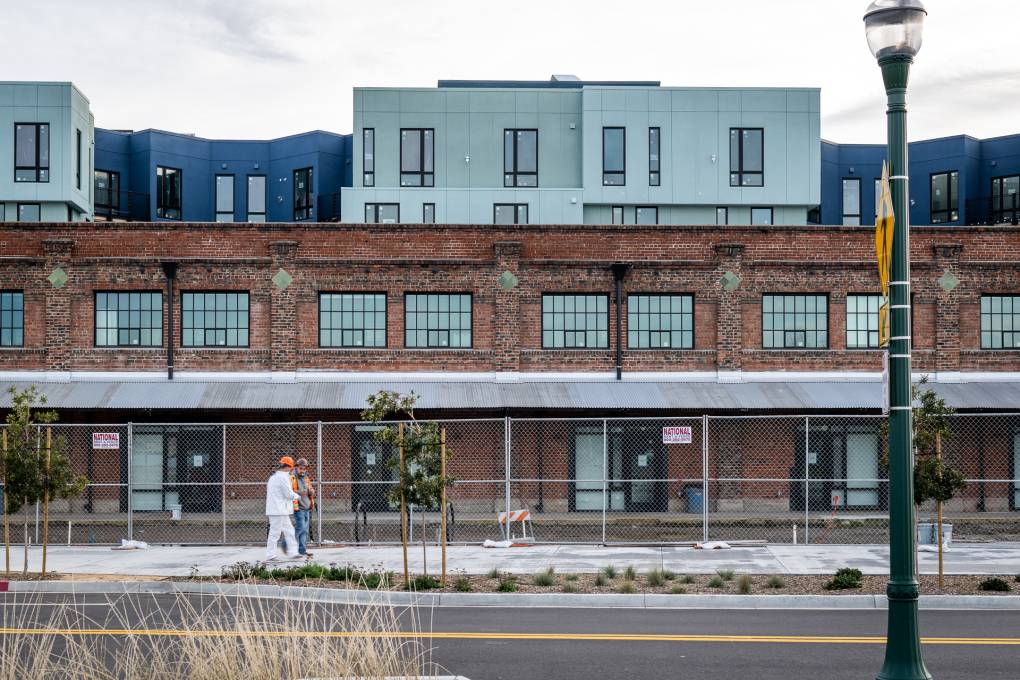
"caption": "Alameda residents have been largely resistant to new housing construction for decades, but the state is forcing them to change, by requiring the city, and many others, to make it easier for developers to build more housing than ever before. The Del Monte warehouse in Alameda, pictured here on Jan. 12, 2023, is under construction to become an apartment building.",
"description": null,
"title": "026_KQED_AlamedaAffordableHousing_01122023",
"credit": "Beth LaBerge/KQED",
"status": "inherit",
"altTag": "A warehouse with fencing around it.",
"isLoading": false,
"fetchFailed": false
},
"news_11938499": {
"type": "attachments",
"id": "news_11938499",
"meta": {
"index": "attachments_1716263798",
"site": "news",
"id": "11938499",
"found": true
},
"parent": 11938478,
"imgSizes": {
"twentyfourteen-full-width": {
"file": "https://ww2.kqed.org/app/uploads/sites/10/2023/01/RS57013_004_KQED_HousingJordanCourt_06292022-qut-1038x576.jpg",
"width": 1038,
"mimeType": "image/jpeg",
"height": 576
},
"thumbnail": {
"file": "https://ww2.kqed.org/app/uploads/sites/10/2023/01/RS57013_004_KQED_HousingJordanCourt_06292022-qut-160x107.jpg",
"width": 160,
"mimeType": "image/jpeg",
"height": 107
},
"post-thumbnail": {
"file": "https://ww2.kqed.org/app/uploads/sites/10/2023/01/RS57013_004_KQED_HousingJordanCourt_06292022-qut-672x372.jpg",
"width": 672,
"mimeType": "image/jpeg",
"height": 372
},
"kqedFullSize": {
"file": "https://ww2.kqed.org/app/uploads/sites/10/2023/01/RS57013_004_KQED_HousingJordanCourt_06292022-qut.jpg",
"width": 1920,
"height": 1280
},
"large": {
"file": "https://ww2.kqed.org/app/uploads/sites/10/2023/01/RS57013_004_KQED_HousingJordanCourt_06292022-qut-1020x680.jpg",
"width": 1020,
"mimeType": "image/jpeg",
"height": 680
},
"1536x1536": {
"file": "https://ww2.kqed.org/app/uploads/sites/10/2023/01/RS57013_004_KQED_HousingJordanCourt_06292022-qut-1536x1024.jpg",
"width": 1536,
"mimeType": "image/jpeg",
"height": 1024
},
"medium": {
"file": "https://ww2.kqed.org/app/uploads/sites/10/2023/01/RS57013_004_KQED_HousingJordanCourt_06292022-qut-800x533.jpg",
"width": 800,
"mimeType": "image/jpeg",
"height": 533
}
},
"publishDate": 1674082516,
"modified": 1674173457,
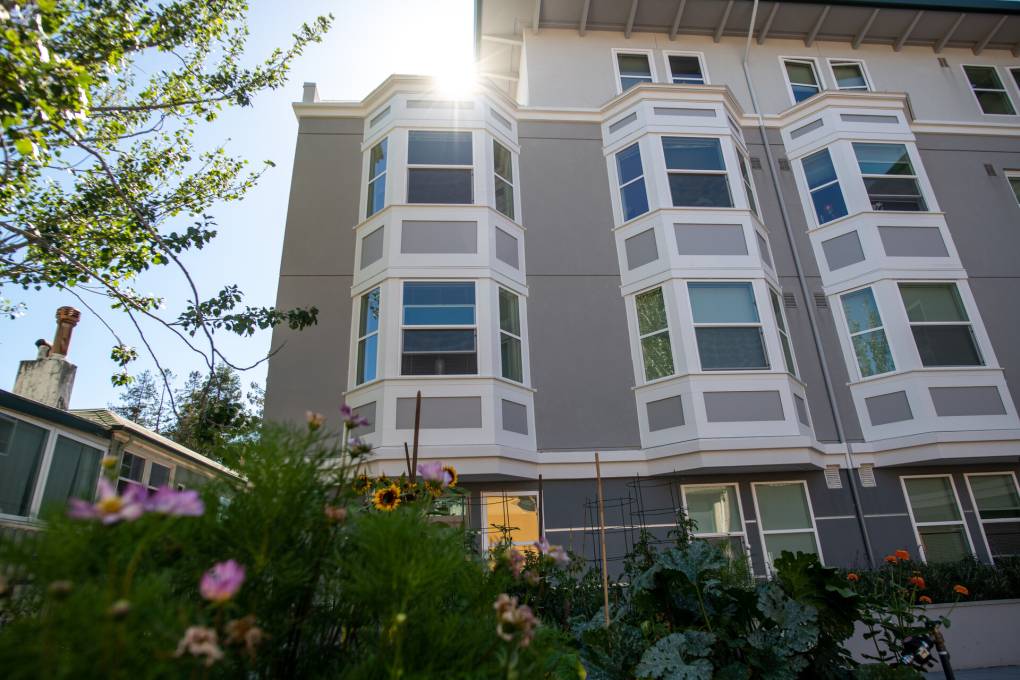
"caption": "Flowers and vegetables grow in raised beds at Jordan Court in Berkeley on June 28, 2022. The affordable housing complex for lower-income older adults was built by All Souls Episcopal Parish.",
"description": null,
"title": "RS57013_004_KQED_HousingJordanCourt_06292022-qut",
"credit": "Beth LaBerge/KQED",
"status": "inherit",
"altTag": null,
"isLoading": false,
"fetchFailed": false
},
"news_11868268": {
"type": "attachments",
"id": "news_11868268",
"meta": {
"index": "attachments_1716263798",
"site": "news",
"id": "11868268",
"found": true
},
"parent": 11868242,
"imgSizes": {
"twentyfourteen-full-width": {
"file": "https://ww2.kqed.org/app/uploads/sites/10/2021/04/GettyImages-1311148803-1038x576.jpg",
"width": 1038,
"mimeType": "image/jpeg",
"height": 576
},
"thumbnail": {
"file": "https://ww2.kqed.org/app/uploads/sites/10/2021/04/GettyImages-1311148803-160x107.jpg",
"width": 160,
"mimeType": "image/jpeg",
"height": 107
},
"post-thumbnail": {
"file": "https://ww2.kqed.org/app/uploads/sites/10/2021/04/GettyImages-1311148803-672x372.jpg",
"width": 672,
"mimeType": "image/jpeg",
"height": 372
},
"kqedFullSize": {
"file": "https://ww2.kqed.org/app/uploads/sites/10/2021/04/GettyImages-1311148803-scaled.jpg",
"width": 2560,
"height": 1709
},
"2048x2048": {
"file": "https://ww2.kqed.org/app/uploads/sites/10/2021/04/GettyImages-1311148803-2048x1367.jpg",
"width": 2048,
"mimeType": "image/jpeg",
"height": 1367
},
"large": {
"file": "https://ww2.kqed.org/app/uploads/sites/10/2021/04/GettyImages-1311148803-1020x681.jpg",
"width": 1020,
"mimeType": "image/jpeg",
"height": 681
},
"1536x1536": {
"file": "https://ww2.kqed.org/app/uploads/sites/10/2021/04/GettyImages-1311148803-1536x1025.jpg",
"width": 1536,
"mimeType": "image/jpeg",
"height": 1025
},
"full-width": {
"file": "https://ww2.kqed.org/app/uploads/sites/10/2021/04/GettyImages-1311148803-1920x1282.jpg",
"width": 1920,
"mimeType": "image/jpeg",
"height": 1282
},
"medium": {
"file": "https://ww2.kqed.org/app/uploads/sites/10/2021/04/GettyImages-1311148803-800x534.jpg",
"width": 800,
"mimeType": "image/jpeg",
"height": 534
}
},
"publishDate": 1617739714,
"modified": 1673481219,
"caption": "Gov. Gavin Newsom speaks during a news conference after touring the vaccination clinic at City College of San Francisco with San Francisco Mayor London Breed (in red) on April 6, 2021, in San Francisco.",
"description": "California Gov. Gavin Newsom (L) speaks during a news conference after touring the vaccination clinic at City College of San Francisco with San Francisco Mayor London Breed (R) on April 06, 2021 in San Francisco, California. California Gov. Gavin Newsom announced that the state of California has administered over 20 million vaccinations and currently has the lowest positivity rate in the United States. The governor also announced that California is on track for a full reopening by June 15th with continued mask wearing and people getting vaccinated.",
"title": "Newsom-Breed-CCSF",
"credit": "Justin Sullivan/Getty Images",
"status": "inherit",
"altTag": "A man wearing a business suit stands in front of a microphone gesturing with his hands. Behind him is an African American woman wearing a mask and a red business suit outdoors.",
"isLoading": false,
"fetchFailed": false
}
},
"audioPlayerReducer": {
"postId": "stream_live",
"isPaused": true,
"isPlaying": false,
"pfsActive": false,
"pledgeModalIsOpen": true,
"playerDrawerIsOpen": false,
"liveAudioPlayStartedAt": 0,
"liveAudioPlayContext": ""
},
"authorsReducer": {
"gmarzorati": {
"type": "authors",
"id": "227",
"meta": {
"index": "authors_1716337520",
"id": "227",
"found": true
},
"name": "Guy Marzorati",
"firstName": "Guy",
"lastName": "Marzorati",
"slug": "gmarzorati",
"email": "gmarzorati@KQED.org",
"display_author_email": true,
"staff_mastheads": [
"news"
],
"title": "Correspondent",
"bio": "Guy Marzorati is a correspondent on KQED's California Politics and Government Desk, based in San Jose. A graduate of Santa Clara University, Guy joined KQED in 2013. He reports on state and local politics and produces KQED's digital voter guide.",
"avatar": "https://secure.gravatar.com/avatar/e7038b8dbfd55b104369b76b1cd0b9de?s=600&d=blank&r=g",
"twitter": "guymarzorati",
"facebook": null,
"instagram": null,
"linkedin": null,
"sites": [
{
"site": "",
"roles": [
"editor"
]
},
{
"site": "news",
"roles": [
"editor"
]
},
{
"site": "science",
"roles": [
"editor"
]
},
{
"site": "forum",
"roles": [
"editor"
]
},
{
"site": "elections",
"roles": [
"editor"
]
},
{
"site": "liveblog",
"roles": [
"editor"
]
}
],
"headData": {
"title": "Guy Marzorati | KQED",
"description": "Correspondent",
"ogImgSrc": "https://secure.gravatar.com/avatar/e7038b8dbfd55b104369b76b1cd0b9de?s=600&d=blank&r=g",
"twImgSrc": "https://secure.gravatar.com/avatar/e7038b8dbfd55b104369b76b1cd0b9de?s=600&d=blank&r=g"
},
"isLoading": false,
"link": "/author/gmarzorati"
},
"kqed": {
"type": "authors",
"id": "236",
"meta": {
"index": "authors_1716337520",
"id": "236",
"found": true
},
"name": "KQED News Staff",
"firstName": "KQED News Staff",
"lastName": null,
"slug": "kqed",
"email": "faq@kqed.org",
"display_author_email": false,
"staff_mastheads": [],
"title": null,
"bio": null,
"avatar": "https://secure.gravatar.com/avatar/ef0e801a68c4c54afa9180db14084167?s=600&d=blank&r=g",
"twitter": null,
"facebook": null,
"instagram": null,
"linkedin": null,
"sites": [
{
"site": "arts",
"roles": [
"contributor"
]
},
{
"site": "news",
"roles": [
"editor"
]
},
{
"site": "futureofyou",
"roles": [
"author"
]
}
],
"headData": {
"title": "KQED News Staff | KQED",
"description": null,
"ogImgSrc": "https://secure.gravatar.com/avatar/ef0e801a68c4c54afa9180db14084167?s=600&d=blank&r=g",
"twImgSrc": "https://secure.gravatar.com/avatar/ef0e801a68c4c54afa9180db14084167?s=600&d=blank&r=g"
},
"isLoading": false,
"link": "/author/kqed"
},
"scottshafer": {
"type": "authors",
"id": "255",
"meta": {
"index": "authors_1716337520",
"id": "255",
"found": true
},
"name": "Scott Shafer",
"firstName": "Scott",
"lastName": "Shafer",
"slug": "scottshafer",
"email": "sshafer@kqed.org",
"display_author_email": false,
"staff_mastheads": [
"news"
],
"title": "KQED Contributor",
"bio": "Scott Shafer is a senior editor with the KQED Politics and Government desk. He is co-host of Political Breakdown, the award-winning radio show and podcast with a personal take on the world of politics. Scott came to KQED in 1998 to host the statewide\u003cem> California Report\u003c/em>. Prior to that he had extended stints in politics and government\u003cem>.\u003c/em> He uses that inside experience at KQED in his, reporting, hosting and analysis for the politics desk. Scott collaborated \u003cem>Political Breakdown a\u003c/em>nd on \u003cem>The Political Mind of Jerry Brown, \u003c/em>an eight-part series about the life and extraordinary political career of the former governor. For fun, he plays water polo with the San Francisco Tsunami.",
"avatar": "https://secure.gravatar.com/avatar/a62ebae45b79d7aed1a39a0e3bf68104?s=600&d=blank&r=g",
"twitter": "scottshafer",
"bluesky": null,
"facebook": null,
"instagram": null,
"linkedin": null,
"sites": [
{
"site": "news",
"roles": [
"editor"
]
},
{
"site": "stateofhealth",
"roles": [
"author"
]
},
{
"site": "science",
"roles": [
"author"
]
},
{
"site": "forum",
"roles": [
"subscriber"
]
},
{
"site": "liveblog",
"roles": [
"author"
]
}
],
"headData": {
"title": "Scott Shafer | KQED",
"description": "KQED Contributor",
"ogImgSrc": "https://secure.gravatar.com/avatar/a62ebae45b79d7aed1a39a0e3bf68104?s=600&d=blank&r=g",
"twImgSrc": "https://secure.gravatar.com/avatar/a62ebae45b79d7aed1a39a0e3bf68104?s=600&d=blank&r=g"
},
"isLoading": false,
"link": "/author/scottshafer"
},
"shossaini": {
"type": "authors",
"id": "3214",
"meta": {
"index": "authors_1716337520",
"id": "3214",
"found": true
},
"name": "Sara Hossaini",
"firstName": "Sara",
"lastName": "Hossaini",
"slug": "shossaini",
"email": "shossaini@kqed.org",
"display_author_email": true,
"staff_mastheads": [
"news"
],
"title": "KQED Reporter",
"bio": "Sara Hossaini came to general assignment reporting at KQED in 2013 after two winters reporting at Wyoming Public Radio. She holds a bachelor's degree in broadcast journalism from the University of Nebraska-Lincoln. Her radio romance began after a bitter breakup with documentary film (Ok, maybe it's still complicated). Her first simultaneous jobs in San Francisco were as Associate Producer on a PBS film series through the Center for Asian American Media and as a butler. She likes to trot, plot and make things with her hands.",
"avatar": "https://secure.gravatar.com/avatar/060e9f56b9554e17942e89f413242774?s=600&d=blank&r=g",
"twitter": "mshossaini",
"facebook": null,
"instagram": null,
"linkedin": null,
"sites": [
{
"site": "news",
"roles": [
"author"
]
},
{
"site": "stateofhealth",
"roles": [
"author"
]
}
],
"headData": {
"title": "Sara Hossaini | KQED",
"description": "KQED Reporter",
"ogImgSrc": "https://secure.gravatar.com/avatar/060e9f56b9554e17942e89f413242774?s=600&d=blank&r=g",
"twImgSrc": "https://secure.gravatar.com/avatar/060e9f56b9554e17942e89f413242774?s=600&d=blank&r=g"
},
"isLoading": false,
"link": "/author/shossaini"
},
"afont": {
"type": "authors",
"id": "8637",
"meta": {
"index": "authors_1716337520",
"id": "8637",
"found": true
},
"name": "Amanda Font",
"firstName": "Amanda",
"lastName": "Font",
"slug": "afont",
"email": "afont@kqed.org",
"display_author_email": false,
"staff_mastheads": [],
"title": "KQED Contributor",
"bio": "Amanda Font is a producer on \u003cem>The Latest\u003c/em> podcast, and the host and co-producer of the series \u003cem>Audible Cosmos\u003c/em>. She has previously worked as a producer and reporter on the \u003cem>Bay Curious\u003c/em> podcast, and director of \u003cem>The California Report Magazine\u003c/em>. She grew up in the deserts of Southern California and moved north for the trees. Amanda earned a B.A. from the BECA program at San Francisco State, where she worked in the university's radio station. Amanda Font is represented by SAG-AFTRA.",
"avatar": "https://secure.gravatar.com/avatar/d9e81cf0117d5849b9cfb7ab4b1422f1?s=600&d=blank&r=g",
"twitter": null,
"facebook": null,
"instagram": null,
"linkedin": null,
"sites": [
{
"site": "news",
"roles": [
"add_users",
"create_users"
]
},
{
"site": "science",
"roles": []
},
{
"site": "forum",
"roles": [
"administrator"
]
},
{
"site": "perspectives",
"roles": [
"administrator"
]
},
{
"site": "radio",
"roles": [
"administrator"
]
}
],
"headData": {
"title": "Amanda Font | KQED",
"description": "KQED Contributor",
"ogImgSrc": "https://secure.gravatar.com/avatar/d9e81cf0117d5849b9cfb7ab4b1422f1?s=600&d=blank&r=g",
"twImgSrc": "https://secure.gravatar.com/avatar/d9e81cf0117d5849b9cfb7ab4b1422f1?s=600&d=blank&r=g"
},
"isLoading": false,
"link": "/author/afont"
},
"vrancano": {
"type": "authors",
"id": "11276",
"meta": {
"index": "authors_1716337520",
"id": "11276",
"found": true
},
"name": "Vanessa Rancaño",
"firstName": "Vanessa",
"lastName": "Rancaño",
"slug": "vrancano",
"email": "vrancano@kqed.org",
"display_author_email": false,
"staff_mastheads": [
"news"
],
"title": "Reporter",
"bio": "Vanessa Rancaño is a features reporter for KQED. She’s also covered homelessness and education for the station and reported from the Central Valley. Her work has aired across public radio, from flagship national news shows to longform narrative podcasts. Before taking up a mic, she worked as a freelance print journalist. She’s been recognized with a number of national and regional awards. Vanessa grew up in California's Central Valley. She's a former NPR Kroc Fellow, and a graduate of the UC Berkeley Graduate School of Journalism.",
"avatar": "https://secure.gravatar.com/avatar/b3a383dfb0e7ee1c17568f2cf067904ab654d6e3de9743fc661f3c788ade1bed?s=600&d=blank&r=g",
"twitter": "vanessarancano",
"bluesky": null,
"facebook": null,
"instagram": null,
"linkedin": null,
"sites": [
{
"site": "arts",
"roles": [
"editor"
]
},
{
"site": "news",
"roles": [
"editor"
]
},
{
"site": "liveblog",
"roles": [
"contributor"
]
}
],
"headData": {
"title": "Vanessa Rancaño | KQED",
"description": "Reporter",
"ogImgSrc": "https://secure.gravatar.com/avatar/b3a383dfb0e7ee1c17568f2cf067904ab654d6e3de9743fc661f3c788ade1bed?s=600&d=blank&r=g",
"twImgSrc": "https://secure.gravatar.com/avatar/b3a383dfb0e7ee1c17568f2cf067904ab654d6e3de9743fc661f3c788ade1bed?s=600&d=blank&r=g"
},
"isLoading": false,
"link": "/author/vrancano"
},
"amontecillo": {
"type": "authors",
"id": "11649",
"meta": {
"index": "authors_1716337520",
"id": "11649",
"found": true
},
"name": "Alan Montecillo",
"firstName": "Alan",
"lastName": "Montecillo",
"slug": "amontecillo",
"email": "amontecillo@kqed.org",
"display_author_email": false,
"staff_mastheads": [
"news"
],
"title": "KQED Contributor",
"bio": "Alan Montecillo is the senior editor of \u003cem>\u003ca href=\"http://kqed.org/thebay\">The Bay\u003c/a>, \u003c/em> KQED's local news podcast. Before moving to the Bay Area, he worked as a senior talk show producer for WILL in Champaign-Urbana, Illinois and at Oregon Public Broadcasting in Portland, Oregon. He has won journalism awards from the Society of Professional Journalists Northern California, the Public Media Journalists Association, The Signal Awards, and has also received a regional Edward R. Murrow award. Alan is a Filipino American from Hong Kong and a graduate of Reed College.",
"avatar": "https://secure.gravatar.com/avatar/268f53a2066899ea9efdd8a5900218b17c822d9862cbc9326cccec53ef41d349?s=600&d=blank&r=g",
"twitter": "alanmontecillo",
"bluesky": null,
"facebook": null,
"instagram": null,
"linkedin": null,
"sites": [
{
"site": "",
"roles": [
"editor"
]
},
{
"site": "news",
"roles": [
"editor",
"manage_categories"
]
}
],
"headData": {
"title": "Alan Montecillo | KQED",
"description": "KQED Contributor",
"ogImgSrc": "https://secure.gravatar.com/avatar/268f53a2066899ea9efdd8a5900218b17c822d9862cbc9326cccec53ef41d349?s=600&d=blank&r=g",
"twImgSrc": "https://secure.gravatar.com/avatar/268f53a2066899ea9efdd8a5900218b17c822d9862cbc9326cccec53ef41d349?s=600&d=blank&r=g"
},
"isLoading": false,
"link": "/author/amontecillo"
},
"ebaldassari": {
"type": "authors",
"id": "11652",
"meta": {
"index": "authors_1716337520",
"id": "11652",
"found": true
},
"name": "Erin Baldassari",
"firstName": "Erin",
"lastName": "Baldassari",
"slug": "ebaldassari",
"email": "ebaldassari@KQED.org",
"display_author_email": true,
"staff_mastheads": [
"news"
],
"title": "Staff Writer",
"bio": "Erin Baldassari covers housing for KQED. She's a former print journalist and most recently worked as the transportation reporter for the \u003cem>Mercury News\u003c/em> and \u003cem>East Bay Times. \u003c/em>There, she focused on how the Bay Area’s housing shortage has changed the way people move around the region. She also served on the \u003cem>East Bay Times\u003c/em>’ 2017 Pulitzer Prize-winning team for coverage of the Ghost Ship Fire in Oakland. Prior to that, Erin worked as a breaking news and general assignment reporter for a variety of outlets in the Bay Area and the greater Boston area. A Tufts University alumna, Erin grew up in the foothills of the Sierra Nevada mountains and in Sonoma County. She is a life-long KQED listener.",
"avatar": "https://secure.gravatar.com/avatar/5e95cad64a8ca08288082212e199d2b0cbeb4fd8e8ef5339395f361032bbe005?s=600&d=blank&r=g",
"twitter": "e_baldi",
"bluesky": null,
"facebook": null,
"instagram": null,
"linkedin": null,
"sites": [
{
"site": "news",
"roles": [
"edit_others_posts",
"editor"
]
},
{
"site": "science",
"roles": [
"editor"
]
},
{
"site": "liveblog",
"roles": [
"editor"
]
}
],
"headData": {
"title": "Erin Baldassari | KQED",
"description": "Staff Writer",
"ogImgSrc": "https://secure.gravatar.com/avatar/5e95cad64a8ca08288082212e199d2b0cbeb4fd8e8ef5339395f361032bbe005?s=600&d=blank&r=g",
"twImgSrc": "https://secure.gravatar.com/avatar/5e95cad64a8ca08288082212e199d2b0cbeb4fd8e8ef5339395f361032bbe005?s=600&d=blank&r=g"
},
"isLoading": false,
"link": "/author/ebaldassari"
},
"blaberge": {
"type": "authors",
"id": "11667",
"meta": {
"index": "authors_1716337520",
"id": "11667",
"found": true
},
"name": "Beth LaBerge",
"firstName": "Beth",
"lastName": "LaBerge",
"slug": "blaberge",
"email": "blaberge@KQED.org",
"display_author_email": true,
"staff_mastheads": [
"news"
],
"title": "Photographer, News",
"bio": "Beth LaBerge is a visual journalist for \u003ca href=\"https://www.kqed.org/news\">KQED News\u003c/a>.",
"avatar": "https://secure.gravatar.com/avatar/ce49ecd7a1306685637b45a1f6f5dedfc4ae9481966eb596fea5160466dd6319?s=600&d=blank&r=g",
"twitter": null,
"bluesky": null,
"facebook": null,
"instagram": "https://www.instagram.com/bethlaberge/",
"linkedin": null,
"sites": [
{
"site": "arts",
"roles": [
"editor",
"manage_categories"
]
},
{
"site": "news",
"roles": [
"editor",
"edit_plugins",
"manage_categories"
]
},
{
"site": "science",
"roles": [
"editor",
"contributor",
"author",
"manage_categories"
]
},
{
"site": "perspectives",
"roles": [
"editor"
]
},
{
"site": "liveblog",
"roles": [
"editor"
]
}
],
"headData": {
"title": "Beth LaBerge | KQED",
"description": "Photographer, News",
"ogImgSrc": "https://secure.gravatar.com/avatar/ce49ecd7a1306685637b45a1f6f5dedfc4ae9481966eb596fea5160466dd6319?s=600&d=blank&r=g",
"twImgSrc": "https://secure.gravatar.com/avatar/ce49ecd7a1306685637b45a1f6f5dedfc4ae9481966eb596fea5160466dd6319?s=600&d=blank&r=g"
},
"isLoading": false,
"link": "/author/blaberge"
},
"abandlamudi": {
"type": "authors",
"id": "11672",
"meta": {
"index": "authors_1716337520",
"id": "11672",
"found": true
},
"name": "Adhiti Bandlamudi",
"firstName": "Adhiti",
"lastName": "Bandlamudi",
"slug": "abandlamudi",
"email": "abandlamudi@kqed.org",
"display_author_email": false,
"staff_mastheads": [
"news"
],
"title": "KQED Housing Reporter",
"bio": "Adhiti Bandlamudi reports for KQED's Housing desk. She focuses on how housing gets built across the Bay Area. Before joining KQED in 2020, she reported for WUNC in Durham, North Carolina, WABE in Atlanta, Georgia and Capital Public Radio in Sacramento. In 2017, she was awarded a Kroc Fellowship at NPR where she reported on everything from sprinkles to the Golden State Killer's arrest. When she's not reporting, she's baking new recipes in her kitchen or watching movies with friends and family. She's originally from Georgia and has strong opinions about Great British Bake Off.",
"avatar": "https://secure.gravatar.com/avatar/868129c8b257bb99a3500e2c86a65400?s=600&d=mm&r=g",
"twitter": "oddity_adhiti",
"facebook": null,
"instagram": null,
"linkedin": null,
"sites": [
{
"site": "arts",
"roles": [
"author"
]
},
{
"site": "news",
"roles": [
"editor"
]
},
{
"site": "liveblog",
"roles": [
"author"
]
}
],
"headData": {
"title": "Adhiti Bandlamudi | KQED",
"description": "KQED Housing Reporter",
"ogImgSrc": "https://secure.gravatar.com/avatar/868129c8b257bb99a3500e2c86a65400?s=600&d=mm&r=g",
"twImgSrc": "https://secure.gravatar.com/avatar/868129c8b257bb99a3500e2c86a65400?s=600&d=mm&r=g"
},
"isLoading": false,
"link": "/author/abandlamudi"
},
"ccabreralomeli": {
"type": "authors",
"id": "11708",
"meta": {
"index": "authors_1716337520",
"id": "11708",
"found": true
},
"name": "Carlos Cabrera-Lomelí",
"firstName": "Carlos",
"lastName": "Cabrera-Lomelí",
"slug": "ccabreralomeli",
"email": "ccabreralomeli@KQED.org",
"display_author_email": true,
"staff_mastheads": [
"news"
],
"title": "Community Reporter",
"bio": "Carlos Cabrera-Lomelí is a community reporter with KQED's digital engagement team. He also reports and co-produces for KQED's bilingual news hub KQED en Español. He grew up in San Francisco's Mission District and has previously worked with Univision, 48 Hills and REFORMA in Mexico City.",
"avatar": "https://secure.gravatar.com/avatar/c309be9665e484f887b818c89e273ecc673004f426f36b24d00a4d813a2e0518?s=600&d=blank&r=g",
"twitter": "@LomeliCabrera",
"bluesky": null,
"facebook": null,
"instagram": null,
"linkedin": null,
"sites": [
{
"site": "arts",
"roles": [
"editor"
]
},
{
"site": "news",
"roles": [
"editor"
]
},
{
"site": "about",
"roles": [
"editor"
]
},
{
"site": "science",
"roles": [
"editor"
]
},
{
"site": "perspectives",
"roles": [
"editor"
]
},
{
"site": "elections",
"roles": [
"editor"
]
},
{
"site": "liveblog",
"roles": [
"contributor"
]
}
],
"headData": {
"title": "Carlos Cabrera-Lomelí | KQED",
"description": "Community Reporter",
"ogImgSrc": "https://secure.gravatar.com/avatar/c309be9665e484f887b818c89e273ecc673004f426f36b24d00a4d813a2e0518?s=600&d=blank&r=g",
"twImgSrc": "https://secure.gravatar.com/avatar/c309be9665e484f887b818c89e273ecc673004f426f36b24d00a4d813a2e0518?s=600&d=blank&r=g"
},
"isLoading": false,
"link": "/author/ccabreralomeli"
},
"mesquinca": {
"type": "authors",
"id": "11802",
"meta": {
"index": "authors_1716337520",
"id": "11802",
"found": true
},
"name": "Maria Esquinca",
"firstName": "Maria",
"lastName": "Esquinca",
"slug": "mesquinca",
"email": "mesquinca@kqed.org",
"display_author_email": false,
"staff_mastheads": [],
"title": "Producer, The Bay",
"bio": "María Esquinca is a producer of The Bay. Before that, she was a New York Women’s Foundation IGNITE Fellow at Latino USA. She worked at Radio Bilingue where she covered the San Joaquin Valley. Maria has interned at WLRN, News 21, The New York Times Student Journalism Institute and at Crain’s Detroit Business as a Dow Jones News Fund Business Reporting Intern. She is an MFA graduate from the University of Miami. In 2017, she graduated from the Walter Cronkite School of Journalism and Mass Communication with a Master of Mass Communication. A fronteriza, she was born in Ciudad Juárez, Chihuahua, Mexico and grew up in El Paso, Texas.",
"avatar": "https://secure.gravatar.com/avatar/77cedba18aae91da775038ba06dcd8d0?s=600&d=blank&r=g",
"twitter": "@m_esquinca",
"facebook": null,
"instagram": null,
"linkedin": null,
"sites": [
{
"site": "news",
"roles": []
}
],
"headData": {
"title": "Maria Esquinca | KQED",
"description": "Producer, The Bay",
"ogImgSrc": "https://secure.gravatar.com/avatar/77cedba18aae91da775038ba06dcd8d0?s=600&d=blank&r=g",
"twImgSrc": "https://secure.gravatar.com/avatar/77cedba18aae91da775038ba06dcd8d0?s=600&d=blank&r=g"
},
"isLoading": false,
"link": "/author/mesquinca"
},
"sjohnson": {
"type": "authors",
"id": "11840",
"meta": {
"index": "authors_1716337520",
"id": "11840",
"found": true
},
"name": "Sydney Johnson",
"firstName": "Sydney",
"lastName": "Johnson",
"slug": "sjohnson",
"email": "sjohnson@kqed.org",
"display_author_email": false,
"staff_mastheads": [
"news"
],
"title": "KQED Reporter",
"bio": "Sydney Johnson is a general assignment reporter at KQED. She previously reported on public health and city government at the San Francisco Examiner, and before that, she covered statewide education policy for EdSource. Her reporting has won multiple local, state and national awards. Sydney is a graduate of the University of California, Berkeley and lives in San Francisco.",
"avatar": "https://secure.gravatar.com/avatar/97855f2719b72ad6190b7c535fe642c8?s=600&d=blank&r=g",
"twitter": "sydneyfjohnson",
"facebook": null,
"instagram": null,
"linkedin": null,
"sites": [
{
"site": "news",
"roles": [
"editor"
]
}
],
"headData": {
"title": "Sydney Johnson | KQED",
"description": "KQED Reporter",
"ogImgSrc": "https://secure.gravatar.com/avatar/97855f2719b72ad6190b7c535fe642c8?s=600&d=blank&r=g",
"twImgSrc": "https://secure.gravatar.com/avatar/97855f2719b72ad6190b7c535fe642c8?s=600&d=blank&r=g"
},
"isLoading": false,
"link": "/author/sjohnson"
}
},
"pagesReducer": {
"news_tag_affordable-housing": {
"type": "terms",
"id": "news_3921",
"meta": {
"index": "terms_1716263798",
"site": "news",
"id": "3921",
"score": 9.304576
},
"featImg": null,
"name": "affordable housing",
"description": null,
"taxonomy": "tag",
"headData": {
"twImgId": null,
"twTitle": null,
"ogTitle": null,
"ogImgId": null,
"twDescription": null,
"description": null,
"title": "affordable housing Archives | KQED News",
"ogDescription": null
},
"ttid": 3940,
"slug": "affordable-housing",
"isLoading": false,
"title": "affordable housing",
"pageMeta": {
"site": "news",
"WpPageTemplate": "page-topic-editorial",
"currentPage": 26
},
"blocks": [
{
"blockName": "kqed/post-list",
"attrs": {
"layout": "cardArticle2",
"query": "posts/news?tag=affordable-housing",
"seeMore": false,
"paginated": true,
"page": 26
}
},
{
"blockName": "kqed/ad"
}
]
}
},
"pfsSessionReducer": {},
"postsReducer": {
"stream_live": {
"type": "live",
"id": "stream_live",
"audioUrl": "https://streams.kqed.org/kqedradio",
"title": "Live Stream",
"excerpt": "Live Stream information currently unavailable.",
"link": "/radio",
"featImg": "",
"label": {
"name": "KQED Live",
"link": "/"
}
},
"stream_kqedNewscast": {
"type": "posts",
"id": "stream_kqedNewscast",
"audioUrl": "https://www.kqed.org/.stream/anon/radio/RDnews/newscast.mp3?_=1",
"title": "KQED Newscast",
"featImg": "",
"label": {
"name": "88.5 FM",
"link": "/"
}
},
"news_11943688": {
"type": "posts",
"id": "news_11943688",
"meta": {
"index": "posts_1716263798",
"site": "news",
"id": "11943688",
"score": null,
"sort": [
1679007507000
]
},
"guestAuthors": [],
"slug": "map-bay-area-affordable-housing-projects-impacted-by-silicon-valley-banks-collapse",
"title": "MAP: Bay Area Affordable Housing Projects Impacted by Silicon Valley Bank's Collapse",
"publishDate": 1679007507,
"format": "standard",
"headTitle": "MAP: Bay Area Affordable Housing Projects Impacted by Silicon Valley Bank’s Collapse | KQED",
"labelTerm": {
"site": "news"
},
"content": "\u003cp>The \u003ca href=\"https://www.pbs.org/newshour/economy/why-silicon-valley-bank-and-signature-bank-failed-so-fast#:~:text=Customers%20of%20SVB%20were%20withdrawing,%242%20billion%20in%20new%20capital.\">recent downfall of Silicon Valley Bank (SVB)\u003c/a> has a number of major Bay Area affordable housing developers scrambling to find new lending options for projects that are desperately needed to address the region’s housing crisis.\u003c/p>\n\u003cp>KQED has so far identified 11 in-process or recently completed affordable housing projects in several Bay Area cities — comprising more than 1,000 units — dependent on loans from SVB, the Santa Clara-based lender that failed on Friday following a social media-fueled bank run.\u003c/p>\n\u003cp>“When we woke up Friday, it was like, ‘What do you mean SVB is going away?’” said Linda Mandolini, president of Eden Housing, an affordable housing developer with projects across the Bay Area, including three funded with SVB loans. Eden was also prepared to secure a loan with SVB for a new project later this spring, just as federal officials seized the bank’s $209 billion in assets.\u003c/p>\n\u003cp>SVB has loaned or invested nearly $2 billion to fund affordable housing projects in the Bay Area, according to its website.\u003c/p>\n\u003cp>“All of our financing is tied to time,” said Mandolini. “We don’t want to stop the projects.”\u003c/p>\n\u003cp>\u003ca href=\"https://money.usnews.com/banking/articles/how-the-fdic-protects-your-money-after-a-bank-run\">Since the Federal Deposit Insurance Corporation (FDIC) stepped in Friday\u003c/a>, Mandolini said, she has been assured that lines of credit from SVB will continue for projects already under construction — including the $42 million in loans SVB originally agreed to. But she said the bank’s collapse leaves many unanswered questions — even for Eden’s already completed projects — like how much of the more than $50 million the bank promised in continued financing will now actually be available.\u003c/p>\n\u003cp>\u003c!-- iframe plugin v.4.3 wordpress.org/plugins/iframe/ -->\u003cbr>\n\u003ciframe loading=\"lazy\" title=\"Bay Area Affordable Housing Developments With SVB Loans/Equity\" aria-label=\"Map\" id=\"datawrapper-chart-sp8pw\" src=\"https://datawrapper.dwcdn.net/sp8pw/9/\" scrolling=\"no\" frameborder=\"0\" style=\"border: none;\" width=\"750\" height=\"750\" data-external=\"1\" class=\"iframe-class\">\u003c/iframe>\u003c/p>\n\u003cp>In San Francisco, at least five affordable housing projects at varying stages of development, comprising nearly 500 units, were largely funded by SVB loans and are now at risk. They include the 104-unit Maceo May development on Treasure Island, and the 135-unit Shirley Chisholm Village in the Outer Sunset.\u003c/p>\n\u003cp>The city, in partnership with Mercy Housing, was also preparing to finalize a loan contract with Silicon Valley Bank last week for the Kelsey Civic Center, a proposed 112-unit affordable housing development directly across the street from City Hall.\u003c/p>\n\u003cp>San Francisco officials say they are now seeking alternative lending and financing options.\u003c/p>\n\u003cp>“We are keeping an eye on other lenders that have worked with project sponsors on affordable housing,” said Anne Stanley, a spokesperson for the Mayor’s Office of Housing and Community Development. “Right now we are just trying to make sure the next step doesn’t result in any additional delays and new construction loans are consistent.”\u003c/p>\n\u003cp>Timing is everything in housing construction. The longer it takes to secure new deals, the more costs developers and housing providers absorb.[aside label=\"related coverage\" tag=\"affordable-housing\"]“I’m very concerned. Anything that causes a delay or might disrupt financing or increase costs is a problem,” said state Sen. Scott Wiener (D-San Francisco), who has called on San Francisco and the state to rapidly ramp up affordable housing construction. “We don’t know what’s going to happen to these projects.”\u003c/p>\n\u003cp>Earlier this week, San Francisco Supervisor Ahsha Safaí sent a letter to San Francisco’s treasurer and other key city leaders requesting a report on the fiscal impact of the bank’s collapse on the city’s affordable housing projects and its retirement fund for public employees.\u003c/p>\n\u003cp>“This is on the top of everyone’s mind. It impacts our local economy in so many ways and this is something we need to take seriously and do everything we can,” he told KQED. “The response has been swift and strong, and I appreciate how the feds and Treasury are reacting to ensure depositors. We just have to monitor this and be as cautious and aware as possible.”\u003c/p>\n\u003cp>Despite the roller-coaster week, Mandolini of Eden Housing said she remained optimistic about finding a new lender for the affected projects without an interruption in the construction process.\u003c/p>\n\u003cp>“Because there is such a huge shortage of housing, banks feel this is a good place to achieve their community objectives,” she said. “It’s good, steady business for the banks. It’s not super glam but it’s good community-based business.”[ad fullwidth]\u003c/p>\n\u003cp>\u003c/p>\n",
"blocks": [],
"excerpt": "Developers of at least 11 in-process or recently completed affordable housing projects in the Bay Area are scrambling to find new lending options in the wake of the bank's collapse.\r\n",
"status": "publish",
"parent": 0,
"modified": 1740181957,
"stats": {
"hasAudio": false,
"hasVideo": false,
"hasChartOrMap": true,
"iframeSrcs": [
"https://datawrapper.dwcdn.net/sp8pw/9/"
],
"hasGoogleForm": false,
"hasGallery": false,
"hasHearkenModule": false,
"hasPolis": false,
"paragraphCount": 17,
"wordCount": 749
},
"headData": {
"title": "MAP: Bay Area Affordable Housing Projects Impacted by Silicon Valley Bank's Collapse | KQED",
"description": "Developers of at least 11 in-process or recently completed affordable housing projects in the Bay Area are scrambling to find new lending options in the wake of the bank's collapse.\r\n",
"ogTitle": "",
"ogDescription": "",
"ogImgId": "",
"twTitle": "",
"twDescription": "",
"twImgId": "",
"schema": {
"@context": "https://schema.org",
"@type": "NewsArticle",
"headline": "MAP: Bay Area Affordable Housing Projects Impacted by Silicon Valley Bank's Collapse",
"datePublished": "2023-03-16T15:58:27-07:00",
"dateModified": "2025-02-21T15:52:37-08:00",
"image": "https://cdn.kqed.org/wp-content/uploads/2020/02/KQED-OG-Image@1x.png",
"isAccessibleForFree": "True",
"publisher": {
"@type": "NewsMediaOrganization",
"@id": "https://www.kqed.org/#organization",
"name": "KQED",
"logo": "https://cdn.kqed.org/wp-content/uploads/2020/02/KQED-OG-Image@1x.png",
"url": "https://www.kqed.org",
"sameAs": [
"https://www.facebook.com/KQED",
"https://twitter.com/KQED",
"https://www.instagram.com/kqed/",
"https://www.tiktok.com/@kqedofficial",
"https://www.linkedin.com/company/kqed",
"https://www.youtube.com/channel/UCeC0IOo7i1P_61zVUWbJ4nw"
]
}
}
},
"sticky": false,
"excludeFromSiteSearch": "Include",
"articleAge": "0",
"path": "/news/11943688/map-bay-area-affordable-housing-projects-impacted-by-silicon-valley-banks-collapse",
"audioTrackLength": null,
"parsedContent": [
{
"type": "contentString",
"content": "\u003cdiv class=\"post-body\">\u003cp>\u003cp>The \u003ca href=\"https://www.pbs.org/newshour/economy/why-silicon-valley-bank-and-signature-bank-failed-so-fast#:~:text=Customers%20of%20SVB%20were%20withdrawing,%242%20billion%20in%20new%20capital.\">recent downfall of Silicon Valley Bank (SVB)\u003c/a> has a number of major Bay Area affordable housing developers scrambling to find new lending options for projects that are desperately needed to address the region’s housing crisis.\u003c/p>\n\u003cp>KQED has so far identified 11 in-process or recently completed affordable housing projects in several Bay Area cities — comprising more than 1,000 units — dependent on loans from SVB, the Santa Clara-based lender that failed on Friday following a social media-fueled bank run.\u003c/p>\n\u003cp>“When we woke up Friday, it was like, ‘What do you mean SVB is going away?’” said Linda Mandolini, president of Eden Housing, an affordable housing developer with projects across the Bay Area, including three funded with SVB loans. Eden was also prepared to secure a loan with SVB for a new project later this spring, just as federal officials seized the bank’s $209 billion in assets.\u003c/p>\n\u003cp>SVB has loaned or invested nearly $2 billion to fund affordable housing projects in the Bay Area, according to its website.\u003c/p>\n\u003cp>“All of our financing is tied to time,” said Mandolini. “We don’t want to stop the projects.”\u003c/p>\n\u003cp>\u003ca href=\"https://money.usnews.com/banking/articles/how-the-fdic-protects-your-money-after-a-bank-run\">Since the Federal Deposit Insurance Corporation (FDIC) stepped in Friday\u003c/a>, Mandolini said, she has been assured that lines of credit from SVB will continue for projects already under construction — including the $42 million in loans SVB originally agreed to. But she said the bank’s collapse leaves many unanswered questions — even for Eden’s already completed projects — like how much of the more than $50 million the bank promised in continued financing will now actually be available.\u003c/p>\n\u003cp>\u003c!-- iframe plugin v.4.3 wordpress.org/plugins/iframe/ -->\u003cbr>\n\u003ciframe loading=\"lazy\" title=\"Bay Area Affordable Housing Developments With SVB Loans/Equity\" aria-label=\"Map\" id=\"datawrapper-chart-sp8pw\" src=\"https://datawrapper.dwcdn.net/sp8pw/9/\" scrolling=\"no\" frameborder=\"0\" style=\"border: none;\" width=\"750\" height=\"750\" data-external=\"1\" class=\"iframe-class\">\u003c/iframe>\u003c/p>\n\u003cp>In San Francisco, at least five affordable housing projects at varying stages of development, comprising nearly 500 units, were largely funded by SVB loans and are now at risk. They include the 104-unit Maceo May development on Treasure Island, and the 135-unit Shirley Chisholm Village in the Outer Sunset.\u003c/p>\n\u003cp>The city, in partnership with Mercy Housing, was also preparing to finalize a loan contract with Silicon Valley Bank last week for the Kelsey Civic Center, a proposed 112-unit affordable housing development directly across the street from City Hall.\u003c/p>\n\u003cp>San Francisco officials say they are now seeking alternative lending and financing options.\u003c/p>\n\u003cp>“We are keeping an eye on other lenders that have worked with project sponsors on affordable housing,” said Anne Stanley, a spokesperson for the Mayor’s Office of Housing and Community Development. “Right now we are just trying to make sure the next step doesn’t result in any additional delays and new construction loans are consistent.”\u003c/p>\n\u003cp>Timing is everything in housing construction. The longer it takes to secure new deals, the more costs developers and housing providers absorb.\u003c/p>\u003c/div>",
"attributes": {
"named": {},
"numeric": []
}
},
{
"type": "component",
"content": "",
"name": "aside",
"attributes": {
"named": {
"label": "related coverage ",
"tag": "affordable-housing"
},
"numeric": []
}
},
{
"type": "contentString",
"content": "\u003cdiv class=\"post-body\">\u003cp>“I’m very concerned. Anything that causes a delay or might disrupt financing or increase costs is a problem,” said state Sen. Scott Wiener (D-San Francisco), who has called on San Francisco and the state to rapidly ramp up affordable housing construction. “We don’t know what’s going to happen to these projects.”\u003c/p>\n\u003cp>Earlier this week, San Francisco Supervisor Ahsha Safaí sent a letter to San Francisco’s treasurer and other key city leaders requesting a report on the fiscal impact of the bank’s collapse on the city’s affordable housing projects and its retirement fund for public employees.\u003c/p>\n\u003cp>“This is on the top of everyone’s mind. It impacts our local economy in so many ways and this is something we need to take seriously and do everything we can,” he told KQED. “The response has been swift and strong, and I appreciate how the feds and Treasury are reacting to ensure depositors. We just have to monitor this and be as cautious and aware as possible.”\u003c/p>\n\u003cp>Despite the roller-coaster week, Mandolini of Eden Housing said she remained optimistic about finding a new lender for the affected projects without an interruption in the construction process.\u003c/p>\n\u003cp>“Because there is such a huge shortage of housing, banks feel this is a good place to achieve their community objectives,” she said. “It’s good, steady business for the banks. It’s not super glam but it’s good community-based business.”\u003c/p>\u003c/div>",
"attributes": {
"named": {},
"numeric": []
}
},
{
"type": "component",
"content": "",
"name": "ad",
"attributes": {
"named": {
"label": "fullwidth"
},
"numeric": [
"fullwidth"
]
}
},
{
"type": "contentString",
"content": "\u003cdiv class=\"post-body\">\u003cp>\u003c/p>\n\u003cp>\u003c/p>\n\u003c/div>\u003c/p>",
"attributes": {
"named": {},
"numeric": []
}
}
],
"link": "/news/11943688/map-bay-area-affordable-housing-projects-impacted-by-silicon-valley-banks-collapse",
"authors": [
"11840"
],
"categories": [
"news_6266",
"news_8",
"news_248"
],
"tags": [
"news_3921",
"news_24805",
"news_69",
"news_1775",
"news_38",
"news_18541",
"news_1631",
"news_273"
],
"featImg": "news_11943700",
"label": "news"
},
"news_11943746": {
"type": "posts",
"id": "news_11943746",
"meta": {
"index": "posts_1716263798",
"site": "news",
"id": "11943746",
"score": null,
"sort": [
1678996256000
]
},
"guestAuthors": [],
"slug": "newsom-will-mobilize-national-guard-to-deliver-1200-tiny-homes-to-address-homelessness-crisis",
"title": "Newsom Will Mobilize National Guard to Deliver 1,200 Tiny Homes to Address Homelessness Crisis",
"publishDate": 1678996256,
"format": "standard",
"headTitle": "Newsom Will Mobilize National Guard to Deliver 1,200 Tiny Homes to Address Homelessness Crisis | KQED",
"labelTerm": {
"site": "news"
},
"content": "\u003cp>Gov. Gavin Newsom is calling on the California National Guard to help deliver 1,200 small homes for people experiencing homelessness across the state. Newsom’s latest push to address the state’s sprawling homelessness crisis also will provide nearly $1 billion to California cities to help them address unsheltered homelessness and encampments.\u003c/p>\n\u003cp>As a candidate for governor, Newsom vowed to eliminate chronic homelessness if elected. But under his watch, \u003ca href=\"https://www.huduser.gov/portal/sites/default/files/pdf/2022-AHAR-Part-1.pdf\">the number of Californians living on the streets, in shelters or in cars has grown from around 130,000 in 2018 to more than 171,000 last year (PDF)\u003c/a>, according to data from the U.S. Department of Housing and Urban Development.\u003c/p>\n\u003cp>The announcement also comes with an updated goal to reduce homelessness by 15% statewide by 2025.\u003c/p>\n\u003cp>“In California, we are using every tool in our toolbox — including the largest-ever deployment of small homes in the state — to move people out of encampments and into housing,” Newsom said in a press release. “We are tackling this issue at the root of the problem by addressing the need to create more housing, faster in California.”\u003c/p>\n\u003cp>The California National Guard will assist with preparing and delivering the small homes, which were purchased by the state, to Los Angeles (500 units), San Diego (150), San José (200) and Sacramento (350).\u003c/p>\n\u003cp>[ad fullwidth]\u003c/p>\n\u003cp>The state is expected to begin installing the small homes by fall of this year. Once delivered, local governments will operate, maintain and direct the flow of unhoused people to the homes and services.\u003c/p>\n\u003cp>The new statewide target comes after the governor \u003ca href=\"https://www.gov.ca.gov/2022/11/03/governor-newsom-calls-for-more-aggressive-action-on-homelessness-pauses-latest-round-of-state-funding/\">briefly froze $1 billion in homelessness funding for cities and counties last November\u003c/a> after his administration deemed local plans to bring down homelessness by only 2% by 2024 unacceptable. Local leaders strongly criticized the decision, saying it was counterproductive and that they were given no warning or guidance about how to amend their plans to secure the funding.\u003c/p>\n\u003cp>“As a state, we are failing to meet the urgency of this moment,” Newsom said last November. “At this pace, it would take decades to significantly curb homelessness in California. This approach is simply unacceptable.”\u003c/p>\n\u003cp>Following a summit with over 100 mayors two weeks after the announcement to freeze funding, \u003ca href=\"https://www.kqed.org/news/11932895/newsom-relents-agrees-to-release-1-billion-in-homelessness-funding-despite-lackluster-local-plans\">the governor reversed course\u003c/a>, releasing the money with the condition that jurisdictions commit to more aggressive plans to reduce street homelessness in the future.\u003c/p>\n\u003cp>[pullquote size=\"medium\" align=\"right\" citation=\"Candice Elder, community advocate, executive director of East Oakland Collective\"]‘Tiny homes are one of the top strategies for getting people out of homelessness … I am astonished to learn that the governor did not designate any tiny homes in Oakland, Berkeley or San Francisco.’[/pullquote]Since 2019, the state has funneled more than $2 billion in flexible spending to local agencies to reduce homelessness through the Homeless Housing, Assistance and Prevention Program, known as HHAP. Last year was the first time cities and counties had to submit action plans to get funding through the program.\u003c/p>\n\u003cp>This year, local governments have collectively updated their homelessness plans to reduce homelessness by 15% statewide over the next two years. Newsom plans to release the $1 billion in funding to cities and counties with the updated goals as part of the fourth round of the HHAP program.\u003c/p>\n\u003cp>Small homes have grown popular in recent years as one tool to address homelessness.\u003c/p>\n\u003cp>“Tiny homes are one of the top strategies for getting people out of homelessness. We need to immediately get people off the streets,” said Candice Elder, a community advocate and executive director of the East Oakland Collective. “The reality is it takes — for the clients that we have worked with — it has taken about over seven years to get them into permanent housing — into real apartments, that is.”\u003c/p>\n\u003cp>San Francisco currently operates a 70-unit small home village at 33 Gough, a project that began during the pandemic. The project offers a dwelling for people who are seeking alternatives to tent encampments or congregate shelters.\u003c/p>\n\u003cp>Elder was shocked, however, that cities like Oakland — \u003ca href=\"https://www.sfchronicle.com/news/article/From-tent-to-shed-Change-is-overwhelming-for-a-12414554.php\">which opened its first tiny home village in 2017\u003c/a>, along with \u003ca href=\"https://www.kqed.org/news/11894774/new-tiny-home-village-in-oakland-opens-doors-to-unhoused-residents-amid-ongoing-homelessness-crisis\">another on city-owned land near Lake Merritt in 2021\u003c/a> — was not on the governor’s list of cities that would receive additional homes.\u003c/p>\n\u003cp>[aside label='Related Coverage' tag='tiny-homes']“I am astonished to learn that the governor did not designate any tiny homes in Oakland, Berkeley or San Francisco,” said Elder. “We know 1,200 homes spread across the state is not enough whatsoever, not even though they may scratch the surface.”\u003c/p>\n\u003cp>Carolyn Coleman, executive director of the League of California Cities, was similarly surprised by the short list of cities that will receive the homes. But, if the effort is successful in those places, she said, it could provide a template others could replicate.\u003c/p>\n\u003cp>“I would hope that the governor and his folks have a strategy that they’ll share with us about why they picked those places with those numbers,” Coleman told KQED. “Maybe at the end of the day, we can learn from those cities and examples to scale and use in communities more broadly.”\u003c/p>\n\u003cp>The mayors of Sacramento and San José, along with other pro-housing state leaders, applauded the governor’s investment on Thursday during a press conference where Newsom toured some of the tiny homes.\u003c/p>\n\u003cp>“Like most cities, San José is grappling with an immense homeless crisis. We all agree building more affordable housing is the long-term solution … but as we build up our housing stock and rebuild our mental health system, we have an obligation to address the enormous suffering we see on our streets every day,” said San José Mayor Matt Mahan.\u003c/p>\n\u003cp>He added that the city has a goal of making 1,000 new placements for unhoused residents this year. “The governor’s announcement will help us get there,” Mahan said.\u003c/p>\n\u003cp>But some, like Elder, expressed concerns over the involvement of the state’s National Guard for such a sensitive issue.\u003c/p>\n\u003cp>“We are talking about a highly, really traumatized, impacted population. Sending the National Guard in to deliver these homes seems kind of a bit much and actually a little bit scary,” Elder told KQED. “I’m assuming there’s regular people, even regular truckers that could just bring the tiny homes in. So what message are they trying to send?”\u003c/p>\n\u003cp>Homelessness experts say the small homes, which are typically smaller than 400 square feet, should be just one component of a multipronged approach to reducing homelessness.\u003c/p>\n\u003cp>[ad floatright]\u003c/p>\n\u003cp>“The crisis of homelessness will never be solved without first solving the crisis of housing — the two issues are inextricably linked,” Newsom said.\u003c/p>\n\n",
"blocks": [],
"excerpt": "The governor also plans to release $1 billion in funding to California cities after they updated their goals to reduce homelessness.",
"status": "publish",
"parent": 0,
"modified": 1721145756,
"stats": {
"hasAudio": false,
"hasVideo": false,
"hasChartOrMap": false,
"iframeSrcs": [],
"hasGoogleForm": false,
"hasGallery": false,
"hasHearkenModule": false,
"hasPolis": false,
"paragraphCount": 27,
"wordCount": 1161
},
"headData": {
"title": "Newsom Will Mobilize National Guard to Deliver 1,200 Tiny Homes to Address Homelessness Crisis | KQED",
"description": "The governor also plans to release $1 billion in funding to California cities after they updated their goals to reduce homelessness.",
"ogTitle": "",
"ogDescription": "",
"ogImgId": "",
"twTitle": "",
"twDescription": "",
"twImgId": "",
"schema": {
"@context": "https://schema.org",
"@type": "NewsArticle",
"headline": "Newsom Will Mobilize National Guard to Deliver 1,200 Tiny Homes to Address Homelessness Crisis",
"datePublished": "2023-03-16T12:50:56-07:00",
"dateModified": "2024-07-16T09:02:36-07:00",
"image": "https://cdn.kqed.org/wp-content/uploads/2020/02/KQED-OG-Image@1x.png",
"isAccessibleForFree": "True",
"publisher": {
"@type": "NewsMediaOrganization",
"@id": "https://www.kqed.org/#organization",
"name": "KQED",
"logo": "https://cdn.kqed.org/wp-content/uploads/2020/02/KQED-OG-Image@1x.png",
"url": "https://www.kqed.org",
"sameAs": [
"https://www.facebook.com/KQED",
"https://twitter.com/KQED",
"https://www.instagram.com/kqed/",
"https://www.tiktok.com/@kqedofficial",
"https://www.linkedin.com/company/kqed",
"https://www.youtube.com/channel/UCeC0IOo7i1P_61zVUWbJ4nw"
]
}
}
},
"sticky": false,
"excludeFromSiteSearch": "Include",
"articleAge": "0",
"path": "/news/11943746/newsom-will-mobilize-national-guard-to-deliver-1200-tiny-homes-to-address-homelessness-crisis",
"audioTrackLength": null,
"parsedContent": [
{
"type": "contentString",
"content": "\u003cdiv class=\"post-body\">\u003cp>\u003cp>Gov. Gavin Newsom is calling on the California National Guard to help deliver 1,200 small homes for people experiencing homelessness across the state. Newsom’s latest push to address the state’s sprawling homelessness crisis also will provide nearly $1 billion to California cities to help them address unsheltered homelessness and encampments.\u003c/p>\n\u003cp>As a candidate for governor, Newsom vowed to eliminate chronic homelessness if elected. But under his watch, \u003ca href=\"https://www.huduser.gov/portal/sites/default/files/pdf/2022-AHAR-Part-1.pdf\">the number of Californians living on the streets, in shelters or in cars has grown from around 130,000 in 2018 to more than 171,000 last year (PDF)\u003c/a>, according to data from the U.S. Department of Housing and Urban Development.\u003c/p>\n\u003cp>The announcement also comes with an updated goal to reduce homelessness by 15% statewide by 2025.\u003c/p>\n\u003cp>“In California, we are using every tool in our toolbox — including the largest-ever deployment of small homes in the state — to move people out of encampments and into housing,” Newsom said in a press release. “We are tackling this issue at the root of the problem by addressing the need to create more housing, faster in California.”\u003c/p>\n\u003cp>The California National Guard will assist with preparing and delivering the small homes, which were purchased by the state, to Los Angeles (500 units), San Diego (150), San José (200) and Sacramento (350).\u003c/p>\n\u003cp>\u003c/p>\u003c/div>",
"attributes": {
"named": {},
"numeric": []
}
},
{
"type": "component",
"content": "",
"name": "ad",
"attributes": {
"named": {
"label": "fullwidth"
},
"numeric": [
"fullwidth"
]
}
},
{
"type": "contentString",
"content": "\u003cdiv class=\"post-body\">\u003cp>\u003c/p>\n\u003cp>The state is expected to begin installing the small homes by fall of this year. Once delivered, local governments will operate, maintain and direct the flow of unhoused people to the homes and services.\u003c/p>\n\u003cp>The new statewide target comes after the governor \u003ca href=\"https://www.gov.ca.gov/2022/11/03/governor-newsom-calls-for-more-aggressive-action-on-homelessness-pauses-latest-round-of-state-funding/\">briefly froze $1 billion in homelessness funding for cities and counties last November\u003c/a> after his administration deemed local plans to bring down homelessness by only 2% by 2024 unacceptable. Local leaders strongly criticized the decision, saying it was counterproductive and that they were given no warning or guidance about how to amend their plans to secure the funding.\u003c/p>\n\u003cp>“As a state, we are failing to meet the urgency of this moment,” Newsom said last November. “At this pace, it would take decades to significantly curb homelessness in California. This approach is simply unacceptable.”\u003c/p>\n\u003cp>Following a summit with over 100 mayors two weeks after the announcement to freeze funding, \u003ca href=\"https://www.kqed.org/news/11932895/newsom-relents-agrees-to-release-1-billion-in-homelessness-funding-despite-lackluster-local-plans\">the governor reversed course\u003c/a>, releasing the money with the condition that jurisdictions commit to more aggressive plans to reduce street homelessness in the future.\u003c/p>\n\u003cp>\u003c/p>\u003c/div>",
"attributes": {
"named": {},
"numeric": []
}
},
{
"type": "component",
"content": "‘Tiny homes are one of the top strategies for getting people out of homelessness … I am astonished to learn that the governor did not designate any tiny homes in Oakland, Berkeley or San Francisco.’",
"name": "pullquote",
"attributes": {
"named": {
"size": "medium",
"align": "right",
"citation": "Candice Elder, community advocate, executive director of East Oakland Collective",
"label": ""
},
"numeric": []
}
},
{
"type": "contentString",
"content": "\u003cdiv class=\"post-body\">\u003cp>Since 2019, the state has funneled more than $2 billion in flexible spending to local agencies to reduce homelessness through the Homeless Housing, Assistance and Prevention Program, known as HHAP. Last year was the first time cities and counties had to submit action plans to get funding through the program.\u003c/p>\n\u003cp>This year, local governments have collectively updated their homelessness plans to reduce homelessness by 15% statewide over the next two years. Newsom plans to release the $1 billion in funding to cities and counties with the updated goals as part of the fourth round of the HHAP program.\u003c/p>\n\u003cp>Small homes have grown popular in recent years as one tool to address homelessness.\u003c/p>\n\u003cp>“Tiny homes are one of the top strategies for getting people out of homelessness. We need to immediately get people off the streets,” said Candice Elder, a community advocate and executive director of the East Oakland Collective. “The reality is it takes — for the clients that we have worked with — it has taken about over seven years to get them into permanent housing — into real apartments, that is.”\u003c/p>\n\u003cp>San Francisco currently operates a 70-unit small home village at 33 Gough, a project that began during the pandemic. The project offers a dwelling for people who are seeking alternatives to tent encampments or congregate shelters.\u003c/p>\n\u003cp>Elder was shocked, however, that cities like Oakland — \u003ca href=\"https://www.sfchronicle.com/news/article/From-tent-to-shed-Change-is-overwhelming-for-a-12414554.php\">which opened its first tiny home village in 2017\u003c/a>, along with \u003ca href=\"https://www.kqed.org/news/11894774/new-tiny-home-village-in-oakland-opens-doors-to-unhoused-residents-amid-ongoing-homelessness-crisis\">another on city-owned land near Lake Merritt in 2021\u003c/a> — was not on the governor’s list of cities that would receive additional homes.\u003c/p>\n\u003cp>\u003c/p>\u003c/div>",
"attributes": {
"named": {},
"numeric": []
}
},
{
"type": "component",
"content": "",
"name": "aside",
"attributes": {
"named": {
"label": "Related Coverage ",
"tag": "tiny-homes"
},
"numeric": []
}
},
{
"type": "contentString",
"content": "\u003cdiv class=\"post-body\">\u003cp>“I am astonished to learn that the governor did not designate any tiny homes in Oakland, Berkeley or San Francisco,” said Elder. “We know 1,200 homes spread across the state is not enough whatsoever, not even though they may scratch the surface.”\u003c/p>\n\u003cp>Carolyn Coleman, executive director of the League of California Cities, was similarly surprised by the short list of cities that will receive the homes. But, if the effort is successful in those places, she said, it could provide a template others could replicate.\u003c/p>\n\u003cp>“I would hope that the governor and his folks have a strategy that they’ll share with us about why they picked those places with those numbers,” Coleman told KQED. “Maybe at the end of the day, we can learn from those cities and examples to scale and use in communities more broadly.”\u003c/p>\n\u003cp>The mayors of Sacramento and San José, along with other pro-housing state leaders, applauded the governor’s investment on Thursday during a press conference where Newsom toured some of the tiny homes.\u003c/p>\n\u003cp>“Like most cities, San José is grappling with an immense homeless crisis. We all agree building more affordable housing is the long-term solution … but as we build up our housing stock and rebuild our mental health system, we have an obligation to address the enormous suffering we see on our streets every day,” said San José Mayor Matt Mahan.\u003c/p>\n\u003cp>He added that the city has a goal of making 1,000 new placements for unhoused residents this year. “The governor’s announcement will help us get there,” Mahan said.\u003c/p>\n\u003cp>But some, like Elder, expressed concerns over the involvement of the state’s National Guard for such a sensitive issue.\u003c/p>\n\u003cp>“We are talking about a highly, really traumatized, impacted population. Sending the National Guard in to deliver these homes seems kind of a bit much and actually a little bit scary,” Elder told KQED. “I’m assuming there’s regular people, even regular truckers that could just bring the tiny homes in. So what message are they trying to send?”\u003c/p>\n\u003cp>Homelessness experts say the small homes, which are typically smaller than 400 square feet, should be just one component of a multipronged approach to reducing homelessness.\u003c/p>\n\u003cp>\u003c/p>\u003c/div>",
"attributes": {
"named": {},
"numeric": []
}
},
{
"type": "component",
"content": "",
"name": "ad",
"attributes": {
"named": {
"label": "floatright"
},
"numeric": [
"floatright"
]
}
},
{
"type": "contentString",
"content": "\u003cdiv class=\"post-body\">\u003cp>\u003c/p>\n\u003cp>“The crisis of homelessness will never be solved without first solving the crisis of housing — the two issues are inextricably linked,” Newsom said.\u003c/p>\n\n\u003c/div>\u003c/p>",
"attributes": {
"named": {},
"numeric": []
}
}
],
"link": "/news/11943746/newsom-will-mobilize-national-guard-to-deliver-1200-tiny-homes-to-address-homelessness-crisis",
"authors": [
"11276",
"11840"
],
"categories": [
"news_6266",
"news_8",
"news_13"
],
"tags": [
"news_3921",
"news_24805",
"news_18538",
"news_16",
"news_4020",
"news_1775",
"news_17968",
"news_22864",
"news_19083"
],
"featImg": "news_11943771",
"label": "news"
},
"news_11943157": {
"type": "posts",
"id": "news_11943157",
"meta": {
"index": "posts_1716263798",
"site": "news",
"id": "11943157",
"score": null,
"sort": [
1678456804000
]
},
"parent": 0,
"labelTerm": {
"site": "news"
},
"blocks": [],
"publishDate": 1678456804,
"format": "standard",
"title": "How PG&E Adds Months-Long Delays, Costs to New Housing",
"headTitle": "KQED News",
"content": "\u003cp>[dropcap]I[/dropcap]n San Francisco's Mission District, three newly built backyard cottages are ready for older adults and lower-income families. But, no one will be able to move in for the foreseeable future: Even though electrical wiring is installed, the apartments don't have power.\u003c/p>\n\u003cp>Executive Director Sam Moss of the Mission Housing Development Corporation is proud of what his nonprofit has built on property the organization owns. The new homes are within walking distance of two BART stations, major bus lines and grocery stores.\u003c/p>\n\u003cp>\"Mission Housing figured out how to convert our garages with our own funds,\" he said. \"We did not go to any government agency and ask for a grant. If that isn't what we need right now in our housing crisis, then I don't know what it is.\"\u003c/p>\n\u003cp>But, during a recent meeting between Mission Housing and PG&E, an inspector told Moss he didn't know when the company would be able to connect the buildings, due to internal delays at PG&E.\u003c/p>\n\u003cp>\"Then he left, with no explanation and no estimation of when someone was going to come,\" Moss said. \"We're talking about three very high-quality, 100% affordable units for seniors and low-income families [that are] just going to sit vacant.\"\u003c/p>\n\u003cp>[ad fullwidth]\u003c/p>\n\u003cp>A spokesperson for PG&E said the company needed more information about this project before it could respond. But after KQED inquired about it, Moss said Mission Housing received a call from a PG&E inspector saying they would come to the construction site in mid-April to reassess the project.\u003c/p>\n\u003cp>Connecting new buildings to the grid is a problem developers say is not unique to PG&E, but they cite the company as the worst offender — with delays that can add months or even years to a project before it opens.\u003c/p>\n\u003cp>It's not a new issue, but developers like Moss say it's exacerbated by pandemic-induced supply chain problems, coupled with the increasing severity of storms and wildfires, and more demand for housing.\u003c/p>\n\u003cp>[pullquote size=\"medium\" align=\"right\" citation=\"State Sen. Scott Wiener\"]'PG&E is not just falling short of perfection. It's causing huge problems with getting projects open and connected to the grid.'[/pullquote]As California attempts to build 2.5 million homes by 2031, developers say utility companies will have to adhere to a stricter timeline to get more housing completed faster.\u003c/p>\n\u003cp>A new bill introduced by state Sen. Scott Wiener, SB 83, attempts to do just that. It would set an eight-week deadline for utility companies to connect newly constructed buildings. If a project is delayed further, the company would have to bear the cost, which is currently borne by the developer.\u003c/p>\n\u003cp>\"We're not asking for perfection,\" Wiener said. \"PG&E is not just falling short of perfection. It's causing huge problems with getting projects open and connected to the grid. There has to be a more structured system. There has to be an actual time line and consequences for failing to meet that time line.\"\u003c/p>\n\u003cfigure id=\"attachment_11943196\" class=\"wp-caption aligncenter\" style=\"max-width: 1920px\">\u003cimg decoding=\"async\" loading=\"lazy\" class=\"size-full wp-image-11943196\" src=\"https://ww2.kqed.org/app/uploads/sites/10/2023/03/RS34914_P1100969-qut.jpg\" alt=\"A photo shows primarily a wooden power pole with utility lines crossing the sky, and the outline of the top of a building that looks like a San Francisco victorian in the background\" width=\"1920\" height=\"1236\" srcset=\"https://ww2.kqed.org/app/uploads/sites/10/2023/03/RS34914_P1100969-qut.jpg 1920w, https://ww2.kqed.org/app/uploads/sites/10/2023/03/RS34914_P1100969-qut-800x515.jpg 800w, https://ww2.kqed.org/app/uploads/sites/10/2023/03/RS34914_P1100969-qut-1020x657.jpg 1020w, https://ww2.kqed.org/app/uploads/sites/10/2023/03/RS34914_P1100969-qut-160x103.jpg 160w, https://ww2.kqed.org/app/uploads/sites/10/2023/03/RS34914_P1100969-qut-1536x989.jpg 1536w\" sizes=\"(max-width: 1920px) 100vw, 1920px\">\u003cfigcaption class=\"wp-caption-text\">PG&E utility poles in San Francisco's Mission District. \u003ccite>(Sheraz Sadiq/KQED)\u003c/cite>\u003c/figcaption>\u003c/figure>\n\u003cp>Lynsey Paulo, spokesperson for PG&E, said in a statement the company is committed to working with policymakers on the legislation.\u003c/p>\n\u003cp>\"We will continue to work with lawmakers to ensure the right policy and regulatory frameworks are included to support the state's goals,\" she said.\u003c/p>\n\u003ch2>A problem of their own making\u003c/h2>\n\u003cp>Between 2018 and 2022, Southern California Edison and PG&E connected just over 10,000 commercial and residential buildings, according to self-reported data both investor-owned utilities provided to Wiener's office.\u003c/p>\n\u003cp>But PG&E took nearly six times as long: Southern California Edison took an average of nine days to turn on the lights after a building finished construction. For PG&E, the average was 64 days. As of mid-February, the wait time for nearly 30% of new buildings under PG&E's purview was more than 90 days, according to PG&E.\u003c/p>\n\u003cp>From Wiener's perspective, this is a problem of the utility behemoth's own making, in part because it expanded services across the state and because it's the only utility company most developers can work with in the areas it operates.\u003c/p>\n\u003cp>\"It was PG&E's decision to become unsustainably large,\" Wiener said. \"To complain that, 'We don't have the resources because we're so big, which is a choice that we made,' is not a convincing argument.\"\u003c/p>\n\u003cp>[aside postID=news_11938267 hero='https://ww2.kqed.org/app/uploads/sites/10/2023/01/026_KQED_AlamedaAffordableHousing_01122023-1020x680.jpg']Others take a more sympathetic approach. Corey Smith, executive director of the nonprofit Housing Action Coalition, which is co-sponsoring the bill, said the company is struggling to replace aging equipment as it responds to increasingly severe wildfires and storms.\u003c/p>\n\u003cp>\"It's quite literally the person power and where to send a finite number of employees with aging infrastructure,\" Smith said. \"It's a real challenge.\"\u003c/p>\n\u003cp>PG&E provides electricity to more than \u003ca href=\"//www.pge.com/en_US/about-pge/company-information/profile/profile.page\">5.5 million customers\u003c/a> across the state, in a service area that stretches across 70,000 square miles.\u003c/p>\n\u003cp>The utility has so much power – both literally and figuratively – many developers refused to speak with KQED on the record out of fear of retribution. Moss is worried about that, too.\u003c/p>\n\u003cp>\"I'm worried about the real retribution, which is units not coming online,\" he said. \"It's seniors remaining homeless, families and kids remaining homeless because PG&E refuses to do the right thing.\"\u003c/p>\n\u003ch2>'A black hole'\u003c/h2>\n\u003cp>Getting a housing project approved and ready to start construction is arduous enough, but developers say connecting to the grid adds its own complexity: It involves a slew of paperwork, permits and approvals. There's an initial inspection, and then developers submit formal plans to the utility.\u003c/p>\n\u003cp>But getting PG&E inspectors out to construction sites has become frustrating. Larry Florin, CEO of nonprofit affordable housing developer Burbank Housing, said he scheduled an inspector to come to a site in Napa County earlier this month.\u003c/p>\n\u003cp>The morning of the inspection, Florin got a call saying PG&E was dealing with weather issues they had to tend to first.\u003c/p>\n\u003cp>\"The earliest they could come back would be six weeks,\" he said. \"We're constantly dealing with issues like that.\"\u003c/p>\n\u003cfigure id=\"attachment_11943199\" class=\"wp-caption aligncenter\" style=\"max-width: 1920px\">\u003cimg decoding=\"async\" loading=\"lazy\" class=\"size-full wp-image-11943199\" src=\"https://ww2.kqed.org/app/uploads/sites/10/2023/03/RS34908_P1100952-qut.jpg\" alt=\"Blue trucks with 'pg and e' logo on them sit parked in a lot with the white and black blurry pattern of a fence in the foreground\" width=\"1920\" height=\"1280\" srcset=\"https://ww2.kqed.org/app/uploads/sites/10/2023/03/RS34908_P1100952-qut.jpg 1920w, https://ww2.kqed.org/app/uploads/sites/10/2023/03/RS34908_P1100952-qut-800x533.jpg 800w, https://ww2.kqed.org/app/uploads/sites/10/2023/03/RS34908_P1100952-qut-1020x680.jpg 1020w, https://ww2.kqed.org/app/uploads/sites/10/2023/03/RS34908_P1100952-qut-160x107.jpg 160w, https://ww2.kqed.org/app/uploads/sites/10/2023/03/RS34908_P1100952-qut-1536x1024.jpg 1536w\" sizes=\"(max-width: 1920px) 100vw, 1920px\">\u003cfigcaption class=\"wp-caption-text\">PG&E trucks sit inside a Mission District facility owned by the utility. \u003ccite>(Sheraz Sadiq/KQED)\u003c/cite>\u003c/figcaption>\u003c/figure>\n\u003cp>Paulo said that while PG&E wants to work closely with developers and builders, responding to more frequent weather events and natural disasters has \"required significant financial and workforce resources.\"\u003c/p>\n\u003cp>\"This work, compounded with a significant growth in electric demand after decades of flat demand, has resulted in some projects being delayed or rescheduled,\" she said.\u003c/p>\n\u003cp>But Florin said there are other ways PG&E can hold up a project. Once an inspector is able to sign off on plans, and a building gets built, developers have to order specialized equipment to hook up the building to the grid.\u003c/p>\n\u003cp>But it's not always clear what equipment is needed. PG&E's requirements change from one project to another, Florin said, and the company often doesn't provide proper guidance, leaving developers like Burbank in the dark.\u003c/p>\n\u003cp>\"When you reach out to PG&E, it's like a black hole,\" he said. \"You get nothing.\"\u003c/p>\n\u003cp>Moss said that lack of communication can lead to expensive, mid-construction changes that are especially challenging for nonprofit housing developers.\u003c/p>\n\u003cp>\"When PG&E comes and says, 'Actually, you've got to move this over here,' it might sound like one quick little change, but one little change has a domino effect,\" he said. \"And then your whole schedule is thrown off. And with especially 100% affordable housing, we don't have the ability to spend an extra million dollars in change orders.\"\u003c/p>\n\u003cp>[aside label='More Housing Coverage' tag='housing']Moss faced just such a situation recently with a project Mission Housing is currently building adjacent to the Balboa Park BART station. The nonprofit needed temporary power to build 131 affordable apartments there. Moss said they waited almost a year for PG&E to provide a cost estimate to the San Francisco Public Utilities Commission (SFPUC), which buys wholesale power from PG&E, so SFPUC could turn on the power.\u003c/p>\n\u003cp>PG&E spokesperson Melissa Subbotin said, at that point, “SFPUC did not authorize PG&E to proceed with temporary generation on this project.”\u003c/p>\n\u003cp>But, Moss said that’s because PG&E also required Mission Housing to make expensive changes to the project in order to do that. He called upon elected officials to pressure PG&E to work out a compromise with the SFPUC, including Wiener and San Francisco Mayor London Breed, who sent letters to the utility. But it was to no avail.\u003c/p>\n\u003cp>\"We had to spend hundreds of thousands of dollars building [the units] on generators,\" Moss said. \"We had to spend money on generators and fuel all because PG&E refused to get power to build this building.\"\u003c/p>\n\u003cp>When the project was initially proposed, Mission Housing envisioned including a child care facility along with retail space on the ground floor. Now that's in jeopardy.\u003c/p>\n\u003cp>\"We have significantly less money from the overall construction loan to build out our ground floor spaces because we had to spend it on fuel,\" he said. \"Mission Housing is coming out of pocket to pay for things.\"\u003c/p>\n\u003cp>The project is nearing completion, and the nonprofit hopes to begin leasing the apartments in June. But it still hasn't been hooked up to the grid, and Moss isn't sure when it will be.\u003c/p>\n\u003cp>\"It's the uncertainty that's the hardest thing to deal with,\" he said.\u003c/p>\n\u003cp>\u003cem>This story has been updated to include responses from PG&E representatives.\u003c/em>\u003c/p>\n\u003cp>[ad floatright]\u003c/p>\n",
"stats": {
"hasVideo": false,
"hasChartOrMap": false,
"hasAudio": false,
"hasPolis": false,
"wordCount": 1679,
"hasGoogleForm": false,
"hasGallery": false,
"hasHearkenModule": false,
"iframeSrcs": [],
"paragraphCount": 44
},
"modified": 1678483499,
"excerpt": "Developers across California face lengthy delays connecting new buildings to the power grid, with utility companies often making construction more costly and unpredictable. A new bill is trying to change that.",
"headData": {
"twImgId": "",
"twTitle": "",
"ogTitle": "",
"ogImgId": "",
"twDescription": "",
"description": "Developers across California face lengthy delays connecting new buildings to the power grid, with utility companies often making construction more costly and unpredictable. A new bill is trying to change that.",
"title": "How PG&E Adds Months-Long Delays, Costs to New Housing | KQED",
"ogDescription": "",
"schema": {
"@context": "https://schema.org",
"@type": "NewsArticle",
"headline": "How PG&E Adds Months-Long Delays, Costs to New Housing",
"datePublished": "2023-03-10T06:00:04-08:00",
"dateModified": "2023-03-10T13:24:59-08:00",
"image": "https://cdn.kqed.org/wp-content/uploads/2020/02/KQED-OG-Image@1x.png",
"isAccessibleForFree": "True",
"publisher": {
"@type": "NewsMediaOrganization",
"@id": "https://www.kqed.org/#organization",
"name": "KQED",
"logo": "https://cdn.kqed.org/wp-content/uploads/2020/02/KQED-OG-Image@1x.png",
"url": "https://www.kqed.org",
"sameAs": [
"https://www.facebook.com/KQED",
"https://twitter.com/KQED",
"https://www.instagram.com/kqed/",
"https://www.tiktok.com/@kqedofficial",
"https://www.linkedin.com/company/kqed",
"https://www.youtube.com/channel/UCeC0IOo7i1P_61zVUWbJ4nw"
]
}
}
},
"guestAuthors": [],
"slug": "how-pge-adds-months-long-delays-costs-to-new-housing",
"status": "publish",
"excludeFromSiteSearch": "Include",
"articleAge": "0",
"path": "/news/11943157/how-pge-adds-months-long-delays-costs-to-new-housing",
"audioTrackLength": null,
"parsedContent": [
{
"type": "contentString",
"content": "\u003cdiv class=\"post-body\">\u003cp>\u003cp>\u003c/p>\u003cp>\u003cspan class=\"utils-parseShortcode-shortcodes-__dropcapShortcode__dropcap\">I\u003c/span>\u003c/p>\u003cp>n San Francisco's Mission District, three newly built backyard cottages are ready for older adults and lower-income families. But, no one will be able to move in for the foreseeable future: Even though electrical wiring is installed, the apartments don't have power.\u003c/p>\n\u003cp>Executive Director Sam Moss of the Mission Housing Development Corporation is proud of what his nonprofit has built on property the organization owns. The new homes are within walking distance of two BART stations, major bus lines and grocery stores.\u003c/p>\n\u003cp>\"Mission Housing figured out how to convert our garages with our own funds,\" he said. \"We did not go to any government agency and ask for a grant. If that isn't what we need right now in our housing crisis, then I don't know what it is.\"\u003c/p>\n\u003cp>But, during a recent meeting between Mission Housing and PG&E, an inspector told Moss he didn't know when the company would be able to connect the buildings, due to internal delays at PG&E.\u003c/p>\n\u003cp>\"Then he left, with no explanation and no estimation of when someone was going to come,\" Moss said. \"We're talking about three very high-quality, 100% affordable units for seniors and low-income families [that are] just going to sit vacant.\"\u003c/p>\n\u003cp>\u003c/p>\u003c/div>",
"attributes": {
"named": {},
"numeric": []
}
},
{
"type": "component",
"content": "",
"name": "ad",
"attributes": {
"named": {
"label": "fullwidth"
},
"numeric": [
"fullwidth"
]
}
},
{
"type": "contentString",
"content": "\u003cdiv class=\"post-body\">\u003cp>\u003c/p>\n\u003cp>A spokesperson for PG&E said the company needed more information about this project before it could respond. But after KQED inquired about it, Moss said Mission Housing received a call from a PG&E inspector saying they would come to the construction site in mid-April to reassess the project.\u003c/p>\n\u003cp>Connecting new buildings to the grid is a problem developers say is not unique to PG&E, but they cite the company as the worst offender — with delays that can add months or even years to a project before it opens.\u003c/p>\n\u003cp>It's not a new issue, but developers like Moss say it's exacerbated by pandemic-induced supply chain problems, coupled with the increasing severity of storms and wildfires, and more demand for housing.\u003c/p>\n\u003cp>\u003c/p>\u003c/div>",
"attributes": {
"named": {},
"numeric": []
}
},
{
"type": "component",
"content": "'PG&E is not just falling short of perfection. It's causing huge problems with getting projects open and connected to the grid.'",
"name": "pullquote",
"attributes": {
"named": {
"size": "medium",
"align": "right",
"citation": "State Sen. Scott Wiener",
"label": ""
},
"numeric": []
}
},
{
"type": "contentString",
"content": "\u003cdiv class=\"post-body\">\u003cp>As California attempts to build 2.5 million homes by 2031, developers say utility companies will have to adhere to a stricter timeline to get more housing completed faster.\u003c/p>\n\u003cp>A new bill introduced by state Sen. Scott Wiener, SB 83, attempts to do just that. It would set an eight-week deadline for utility companies to connect newly constructed buildings. If a project is delayed further, the company would have to bear the cost, which is currently borne by the developer.\u003c/p>\n\u003cp>\"We're not asking for perfection,\" Wiener said. \"PG&E is not just falling short of perfection. It's causing huge problems with getting projects open and connected to the grid. There has to be a more structured system. There has to be an actual time line and consequences for failing to meet that time line.\"\u003c/p>\n\u003cfigure id=\"attachment_11943196\" class=\"wp-caption aligncenter\" style=\"max-width: 1920px\">\u003cimg decoding=\"async\" loading=\"lazy\" class=\"size-full wp-image-11943196\" src=\"https://ww2.kqed.org/app/uploads/sites/10/2023/03/RS34914_P1100969-qut.jpg\" alt=\"A photo shows primarily a wooden power pole with utility lines crossing the sky, and the outline of the top of a building that looks like a San Francisco victorian in the background\" width=\"1920\" height=\"1236\" srcset=\"https://ww2.kqed.org/app/uploads/sites/10/2023/03/RS34914_P1100969-qut.jpg 1920w, https://ww2.kqed.org/app/uploads/sites/10/2023/03/RS34914_P1100969-qut-800x515.jpg 800w, https://ww2.kqed.org/app/uploads/sites/10/2023/03/RS34914_P1100969-qut-1020x657.jpg 1020w, https://ww2.kqed.org/app/uploads/sites/10/2023/03/RS34914_P1100969-qut-160x103.jpg 160w, https://ww2.kqed.org/app/uploads/sites/10/2023/03/RS34914_P1100969-qut-1536x989.jpg 1536w\" sizes=\"(max-width: 1920px) 100vw, 1920px\">\u003cfigcaption class=\"wp-caption-text\">PG&E utility poles in San Francisco's Mission District. \u003ccite>(Sheraz Sadiq/KQED)\u003c/cite>\u003c/figcaption>\u003c/figure>\n\u003cp>Lynsey Paulo, spokesperson for PG&E, said in a statement the company is committed to working with policymakers on the legislation.\u003c/p>\n\u003cp>\"We will continue to work with lawmakers to ensure the right policy and regulatory frameworks are included to support the state's goals,\" she said.\u003c/p>\n\u003ch2>A problem of their own making\u003c/h2>\n\u003cp>Between 2018 and 2022, Southern California Edison and PG&E connected just over 10,000 commercial and residential buildings, according to self-reported data both investor-owned utilities provided to Wiener's office.\u003c/p>\n\u003cp>But PG&E took nearly six times as long: Southern California Edison took an average of nine days to turn on the lights after a building finished construction. For PG&E, the average was 64 days. As of mid-February, the wait time for nearly 30% of new buildings under PG&E's purview was more than 90 days, according to PG&E.\u003c/p>\n\u003cp>From Wiener's perspective, this is a problem of the utility behemoth's own making, in part because it expanded services across the state and because it's the only utility company most developers can work with in the areas it operates.\u003c/p>\n\u003cp>\"It was PG&E's decision to become unsustainably large,\" Wiener said. \"To complain that, 'We don't have the resources because we're so big, which is a choice that we made,' is not a convincing argument.\"\u003c/p>\n\u003cp>\u003c/p>\u003c/div>",
"attributes": {
"named": {},
"numeric": []
}
},
{
"type": "component",
"content": "",
"name": "aside",
"attributes": {
"named": {
"postid": "news_11938267",
"hero": "https://ww2.kqed.org/app/uploads/sites/10/2023/01/026_KQED_AlamedaAffordableHousing_01122023-1020x680.jpg",
"label": ""
},
"numeric": []
}
},
{
"type": "contentString",
"content": "\u003cdiv class=\"post-body\">\u003cp>Others take a more sympathetic approach. Corey Smith, executive director of the nonprofit Housing Action Coalition, which is co-sponsoring the bill, said the company is struggling to replace aging equipment as it responds to increasingly severe wildfires and storms.\u003c/p>\n\u003cp>\"It's quite literally the person power and where to send a finite number of employees with aging infrastructure,\" Smith said. \"It's a real challenge.\"\u003c/p>\n\u003cp>PG&E provides electricity to more than \u003ca href=\"//www.pge.com/en_US/about-pge/company-information/profile/profile.page\">5.5 million customers\u003c/a> across the state, in a service area that stretches across 70,000 square miles.\u003c/p>\n\u003cp>The utility has so much power – both literally and figuratively – many developers refused to speak with KQED on the record out of fear of retribution. Moss is worried about that, too.\u003c/p>\n\u003cp>\"I'm worried about the real retribution, which is units not coming online,\" he said. \"It's seniors remaining homeless, families and kids remaining homeless because PG&E refuses to do the right thing.\"\u003c/p>\n\u003ch2>'A black hole'\u003c/h2>\n\u003cp>Getting a housing project approved and ready to start construction is arduous enough, but developers say connecting to the grid adds its own complexity: It involves a slew of paperwork, permits and approvals. There's an initial inspection, and then developers submit formal plans to the utility.\u003c/p>\n\u003cp>But getting PG&E inspectors out to construction sites has become frustrating. Larry Florin, CEO of nonprofit affordable housing developer Burbank Housing, said he scheduled an inspector to come to a site in Napa County earlier this month.\u003c/p>\n\u003cp>The morning of the inspection, Florin got a call saying PG&E was dealing with weather issues they had to tend to first.\u003c/p>\n\u003cp>\"The earliest they could come back would be six weeks,\" he said. \"We're constantly dealing with issues like that.\"\u003c/p>\n\u003cfigure id=\"attachment_11943199\" class=\"wp-caption aligncenter\" style=\"max-width: 1920px\">\u003cimg decoding=\"async\" loading=\"lazy\" class=\"size-full wp-image-11943199\" src=\"https://ww2.kqed.org/app/uploads/sites/10/2023/03/RS34908_P1100952-qut.jpg\" alt=\"Blue trucks with 'pg and e' logo on them sit parked in a lot with the white and black blurry pattern of a fence in the foreground\" width=\"1920\" height=\"1280\" srcset=\"https://ww2.kqed.org/app/uploads/sites/10/2023/03/RS34908_P1100952-qut.jpg 1920w, https://ww2.kqed.org/app/uploads/sites/10/2023/03/RS34908_P1100952-qut-800x533.jpg 800w, https://ww2.kqed.org/app/uploads/sites/10/2023/03/RS34908_P1100952-qut-1020x680.jpg 1020w, https://ww2.kqed.org/app/uploads/sites/10/2023/03/RS34908_P1100952-qut-160x107.jpg 160w, https://ww2.kqed.org/app/uploads/sites/10/2023/03/RS34908_P1100952-qut-1536x1024.jpg 1536w\" sizes=\"(max-width: 1920px) 100vw, 1920px\">\u003cfigcaption class=\"wp-caption-text\">PG&E trucks sit inside a Mission District facility owned by the utility. \u003ccite>(Sheraz Sadiq/KQED)\u003c/cite>\u003c/figcaption>\u003c/figure>\n\u003cp>Paulo said that while PG&E wants to work closely with developers and builders, responding to more frequent weather events and natural disasters has \"required significant financial and workforce resources.\"\u003c/p>\n\u003cp>\"This work, compounded with a significant growth in electric demand after decades of flat demand, has resulted in some projects being delayed or rescheduled,\" she said.\u003c/p>\n\u003cp>But Florin said there are other ways PG&E can hold up a project. Once an inspector is able to sign off on plans, and a building gets built, developers have to order specialized equipment to hook up the building to the grid.\u003c/p>\n\u003cp>But it's not always clear what equipment is needed. PG&E's requirements change from one project to another, Florin said, and the company often doesn't provide proper guidance, leaving developers like Burbank in the dark.\u003c/p>\n\u003cp>\"When you reach out to PG&E, it's like a black hole,\" he said. \"You get nothing.\"\u003c/p>\n\u003cp>Moss said that lack of communication can lead to expensive, mid-construction changes that are especially challenging for nonprofit housing developers.\u003c/p>\n\u003cp>\"When PG&E comes and says, 'Actually, you've got to move this over here,' it might sound like one quick little change, but one little change has a domino effect,\" he said. \"And then your whole schedule is thrown off. And with especially 100% affordable housing, we don't have the ability to spend an extra million dollars in change orders.\"\u003c/p>\n\u003cp>\u003c/p>\u003c/div>",
"attributes": {
"named": {},
"numeric": []
}
},
{
"type": "component",
"content": "",
"name": "aside",
"attributes": {
"named": {
"label": "More Housing Coverage ",
"tag": "housing"
},
"numeric": []
}
},
{
"type": "contentString",
"content": "\u003cdiv class=\"post-body\">\u003cp>Moss faced just such a situation recently with a project Mission Housing is currently building adjacent to the Balboa Park BART station. The nonprofit needed temporary power to build 131 affordable apartments there. Moss said they waited almost a year for PG&E to provide a cost estimate to the San Francisco Public Utilities Commission (SFPUC), which buys wholesale power from PG&E, so SFPUC could turn on the power.\u003c/p>\n\u003cp>PG&E spokesperson Melissa Subbotin said, at that point, “SFPUC did not authorize PG&E to proceed with temporary generation on this project.”\u003c/p>\n\u003cp>But, Moss said that’s because PG&E also required Mission Housing to make expensive changes to the project in order to do that. He called upon elected officials to pressure PG&E to work out a compromise with the SFPUC, including Wiener and San Francisco Mayor London Breed, who sent letters to the utility. But it was to no avail.\u003c/p>\n\u003cp>\"We had to spend hundreds of thousands of dollars building [the units] on generators,\" Moss said. \"We had to spend money on generators and fuel all because PG&E refused to get power to build this building.\"\u003c/p>\n\u003cp>When the project was initially proposed, Mission Housing envisioned including a child care facility along with retail space on the ground floor. Now that's in jeopardy.\u003c/p>\n\u003cp>\"We have significantly less money from the overall construction loan to build out our ground floor spaces because we had to spend it on fuel,\" he said. \"Mission Housing is coming out of pocket to pay for things.\"\u003c/p>\n\u003cp>The project is nearing completion, and the nonprofit hopes to begin leasing the apartments in June. But it still hasn't been hooked up to the grid, and Moss isn't sure when it will be.\u003c/p>\n\u003cp>\"It's the uncertainty that's the hardest thing to deal with,\" he said.\u003c/p>\n\u003cp>\u003cem>This story has been updated to include responses from PG&E representatives.\u003c/em>\u003c/p>\n\u003cp>\u003c/p>\u003c/div>",
"attributes": {
"named": {},
"numeric": []
}
},
{
"type": "component",
"content": "",
"name": "ad",
"attributes": {
"named": {
"label": "floatright"
},
"numeric": [
"floatright"
]
}
},
{
"type": "contentString",
"content": "\u003cdiv class=\"post-body\">\u003cp>\u003c/p>\n\u003c/div>\u003c/p>",
"attributes": {
"named": {},
"numeric": []
}
}
],
"link": "/news/11943157/how-pge-adds-months-long-delays-costs-to-new-housing",
"authors": [
"11672"
],
"categories": [
"news_31795",
"news_1758",
"news_6266",
"news_8",
"news_13"
],
"tags": [
"news_3921",
"news_18538",
"news_1775",
"news_21358",
"news_1730",
"news_140",
"news_1217"
],
"featImg": "news_11943175",
"label": "news"
},
"news_11943154": {
"type": "posts",
"id": "news_11943154",
"meta": {
"index": "posts_1716263798",
"site": "news",
"id": "11943154",
"score": null,
"sort": [
1678413878000
]
},
"guestAuthors": [],
"slug": "they-asked-for-this-california-sues-huntington-beach-for-flouting-laws-meant-to-ease-housing-crisis",
"title": "'They Asked for This': California Sues Huntington Beach for Flouting Laws Meant to Ease Housing Crisis",
"publishDate": 1678413878,
"format": "standard",
"headTitle": "‘They Asked for This’: California Sues Huntington Beach for Flouting Laws Meant to Ease Housing Crisis | KQED",
"labelTerm": {
"site": "news"
},
"content": "\u003cp>Calling Huntington Beach “Exhibit A in what’s wrong with housing in California,” Gov. Gavin Newsom joined Attorney General Rob Bonta in filing a lawsuit against the oceanside community in Orange County for flouting laws designed to ease the state’s affordability crisis.\u003c/p>\n\u003cp>Bonta called the city’s actions “blatant, egregious, brazen” and said his office is also filing a motion for a preliminary injunction to block it from imposing bans on certain types of new housing.\u003c/p>\n\u003cp>“The city had ample notice and time to course correct. Instead, they chose a path that led us right where we are today,” Bonta said during a livestreamed press conference Thursday. “They have asked for this, and they have earned this.”\u003c/p>\n\u003cp>The escalation comes as Newsom and his administration are ramping up efforts to hold cities accountable for reaching the state’s housing goal of 2.5 million new homes and apartments by 2031. But getting there requires overcoming backlash from some local leaders, who must implement the laws locally.[aside label=\"Related Stories\" postID=\"news_11937777,news_11929505,news_11938267\"]Santa Monica land use attorney Dave Rand compared Huntington Beach to the Confederacy — acting like it wants to secede from California.\u003c/p>\n\u003cp>“That is not a solution,” Rand said, adding that he thought the city’s legal claim was unwinnable. “They will be forced to submit to the same laws that they’re attempting to fight now, except pay fines and be embarrassed and held out as a pariah when it comes to trying to house people in California.”\u003c/p>\n\u003cp>In response to the state’s action Thursday, Huntington Beach filed its own lawsuit against California in federal court. The city’s 59-page complaint challenges California’s right to force them to build more housing, a move UC Davis law professor Chris Elmendorf called “frivolous.”\u003c/p>\n\u003cp>“While there is maybe an argument you could make about the state constitution, there’s really no argument you can make that there’s anything the state is doing that violates any federal law, even if you get a rogue judge,” Elmendorf said. “I think it’s political posturing.”\u003c/p>\n\u003cp>The state first sued the city in 2019 for failing to adopt a state-approved housing plan, which is required every eight years. Huntington Beach initially claimed it should be exempt as a charter city, but ultimately \u003ca href=\"https://www.ocregister.com/2020/01/13/huntington-beach-and-state-reach-tentative-settlement-of-housing-suit/\">settled the case out of court\u003c/a> after losing access to state funds for its homelessness response programs.\u003c/p>\n\u003cp>The latest skirmish centers on votes the Huntington Beach City Council took in February to stop processing applications for backyard cottages, along with applications for new duplexes and lot splits, the latter of which were legalized for most urban properties under Senate Bill 9.\u003c/p>\n\u003cp>Ty Youngblood said at Thursday’s press conference his own family’s plans to build a backyard cottage for his aging mother have been thwarted by the council’s decision. His family took out a loan in excess of $250,000 for the project and was preparing architectural designs when he learned of the vote.\u003c/p>\n\u003cp>Not only is his family paying interest on the loan with no guarantee they’ll be able to build, but he said the uncertainty has added considerable stress.\u003c/p>\n\u003cp>“My mother is … 82 years old,” he said. “We thought it was a good idea that I try to get back home to be able to support her as she gets older. And this decision by the City Council … it was nonsensical.”\u003c/p>\n\u003cp>The backyard cottages and duplexes are part of a broader campaign by Newsom and lawmakers to reverse decades of underproduction in housing, which they said has led to some of the highest home prices and rents in the nation.\u003c/p>\n\u003cp>“We recognize we need to do more, better as a state to address the original sin that is affordability,” Newsom said Thursday. “It’s directly connected with the issues that drive so much of our frustration with the Golden State.”[pullquote align=\"right\" size=\"medium\" citation=\"Attorney General Rob Bonta\"]‘The city had ample notice and time to course correct. Instead, they chose a path that led us right where we are today. They have asked for this, and they have earned this.’[/pullquote]But, at a March 7 City Council meeting, Huntington Beach Mayor Tony Strickland framed the votes as taking a stand to defend the suburban nature of the city.\u003c/p>\n\u003cp>“When people say I’m a NIMBY, I can’t believe that because I’ve never been accused of that in my entire life,” Strickland said. “What I am against is the urbanization of a wonderful suburban community.”\u003c/p>\n\u003cp>The city also introduced a proposal to exempt itself from the “builder’s remedy” — a decades-old law that allows developers to override a city’s local zoning rules if the state has not yet approved a city’s housing plan, which is due every eight years.\u003c/p>\n\u003cp>Huntington Beach was required to submit its most recent plan in Oct. 2022 for how it would accommodate more than 13,000 new homes and apartments by 2031. It’s one of 246 jurisdictions across California that does not yet have a compliant housing plan and are thus subject to the builder’s remedy.\u003c/p>\n\u003cp>Jessamyn Garner, spokesperson for housing advocacy organization YIMBY Action, lives in Huntington Beach and said the council’s actions to limit development have led to rising housing costs, which make it hard for working-class residents to remain in the city.\u003c/p>\n\u003cp>“The actions from the City Council are really just sending the message that they don’t want renters and young families and seniors and teachers to live in the community,” Garner said. “But working people deserve to live in the community.”\u003c/p>\n\u003cp>[ad fullwidth]\u003c/p>\n\u003cp>\u003c/p>\n",
"blocks": [],
"excerpt": "With a lawsuit announced Thursday, Gov. Gavin Newsom joined Attorney General Rob Bonta in returning to a familiar battleground in the fight over the future of housing in California: Huntington Beach.",
"status": "publish",
"parent": 0,
"modified": 1721120003,
"stats": {
"hasAudio": false,
"hasVideo": false,
"hasChartOrMap": false,
"iframeSrcs": [],
"hasGoogleForm": false,
"hasGallery": false,
"hasHearkenModule": false,
"hasPolis": false,
"paragraphCount": 21,
"wordCount": 1014
},
"headData": {
"title": "'They Asked for This': California Sues Huntington Beach for Flouting Laws Meant to Ease Housing Crisis | KQED",
"description": "With a lawsuit announced Thursday, Gov. Gavin Newsom joined Attorney General Rob Bonta in returning to a familiar battleground in the fight over the future of housing in California: Huntington Beach.",
"ogTitle": "",
"ogDescription": "",
"ogImgId": "",
"twTitle": "",
"twDescription": "",
"twImgId": "",
"schema": {
"@context": "https://schema.org",
"@type": "NewsArticle",
"headline": "'They Asked for This': California Sues Huntington Beach for Flouting Laws Meant to Ease Housing Crisis",
"datePublished": "2023-03-09T18:04:38-08:00",
"dateModified": "2024-07-16T01:53:23-07:00",
"image": "https://cdn.kqed.org/wp-content/uploads/2020/02/KQED-OG-Image@1x.png",
"isAccessibleForFree": "True",
"publisher": {
"@type": "NewsMediaOrganization",
"@id": "https://www.kqed.org/#organization",
"name": "KQED",
"logo": "https://cdn.kqed.org/wp-content/uploads/2020/02/KQED-OG-Image@1x.png",
"url": "https://www.kqed.org",
"sameAs": [
"https://www.facebook.com/KQED",
"https://twitter.com/KQED",
"https://www.instagram.com/kqed/",
"https://www.tiktok.com/@kqedofficial",
"https://www.linkedin.com/company/kqed",
"https://www.youtube.com/channel/UCeC0IOo7i1P_61zVUWbJ4nw"
]
}
}
},
"sticky": false,
"excludeFromSiteSearch": "Include",
"articleAge": "0",
"path": "/news/11943154/they-asked-for-this-california-sues-huntington-beach-for-flouting-laws-meant-to-ease-housing-crisis",
"audioTrackLength": null,
"parsedContent": [
{
"type": "contentString",
"content": "\u003cdiv class=\"post-body\">\u003cp>\u003cp>Calling Huntington Beach “Exhibit A in what’s wrong with housing in California,” Gov. Gavin Newsom joined Attorney General Rob Bonta in filing a lawsuit against the oceanside community in Orange County for flouting laws designed to ease the state’s affordability crisis.\u003c/p>\n\u003cp>Bonta called the city’s actions “blatant, egregious, brazen” and said his office is also filing a motion for a preliminary injunction to block it from imposing bans on certain types of new housing.\u003c/p>\n\u003cp>“The city had ample notice and time to course correct. Instead, they chose a path that led us right where we are today,” Bonta said during a livestreamed press conference Thursday. “They have asked for this, and they have earned this.”\u003c/p>\n\u003cp>The escalation comes as Newsom and his administration are ramping up efforts to hold cities accountable for reaching the state’s housing goal of 2.5 million new homes and apartments by 2031. But getting there requires overcoming backlash from some local leaders, who must implement the laws locally.\u003c/p>\u003c/div>",
"attributes": {
"named": {},
"numeric": []
}
},
{
"type": "component",
"content": "",
"name": "aside",
"attributes": {
"named": {
"label": "Related Stories ",
"postid": "news_11937777,news_11929505,news_11938267"
},
"numeric": []
}
},
{
"type": "contentString",
"content": "\u003cdiv class=\"post-body\">\u003cp>Santa Monica land use attorney Dave Rand compared Huntington Beach to the Confederacy — acting like it wants to secede from California.\u003c/p>\n\u003cp>“That is not a solution,” Rand said, adding that he thought the city’s legal claim was unwinnable. “They will be forced to submit to the same laws that they’re attempting to fight now, except pay fines and be embarrassed and held out as a pariah when it comes to trying to house people in California.”\u003c/p>\n\u003cp>In response to the state’s action Thursday, Huntington Beach filed its own lawsuit against California in federal court. The city’s 59-page complaint challenges California’s right to force them to build more housing, a move UC Davis law professor Chris Elmendorf called “frivolous.”\u003c/p>\n\u003cp>“While there is maybe an argument you could make about the state constitution, there’s really no argument you can make that there’s anything the state is doing that violates any federal law, even if you get a rogue judge,” Elmendorf said. “I think it’s political posturing.”\u003c/p>\n\u003cp>The state first sued the city in 2019 for failing to adopt a state-approved housing plan, which is required every eight years. Huntington Beach initially claimed it should be exempt as a charter city, but ultimately \u003ca href=\"https://www.ocregister.com/2020/01/13/huntington-beach-and-state-reach-tentative-settlement-of-housing-suit/\">settled the case out of court\u003c/a> after losing access to state funds for its homelessness response programs.\u003c/p>\n\u003cp>The latest skirmish centers on votes the Huntington Beach City Council took in February to stop processing applications for backyard cottages, along with applications for new duplexes and lot splits, the latter of which were legalized for most urban properties under Senate Bill 9.\u003c/p>\n\u003cp>Ty Youngblood said at Thursday’s press conference his own family’s plans to build a backyard cottage for his aging mother have been thwarted by the council’s decision. His family took out a loan in excess of $250,000 for the project and was preparing architectural designs when he learned of the vote.\u003c/p>\n\u003cp>Not only is his family paying interest on the loan with no guarantee they’ll be able to build, but he said the uncertainty has added considerable stress.\u003c/p>\n\u003cp>“My mother is … 82 years old,” he said. “We thought it was a good idea that I try to get back home to be able to support her as she gets older. And this decision by the City Council … it was nonsensical.”\u003c/p>\n\u003cp>The backyard cottages and duplexes are part of a broader campaign by Newsom and lawmakers to reverse decades of underproduction in housing, which they said has led to some of the highest home prices and rents in the nation.\u003c/p>\n\u003cp>“We recognize we need to do more, better as a state to address the original sin that is affordability,” Newsom said Thursday. “It’s directly connected with the issues that drive so much of our frustration with the Golden State.”\u003c/p>\u003c/div>",
"attributes": {
"named": {},
"numeric": []
}
},
{
"type": "component",
"content": "‘The city had ample notice and time to course correct. Instead, they chose a path that led us right where we are today. They have asked for this, and they have earned this.’",
"name": "pullquote",
"attributes": {
"named": {
"align": "right",
"size": "medium",
"citation": "Attorney General Rob Bonta",
"label": ""
},
"numeric": []
}
},
{
"type": "contentString",
"content": "\u003cdiv class=\"post-body\">\u003cp>But, at a March 7 City Council meeting, Huntington Beach Mayor Tony Strickland framed the votes as taking a stand to defend the suburban nature of the city.\u003c/p>\n\u003cp>“When people say I’m a NIMBY, I can’t believe that because I’ve never been accused of that in my entire life,” Strickland said. “What I am against is the urbanization of a wonderful suburban community.”\u003c/p>\n\u003cp>The city also introduced a proposal to exempt itself from the “builder’s remedy” — a decades-old law that allows developers to override a city’s local zoning rules if the state has not yet approved a city’s housing plan, which is due every eight years.\u003c/p>\n\u003cp>Huntington Beach was required to submit its most recent plan in Oct. 2022 for how it would accommodate more than 13,000 new homes and apartments by 2031. It’s one of 246 jurisdictions across California that does not yet have a compliant housing plan and are thus subject to the builder’s remedy.\u003c/p>\n\u003cp>Jessamyn Garner, spokesperson for housing advocacy organization YIMBY Action, lives in Huntington Beach and said the council’s actions to limit development have led to rising housing costs, which make it hard for working-class residents to remain in the city.\u003c/p>\n\u003cp>“The actions from the City Council are really just sending the message that they don’t want renters and young families and seniors and teachers to live in the community,” Garner said. “But working people deserve to live in the community.”\u003c/p>\n\u003cp>\u003c/p>\u003c/div>",
"attributes": {
"named": {},
"numeric": []
}
},
{
"type": "component",
"content": "",
"name": "ad",
"attributes": {
"named": {
"label": "fullwidth"
},
"numeric": [
"fullwidth"
]
}
},
{
"type": "contentString",
"content": "\u003cdiv class=\"post-body\">\u003cp>\u003c/p>\n\u003cp>\u003c/p>\n\u003c/div>\u003c/p>",
"attributes": {
"named": {},
"numeric": []
}
}
],
"link": "/news/11943154/they-asked-for-this-california-sues-huntington-beach-for-flouting-laws-meant-to-ease-housing-crisis",
"authors": [
"255",
"11652"
],
"categories": [
"news_31795",
"news_6266",
"news_8"
],
"tags": [
"news_3921",
"news_24805",
"news_32503",
"news_18538",
"news_1775",
"news_24221",
"news_25160",
"news_17968"
],
"featImg": "news_11943181",
"label": "news"
},
"news_11942936": {
"type": "posts",
"id": "news_11942936",
"meta": {
"index": "posts_1716263798",
"site": "news",
"id": "11942936",
"score": null,
"sort": [
1678370418000
]
},
"guestAuthors": [],
"slug": "new-bill-would-help-california-tenants-and-nonprofits-purchase-rental-properties",
"title": "New Bill Would Help California Tenants and Nonprofits Buy Rental Properties",
"publishDate": 1678370418,
"format": "standard",
"headTitle": "New Bill Would Help California Tenants and Nonprofits Buy Rental Properties | KQED",
"labelTerm": {
"site": "news"
},
"content": "\u003cp>California legislators are considering making it easier for tenants and mission-driven nonprofits to buy rental properties that go up for sale. It’s called the Tenant and Community Opportunity to Purchase Act, also known as TOPA or COPA.\u003c/p>\n\u003cp>San José Assemblymember Ash Kalra’s bill, \u003ca href=\"https://a25.asmdc.org/press-releases/20230214-assemblymember-kalra-introduces-stable-homes-act\">AB 919\u003c/a>, would give tenants the first right of refusal to buy their buildings. They could also transfer that right to an affordable housing group. While owners are free to take the highest price for their properties, tenants and nonprofits would get more time to bid. [pullquote size=\"medium\" align=\"right\" citation=\"Shannon Way, former Oakland tenant\"]‘In spite of the hard knocks that everybody has taken in the city and some of the terrible things that have happened, there’s this spirit of resilience, especially on this block.’[/pullquote]\u003c/p>\n\u003cp>San Francisco operates a \u003ca href=\"https://sf.gov/information/community-opportunity-purchase-act-copa\">similar program\u003c/a> that applies only to buildings with three or more rental units. Since the ordinance went into effect in Sept. 2019, it’s already helped nonprofits preserve 15 buildings containing 230 permanently affordable apartments.\u003c/p>\n\u003cp>And, officials in Oakland and Berkeley have floated their own TOPA proposals. They’re expected to debate those as early as this spring.\u003c/p>\n\u003cp>Having such a program is something Shannon Way said would have made all the difference.\u003c/p>\n\u003cfigure id=\"attachment_11942955\" class=\"wp-caption aligncenter\" style=\"max-width: 1920px\">\u003cimg loading=\"lazy\" decoding=\"async\" src=\"https://ww2.kqed.org/app/uploads/sites/10/2023/03/RS63236_IMG_8944-qut.jpg\" alt=\"A large white woman with black-framed glasses and chin-length brown hair, wearing a purple sweater and black scarf knotted at the neck, with a black pocketbook crooked in her left elbow, stands smiling beside a pink, flowering plum branch on a wooden deck. She holds one of the pink blossoms pinched between finger and thumb in her right hand. \" width=\"1920\" height=\"1280\" class=\"size-full wp-image-11942955\" srcset=\"https://cdn.kqed.org/wp-content/uploads/sites/10/2023/03/RS63236_IMG_8944-qut.jpg 1920w, https://cdn.kqed.org/wp-content/uploads/sites/10/2023/03/RS63236_IMG_8944-qut-800x533.jpg 800w, https://cdn.kqed.org/wp-content/uploads/sites/10/2023/03/RS63236_IMG_8944-qut-1020x680.jpg 1020w, https://cdn.kqed.org/wp-content/uploads/sites/10/2023/03/RS63236_IMG_8944-qut-160x107.jpg 160w, https://cdn.kqed.org/wp-content/uploads/sites/10/2023/03/RS63236_IMG_8944-qut-1536x1024.jpg 1536w\" sizes=\"(max-width: 1920px) 100vw, 1920px\">\u003cfigcaption class=\"wp-caption-text\">Shannon Way stands near plants at the house where she lived in Oakland for nearly 10 years, on Feb. 27, 2023. When the building went up for sale in 2019, Way tried to get a community land trust to buy the property, but was outbid. A new bill would help tenants like Way in the future purchase buildings that their landlords put up for sale. \u003ccite>(Sara Hossaini/KQED)\u003c/cite>\u003c/figcaption>\u003c/figure>\n\u003cp>Way rented in Oakland for 20 years, about half of that in a rent-controlled triplex on Baker Street.\u003c/p>\n\u003cp>“I found Oakland to be a very hopeful place,” she said. “In spite of the hard knocks that everybody has taken in the city and some of the terrible things that have happened, there’s this spirit of resilience, especially on this block.”\u003c/p>\n\u003cp>In 2019, her landlady, 75-year-old Kathleen Vaughn, decided to sell the building. It, along with a few units she rents in her own home, has been her main source of income since she went on disability at the age of 43.\u003c/p>\n\u003cp>“I knew that if I sold it, I could pay off basically all my debt and have some money to invest and to support my elder years,” she said.\u003c/p>\n\u003cp>Way enlisted the Oakland Community Land Trust to buy it. If that happened, Way knew the building would remain affordable in perpetuity. Land trusts can buy a property, and then sell the building back to the tenants at an affordable price. By maintaining control of the land, the trust ensures any subsequent sales are similarly affordable. [aside postID=\"news_11930303,news_11932419\" label=\"Related Posts\"]Way also hoped the land trust could make repairs to the old building — the kind she said owners only interested in maximizing the return on their investment often defer.\u003c/p>\n\u003cp>The building was listed at $1.1 million, Way said, but it needed a number of repairs. So, the trust put in a bid for $925,000.\u003c/p>\n\u003cp>“Nonprofits move a little slower, but I mean, we still came in with a great offer,” she said.\u003c/p>\n\u003cp>Way said they were beat out without having a chance to counter the highest bid. But she was so determined to stay anyway, even under the new owner, that she turned down a $35,000 buyout.\u003c/p>\n\u003cp>“The market felt really crazy and intimidating,” said Way.\u003c/p>\n\u003cp>Ultimately, she found life under the new owner, Rony Joseph, stressful. She was paying less than market rate and felt he wanted her out — something he disputes. He admits turning one unit into an Airbnb for months until the city forced him to stop. Way said it all became too much; about a year ago, she left for Walnut Creek, doubling her daily commute to San Francisco.\u003c/p>\n\u003cp>Meanwhile, Joseph has already put the Oakland house back up for sale. His family owns and operates about 60 housing units in Concord, and he said he grew weary of managing improvements and tenants in an entirely new location.\u003c/p>\n\u003cp>“I think we have maybe $100,000 in profit after we walk away from this,” Joseph said of the anticipated sale. “But it’s nothing outlandish.”\u003c/p>\n\u003cp>Both landlords, Vaughn and Joseph, said they have no problem with the spirit of the new bill.\u003c/p>\n\u003cp>“I think I would be pretty supportive of local residents wanting to keep their house and keep their neighborhood and be there,” Joseph said. “I think that’s a very positive thing.”\u003c/p>\n\u003cp>But he cautioned that the devil is in the details.\u003c/p>\n\u003cp>The bill would give tenants a month to make a first offer, and between one and four months to secure financing, depending on the size of the building. The landlord can reject the offer in favor of a better one, but a renter or qualified nonprofit would have 10 days to match it.\u003c/p>\n\u003cp>Joseph said that months-long waits might be OK for most sellers, but harder for those trying to do a simultaneous purchase, known as an exchange.\u003c/p>\n\u003cp>“The only thing is,” Joseph said, “I would need to know that they would be able to perform in the set amount of time.”\u003c/p>\n\u003cp>The bill is expected to get its \u003ca href=\"https://leginfo.legislature.ca.gov/faces/billHistoryClient.xhtml?bill_id=202320240AB919\">first hearing\u003c/a> later this month.\u003c/p>\n\u003cp>[ad fullwidth]\u003c/p>\n\u003cp>\u003c/p>\n",
"blocks": [],
"excerpt": "California legislators are considering making it easier for tenants and mission-driven nonprofits to buy rental properties that go up for sale.",
"status": "publish",
"parent": 0,
"modified": 1725927281,
"stats": {
"hasAudio": false,
"hasVideo": false,
"hasChartOrMap": false,
"iframeSrcs": [],
"hasGoogleForm": false,
"hasGallery": false,
"hasHearkenModule": false,
"hasPolis": false,
"paragraphCount": 26,
"wordCount": 940
},
"headData": {
"title": "New Bill Would Help California Tenants and Nonprofits Buy Rental Properties | KQED",
"description": "California legislators are considering making it easier for tenants and mission-driven nonprofits to buy rental properties that go up for sale.",
"ogTitle": "",
"ogDescription": "",
"ogImgId": "",
"twTitle": "",
"twDescription": "",
"twImgId": "",
"schema": {
"@context": "https://schema.org",
"@type": "NewsArticle",
"headline": "New Bill Would Help California Tenants and Nonprofits Buy Rental Properties",
"datePublished": "2023-03-09T06:00:18-08:00",
"dateModified": "2024-09-09T17:14:41-07:00",
"image": "https://cdn.kqed.org/wp-content/uploads/2020/02/KQED-OG-Image@1x.png",
"isAccessibleForFree": "True",
"publisher": {
"@type": "NewsMediaOrganization",
"@id": "https://www.kqed.org/#organization",
"name": "KQED",
"logo": "https://cdn.kqed.org/wp-content/uploads/2020/02/KQED-OG-Image@1x.png",
"url": "https://www.kqed.org",
"sameAs": [
"https://www.facebook.com/KQED",
"https://twitter.com/KQED",
"https://www.instagram.com/kqed/",
"https://www.tiktok.com/@kqedofficial",
"https://www.linkedin.com/company/kqed",
"https://www.youtube.com/channel/UCeC0IOo7i1P_61zVUWbJ4nw"
]
}
}
},
"sticky": false,
"excludeFromSiteSearch": "Include",
"articleAge": "0",
"path": "/news/11942936/new-bill-would-help-california-tenants-and-nonprofits-purchase-rental-properties",
"audioTrackLength": null,
"parsedContent": [
{
"type": "contentString",
"content": "\u003cdiv class=\"post-body\">\u003cp>\u003cp>California legislators are considering making it easier for tenants and mission-driven nonprofits to buy rental properties that go up for sale. It’s called the Tenant and Community Opportunity to Purchase Act, also known as TOPA or COPA.\u003c/p>\n\u003cp>San José Assemblymember Ash Kalra’s bill, \u003ca href=\"https://a25.asmdc.org/press-releases/20230214-assemblymember-kalra-introduces-stable-homes-act\">AB 919\u003c/a>, would give tenants the first right of refusal to buy their buildings. They could also transfer that right to an affordable housing group. While owners are free to take the highest price for their properties, tenants and nonprofits would get more time to bid. \u003c/p>\u003c/div>",
"attributes": {
"named": {},
"numeric": []
}
},
{
"type": "component",
"content": "‘In spite of the hard knocks that everybody has taken in the city and some of the terrible things that have happened, there’s this spirit of resilience, especially on this block.’",
"name": "pullquote",
"attributes": {
"named": {
"size": "medium",
"align": "right",
"citation": "Shannon Way, former Oakland tenant",
"label": ""
},
"numeric": []
}
},
{
"type": "contentString",
"content": "\u003cdiv class=\"post-body\">\u003cp>\u003c/p>\n\u003cp>San Francisco operates a \u003ca href=\"https://sf.gov/information/community-opportunity-purchase-act-copa\">similar program\u003c/a> that applies only to buildings with three or more rental units. Since the ordinance went into effect in Sept. 2019, it’s already helped nonprofits preserve 15 buildings containing 230 permanently affordable apartments.\u003c/p>\n\u003cp>And, officials in Oakland and Berkeley have floated their own TOPA proposals. They’re expected to debate those as early as this spring.\u003c/p>\n\u003cp>Having such a program is something Shannon Way said would have made all the difference.\u003c/p>\n\u003cfigure id=\"attachment_11942955\" class=\"wp-caption aligncenter\" style=\"max-width: 1920px\">\u003cimg loading=\"lazy\" decoding=\"async\" src=\"https://ww2.kqed.org/app/uploads/sites/10/2023/03/RS63236_IMG_8944-qut.jpg\" alt=\"A large white woman with black-framed glasses and chin-length brown hair, wearing a purple sweater and black scarf knotted at the neck, with a black pocketbook crooked in her left elbow, stands smiling beside a pink, flowering plum branch on a wooden deck. She holds one of the pink blossoms pinched between finger and thumb in her right hand. \" width=\"1920\" height=\"1280\" class=\"size-full wp-image-11942955\" srcset=\"https://cdn.kqed.org/wp-content/uploads/sites/10/2023/03/RS63236_IMG_8944-qut.jpg 1920w, https://cdn.kqed.org/wp-content/uploads/sites/10/2023/03/RS63236_IMG_8944-qut-800x533.jpg 800w, https://cdn.kqed.org/wp-content/uploads/sites/10/2023/03/RS63236_IMG_8944-qut-1020x680.jpg 1020w, https://cdn.kqed.org/wp-content/uploads/sites/10/2023/03/RS63236_IMG_8944-qut-160x107.jpg 160w, https://cdn.kqed.org/wp-content/uploads/sites/10/2023/03/RS63236_IMG_8944-qut-1536x1024.jpg 1536w\" sizes=\"(max-width: 1920px) 100vw, 1920px\">\u003cfigcaption class=\"wp-caption-text\">Shannon Way stands near plants at the house where she lived in Oakland for nearly 10 years, on Feb. 27, 2023. When the building went up for sale in 2019, Way tried to get a community land trust to buy the property, but was outbid. A new bill would help tenants like Way in the future purchase buildings that their landlords put up for sale. \u003ccite>(Sara Hossaini/KQED)\u003c/cite>\u003c/figcaption>\u003c/figure>\n\u003cp>Way rented in Oakland for 20 years, about half of that in a rent-controlled triplex on Baker Street.\u003c/p>\n\u003cp>“I found Oakland to be a very hopeful place,” she said. “In spite of the hard knocks that everybody has taken in the city and some of the terrible things that have happened, there’s this spirit of resilience, especially on this block.”\u003c/p>\n\u003cp>In 2019, her landlady, 75-year-old Kathleen Vaughn, decided to sell the building. It, along with a few units she rents in her own home, has been her main source of income since she went on disability at the age of 43.\u003c/p>\n\u003cp>“I knew that if I sold it, I could pay off basically all my debt and have some money to invest and to support my elder years,” she said.\u003c/p>\n\u003cp>Way enlisted the Oakland Community Land Trust to buy it. If that happened, Way knew the building would remain affordable in perpetuity. Land trusts can buy a property, and then sell the building back to the tenants at an affordable price. By maintaining control of the land, the trust ensures any subsequent sales are similarly affordable. \u003c/p>\u003c/div>",
"attributes": {
"named": {},
"numeric": []
}
},
{
"type": "component",
"content": "",
"name": "aside",
"attributes": {
"named": {
"postid": "news_11930303,news_11932419",
"label": "Related Posts "
},
"numeric": []
}
},
{
"type": "contentString",
"content": "\u003cdiv class=\"post-body\">\u003cp>Way also hoped the land trust could make repairs to the old building — the kind she said owners only interested in maximizing the return on their investment often defer.\u003c/p>\n\u003cp>The building was listed at $1.1 million, Way said, but it needed a number of repairs. So, the trust put in a bid for $925,000.\u003c/p>\n\u003cp>“Nonprofits move a little slower, but I mean, we still came in with a great offer,” she said.\u003c/p>\n\u003cp>Way said they were beat out without having a chance to counter the highest bid. But she was so determined to stay anyway, even under the new owner, that she turned down a $35,000 buyout.\u003c/p>\n\u003cp>“The market felt really crazy and intimidating,” said Way.\u003c/p>\n\u003cp>Ultimately, she found life under the new owner, Rony Joseph, stressful. She was paying less than market rate and felt he wanted her out — something he disputes. He admits turning one unit into an Airbnb for months until the city forced him to stop. Way said it all became too much; about a year ago, she left for Walnut Creek, doubling her daily commute to San Francisco.\u003c/p>\n\u003cp>Meanwhile, Joseph has already put the Oakland house back up for sale. His family owns and operates about 60 housing units in Concord, and he said he grew weary of managing improvements and tenants in an entirely new location.\u003c/p>\n\u003cp>“I think we have maybe $100,000 in profit after we walk away from this,” Joseph said of the anticipated sale. “But it’s nothing outlandish.”\u003c/p>\n\u003cp>Both landlords, Vaughn and Joseph, said they have no problem with the spirit of the new bill.\u003c/p>\n\u003cp>“I think I would be pretty supportive of local residents wanting to keep their house and keep their neighborhood and be there,” Joseph said. “I think that’s a very positive thing.”\u003c/p>\n\u003cp>But he cautioned that the devil is in the details.\u003c/p>\n\u003cp>The bill would give tenants a month to make a first offer, and between one and four months to secure financing, depending on the size of the building. The landlord can reject the offer in favor of a better one, but a renter or qualified nonprofit would have 10 days to match it.\u003c/p>\n\u003cp>Joseph said that months-long waits might be OK for most sellers, but harder for those trying to do a simultaneous purchase, known as an exchange.\u003c/p>\n\u003cp>“The only thing is,” Joseph said, “I would need to know that they would be able to perform in the set amount of time.”\u003c/p>\n\u003cp>The bill is expected to get its \u003ca href=\"https://leginfo.legislature.ca.gov/faces/billHistoryClient.xhtml?bill_id=202320240AB919\">first hearing\u003c/a> later this month.\u003c/p>\n\u003cp>\u003c/p>\u003c/div>",
"attributes": {
"named": {},
"numeric": []
}
},
{
"type": "component",
"content": "",
"name": "ad",
"attributes": {
"named": {
"label": "fullwidth"
},
"numeric": [
"fullwidth"
]
}
},
{
"type": "contentString",
"content": "\u003cdiv class=\"post-body\">\u003cp>\u003c/p>\n\u003cp>\u003c/p>\n\u003c/div>\u003c/p>",
"attributes": {
"named": {},
"numeric": []
}
}
],
"link": "/news/11942936/new-bill-would-help-california-tenants-and-nonprofits-purchase-rental-properties",
"authors": [
"3214"
],
"categories": [
"news_6266",
"news_8"
],
"tags": [
"news_3921",
"news_28082",
"news_27707"
],
"featImg": "news_11942952",
"label": "news"
},
"news_11942158": {
"type": "posts",
"id": "news_11942158",
"meta": {
"index": "posts_1716263798",
"site": "news",
"id": "11942158",
"score": null,
"sort": [
1677668417000
]
},
"guestAuthors": [],
"slug": "how-the-city-of-alameda-became-the-first-in-the-bay-to-set-theirmeet-california-state-housing-goals",
"title": "How Alameda Became the First Bay Area City to Set Its State Housing Goals",
"publishDate": 1677668417,
"format": "audio",
"headTitle": "How Alameda Became the First Bay Area City to Set Its State Housing Goals | KQED",
"labelTerm": {},
"content": "\u003cp>\u003cspan style=\"font-weight: 400\">If you’ve been to the City of Alameda, you’ve probably noticed its beautiful Victorian homes lining the shore of the San Francisco Bay. \u003c/span>\u003cspan style=\"font-weight: 400\">This has been by design. For decades the city has fought against building new housing, but last November, members of Alameda City council agreed that it was time for a change. They passed a plan to build over 6400 new housing units on the island, making Alameda the first Bay Area city to get its housing plan approved by the state.\u003c/span>\u003c/p>\n\u003cp>\u003cspan style=\"font-weight: 400\">The state requires cities to come up with these new plans, called “housing elements,”every 8 years. Until recently, cities have ignored them. But now, more pressure is coming from voters, developers, and Gov. Gavin Newsom — and cities that don’t comply could face steep consequences. \u003c/span>\u003c/p>\n\u003cp>\u003cb>Guest:\u003c/b>\u003cspan style=\"font-weight: 400\">\u003ca href=\"https://twitter.com/oddity_adhiti\" target=\"_blank\" rel=\"noopener\"> Adhiti Bandlamudi\u003c/a>, KQED housing producer/reporter \u003c/span>\u003c/p>\n\u003cp id=\"embed-code\" class=\"inconsolata\">\n\u003c!-- iframe plugin v.4.3 wordpress.org/plugins/iframe/ -->\u003cbr>\n\u003ciframe loading=\"lazy\" frameborder=\"0\" height=\"200\" scrolling=\"no\" src=\"https://playlist.megaphone.fm/?e=KQINC1471998864&light=true\" width=\"100%\" class=\"iframe-class\">\u003c/iframe>\n\u003c/p>\n\u003cp>\u003cb>Links: \u003c/b>\u003c/p>\n\u003cul>\n\u003cli>\u003ca href=\"https://www.kqed.org/news/11938267/to-meet-state-housing-goals-one-bay-area-city-had-to-overcome-its-nimby-past\">\u003cspan style=\"font-weight: 400\">To Meet State Housing Goals, One Bay Area City Had to Overcome Its NIMBY Past\u003c/span>\u003c/a>\u003c/li>\n\u003cli>\u003ca href=\"http://kqed.org/thebaysurvey\">\u003cspan style=\"font-weight: 400\">The Bay Listener Survey!\u003c/span>\u003c/a>\u003c/li>\n\u003c/ul>\n\u003cp>[ad fullwidth]\u003c/p>\u003cp>\u003c/p>\n",
"blocks": [],
"excerpt": "Last November, Alameda City officials passed a plan to build over 6400 new housing units on the island, making Alameda the first Bay Area city to get its housing plan approved by the state.\r\n",
"status": "publish",
"parent": 0,
"modified": 1725927285,
"stats": {
"hasAudio": true,
"hasVideo": false,
"hasChartOrMap": false,
"iframeSrcs": [],
"hasGoogleForm": false,
"hasGallery": false,
"hasHearkenModule": false,
"hasPolis": false,
"paragraphCount": 6,
"wordCount": 171
},
"headData": {
"title": "How Alameda Became the First Bay Area City to Set Its State Housing Goals | KQED",
"description": "Last November, Alameda City officials passed a plan to build over 6400 new housing units on the island, making Alameda the first Bay Area city to get its housing plan approved by the state.\r\n",
"ogTitle": "",
"ogDescription": "",
"ogImgId": "",
"twTitle": "",
"twDescription": "",
"twImgId": "",
"schema": {
"@context": "https://schema.org",
"@type": "NewsArticle",
"headline": "How Alameda Became the First Bay Area City to Set Its State Housing Goals",
"datePublished": "2023-03-01T03:00:17-08:00",
"dateModified": "2024-09-09T17:14:45-07:00",
"image": "https://cdn.kqed.org/wp-content/uploads/2020/02/KQED-OG-Image@1x.png",
"isAccessibleForFree": "True",
"publisher": {
"@type": "NewsMediaOrganization",
"@id": "https://www.kqed.org/#organization",
"name": "KQED",
"logo": "https://cdn.kqed.org/wp-content/uploads/2020/02/KQED-OG-Image@1x.png",
"url": "https://www.kqed.org",
"sameAs": [
"https://www.facebook.com/KQED",
"https://twitter.com/KQED",
"https://www.instagram.com/kqed/",
"https://www.tiktok.com/@kqedofficial",
"https://www.linkedin.com/company/kqed",
"https://www.youtube.com/channel/UCeC0IOo7i1P_61zVUWbJ4nw"
]
}
}
},
"source": "The Bay",
"sourceUrl": "https://www.kqed.org/podcasts/thebay",
"audioUrl": "https://www.podtrac.com/pts/redirect.mp3/chrt.fm/track/A511B8/traffic.megaphone.fm/KQINC1471998864.mp3?updated=1677629071",
"sticky": false,
"excludeFromSiteSearch": "Include",
"articleAge": "0",
"path": "/news/11942158/how-the-city-of-alameda-became-the-first-in-the-bay-to-set-theirmeet-california-state-housing-goals",
"audioTrackLength": null,
"parsedContent": [
{
"type": "contentString",
"content": "\u003cdiv class=\"post-body\">\u003cp>\u003cp>\u003cspan style=\"font-weight: 400\">If you’ve been to the City of Alameda, you’ve probably noticed its beautiful Victorian homes lining the shore of the San Francisco Bay. \u003c/span>\u003cspan style=\"font-weight: 400\">This has been by design. For decades the city has fought against building new housing, but last November, members of Alameda City council agreed that it was time for a change. They passed a plan to build over 6400 new housing units on the island, making Alameda the first Bay Area city to get its housing plan approved by the state.\u003c/span>\u003c/p>\n\u003cp>\u003cspan style=\"font-weight: 400\">The state requires cities to come up with these new plans, called “housing elements,”every 8 years. Until recently, cities have ignored them. But now, more pressure is coming from voters, developers, and Gov. Gavin Newsom — and cities that don’t comply could face steep consequences. \u003c/span>\u003c/p>\n\u003cp>\u003cb>Guest:\u003c/b>\u003cspan style=\"font-weight: 400\">\u003ca href=\"https://twitter.com/oddity_adhiti\" target=\"_blank\" rel=\"noopener\"> Adhiti Bandlamudi\u003c/a>, KQED housing producer/reporter \u003c/span>\u003c/p>\n\u003cp id=\"embed-code\" class=\"inconsolata\">\n\u003c!-- iframe plugin v.4.3 wordpress.org/plugins/iframe/ -->\u003cbr>\n\u003ciframe loading=\"lazy\" frameborder=\"0\" height=\"200\" scrolling=\"no\" src=\"https://playlist.megaphone.fm/?e=KQINC1471998864&light=true\" width=\"100%\" class=\"iframe-class\">\u003c/iframe>\n\u003c/p>\n\u003cp>\u003cb>Links: \u003c/b>\u003c/p>\n\u003cul>\n\u003cli>\u003ca href=\"https://www.kqed.org/news/11938267/to-meet-state-housing-goals-one-bay-area-city-had-to-overcome-its-nimby-past\">\u003cspan style=\"font-weight: 400\">To Meet State Housing Goals, One Bay Area City Had to Overcome Its NIMBY Past\u003c/span>\u003c/a>\u003c/li>\n\u003cli>\u003ca href=\"http://kqed.org/thebaysurvey\">\u003cspan style=\"font-weight: 400\">The Bay Listener Survey!\u003c/span>\u003c/a>\u003c/li>\n\u003c/ul>\n\u003cp>\u003c/p>\u003c/div>",
"attributes": {
"named": {},
"numeric": []
}
},
{
"type": "component",
"content": "",
"name": "ad",
"attributes": {
"named": {
"label": "fullwidth"
},
"numeric": [
"fullwidth"
]
}
},
{
"type": "contentString",
"content": "\u003cdiv class=\"post-body\">\u003cp>\u003c/p>\u003cp>\u003c/p>\n\u003c/div>\u003c/p>",
"attributes": {
"named": {},
"numeric": []
}
}
],
"link": "/news/11942158/how-the-city-of-alameda-became-the-first-in-the-bay-to-set-theirmeet-california-state-housing-goals",
"authors": [
"11649",
"11802",
"227",
"11844"
],
"programs": [
"news_28779"
],
"categories": [
"news_6266",
"news_8",
"news_33520"
],
"tags": [
"news_3921",
"news_32459",
"news_16",
"news_1775",
"news_22598"
],
"featImg": "news_11938459",
"label": "source_news_11942158"
},
"news_11940144": {
"type": "posts",
"id": "news_11940144",
"meta": {
"index": "posts_1716263798",
"site": "news",
"id": "11940144",
"score": null,
"sort": [
1675470747000
]
},
"guestAuthors": [],
"slug": "tales-of-the-town-ca-housing-deadline-castro-district",
"title": "\"Tales of the Town\" | CA Housing Deadline | Castro District",
"publishDate": 1675470747,
"format": "video",
"headTitle": "“Tales of the Town” | CA Housing Deadline | Castro District | KQED",
"labelTerm": {
"term": 7052,
"site": "news"
},
"content": "\u003cp>\u003cem>\u003cstrong>Tales of the Town\u003c/strong>\u003c/em>\u003cbr>\nA new film titled Tales of the Town travels 100 years in Oakland’s political and cultural history. The creators are the hosts of Hella Black Podcast, who have been engaged in social activism in Oakland for many years.\u003c/p>\n\u003cp>Guests:\u003c/p>\n\u003cul>\n\u003cli>Abbas Muntaqim, Hella Black Podcast co-host\u003c/li>\n\u003cli>Delency Parham, Hella Black Podcast co-host\u003c/li>\n\u003c/ul>\n\u003cp>\u003cstrong>CA Housing Deadline\u003c/strong>\u003cbr>\nCalifornia has a goal to build 440,000 new housing units by 2030. Cities and counties were supposed to submit their plans for how they’re going to build all those houses, apartments and condominiums this week, but most didn’t turn in their homework. In the Bay Area, 80% of agencies missed the deadline. We talk to KQED housing reporter Adhiti Bandlamudi about the consequences.\u003c/p>\n\u003cp>\u003cstrong>What Is Going on in SF’s Castro District?\u003c/strong>\u003cbr>\nIn recent years, the Castro neighborhood has seen changes: The population is aging, the neighborhood’s demographic is changing, and several landmark establishments have closed down. This week, the city’s Historic Preservation Commission decided that the Castro Theatre’s balcony seats should receive historic landmark designation but did not include the theater’s floor seats in its ruling. This comes after a longstanding debate over whether the theater’s seats should be preserved or changed once the venue is taken over by Another Planet Entertainment. We interview Bay Area Reporter assistant editor John Ferrannini.\u003c/p>\n\u003cp>\u003cstrong>Something Beautiful: The Book Club of California\u003c/strong>\u003cbr>\nFounded in San Francisco in 1912, the Book Club of California is a nonprofit organization that celebrates the history of the book and book arts. Today, its lectures and library showcase fine printing, book design, literature, California history and more.\u003c/p>\n\u003cp>[ad fullwidth]\u003c/p>\u003cp>\u003c/p>\n",
"blocks": [],
"excerpt": null,
"status": "publish",
"parent": 0,
"modified": 1721157386,
"stats": {
"hasAudio": false,
"hasVideo": false,
"hasChartOrMap": false,
"iframeSrcs": [],
"hasGoogleForm": false,
"hasGallery": false,
"hasHearkenModule": false,
"hasPolis": false,
"paragraphCount": 7,
"wordCount": 289
},
"headData": {
"title": "\"Tales of the Town\" | CA Housing Deadline | Castro District | KQED",
"description": "Tales of the Town A new film titled Tales of the Town travels 100 years in Oakland’s political and cultural history. The creators are the hosts of Hella Black Podcast, who have been engaged in social activism in Oakland for many years. Guests: Abbas Muntaqim, Hella Black Podcast co-host Delency Parham, Hella Black Podcast co-host",
"ogTitle": "",
"ogDescription": "",
"ogImgId": "",
"twTitle": "",
"twDescription": "",
"twImgId": "",
"schema": {
"@context": "https://schema.org",
"@type": "NewsArticle",
"headline": "\"Tales of the Town\" | CA Housing Deadline | Castro District",
"datePublished": "2023-02-03T16:32:27-08:00",
"dateModified": "2024-07-16T12:16:26-07:00",
"image": "https://cdn.kqed.org/wp-content/uploads/2020/02/KQED-OG-Image@1x.png",
"isAccessibleForFree": "True",
"publisher": {
"@type": "NewsMediaOrganization",
"@id": "https://www.kqed.org/#organization",
"name": "KQED",
"logo": "https://cdn.kqed.org/wp-content/uploads/2020/02/KQED-OG-Image@1x.png",
"url": "https://www.kqed.org",
"sameAs": [
"https://www.facebook.com/KQED",
"https://twitter.com/KQED",
"https://www.instagram.com/kqed/",
"https://www.tiktok.com/@kqedofficial",
"https://www.linkedin.com/company/kqed",
"https://www.youtube.com/channel/UCeC0IOo7i1P_61zVUWbJ4nw"
]
}
}
},
"videoEmbed": "https://youtu.be/CJqxGzakhbU",
"sticky": false,
"excludeFromSiteSearch": "Include",
"articleAge": "0",
"path": "/news/11940144/tales-of-the-town-ca-housing-deadline-castro-district",
"audioTrackLength": null,
"parsedContent": [
{
"type": "contentString",
"content": "\u003cdiv class=\"post-body\">\u003cp>\u003cp>\u003cem>\u003cstrong>Tales of the Town\u003c/strong>\u003c/em>\u003cbr>\nA new film titled Tales of the Town travels 100 years in Oakland’s political and cultural history. The creators are the hosts of Hella Black Podcast, who have been engaged in social activism in Oakland for many years.\u003c/p>\n\u003cp>Guests:\u003c/p>\n\u003cul>\n\u003cli>Abbas Muntaqim, Hella Black Podcast co-host\u003c/li>\n\u003cli>Delency Parham, Hella Black Podcast co-host\u003c/li>\n\u003c/ul>\n\u003cp>\u003cstrong>CA Housing Deadline\u003c/strong>\u003cbr>\nCalifornia has a goal to build 440,000 new housing units by 2030. Cities and counties were supposed to submit their plans for how they’re going to build all those houses, apartments and condominiums this week, but most didn’t turn in their homework. In the Bay Area, 80% of agencies missed the deadline. We talk to KQED housing reporter Adhiti Bandlamudi about the consequences.\u003c/p>\n\u003cp>\u003cstrong>What Is Going on in SF’s Castro District?\u003c/strong>\u003cbr>\nIn recent years, the Castro neighborhood has seen changes: The population is aging, the neighborhood’s demographic is changing, and several landmark establishments have closed down. This week, the city’s Historic Preservation Commission decided that the Castro Theatre’s balcony seats should receive historic landmark designation but did not include the theater’s floor seats in its ruling. This comes after a longstanding debate over whether the theater’s seats should be preserved or changed once the venue is taken over by Another Planet Entertainment. We interview Bay Area Reporter assistant editor John Ferrannini.\u003c/p>\n\u003cp>\u003cstrong>Something Beautiful: The Book Club of California\u003c/strong>\u003cbr>\nFounded in San Francisco in 1912, the Book Club of California is a nonprofit organization that celebrates the history of the book and book arts. Today, its lectures and library showcase fine printing, book design, literature, California history and more.\u003c/p>\n\u003cp>\u003c/p>\u003c/div>",
"attributes": {
"named": {},
"numeric": []
}
},
{
"type": "component",
"content": "",
"name": "ad",
"attributes": {
"named": {
"label": "fullwidth"
},
"numeric": [
"fullwidth"
]
}
},
{
"type": "contentString",
"content": "\u003cdiv class=\"post-body\">\u003cp>\u003c/p>\u003cp>\u003c/p>\n\u003c/div>\u003c/p>",
"attributes": {
"named": {},
"numeric": []
}
}
],
"link": "/news/11940144/tales-of-the-town-ca-housing-deadline-castro-district",
"authors": [
"236"
],
"programs": [
"news_7052"
],
"categories": [
"news_29992",
"news_223",
"news_31795",
"news_1758",
"news_18540",
"news_6266",
"news_28250",
"news_8",
"news_13"
],
"tags": [
"news_21077",
"news_3921",
"news_18880",
"news_20472",
"news_21534",
"news_31456",
"news_19374",
"news_20013"
],
"featImg": "news_11940149",
"label": "news_7052"
},
"news_11939878": {
"type": "posts",
"id": "news_11939878",
"meta": {
"index": "posts_1716263798",
"site": "news",
"id": "11939878",
"score": null,
"sort": [
1675260022000
]
},
"guestAuthors": [],
"slug": "last-remaining-portion-of-oaklands-largest-homeless-encampment-faces-eviction",
"title": "Last Remaining Portion of Oakland's Largest Homeless Encampment Faces Eviction",
"publishDate": 1675260022,
"format": "standard",
"headTitle": "Last Remaining Portion of Oakland’s Largest Homeless Encampment Faces Eviction | KQED",
"labelTerm": {
"site": "news"
},
"content": "\u003cp>On Friday, a federal district judge will decide whether evictions at one of Oakland’s longest-running settlements of unhoused people can proceed.\u003c/p>\n\u003cp>[pullquote size=\"medium\" align=\"right\" citation=\"Jared DeFigh, resident, Wood Street Commons\"]‘This community loves me for me, not because I’m just some person that’s downtrodden and needs help. I am a human being with thoughts and feelings and a whole future before me.’[/pullquote]The Wood Street Commons, home to upwards of 60 people, is the last remaining segment of a larger settlement that ran parallel to Wood Street in West Oakland, mostly under the Interstate 880 freeway. The expansive site at one time stretched for more than 25 city blocks with an estimated 300 people living there.\u003c/p>\n\u003cp>\u003ca href=\"https://www.kqed.org/news/11925169/residents-activists-decry-evictions-at-oaklands-largest-homeless-encampment\">Caltrans evicted the bulk of the residents\u003c/a> from land it owns this past September. But the Wood Street Commons, which sits on a city-owned plot of land directly across from Raimondi Park, was not part of that earlier effort.\u003c/p>\n\u003cp>Now, Oakland officials are ordering everyone to leave. In a statement earlier this month, officials said they want to begin developing 170 units of affordable housing at the site.\u003c/p>\n\u003cfigure id=\"attachment_11939882\" class=\"wp-caption aligncenter\" style=\"max-width: 800px\">\u003ca href=\"https://ww2.kqed.org/app/uploads/sites/10/2023/01/031_KQED_WoodStreet_12162022.jpg\">\u003cimg loading=\"lazy\" decoding=\"async\" class=\"size-medium wp-image-11939882\" src=\"https://ww2.kqed.org/app/uploads/sites/10/2023/01/031_KQED_WoodStreet_12162022-800x533.jpg\" alt='A man in an orange t-shirt that says \"House keys not sweeps\" holds onto the handlebars of a bike while a woman wearing headphones and a person wearing a beanie hat stand in front of him outside.' width=\"800\" height=\"533\" srcset=\"https://cdn.kqed.org/wp-content/uploads/sites/10/2023/01/031_KQED_WoodStreet_12162022-800x533.jpg 800w, https://cdn.kqed.org/wp-content/uploads/sites/10/2023/01/031_KQED_WoodStreet_12162022-1020x680.jpg 1020w, https://cdn.kqed.org/wp-content/uploads/sites/10/2023/01/031_KQED_WoodStreet_12162022-160x107.jpg 160w, https://cdn.kqed.org/wp-content/uploads/sites/10/2023/01/031_KQED_WoodStreet_12162022-1536x1024.jpg 1536w, https://cdn.kqed.org/wp-content/uploads/sites/10/2023/01/031_KQED_WoodStreet_12162022.jpg 1920w\" sizes=\"auto, (max-width: 800px) 100vw, 800px\">\u003c/a>\u003cfigcaption class=\"wp-caption-text\">John Janosko listens to city employees speak about future plans for Wood Street at the encampment in Oakland on Dec. 16, 2022. \u003ccite>(Beth LaBerge/KQED)\u003c/cite>\u003c/figcaption>\u003c/figure>\n\u003cp>“I’m scared now,” said Wood Street resident and organizer John Janosko. “Where do we go from here? What do we do?”\u003c/p>\n\u003cp>[aside postID=\"news_11928406,news_11937671,news_11925169\" label=\"Related Posts\"]City officials said they need to clear the site to begin soil testing and assess which kinds of environmental remediation are needed before housing can be built there. If all goes smoothly, the site will be ready for occupancy in 2027 or 2028.\u003c/p>\n\u003cp>“The city of Oakland is committed to addressing both the needs of the unhoused on the lot and other residents needing shelter and housing,” Assistant City Administrator LaTonda Simmons said in a statement. “The longer we delay, the more this critical project to house vulnerable Oaklanders is put at risk. Ultimately, we know the solution to homelessness is housing.”\u003c/p>\n\u003cp>But, residents of the Commons counter that they have already found a solution to homelessness. And, that solution is the Commons.\u003c/p>\n\u003cfigure id=\"attachment_11939903\" class=\"wp-caption aligncenter\" style=\"max-width: 2560px\">\u003ca href=\"https://ww2.kqed.org/app/uploads/sites/10/2023/01/RS62097_015_KQED_WoodStreetHolidayParty_12172022-scaled.jpg\">\u003cimg loading=\"lazy\" decoding=\"async\" class=\"wp-image-11939903 size-full\" src=\"https://ww2.kqed.org/app/uploads/sites/10/2023/01/RS62097_015_KQED_WoodStreetHolidayParty_12172022-scaled.jpg\" alt=\"A man wearing a button down shirt with the collar up, places an ornament on a Christmas tree outdoors.\" width=\"2560\" height=\"1707\" srcset=\"https://cdn.kqed.org/wp-content/uploads/sites/10/2023/01/RS62097_015_KQED_WoodStreetHolidayParty_12172022-scaled.jpg 2560w, https://cdn.kqed.org/wp-content/uploads/sites/10/2023/01/RS62097_015_KQED_WoodStreetHolidayParty_12172022-800x533.jpg 800w, https://cdn.kqed.org/wp-content/uploads/sites/10/2023/01/RS62097_015_KQED_WoodStreetHolidayParty_12172022-1020x680.jpg 1020w, https://cdn.kqed.org/wp-content/uploads/sites/10/2023/01/RS62097_015_KQED_WoodStreetHolidayParty_12172022-160x107.jpg 160w, https://cdn.kqed.org/wp-content/uploads/sites/10/2023/01/RS62097_015_KQED_WoodStreetHolidayParty_12172022-1536x1024.jpg 1536w, https://cdn.kqed.org/wp-content/uploads/sites/10/2023/01/RS62097_015_KQED_WoodStreetHolidayParty_12172022-2048x1365.jpg 2048w, https://cdn.kqed.org/wp-content/uploads/sites/10/2023/01/RS62097_015_KQED_WoodStreetHolidayParty_12172022-1920x1280.jpg 1920w\" sizes=\"auto, (max-width: 2560px) 100vw, 2560px\">\u003c/a>\u003cfigcaption class=\"wp-caption-text\">LaMonte Ford hangs ornaments on a tree at the Wood Street Commons during a holiday celebration at the settlement in Oakland on Dec. 17, 2022. \u003ccite>(Beth LaBerge/KQED)\u003c/cite>\u003c/figcaption>\u003c/figure>\n\u003cp>The site has a communal kitchen, a free store where residents can access donated clothes and other household items, and a receiving area for newcomers in the form of an outdoor living room that also doubles as an event and meeting space. And it has something that’s harder to recreate elsewhere: a strong sense of solidarity.\u003c/p>\n\u003cp>“Anybody can come here at any time of the day or night if they need a place to sleep,” said Lydia Blumberg, who has lived at the Commons for around five years. “They can come here, and they can be safe, and they can have people around them that are going to protect them.”\u003c/p>\n\u003cfigure id=\"attachment_11939880\" class=\"wp-caption aligncenter\" style=\"max-width: 800px\">\u003ca href=\"https://ww2.kqed.org/app/uploads/sites/10/2023/01/002_KQED_WoodStreetFlooding_01052023.jpg\">\u003cimg loading=\"lazy\" decoding=\"async\" class=\"size-medium wp-image-11939880\" src=\"https://ww2.kqed.org/app/uploads/sites/10/2023/01/002_KQED_WoodStreetFlooding_01052023-800x533.jpg\" alt=\"A man wearing a hat and rain jacket holds his hands together next to a whiteboard calendar with Christmas tree in the background.\" width=\"800\" height=\"533\" srcset=\"https://cdn.kqed.org/wp-content/uploads/sites/10/2023/01/002_KQED_WoodStreetFlooding_01052023-800x533.jpg 800w, https://cdn.kqed.org/wp-content/uploads/sites/10/2023/01/002_KQED_WoodStreetFlooding_01052023-1020x680.jpg 1020w, https://cdn.kqed.org/wp-content/uploads/sites/10/2023/01/002_KQED_WoodStreetFlooding_01052023-160x107.jpg 160w, https://cdn.kqed.org/wp-content/uploads/sites/10/2023/01/002_KQED_WoodStreetFlooding_01052023-1536x1024.jpg 1536w, https://cdn.kqed.org/wp-content/uploads/sites/10/2023/01/002_KQED_WoodStreetFlooding_01052023.jpg 1920w\" sizes=\"auto, (max-width: 800px) 100vw, 800px\">\u003c/a>\u003cfigcaption class=\"wp-caption-text\">Wood Street resident LaMonte Ford speaks about the flooding at the encampment and the upcoming eviction in Oakland on Jan. 5, 2023. \u003ccite>(Beth LaBerge/KQED)\u003c/cite>\u003c/figcaption>\u003c/figure>\n\u003cp>Earlier this month, residents held a press conference to appeal to city officials to stay the evictions. LaMonte Ford, a resident and organizer, said that rather than bulldozing the site, the city should funnel more resources to help improve and strengthen it.\u003c/p>\n\u003cp>He’d like to see dumpsters, electricity and showers, not to mention housing counselors to place people into permanent homes, mental health services, job postings and other services.\u003c/p>\n\u003cp>“It costs more money to open additional sites,” Ford said.\u003c/p>\n\u003cp>The city received $4.7 million from the state to move people from the Commons to a temporary tiny-cabin community a few blocks away. It had planned to begin evicting residents from the Commons on Jan. 9.\u003c/p>\n\u003cfigure id=\"attachment_11939884\" class=\"wp-caption aligncenter\" style=\"max-width: 800px\">\u003ca href=\"https://ww2.kqed.org/app/uploads/sites/10/2023/01/032_KQED_WoodStreetOaklandCalTrans_09082022.jpg\">\u003cimg loading=\"lazy\" decoding=\"async\" class=\"size-medium wp-image-11939884\" src=\"https://ww2.kqed.org/app/uploads/sites/10/2023/01/032_KQED_WoodStreetOaklandCalTrans_09082022-800x533.jpg\" alt=\"A view of several people walking away from an encampment.\" width=\"800\" height=\"533\" srcset=\"https://cdn.kqed.org/wp-content/uploads/sites/10/2023/01/032_KQED_WoodStreetOaklandCalTrans_09082022-800x533.jpg 800w, https://cdn.kqed.org/wp-content/uploads/sites/10/2023/01/032_KQED_WoodStreetOaklandCalTrans_09082022-1020x680.jpg 1020w, https://cdn.kqed.org/wp-content/uploads/sites/10/2023/01/032_KQED_WoodStreetOaklandCalTrans_09082022-160x107.jpg 160w, https://cdn.kqed.org/wp-content/uploads/sites/10/2023/01/032_KQED_WoodStreetOaklandCalTrans_09082022-1536x1024.jpg 1536w, https://cdn.kqed.org/wp-content/uploads/sites/10/2023/01/032_KQED_WoodStreetOaklandCalTrans_09082022.jpg 1920w\" sizes=\"auto, (max-width: 800px) 100vw, 800px\">\u003c/a>\u003cfigcaption class=\"wp-caption-text\">Caltrans workers clear a barricade made by Wood Street residents meant to keep Caltrans out of the encampment, in Oakland on Sept. 8, 2022. \u003ccite>(Beth LaBerge/KQED)\u003c/cite>\u003c/figcaption>\u003c/figure>\n\u003cp>But, residents filed for a temporary restraining order, citing the historic storms ravaging the state. And, the tiny-cabin community the city had planned to open wasn’t ready for residents to move in.\u003c/p>\n\u003cp>Federal District Judge William Orrick — the same judge who presided over a \u003ca href=\"https://www.kqed.org/news/11919941/closure-of-oaklands-largest-homeless-encampment-put-on-hold-for-now\">similar restraining order\u003c/a> in Caltrans’ evictions — agreed.\u003c/p>\n\u003cp>“This group has been at the encampment for a considerable period of time,” Orrick told an attorney representing Oakland at the Jan. 6 hearing. “You can wait 10 days.”\u003c/p>\n\u003cp>But, by the date of the next hearing on Jan. 18, city officials said they actually weren’t ready. In court documents, Oakland attorney Jamilah Jefferson said the cabin community would have more than 30 of the 100 planned spaces available — but not before Feb. 1. Officials had also offered residents safe RV parking spots at a lot in East Oakland, but those, too, weren’t ready in January.\u003c/p>\n\u003cp>“The Wood Street parcel remains slated for a much needed 100% affordable housing development project,” Jefferson wrote in the court filing. “However, the city is also cognizant of the need to have adequate shelter available to comply with federal law as well as its own policies.”\u003c/p>\n\u003cfigure id=\"attachment_11939881\" class=\"wp-caption aligncenter\" style=\"max-width: 800px\">\u003ca href=\"https://ww2.kqed.org/app/uploads/sites/10/2023/01/005_KQED_WoodStreet_12162022.jpg\">\u003cimg loading=\"lazy\" decoding=\"async\" class=\"size-medium wp-image-11939881\" src=\"https://ww2.kqed.org/app/uploads/sites/10/2023/01/005_KQED_WoodStreet_12162022-800x533.jpg\" alt=\"A pale green tiny home is seen attached to a truck outside.\" width=\"800\" height=\"533\" srcset=\"https://cdn.kqed.org/wp-content/uploads/sites/10/2023/01/005_KQED_WoodStreet_12162022-800x533.jpg 800w, https://cdn.kqed.org/wp-content/uploads/sites/10/2023/01/005_KQED_WoodStreet_12162022-1020x680.jpg 1020w, https://cdn.kqed.org/wp-content/uploads/sites/10/2023/01/005_KQED_WoodStreet_12162022-160x107.jpg 160w, https://cdn.kqed.org/wp-content/uploads/sites/10/2023/01/005_KQED_WoodStreet_12162022-1536x1024.jpg 1536w, https://cdn.kqed.org/wp-content/uploads/sites/10/2023/01/005_KQED_WoodStreet_12162022.jpg 1920w\" sizes=\"auto, (max-width: 800px) 100vw, 800px\">\u003c/a>\u003cfigcaption class=\"wp-caption-text\">A tiny home is trucked into the Wood Street Cabin Community, a planned 100-bed shelter program on the second portion of the Game Changer lot located at 2601 Wood Street in Oakland, on Dec. 16, 2022. \u003ccite>(Beth LaBerge/KQED)\u003c/cite>\u003c/figcaption>\u003c/figure>\n\u003cp>Many residents, however, are wary of the new tiny-cabin site. Some have even returned to the Commons after having negative experiences at other tiny-cabin locations throughout the city.\u003c/p>\n\u003cp>Jared DeFigh moved to one of Oakland’s tiny-cabin sites after Caltrans evicted him from its land behind Wood Street this past September. He said the thin walls, which have no insulation, left him freezing at night. He couldn’t bring many possessions, which left him without warm blankets. He has since moved back to the Commons.\u003c/p>\n\u003cp>“You can see your breath each morning. All you get is a prison blanket and four socks,” he said. “I had to flee that to sleep by that tree [at the Commons], and then set up a tent somebody gave me.”\u003c/p>\n\u003cp>But beyond the physical discomfort, DeFigh said there was a lack of care and attention to his needs at the cabin community that he does receive at the Commons.\u003c/p>\n\u003cp>“This community loves me for me, not because I’m just some person that’s downtrodden and needs help,” he said. “I am a human being with thoughts and feelings and a whole future before me.”\u003c/p>\n\u003cp>If Orrick lifts the restraining order Friday, a spokesperson for the city said workers will post notices at the Commons, giving residents a minimum of seven days’ advance notice before the evictions begin.\u003c/p>\n\u003cp>[ad fullwidth]\u003c/p>\n\u003cp>[ad floatright]\u003c/p>\n",
"blocks": [],
"excerpt": "A federal district judge will decide Friday whether evictions at the Wood Street Commons, a settlement of roughly 50–60 unhoused people in West Oakland, can proceed.",
"status": "publish",
"parent": 0,
"modified": 1740520224,
"stats": {
"hasAudio": false,
"hasVideo": false,
"hasChartOrMap": false,
"iframeSrcs": [],
"hasGoogleForm": false,
"hasGallery": false,
"hasHearkenModule": false,
"hasPolis": false,
"paragraphCount": 27,
"wordCount": 1198
},
"headData": {
"title": "Last Remaining Portion of Oakland's Largest Homeless Encampment Faces Eviction | KQED",
"description": "A federal district judge will decide Friday whether evictions at the Wood Street Commons, a settlement of roughly 50–60 unhoused people in West Oakland, can proceed.",
"ogTitle": "",
"ogDescription": "",
"ogImgId": "",
"twTitle": "",
"twDescription": "",
"twImgId": "",
"schema": {
"@context": "https://schema.org",
"@type": "NewsArticle",
"headline": "Last Remaining Portion of Oakland's Largest Homeless Encampment Faces Eviction",
"datePublished": "2023-02-01T06:00:22-08:00",
"dateModified": "2025-02-25T13:50:24-08:00",
"image": "https://cdn.kqed.org/wp-content/uploads/2020/02/KQED-OG-Image@1x.png",
"isAccessibleForFree": "True",
"publisher": {
"@type": "NewsMediaOrganization",
"@id": "https://www.kqed.org/#organization",
"name": "KQED",
"logo": "https://cdn.kqed.org/wp-content/uploads/2020/02/KQED-OG-Image@1x.png",
"url": "https://www.kqed.org",
"sameAs": [
"https://www.facebook.com/KQED",
"https://twitter.com/KQED",
"https://www.instagram.com/kqed/",
"https://www.tiktok.com/@kqedofficial",
"https://www.linkedin.com/company/kqed",
"https://www.youtube.com/channel/UCeC0IOo7i1P_61zVUWbJ4nw"
]
}
}
},
"sticky": false,
"excludeFromSiteSearch": "Include",
"articleAge": "0",
"path": "/news/11939878/last-remaining-portion-of-oaklands-largest-homeless-encampment-faces-eviction",
"audioTrackLength": null,
"parsedContent": [
{
"type": "contentString",
"content": "\u003cdiv class=\"post-body\">\u003cp>\u003cp>On Friday, a federal district judge will decide whether evictions at one of Oakland’s longest-running settlements of unhoused people can proceed.\u003c/p>\n\u003cp>\u003c/p>\u003c/div>",
"attributes": {
"named": {},
"numeric": []
}
},
{
"type": "component",
"content": "‘This community loves me for me, not because I’m just some person that’s downtrodden and needs help. I am a human being with thoughts and feelings and a whole future before me.’",
"name": "pullquote",
"attributes": {
"named": {
"size": "medium",
"align": "right",
"citation": "Jared DeFigh, resident, Wood Street Commons",
"label": ""
},
"numeric": []
}
},
{
"type": "contentString",
"content": "\u003cdiv class=\"post-body\">\u003cp>The Wood Street Commons, home to upwards of 60 people, is the last remaining segment of a larger settlement that ran parallel to Wood Street in West Oakland, mostly under the Interstate 880 freeway. The expansive site at one time stretched for more than 25 city blocks with an estimated 300 people living there.\u003c/p>\n\u003cp>\u003ca href=\"https://www.kqed.org/news/11925169/residents-activists-decry-evictions-at-oaklands-largest-homeless-encampment\">Caltrans evicted the bulk of the residents\u003c/a> from land it owns this past September. But the Wood Street Commons, which sits on a city-owned plot of land directly across from Raimondi Park, was not part of that earlier effort.\u003c/p>\n\u003cp>Now, Oakland officials are ordering everyone to leave. In a statement earlier this month, officials said they want to begin developing 170 units of affordable housing at the site.\u003c/p>\n\u003cfigure id=\"attachment_11939882\" class=\"wp-caption aligncenter\" style=\"max-width: 800px\">\u003ca href=\"https://ww2.kqed.org/app/uploads/sites/10/2023/01/031_KQED_WoodStreet_12162022.jpg\">\u003cimg loading=\"lazy\" decoding=\"async\" class=\"size-medium wp-image-11939882\" src=\"https://ww2.kqed.org/app/uploads/sites/10/2023/01/031_KQED_WoodStreet_12162022-800x533.jpg\" alt='A man in an orange t-shirt that says \"House keys not sweeps\" holds onto the handlebars of a bike while a woman wearing headphones and a person wearing a beanie hat stand in front of him outside.' width=\"800\" height=\"533\" srcset=\"https://cdn.kqed.org/wp-content/uploads/sites/10/2023/01/031_KQED_WoodStreet_12162022-800x533.jpg 800w, https://cdn.kqed.org/wp-content/uploads/sites/10/2023/01/031_KQED_WoodStreet_12162022-1020x680.jpg 1020w, https://cdn.kqed.org/wp-content/uploads/sites/10/2023/01/031_KQED_WoodStreet_12162022-160x107.jpg 160w, https://cdn.kqed.org/wp-content/uploads/sites/10/2023/01/031_KQED_WoodStreet_12162022-1536x1024.jpg 1536w, https://cdn.kqed.org/wp-content/uploads/sites/10/2023/01/031_KQED_WoodStreet_12162022.jpg 1920w\" sizes=\"auto, (max-width: 800px) 100vw, 800px\">\u003c/a>\u003cfigcaption class=\"wp-caption-text\">John Janosko listens to city employees speak about future plans for Wood Street at the encampment in Oakland on Dec. 16, 2022. \u003ccite>(Beth LaBerge/KQED)\u003c/cite>\u003c/figcaption>\u003c/figure>\n\u003cp>“I’m scared now,” said Wood Street resident and organizer John Janosko. “Where do we go from here? What do we do?”\u003c/p>\n\u003cp>\u003c/p>\u003c/div>",
"attributes": {
"named": {},
"numeric": []
}
},
{
"type": "component",
"content": "",
"name": "aside",
"attributes": {
"named": {
"postid": "news_11928406,news_11937671,news_11925169",
"label": "Related Posts "
},
"numeric": []
}
},
{
"type": "contentString",
"content": "\u003cdiv class=\"post-body\">\u003cp>City officials said they need to clear the site to begin soil testing and assess which kinds of environmental remediation are needed before housing can be built there. If all goes smoothly, the site will be ready for occupancy in 2027 or 2028.\u003c/p>\n\u003cp>“The city of Oakland is committed to addressing both the needs of the unhoused on the lot and other residents needing shelter and housing,” Assistant City Administrator LaTonda Simmons said in a statement. “The longer we delay, the more this critical project to house vulnerable Oaklanders is put at risk. Ultimately, we know the solution to homelessness is housing.”\u003c/p>\n\u003cp>But, residents of the Commons counter that they have already found a solution to homelessness. And, that solution is the Commons.\u003c/p>\n\u003cfigure id=\"attachment_11939903\" class=\"wp-caption aligncenter\" style=\"max-width: 2560px\">\u003ca href=\"https://ww2.kqed.org/app/uploads/sites/10/2023/01/RS62097_015_KQED_WoodStreetHolidayParty_12172022-scaled.jpg\">\u003cimg loading=\"lazy\" decoding=\"async\" class=\"wp-image-11939903 size-full\" src=\"https://ww2.kqed.org/app/uploads/sites/10/2023/01/RS62097_015_KQED_WoodStreetHolidayParty_12172022-scaled.jpg\" alt=\"A man wearing a button down shirt with the collar up, places an ornament on a Christmas tree outdoors.\" width=\"2560\" height=\"1707\" srcset=\"https://cdn.kqed.org/wp-content/uploads/sites/10/2023/01/RS62097_015_KQED_WoodStreetHolidayParty_12172022-scaled.jpg 2560w, https://cdn.kqed.org/wp-content/uploads/sites/10/2023/01/RS62097_015_KQED_WoodStreetHolidayParty_12172022-800x533.jpg 800w, https://cdn.kqed.org/wp-content/uploads/sites/10/2023/01/RS62097_015_KQED_WoodStreetHolidayParty_12172022-1020x680.jpg 1020w, https://cdn.kqed.org/wp-content/uploads/sites/10/2023/01/RS62097_015_KQED_WoodStreetHolidayParty_12172022-160x107.jpg 160w, https://cdn.kqed.org/wp-content/uploads/sites/10/2023/01/RS62097_015_KQED_WoodStreetHolidayParty_12172022-1536x1024.jpg 1536w, https://cdn.kqed.org/wp-content/uploads/sites/10/2023/01/RS62097_015_KQED_WoodStreetHolidayParty_12172022-2048x1365.jpg 2048w, https://cdn.kqed.org/wp-content/uploads/sites/10/2023/01/RS62097_015_KQED_WoodStreetHolidayParty_12172022-1920x1280.jpg 1920w\" sizes=\"auto, (max-width: 2560px) 100vw, 2560px\">\u003c/a>\u003cfigcaption class=\"wp-caption-text\">LaMonte Ford hangs ornaments on a tree at the Wood Street Commons during a holiday celebration at the settlement in Oakland on Dec. 17, 2022. \u003ccite>(Beth LaBerge/KQED)\u003c/cite>\u003c/figcaption>\u003c/figure>\n\u003cp>The site has a communal kitchen, a free store where residents can access donated clothes and other household items, and a receiving area for newcomers in the form of an outdoor living room that also doubles as an event and meeting space. And it has something that’s harder to recreate elsewhere: a strong sense of solidarity.\u003c/p>\n\u003cp>“Anybody can come here at any time of the day or night if they need a place to sleep,” said Lydia Blumberg, who has lived at the Commons for around five years. “They can come here, and they can be safe, and they can have people around them that are going to protect them.”\u003c/p>\n\u003cfigure id=\"attachment_11939880\" class=\"wp-caption aligncenter\" style=\"max-width: 800px\">\u003ca href=\"https://ww2.kqed.org/app/uploads/sites/10/2023/01/002_KQED_WoodStreetFlooding_01052023.jpg\">\u003cimg loading=\"lazy\" decoding=\"async\" class=\"size-medium wp-image-11939880\" src=\"https://ww2.kqed.org/app/uploads/sites/10/2023/01/002_KQED_WoodStreetFlooding_01052023-800x533.jpg\" alt=\"A man wearing a hat and rain jacket holds his hands together next to a whiteboard calendar with Christmas tree in the background.\" width=\"800\" height=\"533\" srcset=\"https://cdn.kqed.org/wp-content/uploads/sites/10/2023/01/002_KQED_WoodStreetFlooding_01052023-800x533.jpg 800w, https://cdn.kqed.org/wp-content/uploads/sites/10/2023/01/002_KQED_WoodStreetFlooding_01052023-1020x680.jpg 1020w, https://cdn.kqed.org/wp-content/uploads/sites/10/2023/01/002_KQED_WoodStreetFlooding_01052023-160x107.jpg 160w, https://cdn.kqed.org/wp-content/uploads/sites/10/2023/01/002_KQED_WoodStreetFlooding_01052023-1536x1024.jpg 1536w, https://cdn.kqed.org/wp-content/uploads/sites/10/2023/01/002_KQED_WoodStreetFlooding_01052023.jpg 1920w\" sizes=\"auto, (max-width: 800px) 100vw, 800px\">\u003c/a>\u003cfigcaption class=\"wp-caption-text\">Wood Street resident LaMonte Ford speaks about the flooding at the encampment and the upcoming eviction in Oakland on Jan. 5, 2023. \u003ccite>(Beth LaBerge/KQED)\u003c/cite>\u003c/figcaption>\u003c/figure>\n\u003cp>Earlier this month, residents held a press conference to appeal to city officials to stay the evictions. LaMonte Ford, a resident and organizer, said that rather than bulldozing the site, the city should funnel more resources to help improve and strengthen it.\u003c/p>\n\u003cp>He’d like to see dumpsters, electricity and showers, not to mention housing counselors to place people into permanent homes, mental health services, job postings and other services.\u003c/p>\n\u003cp>“It costs more money to open additional sites,” Ford said.\u003c/p>\n\u003cp>The city received $4.7 million from the state to move people from the Commons to a temporary tiny-cabin community a few blocks away. It had planned to begin evicting residents from the Commons on Jan. 9.\u003c/p>\n\u003cfigure id=\"attachment_11939884\" class=\"wp-caption aligncenter\" style=\"max-width: 800px\">\u003ca href=\"https://ww2.kqed.org/app/uploads/sites/10/2023/01/032_KQED_WoodStreetOaklandCalTrans_09082022.jpg\">\u003cimg loading=\"lazy\" decoding=\"async\" class=\"size-medium wp-image-11939884\" src=\"https://ww2.kqed.org/app/uploads/sites/10/2023/01/032_KQED_WoodStreetOaklandCalTrans_09082022-800x533.jpg\" alt=\"A view of several people walking away from an encampment.\" width=\"800\" height=\"533\" srcset=\"https://cdn.kqed.org/wp-content/uploads/sites/10/2023/01/032_KQED_WoodStreetOaklandCalTrans_09082022-800x533.jpg 800w, https://cdn.kqed.org/wp-content/uploads/sites/10/2023/01/032_KQED_WoodStreetOaklandCalTrans_09082022-1020x680.jpg 1020w, https://cdn.kqed.org/wp-content/uploads/sites/10/2023/01/032_KQED_WoodStreetOaklandCalTrans_09082022-160x107.jpg 160w, https://cdn.kqed.org/wp-content/uploads/sites/10/2023/01/032_KQED_WoodStreetOaklandCalTrans_09082022-1536x1024.jpg 1536w, https://cdn.kqed.org/wp-content/uploads/sites/10/2023/01/032_KQED_WoodStreetOaklandCalTrans_09082022.jpg 1920w\" sizes=\"auto, (max-width: 800px) 100vw, 800px\">\u003c/a>\u003cfigcaption class=\"wp-caption-text\">Caltrans workers clear a barricade made by Wood Street residents meant to keep Caltrans out of the encampment, in Oakland on Sept. 8, 2022. \u003ccite>(Beth LaBerge/KQED)\u003c/cite>\u003c/figcaption>\u003c/figure>\n\u003cp>But, residents filed for a temporary restraining order, citing the historic storms ravaging the state. And, the tiny-cabin community the city had planned to open wasn’t ready for residents to move in.\u003c/p>\n\u003cp>Federal District Judge William Orrick — the same judge who presided over a \u003ca href=\"https://www.kqed.org/news/11919941/closure-of-oaklands-largest-homeless-encampment-put-on-hold-for-now\">similar restraining order\u003c/a> in Caltrans’ evictions — agreed.\u003c/p>\n\u003cp>“This group has been at the encampment for a considerable period of time,” Orrick told an attorney representing Oakland at the Jan. 6 hearing. “You can wait 10 days.”\u003c/p>\n\u003cp>But, by the date of the next hearing on Jan. 18, city officials said they actually weren’t ready. In court documents, Oakland attorney Jamilah Jefferson said the cabin community would have more than 30 of the 100 planned spaces available — but not before Feb. 1. Officials had also offered residents safe RV parking spots at a lot in East Oakland, but those, too, weren’t ready in January.\u003c/p>\n\u003cp>“The Wood Street parcel remains slated for a much needed 100% affordable housing development project,” Jefferson wrote in the court filing. “However, the city is also cognizant of the need to have adequate shelter available to comply with federal law as well as its own policies.”\u003c/p>\n\u003cfigure id=\"attachment_11939881\" class=\"wp-caption aligncenter\" style=\"max-width: 800px\">\u003ca href=\"https://ww2.kqed.org/app/uploads/sites/10/2023/01/005_KQED_WoodStreet_12162022.jpg\">\u003cimg loading=\"lazy\" decoding=\"async\" class=\"size-medium wp-image-11939881\" src=\"https://ww2.kqed.org/app/uploads/sites/10/2023/01/005_KQED_WoodStreet_12162022-800x533.jpg\" alt=\"A pale green tiny home is seen attached to a truck outside.\" width=\"800\" height=\"533\" srcset=\"https://cdn.kqed.org/wp-content/uploads/sites/10/2023/01/005_KQED_WoodStreet_12162022-800x533.jpg 800w, https://cdn.kqed.org/wp-content/uploads/sites/10/2023/01/005_KQED_WoodStreet_12162022-1020x680.jpg 1020w, https://cdn.kqed.org/wp-content/uploads/sites/10/2023/01/005_KQED_WoodStreet_12162022-160x107.jpg 160w, https://cdn.kqed.org/wp-content/uploads/sites/10/2023/01/005_KQED_WoodStreet_12162022-1536x1024.jpg 1536w, https://cdn.kqed.org/wp-content/uploads/sites/10/2023/01/005_KQED_WoodStreet_12162022.jpg 1920w\" sizes=\"auto, (max-width: 800px) 100vw, 800px\">\u003c/a>\u003cfigcaption class=\"wp-caption-text\">A tiny home is trucked into the Wood Street Cabin Community, a planned 100-bed shelter program on the second portion of the Game Changer lot located at 2601 Wood Street in Oakland, on Dec. 16, 2022. \u003ccite>(Beth LaBerge/KQED)\u003c/cite>\u003c/figcaption>\u003c/figure>\n\u003cp>Many residents, however, are wary of the new tiny-cabin site. Some have even returned to the Commons after having negative experiences at other tiny-cabin locations throughout the city.\u003c/p>\n\u003cp>Jared DeFigh moved to one of Oakland’s tiny-cabin sites after Caltrans evicted him from its land behind Wood Street this past September. He said the thin walls, which have no insulation, left him freezing at night. He couldn’t bring many possessions, which left him without warm blankets. He has since moved back to the Commons.\u003c/p>\n\u003cp>“You can see your breath each morning. All you get is a prison blanket and four socks,” he said. “I had to flee that to sleep by that tree [at the Commons], and then set up a tent somebody gave me.”\u003c/p>\n\u003cp>But beyond the physical discomfort, DeFigh said there was a lack of care and attention to his needs at the cabin community that he does receive at the Commons.\u003c/p>\n\u003cp>“This community loves me for me, not because I’m just some person that’s downtrodden and needs help,” he said. “I am a human being with thoughts and feelings and a whole future before me.”\u003c/p>\n\u003cp>If Orrick lifts the restraining order Friday, a spokesperson for the city said workers will post notices at the Commons, giving residents a minimum of seven days’ advance notice before the evictions begin.\u003c/p>\n\u003cp>\u003c/p>\u003c/div>",
"attributes": {
"named": {},
"numeric": []
}
},
{
"type": "component",
"content": "",
"name": "ad",
"attributes": {
"named": {
"label": "fullwidth"
},
"numeric": [
"fullwidth"
]
}
},
{
"type": "contentString",
"content": "\u003cdiv class=\"post-body\">\u003cp>\u003c/p>\n\u003cp>\u003c/p>\u003c/div>",
"attributes": {
"named": {},
"numeric": []
}
},
{
"type": "component",
"content": "",
"name": "ad",
"attributes": {
"named": {
"label": "floatright"
},
"numeric": [
"floatright"
]
}
},
{
"type": "contentString",
"content": "\u003cdiv class=\"post-body\">\u003cp>\u003c/p>\n\u003c/div>\u003c/p>",
"attributes": {
"named": {},
"numeric": []
}
}
],
"link": "/news/11939878/last-remaining-portion-of-oaklands-largest-homeless-encampment-faces-eviction",
"authors": [
"11652"
],
"categories": [
"news_6266",
"news_8"
],
"tags": [
"news_3921",
"news_4020",
"news_1775",
"news_29607",
"news_31342"
],
"featImg": "news_11939886",
"label": "news"
},
"news_11939603": {
"type": "posts",
"id": "news_11939603",
"meta": {
"index": "posts_1716263798",
"site": "news",
"id": "11939603",
"score": null,
"sort": [
1675004435000
]
},
"guestAuthors": [],
"slug": "days-after-mass-shooting-half-moon-bay-honor-victims-with-candlelight-vigil",
"title": "Days After Mass Shooting, Half Moon Bay Honors Victims With Candlelight Vigil",
"publishDate": 1675004435,
"format": "standard",
"headTitle": "Days After Mass Shooting, Half Moon Bay Honors Victims With Candlelight Vigil | KQED",
"labelTerm": {
"site": "news"
},
"content": "\u003cp>With the light of hundreds of candles and the sound of music, Half Moon Bay residents gathered Friday evening in Mac Dutra Park to honor the seven farmworkers \u003ca href=\"https://www.kqed.org/news/11938972/7-killed-in-monday-shooting-massacre-in-half-moon-bay\">who were killed in back-to-back shootings at two mushroom farms\u003c/a>, Concord Farms and California Terra Garden.\u003c/p>\n\u003cp>This was the biggest public gathering in the small coastal town since the shooting, an opportunity for family members and residents to process the tragedy and the turbulent days since then.\u003c/p>\n\u003cfigure id=\"attachment_11939613\" class=\"wp-caption alignnone\" style=\"max-width: 800px\">\u003cimg loading=\"lazy\" decoding=\"async\" class=\"size-medium wp-image-11939613\" src=\"https://ww2.kqed.org/app/uploads/sites/10/2023/01/005_KQED_HMBMassShootingVigil_01272023-800x533.jpg\" alt=\"A crowd of mourners look on in the early evening light.\" width=\"800\" height=\"533\" srcset=\"https://cdn.kqed.org/wp-content/uploads/sites/10/2023/01/005_KQED_HMBMassShootingVigil_01272023-800x533.jpg 800w, https://cdn.kqed.org/wp-content/uploads/sites/10/2023/01/005_KQED_HMBMassShootingVigil_01272023-1020x680.jpg 1020w, https://cdn.kqed.org/wp-content/uploads/sites/10/2023/01/005_KQED_HMBMassShootingVigil_01272023-160x107.jpg 160w, https://cdn.kqed.org/wp-content/uploads/sites/10/2023/01/005_KQED_HMBMassShootingVigil_01272023-1536x1024.jpg 1536w, https://cdn.kqed.org/wp-content/uploads/sites/10/2023/01/005_KQED_HMBMassShootingVigil_01272023.jpg 1920w\" sizes=\"(max-width: 800px) 100vw, 800px\">\u003cfigcaption class=\"wp-caption-text\">A group of mourners gather in Half Moon Bay at a vigil for victims of the Half Moon Bay mass shooting, on Jan. 27, 2023. \u003ccite>(Beth LaBerge/KQED)\u003c/cite>\u003c/figcaption>\u003c/figure>\n\u003cp>The farmworkers killed were Asian and Latino immigrants who lived at their work sites, as did children and other relatives. Yetao Bing, 43, Qizhong Cheng, 66, Zhishen Liu, 73, Jingzhi Lu, 64, José Romero Pérez, 38, Aixiang Zhang, 74, and Marciano Martínez Jiménez, 50, all worked in the region’s agricultural sector for years since their arrival in the US. Romero Pérez’s brother, Pedro, survived the attack and is now hospitalized.\u003c/p>\n\u003cp>Prosecutors have charged 66-year-old Chunli Zhao, who worked at one of the farms, \u003ca href=\"https://www.kqed.org/news/11938972/7-killed-in-monday-shooting-massacre-in-half-moon-bay\">with seven counts of murder and one count of attempted murder\u003c/a>.\u003c/p>\n\u003cfigure id=\"attachment_11939609\" class=\"wp-caption alignnone\" style=\"max-width: 800px\">\u003cimg loading=\"lazy\" decoding=\"async\" class=\"size-medium wp-image-11939609\" src=\"https://ww2.kqed.org/app/uploads/sites/10/2023/01/018_KQED_HMBMassShootingVigil_01272023-800x533.jpg\" alt=\"A woman and a young girl hold candles surrounded by other mourners.\" width=\"800\" height=\"533\" srcset=\"https://cdn.kqed.org/wp-content/uploads/sites/10/2023/01/018_KQED_HMBMassShootingVigil_01272023-800x533.jpg 800w, https://cdn.kqed.org/wp-content/uploads/sites/10/2023/01/018_KQED_HMBMassShootingVigil_01272023-1020x680.jpg 1020w, https://cdn.kqed.org/wp-content/uploads/sites/10/2023/01/018_KQED_HMBMassShootingVigil_01272023-160x107.jpg 160w, https://cdn.kqed.org/wp-content/uploads/sites/10/2023/01/018_KQED_HMBMassShootingVigil_01272023-1536x1024.jpg 1536w, https://cdn.kqed.org/wp-content/uploads/sites/10/2023/01/018_KQED_HMBMassShootingVigil_01272023.jpg 1920w\" sizes=\"(max-width: 800px) 100vw, 800px\">\u003cfigcaption class=\"wp-caption-text\">A group of mourners gather in Half Moon Bay at a vigil for victims of the Half Moon Bay mass shooting earlier in the week, on Jan. 27, 2023. \u003ccite>(Beth LaBerge/KQED)\u003c/cite>\u003c/figcaption>\u003c/figure>\n\u003cp>Standing next to an altar composed of hundreds of flowers brought by well-wishers, Servando Martínez, brother of Marciano Martínez Jiménez, thanked those gathered for their support and acknowledged the deep commitment his brother had to Half Moon Bay. “One of his greatest qualities was that he liked to help those around him,” he said in Spanish. “He really enjoyed getting involved in the community.”\u003c/p>\n\u003cfigure id=\"attachment_11939611\" class=\"wp-caption alignnone\" style=\"max-width: 800px\">\u003cimg loading=\"lazy\" decoding=\"async\" class=\"wp-image-11939611 size-medium\" src=\"https://ww2.kqed.org/app/uploads/sites/10/2023/01/010_KQED_HMBMassShootingVigil_01272023-800x533.jpg\" alt=\"A Latino man stands with eyes downcast, looking down with a mask on his face as a young Latino girl comforts him with her hand on his arm and flowers behind them.\" width=\"800\" height=\"533\" srcset=\"https://cdn.kqed.org/wp-content/uploads/sites/10/2023/01/010_KQED_HMBMassShootingVigil_01272023-800x533.jpg 800w, https://cdn.kqed.org/wp-content/uploads/sites/10/2023/01/010_KQED_HMBMassShootingVigil_01272023-1020x680.jpg 1020w, https://cdn.kqed.org/wp-content/uploads/sites/10/2023/01/010_KQED_HMBMassShootingVigil_01272023-160x107.jpg 160w, https://cdn.kqed.org/wp-content/uploads/sites/10/2023/01/010_KQED_HMBMassShootingVigil_01272023-1536x1024.jpg 1536w, https://cdn.kqed.org/wp-content/uploads/sites/10/2023/01/010_KQED_HMBMassShootingVigil_01272023.jpg 1920w\" sizes=\"(max-width: 800px) 100vw, 800px\">\u003cfigcaption class=\"wp-caption-text\">Servando Martínez Jiménez is comforted by his daughter Marisela Martínez-Maya after speaking about his brother Marciano Martínez Jiménez, who was killed in this week’s Half Moon Bay mass shootings, in a vigil for the victims in Half Moon Bay on Jan. 27, 2023. \u003ccite>(Beth LaBerge/KQED)\u003c/cite>\u003c/figcaption>\u003c/figure>\n\u003cp>In the 25 years that he lived in Half Moon Bay, Martínez Jiménez built many friendships within Half Moon Bay’s tight-knit immigrant population and volunteered for several community initiatives. “At this moment, Marciano is with my parents, taking care of them as he would take care of us,” Martínez added. “For me, my brother Marciano is not dead. He only took one more step to where we will all be one day. I ask God to forgive the person who took his life.”\u003cbr>\n[ad fullwidth]\u003cbr>\nJosé Romero Pérez lived in Half Moon Bay for a shorter period, a year and a half, but came with the hope of working to financially support his family in Mexico. In the Bay Area, he connected with his younger cousin, Renato Juárez Pérez, who shared his memories of Romero Pérez.\u003c/p>\n\u003cp>“I felt very safe having him here next to me. He helped me with everything, with any need that I had,” Juárez Pérez said, and added that Romero Pérez leaves behind a loving family, including a wife and children. “I feel so much pain because my cousin is no longer here,” he said.\u003c/p>\n\u003cfigure id=\"attachment_11939610\" class=\"wp-caption alignnone\" style=\"max-width: 800px\">\u003cimg loading=\"lazy\" decoding=\"async\" class=\"size-medium wp-image-11939610\" src=\"https://ww2.kqed.org/app/uploads/sites/10/2023/01/050_KQED_HMBMassShootingVigil_01272023-800x533.jpg\" alt=\"A Latino man speaks into a microphone as he reads from a sheet with flowers behind him.\" width=\"800\" height=\"533\" srcset=\"https://cdn.kqed.org/wp-content/uploads/sites/10/2023/01/050_KQED_HMBMassShootingVigil_01272023-800x533.jpg 800w, https://cdn.kqed.org/wp-content/uploads/sites/10/2023/01/050_KQED_HMBMassShootingVigil_01272023-1020x680.jpg 1020w, https://cdn.kqed.org/wp-content/uploads/sites/10/2023/01/050_KQED_HMBMassShootingVigil_01272023-160x107.jpg 160w, https://cdn.kqed.org/wp-content/uploads/sites/10/2023/01/050_KQED_HMBMassShootingVigil_01272023-1536x1024.jpg 1536w, https://cdn.kqed.org/wp-content/uploads/sites/10/2023/01/050_KQED_HMBMassShootingVigil_01272023.jpg 1920w\" sizes=\"(max-width: 800px) 100vw, 800px\">\u003cfigcaption class=\"wp-caption-text\">Renato Juárez Pérez speaks about his cousin José Romero Pérez during a vigil in honor of the victims of the Half Moon Bay mass shooting at Mac Dutra Park in Half Moon Bay on Jan. 27, 2023. \u003ccite>(Beth LaBerge/KQED)\u003c/cite>\u003c/figcaption>\u003c/figure>\n\u003cp>Even for those who did not know the farmworkers personally, their story and hope to find a better life in this country inspired strong emotions. María Maroa, who has lived for 15 years in Half Moon Bay, remembers breaking into tears when a friend called her on Monday afternoon to tell her what had happened.\u003c/p>\n\u003cp>“I never could have imagined something like this,” she said at the vigil. When she first moved to Half Moon Bay, Maroa also worked as a farmworker and says she was also motivated by the dream of working in the fields to eventually reach a better life.\u003c/p>\n\u003cfigure id=\"attachment_11939607\" class=\"wp-caption alignnone\" style=\"max-width: 800px\">\u003cimg loading=\"lazy\" decoding=\"async\" class=\"size-medium wp-image-11939607\" src=\"https://ww2.kqed.org/app/uploads/sites/10/2023/01/019_KQED_HMBMassShootingVigil_01272023-800x533.jpg\" alt=\"A crowd of mourners, all holding candles, look on in the early evening dark.\" width=\"800\" height=\"533\" srcset=\"https://cdn.kqed.org/wp-content/uploads/sites/10/2023/01/019_KQED_HMBMassShootingVigil_01272023-800x533.jpg 800w, https://cdn.kqed.org/wp-content/uploads/sites/10/2023/01/019_KQED_HMBMassShootingVigil_01272023-1020x680.jpg 1020w, https://cdn.kqed.org/wp-content/uploads/sites/10/2023/01/019_KQED_HMBMassShootingVigil_01272023-160x107.jpg 160w, https://cdn.kqed.org/wp-content/uploads/sites/10/2023/01/019_KQED_HMBMassShootingVigil_01272023-1536x1024.jpg 1536w, https://cdn.kqed.org/wp-content/uploads/sites/10/2023/01/019_KQED_HMBMassShootingVigil_01272023.jpg 1920w\" sizes=\"(max-width: 800px) 100vw, 800px\">\u003cfigcaption class=\"wp-caption-text\">Mourners gather in Half Moon Bay at a vigil for victims of the Half Moon Bay mass shooting earlier in the week, which left seven dead and one wounded, on Jan. 27, 2023. \u003ccite>(Beth LaBerge/KQED)\u003c/cite>\u003c/figcaption>\u003c/figure>\n\u003cp>She adds that the difficult conditions in which farmworkers live on many California farms are no secret and that it’s frustrating how difficult it is for these essential workers to find affordable housing. “As someone who has been a farmworker, I can say that this country eats thanks to our labor,” she said. “The lives and work of farmworkers must be respected and protected.”\u003c/p>\n\u003cp>Research has confirmed what farmworkers and labor advocates have been protesting for years. The average yearly wage in 2021 for an agricultural worker in California \u003ca href=\"https://www.bls.gov/oes/current/oes452092.htm\">was $31,770, or $15.28 an hour\u003c/a>, way below the $25.55 that researchers at MIT \u003ca href=\"https://livingwage.mit.edu/metros/41860\">say is a living wage for one adult with no children in the San Francisco-Oakland-Hayward metropolitan area\u003c/a>.\u003c/p>\n\u003cfigure id=\"attachment_11939616\" class=\"wp-caption alignnone\" style=\"max-width: 800px\">\u003cimg loading=\"lazy\" decoding=\"async\" class=\"size-medium wp-image-11939616\" src=\"https://ww2.kqed.org/app/uploads/sites/10/2023/01/028_KQED_HMBMassShootingVigil_01272023-800x533.jpg\" alt=\"A crowd of mourners sit with candles in their hands as they look up at the altar.\" width=\"800\" height=\"533\" srcset=\"https://cdn.kqed.org/wp-content/uploads/sites/10/2023/01/028_KQED_HMBMassShootingVigil_01272023-800x533.jpg 800w, https://cdn.kqed.org/wp-content/uploads/sites/10/2023/01/028_KQED_HMBMassShootingVigil_01272023-1020x680.jpg 1020w, https://cdn.kqed.org/wp-content/uploads/sites/10/2023/01/028_KQED_HMBMassShootingVigil_01272023-160x107.jpg 160w, https://cdn.kqed.org/wp-content/uploads/sites/10/2023/01/028_KQED_HMBMassShootingVigil_01272023-1536x1024.jpg 1536w, https://cdn.kqed.org/wp-content/uploads/sites/10/2023/01/028_KQED_HMBMassShootingVigil_01272023.jpg 1920w\" sizes=\"(max-width: 800px) 100vw, 800px\">\u003cfigcaption class=\"wp-caption-text\">Friends and family of the Half Moon Bay mass shooting victims listen to speakers during a vigil in Half Moon Bay on Jan. 27, 2023. \u003ccite>(Beth LaBerge/KQED)\u003c/cite>\u003c/figcaption>\u003c/figure>\n\u003cp>San Mateo County District Attorney Steve Wagstaffe \u003ca href=\"https://www.kqed.org/news/11939470/deplorable-heartbreaking-officials-pledge-to-investigate-labor-conditions-at-mushroom-farms-targeted-in-half-moon-bay-shootings\">has told KQED that his office will be investigating the two farms where the shootings happened for wage theft and safety violations\u003c/a> and could potentially prosecute the owners of the farms as well. “The workers were living in very, very poor conditions. Some were in very old trailers and others were living in shacks without running water or electricity,” he said.\u003c/p>\n\u003cp>At the vigil, Half Moon Bay Vice Mayor Joaquín Jiménez Ureña implored his colleagues to honor those killed by expanding affordable housing in the city to ensure that their relatives and fellow farmworkers can have better living conditions.\u003c/p>\n\u003cp>“Our farmworker community is crowded, barely making it with their income,” he said. “A prayer? Helps our spirit. A comfortable bed, helps our body. We need both.”\u003c/p>\n\u003cfigure id=\"attachment_11939615\" class=\"wp-caption alignnone\" style=\"max-width: 800px\">\u003cimg loading=\"lazy\" decoding=\"async\" class=\"size-medium wp-image-11939615\" src=\"https://ww2.kqed.org/app/uploads/sites/10/2023/01/035_KQED_HMBMassShootingVigil_01272023-800x533.jpg\" alt=\"A Latino man with glasses and a beard wearing a green scarf, jacket, and with a pony tail, speaks into a microphone.\" width=\"800\" height=\"533\" srcset=\"https://cdn.kqed.org/wp-content/uploads/sites/10/2023/01/035_KQED_HMBMassShootingVigil_01272023-800x533.jpg 800w, https://cdn.kqed.org/wp-content/uploads/sites/10/2023/01/035_KQED_HMBMassShootingVigil_01272023-1020x680.jpg 1020w, https://cdn.kqed.org/wp-content/uploads/sites/10/2023/01/035_KQED_HMBMassShootingVigil_01272023-160x107.jpg 160w, https://cdn.kqed.org/wp-content/uploads/sites/10/2023/01/035_KQED_HMBMassShootingVigil_01272023-1536x1024.jpg 1536w, https://cdn.kqed.org/wp-content/uploads/sites/10/2023/01/035_KQED_HMBMassShootingVigil_01272023.jpg 1920w\" sizes=\"(max-width: 800px) 100vw, 800px\">\u003cfigcaption class=\"wp-caption-text\">Half Moon Bay Vice Mayor Joaquín Jiménez Ureña speaks at a vigil for victims of the Half Moon Bay mass shooting in Half Moon Bay on Jan. 27, 2023. \u003ccite>(Beth LaBerge/KQED)\u003c/cite>\u003c/figcaption>\u003c/figure>\n\u003cfigure id=\"attachment_11939617\" class=\"wp-caption alignnone\" style=\"max-width: 800px\">\u003cimg loading=\"lazy\" decoding=\"async\" class=\"size-medium wp-image-11939617\" src=\"https://ww2.kqed.org/app/uploads/sites/10/2023/01/041_KQED_HMBMassShootingVigil_01272023-800x533.jpg\" alt=\"A man and a woman seen from behind as they look at an altar with flowers and candles.\" width=\"800\" height=\"533\" srcset=\"https://cdn.kqed.org/wp-content/uploads/sites/10/2023/01/041_KQED_HMBMassShootingVigil_01272023-800x533.jpg 800w, https://cdn.kqed.org/wp-content/uploads/sites/10/2023/01/041_KQED_HMBMassShootingVigil_01272023-1020x680.jpg 1020w, https://cdn.kqed.org/wp-content/uploads/sites/10/2023/01/041_KQED_HMBMassShootingVigil_01272023-160x107.jpg 160w, https://cdn.kqed.org/wp-content/uploads/sites/10/2023/01/041_KQED_HMBMassShootingVigil_01272023-1536x1024.jpg 1536w, https://cdn.kqed.org/wp-content/uploads/sites/10/2023/01/041_KQED_HMBMassShootingVigil_01272023.jpg 1920w\" sizes=\"(max-width: 800px) 100vw, 800px\">\u003cfigcaption class=\"wp-caption-text\">Mourners gather in front of a memorial for victims of a mass shooting in Half Moon Bay after a vigil in their honor at Mac Dutra Park in Half Moon Bay on Jan. 27, 2023. \u003ccite>(Beth LaBerge/KQED)\u003c/cite>\u003c/figcaption>\u003c/figure>\n\u003cp>\u003cb>\u003ci>Here are a few ways to help the families of the victims directly or the groups that are supporting their needs:\u003c/i>\u003c/b>\u003c/p>\n\u003cul>\n\u003cli>The family of José Romero Pérez has organized \u003ca href=\"https://www.gofundme.com/f/muucc-funeral-memorial-and-other-expenses\">a fundraiser to cover funeral expenses and to transport his body back to Oaxaca, Mexico\u003c/a>.\u003c/li>\n\u003cli>The family of Marciano Martínez Jiménez has organized \u003ca href=\"https://www.gofundme.com/f/5qqwra-funeral-memorial-and-other-expenses\">a fundraiser to cover funeral expenses and to transport his body back to Oaxaca, Mexico\u003c/a>.\u003c/li>\n\u003cli>Several AAPI nonprofit organizations, including the Asian Law Caucus and Stop AAPI Hate, have come together to create the \u003ca href=\"https://www.gofundme.com/f/half-moon-bay-victims-fund\">Half Moon Bay Victims Fund\u003c/a>.\u003c/li>\n\u003cli>\u003ca href=\"https://www.alasdreams.com/\">Ayudando Latinos a Soñar (ALAS)\u003c/a> is working directly with each of the farmworker families displaced by the shootings at their work sites to provide them with food, housing and counseling. You can \u003ca href=\"https://donorbox.org/hmb-strong-victims-fund\">donate to ALAS’s HMB Strong Fund here\u003c/a>.\u003c/li>\n\u003cli>\u003ca href=\"https://coastsidehope.org/\">Coastside Hope\u003c/a> is working with county officials to distribute financial relief to the families displaced by the shooting. You can\u003ca href=\"https://coastsidehope.networkforgood.com/\"> donate to Coastside Hope here\u003c/a>.\u003c/li>\n\u003c/ul>\n\u003cp>\u003cem>This story includes reporting from KQED’s Farida Jhabvala Romero and Sydney Johnson.\u003c/em>\u003c/p>\n\u003cp>[ad fullwidth]\u003c/p>\n\u003cp>[ad floatright]\u003c/p>\n",
"blocks": [],
"excerpt": "'The lives and work of farmworkers must be respected and protected': In the wake of the mass shooting that killed 7 farmworkers, Half Moon Bay residents gathered Friday to remember the victims and support their families.",
"status": "publish",
"parent": 0,
"modified": 1725922404,
"stats": {
"hasAudio": false,
"hasVideo": false,
"hasChartOrMap": false,
"iframeSrcs": [],
"hasGoogleForm": false,
"hasGallery": false,
"hasHearkenModule": false,
"hasPolis": false,
"paragraphCount": 18,
"wordCount": 1354
},
"headData": {
"title": "Days After Mass Shooting, Half Moon Bay Honors Victims With Candlelight Vigil | KQED",
"description": "'The lives and work of farmworkers must be respected and protected': In the wake of the mass shooting that killed 7 farmworkers, Half Moon Bay residents gathered Friday to remember the victims and support their families.",
"ogTitle": "",
"ogDescription": "",
"ogImgId": "",
"twTitle": "",
"twDescription": "",
"twImgId": "",
"schema": {
"@context": "https://schema.org",
"@type": "NewsArticle",
"headline": "Days After Mass Shooting, Half Moon Bay Honors Victims With Candlelight Vigil",
"datePublished": "2023-01-29T07:00:35-08:00",
"dateModified": "2024-09-09T15:53:24-07:00",
"image": "https://cdn.kqed.org/wp-content/uploads/2020/02/KQED-OG-Image@1x.png",
"isAccessibleForFree": "True",
"publisher": {
"@type": "NewsMediaOrganization",
"@id": "https://www.kqed.org/#organization",
"name": "KQED",
"logo": "https://cdn.kqed.org/wp-content/uploads/2020/02/KQED-OG-Image@1x.png",
"url": "https://www.kqed.org",
"sameAs": [
"https://www.facebook.com/KQED",
"https://twitter.com/KQED",
"https://www.instagram.com/kqed/",
"https://www.tiktok.com/@kqedofficial",
"https://www.linkedin.com/company/kqed",
"https://www.youtube.com/channel/UCeC0IOo7i1P_61zVUWbJ4nw"
]
}
}
},
"audioUrl": "https://traffic.omny.fm/d/clips/0af137ef-751e-4b19-a055-aaef00d2d578/ffca7e9f-6831-41c5-bcaf-aaef00f5a073/23ce7238-4a9b-423e-b53f-af9a017f7ff5/audio.mp3",
"sticky": false,
"excludeFromSiteSearch": "Include",
"articleAge": "0",
"path": "/news/11939603/days-after-mass-shooting-half-moon-bay-honor-victims-with-candlelight-vigil",
"audioTrackLength": null,
"parsedContent": [
{
"type": "contentString",
"content": "\u003cdiv class=\"post-body\">\u003cp>\u003cp>With the light of hundreds of candles and the sound of music, Half Moon Bay residents gathered Friday evening in Mac Dutra Park to honor the seven farmworkers \u003ca href=\"https://www.kqed.org/news/11938972/7-killed-in-monday-shooting-massacre-in-half-moon-bay\">who were killed in back-to-back shootings at two mushroom farms\u003c/a>, Concord Farms and California Terra Garden.\u003c/p>\n\u003cp>This was the biggest public gathering in the small coastal town since the shooting, an opportunity for family members and residents to process the tragedy and the turbulent days since then.\u003c/p>\n\u003cfigure id=\"attachment_11939613\" class=\"wp-caption alignnone\" style=\"max-width: 800px\">\u003cimg loading=\"lazy\" decoding=\"async\" class=\"size-medium wp-image-11939613\" src=\"https://ww2.kqed.org/app/uploads/sites/10/2023/01/005_KQED_HMBMassShootingVigil_01272023-800x533.jpg\" alt=\"A crowd of mourners look on in the early evening light.\" width=\"800\" height=\"533\" srcset=\"https://cdn.kqed.org/wp-content/uploads/sites/10/2023/01/005_KQED_HMBMassShootingVigil_01272023-800x533.jpg 800w, https://cdn.kqed.org/wp-content/uploads/sites/10/2023/01/005_KQED_HMBMassShootingVigil_01272023-1020x680.jpg 1020w, https://cdn.kqed.org/wp-content/uploads/sites/10/2023/01/005_KQED_HMBMassShootingVigil_01272023-160x107.jpg 160w, https://cdn.kqed.org/wp-content/uploads/sites/10/2023/01/005_KQED_HMBMassShootingVigil_01272023-1536x1024.jpg 1536w, https://cdn.kqed.org/wp-content/uploads/sites/10/2023/01/005_KQED_HMBMassShootingVigil_01272023.jpg 1920w\" sizes=\"(max-width: 800px) 100vw, 800px\">\u003cfigcaption class=\"wp-caption-text\">A group of mourners gather in Half Moon Bay at a vigil for victims of the Half Moon Bay mass shooting, on Jan. 27, 2023. \u003ccite>(Beth LaBerge/KQED)\u003c/cite>\u003c/figcaption>\u003c/figure>\n\u003cp>The farmworkers killed were Asian and Latino immigrants who lived at their work sites, as did children and other relatives. Yetao Bing, 43, Qizhong Cheng, 66, Zhishen Liu, 73, Jingzhi Lu, 64, José Romero Pérez, 38, Aixiang Zhang, 74, and Marciano Martínez Jiménez, 50, all worked in the region’s agricultural sector for years since their arrival in the US. Romero Pérez’s brother, Pedro, survived the attack and is now hospitalized.\u003c/p>\n\u003cp>Prosecutors have charged 66-year-old Chunli Zhao, who worked at one of the farms, \u003ca href=\"https://www.kqed.org/news/11938972/7-killed-in-monday-shooting-massacre-in-half-moon-bay\">with seven counts of murder and one count of attempted murder\u003c/a>.\u003c/p>\n\u003cfigure id=\"attachment_11939609\" class=\"wp-caption alignnone\" style=\"max-width: 800px\">\u003cimg loading=\"lazy\" decoding=\"async\" class=\"size-medium wp-image-11939609\" src=\"https://ww2.kqed.org/app/uploads/sites/10/2023/01/018_KQED_HMBMassShootingVigil_01272023-800x533.jpg\" alt=\"A woman and a young girl hold candles surrounded by other mourners.\" width=\"800\" height=\"533\" srcset=\"https://cdn.kqed.org/wp-content/uploads/sites/10/2023/01/018_KQED_HMBMassShootingVigil_01272023-800x533.jpg 800w, https://cdn.kqed.org/wp-content/uploads/sites/10/2023/01/018_KQED_HMBMassShootingVigil_01272023-1020x680.jpg 1020w, https://cdn.kqed.org/wp-content/uploads/sites/10/2023/01/018_KQED_HMBMassShootingVigil_01272023-160x107.jpg 160w, https://cdn.kqed.org/wp-content/uploads/sites/10/2023/01/018_KQED_HMBMassShootingVigil_01272023-1536x1024.jpg 1536w, https://cdn.kqed.org/wp-content/uploads/sites/10/2023/01/018_KQED_HMBMassShootingVigil_01272023.jpg 1920w\" sizes=\"(max-width: 800px) 100vw, 800px\">\u003cfigcaption class=\"wp-caption-text\">A group of mourners gather in Half Moon Bay at a vigil for victims of the Half Moon Bay mass shooting earlier in the week, on Jan. 27, 2023. \u003ccite>(Beth LaBerge/KQED)\u003c/cite>\u003c/figcaption>\u003c/figure>\n\u003cp>Standing next to an altar composed of hundreds of flowers brought by well-wishers, Servando Martínez, brother of Marciano Martínez Jiménez, thanked those gathered for their support and acknowledged the deep commitment his brother had to Half Moon Bay. “One of his greatest qualities was that he liked to help those around him,” he said in Spanish. “He really enjoyed getting involved in the community.”\u003c/p>\n\u003cfigure id=\"attachment_11939611\" class=\"wp-caption alignnone\" style=\"max-width: 800px\">\u003cimg loading=\"lazy\" decoding=\"async\" class=\"wp-image-11939611 size-medium\" src=\"https://ww2.kqed.org/app/uploads/sites/10/2023/01/010_KQED_HMBMassShootingVigil_01272023-800x533.jpg\" alt=\"A Latino man stands with eyes downcast, looking down with a mask on his face as a young Latino girl comforts him with her hand on his arm and flowers behind them.\" width=\"800\" height=\"533\" srcset=\"https://cdn.kqed.org/wp-content/uploads/sites/10/2023/01/010_KQED_HMBMassShootingVigil_01272023-800x533.jpg 800w, https://cdn.kqed.org/wp-content/uploads/sites/10/2023/01/010_KQED_HMBMassShootingVigil_01272023-1020x680.jpg 1020w, https://cdn.kqed.org/wp-content/uploads/sites/10/2023/01/010_KQED_HMBMassShootingVigil_01272023-160x107.jpg 160w, https://cdn.kqed.org/wp-content/uploads/sites/10/2023/01/010_KQED_HMBMassShootingVigil_01272023-1536x1024.jpg 1536w, https://cdn.kqed.org/wp-content/uploads/sites/10/2023/01/010_KQED_HMBMassShootingVigil_01272023.jpg 1920w\" sizes=\"(max-width: 800px) 100vw, 800px\">\u003cfigcaption class=\"wp-caption-text\">Servando Martínez Jiménez is comforted by his daughter Marisela Martínez-Maya after speaking about his brother Marciano Martínez Jiménez, who was killed in this week’s Half Moon Bay mass shootings, in a vigil for the victims in Half Moon Bay on Jan. 27, 2023. \u003ccite>(Beth LaBerge/KQED)\u003c/cite>\u003c/figcaption>\u003c/figure>\n\u003cp>In the 25 years that he lived in Half Moon Bay, Martínez Jiménez built many friendships within Half Moon Bay’s tight-knit immigrant population and volunteered for several community initiatives. “At this moment, Marciano is with my parents, taking care of them as he would take care of us,” Martínez added. “For me, my brother Marciano is not dead. He only took one more step to where we will all be one day. I ask God to forgive the person who took his life.”\u003cbr>\n\u003c/p>\u003c/div>",
"attributes": {
"named": {},
"numeric": []
}
},
{
"type": "component",
"content": "",
"name": "ad",
"attributes": {
"named": {
"label": "fullwidth"
},
"numeric": [
"fullwidth"
]
}
},
{
"type": "contentString",
"content": "\u003cdiv class=\"post-body\">\u003cp>\u003cbr>\nJosé Romero Pérez lived in Half Moon Bay for a shorter period, a year and a half, but came with the hope of working to financially support his family in Mexico. In the Bay Area, he connected with his younger cousin, Renato Juárez Pérez, who shared his memories of Romero Pérez.\u003c/p>\n\u003cp>“I felt very safe having him here next to me. He helped me with everything, with any need that I had,” Juárez Pérez said, and added that Romero Pérez leaves behind a loving family, including a wife and children. “I feel so much pain because my cousin is no longer here,” he said.\u003c/p>\n\u003cfigure id=\"attachment_11939610\" class=\"wp-caption alignnone\" style=\"max-width: 800px\">\u003cimg loading=\"lazy\" decoding=\"async\" class=\"size-medium wp-image-11939610\" src=\"https://ww2.kqed.org/app/uploads/sites/10/2023/01/050_KQED_HMBMassShootingVigil_01272023-800x533.jpg\" alt=\"A Latino man speaks into a microphone as he reads from a sheet with flowers behind him.\" width=\"800\" height=\"533\" srcset=\"https://cdn.kqed.org/wp-content/uploads/sites/10/2023/01/050_KQED_HMBMassShootingVigil_01272023-800x533.jpg 800w, https://cdn.kqed.org/wp-content/uploads/sites/10/2023/01/050_KQED_HMBMassShootingVigil_01272023-1020x680.jpg 1020w, https://cdn.kqed.org/wp-content/uploads/sites/10/2023/01/050_KQED_HMBMassShootingVigil_01272023-160x107.jpg 160w, https://cdn.kqed.org/wp-content/uploads/sites/10/2023/01/050_KQED_HMBMassShootingVigil_01272023-1536x1024.jpg 1536w, https://cdn.kqed.org/wp-content/uploads/sites/10/2023/01/050_KQED_HMBMassShootingVigil_01272023.jpg 1920w\" sizes=\"(max-width: 800px) 100vw, 800px\">\u003cfigcaption class=\"wp-caption-text\">Renato Juárez Pérez speaks about his cousin José Romero Pérez during a vigil in honor of the victims of the Half Moon Bay mass shooting at Mac Dutra Park in Half Moon Bay on Jan. 27, 2023. \u003ccite>(Beth LaBerge/KQED)\u003c/cite>\u003c/figcaption>\u003c/figure>\n\u003cp>Even for those who did not know the farmworkers personally, their story and hope to find a better life in this country inspired strong emotions. María Maroa, who has lived for 15 years in Half Moon Bay, remembers breaking into tears when a friend called her on Monday afternoon to tell her what had happened.\u003c/p>\n\u003cp>“I never could have imagined something like this,” she said at the vigil. When she first moved to Half Moon Bay, Maroa also worked as a farmworker and says she was also motivated by the dream of working in the fields to eventually reach a better life.\u003c/p>\n\u003cfigure id=\"attachment_11939607\" class=\"wp-caption alignnone\" style=\"max-width: 800px\">\u003cimg loading=\"lazy\" decoding=\"async\" class=\"size-medium wp-image-11939607\" src=\"https://ww2.kqed.org/app/uploads/sites/10/2023/01/019_KQED_HMBMassShootingVigil_01272023-800x533.jpg\" alt=\"A crowd of mourners, all holding candles, look on in the early evening dark.\" width=\"800\" height=\"533\" srcset=\"https://cdn.kqed.org/wp-content/uploads/sites/10/2023/01/019_KQED_HMBMassShootingVigil_01272023-800x533.jpg 800w, https://cdn.kqed.org/wp-content/uploads/sites/10/2023/01/019_KQED_HMBMassShootingVigil_01272023-1020x680.jpg 1020w, https://cdn.kqed.org/wp-content/uploads/sites/10/2023/01/019_KQED_HMBMassShootingVigil_01272023-160x107.jpg 160w, https://cdn.kqed.org/wp-content/uploads/sites/10/2023/01/019_KQED_HMBMassShootingVigil_01272023-1536x1024.jpg 1536w, https://cdn.kqed.org/wp-content/uploads/sites/10/2023/01/019_KQED_HMBMassShootingVigil_01272023.jpg 1920w\" sizes=\"(max-width: 800px) 100vw, 800px\">\u003cfigcaption class=\"wp-caption-text\">Mourners gather in Half Moon Bay at a vigil for victims of the Half Moon Bay mass shooting earlier in the week, which left seven dead and one wounded, on Jan. 27, 2023. \u003ccite>(Beth LaBerge/KQED)\u003c/cite>\u003c/figcaption>\u003c/figure>\n\u003cp>She adds that the difficult conditions in which farmworkers live on many California farms are no secret and that it’s frustrating how difficult it is for these essential workers to find affordable housing. “As someone who has been a farmworker, I can say that this country eats thanks to our labor,” she said. “The lives and work of farmworkers must be respected and protected.”\u003c/p>\n\u003cp>Research has confirmed what farmworkers and labor advocates have been protesting for years. The average yearly wage in 2021 for an agricultural worker in California \u003ca href=\"https://www.bls.gov/oes/current/oes452092.htm\">was $31,770, or $15.28 an hour\u003c/a>, way below the $25.55 that researchers at MIT \u003ca href=\"https://livingwage.mit.edu/metros/41860\">say is a living wage for one adult with no children in the San Francisco-Oakland-Hayward metropolitan area\u003c/a>.\u003c/p>\n\u003cfigure id=\"attachment_11939616\" class=\"wp-caption alignnone\" style=\"max-width: 800px\">\u003cimg loading=\"lazy\" decoding=\"async\" class=\"size-medium wp-image-11939616\" src=\"https://ww2.kqed.org/app/uploads/sites/10/2023/01/028_KQED_HMBMassShootingVigil_01272023-800x533.jpg\" alt=\"A crowd of mourners sit with candles in their hands as they look up at the altar.\" width=\"800\" height=\"533\" srcset=\"https://cdn.kqed.org/wp-content/uploads/sites/10/2023/01/028_KQED_HMBMassShootingVigil_01272023-800x533.jpg 800w, https://cdn.kqed.org/wp-content/uploads/sites/10/2023/01/028_KQED_HMBMassShootingVigil_01272023-1020x680.jpg 1020w, https://cdn.kqed.org/wp-content/uploads/sites/10/2023/01/028_KQED_HMBMassShootingVigil_01272023-160x107.jpg 160w, https://cdn.kqed.org/wp-content/uploads/sites/10/2023/01/028_KQED_HMBMassShootingVigil_01272023-1536x1024.jpg 1536w, https://cdn.kqed.org/wp-content/uploads/sites/10/2023/01/028_KQED_HMBMassShootingVigil_01272023.jpg 1920w\" sizes=\"(max-width: 800px) 100vw, 800px\">\u003cfigcaption class=\"wp-caption-text\">Friends and family of the Half Moon Bay mass shooting victims listen to speakers during a vigil in Half Moon Bay on Jan. 27, 2023. \u003ccite>(Beth LaBerge/KQED)\u003c/cite>\u003c/figcaption>\u003c/figure>\n\u003cp>San Mateo County District Attorney Steve Wagstaffe \u003ca href=\"https://www.kqed.org/news/11939470/deplorable-heartbreaking-officials-pledge-to-investigate-labor-conditions-at-mushroom-farms-targeted-in-half-moon-bay-shootings\">has told KQED that his office will be investigating the two farms where the shootings happened for wage theft and safety violations\u003c/a> and could potentially prosecute the owners of the farms as well. “The workers were living in very, very poor conditions. Some were in very old trailers and others were living in shacks without running water or electricity,” he said.\u003c/p>\n\u003cp>At the vigil, Half Moon Bay Vice Mayor Joaquín Jiménez Ureña implored his colleagues to honor those killed by expanding affordable housing in the city to ensure that their relatives and fellow farmworkers can have better living conditions.\u003c/p>\n\u003cp>“Our farmworker community is crowded, barely making it with their income,” he said. “A prayer? Helps our spirit. A comfortable bed, helps our body. We need both.”\u003c/p>\n\u003cfigure id=\"attachment_11939615\" class=\"wp-caption alignnone\" style=\"max-width: 800px\">\u003cimg loading=\"lazy\" decoding=\"async\" class=\"size-medium wp-image-11939615\" src=\"https://ww2.kqed.org/app/uploads/sites/10/2023/01/035_KQED_HMBMassShootingVigil_01272023-800x533.jpg\" alt=\"A Latino man with glasses and a beard wearing a green scarf, jacket, and with a pony tail, speaks into a microphone.\" width=\"800\" height=\"533\" srcset=\"https://cdn.kqed.org/wp-content/uploads/sites/10/2023/01/035_KQED_HMBMassShootingVigil_01272023-800x533.jpg 800w, https://cdn.kqed.org/wp-content/uploads/sites/10/2023/01/035_KQED_HMBMassShootingVigil_01272023-1020x680.jpg 1020w, https://cdn.kqed.org/wp-content/uploads/sites/10/2023/01/035_KQED_HMBMassShootingVigil_01272023-160x107.jpg 160w, https://cdn.kqed.org/wp-content/uploads/sites/10/2023/01/035_KQED_HMBMassShootingVigil_01272023-1536x1024.jpg 1536w, https://cdn.kqed.org/wp-content/uploads/sites/10/2023/01/035_KQED_HMBMassShootingVigil_01272023.jpg 1920w\" sizes=\"(max-width: 800px) 100vw, 800px\">\u003cfigcaption class=\"wp-caption-text\">Half Moon Bay Vice Mayor Joaquín Jiménez Ureña speaks at a vigil for victims of the Half Moon Bay mass shooting in Half Moon Bay on Jan. 27, 2023. \u003ccite>(Beth LaBerge/KQED)\u003c/cite>\u003c/figcaption>\u003c/figure>\n\u003cfigure id=\"attachment_11939617\" class=\"wp-caption alignnone\" style=\"max-width: 800px\">\u003cimg loading=\"lazy\" decoding=\"async\" class=\"size-medium wp-image-11939617\" src=\"https://ww2.kqed.org/app/uploads/sites/10/2023/01/041_KQED_HMBMassShootingVigil_01272023-800x533.jpg\" alt=\"A man and a woman seen from behind as they look at an altar with flowers and candles.\" width=\"800\" height=\"533\" srcset=\"https://cdn.kqed.org/wp-content/uploads/sites/10/2023/01/041_KQED_HMBMassShootingVigil_01272023-800x533.jpg 800w, https://cdn.kqed.org/wp-content/uploads/sites/10/2023/01/041_KQED_HMBMassShootingVigil_01272023-1020x680.jpg 1020w, https://cdn.kqed.org/wp-content/uploads/sites/10/2023/01/041_KQED_HMBMassShootingVigil_01272023-160x107.jpg 160w, https://cdn.kqed.org/wp-content/uploads/sites/10/2023/01/041_KQED_HMBMassShootingVigil_01272023-1536x1024.jpg 1536w, https://cdn.kqed.org/wp-content/uploads/sites/10/2023/01/041_KQED_HMBMassShootingVigil_01272023.jpg 1920w\" sizes=\"(max-width: 800px) 100vw, 800px\">\u003cfigcaption class=\"wp-caption-text\">Mourners gather in front of a memorial for victims of a mass shooting in Half Moon Bay after a vigil in their honor at Mac Dutra Park in Half Moon Bay on Jan. 27, 2023. \u003ccite>(Beth LaBerge/KQED)\u003c/cite>\u003c/figcaption>\u003c/figure>\n\u003cp>\u003cb>\u003ci>Here are a few ways to help the families of the victims directly or the groups that are supporting their needs:\u003c/i>\u003c/b>\u003c/p>\n\u003cul>\n\u003cli>The family of José Romero Pérez has organized \u003ca href=\"https://www.gofundme.com/f/muucc-funeral-memorial-and-other-expenses\">a fundraiser to cover funeral expenses and to transport his body back to Oaxaca, Mexico\u003c/a>.\u003c/li>\n\u003cli>The family of Marciano Martínez Jiménez has organized \u003ca href=\"https://www.gofundme.com/f/5qqwra-funeral-memorial-and-other-expenses\">a fundraiser to cover funeral expenses and to transport his body back to Oaxaca, Mexico\u003c/a>.\u003c/li>\n\u003cli>Several AAPI nonprofit organizations, including the Asian Law Caucus and Stop AAPI Hate, have come together to create the \u003ca href=\"https://www.gofundme.com/f/half-moon-bay-victims-fund\">Half Moon Bay Victims Fund\u003c/a>.\u003c/li>\n\u003cli>\u003ca href=\"https://www.alasdreams.com/\">Ayudando Latinos a Soñar (ALAS)\u003c/a> is working directly with each of the farmworker families displaced by the shootings at their work sites to provide them with food, housing and counseling. You can \u003ca href=\"https://donorbox.org/hmb-strong-victims-fund\">donate to ALAS’s HMB Strong Fund here\u003c/a>.\u003c/li>\n\u003cli>\u003ca href=\"https://coastsidehope.org/\">Coastside Hope\u003c/a> is working with county officials to distribute financial relief to the families displaced by the shooting. You can\u003ca href=\"https://coastsidehope.networkforgood.com/\"> donate to Coastside Hope here\u003c/a>.\u003c/li>\n\u003c/ul>\n\u003cp>\u003cem>This story includes reporting from KQED’s Farida Jhabvala Romero and Sydney Johnson.\u003c/em>\u003c/p>\n\u003cp>\u003c/p>\u003c/div>",
"attributes": {
"named": {},
"numeric": []
}
},
{
"type": "component",
"content": "",
"name": "ad",
"attributes": {
"named": {
"label": "fullwidth"
},
"numeric": [
"fullwidth"
]
}
},
{
"type": "contentString",
"content": "\u003cdiv class=\"post-body\">\u003cp>\u003c/p>\n\u003cp>\u003c/p>\u003c/div>",
"attributes": {
"named": {},
"numeric": []
}
},
{
"type": "component",
"content": "",
"name": "ad",
"attributes": {
"named": {
"label": "floatright"
},
"numeric": [
"floatright"
]
}
},
{
"type": "contentString",
"content": "\u003cdiv class=\"post-body\">\u003cp>\u003c/p>\n\u003c/div>\u003c/p>",
"attributes": {
"named": {},
"numeric": []
}
}
],
"link": "/news/11939603/days-after-mass-shooting-half-moon-bay-honor-victims-with-candlelight-vigil",
"authors": [
"11708",
"11667"
],
"categories": [
"news_6266",
"news_8"
],
"tags": [
"news_3921",
"news_18269",
"news_1164",
"news_32332",
"news_1775",
"news_23074"
],
"featImg": "news_11939606",
"label": "news"
},
"news_11938267": {
"type": "posts",
"id": "news_11938267",
"meta": {
"index": "posts_1716263798",
"site": "news",
"id": "11938267",
"score": null,
"sort": [
1674478859000
]
},
"parent": 0,
"labelTerm": {
"site": "news"
},
"blocks": [],
"publishDate": 1674478859,
"format": "standard",
"title": "To Meet State Housing Goals, One Bay Area City Had to Overcome Its NIMBY Past",
"headTitle": "KQED News",
"content": "\u003cp>Near the end of a five-hour meeting in mid-November, the Alameda City Council did something bold: It became the first Bay Area city to adopt an ambitious plan to build more than 5,000 homes and apartments.\u003c/p>\n\u003cp>The number represents its share of a \u003ca href=\"https://www.gov.ca.gov/2022/11/04/governor-newsoms-newly-created-housing-accountability-unit-marks-first-year/#:~:text=Under%20Governor%20Newsom%2C%20for%20the,of%20which%20must%20be%20affordable\">statewide goal to chip away at California’s housing crisis\u003c/a> and build 2.5 million homes by 2031 — 1 million of which will be designed to be affordable to lower- and moderate-income residents.\u003c/p>\n\u003cp>“It’s within our grasp to be part of the solution and not part of the problem,” said Alameda Mayor Marilyn Ezzy Ashcraft. “We’re not kicking the can further down the road. We’re saying the buck stops here.”\u003c/p>\n\u003cp>These plans — known as “housing elements” — have been required by the state every eight years since the 1960s. But, up until recently, they’ve largely been ignored.[pullquote size=\"medium\" align=\"right\" citation=\"Chris Lonsdale, teacher, Edison Elementary\"]'The amount of housing built over my lifetime seems like it's been nonexistent.'[/pullquote]That’s changed as Gov. Gavin Newsom has \u003ca href=\"https://www.nytimes.com/2022/09/01/business/economy/california-nimbys-housing.html\" target=\"_blank\" rel=\"noopener noreferrer\">taken a stronger stance\u003c/a> in holding cities accountable for meeting the state’s housing goals. Local governments that don’t present viable plans can now face lawsuits, lose state funding for transportation and affordable housing, or trigger laws that allow developers to \u003ca href=\"https://www.lewis.ucla.edu/research/a-primer-on-californias-builders-remedy-for-housing-element-noncompliance/\" target=\"_blank\" rel=\"noopener noreferrer\">build big housing projects\u003c/a>, overriding the city’s local zoning rules. In the Bay Area, cities and counties face a looming Jan. 31 deadline, after which those consequences could kick in.\u003c/p>\n\u003cp>It's surprising that Alameda is the first to adopt such a plan, given its long history of denying development. It even has voter-backed rules in its own charter that prohibit new apartment buildings. That prompted some delicate conversations at City Hall, where local leaders have spent the past two and a half years meeting with residents and explaining how all this new housing could benefit them.\u003c/p>\n\u003cp>These conversations are happening all across the Bay Area as cities and counties race to submit compliant plans. As of Jan. 16, the state had approved plans for \u003ca href=\"https://www.hcd.ca.gov/planning-and-community-development/housing-open-data-tools/housing-element-review-and-compliance-report\" target=\"_blank\" rel=\"noopener noreferrer\">19 of the Bay Area’s 110 cities and counties\u003c/a>.\u003c/p>\n\u003cp>Chris Lonsdale feels it’s a long time coming. He was born in Alameda, coaches the local high school soccer team and teaches fourth and fifth grade in the city. He’s always wanted to buy a home in the city where he was raised, but as housing prices continue to soar, finding his own place on a teacher’s salary feels out of reach.\u003c/p>\n\u003cfigure id=\"attachment_11938458\" class=\"wp-caption aligncenter\" style=\"max-width: 800px\">\u003ca href=\"https://ww2.kqed.org/app/uploads/sites/10/2023/01/RS62001_003_KQED_AlamedaAffordableHousing_01122023-qut.jpg\">\u003cimg decoding=\"async\" loading=\"lazy\" class=\"wp-image-11938458 size-medium\" src=\"https://ww2.kqed.org/app/uploads/sites/10/2023/01/RS62001_003_KQED_AlamedaAffordableHousing_01122023-qut-800x533.jpg\" alt=\"A man wearing a black track suit top with yellow stripes on the sides stands outside a building.\" width=\"800\" height=\"533\" srcset=\"https://ww2.kqed.org/app/uploads/sites/10/2023/01/RS62001_003_KQED_AlamedaAffordableHousing_01122023-qut-800x533.jpg 800w, https://ww2.kqed.org/app/uploads/sites/10/2023/01/RS62001_003_KQED_AlamedaAffordableHousing_01122023-qut-1020x680.jpg 1020w, https://ww2.kqed.org/app/uploads/sites/10/2023/01/RS62001_003_KQED_AlamedaAffordableHousing_01122023-qut-160x107.jpg 160w, https://ww2.kqed.org/app/uploads/sites/10/2023/01/RS62001_003_KQED_AlamedaAffordableHousing_01122023-qut-1536x1024.jpg 1536w, https://ww2.kqed.org/app/uploads/sites/10/2023/01/RS62001_003_KQED_AlamedaAffordableHousing_01122023-qut.jpg 1920w\" sizes=\"(max-width: 800px) 100vw, 800px\">\u003c/a>\u003cfigcaption class=\"wp-caption-text\">Chris Lonsdale was born and raised in Alameda and now teaches fourth and fifth grade at Edison Elementary. He stands outside the school where he teaches in Alameda on Jan. 12, 2023. He has always wanted to buy a house in this city, but that dream feels farther and farther away as market rate prices soar out of reach. \u003ccite>(Beth LaBerge/KQED)\u003c/cite>\u003c/figcaption>\u003c/figure>\n\u003cp>“It feels like I’m stalled out in life,” he said. “Like you’re just treading water in this place.”\u003c/p>\n\u003cp>When he was younger, he paid high rents to live in cramped apartments with roommates, but at almost 40, he’s over it. He moved in with his parents around May 2021, and has been saving up for a condo ever since. But supply is scarce, and prices only continue to rise.\u003c/p>\n\u003cp>If Alameda is able to build all the housing envisioned in its plan, it would drastically transform the character and demography of the city. It could mean people like Lonsdale get to stay in his hometown.[aside postID=\"news_11936245,news_11929505,news_11937777\" label=\"Related Posts\"]\u003c/p>\n\u003cp>“The amount of housing built over my lifetime seems like it’s been nonexistent,” Lonsdale said. “It’s all single-family homes, not a whole diverse range of housing for people like myself.”\u003c/p>\n\u003ch2>A city frozen in time\u003c/h2>\n\u003cp>The small, quaint East Bay island is lined with tall, ornate Victorians and rows of single-family homes overlooking the bay. It feels frozen in time. And, that’s by design.\u003c/p>\n\u003cp>A 1972 ballot measure effectively halted new housing construction. The city used to be more economically diverse, but, like many Bay Area cities, which passed rules in the '70s and '80s limiting development, has become increasingly exclusive. That’s presented a challenge as the city seeks to comply with new state guidelines mandating more housing, said City Planner Andrew Thomas.\u003c/p>\n\u003cp>“Fifty years later, we’re doing our housing element for the city and we’re trying to address issues of equity. If we’re regulating land and saying, ‘Anyone who can’t afford a single-family home, we don’t provide housing for you,’ that’s a problem,” Thomas said.\u003c/p>\n\u003cp>During and after World War II, the city experienced \u003ca href=\"https://dot.ca.gov/-/media/dot-media/programs/environmental-analysis/documents/ser/tract-housing-in-ca-1945-1973-a11y.pdf\">tremendous population growth (PDF)\u003c/a> when the Navy built a base on the shipping yards in the western part of the city. The \u003ca href=\"https://escholarship.org/content/qt7pp2q0gh/qt7pp2q0gh_noSplash_4f819c0efba9f9b3368e11c444ae71cc.pdf?t=ooaq0u\">federal government quickly built houses near the base (PDF)\u003c/a> to accommodate the influx of workers.\u003c/p>\n\u003cp>The population only continued to grow in the decades that followed, and to keep up with demand, \u003ca href=\"https://alamedamgr.wordpress.com/2014/05/30/whither-measure-a-part-iii-keep-it/\">developers razed about 1,000 Victorian homes\u003c/a> and replaced them with “boxy” apartment buildings. This scared homeowners who were concerned about the “changing character” of the city.\u003c/p>\n\u003cp>In 1972, Alameda residents overwhelmingly passed Measure A, which became \u003ca href=\"https://alamedamgr.files.wordpress.com/2014/05/article-xxvi-of-alameda-city-charter.pdf\">Article 26 in the City Charter (PDF)\u003c/a>. It banned new multifamily apartment buildings in most of the city. Alameda voters had a chance to overturn the 1972 law on a 2020 ballot, but \u003ca href=\"https://www.sfchronicle.com/local-politics/article/Alameda-Measure-Z-which-would-lift-ban-on-15699683.php\">they overwhelmingly upheld it\u003c/a>.\u003c/p>\n\u003cp>Recently passed state laws that require cities to build more housing have made Measure A effectively moot, but the aftereffects live on today in most of the city’s neighborhoods. The island has two sides: On its eastern flank are single-family homes, high-performing schools and mostly white and Asian residents. On the western side is a now mostly abandoned naval base, few grocery stores and aging apartments that were built by the federal government and repurposed as subsidized housing.\u003c/p>\n\u003cp>As Alameda sought to plan for future housing, it had to contend with — and in some cases, override — prevailing attitudes about how much development the city should see. And, it received plenty of opposition.\u003c/p>\n\u003cp>Paul Foreman, 84, has lived in Alameda for the past two decades and fought aggressively against the city’s new housing plan. He owns a two-bedroom condo on a quiet street with single-family homes, Victorian mansions and a few duplexes. There’s a park nearby and a center for older adults three blocks away that provides meals for him five days a week.\u003c/p>\n\u003cfigure id=\"attachment_11938459\" class=\"wp-caption aligncenter\" style=\"max-width: 800px\">\u003ca href=\"https://ww2.kqed.org/app/uploads/sites/10/2023/01/RS62004_008_KQED_AlamedaAffordableHousing_01122023-qut.jpg\">\u003cimg decoding=\"async\" loading=\"lazy\" class=\"wp-image-11938459 size-medium\" src=\"https://ww2.kqed.org/app/uploads/sites/10/2023/01/RS62004_008_KQED_AlamedaAffordableHousing_01122023-qut-800x533.jpg\" alt=\"A view of two homes and a lawn.\" width=\"800\" height=\"533\" srcset=\"https://ww2.kqed.org/app/uploads/sites/10/2023/01/RS62004_008_KQED_AlamedaAffordableHousing_01122023-qut-800x533.jpg 800w, https://ww2.kqed.org/app/uploads/sites/10/2023/01/RS62004_008_KQED_AlamedaAffordableHousing_01122023-qut-1020x680.jpg 1020w, https://ww2.kqed.org/app/uploads/sites/10/2023/01/RS62004_008_KQED_AlamedaAffordableHousing_01122023-qut-160x107.jpg 160w, https://ww2.kqed.org/app/uploads/sites/10/2023/01/RS62004_008_KQED_AlamedaAffordableHousing_01122023-qut-1536x1024.jpg 1536w, https://ww2.kqed.org/app/uploads/sites/10/2023/01/RS62004_008_KQED_AlamedaAffordableHousing_01122023-qut.jpg 1920w\" sizes=\"(max-width: 800px) 100vw, 800px\">\u003c/a>\u003cfigcaption class=\"wp-caption-text\">Single-family homes in Alameda on Jan. 12, 2023. In 1972, Alameda passed a ballot measure effectively halting new construction for multifamily units. As the City Council worked to create a housing plan, they had to contend with long-held sentiments from residents who didn’t want new housing in their town. \u003ccite>(Beth LaBerge/KQED)\u003c/cite>\u003c/figcaption>\u003c/figure>\n\u003cp>The city’s bucolic nature is part of why he loves living here and why he wants it to stay that way.\u003c/p>\n\u003cp>“It’s not super dense, there are places to park, there are parks to go to, it’s green.” he said. “The city is just going to come along and completely change the character of the neighborhood.”\u003c/p>\n\u003cp>Foreman does not want to see his neighborhood replaced with ritzy high-rise buildings, which he fears could now happen — though city planners say more duplexes and triplexes, instead of high-rise buildings, could be built on the land where large, single-family houses now stand.\u003c/p>\n\u003cp>His other big fear? That these new homes won’t actually be affordable.\u003c/p>\n\u003cp>His concerns aren’t misguided. Over the past eight years, Alameda was supposed to build \u003ca href=\"https://irp.cdn-website.com/f1731050/files/uploaded/he-policy-document.pdf\">975 housing units for very low- to moderate-income residents (PDF)\u003c/a>. According to Andrew Thomas, only 500 have been built. And \u003ca href=\"https://chpc.net/new-data-underscores-californias-failure-to-meet-low-income-housing-production-goals-dashboard-series-3/\">California as a whole built only about two-thirds of its goal for lower- to moderate-income housing\u003c/a>. At the same time, the state — and Alameda — exceeded its goal for above-moderate-income, or “luxury,” housing.\u003c/p>\n\u003cp>“I think it’s a very dysfunctional system,” Foreman said. “As far as I’m concerned, the state is avoiding its responsibilities [to build affordable housing].”\u003c/p>\n\u003cp>Despite his concerns, Alameda is moving forward to enable housing to be built all over the city. The housing element allows almost 1,000 new units to be built in residential neighborhoods like Foreman’s over the next eight years.\u003c/p>\n\u003cp>“We’re next to Oakland and just across the bay from San Francisco. We’re right in the center of one of the nation’s major urban areas,” said former Alameda City Council member John Knox White. “The idea that we should not participate in providing housing for the jobs that we all travel to is, for me, a little offensive.”\u003c/p>\n\u003ch2>Change is coming\u003c/h2>\n\u003cp>Knox White and Thomas worked hard to pass the city’s housing element. While they both agree with Foreman that affordable housing is important and necessary, they say it’s not realistic to build only subsidized housing when construction costs are so high and funding for affordable housing is limited.\u003c/p>\n\u003cp>“You have to make the projects financially viable or else they’re not going to be built,” Thomas said. “But at the same time, you want to get as much subsidized, low-income housing as you can. That’s the balance.”\u003c/p>\n\u003cp>This is why most of Alameda’s housing element includes sites that will have units accessible to a range of income levels: above moderate to very low. One site that excites Knox White and Thomas is called Alameda Point, located on what is now the mostly abandoned remains of the naval base — a huge swath of land that takes up almost a third of the island.\u003c/p>\n\u003cp>It’s now home to large empty warehouses and miles of unused airstrips. Aside from hosting an antique fair once a month, the space is underutilized and, in the eyes of Knox White and Thomas, could be a great place for housing. In 2015, the city approved \u003ca href=\"https://www.alamedapointpartners.com/vision-sub.html\">a plan for almost 1,000 housing units here\u003c/a>, along with retail, residential and commercial space, a sports complex and large public art sculptures.\u003c/p>\n\u003cp>But, the development highlights the other big challenge city and state planners face when it comes to getting housing built in the Bay Area: Just because it’s possible, doesn’t mean it’s doable.\u003c/p>\n\u003cp>[ad fullwidth]\u003c/p>\n\u003cp>The redevelopment of Alameda Point has been going slowly and not so smoothly. Construction and labor costs were rising before the pandemic, but now, coupled with inflation, they're only becoming more expensive.\u003c/p>\n\u003cp>“What we have in our favor is that the city owns the land, so we have a lot more control over our destiny,” Thomas said. “But [there are] no new streets, old infrastructure, old sewer systems that need to be replaced.”\u003c/p>\n\u003cp>According to Thomas, Alameda Point Partners, the developer working on the project, has come back to the City Council at least six times to renegotiate the deal, partially because of costly city requirements to install public art and contribute to transportation infrastructure. And in the meantime, construction has stalled.\u003c/p>\n\u003cp>“Now that we’ve solved the housing element issue, we have to figure out how do we not make it so expensive to build,” Knox White said. “Is public art more important than building housing? There’s a big sports complex that might be built in 20 years that every developer has to pay into — is that more important than building the housing we need? These are the tough conversations that folks are going to need to have.”\u003c/p>\n\u003cp>Alameda led the Bay Area in adopting an ambitious plan to build more housing. But it will all be moot if the housing doesn’t get built. With a potential recession weighing on the economy; labor and construction costs rising; and a long history of slow — or nonexistent — development, some residents say they can’t afford to wait on housing that may or may not get built.\u003c/p>\n\u003cp>Emily Roscoe is one of them. A first grade teacher at the Bay Farm School, Roscoe moved to the city in 2020 with her husband, a firefighter for the East Bay Regional Park District.\u003c/p>\n\u003cp>They live in a one-bedroom apartment right across from Crown Beach that has been perfect for just the two of them, but Roscoe wants to start a family soon. Last year, their landlord did major renovations to the property and increased the rent astronomically. Roscoe has two other jobs to keep up with rent.\u003c/p>\n\u003cfigure id=\"attachment_11938460\" class=\"wp-caption aligncenter\" style=\"max-width: 800px\">\u003ca href=\"https://ww2.kqed.org/app/uploads/sites/10/2023/01/RS62017_020_KQED_AlamedaAffordableHousing_01122023-qut.jpg\">\u003cimg decoding=\"async\" loading=\"lazy\" class=\"wp-image-11938460 size-medium\" src=\"https://ww2.kqed.org/app/uploads/sites/10/2023/01/RS62017_020_KQED_AlamedaAffordableHousing_01122023-qut-800x533.jpg\" alt=\"A woman wearing a black sweater with a light-colored top stands outside.\" width=\"800\" height=\"533\" srcset=\"https://ww2.kqed.org/app/uploads/sites/10/2023/01/RS62017_020_KQED_AlamedaAffordableHousing_01122023-qut-800x533.jpg 800w, https://ww2.kqed.org/app/uploads/sites/10/2023/01/RS62017_020_KQED_AlamedaAffordableHousing_01122023-qut-1020x680.jpg 1020w, https://ww2.kqed.org/app/uploads/sites/10/2023/01/RS62017_020_KQED_AlamedaAffordableHousing_01122023-qut-160x107.jpg 160w, https://ww2.kqed.org/app/uploads/sites/10/2023/01/RS62017_020_KQED_AlamedaAffordableHousing_01122023-qut-1536x1024.jpg 1536w, https://ww2.kqed.org/app/uploads/sites/10/2023/01/RS62017_020_KQED_AlamedaAffordableHousing_01122023-qut.jpg 1920w\" sizes=\"(max-width: 800px) 100vw, 800px\">\u003c/a>\u003cfigcaption class=\"wp-caption-text\">Emily Roscoe, a first grade teacher, sits outside her Alameda apartment on Jan. 12, 2023. She teaches at the Bay Farm School and wants to continue living in Alameda. But she took two other jobs to keep up with rent. If she can’t find a more affordable living arrangement, she and her husband will move elsewhere. \u003ccite>(Beth LaBerge/KQED)\u003c/cite>\u003c/figcaption>\u003c/figure>\n\u003cp>“I’ve worked every weekend for the past two years,” she said. “Groceries are so expensive now, gas is so expensive, everything is so expensive that I feel like we’re just getting stretched thinner and thinner.”\u003c/p>\n\u003cp>They looked around the city for a more affordable apartment and found the newly constructed \u003ca href=\"https://www.housekeys17.com/altastarharbor?fbclid=IwAR3lEnwJzQdHFUl9d_C3fQkfxTZ-N3_Xh2U-HH83wxkSpnWSbBOFKbIOEJI\">Alta Star Harbor Apartments\u003c/a>, which gives preference to Alameda Unified School District employees who live and work in Alameda. But even though it was designed to be affordable for teachers, rent for a two-bedroom apartment is \u003ca href=\"https://www.housekeys17.com/altastarharbor?fbclid=IwAR2xx746eeYIt9SnXVII_acGLHP4X1HZlXb6onZSW7UxDk9vQKheBlAu9iI\">$3,775\u003c/a> — way higher than the $2,400 a month she and her husband currently pay.\u003c/p>\n\u003cp>“I can’t afford that [new] rent with a partner,” she said. “I feel like we’d have to move to Tracy, but that’s a two-hour commute. I don’t think it’s worth it. It’s just stressful, and we don’t know what to do.”\u003c/p>\n\u003cp>Roscoe and her husband would love to stay in Alameda. Their parents live here and they want to raise their children around family. But they’re not holding their breath to find affordable housing. In February, they’ll decide whether to stay — or move away.\u003c/p>\n\u003cp>[ad floatright]\u003c/p>\n",
"stats": {
"hasVideo": false,
"hasChartOrMap": false,
"hasAudio": false,
"hasPolis": false,
"wordCount": 2493,
"hasGoogleForm": false,
"hasGallery": false,
"hasHearkenModule": false,
"iframeSrcs": [],
"paragraphCount": 46
},
"modified": 1675122674,
"excerpt": "With the housing crisis growing more desperate, California is requiring cities to make it easier for developers to build a record number of housing units — or face penalties. Alameda was the first city in the Bay Area to come up with a plan to build more housing.",
"headData": {
"twImgId": "",
"twTitle": "",
"ogTitle": "",
"ogImgId": "",
"twDescription": "",
"description": "With the housing crisis growing more desperate, California is requiring cities to make it easier for developers to build a record number of housing units — or face penalties. Alameda was the first city in the Bay Area to come up with a plan to build more housing.",
"title": "To Meet State Housing Goals, One Bay Area City Had to Overcome Its NIMBY Past | KQED",
"ogDescription": "",
"schema": {
"@context": "https://schema.org",
"@type": "NewsArticle",
"headline": "To Meet State Housing Goals, One Bay Area City Had to Overcome Its NIMBY Past",
"datePublished": "2023-01-23T05:00:59-08:00",
"dateModified": "2023-01-30T15:51:14-08:00",
"image": "https://cdn.kqed.org/wp-content/uploads/2020/02/KQED-OG-Image@1x.png",
"isAccessibleForFree": "True",
"publisher": {
"@type": "NewsMediaOrganization",
"@id": "https://www.kqed.org/#organization",
"name": "KQED",
"logo": "https://cdn.kqed.org/wp-content/uploads/2020/02/KQED-OG-Image@1x.png",
"url": "https://www.kqed.org",
"sameAs": [
"https://www.facebook.com/KQED",
"https://twitter.com/KQED",
"https://www.instagram.com/kqed/",
"https://www.tiktok.com/@kqedofficial",
"https://www.linkedin.com/company/kqed",
"https://www.youtube.com/channel/UCeC0IOo7i1P_61zVUWbJ4nw"
]
}
}
},
"guestAuthors": [],
"slug": "to-meet-state-housing-goals-one-bay-area-city-had-to-overcome-its-nimby-past",
"status": "publish",
"audioUrl": "https://traffic.omny.fm/d/clips/0af137ef-751e-4b19-a055-aaef00d2d578/ffca7e9f-6831-4[%E2%80%A6]f-aaef00f5a073/a2c39779-47dd-4e27-87b5-af9a013a1672/audio.mp3",
"excludeFromSiteSearch": "Include",
"articleAge": "0",
"path": "/news/11938267/to-meet-state-housing-goals-one-bay-area-city-had-to-overcome-its-nimby-past",
"audioTrackLength": null,
"parsedContent": [
{
"type": "contentString",
"content": "\u003cdiv class=\"post-body\">\u003cp>\u003cp>Near the end of a five-hour meeting in mid-November, the Alameda City Council did something bold: It became the first Bay Area city to adopt an ambitious plan to build more than 5,000 homes and apartments.\u003c/p>\n\u003cp>The number represents its share of a \u003ca href=\"https://www.gov.ca.gov/2022/11/04/governor-newsoms-newly-created-housing-accountability-unit-marks-first-year/#:~:text=Under%20Governor%20Newsom%2C%20for%20the,of%20which%20must%20be%20affordable\">statewide goal to chip away at California’s housing crisis\u003c/a> and build 2.5 million homes by 2031 — 1 million of which will be designed to be affordable to lower- and moderate-income residents.\u003c/p>\n\u003cp>“It’s within our grasp to be part of the solution and not part of the problem,” said Alameda Mayor Marilyn Ezzy Ashcraft. “We’re not kicking the can further down the road. We’re saying the buck stops here.”\u003c/p>\n\u003cp>These plans — known as “housing elements” — have been required by the state every eight years since the 1960s. But, up until recently, they’ve largely been ignored.\u003c/p>\u003c/div>",
"attributes": {
"named": {},
"numeric": []
}
},
{
"type": "component",
"content": "'The amount of housing built over my lifetime seems like it's been nonexistent.'",
"name": "pullquote",
"attributes": {
"named": {
"size": "medium",
"align": "right",
"citation": "Chris Lonsdale, teacher, Edison Elementary",
"label": ""
},
"numeric": []
}
},
{
"type": "contentString",
"content": "\u003cdiv class=\"post-body\">\u003cp>That’s changed as Gov. Gavin Newsom has \u003ca href=\"https://www.nytimes.com/2022/09/01/business/economy/california-nimbys-housing.html\" target=\"_blank\" rel=\"noopener noreferrer\">taken a stronger stance\u003c/a> in holding cities accountable for meeting the state’s housing goals. Local governments that don’t present viable plans can now face lawsuits, lose state funding for transportation and affordable housing, or trigger laws that allow developers to \u003ca href=\"https://www.lewis.ucla.edu/research/a-primer-on-californias-builders-remedy-for-housing-element-noncompliance/\" target=\"_blank\" rel=\"noopener noreferrer\">build big housing projects\u003c/a>, overriding the city’s local zoning rules. In the Bay Area, cities and counties face a looming Jan. 31 deadline, after which those consequences could kick in.\u003c/p>\n\u003cp>It's surprising that Alameda is the first to adopt such a plan, given its long history of denying development. It even has voter-backed rules in its own charter that prohibit new apartment buildings. That prompted some delicate conversations at City Hall, where local leaders have spent the past two and a half years meeting with residents and explaining how all this new housing could benefit them.\u003c/p>\n\u003cp>These conversations are happening all across the Bay Area as cities and counties race to submit compliant plans. As of Jan. 16, the state had approved plans for \u003ca href=\"https://www.hcd.ca.gov/planning-and-community-development/housing-open-data-tools/housing-element-review-and-compliance-report\" target=\"_blank\" rel=\"noopener noreferrer\">19 of the Bay Area’s 110 cities and counties\u003c/a>.\u003c/p>\n\u003cp>Chris Lonsdale feels it’s a long time coming. He was born in Alameda, coaches the local high school soccer team and teaches fourth and fifth grade in the city. He’s always wanted to buy a home in the city where he was raised, but as housing prices continue to soar, finding his own place on a teacher’s salary feels out of reach.\u003c/p>\n\u003cfigure id=\"attachment_11938458\" class=\"wp-caption aligncenter\" style=\"max-width: 800px\">\u003ca href=\"https://ww2.kqed.org/app/uploads/sites/10/2023/01/RS62001_003_KQED_AlamedaAffordableHousing_01122023-qut.jpg\">\u003cimg decoding=\"async\" loading=\"lazy\" class=\"wp-image-11938458 size-medium\" src=\"https://ww2.kqed.org/app/uploads/sites/10/2023/01/RS62001_003_KQED_AlamedaAffordableHousing_01122023-qut-800x533.jpg\" alt=\"A man wearing a black track suit top with yellow stripes on the sides stands outside a building.\" width=\"800\" height=\"533\" srcset=\"https://ww2.kqed.org/app/uploads/sites/10/2023/01/RS62001_003_KQED_AlamedaAffordableHousing_01122023-qut-800x533.jpg 800w, https://ww2.kqed.org/app/uploads/sites/10/2023/01/RS62001_003_KQED_AlamedaAffordableHousing_01122023-qut-1020x680.jpg 1020w, https://ww2.kqed.org/app/uploads/sites/10/2023/01/RS62001_003_KQED_AlamedaAffordableHousing_01122023-qut-160x107.jpg 160w, https://ww2.kqed.org/app/uploads/sites/10/2023/01/RS62001_003_KQED_AlamedaAffordableHousing_01122023-qut-1536x1024.jpg 1536w, https://ww2.kqed.org/app/uploads/sites/10/2023/01/RS62001_003_KQED_AlamedaAffordableHousing_01122023-qut.jpg 1920w\" sizes=\"(max-width: 800px) 100vw, 800px\">\u003c/a>\u003cfigcaption class=\"wp-caption-text\">Chris Lonsdale was born and raised in Alameda and now teaches fourth and fifth grade at Edison Elementary. He stands outside the school where he teaches in Alameda on Jan. 12, 2023. He has always wanted to buy a house in this city, but that dream feels farther and farther away as market rate prices soar out of reach. \u003ccite>(Beth LaBerge/KQED)\u003c/cite>\u003c/figcaption>\u003c/figure>\n\u003cp>“It feels like I’m stalled out in life,” he said. “Like you’re just treading water in this place.”\u003c/p>\n\u003cp>When he was younger, he paid high rents to live in cramped apartments with roommates, but at almost 40, he’s over it. He moved in with his parents around May 2021, and has been saving up for a condo ever since. But supply is scarce, and prices only continue to rise.\u003c/p>\n\u003cp>If Alameda is able to build all the housing envisioned in its plan, it would drastically transform the character and demography of the city. It could mean people like Lonsdale get to stay in his hometown.\u003c/p>\u003c/div>",
"attributes": {
"named": {},
"numeric": []
}
},
{
"type": "component",
"content": "",
"name": "aside",
"attributes": {
"named": {
"postid": "news_11936245,news_11929505,news_11937777",
"label": "Related Posts "
},
"numeric": []
}
},
{
"type": "contentString",
"content": "\u003cdiv class=\"post-body\">\u003cp>\u003c/p>\n\u003cp>“The amount of housing built over my lifetime seems like it’s been nonexistent,” Lonsdale said. “It’s all single-family homes, not a whole diverse range of housing for people like myself.”\u003c/p>\n\u003ch2>A city frozen in time\u003c/h2>\n\u003cp>The small, quaint East Bay island is lined with tall, ornate Victorians and rows of single-family homes overlooking the bay. It feels frozen in time. And, that’s by design.\u003c/p>\n\u003cp>A 1972 ballot measure effectively halted new housing construction. The city used to be more economically diverse, but, like many Bay Area cities, which passed rules in the '70s and '80s limiting development, has become increasingly exclusive. That’s presented a challenge as the city seeks to comply with new state guidelines mandating more housing, said City Planner Andrew Thomas.\u003c/p>\n\u003cp>“Fifty years later, we’re doing our housing element for the city and we’re trying to address issues of equity. If we’re regulating land and saying, ‘Anyone who can’t afford a single-family home, we don’t provide housing for you,’ that’s a problem,” Thomas said.\u003c/p>\n\u003cp>During and after World War II, the city experienced \u003ca href=\"https://dot.ca.gov/-/media/dot-media/programs/environmental-analysis/documents/ser/tract-housing-in-ca-1945-1973-a11y.pdf\">tremendous population growth (PDF)\u003c/a> when the Navy built a base on the shipping yards in the western part of the city. The \u003ca href=\"https://escholarship.org/content/qt7pp2q0gh/qt7pp2q0gh_noSplash_4f819c0efba9f9b3368e11c444ae71cc.pdf?t=ooaq0u\">federal government quickly built houses near the base (PDF)\u003c/a> to accommodate the influx of workers.\u003c/p>\n\u003cp>The population only continued to grow in the decades that followed, and to keep up with demand, \u003ca href=\"https://alamedamgr.wordpress.com/2014/05/30/whither-measure-a-part-iii-keep-it/\">developers razed about 1,000 Victorian homes\u003c/a> and replaced them with “boxy” apartment buildings. This scared homeowners who were concerned about the “changing character” of the city.\u003c/p>\n\u003cp>In 1972, Alameda residents overwhelmingly passed Measure A, which became \u003ca href=\"https://alamedamgr.files.wordpress.com/2014/05/article-xxvi-of-alameda-city-charter.pdf\">Article 26 in the City Charter (PDF)\u003c/a>. It banned new multifamily apartment buildings in most of the city. Alameda voters had a chance to overturn the 1972 law on a 2020 ballot, but \u003ca href=\"https://www.sfchronicle.com/local-politics/article/Alameda-Measure-Z-which-would-lift-ban-on-15699683.php\">they overwhelmingly upheld it\u003c/a>.\u003c/p>\n\u003cp>Recently passed state laws that require cities to build more housing have made Measure A effectively moot, but the aftereffects live on today in most of the city’s neighborhoods. The island has two sides: On its eastern flank are single-family homes, high-performing schools and mostly white and Asian residents. On the western side is a now mostly abandoned naval base, few grocery stores and aging apartments that were built by the federal government and repurposed as subsidized housing.\u003c/p>\n\u003cp>As Alameda sought to plan for future housing, it had to contend with — and in some cases, override — prevailing attitudes about how much development the city should see. And, it received plenty of opposition.\u003c/p>\n\u003cp>Paul Foreman, 84, has lived in Alameda for the past two decades and fought aggressively against the city’s new housing plan. He owns a two-bedroom condo on a quiet street with single-family homes, Victorian mansions and a few duplexes. There’s a park nearby and a center for older adults three blocks away that provides meals for him five days a week.\u003c/p>\n\u003cfigure id=\"attachment_11938459\" class=\"wp-caption aligncenter\" style=\"max-width: 800px\">\u003ca href=\"https://ww2.kqed.org/app/uploads/sites/10/2023/01/RS62004_008_KQED_AlamedaAffordableHousing_01122023-qut.jpg\">\u003cimg decoding=\"async\" loading=\"lazy\" class=\"wp-image-11938459 size-medium\" src=\"https://ww2.kqed.org/app/uploads/sites/10/2023/01/RS62004_008_KQED_AlamedaAffordableHousing_01122023-qut-800x533.jpg\" alt=\"A view of two homes and a lawn.\" width=\"800\" height=\"533\" srcset=\"https://ww2.kqed.org/app/uploads/sites/10/2023/01/RS62004_008_KQED_AlamedaAffordableHousing_01122023-qut-800x533.jpg 800w, https://ww2.kqed.org/app/uploads/sites/10/2023/01/RS62004_008_KQED_AlamedaAffordableHousing_01122023-qut-1020x680.jpg 1020w, https://ww2.kqed.org/app/uploads/sites/10/2023/01/RS62004_008_KQED_AlamedaAffordableHousing_01122023-qut-160x107.jpg 160w, https://ww2.kqed.org/app/uploads/sites/10/2023/01/RS62004_008_KQED_AlamedaAffordableHousing_01122023-qut-1536x1024.jpg 1536w, https://ww2.kqed.org/app/uploads/sites/10/2023/01/RS62004_008_KQED_AlamedaAffordableHousing_01122023-qut.jpg 1920w\" sizes=\"(max-width: 800px) 100vw, 800px\">\u003c/a>\u003cfigcaption class=\"wp-caption-text\">Single-family homes in Alameda on Jan. 12, 2023. In 1972, Alameda passed a ballot measure effectively halting new construction for multifamily units. As the City Council worked to create a housing plan, they had to contend with long-held sentiments from residents who didn’t want new housing in their town. \u003ccite>(Beth LaBerge/KQED)\u003c/cite>\u003c/figcaption>\u003c/figure>\n\u003cp>The city’s bucolic nature is part of why he loves living here and why he wants it to stay that way.\u003c/p>\n\u003cp>“It’s not super dense, there are places to park, there are parks to go to, it’s green.” he said. “The city is just going to come along and completely change the character of the neighborhood.”\u003c/p>\n\u003cp>Foreman does not want to see his neighborhood replaced with ritzy high-rise buildings, which he fears could now happen — though city planners say more duplexes and triplexes, instead of high-rise buildings, could be built on the land where large, single-family houses now stand.\u003c/p>\n\u003cp>His other big fear? That these new homes won’t actually be affordable.\u003c/p>\n\u003cp>His concerns aren’t misguided. Over the past eight years, Alameda was supposed to build \u003ca href=\"https://irp.cdn-website.com/f1731050/files/uploaded/he-policy-document.pdf\">975 housing units for very low- to moderate-income residents (PDF)\u003c/a>. According to Andrew Thomas, only 500 have been built. And \u003ca href=\"https://chpc.net/new-data-underscores-californias-failure-to-meet-low-income-housing-production-goals-dashboard-series-3/\">California as a whole built only about two-thirds of its goal for lower- to moderate-income housing\u003c/a>. At the same time, the state — and Alameda — exceeded its goal for above-moderate-income, or “luxury,” housing.\u003c/p>\n\u003cp>“I think it’s a very dysfunctional system,” Foreman said. “As far as I’m concerned, the state is avoiding its responsibilities [to build affordable housing].”\u003c/p>\n\u003cp>Despite his concerns, Alameda is moving forward to enable housing to be built all over the city. The housing element allows almost 1,000 new units to be built in residential neighborhoods like Foreman’s over the next eight years.\u003c/p>\n\u003cp>“We’re next to Oakland and just across the bay from San Francisco. We’re right in the center of one of the nation’s major urban areas,” said former Alameda City Council member John Knox White. “The idea that we should not participate in providing housing for the jobs that we all travel to is, for me, a little offensive.”\u003c/p>\n\u003ch2>Change is coming\u003c/h2>\n\u003cp>Knox White and Thomas worked hard to pass the city’s housing element. While they both agree with Foreman that affordable housing is important and necessary, they say it’s not realistic to build only subsidized housing when construction costs are so high and funding for affordable housing is limited.\u003c/p>\n\u003cp>“You have to make the projects financially viable or else they’re not going to be built,” Thomas said. “But at the same time, you want to get as much subsidized, low-income housing as you can. That’s the balance.”\u003c/p>\n\u003cp>This is why most of Alameda’s housing element includes sites that will have units accessible to a range of income levels: above moderate to very low. One site that excites Knox White and Thomas is called Alameda Point, located on what is now the mostly abandoned remains of the naval base — a huge swath of land that takes up almost a third of the island.\u003c/p>\n\u003cp>It’s now home to large empty warehouses and miles of unused airstrips. Aside from hosting an antique fair once a month, the space is underutilized and, in the eyes of Knox White and Thomas, could be a great place for housing. In 2015, the city approved \u003ca href=\"https://www.alamedapointpartners.com/vision-sub.html\">a plan for almost 1,000 housing units here\u003c/a>, along with retail, residential and commercial space, a sports complex and large public art sculptures.\u003c/p>\n\u003cp>But, the development highlights the other big challenge city and state planners face when it comes to getting housing built in the Bay Area: Just because it’s possible, doesn’t mean it’s doable.\u003c/p>\n\u003cp>\u003c/p>\u003c/div>",
"attributes": {
"named": {},
"numeric": []
}
},
{
"type": "component",
"content": "",
"name": "ad",
"attributes": {
"named": {
"label": "fullwidth"
},
"numeric": [
"fullwidth"
]
}
},
{
"type": "contentString",
"content": "\u003cdiv class=\"post-body\">\u003cp>\u003c/p>\n\u003cp>The redevelopment of Alameda Point has been going slowly and not so smoothly. Construction and labor costs were rising before the pandemic, but now, coupled with inflation, they're only becoming more expensive.\u003c/p>\n\u003cp>“What we have in our favor is that the city owns the land, so we have a lot more control over our destiny,” Thomas said. “But [there are] no new streets, old infrastructure, old sewer systems that need to be replaced.”\u003c/p>\n\u003cp>According to Thomas, Alameda Point Partners, the developer working on the project, has come back to the City Council at least six times to renegotiate the deal, partially because of costly city requirements to install public art and contribute to transportation infrastructure. And in the meantime, construction has stalled.\u003c/p>\n\u003cp>“Now that we’ve solved the housing element issue, we have to figure out how do we not make it so expensive to build,” Knox White said. “Is public art more important than building housing? There’s a big sports complex that might be built in 20 years that every developer has to pay into — is that more important than building the housing we need? These are the tough conversations that folks are going to need to have.”\u003c/p>\n\u003cp>Alameda led the Bay Area in adopting an ambitious plan to build more housing. But it will all be moot if the housing doesn’t get built. With a potential recession weighing on the economy; labor and construction costs rising; and a long history of slow — or nonexistent — development, some residents say they can’t afford to wait on housing that may or may not get built.\u003c/p>\n\u003cp>Emily Roscoe is one of them. A first grade teacher at the Bay Farm School, Roscoe moved to the city in 2020 with her husband, a firefighter for the East Bay Regional Park District.\u003c/p>\n\u003cp>They live in a one-bedroom apartment right across from Crown Beach that has been perfect for just the two of them, but Roscoe wants to start a family soon. Last year, their landlord did major renovations to the property and increased the rent astronomically. Roscoe has two other jobs to keep up with rent.\u003c/p>\n\u003cfigure id=\"attachment_11938460\" class=\"wp-caption aligncenter\" style=\"max-width: 800px\">\u003ca href=\"https://ww2.kqed.org/app/uploads/sites/10/2023/01/RS62017_020_KQED_AlamedaAffordableHousing_01122023-qut.jpg\">\u003cimg decoding=\"async\" loading=\"lazy\" class=\"wp-image-11938460 size-medium\" src=\"https://ww2.kqed.org/app/uploads/sites/10/2023/01/RS62017_020_KQED_AlamedaAffordableHousing_01122023-qut-800x533.jpg\" alt=\"A woman wearing a black sweater with a light-colored top stands outside.\" width=\"800\" height=\"533\" srcset=\"https://ww2.kqed.org/app/uploads/sites/10/2023/01/RS62017_020_KQED_AlamedaAffordableHousing_01122023-qut-800x533.jpg 800w, https://ww2.kqed.org/app/uploads/sites/10/2023/01/RS62017_020_KQED_AlamedaAffordableHousing_01122023-qut-1020x680.jpg 1020w, https://ww2.kqed.org/app/uploads/sites/10/2023/01/RS62017_020_KQED_AlamedaAffordableHousing_01122023-qut-160x107.jpg 160w, https://ww2.kqed.org/app/uploads/sites/10/2023/01/RS62017_020_KQED_AlamedaAffordableHousing_01122023-qut-1536x1024.jpg 1536w, https://ww2.kqed.org/app/uploads/sites/10/2023/01/RS62017_020_KQED_AlamedaAffordableHousing_01122023-qut.jpg 1920w\" sizes=\"(max-width: 800px) 100vw, 800px\">\u003c/a>\u003cfigcaption class=\"wp-caption-text\">Emily Roscoe, a first grade teacher, sits outside her Alameda apartment on Jan. 12, 2023. She teaches at the Bay Farm School and wants to continue living in Alameda. But she took two other jobs to keep up with rent. If she can’t find a more affordable living arrangement, she and her husband will move elsewhere. \u003ccite>(Beth LaBerge/KQED)\u003c/cite>\u003c/figcaption>\u003c/figure>\n\u003cp>“I’ve worked every weekend for the past two years,” she said. “Groceries are so expensive now, gas is so expensive, everything is so expensive that I feel like we’re just getting stretched thinner and thinner.”\u003c/p>\n\u003cp>They looked around the city for a more affordable apartment and found the newly constructed \u003ca href=\"https://www.housekeys17.com/altastarharbor?fbclid=IwAR3lEnwJzQdHFUl9d_C3fQkfxTZ-N3_Xh2U-HH83wxkSpnWSbBOFKbIOEJI\">Alta Star Harbor Apartments\u003c/a>, which gives preference to Alameda Unified School District employees who live and work in Alameda. But even though it was designed to be affordable for teachers, rent for a two-bedroom apartment is \u003ca href=\"https://www.housekeys17.com/altastarharbor?fbclid=IwAR2xx746eeYIt9SnXVII_acGLHP4X1HZlXb6onZSW7UxDk9vQKheBlAu9iI\">$3,775\u003c/a> — way higher than the $2,400 a month she and her husband currently pay.\u003c/p>\n\u003cp>“I can’t afford that [new] rent with a partner,” she said. “I feel like we’d have to move to Tracy, but that’s a two-hour commute. I don’t think it’s worth it. It’s just stressful, and we don’t know what to do.”\u003c/p>\n\u003cp>Roscoe and her husband would love to stay in Alameda. Their parents live here and they want to raise their children around family. But they’re not holding their breath to find affordable housing. In February, they’ll decide whether to stay — or move away.\u003c/p>\n\u003cp>\u003c/p>\u003c/div>",
"attributes": {
"named": {},
"numeric": []
}
},
{
"type": "component",
"content": "",
"name": "ad",
"attributes": {
"named": {
"label": "floatright"
},
"numeric": [
"floatright"
]
}
},
{
"type": "contentString",
"content": "\u003cdiv class=\"post-body\">\u003cp>\u003c/p>\n\u003c/div>\u003c/p>",
"attributes": {
"named": {},
"numeric": []
}
}
],
"link": "/news/11938267/to-meet-state-housing-goals-one-bay-area-city-had-to-overcome-its-nimby-past",
"authors": [
"11672"
],
"categories": [
"news_6266",
"news_8"
],
"tags": [
"news_3921",
"news_18848",
"news_32310",
"news_18538",
"news_27626",
"news_1775",
"news_32311",
"news_32312",
"news_32313"
],
"featImg": "news_11938461",
"label": "news"
},
"news_11938478": {
"type": "posts",
"id": "news_11938478",
"meta": {
"index": "posts_1716263798",
"site": "news",
"id": "11938478",
"score": null,
"sort": [
1674126059000
]
},
"guestAuthors": [],
"slug": "can-religious-groups-help-build-affordable-housing",
"title": "Can Religious Groups Help Build Affordable Housing?",
"publishDate": 1674126059,
"format": "audio",
"headTitle": "Can Religious Groups Help Build Affordable Housing? | KQED",
"labelTerm": {},
"content": "\u003cp>\u003ca href=\"https://bit.ly/3CZKddT\">\u003cem>Read a transcript of this episode here.\u003c/em>\u003c/a>\u003c/p>\n\u003cp>Bay Curious listener Daniel Lawlor was walking around San Francisco a couple years ago, admiring its historic churches and the large properties they sometimes stand on. He had the state’s affordable housing crisis on his mind, too. So, putting two and two together, he started wondering: Could religious organizations build affordable housing?\u003c/p>\n\u003cp>[baycuriouspodcastinfo]\u003c/p>\n\u003cp>Daniel sent his question to Bay Curious in January 2021. When we reached out to him late last year, he’d moved to Brooklyn, New York, and switched careers — from working at an after-school literacy program in Oakland to being the minister of the Unitarian Universalist Congregation of the Hudson Valley in New York. His new role changed his perspective on his initial question, and he now also wanted to know what kind of support systems are available to churches interested in building affordable housing.\u003c/p>\n\u003cp>A UC Berkeley study estimates there are about 38,000 acres of unused land owned by faith groups in California, an area roughly the size of Stockton. But turning that land into affordable housing takes a lot of time and commitment, as reporter Adhiti Bandlamudi found. And if a house of worship is hoping to make money off the property, they face a slate of challenges.\u003c/p>\n\u003cp>Hit the play button above to hear our Bay Curious episode, or read Adhiti’s web post: \u003ca href=\"https://www.kqed.org/news/11922784/california-churches-want-to-build-affordable-housing-on-their-land-so-why-is-it-so-hard\">California Churches Want to Build Affordable Housing on Their Land, So Why Is It So Hard?\u003c/a>\u003c/p>\n\u003cp>[ad fullwidth]\u003c/p>\n\u003cp>[baycuriousquestion]\u003c/p>\n\u003cp>\u003c/p>\n",
"blocks": [],
"excerpt": "A study estimates there are about 38,000 acres of unused land owned by faith groups in California.",
"status": "publish",
"parent": 0,
"modified": 1725922409,
"stats": {
"hasAudio": false,
"hasVideo": false,
"hasChartOrMap": false,
"iframeSrcs": [],
"hasGoogleForm": false,
"hasGallery": false,
"hasHearkenModule": true,
"hasPolis": false,
"paragraphCount": 9,
"wordCount": 253
},
"headData": {
"title": "Can Religious Groups Help Build Affordable Housing? | KQED",
"description": "A study estimates there are about 38,000 acres of unused land owned by faith groups in California.",
"ogTitle": "",
"ogDescription": "",
"ogImgId": "",
"twTitle": "",
"twDescription": "",
"twImgId": "",
"schema": {
"@context": "https://schema.org",
"@type": "NewsArticle",
"headline": "Can Religious Groups Help Build Affordable Housing?",
"datePublished": "2023-01-19T03:00:59-08:00",
"dateModified": "2024-09-09T15:53:29-07:00",
"image": "https://cdn.kqed.org/wp-content/uploads/2020/02/KQED-OG-Image@1x.png",
"isAccessibleForFree": "True",
"publisher": {
"@type": "NewsMediaOrganization",
"@id": "https://www.kqed.org/#organization",
"name": "KQED",
"logo": "https://cdn.kqed.org/wp-content/uploads/2020/02/KQED-OG-Image@1x.png",
"url": "https://www.kqed.org",
"sameAs": [
"https://www.facebook.com/KQED",
"https://twitter.com/KQED",
"https://www.instagram.com/kqed/",
"https://www.tiktok.com/@kqedofficial",
"https://www.linkedin.com/company/kqed",
"https://www.youtube.com/channel/UCeC0IOo7i1P_61zVUWbJ4nw"
]
}
}
},
"source": "Bay Curious",
"sourceUrl": "https://www.kqed.org/podcasts/baycurious/",
"audioUrl": "https://www.podtrac.com/pts/redirect.mp3/chrt.fm/track/EBCBFA/traffic.megaphone.fm/KQINC2277063230.mp3?updated=1674078124",
"sticky": false,
"excludeFromSiteSearch": "Include",
"articleAge": "0",
"path": "/news/11938478/can-religious-groups-help-build-affordable-housing",
"audioTrackLength": null,
"parsedContent": [
{
"type": "contentString",
"content": "\u003cdiv class=\"post-body\">\u003cp>\u003cp>\u003ca href=\"https://bit.ly/3CZKddT\">\u003cem>Read a transcript of this episode here.\u003c/em>\u003c/a>\u003c/p>\n\u003cp>Bay Curious listener Daniel Lawlor was walking around San Francisco a couple years ago, admiring its historic churches and the large properties they sometimes stand on. He had the state’s affordable housing crisis on his mind, too. So, putting two and two together, he started wondering: Could religious organizations build affordable housing?\u003c/p>\n\u003cp>\u003c/p>\u003cp>\u003caside class=\"alignleft utils-parseShortcode-shortcodes-__bayCuriousPodcastShortcode__bayCurious\">\u003cimg src=https://cdn.kqed.org/wp-content/uploads/2023/02/bayCuriousLogo.png alt=\"Bay Curious Podcast\" loading=\"lazy\" />\n \u003ca href=\"/news/series/baycurious\">Bay Curious\u003c/a> is a podcast that answers your questions about the Bay Area.\n Subscribe on \u003ca href=\"https://itunes.apple.com/us/podcast/bay-curious/id1172473406\" target=\"_blank\" rel=\"noopener noreferrer\">Apple Podcasts\u003c/a>,\n \u003ca href=\"http://www.npr.org/podcasts/500557090/bay-curious\" target=\"_blank\" rel=\"noopener noreferrer\">NPR One\u003c/a> or your favorite podcast platform.\u003c/aside>\u003c/p>\u003cp>\u003c/p>\n\u003cp>Daniel sent his question to Bay Curious in January 2021. When we reached out to him late last year, he’d moved to Brooklyn, New York, and switched careers — from working at an after-school literacy program in Oakland to being the minister of the Unitarian Universalist Congregation of the Hudson Valley in New York. His new role changed his perspective on his initial question, and he now also wanted to know what kind of support systems are available to churches interested in building affordable housing.\u003c/p>\n\u003cp>A UC Berkeley study estimates there are about 38,000 acres of unused land owned by faith groups in California, an area roughly the size of Stockton. But turning that land into affordable housing takes a lot of time and commitment, as reporter Adhiti Bandlamudi found. And if a house of worship is hoping to make money off the property, they face a slate of challenges.\u003c/p>\n\u003cp>Hit the play button above to hear our Bay Curious episode, or read Adhiti’s web post: \u003ca href=\"https://www.kqed.org/news/11922784/california-churches-want-to-build-affordable-housing-on-their-land-so-why-is-it-so-hard\">California Churches Want to Build Affordable Housing on Their Land, So Why Is It So Hard?\u003c/a>\u003c/p>\n\u003cp>\u003c/p>\u003c/div>",
"attributes": {
"named": {},
"numeric": []
}
},
{
"type": "component",
"content": "",
"name": "ad",
"attributes": {
"named": {
"label": "fullwidth"
},
"numeric": [
"fullwidth"
]
}
},
{
"type": "contentString",
"content": "\u003cdiv class=\"post-body\">\u003cp>\u003c/p>\n\u003cp>\u003c/p>\u003c/div>",
"attributes": {
"named": {},
"numeric": []
}
},
{
"type": "component",
"content": "",
"name": "baycuriousquestion",
"attributes": {
"named": {
"label": ""
},
"numeric": []
}
},
{
"type": "contentString",
"content": "\u003cdiv class=\"post-body\">\u003cp>\u003c/p>\n\u003cp>\u003c/p>\n\u003c/div>\u003c/p>",
"attributes": {
"named": {},
"numeric": []
}
}
],
"link": "/news/11938478/can-religious-groups-help-build-affordable-housing",
"authors": [
"8637"
],
"programs": [
"news_33523"
],
"series": [
"news_17986"
],
"categories": [
"news_6266",
"news_8",
"news_33520",
"news_21291"
],
"tags": [
"news_3921",
"news_21641",
"news_1775"
],
"featImg": "news_11938499",
"label": "source_news_11938478"
},
"news_11937777": {
"type": "posts",
"id": "news_11937777",
"meta": {
"index": "posts_1716263798",
"site": "news",
"id": "11937777",
"score": null,
"sort": [
1673481366000
]
},
"guestAuthors": [],
"slug": "newsoms-proposed-budget-keeps-most-housing-homeless-funding-intact-advocates-want-more",
"title": "Newsom's Proposed Budget Keeps Most Housing, Homeless Funding Intact. Advocates Want More",
"publishDate": 1673481366,
"format": "standard",
"headTitle": "Newsom’s Proposed Budget Keeps Most Housing, Homeless Funding Intact. Advocates Want More | KQED",
"labelTerm": {
"site": "news"
},
"content": "\u003cp>Amid a looming $22.5 billion deficit, California housing advocates expressed relief that Gov. Gavin Newsom is largely keeping funding for housing and homelessness programs intact in his \u003ca href=\"https://ebudget.ca.gov/budget/2023-24/#/Home\">2023–24 budget plan\u003c/a>. But, they said, it’s insufficient to meaningfully reduce homelessness across California.\u003c/p>\n\u003cp>“We were relieved to see that the programs that are serving Californians who are struggling, the very people who are experiencing homelessness, were protected,” said Chione Flegal, executive director of the statewide advocacy organization Housing California, adding, “The resources we’re investing still don’t come close to meeting the scale of the need that Californians are experiencing.”[pullquote size=\"medium\" align=\"right\" citation=\"Matt Schwartz, CEO, California Housing Partnership\"]‘Until we have the state investing at a much bigger scale and a longer-term horizon, we’re not really going to be able to make substantial progress.’[/pullquote]\u003c/p>\n\u003cp>The plan keeps in place $3.4 billion to address homelessness committed in prior budgets, including $400 million for a third round of grants to cities to clear homeless encampments and $1 billion to fund a fifth round of grants for local governments through the Homeless Housing, Assistance and Prevention (HHAP) Grant Program. That’s a flexible pool of funding cities and counties can use to fund everything from shelter operations to new housing for people exiting homelessness.\u003c/p>\n\u003cp>To address the deficit, the draft budget also calls for more than $9 billion in cuts overall, including $350 million to housing programs supporting homeownership and construction of in-law units.[aside postID=\"news_11937658,news_11936184,news_11937161\" label=\"Related Posts\"]At a news conference Tuesday, Newsom touted the combined $15.3 billion committed to homelessness programs in last year’s budget and this proposal. But he expressed frustration that unprecedented levels of funding for housing and homelessness in recent years weren’t yielding better results. When he took office, he said the state invested a mere $500 million.\u003c/p>\n\u003cp>Despite this new funding, \u003ca href=\"https://www.huduser.gov/portal/sites/default/files/pdf/2022-AHAR-Part-1.pdf\">homelessness across California increased more than 23% between 2007 and 2022 (PDF)\u003c/a>, according to the U.S. Department of Housing and Urban Development, including rising more than 6% between 2020 and 2022.\u003c/p>\n\u003cp>“More accountability, more transparency,” Newsom said. “There’s never been more resources ever to support these efforts. We want to see things materialize.”\u003c/p>\n\u003cp>Under the proposal, Newsom said new homelessness-related grants would only be doled out to local governments that comply with state housing law. The administration also wants to push for new legislation that would force local leaders applying for the money to provide greater detail about how they plan to spend it, with priority given to things like clearing encampments.\u003c/p>\n\u003cp>“People just have had it. They want to see these encampments cleaned up, they’re fed up,” Newsom said. “People want to see results.”\u003c/p>\n\u003cp>But increased efforts to close encampments will likely be met with resistance. A group of unhoused San Francisco residents sued the city over its sweeps last year, arguing that forced displacements and destruction of property violate their constitutional rights. A judge granted a preliminary injunction barring further sweeps as the case moves forward.\u003c/p>\n\u003cp>In order to meaningfully reduce homelessness, Matt Schwartz, CEO of the California Housing Partnership, wants to see a dedicated funding source in the vein of the \u003ca href=\"https://chpc.net/press-release-asm-wick-sintroduces-housing-opportunities-for-everyone-hope-act/\">HOPE Act\u003c/a> (ACA 14) Assemblymember Buffy Wicks introduced last year, which proposed to dedicate 5% of the state’s general fund each year over the next decade to the state’s affordable housing and homelessness crisis.\u003c/p>\n\u003cp>“Until we have the state investing at a much bigger scale and a longer-term horizon, we’re not really going to be able to make substantial progress,” Schwartz said.\u003c/p>\n\u003cp>To address the state’s housing shortage — particularly for people with low incomes — the California Housing Partnership estimates California needs to invest \u003ca href=\"https://roadmaphome2030.org/\">$18 billion each year over the next 10 years\u003c/a> to add 1.2 million affordable homes, or roughly 119,000 a year.\u003c/p>\n\u003cp>The proposed budget maintains current affordable housing production levels, or about 20,000 new affordable homes per year. Abram Diaz, policy director for the Non-Profit Housing Association of Northern California, said that’s an improvement over the past but a long way from enough.\u003c/p>\n\u003cp>“It should buy us another year of production,” Diaz said. “We had hoped we could go above and beyond that.”\u003c/p>\n\u003cp>Diaz said he’ll be working to secure more money for the cause as lawmakers hash out the budget over the coming months, before the start of the next fiscal year, on July 1.\u003c/p>\n\u003cp>“Because if we can’t, and we face another recession and another budget gap in the next fiscal year, then we really might start feeling more of a crunch,” he said.\u003c/p>\n\u003cp>Acknowledging that a comprehensive funding solution is a ways off, some advocates are beginning to coalesce around a stopgap solution: a statewide affordable housing bond of at least $10 billion on the 2024 ballot. Voters last approved a \u003ca href=\"https://lao.ca.gov/BallotAnalysis/Proposition?number=1&year=2018\">$4 billion state bond (Proposition 1)\u003c/a> for affordable housing in 2018.\u003c/p>\n\u003cp>Meanwhile, an effort is underway to put forward a constitutional amendment for the 2024 ballot that would reduce the voter threshold for local housing bonds from two-thirds to a simple majority.\u003c/p>\n\u003cp>Advocates and lawmakers are also looking for new legislative solutions to remove obstacles to building affordable housing and make what money there is stretch further.\u003c/p>\n\u003cp>“That’s a big part of the solution,” Diaz said, “and something a lot of stakeholders look at very heavily in tough budget years.”\u003c/p>\n\u003cp>[ad fullwidth]\u003c/p>\n\u003cp>\u003c/p>\n",
"blocks": [],
"excerpt": "The proposed budget includes $3.4 billion to address homelessness, but cuts $350 million to housing programs supporting homeownership and construction of in-law units.",
"status": "publish",
"parent": 0,
"modified": 1725922412,
"stats": {
"hasAudio": false,
"hasVideo": false,
"hasChartOrMap": false,
"iframeSrcs": [],
"hasGoogleForm": false,
"hasGallery": false,
"hasHearkenModule": false,
"hasPolis": false,
"paragraphCount": 22,
"wordCount": 958
},
"headData": {
"title": "Newsom's Proposed Budget Keeps Most Housing, Homeless Funding Intact. Advocates Want More | KQED",
"description": "The proposed budget includes $3.4 billion to address homelessness, but cuts $350 million to housing programs supporting homeownership and construction of in-law units.",
"ogTitle": "",
"ogDescription": "",
"ogImgId": "",
"twTitle": "",
"twDescription": "",
"twImgId": "",
"schema": {
"@context": "https://schema.org",
"@type": "NewsArticle",
"headline": "Newsom's Proposed Budget Keeps Most Housing, Homeless Funding Intact. Advocates Want More",
"datePublished": "2023-01-11T15:56:06-08:00",
"dateModified": "2024-09-09T15:53:32-07:00",
"image": "https://cdn.kqed.org/wp-content/uploads/2020/02/KQED-OG-Image@1x.png",
"isAccessibleForFree": "True",
"publisher": {
"@type": "NewsMediaOrganization",
"@id": "https://www.kqed.org/#organization",
"name": "KQED",
"logo": "https://cdn.kqed.org/wp-content/uploads/2020/02/KQED-OG-Image@1x.png",
"url": "https://www.kqed.org",
"sameAs": [
"https://www.facebook.com/KQED",
"https://twitter.com/KQED",
"https://www.instagram.com/kqed/",
"https://www.tiktok.com/@kqedofficial",
"https://www.linkedin.com/company/kqed",
"https://www.youtube.com/channel/UCeC0IOo7i1P_61zVUWbJ4nw"
]
}
}
},
"sticky": false,
"excludeFromSiteSearch": "Include",
"articleAge": "0",
"path": "/news/11937777/newsoms-proposed-budget-keeps-most-housing-homeless-funding-intact-advocates-want-more",
"audioTrackLength": null,
"parsedContent": [
{
"type": "contentString",
"content": "\u003cdiv class=\"post-body\">\u003cp>\u003cp>Amid a looming $22.5 billion deficit, California housing advocates expressed relief that Gov. Gavin Newsom is largely keeping funding for housing and homelessness programs intact in his \u003ca href=\"https://ebudget.ca.gov/budget/2023-24/#/Home\">2023–24 budget plan\u003c/a>. But, they said, it’s insufficient to meaningfully reduce homelessness across California.\u003c/p>\n\u003cp>“We were relieved to see that the programs that are serving Californians who are struggling, the very people who are experiencing homelessness, were protected,” said Chione Flegal, executive director of the statewide advocacy organization Housing California, adding, “The resources we’re investing still don’t come close to meeting the scale of the need that Californians are experiencing.”\u003c/p>\u003c/div>",
"attributes": {
"named": {},
"numeric": []
}
},
{
"type": "component",
"content": "‘Until we have the state investing at a much bigger scale and a longer-term horizon, we’re not really going to be able to make substantial progress.’",
"name": "pullquote",
"attributes": {
"named": {
"size": "medium",
"align": "right",
"citation": "Matt Schwartz, CEO, California Housing Partnership",
"label": ""
},
"numeric": []
}
},
{
"type": "contentString",
"content": "\u003cdiv class=\"post-body\">\u003cp>\u003c/p>\n\u003cp>The plan keeps in place $3.4 billion to address homelessness committed in prior budgets, including $400 million for a third round of grants to cities to clear homeless encampments and $1 billion to fund a fifth round of grants for local governments through the Homeless Housing, Assistance and Prevention (HHAP) Grant Program. That’s a flexible pool of funding cities and counties can use to fund everything from shelter operations to new housing for people exiting homelessness.\u003c/p>\n\u003cp>To address the deficit, the draft budget also calls for more than $9 billion in cuts overall, including $350 million to housing programs supporting homeownership and construction of in-law units.\u003c/p>\u003c/div>",
"attributes": {
"named": {},
"numeric": []
}
},
{
"type": "component",
"content": "",
"name": "aside",
"attributes": {
"named": {
"postid": "news_11937658,news_11936184,news_11937161",
"label": "Related Posts "
},
"numeric": []
}
},
{
"type": "contentString",
"content": "\u003cdiv class=\"post-body\">\u003cp>At a news conference Tuesday, Newsom touted the combined $15.3 billion committed to homelessness programs in last year’s budget and this proposal. But he expressed frustration that unprecedented levels of funding for housing and homelessness in recent years weren’t yielding better results. When he took office, he said the state invested a mere $500 million.\u003c/p>\n\u003cp>Despite this new funding, \u003ca href=\"https://www.huduser.gov/portal/sites/default/files/pdf/2022-AHAR-Part-1.pdf\">homelessness across California increased more than 23% between 2007 and 2022 (PDF)\u003c/a>, according to the U.S. Department of Housing and Urban Development, including rising more than 6% between 2020 and 2022.\u003c/p>\n\u003cp>“More accountability, more transparency,” Newsom said. “There’s never been more resources ever to support these efforts. We want to see things materialize.”\u003c/p>\n\u003cp>Under the proposal, Newsom said new homelessness-related grants would only be doled out to local governments that comply with state housing law. The administration also wants to push for new legislation that would force local leaders applying for the money to provide greater detail about how they plan to spend it, with priority given to things like clearing encampments.\u003c/p>\n\u003cp>“People just have had it. They want to see these encampments cleaned up, they’re fed up,” Newsom said. “People want to see results.”\u003c/p>\n\u003cp>But increased efforts to close encampments will likely be met with resistance. A group of unhoused San Francisco residents sued the city over its sweeps last year, arguing that forced displacements and destruction of property violate their constitutional rights. A judge granted a preliminary injunction barring further sweeps as the case moves forward.\u003c/p>\n\u003cp>In order to meaningfully reduce homelessness, Matt Schwartz, CEO of the California Housing Partnership, wants to see a dedicated funding source in the vein of the \u003ca href=\"https://chpc.net/press-release-asm-wick-sintroduces-housing-opportunities-for-everyone-hope-act/\">HOPE Act\u003c/a> (ACA 14) Assemblymember Buffy Wicks introduced last year, which proposed to dedicate 5% of the state’s general fund each year over the next decade to the state’s affordable housing and homelessness crisis.\u003c/p>\n\u003cp>“Until we have the state investing at a much bigger scale and a longer-term horizon, we’re not really going to be able to make substantial progress,” Schwartz said.\u003c/p>\n\u003cp>To address the state’s housing shortage — particularly for people with low incomes — the California Housing Partnership estimates California needs to invest \u003ca href=\"https://roadmaphome2030.org/\">$18 billion each year over the next 10 years\u003c/a> to add 1.2 million affordable homes, or roughly 119,000 a year.\u003c/p>\n\u003cp>The proposed budget maintains current affordable housing production levels, or about 20,000 new affordable homes per year. Abram Diaz, policy director for the Non-Profit Housing Association of Northern California, said that’s an improvement over the past but a long way from enough.\u003c/p>\n\u003cp>“It should buy us another year of production,” Diaz said. “We had hoped we could go above and beyond that.”\u003c/p>\n\u003cp>Diaz said he’ll be working to secure more money for the cause as lawmakers hash out the budget over the coming months, before the start of the next fiscal year, on July 1.\u003c/p>\n\u003cp>“Because if we can’t, and we face another recession and another budget gap in the next fiscal year, then we really might start feeling more of a crunch,” he said.\u003c/p>\n\u003cp>Acknowledging that a comprehensive funding solution is a ways off, some advocates are beginning to coalesce around a stopgap solution: a statewide affordable housing bond of at least $10 billion on the 2024 ballot. Voters last approved a \u003ca href=\"https://lao.ca.gov/BallotAnalysis/Proposition?number=1&year=2018\">$4 billion state bond (Proposition 1)\u003c/a> for affordable housing in 2018.\u003c/p>\n\u003cp>Meanwhile, an effort is underway to put forward a constitutional amendment for the 2024 ballot that would reduce the voter threshold for local housing bonds from two-thirds to a simple majority.\u003c/p>\n\u003cp>Advocates and lawmakers are also looking for new legislative solutions to remove obstacles to building affordable housing and make what money there is stretch further.\u003c/p>\n\u003cp>“That’s a big part of the solution,” Diaz said, “and something a lot of stakeholders look at very heavily in tough budget years.”\u003c/p>\n\u003cp>\u003c/p>\u003c/div>",
"attributes": {
"named": {},
"numeric": []
}
},
{
"type": "component",
"content": "",
"name": "ad",
"attributes": {
"named": {
"label": "fullwidth"
},
"numeric": [
"fullwidth"
]
}
},
{
"type": "contentString",
"content": "\u003cdiv class=\"post-body\">\u003cp>\u003c/p>\n\u003cp>\u003c/p>\n\u003c/div>\u003c/p>",
"attributes": {
"named": {},
"numeric": []
}
}
],
"link": "/news/11937777/newsoms-proposed-budget-keeps-most-housing-homeless-funding-intact-advocates-want-more",
"authors": [
"11276"
],
"categories": [
"news_6266",
"news_8"
],
"tags": [
"news_3921",
"news_22178",
"news_4020",
"news_1775"
],
"featImg": "news_11868268",
"label": "news"
}
},
"podcastsReducer": {
"isFetching": false,
"fetchFailed": false,
"hasFetched": false,
"podcasts": {}
},
"radioProgramsReducer": {
"isFetching": false,
"fetchFailed": false,
"hasFetched": false,
"radioPrograms": {}
},
"radioSearchSegmentsReducer": {},
"programsReducer": {
"all-things-considered": {
"id": "all-things-considered",
"title": "All Things Considered",
"info": "Every weekday, \u003cem>All Things Considered\u003c/em> hosts Robert Siegel, Audie Cornish, Ari Shapiro, and Kelly McEvers present the program's trademark mix of news, interviews, commentaries, reviews, and offbeat features. Michel Martin hosts on the weekends.",
"airtime": "MON-FRI 1pm-2pm, 4:30pm-6:30pm\u003cbr />SAT-SUN 5pm-6pm",
"imageSrc": "https://cdn.kqed.org/wp-content/uploads/2024/04/All-Things-Considered-Podcast-Tile-360x360-1.jpg",
"officialWebsiteLink": "https://www.npr.org/programs/all-things-considered/",
"meta": {
"site": "news",
"source": "npr"
},
"link": "/radio/program/all-things-considered"
},
"american-suburb-podcast": {
"id": "american-suburb-podcast",
"title": "American Suburb: The Podcast",
"tagline": "The flip side of gentrification, told through one town",
"info": "Gentrification is changing cities across America, forcing people from neighborhoods they have long called home. Call them the displaced. Now those priced out of the Bay Area are looking for a better life in an unlikely place. American Suburb follows this migration to one California town along the Delta, 45 miles from San Francisco. But is this once sleepy suburb ready for them?",
"imageSrc": "https://cdn.kqed.org/wp-content/uploads/2024/04/American-Suburb-Podcast-Tile-703x703-1.jpg",
"officialWebsiteLink": "/news/series/american-suburb-podcast",
"meta": {
"site": "news",
"source": "kqed",
"order": 19
},
"link": "/news/series/american-suburb-podcast/",
"subscribe": {
"npr": "https://rpb3r.app.goo.gl/RBrW",
"apple": "https://itunes.apple.com/WebObjects/MZStore.woa/wa/viewPodcast?mt=2&id=1287748328",
"tuneIn": "https://tunein.com/radio/American-Suburb-p1086805/",
"rss": "https://ww2.kqed.org/news/series/american-suburb-podcast/feed/podcast",
"google": "https://podcasts.google.com/feed/aHR0cHM6Ly9mZWVkcy5tZWdhcGhvbmUuZm0vS1FJTkMzMDExODgxNjA5"
}
},
"baycurious": {
"id": "baycurious",
"title": "Bay Curious",
"tagline": "Exploring the Bay Area, one question at a time",
"info": "KQED’s new podcast, Bay Curious, gets to the bottom of the mysteries — both profound and peculiar — that give the Bay Area its unique identity. And we’ll do it with your help! You ask the questions. You decide what Bay Curious investigates. And you join us on the journey to find the answers.",
"imageSrc": "https://cdn.kqed.org/wp-content/uploads/2024/04/Bay-Curious-Podcast-Tile-703x703-1.jpg",
"imageAlt": "KQED Bay Curious",
"officialWebsiteLink": "/news/series/baycurious",
"meta": {
"site": "news",
"source": "kqed",
"order": 3
},
"link": "/podcasts/baycurious",
"subscribe": {
"apple": "https://podcasts.apple.com/us/podcast/bay-curious/id1172473406",
"npr": "https://www.npr.org/podcasts/500557090/bay-curious",
"rss": "https://ww2.kqed.org/news/category/bay-curious-podcast/feed/podcast",
"amazon": "https://music.amazon.com/podcasts/9a90d476-aa04-455d-9a4c-0871ed6216d4/bay-curious",
"stitcher": "https://www.stitcher.com/podcast/kqed/bay-curious",
"spotify": "https://open.spotify.com/show/6O76IdmhixfijmhTZLIJ8k"
}
},
"bbc-world-service": {
"id": "bbc-world-service",
"title": "BBC World Service",
"info": "The day's top stories from BBC News compiled twice daily in the week, once at weekends.",
"airtime": "MON-FRI 9pm-10pm, TUE-FRI 1am-2am",
"imageSrc": "https://cdn.kqed.org/wp-content/uploads/2024/04/BBC-World-Service-Podcast-Tile-360x360-1.jpg",
"officialWebsiteLink": "https://www.bbc.co.uk/sounds/play/live:bbc_world_service",
"meta": {
"site": "news",
"source": "BBC World Service"
},
"link": "/radio/program/bbc-world-service",
"subscribe": {
"apple": "https://itunes.apple.com/us/podcast/global-news-podcast/id135067274?mt=2",
"tuneIn": "https://tunein.com/radio/BBC-World-Service-p455581/",
"rss": "https://podcasts.files.bbci.co.uk/p02nq0gn.rss"
}
},
"californiareport": {
"id": "californiareport",
"title": "The California Report",
"tagline": "California, day by day",
"info": "KQED’s statewide radio news program providing daily coverage of issues, trends and public policy decisions.",
"imageSrc": "https://cdn.kqed.org/wp-content/uploads/2024/04/The-California-Report-Podcast-Tile-703x703-1.jpg",
"imageAlt": "KQED The California Report",
"officialWebsiteLink": "/californiareport",
"meta": {
"site": "news",
"source": "kqed",
"order": 8
},
"link": "/californiareport",
"subscribe": {
"apple": "https://podcasts.apple.com/us/podcast/kqeds-the-california-report/id79681292",
"amazon": "https://music.amazon.com/podcasts/26099305-72af-4542-9dde-ac1807fe36d5/kqed-s-the-california-report",
"npr": "https://www.npr.org/podcasts/432285393/the-california-report",
"stitcher": "https://www.stitcher.com/podcast/kqedfm-kqeds-the-california-report-podcast-8838",
"rss": "https://ww2.kqed.org/news/tag/tcram/feed/podcast"
}
},
"californiareportmagazine": {
"id": "californiareportmagazine",
"title": "The California Report Magazine",
"tagline": "Your state, your stories",
"info": "Every week, The California Report Magazine takes you on a road trip for the ears: to visit the places and meet the people who make California unique. The in-depth storytelling podcast from the California Report.",
"airtime": "FRI 4:30pm-5pm, 6:30pm-7pm, 11pm-11:30pm",
"imageSrc": "https://cdn.kqed.org/wp-content/uploads/2024/04/The-California-Report-Magazine-Podcast-Tile-703x703-1.jpg",
"imageAlt": "KQED The California Report Magazine",
"officialWebsiteLink": "/californiareportmagazine",
"meta": {
"site": "news",
"source": "kqed",
"order": 10
},
"link": "/californiareportmagazine",
"subscribe": {
"apple": "https://podcasts.apple.com/us/podcast/the-california-report-magazine/id1314750545",
"google": "https://podcasts.google.com/feed/aHR0cHM6Ly9mZWVkcy5tZWdhcGhvbmUuZm0vS1FJTkM3NjkwNjk1OTAz",
"npr": "https://www.npr.org/podcasts/564733126/the-california-report-magazine",
"stitcher": "https://www.stitcher.com/podcast/kqed/the-california-report-magazine",
"rss": "https://ww2.kqed.org/news/tag/tcrmag/feed/podcast"
}
},
"city-arts": {
"id": "city-arts",
"title": "City Arts & Lectures",
"info": "A one-hour radio program to hear celebrated writers, artists and thinkers address contemporary ideas and values, often discussing the creative process. Please note: tapes or transcripts are not available",
"imageSrc": "https://ww2.kqed.org/radio/wp-content/uploads/sites/50/2018/05/cityartsandlecture-300x300.jpg",
"officialWebsiteLink": "https://www.cityarts.net/",
"airtime": "SUN 1pm-2pm, TUE 10pm, WED 1am",
"meta": {
"site": "news",
"source": "City Arts & Lectures"
},
"link": "https://www.cityarts.net",
"subscribe": {
"tuneIn": "https://tunein.com/radio/City-Arts-and-Lectures-p692/",
"rss": "https://www.cityarts.net/feed/"
}
},
"closealltabs": {
"id": "closealltabs",
"title": "Close All Tabs",
"tagline": "Your irreverent guide to the trends redefining our world",
"info": "Close All Tabs breaks down how digital culture shapes our world through thoughtful insights and irreverent humor.",
"imageSrc": "https://cdn.kqed.org/wp-content/uploads/2025/02/CAT_2_Tile-scaled.jpg",
"imageAlt": "KQED Close All Tabs",
"officialWebsiteLink": "/podcasts/closealltabs",
"meta": {
"site": "news",
"source": "kqed",
"order": 1
},
"link": "/podcasts/closealltabs",
"subscribe": {
"apple": "https://podcasts.apple.com/us/podcast/close-all-tabs/id214663465",
"rss": "https://feeds.megaphone.fm/KQINC6993880386",
"amazon": "https://music.amazon.com/podcasts/92d9d4ac-67a3-4eed-b10a-fb45d45b1ef2/close-all-tabs",
"spotify": "https://open.spotify.com/show/6LAJFHnGK1pYXYzv6SIol6?si=deb0cae19813417c"
}
},
"code-switch-life-kit": {
"id": "code-switch-life-kit",
"title": "Code Switch / Life Kit",
"info": "\u003cem>Code Switch\u003c/em>, which listeners will hear in the first part of the hour, has fearless and much-needed conversations about race. Hosted by journalists of color, the show tackles the subject of race head-on, exploring how it impacts every part of society — from politics and pop culture to history, sports and more.\u003cbr />\u003cbr />\u003cem>Life Kit\u003c/em>, which will be in the second part of the hour, guides you through spaces and feelings no one prepares you for — from finances to mental health, from workplace microaggressions to imposter syndrome, from relationships to parenting. The show features experts with real world experience and shares their knowledge. Because everyone needs a little help being human.\u003cbr />\u003cbr />\u003ca href=\"https://www.npr.org/podcasts/510312/codeswitch\">\u003cem>Code Switch\u003c/em> offical site and podcast\u003c/a>\u003cbr />\u003ca href=\"https://www.npr.org/lifekit\">\u003cem>Life Kit\u003c/em> offical site and podcast\u003c/a>\u003cbr />",
"airtime": "SUN 9pm-10pm",
"imageSrc": "https://cdn.kqed.org/wp-content/uploads/2024/04/Code-Switch-Life-Kit-Podcast-Tile-360x360-1.jpg",
"meta": {
"site": "radio",
"source": "npr"
},
"link": "/radio/program/code-switch-life-kit",
"subscribe": {
"apple": "https://podcasts.apple.com/podcast/1112190608?mt=2&at=11l79Y&ct=nprdirectory",
"google": "https://podcasts.google.com/feed/aHR0cHM6Ly93d3cubnByLm9yZy9yc3MvcG9kY2FzdC5waHA_aWQ9NTEwMzEy",
"spotify": "https://open.spotify.com/show/3bExJ9JQpkwNhoHvaIIuyV",
"rss": "https://feeds.npr.org/510312/podcast.xml"
}
},
"commonwealth-club": {
"id": "commonwealth-club",
"title": "Commonwealth Club of California Podcast",
"info": "The Commonwealth Club of California is the nation's oldest and largest public affairs forum. As a non-partisan forum, The Club brings to the public airwaves diverse viewpoints on important topics. The Club's weekly radio broadcast - the oldest in the U.S., dating back to 1924 - is carried across the nation on public radio stations and is now podcasting. Our website archive features audio of our recent programs, as well as selected speeches from our long and distinguished history. This podcast feed is usually updated twice a week and is always un-edited.",
"airtime": "THU 10pm, FRI 1am",
"imageSrc": "https://cdn.kqed.org/wp-content/uploads/2024/04/Commonwealth-Club-Podcast-Tile-360x360-1.jpg",
"officialWebsiteLink": "https://www.commonwealthclub.org/podcasts",
"meta": {
"site": "news",
"source": "Commonwealth Club of California"
},
"link": "/radio/program/commonwealth-club",
"subscribe": {
"apple": "https://itunes.apple.com/us/podcast/commonwealth-club-of-california-podcast/id976334034?mt=2",
"google": "https://podcasts.google.com/feed/aHR0cDovL3d3dy5jb21tb253ZWFsdGhjbHViLm9yZy9hdWRpby9wb2RjYXN0L3dlZWtseS54bWw",
"tuneIn": "https://tunein.com/radio/Commonwealth-Club-of-California-p1060/"
}
},
"forum": {
"id": "forum",
"title": "Forum",
"tagline": "The conversation starts here",
"info": "KQED’s live call-in program discussing local, state, national and international issues, as well as in-depth interviews.",
"airtime": "MON-FRI 9am-11am, 10pm-11pm",
"imageSrc": "https://cdn.kqed.org/wp-content/uploads/2024/04/Forum-Podcast-Tile-703x703-1.jpg",
"imageAlt": "KQED Forum with Mina Kim and Alexis Madrigal",
"officialWebsiteLink": "/forum",
"meta": {
"site": "news",
"source": "kqed",
"order": 9
},
"link": "/forum",
"subscribe": {
"apple": "https://podcasts.apple.com/us/podcast/kqeds-forum/id73329719",
"google": "https://podcasts.google.com/feed/aHR0cHM6Ly9mZWVkcy5tZWdhcGhvbmUuZm0vS1FJTkM5NTU3MzgxNjMz",
"npr": "https://www.npr.org/podcasts/432307980/forum",
"stitcher": "https://www.stitcher.com/podcast/kqedfm-kqeds-forum-podcast",
"rss": "https://feeds.megaphone.fm/KQINC9557381633"
}
},
"freakonomics-radio": {
"id": "freakonomics-radio",
"title": "Freakonomics Radio",
"info": "Freakonomics Radio is a one-hour award-winning podcast and public-radio project hosted by Stephen Dubner, with co-author Steve Levitt as a regular guest. It is produced in partnership with WNYC.",
"imageSrc": "https://ww2.kqed.org/news/wp-content/uploads/sites/10/2018/05/freakonomicsRadio.png",
"officialWebsiteLink": "http://freakonomics.com/",
"airtime": "SUN 1am-2am, SAT 3pm-4pm",
"meta": {
"site": "radio",
"source": "WNYC"
},
"link": "/radio/program/freakonomics-radio",
"subscribe": {
"npr": "https://rpb3r.app.goo.gl/4s8b",
"apple": "https://itunes.apple.com/us/podcast/freakonomics-radio/id354668519",
"tuneIn": "https://tunein.com/podcasts/WNYC-Podcasts/Freakonomics-Radio-p272293/",
"rss": "https://feeds.feedburner.com/freakonomicsradio"
}
},
"fresh-air": {
"id": "fresh-air",
"title": "Fresh Air",
"info": "Hosted by Terry Gross, \u003cem>Fresh Air from WHYY\u003c/em> is the Peabody Award-winning weekday magazine of contemporary arts and issues. One of public radio's most popular programs, Fresh Air features intimate conversations with today's biggest luminaries.",
"airtime": "MON-FRI 7pm-8pm",
"imageSrc": "https://cdn.kqed.org/wp-content/uploads/2024/04/Fresh-Air-Podcast-Tile-360x360-1.jpg",
"officialWebsiteLink": "https://www.npr.org/programs/fresh-air/",
"meta": {
"site": "radio",
"source": "npr"
},
"link": "/radio/program/fresh-air",
"subscribe": {
"npr": "https://rpb3r.app.goo.gl/4s8b",
"apple": "https://itunes.apple.com/WebObjects/MZStore.woa/wa/viewPodcast?s=143441&mt=2&id=214089682&at=11l79Y&ct=nprdirectory",
"tuneIn": "https://tunein.com/radio/Fresh-Air-p17/",
"rss": "https://feeds.npr.org/381444908/podcast.xml"
}
},
"here-and-now": {
"id": "here-and-now",
"title": "Here & Now",
"info": "A live production of NPR and WBUR Boston, in collaboration with stations across the country, Here & Now reflects the fluid world of news as it's happening in the middle of the day, with timely, in-depth news, interviews and conversation. Hosted by Robin Young, Jeremy Hobson and Tonya Mosley.",
"airtime": "MON-THU 11am-12pm",
"imageSrc": "https://cdn.kqed.org/wp-content/uploads/2024/04/Here-And-Now-Podcast-Tile-360x360-1.jpg",
"officialWebsiteLink": "http://www.wbur.org/hereandnow",
"meta": {
"site": "news",
"source": "npr"
},
"link": "/radio/program/here-and-now",
"subsdcribe": {
"apple": "https://itunes.apple.com/WebObjects/MZStore.woa/wa/viewPodcast?mt=2&id=426698661",
"tuneIn": "https://tunein.com/radio/Here--Now-p211/",
"rss": "https://feeds.npr.org/510051/podcast.xml"
}
},
"hidden-brain": {
"id": "hidden-brain",
"title": "Hidden Brain",
"info": "Shankar Vedantam uses science and storytelling to reveal the unconscious patterns that drive human behavior, shape our choices and direct our relationships.",
"imageSrc": "https://ww2.kqed.org/radio/wp-content/uploads/sites/50/2018/05/hiddenbrain.jpg",
"officialWebsiteLink": "https://www.npr.org/series/423302056/hidden-brain",
"airtime": "SUN 7pm-8pm",
"meta": {
"site": "news",
"source": "NPR"
},
"link": "/radio/program/hidden-brain",
"subscribe": {
"apple": "https://itunes.apple.com/us/podcast/hidden-brain/id1028908750?mt=2",
"tuneIn": "https://tunein.com/podcasts/Science-Podcasts/Hidden-Brain-p787503/",
"rss": "https://feeds.npr.org/510308/podcast.xml"
}
},
"how-i-built-this": {
"id": "how-i-built-this",
"title": "How I Built This with Guy Raz",
"info": "Guy Raz dives into the stories behind some of the world's best known companies. How I Built This weaves a narrative journey about innovators, entrepreneurs and idealists—and the movements they built.",
"imageSrc": "https://ww2.kqed.org/news/wp-content/uploads/sites/10/2018/05/howIBuiltThis.png",
"officialWebsiteLink": "https://www.npr.org/podcasts/510313/how-i-built-this",
"airtime": "SUN 7:30pm-8pm",
"meta": {
"site": "news",
"source": "npr"
},
"link": "/radio/program/how-i-built-this",
"subscribe": {
"npr": "https://rpb3r.app.goo.gl/3zxy",
"apple": "https://itunes.apple.com/us/podcast/how-i-built-this-with-guy-raz/id1150510297?mt=2",
"tuneIn": "https://tunein.com/podcasts/Arts--Culture-Podcasts/How-I-Built-This-p910896/",
"rss": "https://feeds.npr.org/510313/podcast.xml"
}
},
"hyphenacion": {
"id": "hyphenacion",
"title": "Hyphenación",
"tagline": "Where conversation and cultura meet",
"info": "What kind of no sabo word is Hyphenación? For us, it’s about living within a hyphenation. Like being a third-gen Mexican-American from the Texas border now living that Bay Area Chicano life. Like Xorje! Each week we bring together a couple of hyphenated Latinos to talk all about personal life choices: family, careers, relationships, belonging … everything is on the table. ",
"imageSrc": "https://cdn.kqed.org/wp-content/uploads/2025/03/Hyphenacion_FinalAssets_PodcastTile.png",
"imageAlt": "KQED Hyphenación",
"officialWebsiteLink": "/podcasts/hyphenacion",
"meta": {
"site": "news",
"source": "kqed",
"order": 15
},
"link": "/podcasts/hyphenacion",
"subscribe": {
"apple": "https://podcasts.apple.com/us/podcast/hyphenaci%C3%B3n/id1191591838",
"spotify": "https://open.spotify.com/show/2p3Fifq96nw9BPcmFdIq0o?si=39209f7b25774f38",
"youtube": "https://www.youtube.com/c/kqedarts",
"amazon": "https://music.amazon.com/podcasts/6c3dd23c-93fb-4aab-97ba-1725fa6315f1/hyphenaci%C3%B3n",
"rss": "https://feeds.megaphone.fm/KQINC2275451163"
}
},
"jerrybrown": {
"id": "jerrybrown",
"title": "The Political Mind of Jerry Brown",
"tagline": "Lessons from a lifetime in politics",
"info": "The Political Mind of Jerry Brown brings listeners the wisdom of the former Governor, Mayor, and presidential candidate. Scott Shafer interviewed Brown for more than 40 hours, covering the former governor's life and half-century in the political game – and Brown has some lessons he'd like to share. ",
"imageSrc": "https://cdn.kqed.org/wp-content/uploads/2024/04/The-Political-Mind-of-Jerry-Brown-Podcast-Tile-703x703-1.jpg",
"imageAlt": "KQED The Political Mind of Jerry Brown",
"officialWebsiteLink": "/podcasts/jerrybrown",
"meta": {
"site": "news",
"source": "kqed",
"order": 18
},
"link": "/podcasts/jerrybrown",
"subscribe": {
"npr": "https://www.npr.org/podcasts/790253322/the-political-mind-of-jerry-brown",
"apple": "https://itunes.apple.com/us/podcast/id1492194549",
"rss": "https://ww2.kqed.org/news/series/jerrybrown/feed/podcast/",
"tuneIn": "http://tun.in/pjGcK",
"stitcher": "https://www.stitcher.com/podcast/kqed/the-political-mind-of-jerry-brown",
"spotify": "https://open.spotify.com/show/54C1dmuyFyKMFttY6X2j6r?si=K8SgRCoISNK6ZbjpXrX5-w",
"amazon": "https://music.amazon.com/podcasts/44420f75-3b0e-4301-ab3b-16da6b09e543/the-political-mind-of-jerry-brown"
}
},
"latino-usa": {
"id": "latino-usa",
"title": "Latino USA",
"airtime": "MON 1am-2am, SUN 6pm-7pm",
"info": "Latino USA, the radio journal of news and culture, is the only national, English-language radio program produced from a Latino perspective.",
"imageSrc": "https://ww2.kqed.org/radio/wp-content/uploads/sites/50/2018/04/latinoUsa.jpg",
"officialWebsiteLink": "http://latinousa.org/",
"meta": {
"site": "news",
"source": "npr"
},
"link": "/radio/program/latino-usa",
"subscribe": {
"npr": "https://rpb3r.app.goo.gl/xtTd",
"apple": "https://itunes.apple.com/WebObjects/MZStore.woa/wa/viewPodcast?s=143441&mt=2&id=79681317&at=11l79Y&ct=nprdirectory",
"tuneIn": "https://tunein.com/radio/Latino-USA-p621/",
"rss": "https://feeds.npr.org/510016/podcast.xml"
}
},
"marketplace": {
"id": "marketplace",
"title": "Marketplace",
"info": "Our flagship program, helmed by Kai Ryssdal, examines what the day in money delivered, through stories, conversations, newsworthy numbers and more. Updated Monday through Friday at about 3:30 p.m. PT.",
"airtime": "MON-FRI 4pm-4:30pm, MON-WED 6:30pm-7pm",
"imageSrc": "https://cdn.kqed.org/wp-content/uploads/2024/04/Marketplace-Podcast-Tile-360x360-1.jpg",
"officialWebsiteLink": "https://www.marketplace.org/",
"meta": {
"site": "news",
"source": "American Public Media"
},
"link": "/radio/program/marketplace",
"subscribe": {
"apple": "https://itunes.apple.com/WebObjects/MZStore.woa/wa/viewPodcast?s=143441&mt=2&id=201853034&at=11l79Y&ct=nprdirectory",
"tuneIn": "https://tunein.com/radio/APM-Marketplace-p88/",
"rss": "https://feeds.publicradio.org/public_feeds/marketplace-pm/rss/rss"
}
},
"masters-of-scale": {
"id": "masters-of-scale",
"title": "Masters of Scale",
"info": "Masters of Scale is an original podcast in which LinkedIn co-founder and Greylock Partner Reid Hoffman sets out to describe and prove theories that explain how great entrepreneurs take their companies from zero to a gazillion in ingenious fashion.",
"airtime": "Every other Wednesday June 12 through October 16 at 8pm (repeats Thursdays at 2am)",
"imageSrc": "https://cdn.kqed.org/wp-content/uploads/2024/04/Masters-of-Scale-Podcast-Tile-360x360-1.jpg",
"officialWebsiteLink": "https://mastersofscale.com/",
"meta": {
"site": "radio",
"source": "WaitWhat"
},
"link": "/radio/program/masters-of-scale",
"subscribe": {
"apple": "http://mastersofscale.app.link/",
"rss": "https://rss.art19.com/masters-of-scale"
}
},
"mindshift": {
"id": "mindshift",
"title": "MindShift",
"tagline": "A podcast about the future of learning and how we raise our kids",
"info": "The MindShift podcast explores the innovations in education that are shaping how kids learn. Hosts Ki Sung and Katrina Schwartz introduce listeners to educators, researchers, parents and students who are developing effective ways to improve how kids learn. We cover topics like how fed-up administrators are developing surprising tactics to deal with classroom disruptions; how listening to podcasts are helping kids develop reading skills; the consequences of overparenting; and why interdisciplinary learning can engage students on all ends of the traditional achievement spectrum. This podcast is part of the MindShift education site, a division of KQED News. KQED is an NPR/PBS member station based in San Francisco. You can also visit the MindShift website for episodes and supplemental blog posts or tweet us \u003ca href=\"https://twitter.com/MindShiftKQED\">@MindShiftKQED\u003c/a> or visit us at \u003ca href=\"/mindshift\">MindShift.KQED.org\u003c/a>",
"imageSrc": "https://cdn.kqed.org/wp-content/uploads/2024/04/Mindshift-Podcast-Tile-703x703-1.jpg",
"imageAlt": "KQED MindShift: How We Will Learn",
"officialWebsiteLink": "/mindshift/",
"meta": {
"site": "news",
"source": "kqed",
"order": 12
},
"link": "/podcasts/mindshift",
"subscribe": {
"apple": "https://podcasts.apple.com/us/podcast/mindshift-podcast/id1078765985",
"google": "https://podcasts.google.com/feed/aHR0cHM6Ly9mZWVkcy5tZWdhcGhvbmUuZm0vS1FJTkM1NzY0NjAwNDI5",
"npr": "https://www.npr.org/podcasts/464615685/mind-shift-podcast",
"stitcher": "https://www.stitcher.com/podcast/kqed/stories-teachers-share",
"spotify": "https://open.spotify.com/show/0MxSpNYZKNprFLCl7eEtyx"
}
},
"morning-edition": {
"id": "morning-edition",
"title": "Morning Edition",
"info": "\u003cem>Morning Edition\u003c/em> takes listeners around the country and the world with multi-faceted stories and commentaries every weekday. Hosts Steve Inskeep, David Greene and Rachel Martin bring you the latest breaking news and features to prepare you for the day.",
"airtime": "MON-FRI 3am-9am",
"imageSrc": "https://cdn.kqed.org/wp-content/uploads/2024/04/Morning-Edition-Podcast-Tile-360x360-1.jpg",
"officialWebsiteLink": "https://www.npr.org/programs/morning-edition/",
"meta": {
"site": "news",
"source": "npr"
},
"link": "/radio/program/morning-edition"
},
"onourwatch": {
"id": "onourwatch",
"title": "On Our Watch",
"tagline": "Deeply-reported investigative journalism",
"info": "For decades, the process for how police police themselves has been inconsistent – if not opaque. In some states, like California, these proceedings were completely hidden. After a new police transparency law unsealed scores of internal affairs files, our reporters set out to examine these cases and the shadow world of police discipline. On Our Watch brings listeners into the rooms where officers are questioned and witnesses are interrogated to find out who this system is really protecting. Is it the officers, or the public they've sworn to serve?",
"imageSrc": "https://cdn.kqed.org/wp-content/uploads/2024/04/On-Our-Watch-Podcast-Tile-703x703-1.jpg",
"imageAlt": "On Our Watch from NPR and KQED",
"officialWebsiteLink": "/podcasts/onourwatch",
"meta": {
"site": "news",
"source": "kqed",
"order": 11
},
"link": "/podcasts/onourwatch",
"subscribe": {
"apple": "https://podcasts.apple.com/podcast/id1567098962",
"google": "https://podcasts.google.com/feed/aHR0cHM6Ly9mZWVkcy5ucHIub3JnLzUxMDM2MC9wb2RjYXN0LnhtbD9zYz1nb29nbGVwb2RjYXN0cw",
"npr": "https://rpb3r.app.goo.gl/onourwatch",
"spotify": "https://open.spotify.com/show/0OLWoyizopu6tY1XiuX70x",
"tuneIn": "https://tunein.com/radio/On-Our-Watch-p1436229/",
"stitcher": "https://www.stitcher.com/show/on-our-watch",
"rss": "https://feeds.npr.org/510360/podcast.xml"
}
},
"on-the-media": {
"id": "on-the-media",
"title": "On The Media",
"info": "Our weekly podcast explores how the media 'sausage' is made, casts an incisive eye on fluctuations in the marketplace of ideas, and examines threats to the freedom of information and expression in America and abroad. For one hour a week, the show tries to lift the veil from the process of \"making media,\" especially news media, because it's through that lens that we see the world and the world sees us",
"airtime": "SUN 2pm-3pm, MON 12am-1am",
"imageSrc": "https://ww2.kqed.org/radio/wp-content/uploads/sites/50/2018/04/onTheMedia.png",
"officialWebsiteLink": "https://www.wnycstudios.org/shows/otm",
"meta": {
"site": "news",
"source": "wnyc"
},
"link": "/radio/program/on-the-media",
"subscribe": {
"apple": "https://itunes.apple.com/us/podcast/on-the-media/id73330715?mt=2",
"tuneIn": "https://tunein.com/radio/On-the-Media-p69/",
"rss": "http://feeds.wnyc.org/onthemedia"
}
},
"pbs-newshour": {
"id": "pbs-newshour",
"title": "PBS NewsHour",
"info": "Analysis, background reports and updates from the PBS NewsHour putting today's news in context.",
"airtime": "MON-FRI 3pm-4pm",
"imageSrc": "https://cdn.kqed.org/wp-content/uploads/2024/04/PBS-News-Hour-Podcast-Tile-360x360-1.jpg",
"officialWebsiteLink": "https://www.pbs.org/newshour/",
"meta": {
"site": "news",
"source": "pbs"
},
"link": "/radio/program/pbs-newshour",
"subscribe": {
"apple": "https://itunes.apple.com/us/podcast/pbs-newshour-full-show/id394432287?mt=2",
"tuneIn": "https://tunein.com/radio/PBS-NewsHour---Full-Show-p425698/",
"rss": "https://www.pbs.org/newshour/feeds/rss/podcasts/show"
}
},
"perspectives": {
"id": "perspectives",
"title": "Perspectives",
"tagline": "KQED's series of daily listener commentaries since 1991",
"info": "KQED's series of daily listener commentaries since 1991.",
"imageSrc": "https://cdn.kqed.org/wp-content/uploads/2025/01/Perspectives_Tile_Final.jpg",
"imageAlt": "KQED Perspectives",
"officialWebsiteLink": "/perspectives/",
"meta": {
"site": "radio",
"source": "kqed",
"order": 14
},
"link": "/perspectives",
"subscribe": {
"apple": "https://podcasts.apple.com/us/podcast/id73801135",
"npr": "https://www.npr.org/podcasts/432309616/perspectives",
"rss": "https://ww2.kqed.org/perspectives/category/perspectives/feed/",
"google": "https://podcasts.google.com/feed/aHR0cHM6Ly93dzIua3FlZC5vcmcvcGVyc3BlY3RpdmVzL2NhdGVnb3J5L3BlcnNwZWN0aXZlcy9mZWVkLw"
}
},
"planet-money": {
"id": "planet-money",
"title": "Planet Money",
"info": "The economy explained. Imagine you could call up a friend and say, Meet me at the bar and tell me what's going on with the economy. Now imagine that's actually a fun evening.",
"airtime": "SUN 3pm-4pm",
"imageSrc": "https://ww2.kqed.org/radio/wp-content/uploads/sites/50/2018/04/planetmoney.jpg",
"officialWebsiteLink": "https://www.npr.org/sections/money/",
"meta": {
"site": "news",
"source": "npr"
},
"link": "/radio/program/planet-money",
"subscribe": {
"npr": "https://rpb3r.app.goo.gl/M4f5",
"apple": "https://itunes.apple.com/us/podcast/planet-money/id290783428?mt=2",
"tuneIn": "https://tunein.com/podcasts/Business--Economics-Podcasts/Planet-Money-p164680/",
"rss": "https://feeds.npr.org/510289/podcast.xml"
}
},
"politicalbreakdown": {
"id": "politicalbreakdown",
"title": "Political Breakdown",
"tagline": "Politics from a personal perspective",
"info": "Political Breakdown is a new series that explores the political intersection of California and the nation. Each week hosts Scott Shafer and Marisa Lagos are joined with a new special guest to unpack politics -- with personality — and offer an insider’s glimpse at how politics happens.",
"airtime": "THU 6:30pm-7pm",
"imageSrc": "https://cdn.kqed.org/wp-content/uploads/2024/04/Political-Breakdown-2024-Podcast-Tile-703x703-1.jpg",
"imageAlt": "KQED Political Breakdown",
"officialWebsiteLink": "/podcasts/politicalbreakdown",
"meta": {
"site": "radio",
"source": "kqed",
"order": 5
},
"link": "/podcasts/politicalbreakdown",
"subscribe": {
"apple": "https://podcasts.apple.com/us/podcast/political-breakdown/id1327641087",
"amazon": "https://music.amazon.com/podcasts/e0c2d153-ad36-4c8d-901d-f1da6a724824/political-breakdown",
"npr": "https://www.npr.org/podcasts/572155894/political-breakdown",
"stitcher": "https://www.stitcher.com/podcast/kqed/political-breakdown",
"spotify": "https://open.spotify.com/show/07RVyIjIdk2WDuVehvBMoN",
"rss": "https://ww2.kqed.org/news/tag/political-breakdown/feed/podcast"
}
},
"possible": {
"id": "possible",
"title": "Possible",
"info": "Possible is hosted by entrepreneur Reid Hoffman and writer Aria Finger. Together in Possible, Hoffman and Finger lead enlightening discussions about building a brighter collective future. The show features interviews with visionary guests like Trevor Noah, Sam Altman and Janette Sadik-Khan. Possible paints an optimistic portrait of the world we can create through science, policy, business, art and our shared humanity. It asks: What if everything goes right for once? How can we get there? Each episode also includes a short fiction story generated by advanced AI GPT-4, serving as a thought-provoking springboard to speculate how humanity could leverage technology for good.",
"airtime": "SUN 2pm",
"imageSrc": "https://cdn.kqed.org/wp-content/uploads/2024/04/Possible-Podcast-Tile-360x360-1.jpg",
"officialWebsiteLink": "https://www.possible.fm/",
"meta": {
"site": "news",
"source": "Possible"
},
"link": "/radio/program/possible",
"subscribe": {
"apple": "https://podcasts.apple.com/us/podcast/possible/id1677184070",
"spotify": "https://open.spotify.com/show/730YpdUSNlMyPQwNnyjp4k"
}
},
"pri-the-world": {
"id": "pri-the-world",
"title": "PRI's The World: Latest Edition",
"info": "Each weekday, host Marco Werman and his team of producers bring you the world's most interesting stories in an hour of radio that reminds us just how small our planet really is.",
"airtime": "MON-FRI 2pm-3pm",
"imageSrc": "https://cdn.kqed.org/wp-content/uploads/2024/04/The-World-Podcast-Tile-360x360-1.jpg",
"officialWebsiteLink": "https://www.pri.org/programs/the-world",
"meta": {
"site": "news",
"source": "PRI"
},
"link": "/radio/program/pri-the-world",
"subscribe": {
"apple": "https://itunes.apple.com/us/podcast/pris-the-world-latest-edition/id278196007?mt=2",
"tuneIn": "https://tunein.com/podcasts/News--Politics-Podcasts/PRIs-The-World-p24/",
"rss": "http://feeds.feedburner.com/pri/theworld"
}
},
"radiolab": {
"id": "radiolab",
"title": "Radiolab",
"info": "A two-time Peabody Award-winner, Radiolab is an investigation told through sounds and stories, and centered around one big idea. In the Radiolab world, information sounds like music and science and culture collide. Hosted by Jad Abumrad and Robert Krulwich, the show is designed for listeners who demand skepticism, but appreciate wonder. WNYC Studios is the producer of other leading podcasts including Freakonomics Radio, Death, Sex & Money, On the Media and many more.",
"airtime": "SUN 12am-1am, SAT 2pm-3pm",
"imageSrc": "https://ww2.kqed.org/radio/wp-content/uploads/sites/50/2018/04/radiolab1400.png",
"officialWebsiteLink": "https://www.wnycstudios.org/shows/radiolab/",
"meta": {
"site": "science",
"source": "WNYC"
},
"link": "/radio/program/radiolab",
"subscribe": {
"apple": "https://itunes.apple.com/us/podcast/radiolab/id152249110?mt=2",
"tuneIn": "https://tunein.com/radio/RadioLab-p68032/",
"rss": "https://feeds.wnyc.org/radiolab"
}
},
"reveal": {
"id": "reveal",
"title": "Reveal",
"info": "Created by The Center for Investigative Reporting and PRX, Reveal is public radios first one-hour weekly radio show and podcast dedicated to investigative reporting. Credible, fact based and without a partisan agenda, Reveal combines the power and artistry of driveway moment storytelling with data-rich reporting on critically important issues. The result is stories that inform and inspire, arming our listeners with information to right injustices, hold the powerful accountable and improve lives.Reveal is hosted by Al Letson and showcases the award-winning work of CIR and newsrooms large and small across the nation. In a radio and podcast market crowded with choices, Reveal focuses on important and often surprising stories that illuminate the world for our listeners.",
"airtime": "SAT 4pm-5pm",
"imageSrc": "https://ww2.kqed.org/radio/wp-content/uploads/sites/50/2018/04/reveal300px.png",
"officialWebsiteLink": "https://www.revealnews.org/episodes/",
"meta": {
"site": "news",
"source": "npr"
},
"link": "/radio/program/reveal",
"subscribe": {
"apple": "https://itunes.apple.com/us/podcast/reveal/id886009669",
"tuneIn": "https://tunein.com/radio/Reveal-p679597/",
"rss": "http://feeds.revealradio.org/revealpodcast"
}
},
"rightnowish": {
"id": "rightnowish",
"title": "Rightnowish",
"tagline": "Art is where you find it",
"info": "Rightnowish digs into life in the Bay Area right now… ish. Journalist Pendarvis Harshaw takes us to galleries painted on the sides of liquor stores in West Oakland. We'll dance in warehouses in the Bayview, make smoothies with kids in South Berkeley, and listen to classical music in a 1984 Cutlass Supreme in Richmond. Every week, Pen talks to movers and shakers about how the Bay Area shapes what they create, and how they shape the place we call home.",
"imageSrc": "https://cdn.kqed.org/wp-content/uploads/2024/04/Rightnowish-Podcast-Tile-500x500-1.jpg",
"imageAlt": "KQED Rightnowish with Pendarvis Harshaw",
"officialWebsiteLink": "/podcasts/rightnowish",
"meta": {
"site": "arts",
"source": "kqed",
"order": 16
},
"link": "/podcasts/rightnowish",
"subscribe": {
"npr": "https://www.npr.org/podcasts/721590300/rightnowish",
"rss": "https://ww2.kqed.org/arts/programs/rightnowish/feed/podcast",
"apple": "https://podcasts.apple.com/us/podcast/rightnowish/id1482187648",
"stitcher": "https://www.stitcher.com/podcast/kqed/rightnowish",
"google": "https://podcasts.google.com/feed/aHR0cHM6Ly9mZWVkcy5tZWdhcGhvbmUuZm0vS1FJTkMxMjU5MTY3NDc4",
"spotify": "https://open.spotify.com/show/7kEJuafTzTVan7B78ttz1I"
}
},
"science-friday": {
"id": "science-friday",
"title": "Science Friday",
"info": "Science Friday is a weekly science talk show, broadcast live over public radio stations nationwide. Each week, the show focuses on science topics that are in the news and tries to bring an educated, balanced discussion to bear on the scientific issues at hand. Panels of expert guests join host Ira Flatow, a veteran science journalist, to discuss science and to take questions from listeners during the call-in portion of the program.",
"airtime": "FRI 11am-1pm",
"imageSrc": "https://cdn.kqed.org/wp-content/uploads/2024/04/Science-Friday-Podcast-Tile-360x360-1.jpg",
"officialWebsiteLink": "https://www.wnycstudios.org/shows/science-friday",
"meta": {
"site": "news",
"source": "npr"
},
"link": "/radio/program/science-friday",
"subscribe": {
"apple": "https://itunes.apple.com/WebObjects/MZStore.woa/wa/viewPodcast?s=143441&mt=2&id=73329284&at=11l79Y&ct=nprdirectory",
"tuneIn": "https://tunein.com/radio/Science-Friday-p394/",
"rss": "http://feeds.wnyc.org/science-friday"
}
},
"snap-judgment": {
"id": "snap-judgment",
"title": "Snap Judgment",
"tagline": "Real stories with killer beats",
"info": "The Snap Judgment radio show and podcast mixes real stories with killer beats to produce cinematic, dramatic radio. Snap's musical brand of storytelling dares listeners to see the world through the eyes of another. This is storytelling... with a BEAT!! Snap first aired on public radio stations nationwide in July 2010. Today, Snap Judgment airs on over 450 public radio stations and is brought to the airwaves by KQED & PRX.",
"airtime": "SAT 1pm-2pm, 9pm-10pm",
"imageSrc": "https://cdn.kqed.org/wp-content/uploads/2024/05/Snap-Judgment-Podcast-Tile-703x703-1.jpg",
"imageAlt": "KQED Snap Judgment",
"officialWebsiteLink": "https://snapjudgment.org",
"meta": {
"site": "arts",
"source": "kqed",
"order": 4
},
"link": "https://snapjudgment.org",
"subscribe": {
"apple": "https://podcasts.apple.com/us/podcast/snap-judgment/id283657561",
"npr": "https://www.npr.org/podcasts/449018144/snap-judgment",
"stitcher": "https://www.pandora.com/podcast/snap-judgment/PC:241?source=stitcher-sunset",
"spotify": "https://open.spotify.com/show/3Cct7ZWmxHNAtLgBTqjC5v",
"rss": "https://snap.feed.snapjudgment.org/"
}
},
"soldout": {
"id": "soldout",
"title": "SOLD OUT: Rethinking Housing in America",
"tagline": "A new future for housing",
"info": "Sold Out: Rethinking Housing in America",
"imageSrc": "https://cdn.kqed.org/wp-content/uploads/2024/04/Sold-Out-Podcast-Tile-703x703-1.jpg",
"imageAlt": "KQED Sold Out: Rethinking Housing in America",
"officialWebsiteLink": "/podcasts/soldout",
"meta": {
"site": "news",
"source": "kqed",
"order": 13
},
"link": "/podcasts/soldout",
"subscribe": {
"npr": "https://www.npr.org/podcasts/911586047/s-o-l-d-o-u-t-a-new-future-for-housing",
"apple": "https://podcasts.apple.com/us/podcast/introducing-sold-out-rethinking-housing-in-america/id1531354937",
"rss": "https://feeds.megaphone.fm/soldout",
"spotify": "https://open.spotify.com/show/38dTBSk2ISFoPiyYNoKn1X",
"stitcher": "https://www.stitcher.com/podcast/kqed/sold-out-rethinking-housing-in-america",
"tunein": "https://tunein.com/radio/SOLD-OUT-Rethinking-Housing-in-America-p1365871/"
}
},
"spooked": {
"id": "spooked",
"title": "Spooked",
"tagline": "True-life supernatural stories",
"info": "",
"imageSrc": "https://cdn.kqed.org/wp-content/uploads/2024/10/Spooked-Podcast-Tile-703x703-1.jpg",
"imageAlt": "KQED Spooked",
"officialWebsiteLink": "https://spookedpodcast.org/",
"meta": {
"site": "news",
"source": "kqed",
"order": 7
},
"link": "https://spookedpodcast.org/",
"subscribe": {
"apple": "https://podcasts.apple.com/us/podcast/spooked/id1279361017",
"npr": "https://www.npr.org/podcasts/549547848/snap-judgment-presents-spooked",
"spotify": "https://open.spotify.com/show/76571Rfl3m7PLJQZKQIGCT",
"rss": "https://feeds.simplecast.com/TBotaapn"
}
},
"tech-nation": {
"id": "tech-nation",
"title": "Tech Nation Radio Podcast",
"info": "Tech Nation is a weekly public radio program, hosted by Dr. Moira Gunn. Founded in 1993, it has grown from a simple interview show to a multi-faceted production, featuring conversations with noted technology and science leaders, and a weekly science and technology-related commentary.",
"airtime": "FRI 10pm",
"imageSrc": "https://cdn.kqed.org/wp-content/uploads/2024/04/Tech-Nation-Radio-Podcast-Tile-360x360-1.jpg",
"officialWebsiteLink": "http://technation.podomatic.com/",
"meta": {
"site": "science",
"source": "Tech Nation Media"
},
"link": "/radio/program/tech-nation",
"subscribe": {
"rss": "https://technation.podomatic.com/rss2.xml"
}
},
"ted-radio-hour": {
"id": "ted-radio-hour",
"title": "TED Radio Hour",
"info": "The TED Radio Hour is a journey through fascinating ideas, astonishing inventions, fresh approaches to old problems, and new ways to think and create.",
"airtime": "SUN 3pm-4pm, SAT 10pm-11pm",
"imageSrc": "https://ww2.kqed.org/radio/wp-content/uploads/sites/50/2018/04/tedRadioHour.jpg",
"officialWebsiteLink": "https://www.npr.org/programs/ted-radio-hour/?showDate=2018-06-22",
"meta": {
"site": "news",
"source": "npr"
},
"link": "/radio/program/ted-radio-hour",
"subscribe": {
"npr": "https://rpb3r.app.goo.gl/8vsS",
"apple": "https://itunes.apple.com/WebObjects/MZStore.woa/wa/viewPodcast?s=143441&mt=2&id=523121474&at=11l79Y&ct=nprdirectory",
"tuneIn": "https://tunein.com/radio/TED-Radio-Hour-p418021/",
"rss": "https://feeds.npr.org/510298/podcast.xml"
}
},
"thebay": {
"id": "thebay",
"title": "The Bay",
"tagline": "Local news to keep you rooted",
"info": "Host Devin Katayama walks you through the biggest story of the day with reporters and newsmakers.",
"imageSrc": "https://cdn.kqed.org/wp-content/uploads/2024/04/The-Bay-Podcast-Tile-703x703-1.jpg",
"imageAlt": "KQED The Bay",
"officialWebsiteLink": "/podcasts/thebay",
"meta": {
"site": "radio",
"source": "kqed",
"order": 2
},
"link": "/podcasts/thebay",
"subscribe": {
"apple": "https://podcasts.apple.com/us/podcast/the-bay/id1350043452",
"amazon": "https://music.amazon.com/podcasts/d800ea4c-7a2c-42f2-b861-edaf78a5db0b/the-bay",
"npr": "https://www.npr.org/podcasts/586725995/the-bay",
"stitcher": "https://www.stitcher.com/podcast/kqed/the-bay",
"spotify": "https://open.spotify.com/show/4BIKBKIujizLHlIlBNaAqQ",
"rss": "https://feeds.megaphone.fm/KQINC8259786327"
}
},
"thelatest": {
"id": "thelatest",
"title": "The Latest",
"tagline": "Trusted local news in real time",
"info": "",
"imageSrc": "https://cdn.kqed.org/wp-content/uploads/2025/05/The-Latest-2025-Podcast-Tile-703x703-1.jpg",
"imageAlt": "KQED The Latest",
"officialWebsiteLink": "/thelatest",
"meta": {
"site": "news",
"source": "kqed",
"order": 6
},
"link": "/thelatest",
"subscribe": {
"apple": "https://podcasts.apple.com/us/podcast/the-latest-from-kqed/id1197721799",
"npr": "https://www.npr.org/podcasts/1257949365/the-latest-from-k-q-e-d",
"spotify": "https://open.spotify.com/show/5KIIXMgM9GTi5AepwOYvIZ?si=bd3053fec7244dba",
"rss": "https://feeds.megaphone.fm/KQINC9137121918"
}
},
"theleap": {
"id": "theleap",
"title": "The Leap",
"tagline": "What if you closed your eyes, and jumped?",
"info": "Stories about people making dramatic, risky changes, told by award-winning public radio reporter Judy Campbell.",
"imageSrc": "https://cdn.kqed.org/wp-content/uploads/2024/04/The-Leap-Podcast-Tile-703x703-1.jpg",
"imageAlt": "KQED The Leap",
"officialWebsiteLink": "/podcasts/theleap",
"meta": {
"site": "news",
"source": "kqed",
"order": 17
},
"link": "/podcasts/theleap",
"subscribe": {
"apple": "https://podcasts.apple.com/us/podcast/the-leap/id1046668171",
"npr": "https://www.npr.org/podcasts/447248267/the-leap",
"stitcher": "https://www.stitcher.com/podcast/kqed/the-leap",
"spotify": "https://open.spotify.com/show/3sSlVHHzU0ytLwuGs1SD1U",
"rss": "https://ww2.kqed.org/news/programs/the-leap/feed/podcast"
}
},
"the-moth-radio-hour": {
"id": "the-moth-radio-hour",
"title": "The Moth Radio Hour",
"info": "Since its launch in 1997, The Moth has presented thousands of true stories, told live and without notes, to standing-room-only crowds worldwide. Moth storytellers stand alone, under a spotlight, with only a microphone and a roomful of strangers. The storyteller and the audience embark on a high-wire act of shared experience which is both terrifying and exhilarating. Since 2008, The Moth podcast has featured many of our favorite stories told live on Moth stages around the country. For information on all of our programs and live events, visit themoth.org.",
"airtime": "SAT 8pm-9pm and SUN 11am-12pm",
"imageSrc": "https://ww2.kqed.org/radio/wp-content/uploads/sites/50/2018/04/theMoth.jpg",
"officialWebsiteLink": "https://themoth.org/",
"meta": {
"site": "arts",
"source": "prx"
},
"link": "/radio/program/the-moth-radio-hour",
"subscribe": {
"apple": "https://itunes.apple.com/us/podcast/the-moth-podcast/id275699983?mt=2",
"tuneIn": "https://tunein.com/radio/The-Moth-p273888/",
"rss": "http://feeds.themoth.org/themothpodcast"
}
},
"the-new-yorker-radio-hour": {
"id": "the-new-yorker-radio-hour",
"title": "The New Yorker Radio Hour",
"info": "The New Yorker Radio Hour is a weekly program presented by the magazine's editor, David Remnick, and produced by WNYC Studios and The New Yorker. Each episode features a diverse mix of interviews, profiles, storytelling, and an occasional burst of humor inspired by the magazine, and shaped by its writers, artists, and editors. This isn't a radio version of a magazine, but something all its own, reflecting the rich possibilities of audio storytelling and conversation. Theme music for the show was composed and performed by Merrill Garbus of tUnE-YArDs.",
"airtime": "SAT 10am-11am",
"imageSrc": "https://cdn.kqed.org/wp-content/uploads/2024/04/The-New-Yorker-Podcast-Tile-360x360-1.jpg",
"officialWebsiteLink": "https://www.wnycstudios.org/shows/tnyradiohour",
"meta": {
"site": "arts",
"source": "WNYC"
},
"link": "/radio/program/the-new-yorker-radio-hour",
"subscribe": {
"apple": "https://itunes.apple.com/us/podcast/id1050430296",
"tuneIn": "https://tunein.com/podcasts/WNYC-Podcasts/New-Yorker-Radio-Hour-p803804/",
"rss": "https://feeds.feedburner.com/newyorkerradiohour"
}
},
"the-sam-sanders-show": {
"id": "the-sam-sanders-show",
"title": "The Sam Sanders Show",
"info": "One of public radio's most dynamic voices, Sam Sanders helped launch The NPR Politics Podcast and hosted NPR's hit show It's Been A Minute. Now, the award-winning host returns with something brand new, The Sam Sanders Show. Every week, Sam Sanders and friends dig into the culture that shapes our lives: what's driving the biggest trends, how artists really think, and even the memes you can't stop scrolling past. Sam is beloved for his way of unpacking the world and bringing you up close to fresh currents and engaging conversations. The Sam Sanders Show is smart, funny and always a good time.",
"airtime": "FRI 12-1pm AND SAT 11am-12pm",
"imageSrc": "https://cdn.kqed.org/wp-content/uploads/2025/11/The-Sam-Sanders-Show-Podcast-Tile-400x400-1.jpg",
"officialWebsiteLink": "https://www.kcrw.com/shows/the-sam-sanders-show/latest",
"meta": {
"site": "arts",
"source": "KCRW"
},
"link": "https://www.kcrw.com/shows/the-sam-sanders-show/latest",
"subscribe": {
"rss": "https://feed.cdnstream1.com/zjb/feed/download/ac/28/59/ac28594c-e1d0-4231-8728-61865cdc80e8.xml"
}
},
"the-splendid-table": {
"id": "the-splendid-table",
"title": "The Splendid Table",
"info": "\u003cem>The Splendid Table\u003c/em> hosts our nation's conversations about cooking, sustainability and food culture.",
"imageSrc": "https://cdn.kqed.org/wp-content/uploads/2024/04/The-Splendid-Table-Podcast-Tile-360x360-1.jpg",
"officialWebsiteLink": "https://www.splendidtable.org/",
"airtime": "SUN 10-11 pm",
"meta": {
"site": "radio",
"source": "npr"
},
"link": "/radio/program/the-splendid-table"
},
"this-american-life": {
"id": "this-american-life",
"title": "This American Life",
"info": "This American Life is a weekly public radio show, heard by 2.2 million people on more than 500 stations. Another 2.5 million people download the weekly podcast. It is hosted by Ira Glass, produced in collaboration with Chicago Public Media, delivered to stations by PRX The Public Radio Exchange, and has won all of the major broadcasting awards.",
"airtime": "SAT 12pm-1pm, 7pm-8pm",
"imageSrc": "https://ww2.kqed.org/radio/wp-content/uploads/sites/50/2018/04/thisAmericanLife.png",
"officialWebsiteLink": "https://www.thisamericanlife.org/",
"meta": {
"site": "news",
"source": "wbez"
},
"link": "/radio/program/this-american-life",
"subscribe": {
"apple": "https://itunes.apple.com/WebObjects/MZStore.woa/wa/viewPodcast?s=143441&mt=2&id=201671138&at=11l79Y&ct=nprdirectory",
"rss": "https://www.thisamericanlife.org/podcast/rss.xml"
}
},
"tinydeskradio": {
"id": "tinydeskradio",
"title": "Tiny Desk Radio",
"info": "We're bringing the best of Tiny Desk to the airwaves, only on public radio.",
"airtime": "SUN 8pm and SAT 9pm",
"imageSrc": "https://cdn.kqed.org/wp-content/uploads/2025/04/300x300-For-Member-Station-Logo-Tiny-Desk-Radio-@2x.png",
"officialWebsiteLink": "https://www.npr.org/series/g-s1-52030/tiny-desk-radio",
"meta": {
"site": "news",
"source": "npr"
},
"link": "/radio/program/tinydeskradio",
"subscribe": {
"rss": "https://feeds.npr.org/g-s1-52030/rss.xml"
}
},
"wait-wait-dont-tell-me": {
"id": "wait-wait-dont-tell-me",
"title": "Wait Wait... Don't Tell Me!",
"info": "Peter Sagal and Bill Kurtis host the weekly NPR News quiz show alongside some of the best and brightest news and entertainment personalities.",
"airtime": "SUN 10am-11am, SAT 11am-12pm, SAT 6pm-7pm",
"imageSrc": "https://cdn.kqed.org/wp-content/uploads/2024/04/Wait-Wait-Podcast-Tile-300x300-1.jpg",
"officialWebsiteLink": "https://www.npr.org/programs/wait-wait-dont-tell-me/",
"meta": {
"site": "news",
"source": "npr"
},
"link": "/radio/program/wait-wait-dont-tell-me",
"subscribe": {
"npr": "https://rpb3r.app.goo.gl/Xogv",
"apple": "https://itunes.apple.com/WebObjects/MZStore.woa/wa/viewPodcast?s=143441&mt=2&id=121493804&at=11l79Y&ct=nprdirectory",
"tuneIn": "https://tunein.com/radio/Wait-Wait-Dont-Tell-Me-p46/",
"rss": "https://feeds.npr.org/344098539/podcast.xml"
}
},
"weekend-edition-saturday": {
"id": "weekend-edition-saturday",
"title": "Weekend Edition Saturday",
"info": "Weekend Edition Saturday wraps up the week's news and offers a mix of analysis and features on a wide range of topics, including arts, sports, entertainment, and human interest stories. The two-hour program is hosted by NPR's Peabody Award-winning Scott Simon.",
"airtime": "SAT 5am-10am",
"imageSrc": "https://cdn.kqed.org/wp-content/uploads/2024/04/Weekend-Edition-Podcast-Tile-360x360-1.jpg",
"officialWebsiteLink": "https://www.npr.org/programs/weekend-edition-saturday/",
"meta": {
"site": "news",
"source": "npr"
},
"link": "/radio/program/weekend-edition-saturday"
},
"weekend-edition-sunday": {
"id": "weekend-edition-sunday",
"title": "Weekend Edition Sunday",
"info": "Weekend Edition Sunday features interviews with newsmakers, artists, scientists, politicians, musicians, writers, theologians and historians. The program has covered news events from Nelson Mandela's 1990 release from a South African prison to the capture of Saddam Hussein.",
"airtime": "SUN 5am-10am",
"imageSrc": "https://cdn.kqed.org/wp-content/uploads/2024/04/Weekend-Edition-Podcast-Tile-360x360-1.jpg",
"officialWebsiteLink": "https://www.npr.org/programs/weekend-edition-sunday/",
"meta": {
"site": "news",
"source": "npr"
},
"link": "/radio/program/weekend-edition-sunday"
}
},
"racesReducer": {},
"racesGenElectionReducer": {},
"racesGenElection2026Reducer": {},
"radioSchedulesReducer": {},
"listsReducer": {
"posts/news?tag=affordable-housing": {
"isFetching": false,
"latestQuery": {
"from": 300,
"size": 12
},
"vitalsOnly": false,
"totalRequested": 12,
"isLoading": false,
"isLoadingMore": true,
"total": {
"value": 645,
"relation": "eq"
},
"items": [
"news_11943688",
"news_11943746",
"news_11943157",
"news_11943154",
"news_11942936",
"news_11942158",
"news_11940144",
"news_11939878",
"news_11939603",
"news_11938267",
"news_11938478",
"news_11937777"
],
"complete": true
}
},
"recallGuideReducer": {
"intros": {},
"policy": {},
"candidates": {}
},
"savedArticleReducer": {
"articles": [],
"status": {}
},
"newslettersReducer": {
"isFetching": false,
"fetchFailed": false,
"hasFetched": false,
"newsletters": {},
"isSubscribing": false,
"isUnsubscribing": false,
"subscribedNewsletters": {}
},
"termsReducer": {
"about": {
"name": "About",
"type": "terms",
"id": "about",
"slug": "about",
"link": "/about",
"taxonomy": "site"
},
"arts": {
"name": "Arts & Culture",
"grouping": [
"arts",
"pop",
"trulyca"
],
"description": "KQED Arts provides daily in-depth coverage of the Bay Area's music, art, film, performing arts, literature and arts news, as well as cultural commentary and criticism.",
"type": "terms",
"id": "arts",
"slug": "arts",
"link": "/arts",
"taxonomy": "site"
},
"artschool": {
"name": "Art School",
"parent": "arts",
"type": "terms",
"id": "artschool",
"slug": "artschool",
"link": "/artschool",
"taxonomy": "site"
},
"bayareabites": {
"name": "KQED food",
"grouping": [
"food",
"bayareabites",
"checkplease"
],
"parent": "food",
"type": "terms",
"id": "bayareabites",
"slug": "bayareabites",
"link": "/food",
"taxonomy": "site"
},
"bayareahiphop": {
"name": "Bay Area Hiphop",
"type": "terms",
"id": "bayareahiphop",
"slug": "bayareahiphop",
"link": "/bayareahiphop",
"taxonomy": "site"
},
"campaign21": {
"name": "Campaign 21",
"type": "terms",
"id": "campaign21",
"slug": "campaign21",
"link": "/campaign21",
"taxonomy": "site"
},
"careers": {
"name": "Careers",
"type": "terms",
"id": "careers",
"slug": "careers",
"link": "/careers",
"taxonomy": "site"
},
"checkplease": {
"name": "KQED food",
"grouping": [
"food",
"bayareabites",
"checkplease"
],
"parent": "food",
"type": "terms",
"id": "checkplease",
"slug": "checkplease",
"link": "/food",
"taxonomy": "site"
},
"education": {
"name": "Education",
"grouping": [
"education"
],
"type": "terms",
"id": "education",
"slug": "education",
"link": "/education",
"taxonomy": "site"
},
"elections": {
"name": "Elections",
"type": "terms",
"id": "elections",
"slug": "elections",
"link": "/elections",
"taxonomy": "site"
},
"events": {
"name": "Events",
"type": "terms",
"id": "events",
"slug": "events",
"link": "/events",
"taxonomy": "site"
},
"event": {
"name": "Event",
"alias": "events",
"type": "terms",
"id": "event",
"slug": "event",
"link": "/event",
"taxonomy": "site"
},
"filmschoolshorts": {
"name": "Film School Shorts",
"type": "terms",
"id": "filmschoolshorts",
"slug": "filmschoolshorts",
"link": "/filmschoolshorts",
"taxonomy": "site"
},
"food": {
"name": "KQED food",
"grouping": [
"food",
"bayareabites",
"checkplease"
],
"type": "terms",
"id": "food",
"slug": "food",
"link": "/food",
"taxonomy": "site"
},
"forum": {
"name": "Forum",
"relatedContentQuery": "posts/forum?",
"parent": "news",
"type": "terms",
"id": "forum",
"slug": "forum",
"link": "/forum",
"taxonomy": "site"
},
"futureofyou": {
"name": "Future of You",
"grouping": [
"science",
"futureofyou"
],
"parent": "science",
"type": "terms",
"id": "futureofyou",
"slug": "futureofyou",
"link": "/futureofyou",
"taxonomy": "site"
},
"jpepinheart": {
"name": "KQED food",
"relatedContentQuery": "posts/food,bayareabites,checkplease",
"parent": "food",
"type": "terms",
"id": "jpepinheart",
"slug": "jpepinheart",
"link": "/food",
"taxonomy": "site"
},
"liveblog": {
"name": "Live Blog",
"type": "terms",
"id": "liveblog",
"slug": "liveblog",
"link": "/liveblog",
"taxonomy": "site"
},
"livetv": {
"name": "Live TV",
"parent": "tv",
"type": "terms",
"id": "livetv",
"slug": "livetv",
"link": "/livetv",
"taxonomy": "site"
},
"lowdown": {
"name": "The Lowdown",
"relatedContentQuery": "posts/lowdown?",
"parent": "news",
"type": "terms",
"id": "lowdown",
"slug": "lowdown",
"link": "/lowdown",
"taxonomy": "site"
},
"mindshift": {
"name": "Mindshift",
"parent": "news",
"description": "MindShift explores the future of education by highlighting the innovative – and sometimes counterintuitive – ways educators and parents are helping all children succeed.",
"type": "terms",
"id": "mindshift",
"slug": "mindshift",
"link": "/mindshift",
"taxonomy": "site"
},
"news": {
"name": "News",
"grouping": [
"news",
"forum"
],
"type": "terms",
"id": "news",
"slug": "news",
"link": "/news",
"taxonomy": "site"
},
"newsletters": {
"name": "newsletters",
"type": "terms",
"id": "newsletters",
"slug": "newsletters",
"link": "/newsletters",
"taxonomy": "site"
},
"perspectives": {
"name": "Perspectives",
"parent": "radio",
"type": "terms",
"id": "perspectives",
"slug": "perspectives",
"link": "/perspectives",
"taxonomy": "site"
},
"podcasts": {
"name": "Podcasts",
"type": "terms",
"id": "podcasts",
"slug": "podcasts",
"link": "/podcasts",
"taxonomy": "site"
},
"pop": {
"name": "Pop",
"parent": "arts",
"type": "terms",
"id": "pop",
"slug": "pop",
"link": "/pop",
"taxonomy": "site"
},
"pressroom": {
"name": "Pressroom",
"type": "terms",
"id": "pressroom",
"slug": "pressroom",
"link": "/pressroom",
"taxonomy": "site"
},
"quest": {
"name": "Quest",
"parent": "science",
"type": "terms",
"id": "quest",
"slug": "quest",
"link": "/quest",
"taxonomy": "site"
},
"radio": {
"name": "Radio",
"grouping": [
"forum",
"perspectives"
],
"description": "Listen to KQED Public Radio – home of Forum and The California Report – on 88.5 FM in San Francisco, 89.3 FM in Sacramento, 88.3 FM in Santa Rosa and 88.1 FM in Martinez.",
"type": "terms",
"id": "radio",
"slug": "radio",
"link": "/radio",
"taxonomy": "site"
},
"root": {
"name": "KQED",
"image": "https://ww2.kqed.org/app/uploads/2020/02/KQED-OG-Image@1x.png",
"imageWidth": 1200,
"imageHeight": 630,
"headData": {
"title": "KQED | News, Radio, Podcasts, TV | Public Media for Northern California",
"description": "KQED provides public radio, television, and independent reporting on issues that matter to the Bay Area. We’re the NPR and PBS member station for Northern California."
},
"type": "terms",
"id": "root",
"slug": "root",
"link": "/root",
"taxonomy": "site"
},
"science": {
"name": "Science",
"grouping": [
"science",
"futureofyou"
],
"description": "KQED Science brings you award-winning science and environment coverage from the Bay Area and beyond.",
"type": "terms",
"id": "science",
"slug": "science",
"link": "/science",
"taxonomy": "site"
},
"stateofhealth": {
"name": "State of Health",
"parent": "science",
"type": "terms",
"id": "stateofhealth",
"slug": "stateofhealth",
"link": "/stateofhealth",
"taxonomy": "site"
},
"support": {
"name": "Support",
"type": "terms",
"id": "support",
"slug": "support",
"link": "/support",
"taxonomy": "site"
},
"thedolist": {
"name": "The Do List",
"parent": "arts",
"type": "terms",
"id": "thedolist",
"slug": "thedolist",
"link": "/thedolist",
"taxonomy": "site"
},
"trulyca": {
"name": "Truly CA",
"grouping": [
"arts",
"pop",
"trulyca"
],
"parent": "arts",
"type": "terms",
"id": "trulyca",
"slug": "trulyca",
"link": "/trulyca",
"taxonomy": "site"
},
"tv": {
"name": "TV",
"type": "terms",
"id": "tv",
"slug": "tv",
"link": "/tv",
"taxonomy": "site"
},
"voterguide": {
"name": "Voter Guide",
"parent": "elections",
"alias": "elections",
"type": "terms",
"id": "voterguide",
"slug": "voterguide",
"link": "/voterguide",
"taxonomy": "site"
},
"guiaelectoral": {
"name": "Guia Electoral",
"parent": "elections",
"alias": "elections",
"type": "terms",
"id": "guiaelectoral",
"slug": "guiaelectoral",
"link": "/guiaelectoral",
"taxonomy": "site"
},
"news_tag_affordable-housing": {
"isLoading": true
},
"news_3921": {
"type": "terms",
"id": "news_3921",
"meta": {
"index": "terms_1716263798",
"site": "news",
"id": "3921",
"found": true
},
"relationships": {},
"featImg": null,
"name": "affordable housing",
"description": null,
"taxonomy": "tag",
"headData": {
"twImgId": null,
"twTitle": null,
"ogTitle": null,
"ogImgId": null,
"twDescription": null,
"description": null,
"title": "affordable housing Archives | KQED News",
"ogDescription": null
},
"ttid": 3940,
"slug": "affordable-housing",
"isLoading": false,
"link": "/news/tag/affordable-housing"
},
"source_news_11942158": {
"type": "terms",
"id": "source_news_11942158",
"meta": {
"override": true
},
"name": "The Bay",
"link": "https://www.kqed.org/podcasts/thebay",
"isLoading": false
},
"source_news_11938478": {
"type": "terms",
"id": "source_news_11938478",
"meta": {
"override": true
},
"name": "Bay Curious",
"link": "https://www.kqed.org/podcasts/baycurious/",
"isLoading": false
},
"news_6266": {
"type": "terms",
"id": "news_6266",
"meta": {
"index": "terms_1716263798",
"site": "news",
"id": "6266",
"found": true
},
"relationships": {},
"featImg": null,
"name": "Housing",
"description": null,
"taxonomy": "category",
"headData": {
"twImgId": null,
"twTitle": null,
"ogTitle": null,
"ogImgId": null,
"twDescription": null,
"description": null,
"title": "Housing Archives | KQED News",
"ogDescription": null
},
"ttid": 6290,
"slug": "housing",
"isLoading": false,
"link": "/news/category/housing"
},
"news_8": {
"type": "terms",
"id": "news_8",
"meta": {
"index": "terms_1716263798",
"site": "news",
"id": "8",
"found": true
},
"relationships": {},
"featImg": null,
"name": "News",
"description": null,
"taxonomy": "category",
"headData": {
"twImgId": null,
"twTitle": null,
"ogTitle": null,
"ogImgId": null,
"twDescription": null,
"description": null,
"title": "News Archives | KQED News",
"ogDescription": null
},
"ttid": 8,
"slug": "news",
"isLoading": false,
"link": "/news/category/news"
},
"news_248": {
"type": "terms",
"id": "news_248",
"meta": {
"index": "terms_1716263798",
"site": "news",
"id": "248",
"found": true
},
"relationships": {},
"featImg": null,
"name": "Technology",
"description": null,
"taxonomy": "category",
"headData": {
"twImgId": null,
"twTitle": null,
"ogTitle": null,
"ogImgId": null,
"twDescription": null,
"description": null,
"title": "Technology Archives | KQED News",
"ogDescription": null
},
"ttid": 256,
"slug": "technology",
"isLoading": false,
"link": "/news/category/technology"
},
"news_24805": {
"type": "terms",
"id": "news_24805",
"meta": {
"index": "terms_1716263798",
"site": "news",
"id": "24805",
"found": true
},
"relationships": {},
"featImg": null,
"name": "affordable housing crisis",
"description": null,
"taxonomy": "tag",
"headData": {
"twImgId": null,
"twTitle": null,
"ogTitle": null,
"ogImgId": null,
"twDescription": null,
"description": null,
"title": "affordable housing crisis Archives | KQED News",
"ogDescription": null
},
"ttid": 24822,
"slug": "affordable-housing-crisis",
"isLoading": false,
"link": "/news/tag/affordable-housing-crisis"
},
"news_69": {
"type": "terms",
"id": "news_69",
"meta": {
"index": "terms_1716263798",
"site": "news",
"id": "69",
"found": true
},
"relationships": {},
"name": "Banks",
"slug": "banks",
"taxonomy": "tag",
"description": null,
"featImg": null,
"headData": {
"title": "Banks | KQED News",
"description": null,
"ogTitle": null,
"ogDescription": null,
"ogImgId": null,
"twTitle": null,
"twDescription": null,
"twImgId": null
},
"ttid": 70,
"isLoading": false,
"link": "/news/tag/banks"
},
"news_1775": {
"type": "terms",
"id": "news_1775",
"meta": {
"index": "terms_1716263798",
"site": "news",
"id": "1775",
"found": true
},
"relationships": {},
"featImg": null,
"name": "housing",
"description": null,
"taxonomy": "tag",
"headData": {
"twImgId": null,
"twTitle": null,
"ogTitle": null,
"ogImgId": null,
"twDescription": null,
"description": null,
"title": "housing Archives | KQED News",
"ogDescription": null
},
"ttid": 1790,
"slug": "housing",
"isLoading": false,
"link": "/news/tag/housing"
},
"news_38": {
"type": "terms",
"id": "news_38",
"meta": {
"index": "terms_1716263798",
"site": "news",
"id": "38",
"found": true
},
"relationships": {},
"featImg": null,
"name": "San Francisco",
"description": null,
"taxonomy": "tag",
"headData": {
"twImgId": null,
"twTitle": null,
"ogTitle": null,
"ogImgId": null,
"twDescription": null,
"description": null,
"title": "San Francisco Archives | KQED News",
"ogDescription": null
},
"ttid": 58,
"slug": "san-francisco",
"isLoading": false,
"link": "/news/tag/san-francisco"
},
"news_18541": {
"type": "terms",
"id": "news_18541",
"meta": {
"index": "terms_1716263798",
"site": "news",
"id": "18541",
"found": true
},
"relationships": {},
"featImg": null,
"name": "San Jose",
"description": null,
"taxonomy": "tag",
"headData": {
"twImgId": null,
"twTitle": null,
"ogTitle": null,
"ogImgId": null,
"twDescription": null,
"description": null,
"title": "San Jose Archives | KQED News",
"ogDescription": null
},
"ttid": 91,
"slug": "san-jose",
"isLoading": false,
"link": "/news/tag/san-jose"
},
"news_1631": {
"type": "terms",
"id": "news_1631",
"meta": {
"index": "terms_1716263798",
"site": "news",
"id": "1631",
"found": true
},
"relationships": {},
"name": "Technology",
"slug": "technology",
"taxonomy": "tag",
"description": null,
"featImg": null,
"headData": {
"title": "Technology | KQED News",
"description": null,
"ogTitle": null,
"ogDescription": null,
"ogImgId": null,
"twTitle": null,
"twDescription": null,
"twImgId": null
},
"ttid": 1643,
"isLoading": false,
"link": "/news/tag/technology"
},
"news_273": {
"type": "terms",
"id": "news_273",
"meta": {
"index": "terms_1716263798",
"site": "news",
"id": "273",
"found": true
},
"relationships": {},
"featImg": null,
"name": "Vallejo",
"description": null,
"taxonomy": "tag",
"headData": {
"twImgId": null,
"twTitle": null,
"ogTitle": null,
"ogImgId": null,
"twDescription": null,
"description": null,
"title": "Vallejo Archives | KQED News",
"ogDescription": null
},
"ttid": 281,
"slug": "vallejo",
"isLoading": false,
"link": "/news/tag/vallejo"
},
"news_13": {
"type": "terms",
"id": "news_13",
"meta": {
"index": "terms_1716263798",
"site": "news",
"id": "13",
"found": true
},
"relationships": {},
"name": "Politics",
"slug": "politics",
"taxonomy": "category",
"description": null,
"featImg": null,
"headData": {
"title": "Politics | KQED News",
"description": null,
"ogTitle": null,
"ogDescription": null,
"ogImgId": null,
"twTitle": null,
"twDescription": null,
"twImgId": null
},
"ttid": 13,
"isLoading": false,
"link": "/news/category/politics"
},
"news_18538": {
"type": "terms",
"id": "news_18538",
"meta": {
"index": "terms_1716263798",
"site": "news",
"id": "18538",
"found": true
},
"relationships": {},
"featImg": null,
"name": "California",
"description": null,
"taxonomy": "tag",
"headData": {
"twImgId": null,
"twTitle": null,
"ogTitle": null,
"ogImgId": null,
"twDescription": null,
"description": null,
"title": "California Archives | KQED News",
"ogDescription": null
},
"ttid": 31,
"slug": "california",
"isLoading": false,
"link": "/news/tag/california"
},
"news_16": {
"type": "terms",
"id": "news_16",
"meta": {
"index": "terms_1716263798",
"site": "news",
"id": "16",
"found": true
},
"relationships": {},
"featImg": null,
"name": "Gavin Newsom",
"description": null,
"taxonomy": "tag",
"headData": {
"twImgId": null,
"twTitle": null,
"ogTitle": null,
"ogImgId": null,
"twDescription": null,
"description": null,
"title": "Gavin Newsom Archives | KQED News",
"ogDescription": null
},
"ttid": 16,
"slug": "gavin-newsom",
"isLoading": false,
"link": "/news/tag/gavin-newsom"
},
"news_4020": {
"type": "terms",
"id": "news_4020",
"meta": {
"index": "terms_1716263798",
"site": "news",
"id": "4020",
"found": true
},
"relationships": {},
"name": "Homelessness",
"slug": "homelessness",
"taxonomy": "tag",
"description": null,
"featImg": null,
"headData": {
"title": "Homelessness | KQED News",
"description": null,
"ogTitle": null,
"ogDescription": null,
"ogImgId": null,
"twTitle": null,
"twDescription": null,
"twImgId": null,
"metaRobotsNoIndex": "index"
},
"ttid": 4039,
"isLoading": false,
"link": "/news/tag/homelessness"
},
"news_17968": {
"type": "terms",
"id": "news_17968",
"meta": {
"index": "terms_1716263798",
"site": "news",
"id": "17968",
"found": true
},
"relationships": {},
"name": "Politics",
"slug": "politics",
"taxonomy": "tag",
"description": null,
"featImg": null,
"headData": {
"title": "Politics | KQED News",
"description": null,
"ogTitle": null,
"ogDescription": null,
"ogImgId": null,
"twTitle": null,
"twDescription": null,
"twImgId": null
},
"ttid": 18002,
"isLoading": false,
"link": "/news/tag/politics"
},
"news_22864": {
"type": "terms",
"id": "news_22864",
"meta": {
"index": "terms_1716263798",
"site": "news",
"id": "22864",
"found": true
},
"relationships": {},
"featImg": null,
"name": "Tiny Homes",
"description": null,
"taxonomy": "tag",
"headData": {
"twImgId": null,
"twTitle": null,
"ogTitle": null,
"ogImgId": null,
"twDescription": null,
"description": null,
"title": "Tiny Homes Archives | KQED News",
"ogDescription": null
},
"ttid": 22881,
"slug": "tiny-homes",
"isLoading": false,
"link": "/news/tag/tiny-homes"
},
"news_19083": {
"type": "terms",
"id": "news_19083",
"meta": {
"index": "terms_1716263798",
"site": "news",
"id": "19083",
"found": true
},
"relationships": {},
"featImg": null,
"name": "Tiny Houses",
"description": null,
"taxonomy": "tag",
"headData": {
"twImgId": null,
"twTitle": null,
"ogTitle": null,
"ogImgId": null,
"twDescription": null,
"description": null,
"title": "Tiny Houses Archives | KQED News",
"ogDescription": null
},
"ttid": 19100,
"slug": "tiny-houses",
"isLoading": false,
"link": "/news/tag/tiny-houses"
},
"news_31795": {
"type": "terms",
"id": "news_31795",
"meta": {
"index": "terms_1716263798",
"site": "news",
"id": "31795",
"found": true
},
"relationships": {},
"featImg": null,
"name": "California",
"description": null,
"taxonomy": "category",
"headData": {
"twImgId": null,
"twTitle": null,
"ogTitle": null,
"ogImgId": null,
"twDescription": null,
"description": null,
"title": "California Archives | KQED News",
"ogDescription": null
},
"ttid": 31812,
"slug": "california",
"isLoading": false,
"link": "/news/category/california"
},
"news_1758": {
"type": "terms",
"id": "news_1758",
"meta": {
"index": "terms_1716263798",
"site": "news",
"id": "1758",
"found": true
},
"relationships": {},
"featImg": null,
"name": "Economy",
"description": null,
"taxonomy": "category",
"headData": {
"twImgId": null,
"twTitle": null,
"ogTitle": null,
"ogImgId": null,
"twDescription": null,
"description": "Full coverage of the economy",
"title": "Economy Archives | KQED News",
"ogDescription": null
},
"ttid": 2648,
"slug": "economy",
"isLoading": false,
"link": "/news/category/economy"
},
"news_21358": {
"type": "terms",
"id": "news_21358",
"meta": {
"index": "terms_1716263798",
"site": "news",
"id": "21358",
"found": true
},
"relationships": {},
"featImg": null,
"name": "housing crisis",
"description": null,
"taxonomy": "tag",
"headData": {
"twImgId": null,
"twTitle": null,
"ogTitle": null,
"ogImgId": null,
"twDescription": null,
"description": null,
"title": "housing crisis Archives | KQED News",
"ogDescription": null
},
"ttid": 21375,
"slug": "housing-crisis",
"isLoading": false,
"link": "/news/tag/housing-crisis"
},
"news_1730": {
"type": "terms",
"id": "news_1730",
"meta": {
"index": "terms_1716263798",
"site": "news",
"id": "1730",
"found": true
},
"relationships": {},
"featImg": null,
"name": "infrastructure",
"description": null,
"taxonomy": "tag",
"headData": {
"twImgId": null,
"twTitle": null,
"ogTitle": null,
"ogImgId": null,
"twDescription": null,
"description": null,
"title": "infrastructure Archives | KQED News",
"ogDescription": null
},
"ttid": 1742,
"slug": "infrastructure",
"isLoading": false,
"link": "/news/tag/infrastructure"
},
"news_140": {
"type": "terms",
"id": "news_140",
"meta": {
"index": "terms_1716263798",
"site": "news",
"id": "140",
"found": true
},
"relationships": {},
"featImg": null,
"name": "PG&E",
"description": null,
"taxonomy": "tag",
"headData": {
"twImgId": null,
"twTitle": null,
"ogTitle": null,
"ogImgId": null,
"twDescription": null,
"description": null,
"title": "PG&E Archives | KQED News",
"ogDescription": null
},
"ttid": 144,
"slug": "pge",
"isLoading": false,
"link": "/news/tag/pge"
},
"news_1217": {
"type": "terms",
"id": "news_1217",
"meta": {
"index": "terms_1716263798",
"site": "news",
"id": "1217",
"found": true
},
"relationships": {},
"featImg": null,
"name": "Scott Wiener",
"description": null,
"taxonomy": "tag",
"headData": {
"twImgId": null,
"twTitle": null,
"ogTitle": null,
"ogImgId": null,
"twDescription": null,
"description": null,
"title": "Scott Wiener Archives | KQED News",
"ogDescription": null
},
"ttid": 1229,
"slug": "scott-wiener",
"isLoading": false,
"link": "/news/tag/scott-wiener"
},
"news_32503": {
"type": "terms",
"id": "news_32503",
"meta": {
"index": "terms_1716263798",
"site": "news",
"id": "32503",
"found": true
},
"relationships": {},
"featImg": null,
"name": "Builder's Remedy law",
"description": null,
"taxonomy": "tag",
"headData": {
"twImgId": null,
"twTitle": null,
"ogTitle": null,
"ogImgId": null,
"twDescription": null,
"description": null,
"title": "Builder's Remedy law Archives | KQED News",
"ogDescription": null
},
"ttid": 32520,
"slug": "builders-remedy-law",
"isLoading": false,
"link": "/news/tag/builders-remedy-law"
},
"news_24221": {
"type": "terms",
"id": "news_24221",
"meta": {
"index": "terms_1716263798",
"site": "news",
"id": "24221",
"found": true
},
"relationships": {},
"featImg": null,
"name": "huntington beach",
"description": null,
"taxonomy": "tag",
"headData": {
"twImgId": null,
"twTitle": null,
"ogTitle": null,
"ogImgId": null,
"twDescription": null,
"description": null,
"title": "huntington beach Archives | KQED News",
"ogDescription": null
},
"ttid": 24238,
"slug": "huntington-beach",
"isLoading": false,
"link": "/news/tag/huntington-beach"
},
"news_25160": {
"type": "terms",
"id": "news_25160",
"meta": {
"index": "terms_1716263798",
"site": "news",
"id": "25160",
"found": true
},
"relationships": {},
"featImg": null,
"name": "NIMBY",
"description": null,
"taxonomy": "tag",
"headData": {
"twImgId": null,
"twTitle": null,
"ogTitle": null,
"ogImgId": null,
"twDescription": null,
"description": null,
"title": "NIMBY Archives | KQED News",
"ogDescription": null
},
"ttid": 25177,
"slug": "nimby",
"isLoading": false,
"link": "/news/tag/nimby"
},
"news_28082": {
"type": "terms",
"id": "news_28082",
"meta": {
"index": "terms_1716263798",
"site": "news",
"id": "28082",
"found": true
},
"relationships": {},
"featImg": null,
"name": "landlord",
"description": null,
"taxonomy": "tag",
"headData": {
"twImgId": null,
"twTitle": null,
"ogTitle": null,
"ogImgId": null,
"twDescription": null,
"description": null,
"title": "landlord Archives | KQED News",
"ogDescription": null
},
"ttid": 28099,
"slug": "landlord",
"isLoading": false,
"link": "/news/tag/landlord"
},
"news_27707": {
"type": "terms",
"id": "news_27707",
"meta": {
"index": "terms_1716263798",
"site": "news",
"id": "27707",
"found": true
},
"relationships": {},
"featImg": null,
"name": "tenants",
"description": null,
"taxonomy": "tag",
"headData": {
"twImgId": null,
"twTitle": null,
"ogTitle": null,
"ogImgId": null,
"twDescription": null,
"description": null,
"title": "tenants Archives | KQED News",
"ogDescription": null
},
"ttid": 27724,
"slug": "tenants",
"isLoading": false,
"link": "/news/tag/tenants"
},
"news_28779": {
"type": "terms",
"id": "news_28779",
"meta": {
"index": "terms_1716263798",
"site": "news",
"id": "28779",
"found": true
},
"relationships": {},
"featImg": null,
"name": "The Bay",
"description": null,
"taxonomy": "program",
"headData": {
"twImgId": null,
"twTitle": null,
"ogTitle": null,
"ogImgId": null,
"twDescription": null,
"description": "The Bay is a daily news and culture program from KQED that covers the latest headlines, trends, and stories that matter to the Bay Area.",
"title": "The Bay Area Archives | KQED",
"ogDescription": null
},
"ttid": 28796,
"slug": "the-bay",
"isLoading": false,
"link": "/news/program/the-bay"
},
"news_33520": {
"type": "terms",
"id": "news_33520",
"meta": {
"index": "terms_1716263798",
"site": "news",
"id": "33520",
"found": true
},
"relationships": {},
"featImg": null,
"name": "Podcast",
"description": null,
"taxonomy": "category",
"headData": {
"twImgId": null,
"twTitle": null,
"ogTitle": null,
"ogImgId": null,
"twDescription": null,
"description": null,
"title": "Podcast Archives | KQED News",
"ogDescription": null
},
"ttid": 33537,
"slug": "podcast",
"isLoading": false,
"link": "/news/category/podcast"
},
"news_32459": {
"type": "terms",
"id": "news_32459",
"meta": {
"index": "terms_1716263798",
"site": "news",
"id": "32459",
"found": true
},
"relationships": {},
"name": "City of Alameda",
"slug": "city-of-alameda",
"taxonomy": "tag",
"description": null,
"featImg": null,
"headData": {
"title": "City of Alameda | KQED News",
"description": null,
"ogTitle": null,
"ogDescription": null,
"ogImgId": null,
"twTitle": null,
"twDescription": null,
"twImgId": null,
"metaRobotsNoIndex": "noindex"
},
"ttid": 32476,
"isLoading": false,
"link": "/news/tag/city-of-alameda"
},
"news_22598": {
"type": "terms",
"id": "news_22598",
"meta": {
"index": "terms_1716263798",
"site": "news",
"id": "22598",
"found": true
},
"relationships": {},
"featImg": null,
"name": "The Bay",
"description": "\u003cimg class=\"alignnone size-medium wp-image-11638190\" src=\"https://ww2.kqed.org/news/wp-content/uploads/sites/10/2018/02/TheBay_1200x6301.png\" alt=\"\" />\r\n\u003cbr/>\r\n\r\nEvery good story starts local. So that’s where we start. \u003ci>The Bay\u003c/i> is storytelling for daily news. KQED host Devin Katayama talks with reporters to help us make sense of what’s happening in the Bay Area. One story. One conversation. One idea.\r\n\r\n\u003cstrong>Subscribe to The Bay:\u003c/strong>\r\n\r\n\u003ca href=\"https://itunes.apple.com/us/podcast/the-bay/id1350043452?mt=2\">\u003cimg src=\"https://ww2.kqed.org/news/wp-content/uploads/sites/10/2018/01/Listen_on_Apple_Podcasts_sRGB_US-e1515635079510.png\" />\u003c/a>",
"taxonomy": "tag",
"headData": {
"twImgId": null,
"twTitle": null,
"ogTitle": null,
"ogImgId": null,
"twDescription": null,
"description": "Every good story starts local. So that’s where we start. The Bay is storytelling for daily news. KQED host Devin Katayama talks with reporters to help us make sense of what’s happening in the Bay Area. One story. One conversation. One idea. Subscribe to The Bay:",
"title": "The Bay Archives | KQED News",
"ogDescription": null
},
"ttid": 22615,
"slug": "the-bay",
"isLoading": false,
"link": "/news/tag/the-bay"
},
"news_7052": {
"type": "terms",
"id": "news_7052",
"meta": {
"index": "terms_1716263798",
"site": "news",
"id": "7052",
"found": true
},
"relationships": {
"ogImgId": {
"data": {
"type": "attachments",
"id": "news_117396"
}
}
},
"featImg": "https://ww2.kqed.org/app/uploads/sites/10/2014/10/KQED-Newsroom-Logo-Web-Banners-051.png",
"name": "KQED Newsroom",
"description": null,
"taxonomy": "program",
"headData": {
"twImgId": null,
"twTitle": null,
"ogTitle": "KQED Newsroom",
"ogImgId": "news_117396",
"twDescription": null,
"description": "KQED Newsroom airs every Friday on KQED-9",
"title": "KQED Newsroom | KQED Arts",
"ogDescription": "KQED Newsroom is our weekly show highlighting the issues that matter most to the people of Northern California."
},
"ttid": 7078,
"slug": "kqed-newsroom",
"isLoading": false,
"link": "/news/program/kqed-newsroom"
},
"news_29992": {
"type": "terms",
"id": "news_29992",
"meta": {
"index": "terms_1716263798",
"site": "news",
"id": "29992",
"found": true
},
"relationships": {},
"featImg": null,
"name": "Arts",
"description": null,
"taxonomy": "category",
"headData": {
"twImgId": null,
"twTitle": null,
"ogTitle": null,
"ogImgId": null,
"twDescription": null,
"description": null,
"title": "Arts Archives | KQED News",
"ogDescription": null
},
"ttid": 30009,
"slug": "arts",
"isLoading": false,
"link": "/news/category/arts"
},
"news_223": {
"type": "terms",
"id": "news_223",
"meta": {
"index": "terms_1716263798",
"site": "news",
"id": "223",
"found": true
},
"relationships": {},
"featImg": null,
"name": "Arts and Culture",
"description": null,
"taxonomy": "category",
"headData": {
"twImgId": null,
"twTitle": null,
"ogTitle": null,
"ogImgId": null,
"twDescription": null,
"description": null,
"title": "Arts and Culture Archives | KQED News",
"ogDescription": null
},
"ttid": 231,
"slug": "arts-and-culture",
"isLoading": false,
"link": "/news/category/arts-and-culture"
},
"news_18540": {
"type": "terms",
"id": "news_18540",
"meta": {
"index": "terms_1716263798",
"site": "news",
"id": "18540",
"found": true
},
"relationships": {},
"featImg": null,
"name": "Education",
"description": null,
"taxonomy": "category",
"headData": {
"twImgId": null,
"twTitle": null,
"ogTitle": null,
"ogImgId": null,
"twDescription": null,
"description": null,
"title": "Education Archives | KQED News",
"ogDescription": null
},
"ttid": 2595,
"slug": "education",
"isLoading": false,
"link": "/news/category/education"
},
"news_28250": {
"type": "terms",
"id": "news_28250",
"meta": {
"index": "terms_1716263798",
"site": "news",
"id": "28250",
"found": true
},
"relationships": {},
"featImg": null,
"name": "Local",
"description": null,
"taxonomy": "category",
"headData": {
"twImgId": null,
"twTitle": null,
"ogTitle": null,
"ogImgId": null,
"twDescription": null,
"description": null,
"title": "Local Archives | KQED News",
"ogDescription": null
},
"ttid": 28267,
"slug": "local",
"isLoading": false,
"link": "/news/category/local"
},
"news_21077": {
"type": "terms",
"id": "news_21077",
"meta": {
"index": "terms_1716263798",
"site": "news",
"id": "21077",
"found": true
},
"relationships": {},
"featImg": null,
"name": "activism",
"description": null,
"taxonomy": "tag",
"headData": {
"twImgId": null,
"twTitle": null,
"ogTitle": null,
"ogImgId": null,
"twDescription": null,
"description": null,
"title": "activism Archives | KQED News",
"ogDescription": null
},
"ttid": 21094,
"slug": "activism",
"isLoading": false,
"link": "/news/tag/activism"
},
"news_18880": {
"type": "terms",
"id": "news_18880",
"meta": {
"index": "terms_1716263798",
"site": "news",
"id": "18880",
"found": true
},
"relationships": {},
"featImg": null,
"name": "books",
"description": null,
"taxonomy": "tag",
"headData": {
"twImgId": null,
"twTitle": null,
"ogTitle": null,
"ogImgId": null,
"twDescription": null,
"description": null,
"title": "books Archives | KQED News",
"ogDescription": null
},
"ttid": 18897,
"slug": "books",
"isLoading": false,
"link": "/news/tag/books"
},
"news_20472": {
"type": "terms",
"id": "news_20472",
"meta": {
"index": "terms_1716263798",
"site": "news",
"id": "20472",
"found": true
},
"relationships": {},
"featImg": null,
"name": "california housing",
"description": null,
"taxonomy": "tag",
"headData": {
"twImgId": null,
"twTitle": null,
"ogTitle": null,
"ogImgId": null,
"twDescription": null,
"description": null,
"title": "california housing Archives | KQED News",
"ogDescription": null
},
"ttid": 20489,
"slug": "california-housing",
"isLoading": false,
"link": "/news/tag/california-housing"
},
"news_21534": {
"type": "terms",
"id": "news_21534",
"meta": {
"index": "terms_1716263798",
"site": "news",
"id": "21534",
"found": true
},
"relationships": {},
"featImg": null,
"name": "Castro",
"description": null,
"taxonomy": "tag",
"headData": {
"twImgId": null,
"twTitle": null,
"ogTitle": null,
"ogImgId": null,
"twDescription": null,
"description": null,
"title": "Castro Archives | KQED News",
"ogDescription": null
},
"ttid": 21551,
"slug": "castro",
"isLoading": false,
"link": "/news/tag/castro"
},
"news_31456": {
"type": "terms",
"id": "news_31456",
"meta": {
"index": "terms_1716263798",
"site": "news",
"id": "31456",
"found": true
},
"relationships": {},
"name": "castro theatre",
"slug": "castro-theatre",
"taxonomy": "tag",
"description": null,
"featImg": null,
"headData": {
"title": "castro theatre | KQED News",
"description": null,
"ogTitle": null,
"ogDescription": null,
"ogImgId": null,
"twTitle": null,
"twDescription": null,
"twImgId": null,
"metaRobotsNoIndex": "noindex"
},
"ttid": 31473,
"isLoading": false,
"link": "/news/tag/castro-theatre"
},
"news_19374": {
"type": "terms",
"id": "news_19374",
"meta": {
"index": "terms_1716263798",
"site": "news",
"id": "19374",
"found": true
},
"relationships": {},
"featImg": null,
"name": "documentary film",
"description": null,
"taxonomy": "tag",
"headData": {
"twImgId": null,
"twTitle": null,
"ogTitle": null,
"ogImgId": null,
"twDescription": null,
"description": null,
"title": "documentary film Archives | KQED News",
"ogDescription": null
},
"ttid": 19391,
"slug": "documentary-film",
"isLoading": false,
"link": "/news/tag/documentary-film"
},
"news_20013": {
"type": "terms",
"id": "news_20013",
"meta": {
"index": "terms_1716263798",
"site": "news",
"id": "20013",
"found": true
},
"relationships": {},
"featImg": null,
"name": "education",
"description": null,
"taxonomy": "tag",
"headData": {
"twImgId": null,
"twTitle": null,
"ogTitle": null,
"ogImgId": null,
"twDescription": null,
"description": null,
"title": "education Archives | KQED News",
"ogDescription": null
},
"ttid": 20030,
"slug": "education",
"isLoading": false,
"link": "/news/tag/education"
},
"news_29607": {
"type": "terms",
"id": "news_29607",
"meta": {
"index": "terms_1716263798",
"site": "news",
"id": "29607",
"found": true
},
"relationships": {},
"featImg": null,
"name": "unhoused",
"description": null,
"taxonomy": "tag",
"headData": {
"twImgId": null,
"twTitle": null,
"ogTitle": null,
"ogImgId": null,
"twDescription": null,
"description": null,
"title": "unhoused Archives | KQED News",
"ogDescription": null
},
"ttid": 29624,
"slug": "unhoused",
"isLoading": false,
"link": "/news/tag/unhoused"
},
"news_31342": {
"type": "terms",
"id": "news_31342",
"meta": {
"index": "terms_1716263798",
"site": "news",
"id": "31342",
"found": true
},
"relationships": {},
"featImg": null,
"name": "wood street",
"description": null,
"taxonomy": "tag",
"headData": {
"twImgId": null,
"twTitle": null,
"ogTitle": null,
"ogImgId": null,
"twDescription": null,
"description": null,
"title": "wood street Archives | KQED News",
"ogDescription": null
},
"ttid": 31359,
"slug": "wood-street",
"isLoading": false,
"link": "/news/tag/wood-street"
},
"news_18269": {
"type": "terms",
"id": "news_18269",
"meta": {
"index": "terms_1716263798",
"site": "news",
"id": "18269",
"found": true
},
"relationships": {},
"featImg": null,
"name": "farmworkers",
"description": null,
"taxonomy": "tag",
"headData": {
"twImgId": null,
"twTitle": null,
"ogTitle": null,
"ogImgId": null,
"twDescription": null,
"description": null,
"title": "farmworkers Archives | KQED News",
"ogDescription": null
},
"ttid": 18303,
"slug": "farmworkers",
"isLoading": false,
"link": "/news/tag/farmworkers"
},
"news_1164": {
"type": "terms",
"id": "news_1164",
"meta": {
"index": "terms_1716263798",
"site": "news",
"id": "1164",
"found": true
},
"relationships": {},
"featImg": null,
"name": "Half Moon Bay",
"description": null,
"taxonomy": "tag",
"headData": {
"twImgId": null,
"twTitle": null,
"ogTitle": null,
"ogImgId": null,
"twDescription": null,
"description": null,
"title": "Half Moon Bay Archives | KQED News",
"ogDescription": null
},
"ttid": 1175,
"slug": "half-moon-bay",
"isLoading": false,
"link": "/news/tag/half-moon-bay"
},
"news_32332": {
"type": "terms",
"id": "news_32332",
"meta": {
"index": "terms_1716263798",
"site": "news",
"id": "32332",
"found": true
},
"relationships": {},
"featImg": null,
"name": "half moon bay shooting",
"description": null,
"taxonomy": "tag",
"headData": {
"twImgId": null,
"twTitle": null,
"ogTitle": null,
"ogImgId": null,
"twDescription": null,
"description": null,
"title": "half moon bay shooting Archives | KQED News",
"ogDescription": null
},
"ttid": 32349,
"slug": "half-moon-bay-shooting",
"isLoading": false,
"link": "/news/tag/half-moon-bay-shooting"
},
"news_23074": {
"type": "terms",
"id": "news_23074",
"meta": {
"index": "terms_1716263798",
"site": "news",
"id": "23074",
"found": true
},
"relationships": {},
"featImg": null,
"name": "shootings",
"description": null,
"taxonomy": "tag",
"headData": {
"twImgId": null,
"twTitle": null,
"ogTitle": null,
"ogImgId": null,
"twDescription": null,
"description": null,
"title": "shootings Archives | KQED News",
"ogDescription": null
},
"ttid": 23091,
"slug": "shootings",
"isLoading": false,
"link": "/news/tag/shootings"
},
"news_18848": {
"type": "terms",
"id": "news_18848",
"meta": {
"index": "terms_1716263798",
"site": "news",
"id": "18848",
"found": true
},
"relationships": {},
"featImg": null,
"name": "Alameda",
"description": null,
"taxonomy": "tag",
"headData": {
"twImgId": null,
"twTitle": null,
"ogTitle": null,
"ogImgId": null,
"twDescription": null,
"description": null,
"title": "Alameda Archives | KQED News",
"ogDescription": null
},
"ttid": 18865,
"slug": "alameda",
"isLoading": false,
"link": "/news/tag/alameda"
},
"news_27626": {
"type": "terms",
"id": "news_27626",
"meta": {
"index": "terms_1716263798",
"site": "news",
"id": "27626",
"found": true
},
"relationships": {},
"featImg": null,
"name": "featured-news",
"description": null,
"taxonomy": "tag",
"headData": {
"twImgId": null,
"twTitle": null,
"ogTitle": null,
"ogImgId": null,
"twDescription": null,
"description": null,
"title": "featured-news Archives | KQED News",
"ogDescription": null
},
"ttid": 27643,
"slug": "featured-news",
"isLoading": false,
"link": "/news/tag/featured-news"
},
"news_32313": {
"type": "terms",
"id": "news_32313",
"meta": {
"index": "terms_1716263798",
"site": "news",
"id": "32313",
"found": true
},
"relationships": {},
"name": "multifamily apartments",
"slug": "multifamily-apartments",
"taxonomy": "tag",
"description": null,
"featImg": null,
"headData": {
"title": "multifamily apartments | KQED News",
"description": null,
"ogTitle": null,
"ogDescription": null,
"ogImgId": null,
"twTitle": null,
"twDescription": null,
"twImgId": null,
"metaRobotsNoIndex": "noindex"
},
"ttid": 32330,
"isLoading": false,
"link": "/news/tag/multifamily-apartments"
},
"news_33523": {
"type": "terms",
"id": "news_33523",
"meta": {
"index": "terms_1716263798",
"site": "news",
"id": "33523",
"found": true
},
"relationships": {},
"featImg": null,
"name": "Bay Curious",
"description": null,
"taxonomy": "program",
"headData": {
"twImgId": null,
"twTitle": null,
"ogTitle": null,
"ogImgId": null,
"twDescription": null,
"description": null,
"title": "Bay Curious Archives | KQED News",
"ogDescription": null
},
"ttid": 33540,
"slug": "bay-curious",
"isLoading": false,
"link": "/news/program/bay-curious"
},
"news_17986": {
"type": "terms",
"id": "news_17986",
"meta": {
"index": "terms_1716263798",
"site": "news",
"id": "17986",
"found": true
},
"relationships": {},
"featImg": "https://ww2.kqed.org/app/uploads/sites/10/2016/11/BayCuriousLogoFinal01-e1493662037229.png",
"name": "Bay Curious",
"description": "\u003ch2>A podcast exploring the Bay Area one question at a time\u003c/h2>\r\n\r\n\u003caside>\r\n\u003cdiv style=\"width: 100%; padding-right: 20px;\">\r\n\r\nKQED’s \u003cstrong>Bay Curious\u003c/strong> gets to the bottom of the mysteries — both profound and peculiar — that give the Bay Area its unique identity. And we’ll do it with your help! You ask the questions. You decide what Bay Curious investigates. And you join us on the journey to find the answers.\r\n\u003cbr />\r\n\u003cspan class=\"alignleft\">\u003ca href=\"https://itunes.apple.com/us/podcast/id1172473406\">\u003cimg width=\"75px\" src=\"https://ww2.kqed.org/news/wp-content/uploads/sites/10/2016/11/DownloadOniTunes_100x100.png\">\u003c/a> \u003ca href=\"https://goo.gl/app/playmusic?ibi=com.google.PlayMusic&isi=691797987&ius=googleplaymusic&link=https://play.google.com/music/m/Ipi2mc5aqfen4nr2daayiziiyuy?t%3DBay_Curious\">\u003cimg width=\"75px\" src=\"https://ww2.kqed.org/news/wp-content/uploads/sites/10/2016/11/Google_Play_100x100.png\">\u003c/a>\u003c/span>\u003c/div>\r\n\u003c/aside> \r\n\u003ch2>What's your question?\u003c/h2>\r\n\u003cdiv id=\"huxq6\" class=\"curiosity-module\" data-pym-src=\"//modules.wearehearken.com/kqed/curiosity_modules/133\">\u003c/div>\r\n\u003cscript src=\"//assets.wearehearken.com/production/thirdparty/p.m.js\">\u003c/script>\r\n\u003ch2>Bay Curious monthly newsletter\u003c/h2>\r\nWe're launching it soon! \u003ca href=\"https://docs.google.com/forms/d/e/1FAIpQLSdEtzbyNbSQkRHCCAkKhoGiAl3Bd0zWxhk0ZseJ1KH_o_ZDjQ/viewform\" target=\"_blank\">Sign up\u003c/a> so you don't miss it when it drops.\r\n",
"taxonomy": "series",
"headData": {
"twImgId": null,
"twTitle": null,
"ogTitle": null,
"ogImgId": null,
"twDescription": null,
"description": "A podcast exploring the Bay Area one question at a time KQED’s Bay Curious gets to the bottom of the mysteries — both profound and peculiar — that give the Bay Area its unique identity. And we’ll do it with your help! You ask the questions. You decide what Bay Curious investigates. And you join us on the journey to find the answers. What's your question? Bay Curious monthly newsletter We're launching it soon! Sign up so you don't miss it when it drops.",
"title": "Bay Curious Archives | KQED News",
"ogDescription": null
},
"ttid": 18020,
"slug": "baycurious",
"isLoading": false,
"link": "/news/series/baycurious"
},
"news_21291": {
"type": "terms",
"id": "news_21291",
"meta": {
"index": "terms_1716263798",
"site": "news",
"id": "21291",
"found": true
},
"relationships": {},
"featImg": null,
"name": "Uncategorized",
"description": null,
"taxonomy": "category",
"headData": {
"twImgId": null,
"twTitle": null,
"ogTitle": null,
"ogImgId": null,
"twDescription": null,
"description": null,
"title": "Uncategorized Archives | KQED News",
"ogDescription": null
},
"ttid": 21308,
"slug": "uncategorized",
"isLoading": false,
"link": "/news/category/uncategorized"
},
"news_21641": {
"type": "terms",
"id": "news_21641",
"meta": {
"index": "terms_1716263798",
"site": "news",
"id": "21641",
"found": true
},
"relationships": {},
"featImg": null,
"name": "churches",
"description": null,
"taxonomy": "tag",
"headData": {
"twImgId": null,
"twTitle": null,
"ogTitle": null,
"ogImgId": null,
"twDescription": null,
"description": null,
"title": "churches Archives | KQED News",
"ogDescription": null
},
"ttid": 21658,
"slug": "churches",
"isLoading": false,
"link": "/news/tag/churches"
},
"news_22178": {
"type": "terms",
"id": "news_22178",
"meta": {
"index": "terms_1716263798",
"site": "news",
"id": "22178",
"found": true
},
"relationships": {},
"featImg": null,
"name": "California State Budget",
"description": null,
"taxonomy": "tag",
"headData": {
"twImgId": null,
"twTitle": null,
"ogTitle": null,
"ogImgId": null,
"twDescription": null,
"description": null,
"title": "California State Budget Archives | KQED News",
"ogDescription": null
},
"ttid": 22195,
"slug": "california-state-budget",
"isLoading": false,
"link": "/news/tag/california-state-budget"
}
},
"userPermissionsReducer": {
"wpLoggedIn": false
},
"eventsReducer": {},
"fssReducer": {},
"tvDailyScheduleReducer": {},
"tvWeeklyScheduleReducer": {},
"tvPrimetimeScheduleReducer": {},
"tvMonthlyScheduleReducer": {},
"userAccountReducer": {
"user": {
"email": null,
"emailStatus": "EMAIL_UNVALIDATED",
"loggedStatus": "LOGGED_OUT",
"loggingChecked": false,
"articles": [],
"firstName": null,
"lastName": null,
"phoneNumber": null,
"fetchingMembership": false,
"membershipError": false,
"memberships": [
{
"id": null,
"startDate": null,
"firstName": null,
"lastName": null,
"familyNumber": null,
"memberNumber": null,
"memberSince": null,
"expirationDate": null,
"pfsEligible": false,
"isSustaining": false,
"membershipLevel": "Prospect",
"membershipStatus": "Non Member",
"lastGiftDate": null,
"renewalDate": null,
"lastDonationAmount": null
}
]
},
"authModal": {
"isOpen": false,
"view": "LANDING_VIEW"
},
"error": null
},
"youthMediaReducer": {},
"checkPleaseReducer": {
"filterData": {
"region": {
"key": "Restaurant Region",
"filters": [
"Any Region"
]
},
"cuisine": {
"key": "Restaurant Cuisine",
"filters": [
"Any Cuisine"
]
}
},
"restaurantDataById": {},
"restaurantIdsSorted": [],
"error": null
},
"userAgentReducer": {
"userAgent": "Mozilla/5.0 AppleWebKit/537.36 (KHTML, like Gecko; compatible; ClaudeBot/1.0; +claudebot@anthropic.com)",
"isBot": true
},
"requestOutcomesReducer": {
"notFound": []
}
}