window.__IS_SSR__=true
window.__INITIAL_STATE__={
"attachmentsReducer": {
"audio_0": {
"type": "attachments",
"id": "audio_0",
"imgSizes": {
"kqedFullSize": {
"file": "https://ww2.kqed.org/news/wp-content/themes/KQED-unified/img/audio_bgs/background0.jpg"
}
}
},
"audio_1": {
"type": "attachments",
"id": "audio_1",
"imgSizes": {
"kqedFullSize": {
"file": "https://ww2.kqed.org/news/wp-content/themes/KQED-unified/img/audio_bgs/background1.jpg"
}
}
},
"audio_2": {
"type": "attachments",
"id": "audio_2",
"imgSizes": {
"kqedFullSize": {
"file": "https://ww2.kqed.org/news/wp-content/themes/KQED-unified/img/audio_bgs/background2.jpg"
}
}
},
"audio_3": {
"type": "attachments",
"id": "audio_3",
"imgSizes": {
"kqedFullSize": {
"file": "https://ww2.kqed.org/news/wp-content/themes/KQED-unified/img/audio_bgs/background3.jpg"
}
}
},
"audio_4": {
"type": "attachments",
"id": "audio_4",
"imgSizes": {
"kqedFullSize": {
"file": "https://ww2.kqed.org/news/wp-content/themes/KQED-unified/img/audio_bgs/background4.jpg"
}
}
},
"placeholder": {
"type": "attachments",
"id": "placeholder",
"imgSizes": {
"thumbnail": {
"file": "https://cdn.kqed.org/wp-content/uploads/2024/12/KQED-Default-Image-816638274-2000x1333-1-160x107.jpg",
"width": 160,
"height": 107,
"mimeType": "image/jpeg"
},
"medium": {
"file": "https://cdn.kqed.org/wp-content/uploads/2024/12/KQED-Default-Image-816638274-2000x1333-1-800x533.jpg",
"width": 800,
"height": 533,
"mimeType": "image/jpeg"
},
"medium_large": {
"file": "https://cdn.kqed.org/wp-content/uploads/2024/12/KQED-Default-Image-816638274-2000x1333-1-768x512.jpg",
"width": 768,
"height": 512,
"mimeType": "image/jpeg"
},
"large": {
"file": "https://cdn.kqed.org/wp-content/uploads/2024/12/KQED-Default-Image-816638274-2000x1333-1-1020x680.jpg",
"width": 1020,
"height": 680,
"mimeType": "image/jpeg"
},
"1536x1536": {
"file": "https://cdn.kqed.org/wp-content/uploads/2024/12/KQED-Default-Image-816638274-2000x1333-1-1536x1024.jpg",
"width": 1536,
"height": 1024,
"mimeType": "image/jpeg"
},
"fd-lrg": {
"file": "https://cdn.kqed.org/wp-content/uploads/2024/12/KQED-Default-Image-816638274-2000x1333-1-1536x1024.jpg",
"width": 1536,
"height": 1024,
"mimeType": "image/jpeg"
},
"fd-med": {
"file": "https://cdn.kqed.org/wp-content/uploads/2024/12/KQED-Default-Image-816638274-2000x1333-1-1020x680.jpg",
"width": 1020,
"height": 680,
"mimeType": "image/jpeg"
},
"fd-sm": {
"file": "https://cdn.kqed.org/wp-content/uploads/2024/12/KQED-Default-Image-816638274-2000x1333-1-800x533.jpg",
"width": 800,
"height": 533,
"mimeType": "image/jpeg"
},
"post-thumbnail": {
"file": "https://cdn.kqed.org/wp-content/uploads/2024/12/KQED-Default-Image-816638274-2000x1333-1-672x372.jpg",
"width": 672,
"height": 372,
"mimeType": "image/jpeg"
},
"twentyfourteen-full-width": {
"file": "https://cdn.kqed.org/wp-content/uploads/2024/12/KQED-Default-Image-816638274-2000x1333-1-1038x576.jpg",
"width": 1038,
"height": 576,
"mimeType": "image/jpeg"
},
"xxsmall": {
"file": "https://cdn.kqed.org/wp-content/uploads/2024/12/KQED-Default-Image-816638274-2000x1333-1-160x107.jpg",
"width": 160,
"height": 107,
"mimeType": "image/jpeg"
},
"xsmall": {
"file": "https://cdn.kqed.org/wp-content/uploads/2024/12/KQED-Default-Image-816638274-2000x1333-1-672x372.jpg",
"width": 672,
"height": 372,
"mimeType": "image/jpeg"
},
"small": {
"file": "https://cdn.kqed.org/wp-content/uploads/2024/12/KQED-Default-Image-816638274-2000x1333-1-672x372.jpg",
"width": 672,
"height": 372,
"mimeType": "image/jpeg"
},
"xlarge": {
"file": "https://cdn.kqed.org/wp-content/uploads/2024/12/KQED-Default-Image-816638274-2000x1333-1-1020x680.jpg",
"width": 1020,
"height": 680,
"mimeType": "image/jpeg"
},
"full-width": {
"file": "https://cdn.kqed.org/wp-content/uploads/2024/12/KQED-Default-Image-816638274-2000x1333-1-1920x1280.jpg",
"width": 1920,
"height": 1280,
"mimeType": "image/jpeg"
},
"guest-author-32": {
"file": "https://cdn.kqed.org/wp-content/uploads/2025/01/KQED-Default-Image-816638274-1333x1333-1-160x160.jpg",
"width": 32,
"height": 32,
"mimeType": "image/jpeg"
},
"guest-author-50": {
"file": "https://cdn.kqed.org/wp-content/uploads/2025/01/KQED-Default-Image-816638274-1333x1333-1-160x160.jpg",
"width": 50,
"height": 50,
"mimeType": "image/jpeg"
},
"guest-author-64": {
"file": "https://cdn.kqed.org/wp-content/uploads/2025/01/KQED-Default-Image-816638274-1333x1333-1-160x160.jpg",
"width": 64,
"height": 64,
"mimeType": "image/jpeg"
},
"guest-author-96": {
"file": "https://cdn.kqed.org/wp-content/uploads/2025/01/KQED-Default-Image-816638274-1333x1333-1-160x160.jpg",
"width": 96,
"height": 96,
"mimeType": "image/jpeg"
},
"guest-author-128": {
"file": "https://cdn.kqed.org/wp-content/uploads/2025/01/KQED-Default-Image-816638274-1333x1333-1-160x160.jpg",
"width": 128,
"height": 128,
"mimeType": "image/jpeg"
},
"detail": {
"file": "https://cdn.kqed.org/wp-content/uploads/2025/01/KQED-Default-Image-816638274-1333x1333-1-160x160.jpg",
"width": 160,
"height": 160,
"mimeType": "image/jpeg"
},
"kqedFullSize": {
"file": "https://cdn.kqed.org/wp-content/uploads/2024/12/KQED-Default-Image-816638274-2000x1333-1.jpg",
"width": 2000,
"height": 1333
}
}
},
"news_11955043": {
"type": "attachments",
"id": "news_11955043",
"meta": {
"index": "attachments_1716263798",
"site": "news",
"id": "11955043",
"found": true
},
"parent": 11955006,
"imgSizes": {
"twentyfourteen-full-width": {
"file": "https://ww2.kqed.org/app/uploads/sites/10/2023/07/GettyImages-1501211574-1038x576.jpg",
"width": 1038,
"mimeType": "image/jpeg",
"height": 576
},
"thumbnail": {
"file": "https://ww2.kqed.org/app/uploads/sites/10/2023/07/GettyImages-1501211574-160x107.jpg",
"width": 160,
"mimeType": "image/jpeg",
"height": 107
},
"post-thumbnail": {
"file": "https://ww2.kqed.org/app/uploads/sites/10/2023/07/GettyImages-1501211574-672x372.jpg",
"width": 672,
"mimeType": "image/jpeg",
"height": 372
},
"kqedFullSize": {
"file": "https://ww2.kqed.org/app/uploads/sites/10/2023/07/GettyImages-1501211574-scaled.jpg",
"width": 2560,
"height": 1707
},
"2048x2048": {
"file": "https://ww2.kqed.org/app/uploads/sites/10/2023/07/GettyImages-1501211574-2048x1365.jpg",
"width": 2048,
"mimeType": "image/jpeg",
"height": 1365
},
"large": {
"file": "https://ww2.kqed.org/app/uploads/sites/10/2023/07/GettyImages-1501211574-1020x680.jpg",
"width": 1020,
"mimeType": "image/jpeg",
"height": 680
},
"1536x1536": {
"file": "https://ww2.kqed.org/app/uploads/sites/10/2023/07/GettyImages-1501211574-1536x1024.jpg",
"width": 1536,
"mimeType": "image/jpeg",
"height": 1024
},
"full-width": {
"file": "https://ww2.kqed.org/app/uploads/sites/10/2023/07/GettyImages-1501211574-1920x1280.jpg",
"width": 1920,
"mimeType": "image/jpeg",
"height": 1280
},
"medium": {
"file": "https://ww2.kqed.org/app/uploads/sites/10/2023/07/GettyImages-1501211574-800x533.jpg",
"width": 800,
"mimeType": "image/jpeg",
"height": 533
}
},
"publishDate": 1688595739,
"modified": 1688597892,
"caption": "Regardless of where you live, tenants have rights, and many groups in the Bay Area can help you communicate with your landlord.",
"description": null,
"title": "Financial consultant giving to sign new insurance agreement to client",
"credit": "JulPo",
"status": "inherit",
"altTag": "A woman sits on one side of a desk having a serious conversation with someone else that is off camera. In front of her, is a notebook.",
"isLoading": false,
"fetchFailed": false
},
"news_11954914": {
"type": "attachments",
"id": "news_11954914",
"meta": {
"index": "attachments_1716263798",
"site": "news",
"id": "11954914",
"found": true
},
"parent": 0,
"imgSizes": {
"twentyfourteen-full-width": {
"file": "https://ww2.kqed.org/app/uploads/sites/10/2023/07/CalMattersUnhousedLA01-1038x576.jpg",
"width": 1038,
"mimeType": "image/jpeg",
"height": 576
},
"thumbnail": {
"file": "https://ww2.kqed.org/app/uploads/sites/10/2023/07/CalMattersUnhousedLA01-160x107.jpg",
"width": 160,
"mimeType": "image/jpeg",
"height": 107
},
"post-thumbnail": {
"file": "https://ww2.kqed.org/app/uploads/sites/10/2023/07/CalMattersUnhousedLA01-672x372.jpg",
"width": 672,
"mimeType": "image/jpeg",
"height": 372
},
"kqedFullSize": {
"file": "https://ww2.kqed.org/app/uploads/sites/10/2023/07/CalMattersUnhousedLA01.jpg",
"width": 1920,
"height": 1280
},
"large": {
"file": "https://ww2.kqed.org/app/uploads/sites/10/2023/07/CalMattersUnhousedLA01-1020x680.jpg",
"width": 1020,
"mimeType": "image/jpeg",
"height": 680
},
"1536x1536": {
"file": "https://ww2.kqed.org/app/uploads/sites/10/2023/07/CalMattersUnhousedLA01-1536x1024.jpg",
"width": 1536,
"mimeType": "image/jpeg",
"height": 1024
},
"medium": {
"file": "https://ww2.kqed.org/app/uploads/sites/10/2023/07/CalMattersUnhousedLA01-800x533.jpg",
"width": 800,
"mimeType": "image/jpeg",
"height": 533
}
},
"publishDate": 1688402998,
"modified": 1688411064,
"caption": "The city of Los Angeles relocated a large homeless camp in the Beverly Grove area, next to Beverly Hills, on May 11, 2023.",
"description": null,
"title": "CalMattersUnhousedLA01",
"credit": "Ted Soqui/SIPA USA via Reuters",
"status": "inherit",
"altTag": "Tents line a paved road near a sidewalk. A bicycle is on its side in front of a gray and navy tent with a blue tarp covering its roof. Scattered belongings and cardboard boxes cover the spaces between each tent. A city bus is seen driving in the background.",
"isLoading": false,
"fetchFailed": false
},
"news_11860317": {
"type": "attachments",
"id": "news_11860317",
"meta": {
"index": "attachments_1716263798",
"site": "news",
"id": "11860317",
"found": true
},
"parent": 11860308,
"imgSizes": {
"apple_news_ca_landscape_5_5": {
"file": "https://ww2.kqed.org/app/uploads/sites/10/2021/02/RS41773_007_KQED_HousingSanFrancisco_02102020_2898-qut-1044x783.jpg",
"width": 1044,
"mimeType": "image/jpeg",
"height": 783
},
"apple_news_ca_square_4_0": {
"file": "https://ww2.kqed.org/app/uploads/sites/10/2021/02/RS41773_007_KQED_HousingSanFrancisco_02102020_2898-qut-470x470.jpg",
"width": 470,
"mimeType": "image/jpeg",
"height": 470
},
"twentyfourteen-full-width": {
"file": "https://ww2.kqed.org/app/uploads/sites/10/2021/02/RS41773_007_KQED_HousingSanFrancisco_02102020_2898-qut-1038x576.jpg",
"width": 1038,
"mimeType": "image/jpeg",
"height": 576
},
"thumbnail": {
"file": "https://ww2.kqed.org/app/uploads/sites/10/2021/02/RS41773_007_KQED_HousingSanFrancisco_02102020_2898-qut-160x107.jpg",
"width": 160,
"mimeType": "image/jpeg",
"height": 107
},
"post-thumbnail": {
"file": "https://ww2.kqed.org/app/uploads/sites/10/2021/02/RS41773_007_KQED_HousingSanFrancisco_02102020_2898-qut-672x372.jpg",
"width": 672,
"mimeType": "image/jpeg",
"height": 372
},
"kqedFullSize": {
"file": "https://ww2.kqed.org/app/uploads/sites/10/2021/02/RS41773_007_KQED_HousingSanFrancisco_02102020_2898-qut.jpg",
"width": 1920,
"height": 1280
},
"apple_news_ca_landscape_4_7": {
"file": "https://ww2.kqed.org/app/uploads/sites/10/2021/02/RS41773_007_KQED_HousingSanFrancisco_02102020_2898-qut-632x474.jpg",
"width": 632,
"mimeType": "image/jpeg",
"height": 474
},
"large": {
"file": "https://ww2.kqed.org/app/uploads/sites/10/2021/02/RS41773_007_KQED_HousingSanFrancisco_02102020_2898-qut-1020x680.jpg",
"width": 1020,
"mimeType": "image/jpeg",
"height": 680
},
"apple_news_ca_landscape_4_0": {
"file": "https://ww2.kqed.org/app/uploads/sites/10/2021/02/RS41773_007_KQED_HousingSanFrancisco_02102020_2898-qut-536x402.jpg",
"width": 536,
"mimeType": "image/jpeg",
"height": 402
},
"apple_news_ca_portrait_12_9": {
"file": "https://ww2.kqed.org/app/uploads/sites/10/2021/02/RS41773_007_KQED_HousingSanFrancisco_02102020_2898-qut-1122x1280.jpg",
"width": 1122,
"mimeType": "image/jpeg",
"height": 1280
},
"medium": {
"file": "https://ww2.kqed.org/app/uploads/sites/10/2021/02/RS41773_007_KQED_HousingSanFrancisco_02102020_2898-qut-800x533.jpg",
"width": 800,
"mimeType": "image/jpeg",
"height": 533
},
"apple_news_ca_portrait_4_0": {
"file": "https://ww2.kqed.org/app/uploads/sites/10/2021/02/RS41773_007_KQED_HousingSanFrancisco_02102020_2898-qut-354x472.jpg",
"width": 354,
"mimeType": "image/jpeg",
"height": 472
},
"apple_news_ca_portrait_9_7": {
"file": "https://ww2.kqed.org/app/uploads/sites/10/2021/02/RS41773_007_KQED_HousingSanFrancisco_02102020_2898-qut-840x1120.jpg",
"width": 840,
"mimeType": "image/jpeg",
"height": 1120
},
"apple_news_ca_landscape_12_9": {
"file": "https://ww2.kqed.org/app/uploads/sites/10/2021/02/RS41773_007_KQED_HousingSanFrancisco_02102020_2898-qut-1832x1280.jpg",
"width": 1832,
"mimeType": "image/jpeg",
"height": 1280
},
"apple_news_ca_square_9_7": {
"file": "https://ww2.kqed.org/app/uploads/sites/10/2021/02/RS41773_007_KQED_HousingSanFrancisco_02102020_2898-qut-1104x1104.jpg",
"width": 1104,
"mimeType": "image/jpeg",
"height": 1104
},
"1536x1536": {
"file": "https://ww2.kqed.org/app/uploads/sites/10/2021/02/RS41773_007_KQED_HousingSanFrancisco_02102020_2898-qut-1536x1024.jpg",
"width": 1536,
"mimeType": "image/jpeg",
"height": 1024
},
"apple_news_ca_portrait_4_7": {
"file": "https://ww2.kqed.org/app/uploads/sites/10/2021/02/RS41773_007_KQED_HousingSanFrancisco_02102020_2898-qut-414x552.jpg",
"width": 414,
"mimeType": "image/jpeg",
"height": 552
},
"apple_news_ca_square_12_9": {
"file": "https://ww2.kqed.org/app/uploads/sites/10/2021/02/RS41773_007_KQED_HousingSanFrancisco_02102020_2898-qut-1472x1280.jpg",
"width": 1472,
"mimeType": "image/jpeg",
"height": 1280
},
"apple_news_ca_portrait_5_5": {
"file": "https://ww2.kqed.org/app/uploads/sites/10/2021/02/RS41773_007_KQED_HousingSanFrancisco_02102020_2898-qut-687x916.jpg",
"width": 687,
"mimeType": "image/jpeg",
"height": 916
},
"apple_news_ca_square_4_7": {
"file": "https://ww2.kqed.org/app/uploads/sites/10/2021/02/RS41773_007_KQED_HousingSanFrancisco_02102020_2898-qut-550x550.jpg",
"width": 550,
"mimeType": "image/jpeg",
"height": 550
},
"apple_news_ca_landscape_9_7": {
"file": "https://ww2.kqed.org/app/uploads/sites/10/2021/02/RS41773_007_KQED_HousingSanFrancisco_02102020_2898-qut-1376x1032.jpg",
"width": 1376,
"mimeType": "image/jpeg",
"height": 1032
},
"apple_news_ca_square_5_5": {
"file": "https://ww2.kqed.org/app/uploads/sites/10/2021/02/RS41773_007_KQED_HousingSanFrancisco_02102020_2898-qut-912x912.jpg",
"width": 912,
"mimeType": "image/jpeg",
"height": 912
}
},
"publishDate": 1613174084,
"modified": 1686702012,
"caption": "In San Francisco, nearly three-quarters of all residential land is devoted to single-family homes and duplexes, as in this view of San Francisco on Feb. 10, 2020.",
"description": null,
"title": "RS41773_007_KQED_HousingSanFrancisco_02102020_2898-qut",
"credit": "Beth LaBerge/KQED",
"status": "inherit",
"altTag": "An aerial view of houses in a major city.",
"isLoading": false,
"fetchFailed": false
},
"news_11950496": {
"type": "attachments",
"id": "news_11950496",
"meta": {
"index": "attachments_1716263798",
"site": "news",
"id": "11950496",
"found": true
},
"parent": 0,
"imgSizes": {
"twentyfourteen-full-width": {
"file": "https://ww2.kqed.org/app/uploads/sites/10/2023/05/RS62440_008_KQED_SanJoseInterimHousing_01302023-qut-1038x576.jpg",
"width": 1038,
"mimeType": "image/jpeg",
"height": 576
},
"thumbnail": {
"file": "https://ww2.kqed.org/app/uploads/sites/10/2023/05/RS62440_008_KQED_SanJoseInterimHousing_01302023-qut-160x107.jpg",
"width": 160,
"mimeType": "image/jpeg",
"height": 107
},
"post-thumbnail": {
"file": "https://ww2.kqed.org/app/uploads/sites/10/2023/05/RS62440_008_KQED_SanJoseInterimHousing_01302023-qut-672x372.jpg",
"width": 672,
"mimeType": "image/jpeg",
"height": 372
},
"kqedFullSize": {
"file": "https://ww2.kqed.org/app/uploads/sites/10/2023/05/RS62440_008_KQED_SanJoseInterimHousing_01302023-qut.jpg",
"width": 1920,
"height": 1280
},
"large": {
"file": "https://ww2.kqed.org/app/uploads/sites/10/2023/05/RS62440_008_KQED_SanJoseInterimHousing_01302023-qut-1020x680.jpg",
"width": 1020,
"mimeType": "image/jpeg",
"height": 680
},
"1536x1536": {
"file": "https://ww2.kqed.org/app/uploads/sites/10/2023/05/RS62440_008_KQED_SanJoseInterimHousing_01302023-qut-1536x1024.jpg",
"width": 1536,
"mimeType": "image/jpeg",
"height": 1024
},
"medium": {
"file": "https://ww2.kqed.org/app/uploads/sites/10/2023/05/RS62440_008_KQED_SanJoseInterimHousing_01302023-qut-800x533.jpg",
"width": 800,
"mimeType": "image/jpeg",
"height": 533
}
},
"publishDate": 1684875470,
"modified": 1684972698,
"caption": "Shipping containers converted to homes line the perimeter of Evans Lane housing, an interim housing facility located on city-owned land in San José, on Jan. 30, 2023.",
"description": null,
"title": "RS62440_008_KQED_SanJoseInterimHousing_01302023-qut",
"credit": "Beth LaBerge/KQED",
"status": "inherit",
"altTag": "Neat rows of gray shipping containers have been converted into housing. A kid's Little Tikes car in yellow and red is seen on the sidewalk in the distance.",
"isLoading": false,
"fetchFailed": false
},
"news_11950215": {
"type": "attachments",
"id": "news_11950215",
"meta": {
"index": "attachments_1716263798",
"site": "news",
"id": "11950215",
"found": true
},
"parent": 11950199,
"imgSizes": {
"twentyfourteen-full-width": {
"file": "https://ww2.kqed.org/app/uploads/sites/10/2023/05/RS43046_018_KQED_SanFrancisco_TentEncampments_05052020-qut-1038x576.jpg",
"width": 1038,
"mimeType": "image/jpeg",
"height": 576
},
"thumbnail": {
"file": "https://ww2.kqed.org/app/uploads/sites/10/2023/05/RS43046_018_KQED_SanFrancisco_TentEncampments_05052020-qut-160x107.jpg",
"width": 160,
"mimeType": "image/jpeg",
"height": 107
},
"post-thumbnail": {
"file": "https://ww2.kqed.org/app/uploads/sites/10/2023/05/RS43046_018_KQED_SanFrancisco_TentEncampments_05052020-qut-672x372.jpg",
"width": 672,
"mimeType": "image/jpeg",
"height": 372
},
"kqedFullSize": {
"file": "https://ww2.kqed.org/app/uploads/sites/10/2023/05/RS43046_018_KQED_SanFrancisco_TentEncampments_05052020-qut.jpg",
"width": 1920,
"height": 1280
},
"large": {
"file": "https://ww2.kqed.org/app/uploads/sites/10/2023/05/RS43046_018_KQED_SanFrancisco_TentEncampments_05052020-qut-1020x680.jpg",
"width": 1020,
"mimeType": "image/jpeg",
"height": 680
},
"1536x1536": {
"file": "https://ww2.kqed.org/app/uploads/sites/10/2023/05/RS43046_018_KQED_SanFrancisco_TentEncampments_05052020-qut-1536x1024.jpg",
"width": 1536,
"mimeType": "image/jpeg",
"height": 1024
},
"medium": {
"file": "https://ww2.kqed.org/app/uploads/sites/10/2023/05/RS43046_018_KQED_SanFrancisco_TentEncampments_05052020-qut-800x533.jpg",
"width": 800,
"mimeType": "image/jpeg",
"height": 533
}
},
"publishDate": 1684520251,
"modified": 1684866517,
"caption": "Tents line Fulton Street near San Francisco City Hall on April 5, 2020.",
"description": null,
"title": "Tents line Fulton Street near City Hall on April 5, 2020.",
"credit": "Beth LaBerge/KQED",
"status": "inherit",
"altTag": "A man stands on a sidewalk with an American flag in red, white and blue, hanging over his shoulders. In front of him, a row of tents line the road. A large tree with bright, green leaves shades the tents.",
"isLoading": false,
"fetchFailed": false
},
"news_11949617": {
"type": "attachments",
"id": "news_11949617",
"meta": {
"index": "attachments_1716263798",
"site": "news",
"id": "11949617",
"found": true
},
"parent": 0,
"imgSizes": {
"twentyfourteen-full-width": {
"file": "https://ww2.kqed.org/app/uploads/sites/10/2023/05/RS58533_080_KQED_WoodStreetOaklandCalTrans_09082022-1038x576.jpg",
"width": 1038,
"mimeType": "image/jpeg",
"height": 576
},
"thumbnail": {
"file": "https://ww2.kqed.org/app/uploads/sites/10/2023/05/RS58533_080_KQED_WoodStreetOaklandCalTrans_09082022-160x107.jpg",
"width": 160,
"mimeType": "image/jpeg",
"height": 107
},
"post-thumbnail": {
"file": "https://ww2.kqed.org/app/uploads/sites/10/2023/05/RS58533_080_KQED_WoodStreetOaklandCalTrans_09082022-672x372.jpg",
"width": 672,
"mimeType": "image/jpeg",
"height": 372
},
"kqedFullSize": {
"file": "https://ww2.kqed.org/app/uploads/sites/10/2023/05/RS58533_080_KQED_WoodStreetOaklandCalTrans_09082022.jpg",
"width": 1920,
"height": 1280
},
"large": {
"file": "https://ww2.kqed.org/app/uploads/sites/10/2023/05/RS58533_080_KQED_WoodStreetOaklandCalTrans_09082022-1020x680.jpg",
"width": 1020,
"mimeType": "image/jpeg",
"height": 680
},
"1536x1536": {
"file": "https://ww2.kqed.org/app/uploads/sites/10/2023/05/RS58533_080_KQED_WoodStreetOaklandCalTrans_09082022-1536x1024.jpg",
"width": 1536,
"mimeType": "image/jpeg",
"height": 1024
},
"medium": {
"file": "https://ww2.kqed.org/app/uploads/sites/10/2023/05/RS58533_080_KQED_WoodStreetOaklandCalTrans_09082022-800x533.jpg",
"width": 800,
"mimeType": "image/jpeg",
"height": 533
}
},
"publishDate": 1684193042,
"modified": 1684193390,
"caption": "Wood Street resident LaMonte Ford hugs a friend while Caltrans clears the encampment in Oakland on Sept. 8, 2022.",
"description": null,
"title": "RS58533_080_KQED_WoodStreetOaklandCalTrans_09082022",
"credit": "Beth LaBerge/KQED",
"status": "inherit",
"altTag": "A man in a black sun hat and jean, long-sleeved shirt hugs a woman in a red tank top. He looks sad. A black truck sits to their right and piles of trash and debris are seen in the background.",
"isLoading": false,
"fetchFailed": false
},
"news_11949516": {
"type": "attachments",
"id": "news_11949516",
"meta": {
"index": "attachments_1716263798",
"site": "news",
"id": "11949516",
"found": true
},
"parent": 11949515,
"imgSizes": {
"twentyfourteen-full-width": {
"file": "https://ww2.kqed.org/app/uploads/sites/10/2023/05/RS62467_016_KQED_LagunaHondaHospital_01312023-1038x576.jpg",
"width": 1038,
"mimeType": "image/jpeg",
"height": 576
},
"thumbnail": {
"file": "https://ww2.kqed.org/app/uploads/sites/10/2023/05/RS62467_016_KQED_LagunaHondaHospital_01312023-160x107.jpg",
"width": 160,
"mimeType": "image/jpeg",
"height": 107
},
"post-thumbnail": {
"file": "https://ww2.kqed.org/app/uploads/sites/10/2023/05/RS62467_016_KQED_LagunaHondaHospital_01312023-672x372.jpg",
"width": 672,
"mimeType": "image/jpeg",
"height": 372
},
"kqedFullSize": {
"file": "https://ww2.kqed.org/app/uploads/sites/10/2023/05/RS62467_016_KQED_LagunaHondaHospital_01312023-scaled.jpg",
"width": 2560,
"height": 1707
},
"2048x2048": {
"file": "https://ww2.kqed.org/app/uploads/sites/10/2023/05/RS62467_016_KQED_LagunaHondaHospital_01312023-2048x1365.jpg",
"width": 2048,
"mimeType": "image/jpeg",
"height": 1365
},
"large": {
"file": "https://ww2.kqed.org/app/uploads/sites/10/2023/05/RS62467_016_KQED_LagunaHondaHospital_01312023-1020x680.jpg",
"width": 1020,
"mimeType": "image/jpeg",
"height": 680
},
"1536x1536": {
"file": "https://ww2.kqed.org/app/uploads/sites/10/2023/05/RS62467_016_KQED_LagunaHondaHospital_01312023-1536x1024.jpg",
"width": 1536,
"mimeType": "image/jpeg",
"height": 1024
},
"full-width": {
"file": "https://ww2.kqed.org/app/uploads/sites/10/2023/05/RS62467_016_KQED_LagunaHondaHospital_01312023-1920x1280.jpg",
"width": 1920,
"mimeType": "image/jpeg",
"height": 1280
},
"medium": {
"file": "https://ww2.kqed.org/app/uploads/sites/10/2023/05/RS62467_016_KQED_LagunaHondaHospital_01312023-800x533.jpg",
"width": 800,
"mimeType": "image/jpeg",
"height": 533
}
},
"publishDate": 1684175822,
"modified": 1684175881,
"caption": "The Laguna Honda Hospital administration building in San Francisco.",
"description": null,
"title": "RS62467_016_KQED_LagunaHondaHospital_01312023",
"credit": "Beth LaBerge/KQED",
"status": "inherit",
"altTag": "through tree branches, a large tan hospital building tower",
"isLoading": false,
"fetchFailed": false
},
"news_11948982": {
"type": "attachments",
"id": "news_11948982",
"meta": {
"index": "attachments_1716263798",
"site": "news",
"id": "11948982",
"found": true
},
"parent": 11948964,
"imgSizes": {
"twentyfourteen-full-width": {
"file": "https://ww2.kqed.org/app/uploads/sites/10/2023/05/RS65169_005_KQED_WalgreensBankoBrown_05092023-qut-1038x576.jpg",
"width": 1038,
"mimeType": "image/jpeg",
"height": 576
},
"thumbnail": {
"file": "https://ww2.kqed.org/app/uploads/sites/10/2023/05/RS65169_005_KQED_WalgreensBankoBrown_05092023-qut-160x107.jpg",
"width": 160,
"mimeType": "image/jpeg",
"height": 107
},
"post-thumbnail": {
"file": "https://ww2.kqed.org/app/uploads/sites/10/2023/05/RS65169_005_KQED_WalgreensBankoBrown_05092023-qut-672x372.jpg",
"width": 672,
"mimeType": "image/jpeg",
"height": 372
},
"kqedFullSize": {
"file": "https://ww2.kqed.org/app/uploads/sites/10/2023/05/RS65169_005_KQED_WalgreensBankoBrown_05092023-qut.jpg",
"width": 1920,
"height": 1280
},
"large": {
"file": "https://ww2.kqed.org/app/uploads/sites/10/2023/05/RS65169_005_KQED_WalgreensBankoBrown_05092023-qut-1020x680.jpg",
"width": 1020,
"mimeType": "image/jpeg",
"height": 680
},
"1536x1536": {
"file": "https://ww2.kqed.org/app/uploads/sites/10/2023/05/RS65169_005_KQED_WalgreensBankoBrown_05092023-qut-1536x1024.jpg",
"width": 1536,
"mimeType": "image/jpeg",
"height": 1024
},
"medium": {
"file": "https://ww2.kqed.org/app/uploads/sites/10/2023/05/RS65169_005_KQED_WalgreensBankoBrown_05092023-qut-800x533.jpg",
"width": 800,
"mimeType": "image/jpeg",
"height": 533
}
},
"publishDate": 1683679834,
"modified": 1683679971,
"caption": "A person walks past a memorial for Banko Brown on May 9, outside the Market Street Walgreens in downtown San Francisco where Brown was killed.",
"description": null,
"title": "RS65169_005_KQED_WalgreensBankoBrown_05092023-qut",
"credit": "Beth LaBerge/KQED",
"status": "inherit",
"altTag": "candles, photos and posters sit against a chain link fence in the background as the blurry feet of a pedestrian walk past in the foreground",
"isLoading": false,
"fetchFailed": false
},
"news_11948095": {
"type": "attachments",
"id": "news_11948095",
"meta": {
"index": "attachments_1716263798",
"site": "news",
"id": "11948095",
"found": true
},
"parent": 11948069,
"imgSizes": {
"twentyfourteen-full-width": {
"file": "https://ww2.kqed.org/app/uploads/sites/10/2023/04/coliseumconnections-gmaps-1038x576.jpg",
"width": 1038,
"mimeType": "image/jpeg",
"height": 576
},
"thumbnail": {
"file": "https://ww2.kqed.org/app/uploads/sites/10/2023/04/coliseumconnections-gmaps-160x118.jpg",
"width": 160,
"mimeType": "image/jpeg",
"height": 118
},
"post-thumbnail": {
"file": "https://ww2.kqed.org/app/uploads/sites/10/2023/04/coliseumconnections-gmaps-672x372.jpg",
"width": 672,
"mimeType": "image/jpeg",
"height": 372
},
"kqedFullSize": {
"file": "https://ww2.kqed.org/app/uploads/sites/10/2023/04/coliseumconnections-gmaps.jpg",
"width": 2192,
"height": 1618
},
"2048x2048": {
"file": "https://ww2.kqed.org/app/uploads/sites/10/2023/04/coliseumconnections-gmaps-2048x1512.jpg",
"width": 2048,
"mimeType": "image/jpeg",
"height": 1512
},
"large": {
"file": "https://ww2.kqed.org/app/uploads/sites/10/2023/04/coliseumconnections-gmaps-1020x753.jpg",
"width": 1020,
"mimeType": "image/jpeg",
"height": 753
},
"1536x1536": {
"file": "https://ww2.kqed.org/app/uploads/sites/10/2023/04/coliseumconnections-gmaps-1536x1134.jpg",
"width": 1536,
"mimeType": "image/jpeg",
"height": 1134
},
"full-width": {
"file": "https://ww2.kqed.org/app/uploads/sites/10/2023/04/coliseumconnections-gmaps-1920x1417.jpg",
"width": 1920,
"mimeType": "image/jpeg",
"height": 1417
},
"medium": {
"file": "https://ww2.kqed.org/app/uploads/sites/10/2023/04/coliseumconnections-gmaps-800x591.jpg",
"width": 800,
"mimeType": "image/jpeg",
"height": 591
}
},
"publishDate": 1682723427,
"modified": 1682732032,
"caption": "Part of the Coliseum Connections housing complex at BART's Coliseum station in East Oakland. ",
"description": null,
"title": "Coliseum Connections",
"credit": "Google Maps street view",
"status": "inherit",
"altTag": "A street-level view of new five-story apartment building in East Oakland.",
"isLoading": false,
"fetchFailed": false
},
"news_11945749": {
"type": "attachments",
"id": "news_11945749",
"meta": {
"index": "attachments_1716263798",
"site": "news",
"id": "11945749",
"found": true
},
"parent": 0,
"imgSizes": {
"twentyfourteen-full-width": {
"file": "https://ww2.kqed.org/app/uploads/sites/10/2023/04/013_KQED_MarshalRothmanFairfax_03272023-1038x576.jpg",
"width": 1038,
"mimeType": "image/jpeg",
"height": 576
},
"thumbnail": {
"file": "https://ww2.kqed.org/app/uploads/sites/10/2023/04/013_KQED_MarshalRothmanFairfax_03272023-160x107.jpg",
"width": 160,
"mimeType": "image/jpeg",
"height": 107
},
"post-thumbnail": {
"file": "https://ww2.kqed.org/app/uploads/sites/10/2023/04/013_KQED_MarshalRothmanFairfax_03272023-672x372.jpg",
"width": 672,
"mimeType": "image/jpeg",
"height": 372
},
"kqedFullSize": {
"file": "https://ww2.kqed.org/app/uploads/sites/10/2023/04/013_KQED_MarshalRothmanFairfax_03272023.jpg",
"width": 1920,
"height": 1280
},
"large": {
"file": "https://ww2.kqed.org/app/uploads/sites/10/2023/04/013_KQED_MarshalRothmanFairfax_03272023-1020x680.jpg",
"width": 1020,
"mimeType": "image/jpeg",
"height": 680
},
"1536x1536": {
"file": "https://ww2.kqed.org/app/uploads/sites/10/2023/04/013_KQED_MarshalRothmanFairfax_03272023-1536x1024.jpg",
"width": 1536,
"mimeType": "image/jpeg",
"height": 1024
},
"medium": {
"file": "https://ww2.kqed.org/app/uploads/sites/10/2023/04/013_KQED_MarshalRothmanFairfax_03272023-800x533.jpg",
"width": 800,
"mimeType": "image/jpeg",
"height": 533
}
},
"publishDate": 1680720505,
"modified": 1680722206,
"caption": "Contractor Marshal Rothman stands on the property he owns in Fairfax on March 27, 2023. He has owned the property for the last decade, hoping to turn it into housing.",
"description": null,
"title": "013_KQED_MarshalRothmanFairfax_03272023",
"credit": "Beth LaBerge/KQED",
"status": "inherit",
"altTag": "A man with gray hair and a black jacket and T-shirt looks off into the distance on land that's covered in green trees with blue skies in the background.",
"isLoading": false,
"fetchFailed": false
},
"news_11945318": {
"type": "attachments",
"id": "news_11945318",
"meta": {
"index": "attachments_1716263798",
"site": "news",
"id": "11945318",
"found": true
},
"parent": 0,
"imgSizes": {
"twentyfourteen-full-width": {
"file": "https://ww2.kqed.org/app/uploads/sites/10/2023/03/RS64029_004_KQED_HousingAntonioAvila_03292023-qut-1038x576.jpg",
"width": 1038,
"mimeType": "image/jpeg",
"height": 576
},
"thumbnail": {
"file": "https://ww2.kqed.org/app/uploads/sites/10/2023/03/RS64029_004_KQED_HousingAntonioAvila_03292023-qut-160x107.jpg",
"width": 160,
"mimeType": "image/jpeg",
"height": 107
},
"post-thumbnail": {
"file": "https://ww2.kqed.org/app/uploads/sites/10/2023/03/RS64029_004_KQED_HousingAntonioAvila_03292023-qut-672x372.jpg",
"width": 672,
"mimeType": "image/jpeg",
"height": 372
},
"kqedFullSize": {
"file": "https://ww2.kqed.org/app/uploads/sites/10/2023/03/RS64029_004_KQED_HousingAntonioAvila_03292023-qut.jpg",
"width": 1920,
"height": 1280
},
"large": {
"file": "https://ww2.kqed.org/app/uploads/sites/10/2023/03/RS64029_004_KQED_HousingAntonioAvila_03292023-qut-1020x680.jpg",
"width": 1020,
"mimeType": "image/jpeg",
"height": 680
},
"1536x1536": {
"file": "https://ww2.kqed.org/app/uploads/sites/10/2023/03/RS64029_004_KQED_HousingAntonioAvila_03292023-qut-1536x1024.jpg",
"width": 1536,
"mimeType": "image/jpeg",
"height": 1024
},
"medium": {
"file": "https://ww2.kqed.org/app/uploads/sites/10/2023/03/RS64029_004_KQED_HousingAntonioAvila_03292023-qut-800x533.jpg",
"width": 800,
"mimeType": "image/jpeg",
"height": 533
}
},
"publishDate": 1680290568,
"modified": 1680301196,
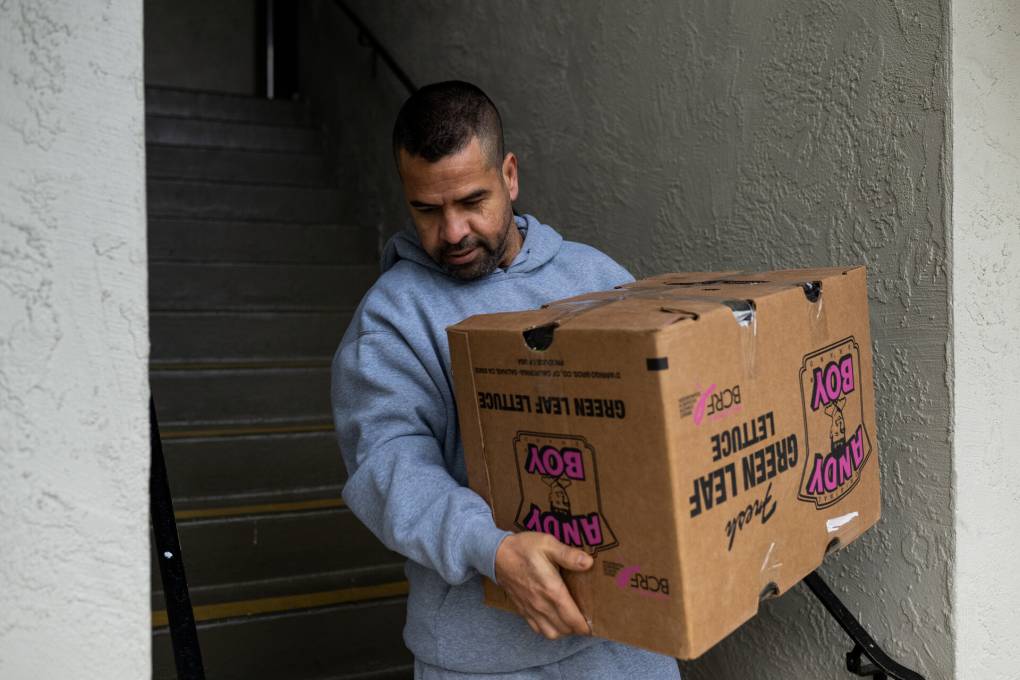
"caption": "Antonio Avila Garcia moves belongings from the home he has shared with his family since 2012 to a new apartment in Concord on March 29, 2023. A new owner bought the apartment building, and the family received an eviction notice soon after.",
"description": null,
"title": "RS64029_004_KQED_HousingAntonioAvila_03292023-qut",
"credit": "Beth LaBerge/KQED",
"status": "inherit",
"altTag": "A man carries a brown moving box downstairs from his apartment building.",
"isLoading": false,
"fetchFailed": false
},
"news_11944654": {
"type": "attachments",
"id": "news_11944654",
"meta": {
"index": "attachments_1716263798",
"site": "news",
"id": "11944654",
"found": true
},
"parent": 11944608,
"imgSizes": {
"twentyfourteen-full-width": {
"file": "https://ww2.kqed.org/app/uploads/sites/10/2023/03/GettyImages-1248923679-1024x576.jpg",
"width": 1024,
"mimeType": "image/jpeg",
"height": 576
},
"thumbnail": {
"file": "https://ww2.kqed.org/app/uploads/sites/10/2023/03/GettyImages-1248923679-160x107.jpg",
"width": 160,
"mimeType": "image/jpeg",
"height": 107
},
"post-thumbnail": {
"file": "https://ww2.kqed.org/app/uploads/sites/10/2023/03/GettyImages-1248923679-672x372.jpg",
"width": 672,
"mimeType": "image/jpeg",
"height": 372
},
"kqedFullSize": {
"file": "https://ww2.kqed.org/app/uploads/sites/10/2023/03/GettyImages-1248923679.jpg",
"width": 1024,
"height": 683
},
"large": {
"file": "https://ww2.kqed.org/app/uploads/sites/10/2023/03/GettyImages-1248923679-1020x680.jpg",
"width": 1020,
"mimeType": "image/jpeg",
"height": 680
},
"medium": {
"file": "https://ww2.kqed.org/app/uploads/sites/10/2023/03/GettyImages-1248923679-800x534.jpg",
"width": 800,
"mimeType": "image/jpeg",
"height": 534
}
},
"publishDate": 1679615988,
"modified": 1679616155,
"caption": "Customers wait for service outside Silicon Valley Bank in Menlo Park on March 13, 2023, just days after the bank failed and its assets were seized by the FDIC. ",
"description": null,
"title": "SVB branch in Menlo Park",
"credit": "John Brecher for The Washington Post via Getty Images",
"status": "inherit",
"altTag": "People stand in line outside a building with the \"svb\" — Silicon Valley Bank — logo.",
"isLoading": false,
"fetchFailed": false
}
},
"audioPlayerReducer": {
"postId": "stream_live",
"isPaused": true,
"isPlaying": false,
"pfsActive": false,
"pledgeModalIsOpen": true,
"playerDrawerIsOpen": false,
"liveAudioPlayStartedAt": 0,
"liveAudioPlayContext": ""
},
"authorsReducer": {
"byline_news_11955006": {
"type": "authors",
"id": "byline_news_11955006",
"meta": {
"override": true
},
"slug": "byline_news_11955006",
"name": "\u003ca href=\"https://www.npr.org/people/776533008/andee-tagle\">Andee Tagle\u003c/a>",
"isLoading": false
},
"byline_news_11954909": {
"type": "authors",
"id": "byline_news_11954909",
"meta": {
"override": true
},
"slug": "byline_news_11954909",
"name": "\u003ca href=\"https://calmatters.org/author/marisa-kendall/\">Marisa Kendall\u003c/a>",
"isLoading": false
},
"byline_news_11952870": {
"type": "authors",
"id": "byline_news_11952870",
"meta": {
"override": true
},
"slug": "byline_news_11952870",
"name": "\u003ca href=\"https://calmatters.org/author/marisa-kendall\">Marisa Kendall\u003c/a>",
"isLoading": false
},
"byline_news_11950199": {
"type": "authors",
"id": "byline_news_11950199",
"meta": {
"override": true
},
"slug": "byline_news_11950199",
"name": "\u003ca href=\"https://twitter.com/WeberCM\">Christopher Weber\u003c/a>\u003cbr>The Associated Press",
"isLoading": false
},
"danbrekke": {
"type": "authors",
"id": "222",
"meta": {
"index": "authors_1716337520",
"id": "222",
"found": true
},
"name": "Dan Brekke",
"firstName": "Dan",
"lastName": "Brekke",
"slug": "danbrekke",
"email": "dbrekke@kqed.org",
"display_author_email": true,
"staff_mastheads": [
"news",
"science"
],
"title": "KQED Editor and Reporter",
"bio": "Dan Brekke is a reporter and editor for KQED News, responsible for coverage of topics ranging from California water issues to the Bay Area's transportation challenges. In a newsroom career that began in Chicago in 1972, Dan has worked for \u003cem>The San Francisco Examiner,\u003c/em> Wired and TechTV and has been published in The New York Times, The New York Times Magazine, Business 2.0, Salon and elsewhere.\r\n\r\nSince joining KQED in 2007, Dan has reported, edited and produced both radio and online features and breaking news pieces. He has shared as both editor and reporter in four Society of Professional Journalists Norcal Excellence in Journalism awards and one Edward R. Murrow regional award. He was chosen for a spring 2017 residency at the Mesa Refuge to advance his research on California salmon.\r\n\r\nEmail Dan at: \u003ca href=\"mailto:dbrekke@kqed.org\">dbrekke@kqed.org\u003c/a>\r\n\r\n\u003cstrong>Twitter:\u003c/strong> \u003ca href=\"https://twitter.com/danbrekke\" rel=\"noopener noreferrer\">twitter.com/danbrekke\u003c/a>\r\n\u003cstrong>Facebook:\u003c/strong> \u003ca href=\"https://www.facebook.com/danbrekke\" rel=\"noopener noreferrer\">www.facebook.com/danbrekke\u003c/a>\r\n\u003cstrong>LinkedIn:\u003c/strong> \u003ca href=\"https://www.linkedin.com/in/danbrekke\" rel=\"noopener noreferrer\">www.linkedin.com/in/danbrekke\u003c/a>",
"avatar": "https://secure.gravatar.com/avatar/c8126230345efca3f7aa89b1a402be45?s=600&d=mm&r=g",
"twitter": "danbrekke",
"facebook": null,
"instagram": "https://www.instagram.com/dan.brekke/",
"linkedin": "https://www.linkedin.com/in/danbrekke/",
"sites": [
{
"site": "news",
"roles": [
"administrator",
"create_posts"
]
},
{
"site": "stateofhealth",
"roles": [
"editor"
]
},
{
"site": "science",
"roles": [
"editor"
]
},
{
"site": "quest",
"roles": [
"contributor"
]
},
{
"site": "food",
"roles": [
"contributor"
]
},
{
"site": "forum",
"roles": [
"contributor"
]
},
{
"site": "liveblog",
"roles": [
"editor"
]
}
],
"headData": {
"title": "Dan Brekke | KQED",
"description": "KQED Editor and Reporter",
"ogImgSrc": "https://secure.gravatar.com/avatar/c8126230345efca3f7aa89b1a402be45?s=600&d=mm&r=g",
"twImgSrc": "https://secure.gravatar.com/avatar/c8126230345efca3f7aa89b1a402be45?s=600&d=mm&r=g"
},
"isLoading": false,
"link": "/author/danbrekke"
},
"gmarzorati": {
"type": "authors",
"id": "227",
"meta": {
"index": "authors_1716337520",
"id": "227",
"found": true
},
"name": "Guy Marzorati",
"firstName": "Guy",
"lastName": "Marzorati",
"slug": "gmarzorati",
"email": "gmarzorati@KQED.org",
"display_author_email": true,
"staff_mastheads": [
"news"
],
"title": "Correspondent",
"bio": "Guy Marzorati is a correspondent on KQED's California Politics and Government Desk, based in San Jose. A graduate of Santa Clara University, Guy joined KQED in 2013. He reports on state and local politics and produces KQED's digital voter guide.",
"avatar": "https://secure.gravatar.com/avatar/e7038b8dbfd55b104369b76b1cd0b9de?s=600&d=blank&r=g",
"twitter": "guymarzorati",
"facebook": null,
"instagram": null,
"linkedin": null,
"sites": [
{
"site": "",
"roles": [
"editor"
]
},
{
"site": "news",
"roles": [
"editor"
]
},
{
"site": "science",
"roles": [
"editor"
]
},
{
"site": "forum",
"roles": [
"editor"
]
},
{
"site": "elections",
"roles": [
"editor"
]
},
{
"site": "liveblog",
"roles": [
"editor"
]
}
],
"headData": {
"title": "Guy Marzorati | KQED",
"description": "Correspondent",
"ogImgSrc": "https://secure.gravatar.com/avatar/e7038b8dbfd55b104369b76b1cd0b9de?s=600&d=blank&r=g",
"twImgSrc": "https://secure.gravatar.com/avatar/e7038b8dbfd55b104369b76b1cd0b9de?s=600&d=blank&r=g"
},
"isLoading": false,
"link": "/author/gmarzorati"
},
"rachael-myrow": {
"type": "authors",
"id": "251",
"meta": {
"index": "authors_1716337520",
"id": "251",
"found": true
},
"name": "Rachael Myrow",
"firstName": "Rachael",
"lastName": "Myrow",
"slug": "rachael-myrow",
"email": "rmyrow@kqed.org",
"display_author_email": true,
"staff_mastheads": [
"news"
],
"title": "Senior Editor of KQED's Silicon Valley News Desk",
"bio": "• I write and edit stories about how Silicon Valley power and policies shape everyday life in California. I’m also passionate about making Bay Area history and culture more accessible to a broad public. • I’ve been a journalist for most of my life, starting in high school with The Franklin Press in Los Angeles, where I grew up. While earning my first degree in English at UC Berkeley, I got my start in public radio at KALX-FM. After completing a second degree in journalism at Cal, I landed my first professional job at Marketplace, then moved on to KPCC (now LAist), and then KQED, where I hosted The California Report for more than seven years. • My reporting has appeared on NPR, The World, WBUR’s \u003ci>Here & Now\u003c/i>, and the BBC. I also guest host for KQED’s \u003ci>Forum\u003c/i>, as well as the Commonwealth Club in San Francisco. • I speak periodically on media, democracy and technology issues, and do voiceover work for documentaries and educational video projects. • Outside of the studio, you'll find me hiking Bay Area trails and whipping up Insta-ready meals in my kitchen. • I do not accept gifts, money, or favors from anyone connected to my reporting, I don't pay people for information, and I do not support or donate to political causes. • I strive to treat the people I report on with fairness, honesty, and respect. I also recognize there are often multiple sides to a story and work to verify information through multiple sources and documentation. If I get something wrong, I correct it.",
"avatar": "https://secure.gravatar.com/avatar/3ed8a3c5f26025e4a805ba634cda8cd764906b97438a6d9ce216b044e340da4e?s=600&d=blank&r=g",
"twitter": "rachaelmyrow",
"bluesky": null,
"facebook": null,
"instagram": null,
"linkedin": "https://www.linkedin.com/in/rachaelmyrow/",
"sites": [
{
"site": "arts",
"roles": [
"administrator"
]
},
{
"site": "news",
"roles": [
"edit_others_posts",
"editor"
]
},
{
"site": "futureofyou",
"roles": [
"editor"
]
},
{
"site": "bayareabites",
"roles": [
"editor"
]
},
{
"site": "stateofhealth",
"roles": [
"editor"
]
},
{
"site": "science",
"roles": [
"editor"
]
},
{
"site": "food",
"roles": [
"editor"
]
},
{
"site": "forum",
"roles": [
"editor"
]
},
{
"site": "liveblog",
"roles": [
"author"
]
}
],
"headData": {
"title": "Rachael Myrow | KQED",
"description": "Senior Editor of KQED's Silicon Valley News Desk",
"ogImgSrc": "https://secure.gravatar.com/avatar/3ed8a3c5f26025e4a805ba634cda8cd764906b97438a6d9ce216b044e340da4e?s=600&d=blank&r=g",
"twImgSrc": "https://secure.gravatar.com/avatar/3ed8a3c5f26025e4a805ba634cda8cd764906b97438a6d9ce216b044e340da4e?s=600&d=blank&r=g"
},
"isLoading": false,
"link": "/author/rachael-myrow"
},
"ecruzguevarra": {
"type": "authors",
"id": "8654",
"meta": {
"index": "authors_1716337520",
"id": "8654",
"found": true
},
"name": "Ericka Cruz Guevarra",
"firstName": "Ericka",
"lastName": "Cruz Guevarra",
"slug": "ecruzguevarra",
"email": "ecruzguevarra@kqed.org",
"display_author_email": true,
"staff_mastheads": [
"news"
],
"title": "Producer, The Bay Podcast",
"bio": "Ericka Cruz Guevarra is host of \u003ca href=\"https://www.kqed.org/podcasts/thebay\">\u003cem>The Bay\u003c/em>\u003c/a> podcast at KQED. Before host, she was the show’s producer. Her work in that capacity includes a three-part reported series on policing in Vallejo, which won a 2020 excellence in journalism award from the Society of Professional Journalists. Ericka has worked as a breaking news reporter at Oregon Public Broadcasting, helped produce the Code Switch podcast, and was KQED’s inaugural Raul Ramirez Diversity Fund intern. She’s also an alumna of NPR’s Next Generation Radio program. Send her an email if you have strong feelings about whether Fairfield and Suisun City are the Bay. Ericka is represented by SAG-AFTRA.",
"avatar": "https://secure.gravatar.com/avatar/accefc1de4bafc7e234b69bcb9b6f6536c130fd84709bc3069ef11a78787e1bb?s=600&d=blank&r=g",
"twitter": "NotoriousECG",
"bluesky": null,
"facebook": null,
"instagram": null,
"linkedin": null,
"sites": [
{
"site": "arts",
"roles": [
"subscriber"
]
},
{
"site": "news",
"roles": [
"editor",
"manage_categories"
]
},
{
"site": "futureofyou",
"roles": [
"subscriber"
]
},
{
"site": "stateofhealth",
"roles": [
"subscriber"
]
},
{
"site": "science",
"roles": [
"editor"
]
},
{
"site": "forum",
"roles": [
"subscriber"
]
}
],
"headData": {
"title": "Ericka Cruz Guevarra | KQED",
"description": "Producer, The Bay Podcast",
"ogImgSrc": "https://secure.gravatar.com/avatar/accefc1de4bafc7e234b69bcb9b6f6536c130fd84709bc3069ef11a78787e1bb?s=600&d=blank&r=g",
"twImgSrc": "https://secure.gravatar.com/avatar/accefc1de4bafc7e234b69bcb9b6f6536c130fd84709bc3069ef11a78787e1bb?s=600&d=blank&r=g"
},
"isLoading": false,
"link": "/author/ecruzguevarra"
},
"vrancano": {
"type": "authors",
"id": "11276",
"meta": {
"index": "authors_1716337520",
"id": "11276",
"found": true
},
"name": "Vanessa Rancaño",
"firstName": "Vanessa",
"lastName": "Rancaño",
"slug": "vrancano",
"email": "vrancano@kqed.org",
"display_author_email": false,
"staff_mastheads": [
"news"
],
"title": "Reporter",
"bio": "Vanessa Rancaño is a features reporter for KQED. She’s also covered homelessness and education for the station and reported from the Central Valley. Her work has aired across public radio, from flagship national news shows to longform narrative podcasts. Before taking up a mic, she worked as a freelance print journalist. She’s been recognized with a number of national and regional awards. Vanessa grew up in California's Central Valley. She's a former NPR Kroc Fellow, and a graduate of the UC Berkeley Graduate School of Journalism.",
"avatar": "https://secure.gravatar.com/avatar/b3a383dfb0e7ee1c17568f2cf067904ab654d6e3de9743fc661f3c788ade1bed?s=600&d=blank&r=g",
"twitter": "vanessarancano",
"bluesky": null,
"facebook": null,
"instagram": null,
"linkedin": null,
"sites": [
{
"site": "arts",
"roles": [
"editor"
]
},
{
"site": "news",
"roles": [
"editor"
]
},
{
"site": "liveblog",
"roles": [
"contributor"
]
}
],
"headData": {
"title": "Vanessa Rancaño | KQED",
"description": "Reporter",
"ogImgSrc": "https://secure.gravatar.com/avatar/b3a383dfb0e7ee1c17568f2cf067904ab654d6e3de9743fc661f3c788ade1bed?s=600&d=blank&r=g",
"twImgSrc": "https://secure.gravatar.com/avatar/b3a383dfb0e7ee1c17568f2cf067904ab654d6e3de9743fc661f3c788ade1bed?s=600&d=blank&r=g"
},
"isLoading": false,
"link": "/author/vrancano"
},
"amontecillo": {
"type": "authors",
"id": "11649",
"meta": {
"index": "authors_1716337520",
"id": "11649",
"found": true
},
"name": "Alan Montecillo",
"firstName": "Alan",
"lastName": "Montecillo",
"slug": "amontecillo",
"email": "amontecillo@kqed.org",
"display_author_email": false,
"staff_mastheads": [
"news"
],
"title": "KQED Contributor",
"bio": "Alan Montecillo is the senior editor of \u003cem>\u003ca href=\"http://kqed.org/thebay\">The Bay\u003c/a>, \u003c/em> KQED's local news podcast. Before moving to the Bay Area, he worked as a senior talk show producer for WILL in Champaign-Urbana, Illinois and at Oregon Public Broadcasting in Portland, Oregon. He has won journalism awards from the Society of Professional Journalists Northern California, the Public Media Journalists Association, The Signal Awards, and has also received a regional Edward R. Murrow award. Alan is a Filipino American from Hong Kong and a graduate of Reed College.",
"avatar": "https://secure.gravatar.com/avatar/268f53a2066899ea9efdd8a5900218b17c822d9862cbc9326cccec53ef41d349?s=600&d=blank&r=g",
"twitter": "alanmontecillo",
"bluesky": null,
"facebook": null,
"instagram": null,
"linkedin": null,
"sites": [
{
"site": "",
"roles": [
"editor"
]
},
{
"site": "news",
"roles": [
"editor",
"manage_categories"
]
}
],
"headData": {
"title": "Alan Montecillo | KQED",
"description": "KQED Contributor",
"ogImgSrc": "https://secure.gravatar.com/avatar/268f53a2066899ea9efdd8a5900218b17c822d9862cbc9326cccec53ef41d349?s=600&d=blank&r=g",
"twImgSrc": "https://secure.gravatar.com/avatar/268f53a2066899ea9efdd8a5900218b17c822d9862cbc9326cccec53ef41d349?s=600&d=blank&r=g"
},
"isLoading": false,
"link": "/author/amontecillo"
},
"ebaldassari": {
"type": "authors",
"id": "11652",
"meta": {
"index": "authors_1716337520",
"id": "11652",
"found": true
},
"name": "Erin Baldassari",
"firstName": "Erin",
"lastName": "Baldassari",
"slug": "ebaldassari",
"email": "ebaldassari@KQED.org",
"display_author_email": true,
"staff_mastheads": [
"news"
],
"title": "Staff Writer",
"bio": "Erin Baldassari covers housing for KQED. She's a former print journalist and most recently worked as the transportation reporter for the \u003cem>Mercury News\u003c/em> and \u003cem>East Bay Times. \u003c/em>There, she focused on how the Bay Area’s housing shortage has changed the way people move around the region. She also served on the \u003cem>East Bay Times\u003c/em>’ 2017 Pulitzer Prize-winning team for coverage of the Ghost Ship Fire in Oakland. Prior to that, Erin worked as a breaking news and general assignment reporter for a variety of outlets in the Bay Area and the greater Boston area. A Tufts University alumna, Erin grew up in the foothills of the Sierra Nevada mountains and in Sonoma County. She is a life-long KQED listener.",
"avatar": "https://secure.gravatar.com/avatar/5e95cad64a8ca08288082212e199d2b0cbeb4fd8e8ef5339395f361032bbe005?s=600&d=blank&r=g",
"twitter": "e_baldi",
"bluesky": null,
"facebook": null,
"instagram": null,
"linkedin": null,
"sites": [
{
"site": "news",
"roles": [
"edit_others_posts",
"editor"
]
},
{
"site": "science",
"roles": [
"editor"
]
},
{
"site": "liveblog",
"roles": [
"editor"
]
}
],
"headData": {
"title": "Erin Baldassari | KQED",
"description": "Staff Writer",
"ogImgSrc": "https://secure.gravatar.com/avatar/5e95cad64a8ca08288082212e199d2b0cbeb4fd8e8ef5339395f361032bbe005?s=600&d=blank&r=g",
"twImgSrc": "https://secure.gravatar.com/avatar/5e95cad64a8ca08288082212e199d2b0cbeb4fd8e8ef5339395f361032bbe005?s=600&d=blank&r=g"
},
"isLoading": false,
"link": "/author/ebaldassari"
},
"abandlamudi": {
"type": "authors",
"id": "11672",
"meta": {
"index": "authors_1716337520",
"id": "11672",
"found": true
},
"name": "Adhiti Bandlamudi",
"firstName": "Adhiti",
"lastName": "Bandlamudi",
"slug": "abandlamudi",
"email": "abandlamudi@kqed.org",
"display_author_email": false,
"staff_mastheads": [
"news"
],
"title": "KQED Housing Reporter",
"bio": "Adhiti Bandlamudi reports for KQED's Housing desk. She focuses on how housing gets built across the Bay Area. Before joining KQED in 2020, she reported for WUNC in Durham, North Carolina, WABE in Atlanta, Georgia and Capital Public Radio in Sacramento. In 2017, she was awarded a Kroc Fellowship at NPR where she reported on everything from sprinkles to the Golden State Killer's arrest. When she's not reporting, she's baking new recipes in her kitchen or watching movies with friends and family. She's originally from Georgia and has strong opinions about Great British Bake Off.",
"avatar": "https://secure.gravatar.com/avatar/868129c8b257bb99a3500e2c86a65400?s=600&d=mm&r=g",
"twitter": "oddity_adhiti",
"facebook": null,
"instagram": null,
"linkedin": null,
"sites": [
{
"site": "arts",
"roles": [
"author"
]
},
{
"site": "news",
"roles": [
"editor"
]
},
{
"site": "liveblog",
"roles": [
"author"
]
}
],
"headData": {
"title": "Adhiti Bandlamudi | KQED",
"description": "KQED Housing Reporter",
"ogImgSrc": "https://secure.gravatar.com/avatar/868129c8b257bb99a3500e2c86a65400?s=600&d=mm&r=g",
"twImgSrc": "https://secure.gravatar.com/avatar/868129c8b257bb99a3500e2c86a65400?s=600&d=mm&r=g"
},
"isLoading": false,
"link": "/author/abandlamudi"
},
"mesquinca": {
"type": "authors",
"id": "11802",
"meta": {
"index": "authors_1716337520",
"id": "11802",
"found": true
},
"name": "Maria Esquinca",
"firstName": "Maria",
"lastName": "Esquinca",
"slug": "mesquinca",
"email": "mesquinca@kqed.org",
"display_author_email": false,
"staff_mastheads": [],
"title": "Producer, The Bay",
"bio": "María Esquinca is a producer of The Bay. Before that, she was a New York Women’s Foundation IGNITE Fellow at Latino USA. She worked at Radio Bilingue where she covered the San Joaquin Valley. Maria has interned at WLRN, News 21, The New York Times Student Journalism Institute and at Crain’s Detroit Business as a Dow Jones News Fund Business Reporting Intern. She is an MFA graduate from the University of Miami. In 2017, she graduated from the Walter Cronkite School of Journalism and Mass Communication with a Master of Mass Communication. A fronteriza, she was born in Ciudad Juárez, Chihuahua, Mexico and grew up in El Paso, Texas.",
"avatar": "https://secure.gravatar.com/avatar/77cedba18aae91da775038ba06dcd8d0?s=600&d=blank&r=g",
"twitter": "@m_esquinca",
"facebook": null,
"instagram": null,
"linkedin": null,
"sites": [
{
"site": "news",
"roles": []
}
],
"headData": {
"title": "Maria Esquinca | KQED",
"description": "Producer, The Bay",
"ogImgSrc": "https://secure.gravatar.com/avatar/77cedba18aae91da775038ba06dcd8d0?s=600&d=blank&r=g",
"twImgSrc": "https://secure.gravatar.com/avatar/77cedba18aae91da775038ba06dcd8d0?s=600&d=blank&r=g"
},
"isLoading": false,
"link": "/author/mesquinca"
},
"sjohnson": {
"type": "authors",
"id": "11840",
"meta": {
"index": "authors_1716337520",
"id": "11840",
"found": true
},
"name": "Sydney Johnson",
"firstName": "Sydney",
"lastName": "Johnson",
"slug": "sjohnson",
"email": "sjohnson@kqed.org",
"display_author_email": false,
"staff_mastheads": [
"news"
],
"title": "KQED Reporter",
"bio": "Sydney Johnson is a general assignment reporter at KQED. She previously reported on public health and city government at the San Francisco Examiner, and before that, she covered statewide education policy for EdSource. Her reporting has won multiple local, state and national awards. Sydney is a graduate of the University of California, Berkeley and lives in San Francisco.",
"avatar": "https://secure.gravatar.com/avatar/97855f2719b72ad6190b7c535fe642c8?s=600&d=blank&r=g",
"twitter": "sydneyfjohnson",
"facebook": null,
"instagram": null,
"linkedin": null,
"sites": [
{
"site": "news",
"roles": [
"editor"
]
}
],
"headData": {
"title": "Sydney Johnson | KQED",
"description": "KQED Reporter",
"ogImgSrc": "https://secure.gravatar.com/avatar/97855f2719b72ad6190b7c535fe642c8?s=600&d=blank&r=g",
"twImgSrc": "https://secure.gravatar.com/avatar/97855f2719b72ad6190b7c535fe642c8?s=600&d=blank&r=g"
},
"isLoading": false,
"link": "/author/sjohnson"
}
},
"pagesReducer": {
"news_tag_affordable-housing": {
"type": "terms",
"id": "news_3921",
"meta": {
"index": "terms_1716263798",
"site": "news",
"id": "3921",
"score": 9.304576
},
"featImg": null,
"name": "affordable housing",
"description": null,
"taxonomy": "tag",
"headData": {
"twImgId": null,
"twTitle": null,
"ogTitle": null,
"ogImgId": null,
"twDescription": null,
"description": null,
"title": "affordable housing Archives | KQED News",
"ogDescription": null
},
"ttid": 3940,
"slug": "affordable-housing",
"isLoading": false,
"title": "affordable housing",
"pageMeta": {
"site": "news",
"WpPageTemplate": "page-topic-editorial",
"currentPage": 25
},
"blocks": [
{
"blockName": "kqed/post-list",
"attrs": {
"layout": "cardArticle2",
"query": "posts/news?tag=affordable-housing",
"seeMore": false,
"paginated": true,
"page": 25
}
},
{
"blockName": "kqed/ad"
}
]
}
},
"pfsSessionReducer": {},
"postsReducer": {
"stream_live": {
"type": "live",
"id": "stream_live",
"audioUrl": "https://streams.kqed.org/kqedradio",
"title": "Live Stream",
"excerpt": "Live Stream information currently unavailable.",
"link": "/radio",
"featImg": "",
"label": {
"name": "KQED Live",
"link": "/"
}
},
"stream_kqedNewscast": {
"type": "posts",
"id": "stream_kqedNewscast",
"audioUrl": "https://www.kqed.org/.stream/anon/radio/RDnews/newscast.mp3?_=1",
"title": "KQED Newscast",
"featImg": "",
"label": {
"name": "88.5 FM",
"link": "/"
}
},
"news_11955006": {
"type": "posts",
"id": "news_11955006",
"meta": {
"index": "posts_1716263798",
"site": "news",
"id": "11955006",
"score": null,
"sort": [
1688648437000
]
},
"guestAuthors": [],
"slug": "your-renters-rights",
"title": "Your Renters' Rights: What California Tenants Need to Know",
"publishDate": 1688648437,
"format": "standard",
"headTitle": "Your Renters’ Rights: What California Tenants Need to Know | KQED",
"labelTerm": {
"term": 253,
"site": "news"
},
"content": "\u003cp>Renters headed about \u003ca href=\"https://www.pewresearch.org/short-reads/2021/08/02/as-national-eviction-ban-expires-a-look-at-who-rents-and-who-owns-in-the-u-s/\">36% of the nation’s 122.8 million households in 2019\u003c/a>. If you’re one of them, whether you’re renting a single-family house in a small town or a studio apartment in an urban 300-unit high-rise, you might feel like you’re at a disadvantage.\u003c/p>\n\u003cp>“In general in our country, we’re very oriented toward property ownership,” says \u003ca href=\"https://www.pdx.edu/profile/lisa-bates\">Lisa Bates\u003c/a>, a professor at the Toulan School of Urban Studies and Planning at Portland State University in Oregon. “Renters face an uphill battle in policy and in law because they’re always considered subordinate in terms of their rights in the space.”\u003c/p>\n\u003cp>But not owning your home shouldn’t mean you experience unstable living conditions, she says.\u003c/p>\n\u003cp>“No tenant is alone,” says Nina Rosenblatt, the know your rights training coordinator for the California-based tenants’ rights coalition, Tenants Together. “All tenants in all states have some extent of rights.”\u003c/p>\n\u003cp>This is true regardless of disability, family status, immigration status or age but regulations and resources vary depending on which state — \u003ca href=\"https://www.huduser.gov/portal/datasets/fmr/smallarea/index.html\">and even zip code\u003c/a> — you live in, so it’s important to understand your specific rights.\u003c/p>\n\u003cp>To start, here are some tips to help you become a more empowered renter regardless of where you live:\u003c/p>\n\u003ch2>Learn to read your lease agreement\u003c/h2>\n\u003cp>There is \u003ca href=\"https://www.nolo.com/legal-encyclopedia/free-books/renters-rights-book/chapter2-4.html\">no standard rental agreement\u003c/a>. So it’s critical to look at the unique contours of your lease and note any additions or omissions that might affect your standard of living or that might be outside local laws.\u003c/p>\n\u003cp>Look closely at any fees on top of monthly rent. If there’s a late rent fee, Rosenblatt says that number should be \u003ca href=\"https://www.nolo.com/legal-encyclopedia/free-books/renters-rights-book/chapter3-6.html\">no more than about 5% of your monthly rent\u003c/a>. And if a lease doesn’t specifically list a fee, know your landlord can’t tack on an arbitrary fee after the lease has been signed.\u003c/p>\n\u003cul>\n\u003cli>\u003cstrong>\u003ca href=\"#tellus\">Tell us: What else do you need information about right now?\u003c/a>\u003c/strong>\u003c/li>\n\u003c/ul>\n\u003cp>Rosenblatt says she’s also seen things like expensive application fees and move-in fees charged to new tenants for things like fresh paint, key fobs or the use of a freight elevator. So make sure any additional costs seem reasonable and affordable to you. If you feel something might be off, try and look at other local rental applications and lease agreements, or ask friends and family about their experiences renting in the area.\u003c/p>\n\u003cp>Also, look out for vague timelines and overly broad language. “Most states have a law which specifies that the landlord is responsible for making any appropriate and necessary repairs,” says Rosenblatt. So watch out for phrases like “the tenant is responsible for all damages and repairs” or “this lease can be amended at any time during the year of tenancy.” Phrases like these could be a landlord’s attempt to transfer responsibility to a tenant unfairly.\u003c/p>\n\u003cp>If you realize after signing your lease that some language or a clause seems fishy, \u003ca href=\"https://law.shu.edu/faculty/full-time/paula-franzese.cfm\">Paula Franzese\u003c/a>, legal scholar and professor of property law at the Seton Hall University School of Law, says fear not. Any clause deemed “unconscionable” or “oppressive” would be unenforceable if you sought legal action.\u003c/p>\n\u003cp>[ad fullwidth]\u003c/p>\n\u003ch2>Keep your receipts\u003c/h2>\n\u003cp>When it comes to a healthy relationship with your landlord, thorough documentation and ongoing communication are key — starting as soon as you move into a new place.\u003c/p>\n\u003cp>Rosenblatt says, “Keep in mind the conditions of the unit and have documentation of what it looks like, especially in its initial condition.”\u003c/p>\n\u003cp>Off-kilter ceiling fan, missing blinds or stains on the carpet?\u003c/p>\n\u003cp>[aside label='More Guides from KQED' tag='audience-news']Take a picture or video, says Rosenblatt. Don’t get your deposit dinged for issues that came before you. Make sure to send documentation to the landlord with a date and timestamp included.\u003c/p>\n\u003cp>Opt for email or text messages when contacting your landlord. “It is really important that all communication is written,” says Rosenblatt. If you talk over the phone, make sure there are “follow-up emails summarizing what was spoken about.” She says to include a timeline in the email of when a repair will be fixed by, for example, so there’s documentation of that agreement.\u003c/p>\n\u003cp>And if you have a persistent problem and receive inconsistent communication from your landlord — document that, too. “It’s important to keep records of the number of phone calls made,” says Franzese.\u003c/p>\n\u003ch2>Learn some powerful words to resolve conflicts with landlords\u003c/h2>\n\u003cp>Oftentimes, says Lisa Bates, the key to quickly resolving a rental dispute requires knowing what she calls “magic words” — phrases, often legal, that signal to a landlord you’re aware of your rights and can exercise them if needed.\u003c/p>\n\u003cp>For example: if your landlord is unresponsive to a repair request for something like mold or pests, the magic words might be city inspection or code enforcement.[aside postID=\"news_11938251\" hero=\"https://ww2.kqed.org/app/uploads/sites/10/2023/01/RS62026_GettyImages-1455813510-qut-1536x1024.jpg\"]Rosenblatt says you could try saying something like: “I want to work collaboratively with you on finding a solution. But if not, I’d like to request a city inspection, or I plan on going to code enforcement and getting them to come in and check out these conditions.”\u003c/p>\n\u003cp>This sort of language will often encourage landlords to take action because going through a city or county can be more time intensive and costly than just addressing the issue themselves, says Rosenblatt.\u003c/p>\n\u003ch2>If you have a problem, don’t go it alone\u003c/h2>\n\u003cp>Get to know your neighbors. Our experts say seeking out community and working towards joint solutions is a critical tool for renters who want to make a difference in their housing situation.\u003c/p>\n\u003cp>Especially if you live in a building with a lot of other units — the problems you’re dealing with likely affect more than just you. “If you have roaches, somebody else has roaches,” says Bates.[pullquote align=\"right\" size=\"medium\" citation=\"Nina Rosenblatt, Tenants Together\"]‘It’s really important to not make decisions based on fear or panic … instead, [make] decisions based on tenant’s rights knowledge.’[/pullquote]Connecting with fellow tenants can give you context for your issues, help you prepare if something like a rent increase is coming down the pipeline and give you strength in numbers when requesting action from a property owner.\u003c/p>\n\u003cp>Then, if your building doesn’t already have one, \u003ca href=\"https://www.tenantstogether.org/resources/form-tenants-union\">find or form a local tenant union\u003c/a>. These organizations can provide writing templates, legal advice and other collective action options to help with difficult landlords.\u003c/p>\n\u003cp>And what’s more, they can help you act from a place of empowerment instead of intimidation. “It’s really important to not make decisions based on fear or panic,” says Rosenblatt. “Instead, [make] decisions based on tenant’s rights knowledge.”\u003c/p>\n\u003ch2>\u003ca id=\"tellus\">\u003c/a>Tell us: What else do you need information about?\u003c/h2>\n\u003cp>At KQED News, we know that it can sometimes be hard to track down the answers to navigate life in the Bay Area in 2023. We’ve published \u003ca href=\"https://www.kqed.org/news/tag/coronavirus-resources-and-explainers\">clear, practical explainers and guides about COVID\u003c/a>, \u003ca href=\"https://www.kqed.org/news/11936674/how-to-prepare-for-this-weeks-atmospheric-river-storm-sandbags-emergency-kits-and-more\">how to cope with intense winter weather\u003c/a> and \u003ca href=\"https://www.kqed.org/news/11821950/how-to-safely-attend-a-protest-in-the-bay-area\">how to exercise your right to protest safely\u003c/a>.\u003c/p>\n\u003cp>So tell us: What do you need to know more about? Tell us, and you could see your question answered online or on social media. What you submit will make our reporting stronger, and help us decide what to cover here on our site, and on KQED Public Radio, too.\u003c/p>\n\u003cp>[hearken id=\"10483\" src=\"https://modules.wearehearken.com/kqed/embed/10483.js\"]\u003c/p>\n\u003cp>[ad fullwidth]\u003c/p>\n\u003cp>[ad floatright]\u003c/p>\n",
"blocks": [],
"excerpt": "From understanding your lease agreement to resolving conflicts with your landlord, tenants always have rights. Learn what yours are.",
"status": "publish",
"parent": 0,
"modified": 1746619162,
"stats": {
"hasAudio": false,
"hasVideo": false,
"hasChartOrMap": false,
"iframeSrcs": [],
"hasGoogleForm": false,
"hasGallery": false,
"hasHearkenModule": true,
"hasPolis": false,
"paragraphCount": 30,
"wordCount": 1329
},
"headData": {
"title": "California Renters' Rights: Know Your Protections | KQED",
"description": "Don't get caught unaware! Find out your essential renters' rights in California. Learn about evictions, security deposits, and fair housing laws.",
"ogTitle": "",
"ogDescription": "",
"ogImgId": "",
"twTitle": "",
"twDescription": "",
"twImgId": "",
"socialTitle": "California Renters' Rights: Know Your Protections | KQED",
"socialDescription": "Don't get caught unaware! Find out your essential renters' rights in California. Learn about evictions, security deposits, and fair housing laws.",
"schema": {
"@context": "https://schema.org",
"@type": "NewsArticle",
"headline": "Your Renters' Rights: What California Tenants Need to Know",
"datePublished": "2023-07-06T06:00:37-07:00",
"dateModified": "2025-05-07T04:59:22-07:00",
"image": "https://cdn.kqed.org/wp-content/uploads/2020/02/KQED-OG-Image@1x.png",
"isAccessibleForFree": "True",
"publisher": {
"@type": "NewsMediaOrganization",
"@id": "https://www.kqed.org/#organization",
"name": "KQED",
"logo": "https://cdn.kqed.org/wp-content/uploads/2020/02/KQED-OG-Image@1x.png",
"url": "https://www.kqed.org",
"sameAs": [
"https://www.facebook.com/KQED",
"https://twitter.com/KQED",
"https://www.instagram.com/kqed/",
"https://www.tiktok.com/@kqedofficial",
"https://www.linkedin.com/company/kqed",
"https://www.youtube.com/channel/UCeC0IOo7i1P_61zVUWbJ4nw"
]
}
}
},
"sticky": false,
"nprByline": "\u003ca href=\"https://www.npr.org/people/776533008/andee-tagle\">Andee Tagle\u003c/a>",
"templateType": "standard",
"featuredImageType": "standard",
"excludeFromSiteSearch": "Include",
"showOnAuthorArchivePages": "No",
"articleAge": "0",
"path": "/news/11955006/your-renters-rights",
"audioTrackLength": null,
"parsedContent": [
{
"type": "contentString",
"content": "\u003cdiv class=\"post-body\">\u003cp>\u003cp>Renters headed about \u003ca href=\"https://www.pewresearch.org/short-reads/2021/08/02/as-national-eviction-ban-expires-a-look-at-who-rents-and-who-owns-in-the-u-s/\">36% of the nation’s 122.8 million households in 2019\u003c/a>. If you’re one of them, whether you’re renting a single-family house in a small town or a studio apartment in an urban 300-unit high-rise, you might feel like you’re at a disadvantage.\u003c/p>\n\u003cp>“In general in our country, we’re very oriented toward property ownership,” says \u003ca href=\"https://www.pdx.edu/profile/lisa-bates\">Lisa Bates\u003c/a>, a professor at the Toulan School of Urban Studies and Planning at Portland State University in Oregon. “Renters face an uphill battle in policy and in law because they’re always considered subordinate in terms of their rights in the space.”\u003c/p>\n\u003cp>But not owning your home shouldn’t mean you experience unstable living conditions, she says.\u003c/p>\n\u003cp>“No tenant is alone,” says Nina Rosenblatt, the know your rights training coordinator for the California-based tenants’ rights coalition, Tenants Together. “All tenants in all states have some extent of rights.”\u003c/p>\n\u003cp>This is true regardless of disability, family status, immigration status or age but regulations and resources vary depending on which state — \u003ca href=\"https://www.huduser.gov/portal/datasets/fmr/smallarea/index.html\">and even zip code\u003c/a> — you live in, so it’s important to understand your specific rights.\u003c/p>\n\u003cp>To start, here are some tips to help you become a more empowered renter regardless of where you live:\u003c/p>\n\u003ch2>Learn to read your lease agreement\u003c/h2>\n\u003cp>There is \u003ca href=\"https://www.nolo.com/legal-encyclopedia/free-books/renters-rights-book/chapter2-4.html\">no standard rental agreement\u003c/a>. So it’s critical to look at the unique contours of your lease and note any additions or omissions that might affect your standard of living or that might be outside local laws.\u003c/p>\n\u003cp>Look closely at any fees on top of monthly rent. If there’s a late rent fee, Rosenblatt says that number should be \u003ca href=\"https://www.nolo.com/legal-encyclopedia/free-books/renters-rights-book/chapter3-6.html\">no more than about 5% of your monthly rent\u003c/a>. And if a lease doesn’t specifically list a fee, know your landlord can’t tack on an arbitrary fee after the lease has been signed.\u003c/p>\n\u003cul>\n\u003cli>\u003cstrong>\u003ca href=\"#tellus\">Tell us: What else do you need information about right now?\u003c/a>\u003c/strong>\u003c/li>\n\u003c/ul>\n\u003cp>Rosenblatt says she’s also seen things like expensive application fees and move-in fees charged to new tenants for things like fresh paint, key fobs or the use of a freight elevator. So make sure any additional costs seem reasonable and affordable to you. If you feel something might be off, try and look at other local rental applications and lease agreements, or ask friends and family about their experiences renting in the area.\u003c/p>\n\u003cp>Also, look out for vague timelines and overly broad language. “Most states have a law which specifies that the landlord is responsible for making any appropriate and necessary repairs,” says Rosenblatt. So watch out for phrases like “the tenant is responsible for all damages and repairs” or “this lease can be amended at any time during the year of tenancy.” Phrases like these could be a landlord’s attempt to transfer responsibility to a tenant unfairly.\u003c/p>\n\u003cp>If you realize after signing your lease that some language or a clause seems fishy, \u003ca href=\"https://law.shu.edu/faculty/full-time/paula-franzese.cfm\">Paula Franzese\u003c/a>, legal scholar and professor of property law at the Seton Hall University School of Law, says fear not. Any clause deemed “unconscionable” or “oppressive” would be unenforceable if you sought legal action.\u003c/p>\n\u003cp>\u003c/p>\u003c/div>",
"attributes": {
"named": {},
"numeric": []
}
},
{
"type": "component",
"content": "",
"name": "ad",
"attributes": {
"named": {
"label": "fullwidth"
},
"numeric": [
"fullwidth"
]
}
},
{
"type": "contentString",
"content": "\u003cdiv class=\"post-body\">\u003cp>\u003c/p>\n\u003ch2>Keep your receipts\u003c/h2>\n\u003cp>When it comes to a healthy relationship with your landlord, thorough documentation and ongoing communication are key — starting as soon as you move into a new place.\u003c/p>\n\u003cp>Rosenblatt says, “Keep in mind the conditions of the unit and have documentation of what it looks like, especially in its initial condition.”\u003c/p>\n\u003cp>Off-kilter ceiling fan, missing blinds or stains on the carpet?\u003c/p>\n\u003cp>\u003c/p>\u003c/div>",
"attributes": {
"named": {},
"numeric": []
}
},
{
"type": "component",
"content": "",
"name": "aside",
"attributes": {
"named": {
"label": "More Guides from KQED ",
"tag": "audience-news"
},
"numeric": []
}
},
{
"type": "contentString",
"content": "\u003cdiv class=\"post-body\">\u003cp>Take a picture or video, says Rosenblatt. Don’t get your deposit dinged for issues that came before you. Make sure to send documentation to the landlord with a date and timestamp included.\u003c/p>\n\u003cp>Opt for email or text messages when contacting your landlord. “It is really important that all communication is written,” says Rosenblatt. If you talk over the phone, make sure there are “follow-up emails summarizing what was spoken about.” She says to include a timeline in the email of when a repair will be fixed by, for example, so there’s documentation of that agreement.\u003c/p>\n\u003cp>And if you have a persistent problem and receive inconsistent communication from your landlord — document that, too. “It’s important to keep records of the number of phone calls made,” says Franzese.\u003c/p>\n\u003ch2>Learn some powerful words to resolve conflicts with landlords\u003c/h2>\n\u003cp>Oftentimes, says Lisa Bates, the key to quickly resolving a rental dispute requires knowing what she calls “magic words” — phrases, often legal, that signal to a landlord you’re aware of your rights and can exercise them if needed.\u003c/p>\n\u003cp>For example: if your landlord is unresponsive to a repair request for something like mold or pests, the magic words might be city inspection or code enforcement.\u003c/p>\u003c/div>",
"attributes": {
"named": {},
"numeric": []
}
},
{
"type": "component",
"content": "",
"name": "aside",
"attributes": {
"named": {
"postid": "news_11938251",
"hero": "https://ww2.kqed.org/app/uploads/sites/10/2023/01/RS62026_GettyImages-1455813510-qut-1536x1024.jpg",
"label": ""
},
"numeric": []
}
},
{
"type": "contentString",
"content": "\u003cdiv class=\"post-body\">\u003cp>Rosenblatt says you could try saying something like: “I want to work collaboratively with you on finding a solution. But if not, I’d like to request a city inspection, or I plan on going to code enforcement and getting them to come in and check out these conditions.”\u003c/p>\n\u003cp>This sort of language will often encourage landlords to take action because going through a city or county can be more time intensive and costly than just addressing the issue themselves, says Rosenblatt.\u003c/p>\n\u003ch2>If you have a problem, don’t go it alone\u003c/h2>\n\u003cp>Get to know your neighbors. Our experts say seeking out community and working towards joint solutions is a critical tool for renters who want to make a difference in their housing situation.\u003c/p>\n\u003cp>Especially if you live in a building with a lot of other units — the problems you’re dealing with likely affect more than just you. “If you have roaches, somebody else has roaches,” says Bates.\u003c/p>\u003c/div>",
"attributes": {
"named": {},
"numeric": []
}
},
{
"type": "component",
"content": "‘It’s really important to not make decisions based on fear or panic … instead, [make] decisions based on tenant’s rights knowledge.’",
"name": "pullquote",
"attributes": {
"named": {
"align": "right",
"size": "medium",
"citation": "Nina Rosenblatt, Tenants Together",
"label": ""
},
"numeric": []
}
},
{
"type": "contentString",
"content": "\u003cdiv class=\"post-body\">\u003cp>Connecting with fellow tenants can give you context for your issues, help you prepare if something like a rent increase is coming down the pipeline and give you strength in numbers when requesting action from a property owner.\u003c/p>\n\u003cp>Then, if your building doesn’t already have one, \u003ca href=\"https://www.tenantstogether.org/resources/form-tenants-union\">find or form a local tenant union\u003c/a>. These organizations can provide writing templates, legal advice and other collective action options to help with difficult landlords.\u003c/p>\n\u003cp>And what’s more, they can help you act from a place of empowerment instead of intimidation. “It’s really important to not make decisions based on fear or panic,” says Rosenblatt. “Instead, [make] decisions based on tenant’s rights knowledge.”\u003c/p>\n\u003ch2>\u003ca id=\"tellus\">\u003c/a>Tell us: What else do you need information about?\u003c/h2>\n\u003cp>At KQED News, we know that it can sometimes be hard to track down the answers to navigate life in the Bay Area in 2023. We’ve published \u003ca href=\"https://www.kqed.org/news/tag/coronavirus-resources-and-explainers\">clear, practical explainers and guides about COVID\u003c/a>, \u003ca href=\"https://www.kqed.org/news/11936674/how-to-prepare-for-this-weeks-atmospheric-river-storm-sandbags-emergency-kits-and-more\">how to cope with intense winter weather\u003c/a> and \u003ca href=\"https://www.kqed.org/news/11821950/how-to-safely-attend-a-protest-in-the-bay-area\">how to exercise your right to protest safely\u003c/a>.\u003c/p>\n\u003cp>So tell us: What do you need to know more about? Tell us, and you could see your question answered online or on social media. What you submit will make our reporting stronger, and help us decide what to cover here on our site, and on KQED Public Radio, too.\u003c/p>\n\u003cp>\u003c/p>\u003c/div>",
"attributes": {
"named": {},
"numeric": []
}
},
{
"type": "component",
"content": "",
"name": "hearken",
"attributes": {
"named": {
"id": "10483",
"src": "https://modules.wearehearken.com/kqed/embed/10483.js",
"label": ""
},
"numeric": []
}
},
{
"type": "contentString",
"content": "\u003cdiv class=\"post-body\">\u003cp>\u003c/p>\n\u003cp>\u003c/p>\u003c/div>",
"attributes": {
"named": {},
"numeric": []
}
},
{
"type": "component",
"content": "",
"name": "ad",
"attributes": {
"named": {
"label": "fullwidth"
},
"numeric": [
"fullwidth"
]
}
},
{
"type": "contentString",
"content": "\u003cdiv class=\"post-body\">\u003cp>\u003c/p>\n\u003cp>\u003c/p>\u003c/div>",
"attributes": {
"named": {},
"numeric": []
}
},
{
"type": "component",
"content": "",
"name": "ad",
"attributes": {
"named": {
"label": "floatright"
},
"numeric": [
"floatright"
]
}
},
{
"type": "contentString",
"content": "\u003cdiv class=\"post-body\">\u003cp>\u003c/p>\n\u003c/div>\u003c/p>",
"attributes": {
"named": {},
"numeric": []
}
}
],
"link": "/news/11955006/your-renters-rights",
"authors": [
"byline_news_11955006"
],
"categories": [
"news_6266",
"news_8"
],
"tags": [
"news_3921",
"news_32707",
"news_1775",
"news_26702",
"news_27707"
],
"affiliates": [
"news_253"
],
"featImg": "news_11955043",
"label": "news_253"
},
"news_11954909": {
"type": "posts",
"id": "news_11954909",
"meta": {
"index": "posts_1716263798",
"site": "news",
"id": "11954909",
"score": null,
"sort": [
1688411182000
]
},
"guestAuthors": [],
"slug": "this-california-city-made-a-huge-impact-on-homelessness-then-money-ran-out",
"title": "This California City Made a Huge Impact on Homelessness. Then Money Ran Out",
"publishDate": 1688411182,
"format": "standard",
"headTitle": "This California City Made a Huge Impact on Homelessness. Then Money Ran Out | KQED",
"labelTerm": {},
"content": "\u003cp>A new homeless outreach program pairing a social worker with a police officer in Grass Valley, a small town in the Sierra Nevada foothills, seemed to be working.\u003c/p>\n\u003cp>The state-funded effort sent the team to homeless encampments, where they helped build trust among vulnerable people and persuaded them to accept help, according to the nonprofit Hospitality House, which ran the program.\u003c/p>\n\u003cp>It blew past its goal of engaging 90 people in three years, instead meeting with more than 200. It even helped move some people directly into housing, including an 80-year-old veteran.\u003c/p>\n\u003cp>But when the three-year grant paying for that outreach ended in June, there was no money to replace it. So the program came to a screeching halt, to the disappointment of all involved.\u003c/p>\n\u003cp>[ad fullwidth]\u003c/p>\n\u003cp>“It is a profound loss to not be able to do this,” said Nancy Baglietto, executive director of Hospitality House.\u003c/p>\n\u003cp>That loss embodies the worst fears of homeless service providers across California, as they struggle to piece together new funding sources after their state grants expire.\u003c/p>\n\u003cp>[pullquote size=\"medium\" align=\"right\" citation=\"Carolyn Coleman, executive director and CEO, League of California Cities\"]‘It really defies logic that the state budget once again fails to include funding to match the scale of the crisis we are experiencing.’[/pullquote]\u003c/p>\n\u003cp>Many had hoped that Gov. Gavin Newsom and legislative leaders would change that dynamic in the state budget deal they announced last week by committing ongoing funds for homelessness that nonprofits, cities and counties could rely on year after year.\u003c/p>\n\u003cp>It didn’t happen.\u003c/p>\n\u003cp>Instead, Newsom and lawmakers settled on another round of one-time funding.\u003c/p>\n\u003cp>“It really defies logic that the state budget once again fails to include funding to match the scale of the crisis we are experiencing,” said Carolyn Coleman, executive director and CEO of the League of California Cities, which \u003ca href=\"https://calmatters.org/newsletters/whatmatters/2023/04/california-homeless-cities/\">pressed Newsom’s administration for a guaranteed $3 billion a year in homelessness funding\u003c/a>.\u003c/p>\n\u003ch2>‘Unprecedented’ homelessness funding under Newsom\u003c/h2>\n\u003cp>As California grapples with how to provide for its massive population of more than 170,000 unhoused residents, Newsom has stepped up homelessness funding to unprecedented levels. He’s funneled nearly $21 billion into housing and homelessness since the 2018–19 fiscal year.\u003c/p>\n\u003cp>This year, for the third year in a row, the state budget allocates $1 billion to the Homeless Housing, Assistance and Prevention fund, which local officials can use for housing, outreach at encampments, emergency shelters and more.\u003c/p>\n\u003cp>But the vast majority of Newsom’s homelessness spending has been in one-time grants, which providers say makes it difficult to fund the kind of long-term programs that could make a noticeable dent in the crisis.\u003c/p>\n\u003cfigure id=\"attachment_11954915\" class=\"wp-caption aligncenter\" style=\"max-width: 1200px\">\u003cimg loading=\"lazy\" decoding=\"async\" class=\"wp-image-11954915 size-full\" src=\"https://ww2.kqed.org/app/uploads/sites/10/2023/07/CalMattersUnhousedLA02.jpg\" alt=\"There are tents, belongings scattered and stacked, RVs in the background, a random shopping cart, and more. Many blue tarps cover the tops of the encampment area.\" width=\"1200\" height=\"800\" srcset=\"https://cdn.kqed.org/wp-content/uploads/sites/10/2023/07/CalMattersUnhousedLA02.jpg 1200w, https://cdn.kqed.org/wp-content/uploads/sites/10/2023/07/CalMattersUnhousedLA02-800x533.jpg 800w, https://cdn.kqed.org/wp-content/uploads/sites/10/2023/07/CalMattersUnhousedLA02-1020x680.jpg 1020w, https://cdn.kqed.org/wp-content/uploads/sites/10/2023/07/CalMattersUnhousedLA02-160x107.jpg 160w\" sizes=\"auto, (max-width: 1200px) 100vw, 1200px\">\u003cfigcaption class=\"wp-caption-text\">An encampment in Los Angeles, on June 20, 2023. \u003ccite>(Julie A Hotz/CalMatters)\u003c/cite>\u003c/figcaption>\u003c/figure>\n\u003cp>California would need to spend \u003ca href=\"https://www.mercurynews.com/2022/12/20/what-will-it-cost-to-end-homelessness-in-california-8-billion-a-year-for-12-years/\">$8.1 billion a year for a dozen years\u003c/a> to eliminate homelessness in the state, according to \u003ca href=\"https://calneeds.csh.org/\">a report by the Corporation for Supportive Housing and the California Housing Partnership\u003c/a>, two nonprofit advocacy groups.\u003c/p>\n\u003cp>The governor’s office defended this approach to funding homelessness, pointing out that the state has provided an “unprecedented” $15.3 billion for the issue since he took office at the start of 2019.[aside postID=news_11949327 hero='https://ww2.kqed.org/app/uploads/sites/10/2023/05/RS58533_080_KQED_WoodStreetOaklandCalTrans_09082022-1020x680.jpg']The governor has also \u003ca href=\"https://www.gov.ca.gov/2023/03/19/governor-newsom-proposes-modernization-of-californias-behavioral-health-system-and-more-mental-health-housing/#:~:text=Amend%20the%20Mental%20Health%20Services,people%20with%20substance%20use%20disorders.\">proposed a 2024 ballot measure to amend the Mental Health Services Act\u003c/a> that would provide $1 billion a year for housing for people with mental illnesses and substance abuse disorders. That amendment would require voter approval to take effect.\u003c/p>\n\u003cp>“This budget provides not just funding to address homelessness — it builds in the accountability needed to ensure that tax dollars are being maximized to produce real results,” Daniel Lopez, Newsom’s deputy communications director, said in an emailed statement. “Ultimately, the challenge of homelessness and housing must be met not only with dollars, but it also requires strong accountability coupled with financial resources to make lasting progress for our state.”\u003c/p>\n\u003cp>To be eligible for homelessness funding under this budget, cities and counties must submit homeless action plans — in coordination with other jurisdictions in their region — that detail the progress they’ve made.\u003c/p>\n\u003ch2>Short-term homeless services\u003c/h2>\n\u003cp>There was some momentum this year to move away from one-time spending on homelessness. More than two dozen state legislators \u003ca href=\"https://www.calcities.org/docs/default-source/advocacy/ad-67-2023-24-budget-request-housing-and-homelessness.pdf?sfvrsn=4fbcd4a9_3/AD-67-2023-24-Budget-Request-Housing-and-Homel\">signed a letter in May supporting the League of California Cities’ demand (PDF)\u003c/a> for $3 billion a year. A coalition led by the California State Association of Counties also called for ongoing funds and drafted bill language it urged legislators to adopt.\u003c/p>\n\u003cp>But that proved to be a tough ask with Newsom’s office projecting a $30 billion-plus budget deficit.\u003c/p>\n\u003cp>For years, city and county leaders, legislators and homelessness nonprofits have been clamoring for a source of ongoing funding to tackle the homelessness crisis. \u003ca href=\"https://calmatters.org/legislator-tracker/luz-rivas-1974/\">Assemblymember Luz Rivas, a Democrat from Arleta\u003c/a>, pushed a \u003ca href=\"https://leginfo.legislature.ca.gov/faces/billTextClient.xhtml?bill_id=202120220AB71\">bill in 2021\u003c/a> that would have established ongoing homelessness funding by \u003ca href=\"https://www.mercurynews.com/2021/01/13/new-bill-would-fight-homelessness-by-raising-californias-corporate-tax-rates/\">raising taxes on large businesses\u003c/a>, but the bill died without making it out of the Assembly. Last year, California voters rejected a \u003ca href=\"https://www.mercurynews.com/2022/01/31/could-betting-on-sports-games-help-solve-californias-homelessness-crisis/\">ballot measure to legalize sports betting\u003c/a>, which would have directed fees and taxes from those wages into a fund for homelessness.\u003c/p>\n\u003cp>Baglietto, of Hospitality House, says that type of permanent funding could have helped save her organization’s Grass Valley outreach program.[pullquote size=\"medium\" align=\"right\" citation=\"Nancy Baglietto, executive director, Hospitality House\"]‘We don’t know each year where the funding is going to come from. It’s kind of a nail-biting scenario.’[/pullquote]Hospitality House and the Grass Valley Police Department received $575,000 in 2020 through a state violence intervention program. The city put the money toward homeless outreach as a way to prevent unhoused people from experiencing violence in encampments, and also to reduce confrontations between police and unhoused people. By the time the grant ran out this year, Grass Valley’s crime rate had improved and the city was no longer eligible for the money, Baglietto said.\u003c/p>\n\u003cp>It wasn’t the first time the nonprofit was forced to scramble because of unreliable state funding. Hospitality House’s 65-bed homeless shelter was once largely funded by state grants. Several years ago, the state changed how that money was allocated — focusing on permanent housing instead of shelter — and Hospitality House’s portion dried up. So the nonprofit cobbled together funding from a dozen different sources to fill the hole left by the state money, Baglietto said.\u003c/p>\n\u003cp>Now, Hospitality House keeps its shelter open through money from \u003ca href=\"https://calmatters.org/health/2022/02/california-medi-cal-reform/\">CalAIM, Newsom’s recent Medi-Cal expansion\u003c/a>. The nonprofit still has a “massive” gap, which it is temporarily filling with federal COVID funds designed to help businesses retain employees. That money runs out next year.\u003c/p>\n\u003cp>“We don’t know each year where the funding is going to come from,” Baglietto said. “It’s kind of a nail-biting scenario.”\u003c/p>\n\u003ch2>‘Havoc’ for California nonprofits\u003c/h2>\n\u003cp>Union Station Homeless Services, which coordinates programs throughout the San Gabriel Valley in Los Angeles County, faces the same issues, said CEO Anne Miskey. Every budget cycle, her team has to spend two or three months piecing together their financing as the funding they get from the state changes or ends. Sometimes, the parameters for a state grant shift and clients Union Station has been working with for years suddenly are no longer eligible.[aside label='More on California’s Unhoused Community' tag='homelessness']“This is just creating havoc in our sector,” Miskey said. “And this is why people are leaving. It’s not the clients. It’s not the work. It’s this piece.”\u003c/p>\n\u003cp>The new state budget has some new language around homelessness funding. It requires that anyone applying for a grant be part of a regional plan that lays out the specific roles and responsibilities of each participant.\u003c/p>\n\u003cp>That was something the \u003ca href=\"https://www.counties.org/sites/main/files/file-attachments/at_home_-_accountability_details_-_final_5-19-23.pdf?1684533540\">California State Association of Counties pushed for (PDF)\u003c/a>, arguing that currently cities, counties and other groups too often fight over who should be building shelters, offering mental health help or providing other homeless services.\u003c/p>\n\u003cp>The budget also promises that it is the Legislature’s “intent” to provide additional the same funding in the 2024-25 fiscal year.\u003c/p>\n\u003cp>That’s not enough, said Graham Knaus, CEO of the California State Association of Counties.\u003c/p>\n\u003cp>“Counties cannot budget based on legislative intent,” he said. “Nobody can. We certainly can’t make multi-year commitments based upon intent where there’s no clarity about what’s going to happen next year.”\u003c/p>\n\u003cp>[ad floatright]\u003c/p>\n",
"blocks": [],
"excerpt": "Gov. Gavin Newsom poured 'unprecedented' money into homelessness, but providers say one-time grants do not allow for long-term solutions to the state's biggest crisis.",
"status": "publish",
"parent": 0,
"modified": 1740517971,
"stats": {
"hasAudio": false,
"hasVideo": false,
"hasChartOrMap": false,
"iframeSrcs": [],
"hasGoogleForm": false,
"hasGallery": false,
"hasHearkenModule": false,
"hasPolis": false,
"paragraphCount": 33,
"wordCount": 1502
},
"headData": {
"title": "This California City Made a Huge Impact on Homelessness. Then Money Ran Out | KQED",
"description": "Gov. Gavin Newsom poured 'unprecedented' money into homelessness, but providers say one-time grants do not allow for long-term solutions to the state's biggest crisis.",
"ogTitle": "",
"ogDescription": "",
"ogImgId": "",
"twTitle": "",
"twDescription": "",
"twImgId": "",
"schema": {
"@context": "https://schema.org",
"@type": "NewsArticle",
"headline": "This California City Made a Huge Impact on Homelessness. Then Money Ran Out",
"datePublished": "2023-07-03T12:06:22-07:00",
"dateModified": "2025-02-25T13:12:51-08:00",
"image": "https://cdn.kqed.org/wp-content/uploads/2020/02/KQED-OG-Image@1x.png",
"isAccessibleForFree": "True",
"publisher": {
"@type": "NewsMediaOrganization",
"@id": "https://www.kqed.org/#organization",
"name": "KQED",
"logo": "https://cdn.kqed.org/wp-content/uploads/2020/02/KQED-OG-Image@1x.png",
"url": "https://www.kqed.org",
"sameAs": [
"https://www.facebook.com/KQED",
"https://twitter.com/KQED",
"https://www.instagram.com/kqed/",
"https://www.tiktok.com/@kqedofficial",
"https://www.linkedin.com/company/kqed",
"https://www.youtube.com/channel/UCeC0IOo7i1P_61zVUWbJ4nw"
]
}
}
},
"source": "CalMatters",
"sourceUrl": "https://calmatters.org/",
"sticky": false,
"nprByline": "\u003ca href=\"https://calmatters.org/author/marisa-kendall/\">Marisa Kendall\u003c/a>",
"excludeFromSiteSearch": "Include",
"showOnAuthorArchivePages": "No",
"articleAge": "0",
"path": "/news/11954909/this-california-city-made-a-huge-impact-on-homelessness-then-money-ran-out",
"audioTrackLength": null,
"parsedContent": [
{
"type": "contentString",
"content": "\u003cdiv class=\"post-body\">\u003cp>\u003cp>A new homeless outreach program pairing a social worker with a police officer in Grass Valley, a small town in the Sierra Nevada foothills, seemed to be working.\u003c/p>\n\u003cp>The state-funded effort sent the team to homeless encampments, where they helped build trust among vulnerable people and persuaded them to accept help, according to the nonprofit Hospitality House, which ran the program.\u003c/p>\n\u003cp>It blew past its goal of engaging 90 people in three years, instead meeting with more than 200. It even helped move some people directly into housing, including an 80-year-old veteran.\u003c/p>\n\u003cp>But when the three-year grant paying for that outreach ended in June, there was no money to replace it. So the program came to a screeching halt, to the disappointment of all involved.\u003c/p>\n\u003cp>\u003c/p>\u003c/div>",
"attributes": {
"named": {},
"numeric": []
}
},
{
"type": "component",
"content": "",
"name": "ad",
"attributes": {
"named": {
"label": "fullwidth"
},
"numeric": [
"fullwidth"
]
}
},
{
"type": "contentString",
"content": "\u003cdiv class=\"post-body\">\u003cp>\u003c/p>\n\u003cp>“It is a profound loss to not be able to do this,” said Nancy Baglietto, executive director of Hospitality House.\u003c/p>\n\u003cp>That loss embodies the worst fears of homeless service providers across California, as they struggle to piece together new funding sources after their state grants expire.\u003c/p>\n\u003cp>\u003c/p>\u003c/div>",
"attributes": {
"named": {},
"numeric": []
}
},
{
"type": "component",
"content": "‘It really defies logic that the state budget once again fails to include funding to match the scale of the crisis we are experiencing.’",
"name": "pullquote",
"attributes": {
"named": {
"size": "medium",
"align": "right",
"citation": "Carolyn Coleman, executive director and CEO, League of California Cities",
"label": ""
},
"numeric": []
}
},
{
"type": "contentString",
"content": "\u003cdiv class=\"post-body\">\u003cp>\u003c/p>\n\u003cp>Many had hoped that Gov. Gavin Newsom and legislative leaders would change that dynamic in the state budget deal they announced last week by committing ongoing funds for homelessness that nonprofits, cities and counties could rely on year after year.\u003c/p>\n\u003cp>It didn’t happen.\u003c/p>\n\u003cp>Instead, Newsom and lawmakers settled on another round of one-time funding.\u003c/p>\n\u003cp>“It really defies logic that the state budget once again fails to include funding to match the scale of the crisis we are experiencing,” said Carolyn Coleman, executive director and CEO of the League of California Cities, which \u003ca href=\"https://calmatters.org/newsletters/whatmatters/2023/04/california-homeless-cities/\">pressed Newsom’s administration for a guaranteed $3 billion a year in homelessness funding\u003c/a>.\u003c/p>\n\u003ch2>‘Unprecedented’ homelessness funding under Newsom\u003c/h2>\n\u003cp>As California grapples with how to provide for its massive population of more than 170,000 unhoused residents, Newsom has stepped up homelessness funding to unprecedented levels. He’s funneled nearly $21 billion into housing and homelessness since the 2018–19 fiscal year.\u003c/p>\n\u003cp>This year, for the third year in a row, the state budget allocates $1 billion to the Homeless Housing, Assistance and Prevention fund, which local officials can use for housing, outreach at encampments, emergency shelters and more.\u003c/p>\n\u003cp>But the vast majority of Newsom’s homelessness spending has been in one-time grants, which providers say makes it difficult to fund the kind of long-term programs that could make a noticeable dent in the crisis.\u003c/p>\n\u003cfigure id=\"attachment_11954915\" class=\"wp-caption aligncenter\" style=\"max-width: 1200px\">\u003cimg loading=\"lazy\" decoding=\"async\" class=\"wp-image-11954915 size-full\" src=\"https://ww2.kqed.org/app/uploads/sites/10/2023/07/CalMattersUnhousedLA02.jpg\" alt=\"There are tents, belongings scattered and stacked, RVs in the background, a random shopping cart, and more. Many blue tarps cover the tops of the encampment area.\" width=\"1200\" height=\"800\" srcset=\"https://cdn.kqed.org/wp-content/uploads/sites/10/2023/07/CalMattersUnhousedLA02.jpg 1200w, https://cdn.kqed.org/wp-content/uploads/sites/10/2023/07/CalMattersUnhousedLA02-800x533.jpg 800w, https://cdn.kqed.org/wp-content/uploads/sites/10/2023/07/CalMattersUnhousedLA02-1020x680.jpg 1020w, https://cdn.kqed.org/wp-content/uploads/sites/10/2023/07/CalMattersUnhousedLA02-160x107.jpg 160w\" sizes=\"auto, (max-width: 1200px) 100vw, 1200px\">\u003cfigcaption class=\"wp-caption-text\">An encampment in Los Angeles, on June 20, 2023. \u003ccite>(Julie A Hotz/CalMatters)\u003c/cite>\u003c/figcaption>\u003c/figure>\n\u003cp>California would need to spend \u003ca href=\"https://www.mercurynews.com/2022/12/20/what-will-it-cost-to-end-homelessness-in-california-8-billion-a-year-for-12-years/\">$8.1 billion a year for a dozen years\u003c/a> to eliminate homelessness in the state, according to \u003ca href=\"https://calneeds.csh.org/\">a report by the Corporation for Supportive Housing and the California Housing Partnership\u003c/a>, two nonprofit advocacy groups.\u003c/p>\n\u003cp>The governor’s office defended this approach to funding homelessness, pointing out that the state has provided an “unprecedented” $15.3 billion for the issue since he took office at the start of 2019.\u003c/p>\u003c/div>",
"attributes": {
"named": {},
"numeric": []
}
},
{
"type": "component",
"content": "",
"name": "aside",
"attributes": {
"named": {
"postid": "news_11949327",
"hero": "https://ww2.kqed.org/app/uploads/sites/10/2023/05/RS58533_080_KQED_WoodStreetOaklandCalTrans_09082022-1020x680.jpg",
"label": ""
},
"numeric": []
}
},
{
"type": "contentString",
"content": "\u003cdiv class=\"post-body\">\u003cp>The governor has also \u003ca href=\"https://www.gov.ca.gov/2023/03/19/governor-newsom-proposes-modernization-of-californias-behavioral-health-system-and-more-mental-health-housing/#:~:text=Amend%20the%20Mental%20Health%20Services,people%20with%20substance%20use%20disorders.\">proposed a 2024 ballot measure to amend the Mental Health Services Act\u003c/a> that would provide $1 billion a year for housing for people with mental illnesses and substance abuse disorders. That amendment would require voter approval to take effect.\u003c/p>\n\u003cp>“This budget provides not just funding to address homelessness — it builds in the accountability needed to ensure that tax dollars are being maximized to produce real results,” Daniel Lopez, Newsom’s deputy communications director, said in an emailed statement. “Ultimately, the challenge of homelessness and housing must be met not only with dollars, but it also requires strong accountability coupled with financial resources to make lasting progress for our state.”\u003c/p>\n\u003cp>To be eligible for homelessness funding under this budget, cities and counties must submit homeless action plans — in coordination with other jurisdictions in their region — that detail the progress they’ve made.\u003c/p>\n\u003ch2>Short-term homeless services\u003c/h2>\n\u003cp>There was some momentum this year to move away from one-time spending on homelessness. More than two dozen state legislators \u003ca href=\"https://www.calcities.org/docs/default-source/advocacy/ad-67-2023-24-budget-request-housing-and-homelessness.pdf?sfvrsn=4fbcd4a9_3/AD-67-2023-24-Budget-Request-Housing-and-Homel\">signed a letter in May supporting the League of California Cities’ demand (PDF)\u003c/a> for $3 billion a year. A coalition led by the California State Association of Counties also called for ongoing funds and drafted bill language it urged legislators to adopt.\u003c/p>\n\u003cp>But that proved to be a tough ask with Newsom’s office projecting a $30 billion-plus budget deficit.\u003c/p>\n\u003cp>For years, city and county leaders, legislators and homelessness nonprofits have been clamoring for a source of ongoing funding to tackle the homelessness crisis. \u003ca href=\"https://calmatters.org/legislator-tracker/luz-rivas-1974/\">Assemblymember Luz Rivas, a Democrat from Arleta\u003c/a>, pushed a \u003ca href=\"https://leginfo.legislature.ca.gov/faces/billTextClient.xhtml?bill_id=202120220AB71\">bill in 2021\u003c/a> that would have established ongoing homelessness funding by \u003ca href=\"https://www.mercurynews.com/2021/01/13/new-bill-would-fight-homelessness-by-raising-californias-corporate-tax-rates/\">raising taxes on large businesses\u003c/a>, but the bill died without making it out of the Assembly. Last year, California voters rejected a \u003ca href=\"https://www.mercurynews.com/2022/01/31/could-betting-on-sports-games-help-solve-californias-homelessness-crisis/\">ballot measure to legalize sports betting\u003c/a>, which would have directed fees and taxes from those wages into a fund for homelessness.\u003c/p>\n\u003cp>Baglietto, of Hospitality House, says that type of permanent funding could have helped save her organization’s Grass Valley outreach program.\u003c/p>\u003c/div>",
"attributes": {
"named": {},
"numeric": []
}
},
{
"type": "component",
"content": "‘We don’t know each year where the funding is going to come from. It’s kind of a nail-biting scenario.’",
"name": "pullquote",
"attributes": {
"named": {
"size": "medium",
"align": "right",
"citation": "Nancy Baglietto, executive director, Hospitality House",
"label": ""
},
"numeric": []
}
},
{
"type": "contentString",
"content": "\u003cdiv class=\"post-body\">\u003cp>Hospitality House and the Grass Valley Police Department received $575,000 in 2020 through a state violence intervention program. The city put the money toward homeless outreach as a way to prevent unhoused people from experiencing violence in encampments, and also to reduce confrontations between police and unhoused people. By the time the grant ran out this year, Grass Valley’s crime rate had improved and the city was no longer eligible for the money, Baglietto said.\u003c/p>\n\u003cp>It wasn’t the first time the nonprofit was forced to scramble because of unreliable state funding. Hospitality House’s 65-bed homeless shelter was once largely funded by state grants. Several years ago, the state changed how that money was allocated — focusing on permanent housing instead of shelter — and Hospitality House’s portion dried up. So the nonprofit cobbled together funding from a dozen different sources to fill the hole left by the state money, Baglietto said.\u003c/p>\n\u003cp>Now, Hospitality House keeps its shelter open through money from \u003ca href=\"https://calmatters.org/health/2022/02/california-medi-cal-reform/\">CalAIM, Newsom’s recent Medi-Cal expansion\u003c/a>. The nonprofit still has a “massive” gap, which it is temporarily filling with federal COVID funds designed to help businesses retain employees. That money runs out next year.\u003c/p>\n\u003cp>“We don’t know each year where the funding is going to come from,” Baglietto said. “It’s kind of a nail-biting scenario.”\u003c/p>\n\u003ch2>‘Havoc’ for California nonprofits\u003c/h2>\n\u003cp>Union Station Homeless Services, which coordinates programs throughout the San Gabriel Valley in Los Angeles County, faces the same issues, said CEO Anne Miskey. Every budget cycle, her team has to spend two or three months piecing together their financing as the funding they get from the state changes or ends. Sometimes, the parameters for a state grant shift and clients Union Station has been working with for years suddenly are no longer eligible.\u003c/p>\u003c/div>",
"attributes": {
"named": {},
"numeric": []
}
},
{
"type": "component",
"content": "",
"name": "aside",
"attributes": {
"named": {
"label": "More on Californias Unhoused Community ",
"tag": "homelessness"
},
"numeric": []
}
},
{
"type": "contentString",
"content": "\u003cdiv class=\"post-body\">\u003cp>“This is just creating havoc in our sector,” Miskey said. “And this is why people are leaving. It’s not the clients. It’s not the work. It’s this piece.”\u003c/p>\n\u003cp>The new state budget has some new language around homelessness funding. It requires that anyone applying for a grant be part of a regional plan that lays out the specific roles and responsibilities of each participant.\u003c/p>\n\u003cp>That was something the \u003ca href=\"https://www.counties.org/sites/main/files/file-attachments/at_home_-_accountability_details_-_final_5-19-23.pdf?1684533540\">California State Association of Counties pushed for (PDF)\u003c/a>, arguing that currently cities, counties and other groups too often fight over who should be building shelters, offering mental health help or providing other homeless services.\u003c/p>\n\u003cp>The budget also promises that it is the Legislature’s “intent” to provide additional the same funding in the 2024-25 fiscal year.\u003c/p>\n\u003cp>That’s not enough, said Graham Knaus, CEO of the California State Association of Counties.\u003c/p>\n\u003cp>“Counties cannot budget based on legislative intent,” he said. “Nobody can. We certainly can’t make multi-year commitments based upon intent where there’s no clarity about what’s going to happen next year.”\u003c/p>\n\u003cp>\u003c/p>\u003c/div>",
"attributes": {
"named": {},
"numeric": []
}
},
{
"type": "component",
"content": "",
"name": "ad",
"attributes": {
"named": {
"label": "floatright"
},
"numeric": [
"floatright"
]
}
},
{
"type": "contentString",
"content": "\u003cdiv class=\"post-body\">\u003cp>\u003c/p>\n\u003c/div>\u003c/p>",
"attributes": {
"named": {},
"numeric": []
}
}
],
"link": "/news/11954909/this-california-city-made-a-huge-impact-on-homelessness-then-money-ran-out",
"authors": [
"byline_news_11954909"
],
"categories": [
"news_31795",
"news_6266",
"news_8"
],
"tags": [
"news_3921",
"news_24805",
"news_18538",
"news_27626",
"news_16",
"news_4020",
"news_4",
"news_2109",
"news_17983",
"news_29607"
],
"affiliates": [
"news_18481"
],
"featImg": "news_11954914",
"label": "source_news_11954909"
},
"news_11952870": {
"type": "posts",
"id": "news_11952870",
"meta": {
"index": "posts_1716263798",
"site": "news",
"id": "11952870",
"score": null,
"sort": [
1686740458000
]
},
"guestAuthors": [],
"slug": "is-housing-a-human-right-california-voters-could-decide",
"title": "Is Housing a Human Right? California Voters Could Decide",
"publishDate": 1686740458,
"format": "standard",
"headTitle": "Is Housing a Human Right? California Voters Could Decide | KQED",
"labelTerm": {},
"content": "\u003cp>Life, liberty, the pursuit of happiness and … housing?\u003c/p>\n\u003cp>California lawmakers are trying to \u003ca href=\"https://leginfo.legislature.ca.gov/faces/billNavClient.xhtml?bill_id=202320240ACA10\">enshrine the right to housing\u003c/a> in the state’s constitution. But what exactly does that mean in a state that lacks the resources to give everyone a roof over their heads? Supporters say the constitutional amendment would hold state and local officials more accountable for solving California’s homelessness crisis.\u003c/p>\n\u003cp>“It’s really a way to make sure elected officials and the government does its job and doesn’t continue to fail so miserably in ensuring access to housing for all,” said the author of Assembly Constitutional Amendment 10, \u003ca href=\"https://calmatters.org/legislator-tracker/matt-haney-1982/\">San Francisco Democrat Matt Haney\u003c/a>.\u003c/p>\n\u003cp>[pullquote size=\"medium\" align=\"right\" citation=\"Ann Owens, sociology professor, University of Southern California\"]‘You can have this constitutional amendment, but what happens when you don’t actually have the money to provide it?’[/pullquote]But the language of the measure is brief and vague, and doesn’t specify what a right to housing entails or how it would be enforced. Some critics worry the amendment wouldn’t do much. Others fear it would do too much — with unintended consequences.\u003c/p>\n\u003cp>While several prior attempts to create a right to housing in California failed, this one recently passed its first committee vote. Even if it passes, the proposed amendment would still need approval from California voters.\u003c/p>\n\u003ch2>What would a right to housing do?\u003c/h2>\n\u003cp>The proposed amendment recognizes the fundamental right to “adequate housing” for everyone in California. Local and state lawmakers must work toward fulfilling that right “by all appropriate means.”\u003c/p>\n\u003cp>That’s about it. What that looks like in practice and how it is enforced would be hammered out by local officials and the courts.\u003c/p>\n\u003cp>[ad fullwidth]\u003c/p>\n\u003cp>Haney, one of the few state legislators who rents rather than owns a home, called the measure a “game changer” during a recent rally in front of the Capitol. He was backed by several dozen people carrying signs that read “Housing is a human right” and “Keep families home.”\u003c/p>\n\u003cp>He said the amendment could influence local planning decisions, such as by empowering lawsuits against zoning rules or policy decisions that restrict affordable housing development. It could also help the state enforce existing pro-housing laws, he said.\u003c/p>\n\u003cfigure id=\"attachment_10889597\" class=\"wp-caption aligncenter\" style=\"max-width: 800px\">\u003ca href=\"https://ww2.kqed.org/app/uploads/sites/10/2016/03/floridastreet.jpg\">\u003cimg loading=\"lazy\" decoding=\"async\" class=\"wp-image-10889597 size-medium\" src=\"https://ww2.kqed.org/app/uploads/sites/10/2016/03/floridastreet-800x600.jpg\" alt=\"A grimy, wet sidewalk lines an asphalt strip of road bordered by a cement railing, elevated alongside a neighboring building. In the foreground is an olive green tent, and beyond it, down the sidewalk, is a bright orange tent.\" width=\"800\" height=\"600\" srcset=\"https://cdn.kqed.org/wp-content/uploads/sites/10/2016/03/floridastreet-800x600.jpg 800w, https://cdn.kqed.org/wp-content/uploads/sites/10/2016/03/floridastreet-400x300.jpg 400w, https://cdn.kqed.org/wp-content/uploads/sites/10/2016/03/floridastreet.jpg 1920w, https://cdn.kqed.org/wp-content/uploads/sites/10/2016/03/floridastreet-1180x885.jpg 1180w, https://cdn.kqed.org/wp-content/uploads/sites/10/2016/03/floridastreet-960x720.jpg 960w\" sizes=\"(max-width: 800px) 100vw, 800px\">\u003c/a>\u003cfigcaption class=\"wp-caption-text\">Tents pitched on Florida Street, north of 16th Street, in the northeastern corner of the Mission District. \u003ccite>(Dan Brekke/KQED)\u003c/cite>\u003c/figcaption>\u003c/figure>\n\u003cp>According to Michael Tubbs, former mayor of Stockton and now an adviser to Gov. Gavin Newsom, a right to housing also would require the government to regulate landlords, potentially by enacting rent control or tenant anti-harassment policies, or guaranteeing renters a right to counsel during evictions. It also would create an obligation for the government to budget for housing programs, \u003ca href=\"https://calmatters.org/housing/2023/05/housing-crisis-california-constitution-amendment/\">he wrote in a recent op-ed for CalMatters\u003c/a>. Newsom has not endorsed the right-to-housing amendment.\u003c/p>\n\u003ch2>What would a ‘right to housing’ cost California?\u003c/h2>\n\u003cp>Declaring a right to housing wouldn’t immediately solve California’s homelessness crisis, Haney acknowledged, nor would it require cities to provide housing to everyone or entitle people to free housing.\u003c/p>\n\u003cp>Decades of under-building have led to soaring housing prices and more people living on the streets. \u003ca href=\"https://calmatters.org/housing/2023/05/california-exodus-housing-cost/\">The state needed to build 220,000 new homes per year\u003c/a> for two decades to meet its population’s needs, California’s Department of Housing and Community Development estimated in 2000. Last year, the state added just 113,130.\u003c/p>\n\u003cp>[aside postID=\"news_11950199,news_11949978,news_11950483\" label=\"Related Posts\"]As a result, rents are unaffordable for many Californians. The median rent for a two-bedroom home in San José, for example, is $3,100, according to Zillow. It’s the same in Los Angeles.\u003c/p>\n\u003cp>Ann Owens, a sociology professor at the University of Southern California specializing in social inequality and housing, believes everyone has a right to housing. But she’s not sure how much good putting it in the state’s constitution will do.\u003c/p>\n\u003cp>“The resources part, I think, is where the right to housing often hits a wall,” she said. “You can have this constitutional amendment, but what happens when you don’t actually have the money to provide it?”\u003c/p>\n\u003cp>In 2020, Newsom \u003ca href=\"https://www.gov.ca.gov/wp-content/uploads/2020/09/AB-2405.pdf\">vetoed a bill that would have guaranteed a right to housing (PDF)\u003c/a>, citing its estimated price tag of more than $10 billion a year. An analysis by the Senate Appropriations Committee laid out billions in potential costs for state agencies to design programs and connect people with housing and other services.\u003c/p>\n\u003cp>Haney’s amendment doesn’t yet have a cost estimate. California \u003ca href=\"https://calneeds.csh.org/\">would have to spend $8.1 billion a year for the next dozen years\u003c/a> to house all its unhoused residents, according to a 2022 analysis by the Corporation for Supportive Housing and the California Housing Partnership.\u003c/p>\n\u003cp>At the same time, several lawmakers expressed concern that a right to housing would go too far.\u003c/p>\n\u003cp>Assemblymember \u003ca href=\"https://calmatters.org/legislator-tracker/joe-patterson-1982/\">Joe Patterson, a Granite Bay Republican\u003c/a>, voted against the measure in committee last week. He said he’s “really scared” about the leeway California’s judges would have when interpreting a right to housing.\u003c/p>\n\u003cp>\u003ca href=\"https://calmatters.org/legislator-tracker/jesse-gabriel-1981/\">Assemblymember Jesse Gabriel, a Democrat from Woodland Hills\u003c/a> and an attorney, worried it would subject every budget decision the Legislature makes to litigation. If legislators allocate money to clean energy or health care, he asked, could someone sue because that money wasn’t being spent on housing?\u003c/p>\n\u003cp>“The major, major heartburn I’m having right now is around enforcement and implementation of this,” he said, though he ended up voting for the amendment.\u003c/p>\n\u003cp>Haney dismissed Gabriel’s argument as a “straw man if there ever was one.” But he promised to work with legislators, constitutional experts and housing leaders to address his colleagues’ concerns.\u003c/p>\n\u003cp>The measure narrowly passed the Assembly’s housing committee and next must clear appropriations.\u003c/p>\n\u003ch2>California renter groups back amendment\u003c/h2>\n\u003cp>If this idea makes it onto the ballot and voters OK it, California would become the first U.S. state to legally recognize a right to housing.\u003c/p>\n\u003cp>“It would be a really big deal,” said Eric Tars, legal director for the National Homelessness Law Center.\u003c/p>\n\u003cp>It’s not for lack of trying that it hasn’t been done before. Attempts in 2020 and in 2022 to put the right in the state constitution both failed — neither was heard in committee. And \u003ca href=\"https://calmatters.org/housing/2021/12/california-homeless-housing-podcast/\">Sacramento Mayor Darrell Steinberg proposed a right to housing\u003c/a> in his city, paired with an obligation for unhoused people to accept a bed when it was offered, but it didn’t get far.\u003c/p>\n\u003cp>The new state proposal likely will meet the same fate, said political consultant Steven Maviglio, who served as spokesperson for the campaign against \u003ca href=\"https://calmatters.org/election-2020-guide/proposition-21-rent-control/\">California’s Proposition 21 rent control initiative\u003c/a> in 2020. Local officials likely will balk at the cost, he said, as will individual homeowners worried about tax increases.\u003c/p>\n\u003cp>“I don’t see it having a very long future,” he said.\u003c/p>\n\u003cp>More than 100 housing and renter advocacy groups and other organizations support the amendment, which is co-sponsored by the Alliance of Californians for Community Empowerment Action, ACLU California Action, Abundant Housing LA and several others.\u003c/p>\n\u003cp>No organizations are on the record opposing the amendment, but the League of California Cities has expressed reservations.\u003c/p>\n\u003cp>“Cal Cities has concerns with ACA 10, as it does not include the significant investment needed from the state to jumpstart the construction of sorely needed affordable housing throughout California,” Jason Rhine, assistant director of legislative affairs said in an emailed statement.\u003c/p>\n\u003ch2>What’s next?\u003c/h2>\n\u003cp>To make it onto the March 2024 primary ballot, the right-to-housing amendment must pass the Legislature before it adjourns in mid-September. To hit the November 2024 ballot, it has until June 2024. It needs a two-thirds vote in both houses.\u003c/p>\n\u003cp>After hearing the feedback from his colleagues Wednesday, Haney said it might take longer than this year to pass his measure.\u003c/p>\n\u003cp>“I’m not trying to rush this just to force it to the ballot,” he said.\u003c/p>\n\u003cp>If it does pass, Haney hopes it will help people like Peggy Pleasant, who spoke at the committee hearing on behalf of the amendment. The Los Angeles mother lost her job in 2008 and became unhoused, sleeping with her daughter in her car until it was repossessed. She eventually found housing, but recognizes she’s one of the lucky few who did.\u003c/p>\n\u003cp>“When you’re homeless, you lose housing, whatever, you lose family members,” Pleasant said. “But you lose your hope. And when you lose your hope, that makes you an inadequate person.”\u003c/p>\n\u003cp>[ad floatright]\u003c/p>\n",
"blocks": [],
"excerpt": "More than 170,000 people are unhoused in California. Some Democrats want to make the state the nation's first to declare housing a human right, but opponents worry it would be costly.",
"status": "publish",
"parent": 0,
"modified": 1721127407,
"stats": {
"hasAudio": false,
"hasVideo": false,
"hasChartOrMap": false,
"iframeSrcs": [],
"hasGoogleForm": false,
"hasGallery": false,
"hasHearkenModule": false,
"hasPolis": false,
"paragraphCount": 38,
"wordCount": 1489
},
"headData": {
"title": "Is Housing a Human Right? California Voters Could Decide | KQED",
"description": "More than 170,000 people are unhoused in California. Some Democrats want to make the state the nation's first to declare housing a human right, but opponents worry it would be costly.",
"ogTitle": "",
"ogDescription": "",
"ogImgId": "",
"twTitle": "",
"twDescription": "",
"twImgId": "",
"schema": {
"@context": "https://schema.org",
"@type": "NewsArticle",
"headline": "Is Housing a Human Right? California Voters Could Decide",
"datePublished": "2023-06-14T04:00:58-07:00",
"dateModified": "2024-07-16T03:56:47-07:00",
"image": "https://cdn.kqed.org/wp-content/uploads/2020/02/KQED-OG-Image@1x.png",
"isAccessibleForFree": "True",
"publisher": {
"@type": "NewsMediaOrganization",
"@id": "https://www.kqed.org/#organization",
"name": "KQED",
"logo": "https://cdn.kqed.org/wp-content/uploads/2020/02/KQED-OG-Image@1x.png",
"url": "https://www.kqed.org",
"sameAs": [
"https://www.facebook.com/KQED",
"https://twitter.com/KQED",
"https://www.instagram.com/kqed/",
"https://www.tiktok.com/@kqedofficial",
"https://www.linkedin.com/company/kqed",
"https://www.youtube.com/channel/UCeC0IOo7i1P_61zVUWbJ4nw"
]
}
}
},
"source": "CalMatters",
"sourceUrl": "https://calmatters.org",
"sticky": false,
"nprByline": "\u003ca href=\"https://calmatters.org/author/marisa-kendall\">Marisa Kendall\u003c/a>",
"excludeFromSiteSearch": "Include",
"showOnAuthorArchivePages": "No",
"articleAge": "0",
"path": "/news/11952870/is-housing-a-human-right-california-voters-could-decide",
"audioTrackLength": null,
"parsedContent": [
{
"type": "contentString",
"content": "\u003cdiv class=\"post-body\">\u003cp>\u003cp>Life, liberty, the pursuit of happiness and … housing?\u003c/p>\n\u003cp>California lawmakers are trying to \u003ca href=\"https://leginfo.legislature.ca.gov/faces/billNavClient.xhtml?bill_id=202320240ACA10\">enshrine the right to housing\u003c/a> in the state’s constitution. But what exactly does that mean in a state that lacks the resources to give everyone a roof over their heads? Supporters say the constitutional amendment would hold state and local officials more accountable for solving California’s homelessness crisis.\u003c/p>\n\u003cp>“It’s really a way to make sure elected officials and the government does its job and doesn’t continue to fail so miserably in ensuring access to housing for all,” said the author of Assembly Constitutional Amendment 10, \u003ca href=\"https://calmatters.org/legislator-tracker/matt-haney-1982/\">San Francisco Democrat Matt Haney\u003c/a>.\u003c/p>\n\u003cp>\u003c/p>\u003c/div>",
"attributes": {
"named": {},
"numeric": []
}
},
{
"type": "component",
"content": "‘You can have this constitutional amendment, but what happens when you don’t actually have the money to provide it?’",
"name": "pullquote",
"attributes": {
"named": {
"size": "medium",
"align": "right",
"citation": "Ann Owens, sociology professor, University of Southern California",
"label": ""
},
"numeric": []
}
},
{
"type": "contentString",
"content": "\u003cdiv class=\"post-body\">\u003cp>But the language of the measure is brief and vague, and doesn’t specify what a right to housing entails or how it would be enforced. Some critics worry the amendment wouldn’t do much. Others fear it would do too much — with unintended consequences.\u003c/p>\n\u003cp>While several prior attempts to create a right to housing in California failed, this one recently passed its first committee vote. Even if it passes, the proposed amendment would still need approval from California voters.\u003c/p>\n\u003ch2>What would a right to housing do?\u003c/h2>\n\u003cp>The proposed amendment recognizes the fundamental right to “adequate housing” for everyone in California. Local and state lawmakers must work toward fulfilling that right “by all appropriate means.”\u003c/p>\n\u003cp>That’s about it. What that looks like in practice and how it is enforced would be hammered out by local officials and the courts.\u003c/p>\n\u003cp>\u003c/p>\u003c/div>",
"attributes": {
"named": {},
"numeric": []
}
},
{
"type": "component",
"content": "",
"name": "ad",
"attributes": {
"named": {
"label": "fullwidth"
},
"numeric": [
"fullwidth"
]
}
},
{
"type": "contentString",
"content": "\u003cdiv class=\"post-body\">\u003cp>\u003c/p>\n\u003cp>Haney, one of the few state legislators who rents rather than owns a home, called the measure a “game changer” during a recent rally in front of the Capitol. He was backed by several dozen people carrying signs that read “Housing is a human right” and “Keep families home.”\u003c/p>\n\u003cp>He said the amendment could influence local planning decisions, such as by empowering lawsuits against zoning rules or policy decisions that restrict affordable housing development. It could also help the state enforce existing pro-housing laws, he said.\u003c/p>\n\u003cfigure id=\"attachment_10889597\" class=\"wp-caption aligncenter\" style=\"max-width: 800px\">\u003ca href=\"https://ww2.kqed.org/app/uploads/sites/10/2016/03/floridastreet.jpg\">\u003cimg loading=\"lazy\" decoding=\"async\" class=\"wp-image-10889597 size-medium\" src=\"https://ww2.kqed.org/app/uploads/sites/10/2016/03/floridastreet-800x600.jpg\" alt=\"A grimy, wet sidewalk lines an asphalt strip of road bordered by a cement railing, elevated alongside a neighboring building. In the foreground is an olive green tent, and beyond it, down the sidewalk, is a bright orange tent.\" width=\"800\" height=\"600\" srcset=\"https://cdn.kqed.org/wp-content/uploads/sites/10/2016/03/floridastreet-800x600.jpg 800w, https://cdn.kqed.org/wp-content/uploads/sites/10/2016/03/floridastreet-400x300.jpg 400w, https://cdn.kqed.org/wp-content/uploads/sites/10/2016/03/floridastreet.jpg 1920w, https://cdn.kqed.org/wp-content/uploads/sites/10/2016/03/floridastreet-1180x885.jpg 1180w, https://cdn.kqed.org/wp-content/uploads/sites/10/2016/03/floridastreet-960x720.jpg 960w\" sizes=\"(max-width: 800px) 100vw, 800px\">\u003c/a>\u003cfigcaption class=\"wp-caption-text\">Tents pitched on Florida Street, north of 16th Street, in the northeastern corner of the Mission District. \u003ccite>(Dan Brekke/KQED)\u003c/cite>\u003c/figcaption>\u003c/figure>\n\u003cp>According to Michael Tubbs, former mayor of Stockton and now an adviser to Gov. Gavin Newsom, a right to housing also would require the government to regulate landlords, potentially by enacting rent control or tenant anti-harassment policies, or guaranteeing renters a right to counsel during evictions. It also would create an obligation for the government to budget for housing programs, \u003ca href=\"https://calmatters.org/housing/2023/05/housing-crisis-california-constitution-amendment/\">he wrote in a recent op-ed for CalMatters\u003c/a>. Newsom has not endorsed the right-to-housing amendment.\u003c/p>\n\u003ch2>What would a ‘right to housing’ cost California?\u003c/h2>\n\u003cp>Declaring a right to housing wouldn’t immediately solve California’s homelessness crisis, Haney acknowledged, nor would it require cities to provide housing to everyone or entitle people to free housing.\u003c/p>\n\u003cp>Decades of under-building have led to soaring housing prices and more people living on the streets. \u003ca href=\"https://calmatters.org/housing/2023/05/california-exodus-housing-cost/\">The state needed to build 220,000 new homes per year\u003c/a> for two decades to meet its population’s needs, California’s Department of Housing and Community Development estimated in 2000. Last year, the state added just 113,130.\u003c/p>\n\u003cp>\u003c/p>\u003c/div>",
"attributes": {
"named": {},
"numeric": []
}
},
{
"type": "component",
"content": "",
"name": "aside",
"attributes": {
"named": {
"postid": "news_11950199,news_11949978,news_11950483",
"label": "Related Posts "
},
"numeric": []
}
},
{
"type": "contentString",
"content": "\u003cdiv class=\"post-body\">\u003cp>As a result, rents are unaffordable for many Californians. The median rent for a two-bedroom home in San José, for example, is $3,100, according to Zillow. It’s the same in Los Angeles.\u003c/p>\n\u003cp>Ann Owens, a sociology professor at the University of Southern California specializing in social inequality and housing, believes everyone has a right to housing. But she’s not sure how much good putting it in the state’s constitution will do.\u003c/p>\n\u003cp>“The resources part, I think, is where the right to housing often hits a wall,” she said. “You can have this constitutional amendment, but what happens when you don’t actually have the money to provide it?”\u003c/p>\n\u003cp>In 2020, Newsom \u003ca href=\"https://www.gov.ca.gov/wp-content/uploads/2020/09/AB-2405.pdf\">vetoed a bill that would have guaranteed a right to housing (PDF)\u003c/a>, citing its estimated price tag of more than $10 billion a year. An analysis by the Senate Appropriations Committee laid out billions in potential costs for state agencies to design programs and connect people with housing and other services.\u003c/p>\n\u003cp>Haney’s amendment doesn’t yet have a cost estimate. California \u003ca href=\"https://calneeds.csh.org/\">would have to spend $8.1 billion a year for the next dozen years\u003c/a> to house all its unhoused residents, according to a 2022 analysis by the Corporation for Supportive Housing and the California Housing Partnership.\u003c/p>\n\u003cp>At the same time, several lawmakers expressed concern that a right to housing would go too far.\u003c/p>\n\u003cp>Assemblymember \u003ca href=\"https://calmatters.org/legislator-tracker/joe-patterson-1982/\">Joe Patterson, a Granite Bay Republican\u003c/a>, voted against the measure in committee last week. He said he’s “really scared” about the leeway California’s judges would have when interpreting a right to housing.\u003c/p>\n\u003cp>\u003ca href=\"https://calmatters.org/legislator-tracker/jesse-gabriel-1981/\">Assemblymember Jesse Gabriel, a Democrat from Woodland Hills\u003c/a> and an attorney, worried it would subject every budget decision the Legislature makes to litigation. If legislators allocate money to clean energy or health care, he asked, could someone sue because that money wasn’t being spent on housing?\u003c/p>\n\u003cp>“The major, major heartburn I’m having right now is around enforcement and implementation of this,” he said, though he ended up voting for the amendment.\u003c/p>\n\u003cp>Haney dismissed Gabriel’s argument as a “straw man if there ever was one.” But he promised to work with legislators, constitutional experts and housing leaders to address his colleagues’ concerns.\u003c/p>\n\u003cp>The measure narrowly passed the Assembly’s housing committee and next must clear appropriations.\u003c/p>\n\u003ch2>California renter groups back amendment\u003c/h2>\n\u003cp>If this idea makes it onto the ballot and voters OK it, California would become the first U.S. state to legally recognize a right to housing.\u003c/p>\n\u003cp>“It would be a really big deal,” said Eric Tars, legal director for the National Homelessness Law Center.\u003c/p>\n\u003cp>It’s not for lack of trying that it hasn’t been done before. Attempts in 2020 and in 2022 to put the right in the state constitution both failed — neither was heard in committee. And \u003ca href=\"https://calmatters.org/housing/2021/12/california-homeless-housing-podcast/\">Sacramento Mayor Darrell Steinberg proposed a right to housing\u003c/a> in his city, paired with an obligation for unhoused people to accept a bed when it was offered, but it didn’t get far.\u003c/p>\n\u003cp>The new state proposal likely will meet the same fate, said political consultant Steven Maviglio, who served as spokesperson for the campaign against \u003ca href=\"https://calmatters.org/election-2020-guide/proposition-21-rent-control/\">California’s Proposition 21 rent control initiative\u003c/a> in 2020. Local officials likely will balk at the cost, he said, as will individual homeowners worried about tax increases.\u003c/p>\n\u003cp>“I don’t see it having a very long future,” he said.\u003c/p>\n\u003cp>More than 100 housing and renter advocacy groups and other organizations support the amendment, which is co-sponsored by the Alliance of Californians for Community Empowerment Action, ACLU California Action, Abundant Housing LA and several others.\u003c/p>\n\u003cp>No organizations are on the record opposing the amendment, but the League of California Cities has expressed reservations.\u003c/p>\n\u003cp>“Cal Cities has concerns with ACA 10, as it does not include the significant investment needed from the state to jumpstart the construction of sorely needed affordable housing throughout California,” Jason Rhine, assistant director of legislative affairs said in an emailed statement.\u003c/p>\n\u003ch2>What’s next?\u003c/h2>\n\u003cp>To make it onto the March 2024 primary ballot, the right-to-housing amendment must pass the Legislature before it adjourns in mid-September. To hit the November 2024 ballot, it has until June 2024. It needs a two-thirds vote in both houses.\u003c/p>\n\u003cp>After hearing the feedback from his colleagues Wednesday, Haney said it might take longer than this year to pass his measure.\u003c/p>\n\u003cp>“I’m not trying to rush this just to force it to the ballot,” he said.\u003c/p>\n\u003cp>If it does pass, Haney hopes it will help people like Peggy Pleasant, who spoke at the committee hearing on behalf of the amendment. The Los Angeles mother lost her job in 2008 and became unhoused, sleeping with her daughter in her car until it was repossessed. She eventually found housing, but recognizes she’s one of the lucky few who did.\u003c/p>\n\u003cp>“When you’re homeless, you lose housing, whatever, you lose family members,” Pleasant said. “But you lose your hope. And when you lose your hope, that makes you an inadequate person.”\u003c/p>\n\u003cp>\u003c/p>\u003c/div>",
"attributes": {
"named": {},
"numeric": []
}
},
{
"type": "component",
"content": "",
"name": "ad",
"attributes": {
"named": {
"label": "floatright"
},
"numeric": [
"floatright"
]
}
},
{
"type": "contentString",
"content": "\u003cdiv class=\"post-body\">\u003cp>\u003c/p>\n\u003c/div>\u003c/p>",
"attributes": {
"named": {},
"numeric": []
}
}
],
"link": "/news/11952870/is-housing-a-human-right-california-voters-could-decide",
"authors": [
"byline_news_11952870"
],
"categories": [
"news_6266",
"news_8"
],
"tags": [
"news_3921",
"news_27626",
"news_4020",
"news_1775",
"news_17968"
],
"affiliates": [
"news_18481"
],
"featImg": "news_11860317",
"label": "source_news_11952870"
},
"news_11950483": {
"type": "posts",
"id": "news_11950483",
"meta": {
"index": "posts_1716263798",
"site": "news",
"id": "11950483",
"score": null,
"sort": [
1684973038000
]
},
"guestAuthors": [],
"slug": "san-jose-mayor-city-council-compromise-on-homeless-spending",
"title": "San José Mayor, Council Move Toward Compromise on Homelessness Spending",
"publishDate": 1684973038,
"format": "standard",
"headTitle": "San José Mayor, Council Move Toward Compromise on Homelessness Spending | KQED",
"labelTerm": {
"site": "news"
},
"content": "\u003cp>On Wednesday, San José’s city council moved closer to an agreement on how to spend money dedicated to reducing homelessness, as a pair of budget proposals sought to strike a balance between\u003ca href=\"https://www.kqed.org/news/11949797/in-controversial-plan-san-jose-mayor-seeks-to-use-homelessness-dollars-to-build-more-temporary-shelters-instead-of-permanent-housing\"> funding permanent and temporary housing\u003c/a>.\u003c/p>\n\u003cp>The new plans come amid debate over the best approach to provide housing and shelter for the estimated 6,650 people experiencing homelessness in the city. The mayor and council members are negotiating how to divide a pot of revenue created by voters in 2020 with the passage of Measure E, which taxes expensive home sales in the city.\u003c/p>\n\u003cp>After putting forward a controversial shift toward funding temporary units last week, Mayor Matt Mahan is now proposing to keep the vast majority of future Measure E funding for building affordable apartments, while using unspent homelessness funds for interim housing. A separate proposal, written by Councilmembers David Cohen and Sergio Jimenez, takes a similar approach: maintaining the Measure E spending formula and finding money elsewhere in the budget to pay for temporary shelter in the short term.\u003c/p>\n\u003cp>\u003cspan style=\"font-weight: 400\">[ad fullwidth]\u003c/span>\u003c/p>\n\u003cp>The key difference is that Mahan, along with Vice Mayor Rosemary Kamei and Councilmember Pam Foley, are proposing to spend more of the existing Measure E money from the current and previous budget years on short-term housing. Cohen and Jimenez prioritize more of this money for permanent housing.\u003c/p>\n\u003cp>Currently, three-quarters of Measure E revenue goes toward building affordable housing at a variety of income levels, with the rest dedicated to temporary units and providing tenants with cash and legal assistance. The tax is expected to raise $50 million in the fiscal year beginning July 1, a decline from previous years due to the city’s slowing real estate market.\u003c/p>\n\u003cfigure id=\"attachment_11950602\" class=\"wp-caption aligncenter\" style=\"max-width: 1920px\">\u003cimg loading=\"lazy\" decoding=\"async\" class=\"size-full wp-image-11950602\" src=\"https://ww2.kqed.org/app/uploads/sites/10/2023/05/RS59959_026_KQED_MattMahanSanJose_11082022-qut.jpg\" alt=\"A white man with a maroon sweater smiles as he looks past the camera. He has salt and pepper hair and is standing outdoors with trees behind him.\" width=\"1920\" height=\"1280\" srcset=\"https://cdn.kqed.org/wp-content/uploads/sites/10/2023/05/RS59959_026_KQED_MattMahanSanJose_11082022-qut.jpg 1920w, https://cdn.kqed.org/wp-content/uploads/sites/10/2023/05/RS59959_026_KQED_MattMahanSanJose_11082022-qut-800x533.jpg 800w, https://cdn.kqed.org/wp-content/uploads/sites/10/2023/05/RS59959_026_KQED_MattMahanSanJose_11082022-qut-1020x680.jpg 1020w, https://cdn.kqed.org/wp-content/uploads/sites/10/2023/05/RS59959_026_KQED_MattMahanSanJose_11082022-qut-160x107.jpg 160w, https://cdn.kqed.org/wp-content/uploads/sites/10/2023/05/RS59959_026_KQED_MattMahanSanJose_11082022-qut-1536x1024.jpg 1536w\" sizes=\"auto, (max-width: 1920px) 100vw, 1920px\">\u003cfigcaption class=\"wp-caption-text\">San José Mayor Matt Mahan in San José on Nov. 8, 2022. \u003ccite>(Beth LaBerge/KQED)\u003c/cite>\u003c/figcaption>\u003c/figure>\n\u003cp>Mahan has pushed the council to spend more money on programs he argues will provide a faster pathway for unhoused individuals to exit homelessness, such as emergency interim housing, which includes prefabricated units that provide residents with a private bedroom and bathroom.\u003c/p>\n\u003cp>“The great news is that by working collaboratively, being creative, we are able to do both — we are able to address the immediate crisis on our streets and really accelerate those solutions, while maintaining our commitment to continuing to build that much-needed pipeline of affordable housing,” Mahan said at a Wednesday press conference.\u003c/p>\n\u003cp>Mahan’s earlier plan would have spent 80% of the dedicated homelessness funds in the next fiscal year on temporary shelters. Affordable housing advocates balked at the idea of cutting off money for building apartments in the 2023–2024 fiscal year, arguing such a move could jeopardize the future of projects in the pipeline. Under Mahan’s latest proposal, next year’s tax allocation will be left alone, and temporary units will instead be paid for with money from unspent Measure E and general fund dollars.\u003c/p>\n\u003cfigure id=\"attachment_11950601\" class=\"wp-caption aligncenter\" style=\"max-width: 1920px\">\u003cimg loading=\"lazy\" decoding=\"async\" class=\"size-full wp-image-11950601\" src=\"https://ww2.kqed.org/app/uploads/sites/10/2023/05/RS36046__M6A0674-qut.jpg\" alt=\"A large, tan government building with many glass windows and a globe-like glass ceiling is prominently displayed on a sunny day in San Jose.\" width=\"1920\" height=\"1280\" srcset=\"https://cdn.kqed.org/wp-content/uploads/sites/10/2023/05/RS36046__M6A0674-qut.jpg 1920w, https://cdn.kqed.org/wp-content/uploads/sites/10/2023/05/RS36046__M6A0674-qut-800x533.jpg 800w, https://cdn.kqed.org/wp-content/uploads/sites/10/2023/05/RS36046__M6A0674-qut-1020x680.jpg 1020w, https://cdn.kqed.org/wp-content/uploads/sites/10/2023/05/RS36046__M6A0674-qut-160x107.jpg 160w, https://cdn.kqed.org/wp-content/uploads/sites/10/2023/05/RS36046__M6A0674-qut-1536x1024.jpg 1536w\" sizes=\"auto, (max-width: 1920px) 100vw, 1920px\">\u003cfigcaption class=\"wp-caption-text\">San José City Hall on March 20, 2019. \u003ccite>(Sruti Mamidanna/KQED)\u003c/cite>\u003c/figcaption>\u003c/figure>\n\u003cp>“What’s key is that we maintain our clear commitment to affordable housing under Measure E, while also ensuring solutions that address our most pressing community needs of our unhoused neighbors,” said Kamei, who represents West San José. “We can only accomplish these goals through principled collaboration and thoughtful compromise.”\u003c/p>\n\u003cp>Cohen, who had been working earlier in the week to forge a compromise with Kamei, Foley and Jimenez, also wants to keep the existing distribution of Measure E funds.\u003c/p>\n\u003cp>\u003cspan style=\"font-weight: 400\">[aside label='More Stories on Housing' tag='housing']\u003c/span>\u003c/p>\n\u003cp>To pay for short-term housing, Cohen and Jimenez’s plan would combine Measure E dollars with up to $15 million in anticipated unspent general fund money, while also redirecting $3.5 million currently slated for San José Bridge, an employment program for unhoused residents.\u003c/p>\n\u003cp>“I wanted to find a way using what we have in our budget to be able to continue to meet our commitments to building affordable housing, while also funding the short-term need to provide safe locations for people to live in the period of time while they’re waiting for affordable housing options,” Cohen told KQED.\u003c/p>\n\u003cp>Mahan’s plan would reach the same investment in interim housing by tapping a greater amount of current and prior-year Measure E funds and slightly less — $10 million — from money predicted to be left over in the general fund at the end of the fiscal year.[pullquote size=\"medium\" align=\"right\" citation=\"Councilmember David Cohen, District 4\"]‘I wanted to find a way using what we have in our budget to be able to continue to meet our commitments to building affordable housing.’[/pullquote]The changes to Measure E spending require the supermajority support of eight councilmembers. It is unclear whether more progressive members like Omar Torres and Peter Ortiz, who spoke out against Mahan’s initial plan, will support any increase in Measure E dollars going toward temporary housing. But, the support of centrist voices like Cohen and Kamei to add dollars for short-term solutions suggests a path forward for compromise.\u003c/p>\n\u003cp>Mahan and the council are hoping to reach a deal on Measure E spending that could be included in the updated budget proposal the mayor is expected to release in early June. A hearing and vote on the plan is set for June 12.\u003c/p>\n\u003cp>\u003c/p>\n",
"blocks": [],
"excerpt": "Proposals from Mayor Matt Mahan and the City Council signal agreement on keeping future Measure E dollars for permanent housing in San José.",
"status": "publish",
"parent": 0,
"modified": 1740516862,
"stats": {
"hasAudio": false,
"hasVideo": false,
"hasChartOrMap": false,
"iframeSrcs": [],
"hasGoogleForm": false,
"hasGallery": false,
"hasHearkenModule": false,
"hasPolis": false,
"paragraphCount": 17,
"wordCount": 912
},
"headData": {
"title": "San José Mayor, Council Move Toward Compromise on Homelessness Spending | KQED",
"description": "Proposals from Mayor Matt Mahan and the City Council signal agreement on keeping future Measure E dollars for permanent housing in San José.",
"ogTitle": "",
"ogDescription": "",
"ogImgId": "",
"twTitle": "",
"twDescription": "",
"twImgId": "",
"schema": {
"@context": "https://schema.org",
"@type": "NewsArticle",
"headline": "San José Mayor, Council Move Toward Compromise on Homelessness Spending",
"datePublished": "2023-05-24T17:03:58-07:00",
"dateModified": "2025-02-25T12:54:22-08:00",
"image": "https://cdn.kqed.org/wp-content/uploads/2020/02/KQED-OG-Image@1x.png",
"isAccessibleForFree": "True",
"publisher": {
"@type": "NewsMediaOrganization",
"@id": "https://www.kqed.org/#organization",
"name": "KQED",
"logo": "https://cdn.kqed.org/wp-content/uploads/2020/02/KQED-OG-Image@1x.png",
"url": "https://www.kqed.org",
"sameAs": [
"https://www.facebook.com/KQED",
"https://twitter.com/KQED",
"https://www.instagram.com/kqed/",
"https://www.tiktok.com/@kqedofficial",
"https://www.linkedin.com/company/kqed",
"https://www.youtube.com/channel/UCeC0IOo7i1P_61zVUWbJ4nw"
]
}
}
},
"sticky": false,
"excludeFromSiteSearch": "Include",
"articleAge": "0",
"path": "/news/11950483/san-jose-mayor-city-council-compromise-on-homeless-spending",
"audioTrackLength": null,
"parsedContent": [
{
"type": "contentString",
"content": "\u003cdiv class=\"post-body\">\u003cp>\u003cp>On Wednesday, San José’s city council moved closer to an agreement on how to spend money dedicated to reducing homelessness, as a pair of budget proposals sought to strike a balance between\u003ca href=\"https://www.kqed.org/news/11949797/in-controversial-plan-san-jose-mayor-seeks-to-use-homelessness-dollars-to-build-more-temporary-shelters-instead-of-permanent-housing\"> funding permanent and temporary housing\u003c/a>.\u003c/p>\n\u003cp>The new plans come amid debate over the best approach to provide housing and shelter for the estimated 6,650 people experiencing homelessness in the city. The mayor and council members are negotiating how to divide a pot of revenue created by voters in 2020 with the passage of Measure E, which taxes expensive home sales in the city.\u003c/p>\n\u003cp>After putting forward a controversial shift toward funding temporary units last week, Mayor Matt Mahan is now proposing to keep the vast majority of future Measure E funding for building affordable apartments, while using unspent homelessness funds for interim housing. A separate proposal, written by Councilmembers David Cohen and Sergio Jimenez, takes a similar approach: maintaining the Measure E spending formula and finding money elsewhere in the budget to pay for temporary shelter in the short term.\u003c/p>\n\u003cp>\u003cspan style=\"font-weight: 400\">\u003c/p>\u003c/div>",
"attributes": {
"named": {},
"numeric": []
}
},
{
"type": "component",
"content": "",
"name": "ad",
"attributes": {
"named": {
"label": "fullwidth"
},
"numeric": [
"fullwidth"
]
}
},
{
"type": "contentString",
"content": "\u003cdiv class=\"post-body\">\u003cp>\u003c/span>\u003c/p>\n\u003cp>The key difference is that Mahan, along with Vice Mayor Rosemary Kamei and Councilmember Pam Foley, are proposing to spend more of the existing Measure E money from the current and previous budget years on short-term housing. Cohen and Jimenez prioritize more of this money for permanent housing.\u003c/p>\n\u003cp>Currently, three-quarters of Measure E revenue goes toward building affordable housing at a variety of income levels, with the rest dedicated to temporary units and providing tenants with cash and legal assistance. The tax is expected to raise $50 million in the fiscal year beginning July 1, a decline from previous years due to the city’s slowing real estate market.\u003c/p>\n\u003cfigure id=\"attachment_11950602\" class=\"wp-caption aligncenter\" style=\"max-width: 1920px\">\u003cimg loading=\"lazy\" decoding=\"async\" class=\"size-full wp-image-11950602\" src=\"https://ww2.kqed.org/app/uploads/sites/10/2023/05/RS59959_026_KQED_MattMahanSanJose_11082022-qut.jpg\" alt=\"A white man with a maroon sweater smiles as he looks past the camera. He has salt and pepper hair and is standing outdoors with trees behind him.\" width=\"1920\" height=\"1280\" srcset=\"https://cdn.kqed.org/wp-content/uploads/sites/10/2023/05/RS59959_026_KQED_MattMahanSanJose_11082022-qut.jpg 1920w, https://cdn.kqed.org/wp-content/uploads/sites/10/2023/05/RS59959_026_KQED_MattMahanSanJose_11082022-qut-800x533.jpg 800w, https://cdn.kqed.org/wp-content/uploads/sites/10/2023/05/RS59959_026_KQED_MattMahanSanJose_11082022-qut-1020x680.jpg 1020w, https://cdn.kqed.org/wp-content/uploads/sites/10/2023/05/RS59959_026_KQED_MattMahanSanJose_11082022-qut-160x107.jpg 160w, https://cdn.kqed.org/wp-content/uploads/sites/10/2023/05/RS59959_026_KQED_MattMahanSanJose_11082022-qut-1536x1024.jpg 1536w\" sizes=\"auto, (max-width: 1920px) 100vw, 1920px\">\u003cfigcaption class=\"wp-caption-text\">San José Mayor Matt Mahan in San José on Nov. 8, 2022. \u003ccite>(Beth LaBerge/KQED)\u003c/cite>\u003c/figcaption>\u003c/figure>\n\u003cp>Mahan has pushed the council to spend more money on programs he argues will provide a faster pathway for unhoused individuals to exit homelessness, such as emergency interim housing, which includes prefabricated units that provide residents with a private bedroom and bathroom.\u003c/p>\n\u003cp>“The great news is that by working collaboratively, being creative, we are able to do both — we are able to address the immediate crisis on our streets and really accelerate those solutions, while maintaining our commitment to continuing to build that much-needed pipeline of affordable housing,” Mahan said at a Wednesday press conference.\u003c/p>\n\u003cp>Mahan’s earlier plan would have spent 80% of the dedicated homelessness funds in the next fiscal year on temporary shelters. Affordable housing advocates balked at the idea of cutting off money for building apartments in the 2023–2024 fiscal year, arguing such a move could jeopardize the future of projects in the pipeline. Under Mahan’s latest proposal, next year’s tax allocation will be left alone, and temporary units will instead be paid for with money from unspent Measure E and general fund dollars.\u003c/p>\n\u003cfigure id=\"attachment_11950601\" class=\"wp-caption aligncenter\" style=\"max-width: 1920px\">\u003cimg loading=\"lazy\" decoding=\"async\" class=\"size-full wp-image-11950601\" src=\"https://ww2.kqed.org/app/uploads/sites/10/2023/05/RS36046__M6A0674-qut.jpg\" alt=\"A large, tan government building with many glass windows and a globe-like glass ceiling is prominently displayed on a sunny day in San Jose.\" width=\"1920\" height=\"1280\" srcset=\"https://cdn.kqed.org/wp-content/uploads/sites/10/2023/05/RS36046__M6A0674-qut.jpg 1920w, https://cdn.kqed.org/wp-content/uploads/sites/10/2023/05/RS36046__M6A0674-qut-800x533.jpg 800w, https://cdn.kqed.org/wp-content/uploads/sites/10/2023/05/RS36046__M6A0674-qut-1020x680.jpg 1020w, https://cdn.kqed.org/wp-content/uploads/sites/10/2023/05/RS36046__M6A0674-qut-160x107.jpg 160w, https://cdn.kqed.org/wp-content/uploads/sites/10/2023/05/RS36046__M6A0674-qut-1536x1024.jpg 1536w\" sizes=\"auto, (max-width: 1920px) 100vw, 1920px\">\u003cfigcaption class=\"wp-caption-text\">San José City Hall on March 20, 2019. \u003ccite>(Sruti Mamidanna/KQED)\u003c/cite>\u003c/figcaption>\u003c/figure>\n\u003cp>“What’s key is that we maintain our clear commitment to affordable housing under Measure E, while also ensuring solutions that address our most pressing community needs of our unhoused neighbors,” said Kamei, who represents West San José. “We can only accomplish these goals through principled collaboration and thoughtful compromise.”\u003c/p>\n\u003cp>Cohen, who had been working earlier in the week to forge a compromise with Kamei, Foley and Jimenez, also wants to keep the existing distribution of Measure E funds.\u003c/p>\n\u003cp>\u003cspan style=\"font-weight: 400\">\u003c/p>\u003c/div>",
"attributes": {
"named": {},
"numeric": []
}
},
{
"type": "component",
"content": "",
"name": "aside",
"attributes": {
"named": {
"label": "More Stories on Housing ",
"tag": "housing"
},
"numeric": []
}
},
{
"type": "contentString",
"content": "\u003cdiv class=\"post-body\">\u003cp>\u003c/span>\u003c/p>\n\u003cp>To pay for short-term housing, Cohen and Jimenez’s plan would combine Measure E dollars with up to $15 million in anticipated unspent general fund money, while also redirecting $3.5 million currently slated for San José Bridge, an employment program for unhoused residents.\u003c/p>\n\u003cp>“I wanted to find a way using what we have in our budget to be able to continue to meet our commitments to building affordable housing, while also funding the short-term need to provide safe locations for people to live in the period of time while they’re waiting for affordable housing options,” Cohen told KQED.\u003c/p>\n\u003cp>Mahan’s plan would reach the same investment in interim housing by tapping a greater amount of current and prior-year Measure E funds and slightly less — $10 million — from money predicted to be left over in the general fund at the end of the fiscal year.\u003c/p>\u003c/div>",
"attributes": {
"named": {},
"numeric": []
}
},
{
"type": "component",
"content": "‘I wanted to find a way using what we have in our budget to be able to continue to meet our commitments to building affordable housing.’",
"name": "pullquote",
"attributes": {
"named": {
"size": "medium",
"align": "right",
"citation": "Councilmember David Cohen, District 4",
"label": ""
},
"numeric": []
}
},
{
"type": "contentString",
"content": "\u003cdiv class=\"post-body\">\u003cp>The changes to Measure E spending require the supermajority support of eight councilmembers. It is unclear whether more progressive members like Omar Torres and Peter Ortiz, who spoke out against Mahan’s initial plan, will support any increase in Measure E dollars going toward temporary housing. But, the support of centrist voices like Cohen and Kamei to add dollars for short-term solutions suggests a path forward for compromise.\u003c/p>\n\u003cp>Mahan and the council are hoping to reach a deal on Measure E spending that could be included in the updated budget proposal the mayor is expected to release in early June. A hearing and vote on the plan is set for June 12.\u003c/p>\n\u003cp>\u003c/p>\n\u003c/div>\u003c/p>",
"attributes": {
"named": {},
"numeric": []
}
}
],
"link": "/news/11950483/san-jose-mayor-city-council-compromise-on-homeless-spending",
"authors": [
"227"
],
"categories": [
"news_6266",
"news_8"
],
"tags": [
"news_3921",
"news_4020",
"news_1775",
"news_31197",
"news_18541",
"news_3327",
"news_29607"
],
"featImg": "news_11950496",
"label": "news"
},
"news_11950199": {
"type": "posts",
"id": "news_11950199",
"meta": {
"index": "posts_1716263798",
"site": "news",
"id": "11950199",
"score": null,
"sort": [
1684522332000
]
},
"guestAuthors": [],
"slug": "bidens-all-inside-initiative-vows-federal-aid-to-reduce-homelessness-in-5-cities-and-california",
"title": "Biden's 'All Inside' Initiative Vows Federal Aid to Reduce Homelessness in California and 5 US Cities",
"publishDate": 1684522332,
"format": "standard",
"headTitle": "Biden’s ‘All Inside’ Initiative Vows Federal Aid to Reduce Homelessness in California and 5 US Cities | KQED",
"labelTerm": {
"site": "news"
},
"content": "\u003cp>Five major U.S. cities and the state of California will receive federal help to get unsheltered residents into permanent housing under a new plan launched Thursday as part of the Biden administration’s larger goal to reduce homelessness nationwide by 25% by 2025.\u003c/p>\n\u003cp>The “All Inside” initiative will partner the U.S. Interagency Council on Homelessness and its 19 federal member agencies with state officials in California and local governments in Los Angeles, Chicago, Dallas, Seattle and the Phoenix metro area.\u003c/p>\n\u003cp>The goal is for the federal government to provide “knowledge, resources and elbow grease” to population centers where nearly half the nation’s unhoused residents live, said Susan Rice, domestic policy adviser to President Biden.\u003c/p>\n\u003cp>[ad fullwidth]\u003c/p>\n\u003cp>The administration will offer “tailored support” for two years to improve efforts toward housing unsheltered people in the participating communities, including embedding a federal official in each area, officials said.\u003c/p>\n\u003cp>In addition, teams will be deployed to help the communities obtain federal funding, establish a network of resources and identify areas where regulations can be loosened and the process for securing housing can be sped up.\u003c/p>\n\u003cp>Philanthropic groups and private businesses will be invited to help identify opportunities for support and collaboration, according to the administration.\u003c/p>\n\u003cp>More than \u003ca href=\"https://apnews.com/article/biden-pandemics-san-francisco-homelessness-f53aac7a11da8d6390da914a619ea646\">580,000 Americans were unhoused in 2022\u003c/a>, with 4 out of 10 of them unsheltered and sleeping on sidewalks and in tents and cars, Rice said.\u003c/p>\n\u003cfigure id=\"attachment_11950212\" class=\"wp-caption aligncenter\" style=\"max-width: 1920px\">\u003cimg loading=\"lazy\" decoding=\"async\" class=\"size-full wp-image-11950212\" src=\"https://ww2.kqed.org/app/uploads/sites/10/2023/05/SusanRiceGetty.jpg\" alt=\"A woman with brown hair and glasses is wearing a hot pink business suit and is giving a speech behind the official White House press podium. The American Flag with red, white and blue is to her left.\" width=\"1920\" height=\"1280\" srcset=\"https://cdn.kqed.org/wp-content/uploads/sites/10/2023/05/SusanRiceGetty.jpg 1920w, https://cdn.kqed.org/wp-content/uploads/sites/10/2023/05/SusanRiceGetty-800x533.jpg 800w, https://cdn.kqed.org/wp-content/uploads/sites/10/2023/05/SusanRiceGetty-1020x680.jpg 1020w, https://cdn.kqed.org/wp-content/uploads/sites/10/2023/05/SusanRiceGetty-160x107.jpg 160w, https://cdn.kqed.org/wp-content/uploads/sites/10/2023/05/SusanRiceGetty-1536x1024.jpg 1536w\" sizes=\"auto, (max-width: 1920px) 100vw, 1920px\">\u003cfigcaption class=\"wp-caption-text\">Domestic Policy Adviser Susan Rice speaks during the daily press briefing at the White House on Jan. 26, 2021, in Washington, DC. On Thursday, May 19, 2023, Rice announced the Biden administration’s All Inside initiative, which will target the state of California and five major US cities to help move unsheltered residents into permanent housing. \u003ccite>(Drew Angerer/Getty Images)\u003c/cite>\u003c/figcaption>\u003c/figure>\n\u003cp>“We know we cannot meaningfully address our nation’s homelessness problem without a distinct focus on unsheltered homelessness,” she said during a livestreamed announcement with the cities’ mayors and other officials.\u003c/p>\n\u003cp>Agencies including the Department of Health and Human Services, the Department of Housing and Urban Development, the Social Security Administration, the Department of Labor and the Federal Emergency Management Agency will help coordinate housing opportunities.[pullquote size=\"medium\" align=\"right\" citation=\"Susan Rice, director, Domestic Policy Council\"]‘We know we cannot meaningfully address our nation’s homelessness problem without a distinct focus on unsheltered homelessness.’[/pullquote]Funding specifics were not offered, but the White House said the program will build on the $2.5 billion already allocated to prevent homelessness under the administration’s American Rescue Plan and $486 million in HUD funding released to local municipalities earlier this year.\u003c/p>\n\u003cp>\u003ca href=\"https://apnews.com/article/los-angeles-homeless-crisis-mayor-karen-bass-billion-budget-3080bb1abdbbddfe0cfbff4eb28f64cc\">Los Angeles Mayor Karen Bass\u003c/a> said she hoped the initiative would unstick the current bottleneck plaguing her program Inside Safe, which offers unhoused people motel rooms and a path to permanent housing with services. The LA City Council on Thursday passed the mayor’s budget, which provides $250 million for the initiative. It has over 1,200 enrollees so far but is moving slowly because of bureaucratic red tape.\u003c/p>\n\u003cp>“If anything, we know that our current system on the federal, state and county level isn’t designed for the emergency that we are facing today,” said Bass, a Democrat.\u003c/p>\n\u003cp>Seattle Mayor Bruce Harrell said the White House plan will “unite our systems,” bringing solutions that are effective in some cities to other areas.\u003c/p>\n\u003cfigure id=\"attachment_11950210\" class=\"wp-caption aligncenter\" style=\"max-width: 1920px\">\u003cimg loading=\"lazy\" decoding=\"async\" class=\"size-full wp-image-11950210\" src=\"https://ww2.kqed.org/app/uploads/sites/10/2023/05/RS43039_009_KQED_SanFrancisco_TentEncampments_05052020-qut.jpg\" alt=\"A row of tents line a sidewalk in downtown San Francisco near City Hall. The white, arched government building is seen standing tall in the background as the sun peaks over a few green trees. A blue tarp hangs over one tent.\" width=\"1920\" height=\"1280\" srcset=\"https://cdn.kqed.org/wp-content/uploads/sites/10/2023/05/RS43039_009_KQED_SanFrancisco_TentEncampments_05052020-qut.jpg 1920w, https://cdn.kqed.org/wp-content/uploads/sites/10/2023/05/RS43039_009_KQED_SanFrancisco_TentEncampments_05052020-qut-800x533.jpg 800w, https://cdn.kqed.org/wp-content/uploads/sites/10/2023/05/RS43039_009_KQED_SanFrancisco_TentEncampments_05052020-qut-1020x680.jpg 1020w, https://cdn.kqed.org/wp-content/uploads/sites/10/2023/05/RS43039_009_KQED_SanFrancisco_TentEncampments_05052020-qut-160x107.jpg 160w, https://cdn.kqed.org/wp-content/uploads/sites/10/2023/05/RS43039_009_KQED_SanFrancisco_TentEncampments_05052020-qut-1536x1024.jpg 1536w\" sizes=\"auto, (max-width: 1920px) 100vw, 1920px\">\u003cfigcaption class=\"wp-caption-text\">Tents line Fulton Street near San Francisco City Hall on April 5, 2020. \u003ccite>(Beth LaBerge/KQED)\u003c/cite>\u003c/figcaption>\u003c/figure>\n\u003cp>“What’s working in one city will work here because we’re dealing with the same American issues,” Harrell, also a Democrat, said.\u003c/p>\n\u003cp>The Seattle area had the nation’s third highest population of unhoused residents in 2022, after Los Angeles and New York, at more than 13,300, according to a one-night count required by the federal government.\u003c/p>\n\u003cp>Seattle, Washington’s King County and nearby cities joined together to launch a regional homelessness authority two years ago. But many officials say the new agency has underperformed, been beset by political fights and had trouble fulfilling administrative duties such as executing contracts with service providers.[aside postID=news_11949978 hero='https://ww2.kqed.org/app/uploads/sites/10/2023/05/001_KQED_WoodStreet_JessicaFountaine_01052023-1020x680.jpg']Meanwhile, Phoenix is under increasing pressure to do something about a massive downtown encampment known as The Zone, where as many as 1,000 unhoused people have congregated near social services.\u003c/p>\n\u003cp>Arizona Gov. Katie Hobbs, a Democrat and former social worker, successfully pushed for $150 million to be included in the state’s budget for the Arizona Housing Trust Fund, to shore up rent and utility assistance programs and eviction prevention, and to build new shelters and affordable housing.\u003c/p>\n\u003cp>Biden’s \u003ca href=\"https://apnews.com/article/biden-pandemics-san-francisco-homelessness-f53aac7a11da8d6390da914a619ea646\">All In strategy road map\u003c/a>, made public last December, follows a 2010 effort called Opening Doors, which was the nation’s first comprehensive effort seeking to prevent and end homelessness.\u003c/p>\n\u003cp>\u003c/p>\n",
"blocks": [],
"excerpt": "The state of California, along with five major US cities including Los Angeles, will receive federal aid to move unsheltered residents into permanent housing under the Biden administration’s new plan.",
"status": "publish",
"parent": 0,
"modified": 1740520220,
"stats": {
"hasAudio": false,
"hasVideo": false,
"hasChartOrMap": false,
"iframeSrcs": [],
"hasGoogleForm": false,
"hasGallery": false,
"hasHearkenModule": false,
"hasPolis": false,
"paragraphCount": 19,
"wordCount": 841
},
"headData": {
"title": "Biden's 'All Inside' Initiative Vows Federal Aid to Reduce Homelessness in California and 5 US Cities | KQED",
"description": "The state of California, along with five major US cities including Los Angeles, will receive federal aid to move unsheltered residents into permanent housing under the Biden administration’s new plan.",
"ogTitle": "",
"ogDescription": "",
"ogImgId": "",
"twTitle": "",
"twDescription": "",
"twImgId": "",
"schema": {
"@context": "https://schema.org",
"@type": "NewsArticle",
"headline": "Biden's 'All Inside' Initiative Vows Federal Aid to Reduce Homelessness in California and 5 US Cities",
"datePublished": "2023-05-19T11:52:12-07:00",
"dateModified": "2025-02-25T13:50:20-08:00",
"image": "https://cdn.kqed.org/wp-content/uploads/2020/02/KQED-OG-Image@1x.png",
"isAccessibleForFree": "True",
"publisher": {
"@type": "NewsMediaOrganization",
"@id": "https://www.kqed.org/#organization",
"name": "KQED",
"logo": "https://cdn.kqed.org/wp-content/uploads/2020/02/KQED-OG-Image@1x.png",
"url": "https://www.kqed.org",
"sameAs": [
"https://www.facebook.com/KQED",
"https://twitter.com/KQED",
"https://www.instagram.com/kqed/",
"https://www.tiktok.com/@kqedofficial",
"https://www.linkedin.com/company/kqed",
"https://www.youtube.com/channel/UCeC0IOo7i1P_61zVUWbJ4nw"
]
}
}
},
"sticky": false,
"nprByline": "\u003ca href=\"https://twitter.com/WeberCM\">Christopher Weber\u003c/a>\u003cbr>The Associated Press",
"excludeFromSiteSearch": "Include",
"showOnAuthorArchivePages": "No",
"articleAge": "0",
"path": "/news/11950199/bidens-all-inside-initiative-vows-federal-aid-to-reduce-homelessness-in-5-cities-and-california",
"audioTrackLength": null,
"parsedContent": [
{
"type": "contentString",
"content": "\u003cdiv class=\"post-body\">\u003cp>\u003cp>Five major U.S. cities and the state of California will receive federal help to get unsheltered residents into permanent housing under a new plan launched Thursday as part of the Biden administration’s larger goal to reduce homelessness nationwide by 25% by 2025.\u003c/p>\n\u003cp>The “All Inside” initiative will partner the U.S. Interagency Council on Homelessness and its 19 federal member agencies with state officials in California and local governments in Los Angeles, Chicago, Dallas, Seattle and the Phoenix metro area.\u003c/p>\n\u003cp>The goal is for the federal government to provide “knowledge, resources and elbow grease” to population centers where nearly half the nation’s unhoused residents live, said Susan Rice, domestic policy adviser to President Biden.\u003c/p>\n\u003cp>\u003c/p>\u003c/div>",
"attributes": {
"named": {},
"numeric": []
}
},
{
"type": "component",
"content": "",
"name": "ad",
"attributes": {
"named": {
"label": "fullwidth"
},
"numeric": [
"fullwidth"
]
}
},
{
"type": "contentString",
"content": "\u003cdiv class=\"post-body\">\u003cp>\u003c/p>\n\u003cp>The administration will offer “tailored support” for two years to improve efforts toward housing unsheltered people in the participating communities, including embedding a federal official in each area, officials said.\u003c/p>\n\u003cp>In addition, teams will be deployed to help the communities obtain federal funding, establish a network of resources and identify areas where regulations can be loosened and the process for securing housing can be sped up.\u003c/p>\n\u003cp>Philanthropic groups and private businesses will be invited to help identify opportunities for support and collaboration, according to the administration.\u003c/p>\n\u003cp>More than \u003ca href=\"https://apnews.com/article/biden-pandemics-san-francisco-homelessness-f53aac7a11da8d6390da914a619ea646\">580,000 Americans were unhoused in 2022\u003c/a>, with 4 out of 10 of them unsheltered and sleeping on sidewalks and in tents and cars, Rice said.\u003c/p>\n\u003cfigure id=\"attachment_11950212\" class=\"wp-caption aligncenter\" style=\"max-width: 1920px\">\u003cimg loading=\"lazy\" decoding=\"async\" class=\"size-full wp-image-11950212\" src=\"https://ww2.kqed.org/app/uploads/sites/10/2023/05/SusanRiceGetty.jpg\" alt=\"A woman with brown hair and glasses is wearing a hot pink business suit and is giving a speech behind the official White House press podium. The American Flag with red, white and blue is to her left.\" width=\"1920\" height=\"1280\" srcset=\"https://cdn.kqed.org/wp-content/uploads/sites/10/2023/05/SusanRiceGetty.jpg 1920w, https://cdn.kqed.org/wp-content/uploads/sites/10/2023/05/SusanRiceGetty-800x533.jpg 800w, https://cdn.kqed.org/wp-content/uploads/sites/10/2023/05/SusanRiceGetty-1020x680.jpg 1020w, https://cdn.kqed.org/wp-content/uploads/sites/10/2023/05/SusanRiceGetty-160x107.jpg 160w, https://cdn.kqed.org/wp-content/uploads/sites/10/2023/05/SusanRiceGetty-1536x1024.jpg 1536w\" sizes=\"auto, (max-width: 1920px) 100vw, 1920px\">\u003cfigcaption class=\"wp-caption-text\">Domestic Policy Adviser Susan Rice speaks during the daily press briefing at the White House on Jan. 26, 2021, in Washington, DC. On Thursday, May 19, 2023, Rice announced the Biden administration’s All Inside initiative, which will target the state of California and five major US cities to help move unsheltered residents into permanent housing. \u003ccite>(Drew Angerer/Getty Images)\u003c/cite>\u003c/figcaption>\u003c/figure>\n\u003cp>“We know we cannot meaningfully address our nation’s homelessness problem without a distinct focus on unsheltered homelessness,” she said during a livestreamed announcement with the cities’ mayors and other officials.\u003c/p>\n\u003cp>Agencies including the Department of Health and Human Services, the Department of Housing and Urban Development, the Social Security Administration, the Department of Labor and the Federal Emergency Management Agency will help coordinate housing opportunities.\u003c/p>\u003c/div>",
"attributes": {
"named": {},
"numeric": []
}
},
{
"type": "component",
"content": "‘We know we cannot meaningfully address our nation’s homelessness problem without a distinct focus on unsheltered homelessness.’",
"name": "pullquote",
"attributes": {
"named": {
"size": "medium",
"align": "right",
"citation": "Susan Rice, director, Domestic Policy Council",
"label": ""
},
"numeric": []
}
},
{
"type": "contentString",
"content": "\u003cdiv class=\"post-body\">\u003cp>Funding specifics were not offered, but the White House said the program will build on the $2.5 billion already allocated to prevent homelessness under the administration’s American Rescue Plan and $486 million in HUD funding released to local municipalities earlier this year.\u003c/p>\n\u003cp>\u003ca href=\"https://apnews.com/article/los-angeles-homeless-crisis-mayor-karen-bass-billion-budget-3080bb1abdbbddfe0cfbff4eb28f64cc\">Los Angeles Mayor Karen Bass\u003c/a> said she hoped the initiative would unstick the current bottleneck plaguing her program Inside Safe, which offers unhoused people motel rooms and a path to permanent housing with services. The LA City Council on Thursday passed the mayor’s budget, which provides $250 million for the initiative. It has over 1,200 enrollees so far but is moving slowly because of bureaucratic red tape.\u003c/p>\n\u003cp>“If anything, we know that our current system on the federal, state and county level isn’t designed for the emergency that we are facing today,” said Bass, a Democrat.\u003c/p>\n\u003cp>Seattle Mayor Bruce Harrell said the White House plan will “unite our systems,” bringing solutions that are effective in some cities to other areas.\u003c/p>\n\u003cfigure id=\"attachment_11950210\" class=\"wp-caption aligncenter\" style=\"max-width: 1920px\">\u003cimg loading=\"lazy\" decoding=\"async\" class=\"size-full wp-image-11950210\" src=\"https://ww2.kqed.org/app/uploads/sites/10/2023/05/RS43039_009_KQED_SanFrancisco_TentEncampments_05052020-qut.jpg\" alt=\"A row of tents line a sidewalk in downtown San Francisco near City Hall. The white, arched government building is seen standing tall in the background as the sun peaks over a few green trees. A blue tarp hangs over one tent.\" width=\"1920\" height=\"1280\" srcset=\"https://cdn.kqed.org/wp-content/uploads/sites/10/2023/05/RS43039_009_KQED_SanFrancisco_TentEncampments_05052020-qut.jpg 1920w, https://cdn.kqed.org/wp-content/uploads/sites/10/2023/05/RS43039_009_KQED_SanFrancisco_TentEncampments_05052020-qut-800x533.jpg 800w, https://cdn.kqed.org/wp-content/uploads/sites/10/2023/05/RS43039_009_KQED_SanFrancisco_TentEncampments_05052020-qut-1020x680.jpg 1020w, https://cdn.kqed.org/wp-content/uploads/sites/10/2023/05/RS43039_009_KQED_SanFrancisco_TentEncampments_05052020-qut-160x107.jpg 160w, https://cdn.kqed.org/wp-content/uploads/sites/10/2023/05/RS43039_009_KQED_SanFrancisco_TentEncampments_05052020-qut-1536x1024.jpg 1536w\" sizes=\"auto, (max-width: 1920px) 100vw, 1920px\">\u003cfigcaption class=\"wp-caption-text\">Tents line Fulton Street near San Francisco City Hall on April 5, 2020. \u003ccite>(Beth LaBerge/KQED)\u003c/cite>\u003c/figcaption>\u003c/figure>\n\u003cp>“What’s working in one city will work here because we’re dealing with the same American issues,” Harrell, also a Democrat, said.\u003c/p>\n\u003cp>The Seattle area had the nation’s third highest population of unhoused residents in 2022, after Los Angeles and New York, at more than 13,300, according to a one-night count required by the federal government.\u003c/p>\n\u003cp>Seattle, Washington’s King County and nearby cities joined together to launch a regional homelessness authority two years ago. But many officials say the new agency has underperformed, been beset by political fights and had trouble fulfilling administrative duties such as executing contracts with service providers.\u003c/p>\u003c/div>",
"attributes": {
"named": {},
"numeric": []
}
},
{
"type": "component",
"content": "",
"name": "aside",
"attributes": {
"named": {
"postid": "news_11949978",
"hero": "https://ww2.kqed.org/app/uploads/sites/10/2023/05/001_KQED_WoodStreet_JessicaFountaine_01052023-1020x680.jpg",
"label": ""
},
"numeric": []
}
},
{
"type": "contentString",
"content": "\u003cdiv class=\"post-body\">\u003cp>Meanwhile, Phoenix is under increasing pressure to do something about a massive downtown encampment known as The Zone, where as many as 1,000 unhoused people have congregated near social services.\u003c/p>\n\u003cp>Arizona Gov. Katie Hobbs, a Democrat and former social worker, successfully pushed for $150 million to be included in the state’s budget for the Arizona Housing Trust Fund, to shore up rent and utility assistance programs and eviction prevention, and to build new shelters and affordable housing.\u003c/p>\n\u003cp>Biden’s \u003ca href=\"https://apnews.com/article/biden-pandemics-san-francisco-homelessness-f53aac7a11da8d6390da914a619ea646\">All In strategy road map\u003c/a>, made public last December, follows a 2010 effort called Opening Doors, which was the nation’s first comprehensive effort seeking to prevent and end homelessness.\u003c/p>\n\u003cp>\u003c/p>\n\u003c/div>\u003c/p>",
"attributes": {
"named": {},
"numeric": []
}
}
],
"link": "/news/11950199/bidens-all-inside-initiative-vows-federal-aid-to-reduce-homelessness-in-5-cities-and-california",
"authors": [
"byline_news_11950199"
],
"categories": [
"news_6266",
"news_8"
],
"tags": [
"news_3921",
"news_18538",
"news_20472",
"news_4020",
"news_1775",
"news_29607",
"news_20449"
],
"featImg": "news_11950215",
"label": "news"
},
"news_11949327": {
"type": "posts",
"id": "news_11949327",
"meta": {
"index": "posts_1716263798",
"site": "news",
"id": "11949327",
"score": null,
"sort": [
1684328427000
]
},
"guestAuthors": [],
"slug": "the-end-of-wood-street-inside-the-struggle-for-stability-housing-on-the-margins-of-the-bay-area",
"title": "The End of Wood Street: Inside the Struggle for Stability, Housing on the Margins of the Bay Area",
"publishDate": 1684328427,
"format": "standard",
"headTitle": "The End of Wood Street: Inside the Struggle for Stability, Housing on the Margins of the Bay Area | KQED",
"labelTerm": {},
"content": "\u003cp>The area had long been a forgotten place. That’s what Jessica Huffman found most appealing.\u003c/p>\n\u003cp>It was around 2019, and she had just been evicted from an encampment near Oakland’s Fruitvale neighborhood. Huffman needed a place to go where she could be invisible. She found it, near \u003ca href=\"https://www.kqed.org/news/11945984/oakland-begins-evicting-unhoused-residents-at-wood-street-commons\">Wood and 34th streets\u003c/a>, under a tangle of freeway overpasses on the city’s western fringe. A locus of industry and transportation arteries, of waste-recycling centers and logistics, the area had also been, for decades, a release valve for the region’s marginally housed.\u003c/p>\n\u003cp>[pullquote size=\"medium\" align=\"right\" citation=\"Jessica Huffman, former Wood Street resident\"]‘It was a place where they could just kind of brush us under the rug.’[/pullquote]\u003c/p>\n\u003cp>At the time, scattered stands of cattails and a small grove of eucalyptus trees punctuated the vast patch of dirt where Huffman parked her trailer. There were a few people there, tucked back from the street. More importantly, she said, it’s where police officers told her she could go.\u003c/p>\n\u003cp>“There was nobody around,” Huffman said. “It was a place where they could just kind of brush us under the rug.”\u003c/p>\n\u003cp>Over the next three years, some 300 people moved into a roughly mile-long swath of land under Huffman’s freeway overpass. And the settlement — known simply as Wood Street, for the road running parallel to it — exploded into Northern California’s largest community of unhoused people. Its growth became a symbol of a housing market gone awry, as a yawning affordability gap left many seeking refuge in neglected corners of the city.\u003c/p>\n\u003cp>[ad fullwidth]\u003c/p>\n\u003cp>Authorities knew about the Wood Street settlement for years, and arguably aided in fueling its expansion. But once it came time to close the site down, they were remarkably short on solutions.\u003c/p>\n\u003cp>As homelessness in California reaches new peaks — \u003ca href=\"https://files.hudexchange.info/reports/published/CoC_PopSub_State_CA_2022.pdf\">more than 171,000 people, according to the most recent count (PDF)\u003c/a> — what happened at Wood Street offers a compelling window into why the state’s approach to clearing homeless encampments so often fails to get people housed and what these communities can offer residents, however imperfectly.\u003c/p>\n\u003ch2>Jessica\u003c/h2>\n\u003cp>Huffman’s spot was near the settlement’s northern edge, which ended in a triangle above 34th Street, where the land narrows between train tracks and warehouses.\u003c/p>\n\u003cp>Heading south, a dirt access road served as the community’s main artery. On either side, clusters of RVs, trailers and makeshift dwellings lined the road. Inoperable cars and fields of debris, often dumped there illegally, checkered the spaces in between.\u003c/p>\n\u003cfigure id=\"attachment_11949351\" class=\"wp-caption alignnone\" style=\"max-width: 1920px\">\u003ca href=\"https://ww2.kqed.org/app/uploads/sites/10/2023/05/RS57509_006_KQED_WoodStreetEncampment_07282022-qut.jpg\">\u003cimg loading=\"lazy\" decoding=\"async\" class=\"wp-image-11949351 size-full\" src=\"https://ww2.kqed.org/app/uploads/sites/10/2023/05/RS57509_006_KQED_WoodStreetEncampment_07282022-qut.jpg\" alt=\"A woman sits on the stoop of her trailer. A pile of her belongings are stacked to the left of her. A blue jacket hangs on a hook on the door. She is looking off to the left.\" width=\"1920\" height=\"1280\" srcset=\"https://cdn.kqed.org/wp-content/uploads/sites/10/2023/05/RS57509_006_KQED_WoodStreetEncampment_07282022-qut.jpg 1920w, https://cdn.kqed.org/wp-content/uploads/sites/10/2023/05/RS57509_006_KQED_WoodStreetEncampment_07282022-qut-800x533.jpg 800w, https://cdn.kqed.org/wp-content/uploads/sites/10/2023/05/RS57509_006_KQED_WoodStreetEncampment_07282022-qut-1020x680.jpg 1020w, https://cdn.kqed.org/wp-content/uploads/sites/10/2023/05/RS57509_006_KQED_WoodStreetEncampment_07282022-qut-160x107.jpg 160w, https://cdn.kqed.org/wp-content/uploads/sites/10/2023/05/RS57509_006_KQED_WoodStreetEncampment_07282022-qut-1536x1024.jpg 1536w\" sizes=\"auto, (max-width: 1920px) 100vw, 1920px\">\u003c/a>\u003cfigcaption class=\"wp-caption-text\">Jessica Huffman sits in her RV, which was damaged during a fire at the Wood Street encampment, in Oakland on July 28, 2022. \u003ccite>(Beth LaBerge/KQED)\u003c/cite>\u003c/figcaption>\u003c/figure>\n\u003cp>Exhaust from the overpass mixed with dust to form a haze that turned the air harsh and acrid. On hot days, trash ripened in the sun, the odor wafting through the camp. There was no running water, and no electricity, except what residents could siphon from electrical panels under the freeway or generate through solar.\u003c/p>\n\u003cp>“We didn’t come here because we wanted to be here,” Huffman said. “We came here because we were pushed here, and there’s nowhere else we can be. So, we made it the best we could.”\u003c/p>\n\u003cp>Huffman’s blond hair, streaked with pink, was often swept into a loose ponytail, accentuating her angular face and wiry frame. She, like many in the settlement, formed her trailer into a compound with a half dozen other people for both camaraderie and protection. Wood Street, Huffman said, could be a fractious place — the big group was actually made of smaller groups. Theft was common. Some people made their money illegally.\u003c/p>\n\u003cfigure id=\"attachment_11949350\" class=\"wp-caption alignnone\" style=\"max-width: 1920px\">\u003ca href=\"https://ww2.kqed.org/app/uploads/sites/10/2023/05/RS58500_037_KQED_WoodStreetOaklandCalTrans_09082022-qut.jpg\">\u003cimg loading=\"lazy\" decoding=\"async\" class=\"wp-image-11949350 size-full\" src=\"https://ww2.kqed.org/app/uploads/sites/10/2023/05/RS58500_037_KQED_WoodStreetOaklandCalTrans_09082022-qut.jpg\" alt=\"An aerial view of a homeless encampment with trailers, tents and people's belongings scattered about underneath a freeway overpass.\" width=\"1920\" height=\"1280\" srcset=\"https://cdn.kqed.org/wp-content/uploads/sites/10/2023/05/RS58500_037_KQED_WoodStreetOaklandCalTrans_09082022-qut.jpg 1920w, https://cdn.kqed.org/wp-content/uploads/sites/10/2023/05/RS58500_037_KQED_WoodStreetOaklandCalTrans_09082022-qut-800x533.jpg 800w, https://cdn.kqed.org/wp-content/uploads/sites/10/2023/05/RS58500_037_KQED_WoodStreetOaklandCalTrans_09082022-qut-1020x680.jpg 1020w, https://cdn.kqed.org/wp-content/uploads/sites/10/2023/05/RS58500_037_KQED_WoodStreetOaklandCalTrans_09082022-qut-160x107.jpg 160w, https://cdn.kqed.org/wp-content/uploads/sites/10/2023/05/RS58500_037_KQED_WoodStreetOaklandCalTrans_09082022-qut-1536x1024.jpg 1536w\" sizes=\"auto, (max-width: 1920px) 100vw, 1920px\">\u003c/a>\u003cfigcaption class=\"wp-caption-text\">Jessica Huffman’s compound seen from above after damage from a nearby fire, at the Wood Street encampment in Oakland on Sept. 8, 2022. \u003ccite>(Beth LaBerge/KQED)\u003c/cite>\u003c/figcaption>\u003c/figure>\n\u003cp>Huffman didn’t care how people survived. “Just don’t steal my [stuff] or you’ll cause a consequence,” she said.\u003c/p>\n\u003cp>Her compound was ensconced in an 11-foot-high fence, held in place with metal wire. The half dozen trailers encircled an outdoor living room and kitchen, complete with an electric stove.[pullquote size=\"medium\" align=\"right\" citation=\"Jessica Huffman, former Wood Street resident\"]‘If you don’t have an address, you don’t have a job. You don’t have a job, you don’t have an address. And then, you can’t save up money because you got to live every day spending it.’[/pullquote]One day, someone dumped a truckload of bricks in the middle of a street near the settlement. Huffman loaded them onto the back of her truck, brought them to her camp and cemented them into a chunky, V-shaped patio. “It’s got a custom pattern, way original work,” she said, with a wink. “We did a damn good job.”\u003c/p>\n\u003cp>At Wood Street, Huffman was able to settle. It was a welcome respite after years of moving her trailer every three days from one residential street to another.\u003c/p>\n\u003cp>Homelessness, she said, can be a vicious cycle.\u003c/p>\n\u003cp>“If you don’t have an address, you don’t have a job. You don’t have a job, you don’t have an address,” she said. “And then, you can’t save up money because you got to live every day spending it.”\u003c/p>\n\u003cfigure id=\"attachment_11949600\" class=\"wp-caption alignnone\" style=\"max-width: 1920px\">\u003ca href=\"https://ww2.kqed.org/app/uploads/sites/10/2023/05/IMG_6257.jpg\">\u003cimg loading=\"lazy\" decoding=\"async\" class=\"wp-image-11949600 size-full\" style=\"font-weight: bold;background-color: transparent;color: #767676\" src=\"https://ww2.kqed.org/app/uploads/sites/10/2023/05/IMG_6257.jpg\" alt=\"Four people sit at a picnic bench talking to one another. A small cooler sits on top of the table along with a gray basket. Tiny homes are pictured in the background that sit under a freeway overpass.\" width=\"1920\" height=\"1280\" srcset=\"https://cdn.kqed.org/wp-content/uploads/sites/10/2023/05/IMG_6257.jpg 1920w, https://cdn.kqed.org/wp-content/uploads/sites/10/2023/05/IMG_6257-800x533.jpg 800w, https://cdn.kqed.org/wp-content/uploads/sites/10/2023/05/IMG_6257-1020x680.jpg 1020w, https://cdn.kqed.org/wp-content/uploads/sites/10/2023/05/IMG_6257-160x107.jpg 160w, https://cdn.kqed.org/wp-content/uploads/sites/10/2023/05/IMG_6257-1536x1024.jpg 1536w\" sizes=\"auto, (max-width: 1920px) 100vw, 1920px\">\u003c/a>\u003cfigcaption class=\"wp-caption-text\">Jared DeFigh (center right) takes a break from dismantling community structure Cob on Wood on Oct. 13, 2022. Nonprofits helped residents build Cob on Wood in early 2021. The buildings housed a free store, a medical supply shed, a bathroom and a shower. There was also a community garden and shared kitchen at the site. \u003ccite>(Erin Baldassari/KQED)\u003c/cite>\u003c/figcaption>\u003c/figure>\n\u003cp>Knowing nobody was coming to kick her out meant Huffman could get other needs met — laundry, food, finding a place to shower — and even land a job. She worked graveyards packing produce boxes and meal kits at Good Eggs’ distribution warehouse near Wood Street.\u003c/p>\n\u003cfigure id=\"attachment_11949690\" class=\"wp-caption alignright\" style=\"max-width: 800px\">\u003ca href=\"https://ww2.kqed.org/app/uploads/sites/10/2023/05/IMG_0212-scaled.jpg\">\u003cimg loading=\"lazy\" decoding=\"async\" class=\"wp-image-11949690\" src=\"https://ww2.kqed.org/app/uploads/sites/10/2023/05/IMG_0212-scaled.jpg\" alt=\"A colorful illustration of a map of the Wood Street encampment located in West Oakland.\" width=\"800\" height=\"1097\" srcset=\"https://cdn.kqed.org/wp-content/uploads/sites/10/2023/05/IMG_0212-scaled.jpg 1867w, https://cdn.kqed.org/wp-content/uploads/sites/10/2023/05/IMG_0212-800x1097.jpg 800w, https://cdn.kqed.org/wp-content/uploads/sites/10/2023/05/IMG_0212-1020x1399.jpg 1020w, https://cdn.kqed.org/wp-content/uploads/sites/10/2023/05/IMG_0212-160x219.jpg 160w, https://cdn.kqed.org/wp-content/uploads/sites/10/2023/05/IMG_0212-1120x1536.jpg 1120w, https://cdn.kqed.org/wp-content/uploads/sites/10/2023/05/IMG_0212-1493x2048.jpg 1493w, https://cdn.kqed.org/wp-content/uploads/sites/10/2023/05/IMG_0212-1920x2633.jpg 1920w\" sizes=\"auto, (max-width: 800px) 100vw, 800px\">\u003c/a>\u003cfigcaption class=\"wp-caption-text\">A sketch of the Wood Street settlement, as of July 2022. Places and borders are approximate. \u003ccite>(Illustration by Anna Vignet/KQED)\u003c/cite>\u003c/figcaption>\u003c/figure>\n\u003cp>“That was such a big, important thing. And there is no way I could have pulled it off otherwise,” Huffman said. “You can’t be moving around every three days like they want you to do and be dependable anywhere else.”\u003c/p>\n\u003cp>Stability also enabled residents to develop shared resources in the form of two community centers within the camp: Cob on Wood, and the Commons. The centers helped smooth divisions within the camp, allowing residents at Wood Street to cohere into something more like one community.\u003c/p>\n\u003cp>A group of nonprofits and volunteers in early 2021 \u003ca href=\"https://www.mercurynews.com/2021/04/30/homeless-oaklanders-bring-hot-showers-medical-care-and-a-pizza-oven-to-their-encampment/\">helped residents build Cob on Wood\u003c/a> near the middle of the settlement, turning it into a surprising and incongruous oasis. Structures made of mud and recycled materials — which residents jokingly referred to as “hobbit houses” — surrounded a community garden and an outdoor kitchen. Residents used the homespun buildings to house a free store, a medical supply shed, a bathroom and a shower.\u003c/p>\n\u003cp>Xochitl Bernadette Moreno, co-founder of Essential Food and Medicine, helped mastermind the project.\u003c/p>\n\u003cp>“[Cob on Wood] was birthed from the visions of the residents here around how to meet some of the basic needs that people who are unhoused have in this community,” Moreno said. “Places like Wood Street, and these types of communities that are built from the rubble of society, are really important for unhoused people to create systems of safety, systems of community, because state solutions aren’t providing that.”\u003c/p>\n\u003cfigure id=\"attachment_11949604\" class=\"wp-caption alignnone\" style=\"max-width: 1920px\">\u003ca href=\"https://ww2.kqed.org/app/uploads/sites/10/2023/05/016_KQED_WoodStreetEncampmentOakland_07192022-1.jpg\">\u003cimg loading=\"lazy\" decoding=\"async\" class=\"wp-image-11949604 size-full\" src=\"https://ww2.kqed.org/app/uploads/sites/10/2023/05/016_KQED_WoodStreetEncampmentOakland_07192022-1.jpg\" alt='A woman in a pink T-shirt with blonde hair pulls weeds from a planter box that holds a sprouting garden. Little orange flowers are blossoming. A nearby white board reads, \"Today Meeting.\" A trailer is seen to the left in the background.' width=\"1920\" height=\"1280\" srcset=\"https://cdn.kqed.org/wp-content/uploads/sites/10/2023/05/016_KQED_WoodStreetEncampmentOakland_07192022-1.jpg 1920w, https://cdn.kqed.org/wp-content/uploads/sites/10/2023/05/016_KQED_WoodStreetEncampmentOakland_07192022-1-800x533.jpg 800w, https://cdn.kqed.org/wp-content/uploads/sites/10/2023/05/016_KQED_WoodStreetEncampmentOakland_07192022-1-1020x680.jpg 1020w, https://cdn.kqed.org/wp-content/uploads/sites/10/2023/05/016_KQED_WoodStreetEncampmentOakland_07192022-1-160x107.jpg 160w, https://cdn.kqed.org/wp-content/uploads/sites/10/2023/05/016_KQED_WoodStreetEncampmentOakland_07192022-1-1536x1024.jpg 1536w\" sizes=\"auto, (max-width: 1920px) 100vw, 1920px\">\u003c/a>\u003cfigcaption class=\"wp-caption-text\">Sasha Huckaby, 28, pulls weeds from a garden at the Wood Street encampment in West Oakland on Tuesday, July 19, 2022. \u003ccite>(Beth LaBerge/KQED)\u003c/cite>\u003c/figcaption>\u003c/figure>\n\u003cp>Huffman had been unhoused, on and off, for the better part of her 43 years. She said she left her small, Texas hometown as an adolescent, hitchhiking her way across the country. At 17, she stopped in San Francisco, captivated by the city’s Victorian houses and rolling hills.\u003c/p>\n\u003cp>“It’s not like that where I’m from, which is like flatland boring,” she said, recalling the awe of her first impressions. “It’s beautiful out here.”[pullquote size=\"medium\" align=\"right\" citation=\"Xochitl Bernadette Moreno, co-founder, Essential Food and Medicine\"]‘Places like Wood Street, and these types of communities that are built from the rubble of society, are really important for unhoused people to create systems of safety, systems of community, because state solutions aren’t providing that.’[/pullquote]In San Francisco, Huffman hung out on Haight Street with other people her age and began experimenting with psychedelics and, later, crack cocaine and speed. Over the next two decades, she had periods of relative stability — a job, housing, sobriety — that would be shattered by a more damaging addiction: abusive partners.\u003c/p>\n\u003cp>“I decided that the last time my ex was going to whoop my [butt] was the last time,” she said of her most recent bout with homelessness. “I would rather be safe than dealing with that [stuff].”\u003c/p>\n\u003cp>After more than three years at Wood Street, she finally had enough money to move — if only a landlord would accept her spotty rental history and lack of a credit score.\u003c/p>\n\u003cp>“I’m just not very well qualified,” she lamented. “I don’t have bad credit. I just have no credit.”\u003c/p>\n\u003cp>Huffman wasn’t looking for anything fancy: a house with a yard. Somewhere close to work. Working plumbing. Electricity. “Not much,” she said. “Probably normal to everybody else. For me, it’d be a dream come true.”\u003c/p>\n\u003cp>Then, on July 11, 2022, a fire changed everything.\u003c/p>\n\u003cp>It was around 10 a.m. Huffman saw several police cars in the area and went to ask them why they were there (officials said later they were looking for stolen and abandoned cars). Before she could get an answer, smoke began rising near the train trestle, swirling into a thick, black column. It was coming from her compound.\u003c/p>\n\u003cfigure id=\"attachment_11949349\" class=\"wp-caption alignnone\" style=\"max-width: 1920px\">\u003ca href=\"https://ww2.kqed.org/app/uploads/sites/10/2023/05/RS57510_004_KQED_WoodStreetEncampment_07282022-qut.jpg\">\u003cimg loading=\"lazy\" decoding=\"async\" class=\"wp-image-11949349 size-full\" src=\"https://ww2.kqed.org/app/uploads/sites/10/2023/05/RS57510_004_KQED_WoodStreetEncampment_07282022-qut.jpg\" alt=\"Charred cars, metal, belongings and debris are scattered throughout an open field.\" width=\"1920\" height=\"1280\" srcset=\"https://cdn.kqed.org/wp-content/uploads/sites/10/2023/05/RS57510_004_KQED_WoodStreetEncampment_07282022-qut.jpg 1920w, https://cdn.kqed.org/wp-content/uploads/sites/10/2023/05/RS57510_004_KQED_WoodStreetEncampment_07282022-qut-800x533.jpg 800w, https://cdn.kqed.org/wp-content/uploads/sites/10/2023/05/RS57510_004_KQED_WoodStreetEncampment_07282022-qut-1020x680.jpg 1020w, https://cdn.kqed.org/wp-content/uploads/sites/10/2023/05/RS57510_004_KQED_WoodStreetEncampment_07282022-qut-160x107.jpg 160w, https://cdn.kqed.org/wp-content/uploads/sites/10/2023/05/RS57510_004_KQED_WoodStreetEncampment_07282022-qut-1536x1024.jpg 1536w\" sizes=\"auto, (max-width: 1920px) 100vw, 1920px\">\u003c/a>\u003cfigcaption class=\"wp-caption-text\">Charred remnants of residents’ belongings fill areas of the Wood Street encampment in Oakland on July 28, 2022. \u003ccite>(Beth LaBerge/KQED)\u003c/cite>\u003c/figcaption>\u003c/figure>\n\u003cp>She ran back. Officers swarmed around her, she said: “They were just ushering us out. Like, go, go, go, go, go!”\u003c/p>\n\u003cp>But Huffman saw that faces were missing from her crew. One — a woman named DeeDee — had a tent under the wooden train trestle, which was engulfed in flames. She pleaded with the officers to let her go there. They refused. Another friend began shouting in their faces, causing enough of a distraction for Huffman to slip past the officers.\u003c/p>\n\u003cp>She found DeeDee still asleep in her tent.\u003c/p>\n\u003cp>“Fire was touching her face,” Huffman shuddered. “She would have burned — not even smoke inhalation — she would have burned to death.”\u003c/p>\n\u003cfigure id=\"attachment_11949410\" class=\"wp-caption alignnone\" style=\"max-width: 1920px\">\u003ca href=\"https://ww2.kqed.org/app/uploads/sites/10/2023/05/RS57515_008_KQED_WoodStreetEncampment_07282022-qut.jpg\">\u003cimg loading=\"lazy\" decoding=\"async\" class=\"wp-image-11949410 size-full\" src=\"https://ww2.kqed.org/app/uploads/sites/10/2023/05/RS57515_008_KQED_WoodStreetEncampment_07282022-qut.jpg\" alt=\"A woman with a gray and black sweater and a blonde ponytail points to damage done to her trailer. It's covered in soot and grime from a previous fire.\" width=\"1920\" height=\"1280\" srcset=\"https://cdn.kqed.org/wp-content/uploads/sites/10/2023/05/RS57515_008_KQED_WoodStreetEncampment_07282022-qut.jpg 1920w, https://cdn.kqed.org/wp-content/uploads/sites/10/2023/05/RS57515_008_KQED_WoodStreetEncampment_07282022-qut-800x533.jpg 800w, https://cdn.kqed.org/wp-content/uploads/sites/10/2023/05/RS57515_008_KQED_WoodStreetEncampment_07282022-qut-1020x680.jpg 1020w, https://cdn.kqed.org/wp-content/uploads/sites/10/2023/05/RS57515_008_KQED_WoodStreetEncampment_07282022-qut-160x107.jpg 160w, https://cdn.kqed.org/wp-content/uploads/sites/10/2023/05/RS57515_008_KQED_WoodStreetEncampment_07282022-qut-1536x1024.jpg 1536w\" sizes=\"auto, (max-width: 1920px) 100vw, 1920px\">\u003c/a>\u003cfigcaption class=\"wp-caption-text\">Jessica points to damage to her RV from a fire at the Wood Street encampment, in Oakland on July 28, 2022. \u003ccite>(Beth LaBerge/KQED)\u003c/cite>\u003c/figcaption>\u003c/figure>\n\u003cp>Her voice cracked remembering the moment. “That could have been any one of us,” she said.\u003c/p>\n\u003cp>Huffman’s truck burned, and the side of her trailer melted from the heat. Her bed momentarily caught on fire, but firefighters doused the flames before the fire could spread further. Others weren’t as lucky. Her partner, Matthew Schatzinger, lost the mini school bus he lived in. Another one of their compound members, Shaun Ryan, watched his trailer and all his belongings turn to ash.\u003c/p>\n\u003cp>Officials later said five RVs burned in the two-alarm blaze. The cause of the fire was undetermined, but a spokesperson for the fire department said it started in an RV.\u003c/p>\n\u003cfigure id=\"attachment_11949412\" class=\"wp-caption alignnone\" style=\"max-width: 1920px\">\u003ca href=\"https://ww2.kqed.org/app/uploads/sites/10/2023/05/RS57514_010_KQED_WoodStreetEncampment_07282022-qut.jpg\">\u003cimg loading=\"lazy\" decoding=\"async\" class=\"wp-image-11949412 size-full\" src=\"https://ww2.kqed.org/app/uploads/sites/10/2023/05/RS57514_010_KQED_WoodStreetEncampment_07282022-qut.jpg\" alt=\"A closeup shot of a man's hands covered in black soot from a previous fire.\" width=\"1920\" height=\"1280\" srcset=\"https://cdn.kqed.org/wp-content/uploads/sites/10/2023/05/RS57514_010_KQED_WoodStreetEncampment_07282022-qut.jpg 1920w, https://cdn.kqed.org/wp-content/uploads/sites/10/2023/05/RS57514_010_KQED_WoodStreetEncampment_07282022-qut-800x533.jpg 800w, https://cdn.kqed.org/wp-content/uploads/sites/10/2023/05/RS57514_010_KQED_WoodStreetEncampment_07282022-qut-1020x680.jpg 1020w, https://cdn.kqed.org/wp-content/uploads/sites/10/2023/05/RS57514_010_KQED_WoodStreetEncampment_07282022-qut-160x107.jpg 160w, https://cdn.kqed.org/wp-content/uploads/sites/10/2023/05/RS57514_010_KQED_WoodStreetEncampment_07282022-qut-1536x1024.jpg 1536w\" sizes=\"auto, (max-width: 1920px) 100vw, 1920px\">\u003c/a>\u003cfigcaption class=\"wp-caption-text\">Matthew Schatzinger shows soot on his hands from sorting through his belongings that burned during a fire at the Wood Street encampment, in Oakland on July 28, 2022. \u003ccite>(Beth LaBerge/KQED)\u003c/cite>\u003c/figcaption>\u003c/figure>\n\u003cp>Inside Huffman’s compound, soot blackened every surface. The only remnants of the outdoor living room and kitchen were charred wood and twisted metal.[pullquote size=\"medium\" align=\"right\" citation=\"Jessica Huffman, former Wood Street resident\"]‘I can’t crawl out of poverty if they make me have to constantly put my job and my income and my everything on emergency hold. It’s like they just want us to die or something.’[/pullquote]Then, less than a week later, Caltrans posted five-day eviction notices.\u003c/p>\n\u003cp>To Huffman, it felt like a cruel joke. Bits of soot and ash were still raining over the camp, sticking to Huffman’s skin and collecting in the crevices of her face, neck and hands. The sickly smell of burned plastics hung heavy in the air. She hadn’t had time yet to take stock of her losses. Now, she’d lose everything.\u003c/p>\n\u003cp>Questions raced through her mind: Where would she move now? How would she get there? What could she take with her? And, perhaps most importantly, how could she do all that and still make it to work?\u003c/p>\n\u003cp>“I can’t crawl out of poverty if they make me have to constantly put my job and my income and my everything on emergency hold,” she said, bitterly. “It’s like they just want us to die or something.”\u003c/p>\n\u003ch2>John\u003c/h2>\n\u003cp>When Caltrans issued the eviction notices, John Janosko sprang into action. Tall, with short dreadlocks and an effusive smile, Janosko could be mistaken for the mayor of Wood Street — or, at least, president of its improvement association, if such a thing existed.\u003c/p>\n\u003cp>His trailer sat at the entrance to the Commons. He had built out the space into a maze of rooms made from plywood and other materials. Beyond it, he arranged couches and outdoor furniture into an open-air living room that doubled as a community meeting space with a communal kitchen tucked into one corner.\u003c/p>\n\u003cfigure id=\"attachment_11949603\" class=\"wp-caption alignnone\" style=\"max-width: 1920px\">\u003ca href=\"https://ww2.kqed.org/app/uploads/sites/10/2023/05/007_KQED_WoodStreet_ErinBaldassari_IMG_3463-1020x765-1.jpg\">\u003cimg loading=\"lazy\" decoding=\"async\" class=\"wp-image-11949603 size-full\" src=\"https://ww2.kqed.org/app/uploads/sites/10/2023/05/007_KQED_WoodStreet_ErinBaldassari_IMG_3463-1020x765-1.jpg\" alt=\"A man in a white, hooded sweatshirt and long, brown braids sits on a sofa outdoors listening to someone speak off camera.\" width=\"1920\" height=\"1280\" srcset=\"https://cdn.kqed.org/wp-content/uploads/sites/10/2023/05/007_KQED_WoodStreet_ErinBaldassari_IMG_3463-1020x765-1.jpg 1920w, https://cdn.kqed.org/wp-content/uploads/sites/10/2023/05/007_KQED_WoodStreet_ErinBaldassari_IMG_3463-1020x765-1-800x533.jpg 800w, https://cdn.kqed.org/wp-content/uploads/sites/10/2023/05/007_KQED_WoodStreet_ErinBaldassari_IMG_3463-1020x765-1-1020x680.jpg 1020w, https://cdn.kqed.org/wp-content/uploads/sites/10/2023/05/007_KQED_WoodStreet_ErinBaldassari_IMG_3463-1020x765-1-160x107.jpg 160w, https://cdn.kqed.org/wp-content/uploads/sites/10/2023/05/007_KQED_WoodStreet_ErinBaldassari_IMG_3463-1020x765-1-1536x1024.jpg 1536w\" sizes=\"auto, (max-width: 1920px) 100vw, 1920px\">\u003c/a>\u003cfigcaption class=\"wp-caption-text\">John Janosko speaks with other members of the Wood Street Commons before a meeting with the city of Oakland and its nonprofit contractor, Building Opportunities for Self-Sufficiency (BOSS), on Nov. 30, 2022. \u003ccite>(Erin Baldassari/KQED)\u003c/cite>\u003c/figcaption>\u003c/figure>\n\u003cp>“You know how you have that family member where you always go to Thanksgiving or you always spend Christmas?” Janosko said. “So, that would be me.”\u003c/p>\n\u003cp>For the previous three years, the Commons had served as the main gateway into the larger Wood Street settlement, which was mostly tucked back from the street. Across from Raimondi Park, where kids played football and soccer, the Commons was the most visible part of the settlement, and the most accessible.\u003c/p>\n\u003cp>Established nonprofits like LifeLong Medical Care and Operation Dignity routinely came by to provide health care and shower services for Wood Street residents, and volunteer advocates offered rides to medical appointments or help with paperwork to get into housing. Church groups and other organizations stopped by almost daily with boxes of food.\u003c/p>\n\u003cfigure id=\"attachment_11949341\" class=\"wp-caption alignnone\" style=\"max-width: 1920px\">\u003ca href=\"https://ww2.kqed.org/app/uploads/sites/10/2023/05/RS62090_006_KQED_WoodStreetHolidayParty_12172022-qut.jpg\">\u003cimg loading=\"lazy\" decoding=\"async\" class=\"wp-image-11949341 size-full\" src=\"https://ww2.kqed.org/app/uploads/sites/10/2023/05/RS62090_006_KQED_WoodStreetHolidayParty_12172022-qut.jpg\" alt='A man and a woman hold a conversation at a holiday party. Behind them, a wall with many posters tacked to it. One poster reads, \"Encampment evictions = state violence.\"' width=\"1920\" height=\"1280\" srcset=\"https://cdn.kqed.org/wp-content/uploads/sites/10/2023/05/RS62090_006_KQED_WoodStreetHolidayParty_12172022-qut.jpg 1920w, https://cdn.kqed.org/wp-content/uploads/sites/10/2023/05/RS62090_006_KQED_WoodStreetHolidayParty_12172022-qut-800x533.jpg 800w, https://cdn.kqed.org/wp-content/uploads/sites/10/2023/05/RS62090_006_KQED_WoodStreetHolidayParty_12172022-qut-1020x680.jpg 1020w, https://cdn.kqed.org/wp-content/uploads/sites/10/2023/05/RS62090_006_KQED_WoodStreetHolidayParty_12172022-qut-160x107.jpg 160w, https://cdn.kqed.org/wp-content/uploads/sites/10/2023/05/RS62090_006_KQED_WoodStreetHolidayParty_12172022-qut-1536x1024.jpg 1536w\" sizes=\"auto, (max-width: 1920px) 100vw, 1920px\">\u003c/a>\u003cfigcaption class=\"wp-caption-text\">John Janosko makes cocktails at the Wood Street Commons for attendees at a holiday celebration at the encampment in Oakland on Dec. 17, 2022. \u003ccite>(Beth LaBerge/KQED)\u003c/cite>\u003c/figcaption>\u003c/figure>\n\u003cp>Janosko had worked hard to make the Commons homey. Succulent-filled planters dotted the space. Pop-up canopies shaded a few of the outdoor seating areas. A changing rotation of art decorated the walkways.[pullquote size=\"medium\" align=\"right\" citation=\"John Janosko, former Wood Street resident\"]‘All this stuff, these resources, these connections, these people, this caring, this love — that took time. It takes time to be able to get to a point where you’re able to take care of yourself and also help take care of your community.’[/pullquote]“All this stuff, these resources, these connections, these people, this caring, this love — that took time,” Janosko said. “It takes time to be able to get to a point where you’re able to take care of yourself and also help take care of your community.”\u003c/p>\n\u003cp>He was frustrated that certain issues — like trash — persisted, despite offers to the city to pay for dumpsters.\u003c/p>\n\u003cp>“The designated dumping spot is on the street, where everybody can see it,” Janosko said. “So, that looks bad, when the city should have just put out dumpsters, and that would make it look a lot better, and there wouldn’t be all this trash flying around.”\u003c/p>\n\u003cp>In posting the eviction notices, Caltrans — which owns the bulk of the land the Wood Street settlement occupied — said Wood Street had become too dangerous, with more than 200 fires reported in the span of 2 1/2 years.\u003c/p>\n\u003cfigure id=\"attachment_11949348\" class=\"wp-caption alignnone\" style=\"max-width: 1920px\">\u003ca href=\"https://ww2.kqed.org/app/uploads/sites/10/2023/05/RS58415_018_KQED_WoodStreet_09022022-qut.jpg\">\u003cimg loading=\"lazy\" decoding=\"async\" class=\"wp-image-11949348 size-full\" src=\"https://ww2.kqed.org/app/uploads/sites/10/2023/05/RS58415_018_KQED_WoodStreet_09022022-qut.jpg\" alt=\"A white page with burned edges shows a charcoal drawing of Victorian facades, and sits among brown, shaded debris.\" width=\"1920\" height=\"1280\" srcset=\"https://cdn.kqed.org/wp-content/uploads/sites/10/2023/05/RS58415_018_KQED_WoodStreet_09022022-qut.jpg 1920w, https://cdn.kqed.org/wp-content/uploads/sites/10/2023/05/RS58415_018_KQED_WoodStreet_09022022-qut-800x533.jpg 800w, https://cdn.kqed.org/wp-content/uploads/sites/10/2023/05/RS58415_018_KQED_WoodStreet_09022022-qut-1020x680.jpg 1020w, https://cdn.kqed.org/wp-content/uploads/sites/10/2023/05/RS58415_018_KQED_WoodStreet_09022022-qut-160x107.jpg 160w, https://cdn.kqed.org/wp-content/uploads/sites/10/2023/05/RS58415_018_KQED_WoodStreet_09022022-qut-1536x1024.jpg 1536w\" sizes=\"auto, (max-width: 1920px) 100vw, 1920px\">\u003c/a>\u003cfigcaption class=\"wp-caption-text\">A burned drawing of Victorian houses lies amid the remnants of a fire at the Wood Street encampment, in Oakland on Sept. 2, 2022. \u003ccite>(Beth LaBerge/KQED)\u003c/cite>\u003c/figcaption>\u003c/figure>\n\u003cp>Michael Hunt, spokesperson for the Oakland Fire Department, said investigators typically did not look into the causes of these fires, which some residents suspected were arson, because highly flammable siding on RVs and trailers, combined with propane tanks, lighters and other combustible objects, often obscured where fires started or how they spread.\u003c/p>\n\u003cp>Neighboring residents cited ongoing complaints of crime and blight. Stephen Denlis, CEO of Mean Machine, a nearby fabrication business, said employees’ cars were routinely vandalized, making it hard for him to hire and retain staff.\u003c/p>\n\u003cp>“It is impossible to hire when you are in the middle of a homeless encampment,” he said, adding that over the past 15 years, his workforce had dwindled from 15 employees to four. “I pay $100 a month for rat abatement, close my doors due to tire fires, and added fencing and screening out front. … The way it is now is scary.”\u003c/p>\n\u003cp>Denlis watched the community of unhoused people at Wood Street ebb and flow over the years. But around 2019, city workers painted a long white line on the street and set up concrete dividers, separating people’s four-wheeled homes from traffic — an action that, to Larry Coke and other unhoused people living there, seemed to sanction the site.\u003c/p>\n\u003cp>Coke had been living at Raimondi Park, near 18th and Wood streets, in a tent, and later a trailer, since 2010.\u003c/p>\n\u003cfigure id=\"attachment_11949491\" class=\"wp-caption alignnone\" style=\"max-width: 1920px\">\u003ca href=\"https://ww2.kqed.org/app/uploads/sites/10/2023/05/088_KQED_WoodStreetOaklandCalTrans_09082022.jpg\">\u003cimg loading=\"lazy\" decoding=\"async\" class=\"wp-image-11949491 size-full\" src=\"https://ww2.kqed.org/app/uploads/sites/10/2023/05/088_KQED_WoodStreetOaklandCalTrans_09082022.jpg\" alt='A small, tan shack under the freeway with a garden in front of it and a rainbow sign above a wooden archway is hand painted and reads, \"Cob on Wood.\"' width=\"1920\" height=\"1280\" srcset=\"https://cdn.kqed.org/wp-content/uploads/sites/10/2023/05/088_KQED_WoodStreetOaklandCalTrans_09082022.jpg 1920w, https://cdn.kqed.org/wp-content/uploads/sites/10/2023/05/088_KQED_WoodStreetOaklandCalTrans_09082022-800x533.jpg 800w, https://cdn.kqed.org/wp-content/uploads/sites/10/2023/05/088_KQED_WoodStreetOaklandCalTrans_09082022-1020x680.jpg 1020w, https://cdn.kqed.org/wp-content/uploads/sites/10/2023/05/088_KQED_WoodStreetOaklandCalTrans_09082022-160x107.jpg 160w, https://cdn.kqed.org/wp-content/uploads/sites/10/2023/05/088_KQED_WoodStreetOaklandCalTrans_09082022-1536x1024.jpg 1536w\" sizes=\"auto, (max-width: 1920px) 100vw, 1920px\">\u003c/a>\u003cfigcaption class=\"wp-caption-text\">Cob on Wood in Oakland on Sept. 8, 2022. \u003ccite>(Erin Baldassari/KQED)\u003c/cite>\u003c/figcaption>\u003c/figure>\n\u003cp>“The city moved us over here right in front of the soccer field,” he recalled. Across from the park was a vacant lot. “We came across the street. And that’s how it started. That’s how people started coming over here.”\u003c/p>\n\u003cp>\u003ca href=\"https://www.youtube.com/watch?v=Kp_yDu2nqSA\">In an interview at the time\u003c/a> with KPIX, then-Oakland Mayor Libby Schaaf defended the city’s actions, saying, “We don’t have a permanent place for that encampment yet, so you will see us use interim measures because we don’t have enough [shelter] beds.”\u003c/p>\n\u003cp>But Schaaf also made it clear the encampment wasn’t, officially speaking, “sanctioned.”\u003c/p>\n\u003cp>“From my experience, we have tried it, and it has failed,” Schaaf said of other sanctioned encampments in the city. “All of them have ended in fires, in really dangerous and unhealthy conditions that I believe are not healthy for the unhoused residents, let alone the surrounding community.”[aside label='More Stories on Wood Street' tag='wood-street']Given all that, for Janosko and other residents, it was clear the city and Caltrans both had known about the settlement for years. What was the rush to evict everyone now? And besides, where was everyone supposed to go?\u003c/p>\n\u003cp>He worked with another camp resident, Jaz Colibri, and a nonprofit law group to file for a temporary restraining order in federal court to stop the evictions. The suit argued the five-day notices would cause immediate and irreparable harm.\u003c/p>\n\u003cp>Janosko hoped to buy his unhoused neighbors some time, and force the city to offer more in the way of solutions than to simply scatter. The strategy worked.\u003c/p>\n\u003cp>At the first hearing, District Judge William Orrick asked the attorneys for the government agencies involved — Caltrans, the city of Oakland and Alameda County — what kind of shelter was being offered to residents. They all pointed fingers at each other, admitting there was no plan.\u003c/p>\n\u003cp>“I understand that everybody wants to wash their hands of this particular problem, and that’s not going to happen,” Orrick said, ordering the agencies to come back in a month with answers to where people could go.\u003c/p>\n\u003cfigure id=\"attachment_11949500\" class=\"wp-caption alignnone\" style=\"max-width: 1920px\">\u003ca href=\"https://ww2.kqed.org/app/uploads/sites/10/2023/05/RS58520_063_KQED_WoodStreetOaklandCalTrans_09082022-qut.jpg\">\u003cimg loading=\"lazy\" decoding=\"async\" class=\"wp-image-11949500 size-full\" src=\"https://ww2.kqed.org/app/uploads/sites/10/2023/05/RS58520_063_KQED_WoodStreetOaklandCalTrans_09082022-qut.jpg\" alt=\"Men in orange and yellow work clothes and white hardhats clear a homeless encampment using large machinery. A white pickup truck is seen being hoisted into the air and hauled off.\" width=\"1920\" height=\"1280\" srcset=\"https://cdn.kqed.org/wp-content/uploads/sites/10/2023/05/RS58520_063_KQED_WoodStreetOaklandCalTrans_09082022-qut.jpg 1920w, https://cdn.kqed.org/wp-content/uploads/sites/10/2023/05/RS58520_063_KQED_WoodStreetOaklandCalTrans_09082022-qut-800x533.jpg 800w, https://cdn.kqed.org/wp-content/uploads/sites/10/2023/05/RS58520_063_KQED_WoodStreetOaklandCalTrans_09082022-qut-1020x680.jpg 1020w, https://cdn.kqed.org/wp-content/uploads/sites/10/2023/05/RS58520_063_KQED_WoodStreetOaklandCalTrans_09082022-qut-160x107.jpg 160w, https://cdn.kqed.org/wp-content/uploads/sites/10/2023/05/RS58520_063_KQED_WoodStreetOaklandCalTrans_09082022-qut-1536x1024.jpg 1536w\" sizes=\"auto, (max-width: 1920px) 100vw, 1920px\">\u003c/a>\u003cfigcaption class=\"wp-caption-text\">Caltrans workers remove vehicles and clear people’s belongings from the Wood Street encampment in Oakland on Sept. 8, 2022. \u003ccite>(Beth LaBerge/KQED)\u003c/cite>\u003c/figcaption>\u003c/figure>\n\u003cp>But this reprieve was only temporary. Caltrans had been on a tear in the year leading up to the eviction notices at Wood Street, clearing 1,237 encampments in fiscal year 2022, according to William Arnold, spokesperson for the agency. In the months since, Caltrans has ramped up its efforts, clearing 1,534 encampments between July 1, 2022, and April 14, 2023.\u003c/p>\n\u003cp>But ensuring displaced residents have viable housing options is not part of Caltrans’ mandate.\u003c/p>\n\u003cp>“Under state law, providing shelter and housing assistance to homeless individuals — including those residing on a state right-of-way within a city’s or county’s boundaries — is the responsibility of local government,” Arnold said.\u003c/p>\n\u003cp>Caltrans will notify local social services providers and request outreach be done at least two weeks prior to an eviction, he said. And, it posts notices at the site “at least 48 hours in advance.”[pullquote size=\"medium\" align=\"right\" citation=\"William Arnold, spokesperson, Caltrans\"]‘Under state law, providing shelter and housing assistance to homeless individuals — including those residing on a state right-of-way within a city’s or county’s boundaries — is the responsibility of local government.’[/pullquote]But finding enough shelter for people displaced through these evictions can be challenging. In 2022, \u003ca href=\"https://files.hudexchange.info/reports/published/CoC_HIC_State_CA_2022.pdf\">California had around 68,600 emergency or transitional shelter beds across the state and nearly 115,500 people living in tents, RVs and cars (PDF)\u003c/a>, according to the federal Department of Housing and Urban Development.\u003c/p>\n\u003cp>For Wood Street residents, this shortage meant that despite a federal court order mandating a plan for housing, the best that Oakland and Alameda County could offer was beds for about half of the soon-to-be-displaced residents. At the \u003ca href=\"https://www.kqed.org/news/11923663/caltrans-ok-to-clear-oaklands-largest-homeless-encampment-federal-judge-rules\">next hearing\u003c/a>, Orrick said that was adequate. The law was on Caltrans’ side. “There is no constitutional right to housing,” Orrick said.\u003c/p>\n\u003cp>Janosko was crushed. He knew outsiders saw only the maze of rundown trailers, the makeshift hovels scrapped together with plywood and tarp, the trash. He wished someone with power could also see what he saw: a community.\u003c/p>\n\u003cp>“People, they look at the wrong things,” he said, turning his face skyward. “Even though it’s a situation that’s maybe not ideal to most people, there’s a lot of things that bring up good emotions inside of you that make you feel good still. It’s not all about being sad and stuff.”\u003c/p>\n\u003cfigure id=\"attachment_11949605\" class=\"wp-caption alignnone\" style=\"max-width: 1920px\">\u003ca href=\"https://ww2.kqed.org/app/uploads/sites/10/2023/05/006_KQED_WoodStreet_ErinBaldassari_RS62562_IMG_4157-qut-1020x765-1.jpg\">\u003cimg loading=\"lazy\" decoding=\"async\" class=\"wp-image-11949605 size-full\" src=\"https://ww2.kqed.org/app/uploads/sites/10/2023/05/006_KQED_WoodStreet_ErinBaldassari_RS62562_IMG_4157-qut-1020x765-1.jpg\" alt=\"A woman in a black beanie and jacket hugs a man who is crying wearing a gray, hooded sweatshirt.\" width=\"1920\" height=\"1280\" srcset=\"https://cdn.kqed.org/wp-content/uploads/sites/10/2023/05/006_KQED_WoodStreet_ErinBaldassari_RS62562_IMG_4157-qut-1020x765-1.jpg 1920w, https://cdn.kqed.org/wp-content/uploads/sites/10/2023/05/006_KQED_WoodStreet_ErinBaldassari_RS62562_IMG_4157-qut-1020x765-1-800x533.jpg 800w, https://cdn.kqed.org/wp-content/uploads/sites/10/2023/05/006_KQED_WoodStreet_ErinBaldassari_RS62562_IMG_4157-qut-1020x765-1-1020x680.jpg 1020w, https://cdn.kqed.org/wp-content/uploads/sites/10/2023/05/006_KQED_WoodStreet_ErinBaldassari_RS62562_IMG_4157-qut-1020x765-1-160x107.jpg 160w, https://cdn.kqed.org/wp-content/uploads/sites/10/2023/05/006_KQED_WoodStreet_ErinBaldassari_RS62562_IMG_4157-qut-1020x765-1-1536x1024.jpg 1536w\" sizes=\"auto, (max-width: 1920px) 100vw, 1920px\">\u003c/a>\u003cfigcaption class=\"wp-caption-text\">Xochitl Bernadette Moreno hugs John Janosko at the Wood Street Commons on Friday, Feb. 2, 2023, after a federal district judge said he would allow the city of Oakland to begin evicting residents at the Commons. \u003ccite>(Erin Baldassari/KQED)\u003c/cite>\u003c/figcaption>\u003c/figure>\n\u003cp>On Sept. 8, 2022, \u003ca href=\"https://www.kqed.org/news/11925169/residents-activists-decry-evictions-at-oaklands-largest-homeless-encampment\">the evictions began\u003c/a>. Caltrans crews showed up in force. Dozens of California Highway Patrol officers spread out in a line to separate residents from workers, clearing roughly three-quarters of the settlement. Arnold said the agency ultimately spent $2.1 million removing 800 vehicles and enough debris to fill 200 dumpsters. It spent another $5.5 million installing a concrete barrier and a fence to deter people from reentering.\u003c/p>\n\u003cp>To Janosko, all that money added up to just one thing: “A whole bunch of people just got all their worldly belongings thrown into a dumpster and grinded away. They got pushed out to another location. They’re scared and alone and by themselves.”\u003c/p>\n\u003cp>By mid-October, when Caltrans had finished its work at Wood Street, city officials said roughly half the settlement, or 95 people, had accepted offers of shelter.\u003c/p>\n\u003cp>Of the remaining 110 people, some moved to the Commons. That part of the settlement was spared because it sat on city-owned land — and the city had its own plans for that lot. Others simply spread into the surrounding neighborhood.[pullquote size=\"medium\" align=\"right\" citation=\"John Janosko, former Wood Street resident\"]‘A whole bunch of people just got all their worldly belongings thrown into a dumpster and grinded away. They got pushed out to another location. They’re scared and alone and by themselves.’[/pullquote]“Everyone is just sort of scattered,” Janosko said. “If you go up and down some of these side streets, you’ll notice that there’s a few more RVs parked on just regular residential streets.”\u003c/p>\n\u003cp>For her part, Huffman moved about a dozen blocks south, to another vacant lot in West Oakland. Many from her compound followed, along with other displaced Wood Street residents. But just as the owner of that lot was gearing up to kick them out, Huffman caught a break. A long-time friend with a house in East Oakland allowed her to move in. It wasn’t close to her job, but it had a yard.\u003c/p>\n\u003cfigure id=\"attachment_11949607\" class=\"wp-caption alignnone\" style=\"max-width: 1920px\">\u003ca href=\"https://ww2.kqed.org/app/uploads/sites/10/2023/05/003_KQED_ErinBaldassari_JessicaHuffman_112022.jpg\">\u003cimg loading=\"lazy\" decoding=\"async\" class=\"wp-image-11949607 size-full\" src=\"https://ww2.kqed.org/app/uploads/sites/10/2023/05/003_KQED_ErinBaldassari_JessicaHuffman_112022.jpg\" alt=\"A woman with shoulder-length blonde hair is wearing a gray, hooded sweatshirt and is standing inside in front of a kitchen sink filled with dishes. She's smiling. A kitchen window is behind her letting in sunlight.\" width=\"1920\" height=\"1280\" srcset=\"https://cdn.kqed.org/wp-content/uploads/sites/10/2023/05/003_KQED_ErinBaldassari_JessicaHuffman_112022.jpg 1920w, https://cdn.kqed.org/wp-content/uploads/sites/10/2023/05/003_KQED_ErinBaldassari_JessicaHuffman_112022-800x533.jpg 800w, https://cdn.kqed.org/wp-content/uploads/sites/10/2023/05/003_KQED_ErinBaldassari_JessicaHuffman_112022-1020x680.jpg 1020w, https://cdn.kqed.org/wp-content/uploads/sites/10/2023/05/003_KQED_ErinBaldassari_JessicaHuffman_112022-160x107.jpg 160w, https://cdn.kqed.org/wp-content/uploads/sites/10/2023/05/003_KQED_ErinBaldassari_JessicaHuffman_112022-1536x1024.jpg 1536w\" sizes=\"auto, (max-width: 1920px) 100vw, 1920px\">\u003c/a>\u003cfigcaption class=\"wp-caption-text\">Jessica Huffman poses for a photo inside her home in East Oakland, where she recently began renting a room, on Nov. 16, 2022. \u003ccite>(Erin Baldassari/KQED)\u003c/cite>\u003c/figcaption>\u003c/figure>\n\u003cp>“I got lucky,” she said.\u003c/p>\n\u003cp>Even though she had left Wood Street, she still returned to the area to visit her friends who remained in trailers nearby. Without them, she said, she never would have made it.\u003c/p>\n\u003cfigure id=\"attachment_11949346\" class=\"wp-caption alignnone\" style=\"max-width: 1920px\">\u003ca href=\"https://ww2.kqed.org/app/uploads/sites/10/2023/05/RS62128_019_KQED_WoodStreet_12162022-qut.jpg\">\u003cimg loading=\"lazy\" decoding=\"async\" class=\"wp-image-11949346 size-full\" src=\"https://ww2.kqed.org/app/uploads/sites/10/2023/05/RS62128_019_KQED_WoodStreet_12162022-qut.jpg\" alt=\"A closeup shot of a dirt field with red bricks from a former patio pictured. Everything is burned.\" width=\"1920\" height=\"1280\" srcset=\"https://cdn.kqed.org/wp-content/uploads/sites/10/2023/05/RS62128_019_KQED_WoodStreet_12162022-qut.jpg 1920w, https://cdn.kqed.org/wp-content/uploads/sites/10/2023/05/RS62128_019_KQED_WoodStreet_12162022-qut-800x533.jpg 800w, https://cdn.kqed.org/wp-content/uploads/sites/10/2023/05/RS62128_019_KQED_WoodStreet_12162022-qut-1020x680.jpg 1020w, https://cdn.kqed.org/wp-content/uploads/sites/10/2023/05/RS62128_019_KQED_WoodStreet_12162022-qut-160x107.jpg 160w, https://cdn.kqed.org/wp-content/uploads/sites/10/2023/05/RS62128_019_KQED_WoodStreet_12162022-qut-1536x1024.jpg 1536w\" sizes=\"auto, (max-width: 1920px) 100vw, 1920px\">\u003c/a>\u003cfigcaption class=\"wp-caption-text\">The remains of Jessica Huffman’s brick patio at the site of the Wood Street encampment where Huffman and other residents once lived, in Oakland on Dec. 16, 2022. \u003ccite>(Beth LaBerge/KQED)\u003c/cite>\u003c/figcaption>\u003c/figure>\n\u003cp>“‘Cause, if I didn’t have something to eat, my neighbor was going to share a sandwich with me. And that was the case every day,” Huffman said. “Nobody can survive without everybody else there. We can’t live without each other, you know?”\u003c/p>\n\u003cp>Caltrans returned the land where the Wood Street settlement had stood back to bare earth, as empty and open as when Huffman had moved there. Only her brick patio remained.\u003c/p>\n\u003ch2>Ramona\u003c/h2>\n\u003cp>After getting evicted from her spot under the freeway at Wood Street in September 2022, Ramona Choyce moved three times in three months, ultimately ending up about six blocks south, next door to the Commons.\u003c/p>\n\u003cp>Guarded by nature, Choyce, 46, has an assertive demeanor that belies her 4-foot-11-inch frame. She works as a scrapper — making money by turning in used metal to be recycled — a trade her father and grandmother practiced before her.\u003c/p>\n\u003cfigure id=\"attachment_11949388\" class=\"wp-caption alignnone\" style=\"max-width: 2003px\">\u003ca href=\"https://ww2.kqed.org/app/uploads/sites/10/2023/05/002_KQED_WoodStreetErinBaldassari_IMG_3971.jpg\">\u003cimg loading=\"lazy\" decoding=\"async\" class=\"wp-image-11949388 size-full\" src=\"https://ww2.kqed.org/app/uploads/sites/10/2023/05/002_KQED_WoodStreetErinBaldassari_IMG_3971.jpg\" alt=\"A woman holds a broom and looks at the camera as she tries to push away pools of water from her trailer. The sun is going down.\" width=\"2003\" height=\"1431\" srcset=\"https://cdn.kqed.org/wp-content/uploads/sites/10/2023/05/002_KQED_WoodStreetErinBaldassari_IMG_3971.jpg 2003w, https://cdn.kqed.org/wp-content/uploads/sites/10/2023/05/002_KQED_WoodStreetErinBaldassari_IMG_3971-800x572.jpg 800w, https://cdn.kqed.org/wp-content/uploads/sites/10/2023/05/002_KQED_WoodStreetErinBaldassari_IMG_3971-1020x729.jpg 1020w, https://cdn.kqed.org/wp-content/uploads/sites/10/2023/05/002_KQED_WoodStreetErinBaldassari_IMG_3971-160x114.jpg 160w, https://cdn.kqed.org/wp-content/uploads/sites/10/2023/05/002_KQED_WoodStreetErinBaldassari_IMG_3971-1536x1097.jpg 1536w, https://cdn.kqed.org/wp-content/uploads/sites/10/2023/05/002_KQED_WoodStreetErinBaldassari_IMG_3971-1920x1372.jpg 1920w\" sizes=\"auto, (max-width: 2003px) 100vw, 2003px\">\u003c/a>\u003cfigcaption class=\"wp-caption-text\">Ramona Choyce rakes debris from water that flooded the area around her trailer, on Jan. 9, 2023. \u003ccite>(Erin Baldassari/KQED)\u003c/cite>\u003c/figcaption>\u003c/figure>\n\u003cp>“It’s in the family,” she joked on a recycling run one day, driving her beat-up, sky-blue Isuzu pickup truck from the 1980s. “I guess I need to open up my own business.”\u003c/p>\n\u003cp>But the move from Caltrans’ land had made it hard for Choyce to keep working. She had taken what she could fit in her trailer or carry in her pickup, but had to leave behind a lot of gear.\u003c/p>\n\u003cp>“I done lost a lot. A lot,” she said. “I can’t even work on stuff that I need to work on because I really don’t have the tools.”\u003c/p>\n\u003cp>\u003ca href=\"https://www.sciencedirect.com/science/article/pii/S2667321522000269\">Studies\u003c/a> show that encampment sweeps, like the one Caltrans performed at Wood Street, \u003ca href=\"https://link.springer.com/content/pdf/10.1007/s11606-022-07471-y.pdf\">lead to worse mental and physical health for residents (PDF)\u003c/a>, undermine trust in service providers, and push residents into more dangerous environments, among \u003ca href=\"https://nhchc.org/wp-content/uploads/2022/12/NHCHC-encampment-sweeps-issue-brief-12-22.pdf\">other outcomes (PDF)\u003c/a>.\u003c/p>\n\u003cfigure id=\"attachment_11949338\" class=\"wp-caption alignnone\" style=\"max-width: 1920px\">\u003ca href=\"https://ww2.kqed.org/app/uploads/sites/10/2023/05/RS61892_008_KQED_WoodStreetFlooding_01052023-qut.jpg\">\u003cimg loading=\"lazy\" decoding=\"async\" class=\"wp-image-11949338 size-full\" src=\"https://ww2.kqed.org/app/uploads/sites/10/2023/05/RS61892_008_KQED_WoodStreetFlooding_01052023-qut.jpg\" alt=\"An outdoor shot of an unhoused person's encampment site. A white trailer is covered in brown tarps as pools of water start to form in front of the place. Piles of abandoned tires are in the background amid a gray sky.\" width=\"1920\" height=\"1280\" srcset=\"https://cdn.kqed.org/wp-content/uploads/sites/10/2023/05/RS61892_008_KQED_WoodStreetFlooding_01052023-qut.jpg 1920w, https://cdn.kqed.org/wp-content/uploads/sites/10/2023/05/RS61892_008_KQED_WoodStreetFlooding_01052023-qut-800x533.jpg 800w, https://cdn.kqed.org/wp-content/uploads/sites/10/2023/05/RS61892_008_KQED_WoodStreetFlooding_01052023-qut-1020x680.jpg 1020w, https://cdn.kqed.org/wp-content/uploads/sites/10/2023/05/RS61892_008_KQED_WoodStreetFlooding_01052023-qut-160x107.jpg 160w, https://cdn.kqed.org/wp-content/uploads/sites/10/2023/05/RS61892_008_KQED_WoodStreetFlooding_01052023-qut-1536x1024.jpg 1536w\" sizes=\"auto, (max-width: 1920px) 100vw, 1920px\">\u003c/a>\u003cfigcaption class=\"wp-caption-text\">An RV sits in water on Wood Street in Oakland on Jan. 5, 2023, after storms contributed to flooding in the area. \u003ccite>(Beth LaBerge/KQED)\u003c/cite>\u003c/figcaption>\u003c/figure>\n\u003cp>In her new spot, Choyce was right on the street, exposed to passersby in a way she hadn’t been when she had been tucked under the overpass, “Now, I’m in front, open,” she said.\u003c/p>\n\u003cp>On several occasions, people broke into Choyce’s trailer. Then, when the rains came in November, water pooled in a sometimes knee-deep moat that was often filled with trash and other debris, despite her constantly raking it clean.\u003c/p>\n\u003cp>“From the time that I moved over here, it’s been water,” Choyce said. “Caltrans done threw away all my weather gear. … So, I’m getting wet, and it feel like I’m getting sick.”\u003c/p>\n\u003cfigure id=\"attachment_11949610\" class=\"wp-caption alignnone\" style=\"max-width: 1920px\">\u003ca href=\"https://ww2.kqed.org/app/uploads/sites/10/2023/05/002_KQED_WoodStreet_ErinBaldassari_IMG_4345-1020x765-1.jpg\">\u003cimg loading=\"lazy\" decoding=\"async\" class=\"wp-image-11949610 size-full\" src=\"https://ww2.kqed.org/app/uploads/sites/10/2023/05/002_KQED_WoodStreet_ErinBaldassari_IMG_4345-1020x765-1.jpg\" alt='A brown tarp hangs over a trailer with spraypainted letters in yellow reading, \"Leave us alone in the name of Jesus.\"' width=\"1920\" height=\"1280\" srcset=\"https://cdn.kqed.org/wp-content/uploads/sites/10/2023/05/002_KQED_WoodStreet_ErinBaldassari_IMG_4345-1020x765-1.jpg 1920w, https://cdn.kqed.org/wp-content/uploads/sites/10/2023/05/002_KQED_WoodStreet_ErinBaldassari_IMG_4345-1020x765-1-800x533.jpg 800w, https://cdn.kqed.org/wp-content/uploads/sites/10/2023/05/002_KQED_WoodStreet_ErinBaldassari_IMG_4345-1020x765-1-1020x680.jpg 1020w, https://cdn.kqed.org/wp-content/uploads/sites/10/2023/05/002_KQED_WoodStreet_ErinBaldassari_IMG_4345-1020x765-1-160x107.jpg 160w, https://cdn.kqed.org/wp-content/uploads/sites/10/2023/05/002_KQED_WoodStreet_ErinBaldassari_IMG_4345-1020x765-1-1536x1024.jpg 1536w\" sizes=\"auto, (max-width: 1920px) 100vw, 1920px\">\u003c/a>\u003cfigcaption class=\"wp-caption-text\">The outside of Ramona Choyce’s trailer on Jan. 9, 2023. \u003ccite>(Erin Baldassari/KQED)\u003c/cite>\u003c/figcaption>\u003c/figure>\n\u003cp>Her trailer now butted against the fence surrounding \u003ca href=\"https://www.kqed.org/news/11910890/how-oaklands-16th-street-train-station-helped-build-west-oakland-and-the-modern-civil-rights-movement\">Southern Pacific’s abandoned 16th Street train station\u003c/a>, not far from where she had grown up as a kid. When she was younger, Choyce sometimes wandered down 16th Street to stare up at the tiled, beaux-arts-style building, with its vaulted ceiling and ornate interior, before the station stopped serving passengers in 1994.\u003c/p>\n\u003cp>“We used to walk all the way up here,” she said. “But never got on the train.”\u003c/p>\n\u003cp>Across the street, a gleaming white-and-gray apartment complex was under construction — the last of some 1,500 new homes, mostly market rate, built as part of \u003ca href=\"https://oakland.legistar.com/LegislationDetail.aspx?ID=742328&GUID=6BB49C5D-30C9-4253-85B8-6E66E8499C3A&Options=&Search=\">a redevelopment plan Oakland officials approved in 2005\u003c/a>.\u003c/p>\n\u003cp>At the time, Silicon Valley’s tech industry was rebounding from the dot-com bust and \u003ca href=\"https://www.sfgate.com/bayarea/article/Housing-market-still-hot-2004-Bay-Area-median-2737351.php\">rent prices in the region were rising\u003c/a>. West Oakland, which had long experienced disinvestment, suddenly seemed like a promising bet for real estate developers.\u003c/p>\n\u003cp>Slowly, the march of development moved its way northward, right to the Commons’ doorstep. And evidence of the \u003ca href=\"https://ccrl.stanford.edu/blog/oakland-series-4\">change in demographics\u003c/a> and \u003ca href=\"https://www.mercurynews.com/2020/06/18/oakland-s-f-neighborhoods-fastest-gentrifying-in-u-s/\">income\u003c/a> was all around West Oakland in the form of new cafes, restaurants — even a doggie hotel.\u003c/p>\n\u003cfigure id=\"attachment_11949497\" class=\"wp-caption alignnone\" style=\"max-width: 2048px\">\u003ca href=\"https://ww2.kqed.org/app/uploads/sites/10/2023/05/IMG_3960.jpg\">\u003cimg loading=\"lazy\" decoding=\"async\" class=\"wp-image-11949497 size-full\" src=\"https://ww2.kqed.org/app/uploads/sites/10/2023/05/IMG_3960.jpg\" alt=\"A woman in a gray, hooded sweater is using a yellow push-broom to sweep away water on the side of the road.\" width=\"2048\" height=\"1536\" srcset=\"https://cdn.kqed.org/wp-content/uploads/sites/10/2023/05/IMG_3960.jpg 2048w, https://cdn.kqed.org/wp-content/uploads/sites/10/2023/05/IMG_3960-800x600.jpg 800w, https://cdn.kqed.org/wp-content/uploads/sites/10/2023/05/IMG_3960-1020x765.jpg 1020w, https://cdn.kqed.org/wp-content/uploads/sites/10/2023/05/IMG_3960-160x120.jpg 160w, https://cdn.kqed.org/wp-content/uploads/sites/10/2023/05/IMG_3960-1536x1152.jpg 1536w, https://cdn.kqed.org/wp-content/uploads/sites/10/2023/05/IMG_3960-1920x1440.jpg 1920w\" sizes=\"auto, (max-width: 2048px) 100vw, 2048px\">\u003c/a>\u003cfigcaption class=\"wp-caption-text\">Ramona Choyce sweeps large puddles away from her trailer on Jan. 9, 2023. \u003ccite>(Erin Baldassari/KQED)\u003c/cite>\u003c/figcaption>\u003c/figure>\n\u003cp>Sorting aluminum from plastics into blue trash barrels, Choyce eyed a ginger-bearded man as he jogged past her trailer. She shook her head.\u003c/p>\n\u003cp>“These new people,” she said, emphasizing and repeating “\u003cem>these new people\u003c/em> that’s moving in, in our town, want to boot us out.”\u003c/p>\n\u003cp>She thought about how her mom worked under the table to feed her and her six siblings. Choyce now had six kids of her own, the two youngest of whom were living with their aunt. But despite all the “progress” in West Oakland, it had only become harder for Choyce to survive.\u003c/p>\n\u003cp>“I’m just imagining it’s going to be even worse for my kids,” she said. “A lot of stuff’s changing.”\u003c/p>\n\u003cp>Despite her move from under the overpass to the street, she was buoyed by remaining close to the Commons, where she could still access food donations and Operation Dignity’s mobile shower van, and where she was surrounded by people she knew.\u003c/p>\n\u003cp>When her pickup truck stalled at an intersection one day, her neighbor Smiley helped her fix it. Another day, Patrick Barnes, a volunteer advocate, pulled up with trash cans full of metal that Choyce had collected from her time under the overpass. He had stored it for her during the evictions.\u003c/p>\n\u003cp>“I feel bad, because I’ve been sitting on it for so long,” he said.\u003c/p>\n\u003cp>“This is perfect,” she said, “because, right now, I could use it.”\u003c/p>\n\u003cfigure id=\"attachment_11949339\" class=\"wp-caption alignnone\" style=\"max-width: 1920px\">\u003ca href=\"https://ww2.kqed.org/app/uploads/sites/10/2023/05/RS57336_022_KQED_WoodStreetEncampment_07192022-qut.jpg\">\u003cimg loading=\"lazy\" decoding=\"async\" class=\"wp-image-11949339 size-full\" src=\"https://ww2.kqed.org/app/uploads/sites/10/2023/05/RS57336_022_KQED_WoodStreetEncampment_07192022-qut.jpg\" alt=\"A woman with a black jacket and a N95 mask over her head is seen moving a pile of scrap metal.\" width=\"1920\" height=\"1280\" srcset=\"https://cdn.kqed.org/wp-content/uploads/sites/10/2023/05/RS57336_022_KQED_WoodStreetEncampment_07192022-qut.jpg 1920w, https://cdn.kqed.org/wp-content/uploads/sites/10/2023/05/RS57336_022_KQED_WoodStreetEncampment_07192022-qut-800x533.jpg 800w, https://cdn.kqed.org/wp-content/uploads/sites/10/2023/05/RS57336_022_KQED_WoodStreetEncampment_07192022-qut-1020x680.jpg 1020w, https://cdn.kqed.org/wp-content/uploads/sites/10/2023/05/RS57336_022_KQED_WoodStreetEncampment_07192022-qut-160x107.jpg 160w, https://cdn.kqed.org/wp-content/uploads/sites/10/2023/05/RS57336_022_KQED_WoodStreetEncampment_07192022-qut-1536x1024.jpg 1536w\" sizes=\"auto, (max-width: 1920px) 100vw, 1920px\">\u003c/a>\u003cfigcaption class=\"wp-caption-text\">Ramona Choyce, 44, sorts metal at the Wood Street encampment in West Oakland on Tuesday, July 19, 2022. \u003ccite>(Beth LaBerge/KQED)\u003c/cite>\u003c/figcaption>\u003c/figure>\n\u003cp>But this stability was only temporary. The Commons — this last vestige of the Wood Street settlement on city-owned land — was facing its own eviction. Officials had long planned to build affordable housing on the lot.\u003c/p>\n\u003cp>It was one of the last remaining projects of the original 2005 redevelopment agreement, and officials said the developer couldn’t begin work on the planned 170 affordable condos and apartments until the property was cleared.\u003c/p>\n\u003cp>To do that, Oakland officials applied for and received a little more than $8 million in state grants to relocate residents from the Commons into a new temporary shelter site consisting of 77 “community cabins” — essentially, Tuff Sheds — capable of housing 100 people.\u003c/p>\n\u003cp>The money was part of a $700 million initiative that Newsom established in 2021, called the \u003ca href=\"https://www.bcsh.ca.gov/calich/erf_program.html\">Encampment Resolution Funding Program\u003c/a>, which has a stated goal of placing people exiting encampments into housing or shelter.[pullquote size=\"medium\" align=\"right\" citation=\"Ramona Choyce, former Wood Street resident\"]‘If they kick me out, I’ve got my trailer. I’m sheltered. I don’t know if they understand that clearly, but it’s important.’[/pullquote]But the program has so far seen mixed results. Only 30% of the roughly 1,500 people removed from encampments through this program transitioned to temporary or permanent housing, said Russ Heimerich, spokesperson for the state’s Business, Consumer Services and Housing Agency.\u003c/p>\n\u003cp>Like many people at the Commons, Choyce was skeptical of the city’s plan. To start, officials hadn’t asked residents before they applied for the grant whether anyone wanted to move into cabins. Perhaps unsurprisingly, most did not.\u003c/p>\n\u003cp>“I don’t want to go there, either,” Choyce said.\u003c/p>\n\u003cp>Moving to the cabins meant giving up the one home she had been able to count on in her six years at Wood Street — her trailer — to go into a program where the outcome was uncertain. \u003ca href=\"https://www.oaklandauditor.com/wp-content/uploads/2022/09/20220919_Performance-Audit_The-City-of-Oaklands-Homelessness-Services_Final.pdf\">A 2022 audit of the city’s homelessness services (PDF)\u003c/a> found that fewer than one-third of the people who went into the community cabins moved into permanent housing.\u003c/p>\n\u003cp>Choyce had known people who cycled through the six-month program, only to end up back on the streets.\u003c/p>\n\u003cp>“If they kick me out, I’ve got my trailer. I’m sheltered,” Choyce said. “I don’t know if they understand that clearly, but it’s important.”\u003c/p>\n\u003cp>Janosko wanted the city to think long-term.\u003c/p>\n\u003cfigure id=\"attachment_11949825\" class=\"wp-caption aligncenter\" style=\"max-width: 2560px\">\u003ca href=\"https://ww2.kqed.org/app/uploads/sites/10/2023/05/IMG_6893A-scaled.jpg\">\u003cimg loading=\"lazy\" decoding=\"async\" class=\"size-full wp-image-11949825\" src=\"https://ww2.kqed.org/app/uploads/sites/10/2023/05/IMG_6893A-scaled.jpg\" alt=\"\" width=\"2560\" height=\"1707\" srcset=\"https://cdn.kqed.org/wp-content/uploads/sites/10/2023/05/IMG_6893A-scaled.jpg 2560w, https://cdn.kqed.org/wp-content/uploads/sites/10/2023/05/IMG_6893A-800x533.jpg 800w, https://cdn.kqed.org/wp-content/uploads/sites/10/2023/05/IMG_6893A-1020x680.jpg 1020w, https://cdn.kqed.org/wp-content/uploads/sites/10/2023/05/IMG_6893A-160x107.jpg 160w, https://cdn.kqed.org/wp-content/uploads/sites/10/2023/05/IMG_6893A-1536x1024.jpg 1536w, https://cdn.kqed.org/wp-content/uploads/sites/10/2023/05/IMG_6893A-2048x1365.jpg 2048w, https://cdn.kqed.org/wp-content/uploads/sites/10/2023/05/IMG_6893A-1920x1280.jpg 1920w\" sizes=\"auto, (max-width: 2560px) 100vw, 2560px\">\u003c/a>\u003cfigcaption class=\"wp-caption-text\">John Janosko speaks during a community meeting with city officials about the kinds of services that will be provided to residents of the Commons, if they choose to relocate to a community cabin site the city plans to build, on Nov. 21, 2022. \u003ccite>(Photo by Erin Baldassari/KQED)\u003c/cite>\u003c/figcaption>\u003c/figure>\n\u003cp>“Think permanent,” he pleaded with city officials at a community meeting last fall. “So people don’t have to worry [that] if they don’t get housing because they’ve been in mental illness, in drug usage or whatever for the last 10 years and you expect that everything’s gonna be OK? It’s not. There’s too much trauma out here.”\u003c/p>\n\u003cp>And, he wanted the city to offer something more than what residents were already getting at the Commons.\u003c/p>\n\u003cp>“We have a clothing closet, we feed people, we house people, we counsel people, we do harm reduction. We already do all this stuff [at the Commons],” he said.\u003c/p>\n\u003cp>City officials declined multiple requests for an interview and did not respond to questions about why they chose the community cabin model in applying for the state grants, or how they planned to improve outcomes for residents. In a statement, officials said the city “was able to accommodate many of [the residents’] needs and requests, including plumbed bathrooms, a community space, the ability to cook food, workforce opportunities, and a desire to remain together as a community.”\u003c/p>\n\u003cp>But before the cabins had even been installed, city officials posted eviction notices at the Commons. Choyce and Janosko felt betrayed. Despite the $8 million plan and the community meetings, they were being told to leave before there was a place for them to go.\u003c/p>\n\u003cp>“What about the people?” Choyce asked. “They don’t care.”\u003c/p>\n\u003cp>“I just don’t get it,” Janosko said. “We put our hope in other people, the city.”\u003c/p>\n\u003cfigure id=\"attachment_11940097\" class=\"wp-caption aligncenter\" style=\"max-width: 1920px\">\u003ca href=\"https://ww2.kqed.org/app/uploads/sites/10/2023/02/RS62559_IMG_7029A-qut.jpg\">\u003cimg loading=\"lazy\" decoding=\"async\" class=\"size-full wp-image-11940097\" src=\"https://ww2.kqed.org/app/uploads/sites/10/2023/02/RS62559_IMG_7029A-qut.jpg\" alt=\"A female-presenting white woman with long brown hair and a beanie holds her fist to her mouth with a concerned expression while listening\" width=\"1920\" height=\"1280\" srcset=\"https://cdn.kqed.org/wp-content/uploads/sites/10/2023/02/RS62559_IMG_7029A-qut.jpg 1920w, https://cdn.kqed.org/wp-content/uploads/sites/10/2023/02/RS62559_IMG_7029A-qut-800x533.jpg 800w, https://cdn.kqed.org/wp-content/uploads/sites/10/2023/02/RS62559_IMG_7029A-qut-1020x680.jpg 1020w, https://cdn.kqed.org/wp-content/uploads/sites/10/2023/02/RS62559_IMG_7029A-qut-160x107.jpg 160w, https://cdn.kqed.org/wp-content/uploads/sites/10/2023/02/RS62559_IMG_7029A-qut-1536x1024.jpg 1536w\" sizes=\"auto, (max-width: 1920px) 100vw, 1920px\">\u003c/a>\u003cfigcaption class=\"wp-caption-text\">Jessica ‘Freeway’ Blalock (right), along with other residents and supporters, listens to a court hearing, via Zoom, at the Wood Street Commons on Friday, Feb. 2, 2023. \u003ccite>(Erin Baldassari/KQED)\u003c/cite>\u003c/figcaption>\u003c/figure>\n\u003cp>Again, he and other residents fought back, filing for a temporary restraining order in federal court. And again, the judge sided with residents, ordering the city to delay the evictions until the community cabin site was open.\u003c/p>\n\u003cp>The delay would prove instrumental, but it would come with costs. It bought residents a few more months of stability, time Janosko used to try to lobby people at the Commons into accepting the city’s offer to move to the new shelter site.\u003c/p>\n\u003cp>It was a hard sell. Gathered under the pop-up canopy in the outdoor living room Janosko had built, many at the Commons wanted nothing to do with the rules that come with accepting shelter from the city: Residents weren’t allowed keys to their own cabins, could have no visitors. Minor infractions could lead to expulsion.\u003c/p>\n\u003cfigure id=\"attachment_11949423\" class=\"wp-caption alignnone\" style=\"max-width: 1920px\">\u003ca href=\"https://ww2.kqed.org/app/uploads/sites/10/2023/05/RS64447_012_KQED_WoodStreetCommonsEviction_04102023-qut.jpg\">\u003cimg loading=\"lazy\" decoding=\"async\" class=\"wp-image-11949423 size-full\" src=\"https://ww2.kqed.org/app/uploads/sites/10/2023/05/RS64447_012_KQED_WoodStreetCommonsEviction_04102023-qut.jpg\" alt=\"A woman walks with her hands behind her back toward a community cabins site for unhouse folks. She's accompanied by a man who walks on her left side.\" width=\"1920\" height=\"1280\" srcset=\"https://cdn.kqed.org/wp-content/uploads/sites/10/2023/05/RS64447_012_KQED_WoodStreetCommonsEviction_04102023-qut.jpg 1920w, https://cdn.kqed.org/wp-content/uploads/sites/10/2023/05/RS64447_012_KQED_WoodStreetCommonsEviction_04102023-qut-800x533.jpg 800w, https://cdn.kqed.org/wp-content/uploads/sites/10/2023/05/RS64447_012_KQED_WoodStreetCommonsEviction_04102023-qut-1020x680.jpg 1020w, https://cdn.kqed.org/wp-content/uploads/sites/10/2023/05/RS64447_012_KQED_WoodStreetCommonsEviction_04102023-qut-160x107.jpg 160w, https://cdn.kqed.org/wp-content/uploads/sites/10/2023/05/RS64447_012_KQED_WoodStreetCommonsEviction_04102023-qut-1536x1024.jpg 1536w\" sizes=\"auto, (max-width: 1920px) 100vw, 1920px\">\u003c/a>\u003cfigcaption class=\"wp-caption-text\">Wood Street resident Ramona Choyce tours the Tuff Sheds near the Wood Street encampment in Oakland on April 10, 2023. \u003ccite>(Beth LaBerge/KQED)\u003c/cite>\u003c/figcaption>\u003c/figure>\n\u003cp>Janosko painted a different vision, of using the time at the cabins to realize a larger dream: buying a plot of land together, people building their own houses, a garden.\u003c/p>\n\u003cp>He could almost see it, he said: “That day we walk on our land, that day we break ground. People are coming off the street, and they have a community they can live in for the rest of their lives.”\u003c/p>\n\u003cp>But, uncertainty was taking its toll. The looming evictions heightened tensions inside the camp. Sober for nine months, Janosko began using crystal methamphetamine again. Arguments between residents became more common.\u003c/p>\n\u003cp>“There’s just anger,” Janosko said. “Anger and frustration with everything.”\u003c/p>\n\u003cp>On April 10, \u003ca href=\"https://www.kqed.org/news/11945422/end-of-an-era-last-remaining-unhoused-residents-at-oaklands-wood-street-commons-getting-evicted\">the city began evicting residents at the Commons\u003c/a>. For nearly two weeks, residents resisted, fencing off the site and locking the gates, dragging bulky items into the street to block public works crews from entering, and sitting on or lying in front of equipment. But, on April 20, police officers showed up in force, arresting two people on conspiracy and theft charges and threatening to arrest anyone else who obstructed city workers.\u003c/p>\n\u003cfigure id=\"attachment_11946235\" class=\"wp-caption aligncenter\" style=\"max-width: 1920px\">\u003ca href=\"https://ww2.kqed.org/app/uploads/sites/10/2023/04/026_KQED_WoodStreetCommonsEviction_04102023.jpg\">\u003cimg loading=\"lazy\" decoding=\"async\" class=\"size-full wp-image-11946235\" src=\"https://ww2.kqed.org/app/uploads/sites/10/2023/04/026_KQED_WoodStreetCommonsEviction_04102023.jpg\" alt=\"A man looks through a chain link fence at police officers on the other side of it. The man has a crowd of people behind him as his fingers rest in between the fence coils.\" width=\"1920\" height=\"1280\" srcset=\"https://cdn.kqed.org/wp-content/uploads/sites/10/2023/04/026_KQED_WoodStreetCommonsEviction_04102023.jpg 1920w, https://cdn.kqed.org/wp-content/uploads/sites/10/2023/04/026_KQED_WoodStreetCommonsEviction_04102023-800x533.jpg 800w, https://cdn.kqed.org/wp-content/uploads/sites/10/2023/04/026_KQED_WoodStreetCommonsEviction_04102023-1020x680.jpg 1020w, https://cdn.kqed.org/wp-content/uploads/sites/10/2023/04/026_KQED_WoodStreetCommonsEviction_04102023-160x107.jpg 160w, https://cdn.kqed.org/wp-content/uploads/sites/10/2023/04/026_KQED_WoodStreetCommonsEviction_04102023-1536x1024.jpg 1536w\" sizes=\"auto, (max-width: 1920px) 100vw, 1920px\">\u003c/a>\u003cfigcaption class=\"wp-caption-text\">Wood Street resident LaMonte Ford speaks to the police as the City of Oakland begins to evict the Wood Street encampment in Oakland on April 10, 2023. \u003ccite>(Beth LaBerge/KQED)\u003c/cite>\u003c/figcaption>\u003c/figure>\n\u003cp>Faced with bulldozers and handcuffs, most of the residents reluctantly agreed to move to the community cabins or go to a city-run RV parking lot in East Oakland. About a dozen chose to take their chances on the streets.[pullquote size=\"medium\" align=\"right\" citation=\"John Janosko, former Wood Street resident\"]‘Once you get stability, then you get everything else that comes along with it.’[/pullquote]But Janosko didn’t see the evictions as a complete defeat. Dozens of volunteer advocates had come out to support residents. At the cabins, they’d be together.\u003c/p>\n\u003cp>He was already thinking of ways to make the new site less sterile, with planter boxes and a grill outside the fences for barbecues. “We’re going to turn it into something more than what it is,” he said.\u003c/p>\n\u003cp>Over the past four years, the Commons had provided residents enough stability to build a community. If all went according to plan, Janosko hoped the cabins would enable them to keep it.\u003c/p>\n\u003cp>“Once you get stability,” he said, “then you get everything else that comes along with it.”\u003c/p>\n\u003cp>[ad floatright]\u003c/p>\n",
"blocks": [],
"excerpt": "Earlier this month, the city of Oakland completed clearing the remaining portion of the Wood Street settlement, which, at its height, was Northern California’s largest community of unhoused people. Its closure comes as the state seeks to crack down on homeless encampments across California.",
"status": "publish",
"parent": 0,
"modified": 1740528351,
"stats": {
"hasAudio": false,
"hasVideo": false,
"hasChartOrMap": false,
"iframeSrcs": [],
"hasGoogleForm": false,
"hasGallery": false,
"hasHearkenModule": false,
"hasPolis": false,
"paragraphCount": 134,
"wordCount": 6826
},
"headData": {
"title": "The End of Wood Street: Inside the Struggle for Stability, Housing on the Margins of the Bay Area | KQED",
"description": "Earlier this month, the city of Oakland completed clearing the remaining portion of the Wood Street settlement, which, at its height, was Northern California’s largest community of unhoused people. Its closure comes as the state seeks to crack down on homeless encampments across California.",
"ogTitle": "",
"ogDescription": "",
"ogImgId": "",
"twTitle": "",
"twDescription": "",
"twImgId": "",
"schema": {
"@context": "https://schema.org",
"@type": "NewsArticle",
"headline": "The End of Wood Street: Inside the Struggle for Stability, Housing on the Margins of the Bay Area",
"datePublished": "2023-05-17T06:00:27-07:00",
"dateModified": "2025-02-25T16:05:51-08:00",
"image": "https://cdn.kqed.org/wp-content/uploads/2020/02/KQED-OG-Image@1x.png",
"isAccessibleForFree": "True",
"publisher": {
"@type": "NewsMediaOrganization",
"@id": "https://www.kqed.org/#organization",
"name": "KQED",
"logo": "https://cdn.kqed.org/wp-content/uploads/2020/02/KQED-OG-Image@1x.png",
"url": "https://www.kqed.org",
"sameAs": [
"https://www.facebook.com/KQED",
"https://twitter.com/KQED",
"https://www.instagram.com/kqed/",
"https://www.tiktok.com/@kqedofficial",
"https://www.linkedin.com/company/kqed",
"https://www.youtube.com/channel/UCeC0IOo7i1P_61zVUWbJ4nw"
]
}
}
},
"source": "THE CALIFORNIA REPORT MAGAZINE",
"audioUrl": "https://www.podtrac.com/pts/redirect.mp3/traffic.megaphone.fm/KQINC4608432538.mp3?updated=1684346356",
"sticky": false,
"excludeFromSiteSearch": "Include",
"articleAge": "0",
"path": "/news/11949327/the-end-of-wood-street-inside-the-struggle-for-stability-housing-on-the-margins-of-the-bay-area",
"audioTrackLength": null,
"parsedContent": [
{
"type": "contentString",
"content": "\u003cdiv class=\"post-body\">\u003cp>\u003cp>The area had long been a forgotten place. That’s what Jessica Huffman found most appealing.\u003c/p>\n\u003cp>It was around 2019, and she had just been evicted from an encampment near Oakland’s Fruitvale neighborhood. Huffman needed a place to go where she could be invisible. She found it, near \u003ca href=\"https://www.kqed.org/news/11945984/oakland-begins-evicting-unhoused-residents-at-wood-street-commons\">Wood and 34th streets\u003c/a>, under a tangle of freeway overpasses on the city’s western fringe. A locus of industry and transportation arteries, of waste-recycling centers and logistics, the area had also been, for decades, a release valve for the region’s marginally housed.\u003c/p>\n\u003cp>\u003c/p>\u003c/div>",
"attributes": {
"named": {},
"numeric": []
}
},
{
"type": "component",
"content": "‘It was a place where they could just kind of brush us under the rug.’",
"name": "pullquote",
"attributes": {
"named": {
"size": "medium",
"align": "right",
"citation": "Jessica Huffman, former Wood Street resident",
"label": ""
},
"numeric": []
}
},
{
"type": "contentString",
"content": "\u003cdiv class=\"post-body\">\u003cp>\u003c/p>\n\u003cp>At the time, scattered stands of cattails and a small grove of eucalyptus trees punctuated the vast patch of dirt where Huffman parked her trailer. There were a few people there, tucked back from the street. More importantly, she said, it’s where police officers told her she could go.\u003c/p>\n\u003cp>“There was nobody around,” Huffman said. “It was a place where they could just kind of brush us under the rug.”\u003c/p>\n\u003cp>Over the next three years, some 300 people moved into a roughly mile-long swath of land under Huffman’s freeway overpass. And the settlement — known simply as Wood Street, for the road running parallel to it — exploded into Northern California’s largest community of unhoused people. Its growth became a symbol of a housing market gone awry, as a yawning affordability gap left many seeking refuge in neglected corners of the city.\u003c/p>\n\u003cp>\u003c/p>\u003c/div>",
"attributes": {
"named": {},
"numeric": []
}
},
{
"type": "component",
"content": "",
"name": "ad",
"attributes": {
"named": {
"label": "fullwidth"
},
"numeric": [
"fullwidth"
]
}
},
{
"type": "contentString",
"content": "\u003cdiv class=\"post-body\">\u003cp>\u003c/p>\n\u003cp>Authorities knew about the Wood Street settlement for years, and arguably aided in fueling its expansion. But once it came time to close the site down, they were remarkably short on solutions.\u003c/p>\n\u003cp>As homelessness in California reaches new peaks — \u003ca href=\"https://files.hudexchange.info/reports/published/CoC_PopSub_State_CA_2022.pdf\">more than 171,000 people, according to the most recent count (PDF)\u003c/a> — what happened at Wood Street offers a compelling window into why the state’s approach to clearing homeless encampments so often fails to get people housed and what these communities can offer residents, however imperfectly.\u003c/p>\n\u003ch2>Jessica\u003c/h2>\n\u003cp>Huffman’s spot was near the settlement’s northern edge, which ended in a triangle above 34th Street, where the land narrows between train tracks and warehouses.\u003c/p>\n\u003cp>Heading south, a dirt access road served as the community’s main artery. On either side, clusters of RVs, trailers and makeshift dwellings lined the road. Inoperable cars and fields of debris, often dumped there illegally, checkered the spaces in between.\u003c/p>\n\u003cfigure id=\"attachment_11949351\" class=\"wp-caption alignnone\" style=\"max-width: 1920px\">\u003ca href=\"https://ww2.kqed.org/app/uploads/sites/10/2023/05/RS57509_006_KQED_WoodStreetEncampment_07282022-qut.jpg\">\u003cimg loading=\"lazy\" decoding=\"async\" class=\"wp-image-11949351 size-full\" src=\"https://ww2.kqed.org/app/uploads/sites/10/2023/05/RS57509_006_KQED_WoodStreetEncampment_07282022-qut.jpg\" alt=\"A woman sits on the stoop of her trailer. A pile of her belongings are stacked to the left of her. A blue jacket hangs on a hook on the door. She is looking off to the left.\" width=\"1920\" height=\"1280\" srcset=\"https://cdn.kqed.org/wp-content/uploads/sites/10/2023/05/RS57509_006_KQED_WoodStreetEncampment_07282022-qut.jpg 1920w, https://cdn.kqed.org/wp-content/uploads/sites/10/2023/05/RS57509_006_KQED_WoodStreetEncampment_07282022-qut-800x533.jpg 800w, https://cdn.kqed.org/wp-content/uploads/sites/10/2023/05/RS57509_006_KQED_WoodStreetEncampment_07282022-qut-1020x680.jpg 1020w, https://cdn.kqed.org/wp-content/uploads/sites/10/2023/05/RS57509_006_KQED_WoodStreetEncampment_07282022-qut-160x107.jpg 160w, https://cdn.kqed.org/wp-content/uploads/sites/10/2023/05/RS57509_006_KQED_WoodStreetEncampment_07282022-qut-1536x1024.jpg 1536w\" sizes=\"auto, (max-width: 1920px) 100vw, 1920px\">\u003c/a>\u003cfigcaption class=\"wp-caption-text\">Jessica Huffman sits in her RV, which was damaged during a fire at the Wood Street encampment, in Oakland on July 28, 2022. \u003ccite>(Beth LaBerge/KQED)\u003c/cite>\u003c/figcaption>\u003c/figure>\n\u003cp>Exhaust from the overpass mixed with dust to form a haze that turned the air harsh and acrid. On hot days, trash ripened in the sun, the odor wafting through the camp. There was no running water, and no electricity, except what residents could siphon from electrical panels under the freeway or generate through solar.\u003c/p>\n\u003cp>“We didn’t come here because we wanted to be here,” Huffman said. “We came here because we were pushed here, and there’s nowhere else we can be. So, we made it the best we could.”\u003c/p>\n\u003cp>Huffman’s blond hair, streaked with pink, was often swept into a loose ponytail, accentuating her angular face and wiry frame. She, like many in the settlement, formed her trailer into a compound with a half dozen other people for both camaraderie and protection. Wood Street, Huffman said, could be a fractious place — the big group was actually made of smaller groups. Theft was common. Some people made their money illegally.\u003c/p>\n\u003cfigure id=\"attachment_11949350\" class=\"wp-caption alignnone\" style=\"max-width: 1920px\">\u003ca href=\"https://ww2.kqed.org/app/uploads/sites/10/2023/05/RS58500_037_KQED_WoodStreetOaklandCalTrans_09082022-qut.jpg\">\u003cimg loading=\"lazy\" decoding=\"async\" class=\"wp-image-11949350 size-full\" src=\"https://ww2.kqed.org/app/uploads/sites/10/2023/05/RS58500_037_KQED_WoodStreetOaklandCalTrans_09082022-qut.jpg\" alt=\"An aerial view of a homeless encampment with trailers, tents and people's belongings scattered about underneath a freeway overpass.\" width=\"1920\" height=\"1280\" srcset=\"https://cdn.kqed.org/wp-content/uploads/sites/10/2023/05/RS58500_037_KQED_WoodStreetOaklandCalTrans_09082022-qut.jpg 1920w, https://cdn.kqed.org/wp-content/uploads/sites/10/2023/05/RS58500_037_KQED_WoodStreetOaklandCalTrans_09082022-qut-800x533.jpg 800w, https://cdn.kqed.org/wp-content/uploads/sites/10/2023/05/RS58500_037_KQED_WoodStreetOaklandCalTrans_09082022-qut-1020x680.jpg 1020w, https://cdn.kqed.org/wp-content/uploads/sites/10/2023/05/RS58500_037_KQED_WoodStreetOaklandCalTrans_09082022-qut-160x107.jpg 160w, https://cdn.kqed.org/wp-content/uploads/sites/10/2023/05/RS58500_037_KQED_WoodStreetOaklandCalTrans_09082022-qut-1536x1024.jpg 1536w\" sizes=\"auto, (max-width: 1920px) 100vw, 1920px\">\u003c/a>\u003cfigcaption class=\"wp-caption-text\">Jessica Huffman’s compound seen from above after damage from a nearby fire, at the Wood Street encampment in Oakland on Sept. 8, 2022. \u003ccite>(Beth LaBerge/KQED)\u003c/cite>\u003c/figcaption>\u003c/figure>\n\u003cp>Huffman didn’t care how people survived. “Just don’t steal my [stuff] or you’ll cause a consequence,” she said.\u003c/p>\n\u003cp>Her compound was ensconced in an 11-foot-high fence, held in place with metal wire. The half dozen trailers encircled an outdoor living room and kitchen, complete with an electric stove.\u003c/p>\u003c/div>",
"attributes": {
"named": {},
"numeric": []
}
},
{
"type": "component",
"content": "‘If you don’t have an address, you don’t have a job. You don’t have a job, you don’t have an address. And then, you can’t save up money because you got to live every day spending it.’",
"name": "pullquote",
"attributes": {
"named": {
"size": "medium",
"align": "right",
"citation": "Jessica Huffman, former Wood Street resident",
"label": ""
},
"numeric": []
}
},
{
"type": "contentString",
"content": "\u003cdiv class=\"post-body\">\u003cp>One day, someone dumped a truckload of bricks in the middle of a street near the settlement. Huffman loaded them onto the back of her truck, brought them to her camp and cemented them into a chunky, V-shaped patio. “It’s got a custom pattern, way original work,” she said, with a wink. “We did a damn good job.”\u003c/p>\n\u003cp>At Wood Street, Huffman was able to settle. It was a welcome respite after years of moving her trailer every three days from one residential street to another.\u003c/p>\n\u003cp>Homelessness, she said, can be a vicious cycle.\u003c/p>\n\u003cp>“If you don’t have an address, you don’t have a job. You don’t have a job, you don’t have an address,” she said. “And then, you can’t save up money because you got to live every day spending it.”\u003c/p>\n\u003cfigure id=\"attachment_11949600\" class=\"wp-caption alignnone\" style=\"max-width: 1920px\">\u003ca href=\"https://ww2.kqed.org/app/uploads/sites/10/2023/05/IMG_6257.jpg\">\u003cimg loading=\"lazy\" decoding=\"async\" class=\"wp-image-11949600 size-full\" style=\"font-weight: bold;background-color: transparent;color: #767676\" src=\"https://ww2.kqed.org/app/uploads/sites/10/2023/05/IMG_6257.jpg\" alt=\"Four people sit at a picnic bench talking to one another. A small cooler sits on top of the table along with a gray basket. Tiny homes are pictured in the background that sit under a freeway overpass.\" width=\"1920\" height=\"1280\" srcset=\"https://cdn.kqed.org/wp-content/uploads/sites/10/2023/05/IMG_6257.jpg 1920w, https://cdn.kqed.org/wp-content/uploads/sites/10/2023/05/IMG_6257-800x533.jpg 800w, https://cdn.kqed.org/wp-content/uploads/sites/10/2023/05/IMG_6257-1020x680.jpg 1020w, https://cdn.kqed.org/wp-content/uploads/sites/10/2023/05/IMG_6257-160x107.jpg 160w, https://cdn.kqed.org/wp-content/uploads/sites/10/2023/05/IMG_6257-1536x1024.jpg 1536w\" sizes=\"auto, (max-width: 1920px) 100vw, 1920px\">\u003c/a>\u003cfigcaption class=\"wp-caption-text\">Jared DeFigh (center right) takes a break from dismantling community structure Cob on Wood on Oct. 13, 2022. Nonprofits helped residents build Cob on Wood in early 2021. The buildings housed a free store, a medical supply shed, a bathroom and a shower. There was also a community garden and shared kitchen at the site. \u003ccite>(Erin Baldassari/KQED)\u003c/cite>\u003c/figcaption>\u003c/figure>\n\u003cp>Knowing nobody was coming to kick her out meant Huffman could get other needs met — laundry, food, finding a place to shower — and even land a job. She worked graveyards packing produce boxes and meal kits at Good Eggs’ distribution warehouse near Wood Street.\u003c/p>\n\u003cfigure id=\"attachment_11949690\" class=\"wp-caption alignright\" style=\"max-width: 800px\">\u003ca href=\"https://ww2.kqed.org/app/uploads/sites/10/2023/05/IMG_0212-scaled.jpg\">\u003cimg loading=\"lazy\" decoding=\"async\" class=\"wp-image-11949690\" src=\"https://ww2.kqed.org/app/uploads/sites/10/2023/05/IMG_0212-scaled.jpg\" alt=\"A colorful illustration of a map of the Wood Street encampment located in West Oakland.\" width=\"800\" height=\"1097\" srcset=\"https://cdn.kqed.org/wp-content/uploads/sites/10/2023/05/IMG_0212-scaled.jpg 1867w, https://cdn.kqed.org/wp-content/uploads/sites/10/2023/05/IMG_0212-800x1097.jpg 800w, https://cdn.kqed.org/wp-content/uploads/sites/10/2023/05/IMG_0212-1020x1399.jpg 1020w, https://cdn.kqed.org/wp-content/uploads/sites/10/2023/05/IMG_0212-160x219.jpg 160w, https://cdn.kqed.org/wp-content/uploads/sites/10/2023/05/IMG_0212-1120x1536.jpg 1120w, https://cdn.kqed.org/wp-content/uploads/sites/10/2023/05/IMG_0212-1493x2048.jpg 1493w, https://cdn.kqed.org/wp-content/uploads/sites/10/2023/05/IMG_0212-1920x2633.jpg 1920w\" sizes=\"auto, (max-width: 800px) 100vw, 800px\">\u003c/a>\u003cfigcaption class=\"wp-caption-text\">A sketch of the Wood Street settlement, as of July 2022. Places and borders are approximate. \u003ccite>(Illustration by Anna Vignet/KQED)\u003c/cite>\u003c/figcaption>\u003c/figure>\n\u003cp>“That was such a big, important thing. And there is no way I could have pulled it off otherwise,” Huffman said. “You can’t be moving around every three days like they want you to do and be dependable anywhere else.”\u003c/p>\n\u003cp>Stability also enabled residents to develop shared resources in the form of two community centers within the camp: Cob on Wood, and the Commons. The centers helped smooth divisions within the camp, allowing residents at Wood Street to cohere into something more like one community.\u003c/p>\n\u003cp>A group of nonprofits and volunteers in early 2021 \u003ca href=\"https://www.mercurynews.com/2021/04/30/homeless-oaklanders-bring-hot-showers-medical-care-and-a-pizza-oven-to-their-encampment/\">helped residents build Cob on Wood\u003c/a> near the middle of the settlement, turning it into a surprising and incongruous oasis. Structures made of mud and recycled materials — which residents jokingly referred to as “hobbit houses” — surrounded a community garden and an outdoor kitchen. Residents used the homespun buildings to house a free store, a medical supply shed, a bathroom and a shower.\u003c/p>\n\u003cp>Xochitl Bernadette Moreno, co-founder of Essential Food and Medicine, helped mastermind the project.\u003c/p>\n\u003cp>“[Cob on Wood] was birthed from the visions of the residents here around how to meet some of the basic needs that people who are unhoused have in this community,” Moreno said. “Places like Wood Street, and these types of communities that are built from the rubble of society, are really important for unhoused people to create systems of safety, systems of community, because state solutions aren’t providing that.”\u003c/p>\n\u003cfigure id=\"attachment_11949604\" class=\"wp-caption alignnone\" style=\"max-width: 1920px\">\u003ca href=\"https://ww2.kqed.org/app/uploads/sites/10/2023/05/016_KQED_WoodStreetEncampmentOakland_07192022-1.jpg\">\u003cimg loading=\"lazy\" decoding=\"async\" class=\"wp-image-11949604 size-full\" src=\"https://ww2.kqed.org/app/uploads/sites/10/2023/05/016_KQED_WoodStreetEncampmentOakland_07192022-1.jpg\" alt='A woman in a pink T-shirt with blonde hair pulls weeds from a planter box that holds a sprouting garden. Little orange flowers are blossoming. A nearby white board reads, \"Today Meeting.\" A trailer is seen to the left in the background.' width=\"1920\" height=\"1280\" srcset=\"https://cdn.kqed.org/wp-content/uploads/sites/10/2023/05/016_KQED_WoodStreetEncampmentOakland_07192022-1.jpg 1920w, https://cdn.kqed.org/wp-content/uploads/sites/10/2023/05/016_KQED_WoodStreetEncampmentOakland_07192022-1-800x533.jpg 800w, https://cdn.kqed.org/wp-content/uploads/sites/10/2023/05/016_KQED_WoodStreetEncampmentOakland_07192022-1-1020x680.jpg 1020w, https://cdn.kqed.org/wp-content/uploads/sites/10/2023/05/016_KQED_WoodStreetEncampmentOakland_07192022-1-160x107.jpg 160w, https://cdn.kqed.org/wp-content/uploads/sites/10/2023/05/016_KQED_WoodStreetEncampmentOakland_07192022-1-1536x1024.jpg 1536w\" sizes=\"auto, (max-width: 1920px) 100vw, 1920px\">\u003c/a>\u003cfigcaption class=\"wp-caption-text\">Sasha Huckaby, 28, pulls weeds from a garden at the Wood Street encampment in West Oakland on Tuesday, July 19, 2022. \u003ccite>(Beth LaBerge/KQED)\u003c/cite>\u003c/figcaption>\u003c/figure>\n\u003cp>Huffman had been unhoused, on and off, for the better part of her 43 years. She said she left her small, Texas hometown as an adolescent, hitchhiking her way across the country. At 17, she stopped in San Francisco, captivated by the city’s Victorian houses and rolling hills.\u003c/p>\n\u003cp>“It’s not like that where I’m from, which is like flatland boring,” she said, recalling the awe of her first impressions. “It’s beautiful out here.”\u003c/p>\u003c/div>",
"attributes": {
"named": {},
"numeric": []
}
},
{
"type": "component",
"content": "‘Places like Wood Street, and these types of communities that are built from the rubble of society, are really important for unhoused people to create systems of safety, systems of community, because state solutions aren’t providing that.’",
"name": "pullquote",
"attributes": {
"named": {
"size": "medium",
"align": "right",
"citation": "Xochitl Bernadette Moreno, co-founder, Essential Food and Medicine",
"label": ""
},
"numeric": []
}
},
{
"type": "contentString",
"content": "\u003cdiv class=\"post-body\">\u003cp>In San Francisco, Huffman hung out on Haight Street with other people her age and began experimenting with psychedelics and, later, crack cocaine and speed. Over the next two decades, she had periods of relative stability — a job, housing, sobriety — that would be shattered by a more damaging addiction: abusive partners.\u003c/p>\n\u003cp>“I decided that the last time my ex was going to whoop my [butt] was the last time,” she said of her most recent bout with homelessness. “I would rather be safe than dealing with that [stuff].”\u003c/p>\n\u003cp>After more than three years at Wood Street, she finally had enough money to move — if only a landlord would accept her spotty rental history and lack of a credit score.\u003c/p>\n\u003cp>“I’m just not very well qualified,” she lamented. “I don’t have bad credit. I just have no credit.”\u003c/p>\n\u003cp>Huffman wasn’t looking for anything fancy: a house with a yard. Somewhere close to work. Working plumbing. Electricity. “Not much,” she said. “Probably normal to everybody else. For me, it’d be a dream come true.”\u003c/p>\n\u003cp>Then, on July 11, 2022, a fire changed everything.\u003c/p>\n\u003cp>It was around 10 a.m. Huffman saw several police cars in the area and went to ask them why they were there (officials said later they were looking for stolen and abandoned cars). Before she could get an answer, smoke began rising near the train trestle, swirling into a thick, black column. It was coming from her compound.\u003c/p>\n\u003cfigure id=\"attachment_11949349\" class=\"wp-caption alignnone\" style=\"max-width: 1920px\">\u003ca href=\"https://ww2.kqed.org/app/uploads/sites/10/2023/05/RS57510_004_KQED_WoodStreetEncampment_07282022-qut.jpg\">\u003cimg loading=\"lazy\" decoding=\"async\" class=\"wp-image-11949349 size-full\" src=\"https://ww2.kqed.org/app/uploads/sites/10/2023/05/RS57510_004_KQED_WoodStreetEncampment_07282022-qut.jpg\" alt=\"Charred cars, metal, belongings and debris are scattered throughout an open field.\" width=\"1920\" height=\"1280\" srcset=\"https://cdn.kqed.org/wp-content/uploads/sites/10/2023/05/RS57510_004_KQED_WoodStreetEncampment_07282022-qut.jpg 1920w, https://cdn.kqed.org/wp-content/uploads/sites/10/2023/05/RS57510_004_KQED_WoodStreetEncampment_07282022-qut-800x533.jpg 800w, https://cdn.kqed.org/wp-content/uploads/sites/10/2023/05/RS57510_004_KQED_WoodStreetEncampment_07282022-qut-1020x680.jpg 1020w, https://cdn.kqed.org/wp-content/uploads/sites/10/2023/05/RS57510_004_KQED_WoodStreetEncampment_07282022-qut-160x107.jpg 160w, https://cdn.kqed.org/wp-content/uploads/sites/10/2023/05/RS57510_004_KQED_WoodStreetEncampment_07282022-qut-1536x1024.jpg 1536w\" sizes=\"auto, (max-width: 1920px) 100vw, 1920px\">\u003c/a>\u003cfigcaption class=\"wp-caption-text\">Charred remnants of residents’ belongings fill areas of the Wood Street encampment in Oakland on July 28, 2022. \u003ccite>(Beth LaBerge/KQED)\u003c/cite>\u003c/figcaption>\u003c/figure>\n\u003cp>She ran back. Officers swarmed around her, she said: “They were just ushering us out. Like, go, go, go, go, go!”\u003c/p>\n\u003cp>But Huffman saw that faces were missing from her crew. One — a woman named DeeDee — had a tent under the wooden train trestle, which was engulfed in flames. She pleaded with the officers to let her go there. They refused. Another friend began shouting in their faces, causing enough of a distraction for Huffman to slip past the officers.\u003c/p>\n\u003cp>She found DeeDee still asleep in her tent.\u003c/p>\n\u003cp>“Fire was touching her face,” Huffman shuddered. “She would have burned — not even smoke inhalation — she would have burned to death.”\u003c/p>\n\u003cfigure id=\"attachment_11949410\" class=\"wp-caption alignnone\" style=\"max-width: 1920px\">\u003ca href=\"https://ww2.kqed.org/app/uploads/sites/10/2023/05/RS57515_008_KQED_WoodStreetEncampment_07282022-qut.jpg\">\u003cimg loading=\"lazy\" decoding=\"async\" class=\"wp-image-11949410 size-full\" src=\"https://ww2.kqed.org/app/uploads/sites/10/2023/05/RS57515_008_KQED_WoodStreetEncampment_07282022-qut.jpg\" alt=\"A woman with a gray and black sweater and a blonde ponytail points to damage done to her trailer. It's covered in soot and grime from a previous fire.\" width=\"1920\" height=\"1280\" srcset=\"https://cdn.kqed.org/wp-content/uploads/sites/10/2023/05/RS57515_008_KQED_WoodStreetEncampment_07282022-qut.jpg 1920w, https://cdn.kqed.org/wp-content/uploads/sites/10/2023/05/RS57515_008_KQED_WoodStreetEncampment_07282022-qut-800x533.jpg 800w, https://cdn.kqed.org/wp-content/uploads/sites/10/2023/05/RS57515_008_KQED_WoodStreetEncampment_07282022-qut-1020x680.jpg 1020w, https://cdn.kqed.org/wp-content/uploads/sites/10/2023/05/RS57515_008_KQED_WoodStreetEncampment_07282022-qut-160x107.jpg 160w, https://cdn.kqed.org/wp-content/uploads/sites/10/2023/05/RS57515_008_KQED_WoodStreetEncampment_07282022-qut-1536x1024.jpg 1536w\" sizes=\"auto, (max-width: 1920px) 100vw, 1920px\">\u003c/a>\u003cfigcaption class=\"wp-caption-text\">Jessica points to damage to her RV from a fire at the Wood Street encampment, in Oakland on July 28, 2022. \u003ccite>(Beth LaBerge/KQED)\u003c/cite>\u003c/figcaption>\u003c/figure>\n\u003cp>Her voice cracked remembering the moment. “That could have been any one of us,” she said.\u003c/p>\n\u003cp>Huffman’s truck burned, and the side of her trailer melted from the heat. Her bed momentarily caught on fire, but firefighters doused the flames before the fire could spread further. Others weren’t as lucky. Her partner, Matthew Schatzinger, lost the mini school bus he lived in. Another one of their compound members, Shaun Ryan, watched his trailer and all his belongings turn to ash.\u003c/p>\n\u003cp>Officials later said five RVs burned in the two-alarm blaze. The cause of the fire was undetermined, but a spokesperson for the fire department said it started in an RV.\u003c/p>\n\u003cfigure id=\"attachment_11949412\" class=\"wp-caption alignnone\" style=\"max-width: 1920px\">\u003ca href=\"https://ww2.kqed.org/app/uploads/sites/10/2023/05/RS57514_010_KQED_WoodStreetEncampment_07282022-qut.jpg\">\u003cimg loading=\"lazy\" decoding=\"async\" class=\"wp-image-11949412 size-full\" src=\"https://ww2.kqed.org/app/uploads/sites/10/2023/05/RS57514_010_KQED_WoodStreetEncampment_07282022-qut.jpg\" alt=\"A closeup shot of a man's hands covered in black soot from a previous fire.\" width=\"1920\" height=\"1280\" srcset=\"https://cdn.kqed.org/wp-content/uploads/sites/10/2023/05/RS57514_010_KQED_WoodStreetEncampment_07282022-qut.jpg 1920w, https://cdn.kqed.org/wp-content/uploads/sites/10/2023/05/RS57514_010_KQED_WoodStreetEncampment_07282022-qut-800x533.jpg 800w, https://cdn.kqed.org/wp-content/uploads/sites/10/2023/05/RS57514_010_KQED_WoodStreetEncampment_07282022-qut-1020x680.jpg 1020w, https://cdn.kqed.org/wp-content/uploads/sites/10/2023/05/RS57514_010_KQED_WoodStreetEncampment_07282022-qut-160x107.jpg 160w, https://cdn.kqed.org/wp-content/uploads/sites/10/2023/05/RS57514_010_KQED_WoodStreetEncampment_07282022-qut-1536x1024.jpg 1536w\" sizes=\"auto, (max-width: 1920px) 100vw, 1920px\">\u003c/a>\u003cfigcaption class=\"wp-caption-text\">Matthew Schatzinger shows soot on his hands from sorting through his belongings that burned during a fire at the Wood Street encampment, in Oakland on July 28, 2022. \u003ccite>(Beth LaBerge/KQED)\u003c/cite>\u003c/figcaption>\u003c/figure>\n\u003cp>Inside Huffman’s compound, soot blackened every surface. The only remnants of the outdoor living room and kitchen were charred wood and twisted metal.\u003c/p>\u003c/div>",
"attributes": {
"named": {},
"numeric": []
}
},
{
"type": "component",
"content": "‘I can’t crawl out of poverty if they make me have to constantly put my job and my income and my everything on emergency hold. It’s like they just want us to die or something.’",
"name": "pullquote",
"attributes": {
"named": {
"size": "medium",
"align": "right",
"citation": "Jessica Huffman, former Wood Street resident",
"label": ""
},
"numeric": []
}
},
{
"type": "contentString",
"content": "\u003cdiv class=\"post-body\">\u003cp>Then, less than a week later, Caltrans posted five-day eviction notices.\u003c/p>\n\u003cp>To Huffman, it felt like a cruel joke. Bits of soot and ash were still raining over the camp, sticking to Huffman’s skin and collecting in the crevices of her face, neck and hands. The sickly smell of burned plastics hung heavy in the air. She hadn’t had time yet to take stock of her losses. Now, she’d lose everything.\u003c/p>\n\u003cp>Questions raced through her mind: Where would she move now? How would she get there? What could she take with her? And, perhaps most importantly, how could she do all that and still make it to work?\u003c/p>\n\u003cp>“I can’t crawl out of poverty if they make me have to constantly put my job and my income and my everything on emergency hold,” she said, bitterly. “It’s like they just want us to die or something.”\u003c/p>\n\u003ch2>John\u003c/h2>\n\u003cp>When Caltrans issued the eviction notices, John Janosko sprang into action. Tall, with short dreadlocks and an effusive smile, Janosko could be mistaken for the mayor of Wood Street — or, at least, president of its improvement association, if such a thing existed.\u003c/p>\n\u003cp>His trailer sat at the entrance to the Commons. He had built out the space into a maze of rooms made from plywood and other materials. Beyond it, he arranged couches and outdoor furniture into an open-air living room that doubled as a community meeting space with a communal kitchen tucked into one corner.\u003c/p>\n\u003cfigure id=\"attachment_11949603\" class=\"wp-caption alignnone\" style=\"max-width: 1920px\">\u003ca href=\"https://ww2.kqed.org/app/uploads/sites/10/2023/05/007_KQED_WoodStreet_ErinBaldassari_IMG_3463-1020x765-1.jpg\">\u003cimg loading=\"lazy\" decoding=\"async\" class=\"wp-image-11949603 size-full\" src=\"https://ww2.kqed.org/app/uploads/sites/10/2023/05/007_KQED_WoodStreet_ErinBaldassari_IMG_3463-1020x765-1.jpg\" alt=\"A man in a white, hooded sweatshirt and long, brown braids sits on a sofa outdoors listening to someone speak off camera.\" width=\"1920\" height=\"1280\" srcset=\"https://cdn.kqed.org/wp-content/uploads/sites/10/2023/05/007_KQED_WoodStreet_ErinBaldassari_IMG_3463-1020x765-1.jpg 1920w, https://cdn.kqed.org/wp-content/uploads/sites/10/2023/05/007_KQED_WoodStreet_ErinBaldassari_IMG_3463-1020x765-1-800x533.jpg 800w, https://cdn.kqed.org/wp-content/uploads/sites/10/2023/05/007_KQED_WoodStreet_ErinBaldassari_IMG_3463-1020x765-1-1020x680.jpg 1020w, https://cdn.kqed.org/wp-content/uploads/sites/10/2023/05/007_KQED_WoodStreet_ErinBaldassari_IMG_3463-1020x765-1-160x107.jpg 160w, https://cdn.kqed.org/wp-content/uploads/sites/10/2023/05/007_KQED_WoodStreet_ErinBaldassari_IMG_3463-1020x765-1-1536x1024.jpg 1536w\" sizes=\"auto, (max-width: 1920px) 100vw, 1920px\">\u003c/a>\u003cfigcaption class=\"wp-caption-text\">John Janosko speaks with other members of the Wood Street Commons before a meeting with the city of Oakland and its nonprofit contractor, Building Opportunities for Self-Sufficiency (BOSS), on Nov. 30, 2022. \u003ccite>(Erin Baldassari/KQED)\u003c/cite>\u003c/figcaption>\u003c/figure>\n\u003cp>“You know how you have that family member where you always go to Thanksgiving or you always spend Christmas?” Janosko said. “So, that would be me.”\u003c/p>\n\u003cp>For the previous three years, the Commons had served as the main gateway into the larger Wood Street settlement, which was mostly tucked back from the street. Across from Raimondi Park, where kids played football and soccer, the Commons was the most visible part of the settlement, and the most accessible.\u003c/p>\n\u003cp>Established nonprofits like LifeLong Medical Care and Operation Dignity routinely came by to provide health care and shower services for Wood Street residents, and volunteer advocates offered rides to medical appointments or help with paperwork to get into housing. Church groups and other organizations stopped by almost daily with boxes of food.\u003c/p>\n\u003cfigure id=\"attachment_11949341\" class=\"wp-caption alignnone\" style=\"max-width: 1920px\">\u003ca href=\"https://ww2.kqed.org/app/uploads/sites/10/2023/05/RS62090_006_KQED_WoodStreetHolidayParty_12172022-qut.jpg\">\u003cimg loading=\"lazy\" decoding=\"async\" class=\"wp-image-11949341 size-full\" src=\"https://ww2.kqed.org/app/uploads/sites/10/2023/05/RS62090_006_KQED_WoodStreetHolidayParty_12172022-qut.jpg\" alt='A man and a woman hold a conversation at a holiday party. Behind them, a wall with many posters tacked to it. One poster reads, \"Encampment evictions = state violence.\"' width=\"1920\" height=\"1280\" srcset=\"https://cdn.kqed.org/wp-content/uploads/sites/10/2023/05/RS62090_006_KQED_WoodStreetHolidayParty_12172022-qut.jpg 1920w, https://cdn.kqed.org/wp-content/uploads/sites/10/2023/05/RS62090_006_KQED_WoodStreetHolidayParty_12172022-qut-800x533.jpg 800w, https://cdn.kqed.org/wp-content/uploads/sites/10/2023/05/RS62090_006_KQED_WoodStreetHolidayParty_12172022-qut-1020x680.jpg 1020w, https://cdn.kqed.org/wp-content/uploads/sites/10/2023/05/RS62090_006_KQED_WoodStreetHolidayParty_12172022-qut-160x107.jpg 160w, https://cdn.kqed.org/wp-content/uploads/sites/10/2023/05/RS62090_006_KQED_WoodStreetHolidayParty_12172022-qut-1536x1024.jpg 1536w\" sizes=\"auto, (max-width: 1920px) 100vw, 1920px\">\u003c/a>\u003cfigcaption class=\"wp-caption-text\">John Janosko makes cocktails at the Wood Street Commons for attendees at a holiday celebration at the encampment in Oakland on Dec. 17, 2022. \u003ccite>(Beth LaBerge/KQED)\u003c/cite>\u003c/figcaption>\u003c/figure>\n\u003cp>Janosko had worked hard to make the Commons homey. Succulent-filled planters dotted the space. Pop-up canopies shaded a few of the outdoor seating areas. A changing rotation of art decorated the walkways.\u003c/p>\u003c/div>",
"attributes": {
"named": {},
"numeric": []
}
},
{
"type": "component",
"content": "‘All this stuff, these resources, these connections, these people, this caring, this love — that took time. It takes time to be able to get to a point where you’re able to take care of yourself and also help take care of your community.’",
"name": "pullquote",
"attributes": {
"named": {
"size": "medium",
"align": "right",
"citation": "John Janosko, former Wood Street resident",
"label": ""
},
"numeric": []
}
},
{
"type": "contentString",
"content": "\u003cdiv class=\"post-body\">\u003cp>“All this stuff, these resources, these connections, these people, this caring, this love — that took time,” Janosko said. “It takes time to be able to get to a point where you’re able to take care of yourself and also help take care of your community.”\u003c/p>\n\u003cp>He was frustrated that certain issues — like trash — persisted, despite offers to the city to pay for dumpsters.\u003c/p>\n\u003cp>“The designated dumping spot is on the street, where everybody can see it,” Janosko said. “So, that looks bad, when the city should have just put out dumpsters, and that would make it look a lot better, and there wouldn’t be all this trash flying around.”\u003c/p>\n\u003cp>In posting the eviction notices, Caltrans — which owns the bulk of the land the Wood Street settlement occupied — said Wood Street had become too dangerous, with more than 200 fires reported in the span of 2 1/2 years.\u003c/p>\n\u003cfigure id=\"attachment_11949348\" class=\"wp-caption alignnone\" style=\"max-width: 1920px\">\u003ca href=\"https://ww2.kqed.org/app/uploads/sites/10/2023/05/RS58415_018_KQED_WoodStreet_09022022-qut.jpg\">\u003cimg loading=\"lazy\" decoding=\"async\" class=\"wp-image-11949348 size-full\" src=\"https://ww2.kqed.org/app/uploads/sites/10/2023/05/RS58415_018_KQED_WoodStreet_09022022-qut.jpg\" alt=\"A white page with burned edges shows a charcoal drawing of Victorian facades, and sits among brown, shaded debris.\" width=\"1920\" height=\"1280\" srcset=\"https://cdn.kqed.org/wp-content/uploads/sites/10/2023/05/RS58415_018_KQED_WoodStreet_09022022-qut.jpg 1920w, https://cdn.kqed.org/wp-content/uploads/sites/10/2023/05/RS58415_018_KQED_WoodStreet_09022022-qut-800x533.jpg 800w, https://cdn.kqed.org/wp-content/uploads/sites/10/2023/05/RS58415_018_KQED_WoodStreet_09022022-qut-1020x680.jpg 1020w, https://cdn.kqed.org/wp-content/uploads/sites/10/2023/05/RS58415_018_KQED_WoodStreet_09022022-qut-160x107.jpg 160w, https://cdn.kqed.org/wp-content/uploads/sites/10/2023/05/RS58415_018_KQED_WoodStreet_09022022-qut-1536x1024.jpg 1536w\" sizes=\"auto, (max-width: 1920px) 100vw, 1920px\">\u003c/a>\u003cfigcaption class=\"wp-caption-text\">A burned drawing of Victorian houses lies amid the remnants of a fire at the Wood Street encampment, in Oakland on Sept. 2, 2022. \u003ccite>(Beth LaBerge/KQED)\u003c/cite>\u003c/figcaption>\u003c/figure>\n\u003cp>Michael Hunt, spokesperson for the Oakland Fire Department, said investigators typically did not look into the causes of these fires, which some residents suspected were arson, because highly flammable siding on RVs and trailers, combined with propane tanks, lighters and other combustible objects, often obscured where fires started or how they spread.\u003c/p>\n\u003cp>Neighboring residents cited ongoing complaints of crime and blight. Stephen Denlis, CEO of Mean Machine, a nearby fabrication business, said employees’ cars were routinely vandalized, making it hard for him to hire and retain staff.\u003c/p>\n\u003cp>“It is impossible to hire when you are in the middle of a homeless encampment,” he said, adding that over the past 15 years, his workforce had dwindled from 15 employees to four. “I pay $100 a month for rat abatement, close my doors due to tire fires, and added fencing and screening out front. … The way it is now is scary.”\u003c/p>\n\u003cp>Denlis watched the community of unhoused people at Wood Street ebb and flow over the years. But around 2019, city workers painted a long white line on the street and set up concrete dividers, separating people’s four-wheeled homes from traffic — an action that, to Larry Coke and other unhoused people living there, seemed to sanction the site.\u003c/p>\n\u003cp>Coke had been living at Raimondi Park, near 18th and Wood streets, in a tent, and later a trailer, since 2010.\u003c/p>\n\u003cfigure id=\"attachment_11949491\" class=\"wp-caption alignnone\" style=\"max-width: 1920px\">\u003ca href=\"https://ww2.kqed.org/app/uploads/sites/10/2023/05/088_KQED_WoodStreetOaklandCalTrans_09082022.jpg\">\u003cimg loading=\"lazy\" decoding=\"async\" class=\"wp-image-11949491 size-full\" src=\"https://ww2.kqed.org/app/uploads/sites/10/2023/05/088_KQED_WoodStreetOaklandCalTrans_09082022.jpg\" alt='A small, tan shack under the freeway with a garden in front of it and a rainbow sign above a wooden archway is hand painted and reads, \"Cob on Wood.\"' width=\"1920\" height=\"1280\" srcset=\"https://cdn.kqed.org/wp-content/uploads/sites/10/2023/05/088_KQED_WoodStreetOaklandCalTrans_09082022.jpg 1920w, https://cdn.kqed.org/wp-content/uploads/sites/10/2023/05/088_KQED_WoodStreetOaklandCalTrans_09082022-800x533.jpg 800w, https://cdn.kqed.org/wp-content/uploads/sites/10/2023/05/088_KQED_WoodStreetOaklandCalTrans_09082022-1020x680.jpg 1020w, https://cdn.kqed.org/wp-content/uploads/sites/10/2023/05/088_KQED_WoodStreetOaklandCalTrans_09082022-160x107.jpg 160w, https://cdn.kqed.org/wp-content/uploads/sites/10/2023/05/088_KQED_WoodStreetOaklandCalTrans_09082022-1536x1024.jpg 1536w\" sizes=\"auto, (max-width: 1920px) 100vw, 1920px\">\u003c/a>\u003cfigcaption class=\"wp-caption-text\">Cob on Wood in Oakland on Sept. 8, 2022. \u003ccite>(Erin Baldassari/KQED)\u003c/cite>\u003c/figcaption>\u003c/figure>\n\u003cp>“The city moved us over here right in front of the soccer field,” he recalled. Across from the park was a vacant lot. “We came across the street. And that’s how it started. That’s how people started coming over here.”\u003c/p>\n\u003cp>\u003ca href=\"https://www.youtube.com/watch?v=Kp_yDu2nqSA\">In an interview at the time\u003c/a> with KPIX, then-Oakland Mayor Libby Schaaf defended the city’s actions, saying, “We don’t have a permanent place for that encampment yet, so you will see us use interim measures because we don’t have enough [shelter] beds.”\u003c/p>\n\u003cp>But Schaaf also made it clear the encampment wasn’t, officially speaking, “sanctioned.”\u003c/p>\n\u003cp>“From my experience, we have tried it, and it has failed,” Schaaf said of other sanctioned encampments in the city. “All of them have ended in fires, in really dangerous and unhealthy conditions that I believe are not healthy for the unhoused residents, let alone the surrounding community.”\u003c/p>\u003c/div>",
"attributes": {
"named": {},
"numeric": []
}
},
{
"type": "component",
"content": "",
"name": "aside",
"attributes": {
"named": {
"label": "More Stories on Wood Street ",
"tag": "wood-street"
},
"numeric": []
}
},
{
"type": "contentString",
"content": "\u003cdiv class=\"post-body\">\u003cp>Given all that, for Janosko and other residents, it was clear the city and Caltrans both had known about the settlement for years. What was the rush to evict everyone now? And besides, where was everyone supposed to go?\u003c/p>\n\u003cp>He worked with another camp resident, Jaz Colibri, and a nonprofit law group to file for a temporary restraining order in federal court to stop the evictions. The suit argued the five-day notices would cause immediate and irreparable harm.\u003c/p>\n\u003cp>Janosko hoped to buy his unhoused neighbors some time, and force the city to offer more in the way of solutions than to simply scatter. The strategy worked.\u003c/p>\n\u003cp>At the first hearing, District Judge William Orrick asked the attorneys for the government agencies involved — Caltrans, the city of Oakland and Alameda County — what kind of shelter was being offered to residents. They all pointed fingers at each other, admitting there was no plan.\u003c/p>\n\u003cp>“I understand that everybody wants to wash their hands of this particular problem, and that’s not going to happen,” Orrick said, ordering the agencies to come back in a month with answers to where people could go.\u003c/p>\n\u003cfigure id=\"attachment_11949500\" class=\"wp-caption alignnone\" style=\"max-width: 1920px\">\u003ca href=\"https://ww2.kqed.org/app/uploads/sites/10/2023/05/RS58520_063_KQED_WoodStreetOaklandCalTrans_09082022-qut.jpg\">\u003cimg loading=\"lazy\" decoding=\"async\" class=\"wp-image-11949500 size-full\" src=\"https://ww2.kqed.org/app/uploads/sites/10/2023/05/RS58520_063_KQED_WoodStreetOaklandCalTrans_09082022-qut.jpg\" alt=\"Men in orange and yellow work clothes and white hardhats clear a homeless encampment using large machinery. A white pickup truck is seen being hoisted into the air and hauled off.\" width=\"1920\" height=\"1280\" srcset=\"https://cdn.kqed.org/wp-content/uploads/sites/10/2023/05/RS58520_063_KQED_WoodStreetOaklandCalTrans_09082022-qut.jpg 1920w, https://cdn.kqed.org/wp-content/uploads/sites/10/2023/05/RS58520_063_KQED_WoodStreetOaklandCalTrans_09082022-qut-800x533.jpg 800w, https://cdn.kqed.org/wp-content/uploads/sites/10/2023/05/RS58520_063_KQED_WoodStreetOaklandCalTrans_09082022-qut-1020x680.jpg 1020w, https://cdn.kqed.org/wp-content/uploads/sites/10/2023/05/RS58520_063_KQED_WoodStreetOaklandCalTrans_09082022-qut-160x107.jpg 160w, https://cdn.kqed.org/wp-content/uploads/sites/10/2023/05/RS58520_063_KQED_WoodStreetOaklandCalTrans_09082022-qut-1536x1024.jpg 1536w\" sizes=\"auto, (max-width: 1920px) 100vw, 1920px\">\u003c/a>\u003cfigcaption class=\"wp-caption-text\">Caltrans workers remove vehicles and clear people’s belongings from the Wood Street encampment in Oakland on Sept. 8, 2022. \u003ccite>(Beth LaBerge/KQED)\u003c/cite>\u003c/figcaption>\u003c/figure>\n\u003cp>But this reprieve was only temporary. Caltrans had been on a tear in the year leading up to the eviction notices at Wood Street, clearing 1,237 encampments in fiscal year 2022, according to William Arnold, spokesperson for the agency. In the months since, Caltrans has ramped up its efforts, clearing 1,534 encampments between July 1, 2022, and April 14, 2023.\u003c/p>\n\u003cp>But ensuring displaced residents have viable housing options is not part of Caltrans’ mandate.\u003c/p>\n\u003cp>“Under state law, providing shelter and housing assistance to homeless individuals — including those residing on a state right-of-way within a city’s or county’s boundaries — is the responsibility of local government,” Arnold said.\u003c/p>\n\u003cp>Caltrans will notify local social services providers and request outreach be done at least two weeks prior to an eviction, he said. And, it posts notices at the site “at least 48 hours in advance.”\u003c/p>\u003c/div>",
"attributes": {
"named": {},
"numeric": []
}
},
{
"type": "component",
"content": "‘Under state law, providing shelter and housing assistance to homeless individuals — including those residing on a state right-of-way within a city’s or county’s boundaries — is the responsibility of local government.’",
"name": "pullquote",
"attributes": {
"named": {
"size": "medium",
"align": "right",
"citation": "William Arnold, spokesperson, Caltrans",
"label": ""
},
"numeric": []
}
},
{
"type": "contentString",
"content": "\u003cdiv class=\"post-body\">\u003cp>But finding enough shelter for people displaced through these evictions can be challenging. In 2022, \u003ca href=\"https://files.hudexchange.info/reports/published/CoC_HIC_State_CA_2022.pdf\">California had around 68,600 emergency or transitional shelter beds across the state and nearly 115,500 people living in tents, RVs and cars (PDF)\u003c/a>, according to the federal Department of Housing and Urban Development.\u003c/p>\n\u003cp>For Wood Street residents, this shortage meant that despite a federal court order mandating a plan for housing, the best that Oakland and Alameda County could offer was beds for about half of the soon-to-be-displaced residents. At the \u003ca href=\"https://www.kqed.org/news/11923663/caltrans-ok-to-clear-oaklands-largest-homeless-encampment-federal-judge-rules\">next hearing\u003c/a>, Orrick said that was adequate. The law was on Caltrans’ side. “There is no constitutional right to housing,” Orrick said.\u003c/p>\n\u003cp>Janosko was crushed. He knew outsiders saw only the maze of rundown trailers, the makeshift hovels scrapped together with plywood and tarp, the trash. He wished someone with power could also see what he saw: a community.\u003c/p>\n\u003cp>“People, they look at the wrong things,” he said, turning his face skyward. “Even though it’s a situation that’s maybe not ideal to most people, there’s a lot of things that bring up good emotions inside of you that make you feel good still. It’s not all about being sad and stuff.”\u003c/p>\n\u003cfigure id=\"attachment_11949605\" class=\"wp-caption alignnone\" style=\"max-width: 1920px\">\u003ca href=\"https://ww2.kqed.org/app/uploads/sites/10/2023/05/006_KQED_WoodStreet_ErinBaldassari_RS62562_IMG_4157-qut-1020x765-1.jpg\">\u003cimg loading=\"lazy\" decoding=\"async\" class=\"wp-image-11949605 size-full\" src=\"https://ww2.kqed.org/app/uploads/sites/10/2023/05/006_KQED_WoodStreet_ErinBaldassari_RS62562_IMG_4157-qut-1020x765-1.jpg\" alt=\"A woman in a black beanie and jacket hugs a man who is crying wearing a gray, hooded sweatshirt.\" width=\"1920\" height=\"1280\" srcset=\"https://cdn.kqed.org/wp-content/uploads/sites/10/2023/05/006_KQED_WoodStreet_ErinBaldassari_RS62562_IMG_4157-qut-1020x765-1.jpg 1920w, https://cdn.kqed.org/wp-content/uploads/sites/10/2023/05/006_KQED_WoodStreet_ErinBaldassari_RS62562_IMG_4157-qut-1020x765-1-800x533.jpg 800w, https://cdn.kqed.org/wp-content/uploads/sites/10/2023/05/006_KQED_WoodStreet_ErinBaldassari_RS62562_IMG_4157-qut-1020x765-1-1020x680.jpg 1020w, https://cdn.kqed.org/wp-content/uploads/sites/10/2023/05/006_KQED_WoodStreet_ErinBaldassari_RS62562_IMG_4157-qut-1020x765-1-160x107.jpg 160w, https://cdn.kqed.org/wp-content/uploads/sites/10/2023/05/006_KQED_WoodStreet_ErinBaldassari_RS62562_IMG_4157-qut-1020x765-1-1536x1024.jpg 1536w\" sizes=\"auto, (max-width: 1920px) 100vw, 1920px\">\u003c/a>\u003cfigcaption class=\"wp-caption-text\">Xochitl Bernadette Moreno hugs John Janosko at the Wood Street Commons on Friday, Feb. 2, 2023, after a federal district judge said he would allow the city of Oakland to begin evicting residents at the Commons. \u003ccite>(Erin Baldassari/KQED)\u003c/cite>\u003c/figcaption>\u003c/figure>\n\u003cp>On Sept. 8, 2022, \u003ca href=\"https://www.kqed.org/news/11925169/residents-activists-decry-evictions-at-oaklands-largest-homeless-encampment\">the evictions began\u003c/a>. Caltrans crews showed up in force. Dozens of California Highway Patrol officers spread out in a line to separate residents from workers, clearing roughly three-quarters of the settlement. Arnold said the agency ultimately spent $2.1 million removing 800 vehicles and enough debris to fill 200 dumpsters. It spent another $5.5 million installing a concrete barrier and a fence to deter people from reentering.\u003c/p>\n\u003cp>To Janosko, all that money added up to just one thing: “A whole bunch of people just got all their worldly belongings thrown into a dumpster and grinded away. They got pushed out to another location. They’re scared and alone and by themselves.”\u003c/p>\n\u003cp>By mid-October, when Caltrans had finished its work at Wood Street, city officials said roughly half the settlement, or 95 people, had accepted offers of shelter.\u003c/p>\n\u003cp>Of the remaining 110 people, some moved to the Commons. That part of the settlement was spared because it sat on city-owned land — and the city had its own plans for that lot. Others simply spread into the surrounding neighborhood.\u003c/p>\u003c/div>",
"attributes": {
"named": {},
"numeric": []
}
},
{
"type": "component",
"content": "‘A whole bunch of people just got all their worldly belongings thrown into a dumpster and grinded away. They got pushed out to another location. They’re scared and alone and by themselves.’",
"name": "pullquote",
"attributes": {
"named": {
"size": "medium",
"align": "right",
"citation": "John Janosko, former Wood Street resident",
"label": ""
},
"numeric": []
}
},
{
"type": "contentString",
"content": "\u003cdiv class=\"post-body\">\u003cp>“Everyone is just sort of scattered,” Janosko said. “If you go up and down some of these side streets, you’ll notice that there’s a few more RVs parked on just regular residential streets.”\u003c/p>\n\u003cp>For her part, Huffman moved about a dozen blocks south, to another vacant lot in West Oakland. Many from her compound followed, along with other displaced Wood Street residents. But just as the owner of that lot was gearing up to kick them out, Huffman caught a break. A long-time friend with a house in East Oakland allowed her to move in. It wasn’t close to her job, but it had a yard.\u003c/p>\n\u003cfigure id=\"attachment_11949607\" class=\"wp-caption alignnone\" style=\"max-width: 1920px\">\u003ca href=\"https://ww2.kqed.org/app/uploads/sites/10/2023/05/003_KQED_ErinBaldassari_JessicaHuffman_112022.jpg\">\u003cimg loading=\"lazy\" decoding=\"async\" class=\"wp-image-11949607 size-full\" src=\"https://ww2.kqed.org/app/uploads/sites/10/2023/05/003_KQED_ErinBaldassari_JessicaHuffman_112022.jpg\" alt=\"A woman with shoulder-length blonde hair is wearing a gray, hooded sweatshirt and is standing inside in front of a kitchen sink filled with dishes. She's smiling. A kitchen window is behind her letting in sunlight.\" width=\"1920\" height=\"1280\" srcset=\"https://cdn.kqed.org/wp-content/uploads/sites/10/2023/05/003_KQED_ErinBaldassari_JessicaHuffman_112022.jpg 1920w, https://cdn.kqed.org/wp-content/uploads/sites/10/2023/05/003_KQED_ErinBaldassari_JessicaHuffman_112022-800x533.jpg 800w, https://cdn.kqed.org/wp-content/uploads/sites/10/2023/05/003_KQED_ErinBaldassari_JessicaHuffman_112022-1020x680.jpg 1020w, https://cdn.kqed.org/wp-content/uploads/sites/10/2023/05/003_KQED_ErinBaldassari_JessicaHuffman_112022-160x107.jpg 160w, https://cdn.kqed.org/wp-content/uploads/sites/10/2023/05/003_KQED_ErinBaldassari_JessicaHuffman_112022-1536x1024.jpg 1536w\" sizes=\"auto, (max-width: 1920px) 100vw, 1920px\">\u003c/a>\u003cfigcaption class=\"wp-caption-text\">Jessica Huffman poses for a photo inside her home in East Oakland, where she recently began renting a room, on Nov. 16, 2022. \u003ccite>(Erin Baldassari/KQED)\u003c/cite>\u003c/figcaption>\u003c/figure>\n\u003cp>“I got lucky,” she said.\u003c/p>\n\u003cp>Even though she had left Wood Street, she still returned to the area to visit her friends who remained in trailers nearby. Without them, she said, she never would have made it.\u003c/p>\n\u003cfigure id=\"attachment_11949346\" class=\"wp-caption alignnone\" style=\"max-width: 1920px\">\u003ca href=\"https://ww2.kqed.org/app/uploads/sites/10/2023/05/RS62128_019_KQED_WoodStreet_12162022-qut.jpg\">\u003cimg loading=\"lazy\" decoding=\"async\" class=\"wp-image-11949346 size-full\" src=\"https://ww2.kqed.org/app/uploads/sites/10/2023/05/RS62128_019_KQED_WoodStreet_12162022-qut.jpg\" alt=\"A closeup shot of a dirt field with red bricks from a former patio pictured. Everything is burned.\" width=\"1920\" height=\"1280\" srcset=\"https://cdn.kqed.org/wp-content/uploads/sites/10/2023/05/RS62128_019_KQED_WoodStreet_12162022-qut.jpg 1920w, https://cdn.kqed.org/wp-content/uploads/sites/10/2023/05/RS62128_019_KQED_WoodStreet_12162022-qut-800x533.jpg 800w, https://cdn.kqed.org/wp-content/uploads/sites/10/2023/05/RS62128_019_KQED_WoodStreet_12162022-qut-1020x680.jpg 1020w, https://cdn.kqed.org/wp-content/uploads/sites/10/2023/05/RS62128_019_KQED_WoodStreet_12162022-qut-160x107.jpg 160w, https://cdn.kqed.org/wp-content/uploads/sites/10/2023/05/RS62128_019_KQED_WoodStreet_12162022-qut-1536x1024.jpg 1536w\" sizes=\"auto, (max-width: 1920px) 100vw, 1920px\">\u003c/a>\u003cfigcaption class=\"wp-caption-text\">The remains of Jessica Huffman’s brick patio at the site of the Wood Street encampment where Huffman and other residents once lived, in Oakland on Dec. 16, 2022. \u003ccite>(Beth LaBerge/KQED)\u003c/cite>\u003c/figcaption>\u003c/figure>\n\u003cp>“‘Cause, if I didn’t have something to eat, my neighbor was going to share a sandwich with me. And that was the case every day,” Huffman said. “Nobody can survive without everybody else there. We can’t live without each other, you know?”\u003c/p>\n\u003cp>Caltrans returned the land where the Wood Street settlement had stood back to bare earth, as empty and open as when Huffman had moved there. Only her brick patio remained.\u003c/p>\n\u003ch2>Ramona\u003c/h2>\n\u003cp>After getting evicted from her spot under the freeway at Wood Street in September 2022, Ramona Choyce moved three times in three months, ultimately ending up about six blocks south, next door to the Commons.\u003c/p>\n\u003cp>Guarded by nature, Choyce, 46, has an assertive demeanor that belies her 4-foot-11-inch frame. She works as a scrapper — making money by turning in used metal to be recycled — a trade her father and grandmother practiced before her.\u003c/p>\n\u003cfigure id=\"attachment_11949388\" class=\"wp-caption alignnone\" style=\"max-width: 2003px\">\u003ca href=\"https://ww2.kqed.org/app/uploads/sites/10/2023/05/002_KQED_WoodStreetErinBaldassari_IMG_3971.jpg\">\u003cimg loading=\"lazy\" decoding=\"async\" class=\"wp-image-11949388 size-full\" src=\"https://ww2.kqed.org/app/uploads/sites/10/2023/05/002_KQED_WoodStreetErinBaldassari_IMG_3971.jpg\" alt=\"A woman holds a broom and looks at the camera as she tries to push away pools of water from her trailer. The sun is going down.\" width=\"2003\" height=\"1431\" srcset=\"https://cdn.kqed.org/wp-content/uploads/sites/10/2023/05/002_KQED_WoodStreetErinBaldassari_IMG_3971.jpg 2003w, https://cdn.kqed.org/wp-content/uploads/sites/10/2023/05/002_KQED_WoodStreetErinBaldassari_IMG_3971-800x572.jpg 800w, https://cdn.kqed.org/wp-content/uploads/sites/10/2023/05/002_KQED_WoodStreetErinBaldassari_IMG_3971-1020x729.jpg 1020w, https://cdn.kqed.org/wp-content/uploads/sites/10/2023/05/002_KQED_WoodStreetErinBaldassari_IMG_3971-160x114.jpg 160w, https://cdn.kqed.org/wp-content/uploads/sites/10/2023/05/002_KQED_WoodStreetErinBaldassari_IMG_3971-1536x1097.jpg 1536w, https://cdn.kqed.org/wp-content/uploads/sites/10/2023/05/002_KQED_WoodStreetErinBaldassari_IMG_3971-1920x1372.jpg 1920w\" sizes=\"auto, (max-width: 2003px) 100vw, 2003px\">\u003c/a>\u003cfigcaption class=\"wp-caption-text\">Ramona Choyce rakes debris from water that flooded the area around her trailer, on Jan. 9, 2023. \u003ccite>(Erin Baldassari/KQED)\u003c/cite>\u003c/figcaption>\u003c/figure>\n\u003cp>“It’s in the family,” she joked on a recycling run one day, driving her beat-up, sky-blue Isuzu pickup truck from the 1980s. “I guess I need to open up my own business.”\u003c/p>\n\u003cp>But the move from Caltrans’ land had made it hard for Choyce to keep working. She had taken what she could fit in her trailer or carry in her pickup, but had to leave behind a lot of gear.\u003c/p>\n\u003cp>“I done lost a lot. A lot,” she said. “I can’t even work on stuff that I need to work on because I really don’t have the tools.”\u003c/p>\n\u003cp>\u003ca href=\"https://www.sciencedirect.com/science/article/pii/S2667321522000269\">Studies\u003c/a> show that encampment sweeps, like the one Caltrans performed at Wood Street, \u003ca href=\"https://link.springer.com/content/pdf/10.1007/s11606-022-07471-y.pdf\">lead to worse mental and physical health for residents (PDF)\u003c/a>, undermine trust in service providers, and push residents into more dangerous environments, among \u003ca href=\"https://nhchc.org/wp-content/uploads/2022/12/NHCHC-encampment-sweeps-issue-brief-12-22.pdf\">other outcomes (PDF)\u003c/a>.\u003c/p>\n\u003cfigure id=\"attachment_11949338\" class=\"wp-caption alignnone\" style=\"max-width: 1920px\">\u003ca href=\"https://ww2.kqed.org/app/uploads/sites/10/2023/05/RS61892_008_KQED_WoodStreetFlooding_01052023-qut.jpg\">\u003cimg loading=\"lazy\" decoding=\"async\" class=\"wp-image-11949338 size-full\" src=\"https://ww2.kqed.org/app/uploads/sites/10/2023/05/RS61892_008_KQED_WoodStreetFlooding_01052023-qut.jpg\" alt=\"An outdoor shot of an unhoused person's encampment site. A white trailer is covered in brown tarps as pools of water start to form in front of the place. Piles of abandoned tires are in the background amid a gray sky.\" width=\"1920\" height=\"1280\" srcset=\"https://cdn.kqed.org/wp-content/uploads/sites/10/2023/05/RS61892_008_KQED_WoodStreetFlooding_01052023-qut.jpg 1920w, https://cdn.kqed.org/wp-content/uploads/sites/10/2023/05/RS61892_008_KQED_WoodStreetFlooding_01052023-qut-800x533.jpg 800w, https://cdn.kqed.org/wp-content/uploads/sites/10/2023/05/RS61892_008_KQED_WoodStreetFlooding_01052023-qut-1020x680.jpg 1020w, https://cdn.kqed.org/wp-content/uploads/sites/10/2023/05/RS61892_008_KQED_WoodStreetFlooding_01052023-qut-160x107.jpg 160w, https://cdn.kqed.org/wp-content/uploads/sites/10/2023/05/RS61892_008_KQED_WoodStreetFlooding_01052023-qut-1536x1024.jpg 1536w\" sizes=\"auto, (max-width: 1920px) 100vw, 1920px\">\u003c/a>\u003cfigcaption class=\"wp-caption-text\">An RV sits in water on Wood Street in Oakland on Jan. 5, 2023, after storms contributed to flooding in the area. \u003ccite>(Beth LaBerge/KQED)\u003c/cite>\u003c/figcaption>\u003c/figure>\n\u003cp>In her new spot, Choyce was right on the street, exposed to passersby in a way she hadn’t been when she had been tucked under the overpass, “Now, I’m in front, open,” she said.\u003c/p>\n\u003cp>On several occasions, people broke into Choyce’s trailer. Then, when the rains came in November, water pooled in a sometimes knee-deep moat that was often filled with trash and other debris, despite her constantly raking it clean.\u003c/p>\n\u003cp>“From the time that I moved over here, it’s been water,” Choyce said. “Caltrans done threw away all my weather gear. … So, I’m getting wet, and it feel like I’m getting sick.”\u003c/p>\n\u003cfigure id=\"attachment_11949610\" class=\"wp-caption alignnone\" style=\"max-width: 1920px\">\u003ca href=\"https://ww2.kqed.org/app/uploads/sites/10/2023/05/002_KQED_WoodStreet_ErinBaldassari_IMG_4345-1020x765-1.jpg\">\u003cimg loading=\"lazy\" decoding=\"async\" class=\"wp-image-11949610 size-full\" src=\"https://ww2.kqed.org/app/uploads/sites/10/2023/05/002_KQED_WoodStreet_ErinBaldassari_IMG_4345-1020x765-1.jpg\" alt='A brown tarp hangs over a trailer with spraypainted letters in yellow reading, \"Leave us alone in the name of Jesus.\"' width=\"1920\" height=\"1280\" srcset=\"https://cdn.kqed.org/wp-content/uploads/sites/10/2023/05/002_KQED_WoodStreet_ErinBaldassari_IMG_4345-1020x765-1.jpg 1920w, https://cdn.kqed.org/wp-content/uploads/sites/10/2023/05/002_KQED_WoodStreet_ErinBaldassari_IMG_4345-1020x765-1-800x533.jpg 800w, https://cdn.kqed.org/wp-content/uploads/sites/10/2023/05/002_KQED_WoodStreet_ErinBaldassari_IMG_4345-1020x765-1-1020x680.jpg 1020w, https://cdn.kqed.org/wp-content/uploads/sites/10/2023/05/002_KQED_WoodStreet_ErinBaldassari_IMG_4345-1020x765-1-160x107.jpg 160w, https://cdn.kqed.org/wp-content/uploads/sites/10/2023/05/002_KQED_WoodStreet_ErinBaldassari_IMG_4345-1020x765-1-1536x1024.jpg 1536w\" sizes=\"auto, (max-width: 1920px) 100vw, 1920px\">\u003c/a>\u003cfigcaption class=\"wp-caption-text\">The outside of Ramona Choyce’s trailer on Jan. 9, 2023. \u003ccite>(Erin Baldassari/KQED)\u003c/cite>\u003c/figcaption>\u003c/figure>\n\u003cp>Her trailer now butted against the fence surrounding \u003ca href=\"https://www.kqed.org/news/11910890/how-oaklands-16th-street-train-station-helped-build-west-oakland-and-the-modern-civil-rights-movement\">Southern Pacific’s abandoned 16th Street train station\u003c/a>, not far from where she had grown up as a kid. When she was younger, Choyce sometimes wandered down 16th Street to stare up at the tiled, beaux-arts-style building, with its vaulted ceiling and ornate interior, before the station stopped serving passengers in 1994.\u003c/p>\n\u003cp>“We used to walk all the way up here,” she said. “But never got on the train.”\u003c/p>\n\u003cp>Across the street, a gleaming white-and-gray apartment complex was under construction — the last of some 1,500 new homes, mostly market rate, built as part of \u003ca href=\"https://oakland.legistar.com/LegislationDetail.aspx?ID=742328&GUID=6BB49C5D-30C9-4253-85B8-6E66E8499C3A&Options=&Search=\">a redevelopment plan Oakland officials approved in 2005\u003c/a>.\u003c/p>\n\u003cp>At the time, Silicon Valley’s tech industry was rebounding from the dot-com bust and \u003ca href=\"https://www.sfgate.com/bayarea/article/Housing-market-still-hot-2004-Bay-Area-median-2737351.php\">rent prices in the region were rising\u003c/a>. West Oakland, which had long experienced disinvestment, suddenly seemed like a promising bet for real estate developers.\u003c/p>\n\u003cp>Slowly, the march of development moved its way northward, right to the Commons’ doorstep. And evidence of the \u003ca href=\"https://ccrl.stanford.edu/blog/oakland-series-4\">change in demographics\u003c/a> and \u003ca href=\"https://www.mercurynews.com/2020/06/18/oakland-s-f-neighborhoods-fastest-gentrifying-in-u-s/\">income\u003c/a> was all around West Oakland in the form of new cafes, restaurants — even a doggie hotel.\u003c/p>\n\u003cfigure id=\"attachment_11949497\" class=\"wp-caption alignnone\" style=\"max-width: 2048px\">\u003ca href=\"https://ww2.kqed.org/app/uploads/sites/10/2023/05/IMG_3960.jpg\">\u003cimg loading=\"lazy\" decoding=\"async\" class=\"wp-image-11949497 size-full\" src=\"https://ww2.kqed.org/app/uploads/sites/10/2023/05/IMG_3960.jpg\" alt=\"A woman in a gray, hooded sweater is using a yellow push-broom to sweep away water on the side of the road.\" width=\"2048\" height=\"1536\" srcset=\"https://cdn.kqed.org/wp-content/uploads/sites/10/2023/05/IMG_3960.jpg 2048w, https://cdn.kqed.org/wp-content/uploads/sites/10/2023/05/IMG_3960-800x600.jpg 800w, https://cdn.kqed.org/wp-content/uploads/sites/10/2023/05/IMG_3960-1020x765.jpg 1020w, https://cdn.kqed.org/wp-content/uploads/sites/10/2023/05/IMG_3960-160x120.jpg 160w, https://cdn.kqed.org/wp-content/uploads/sites/10/2023/05/IMG_3960-1536x1152.jpg 1536w, https://cdn.kqed.org/wp-content/uploads/sites/10/2023/05/IMG_3960-1920x1440.jpg 1920w\" sizes=\"auto, (max-width: 2048px) 100vw, 2048px\">\u003c/a>\u003cfigcaption class=\"wp-caption-text\">Ramona Choyce sweeps large puddles away from her trailer on Jan. 9, 2023. \u003ccite>(Erin Baldassari/KQED)\u003c/cite>\u003c/figcaption>\u003c/figure>\n\u003cp>Sorting aluminum from plastics into blue trash barrels, Choyce eyed a ginger-bearded man as he jogged past her trailer. She shook her head.\u003c/p>\n\u003cp>“These new people,” she said, emphasizing and repeating “\u003cem>these new people\u003c/em> that’s moving in, in our town, want to boot us out.”\u003c/p>\n\u003cp>She thought about how her mom worked under the table to feed her and her six siblings. Choyce now had six kids of her own, the two youngest of whom were living with their aunt. But despite all the “progress” in West Oakland, it had only become harder for Choyce to survive.\u003c/p>\n\u003cp>“I’m just imagining it’s going to be even worse for my kids,” she said. “A lot of stuff’s changing.”\u003c/p>\n\u003cp>Despite her move from under the overpass to the street, she was buoyed by remaining close to the Commons, where she could still access food donations and Operation Dignity’s mobile shower van, and where she was surrounded by people she knew.\u003c/p>\n\u003cp>When her pickup truck stalled at an intersection one day, her neighbor Smiley helped her fix it. Another day, Patrick Barnes, a volunteer advocate, pulled up with trash cans full of metal that Choyce had collected from her time under the overpass. He had stored it for her during the evictions.\u003c/p>\n\u003cp>“I feel bad, because I’ve been sitting on it for so long,” he said.\u003c/p>\n\u003cp>“This is perfect,” she said, “because, right now, I could use it.”\u003c/p>\n\u003cfigure id=\"attachment_11949339\" class=\"wp-caption alignnone\" style=\"max-width: 1920px\">\u003ca href=\"https://ww2.kqed.org/app/uploads/sites/10/2023/05/RS57336_022_KQED_WoodStreetEncampment_07192022-qut.jpg\">\u003cimg loading=\"lazy\" decoding=\"async\" class=\"wp-image-11949339 size-full\" src=\"https://ww2.kqed.org/app/uploads/sites/10/2023/05/RS57336_022_KQED_WoodStreetEncampment_07192022-qut.jpg\" alt=\"A woman with a black jacket and a N95 mask over her head is seen moving a pile of scrap metal.\" width=\"1920\" height=\"1280\" srcset=\"https://cdn.kqed.org/wp-content/uploads/sites/10/2023/05/RS57336_022_KQED_WoodStreetEncampment_07192022-qut.jpg 1920w, https://cdn.kqed.org/wp-content/uploads/sites/10/2023/05/RS57336_022_KQED_WoodStreetEncampment_07192022-qut-800x533.jpg 800w, https://cdn.kqed.org/wp-content/uploads/sites/10/2023/05/RS57336_022_KQED_WoodStreetEncampment_07192022-qut-1020x680.jpg 1020w, https://cdn.kqed.org/wp-content/uploads/sites/10/2023/05/RS57336_022_KQED_WoodStreetEncampment_07192022-qut-160x107.jpg 160w, https://cdn.kqed.org/wp-content/uploads/sites/10/2023/05/RS57336_022_KQED_WoodStreetEncampment_07192022-qut-1536x1024.jpg 1536w\" sizes=\"auto, (max-width: 1920px) 100vw, 1920px\">\u003c/a>\u003cfigcaption class=\"wp-caption-text\">Ramona Choyce, 44, sorts metal at the Wood Street encampment in West Oakland on Tuesday, July 19, 2022. \u003ccite>(Beth LaBerge/KQED)\u003c/cite>\u003c/figcaption>\u003c/figure>\n\u003cp>But this stability was only temporary. The Commons — this last vestige of the Wood Street settlement on city-owned land — was facing its own eviction. Officials had long planned to build affordable housing on the lot.\u003c/p>\n\u003cp>It was one of the last remaining projects of the original 2005 redevelopment agreement, and officials said the developer couldn’t begin work on the planned 170 affordable condos and apartments until the property was cleared.\u003c/p>\n\u003cp>To do that, Oakland officials applied for and received a little more than $8 million in state grants to relocate residents from the Commons into a new temporary shelter site consisting of 77 “community cabins” — essentially, Tuff Sheds — capable of housing 100 people.\u003c/p>\n\u003cp>The money was part of a $700 million initiative that Newsom established in 2021, called the \u003ca href=\"https://www.bcsh.ca.gov/calich/erf_program.html\">Encampment Resolution Funding Program\u003c/a>, which has a stated goal of placing people exiting encampments into housing or shelter.\u003c/p>\u003c/div>",
"attributes": {
"named": {},
"numeric": []
}
},
{
"type": "component",
"content": "‘If they kick me out, I’ve got my trailer. I’m sheltered. I don’t know if they understand that clearly, but it’s important.’",
"name": "pullquote",
"attributes": {
"named": {
"size": "medium",
"align": "right",
"citation": "Ramona Choyce, former Wood Street resident",
"label": ""
},
"numeric": []
}
},
{
"type": "contentString",
"content": "\u003cdiv class=\"post-body\">\u003cp>But the program has so far seen mixed results. Only 30% of the roughly 1,500 people removed from encampments through this program transitioned to temporary or permanent housing, said Russ Heimerich, spokesperson for the state’s Business, Consumer Services and Housing Agency.\u003c/p>\n\u003cp>Like many people at the Commons, Choyce was skeptical of the city’s plan. To start, officials hadn’t asked residents before they applied for the grant whether anyone wanted to move into cabins. Perhaps unsurprisingly, most did not.\u003c/p>\n\u003cp>“I don’t want to go there, either,” Choyce said.\u003c/p>\n\u003cp>Moving to the cabins meant giving up the one home she had been able to count on in her six years at Wood Street — her trailer — to go into a program where the outcome was uncertain. \u003ca href=\"https://www.oaklandauditor.com/wp-content/uploads/2022/09/20220919_Performance-Audit_The-City-of-Oaklands-Homelessness-Services_Final.pdf\">A 2022 audit of the city’s homelessness services (PDF)\u003c/a> found that fewer than one-third of the people who went into the community cabins moved into permanent housing.\u003c/p>\n\u003cp>Choyce had known people who cycled through the six-month program, only to end up back on the streets.\u003c/p>\n\u003cp>“If they kick me out, I’ve got my trailer. I’m sheltered,” Choyce said. “I don’t know if they understand that clearly, but it’s important.”\u003c/p>\n\u003cp>Janosko wanted the city to think long-term.\u003c/p>\n\u003cfigure id=\"attachment_11949825\" class=\"wp-caption aligncenter\" style=\"max-width: 2560px\">\u003ca href=\"https://ww2.kqed.org/app/uploads/sites/10/2023/05/IMG_6893A-scaled.jpg\">\u003cimg loading=\"lazy\" decoding=\"async\" class=\"size-full wp-image-11949825\" src=\"https://ww2.kqed.org/app/uploads/sites/10/2023/05/IMG_6893A-scaled.jpg\" alt=\"\" width=\"2560\" height=\"1707\" srcset=\"https://cdn.kqed.org/wp-content/uploads/sites/10/2023/05/IMG_6893A-scaled.jpg 2560w, https://cdn.kqed.org/wp-content/uploads/sites/10/2023/05/IMG_6893A-800x533.jpg 800w, https://cdn.kqed.org/wp-content/uploads/sites/10/2023/05/IMG_6893A-1020x680.jpg 1020w, https://cdn.kqed.org/wp-content/uploads/sites/10/2023/05/IMG_6893A-160x107.jpg 160w, https://cdn.kqed.org/wp-content/uploads/sites/10/2023/05/IMG_6893A-1536x1024.jpg 1536w, https://cdn.kqed.org/wp-content/uploads/sites/10/2023/05/IMG_6893A-2048x1365.jpg 2048w, https://cdn.kqed.org/wp-content/uploads/sites/10/2023/05/IMG_6893A-1920x1280.jpg 1920w\" sizes=\"auto, (max-width: 2560px) 100vw, 2560px\">\u003c/a>\u003cfigcaption class=\"wp-caption-text\">John Janosko speaks during a community meeting with city officials about the kinds of services that will be provided to residents of the Commons, if they choose to relocate to a community cabin site the city plans to build, on Nov. 21, 2022. \u003ccite>(Photo by Erin Baldassari/KQED)\u003c/cite>\u003c/figcaption>\u003c/figure>\n\u003cp>“Think permanent,” he pleaded with city officials at a community meeting last fall. “So people don’t have to worry [that] if they don’t get housing because they’ve been in mental illness, in drug usage or whatever for the last 10 years and you expect that everything’s gonna be OK? It’s not. There’s too much trauma out here.”\u003c/p>\n\u003cp>And, he wanted the city to offer something more than what residents were already getting at the Commons.\u003c/p>\n\u003cp>“We have a clothing closet, we feed people, we house people, we counsel people, we do harm reduction. We already do all this stuff [at the Commons],” he said.\u003c/p>\n\u003cp>City officials declined multiple requests for an interview and did not respond to questions about why they chose the community cabin model in applying for the state grants, or how they planned to improve outcomes for residents. In a statement, officials said the city “was able to accommodate many of [the residents’] needs and requests, including plumbed bathrooms, a community space, the ability to cook food, workforce opportunities, and a desire to remain together as a community.”\u003c/p>\n\u003cp>But before the cabins had even been installed, city officials posted eviction notices at the Commons. Choyce and Janosko felt betrayed. Despite the $8 million plan and the community meetings, they were being told to leave before there was a place for them to go.\u003c/p>\n\u003cp>“What about the people?” Choyce asked. “They don’t care.”\u003c/p>\n\u003cp>“I just don’t get it,” Janosko said. “We put our hope in other people, the city.”\u003c/p>\n\u003cfigure id=\"attachment_11940097\" class=\"wp-caption aligncenter\" style=\"max-width: 1920px\">\u003ca href=\"https://ww2.kqed.org/app/uploads/sites/10/2023/02/RS62559_IMG_7029A-qut.jpg\">\u003cimg loading=\"lazy\" decoding=\"async\" class=\"size-full wp-image-11940097\" src=\"https://ww2.kqed.org/app/uploads/sites/10/2023/02/RS62559_IMG_7029A-qut.jpg\" alt=\"A female-presenting white woman with long brown hair and a beanie holds her fist to her mouth with a concerned expression while listening\" width=\"1920\" height=\"1280\" srcset=\"https://cdn.kqed.org/wp-content/uploads/sites/10/2023/02/RS62559_IMG_7029A-qut.jpg 1920w, https://cdn.kqed.org/wp-content/uploads/sites/10/2023/02/RS62559_IMG_7029A-qut-800x533.jpg 800w, https://cdn.kqed.org/wp-content/uploads/sites/10/2023/02/RS62559_IMG_7029A-qut-1020x680.jpg 1020w, https://cdn.kqed.org/wp-content/uploads/sites/10/2023/02/RS62559_IMG_7029A-qut-160x107.jpg 160w, https://cdn.kqed.org/wp-content/uploads/sites/10/2023/02/RS62559_IMG_7029A-qut-1536x1024.jpg 1536w\" sizes=\"auto, (max-width: 1920px) 100vw, 1920px\">\u003c/a>\u003cfigcaption class=\"wp-caption-text\">Jessica ‘Freeway’ Blalock (right), along with other residents and supporters, listens to a court hearing, via Zoom, at the Wood Street Commons on Friday, Feb. 2, 2023. \u003ccite>(Erin Baldassari/KQED)\u003c/cite>\u003c/figcaption>\u003c/figure>\n\u003cp>Again, he and other residents fought back, filing for a temporary restraining order in federal court. And again, the judge sided with residents, ordering the city to delay the evictions until the community cabin site was open.\u003c/p>\n\u003cp>The delay would prove instrumental, but it would come with costs. It bought residents a few more months of stability, time Janosko used to try to lobby people at the Commons into accepting the city’s offer to move to the new shelter site.\u003c/p>\n\u003cp>It was a hard sell. Gathered under the pop-up canopy in the outdoor living room Janosko had built, many at the Commons wanted nothing to do with the rules that come with accepting shelter from the city: Residents weren’t allowed keys to their own cabins, could have no visitors. Minor infractions could lead to expulsion.\u003c/p>\n\u003cfigure id=\"attachment_11949423\" class=\"wp-caption alignnone\" style=\"max-width: 1920px\">\u003ca href=\"https://ww2.kqed.org/app/uploads/sites/10/2023/05/RS64447_012_KQED_WoodStreetCommonsEviction_04102023-qut.jpg\">\u003cimg loading=\"lazy\" decoding=\"async\" class=\"wp-image-11949423 size-full\" src=\"https://ww2.kqed.org/app/uploads/sites/10/2023/05/RS64447_012_KQED_WoodStreetCommonsEviction_04102023-qut.jpg\" alt=\"A woman walks with her hands behind her back toward a community cabins site for unhouse folks. She's accompanied by a man who walks on her left side.\" width=\"1920\" height=\"1280\" srcset=\"https://cdn.kqed.org/wp-content/uploads/sites/10/2023/05/RS64447_012_KQED_WoodStreetCommonsEviction_04102023-qut.jpg 1920w, https://cdn.kqed.org/wp-content/uploads/sites/10/2023/05/RS64447_012_KQED_WoodStreetCommonsEviction_04102023-qut-800x533.jpg 800w, https://cdn.kqed.org/wp-content/uploads/sites/10/2023/05/RS64447_012_KQED_WoodStreetCommonsEviction_04102023-qut-1020x680.jpg 1020w, https://cdn.kqed.org/wp-content/uploads/sites/10/2023/05/RS64447_012_KQED_WoodStreetCommonsEviction_04102023-qut-160x107.jpg 160w, https://cdn.kqed.org/wp-content/uploads/sites/10/2023/05/RS64447_012_KQED_WoodStreetCommonsEviction_04102023-qut-1536x1024.jpg 1536w\" sizes=\"auto, (max-width: 1920px) 100vw, 1920px\">\u003c/a>\u003cfigcaption class=\"wp-caption-text\">Wood Street resident Ramona Choyce tours the Tuff Sheds near the Wood Street encampment in Oakland on April 10, 2023. \u003ccite>(Beth LaBerge/KQED)\u003c/cite>\u003c/figcaption>\u003c/figure>\n\u003cp>Janosko painted a different vision, of using the time at the cabins to realize a larger dream: buying a plot of land together, people building their own houses, a garden.\u003c/p>\n\u003cp>He could almost see it, he said: “That day we walk on our land, that day we break ground. People are coming off the street, and they have a community they can live in for the rest of their lives.”\u003c/p>\n\u003cp>But, uncertainty was taking its toll. The looming evictions heightened tensions inside the camp. Sober for nine months, Janosko began using crystal methamphetamine again. Arguments between residents became more common.\u003c/p>\n\u003cp>“There’s just anger,” Janosko said. “Anger and frustration with everything.”\u003c/p>\n\u003cp>On April 10, \u003ca href=\"https://www.kqed.org/news/11945422/end-of-an-era-last-remaining-unhoused-residents-at-oaklands-wood-street-commons-getting-evicted\">the city began evicting residents at the Commons\u003c/a>. For nearly two weeks, residents resisted, fencing off the site and locking the gates, dragging bulky items into the street to block public works crews from entering, and sitting on or lying in front of equipment. But, on April 20, police officers showed up in force, arresting two people on conspiracy and theft charges and threatening to arrest anyone else who obstructed city workers.\u003c/p>\n\u003cfigure id=\"attachment_11946235\" class=\"wp-caption aligncenter\" style=\"max-width: 1920px\">\u003ca href=\"https://ww2.kqed.org/app/uploads/sites/10/2023/04/026_KQED_WoodStreetCommonsEviction_04102023.jpg\">\u003cimg loading=\"lazy\" decoding=\"async\" class=\"size-full wp-image-11946235\" src=\"https://ww2.kqed.org/app/uploads/sites/10/2023/04/026_KQED_WoodStreetCommonsEviction_04102023.jpg\" alt=\"A man looks through a chain link fence at police officers on the other side of it. The man has a crowd of people behind him as his fingers rest in between the fence coils.\" width=\"1920\" height=\"1280\" srcset=\"https://cdn.kqed.org/wp-content/uploads/sites/10/2023/04/026_KQED_WoodStreetCommonsEviction_04102023.jpg 1920w, https://cdn.kqed.org/wp-content/uploads/sites/10/2023/04/026_KQED_WoodStreetCommonsEviction_04102023-800x533.jpg 800w, https://cdn.kqed.org/wp-content/uploads/sites/10/2023/04/026_KQED_WoodStreetCommonsEviction_04102023-1020x680.jpg 1020w, https://cdn.kqed.org/wp-content/uploads/sites/10/2023/04/026_KQED_WoodStreetCommonsEviction_04102023-160x107.jpg 160w, https://cdn.kqed.org/wp-content/uploads/sites/10/2023/04/026_KQED_WoodStreetCommonsEviction_04102023-1536x1024.jpg 1536w\" sizes=\"auto, (max-width: 1920px) 100vw, 1920px\">\u003c/a>\u003cfigcaption class=\"wp-caption-text\">Wood Street resident LaMonte Ford speaks to the police as the City of Oakland begins to evict the Wood Street encampment in Oakland on April 10, 2023. \u003ccite>(Beth LaBerge/KQED)\u003c/cite>\u003c/figcaption>\u003c/figure>\n\u003cp>Faced with bulldozers and handcuffs, most of the residents reluctantly agreed to move to the community cabins or go to a city-run RV parking lot in East Oakland. About a dozen chose to take their chances on the streets.\u003c/p>\u003c/div>",
"attributes": {
"named": {},
"numeric": []
}
},
{
"type": "component",
"content": "‘Once you get stability, then you get everything else that comes along with it.’",
"name": "pullquote",
"attributes": {
"named": {
"size": "medium",
"align": "right",
"citation": "John Janosko, former Wood Street resident",
"label": ""
},
"numeric": []
}
},
{
"type": "contentString",
"content": "\u003cdiv class=\"post-body\">\u003cp>But Janosko didn’t see the evictions as a complete defeat. Dozens of volunteer advocates had come out to support residents. At the cabins, they’d be together.\u003c/p>\n\u003cp>He was already thinking of ways to make the new site less sterile, with planter boxes and a grill outside the fences for barbecues. “We’re going to turn it into something more than what it is,” he said.\u003c/p>\n\u003cp>Over the past four years, the Commons had provided residents enough stability to build a community. If all went according to plan, Janosko hoped the cabins would enable them to keep it.\u003c/p>\n\u003cp>“Once you get stability,” he said, “then you get everything else that comes along with it.”\u003c/p>\n\u003cp>\u003c/p>\u003c/div>",
"attributes": {
"named": {},
"numeric": []
}
},
{
"type": "component",
"content": "",
"name": "ad",
"attributes": {
"named": {
"label": "floatright"
},
"numeric": [
"floatright"
]
}
},
{
"type": "contentString",
"content": "\u003cdiv class=\"post-body\">\u003cp>\u003c/p>\n\u003c/div>\u003c/p>",
"attributes": {
"named": {},
"numeric": []
}
}
],
"link": "/news/11949327/the-end-of-wood-street-inside-the-struggle-for-stability-housing-on-the-margins-of-the-bay-area",
"authors": [
"11652"
],
"programs": [
"news_26731",
"news_72"
],
"categories": [
"news_6266",
"news_8",
"news_33520"
],
"tags": [
"news_3921",
"news_24805",
"news_22960",
"news_27626",
"news_16",
"news_21214",
"news_4020",
"news_1775",
"news_27208",
"news_29607",
"news_31342"
],
"featImg": "news_11949617",
"label": "source_news_11949327"
},
"news_11949515": {
"type": "posts",
"id": "news_11949515",
"meta": {
"index": "posts_1716263798",
"site": "news",
"id": "11949515",
"score": null,
"sort": [
1684197531000
]
},
"guestAuthors": [],
"slug": "laguna-honda-faces-covid-outbreak-amid-looming-patient-transfer-deadline",
"title": "Laguna Honda Faces COVID Outbreak, Amid Looming Patient Transfer Deadline",
"publishDate": 1684197531,
"format": "standard",
"headTitle": "Laguna Honda Faces COVID Outbreak, Amid Looming Patient Transfer Deadline | KQED",
"labelTerm": {
"site": "news"
},
"content": "\u003cp>Amid other challenges, Laguna Honda Hospital and Rehabilitation Center in San Francisco has been grappling with a COVID-19 outbreak that has outpaced those in some previous years of the pandemic.\u003c/p>\n\u003cp>The latest uptick in cases arrived at a particularly tough time. The hospital is facing a major regulatory crisis that threatens to close the 153-year-old public skilled nursing facility, home to more than 500 residents, many of whom require high levels of nursing care.\u003c/p>\n\u003cp>COVID “cases were generally mild, and many were asymptomatic and identified due to Laguna Honda’s proactive testing of entire units until no new cases are identified for 14 days,” a spokesperson for Laguna Honda said in an email on May 12. “Laguna Honda Hospital was a model for pandemic response, and we continue to respond effectively to COVID by slowing the spread of the virus on campus and caring for residents if they test positive.”\u003c/p>\n\u003cp>The largest resident outbreak in 2023 peaked in April at 79 cases, and as of May 15 there were \u003ca href=\"https://sf.gov/data/laguna-honda-hospital-covid-19-cases-and-deaths\">10 residents with active cases\u003c/a>, signaling a significant downward trend.\u003c/p>\n\u003cp>[aside postID=news_11939987,news_11920121,news_11921717,news_11757925 label=\"More on Laguna Honda\"]\u003c/p>\n\u003cp>The outbreak in 2023 surpassed the total number of COVID cases that occurred at Laguna Honda in 2020 (46) and 2021 (32), when \u003ca href=\"https://www.gao.gov/products/gao-23-104291\">nursing homes across the country saw devastating impacts of the virus\u003c/a>, which disproportionately affects older adults. The highest number of overall cases at Laguna Honda occurred in 2022, which had a total of 246 cases.\u003c/p>\n\u003cp>“Throughout the pandemic, Laguna Honda has responded to many surges, and we will continue to respond as needed due to the contagious nature of the virus and continually emerging variants and the importance of residents hosting visitors and leaving campus for outings and appointments,” the spokesperson said.\u003c/p>\n\u003ch2>Path to recertification\u003c/h2>\n\u003cp>In 2022, the hospital was found out of compliance on a number of safety issues across multiple regulatory surveys that were triggered after Laguna Honda self-reported two nonfatal overdoses that occurred on-site.\u003c/p>\n\u003cp>As a result, federal regulators stripped Laguna Honda from Medicare and Medi-Cal, subsidized health care plans that cover the vast majority of residents at the facility, most of whom have extremely low incomes.\u003c/p>\n\u003cp>In order to sustain health care funding while Laguna Honda worked to address its deficiencies, the Centers for Medicare and Medicaid Services required that the hospital craft and implement a plan to prepare for closure. That plan involved assessing and relocating as many patients as possible in 2022.\u003c/p>\n\u003cp>Of 57 residents who were transferred or discharged during that process, 12 died shortly after their relocations. \u003ca href=\"https://www.kqed.org/news/11921717/san-francisco-sues-feds-over-forced-closure-of-laguna-honda-hospital\">The city sued the federal government\u003c/a> in response, and the transfer process was paused temporarily as part of a settlement agreement.\u003c/p>\n\u003cp>In February 2023, \u003ca href=\"https://www.kqed.org/news/11939987/feds-grant-reprieve-on-laguna-honda-patient-transfers-until-may\">regulators agreed to extend the pause on transfers to May 19\u003c/a>.\u003c/p>\n\u003cp>[ad fullwidth]\u003c/p>\n\u003cp>Simultaneously, Laguna Honda had until May 13 to implement an “Action Plan” that aims to address some of the areas where the hospital was found out of compliance, ranging from basic hygiene to medication storage and illicit substances on-site.\u003c/p>\n\u003cp>As part of its agreement, Laguna Honda must complete hundreds of items in the action plan to address deficiencies. So far, the hospital has cleared all of those: 126 in January, 133 in February, 77 in March and 122 in April. Officials said they are on track to complete all May milestones, also.\u003c/p>\n\u003cp>“We are confident that Laguna Honda has delivered on our end of the settlement to date,” the hospital spokesperson said.\u003c/p>\n\u003cp>Once the action plan is completed, the hospital can apply for recertification, according to San Francisco Health Commission documents.\u003c/p>\n\u003ch2>‘Unacceptable’ options\u003c/h2>\n\u003cp>Meanwhile, the hospital has resumed voluntary discharges of residents who are found to no longer require the level of skilled nursing care that Laguna Honda provides.[pullquote size=\"medium\" align=\"right\" citation=\"Tony Chicotel, staff attorney, California Advocates for Nursing Home Reform\"]‘I’m concerned that residents will be dumped inappropriately and this will green-light discharges of residents that Laguna Honda has wanted to rid themselves of.’[/pullquote]But the entire Bay Area is facing a drastic scarcity of affordable care and living accommodations for older adults, making it difficult to find new homes for discharged residents.\u003c/p>\n\u003cp>A total of 41 people have so far been identified as appropriate for discharge. However, only eight alternative placements have been identified for those residents, CEO Roland Pickens said during a recent Board of Supervisors hearing.\u003c/p>\n\u003cp>“In terms of clients who are allegedly no longer eligible for skilled nursing care, I am deeply concerned about transfers for them,” Laura Chiera, executive director of Legal Assistance to the Elderly, said at the supervisors hearing. “In the past some have been transferred to homeless shelters. That is completely unacceptable.”\u003c/p>\n\u003cp>\u003ca href=\"https://sf.gov/sites/default/files/2022-07/LHH%20Wkly%20Closure%20Patient%20Transfer%20DATA%20DASHBOARD%2007.18.22.pdf\">Three people were sent from Laguna Honda to homeless shelters during the 2022 transfers (PDF)\u003c/a>.\u003c/p>\n\u003cp>Older care and disability advocates warn that many residents who are being discharged may still need some degree of assistance, and with a dearth of affordable assisted-living options in the Bay Area, some residents, they warn, are being discharged to inappropriate facilities.\u003c/p>\n\u003cp>“I’m concerned that residents will be dumped inappropriately and this will green-light discharges of residents that Laguna Honda has wanted to rid themselves of and their discharge plans will not be adequate,” said Tony Chicotel, staff attorney with California Advocates for Nursing Home Reform.\u003c/p>\n\u003cp>Across the state, \u003ca href=\"https://www.kqed.org/news/11940807/older-adults-are-now-the-fastest-growing-unhoused-population-in-california\">older adults are the fastest-growing segment of the unhoused population\u003c/a>. While California’s overall older adult population grew by 7% from 2017 to 2021, the number of people 55 and over seeking homelessness services increased 84%, according to the state’s Homeless Data Integration System.\u003c/p>\n\u003cp>“You want residents who don’t need to be (at Laguna Honda) to find appropriate housing,” said Chicotel. “But you don’t want to dump them to the first place that takes them or shows up available.”\u003c/p>\n\u003cp>\u003c/p>\n",
"blocks": [],
"excerpt": "Amid debate over adequate facilities for discharged residents, regulators have agreed to pause patient transfers until May 19.",
"status": "publish",
"parent": 0,
"modified": 1725927163,
"stats": {
"hasAudio": false,
"hasVideo": false,
"hasChartOrMap": false,
"iframeSrcs": [],
"hasGoogleForm": false,
"hasGallery": false,
"hasHearkenModule": false,
"hasPolis": false,
"paragraphCount": 26,
"wordCount": 1011
},
"headData": {
"title": "Laguna Honda Faces COVID Outbreak, Amid Looming Patient Transfer Deadline | KQED",
"description": "Amid debate over adequate facilities for discharged residents, regulators have agreed to pause patient transfers until May 19.",
"ogTitle": "",
"ogDescription": "",
"ogImgId": "",
"twTitle": "",
"twDescription": "",
"twImgId": "",
"schema": {
"@context": "https://schema.org",
"@type": "NewsArticle",
"headline": "Laguna Honda Faces COVID Outbreak, Amid Looming Patient Transfer Deadline",
"datePublished": "2023-05-15T17:38:51-07:00",
"dateModified": "2024-09-09T17:12:43-07:00",
"image": "https://cdn.kqed.org/wp-content/uploads/2020/02/KQED-OG-Image@1x.png",
"isAccessibleForFree": "True",
"publisher": {
"@type": "NewsMediaOrganization",
"@id": "https://www.kqed.org/#organization",
"name": "KQED",
"logo": "https://cdn.kqed.org/wp-content/uploads/2020/02/KQED-OG-Image@1x.png",
"url": "https://www.kqed.org",
"sameAs": [
"https://www.facebook.com/KQED",
"https://twitter.com/KQED",
"https://www.instagram.com/kqed/",
"https://www.tiktok.com/@kqedofficial",
"https://www.linkedin.com/company/kqed",
"https://www.youtube.com/channel/UCeC0IOo7i1P_61zVUWbJ4nw"
]
}
}
},
"sticky": false,
"excludeFromSiteSearch": "Include",
"articleAge": "0",
"path": "/news/11949515/laguna-honda-faces-covid-outbreak-amid-looming-patient-transfer-deadline",
"audioTrackLength": null,
"parsedContent": [
{
"type": "contentString",
"content": "\u003cdiv class=\"post-body\">\u003cp>\u003cp>Amid other challenges, Laguna Honda Hospital and Rehabilitation Center in San Francisco has been grappling with a COVID-19 outbreak that has outpaced those in some previous years of the pandemic.\u003c/p>\n\u003cp>The latest uptick in cases arrived at a particularly tough time. The hospital is facing a major regulatory crisis that threatens to close the 153-year-old public skilled nursing facility, home to more than 500 residents, many of whom require high levels of nursing care.\u003c/p>\n\u003cp>COVID “cases were generally mild, and many were asymptomatic and identified due to Laguna Honda’s proactive testing of entire units until no new cases are identified for 14 days,” a spokesperson for Laguna Honda said in an email on May 12. “Laguna Honda Hospital was a model for pandemic response, and we continue to respond effectively to COVID by slowing the spread of the virus on campus and caring for residents if they test positive.”\u003c/p>\n\u003cp>The largest resident outbreak in 2023 peaked in April at 79 cases, and as of May 15 there were \u003ca href=\"https://sf.gov/data/laguna-honda-hospital-covid-19-cases-and-deaths\">10 residents with active cases\u003c/a>, signaling a significant downward trend.\u003c/p>\n\u003cp>\u003c/p>\u003c/div>",
"attributes": {
"named": {},
"numeric": []
}
},
{
"type": "component",
"content": "",
"name": "aside",
"attributes": {
"named": {
"postid": "news_11939987,news_11920121,news_11921717,news_11757925",
"label": "More on Laguna Honda "
},
"numeric": []
}
},
{
"type": "contentString",
"content": "\u003cdiv class=\"post-body\">\u003cp>\u003c/p>\n\u003cp>The outbreak in 2023 surpassed the total number of COVID cases that occurred at Laguna Honda in 2020 (46) and 2021 (32), when \u003ca href=\"https://www.gao.gov/products/gao-23-104291\">nursing homes across the country saw devastating impacts of the virus\u003c/a>, which disproportionately affects older adults. The highest number of overall cases at Laguna Honda occurred in 2022, which had a total of 246 cases.\u003c/p>\n\u003cp>“Throughout the pandemic, Laguna Honda has responded to many surges, and we will continue to respond as needed due to the contagious nature of the virus and continually emerging variants and the importance of residents hosting visitors and leaving campus for outings and appointments,” the spokesperson said.\u003c/p>\n\u003ch2>Path to recertification\u003c/h2>\n\u003cp>In 2022, the hospital was found out of compliance on a number of safety issues across multiple regulatory surveys that were triggered after Laguna Honda self-reported two nonfatal overdoses that occurred on-site.\u003c/p>\n\u003cp>As a result, federal regulators stripped Laguna Honda from Medicare and Medi-Cal, subsidized health care plans that cover the vast majority of residents at the facility, most of whom have extremely low incomes.\u003c/p>\n\u003cp>In order to sustain health care funding while Laguna Honda worked to address its deficiencies, the Centers for Medicare and Medicaid Services required that the hospital craft and implement a plan to prepare for closure. That plan involved assessing and relocating as many patients as possible in 2022.\u003c/p>\n\u003cp>Of 57 residents who were transferred or discharged during that process, 12 died shortly after their relocations. \u003ca href=\"https://www.kqed.org/news/11921717/san-francisco-sues-feds-over-forced-closure-of-laguna-honda-hospital\">The city sued the federal government\u003c/a> in response, and the transfer process was paused temporarily as part of a settlement agreement.\u003c/p>\n\u003cp>In February 2023, \u003ca href=\"https://www.kqed.org/news/11939987/feds-grant-reprieve-on-laguna-honda-patient-transfers-until-may\">regulators agreed to extend the pause on transfers to May 19\u003c/a>.\u003c/p>\n\u003cp>\u003c/p>\u003c/div>",
"attributes": {
"named": {},
"numeric": []
}
},
{
"type": "component",
"content": "",
"name": "ad",
"attributes": {
"named": {
"label": "fullwidth"
},
"numeric": [
"fullwidth"
]
}
},
{
"type": "contentString",
"content": "\u003cdiv class=\"post-body\">\u003cp>\u003c/p>\n\u003cp>Simultaneously, Laguna Honda had until May 13 to implement an “Action Plan” that aims to address some of the areas where the hospital was found out of compliance, ranging from basic hygiene to medication storage and illicit substances on-site.\u003c/p>\n\u003cp>As part of its agreement, Laguna Honda must complete hundreds of items in the action plan to address deficiencies. So far, the hospital has cleared all of those: 126 in January, 133 in February, 77 in March and 122 in April. Officials said they are on track to complete all May milestones, also.\u003c/p>\n\u003cp>“We are confident that Laguna Honda has delivered on our end of the settlement to date,” the hospital spokesperson said.\u003c/p>\n\u003cp>Once the action plan is completed, the hospital can apply for recertification, according to San Francisco Health Commission documents.\u003c/p>\n\u003ch2>‘Unacceptable’ options\u003c/h2>\n\u003cp>Meanwhile, the hospital has resumed voluntary discharges of residents who are found to no longer require the level of skilled nursing care that Laguna Honda provides.\u003c/p>\u003c/div>",
"attributes": {
"named": {},
"numeric": []
}
},
{
"type": "component",
"content": "‘I’m concerned that residents will be dumped inappropriately and this will green-light discharges of residents that Laguna Honda has wanted to rid themselves of.’",
"name": "pullquote",
"attributes": {
"named": {
"size": "medium",
"align": "right",
"citation": "Tony Chicotel, staff attorney, California Advocates for Nursing Home Reform",
"label": ""
},
"numeric": []
}
},
{
"type": "contentString",
"content": "\u003cdiv class=\"post-body\">\u003cp>But the entire Bay Area is facing a drastic scarcity of affordable care and living accommodations for older adults, making it difficult to find new homes for discharged residents.\u003c/p>\n\u003cp>A total of 41 people have so far been identified as appropriate for discharge. However, only eight alternative placements have been identified for those residents, CEO Roland Pickens said during a recent Board of Supervisors hearing.\u003c/p>\n\u003cp>“In terms of clients who are allegedly no longer eligible for skilled nursing care, I am deeply concerned about transfers for them,” Laura Chiera, executive director of Legal Assistance to the Elderly, said at the supervisors hearing. “In the past some have been transferred to homeless shelters. That is completely unacceptable.”\u003c/p>\n\u003cp>\u003ca href=\"https://sf.gov/sites/default/files/2022-07/LHH%20Wkly%20Closure%20Patient%20Transfer%20DATA%20DASHBOARD%2007.18.22.pdf\">Three people were sent from Laguna Honda to homeless shelters during the 2022 transfers (PDF)\u003c/a>.\u003c/p>\n\u003cp>Older care and disability advocates warn that many residents who are being discharged may still need some degree of assistance, and with a dearth of affordable assisted-living options in the Bay Area, some residents, they warn, are being discharged to inappropriate facilities.\u003c/p>\n\u003cp>“I’m concerned that residents will be dumped inappropriately and this will green-light discharges of residents that Laguna Honda has wanted to rid themselves of and their discharge plans will not be adequate,” said Tony Chicotel, staff attorney with California Advocates for Nursing Home Reform.\u003c/p>\n\u003cp>Across the state, \u003ca href=\"https://www.kqed.org/news/11940807/older-adults-are-now-the-fastest-growing-unhoused-population-in-california\">older adults are the fastest-growing segment of the unhoused population\u003c/a>. While California’s overall older adult population grew by 7% from 2017 to 2021, the number of people 55 and over seeking homelessness services increased 84%, according to the state’s Homeless Data Integration System.\u003c/p>\n\u003cp>“You want residents who don’t need to be (at Laguna Honda) to find appropriate housing,” said Chicotel. “But you don’t want to dump them to the first place that takes them or shows up available.”\u003c/p>\n\u003cp>\u003c/p>\n\u003c/div>\u003c/p>",
"attributes": {
"named": {},
"numeric": []
}
}
],
"link": "/news/11949515/laguna-honda-faces-covid-outbreak-amid-looming-patient-transfer-deadline",
"authors": [
"11840"
],
"categories": [
"news_457",
"news_6266",
"news_8"
],
"tags": [
"news_3921",
"news_27504",
"news_27626",
"news_26092",
"news_38",
"news_2081"
],
"featImg": "news_11949516",
"label": "news"
},
"news_11949158": {
"type": "posts",
"id": "news_11949158",
"meta": {
"index": "posts_1716263798",
"site": "news",
"id": "11949158",
"score": null,
"sort": [
1683885634000
]
},
"guestAuthors": [],
"slug": "a-tragedy-of-san-franciscos-making-s-f-chronicles-nuala-bishari-on-the-killing-of-banko-brown",
"title": "‘A Tragedy of San Francisco’s Making’: The Killing of Banko Brown",
"publishDate": 1683885634,
"format": "audio",
"headTitle": "‘A Tragedy of San Francisco’s Making’: The Killing of Banko Brown | KQED",
"labelTerm": {},
"content": "\u003cp>\u003cspan style=\"font-weight: 400\">In late April, a 24-year old transgender Black man named Banko Brown was shot and killed by an armed Walgreens security guard on San Francisco’s Market Street for allegedly shoplifting. The guard was held for a few days but has since been released. And now, community members and the Board of Supervisors are pressuring District Attorney Brooke Jenkins to release the video footage of the shooting. \u003c/span>\u003c/p>\n\u003cp>\u003cspan style=\"font-weight: 400\">Despite San Francisco’s bold commitments to support the trans community and reduce trans homelessness, \u003ca href=\"https://www.sfchronicle.com/opinion/article/banko-brown-walgreens-trans-housing-18089221.php\">Brown struggled to find safe and stable housing\u003c/a> — even as he was an active organizer who helped others find resources. All of this adds up to what the San Francisco Chronicle’s Nuala Bishari describes as “\u003ca href=\"https://www.sfchronicle.com/opinion/article/shoplifting-crime-san-francisco-banko-brown-candy-18073871.php\">a tragedy\u003c/a> of San Francisco’s making.” \u003c/span>\u003c/p>\n\u003cp>\u003ca href=\"https://drive.google.com/file/d/1A2dZcQE6KIQcJO270KmuViDt6_Ummsxv/view?usp=share_link\">\u003cem>Episode transcript\u003c/em>\u003c/a>\u003c/p>\n\u003cp>\u003cb>Guest: \u003c/b>\u003cspan style=\"font-weight: 400\">\u003ca href=\"https://twitter.com/NualaBishari\">Nuala Bishari\u003c/a>\u003cstrong>,\u003c/strong> opinion columnist and editorial writer for the S.F. Chronicle\u003c/span>\u003c/p>\n\u003cdiv class=\"card card--enclosed grey\">\n\u003cp id=\"embed-code\" class=\"inconsolata\">\n\u003c!-- iframe plugin v.4.3 wordpress.org/plugins/iframe/ -->\u003cbr>\n\u003ciframe loading=\"lazy\" frameborder=\"0\" height=\"200\" scrolling=\"no\" src=\"https://playlist.megaphone.fm/?e=KQINC1593856259&light=true\" width=\"100%\" class=\"iframe-class\">\u003c/iframe>\n\u003c/p>\n\u003c/div>\n\u003cp>[ad fullwidth]\u003c/p>\u003cp>\u003c/p>\n",
"blocks": [],
"excerpt": "Despite San Francisco’s bold commitments to support the trans community and reduce trans homelessness, Banko Brown struggled to find safe and stable housing. The San Francisco Chronicle’s Nuala Bishari calls it “a tragedy of San Francisco’s making.” ",
"status": "publish",
"parent": 0,
"modified": 1738777482,
"stats": {
"hasAudio": true,
"hasVideo": false,
"hasChartOrMap": false,
"iframeSrcs": [],
"hasGoogleForm": false,
"hasGallery": false,
"hasHearkenModule": false,
"hasPolis": false,
"paragraphCount": 6,
"wordCount": 152
},
"headData": {
"title": "‘A Tragedy of San Francisco’s Making’: The Killing of Banko Brown | KQED",
"description": "Despite San Francisco’s bold commitments to support the trans community and reduce trans homelessness, Banko Brown struggled to find safe and stable housing. The San Francisco Chronicle’s Nuala Bishari calls it “a tragedy of San Francisco’s making.” ",
"ogTitle": "",
"ogDescription": "",
"ogImgId": "",
"twTitle": "",
"twDescription": "",
"twImgId": "",
"schema": {
"@context": "https://schema.org",
"@type": "NewsArticle",
"headline": "‘A Tragedy of San Francisco’s Making’: The Killing of Banko Brown",
"datePublished": "2023-05-12T03:00:34-07:00",
"dateModified": "2025-02-05T09:44:42-08:00",
"image": "https://cdn.kqed.org/wp-content/uploads/2020/02/KQED-OG-Image@1x.png",
"isAccessibleForFree": "True",
"publisher": {
"@type": "NewsMediaOrganization",
"@id": "https://www.kqed.org/#organization",
"name": "KQED",
"logo": "https://cdn.kqed.org/wp-content/uploads/2020/02/KQED-OG-Image@1x.png",
"url": "https://www.kqed.org",
"sameAs": [
"https://www.facebook.com/KQED",
"https://twitter.com/KQED",
"https://www.instagram.com/kqed/",
"https://www.tiktok.com/@kqedofficial",
"https://www.linkedin.com/company/kqed",
"https://www.youtube.com/channel/UCeC0IOo7i1P_61zVUWbJ4nw"
]
}
}
},
"source": "The Bay",
"sourceUrl": "https://www.kqed.org/podcasts/thebay",
"audioUrl": "https://www.podtrac.com/pts/redirect.mp3/chrt.fm/track/A511B8/traffic.megaphone.fm/KQINC1593856259.mp3?updated=1683838673",
"sticky": false,
"excludeFromSiteSearch": "Include",
"articleAge": "0",
"path": "/news/11949158/a-tragedy-of-san-franciscos-making-s-f-chronicles-nuala-bishari-on-the-killing-of-banko-brown",
"audioTrackLength": null,
"parsedContent": [
{
"type": "contentString",
"content": "\u003cdiv class=\"post-body\">\u003cp>\u003cp>\u003cspan style=\"font-weight: 400\">In late April, a 24-year old transgender Black man named Banko Brown was shot and killed by an armed Walgreens security guard on San Francisco’s Market Street for allegedly shoplifting. The guard was held for a few days but has since been released. And now, community members and the Board of Supervisors are pressuring District Attorney Brooke Jenkins to release the video footage of the shooting. \u003c/span>\u003c/p>\n\u003cp>\u003cspan style=\"font-weight: 400\">Despite San Francisco’s bold commitments to support the trans community and reduce trans homelessness, \u003ca href=\"https://www.sfchronicle.com/opinion/article/banko-brown-walgreens-trans-housing-18089221.php\">Brown struggled to find safe and stable housing\u003c/a> — even as he was an active organizer who helped others find resources. All of this adds up to what the San Francisco Chronicle’s Nuala Bishari describes as “\u003ca href=\"https://www.sfchronicle.com/opinion/article/shoplifting-crime-san-francisco-banko-brown-candy-18073871.php\">a tragedy\u003c/a> of San Francisco’s making.” \u003c/span>\u003c/p>\n\u003cp>\u003ca href=\"https://drive.google.com/file/d/1A2dZcQE6KIQcJO270KmuViDt6_Ummsxv/view?usp=share_link\">\u003cem>Episode transcript\u003c/em>\u003c/a>\u003c/p>\n\u003cp>\u003cb>Guest: \u003c/b>\u003cspan style=\"font-weight: 400\">\u003ca href=\"https://twitter.com/NualaBishari\">Nuala Bishari\u003c/a>\u003cstrong>,\u003c/strong> opinion columnist and editorial writer for the S.F. Chronicle\u003c/span>\u003c/p>\n\u003cdiv class=\"card card--enclosed grey\">\n\u003cp id=\"embed-code\" class=\"inconsolata\">\n\u003c!-- iframe plugin v.4.3 wordpress.org/plugins/iframe/ -->\u003cbr>\n\u003ciframe loading=\"lazy\" frameborder=\"0\" height=\"200\" scrolling=\"no\" src=\"https://playlist.megaphone.fm/?e=KQINC1593856259&light=true\" width=\"100%\" class=\"iframe-class\">\u003c/iframe>\n\u003c/p>\n\u003c/div>\n\u003cp>\u003c/p>\u003c/div>",
"attributes": {
"named": {},
"numeric": []
}
},
{
"type": "component",
"content": "",
"name": "ad",
"attributes": {
"named": {
"label": "fullwidth"
},
"numeric": [
"fullwidth"
]
}
},
{
"type": "contentString",
"content": "\u003cdiv class=\"post-body\">\u003cp>\u003c/p>\u003cp>\u003c/p>\n\u003c/div>\u003c/p>",
"attributes": {
"named": {},
"numeric": []
}
}
],
"link": "/news/11949158/a-tragedy-of-san-franciscos-making-s-f-chronicles-nuala-bishari-on-the-killing-of-banko-brown",
"authors": [
"8654",
"11649",
"11802"
],
"programs": [
"news_28779"
],
"categories": [
"news_6266",
"news_8",
"news_33520"
],
"tags": [
"news_3921",
"news_4020",
"news_22598",
"news_2486"
],
"featImg": "news_11948982",
"label": "source_news_11949158"
},
"news_11948069": {
"type": "posts",
"id": "news_11948069",
"meta": {
"index": "posts_1716263798",
"site": "news",
"id": "11948069",
"score": null,
"sort": [
1682773243000
]
},
"parent": 0,
"labelTerm": {
"site": "news"
},
"blocks": [],
"publishDate": 1682773243,
"format": "standard",
"title": "Displaced Residents From Coliseum-Area Complex Want BART to Hold Developer Accountable",
"headTitle": "Displaced Residents From Coliseum-Area Complex Want BART to Hold Developer Accountable | KQED",
"content": "\u003cp>Scores of residents forced over New Year’s weekend to evacuate a flood-damaged East Oakland apartment complex built on BART property are still months away from being able to return home and are appealing to the agency’s elected board for help.\u003c/p>\n\u003cp>Tenants from the 110-unit Coliseum Connections development confronted the board on Thursday about the conditions they’re facing — including vermin-infested temporary hotel accommodations, disrupted family and work life, and ongoing stress and mental health challenges — after a resident at the complex reportedly took his own life earlier this week.\u003c/p>\n\u003cp>“It’s been 117 days. We don’t need you to listen anymore. We need you to do something,” resident Jasmine Braggs told the board. “We’re done talking. We’re done telling you guys what we don’t have — you have that.”\u003c/p>\n\u003cp>Residents are still awaiting the completion of extensive work and repairs needed after New Year’s weekend storms flooded streets adjacent to BART’s Coliseum station and inundated the development’s parking garage.[pullquote align=\"right\" size=\"medium\" citation=\"Tommie Wheeler, tenant\"]‘A lot of mental breakdowns are happening. It’s just really unfortunate what happened this week. My Coliseum Connection family — we’re literally begging for help.’[/pullquote]Michael Johnson, CEO of the property’s developer and owner, UrbanCore Development, earlier estimated residents would be able to move back in by April 1. The delay was mostly due, he said, to the difficulty in purchasing electrical equipment to replace gear damaged during the flood.\u003c/p>\n\u003cp>In an email responding to KQED questions Thursday, he said the new target date is July 1.\u003c/p>\n\u003cp>Braggs acknowledged that BART has given the displaced residents free Clipper cards, but said much more is needed, with residents facing at least two more months before they can get back into their units and some semblance of the daily routines that have been taken away from them.\u003c/p>\n\u003cp>“What you guys have done, we appreciate it, but it’s not enough,” Braggs said. “I want to cook a meal. I want to be at home. I want to invite people over. I can’t do that.”\u003c/p>\n\u003cp>Most of the residents who addressed the board Thursday blamed UrbanCore’s Johnson for leaving them to fend for themselves.\u003c/p>\n\u003cp>UrbanCore initially paid the hotel bills for displaced residents after the New Year’s flood. The city of Oakland stepped in to pick up the tab after Johnson announced abruptly in early February his firm could no longer afford to pay.\u003c/p>\n\u003cp>Some residents have exercised an option to get out of their Coliseum Connections leases. But many others in the complex, which includes a mix of 50% lower-income and 50% market-rate units, remain in hotels amid sometimes dismal conditions.\u003c/p>\n\u003cp>[ad fullwidth]\u003c/p>\n\u003cp>East Bay BART board member Lateefah Simon, who has been in frequent touch with the displaced residents, described some hotel accommodations as “laden with vermin and crime.” Braggs said families with three or more children are staying in single-room units with just one sink for dishwashing and personal care.\u003c/p>\n\u003cp>“People are not having their needs met,” tenant Hezekiah Burton told the board. “People cannot get their kids to school or to work, and the amount of emotional and mental effort needed for my fellow neighbors to advocate for themselves — we are not dedicated, fully trained civil rights or community grassroots organizers. We are just ordinary people working and trying to make a living and pay our taxes.”\u003c/p>\n\u003cp>Several residents mentioned the reported incident earlier in the week in which a neighbor returned to his unit in the complex and took his own life. The meeting paused at one point for an extended moment of silence.\u003c/p>\n\u003cp>“A lot of mental breakdowns are happening,” said tenant Tommie Wheeler. “It’s just really unfortunate what happened this week. My Coliseum Connection family — we’re literally begging for help.”\u003c/p>\n\u003cp>Burton asked the board what the agency would do to “make sure our neighbors are made whole again and, two, make sure this never happens again. Part of that is to acknowledge that Michael Johnson is not a person to do business with.”[pullquote align=\"right\" size=\"medium\" citation=\"Lateefah Simon, East Bay BART board member\"]‘I would hope that moving forward, when we are selecting developers to build for us, especially when it involves real people and housing and families, that we do everything possible to look into their backgrounds and how they have treated other investors and residents and community members.’[/pullquote]The harshest criticism of Johnson came from board member Simon, who said the developer has been “blatently disrespectful to single mothers and horrifically negligent in his response toward these community members.”\u003c/p>\n\u003cp>“The ways in which this developer has treated these residents in this process — I speak only for myself, but I would hope that moving forward, when we are selecting developers to build for us, especially when it involves real people and housing and families, that we do everything possible to look into their backgrounds and how they have treated other investors and residents and community members,” she said.\u003c/p>\n\u003cp>Johnson said in an email “there is absolutely no basis” to the accusations leveled by Simon and others.\u003c/p>\n\u003cp>BART granted UrbanCore Development a long-term lease on its Coliseum property as part of its extensive transit-oriented development program. The agency has no formal role in operating or overseeing the Coliseum Connections complex, which opened in 2019.\u003c/p>\n\u003cp>Some residents are encouraging BART to consider revoking UrbanCore’s lease.\u003c/p>\n\u003cp>Tenant Alex Vila urged agency officials to closely scrutinize its contract with Johnson and UrbanCore, saying, “and he breaks any piece of that lease, remove him from the right to lease your property and find us a new landlord.”\u003c/p>\n\u003cp>\u003c/p>\n",
"stats": {
"hasVideo": false,
"hasChartOrMap": false,
"hasAudio": false,
"hasPolis": false,
"wordCount": 1014,
"hasGoogleForm": false,
"hasGallery": false,
"hasHearkenModule": false,
"iframeSrcs": [],
"paragraphCount": 22
},
"modified": 1682783386,
"excerpt": "About 200 people were forced out of their homes in the Coliseum Connections complex, built on BART property, during New Year's weekend floods. Four months later — and after the reported suicide of a fellow displaced tenant — they want the transit agency to take action.",
"headData": {
"twImgId": "",
"twTitle": "",
"ogTitle": "",
"ogImgId": "",
"twDescription": "",
"description": "About 200 people were forced out of their homes in the Coliseum Connections complex, built on BART property, during New Year's weekend floods. Four months later — and after the reported suicide of a fellow displaced tenant — they want the transit agency to take action.",
"title": "Displaced Residents From Coliseum-Area Complex Want BART to Hold Developer Accountable | KQED",
"ogDescription": "",
"schema": {
"@context": "https://schema.org",
"@type": "NewsArticle",
"headline": "Displaced Residents From Coliseum-Area Complex Want BART to Hold Developer Accountable",
"datePublished": "2023-04-29T06:00:43-07:00",
"dateModified": "2023-04-29T08:49:46-07:00",
"image": "https://cdn.kqed.org/wp-content/uploads/2020/02/KQED-OG-Image@1x.png",
"isAccessibleForFree": "True",
"publisher": {
"@type": "NewsMediaOrganization",
"@id": "https://www.kqed.org/#organization",
"name": "KQED",
"logo": "https://cdn.kqed.org/wp-content/uploads/2020/02/KQED-OG-Image@1x.png",
"url": "https://www.kqed.org",
"sameAs": [
"https://www.facebook.com/KQED",
"https://twitter.com/KQED",
"https://www.instagram.com/kqed/",
"https://www.tiktok.com/@kqedofficial",
"https://www.linkedin.com/company/kqed",
"https://www.youtube.com/channel/UCeC0IOo7i1P_61zVUWbJ4nw"
]
}
}
},
"guestAuthors": [],
"slug": "displaced-residents-from-coliseum-area-complex-want-bart-to-hold-developer-accountable",
"status": "publish",
"excludeFromSiteSearch": "Include",
"articleAge": "0",
"path": "/news/11948069/displaced-residents-from-coliseum-area-complex-want-bart-to-hold-developer-accountable",
"audioTrackLength": null,
"parsedContent": [
{
"type": "contentString",
"content": "\u003cdiv class=\"post-body\">\u003cp>\u003cp>Scores of residents forced over New Year’s weekend to evacuate a flood-damaged East Oakland apartment complex built on BART property are still months away from being able to return home and are appealing to the agency’s elected board for help.\u003c/p>\n\u003cp>Tenants from the 110-unit Coliseum Connections development confronted the board on Thursday about the conditions they’re facing — including vermin-infested temporary hotel accommodations, disrupted family and work life, and ongoing stress and mental health challenges — after a resident at the complex reportedly took his own life earlier this week.\u003c/p>\n\u003cp>“It’s been 117 days. We don’t need you to listen anymore. We need you to do something,” resident Jasmine Braggs told the board. “We’re done talking. We’re done telling you guys what we don’t have — you have that.”\u003c/p>\n\u003cp>Residents are still awaiting the completion of extensive work and repairs needed after New Year’s weekend storms flooded streets adjacent to BART’s Coliseum station and inundated the development’s parking garage.\u003c/p>\u003c/div>",
"attributes": {
"named": {},
"numeric": []
}
},
{
"type": "component",
"content": "‘A lot of mental breakdowns are happening. It’s just really unfortunate what happened this week. My Coliseum Connection family — we’re literally begging for help.’",
"name": "pullquote",
"attributes": {
"named": {
"align": "right",
"size": "medium",
"citation": "Tommie Wheeler, tenant",
"label": ""
},
"numeric": []
}
},
{
"type": "contentString",
"content": "\u003cdiv class=\"post-body\">\u003cp>Michael Johnson, CEO of the property’s developer and owner, UrbanCore Development, earlier estimated residents would be able to move back in by April 1. The delay was mostly due, he said, to the difficulty in purchasing electrical equipment to replace gear damaged during the flood.\u003c/p>\n\u003cp>In an email responding to KQED questions Thursday, he said the new target date is July 1.\u003c/p>\n\u003cp>Braggs acknowledged that BART has given the displaced residents free Clipper cards, but said much more is needed, with residents facing at least two more months before they can get back into their units and some semblance of the daily routines that have been taken away from them.\u003c/p>\n\u003cp>“What you guys have done, we appreciate it, but it’s not enough,” Braggs said. “I want to cook a meal. I want to be at home. I want to invite people over. I can’t do that.”\u003c/p>\n\u003cp>Most of the residents who addressed the board Thursday blamed UrbanCore’s Johnson for leaving them to fend for themselves.\u003c/p>\n\u003cp>UrbanCore initially paid the hotel bills for displaced residents after the New Year’s flood. The city of Oakland stepped in to pick up the tab after Johnson announced abruptly in early February his firm could no longer afford to pay.\u003c/p>\n\u003cp>Some residents have exercised an option to get out of their Coliseum Connections leases. But many others in the complex, which includes a mix of 50% lower-income and 50% market-rate units, remain in hotels amid sometimes dismal conditions.\u003c/p>\n\u003cp>\u003c/p>\u003c/div>",
"attributes": {
"named": {},
"numeric": []
}
},
{
"type": "component",
"content": "",
"name": "ad",
"attributes": {
"named": {
"label": "fullwidth"
},
"numeric": [
"fullwidth"
]
}
},
{
"type": "contentString",
"content": "\u003cdiv class=\"post-body\">\u003cp>\u003c/p>\n\u003cp>East Bay BART board member Lateefah Simon, who has been in frequent touch with the displaced residents, described some hotel accommodations as “laden with vermin and crime.” Braggs said families with three or more children are staying in single-room units with just one sink for dishwashing and personal care.\u003c/p>\n\u003cp>“People are not having their needs met,” tenant Hezekiah Burton told the board. “People cannot get their kids to school or to work, and the amount of emotional and mental effort needed for my fellow neighbors to advocate for themselves — we are not dedicated, fully trained civil rights or community grassroots organizers. We are just ordinary people working and trying to make a living and pay our taxes.”\u003c/p>\n\u003cp>Several residents mentioned the reported incident earlier in the week in which a neighbor returned to his unit in the complex and took his own life. The meeting paused at one point for an extended moment of silence.\u003c/p>\n\u003cp>“A lot of mental breakdowns are happening,” said tenant Tommie Wheeler. “It’s just really unfortunate what happened this week. My Coliseum Connection family — we’re literally begging for help.”\u003c/p>\n\u003cp>Burton asked the board what the agency would do to “make sure our neighbors are made whole again and, two, make sure this never happens again. Part of that is to acknowledge that Michael Johnson is not a person to do business with.”\u003c/p>\u003c/div>",
"attributes": {
"named": {},
"numeric": []
}
},
{
"type": "component",
"content": "‘I would hope that moving forward, when we are selecting developers to build for us, especially when it involves real people and housing and families, that we do everything possible to look into their backgrounds and how they have treated other investors and residents and community members.’",
"name": "pullquote",
"attributes": {
"named": {
"align": "right",
"size": "medium",
"citation": "Lateefah Simon, East Bay BART board member",
"label": ""
},
"numeric": []
}
},
{
"type": "contentString",
"content": "\u003cdiv class=\"post-body\">\u003cp>The harshest criticism of Johnson came from board member Simon, who said the developer has been “blatently disrespectful to single mothers and horrifically negligent in his response toward these community members.”\u003c/p>\n\u003cp>“The ways in which this developer has treated these residents in this process — I speak only for myself, but I would hope that moving forward, when we are selecting developers to build for us, especially when it involves real people and housing and families, that we do everything possible to look into their backgrounds and how they have treated other investors and residents and community members,” she said.\u003c/p>\n\u003cp>Johnson said in an email “there is absolutely no basis” to the accusations leveled by Simon and others.\u003c/p>\n\u003cp>BART granted UrbanCore Development a long-term lease on its Coliseum property as part of its extensive transit-oriented development program. The agency has no formal role in operating or overseeing the Coliseum Connections complex, which opened in 2019.\u003c/p>\n\u003cp>Some residents are encouraging BART to consider revoking UrbanCore’s lease.\u003c/p>\n\u003cp>Tenant Alex Vila urged agency officials to closely scrutinize its contract with Johnson and UrbanCore, saying, “and he breaks any piece of that lease, remove him from the right to lease your property and find us a new landlord.”\u003c/p>\n\u003cp>\u003c/p>\n\u003c/div>\u003c/p>",
"attributes": {
"named": {},
"numeric": []
}
}
],
"link": "/news/11948069/displaced-residents-from-coliseum-area-complex-want-bart-to-hold-developer-accountable",
"authors": [
"222"
],
"categories": [
"news_6266",
"news_8",
"news_1397"
],
"tags": [
"news_3921",
"news_269",
"news_32683",
"news_18"
],
"featImg": "news_11948095",
"label": "news"
},
"news_11945744": {
"type": "posts",
"id": "news_11945744",
"meta": {
"index": "posts_1716263798",
"site": "news",
"id": "11945744",
"score": null,
"sort": [
1680789624000
]
},
"parent": 0,
"labelTerm": {
"site": "news"
},
"blocks": [],
"publishDate": 1680789624,
"format": "standard",
"title": "California Building Boom? A New Law Promised Big, but Has Yet to Deliver in the Bay Area",
"headTitle": "California Building Boom? A New Law Promised Big, but Has Yet to Deliver in the Bay Area | KQED",
"content": "\u003cp>\u003cem>This story contains two corrections. \u003c/em>\u003c/p>\n\u003cp>Housing advocates touted the “builder’s remedy” as a clever way to circumvent NIMBY politics and get more housing built. But in the two months since the law has been available to Bay Area developers, few have submitted proposals.\u003c/p>\n\u003cp>In a survey of more than 30 cities, five have received Builder’s Remedy applications: San Jose, Mountain View, Los Altos Hills, Fairfax and Brentwood. If they move forward, the nine projects would total 1,203 units, of which 250 would be affordable.\u003c/p>\n\u003cp>[aside label='More on California Housing' tag='housing']\u003c/p>\n\u003cp>That’s a trickled compared to the deluge Southern California cities received, with \u003ca href=\"https://www.ocregister.com/2023/02/27/see-the-list-developers-file-26-southern-california-builders-remedy-projects/?clearUserState=true\">26 applications\u003c/a> totaling more than 8,600 homes — almost 2,000 of them affordable.\u003c/p>\n\u003cp>The difference, said UC Davis law professor Chris Elmendorf, is a growing reticence to use the law in the Bay Area. Developers are wary of potential legal challenges and worry a builder’s remedy project could sever important relationships with city officials they rely on to get other projects approved. Despite the slow uptick, housing advocates say the law is already doing its job by forcing cities to adopt housing plans that meet the state’s ambitious goal to build 2.5 million new homes and apartments by 2031.\u003c/p>\n\u003cp>“There’s a lot of uncertainty for developers that makes most developers pretty reluctant to pull the trigger on a [builder’s remedy] project,” Elmendorf said. He added that even without the volume of applications seen in Southern California cities, “it has done an enormous amount of good.”\u003c/p>\n\u003cp>[ad fullwidth]\u003c/p>\n\u003cp>The builder’s remedy is a 1990 law that allows developers to circumvent local building rules, if the city is out of compliance with state housing law, and if it meets certain affordability requirements. Developers have long had the ability to invoke the law, but according to Elmendorf, many have only recently been willing to use it. This is due, in part, to newly passed legislation and growing concern about the state’s housing crisis.\u003c/p>\n\u003cp>“The usual basis on which a city denies a project is [that it might be] too tall, it’s too big, it doesn’t conform to community character,” Elmendorf said. “All of that is off the table.”[pullquote size=\"medium\" align=\"right\" citation=\"Chris Elmendorf, law professor, UC Davis\"]‘There’s a lot of uncertainty for developers that makes most developers pretty reluctant to pull the trigger on a [builder’s remedy] project.’[/pullquote]To meet its housing goals, California now requires cities to plan for more housing than it ever has in the past. But rather than rubber-stamp the plans, it’s mandating they place new housing in neighborhoods with highly rated schools, grocery stores and access to transportation. All of this has raised the stakes of compliance, often forcing cities to resubmit plans multiple times, which in turn has allowed developers more time to submit builder’s remedy proposals.\u003c/p>\n\u003cp>In Southern California, cities had to win state approval for their housing plans by October 2021. Developers waited nearly a year to submit builder’s remedy projects, which Elmendorf said reflected a lack of awareness about the law.\u003c/p>\n\u003cp>But once they caught on, some cities got a flood of applications. \u003ca href=\"https://www.santamonica.gov/builders-remedy\">Santa Monica\u003c/a> notoriously received 16 applications within the span of a few weeks starting in September 2022 and has begun processing them.\u003c/p>\n\u003cp>In \u003ca href=\"https://www.kqed.org/news/11943154/they-asked-for-this-california-sues-huntington-beach-for-flouting-laws-meant-to-ease-housing-crisis\">Huntington Beach\u003c/a>, city officials chose a more combative approach by trying to ban builder’s remedy applications outright. The Attorney General’s Office filed a lawsuit in Orange County against the town, arguing the ban is illegal under state law. And, in the Bay Area, some developers are already running up against legal challenges of their own.\u003c/p>\n\u003cfigure id=\"attachment_11945750\" class=\"wp-caption aligncenter\" style=\"max-width: 1920px\">\u003cimg decoding=\"async\" loading=\"lazy\" class=\"size-full wp-image-11945750\" src=\"https://ww2.kqed.org/app/uploads/sites/10/2023/04/017_KQED_MarshalRothmanFairfax_03272023.jpg\" alt=\"An older man with gray hair and a black jacket stands to the right of his black truck in the middle of the country lined with trees and grass.\" width=\"1920\" height=\"1280\" srcset=\"https://ww2.kqed.org/app/uploads/sites/10/2023/04/017_KQED_MarshalRothmanFairfax_03272023.jpg 1920w, https://ww2.kqed.org/app/uploads/sites/10/2023/04/017_KQED_MarshalRothmanFairfax_03272023-800x533.jpg 800w, https://ww2.kqed.org/app/uploads/sites/10/2023/04/017_KQED_MarshalRothmanFairfax_03272023-1020x680.jpg 1020w, https://ww2.kqed.org/app/uploads/sites/10/2023/04/017_KQED_MarshalRothmanFairfax_03272023-160x107.jpg 160w, https://ww2.kqed.org/app/uploads/sites/10/2023/04/017_KQED_MarshalRothmanFairfax_03272023-1536x1024.jpg 1536w\" sizes=\"(max-width: 1920px) 100vw, 1920px\">\u003cfigcaption class=\"wp-caption-text\">Contractor Marshal Rothman stands on the property he owns in Fairfax on March 27, 2023. He has owned the property for the last decade, hoping to turn it into housing. \u003ccite>(Beth LaBerge/KQED)\u003c/cite>\u003c/figcaption>\u003c/figure>\n\u003cp>When developer Marshal Rothman submitted a preliminary application to build 10 single-family homes in Fairfax, the city charged him $50,000 in application fees. Fairfax Mayor Chance Cutrano defended the fees, saying they include a legal review of the application. Until Rothman pays the fee, Cutrano said, the application would be incomplete.\u003c/p>\n\u003cp>Rothman, who has been trying to build these homes for a decade, wants to sue the city over its steep fee, but fears a lawsuit could be even more costly.\u003c/p>\n\u003cp>“I’m a contractor and I don’t have a lot of money,” Rothman said. “At this point, I have a piece of property I’ve been supporting for 10 years.”\u003c/p>\n\u003cp>[pullquote size=\"medium\" align=\"right\" citation=\"Sonja Trauss, founder, YIMBY Law\"]‘It’s not hard to read between the lines that the only reason you need a special [legal] consultant for a builder’s remedy project is if you are hiring a lawyer to stop it.’[/pullquote]\u003c/p>\n\u003cp>Sonja Trauss, founder of nonprofit YIMBY Law is helping Rothman develop a lawsuit against the city and said Fairfax officials don’t need a legal review unless they plan to litigate the project.\u003c/p>\n\u003cp>“It’s not hard to read between the lines that the only reason you need a special [legal] consultant for a builder’s remedy project is if you are hiring a lawyer to stop it,” she said.\u003c/p>\n\u003cp>In Los Altos Hills, Sasha Zbrozek wasted no time submitting a builder’s remedy application, filing his plan the first day he legally could.\u003c/p>\n\u003cp>He wants to build and rent a five-unit townhouse on his property to make up some of the money he’s been spending to repair his home. But just a month after he submitted, city officials found the application incomplete. Zbrozek said he also plans to sue the city to get his townhouses built.\u003c/p>\n\u003cfigure id=\"attachment_11945756\" class=\"wp-caption aligncenter\" style=\"max-width: 1920px\">\u003cimg decoding=\"async\" loading=\"lazy\" class=\"size-full wp-image-11945756\" src=\"https://ww2.kqed.org/app/uploads/sites/10/2023/04/019_KQED_HousingSashaZbrozek_02132023.jpg\" alt=\"A man in a black, zip-up sweater stands inside a dilapidated house where the walls have enormous holes and is in need of heavy repairs. He peers down through one of the openings with one hand on his right hip.\" width=\"1920\" height=\"1280\" srcset=\"https://ww2.kqed.org/app/uploads/sites/10/2023/04/019_KQED_HousingSashaZbrozek_02132023.jpg 1920w, https://ww2.kqed.org/app/uploads/sites/10/2023/04/019_KQED_HousingSashaZbrozek_02132023-800x533.jpg 800w, https://ww2.kqed.org/app/uploads/sites/10/2023/04/019_KQED_HousingSashaZbrozek_02132023-1020x680.jpg 1020w, https://ww2.kqed.org/app/uploads/sites/10/2023/04/019_KQED_HousingSashaZbrozek_02132023-160x107.jpg 160w, https://ww2.kqed.org/app/uploads/sites/10/2023/04/019_KQED_HousingSashaZbrozek_02132023-1536x1024.jpg 1536w\" sizes=\"(max-width: 1920px) 100vw, 1920px\">\u003cfigcaption class=\"wp-caption-text\">Sasha Zbrozek stands next to rotted siding at his home in Los Altos Hills, on Feb. 13, 2023. \u003ccite>(Beth LaBerge/KQED)\u003c/cite>\u003c/figcaption>\u003c/figure>\n\u003cp>“[My] 1.84 acres are theoretically mine, but not really,” Zbrozek said. “This whole odyssey is my attempt to claw back some tiny modicum of self-determination.”\u003c/p>\n\u003cp>Zbrozek and his wife, Stella Wang, bought their house in 2019 to make room for children they hoped to have one day.[pullquote size=\"medium\" align=\"right\" citation=\"Sasha Zbrozek, homeowner\"]‘[My] 1.84 acres are theoretically mine, but not really. This whole odyssey is my attempt to claw back some tiny modicum of self-determination.’[/pullquote]But after the first rain, Zbrozek noticed wet patches on the walls and discovered a crumbling foundation. It took him more than two years to fix the leaky roof, and more repairs are still pending. He blames the planning department for moving too slowly to allow him to fix his house.\u003c/p>\n\u003cp>“It never occurred to us that planning departments could be quite so recalcitrant towards doing literally anything,” Zbrozek said. “I’m going to exit this process older, without kids, and poorer than I would have had this been a quick and easy process like it should have been. I generally just feel like I’ve wasted a life span.”\u003c/p>\n\u003cfigure id=\"attachment_11945753\" class=\"wp-caption aligncenter\" style=\"max-width: 1920px\">\u003cimg decoding=\"async\" loading=\"lazy\" class=\"size-full wp-image-11945753\" src=\"https://ww2.kqed.org/app/uploads/sites/10/2023/04/003_KQED_HousingSashaZbrozek_02132023.jpg\" alt=\"A photo of a house in grave disrepair. Gray tarps hang from it loosely. Exposed, tan plywood is seen on one side of the structure and a bare tree is in the foreground while a line of trees is pictured in the background.\" width=\"1920\" height=\"1280\" srcset=\"https://ww2.kqed.org/app/uploads/sites/10/2023/04/003_KQED_HousingSashaZbrozek_02132023.jpg 1920w, https://ww2.kqed.org/app/uploads/sites/10/2023/04/003_KQED_HousingSashaZbrozek_02132023-800x533.jpg 800w, https://ww2.kqed.org/app/uploads/sites/10/2023/04/003_KQED_HousingSashaZbrozek_02132023-1020x680.jpg 1020w, https://ww2.kqed.org/app/uploads/sites/10/2023/04/003_KQED_HousingSashaZbrozek_02132023-160x107.jpg 160w, https://ww2.kqed.org/app/uploads/sites/10/2023/04/003_KQED_HousingSashaZbrozek_02132023-1536x1024.jpg 1536w\" sizes=\"(max-width: 1920px) 100vw, 1920px\">\u003cfigcaption class=\"wp-caption-text\">Tarps cover the side of Sasha Zbrozek’s home after he discovered that the walls were rotting after buying the property in 2019 in Los Altos Hills, on Feb. 13, 2023. \u003ccite>(Beth LaBerge/KQED)\u003c/cite>\u003c/figcaption>\u003c/figure>\n\u003cp>He became so frustrated with the process that he left his job as a computer software developer to build housing instead. It’s part of the reason he’s not afraid to use the builder’s remedy: He doesn’t have preexisting relationships with city officials he wants to maintain. He saw what developers in Santa Monica did with the builder’s remedy and was inspired to do the same.\u003c/p>\n\u003cp>“The fact that anyone was winning against the recalcitrant zoning brought joy to my heart,” Zbrozek said. “And it only brought even more joy when I realized I, too, might be able to follow in those footsteps.”[pullquote size=\"medium\" align=\"right\" citation=\"Sasha Zbrozek, homeowner\"]‘I’m going to exit this process older, without kids, and poorer than I would have had this been a quick and easy process like it should have been. I generally just feel like I’ve wasted a life span.’[/pullquote]Most developers rely on their relationships with city planners and the city council to get their plans approved. Adam Mayberry, an architect in Davis, who is considering submitting a builder’s remedy proposal there, fears it could damage ties with the city officials he often works with.\u003c/p>\n\u003cp>“[Developers] are essentially saying, I’m going to do something that most likely will get all my neighbors really mad, and they’re all going to complain to you, and you’re going to have to face all this undue stress because of something I’ve done,” Mayberry said. “I don’t want to be a middle finger.”\u003c/p>\n\u003cp>Despite the potential repercussions, Mayberry still plans to submit a builder’s remedy application. He sees it as an important tool to combat opposition to housing. For too long, Mayberry said, cities were allowed to exert control over how much housing was built in their jurisdictions. But that housing was never built.\u003c/p>\n\u003cp>“The state said you can have local control as long as [the city] meets the demands of the citizens, and they’re not meeting those demands,” he said. “So [the state is putting the control] in the hands of people who can make a difference in the housing shortage — developers, builders and architects like myself.”\u003c/p>\n\u003cp>Some housing advocates, like Trauss of YIMBY Action, were skeptical anyone would use the builder’s remedy in the state. So, she’s pleased to see people taking advantage of it.[aside postID=news_11942158 hero='https://ww2.kqed.org/app/uploads/sites/10/2023/01/RS62004_008_KQED_AlamedaAffordableHousing_01122023-qut-1020x680.jpg']“I’ve been feeling awesome,” Trauss said. “I’m amazed at how much interest there is, and people are considering it.”\u003c/p>\n\u003cp>Other housing advocates and experts view the mere presence of the builder’s remedy as an important tool to scare cities and counties into adopting state-approved housing plans to avoid development they can’t control. And \u003ca href=\"https://www.kqed.org/news/11938267/to-meet-state-housing-goals-one-bay-area-city-had-to-overcome-its-nimby-past\">some residents in Alameda\u003c/a>, the first Bay Area city to get its housing plan approved by the state, used the builder’s remedy to advocate for the speedy passage of their city’s plan.\u003c/p>\n\u003cp>Even if most Bay Area planning departments don’t receive builder’s remedy applications, Elmendorf sees the threat of it as a force for good, especially in cities like San Francisco, where new development is slow; that city adopted its plan to build more than 82,000 homes on the day of the state-mandated deadline.\u003c/p>\n\u003cp>“It’s just inconceivable to anyone who has observed politics in San Francisco that the Board of Supervisors would adopt that kind of plan, unless the supervisors were terrified about state law,” Elmendorf said.\u003c/p>\n\u003cp>\u003cem>Correction: An earlier version of this story incorrectly stated San Jose received completed Builder’s Remedy applications. The applications were preliminary. An earlier version also incorrectly identified Sonja Trauss as the founder of YIMBY Action. Trauss is the founder of YIMBY Law, a 501(c)3 organization the leads legal enforcement. \u003c/em>\u003c/p>\n\u003cp>[ad floatright]\u003c/p>\n",
"stats": {
"hasVideo": false,
"hasChartOrMap": false,
"hasAudio": false,
"hasPolis": false,
"wordCount": 1974,
"hasGoogleForm": false,
"hasGallery": false,
"hasHearkenModule": false,
"iframeSrcs": [],
"paragraphCount": 35
},
"modified": 1680912642,
"excerpt": "Housing advocates touted the 'builder's remedy' as a revolutionary way for developers to circumvent local NIMBY politics and get housing built. But in the two months Bay Area developers have been able to use the law, only a trickle of builder's remedy applications have been filed. ",
"headData": {
"twImgId": "",
"twTitle": "",
"ogTitle": "",
"ogImgId": "",
"twDescription": "",
"description": "Housing advocates touted the 'builder's remedy' as a revolutionary way for developers to circumvent local NIMBY politics and get housing built. But in the two months Bay Area developers have been able to use the law, only a trickle of builder's remedy applications have been filed. ",
"title": "California Building Boom? A New Law Promised Big, but Has Yet to Deliver in the Bay Area | KQED",
"ogDescription": "",
"schema": {
"@context": "https://schema.org",
"@type": "NewsArticle",
"headline": "California Building Boom? A New Law Promised Big, but Has Yet to Deliver in the Bay Area",
"datePublished": "2023-04-06T07:00:24-07:00",
"dateModified": "2023-04-07T17:10:42-07:00",
"image": "https://cdn.kqed.org/wp-content/uploads/2020/02/KQED-OG-Image@1x.png",
"isAccessibleForFree": "True",
"publisher": {
"@type": "NewsMediaOrganization",
"@id": "https://www.kqed.org/#organization",
"name": "KQED",
"logo": "https://cdn.kqed.org/wp-content/uploads/2020/02/KQED-OG-Image@1x.png",
"url": "https://www.kqed.org",
"sameAs": [
"https://www.facebook.com/KQED",
"https://twitter.com/KQED",
"https://www.instagram.com/kqed/",
"https://www.tiktok.com/@kqedofficial",
"https://www.linkedin.com/company/kqed",
"https://www.youtube.com/channel/UCeC0IOo7i1P_61zVUWbJ4nw"
]
}
}
},
"guestAuthors": [],
"slug": "california-building-boom-a-new-law-promised-big-but-has-yet-to-deliver-in-the-bay-area",
"status": "publish",
"excludeFromSiteSearch": "Include",
"articleAge": "0",
"path": "/news/11945744/california-building-boom-a-new-law-promised-big-but-has-yet-to-deliver-in-the-bay-area",
"audioTrackLength": null,
"parsedContent": [
{
"type": "contentString",
"content": "\u003cdiv class=\"post-body\">\u003cp>\u003cp>\u003cem>This story contains two corrections. \u003c/em>\u003c/p>\n\u003cp>Housing advocates touted the “builder’s remedy” as a clever way to circumvent NIMBY politics and get more housing built. But in the two months since the law has been available to Bay Area developers, few have submitted proposals.\u003c/p>\n\u003cp>In a survey of more than 30 cities, five have received Builder’s Remedy applications: San Jose, Mountain View, Los Altos Hills, Fairfax and Brentwood. If they move forward, the nine projects would total 1,203 units, of which 250 would be affordable.\u003c/p>\n\u003cp>\u003c/p>\u003c/div>",
"attributes": {
"named": {},
"numeric": []
}
},
{
"type": "component",
"content": "",
"name": "aside",
"attributes": {
"named": {
"label": "More on California Housing ",
"tag": "housing"
},
"numeric": []
}
},
{
"type": "contentString",
"content": "\u003cdiv class=\"post-body\">\u003cp>\u003c/p>\n\u003cp>That’s a trickled compared to the deluge Southern California cities received, with \u003ca href=\"https://www.ocregister.com/2023/02/27/see-the-list-developers-file-26-southern-california-builders-remedy-projects/?clearUserState=true\">26 applications\u003c/a> totaling more than 8,600 homes — almost 2,000 of them affordable.\u003c/p>\n\u003cp>The difference, said UC Davis law professor Chris Elmendorf, is a growing reticence to use the law in the Bay Area. Developers are wary of potential legal challenges and worry a builder’s remedy project could sever important relationships with city officials they rely on to get other projects approved. Despite the slow uptick, housing advocates say the law is already doing its job by forcing cities to adopt housing plans that meet the state’s ambitious goal to build 2.5 million new homes and apartments by 2031.\u003c/p>\n\u003cp>“There’s a lot of uncertainty for developers that makes most developers pretty reluctant to pull the trigger on a [builder’s remedy] project,” Elmendorf said. He added that even without the volume of applications seen in Southern California cities, “it has done an enormous amount of good.”\u003c/p>\n\u003cp>\u003c/p>\u003c/div>",
"attributes": {
"named": {},
"numeric": []
}
},
{
"type": "component",
"content": "",
"name": "ad",
"attributes": {
"named": {
"label": "fullwidth"
},
"numeric": [
"fullwidth"
]
}
},
{
"type": "contentString",
"content": "\u003cdiv class=\"post-body\">\u003cp>\u003c/p>\n\u003cp>The builder’s remedy is a 1990 law that allows developers to circumvent local building rules, if the city is out of compliance with state housing law, and if it meets certain affordability requirements. Developers have long had the ability to invoke the law, but according to Elmendorf, many have only recently been willing to use it. This is due, in part, to newly passed legislation and growing concern about the state’s housing crisis.\u003c/p>\n\u003cp>“The usual basis on which a city denies a project is [that it might be] too tall, it’s too big, it doesn’t conform to community character,” Elmendorf said. “All of that is off the table.”\u003c/p>\u003c/div>",
"attributes": {
"named": {},
"numeric": []
}
},
{
"type": "component",
"content": "‘There’s a lot of uncertainty for developers that makes most developers pretty reluctant to pull the trigger on a [builder’s remedy] project.’",
"name": "pullquote",
"attributes": {
"named": {
"size": "medium",
"align": "right",
"citation": "Chris Elmendorf, law professor, UC Davis",
"label": ""
},
"numeric": []
}
},
{
"type": "contentString",
"content": "\u003cdiv class=\"post-body\">\u003cp>To meet its housing goals, California now requires cities to plan for more housing than it ever has in the past. But rather than rubber-stamp the plans, it’s mandating they place new housing in neighborhoods with highly rated schools, grocery stores and access to transportation. All of this has raised the stakes of compliance, often forcing cities to resubmit plans multiple times, which in turn has allowed developers more time to submit builder’s remedy proposals.\u003c/p>\n\u003cp>In Southern California, cities had to win state approval for their housing plans by October 2021. Developers waited nearly a year to submit builder’s remedy projects, which Elmendorf said reflected a lack of awareness about the law.\u003c/p>\n\u003cp>But once they caught on, some cities got a flood of applications. \u003ca href=\"https://www.santamonica.gov/builders-remedy\">Santa Monica\u003c/a> notoriously received 16 applications within the span of a few weeks starting in September 2022 and has begun processing them.\u003c/p>\n\u003cp>In \u003ca href=\"https://www.kqed.org/news/11943154/they-asked-for-this-california-sues-huntington-beach-for-flouting-laws-meant-to-ease-housing-crisis\">Huntington Beach\u003c/a>, city officials chose a more combative approach by trying to ban builder’s remedy applications outright. The Attorney General’s Office filed a lawsuit in Orange County against the town, arguing the ban is illegal under state law. And, in the Bay Area, some developers are already running up against legal challenges of their own.\u003c/p>\n\u003cfigure id=\"attachment_11945750\" class=\"wp-caption aligncenter\" style=\"max-width: 1920px\">\u003cimg decoding=\"async\" loading=\"lazy\" class=\"size-full wp-image-11945750\" src=\"https://ww2.kqed.org/app/uploads/sites/10/2023/04/017_KQED_MarshalRothmanFairfax_03272023.jpg\" alt=\"An older man with gray hair and a black jacket stands to the right of his black truck in the middle of the country lined with trees and grass.\" width=\"1920\" height=\"1280\" srcset=\"https://ww2.kqed.org/app/uploads/sites/10/2023/04/017_KQED_MarshalRothmanFairfax_03272023.jpg 1920w, https://ww2.kqed.org/app/uploads/sites/10/2023/04/017_KQED_MarshalRothmanFairfax_03272023-800x533.jpg 800w, https://ww2.kqed.org/app/uploads/sites/10/2023/04/017_KQED_MarshalRothmanFairfax_03272023-1020x680.jpg 1020w, https://ww2.kqed.org/app/uploads/sites/10/2023/04/017_KQED_MarshalRothmanFairfax_03272023-160x107.jpg 160w, https://ww2.kqed.org/app/uploads/sites/10/2023/04/017_KQED_MarshalRothmanFairfax_03272023-1536x1024.jpg 1536w\" sizes=\"(max-width: 1920px) 100vw, 1920px\">\u003cfigcaption class=\"wp-caption-text\">Contractor Marshal Rothman stands on the property he owns in Fairfax on March 27, 2023. He has owned the property for the last decade, hoping to turn it into housing. \u003ccite>(Beth LaBerge/KQED)\u003c/cite>\u003c/figcaption>\u003c/figure>\n\u003cp>When developer Marshal Rothman submitted a preliminary application to build 10 single-family homes in Fairfax, the city charged him $50,000 in application fees. Fairfax Mayor Chance Cutrano defended the fees, saying they include a legal review of the application. Until Rothman pays the fee, Cutrano said, the application would be incomplete.\u003c/p>\n\u003cp>Rothman, who has been trying to build these homes for a decade, wants to sue the city over its steep fee, but fears a lawsuit could be even more costly.\u003c/p>\n\u003cp>“I’m a contractor and I don’t have a lot of money,” Rothman said. “At this point, I have a piece of property I’ve been supporting for 10 years.”\u003c/p>\n\u003cp>\u003c/p>\u003c/div>",
"attributes": {
"named": {},
"numeric": []
}
},
{
"type": "component",
"content": "‘It’s not hard to read between the lines that the only reason you need a special [legal] consultant for a builder’s remedy project is if you are hiring a lawyer to stop it.’",
"name": "pullquote",
"attributes": {
"named": {
"size": "medium",
"align": "right",
"citation": "Sonja Trauss, founder, YIMBY Law",
"label": ""
},
"numeric": []
}
},
{
"type": "contentString",
"content": "\u003cdiv class=\"post-body\">\u003cp>\u003c/p>\n\u003cp>Sonja Trauss, founder of nonprofit YIMBY Law is helping Rothman develop a lawsuit against the city and said Fairfax officials don’t need a legal review unless they plan to litigate the project.\u003c/p>\n\u003cp>“It’s not hard to read between the lines that the only reason you need a special [legal] consultant for a builder’s remedy project is if you are hiring a lawyer to stop it,” she said.\u003c/p>\n\u003cp>In Los Altos Hills, Sasha Zbrozek wasted no time submitting a builder’s remedy application, filing his plan the first day he legally could.\u003c/p>\n\u003cp>He wants to build and rent a five-unit townhouse on his property to make up some of the money he’s been spending to repair his home. But just a month after he submitted, city officials found the application incomplete. Zbrozek said he also plans to sue the city to get his townhouses built.\u003c/p>\n\u003cfigure id=\"attachment_11945756\" class=\"wp-caption aligncenter\" style=\"max-width: 1920px\">\u003cimg decoding=\"async\" loading=\"lazy\" class=\"size-full wp-image-11945756\" src=\"https://ww2.kqed.org/app/uploads/sites/10/2023/04/019_KQED_HousingSashaZbrozek_02132023.jpg\" alt=\"A man in a black, zip-up sweater stands inside a dilapidated house where the walls have enormous holes and is in need of heavy repairs. He peers down through one of the openings with one hand on his right hip.\" width=\"1920\" height=\"1280\" srcset=\"https://ww2.kqed.org/app/uploads/sites/10/2023/04/019_KQED_HousingSashaZbrozek_02132023.jpg 1920w, https://ww2.kqed.org/app/uploads/sites/10/2023/04/019_KQED_HousingSashaZbrozek_02132023-800x533.jpg 800w, https://ww2.kqed.org/app/uploads/sites/10/2023/04/019_KQED_HousingSashaZbrozek_02132023-1020x680.jpg 1020w, https://ww2.kqed.org/app/uploads/sites/10/2023/04/019_KQED_HousingSashaZbrozek_02132023-160x107.jpg 160w, https://ww2.kqed.org/app/uploads/sites/10/2023/04/019_KQED_HousingSashaZbrozek_02132023-1536x1024.jpg 1536w\" sizes=\"(max-width: 1920px) 100vw, 1920px\">\u003cfigcaption class=\"wp-caption-text\">Sasha Zbrozek stands next to rotted siding at his home in Los Altos Hills, on Feb. 13, 2023. \u003ccite>(Beth LaBerge/KQED)\u003c/cite>\u003c/figcaption>\u003c/figure>\n\u003cp>“[My] 1.84 acres are theoretically mine, but not really,” Zbrozek said. “This whole odyssey is my attempt to claw back some tiny modicum of self-determination.”\u003c/p>\n\u003cp>Zbrozek and his wife, Stella Wang, bought their house in 2019 to make room for children they hoped to have one day.\u003c/p>\u003c/div>",
"attributes": {
"named": {},
"numeric": []
}
},
{
"type": "component",
"content": "‘[My] 1.84 acres are theoretically mine, but not really. This whole odyssey is my attempt to claw back some tiny modicum of self-determination.’",
"name": "pullquote",
"attributes": {
"named": {
"size": "medium",
"align": "right",
"citation": "Sasha Zbrozek, homeowner",
"label": ""
},
"numeric": []
}
},
{
"type": "contentString",
"content": "\u003cdiv class=\"post-body\">\u003cp>But after the first rain, Zbrozek noticed wet patches on the walls and discovered a crumbling foundation. It took him more than two years to fix the leaky roof, and more repairs are still pending. He blames the planning department for moving too slowly to allow him to fix his house.\u003c/p>\n\u003cp>“It never occurred to us that planning departments could be quite so recalcitrant towards doing literally anything,” Zbrozek said. “I’m going to exit this process older, without kids, and poorer than I would have had this been a quick and easy process like it should have been. I generally just feel like I’ve wasted a life span.”\u003c/p>\n\u003cfigure id=\"attachment_11945753\" class=\"wp-caption aligncenter\" style=\"max-width: 1920px\">\u003cimg decoding=\"async\" loading=\"lazy\" class=\"size-full wp-image-11945753\" src=\"https://ww2.kqed.org/app/uploads/sites/10/2023/04/003_KQED_HousingSashaZbrozek_02132023.jpg\" alt=\"A photo of a house in grave disrepair. Gray tarps hang from it loosely. Exposed, tan plywood is seen on one side of the structure and a bare tree is in the foreground while a line of trees is pictured in the background.\" width=\"1920\" height=\"1280\" srcset=\"https://ww2.kqed.org/app/uploads/sites/10/2023/04/003_KQED_HousingSashaZbrozek_02132023.jpg 1920w, https://ww2.kqed.org/app/uploads/sites/10/2023/04/003_KQED_HousingSashaZbrozek_02132023-800x533.jpg 800w, https://ww2.kqed.org/app/uploads/sites/10/2023/04/003_KQED_HousingSashaZbrozek_02132023-1020x680.jpg 1020w, https://ww2.kqed.org/app/uploads/sites/10/2023/04/003_KQED_HousingSashaZbrozek_02132023-160x107.jpg 160w, https://ww2.kqed.org/app/uploads/sites/10/2023/04/003_KQED_HousingSashaZbrozek_02132023-1536x1024.jpg 1536w\" sizes=\"(max-width: 1920px) 100vw, 1920px\">\u003cfigcaption class=\"wp-caption-text\">Tarps cover the side of Sasha Zbrozek’s home after he discovered that the walls were rotting after buying the property in 2019 in Los Altos Hills, on Feb. 13, 2023. \u003ccite>(Beth LaBerge/KQED)\u003c/cite>\u003c/figcaption>\u003c/figure>\n\u003cp>He became so frustrated with the process that he left his job as a computer software developer to build housing instead. It’s part of the reason he’s not afraid to use the builder’s remedy: He doesn’t have preexisting relationships with city officials he wants to maintain. He saw what developers in Santa Monica did with the builder’s remedy and was inspired to do the same.\u003c/p>\n\u003cp>“The fact that anyone was winning against the recalcitrant zoning brought joy to my heart,” Zbrozek said. “And it only brought even more joy when I realized I, too, might be able to follow in those footsteps.”\u003c/p>\u003c/div>",
"attributes": {
"named": {},
"numeric": []
}
},
{
"type": "component",
"content": "‘I’m going to exit this process older, without kids, and poorer than I would have had this been a quick and easy process like it should have been. I generally just feel like I’ve wasted a life span.’",
"name": "pullquote",
"attributes": {
"named": {
"size": "medium",
"align": "right",
"citation": "Sasha Zbrozek, homeowner",
"label": ""
},
"numeric": []
}
},
{
"type": "contentString",
"content": "\u003cdiv class=\"post-body\">\u003cp>Most developers rely on their relationships with city planners and the city council to get their plans approved. Adam Mayberry, an architect in Davis, who is considering submitting a builder’s remedy proposal there, fears it could damage ties with the city officials he often works with.\u003c/p>\n\u003cp>“[Developers] are essentially saying, I’m going to do something that most likely will get all my neighbors really mad, and they’re all going to complain to you, and you’re going to have to face all this undue stress because of something I’ve done,” Mayberry said. “I don’t want to be a middle finger.”\u003c/p>\n\u003cp>Despite the potential repercussions, Mayberry still plans to submit a builder’s remedy application. He sees it as an important tool to combat opposition to housing. For too long, Mayberry said, cities were allowed to exert control over how much housing was built in their jurisdictions. But that housing was never built.\u003c/p>\n\u003cp>“The state said you can have local control as long as [the city] meets the demands of the citizens, and they’re not meeting those demands,” he said. “So [the state is putting the control] in the hands of people who can make a difference in the housing shortage — developers, builders and architects like myself.”\u003c/p>\n\u003cp>Some housing advocates, like Trauss of YIMBY Action, were skeptical anyone would use the builder’s remedy in the state. So, she’s pleased to see people taking advantage of it.\u003c/p>\u003c/div>",
"attributes": {
"named": {},
"numeric": []
}
},
{
"type": "component",
"content": "",
"name": "aside",
"attributes": {
"named": {
"postid": "news_11942158",
"hero": "https://ww2.kqed.org/app/uploads/sites/10/2023/01/RS62004_008_KQED_AlamedaAffordableHousing_01122023-qut-1020x680.jpg",
"label": ""
},
"numeric": []
}
},
{
"type": "contentString",
"content": "\u003cdiv class=\"post-body\">\u003cp>“I’ve been feeling awesome,” Trauss said. “I’m amazed at how much interest there is, and people are considering it.”\u003c/p>\n\u003cp>Other housing advocates and experts view the mere presence of the builder’s remedy as an important tool to scare cities and counties into adopting state-approved housing plans to avoid development they can’t control. And \u003ca href=\"https://www.kqed.org/news/11938267/to-meet-state-housing-goals-one-bay-area-city-had-to-overcome-its-nimby-past\">some residents in Alameda\u003c/a>, the first Bay Area city to get its housing plan approved by the state, used the builder’s remedy to advocate for the speedy passage of their city’s plan.\u003c/p>\n\u003cp>Even if most Bay Area planning departments don’t receive builder’s remedy applications, Elmendorf sees the threat of it as a force for good, especially in cities like San Francisco, where new development is slow; that city adopted its plan to build more than 82,000 homes on the day of the state-mandated deadline.\u003c/p>\n\u003cp>“It’s just inconceivable to anyone who has observed politics in San Francisco that the Board of Supervisors would adopt that kind of plan, unless the supervisors were terrified about state law,” Elmendorf said.\u003c/p>\n\u003cp>\u003cem>Correction: An earlier version of this story incorrectly stated San Jose received completed Builder’s Remedy applications. The applications were preliminary. An earlier version also incorrectly identified Sonja Trauss as the founder of YIMBY Action. Trauss is the founder of YIMBY Law, a 501(c)3 organization the leads legal enforcement. \u003c/em>\u003c/p>\n\u003cp>\u003c/p>\u003c/div>",
"attributes": {
"named": {},
"numeric": []
}
},
{
"type": "component",
"content": "",
"name": "ad",
"attributes": {
"named": {
"label": "floatright"
},
"numeric": [
"floatright"
]
}
},
{
"type": "contentString",
"content": "\u003cdiv class=\"post-body\">\u003cp>\u003c/p>\n\u003c/div>\u003c/p>",
"attributes": {
"named": {},
"numeric": []
}
}
],
"link": "/news/11945744/california-building-boom-a-new-law-promised-big-but-has-yet-to-deliver-in-the-bay-area",
"authors": [
"11672"
],
"categories": [
"news_6266",
"news_8"
],
"tags": [
"news_3921",
"news_32503",
"news_18538",
"news_20472",
"news_1775"
],
"featImg": "news_11945749",
"label": "news"
},
"news_11945257": {
"type": "posts",
"id": "news_11945257",
"meta": {
"index": "posts_1716263798",
"site": "news",
"id": "11945257",
"score": null,
"sort": [
1680526843000
]
},
"guestAuthors": [],
"slug": "california-landlords-can-evict-renters-for-repairs-a-new-bill-could-limit-that",
"title": "California Landlords Can Evict Renters for Repairs. A New Bill Could Limit That",
"publishDate": 1680526843,
"format": "standard",
"headTitle": "California Landlords Can Evict Renters for Repairs. A New Bill Could Limit That | KQED",
"labelTerm": {
"term": 72,
"site": "news"
},
"content": "\u003cp>After more than a decade in the same Concord apartment with his wife and three kids, Antonio Avila Garcia is getting evicted.\u003c/p>\n\u003cp>Not because he failed to pay or broke the lease, but because his landlord wants to remodel. But Avila Garcia doesn’t want to leave the tight-knit community he’s built.\u003c/p>\n\u003cp>“We all know each other here,” he said. “I even have a brother [who lives] here, too.”\u003c/p>\n\u003cp>Major renovations are one of the few reasons outlined in the 2019 Tenant Protection Act that landlords in California can use to evict tenants who haven’t done anything wrong. The landmark legislation was designed to curb the impacts of rising rents and keep tenants in their homes. But housing advocates said the substantial-repairs exception created a loophole property owners are exploiting to kick renters out.\u003c/p>\n\u003cp>[aside label='More on Renters’ Rights' tag='renters']\u003c/p>\n\u003cp>Now, advocates and lawmakers have a plan to curb that practice. State Sen. María Elena Durazo’s (D-Los Angeles) SB 567, called the Homelessness Prevention Act, removes the financial incentive behind these so-called “reno-victions” by increasing the amount landlords must pay renters to relocate, or requiring them to cover temporary relocation costs and re-rent the apartment to the displaced tenants at the same price.\u003c/p>\n\u003cp>“We have to close the loopholes for landlords to evict,” Durazo said at a March press conference announcing the bill. “We can’t let families get pushed out onto the streets.”\u003c/p>\n\u003cp>The bill would also lower the state rent cap from 10% to 5%, expand the number of Californians covered by that cap and place other restrictions on evictions.\u003c/p>\n\u003cp>But property owners are balking at the proposal, which comes just a few years after the 2019 legislation. Earle Vaughan, president of the California Rental Housing Association, said the Tenant Protection Act was a long-negotiated compromise between property owners and tenant advocates meant to last a decade.\u003c/p>\n\u003cp>“This was a bill that was supposed to be fair to both the landlords and the tenants, allowing landlords to at least have a way to raise the rent so we could maintain our properties,” he said.\u003c/p>\n\u003cfigure id=\"attachment_11945319\" class=\"wp-caption aligncenter\" style=\"max-width: 1920px\">\u003cimg loading=\"lazy\" decoding=\"async\" class=\"size-full wp-image-11945319\" src=\"https://ww2.kqed.org/app/uploads/sites/10/2023/03/RS64037_010_KQED_HousingAntonioAvila_03292023-qut.jpg\" alt=\"A man on the patio of his apartment leaves the sliding glass door ajar as he puts together boxes getting ready to move out.\" width=\"1920\" height=\"1280\" srcset=\"https://cdn.kqed.org/wp-content/uploads/sites/10/2023/03/RS64037_010_KQED_HousingAntonioAvila_03292023-qut.jpg 1920w, https://cdn.kqed.org/wp-content/uploads/sites/10/2023/03/RS64037_010_KQED_HousingAntonioAvila_03292023-qut-800x533.jpg 800w, https://cdn.kqed.org/wp-content/uploads/sites/10/2023/03/RS64037_010_KQED_HousingAntonioAvila_03292023-qut-1020x680.jpg 1020w, https://cdn.kqed.org/wp-content/uploads/sites/10/2023/03/RS64037_010_KQED_HousingAntonioAvila_03292023-qut-160x107.jpg 160w, https://cdn.kqed.org/wp-content/uploads/sites/10/2023/03/RS64037_010_KQED_HousingAntonioAvila_03292023-qut-1536x1024.jpg 1536w\" sizes=\"auto, (max-width: 1920px) 100vw, 1920px\">\u003cfigcaption class=\"wp-caption-text\">Antonio Avila Garcia packs up belongings from the home he has shared with his family since 2012 in Concord on March 29, 2023. A new owner bought the apartment building, and the family received an eviction notice soon after. \u003ccite>(Beth LaBerge/KQED)\u003c/cite>\u003c/figcaption>\u003c/figure>\n\u003cp>In August, a new owner bought the building where Avila Garcia lives, and a few months later, he got an eviction notice. His neighbor, Jose Luis Navarro Padilla, received the same notice, which cited plans to “substantially remodel” as grounds for the eviction.\u003c/p>\n\u003cp>“I lived there for 15 years and never gave them any problems,” said Navarro Padilla, who moved with his wife in December to their son’s condo in Concord.[pullquote size=\"medium\" align=\"right\" citation=\"Antonio Avila Garcia, renter\"]‘I’m starting to ask myself if I’ll have to abandon my life and my family’s life and the community we’ve called home.’[/pullquote]Many of the residents in the complex are from the same part of Michoacán, Mexico. Avila Garcia has cousins here in addition to his brother.\u003c/p>\n\u003cp>“I’m starting to ask myself if I’ll have to abandon my life and my family’s life and the community we’ve called home,” Avila Garcia said, speaking at a December Concord City Council meeting.\u003c/p>\n\u003cp>California doesn’t have publicly accessible data that details why people are getting evicted. But tenant advocate Betty Gabaldon, who’s working with Avila Garcia and other Concord renters, said that since the Tenant Protection Act went into effect in January 2020, she’s seen an uptick in renovation-related evictions.\u003c/p>\n\u003cp>“We started noticing the 60-day [eviction] notices said the reason they’re getting evicted is because they’re planning on doing substantial renovations in the unit,” said Gabaldon, an organizer with the East Bay Alliance for a Sustainable Economy.\u003c/p>\n\u003cfigure id=\"attachment_11945359\" class=\"wp-caption aligncenter\" style=\"max-width: 1920px\">\u003cimg loading=\"lazy\" decoding=\"async\" class=\"size-full wp-image-11945359\" src=\"https://ww2.kqed.org/app/uploads/sites/10/2023/03/RS64122_03312023_kqed_tenantorganizer-018-qut.jpg\" alt=\"A woman with long brown hair and eyeglasses wearing a white sweatshirt and jeans looks onward from her front patio outside of her apartment.\" width=\"1920\" height=\"1277\" srcset=\"https://cdn.kqed.org/wp-content/uploads/sites/10/2023/03/RS64122_03312023_kqed_tenantorganizer-018-qut.jpg 1920w, https://cdn.kqed.org/wp-content/uploads/sites/10/2023/03/RS64122_03312023_kqed_tenantorganizer-018-qut-800x532.jpg 800w, https://cdn.kqed.org/wp-content/uploads/sites/10/2023/03/RS64122_03312023_kqed_tenantorganizer-018-qut-1020x678.jpg 1020w, https://cdn.kqed.org/wp-content/uploads/sites/10/2023/03/RS64122_03312023_kqed_tenantorganizer-018-qut-160x106.jpg 160w, https://cdn.kqed.org/wp-content/uploads/sites/10/2023/03/RS64122_03312023_kqed_tenantorganizer-018-qut-1536x1022.jpg 1536w\" sizes=\"auto, (max-width: 1920px) 100vw, 1920px\">\u003cfigcaption class=\"wp-caption-text\">Tenant organizer Betty Gabaldon stands for a portrait outside her home in Walnut Creek on March 31, 2023. Gabaldon and other advocates say landlords are exploiting a loophole in California’s Tenant Protection Act to evict renters from their homes. \u003ccite>(Kori Suzuki/KQED)\u003c/cite>\u003c/figcaption>\u003c/figure>\n\u003cp>The Tenant Protection Act requires that renovations be significant enough that they entail permits, but Gabaldon said there’s no easy way to ensure property owners follow through. Tenants can sue, but the process is time-consuming and costly.\u003c/p>\n\u003cp>In Avila Garcia’s case, the city has no permit on file for work on his apartment or his neighbor’s. Representatives for his landlord said they’ll start that process once they hire contractors.\u003c/p>\n\u003cp>But Gabaldon’s experience with other tenants makes her skeptical.\u003c/p>\n\u003cp>“The substantial renovations really don’t happen,” she said.\u003c/p>\n\u003cp>[ad fullwidth]\u003c/p>\n\u003cp>And Leah Simon-Weisberg, legal director for the Alliance of Californians for Community Empowerment Institute, said there’s another incentive for landlords to use renovation-related evictions: It allows them to get around the state’s 10% cap on annual rent increases.\u003c/p>\n\u003cp>“They buy it, kick everybody out, put a little bit of paint on it and then re-rent,” she said. “It’s a real problem. Displacement should not be at the core of a person’s business model.”\u003c/p>\n\u003cp>Avila Garcia and Navarro Padilla said their property manager offered to re-rent them their apartments for over $800 dollars more than they had been paying. The property manager, Irma Galvez, disputes this. Through her attorney, Galvez said she never made a formal offer to re-rent the same apartments. Instead, she said she offered Avila Garcia an apartment at another property in Rodeo, 30 minutes away, for $1,950, or $500 more than he’d been paying.[pullquote size=\"medium\" align=\"right\" citation=\"Leah Simon-Weisberg, legal director, Alliance of Californians for Community Empowerment Institute\"]‘They buy it, kick everybody out, put a little bit of paint on it and then re-rent. It’s a real problem. Displacement should not be at the core of a person’s business model.’[/pullquote]Linda Dunn, the attorney representing Galvez, defended property owners’ right to raise rents after significant renovations.\u003c/p>\n\u003cp>“This is not price gouging,” Dunn wrote in an email to KQED, “and it certainly isn’t price gouging as defined by the laws in California.”\u003c/p>\n\u003cp>Either way, Avila Garcia said the pressure from his landlord means his family won’t feel at ease in their own home. So, he chose to look for other options.\u003c/p>\n\u003cp>“I’d like to stay and fight,” Avila Garcia said. “But even if I win, I won’t feel comfortable.”\u003c/p>\n\u003cfigure id=\"attachment_11945314\" class=\"wp-caption aligncenter\" style=\"max-width: 1920px\">\u003cimg loading=\"lazy\" decoding=\"async\" class=\"size-full wp-image-11945314\" src=\"https://ww2.kqed.org/app/uploads/sites/10/2023/03/RS64035_009_KQED_HousingAntonioAvila_03292023-qut.jpg\" alt=\"A man with short, dark hair and a five o'clock shadow wears a gray hooded sweatshirt that reads "California 1850 Republic" as he stares out the window from his apartment. The sunlight illuminates his serious face.\" width=\"1920\" height=\"1280\" srcset=\"https://cdn.kqed.org/wp-content/uploads/sites/10/2023/03/RS64035_009_KQED_HousingAntonioAvila_03292023-qut.jpg 1920w, https://cdn.kqed.org/wp-content/uploads/sites/10/2023/03/RS64035_009_KQED_HousingAntonioAvila_03292023-qut-800x533.jpg 800w, https://cdn.kqed.org/wp-content/uploads/sites/10/2023/03/RS64035_009_KQED_HousingAntonioAvila_03292023-qut-1020x680.jpg 1020w, https://cdn.kqed.org/wp-content/uploads/sites/10/2023/03/RS64035_009_KQED_HousingAntonioAvila_03292023-qut-160x107.jpg 160w, https://cdn.kqed.org/wp-content/uploads/sites/10/2023/03/RS64035_009_KQED_HousingAntonioAvila_03292023-qut-1536x1024.jpg 1536w\" sizes=\"auto, (max-width: 1920px) 100vw, 1920px\">\u003cfigcaption class=\"wp-caption-text\">Antonio Avila Garcia looks out the window during a break from packing up the home he has shared with his family since 2012 in Concord on March 29, 2023. A new owner bought the apartment building, and the family received an eviction notice soon after. \u003ccite>(Beth LaBerge/KQED)\u003c/cite>\u003c/figcaption>\u003c/figure>\n\u003cp>In Pittsburg, a group of tenants recently fended off a set of similar evictions. A new owner bought an apartment complex in March 2022 and, about six months later, started serving 60-day eviction notices, citing “extensive rehab.”\u003c/p>\n\u003cp>Francisca Castellanos was among those who received an eviction notice. She’s been living in her apartment for 46 years and said she pays $825 a month in rent. She’s not sure what she’d do if she had to move.\u003c/p>\n\u003cp>“I’m used to being here,” the 74-year-old said. “I live comfortably.”\u003c/p>\n\u003cp>Castellanos said she was told her rent would nearly double, to $1,600, if she wanted to return after the renovations.\u003c/p>\n\u003cfigure id=\"attachment_11945309\" class=\"wp-caption aligncenter\" style=\"max-width: 2560px\">\u003cimg loading=\"lazy\" decoding=\"async\" class=\"wp-image-11945309 size-full\" src=\"https://ww2.kqed.org/app/uploads/sites/10/2023/03/IMG_6950-scaled.jpg\" alt=\"Two older women sit side by side on the steps to an apartment's front door. Each woman has her hands folded neatly on their laps. They look serious, tired, concerned.\" width=\"2560\" height=\"1920\" srcset=\"https://cdn.kqed.org/wp-content/uploads/sites/10/2023/03/IMG_6950-scaled.jpg 2560w, https://cdn.kqed.org/wp-content/uploads/sites/10/2023/03/IMG_6950-800x600.jpg 800w, https://cdn.kqed.org/wp-content/uploads/sites/10/2023/03/IMG_6950-1020x765.jpg 1020w, https://cdn.kqed.org/wp-content/uploads/sites/10/2023/03/IMG_6950-160x120.jpg 160w, https://cdn.kqed.org/wp-content/uploads/sites/10/2023/03/IMG_6950-1536x1152.jpg 1536w, https://cdn.kqed.org/wp-content/uploads/sites/10/2023/03/IMG_6950-2048x1536.jpg 2048w, https://cdn.kqed.org/wp-content/uploads/sites/10/2023/03/IMG_6950-1920x1440.jpg 1920w\" sizes=\"auto, (max-width: 2560px) 100vw, 2560px\">\u003cfigcaption class=\"wp-caption-text\">Francisca Castellanos (left) and Herlinda Villanueva (right). Castellanos has lived in her Pittsburg apartment for the past 46 years; Villanueva has lived in hers for a decade. \u003ccite>(Vanessa Rancaño/KQED)\u003c/cite>\u003c/figcaption>\u003c/figure>\n\u003cp>After tenants marched to the property manager’s office to protest, Contra Costa County ACCE Director David Sharples helped broker a deal to stop the evictions. To keep their homes, the renters agreed to a 10% rent increase beginning in April.\u003c/p>\n\u003cp>The owner of the building confirmed the details of the agreement, but declined to comment further.\u003c/p>\n\u003cp>“It shows why we need to pass stronger tenant protections,” Sharples said. “We know one of the leading causes of homelessness is eviction and rent increases.”\u003c/p>\n\u003cp>ACCE organizers are working with the tenants to urge the city to pass local renter protections. Most local rent stabilization and just cause ordinances go beyond state law, and can include provisions to prevent landlords from exploiting renovation evictions.[pullquote size=\"medium\" align=\"right\" citation=\"David Sharples, director, Contra Costa County ACCE\"]‘It shows why we need to pass stronger tenant protections. We know one of the leading causes of homelessness is eviction and rent increases.’[/pullquote]But tenants’ rights organizations said these “reno-victions” are happening around the state. So, they worked with Sen. Durazo’s office on her bill to crack down on them.\u003c/p>\n\u003cp>Simon-Weisberg said SB 567 cuts off the financial incentive to exploit renovations by requiring landlords to let tenants return at the same rent, or pay a relocation fee of six times the current fair market rent for the area.\u003c/p>\n\u003cp>It would also require property owners to have permits in hand before issuing eviction notices, provide a description of the repairs to be completed and detail how long they’re expected to take.\u003c/p>\n\u003cp>“If we do that, then landlords will only do it where they need to do it, not as a business model,” she said.\u003c/p>\n\u003cp>The bill also puts tighter limits on other types of no-fault evictions, including when an owner wants to move in or take their property off the market. Owners who plan to stop renting would have to keep their buildings off the market at least 10 years, and those who want to move in would have to do so within 90 days and stay for at least three years.\u003c/p>\n\u003cp>Dunn, the attorney for Avila Garcia’s landlord, called the proposal “another unconstitutional attempt to turn the entire state of California into a rent-controlled state.”\u003c/p>\n\u003cp>“Every landlord in California should be concerned with this proposed legislation as currently written,” Dunn wrote.\u003c/p>\n\u003cfigure id=\"attachment_11945308\" class=\"wp-caption aligncenter\" style=\"max-width: 1920px\">\u003cimg loading=\"lazy\" decoding=\"async\" class=\"size-full wp-image-11945308\" src=\"https://ww2.kqed.org/app/uploads/sites/10/2023/03/RS46917_024_SanJose_AntiEvictionProtest_01272021-qut.jpg\" alt='A wide shot of dozens of protestors in front of a superior court building. Large signs read \"Stop Evictions, Save Lives.\"' width=\"1920\" height=\"1280\" srcset=\"https://cdn.kqed.org/wp-content/uploads/sites/10/2023/03/RS46917_024_SanJose_AntiEvictionProtest_01272021-qut.jpg 1920w, https://cdn.kqed.org/wp-content/uploads/sites/10/2023/03/RS46917_024_SanJose_AntiEvictionProtest_01272021-qut-800x533.jpg 800w, https://cdn.kqed.org/wp-content/uploads/sites/10/2023/03/RS46917_024_SanJose_AntiEvictionProtest_01272021-qut-1020x680.jpg 1020w, https://cdn.kqed.org/wp-content/uploads/sites/10/2023/03/RS46917_024_SanJose_AntiEvictionProtest_01272021-qut-160x107.jpg 160w, https://cdn.kqed.org/wp-content/uploads/sites/10/2023/03/RS46917_024_SanJose_AntiEvictionProtest_01272021-qut-1536x1024.jpg 1536w\" sizes=\"auto, (max-width: 1920px) 100vw, 1920px\">\u003cfigcaption class=\"wp-caption-text\">Protesters form a line in front of Santa Clara County Superior Court in San José on Jan. 27, 2021, demanding stronger state eviction protections. A new California bill would crack down on renovation-related evictions — one of the few reason property owners can evict tenants without cause in the state. \u003ccite>(Beth LaBerge/KQED)\u003c/cite>\u003c/figcaption>\u003c/figure>\n\u003cp>Vaughan, of the California Rental Housing Association, said property owners need to be able to raise rents to deal with the impacts of inflation and COVID eviction moratoriums, or simply to recuperate costs associated with a renovation.\u003c/p>\n\u003cp>“You have to realize how much we’ve struggled in the last three years with not being able to collect rent in many cases,” he said. “How are we supposed to absorb these kinds of costs?”\u003c/p>\n\u003cp>Avila Garcia is asking himself a similar question as he prepares to move his family into a new apartment in Concord that’s going to cost him $400 more a month.\u003c/p>\n\u003cp>He’s been working at a market for more than six years and makes $16 an hour, just over minimum wage. He said he’ll find another job, at night, to afford the increase.\u003c/p>\n\u003cp>“They’re raising rents, and they don’t want to raise salaries,” he said. “How are we supposed to come up with the money to pay?”\u003c/p>\n\u003cp>[ad floatright]\u003c/p>\n",
"blocks": [],
"excerpt": "A new bill would crack down on renovation-related evictions — one of the few reason property owners can evict tenants without cause in California.",
"status": "publish",
"parent": 0,
"modified": 1738784546,
"stats": {
"hasAudio": false,
"hasVideo": false,
"hasChartOrMap": false,
"iframeSrcs": [],
"hasGoogleForm": false,
"hasGallery": false,
"hasHearkenModule": false,
"hasPolis": false,
"paragraphCount": 46,
"wordCount": 2041
},
"headData": {
"title": "California Landlords Can Evict Renters for Repairs. A New Bill Could Limit That | KQED",
"description": "A new bill would crack down on renovation-related evictions — one of the few reason property owners can evict tenants without cause in California.",
"ogTitle": "",
"ogDescription": "",
"ogImgId": "",
"twTitle": "",
"twDescription": "",
"twImgId": "",
"schema": {
"@context": "https://schema.org",
"@type": "NewsArticle",
"headline": "California Landlords Can Evict Renters for Repairs. A New Bill Could Limit That",
"datePublished": "2023-04-03T06:00:43-07:00",
"dateModified": "2025-02-05T11:42:26-08:00",
"image": "https://cdn.kqed.org/wp-content/uploads/2020/02/KQED-OG-Image@1x.png",
"isAccessibleForFree": "True",
"publisher": {
"@type": "NewsMediaOrganization",
"@id": "https://www.kqed.org/#organization",
"name": "KQED",
"logo": "https://cdn.kqed.org/wp-content/uploads/2020/02/KQED-OG-Image@1x.png",
"url": "https://www.kqed.org",
"sameAs": [
"https://www.facebook.com/KQED",
"https://twitter.com/KQED",
"https://www.instagram.com/kqed/",
"https://www.tiktok.com/@kqedofficial",
"https://www.linkedin.com/company/kqed",
"https://www.youtube.com/channel/UCeC0IOo7i1P_61zVUWbJ4nw"
]
}
}
},
"audioUrl": "https://traffic.omny.fm/d/clips/0af137ef-751e-4b19-a055-aaef00d2d578/ffca7e9f-6831-4[…]f-aaef00f5a073/9d7096af-2845-443b-89ab-afd501089983/audio.mp3",
"sticky": false,
"excludeFromSiteSearch": "Include",
"articleAge": "0",
"path": "/news/11945257/california-landlords-can-evict-renters-for-repairs-a-new-bill-could-limit-that",
"audioTrackLength": null,
"parsedContent": [
{
"type": "contentString",
"content": "\u003cdiv class=\"post-body\">\u003cp>\u003cp>After more than a decade in the same Concord apartment with his wife and three kids, Antonio Avila Garcia is getting evicted.\u003c/p>\n\u003cp>Not because he failed to pay or broke the lease, but because his landlord wants to remodel. But Avila Garcia doesn’t want to leave the tight-knit community he’s built.\u003c/p>\n\u003cp>“We all know each other here,” he said. “I even have a brother [who lives] here, too.”\u003c/p>\n\u003cp>Major renovations are one of the few reasons outlined in the 2019 Tenant Protection Act that landlords in California can use to evict tenants who haven’t done anything wrong. The landmark legislation was designed to curb the impacts of rising rents and keep tenants in their homes. But housing advocates said the substantial-repairs exception created a loophole property owners are exploiting to kick renters out.\u003c/p>\n\u003cp>\u003c/p>\u003c/div>",
"attributes": {
"named": {},
"numeric": []
}
},
{
"type": "component",
"content": "",
"name": "aside",
"attributes": {
"named": {
"label": "More on Renters Rights ",
"tag": "renters"
},
"numeric": []
}
},
{
"type": "contentString",
"content": "\u003cdiv class=\"post-body\">\u003cp>\u003c/p>\n\u003cp>Now, advocates and lawmakers have a plan to curb that practice. State Sen. María Elena Durazo’s (D-Los Angeles) SB 567, called the Homelessness Prevention Act, removes the financial incentive behind these so-called “reno-victions” by increasing the amount landlords must pay renters to relocate, or requiring them to cover temporary relocation costs and re-rent the apartment to the displaced tenants at the same price.\u003c/p>\n\u003cp>“We have to close the loopholes for landlords to evict,” Durazo said at a March press conference announcing the bill. “We can’t let families get pushed out onto the streets.”\u003c/p>\n\u003cp>The bill would also lower the state rent cap from 10% to 5%, expand the number of Californians covered by that cap and place other restrictions on evictions.\u003c/p>\n\u003cp>But property owners are balking at the proposal, which comes just a few years after the 2019 legislation. Earle Vaughan, president of the California Rental Housing Association, said the Tenant Protection Act was a long-negotiated compromise between property owners and tenant advocates meant to last a decade.\u003c/p>\n\u003cp>“This was a bill that was supposed to be fair to both the landlords and the tenants, allowing landlords to at least have a way to raise the rent so we could maintain our properties,” he said.\u003c/p>\n\u003cfigure id=\"attachment_11945319\" class=\"wp-caption aligncenter\" style=\"max-width: 1920px\">\u003cimg loading=\"lazy\" decoding=\"async\" class=\"size-full wp-image-11945319\" src=\"https://ww2.kqed.org/app/uploads/sites/10/2023/03/RS64037_010_KQED_HousingAntonioAvila_03292023-qut.jpg\" alt=\"A man on the patio of his apartment leaves the sliding glass door ajar as he puts together boxes getting ready to move out.\" width=\"1920\" height=\"1280\" srcset=\"https://cdn.kqed.org/wp-content/uploads/sites/10/2023/03/RS64037_010_KQED_HousingAntonioAvila_03292023-qut.jpg 1920w, https://cdn.kqed.org/wp-content/uploads/sites/10/2023/03/RS64037_010_KQED_HousingAntonioAvila_03292023-qut-800x533.jpg 800w, https://cdn.kqed.org/wp-content/uploads/sites/10/2023/03/RS64037_010_KQED_HousingAntonioAvila_03292023-qut-1020x680.jpg 1020w, https://cdn.kqed.org/wp-content/uploads/sites/10/2023/03/RS64037_010_KQED_HousingAntonioAvila_03292023-qut-160x107.jpg 160w, https://cdn.kqed.org/wp-content/uploads/sites/10/2023/03/RS64037_010_KQED_HousingAntonioAvila_03292023-qut-1536x1024.jpg 1536w\" sizes=\"auto, (max-width: 1920px) 100vw, 1920px\">\u003cfigcaption class=\"wp-caption-text\">Antonio Avila Garcia packs up belongings from the home he has shared with his family since 2012 in Concord on March 29, 2023. A new owner bought the apartment building, and the family received an eviction notice soon after. \u003ccite>(Beth LaBerge/KQED)\u003c/cite>\u003c/figcaption>\u003c/figure>\n\u003cp>In August, a new owner bought the building where Avila Garcia lives, and a few months later, he got an eviction notice. His neighbor, Jose Luis Navarro Padilla, received the same notice, which cited plans to “substantially remodel” as grounds for the eviction.\u003c/p>\n\u003cp>“I lived there for 15 years and never gave them any problems,” said Navarro Padilla, who moved with his wife in December to their son’s condo in Concord.\u003c/p>\u003c/div>",
"attributes": {
"named": {},
"numeric": []
}
},
{
"type": "component",
"content": "‘I’m starting to ask myself if I’ll have to abandon my life and my family’s life and the community we’ve called home.’",
"name": "pullquote",
"attributes": {
"named": {
"size": "medium",
"align": "right",
"citation": "Antonio Avila Garcia, renter",
"label": ""
},
"numeric": []
}
},
{
"type": "contentString",
"content": "\u003cdiv class=\"post-body\">\u003cp>Many of the residents in the complex are from the same part of Michoacán, Mexico. Avila Garcia has cousins here in addition to his brother.\u003c/p>\n\u003cp>“I’m starting to ask myself if I’ll have to abandon my life and my family’s life and the community we’ve called home,” Avila Garcia said, speaking at a December Concord City Council meeting.\u003c/p>\n\u003cp>California doesn’t have publicly accessible data that details why people are getting evicted. But tenant advocate Betty Gabaldon, who’s working with Avila Garcia and other Concord renters, said that since the Tenant Protection Act went into effect in January 2020, she’s seen an uptick in renovation-related evictions.\u003c/p>\n\u003cp>“We started noticing the 60-day [eviction] notices said the reason they’re getting evicted is because they’re planning on doing substantial renovations in the unit,” said Gabaldon, an organizer with the East Bay Alliance for a Sustainable Economy.\u003c/p>\n\u003cfigure id=\"attachment_11945359\" class=\"wp-caption aligncenter\" style=\"max-width: 1920px\">\u003cimg loading=\"lazy\" decoding=\"async\" class=\"size-full wp-image-11945359\" src=\"https://ww2.kqed.org/app/uploads/sites/10/2023/03/RS64122_03312023_kqed_tenantorganizer-018-qut.jpg\" alt=\"A woman with long brown hair and eyeglasses wearing a white sweatshirt and jeans looks onward from her front patio outside of her apartment.\" width=\"1920\" height=\"1277\" srcset=\"https://cdn.kqed.org/wp-content/uploads/sites/10/2023/03/RS64122_03312023_kqed_tenantorganizer-018-qut.jpg 1920w, https://cdn.kqed.org/wp-content/uploads/sites/10/2023/03/RS64122_03312023_kqed_tenantorganizer-018-qut-800x532.jpg 800w, https://cdn.kqed.org/wp-content/uploads/sites/10/2023/03/RS64122_03312023_kqed_tenantorganizer-018-qut-1020x678.jpg 1020w, https://cdn.kqed.org/wp-content/uploads/sites/10/2023/03/RS64122_03312023_kqed_tenantorganizer-018-qut-160x106.jpg 160w, https://cdn.kqed.org/wp-content/uploads/sites/10/2023/03/RS64122_03312023_kqed_tenantorganizer-018-qut-1536x1022.jpg 1536w\" sizes=\"auto, (max-width: 1920px) 100vw, 1920px\">\u003cfigcaption class=\"wp-caption-text\">Tenant organizer Betty Gabaldon stands for a portrait outside her home in Walnut Creek on March 31, 2023. Gabaldon and other advocates say landlords are exploiting a loophole in California’s Tenant Protection Act to evict renters from their homes. \u003ccite>(Kori Suzuki/KQED)\u003c/cite>\u003c/figcaption>\u003c/figure>\n\u003cp>The Tenant Protection Act requires that renovations be significant enough that they entail permits, but Gabaldon said there’s no easy way to ensure property owners follow through. Tenants can sue, but the process is time-consuming and costly.\u003c/p>\n\u003cp>In Avila Garcia’s case, the city has no permit on file for work on his apartment or his neighbor’s. Representatives for his landlord said they’ll start that process once they hire contractors.\u003c/p>\n\u003cp>But Gabaldon’s experience with other tenants makes her skeptical.\u003c/p>\n\u003cp>“The substantial renovations really don’t happen,” she said.\u003c/p>\n\u003cp>\u003c/p>\u003c/div>",
"attributes": {
"named": {},
"numeric": []
}
},
{
"type": "component",
"content": "",
"name": "ad",
"attributes": {
"named": {
"label": "fullwidth"
},
"numeric": [
"fullwidth"
]
}
},
{
"type": "contentString",
"content": "\u003cdiv class=\"post-body\">\u003cp>\u003c/p>\n\u003cp>And Leah Simon-Weisberg, legal director for the Alliance of Californians for Community Empowerment Institute, said there’s another incentive for landlords to use renovation-related evictions: It allows them to get around the state’s 10% cap on annual rent increases.\u003c/p>\n\u003cp>“They buy it, kick everybody out, put a little bit of paint on it and then re-rent,” she said. “It’s a real problem. Displacement should not be at the core of a person’s business model.”\u003c/p>\n\u003cp>Avila Garcia and Navarro Padilla said their property manager offered to re-rent them their apartments for over $800 dollars more than they had been paying. The property manager, Irma Galvez, disputes this. Through her attorney, Galvez said she never made a formal offer to re-rent the same apartments. Instead, she said she offered Avila Garcia an apartment at another property in Rodeo, 30 minutes away, for $1,950, or $500 more than he’d been paying.\u003c/p>\u003c/div>",
"attributes": {
"named": {},
"numeric": []
}
},
{
"type": "component",
"content": "‘They buy it, kick everybody out, put a little bit of paint on it and then re-rent. It’s a real problem. Displacement should not be at the core of a person’s business model.’",
"name": "pullquote",
"attributes": {
"named": {
"size": "medium",
"align": "right",
"citation": "Leah Simon-Weisberg, legal director, Alliance of Californians for Community Empowerment Institute",
"label": ""
},
"numeric": []
}
},
{
"type": "contentString",
"content": "\u003cdiv class=\"post-body\">\u003cp>Linda Dunn, the attorney representing Galvez, defended property owners’ right to raise rents after significant renovations.\u003c/p>\n\u003cp>“This is not price gouging,” Dunn wrote in an email to KQED, “and it certainly isn’t price gouging as defined by the laws in California.”\u003c/p>\n\u003cp>Either way, Avila Garcia said the pressure from his landlord means his family won’t feel at ease in their own home. So, he chose to look for other options.\u003c/p>\n\u003cp>“I’d like to stay and fight,” Avila Garcia said. “But even if I win, I won’t feel comfortable.”\u003c/p>\n\u003cfigure id=\"attachment_11945314\" class=\"wp-caption aligncenter\" style=\"max-width: 1920px\">\u003cimg loading=\"lazy\" decoding=\"async\" class=\"size-full wp-image-11945314\" src=\"https://ww2.kqed.org/app/uploads/sites/10/2023/03/RS64035_009_KQED_HousingAntonioAvila_03292023-qut.jpg\" alt=\"A man with short, dark hair and a five o'clock shadow wears a gray hooded sweatshirt that reads "California 1850 Republic" as he stares out the window from his apartment. The sunlight illuminates his serious face.\" width=\"1920\" height=\"1280\" srcset=\"https://cdn.kqed.org/wp-content/uploads/sites/10/2023/03/RS64035_009_KQED_HousingAntonioAvila_03292023-qut.jpg 1920w, https://cdn.kqed.org/wp-content/uploads/sites/10/2023/03/RS64035_009_KQED_HousingAntonioAvila_03292023-qut-800x533.jpg 800w, https://cdn.kqed.org/wp-content/uploads/sites/10/2023/03/RS64035_009_KQED_HousingAntonioAvila_03292023-qut-1020x680.jpg 1020w, https://cdn.kqed.org/wp-content/uploads/sites/10/2023/03/RS64035_009_KQED_HousingAntonioAvila_03292023-qut-160x107.jpg 160w, https://cdn.kqed.org/wp-content/uploads/sites/10/2023/03/RS64035_009_KQED_HousingAntonioAvila_03292023-qut-1536x1024.jpg 1536w\" sizes=\"auto, (max-width: 1920px) 100vw, 1920px\">\u003cfigcaption class=\"wp-caption-text\">Antonio Avila Garcia looks out the window during a break from packing up the home he has shared with his family since 2012 in Concord on March 29, 2023. A new owner bought the apartment building, and the family received an eviction notice soon after. \u003ccite>(Beth LaBerge/KQED)\u003c/cite>\u003c/figcaption>\u003c/figure>\n\u003cp>In Pittsburg, a group of tenants recently fended off a set of similar evictions. A new owner bought an apartment complex in March 2022 and, about six months later, started serving 60-day eviction notices, citing “extensive rehab.”\u003c/p>\n\u003cp>Francisca Castellanos was among those who received an eviction notice. She’s been living in her apartment for 46 years and said she pays $825 a month in rent. She’s not sure what she’d do if she had to move.\u003c/p>\n\u003cp>“I’m used to being here,” the 74-year-old said. “I live comfortably.”\u003c/p>\n\u003cp>Castellanos said she was told her rent would nearly double, to $1,600, if she wanted to return after the renovations.\u003c/p>\n\u003cfigure id=\"attachment_11945309\" class=\"wp-caption aligncenter\" style=\"max-width: 2560px\">\u003cimg loading=\"lazy\" decoding=\"async\" class=\"wp-image-11945309 size-full\" src=\"https://ww2.kqed.org/app/uploads/sites/10/2023/03/IMG_6950-scaled.jpg\" alt=\"Two older women sit side by side on the steps to an apartment's front door. Each woman has her hands folded neatly on their laps. They look serious, tired, concerned.\" width=\"2560\" height=\"1920\" srcset=\"https://cdn.kqed.org/wp-content/uploads/sites/10/2023/03/IMG_6950-scaled.jpg 2560w, https://cdn.kqed.org/wp-content/uploads/sites/10/2023/03/IMG_6950-800x600.jpg 800w, https://cdn.kqed.org/wp-content/uploads/sites/10/2023/03/IMG_6950-1020x765.jpg 1020w, https://cdn.kqed.org/wp-content/uploads/sites/10/2023/03/IMG_6950-160x120.jpg 160w, https://cdn.kqed.org/wp-content/uploads/sites/10/2023/03/IMG_6950-1536x1152.jpg 1536w, https://cdn.kqed.org/wp-content/uploads/sites/10/2023/03/IMG_6950-2048x1536.jpg 2048w, https://cdn.kqed.org/wp-content/uploads/sites/10/2023/03/IMG_6950-1920x1440.jpg 1920w\" sizes=\"auto, (max-width: 2560px) 100vw, 2560px\">\u003cfigcaption class=\"wp-caption-text\">Francisca Castellanos (left) and Herlinda Villanueva (right). Castellanos has lived in her Pittsburg apartment for the past 46 years; Villanueva has lived in hers for a decade. \u003ccite>(Vanessa Rancaño/KQED)\u003c/cite>\u003c/figcaption>\u003c/figure>\n\u003cp>After tenants marched to the property manager’s office to protest, Contra Costa County ACCE Director David Sharples helped broker a deal to stop the evictions. To keep their homes, the renters agreed to a 10% rent increase beginning in April.\u003c/p>\n\u003cp>The owner of the building confirmed the details of the agreement, but declined to comment further.\u003c/p>\n\u003cp>“It shows why we need to pass stronger tenant protections,” Sharples said. “We know one of the leading causes of homelessness is eviction and rent increases.”\u003c/p>\n\u003cp>ACCE organizers are working with the tenants to urge the city to pass local renter protections. Most local rent stabilization and just cause ordinances go beyond state law, and can include provisions to prevent landlords from exploiting renovation evictions.\u003c/p>\u003c/div>",
"attributes": {
"named": {},
"numeric": []
}
},
{
"type": "component",
"content": "‘It shows why we need to pass stronger tenant protections. We know one of the leading causes of homelessness is eviction and rent increases.’",
"name": "pullquote",
"attributes": {
"named": {
"size": "medium",
"align": "right",
"citation": "David Sharples, director, Contra Costa County ACCE",
"label": ""
},
"numeric": []
}
},
{
"type": "contentString",
"content": "\u003cdiv class=\"post-body\">\u003cp>But tenants’ rights organizations said these “reno-victions” are happening around the state. So, they worked with Sen. Durazo’s office on her bill to crack down on them.\u003c/p>\n\u003cp>Simon-Weisberg said SB 567 cuts off the financial incentive to exploit renovations by requiring landlords to let tenants return at the same rent, or pay a relocation fee of six times the current fair market rent for the area.\u003c/p>\n\u003cp>It would also require property owners to have permits in hand before issuing eviction notices, provide a description of the repairs to be completed and detail how long they’re expected to take.\u003c/p>\n\u003cp>“If we do that, then landlords will only do it where they need to do it, not as a business model,” she said.\u003c/p>\n\u003cp>The bill also puts tighter limits on other types of no-fault evictions, including when an owner wants to move in or take their property off the market. Owners who plan to stop renting would have to keep their buildings off the market at least 10 years, and those who want to move in would have to do so within 90 days and stay for at least three years.\u003c/p>\n\u003cp>Dunn, the attorney for Avila Garcia’s landlord, called the proposal “another unconstitutional attempt to turn the entire state of California into a rent-controlled state.”\u003c/p>\n\u003cp>“Every landlord in California should be concerned with this proposed legislation as currently written,” Dunn wrote.\u003c/p>\n\u003cfigure id=\"attachment_11945308\" class=\"wp-caption aligncenter\" style=\"max-width: 1920px\">\u003cimg loading=\"lazy\" decoding=\"async\" class=\"size-full wp-image-11945308\" src=\"https://ww2.kqed.org/app/uploads/sites/10/2023/03/RS46917_024_SanJose_AntiEvictionProtest_01272021-qut.jpg\" alt='A wide shot of dozens of protestors in front of a superior court building. Large signs read \"Stop Evictions, Save Lives.\"' width=\"1920\" height=\"1280\" srcset=\"https://cdn.kqed.org/wp-content/uploads/sites/10/2023/03/RS46917_024_SanJose_AntiEvictionProtest_01272021-qut.jpg 1920w, https://cdn.kqed.org/wp-content/uploads/sites/10/2023/03/RS46917_024_SanJose_AntiEvictionProtest_01272021-qut-800x533.jpg 800w, https://cdn.kqed.org/wp-content/uploads/sites/10/2023/03/RS46917_024_SanJose_AntiEvictionProtest_01272021-qut-1020x680.jpg 1020w, https://cdn.kqed.org/wp-content/uploads/sites/10/2023/03/RS46917_024_SanJose_AntiEvictionProtest_01272021-qut-160x107.jpg 160w, https://cdn.kqed.org/wp-content/uploads/sites/10/2023/03/RS46917_024_SanJose_AntiEvictionProtest_01272021-qut-1536x1024.jpg 1536w\" sizes=\"auto, (max-width: 1920px) 100vw, 1920px\">\u003cfigcaption class=\"wp-caption-text\">Protesters form a line in front of Santa Clara County Superior Court in San José on Jan. 27, 2021, demanding stronger state eviction protections. A new California bill would crack down on renovation-related evictions — one of the few reason property owners can evict tenants without cause in the state. \u003ccite>(Beth LaBerge/KQED)\u003c/cite>\u003c/figcaption>\u003c/figure>\n\u003cp>Vaughan, of the California Rental Housing Association, said property owners need to be able to raise rents to deal with the impacts of inflation and COVID eviction moratoriums, or simply to recuperate costs associated with a renovation.\u003c/p>\n\u003cp>“You have to realize how much we’ve struggled in the last three years with not being able to collect rent in many cases,” he said. “How are we supposed to absorb these kinds of costs?”\u003c/p>\n\u003cp>Avila Garcia is asking himself a similar question as he prepares to move his family into a new apartment in Concord that’s going to cost him $400 more a month.\u003c/p>\n\u003cp>He’s been working at a market for more than six years and makes $16 an hour, just over minimum wage. He said he’ll find another job, at night, to afford the increase.\u003c/p>\n\u003cp>“They’re raising rents, and they don’t want to raise salaries,” he said. “How are we supposed to come up with the money to pay?”\u003c/p>\n\u003cp>\u003c/p>\u003c/div>",
"attributes": {
"named": {},
"numeric": []
}
},
{
"type": "component",
"content": "",
"name": "ad",
"attributes": {
"named": {
"label": "floatright"
},
"numeric": [
"floatright"
]
}
},
{
"type": "contentString",
"content": "\u003cdiv class=\"post-body\">\u003cp>\u003c/p>\n\u003c/div>\u003c/p>",
"attributes": {
"named": {},
"numeric": []
}
}
],
"link": "/news/11945257/california-landlords-can-evict-renters-for-repairs-a-new-bill-could-limit-that",
"authors": [
"11276"
],
"programs": [
"news_72"
],
"categories": [
"news_6266",
"news_8",
"news_33520"
],
"tags": [
"news_3921",
"news_18538",
"news_20472",
"news_27626",
"news_1775",
"news_21358",
"news_27707"
],
"featImg": "news_11945318",
"label": "news_72"
},
"news_11944608": {
"type": "posts",
"id": "news_11944608",
"meta": {
"index": "posts_1716263798",
"site": "news",
"id": "11944608",
"score": null,
"sort": [
1679616266000
]
},
"guestAuthors": [],
"slug": "silicon-valley-bank-pledged-to-invest-11-billion-in-underserved-communities-will-its-new-owners-honor-that",
"title": "Silicon Valley Bank Pledged to Invest $11 Billion in Underserved Communities. Will Its New Owners Honor That?",
"publishDate": 1679616266,
"format": "standard",
"headTitle": "Silicon Valley Bank Pledged to Invest $11 Billion in Underserved Communities. Will Its New Owners Honor That? | KQED",
"labelTerm": {
"site": "news"
},
"content": "\u003cp>As part of a \u003ca href=\"https://www.svb.com/news/company-news/svb-financial-group-completes-acquisition-of-boston-private2\">merger two years ago\u003c/a>, Silicon Valley Bank entered into a \u003ca href=\"https://calreinvest.org/wp-content/uploads/2021/05/Community-Benefits-Plan-SVB-CRC-GLI.pdf\">community benefits agreement (PDF)\u003c/a>, committing to spending more than \u003ca href=\"https://www.svb.com/news/company-news/svb-financial-group-announces-%24112.2-billion-community-benefits-plan\">$11 billion over five years\u003c/a> on things like \u003ca href=\"https://www.kqed.org/news/11943688/map-bay-area-affordable-housing-projects-impacted-by-silicon-valley-banks-collapse\">affordable housing\u003c/a> and small-business loans in the Bay Area and Los Angeles.\u003c/p>\n\u003cp>But nearly two weeks after \u003ca href=\"https://www.nytimes.com/2023/03/10/business/silicon-valley-bank-stock.html\">SVB’s collapse\u003c/a>, the Federal Deposit Insurance Corporation has struggled to find a buyer for the bank, and has now \u003ca href=\"https://www.reuters.com/business/finance/fdic-extends-bidding-window-svb-seeks-separate-sale-private-unit-2023-03-20/\">broken it up into two separate units\u003c/a>, setting Friday as the \u003ca href=\"https://www.bloomberg.com/news/articles/2023-03-22/fdic-said-to-delay-bid-deadline-for-silicon-valley-private-bank?sref=y3YMCJ4e\">second bidding deadline\u003c/a>.\u003c/p>\n\u003cp>Given all that, it remains unclear whether federal regulators will require prospective buyers to honor the community benefits agreement.\u003c/p>\n\u003cp>“It’s a real economic driver, and a real concern when you lose that,” said Paulina Gonzalez-Brito, CEO of the California Reinvestment Coalition (CRC), which negotiated the agreement.\u003c/p>\n\u003cp>[aside label=\"related coverage\" tag=\"silicon-valley-bank\"]“We’ve seen the regulators step in to provide real support for depositors, and we agree that was an important step … and so we’re glad that the depositors are going to be protected,” Gonzalez-Brito added. But, she said, “we hope that there’s going to be just as much attention from the regulators to protect” the agreement.\u003c/p>\n\u003cp>Gonzalez-Brito said she’s heard that private equity and hedge fund managers are interested in buying the bank, which she said may not bode well for the future of the agreement.\u003c/p>\n\u003cp>“If a purchaser is not committed to community reinvestment, I think it becomes really difficult to have them assume responsibility for this commitment, and to successfully implement it,” she said.\u003c/p>\n\u003cp>The CRC, which advocates for lower-income communities and communities of color, consists of 300 members across the state, including affordable housing developers, community development financial institutions and nonprofit legal service agencies.\u003c/p>\n\u003cp>A \u003ca href=\"https://www.dailykos.com/campaigns/petitions/sign-the-petition-save-affordable-housing-keep-the-promises-silicon-valley-bank-made\">petition\u003c/a> started by the group is urging the FDIC to require any buyers to uphold SVB’s affordable housing commitments.\u003c/p>\n\u003cp>“I think it’s a fair assessment to say that the bank was doing a good job, and maybe a better job than other banks, in providing support to affordable housing, to communities of color, to low-income communities, both small-business support as well as housing support,” Gonzalez-Brito said.\u003c/p>\n\u003cp>Ari Beliak, who heads \u003ca href=\"https://merrittcap.org/about-us/\">Merritt Community Capital\u003c/a>, a nonprofit affordable-housing funder that worked closely with SVB, said many of the bank’s staff who work in affordable housing financing are still there — at what’s known as a “\u003ca href=\"https://www.svb.com/about-us/bridge-bank-hub\">bridge bank\u003c/a>” — and say for now, at least, “they’ve been told that they should act as business as usual.”\u003c/p>\n\u003cp>“Silicon Valley Bank has been an investor with Merritt for 15 years. They really increased dramatically the amount of their investment after they signed the community benefits agreement,” he said.\u003c/p>\n\u003cp>The big national banks or investors expected to take over SVB’s assets “look at the macro and not the micro, and the micro is where the people are,” Beliak added.\u003c/p>\n\u003cp>“I don’t know who’s going to step up when Silicon Valley Bank walks away,” he said. “Without them, we don’t know who’s going to step into that void, if anyone’s going to step in.”\u003cbr>\n[ad fullwidth]\u003c/p>\n\u003cp>\u003c/p>\n",
"blocks": [],
"excerpt": "Beneficiaries of Silicon Valley Bank's $11.2 billion community benefits agreement are worried that whoever buys parts of the bank will have little interest in adopting the commitments it made to underserved communities.",
"status": "publish",
"parent": 0,
"modified": 1740181941,
"stats": {
"hasAudio": false,
"hasVideo": false,
"hasChartOrMap": false,
"iframeSrcs": [],
"hasGoogleForm": false,
"hasGallery": false,
"hasHearkenModule": false,
"hasPolis": false,
"paragraphCount": 15,
"wordCount": 569
},
"headData": {
"title": "Silicon Valley Bank Pledged to Invest $11 Billion in Underserved Communities. Will Its New Owners Honor That? | KQED",
"description": "Beneficiaries of Silicon Valley Bank's $11.2 billion community benefits agreement are worried that whoever buys parts of the bank will have little interest in adopting the commitments it made to underserved communities.",
"ogTitle": "",
"ogDescription": "",
"ogImgId": "",
"twTitle": "",
"twDescription": "",
"twImgId": "",
"schema": {
"@context": "https://schema.org",
"@type": "NewsArticle",
"headline": "Silicon Valley Bank Pledged to Invest $11 Billion in Underserved Communities. Will Its New Owners Honor That?",
"datePublished": "2023-03-23T17:04:26-07:00",
"dateModified": "2025-02-21T15:52:21-08:00",
"image": "https://cdn.kqed.org/wp-content/uploads/2020/02/KQED-OG-Image@1x.png",
"isAccessibleForFree": "True",
"publisher": {
"@type": "NewsMediaOrganization",
"@id": "https://www.kqed.org/#organization",
"name": "KQED",
"logo": "https://cdn.kqed.org/wp-content/uploads/2020/02/KQED-OG-Image@1x.png",
"url": "https://www.kqed.org",
"sameAs": [
"https://www.facebook.com/KQED",
"https://twitter.com/KQED",
"https://www.instagram.com/kqed/",
"https://www.tiktok.com/@kqedofficial",
"https://www.linkedin.com/company/kqed",
"https://www.youtube.com/channel/UCeC0IOo7i1P_61zVUWbJ4nw"
]
}
}
},
"audioUrl": "https://traffic.omny.fm/d/clips/0af137ef-751e-4b19-a055-aaef00d2d578/ffca7e9f-6831-41c5-bcaf-aaef00f5a073/684d690a-4179-4ff2-93f9-afce010e029c/audio.mp3",
"sticky": false,
"excludeFromSiteSearch": "Include",
"articleAge": "0",
"path": "/news/11944608/silicon-valley-bank-pledged-to-invest-11-billion-in-underserved-communities-will-its-new-owners-honor-that",
"audioTrackLength": null,
"parsedContent": [
{
"type": "contentString",
"content": "\u003cdiv class=\"post-body\">\u003cp>\u003cp>As part of a \u003ca href=\"https://www.svb.com/news/company-news/svb-financial-group-completes-acquisition-of-boston-private2\">merger two years ago\u003c/a>, Silicon Valley Bank entered into a \u003ca href=\"https://calreinvest.org/wp-content/uploads/2021/05/Community-Benefits-Plan-SVB-CRC-GLI.pdf\">community benefits agreement (PDF)\u003c/a>, committing to spending more than \u003ca href=\"https://www.svb.com/news/company-news/svb-financial-group-announces-%24112.2-billion-community-benefits-plan\">$11 billion over five years\u003c/a> on things like \u003ca href=\"https://www.kqed.org/news/11943688/map-bay-area-affordable-housing-projects-impacted-by-silicon-valley-banks-collapse\">affordable housing\u003c/a> and small-business loans in the Bay Area and Los Angeles.\u003c/p>\n\u003cp>But nearly two weeks after \u003ca href=\"https://www.nytimes.com/2023/03/10/business/silicon-valley-bank-stock.html\">SVB’s collapse\u003c/a>, the Federal Deposit Insurance Corporation has struggled to find a buyer for the bank, and has now \u003ca href=\"https://www.reuters.com/business/finance/fdic-extends-bidding-window-svb-seeks-separate-sale-private-unit-2023-03-20/\">broken it up into two separate units\u003c/a>, setting Friday as the \u003ca href=\"https://www.bloomberg.com/news/articles/2023-03-22/fdic-said-to-delay-bid-deadline-for-silicon-valley-private-bank?sref=y3YMCJ4e\">second bidding deadline\u003c/a>.\u003c/p>\n\u003cp>Given all that, it remains unclear whether federal regulators will require prospective buyers to honor the community benefits agreement.\u003c/p>\n\u003cp>“It’s a real economic driver, and a real concern when you lose that,” said Paulina Gonzalez-Brito, CEO of the California Reinvestment Coalition (CRC), which negotiated the agreement.\u003c/p>\n\u003cp>\u003c/p>\u003c/div>",
"attributes": {
"named": {},
"numeric": []
}
},
{
"type": "component",
"content": "",
"name": "aside",
"attributes": {
"named": {
"label": "related coverage ",
"tag": "silicon-valley-bank"
},
"numeric": []
}
},
{
"type": "contentString",
"content": "\u003cdiv class=\"post-body\">\u003cp>“We’ve seen the regulators step in to provide real support for depositors, and we agree that was an important step … and so we’re glad that the depositors are going to be protected,” Gonzalez-Brito added. But, she said, “we hope that there’s going to be just as much attention from the regulators to protect” the agreement.\u003c/p>\n\u003cp>Gonzalez-Brito said she’s heard that private equity and hedge fund managers are interested in buying the bank, which she said may not bode well for the future of the agreement.\u003c/p>\n\u003cp>“If a purchaser is not committed to community reinvestment, I think it becomes really difficult to have them assume responsibility for this commitment, and to successfully implement it,” she said.\u003c/p>\n\u003cp>The CRC, which advocates for lower-income communities and communities of color, consists of 300 members across the state, including affordable housing developers, community development financial institutions and nonprofit legal service agencies.\u003c/p>\n\u003cp>A \u003ca href=\"https://www.dailykos.com/campaigns/petitions/sign-the-petition-save-affordable-housing-keep-the-promises-silicon-valley-bank-made\">petition\u003c/a> started by the group is urging the FDIC to require any buyers to uphold SVB’s affordable housing commitments.\u003c/p>\n\u003cp>“I think it’s a fair assessment to say that the bank was doing a good job, and maybe a better job than other banks, in providing support to affordable housing, to communities of color, to low-income communities, both small-business support as well as housing support,” Gonzalez-Brito said.\u003c/p>\n\u003cp>Ari Beliak, who heads \u003ca href=\"https://merrittcap.org/about-us/\">Merritt Community Capital\u003c/a>, a nonprofit affordable-housing funder that worked closely with SVB, said many of the bank’s staff who work in affordable housing financing are still there — at what’s known as a “\u003ca href=\"https://www.svb.com/about-us/bridge-bank-hub\">bridge bank\u003c/a>” — and say for now, at least, “they’ve been told that they should act as business as usual.”\u003c/p>\n\u003cp>“Silicon Valley Bank has been an investor with Merritt for 15 years. They really increased dramatically the amount of their investment after they signed the community benefits agreement,” he said.\u003c/p>\n\u003cp>The big national banks or investors expected to take over SVB’s assets “look at the macro and not the micro, and the micro is where the people are,” Beliak added.\u003c/p>\n\u003cp>“I don’t know who’s going to step up when Silicon Valley Bank walks away,” he said. “Without them, we don’t know who’s going to step into that void, if anyone’s going to step in.”\u003cbr>\n\u003c/p>\u003c/div>",
"attributes": {
"named": {},
"numeric": []
}
},
{
"type": "component",
"content": "",
"name": "ad",
"attributes": {
"named": {
"label": "fullwidth"
},
"numeric": [
"fullwidth"
]
}
},
{
"type": "contentString",
"content": "\u003cdiv class=\"post-body\">\u003cp>\u003c/p>\n\u003cp>\u003c/p>\n\u003c/div>\u003c/p>",
"attributes": {
"named": {},
"numeric": []
}
}
],
"link": "/news/11944608/silicon-valley-bank-pledged-to-invest-11-billion-in-underserved-communities-will-its-new-owners-honor-that",
"authors": [
"251"
],
"categories": [
"news_6266",
"news_8",
"news_248"
],
"tags": [
"news_3921",
"news_69",
"news_1631"
],
"featImg": "news_11944654",
"label": "news"
}
},
"podcastsReducer": {
"isFetching": false,
"fetchFailed": false,
"hasFetched": false,
"podcasts": {}
},
"radioProgramsReducer": {
"isFetching": false,
"fetchFailed": false,
"hasFetched": false,
"radioPrograms": {}
},
"radioSearchSegmentsReducer": {},
"programsReducer": {
"all-things-considered": {
"id": "all-things-considered",
"title": "All Things Considered",
"info": "Every weekday, \u003cem>All Things Considered\u003c/em> hosts Robert Siegel, Audie Cornish, Ari Shapiro, and Kelly McEvers present the program's trademark mix of news, interviews, commentaries, reviews, and offbeat features. Michel Martin hosts on the weekends.",
"airtime": "MON-FRI 1pm-2pm, 4:30pm-6:30pm\u003cbr />SAT-SUN 5pm-6pm",
"imageSrc": "https://cdn.kqed.org/wp-content/uploads/2024/04/All-Things-Considered-Podcast-Tile-360x360-1.jpg",
"officialWebsiteLink": "https://www.npr.org/programs/all-things-considered/",
"meta": {
"site": "news",
"source": "npr"
},
"link": "/radio/program/all-things-considered"
},
"american-suburb-podcast": {
"id": "american-suburb-podcast",
"title": "American Suburb: The Podcast",
"tagline": "The flip side of gentrification, told through one town",
"info": "Gentrification is changing cities across America, forcing people from neighborhoods they have long called home. Call them the displaced. Now those priced out of the Bay Area are looking for a better life in an unlikely place. American Suburb follows this migration to one California town along the Delta, 45 miles from San Francisco. But is this once sleepy suburb ready for them?",
"imageSrc": "https://cdn.kqed.org/wp-content/uploads/2024/04/American-Suburb-Podcast-Tile-703x703-1.jpg",
"officialWebsiteLink": "/news/series/american-suburb-podcast",
"meta": {
"site": "news",
"source": "kqed",
"order": 19
},
"link": "/news/series/american-suburb-podcast/",
"subscribe": {
"npr": "https://rpb3r.app.goo.gl/RBrW",
"apple": "https://itunes.apple.com/WebObjects/MZStore.woa/wa/viewPodcast?mt=2&id=1287748328",
"tuneIn": "https://tunein.com/radio/American-Suburb-p1086805/",
"rss": "https://ww2.kqed.org/news/series/american-suburb-podcast/feed/podcast",
"google": "https://podcasts.google.com/feed/aHR0cHM6Ly9mZWVkcy5tZWdhcGhvbmUuZm0vS1FJTkMzMDExODgxNjA5"
}
},
"baycurious": {
"id": "baycurious",
"title": "Bay Curious",
"tagline": "Exploring the Bay Area, one question at a time",
"info": "KQED’s new podcast, Bay Curious, gets to the bottom of the mysteries — both profound and peculiar — that give the Bay Area its unique identity. And we’ll do it with your help! You ask the questions. You decide what Bay Curious investigates. And you join us on the journey to find the answers.",
"imageSrc": "https://cdn.kqed.org/wp-content/uploads/2024/04/Bay-Curious-Podcast-Tile-703x703-1.jpg",
"imageAlt": "KQED Bay Curious",
"officialWebsiteLink": "/news/series/baycurious",
"meta": {
"site": "news",
"source": "kqed",
"order": 3
},
"link": "/podcasts/baycurious",
"subscribe": {
"apple": "https://podcasts.apple.com/us/podcast/bay-curious/id1172473406",
"npr": "https://www.npr.org/podcasts/500557090/bay-curious",
"rss": "https://ww2.kqed.org/news/category/bay-curious-podcast/feed/podcast",
"amazon": "https://music.amazon.com/podcasts/9a90d476-aa04-455d-9a4c-0871ed6216d4/bay-curious",
"stitcher": "https://www.stitcher.com/podcast/kqed/bay-curious",
"spotify": "https://open.spotify.com/show/6O76IdmhixfijmhTZLIJ8k"
}
},
"bbc-world-service": {
"id": "bbc-world-service",
"title": "BBC World Service",
"info": "The day's top stories from BBC News compiled twice daily in the week, once at weekends.",
"airtime": "MON-FRI 9pm-10pm, TUE-FRI 1am-2am",
"imageSrc": "https://cdn.kqed.org/wp-content/uploads/2024/04/BBC-World-Service-Podcast-Tile-360x360-1.jpg",
"officialWebsiteLink": "https://www.bbc.co.uk/sounds/play/live:bbc_world_service",
"meta": {
"site": "news",
"source": "BBC World Service"
},
"link": "/radio/program/bbc-world-service",
"subscribe": {
"apple": "https://itunes.apple.com/us/podcast/global-news-podcast/id135067274?mt=2",
"tuneIn": "https://tunein.com/radio/BBC-World-Service-p455581/",
"rss": "https://podcasts.files.bbci.co.uk/p02nq0gn.rss"
}
},
"californiareport": {
"id": "californiareport",
"title": "The California Report",
"tagline": "California, day by day",
"info": "KQED’s statewide radio news program providing daily coverage of issues, trends and public policy decisions.",
"imageSrc": "https://cdn.kqed.org/wp-content/uploads/2024/04/The-California-Report-Podcast-Tile-703x703-1.jpg",
"imageAlt": "KQED The California Report",
"officialWebsiteLink": "/californiareport",
"meta": {
"site": "news",
"source": "kqed",
"order": 8
},
"link": "/californiareport",
"subscribe": {
"apple": "https://podcasts.apple.com/us/podcast/kqeds-the-california-report/id79681292",
"amazon": "https://music.amazon.com/podcasts/26099305-72af-4542-9dde-ac1807fe36d5/kqed-s-the-california-report",
"npr": "https://www.npr.org/podcasts/432285393/the-california-report",
"stitcher": "https://www.stitcher.com/podcast/kqedfm-kqeds-the-california-report-podcast-8838",
"rss": "https://ww2.kqed.org/news/tag/tcram/feed/podcast"
}
},
"californiareportmagazine": {
"id": "californiareportmagazine",
"title": "The California Report Magazine",
"tagline": "Your state, your stories",
"info": "Every week, The California Report Magazine takes you on a road trip for the ears: to visit the places and meet the people who make California unique. The in-depth storytelling podcast from the California Report.",
"airtime": "FRI 4:30pm-5pm, 6:30pm-7pm, 11pm-11:30pm",
"imageSrc": "https://cdn.kqed.org/wp-content/uploads/2024/04/The-California-Report-Magazine-Podcast-Tile-703x703-1.jpg",
"imageAlt": "KQED The California Report Magazine",
"officialWebsiteLink": "/californiareportmagazine",
"meta": {
"site": "news",
"source": "kqed",
"order": 10
},
"link": "/californiareportmagazine",
"subscribe": {
"apple": "https://podcasts.apple.com/us/podcast/the-california-report-magazine/id1314750545",
"google": "https://podcasts.google.com/feed/aHR0cHM6Ly9mZWVkcy5tZWdhcGhvbmUuZm0vS1FJTkM3NjkwNjk1OTAz",
"npr": "https://www.npr.org/podcasts/564733126/the-california-report-magazine",
"stitcher": "https://www.stitcher.com/podcast/kqed/the-california-report-magazine",
"rss": "https://ww2.kqed.org/news/tag/tcrmag/feed/podcast"
}
},
"city-arts": {
"id": "city-arts",
"title": "City Arts & Lectures",
"info": "A one-hour radio program to hear celebrated writers, artists and thinkers address contemporary ideas and values, often discussing the creative process. Please note: tapes or transcripts are not available",
"imageSrc": "https://ww2.kqed.org/radio/wp-content/uploads/sites/50/2018/05/cityartsandlecture-300x300.jpg",
"officialWebsiteLink": "https://www.cityarts.net/",
"airtime": "SUN 1pm-2pm, TUE 10pm, WED 1am",
"meta": {
"site": "news",
"source": "City Arts & Lectures"
},
"link": "https://www.cityarts.net",
"subscribe": {
"tuneIn": "https://tunein.com/radio/City-Arts-and-Lectures-p692/",
"rss": "https://www.cityarts.net/feed/"
}
},
"closealltabs": {
"id": "closealltabs",
"title": "Close All Tabs",
"tagline": "Your irreverent guide to the trends redefining our world",
"info": "Close All Tabs breaks down how digital culture shapes our world through thoughtful insights and irreverent humor.",
"imageSrc": "https://cdn.kqed.org/wp-content/uploads/2025/02/CAT_2_Tile-scaled.jpg",
"imageAlt": "KQED Close All Tabs",
"officialWebsiteLink": "/podcasts/closealltabs",
"meta": {
"site": "news",
"source": "kqed",
"order": 1
},
"link": "/podcasts/closealltabs",
"subscribe": {
"apple": "https://podcasts.apple.com/us/podcast/close-all-tabs/id214663465",
"rss": "https://feeds.megaphone.fm/KQINC6993880386",
"amazon": "https://music.amazon.com/podcasts/92d9d4ac-67a3-4eed-b10a-fb45d45b1ef2/close-all-tabs",
"spotify": "https://open.spotify.com/show/6LAJFHnGK1pYXYzv6SIol6?si=deb0cae19813417c"
}
},
"code-switch-life-kit": {
"id": "code-switch-life-kit",
"title": "Code Switch / Life Kit",
"info": "\u003cem>Code Switch\u003c/em>, which listeners will hear in the first part of the hour, has fearless and much-needed conversations about race. Hosted by journalists of color, the show tackles the subject of race head-on, exploring how it impacts every part of society — from politics and pop culture to history, sports and more.\u003cbr />\u003cbr />\u003cem>Life Kit\u003c/em>, which will be in the second part of the hour, guides you through spaces and feelings no one prepares you for — from finances to mental health, from workplace microaggressions to imposter syndrome, from relationships to parenting. The show features experts with real world experience and shares their knowledge. Because everyone needs a little help being human.\u003cbr />\u003cbr />\u003ca href=\"https://www.npr.org/podcasts/510312/codeswitch\">\u003cem>Code Switch\u003c/em> offical site and podcast\u003c/a>\u003cbr />\u003ca href=\"https://www.npr.org/lifekit\">\u003cem>Life Kit\u003c/em> offical site and podcast\u003c/a>\u003cbr />",
"airtime": "SUN 9pm-10pm",
"imageSrc": "https://cdn.kqed.org/wp-content/uploads/2024/04/Code-Switch-Life-Kit-Podcast-Tile-360x360-1.jpg",
"meta": {
"site": "radio",
"source": "npr"
},
"link": "/radio/program/code-switch-life-kit",
"subscribe": {
"apple": "https://podcasts.apple.com/podcast/1112190608?mt=2&at=11l79Y&ct=nprdirectory",
"google": "https://podcasts.google.com/feed/aHR0cHM6Ly93d3cubnByLm9yZy9yc3MvcG9kY2FzdC5waHA_aWQ9NTEwMzEy",
"spotify": "https://open.spotify.com/show/3bExJ9JQpkwNhoHvaIIuyV",
"rss": "https://feeds.npr.org/510312/podcast.xml"
}
},
"commonwealth-club": {
"id": "commonwealth-club",
"title": "Commonwealth Club of California Podcast",
"info": "The Commonwealth Club of California is the nation's oldest and largest public affairs forum. As a non-partisan forum, The Club brings to the public airwaves diverse viewpoints on important topics. The Club's weekly radio broadcast - the oldest in the U.S., dating back to 1924 - is carried across the nation on public radio stations and is now podcasting. Our website archive features audio of our recent programs, as well as selected speeches from our long and distinguished history. This podcast feed is usually updated twice a week and is always un-edited.",
"airtime": "THU 10pm, FRI 1am",
"imageSrc": "https://cdn.kqed.org/wp-content/uploads/2024/04/Commonwealth-Club-Podcast-Tile-360x360-1.jpg",
"officialWebsiteLink": "https://www.commonwealthclub.org/podcasts",
"meta": {
"site": "news",
"source": "Commonwealth Club of California"
},
"link": "/radio/program/commonwealth-club",
"subscribe": {
"apple": "https://itunes.apple.com/us/podcast/commonwealth-club-of-california-podcast/id976334034?mt=2",
"google": "https://podcasts.google.com/feed/aHR0cDovL3d3dy5jb21tb253ZWFsdGhjbHViLm9yZy9hdWRpby9wb2RjYXN0L3dlZWtseS54bWw",
"tuneIn": "https://tunein.com/radio/Commonwealth-Club-of-California-p1060/"
}
},
"forum": {
"id": "forum",
"title": "Forum",
"tagline": "The conversation starts here",
"info": "KQED’s live call-in program discussing local, state, national and international issues, as well as in-depth interviews.",
"airtime": "MON-FRI 9am-11am, 10pm-11pm",
"imageSrc": "https://cdn.kqed.org/wp-content/uploads/2024/04/Forum-Podcast-Tile-703x703-1.jpg",
"imageAlt": "KQED Forum with Mina Kim and Alexis Madrigal",
"officialWebsiteLink": "/forum",
"meta": {
"site": "news",
"source": "kqed",
"order": 9
},
"link": "/forum",
"subscribe": {
"apple": "https://podcasts.apple.com/us/podcast/kqeds-forum/id73329719",
"google": "https://podcasts.google.com/feed/aHR0cHM6Ly9mZWVkcy5tZWdhcGhvbmUuZm0vS1FJTkM5NTU3MzgxNjMz",
"npr": "https://www.npr.org/podcasts/432307980/forum",
"stitcher": "https://www.stitcher.com/podcast/kqedfm-kqeds-forum-podcast",
"rss": "https://feeds.megaphone.fm/KQINC9557381633"
}
},
"freakonomics-radio": {
"id": "freakonomics-radio",
"title": "Freakonomics Radio",
"info": "Freakonomics Radio is a one-hour award-winning podcast and public-radio project hosted by Stephen Dubner, with co-author Steve Levitt as a regular guest. It is produced in partnership with WNYC.",
"imageSrc": "https://ww2.kqed.org/news/wp-content/uploads/sites/10/2018/05/freakonomicsRadio.png",
"officialWebsiteLink": "http://freakonomics.com/",
"airtime": "SUN 1am-2am, SAT 3pm-4pm",
"meta": {
"site": "radio",
"source": "WNYC"
},
"link": "/radio/program/freakonomics-radio",
"subscribe": {
"npr": "https://rpb3r.app.goo.gl/4s8b",
"apple": "https://itunes.apple.com/us/podcast/freakonomics-radio/id354668519",
"tuneIn": "https://tunein.com/podcasts/WNYC-Podcasts/Freakonomics-Radio-p272293/",
"rss": "https://feeds.feedburner.com/freakonomicsradio"
}
},
"fresh-air": {
"id": "fresh-air",
"title": "Fresh Air",
"info": "Hosted by Terry Gross, \u003cem>Fresh Air from WHYY\u003c/em> is the Peabody Award-winning weekday magazine of contemporary arts and issues. One of public radio's most popular programs, Fresh Air features intimate conversations with today's biggest luminaries.",
"airtime": "MON-FRI 7pm-8pm",
"imageSrc": "https://cdn.kqed.org/wp-content/uploads/2024/04/Fresh-Air-Podcast-Tile-360x360-1.jpg",
"officialWebsiteLink": "https://www.npr.org/programs/fresh-air/",
"meta": {
"site": "radio",
"source": "npr"
},
"link": "/radio/program/fresh-air",
"subscribe": {
"npr": "https://rpb3r.app.goo.gl/4s8b",
"apple": "https://itunes.apple.com/WebObjects/MZStore.woa/wa/viewPodcast?s=143441&mt=2&id=214089682&at=11l79Y&ct=nprdirectory",
"tuneIn": "https://tunein.com/radio/Fresh-Air-p17/",
"rss": "https://feeds.npr.org/381444908/podcast.xml"
}
},
"here-and-now": {
"id": "here-and-now",
"title": "Here & Now",
"info": "A live production of NPR and WBUR Boston, in collaboration with stations across the country, Here & Now reflects the fluid world of news as it's happening in the middle of the day, with timely, in-depth news, interviews and conversation. Hosted by Robin Young, Jeremy Hobson and Tonya Mosley.",
"airtime": "MON-THU 11am-12pm",
"imageSrc": "https://cdn.kqed.org/wp-content/uploads/2024/04/Here-And-Now-Podcast-Tile-360x360-1.jpg",
"officialWebsiteLink": "http://www.wbur.org/hereandnow",
"meta": {
"site": "news",
"source": "npr"
},
"link": "/radio/program/here-and-now",
"subsdcribe": {
"apple": "https://itunes.apple.com/WebObjects/MZStore.woa/wa/viewPodcast?mt=2&id=426698661",
"tuneIn": "https://tunein.com/radio/Here--Now-p211/",
"rss": "https://feeds.npr.org/510051/podcast.xml"
}
},
"hidden-brain": {
"id": "hidden-brain",
"title": "Hidden Brain",
"info": "Shankar Vedantam uses science and storytelling to reveal the unconscious patterns that drive human behavior, shape our choices and direct our relationships.",
"imageSrc": "https://ww2.kqed.org/radio/wp-content/uploads/sites/50/2018/05/hiddenbrain.jpg",
"officialWebsiteLink": "https://www.npr.org/series/423302056/hidden-brain",
"airtime": "SUN 7pm-8pm",
"meta": {
"site": "news",
"source": "NPR"
},
"link": "/radio/program/hidden-brain",
"subscribe": {
"apple": "https://itunes.apple.com/us/podcast/hidden-brain/id1028908750?mt=2",
"tuneIn": "https://tunein.com/podcasts/Science-Podcasts/Hidden-Brain-p787503/",
"rss": "https://feeds.npr.org/510308/podcast.xml"
}
},
"how-i-built-this": {
"id": "how-i-built-this",
"title": "How I Built This with Guy Raz",
"info": "Guy Raz dives into the stories behind some of the world's best known companies. How I Built This weaves a narrative journey about innovators, entrepreneurs and idealists—and the movements they built.",
"imageSrc": "https://ww2.kqed.org/news/wp-content/uploads/sites/10/2018/05/howIBuiltThis.png",
"officialWebsiteLink": "https://www.npr.org/podcasts/510313/how-i-built-this",
"airtime": "SUN 7:30pm-8pm",
"meta": {
"site": "news",
"source": "npr"
},
"link": "/radio/program/how-i-built-this",
"subscribe": {
"npr": "https://rpb3r.app.goo.gl/3zxy",
"apple": "https://itunes.apple.com/us/podcast/how-i-built-this-with-guy-raz/id1150510297?mt=2",
"tuneIn": "https://tunein.com/podcasts/Arts--Culture-Podcasts/How-I-Built-This-p910896/",
"rss": "https://feeds.npr.org/510313/podcast.xml"
}
},
"hyphenacion": {
"id": "hyphenacion",
"title": "Hyphenación",
"tagline": "Where conversation and cultura meet",
"info": "What kind of no sabo word is Hyphenación? For us, it’s about living within a hyphenation. Like being a third-gen Mexican-American from the Texas border now living that Bay Area Chicano life. Like Xorje! Each week we bring together a couple of hyphenated Latinos to talk all about personal life choices: family, careers, relationships, belonging … everything is on the table. ",
"imageSrc": "https://cdn.kqed.org/wp-content/uploads/2025/03/Hyphenacion_FinalAssets_PodcastTile.png",
"imageAlt": "KQED Hyphenación",
"officialWebsiteLink": "/podcasts/hyphenacion",
"meta": {
"site": "news",
"source": "kqed",
"order": 15
},
"link": "/podcasts/hyphenacion",
"subscribe": {
"apple": "https://podcasts.apple.com/us/podcast/hyphenaci%C3%B3n/id1191591838",
"spotify": "https://open.spotify.com/show/2p3Fifq96nw9BPcmFdIq0o?si=39209f7b25774f38",
"youtube": "https://www.youtube.com/c/kqedarts",
"amazon": "https://music.amazon.com/podcasts/6c3dd23c-93fb-4aab-97ba-1725fa6315f1/hyphenaci%C3%B3n",
"rss": "https://feeds.megaphone.fm/KQINC2275451163"
}
},
"jerrybrown": {
"id": "jerrybrown",
"title": "The Political Mind of Jerry Brown",
"tagline": "Lessons from a lifetime in politics",
"info": "The Political Mind of Jerry Brown brings listeners the wisdom of the former Governor, Mayor, and presidential candidate. Scott Shafer interviewed Brown for more than 40 hours, covering the former governor's life and half-century in the political game – and Brown has some lessons he'd like to share. ",
"imageSrc": "https://cdn.kqed.org/wp-content/uploads/2024/04/The-Political-Mind-of-Jerry-Brown-Podcast-Tile-703x703-1.jpg",
"imageAlt": "KQED The Political Mind of Jerry Brown",
"officialWebsiteLink": "/podcasts/jerrybrown",
"meta": {
"site": "news",
"source": "kqed",
"order": 18
},
"link": "/podcasts/jerrybrown",
"subscribe": {
"npr": "https://www.npr.org/podcasts/790253322/the-political-mind-of-jerry-brown",
"apple": "https://itunes.apple.com/us/podcast/id1492194549",
"rss": "https://ww2.kqed.org/news/series/jerrybrown/feed/podcast/",
"tuneIn": "http://tun.in/pjGcK",
"stitcher": "https://www.stitcher.com/podcast/kqed/the-political-mind-of-jerry-brown",
"spotify": "https://open.spotify.com/show/54C1dmuyFyKMFttY6X2j6r?si=K8SgRCoISNK6ZbjpXrX5-w",
"amazon": "https://music.amazon.com/podcasts/44420f75-3b0e-4301-ab3b-16da6b09e543/the-political-mind-of-jerry-brown"
}
},
"latino-usa": {
"id": "latino-usa",
"title": "Latino USA",
"airtime": "MON 1am-2am, SUN 6pm-7pm",
"info": "Latino USA, the radio journal of news and culture, is the only national, English-language radio program produced from a Latino perspective.",
"imageSrc": "https://ww2.kqed.org/radio/wp-content/uploads/sites/50/2018/04/latinoUsa.jpg",
"officialWebsiteLink": "http://latinousa.org/",
"meta": {
"site": "news",
"source": "npr"
},
"link": "/radio/program/latino-usa",
"subscribe": {
"npr": "https://rpb3r.app.goo.gl/xtTd",
"apple": "https://itunes.apple.com/WebObjects/MZStore.woa/wa/viewPodcast?s=143441&mt=2&id=79681317&at=11l79Y&ct=nprdirectory",
"tuneIn": "https://tunein.com/radio/Latino-USA-p621/",
"rss": "https://feeds.npr.org/510016/podcast.xml"
}
},
"marketplace": {
"id": "marketplace",
"title": "Marketplace",
"info": "Our flagship program, helmed by Kai Ryssdal, examines what the day in money delivered, through stories, conversations, newsworthy numbers and more. Updated Monday through Friday at about 3:30 p.m. PT.",
"airtime": "MON-FRI 4pm-4:30pm, MON-WED 6:30pm-7pm",
"imageSrc": "https://cdn.kqed.org/wp-content/uploads/2024/04/Marketplace-Podcast-Tile-360x360-1.jpg",
"officialWebsiteLink": "https://www.marketplace.org/",
"meta": {
"site": "news",
"source": "American Public Media"
},
"link": "/radio/program/marketplace",
"subscribe": {
"apple": "https://itunes.apple.com/WebObjects/MZStore.woa/wa/viewPodcast?s=143441&mt=2&id=201853034&at=11l79Y&ct=nprdirectory",
"tuneIn": "https://tunein.com/radio/APM-Marketplace-p88/",
"rss": "https://feeds.publicradio.org/public_feeds/marketplace-pm/rss/rss"
}
},
"masters-of-scale": {
"id": "masters-of-scale",
"title": "Masters of Scale",
"info": "Masters of Scale is an original podcast in which LinkedIn co-founder and Greylock Partner Reid Hoffman sets out to describe and prove theories that explain how great entrepreneurs take their companies from zero to a gazillion in ingenious fashion.",
"airtime": "Every other Wednesday June 12 through October 16 at 8pm (repeats Thursdays at 2am)",
"imageSrc": "https://cdn.kqed.org/wp-content/uploads/2024/04/Masters-of-Scale-Podcast-Tile-360x360-1.jpg",
"officialWebsiteLink": "https://mastersofscale.com/",
"meta": {
"site": "radio",
"source": "WaitWhat"
},
"link": "/radio/program/masters-of-scale",
"subscribe": {
"apple": "http://mastersofscale.app.link/",
"rss": "https://rss.art19.com/masters-of-scale"
}
},
"mindshift": {
"id": "mindshift",
"title": "MindShift",
"tagline": "A podcast about the future of learning and how we raise our kids",
"info": "The MindShift podcast explores the innovations in education that are shaping how kids learn. Hosts Ki Sung and Katrina Schwartz introduce listeners to educators, researchers, parents and students who are developing effective ways to improve how kids learn. We cover topics like how fed-up administrators are developing surprising tactics to deal with classroom disruptions; how listening to podcasts are helping kids develop reading skills; the consequences of overparenting; and why interdisciplinary learning can engage students on all ends of the traditional achievement spectrum. This podcast is part of the MindShift education site, a division of KQED News. KQED is an NPR/PBS member station based in San Francisco. You can also visit the MindShift website for episodes and supplemental blog posts or tweet us \u003ca href=\"https://twitter.com/MindShiftKQED\">@MindShiftKQED\u003c/a> or visit us at \u003ca href=\"/mindshift\">MindShift.KQED.org\u003c/a>",
"imageSrc": "https://cdn.kqed.org/wp-content/uploads/2024/04/Mindshift-Podcast-Tile-703x703-1.jpg",
"imageAlt": "KQED MindShift: How We Will Learn",
"officialWebsiteLink": "/mindshift/",
"meta": {
"site": "news",
"source": "kqed",
"order": 12
},
"link": "/podcasts/mindshift",
"subscribe": {
"apple": "https://podcasts.apple.com/us/podcast/mindshift-podcast/id1078765985",
"google": "https://podcasts.google.com/feed/aHR0cHM6Ly9mZWVkcy5tZWdhcGhvbmUuZm0vS1FJTkM1NzY0NjAwNDI5",
"npr": "https://www.npr.org/podcasts/464615685/mind-shift-podcast",
"stitcher": "https://www.stitcher.com/podcast/kqed/stories-teachers-share",
"spotify": "https://open.spotify.com/show/0MxSpNYZKNprFLCl7eEtyx"
}
},
"morning-edition": {
"id": "morning-edition",
"title": "Morning Edition",
"info": "\u003cem>Morning Edition\u003c/em> takes listeners around the country and the world with multi-faceted stories and commentaries every weekday. Hosts Steve Inskeep, David Greene and Rachel Martin bring you the latest breaking news and features to prepare you for the day.",
"airtime": "MON-FRI 3am-9am",
"imageSrc": "https://cdn.kqed.org/wp-content/uploads/2024/04/Morning-Edition-Podcast-Tile-360x360-1.jpg",
"officialWebsiteLink": "https://www.npr.org/programs/morning-edition/",
"meta": {
"site": "news",
"source": "npr"
},
"link": "/radio/program/morning-edition"
},
"onourwatch": {
"id": "onourwatch",
"title": "On Our Watch",
"tagline": "Deeply-reported investigative journalism",
"info": "For decades, the process for how police police themselves has been inconsistent – if not opaque. In some states, like California, these proceedings were completely hidden. After a new police transparency law unsealed scores of internal affairs files, our reporters set out to examine these cases and the shadow world of police discipline. On Our Watch brings listeners into the rooms where officers are questioned and witnesses are interrogated to find out who this system is really protecting. Is it the officers, or the public they've sworn to serve?",
"imageSrc": "https://cdn.kqed.org/wp-content/uploads/2024/04/On-Our-Watch-Podcast-Tile-703x703-1.jpg",
"imageAlt": "On Our Watch from NPR and KQED",
"officialWebsiteLink": "/podcasts/onourwatch",
"meta": {
"site": "news",
"source": "kqed",
"order": 11
},
"link": "/podcasts/onourwatch",
"subscribe": {
"apple": "https://podcasts.apple.com/podcast/id1567098962",
"google": "https://podcasts.google.com/feed/aHR0cHM6Ly9mZWVkcy5ucHIub3JnLzUxMDM2MC9wb2RjYXN0LnhtbD9zYz1nb29nbGVwb2RjYXN0cw",
"npr": "https://rpb3r.app.goo.gl/onourwatch",
"spotify": "https://open.spotify.com/show/0OLWoyizopu6tY1XiuX70x",
"tuneIn": "https://tunein.com/radio/On-Our-Watch-p1436229/",
"stitcher": "https://www.stitcher.com/show/on-our-watch",
"rss": "https://feeds.npr.org/510360/podcast.xml"
}
},
"on-the-media": {
"id": "on-the-media",
"title": "On The Media",
"info": "Our weekly podcast explores how the media 'sausage' is made, casts an incisive eye on fluctuations in the marketplace of ideas, and examines threats to the freedom of information and expression in America and abroad. For one hour a week, the show tries to lift the veil from the process of \"making media,\" especially news media, because it's through that lens that we see the world and the world sees us",
"airtime": "SUN 2pm-3pm, MON 12am-1am",
"imageSrc": "https://ww2.kqed.org/radio/wp-content/uploads/sites/50/2018/04/onTheMedia.png",
"officialWebsiteLink": "https://www.wnycstudios.org/shows/otm",
"meta": {
"site": "news",
"source": "wnyc"
},
"link": "/radio/program/on-the-media",
"subscribe": {
"apple": "https://itunes.apple.com/us/podcast/on-the-media/id73330715?mt=2",
"tuneIn": "https://tunein.com/radio/On-the-Media-p69/",
"rss": "http://feeds.wnyc.org/onthemedia"
}
},
"pbs-newshour": {
"id": "pbs-newshour",
"title": "PBS NewsHour",
"info": "Analysis, background reports and updates from the PBS NewsHour putting today's news in context.",
"airtime": "MON-FRI 3pm-4pm",
"imageSrc": "https://cdn.kqed.org/wp-content/uploads/2024/04/PBS-News-Hour-Podcast-Tile-360x360-1.jpg",
"officialWebsiteLink": "https://www.pbs.org/newshour/",
"meta": {
"site": "news",
"source": "pbs"
},
"link": "/radio/program/pbs-newshour",
"subscribe": {
"apple": "https://itunes.apple.com/us/podcast/pbs-newshour-full-show/id394432287?mt=2",
"tuneIn": "https://tunein.com/radio/PBS-NewsHour---Full-Show-p425698/",
"rss": "https://www.pbs.org/newshour/feeds/rss/podcasts/show"
}
},
"perspectives": {
"id": "perspectives",
"title": "Perspectives",
"tagline": "KQED's series of daily listener commentaries since 1991",
"info": "KQED's series of daily listener commentaries since 1991.",
"imageSrc": "https://cdn.kqed.org/wp-content/uploads/2025/01/Perspectives_Tile_Final.jpg",
"imageAlt": "KQED Perspectives",
"officialWebsiteLink": "/perspectives/",
"meta": {
"site": "radio",
"source": "kqed",
"order": 14
},
"link": "/perspectives",
"subscribe": {
"apple": "https://podcasts.apple.com/us/podcast/id73801135",
"npr": "https://www.npr.org/podcasts/432309616/perspectives",
"rss": "https://ww2.kqed.org/perspectives/category/perspectives/feed/",
"google": "https://podcasts.google.com/feed/aHR0cHM6Ly93dzIua3FlZC5vcmcvcGVyc3BlY3RpdmVzL2NhdGVnb3J5L3BlcnNwZWN0aXZlcy9mZWVkLw"
}
},
"planet-money": {
"id": "planet-money",
"title": "Planet Money",
"info": "The economy explained. Imagine you could call up a friend and say, Meet me at the bar and tell me what's going on with the economy. Now imagine that's actually a fun evening.",
"airtime": "SUN 3pm-4pm",
"imageSrc": "https://ww2.kqed.org/radio/wp-content/uploads/sites/50/2018/04/planetmoney.jpg",
"officialWebsiteLink": "https://www.npr.org/sections/money/",
"meta": {
"site": "news",
"source": "npr"
},
"link": "/radio/program/planet-money",
"subscribe": {
"npr": "https://rpb3r.app.goo.gl/M4f5",
"apple": "https://itunes.apple.com/us/podcast/planet-money/id290783428?mt=2",
"tuneIn": "https://tunein.com/podcasts/Business--Economics-Podcasts/Planet-Money-p164680/",
"rss": "https://feeds.npr.org/510289/podcast.xml"
}
},
"politicalbreakdown": {
"id": "politicalbreakdown",
"title": "Political Breakdown",
"tagline": "Politics from a personal perspective",
"info": "Political Breakdown is a new series that explores the political intersection of California and the nation. Each week hosts Scott Shafer and Marisa Lagos are joined with a new special guest to unpack politics -- with personality — and offer an insider’s glimpse at how politics happens.",
"airtime": "THU 6:30pm-7pm",
"imageSrc": "https://cdn.kqed.org/wp-content/uploads/2024/04/Political-Breakdown-2024-Podcast-Tile-703x703-1.jpg",
"imageAlt": "KQED Political Breakdown",
"officialWebsiteLink": "/podcasts/politicalbreakdown",
"meta": {
"site": "radio",
"source": "kqed",
"order": 5
},
"link": "/podcasts/politicalbreakdown",
"subscribe": {
"apple": "https://podcasts.apple.com/us/podcast/political-breakdown/id1327641087",
"amazon": "https://music.amazon.com/podcasts/e0c2d153-ad36-4c8d-901d-f1da6a724824/political-breakdown",
"npr": "https://www.npr.org/podcasts/572155894/political-breakdown",
"stitcher": "https://www.stitcher.com/podcast/kqed/political-breakdown",
"spotify": "https://open.spotify.com/show/07RVyIjIdk2WDuVehvBMoN",
"rss": "https://ww2.kqed.org/news/tag/political-breakdown/feed/podcast"
}
},
"possible": {
"id": "possible",
"title": "Possible",
"info": "Possible is hosted by entrepreneur Reid Hoffman and writer Aria Finger. Together in Possible, Hoffman and Finger lead enlightening discussions about building a brighter collective future. The show features interviews with visionary guests like Trevor Noah, Sam Altman and Janette Sadik-Khan. Possible paints an optimistic portrait of the world we can create through science, policy, business, art and our shared humanity. It asks: What if everything goes right for once? How can we get there? Each episode also includes a short fiction story generated by advanced AI GPT-4, serving as a thought-provoking springboard to speculate how humanity could leverage technology for good.",
"airtime": "SUN 2pm",
"imageSrc": "https://cdn.kqed.org/wp-content/uploads/2024/04/Possible-Podcast-Tile-360x360-1.jpg",
"officialWebsiteLink": "https://www.possible.fm/",
"meta": {
"site": "news",
"source": "Possible"
},
"link": "/radio/program/possible",
"subscribe": {
"apple": "https://podcasts.apple.com/us/podcast/possible/id1677184070",
"spotify": "https://open.spotify.com/show/730YpdUSNlMyPQwNnyjp4k"
}
},
"pri-the-world": {
"id": "pri-the-world",
"title": "PRI's The World: Latest Edition",
"info": "Each weekday, host Marco Werman and his team of producers bring you the world's most interesting stories in an hour of radio that reminds us just how small our planet really is.",
"airtime": "MON-FRI 2pm-3pm",
"imageSrc": "https://cdn.kqed.org/wp-content/uploads/2024/04/The-World-Podcast-Tile-360x360-1.jpg",
"officialWebsiteLink": "https://www.pri.org/programs/the-world",
"meta": {
"site": "news",
"source": "PRI"
},
"link": "/radio/program/pri-the-world",
"subscribe": {
"apple": "https://itunes.apple.com/us/podcast/pris-the-world-latest-edition/id278196007?mt=2",
"tuneIn": "https://tunein.com/podcasts/News--Politics-Podcasts/PRIs-The-World-p24/",
"rss": "http://feeds.feedburner.com/pri/theworld"
}
},
"radiolab": {
"id": "radiolab",
"title": "Radiolab",
"info": "A two-time Peabody Award-winner, Radiolab is an investigation told through sounds and stories, and centered around one big idea. In the Radiolab world, information sounds like music and science and culture collide. Hosted by Jad Abumrad and Robert Krulwich, the show is designed for listeners who demand skepticism, but appreciate wonder. WNYC Studios is the producer of other leading podcasts including Freakonomics Radio, Death, Sex & Money, On the Media and many more.",
"airtime": "SUN 12am-1am, SAT 2pm-3pm",
"imageSrc": "https://ww2.kqed.org/radio/wp-content/uploads/sites/50/2018/04/radiolab1400.png",
"officialWebsiteLink": "https://www.wnycstudios.org/shows/radiolab/",
"meta": {
"site": "science",
"source": "WNYC"
},
"link": "/radio/program/radiolab",
"subscribe": {
"apple": "https://itunes.apple.com/us/podcast/radiolab/id152249110?mt=2",
"tuneIn": "https://tunein.com/radio/RadioLab-p68032/",
"rss": "https://feeds.wnyc.org/radiolab"
}
},
"reveal": {
"id": "reveal",
"title": "Reveal",
"info": "Created by The Center for Investigative Reporting and PRX, Reveal is public radios first one-hour weekly radio show and podcast dedicated to investigative reporting. Credible, fact based and without a partisan agenda, Reveal combines the power and artistry of driveway moment storytelling with data-rich reporting on critically important issues. The result is stories that inform and inspire, arming our listeners with information to right injustices, hold the powerful accountable and improve lives.Reveal is hosted by Al Letson and showcases the award-winning work of CIR and newsrooms large and small across the nation. In a radio and podcast market crowded with choices, Reveal focuses on important and often surprising stories that illuminate the world for our listeners.",
"airtime": "SAT 4pm-5pm",
"imageSrc": "https://ww2.kqed.org/radio/wp-content/uploads/sites/50/2018/04/reveal300px.png",
"officialWebsiteLink": "https://www.revealnews.org/episodes/",
"meta": {
"site": "news",
"source": "npr"
},
"link": "/radio/program/reveal",
"subscribe": {
"apple": "https://itunes.apple.com/us/podcast/reveal/id886009669",
"tuneIn": "https://tunein.com/radio/Reveal-p679597/",
"rss": "http://feeds.revealradio.org/revealpodcast"
}
},
"rightnowish": {
"id": "rightnowish",
"title": "Rightnowish",
"tagline": "Art is where you find it",
"info": "Rightnowish digs into life in the Bay Area right now… ish. Journalist Pendarvis Harshaw takes us to galleries painted on the sides of liquor stores in West Oakland. We'll dance in warehouses in the Bayview, make smoothies with kids in South Berkeley, and listen to classical music in a 1984 Cutlass Supreme in Richmond. Every week, Pen talks to movers and shakers about how the Bay Area shapes what they create, and how they shape the place we call home.",
"imageSrc": "https://cdn.kqed.org/wp-content/uploads/2024/04/Rightnowish-Podcast-Tile-500x500-1.jpg",
"imageAlt": "KQED Rightnowish with Pendarvis Harshaw",
"officialWebsiteLink": "/podcasts/rightnowish",
"meta": {
"site": "arts",
"source": "kqed",
"order": 16
},
"link": "/podcasts/rightnowish",
"subscribe": {
"npr": "https://www.npr.org/podcasts/721590300/rightnowish",
"rss": "https://ww2.kqed.org/arts/programs/rightnowish/feed/podcast",
"apple": "https://podcasts.apple.com/us/podcast/rightnowish/id1482187648",
"stitcher": "https://www.stitcher.com/podcast/kqed/rightnowish",
"google": "https://podcasts.google.com/feed/aHR0cHM6Ly9mZWVkcy5tZWdhcGhvbmUuZm0vS1FJTkMxMjU5MTY3NDc4",
"spotify": "https://open.spotify.com/show/7kEJuafTzTVan7B78ttz1I"
}
},
"science-friday": {
"id": "science-friday",
"title": "Science Friday",
"info": "Science Friday is a weekly science talk show, broadcast live over public radio stations nationwide. Each week, the show focuses on science topics that are in the news and tries to bring an educated, balanced discussion to bear on the scientific issues at hand. Panels of expert guests join host Ira Flatow, a veteran science journalist, to discuss science and to take questions from listeners during the call-in portion of the program.",
"airtime": "FRI 11am-1pm",
"imageSrc": "https://cdn.kqed.org/wp-content/uploads/2024/04/Science-Friday-Podcast-Tile-360x360-1.jpg",
"officialWebsiteLink": "https://www.wnycstudios.org/shows/science-friday",
"meta": {
"site": "news",
"source": "npr"
},
"link": "/radio/program/science-friday",
"subscribe": {
"apple": "https://itunes.apple.com/WebObjects/MZStore.woa/wa/viewPodcast?s=143441&mt=2&id=73329284&at=11l79Y&ct=nprdirectory",
"tuneIn": "https://tunein.com/radio/Science-Friday-p394/",
"rss": "http://feeds.wnyc.org/science-friday"
}
},
"snap-judgment": {
"id": "snap-judgment",
"title": "Snap Judgment",
"tagline": "Real stories with killer beats",
"info": "The Snap Judgment radio show and podcast mixes real stories with killer beats to produce cinematic, dramatic radio. Snap's musical brand of storytelling dares listeners to see the world through the eyes of another. This is storytelling... with a BEAT!! Snap first aired on public radio stations nationwide in July 2010. Today, Snap Judgment airs on over 450 public radio stations and is brought to the airwaves by KQED & PRX.",
"airtime": "SAT 1pm-2pm, 9pm-10pm",
"imageSrc": "https://cdn.kqed.org/wp-content/uploads/2024/05/Snap-Judgment-Podcast-Tile-703x703-1.jpg",
"imageAlt": "KQED Snap Judgment",
"officialWebsiteLink": "https://snapjudgment.org",
"meta": {
"site": "arts",
"source": "kqed",
"order": 4
},
"link": "https://snapjudgment.org",
"subscribe": {
"apple": "https://podcasts.apple.com/us/podcast/snap-judgment/id283657561",
"npr": "https://www.npr.org/podcasts/449018144/snap-judgment",
"stitcher": "https://www.pandora.com/podcast/snap-judgment/PC:241?source=stitcher-sunset",
"spotify": "https://open.spotify.com/show/3Cct7ZWmxHNAtLgBTqjC5v",
"rss": "https://snap.feed.snapjudgment.org/"
}
},
"soldout": {
"id": "soldout",
"title": "SOLD OUT: Rethinking Housing in America",
"tagline": "A new future for housing",
"info": "Sold Out: Rethinking Housing in America",
"imageSrc": "https://cdn.kqed.org/wp-content/uploads/2024/04/Sold-Out-Podcast-Tile-703x703-1.jpg",
"imageAlt": "KQED Sold Out: Rethinking Housing in America",
"officialWebsiteLink": "/podcasts/soldout",
"meta": {
"site": "news",
"source": "kqed",
"order": 13
},
"link": "/podcasts/soldout",
"subscribe": {
"npr": "https://www.npr.org/podcasts/911586047/s-o-l-d-o-u-t-a-new-future-for-housing",
"apple": "https://podcasts.apple.com/us/podcast/introducing-sold-out-rethinking-housing-in-america/id1531354937",
"rss": "https://feeds.megaphone.fm/soldout",
"spotify": "https://open.spotify.com/show/38dTBSk2ISFoPiyYNoKn1X",
"stitcher": "https://www.stitcher.com/podcast/kqed/sold-out-rethinking-housing-in-america",
"tunein": "https://tunein.com/radio/SOLD-OUT-Rethinking-Housing-in-America-p1365871/"
}
},
"spooked": {
"id": "spooked",
"title": "Spooked",
"tagline": "True-life supernatural stories",
"info": "",
"imageSrc": "https://cdn.kqed.org/wp-content/uploads/2024/10/Spooked-Podcast-Tile-703x703-1.jpg",
"imageAlt": "KQED Spooked",
"officialWebsiteLink": "https://spookedpodcast.org/",
"meta": {
"site": "news",
"source": "kqed",
"order": 7
},
"link": "https://spookedpodcast.org/",
"subscribe": {
"apple": "https://podcasts.apple.com/us/podcast/spooked/id1279361017",
"npr": "https://www.npr.org/podcasts/549547848/snap-judgment-presents-spooked",
"spotify": "https://open.spotify.com/show/76571Rfl3m7PLJQZKQIGCT",
"rss": "https://feeds.simplecast.com/TBotaapn"
}
},
"tech-nation": {
"id": "tech-nation",
"title": "Tech Nation Radio Podcast",
"info": "Tech Nation is a weekly public radio program, hosted by Dr. Moira Gunn. Founded in 1993, it has grown from a simple interview show to a multi-faceted production, featuring conversations with noted technology and science leaders, and a weekly science and technology-related commentary.",
"airtime": "FRI 10pm",
"imageSrc": "https://cdn.kqed.org/wp-content/uploads/2024/04/Tech-Nation-Radio-Podcast-Tile-360x360-1.jpg",
"officialWebsiteLink": "http://technation.podomatic.com/",
"meta": {
"site": "science",
"source": "Tech Nation Media"
},
"link": "/radio/program/tech-nation",
"subscribe": {
"rss": "https://technation.podomatic.com/rss2.xml"
}
},
"ted-radio-hour": {
"id": "ted-radio-hour",
"title": "TED Radio Hour",
"info": "The TED Radio Hour is a journey through fascinating ideas, astonishing inventions, fresh approaches to old problems, and new ways to think and create.",
"airtime": "SUN 3pm-4pm, SAT 10pm-11pm",
"imageSrc": "https://ww2.kqed.org/radio/wp-content/uploads/sites/50/2018/04/tedRadioHour.jpg",
"officialWebsiteLink": "https://www.npr.org/programs/ted-radio-hour/?showDate=2018-06-22",
"meta": {
"site": "news",
"source": "npr"
},
"link": "/radio/program/ted-radio-hour",
"subscribe": {
"npr": "https://rpb3r.app.goo.gl/8vsS",
"apple": "https://itunes.apple.com/WebObjects/MZStore.woa/wa/viewPodcast?s=143441&mt=2&id=523121474&at=11l79Y&ct=nprdirectory",
"tuneIn": "https://tunein.com/radio/TED-Radio-Hour-p418021/",
"rss": "https://feeds.npr.org/510298/podcast.xml"
}
},
"thebay": {
"id": "thebay",
"title": "The Bay",
"tagline": "Local news to keep you rooted",
"info": "Host Devin Katayama walks you through the biggest story of the day with reporters and newsmakers.",
"imageSrc": "https://cdn.kqed.org/wp-content/uploads/2024/04/The-Bay-Podcast-Tile-703x703-1.jpg",
"imageAlt": "KQED The Bay",
"officialWebsiteLink": "/podcasts/thebay",
"meta": {
"site": "radio",
"source": "kqed",
"order": 2
},
"link": "/podcasts/thebay",
"subscribe": {
"apple": "https://podcasts.apple.com/us/podcast/the-bay/id1350043452",
"amazon": "https://music.amazon.com/podcasts/d800ea4c-7a2c-42f2-b861-edaf78a5db0b/the-bay",
"npr": "https://www.npr.org/podcasts/586725995/the-bay",
"stitcher": "https://www.stitcher.com/podcast/kqed/the-bay",
"spotify": "https://open.spotify.com/show/4BIKBKIujizLHlIlBNaAqQ",
"rss": "https://feeds.megaphone.fm/KQINC8259786327"
}
},
"thelatest": {
"id": "thelatest",
"title": "The Latest",
"tagline": "Trusted local news in real time",
"info": "",
"imageSrc": "https://cdn.kqed.org/wp-content/uploads/2025/05/The-Latest-2025-Podcast-Tile-703x703-1.jpg",
"imageAlt": "KQED The Latest",
"officialWebsiteLink": "/thelatest",
"meta": {
"site": "news",
"source": "kqed",
"order": 6
},
"link": "/thelatest",
"subscribe": {
"apple": "https://podcasts.apple.com/us/podcast/the-latest-from-kqed/id1197721799",
"npr": "https://www.npr.org/podcasts/1257949365/the-latest-from-k-q-e-d",
"spotify": "https://open.spotify.com/show/5KIIXMgM9GTi5AepwOYvIZ?si=bd3053fec7244dba",
"rss": "https://feeds.megaphone.fm/KQINC9137121918"
}
},
"theleap": {
"id": "theleap",
"title": "The Leap",
"tagline": "What if you closed your eyes, and jumped?",
"info": "Stories about people making dramatic, risky changes, told by award-winning public radio reporter Judy Campbell.",
"imageSrc": "https://cdn.kqed.org/wp-content/uploads/2024/04/The-Leap-Podcast-Tile-703x703-1.jpg",
"imageAlt": "KQED The Leap",
"officialWebsiteLink": "/podcasts/theleap",
"meta": {
"site": "news",
"source": "kqed",
"order": 17
},
"link": "/podcasts/theleap",
"subscribe": {
"apple": "https://podcasts.apple.com/us/podcast/the-leap/id1046668171",
"npr": "https://www.npr.org/podcasts/447248267/the-leap",
"stitcher": "https://www.stitcher.com/podcast/kqed/the-leap",
"spotify": "https://open.spotify.com/show/3sSlVHHzU0ytLwuGs1SD1U",
"rss": "https://ww2.kqed.org/news/programs/the-leap/feed/podcast"
}
},
"the-moth-radio-hour": {
"id": "the-moth-radio-hour",
"title": "The Moth Radio Hour",
"info": "Since its launch in 1997, The Moth has presented thousands of true stories, told live and without notes, to standing-room-only crowds worldwide. Moth storytellers stand alone, under a spotlight, with only a microphone and a roomful of strangers. The storyteller and the audience embark on a high-wire act of shared experience which is both terrifying and exhilarating. Since 2008, The Moth podcast has featured many of our favorite stories told live on Moth stages around the country. For information on all of our programs and live events, visit themoth.org.",
"airtime": "SAT 8pm-9pm and SUN 11am-12pm",
"imageSrc": "https://ww2.kqed.org/radio/wp-content/uploads/sites/50/2018/04/theMoth.jpg",
"officialWebsiteLink": "https://themoth.org/",
"meta": {
"site": "arts",
"source": "prx"
},
"link": "/radio/program/the-moth-radio-hour",
"subscribe": {
"apple": "https://itunes.apple.com/us/podcast/the-moth-podcast/id275699983?mt=2",
"tuneIn": "https://tunein.com/radio/The-Moth-p273888/",
"rss": "http://feeds.themoth.org/themothpodcast"
}
},
"the-new-yorker-radio-hour": {
"id": "the-new-yorker-radio-hour",
"title": "The New Yorker Radio Hour",
"info": "The New Yorker Radio Hour is a weekly program presented by the magazine's editor, David Remnick, and produced by WNYC Studios and The New Yorker. Each episode features a diverse mix of interviews, profiles, storytelling, and an occasional burst of humor inspired by the magazine, and shaped by its writers, artists, and editors. This isn't a radio version of a magazine, but something all its own, reflecting the rich possibilities of audio storytelling and conversation. Theme music for the show was composed and performed by Merrill Garbus of tUnE-YArDs.",
"airtime": "SAT 10am-11am",
"imageSrc": "https://cdn.kqed.org/wp-content/uploads/2024/04/The-New-Yorker-Podcast-Tile-360x360-1.jpg",
"officialWebsiteLink": "https://www.wnycstudios.org/shows/tnyradiohour",
"meta": {
"site": "arts",
"source": "WNYC"
},
"link": "/radio/program/the-new-yorker-radio-hour",
"subscribe": {
"apple": "https://itunes.apple.com/us/podcast/id1050430296",
"tuneIn": "https://tunein.com/podcasts/WNYC-Podcasts/New-Yorker-Radio-Hour-p803804/",
"rss": "https://feeds.feedburner.com/newyorkerradiohour"
}
},
"the-sam-sanders-show": {
"id": "the-sam-sanders-show",
"title": "The Sam Sanders Show",
"info": "One of public radio's most dynamic voices, Sam Sanders helped launch The NPR Politics Podcast and hosted NPR's hit show It's Been A Minute. Now, the award-winning host returns with something brand new, The Sam Sanders Show. Every week, Sam Sanders and friends dig into the culture that shapes our lives: what's driving the biggest trends, how artists really think, and even the memes you can't stop scrolling past. Sam is beloved for his way of unpacking the world and bringing you up close to fresh currents and engaging conversations. The Sam Sanders Show is smart, funny and always a good time.",
"airtime": "FRI 12-1pm AND SAT 11am-12pm",
"imageSrc": "https://cdn.kqed.org/wp-content/uploads/2025/11/The-Sam-Sanders-Show-Podcast-Tile-400x400-1.jpg",
"officialWebsiteLink": "https://www.kcrw.com/shows/the-sam-sanders-show/latest",
"meta": {
"site": "arts",
"source": "KCRW"
},
"link": "https://www.kcrw.com/shows/the-sam-sanders-show/latest",
"subscribe": {
"rss": "https://feed.cdnstream1.com/zjb/feed/download/ac/28/59/ac28594c-e1d0-4231-8728-61865cdc80e8.xml"
}
},
"the-splendid-table": {
"id": "the-splendid-table",
"title": "The Splendid Table",
"info": "\u003cem>The Splendid Table\u003c/em> hosts our nation's conversations about cooking, sustainability and food culture.",
"imageSrc": "https://cdn.kqed.org/wp-content/uploads/2024/04/The-Splendid-Table-Podcast-Tile-360x360-1.jpg",
"officialWebsiteLink": "https://www.splendidtable.org/",
"airtime": "SUN 10-11 pm",
"meta": {
"site": "radio",
"source": "npr"
},
"link": "/radio/program/the-splendid-table"
},
"this-american-life": {
"id": "this-american-life",
"title": "This American Life",
"info": "This American Life is a weekly public radio show, heard by 2.2 million people on more than 500 stations. Another 2.5 million people download the weekly podcast. It is hosted by Ira Glass, produced in collaboration with Chicago Public Media, delivered to stations by PRX The Public Radio Exchange, and has won all of the major broadcasting awards.",
"airtime": "SAT 12pm-1pm, 7pm-8pm",
"imageSrc": "https://ww2.kqed.org/radio/wp-content/uploads/sites/50/2018/04/thisAmericanLife.png",
"officialWebsiteLink": "https://www.thisamericanlife.org/",
"meta": {
"site": "news",
"source": "wbez"
},
"link": "/radio/program/this-american-life",
"subscribe": {
"apple": "https://itunes.apple.com/WebObjects/MZStore.woa/wa/viewPodcast?s=143441&mt=2&id=201671138&at=11l79Y&ct=nprdirectory",
"rss": "https://www.thisamericanlife.org/podcast/rss.xml"
}
},
"tinydeskradio": {
"id": "tinydeskradio",
"title": "Tiny Desk Radio",
"info": "We're bringing the best of Tiny Desk to the airwaves, only on public radio.",
"airtime": "SUN 8pm and SAT 9pm",
"imageSrc": "https://cdn.kqed.org/wp-content/uploads/2025/04/300x300-For-Member-Station-Logo-Tiny-Desk-Radio-@2x.png",
"officialWebsiteLink": "https://www.npr.org/series/g-s1-52030/tiny-desk-radio",
"meta": {
"site": "news",
"source": "npr"
},
"link": "/radio/program/tinydeskradio",
"subscribe": {
"rss": "https://feeds.npr.org/g-s1-52030/rss.xml"
}
},
"wait-wait-dont-tell-me": {
"id": "wait-wait-dont-tell-me",
"title": "Wait Wait... Don't Tell Me!",
"info": "Peter Sagal and Bill Kurtis host the weekly NPR News quiz show alongside some of the best and brightest news and entertainment personalities.",
"airtime": "SUN 10am-11am, SAT 11am-12pm, SAT 6pm-7pm",
"imageSrc": "https://cdn.kqed.org/wp-content/uploads/2024/04/Wait-Wait-Podcast-Tile-300x300-1.jpg",
"officialWebsiteLink": "https://www.npr.org/programs/wait-wait-dont-tell-me/",
"meta": {
"site": "news",
"source": "npr"
},
"link": "/radio/program/wait-wait-dont-tell-me",
"subscribe": {
"npr": "https://rpb3r.app.goo.gl/Xogv",
"apple": "https://itunes.apple.com/WebObjects/MZStore.woa/wa/viewPodcast?s=143441&mt=2&id=121493804&at=11l79Y&ct=nprdirectory",
"tuneIn": "https://tunein.com/radio/Wait-Wait-Dont-Tell-Me-p46/",
"rss": "https://feeds.npr.org/344098539/podcast.xml"
}
},
"weekend-edition-saturday": {
"id": "weekend-edition-saturday",
"title": "Weekend Edition Saturday",
"info": "Weekend Edition Saturday wraps up the week's news and offers a mix of analysis and features on a wide range of topics, including arts, sports, entertainment, and human interest stories. The two-hour program is hosted by NPR's Peabody Award-winning Scott Simon.",
"airtime": "SAT 5am-10am",
"imageSrc": "https://cdn.kqed.org/wp-content/uploads/2024/04/Weekend-Edition-Podcast-Tile-360x360-1.jpg",
"officialWebsiteLink": "https://www.npr.org/programs/weekend-edition-saturday/",
"meta": {
"site": "news",
"source": "npr"
},
"link": "/radio/program/weekend-edition-saturday"
},
"weekend-edition-sunday": {
"id": "weekend-edition-sunday",
"title": "Weekend Edition Sunday",
"info": "Weekend Edition Sunday features interviews with newsmakers, artists, scientists, politicians, musicians, writers, theologians and historians. The program has covered news events from Nelson Mandela's 1990 release from a South African prison to the capture of Saddam Hussein.",
"airtime": "SUN 5am-10am",
"imageSrc": "https://cdn.kqed.org/wp-content/uploads/2024/04/Weekend-Edition-Podcast-Tile-360x360-1.jpg",
"officialWebsiteLink": "https://www.npr.org/programs/weekend-edition-sunday/",
"meta": {
"site": "news",
"source": "npr"
},
"link": "/radio/program/weekend-edition-sunday"
}
},
"racesReducer": {},
"racesGenElectionReducer": {},
"racesGenElection2026Reducer": {},
"radioSchedulesReducer": {},
"listsReducer": {
"posts/news?tag=affordable-housing": {
"isFetching": false,
"latestQuery": {
"from": 288,
"size": 12
},
"vitalsOnly": false,
"totalRequested": 12,
"isLoading": false,
"isLoadingMore": true,
"total": {
"value": 645,
"relation": "eq"
},
"items": [
"news_11955006",
"news_11954909",
"news_11952870",
"news_11950483",
"news_11950199",
"news_11949327",
"news_11949515",
"news_11949158",
"news_11948069",
"news_11945744",
"news_11945257",
"news_11944608"
],
"complete": true
}
},
"recallGuideReducer": {
"intros": {},
"policy": {},
"candidates": {}
},
"savedArticleReducer": {
"articles": [],
"status": {}
},
"newslettersReducer": {
"isFetching": false,
"fetchFailed": false,
"hasFetched": false,
"newsletters": {},
"isSubscribing": false,
"isUnsubscribing": false,
"subscribedNewsletters": {}
},
"termsReducer": {
"about": {
"name": "About",
"type": "terms",
"id": "about",
"slug": "about",
"link": "/about",
"taxonomy": "site"
},
"arts": {
"name": "Arts & Culture",
"grouping": [
"arts",
"pop",
"trulyca"
],
"description": "KQED Arts provides daily in-depth coverage of the Bay Area's music, art, film, performing arts, literature and arts news, as well as cultural commentary and criticism.",
"type": "terms",
"id": "arts",
"slug": "arts",
"link": "/arts",
"taxonomy": "site"
},
"artschool": {
"name": "Art School",
"parent": "arts",
"type": "terms",
"id": "artschool",
"slug": "artschool",
"link": "/artschool",
"taxonomy": "site"
},
"bayareabites": {
"name": "KQED food",
"grouping": [
"food",
"bayareabites",
"checkplease"
],
"parent": "food",
"type": "terms",
"id": "bayareabites",
"slug": "bayareabites",
"link": "/food",
"taxonomy": "site"
},
"bayareahiphop": {
"name": "Bay Area Hiphop",
"type": "terms",
"id": "bayareahiphop",
"slug": "bayareahiphop",
"link": "/bayareahiphop",
"taxonomy": "site"
},
"campaign21": {
"name": "Campaign 21",
"type": "terms",
"id": "campaign21",
"slug": "campaign21",
"link": "/campaign21",
"taxonomy": "site"
},
"careers": {
"name": "Careers",
"type": "terms",
"id": "careers",
"slug": "careers",
"link": "/careers",
"taxonomy": "site"
},
"checkplease": {
"name": "KQED food",
"grouping": [
"food",
"bayareabites",
"checkplease"
],
"parent": "food",
"type": "terms",
"id": "checkplease",
"slug": "checkplease",
"link": "/food",
"taxonomy": "site"
},
"education": {
"name": "Education",
"grouping": [
"education"
],
"type": "terms",
"id": "education",
"slug": "education",
"link": "/education",
"taxonomy": "site"
},
"elections": {
"name": "Elections",
"type": "terms",
"id": "elections",
"slug": "elections",
"link": "/elections",
"taxonomy": "site"
},
"events": {
"name": "Events",
"type": "terms",
"id": "events",
"slug": "events",
"link": "/events",
"taxonomy": "site"
},
"event": {
"name": "Event",
"alias": "events",
"type": "terms",
"id": "event",
"slug": "event",
"link": "/event",
"taxonomy": "site"
},
"filmschoolshorts": {
"name": "Film School Shorts",
"type": "terms",
"id": "filmschoolshorts",
"slug": "filmschoolshorts",
"link": "/filmschoolshorts",
"taxonomy": "site"
},
"food": {
"name": "KQED food",
"grouping": [
"food",
"bayareabites",
"checkplease"
],
"type": "terms",
"id": "food",
"slug": "food",
"link": "/food",
"taxonomy": "site"
},
"forum": {
"name": "Forum",
"relatedContentQuery": "posts/forum?",
"parent": "news",
"type": "terms",
"id": "forum",
"slug": "forum",
"link": "/forum",
"taxonomy": "site"
},
"futureofyou": {
"name": "Future of You",
"grouping": [
"science",
"futureofyou"
],
"parent": "science",
"type": "terms",
"id": "futureofyou",
"slug": "futureofyou",
"link": "/futureofyou",
"taxonomy": "site"
},
"jpepinheart": {
"name": "KQED food",
"relatedContentQuery": "posts/food,bayareabites,checkplease",
"parent": "food",
"type": "terms",
"id": "jpepinheart",
"slug": "jpepinheart",
"link": "/food",
"taxonomy": "site"
},
"liveblog": {
"name": "Live Blog",
"type": "terms",
"id": "liveblog",
"slug": "liveblog",
"link": "/liveblog",
"taxonomy": "site"
},
"livetv": {
"name": "Live TV",
"parent": "tv",
"type": "terms",
"id": "livetv",
"slug": "livetv",
"link": "/livetv",
"taxonomy": "site"
},
"lowdown": {
"name": "The Lowdown",
"relatedContentQuery": "posts/lowdown?",
"parent": "news",
"type": "terms",
"id": "lowdown",
"slug": "lowdown",
"link": "/lowdown",
"taxonomy": "site"
},
"mindshift": {
"name": "Mindshift",
"parent": "news",
"description": "MindShift explores the future of education by highlighting the innovative – and sometimes counterintuitive – ways educators and parents are helping all children succeed.",
"type": "terms",
"id": "mindshift",
"slug": "mindshift",
"link": "/mindshift",
"taxonomy": "site"
},
"news": {
"name": "News",
"grouping": [
"news",
"forum"
],
"type": "terms",
"id": "news",
"slug": "news",
"link": "/news",
"taxonomy": "site"
},
"newsletters": {
"name": "newsletters",
"type": "terms",
"id": "newsletters",
"slug": "newsletters",
"link": "/newsletters",
"taxonomy": "site"
},
"perspectives": {
"name": "Perspectives",
"parent": "radio",
"type": "terms",
"id": "perspectives",
"slug": "perspectives",
"link": "/perspectives",
"taxonomy": "site"
},
"podcasts": {
"name": "Podcasts",
"type": "terms",
"id": "podcasts",
"slug": "podcasts",
"link": "/podcasts",
"taxonomy": "site"
},
"pop": {
"name": "Pop",
"parent": "arts",
"type": "terms",
"id": "pop",
"slug": "pop",
"link": "/pop",
"taxonomy": "site"
},
"pressroom": {
"name": "Pressroom",
"type": "terms",
"id": "pressroom",
"slug": "pressroom",
"link": "/pressroom",
"taxonomy": "site"
},
"quest": {
"name": "Quest",
"parent": "science",
"type": "terms",
"id": "quest",
"slug": "quest",
"link": "/quest",
"taxonomy": "site"
},
"radio": {
"name": "Radio",
"grouping": [
"forum",
"perspectives"
],
"description": "Listen to KQED Public Radio – home of Forum and The California Report – on 88.5 FM in San Francisco, 89.3 FM in Sacramento, 88.3 FM in Santa Rosa and 88.1 FM in Martinez.",
"type": "terms",
"id": "radio",
"slug": "radio",
"link": "/radio",
"taxonomy": "site"
},
"root": {
"name": "KQED",
"image": "https://ww2.kqed.org/app/uploads/2020/02/KQED-OG-Image@1x.png",
"imageWidth": 1200,
"imageHeight": 630,
"headData": {
"title": "KQED | News, Radio, Podcasts, TV | Public Media for Northern California",
"description": "KQED provides public radio, television, and independent reporting on issues that matter to the Bay Area. We’re the NPR and PBS member station for Northern California."
},
"type": "terms",
"id": "root",
"slug": "root",
"link": "/root",
"taxonomy": "site"
},
"science": {
"name": "Science",
"grouping": [
"science",
"futureofyou"
],
"description": "KQED Science brings you award-winning science and environment coverage from the Bay Area and beyond.",
"type": "terms",
"id": "science",
"slug": "science",
"link": "/science",
"taxonomy": "site"
},
"stateofhealth": {
"name": "State of Health",
"parent": "science",
"type": "terms",
"id": "stateofhealth",
"slug": "stateofhealth",
"link": "/stateofhealth",
"taxonomy": "site"
},
"support": {
"name": "Support",
"type": "terms",
"id": "support",
"slug": "support",
"link": "/support",
"taxonomy": "site"
},
"thedolist": {
"name": "The Do List",
"parent": "arts",
"type": "terms",
"id": "thedolist",
"slug": "thedolist",
"link": "/thedolist",
"taxonomy": "site"
},
"trulyca": {
"name": "Truly CA",
"grouping": [
"arts",
"pop",
"trulyca"
],
"parent": "arts",
"type": "terms",
"id": "trulyca",
"slug": "trulyca",
"link": "/trulyca",
"taxonomy": "site"
},
"tv": {
"name": "TV",
"type": "terms",
"id": "tv",
"slug": "tv",
"link": "/tv",
"taxonomy": "site"
},
"voterguide": {
"name": "Voter Guide",
"parent": "elections",
"alias": "elections",
"type": "terms",
"id": "voterguide",
"slug": "voterguide",
"link": "/voterguide",
"taxonomy": "site"
},
"guiaelectoral": {
"name": "Guia Electoral",
"parent": "elections",
"alias": "elections",
"type": "terms",
"id": "guiaelectoral",
"slug": "guiaelectoral",
"link": "/guiaelectoral",
"taxonomy": "site"
},
"news_tag_affordable-housing": {
"isLoading": true
},
"news_3921": {
"type": "terms",
"id": "news_3921",
"meta": {
"index": "terms_1716263798",
"site": "news",
"id": "3921",
"found": true
},
"relationships": {},
"featImg": null,
"name": "affordable housing",
"description": null,
"taxonomy": "tag",
"headData": {
"twImgId": null,
"twTitle": null,
"ogTitle": null,
"ogImgId": null,
"twDescription": null,
"description": null,
"title": "affordable housing Archives | KQED News",
"ogDescription": null
},
"ttid": 3940,
"slug": "affordable-housing",
"isLoading": false,
"link": "/news/tag/affordable-housing"
},
"source_news_11954909": {
"type": "terms",
"id": "source_news_11954909",
"meta": {
"override": true
},
"name": "CalMatters",
"link": "https://calmatters.org/",
"isLoading": false
},
"source_news_11952870": {
"type": "terms",
"id": "source_news_11952870",
"meta": {
"override": true
},
"name": "CalMatters",
"link": "https://calmatters.org",
"isLoading": false
},
"source_news_11949327": {
"type": "terms",
"id": "source_news_11949327",
"meta": {
"override": true
},
"name": "THE CALIFORNIA REPORT MAGAZINE",
"isLoading": false
},
"source_news_11949158": {
"type": "terms",
"id": "source_news_11949158",
"meta": {
"override": true
},
"name": "The Bay",
"link": "https://www.kqed.org/podcasts/thebay",
"isLoading": false
},
"news_6266": {
"type": "terms",
"id": "news_6266",
"meta": {
"index": "terms_1716263798",
"site": "news",
"id": "6266",
"found": true
},
"relationships": {},
"featImg": null,
"name": "Housing",
"description": null,
"taxonomy": "category",
"headData": {
"twImgId": null,
"twTitle": null,
"ogTitle": null,
"ogImgId": null,
"twDescription": null,
"description": null,
"title": "Housing Archives | KQED News",
"ogDescription": null
},
"ttid": 6290,
"slug": "housing",
"isLoading": false,
"link": "/news/category/housing"
},
"news_8": {
"type": "terms",
"id": "news_8",
"meta": {
"index": "terms_1716263798",
"site": "news",
"id": "8",
"found": true
},
"relationships": {},
"featImg": null,
"name": "News",
"description": null,
"taxonomy": "category",
"headData": {
"twImgId": null,
"twTitle": null,
"ogTitle": null,
"ogImgId": null,
"twDescription": null,
"description": null,
"title": "News Archives | KQED News",
"ogDescription": null
},
"ttid": 8,
"slug": "news",
"isLoading": false,
"link": "/news/category/news"
},
"news_32707": {
"type": "terms",
"id": "news_32707",
"meta": {
"index": "terms_1716263798",
"site": "news",
"id": "32707",
"found": true
},
"relationships": {},
"featImg": null,
"name": "audience-news",
"description": null,
"taxonomy": "tag",
"headData": {
"twImgId": null,
"twTitle": null,
"ogTitle": null,
"ogImgId": null,
"twDescription": null,
"description": null,
"title": "audience-news Archives | KQED News",
"ogDescription": null
},
"ttid": 32724,
"slug": "audience-news",
"isLoading": false,
"link": "/news/tag/audience-news"
},
"news_1775": {
"type": "terms",
"id": "news_1775",
"meta": {
"index": "terms_1716263798",
"site": "news",
"id": "1775",
"found": true
},
"relationships": {},
"featImg": null,
"name": "housing",
"description": null,
"taxonomy": "tag",
"headData": {
"twImgId": null,
"twTitle": null,
"ogTitle": null,
"ogImgId": null,
"twDescription": null,
"description": null,
"title": "housing Archives | KQED News",
"ogDescription": null
},
"ttid": 1790,
"slug": "housing",
"isLoading": false,
"link": "/news/tag/housing"
},
"news_26702": {
"type": "terms",
"id": "news_26702",
"meta": {
"index": "terms_1716263798",
"site": "news",
"id": "26702",
"found": true
},
"relationships": {},
"featImg": null,
"name": "KQED guides",
"description": null,
"taxonomy": "tag",
"headData": {
"twImgId": null,
"twTitle": null,
"ogTitle": null,
"ogImgId": null,
"twDescription": null,
"description": null,
"title": "KQED guides Archives | KQED News",
"ogDescription": null
},
"ttid": 26719,
"slug": "kqed-guides",
"isLoading": false,
"link": "/news/tag/kqed-guides"
},
"news_27707": {
"type": "terms",
"id": "news_27707",
"meta": {
"index": "terms_1716263798",
"site": "news",
"id": "27707",
"found": true
},
"relationships": {},
"featImg": null,
"name": "tenants",
"description": null,
"taxonomy": "tag",
"headData": {
"twImgId": null,
"twTitle": null,
"ogTitle": null,
"ogImgId": null,
"twDescription": null,
"description": null,
"title": "tenants Archives | KQED News",
"ogDescription": null
},
"ttid": 27724,
"slug": "tenants",
"isLoading": false,
"link": "/news/tag/tenants"
},
"news_253": {
"type": "terms",
"id": "news_253",
"meta": {
"index": "terms_1716263798",
"site": "news",
"id": "253",
"found": true
},
"relationships": {},
"featImg": null,
"name": "NPR",
"description": null,
"taxonomy": "affiliate",
"headData": {
"twImgId": null,
"twTitle": null,
"ogTitle": null,
"ogImgId": null,
"twDescription": null,
"description": "KQED is the NPR station for the Bay Area, providing award-winning news, programming, and community engagement.",
"title": "NPR Archives - Get the Latest News and Reports from California | KQED",
"ogDescription": null
},
"ttid": 7083,
"slug": "npr",
"isLoading": false,
"link": "/news/affiliate/npr"
},
"news_31795": {
"type": "terms",
"id": "news_31795",
"meta": {
"index": "terms_1716263798",
"site": "news",
"id": "31795",
"found": true
},
"relationships": {},
"featImg": null,
"name": "California",
"description": null,
"taxonomy": "category",
"headData": {
"twImgId": null,
"twTitle": null,
"ogTitle": null,
"ogImgId": null,
"twDescription": null,
"description": null,
"title": "California Archives | KQED News",
"ogDescription": null
},
"ttid": 31812,
"slug": "california",
"isLoading": false,
"link": "/news/category/california"
},
"news_24805": {
"type": "terms",
"id": "news_24805",
"meta": {
"index": "terms_1716263798",
"site": "news",
"id": "24805",
"found": true
},
"relationships": {},
"featImg": null,
"name": "affordable housing crisis",
"description": null,
"taxonomy": "tag",
"headData": {
"twImgId": null,
"twTitle": null,
"ogTitle": null,
"ogImgId": null,
"twDescription": null,
"description": null,
"title": "affordable housing crisis Archives | KQED News",
"ogDescription": null
},
"ttid": 24822,
"slug": "affordable-housing-crisis",
"isLoading": false,
"link": "/news/tag/affordable-housing-crisis"
},
"news_18538": {
"type": "terms",
"id": "news_18538",
"meta": {
"index": "terms_1716263798",
"site": "news",
"id": "18538",
"found": true
},
"relationships": {},
"featImg": null,
"name": "California",
"description": null,
"taxonomy": "tag",
"headData": {
"twImgId": null,
"twTitle": null,
"ogTitle": null,
"ogImgId": null,
"twDescription": null,
"description": null,
"title": "California Archives | KQED News",
"ogDescription": null
},
"ttid": 31,
"slug": "california",
"isLoading": false,
"link": "/news/tag/california"
},
"news_27626": {
"type": "terms",
"id": "news_27626",
"meta": {
"index": "terms_1716263798",
"site": "news",
"id": "27626",
"found": true
},
"relationships": {},
"featImg": null,
"name": "featured-news",
"description": null,
"taxonomy": "tag",
"headData": {
"twImgId": null,
"twTitle": null,
"ogTitle": null,
"ogImgId": null,
"twDescription": null,
"description": null,
"title": "featured-news Archives | KQED News",
"ogDescription": null
},
"ttid": 27643,
"slug": "featured-news",
"isLoading": false,
"link": "/news/tag/featured-news"
},
"news_16": {
"type": "terms",
"id": "news_16",
"meta": {
"index": "terms_1716263798",
"site": "news",
"id": "16",
"found": true
},
"relationships": {},
"featImg": null,
"name": "Gavin Newsom",
"description": null,
"taxonomy": "tag",
"headData": {
"twImgId": null,
"twTitle": null,
"ogTitle": null,
"ogImgId": null,
"twDescription": null,
"description": null,
"title": "Gavin Newsom Archives | KQED News",
"ogDescription": null
},
"ttid": 16,
"slug": "gavin-newsom",
"isLoading": false,
"link": "/news/tag/gavin-newsom"
},
"news_4020": {
"type": "terms",
"id": "news_4020",
"meta": {
"index": "terms_1716263798",
"site": "news",
"id": "4020",
"found": true
},
"relationships": {},
"name": "Homelessness",
"slug": "homelessness",
"taxonomy": "tag",
"description": null,
"featImg": null,
"headData": {
"title": "Homelessness | KQED News",
"description": null,
"ogTitle": null,
"ogDescription": null,
"ogImgId": null,
"twTitle": null,
"twDescription": null,
"twImgId": null,
"metaRobotsNoIndex": "index"
},
"ttid": 4039,
"isLoading": false,
"link": "/news/tag/homelessness"
},
"news_4": {
"type": "terms",
"id": "news_4",
"meta": {
"index": "terms_1716263798",
"site": "news",
"id": "4",
"found": true
},
"relationships": {},
"featImg": null,
"name": "los angeles",
"description": null,
"taxonomy": "tag",
"headData": {
"twImgId": null,
"twTitle": null,
"ogTitle": null,
"ogImgId": null,
"twDescription": null,
"description": null,
"title": "los angeles Archives | KQED News",
"ogDescription": null
},
"ttid": 4,
"slug": "los-angeles",
"isLoading": false,
"link": "/news/tag/los-angeles"
},
"news_2109": {
"type": "terms",
"id": "news_2109",
"meta": {
"index": "terms_1716263798",
"site": "news",
"id": "2109",
"found": true
},
"relationships": {},
"featImg": null,
"name": "mental health",
"description": null,
"taxonomy": "tag",
"headData": {
"twImgId": null,
"twTitle": null,
"ogTitle": null,
"ogImgId": null,
"twDescription": null,
"description": null,
"title": "mental health Archives | KQED News",
"ogDescription": null
},
"ttid": 2124,
"slug": "mental-health",
"isLoading": false,
"link": "/news/tag/mental-health"
},
"news_17983": {
"type": "terms",
"id": "news_17983",
"meta": {
"index": "terms_1716263798",
"site": "news",
"id": "17983",
"found": true
},
"relationships": {},
"featImg": null,
"name": "mental illness",
"description": null,
"taxonomy": "tag",
"headData": {
"twImgId": null,
"twTitle": null,
"ogTitle": null,
"ogImgId": null,
"twDescription": null,
"description": null,
"title": "mental illness Archives | KQED News",
"ogDescription": null
},
"ttid": 18017,
"slug": "mental-illness",
"isLoading": false,
"link": "/news/tag/mental-illness"
},
"news_29607": {
"type": "terms",
"id": "news_29607",
"meta": {
"index": "terms_1716263798",
"site": "news",
"id": "29607",
"found": true
},
"relationships": {},
"featImg": null,
"name": "unhoused",
"description": null,
"taxonomy": "tag",
"headData": {
"twImgId": null,
"twTitle": null,
"ogTitle": null,
"ogImgId": null,
"twDescription": null,
"description": null,
"title": "unhoused Archives | KQED News",
"ogDescription": null
},
"ttid": 29624,
"slug": "unhoused",
"isLoading": false,
"link": "/news/tag/unhoused"
},
"news_18481": {
"type": "terms",
"id": "news_18481",
"meta": {
"index": "terms_1716263798",
"site": "news",
"id": "18481",
"found": true
},
"relationships": {},
"featImg": null,
"name": "CALmatters",
"description": null,
"taxonomy": "affiliate",
"headData": {
"twImgId": null,
"twTitle": null,
"ogTitle": null,
"ogImgId": null,
"twDescription": null,
"description": null,
"title": "CALmatters Archives | KQED Arts",
"ogDescription": null
},
"ttid": 18515,
"slug": "calmatters",
"isLoading": false,
"link": "/news/affiliate/calmatters"
},
"news_17968": {
"type": "terms",
"id": "news_17968",
"meta": {
"index": "terms_1716263798",
"site": "news",
"id": "17968",
"found": true
},
"relationships": {},
"name": "Politics",
"slug": "politics",
"taxonomy": "tag",
"description": null,
"featImg": null,
"headData": {
"title": "Politics | KQED News",
"description": null,
"ogTitle": null,
"ogDescription": null,
"ogImgId": null,
"twTitle": null,
"twDescription": null,
"twImgId": null
},
"ttid": 18002,
"isLoading": false,
"link": "/news/tag/politics"
},
"news_31197": {
"type": "terms",
"id": "news_31197",
"meta": {
"index": "terms_1716263798",
"site": "news",
"id": "31197",
"found": true
},
"relationships": {},
"name": "Matt Mahan",
"slug": "matt-mahan",
"taxonomy": "tag",
"description": null,
"featImg": null,
"headData": {
"title": "Matt Mahan | KQED News",
"description": null,
"ogTitle": null,
"ogDescription": null,
"ogImgId": null,
"twTitle": null,
"twDescription": null,
"twImgId": null
},
"ttid": 31214,
"isLoading": false,
"link": "/news/tag/matt-mahan"
},
"news_18541": {
"type": "terms",
"id": "news_18541",
"meta": {
"index": "terms_1716263798",
"site": "news",
"id": "18541",
"found": true
},
"relationships": {},
"featImg": null,
"name": "San Jose",
"description": null,
"taxonomy": "tag",
"headData": {
"twImgId": null,
"twTitle": null,
"ogTitle": null,
"ogImgId": null,
"twDescription": null,
"description": null,
"title": "San Jose Archives | KQED News",
"ogDescription": null
},
"ttid": 91,
"slug": "san-jose",
"isLoading": false,
"link": "/news/tag/san-jose"
},
"news_3327": {
"type": "terms",
"id": "news_3327",
"meta": {
"index": "terms_1716263798",
"site": "news",
"id": "3327",
"found": true
},
"relationships": {},
"featImg": null,
"name": "shelter",
"description": null,
"taxonomy": "tag",
"headData": {
"twImgId": null,
"twTitle": null,
"ogTitle": null,
"ogImgId": null,
"twDescription": null,
"description": null,
"title": "shelter Archives | KQED News",
"ogDescription": null
},
"ttid": 3345,
"slug": "shelter",
"isLoading": false,
"link": "/news/tag/shelter"
},
"news_20472": {
"type": "terms",
"id": "news_20472",
"meta": {
"index": "terms_1716263798",
"site": "news",
"id": "20472",
"found": true
},
"relationships": {},
"featImg": null,
"name": "california housing",
"description": null,
"taxonomy": "tag",
"headData": {
"twImgId": null,
"twTitle": null,
"ogTitle": null,
"ogImgId": null,
"twDescription": null,
"description": null,
"title": "california housing Archives | KQED News",
"ogDescription": null
},
"ttid": 20489,
"slug": "california-housing",
"isLoading": false,
"link": "/news/tag/california-housing"
},
"news_20449": {
"type": "terms",
"id": "news_20449",
"meta": {
"index": "terms_1716263798",
"site": "news",
"id": "20449",
"found": true
},
"relationships": {},
"featImg": null,
"name": "White House",
"description": null,
"taxonomy": "tag",
"headData": {
"twImgId": null,
"twTitle": null,
"ogTitle": null,
"ogImgId": null,
"twDescription": null,
"description": null,
"title": "White House Archives | KQED News",
"ogDescription": null
},
"ttid": 20466,
"slug": "white-house",
"isLoading": false,
"link": "/news/tag/white-house"
},
"news_26731": {
"type": "terms",
"id": "news_26731",
"meta": {
"index": "terms_1716263798",
"site": "news",
"id": "26731",
"found": true
},
"relationships": {},
"featImg": null,
"name": "The California Report Magazine",
"description": null,
"taxonomy": "program",
"headData": {
"twImgId": null,
"twTitle": null,
"ogTitle": null,
"ogImgId": null,
"twDescription": null,
"description": null,
"title": "The California Report Magazine Archives | KQED News",
"ogDescription": null
},
"ttid": 26748,
"slug": "the-california-report-magazine",
"isLoading": false,
"link": "/news/program/the-california-report-magazine"
},
"news_72": {
"type": "terms",
"id": "news_72",
"meta": {
"index": "terms_1716263798",
"site": "news",
"id": "72",
"found": true
},
"relationships": {},
"featImg": "https://ww2.kqed.org/app/uploads/sites/10/2014/10/TCR-2-Logo-Web-Banners-03.png",
"name": "The California Report",
"description": null,
"taxonomy": "program",
"headData": {
"twImgId": null,
"twTitle": null,
"ogTitle": null,
"ogImgId": null,
"twDescription": null,
"description": null,
"title": "The California Report Archives | KQED News",
"ogDescription": null
},
"ttid": 6969,
"slug": "the-california-report",
"isLoading": false,
"link": "/news/program/the-california-report"
},
"news_33520": {
"type": "terms",
"id": "news_33520",
"meta": {
"index": "terms_1716263798",
"site": "news",
"id": "33520",
"found": true
},
"relationships": {},
"featImg": null,
"name": "Podcast",
"description": null,
"taxonomy": "category",
"headData": {
"twImgId": null,
"twTitle": null,
"ogTitle": null,
"ogImgId": null,
"twDescription": null,
"description": null,
"title": "Podcast Archives | KQED News",
"ogDescription": null
},
"ttid": 33537,
"slug": "podcast",
"isLoading": false,
"link": "/news/category/podcast"
},
"news_22960": {
"type": "terms",
"id": "news_22960",
"meta": {
"index": "terms_1716263798",
"site": "news",
"id": "22960",
"found": true
},
"relationships": {},
"featImg": null,
"name": "community",
"description": null,
"taxonomy": "tag",
"headData": {
"twImgId": null,
"twTitle": null,
"ogTitle": null,
"ogImgId": null,
"twDescription": null,
"description": null,
"title": "community Archives | KQED News",
"ogDescription": null
},
"ttid": 22977,
"slug": "community",
"isLoading": false,
"link": "/news/tag/community"
},
"news_21214": {
"type": "terms",
"id": "news_21214",
"meta": {
"index": "terms_1716263798",
"site": "news",
"id": "21214",
"found": true
},
"relationships": {},
"featImg": null,
"name": "homeless encampments",
"description": null,
"taxonomy": "tag",
"headData": {
"twImgId": null,
"twTitle": null,
"ogTitle": null,
"ogImgId": null,
"twDescription": null,
"description": null,
"title": "homeless encampments Archives | KQED News",
"ogDescription": null
},
"ttid": 21231,
"slug": "homeless-encampments",
"isLoading": false,
"link": "/news/tag/homeless-encampments"
},
"news_27208": {
"type": "terms",
"id": "news_27208",
"meta": {
"index": "terms_1716263798",
"site": "news",
"id": "27208",
"found": true
},
"relationships": {},
"featImg": null,
"name": "housing affordability",
"description": null,
"taxonomy": "tag",
"headData": {
"twImgId": null,
"twTitle": null,
"ogTitle": null,
"ogImgId": null,
"twDescription": null,
"description": null,
"title": "housing affordability Archives | KQED News",
"ogDescription": null
},
"ttid": 27225,
"slug": "housing-affordability",
"isLoading": false,
"link": "/news/tag/housing-affordability"
},
"news_31342": {
"type": "terms",
"id": "news_31342",
"meta": {
"index": "terms_1716263798",
"site": "news",
"id": "31342",
"found": true
},
"relationships": {},
"featImg": null,
"name": "wood street",
"description": null,
"taxonomy": "tag",
"headData": {
"twImgId": null,
"twTitle": null,
"ogTitle": null,
"ogImgId": null,
"twDescription": null,
"description": null,
"title": "wood street Archives | KQED News",
"ogDescription": null
},
"ttid": 31359,
"slug": "wood-street",
"isLoading": false,
"link": "/news/tag/wood-street"
},
"news_457": {
"type": "terms",
"id": "news_457",
"meta": {
"index": "terms_1716263798",
"site": "news",
"id": "457",
"found": true
},
"relationships": {},
"featImg": null,
"name": "Health",
"description": null,
"taxonomy": "category",
"headData": {
"twImgId": null,
"twTitle": null,
"ogTitle": null,
"ogImgId": null,
"twDescription": null,
"description": null,
"title": "Health Archives | KQED News",
"ogDescription": null
},
"ttid": 16998,
"slug": "health",
"isLoading": false,
"link": "/news/category/health"
},
"news_27504": {
"type": "terms",
"id": "news_27504",
"meta": {
"index": "terms_1716263798",
"site": "news",
"id": "27504",
"found": true
},
"relationships": {},
"featImg": null,
"name": "covid-19",
"description": null,
"taxonomy": "tag",
"headData": {
"twImgId": null,
"twTitle": null,
"ogTitle": null,
"ogImgId": null,
"twDescription": null,
"description": null,
"title": "covid-19 Archives | KQED News",
"ogDescription": null
},
"ttid": 27521,
"slug": "covid-19",
"isLoading": false,
"link": "/news/tag/covid-19"
},
"news_26092": {
"type": "terms",
"id": "news_26092",
"meta": {
"index": "terms_1716263798",
"site": "news",
"id": "26092",
"found": true
},
"relationships": {},
"featImg": null,
"name": "laguna honda hospital",
"description": null,
"taxonomy": "tag",
"headData": {
"twImgId": null,
"twTitle": null,
"ogTitle": null,
"ogImgId": null,
"twDescription": null,
"description": null,
"title": "laguna honda hospital Archives | KQED News",
"ogDescription": null
},
"ttid": 26109,
"slug": "laguna-honda-hospital",
"isLoading": false,
"link": "/news/tag/laguna-honda-hospital"
},
"news_38": {
"type": "terms",
"id": "news_38",
"meta": {
"index": "terms_1716263798",
"site": "news",
"id": "38",
"found": true
},
"relationships": {},
"featImg": null,
"name": "San Francisco",
"description": null,
"taxonomy": "tag",
"headData": {
"twImgId": null,
"twTitle": null,
"ogTitle": null,
"ogImgId": null,
"twDescription": null,
"description": null,
"title": "San Francisco Archives | KQED News",
"ogDescription": null
},
"ttid": 58,
"slug": "san-francisco",
"isLoading": false,
"link": "/news/tag/san-francisco"
},
"news_2081": {
"type": "terms",
"id": "news_2081",
"meta": {
"index": "terms_1716263798",
"site": "news",
"id": "2081",
"found": true
},
"relationships": {},
"featImg": null,
"name": "Seniors",
"description": null,
"taxonomy": "tag",
"headData": {
"twImgId": null,
"twTitle": null,
"ogTitle": null,
"ogImgId": null,
"twDescription": null,
"description": null,
"title": "Seniors Archives | KQED News",
"ogDescription": null
},
"ttid": 2096,
"slug": "seniors",
"isLoading": false,
"link": "/news/tag/seniors"
},
"news_28779": {
"type": "terms",
"id": "news_28779",
"meta": {
"index": "terms_1716263798",
"site": "news",
"id": "28779",
"found": true
},
"relationships": {},
"featImg": null,
"name": "The Bay",
"description": null,
"taxonomy": "program",
"headData": {
"twImgId": null,
"twTitle": null,
"ogTitle": null,
"ogImgId": null,
"twDescription": null,
"description": "The Bay is a daily news and culture program from KQED that covers the latest headlines, trends, and stories that matter to the Bay Area.",
"title": "The Bay Area Archives | KQED",
"ogDescription": null
},
"ttid": 28796,
"slug": "the-bay",
"isLoading": false,
"link": "/news/program/the-bay"
},
"news_22598": {
"type": "terms",
"id": "news_22598",
"meta": {
"index": "terms_1716263798",
"site": "news",
"id": "22598",
"found": true
},
"relationships": {},
"featImg": null,
"name": "The Bay",
"description": "\u003cimg class=\"alignnone size-medium wp-image-11638190\" src=\"https://ww2.kqed.org/news/wp-content/uploads/sites/10/2018/02/TheBay_1200x6301.png\" alt=\"\" />\r\n\u003cbr/>\r\n\r\nEvery good story starts local. So that’s where we start. \u003ci>The Bay\u003c/i> is storytelling for daily news. KQED host Devin Katayama talks with reporters to help us make sense of what’s happening in the Bay Area. One story. One conversation. One idea.\r\n\r\n\u003cstrong>Subscribe to The Bay:\u003c/strong>\r\n\r\n\u003ca href=\"https://itunes.apple.com/us/podcast/the-bay/id1350043452?mt=2\">\u003cimg src=\"https://ww2.kqed.org/news/wp-content/uploads/sites/10/2018/01/Listen_on_Apple_Podcasts_sRGB_US-e1515635079510.png\" />\u003c/a>",
"taxonomy": "tag",
"headData": {
"twImgId": null,
"twTitle": null,
"ogTitle": null,
"ogImgId": null,
"twDescription": null,
"description": "Every good story starts local. So that’s where we start. The Bay is storytelling for daily news. KQED host Devin Katayama talks with reporters to help us make sense of what’s happening in the Bay Area. One story. One conversation. One idea. Subscribe to The Bay:",
"title": "The Bay Archives | KQED News",
"ogDescription": null
},
"ttid": 22615,
"slug": "the-bay",
"isLoading": false,
"link": "/news/tag/the-bay"
},
"news_2486": {
"type": "terms",
"id": "news_2486",
"meta": {
"index": "terms_1716263798",
"site": "news",
"id": "2486",
"found": true
},
"relationships": {},
"featImg": null,
"name": "transgender",
"description": null,
"taxonomy": "tag",
"headData": {
"twImgId": null,
"twTitle": null,
"ogTitle": null,
"ogImgId": null,
"twDescription": null,
"description": null,
"title": "transgender Archives | KQED News",
"ogDescription": null
},
"ttid": 2501,
"slug": "transgender",
"isLoading": false,
"link": "/news/tag/transgender"
},
"news_1397": {
"type": "terms",
"id": "news_1397",
"meta": {
"index": "terms_1716263798",
"site": "news",
"id": "1397",
"found": true
},
"relationships": {},
"featImg": null,
"name": "Transportation",
"description": null,
"taxonomy": "category",
"headData": {
"twImgId": null,
"twTitle": null,
"ogTitle": null,
"ogImgId": null,
"twDescription": null,
"description": null,
"title": "Transportation Archives | KQED News",
"ogDescription": null
},
"ttid": 1409,
"slug": "transportation",
"isLoading": false,
"link": "/news/category/transportation"
},
"news_269": {
"type": "terms",
"id": "news_269",
"meta": {
"index": "terms_1716263798",
"site": "news",
"id": "269",
"found": true
},
"relationships": {},
"featImg": null,
"name": "BART",
"description": null,
"taxonomy": "tag",
"headData": {
"twImgId": null,
"twTitle": null,
"ogTitle": null,
"ogImgId": null,
"twDescription": null,
"description": null,
"title": "BART Archives | KQED News",
"ogDescription": null
},
"ttid": 277,
"slug": "bart",
"isLoading": false,
"link": "/news/tag/bart"
},
"news_32503": {
"type": "terms",
"id": "news_32503",
"meta": {
"index": "terms_1716263798",
"site": "news",
"id": "32503",
"found": true
},
"relationships": {},
"featImg": null,
"name": "Builder's Remedy law",
"description": null,
"taxonomy": "tag",
"headData": {
"twImgId": null,
"twTitle": null,
"ogTitle": null,
"ogImgId": null,
"twDescription": null,
"description": null,
"title": "Builder's Remedy law Archives | KQED News",
"ogDescription": null
},
"ttid": 32520,
"slug": "builders-remedy-law",
"isLoading": false,
"link": "/news/tag/builders-remedy-law"
},
"news_21358": {
"type": "terms",
"id": "news_21358",
"meta": {
"index": "terms_1716263798",
"site": "news",
"id": "21358",
"found": true
},
"relationships": {},
"featImg": null,
"name": "housing crisis",
"description": null,
"taxonomy": "tag",
"headData": {
"twImgId": null,
"twTitle": null,
"ogTitle": null,
"ogImgId": null,
"twDescription": null,
"description": null,
"title": "housing crisis Archives | KQED News",
"ogDescription": null
},
"ttid": 21375,
"slug": "housing-crisis",
"isLoading": false,
"link": "/news/tag/housing-crisis"
},
"news_248": {
"type": "terms",
"id": "news_248",
"meta": {
"index": "terms_1716263798",
"site": "news",
"id": "248",
"found": true
},
"relationships": {},
"featImg": null,
"name": "Technology",
"description": null,
"taxonomy": "category",
"headData": {
"twImgId": null,
"twTitle": null,
"ogTitle": null,
"ogImgId": null,
"twDescription": null,
"description": null,
"title": "Technology Archives | KQED News",
"ogDescription": null
},
"ttid": 256,
"slug": "technology",
"isLoading": false,
"link": "/news/category/technology"
},
"news_69": {
"type": "terms",
"id": "news_69",
"meta": {
"index": "terms_1716263798",
"site": "news",
"id": "69",
"found": true
},
"relationships": {},
"name": "Banks",
"slug": "banks",
"taxonomy": "tag",
"description": null,
"featImg": null,
"headData": {
"title": "Banks | KQED News",
"description": null,
"ogTitle": null,
"ogDescription": null,
"ogImgId": null,
"twTitle": null,
"twDescription": null,
"twImgId": null
},
"ttid": 70,
"isLoading": false,
"link": "/news/tag/banks"
},
"news_1631": {
"type": "terms",
"id": "news_1631",
"meta": {
"index": "terms_1716263798",
"site": "news",
"id": "1631",
"found": true
},
"relationships": {},
"name": "Technology",
"slug": "technology",
"taxonomy": "tag",
"description": null,
"featImg": null,
"headData": {
"title": "Technology | KQED News",
"description": null,
"ogTitle": null,
"ogDescription": null,
"ogImgId": null,
"twTitle": null,
"twDescription": null,
"twImgId": null
},
"ttid": 1643,
"isLoading": false,
"link": "/news/tag/technology"
}
},
"userPermissionsReducer": {
"wpLoggedIn": false
},
"eventsReducer": {},
"fssReducer": {},
"tvDailyScheduleReducer": {},
"tvWeeklyScheduleReducer": {},
"tvPrimetimeScheduleReducer": {},
"tvMonthlyScheduleReducer": {},
"userAccountReducer": {
"user": {
"email": null,
"emailStatus": "EMAIL_UNVALIDATED",
"loggedStatus": "LOGGED_OUT",
"loggingChecked": false,
"articles": [],
"firstName": null,
"lastName": null,
"phoneNumber": null,
"fetchingMembership": false,
"membershipError": false,
"memberships": [
{
"id": null,
"startDate": null,
"firstName": null,
"lastName": null,
"familyNumber": null,
"memberNumber": null,
"memberSince": null,
"expirationDate": null,
"pfsEligible": false,
"isSustaining": false,
"membershipLevel": "Prospect",
"membershipStatus": "Non Member",
"lastGiftDate": null,
"renewalDate": null,
"lastDonationAmount": null
}
]
},
"authModal": {
"isOpen": false,
"view": "LANDING_VIEW"
},
"error": null
},
"youthMediaReducer": {},
"checkPleaseReducer": {
"filterData": {
"region": {
"key": "Restaurant Region",
"filters": [
"Any Region"
]
},
"cuisine": {
"key": "Restaurant Cuisine",
"filters": [
"Any Cuisine"
]
}
},
"restaurantDataById": {},
"restaurantIdsSorted": [],
"error": null
},
"userAgentReducer": {
"userAgent": "Mozilla/5.0 AppleWebKit/537.36 (KHTML, like Gecko; compatible; ClaudeBot/1.0; +claudebot@anthropic.com)",
"isBot": true
},
"requestOutcomesReducer": {
"notFound": []
}
}