window.__IS_SSR__=true
window.__INITIAL_STATE__={
"attachmentsReducer": {
"audio_0": {
"type": "attachments",
"id": "audio_0",
"imgSizes": {
"kqedFullSize": {
"file": "https://ww2.kqed.org/news/wp-content/themes/KQED-unified/img/audio_bgs/background0.jpg"
}
}
},
"audio_1": {
"type": "attachments",
"id": "audio_1",
"imgSizes": {
"kqedFullSize": {
"file": "https://ww2.kqed.org/news/wp-content/themes/KQED-unified/img/audio_bgs/background1.jpg"
}
}
},
"audio_2": {
"type": "attachments",
"id": "audio_2",
"imgSizes": {
"kqedFullSize": {
"file": "https://ww2.kqed.org/news/wp-content/themes/KQED-unified/img/audio_bgs/background2.jpg"
}
}
},
"audio_3": {
"type": "attachments",
"id": "audio_3",
"imgSizes": {
"kqedFullSize": {
"file": "https://ww2.kqed.org/news/wp-content/themes/KQED-unified/img/audio_bgs/background3.jpg"
}
}
},
"audio_4": {
"type": "attachments",
"id": "audio_4",
"imgSizes": {
"kqedFullSize": {
"file": "https://ww2.kqed.org/news/wp-content/themes/KQED-unified/img/audio_bgs/background4.jpg"
}
}
},
"placeholder": {
"type": "attachments",
"id": "placeholder",
"imgSizes": {
"thumbnail": {
"file": "https://cdn.kqed.org/wp-content/uploads/2024/12/KQED-Default-Image-816638274-2000x1333-1-160x107.jpg",
"width": 160,
"height": 107,
"mimeType": "image/jpeg"
},
"medium": {
"file": "https://cdn.kqed.org/wp-content/uploads/2024/12/KQED-Default-Image-816638274-2000x1333-1-800x533.jpg",
"width": 800,
"height": 533,
"mimeType": "image/jpeg"
},
"medium_large": {
"file": "https://cdn.kqed.org/wp-content/uploads/2024/12/KQED-Default-Image-816638274-2000x1333-1-768x512.jpg",
"width": 768,
"height": 512,
"mimeType": "image/jpeg"
},
"large": {
"file": "https://cdn.kqed.org/wp-content/uploads/2024/12/KQED-Default-Image-816638274-2000x1333-1-1020x680.jpg",
"width": 1020,
"height": 680,
"mimeType": "image/jpeg"
},
"1536x1536": {
"file": "https://cdn.kqed.org/wp-content/uploads/2024/12/KQED-Default-Image-816638274-2000x1333-1-1536x1024.jpg",
"width": 1536,
"height": 1024,
"mimeType": "image/jpeg"
},
"fd-lrg": {
"file": "https://cdn.kqed.org/wp-content/uploads/2024/12/KQED-Default-Image-816638274-2000x1333-1-1536x1024.jpg",
"width": 1536,
"height": 1024,
"mimeType": "image/jpeg"
},
"fd-med": {
"file": "https://cdn.kqed.org/wp-content/uploads/2024/12/KQED-Default-Image-816638274-2000x1333-1-1020x680.jpg",
"width": 1020,
"height": 680,
"mimeType": "image/jpeg"
},
"fd-sm": {
"file": "https://cdn.kqed.org/wp-content/uploads/2024/12/KQED-Default-Image-816638274-2000x1333-1-800x533.jpg",
"width": 800,
"height": 533,
"mimeType": "image/jpeg"
},
"post-thumbnail": {
"file": "https://cdn.kqed.org/wp-content/uploads/2024/12/KQED-Default-Image-816638274-2000x1333-1-672x372.jpg",
"width": 672,
"height": 372,
"mimeType": "image/jpeg"
},
"twentyfourteen-full-width": {
"file": "https://cdn.kqed.org/wp-content/uploads/2024/12/KQED-Default-Image-816638274-2000x1333-1-1038x576.jpg",
"width": 1038,
"height": 576,
"mimeType": "image/jpeg"
},
"xxsmall": {
"file": "https://cdn.kqed.org/wp-content/uploads/2024/12/KQED-Default-Image-816638274-2000x1333-1-160x107.jpg",
"width": 160,
"height": 107,
"mimeType": "image/jpeg"
},
"xsmall": {
"file": "https://cdn.kqed.org/wp-content/uploads/2024/12/KQED-Default-Image-816638274-2000x1333-1-672x372.jpg",
"width": 672,
"height": 372,
"mimeType": "image/jpeg"
},
"small": {
"file": "https://cdn.kqed.org/wp-content/uploads/2024/12/KQED-Default-Image-816638274-2000x1333-1-672x372.jpg",
"width": 672,
"height": 372,
"mimeType": "image/jpeg"
},
"xlarge": {
"file": "https://cdn.kqed.org/wp-content/uploads/2024/12/KQED-Default-Image-816638274-2000x1333-1-1020x680.jpg",
"width": 1020,
"height": 680,
"mimeType": "image/jpeg"
},
"full-width": {
"file": "https://cdn.kqed.org/wp-content/uploads/2024/12/KQED-Default-Image-816638274-2000x1333-1-1920x1280.jpg",
"width": 1920,
"height": 1280,
"mimeType": "image/jpeg"
},
"guest-author-32": {
"file": "https://cdn.kqed.org/wp-content/uploads/2025/01/KQED-Default-Image-816638274-1333x1333-1-160x160.jpg",
"width": 32,
"height": 32,
"mimeType": "image/jpeg"
},
"guest-author-50": {
"file": "https://cdn.kqed.org/wp-content/uploads/2025/01/KQED-Default-Image-816638274-1333x1333-1-160x160.jpg",
"width": 50,
"height": 50,
"mimeType": "image/jpeg"
},
"guest-author-64": {
"file": "https://cdn.kqed.org/wp-content/uploads/2025/01/KQED-Default-Image-816638274-1333x1333-1-160x160.jpg",
"width": 64,
"height": 64,
"mimeType": "image/jpeg"
},
"guest-author-96": {
"file": "https://cdn.kqed.org/wp-content/uploads/2025/01/KQED-Default-Image-816638274-1333x1333-1-160x160.jpg",
"width": 96,
"height": 96,
"mimeType": "image/jpeg"
},
"guest-author-128": {
"file": "https://cdn.kqed.org/wp-content/uploads/2025/01/KQED-Default-Image-816638274-1333x1333-1-160x160.jpg",
"width": 128,
"height": 128,
"mimeType": "image/jpeg"
},
"detail": {
"file": "https://cdn.kqed.org/wp-content/uploads/2025/01/KQED-Default-Image-816638274-1333x1333-1-160x160.jpg",
"width": 160,
"height": 160,
"mimeType": "image/jpeg"
},
"kqedFullSize": {
"file": "https://cdn.kqed.org/wp-content/uploads/2024/12/KQED-Default-Image-816638274-2000x1333-1.jpg",
"width": 2000,
"height": 1333
}
}
},
"news_12084555": {
"type": "attachments",
"id": "news_12084555",
"meta": {
"index": "attachments_1716263798",
"site": "news",
"id": "12084555",
"found": true
},
"title": "260520-Ride of Silence-02-KQED",
"publishDate": 1779309177,
"status": "inherit",
"parent": 0,
"modified": 1779316302,
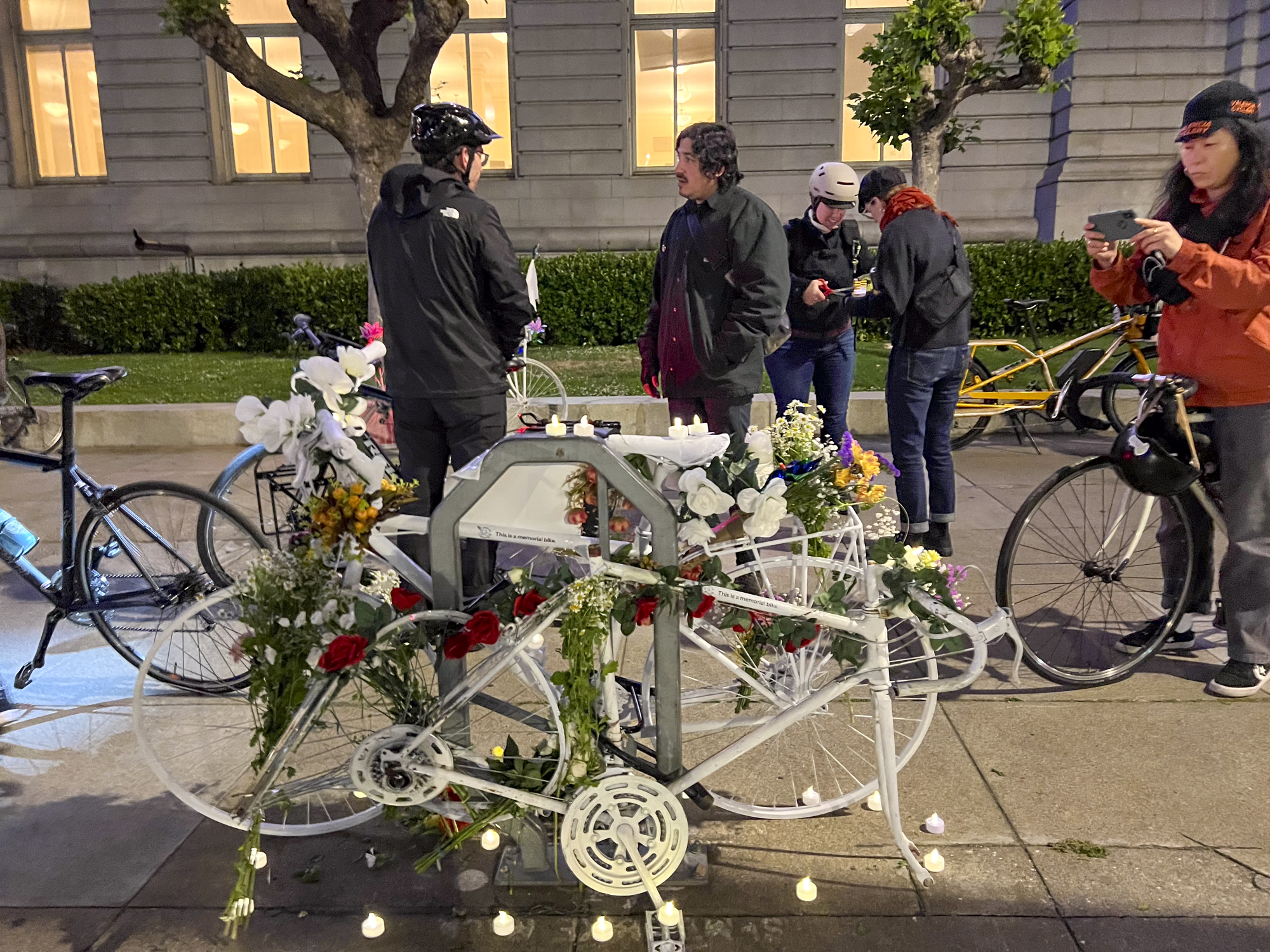
"caption": "Riders gathered last year to honor cyclists who died on San Francisco’s streets by placing flowers on “ghost bikes” across the city. This year marks the 24th annual memorial ride. In the past 10 years, 15 bikers died in San Francisco and 40 bikers died in Alameda County, according to state data. ",
"credit": "Courtesy of Paul Valdez",
"altTag": null,
"description": null,
"imgSizes": {
"thumbnail": {
"file": "https://cdn.kqed.org/wp-content/uploads/sites/10/2026/05/260520-Ride-of-Silence-02-KQED-160x120.jpg",
"width": 160,
"height": 120,
"mimeType": "image/jpeg"
},
"1536x1536": {
"file": "https://cdn.kqed.org/wp-content/uploads/sites/10/2026/05/260520-Ride-of-Silence-02-KQED-1536x1152.jpg",
"width": 1536,
"height": 1152,
"mimeType": "image/jpeg"
},
"post-thumbnail": {
"file": "https://cdn.kqed.org/wp-content/uploads/sites/10/2026/05/260520-Ride-of-Silence-02-KQED-672x372.jpg",
"width": 672,
"height": 372,
"mimeType": "image/jpeg"
},
"twentyfourteen-full-width": {
"file": "https://cdn.kqed.org/wp-content/uploads/sites/10/2026/05/260520-Ride-of-Silence-02-KQED-1038x576.jpg",
"width": 1038,
"height": 576,
"mimeType": "image/jpeg"
},
"npr-cds-wide": {
"file": "https://cdn.kqed.org/wp-content/uploads/sites/10/2026/05/260520-Ride-of-Silence-02-KQED-1200x675.jpg",
"width": 1200,
"height": 675,
"mimeType": "image/jpeg"
},
"npr-cds-square": {
"file": "https://cdn.kqed.org/wp-content/uploads/sites/10/2026/05/260520-Ride-of-Silence-02-KQED-600x600.jpg",
"width": 600,
"height": 600,
"mimeType": "image/jpeg"
},
"kqedFullSize": {
"file": "https://cdn.kqed.org/wp-content/uploads/sites/10/2026/05/260520-Ride-of-Silence-02-KQED.jpg",
"width": 2000,
"height": 1500
}
},
"isLoading": false,
"fetchFailed": false
},
"news_12084649": {
"type": "attachments",
"id": "news_12084649",
"meta": {
"index": "attachments_1716263798",
"site": "news",
"id": "12084649",
"found": true
},
"title": "Global Sumud Flotilla is ready to set sail from Marmaris to Gaza with 54 boats",
"publishDate": 1779384243,
"status": "inherit",
"parent": 12084628,
"modified": 1779398589,
"caption": "Global Sumud Flotilla, formed to break the Israeli blockade, ready to set sail for Gaza into the Mediterranean from Marmaris with its 54 vessels in Mugla, Turkiye, on May 14, 2026. ",
"credit": "Orhan Cicek/Anadolu via Getty Images",
"altTag": null,
"description": null,
"imgSizes": {
"medium": {
"file": "https://cdn.kqed.org/wp-content/uploads/sites/10/2026/05/GlobalSumudFlotillaGetty-2000x1125.jpg",
"width": 2000,
"height": 1125,
"mimeType": "image/jpeg"
},
"large": {
"file": "https://cdn.kqed.org/wp-content/uploads/sites/10/2026/05/GlobalSumudFlotillaGetty-2000x1125.jpg",
"width": 2000,
"height": 1125,
"mimeType": "image/jpeg"
},
"thumbnail": {
"file": "https://cdn.kqed.org/wp-content/uploads/sites/10/2026/05/GlobalSumudFlotillaGetty-160x90.jpg",
"width": 160,
"height": 90,
"mimeType": "image/jpeg"
},
"1536x1536": {
"file": "https://cdn.kqed.org/wp-content/uploads/sites/10/2026/05/GlobalSumudFlotillaGetty-1536x864.jpg",
"width": 1536,
"height": 864,
"mimeType": "image/jpeg"
},
"2048x2048": {
"file": "https://cdn.kqed.org/wp-content/uploads/sites/10/2026/05/GlobalSumudFlotillaGetty-2048x1152.jpg",
"width": 2048,
"height": 1152,
"mimeType": "image/jpeg"
},
"post-thumbnail": {
"file": "https://cdn.kqed.org/wp-content/uploads/sites/10/2026/05/GlobalSumudFlotillaGetty-672x372.jpg",
"width": 672,
"height": 372,
"mimeType": "image/jpeg"
},
"twentyfourteen-full-width": {
"file": "https://cdn.kqed.org/wp-content/uploads/sites/10/2026/05/GlobalSumudFlotillaGetty-1038x576.jpg",
"width": 1038,
"height": 576,
"mimeType": "image/jpeg"
},
"full-width": {
"file": "https://cdn.kqed.org/wp-content/uploads/sites/10/2026/05/GlobalSumudFlotillaGetty-2000x1125.jpg",
"width": 2000,
"height": 1125,
"mimeType": "image/jpeg"
},
"npr-cds-wide": {
"file": "https://cdn.kqed.org/wp-content/uploads/sites/10/2026/05/GlobalSumudFlotillaGetty-1200x675.jpg",
"width": 1200,
"height": 675,
"mimeType": "image/jpeg"
},
"npr-cds-square": {
"file": "https://cdn.kqed.org/wp-content/uploads/sites/10/2026/05/GlobalSumudFlotillaGetty-600x600.jpg",
"width": 600,
"height": 600,
"mimeType": "image/jpeg"
},
"kqedFullSize": {
"file": "https://cdn.kqed.org/wp-content/uploads/sites/10/2026/05/GlobalSumudFlotillaGetty-scaled.jpg",
"width": 2560,
"height": 1440
}
},
"isLoading": false,
"fetchFailed": false
},
"news_11987839": {
"type": "attachments",
"id": "news_11987839",
"meta": {
"index": "attachments_1716263798",
"site": "news",
"id": "11987839",
"found": true
},
"title": "240526-CarnavalParade-33-BL",
"publishDate": 1716767600,
"status": "inherit",
"parent": 12083056,
"modified": 1778611986,
"caption": "Cathedral City High School Ballet Folklórico performs during the Carnaval Grand Parade in San Francisco's Mission District on May 26, 2024.",
"credit": "Beth LaBerge/KQED",
"altTag": "Several women dressed in colorful clothing dance and walk down the street during a parade.",
"description": null,
"imgSizes": {
"medium": {
"file": "https://cdn.kqed.org/wp-content/uploads/sites/10/2024/05/240526-CarnavalParade-33-BL-800x533.jpg",
"width": 800,
"height": 533,
"mimeType": "image/jpeg"
},
"large": {
"file": "https://cdn.kqed.org/wp-content/uploads/sites/10/2024/05/240526-CarnavalParade-33-BL-1020x680.jpg",
"width": 1020,
"height": 680,
"mimeType": "image/jpeg"
},
"thumbnail": {
"file": "https://cdn.kqed.org/wp-content/uploads/sites/10/2024/05/240526-CarnavalParade-33-BL-160x107.jpg",
"width": 160,
"height": 107,
"mimeType": "image/jpeg"
},
"1536x1536": {
"file": "https://cdn.kqed.org/wp-content/uploads/sites/10/2024/05/240526-CarnavalParade-33-BL-1536x1024.jpg",
"width": 1536,
"height": 1024,
"mimeType": "image/jpeg"
},
"post-thumbnail": {
"file": "https://cdn.kqed.org/wp-content/uploads/sites/10/2024/05/240526-CarnavalParade-33-BL-672x372.jpg",
"width": 672,
"height": 372,
"mimeType": "image/jpeg"
},
"twentyfourteen-full-width": {
"file": "https://cdn.kqed.org/wp-content/uploads/sites/10/2024/05/240526-CarnavalParade-33-BL-1038x576.jpg",
"width": 1038,
"height": 576,
"mimeType": "image/jpeg"
},
"full-width": {
"file": "https://cdn.kqed.org/wp-content/uploads/sites/10/2024/05/240526-CarnavalParade-33-BL-1920x1280.jpg",
"width": 1920,
"height": 1280,
"mimeType": "image/jpeg"
},
"kqedFullSize": {
"file": "https://cdn.kqed.org/wp-content/uploads/sites/10/2024/05/240526-CarnavalParade-33-BL.jpg",
"width": 2000,
"height": 1333
}
},
"isLoading": false,
"fetchFailed": false
},
"news_12084464": {
"type": "attachments",
"id": "news_12084464",
"meta": {
"index": "attachments_1716263798",
"site": "news",
"id": "12084464",
"found": true
},
"title": "250520-Oakland Youth Mental Health-KQED",
"publishDate": 1779293162,
"status": "inherit",
"parent": 0,
"modified": 1779315581,
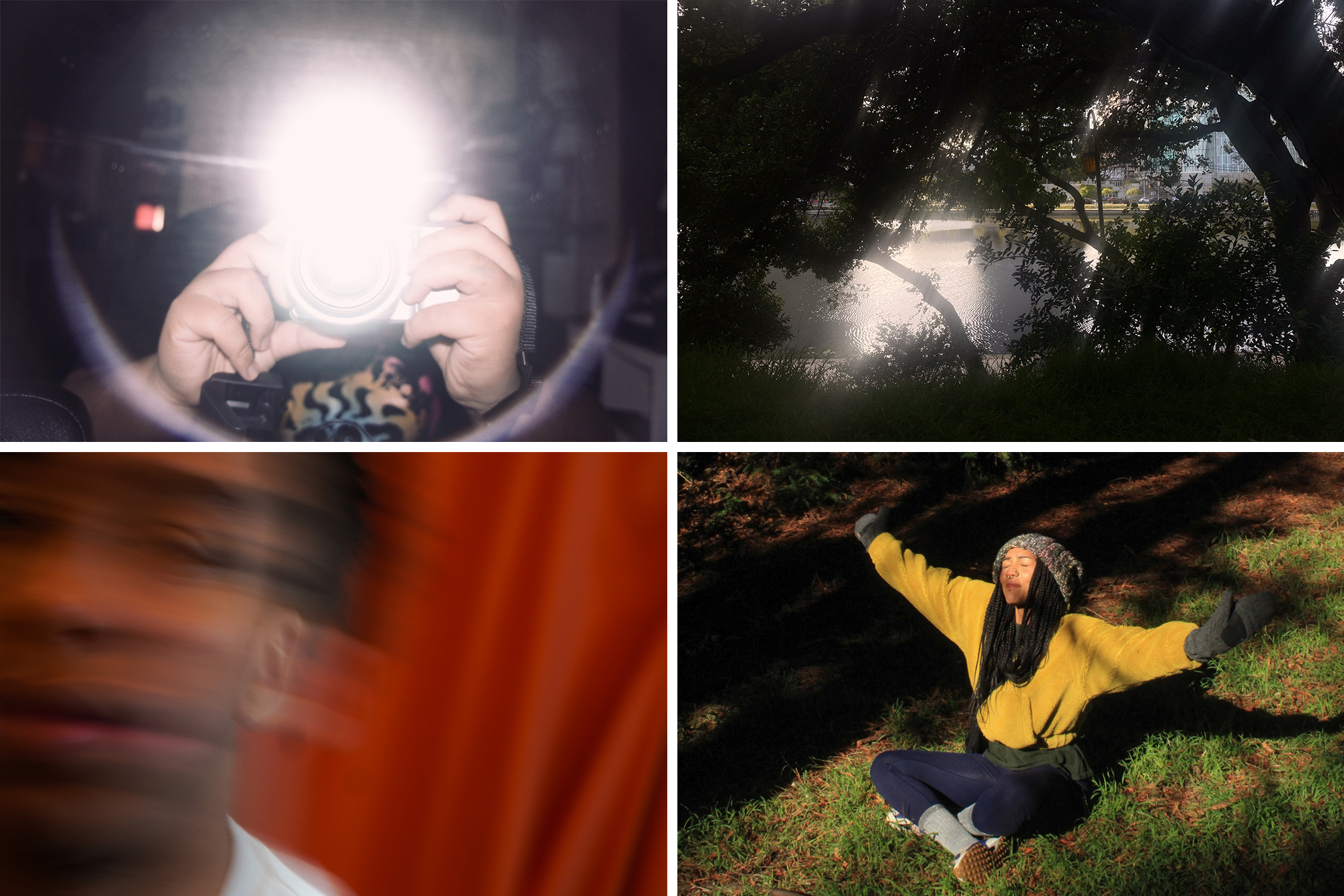
"caption": "Oakland high schoolers photographed their lives as part of a pilot workshop series focused on visual storytelling and youth mental health.",
"credit": null,
"altTag": null,
"description": null,
"imgSizes": {
"thumbnail": {
"file": "https://cdn.kqed.org/wp-content/uploads/sites/10/2026/05/250520-Oakland-Youth-Mental-Health-KQED-160x107.jpg",
"width": 160,
"height": 107,
"mimeType": "image/jpeg"
},
"1536x1536": {
"file": "https://cdn.kqed.org/wp-content/uploads/sites/10/2026/05/250520-Oakland-Youth-Mental-Health-KQED-1536x1025.jpg",
"width": 1536,
"height": 1025,
"mimeType": "image/jpeg"
},
"post-thumbnail": {
"file": "https://cdn.kqed.org/wp-content/uploads/sites/10/2026/05/250520-Oakland-Youth-Mental-Health-KQED-672x372.jpg",
"width": 672,
"height": 372,
"mimeType": "image/jpeg"
},
"twentyfourteen-full-width": {
"file": "https://cdn.kqed.org/wp-content/uploads/sites/10/2026/05/250520-Oakland-Youth-Mental-Health-KQED-1038x576.jpg",
"width": 1038,
"height": 576,
"mimeType": "image/jpeg"
},
"npr-cds-wide": {
"file": "https://cdn.kqed.org/wp-content/uploads/sites/10/2026/05/250520-Oakland-Youth-Mental-Health-KQED-1200x675.jpg",
"width": 1200,
"height": 675,
"mimeType": "image/jpeg"
},
"npr-cds-square": {
"file": "https://cdn.kqed.org/wp-content/uploads/sites/10/2026/05/250520-Oakland-Youth-Mental-Health-KQED-600x600.jpg",
"width": 600,
"height": 600,
"mimeType": "image/jpeg"
},
"kqedFullSize": {
"file": "https://cdn.kqed.org/wp-content/uploads/sites/10/2026/05/250520-Oakland-Youth-Mental-Health-KQED.jpg",
"width": 2000,
"height": 1334
}
},
"isLoading": false,
"fetchFailed": false
},
"news_12079093": {
"type": "attachments",
"id": "news_12079093",
"meta": {
"index": "attachments_1716263798",
"site": "news",
"id": "12079093",
"found": true
},
"title": "HistoryofWetsuit",
"publishDate": 1775667962,
"status": "inherit",
"parent": 0,
"modified": 1775668137,
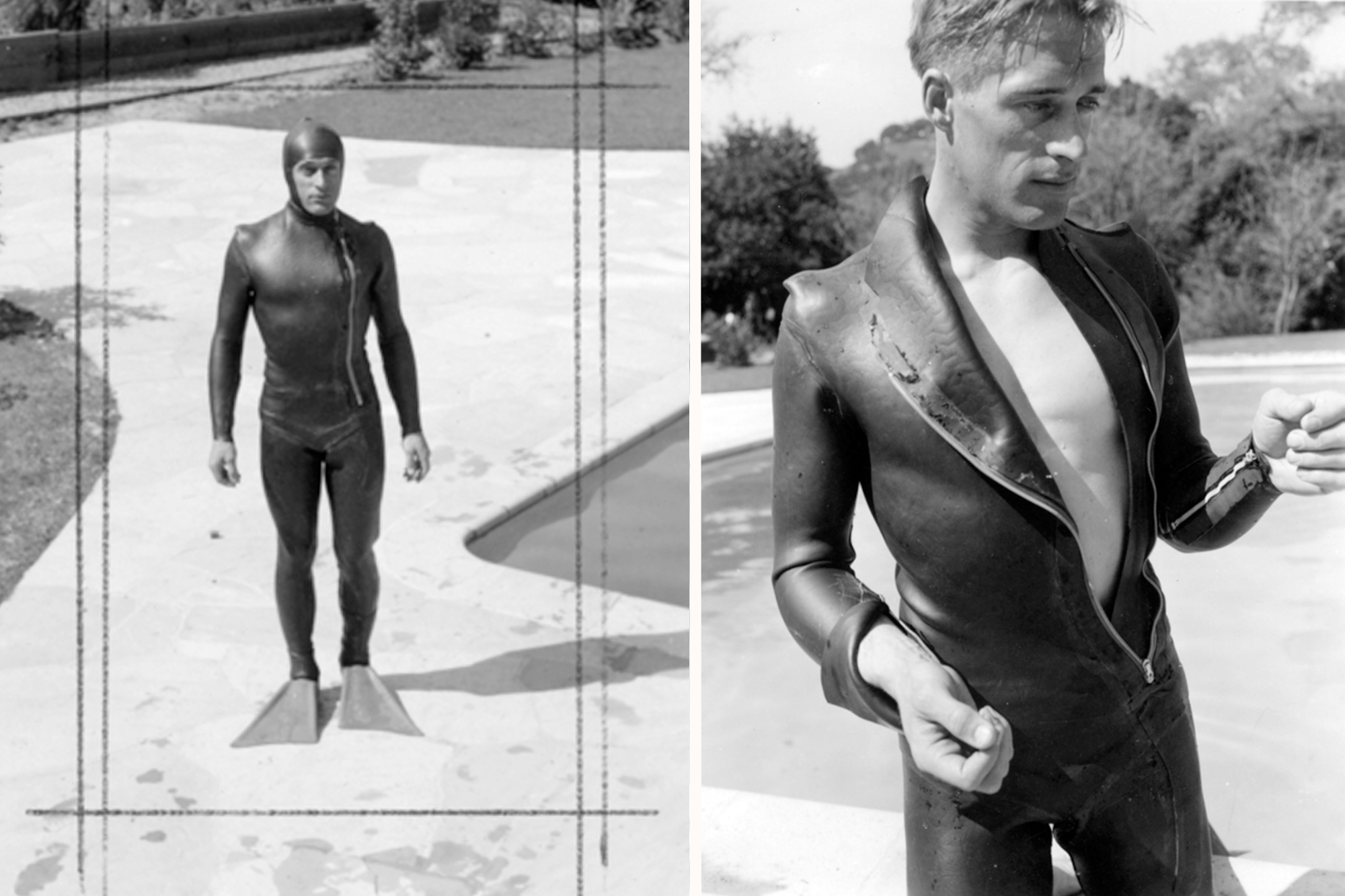
"caption": "Left and right: John S. Foster modeling early wet suit design around 1951. ",
"credit": "UC San Diego Library",
"altTag": null,
"description": null,
"imgSizes": {
"thumbnail": {
"file": "https://cdn.kqed.org/wp-content/uploads/sites/10/2026/04/HistoryofWetsuit-160x107.jpg",
"width": 160,
"height": 107,
"mimeType": "image/jpeg"
},
"1536x1536": {
"file": "https://cdn.kqed.org/wp-content/uploads/sites/10/2026/04/HistoryofWetsuit-1536x1024.jpg",
"width": 1536,
"height": 1024,
"mimeType": "image/jpeg"
},
"post-thumbnail": {
"file": "https://cdn.kqed.org/wp-content/uploads/sites/10/2026/04/HistoryofWetsuit-672x372.jpg",
"width": 672,
"height": 372,
"mimeType": "image/jpeg"
},
"twentyfourteen-full-width": {
"file": "https://cdn.kqed.org/wp-content/uploads/sites/10/2026/04/HistoryofWetsuit-1038x576.jpg",
"width": 1038,
"height": 576,
"mimeType": "image/jpeg"
},
"npr-cds-wide": {
"file": "https://cdn.kqed.org/wp-content/uploads/sites/10/2026/04/HistoryofWetsuit-1200x675.jpg",
"width": 1200,
"height": 675,
"mimeType": "image/jpeg"
},
"npr-cds-square": {
"file": "https://cdn.kqed.org/wp-content/uploads/sites/10/2026/04/HistoryofWetsuit-600x600.jpg",
"width": 600,
"height": 600,
"mimeType": "image/jpeg"
},
"kqedFullSize": {
"file": "https://cdn.kqed.org/wp-content/uploads/sites/10/2026/04/HistoryofWetsuit.jpg",
"width": 2000,
"height": 1333
}
},
"isLoading": false,
"fetchFailed": false
},
"news_12078516": {
"type": "attachments",
"id": "news_12078516",
"meta": {
"index": "attachments_1716263798",
"site": "news",
"id": "12078516",
"found": true
},
"title": "260402-OAKTEACHERHOUSING-12-BL_QED-KQED",
"publishDate": 1775164103,
"status": "inherit",
"parent": 12085535,
"modified": 1780418035,
"caption": "Mayor Barbara Lee speaks during a press conference announcing new affordable housing for Oakland Unified School District teachers and school employees at a recently purchased residential building in Oakland on April 2, 2026.",
"credit": "Beth LaBerge/KQED",
"altTag": null,
"description": null,
"imgSizes": {
"thumbnail": {
"file": "https://cdn.kqed.org/wp-content/uploads/sites/10/2026/04/260402-OAKTEACHERHOUSING-12-BL_QED-KQED-160x107.jpg",
"width": 160,
"height": 107,
"mimeType": "image/jpeg"
},
"1536x1536": {
"file": "https://cdn.kqed.org/wp-content/uploads/sites/10/2026/04/260402-OAKTEACHERHOUSING-12-BL_QED-KQED-1536x1024.jpg",
"width": 1536,
"height": 1024,
"mimeType": "image/jpeg"
},
"post-thumbnail": {
"file": "https://cdn.kqed.org/wp-content/uploads/sites/10/2026/04/260402-OAKTEACHERHOUSING-12-BL_QED-KQED-672x372.jpg",
"width": 672,
"height": 372,
"mimeType": "image/jpeg"
},
"twentyfourteen-full-width": {
"file": "https://cdn.kqed.org/wp-content/uploads/sites/10/2026/04/260402-OAKTEACHERHOUSING-12-BL_QED-KQED-1038x576.jpg",
"width": 1038,
"height": 576,
"mimeType": "image/jpeg"
},
"npr-cds-wide": {
"file": "https://cdn.kqed.org/wp-content/uploads/sites/10/2026/04/260402-OAKTEACHERHOUSING-12-BL_QED-KQED-1200x675.jpg",
"width": 1200,
"height": 675,
"mimeType": "image/jpeg"
},
"npr-cds-square": {
"file": "https://cdn.kqed.org/wp-content/uploads/sites/10/2026/04/260402-OAKTEACHERHOUSING-12-BL_QED-KQED-600x600.jpg",
"width": 600,
"height": 600,
"mimeType": "image/jpeg"
},
"kqedFullSize": {
"file": "https://cdn.kqed.org/wp-content/uploads/sites/10/2026/04/260402-OAKTEACHERHOUSING-12-BL_QED-KQED.jpg",
"width": 1999,
"height": 1333
}
},
"isLoading": false,
"fetchFailed": false
},
"news_12084462": {
"type": "attachments",
"id": "news_12084462",
"meta": {
"index": "attachments_1716263798",
"site": "news",
"id": "12084462",
"found": true
},
"title": "260520-GGB PROTEST-01-KQED",
"publishDate": 1779293019,
"status": "inherit",
"parent": 0,
"modified": 1779312078,
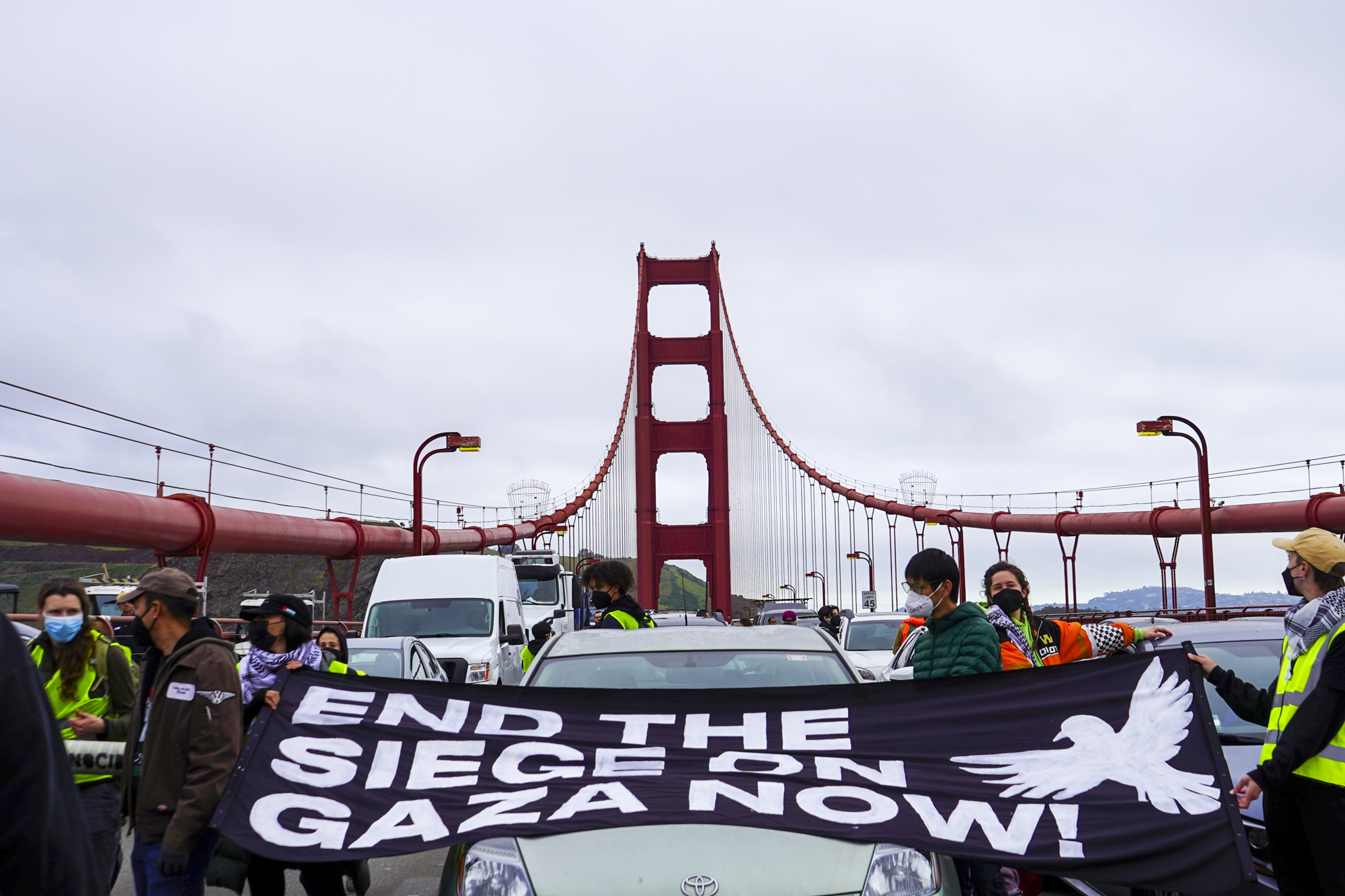
"caption": "Pro-Palestinian protesters on the bridge on April 15, 2024, demanded an end to U.S. aid, arms and technology to Israel to fund what they say is an ongoing genocide of Palestinians, supported by U.S. tax dollars. ",
"credit": "Courtesy of Saman Qadir",
"altTag": null,
"description": null,
"imgSizes": {
"thumbnail": {
"file": "https://cdn.kqed.org/wp-content/uploads/sites/10/2026/05/260520-GGB-PROTEST-01-KQED-160x107.jpg",
"width": 160,
"height": 107,
"mimeType": "image/jpeg"
},
"1536x1536": {
"file": "https://cdn.kqed.org/wp-content/uploads/sites/10/2026/05/260520-GGB-PROTEST-01-KQED-1536x1024.jpg",
"width": 1536,
"height": 1024,
"mimeType": "image/jpeg"
},
"post-thumbnail": {
"file": "https://cdn.kqed.org/wp-content/uploads/sites/10/2026/05/260520-GGB-PROTEST-01-KQED-672x372.jpg",
"width": 672,
"height": 372,
"mimeType": "image/jpeg"
},
"twentyfourteen-full-width": {
"file": "https://cdn.kqed.org/wp-content/uploads/sites/10/2026/05/260520-GGB-PROTEST-01-KQED-1038x576.jpg",
"width": 1038,
"height": 576,
"mimeType": "image/jpeg"
},
"npr-cds-wide": {
"file": "https://cdn.kqed.org/wp-content/uploads/sites/10/2026/05/260520-GGB-PROTEST-01-KQED-1200x675.jpg",
"width": 1200,
"height": 675,
"mimeType": "image/jpeg"
},
"npr-cds-square": {
"file": "https://cdn.kqed.org/wp-content/uploads/sites/10/2026/05/260520-GGB-PROTEST-01-KQED-600x600.jpg",
"width": 600,
"height": 600,
"mimeType": "image/jpeg"
},
"kqedFullSize": {
"file": "https://cdn.kqed.org/wp-content/uploads/sites/10/2026/05/260520-GGB-PROTEST-01-KQED.jpg",
"width": 2000,
"height": 1333
}
},
"isLoading": false,
"fetchFailed": false
},
"news_12084468": {
"type": "attachments",
"id": "news_12084468",
"meta": {
"index": "attachments_1716263798",
"site": "news",
"id": "12084468",
"found": true
},
"title": "The REI store in Berkeley on March 28, 2025.",
"publishDate": 1779293778,
"status": "inherit",
"parent": 12084465,
"modified": 1779293979,
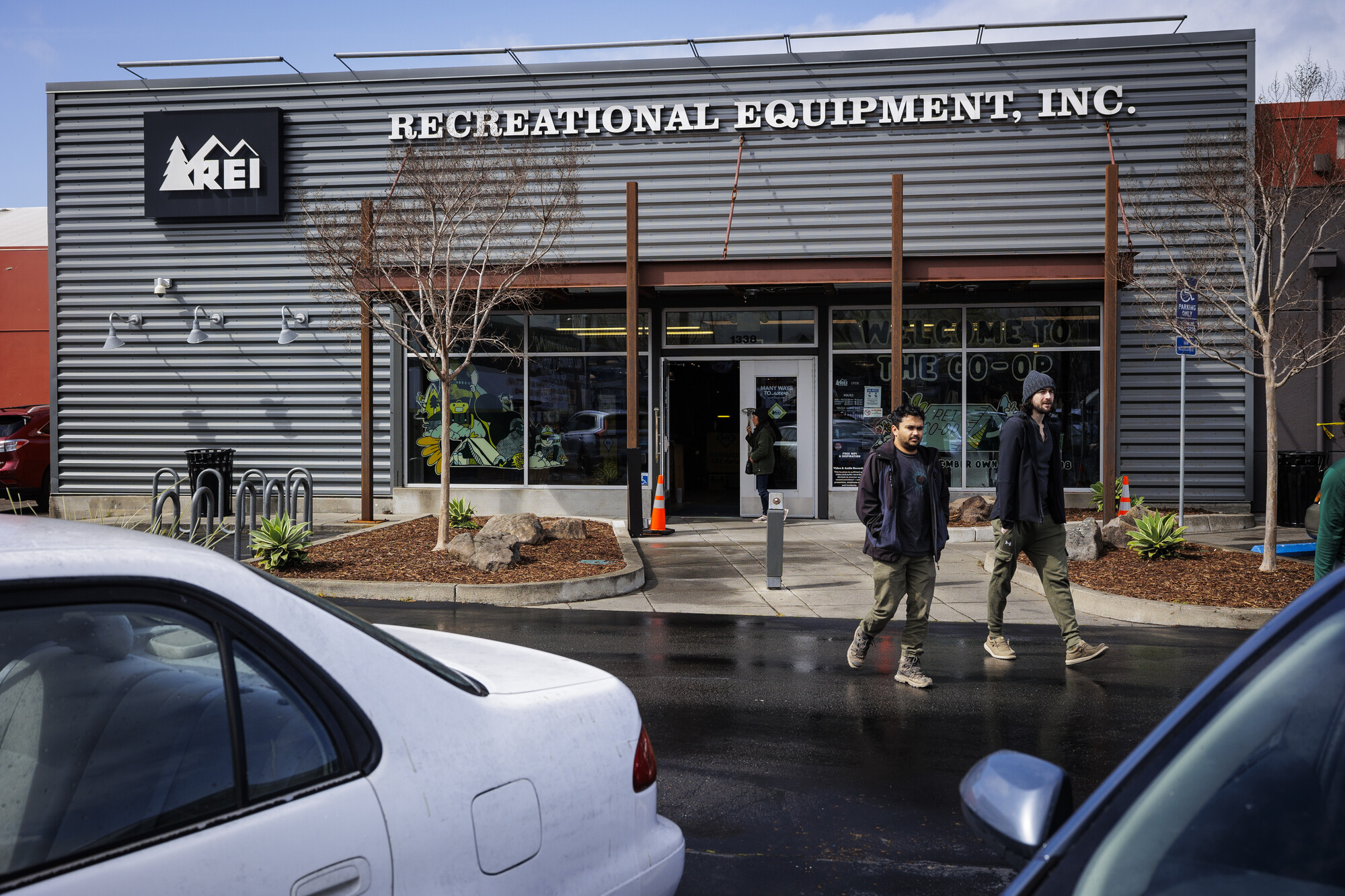
"caption": "The REI store in Berkeley on March 28, 2025.",
"credit": "Martin do Nascimento/KQED",
"altTag": null,
"description": null,
"imgSizes": {
"thumbnail": {
"file": "https://cdn.kqed.org/wp-content/uploads/sites/10/2026/05/250328-REI-LABOR-DISPUTE-MD-09_qed-1-160x107.jpg",
"width": 160,
"height": 107,
"mimeType": "image/jpeg"
},
"1536x1536": {
"file": "https://cdn.kqed.org/wp-content/uploads/sites/10/2026/05/250328-REI-LABOR-DISPUTE-MD-09_qed-1-1536x1024.jpg",
"width": 1536,
"height": 1024,
"mimeType": "image/jpeg"
},
"post-thumbnail": {
"file": "https://cdn.kqed.org/wp-content/uploads/sites/10/2026/05/250328-REI-LABOR-DISPUTE-MD-09_qed-1-672x372.jpg",
"width": 672,
"height": 372,
"mimeType": "image/jpeg"
},
"twentyfourteen-full-width": {
"file": "https://cdn.kqed.org/wp-content/uploads/sites/10/2026/05/250328-REI-LABOR-DISPUTE-MD-09_qed-1-1038x576.jpg",
"width": 1038,
"height": 576,
"mimeType": "image/jpeg"
},
"npr-cds-wide": {
"file": "https://cdn.kqed.org/wp-content/uploads/sites/10/2026/05/250328-REI-LABOR-DISPUTE-MD-09_qed-1-1200x675.jpg",
"width": 1200,
"height": 675,
"mimeType": "image/jpeg"
},
"npr-cds-square": {
"file": "https://cdn.kqed.org/wp-content/uploads/sites/10/2026/05/250328-REI-LABOR-DISPUTE-MD-09_qed-1-600x600.jpg",
"width": 600,
"height": 600,
"mimeType": "image/jpeg"
},
"kqedFullSize": {
"file": "https://cdn.kqed.org/wp-content/uploads/sites/10/2026/05/250328-REI-LABOR-DISPUTE-MD-09_qed-1.jpg",
"width": 2000,
"height": 1333
}
},
"isLoading": false,
"fetchFailed": false
},
"news_12073464": {
"type": "attachments",
"id": "news_12073464",
"meta": {
"index": "attachments_1716263798",
"site": "news",
"id": "12073464",
"found": true
},
"title": "Alfred Melbourne who founded the indigenous education farming operation called the Three Sisters Garden. It was founded in 2018 by Alfred Melbourne with a goal to give back to the community by inspiring and empowering youth through gardening, with a focus",
"publishDate": 1771006033,
"status": "inherit",
"parent": 0,
"modified": 1771006133,
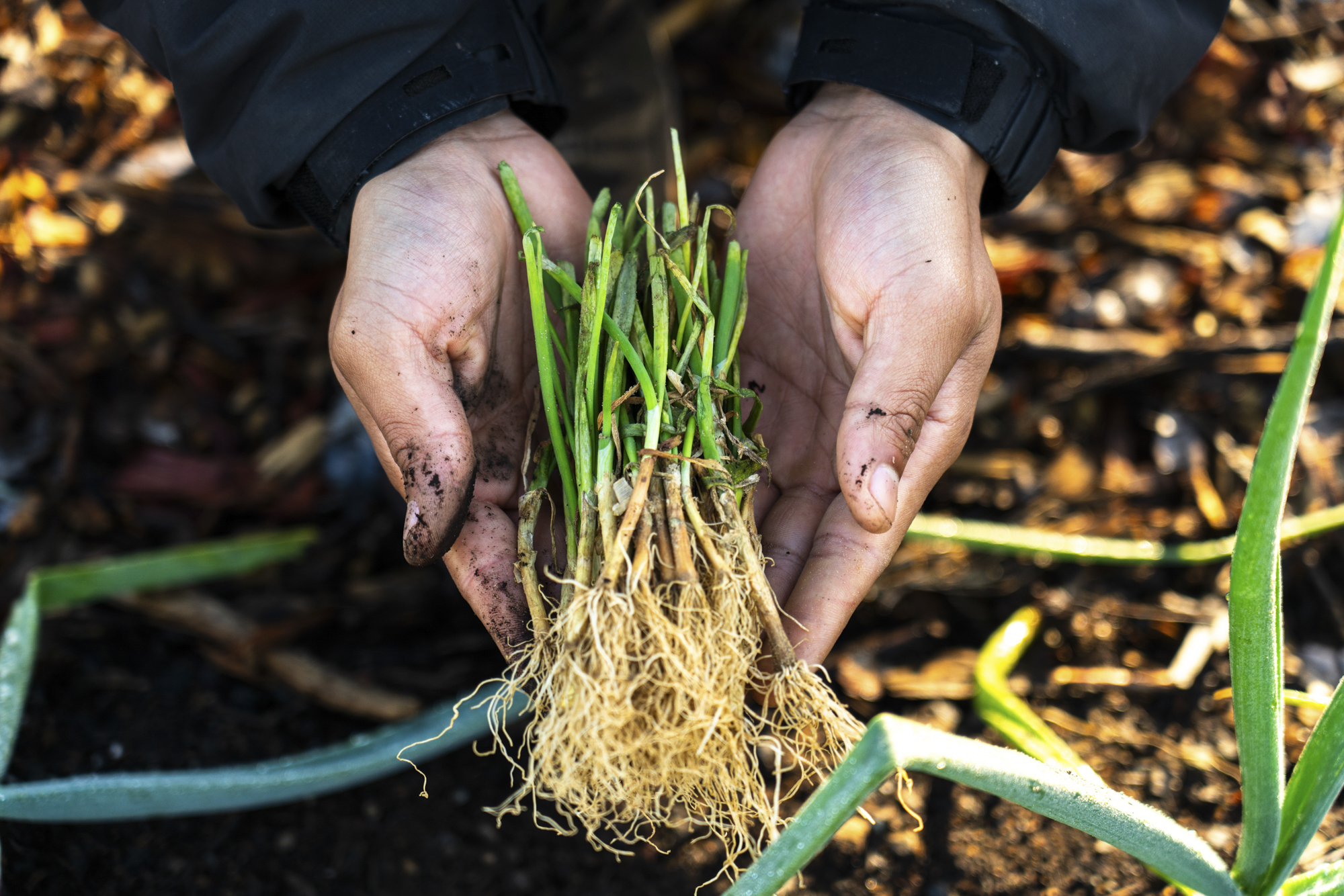
"caption": "Kenny McDowell holds a handful of onion microgreens at Three Sisters Garden in West Sacramento on Feb. 12, 2026.",
"credit": "Louis Bryant III for KQED",
"altTag": null,
"description": null,
"imgSizes": {
"thumbnail": {
"file": "https://cdn.kqed.org/wp-content/uploads/sites/10/2026/02/02122026_LBR3_3SISGDN-86-KQED-160x107.jpg",
"width": 160,
"height": 107,
"mimeType": "image/jpeg"
},
"1536x1536": {
"file": "https://cdn.kqed.org/wp-content/uploads/sites/10/2026/02/02122026_LBR3_3SISGDN-86-KQED-1536x1025.jpg",
"width": 1536,
"height": 1025,
"mimeType": "image/jpeg"
},
"post-thumbnail": {
"file": "https://cdn.kqed.org/wp-content/uploads/sites/10/2026/02/02122026_LBR3_3SISGDN-86-KQED-672x372.jpg",
"width": 672,
"height": 372,
"mimeType": "image/jpeg"
},
"twentyfourteen-full-width": {
"file": "https://cdn.kqed.org/wp-content/uploads/sites/10/2026/02/02122026_LBR3_3SISGDN-86-KQED-1038x576.jpg",
"width": 1038,
"height": 576,
"mimeType": "image/jpeg"
},
"npr-cds-wide": {
"file": "https://cdn.kqed.org/wp-content/uploads/sites/10/2026/02/02122026_LBR3_3SISGDN-86-KQED-1200x675.jpg",
"width": 1200,
"height": 675,
"mimeType": "image/jpeg"
},
"kqedFullSize": {
"file": "https://cdn.kqed.org/wp-content/uploads/sites/10/2026/02/02122026_LBR3_3SISGDN-86-KQED.jpg",
"width": 2000,
"height": 1334
}
},
"isLoading": false,
"fetchFailed": false
},
"news_12075899": {
"type": "attachments",
"id": "news_12075899",
"meta": {
"index": "attachments_1716263798",
"site": "news",
"id": "12075899",
"found": true
},
"title": "250418-SFPDFile-02-BL_qed",
"publishDate": 1773159338,
"status": "inherit",
"parent": 12075894,
"modified": 1773159352,
"caption": "San Francisco Police Department headquarters in San Francisco on April 18, 2025.",
"credit": "Beth LaBerge/KQED",
"altTag": null,
"description": null,
"imgSizes": {
"thumbnail": {
"file": "https://cdn.kqed.org/wp-content/uploads/sites/10/2026/03/250418-SFPDFile-02-BL_qed-160x107.jpg",
"width": 160,
"height": 107,
"mimeType": "image/jpeg"
},
"1536x1536": {
"file": "https://cdn.kqed.org/wp-content/uploads/sites/10/2026/03/250418-SFPDFile-02-BL_qed-1536x1024.jpg",
"width": 1536,
"height": 1024,
"mimeType": "image/jpeg"
},
"post-thumbnail": {
"file": "https://cdn.kqed.org/wp-content/uploads/sites/10/2026/03/250418-SFPDFile-02-BL_qed-672x372.jpg",
"width": 672,
"height": 372,
"mimeType": "image/jpeg"
},
"twentyfourteen-full-width": {
"file": "https://cdn.kqed.org/wp-content/uploads/sites/10/2026/03/250418-SFPDFile-02-BL_qed-1038x576.jpg",
"width": 1038,
"height": 576,
"mimeType": "image/jpeg"
},
"npr-cds-wide": {
"file": "https://cdn.kqed.org/wp-content/uploads/sites/10/2026/03/250418-SFPDFile-02-BL_qed-1200x675.jpg",
"width": 1200,
"height": 675,
"mimeType": "image/jpeg"
},
"kqedFullSize": {
"file": "https://cdn.kqed.org/wp-content/uploads/sites/10/2026/03/250418-SFPDFile-02-BL_qed.jpg",
"width": 2000,
"height": 1333
}
},
"isLoading": false,
"fetchFailed": false
},
"news_12081346": {
"type": "attachments",
"id": "news_12081346",
"meta": {
"index": "attachments_1716263798",
"site": "news",
"id": "12081346",
"found": true
},
"title": "Candidates For Governor Of California Debate In San Francisco",
"publishDate": 1777063219,
"status": "inherit",
"parent": 12081345,
"modified": 1777063274,
"caption": "Chad Bianco, Republican gubernatorial candidate for California, Xavier Becerra, Democratic gubernatorial candidate for California, and Steve Hilton, Republican gubernatorial candidate for California, arrive for a gubernatorial debate at KRON Studios in San Francisco on April 22, 2026. ",
"credit": "Jason Henry/Nexstar/Bloomberg",
"altTag": null,
"description": null,
"imgSizes": {
"medium": {
"file": "https://cdn.kqed.org/wp-content/uploads/sites/10/2026/04/GettyImages-2272001355-2000x1334.jpg",
"width": 2000,
"height": 1334,
"mimeType": "image/jpeg"
},
"large": {
"file": "https://cdn.kqed.org/wp-content/uploads/sites/10/2026/04/GettyImages-2272001355-2000x1334.jpg",
"width": 2000,
"height": 1334,
"mimeType": "image/jpeg"
},
"thumbnail": {
"file": "https://cdn.kqed.org/wp-content/uploads/sites/10/2026/04/GettyImages-2272001355-160x107.jpg",
"width": 160,
"height": 107,
"mimeType": "image/jpeg"
},
"1536x1536": {
"file": "https://cdn.kqed.org/wp-content/uploads/sites/10/2026/04/GettyImages-2272001355-1536x1024.jpg",
"width": 1536,
"height": 1024,
"mimeType": "image/jpeg"
},
"2048x2048": {
"file": "https://cdn.kqed.org/wp-content/uploads/sites/10/2026/04/GettyImages-2272001355-2048x1366.jpg",
"width": 2048,
"height": 1366,
"mimeType": "image/jpeg"
},
"post-thumbnail": {
"file": "https://cdn.kqed.org/wp-content/uploads/sites/10/2026/04/GettyImages-2272001355-672x372.jpg",
"width": 672,
"height": 372,
"mimeType": "image/jpeg"
},
"twentyfourteen-full-width": {
"file": "https://cdn.kqed.org/wp-content/uploads/sites/10/2026/04/GettyImages-2272001355-1038x576.jpg",
"width": 1038,
"height": 576,
"mimeType": "image/jpeg"
},
"full-width": {
"file": "https://cdn.kqed.org/wp-content/uploads/sites/10/2026/04/GettyImages-2272001355-2000x1334.jpg",
"width": 2000,
"height": 1334,
"mimeType": "image/jpeg"
},
"npr-cds-wide": {
"file": "https://cdn.kqed.org/wp-content/uploads/sites/10/2026/04/GettyImages-2272001355-1200x675.jpg",
"width": 1200,
"height": 675,
"mimeType": "image/jpeg"
},
"npr-cds-square": {
"file": "https://cdn.kqed.org/wp-content/uploads/sites/10/2026/04/GettyImages-2272001355-600x600.jpg",
"width": 600,
"height": 600,
"mimeType": "image/jpeg"
},
"kqedFullSize": {
"file": "https://cdn.kqed.org/wp-content/uploads/sites/10/2026/04/GettyImages-2272001355-scaled.jpg",
"width": 2560,
"height": 1707
}
},
"isLoading": false,
"fetchFailed": false
},
"news_12084362": {
"type": "attachments",
"id": "news_12084362",
"meta": {
"index": "attachments_1716263798",
"site": "news",
"id": "12084362",
"found": true
},
"title": "San Francisco Zoo Faces Internal Struggles Ahead Of Giant Panda Arrival",
"publishDate": 1779220790,
"status": "inherit",
"parent": 12084352,
"modified": 1779220892,
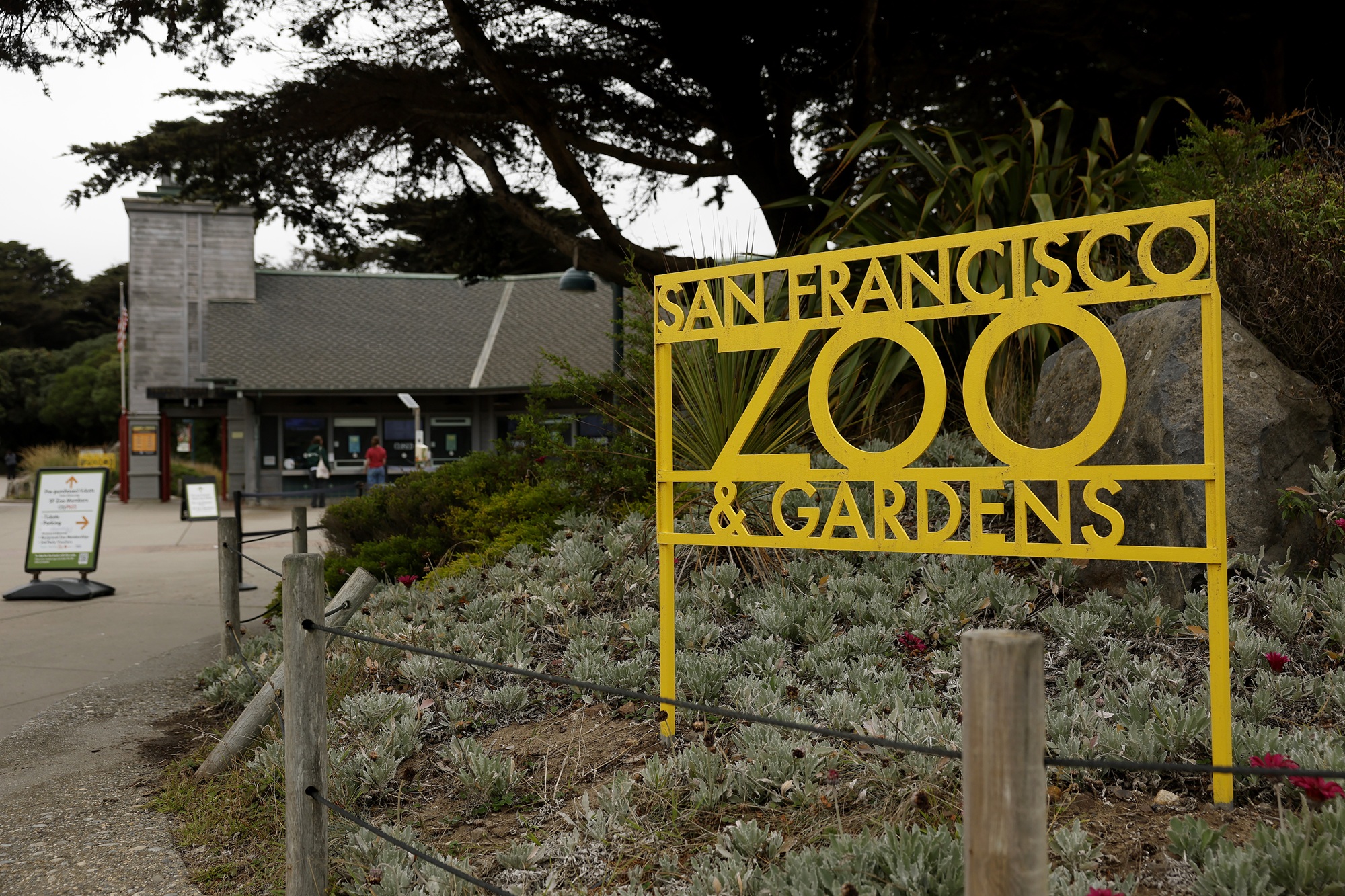
"caption": "A view of zoo signage at the San Francisco Zoo on July 22, 2025, in San Francisco, California.",
"credit": "Justin Sullivan/Getty Images",
"altTag": null,
"description": null,
"imgSizes": {
"thumbnail": {
"file": "https://cdn.kqed.org/wp-content/uploads/sites/10/2026/05/SFZooGetty-160x107.jpg",
"width": 160,
"height": 107,
"mimeType": "image/jpeg"
},
"1536x1536": {
"file": "https://cdn.kqed.org/wp-content/uploads/sites/10/2026/05/SFZooGetty-1536x1024.jpg",
"width": 1536,
"height": 1024,
"mimeType": "image/jpeg"
},
"post-thumbnail": {
"file": "https://cdn.kqed.org/wp-content/uploads/sites/10/2026/05/SFZooGetty-672x372.jpg",
"width": 672,
"height": 372,
"mimeType": "image/jpeg"
},
"twentyfourteen-full-width": {
"file": "https://cdn.kqed.org/wp-content/uploads/sites/10/2026/05/SFZooGetty-1038x576.jpg",
"width": 1038,
"height": 576,
"mimeType": "image/jpeg"
},
"npr-cds-wide": {
"file": "https://cdn.kqed.org/wp-content/uploads/sites/10/2026/05/SFZooGetty-1200x675.jpg",
"width": 1200,
"height": 675,
"mimeType": "image/jpeg"
},
"npr-cds-square": {
"file": "https://cdn.kqed.org/wp-content/uploads/sites/10/2026/05/SFZooGetty-600x600.jpg",
"width": 600,
"height": 600,
"mimeType": "image/jpeg"
},
"kqedFullSize": {
"file": "https://cdn.kqed.org/wp-content/uploads/sites/10/2026/05/SFZooGetty.jpg",
"width": 2000,
"height": 1333
}
},
"isLoading": false,
"fetchFailed": false
}
},
"audioPlayerReducer": {
"postId": "stream_live",
"isPaused": true,
"isPlaying": false,
"pfsActive": false,
"pledgeModalIsOpen": true,
"playerDrawerIsOpen": false,
"liveAudioPlayStartedAt": 0,
"liveAudioPlayContext": ""
},
"authorsReducer": {
"byline_news_12084553": {
"type": "authors",
"id": "byline_news_12084553",
"meta": {
"override": true
},
"slug": "byline_news_12084553",
"name": "Florence Middleton",
"isLoading": false
},
"gmarzorati": {
"type": "authors",
"id": "227",
"meta": {
"index": "authors_1716337520",
"id": "227",
"found": true
},
"name": "Guy Marzorati",
"firstName": "Guy",
"lastName": "Marzorati",
"slug": "gmarzorati",
"email": "gmarzorati@KQED.org",
"display_author_email": true,
"staff_mastheads": [
"news"
],
"title": "Correspondent",
"bio": "Guy Marzorati is a correspondent on KQED's California Politics and Government Desk, based in San Jose. A graduate of Santa Clara University, Guy joined KQED in 2013. He reports on state and local politics and produces KQED's digital voter guide.",
"avatar": "https://secure.gravatar.com/avatar/e7038b8dbfd55b104369b76b1cd0b9de?s=600&d=blank&r=g",
"twitter": "guymarzorati",
"facebook": null,
"instagram": null,
"linkedin": null,
"sites": [
{
"site": "",
"roles": [
"editor"
]
},
{
"site": "news",
"roles": [
"editor"
]
},
{
"site": "science",
"roles": [
"editor"
]
},
{
"site": "forum",
"roles": [
"editor"
]
},
{
"site": "elections",
"roles": [
"editor"
]
},
{
"site": "liveblog",
"roles": [
"editor"
]
}
],
"headData": {
"title": "Guy Marzorati | KQED",
"description": "Correspondent",
"ogImgSrc": "https://secure.gravatar.com/avatar/e7038b8dbfd55b104369b76b1cd0b9de?s=600&d=blank&r=g",
"twImgSrc": "https://secure.gravatar.com/avatar/e7038b8dbfd55b104369b76b1cd0b9de?s=600&d=blank&r=g"
},
"isLoading": false,
"link": "/author/gmarzorati"
},
"fjhabvala": {
"type": "authors",
"id": "8659",
"meta": {
"index": "authors_1716337520",
"id": "8659",
"found": true
},
"name": "Farida Jhabvala Romero",
"firstName": "Farida",
"lastName": "Jhabvala Romero",
"slug": "fjhabvala",
"email": "fjhabvala@kqed.org",
"display_author_email": true,
"staff_mastheads": [
"news"
],
"title": "KQED Contributor",
"bio": "Farida Jhabvala Romero is a Labor Correspondent for KQED. She previously covered immigration. Farida was \u003ca href=\"https://www.ccnma.org/2022-most-influential-latina-journalists\">named\u003c/a> one of the 10 Most Influential Latina Journalists in California in 2022 by the California Chicano News Media Association. Her work has won awards from the Society of Professional Journalists (Northern California), as well as a national and regional Edward M. Murrow Award for the collaborative reporting projects “Dangerous Air” and “Graying California.” Before joining KQED, Farida worked as a producer at Radio Bilingüe, a national public radio network. Farida earned her master’s degree in journalism from Stanford University.",
"avatar": "https://secure.gravatar.com/avatar/f9f022d4e2609741874222a1e9d41f48fea74011aa7c615eef91d9a50c944ebe?s=600&d=blank&r=g",
"twitter": "FaridaJhabvala",
"bluesky": null,
"facebook": null,
"instagram": null,
"linkedin": "https://www.linkedin.com/in/faridajhabvala/",
"sites": [
{
"site": "news",
"roles": [
"editor"
]
},
{
"site": "stateofhealth",
"roles": [
"author"
]
},
{
"site": "liveblog",
"roles": [
"author"
]
}
],
"headData": {
"title": "Farida Jhabvala Romero | KQED",
"description": "KQED Contributor",
"ogImgSrc": "https://secure.gravatar.com/avatar/f9f022d4e2609741874222a1e9d41f48fea74011aa7c615eef91d9a50c944ebe?s=600&d=blank&r=g",
"twImgSrc": "https://secure.gravatar.com/avatar/f9f022d4e2609741874222a1e9d41f48fea74011aa7c615eef91d9a50c944ebe?s=600&d=blank&r=g"
},
"isLoading": false,
"link": "/author/fjhabvala"
},
"bwatt": {
"type": "authors",
"id": "11238",
"meta": {
"index": "authors_1716337520",
"id": "11238",
"found": true
},
"name": "Brian Watt",
"firstName": "Brian",
"lastName": "Watt",
"slug": "bwatt",
"email": "bwatt@KQED.org",
"display_author_email": false,
"staff_mastheads": [
"news"
],
"title": "Morning News Anchor",
"bio": "Brian Watt is KQED's morning radio news anchor. He joined the KQED News team in April of 2016. Prior to that, he worked as a Reporter for KPCC in Los Angeles and a producer at \u003cem>Marketplace.\u003c/em>\r\n\r\nDuring eight years at KPCC, Brian covered business and economics, and his work won several awards. In 2008, he won the Los Angeles Press Club’s first-place award for Business and Financial Reporting, Broadcast. He’s also received honorable mention and been first runner up for the Press Club’s Radio Journalist of the Year. He won two Golden Mike awards from the Radio and TV News Association of Southern California.\r\n\r\nBrian holds degrees in theater from Yale University and the Sorbonne, and has worked as an actor in France, Italy, Brazil, Hungary and . . . Hollywood. He appeared in a few television shows, including \u003cem>The West Wing, Judging Amy\u003c/em> and \u003cem>The District.\u003c/em>\r\n\r\nEmail: bwatt@KQED.org Twitter: @RadioBWatt",
"avatar": "https://secure.gravatar.com/avatar/55393ff57ed34e2be773ba4789dd6a19?s=600&d=blank&r=g",
"twitter": "@RadioBWatt",
"facebook": null,
"instagram": null,
"linkedin": null,
"sites": [
{
"site": "arts",
"roles": [
"contributor"
]
},
{
"site": "news",
"roles": [
"editor"
]
}
],
"headData": {
"title": "Brian Watt | KQED",
"description": "Morning News Anchor",
"ogImgSrc": "https://secure.gravatar.com/avatar/55393ff57ed34e2be773ba4789dd6a19?s=600&d=blank&r=g",
"twImgSrc": "https://secure.gravatar.com/avatar/55393ff57ed34e2be773ba4789dd6a19?s=600&d=blank&r=g"
},
"isLoading": false,
"link": "/author/bwatt"
},
"ccabreralomeli": {
"type": "authors",
"id": "11708",
"meta": {
"index": "authors_1716337520",
"id": "11708",
"found": true
},
"name": "Carlos Cabrera-Lomelí",
"firstName": "Carlos",
"lastName": "Cabrera-Lomelí",
"slug": "ccabreralomeli",
"email": "ccabreralomeli@KQED.org",
"display_author_email": true,
"staff_mastheads": [
"news"
],
"title": "Community Reporter",
"bio": "Carlos Cabrera-Lomelí is a community reporter with KQED's digital engagement team. He also reports and co-produces for KQED's bilingual news hub KQED en Español. He grew up in San Francisco's Mission District and has previously worked with Univision, 48 Hills and REFORMA in Mexico City.",
"avatar": "https://secure.gravatar.com/avatar/c309be9665e484f887b818c89e273ecc673004f426f36b24d00a4d813a2e0518?s=600&d=blank&r=g",
"twitter": "@LomeliCabrera",
"bluesky": null,
"facebook": null,
"instagram": null,
"linkedin": null,
"sites": [
{
"site": "arts",
"roles": [
"editor"
]
},
{
"site": "news",
"roles": [
"editor"
]
},
{
"site": "about",
"roles": [
"editor"
]
},
{
"site": "science",
"roles": [
"editor"
]
},
{
"site": "perspectives",
"roles": [
"editor"
]
},
{
"site": "elections",
"roles": [
"editor"
]
},
{
"site": "liveblog",
"roles": [
"contributor"
]
}
],
"headData": {
"title": "Carlos Cabrera-Lomelí | KQED",
"description": "Community Reporter",
"ogImgSrc": "https://secure.gravatar.com/avatar/c309be9665e484f887b818c89e273ecc673004f426f36b24d00a4d813a2e0518?s=600&d=blank&r=g",
"twImgSrc": "https://secure.gravatar.com/avatar/c309be9665e484f887b818c89e273ecc673004f426f36b24d00a4d813a2e0518?s=600&d=blank&r=g"
},
"isLoading": false,
"link": "/author/ccabreralomeli"
},
"jlara": {
"type": "authors",
"id": "11761",
"meta": {
"index": "authors_1716337520",
"id": "11761",
"found": true
},
"name": "Juan Carlos Lara",
"firstName": "Juan Carlos",
"lastName": "Lara",
"slug": "jlara",
"email": "jlara@kqed.org",
"display_author_email": false,
"staff_mastheads": [],
"title": "KQED Contributor",
"bio": null,
"avatar": "https://secure.gravatar.com/avatar/19e2052b9b05657c5ff2af2121846e9c?s=600&d=blank&r=g",
"twitter": null,
"facebook": null,
"instagram": null,
"linkedin": null,
"sites": [
{
"site": "arts",
"roles": [
"editor"
]
},
{
"site": "news",
"roles": [
"editor"
]
},
{
"site": "forum",
"roles": [
"editor"
]
},
{
"site": "liveblog",
"roles": [
"contributor"
]
}
],
"headData": {
"title": "Juan Carlos Lara | KQED",
"description": "KQED Contributor",
"ogImgSrc": "https://secure.gravatar.com/avatar/19e2052b9b05657c5ff2af2121846e9c?s=600&d=blank&r=g",
"twImgSrc": "https://secure.gravatar.com/avatar/19e2052b9b05657c5ff2af2121846e9c?s=600&d=blank&r=g"
},
"isLoading": false,
"link": "/author/jlara"
},
"ibloom": {
"type": "authors",
"id": "11805",
"meta": {
"index": "authors_1716337520",
"id": "11805",
"found": true
},
"name": "Izzy Bloom",
"firstName": "Izzy",
"lastName": "Bloom",
"slug": "ibloom",
"email": "ibloom@kqed.org",
"display_author_email": false,
"staff_mastheads": [],
"title": "KQED Reporter & Producer",
"bio": "Izzy is a reporter and producer on KQED's California Politics & Government Desk. She joined the desk in 2024 to produce Political Breakdown, covering local and national elections and attending the RNC and DNC in Milwaukee and Chicago. \r\n\r\nBefore that, Izzy was a producer on The California Report and reported long-form stories for The California Report Magazine. She was a finalist for the Third Coast/Richard H. Driehaus Foundation Competition and was awarded for her reporting on indigenous land back by the Society of Professional Journalists. Izzy received her master's in journalism from the University of California, Berkeley.",
"avatar": "https://secure.gravatar.com/avatar/cc4d272ca430783ee1a8efac470a6b1e0fdd082c3beb61da019801d0ff751c8c?s=600&d=blank&r=g",
"twitter": null,
"bluesky": null,
"facebook": null,
"instagram": null,
"linkedin": null,
"sites": [
{
"site": "news",
"roles": [
"editor"
]
},
{
"site": "perspectives",
"roles": [
"editor"
]
}
],
"headData": {
"title": "Izzy Bloom | KQED",
"description": "KQED Reporter & Producer",
"ogImgSrc": "https://secure.gravatar.com/avatar/cc4d272ca430783ee1a8efac470a6b1e0fdd082c3beb61da019801d0ff751c8c?s=600&d=blank&r=g",
"twImgSrc": "https://secure.gravatar.com/avatar/cc4d272ca430783ee1a8efac470a6b1e0fdd082c3beb61da019801d0ff751c8c?s=600&d=blank&r=g"
},
"isLoading": false,
"link": "/author/ibloom"
},
"sjohnson": {
"type": "authors",
"id": "11840",
"meta": {
"index": "authors_1716337520",
"id": "11840",
"found": true
},
"name": "Sydney Johnson",
"firstName": "Sydney",
"lastName": "Johnson",
"slug": "sjohnson",
"email": "sjohnson@kqed.org",
"display_author_email": false,
"staff_mastheads": [
"news"
],
"title": "KQED Reporter",
"bio": "Sydney Johnson is a general assignment reporter at KQED. She previously reported on public health and city government at the San Francisco Examiner, and before that, she covered statewide education policy for EdSource. Her reporting has won multiple local, state and national awards. Sydney is a graduate of the University of California, Berkeley and lives in San Francisco.",
"avatar": "https://secure.gravatar.com/avatar/97855f2719b72ad6190b7c535fe642c8?s=600&d=blank&r=g",
"twitter": "sydneyfjohnson",
"facebook": null,
"instagram": null,
"linkedin": null,
"sites": [
{
"site": "news",
"roles": [
"editor"
]
}
],
"headData": {
"title": "Sydney Johnson | KQED",
"description": "KQED Reporter",
"ogImgSrc": "https://secure.gravatar.com/avatar/97855f2719b72ad6190b7c535fe642c8?s=600&d=blank&r=g",
"twImgSrc": "https://secure.gravatar.com/avatar/97855f2719b72ad6190b7c535fe642c8?s=600&d=blank&r=g"
},
"isLoading": false,
"link": "/author/sjohnson"
},
"kdebenedetti": {
"type": "authors",
"id": "11913",
"meta": {
"index": "authors_1716337520",
"id": "11913",
"found": true
},
"name": "Katie DeBenedetti",
"firstName": "Katie",
"lastName": "DeBenedetti",
"slug": "kdebenedetti",
"email": "kdebenedetti@kqed.org",
"display_author_email": false,
"staff_mastheads": [
"news",
"science"
],
"title": "KQED Contributor",
"bio": "Katie DeBenedetti is a digital reporter covering daily news for the Express Desk. Prior to joining KQED as a culture reporting intern in January 2024, she covered education and city government for the Napa Valley Register.",
"avatar": "https://secure.gravatar.com/avatar/6e31073cb8f7e4214ab03f42771d0f45?s=600&d=blank&r=g",
"twitter": null,
"facebook": null,
"instagram": null,
"linkedin": null,
"sites": [
{
"site": "news",
"roles": [
"author"
]
},
{
"site": "science",
"roles": [
"author"
]
},
{
"site": "liveblog",
"roles": [
"author"
]
}
],
"headData": {
"title": "Katie DeBenedetti | KQED",
"description": "KQED Contributor",
"ogImgSrc": "https://secure.gravatar.com/avatar/6e31073cb8f7e4214ab03f42771d0f45?s=600&d=blank&r=g",
"twImgSrc": "https://secure.gravatar.com/avatar/6e31073cb8f7e4214ab03f42771d0f45?s=600&d=blank&r=g"
},
"isLoading": false,
"link": "/author/kdebenedetti"
},
"gglueck": {
"type": "authors",
"id": "11946",
"meta": {
"index": "authors_1716337520",
"id": "11946",
"found": true
},
"name": "Gabriela Glueck",
"firstName": "Gabriela",
"lastName": "Glueck",
"slug": "gglueck",
"email": "gglueck@kqed.org",
"display_author_email": false,
"staff_mastheads": [
"news"
],
"title": "KQED Contributor",
"bio": null,
"avatar": "https://secure.gravatar.com/avatar/ec62b7e3f7727ce1070cc7046dde80271d1e63cf2178d6194f68bb8d1440f841?s=600&d=blank&r=g",
"twitter": null,
"bluesky": null,
"facebook": null,
"instagram": null,
"linkedin": null,
"sites": [
{
"site": "news",
"roles": [
"editor"
]
}
],
"headData": {
"title": "Gabriela Glueck | KQED",
"description": "KQED Contributor",
"ogImgSrc": "https://secure.gravatar.com/avatar/ec62b7e3f7727ce1070cc7046dde80271d1e63cf2178d6194f68bb8d1440f841?s=600&d=blank&r=g",
"twImgSrc": "https://secure.gravatar.com/avatar/ec62b7e3f7727ce1070cc7046dde80271d1e63cf2178d6194f68bb8d1440f841?s=600&d=blank&r=g"
},
"isLoading": false,
"link": "/author/gglueck"
},
"sprabha": {
"type": "authors",
"id": "11976",
"meta": {
"index": "authors_1716337520",
"id": "11976",
"found": true
},
"name": "Srishti Prabha",
"firstName": "Srishti",
"lastName": "Prabha",
"slug": "sprabha",
"email": "sprabha@KQED.org",
"display_author_email": false,
"staff_mastheads": [],
"title": "KQED Contributor",
"bio": "Srishti Prabha is a producer and reporter for KQED news and podcasts. They also work on longform human-interest features as a Beat Reporting Fellow with KALW. Their reporting has appeared on NPR, Morning Edition, All Things Considered, The California Report Magazine, and more. Most recently, Prabha covered education for CapRadio as a Report for America corps member, focusing on issues affecting communities of color in the Sacramento region. They previously served as managing editor of India Currents, where they reported on immigration, cultural identity, and health in South Asian communities. Prabha's work has been recognized by the San Francisco Press Club, the California News Publishers Association, and the Edward R. Murrow Awards.",
"avatar": "https://secure.gravatar.com/avatar/cc4d8ef770090714faad7e1d24857f806d09340456c5734167b9a6361b175d7d?s=600&d=blank&r=g",
"twitter": null,
"bluesky": null,
"facebook": null,
"instagram": null,
"linkedin": null,
"sites": [
{
"site": "news",
"roles": [
"editor"
]
}
],
"headData": {
"title": "Srishti Prabha | KQED",
"description": "KQED Contributor",
"ogImgSrc": "https://secure.gravatar.com/avatar/cc4d8ef770090714faad7e1d24857f806d09340456c5734167b9a6361b175d7d?s=600&d=blank&r=g",
"twImgSrc": "https://secure.gravatar.com/avatar/cc4d8ef770090714faad7e1d24857f806d09340456c5734167b9a6361b175d7d?s=600&d=blank&r=g"
},
"isLoading": false,
"link": "/author/sprabha"
},
"ejackson": {
"type": "authors",
"id": "12003",
"meta": {
"index": "authors_1716337520",
"id": "12003",
"found": true
},
"name": "Ella Jackson",
"firstName": "Ella",
"lastName": "Jackson",
"slug": "ejackson",
"email": "ejackson@kqed.org",
"display_author_email": false,
"staff_mastheads": [],
"title": "KQED Contributor",
"bio": null,
"avatar": "https://secure.gravatar.com/avatar/3c688edc62aec1dcae096e1475956d245f72bde99cff316455871c9b22a7205b?s=600&d=blank&r=g",
"twitter": null,
"bluesky": null,
"facebook": null,
"instagram": null,
"linkedin": null,
"sites": [
{
"site": "news",
"roles": [
"author"
]
},
{
"site": "science",
"roles": [
"author"
]
}
],
"headData": {
"title": "Ella Jackson | KQED",
"description": "KQED Contributor",
"ogImgSrc": "https://secure.gravatar.com/avatar/3c688edc62aec1dcae096e1475956d245f72bde99cff316455871c9b22a7205b?s=600&d=blank&r=g",
"twImgSrc": "https://secure.gravatar.com/avatar/3c688edc62aec1dcae096e1475956d245f72bde99cff316455871c9b22a7205b?s=600&d=blank&r=g"
},
"isLoading": false,
"link": "/author/ejackson"
}
},
"pagesReducer": {
"news_category_local": {
"type": "terms",
"id": "news_28250",
"meta": {
"index": "terms_1716263798",
"site": "news",
"id": "28250",
"score": 12.93969
},
"featImg": null,
"name": "Local",
"description": null,
"taxonomy": "category",
"headData": {
"twImgId": null,
"twTitle": null,
"ogTitle": null,
"ogImgId": null,
"twDescription": null,
"description": null,
"title": "Local Archives | KQED News",
"ogDescription": null
},
"ttid": 28267,
"slug": "local",
"isLoading": false,
"title": "Local",
"pageMeta": {
"site": "news",
"WpPageTemplate": "page-topic-editorial",
"currentPage": 34
},
"blocks": [
{
"blockName": "kqed/post-list",
"attrs": {
"layout": "cardArticle2",
"query": "posts/news?category=local",
"seeMore": false,
"paginated": true,
"page": 34
}
},
{
"blockName": "kqed/ad"
}
]
}
},
"pfsSessionReducer": {},
"postsReducer": {
"stream_live": {
"type": "live",
"id": "stream_live",
"audioUrl": "https://streams.kqed.org/kqedradio",
"title": "Live Stream",
"excerpt": "Live Stream information currently unavailable.",
"link": "/radio",
"featImg": "",
"label": {
"name": "KQED Live",
"link": "/"
}
},
"stream_kqedNewscast": {
"type": "posts",
"id": "stream_kqedNewscast",
"audioUrl": "https://www.kqed.org/.stream/anon/radio/RDnews/newscast.mp3?_=1",
"title": "KQED Newscast",
"featImg": "",
"label": {
"name": "88.5 FM",
"link": "/"
}
},
"news_12084470": {
"type": "posts",
"id": "news_12084470",
"meta": {
"index": "posts_1716263798",
"site": "news",
"id": "12084470",
"score": null,
"sort": [
1779404137000
]
},
"guestAuthors": [],
"slug": "bay-area-cyclists-hold-annual-ride-of-silence-to-honor-those-killed-on-city-streets",
"title": "Bay Area Cyclists Hold Annual Ride of Silence to Honor Those Killed on City Streets",
"publishDate": 1779404137,
"format": "standard",
"headTitle": "Bay Area Cyclists Hold Annual Ride of Silence to Honor Those Killed on City Streets | KQED",
"labelTerm": {
"site": "news"
},
"content": "\u003cp>\u003ca href=\"https://www.kqed.org/news/tag/bay-area\">Bay Area\u003c/a> cyclists donned white safety gear and wrapped flowers around their bikes before riding in silence from San Francisco’s Panhandle park to City Hall, as part of an international ride to memorialize bikers killed in traffic violence.\u003c/p>\n\u003cp>Isabella deMatos, a lead organizer from Alameda who said she has participated in the ride for 10 years, described it as \u003cstrong>“\u003c/strong>a funeral procession in silence to remember our cycling friends.”\u003c/p>\n\u003cp>deMatos said that a Berkeley woman comes each year to honor her husband, who was hit and killed by a drunk driver in Healdsburg while changing a flat tire. Bikers also honored 21-year-old Dylan Mitchell, killed by a driver shortly after moving to San Francisco in 2013.\u003c/p>\n\u003cp>[ad fullwidth]\u003c/p>\n\u003cp>“We honor folks,” said Paul Valdez, a lead organizer from San Francisco. “I’m lucky to be alive, to still ride my bike, to be with my community, but it was those who we lost … that to me was the biggest motivator to help me with the ride.”\u003c/p>\n\u003cp>The ride comes just a few weeks after a 38-year-old Oakland man died of injuries from a fatal hit-and-run, according to \u003ca href=\"https://www.sfchronicle.com/crime/article/oakland-fatal-hit-run-bartholomew-drawsand-22234892.php\">the \u003cem>San Francisco Chronicle\u003c/em>\u003c/a>. In the past 10 years, 15 bikers died in San Francisco, and 40 bikers died in Alameda County, according to data from the \u003ca href=\"https://data.ca.gov/dataset/ccrs\">California Crash Reporting System\u003c/a>. Deaths in San Francisco have remained between 1 and 3 each year. Meanwhile, deaths in Alameda County are on the rise, climbing from about 4 to 8. San Francisco sees an average of 386 bike injuries per year, and Alameda sees about 437.\u003c/p>\n\u003cp>\u003c!-- iframe plugin v.4.3 wordpress.org/plugins/iframe/ -->\u003cbr>\n\u003ciframe loading=\"lazy\" title=\"San Francisco Bicycle Crash Data\" aria-label=\"Stacked Bars\" id=\"datawrapper-chart-q9ei5\" src=\"https://datawrapper.dwcdn.net/q9ei5/1/\" scrolling=\"no\" frameborder=\"0\" style=\"width: 0; min-width: 100% !important; border: none;\" height=\"698\" data-external=\"1\" width=\"100%\" class=\"iframe-class\">\u003c/iframe>\u003c/p>\n\u003cp>“Every time we have a death on the streets, that’s one death too many,” said Krissa Corbett Cavouras, the communications director for the SF Bicycle Coalition.\u003c/p>\n\u003cp>Each year, San Francisco cyclists meet up at a central location and then roll out to usually four or five different stops where the cycling community has lost someone. At each location, someone who knew the person killed in the crash will say some words and talk about who they were, said Jon Gaull, a San Francisco resident and biking advocate, who became emotional speaking about the lives lost.\u003c/p>\n\u003cp>“It’s hard to hear those stories and really identify with those people and the loss that they’re experiencing,” Gaull said. “But it’s, I think, maybe the most important ride for the community, because it’s important to show the people who have lost someone on our streets that they are not forgotten.”[aside postID=news_12082380 hero='https://cdn.kqed.org/wp-content/uploads/sites/10/2026/05/023_KQED_SanFrancisco_Coronavirus_03132020__qed.jpg']The ride ended with the installation of a “ghost bike” at city hall. The ghost bike, painted white and covered in flowers, now sits as a quiet reminder of the action needed to protect bikers across the city.\u003c/p>\n\u003cp>Advocates described San Francisco as one of the safest places to bike in the world and credited the city for improvements like speed cameras, bike lanes, and other traffic calming measures.\u003c/p>\n\u003cp>“We know that any loss of life on our streets due to traffic violence is unacceptable and it’s preventable,” Corbett Cavouras said.\u003c/p>\n\u003cp>For Corbett Cavouras, “the Ride of Silence is really reflecting that we can’t bring people back, that a lot of the loss of life that has happened has been because of streets that are designed for cars and the efficient movement of vehicles.”\u003c/p>\n\u003cp>Though they agree that more improvements are needed, and continue to work to push for them, Gaull said the ride is not about politics.\u003c/p>\n\u003cp>\u003cstrong>“\u003c/strong>As a community, we spend countless hours every year lobbying the city to improve infrastructure, improve safety and, and help prevent these kinds of things from happening in the future. But I would say this is not one of those times. I think this is really about remembering and honoring the people who have died and who have lost loved ones.”\u003cem> \u003c/em>\u003c/p>\n\u003cp>\u003c/p>\n",
"blocks": [],
"excerpt": "In the past 10 years, 15 bikers died in San Francisco, and 40 bikers died in Alameda County, according to state data.",
"status": "publish",
"parent": 0,
"modified": 1783641152,
"stats": {
"hasAudio": false,
"hasVideo": false,
"hasChartOrMap": true,
"iframeSrcs": [
"https://datawrapper.dwcdn.net/q9ei5/1/"
],
"hasGoogleForm": false,
"hasGallery": false,
"hasHearkenModule": false,
"hasPolis": false,
"paragraphCount": 16,
"wordCount": 688
},
"headData": {
"title": "Bay Area Cyclists Hold Annual Ride of Silence to Honor Those Killed on City Streets | KQED",
"description": "In the past 10 years, 15 bikers died in San Francisco, and 40 bikers died in Alameda County, according to state data.",
"ogTitle": "",
"ogDescription": "",
"ogImgId": "",
"twTitle": "",
"twDescription": "",
"twImgId": "",
"schema": {
"@context": "https://schema.org",
"@type": "NewsArticle",
"headline": "Bay Area Cyclists Hold Annual Ride of Silence to Honor Those Killed on City Streets",
"datePublished": "2026-05-21T15:55:37-07:00",
"dateModified": "2026-07-09T16:52:32-07:00",
"image": "https://cdn.kqed.org/wp-content/uploads/2020/02/KQED-OG-Image@1x.png",
"isAccessibleForFree": "True",
"publisher": {
"@type": "NewsMediaOrganization",
"@id": "https://www.kqed.org/#organization",
"name": "KQED",
"logo": "https://cdn.kqed.org/wp-content/uploads/2020/02/KQED-OG-Image@1x.png",
"url": "https://www.kqed.org",
"sameAs": [
"https://www.facebook.com/KQED",
"https://twitter.com/KQED",
"https://www.instagram.com/kqed/",
"https://www.tiktok.com/@kqedofficial",
"https://www.linkedin.com/company/kqed",
"https://www.youtube.com/channel/UCeC0IOo7i1P_61zVUWbJ4nw"
]
}
}
},
"primaryCategory": {
"termId": 28250,
"slug": "local",
"name": "Local"
},
"sticky": false,
"nprStoryId": "kqed-12084470",
"templateType": "standard",
"featuredImageType": "standard",
"excludeFromSiteSearch": "Include",
"showOnAuthorArchivePages": "No",
"articleAge": "0",
"path": "/news/12084470/bay-area-cyclists-hold-annual-ride-of-silence-to-honor-those-killed-on-city-streets",
"audioTrackLength": null,
"parsedContent": [
{
"type": "contentString",
"content": "\u003cdiv class=\"post-body\">\u003cp>\u003cp>\u003ca href=\"https://www.kqed.org/news/tag/bay-area\">Bay Area\u003c/a> cyclists donned white safety gear and wrapped flowers around their bikes before riding in silence from San Francisco’s Panhandle park to City Hall, as part of an international ride to memorialize bikers killed in traffic violence.\u003c/p>\n\u003cp>Isabella deMatos, a lead organizer from Alameda who said she has participated in the ride for 10 years, described it as \u003cstrong>“\u003c/strong>a funeral procession in silence to remember our cycling friends.”\u003c/p>\n\u003cp>deMatos said that a Berkeley woman comes each year to honor her husband, who was hit and killed by a drunk driver in Healdsburg while changing a flat tire. Bikers also honored 21-year-old Dylan Mitchell, killed by a driver shortly after moving to San Francisco in 2013.\u003c/p>\n\u003cp>\u003c/p>\u003c/div>",
"attributes": {
"named": {},
"numeric": []
}
},
{
"type": "component",
"content": "",
"name": "ad",
"attributes": {
"named": {
"label": "fullwidth"
},
"numeric": [
"fullwidth"
]
}
},
{
"type": "contentString",
"content": "\u003cdiv class=\"post-body\">\u003cp>\u003c/p>\n\u003cp>“We honor folks,” said Paul Valdez, a lead organizer from San Francisco. “I’m lucky to be alive, to still ride my bike, to be with my community, but it was those who we lost … that to me was the biggest motivator to help me with the ride.”\u003c/p>\n\u003cp>The ride comes just a few weeks after a 38-year-old Oakland man died of injuries from a fatal hit-and-run, according to \u003ca href=\"https://www.sfchronicle.com/crime/article/oakland-fatal-hit-run-bartholomew-drawsand-22234892.php\">the \u003cem>San Francisco Chronicle\u003c/em>\u003c/a>. In the past 10 years, 15 bikers died in San Francisco, and 40 bikers died in Alameda County, according to data from the \u003ca href=\"https://data.ca.gov/dataset/ccrs\">California Crash Reporting System\u003c/a>. Deaths in San Francisco have remained between 1 and 3 each year. Meanwhile, deaths in Alameda County are on the rise, climbing from about 4 to 8. San Francisco sees an average of 386 bike injuries per year, and Alameda sees about 437.\u003c/p>\n\u003cp>\u003c!-- iframe plugin v.4.3 wordpress.org/plugins/iframe/ -->\u003cbr>\n\u003ciframe loading=\"lazy\" title=\"San Francisco Bicycle Crash Data\" aria-label=\"Stacked Bars\" id=\"datawrapper-chart-q9ei5\" src=\"https://datawrapper.dwcdn.net/q9ei5/1/\" scrolling=\"no\" frameborder=\"0\" style=\"width: 0; min-width: 100% !important; border: none;\" height=\"698\" data-external=\"1\" width=\"100%\" class=\"iframe-class\">\u003c/iframe>\u003c/p>\n\u003cp>“Every time we have a death on the streets, that’s one death too many,” said Krissa Corbett Cavouras, the communications director for the SF Bicycle Coalition.\u003c/p>\n\u003cp>Each year, San Francisco cyclists meet up at a central location and then roll out to usually four or five different stops where the cycling community has lost someone. At each location, someone who knew the person killed in the crash will say some words and talk about who they were, said Jon Gaull, a San Francisco resident and biking advocate, who became emotional speaking about the lives lost.\u003c/p>\n\u003cp>“It’s hard to hear those stories and really identify with those people and the loss that they’re experiencing,” Gaull said. “But it’s, I think, maybe the most important ride for the community, because it’s important to show the people who have lost someone on our streets that they are not forgotten.”\u003c/p>\u003c/div>",
"attributes": {
"named": {},
"numeric": []
}
},
{
"type": "component",
"content": "",
"name": "aside",
"attributes": {
"named": {
"postid": "news_12082380",
"hero": "https://cdn.kqed.org/wp-content/uploads/sites/10/2026/05/023_KQED_SanFrancisco_Coronavirus_03132020__qed.jpg",
"label": ""
},
"numeric": []
}
},
{
"type": "contentString",
"content": "\u003cdiv class=\"post-body\">\u003cp>The ride ended with the installation of a “ghost bike” at city hall. The ghost bike, painted white and covered in flowers, now sits as a quiet reminder of the action needed to protect bikers across the city.\u003c/p>\n\u003cp>Advocates described San Francisco as one of the safest places to bike in the world and credited the city for improvements like speed cameras, bike lanes, and other traffic calming measures.\u003c/p>\n\u003cp>“We know that any loss of life on our streets due to traffic violence is unacceptable and it’s preventable,” Corbett Cavouras said.\u003c/p>\n\u003cp>For Corbett Cavouras, “the Ride of Silence is really reflecting that we can’t bring people back, that a lot of the loss of life that has happened has been because of streets that are designed for cars and the efficient movement of vehicles.”\u003c/p>\n\u003cp>Though they agree that more improvements are needed, and continue to work to push for them, Gaull said the ride is not about politics.\u003c/p>\n\u003cp>\u003cstrong>“\u003c/strong>As a community, we spend countless hours every year lobbying the city to improve infrastructure, improve safety and, and help prevent these kinds of things from happening in the future. But I would say this is not one of those times. I think this is really about remembering and honoring the people who have died and who have lost loved ones.”\u003cem> \u003c/em>\u003c/p>\n\u003cp>\u003c/p>\n\u003c/div>\u003c/p>",
"attributes": {
"named": {},
"numeric": []
}
}
],
"link": "/news/12084470/bay-area-cyclists-hold-annual-ride-of-silence-to-honor-those-killed-on-city-streets",
"authors": [
"12003"
],
"categories": [
"news_28250",
"news_8"
],
"tags": [
"news_578",
"news_2851",
"news_3234",
"news_22456",
"news_38"
],
"featImg": "news_12084555",
"label": "news"
},
"news_12084628": {
"type": "posts",
"id": "news_12084628",
"meta": {
"index": "posts_1716263798",
"site": "news",
"id": "12084628",
"score": null,
"sort": [
1779396353000
]
},
"guestAuthors": [],
"slug": "bay-area-residents-among-the-hundreds-detained-on-flotilla-deported-to-istanbul",
"title": "Bay Area Residents Among the Hundreds Detained on Flotilla, Deported to Istanbul",
"publishDate": 1779396353,
"format": "standard",
"headTitle": "Bay Area Residents Among the Hundreds Detained on Flotilla, Deported to Istanbul | KQED",
"labelTerm": {
"site": "news"
},
"content": "\u003cp>Multiple \u003ca href=\"https://www.kqed.org/news/tag/bay-area\">Bay Area\u003c/a> residents detained by the Israeli military aboard an aid flotilla to Gaza have been deported to Istanbul, according to family members.\u003c/p>\n\u003cp>At least three North Bay residents and a San Francisco native who now resides in Arizona were among more than 400 people who were detained early this week in international waters, more than 100 miles from Gaza’s coastline.\u003c/p>\n\u003cp>The detainees were part of a Global Sumud Flotilla that first departed from Barcelona on April 12, carrying humanitarian aid workers, food and supplies. Israeli forces intercepted about half of the original fleet of ships at the end of April, and those activists were taken to Greece.\u003c/p>\n\u003cp>[ad fullwidth]\u003c/p>\n\u003cp>Last week, another 20 or so ships joined the fleet for the final leg of the journey in Turkey. But Israeli forces on Monday intercepted all of the remaining ships in international waters off Cyprus, according to the global flotilla.\u003c/p>\n\u003cp>The activists were deported Thursday morning amid international outrage after the office of Israel’s National Security Minister Itamar Ben-Gvir released \u003ca href=\"https://x.com/itamarbengvir/status/2057046925417824697\">video footage\u003c/a> on social media showing the far-right leader taunting detained activists.\u003c/p>\n\u003cp>One video featured a woman who yelled “Free Palestine” being pushed to the ground as Ben-Gvir walked past, while another showed dozens of activists with their hands tied behind their backs and their faces pressed to the ground in what appears to be a makeshift detention space.\u003c/p>\n\u003cfigure id=\"attachment_12080621\" class=\"wp-caption aligncenter\" style=\"max-width: 2000px\">\u003cimg loading=\"lazy\" decoding=\"async\" class=\"wp-image-12080621 size-full\" src=\"https://cdn.kqed.org/wp-content/uploads/sites/10/2026/04/260420-GAZA-FLOTILLA-04-KQED.jpg\" alt=\"\" width=\"2000\" height=\"1333\" srcset=\"https://cdn.kqed.org/wp-content/uploads/sites/10/2026/04/260420-GAZA-FLOTILLA-04-KQED.jpg 2000w, https://cdn.kqed.org/wp-content/uploads/sites/10/2026/04/260420-GAZA-FLOTILLA-04-KQED-160x107.jpg 160w, https://cdn.kqed.org/wp-content/uploads/sites/10/2026/04/260420-GAZA-FLOTILLA-04-KQED-1536x1024.jpg 1536w\" sizes=\"auto, (max-width: 2000px) 100vw, 2000px\">\u003cfigcaption class=\"wp-caption-text\">The Shireen and other boats docked in Augusta, Sicily, on April 18, 2026, as part of the Global Sumud Flotilla. The mission included around 70 vessels and nearly 1,000 participants from 70 countries, making it significantly larger than a previous mission in September 2025, with 42 boats and 462 participants. \u003ccite>(Courtesy of Chad Ashby)\u003c/cite>\u003c/figcaption>\u003c/figure>\n\u003cp>In the footage, Ben-Gvir said, “Welcome to Israel, we are the landlords,” while waving an Israeli flag. He also said he told Prime Minister Benjamin Netanyahu to “give them a long, long time, give them to us for the terrorist prisons.”\u003c/p>\n\u003cp>Logan Hollarsmith, one of the flotilla participants, grew up in San Francisco’s Noe Valley neighborhood.\u003c/p>\n\u003cp>“The Israelis kidnapped these people in international waters,” his mother, Sidney Hollar, told KQED.\u003c/p>\n\u003cp>At least six of the more than a thousand flotilla participants had ties to California, and at least four with Bay Area connections — Hollarsmith, 34, and North Bay residents Kelly Riggle, Gregory Elias Terry and Silas Beaver, were among the most recent detainees.[aside postID=news_12080402 hero='https://cdn.kqed.org/wp-content/uploads/sites/10/2026/04/041526_CHADASHBY_9485-KQED.jpg']“I’m calling on Secretary Rubio and the State Department to ensure their safety and fair treatment,” North Bay Rep. Jared Huffman said in a statement on Thursday. “The U.S. has an obligation to protect Americans abroad, and my team and I are working to safely get them home.”\u003c/p>\n\u003cp>U.S. ambassador to Israel Mike Huckabee said Ben-Gvir’s treatment of the activists “betrayed dignity of his nation,” while globally, the prime ministers of Spain and Italy, along with the president of the European Council, condemned the behavior.\u003c/p>\n\u003cp>Netanyahu also made a rare condemnation of Ben-Gvir’s behavior, releasing a statement that it was “not in line with Israel’s values and norms” and demanding that the participants be deported as soon as possible.\u003c/p>\n\u003cp>Hollar said that the detainees were initially held in a makeshift detention area on a military cargo ship, before they were taken through the city of Ashdod, to the maximum security prison Ktzi’ot, where they were held briefly before being deported to Istanbul.\u003c/p>\n\u003cp>She said that upon their arrival in Turkey, many detainees were taken to receive medical care via stretchers, and others appeared barely able to walk.\u003c/p>\n\u003cp>“It was really, really disconcerting, the torture that these people experienced,” Hollar said. She added that she had spoken to Hollarsmith, who said he was not tortured.\u003c/p>\n\u003cfigure id=\"attachment_12080620\" class=\"wp-caption aligncenter\" style=\"max-width: 2000px\">\u003cimg loading=\"lazy\" decoding=\"async\" class=\"size-full wp-image-12080620\" src=\"https://cdn.kqed.org/wp-content/uploads/sites/10/2026/04/260420-GAZA-FLOTILLA-03-KQED.jpg\" alt=\"\" width=\"2000\" height=\"1333\" srcset=\"https://cdn.kqed.org/wp-content/uploads/sites/10/2026/04/260420-GAZA-FLOTILLA-03-KQED.jpg 2000w, https://cdn.kqed.org/wp-content/uploads/sites/10/2026/04/260420-GAZA-FLOTILLA-03-KQED-160x107.jpg 160w, https://cdn.kqed.org/wp-content/uploads/sites/10/2026/04/260420-GAZA-FLOTILLA-03-KQED-1536x1024.jpg 1536w\" sizes=\"auto, (max-width: 2000px) 100vw, 2000px\">\u003cfigcaption class=\"wp-caption-text\">Members of the crew of the Shireen, a legal support boat, look out from the port of Augusta, Sicily, on April 18, 2026. The Global Sumud Flotilla includes around 70 vessels and nearly 1,000 participants from 70 countries, making it significantly larger than a previous mission in September 2025, which included 42 boats and 462 participants.\u003c/figcaption>\u003c/figure>\n\u003cp>Hollar said that while her son was detained in Ashdod, she and others tried calling the U.S. Embassy in Jerusalem to ask for welfare checks on him, but were either hung up on or “cross-examined” when they mentioned the flotilla.\u003c/p>\n\u003cp>Hollar said she was told that the flotilla was a “terrorist organization connected with Hamas.”\u003c/p>\n\u003cp>The activists will likely remain in Turkey for a few days to receive medical care and meet with a legal team before flying home.\u003c/p>\n\u003cp>“While I’m super glad he’s coming home, the focus should remain on the need to stop the genocide,” Hollar told KQED. “That’s where the focus of everything should be, the point of what their mission was.”\u003c/p>\n\u003cp>\u003c/p>\n",
"blocks": [],
"excerpt": "The deportation and treatment of the flotilla participants surfaced in social media videos posted by the office of Israel’s National Security Minister, sparking global outrage.",
"status": "publish",
"parent": 0,
"modified": 1779405730,
"stats": {
"hasAudio": false,
"hasVideo": false,
"hasChartOrMap": false,
"iframeSrcs": [],
"hasGoogleForm": false,
"hasGallery": false,
"hasHearkenModule": false,
"hasPolis": false,
"paragraphCount": 21,
"wordCount": 861
},
"headData": {
"title": "Bay Area Residents Among the Hundreds Detained on Flotilla, Deported to Istanbul | KQED",
"description": "The deportation and treatment of the flotilla participants surfaced in social media videos posted by the office of Israel’s National Security Minister, sparking global outrage.",
"ogTitle": "",
"ogDescription": "",
"ogImgId": "",
"twTitle": "",
"twDescription": "",
"twImgId": "",
"schema": {
"@context": "https://schema.org",
"@type": "NewsArticle",
"headline": "Bay Area Residents Among the Hundreds Detained on Flotilla, Deported to Istanbul",
"datePublished": "2026-05-21T13:45:53-07:00",
"dateModified": "2026-05-21T16:22:10-07:00",
"image": "https://cdn.kqed.org/wp-content/uploads/2020/02/KQED-OG-Image@1x.png",
"isAccessibleForFree": "True",
"publisher": {
"@type": "NewsMediaOrganization",
"@id": "https://www.kqed.org/#organization",
"name": "KQED",
"logo": "https://cdn.kqed.org/wp-content/uploads/2020/02/KQED-OG-Image@1x.png",
"url": "https://www.kqed.org",
"sameAs": [
"https://www.facebook.com/KQED",
"https://twitter.com/KQED",
"https://www.instagram.com/kqed/",
"https://www.tiktok.com/@kqedofficial",
"https://www.linkedin.com/company/kqed",
"https://www.youtube.com/channel/UCeC0IOo7i1P_61zVUWbJ4nw"
]
}
}
},
"primaryCategory": {
"termId": 13,
"slug": "politics",
"name": "Politics"
},
"sticky": false,
"nprStoryId": "kqed-12084628",
"templateType": "standard",
"featuredImageType": "standard",
"excludeFromSiteSearch": "Include",
"articleAge": "0",
"path": "/news/12084628/bay-area-residents-among-the-hundreds-detained-on-flotilla-deported-to-istanbul",
"audioTrackLength": null,
"parsedContent": [
{
"type": "contentString",
"content": "\u003cdiv class=\"post-body\">\u003cp>\u003cp>Multiple \u003ca href=\"https://www.kqed.org/news/tag/bay-area\">Bay Area\u003c/a> residents detained by the Israeli military aboard an aid flotilla to Gaza have been deported to Istanbul, according to family members.\u003c/p>\n\u003cp>At least three North Bay residents and a San Francisco native who now resides in Arizona were among more than 400 people who were detained early this week in international waters, more than 100 miles from Gaza’s coastline.\u003c/p>\n\u003cp>The detainees were part of a Global Sumud Flotilla that first departed from Barcelona on April 12, carrying humanitarian aid workers, food and supplies. Israeli forces intercepted about half of the original fleet of ships at the end of April, and those activists were taken to Greece.\u003c/p>\n\u003cp>\u003c/p>\u003c/div>",
"attributes": {
"named": {},
"numeric": []
}
},
{
"type": "component",
"content": "",
"name": "ad",
"attributes": {
"named": {
"label": "fullwidth"
},
"numeric": [
"fullwidth"
]
}
},
{
"type": "contentString",
"content": "\u003cdiv class=\"post-body\">\u003cp>\u003c/p>\n\u003cp>Last week, another 20 or so ships joined the fleet for the final leg of the journey in Turkey. But Israeli forces on Monday intercepted all of the remaining ships in international waters off Cyprus, according to the global flotilla.\u003c/p>\n\u003cp>The activists were deported Thursday morning amid international outrage after the office of Israel’s National Security Minister Itamar Ben-Gvir released \u003ca href=\"https://x.com/itamarbengvir/status/2057046925417824697\">video footage\u003c/a> on social media showing the far-right leader taunting detained activists.\u003c/p>\n\u003cp>One video featured a woman who yelled “Free Palestine” being pushed to the ground as Ben-Gvir walked past, while another showed dozens of activists with their hands tied behind their backs and their faces pressed to the ground in what appears to be a makeshift detention space.\u003c/p>\n\u003cfigure id=\"attachment_12080621\" class=\"wp-caption aligncenter\" style=\"max-width: 2000px\">\u003cimg loading=\"lazy\" decoding=\"async\" class=\"wp-image-12080621 size-full\" src=\"https://cdn.kqed.org/wp-content/uploads/sites/10/2026/04/260420-GAZA-FLOTILLA-04-KQED.jpg\" alt=\"\" width=\"2000\" height=\"1333\" srcset=\"https://cdn.kqed.org/wp-content/uploads/sites/10/2026/04/260420-GAZA-FLOTILLA-04-KQED.jpg 2000w, https://cdn.kqed.org/wp-content/uploads/sites/10/2026/04/260420-GAZA-FLOTILLA-04-KQED-160x107.jpg 160w, https://cdn.kqed.org/wp-content/uploads/sites/10/2026/04/260420-GAZA-FLOTILLA-04-KQED-1536x1024.jpg 1536w\" sizes=\"auto, (max-width: 2000px) 100vw, 2000px\">\u003cfigcaption class=\"wp-caption-text\">The Shireen and other boats docked in Augusta, Sicily, on April 18, 2026, as part of the Global Sumud Flotilla. The mission included around 70 vessels and nearly 1,000 participants from 70 countries, making it significantly larger than a previous mission in September 2025, with 42 boats and 462 participants. \u003ccite>(Courtesy of Chad Ashby)\u003c/cite>\u003c/figcaption>\u003c/figure>\n\u003cp>In the footage, Ben-Gvir said, “Welcome to Israel, we are the landlords,” while waving an Israeli flag. He also said he told Prime Minister Benjamin Netanyahu to “give them a long, long time, give them to us for the terrorist prisons.”\u003c/p>\n\u003cp>Logan Hollarsmith, one of the flotilla participants, grew up in San Francisco’s Noe Valley neighborhood.\u003c/p>\n\u003cp>“The Israelis kidnapped these people in international waters,” his mother, Sidney Hollar, told KQED.\u003c/p>\n\u003cp>At least six of the more than a thousand flotilla participants had ties to California, and at least four with Bay Area connections — Hollarsmith, 34, and North Bay residents Kelly Riggle, Gregory Elias Terry and Silas Beaver, were among the most recent detainees.\u003c/p>\u003c/div>",
"attributes": {
"named": {},
"numeric": []
}
},
{
"type": "component",
"content": "",
"name": "aside",
"attributes": {
"named": {
"postid": "news_12080402",
"hero": "https://cdn.kqed.org/wp-content/uploads/sites/10/2026/04/041526_CHADASHBY_9485-KQED.jpg",
"label": ""
},
"numeric": []
}
},
{
"type": "contentString",
"content": "\u003cdiv class=\"post-body\">\u003cp>“I’m calling on Secretary Rubio and the State Department to ensure their safety and fair treatment,” North Bay Rep. Jared Huffman said in a statement on Thursday. “The U.S. has an obligation to protect Americans abroad, and my team and I are working to safely get them home.”\u003c/p>\n\u003cp>U.S. ambassador to Israel Mike Huckabee said Ben-Gvir’s treatment of the activists “betrayed dignity of his nation,” while globally, the prime ministers of Spain and Italy, along with the president of the European Council, condemned the behavior.\u003c/p>\n\u003cp>Netanyahu also made a rare condemnation of Ben-Gvir’s behavior, releasing a statement that it was “not in line with Israel’s values and norms” and demanding that the participants be deported as soon as possible.\u003c/p>\n\u003cp>Hollar said that the detainees were initially held in a makeshift detention area on a military cargo ship, before they were taken through the city of Ashdod, to the maximum security prison Ktzi’ot, where they were held briefly before being deported to Istanbul.\u003c/p>\n\u003cp>She said that upon their arrival in Turkey, many detainees were taken to receive medical care via stretchers, and others appeared barely able to walk.\u003c/p>\n\u003cp>“It was really, really disconcerting, the torture that these people experienced,” Hollar said. She added that she had spoken to Hollarsmith, who said he was not tortured.\u003c/p>\n\u003cfigure id=\"attachment_12080620\" class=\"wp-caption aligncenter\" style=\"max-width: 2000px\">\u003cimg loading=\"lazy\" decoding=\"async\" class=\"size-full wp-image-12080620\" src=\"https://cdn.kqed.org/wp-content/uploads/sites/10/2026/04/260420-GAZA-FLOTILLA-03-KQED.jpg\" alt=\"\" width=\"2000\" height=\"1333\" srcset=\"https://cdn.kqed.org/wp-content/uploads/sites/10/2026/04/260420-GAZA-FLOTILLA-03-KQED.jpg 2000w, https://cdn.kqed.org/wp-content/uploads/sites/10/2026/04/260420-GAZA-FLOTILLA-03-KQED-160x107.jpg 160w, https://cdn.kqed.org/wp-content/uploads/sites/10/2026/04/260420-GAZA-FLOTILLA-03-KQED-1536x1024.jpg 1536w\" sizes=\"auto, (max-width: 2000px) 100vw, 2000px\">\u003cfigcaption class=\"wp-caption-text\">Members of the crew of the Shireen, a legal support boat, look out from the port of Augusta, Sicily, on April 18, 2026. The Global Sumud Flotilla includes around 70 vessels and nearly 1,000 participants from 70 countries, making it significantly larger than a previous mission in September 2025, which included 42 boats and 462 participants.\u003c/figcaption>\u003c/figure>\n\u003cp>Hollar said that while her son was detained in Ashdod, she and others tried calling the U.S. Embassy in Jerusalem to ask for welfare checks on him, but were either hung up on or “cross-examined” when they mentioned the flotilla.\u003c/p>\n\u003cp>Hollar said she was told that the flotilla was a “terrorist organization connected with Hamas.”\u003c/p>\n\u003cp>The activists will likely remain in Turkey for a few days to receive medical care and meet with a legal team before flying home.\u003c/p>\n\u003cp>“While I’m super glad he’s coming home, the focus should remain on the need to stop the genocide,” Hollar told KQED. “That’s where the focus of everything should be, the point of what their mission was.”\u003c/p>\n\u003cp>\u003c/p>\n\u003c/div>\u003c/p>",
"attributes": {
"named": {},
"numeric": []
}
}
],
"link": "/news/12084628/bay-area-residents-among-the-hundreds-detained-on-flotilla-deported-to-istanbul",
"authors": [
"11913"
],
"categories": [
"news_28250",
"news_8",
"news_13"
],
"tags": [
"news_1386",
"news_18538",
"news_4750",
"news_27626",
"news_6631",
"news_1741",
"news_33333",
"news_33440",
"news_17968",
"news_33647"
],
"featImg": "news_12084649",
"label": "news"
},
"news_12083297": {
"type": "posts",
"id": "news_12083297",
"meta": {
"index": "posts_1716263798",
"site": "news",
"id": "12083297",
"score": null,
"sort": [
1779382109000
]
},
"guestAuthors": [],
"slug": "carnaval-san-francisco-2026-parade-route-map-parking-headliners-mi-banda-el-mexicano-world-cup-muni-street-closures",
"title": "Carnaval San Francisco 2026: From Parade Route to Parking, What to Know This Weekend",
"publishDate": 1779382109,
"format": "standard",
"headTitle": "Carnaval San Francisco 2026: From Parade Route to Parking, What to Know This Weekend | KQED",
"labelTerm": {
"site": "news"
},
"content": "\u003cp>This weekend, \u003ca href=\"https://www.kqed.org/news/tag/carnaval\">Carnaval San Francisco\u003c/a> will take over the streets of San Francisco’s Mission District, bringing a flurry of colors, feathers and sequins — moving to the beats of samba, regional mexicano and reggaeton.\u003c/p>\n\u003cp>This community celebration, now in its 48th year, will fall on Memorial Day weekend: Saturday, May 23 and Sunday, May 24.\u003c/p>\n\u003cp>With \u003ca href=\"https://carnavalsanfrancisco.org/festival/\">a two-day festival\u003c/a> featuring headliner Mi Banda el Mexicano de Casimiro on Saturday and the \u003ca href=\"https://carnavalsanfrancisco.org/parade/\">Grand Parade\u003c/a> on Sunday, made up of over 70 different contingents, Carnaval is one of San Francisco’s most emblematic celebrations – and it’s all completely free.\u003c/p>\n\u003cp>[ad fullwidth]\u003c/p>\n\u003cp>\u003cstrong>Jump straight to:\u003c/strong>\u003c/p>\n\u003cul>\n\u003cli>\u003cstrong>\u003ca href=\"#WhattimedoesCarnavalSanFranciscostartonMemorialDayweekend\">What time does Carnaval San Francisco start on Memorial Day weekend?\u003c/a>\u003c/strong>\u003c/li>\n\u003cli>\u003cstrong>\u003ca href=\"#MAPWherecanIwatchtheCarnavalSanFranciscoparade\">MAP: Where can I watch the Carnaval San Francisco parade?\u003c/a>\u003c/strong>\u003c/li>\n\u003cli>\u003cstrong>\u003ca href=\"#WherecanIfindparkingatCarnavalSanFrancisco\">Where can I find parking at Carnaval San Francisco?\u003c/a>\u003c/strong>\u003c/li>\n\u003c/ul>\n\u003cp>Never seen the Grand Parade before? Picture Mission Street not full of the usual commuter traffic and Muni buses — but instead brimming with beautifully decorated floats accompanied by thousands of dancers and musicians representing the many cultures of Latin America and the Caribbean.\u003c/p>\n\u003cfigure id=\"attachment_11987833\" class=\"wp-caption aligncenter\" style=\"max-width: 2000px\">\u003cimg loading=\"lazy\" decoding=\"async\" class=\"size-full wp-image-11987833\" src=\"https://cdn.kqed.org/wp-content/uploads/sites/10/2024/05/240526-CarnavalParade-08-BL.jpg\" alt=\"A woman dressed in a colorful costume walks during a parade.\" width=\"2000\" height=\"1333\" srcset=\"https://cdn.kqed.org/wp-content/uploads/sites/10/2024/05/240526-CarnavalParade-08-BL.jpg 2000w, https://cdn.kqed.org/wp-content/uploads/sites/10/2024/05/240526-CarnavalParade-08-BL-800x533.jpg 800w, https://cdn.kqed.org/wp-content/uploads/sites/10/2024/05/240526-CarnavalParade-08-BL-1020x680.jpg 1020w, https://cdn.kqed.org/wp-content/uploads/sites/10/2024/05/240526-CarnavalParade-08-BL-160x107.jpg 160w, https://cdn.kqed.org/wp-content/uploads/sites/10/2024/05/240526-CarnavalParade-08-BL-1536x1024.jpg 1536w, https://cdn.kqed.org/wp-content/uploads/sites/10/2024/05/240526-CarnavalParade-08-BL-1920x1280.jpg 1920w\" sizes=\"auto, (max-width: 2000px) 100vw, 2000px\">\u003cfigcaption class=\"wp-caption-text\">A performer in the Carnaval Grand Parade in San Francisco’s Mission District on May 26, 2024. \u003ccite>(Beth LaBerge/KQED)\u003c/cite>\u003c/figcaption>\u003c/figure>\n\u003cp>And that’s just Sunday. With over 3,000 dancers, musicians and artists sharing their work throughout the entire weekend, it’s hard to run out of things to do at Carnaval.\u003c/p>\n\u003cp>Keep reading for all the information you need to make the most of Carnaval 2026 this weekend.\u003c/p>\n\u003ch2>Carnaval 2026: Bringing soccer back to the people\u003c/h2>\n\u003cp>Back in 1979, Carnaval was first held in SF’s Precita Park as part of an effort by artists and organizers to pay homage to the historic Carnaval celebrations across Latin America and the Caribbean — while giving a platform for local musicians and dancers to come together and pass on their traditions.\u003c/p>\n\u003cp>Decades later, this community celebration has now grown to include over twenty blocks of the Mission District, making it one of the biggest celebrations of its kind on the West Coast.\u003c/p>\n\u003cfigure id=\"attachment_12044957\" class=\"wp-caption aligncenter\" style=\"max-width: 2000px\">\u003cimg loading=\"lazy\" decoding=\"async\" class=\"size-full wp-image-12044957\" src=\"https://cdn.kqed.org/wp-content/uploads/sites/10/2025/06/SJEarthquakesGetty.jpg\" alt=\"\" width=\"2000\" height=\"1333\" srcset=\"https://cdn.kqed.org/wp-content/uploads/sites/10/2025/06/SJEarthquakesGetty.jpg 2000w, https://cdn.kqed.org/wp-content/uploads/sites/10/2025/06/SJEarthquakesGetty-160x107.jpg 160w, https://cdn.kqed.org/wp-content/uploads/sites/10/2025/06/SJEarthquakesGetty-1536x1024.jpg 1536w\" sizes=\"auto, (max-width: 2000px) 100vw, 2000px\">\u003cfigcaption class=\"wp-caption-text\">Nick Lima #24 of San José Earthquakes with the ball tackled by Jayden Reid #99 of St. Louis City SC during the second half of an MLS game between St. Louis City SC and San José Earthquakes at Energizer Park on May 31, 2025, in St Louis, Missouri. \u003ccite>(Bill Barrett/ISI Photos/Getty Images)\u003c/cite>\u003c/figcaption>\u003c/figure>\n\u003cp>This year, Carnaval is embracing soccer as its theme, Executive Director Rodrigo Durán said. “Soccer is deeply ingrained in Latin American culture,” he said. “This is the people we serve. These are the people that we dance with. The World Cup coming to the Bay really meant a lot for the many people involved in Carnaval.”\u003c/p>\n\u003cp>As the Bay Area prepares to host \u003ca href=\"https://www.kqed.org/news/12083101/world-cup-2026-bay-area-games-where-is-fifa-world-cup-santa-clara-levis-stadium-tickets-fan-zone-watch-parties\">six World Cup games this summer\u003c/a>, Durán said that community events like Carnaval help keep soccer accessible to all. “You don’t need an expensive ticket to come to Carnaval, because it’s 100% free,” he said, adding that event organizers have partnered up with \u003ca href=\"https://www.kqed.org/news/12076503/mens-world-cup-soccer-san-francisco-bay-area-tickets-matches-santa-clara-levis-stadium\">local teams\u003c/a> like Bay FC, the Oakland Roots and San Francisco City FC to host scrimmages, giveaways and soccer workshops all weekend long.\u003c/p>\n\u003cp>“Come play soccer, come see wonderful players, or reconnect yourself with that wonderful game of soccer,” he said. “We want this to be the cup of the people — la copa del pueblo.”\u003c/p>\n\u003ch2>\u003ca id=\"WhattimedoesCarnavalSanFranciscostartonMemorialDayweekend\">\u003c/a>Where is Carnaval San Francisco, and what’s the schedule?\u003c/h2>\n\u003cp>Carnaval has two main components: the festival and Sunday’s Grand Parade.\u003c/p>\n\u003cp>The festival happens on Saturday and Sunday: on both days, gates open at 11 a.m. and festivities wrap up by 6 p.m.\u003c/p>\n\u003cp>The festival will take place on Harrison Street, from 16th to 24th streets. Hundreds of artisans and food vendors fill up this space, with DJs playing at block parties on 18th, 20th and 21st streets.\u003c/p>\n\u003cfigure id=\"attachment_11987825\" class=\"wp-caption aligncenter\" style=\"max-width: 2000px\">\u003cimg loading=\"lazy\" decoding=\"async\" class=\"size-full wp-image-11987825\" src=\"https://cdn.kqed.org/wp-content/uploads/sites/10/2024/05/240526-CarnavalParade-18-BL.jpg\" alt=\"A man and woman dance in white clothing and colorful dresses in the street.\" width=\"2000\" height=\"1333\" srcset=\"https://cdn.kqed.org/wp-content/uploads/sites/10/2024/05/240526-CarnavalParade-18-BL.jpg 2000w, https://cdn.kqed.org/wp-content/uploads/sites/10/2024/05/240526-CarnavalParade-18-BL-800x533.jpg 800w, https://cdn.kqed.org/wp-content/uploads/sites/10/2024/05/240526-CarnavalParade-18-BL-1020x680.jpg 1020w, https://cdn.kqed.org/wp-content/uploads/sites/10/2024/05/240526-CarnavalParade-18-BL-160x107.jpg 160w, https://cdn.kqed.org/wp-content/uploads/sites/10/2024/05/240526-CarnavalParade-18-BL-1536x1024.jpg 1536w, https://cdn.kqed.org/wp-content/uploads/sites/10/2024/05/240526-CarnavalParade-18-BL-1920x1280.jpg 1920w\" sizes=\"auto, (max-width: 2000px) 100vw, 2000px\">\u003cfigcaption class=\"wp-caption-text\">Members of the group Mi Tierra Colombiana practice before the Carnaval Grand Parade in San Francisco’s Mission District on May 26, 2024. \u003ccite>(Beth LaBerge/KQED)\u003c/cite>\u003c/figcaption>\u003c/figure>\n\u003cp>Four stages will be set up throughout Harrison Street, featuring performances from headliner Mi Banda el Mexicano de Casimiro.\u003c/p>\n\u003cp>Led by Casimiro Zamudio, the band — whose signature sound blends traditional banda percussion with elements of electronic music — became a household name for many families in the 90s with hits like “Feliz Feliz,” “La Bota” and “No Bailes de Caballito.” If you’ve been to a quinceañera and this band comes on, that means you \u003cem>got \u003c/em>to go dance.\u003c/p>\n\u003cp>Dozens of other live performances are scheduled throughout the neighborhood on both days, including a tribute to the \u003ca href=\"https://www.kqed.org/arts/13986089/dr-loco-dies-jose-cuellar-chicano-scholar-bandleader-san-francisco\">late Bay Area rock icon and academic\u003c/a> José Cuéllar, also known as Dr. Loco: saxophonist, accordionist and vocalist of Dr. Loco’s Rockin’ Jalapeño Band. [aside postID=news_12083056 hero='https://cdn.kqed.org/wp-content/uploads/sites/10/2026/05/260511-KONDAMAY-03-BL-KQED.jpg']\u003ca href=\"https://carnavalsanfrancisco.org/festival/\">Check out the full Carnaval 2026 festival lineup.\u003c/a>\u003c/p>\n\u003cp>Perhaps the biggest addition to this year’s festival is the area entirely dedicated to soccer on Harrison between 19th and 20th streets, where \u003ca href=\"https://www.kqed.org/news/12076503/mens-world-cup-soccer-san-francisco-bay-area-tickets-matches-santa-clara-levis-stadium\">local soccer teams\u003c/a> will host scrimmages and giveaways throughout the weekend.\u003c/p>\n\u003cp>You can even \u003ca href=\"https://carnavalsanfrancisco.org/festival/#soccer-arena\">sign up ahead of time\u003c/a> to request a specific time for you and your team to play (3 vs. 3 and 5 vs. 5 options available). La Plaza del Fútbol — as organizers have named the space — is open to all genders and skill levels.\u003c/p>\n\u003cp>Throughout the weekend, \u003ca href=\"https://carnavalsanfrancisco.org/festival/\">there will also be four different block parties\u003c/a>, each with live DJs hitting different musical styles.\u003c/p>\n\u003cp>One of those block parties — Colores de Amor on 19th and Harrison streets — will feature drag performances on Sunday by \u003ca href=\"https://www.instagram.com/per_sia/\">Per Sia\u003c/a> and \u003ca href=\"https://www.instagram.com/sweetestmilksf/\">Dulce De Leche\u003c/a>, along with DJ sets from \u003ca href=\"https://www.instagram.com/djbrownangel/\">Brown Angel\u003c/a>.\u003c/p>\n\u003ch2>Where are the entrances to the Carnaval 2026 festival?\u003c/h2>\n\u003cp>You’ll find free entrances (and exits) on every street from 16th to 24th streets, located at:\u003c/p>\n\u003cul>\n\u003cli>16th and Harrison\u003c/li>\n\u003cli>17th and Alabama\u003c/li>\n\u003cli>18th and Folsom\u003c/li>\n\u003cli>19th and Alabama\u003c/li>\n\u003cli>20th and Folsom\u003c/li>\n\u003cli>20th and Alabama\u003c/li>\n\u003cli>21st and Folsom\u003c/li>\n\u003cli>23rd and Folsom\u003c/li>\n\u003cli>23rd and Alabama\u003c/li>\n\u003cli>24th and Harrison.\u003c/li>\n\u003c/ul>\n\u003cp>Visitors cannot bring \u003ca href=\"https://carnavalsanfrancisco.org/faq/#festival\">outside alcoholic beverages\u003c/a> into the festival space. Alcohol is available for purchase inside the festival, but only in specific enclosed areas requiring visitors to provide identification for access. Pets are also not permitted in the festival space — except if they’re service animals.\u003c/p>\n\u003cp>Remember: Security staff will be present at each entrance to check bags.\u003c/p>\n\u003ch2>\u003ca id=\"MAPWherecanIwatchtheCarnavalSanFranciscoparade\">\u003c/a>When does the Carnaval Grand Parade start, and what’s the parade route?\u003c/h2>\n\u003cp>The Carnaval Grand Parade takes place on Sunday. Starting at 10 a.m., the parade features dozens of floats and hundreds of dancers moving through the entire neighborhood.\u003c/p>\n\u003cp>The Carnaval parade route begins at Bryant and 24th streets, then moves through 24th Street, takes a right on Mission Street, stays on that street all the way to 15th Street, and wraps up at Harrison and 15th streets.\u003c/p>\n\u003cp>The dancers and musicians in the parade perform nonstop the whole way, which is a particularly impressive feat when you consider that some of the most elaborate outfits can weigh up to 40 pounds.\u003c/p>\n\u003cp>On top of that, there’s a contest element — as contingents, or comparsas, compete against each other in multiple categories. Judges will rank each comparsa on originality, choreography and production design.\u003c/p>\n\u003cfigure id=\"attachment_12083325\" class=\"wp-caption alignleft\" style=\"max-width: 547px\">\u003cimg loading=\"lazy\" decoding=\"async\" class=\"size-full wp-image-12083325\" src=\"https://cdn.kqed.org/wp-content/uploads/sites/10/2026/05/ParadeMap_2026-1.jpg\" alt=\"\" width=\"547\" height=\"708\" srcset=\"https://cdn.kqed.org/wp-content/uploads/sites/10/2026/05/ParadeMap_2026-1.jpg 547w, https://cdn.kqed.org/wp-content/uploads/sites/10/2026/05/ParadeMap_2026-1-160x207.jpg 160w\" sizes=\"auto, (max-width: 547px) 100vw, 547px\">\u003cfigcaption class=\"wp-caption-text\">The Grand Parade and festival map for the 2026 Carnaval San Francisco \u003ccite>(Carnaval San Francisco)\u003c/cite>\u003c/figcaption>\u003c/figure>\n\u003cp>If you can’t make it exactly at the 10 a.m. parade start time, don’t worry: The parade goes on for hours before finally wrapping up at 2 p.m.\u003c/p>\n\u003cp>Can’t make it in person at all? \u003ca href=\"https://www.cbsnews.com/sanfrancisco/live/\">KPIX will be streaming the parade online.\u003c/a>\u003c/p>\n\u003ch2>A few things to look for at the Carnaval San Francisco Grand Parade\u003c/h2>\n\u003cp>What makes San Francisco’s Carnaval distinct from other Carnaval celebrations you may see in Rio de Janeiro or Barranquilla is that it embraces the multiple traditions and histories of California’s Latin American and Caribbean diasporas.\u003c/p>\n\u003cp>One tradition that San Francisco has carried on for decades: a few weeks before Carnaval weekend, community members choose a new King and Queen of Carnaval. This year, Chris Cornelious and Mizzy Ng will wear the crowns during the parade.\u003c/p>\n\u003cp>The 70 different comparsas that make up this year’s parade include long-standing groups like Flavaz of D’ Caribbean, who’ve won multiple Carnaval categories year after year with high-energy choreography representing the music of Trinidad and Tobago.\u003c/p>\n\u003cp>You can also spot the contingent from Tradición Peruana Cultural Center — one of the oldest community-led groups nationwide dedicated to Peruvian culture, which, despite losing its San Francisco home \u003ca href=\"https://missionlocal.org/2026/01/sf-peruvian-cultural-center-closes/\">earlier this year\u003c/a>, has continued to work with public schools to promote Peruvian dance and drumming.\u003c/p>\n\u003cp>And while you dance to the music, make sure to pay close attention to what the performers are wearing. Many comparsas start preparing their parade outfits months in advance.\u003c/p>\n\u003cp>For example, dancers with Carnaval Putleco, a comparsa which \u003ca href=\"https://www.kqed.org/news/11987673/carnaval-putleco-brings-a-oaxacan-festival-of-colors-to-the-bay-area\">honors the culture of Putla, Oaxaca,\u003c/a> by dancing with tiliches: incredibly colorful and elaborate full-body suits made by hand with hundreds of ribbons, shells and beads.\u003c/p>\n\u003cp>\u003ca href=\"https://carnavalsanfrancisco.org/parade/\">See the full list of participating comparsas at Carnaval San Francisco.\u003c/a>\u003c/p>\n\u003ch2>If the Carnaval San Francisco Grand Parade is free, can I just show up?\u003c/h2>\n\u003cp>Yes: no tickets or registration are required for the Carnaval parade — or the festival itself. Just show up anywhere along the parade route and enjoy the show.\u003c/p>\n\u003cp>However, if you want a unique vantage point, \u003ca href=\"https://givebutter.com/2026GrandstandSeating\">you can purchase special Grand Stand seats for the Carnaval parade\u003c/a>.\u003c/p>\n\u003cfigure id=\"attachment_11987820\" class=\"wp-caption aligncenter\" style=\"max-width: 2000px\">\u003cimg loading=\"lazy\" decoding=\"async\" class=\"size-full wp-image-11987820\" src=\"https://cdn.kqed.org/wp-content/uploads/sites/10/2024/05/240526-CarnavalParade-22-BL.jpg\" alt=\"Several people dressed in decorative attire walk down the street during a parade.\" width=\"2000\" height=\"1333\" srcset=\"https://cdn.kqed.org/wp-content/uploads/sites/10/2024/05/240526-CarnavalParade-22-BL.jpg 2000w, https://cdn.kqed.org/wp-content/uploads/sites/10/2024/05/240526-CarnavalParade-22-BL-800x533.jpg 800w, https://cdn.kqed.org/wp-content/uploads/sites/10/2024/05/240526-CarnavalParade-22-BL-1020x680.jpg 1020w, https://cdn.kqed.org/wp-content/uploads/sites/10/2024/05/240526-CarnavalParade-22-BL-160x107.jpg 160w, https://cdn.kqed.org/wp-content/uploads/sites/10/2024/05/240526-CarnavalParade-22-BL-1536x1024.jpg 1536w, https://cdn.kqed.org/wp-content/uploads/sites/10/2024/05/240526-CarnavalParade-22-BL-1920x1280.jpg 1920w\" sizes=\"auto, (max-width: 2000px) 100vw, 2000px\">\u003cfigcaption class=\"wp-caption-text\">Amando Herrera Villa wears a tiliche handmade by his wife, Martha Cortés Rojas, with beads and ayoyote shells, during the Carnaval Grand Parade in San Francisco’s Mission District. Herrera Villa is part of the Oaxacan group Carnaval Putleco. \u003ccite>(Beth LaBerge/KQED)\u003c/cite>\u003c/figcaption>\u003c/figure>\n\u003cp>These elevated bleachers, located along Mission Street between 22nd and 23rd streets, are next to the judges’ tables, where each contingent will pause and perform for an extra amount of time. Keep in mind that Grand Stand tickets will only be available before the parade and will not be sold day of.\u003c/p>\n\u003cp>There are no truly bad spots from which to watch the parade, but if you post up at 24th Street, you’ll be much closer to the performers — albeit a bit more cramped with foot traffic. If you’re on Mission Street, you’ll definitely have a lot more room to move around.\u003c/p>\n\u003ch2>Who’s headlining this year at Carnaval San Francisco?\u003c/h2>\n\u003cp>Over 50 musicians, DJs and dance groups will perform throughout the weekend across the four stages and five block parties located throughout Harrison Street.\u003c/p>\n\u003cp>This year’s headliner is Mi Banda el Mexicano de Casimiro — and getting the band to Carnaval is a dream come true, Durán said. When organizers made the announcement last month on social media, hundreds of fans quickly posted how excited they were about the group coming to the festival.\u003c/p>\n\u003cp>Even if you don’t know the group’s music just yet, stick around and watch how fans dance. Many of Banda El Mexicano’s greatest hits helped the \u003ca href=\"https://www.dazeddigital.com/art-photography/article/61840/1/quebradita-los-angeles-subculture-vaquero-cowboy-dance-james-pearson-howes-photo\">quebradita genre\u003c/a> of Mexican regional music reach wider audiences on both sides of the border throughout the 90s. And since dancing quebradita is an acrobatic feat, expect high kicks, flips in the air and backbends from within the crowd — all in one song.\u003c/p>\n\u003cp>\u003ca href=\"https://carnavalsanfrancisco.org/festival/\">See the full list of performers at Carnaval San Francisco.\u003c/a>\u003c/p>\n\u003ch2>Is Carnaval San Francisco family-friendly?\u003c/h2>\n\u003cp>Yes: For many Bay Area families, going to Carnaval with the kids, teens and grandparents is a decades-long tradition.\u003c/p>\n\u003cp>In the festival space, organizers have set up a Kids Zone at Harrison and 18th Street where families can paint, dance and play drums. Families are also welcome to join the different activities scheduled at La Plaza del Fútbol.\u003c/p>\n\u003cfigure id=\"attachment_11987821\" class=\"wp-caption aligncenter\" style=\"max-width: 2000px\">\u003cimg loading=\"lazy\" decoding=\"async\" class=\"size-full wp-image-11987821\" src=\"https://cdn.kqed.org/wp-content/uploads/sites/10/2024/05/240526-CarnavalParade-23-BL.jpg\" alt=\"Several people dressed in decorative attire walk down the street during a parade.\" width=\"2000\" height=\"1333\" srcset=\"https://cdn.kqed.org/wp-content/uploads/sites/10/2024/05/240526-CarnavalParade-23-BL.jpg 2000w, https://cdn.kqed.org/wp-content/uploads/sites/10/2024/05/240526-CarnavalParade-23-BL-800x533.jpg 800w, https://cdn.kqed.org/wp-content/uploads/sites/10/2024/05/240526-CarnavalParade-23-BL-1020x680.jpg 1020w, https://cdn.kqed.org/wp-content/uploads/sites/10/2024/05/240526-CarnavalParade-23-BL-160x107.jpg 160w, https://cdn.kqed.org/wp-content/uploads/sites/10/2024/05/240526-CarnavalParade-23-BL-1536x1024.jpg 1536w, https://cdn.kqed.org/wp-content/uploads/sites/10/2024/05/240526-CarnavalParade-23-BL-1920x1280.jpg 1920w\" sizes=\"auto, (max-width: 2000px) 100vw, 2000px\">\u003cfigcaption class=\"wp-caption-text\">Groups from Oaxaca dance on Mission Street during the Carnaval Grand Parade in San Francisco’s Mission District on May 26, 2024. \u003ccite>(Beth LaBerge/KQED)\u003c/cite>\u003c/figcaption>\u003c/figure>\n\u003cp>You’ll also find an area set up for skateboarding on 23rd and Harrison, next to a health and wellness pavilion offering testing for both COVID-19 and blood pressure.\u003c/p>\n\u003cp>Event staff will be present at several points throughout the festival, including an information booth on 19th and Harrison.\u003c/p>\n\u003ch2>\u003ca id=\"WherecanIfindparkingatCarnavalSanFrancisco\">\u003c/a>How do I get to Carnaval San Francisco? What about parking?\u003c/h2>\n\u003cp>If you’re planning to drive into the Mission during Carnaval weekend, it’s not going to be easy.\u003c/p>\n\u003cp>The areas surrounding Harrison Street, from 16th to 24th streets, will be closed off to cars the whole weekend, which means a huge amount of the neighborhood’s parking spots will be off-limits. Even residents will have to move their cars to make way for the festival, so there’ll be a lot of competition for the few remaining spots left.\u003c/p>\n\u003cp>“Driving in is not the best idea,” said Durán, who recommends that attendees instead use public transit to get to the celebrations.\u003c/p>\n\u003cfigure id=\"attachment_11987822\" class=\"wp-caption aligncenter\" style=\"max-width: 2000px\">\u003cimg loading=\"lazy\" decoding=\"async\" class=\"size-full wp-image-11987822\" src=\"https://cdn.kqed.org/wp-content/uploads/sites/10/2024/05/240526-CarnavalParade-26-BL.jpg\" alt=\"Several people dance on the sidewalk during a parade.\" width=\"2000\" height=\"1333\" srcset=\"https://cdn.kqed.org/wp-content/uploads/sites/10/2024/05/240526-CarnavalParade-26-BL.jpg 2000w, https://cdn.kqed.org/wp-content/uploads/sites/10/2024/05/240526-CarnavalParade-26-BL-800x533.jpg 800w, https://cdn.kqed.org/wp-content/uploads/sites/10/2024/05/240526-CarnavalParade-26-BL-1020x680.jpg 1020w, https://cdn.kqed.org/wp-content/uploads/sites/10/2024/05/240526-CarnavalParade-26-BL-160x107.jpg 160w, https://cdn.kqed.org/wp-content/uploads/sites/10/2024/05/240526-CarnavalParade-26-BL-1536x1024.jpg 1536w, https://cdn.kqed.org/wp-content/uploads/sites/10/2024/05/240526-CarnavalParade-26-BL-1920x1280.jpg 1920w\" sizes=\"auto, (max-width: 2000px) 100vw, 2000px\">\u003cfigcaption class=\"wp-caption-text\">Spectators dance during the Carnaval Grand Parade in San Francisco’s Mission District on May 26, 2024. \u003ccite>(Beth LaBerge/KQED)\u003c/cite>\u003c/figcaption>\u003c/figure>\n\u003cp>But if you do need to drive, he suggested looking for a spot to the west of Harrison Street (past Valencia Street) as the streets on the eastern half of the Mission District will see the most competition for parking.\u003c/p>\n\u003cp>On Sunday, all cars parked along the Grand Parade route will have to move, including Mission Street from 24th Street to 15th Street, chunks of 24th and 15th streets as well, and sections of Bryant Street.\u003c/p>\n\u003cp>If you live on any of the streets that’ll be taken over by Carnaval this weekend and need to move your car in or out of your garage, look for a Carnaval staff member so they can escort your vehicle through the emergency access lanes.\u003c/p>\n\u003ch2>Taking public transit to Carnaval San Francisco\u003c/h2>\n\u003cp>BART will continue operating with a weekday schedule at both 16th and 24th Mission stations.\u003c/p>\n\u003cp>On Saturday, you can ride the 22, 33, 55 and 48 Muni bus routes, which will pass near the festival entrances, and the 9, 12, 14, 14R and 49 bus lines can drop you off a few blocks away. Prepare for your trip on Muni \u003ca href=\"https://www.sfmta.com/trip-planner\">using SFMTA’s online planning tool\u003c/a>.\u003c/p>\n\u003cfigure id=\"attachment_11911716\" class=\"wp-caption aligncenter\" style=\"max-width: 1920px\">\u003cimg loading=\"lazy\" decoding=\"async\" class=\"size-full wp-image-11911716\" src=\"https://cdn.kqed.org/wp-content/uploads/sites/10/2022/04/RS42256_030_KQED_SanFrancisco_Mission_03202020_9678-qut.jpg\" alt=\"\" width=\"1920\" height=\"1280\" srcset=\"https://cdn.kqed.org/wp-content/uploads/sites/10/2022/04/RS42256_030_KQED_SanFrancisco_Mission_03202020_9678-qut.jpg 1920w, https://cdn.kqed.org/wp-content/uploads/sites/10/2022/04/RS42256_030_KQED_SanFrancisco_Mission_03202020_9678-qut-800x533.jpg 800w, https://cdn.kqed.org/wp-content/uploads/sites/10/2022/04/RS42256_030_KQED_SanFrancisco_Mission_03202020_9678-qut-1020x680.jpg 1020w, https://cdn.kqed.org/wp-content/uploads/sites/10/2022/04/RS42256_030_KQED_SanFrancisco_Mission_03202020_9678-qut-160x107.jpg 160w, https://cdn.kqed.org/wp-content/uploads/sites/10/2022/04/RS42256_030_KQED_SanFrancisco_Mission_03202020_9678-qut-1536x1024.jpg 1536w\" sizes=\"auto, (max-width: 1920px) 100vw, 1920px\">\u003cfigcaption class=\"wp-caption-text\">A bank of BART turnstiles at 24th Street Station. \u003ccite>(Beth LaBerge/KQED)\u003c/cite>\u003c/figcaption>\u003c/figure>\n\u003cp>SFMTA officials confirmed with KQED that the complete list of Muni service affected by the festival and parade will be available a few days ahead of Carnaval.\u003c/p>\n\u003cp>If you want to avoid congestion caused by all the changes to Muni service, your best bet would be to take BART to either 16th or 24th Mission BART stations.\u003c/p>\n\u003cp>Prepare for your trip on BART \u003ca href=\"https://www.bart.gov/planner\">using the agency’s online planning tool\u003c/a>.\u003c/p>\n\u003cp>[ad floatright]\u003c/p>\n",
"blocks": [],
"excerpt": "The Mission District’s biggest party is almost here. Where to park, how to watch the parade, who’s headlining and what family activities are available.\r\n",
"status": "publish",
"parent": 0,
"modified": 1779382062,
"stats": {
"hasAudio": false,
"hasVideo": false,
"hasChartOrMap": false,
"iframeSrcs": [],
"hasGoogleForm": false,
"hasGallery": false,
"hasHearkenModule": false,
"hasPolis": false,
"paragraphCount": 63,
"wordCount": 2551
},
"headData": {
"title": "Carnaval San Francisco 2026: From Parade Route to Parking, What to Know This Weekend | KQED",
"description": "The Mission District’s biggest party is almost here. Where to park, how to watch the parade, who’s headlining and what family activities are available.\r\n",
"ogTitle": "",
"ogDescription": "",
"ogImgId": "",
"twTitle": "",
"twDescription": "",
"twImgId": "",
"schema": {
"@context": "https://schema.org",
"@type": "NewsArticle",
"headline": "Carnaval San Francisco 2026: From Parade Route to Parking, What to Know This Weekend",
"datePublished": "2026-05-21T09:48:29-07:00",
"dateModified": "2026-05-21T09:47:42-07:00",
"image": "https://cdn.kqed.org/wp-content/uploads/2020/02/KQED-OG-Image@1x.png",
"isAccessibleForFree": "True",
"publisher": {
"@type": "NewsMediaOrganization",
"@id": "https://www.kqed.org/#organization",
"name": "KQED",
"logo": "https://cdn.kqed.org/wp-content/uploads/2020/02/KQED-OG-Image@1x.png",
"url": "https://www.kqed.org",
"sameAs": [
"https://www.facebook.com/KQED",
"https://twitter.com/KQED",
"https://www.instagram.com/kqed/",
"https://www.tiktok.com/@kqedofficial",
"https://www.linkedin.com/company/kqed",
"https://www.youtube.com/channel/UCeC0IOo7i1P_61zVUWbJ4nw"
]
}
}
},
"primaryCategory": {
"termId": 34168,
"slug": "guides-and-explainers",
"name": "Guides and Explainers"
},
"sticky": false,
"nprStoryId": "kqed-12083297",
"templateType": "standard",
"featuredImageType": "standard",
"excludeFromSiteSearch": "Include",
"articleAge": "0",
"path": "/news/12083297/carnaval-san-francisco-2026-parade-route-map-parking-headliners-mi-banda-el-mexicano-world-cup-muni-street-closures",
"audioTrackLength": null,
"parsedContent": [
{
"type": "contentString",
"content": "\u003cdiv class=\"post-body\">\u003cp>\u003cp>This weekend, \u003ca href=\"https://www.kqed.org/news/tag/carnaval\">Carnaval San Francisco\u003c/a> will take over the streets of San Francisco’s Mission District, bringing a flurry of colors, feathers and sequins — moving to the beats of samba, regional mexicano and reggaeton.\u003c/p>\n\u003cp>This community celebration, now in its 48th year, will fall on Memorial Day weekend: Saturday, May 23 and Sunday, May 24.\u003c/p>\n\u003cp>With \u003ca href=\"https://carnavalsanfrancisco.org/festival/\">a two-day festival\u003c/a> featuring headliner Mi Banda el Mexicano de Casimiro on Saturday and the \u003ca href=\"https://carnavalsanfrancisco.org/parade/\">Grand Parade\u003c/a> on Sunday, made up of over 70 different contingents, Carnaval is one of San Francisco’s most emblematic celebrations – and it’s all completely free.\u003c/p>\n\u003cp>\u003c/p>\u003c/div>",
"attributes": {
"named": {},
"numeric": []
}
},
{
"type": "component",
"content": "",
"name": "ad",
"attributes": {
"named": {
"label": "fullwidth"
},
"numeric": [
"fullwidth"
]
}
},
{
"type": "contentString",
"content": "\u003cdiv class=\"post-body\">\u003cp>\u003c/p>\n\u003cp>\u003cstrong>Jump straight to:\u003c/strong>\u003c/p>\n\u003cul>\n\u003cli>\u003cstrong>\u003ca href=\"#WhattimedoesCarnavalSanFranciscostartonMemorialDayweekend\">What time does Carnaval San Francisco start on Memorial Day weekend?\u003c/a>\u003c/strong>\u003c/li>\n\u003cli>\u003cstrong>\u003ca href=\"#MAPWherecanIwatchtheCarnavalSanFranciscoparade\">MAP: Where can I watch the Carnaval San Francisco parade?\u003c/a>\u003c/strong>\u003c/li>\n\u003cli>\u003cstrong>\u003ca href=\"#WherecanIfindparkingatCarnavalSanFrancisco\">Where can I find parking at Carnaval San Francisco?\u003c/a>\u003c/strong>\u003c/li>\n\u003c/ul>\n\u003cp>Never seen the Grand Parade before? Picture Mission Street not full of the usual commuter traffic and Muni buses — but instead brimming with beautifully decorated floats accompanied by thousands of dancers and musicians representing the many cultures of Latin America and the Caribbean.\u003c/p>\n\u003cfigure id=\"attachment_11987833\" class=\"wp-caption aligncenter\" style=\"max-width: 2000px\">\u003cimg loading=\"lazy\" decoding=\"async\" class=\"size-full wp-image-11987833\" src=\"https://cdn.kqed.org/wp-content/uploads/sites/10/2024/05/240526-CarnavalParade-08-BL.jpg\" alt=\"A woman dressed in a colorful costume walks during a parade.\" width=\"2000\" height=\"1333\" srcset=\"https://cdn.kqed.org/wp-content/uploads/sites/10/2024/05/240526-CarnavalParade-08-BL.jpg 2000w, https://cdn.kqed.org/wp-content/uploads/sites/10/2024/05/240526-CarnavalParade-08-BL-800x533.jpg 800w, https://cdn.kqed.org/wp-content/uploads/sites/10/2024/05/240526-CarnavalParade-08-BL-1020x680.jpg 1020w, https://cdn.kqed.org/wp-content/uploads/sites/10/2024/05/240526-CarnavalParade-08-BL-160x107.jpg 160w, https://cdn.kqed.org/wp-content/uploads/sites/10/2024/05/240526-CarnavalParade-08-BL-1536x1024.jpg 1536w, https://cdn.kqed.org/wp-content/uploads/sites/10/2024/05/240526-CarnavalParade-08-BL-1920x1280.jpg 1920w\" sizes=\"auto, (max-width: 2000px) 100vw, 2000px\">\u003cfigcaption class=\"wp-caption-text\">A performer in the Carnaval Grand Parade in San Francisco’s Mission District on May 26, 2024. \u003ccite>(Beth LaBerge/KQED)\u003c/cite>\u003c/figcaption>\u003c/figure>\n\u003cp>And that’s just Sunday. With over 3,000 dancers, musicians and artists sharing their work throughout the entire weekend, it’s hard to run out of things to do at Carnaval.\u003c/p>\n\u003cp>Keep reading for all the information you need to make the most of Carnaval 2026 this weekend.\u003c/p>\n\u003ch2>Carnaval 2026: Bringing soccer back to the people\u003c/h2>\n\u003cp>Back in 1979, Carnaval was first held in SF’s Precita Park as part of an effort by artists and organizers to pay homage to the historic Carnaval celebrations across Latin America and the Caribbean — while giving a platform for local musicians and dancers to come together and pass on their traditions.\u003c/p>\n\u003cp>Decades later, this community celebration has now grown to include over twenty blocks of the Mission District, making it one of the biggest celebrations of its kind on the West Coast.\u003c/p>\n\u003cfigure id=\"attachment_12044957\" class=\"wp-caption aligncenter\" style=\"max-width: 2000px\">\u003cimg loading=\"lazy\" decoding=\"async\" class=\"size-full wp-image-12044957\" src=\"https://cdn.kqed.org/wp-content/uploads/sites/10/2025/06/SJEarthquakesGetty.jpg\" alt=\"\" width=\"2000\" height=\"1333\" srcset=\"https://cdn.kqed.org/wp-content/uploads/sites/10/2025/06/SJEarthquakesGetty.jpg 2000w, https://cdn.kqed.org/wp-content/uploads/sites/10/2025/06/SJEarthquakesGetty-160x107.jpg 160w, https://cdn.kqed.org/wp-content/uploads/sites/10/2025/06/SJEarthquakesGetty-1536x1024.jpg 1536w\" sizes=\"auto, (max-width: 2000px) 100vw, 2000px\">\u003cfigcaption class=\"wp-caption-text\">Nick Lima #24 of San José Earthquakes with the ball tackled by Jayden Reid #99 of St. Louis City SC during the second half of an MLS game between St. Louis City SC and San José Earthquakes at Energizer Park on May 31, 2025, in St Louis, Missouri. \u003ccite>(Bill Barrett/ISI Photos/Getty Images)\u003c/cite>\u003c/figcaption>\u003c/figure>\n\u003cp>This year, Carnaval is embracing soccer as its theme, Executive Director Rodrigo Durán said. “Soccer is deeply ingrained in Latin American culture,” he said. “This is the people we serve. These are the people that we dance with. The World Cup coming to the Bay really meant a lot for the many people involved in Carnaval.”\u003c/p>\n\u003cp>As the Bay Area prepares to host \u003ca href=\"https://www.kqed.org/news/12083101/world-cup-2026-bay-area-games-where-is-fifa-world-cup-santa-clara-levis-stadium-tickets-fan-zone-watch-parties\">six World Cup games this summer\u003c/a>, Durán said that community events like Carnaval help keep soccer accessible to all. “You don’t need an expensive ticket to come to Carnaval, because it’s 100% free,” he said, adding that event organizers have partnered up with \u003ca href=\"https://www.kqed.org/news/12076503/mens-world-cup-soccer-san-francisco-bay-area-tickets-matches-santa-clara-levis-stadium\">local teams\u003c/a> like Bay FC, the Oakland Roots and San Francisco City FC to host scrimmages, giveaways and soccer workshops all weekend long.\u003c/p>\n\u003cp>“Come play soccer, come see wonderful players, or reconnect yourself with that wonderful game of soccer,” he said. “We want this to be the cup of the people — la copa del pueblo.”\u003c/p>\n\u003ch2>\u003ca id=\"WhattimedoesCarnavalSanFranciscostartonMemorialDayweekend\">\u003c/a>Where is Carnaval San Francisco, and what’s the schedule?\u003c/h2>\n\u003cp>Carnaval has two main components: the festival and Sunday’s Grand Parade.\u003c/p>\n\u003cp>The festival happens on Saturday and Sunday: on both days, gates open at 11 a.m. and festivities wrap up by 6 p.m.\u003c/p>\n\u003cp>The festival will take place on Harrison Street, from 16th to 24th streets. Hundreds of artisans and food vendors fill up this space, with DJs playing at block parties on 18th, 20th and 21st streets.\u003c/p>\n\u003cfigure id=\"attachment_11987825\" class=\"wp-caption aligncenter\" style=\"max-width: 2000px\">\u003cimg loading=\"lazy\" decoding=\"async\" class=\"size-full wp-image-11987825\" src=\"https://cdn.kqed.org/wp-content/uploads/sites/10/2024/05/240526-CarnavalParade-18-BL.jpg\" alt=\"A man and woman dance in white clothing and colorful dresses in the street.\" width=\"2000\" height=\"1333\" srcset=\"https://cdn.kqed.org/wp-content/uploads/sites/10/2024/05/240526-CarnavalParade-18-BL.jpg 2000w, https://cdn.kqed.org/wp-content/uploads/sites/10/2024/05/240526-CarnavalParade-18-BL-800x533.jpg 800w, https://cdn.kqed.org/wp-content/uploads/sites/10/2024/05/240526-CarnavalParade-18-BL-1020x680.jpg 1020w, https://cdn.kqed.org/wp-content/uploads/sites/10/2024/05/240526-CarnavalParade-18-BL-160x107.jpg 160w, https://cdn.kqed.org/wp-content/uploads/sites/10/2024/05/240526-CarnavalParade-18-BL-1536x1024.jpg 1536w, https://cdn.kqed.org/wp-content/uploads/sites/10/2024/05/240526-CarnavalParade-18-BL-1920x1280.jpg 1920w\" sizes=\"auto, (max-width: 2000px) 100vw, 2000px\">\u003cfigcaption class=\"wp-caption-text\">Members of the group Mi Tierra Colombiana practice before the Carnaval Grand Parade in San Francisco’s Mission District on May 26, 2024. \u003ccite>(Beth LaBerge/KQED)\u003c/cite>\u003c/figcaption>\u003c/figure>\n\u003cp>Four stages will be set up throughout Harrison Street, featuring performances from headliner Mi Banda el Mexicano de Casimiro.\u003c/p>\n\u003cp>Led by Casimiro Zamudio, the band — whose signature sound blends traditional banda percussion with elements of electronic music — became a household name for many families in the 90s with hits like “Feliz Feliz,” “La Bota” and “No Bailes de Caballito.” If you’ve been to a quinceañera and this band comes on, that means you \u003cem>got \u003c/em>to go dance.\u003c/p>\n\u003cp>Dozens of other live performances are scheduled throughout the neighborhood on both days, including a tribute to the \u003ca href=\"https://www.kqed.org/arts/13986089/dr-loco-dies-jose-cuellar-chicano-scholar-bandleader-san-francisco\">late Bay Area rock icon and academic\u003c/a> José Cuéllar, also known as Dr. Loco: saxophonist, accordionist and vocalist of Dr. Loco’s Rockin’ Jalapeño Band. \u003c/p>\u003c/div>",
"attributes": {
"named": {},
"numeric": []
}
},
{
"type": "component",
"content": "",
"name": "aside",
"attributes": {
"named": {
"postid": "news_12083056",
"hero": "https://cdn.kqed.org/wp-content/uploads/sites/10/2026/05/260511-KONDAMAY-03-BL-KQED.jpg",
"label": ""
},
"numeric": []
}
},
{
"type": "contentString",
"content": "\u003cdiv class=\"post-body\">\u003cp>\u003ca href=\"https://carnavalsanfrancisco.org/festival/\">Check out the full Carnaval 2026 festival lineup.\u003c/a>\u003c/p>\n\u003cp>Perhaps the biggest addition to this year’s festival is the area entirely dedicated to soccer on Harrison between 19th and 20th streets, where \u003ca href=\"https://www.kqed.org/news/12076503/mens-world-cup-soccer-san-francisco-bay-area-tickets-matches-santa-clara-levis-stadium\">local soccer teams\u003c/a> will host scrimmages and giveaways throughout the weekend.\u003c/p>\n\u003cp>You can even \u003ca href=\"https://carnavalsanfrancisco.org/festival/#soccer-arena\">sign up ahead of time\u003c/a> to request a specific time for you and your team to play (3 vs. 3 and 5 vs. 5 options available). La Plaza del Fútbol — as organizers have named the space — is open to all genders and skill levels.\u003c/p>\n\u003cp>Throughout the weekend, \u003ca href=\"https://carnavalsanfrancisco.org/festival/\">there will also be four different block parties\u003c/a>, each with live DJs hitting different musical styles.\u003c/p>\n\u003cp>One of those block parties — Colores de Amor on 19th and Harrison streets — will feature drag performances on Sunday by \u003ca href=\"https://www.instagram.com/per_sia/\">Per Sia\u003c/a> and \u003ca href=\"https://www.instagram.com/sweetestmilksf/\">Dulce De Leche\u003c/a>, along with DJ sets from \u003ca href=\"https://www.instagram.com/djbrownangel/\">Brown Angel\u003c/a>.\u003c/p>\n\u003ch2>Where are the entrances to the Carnaval 2026 festival?\u003c/h2>\n\u003cp>You’ll find free entrances (and exits) on every street from 16th to 24th streets, located at:\u003c/p>\n\u003cul>\n\u003cli>16th and Harrison\u003c/li>\n\u003cli>17th and Alabama\u003c/li>\n\u003cli>18th and Folsom\u003c/li>\n\u003cli>19th and Alabama\u003c/li>\n\u003cli>20th and Folsom\u003c/li>\n\u003cli>20th and Alabama\u003c/li>\n\u003cli>21st and Folsom\u003c/li>\n\u003cli>23rd and Folsom\u003c/li>\n\u003cli>23rd and Alabama\u003c/li>\n\u003cli>24th and Harrison.\u003c/li>\n\u003c/ul>\n\u003cp>Visitors cannot bring \u003ca href=\"https://carnavalsanfrancisco.org/faq/#festival\">outside alcoholic beverages\u003c/a> into the festival space. Alcohol is available for purchase inside the festival, but only in specific enclosed areas requiring visitors to provide identification for access. Pets are also not permitted in the festival space — except if they’re service animals.\u003c/p>\n\u003cp>Remember: Security staff will be present at each entrance to check bags.\u003c/p>\n\u003ch2>\u003ca id=\"MAPWherecanIwatchtheCarnavalSanFranciscoparade\">\u003c/a>When does the Carnaval Grand Parade start, and what’s the parade route?\u003c/h2>\n\u003cp>The Carnaval Grand Parade takes place on Sunday. Starting at 10 a.m., the parade features dozens of floats and hundreds of dancers moving through the entire neighborhood.\u003c/p>\n\u003cp>The Carnaval parade route begins at Bryant and 24th streets, then moves through 24th Street, takes a right on Mission Street, stays on that street all the way to 15th Street, and wraps up at Harrison and 15th streets.\u003c/p>\n\u003cp>The dancers and musicians in the parade perform nonstop the whole way, which is a particularly impressive feat when you consider that some of the most elaborate outfits can weigh up to 40 pounds.\u003c/p>\n\u003cp>On top of that, there’s a contest element — as contingents, or comparsas, compete against each other in multiple categories. Judges will rank each comparsa on originality, choreography and production design.\u003c/p>\n\u003cfigure id=\"attachment_12083325\" class=\"wp-caption alignleft\" style=\"max-width: 547px\">\u003cimg loading=\"lazy\" decoding=\"async\" class=\"size-full wp-image-12083325\" src=\"https://cdn.kqed.org/wp-content/uploads/sites/10/2026/05/ParadeMap_2026-1.jpg\" alt=\"\" width=\"547\" height=\"708\" srcset=\"https://cdn.kqed.org/wp-content/uploads/sites/10/2026/05/ParadeMap_2026-1.jpg 547w, https://cdn.kqed.org/wp-content/uploads/sites/10/2026/05/ParadeMap_2026-1-160x207.jpg 160w\" sizes=\"auto, (max-width: 547px) 100vw, 547px\">\u003cfigcaption class=\"wp-caption-text\">The Grand Parade and festival map for the 2026 Carnaval San Francisco \u003ccite>(Carnaval San Francisco)\u003c/cite>\u003c/figcaption>\u003c/figure>\n\u003cp>If you can’t make it exactly at the 10 a.m. parade start time, don’t worry: The parade goes on for hours before finally wrapping up at 2 p.m.\u003c/p>\n\u003cp>Can’t make it in person at all? \u003ca href=\"https://www.cbsnews.com/sanfrancisco/live/\">KPIX will be streaming the parade online.\u003c/a>\u003c/p>\n\u003ch2>A few things to look for at the Carnaval San Francisco Grand Parade\u003c/h2>\n\u003cp>What makes San Francisco’s Carnaval distinct from other Carnaval celebrations you may see in Rio de Janeiro or Barranquilla is that it embraces the multiple traditions and histories of California’s Latin American and Caribbean diasporas.\u003c/p>\n\u003cp>One tradition that San Francisco has carried on for decades: a few weeks before Carnaval weekend, community members choose a new King and Queen of Carnaval. This year, Chris Cornelious and Mizzy Ng will wear the crowns during the parade.\u003c/p>\n\u003cp>The 70 different comparsas that make up this year’s parade include long-standing groups like Flavaz of D’ Caribbean, who’ve won multiple Carnaval categories year after year with high-energy choreography representing the music of Trinidad and Tobago.\u003c/p>\n\u003cp>You can also spot the contingent from Tradición Peruana Cultural Center — one of the oldest community-led groups nationwide dedicated to Peruvian culture, which, despite losing its San Francisco home \u003ca href=\"https://missionlocal.org/2026/01/sf-peruvian-cultural-center-closes/\">earlier this year\u003c/a>, has continued to work with public schools to promote Peruvian dance and drumming.\u003c/p>\n\u003cp>And while you dance to the music, make sure to pay close attention to what the performers are wearing. Many comparsas start preparing their parade outfits months in advance.\u003c/p>\n\u003cp>For example, dancers with Carnaval Putleco, a comparsa which \u003ca href=\"https://www.kqed.org/news/11987673/carnaval-putleco-brings-a-oaxacan-festival-of-colors-to-the-bay-area\">honors the culture of Putla, Oaxaca,\u003c/a> by dancing with tiliches: incredibly colorful and elaborate full-body suits made by hand with hundreds of ribbons, shells and beads.\u003c/p>\n\u003cp>\u003ca href=\"https://carnavalsanfrancisco.org/parade/\">See the full list of participating comparsas at Carnaval San Francisco.\u003c/a>\u003c/p>\n\u003ch2>If the Carnaval San Francisco Grand Parade is free, can I just show up?\u003c/h2>\n\u003cp>Yes: no tickets or registration are required for the Carnaval parade — or the festival itself. Just show up anywhere along the parade route and enjoy the show.\u003c/p>\n\u003cp>However, if you want a unique vantage point, \u003ca href=\"https://givebutter.com/2026GrandstandSeating\">you can purchase special Grand Stand seats for the Carnaval parade\u003c/a>.\u003c/p>\n\u003cfigure id=\"attachment_11987820\" class=\"wp-caption aligncenter\" style=\"max-width: 2000px\">\u003cimg loading=\"lazy\" decoding=\"async\" class=\"size-full wp-image-11987820\" src=\"https://cdn.kqed.org/wp-content/uploads/sites/10/2024/05/240526-CarnavalParade-22-BL.jpg\" alt=\"Several people dressed in decorative attire walk down the street during a parade.\" width=\"2000\" height=\"1333\" srcset=\"https://cdn.kqed.org/wp-content/uploads/sites/10/2024/05/240526-CarnavalParade-22-BL.jpg 2000w, https://cdn.kqed.org/wp-content/uploads/sites/10/2024/05/240526-CarnavalParade-22-BL-800x533.jpg 800w, https://cdn.kqed.org/wp-content/uploads/sites/10/2024/05/240526-CarnavalParade-22-BL-1020x680.jpg 1020w, https://cdn.kqed.org/wp-content/uploads/sites/10/2024/05/240526-CarnavalParade-22-BL-160x107.jpg 160w, https://cdn.kqed.org/wp-content/uploads/sites/10/2024/05/240526-CarnavalParade-22-BL-1536x1024.jpg 1536w, https://cdn.kqed.org/wp-content/uploads/sites/10/2024/05/240526-CarnavalParade-22-BL-1920x1280.jpg 1920w\" sizes=\"auto, (max-width: 2000px) 100vw, 2000px\">\u003cfigcaption class=\"wp-caption-text\">Amando Herrera Villa wears a tiliche handmade by his wife, Martha Cortés Rojas, with beads and ayoyote shells, during the Carnaval Grand Parade in San Francisco’s Mission District. Herrera Villa is part of the Oaxacan group Carnaval Putleco. \u003ccite>(Beth LaBerge/KQED)\u003c/cite>\u003c/figcaption>\u003c/figure>\n\u003cp>These elevated bleachers, located along Mission Street between 22nd and 23rd streets, are next to the judges’ tables, where each contingent will pause and perform for an extra amount of time. Keep in mind that Grand Stand tickets will only be available before the parade and will not be sold day of.\u003c/p>\n\u003cp>There are no truly bad spots from which to watch the parade, but if you post up at 24th Street, you’ll be much closer to the performers — albeit a bit more cramped with foot traffic. If you’re on Mission Street, you’ll definitely have a lot more room to move around.\u003c/p>\n\u003ch2>Who’s headlining this year at Carnaval San Francisco?\u003c/h2>\n\u003cp>Over 50 musicians, DJs and dance groups will perform throughout the weekend across the four stages and five block parties located throughout Harrison Street.\u003c/p>\n\u003cp>This year’s headliner is Mi Banda el Mexicano de Casimiro — and getting the band to Carnaval is a dream come true, Durán said. When organizers made the announcement last month on social media, hundreds of fans quickly posted how excited they were about the group coming to the festival.\u003c/p>\n\u003cp>Even if you don’t know the group’s music just yet, stick around and watch how fans dance. Many of Banda El Mexicano’s greatest hits helped the \u003ca href=\"https://www.dazeddigital.com/art-photography/article/61840/1/quebradita-los-angeles-subculture-vaquero-cowboy-dance-james-pearson-howes-photo\">quebradita genre\u003c/a> of Mexican regional music reach wider audiences on both sides of the border throughout the 90s. And since dancing quebradita is an acrobatic feat, expect high kicks, flips in the air and backbends from within the crowd — all in one song.\u003c/p>\n\u003cp>\u003ca href=\"https://carnavalsanfrancisco.org/festival/\">See the full list of performers at Carnaval San Francisco.\u003c/a>\u003c/p>\n\u003ch2>Is Carnaval San Francisco family-friendly?\u003c/h2>\n\u003cp>Yes: For many Bay Area families, going to Carnaval with the kids, teens and grandparents is a decades-long tradition.\u003c/p>\n\u003cp>In the festival space, organizers have set up a Kids Zone at Harrison and 18th Street where families can paint, dance and play drums. Families are also welcome to join the different activities scheduled at La Plaza del Fútbol.\u003c/p>\n\u003cfigure id=\"attachment_11987821\" class=\"wp-caption aligncenter\" style=\"max-width: 2000px\">\u003cimg loading=\"lazy\" decoding=\"async\" class=\"size-full wp-image-11987821\" src=\"https://cdn.kqed.org/wp-content/uploads/sites/10/2024/05/240526-CarnavalParade-23-BL.jpg\" alt=\"Several people dressed in decorative attire walk down the street during a parade.\" width=\"2000\" height=\"1333\" srcset=\"https://cdn.kqed.org/wp-content/uploads/sites/10/2024/05/240526-CarnavalParade-23-BL.jpg 2000w, https://cdn.kqed.org/wp-content/uploads/sites/10/2024/05/240526-CarnavalParade-23-BL-800x533.jpg 800w, https://cdn.kqed.org/wp-content/uploads/sites/10/2024/05/240526-CarnavalParade-23-BL-1020x680.jpg 1020w, https://cdn.kqed.org/wp-content/uploads/sites/10/2024/05/240526-CarnavalParade-23-BL-160x107.jpg 160w, https://cdn.kqed.org/wp-content/uploads/sites/10/2024/05/240526-CarnavalParade-23-BL-1536x1024.jpg 1536w, https://cdn.kqed.org/wp-content/uploads/sites/10/2024/05/240526-CarnavalParade-23-BL-1920x1280.jpg 1920w\" sizes=\"auto, (max-width: 2000px) 100vw, 2000px\">\u003cfigcaption class=\"wp-caption-text\">Groups from Oaxaca dance on Mission Street during the Carnaval Grand Parade in San Francisco’s Mission District on May 26, 2024. \u003ccite>(Beth LaBerge/KQED)\u003c/cite>\u003c/figcaption>\u003c/figure>\n\u003cp>You’ll also find an area set up for skateboarding on 23rd and Harrison, next to a health and wellness pavilion offering testing for both COVID-19 and blood pressure.\u003c/p>\n\u003cp>Event staff will be present at several points throughout the festival, including an information booth on 19th and Harrison.\u003c/p>\n\u003ch2>\u003ca id=\"WherecanIfindparkingatCarnavalSanFrancisco\">\u003c/a>How do I get to Carnaval San Francisco? What about parking?\u003c/h2>\n\u003cp>If you’re planning to drive into the Mission during Carnaval weekend, it’s not going to be easy.\u003c/p>\n\u003cp>The areas surrounding Harrison Street, from 16th to 24th streets, will be closed off to cars the whole weekend, which means a huge amount of the neighborhood’s parking spots will be off-limits. Even residents will have to move their cars to make way for the festival, so there’ll be a lot of competition for the few remaining spots left.\u003c/p>\n\u003cp>“Driving in is not the best idea,” said Durán, who recommends that attendees instead use public transit to get to the celebrations.\u003c/p>\n\u003cfigure id=\"attachment_11987822\" class=\"wp-caption aligncenter\" style=\"max-width: 2000px\">\u003cimg loading=\"lazy\" decoding=\"async\" class=\"size-full wp-image-11987822\" src=\"https://cdn.kqed.org/wp-content/uploads/sites/10/2024/05/240526-CarnavalParade-26-BL.jpg\" alt=\"Several people dance on the sidewalk during a parade.\" width=\"2000\" height=\"1333\" srcset=\"https://cdn.kqed.org/wp-content/uploads/sites/10/2024/05/240526-CarnavalParade-26-BL.jpg 2000w, https://cdn.kqed.org/wp-content/uploads/sites/10/2024/05/240526-CarnavalParade-26-BL-800x533.jpg 800w, https://cdn.kqed.org/wp-content/uploads/sites/10/2024/05/240526-CarnavalParade-26-BL-1020x680.jpg 1020w, https://cdn.kqed.org/wp-content/uploads/sites/10/2024/05/240526-CarnavalParade-26-BL-160x107.jpg 160w, https://cdn.kqed.org/wp-content/uploads/sites/10/2024/05/240526-CarnavalParade-26-BL-1536x1024.jpg 1536w, https://cdn.kqed.org/wp-content/uploads/sites/10/2024/05/240526-CarnavalParade-26-BL-1920x1280.jpg 1920w\" sizes=\"auto, (max-width: 2000px) 100vw, 2000px\">\u003cfigcaption class=\"wp-caption-text\">Spectators dance during the Carnaval Grand Parade in San Francisco’s Mission District on May 26, 2024. \u003ccite>(Beth LaBerge/KQED)\u003c/cite>\u003c/figcaption>\u003c/figure>\n\u003cp>But if you do need to drive, he suggested looking for a spot to the west of Harrison Street (past Valencia Street) as the streets on the eastern half of the Mission District will see the most competition for parking.\u003c/p>\n\u003cp>On Sunday, all cars parked along the Grand Parade route will have to move, including Mission Street from 24th Street to 15th Street, chunks of 24th and 15th streets as well, and sections of Bryant Street.\u003c/p>\n\u003cp>If you live on any of the streets that’ll be taken over by Carnaval this weekend and need to move your car in or out of your garage, look for a Carnaval staff member so they can escort your vehicle through the emergency access lanes.\u003c/p>\n\u003ch2>Taking public transit to Carnaval San Francisco\u003c/h2>\n\u003cp>BART will continue operating with a weekday schedule at both 16th and 24th Mission stations.\u003c/p>\n\u003cp>On Saturday, you can ride the 22, 33, 55 and 48 Muni bus routes, which will pass near the festival entrances, and the 9, 12, 14, 14R and 49 bus lines can drop you off a few blocks away. Prepare for your trip on Muni \u003ca href=\"https://www.sfmta.com/trip-planner\">using SFMTA’s online planning tool\u003c/a>.\u003c/p>\n\u003cfigure id=\"attachment_11911716\" class=\"wp-caption aligncenter\" style=\"max-width: 1920px\">\u003cimg loading=\"lazy\" decoding=\"async\" class=\"size-full wp-image-11911716\" src=\"https://cdn.kqed.org/wp-content/uploads/sites/10/2022/04/RS42256_030_KQED_SanFrancisco_Mission_03202020_9678-qut.jpg\" alt=\"\" width=\"1920\" height=\"1280\" srcset=\"https://cdn.kqed.org/wp-content/uploads/sites/10/2022/04/RS42256_030_KQED_SanFrancisco_Mission_03202020_9678-qut.jpg 1920w, https://cdn.kqed.org/wp-content/uploads/sites/10/2022/04/RS42256_030_KQED_SanFrancisco_Mission_03202020_9678-qut-800x533.jpg 800w, https://cdn.kqed.org/wp-content/uploads/sites/10/2022/04/RS42256_030_KQED_SanFrancisco_Mission_03202020_9678-qut-1020x680.jpg 1020w, https://cdn.kqed.org/wp-content/uploads/sites/10/2022/04/RS42256_030_KQED_SanFrancisco_Mission_03202020_9678-qut-160x107.jpg 160w, https://cdn.kqed.org/wp-content/uploads/sites/10/2022/04/RS42256_030_KQED_SanFrancisco_Mission_03202020_9678-qut-1536x1024.jpg 1536w\" sizes=\"auto, (max-width: 1920px) 100vw, 1920px\">\u003cfigcaption class=\"wp-caption-text\">A bank of BART turnstiles at 24th Street Station. \u003ccite>(Beth LaBerge/KQED)\u003c/cite>\u003c/figcaption>\u003c/figure>\n\u003cp>SFMTA officials confirmed with KQED that the complete list of Muni service affected by the festival and parade will be available a few days ahead of Carnaval.\u003c/p>\n\u003cp>If you want to avoid congestion caused by all the changes to Muni service, your best bet would be to take BART to either 16th or 24th Mission BART stations.\u003c/p>\n\u003cp>Prepare for your trip on BART \u003ca href=\"https://www.bart.gov/planner\">using the agency’s online planning tool\u003c/a>.\u003c/p>\n\u003cp>\u003c/p>\u003c/div>",
"attributes": {
"named": {},
"numeric": []
}
},
{
"type": "component",
"content": "",
"name": "ad",
"attributes": {
"named": {
"label": "floatright"
},
"numeric": [
"floatright"
]
}
},
{
"type": "contentString",
"content": "\u003cdiv class=\"post-body\">\u003cp>\u003c/p>\n\u003c/div>\u003c/p>",
"attributes": {
"named": {},
"numeric": []
}
}
],
"link": "/news/12083297/carnaval-san-francisco-2026-parade-route-map-parking-headliners-mi-banda-el-mexicano-world-cup-muni-street-closures",
"authors": [
"11708"
],
"categories": [
"news_223",
"news_34168",
"news_28250",
"news_8"
],
"tags": [
"news_32707",
"news_1500",
"news_33972",
"news_34081",
"news_35888",
"news_25409",
"news_5270"
],
"featImg": "news_11987839",
"label": "news"
},
"news_12084553": {
"type": "posts",
"id": "news_12084553",
"meta": {
"index": "posts_1716263798",
"site": "news",
"id": "12084553",
"score": null,
"sort": [
1779379224000
]
},
"guestAuthors": [],
"slug": "visualizing-teen-mental-health-oakland-students-highlight-caregivers-through-photography",
"title": "Visualizing Teen Mental Health: Oakland Students Highlight Caregivers Through Photography",
"publishDate": 1779379224,
"format": "standard",
"headTitle": "Visualizing Teen Mental Health: Oakland Students Highlight Caregivers Through Photography | KQED",
"labelTerm": {
"site": "news"
},
"content": "\u003cp>One evening in February, a small group of \u003ca href=\"https://www.kqed.org/news/tag/oakland\">Oakland\u003c/a> high school students gathered in a circle in a classroom at MetWest High School to talk about the issues that impact their mental health. It was quiet at first, but soon, teens began to share their experiences: The trauma of losing a loved one.\u003c/p>\n\u003cp>Overwhelming pressure to succeed in school and comparison to others. Social media. Environmental conditions, such as the reality of finding an abandoned gun on the sidewalk.\u003c/p>\n\u003cp>The impacts of immigration on a community. Families living in “survival mode” and having no time to connect or process feelings.\u003c/p>\n\u003cp>There was a resounding consensus. Students felt that while mental health resources are available and Bay Area residents talk about being open to discussing mental health, in reality, it’s not a safe place. People — other youth in particular — can still be very judgmental if you are open about your mental health struggles.\u003c/p>\n\u003cp>[ad fullwidth]\u003c/p>\n\u003cp>These students were participating in a pilot workshop series focused on visual storytelling and youth mental health, organized by nonprofit media organization \u003ca href=\"https://www.catchlight.io/mental-health\">CatchLight’s Mental Health Visual Desk\u003c/a> and Oakland-based youth media organization \u003ca href=\"https://youthbeat.org/\">Youthbeat\u003c/a>.\u003c/p>\n\u003cp>It was facilitated by visual journalists and editors from CatchLight and KQED, including myself, Florence Middleton, Ximena Natera, Martin do Nascimento and Jenny Stratton.\u003c/p>\n\u003cp>In \u003ca href=\"https://www.aecf.org/blog/generation-z-and-mental-health\">2021\u003c/a> and \u003ca href=\"https://www.aacap.org/AACAP/zLatest_News/Four_Years_On.aspx\">2025\u003c/a>, organizations like the American Academy of Child and Adolescent Psychiatry declared a national emergency for children’s mental health in America, amid rising mental health-related hospital visits and suicide attempts. Gen Zers, those born between 1997 and 2012, are also \u003ca href=\"https://www.aecf.org/blog/generation-z-and-mental-health\">80% more likely\u003c/a> to report dealing with anxiety or depression compared to older generations.\u003c/p>\n\u003cp>The workshop aimed to give teens space to process some of these realities and contribute their own experiences to this narrative.\u003c/p>\n\u003cp>This cohort of high schoolers focused on mental health and caregiving. Each student chose a caregiver — a parent, teacher, friend, sibling, partner — whose care and often unseen labor quietly sustains them and shapes their well-being.\u003c/p>\n\u003cp>Over a three-month period, students developed photo essays documenting the impacts of that caregiving in their lives.\u003c/p>\n\u003cp>They pushed themselves to be vulnerable. And they learned to photograph abstract concepts around mental well-being. Individually, each photo essay tells a deeply personal story. Collectively, they answer the question: In a time of crisis for young people’s mental health, whose hands hold them up?\u003c/p>\n\u003ch2>Evelyn Sanchez De Leon\u003c/h2>\n\u003cp>My name is Evelyn Sanchez De Leon. I’m a student at Oakland High School, and I enjoy music, art and nature. I’m the most expressive around my loved ones.\u003c/p>\n\u003cp>My caregiver is my best friend, Sharon.\u003c/p>\n\u003cp>I’ve been well aware of my mental health as early as the age of 7. I spent many years figuring out who I am, what I am, and what I will be, alongside figuring out how to unwire the knots in my head that have been caused by my day-to-day life, making me feel lost and confused up until sixth grade, when I met Sharon.\u003c/p>\n\u003cp>She’s been my ride or die since the day we met, and truly has shown me that there is genuine good within people for the past six years. She’s helped me throughout my roughest periods in life, in which, at some points, I genuinely thought I wouldn’t seek a way out. She was there when I felt like I had nobody. She was there with me no matter what. She’s been there at my lowest, but has always helped me reach the highest levels in life whenever I thought I wasn’t capable and made me believe in myself in many ways.\u003c/p>\n\u003cp>I have nothing but pure love and admiration for her. I’m forever going to be grateful for everything she has done for me, helped me overcome and still is doing for my well-being. I tried to capture that in these pictures.\u003c/p>\n\u003cfigure id=\"attachment_12084277\" class=\"wp-caption aligncenter\" style=\"max-width: 1500px\">\u003cimg loading=\"lazy\" decoding=\"async\" class=\"size-full wp-image-12084277\" src=\"https://cdn.kqed.org/wp-content/uploads/sites/10/2026/05/2026.04.25-ESDL-MENTALHEALTHWORKSHOP-01-KQED.jpg\" alt=\"\" width=\"1500\" height=\"2000\" srcset=\"https://cdn.kqed.org/wp-content/uploads/sites/10/2026/05/2026.04.25-ESDL-MENTALHEALTHWORKSHOP-01-KQED.jpg 1500w, https://cdn.kqed.org/wp-content/uploads/sites/10/2026/05/2026.04.25-ESDL-MENTALHEALTHWORKSHOP-01-KQED-160x213.jpg 160w, https://cdn.kqed.org/wp-content/uploads/sites/10/2026/05/2026.04.25-ESDL-MENTALHEALTHWORKSHOP-01-KQED-1152x1536.jpg 1152w\" sizes=\"auto, (max-width: 1500px) 100vw, 1500px\">\u003cfigcaption class=\"wp-caption-text\">The view from my balcony. I love to step outside whenever I just want alone time.\u003c/figcaption>\u003c/figure>\n\u003cfigure id=\"attachment_12084278\" class=\"wp-caption aligncenter\" style=\"max-width: 2000px\">\u003cimg loading=\"lazy\" decoding=\"async\" class=\"size-full wp-image-12084278\" src=\"https://cdn.kqed.org/wp-content/uploads/sites/10/2026/05/2026.04.25-ESDL-MENTALHEALTHWORKSHOP-02-KQED.jpg\" alt=\"\" width=\"2000\" height=\"1337\" srcset=\"https://cdn.kqed.org/wp-content/uploads/sites/10/2026/05/2026.04.25-ESDL-MENTALHEALTHWORKSHOP-02-KQED.jpg 2000w, https://cdn.kqed.org/wp-content/uploads/sites/10/2026/05/2026.04.25-ESDL-MENTALHEALTHWORKSHOP-02-KQED-160x107.jpg 160w, https://cdn.kqed.org/wp-content/uploads/sites/10/2026/05/2026.04.25-ESDL-MENTALHEALTHWORKSHOP-02-KQED-1536x1027.jpg 1536w\" sizes=\"auto, (max-width: 2000px) 100vw, 2000px\">\u003cfigcaption class=\"wp-caption-text\">A CD, a CD player and my keychain that was given to me by Sharon. I have a couple of CDs and use the player almost daily.\u003c/figcaption>\u003c/figure>\n\u003cfigure id=\"attachment_12084281\" class=\"wp-caption aligncenter\" style=\"max-width: 2000px\">\u003cimg loading=\"lazy\" decoding=\"async\" class=\"size-full wp-image-12084281\" src=\"https://cdn.kqed.org/wp-content/uploads/sites/10/2026/05/2026.04.25-ESDL-MENTALHEALTHWORKSHOP-05-KQED.jpg\" alt=\"\" width=\"2000\" height=\"1337\" srcset=\"https://cdn.kqed.org/wp-content/uploads/sites/10/2026/05/2026.04.25-ESDL-MENTALHEALTHWORKSHOP-05-KQED.jpg 2000w, https://cdn.kqed.org/wp-content/uploads/sites/10/2026/05/2026.04.25-ESDL-MENTALHEALTHWORKSHOP-05-KQED-160x107.jpg 160w, https://cdn.kqed.org/wp-content/uploads/sites/10/2026/05/2026.04.25-ESDL-MENTALHEALTHWORKSHOP-05-KQED-1536x1027.jpg 1536w\" sizes=\"auto, (max-width: 2000px) 100vw, 2000px\">\u003cfigcaption class=\"wp-caption-text\">Yellow flowers. The color yellow reminds me of Sharon, since yellow represents warmth and happiness.\u003c/figcaption>\u003c/figure>\n\u003cfigure id=\"attachment_12084280\" class=\"wp-caption aligncenter\" style=\"max-width: 2000px\">\u003cimg loading=\"lazy\" decoding=\"async\" class=\"size-full wp-image-12084280\" src=\"https://cdn.kqed.org/wp-content/uploads/sites/10/2026/05/2026.04.25-ESDL-MENTALHEALTHWORKSHOP-04-KQED.jpg\" alt=\"\" width=\"2000\" height=\"1337\" srcset=\"https://cdn.kqed.org/wp-content/uploads/sites/10/2026/05/2026.04.25-ESDL-MENTALHEALTHWORKSHOP-04-KQED.jpg 2000w, https://cdn.kqed.org/wp-content/uploads/sites/10/2026/05/2026.04.25-ESDL-MENTALHEALTHWORKSHOP-04-KQED-160x107.jpg 160w, https://cdn.kqed.org/wp-content/uploads/sites/10/2026/05/2026.04.25-ESDL-MENTALHEALTHWORKSHOP-04-KQED-1536x1027.jpg 1536w\" sizes=\"auto, (max-width: 2000px) 100vw, 2000px\">\u003cfigcaption class=\"wp-caption-text\">Sharon. She’s pretty photogenic in my eyes. The picture really captures her beauty.\u003c/figcaption>\u003c/figure>\n\u003cfigure id=\"attachment_12084282\" class=\"wp-caption aligncenter\" style=\"max-width: 1500px\">\u003cimg loading=\"lazy\" decoding=\"async\" class=\"size-full wp-image-12084282\" src=\"https://cdn.kqed.org/wp-content/uploads/sites/10/2026/05/2026.04.25-ESDL-MENTALHEALTHWORKSHOP-06-KQED.jpg\" alt=\"\" width=\"1500\" height=\"2000\" srcset=\"https://cdn.kqed.org/wp-content/uploads/sites/10/2026/05/2026.04.25-ESDL-MENTALHEALTHWORKSHOP-06-KQED.jpg 1500w, https://cdn.kqed.org/wp-content/uploads/sites/10/2026/05/2026.04.25-ESDL-MENTALHEALTHWORKSHOP-06-KQED-160x213.jpg 160w, https://cdn.kqed.org/wp-content/uploads/sites/10/2026/05/2026.04.25-ESDL-MENTALHEALTHWORKSHOP-06-KQED-1152x1536.jpg 1152w\" sizes=\"auto, (max-width: 1500px) 100vw, 1500px\">\u003cfigcaption class=\"wp-caption-text\">A Machine Girl concert that Sharon and I attended.\u003c/figcaption>\u003c/figure>\n\u003cfigure id=\"attachment_12084283\" class=\"wp-caption aligncenter\" style=\"max-width: 2000px\">\u003cimg loading=\"lazy\" decoding=\"async\" class=\"size-full wp-image-12084283\" src=\"https://cdn.kqed.org/wp-content/uploads/sites/10/2026/05/2026.04.25-ESDL-MENTALHEALTHWORKSHOP-07-KQED.jpg\" alt=\"\" width=\"2000\" height=\"1500\" srcset=\"https://cdn.kqed.org/wp-content/uploads/sites/10/2026/05/2026.04.25-ESDL-MENTALHEALTHWORKSHOP-07-KQED.jpg 2000w, https://cdn.kqed.org/wp-content/uploads/sites/10/2026/05/2026.04.25-ESDL-MENTALHEALTHWORKSHOP-07-KQED-160x120.jpg 160w, https://cdn.kqed.org/wp-content/uploads/sites/10/2026/05/2026.04.25-ESDL-MENTALHEALTHWORKSHOP-07-KQED-1536x1152.jpg 1536w\" sizes=\"auto, (max-width: 2000px) 100vw, 2000px\">\u003cfigcaption class=\"wp-caption-text\">A local bookstore that Sharon and I go to occasionally is one of our favorite spots.\u003c/figcaption>\u003c/figure>\n\u003cfigure id=\"attachment_12084284\" class=\"wp-caption aligncenter\" style=\"max-width: 2000px\">\u003cimg loading=\"lazy\" decoding=\"async\" class=\"size-full wp-image-12084284\" src=\"https://cdn.kqed.org/wp-content/uploads/sites/10/2026/05/2026.04.25-ESDL-MENTALHEALTHWORKSHOP-08-KQED.jpg\" alt=\"\" width=\"2000\" height=\"1500\" srcset=\"https://cdn.kqed.org/wp-content/uploads/sites/10/2026/05/2026.04.25-ESDL-MENTALHEALTHWORKSHOP-08-KQED.jpg 2000w, https://cdn.kqed.org/wp-content/uploads/sites/10/2026/05/2026.04.25-ESDL-MENTALHEALTHWORKSHOP-08-KQED-160x120.jpg 160w, https://cdn.kqed.org/wp-content/uploads/sites/10/2026/05/2026.04.25-ESDL-MENTALHEALTHWORKSHOP-08-KQED-1536x1152.jpg 1536w\" sizes=\"auto, (max-width: 2000px) 100vw, 2000px\">\u003cfigcaption class=\"wp-caption-text\">I was going through a rough patch around the time this picture was taken and decided to take a walk around Lake Merritt. I enjoy nature whenever I feel down.\u003c/figcaption>\u003c/figure>\n\u003cfigure id=\"attachment_12084285\" class=\"wp-caption aligncenter\" style=\"max-width: 2000px\">\u003cimg loading=\"lazy\" decoding=\"async\" class=\"size-full wp-image-12084285\" src=\"https://cdn.kqed.org/wp-content/uploads/sites/10/2026/05/2026.04.25-ESDL-MENTALHEALTHWORKSHOP-09-KQED.jpg\" alt=\"\" width=\"2000\" height=\"1337\" srcset=\"https://cdn.kqed.org/wp-content/uploads/sites/10/2026/05/2026.04.25-ESDL-MENTALHEALTHWORKSHOP-09-KQED.jpg 2000w, https://cdn.kqed.org/wp-content/uploads/sites/10/2026/05/2026.04.25-ESDL-MENTALHEALTHWORKSHOP-09-KQED-160x107.jpg 160w, https://cdn.kqed.org/wp-content/uploads/sites/10/2026/05/2026.04.25-ESDL-MENTALHEALTHWORKSHOP-09-KQED-1536x1027.jpg 1536w\" sizes=\"auto, (max-width: 2000px) 100vw, 2000px\">\u003cfigcaption class=\"wp-caption-text\">Two pelicans floating, which reminded me of the two of us. Sharon really loves pelicans.\u003c/figcaption>\u003c/figure>\n\u003cfigure id=\"attachment_12084286\" class=\"wp-caption aligncenter\" style=\"max-width: 1500px\">\u003cimg loading=\"lazy\" decoding=\"async\" class=\"size-full wp-image-12084286\" src=\"https://cdn.kqed.org/wp-content/uploads/sites/10/2026/05/2026.04.25-ESDL-MENTALHEALTHWORKSHOP-10-KQED.jpg\" alt=\"\" width=\"1500\" height=\"2000\" srcset=\"https://cdn.kqed.org/wp-content/uploads/sites/10/2026/05/2026.04.25-ESDL-MENTALHEALTHWORKSHOP-10-KQED.jpg 1500w, https://cdn.kqed.org/wp-content/uploads/sites/10/2026/05/2026.04.25-ESDL-MENTALHEALTHWORKSHOP-10-KQED-160x213.jpg 160w, https://cdn.kqed.org/wp-content/uploads/sites/10/2026/05/2026.04.25-ESDL-MENTALHEALTHWORKSHOP-10-KQED-1152x1536.jpg 1152w\" sizes=\"auto, (max-width: 1500px) 100vw, 1500px\">\u003cfigcaption class=\"wp-caption-text\">I went on a walk in the middle of the night. It’s rare, but I seriously enjoy late-night walks.\u003c/figcaption>\u003c/figure>\n\u003ch2>Adonis Paul Anthony\u003c/h2>\n\u003cp>Hey, my name is \u003cstrong>Adonis Paul Anthony\u003c/strong>. I’m a senior at Coliseum College Prep Academy (CCPA) in Oakland. I like playing video games, listening to music, exploring places, taking photos/videos and spending time with family and friends.\u003c/p>\n\u003cp>For this project, I chose my father as my caregiver. He’s had a big impact on my life — helping me figure out what I want to do and always being there when I need someone to talk to or when I’m feeling any type of way.\u003c/p>\n\u003cp>I think many families sometimes overlook mental health for Oakland youth, although many are dealing with stress and pressure. Some families do not prioritize mental health, which makes youth feel pressure to succeed in life, along with not always having space to openly talk about mental health. In addition, the environment around me affects me, and violence and struggle affect my community.\u003c/p>\n\u003cp>My father is mostly working and not always home; however, when my father is home, I have a lot of my own personal time to myself. When worrying about school, other things on my mind, and my future, mainly, I start to feel extremely overwhelmed. Due to this, I try not to think too much about it and only try to worry about what’s happening in the moment. I also try doing things that I enjoy, like hanging out with friends or my girlfriend, playing video games or going out and taking photos. But when I am not able to do any of those things, I am able to talk to my father.\u003c/p>\n\u003cp>I’ve faced challenges with my mental health many times, and having him as a supportive caregiver has played a huge role in helping me stay grounded and move forward. Whenever I am feeling overwhelmed, my father is usually able to tell and asks me how I am doing and checks on me to make sure I am okay. He is also able to give me any advice that I need and supports me in whatever I want to do for my future. In fact, when I am feeling the rock bottom of anything, I am able to talk to him. Not only is he someone I can talk to about my mental health, he also takes care of me by keeping food in my mouth and a roof over my head. He will do anything in the world to support me.\u003c/p>\n\u003cp>Ultimately, for this photo essay, I wanted to show how the support and trust that my caregiver gives me has allowed me to have a lot of freedom.\u003c/p>\n\u003cfigure id=\"attachment_12084287\" class=\"wp-caption aligncenter\" style=\"max-width: 1125px\">\u003cimg loading=\"lazy\" decoding=\"async\" class=\"size-full wp-image-12084287\" src=\"https://cdn.kqed.org/wp-content/uploads/sites/10/2026/05/2026.04.25-APA-MENTALHEALTHWORKSHOP-01-KQED.jpg\" alt=\"\" width=\"1125\" height=\"2000\" srcset=\"https://cdn.kqed.org/wp-content/uploads/sites/10/2026/05/2026.04.25-APA-MENTALHEALTHWORKSHOP-01-KQED.jpg 1125w, https://cdn.kqed.org/wp-content/uploads/sites/10/2026/05/2026.04.25-APA-MENTALHEALTHWORKSHOP-01-KQED-160x284.jpg 160w, https://cdn.kqed.org/wp-content/uploads/sites/10/2026/05/2026.04.25-APA-MENTALHEALTHWORKSHOP-01-KQED-864x1536.jpg 864w\" sizes=\"auto, (max-width: 1125px) 100vw, 1125px\">\u003cfigcaption class=\"wp-caption-text\">In my bedroom, while I was looking outside my window at the sunset with two palm trees. This photo reminds me of when I am all alone in my room and sometimes feeling overwhelmed about my future and worrying about what’s going to happen next.\u003c/figcaption>\u003c/figure>\n\u003cfigure id=\"attachment_12084288\" class=\"wp-caption aligncenter\" style=\"max-width: 2000px\">\u003cimg loading=\"lazy\" decoding=\"async\" class=\"size-full wp-image-12084288\" src=\"https://cdn.kqed.org/wp-content/uploads/sites/10/2026/05/2026.04.25-APA-MENTALHEALTHWORKSHOP-02-KQED.jpg\" alt=\"\" width=\"2000\" height=\"1330\" srcset=\"https://cdn.kqed.org/wp-content/uploads/sites/10/2026/05/2026.04.25-APA-MENTALHEALTHWORKSHOP-02-KQED.jpg 2000w, https://cdn.kqed.org/wp-content/uploads/sites/10/2026/05/2026.04.25-APA-MENTALHEALTHWORKSHOP-02-KQED-160x106.jpg 160w, https://cdn.kqed.org/wp-content/uploads/sites/10/2026/05/2026.04.25-APA-MENTALHEALTHWORKSHOP-02-KQED-1536x1021.jpg 1536w\" sizes=\"auto, (max-width: 2000px) 100vw, 2000px\">\u003cfigcaption class=\"wp-caption-text\">Photo was taken in San Francisco when me and my friends decided to go out and explore a new place. Although my dad isn’t physically caregiving, he is giving me the freedom to explore with my friends whenever and wherever.\u003c/figcaption>\u003c/figure>\n\u003cfigure id=\"attachment_12084289\" class=\"wp-caption aligncenter\" style=\"max-width: 1500px\">\u003cimg loading=\"lazy\" decoding=\"async\" class=\"size-full wp-image-12084289\" src=\"https://cdn.kqed.org/wp-content/uploads/sites/10/2026/05/2026.04.25-APA-MENTALHEALTHWORKSHOP-03-KQED.jpg\" alt=\"\" width=\"1500\" height=\"2000\" srcset=\"https://cdn.kqed.org/wp-content/uploads/sites/10/2026/05/2026.04.25-APA-MENTALHEALTHWORKSHOP-03-KQED.jpg 1500w, https://cdn.kqed.org/wp-content/uploads/sites/10/2026/05/2026.04.25-APA-MENTALHEALTHWORKSHOP-03-KQED-160x213.jpg 160w, https://cdn.kqed.org/wp-content/uploads/sites/10/2026/05/2026.04.25-APA-MENTALHEALTHWORKSHOP-03-KQED-1152x1536.jpg 1152w\" sizes=\"auto, (max-width: 1500px) 100vw, 1500px\">\u003cfigcaption class=\"wp-caption-text\">A photo of me in San Francisco, taken by my girlfriend when we went out to explore and watch the sunset. This picture is me looking out at the world and reflecting on how much freedom I have.\u003c/figcaption>\u003c/figure>\n\u003cfigure id=\"attachment_12084290\" class=\"wp-caption aligncenter\" style=\"max-width: 1500px\">\u003cimg loading=\"lazy\" decoding=\"async\" class=\"size-full wp-image-12084290\" src=\"https://cdn.kqed.org/wp-content/uploads/sites/10/2026/05/2026.04.25-APA-MENTALHEALTHWORKSHOP-04-KQED.jpg\" alt=\"\" width=\"1500\" height=\"2000\" srcset=\"https://cdn.kqed.org/wp-content/uploads/sites/10/2026/05/2026.04.25-APA-MENTALHEALTHWORKSHOP-04-KQED.jpg 1500w, https://cdn.kqed.org/wp-content/uploads/sites/10/2026/05/2026.04.25-APA-MENTALHEALTHWORKSHOP-04-KQED-160x213.jpg 160w, https://cdn.kqed.org/wp-content/uploads/sites/10/2026/05/2026.04.25-APA-MENTALHEALTHWORKSHOP-04-KQED-1152x1536.jpg 1152w\" sizes=\"auto, (max-width: 1500px) 100vw, 1500px\">\u003cfigcaption class=\"wp-caption-text\">This photo was taken in Stockton at a flower garden when I was visiting my mom. With all the freedom I have, I am able to blossom and experience new things.\u003c/figcaption>\u003c/figure>\n\u003cfigure id=\"attachment_12084291\" class=\"wp-caption aligncenter\" style=\"max-width: 2000px\">\u003cimg loading=\"lazy\" decoding=\"async\" class=\"size-full wp-image-12084291\" src=\"https://cdn.kqed.org/wp-content/uploads/sites/10/2026/05/2026.04.25-APA-MENTALHEALTHWORKSHOP-05-KQED.jpg\" alt=\"\" width=\"2000\" height=\"1333\" srcset=\"https://cdn.kqed.org/wp-content/uploads/sites/10/2026/05/2026.04.25-APA-MENTALHEALTHWORKSHOP-05-KQED.jpg 2000w, https://cdn.kqed.org/wp-content/uploads/sites/10/2026/05/2026.04.25-APA-MENTALHEALTHWORKSHOP-05-KQED-160x107.jpg 160w, https://cdn.kqed.org/wp-content/uploads/sites/10/2026/05/2026.04.25-APA-MENTALHEALTHWORKSHOP-05-KQED-1536x1024.jpg 1536w\" sizes=\"auto, (max-width: 2000px) 100vw, 2000px\">\u003cfigcaption class=\"wp-caption-text\">One photo is of my eye, which shows that in my life, I have my own perspective. The other picture is my gaming PC that my father got me. It’s very expensive and helps me entertain myself when I’m enjoying my personal time and not exploring outside.\u003c/figcaption>\u003c/figure>\n\u003cfigure id=\"attachment_12084292\" class=\"wp-caption aligncenter\" style=\"max-width: 2000px\">\u003cimg loading=\"lazy\" decoding=\"async\" class=\"size-full wp-image-12084292\" src=\"https://cdn.kqed.org/wp-content/uploads/sites/10/2026/05/2026.04.25-APA-MENTALHEALTHWORKSHOP-06-KQED.jpg\" alt=\"\" width=\"2000\" height=\"1330\" srcset=\"https://cdn.kqed.org/wp-content/uploads/sites/10/2026/05/2026.04.25-APA-MENTALHEALTHWORKSHOP-06-KQED.jpg 2000w, https://cdn.kqed.org/wp-content/uploads/sites/10/2026/05/2026.04.25-APA-MENTALHEALTHWORKSHOP-06-KQED-160x106.jpg 160w, https://cdn.kqed.org/wp-content/uploads/sites/10/2026/05/2026.04.25-APA-MENTALHEALTHWORKSHOP-06-KQED-1536x1021.jpg 1536w\" sizes=\"auto, (max-width: 2000px) 100vw, 2000px\">\u003cfigcaption class=\"wp-caption-text\">Food that I am able to order whenever I want. Along with that, my father is able to provide me with money to spend on what I want.\u003c/figcaption>\u003c/figure>\n\u003cfigure id=\"attachment_12084293\" class=\"wp-caption aligncenter\" style=\"max-width: 2000px\">\u003cimg loading=\"lazy\" decoding=\"async\" class=\"size-full wp-image-12084293\" src=\"https://cdn.kqed.org/wp-content/uploads/sites/10/2026/05/2026.04.25-APA-MENTALHEALTHWORKSHOP-07-KQED.jpg\" alt=\"\" width=\"2000\" height=\"1333\" srcset=\"https://cdn.kqed.org/wp-content/uploads/sites/10/2026/05/2026.04.25-APA-MENTALHEALTHWORKSHOP-07-KQED.jpg 2000w, https://cdn.kqed.org/wp-content/uploads/sites/10/2026/05/2026.04.25-APA-MENTALHEALTHWORKSHOP-07-KQED-160x107.jpg 160w, https://cdn.kqed.org/wp-content/uploads/sites/10/2026/05/2026.04.25-APA-MENTALHEALTHWORKSHOP-07-KQED-1536x1024.jpg 1536w\" sizes=\"auto, (max-width: 2000px) 100vw, 2000px\">\u003cfigcaption class=\"wp-caption-text\">The ceiling of my room, with a galaxy astronaut light and LED lights on the wall on each side. My lights remind me of the galaxy and how big it is, with many things to explore in the world, but in my space.\u003c/figcaption>\u003c/figure>\n\u003cfigure id=\"attachment_12084294\" class=\"wp-caption aligncenter\" style=\"max-width: 2000px\">\u003cimg loading=\"lazy\" decoding=\"async\" class=\"size-full wp-image-12084294\" src=\"https://cdn.kqed.org/wp-content/uploads/sites/10/2026/05/2026.04.25-APA-MENTALHEALTHWORKSHOP-09-KQED.jpg\" alt=\"\" width=\"2000\" height=\"1333\" srcset=\"https://cdn.kqed.org/wp-content/uploads/sites/10/2026/05/2026.04.25-APA-MENTALHEALTHWORKSHOP-09-KQED.jpg 2000w, https://cdn.kqed.org/wp-content/uploads/sites/10/2026/05/2026.04.25-APA-MENTALHEALTHWORKSHOP-09-KQED-160x107.jpg 160w, https://cdn.kqed.org/wp-content/uploads/sites/10/2026/05/2026.04.25-APA-MENTALHEALTHWORKSHOP-09-KQED-1536x1024.jpg 1536w\" sizes=\"auto, (max-width: 2000px) 100vw, 2000px\">\u003cfigcaption class=\"wp-caption-text\">San Francisco at night after a long day exploring with my friends. This makes me think about how I get overwhelmed when thinking about the future, but am also able to go out and see the world for myself, which is represented in the second picture of my eye, but this time with a shadow.\u003c/figcaption>\u003c/figure>\n\u003cfigure id=\"attachment_12084295\" class=\"wp-caption aligncenter\" style=\"max-width: 2000px\">\u003cimg loading=\"lazy\" decoding=\"async\" class=\"size-full wp-image-12084295\" src=\"https://cdn.kqed.org/wp-content/uploads/sites/10/2026/05/2026.04.25-APA-MENTALHEALTHWORKSHOP-10-KQED.jpg\" alt=\"\" width=\"2000\" height=\"1125\" srcset=\"https://cdn.kqed.org/wp-content/uploads/sites/10/2026/05/2026.04.25-APA-MENTALHEALTHWORKSHOP-10-KQED.jpg 2000w, https://cdn.kqed.org/wp-content/uploads/sites/10/2026/05/2026.04.25-APA-MENTALHEALTHWORKSHOP-10-KQED-160x90.jpg 160w, https://cdn.kqed.org/wp-content/uploads/sites/10/2026/05/2026.04.25-APA-MENTALHEALTHWORKSHOP-10-KQED-1536x864.jpg 1536w, https://cdn.kqed.org/wp-content/uploads/sites/10/2026/05/2026.04.25-APA-MENTALHEALTHWORKSHOP-10-KQED-1200x675.jpg 1200w\" sizes=\"auto, (max-width: 2000px) 100vw, 2000px\">\u003cfigcaption class=\"wp-caption-text\">In San Francisco, when my friends and I went to explore on a cloudy, rainy day. The stormy day reminded me of how the future will come soon, but I also still have the freedom that my father is able to give me.\u003c/figcaption>\u003c/figure>\n\u003ch2>Nhien Tang\u003c/h2>\n\u003cp>My name is \u003cstrong>Nhien Tang\u003c/strong>. I’m a junior at Oakland High School. I’m a first-generation student who likes music, art, reading and spending time with friends and family.\u003c/p>\n\u003cp>I chose my boyfriend as my caregiver. During the time we’ve been together, I’ve felt like I’ve improved myself as a person. He has always supported me and makes sure that I stay healthy because I don’t really eat a lot of nutritious food otherwise.\u003c/p>\n\u003cp>I started to notice my mental health a lot more during middle school. During that time, I was growing up and becoming more aware of things around me. My family was always busy, so I didn’t have any emotional support. So I depended on myself and the internet during my whole childhood. I’ve dealt with my struggles by myself, often isolating myself from everyone whenever I’m stressed. At times, I couldn’t properly take care of myself, including eating, showering or just getting out of bed. I managed to heal a bit by myself, yet I still have those periods of struggle.\u003c/p>\n\u003cp>That was until my boyfriend came into my life. He showed me how to rely on someone and how to open up. He taught me that being vulnerable is not weak, but a strong trait. He supported me in many ways — cooking me food, helping me with schoolwork, washing my hair and so much more. Because of his actions, I’ve always felt comfortable in his presence.\u003c/p>\n\u003cp>In this photo essay, I want to show how my love has supported me on my healing journey.\u003c/p>\n\u003cfigure id=\"attachment_12084296\" class=\"wp-caption aligncenter\" style=\"max-width: 2000px\">\u003cimg loading=\"lazy\" decoding=\"async\" class=\"size-full wp-image-12084296\" src=\"https://cdn.kqed.org/wp-content/uploads/sites/10/2026/05/2026.04.25-NT-MENTALHEALTHWORKSHOP-01-KQED.jpg\" alt=\"\" width=\"2000\" height=\"1337\" srcset=\"https://cdn.kqed.org/wp-content/uploads/sites/10/2026/05/2026.04.25-NT-MENTALHEALTHWORKSHOP-01-KQED.jpg 2000w, https://cdn.kqed.org/wp-content/uploads/sites/10/2026/05/2026.04.25-NT-MENTALHEALTHWORKSHOP-01-KQED-160x107.jpg 160w, https://cdn.kqed.org/wp-content/uploads/sites/10/2026/05/2026.04.25-NT-MENTALHEALTHWORKSHOP-01-KQED-1536x1027.jpg 1536w\" sizes=\"auto, (max-width: 2000px) 100vw, 2000px\">\u003cfigcaption class=\"wp-caption-text\">The desk that has been through so much: studying, homework, gaming and drawing. Barely getting clean because of the workload I have during school.\u003c/figcaption>\u003c/figure>\n\u003cfigure id=\"attachment_12084297\" class=\"wp-caption aligncenter\" style=\"max-width: 2000px\">\u003cimg loading=\"lazy\" decoding=\"async\" class=\"size-full wp-image-12084297\" src=\"https://cdn.kqed.org/wp-content/uploads/sites/10/2026/05/2026.04.25-NT-MENTALHEALTHWORKSHOP-02-KQED.jpg\" alt=\"\" width=\"2000\" height=\"1333\" srcset=\"https://cdn.kqed.org/wp-content/uploads/sites/10/2026/05/2026.04.25-NT-MENTALHEALTHWORKSHOP-02-KQED.jpg 2000w, https://cdn.kqed.org/wp-content/uploads/sites/10/2026/05/2026.04.25-NT-MENTALHEALTHWORKSHOP-02-KQED-160x107.jpg 160w, https://cdn.kqed.org/wp-content/uploads/sites/10/2026/05/2026.04.25-NT-MENTALHEALTHWORKSHOP-02-KQED-1536x1024.jpg 1536w\" sizes=\"auto, (max-width: 2000px) 100vw, 2000px\">\u003cfigcaption class=\"wp-caption-text\">The girl behind that desk. She is me. I was cooking with my boyfriend.\u003c/figcaption>\u003c/figure>\n\u003cfigure id=\"attachment_12084298\" class=\"wp-caption aligncenter\" style=\"max-width: 2000px\">\u003cimg loading=\"lazy\" decoding=\"async\" class=\"size-full wp-image-12084298\" src=\"https://cdn.kqed.org/wp-content/uploads/sites/10/2026/05/2026.04.25-NT-MENTALHEALTHWORKSHOP-03-KQED.jpg\" alt=\"\" width=\"2000\" height=\"1337\" srcset=\"https://cdn.kqed.org/wp-content/uploads/sites/10/2026/05/2026.04.25-NT-MENTALHEALTHWORKSHOP-03-KQED.jpg 2000w, https://cdn.kqed.org/wp-content/uploads/sites/10/2026/05/2026.04.25-NT-MENTALHEALTHWORKSHOP-03-KQED-160x107.jpg 160w, https://cdn.kqed.org/wp-content/uploads/sites/10/2026/05/2026.04.25-NT-MENTALHEALTHWORKSHOP-03-KQED-1536x1027.jpg 1536w\" sizes=\"auto, (max-width: 2000px) 100vw, 2000px\">\u003cfigcaption class=\"wp-caption-text\">I’ve always struggled with my identity. Religion, sexuality and race. It caused me a lot of breakdowns and stress. I couldn’t communicate with my family about these topics because of the language barrier we have.\u003c/figcaption>\u003c/figure>\n\u003cfigure id=\"attachment_12084299\" class=\"wp-caption aligncenter\" style=\"max-width: 2000px\">\u003cimg loading=\"lazy\" decoding=\"async\" class=\"size-full wp-image-12084299\" src=\"https://cdn.kqed.org/wp-content/uploads/sites/10/2026/05/2026.04.25-NT-MENTALHEALTHWORKSHOP-04-KQED.jpg\" alt=\"\" width=\"2000\" height=\"1337\" srcset=\"https://cdn.kqed.org/wp-content/uploads/sites/10/2026/05/2026.04.25-NT-MENTALHEALTHWORKSHOP-04-KQED.jpg 2000w, https://cdn.kqed.org/wp-content/uploads/sites/10/2026/05/2026.04.25-NT-MENTALHEALTHWORKSHOP-04-KQED-160x107.jpg 160w, https://cdn.kqed.org/wp-content/uploads/sites/10/2026/05/2026.04.25-NT-MENTALHEALTHWORKSHOP-04-KQED-1536x1027.jpg 1536w\" sizes=\"auto, (max-width: 2000px) 100vw, 2000px\">\u003cfigcaption class=\"wp-caption-text\">The alcohol bottles in the living room cabinet. My family likes partying a lot. I hate loud noises. Whenever they party, I lock myself in my room to get away from the loud music.\u003c/figcaption>\u003c/figure>\n\u003cfigure id=\"attachment_12084300\" class=\"wp-caption aligncenter\" style=\"max-width: 2000px\">\u003cimg loading=\"lazy\" decoding=\"async\" class=\"size-full wp-image-12084300\" src=\"https://cdn.kqed.org/wp-content/uploads/sites/10/2026/05/2026.04.25-NT-MENTALHEALTHWORKSHOP-05-KQED.jpg\" alt=\"\" width=\"2000\" height=\"1333\" srcset=\"https://cdn.kqed.org/wp-content/uploads/sites/10/2026/05/2026.04.25-NT-MENTALHEALTHWORKSHOP-05-KQED.jpg 2000w, https://cdn.kqed.org/wp-content/uploads/sites/10/2026/05/2026.04.25-NT-MENTALHEALTHWORKSHOP-05-KQED-160x107.jpg 160w, https://cdn.kqed.org/wp-content/uploads/sites/10/2026/05/2026.04.25-NT-MENTALHEALTHWORKSHOP-05-KQED-1536x1024.jpg 1536w\" sizes=\"auto, (max-width: 2000px) 100vw, 2000px\">\u003cfigcaption class=\"wp-caption-text\">My caregiver, my boyfriend, is cooking with me. He’s way better at cooking than I am. I always feel loved whenever he cooks for me, or when we cook together.\u003c/figcaption>\u003c/figure>\n\u003cfigure id=\"attachment_12084301\" class=\"wp-caption aligncenter\" style=\"max-width: 2000px\">\u003cimg loading=\"lazy\" decoding=\"async\" class=\"size-full wp-image-12084301\" src=\"https://cdn.kqed.org/wp-content/uploads/sites/10/2026/05/2026.04.25-NT-MENTALHEALTHWORKSHOP-06-KQED.jpg\" alt=\"\" width=\"2000\" height=\"1333\" srcset=\"https://cdn.kqed.org/wp-content/uploads/sites/10/2026/05/2026.04.25-NT-MENTALHEALTHWORKSHOP-06-KQED.jpg 2000w, https://cdn.kqed.org/wp-content/uploads/sites/10/2026/05/2026.04.25-NT-MENTALHEALTHWORKSHOP-06-KQED-160x107.jpg 160w, https://cdn.kqed.org/wp-content/uploads/sites/10/2026/05/2026.04.25-NT-MENTALHEALTHWORKSHOP-06-KQED-1536x1024.jpg 1536w\" sizes=\"auto, (max-width: 2000px) 100vw, 2000px\">\u003cfigcaption class=\"wp-caption-text\">The letter my boyfriend gave me, using my nickname: Nhi. He has always been good with his words, making me feel calm and comfortable. Talking to him makes me feel like a flower blooming outside.\u003c/figcaption>\u003c/figure>\n\u003cfigure id=\"attachment_12084302\" class=\"wp-caption aligncenter\" style=\"max-width: 2000px\">\u003cimg loading=\"lazy\" decoding=\"async\" class=\"size-full wp-image-12084302\" src=\"https://cdn.kqed.org/wp-content/uploads/sites/10/2026/05/2026.04.25-NT-MENTALHEALTHWORKSHOP-07-KQED.jpg\" alt=\"\" width=\"2000\" height=\"1500\" srcset=\"https://cdn.kqed.org/wp-content/uploads/sites/10/2026/05/2026.04.25-NT-MENTALHEALTHWORKSHOP-07-KQED.jpg 2000w, https://cdn.kqed.org/wp-content/uploads/sites/10/2026/05/2026.04.25-NT-MENTALHEALTHWORKSHOP-07-KQED-160x120.jpg 160w, https://cdn.kqed.org/wp-content/uploads/sites/10/2026/05/2026.04.25-NT-MENTALHEALTHWORKSHOP-07-KQED-1536x1152.jpg 1536w\" sizes=\"auto, (max-width: 2000px) 100vw, 2000px\">\u003cfigcaption class=\"wp-caption-text\">My love and I. We took pictures at a photobooth, not the first ever one, and definitely not the last.\u003c/figcaption>\u003c/figure>\n\u003cfigure id=\"attachment_12084303\" class=\"wp-caption aligncenter\" style=\"max-width: 2000px\">\u003cimg loading=\"lazy\" decoding=\"async\" class=\"size-full wp-image-12084303\" src=\"https://cdn.kqed.org/wp-content/uploads/sites/10/2026/05/2026.04.25-NT-MENTALHEALTHWORKSHOP-08-KQED.jpg\" alt=\"\" width=\"2000\" height=\"1333\" srcset=\"https://cdn.kqed.org/wp-content/uploads/sites/10/2026/05/2026.04.25-NT-MENTALHEALTHWORKSHOP-08-KQED.jpg 2000w, https://cdn.kqed.org/wp-content/uploads/sites/10/2026/05/2026.04.25-NT-MENTALHEALTHWORKSHOP-08-KQED-160x107.jpg 160w, https://cdn.kqed.org/wp-content/uploads/sites/10/2026/05/2026.04.25-NT-MENTALHEALTHWORKSHOP-08-KQED-1536x1024.jpg 1536w\" sizes=\"auto, (max-width: 2000px) 100vw, 2000px\">\u003cfigcaption class=\"wp-caption-text\">The results of cooking together. I never once doubted how it would taste because I know it’ll always taste good to me whenever we cook together.\u003c/figcaption>\u003c/figure>\n\u003cfigure id=\"attachment_12084304\" class=\"wp-caption aligncenter\" style=\"max-width: 1500px\">\u003cimg loading=\"lazy\" decoding=\"async\" class=\"size-full wp-image-12084304\" src=\"https://cdn.kqed.org/wp-content/uploads/sites/10/2026/05/2026.04.25-NT-MENTALHEALTHWORKSHOP-09-KQED.jpg\" alt=\"\" width=\"1500\" height=\"2000\" srcset=\"https://cdn.kqed.org/wp-content/uploads/sites/10/2026/05/2026.04.25-NT-MENTALHEALTHWORKSHOP-09-KQED.jpg 1500w, https://cdn.kqed.org/wp-content/uploads/sites/10/2026/05/2026.04.25-NT-MENTALHEALTHWORKSHOP-09-KQED-160x213.jpg 160w, https://cdn.kqed.org/wp-content/uploads/sites/10/2026/05/2026.04.25-NT-MENTALHEALTHWORKSHOP-09-KQED-1152x1536.jpg 1152w\" sizes=\"auto, (max-width: 1500px) 100vw, 1500px\">\u003cfigcaption class=\"wp-caption-text\">We’re always going out together. I’ve noticed I become happier when I’m with my boyfriend. I’m more confident in myself just by being by his side.\u003c/figcaption>\u003c/figure>\n\u003cfigure id=\"attachment_12084305\" class=\"wp-caption aligncenter\" style=\"max-width: 2000px\">\u003cimg loading=\"lazy\" decoding=\"async\" class=\"size-full wp-image-12084305\" src=\"https://cdn.kqed.org/wp-content/uploads/sites/10/2026/05/2026.04.25-NT-MENTALHEALTHWORKSHOP-10-KQED.jpg\" alt=\"\" width=\"2000\" height=\"1337\" srcset=\"https://cdn.kqed.org/wp-content/uploads/sites/10/2026/05/2026.04.25-NT-MENTALHEALTHWORKSHOP-10-KQED.jpg 2000w, https://cdn.kqed.org/wp-content/uploads/sites/10/2026/05/2026.04.25-NT-MENTALHEALTHWORKSHOP-10-KQED-160x107.jpg 160w, https://cdn.kqed.org/wp-content/uploads/sites/10/2026/05/2026.04.25-NT-MENTALHEALTHWORKSHOP-10-KQED-1536x1027.jpg 1536w\" sizes=\"auto, (max-width: 2000px) 100vw, 2000px\">\u003cfigcaption class=\"wp-caption-text\">The cherry blossom flower represents me right now, showing how I have grown as a person because of my caregiver.\u003c/figcaption>\u003c/figure>\n\u003ch2>Zay Austin\u003c/h2>\n\u003cp>My name is \u003cstrong>Zay Austin\u003c/strong>, and I am a junior at Oakland High School. All these pictures represent me and my mental health because most of my life was kind of hard. But when I got to this school and met all these people and made new friends, I had a sense of purpose. I ended up finding a new self, made all these friends freshman year and I met my caregivers in my sophomore year.\u003c/p>\n\u003cp>The caregivers I chose are my study skills teacher, named Ortiz — because she was one of the people who helped me get a passing grade on my assignments — and my friends and my girlfriend. They all kept me on track and made me happy in life, especially when I met my girlfriend. We met my freshman year (her sophomore year), but I am older than her by two days.\u003c/p>\n\u003cp>We started dating this year (my junior year), and we are happy to be together. She makes sure I always go to class and stops being distracted by trying to make sure I have my work done. She also listens to my problems, and I do the same for her when she needs to talk about her day or when she is down. Looking at it all now, meeting these people that I took pictures of changed me a lot.\u003c/p>\n\u003cfigure id=\"attachment_12084306\" class=\"wp-caption aligncenter\" style=\"max-width: 2000px\">\u003cimg loading=\"lazy\" decoding=\"async\" class=\"size-full wp-image-12084306\" src=\"https://cdn.kqed.org/wp-content/uploads/sites/10/2026/05/2026.04.25-ZA-MENTALHEALTHWORKSHOP-01-KQED.jpg\" alt=\"\" width=\"2000\" height=\"1333\" srcset=\"https://cdn.kqed.org/wp-content/uploads/sites/10/2026/05/2026.04.25-ZA-MENTALHEALTHWORKSHOP-01-KQED.jpg 2000w, https://cdn.kqed.org/wp-content/uploads/sites/10/2026/05/2026.04.25-ZA-MENTALHEALTHWORKSHOP-01-KQED-160x107.jpg 160w, https://cdn.kqed.org/wp-content/uploads/sites/10/2026/05/2026.04.25-ZA-MENTALHEALTHWORKSHOP-01-KQED-1536x1024.jpg 1536w\" sizes=\"auto, (max-width: 2000px) 100vw, 2000px\">\u003cfigcaption class=\"wp-caption-text\">This is the first place where I played hide and seek with my volleyball team, my freshman year. It was a good experience, and they’ve taught me a lot.\u003c/figcaption>\u003c/figure>\n\u003cfigure id=\"attachment_12084307\" class=\"wp-caption aligncenter\" style=\"max-width: 2000px\">\u003cimg loading=\"lazy\" decoding=\"async\" class=\"size-full wp-image-12084307\" src=\"https://cdn.kqed.org/wp-content/uploads/sites/10/2026/05/2026.04.25-ZA-MENTALHEALTHWORKSHOP-02-KQED.jpg\" alt=\"\" width=\"2000\" height=\"1333\" srcset=\"https://cdn.kqed.org/wp-content/uploads/sites/10/2026/05/2026.04.25-ZA-MENTALHEALTHWORKSHOP-02-KQED.jpg 2000w, https://cdn.kqed.org/wp-content/uploads/sites/10/2026/05/2026.04.25-ZA-MENTALHEALTHWORKSHOP-02-KQED-160x107.jpg 160w, https://cdn.kqed.org/wp-content/uploads/sites/10/2026/05/2026.04.25-ZA-MENTALHEALTHWORKSHOP-02-KQED-1536x1024.jpg 1536w\" sizes=\"auto, (max-width: 2000px) 100vw, 2000px\">\u003cfigcaption class=\"wp-caption-text\">This is where I found a way to become a better leader within a classroom. It taught me how to give ideas and help where I can.\u003c/figcaption>\u003c/figure>\n\u003cfigure id=\"attachment_12084308\" class=\"wp-caption aligncenter\" style=\"max-width: 2000px\">\u003cimg loading=\"lazy\" decoding=\"async\" class=\"size-full wp-image-12084308\" src=\"https://cdn.kqed.org/wp-content/uploads/sites/10/2026/05/2026.04.25-ZA-MENTALHEALTHWORKSHOP-03-KQED.jpg\" alt=\"\" width=\"2000\" height=\"1334\" srcset=\"https://cdn.kqed.org/wp-content/uploads/sites/10/2026/05/2026.04.25-ZA-MENTALHEALTHWORKSHOP-03-KQED.jpg 2000w, https://cdn.kqed.org/wp-content/uploads/sites/10/2026/05/2026.04.25-ZA-MENTALHEALTHWORKSHOP-03-KQED-160x107.jpg 160w, https://cdn.kqed.org/wp-content/uploads/sites/10/2026/05/2026.04.25-ZA-MENTALHEALTHWORKSHOP-03-KQED-1536x1025.jpg 1536w\" sizes=\"auto, (max-width: 2000px) 100vw, 2000px\">\u003cfigcaption class=\"wp-caption-text\">This is one of my closest friends. His name is Taariq. We played basketball together our freshman year, and we ended up staying close for a very long time.\u003c/figcaption>\u003c/figure>\n\u003cfigure id=\"attachment_12084309\" class=\"wp-caption aligncenter\" style=\"max-width: 2000px\">\u003cimg loading=\"lazy\" decoding=\"async\" class=\"size-full wp-image-12084309\" src=\"https://cdn.kqed.org/wp-content/uploads/sites/10/2026/05/2026.04.25-ZA-MENTALHEALTHWORKSHOP-04-KQED.jpg\" alt=\"\" width=\"2000\" height=\"1333\" srcset=\"https://cdn.kqed.org/wp-content/uploads/sites/10/2026/05/2026.04.25-ZA-MENTALHEALTHWORKSHOP-04-KQED.jpg 2000w, https://cdn.kqed.org/wp-content/uploads/sites/10/2026/05/2026.04.25-ZA-MENTALHEALTHWORKSHOP-04-KQED-160x107.jpg 160w, https://cdn.kqed.org/wp-content/uploads/sites/10/2026/05/2026.04.25-ZA-MENTALHEALTHWORKSHOP-04-KQED-1536x1024.jpg 1536w\" sizes=\"auto, (max-width: 2000px) 100vw, 2000px\">\u003cfigcaption class=\"wp-caption-text\">This is a picture of the sky — one of my favorite pictures. I always loved taking a picture of the sky when I was younger. It made me feel good when I got to see the sky in a different light.\u003c/figcaption>\u003c/figure>\n\u003cfigure id=\"attachment_12084310\" class=\"wp-caption aligncenter\" style=\"max-width: 2000px\">\u003cimg loading=\"lazy\" decoding=\"async\" class=\"size-full wp-image-12084310\" src=\"https://cdn.kqed.org/wp-content/uploads/sites/10/2026/05/2026.04.25-ZA-MENTALHEALTHWORKSHOP-05-KQED.jpg\" alt=\"\" width=\"2000\" height=\"1333\" srcset=\"https://cdn.kqed.org/wp-content/uploads/sites/10/2026/05/2026.04.25-ZA-MENTALHEALTHWORKSHOP-05-KQED.jpg 2000w, https://cdn.kqed.org/wp-content/uploads/sites/10/2026/05/2026.04.25-ZA-MENTALHEALTHWORKSHOP-05-KQED-160x107.jpg 160w, https://cdn.kqed.org/wp-content/uploads/sites/10/2026/05/2026.04.25-ZA-MENTALHEALTHWORKSHOP-05-KQED-1536x1024.jpg 1536w\" sizes=\"auto, (max-width: 2000px) 100vw, 2000px\">\u003cfigcaption class=\"wp-caption-text\">This is a picture of one of my caregivers, a teacher of mine named Ortiz. She’s been good to my classmates and me, helping where she can, and I’m grateful for that.\u003c/figcaption>\u003c/figure>\n\u003cfigure id=\"attachment_12084311\" class=\"wp-caption aligncenter\" style=\"max-width: 2000px\">\u003cimg loading=\"lazy\" decoding=\"async\" class=\"size-full wp-image-12084311\" src=\"https://cdn.kqed.org/wp-content/uploads/sites/10/2026/05/2026.04.25-ZA-MENTALHEALTHWORKSHOP-06-KQED.jpg\" alt=\"\" width=\"2000\" height=\"1333\" srcset=\"https://cdn.kqed.org/wp-content/uploads/sites/10/2026/05/2026.04.25-ZA-MENTALHEALTHWORKSHOP-06-KQED.jpg 2000w, https://cdn.kqed.org/wp-content/uploads/sites/10/2026/05/2026.04.25-ZA-MENTALHEALTHWORKSHOP-06-KQED-160x107.jpg 160w, https://cdn.kqed.org/wp-content/uploads/sites/10/2026/05/2026.04.25-ZA-MENTALHEALTHWORKSHOP-06-KQED-1536x1024.jpg 1536w\" sizes=\"auto, (max-width: 2000px) 100vw, 2000px\">\u003cfigcaption class=\"wp-caption-text\">This is another picture of one of my friends. His name is Cleo. I met him in my freshman year. We met in PE, and we started playing one-on-one in basketball.\u003c/figcaption>\u003c/figure>\n\u003cfigure id=\"attachment_12084312\" class=\"wp-caption aligncenter\" style=\"max-width: 1500px\">\u003cimg loading=\"lazy\" decoding=\"async\" class=\"size-full wp-image-12084312\" src=\"https://cdn.kqed.org/wp-content/uploads/sites/10/2026/05/2026.04.25-ZA-MENTALHEALTHWORKSHOP-07-KQED.jpg\" alt=\"\" width=\"1500\" height=\"2000\" srcset=\"https://cdn.kqed.org/wp-content/uploads/sites/10/2026/05/2026.04.25-ZA-MENTALHEALTHWORKSHOP-07-KQED.jpg 1500w, https://cdn.kqed.org/wp-content/uploads/sites/10/2026/05/2026.04.25-ZA-MENTALHEALTHWORKSHOP-07-KQED-160x213.jpg 160w, https://cdn.kqed.org/wp-content/uploads/sites/10/2026/05/2026.04.25-ZA-MENTALHEALTHWORKSHOP-07-KQED-1152x1536.jpg 1152w\" sizes=\"auto, (max-width: 1500px) 100vw, 1500px\">\u003cfigcaption class=\"wp-caption-text\">This is a picture of me and my caregiver, my girlfriend. I’ve known her since my freshman year, and we got together my junior year, her senior year. She makes me the happiest person ever, even when bad things are going on.\u003c/figcaption>\u003c/figure>\n\u003cfigure id=\"attachment_12084313\" class=\"wp-caption aligncenter\" style=\"max-width: 2000px\">\u003cimg loading=\"lazy\" decoding=\"async\" class=\"size-full wp-image-12084313\" src=\"https://cdn.kqed.org/wp-content/uploads/sites/10/2026/05/2026.04.25-ZA-MENTALHEALTHWORKSHOP-08-KQED.jpg\" alt=\"\" width=\"2000\" height=\"1333\" srcset=\"https://cdn.kqed.org/wp-content/uploads/sites/10/2026/05/2026.04.25-ZA-MENTALHEALTHWORKSHOP-08-KQED.jpg 2000w, https://cdn.kqed.org/wp-content/uploads/sites/10/2026/05/2026.04.25-ZA-MENTALHEALTHWORKSHOP-08-KQED-160x107.jpg 160w, https://cdn.kqed.org/wp-content/uploads/sites/10/2026/05/2026.04.25-ZA-MENTALHEALTHWORKSHOP-08-KQED-1536x1024.jpg 1536w\" sizes=\"auto, (max-width: 2000px) 100vw, 2000px\">\u003cfigcaption class=\"wp-caption-text\">This is a picture of the ceiling. I always noticed nature, and it reminds me of how my journey is growing like the leaves inside this classroom.\u003c/figcaption>\u003c/figure>\n\u003cfigure id=\"attachment_12084315\" class=\"wp-caption aligncenter\" style=\"max-width: 2000px\">\u003cimg loading=\"lazy\" decoding=\"async\" class=\"size-full wp-image-12084315\" src=\"https://cdn.kqed.org/wp-content/uploads/sites/10/2026/05/2026.04.25-ZA-MENTALHEALTHWORKSHOP-10-KQED.jpg\" alt=\"\" width=\"2000\" height=\"1333\" srcset=\"https://cdn.kqed.org/wp-content/uploads/sites/10/2026/05/2026.04.25-ZA-MENTALHEALTHWORKSHOP-10-KQED.jpg 2000w, https://cdn.kqed.org/wp-content/uploads/sites/10/2026/05/2026.04.25-ZA-MENTALHEALTHWORKSHOP-10-KQED-160x107.jpg 160w, https://cdn.kqed.org/wp-content/uploads/sites/10/2026/05/2026.04.25-ZA-MENTALHEALTHWORKSHOP-10-KQED-1536x1024.jpg 1536w\" sizes=\"auto, (max-width: 2000px) 100vw, 2000px\">\u003cfigcaption class=\"wp-caption-text\">This is a picture of a star in one of my classrooms. I took a picture of it because I feel like a star when I step onto the volleyball court.\u003c/figcaption>\u003c/figure>\n\u003cfigure id=\"attachment_12084314\" class=\"wp-caption aligncenter\" style=\"max-width: 2000px\">\u003cimg loading=\"lazy\" decoding=\"async\" class=\"size-full wp-image-12084314\" src=\"https://cdn.kqed.org/wp-content/uploads/sites/10/2026/05/2026.04.25-ZA-MENTALHEALTHWORKSHOP-09-KQED.jpg\" alt=\"\" width=\"2000\" height=\"1333\" srcset=\"https://cdn.kqed.org/wp-content/uploads/sites/10/2026/05/2026.04.25-ZA-MENTALHEALTHWORKSHOP-09-KQED.jpg 2000w, https://cdn.kqed.org/wp-content/uploads/sites/10/2026/05/2026.04.25-ZA-MENTALHEALTHWORKSHOP-09-KQED-160x107.jpg 160w, https://cdn.kqed.org/wp-content/uploads/sites/10/2026/05/2026.04.25-ZA-MENTALHEALTHWORKSHOP-09-KQED-1536x1024.jpg 1536w\" sizes=\"auto, (max-width: 2000px) 100vw, 2000px\">\u003cfigcaption class=\"wp-caption-text\">This is a picture of a new friend I made at the Youth Beat Mental Health Workshop. Her name is Evelyn, but I call her Ev. These photos are from our first hangout, where we took pictures. I climbed a tree to get a better picture.\u003c/figcaption>\u003c/figure>\n\u003cfigure id=\"attachment_12084316\" class=\"wp-caption aligncenter\" style=\"max-width: 2000px\">\u003cimg loading=\"lazy\" decoding=\"async\" class=\"size-full wp-image-12084316\" src=\"https://cdn.kqed.org/wp-content/uploads/sites/10/2026/05/2026.04.25-ZA-MENTALHEALTHWORKSHOP-11-KQED.jpg\" alt=\"\" width=\"2000\" height=\"1333\" srcset=\"https://cdn.kqed.org/wp-content/uploads/sites/10/2026/05/2026.04.25-ZA-MENTALHEALTHWORKSHOP-11-KQED.jpg 2000w, https://cdn.kqed.org/wp-content/uploads/sites/10/2026/05/2026.04.25-ZA-MENTALHEALTHWORKSHOP-11-KQED-160x107.jpg 160w, https://cdn.kqed.org/wp-content/uploads/sites/10/2026/05/2026.04.25-ZA-MENTALHEALTHWORKSHOP-11-KQED-1536x1024.jpg 1536w\" sizes=\"auto, (max-width: 2000px) 100vw, 2000px\">\u003cfigcaption class=\"wp-caption-text\">This is a different hallway where I first met most of the people in my pictures.\u003c/figcaption>\u003c/figure>\n\u003ch2>Diego Sanchez Morfin\u003c/h2>\n\u003cp>My name is Diego Sanchez Morfin. I am a senior at Madison Park Academy in Oakland. I’m my parents’ second-youngest son, and I’m someone who enjoys spending time with family and friends and watching movies.\u003c/p>\n\u003cp>For this project, I chose my mother as my caregiver because she has always been there for me. She is the reason I am the way I am, and her influence has taught me so much.\u003c/p>\n\u003cp>Issues that impact my mental health revolve around the current state of our country. Countless immigrants who are trying to make ends meet are being treated horribly. Seeing this happening all around the world while coming from an immigrant family can be overwhelming. But my mother always helps me.\u003c/p>\n\u003cp>My mental health has had its roses and thorns, but whenever I am experiencing a thorn, my mother’s kindness turns it into a rose.\u003c/p>\n\u003cp>Through my photo essay, I want to show my mother’s beauty and the impact she has had on my life. Her kindness has taught me so much and has shaped me into who I am now.\u003c/p>\n\u003cfigure id=\"attachment_12084317\" class=\"wp-caption aligncenter\" style=\"max-width: 1500px\">\u003cimg loading=\"lazy\" decoding=\"async\" class=\"size-full wp-image-12084317\" src=\"https://cdn.kqed.org/wp-content/uploads/sites/10/2026/05/2026.04.25-DSM-MENTALHEALTHWORKSHOP-01-KQED.jpg\" alt=\"\" width=\"1500\" height=\"2000\" srcset=\"https://cdn.kqed.org/wp-content/uploads/sites/10/2026/05/2026.04.25-DSM-MENTALHEALTHWORKSHOP-01-KQED.jpg 1500w, https://cdn.kqed.org/wp-content/uploads/sites/10/2026/05/2026.04.25-DSM-MENTALHEALTHWORKSHOP-01-KQED-160x213.jpg 160w, https://cdn.kqed.org/wp-content/uploads/sites/10/2026/05/2026.04.25-DSM-MENTALHEALTHWORKSHOP-01-KQED-1152x1536.jpg 1152w\" sizes=\"auto, (max-width: 1500px) 100vw, 1500px\">\u003cfigcaption class=\"wp-caption-text\">From a young age, my mother has never failed to uphold her faith — the faith she represents with her beauty.\u003c/figcaption>\u003c/figure>\n\u003cfigure id=\"attachment_12084318\" class=\"wp-caption aligncenter\" style=\"max-width: 2000px\">\u003cimg loading=\"lazy\" decoding=\"async\" class=\"size-full wp-image-12084318\" src=\"https://cdn.kqed.org/wp-content/uploads/sites/10/2026/05/2026.04.25-DSM-MENTALHEALTHWORKSHOP-02-KQED.jpg\" alt=\"\" width=\"2000\" height=\"1333\" srcset=\"https://cdn.kqed.org/wp-content/uploads/sites/10/2026/05/2026.04.25-DSM-MENTALHEALTHWORKSHOP-02-KQED.jpg 2000w, https://cdn.kqed.org/wp-content/uploads/sites/10/2026/05/2026.04.25-DSM-MENTALHEALTHWORKSHOP-02-KQED-160x107.jpg 160w, https://cdn.kqed.org/wp-content/uploads/sites/10/2026/05/2026.04.25-DSM-MENTALHEALTHWORKSHOP-02-KQED-1536x1024.jpg 1536w\" sizes=\"auto, (max-width: 2000px) 100vw, 2000px\">\u003cfigcaption class=\"wp-caption-text\">Just like a rose, my mother’s name is Rosa. Her beauty is often overlooked, but this is a chance to showcase it.\u003c/figcaption>\u003c/figure>\n\u003cfigure id=\"attachment_12084319\" class=\"wp-caption aligncenter\" style=\"max-width: 1500px\">\u003cimg loading=\"lazy\" decoding=\"async\" class=\"size-full wp-image-12084319\" src=\"https://cdn.kqed.org/wp-content/uploads/sites/10/2026/05/2026.04.25-DSM-MENTALHEALTHWORKSHOP-03-KQED.jpg\" alt=\"\" width=\"1500\" height=\"2000\" srcset=\"https://cdn.kqed.org/wp-content/uploads/sites/10/2026/05/2026.04.25-DSM-MENTALHEALTHWORKSHOP-03-KQED.jpg 1500w, https://cdn.kqed.org/wp-content/uploads/sites/10/2026/05/2026.04.25-DSM-MENTALHEALTHWORKSHOP-03-KQED-160x213.jpg 160w, https://cdn.kqed.org/wp-content/uploads/sites/10/2026/05/2026.04.25-DSM-MENTALHEALTHWORKSHOP-03-KQED-1152x1536.jpg 1152w\" sizes=\"auto, (max-width: 1500px) 100vw, 1500px\">\u003cfigcaption class=\"wp-caption-text\">Whether it is going to the school, dentist, hospital or grocery store, she always makes sure we get there safely.\u003c/figcaption>\u003c/figure>\n\u003cfigure id=\"attachment_12084320\" class=\"wp-caption aligncenter\" style=\"max-width: 1500px\">\u003cimg loading=\"lazy\" decoding=\"async\" class=\"size-full wp-image-12084320\" src=\"https://cdn.kqed.org/wp-content/uploads/sites/10/2026/05/2026.04.25-DSM-MENTALHEALTHWORKSHOP-04-KQED.jpg\" alt=\"\" width=\"1500\" height=\"2000\" srcset=\"https://cdn.kqed.org/wp-content/uploads/sites/10/2026/05/2026.04.25-DSM-MENTALHEALTHWORKSHOP-04-KQED.jpg 1500w, https://cdn.kqed.org/wp-content/uploads/sites/10/2026/05/2026.04.25-DSM-MENTALHEALTHWORKSHOP-04-KQED-160x213.jpg 160w, https://cdn.kqed.org/wp-content/uploads/sites/10/2026/05/2026.04.25-DSM-MENTALHEALTHWORKSHOP-04-KQED-1152x1536.jpg 1152w\" sizes=\"auto, (max-width: 1500px) 100vw, 1500px\">\u003cfigcaption class=\"wp-caption-text\">The door I have gone in and out of for the majority of my life.\u003c/figcaption>\u003c/figure>\n\u003cfigure id=\"attachment_12084321\" class=\"wp-caption aligncenter\" style=\"max-width: 2000px\">\u003cimg loading=\"lazy\" decoding=\"async\" class=\"size-full wp-image-12084321\" src=\"https://cdn.kqed.org/wp-content/uploads/sites/10/2026/05/2026.04.25-DSM-MENTALHEALTHWORKSHOP-05_UPDATED-KQED.jpg\" alt=\"\" width=\"2000\" height=\"1333\" srcset=\"https://cdn.kqed.org/wp-content/uploads/sites/10/2026/05/2026.04.25-DSM-MENTALHEALTHWORKSHOP-05_UPDATED-KQED.jpg 2000w, https://cdn.kqed.org/wp-content/uploads/sites/10/2026/05/2026.04.25-DSM-MENTALHEALTHWORKSHOP-05_UPDATED-KQED-160x107.jpg 160w, https://cdn.kqed.org/wp-content/uploads/sites/10/2026/05/2026.04.25-DSM-MENTALHEALTHWORKSHOP-05_UPDATED-KQED-1536x1024.jpg 1536w\" sizes=\"auto, (max-width: 2000px) 100vw, 2000px\">\u003cfigcaption class=\"wp-caption-text\">No food can ever get close to the flavors my mom creates. Getting home from school means smelling our favorite meals.\u003c/figcaption>\u003c/figure>\n\u003cfigure id=\"attachment_12084322\" class=\"wp-caption aligncenter\" style=\"max-width: 2000px\">\u003cimg loading=\"lazy\" decoding=\"async\" class=\"size-full wp-image-12084322\" src=\"https://cdn.kqed.org/wp-content/uploads/sites/10/2026/05/2026.04.25-DSM-MENTALHEALTHWORKSHOP-06-KQED.jpg\" alt=\"\" width=\"2000\" height=\"1324\" srcset=\"https://cdn.kqed.org/wp-content/uploads/sites/10/2026/05/2026.04.25-DSM-MENTALHEALTHWORKSHOP-06-KQED.jpg 2000w, https://cdn.kqed.org/wp-content/uploads/sites/10/2026/05/2026.04.25-DSM-MENTALHEALTHWORKSHOP-06-KQED-160x106.jpg 160w, https://cdn.kqed.org/wp-content/uploads/sites/10/2026/05/2026.04.25-DSM-MENTALHEALTHWORKSHOP-06-KQED-1536x1017.jpg 1536w\" sizes=\"auto, (max-width: 2000px) 100vw, 2000px\">\u003cfigcaption class=\"wp-caption-text\">My name is Diego Sanchez. I’m my mother’s son, and I see myself through the images I capture.\u003c/figcaption>\u003c/figure>\n\u003cfigure id=\"attachment_12084323\" class=\"wp-caption aligncenter\" style=\"max-width: 2000px\">\u003cimg loading=\"lazy\" decoding=\"async\" class=\"size-full wp-image-12084323\" src=\"https://cdn.kqed.org/wp-content/uploads/sites/10/2026/05/2026.04.25-DSM-MENTALHEALTHWORKSHOP-07-KQED.jpg\" alt=\"\" width=\"2000\" height=\"1333\" srcset=\"https://cdn.kqed.org/wp-content/uploads/sites/10/2026/05/2026.04.25-DSM-MENTALHEALTHWORKSHOP-07-KQED.jpg 2000w, https://cdn.kqed.org/wp-content/uploads/sites/10/2026/05/2026.04.25-DSM-MENTALHEALTHWORKSHOP-07-KQED-160x107.jpg 160w, https://cdn.kqed.org/wp-content/uploads/sites/10/2026/05/2026.04.25-DSM-MENTALHEALTHWORKSHOP-07-KQED-1536x1024.jpg 1536w\" sizes=\"auto, (max-width: 2000px) 100vw, 2000px\">\u003cfigcaption class=\"wp-caption-text\">My mother’s constant support has shaped my upbringing. I’m now building other support systems and thriving as a rising college student. My girlfriend and I are on the left. My friend, my girlfriend and I are on the right.\u003c/figcaption>\u003c/figure>\n\u003cfigure id=\"attachment_12084324\" class=\"wp-caption aligncenter\" style=\"max-width: 1601px\">\u003cimg loading=\"lazy\" decoding=\"async\" class=\"size-full wp-image-12084324\" src=\"https://cdn.kqed.org/wp-content/uploads/sites/10/2026/05/2026.04.25-DSM-MENTALHEALTHWORKSHOP-08-KQED.jpg\" alt=\"\" width=\"1601\" height=\"2000\" srcset=\"https://cdn.kqed.org/wp-content/uploads/sites/10/2026/05/2026.04.25-DSM-MENTALHEALTHWORKSHOP-08-KQED.jpg 1601w, https://cdn.kqed.org/wp-content/uploads/sites/10/2026/05/2026.04.25-DSM-MENTALHEALTHWORKSHOP-08-KQED-160x200.jpg 160w, https://cdn.kqed.org/wp-content/uploads/sites/10/2026/05/2026.04.25-DSM-MENTALHEALTHWORKSHOP-08-KQED-1230x1536.jpg 1230w\" sizes=\"auto, (max-width: 1601px) 100vw, 1601px\">\u003cfigcaption class=\"wp-caption-text\">Only a paw away are my cats. They’ve stayed by my side for the past five years, bringing an extra layer of laughter.\u003c/figcaption>\u003c/figure>\n\u003cfigure id=\"attachment_12084325\" class=\"wp-caption aligncenter\" style=\"max-width: 2000px\">\u003cimg loading=\"lazy\" decoding=\"async\" class=\"size-full wp-image-12084325\" src=\"https://cdn.kqed.org/wp-content/uploads/sites/10/2026/05/2026.04.25-DSM-MENTALHEALTHWORKSHOP-09-KQED.jpg\" alt=\"\" width=\"2000\" height=\"1335\" srcset=\"https://cdn.kqed.org/wp-content/uploads/sites/10/2026/05/2026.04.25-DSM-MENTALHEALTHWORKSHOP-09-KQED.jpg 2000w, https://cdn.kqed.org/wp-content/uploads/sites/10/2026/05/2026.04.25-DSM-MENTALHEALTHWORKSHOP-09-KQED-160x107.jpg 160w, https://cdn.kqed.org/wp-content/uploads/sites/10/2026/05/2026.04.25-DSM-MENTALHEALTHWORKSHOP-09-KQED-1536x1025.jpg 1536w\" sizes=\"auto, (max-width: 2000px) 100vw, 2000px\">\u003cfigcaption class=\"wp-caption-text\">Like other people’s childhoods, mine emerged in the playground. The same spot I drive by every day is the same spot I once wanted to stay in forever.\u003c/figcaption>\u003c/figure>\n\u003cfigure id=\"attachment_12084327\" class=\"wp-caption aligncenter\" style=\"max-width: 1907px\">\u003cimg loading=\"lazy\" decoding=\"async\" class=\"size-full wp-image-12084327\" src=\"https://cdn.kqed.org/wp-content/uploads/sites/10/2026/05/2026.04.25-DSM-MENTALHEALTHWORKSHOP-10-KQED.jpg\" alt=\"\" width=\"1907\" height=\"2000\" srcset=\"https://cdn.kqed.org/wp-content/uploads/sites/10/2026/05/2026.04.25-DSM-MENTALHEALTHWORKSHOP-10-KQED.jpg 1907w, https://cdn.kqed.org/wp-content/uploads/sites/10/2026/05/2026.04.25-DSM-MENTALHEALTHWORKSHOP-10-KQED-160x168.jpg 160w, https://cdn.kqed.org/wp-content/uploads/sites/10/2026/05/2026.04.25-DSM-MENTALHEALTHWORKSHOP-10-KQED-1465x1536.jpg 1465w\" sizes=\"auto, (max-width: 1907px) 100vw, 1907px\">\u003cfigcaption class=\"wp-caption-text\">My mind is always in the light, the light filled with memories and future memories I’m creating.\u003c/figcaption>\u003c/figure>\n\u003ch2>Korey Gibson\u003c/h2>\n\u003cp>Hello, my name is \u003cstrong>Korey Gibson\u003c/strong>. I’m a sophomore at Oakland Tech in Oakland. I am a student and a younger brother. Some things I like to do are draw, hang out with friends, go on hikes, take photos and listen to music.\u003c/p>\n\u003cp>For this project, I chose my mother as my caregiver because she has always taken care of me and supported me. She is very charismatic, authentic and just an overall kind, amazing person. Throughout my struggles with my mental health, she has always supported me and been a shoulder for me to lean on.\u003c/p>\n\u003cp>I am glad that I’ve gotten the support I needed. Having my mother to talk to has helped me so much with my mental health. Through this photo essay, I wanted to show how I feel and how my mom handles her mental health. I tried to capture photos that show even the little things that can give meaning in everyday life.\u003c/p>\n\u003cfigure id=\"attachment_12084328\" class=\"wp-caption aligncenter\" style=\"max-width: 2000px\">\u003cimg loading=\"lazy\" decoding=\"async\" class=\"size-full wp-image-12084328\" src=\"https://cdn.kqed.org/wp-content/uploads/sites/10/2026/05/2026.04.25-KG-MENTALHEALTHWORKSHOP-01-KQED.jpg\" alt=\"\" width=\"2000\" height=\"1333\" srcset=\"https://cdn.kqed.org/wp-content/uploads/sites/10/2026/05/2026.04.25-KG-MENTALHEALTHWORKSHOP-01-KQED.jpg 2000w, https://cdn.kqed.org/wp-content/uploads/sites/10/2026/05/2026.04.25-KG-MENTALHEALTHWORKSHOP-01-KQED-160x107.jpg 160w, https://cdn.kqed.org/wp-content/uploads/sites/10/2026/05/2026.04.25-KG-MENTALHEALTHWORKSHOP-01-KQED-1536x1024.jpg 1536w\" sizes=\"auto, (max-width: 2000px) 100vw, 2000px\">\u003cfigcaption class=\"wp-caption-text\">This photo was just me capturing my mom while she was working and having a face mask on. She multitasks a lot, so I tried to capture the feeling of being busy but also focused.\u003c/figcaption>\u003c/figure>\n\u003cfigure id=\"attachment_12084329\" class=\"wp-caption aligncenter\" style=\"max-width: 1333px\">\u003cimg loading=\"lazy\" decoding=\"async\" class=\"size-full wp-image-12084329\" src=\"https://cdn.kqed.org/wp-content/uploads/sites/10/2026/05/2026.04.25-KG-MENTALHEALTHWORKSHOP-02-KQED.jpg\" alt=\"\" width=\"1333\" height=\"2000\" srcset=\"https://cdn.kqed.org/wp-content/uploads/sites/10/2026/05/2026.04.25-KG-MENTALHEALTHWORKSHOP-02-KQED.jpg 1333w, https://cdn.kqed.org/wp-content/uploads/sites/10/2026/05/2026.04.25-KG-MENTALHEALTHWORKSHOP-02-KQED-160x240.jpg 160w, https://cdn.kqed.org/wp-content/uploads/sites/10/2026/05/2026.04.25-KG-MENTALHEALTHWORKSHOP-02-KQED-1024x1536.jpg 1024w\" sizes=\"auto, (max-width: 1333px) 100vw, 1333px\">\u003cfigcaption class=\"wp-caption-text\">When I saw the fly on the window, I had my camera, and it was just chilling on the glass. It made me think about how it’s important to admire and appreciate the small things in the world, too, not just the large things.\u003c/figcaption>\u003c/figure>\n\u003cfigure id=\"attachment_12084330\" class=\"wp-caption aligncenter\" style=\"max-width: 2000px\">\u003cimg loading=\"lazy\" decoding=\"async\" class=\"size-full wp-image-12084330\" src=\"https://cdn.kqed.org/wp-content/uploads/sites/10/2026/05/2026.04.25-KG-MENTALHEALTHWORKSHOP-03-KQED.jpg\" alt=\"\" width=\"2000\" height=\"1333\" srcset=\"https://cdn.kqed.org/wp-content/uploads/sites/10/2026/05/2026.04.25-KG-MENTALHEALTHWORKSHOP-03-KQED.jpg 2000w, https://cdn.kqed.org/wp-content/uploads/sites/10/2026/05/2026.04.25-KG-MENTALHEALTHWORKSHOP-03-KQED-160x107.jpg 160w, https://cdn.kqed.org/wp-content/uploads/sites/10/2026/05/2026.04.25-KG-MENTALHEALTHWORKSHOP-03-KQED-1536x1024.jpg 1536w\" sizes=\"auto, (max-width: 2000px) 100vw, 2000px\">\u003cfigcaption class=\"wp-caption-text\">I took this photo in a rose garden after a storm. The flower was starting to wilt, and even while it was wilting, it still had this beauty to it. I wanted to capture it to show that even when something isn’t in the “best” condition, it’s still worth admiring.\u003c/figcaption>\u003c/figure>\n\u003cfigure id=\"attachment_12084331\" class=\"wp-caption aligncenter\" style=\"max-width: 1333px\">\u003cimg loading=\"lazy\" decoding=\"async\" class=\"size-full wp-image-12084331\" src=\"https://cdn.kqed.org/wp-content/uploads/sites/10/2026/05/2026.04.25-KG-MENTALHEALTHWORKSHOP-04-KQED.jpg\" alt=\"\" width=\"1333\" height=\"2000\" srcset=\"https://cdn.kqed.org/wp-content/uploads/sites/10/2026/05/2026.04.25-KG-MENTALHEALTHWORKSHOP-04-KQED.jpg 1333w, https://cdn.kqed.org/wp-content/uploads/sites/10/2026/05/2026.04.25-KG-MENTALHEALTHWORKSHOP-04-KQED-160x240.jpg 160w, https://cdn.kqed.org/wp-content/uploads/sites/10/2026/05/2026.04.25-KG-MENTALHEALTHWORKSHOP-04-KQED-1024x1536.jpg 1024w\" sizes=\"auto, (max-width: 1333px) 100vw, 1333px\">\u003cfigcaption class=\"wp-caption-text\">This is a photo I took of some drawings I did. I was letting my mind wander, and my hands draw.\u003c/figcaption>\u003c/figure>\n\u003cfigure id=\"attachment_12084332\" class=\"wp-caption aligncenter\" style=\"max-width: 2000px\">\u003cimg loading=\"lazy\" decoding=\"async\" class=\"size-full wp-image-12084332\" src=\"https://cdn.kqed.org/wp-content/uploads/sites/10/2026/05/2026.04.25-KG-MENTALHEALTHWORKSHOP-05-KQED.jpg\" alt=\"\" width=\"2000\" height=\"1333\" srcset=\"https://cdn.kqed.org/wp-content/uploads/sites/10/2026/05/2026.04.25-KG-MENTALHEALTHWORKSHOP-05-KQED.jpg 2000w, https://cdn.kqed.org/wp-content/uploads/sites/10/2026/05/2026.04.25-KG-MENTALHEALTHWORKSHOP-05-KQED-160x107.jpg 160w, https://cdn.kqed.org/wp-content/uploads/sites/10/2026/05/2026.04.25-KG-MENTALHEALTHWORKSHOP-05-KQED-1536x1024.jpg 1536w\" sizes=\"auto, (max-width: 2000px) 100vw, 2000px\">\u003cfigcaption class=\"wp-caption-text\">I captured this photo of my mom when she was trying to decompress from a long day. We all just sat on the couch and watched TV.\u003c/figcaption>\u003c/figure>\n\u003cfigure id=\"attachment_12084333\" class=\"wp-caption aligncenter\" style=\"max-width: 1333px\">\u003cimg loading=\"lazy\" decoding=\"async\" class=\"size-full wp-image-12084333\" src=\"https://cdn.kqed.org/wp-content/uploads/sites/10/2026/05/2026.04.25-KG-MENTALHEALTHWORKSHOP-06-KQED.jpg\" alt=\"\" width=\"1333\" height=\"2000\" srcset=\"https://cdn.kqed.org/wp-content/uploads/sites/10/2026/05/2026.04.25-KG-MENTALHEALTHWORKSHOP-06-KQED.jpg 1333w, https://cdn.kqed.org/wp-content/uploads/sites/10/2026/05/2026.04.25-KG-MENTALHEALTHWORKSHOP-06-KQED-160x240.jpg 160w, https://cdn.kqed.org/wp-content/uploads/sites/10/2026/05/2026.04.25-KG-MENTALHEALTHWORKSHOP-06-KQED-1024x1536.jpg 1024w\" sizes=\"auto, (max-width: 1333px) 100vw, 1333px\">\u003cfigcaption class=\"wp-caption-text\">I took this photo because I really just liked the color of the plasma and I put my finger on the top to symbolize how I wanted to touch the plasma itself but I couldn’t.\u003c/figcaption>\u003c/figure>\n\u003cfigure id=\"attachment_12084334\" class=\"wp-caption aligncenter\" style=\"max-width: 2000px\">\u003cimg loading=\"lazy\" decoding=\"async\" class=\"size-full wp-image-12084334\" src=\"https://cdn.kqed.org/wp-content/uploads/sites/10/2026/05/2026.04.25-KG-MENTALHEALTHWORKSHOP-07-KQED.jpg\" alt=\"\" width=\"2000\" height=\"1333\" srcset=\"https://cdn.kqed.org/wp-content/uploads/sites/10/2026/05/2026.04.25-KG-MENTALHEALTHWORKSHOP-07-KQED.jpg 2000w, https://cdn.kqed.org/wp-content/uploads/sites/10/2026/05/2026.04.25-KG-MENTALHEALTHWORKSHOP-07-KQED-160x107.jpg 160w, https://cdn.kqed.org/wp-content/uploads/sites/10/2026/05/2026.04.25-KG-MENTALHEALTHWORKSHOP-07-KQED-1536x1024.jpg 1536w\" sizes=\"auto, (max-width: 2000px) 100vw, 2000px\">\u003cfigcaption class=\"wp-caption-text\">I took this photo of my cat because she moves around a lot, and sometimes she is a little chaotic. I felt like I captured that feel with the blur and movement.\u003c/figcaption>\u003c/figure>\n\u003cfigure id=\"attachment_12084335\" class=\"wp-caption aligncenter\" style=\"max-width: 1333px\">\u003cimg loading=\"lazy\" decoding=\"async\" class=\"size-full wp-image-12084335\" src=\"https://cdn.kqed.org/wp-content/uploads/sites/10/2026/05/2026.04.25-KG-MENTALHEALTHWORKSHOP-08-KQED.jpg\" alt=\"\" width=\"1333\" height=\"2000\" srcset=\"https://cdn.kqed.org/wp-content/uploads/sites/10/2026/05/2026.04.25-KG-MENTALHEALTHWORKSHOP-08-KQED.jpg 1333w, https://cdn.kqed.org/wp-content/uploads/sites/10/2026/05/2026.04.25-KG-MENTALHEALTHWORKSHOP-08-KQED-160x240.jpg 160w, https://cdn.kqed.org/wp-content/uploads/sites/10/2026/05/2026.04.25-KG-MENTALHEALTHWORKSHOP-08-KQED-1024x1536.jpg 1024w\" sizes=\"auto, (max-width: 1333px) 100vw, 1333px\">\u003cfigcaption class=\"wp-caption-text\">I took this photo of my mom and dad while we were on a walk in Alameda, just all taking a long walk around the water and getting fresh air.\u003c/figcaption>\u003c/figure>\n\u003cfigure id=\"attachment_12084336\" class=\"wp-caption aligncenter\" style=\"max-width: 2000px\">\u003cimg loading=\"lazy\" decoding=\"async\" class=\"size-full wp-image-12084336\" src=\"https://cdn.kqed.org/wp-content/uploads/sites/10/2026/05/2026.04.25-KG-MENTALHEALTHWORKSHOP-09-KQED.jpg\" alt=\"\" width=\"2000\" height=\"1333\" srcset=\"https://cdn.kqed.org/wp-content/uploads/sites/10/2026/05/2026.04.25-KG-MENTALHEALTHWORKSHOP-09-KQED.jpg 2000w, https://cdn.kqed.org/wp-content/uploads/sites/10/2026/05/2026.04.25-KG-MENTALHEALTHWORKSHOP-09-KQED-160x107.jpg 160w, https://cdn.kqed.org/wp-content/uploads/sites/10/2026/05/2026.04.25-KG-MENTALHEALTHWORKSHOP-09-KQED-1536x1024.jpg 1536w\" sizes=\"auto, (max-width: 2000px) 100vw, 2000px\">\u003cfigcaption class=\"wp-caption-text\">I took this photo in the rose garden. I liked the way the bush looked with the flowers, and the pink really caught my eye with the red roses in the background, too.\u003c/figcaption>\u003c/figure>\n\u003cfigure id=\"attachment_12084337\" class=\"wp-caption aligncenter\" style=\"max-width: 1333px\">\u003cimg loading=\"lazy\" decoding=\"async\" class=\"size-full wp-image-12084337\" src=\"https://cdn.kqed.org/wp-content/uploads/sites/10/2026/05/2026.04.25-KG-MENTALHEALTHWORKSHOP-10-KQED.jpg\" alt=\"\" width=\"1333\" height=\"2000\" srcset=\"https://cdn.kqed.org/wp-content/uploads/sites/10/2026/05/2026.04.25-KG-MENTALHEALTHWORKSHOP-10-KQED.jpg 1333w, https://cdn.kqed.org/wp-content/uploads/sites/10/2026/05/2026.04.25-KG-MENTALHEALTHWORKSHOP-10-KQED-160x240.jpg 160w, https://cdn.kqed.org/wp-content/uploads/sites/10/2026/05/2026.04.25-KG-MENTALHEALTHWORKSHOP-10-KQED-1024x1536.jpg 1024w\" sizes=\"auto, (max-width: 1333px) 100vw, 1333px\">\u003cfigcaption class=\"wp-caption-text\">This last photo I captured of my mom was at Joaquin Miller Park. It was just my mom basking in the sun, and I was trying to capture her in her element out in nature because she really likes to be in nature.\u003c/figcaption>\u003c/figure>\n\u003cp>\u003cstrong>\u003ci>This project was produced jointly by KQED, YouthBeat and the CatchLight \u003c/i>\u003ca href=\"https://www.catchlight.io/mental-health\">\u003ci>mental health visual desk initiative\u003c/i>\u003c/a>\u003ci>.\u003c/i>\u003c/strong>\u003c/p>\n\u003cp>[ad floatright]\u003c/p>\n",
"blocks": [],
"excerpt": "A recent workshop facilitated by several Bay Area organizations asked Oakland high schoolers to visualize the impact their caregivers have on their mental health.",
"status": "publish",
"parent": 0,
"modified": 1779316608,
"stats": {
"hasAudio": false,
"hasVideo": false,
"hasChartOrMap": false,
"iframeSrcs": [],
"hasGoogleForm": false,
"hasGallery": false,
"hasHearkenModule": false,
"hasPolis": false,
"paragraphCount": 41,
"wordCount": 3809
},
"headData": {
"title": "Visualizing Teen Mental Health: Oakland Students Highlight Caregivers Through Photography | KQED",
"description": "A recent workshop facilitated by several Bay Area organizations asked Oakland high schoolers to visualize the impact their caregivers have on their mental health.",
"ogTitle": "",
"ogDescription": "",
"ogImgId": "",
"twTitle": "",
"twDescription": "",
"twImgId": "",
"schema": {
"@context": "https://schema.org",
"@type": "NewsArticle",
"headline": "Visualizing Teen Mental Health: Oakland Students Highlight Caregivers Through Photography",
"datePublished": "2026-05-21T09:00:24-07:00",
"dateModified": "2026-05-20T15:36:48-07:00",
"image": "https://cdn.kqed.org/wp-content/uploads/2020/02/KQED-OG-Image@1x.png",
"isAccessibleForFree": "True",
"publisher": {
"@type": "NewsMediaOrganization",
"@id": "https://www.kqed.org/#organization",
"name": "KQED",
"logo": "https://cdn.kqed.org/wp-content/uploads/2020/02/KQED-OG-Image@1x.png",
"url": "https://www.kqed.org",
"sameAs": [
"https://www.facebook.com/KQED",
"https://twitter.com/KQED",
"https://www.instagram.com/kqed/",
"https://www.tiktok.com/@kqedofficial",
"https://www.linkedin.com/company/kqed",
"https://www.youtube.com/channel/UCeC0IOo7i1P_61zVUWbJ4nw"
]
}
}
},
"primaryCategory": {
"termId": 31795,
"slug": "california",
"name": "California"
},
"sticky": false,
"nprByline": "Florence Middleton",
"templateType": "standard",
"featuredImageType": "standard",
"excludeFromSiteSearch": "Include",
"showOnAuthorArchivePages": "No",
"articleAge": "0",
"path": "/news/12084553/visualizing-teen-mental-health-oakland-students-highlight-caregivers-through-photography",
"audioTrackLength": null,
"parsedContent": [
{
"type": "contentString",
"content": "\u003cdiv class=\"post-body\">\u003cp>\u003cp>One evening in February, a small group of \u003ca href=\"https://www.kqed.org/news/tag/oakland\">Oakland\u003c/a> high school students gathered in a circle in a classroom at MetWest High School to talk about the issues that impact their mental health. It was quiet at first, but soon, teens began to share their experiences: The trauma of losing a loved one.\u003c/p>\n\u003cp>Overwhelming pressure to succeed in school and comparison to others. Social media. Environmental conditions, such as the reality of finding an abandoned gun on the sidewalk.\u003c/p>\n\u003cp>The impacts of immigration on a community. Families living in “survival mode” and having no time to connect or process feelings.\u003c/p>\n\u003cp>There was a resounding consensus. Students felt that while mental health resources are available and Bay Area residents talk about being open to discussing mental health, in reality, it’s not a safe place. People — other youth in particular — can still be very judgmental if you are open about your mental health struggles.\u003c/p>\n\u003cp>\u003c/p>\u003c/div>",
"attributes": {
"named": {},
"numeric": []
}
},
{
"type": "component",
"content": "",
"name": "ad",
"attributes": {
"named": {
"label": "fullwidth"
},
"numeric": [
"fullwidth"
]
}
},
{
"type": "contentString",
"content": "\u003cdiv class=\"post-body\">\u003cp>\u003c/p>\n\u003cp>These students were participating in a pilot workshop series focused on visual storytelling and youth mental health, organized by nonprofit media organization \u003ca href=\"https://www.catchlight.io/mental-health\">CatchLight’s Mental Health Visual Desk\u003c/a> and Oakland-based youth media organization \u003ca href=\"https://youthbeat.org/\">Youthbeat\u003c/a>.\u003c/p>\n\u003cp>It was facilitated by visual journalists and editors from CatchLight and KQED, including myself, Florence Middleton, Ximena Natera, Martin do Nascimento and Jenny Stratton.\u003c/p>\n\u003cp>In \u003ca href=\"https://www.aecf.org/blog/generation-z-and-mental-health\">2021\u003c/a> and \u003ca href=\"https://www.aacap.org/AACAP/zLatest_News/Four_Years_On.aspx\">2025\u003c/a>, organizations like the American Academy of Child and Adolescent Psychiatry declared a national emergency for children’s mental health in America, amid rising mental health-related hospital visits and suicide attempts. Gen Zers, those born between 1997 and 2012, are also \u003ca href=\"https://www.aecf.org/blog/generation-z-and-mental-health\">80% more likely\u003c/a> to report dealing with anxiety or depression compared to older generations.\u003c/p>\n\u003cp>The workshop aimed to give teens space to process some of these realities and contribute their own experiences to this narrative.\u003c/p>\n\u003cp>This cohort of high schoolers focused on mental health and caregiving. Each student chose a caregiver — a parent, teacher, friend, sibling, partner — whose care and often unseen labor quietly sustains them and shapes their well-being.\u003c/p>\n\u003cp>Over a three-month period, students developed photo essays documenting the impacts of that caregiving in their lives.\u003c/p>\n\u003cp>They pushed themselves to be vulnerable. And they learned to photograph abstract concepts around mental well-being. Individually, each photo essay tells a deeply personal story. Collectively, they answer the question: In a time of crisis for young people’s mental health, whose hands hold them up?\u003c/p>\n\u003ch2>Evelyn Sanchez De Leon\u003c/h2>\n\u003cp>My name is Evelyn Sanchez De Leon. I’m a student at Oakland High School, and I enjoy music, art and nature. I’m the most expressive around my loved ones.\u003c/p>\n\u003cp>My caregiver is my best friend, Sharon.\u003c/p>\n\u003cp>I’ve been well aware of my mental health as early as the age of 7. I spent many years figuring out who I am, what I am, and what I will be, alongside figuring out how to unwire the knots in my head that have been caused by my day-to-day life, making me feel lost and confused up until sixth grade, when I met Sharon.\u003c/p>\n\u003cp>She’s been my ride or die since the day we met, and truly has shown me that there is genuine good within people for the past six years. She’s helped me throughout my roughest periods in life, in which, at some points, I genuinely thought I wouldn’t seek a way out. She was there when I felt like I had nobody. She was there with me no matter what. She’s been there at my lowest, but has always helped me reach the highest levels in life whenever I thought I wasn’t capable and made me believe in myself in many ways.\u003c/p>\n\u003cp>I have nothing but pure love and admiration for her. I’m forever going to be grateful for everything she has done for me, helped me overcome and still is doing for my well-being. I tried to capture that in these pictures.\u003c/p>\n\u003cfigure id=\"attachment_12084277\" class=\"wp-caption aligncenter\" style=\"max-width: 1500px\">\u003cimg loading=\"lazy\" decoding=\"async\" class=\"size-full wp-image-12084277\" src=\"https://cdn.kqed.org/wp-content/uploads/sites/10/2026/05/2026.04.25-ESDL-MENTALHEALTHWORKSHOP-01-KQED.jpg\" alt=\"\" width=\"1500\" height=\"2000\" srcset=\"https://cdn.kqed.org/wp-content/uploads/sites/10/2026/05/2026.04.25-ESDL-MENTALHEALTHWORKSHOP-01-KQED.jpg 1500w, https://cdn.kqed.org/wp-content/uploads/sites/10/2026/05/2026.04.25-ESDL-MENTALHEALTHWORKSHOP-01-KQED-160x213.jpg 160w, https://cdn.kqed.org/wp-content/uploads/sites/10/2026/05/2026.04.25-ESDL-MENTALHEALTHWORKSHOP-01-KQED-1152x1536.jpg 1152w\" sizes=\"auto, (max-width: 1500px) 100vw, 1500px\">\u003cfigcaption class=\"wp-caption-text\">The view from my balcony. I love to step outside whenever I just want alone time.\u003c/figcaption>\u003c/figure>\n\u003cfigure id=\"attachment_12084278\" class=\"wp-caption aligncenter\" style=\"max-width: 2000px\">\u003cimg loading=\"lazy\" decoding=\"async\" class=\"size-full wp-image-12084278\" src=\"https://cdn.kqed.org/wp-content/uploads/sites/10/2026/05/2026.04.25-ESDL-MENTALHEALTHWORKSHOP-02-KQED.jpg\" alt=\"\" width=\"2000\" height=\"1337\" srcset=\"https://cdn.kqed.org/wp-content/uploads/sites/10/2026/05/2026.04.25-ESDL-MENTALHEALTHWORKSHOP-02-KQED.jpg 2000w, https://cdn.kqed.org/wp-content/uploads/sites/10/2026/05/2026.04.25-ESDL-MENTALHEALTHWORKSHOP-02-KQED-160x107.jpg 160w, https://cdn.kqed.org/wp-content/uploads/sites/10/2026/05/2026.04.25-ESDL-MENTALHEALTHWORKSHOP-02-KQED-1536x1027.jpg 1536w\" sizes=\"auto, (max-width: 2000px) 100vw, 2000px\">\u003cfigcaption class=\"wp-caption-text\">A CD, a CD player and my keychain that was given to me by Sharon. I have a couple of CDs and use the player almost daily.\u003c/figcaption>\u003c/figure>\n\u003cfigure id=\"attachment_12084281\" class=\"wp-caption aligncenter\" style=\"max-width: 2000px\">\u003cimg loading=\"lazy\" decoding=\"async\" class=\"size-full wp-image-12084281\" src=\"https://cdn.kqed.org/wp-content/uploads/sites/10/2026/05/2026.04.25-ESDL-MENTALHEALTHWORKSHOP-05-KQED.jpg\" alt=\"\" width=\"2000\" height=\"1337\" srcset=\"https://cdn.kqed.org/wp-content/uploads/sites/10/2026/05/2026.04.25-ESDL-MENTALHEALTHWORKSHOP-05-KQED.jpg 2000w, https://cdn.kqed.org/wp-content/uploads/sites/10/2026/05/2026.04.25-ESDL-MENTALHEALTHWORKSHOP-05-KQED-160x107.jpg 160w, https://cdn.kqed.org/wp-content/uploads/sites/10/2026/05/2026.04.25-ESDL-MENTALHEALTHWORKSHOP-05-KQED-1536x1027.jpg 1536w\" sizes=\"auto, (max-width: 2000px) 100vw, 2000px\">\u003cfigcaption class=\"wp-caption-text\">Yellow flowers. The color yellow reminds me of Sharon, since yellow represents warmth and happiness.\u003c/figcaption>\u003c/figure>\n\u003cfigure id=\"attachment_12084280\" class=\"wp-caption aligncenter\" style=\"max-width: 2000px\">\u003cimg loading=\"lazy\" decoding=\"async\" class=\"size-full wp-image-12084280\" src=\"https://cdn.kqed.org/wp-content/uploads/sites/10/2026/05/2026.04.25-ESDL-MENTALHEALTHWORKSHOP-04-KQED.jpg\" alt=\"\" width=\"2000\" height=\"1337\" srcset=\"https://cdn.kqed.org/wp-content/uploads/sites/10/2026/05/2026.04.25-ESDL-MENTALHEALTHWORKSHOP-04-KQED.jpg 2000w, https://cdn.kqed.org/wp-content/uploads/sites/10/2026/05/2026.04.25-ESDL-MENTALHEALTHWORKSHOP-04-KQED-160x107.jpg 160w, https://cdn.kqed.org/wp-content/uploads/sites/10/2026/05/2026.04.25-ESDL-MENTALHEALTHWORKSHOP-04-KQED-1536x1027.jpg 1536w\" sizes=\"auto, (max-width: 2000px) 100vw, 2000px\">\u003cfigcaption class=\"wp-caption-text\">Sharon. She’s pretty photogenic in my eyes. The picture really captures her beauty.\u003c/figcaption>\u003c/figure>\n\u003cfigure id=\"attachment_12084282\" class=\"wp-caption aligncenter\" style=\"max-width: 1500px\">\u003cimg loading=\"lazy\" decoding=\"async\" class=\"size-full wp-image-12084282\" src=\"https://cdn.kqed.org/wp-content/uploads/sites/10/2026/05/2026.04.25-ESDL-MENTALHEALTHWORKSHOP-06-KQED.jpg\" alt=\"\" width=\"1500\" height=\"2000\" srcset=\"https://cdn.kqed.org/wp-content/uploads/sites/10/2026/05/2026.04.25-ESDL-MENTALHEALTHWORKSHOP-06-KQED.jpg 1500w, https://cdn.kqed.org/wp-content/uploads/sites/10/2026/05/2026.04.25-ESDL-MENTALHEALTHWORKSHOP-06-KQED-160x213.jpg 160w, https://cdn.kqed.org/wp-content/uploads/sites/10/2026/05/2026.04.25-ESDL-MENTALHEALTHWORKSHOP-06-KQED-1152x1536.jpg 1152w\" sizes=\"auto, (max-width: 1500px) 100vw, 1500px\">\u003cfigcaption class=\"wp-caption-text\">A Machine Girl concert that Sharon and I attended.\u003c/figcaption>\u003c/figure>\n\u003cfigure id=\"attachment_12084283\" class=\"wp-caption aligncenter\" style=\"max-width: 2000px\">\u003cimg loading=\"lazy\" decoding=\"async\" class=\"size-full wp-image-12084283\" src=\"https://cdn.kqed.org/wp-content/uploads/sites/10/2026/05/2026.04.25-ESDL-MENTALHEALTHWORKSHOP-07-KQED.jpg\" alt=\"\" width=\"2000\" height=\"1500\" srcset=\"https://cdn.kqed.org/wp-content/uploads/sites/10/2026/05/2026.04.25-ESDL-MENTALHEALTHWORKSHOP-07-KQED.jpg 2000w, https://cdn.kqed.org/wp-content/uploads/sites/10/2026/05/2026.04.25-ESDL-MENTALHEALTHWORKSHOP-07-KQED-160x120.jpg 160w, https://cdn.kqed.org/wp-content/uploads/sites/10/2026/05/2026.04.25-ESDL-MENTALHEALTHWORKSHOP-07-KQED-1536x1152.jpg 1536w\" sizes=\"auto, (max-width: 2000px) 100vw, 2000px\">\u003cfigcaption class=\"wp-caption-text\">A local bookstore that Sharon and I go to occasionally is one of our favorite spots.\u003c/figcaption>\u003c/figure>\n\u003cfigure id=\"attachment_12084284\" class=\"wp-caption aligncenter\" style=\"max-width: 2000px\">\u003cimg loading=\"lazy\" decoding=\"async\" class=\"size-full wp-image-12084284\" src=\"https://cdn.kqed.org/wp-content/uploads/sites/10/2026/05/2026.04.25-ESDL-MENTALHEALTHWORKSHOP-08-KQED.jpg\" alt=\"\" width=\"2000\" height=\"1500\" srcset=\"https://cdn.kqed.org/wp-content/uploads/sites/10/2026/05/2026.04.25-ESDL-MENTALHEALTHWORKSHOP-08-KQED.jpg 2000w, https://cdn.kqed.org/wp-content/uploads/sites/10/2026/05/2026.04.25-ESDL-MENTALHEALTHWORKSHOP-08-KQED-160x120.jpg 160w, https://cdn.kqed.org/wp-content/uploads/sites/10/2026/05/2026.04.25-ESDL-MENTALHEALTHWORKSHOP-08-KQED-1536x1152.jpg 1536w\" sizes=\"auto, (max-width: 2000px) 100vw, 2000px\">\u003cfigcaption class=\"wp-caption-text\">I was going through a rough patch around the time this picture was taken and decided to take a walk around Lake Merritt. I enjoy nature whenever I feel down.\u003c/figcaption>\u003c/figure>\n\u003cfigure id=\"attachment_12084285\" class=\"wp-caption aligncenter\" style=\"max-width: 2000px\">\u003cimg loading=\"lazy\" decoding=\"async\" class=\"size-full wp-image-12084285\" src=\"https://cdn.kqed.org/wp-content/uploads/sites/10/2026/05/2026.04.25-ESDL-MENTALHEALTHWORKSHOP-09-KQED.jpg\" alt=\"\" width=\"2000\" height=\"1337\" srcset=\"https://cdn.kqed.org/wp-content/uploads/sites/10/2026/05/2026.04.25-ESDL-MENTALHEALTHWORKSHOP-09-KQED.jpg 2000w, https://cdn.kqed.org/wp-content/uploads/sites/10/2026/05/2026.04.25-ESDL-MENTALHEALTHWORKSHOP-09-KQED-160x107.jpg 160w, https://cdn.kqed.org/wp-content/uploads/sites/10/2026/05/2026.04.25-ESDL-MENTALHEALTHWORKSHOP-09-KQED-1536x1027.jpg 1536w\" sizes=\"auto, (max-width: 2000px) 100vw, 2000px\">\u003cfigcaption class=\"wp-caption-text\">Two pelicans floating, which reminded me of the two of us. Sharon really loves pelicans.\u003c/figcaption>\u003c/figure>\n\u003cfigure id=\"attachment_12084286\" class=\"wp-caption aligncenter\" style=\"max-width: 1500px\">\u003cimg loading=\"lazy\" decoding=\"async\" class=\"size-full wp-image-12084286\" src=\"https://cdn.kqed.org/wp-content/uploads/sites/10/2026/05/2026.04.25-ESDL-MENTALHEALTHWORKSHOP-10-KQED.jpg\" alt=\"\" width=\"1500\" height=\"2000\" srcset=\"https://cdn.kqed.org/wp-content/uploads/sites/10/2026/05/2026.04.25-ESDL-MENTALHEALTHWORKSHOP-10-KQED.jpg 1500w, https://cdn.kqed.org/wp-content/uploads/sites/10/2026/05/2026.04.25-ESDL-MENTALHEALTHWORKSHOP-10-KQED-160x213.jpg 160w, https://cdn.kqed.org/wp-content/uploads/sites/10/2026/05/2026.04.25-ESDL-MENTALHEALTHWORKSHOP-10-KQED-1152x1536.jpg 1152w\" sizes=\"auto, (max-width: 1500px) 100vw, 1500px\">\u003cfigcaption class=\"wp-caption-text\">I went on a walk in the middle of the night. It’s rare, but I seriously enjoy late-night walks.\u003c/figcaption>\u003c/figure>\n\u003ch2>Adonis Paul Anthony\u003c/h2>\n\u003cp>Hey, my name is \u003cstrong>Adonis Paul Anthony\u003c/strong>. I’m a senior at Coliseum College Prep Academy (CCPA) in Oakland. I like playing video games, listening to music, exploring places, taking photos/videos and spending time with family and friends.\u003c/p>\n\u003cp>For this project, I chose my father as my caregiver. He’s had a big impact on my life — helping me figure out what I want to do and always being there when I need someone to talk to or when I’m feeling any type of way.\u003c/p>\n\u003cp>I think many families sometimes overlook mental health for Oakland youth, although many are dealing with stress and pressure. Some families do not prioritize mental health, which makes youth feel pressure to succeed in life, along with not always having space to openly talk about mental health. In addition, the environment around me affects me, and violence and struggle affect my community.\u003c/p>\n\u003cp>My father is mostly working and not always home; however, when my father is home, I have a lot of my own personal time to myself. When worrying about school, other things on my mind, and my future, mainly, I start to feel extremely overwhelmed. Due to this, I try not to think too much about it and only try to worry about what’s happening in the moment. I also try doing things that I enjoy, like hanging out with friends or my girlfriend, playing video games or going out and taking photos. But when I am not able to do any of those things, I am able to talk to my father.\u003c/p>\n\u003cp>I’ve faced challenges with my mental health many times, and having him as a supportive caregiver has played a huge role in helping me stay grounded and move forward. Whenever I am feeling overwhelmed, my father is usually able to tell and asks me how I am doing and checks on me to make sure I am okay. He is also able to give me any advice that I need and supports me in whatever I want to do for my future. In fact, when I am feeling the rock bottom of anything, I am able to talk to him. Not only is he someone I can talk to about my mental health, he also takes care of me by keeping food in my mouth and a roof over my head. He will do anything in the world to support me.\u003c/p>\n\u003cp>Ultimately, for this photo essay, I wanted to show how the support and trust that my caregiver gives me has allowed me to have a lot of freedom.\u003c/p>\n\u003cfigure id=\"attachment_12084287\" class=\"wp-caption aligncenter\" style=\"max-width: 1125px\">\u003cimg loading=\"lazy\" decoding=\"async\" class=\"size-full wp-image-12084287\" src=\"https://cdn.kqed.org/wp-content/uploads/sites/10/2026/05/2026.04.25-APA-MENTALHEALTHWORKSHOP-01-KQED.jpg\" alt=\"\" width=\"1125\" height=\"2000\" srcset=\"https://cdn.kqed.org/wp-content/uploads/sites/10/2026/05/2026.04.25-APA-MENTALHEALTHWORKSHOP-01-KQED.jpg 1125w, https://cdn.kqed.org/wp-content/uploads/sites/10/2026/05/2026.04.25-APA-MENTALHEALTHWORKSHOP-01-KQED-160x284.jpg 160w, https://cdn.kqed.org/wp-content/uploads/sites/10/2026/05/2026.04.25-APA-MENTALHEALTHWORKSHOP-01-KQED-864x1536.jpg 864w\" sizes=\"auto, (max-width: 1125px) 100vw, 1125px\">\u003cfigcaption class=\"wp-caption-text\">In my bedroom, while I was looking outside my window at the sunset with two palm trees. This photo reminds me of when I am all alone in my room and sometimes feeling overwhelmed about my future and worrying about what’s going to happen next.\u003c/figcaption>\u003c/figure>\n\u003cfigure id=\"attachment_12084288\" class=\"wp-caption aligncenter\" style=\"max-width: 2000px\">\u003cimg loading=\"lazy\" decoding=\"async\" class=\"size-full wp-image-12084288\" src=\"https://cdn.kqed.org/wp-content/uploads/sites/10/2026/05/2026.04.25-APA-MENTALHEALTHWORKSHOP-02-KQED.jpg\" alt=\"\" width=\"2000\" height=\"1330\" srcset=\"https://cdn.kqed.org/wp-content/uploads/sites/10/2026/05/2026.04.25-APA-MENTALHEALTHWORKSHOP-02-KQED.jpg 2000w, https://cdn.kqed.org/wp-content/uploads/sites/10/2026/05/2026.04.25-APA-MENTALHEALTHWORKSHOP-02-KQED-160x106.jpg 160w, https://cdn.kqed.org/wp-content/uploads/sites/10/2026/05/2026.04.25-APA-MENTALHEALTHWORKSHOP-02-KQED-1536x1021.jpg 1536w\" sizes=\"auto, (max-width: 2000px) 100vw, 2000px\">\u003cfigcaption class=\"wp-caption-text\">Photo was taken in San Francisco when me and my friends decided to go out and explore a new place. Although my dad isn’t physically caregiving, he is giving me the freedom to explore with my friends whenever and wherever.\u003c/figcaption>\u003c/figure>\n\u003cfigure id=\"attachment_12084289\" class=\"wp-caption aligncenter\" style=\"max-width: 1500px\">\u003cimg loading=\"lazy\" decoding=\"async\" class=\"size-full wp-image-12084289\" src=\"https://cdn.kqed.org/wp-content/uploads/sites/10/2026/05/2026.04.25-APA-MENTALHEALTHWORKSHOP-03-KQED.jpg\" alt=\"\" width=\"1500\" height=\"2000\" srcset=\"https://cdn.kqed.org/wp-content/uploads/sites/10/2026/05/2026.04.25-APA-MENTALHEALTHWORKSHOP-03-KQED.jpg 1500w, https://cdn.kqed.org/wp-content/uploads/sites/10/2026/05/2026.04.25-APA-MENTALHEALTHWORKSHOP-03-KQED-160x213.jpg 160w, https://cdn.kqed.org/wp-content/uploads/sites/10/2026/05/2026.04.25-APA-MENTALHEALTHWORKSHOP-03-KQED-1152x1536.jpg 1152w\" sizes=\"auto, (max-width: 1500px) 100vw, 1500px\">\u003cfigcaption class=\"wp-caption-text\">A photo of me in San Francisco, taken by my girlfriend when we went out to explore and watch the sunset. This picture is me looking out at the world and reflecting on how much freedom I have.\u003c/figcaption>\u003c/figure>\n\u003cfigure id=\"attachment_12084290\" class=\"wp-caption aligncenter\" style=\"max-width: 1500px\">\u003cimg loading=\"lazy\" decoding=\"async\" class=\"size-full wp-image-12084290\" src=\"https://cdn.kqed.org/wp-content/uploads/sites/10/2026/05/2026.04.25-APA-MENTALHEALTHWORKSHOP-04-KQED.jpg\" alt=\"\" width=\"1500\" height=\"2000\" srcset=\"https://cdn.kqed.org/wp-content/uploads/sites/10/2026/05/2026.04.25-APA-MENTALHEALTHWORKSHOP-04-KQED.jpg 1500w, https://cdn.kqed.org/wp-content/uploads/sites/10/2026/05/2026.04.25-APA-MENTALHEALTHWORKSHOP-04-KQED-160x213.jpg 160w, https://cdn.kqed.org/wp-content/uploads/sites/10/2026/05/2026.04.25-APA-MENTALHEALTHWORKSHOP-04-KQED-1152x1536.jpg 1152w\" sizes=\"auto, (max-width: 1500px) 100vw, 1500px\">\u003cfigcaption class=\"wp-caption-text\">This photo was taken in Stockton at a flower garden when I was visiting my mom. With all the freedom I have, I am able to blossom and experience new things.\u003c/figcaption>\u003c/figure>\n\u003cfigure id=\"attachment_12084291\" class=\"wp-caption aligncenter\" style=\"max-width: 2000px\">\u003cimg loading=\"lazy\" decoding=\"async\" class=\"size-full wp-image-12084291\" src=\"https://cdn.kqed.org/wp-content/uploads/sites/10/2026/05/2026.04.25-APA-MENTALHEALTHWORKSHOP-05-KQED.jpg\" alt=\"\" width=\"2000\" height=\"1333\" srcset=\"https://cdn.kqed.org/wp-content/uploads/sites/10/2026/05/2026.04.25-APA-MENTALHEALTHWORKSHOP-05-KQED.jpg 2000w, https://cdn.kqed.org/wp-content/uploads/sites/10/2026/05/2026.04.25-APA-MENTALHEALTHWORKSHOP-05-KQED-160x107.jpg 160w, https://cdn.kqed.org/wp-content/uploads/sites/10/2026/05/2026.04.25-APA-MENTALHEALTHWORKSHOP-05-KQED-1536x1024.jpg 1536w\" sizes=\"auto, (max-width: 2000px) 100vw, 2000px\">\u003cfigcaption class=\"wp-caption-text\">One photo is of my eye, which shows that in my life, I have my own perspective. The other picture is my gaming PC that my father got me. It’s very expensive and helps me entertain myself when I’m enjoying my personal time and not exploring outside.\u003c/figcaption>\u003c/figure>\n\u003cfigure id=\"attachment_12084292\" class=\"wp-caption aligncenter\" style=\"max-width: 2000px\">\u003cimg loading=\"lazy\" decoding=\"async\" class=\"size-full wp-image-12084292\" src=\"https://cdn.kqed.org/wp-content/uploads/sites/10/2026/05/2026.04.25-APA-MENTALHEALTHWORKSHOP-06-KQED.jpg\" alt=\"\" width=\"2000\" height=\"1330\" srcset=\"https://cdn.kqed.org/wp-content/uploads/sites/10/2026/05/2026.04.25-APA-MENTALHEALTHWORKSHOP-06-KQED.jpg 2000w, https://cdn.kqed.org/wp-content/uploads/sites/10/2026/05/2026.04.25-APA-MENTALHEALTHWORKSHOP-06-KQED-160x106.jpg 160w, https://cdn.kqed.org/wp-content/uploads/sites/10/2026/05/2026.04.25-APA-MENTALHEALTHWORKSHOP-06-KQED-1536x1021.jpg 1536w\" sizes=\"auto, (max-width: 2000px) 100vw, 2000px\">\u003cfigcaption class=\"wp-caption-text\">Food that I am able to order whenever I want. Along with that, my father is able to provide me with money to spend on what I want.\u003c/figcaption>\u003c/figure>\n\u003cfigure id=\"attachment_12084293\" class=\"wp-caption aligncenter\" style=\"max-width: 2000px\">\u003cimg loading=\"lazy\" decoding=\"async\" class=\"size-full wp-image-12084293\" src=\"https://cdn.kqed.org/wp-content/uploads/sites/10/2026/05/2026.04.25-APA-MENTALHEALTHWORKSHOP-07-KQED.jpg\" alt=\"\" width=\"2000\" height=\"1333\" srcset=\"https://cdn.kqed.org/wp-content/uploads/sites/10/2026/05/2026.04.25-APA-MENTALHEALTHWORKSHOP-07-KQED.jpg 2000w, https://cdn.kqed.org/wp-content/uploads/sites/10/2026/05/2026.04.25-APA-MENTALHEALTHWORKSHOP-07-KQED-160x107.jpg 160w, https://cdn.kqed.org/wp-content/uploads/sites/10/2026/05/2026.04.25-APA-MENTALHEALTHWORKSHOP-07-KQED-1536x1024.jpg 1536w\" sizes=\"auto, (max-width: 2000px) 100vw, 2000px\">\u003cfigcaption class=\"wp-caption-text\">The ceiling of my room, with a galaxy astronaut light and LED lights on the wall on each side. My lights remind me of the galaxy and how big it is, with many things to explore in the world, but in my space.\u003c/figcaption>\u003c/figure>\n\u003cfigure id=\"attachment_12084294\" class=\"wp-caption aligncenter\" style=\"max-width: 2000px\">\u003cimg loading=\"lazy\" decoding=\"async\" class=\"size-full wp-image-12084294\" src=\"https://cdn.kqed.org/wp-content/uploads/sites/10/2026/05/2026.04.25-APA-MENTALHEALTHWORKSHOP-09-KQED.jpg\" alt=\"\" width=\"2000\" height=\"1333\" srcset=\"https://cdn.kqed.org/wp-content/uploads/sites/10/2026/05/2026.04.25-APA-MENTALHEALTHWORKSHOP-09-KQED.jpg 2000w, https://cdn.kqed.org/wp-content/uploads/sites/10/2026/05/2026.04.25-APA-MENTALHEALTHWORKSHOP-09-KQED-160x107.jpg 160w, https://cdn.kqed.org/wp-content/uploads/sites/10/2026/05/2026.04.25-APA-MENTALHEALTHWORKSHOP-09-KQED-1536x1024.jpg 1536w\" sizes=\"auto, (max-width: 2000px) 100vw, 2000px\">\u003cfigcaption class=\"wp-caption-text\">San Francisco at night after a long day exploring with my friends. This makes me think about how I get overwhelmed when thinking about the future, but am also able to go out and see the world for myself, which is represented in the second picture of my eye, but this time with a shadow.\u003c/figcaption>\u003c/figure>\n\u003cfigure id=\"attachment_12084295\" class=\"wp-caption aligncenter\" style=\"max-width: 2000px\">\u003cimg loading=\"lazy\" decoding=\"async\" class=\"size-full wp-image-12084295\" src=\"https://cdn.kqed.org/wp-content/uploads/sites/10/2026/05/2026.04.25-APA-MENTALHEALTHWORKSHOP-10-KQED.jpg\" alt=\"\" width=\"2000\" height=\"1125\" srcset=\"https://cdn.kqed.org/wp-content/uploads/sites/10/2026/05/2026.04.25-APA-MENTALHEALTHWORKSHOP-10-KQED.jpg 2000w, https://cdn.kqed.org/wp-content/uploads/sites/10/2026/05/2026.04.25-APA-MENTALHEALTHWORKSHOP-10-KQED-160x90.jpg 160w, https://cdn.kqed.org/wp-content/uploads/sites/10/2026/05/2026.04.25-APA-MENTALHEALTHWORKSHOP-10-KQED-1536x864.jpg 1536w, https://cdn.kqed.org/wp-content/uploads/sites/10/2026/05/2026.04.25-APA-MENTALHEALTHWORKSHOP-10-KQED-1200x675.jpg 1200w\" sizes=\"auto, (max-width: 2000px) 100vw, 2000px\">\u003cfigcaption class=\"wp-caption-text\">In San Francisco, when my friends and I went to explore on a cloudy, rainy day. The stormy day reminded me of how the future will come soon, but I also still have the freedom that my father is able to give me.\u003c/figcaption>\u003c/figure>\n\u003ch2>Nhien Tang\u003c/h2>\n\u003cp>My name is \u003cstrong>Nhien Tang\u003c/strong>. I’m a junior at Oakland High School. I’m a first-generation student who likes music, art, reading and spending time with friends and family.\u003c/p>\n\u003cp>I chose my boyfriend as my caregiver. During the time we’ve been together, I’ve felt like I’ve improved myself as a person. He has always supported me and makes sure that I stay healthy because I don’t really eat a lot of nutritious food otherwise.\u003c/p>\n\u003cp>I started to notice my mental health a lot more during middle school. During that time, I was growing up and becoming more aware of things around me. My family was always busy, so I didn’t have any emotional support. So I depended on myself and the internet during my whole childhood. I’ve dealt with my struggles by myself, often isolating myself from everyone whenever I’m stressed. At times, I couldn’t properly take care of myself, including eating, showering or just getting out of bed. I managed to heal a bit by myself, yet I still have those periods of struggle.\u003c/p>\n\u003cp>That was until my boyfriend came into my life. He showed me how to rely on someone and how to open up. He taught me that being vulnerable is not weak, but a strong trait. He supported me in many ways — cooking me food, helping me with schoolwork, washing my hair and so much more. Because of his actions, I’ve always felt comfortable in his presence.\u003c/p>\n\u003cp>In this photo essay, I want to show how my love has supported me on my healing journey.\u003c/p>\n\u003cfigure id=\"attachment_12084296\" class=\"wp-caption aligncenter\" style=\"max-width: 2000px\">\u003cimg loading=\"lazy\" decoding=\"async\" class=\"size-full wp-image-12084296\" src=\"https://cdn.kqed.org/wp-content/uploads/sites/10/2026/05/2026.04.25-NT-MENTALHEALTHWORKSHOP-01-KQED.jpg\" alt=\"\" width=\"2000\" height=\"1337\" srcset=\"https://cdn.kqed.org/wp-content/uploads/sites/10/2026/05/2026.04.25-NT-MENTALHEALTHWORKSHOP-01-KQED.jpg 2000w, https://cdn.kqed.org/wp-content/uploads/sites/10/2026/05/2026.04.25-NT-MENTALHEALTHWORKSHOP-01-KQED-160x107.jpg 160w, https://cdn.kqed.org/wp-content/uploads/sites/10/2026/05/2026.04.25-NT-MENTALHEALTHWORKSHOP-01-KQED-1536x1027.jpg 1536w\" sizes=\"auto, (max-width: 2000px) 100vw, 2000px\">\u003cfigcaption class=\"wp-caption-text\">The desk that has been through so much: studying, homework, gaming and drawing. Barely getting clean because of the workload I have during school.\u003c/figcaption>\u003c/figure>\n\u003cfigure id=\"attachment_12084297\" class=\"wp-caption aligncenter\" style=\"max-width: 2000px\">\u003cimg loading=\"lazy\" decoding=\"async\" class=\"size-full wp-image-12084297\" src=\"https://cdn.kqed.org/wp-content/uploads/sites/10/2026/05/2026.04.25-NT-MENTALHEALTHWORKSHOP-02-KQED.jpg\" alt=\"\" width=\"2000\" height=\"1333\" srcset=\"https://cdn.kqed.org/wp-content/uploads/sites/10/2026/05/2026.04.25-NT-MENTALHEALTHWORKSHOP-02-KQED.jpg 2000w, https://cdn.kqed.org/wp-content/uploads/sites/10/2026/05/2026.04.25-NT-MENTALHEALTHWORKSHOP-02-KQED-160x107.jpg 160w, https://cdn.kqed.org/wp-content/uploads/sites/10/2026/05/2026.04.25-NT-MENTALHEALTHWORKSHOP-02-KQED-1536x1024.jpg 1536w\" sizes=\"auto, (max-width: 2000px) 100vw, 2000px\">\u003cfigcaption class=\"wp-caption-text\">The girl behind that desk. She is me. I was cooking with my boyfriend.\u003c/figcaption>\u003c/figure>\n\u003cfigure id=\"attachment_12084298\" class=\"wp-caption aligncenter\" style=\"max-width: 2000px\">\u003cimg loading=\"lazy\" decoding=\"async\" class=\"size-full wp-image-12084298\" src=\"https://cdn.kqed.org/wp-content/uploads/sites/10/2026/05/2026.04.25-NT-MENTALHEALTHWORKSHOP-03-KQED.jpg\" alt=\"\" width=\"2000\" height=\"1337\" srcset=\"https://cdn.kqed.org/wp-content/uploads/sites/10/2026/05/2026.04.25-NT-MENTALHEALTHWORKSHOP-03-KQED.jpg 2000w, https://cdn.kqed.org/wp-content/uploads/sites/10/2026/05/2026.04.25-NT-MENTALHEALTHWORKSHOP-03-KQED-160x107.jpg 160w, https://cdn.kqed.org/wp-content/uploads/sites/10/2026/05/2026.04.25-NT-MENTALHEALTHWORKSHOP-03-KQED-1536x1027.jpg 1536w\" sizes=\"auto, (max-width: 2000px) 100vw, 2000px\">\u003cfigcaption class=\"wp-caption-text\">I’ve always struggled with my identity. Religion, sexuality and race. It caused me a lot of breakdowns and stress. I couldn’t communicate with my family about these topics because of the language barrier we have.\u003c/figcaption>\u003c/figure>\n\u003cfigure id=\"attachment_12084299\" class=\"wp-caption aligncenter\" style=\"max-width: 2000px\">\u003cimg loading=\"lazy\" decoding=\"async\" class=\"size-full wp-image-12084299\" src=\"https://cdn.kqed.org/wp-content/uploads/sites/10/2026/05/2026.04.25-NT-MENTALHEALTHWORKSHOP-04-KQED.jpg\" alt=\"\" width=\"2000\" height=\"1337\" srcset=\"https://cdn.kqed.org/wp-content/uploads/sites/10/2026/05/2026.04.25-NT-MENTALHEALTHWORKSHOP-04-KQED.jpg 2000w, https://cdn.kqed.org/wp-content/uploads/sites/10/2026/05/2026.04.25-NT-MENTALHEALTHWORKSHOP-04-KQED-160x107.jpg 160w, https://cdn.kqed.org/wp-content/uploads/sites/10/2026/05/2026.04.25-NT-MENTALHEALTHWORKSHOP-04-KQED-1536x1027.jpg 1536w\" sizes=\"auto, (max-width: 2000px) 100vw, 2000px\">\u003cfigcaption class=\"wp-caption-text\">The alcohol bottles in the living room cabinet. My family likes partying a lot. I hate loud noises. Whenever they party, I lock myself in my room to get away from the loud music.\u003c/figcaption>\u003c/figure>\n\u003cfigure id=\"attachment_12084300\" class=\"wp-caption aligncenter\" style=\"max-width: 2000px\">\u003cimg loading=\"lazy\" decoding=\"async\" class=\"size-full wp-image-12084300\" src=\"https://cdn.kqed.org/wp-content/uploads/sites/10/2026/05/2026.04.25-NT-MENTALHEALTHWORKSHOP-05-KQED.jpg\" alt=\"\" width=\"2000\" height=\"1333\" srcset=\"https://cdn.kqed.org/wp-content/uploads/sites/10/2026/05/2026.04.25-NT-MENTALHEALTHWORKSHOP-05-KQED.jpg 2000w, https://cdn.kqed.org/wp-content/uploads/sites/10/2026/05/2026.04.25-NT-MENTALHEALTHWORKSHOP-05-KQED-160x107.jpg 160w, https://cdn.kqed.org/wp-content/uploads/sites/10/2026/05/2026.04.25-NT-MENTALHEALTHWORKSHOP-05-KQED-1536x1024.jpg 1536w\" sizes=\"auto, (max-width: 2000px) 100vw, 2000px\">\u003cfigcaption class=\"wp-caption-text\">My caregiver, my boyfriend, is cooking with me. He’s way better at cooking than I am. I always feel loved whenever he cooks for me, or when we cook together.\u003c/figcaption>\u003c/figure>\n\u003cfigure id=\"attachment_12084301\" class=\"wp-caption aligncenter\" style=\"max-width: 2000px\">\u003cimg loading=\"lazy\" decoding=\"async\" class=\"size-full wp-image-12084301\" src=\"https://cdn.kqed.org/wp-content/uploads/sites/10/2026/05/2026.04.25-NT-MENTALHEALTHWORKSHOP-06-KQED.jpg\" alt=\"\" width=\"2000\" height=\"1333\" srcset=\"https://cdn.kqed.org/wp-content/uploads/sites/10/2026/05/2026.04.25-NT-MENTALHEALTHWORKSHOP-06-KQED.jpg 2000w, https://cdn.kqed.org/wp-content/uploads/sites/10/2026/05/2026.04.25-NT-MENTALHEALTHWORKSHOP-06-KQED-160x107.jpg 160w, https://cdn.kqed.org/wp-content/uploads/sites/10/2026/05/2026.04.25-NT-MENTALHEALTHWORKSHOP-06-KQED-1536x1024.jpg 1536w\" sizes=\"auto, (max-width: 2000px) 100vw, 2000px\">\u003cfigcaption class=\"wp-caption-text\">The letter my boyfriend gave me, using my nickname: Nhi. He has always been good with his words, making me feel calm and comfortable. Talking to him makes me feel like a flower blooming outside.\u003c/figcaption>\u003c/figure>\n\u003cfigure id=\"attachment_12084302\" class=\"wp-caption aligncenter\" style=\"max-width: 2000px\">\u003cimg loading=\"lazy\" decoding=\"async\" class=\"size-full wp-image-12084302\" src=\"https://cdn.kqed.org/wp-content/uploads/sites/10/2026/05/2026.04.25-NT-MENTALHEALTHWORKSHOP-07-KQED.jpg\" alt=\"\" width=\"2000\" height=\"1500\" srcset=\"https://cdn.kqed.org/wp-content/uploads/sites/10/2026/05/2026.04.25-NT-MENTALHEALTHWORKSHOP-07-KQED.jpg 2000w, https://cdn.kqed.org/wp-content/uploads/sites/10/2026/05/2026.04.25-NT-MENTALHEALTHWORKSHOP-07-KQED-160x120.jpg 160w, https://cdn.kqed.org/wp-content/uploads/sites/10/2026/05/2026.04.25-NT-MENTALHEALTHWORKSHOP-07-KQED-1536x1152.jpg 1536w\" sizes=\"auto, (max-width: 2000px) 100vw, 2000px\">\u003cfigcaption class=\"wp-caption-text\">My love and I. We took pictures at a photobooth, not the first ever one, and definitely not the last.\u003c/figcaption>\u003c/figure>\n\u003cfigure id=\"attachment_12084303\" class=\"wp-caption aligncenter\" style=\"max-width: 2000px\">\u003cimg loading=\"lazy\" decoding=\"async\" class=\"size-full wp-image-12084303\" src=\"https://cdn.kqed.org/wp-content/uploads/sites/10/2026/05/2026.04.25-NT-MENTALHEALTHWORKSHOP-08-KQED.jpg\" alt=\"\" width=\"2000\" height=\"1333\" srcset=\"https://cdn.kqed.org/wp-content/uploads/sites/10/2026/05/2026.04.25-NT-MENTALHEALTHWORKSHOP-08-KQED.jpg 2000w, https://cdn.kqed.org/wp-content/uploads/sites/10/2026/05/2026.04.25-NT-MENTALHEALTHWORKSHOP-08-KQED-160x107.jpg 160w, https://cdn.kqed.org/wp-content/uploads/sites/10/2026/05/2026.04.25-NT-MENTALHEALTHWORKSHOP-08-KQED-1536x1024.jpg 1536w\" sizes=\"auto, (max-width: 2000px) 100vw, 2000px\">\u003cfigcaption class=\"wp-caption-text\">The results of cooking together. I never once doubted how it would taste because I know it’ll always taste good to me whenever we cook together.\u003c/figcaption>\u003c/figure>\n\u003cfigure id=\"attachment_12084304\" class=\"wp-caption aligncenter\" style=\"max-width: 1500px\">\u003cimg loading=\"lazy\" decoding=\"async\" class=\"size-full wp-image-12084304\" src=\"https://cdn.kqed.org/wp-content/uploads/sites/10/2026/05/2026.04.25-NT-MENTALHEALTHWORKSHOP-09-KQED.jpg\" alt=\"\" width=\"1500\" height=\"2000\" srcset=\"https://cdn.kqed.org/wp-content/uploads/sites/10/2026/05/2026.04.25-NT-MENTALHEALTHWORKSHOP-09-KQED.jpg 1500w, https://cdn.kqed.org/wp-content/uploads/sites/10/2026/05/2026.04.25-NT-MENTALHEALTHWORKSHOP-09-KQED-160x213.jpg 160w, https://cdn.kqed.org/wp-content/uploads/sites/10/2026/05/2026.04.25-NT-MENTALHEALTHWORKSHOP-09-KQED-1152x1536.jpg 1152w\" sizes=\"auto, (max-width: 1500px) 100vw, 1500px\">\u003cfigcaption class=\"wp-caption-text\">We’re always going out together. I’ve noticed I become happier when I’m with my boyfriend. I’m more confident in myself just by being by his side.\u003c/figcaption>\u003c/figure>\n\u003cfigure id=\"attachment_12084305\" class=\"wp-caption aligncenter\" style=\"max-width: 2000px\">\u003cimg loading=\"lazy\" decoding=\"async\" class=\"size-full wp-image-12084305\" src=\"https://cdn.kqed.org/wp-content/uploads/sites/10/2026/05/2026.04.25-NT-MENTALHEALTHWORKSHOP-10-KQED.jpg\" alt=\"\" width=\"2000\" height=\"1337\" srcset=\"https://cdn.kqed.org/wp-content/uploads/sites/10/2026/05/2026.04.25-NT-MENTALHEALTHWORKSHOP-10-KQED.jpg 2000w, https://cdn.kqed.org/wp-content/uploads/sites/10/2026/05/2026.04.25-NT-MENTALHEALTHWORKSHOP-10-KQED-160x107.jpg 160w, https://cdn.kqed.org/wp-content/uploads/sites/10/2026/05/2026.04.25-NT-MENTALHEALTHWORKSHOP-10-KQED-1536x1027.jpg 1536w\" sizes=\"auto, (max-width: 2000px) 100vw, 2000px\">\u003cfigcaption class=\"wp-caption-text\">The cherry blossom flower represents me right now, showing how I have grown as a person because of my caregiver.\u003c/figcaption>\u003c/figure>\n\u003ch2>Zay Austin\u003c/h2>\n\u003cp>My name is \u003cstrong>Zay Austin\u003c/strong>, and I am a junior at Oakland High School. All these pictures represent me and my mental health because most of my life was kind of hard. But when I got to this school and met all these people and made new friends, I had a sense of purpose. I ended up finding a new self, made all these friends freshman year and I met my caregivers in my sophomore year.\u003c/p>\n\u003cp>The caregivers I chose are my study skills teacher, named Ortiz — because she was one of the people who helped me get a passing grade on my assignments — and my friends and my girlfriend. They all kept me on track and made me happy in life, especially when I met my girlfriend. We met my freshman year (her sophomore year), but I am older than her by two days.\u003c/p>\n\u003cp>We started dating this year (my junior year), and we are happy to be together. She makes sure I always go to class and stops being distracted by trying to make sure I have my work done. She also listens to my problems, and I do the same for her when she needs to talk about her day or when she is down. Looking at it all now, meeting these people that I took pictures of changed me a lot.\u003c/p>\n\u003cfigure id=\"attachment_12084306\" class=\"wp-caption aligncenter\" style=\"max-width: 2000px\">\u003cimg loading=\"lazy\" decoding=\"async\" class=\"size-full wp-image-12084306\" src=\"https://cdn.kqed.org/wp-content/uploads/sites/10/2026/05/2026.04.25-ZA-MENTALHEALTHWORKSHOP-01-KQED.jpg\" alt=\"\" width=\"2000\" height=\"1333\" srcset=\"https://cdn.kqed.org/wp-content/uploads/sites/10/2026/05/2026.04.25-ZA-MENTALHEALTHWORKSHOP-01-KQED.jpg 2000w, https://cdn.kqed.org/wp-content/uploads/sites/10/2026/05/2026.04.25-ZA-MENTALHEALTHWORKSHOP-01-KQED-160x107.jpg 160w, https://cdn.kqed.org/wp-content/uploads/sites/10/2026/05/2026.04.25-ZA-MENTALHEALTHWORKSHOP-01-KQED-1536x1024.jpg 1536w\" sizes=\"auto, (max-width: 2000px) 100vw, 2000px\">\u003cfigcaption class=\"wp-caption-text\">This is the first place where I played hide and seek with my volleyball team, my freshman year. It was a good experience, and they’ve taught me a lot.\u003c/figcaption>\u003c/figure>\n\u003cfigure id=\"attachment_12084307\" class=\"wp-caption aligncenter\" style=\"max-width: 2000px\">\u003cimg loading=\"lazy\" decoding=\"async\" class=\"size-full wp-image-12084307\" src=\"https://cdn.kqed.org/wp-content/uploads/sites/10/2026/05/2026.04.25-ZA-MENTALHEALTHWORKSHOP-02-KQED.jpg\" alt=\"\" width=\"2000\" height=\"1333\" srcset=\"https://cdn.kqed.org/wp-content/uploads/sites/10/2026/05/2026.04.25-ZA-MENTALHEALTHWORKSHOP-02-KQED.jpg 2000w, https://cdn.kqed.org/wp-content/uploads/sites/10/2026/05/2026.04.25-ZA-MENTALHEALTHWORKSHOP-02-KQED-160x107.jpg 160w, https://cdn.kqed.org/wp-content/uploads/sites/10/2026/05/2026.04.25-ZA-MENTALHEALTHWORKSHOP-02-KQED-1536x1024.jpg 1536w\" sizes=\"auto, (max-width: 2000px) 100vw, 2000px\">\u003cfigcaption class=\"wp-caption-text\">This is where I found a way to become a better leader within a classroom. It taught me how to give ideas and help where I can.\u003c/figcaption>\u003c/figure>\n\u003cfigure id=\"attachment_12084308\" class=\"wp-caption aligncenter\" style=\"max-width: 2000px\">\u003cimg loading=\"lazy\" decoding=\"async\" class=\"size-full wp-image-12084308\" src=\"https://cdn.kqed.org/wp-content/uploads/sites/10/2026/05/2026.04.25-ZA-MENTALHEALTHWORKSHOP-03-KQED.jpg\" alt=\"\" width=\"2000\" height=\"1334\" srcset=\"https://cdn.kqed.org/wp-content/uploads/sites/10/2026/05/2026.04.25-ZA-MENTALHEALTHWORKSHOP-03-KQED.jpg 2000w, https://cdn.kqed.org/wp-content/uploads/sites/10/2026/05/2026.04.25-ZA-MENTALHEALTHWORKSHOP-03-KQED-160x107.jpg 160w, https://cdn.kqed.org/wp-content/uploads/sites/10/2026/05/2026.04.25-ZA-MENTALHEALTHWORKSHOP-03-KQED-1536x1025.jpg 1536w\" sizes=\"auto, (max-width: 2000px) 100vw, 2000px\">\u003cfigcaption class=\"wp-caption-text\">This is one of my closest friends. His name is Taariq. We played basketball together our freshman year, and we ended up staying close for a very long time.\u003c/figcaption>\u003c/figure>\n\u003cfigure id=\"attachment_12084309\" class=\"wp-caption aligncenter\" style=\"max-width: 2000px\">\u003cimg loading=\"lazy\" decoding=\"async\" class=\"size-full wp-image-12084309\" src=\"https://cdn.kqed.org/wp-content/uploads/sites/10/2026/05/2026.04.25-ZA-MENTALHEALTHWORKSHOP-04-KQED.jpg\" alt=\"\" width=\"2000\" height=\"1333\" srcset=\"https://cdn.kqed.org/wp-content/uploads/sites/10/2026/05/2026.04.25-ZA-MENTALHEALTHWORKSHOP-04-KQED.jpg 2000w, https://cdn.kqed.org/wp-content/uploads/sites/10/2026/05/2026.04.25-ZA-MENTALHEALTHWORKSHOP-04-KQED-160x107.jpg 160w, https://cdn.kqed.org/wp-content/uploads/sites/10/2026/05/2026.04.25-ZA-MENTALHEALTHWORKSHOP-04-KQED-1536x1024.jpg 1536w\" sizes=\"auto, (max-width: 2000px) 100vw, 2000px\">\u003cfigcaption class=\"wp-caption-text\">This is a picture of the sky — one of my favorite pictures. I always loved taking a picture of the sky when I was younger. It made me feel good when I got to see the sky in a different light.\u003c/figcaption>\u003c/figure>\n\u003cfigure id=\"attachment_12084310\" class=\"wp-caption aligncenter\" style=\"max-width: 2000px\">\u003cimg loading=\"lazy\" decoding=\"async\" class=\"size-full wp-image-12084310\" src=\"https://cdn.kqed.org/wp-content/uploads/sites/10/2026/05/2026.04.25-ZA-MENTALHEALTHWORKSHOP-05-KQED.jpg\" alt=\"\" width=\"2000\" height=\"1333\" srcset=\"https://cdn.kqed.org/wp-content/uploads/sites/10/2026/05/2026.04.25-ZA-MENTALHEALTHWORKSHOP-05-KQED.jpg 2000w, https://cdn.kqed.org/wp-content/uploads/sites/10/2026/05/2026.04.25-ZA-MENTALHEALTHWORKSHOP-05-KQED-160x107.jpg 160w, https://cdn.kqed.org/wp-content/uploads/sites/10/2026/05/2026.04.25-ZA-MENTALHEALTHWORKSHOP-05-KQED-1536x1024.jpg 1536w\" sizes=\"auto, (max-width: 2000px) 100vw, 2000px\">\u003cfigcaption class=\"wp-caption-text\">This is a picture of one of my caregivers, a teacher of mine named Ortiz. She’s been good to my classmates and me, helping where she can, and I’m grateful for that.\u003c/figcaption>\u003c/figure>\n\u003cfigure id=\"attachment_12084311\" class=\"wp-caption aligncenter\" style=\"max-width: 2000px\">\u003cimg loading=\"lazy\" decoding=\"async\" class=\"size-full wp-image-12084311\" src=\"https://cdn.kqed.org/wp-content/uploads/sites/10/2026/05/2026.04.25-ZA-MENTALHEALTHWORKSHOP-06-KQED.jpg\" alt=\"\" width=\"2000\" height=\"1333\" srcset=\"https://cdn.kqed.org/wp-content/uploads/sites/10/2026/05/2026.04.25-ZA-MENTALHEALTHWORKSHOP-06-KQED.jpg 2000w, https://cdn.kqed.org/wp-content/uploads/sites/10/2026/05/2026.04.25-ZA-MENTALHEALTHWORKSHOP-06-KQED-160x107.jpg 160w, https://cdn.kqed.org/wp-content/uploads/sites/10/2026/05/2026.04.25-ZA-MENTALHEALTHWORKSHOP-06-KQED-1536x1024.jpg 1536w\" sizes=\"auto, (max-width: 2000px) 100vw, 2000px\">\u003cfigcaption class=\"wp-caption-text\">This is another picture of one of my friends. His name is Cleo. I met him in my freshman year. We met in PE, and we started playing one-on-one in basketball.\u003c/figcaption>\u003c/figure>\n\u003cfigure id=\"attachment_12084312\" class=\"wp-caption aligncenter\" style=\"max-width: 1500px\">\u003cimg loading=\"lazy\" decoding=\"async\" class=\"size-full wp-image-12084312\" src=\"https://cdn.kqed.org/wp-content/uploads/sites/10/2026/05/2026.04.25-ZA-MENTALHEALTHWORKSHOP-07-KQED.jpg\" alt=\"\" width=\"1500\" height=\"2000\" srcset=\"https://cdn.kqed.org/wp-content/uploads/sites/10/2026/05/2026.04.25-ZA-MENTALHEALTHWORKSHOP-07-KQED.jpg 1500w, https://cdn.kqed.org/wp-content/uploads/sites/10/2026/05/2026.04.25-ZA-MENTALHEALTHWORKSHOP-07-KQED-160x213.jpg 160w, https://cdn.kqed.org/wp-content/uploads/sites/10/2026/05/2026.04.25-ZA-MENTALHEALTHWORKSHOP-07-KQED-1152x1536.jpg 1152w\" sizes=\"auto, (max-width: 1500px) 100vw, 1500px\">\u003cfigcaption class=\"wp-caption-text\">This is a picture of me and my caregiver, my girlfriend. I’ve known her since my freshman year, and we got together my junior year, her senior year. She makes me the happiest person ever, even when bad things are going on.\u003c/figcaption>\u003c/figure>\n\u003cfigure id=\"attachment_12084313\" class=\"wp-caption aligncenter\" style=\"max-width: 2000px\">\u003cimg loading=\"lazy\" decoding=\"async\" class=\"size-full wp-image-12084313\" src=\"https://cdn.kqed.org/wp-content/uploads/sites/10/2026/05/2026.04.25-ZA-MENTALHEALTHWORKSHOP-08-KQED.jpg\" alt=\"\" width=\"2000\" height=\"1333\" srcset=\"https://cdn.kqed.org/wp-content/uploads/sites/10/2026/05/2026.04.25-ZA-MENTALHEALTHWORKSHOP-08-KQED.jpg 2000w, https://cdn.kqed.org/wp-content/uploads/sites/10/2026/05/2026.04.25-ZA-MENTALHEALTHWORKSHOP-08-KQED-160x107.jpg 160w, https://cdn.kqed.org/wp-content/uploads/sites/10/2026/05/2026.04.25-ZA-MENTALHEALTHWORKSHOP-08-KQED-1536x1024.jpg 1536w\" sizes=\"auto, (max-width: 2000px) 100vw, 2000px\">\u003cfigcaption class=\"wp-caption-text\">This is a picture of the ceiling. I always noticed nature, and it reminds me of how my journey is growing like the leaves inside this classroom.\u003c/figcaption>\u003c/figure>\n\u003cfigure id=\"attachment_12084315\" class=\"wp-caption aligncenter\" style=\"max-width: 2000px\">\u003cimg loading=\"lazy\" decoding=\"async\" class=\"size-full wp-image-12084315\" src=\"https://cdn.kqed.org/wp-content/uploads/sites/10/2026/05/2026.04.25-ZA-MENTALHEALTHWORKSHOP-10-KQED.jpg\" alt=\"\" width=\"2000\" height=\"1333\" srcset=\"https://cdn.kqed.org/wp-content/uploads/sites/10/2026/05/2026.04.25-ZA-MENTALHEALTHWORKSHOP-10-KQED.jpg 2000w, https://cdn.kqed.org/wp-content/uploads/sites/10/2026/05/2026.04.25-ZA-MENTALHEALTHWORKSHOP-10-KQED-160x107.jpg 160w, https://cdn.kqed.org/wp-content/uploads/sites/10/2026/05/2026.04.25-ZA-MENTALHEALTHWORKSHOP-10-KQED-1536x1024.jpg 1536w\" sizes=\"auto, (max-width: 2000px) 100vw, 2000px\">\u003cfigcaption class=\"wp-caption-text\">This is a picture of a star in one of my classrooms. I took a picture of it because I feel like a star when I step onto the volleyball court.\u003c/figcaption>\u003c/figure>\n\u003cfigure id=\"attachment_12084314\" class=\"wp-caption aligncenter\" style=\"max-width: 2000px\">\u003cimg loading=\"lazy\" decoding=\"async\" class=\"size-full wp-image-12084314\" src=\"https://cdn.kqed.org/wp-content/uploads/sites/10/2026/05/2026.04.25-ZA-MENTALHEALTHWORKSHOP-09-KQED.jpg\" alt=\"\" width=\"2000\" height=\"1333\" srcset=\"https://cdn.kqed.org/wp-content/uploads/sites/10/2026/05/2026.04.25-ZA-MENTALHEALTHWORKSHOP-09-KQED.jpg 2000w, https://cdn.kqed.org/wp-content/uploads/sites/10/2026/05/2026.04.25-ZA-MENTALHEALTHWORKSHOP-09-KQED-160x107.jpg 160w, https://cdn.kqed.org/wp-content/uploads/sites/10/2026/05/2026.04.25-ZA-MENTALHEALTHWORKSHOP-09-KQED-1536x1024.jpg 1536w\" sizes=\"auto, (max-width: 2000px) 100vw, 2000px\">\u003cfigcaption class=\"wp-caption-text\">This is a picture of a new friend I made at the Youth Beat Mental Health Workshop. Her name is Evelyn, but I call her Ev. These photos are from our first hangout, where we took pictures. I climbed a tree to get a better picture.\u003c/figcaption>\u003c/figure>\n\u003cfigure id=\"attachment_12084316\" class=\"wp-caption aligncenter\" style=\"max-width: 2000px\">\u003cimg loading=\"lazy\" decoding=\"async\" class=\"size-full wp-image-12084316\" src=\"https://cdn.kqed.org/wp-content/uploads/sites/10/2026/05/2026.04.25-ZA-MENTALHEALTHWORKSHOP-11-KQED.jpg\" alt=\"\" width=\"2000\" height=\"1333\" srcset=\"https://cdn.kqed.org/wp-content/uploads/sites/10/2026/05/2026.04.25-ZA-MENTALHEALTHWORKSHOP-11-KQED.jpg 2000w, https://cdn.kqed.org/wp-content/uploads/sites/10/2026/05/2026.04.25-ZA-MENTALHEALTHWORKSHOP-11-KQED-160x107.jpg 160w, https://cdn.kqed.org/wp-content/uploads/sites/10/2026/05/2026.04.25-ZA-MENTALHEALTHWORKSHOP-11-KQED-1536x1024.jpg 1536w\" sizes=\"auto, (max-width: 2000px) 100vw, 2000px\">\u003cfigcaption class=\"wp-caption-text\">This is a different hallway where I first met most of the people in my pictures.\u003c/figcaption>\u003c/figure>\n\u003ch2>Diego Sanchez Morfin\u003c/h2>\n\u003cp>My name is Diego Sanchez Morfin. I am a senior at Madison Park Academy in Oakland. I’m my parents’ second-youngest son, and I’m someone who enjoys spending time with family and friends and watching movies.\u003c/p>\n\u003cp>For this project, I chose my mother as my caregiver because she has always been there for me. She is the reason I am the way I am, and her influence has taught me so much.\u003c/p>\n\u003cp>Issues that impact my mental health revolve around the current state of our country. Countless immigrants who are trying to make ends meet are being treated horribly. Seeing this happening all around the world while coming from an immigrant family can be overwhelming. But my mother always helps me.\u003c/p>\n\u003cp>My mental health has had its roses and thorns, but whenever I am experiencing a thorn, my mother’s kindness turns it into a rose.\u003c/p>\n\u003cp>Through my photo essay, I want to show my mother’s beauty and the impact she has had on my life. Her kindness has taught me so much and has shaped me into who I am now.\u003c/p>\n\u003cfigure id=\"attachment_12084317\" class=\"wp-caption aligncenter\" style=\"max-width: 1500px\">\u003cimg loading=\"lazy\" decoding=\"async\" class=\"size-full wp-image-12084317\" src=\"https://cdn.kqed.org/wp-content/uploads/sites/10/2026/05/2026.04.25-DSM-MENTALHEALTHWORKSHOP-01-KQED.jpg\" alt=\"\" width=\"1500\" height=\"2000\" srcset=\"https://cdn.kqed.org/wp-content/uploads/sites/10/2026/05/2026.04.25-DSM-MENTALHEALTHWORKSHOP-01-KQED.jpg 1500w, https://cdn.kqed.org/wp-content/uploads/sites/10/2026/05/2026.04.25-DSM-MENTALHEALTHWORKSHOP-01-KQED-160x213.jpg 160w, https://cdn.kqed.org/wp-content/uploads/sites/10/2026/05/2026.04.25-DSM-MENTALHEALTHWORKSHOP-01-KQED-1152x1536.jpg 1152w\" sizes=\"auto, (max-width: 1500px) 100vw, 1500px\">\u003cfigcaption class=\"wp-caption-text\">From a young age, my mother has never failed to uphold her faith — the faith she represents with her beauty.\u003c/figcaption>\u003c/figure>\n\u003cfigure id=\"attachment_12084318\" class=\"wp-caption aligncenter\" style=\"max-width: 2000px\">\u003cimg loading=\"lazy\" decoding=\"async\" class=\"size-full wp-image-12084318\" src=\"https://cdn.kqed.org/wp-content/uploads/sites/10/2026/05/2026.04.25-DSM-MENTALHEALTHWORKSHOP-02-KQED.jpg\" alt=\"\" width=\"2000\" height=\"1333\" srcset=\"https://cdn.kqed.org/wp-content/uploads/sites/10/2026/05/2026.04.25-DSM-MENTALHEALTHWORKSHOP-02-KQED.jpg 2000w, https://cdn.kqed.org/wp-content/uploads/sites/10/2026/05/2026.04.25-DSM-MENTALHEALTHWORKSHOP-02-KQED-160x107.jpg 160w, https://cdn.kqed.org/wp-content/uploads/sites/10/2026/05/2026.04.25-DSM-MENTALHEALTHWORKSHOP-02-KQED-1536x1024.jpg 1536w\" sizes=\"auto, (max-width: 2000px) 100vw, 2000px\">\u003cfigcaption class=\"wp-caption-text\">Just like a rose, my mother’s name is Rosa. Her beauty is often overlooked, but this is a chance to showcase it.\u003c/figcaption>\u003c/figure>\n\u003cfigure id=\"attachment_12084319\" class=\"wp-caption aligncenter\" style=\"max-width: 1500px\">\u003cimg loading=\"lazy\" decoding=\"async\" class=\"size-full wp-image-12084319\" src=\"https://cdn.kqed.org/wp-content/uploads/sites/10/2026/05/2026.04.25-DSM-MENTALHEALTHWORKSHOP-03-KQED.jpg\" alt=\"\" width=\"1500\" height=\"2000\" srcset=\"https://cdn.kqed.org/wp-content/uploads/sites/10/2026/05/2026.04.25-DSM-MENTALHEALTHWORKSHOP-03-KQED.jpg 1500w, https://cdn.kqed.org/wp-content/uploads/sites/10/2026/05/2026.04.25-DSM-MENTALHEALTHWORKSHOP-03-KQED-160x213.jpg 160w, https://cdn.kqed.org/wp-content/uploads/sites/10/2026/05/2026.04.25-DSM-MENTALHEALTHWORKSHOP-03-KQED-1152x1536.jpg 1152w\" sizes=\"auto, (max-width: 1500px) 100vw, 1500px\">\u003cfigcaption class=\"wp-caption-text\">Whether it is going to the school, dentist, hospital or grocery store, she always makes sure we get there safely.\u003c/figcaption>\u003c/figure>\n\u003cfigure id=\"attachment_12084320\" class=\"wp-caption aligncenter\" style=\"max-width: 1500px\">\u003cimg loading=\"lazy\" decoding=\"async\" class=\"size-full wp-image-12084320\" src=\"https://cdn.kqed.org/wp-content/uploads/sites/10/2026/05/2026.04.25-DSM-MENTALHEALTHWORKSHOP-04-KQED.jpg\" alt=\"\" width=\"1500\" height=\"2000\" srcset=\"https://cdn.kqed.org/wp-content/uploads/sites/10/2026/05/2026.04.25-DSM-MENTALHEALTHWORKSHOP-04-KQED.jpg 1500w, https://cdn.kqed.org/wp-content/uploads/sites/10/2026/05/2026.04.25-DSM-MENTALHEALTHWORKSHOP-04-KQED-160x213.jpg 160w, https://cdn.kqed.org/wp-content/uploads/sites/10/2026/05/2026.04.25-DSM-MENTALHEALTHWORKSHOP-04-KQED-1152x1536.jpg 1152w\" sizes=\"auto, (max-width: 1500px) 100vw, 1500px\">\u003cfigcaption class=\"wp-caption-text\">The door I have gone in and out of for the majority of my life.\u003c/figcaption>\u003c/figure>\n\u003cfigure id=\"attachment_12084321\" class=\"wp-caption aligncenter\" style=\"max-width: 2000px\">\u003cimg loading=\"lazy\" decoding=\"async\" class=\"size-full wp-image-12084321\" src=\"https://cdn.kqed.org/wp-content/uploads/sites/10/2026/05/2026.04.25-DSM-MENTALHEALTHWORKSHOP-05_UPDATED-KQED.jpg\" alt=\"\" width=\"2000\" height=\"1333\" srcset=\"https://cdn.kqed.org/wp-content/uploads/sites/10/2026/05/2026.04.25-DSM-MENTALHEALTHWORKSHOP-05_UPDATED-KQED.jpg 2000w, https://cdn.kqed.org/wp-content/uploads/sites/10/2026/05/2026.04.25-DSM-MENTALHEALTHWORKSHOP-05_UPDATED-KQED-160x107.jpg 160w, https://cdn.kqed.org/wp-content/uploads/sites/10/2026/05/2026.04.25-DSM-MENTALHEALTHWORKSHOP-05_UPDATED-KQED-1536x1024.jpg 1536w\" sizes=\"auto, (max-width: 2000px) 100vw, 2000px\">\u003cfigcaption class=\"wp-caption-text\">No food can ever get close to the flavors my mom creates. Getting home from school means smelling our favorite meals.\u003c/figcaption>\u003c/figure>\n\u003cfigure id=\"attachment_12084322\" class=\"wp-caption aligncenter\" style=\"max-width: 2000px\">\u003cimg loading=\"lazy\" decoding=\"async\" class=\"size-full wp-image-12084322\" src=\"https://cdn.kqed.org/wp-content/uploads/sites/10/2026/05/2026.04.25-DSM-MENTALHEALTHWORKSHOP-06-KQED.jpg\" alt=\"\" width=\"2000\" height=\"1324\" srcset=\"https://cdn.kqed.org/wp-content/uploads/sites/10/2026/05/2026.04.25-DSM-MENTALHEALTHWORKSHOP-06-KQED.jpg 2000w, https://cdn.kqed.org/wp-content/uploads/sites/10/2026/05/2026.04.25-DSM-MENTALHEALTHWORKSHOP-06-KQED-160x106.jpg 160w, https://cdn.kqed.org/wp-content/uploads/sites/10/2026/05/2026.04.25-DSM-MENTALHEALTHWORKSHOP-06-KQED-1536x1017.jpg 1536w\" sizes=\"auto, (max-width: 2000px) 100vw, 2000px\">\u003cfigcaption class=\"wp-caption-text\">My name is Diego Sanchez. I’m my mother’s son, and I see myself through the images I capture.\u003c/figcaption>\u003c/figure>\n\u003cfigure id=\"attachment_12084323\" class=\"wp-caption aligncenter\" style=\"max-width: 2000px\">\u003cimg loading=\"lazy\" decoding=\"async\" class=\"size-full wp-image-12084323\" src=\"https://cdn.kqed.org/wp-content/uploads/sites/10/2026/05/2026.04.25-DSM-MENTALHEALTHWORKSHOP-07-KQED.jpg\" alt=\"\" width=\"2000\" height=\"1333\" srcset=\"https://cdn.kqed.org/wp-content/uploads/sites/10/2026/05/2026.04.25-DSM-MENTALHEALTHWORKSHOP-07-KQED.jpg 2000w, https://cdn.kqed.org/wp-content/uploads/sites/10/2026/05/2026.04.25-DSM-MENTALHEALTHWORKSHOP-07-KQED-160x107.jpg 160w, https://cdn.kqed.org/wp-content/uploads/sites/10/2026/05/2026.04.25-DSM-MENTALHEALTHWORKSHOP-07-KQED-1536x1024.jpg 1536w\" sizes=\"auto, (max-width: 2000px) 100vw, 2000px\">\u003cfigcaption class=\"wp-caption-text\">My mother’s constant support has shaped my upbringing. I’m now building other support systems and thriving as a rising college student. My girlfriend and I are on the left. My friend, my girlfriend and I are on the right.\u003c/figcaption>\u003c/figure>\n\u003cfigure id=\"attachment_12084324\" class=\"wp-caption aligncenter\" style=\"max-width: 1601px\">\u003cimg loading=\"lazy\" decoding=\"async\" class=\"size-full wp-image-12084324\" src=\"https://cdn.kqed.org/wp-content/uploads/sites/10/2026/05/2026.04.25-DSM-MENTALHEALTHWORKSHOP-08-KQED.jpg\" alt=\"\" width=\"1601\" height=\"2000\" srcset=\"https://cdn.kqed.org/wp-content/uploads/sites/10/2026/05/2026.04.25-DSM-MENTALHEALTHWORKSHOP-08-KQED.jpg 1601w, https://cdn.kqed.org/wp-content/uploads/sites/10/2026/05/2026.04.25-DSM-MENTALHEALTHWORKSHOP-08-KQED-160x200.jpg 160w, https://cdn.kqed.org/wp-content/uploads/sites/10/2026/05/2026.04.25-DSM-MENTALHEALTHWORKSHOP-08-KQED-1230x1536.jpg 1230w\" sizes=\"auto, (max-width: 1601px) 100vw, 1601px\">\u003cfigcaption class=\"wp-caption-text\">Only a paw away are my cats. They’ve stayed by my side for the past five years, bringing an extra layer of laughter.\u003c/figcaption>\u003c/figure>\n\u003cfigure id=\"attachment_12084325\" class=\"wp-caption aligncenter\" style=\"max-width: 2000px\">\u003cimg loading=\"lazy\" decoding=\"async\" class=\"size-full wp-image-12084325\" src=\"https://cdn.kqed.org/wp-content/uploads/sites/10/2026/05/2026.04.25-DSM-MENTALHEALTHWORKSHOP-09-KQED.jpg\" alt=\"\" width=\"2000\" height=\"1335\" srcset=\"https://cdn.kqed.org/wp-content/uploads/sites/10/2026/05/2026.04.25-DSM-MENTALHEALTHWORKSHOP-09-KQED.jpg 2000w, https://cdn.kqed.org/wp-content/uploads/sites/10/2026/05/2026.04.25-DSM-MENTALHEALTHWORKSHOP-09-KQED-160x107.jpg 160w, https://cdn.kqed.org/wp-content/uploads/sites/10/2026/05/2026.04.25-DSM-MENTALHEALTHWORKSHOP-09-KQED-1536x1025.jpg 1536w\" sizes=\"auto, (max-width: 2000px) 100vw, 2000px\">\u003cfigcaption class=\"wp-caption-text\">Like other people’s childhoods, mine emerged in the playground. The same spot I drive by every day is the same spot I once wanted to stay in forever.\u003c/figcaption>\u003c/figure>\n\u003cfigure id=\"attachment_12084327\" class=\"wp-caption aligncenter\" style=\"max-width: 1907px\">\u003cimg loading=\"lazy\" decoding=\"async\" class=\"size-full wp-image-12084327\" src=\"https://cdn.kqed.org/wp-content/uploads/sites/10/2026/05/2026.04.25-DSM-MENTALHEALTHWORKSHOP-10-KQED.jpg\" alt=\"\" width=\"1907\" height=\"2000\" srcset=\"https://cdn.kqed.org/wp-content/uploads/sites/10/2026/05/2026.04.25-DSM-MENTALHEALTHWORKSHOP-10-KQED.jpg 1907w, https://cdn.kqed.org/wp-content/uploads/sites/10/2026/05/2026.04.25-DSM-MENTALHEALTHWORKSHOP-10-KQED-160x168.jpg 160w, https://cdn.kqed.org/wp-content/uploads/sites/10/2026/05/2026.04.25-DSM-MENTALHEALTHWORKSHOP-10-KQED-1465x1536.jpg 1465w\" sizes=\"auto, (max-width: 1907px) 100vw, 1907px\">\u003cfigcaption class=\"wp-caption-text\">My mind is always in the light, the light filled with memories and future memories I’m creating.\u003c/figcaption>\u003c/figure>\n\u003ch2>Korey Gibson\u003c/h2>\n\u003cp>Hello, my name is \u003cstrong>Korey Gibson\u003c/strong>. I’m a sophomore at Oakland Tech in Oakland. I am a student and a younger brother. Some things I like to do are draw, hang out with friends, go on hikes, take photos and listen to music.\u003c/p>\n\u003cp>For this project, I chose my mother as my caregiver because she has always taken care of me and supported me. She is very charismatic, authentic and just an overall kind, amazing person. Throughout my struggles with my mental health, she has always supported me and been a shoulder for me to lean on.\u003c/p>\n\u003cp>I am glad that I’ve gotten the support I needed. Having my mother to talk to has helped me so much with my mental health. Through this photo essay, I wanted to show how I feel and how my mom handles her mental health. I tried to capture photos that show even the little things that can give meaning in everyday life.\u003c/p>\n\u003cfigure id=\"attachment_12084328\" class=\"wp-caption aligncenter\" style=\"max-width: 2000px\">\u003cimg loading=\"lazy\" decoding=\"async\" class=\"size-full wp-image-12084328\" src=\"https://cdn.kqed.org/wp-content/uploads/sites/10/2026/05/2026.04.25-KG-MENTALHEALTHWORKSHOP-01-KQED.jpg\" alt=\"\" width=\"2000\" height=\"1333\" srcset=\"https://cdn.kqed.org/wp-content/uploads/sites/10/2026/05/2026.04.25-KG-MENTALHEALTHWORKSHOP-01-KQED.jpg 2000w, https://cdn.kqed.org/wp-content/uploads/sites/10/2026/05/2026.04.25-KG-MENTALHEALTHWORKSHOP-01-KQED-160x107.jpg 160w, https://cdn.kqed.org/wp-content/uploads/sites/10/2026/05/2026.04.25-KG-MENTALHEALTHWORKSHOP-01-KQED-1536x1024.jpg 1536w\" sizes=\"auto, (max-width: 2000px) 100vw, 2000px\">\u003cfigcaption class=\"wp-caption-text\">This photo was just me capturing my mom while she was working and having a face mask on. She multitasks a lot, so I tried to capture the feeling of being busy but also focused.\u003c/figcaption>\u003c/figure>\n\u003cfigure id=\"attachment_12084329\" class=\"wp-caption aligncenter\" style=\"max-width: 1333px\">\u003cimg loading=\"lazy\" decoding=\"async\" class=\"size-full wp-image-12084329\" src=\"https://cdn.kqed.org/wp-content/uploads/sites/10/2026/05/2026.04.25-KG-MENTALHEALTHWORKSHOP-02-KQED.jpg\" alt=\"\" width=\"1333\" height=\"2000\" srcset=\"https://cdn.kqed.org/wp-content/uploads/sites/10/2026/05/2026.04.25-KG-MENTALHEALTHWORKSHOP-02-KQED.jpg 1333w, https://cdn.kqed.org/wp-content/uploads/sites/10/2026/05/2026.04.25-KG-MENTALHEALTHWORKSHOP-02-KQED-160x240.jpg 160w, https://cdn.kqed.org/wp-content/uploads/sites/10/2026/05/2026.04.25-KG-MENTALHEALTHWORKSHOP-02-KQED-1024x1536.jpg 1024w\" sizes=\"auto, (max-width: 1333px) 100vw, 1333px\">\u003cfigcaption class=\"wp-caption-text\">When I saw the fly on the window, I had my camera, and it was just chilling on the glass. It made me think about how it’s important to admire and appreciate the small things in the world, too, not just the large things.\u003c/figcaption>\u003c/figure>\n\u003cfigure id=\"attachment_12084330\" class=\"wp-caption aligncenter\" style=\"max-width: 2000px\">\u003cimg loading=\"lazy\" decoding=\"async\" class=\"size-full wp-image-12084330\" src=\"https://cdn.kqed.org/wp-content/uploads/sites/10/2026/05/2026.04.25-KG-MENTALHEALTHWORKSHOP-03-KQED.jpg\" alt=\"\" width=\"2000\" height=\"1333\" srcset=\"https://cdn.kqed.org/wp-content/uploads/sites/10/2026/05/2026.04.25-KG-MENTALHEALTHWORKSHOP-03-KQED.jpg 2000w, https://cdn.kqed.org/wp-content/uploads/sites/10/2026/05/2026.04.25-KG-MENTALHEALTHWORKSHOP-03-KQED-160x107.jpg 160w, https://cdn.kqed.org/wp-content/uploads/sites/10/2026/05/2026.04.25-KG-MENTALHEALTHWORKSHOP-03-KQED-1536x1024.jpg 1536w\" sizes=\"auto, (max-width: 2000px) 100vw, 2000px\">\u003cfigcaption class=\"wp-caption-text\">I took this photo in a rose garden after a storm. The flower was starting to wilt, and even while it was wilting, it still had this beauty to it. I wanted to capture it to show that even when something isn’t in the “best” condition, it’s still worth admiring.\u003c/figcaption>\u003c/figure>\n\u003cfigure id=\"attachment_12084331\" class=\"wp-caption aligncenter\" style=\"max-width: 1333px\">\u003cimg loading=\"lazy\" decoding=\"async\" class=\"size-full wp-image-12084331\" src=\"https://cdn.kqed.org/wp-content/uploads/sites/10/2026/05/2026.04.25-KG-MENTALHEALTHWORKSHOP-04-KQED.jpg\" alt=\"\" width=\"1333\" height=\"2000\" srcset=\"https://cdn.kqed.org/wp-content/uploads/sites/10/2026/05/2026.04.25-KG-MENTALHEALTHWORKSHOP-04-KQED.jpg 1333w, https://cdn.kqed.org/wp-content/uploads/sites/10/2026/05/2026.04.25-KG-MENTALHEALTHWORKSHOP-04-KQED-160x240.jpg 160w, https://cdn.kqed.org/wp-content/uploads/sites/10/2026/05/2026.04.25-KG-MENTALHEALTHWORKSHOP-04-KQED-1024x1536.jpg 1024w\" sizes=\"auto, (max-width: 1333px) 100vw, 1333px\">\u003cfigcaption class=\"wp-caption-text\">This is a photo I took of some drawings I did. I was letting my mind wander, and my hands draw.\u003c/figcaption>\u003c/figure>\n\u003cfigure id=\"attachment_12084332\" class=\"wp-caption aligncenter\" style=\"max-width: 2000px\">\u003cimg loading=\"lazy\" decoding=\"async\" class=\"size-full wp-image-12084332\" src=\"https://cdn.kqed.org/wp-content/uploads/sites/10/2026/05/2026.04.25-KG-MENTALHEALTHWORKSHOP-05-KQED.jpg\" alt=\"\" width=\"2000\" height=\"1333\" srcset=\"https://cdn.kqed.org/wp-content/uploads/sites/10/2026/05/2026.04.25-KG-MENTALHEALTHWORKSHOP-05-KQED.jpg 2000w, https://cdn.kqed.org/wp-content/uploads/sites/10/2026/05/2026.04.25-KG-MENTALHEALTHWORKSHOP-05-KQED-160x107.jpg 160w, https://cdn.kqed.org/wp-content/uploads/sites/10/2026/05/2026.04.25-KG-MENTALHEALTHWORKSHOP-05-KQED-1536x1024.jpg 1536w\" sizes=\"auto, (max-width: 2000px) 100vw, 2000px\">\u003cfigcaption class=\"wp-caption-text\">I captured this photo of my mom when she was trying to decompress from a long day. We all just sat on the couch and watched TV.\u003c/figcaption>\u003c/figure>\n\u003cfigure id=\"attachment_12084333\" class=\"wp-caption aligncenter\" style=\"max-width: 1333px\">\u003cimg loading=\"lazy\" decoding=\"async\" class=\"size-full wp-image-12084333\" src=\"https://cdn.kqed.org/wp-content/uploads/sites/10/2026/05/2026.04.25-KG-MENTALHEALTHWORKSHOP-06-KQED.jpg\" alt=\"\" width=\"1333\" height=\"2000\" srcset=\"https://cdn.kqed.org/wp-content/uploads/sites/10/2026/05/2026.04.25-KG-MENTALHEALTHWORKSHOP-06-KQED.jpg 1333w, https://cdn.kqed.org/wp-content/uploads/sites/10/2026/05/2026.04.25-KG-MENTALHEALTHWORKSHOP-06-KQED-160x240.jpg 160w, https://cdn.kqed.org/wp-content/uploads/sites/10/2026/05/2026.04.25-KG-MENTALHEALTHWORKSHOP-06-KQED-1024x1536.jpg 1024w\" sizes=\"auto, (max-width: 1333px) 100vw, 1333px\">\u003cfigcaption class=\"wp-caption-text\">I took this photo because I really just liked the color of the plasma and I put my finger on the top to symbolize how I wanted to touch the plasma itself but I couldn’t.\u003c/figcaption>\u003c/figure>\n\u003cfigure id=\"attachment_12084334\" class=\"wp-caption aligncenter\" style=\"max-width: 2000px\">\u003cimg loading=\"lazy\" decoding=\"async\" class=\"size-full wp-image-12084334\" src=\"https://cdn.kqed.org/wp-content/uploads/sites/10/2026/05/2026.04.25-KG-MENTALHEALTHWORKSHOP-07-KQED.jpg\" alt=\"\" width=\"2000\" height=\"1333\" srcset=\"https://cdn.kqed.org/wp-content/uploads/sites/10/2026/05/2026.04.25-KG-MENTALHEALTHWORKSHOP-07-KQED.jpg 2000w, https://cdn.kqed.org/wp-content/uploads/sites/10/2026/05/2026.04.25-KG-MENTALHEALTHWORKSHOP-07-KQED-160x107.jpg 160w, https://cdn.kqed.org/wp-content/uploads/sites/10/2026/05/2026.04.25-KG-MENTALHEALTHWORKSHOP-07-KQED-1536x1024.jpg 1536w\" sizes=\"auto, (max-width: 2000px) 100vw, 2000px\">\u003cfigcaption class=\"wp-caption-text\">I took this photo of my cat because she moves around a lot, and sometimes she is a little chaotic. I felt like I captured that feel with the blur and movement.\u003c/figcaption>\u003c/figure>\n\u003cfigure id=\"attachment_12084335\" class=\"wp-caption aligncenter\" style=\"max-width: 1333px\">\u003cimg loading=\"lazy\" decoding=\"async\" class=\"size-full wp-image-12084335\" src=\"https://cdn.kqed.org/wp-content/uploads/sites/10/2026/05/2026.04.25-KG-MENTALHEALTHWORKSHOP-08-KQED.jpg\" alt=\"\" width=\"1333\" height=\"2000\" srcset=\"https://cdn.kqed.org/wp-content/uploads/sites/10/2026/05/2026.04.25-KG-MENTALHEALTHWORKSHOP-08-KQED.jpg 1333w, https://cdn.kqed.org/wp-content/uploads/sites/10/2026/05/2026.04.25-KG-MENTALHEALTHWORKSHOP-08-KQED-160x240.jpg 160w, https://cdn.kqed.org/wp-content/uploads/sites/10/2026/05/2026.04.25-KG-MENTALHEALTHWORKSHOP-08-KQED-1024x1536.jpg 1024w\" sizes=\"auto, (max-width: 1333px) 100vw, 1333px\">\u003cfigcaption class=\"wp-caption-text\">I took this photo of my mom and dad while we were on a walk in Alameda, just all taking a long walk around the water and getting fresh air.\u003c/figcaption>\u003c/figure>\n\u003cfigure id=\"attachment_12084336\" class=\"wp-caption aligncenter\" style=\"max-width: 2000px\">\u003cimg loading=\"lazy\" decoding=\"async\" class=\"size-full wp-image-12084336\" src=\"https://cdn.kqed.org/wp-content/uploads/sites/10/2026/05/2026.04.25-KG-MENTALHEALTHWORKSHOP-09-KQED.jpg\" alt=\"\" width=\"2000\" height=\"1333\" srcset=\"https://cdn.kqed.org/wp-content/uploads/sites/10/2026/05/2026.04.25-KG-MENTALHEALTHWORKSHOP-09-KQED.jpg 2000w, https://cdn.kqed.org/wp-content/uploads/sites/10/2026/05/2026.04.25-KG-MENTALHEALTHWORKSHOP-09-KQED-160x107.jpg 160w, https://cdn.kqed.org/wp-content/uploads/sites/10/2026/05/2026.04.25-KG-MENTALHEALTHWORKSHOP-09-KQED-1536x1024.jpg 1536w\" sizes=\"auto, (max-width: 2000px) 100vw, 2000px\">\u003cfigcaption class=\"wp-caption-text\">I took this photo in the rose garden. I liked the way the bush looked with the flowers, and the pink really caught my eye with the red roses in the background, too.\u003c/figcaption>\u003c/figure>\n\u003cfigure id=\"attachment_12084337\" class=\"wp-caption aligncenter\" style=\"max-width: 1333px\">\u003cimg loading=\"lazy\" decoding=\"async\" class=\"size-full wp-image-12084337\" src=\"https://cdn.kqed.org/wp-content/uploads/sites/10/2026/05/2026.04.25-KG-MENTALHEALTHWORKSHOP-10-KQED.jpg\" alt=\"\" width=\"1333\" height=\"2000\" srcset=\"https://cdn.kqed.org/wp-content/uploads/sites/10/2026/05/2026.04.25-KG-MENTALHEALTHWORKSHOP-10-KQED.jpg 1333w, https://cdn.kqed.org/wp-content/uploads/sites/10/2026/05/2026.04.25-KG-MENTALHEALTHWORKSHOP-10-KQED-160x240.jpg 160w, https://cdn.kqed.org/wp-content/uploads/sites/10/2026/05/2026.04.25-KG-MENTALHEALTHWORKSHOP-10-KQED-1024x1536.jpg 1024w\" sizes=\"auto, (max-width: 1333px) 100vw, 1333px\">\u003cfigcaption class=\"wp-caption-text\">This last photo I captured of my mom was at Joaquin Miller Park. It was just my mom basking in the sun, and I was trying to capture her in her element out in nature because she really likes to be in nature.\u003c/figcaption>\u003c/figure>\n\u003cp>\u003cstrong>\u003ci>This project was produced jointly by KQED, YouthBeat and the CatchLight \u003c/i>\u003ca href=\"https://www.catchlight.io/mental-health\">\u003ci>mental health visual desk initiative\u003c/i>\u003c/a>\u003ci>.\u003c/i>\u003c/strong>\u003c/p>\n\u003cp>\u003c/p>\u003c/div>",
"attributes": {
"named": {},
"numeric": []
}
},
{
"type": "component",
"content": "",
"name": "ad",
"attributes": {
"named": {
"label": "floatright"
},
"numeric": [
"floatright"
]
}
},
{
"type": "contentString",
"content": "\u003cdiv class=\"post-body\">\u003cp>\u003c/p>\n\u003c/div>\u003c/p>",
"attributes": {
"named": {},
"numeric": []
}
}
],
"link": "/news/12084553/visualizing-teen-mental-health-oakland-students-highlight-caregivers-through-photography",
"authors": [
"byline_news_12084553"
],
"categories": [
"news_31795",
"news_28250",
"news_8"
],
"tags": [
"news_1386",
"news_2109",
"news_34054",
"news_2672",
"news_21121",
"news_98"
],
"featImg": "news_12084464",
"label": "news"
},
"news_12084476": {
"type": "posts",
"id": "news_12084476",
"meta": {
"index": "posts_1716263798",
"site": "news",
"id": "12084476",
"score": null,
"sort": [
1779357628000
]
},
"guestAuthors": [],
"slug": "the-wetsuit-changed-surfing-weve-got-a-berkeley-physicist-to-thank-for-it",
"title": "The Wetsuit Changed Surfing — We’ve Got a Berkeley Physicist to Thank for It",
"publishDate": 1779357628,
"format": "standard",
"headTitle": "The Wetsuit Changed Surfing — We’ve Got a Berkeley Physicist to Thank for It | KQED",
"labelTerm": {},
"content": "\u003cp>\u003cem>\u003ca href=\"#Viewthefullepisodetranscript\">View the full episode transcript.\u003c/a>\u003c/em>\u003c/p>\n\u003cp>Kelly’s Cove is located at the northernmost curve of \u003ca href=\"https://www.kqed.org/news/tag/san-francisco\">San Francisco\u003c/a>’s Ocean Beach. Tucked right below the Cliff House, it was one of the earliest surfing spots in the city.\u003c/p>\n\u003cp>The now quintessential California sport was late to arrive in San Francisco, only coming into its own in the 1940s. If you’ve ever dipped your toes in the ocean here, you’ll know why.\u003c/p>\n\u003cp>It’s cold.\u003c/p>\n\u003cp>“The water temperatures would creep below 50 degrees at times,” longtime surfer Jim Gallagher said.\u003c/p>\n\u003cp>[ad fullwidth]\u003c/p>\n\u003cp>Gallagher was part of the Kelly’s Cove community. They were a select group, willing to brave frigid waters for the chance at the perfect wave. And in the early days, they did it without wetsuits.\u003c/p>\n\u003cp>Before neoprene suits were invented, surfers like Gallagher had to rely on their senses to keep them safe. “We became experts in hypothermia,” Gallagher said. Surfers kept sessions short and experimented with creative ways to stay warm.\u003c/p>\n\u003cp>“Guys tried almost everything,” Gallagher said. People surfed in wool sweaters, covered their bodies in petroleum jelly or tried warming up from the inside with brandy.\u003c/p>\n\u003cfigure id=\"attachment_12079528\" class=\"wp-caption aligncenter\" style=\"max-width: 2000px\">\u003cimg loading=\"lazy\" decoding=\"async\" class=\"size-full wp-image-12079528\" src=\"https://cdn.kqed.org/wp-content/uploads/sites/10/2026/04/O_Neill-14ARP_edited-1-3-1.jpg\" alt=\"\" width=\"2000\" height=\"1333\" srcset=\"https://cdn.kqed.org/wp-content/uploads/sites/10/2026/04/O_Neill-14ARP_edited-1-3-1.jpg 2000w, https://cdn.kqed.org/wp-content/uploads/sites/10/2026/04/O_Neill-14ARP_edited-1-3-1-160x107.jpg 160w, https://cdn.kqed.org/wp-content/uploads/sites/10/2026/04/O_Neill-14ARP_edited-1-3-1-1536x1024.jpg 1536w\" sizes=\"auto, (max-width: 2000px) 100vw, 2000px\">\u003cfigcaption class=\"wp-caption-text\">Surfers near Ocean Beach in San Francisco in an undated photograph believed to date to the late 1960s or early 1970s. Photographer unknown. The image is from a collection of photo negatives belonging to Dennis O’Rorke. \u003ccite>(Courtesy of Dennis O'Rorke)\u003c/cite>\u003c/figcaption>\u003c/figure>\n\u003cfigure id=\"attachment_12079525\" class=\"wp-caption aligncenter\" style=\"max-width: 2560px\">\u003cimg loading=\"lazy\" decoding=\"async\" class=\"wp-image-12079525 size-full\" src=\"https://cdn.kqed.org/wp-content/uploads/sites/10/2026/04/South-1AAANC-9-scaled.jpg\" alt=\"\" width=\"2560\" height=\"850\" srcset=\"https://cdn.kqed.org/wp-content/uploads/sites/10/2026/04/South-1AAANC-9-scaled.jpg 2560w, https://cdn.kqed.org/wp-content/uploads/sites/10/2026/04/South-1AAANC-9-2000x664.jpg 2000w, https://cdn.kqed.org/wp-content/uploads/sites/10/2026/04/South-1AAANC-9-160x53.jpg 160w, https://cdn.kqed.org/wp-content/uploads/sites/10/2026/04/South-1AAANC-9-1536x510.jpg 1536w, https://cdn.kqed.org/wp-content/uploads/sites/10/2026/04/South-1AAANC-9-2048x680.jpg 2048w\" sizes=\"auto, (max-width: 2560px) 100vw, 2560px\">\u003cfigcaption class=\"wp-caption-text\">Left: Surfers check out a wetsuit at Kelly’s Cove on Ocean Beach, circa 1970s. Right: Beach goers lie out to enjoy a warm day at Ocean Beach, San Francisco, circa 1970s. \u003ccite>(Courtesy of Dennis O'Rorke)\u003c/cite>\u003c/figcaption>\u003c/figure>\n\u003cp>“There was a theory that two or three of them started by wearing your mother’s underwear, which was nylon and close-fit, you would have less cloth,” he said.\u003c/p>\n\u003cp>That particular hypothesis was debunked quickly.\u003c/p>\n\u003cp>Bonfires were the most reliable way to warm up.\u003c/p>\n\u003cfigure id=\"attachment_12084172\" class=\"wp-caption aligncenter\" style=\"max-width: 1999px\">\u003cimg loading=\"lazy\" decoding=\"async\" class=\"size-full wp-image-12084172\" src=\"https://cdn.kqed.org/wp-content/uploads/sites/10/2026/05/250210-SurferSewage-05-BL_qed.jpg\" alt=\"\" width=\"1999\" height=\"1333\" srcset=\"https://cdn.kqed.org/wp-content/uploads/sites/10/2026/05/250210-SurferSewage-05-BL_qed.jpg 1999w, https://cdn.kqed.org/wp-content/uploads/sites/10/2026/05/250210-SurferSewage-05-BL_qed-160x107.jpg 160w, https://cdn.kqed.org/wp-content/uploads/sites/10/2026/05/250210-SurferSewage-05-BL_qed-1536x1024.jpg 1536w\" sizes=\"auto, (max-width: 1999px) 100vw, 1999px\">\u003cfigcaption class=\"wp-caption-text\">A surfer walks in the water to surf at Ocean Beach in San Francisco on Feb. 10, 2025. \u003ccite>(Beth LaBerge/KQED)\u003c/cite>\u003c/figcaption>\u003c/figure>\n\u003cp>“Typically, somebody would bring down old tires because tires really hold the heat,” Gallagher said. “It didn’t smell too good, but it was better than freezing to death.”\u003c/p>\n\u003cp>Nearly 75 years later, everyone at Ocean Beach is wearing a wetsuit, not to mention neoprene hoods, gloves, and booties.\u003c/p>\n\u003cp>How that happened has roots in Kelly’s Cove and a whole lot to do with a Berkeley physicist.\u003c/p>\n\u003ch2>Designing a suit for the military man\u003c/h2>\n\u003cp>One of the major challenges for Allied forces during World War II was figuring out how to land ships and soldiers on enemy coasts. The shorelines were heavily fortified, rigged with concrete, metal and wood obstacles that could only be dismantled by soldiers in the water.\u003c/p>\n\u003cp>On D-Day in 1944, Naval Combat Demolition Units — better known as frogmen — deployed to Omaha Beach.\u003c/p>\n\u003cp>“They’re just wearing wool sweaters and things like that,” historian Peter Westwick said. “And they suffered terribly; their casualty rate was like 50%.”\u003c/p>\n\u003cfigure id=\"attachment_12084194\" class=\"wp-caption aligncenter\" style=\"max-width: 2000px\">\u003cimg loading=\"lazy\" decoding=\"async\" class=\"size-full wp-image-12084194\" src=\"https://cdn.kqed.org/wp-content/uploads/sites/10/2026/05/HughBradner.jpg\" alt=\"\" width=\"2000\" height=\"901\" srcset=\"https://cdn.kqed.org/wp-content/uploads/sites/10/2026/05/HughBradner.jpg 2000w, https://cdn.kqed.org/wp-content/uploads/sites/10/2026/05/HughBradner-160x72.jpg 160w, https://cdn.kqed.org/wp-content/uploads/sites/10/2026/05/HughBradner-1536x692.jpg 1536w\" sizes=\"auto, (max-width: 2000px) 100vw, 2000px\">\u003cfigcaption class=\"wp-caption-text\">Left: Hugh Bradner at the California Institute of Technology around 1941. Right: Hugh Bradner at his desk at the California Institute of Technology around 1941. \u003ccite>(Courtesy of UC San Diego Library)\u003c/cite>\u003c/figcaption>\u003c/figure>\n\u003cp>The soldiers were left exposed to enemy fire, doing precision work in cold water for a long time. For the U.S., it was part of a larger wake-up call.\u003c/p>\n\u003cp>“The U.S. Navy [is] quickly realizing the equipment that these divers are wearing really is going to make a difference,” Westwick said. “So the Navy started thinking more about how we can improve these things.”\u003c/p>\n\u003cp>Post-war, the Navy turned to the \u003ca href=\"https://www.nasonline.org/\">National Academy of Sciences\u003c/a> for help. They convened a panel to tackle the problem and tapped Berkeley physicist Hugh Bradner to join the group.\u003c/p>\n\u003cp>After completing his PhD at Caltech, Bradner had worked on the \u003ca href=\"https://www.kqed.org/news/11956611/from-berkeley-to-the-bomb-oppenheimer-before-los-alamos\">Manhattan Project\u003c/a>, helping the United States develop the atomic bomb. Perhaps more importantly, he was an avid diver and waterman.[aside postID=news_12082529 hero='https://cdn.kqed.org/wp-content/uploads/sites/10/2026/04/042506CORASANTOSBELOY_GH_004-KQED.jpg']One of his first projects with the panel was trying to design a suit to help divers survive underwater explosions. But he soon realized the foam materials he was working with could help tackle the cold water problem, too.\u003c/p>\n\u003cp>It was then, Westwick said, that Bradner came up with his fundamental contribution.\u003c/p>\n\u003cp>\u003cem>You don’t have to stay dry to stay warm.\u003c/em>\u003c/p>\n\u003cp>It was a concept that flew in the face of accepted knowledge at the time, when the best option for watermen was a dry suit. Dry suits, as the name suggests, keep divers warm by keeping them dry. They’d bundle up in wool underlayers and step into a bulky rubber shell.\u003c/p>\n\u003cp>“You stayed relatively warm, but they’re really hard to move around [in],” Westwick said. Bradner’s “wetsuit” idea wouldn’t depend on layers of wool underwear.\u003c/p>\n\u003cp>“You let the water in and then let [the divers’] body warm them up,” Westwick said. “The [suit] material acts not as a barrier, but rather as an insulator. So this is really his crucial insight.”\u003c/p>\n\u003cp>In a letter dated June 21, 1951, Bradner shared his revolutionary idea with a colleague. It’s the earliest known documentation for what would later come to be known as the wetsuit.\u003c/p>\n\u003cp>The other innovation in Bradner’s design was the use of neoprene, a synthetic rubber that became widely available during World War II.\u003c/p>\n\u003cfigure id=\"attachment_12084195\" class=\"wp-caption aligncenter\" style=\"max-width: 2000px\">\u003cimg loading=\"lazy\" decoding=\"async\" class=\"size-full wp-image-12084195\" src=\"https://cdn.kqed.org/wp-content/uploads/sites/10/2026/05/HistoryoftheWetsuit3.jpg\" alt=\"\" width=\"2000\" height=\"1211\" srcset=\"https://cdn.kqed.org/wp-content/uploads/sites/10/2026/05/HistoryoftheWetsuit3.jpg 2000w, https://cdn.kqed.org/wp-content/uploads/sites/10/2026/05/HistoryoftheWetsuit3-160x97.jpg 160w, https://cdn.kqed.org/wp-content/uploads/sites/10/2026/05/HistoryoftheWetsuit3-1536x930.jpg 1536w\" sizes=\"auto, (max-width: 2000px) 100vw, 2000px\">\u003cfigcaption class=\"wp-caption-text\">Left: Two men in diving gear with small, round raft. These diving suits predate the neoprene wetsuit. Right: John S. Foster modeling wet suit designed by Hugh Bradner around 1953. \u003ccite>(Courtesy of UC San Diego Library)\u003c/cite>\u003c/figcaption>\u003c/figure>\n\u003cp>Westwick said Bradner started testing his neoprene suit in 1951. “He tests them in swimming pools. He tests them in Lake Tahoe, and they seem to work.”\u003c/p>\n\u003cp>It was a novel idea and a patentable invention. But Bradner wasn’t interested in becoming a businessman.\u003c/p>\n\u003cp>“He says, ‘No, no, I want to preserve my objectivity here,’” Westwick said. “‘I don’t want to be tainted with commercial bias or the perception of commercial bias … I just want to be available to advise the Navy if they want to call on me.’”\u003c/p>\n\u003cp>In the end, Bradner never patented his design. “‘Let’s just throw it out there,” Westwick paraphrased, “and let people run with it.’”\u003c/p>\n\u003cp>That’s exactly what happened.\u003c/p>\n\u003ch2>The wetsuit goes mainstream\u003c/h2>\n\u003cp>On the other side of San Francisco Bay — back on foggy Ocean Beach — a local surfer and tinkerer at Kelly’s Cove was working on his own suit. After experimenting with other materials, Jack O’Neill also stumbled across neoprene.\u003c/p>\n\u003cp>Jim Gallagher, the guy who used to warm up by tire fires on Ocean Beach, was friends with O’Neill. “He was a guy that was a salesman and did a bunch of different things,” Gallagher said. “But he was a really curious sort of guy.”\u003c/p>\n\u003cfigure id=\"attachment_12084191\" class=\"wp-caption aligncenter\" style=\"max-width: 2000px\">\u003cimg loading=\"lazy\" decoding=\"async\" class=\"size-full wp-image-12084191\" src=\"https://cdn.kqed.org/wp-content/uploads/sites/10/2026/05/JackONeill_SFPL.jpg\" alt=\"\" width=\"2000\" height=\"1021\" srcset=\"https://cdn.kqed.org/wp-content/uploads/sites/10/2026/05/JackONeill_SFPL.jpg 2000w, https://cdn.kqed.org/wp-content/uploads/sites/10/2026/05/JackONeill_SFPL-160x82.jpg 160w, https://cdn.kqed.org/wp-content/uploads/sites/10/2026/05/JackONeill_SFPL-1536x784.jpg 1536w\" sizes=\"auto, (max-width: 2000px) 100vw, 2000px\">\u003cfigcaption class=\"wp-caption-text\">Left: Jack O’Neill as a young man wearing a pre-wetsuit in the 1950s. Right: Jack O’Neill and sons Pat and Mike demonstrating Jack’s supersuit he invented between 1970 and 1979. \u003ccite>(Courtesy of Shades of San Francisco, San Francisco Public Library)\u003c/cite>\u003c/figcaption>\u003c/figure>\n\u003cp>O’Neill has long been considered one of the fathers of the wetsuit, along with the Southern California company Body Glove, a distinction both were happy to cultivate. But this line on the \u003ca href=\"https://eu.oneill.com/blogs/all/who-was-jack-oneill\">O’Neill company blog\u003c/a> raises questions about those claims: “Seeing the successful experiments of UC Berkeley physicist Hugh Bradner in the early 1950s, Jack O’Neill switched to neoprene.”\u003c/p>\n\u003cp>I reached out to the O’Neill company to get a better understanding of the degree to which O’Neill was aware of Bradner’s discovery, but the company did not respond to my request for comment.\u003c/p>\n\u003cp>Jenna Meistrell, the granddaughter of one of Body Glove’s founders, said the family does not believe the founders knew of Hugh Bradner, and that the company credits itself with the first commercially viable wetsuit.\u003c/p>\n\u003cp>Gallagher said the O’Neill suit was a game-changer for surfers at Kelly’s Cove. When they saw the inventor in his neoprene suit, “[they] said, ‘Well, how do I get one?’ He said, ‘Well, I’ll make you one.’”\u003c/p>\n\u003cp>Gallagher was lucky enough to get one of the early models. It was custom in every sense of the word, carefully measured and tailored to his body.\u003c/p>\n\u003cfigure id=\"attachment_12080309\" class=\"wp-caption aligncenter\" style=\"max-width: 2000px\">\u003cimg loading=\"lazy\" decoding=\"async\" class=\"size-full wp-image-12080309\" src=\"https://cdn.kqed.org/wp-content/uploads/sites/10/2026/04/260414-BAYCURIOUSINVENTIONOFWETSUIT-09-BL-KQED.jpg\" alt=\"\" width=\"2000\" height=\"1333\" srcset=\"https://cdn.kqed.org/wp-content/uploads/sites/10/2026/04/260414-BAYCURIOUSINVENTIONOFWETSUIT-09-BL-KQED.jpg 2000w, https://cdn.kqed.org/wp-content/uploads/sites/10/2026/04/260414-BAYCURIOUSINVENTIONOFWETSUIT-09-BL-KQED-160x107.jpg 160w, https://cdn.kqed.org/wp-content/uploads/sites/10/2026/04/260414-BAYCURIOUSINVENTIONOFWETSUIT-09-BL-KQED-1536x1024.jpg 1536w\" sizes=\"auto, (max-width: 2000px) 100vw, 2000px\">\u003cfigcaption class=\"wp-caption-text\">Gary Silberstein sits in the back of his car next to his surfboard at his home in Santa Cruz on April 14, 2026, before heading out to surf. \u003ccite>(Beth LaBerge/KQED)\u003c/cite>\u003c/figcaption>\u003c/figure>\n\u003cfigure id=\"attachment_12084192\" class=\"wp-caption aligncenter\" style=\"max-width: 2000px\">\u003cimg loading=\"lazy\" decoding=\"async\" class=\"size-full wp-image-12084192\" src=\"https://cdn.kqed.org/wp-content/uploads/sites/10/2026/05/260414-HistoryoftheWetsuit-30-BL.jpg\" alt=\"\" width=\"2000\" height=\"820\" srcset=\"https://cdn.kqed.org/wp-content/uploads/sites/10/2026/05/260414-HistoryoftheWetsuit-30-BL.jpg 2000w, https://cdn.kqed.org/wp-content/uploads/sites/10/2026/05/260414-HistoryoftheWetsuit-30-BL-160x66.jpg 160w, https://cdn.kqed.org/wp-content/uploads/sites/10/2026/05/260414-HistoryoftheWetsuit-30-BL-1536x630.jpg 1536w\" sizes=\"auto, (max-width: 2000px) 100vw, 2000px\">\u003cfigcaption class=\"wp-caption-text\">Left: Gary Silberstein holds a Jack O’Neill wetsuit he has owned since the 1960s. Right: Silberstein surfing at Ocean Beach in the 1960s. \u003ccite>(Left: Beth LaBerge/KQED. Right: Courtesy of Gary Silberstein)\u003c/cite>\u003c/figcaption>\u003c/figure>\n\u003cp>These early suits weren’t lined. Surfers like Kelly’s Cove local Gary Silberstein used cornstarch or talc to help them slip on.\u003c/p>\n\u003cp>Silberstein has held on to one of O’Neill’s later models. The neoprene is thick and inflexible by today’s standards, but it still looks warmer than a wool sweater.\u003c/p>\n\u003cp>Over the years, Silberstein has put the suit through the wringer. “The wetsuit has 18 holes; it’s real leaky and cold,” he said, pointing out the tears. “You can see this has been repaired, but this would still be a functional wetsuit 50 years in.”\u003c/p>\n\u003cfigure id=\"attachment_12080277\" class=\"wp-caption aligncenter\" style=\"max-width: 2000px\">\u003cimg loading=\"lazy\" decoding=\"async\" class=\"size-full wp-image-12080277\" src=\"https://cdn.kqed.org/wp-content/uploads/sites/10/2026/04/Untitled-1.jpg\" alt=\"\" width=\"2000\" height=\"1333\" srcset=\"https://cdn.kqed.org/wp-content/uploads/sites/10/2026/04/Untitled-1.jpg 2000w, https://cdn.kqed.org/wp-content/uploads/sites/10/2026/04/Untitled-1-160x107.jpg 160w, https://cdn.kqed.org/wp-content/uploads/sites/10/2026/04/Untitled-1-1536x1024.jpg 1536w\" sizes=\"auto, (max-width: 2000px) 100vw, 2000px\">\u003cfigcaption class=\"wp-caption-text\">Left: Jack O’Neill’s first surf shop on Wawona Street in San Francisco with Jack’s children, Cathy, Mike and Pat, standing in front of shop in 1957. Right: The site of the first Jack O’Neill surf shop on Wawona Street in San Francisco on April 14, 2026. The shop opened in the early 1950s and later moved to Santa Cruz in the late 1950s. \u003ccite>(Left: Courtesy of Shades of San Francisco, San Francisco Public Library. Right: Beth LaBerge/KQED)\u003c/cite>\u003c/figcaption>\u003c/figure>\n\u003cfigure id=\"attachment_12084402\" class=\"wp-caption aligncenter\" style=\"max-width: 2000px\">\u003cimg loading=\"lazy\" decoding=\"async\" class=\"size-full wp-image-12084402\" src=\"https://cdn.kqed.org/wp-content/uploads/sites/10/2026/05/1972-Dennis.jpeg\" alt=\"\" width=\"2000\" height=\"1278\" srcset=\"https://cdn.kqed.org/wp-content/uploads/sites/10/2026/05/1972-Dennis.jpeg 2000w, https://cdn.kqed.org/wp-content/uploads/sites/10/2026/05/1972-Dennis-160x102.jpeg 160w, https://cdn.kqed.org/wp-content/uploads/sites/10/2026/05/1972-Dennis-1536x982.jpeg 1536w\" sizes=\"auto, (max-width: 2000px) 100vw, 2000px\">\u003cfigcaption class=\"wp-caption-text\">A surfer stands at Ocean Beach in San Francisco in 1972. \u003ccite>(Courtesy of Dennis O'Rorke)\u003c/cite>\u003c/figcaption>\u003c/figure>\n\u003cp>As demand for his surf gear grew, O’Neill opened up a store near Ocean Beach, often thought of as one of America’s first surf shops. He continued refining his wetsuit, rolling out new styles and diving headfirst into marketing. Today, O’Neill is one of the biggest surf companies out there.\u003c/p>\n\u003cp>That’s why you might know his name, while Bradner has largely been left out of the popular retelling.\u003c/p>\n\u003ch2>How the wetsuit changed surfing\u003c/h2>\n\u003cp>These days, people are surfing in Iceland, British Columbia, the Great Lakes in the middle of winter, and of course at Ocean Beach.\u003c/p>\n\u003cp>“You think of the product, and it really was the foundation of the explosion of winter surfing sports all over the world,” Silberstein said.\u003c/p>\n\u003cp>When he goes out to surf on his home waves in Santa Cruz, it’s pretty much guaranteed to be packed. “I can go out here on a good day and see over 100 people in the water,” despite the cold.\u003c/p>\n\u003cp>As Jack O’Neill used to say, “When you’re wearing a wetsuit, it’s always summer on the inside.”\u003c/p>\n\u003cp>[baycuriousquestion]\u003c/p>\n\u003ch2>\u003ca id=\"Viewthefullepisodetranscript\">\u003c/a>Episode transcript\u003c/h2>\n\u003cp>\u003cstrong>Olivia Allen-Price:\u003c/strong> It’s a foggy day at San Francisco’s Ocean Beach … just like so many before it.\u003c/p>\n\u003cp>Everything’s gray … cold and windy … but familiar landmarks stick out in the fog … seal rock … the Cliff House …\u003c/p>\n\u003cp>It’s the early 1950s … and the waves are roaring.\u003c/p>\n\u003cp>\u003cem>Waves crashing\u003c/em>\u003c/p>\n\u003cp>\u003cstrong>Olivia Allen-Price:\u003c/strong> There are a few surfers paddling out. They’re wearing … shorts.\u003c/p>\n\u003cp>Just shorts.\u003c/p>\n\u003cp>\u003cstrong>Jim Gallagher: \u003c/strong>When you first went in the water, your fingers would sting and your toes would sting, and that stinging would begin to increase a little bit up your arms and so forth.\u003c/p>\n\u003cp>\u003cstrong>Olivia Allen-Price:\u003c/strong> Jim Gallagher was part of a group of surfers who braved Northern California’s frigid waters in the early days of surfing here. A place where ocean temperature stays in the \u003ca href=\"https://www.ncei.noaa.gov/access/coastal-water-temperature-guide/all_table.html\">50s\u003c/a> for \u003ca href=\"https://www.surf-forecast.com/breaks/Ocean-Beach/seatemp\">most\u003c/a> of the year.\u003c/p>\n\u003cp>\u003cstrong>Jim Gallagher:\u003c/strong> And then after an hour or so, that stinging would abate, and you start feeling good, well, you’re about to die, so you better get out of the water fast.\u003c/p>\n\u003cp>\u003cstrong>Olivia Allen-Price:\u003c/strong> At Ocean Beach, surfers found community and creative ways to keep warm.\u003c/p>\n\u003cp>\u003cstrong>Jim Gallagher:\u003c/strong> We became experts on hypothermia …\u003c/p>\n\u003cp>\u003cstrong>Olivia Allen-Price:\u003c/strong> Bay Curious reporter Gabriela Glueck takes it from here.\u003c/p>\n\u003cp>\u003cu>\u003c/u>\u003cstrong>Gabriela Glueck: \u003c/strong>Jim got into body surfing as a kid and soon found a community of surfers at Kelly’s Cove, at the north end of Ocean Beach. It was one of the earliest board and body surfing spots in the city.\u003c/p>\n\u003cp>\u003cstrong>Jim Gallagher: \u003c/strong>A myth went out that somebody named Kelly died on the beach. There was a competing story that was a Foster & Kleiser sign, a big advertisement for Kelly’s tires. So people had been saying, where’s the beach, or go down to see the Kelly sign …\u003c/p>\n\u003cp>\u003cstrong>Gabriela Glueck: \u003c/strong>In the early days of the sport, people surfed in wool sweaters, covered their bodies in petroleum jelly, or tried warming up from the inside with brandy.\u003c/p>\n\u003cp>\u003cstrong>Jim Gallagher:\u003c/strong> Guys tried almost everything. There was a theory, two or three of them started by wearing your mother’s underwear was nylon and close fit, you would get have less cloth. And that got debunked pretty quick.\u003c/p>\n\u003cp>\u003cstrong>Gabriela Glueck: \u003c/strong>The solution was quick surf sessions, maybe ride a few waves and come running back to the beach, to the bonfires.\u003c/p>\n\u003cp>\u003cstrong>Jim Gallagher: \u003c/strong>Typically, somebody would bring down old tires, and because tires really hold the heat. And so you could be standing 5 and 6 feet away from the fire and be quite warmed by that fire. It didn’t smell too good, but it was better than freezing to death.\u003c/p>\n\u003cp>\u003cstrong>Gabriela Glueck: \u003c/strong>While Kelly’s Cove surfers were doing their best to outsmart the ocean … thousands of miles away, another group was having trouble with cold water too.\u003c/p>\n\u003cp>During World War II, the U.S. military learned the hard way that a soldier’s capacity to function in cold water could make or break an invasion.\u003c/p>\n\u003cp>\u003cem>World War II music\u003c/em>\u003c/p>\n\u003cp>\u003cstrong>Gabriela Glueck: \u003c/strong>For the Allied forces, one of the major challenges of the war was figuring out how to land ships and soldiers on heavily fortified enemy coasts\u003c/p>\n\u003cp>The concrete, metal and wood obstacles could only really be dealt with by soldiers in the water.\u003c/p>\n\u003cp>\u003cstrong>War tape\u003c/strong>\u003ca href=\"https://www.youtube.com/watch?v=8UDv5BUUm2A\">\u003cstrong>:\u003c/strong>\u003c/a> The story of the United States Navy’s frogmen is a story of adventure, of brave men against the enemy and against the sea.\u003c/p>\n\u003cp>\u003cstrong>Gabriela Glueck: \u003c/strong>So-called “frogmen” trained in warm-weather Florida, in mild surf … not the kind of conditions you typically find off the coast of France.\u003c/p>\n\u003cp>\u003cstrong>War tape\u003c/strong>\u003ca href=\"https://www.youtube.com/watch?v=8UDv5BUUm2A\">\u003cstrong>:\u003c/strong>\u003c/a> The weather is none too good, but the little ships are plugging onto the beaches, bringing enormous support of manpower and weapons.\u003c/p>\n\u003cp>\u003cstrong>Gabriela Glueck: \u003c/strong>On D-Day, they deployed to Omaha Beach. And as historian Peter Westwick tells it, they were pretty poorly equipped.\u003c/p>\n\u003cp>\u003cstrong>Peter Westwick: \u003c/strong>And basically, they’re just wearing kind of like wool sweaters and things like that. And they suffered terribly. Their casualty rate was like 50%.\u003c/p>\n\u003cp>\u003cstrong>Gabriela Glueck: \u003c/strong>The soldiers were left exposed to enemy fire … doing precision work in cold water for a long time.\u003c/p>\n\u003cp>For the US military, the whole war was one big wake-up call.\u003c/p>\n\u003cp>\u003cstrong>Peter Westwick: \u003c/strong>The US Navy is quickly realizing, OK, the equipment that these divers are wearing really is going to make a difference. So the Navy started thinking more about how we can improve these things.\u003c/p>\n\u003cp>\u003cstrong>Gabriela Glueck: \u003c/strong>At the time, if you wanted to stay warm underwater … dry suits were the answer.\u003c/p>\n\u003cp>\u003cstrong>Peter Westwick: \u003c/strong>And what the dry suit basically did was, as its name suggests, was it kept you dry.\u003c/p>\n\u003cp>\u003cstrong>Gabriela Glueck: \u003c/strong>The suits were bulky. You’d bundle up in wool layers and then step into a watertight rubber shell.\u003c/p>\n\u003cp>Even today, many scuba divers use a more advanced version of this technology.\u003c/p>\n\u003cp>While Americans sometimes used drysuits during the war, they weren’t perfect.\u003c/p>\n\u003cp>\u003cstrong>Peter Westwick: \u003c/strong>The downside was, you know, you stayed relatively warm, but they’re really hard to move around.\u003c/p>\n\u003cp>\u003cstrong>Gabriela Glueck: \u003c/strong>“Suit squeeze” was common, pinching watermen in sensitive places at the most inopportune times.\u003c/p>\n\u003cp>Imagine trying to disarm a bomb underwater while wearing 20 leather jackets stacked on each other. Not exactly practical combat gear.\u003c/p>\n\u003cp>So, what’s a Navy to do?\u003c/p>\n\u003cp>After the war, the Navy turned to scientists for help. One man in particular seemed like a good bet — Hugh Bradner.\u003c/p>\n\u003cp>\u003cstrong>Peter Westwick: \u003c/strong>Bradner likes to dive, and has dived in cold water regions before.\u003c/p>\n\u003cp>\u003cstrong>Gabriela Glueck: \u003c/strong>Bradner got his PhD in physics from Caltech. During World War II, he worked on the Manhattan Project… helping the United States develop the atomic bomb.\u003c/p>\n\u003cp>After that, he got a job as a professor at UC Berkeley.\u003c/p>\n\u003cp>\u003cstrong>Peter Westwick: \u003c/strong>He’s diving, swimming and playing water polo around the Bay Area. So avid kind of waterman, as we would call it now, but also a top-notch physicist.\u003c/p>\n\u003cp>\u003cstrong>Gabriela Glueck: \u003c/strong>Bradner joined the project … working first on a different problem … a suit to protect divers from underwater explosions.\u003c/p>\n\u003cp>He’s tinkering with these foam materials, using them like shock absorbers … and starts wondering if the foam could also help keep divers warm.\u003c/p>\n\u003cp>\u003cstrong>Peter Westwick: \u003c/strong>And then he comes in and ends up with the really fundamental contribution to this whole, this whole enterprise.\u003c/p>\n\u003cp>\u003cstrong>Gabriela Glueck: \u003c/strong>You don’t have to stay dry to stay warm.\u003c/p>\n\u003cp>In a letter dated June 21, 1951, Bradner shared his revolutionary idea with a colleague …\u003c/p>\n\u003cp>\u003cstrong>Voice over for Hugh Bradner: \u003c/strong>Actually, I do not think it is necessary to have a waterproof suit. It should be possible to obtain adequate warmth by use of a “dead water” space from a furry type of porous material …\u003c/p>\n\u003cp>\u003cstrong>Peter Westwick: \u003c/strong>There’s this really kind of central, counterintuitive insight there, before the whole assumption was that if you’re in cold water, the way you keep from getting cold is to keep the water out. The water is cold. If you keep the water out, you will stay warm. Bradner says you let the water in.\u003c/p>\n\u003cp>\u003cstrong>Gabriela Glueck: \u003c/strong>Let the water in, he thought, and your body would warm it up naturally.\u003cu> \u003c/u>\u003c/p>\n\u003cp>\u003cstrong>Peter Westwick: \u003c/strong>And the material acts not as a barrier, but rather as an insulator. So this is really his crucial insight.\u003c/p>\n\u003cp>\u003cstrong>Gabriela Glueck: \u003c/strong>His other big breakthrough was identifying the kind of material needed to make that happen.\u003c/p>\n\u003cp>\u003cstrong>Peter Westwick: \u003c/strong>When he’s looking around for materials to test, here is this material right at hand that the chemical industry is cranking out in great quantities, especially for the U.S. military.\u003c/p>\n\u003cp>\u003cstrong>Gabriela Glueck: \u003c/strong>Neoprene.\u003c/p>\n\u003cp>The synthetic rubber was invented in the 1930s by chemists at DuPont.\u003c/p>\n\u003cp>During World War II, it became an important substitute for rubber, which was hard to come by. Inventors improved on the material, making it better and more widely available … just in time for Bradner to prototype his wetsuit.\u003c/p>\n\u003cp>\u003cstrong>Peter Westwick: \u003c/strong>He begins testing this in 195. And he tests them in swimming pools. He tests them in Lake Tahoe, and they seem to work.\u003c/p>\n\u003cp>\u003cstrong>Gabriela Glueck: \u003c/strong>It was a novel idea and a patentable invention. Bradner’s 1951 letter describing his idea is the earliest known documentation for what would later come to be known as the wetsuit.\u003c/p>\n\u003cp>But chances are, unless you’re a physicist or history nerd, you probably haven’t heard of Hugh Bradner. That’s because he never patented his design.\u003c/p>\n\u003cp>\u003cstrong>Peter Westwick: \u003c/strong>So he says, no, no, I want to preserve my kind of objectivity here. I don’t want to be tainted with commercial bias or the perception of commercial bias … I just want to be available to advise the Navy if they want to call on me.\u003c/p>\n\u003cp>\u003cstrong>Gabriela Glueck: \u003c/strong>He was a science guy … not a businessman. And as the thinking went, diving and surfing were destined to remain small niches, not places to make real money.\u003c/p>\n\u003cp>\u003cstrong>Peter Westwick: \u003c/strong>And it’s funny, because some of the other panel members are actually writing Bradner at this time, saying, like, Dude, you’re blowing it. Like you can do both … you can be a businessman. And Brander says, like, no, no… forget it. I’m not going to patent it, and let’s just make it. Let’s just throw it out there and let people run with it, which is what happens.\u003c/p>\n\u003cp>\u003cstrong>Olivia Allen-Price:\u003c/strong> Bradner had no idea that the suit he’d invented would forever change the world of surfing and water sports. More on that when we return.\u003c/p>\n\u003cp>If you’re enjoying stories like this one, consider becoming a member of KQED. We can’t do this work without listener donations, so consider joining the hundreds of thousands of your Bay Area neighbors today. \u003ca href=\"http://kqed.org/donate\">KQED.org/donate\u003c/a> is the place to do it.\u003c/p>\n\u003cp>\u003cem>Sponsor messages\u003c/em>\u003c/p>\n\u003cp>\u003cstrong>Olivia Allen-Price:\u003c/strong> We’re talking about the invention of the wetsuit, and its Bay Area connection. Berkeley physicist Hugh Bradner came up with the idea in 1951, but he never had it patented.\u003c/p>\n\u003cp>It didn’t take long for the novel concept to go mainstream, thanks in part to the ingenuity and marketing prowess of a few California surfing legends.\u003c/p>\n\u003cp>Here’s Bay Curious reporter Gabriela Glueck again.\u003c/p>\n\u003cp>\u003cstrong>Gabriela Glueck: \u003c/strong>Just a short time after Bradner comes up with his wetsuit, a local tinkerer at Kelly’s Cove stumbled upon a similar idea.\u003c/p>\n\u003cp>Jim Gallagher — the guy who used to warm up by tire fires on Ocean Beach — he was friends with him: a man named Jack O’Neill.\u003c/p>\n\u003cp>\u003cstrong>Jim Gallagher: \u003c/strong>He was a guy that was a salesman and did a bunch of different things, but he was a really curious sort of guy.\u003c/p>\n\u003cp>\u003cstrong>Gabriela Glueck: \u003c/strong>Legend has it that O’Neill experimented with all kinds of interesting suit solutions. But nothing really worked. Until he, like Bradner, came across neoprene.\u003c/p>\n\u003cp>\u003cstrong>Jim Gallagher: \u003c/strong>He made the neoprene suit, and he made one for himself, went out and came back, and people saw that, and he said, Well, how did I get one? He said, Well, I’ll make you one.\u003c/p>\n\u003cp>\u003cstrong>Gabriela Glueck: \u003c/strong>Unlike the mainstream wetsuits of today, Jack’s suits were always custom.\u003c/p>\n\u003cp>\u003cstrong>Jim Gallagher: \u003c/strong>And I remember when I went down to get mine, I went to his home. He was still living on Wawona, and his brother Bob was there. He was working for Jack, and you went in and he measured you like a tailor would … almost you know, the length of from your elbow midpoint to your wrist and up to your shoulders, around your waist or chest, arm length, legs, the whole body, and he might make a template and then cut the neoprene to that template and glue it together. And that’s how the first ones were made.\u003c/p>\n\u003cp>\u003cstrong>Gabriela Glueck: \u003c/strong>As demand for his surf gear grew, O’Neill opened up a store near Ocean Beach, often thought of as one of America’s first surf shops.\u003c/p>\n\u003cp>He continued refining his wetsuit, rolling out new styles … and dove headfirst into marketing. At a 1956 San Francisco trade show, for instance, he dressed up his six kids in little wetsuits and threw them into tubs of ice water.\u003c/p>\n\u003cp>Kelly’s Cove surfer Gary Silberstein remembers this time well, when the early wetsuit was gaining traction, rudimentary as they were.\u003c/p>\n\u003cp>\u003cstrong>Gary Silberstein:\u003c/strong> They weren’t lined, okay, with any fabric. And … use cornstarch to or talc, something to make them slip on.\u003c/p>\n\u003cp>\u003cstrong>Gabriela Glueck: \u003c/strong>When I met up with Gary at his Santa Cruz home, he pulled an old O’Neill suit out to show me … like most early wetsuits, it’s just a jacket, nothing covering the legs.\u003c/p>\n\u003cp>\u003cstrong>Gary Silberstein:\u003c/strong> You are looking at Jack O’Neill. This is his logo, which is now all kind of etched away from years and years of surfing. And it’s a jacket. It’s simply a long sleeved, long sleeve jacket, pretty heavy neoprene.\u003c/p>\n\u003cp>\u003cstrong>Gabriela Glueck: \u003c/strong>The neoprene was rough … and cracked in places …\u003c/p>\n\u003cp>\u003cstrong>Gary Silberstein: \u003c/strong>You can see that the stitches hold the arm pieces. These are all pieces of neoprene that had to be cut before they’re stitched together.\u003c/p>\n\u003cp>\u003cstrong>Gabriela Glueck in scene: \u003c/strong>And do you remember how much they cost back in\u003c/p>\n\u003cp>the day?\u003c/p>\n\u003cp>\u003cstrong>Gary Silberstein: \u003c/strong>I’m guessing everything’s so much cheaper, probably 35-40 bucks.\u003c/p>\n\u003cp>\u003cstrong>Gabriela Glueck: \u003c/strong>I wouldn’t be surprised if Gary’s old O’Neill suit ended up in a museum one day. It’s well-preserved evidence of an invention that changed surfing.\u003c/p>\n\u003cp>\u003cstrong>Gary Silberstein:\u003c/strong> You think of the product, and it really was the foundation of the explosion of winter surfing sports all over the world.\u003c/p>\n\u003cp>\u003cstrong>Gabriela Glueck: \u003c/strong>These days, people are surfing in Iceland, British Columbia, the Great Lakes in the middle of winter… and of course, at Ocean Beach.\u003c/p>\n\u003cp>\u003cstrong>Gary Silberstein:\u003c/strong> And so the whole culture, the whole availability of equipment, improved enormously over those years, from, let’s say, 58 to 65 or 64 when I left Kelly’s Cove … Wet suits became very inexpensive and available, and surfboards made of foam were mass produced.\u003c/p>\n\u003cp>\u003cstrong>Gabriela Glueck: \u003c/strong>When Gary goes out to surf on his home waves in Santa Cruz, it’s pretty much guaranteed to be packed\u003c/p>\n\u003cp>\u003cstrong>Gary Silberstein:\u003c/strong> I can go out here on a good day and see over 100 people in the water.\u003c/p>\n\u003cp>\u003cstrong>Gabriela Glueck: \u003c/strong>Due to his commercial success, O’Neill came to be known as one of the “fathers of the wetsuit.” Body Glove, an early SoCal surf and dive company, is often also given that accolade.\u003c/p>\n\u003cp>Bradner, though, was largely left out of the popular retelling.\u003c/p>\n\u003cp>But about 40 years after walking away from wetsuit development, Bradner began writing letters to try to clarify the history.\u003c/p>\n\u003cp>\u003cstrong>Voice Over for Hugh Bradner: \u003c/strong>Dear Jack, You have lately been getting much well-deserved publicity for your invention of the surfing wetsuit. You perhaps recall that I was early in the wetsuit too, but not for surfers.\u003c/p>\n\u003cp>\u003cstrong>Gabriela Glueck: \u003c/strong>One letter recipient? Jack O’Neill.\u003c/p>\n\u003cp>\u003cstrong>Voice Over for Hugh Bradner: \u003c/strong>The enclosed xerox of my June 21, 1951, letter to Larry Marshall has the disclosure that I believe \u003cu>may\u003c/u> (underlined) have been the beginning of it all. I’d be interested to learn whether your wetsuit predates it.\u003c/p>\n\u003cp>Sincerely,\u003c/p>\n\u003cp>Hugh Bradner\u003c/p>\n\u003cp>\u003cstrong>Gabriela Glueck: \u003c/strong>Bradner’s copy of O’Neill’s reply, if one existed, isn’t in the archive.\u003c/p>\n\u003cp>But there are a lot of other letters. All following a similar thread.\u003c/p>\n\u003cp>\u003cstrong>Voice Over for Hugh Bradner: \u003c/strong>Dear Bill, I am enjoying very much your latest book … There is one experience in which I did participate: the wetsuit … We have there an important question of timing.”\u003c/p>\n\u003cp>I consider this very important because if your work predates June 21, 1951, I must set about recanting my claim and fame by contacting significant people and widely read publications.\u003c/p>\n\u003cp>Please set my mind at rest as soon as you can.\u003c/p>\n\u003cp>\u003cstrong>Gabriela Glueck: \u003c/strong>The letter recipients, all in all, seem to have been less concerned than Bradner about clearing up the timeline.\u003c/p>\n\u003cp>\u003cstrong>Voice Over Willard Bascom: \u003c/strong>“Dear Hugh … History is what we remember (including you).\u003c/p>\n\u003cp>My suggestion is that you let all statements stand …\u003c/p>\n\u003cp>Relax and have a merry Christmas. Kindest, Willard”\u003c/p>\n\u003cp>\u003cstrong>Gabriela Glueck: \u003c/strong>Like Hugh Bradner, I did some of my own due diligence … and reached out to O’Neill and Body Glove for comment.\u003c/p>\n\u003cp>Jenna Meistrell, the granddaughter of one of Body Glove’s founders, told me the family does not believe the founders knew of Hugh Bradner, and that the company credits itself with the first commercially viable wetsuit.\u003c/p>\n\u003cp>The O’Neill company didn’t respond to my request for comment … But they’ve got this line on their company blog.\u003c/p>\n\u003cp>\u003cstrong>Voice Over: \u003c/strong>Seeing the successful experiments of UC Berkeley physicist Hugh Bradner in the early 1950s, Jack O’Neill switched to neoprene.\u003c/p>\n\u003cp>\u003cstrong>Gabriela Glueck: \u003c/strong>Versions of this neoprene suit are everywhere these days. Now complete with gloves, booties, and a hood for the cold-weather rider. It’s a combination early Ocean Beach surfers could have only dreamed of.\u003c/p>\n\u003cp>Because, as Jack O’Neill would say, when you’re wearing a wetsuit, it’s always summer on the inside.\u003c/p>\n\u003cp>\u003cstrong>Olivia Allen-Price: \u003c/strong>That was Bay Curious reporter Gabriela Glueck.\u003c/p>\n\u003cp>I want to let you all in on something we’ve been working on behind the scenes for the last few months! A historically-themed gaming experience at San Francisco’s Conservatory of Flowers. It’s like nothing Bay Curious had done before … and now, it’s time to invite you to join us! Come out on June 20 and 21st and explore the history of the Conservatory and the people who created it. Tickets on sale at \u003ca href=\"http://kqed.org/live\">KQED.org/live\u003c/a>.\u003c/p>\n\u003cp>There will be no episode dropping next week because of the Memorial Day holiday. We’ll be back with the freshy fresh on June 4.\u003c/p>\n\u003cp>Bay Curious is made by Katrina Schwartz, Christopher Beale and me Olivia Allen-Price.\u003c/p>\n\u003cp>We get extra support from Maha Sanad, Katie Sprenger, Jen Chien, Ethan Toven-Lindsey and everyone on Team KQED.\u003c/p>\n\u003cp>Some members of the KQED podcast team are represented by The Screen Actors Guild, American Federation of Television and Radio Artists, San Francisco Northern California Local.\u003c/p>\n\u003cp>I’m Olivia Allen-Price. Have a wonderful week.\u003c/p>\n\u003cp>[ad floatright]\u003c/p>\n",
"blocks": [],
"excerpt": "Despite its cold ocean water, the Bay Area played a big role in the invention of the wetsuit. Ocean Beach surfers and a UC Berkeley physicist had a part to play.",
"status": "publish",
"parent": 0,
"modified": 1779734103,
"stats": {
"hasAudio": false,
"hasVideo": false,
"hasChartOrMap": false,
"iframeSrcs": [],
"hasGoogleForm": false,
"hasGallery": false,
"hasHearkenModule": true,
"hasPolis": false,
"paragraphCount": 177,
"wordCount": 5186
},
"headData": {
"title": "The Wetsuit Changed Surfing — We’ve Got a Berkeley Physicist to Thank for It | KQED",
"description": "Despite its cold ocean water, the Bay Area played a big role in the invention of the wetsuit. Ocean Beach surfers and a UC Berkeley physicist had a part to play.",
"ogTitle": "",
"ogDescription": "",
"ogImgId": "",
"twTitle": "",
"twDescription": "",
"twImgId": "",
"schema": {
"@context": "https://schema.org",
"@type": "NewsArticle",
"headline": "The Wetsuit Changed Surfing — We’ve Got a Berkeley Physicist to Thank for It",
"datePublished": "2026-05-21T03:00:28-07:00",
"dateModified": "2026-05-25T11:35:03-07:00",
"image": "https://cdn.kqed.org/wp-content/uploads/2020/02/KQED-OG-Image@1x.png",
"isAccessibleForFree": "True",
"publisher": {
"@type": "NewsMediaOrganization",
"@id": "https://www.kqed.org/#organization",
"name": "KQED",
"logo": "https://cdn.kqed.org/wp-content/uploads/2020/02/KQED-OG-Image@1x.png",
"url": "https://www.kqed.org",
"sameAs": [
"https://www.facebook.com/KQED",
"https://twitter.com/KQED",
"https://www.instagram.com/kqed/",
"https://www.tiktok.com/@kqedofficial",
"https://www.linkedin.com/company/kqed",
"https://www.youtube.com/channel/UCeC0IOo7i1P_61zVUWbJ4nw"
]
}
}
},
"primaryCategory": {
"termId": 33520,
"slug": "podcast",
"name": "Podcast"
},
"source": "Bay Curious",
"sourceUrl": "https://www.kqed.org/podcasts/baycurious",
"audioUrl": "https://dcs-spotify.megaphone.fm/KQINC8082480685.mp3?key=adb2f43969218d1af4c6ec28762e2983&request_event_id=01e74475-0bb6-445c-b368-b67566d9c608&session_id=01e74475-0bb6-445c-b368-b67566d9c608&timetoken=1779306301_E0A5E3AB55794D8390269C10B0CCF8C0",
"sticky": false,
"nprStoryId": "kqed-12084476",
"templateType": "standard",
"featuredImageType": "standard",
"excludeFromSiteSearch": "Include",
"articleAge": "0",
"path": "/news/12084476/the-wetsuit-changed-surfing-weve-got-a-berkeley-physicist-to-thank-for-it",
"audioTrackLength": null,
"parsedContent": [
{
"type": "contentString",
"content": "\u003cdiv class=\"post-body\">\u003cp>\u003cp>\u003cem>\u003ca href=\"#Viewthefullepisodetranscript\">View the full episode transcript.\u003c/a>\u003c/em>\u003c/p>\n\u003cp>Kelly’s Cove is located at the northernmost curve of \u003ca href=\"https://www.kqed.org/news/tag/san-francisco\">San Francisco\u003c/a>’s Ocean Beach. Tucked right below the Cliff House, it was one of the earliest surfing spots in the city.\u003c/p>\n\u003cp>The now quintessential California sport was late to arrive in San Francisco, only coming into its own in the 1940s. If you’ve ever dipped your toes in the ocean here, you’ll know why.\u003c/p>\n\u003cp>It’s cold.\u003c/p>\n\u003cp>“The water temperatures would creep below 50 degrees at times,” longtime surfer Jim Gallagher said.\u003c/p>\n\u003cp>\u003c/p>\u003c/div>",
"attributes": {
"named": {},
"numeric": []
}
},
{
"type": "component",
"content": "",
"name": "ad",
"attributes": {
"named": {
"label": "fullwidth"
},
"numeric": [
"fullwidth"
]
}
},
{
"type": "contentString",
"content": "\u003cdiv class=\"post-body\">\u003cp>\u003c/p>\n\u003cp>Gallagher was part of the Kelly’s Cove community. They were a select group, willing to brave frigid waters for the chance at the perfect wave. And in the early days, they did it without wetsuits.\u003c/p>\n\u003cp>Before neoprene suits were invented, surfers like Gallagher had to rely on their senses to keep them safe. “We became experts in hypothermia,” Gallagher said. Surfers kept sessions short and experimented with creative ways to stay warm.\u003c/p>\n\u003cp>“Guys tried almost everything,” Gallagher said. People surfed in wool sweaters, covered their bodies in petroleum jelly or tried warming up from the inside with brandy.\u003c/p>\n\u003cfigure id=\"attachment_12079528\" class=\"wp-caption aligncenter\" style=\"max-width: 2000px\">\u003cimg loading=\"lazy\" decoding=\"async\" class=\"size-full wp-image-12079528\" src=\"https://cdn.kqed.org/wp-content/uploads/sites/10/2026/04/O_Neill-14ARP_edited-1-3-1.jpg\" alt=\"\" width=\"2000\" height=\"1333\" srcset=\"https://cdn.kqed.org/wp-content/uploads/sites/10/2026/04/O_Neill-14ARP_edited-1-3-1.jpg 2000w, https://cdn.kqed.org/wp-content/uploads/sites/10/2026/04/O_Neill-14ARP_edited-1-3-1-160x107.jpg 160w, https://cdn.kqed.org/wp-content/uploads/sites/10/2026/04/O_Neill-14ARP_edited-1-3-1-1536x1024.jpg 1536w\" sizes=\"auto, (max-width: 2000px) 100vw, 2000px\">\u003cfigcaption class=\"wp-caption-text\">Surfers near Ocean Beach in San Francisco in an undated photograph believed to date to the late 1960s or early 1970s. Photographer unknown. The image is from a collection of photo negatives belonging to Dennis O’Rorke. \u003ccite>(Courtesy of Dennis O'Rorke)\u003c/cite>\u003c/figcaption>\u003c/figure>\n\u003cfigure id=\"attachment_12079525\" class=\"wp-caption aligncenter\" style=\"max-width: 2560px\">\u003cimg loading=\"lazy\" decoding=\"async\" class=\"wp-image-12079525 size-full\" src=\"https://cdn.kqed.org/wp-content/uploads/sites/10/2026/04/South-1AAANC-9-scaled.jpg\" alt=\"\" width=\"2560\" height=\"850\" srcset=\"https://cdn.kqed.org/wp-content/uploads/sites/10/2026/04/South-1AAANC-9-scaled.jpg 2560w, https://cdn.kqed.org/wp-content/uploads/sites/10/2026/04/South-1AAANC-9-2000x664.jpg 2000w, https://cdn.kqed.org/wp-content/uploads/sites/10/2026/04/South-1AAANC-9-160x53.jpg 160w, https://cdn.kqed.org/wp-content/uploads/sites/10/2026/04/South-1AAANC-9-1536x510.jpg 1536w, https://cdn.kqed.org/wp-content/uploads/sites/10/2026/04/South-1AAANC-9-2048x680.jpg 2048w\" sizes=\"auto, (max-width: 2560px) 100vw, 2560px\">\u003cfigcaption class=\"wp-caption-text\">Left: Surfers check out a wetsuit at Kelly’s Cove on Ocean Beach, circa 1970s. Right: Beach goers lie out to enjoy a warm day at Ocean Beach, San Francisco, circa 1970s. \u003ccite>(Courtesy of Dennis O'Rorke)\u003c/cite>\u003c/figcaption>\u003c/figure>\n\u003cp>“There was a theory that two or three of them started by wearing your mother’s underwear, which was nylon and close-fit, you would have less cloth,” he said.\u003c/p>\n\u003cp>That particular hypothesis was debunked quickly.\u003c/p>\n\u003cp>Bonfires were the most reliable way to warm up.\u003c/p>\n\u003cfigure id=\"attachment_12084172\" class=\"wp-caption aligncenter\" style=\"max-width: 1999px\">\u003cimg loading=\"lazy\" decoding=\"async\" class=\"size-full wp-image-12084172\" src=\"https://cdn.kqed.org/wp-content/uploads/sites/10/2026/05/250210-SurferSewage-05-BL_qed.jpg\" alt=\"\" width=\"1999\" height=\"1333\" srcset=\"https://cdn.kqed.org/wp-content/uploads/sites/10/2026/05/250210-SurferSewage-05-BL_qed.jpg 1999w, https://cdn.kqed.org/wp-content/uploads/sites/10/2026/05/250210-SurferSewage-05-BL_qed-160x107.jpg 160w, https://cdn.kqed.org/wp-content/uploads/sites/10/2026/05/250210-SurferSewage-05-BL_qed-1536x1024.jpg 1536w\" sizes=\"auto, (max-width: 1999px) 100vw, 1999px\">\u003cfigcaption class=\"wp-caption-text\">A surfer walks in the water to surf at Ocean Beach in San Francisco on Feb. 10, 2025. \u003ccite>(Beth LaBerge/KQED)\u003c/cite>\u003c/figcaption>\u003c/figure>\n\u003cp>“Typically, somebody would bring down old tires because tires really hold the heat,” Gallagher said. “It didn’t smell too good, but it was better than freezing to death.”\u003c/p>\n\u003cp>Nearly 75 years later, everyone at Ocean Beach is wearing a wetsuit, not to mention neoprene hoods, gloves, and booties.\u003c/p>\n\u003cp>How that happened has roots in Kelly’s Cove and a whole lot to do with a Berkeley physicist.\u003c/p>\n\u003ch2>Designing a suit for the military man\u003c/h2>\n\u003cp>One of the major challenges for Allied forces during World War II was figuring out how to land ships and soldiers on enemy coasts. The shorelines were heavily fortified, rigged with concrete, metal and wood obstacles that could only be dismantled by soldiers in the water.\u003c/p>\n\u003cp>On D-Day in 1944, Naval Combat Demolition Units — better known as frogmen — deployed to Omaha Beach.\u003c/p>\n\u003cp>“They’re just wearing wool sweaters and things like that,” historian Peter Westwick said. “And they suffered terribly; their casualty rate was like 50%.”\u003c/p>\n\u003cfigure id=\"attachment_12084194\" class=\"wp-caption aligncenter\" style=\"max-width: 2000px\">\u003cimg loading=\"lazy\" decoding=\"async\" class=\"size-full wp-image-12084194\" src=\"https://cdn.kqed.org/wp-content/uploads/sites/10/2026/05/HughBradner.jpg\" alt=\"\" width=\"2000\" height=\"901\" srcset=\"https://cdn.kqed.org/wp-content/uploads/sites/10/2026/05/HughBradner.jpg 2000w, https://cdn.kqed.org/wp-content/uploads/sites/10/2026/05/HughBradner-160x72.jpg 160w, https://cdn.kqed.org/wp-content/uploads/sites/10/2026/05/HughBradner-1536x692.jpg 1536w\" sizes=\"auto, (max-width: 2000px) 100vw, 2000px\">\u003cfigcaption class=\"wp-caption-text\">Left: Hugh Bradner at the California Institute of Technology around 1941. Right: Hugh Bradner at his desk at the California Institute of Technology around 1941. \u003ccite>(Courtesy of UC San Diego Library)\u003c/cite>\u003c/figcaption>\u003c/figure>\n\u003cp>The soldiers were left exposed to enemy fire, doing precision work in cold water for a long time. For the U.S., it was part of a larger wake-up call.\u003c/p>\n\u003cp>“The U.S. Navy [is] quickly realizing the equipment that these divers are wearing really is going to make a difference,” Westwick said. “So the Navy started thinking more about how we can improve these things.”\u003c/p>\n\u003cp>Post-war, the Navy turned to the \u003ca href=\"https://www.nasonline.org/\">National Academy of Sciences\u003c/a> for help. They convened a panel to tackle the problem and tapped Berkeley physicist Hugh Bradner to join the group.\u003c/p>\n\u003cp>After completing his PhD at Caltech, Bradner had worked on the \u003ca href=\"https://www.kqed.org/news/11956611/from-berkeley-to-the-bomb-oppenheimer-before-los-alamos\">Manhattan Project\u003c/a>, helping the United States develop the atomic bomb. Perhaps more importantly, he was an avid diver and waterman.\u003c/p>\u003c/div>",
"attributes": {
"named": {},
"numeric": []
}
},
{
"type": "component",
"content": "",
"name": "aside",
"attributes": {
"named": {
"postid": "news_12082529",
"hero": "https://cdn.kqed.org/wp-content/uploads/sites/10/2026/04/042506CORASANTOSBELOY_GH_004-KQED.jpg",
"label": ""
},
"numeric": []
}
},
{
"type": "contentString",
"content": "\u003cdiv class=\"post-body\">\u003cp>One of his first projects with the panel was trying to design a suit to help divers survive underwater explosions. But he soon realized the foam materials he was working with could help tackle the cold water problem, too.\u003c/p>\n\u003cp>It was then, Westwick said, that Bradner came up with his fundamental contribution.\u003c/p>\n\u003cp>\u003cem>You don’t have to stay dry to stay warm.\u003c/em>\u003c/p>\n\u003cp>It was a concept that flew in the face of accepted knowledge at the time, when the best option for watermen was a dry suit. Dry suits, as the name suggests, keep divers warm by keeping them dry. They’d bundle up in wool underlayers and step into a bulky rubber shell.\u003c/p>\n\u003cp>“You stayed relatively warm, but they’re really hard to move around [in],” Westwick said. Bradner’s “wetsuit” idea wouldn’t depend on layers of wool underwear.\u003c/p>\n\u003cp>“You let the water in and then let [the divers’] body warm them up,” Westwick said. “The [suit] material acts not as a barrier, but rather as an insulator. So this is really his crucial insight.”\u003c/p>\n\u003cp>In a letter dated June 21, 1951, Bradner shared his revolutionary idea with a colleague. It’s the earliest known documentation for what would later come to be known as the wetsuit.\u003c/p>\n\u003cp>The other innovation in Bradner’s design was the use of neoprene, a synthetic rubber that became widely available during World War II.\u003c/p>\n\u003cfigure id=\"attachment_12084195\" class=\"wp-caption aligncenter\" style=\"max-width: 2000px\">\u003cimg loading=\"lazy\" decoding=\"async\" class=\"size-full wp-image-12084195\" src=\"https://cdn.kqed.org/wp-content/uploads/sites/10/2026/05/HistoryoftheWetsuit3.jpg\" alt=\"\" width=\"2000\" height=\"1211\" srcset=\"https://cdn.kqed.org/wp-content/uploads/sites/10/2026/05/HistoryoftheWetsuit3.jpg 2000w, https://cdn.kqed.org/wp-content/uploads/sites/10/2026/05/HistoryoftheWetsuit3-160x97.jpg 160w, https://cdn.kqed.org/wp-content/uploads/sites/10/2026/05/HistoryoftheWetsuit3-1536x930.jpg 1536w\" sizes=\"auto, (max-width: 2000px) 100vw, 2000px\">\u003cfigcaption class=\"wp-caption-text\">Left: Two men in diving gear with small, round raft. These diving suits predate the neoprene wetsuit. Right: John S. Foster modeling wet suit designed by Hugh Bradner around 1953. \u003ccite>(Courtesy of UC San Diego Library)\u003c/cite>\u003c/figcaption>\u003c/figure>\n\u003cp>Westwick said Bradner started testing his neoprene suit in 1951. “He tests them in swimming pools. He tests them in Lake Tahoe, and they seem to work.”\u003c/p>\n\u003cp>It was a novel idea and a patentable invention. But Bradner wasn’t interested in becoming a businessman.\u003c/p>\n\u003cp>“He says, ‘No, no, I want to preserve my objectivity here,’” Westwick said. “‘I don’t want to be tainted with commercial bias or the perception of commercial bias … I just want to be available to advise the Navy if they want to call on me.’”\u003c/p>\n\u003cp>In the end, Bradner never patented his design. “‘Let’s just throw it out there,” Westwick paraphrased, “and let people run with it.’”\u003c/p>\n\u003cp>That’s exactly what happened.\u003c/p>\n\u003ch2>The wetsuit goes mainstream\u003c/h2>\n\u003cp>On the other side of San Francisco Bay — back on foggy Ocean Beach — a local surfer and tinkerer at Kelly’s Cove was working on his own suit. After experimenting with other materials, Jack O’Neill also stumbled across neoprene.\u003c/p>\n\u003cp>Jim Gallagher, the guy who used to warm up by tire fires on Ocean Beach, was friends with O’Neill. “He was a guy that was a salesman and did a bunch of different things,” Gallagher said. “But he was a really curious sort of guy.”\u003c/p>\n\u003cfigure id=\"attachment_12084191\" class=\"wp-caption aligncenter\" style=\"max-width: 2000px\">\u003cimg loading=\"lazy\" decoding=\"async\" class=\"size-full wp-image-12084191\" src=\"https://cdn.kqed.org/wp-content/uploads/sites/10/2026/05/JackONeill_SFPL.jpg\" alt=\"\" width=\"2000\" height=\"1021\" srcset=\"https://cdn.kqed.org/wp-content/uploads/sites/10/2026/05/JackONeill_SFPL.jpg 2000w, https://cdn.kqed.org/wp-content/uploads/sites/10/2026/05/JackONeill_SFPL-160x82.jpg 160w, https://cdn.kqed.org/wp-content/uploads/sites/10/2026/05/JackONeill_SFPL-1536x784.jpg 1536w\" sizes=\"auto, (max-width: 2000px) 100vw, 2000px\">\u003cfigcaption class=\"wp-caption-text\">Left: Jack O’Neill as a young man wearing a pre-wetsuit in the 1950s. Right: Jack O’Neill and sons Pat and Mike demonstrating Jack’s supersuit he invented between 1970 and 1979. \u003ccite>(Courtesy of Shades of San Francisco, San Francisco Public Library)\u003c/cite>\u003c/figcaption>\u003c/figure>\n\u003cp>O’Neill has long been considered one of the fathers of the wetsuit, along with the Southern California company Body Glove, a distinction both were happy to cultivate. But this line on the \u003ca href=\"https://eu.oneill.com/blogs/all/who-was-jack-oneill\">O’Neill company blog\u003c/a> raises questions about those claims: “Seeing the successful experiments of UC Berkeley physicist Hugh Bradner in the early 1950s, Jack O’Neill switched to neoprene.”\u003c/p>\n\u003cp>I reached out to the O’Neill company to get a better understanding of the degree to which O’Neill was aware of Bradner’s discovery, but the company did not respond to my request for comment.\u003c/p>\n\u003cp>Jenna Meistrell, the granddaughter of one of Body Glove’s founders, said the family does not believe the founders knew of Hugh Bradner, and that the company credits itself with the first commercially viable wetsuit.\u003c/p>\n\u003cp>Gallagher said the O’Neill suit was a game-changer for surfers at Kelly’s Cove. When they saw the inventor in his neoprene suit, “[they] said, ‘Well, how do I get one?’ He said, ‘Well, I’ll make you one.’”\u003c/p>\n\u003cp>Gallagher was lucky enough to get one of the early models. It was custom in every sense of the word, carefully measured and tailored to his body.\u003c/p>\n\u003cfigure id=\"attachment_12080309\" class=\"wp-caption aligncenter\" style=\"max-width: 2000px\">\u003cimg loading=\"lazy\" decoding=\"async\" class=\"size-full wp-image-12080309\" src=\"https://cdn.kqed.org/wp-content/uploads/sites/10/2026/04/260414-BAYCURIOUSINVENTIONOFWETSUIT-09-BL-KQED.jpg\" alt=\"\" width=\"2000\" height=\"1333\" srcset=\"https://cdn.kqed.org/wp-content/uploads/sites/10/2026/04/260414-BAYCURIOUSINVENTIONOFWETSUIT-09-BL-KQED.jpg 2000w, https://cdn.kqed.org/wp-content/uploads/sites/10/2026/04/260414-BAYCURIOUSINVENTIONOFWETSUIT-09-BL-KQED-160x107.jpg 160w, https://cdn.kqed.org/wp-content/uploads/sites/10/2026/04/260414-BAYCURIOUSINVENTIONOFWETSUIT-09-BL-KQED-1536x1024.jpg 1536w\" sizes=\"auto, (max-width: 2000px) 100vw, 2000px\">\u003cfigcaption class=\"wp-caption-text\">Gary Silberstein sits in the back of his car next to his surfboard at his home in Santa Cruz on April 14, 2026, before heading out to surf. \u003ccite>(Beth LaBerge/KQED)\u003c/cite>\u003c/figcaption>\u003c/figure>\n\u003cfigure id=\"attachment_12084192\" class=\"wp-caption aligncenter\" style=\"max-width: 2000px\">\u003cimg loading=\"lazy\" decoding=\"async\" class=\"size-full wp-image-12084192\" src=\"https://cdn.kqed.org/wp-content/uploads/sites/10/2026/05/260414-HistoryoftheWetsuit-30-BL.jpg\" alt=\"\" width=\"2000\" height=\"820\" srcset=\"https://cdn.kqed.org/wp-content/uploads/sites/10/2026/05/260414-HistoryoftheWetsuit-30-BL.jpg 2000w, https://cdn.kqed.org/wp-content/uploads/sites/10/2026/05/260414-HistoryoftheWetsuit-30-BL-160x66.jpg 160w, https://cdn.kqed.org/wp-content/uploads/sites/10/2026/05/260414-HistoryoftheWetsuit-30-BL-1536x630.jpg 1536w\" sizes=\"auto, (max-width: 2000px) 100vw, 2000px\">\u003cfigcaption class=\"wp-caption-text\">Left: Gary Silberstein holds a Jack O’Neill wetsuit he has owned since the 1960s. Right: Silberstein surfing at Ocean Beach in the 1960s. \u003ccite>(Left: Beth LaBerge/KQED. Right: Courtesy of Gary Silberstein)\u003c/cite>\u003c/figcaption>\u003c/figure>\n\u003cp>These early suits weren’t lined. Surfers like Kelly’s Cove local Gary Silberstein used cornstarch or talc to help them slip on.\u003c/p>\n\u003cp>Silberstein has held on to one of O’Neill’s later models. The neoprene is thick and inflexible by today’s standards, but it still looks warmer than a wool sweater.\u003c/p>\n\u003cp>Over the years, Silberstein has put the suit through the wringer. “The wetsuit has 18 holes; it’s real leaky and cold,” he said, pointing out the tears. “You can see this has been repaired, but this would still be a functional wetsuit 50 years in.”\u003c/p>\n\u003cfigure id=\"attachment_12080277\" class=\"wp-caption aligncenter\" style=\"max-width: 2000px\">\u003cimg loading=\"lazy\" decoding=\"async\" class=\"size-full wp-image-12080277\" src=\"https://cdn.kqed.org/wp-content/uploads/sites/10/2026/04/Untitled-1.jpg\" alt=\"\" width=\"2000\" height=\"1333\" srcset=\"https://cdn.kqed.org/wp-content/uploads/sites/10/2026/04/Untitled-1.jpg 2000w, https://cdn.kqed.org/wp-content/uploads/sites/10/2026/04/Untitled-1-160x107.jpg 160w, https://cdn.kqed.org/wp-content/uploads/sites/10/2026/04/Untitled-1-1536x1024.jpg 1536w\" sizes=\"auto, (max-width: 2000px) 100vw, 2000px\">\u003cfigcaption class=\"wp-caption-text\">Left: Jack O’Neill’s first surf shop on Wawona Street in San Francisco with Jack’s children, Cathy, Mike and Pat, standing in front of shop in 1957. Right: The site of the first Jack O’Neill surf shop on Wawona Street in San Francisco on April 14, 2026. The shop opened in the early 1950s and later moved to Santa Cruz in the late 1950s. \u003ccite>(Left: Courtesy of Shades of San Francisco, San Francisco Public Library. Right: Beth LaBerge/KQED)\u003c/cite>\u003c/figcaption>\u003c/figure>\n\u003cfigure id=\"attachment_12084402\" class=\"wp-caption aligncenter\" style=\"max-width: 2000px\">\u003cimg loading=\"lazy\" decoding=\"async\" class=\"size-full wp-image-12084402\" src=\"https://cdn.kqed.org/wp-content/uploads/sites/10/2026/05/1972-Dennis.jpeg\" alt=\"\" width=\"2000\" height=\"1278\" srcset=\"https://cdn.kqed.org/wp-content/uploads/sites/10/2026/05/1972-Dennis.jpeg 2000w, https://cdn.kqed.org/wp-content/uploads/sites/10/2026/05/1972-Dennis-160x102.jpeg 160w, https://cdn.kqed.org/wp-content/uploads/sites/10/2026/05/1972-Dennis-1536x982.jpeg 1536w\" sizes=\"auto, (max-width: 2000px) 100vw, 2000px\">\u003cfigcaption class=\"wp-caption-text\">A surfer stands at Ocean Beach in San Francisco in 1972. \u003ccite>(Courtesy of Dennis O'Rorke)\u003c/cite>\u003c/figcaption>\u003c/figure>\n\u003cp>As demand for his surf gear grew, O’Neill opened up a store near Ocean Beach, often thought of as one of America’s first surf shops. He continued refining his wetsuit, rolling out new styles and diving headfirst into marketing. Today, O’Neill is one of the biggest surf companies out there.\u003c/p>\n\u003cp>That’s why you might know his name, while Bradner has largely been left out of the popular retelling.\u003c/p>\n\u003ch2>How the wetsuit changed surfing\u003c/h2>\n\u003cp>These days, people are surfing in Iceland, British Columbia, the Great Lakes in the middle of winter, and of course at Ocean Beach.\u003c/p>\n\u003cp>“You think of the product, and it really was the foundation of the explosion of winter surfing sports all over the world,” Silberstein said.\u003c/p>\n\u003cp>When he goes out to surf on his home waves in Santa Cruz, it’s pretty much guaranteed to be packed. “I can go out here on a good day and see over 100 people in the water,” despite the cold.\u003c/p>\n\u003cp>As Jack O’Neill used to say, “When you’re wearing a wetsuit, it’s always summer on the inside.”\u003c/p>\n\u003cp>\u003c/p>\u003c/div>",
"attributes": {
"named": {},
"numeric": []
}
},
{
"type": "component",
"content": "",
"name": "baycuriousquestion",
"attributes": {
"named": {
"label": ""
},
"numeric": []
}
},
{
"type": "contentString",
"content": "\u003cdiv class=\"post-body\">\u003cp>\u003c/p>\n\u003ch2>\u003ca id=\"Viewthefullepisodetranscript\">\u003c/a>Episode transcript\u003c/h2>\n\u003cp>\u003cstrong>Olivia Allen-Price:\u003c/strong> It’s a foggy day at San Francisco’s Ocean Beach … just like so many before it.\u003c/p>\n\u003cp>Everything’s gray … cold and windy … but familiar landmarks stick out in the fog … seal rock … the Cliff House …\u003c/p>\n\u003cp>It’s the early 1950s … and the waves are roaring.\u003c/p>\n\u003cp>\u003cem>Waves crashing\u003c/em>\u003c/p>\n\u003cp>\u003cstrong>Olivia Allen-Price:\u003c/strong> There are a few surfers paddling out. They’re wearing … shorts.\u003c/p>\n\u003cp>Just shorts.\u003c/p>\n\u003cp>\u003cstrong>Jim Gallagher: \u003c/strong>When you first went in the water, your fingers would sting and your toes would sting, and that stinging would begin to increase a little bit up your arms and so forth.\u003c/p>\n\u003cp>\u003cstrong>Olivia Allen-Price:\u003c/strong> Jim Gallagher was part of a group of surfers who braved Northern California’s frigid waters in the early days of surfing here. A place where ocean temperature stays in the \u003ca href=\"https://www.ncei.noaa.gov/access/coastal-water-temperature-guide/all_table.html\">50s\u003c/a> for \u003ca href=\"https://www.surf-forecast.com/breaks/Ocean-Beach/seatemp\">most\u003c/a> of the year.\u003c/p>\n\u003cp>\u003cstrong>Jim Gallagher:\u003c/strong> And then after an hour or so, that stinging would abate, and you start feeling good, well, you’re about to die, so you better get out of the water fast.\u003c/p>\n\u003cp>\u003cstrong>Olivia Allen-Price:\u003c/strong> At Ocean Beach, surfers found community and creative ways to keep warm.\u003c/p>\n\u003cp>\u003cstrong>Jim Gallagher:\u003c/strong> We became experts on hypothermia …\u003c/p>\n\u003cp>\u003cstrong>Olivia Allen-Price:\u003c/strong> Bay Curious reporter Gabriela Glueck takes it from here.\u003c/p>\n\u003cp>\u003cu>\u003c/u>\u003cstrong>Gabriela Glueck: \u003c/strong>Jim got into body surfing as a kid and soon found a community of surfers at Kelly’s Cove, at the north end of Ocean Beach. It was one of the earliest board and body surfing spots in the city.\u003c/p>\n\u003cp>\u003cstrong>Jim Gallagher: \u003c/strong>A myth went out that somebody named Kelly died on the beach. There was a competing story that was a Foster & Kleiser sign, a big advertisement for Kelly’s tires. So people had been saying, where’s the beach, or go down to see the Kelly sign …\u003c/p>\n\u003cp>\u003cstrong>Gabriela Glueck: \u003c/strong>In the early days of the sport, people surfed in wool sweaters, covered their bodies in petroleum jelly, or tried warming up from the inside with brandy.\u003c/p>\n\u003cp>\u003cstrong>Jim Gallagher:\u003c/strong> Guys tried almost everything. There was a theory, two or three of them started by wearing your mother’s underwear was nylon and close fit, you would get have less cloth. And that got debunked pretty quick.\u003c/p>\n\u003cp>\u003cstrong>Gabriela Glueck: \u003c/strong>The solution was quick surf sessions, maybe ride a few waves and come running back to the beach, to the bonfires.\u003c/p>\n\u003cp>\u003cstrong>Jim Gallagher: \u003c/strong>Typically, somebody would bring down old tires, and because tires really hold the heat. And so you could be standing 5 and 6 feet away from the fire and be quite warmed by that fire. It didn’t smell too good, but it was better than freezing to death.\u003c/p>\n\u003cp>\u003cstrong>Gabriela Glueck: \u003c/strong>While Kelly’s Cove surfers were doing their best to outsmart the ocean … thousands of miles away, another group was having trouble with cold water too.\u003c/p>\n\u003cp>During World War II, the U.S. military learned the hard way that a soldier’s capacity to function in cold water could make or break an invasion.\u003c/p>\n\u003cp>\u003cem>World War II music\u003c/em>\u003c/p>\n\u003cp>\u003cstrong>Gabriela Glueck: \u003c/strong>For the Allied forces, one of the major challenges of the war was figuring out how to land ships and soldiers on heavily fortified enemy coasts\u003c/p>\n\u003cp>The concrete, metal and wood obstacles could only really be dealt with by soldiers in the water.\u003c/p>\n\u003cp>\u003cstrong>War tape\u003c/strong>\u003ca href=\"https://www.youtube.com/watch?v=8UDv5BUUm2A\">\u003cstrong>:\u003c/strong>\u003c/a> The story of the United States Navy’s frogmen is a story of adventure, of brave men against the enemy and against the sea.\u003c/p>\n\u003cp>\u003cstrong>Gabriela Glueck: \u003c/strong>So-called “frogmen” trained in warm-weather Florida, in mild surf … not the kind of conditions you typically find off the coast of France.\u003c/p>\n\u003cp>\u003cstrong>War tape\u003c/strong>\u003ca href=\"https://www.youtube.com/watch?v=8UDv5BUUm2A\">\u003cstrong>:\u003c/strong>\u003c/a> The weather is none too good, but the little ships are plugging onto the beaches, bringing enormous support of manpower and weapons.\u003c/p>\n\u003cp>\u003cstrong>Gabriela Glueck: \u003c/strong>On D-Day, they deployed to Omaha Beach. And as historian Peter Westwick tells it, they were pretty poorly equipped.\u003c/p>\n\u003cp>\u003cstrong>Peter Westwick: \u003c/strong>And basically, they’re just wearing kind of like wool sweaters and things like that. And they suffered terribly. Their casualty rate was like 50%.\u003c/p>\n\u003cp>\u003cstrong>Gabriela Glueck: \u003c/strong>The soldiers were left exposed to enemy fire … doing precision work in cold water for a long time.\u003c/p>\n\u003cp>For the US military, the whole war was one big wake-up call.\u003c/p>\n\u003cp>\u003cstrong>Peter Westwick: \u003c/strong>The US Navy is quickly realizing, OK, the equipment that these divers are wearing really is going to make a difference. So the Navy started thinking more about how we can improve these things.\u003c/p>\n\u003cp>\u003cstrong>Gabriela Glueck: \u003c/strong>At the time, if you wanted to stay warm underwater … dry suits were the answer.\u003c/p>\n\u003cp>\u003cstrong>Peter Westwick: \u003c/strong>And what the dry suit basically did was, as its name suggests, was it kept you dry.\u003c/p>\n\u003cp>\u003cstrong>Gabriela Glueck: \u003c/strong>The suits were bulky. You’d bundle up in wool layers and then step into a watertight rubber shell.\u003c/p>\n\u003cp>Even today, many scuba divers use a more advanced version of this technology.\u003c/p>\n\u003cp>While Americans sometimes used drysuits during the war, they weren’t perfect.\u003c/p>\n\u003cp>\u003cstrong>Peter Westwick: \u003c/strong>The downside was, you know, you stayed relatively warm, but they’re really hard to move around.\u003c/p>\n\u003cp>\u003cstrong>Gabriela Glueck: \u003c/strong>“Suit squeeze” was common, pinching watermen in sensitive places at the most inopportune times.\u003c/p>\n\u003cp>Imagine trying to disarm a bomb underwater while wearing 20 leather jackets stacked on each other. Not exactly practical combat gear.\u003c/p>\n\u003cp>So, what’s a Navy to do?\u003c/p>\n\u003cp>After the war, the Navy turned to scientists for help. One man in particular seemed like a good bet — Hugh Bradner.\u003c/p>\n\u003cp>\u003cstrong>Peter Westwick: \u003c/strong>Bradner likes to dive, and has dived in cold water regions before.\u003c/p>\n\u003cp>\u003cstrong>Gabriela Glueck: \u003c/strong>Bradner got his PhD in physics from Caltech. During World War II, he worked on the Manhattan Project… helping the United States develop the atomic bomb.\u003c/p>\n\u003cp>After that, he got a job as a professor at UC Berkeley.\u003c/p>\n\u003cp>\u003cstrong>Peter Westwick: \u003c/strong>He’s diving, swimming and playing water polo around the Bay Area. So avid kind of waterman, as we would call it now, but also a top-notch physicist.\u003c/p>\n\u003cp>\u003cstrong>Gabriela Glueck: \u003c/strong>Bradner joined the project … working first on a different problem … a suit to protect divers from underwater explosions.\u003c/p>\n\u003cp>He’s tinkering with these foam materials, using them like shock absorbers … and starts wondering if the foam could also help keep divers warm.\u003c/p>\n\u003cp>\u003cstrong>Peter Westwick: \u003c/strong>And then he comes in and ends up with the really fundamental contribution to this whole, this whole enterprise.\u003c/p>\n\u003cp>\u003cstrong>Gabriela Glueck: \u003c/strong>You don’t have to stay dry to stay warm.\u003c/p>\n\u003cp>In a letter dated June 21, 1951, Bradner shared his revolutionary idea with a colleague …\u003c/p>\n\u003cp>\u003cstrong>Voice over for Hugh Bradner: \u003c/strong>Actually, I do not think it is necessary to have a waterproof suit. It should be possible to obtain adequate warmth by use of a “dead water” space from a furry type of porous material …\u003c/p>\n\u003cp>\u003cstrong>Peter Westwick: \u003c/strong>There’s this really kind of central, counterintuitive insight there, before the whole assumption was that if you’re in cold water, the way you keep from getting cold is to keep the water out. The water is cold. If you keep the water out, you will stay warm. Bradner says you let the water in.\u003c/p>\n\u003cp>\u003cstrong>Gabriela Glueck: \u003c/strong>Let the water in, he thought, and your body would warm it up naturally.\u003cu> \u003c/u>\u003c/p>\n\u003cp>\u003cstrong>Peter Westwick: \u003c/strong>And the material acts not as a barrier, but rather as an insulator. So this is really his crucial insight.\u003c/p>\n\u003cp>\u003cstrong>Gabriela Glueck: \u003c/strong>His other big breakthrough was identifying the kind of material needed to make that happen.\u003c/p>\n\u003cp>\u003cstrong>Peter Westwick: \u003c/strong>When he’s looking around for materials to test, here is this material right at hand that the chemical industry is cranking out in great quantities, especially for the U.S. military.\u003c/p>\n\u003cp>\u003cstrong>Gabriela Glueck: \u003c/strong>Neoprene.\u003c/p>\n\u003cp>The synthetic rubber was invented in the 1930s by chemists at DuPont.\u003c/p>\n\u003cp>During World War II, it became an important substitute for rubber, which was hard to come by. Inventors improved on the material, making it better and more widely available … just in time for Bradner to prototype his wetsuit.\u003c/p>\n\u003cp>\u003cstrong>Peter Westwick: \u003c/strong>He begins testing this in 195. And he tests them in swimming pools. He tests them in Lake Tahoe, and they seem to work.\u003c/p>\n\u003cp>\u003cstrong>Gabriela Glueck: \u003c/strong>It was a novel idea and a patentable invention. Bradner’s 1951 letter describing his idea is the earliest known documentation for what would later come to be known as the wetsuit.\u003c/p>\n\u003cp>But chances are, unless you’re a physicist or history nerd, you probably haven’t heard of Hugh Bradner. That’s because he never patented his design.\u003c/p>\n\u003cp>\u003cstrong>Peter Westwick: \u003c/strong>So he says, no, no, I want to preserve my kind of objectivity here. I don’t want to be tainted with commercial bias or the perception of commercial bias … I just want to be available to advise the Navy if they want to call on me.\u003c/p>\n\u003cp>\u003cstrong>Gabriela Glueck: \u003c/strong>He was a science guy … not a businessman. And as the thinking went, diving and surfing were destined to remain small niches, not places to make real money.\u003c/p>\n\u003cp>\u003cstrong>Peter Westwick: \u003c/strong>And it’s funny, because some of the other panel members are actually writing Bradner at this time, saying, like, Dude, you’re blowing it. Like you can do both … you can be a businessman. And Brander says, like, no, no… forget it. I’m not going to patent it, and let’s just make it. Let’s just throw it out there and let people run with it, which is what happens.\u003c/p>\n\u003cp>\u003cstrong>Olivia Allen-Price:\u003c/strong> Bradner had no idea that the suit he’d invented would forever change the world of surfing and water sports. More on that when we return.\u003c/p>\n\u003cp>If you’re enjoying stories like this one, consider becoming a member of KQED. We can’t do this work without listener donations, so consider joining the hundreds of thousands of your Bay Area neighbors today. \u003ca href=\"http://kqed.org/donate\">KQED.org/donate\u003c/a> is the place to do it.\u003c/p>\n\u003cp>\u003cem>Sponsor messages\u003c/em>\u003c/p>\n\u003cp>\u003cstrong>Olivia Allen-Price:\u003c/strong> We’re talking about the invention of the wetsuit, and its Bay Area connection. Berkeley physicist Hugh Bradner came up with the idea in 1951, but he never had it patented.\u003c/p>\n\u003cp>It didn’t take long for the novel concept to go mainstream, thanks in part to the ingenuity and marketing prowess of a few California surfing legends.\u003c/p>\n\u003cp>Here’s Bay Curious reporter Gabriela Glueck again.\u003c/p>\n\u003cp>\u003cstrong>Gabriela Glueck: \u003c/strong>Just a short time after Bradner comes up with his wetsuit, a local tinkerer at Kelly’s Cove stumbled upon a similar idea.\u003c/p>\n\u003cp>Jim Gallagher — the guy who used to warm up by tire fires on Ocean Beach — he was friends with him: a man named Jack O’Neill.\u003c/p>\n\u003cp>\u003cstrong>Jim Gallagher: \u003c/strong>He was a guy that was a salesman and did a bunch of different things, but he was a really curious sort of guy.\u003c/p>\n\u003cp>\u003cstrong>Gabriela Glueck: \u003c/strong>Legend has it that O’Neill experimented with all kinds of interesting suit solutions. But nothing really worked. Until he, like Bradner, came across neoprene.\u003c/p>\n\u003cp>\u003cstrong>Jim Gallagher: \u003c/strong>He made the neoprene suit, and he made one for himself, went out and came back, and people saw that, and he said, Well, how did I get one? He said, Well, I’ll make you one.\u003c/p>\n\u003cp>\u003cstrong>Gabriela Glueck: \u003c/strong>Unlike the mainstream wetsuits of today, Jack’s suits were always custom.\u003c/p>\n\u003cp>\u003cstrong>Jim Gallagher: \u003c/strong>And I remember when I went down to get mine, I went to his home. He was still living on Wawona, and his brother Bob was there. He was working for Jack, and you went in and he measured you like a tailor would … almost you know, the length of from your elbow midpoint to your wrist and up to your shoulders, around your waist or chest, arm length, legs, the whole body, and he might make a template and then cut the neoprene to that template and glue it together. And that’s how the first ones were made.\u003c/p>\n\u003cp>\u003cstrong>Gabriela Glueck: \u003c/strong>As demand for his surf gear grew, O’Neill opened up a store near Ocean Beach, often thought of as one of America’s first surf shops.\u003c/p>\n\u003cp>He continued refining his wetsuit, rolling out new styles … and dove headfirst into marketing. At a 1956 San Francisco trade show, for instance, he dressed up his six kids in little wetsuits and threw them into tubs of ice water.\u003c/p>\n\u003cp>Kelly’s Cove surfer Gary Silberstein remembers this time well, when the early wetsuit was gaining traction, rudimentary as they were.\u003c/p>\n\u003cp>\u003cstrong>Gary Silberstein:\u003c/strong> They weren’t lined, okay, with any fabric. And … use cornstarch to or talc, something to make them slip on.\u003c/p>\n\u003cp>\u003cstrong>Gabriela Glueck: \u003c/strong>When I met up with Gary at his Santa Cruz home, he pulled an old O’Neill suit out to show me … like most early wetsuits, it’s just a jacket, nothing covering the legs.\u003c/p>\n\u003cp>\u003cstrong>Gary Silberstein:\u003c/strong> You are looking at Jack O’Neill. This is his logo, which is now all kind of etched away from years and years of surfing. And it’s a jacket. It’s simply a long sleeved, long sleeve jacket, pretty heavy neoprene.\u003c/p>\n\u003cp>\u003cstrong>Gabriela Glueck: \u003c/strong>The neoprene was rough … and cracked in places …\u003c/p>\n\u003cp>\u003cstrong>Gary Silberstein: \u003c/strong>You can see that the stitches hold the arm pieces. These are all pieces of neoprene that had to be cut before they’re stitched together.\u003c/p>\n\u003cp>\u003cstrong>Gabriela Glueck in scene: \u003c/strong>And do you remember how much they cost back in\u003c/p>\n\u003cp>the day?\u003c/p>\n\u003cp>\u003cstrong>Gary Silberstein: \u003c/strong>I’m guessing everything’s so much cheaper, probably 35-40 bucks.\u003c/p>\n\u003cp>\u003cstrong>Gabriela Glueck: \u003c/strong>I wouldn’t be surprised if Gary’s old O’Neill suit ended up in a museum one day. It’s well-preserved evidence of an invention that changed surfing.\u003c/p>\n\u003cp>\u003cstrong>Gary Silberstein:\u003c/strong> You think of the product, and it really was the foundation of the explosion of winter surfing sports all over the world.\u003c/p>\n\u003cp>\u003cstrong>Gabriela Glueck: \u003c/strong>These days, people are surfing in Iceland, British Columbia, the Great Lakes in the middle of winter… and of course, at Ocean Beach.\u003c/p>\n\u003cp>\u003cstrong>Gary Silberstein:\u003c/strong> And so the whole culture, the whole availability of equipment, improved enormously over those years, from, let’s say, 58 to 65 or 64 when I left Kelly’s Cove … Wet suits became very inexpensive and available, and surfboards made of foam were mass produced.\u003c/p>\n\u003cp>\u003cstrong>Gabriela Glueck: \u003c/strong>When Gary goes out to surf on his home waves in Santa Cruz, it’s pretty much guaranteed to be packed\u003c/p>\n\u003cp>\u003cstrong>Gary Silberstein:\u003c/strong> I can go out here on a good day and see over 100 people in the water.\u003c/p>\n\u003cp>\u003cstrong>Gabriela Glueck: \u003c/strong>Due to his commercial success, O’Neill came to be known as one of the “fathers of the wetsuit.” Body Glove, an early SoCal surf and dive company, is often also given that accolade.\u003c/p>\n\u003cp>Bradner, though, was largely left out of the popular retelling.\u003c/p>\n\u003cp>But about 40 years after walking away from wetsuit development, Bradner began writing letters to try to clarify the history.\u003c/p>\n\u003cp>\u003cstrong>Voice Over for Hugh Bradner: \u003c/strong>Dear Jack, You have lately been getting much well-deserved publicity for your invention of the surfing wetsuit. You perhaps recall that I was early in the wetsuit too, but not for surfers.\u003c/p>\n\u003cp>\u003cstrong>Gabriela Glueck: \u003c/strong>One letter recipient? Jack O’Neill.\u003c/p>\n\u003cp>\u003cstrong>Voice Over for Hugh Bradner: \u003c/strong>The enclosed xerox of my June 21, 1951, letter to Larry Marshall has the disclosure that I believe \u003cu>may\u003c/u> (underlined) have been the beginning of it all. I’d be interested to learn whether your wetsuit predates it.\u003c/p>\n\u003cp>Sincerely,\u003c/p>\n\u003cp>Hugh Bradner\u003c/p>\n\u003cp>\u003cstrong>Gabriela Glueck: \u003c/strong>Bradner’s copy of O’Neill’s reply, if one existed, isn’t in the archive.\u003c/p>\n\u003cp>But there are a lot of other letters. All following a similar thread.\u003c/p>\n\u003cp>\u003cstrong>Voice Over for Hugh Bradner: \u003c/strong>Dear Bill, I am enjoying very much your latest book … There is one experience in which I did participate: the wetsuit … We have there an important question of timing.”\u003c/p>\n\u003cp>I consider this very important because if your work predates June 21, 1951, I must set about recanting my claim and fame by contacting significant people and widely read publications.\u003c/p>\n\u003cp>Please set my mind at rest as soon as you can.\u003c/p>\n\u003cp>\u003cstrong>Gabriela Glueck: \u003c/strong>The letter recipients, all in all, seem to have been less concerned than Bradner about clearing up the timeline.\u003c/p>\n\u003cp>\u003cstrong>Voice Over Willard Bascom: \u003c/strong>“Dear Hugh … History is what we remember (including you).\u003c/p>\n\u003cp>My suggestion is that you let all statements stand …\u003c/p>\n\u003cp>Relax and have a merry Christmas. Kindest, Willard”\u003c/p>\n\u003cp>\u003cstrong>Gabriela Glueck: \u003c/strong>Like Hugh Bradner, I did some of my own due diligence … and reached out to O’Neill and Body Glove for comment.\u003c/p>\n\u003cp>Jenna Meistrell, the granddaughter of one of Body Glove’s founders, told me the family does not believe the founders knew of Hugh Bradner, and that the company credits itself with the first commercially viable wetsuit.\u003c/p>\n\u003cp>The O’Neill company didn’t respond to my request for comment … But they’ve got this line on their company blog.\u003c/p>\n\u003cp>\u003cstrong>Voice Over: \u003c/strong>Seeing the successful experiments of UC Berkeley physicist Hugh Bradner in the early 1950s, Jack O’Neill switched to neoprene.\u003c/p>\n\u003cp>\u003cstrong>Gabriela Glueck: \u003c/strong>Versions of this neoprene suit are everywhere these days. Now complete with gloves, booties, and a hood for the cold-weather rider. It’s a combination early Ocean Beach surfers could have only dreamed of.\u003c/p>\n\u003cp>Because, as Jack O’Neill would say, when you’re wearing a wetsuit, it’s always summer on the inside.\u003c/p>\n\u003cp>\u003cstrong>Olivia Allen-Price: \u003c/strong>That was Bay Curious reporter Gabriela Glueck.\u003c/p>\n\u003cp>I want to let you all in on something we’ve been working on behind the scenes for the last few months! A historically-themed gaming experience at San Francisco’s Conservatory of Flowers. It’s like nothing Bay Curious had done before … and now, it’s time to invite you to join us! Come out on June 20 and 21st and explore the history of the Conservatory and the people who created it. Tickets on sale at \u003ca href=\"http://kqed.org/live\">KQED.org/live\u003c/a>.\u003c/p>\n\u003cp>There will be no episode dropping next week because of the Memorial Day holiday. We’ll be back with the freshy fresh on June 4.\u003c/p>\n\u003cp>Bay Curious is made by Katrina Schwartz, Christopher Beale and me Olivia Allen-Price.\u003c/p>\n\u003cp>We get extra support from Maha Sanad, Katie Sprenger, Jen Chien, Ethan Toven-Lindsey and everyone on Team KQED.\u003c/p>\n\u003cp>Some members of the KQED podcast team are represented by The Screen Actors Guild, American Federation of Television and Radio Artists, San Francisco Northern California Local.\u003c/p>\n\u003cp>I’m Olivia Allen-Price. Have a wonderful week.\u003c/p>\n\u003cp>\u003c/p>\u003c/div>",
"attributes": {
"named": {},
"numeric": []
}
},
{
"type": "component",
"content": "",
"name": "ad",
"attributes": {
"named": {
"label": "floatright"
},
"numeric": [
"floatright"
]
}
},
{
"type": "contentString",
"content": "\u003cdiv class=\"post-body\">\u003cp>\u003c/p>\n\u003c/div>\u003c/p>",
"attributes": {
"named": {},
"numeric": []
}
}
],
"link": "/news/12084476/the-wetsuit-changed-surfing-weve-got-a-berkeley-physicist-to-thank-for-it",
"authors": [
"11946"
],
"programs": [
"news_33523",
"news_34552"
],
"series": [
"news_17986"
],
"categories": [
"news_31795",
"news_28250",
"news_8",
"news_33520"
],
"tags": [
"news_3631",
"news_18426",
"news_3242",
"news_129",
"news_18538",
"news_20397",
"news_22973",
"news_27626",
"news_240",
"news_1071",
"news_18383",
"news_17597"
],
"featImg": "news_12079093",
"label": "source_news_12084476"
},
"news_12084482": {
"type": "posts",
"id": "news_12084482",
"meta": {
"index": "posts_1716263798",
"site": "news",
"id": "12084482",
"score": null,
"sort": [
1779321247000
]
},
"guestAuthors": [],
"slug": "oakland-mayor-barbara-lee-signals-shell-run-for-full-term-in-november",
"title": "Oakland Mayor Barbara Lee Signals She’ll Run for Full Term in November",
"publishDate": 1779321247,
"format": "standard",
"headTitle": "Oakland Mayor Barbara Lee Signals She’ll Run for Full Term in November | KQED",
"labelTerm": {
"site": "news"
},
"content": "\u003cp>One year after taking office, Oakland Mayor \u003ca href=\"https://www.kqed.org/news/tag/barbara-lee\">Barbara Lee\u003c/a> signaled that she would seek another bid for a full term and laid out an ambitious plan to rework city government, even as her administration navigates a recent personnel crisis.\u003c/p>\n\u003cp>“We’re doing the work that Oaklanders deserve,” Lee told KQED on Wednesday. “But we have a lot more to do.”\u003c/p>\n\u003cp>Lee, who was elected last April to replace former Mayor Sheng Thao after a historic and contentious 2024 recall, was elected amidst an estimated $87 million budget shortfall and local concerns about corruption, homelessness, public safety and crime. A deal to sell the \u003ca href=\"https://www.kqed.org/news/12036060/oakland-pushes-coliseum-sale-next-year-delaying-funds-again\">Oakland Coliseum had fallen apart,\u003c/a> and the Oakland A’s, the city’s last major professional sports team, moved to Sacramento, dealing another blow to the city’s identity.\u003c/p>\n\u003cp>[ad fullwidth]\u003c/p>\n\u003cp>In the face of these challenges, Lee promised Oakland “stability.”\u003c/p>\n\u003cp>“When I looked at what was taking place in the city because of that instability and chaos and divisiveness, I thought it was the best decision to make for the good of the city to first come in and say we’re going to try to minimize the chaos and the confusion,” Lee said. “And create a path forward.”\u003c/p>\n\u003cp>That vision was tested last week, when public records revealed a series of inappropriate text messages City Administrator Jestin Johnson had sent about female colleagues in 2024. In one, Johnson described a female subordinate as his “kryptonite,” and wrote: “My goodness, [she] has a helluva walk.”\u003c/p>\n\u003cfigure id=\"attachment_12078519\" class=\"wp-caption aligncenter\" style=\"max-width: 2000px\">\u003cimg loading=\"lazy\" decoding=\"async\" class=\"size-full wp-image-12078519\" src=\"https://cdn.kqed.org/wp-content/uploads/sites/10/2026/04/260402-OAKTEACHERHOUSING-30-BL_QED-KQED.jpg\" alt=\"\" width=\"2000\" height=\"1333\" srcset=\"https://cdn.kqed.org/wp-content/uploads/sites/10/2026/04/260402-OAKTEACHERHOUSING-30-BL_QED-KQED.jpg 2000w, https://cdn.kqed.org/wp-content/uploads/sites/10/2026/04/260402-OAKTEACHERHOUSING-30-BL_QED-KQED-160x107.jpg 160w, https://cdn.kqed.org/wp-content/uploads/sites/10/2026/04/260402-OAKTEACHERHOUSING-30-BL_QED-KQED-1536x1024.jpg 1536w\" sizes=\"auto, (max-width: 2000px) 100vw, 2000px\">\u003cfigcaption class=\"wp-caption-text\">Mayor Barbara Lee, Kyra Mungia, co-founder of Rooted, politicians, teachers and supporters participate in a ribbon cutting during a press conference announcing new affordable housing for Oakland Unified School District teachers and school employees at a recently purchased residential building in Oakland on April 2, 2026. \u003ccite>(Beth LaBerge/KQED)\u003c/cite>\u003c/figcaption>\u003c/figure>\n\u003cp>Lee said she was unaware of the texts until they became public and opened an investigation in response. She accepted Johnson’s resignation on Sunday and appointed Assistant City Administrator Betsy Lake as his interim replacement.\u003c/p>\n\u003cp>“I acted decisively,” Lee said.\u003c/p>\n\u003cp>The texts surfaced alongside documents subpoenaed during the\u003ca href=\"https://www.kqed.org/news/12064908/judge-sets-2026-trial-date-in-bribery-case-of-former-oakland-mayor-sheng-thao\"> FBI’s ongoing corruption investigation\u003c/a> into Thao, who appointed Johnson as city administrator in 2023 to oversee the city’s day-to-day operations.\u003c/p>\n\u003cp>In other messages from 2024, Johnson texted former Assistant City Administrator Harold Duffey, saying a female department head “had me a little giddy.”\u003c/p>\n\u003cp>“I’m telling you, you have to sit next to her,” Johnson said. “I have to force myself to only look into her eyes.”[aside postID=news_12078453 hero='https://cdn.kqed.org/wp-content/uploads/sites/10/2026/04/260402-OakTeacherHousing-32-BL_qed.jpg']Lee alluded to Johnson when she said that she kept former members of Thao’s staff on when she took office a year ago because of the need for stability.\u003c/p>\n\u003cp>“I wanted a smooth transition,” she said.\u003c/p>\n\u003cp>That pursuit has guided much of the former East Bay representative’s first year in mayoral office.\u003c/p>\n\u003cp>She released her first \u003ca href=\"https://www.oaklandca.gov/News-Releases/Oakland-Mayor-Releases-Mid-Cycle-Budget-Measure-E-Spending-Plan\">budget proposal for 2026-27\u003c/a> on Friday, which will determine whether Oakland can maintain or increase critical services, or whether cuts are on the way. Lee has pinned many of her ambitions on Measure E, a new parcel tax on the June ballot that could add $34 million in additional revenue each year.\u003c/p>\n\u003cp>Lee also pointed to her success in reinstating a \u003ca href=\"https://www.oaklandca.gov/Government/Working-for-Oakland/Summer-Jobs-and-Internships-for-Youth/Youth-Employment-and-Training\">summer youth employment program\u003c/a>, bringing two new banks to the city and using new AI drone technology to crack down on illegal dumping.\u003c/p>\n\u003cp>She has deliberately avoided public fights with the City Council, describing her approach as one of “restraint.”\u003c/p>\n\u003cp>“Some wonder why I don’t exercise my authority breaking ties,” she said. “Why would I break a tie to create more instability?”\u003c/p>\n\u003cp>Her reasoning, she said, is that Oakland needs to change how it’s perceived in order to compete for business investment — and the jobs and economic activity that come with it.\u003c/p>\n\u003cfigure id=\"attachment_12015107\" class=\"wp-caption aligncenter\" style=\"max-width: 2000px\">\u003cimg loading=\"lazy\" decoding=\"async\" class=\"wp-image-12015107 size-full\" src=\"https://cdn.kqed.org/wp-content/uploads/sites/10/2024/11/OaklandGetty.jpg\" alt=\"\" width=\"2000\" height=\"1123\" srcset=\"https://cdn.kqed.org/wp-content/uploads/sites/10/2024/11/OaklandGetty.jpg 2000w, https://cdn.kqed.org/wp-content/uploads/sites/10/2024/11/OaklandGetty-800x449.jpg 800w, https://cdn.kqed.org/wp-content/uploads/sites/10/2024/11/OaklandGetty-1020x573.jpg 1020w, https://cdn.kqed.org/wp-content/uploads/sites/10/2024/11/OaklandGetty-160x90.jpg 160w, https://cdn.kqed.org/wp-content/uploads/sites/10/2024/11/OaklandGetty-1536x862.jpg 1536w, https://cdn.kqed.org/wp-content/uploads/sites/10/2024/11/OaklandGetty-1920x1078.jpg 1920w\" sizes=\"auto, (max-width: 2000px) 100vw, 2000px\">\u003cfigcaption class=\"wp-caption-text\">Oakland Mayor Barbara Lee reflected on her first anniversary in office this week. The former East Bay representative promised Oaklanders continued stability and growth. \u003ccite>(Joe Sohm/Visions of America/Universal Images Group via Getty Images)\u003c/cite>\u003c/figcaption>\u003c/figure>\n\u003cp>“I wanted to be able to show the rest of the country and the world and Wall Street that the chaos was going to end,” she said.\u003c/p>\n\u003cp>For Lee, another way to encourage stability in Oakland is to change the government’s structure. Lee and Council President Kevin Jenkins are pushing a ballot measure to turn Oakland into a “strong mayor” city.\u003c/p>\n\u003cp>Oakland currently operates under a hybrid form of government where power is split between the mayor, city administrator and city council. Lee said that the arrangement makes it difficult to hold anyone accountable.\u003c/p>\n\u003cp>“Any form of a hybrid creates confusion, chaos and is really frustrating for residents because they don’t know where the buck stops,” she said.\u003c/p>\n\u003cp>Under the proposal, power would be concentrated in the mayor’s office, giving the mayor veto power over City Council votes, including the budget, and more direct oversight of city departments. Council could still override a veto with a two-thirds vote. The measure would strengthen the council in other ways, making it full-time instead of part-time.\u003c/p>\n\u003cfigure id=\"attachment_12038000\" class=\"wp-caption aligncenter\" style=\"max-width: 2000px\">\u003cimg loading=\"lazy\" decoding=\"async\" class=\"size-full wp-image-12038000\" src=\"https://cdn.kqed.org/wp-content/uploads/sites/10/2025/04/250428-OAKLAND-CITY-HALL-FILE-MD-02-KQED.jpg\" alt=\"\" width=\"2000\" height=\"1333\" srcset=\"https://cdn.kqed.org/wp-content/uploads/sites/10/2025/04/250428-OAKLAND-CITY-HALL-FILE-MD-02-KQED.jpg 2000w, https://cdn.kqed.org/wp-content/uploads/sites/10/2025/04/250428-OAKLAND-CITY-HALL-FILE-MD-02-KQED-800x533.jpg 800w, https://cdn.kqed.org/wp-content/uploads/sites/10/2025/04/250428-OAKLAND-CITY-HALL-FILE-MD-02-KQED-1020x680.jpg 1020w, https://cdn.kqed.org/wp-content/uploads/sites/10/2025/04/250428-OAKLAND-CITY-HALL-FILE-MD-02-KQED-160x107.jpg 160w, https://cdn.kqed.org/wp-content/uploads/sites/10/2025/04/250428-OAKLAND-CITY-HALL-FILE-MD-02-KQED-1536x1024.jpg 1536w, https://cdn.kqed.org/wp-content/uploads/sites/10/2025/04/250428-OAKLAND-CITY-HALL-FILE-MD-02-KQED-1920x1280.jpg 1920w\" sizes=\"auto, (max-width: 2000px) 100vw, 2000px\">\u003cfigcaption class=\"wp-caption-text\">Oakland City Hall in Oakland on April 28, 2025. \u003ccite>(Martin do Nascimento/KQED)\u003c/cite>\u003c/figcaption>\u003c/figure>\n\u003cp>The council’s Rules and Legislation Committee is set to hear the official proposal tomorrow and will decide whether to place it before voters on the November ballot.\u003c/p>\n\u003cp>In the Bay Area, only San Francisco currently uses a true “strong mayor” system.\u003c/p>\n\u003cp>Some critics see Lee’s proposal as a power grab. But Lee rejected that characterization, instead arguing that it would make the city more efficient.\u003c/p>\n\u003cp>“I don’t need to be involved in a power struggle with anybody in Oakland,” Lee said. “I want this city to function, I want the services to be delivered, and I want you to know who’s accountable, whether it’s me as mayor or whoever is elected as mayor.”\u003c/p>\n\u003cp>Lee told the \u003ca href=\"https://www.sfchronicle.com/eastbay/article/barbara-lee-oakland-mayor-one-year-mark-22265580.php\">\u003cem>San Francisco Chronicle\u003c/em>\u003c/a> that she would formally announce after the June primary.\u003c/p>\n\u003cp>“I look forward to actually another four years as mayor,” she told KQED. “We have many challenges but many opportunities, and I’m determined that Oakland is going to be the cleanest and safest city in the country.”\u003c/p>\n\u003cp>[ad floatright]\u003c/p>\n",
"blocks": [],
"excerpt": "On her first anniversary in office, the former East Bay representative promised Oaklanders continued stability and growth. ",
"status": "publish",
"parent": 0,
"modified": 1779388298,
"stats": {
"hasAudio": false,
"hasVideo": false,
"hasChartOrMap": false,
"iframeSrcs": [],
"hasGoogleForm": false,
"hasGallery": false,
"hasHearkenModule": false,
"hasPolis": false,
"paragraphCount": 31,
"wordCount": 1122
},
"headData": {
"title": "Oakland Mayor Barbara Lee Signals She’ll Run for Full Term in November | KQED",
"description": "On her first anniversary in office, the former East Bay representative promised Oaklanders continued stability and growth. ",
"ogTitle": "",
"ogDescription": "",
"ogImgId": "",
"twTitle": "",
"twDescription": "",
"twImgId": "",
"schema": {
"@context": "https://schema.org",
"@type": "NewsArticle",
"headline": "Oakland Mayor Barbara Lee Signals She’ll Run for Full Term in November",
"datePublished": "2026-05-20T16:54:07-07:00",
"dateModified": "2026-05-21T11:31:38-07:00",
"image": "https://cdn.kqed.org/wp-content/uploads/2020/02/KQED-OG-Image@1x.png",
"isAccessibleForFree": "True",
"publisher": {
"@type": "NewsMediaOrganization",
"@id": "https://www.kqed.org/#organization",
"name": "KQED",
"logo": "https://cdn.kqed.org/wp-content/uploads/2020/02/KQED-OG-Image@1x.png",
"url": "https://www.kqed.org",
"sameAs": [
"https://www.facebook.com/KQED",
"https://twitter.com/KQED",
"https://www.instagram.com/kqed/",
"https://www.tiktok.com/@kqedofficial",
"https://www.linkedin.com/company/kqed",
"https://www.youtube.com/channel/UCeC0IOo7i1P_61zVUWbJ4nw"
]
}
}
},
"primaryCategory": {
"termId": 13,
"slug": "politics",
"name": "Politics"
},
"audioUrl": "https://traffic.omny.fm/d/clips/0af137ef-751e-4b19-a055-aaef00d2d578/ffca7e9f-6831-41c5-bcaf-aaef00f5a073/4992ae44-7c48-4dd4-83ff-b451010cba04/audio.mp3",
"sticky": false,
"nprStoryId": "kqed-12084482",
"templateType": "standard",
"featuredImageType": "standard",
"excludeFromSiteSearch": "Include",
"articleAge": "0",
"path": "/news/12084482/oakland-mayor-barbara-lee-signals-shell-run-for-full-term-in-november",
"audioTrackLength": null,
"parsedContent": [
{
"type": "contentString",
"content": "\u003cdiv class=\"post-body\">\u003cp>\u003cp>One year after taking office, Oakland Mayor \u003ca href=\"https://www.kqed.org/news/tag/barbara-lee\">Barbara Lee\u003c/a> signaled that she would seek another bid for a full term and laid out an ambitious plan to rework city government, even as her administration navigates a recent personnel crisis.\u003c/p>\n\u003cp>“We’re doing the work that Oaklanders deserve,” Lee told KQED on Wednesday. “But we have a lot more to do.”\u003c/p>\n\u003cp>Lee, who was elected last April to replace former Mayor Sheng Thao after a historic and contentious 2024 recall, was elected amidst an estimated $87 million budget shortfall and local concerns about corruption, homelessness, public safety and crime. A deal to sell the \u003ca href=\"https://www.kqed.org/news/12036060/oakland-pushes-coliseum-sale-next-year-delaying-funds-again\">Oakland Coliseum had fallen apart,\u003c/a> and the Oakland A’s, the city’s last major professional sports team, moved to Sacramento, dealing another blow to the city’s identity.\u003c/p>\n\u003cp>\u003c/p>\u003c/div>",
"attributes": {
"named": {},
"numeric": []
}
},
{
"type": "component",
"content": "",
"name": "ad",
"attributes": {
"named": {
"label": "fullwidth"
},
"numeric": [
"fullwidth"
]
}
},
{
"type": "contentString",
"content": "\u003cdiv class=\"post-body\">\u003cp>\u003c/p>\n\u003cp>In the face of these challenges, Lee promised Oakland “stability.”\u003c/p>\n\u003cp>“When I looked at what was taking place in the city because of that instability and chaos and divisiveness, I thought it was the best decision to make for the good of the city to first come in and say we’re going to try to minimize the chaos and the confusion,” Lee said. “And create a path forward.”\u003c/p>\n\u003cp>That vision was tested last week, when public records revealed a series of inappropriate text messages City Administrator Jestin Johnson had sent about female colleagues in 2024. In one, Johnson described a female subordinate as his “kryptonite,” and wrote: “My goodness, [she] has a helluva walk.”\u003c/p>\n\u003cfigure id=\"attachment_12078519\" class=\"wp-caption aligncenter\" style=\"max-width: 2000px\">\u003cimg loading=\"lazy\" decoding=\"async\" class=\"size-full wp-image-12078519\" src=\"https://cdn.kqed.org/wp-content/uploads/sites/10/2026/04/260402-OAKTEACHERHOUSING-30-BL_QED-KQED.jpg\" alt=\"\" width=\"2000\" height=\"1333\" srcset=\"https://cdn.kqed.org/wp-content/uploads/sites/10/2026/04/260402-OAKTEACHERHOUSING-30-BL_QED-KQED.jpg 2000w, https://cdn.kqed.org/wp-content/uploads/sites/10/2026/04/260402-OAKTEACHERHOUSING-30-BL_QED-KQED-160x107.jpg 160w, https://cdn.kqed.org/wp-content/uploads/sites/10/2026/04/260402-OAKTEACHERHOUSING-30-BL_QED-KQED-1536x1024.jpg 1536w\" sizes=\"auto, (max-width: 2000px) 100vw, 2000px\">\u003cfigcaption class=\"wp-caption-text\">Mayor Barbara Lee, Kyra Mungia, co-founder of Rooted, politicians, teachers and supporters participate in a ribbon cutting during a press conference announcing new affordable housing for Oakland Unified School District teachers and school employees at a recently purchased residential building in Oakland on April 2, 2026. \u003ccite>(Beth LaBerge/KQED)\u003c/cite>\u003c/figcaption>\u003c/figure>\n\u003cp>Lee said she was unaware of the texts until they became public and opened an investigation in response. She accepted Johnson’s resignation on Sunday and appointed Assistant City Administrator Betsy Lake as his interim replacement.\u003c/p>\n\u003cp>“I acted decisively,” Lee said.\u003c/p>\n\u003cp>The texts surfaced alongside documents subpoenaed during the\u003ca href=\"https://www.kqed.org/news/12064908/judge-sets-2026-trial-date-in-bribery-case-of-former-oakland-mayor-sheng-thao\"> FBI’s ongoing corruption investigation\u003c/a> into Thao, who appointed Johnson as city administrator in 2023 to oversee the city’s day-to-day operations.\u003c/p>\n\u003cp>In other messages from 2024, Johnson texted former Assistant City Administrator Harold Duffey, saying a female department head “had me a little giddy.”\u003c/p>\n\u003cp>“I’m telling you, you have to sit next to her,” Johnson said. “I have to force myself to only look into her eyes.”\u003c/p>\u003c/div>",
"attributes": {
"named": {},
"numeric": []
}
},
{
"type": "component",
"content": "",
"name": "aside",
"attributes": {
"named": {
"postid": "news_12078453",
"hero": "https://cdn.kqed.org/wp-content/uploads/sites/10/2026/04/260402-OakTeacherHousing-32-BL_qed.jpg",
"label": ""
},
"numeric": []
}
},
{
"type": "contentString",
"content": "\u003cdiv class=\"post-body\">\u003cp>Lee alluded to Johnson when she said that she kept former members of Thao’s staff on when she took office a year ago because of the need for stability.\u003c/p>\n\u003cp>“I wanted a smooth transition,” she said.\u003c/p>\n\u003cp>That pursuit has guided much of the former East Bay representative’s first year in mayoral office.\u003c/p>\n\u003cp>She released her first \u003ca href=\"https://www.oaklandca.gov/News-Releases/Oakland-Mayor-Releases-Mid-Cycle-Budget-Measure-E-Spending-Plan\">budget proposal for 2026-27\u003c/a> on Friday, which will determine whether Oakland can maintain or increase critical services, or whether cuts are on the way. Lee has pinned many of her ambitions on Measure E, a new parcel tax on the June ballot that could add $34 million in additional revenue each year.\u003c/p>\n\u003cp>Lee also pointed to her success in reinstating a \u003ca href=\"https://www.oaklandca.gov/Government/Working-for-Oakland/Summer-Jobs-and-Internships-for-Youth/Youth-Employment-and-Training\">summer youth employment program\u003c/a>, bringing two new banks to the city and using new AI drone technology to crack down on illegal dumping.\u003c/p>\n\u003cp>She has deliberately avoided public fights with the City Council, describing her approach as one of “restraint.”\u003c/p>\n\u003cp>“Some wonder why I don’t exercise my authority breaking ties,” she said. “Why would I break a tie to create more instability?”\u003c/p>\n\u003cp>Her reasoning, she said, is that Oakland needs to change how it’s perceived in order to compete for business investment — and the jobs and economic activity that come with it.\u003c/p>\n\u003cfigure id=\"attachment_12015107\" class=\"wp-caption aligncenter\" style=\"max-width: 2000px\">\u003cimg loading=\"lazy\" decoding=\"async\" class=\"wp-image-12015107 size-full\" src=\"https://cdn.kqed.org/wp-content/uploads/sites/10/2024/11/OaklandGetty.jpg\" alt=\"\" width=\"2000\" height=\"1123\" srcset=\"https://cdn.kqed.org/wp-content/uploads/sites/10/2024/11/OaklandGetty.jpg 2000w, https://cdn.kqed.org/wp-content/uploads/sites/10/2024/11/OaklandGetty-800x449.jpg 800w, https://cdn.kqed.org/wp-content/uploads/sites/10/2024/11/OaklandGetty-1020x573.jpg 1020w, https://cdn.kqed.org/wp-content/uploads/sites/10/2024/11/OaklandGetty-160x90.jpg 160w, https://cdn.kqed.org/wp-content/uploads/sites/10/2024/11/OaklandGetty-1536x862.jpg 1536w, https://cdn.kqed.org/wp-content/uploads/sites/10/2024/11/OaklandGetty-1920x1078.jpg 1920w\" sizes=\"auto, (max-width: 2000px) 100vw, 2000px\">\u003cfigcaption class=\"wp-caption-text\">Oakland Mayor Barbara Lee reflected on her first anniversary in office this week. The former East Bay representative promised Oaklanders continued stability and growth. \u003ccite>(Joe Sohm/Visions of America/Universal Images Group via Getty Images)\u003c/cite>\u003c/figcaption>\u003c/figure>\n\u003cp>“I wanted to be able to show the rest of the country and the world and Wall Street that the chaos was going to end,” she said.\u003c/p>\n\u003cp>For Lee, another way to encourage stability in Oakland is to change the government’s structure. Lee and Council President Kevin Jenkins are pushing a ballot measure to turn Oakland into a “strong mayor” city.\u003c/p>\n\u003cp>Oakland currently operates under a hybrid form of government where power is split between the mayor, city administrator and city council. Lee said that the arrangement makes it difficult to hold anyone accountable.\u003c/p>\n\u003cp>“Any form of a hybrid creates confusion, chaos and is really frustrating for residents because they don’t know where the buck stops,” she said.\u003c/p>\n\u003cp>Under the proposal, power would be concentrated in the mayor’s office, giving the mayor veto power over City Council votes, including the budget, and more direct oversight of city departments. Council could still override a veto with a two-thirds vote. The measure would strengthen the council in other ways, making it full-time instead of part-time.\u003c/p>\n\u003cfigure id=\"attachment_12038000\" class=\"wp-caption aligncenter\" style=\"max-width: 2000px\">\u003cimg loading=\"lazy\" decoding=\"async\" class=\"size-full wp-image-12038000\" src=\"https://cdn.kqed.org/wp-content/uploads/sites/10/2025/04/250428-OAKLAND-CITY-HALL-FILE-MD-02-KQED.jpg\" alt=\"\" width=\"2000\" height=\"1333\" srcset=\"https://cdn.kqed.org/wp-content/uploads/sites/10/2025/04/250428-OAKLAND-CITY-HALL-FILE-MD-02-KQED.jpg 2000w, https://cdn.kqed.org/wp-content/uploads/sites/10/2025/04/250428-OAKLAND-CITY-HALL-FILE-MD-02-KQED-800x533.jpg 800w, https://cdn.kqed.org/wp-content/uploads/sites/10/2025/04/250428-OAKLAND-CITY-HALL-FILE-MD-02-KQED-1020x680.jpg 1020w, https://cdn.kqed.org/wp-content/uploads/sites/10/2025/04/250428-OAKLAND-CITY-HALL-FILE-MD-02-KQED-160x107.jpg 160w, https://cdn.kqed.org/wp-content/uploads/sites/10/2025/04/250428-OAKLAND-CITY-HALL-FILE-MD-02-KQED-1536x1024.jpg 1536w, https://cdn.kqed.org/wp-content/uploads/sites/10/2025/04/250428-OAKLAND-CITY-HALL-FILE-MD-02-KQED-1920x1280.jpg 1920w\" sizes=\"auto, (max-width: 2000px) 100vw, 2000px\">\u003cfigcaption class=\"wp-caption-text\">Oakland City Hall in Oakland on April 28, 2025. \u003ccite>(Martin do Nascimento/KQED)\u003c/cite>\u003c/figcaption>\u003c/figure>\n\u003cp>The council’s Rules and Legislation Committee is set to hear the official proposal tomorrow and will decide whether to place it before voters on the November ballot.\u003c/p>\n\u003cp>In the Bay Area, only San Francisco currently uses a true “strong mayor” system.\u003c/p>\n\u003cp>Some critics see Lee’s proposal as a power grab. But Lee rejected that characterization, instead arguing that it would make the city more efficient.\u003c/p>\n\u003cp>“I don’t need to be involved in a power struggle with anybody in Oakland,” Lee said. “I want this city to function, I want the services to be delivered, and I want you to know who’s accountable, whether it’s me as mayor or whoever is elected as mayor.”\u003c/p>\n\u003cp>Lee told the \u003ca href=\"https://www.sfchronicle.com/eastbay/article/barbara-lee-oakland-mayor-one-year-mark-22265580.php\">\u003cem>San Francisco Chronicle\u003c/em>\u003c/a> that she would formally announce after the June primary.\u003c/p>\n\u003cp>“I look forward to actually another four years as mayor,” she told KQED. “We have many challenges but many opportunities, and I’m determined that Oakland is going to be the cleanest and safest city in the country.”\u003c/p>\n\u003cp>\u003c/p>\u003c/div>",
"attributes": {
"named": {},
"numeric": []
}
},
{
"type": "component",
"content": "",
"name": "ad",
"attributes": {
"named": {
"label": "floatright"
},
"numeric": [
"floatright"
]
}
},
{
"type": "contentString",
"content": "\u003cdiv class=\"post-body\">\u003cp>\u003c/p>\n\u003c/div>\u003c/p>",
"attributes": {
"named": {},
"numeric": []
}
}
],
"link": "/news/12084482/oakland-mayor-barbara-lee-signals-shell-run-for-full-term-in-november",
"authors": [
"11805",
"11238"
],
"categories": [
"news_28250",
"news_8",
"news_13"
],
"tags": [
"news_260",
"news_22185",
"news_1386",
"news_18352",
"news_27626",
"news_34377",
"news_4213",
"news_34054",
"news_34661",
"news_17968"
],
"featImg": "news_12078516",
"label": "news"
},
"news_12084403": {
"type": "posts",
"id": "news_12084403",
"meta": {
"index": "posts_1716263798",
"site": "news",
"id": "12084403",
"score": null,
"sort": [
1779311847000
]
},
"guestAuthors": [],
"slug": "golden-gate-bridge-protest-trial-opens-in-san-francisco",
"title": "Golden Gate Bridge Protest Trial Opens in San Francisco",
"publishDate": 1779311847,
"format": "standard",
"headTitle": "Golden Gate Bridge Protest Trial Opens in San Francisco | KQED",
"labelTerm": {
"site": "news"
},
"content": "\u003cp>The felony trial for seven pro-Palestinian protesters who blocked \u003ca href=\"https://www.kqed.org/news/12011165/felony-charges-against-golden-gate-bridge-protesters-can-go-to-trial-judge-rules\">traffic on the Golden Gate Bridge\u003c/a> in 2024 opened in San Francisco on Wednesday.\u003c/p>\n\u003cp>The District Attorney’s office has alleged that the activists conspired to and restricted commuters’ freedom of movement, trapping them suspended over a body of water. If found guilty, they could each face 14- or 15-year prison sentences.\u003c/p>\n\u003cp>Attorneys for the activists said they plan to make the case that their clients believed their actions were necessary to save the lives of Palestinians amid Israel’s military strikes on Gaza.\u003c/p>\n\u003cp>[ad fullwidth]\u003c/p>\n\u003cp>Attorney Shaffy Moeel said her client, Bhavika Anandpura, felt it was “immediate, urgent [and] necessary” to join the protesters, who chained themselves to parked vehicles and each other across the southbound lanes of the bridge, shutting down traffic in both directions for about four hours in the early morning of April 15, 2024.\u003c/p>\n\u003cp>“She posted on social media, she called Congress, she wrote letters, she joined protests … but nothing changes. The bombings continued, hunger spread,” Moeel said during her opening statement. “By April, this does not feel theoretical anymore.\u003c/p>\n\u003cp>“She thought an economic boycott could create real economic consequences that people in power can’t ignore,” Moeel told the courtroom packed with supporters donning keffiyehs. Some of the attendees have also participated in protests calling on \u003ca href=\"https://www.kqed.org/news/11984203/pro-palestinian-protests-sweep-california-college-campuses-amid-israel-hamas-war\">local colleges to divest\u003c/a> from Israeli companies and weapons manufacturers and on the Port of Oakland to \u003ca href=\"https://www.kqed.org/news/12056544/bay-area-groups-call-for-end-of-military-shipments-to-israel-from-oakland-airport\">end military cargo shipping\u003c/a> through the city’s airport.\u003c/p>\n\u003cfigure id=\"attachment_12084463\" class=\"wp-caption aligncenter\" style=\"max-width: 2000px\">\u003cimg loading=\"lazy\" decoding=\"async\" class=\"wp-image-12084463 size-full\" src=\"https://cdn.kqed.org/wp-content/uploads/sites/10/2026/05/260520-GGB-PROTEST-02-KQED.jpg\" alt=\"\" width=\"2000\" height=\"1333\" srcset=\"https://cdn.kqed.org/wp-content/uploads/sites/10/2026/05/260520-GGB-PROTEST-02-KQED.jpg 2000w, https://cdn.kqed.org/wp-content/uploads/sites/10/2026/05/260520-GGB-PROTEST-02-KQED-160x107.jpg 160w, https://cdn.kqed.org/wp-content/uploads/sites/10/2026/05/260520-GGB-PROTEST-02-KQED-1536x1024.jpg 1536w\" sizes=\"auto, (max-width: 2000px) 100vw, 2000px\">\u003cfigcaption class=\"wp-caption-text\">First responders on The Golden Gate 26 on April 15, 2024. A group of Bay Area residents was arrested during a protest against the U.S. role in the war in Gaza on Tax Day. \u003ccite>(Courtesy of Saman Qadir)\u003c/cite>\u003c/figcaption>\u003c/figure>\n\u003cp>The seven are part of a larger group that participated in a multi-city effort to disrupt local and global economies and put pressure on the U.S. government to halt support for Israel’s war in Gaza on Tax Day 2024. Demonstrators also \u003ca href=\"https://www.kqed.org/news/11982940/protesters-shut-down-880-freeway-in-oakland-as-part-of-economic-blockade-for-gaza\">shut down traffic on Interstate-880 in Oakland\u003c/a>, and staged similar protests in San Diego, Seattle, Philadelphia, San Antonio, Chicago and Tallahassee, Florida. Demonstrations were also held internationally, across Mexico, Vietnam and Australia, among others.\u003c/p>\n\u003cp>Months later, San Francisco District Attorney Brooke Jenkins charged 26 Bay Area protesters, self-identified as the “Golden Gate 26,” in connection with the action.\u003c/p>\n\u003cp>Cases against 18 of the defendants, who faced misdemeanor charges, have been dropped since, and an eighth person who initially faced felony charges had their case thrown out by a judge in 2024 due to lack of evidence.\u003c/p>\n\u003cp>In the past, San Francisco has seen \u003ca href=\"https://www.kqed.org/news/12081802/search-of-golden-gate-bridge-protesters-social-media-was-illegal-attorneys-argue\">Golden Gate Bridge protests\u003c/a> related to environmental justice and the handling of the AIDS crisis. More recently, dozens of pro-Palestinian protesters who shut down westbound travel on the Bay Bridge in November 2023 were charged with misdemeanors and reached a deal with the \u003ca href=\"https://www.kqed.org/news/11970376/demonstrators-pack-the-court-to-support-activists-arrested-for-blocking-bay-bridge-last-month\">San Francisco DA’s office\u003c/a> to avoid jail time.[aside postID=news_12080402 hero='https://cdn.kqed.org/wp-content/uploads/sites/10/2026/04/041526_CHADASHBY_9485-KQED.jpg']Compared to those, the charges against the remaining Golden Gate Bridge 26 defendants represent some of the harshest. Each is charged with felony conspiracy, along with a slew of misdemeanors, including unlawful assembly, willful restriction of free movement and multiple counts of false imprisonment.\u003c/p>\n\u003cp>Attorneys for the defendants asked a judge last year to downgrade the felonies to misdemeanors, arguing their clients had been overcharged and targeted for their political beliefs. But the judge declined, saying his decision was influenced in part by a significant restitution claim from the Golden Gate Bridge, Highway and Transportation District.\u003c/p>\n\u003cp>The bridge operators initially sought \u003ca href=\"https://www.kqed.org/news/12063531/golden-gate-bridge-agency-drops-163k-restitution-claim-against-pro-palestinian-protesters\">more than $160,000 from the protesters\u003c/a> for lost toll revenue, though they reached a confidential deal last year and dropped their claim. Several individuals who were stuck on the bridge also filed restitution claims, mostly for the day’s lost wages. In a separate deal, 16 of the defendants, not including those facing felony charges, agreed to pay nine claimants a collective $5,300.\u003c/p>\n\u003cp>The protesters’ attorneys are not disputing that their clients blocked bridge travel, but plan to make the case that they felt their actions were necessary to stop a genocide in Gaza.\u003c/p>\n\u003cp>To prove a \u003ca href=\"https://www.justia.com/criminal/defenses/necessity/\">necessity defense\u003c/a>, they’ll need to show that the protesters believed they were facing a real, specific and immediate threat to themselves or others; had no reasonable alternative to the action they took; did not create greater danger than the danger they avoided; and did not contribute to or cause the threat.\u003c/p>\n\u003cp>During opening statements, attorneys laid out each protester’s individual circumstances leading up to the action — from one who traveled to Palestine herself, to another who heard a trauma surgeon’s account of treating patients in Gaza, and multiple who said their clients had attended protests, sit-ins and called their representatives without response.\u003c/p>\n\u003cfigure id=\"attachment_12011174\" class=\"wp-caption aligncenter\" style=\"max-width: 2000px\">\u003cimg loading=\"lazy\" decoding=\"async\" class=\"size-full wp-image-12011174\" src=\"https://cdn.kqed.org/wp-content/uploads/sites/10/2024/10/GGBridgeProtestAprilGetty2.jpg\" alt=\"\" width=\"2000\" height=\"1333\" srcset=\"https://cdn.kqed.org/wp-content/uploads/sites/10/2024/10/GGBridgeProtestAprilGetty2.jpg 2000w, https://cdn.kqed.org/wp-content/uploads/sites/10/2024/10/GGBridgeProtestAprilGetty2-800x533.jpg 800w, https://cdn.kqed.org/wp-content/uploads/sites/10/2024/10/GGBridgeProtestAprilGetty2-1020x680.jpg 1020w, https://cdn.kqed.org/wp-content/uploads/sites/10/2024/10/GGBridgeProtestAprilGetty2-160x107.jpg 160w, https://cdn.kqed.org/wp-content/uploads/sites/10/2024/10/GGBridgeProtestAprilGetty2-1536x1024.jpg 1536w, https://cdn.kqed.org/wp-content/uploads/sites/10/2024/10/GGBridgeProtestAprilGetty2-1920x1280.jpg 1920w\" sizes=\"auto, (max-width: 2000px) 100vw, 2000px\">\u003cfigcaption class=\"wp-caption-text\">Pro-Palestinian demonstrators blocked San Francisco’s Golden Gate Bridge on April 15, 2024, completely halting traffic for hours as part of a coordinated day of action against Israel’s war in Gaza. \u003ccite>(Paul Kuroda / AFP via Getty Images)\u003c/cite>\u003c/figcaption>\u003c/figure>\n\u003cp>Attorney Nuha Abusamra said her client “believed this was the only way to get U.S. officials to stop sending arms to Israel.”\u003c/p>\n\u003cp>But Assistant District Attorney Angela Roze cited significant inconveniences the action caused for those trying to travel across the Golden Gate Bridge that morning.\u003c/p>\n\u003cp>“People missed doctors’ appointments, nurses were missing from their jobs, children were forced to defecate in bags, people had little to no water,” Roze said. “Because these seven individuals decided that their cause, their message, was more important.”\u003c/p>\n\u003cp>Roze said it is against the law to block traffic, restrict others’ movement and make a plan to do so.\u003c/p>\n\u003cp>“The evidence is clear: these individuals broke the law,” Roze told the jury. “And while you may agree with their message, their cause, and it may be an important one, it does not justify breaking the law.”\u003c/p>\n\u003cp>\u003cem>Correction: A previous version of this story incorrectly stated that defendants paid Golden Gate Bridge operators $5,300 to settle a restitution claim. That total was paid to settle restitution claims from private individuals.\u003c/em>\u003c/p>\n\u003cp>\u003c/p>\n",
"blocks": [],
"excerpt": "Attorneys for seven activists facing felony conspiracy charges for blocking the Golden Gate Bridge in 2024 will argue their clients believed their actions were necessary to save the lives of Palestinians amid Israel’s military strikes on Gaza.",
"status": "publish",
"parent": 0,
"modified": 1779725911,
"stats": {
"hasAudio": false,
"hasVideo": false,
"hasChartOrMap": false,
"iframeSrcs": [],
"hasGoogleForm": false,
"hasGallery": false,
"hasHearkenModule": false,
"hasPolis": false,
"paragraphCount": 23,
"wordCount": 1066
},
"headData": {
"title": "Golden Gate Bridge Protest Trial Opens in San Francisco | KQED",
"description": "Attorneys for seven activists facing felony conspiracy charges for blocking the Golden Gate Bridge in 2024 will argue their clients believed their actions were necessary to save the lives of Palestinians amid Israel’s military strikes on Gaza.",
"ogTitle": "",
"ogDescription": "",
"ogImgId": "",
"twTitle": "",
"twDescription": "",
"twImgId": "",
"schema": {
"@context": "https://schema.org",
"@type": "NewsArticle",
"headline": "Golden Gate Bridge Protest Trial Opens in San Francisco",
"datePublished": "2026-05-20T14:17:27-07:00",
"dateModified": "2026-05-25T09:18:31-07:00",
"image": "https://cdn.kqed.org/wp-content/uploads/2020/02/KQED-OG-Image@1x.png",
"isAccessibleForFree": "True",
"publisher": {
"@type": "NewsMediaOrganization",
"@id": "https://www.kqed.org/#organization",
"name": "KQED",
"logo": "https://cdn.kqed.org/wp-content/uploads/2020/02/KQED-OG-Image@1x.png",
"url": "https://www.kqed.org",
"sameAs": [
"https://www.facebook.com/KQED",
"https://twitter.com/KQED",
"https://www.instagram.com/kqed/",
"https://www.tiktok.com/@kqedofficial",
"https://www.linkedin.com/company/kqed",
"https://www.youtube.com/channel/UCeC0IOo7i1P_61zVUWbJ4nw"
]
}
}
},
"primaryCategory": {
"termId": 28250,
"slug": "local",
"name": "Local"
},
"sticky": false,
"nprStoryId": "kqed-12084403",
"templateType": "standard",
"featuredImageType": "standard",
"excludeFromSiteSearch": "Include",
"articleAge": "0",
"path": "/news/12084403/golden-gate-bridge-protest-trial-opens-in-san-francisco",
"audioTrackLength": null,
"parsedContent": [
{
"type": "contentString",
"content": "\u003cdiv class=\"post-body\">\u003cp>\u003cp>The felony trial for seven pro-Palestinian protesters who blocked \u003ca href=\"https://www.kqed.org/news/12011165/felony-charges-against-golden-gate-bridge-protesters-can-go-to-trial-judge-rules\">traffic on the Golden Gate Bridge\u003c/a> in 2024 opened in San Francisco on Wednesday.\u003c/p>\n\u003cp>The District Attorney’s office has alleged that the activists conspired to and restricted commuters’ freedom of movement, trapping them suspended over a body of water. If found guilty, they could each face 14- or 15-year prison sentences.\u003c/p>\n\u003cp>Attorneys for the activists said they plan to make the case that their clients believed their actions were necessary to save the lives of Palestinians amid Israel’s military strikes on Gaza.\u003c/p>\n\u003cp>\u003c/p>\u003c/div>",
"attributes": {
"named": {},
"numeric": []
}
},
{
"type": "component",
"content": "",
"name": "ad",
"attributes": {
"named": {
"label": "fullwidth"
},
"numeric": [
"fullwidth"
]
}
},
{
"type": "contentString",
"content": "\u003cdiv class=\"post-body\">\u003cp>\u003c/p>\n\u003cp>Attorney Shaffy Moeel said her client, Bhavika Anandpura, felt it was “immediate, urgent [and] necessary” to join the protesters, who chained themselves to parked vehicles and each other across the southbound lanes of the bridge, shutting down traffic in both directions for about four hours in the early morning of April 15, 2024.\u003c/p>\n\u003cp>“She posted on social media, she called Congress, she wrote letters, she joined protests … but nothing changes. The bombings continued, hunger spread,” Moeel said during her opening statement. “By April, this does not feel theoretical anymore.\u003c/p>\n\u003cp>“She thought an economic boycott could create real economic consequences that people in power can’t ignore,” Moeel told the courtroom packed with supporters donning keffiyehs. Some of the attendees have also participated in protests calling on \u003ca href=\"https://www.kqed.org/news/11984203/pro-palestinian-protests-sweep-california-college-campuses-amid-israel-hamas-war\">local colleges to divest\u003c/a> from Israeli companies and weapons manufacturers and on the Port of Oakland to \u003ca href=\"https://www.kqed.org/news/12056544/bay-area-groups-call-for-end-of-military-shipments-to-israel-from-oakland-airport\">end military cargo shipping\u003c/a> through the city’s airport.\u003c/p>\n\u003cfigure id=\"attachment_12084463\" class=\"wp-caption aligncenter\" style=\"max-width: 2000px\">\u003cimg loading=\"lazy\" decoding=\"async\" class=\"wp-image-12084463 size-full\" src=\"https://cdn.kqed.org/wp-content/uploads/sites/10/2026/05/260520-GGB-PROTEST-02-KQED.jpg\" alt=\"\" width=\"2000\" height=\"1333\" srcset=\"https://cdn.kqed.org/wp-content/uploads/sites/10/2026/05/260520-GGB-PROTEST-02-KQED.jpg 2000w, https://cdn.kqed.org/wp-content/uploads/sites/10/2026/05/260520-GGB-PROTEST-02-KQED-160x107.jpg 160w, https://cdn.kqed.org/wp-content/uploads/sites/10/2026/05/260520-GGB-PROTEST-02-KQED-1536x1024.jpg 1536w\" sizes=\"auto, (max-width: 2000px) 100vw, 2000px\">\u003cfigcaption class=\"wp-caption-text\">First responders on The Golden Gate 26 on April 15, 2024. A group of Bay Area residents was arrested during a protest against the U.S. role in the war in Gaza on Tax Day. \u003ccite>(Courtesy of Saman Qadir)\u003c/cite>\u003c/figcaption>\u003c/figure>\n\u003cp>The seven are part of a larger group that participated in a multi-city effort to disrupt local and global economies and put pressure on the U.S. government to halt support for Israel’s war in Gaza on Tax Day 2024. Demonstrators also \u003ca href=\"https://www.kqed.org/news/11982940/protesters-shut-down-880-freeway-in-oakland-as-part-of-economic-blockade-for-gaza\">shut down traffic on Interstate-880 in Oakland\u003c/a>, and staged similar protests in San Diego, Seattle, Philadelphia, San Antonio, Chicago and Tallahassee, Florida. Demonstrations were also held internationally, across Mexico, Vietnam and Australia, among others.\u003c/p>\n\u003cp>Months later, San Francisco District Attorney Brooke Jenkins charged 26 Bay Area protesters, self-identified as the “Golden Gate 26,” in connection with the action.\u003c/p>\n\u003cp>Cases against 18 of the defendants, who faced misdemeanor charges, have been dropped since, and an eighth person who initially faced felony charges had their case thrown out by a judge in 2024 due to lack of evidence.\u003c/p>\n\u003cp>In the past, San Francisco has seen \u003ca href=\"https://www.kqed.org/news/12081802/search-of-golden-gate-bridge-protesters-social-media-was-illegal-attorneys-argue\">Golden Gate Bridge protests\u003c/a> related to environmental justice and the handling of the AIDS crisis. More recently, dozens of pro-Palestinian protesters who shut down westbound travel on the Bay Bridge in November 2023 were charged with misdemeanors and reached a deal with the \u003ca href=\"https://www.kqed.org/news/11970376/demonstrators-pack-the-court-to-support-activists-arrested-for-blocking-bay-bridge-last-month\">San Francisco DA’s office\u003c/a> to avoid jail time.\u003c/p>\u003c/div>",
"attributes": {
"named": {},
"numeric": []
}
},
{
"type": "component",
"content": "",
"name": "aside",
"attributes": {
"named": {
"postid": "news_12080402",
"hero": "https://cdn.kqed.org/wp-content/uploads/sites/10/2026/04/041526_CHADASHBY_9485-KQED.jpg",
"label": ""
},
"numeric": []
}
},
{
"type": "contentString",
"content": "\u003cdiv class=\"post-body\">\u003cp>Compared to those, the charges against the remaining Golden Gate Bridge 26 defendants represent some of the harshest. Each is charged with felony conspiracy, along with a slew of misdemeanors, including unlawful assembly, willful restriction of free movement and multiple counts of false imprisonment.\u003c/p>\n\u003cp>Attorneys for the defendants asked a judge last year to downgrade the felonies to misdemeanors, arguing their clients had been overcharged and targeted for their political beliefs. But the judge declined, saying his decision was influenced in part by a significant restitution claim from the Golden Gate Bridge, Highway and Transportation District.\u003c/p>\n\u003cp>The bridge operators initially sought \u003ca href=\"https://www.kqed.org/news/12063531/golden-gate-bridge-agency-drops-163k-restitution-claim-against-pro-palestinian-protesters\">more than $160,000 from the protesters\u003c/a> for lost toll revenue, though they reached a confidential deal last year and dropped their claim. Several individuals who were stuck on the bridge also filed restitution claims, mostly for the day’s lost wages. In a separate deal, 16 of the defendants, not including those facing felony charges, agreed to pay nine claimants a collective $5,300.\u003c/p>\n\u003cp>The protesters’ attorneys are not disputing that their clients blocked bridge travel, but plan to make the case that they felt their actions were necessary to stop a genocide in Gaza.\u003c/p>\n\u003cp>To prove a \u003ca href=\"https://www.justia.com/criminal/defenses/necessity/\">necessity defense\u003c/a>, they’ll need to show that the protesters believed they were facing a real, specific and immediate threat to themselves or others; had no reasonable alternative to the action they took; did not create greater danger than the danger they avoided; and did not contribute to or cause the threat.\u003c/p>\n\u003cp>During opening statements, attorneys laid out each protester’s individual circumstances leading up to the action — from one who traveled to Palestine herself, to another who heard a trauma surgeon’s account of treating patients in Gaza, and multiple who said their clients had attended protests, sit-ins and called their representatives without response.\u003c/p>\n\u003cfigure id=\"attachment_12011174\" class=\"wp-caption aligncenter\" style=\"max-width: 2000px\">\u003cimg loading=\"lazy\" decoding=\"async\" class=\"size-full wp-image-12011174\" src=\"https://cdn.kqed.org/wp-content/uploads/sites/10/2024/10/GGBridgeProtestAprilGetty2.jpg\" alt=\"\" width=\"2000\" height=\"1333\" srcset=\"https://cdn.kqed.org/wp-content/uploads/sites/10/2024/10/GGBridgeProtestAprilGetty2.jpg 2000w, https://cdn.kqed.org/wp-content/uploads/sites/10/2024/10/GGBridgeProtestAprilGetty2-800x533.jpg 800w, https://cdn.kqed.org/wp-content/uploads/sites/10/2024/10/GGBridgeProtestAprilGetty2-1020x680.jpg 1020w, https://cdn.kqed.org/wp-content/uploads/sites/10/2024/10/GGBridgeProtestAprilGetty2-160x107.jpg 160w, https://cdn.kqed.org/wp-content/uploads/sites/10/2024/10/GGBridgeProtestAprilGetty2-1536x1024.jpg 1536w, https://cdn.kqed.org/wp-content/uploads/sites/10/2024/10/GGBridgeProtestAprilGetty2-1920x1280.jpg 1920w\" sizes=\"auto, (max-width: 2000px) 100vw, 2000px\">\u003cfigcaption class=\"wp-caption-text\">Pro-Palestinian demonstrators blocked San Francisco’s Golden Gate Bridge on April 15, 2024, completely halting traffic for hours as part of a coordinated day of action against Israel’s war in Gaza. \u003ccite>(Paul Kuroda / AFP via Getty Images)\u003c/cite>\u003c/figcaption>\u003c/figure>\n\u003cp>Attorney Nuha Abusamra said her client “believed this was the only way to get U.S. officials to stop sending arms to Israel.”\u003c/p>\n\u003cp>But Assistant District Attorney Angela Roze cited significant inconveniences the action caused for those trying to travel across the Golden Gate Bridge that morning.\u003c/p>\n\u003cp>“People missed doctors’ appointments, nurses were missing from their jobs, children were forced to defecate in bags, people had little to no water,” Roze said. “Because these seven individuals decided that their cause, their message, was more important.”\u003c/p>\n\u003cp>Roze said it is against the law to block traffic, restrict others’ movement and make a plan to do so.\u003c/p>\n\u003cp>“The evidence is clear: these individuals broke the law,” Roze told the jury. “And while you may agree with their message, their cause, and it may be an important one, it does not justify breaking the law.”\u003c/p>\n\u003cp>\u003cem>Correction: A previous version of this story incorrectly stated that defendants paid Golden Gate Bridge operators $5,300 to settle a restitution claim. That total was paid to settle restitution claims from private individuals.\u003c/em>\u003c/p>\n\u003cp>\u003c/p>\n\u003c/div>\u003c/p>",
"attributes": {
"named": {},
"numeric": []
}
}
],
"link": "/news/12084403/golden-gate-bridge-protest-trial-opens-in-san-francisco",
"authors": [
"11913",
"11761"
],
"categories": [
"news_28250",
"news_8",
"news_13"
],
"tags": [
"news_17725",
"news_27626",
"news_6631",
"news_1276",
"news_1741",
"news_33333",
"news_19954",
"news_33440",
"news_17968",
"news_33647",
"news_38"
],
"featImg": "news_12084462",
"label": "news"
},
"news_12084465": {
"type": "posts",
"id": "news_12084465",
"meta": {
"index": "posts_1716263798",
"site": "news",
"id": "12084465",
"score": null,
"sort": [
1779297309000
]
},
"guestAuthors": [],
"slug": "rei-union-workers-urge-boycott-of-anniversary-sale-amid-contract-fight",
"title": "REI Union Workers Urge Boycott of Anniversary Sale Amid Contract Fight",
"publishDate": 1779297309,
"format": "standard",
"headTitle": "REI Union Workers Urge Boycott of Anniversary Sale Amid Contract Fight | KQED",
"labelTerm": {
"site": "news"
},
"content": "\u003cp>Sales specialist Eli Inkelas helps outdoor enthusiasts shop at Recreational Equipment Inc. But on a recent day, the 28-year-old asked potential customers approaching \u003ca href=\"https://www.kqed.org/news/12037284/frustrated-berkeley-rei-workers-accuse-co-op-union-busting-straying-from-values\">REI’s Berkeley store\u003c/a> to boycott the retailer’s biggest sale of the year in support of unionized workers.\u003c/p>\n\u003cp>“We want REI corporate and their attorneys to treat us respectfully and to bargain in good faith and help us ratify this contract that we’ve been fighting for now for three years,” said Inkelas, a Berkeley native who has also worked at REI in Boston.\u003c/p>\n\u003cp>Hundreds of unionized REI workers are urging customers to boycott the retailer’s anniversary sale through Memorial Day as contract negotiations have stretched for more than three years, escalating pressure on the outdoor co-op to reach a deal while it works to recover from recent financial losses.\u003c/p>\n\u003cp>[ad fullwidth]\u003c/p>\n\u003cp>The company said the controversial tactic, also opposed by some employees at union stores, threatens jobs at a time when it’s trying to regain its financial footing.\u003c/p>\n\u003cp>“This is a disappointing move that targets the co‑op. It seems the union’s focus is on harming the financial wellbeing of the business, instead of advancing negotiations,” REI said in a \u003ca href=\"https://www.rei.com/newsroom/article/rei-co-op-statement-on-bargaining-status-and-union-s-planned-boycott\">statement\u003c/a>. “The union’s dedication to undermining the business puts jobs, wages, benefits, and future opportunity at risk, and pulls everyone further from the progress our employees deserve.”\u003c/p>\n\u003cp>REI, a values-based consumer co-op, said it remains committed to bargaining in good faith. The specialty outdoor retailer, headquartered near Seattle, has not finalized an agreement with workers at any of the 11 locations that have unionized since 2022.\u003c/p>\n\u003cfigure id=\"attachment_12084518\" class=\"wp-caption aligncenter\" style=\"max-width: 2000px\">\u003ca href=\"https://cdn.kqed.org/wp-content/uploads/sites/10/2026/05/IMG_5408-scaled-e1779300643537.jpeg\">\u003cimg loading=\"lazy\" decoding=\"async\" class=\"size-full wp-image-12084518\" src=\"https://cdn.kqed.org/wp-content/uploads/sites/10/2026/05/IMG_5408-scaled-e1779300643537.jpeg\" alt=\"\" width=\"2000\" height=\"1500\">\u003c/a>\u003cfigcaption class=\"wp-caption-text\">Eli Inkelas passes out flyers encouraging REI customers to boycott the outdoors retailer, outside the Berkeley store where he works on May 15, 2026. \u003ccite>(Farida Jhabvala Romero/KQED)\u003c/cite>\u003c/figcaption>\u003c/figure>\n\u003cp>REI has 195 stores across the U.S., employing about 14,000 people. Workers at a 12th store in San Diego are scheduled to vote on whether to join the union next week.\u003c/p>\n\u003cp>In North Berkeley, some shoppers entered the San Pablo Avenue store after declining flyers offered by workers in “REI Union” white T-shirts. Other customers chatted with the employees and their supporters, opting to leave without shopping.\u003c/p>\n\u003cp>“It was kind of a no-brainer. I wasn’t going to cross the line and go in and buy,” said Cristina Cano, a San Francisco public school teacher and union member who lives in Berkeley. “I can buy whatever I need at another place.”\u003c/p>\n\u003cp>In recent years, REI reported revenue of more than $3.5 billion annually, but also net losses of $311 million in \u003ca href=\"https://www.rei.com/newsroom/article/rei-co-op-releases-2023-impact-report-and-financials-reporting-3-76-billion-in-revenue\">2023\u003c/a> and $156.4 million in \u003ca href=\"https://www.rei.com/newsroom/article/rei-co-op-releases-2024-impact-report-and-financials-becoming-first-national-retailer-to-achieve-zero-waste\">2024\u003c/a>, even as it opened new stores. The co-op, which invests significantly in member rewards, nonprofit donations and employee incentives and retirement contributions, \u003ca href=\"https://www.rei.com/newsroom/article/2025-financials-impact\">posted\u003c/a> a narrower net loss of $54.3 million in 2025, citing “progress toward profitability.”[aside postID=news_12032259 hero='https://cdn.kqed.org/wp-content/uploads/sites/10/2025/03/REIDublinGetty-1020x680.jpg']Workers supporting the boycott pushed aside concerns that it risks alienating customers beyond the 10-day sale event. As a consumer co-op, REI’s 25 million members can make a difference in how the company approaches bargaining, they said.\u003c/p>\n\u003cp>“REI’s only tactic has been to delay and obfuscate and to make the process more difficult to convince us that we don’t need a union,” said Inkelas, who studies city planning and law at UC Berkeley and works part-time at REI, including as a cashier. “I just want them to come back to the table and negotiate fairly with us.”\u003c/p>\n\u003cp>The union said that company negotiators recently floated requiring the labor organization to make a $1 million charitable donation, and limit negative talk about the company — claims that REI said \u003ca href=\"https://www.rei.com/newsroom/document/some-straightforward-facts-about-rei-co-op-s-union-negotiations\">misrepresented\u003c/a> bargaining discussions that were ultimately not pursued.\u003c/p>\n\u003cp>Private-sector employees have a right to choose whether to organize and bargain collectively in the U.S. But labor experts said employers opposing a union can undermine those rights with little to no accountability, as federal law does not financially penalize violations.\u003c/p>\n\u003cp>Last year, investigators with the National Labor Relations Board \u003ca href=\"https://www.kqed.org/news/12032259/rei-punished-unionized-workers-in-berkeley-by-holding-back-raises-labor-board-alleges\">found evidence\u003c/a> that REI illegally withheld wage raises and bonuses from hundreds of employees — while continuing to give the benefits to nonunion employees — to discourage union membership. The company reached \u003ca href=\"https://www.kqed.org/news/12050938/unionized-berkeley-rei-workers-get-pay-raises-after-labor-board-alleged-they-were-shut-out\">a settlement agreement \u003c/a>on that complaint, paying impacted workers retroactive raises, in exchange for the union dropping dozens of unfair labor practice charges.\u003c/p>\n\u003cp>Samuel Wirt, a Berkeley REI employee who is part of the bargaining team, said workers can’t accept offers of lower pay increases and fewer benefits when compared to nonunion stores.\u003c/p>\n\u003cp>“This could be hashed out tomorrow if they’re willing to meet us on an offer that we can actually vote yes on,” he said. “We’re not asking for the sun and the stars here. We want to be able to continue working here in one of the most expensive real estate markets in the country.”\u003c/p>\n\u003cp>\u003c/p>\n",
"blocks": [],
"excerpt": "REI has not reached contracts with any unionized stores since bargaining began in 2022, as workers in Berkeley and other locations escalate a boycott of the anniversary sale, while the outdoor retailer insists it is negotiating in good faith.",
"status": "publish",
"parent": 0,
"modified": 1779300708,
"stats": {
"hasAudio": false,
"hasVideo": false,
"hasChartOrMap": false,
"iframeSrcs": [],
"hasGoogleForm": false,
"hasGallery": false,
"hasHearkenModule": false,
"hasPolis": false,
"paragraphCount": 18,
"wordCount": 871
},
"headData": {
"title": "REI Union Workers Urge Boycott of Anniversary Sale Amid Contract Fight | KQED",
"description": "REI has not reached contracts with any unionized stores since bargaining began in 2022, as workers in Berkeley and other locations escalate a boycott of the anniversary sale, while the outdoor retailer insists it is negotiating in good faith.",
"ogTitle": "",
"ogDescription": "",
"ogImgId": "",
"twTitle": "",
"twDescription": "",
"twImgId": "",
"schema": {
"@context": "https://schema.org",
"@type": "NewsArticle",
"headline": "REI Union Workers Urge Boycott of Anniversary Sale Amid Contract Fight",
"datePublished": "2026-05-20T10:15:09-07:00",
"dateModified": "2026-05-20T11:11:48-07:00",
"image": "https://cdn.kqed.org/wp-content/uploads/2020/02/KQED-OG-Image@1x.png",
"isAccessibleForFree": "True",
"publisher": {
"@type": "NewsMediaOrganization",
"@id": "https://www.kqed.org/#organization",
"name": "KQED",
"logo": "https://cdn.kqed.org/wp-content/uploads/2020/02/KQED-OG-Image@1x.png",
"url": "https://www.kqed.org",
"sameAs": [
"https://www.facebook.com/KQED",
"https://twitter.com/KQED",
"https://www.instagram.com/kqed/",
"https://www.tiktok.com/@kqedofficial",
"https://www.linkedin.com/company/kqed",
"https://www.youtube.com/channel/UCeC0IOo7i1P_61zVUWbJ4nw"
]
}
}
},
"primaryCategory": {
"termId": 34551,
"slug": "labor",
"name": "Labor"
},
"audioUrl": "https://traffic.omny.fm/d/clips/0af137ef-751e-4b19-a055-aaef00d2d578/ffca7e9f-6831-4[…]f-aaef00f5a073/b5a60d51-15f5-406a-bb62-b4500114dee5/audio.mp3",
"sticky": false,
"nprStoryId": "kqed-12084465",
"templateType": "standard",
"featuredImageType": "standard",
"excludeFromSiteSearch": "Include",
"articleAge": "0",
"path": "/news/12084465/rei-union-workers-urge-boycott-of-anniversary-sale-amid-contract-fight",
"audioTrackLength": null,
"parsedContent": [
{
"type": "contentString",
"content": "\u003cdiv class=\"post-body\">\u003cp>\u003cp>Sales specialist Eli Inkelas helps outdoor enthusiasts shop at Recreational Equipment Inc. But on a recent day, the 28-year-old asked potential customers approaching \u003ca href=\"https://www.kqed.org/news/12037284/frustrated-berkeley-rei-workers-accuse-co-op-union-busting-straying-from-values\">REI’s Berkeley store\u003c/a> to boycott the retailer’s biggest sale of the year in support of unionized workers.\u003c/p>\n\u003cp>“We want REI corporate and their attorneys to treat us respectfully and to bargain in good faith and help us ratify this contract that we’ve been fighting for now for three years,” said Inkelas, a Berkeley native who has also worked at REI in Boston.\u003c/p>\n\u003cp>Hundreds of unionized REI workers are urging customers to boycott the retailer’s anniversary sale through Memorial Day as contract negotiations have stretched for more than three years, escalating pressure on the outdoor co-op to reach a deal while it works to recover from recent financial losses.\u003c/p>\n\u003cp>\u003c/p>\u003c/div>",
"attributes": {
"named": {},
"numeric": []
}
},
{
"type": "component",
"content": "",
"name": "ad",
"attributes": {
"named": {
"label": "fullwidth"
},
"numeric": [
"fullwidth"
]
}
},
{
"type": "contentString",
"content": "\u003cdiv class=\"post-body\">\u003cp>\u003c/p>\n\u003cp>The company said the controversial tactic, also opposed by some employees at union stores, threatens jobs at a time when it’s trying to regain its financial footing.\u003c/p>\n\u003cp>“This is a disappointing move that targets the co‑op. It seems the union’s focus is on harming the financial wellbeing of the business, instead of advancing negotiations,” REI said in a \u003ca href=\"https://www.rei.com/newsroom/article/rei-co-op-statement-on-bargaining-status-and-union-s-planned-boycott\">statement\u003c/a>. “The union’s dedication to undermining the business puts jobs, wages, benefits, and future opportunity at risk, and pulls everyone further from the progress our employees deserve.”\u003c/p>\n\u003cp>REI, a values-based consumer co-op, said it remains committed to bargaining in good faith. The specialty outdoor retailer, headquartered near Seattle, has not finalized an agreement with workers at any of the 11 locations that have unionized since 2022.\u003c/p>\n\u003cfigure id=\"attachment_12084518\" class=\"wp-caption aligncenter\" style=\"max-width: 2000px\">\u003ca href=\"https://cdn.kqed.org/wp-content/uploads/sites/10/2026/05/IMG_5408-scaled-e1779300643537.jpeg\">\u003cimg loading=\"lazy\" decoding=\"async\" class=\"size-full wp-image-12084518\" src=\"https://cdn.kqed.org/wp-content/uploads/sites/10/2026/05/IMG_5408-scaled-e1779300643537.jpeg\" alt=\"\" width=\"2000\" height=\"1500\">\u003c/a>\u003cfigcaption class=\"wp-caption-text\">Eli Inkelas passes out flyers encouraging REI customers to boycott the outdoors retailer, outside the Berkeley store where he works on May 15, 2026. \u003ccite>(Farida Jhabvala Romero/KQED)\u003c/cite>\u003c/figcaption>\u003c/figure>\n\u003cp>REI has 195 stores across the U.S., employing about 14,000 people. Workers at a 12th store in San Diego are scheduled to vote on whether to join the union next week.\u003c/p>\n\u003cp>In North Berkeley, some shoppers entered the San Pablo Avenue store after declining flyers offered by workers in “REI Union” white T-shirts. Other customers chatted with the employees and their supporters, opting to leave without shopping.\u003c/p>\n\u003cp>“It was kind of a no-brainer. I wasn’t going to cross the line and go in and buy,” said Cristina Cano, a San Francisco public school teacher and union member who lives in Berkeley. “I can buy whatever I need at another place.”\u003c/p>\n\u003cp>In recent years, REI reported revenue of more than $3.5 billion annually, but also net losses of $311 million in \u003ca href=\"https://www.rei.com/newsroom/article/rei-co-op-releases-2023-impact-report-and-financials-reporting-3-76-billion-in-revenue\">2023\u003c/a> and $156.4 million in \u003ca href=\"https://www.rei.com/newsroom/article/rei-co-op-releases-2024-impact-report-and-financials-becoming-first-national-retailer-to-achieve-zero-waste\">2024\u003c/a>, even as it opened new stores. The co-op, which invests significantly in member rewards, nonprofit donations and employee incentives and retirement contributions, \u003ca href=\"https://www.rei.com/newsroom/article/2025-financials-impact\">posted\u003c/a> a narrower net loss of $54.3 million in 2025, citing “progress toward profitability.”\u003c/p>\u003c/div>",
"attributes": {
"named": {},
"numeric": []
}
},
{
"type": "component",
"content": "",
"name": "aside",
"attributes": {
"named": {
"postid": "news_12032259",
"hero": "https://cdn.kqed.org/wp-content/uploads/sites/10/2025/03/REIDublinGetty-1020x680.jpg",
"label": ""
},
"numeric": []
}
},
{
"type": "contentString",
"content": "\u003cdiv class=\"post-body\">\u003cp>Workers supporting the boycott pushed aside concerns that it risks alienating customers beyond the 10-day sale event. As a consumer co-op, REI’s 25 million members can make a difference in how the company approaches bargaining, they said.\u003c/p>\n\u003cp>“REI’s only tactic has been to delay and obfuscate and to make the process more difficult to convince us that we don’t need a union,” said Inkelas, who studies city planning and law at UC Berkeley and works part-time at REI, including as a cashier. “I just want them to come back to the table and negotiate fairly with us.”\u003c/p>\n\u003cp>The union said that company negotiators recently floated requiring the labor organization to make a $1 million charitable donation, and limit negative talk about the company — claims that REI said \u003ca href=\"https://www.rei.com/newsroom/document/some-straightforward-facts-about-rei-co-op-s-union-negotiations\">misrepresented\u003c/a> bargaining discussions that were ultimately not pursued.\u003c/p>\n\u003cp>Private-sector employees have a right to choose whether to organize and bargain collectively in the U.S. But labor experts said employers opposing a union can undermine those rights with little to no accountability, as federal law does not financially penalize violations.\u003c/p>\n\u003cp>Last year, investigators with the National Labor Relations Board \u003ca href=\"https://www.kqed.org/news/12032259/rei-punished-unionized-workers-in-berkeley-by-holding-back-raises-labor-board-alleges\">found evidence\u003c/a> that REI illegally withheld wage raises and bonuses from hundreds of employees — while continuing to give the benefits to nonunion employees — to discourage union membership. The company reached \u003ca href=\"https://www.kqed.org/news/12050938/unionized-berkeley-rei-workers-get-pay-raises-after-labor-board-alleged-they-were-shut-out\">a settlement agreement \u003c/a>on that complaint, paying impacted workers retroactive raises, in exchange for the union dropping dozens of unfair labor practice charges.\u003c/p>\n\u003cp>Samuel Wirt, a Berkeley REI employee who is part of the bargaining team, said workers can’t accept offers of lower pay increases and fewer benefits when compared to nonunion stores.\u003c/p>\n\u003cp>“This could be hashed out tomorrow if they’re willing to meet us on an offer that we can actually vote yes on,” he said. “We’re not asking for the sun and the stars here. We want to be able to continue working here in one of the most expensive real estate markets in the country.”\u003c/p>\n\u003cp>\u003c/p>\n\u003c/div>\u003c/p>",
"attributes": {
"named": {},
"numeric": []
}
}
],
"link": "/news/12084465/rei-union-workers-urge-boycott-of-anniversary-sale-amid-contract-fight",
"authors": [
"8659"
],
"categories": [
"news_34551",
"news_28250",
"news_8"
],
"tags": [
"news_1386",
"news_129",
"news_34240",
"news_19904",
"news_20482",
"news_18146"
],
"featImg": "news_12084468",
"label": "news"
},
"news_12083595": {
"type": "posts",
"id": "news_12083595",
"meta": {
"index": "posts_1716263798",
"site": "news",
"id": "12083595",
"score": null,
"sort": [
1779290115000
]
},
"guestAuthors": [],
"slug": "west-sacramentos-indigenous-urban-farms-grow-fresh-food-and-community",
"title": "West Sacramento’s Indigenous Urban Farms Grow Fresh Food and Community",
"publishDate": 1779290115,
"format": "standard",
"headTitle": "West Sacramento’s Indigenous Urban Farms Grow Fresh Food and Community | KQED",
"labelTerm": {},
"content": "\u003cp>\u003ci>\u003cspan style=\"font-weight: 400\">This story is part of \u003c/span>\u003c/i>\u003ca href=\"https://www.kqed.org/affordability\">\u003cb>\u003ci>How We Get By\u003c/i>\u003c/b>\u003c/a>\u003ci>\u003cspan style=\"font-weight: 400\">, a KQED series exploring how people are coping with rising costs in the Bay Area and California. Find the \u003c/span>\u003c/i>\u003ca href=\"https://www.kqed.org/affordability\">\u003ci>\u003cspan style=\"font-weight: 400\">full series here\u003c/span>\u003c/i>\u003c/a>\u003ci>\u003cspan style=\"font-weight: 400\">.\u003c/span>\u003c/i>\u003cb> \u003c/b>\u003c/p>\n\u003cp>\u003cspan style=\"font-weight: 400\">Just across the river from California’s state Capitol, a vacant corner lot in \u003c/span>\u003ca href=\"https://www.kqed.org/news/tag/yolo-county\">\u003cspan style=\"font-weight: 400\">West Sacramento\u003c/span>\u003c/a>\u003cspan style=\"font-weight: 400\"> has been turned into something else.\u003c/span>\u003c/p>\n\u003cp>\u003cspan style=\"font-weight: 400\">Cars pass by rows of lettuce, chard and broccoli and nearby, a group of young people moves between beds of soil, snipping stems, stacking crates and checking the day’s harvest. By the end of the day, all of it will be packed into bags and given away for free.\u003c/span>\u003c/p>\n\u003cp>[ad fullwidth]\u003c/p>\n\u003cp>\u003cspan style=\"font-weight: 400\">The space is part of \u003c/span>\u003ca href=\"https://www.3sistersgardens.com/\">\u003cspan style=\"font-weight: 400\">Three Sisters Gardens\u003c/span>\u003c/a>\u003cspan style=\"font-weight: 400\">, a network of urban farms started by Alfred Melbourne. What began as guerrilla gardening — planting flowers and vegetables in neglected lots — has grown into a nonprofit with four sites across West Sacramento. \u003c/span>\u003c/p>\n\u003cp>\u003cspan style=\"font-weight: 400\">At its core, the work is about turning unused land into something productive: teaching young people to grow food and getting it into the hands of people who need it.\u003c/span>\u003c/p>\n\u003cp>\u003cspan style=\"font-weight: 400\">And in this part of Yolo County, that need is significant — nearly \u003c/span>\u003ca href=\"https://www.sacregcf.org/wp-content/uploads/2025/04/Yolo-Food-Access-Survey-Report.pdf\">\u003cspan style=\"font-weight: 400\">one in three households \u003c/span>\u003c/a>\u003cspan style=\"font-weight: 400\">experiences food insecurity.\u003c/span>\u003c/p>\n\u003cfigure id=\"attachment_12073468\" class=\"wp-caption aligncenter\" style=\"max-width: 2000px\">\u003cimg loading=\"lazy\" decoding=\"async\" class=\"size-full wp-image-12073468\" src=\"https://cdn.kqed.org/wp-content/uploads/sites/10/2026/02/02122026_LBR3_3SISGDN-192-KQED.jpg\" alt=\"\" width=\"2000\" height=\"1334\" srcset=\"https://cdn.kqed.org/wp-content/uploads/sites/10/2026/02/02122026_LBR3_3SISGDN-192-KQED.jpg 2000w, https://cdn.kqed.org/wp-content/uploads/sites/10/2026/02/02122026_LBR3_3SISGDN-192-KQED-160x107.jpg 160w, https://cdn.kqed.org/wp-content/uploads/sites/10/2026/02/02122026_LBR3_3SISGDN-192-KQED-1536x1025.jpg 1536w\" sizes=\"auto, (max-width: 2000px) 100vw, 2000px\">\u003cfigcaption class=\"wp-caption-text\">Alfred Melbourne, founder and director of Three Sisters Garden, at the garden in West Sacramento on Sept. 12, 2026. \u003ccite>(Louis Bryant III for KQED)\u003c/cite>\u003c/figcaption>\u003c/figure>\n\u003cp>\u003cspan style=\"font-weight: 400\">“How do we still live in a food desert?” Melbourne said. \u003c/span>\u003c/p>\n\u003cp>\u003cspan style=\"font-weight: 400\">A West Sacramento native, this is a question Melbourne has grappled with his entire life. \u003c/span>\u003c/p>\n\u003cp>\u003cspan style=\"font-weight: 400\">In an attempt to mitigate this, he gives away most of the produce grown on the land, with a goal to distribute 50, 000 pounds of free food this year, and having distributed 42,000 pounds of free food the year before. \u003c/span>\u003c/p>\n\u003cp>\u003cspan style=\"font-weight: 400\">He draws on his Indigenous roots to shape the gardens. \u003c/span>\u003c/p>\n\u003cp>\u003cspan style=\"font-weight: 400\">“The hawk, they always seem to fly right above us,” Melbourne said, gesturing toward the sky. He takes it as a good sign.\u003c/span>\u003c/p>\n\u003cp>\u003cspan style=\"font-weight: 400\">He is a member of the Fort Peck Assiniboine and Sioux Tribes and named the farms after the native “Three Sisters” method of planting corn, beans and squash together — each crop supporting the others.\u003c/span>\u003c/p>\n\u003cp>\u003cspan style=\"font-weight: 400\">That approach, he said, reflects a broader way of thinking about community — the heart of the farms he runs.\u003c/span>\u003c/p>\n\u003ch2>From incarceration to intervention\u003c/h2>\n\u003cp>\u003cspan style=\"font-weight: 400\">Melbourne grew up one street away from the 5th and C Street garden where he stood.\u003c/span>\u003c/p>\n\u003cp>\u003cspan style=\"font-weight: 400\">“For the youth growing up here, there wasn’t a lot of opportunity,” he said. “There was a gang \u003c/span>\u003ca href=\"https://yoloda.org/appellate-court-upholds-gang-injunction/\">\u003cspan style=\"font-weight: 400\">injunction \u003c/span>\u003c/a>\u003cspan style=\"font-weight: 400\">in place for almost 10 years, over-criminalizing our youth.”\u003c/span>\u003c/p>\n\u003cfigure id=\"attachment_12073467\" class=\"wp-caption aligncenter\" style=\"max-width: 2000px\">\u003cimg loading=\"lazy\" decoding=\"async\" class=\"size-full wp-image-12073467\" src=\"https://cdn.kqed.org/wp-content/uploads/sites/10/2026/02/02122026_LBR3_3SISGDN-150-KQED.jpg\" alt=\"\" width=\"2000\" height=\"1334\" srcset=\"https://cdn.kqed.org/wp-content/uploads/sites/10/2026/02/02122026_LBR3_3SISGDN-150-KQED.jpg 2000w, https://cdn.kqed.org/wp-content/uploads/sites/10/2026/02/02122026_LBR3_3SISGDN-150-KQED-160x107.jpg 160w, https://cdn.kqed.org/wp-content/uploads/sites/10/2026/02/02122026_LBR3_3SISGDN-150-KQED-1536x1025.jpg 1536w\" sizes=\"auto, (max-width: 2000px) 100vw, 2000px\">\u003cfigcaption class=\"wp-caption-text\">Dominitt Henderson waters newly planted lettuce at Three Sisters Garden in West Sacramento on Sept. 12, 2026. \u003ccite>(Louis Bryant III for KQED)\u003c/cite>\u003c/figcaption>\u003c/figure>\n\u003cp>\u003cspan style=\"font-weight: 400\">At 19, he was arrested for the first time and eventually spent 18 years in prison for assault with a firearm and assault with a deadly weapon.\u003c/span>\u003c/p>\n\u003cp>\u003cspan style=\"font-weight: 400\">“As a youngster, I kind of just fell in with the bad crowd and made some poor choices, and I ended up incarcerated,” said Melbourne. “Incarceration is not something that I would wish upon my worst enemy.”\u003c/span>\u003c/p>\n\u003cp>\u003cspan style=\"font-weight: 400\">For much of that time, he said, he resisted the system and his circumstances. But eventually, something shifted.[aside postID=news_12082596 hero='https://cdn.kqed.org/wp-content/uploads/sites/10/2026/05/KQED_RURALMATERNALHEALTH_HIRES_02-KQED.jpg']\u003c/span>\u003cspan style=\"font-weight: 400\">“I just sat there, and I closed my eyes, and I listened,” he said. “I saw what it was they were doing as a system to try to break us down, to kidnap us off the streets and profit off of us.”\u003c/span>\u003c/p>\n\u003cp>\u003cspan style=\"font-weight: 400\">Melbourne spent time getting educated in prison and learned that it costs California nearly \u003c/span>\u003ca href=\"https://www.lao.ca.gov/policyareas/cj/6_cj_inmatecost\">\u003cspan style=\"font-weight: 400\">$128,000 annually\u003c/span>\u003c/a>\u003cspan style=\"font-weight: 400\"> to incarcerate a person. That realization stayed with him. \u003c/span>\u003cspan style=\"font-weight: 400\">“I couldn’t allow that to happen,” he said. “Not to me any longer, or to anybody I knew or anybody in my community.”\u003c/span>\u003c/p>\n\u003cp>\u003cspan style=\"font-weight: 400\">When Melbourne was released, he returned to West Sacramento with a different sense of purpose — thinking about how to intervene with young people, before they ended up where he had.\u003c/span>\u003c/p>\n\u003cp>\u003cspan style=\"font-weight: 400\">“We know that if you feed a kid better, they’ll perform better,” he said. “Test scores go up, behavior problems go down.”\u003c/span>\u003c/p>\n\u003cp>\u003cspan style=\"font-weight: 400\">Since 2018, he has built the nonprofit Three Sisters Gardens, spanning four farms across West Sacramento. But, not without some challenges.\u003c/span>\u003c/p>\n\u003cp>\u003cspan style=\"font-weight: 400\">The model remains susceptible to fluctuations in federal funding priorities.\u003c/span>\u003c/p>\n\u003cfigure id=\"attachment_12073463\" class=\"wp-caption aligncenter\" style=\"max-width: 2000px\">\u003cimg loading=\"lazy\" decoding=\"async\" class=\"size-full wp-image-12073463\" src=\"https://cdn.kqed.org/wp-content/uploads/sites/10/2026/02/02122026_LBR3_3SISGDN-74-KQED.jpg\" alt=\"\" width=\"2000\" height=\"1334\" srcset=\"https://cdn.kqed.org/wp-content/uploads/sites/10/2026/02/02122026_LBR3_3SISGDN-74-KQED.jpg 2000w, https://cdn.kqed.org/wp-content/uploads/sites/10/2026/02/02122026_LBR3_3SISGDN-74-KQED-160x107.jpg 160w, https://cdn.kqed.org/wp-content/uploads/sites/10/2026/02/02122026_LBR3_3SISGDN-74-KQED-1536x1025.jpg 1536w\" sizes=\"auto, (max-width: 2000px) 100vw, 2000px\">\u003cfigcaption class=\"wp-caption-text\">Kenny McDowell plants microgreen onions at Three Sisters Garden in West Sacramento on Feb. 12, 2026. \u003ccite>(Louis Bryant III for KQED)\u003c/cite>\u003c/figcaption>\u003c/figure>\n\u003cp>\u003cspan style=\"font-weight: 400\">Melbourne had set his sights on a \u003c/span>\u003ca href=\"https://iratracker.org/actions/epa-pushes-climate-groups-to-close-community-change-grant-program-grants/\">\u003cspan style=\"font-weight: 400\">$21 million grant\u003c/span>\u003c/a>\u003cspan style=\"font-weight: 400\"> from the US Environmental Protection Agency, a program that was discontinued by the Trump administration. \u003c/span>\u003c/p>\n\u003cp>\u003cspan style=\"font-weight: 400\">Currently, the organization depends on a mix of local and state funding, with land leased from the city at a subsidized rate of $1 per month.\u003c/span>\u003c/p>\n\u003cp>\u003cspan style=\"font-weight: 400\">“It took a lot of learning to know that I can transform what used to be an illegal business into a legal business,” said Melbourne. “And use our hustle mentality to support our youth and ourselves into a future that’s brighter for everyone.”\u003c/span>\u003c/p>\n\u003cp>\u003cspan style=\"font-weight: 400\">Melbourne sees access to food as one entry point. But the work extends beyond nutrition — into job training, workforce development and life skills.\u003c/span>\u003c/p>\n\u003cp>\u003cspan style=\"font-weight: 400\">“I want to use the lived experience that I have for all the pain and suffering that I went through to be able to change these youngsters, to divert them,” he said about being a mentor, educator and a resource for the young people in West Sacramento.\u003c/span>\u003c/p>\n\u003ch2>Cultivating community\u003c/h2>\n\u003cp>\u003cspan style=\"font-weight: 400\">Nancy Long, 18, found the Three Sisters Gardens nearly two years ago, at a time when she felt unmoored. \u003c/span>\u003c/p>\n\u003cp>\u003cspan style=\"font-weight: 400\">Now, between packing produce for distribution and tending the soil, she said she has found a sense of purpose — in both the work itself and in giving food away.\u003c/span>\u003c/p>\n\u003cfigure id=\"attachment_12073461\" class=\"wp-caption aligncenter\" style=\"max-width: 2000px\">\u003cimg loading=\"lazy\" decoding=\"async\" class=\"size-full wp-image-12073461\" src=\"https://cdn.kqed.org/wp-content/uploads/sites/10/2026/02/02122026_LBR3_3SISGDN-36-KQED.jpg\" alt=\"\" width=\"2000\" height=\"1334\" srcset=\"https://cdn.kqed.org/wp-content/uploads/sites/10/2026/02/02122026_LBR3_3SISGDN-36-KQED.jpg 2000w, https://cdn.kqed.org/wp-content/uploads/sites/10/2026/02/02122026_LBR3_3SISGDN-36-KQED-160x107.jpg 160w, https://cdn.kqed.org/wp-content/uploads/sites/10/2026/02/02122026_LBR3_3SISGDN-36-KQED-1536x1025.jpg 1536w\" sizes=\"auto, (max-width: 2000px) 100vw, 2000px\">\u003cfigcaption class=\"wp-caption-text\">Three Sisters Garden in West Sacramento on Feb. 12, 2026. \u003ccite>(Louis Bryant III for KQED)\u003c/cite>\u003c/figcaption>\u003c/figure>\n\u003cp>\u003cspan style=\"font-weight: 400\">“I grew up very poor, and I feel like this is actually helping a lot of people because not a lot of people get food,” she said.\u003c/span>\u003c/p>\n\u003cp>\u003cspan style=\"font-weight: 400\">Long, who is Cambodian American, now brings produce home for her family, who use it in soups. Before joining the garden, she said she struggled in school and often kept to herself.\u003c/span>\u003c/p>\n\u003cp>\u003cspan style=\"font-weight: 400\">“I was really in a bad place in my life,” she said. “When I got this job, I changed a lot, and it also helped me with my mental health issues.”\u003c/span>\u003c/p>\n\u003cp>\u003cspan style=\"font-weight: 400\">Working at the garden, she said, has changed how she sees herself and how she interacts with others.\u003c/span>\u003c/p>\n\u003cp>\u003cspan style=\"font-weight: 400\">“I feel like this garden has made me a better person,” she said. “I really am glad, and I appreciate that I have Alfred in this.”\u003c/span>\u003c/p>\n\u003cp>\u003cspan style=\"font-weight: 400\">Many of the young people who come through the gardens are looking for stability — a steady job, guidance, a place where they feel seen.\u003c/span>\u003c/p>\n\u003cp>\u003cspan style=\"font-weight: 400\">Melbourne’s role often extends beyond supervision. \u003c/span>\u003c/p>\n\u003cp>\u003cspan style=\"font-weight: 400\">He checks in on the young people working with him and, at times, helps them navigate challenges outside of work.\u003c/span>\u003c/p>\n\u003cfigure id=\"attachment_12073465\" class=\"wp-caption aligncenter\" style=\"max-width: 2000px\">\u003cimg loading=\"lazy\" decoding=\"async\" class=\"size-full wp-image-12073465\" src=\"https://cdn.kqed.org/wp-content/uploads/sites/10/2026/02/02122026_LBR3_3SISGDN-113-KQED.jpg\" alt=\"\" width=\"2000\" height=\"1334\" srcset=\"https://cdn.kqed.org/wp-content/uploads/sites/10/2026/02/02122026_LBR3_3SISGDN-113-KQED.jpg 2000w, https://cdn.kqed.org/wp-content/uploads/sites/10/2026/02/02122026_LBR3_3SISGDN-113-KQED-160x107.jpg 160w, https://cdn.kqed.org/wp-content/uploads/sites/10/2026/02/02122026_LBR3_3SISGDN-113-KQED-1536x1025.jpg 1536w\" sizes=\"auto, (max-width: 2000px) 100vw, 2000px\">\u003cfigcaption class=\"wp-caption-text\">Kenny McDowell plants onion microgreens at Three Sisters Garden in West Sacramento on Feb. 12, 2026. \u003ccite>(Louis Bryant III for KQED)\u003c/cite>\u003c/figcaption>\u003c/figure>\n\u003cp>\u003cspan style=\"font-weight: 400\">For 21-year-old Dominitt Henderson, that meant straightforward advice.\u003c/span>\u003c/p>\n\u003cp>\u003cspan style=\"font-weight: 400\">“He will tell you the truth straight up to your face,” Henderson said. “He won’t hide nothing from you — that’s what I like.”\u003c/span>\u003c/p>\n\u003cp>\u003cspan style=\"font-weight: 400\">Other youth described more tangible forms of support.\u003c/span>\u003c/p>\n\u003cp>\u003cspan style=\"font-weight: 400\">“He helps me a lot,” Amari Sullivan said. “He gives me jackets — whatever I need.”\u003c/span>\u003c/p>\n\u003cp>\u003cspan style=\"font-weight: 400\">Kenny McDowell said that support has made a difference during difficult moments.\u003c/span>\u003c/p>\n\u003cp>\u003cspan style=\"font-weight: 400\">“There’ll be times where I miss a couple of car payments,” McDowell said. “He’ll help me out. Little things like that, it counts.”\u003c/span>\u003c/p>\n\u003cp>\u003cspan style=\"font-weight: 400\">Over time, the work begins to take root in other ways. \u003c/span>\u003c/p>\n\u003cp>\u003cspan style=\"font-weight: 400\">McDowell said being part of the garden gave him a sense of direction and something to build toward.\u003c/span>\u003c/p>\n\u003cfigure id=\"attachment_12073462\" class=\"wp-caption aligncenter\" style=\"max-width: 2000px\">\u003cimg loading=\"lazy\" decoding=\"async\" class=\"size-full wp-image-12073462\" src=\"https://cdn.kqed.org/wp-content/uploads/sites/10/2026/02/02122026_LBR3_3SISGDN-57-KQED.jpg\" alt=\"\" width=\"2000\" height=\"1334\" srcset=\"https://cdn.kqed.org/wp-content/uploads/sites/10/2026/02/02122026_LBR3_3SISGDN-57-KQED.jpg 2000w, https://cdn.kqed.org/wp-content/uploads/sites/10/2026/02/02122026_LBR3_3SISGDN-57-KQED-160x107.jpg 160w, https://cdn.kqed.org/wp-content/uploads/sites/10/2026/02/02122026_LBR3_3SISGDN-57-KQED-1536x1025.jpg 1536w\" sizes=\"auto, (max-width: 2000px) 100vw, 2000px\">\u003cfigcaption class=\"wp-caption-text\">Interns Damia Zhang and Leilania Tian inspect seed containers at Three Sisters Garden in West Sacramento on Feb. 12, 2026. \u003ccite>(Louis Bryant III for KQED)\u003c/cite>\u003c/figcaption>\u003c/figure>\n\u003cp>\u003cspan style=\"font-weight: 400\">“This was a purpose,” he said. “I want to see a brighter future.”\u003c/span>\u003c/p>\n\u003cp>\u003cspan style=\"font-weight: 400\">Melbourne described the work as reciprocal — something built alongside the young people, not just for them.\u003c/span>\u003c/p>\n\u003cp>\u003cspan style=\"font-weight: 400\">“It’s them coming to me and us just feeding off of each other,” he said. \u003c/span>\u003c/p>\n\u003cp>\u003cspan style=\"font-weight: 400\">“What I really, truthfully, in the end want to build is community.”\u003c/span>\u003c/p>\n\u003cp>[ad floatright]\u003c/p>\n",
"blocks": [],
"excerpt": "Nearly one in three Yolo County households experiences food insecurity. A network of urban farms is trying to meet this need with free produce.",
"status": "publish",
"parent": 0,
"modified": 1779321566,
"stats": {
"hasAudio": false,
"hasVideo": false,
"hasChartOrMap": false,
"iframeSrcs": [],
"hasGoogleForm": false,
"hasGallery": false,
"hasHearkenModule": false,
"hasPolis": false,
"paragraphCount": 52,
"wordCount": 1476
},
"headData": {
"title": "West Sacramento’s Indigenous Urban Farms Grow Fresh Food and Community | KQED",
"description": "Nearly one in three Yolo County households experiences food insecurity. A network of urban farms is trying to meet this need with free produce.",
"ogTitle": "",
"ogDescription": "",
"ogImgId": "",
"twTitle": "",
"twDescription": "",
"twImgId": "",
"schema": {
"@context": "https://schema.org",
"@type": "NewsArticle",
"headline": "West Sacramento’s Indigenous Urban Farms Grow Fresh Food and Community",
"datePublished": "2026-05-20T08:15:15-07:00",
"dateModified": "2026-05-20T16:59:26-07:00",
"image": "https://cdn.kqed.org/wp-content/uploads/2020/02/KQED-OG-Image@1x.png",
"isAccessibleForFree": "True",
"publisher": {
"@type": "NewsMediaOrganization",
"@id": "https://www.kqed.org/#organization",
"name": "KQED",
"logo": "https://cdn.kqed.org/wp-content/uploads/2020/02/KQED-OG-Image@1x.png",
"url": "https://www.kqed.org",
"sameAs": [
"https://www.facebook.com/KQED",
"https://twitter.com/KQED",
"https://www.instagram.com/kqed/",
"https://www.tiktok.com/@kqedofficial",
"https://www.linkedin.com/company/kqed",
"https://www.youtube.com/channel/UCeC0IOo7i1P_61zVUWbJ4nw"
]
}
}
},
"primaryCategory": {
"termId": 19906,
"slug": "environment",
"name": "Environment"
},
"source": "The California Report Magazine",
"sourceUrl": "https://www.kqed.org/californiareportmagazine",
"audioUrl": "https://traffic.omny.fm/d/clips/0af137ef-751e-4b19-a055-aaef00d2d578/ffca7e9f-6831-41c5-bcaf-aaef00f5a073/db430a2f-b92a-49aa-80c5-b444012f3267/audio.mp3",
"sticky": false,
"nprStoryId": "kqed-12083595",
"templateType": "standard",
"featuredImageType": "standard",
"excludeFromSiteSearch": "Include",
"articleAge": "0",
"path": "/news/12083595/west-sacramentos-indigenous-urban-farms-grow-fresh-food-and-community",
"audioTrackLength": null,
"parsedContent": [
{
"type": "contentString",
"content": "\u003cdiv class=\"post-body\">\u003cp>\u003cp>\u003ci>\u003cspan style=\"font-weight: 400\">This story is part of \u003c/span>\u003c/i>\u003ca href=\"https://www.kqed.org/affordability\">\u003cb>\u003ci>How We Get By\u003c/i>\u003c/b>\u003c/a>\u003ci>\u003cspan style=\"font-weight: 400\">, a KQED series exploring how people are coping with rising costs in the Bay Area and California. Find the \u003c/span>\u003c/i>\u003ca href=\"https://www.kqed.org/affordability\">\u003ci>\u003cspan style=\"font-weight: 400\">full series here\u003c/span>\u003c/i>\u003c/a>\u003ci>\u003cspan style=\"font-weight: 400\">.\u003c/span>\u003c/i>\u003cb> \u003c/b>\u003c/p>\n\u003cp>\u003cspan style=\"font-weight: 400\">Just across the river from California’s state Capitol, a vacant corner lot in \u003c/span>\u003ca href=\"https://www.kqed.org/news/tag/yolo-county\">\u003cspan style=\"font-weight: 400\">West Sacramento\u003c/span>\u003c/a>\u003cspan style=\"font-weight: 400\"> has been turned into something else.\u003c/span>\u003c/p>\n\u003cp>\u003cspan style=\"font-weight: 400\">Cars pass by rows of lettuce, chard and broccoli and nearby, a group of young people moves between beds of soil, snipping stems, stacking crates and checking the day’s harvest. By the end of the day, all of it will be packed into bags and given away for free.\u003c/span>\u003c/p>\n\u003cp>\u003c/p>\u003c/div>",
"attributes": {
"named": {},
"numeric": []
}
},
{
"type": "component",
"content": "",
"name": "ad",
"attributes": {
"named": {
"label": "fullwidth"
},
"numeric": [
"fullwidth"
]
}
},
{
"type": "contentString",
"content": "\u003cdiv class=\"post-body\">\u003cp>\u003c/p>\n\u003cp>\u003cspan style=\"font-weight: 400\">The space is part of \u003c/span>\u003ca href=\"https://www.3sistersgardens.com/\">\u003cspan style=\"font-weight: 400\">Three Sisters Gardens\u003c/span>\u003c/a>\u003cspan style=\"font-weight: 400\">, a network of urban farms started by Alfred Melbourne. What began as guerrilla gardening — planting flowers and vegetables in neglected lots — has grown into a nonprofit with four sites across West Sacramento. \u003c/span>\u003c/p>\n\u003cp>\u003cspan style=\"font-weight: 400\">At its core, the work is about turning unused land into something productive: teaching young people to grow food and getting it into the hands of people who need it.\u003c/span>\u003c/p>\n\u003cp>\u003cspan style=\"font-weight: 400\">And in this part of Yolo County, that need is significant — nearly \u003c/span>\u003ca href=\"https://www.sacregcf.org/wp-content/uploads/2025/04/Yolo-Food-Access-Survey-Report.pdf\">\u003cspan style=\"font-weight: 400\">one in three households \u003c/span>\u003c/a>\u003cspan style=\"font-weight: 400\">experiences food insecurity.\u003c/span>\u003c/p>\n\u003cfigure id=\"attachment_12073468\" class=\"wp-caption aligncenter\" style=\"max-width: 2000px\">\u003cimg loading=\"lazy\" decoding=\"async\" class=\"size-full wp-image-12073468\" src=\"https://cdn.kqed.org/wp-content/uploads/sites/10/2026/02/02122026_LBR3_3SISGDN-192-KQED.jpg\" alt=\"\" width=\"2000\" height=\"1334\" srcset=\"https://cdn.kqed.org/wp-content/uploads/sites/10/2026/02/02122026_LBR3_3SISGDN-192-KQED.jpg 2000w, https://cdn.kqed.org/wp-content/uploads/sites/10/2026/02/02122026_LBR3_3SISGDN-192-KQED-160x107.jpg 160w, https://cdn.kqed.org/wp-content/uploads/sites/10/2026/02/02122026_LBR3_3SISGDN-192-KQED-1536x1025.jpg 1536w\" sizes=\"auto, (max-width: 2000px) 100vw, 2000px\">\u003cfigcaption class=\"wp-caption-text\">Alfred Melbourne, founder and director of Three Sisters Garden, at the garden in West Sacramento on Sept. 12, 2026. \u003ccite>(Louis Bryant III for KQED)\u003c/cite>\u003c/figcaption>\u003c/figure>\n\u003cp>\u003cspan style=\"font-weight: 400\">“How do we still live in a food desert?” Melbourne said. \u003c/span>\u003c/p>\n\u003cp>\u003cspan style=\"font-weight: 400\">A West Sacramento native, this is a question Melbourne has grappled with his entire life. \u003c/span>\u003c/p>\n\u003cp>\u003cspan style=\"font-weight: 400\">In an attempt to mitigate this, he gives away most of the produce grown on the land, with a goal to distribute 50, 000 pounds of free food this year, and having distributed 42,000 pounds of free food the year before. \u003c/span>\u003c/p>\n\u003cp>\u003cspan style=\"font-weight: 400\">He draws on his Indigenous roots to shape the gardens. \u003c/span>\u003c/p>\n\u003cp>\u003cspan style=\"font-weight: 400\">“The hawk, they always seem to fly right above us,” Melbourne said, gesturing toward the sky. He takes it as a good sign.\u003c/span>\u003c/p>\n\u003cp>\u003cspan style=\"font-weight: 400\">He is a member of the Fort Peck Assiniboine and Sioux Tribes and named the farms after the native “Three Sisters” method of planting corn, beans and squash together — each crop supporting the others.\u003c/span>\u003c/p>\n\u003cp>\u003cspan style=\"font-weight: 400\">That approach, he said, reflects a broader way of thinking about community — the heart of the farms he runs.\u003c/span>\u003c/p>\n\u003ch2>From incarceration to intervention\u003c/h2>\n\u003cp>\u003cspan style=\"font-weight: 400\">Melbourne grew up one street away from the 5th and C Street garden where he stood.\u003c/span>\u003c/p>\n\u003cp>\u003cspan style=\"font-weight: 400\">“For the youth growing up here, there wasn’t a lot of opportunity,” he said. “There was a gang \u003c/span>\u003ca href=\"https://yoloda.org/appellate-court-upholds-gang-injunction/\">\u003cspan style=\"font-weight: 400\">injunction \u003c/span>\u003c/a>\u003cspan style=\"font-weight: 400\">in place for almost 10 years, over-criminalizing our youth.”\u003c/span>\u003c/p>\n\u003cfigure id=\"attachment_12073467\" class=\"wp-caption aligncenter\" style=\"max-width: 2000px\">\u003cimg loading=\"lazy\" decoding=\"async\" class=\"size-full wp-image-12073467\" src=\"https://cdn.kqed.org/wp-content/uploads/sites/10/2026/02/02122026_LBR3_3SISGDN-150-KQED.jpg\" alt=\"\" width=\"2000\" height=\"1334\" srcset=\"https://cdn.kqed.org/wp-content/uploads/sites/10/2026/02/02122026_LBR3_3SISGDN-150-KQED.jpg 2000w, https://cdn.kqed.org/wp-content/uploads/sites/10/2026/02/02122026_LBR3_3SISGDN-150-KQED-160x107.jpg 160w, https://cdn.kqed.org/wp-content/uploads/sites/10/2026/02/02122026_LBR3_3SISGDN-150-KQED-1536x1025.jpg 1536w\" sizes=\"auto, (max-width: 2000px) 100vw, 2000px\">\u003cfigcaption class=\"wp-caption-text\">Dominitt Henderson waters newly planted lettuce at Three Sisters Garden in West Sacramento on Sept. 12, 2026. \u003ccite>(Louis Bryant III for KQED)\u003c/cite>\u003c/figcaption>\u003c/figure>\n\u003cp>\u003cspan style=\"font-weight: 400\">At 19, he was arrested for the first time and eventually spent 18 years in prison for assault with a firearm and assault with a deadly weapon.\u003c/span>\u003c/p>\n\u003cp>\u003cspan style=\"font-weight: 400\">“As a youngster, I kind of just fell in with the bad crowd and made some poor choices, and I ended up incarcerated,” said Melbourne. “Incarceration is not something that I would wish upon my worst enemy.”\u003c/span>\u003c/p>\n\u003cp>\u003cspan style=\"font-weight: 400\">For much of that time, he said, he resisted the system and his circumstances. But eventually, something shifted.\u003c/p>\u003c/div>",
"attributes": {
"named": {},
"numeric": []
}
},
{
"type": "component",
"content": "",
"name": "aside",
"attributes": {
"named": {
"postid": "news_12082596",
"hero": "https://cdn.kqed.org/wp-content/uploads/sites/10/2026/05/KQED_RURALMATERNALHEALTH_HIRES_02-KQED.jpg",
"label": ""
},
"numeric": []
}
},
{
"type": "contentString",
"content": "\u003cdiv class=\"post-body\">\u003cp>\u003c/span>\u003cspan style=\"font-weight: 400\">“I just sat there, and I closed my eyes, and I listened,” he said. “I saw what it was they were doing as a system to try to break us down, to kidnap us off the streets and profit off of us.”\u003c/span>\u003c/p>\n\u003cp>\u003cspan style=\"font-weight: 400\">Melbourne spent time getting educated in prison and learned that it costs California nearly \u003c/span>\u003ca href=\"https://www.lao.ca.gov/policyareas/cj/6_cj_inmatecost\">\u003cspan style=\"font-weight: 400\">$128,000 annually\u003c/span>\u003c/a>\u003cspan style=\"font-weight: 400\"> to incarcerate a person. That realization stayed with him. \u003c/span>\u003cspan style=\"font-weight: 400\">“I couldn’t allow that to happen,” he said. “Not to me any longer, or to anybody I knew or anybody in my community.”\u003c/span>\u003c/p>\n\u003cp>\u003cspan style=\"font-weight: 400\">When Melbourne was released, he returned to West Sacramento with a different sense of purpose — thinking about how to intervene with young people, before they ended up where he had.\u003c/span>\u003c/p>\n\u003cp>\u003cspan style=\"font-weight: 400\">“We know that if you feed a kid better, they’ll perform better,” he said. “Test scores go up, behavior problems go down.”\u003c/span>\u003c/p>\n\u003cp>\u003cspan style=\"font-weight: 400\">Since 2018, he has built the nonprofit Three Sisters Gardens, spanning four farms across West Sacramento. But, not without some challenges.\u003c/span>\u003c/p>\n\u003cp>\u003cspan style=\"font-weight: 400\">The model remains susceptible to fluctuations in federal funding priorities.\u003c/span>\u003c/p>\n\u003cfigure id=\"attachment_12073463\" class=\"wp-caption aligncenter\" style=\"max-width: 2000px\">\u003cimg loading=\"lazy\" decoding=\"async\" class=\"size-full wp-image-12073463\" src=\"https://cdn.kqed.org/wp-content/uploads/sites/10/2026/02/02122026_LBR3_3SISGDN-74-KQED.jpg\" alt=\"\" width=\"2000\" height=\"1334\" srcset=\"https://cdn.kqed.org/wp-content/uploads/sites/10/2026/02/02122026_LBR3_3SISGDN-74-KQED.jpg 2000w, https://cdn.kqed.org/wp-content/uploads/sites/10/2026/02/02122026_LBR3_3SISGDN-74-KQED-160x107.jpg 160w, https://cdn.kqed.org/wp-content/uploads/sites/10/2026/02/02122026_LBR3_3SISGDN-74-KQED-1536x1025.jpg 1536w\" sizes=\"auto, (max-width: 2000px) 100vw, 2000px\">\u003cfigcaption class=\"wp-caption-text\">Kenny McDowell plants microgreen onions at Three Sisters Garden in West Sacramento on Feb. 12, 2026. \u003ccite>(Louis Bryant III for KQED)\u003c/cite>\u003c/figcaption>\u003c/figure>\n\u003cp>\u003cspan style=\"font-weight: 400\">Melbourne had set his sights on a \u003c/span>\u003ca href=\"https://iratracker.org/actions/epa-pushes-climate-groups-to-close-community-change-grant-program-grants/\">\u003cspan style=\"font-weight: 400\">$21 million grant\u003c/span>\u003c/a>\u003cspan style=\"font-weight: 400\"> from the US Environmental Protection Agency, a program that was discontinued by the Trump administration. \u003c/span>\u003c/p>\n\u003cp>\u003cspan style=\"font-weight: 400\">Currently, the organization depends on a mix of local and state funding, with land leased from the city at a subsidized rate of $1 per month.\u003c/span>\u003c/p>\n\u003cp>\u003cspan style=\"font-weight: 400\">“It took a lot of learning to know that I can transform what used to be an illegal business into a legal business,” said Melbourne. “And use our hustle mentality to support our youth and ourselves into a future that’s brighter for everyone.”\u003c/span>\u003c/p>\n\u003cp>\u003cspan style=\"font-weight: 400\">Melbourne sees access to food as one entry point. But the work extends beyond nutrition — into job training, workforce development and life skills.\u003c/span>\u003c/p>\n\u003cp>\u003cspan style=\"font-weight: 400\">“I want to use the lived experience that I have for all the pain and suffering that I went through to be able to change these youngsters, to divert them,” he said about being a mentor, educator and a resource for the young people in West Sacramento.\u003c/span>\u003c/p>\n\u003ch2>Cultivating community\u003c/h2>\n\u003cp>\u003cspan style=\"font-weight: 400\">Nancy Long, 18, found the Three Sisters Gardens nearly two years ago, at a time when she felt unmoored. \u003c/span>\u003c/p>\n\u003cp>\u003cspan style=\"font-weight: 400\">Now, between packing produce for distribution and tending the soil, she said she has found a sense of purpose — in both the work itself and in giving food away.\u003c/span>\u003c/p>\n\u003cfigure id=\"attachment_12073461\" class=\"wp-caption aligncenter\" style=\"max-width: 2000px\">\u003cimg loading=\"lazy\" decoding=\"async\" class=\"size-full wp-image-12073461\" src=\"https://cdn.kqed.org/wp-content/uploads/sites/10/2026/02/02122026_LBR3_3SISGDN-36-KQED.jpg\" alt=\"\" width=\"2000\" height=\"1334\" srcset=\"https://cdn.kqed.org/wp-content/uploads/sites/10/2026/02/02122026_LBR3_3SISGDN-36-KQED.jpg 2000w, https://cdn.kqed.org/wp-content/uploads/sites/10/2026/02/02122026_LBR3_3SISGDN-36-KQED-160x107.jpg 160w, https://cdn.kqed.org/wp-content/uploads/sites/10/2026/02/02122026_LBR3_3SISGDN-36-KQED-1536x1025.jpg 1536w\" sizes=\"auto, (max-width: 2000px) 100vw, 2000px\">\u003cfigcaption class=\"wp-caption-text\">Three Sisters Garden in West Sacramento on Feb. 12, 2026. \u003ccite>(Louis Bryant III for KQED)\u003c/cite>\u003c/figcaption>\u003c/figure>\n\u003cp>\u003cspan style=\"font-weight: 400\">“I grew up very poor, and I feel like this is actually helping a lot of people because not a lot of people get food,” she said.\u003c/span>\u003c/p>\n\u003cp>\u003cspan style=\"font-weight: 400\">Long, who is Cambodian American, now brings produce home for her family, who use it in soups. Before joining the garden, she said she struggled in school and often kept to herself.\u003c/span>\u003c/p>\n\u003cp>\u003cspan style=\"font-weight: 400\">“I was really in a bad place in my life,” she said. “When I got this job, I changed a lot, and it also helped me with my mental health issues.”\u003c/span>\u003c/p>\n\u003cp>\u003cspan style=\"font-weight: 400\">Working at the garden, she said, has changed how she sees herself and how she interacts with others.\u003c/span>\u003c/p>\n\u003cp>\u003cspan style=\"font-weight: 400\">“I feel like this garden has made me a better person,” she said. “I really am glad, and I appreciate that I have Alfred in this.”\u003c/span>\u003c/p>\n\u003cp>\u003cspan style=\"font-weight: 400\">Many of the young people who come through the gardens are looking for stability — a steady job, guidance, a place where they feel seen.\u003c/span>\u003c/p>\n\u003cp>\u003cspan style=\"font-weight: 400\">Melbourne’s role often extends beyond supervision. \u003c/span>\u003c/p>\n\u003cp>\u003cspan style=\"font-weight: 400\">He checks in on the young people working with him and, at times, helps them navigate challenges outside of work.\u003c/span>\u003c/p>\n\u003cfigure id=\"attachment_12073465\" class=\"wp-caption aligncenter\" style=\"max-width: 2000px\">\u003cimg loading=\"lazy\" decoding=\"async\" class=\"size-full wp-image-12073465\" src=\"https://cdn.kqed.org/wp-content/uploads/sites/10/2026/02/02122026_LBR3_3SISGDN-113-KQED.jpg\" alt=\"\" width=\"2000\" height=\"1334\" srcset=\"https://cdn.kqed.org/wp-content/uploads/sites/10/2026/02/02122026_LBR3_3SISGDN-113-KQED.jpg 2000w, https://cdn.kqed.org/wp-content/uploads/sites/10/2026/02/02122026_LBR3_3SISGDN-113-KQED-160x107.jpg 160w, https://cdn.kqed.org/wp-content/uploads/sites/10/2026/02/02122026_LBR3_3SISGDN-113-KQED-1536x1025.jpg 1536w\" sizes=\"auto, (max-width: 2000px) 100vw, 2000px\">\u003cfigcaption class=\"wp-caption-text\">Kenny McDowell plants onion microgreens at Three Sisters Garden in West Sacramento on Feb. 12, 2026. \u003ccite>(Louis Bryant III for KQED)\u003c/cite>\u003c/figcaption>\u003c/figure>\n\u003cp>\u003cspan style=\"font-weight: 400\">For 21-year-old Dominitt Henderson, that meant straightforward advice.\u003c/span>\u003c/p>\n\u003cp>\u003cspan style=\"font-weight: 400\">“He will tell you the truth straight up to your face,” Henderson said. “He won’t hide nothing from you — that’s what I like.”\u003c/span>\u003c/p>\n\u003cp>\u003cspan style=\"font-weight: 400\">Other youth described more tangible forms of support.\u003c/span>\u003c/p>\n\u003cp>\u003cspan style=\"font-weight: 400\">“He helps me a lot,” Amari Sullivan said. “He gives me jackets — whatever I need.”\u003c/span>\u003c/p>\n\u003cp>\u003cspan style=\"font-weight: 400\">Kenny McDowell said that support has made a difference during difficult moments.\u003c/span>\u003c/p>\n\u003cp>\u003cspan style=\"font-weight: 400\">“There’ll be times where I miss a couple of car payments,” McDowell said. “He’ll help me out. Little things like that, it counts.”\u003c/span>\u003c/p>\n\u003cp>\u003cspan style=\"font-weight: 400\">Over time, the work begins to take root in other ways. \u003c/span>\u003c/p>\n\u003cp>\u003cspan style=\"font-weight: 400\">McDowell said being part of the garden gave him a sense of direction and something to build toward.\u003c/span>\u003c/p>\n\u003cfigure id=\"attachment_12073462\" class=\"wp-caption aligncenter\" style=\"max-width: 2000px\">\u003cimg loading=\"lazy\" decoding=\"async\" class=\"size-full wp-image-12073462\" src=\"https://cdn.kqed.org/wp-content/uploads/sites/10/2026/02/02122026_LBR3_3SISGDN-57-KQED.jpg\" alt=\"\" width=\"2000\" height=\"1334\" srcset=\"https://cdn.kqed.org/wp-content/uploads/sites/10/2026/02/02122026_LBR3_3SISGDN-57-KQED.jpg 2000w, https://cdn.kqed.org/wp-content/uploads/sites/10/2026/02/02122026_LBR3_3SISGDN-57-KQED-160x107.jpg 160w, https://cdn.kqed.org/wp-content/uploads/sites/10/2026/02/02122026_LBR3_3SISGDN-57-KQED-1536x1025.jpg 1536w\" sizes=\"auto, (max-width: 2000px) 100vw, 2000px\">\u003cfigcaption class=\"wp-caption-text\">Interns Damia Zhang and Leilania Tian inspect seed containers at Three Sisters Garden in West Sacramento on Feb. 12, 2026. \u003ccite>(Louis Bryant III for KQED)\u003c/cite>\u003c/figcaption>\u003c/figure>\n\u003cp>\u003cspan style=\"font-weight: 400\">“This was a purpose,” he said. “I want to see a brighter future.”\u003c/span>\u003c/p>\n\u003cp>\u003cspan style=\"font-weight: 400\">Melbourne described the work as reciprocal — something built alongside the young people, not just for them.\u003c/span>\u003c/p>\n\u003cp>\u003cspan style=\"font-weight: 400\">“It’s them coming to me and us just feeding off of each other,” he said. \u003c/span>\u003c/p>\n\u003cp>\u003cspan style=\"font-weight: 400\">“What I really, truthfully, in the end want to build is community.”\u003c/span>\u003c/p>\n\u003cp>\u003c/p>\u003c/div>",
"attributes": {
"named": {},
"numeric": []
}
},
{
"type": "component",
"content": "",
"name": "ad",
"attributes": {
"named": {
"label": "floatright"
},
"numeric": [
"floatright"
]
}
},
{
"type": "contentString",
"content": "\u003cdiv class=\"post-body\">\u003cp>\u003c/p>\n\u003c/div>\u003c/p>",
"attributes": {
"named": {},
"numeric": []
}
}
],
"link": "/news/12083595/west-sacramentos-indigenous-urban-farms-grow-fresh-food-and-community",
"authors": [
"11976"
],
"programs": [
"news_72",
"news_26731"
],
"categories": [
"news_19906",
"news_24114",
"news_28250",
"news_8"
],
"tags": [
"news_18163",
"news_27626",
"news_333",
"news_27966",
"news_2672",
"news_36197",
"news_95",
"news_30162",
"news_98"
],
"featImg": "news_12073464",
"label": "source_news_12083595"
},
"news_12084267": {
"type": "posts",
"id": "news_12084267",
"meta": {
"index": "posts_1716263798",
"site": "news",
"id": "12084267",
"score": null,
"sort": [
1779232898000
]
},
"guestAuthors": [],
"slug": "california-police-forces-are-becoming-more-diverse-but-wages-have-declined",
"title": "California Police Forces Are Becoming More Diverse. But Wages Have Declined",
"publishDate": 1779232898,
"format": "standard",
"headTitle": "California Police Forces Are Becoming More Diverse. But Wages Have Declined | KQED",
"labelTerm": {
"site": "news"
},
"content": "\u003cp>Police forces across \u003ca href=\"https://www.kqed.org/news/tag/california\">California\u003c/a> are becoming more diverse, but overall officer salaries are falling — with strained staffing levels contributing to officer burnout.\u003c/p>\n\u003cp>A recent \u003ca href=\"https://www.ppic.org/publication/understanding-trends-in-law-enforcement-staffing/\">report\u003c/a> on law enforcement staffing from the Public Policy Institute of California, a nonprofit, nonpartisan think tank, found that California police force demographics have been steadily shifting over the last 20 years.\u003c/p>\n\u003cp>Between 2005 and 2024, the percentage of female officers jumped from 12.8% to 15.3%, with Latino officers also seeing a rise, increasing from 22% to 40% over the same time period.\u003c/p>\n\u003cp>[ad fullwidth]\u003c/p>\n\u003cp>As for what has been driving these changes, PPIC’s report pointed to the national “30×30” campaign — a program focused on increasing female recruits to 30% by 2030 — and cited “changing demographics” as the engine behind the growth in Latino officers.\u003c/p>\n\u003cp>But as diversity steadily increases, the report found that salaries have been tumbling. It said that between 2011 and 2023, the average “base pay” for a California police officer declined from $116,000 to $110,000 — after adjusting for inflation. Although significantly higher pay than the national average for police officers, the report noted that salaries are still not keeping pace with California’s steep cost of living.\u003c/p>\n\u003cp>Conversely, overtime pay grew from $10,000 to $25,000 per officer. One of the report’s authors and a senior research associate at PPIC, Brandon Martin, said at an event on Tuesday that this contrast likely comes from departments’ attempts to cover staffing shortages.[aside postID=news_12070600 hero='https://cdn.kqed.org/wp-content/uploads/sites/10/2025/07/250702-JOSEPHHUFFAKERTRIAL-11-BL-KQED.jpg']“While there is research out there that shows a relationship between hiring additional officers and a reduction in crime, there’s not research out there that shows what the optimal level of staffing might be,” Martin said. “That might vary for a number of reasons across communities.”\u003c/p>\n\u003cp>San Francisco has been making a concerted effort to boost police numbers. Evan Sernoffsky, a spokesperson for the San Francisco Police Department, identified several reasons for low headcount, saying that the “COVID pandemic coupled with the climate generally around policing in the United States made for very difficult recruiting and retention for us.”\u003c/p>\n\u003cp>But from where Sernoffsky is sitting, that trend “has turned around completely.”\u003c/p>\n\u003cp>“Support from the public has been at the highest we’ve seen in probably a decade,” he said.\u003c/p>\n\u003cp>San Francisco’s last four police academies have met their 50 cadet capacity. In 2025, they saw their first net positive increase in officers since the pandemic, and in early May, the police union signed a new contract that offered increased pay and bonuses.\u003c/p>\n\u003cp>San Francisco still needs to hire over 650 more officers to meet the levels recommended by Proposition E, which voters in 2020 approved to enact regular evaluations of police presence and community needs.\u003c/p>\n\u003cp>“All of our patrol is being supplemented with overtime, so that’s leading to officer burnout: working conditions that are not sustainable for a staff of our size,” Sernoffsky said.\u003c/p>\n\u003cp>\u003c/p>\n",
"blocks": [],
"excerpt": "A new analysis found that law enforcement in California is seeing salaries decline and officer burnout on the rise.",
"status": "publish",
"parent": 0,
"modified": 1783641303,
"stats": {
"hasAudio": false,
"hasVideo": false,
"hasChartOrMap": false,
"iframeSrcs": [],
"hasGoogleForm": false,
"hasGallery": false,
"hasHearkenModule": false,
"hasPolis": false,
"paragraphCount": 14,
"wordCount": 535
},
"headData": {
"title": "California Police Forces Are Becoming More Diverse. But Wages Have Declined | KQED",
"description": "A new analysis found that law enforcement in California is seeing salaries decline and officer burnout on the rise.",
"ogTitle": "",
"ogDescription": "",
"ogImgId": "",
"twTitle": "",
"twDescription": "",
"twImgId": "",
"schema": {
"@context": "https://schema.org",
"@type": "NewsArticle",
"headline": "California Police Forces Are Becoming More Diverse. But Wages Have Declined",
"datePublished": "2026-05-19T16:21:38-07:00",
"dateModified": "2026-07-09T16:55:03-07:00",
"image": "https://cdn.kqed.org/wp-content/uploads/2020/02/KQED-OG-Image@1x.png",
"isAccessibleForFree": "True",
"publisher": {
"@type": "NewsMediaOrganization",
"@id": "https://www.kqed.org/#organization",
"name": "KQED",
"logo": "https://cdn.kqed.org/wp-content/uploads/2020/02/KQED-OG-Image@1x.png",
"url": "https://www.kqed.org",
"sameAs": [
"https://www.facebook.com/KQED",
"https://twitter.com/KQED",
"https://www.instagram.com/kqed/",
"https://www.tiktok.com/@kqedofficial",
"https://www.linkedin.com/company/kqed",
"https://www.youtube.com/channel/UCeC0IOo7i1P_61zVUWbJ4nw"
]
}
}
},
"primaryCategory": {
"termId": 6188,
"slug": "law-and-justice",
"name": "Law and Justice"
},
"sticky": false,
"nprStoryId": "kqed-12084267",
"templateType": "standard",
"featuredImageType": "standard",
"excludeFromSiteSearch": "Include",
"showOnAuthorArchivePages": "No",
"articleAge": "0",
"path": "/news/12084267/california-police-forces-are-becoming-more-diverse-but-wages-have-declined",
"audioTrackLength": null,
"parsedContent": [
{
"type": "contentString",
"content": "\u003cdiv class=\"post-body\">\u003cp>\u003cp>Police forces across \u003ca href=\"https://www.kqed.org/news/tag/california\">California\u003c/a> are becoming more diverse, but overall officer salaries are falling — with strained staffing levels contributing to officer burnout.\u003c/p>\n\u003cp>A recent \u003ca href=\"https://www.ppic.org/publication/understanding-trends-in-law-enforcement-staffing/\">report\u003c/a> on law enforcement staffing from the Public Policy Institute of California, a nonprofit, nonpartisan think tank, found that California police force demographics have been steadily shifting over the last 20 years.\u003c/p>\n\u003cp>Between 2005 and 2024, the percentage of female officers jumped from 12.8% to 15.3%, with Latino officers also seeing a rise, increasing from 22% to 40% over the same time period.\u003c/p>\n\u003cp>\u003c/p>\u003c/div>",
"attributes": {
"named": {},
"numeric": []
}
},
{
"type": "component",
"content": "",
"name": "ad",
"attributes": {
"named": {
"label": "fullwidth"
},
"numeric": [
"fullwidth"
]
}
},
{
"type": "contentString",
"content": "\u003cdiv class=\"post-body\">\u003cp>\u003c/p>\n\u003cp>As for what has been driving these changes, PPIC’s report pointed to the national “30×30” campaign — a program focused on increasing female recruits to 30% by 2030 — and cited “changing demographics” as the engine behind the growth in Latino officers.\u003c/p>\n\u003cp>But as diversity steadily increases, the report found that salaries have been tumbling. It said that between 2011 and 2023, the average “base pay” for a California police officer declined from $116,000 to $110,000 — after adjusting for inflation. Although significantly higher pay than the national average for police officers, the report noted that salaries are still not keeping pace with California’s steep cost of living.\u003c/p>\n\u003cp>Conversely, overtime pay grew from $10,000 to $25,000 per officer. One of the report’s authors and a senior research associate at PPIC, Brandon Martin, said at an event on Tuesday that this contrast likely comes from departments’ attempts to cover staffing shortages.\u003c/p>\u003c/div>",
"attributes": {
"named": {},
"numeric": []
}
},
{
"type": "component",
"content": "",
"name": "aside",
"attributes": {
"named": {
"postid": "news_12070600",
"hero": "https://cdn.kqed.org/wp-content/uploads/sites/10/2025/07/250702-JOSEPHHUFFAKERTRIAL-11-BL-KQED.jpg",
"label": ""
},
"numeric": []
}
},
{
"type": "contentString",
"content": "\u003cdiv class=\"post-body\">\u003cp>“While there is research out there that shows a relationship between hiring additional officers and a reduction in crime, there’s not research out there that shows what the optimal level of staffing might be,” Martin said. “That might vary for a number of reasons across communities.”\u003c/p>\n\u003cp>San Francisco has been making a concerted effort to boost police numbers. Evan Sernoffsky, a spokesperson for the San Francisco Police Department, identified several reasons for low headcount, saying that the “COVID pandemic coupled with the climate generally around policing in the United States made for very difficult recruiting and retention for us.”\u003c/p>\n\u003cp>But from where Sernoffsky is sitting, that trend “has turned around completely.”\u003c/p>\n\u003cp>“Support from the public has been at the highest we’ve seen in probably a decade,” he said.\u003c/p>\n\u003cp>San Francisco’s last four police academies have met their 50 cadet capacity. In 2025, they saw their first net positive increase in officers since the pandemic, and in early May, the police union signed a new contract that offered increased pay and bonuses.\u003c/p>\n\u003cp>San Francisco still needs to hire over 650 more officers to meet the levels recommended by Proposition E, which voters in 2020 approved to enact regular evaluations of police presence and community needs.\u003c/p>\n\u003cp>“All of our patrol is being supplemented with overtime, so that’s leading to officer burnout: working conditions that are not sustainable for a staff of our size,” Sernoffsky said.\u003c/p>\n\u003cp>\u003c/p>\n\u003c/div>\u003c/p>",
"attributes": {
"named": {},
"numeric": []
}
}
],
"link": "/news/12084267/california-police-forces-are-becoming-more-diverse-but-wages-have-declined",
"authors": [
"12003"
],
"categories": [
"news_6188",
"news_28250",
"news_8"
],
"tags": [
"news_18538",
"news_18545",
"news_19903",
"news_27660",
"news_116"
],
"featImg": "news_12075899",
"label": "news"
},
"news_12084358": {
"type": "posts",
"id": "news_12084358",
"meta": {
"index": "posts_1716263798",
"site": "news",
"id": "12084358",
"score": null,
"sort": [
1779230836000
]
},
"guestAuthors": [],
"slug": "hilton-becerra-lead-democrats-final-poll-for-california-governor",
"title": "Hilton, Becerra Lead Democrats’ Final Poll for California Governor",
"publishDate": 1779230836,
"format": "standard",
"headTitle": "Hilton, Becerra Lead Democrats’ Final Poll for California Governor | KQED",
"labelTerm": {
"site": "news"
},
"content": "\u003cp>Democratic voters in the race for \u003ca href=\"https://www.kqed.org/voterguide/california/governor\">California governor\u003c/a> appear to be consolidating behind \u003ca href=\"https://www.kqed.org/news/tag/xavier-becerra\">Xavier Becerra\u003c/a> and \u003ca href=\"https://www.kqed.org/news/tag/tom-steyer\">Tom Steyer\u003c/a>, as Becerra holds an advantage despite candidates’ mounting attacks against him and Steyer’s massive infusions of cash, according to a new survey released Tuesday.\u003c/p>\n\u003cp>The poll, commissioned by the state Democratic Party and conducted by the firm Evitarus, found Republican \u003ca href=\"https://www.kqed.org/news/tag/steve-hilton\">Steve Hilton\u003c/a>, a former Fox News commentator, leading the overall field with support from 22% of likely voters. He was followed by Becerra, a former U.S. Health and Human Services secretary and \u003ca href=\"https://www.kqed.org/news/12083992/xavier-becerra-says-he-will-fight-for-california-who-did-he-fight-for-as-ag\">California attorney general\u003c/a>, with 21%.\u003c/p>\n\u003cp>Steyer received 15%, while 10% of voters supported Republican \u003ca href=\"https://www.kqed.org/news/tag/chad-bianco\">Chad Bianco\u003c/a>, the sheriff of Riverside County.\u003c/p>\n\u003cp>[ad fullwidth]\u003c/p>\n\u003cp>The chances of both Republicans advancing past the \u003ca href=\"https://www.kqed.org/voterguide\">June 2 primary\u003c/a> to the general election appear increasingly slim as the gap between Hilton and Bianco has continued to grow following President Donald Trump’s \u003ca href=\"https://www.kqed.org/news/12078793/trump-endorses-steve-hilton-for-california-governor-giving-gop-a-front-runner\">endorsement\u003c/a> of Hilton in April.\u003c/p>\n\u003cp>“In recent months, I have stated that California Democrats would do whatever was required to ensure that we elect a Democrat as our next governor,” said Rusty Hicks, chair of the California Democratic Party. “These results show we are moving closer to doing exactly that.”\u003c/p>\n\u003cfigure id=\"attachment_12082062\" class=\"wp-caption aligncenter\" style=\"max-width: 2000px\">\u003cimg loading=\"lazy\" decoding=\"async\" class=\"size-full wp-image-12082062\" src=\"https://cdn.kqed.org/wp-content/uploads/sites/10/2026/05/XavierBecerra.jpg\" alt=\"\" width=\"2000\" height=\"1333\" srcset=\"https://cdn.kqed.org/wp-content/uploads/sites/10/2026/05/XavierBecerra.jpg 2000w, https://cdn.kqed.org/wp-content/uploads/sites/10/2026/05/XavierBecerra-160x107.jpg 160w, https://cdn.kqed.org/wp-content/uploads/sites/10/2026/05/XavierBecerra-1536x1024.jpg 1536w\" sizes=\"auto, (max-width: 2000px) 100vw, 2000px\">\u003cfigcaption class=\"wp-caption-text\">Xavier Becerra, Democratic gubernatorial candidate for California, speaks during a gubernatorial debate at KRON Studios in San Francisco on Wednesday, April 22, 2026. California will hold its primary election on June 2, where the top two finishers advance to the general election in November regardless of party affiliation. \u003ccite>(Jason Henry/Nexstar/Bloomberg Pool via Getty Images)\u003c/cite>\u003c/figcaption>\u003c/figure>\n\u003cp>Instead, the remaining drama over the final two weeks of the primary campaign could come down to whether Becerra, who has surged in the polls over the last month, can maintain his lead over Steyer, a billionaire who has donated a record $193 million to his own campaign.\u003c/p>\n\u003cp>Becerra has gained support in each of the biweekly Evitarus polls since \u003ca href=\"https://www.kqed.org/news/12079800/eric-swalwell-allegations-resign-congress-california-governor-race-who-is-running-primary\">former Rep. Eric Swalwell ended his campaign\u003c/a> in response to accusations of sexual assault. The latest survey, conducted May 14-16, suggests that Becerra has emerged largely unscathed after two weeks of attacks from fellow Democrats in debates and television advertisements.\u003c/p>\n\u003cp>Still, Steyer has remained within striking distance. Since May 2, Becerra has increased his support from 18% to 21%, while Steyer has grown his share from 12% to 15%.[aside label=\"From the 2026 Voter Guide\" link1='https://www.kqed.org/voterguide/california/governor,Learn about the California Governor Election' hero=https://cdn.kqed.org/wp-content/uploads/sites/80/2026/04/Aside-California-Governor-2026-Primary-Election-1200x1200@2x.png]The bump in support for the two frontrunners seems to have come at the expense of two other Democrats: former Rep. \u003ca href=\"https://www.kqed.org/news/tag/katie-porter\">Katie Porter\u003c/a> and San José Mayor \u003ca href=\"https://www.kqed.org/news/tag/matt-mahan\">Matt Mahan\u003c/a>, who both suffered a decline in support compared to the Evitarus poll in early May.\u003c/p>\n\u003cp>There remains room for more movement, as the survey found 13% of likely voters — and 17% of Democrats — remain undecided.\u003c/p>\n\u003cp>With his near-unlimited war chest, Steyer is expected to continue to blanket the state with advertisements in the stretch run of the campaign. The former hedge fund manager has already smashed the state’s self-funding record, held by former eBay CEO Meg Whitman, who spent $140 million on her own campaign for governor in 2010.\u003c/p>\n\u003cp>Becerra has been aided by political groups operating independently of his campaign. An anti-Steyer super PAC \u003ca href=\"https://www.kqed.org/news/12083747/pge-spends-millions-against-tom-steyer-whats-behind-clash\">funded largely by PG&E\u003c/a> and the California Chamber of Commerce has begun including pro-Becerra messaging in its ads. And on Monday, Airbnb, the California Association of Realtors and a pair of Native American tribal governments poured over $3.4 million into a pro-Becerra committee.\u003c/p>\n\u003cp>The survey released Tuesday will be the final one commissioned by the state Democratic Party before Election Day. The polls began as an effort by Hicks to pressure lower-polling candidates to drop out of the race, in order to consolidate the Democratic vote and prevent the party from being locked out of the general election.\u003c/p>\n\u003cp>Despite his efforts, two Democrats polling at 1%, former Los Angeles Mayor Antonio Villaraigosa and State Superintendent of Public Instruction Tony Thurmond, remain in the race.\u003c/p>\n\u003cp>“Certainly if they honestly assess the viability of their campaign, my guess is that they would call a press conference, suspend their campaign and endorse another candidate,” Hicks said. “Do I expect that to happen? No, I don’t.”\u003c/p>\n\u003cp>\u003c/p>\n",
"blocks": [],
"excerpt": "The survey shows Xavier Becerra holding his advantage over fellow Democrat Tom Steyer, even as candidates target Becerra and Steyer smashes self-funding records. ",
"status": "publish",
"parent": 0,
"modified": 1779232875,
"stats": {
"hasAudio": false,
"hasVideo": false,
"hasChartOrMap": false,
"iframeSrcs": [],
"hasGoogleForm": false,
"hasGallery": false,
"hasHearkenModule": false,
"hasPolis": false,
"paragraphCount": 16,
"wordCount": 750
},
"headData": {
"title": "Hilton, Becerra Lead Democrats’ Final Poll for California Governor | KQED",
"description": "The survey shows Xavier Becerra holding his advantage over fellow Democrat Tom Steyer, even as candidates target Becerra and Steyer smashes self-funding records. ",
"ogTitle": "",
"ogDescription": "",
"ogImgId": "",
"twTitle": "",
"twDescription": "",
"twImgId": "",
"schema": {
"@context": "https://schema.org",
"@type": "NewsArticle",
"headline": "Hilton, Becerra Lead Democrats’ Final Poll for California Governor",
"datePublished": "2026-05-19T15:47:16-07:00",
"dateModified": "2026-05-19T16:21:15-07:00",
"image": "https://cdn.kqed.org/wp-content/uploads/2020/02/KQED-OG-Image@1x.png",
"isAccessibleForFree": "True",
"publisher": {
"@type": "NewsMediaOrganization",
"@id": "https://www.kqed.org/#organization",
"name": "KQED",
"logo": "https://cdn.kqed.org/wp-content/uploads/2020/02/KQED-OG-Image@1x.png",
"url": "https://www.kqed.org",
"sameAs": [
"https://www.facebook.com/KQED",
"https://twitter.com/KQED",
"https://www.instagram.com/kqed/",
"https://www.tiktok.com/@kqedofficial",
"https://www.linkedin.com/company/kqed",
"https://www.youtube.com/channel/UCeC0IOo7i1P_61zVUWbJ4nw"
]
}
}
},
"primaryCategory": {
"termId": 13,
"slug": "politics",
"name": "Politics"
},
"sticky": false,
"nprStoryId": "kqed-12084358",
"templateType": "standard",
"featuredImageType": "standard",
"excludeFromSiteSearch": "Include",
"articleAge": "0",
"path": "/news/12084358/hilton-becerra-lead-democrats-final-poll-for-california-governor",
"audioTrackLength": null,
"parsedContent": [
{
"type": "contentString",
"content": "\u003cdiv class=\"post-body\">\u003cp>\u003cp>Democratic voters in the race for \u003ca href=\"https://www.kqed.org/voterguide/california/governor\">California governor\u003c/a> appear to be consolidating behind \u003ca href=\"https://www.kqed.org/news/tag/xavier-becerra\">Xavier Becerra\u003c/a> and \u003ca href=\"https://www.kqed.org/news/tag/tom-steyer\">Tom Steyer\u003c/a>, as Becerra holds an advantage despite candidates’ mounting attacks against him and Steyer’s massive infusions of cash, according to a new survey released Tuesday.\u003c/p>\n\u003cp>The poll, commissioned by the state Democratic Party and conducted by the firm Evitarus, found Republican \u003ca href=\"https://www.kqed.org/news/tag/steve-hilton\">Steve Hilton\u003c/a>, a former Fox News commentator, leading the overall field with support from 22% of likely voters. He was followed by Becerra, a former U.S. Health and Human Services secretary and \u003ca href=\"https://www.kqed.org/news/12083992/xavier-becerra-says-he-will-fight-for-california-who-did-he-fight-for-as-ag\">California attorney general\u003c/a>, with 21%.\u003c/p>\n\u003cp>Steyer received 15%, while 10% of voters supported Republican \u003ca href=\"https://www.kqed.org/news/tag/chad-bianco\">Chad Bianco\u003c/a>, the sheriff of Riverside County.\u003c/p>\n\u003cp>\u003c/p>\u003c/div>",
"attributes": {
"named": {},
"numeric": []
}
},
{
"type": "component",
"content": "",
"name": "ad",
"attributes": {
"named": {
"label": "fullwidth"
},
"numeric": [
"fullwidth"
]
}
},
{
"type": "contentString",
"content": "\u003cdiv class=\"post-body\">\u003cp>\u003c/p>\n\u003cp>The chances of both Republicans advancing past the \u003ca href=\"https://www.kqed.org/voterguide\">June 2 primary\u003c/a> to the general election appear increasingly slim as the gap between Hilton and Bianco has continued to grow following President Donald Trump’s \u003ca href=\"https://www.kqed.org/news/12078793/trump-endorses-steve-hilton-for-california-governor-giving-gop-a-front-runner\">endorsement\u003c/a> of Hilton in April.\u003c/p>\n\u003cp>“In recent months, I have stated that California Democrats would do whatever was required to ensure that we elect a Democrat as our next governor,” said Rusty Hicks, chair of the California Democratic Party. “These results show we are moving closer to doing exactly that.”\u003c/p>\n\u003cfigure id=\"attachment_12082062\" class=\"wp-caption aligncenter\" style=\"max-width: 2000px\">\u003cimg loading=\"lazy\" decoding=\"async\" class=\"size-full wp-image-12082062\" src=\"https://cdn.kqed.org/wp-content/uploads/sites/10/2026/05/XavierBecerra.jpg\" alt=\"\" width=\"2000\" height=\"1333\" srcset=\"https://cdn.kqed.org/wp-content/uploads/sites/10/2026/05/XavierBecerra.jpg 2000w, https://cdn.kqed.org/wp-content/uploads/sites/10/2026/05/XavierBecerra-160x107.jpg 160w, https://cdn.kqed.org/wp-content/uploads/sites/10/2026/05/XavierBecerra-1536x1024.jpg 1536w\" sizes=\"auto, (max-width: 2000px) 100vw, 2000px\">\u003cfigcaption class=\"wp-caption-text\">Xavier Becerra, Democratic gubernatorial candidate for California, speaks during a gubernatorial debate at KRON Studios in San Francisco on Wednesday, April 22, 2026. California will hold its primary election on June 2, where the top two finishers advance to the general election in November regardless of party affiliation. \u003ccite>(Jason Henry/Nexstar/Bloomberg Pool via Getty Images)\u003c/cite>\u003c/figcaption>\u003c/figure>\n\u003cp>Instead, the remaining drama over the final two weeks of the primary campaign could come down to whether Becerra, who has surged in the polls over the last month, can maintain his lead over Steyer, a billionaire who has donated a record $193 million to his own campaign.\u003c/p>\n\u003cp>Becerra has gained support in each of the biweekly Evitarus polls since \u003ca href=\"https://www.kqed.org/news/12079800/eric-swalwell-allegations-resign-congress-california-governor-race-who-is-running-primary\">former Rep. Eric Swalwell ended his campaign\u003c/a> in response to accusations of sexual assault. The latest survey, conducted May 14-16, suggests that Becerra has emerged largely unscathed after two weeks of attacks from fellow Democrats in debates and television advertisements.\u003c/p>\n\u003cp>Still, Steyer has remained within striking distance. Since May 2, Becerra has increased his support from 18% to 21%, while Steyer has grown his share from 12% to 15%.\u003c/p>\u003c/div>",
"attributes": {
"named": {},
"numeric": []
}
},
{
"type": "component",
"content": "",
"name": "aside",
"attributes": {
"named": {
"label": "From the 2026 Voter Guide ",
"link1": "https://www.kqed.org/voterguide/california/governor,Learn about the California Governor Election",
"hero": "https://cdn.kqed.org/wp-content/uploads/sites/80/2026/04/Aside-California-Governor-2026-Primary-Election-1200x1200@2x.png"
},
"numeric": []
}
},
{
"type": "contentString",
"content": "\u003cdiv class=\"post-body\">\u003cp>The bump in support for the two frontrunners seems to have come at the expense of two other Democrats: former Rep. \u003ca href=\"https://www.kqed.org/news/tag/katie-porter\">Katie Porter\u003c/a> and San José Mayor \u003ca href=\"https://www.kqed.org/news/tag/matt-mahan\">Matt Mahan\u003c/a>, who both suffered a decline in support compared to the Evitarus poll in early May.\u003c/p>\n\u003cp>There remains room for more movement, as the survey found 13% of likely voters — and 17% of Democrats — remain undecided.\u003c/p>\n\u003cp>With his near-unlimited war chest, Steyer is expected to continue to blanket the state with advertisements in the stretch run of the campaign. The former hedge fund manager has already smashed the state’s self-funding record, held by former eBay CEO Meg Whitman, who spent $140 million on her own campaign for governor in 2010.\u003c/p>\n\u003cp>Becerra has been aided by political groups operating independently of his campaign. An anti-Steyer super PAC \u003ca href=\"https://www.kqed.org/news/12083747/pge-spends-millions-against-tom-steyer-whats-behind-clash\">funded largely by PG&E\u003c/a> and the California Chamber of Commerce has begun including pro-Becerra messaging in its ads. And on Monday, Airbnb, the California Association of Realtors and a pair of Native American tribal governments poured over $3.4 million into a pro-Becerra committee.\u003c/p>\n\u003cp>The survey released Tuesday will be the final one commissioned by the state Democratic Party before Election Day. The polls began as an effort by Hicks to pressure lower-polling candidates to drop out of the race, in order to consolidate the Democratic vote and prevent the party from being locked out of the general election.\u003c/p>\n\u003cp>Despite his efforts, two Democrats polling at 1%, former Los Angeles Mayor Antonio Villaraigosa and State Superintendent of Public Instruction Tony Thurmond, remain in the race.\u003c/p>\n\u003cp>“Certainly if they honestly assess the viability of their campaign, my guess is that they would call a press conference, suspend their campaign and endorse another candidate,” Hicks said. “Do I expect that to happen? No, I don’t.”\u003c/p>\n\u003cp>\u003c/p>\n\u003c/div>\u003c/p>",
"attributes": {
"named": {},
"numeric": []
}
}
],
"link": "/news/12084358/hilton-becerra-lead-democrats-final-poll-for-california-governor",
"authors": [
"227"
],
"categories": [
"news_28250",
"news_8",
"news_13"
],
"tags": [
"news_36336",
"news_27626",
"news_34377",
"news_36335",
"news_17968",
"news_35821",
"news_19930",
"news_2027",
"news_20378"
],
"featImg": "news_12081346",
"label": "news"
},
"news_12084352": {
"type": "posts",
"id": "news_12084352",
"meta": {
"index": "posts_1716263798",
"site": "news",
"id": "12084352",
"score": null,
"sort": [
1779226756000
]
},
"guestAuthors": [],
"slug": "struggling-san-francisco-zoo-will-get-8-5-million-bailout",
"title": "Struggling San Francisco Zoo Will Get $8.5 Million Bailout",
"publishDate": 1779226756,
"format": "standard",
"headTitle": "Struggling San Francisco Zoo Will Get $8.5 Million Bailout | KQED",
"labelTerm": {
"site": "news"
},
"content": "\u003cp>San Francisco supervisors on Tuesday voted to award an $8.5 million loan to the nonprofit that \u003ca href=\"https://www.kqed.org/news/12082542/san-francisco-zoo-asks-for-8-5m-loan-after-audit-reveals-millions-in-unapproved-spending\">manages the city’s zoo\u003c/a>.\u003c/p>\n\u003cp>The agreement comes after years of turmoil for the zoo, including concerns about unapproved spending, worker safety and animal welfare.\u003c/p>\n\u003cp>Cassandra Costello, the zoo’s new CEO, said the money will allow the staff of the zoo, which is managed by the San Francisco Zoological Society, to continue caring for animals and welcoming visitors as it conducts a necessary facilities assessment and makes other structural changes recommended in a recent city audit.\u003c/p>\n\u003cp>[ad fullwidth]\u003c/p>\n\u003cp>“It’ll continue our ability to operate without major disruption, continue our ability to fundraise and secure sponsorship for future exhibits and events, continue our capital campaign to bring giant pandas to the zoo, and launch our strategic business and master plan work, which will set the stage for the future of the zoo and inspire investment,” Costello said at a recent public hearing.\u003c/p>\n\u003cp>As part of the loan agreement, zoo officials agreed to a series of conditions, including developing a five-year strategic plan, cutting expenses by at least 10% and producing quarterly reports on zoo attendance and other metrics.\u003c/p>\n\u003cp>The zoo \u003ca href=\"https://www.kqed.org/news/12046822/embattled-sf-zoo-chief-steps-down-just-days-after-saying-shed-keep-the-job\">has struggled\u003c/a> to attract visitors since the pandemic, and the attendance slump has hit everything from ticket revenue to concessions sales, even as costs to run the facility have increased.[aside postID=news_12082542 hero='https://cdn.kqed.org/wp-content/uploads/sites/10/2025/06/SFZooGetty3.jpg']But opponents like the group In Defense of Animals have noted the bailout comes after a recent \u003ca href=\"https://www.kqed.org/news/12042683/as-turmoil-mounts-at-sf-zoo-city-auditor-threatens-to-step-up-investigation\">city audit\u003c/a> found the zoo spent at least $12 million on unapproved capital improvement projects. The nonprofit, they said, hasn’t shown it can manage more funds effectively.\u003c/p>\n\u003cp>Some residents have proposed converting the zoo into an EcoPark, although the proposal hasn’t gained substantial traction.\u003c/p>\n\u003cp>Supervisors said they will be paying attention to how the zoo moves forward.\u003c/p>\n\u003cp>“Please consider the next two years your most critical time,” Supervisor Connie Chan said at a recent committee hearing about the loan. “Use your staffing and resources wisely to be able to invest in something that truly can build a foundation for the long haul.”\u003c/p>\n\u003cp>\u003c/p>\n",
"blocks": [],
"excerpt": "The nonprofit that manages the zoo says it needs the money to make improvements to the nearly century-old institution. ",
"status": "publish",
"parent": 0,
"modified": 1779227680,
"stats": {
"hasAudio": false,
"hasVideo": false,
"hasChartOrMap": false,
"iframeSrcs": [],
"hasGoogleForm": false,
"hasGallery": false,
"hasHearkenModule": false,
"hasPolis": false,
"paragraphCount": 11,
"wordCount": 378
},
"headData": {
"title": "Struggling San Francisco Zoo Will Get $8.5 Million Bailout | KQED",
"description": "The nonprofit that manages the zoo says it needs the money to make improvements to the nearly century-old institution. ",
"ogTitle": "",
"ogDescription": "",
"ogImgId": "",
"twTitle": "",
"twDescription": "",
"twImgId": "",
"schema": {
"@context": "https://schema.org",
"@type": "NewsArticle",
"headline": "Struggling San Francisco Zoo Will Get $8.5 Million Bailout",
"datePublished": "2026-05-19T14:39:16-07:00",
"dateModified": "2026-05-19T14:54:40-07:00",
"image": "https://cdn.kqed.org/wp-content/uploads/2020/02/KQED-OG-Image@1x.png",
"isAccessibleForFree": "True",
"publisher": {
"@type": "NewsMediaOrganization",
"@id": "https://www.kqed.org/#organization",
"name": "KQED",
"logo": "https://cdn.kqed.org/wp-content/uploads/2020/02/KQED-OG-Image@1x.png",
"url": "https://www.kqed.org",
"sameAs": [
"https://www.facebook.com/KQED",
"https://twitter.com/KQED",
"https://www.instagram.com/kqed/",
"https://www.tiktok.com/@kqedofficial",
"https://www.linkedin.com/company/kqed",
"https://www.youtube.com/channel/UCeC0IOo7i1P_61zVUWbJ4nw"
]
}
}
},
"primaryCategory": {
"termId": 28250,
"slug": "local",
"name": "Local"
},
"sticky": false,
"nprStoryId": "kqed-12084352",
"templateType": "standard",
"featuredImageType": "standard",
"excludeFromSiteSearch": "Include",
"articleAge": "0",
"path": "/news/12084352/struggling-san-francisco-zoo-will-get-8-5-million-bailout",
"audioTrackLength": null,
"parsedContent": [
{
"type": "contentString",
"content": "\u003cdiv class=\"post-body\">\u003cp>\u003cp>San Francisco supervisors on Tuesday voted to award an $8.5 million loan to the nonprofit that \u003ca href=\"https://www.kqed.org/news/12082542/san-francisco-zoo-asks-for-8-5m-loan-after-audit-reveals-millions-in-unapproved-spending\">manages the city’s zoo\u003c/a>.\u003c/p>\n\u003cp>The agreement comes after years of turmoil for the zoo, including concerns about unapproved spending, worker safety and animal welfare.\u003c/p>\n\u003cp>Cassandra Costello, the zoo’s new CEO, said the money will allow the staff of the zoo, which is managed by the San Francisco Zoological Society, to continue caring for animals and welcoming visitors as it conducts a necessary facilities assessment and makes other structural changes recommended in a recent city audit.\u003c/p>\n\u003cp>\u003c/p>\u003c/div>",
"attributes": {
"named": {},
"numeric": []
}
},
{
"type": "component",
"content": "",
"name": "ad",
"attributes": {
"named": {
"label": "fullwidth"
},
"numeric": [
"fullwidth"
]
}
},
{
"type": "contentString",
"content": "\u003cdiv class=\"post-body\">\u003cp>\u003c/p>\n\u003cp>“It’ll continue our ability to operate without major disruption, continue our ability to fundraise and secure sponsorship for future exhibits and events, continue our capital campaign to bring giant pandas to the zoo, and launch our strategic business and master plan work, which will set the stage for the future of the zoo and inspire investment,” Costello said at a recent public hearing.\u003c/p>\n\u003cp>As part of the loan agreement, zoo officials agreed to a series of conditions, including developing a five-year strategic plan, cutting expenses by at least 10% and producing quarterly reports on zoo attendance and other metrics.\u003c/p>\n\u003cp>The zoo \u003ca href=\"https://www.kqed.org/news/12046822/embattled-sf-zoo-chief-steps-down-just-days-after-saying-shed-keep-the-job\">has struggled\u003c/a> to attract visitors since the pandemic, and the attendance slump has hit everything from ticket revenue to concessions sales, even as costs to run the facility have increased.\u003c/p>\u003c/div>",
"attributes": {
"named": {},
"numeric": []
}
},
{
"type": "component",
"content": "",
"name": "aside",
"attributes": {
"named": {
"postid": "news_12082542",
"hero": "https://cdn.kqed.org/wp-content/uploads/sites/10/2025/06/SFZooGetty3.jpg",
"label": ""
},
"numeric": []
}
},
{
"type": "contentString",
"content": "\u003cdiv class=\"post-body\">\u003cp>But opponents like the group In Defense of Animals have noted the bailout comes after a recent \u003ca href=\"https://www.kqed.org/news/12042683/as-turmoil-mounts-at-sf-zoo-city-auditor-threatens-to-step-up-investigation\">city audit\u003c/a> found the zoo spent at least $12 million on unapproved capital improvement projects. The nonprofit, they said, hasn’t shown it can manage more funds effectively.\u003c/p>\n\u003cp>Some residents have proposed converting the zoo into an EcoPark, although the proposal hasn’t gained substantial traction.\u003c/p>\n\u003cp>Supervisors said they will be paying attention to how the zoo moves forward.\u003c/p>\n\u003cp>“Please consider the next two years your most critical time,” Supervisor Connie Chan said at a recent committee hearing about the loan. “Use your staffing and resources wisely to be able to invest in something that truly can build a foundation for the long haul.”\u003c/p>\n\u003cp>\u003c/p>\n\u003c/div>\u003c/p>",
"attributes": {
"named": {},
"numeric": []
}
}
],
"link": "/news/12084352/struggling-san-francisco-zoo-will-get-8-5-million-bailout",
"authors": [
"11840"
],
"categories": [
"news_28250",
"news_8"
],
"tags": [
"news_38",
"news_196",
"news_303",
"news_35597"
],
"featImg": "news_12084362",
"label": "news"
}
},
"podcastsReducer": {
"isFetching": false,
"fetchFailed": false,
"hasFetched": false,
"podcasts": {}
},
"radioProgramsReducer": {
"isFetching": false,
"fetchFailed": false,
"hasFetched": false,
"radioPrograms": {}
},
"radioSearchSegmentsReducer": {},
"programsReducer": {
"all-things-considered": {
"id": "all-things-considered",
"title": "All Things Considered",
"info": "Every weekday, \u003cem>All Things Considered\u003c/em> hosts Robert Siegel, Audie Cornish, Ari Shapiro, and Kelly McEvers present the program's trademark mix of news, interviews, commentaries, reviews, and offbeat features. Michel Martin hosts on the weekends.",
"airtime": "MON-FRI 1pm-2pm, 4:30pm-6:30pm\u003cbr />SAT-SUN 5pm-6pm",
"imageSrc": "https://cdn.kqed.org/wp-content/uploads/2024/04/All-Things-Considered-Podcast-Tile-360x360-1.jpg",
"officialWebsiteLink": "https://www.npr.org/programs/all-things-considered/",
"meta": {
"site": "news",
"source": "npr"
},
"link": "/radio/program/all-things-considered"
},
"american-suburb-podcast": {
"id": "american-suburb-podcast",
"title": "American Suburb: The Podcast",
"tagline": "The flip side of gentrification, told through one town",
"info": "Gentrification is changing cities across America, forcing people from neighborhoods they have long called home. Call them the displaced. Now those priced out of the Bay Area are looking for a better life in an unlikely place. American Suburb follows this migration to one California town along the Delta, 45 miles from San Francisco. But is this once sleepy suburb ready for them?",
"imageSrc": "https://cdn.kqed.org/wp-content/uploads/2024/04/American-Suburb-Podcast-Tile-703x703-1.jpg",
"officialWebsiteLink": "/news/series/american-suburb-podcast",
"meta": {
"site": "news",
"source": "kqed",
"order": 19
},
"link": "/news/series/american-suburb-podcast/",
"subscribe": {
"npr": "https://rpb3r.app.goo.gl/RBrW",
"apple": "https://itunes.apple.com/WebObjects/MZStore.woa/wa/viewPodcast?mt=2&id=1287748328",
"tuneIn": "https://tunein.com/radio/American-Suburb-p1086805/",
"rss": "https://ww2.kqed.org/news/series/american-suburb-podcast/feed/podcast",
"google": "https://podcasts.google.com/feed/aHR0cHM6Ly9mZWVkcy5tZWdhcGhvbmUuZm0vS1FJTkMzMDExODgxNjA5"
}
},
"baycurious": {
"id": "baycurious",
"title": "Bay Curious",
"tagline": "Exploring the Bay Area, one question at a time",
"info": "KQED’s new podcast, Bay Curious, gets to the bottom of the mysteries — both profound and peculiar — that give the Bay Area its unique identity. And we’ll do it with your help! You ask the questions. You decide what Bay Curious investigates. And you join us on the journey to find the answers.",
"imageSrc": "https://cdn.kqed.org/wp-content/uploads/2024/04/Bay-Curious-Podcast-Tile-703x703-1.jpg",
"imageAlt": "KQED Bay Curious",
"officialWebsiteLink": "/news/series/baycurious",
"meta": {
"site": "news",
"source": "kqed",
"order": 3
},
"link": "/podcasts/baycurious",
"subscribe": {
"apple": "https://podcasts.apple.com/us/podcast/bay-curious/id1172473406",
"npr": "https://www.npr.org/podcasts/500557090/bay-curious",
"rss": "https://ww2.kqed.org/news/category/bay-curious-podcast/feed/podcast",
"amazon": "https://music.amazon.com/podcasts/9a90d476-aa04-455d-9a4c-0871ed6216d4/bay-curious",
"stitcher": "https://www.stitcher.com/podcast/kqed/bay-curious",
"spotify": "https://open.spotify.com/show/6O76IdmhixfijmhTZLIJ8k"
}
},
"bbc-world-service": {
"id": "bbc-world-service",
"title": "BBC World Service",
"info": "The day's top stories from BBC News compiled twice daily in the week, once at weekends.",
"airtime": "MON-FRI 9pm-10pm, TUE-FRI 1am-2am",
"imageSrc": "https://cdn.kqed.org/wp-content/uploads/2024/04/BBC-World-Service-Podcast-Tile-360x360-1.jpg",
"officialWebsiteLink": "https://www.bbc.co.uk/sounds/play/live:bbc_world_service",
"meta": {
"site": "news",
"source": "BBC World Service"
},
"link": "/radio/program/bbc-world-service",
"subscribe": {
"apple": "https://itunes.apple.com/us/podcast/global-news-podcast/id135067274?mt=2",
"tuneIn": "https://tunein.com/radio/BBC-World-Service-p455581/",
"rss": "https://podcasts.files.bbci.co.uk/p02nq0gn.rss"
}
},
"californiareport": {
"id": "californiareport",
"title": "The California Report",
"tagline": "California, day by day",
"info": "KQED’s statewide radio news program providing daily coverage of issues, trends and public policy decisions.",
"imageSrc": "https://cdn.kqed.org/wp-content/uploads/2024/04/The-California-Report-Podcast-Tile-703x703-1.jpg",
"imageAlt": "KQED The California Report",
"officialWebsiteLink": "/californiareport",
"meta": {
"site": "news",
"source": "kqed",
"order": 8
},
"link": "/californiareport",
"subscribe": {
"apple": "https://podcasts.apple.com/us/podcast/kqeds-the-california-report/id79681292",
"amazon": "https://music.amazon.com/podcasts/26099305-72af-4542-9dde-ac1807fe36d5/kqed-s-the-california-report",
"npr": "https://www.npr.org/podcasts/432285393/the-california-report",
"stitcher": "https://www.stitcher.com/podcast/kqedfm-kqeds-the-california-report-podcast-8838",
"rss": "https://ww2.kqed.org/news/tag/tcram/feed/podcast"
}
},
"californiareportmagazine": {
"id": "californiareportmagazine",
"title": "The California Report Magazine",
"tagline": "Your state, your stories",
"info": "Every week, The California Report Magazine takes you on a road trip for the ears: to visit the places and meet the people who make California unique. The in-depth storytelling podcast from the California Report.",
"airtime": "FRI 4:30pm-5pm, 6:30pm-7pm, 11pm-11:30pm",
"imageSrc": "https://cdn.kqed.org/wp-content/uploads/2024/04/The-California-Report-Magazine-Podcast-Tile-703x703-1.jpg",
"imageAlt": "KQED The California Report Magazine",
"officialWebsiteLink": "/californiareportmagazine",
"meta": {
"site": "news",
"source": "kqed",
"order": 10
},
"link": "/californiareportmagazine",
"subscribe": {
"apple": "https://podcasts.apple.com/us/podcast/the-california-report-magazine/id1314750545",
"google": "https://podcasts.google.com/feed/aHR0cHM6Ly9mZWVkcy5tZWdhcGhvbmUuZm0vS1FJTkM3NjkwNjk1OTAz",
"npr": "https://www.npr.org/podcasts/564733126/the-california-report-magazine",
"stitcher": "https://www.stitcher.com/podcast/kqed/the-california-report-magazine",
"rss": "https://ww2.kqed.org/news/tag/tcrmag/feed/podcast"
}
},
"city-arts": {
"id": "city-arts",
"title": "City Arts & Lectures",
"info": "A one-hour radio program to hear celebrated writers, artists and thinkers address contemporary ideas and values, often discussing the creative process. Please note: tapes or transcripts are not available",
"imageSrc": "https://ww2.kqed.org/radio/wp-content/uploads/sites/50/2018/05/cityartsandlecture-300x300.jpg",
"officialWebsiteLink": "https://www.cityarts.net/",
"airtime": "SUN 1pm-2pm, TUE 10pm, WED 1am",
"meta": {
"site": "news",
"source": "City Arts & Lectures"
},
"link": "https://www.cityarts.net",
"subscribe": {
"tuneIn": "https://tunein.com/radio/City-Arts-and-Lectures-p692/",
"rss": "https://www.cityarts.net/feed/"
}
},
"closealltabs": {
"id": "closealltabs",
"title": "Close All Tabs",
"tagline": "Your irreverent guide to the trends redefining our world",
"info": "Close All Tabs breaks down how digital culture shapes our world through thoughtful insights and irreverent humor.",
"imageSrc": "https://cdn.kqed.org/wp-content/uploads/2025/02/CAT_2_Tile-scaled.jpg",
"imageAlt": "KQED Close All Tabs",
"officialWebsiteLink": "/podcasts/closealltabs",
"meta": {
"site": "news",
"source": "kqed",
"order": 1
},
"link": "/podcasts/closealltabs",
"subscribe": {
"apple": "https://podcasts.apple.com/us/podcast/close-all-tabs/id214663465",
"rss": "https://feeds.megaphone.fm/KQINC6993880386",
"amazon": "https://music.amazon.com/podcasts/92d9d4ac-67a3-4eed-b10a-fb45d45b1ef2/close-all-tabs",
"spotify": "https://open.spotify.com/show/6LAJFHnGK1pYXYzv6SIol6?si=deb0cae19813417c"
}
},
"code-switch-life-kit": {
"id": "code-switch-life-kit",
"title": "Code Switch / Life Kit",
"info": "\u003cem>Code Switch\u003c/em>, which listeners will hear in the first part of the hour, has fearless and much-needed conversations about race. Hosted by journalists of color, the show tackles the subject of race head-on, exploring how it impacts every part of society — from politics and pop culture to history, sports and more.\u003cbr />\u003cbr />\u003cem>Life Kit\u003c/em>, which will be in the second part of the hour, guides you through spaces and feelings no one prepares you for — from finances to mental health, from workplace microaggressions to imposter syndrome, from relationships to parenting. The show features experts with real world experience and shares their knowledge. Because everyone needs a little help being human.\u003cbr />\u003cbr />\u003ca href=\"https://www.npr.org/podcasts/510312/codeswitch\">\u003cem>Code Switch\u003c/em> offical site and podcast\u003c/a>\u003cbr />\u003ca href=\"https://www.npr.org/lifekit\">\u003cem>Life Kit\u003c/em> offical site and podcast\u003c/a>\u003cbr />",
"airtime": "SUN 9pm-10pm",
"imageSrc": "https://cdn.kqed.org/wp-content/uploads/2024/04/Code-Switch-Life-Kit-Podcast-Tile-360x360-1.jpg",
"meta": {
"site": "radio",
"source": "npr"
},
"link": "/radio/program/code-switch-life-kit",
"subscribe": {
"apple": "https://podcasts.apple.com/podcast/1112190608?mt=2&at=11l79Y&ct=nprdirectory",
"google": "https://podcasts.google.com/feed/aHR0cHM6Ly93d3cubnByLm9yZy9yc3MvcG9kY2FzdC5waHA_aWQ9NTEwMzEy",
"spotify": "https://open.spotify.com/show/3bExJ9JQpkwNhoHvaIIuyV",
"rss": "https://feeds.npr.org/510312/podcast.xml"
}
},
"commonwealth-club": {
"id": "commonwealth-club",
"title": "Commonwealth Club of California Podcast",
"info": "The Commonwealth Club of California is the nation's oldest and largest public affairs forum. As a non-partisan forum, The Club brings to the public airwaves diverse viewpoints on important topics. The Club's weekly radio broadcast - the oldest in the U.S., dating back to 1924 - is carried across the nation on public radio stations and is now podcasting. Our website archive features audio of our recent programs, as well as selected speeches from our long and distinguished history. This podcast feed is usually updated twice a week and is always un-edited.",
"airtime": "THU 10pm, FRI 1am",
"imageSrc": "https://cdn.kqed.org/wp-content/uploads/2024/04/Commonwealth-Club-Podcast-Tile-360x360-1.jpg",
"officialWebsiteLink": "https://www.commonwealthclub.org/podcasts",
"meta": {
"site": "news",
"source": "Commonwealth Club of California"
},
"link": "/radio/program/commonwealth-club",
"subscribe": {
"apple": "https://itunes.apple.com/us/podcast/commonwealth-club-of-california-podcast/id976334034?mt=2",
"google": "https://podcasts.google.com/feed/aHR0cDovL3d3dy5jb21tb253ZWFsdGhjbHViLm9yZy9hdWRpby9wb2RjYXN0L3dlZWtseS54bWw",
"tuneIn": "https://tunein.com/radio/Commonwealth-Club-of-California-p1060/"
}
},
"forum": {
"id": "forum",
"title": "Forum",
"tagline": "The conversation starts here",
"info": "KQED’s live call-in program discussing local, state, national and international issues, as well as in-depth interviews.",
"airtime": "MON-FRI 9am-11am, 10pm-11pm",
"imageSrc": "https://cdn.kqed.org/wp-content/uploads/2024/04/Forum-Podcast-Tile-703x703-1.jpg",
"imageAlt": "KQED Forum with Mina Kim and Alexis Madrigal",
"officialWebsiteLink": "/forum",
"meta": {
"site": "news",
"source": "kqed",
"order": 9
},
"link": "/forum",
"subscribe": {
"apple": "https://podcasts.apple.com/us/podcast/kqeds-forum/id73329719",
"google": "https://podcasts.google.com/feed/aHR0cHM6Ly9mZWVkcy5tZWdhcGhvbmUuZm0vS1FJTkM5NTU3MzgxNjMz",
"npr": "https://www.npr.org/podcasts/432307980/forum",
"stitcher": "https://www.stitcher.com/podcast/kqedfm-kqeds-forum-podcast",
"rss": "https://feeds.megaphone.fm/KQINC9557381633"
}
},
"freakonomics-radio": {
"id": "freakonomics-radio",
"title": "Freakonomics Radio",
"info": "Freakonomics Radio is a one-hour award-winning podcast and public-radio project hosted by Stephen Dubner, with co-author Steve Levitt as a regular guest. It is produced in partnership with WNYC.",
"imageSrc": "https://ww2.kqed.org/news/wp-content/uploads/sites/10/2018/05/freakonomicsRadio.png",
"officialWebsiteLink": "http://freakonomics.com/",
"airtime": "SUN 1am-2am, SAT 3pm-4pm",
"meta": {
"site": "radio",
"source": "WNYC"
},
"link": "/radio/program/freakonomics-radio",
"subscribe": {
"npr": "https://rpb3r.app.goo.gl/4s8b",
"apple": "https://itunes.apple.com/us/podcast/freakonomics-radio/id354668519",
"tuneIn": "https://tunein.com/podcasts/WNYC-Podcasts/Freakonomics-Radio-p272293/",
"rss": "https://feeds.feedburner.com/freakonomicsradio"
}
},
"fresh-air": {
"id": "fresh-air",
"title": "Fresh Air",
"info": "Hosted by Terry Gross, \u003cem>Fresh Air from WHYY\u003c/em> is the Peabody Award-winning weekday magazine of contemporary arts and issues. One of public radio's most popular programs, Fresh Air features intimate conversations with today's biggest luminaries.",
"airtime": "MON-FRI 7pm-8pm",
"imageSrc": "https://cdn.kqed.org/wp-content/uploads/2024/04/Fresh-Air-Podcast-Tile-360x360-1.jpg",
"officialWebsiteLink": "https://www.npr.org/programs/fresh-air/",
"meta": {
"site": "radio",
"source": "npr"
},
"link": "/radio/program/fresh-air",
"subscribe": {
"npr": "https://rpb3r.app.goo.gl/4s8b",
"apple": "https://itunes.apple.com/WebObjects/MZStore.woa/wa/viewPodcast?s=143441&mt=2&id=214089682&at=11l79Y&ct=nprdirectory",
"tuneIn": "https://tunein.com/radio/Fresh-Air-p17/",
"rss": "https://feeds.npr.org/381444908/podcast.xml"
}
},
"here-and-now": {
"id": "here-and-now",
"title": "Here & Now",
"info": "A live production of NPR and WBUR Boston, in collaboration with stations across the country, Here & Now reflects the fluid world of news as it's happening in the middle of the day, with timely, in-depth news, interviews and conversation. Hosted by Robin Young, Jeremy Hobson and Tonya Mosley.",
"airtime": "MON-THU 11am-12pm",
"imageSrc": "https://cdn.kqed.org/wp-content/uploads/2024/04/Here-And-Now-Podcast-Tile-360x360-1.jpg",
"officialWebsiteLink": "http://www.wbur.org/hereandnow",
"meta": {
"site": "news",
"source": "npr"
},
"link": "/radio/program/here-and-now",
"subsdcribe": {
"apple": "https://itunes.apple.com/WebObjects/MZStore.woa/wa/viewPodcast?mt=2&id=426698661",
"tuneIn": "https://tunein.com/radio/Here--Now-p211/",
"rss": "https://feeds.npr.org/510051/podcast.xml"
}
},
"hidden-brain": {
"id": "hidden-brain",
"title": "Hidden Brain",
"info": "Shankar Vedantam uses science and storytelling to reveal the unconscious patterns that drive human behavior, shape our choices and direct our relationships.",
"imageSrc": "https://ww2.kqed.org/radio/wp-content/uploads/sites/50/2018/05/hiddenbrain.jpg",
"officialWebsiteLink": "https://www.npr.org/series/423302056/hidden-brain",
"airtime": "SUN 7pm-8pm",
"meta": {
"site": "news",
"source": "NPR"
},
"link": "/radio/program/hidden-brain",
"subscribe": {
"apple": "https://itunes.apple.com/us/podcast/hidden-brain/id1028908750?mt=2",
"tuneIn": "https://tunein.com/podcasts/Science-Podcasts/Hidden-Brain-p787503/",
"rss": "https://feeds.npr.org/510308/podcast.xml"
}
},
"how-i-built-this": {
"id": "how-i-built-this",
"title": "How I Built This with Guy Raz",
"info": "Guy Raz dives into the stories behind some of the world's best known companies. How I Built This weaves a narrative journey about innovators, entrepreneurs and idealists—and the movements they built.",
"imageSrc": "https://ww2.kqed.org/news/wp-content/uploads/sites/10/2018/05/howIBuiltThis.png",
"officialWebsiteLink": "https://www.npr.org/podcasts/510313/how-i-built-this",
"airtime": "SUN 7:30pm-8pm",
"meta": {
"site": "news",
"source": "npr"
},
"link": "/radio/program/how-i-built-this",
"subscribe": {
"npr": "https://rpb3r.app.goo.gl/3zxy",
"apple": "https://itunes.apple.com/us/podcast/how-i-built-this-with-guy-raz/id1150510297?mt=2",
"tuneIn": "https://tunein.com/podcasts/Arts--Culture-Podcasts/How-I-Built-This-p910896/",
"rss": "https://feeds.npr.org/510313/podcast.xml"
}
},
"hyphenacion": {
"id": "hyphenacion",
"title": "Hyphenación",
"tagline": "Where conversation and cultura meet",
"info": "What kind of no sabo word is Hyphenación? For us, it’s about living within a hyphenation. Like being a third-gen Mexican-American from the Texas border now living that Bay Area Chicano life. Like Xorje! Each week we bring together a couple of hyphenated Latinos to talk all about personal life choices: family, careers, relationships, belonging … everything is on the table. ",
"imageSrc": "https://cdn.kqed.org/wp-content/uploads/2025/03/Hyphenacion_FinalAssets_PodcastTile.png",
"imageAlt": "KQED Hyphenación",
"officialWebsiteLink": "/podcasts/hyphenacion",
"meta": {
"site": "news",
"source": "kqed",
"order": 15
},
"link": "/podcasts/hyphenacion",
"subscribe": {
"apple": "https://podcasts.apple.com/us/podcast/hyphenaci%C3%B3n/id1191591838",
"spotify": "https://open.spotify.com/show/2p3Fifq96nw9BPcmFdIq0o?si=39209f7b25774f38",
"youtube": "https://www.youtube.com/c/kqedarts",
"amazon": "https://music.amazon.com/podcasts/6c3dd23c-93fb-4aab-97ba-1725fa6315f1/hyphenaci%C3%B3n",
"rss": "https://feeds.megaphone.fm/KQINC2275451163"
}
},
"jerrybrown": {
"id": "jerrybrown",
"title": "The Political Mind of Jerry Brown",
"tagline": "Lessons from a lifetime in politics",
"info": "The Political Mind of Jerry Brown brings listeners the wisdom of the former Governor, Mayor, and presidential candidate. Scott Shafer interviewed Brown for more than 40 hours, covering the former governor's life and half-century in the political game – and Brown has some lessons he'd like to share. ",
"imageSrc": "https://cdn.kqed.org/wp-content/uploads/2024/04/The-Political-Mind-of-Jerry-Brown-Podcast-Tile-703x703-1.jpg",
"imageAlt": "KQED The Political Mind of Jerry Brown",
"officialWebsiteLink": "/podcasts/jerrybrown",
"meta": {
"site": "news",
"source": "kqed",
"order": 18
},
"link": "/podcasts/jerrybrown",
"subscribe": {
"npr": "https://www.npr.org/podcasts/790253322/the-political-mind-of-jerry-brown",
"apple": "https://itunes.apple.com/us/podcast/id1492194549",
"rss": "https://ww2.kqed.org/news/series/jerrybrown/feed/podcast/",
"tuneIn": "http://tun.in/pjGcK",
"stitcher": "https://www.stitcher.com/podcast/kqed/the-political-mind-of-jerry-brown",
"spotify": "https://open.spotify.com/show/54C1dmuyFyKMFttY6X2j6r?si=K8SgRCoISNK6ZbjpXrX5-w",
"amazon": "https://music.amazon.com/podcasts/44420f75-3b0e-4301-ab3b-16da6b09e543/the-political-mind-of-jerry-brown"
}
},
"latino-usa": {
"id": "latino-usa",
"title": "Latino USA",
"airtime": "MON 1am-2am, SUN 6pm-7pm",
"info": "Latino USA, the radio journal of news and culture, is the only national, English-language radio program produced from a Latino perspective.",
"imageSrc": "https://ww2.kqed.org/radio/wp-content/uploads/sites/50/2018/04/latinoUsa.jpg",
"officialWebsiteLink": "http://latinousa.org/",
"meta": {
"site": "news",
"source": "npr"
},
"link": "/radio/program/latino-usa",
"subscribe": {
"npr": "https://rpb3r.app.goo.gl/xtTd",
"apple": "https://itunes.apple.com/WebObjects/MZStore.woa/wa/viewPodcast?s=143441&mt=2&id=79681317&at=11l79Y&ct=nprdirectory",
"tuneIn": "https://tunein.com/radio/Latino-USA-p621/",
"rss": "https://feeds.npr.org/510016/podcast.xml"
}
},
"marketplace": {
"id": "marketplace",
"title": "Marketplace",
"info": "Our flagship program, helmed by Kai Ryssdal, examines what the day in money delivered, through stories, conversations, newsworthy numbers and more. Updated Monday through Friday at about 3:30 p.m. PT.",
"airtime": "MON-FRI 4pm-4:30pm, MON-WED 6:30pm-7pm",
"imageSrc": "https://cdn.kqed.org/wp-content/uploads/2024/04/Marketplace-Podcast-Tile-360x360-1.jpg",
"officialWebsiteLink": "https://www.marketplace.org/",
"meta": {
"site": "news",
"source": "American Public Media"
},
"link": "/radio/program/marketplace",
"subscribe": {
"apple": "https://itunes.apple.com/WebObjects/MZStore.woa/wa/viewPodcast?s=143441&mt=2&id=201853034&at=11l79Y&ct=nprdirectory",
"tuneIn": "https://tunein.com/radio/APM-Marketplace-p88/",
"rss": "https://feeds.publicradio.org/public_feeds/marketplace-pm/rss/rss"
}
},
"masters-of-scale": {
"id": "masters-of-scale",
"title": "Masters of Scale",
"info": "Masters of Scale is an original podcast in which LinkedIn co-founder and Greylock Partner Reid Hoffman sets out to describe and prove theories that explain how great entrepreneurs take their companies from zero to a gazillion in ingenious fashion.",
"airtime": "Every other Wednesday June 12 through October 16 at 8pm (repeats Thursdays at 2am)",
"imageSrc": "https://cdn.kqed.org/wp-content/uploads/2024/04/Masters-of-Scale-Podcast-Tile-360x360-1.jpg",
"officialWebsiteLink": "https://mastersofscale.com/",
"meta": {
"site": "radio",
"source": "WaitWhat"
},
"link": "/radio/program/masters-of-scale",
"subscribe": {
"apple": "http://mastersofscale.app.link/",
"rss": "https://rss.art19.com/masters-of-scale"
}
},
"mindshift": {
"id": "mindshift",
"title": "MindShift",
"tagline": "A podcast about the future of learning and how we raise our kids",
"info": "The MindShift podcast explores the innovations in education that are shaping how kids learn. Hosts Ki Sung and Katrina Schwartz introduce listeners to educators, researchers, parents and students who are developing effective ways to improve how kids learn. We cover topics like how fed-up administrators are developing surprising tactics to deal with classroom disruptions; how listening to podcasts are helping kids develop reading skills; the consequences of overparenting; and why interdisciplinary learning can engage students on all ends of the traditional achievement spectrum. This podcast is part of the MindShift education site, a division of KQED News. KQED is an NPR/PBS member station based in San Francisco. You can also visit the MindShift website for episodes and supplemental blog posts or tweet us \u003ca href=\"https://twitter.com/MindShiftKQED\">@MindShiftKQED\u003c/a> or visit us at \u003ca href=\"/mindshift\">MindShift.KQED.org\u003c/a>",
"imageSrc": "https://cdn.kqed.org/wp-content/uploads/2024/04/Mindshift-Podcast-Tile-703x703-1.jpg",
"imageAlt": "KQED MindShift: How We Will Learn",
"officialWebsiteLink": "/mindshift/",
"meta": {
"site": "news",
"source": "kqed",
"order": 12
},
"link": "/podcasts/mindshift",
"subscribe": {
"apple": "https://podcasts.apple.com/us/podcast/mindshift-podcast/id1078765985",
"google": "https://podcasts.google.com/feed/aHR0cHM6Ly9mZWVkcy5tZWdhcGhvbmUuZm0vS1FJTkM1NzY0NjAwNDI5",
"npr": "https://www.npr.org/podcasts/464615685/mind-shift-podcast",
"stitcher": "https://www.stitcher.com/podcast/kqed/stories-teachers-share",
"spotify": "https://open.spotify.com/show/0MxSpNYZKNprFLCl7eEtyx"
}
},
"morning-edition": {
"id": "morning-edition",
"title": "Morning Edition",
"info": "\u003cem>Morning Edition\u003c/em> takes listeners around the country and the world with multi-faceted stories and commentaries every weekday. Hosts Steve Inskeep, David Greene and Rachel Martin bring you the latest breaking news and features to prepare you for the day.",
"airtime": "MON-FRI 3am-9am",
"imageSrc": "https://cdn.kqed.org/wp-content/uploads/2024/04/Morning-Edition-Podcast-Tile-360x360-1.jpg",
"officialWebsiteLink": "https://www.npr.org/programs/morning-edition/",
"meta": {
"site": "news",
"source": "npr"
},
"link": "/radio/program/morning-edition"
},
"onourwatch": {
"id": "onourwatch",
"title": "On Our Watch",
"tagline": "Deeply-reported investigative journalism",
"info": "For decades, the process for how police police themselves has been inconsistent – if not opaque. In some states, like California, these proceedings were completely hidden. After a new police transparency law unsealed scores of internal affairs files, our reporters set out to examine these cases and the shadow world of police discipline. On Our Watch brings listeners into the rooms where officers are questioned and witnesses are interrogated to find out who this system is really protecting. Is it the officers, or the public they've sworn to serve?",
"imageSrc": "https://cdn.kqed.org/wp-content/uploads/2024/04/On-Our-Watch-Podcast-Tile-703x703-1.jpg",
"imageAlt": "On Our Watch from NPR and KQED",
"officialWebsiteLink": "/podcasts/onourwatch",
"meta": {
"site": "news",
"source": "kqed",
"order": 11
},
"link": "/podcasts/onourwatch",
"subscribe": {
"apple": "https://podcasts.apple.com/podcast/id1567098962",
"google": "https://podcasts.google.com/feed/aHR0cHM6Ly9mZWVkcy5ucHIub3JnLzUxMDM2MC9wb2RjYXN0LnhtbD9zYz1nb29nbGVwb2RjYXN0cw",
"npr": "https://rpb3r.app.goo.gl/onourwatch",
"spotify": "https://open.spotify.com/show/0OLWoyizopu6tY1XiuX70x",
"tuneIn": "https://tunein.com/radio/On-Our-Watch-p1436229/",
"stitcher": "https://www.stitcher.com/show/on-our-watch",
"rss": "https://feeds.npr.org/510360/podcast.xml"
}
},
"on-the-media": {
"id": "on-the-media",
"title": "On The Media",
"info": "Our weekly podcast explores how the media 'sausage' is made, casts an incisive eye on fluctuations in the marketplace of ideas, and examines threats to the freedom of information and expression in America and abroad. For one hour a week, the show tries to lift the veil from the process of \"making media,\" especially news media, because it's through that lens that we see the world and the world sees us",
"airtime": "SUN 2pm-3pm, MON 12am-1am",
"imageSrc": "https://ww2.kqed.org/radio/wp-content/uploads/sites/50/2018/04/onTheMedia.png",
"officialWebsiteLink": "https://www.wnycstudios.org/shows/otm",
"meta": {
"site": "news",
"source": "wnyc"
},
"link": "/radio/program/on-the-media",
"subscribe": {
"apple": "https://itunes.apple.com/us/podcast/on-the-media/id73330715?mt=2",
"tuneIn": "https://tunein.com/radio/On-the-Media-p69/",
"rss": "http://feeds.wnyc.org/onthemedia"
}
},
"pbs-newshour": {
"id": "pbs-newshour",
"title": "PBS NewsHour",
"info": "Analysis, background reports and updates from the PBS NewsHour putting today's news in context.",
"airtime": "MON-FRI 3pm-4pm",
"imageSrc": "https://cdn.kqed.org/wp-content/uploads/2024/04/PBS-News-Hour-Podcast-Tile-360x360-1.jpg",
"officialWebsiteLink": "https://www.pbs.org/newshour/",
"meta": {
"site": "news",
"source": "pbs"
},
"link": "/radio/program/pbs-newshour",
"subscribe": {
"apple": "https://itunes.apple.com/us/podcast/pbs-newshour-full-show/id394432287?mt=2",
"tuneIn": "https://tunein.com/radio/PBS-NewsHour---Full-Show-p425698/",
"rss": "https://www.pbs.org/newshour/feeds/rss/podcasts/show"
}
},
"perspectives": {
"id": "perspectives",
"title": "Perspectives",
"tagline": "KQED's series of daily listener commentaries since 1991",
"info": "KQED's series of daily listener commentaries since 1991.",
"imageSrc": "https://cdn.kqed.org/wp-content/uploads/2025/01/Perspectives_Tile_Final.jpg",
"imageAlt": "KQED Perspectives",
"officialWebsiteLink": "/perspectives/",
"meta": {
"site": "radio",
"source": "kqed",
"order": 14
},
"link": "/perspectives",
"subscribe": {
"apple": "https://podcasts.apple.com/us/podcast/id73801135",
"npr": "https://www.npr.org/podcasts/432309616/perspectives",
"rss": "https://ww2.kqed.org/perspectives/category/perspectives/feed/",
"google": "https://podcasts.google.com/feed/aHR0cHM6Ly93dzIua3FlZC5vcmcvcGVyc3BlY3RpdmVzL2NhdGVnb3J5L3BlcnNwZWN0aXZlcy9mZWVkLw"
}
},
"planet-money": {
"id": "planet-money",
"title": "Planet Money",
"info": "The economy explained. Imagine you could call up a friend and say, Meet me at the bar and tell me what's going on with the economy. Now imagine that's actually a fun evening.",
"airtime": "SUN 3pm-4pm",
"imageSrc": "https://ww2.kqed.org/radio/wp-content/uploads/sites/50/2018/04/planetmoney.jpg",
"officialWebsiteLink": "https://www.npr.org/sections/money/",
"meta": {
"site": "news",
"source": "npr"
},
"link": "/radio/program/planet-money",
"subscribe": {
"npr": "https://rpb3r.app.goo.gl/M4f5",
"apple": "https://itunes.apple.com/us/podcast/planet-money/id290783428?mt=2",
"tuneIn": "https://tunein.com/podcasts/Business--Economics-Podcasts/Planet-Money-p164680/",
"rss": "https://feeds.npr.org/510289/podcast.xml"
}
},
"politicalbreakdown": {
"id": "politicalbreakdown",
"title": "Political Breakdown",
"tagline": "Politics from a personal perspective",
"info": "Political Breakdown is a new series that explores the political intersection of California and the nation. Each week hosts Scott Shafer and Marisa Lagos are joined with a new special guest to unpack politics -- with personality — and offer an insider’s glimpse at how politics happens.",
"airtime": "THU 6:30pm-7pm",
"imageSrc": "https://cdn.kqed.org/wp-content/uploads/2024/04/Political-Breakdown-2024-Podcast-Tile-703x703-1.jpg",
"imageAlt": "KQED Political Breakdown",
"officialWebsiteLink": "/podcasts/politicalbreakdown",
"meta": {
"site": "radio",
"source": "kqed",
"order": 5
},
"link": "/podcasts/politicalbreakdown",
"subscribe": {
"apple": "https://podcasts.apple.com/us/podcast/political-breakdown/id1327641087",
"amazon": "https://music.amazon.com/podcasts/e0c2d153-ad36-4c8d-901d-f1da6a724824/political-breakdown",
"npr": "https://www.npr.org/podcasts/572155894/political-breakdown",
"stitcher": "https://www.stitcher.com/podcast/kqed/political-breakdown",
"spotify": "https://open.spotify.com/show/07RVyIjIdk2WDuVehvBMoN",
"rss": "https://ww2.kqed.org/news/tag/political-breakdown/feed/podcast"
}
},
"possible": {
"id": "possible",
"title": "Possible",
"info": "Possible is hosted by entrepreneur Reid Hoffman and writer Aria Finger. Together in Possible, Hoffman and Finger lead enlightening discussions about building a brighter collective future. The show features interviews with visionary guests like Trevor Noah, Sam Altman and Janette Sadik-Khan. Possible paints an optimistic portrait of the world we can create through science, policy, business, art and our shared humanity. It asks: What if everything goes right for once? How can we get there? Each episode also includes a short fiction story generated by advanced AI GPT-4, serving as a thought-provoking springboard to speculate how humanity could leverage technology for good.",
"airtime": "SUN 2pm",
"imageSrc": "https://cdn.kqed.org/wp-content/uploads/2024/04/Possible-Podcast-Tile-360x360-1.jpg",
"officialWebsiteLink": "https://www.possible.fm/",
"meta": {
"site": "news",
"source": "Possible"
},
"link": "/radio/program/possible",
"subscribe": {
"apple": "https://podcasts.apple.com/us/podcast/possible/id1677184070",
"spotify": "https://open.spotify.com/show/730YpdUSNlMyPQwNnyjp4k"
}
},
"pri-the-world": {
"id": "pri-the-world",
"title": "PRI's The World: Latest Edition",
"info": "Each weekday, host Marco Werman and his team of producers bring you the world's most interesting stories in an hour of radio that reminds us just how small our planet really is.",
"airtime": "MON-FRI 2pm-3pm",
"imageSrc": "https://cdn.kqed.org/wp-content/uploads/2024/04/The-World-Podcast-Tile-360x360-1.jpg",
"officialWebsiteLink": "https://www.pri.org/programs/the-world",
"meta": {
"site": "news",
"source": "PRI"
},
"link": "/radio/program/pri-the-world",
"subscribe": {
"apple": "https://itunes.apple.com/us/podcast/pris-the-world-latest-edition/id278196007?mt=2",
"tuneIn": "https://tunein.com/podcasts/News--Politics-Podcasts/PRIs-The-World-p24/",
"rss": "http://feeds.feedburner.com/pri/theworld"
}
},
"radiolab": {
"id": "radiolab",
"title": "Radiolab",
"info": "A two-time Peabody Award-winner, Radiolab is an investigation told through sounds and stories, and centered around one big idea. In the Radiolab world, information sounds like music and science and culture collide. Hosted by Jad Abumrad and Robert Krulwich, the show is designed for listeners who demand skepticism, but appreciate wonder. WNYC Studios is the producer of other leading podcasts including Freakonomics Radio, Death, Sex & Money, On the Media and many more.",
"airtime": "SUN 12am-1am, SAT 2pm-3pm",
"imageSrc": "https://ww2.kqed.org/radio/wp-content/uploads/sites/50/2018/04/radiolab1400.png",
"officialWebsiteLink": "https://www.wnycstudios.org/shows/radiolab/",
"meta": {
"site": "science",
"source": "WNYC"
},
"link": "/radio/program/radiolab",
"subscribe": {
"apple": "https://itunes.apple.com/us/podcast/radiolab/id152249110?mt=2",
"tuneIn": "https://tunein.com/radio/RadioLab-p68032/",
"rss": "https://feeds.wnyc.org/radiolab"
}
},
"reveal": {
"id": "reveal",
"title": "Reveal",
"info": "Created by The Center for Investigative Reporting and PRX, Reveal is public radios first one-hour weekly radio show and podcast dedicated to investigative reporting. Credible, fact based and without a partisan agenda, Reveal combines the power and artistry of driveway moment storytelling with data-rich reporting on critically important issues. The result is stories that inform and inspire, arming our listeners with information to right injustices, hold the powerful accountable and improve lives.Reveal is hosted by Al Letson and showcases the award-winning work of CIR and newsrooms large and small across the nation. In a radio and podcast market crowded with choices, Reveal focuses on important and often surprising stories that illuminate the world for our listeners.",
"airtime": "SAT 4pm-5pm",
"imageSrc": "https://ww2.kqed.org/radio/wp-content/uploads/sites/50/2018/04/reveal300px.png",
"officialWebsiteLink": "https://www.revealnews.org/episodes/",
"meta": {
"site": "news",
"source": "npr"
},
"link": "/radio/program/reveal",
"subscribe": {
"apple": "https://itunes.apple.com/us/podcast/reveal/id886009669",
"tuneIn": "https://tunein.com/radio/Reveal-p679597/",
"rss": "http://feeds.revealradio.org/revealpodcast"
}
},
"rightnowish": {
"id": "rightnowish",
"title": "Rightnowish",
"tagline": "Art is where you find it",
"info": "Rightnowish digs into life in the Bay Area right now… ish. Journalist Pendarvis Harshaw takes us to galleries painted on the sides of liquor stores in West Oakland. We'll dance in warehouses in the Bayview, make smoothies with kids in South Berkeley, and listen to classical music in a 1984 Cutlass Supreme in Richmond. Every week, Pen talks to movers and shakers about how the Bay Area shapes what they create, and how they shape the place we call home.",
"imageSrc": "https://cdn.kqed.org/wp-content/uploads/2024/04/Rightnowish-Podcast-Tile-500x500-1.jpg",
"imageAlt": "KQED Rightnowish with Pendarvis Harshaw",
"officialWebsiteLink": "/podcasts/rightnowish",
"meta": {
"site": "arts",
"source": "kqed",
"order": 16
},
"link": "/podcasts/rightnowish",
"subscribe": {
"npr": "https://www.npr.org/podcasts/721590300/rightnowish",
"rss": "https://ww2.kqed.org/arts/programs/rightnowish/feed/podcast",
"apple": "https://podcasts.apple.com/us/podcast/rightnowish/id1482187648",
"stitcher": "https://www.stitcher.com/podcast/kqed/rightnowish",
"google": "https://podcasts.google.com/feed/aHR0cHM6Ly9mZWVkcy5tZWdhcGhvbmUuZm0vS1FJTkMxMjU5MTY3NDc4",
"spotify": "https://open.spotify.com/show/7kEJuafTzTVan7B78ttz1I"
}
},
"science-friday": {
"id": "science-friday",
"title": "Science Friday",
"info": "Science Friday is a weekly science talk show, broadcast live over public radio stations nationwide. Each week, the show focuses on science topics that are in the news and tries to bring an educated, balanced discussion to bear on the scientific issues at hand. Panels of expert guests join host Ira Flatow, a veteran science journalist, to discuss science and to take questions from listeners during the call-in portion of the program.",
"airtime": "FRI 11am-1pm",
"imageSrc": "https://cdn.kqed.org/wp-content/uploads/2024/04/Science-Friday-Podcast-Tile-360x360-1.jpg",
"officialWebsiteLink": "https://www.wnycstudios.org/shows/science-friday",
"meta": {
"site": "news",
"source": "npr"
},
"link": "/radio/program/science-friday",
"subscribe": {
"apple": "https://itunes.apple.com/WebObjects/MZStore.woa/wa/viewPodcast?s=143441&mt=2&id=73329284&at=11l79Y&ct=nprdirectory",
"tuneIn": "https://tunein.com/radio/Science-Friday-p394/",
"rss": "http://feeds.wnyc.org/science-friday"
}
},
"snap-judgment": {
"id": "snap-judgment",
"title": "Snap Judgment",
"tagline": "Real stories with killer beats",
"info": "The Snap Judgment radio show and podcast mixes real stories with killer beats to produce cinematic, dramatic radio. Snap's musical brand of storytelling dares listeners to see the world through the eyes of another. This is storytelling... with a BEAT!! Snap first aired on public radio stations nationwide in July 2010. Today, Snap Judgment airs on over 450 public radio stations and is brought to the airwaves by KQED & PRX.",
"airtime": "SAT 1pm-2pm, 9pm-10pm",
"imageSrc": "https://cdn.kqed.org/wp-content/uploads/2024/05/Snap-Judgment-Podcast-Tile-703x703-1.jpg",
"imageAlt": "KQED Snap Judgment",
"officialWebsiteLink": "https://snapjudgment.org",
"meta": {
"site": "arts",
"source": "kqed",
"order": 4
},
"link": "https://snapjudgment.org",
"subscribe": {
"apple": "https://podcasts.apple.com/us/podcast/snap-judgment/id283657561",
"npr": "https://www.npr.org/podcasts/449018144/snap-judgment",
"stitcher": "https://www.pandora.com/podcast/snap-judgment/PC:241?source=stitcher-sunset",
"spotify": "https://open.spotify.com/show/3Cct7ZWmxHNAtLgBTqjC5v",
"rss": "https://snap.feed.snapjudgment.org/"
}
},
"soldout": {
"id": "soldout",
"title": "SOLD OUT: Rethinking Housing in America",
"tagline": "A new future for housing",
"info": "Sold Out: Rethinking Housing in America",
"imageSrc": "https://cdn.kqed.org/wp-content/uploads/2024/04/Sold-Out-Podcast-Tile-703x703-1.jpg",
"imageAlt": "KQED Sold Out: Rethinking Housing in America",
"officialWebsiteLink": "/podcasts/soldout",
"meta": {
"site": "news",
"source": "kqed",
"order": 13
},
"link": "/podcasts/soldout",
"subscribe": {
"npr": "https://www.npr.org/podcasts/911586047/s-o-l-d-o-u-t-a-new-future-for-housing",
"apple": "https://podcasts.apple.com/us/podcast/introducing-sold-out-rethinking-housing-in-america/id1531354937",
"rss": "https://feeds.megaphone.fm/soldout",
"spotify": "https://open.spotify.com/show/38dTBSk2ISFoPiyYNoKn1X",
"stitcher": "https://www.stitcher.com/podcast/kqed/sold-out-rethinking-housing-in-america",
"tunein": "https://tunein.com/radio/SOLD-OUT-Rethinking-Housing-in-America-p1365871/"
}
},
"spooked": {
"id": "spooked",
"title": "Spooked",
"tagline": "True-life supernatural stories",
"info": "",
"imageSrc": "https://cdn.kqed.org/wp-content/uploads/2024/10/Spooked-Podcast-Tile-703x703-1.jpg",
"imageAlt": "KQED Spooked",
"officialWebsiteLink": "https://spookedpodcast.org/",
"meta": {
"site": "news",
"source": "kqed",
"order": 7
},
"link": "https://spookedpodcast.org/",
"subscribe": {
"apple": "https://podcasts.apple.com/us/podcast/spooked/id1279361017",
"npr": "https://www.npr.org/podcasts/549547848/snap-judgment-presents-spooked",
"spotify": "https://open.spotify.com/show/76571Rfl3m7PLJQZKQIGCT",
"rss": "https://feeds.simplecast.com/TBotaapn"
}
},
"tech-nation": {
"id": "tech-nation",
"title": "Tech Nation Radio Podcast",
"info": "Tech Nation is a weekly public radio program, hosted by Dr. Moira Gunn. Founded in 1993, it has grown from a simple interview show to a multi-faceted production, featuring conversations with noted technology and science leaders, and a weekly science and technology-related commentary.",
"airtime": "FRI 10pm",
"imageSrc": "https://cdn.kqed.org/wp-content/uploads/2024/04/Tech-Nation-Radio-Podcast-Tile-360x360-1.jpg",
"officialWebsiteLink": "http://technation.podomatic.com/",
"meta": {
"site": "science",
"source": "Tech Nation Media"
},
"link": "/radio/program/tech-nation",
"subscribe": {
"rss": "https://technation.podomatic.com/rss2.xml"
}
},
"ted-radio-hour": {
"id": "ted-radio-hour",
"title": "TED Radio Hour",
"info": "The TED Radio Hour is a journey through fascinating ideas, astonishing inventions, fresh approaches to old problems, and new ways to think and create.",
"airtime": "SUN 3pm-4pm, SAT 10pm-11pm",
"imageSrc": "https://ww2.kqed.org/radio/wp-content/uploads/sites/50/2018/04/tedRadioHour.jpg",
"officialWebsiteLink": "https://www.npr.org/programs/ted-radio-hour/?showDate=2018-06-22",
"meta": {
"site": "news",
"source": "npr"
},
"link": "/radio/program/ted-radio-hour",
"subscribe": {
"npr": "https://rpb3r.app.goo.gl/8vsS",
"apple": "https://itunes.apple.com/WebObjects/MZStore.woa/wa/viewPodcast?s=143441&mt=2&id=523121474&at=11l79Y&ct=nprdirectory",
"tuneIn": "https://tunein.com/radio/TED-Radio-Hour-p418021/",
"rss": "https://feeds.npr.org/510298/podcast.xml"
}
},
"thebay": {
"id": "thebay",
"title": "The Bay",
"tagline": "Local news to keep you rooted",
"info": "Host Devin Katayama walks you through the biggest story of the day with reporters and newsmakers.",
"imageSrc": "https://cdn.kqed.org/wp-content/uploads/2024/04/The-Bay-Podcast-Tile-703x703-1.jpg",
"imageAlt": "KQED The Bay",
"officialWebsiteLink": "/podcasts/thebay",
"meta": {
"site": "radio",
"source": "kqed",
"order": 2
},
"link": "/podcasts/thebay",
"subscribe": {
"apple": "https://podcasts.apple.com/us/podcast/the-bay/id1350043452",
"amazon": "https://music.amazon.com/podcasts/d800ea4c-7a2c-42f2-b861-edaf78a5db0b/the-bay",
"npr": "https://www.npr.org/podcasts/586725995/the-bay",
"stitcher": "https://www.stitcher.com/podcast/kqed/the-bay",
"spotify": "https://open.spotify.com/show/4BIKBKIujizLHlIlBNaAqQ",
"rss": "https://feeds.megaphone.fm/KQINC8259786327"
}
},
"thelatest": {
"id": "thelatest",
"title": "The Latest",
"tagline": "Trusted local news in real time",
"info": "",
"imageSrc": "https://cdn.kqed.org/wp-content/uploads/2025/05/The-Latest-2025-Podcast-Tile-703x703-1.jpg",
"imageAlt": "KQED The Latest",
"officialWebsiteLink": "/thelatest",
"meta": {
"site": "news",
"source": "kqed",
"order": 6
},
"link": "/thelatest",
"subscribe": {
"apple": "https://podcasts.apple.com/us/podcast/the-latest-from-kqed/id1197721799",
"npr": "https://www.npr.org/podcasts/1257949365/the-latest-from-k-q-e-d",
"spotify": "https://open.spotify.com/show/5KIIXMgM9GTi5AepwOYvIZ?si=bd3053fec7244dba",
"rss": "https://feeds.megaphone.fm/KQINC9137121918"
}
},
"theleap": {
"id": "theleap",
"title": "The Leap",
"tagline": "What if you closed your eyes, and jumped?",
"info": "Stories about people making dramatic, risky changes, told by award-winning public radio reporter Judy Campbell.",
"imageSrc": "https://cdn.kqed.org/wp-content/uploads/2024/04/The-Leap-Podcast-Tile-703x703-1.jpg",
"imageAlt": "KQED The Leap",
"officialWebsiteLink": "/podcasts/theleap",
"meta": {
"site": "news",
"source": "kqed",
"order": 17
},
"link": "/podcasts/theleap",
"subscribe": {
"apple": "https://podcasts.apple.com/us/podcast/the-leap/id1046668171",
"npr": "https://www.npr.org/podcasts/447248267/the-leap",
"stitcher": "https://www.stitcher.com/podcast/kqed/the-leap",
"spotify": "https://open.spotify.com/show/3sSlVHHzU0ytLwuGs1SD1U",
"rss": "https://ww2.kqed.org/news/programs/the-leap/feed/podcast"
}
},
"the-moth-radio-hour": {
"id": "the-moth-radio-hour",
"title": "The Moth Radio Hour",
"info": "Since its launch in 1997, The Moth has presented thousands of true stories, told live and without notes, to standing-room-only crowds worldwide. Moth storytellers stand alone, under a spotlight, with only a microphone and a roomful of strangers. The storyteller and the audience embark on a high-wire act of shared experience which is both terrifying and exhilarating. Since 2008, The Moth podcast has featured many of our favorite stories told live on Moth stages around the country. For information on all of our programs and live events, visit themoth.org.",
"airtime": "SAT 8pm-9pm and SUN 11am-12pm",
"imageSrc": "https://ww2.kqed.org/radio/wp-content/uploads/sites/50/2018/04/theMoth.jpg",
"officialWebsiteLink": "https://themoth.org/",
"meta": {
"site": "arts",
"source": "prx"
},
"link": "/radio/program/the-moth-radio-hour",
"subscribe": {
"apple": "https://itunes.apple.com/us/podcast/the-moth-podcast/id275699983?mt=2",
"tuneIn": "https://tunein.com/radio/The-Moth-p273888/",
"rss": "http://feeds.themoth.org/themothpodcast"
}
},
"the-new-yorker-radio-hour": {
"id": "the-new-yorker-radio-hour",
"title": "The New Yorker Radio Hour",
"info": "The New Yorker Radio Hour is a weekly program presented by the magazine's editor, David Remnick, and produced by WNYC Studios and The New Yorker. Each episode features a diverse mix of interviews, profiles, storytelling, and an occasional burst of humor inspired by the magazine, and shaped by its writers, artists, and editors. This isn't a radio version of a magazine, but something all its own, reflecting the rich possibilities of audio storytelling and conversation. Theme music for the show was composed and performed by Merrill Garbus of tUnE-YArDs.",
"airtime": "SAT 10am-11am",
"imageSrc": "https://cdn.kqed.org/wp-content/uploads/2024/04/The-New-Yorker-Podcast-Tile-360x360-1.jpg",
"officialWebsiteLink": "https://www.wnycstudios.org/shows/tnyradiohour",
"meta": {
"site": "arts",
"source": "WNYC"
},
"link": "/radio/program/the-new-yorker-radio-hour",
"subscribe": {
"apple": "https://itunes.apple.com/us/podcast/id1050430296",
"tuneIn": "https://tunein.com/podcasts/WNYC-Podcasts/New-Yorker-Radio-Hour-p803804/",
"rss": "https://feeds.feedburner.com/newyorkerradiohour"
}
},
"the-sam-sanders-show": {
"id": "the-sam-sanders-show",
"title": "The Sam Sanders Show",
"info": "One of public radio's most dynamic voices, Sam Sanders helped launch The NPR Politics Podcast and hosted NPR's hit show It's Been A Minute. Now, the award-winning host returns with something brand new, The Sam Sanders Show. Every week, Sam Sanders and friends dig into the culture that shapes our lives: what's driving the biggest trends, how artists really think, and even the memes you can't stop scrolling past. Sam is beloved for his way of unpacking the world and bringing you up close to fresh currents and engaging conversations. The Sam Sanders Show is smart, funny and always a good time.",
"airtime": "FRI 12-1pm AND SAT 11am-12pm",
"imageSrc": "https://cdn.kqed.org/wp-content/uploads/2025/11/The-Sam-Sanders-Show-Podcast-Tile-400x400-1.jpg",
"officialWebsiteLink": "https://www.kcrw.com/shows/the-sam-sanders-show/latest",
"meta": {
"site": "arts",
"source": "KCRW"
},
"link": "https://www.kcrw.com/shows/the-sam-sanders-show/latest",
"subscribe": {
"rss": "https://feed.cdnstream1.com/zjb/feed/download/ac/28/59/ac28594c-e1d0-4231-8728-61865cdc80e8.xml"
}
},
"the-splendid-table": {
"id": "the-splendid-table",
"title": "The Splendid Table",
"info": "\u003cem>The Splendid Table\u003c/em> hosts our nation's conversations about cooking, sustainability and food culture.",
"imageSrc": "https://cdn.kqed.org/wp-content/uploads/2024/04/The-Splendid-Table-Podcast-Tile-360x360-1.jpg",
"officialWebsiteLink": "https://www.splendidtable.org/",
"airtime": "SUN 10-11 pm",
"meta": {
"site": "radio",
"source": "npr"
},
"link": "/radio/program/the-splendid-table"
},
"this-american-life": {
"id": "this-american-life",
"title": "This American Life",
"info": "This American Life is a weekly public radio show, heard by 2.2 million people on more than 500 stations. Another 2.5 million people download the weekly podcast. It is hosted by Ira Glass, produced in collaboration with Chicago Public Media, delivered to stations by PRX The Public Radio Exchange, and has won all of the major broadcasting awards.",
"airtime": "SAT 12pm-1pm, 7pm-8pm",
"imageSrc": "https://ww2.kqed.org/radio/wp-content/uploads/sites/50/2018/04/thisAmericanLife.png",
"officialWebsiteLink": "https://www.thisamericanlife.org/",
"meta": {
"site": "news",
"source": "wbez"
},
"link": "/radio/program/this-american-life",
"subscribe": {
"apple": "https://itunes.apple.com/WebObjects/MZStore.woa/wa/viewPodcast?s=143441&mt=2&id=201671138&at=11l79Y&ct=nprdirectory",
"rss": "https://www.thisamericanlife.org/podcast/rss.xml"
}
},
"tinydeskradio": {
"id": "tinydeskradio",
"title": "Tiny Desk Radio",
"info": "We're bringing the best of Tiny Desk to the airwaves, only on public radio.",
"airtime": "SUN 8pm and SAT 9pm",
"imageSrc": "https://cdn.kqed.org/wp-content/uploads/2025/04/300x300-For-Member-Station-Logo-Tiny-Desk-Radio-@2x.png",
"officialWebsiteLink": "https://www.npr.org/series/g-s1-52030/tiny-desk-radio",
"meta": {
"site": "news",
"source": "npr"
},
"link": "/radio/program/tinydeskradio",
"subscribe": {
"rss": "https://feeds.npr.org/g-s1-52030/rss.xml"
}
},
"wait-wait-dont-tell-me": {
"id": "wait-wait-dont-tell-me",
"title": "Wait Wait... Don't Tell Me!",
"info": "Peter Sagal and Bill Kurtis host the weekly NPR News quiz show alongside some of the best and brightest news and entertainment personalities.",
"airtime": "SUN 10am-11am, SAT 11am-12pm, SAT 6pm-7pm",
"imageSrc": "https://cdn.kqed.org/wp-content/uploads/2024/04/Wait-Wait-Podcast-Tile-300x300-1.jpg",
"officialWebsiteLink": "https://www.npr.org/programs/wait-wait-dont-tell-me/",
"meta": {
"site": "news",
"source": "npr"
},
"link": "/radio/program/wait-wait-dont-tell-me",
"subscribe": {
"npr": "https://rpb3r.app.goo.gl/Xogv",
"apple": "https://itunes.apple.com/WebObjects/MZStore.woa/wa/viewPodcast?s=143441&mt=2&id=121493804&at=11l79Y&ct=nprdirectory",
"tuneIn": "https://tunein.com/radio/Wait-Wait-Dont-Tell-Me-p46/",
"rss": "https://feeds.npr.org/344098539/podcast.xml"
}
},
"weekend-edition-saturday": {
"id": "weekend-edition-saturday",
"title": "Weekend Edition Saturday",
"info": "Weekend Edition Saturday wraps up the week's news and offers a mix of analysis and features on a wide range of topics, including arts, sports, entertainment, and human interest stories. The two-hour program is hosted by NPR's Peabody Award-winning Scott Simon.",
"airtime": "SAT 5am-10am",
"imageSrc": "https://cdn.kqed.org/wp-content/uploads/2024/04/Weekend-Edition-Podcast-Tile-360x360-1.jpg",
"officialWebsiteLink": "https://www.npr.org/programs/weekend-edition-saturday/",
"meta": {
"site": "news",
"source": "npr"
},
"link": "/radio/program/weekend-edition-saturday"
},
"weekend-edition-sunday": {
"id": "weekend-edition-sunday",
"title": "Weekend Edition Sunday",
"info": "Weekend Edition Sunday features interviews with newsmakers, artists, scientists, politicians, musicians, writers, theologians and historians. The program has covered news events from Nelson Mandela's 1990 release from a South African prison to the capture of Saddam Hussein.",
"airtime": "SUN 5am-10am",
"imageSrc": "https://cdn.kqed.org/wp-content/uploads/2024/04/Weekend-Edition-Podcast-Tile-360x360-1.jpg",
"officialWebsiteLink": "https://www.npr.org/programs/weekend-edition-sunday/",
"meta": {
"site": "news",
"source": "npr"
},
"link": "/radio/program/weekend-edition-sunday"
}
},
"racesReducer": {},
"racesGenElectionReducer": {},
"racesGenElection2026Reducer": {},
"radioSchedulesReducer": {},
"listsReducer": {
"posts/news?category=local": {
"isFetching": false,
"latestQuery": {
"from": 396,
"size": 12
},
"vitalsOnly": false,
"totalRequested": 12,
"isLoading": false,
"isLoadingMore": true,
"total": {
"value": 1967,
"relation": "eq"
},
"items": [
"news_12084470",
"news_12084628",
"news_12083297",
"news_12084553",
"news_12084476",
"news_12084482",
"news_12084403",
"news_12084465",
"news_12083595",
"news_12084267",
"news_12084358",
"news_12084352"
],
"complete": true
}
},
"recallGuideReducer": {
"intros": {},
"policy": {},
"candidates": {}
},
"savedArticleReducer": {
"articles": [],
"status": {}
},
"newslettersReducer": {
"isFetching": false,
"fetchFailed": false,
"hasFetched": false,
"newsletters": {},
"isSubscribing": false,
"isUnsubscribing": false,
"subscribedNewsletters": {}
},
"termsReducer": {
"about": {
"name": "About",
"type": "terms",
"id": "about",
"slug": "about",
"link": "/about",
"taxonomy": "site"
},
"arts": {
"name": "Arts & Culture",
"grouping": [
"arts",
"pop",
"trulyca"
],
"description": "KQED Arts provides daily in-depth coverage of the Bay Area's music, art, film, performing arts, literature and arts news, as well as cultural commentary and criticism.",
"type": "terms",
"id": "arts",
"slug": "arts",
"link": "/arts",
"taxonomy": "site"
},
"artschool": {
"name": "Art School",
"parent": "arts",
"type": "terms",
"id": "artschool",
"slug": "artschool",
"link": "/artschool",
"taxonomy": "site"
},
"bayareabites": {
"name": "KQED food",
"grouping": [
"food",
"bayareabites",
"checkplease"
],
"parent": "food",
"type": "terms",
"id": "bayareabites",
"slug": "bayareabites",
"link": "/food",
"taxonomy": "site"
},
"bayareahiphop": {
"name": "Bay Area Hiphop",
"type": "terms",
"id": "bayareahiphop",
"slug": "bayareahiphop",
"link": "/bayareahiphop",
"taxonomy": "site"
},
"campaign21": {
"name": "Campaign 21",
"type": "terms",
"id": "campaign21",
"slug": "campaign21",
"link": "/campaign21",
"taxonomy": "site"
},
"careers": {
"name": "Careers",
"type": "terms",
"id": "careers",
"slug": "careers",
"link": "/careers",
"taxonomy": "site"
},
"checkplease": {
"name": "KQED food",
"grouping": [
"food",
"bayareabites",
"checkplease"
],
"parent": "food",
"type": "terms",
"id": "checkplease",
"slug": "checkplease",
"link": "/food",
"taxonomy": "site"
},
"education": {
"name": "Education",
"grouping": [
"education"
],
"type": "terms",
"id": "education",
"slug": "education",
"link": "/education",
"taxonomy": "site"
},
"elections": {
"name": "Elections",
"type": "terms",
"id": "elections",
"slug": "elections",
"link": "/elections",
"taxonomy": "site"
},
"events": {
"name": "Events",
"type": "terms",
"id": "events",
"slug": "events",
"link": "/events",
"taxonomy": "site"
},
"event": {
"name": "Event",
"alias": "events",
"type": "terms",
"id": "event",
"slug": "event",
"link": "/event",
"taxonomy": "site"
},
"filmschoolshorts": {
"name": "Film School Shorts",
"type": "terms",
"id": "filmschoolshorts",
"slug": "filmschoolshorts",
"link": "/filmschoolshorts",
"taxonomy": "site"
},
"food": {
"name": "KQED food",
"grouping": [
"food",
"bayareabites",
"checkplease"
],
"type": "terms",
"id": "food",
"slug": "food",
"link": "/food",
"taxonomy": "site"
},
"forum": {
"name": "Forum",
"relatedContentQuery": "posts/forum?",
"parent": "news",
"type": "terms",
"id": "forum",
"slug": "forum",
"link": "/forum",
"taxonomy": "site"
},
"futureofyou": {
"name": "Future of You",
"grouping": [
"science",
"futureofyou"
],
"parent": "science",
"type": "terms",
"id": "futureofyou",
"slug": "futureofyou",
"link": "/futureofyou",
"taxonomy": "site"
},
"jpepinheart": {
"name": "KQED food",
"relatedContentQuery": "posts/food,bayareabites,checkplease",
"parent": "food",
"type": "terms",
"id": "jpepinheart",
"slug": "jpepinheart",
"link": "/food",
"taxonomy": "site"
},
"liveblog": {
"name": "Live Blog",
"type": "terms",
"id": "liveblog",
"slug": "liveblog",
"link": "/liveblog",
"taxonomy": "site"
},
"livetv": {
"name": "Live TV",
"parent": "tv",
"type": "terms",
"id": "livetv",
"slug": "livetv",
"link": "/livetv",
"taxonomy": "site"
},
"lowdown": {
"name": "The Lowdown",
"relatedContentQuery": "posts/lowdown?",
"parent": "news",
"type": "terms",
"id": "lowdown",
"slug": "lowdown",
"link": "/lowdown",
"taxonomy": "site"
},
"mindshift": {
"name": "Mindshift",
"parent": "news",
"description": "MindShift explores the future of education by highlighting the innovative – and sometimes counterintuitive – ways educators and parents are helping all children succeed.",
"type": "terms",
"id": "mindshift",
"slug": "mindshift",
"link": "/mindshift",
"taxonomy": "site"
},
"news": {
"name": "News",
"grouping": [
"news",
"forum"
],
"type": "terms",
"id": "news",
"slug": "news",
"link": "/news",
"taxonomy": "site"
},
"newsletters": {
"name": "newsletters",
"type": "terms",
"id": "newsletters",
"slug": "newsletters",
"link": "/newsletters",
"taxonomy": "site"
},
"perspectives": {
"name": "Perspectives",
"parent": "radio",
"type": "terms",
"id": "perspectives",
"slug": "perspectives",
"link": "/perspectives",
"taxonomy": "site"
},
"podcasts": {
"name": "Podcasts",
"type": "terms",
"id": "podcasts",
"slug": "podcasts",
"link": "/podcasts",
"taxonomy": "site"
},
"pop": {
"name": "Pop",
"parent": "arts",
"type": "terms",
"id": "pop",
"slug": "pop",
"link": "/pop",
"taxonomy": "site"
},
"pressroom": {
"name": "Pressroom",
"type": "terms",
"id": "pressroom",
"slug": "pressroom",
"link": "/pressroom",
"taxonomy": "site"
},
"quest": {
"name": "Quest",
"parent": "science",
"type": "terms",
"id": "quest",
"slug": "quest",
"link": "/quest",
"taxonomy": "site"
},
"radio": {
"name": "Radio",
"grouping": [
"forum",
"perspectives"
],
"description": "Listen to KQED Public Radio – home of Forum and The California Report – on 88.5 FM in San Francisco, 89.3 FM in Sacramento, 88.3 FM in Santa Rosa and 88.1 FM in Martinez.",
"type": "terms",
"id": "radio",
"slug": "radio",
"link": "/radio",
"taxonomy": "site"
},
"root": {
"name": "KQED",
"image": "https://ww2.kqed.org/app/uploads/2020/02/KQED-OG-Image@1x.png",
"imageWidth": 1200,
"imageHeight": 630,
"headData": {
"title": "KQED | News, Radio, Podcasts, TV | Public Media for Northern California",
"description": "KQED provides public radio, television, and independent reporting on issues that matter to the Bay Area. We’re the NPR and PBS member station for Northern California."
},
"type": "terms",
"id": "root",
"slug": "root",
"link": "/root",
"taxonomy": "site"
},
"science": {
"name": "Science",
"grouping": [
"science",
"futureofyou"
],
"description": "KQED Science brings you award-winning science and environment coverage from the Bay Area and beyond.",
"type": "terms",
"id": "science",
"slug": "science",
"link": "/science",
"taxonomy": "site"
},
"stateofhealth": {
"name": "State of Health",
"parent": "science",
"type": "terms",
"id": "stateofhealth",
"slug": "stateofhealth",
"link": "/stateofhealth",
"taxonomy": "site"
},
"support": {
"name": "Support",
"type": "terms",
"id": "support",
"slug": "support",
"link": "/support",
"taxonomy": "site"
},
"thedolist": {
"name": "The Do List",
"parent": "arts",
"type": "terms",
"id": "thedolist",
"slug": "thedolist",
"link": "/thedolist",
"taxonomy": "site"
},
"trulyca": {
"name": "Truly CA",
"grouping": [
"arts",
"pop",
"trulyca"
],
"parent": "arts",
"type": "terms",
"id": "trulyca",
"slug": "trulyca",
"link": "/trulyca",
"taxonomy": "site"
},
"tv": {
"name": "TV",
"type": "terms",
"id": "tv",
"slug": "tv",
"link": "/tv",
"taxonomy": "site"
},
"voterguide": {
"name": "Voter Guide",
"parent": "elections",
"alias": "elections",
"type": "terms",
"id": "voterguide",
"slug": "voterguide",
"link": "/voterguide",
"taxonomy": "site"
},
"guiaelectoral": {
"name": "Guia Electoral",
"parent": "elections",
"alias": "elections",
"type": "terms",
"id": "guiaelectoral",
"slug": "guiaelectoral",
"link": "/guiaelectoral",
"taxonomy": "site"
},
"news_category_local": {
"isLoading": true
},
"news_28250": {
"type": "terms",
"id": "news_28250",
"meta": {
"index": "terms_1716263798",
"site": "news",
"id": "28250",
"found": true
},
"relationships": {},
"featImg": null,
"name": "Local",
"description": null,
"taxonomy": "category",
"headData": {
"twImgId": null,
"twTitle": null,
"ogTitle": null,
"ogImgId": null,
"twDescription": null,
"description": null,
"title": "Local Archives | KQED News",
"ogDescription": null
},
"ttid": 28267,
"slug": "local",
"isLoading": false,
"link": "/news/category/local"
},
"source_news_12084476": {
"type": "terms",
"id": "source_news_12084476",
"meta": {
"override": true
},
"name": "Bay Curious",
"link": "https://www.kqed.org/podcasts/baycurious",
"isLoading": false
},
"source_news_12083595": {
"type": "terms",
"id": "source_news_12083595",
"meta": {
"override": true
},
"name": "The California Report Magazine",
"link": "https://www.kqed.org/californiareportmagazine",
"isLoading": false
},
"news_8": {
"type": "terms",
"id": "news_8",
"meta": {
"index": "terms_1716263798",
"site": "news",
"id": "8",
"found": true
},
"relationships": {},
"featImg": null,
"name": "News",
"description": null,
"taxonomy": "category",
"headData": {
"twImgId": null,
"twTitle": null,
"ogTitle": null,
"ogImgId": null,
"twDescription": null,
"description": null,
"title": "News Archives | KQED News",
"ogDescription": null
},
"ttid": 8,
"slug": "news",
"isLoading": false,
"link": "/news/category/news"
},
"news_578": {
"type": "terms",
"id": "news_578",
"meta": {
"index": "terms_1716263798",
"site": "news",
"id": "578",
"found": true
},
"relationships": {},
"featImg": null,
"name": "bicycles",
"description": null,
"taxonomy": "tag",
"headData": {
"twImgId": null,
"twTitle": null,
"ogTitle": null,
"ogImgId": null,
"twDescription": null,
"description": null,
"title": "bicycles Archives | KQED News",
"ogDescription": null
},
"ttid": 587,
"slug": "bicycles",
"isLoading": false,
"link": "/news/tag/bicycles"
},
"news_2851": {
"type": "terms",
"id": "news_2851",
"meta": {
"index": "terms_1716263798",
"site": "news",
"id": "2851",
"found": true
},
"relationships": {},
"featImg": null,
"name": "bicycling",
"description": null,
"taxonomy": "tag",
"headData": {
"twImgId": null,
"twTitle": null,
"ogTitle": null,
"ogImgId": null,
"twDescription": null,
"description": null,
"title": "bicycling Archives | KQED News",
"ogDescription": null
},
"ttid": 2869,
"slug": "bicycling",
"isLoading": false,
"link": "/news/tag/bicycling"
},
"news_3234": {
"type": "terms",
"id": "news_3234",
"meta": {
"index": "terms_1716263798",
"site": "news",
"id": "3234",
"found": true
},
"relationships": {},
"featImg": null,
"name": "bicyclists",
"description": null,
"taxonomy": "tag",
"headData": {
"twImgId": null,
"twTitle": null,
"ogTitle": null,
"ogImgId": null,
"twDescription": null,
"description": null,
"title": "bicyclists Archives | KQED News",
"ogDescription": null
},
"ttid": 3252,
"slug": "bicyclists",
"isLoading": false,
"link": "/news/tag/bicyclists"
},
"news_22456": {
"type": "terms",
"id": "news_22456",
"meta": {
"index": "terms_1716263798",
"site": "news",
"id": "22456",
"found": true
},
"relationships": {},
"featImg": null,
"name": "public safety",
"description": null,
"taxonomy": "tag",
"headData": {
"twImgId": null,
"twTitle": null,
"ogTitle": null,
"ogImgId": null,
"twDescription": null,
"description": null,
"title": "public safety Archives | KQED News",
"ogDescription": null
},
"ttid": 22473,
"slug": "public-safety",
"isLoading": false,
"link": "/news/tag/public-safety"
},
"news_38": {
"type": "terms",
"id": "news_38",
"meta": {
"index": "terms_1716263798",
"site": "news",
"id": "38",
"found": true
},
"relationships": {},
"featImg": null,
"name": "San Francisco",
"description": null,
"taxonomy": "tag",
"headData": {
"twImgId": null,
"twTitle": null,
"ogTitle": null,
"ogImgId": null,
"twDescription": null,
"description": null,
"title": "San Francisco Archives | KQED News",
"ogDescription": null
},
"ttid": 58,
"slug": "san-francisco",
"isLoading": false,
"link": "/news/tag/san-francisco"
},
"news_33733": {
"type": "terms",
"id": "news_33733",
"meta": {
"index": "terms_1716263798",
"site": "news",
"id": "33733",
"found": true
},
"relationships": {},
"featImg": null,
"name": "News",
"description": null,
"taxonomy": "interest",
"headData": {
"twImgId": null,
"twTitle": null,
"ogTitle": null,
"ogImgId": null,
"twDescription": null,
"description": null,
"title": "News Archives | KQED News",
"ogDescription": null
},
"ttid": 33750,
"slug": "news",
"isLoading": false,
"link": "/news/interest/news"
},
"news_33729": {
"type": "terms",
"id": "news_33729",
"meta": {
"index": "terms_1716263798",
"site": "news",
"id": "33729",
"found": true
},
"relationships": {},
"featImg": null,
"name": "San Francisco",
"description": null,
"taxonomy": "interest",
"headData": {
"twImgId": null,
"twTitle": null,
"ogTitle": null,
"ogImgId": null,
"twDescription": null,
"description": null,
"title": "San Francisco Archives | KQED News",
"ogDescription": null
},
"ttid": 33746,
"slug": "san-francisco",
"isLoading": false,
"link": "/news/interest/san-francisco"
},
"news_13": {
"type": "terms",
"id": "news_13",
"meta": {
"index": "terms_1716263798",
"site": "news",
"id": "13",
"found": true
},
"relationships": {},
"name": "Politics",
"slug": "politics",
"taxonomy": "category",
"description": null,
"featImg": null,
"headData": {
"title": "Politics | KQED News",
"description": null,
"ogTitle": null,
"ogDescription": null,
"ogImgId": null,
"twTitle": null,
"twDescription": null,
"twImgId": null
},
"ttid": 13,
"isLoading": false,
"link": "/news/category/politics"
},
"news_1386": {
"type": "terms",
"id": "news_1386",
"meta": {
"index": "terms_1716263798",
"site": "news",
"id": "1386",
"found": true
},
"relationships": {},
"featImg": null,
"name": "Bay Area",
"description": null,
"taxonomy": "tag",
"headData": {
"twImgId": null,
"twTitle": null,
"ogTitle": null,
"ogImgId": null,
"twDescription": null,
"description": null,
"title": "Bay Area Archives | KQED News",
"ogDescription": null
},
"ttid": 1398,
"slug": "bay-area",
"isLoading": false,
"link": "/news/tag/bay-area"
},
"news_18538": {
"type": "terms",
"id": "news_18538",
"meta": {
"index": "terms_1716263798",
"site": "news",
"id": "18538",
"found": true
},
"relationships": {},
"featImg": null,
"name": "California",
"description": null,
"taxonomy": "tag",
"headData": {
"twImgId": null,
"twTitle": null,
"ogTitle": null,
"ogImgId": null,
"twDescription": null,
"description": null,
"title": "California Archives | KQED News",
"ogDescription": null
},
"ttid": 31,
"slug": "california",
"isLoading": false,
"link": "/news/tag/california"
},
"news_4750": {
"type": "terms",
"id": "news_4750",
"meta": {
"index": "terms_1716263798",
"site": "news",
"id": "4750",
"found": true
},
"relationships": {},
"featImg": null,
"name": "civil rights",
"description": null,
"taxonomy": "tag",
"headData": {
"twImgId": null,
"twTitle": null,
"ogTitle": null,
"ogImgId": null,
"twDescription": null,
"description": null,
"title": "civil rights Archives | KQED News",
"ogDescription": null
},
"ttid": 4769,
"slug": "civil-rights",
"isLoading": false,
"link": "/news/tag/civil-rights"
},
"news_27626": {
"type": "terms",
"id": "news_27626",
"meta": {
"index": "terms_1716263798",
"site": "news",
"id": "27626",
"found": true
},
"relationships": {},
"featImg": null,
"name": "featured-news",
"description": null,
"taxonomy": "tag",
"headData": {
"twImgId": null,
"twTitle": null,
"ogTitle": null,
"ogImgId": null,
"twDescription": null,
"description": null,
"title": "featured-news Archives | KQED News",
"ogDescription": null
},
"ttid": 27643,
"slug": "featured-news",
"isLoading": false,
"link": "/news/tag/featured-news"
},
"news_6631": {
"type": "terms",
"id": "news_6631",
"meta": {
"index": "terms_1716263798",
"site": "news",
"id": "6631",
"found": true
},
"relationships": {},
"featImg": null,
"name": "Gaza",
"description": null,
"taxonomy": "tag",
"headData": {
"twImgId": null,
"twTitle": null,
"ogTitle": null,
"ogImgId": null,
"twDescription": null,
"description": null,
"title": "Gaza Archives | KQED News",
"ogDescription": null
},
"ttid": 6655,
"slug": "gaza",
"isLoading": false,
"link": "/news/tag/gaza"
},
"news_1741": {
"type": "terms",
"id": "news_1741",
"meta": {
"index": "terms_1716263798",
"site": "news",
"id": "1741",
"found": true
},
"relationships": {},
"featImg": null,
"name": "Israel",
"description": null,
"taxonomy": "tag",
"headData": {
"twImgId": null,
"twTitle": null,
"ogTitle": null,
"ogImgId": null,
"twDescription": null,
"description": null,
"title": "Israel Archives | KQED News",
"ogDescription": null
},
"ttid": 1753,
"slug": "israel",
"isLoading": false,
"link": "/news/tag/israel"
},
"news_33333": {
"type": "terms",
"id": "news_33333",
"meta": {
"index": "terms_1716263798",
"site": "news",
"id": "33333",
"found": true
},
"relationships": {},
"featImg": null,
"name": "Israel-Hamas War",
"description": null,
"taxonomy": "tag",
"headData": {
"twImgId": null,
"twTitle": null,
"ogTitle": null,
"ogImgId": null,
"twDescription": null,
"description": null,
"title": "Israel-Hamas War Archives | KQED News",
"ogDescription": null
},
"ttid": 33350,
"slug": "israel-hamas-war",
"isLoading": false,
"link": "/news/tag/israel-hamas-war"
},
"news_33440": {
"type": "terms",
"id": "news_33440",
"meta": {
"index": "terms_1716263798",
"site": "news",
"id": "33440",
"found": true
},
"relationships": {},
"featImg": null,
"name": "Palestinians",
"description": null,
"taxonomy": "tag",
"headData": {
"twImgId": null,
"twTitle": null,
"ogTitle": null,
"ogImgId": null,
"twDescription": null,
"description": null,
"title": "Palestinians Archives | KQED News",
"ogDescription": null
},
"ttid": 33457,
"slug": "palestinians",
"isLoading": false,
"link": "/news/tag/palestinians"
},
"news_17968": {
"type": "terms",
"id": "news_17968",
"meta": {
"index": "terms_1716263798",
"site": "news",
"id": "17968",
"found": true
},
"relationships": {},
"name": "Politics",
"slug": "politics",
"taxonomy": "tag",
"description": null,
"featImg": null,
"headData": {
"title": "Politics | KQED News",
"description": null,
"ogTitle": null,
"ogDescription": null,
"ogImgId": null,
"twTitle": null,
"twDescription": null,
"twImgId": null
},
"ttid": 18002,
"isLoading": false,
"link": "/news/tag/politics"
},
"news_33647": {
"type": "terms",
"id": "news_33647",
"meta": {
"index": "terms_1716263798",
"site": "news",
"id": "33647",
"found": true
},
"relationships": {},
"featImg": null,
"name": "pro-palestinian protest",
"description": null,
"taxonomy": "tag",
"headData": {
"twImgId": null,
"twTitle": null,
"ogTitle": null,
"ogImgId": null,
"twDescription": null,
"description": null,
"title": "pro-palestinian protest Archives | KQED News",
"ogDescription": null
},
"ttid": 33664,
"slug": "pro-palestinian-protest",
"isLoading": false,
"link": "/news/tag/pro-palestinian-protest"
},
"news_33734": {
"type": "terms",
"id": "news_33734",
"meta": {
"index": "terms_1716263798",
"site": "news",
"id": "33734",
"found": true
},
"relationships": {},
"featImg": null,
"name": "Local Politics",
"description": null,
"taxonomy": "interest",
"headData": {
"twImgId": null,
"twTitle": null,
"ogTitle": null,
"ogImgId": null,
"twDescription": null,
"description": null,
"title": "Local Politics Archives | KQED News",
"ogDescription": null
},
"ttid": 33751,
"slug": "local-politics",
"isLoading": false,
"link": "/news/interest/local-politics"
},
"news_223": {
"type": "terms",
"id": "news_223",
"meta": {
"index": "terms_1716263798",
"site": "news",
"id": "223",
"found": true
},
"relationships": {},
"featImg": null,
"name": "Arts and Culture",
"description": null,
"taxonomy": "category",
"headData": {
"twImgId": null,
"twTitle": null,
"ogTitle": null,
"ogImgId": null,
"twDescription": null,
"description": null,
"title": "Arts and Culture Archives | KQED News",
"ogDescription": null
},
"ttid": 231,
"slug": "arts-and-culture",
"isLoading": false,
"link": "/news/category/arts-and-culture"
},
"news_34168": {
"type": "terms",
"id": "news_34168",
"meta": {
"index": "terms_1716263798",
"site": "news",
"id": "34168",
"found": true
},
"relationships": {},
"name": "Guides and Explainers",
"slug": "guides-and-explainers",
"taxonomy": "category",
"description": null,
"featImg": null,
"headData": {
"title": "Guides and Explainers Archives | KQED News",
"description": null,
"ogTitle": null,
"ogDescription": null,
"ogImgId": null,
"twTitle": null,
"twDescription": null,
"twImgId": null
},
"ttid": 34185,
"isLoading": false,
"link": "/news/category/guides-and-explainers"
},
"news_32707": {
"type": "terms",
"id": "news_32707",
"meta": {
"index": "terms_1716263798",
"site": "news",
"id": "32707",
"found": true
},
"relationships": {},
"featImg": null,
"name": "audience-news",
"description": null,
"taxonomy": "tag",
"headData": {
"twImgId": null,
"twTitle": null,
"ogTitle": null,
"ogImgId": null,
"twDescription": null,
"description": null,
"title": "audience-news Archives | KQED News",
"ogDescription": null
},
"ttid": 32724,
"slug": "audience-news",
"isLoading": false,
"link": "/news/tag/audience-news"
},
"news_1500": {
"type": "terms",
"id": "news_1500",
"meta": {
"index": "terms_1716263798",
"site": "news",
"id": "1500",
"found": true
},
"relationships": {},
"featImg": null,
"name": "Carnaval",
"description": null,
"taxonomy": "tag",
"headData": {
"twImgId": null,
"twTitle": null,
"ogTitle": null,
"ogImgId": null,
"twDescription": null,
"description": null,
"title": "Carnaval Archives | KQED News",
"ogDescription": null
},
"ttid": 1512,
"slug": "carnaval",
"isLoading": false,
"link": "/news/tag/carnaval"
},
"news_33972": {
"type": "terms",
"id": "news_33972",
"meta": {
"index": "terms_1716263798",
"site": "news",
"id": "33972",
"found": true
},
"relationships": {},
"name": "dancing",
"slug": "dancing",
"taxonomy": "tag",
"description": null,
"featImg": null,
"headData": {
"title": "dancing | KQED News",
"description": null,
"ogTitle": null,
"ogDescription": null,
"ogImgId": null,
"twTitle": null,
"twDescription": null,
"twImgId": null,
"metaRobotsNoIndex": "noindex"
},
"ttid": 33989,
"isLoading": false,
"link": "/news/tag/dancing"
},
"news_34081": {
"type": "terms",
"id": "news_34081",
"meta": {
"index": "terms_1716263798",
"site": "news",
"id": "34081",
"found": true
},
"relationships": {},
"featImg": null,
"name": "events",
"description": null,
"taxonomy": "tag",
"headData": {
"twImgId": null,
"twTitle": null,
"ogTitle": null,
"ogImgId": null,
"twDescription": null,
"description": null,
"title": "events Archives | KQED News",
"ogDescription": null
},
"ttid": 34098,
"slug": "events",
"isLoading": false,
"link": "/news/tag/events"
},
"news_35888": {
"type": "terms",
"id": "news_35888",
"meta": {
"index": "terms_1716263798",
"site": "news",
"id": "35888",
"found": true
},
"relationships": {},
"name": "featured-audience-news",
"slug": "featured-audience-news",
"taxonomy": "tag",
"description": null,
"featImg": null,
"headData": {
"title": "featured-audience-news | KQED News",
"description": null,
"ogTitle": null,
"ogDescription": null,
"ogImgId": null,
"twTitle": null,
"twDescription": null,
"twImgId": null
},
"ttid": 35905,
"isLoading": false,
"link": "/news/tag/featured-audience-news"
},
"news_25409": {
"type": "terms",
"id": "news_25409",
"meta": {
"index": "terms_1716263798",
"site": "news",
"id": "25409",
"found": true
},
"relationships": {},
"featImg": null,
"name": "Latinx",
"description": null,
"taxonomy": "tag",
"headData": {
"twImgId": null,
"twTitle": null,
"ogTitle": null,
"ogImgId": null,
"twDescription": null,
"description": null,
"title": "Latinx Archives | KQED News",
"ogDescription": null
},
"ttid": 25426,
"slug": "latinx",
"isLoading": false,
"link": "/news/tag/latinx"
},
"news_5270": {
"type": "terms",
"id": "news_5270",
"meta": {
"index": "terms_1716263798",
"site": "news",
"id": "5270",
"found": true
},
"relationships": {},
"featImg": null,
"name": "Mission District",
"description": null,
"taxonomy": "tag",
"headData": {
"twImgId": null,
"twTitle": null,
"ogTitle": null,
"ogImgId": null,
"twDescription": null,
"description": null,
"title": "Mission District Archives | KQED News",
"ogDescription": null
},
"ttid": 5292,
"slug": "mission-district",
"isLoading": false,
"link": "/news/tag/mission-district"
},
"news_33736": {
"type": "terms",
"id": "news_33736",
"meta": {
"index": "terms_1716263798",
"site": "news",
"id": "33736",
"found": true
},
"relationships": {},
"featImg": null,
"name": "Arts and Culture",
"description": null,
"taxonomy": "interest",
"headData": {
"twImgId": null,
"twTitle": null,
"ogTitle": null,
"ogImgId": null,
"twDescription": null,
"description": null,
"title": "Arts and Culture Archives | KQED News",
"ogDescription": null
},
"ttid": 33753,
"slug": "arts-and-culture",
"isLoading": false,
"link": "/news/interest/arts-and-culture"
},
"news_33740": {
"type": "terms",
"id": "news_33740",
"meta": {
"index": "terms_1716263798",
"site": "news",
"id": "33740",
"found": true
},
"relationships": {},
"featImg": null,
"name": "Events",
"description": null,
"taxonomy": "interest",
"headData": {
"twImgId": null,
"twTitle": null,
"ogTitle": null,
"ogImgId": null,
"twDescription": null,
"description": null,
"title": "Events Archives | KQED News",
"ogDescription": null
},
"ttid": 33757,
"slug": "events",
"isLoading": false,
"link": "/news/interest/events"
},
"news_31795": {
"type": "terms",
"id": "news_31795",
"meta": {
"index": "terms_1716263798",
"site": "news",
"id": "31795",
"found": true
},
"relationships": {},
"featImg": null,
"name": "California",
"description": null,
"taxonomy": "category",
"headData": {
"twImgId": null,
"twTitle": null,
"ogTitle": null,
"ogImgId": null,
"twDescription": null,
"description": null,
"title": "California Archives | KQED News",
"ogDescription": null
},
"ttid": 31812,
"slug": "california",
"isLoading": false,
"link": "/news/category/california"
},
"news_2109": {
"type": "terms",
"id": "news_2109",
"meta": {
"index": "terms_1716263798",
"site": "news",
"id": "2109",
"found": true
},
"relationships": {},
"featImg": null,
"name": "mental health",
"description": null,
"taxonomy": "tag",
"headData": {
"twImgId": null,
"twTitle": null,
"ogTitle": null,
"ogImgId": null,
"twDescription": null,
"description": null,
"title": "mental health Archives | KQED News",
"ogDescription": null
},
"ttid": 2124,
"slug": "mental-health",
"isLoading": false,
"link": "/news/tag/mental-health"
},
"news_34054": {
"type": "terms",
"id": "news_34054",
"meta": {
"index": "terms_1716263798",
"site": "news",
"id": "34054",
"found": true
},
"relationships": {},
"featImg": null,
"name": "oakland",
"description": null,
"taxonomy": "tag",
"headData": {
"twImgId": null,
"twTitle": null,
"ogTitle": null,
"ogImgId": null,
"twDescription": null,
"description": null,
"title": "oakland Archives | KQED News",
"ogDescription": null
},
"ttid": 34071,
"slug": "oakland",
"isLoading": false,
"link": "/news/tag/oakland"
},
"news_2672": {
"type": "terms",
"id": "news_2672",
"meta": {
"index": "terms_1716263798",
"site": "news",
"id": "2672",
"found": true
},
"relationships": {},
"featImg": null,
"name": "Photography",
"description": "Witness the Bay Area through captivating images and compelling narratives. Explore the latest visually-driven storytelling by KQED and immerse yourself in the heart of our community.",
"taxonomy": "tag",
"headData": {
"twImgId": null,
"twTitle": null,
"ogTitle": null,
"ogImgId": null,
"twDescription": null,
"description": "Witness the Bay Area through captivating images and compelling narratives. Explore the latest visually-driven storytelling by KQED and immerse yourself in the heart of our community.",
"title": "Photography Archives | KQED News",
"ogDescription": null
},
"ttid": 2689,
"slug": "photography",
"isLoading": false,
"link": "/news/tag/photography"
},
"news_21121": {
"type": "terms",
"id": "news_21121",
"meta": {
"index": "terms_1716263798",
"site": "news",
"id": "21121",
"found": true
},
"relationships": {},
"featImg": null,
"name": "Teenagers",
"description": null,
"taxonomy": "tag",
"headData": {
"twImgId": null,
"twTitle": null,
"ogTitle": null,
"ogImgId": null,
"twDescription": null,
"description": null,
"title": "Teenagers Archives | KQED News",
"ogDescription": null
},
"ttid": 21138,
"slug": "teenagers",
"isLoading": false,
"link": "/news/tag/teenagers"
},
"news_98": {
"type": "terms",
"id": "news_98",
"meta": {
"index": "terms_1716263798",
"site": "news",
"id": "98",
"found": true
},
"relationships": {},
"featImg": null,
"name": "Youth",
"description": null,
"taxonomy": "tag",
"headData": {
"twImgId": null,
"twTitle": null,
"ogTitle": null,
"ogImgId": null,
"twDescription": null,
"description": null,
"title": "Youth Archives | KQED News",
"ogDescription": null
},
"ttid": 101,
"slug": "youth",
"isLoading": false,
"link": "/news/tag/youth"
},
"news_33730": {
"type": "terms",
"id": "news_33730",
"meta": {
"index": "terms_1716263798",
"site": "news",
"id": "33730",
"found": true
},
"relationships": {},
"featImg": null,
"name": "Oakland",
"description": null,
"taxonomy": "interest",
"headData": {
"twImgId": null,
"twTitle": null,
"ogTitle": null,
"ogImgId": null,
"twDescription": null,
"description": null,
"title": "Oakland Archives | KQED News",
"ogDescription": null
},
"ttid": 33747,
"slug": "oakland",
"isLoading": false,
"link": "/news/interest/oakland"
},
"news_33523": {
"type": "terms",
"id": "news_33523",
"meta": {
"index": "terms_1716263798",
"site": "news",
"id": "33523",
"found": true
},
"relationships": {},
"featImg": null,
"name": "Bay Curious",
"description": null,
"taxonomy": "program",
"headData": {
"twImgId": null,
"twTitle": null,
"ogTitle": null,
"ogImgId": null,
"twDescription": null,
"description": null,
"title": "Bay Curious Archives | KQED News",
"ogDescription": null
},
"ttid": 33540,
"slug": "bay-curious",
"isLoading": false,
"link": "/news/program/bay-curious"
},
"news_34552": {
"type": "terms",
"id": "news_34552",
"meta": {
"index": "terms_1716263798",
"site": "news",
"id": "34552",
"found": true
},
"relationships": {},
"name": "baycurious",
"slug": "baycurious",
"taxonomy": "program",
"description": null,
"featImg": null,
"headData": {
"title": "baycurious | KQED News",
"description": null,
"ogTitle": null,
"ogDescription": null,
"ogImgId": null,
"twTitle": null,
"twDescription": null,
"twImgId": null
},
"ttid": 34569,
"isLoading": false,
"link": "/news/program/baycurious"
},
"news_17986": {
"type": "terms",
"id": "news_17986",
"meta": {
"index": "terms_1716263798",
"site": "news",
"id": "17986",
"found": true
},
"relationships": {},
"featImg": "https://ww2.kqed.org/app/uploads/sites/10/2016/11/BayCuriousLogoFinal01-e1493662037229.png",
"name": "Bay Curious",
"description": "\u003ch2>A podcast exploring the Bay Area one question at a time\u003c/h2>\r\n\r\n\u003caside>\r\n\u003cdiv style=\"width: 100%; padding-right: 20px;\">\r\n\r\nKQED’s \u003cstrong>Bay Curious\u003c/strong> gets to the bottom of the mysteries — both profound and peculiar — that give the Bay Area its unique identity. And we’ll do it with your help! You ask the questions. You decide what Bay Curious investigates. And you join us on the journey to find the answers.\r\n\u003cbr />\r\n\u003cspan class=\"alignleft\">\u003ca href=\"https://itunes.apple.com/us/podcast/id1172473406\">\u003cimg width=\"75px\" src=\"https://ww2.kqed.org/news/wp-content/uploads/sites/10/2016/11/DownloadOniTunes_100x100.png\">\u003c/a> \u003ca href=\"https://goo.gl/app/playmusic?ibi=com.google.PlayMusic&isi=691797987&ius=googleplaymusic&link=https://play.google.com/music/m/Ipi2mc5aqfen4nr2daayiziiyuy?t%3DBay_Curious\">\u003cimg width=\"75px\" src=\"https://ww2.kqed.org/news/wp-content/uploads/sites/10/2016/11/Google_Play_100x100.png\">\u003c/a>\u003c/span>\u003c/div>\r\n\u003c/aside> \r\n\u003ch2>What's your question?\u003c/h2>\r\n\u003cdiv id=\"huxq6\" class=\"curiosity-module\" data-pym-src=\"//modules.wearehearken.com/kqed/curiosity_modules/133\">\u003c/div>\r\n\u003cscript src=\"//assets.wearehearken.com/production/thirdparty/p.m.js\">\u003c/script>\r\n\u003ch2>Bay Curious monthly newsletter\u003c/h2>\r\nWe're launching it soon! \u003ca href=\"https://docs.google.com/forms/d/e/1FAIpQLSdEtzbyNbSQkRHCCAkKhoGiAl3Bd0zWxhk0ZseJ1KH_o_ZDjQ/viewform\" target=\"_blank\">Sign up\u003c/a> so you don't miss it when it drops.\r\n",
"taxonomy": "series",
"headData": {
"twImgId": null,
"twTitle": null,
"ogTitle": null,
"ogImgId": null,
"twDescription": null,
"description": "A podcast exploring the Bay Area one question at a time KQED’s Bay Curious gets to the bottom of the mysteries — both profound and peculiar — that give the Bay Area its unique identity. And we’ll do it with your help! You ask the questions. You decide what Bay Curious investigates. And you join us on the journey to find the answers. What's your question? Bay Curious monthly newsletter We're launching it soon! Sign up so you don't miss it when it drops.",
"title": "Bay Curious Archives | KQED News",
"ogDescription": null
},
"ttid": 18020,
"slug": "baycurious",
"isLoading": false,
"link": "/news/series/baycurious"
},
"news_33520": {
"type": "terms",
"id": "news_33520",
"meta": {
"index": "terms_1716263798",
"site": "news",
"id": "33520",
"found": true
},
"relationships": {},
"featImg": null,
"name": "Podcast",
"description": null,
"taxonomy": "category",
"headData": {
"twImgId": null,
"twTitle": null,
"ogTitle": null,
"ogImgId": null,
"twDescription": null,
"description": null,
"title": "Podcast Archives | KQED News",
"ogDescription": null
},
"ttid": 33537,
"slug": "podcast",
"isLoading": false,
"link": "/news/category/podcast"
},
"news_3631": {
"type": "terms",
"id": "news_3631",
"meta": {
"index": "terms_1716263798",
"site": "news",
"id": "3631",
"found": true
},
"relationships": {},
"featImg": null,
"name": "Bay Area History",
"description": null,
"taxonomy": "tag",
"headData": {
"twImgId": null,
"twTitle": null,
"ogTitle": null,
"ogImgId": null,
"twDescription": null,
"description": null,
"title": "Bay Area History Archives | KQED News",
"ogDescription": null
},
"ttid": 3649,
"slug": "bay-area-history",
"isLoading": false,
"link": "/news/tag/bay-area-history"
},
"news_18426": {
"type": "terms",
"id": "news_18426",
"meta": {
"index": "terms_1716263798",
"site": "news",
"id": "18426",
"found": true
},
"relationships": {},
"featImg": null,
"name": "Bay Curious",
"description": null,
"taxonomy": "tag",
"headData": {
"twImgId": null,
"twTitle": null,
"ogTitle": null,
"ogImgId": null,
"twDescription": null,
"description": null,
"title": "Bay Curious Archives | KQED News",
"ogDescription": null
},
"ttid": 18460,
"slug": "bay-curious",
"isLoading": false,
"link": "/news/tag/bay-curious"
},
"news_3242": {
"type": "terms",
"id": "news_3242",
"meta": {
"index": "terms_1716263798",
"site": "news",
"id": "3242",
"found": true
},
"relationships": {},
"featImg": null,
"name": "beaches",
"description": null,
"taxonomy": "tag",
"headData": {
"twImgId": null,
"twTitle": null,
"ogTitle": null,
"ogImgId": null,
"twDescription": null,
"description": null,
"title": "beaches Archives | KQED News",
"ogDescription": null
},
"ttid": 3260,
"slug": "beaches",
"isLoading": false,
"link": "/news/tag/beaches"
},
"news_129": {
"type": "terms",
"id": "news_129",
"meta": {
"index": "terms_1716263798",
"site": "news",
"id": "129",
"found": true
},
"relationships": {},
"featImg": null,
"name": "Berkeley",
"description": null,
"taxonomy": "tag",
"headData": {
"twImgId": null,
"twTitle": null,
"ogTitle": null,
"ogImgId": null,
"twDescription": null,
"description": null,
"title": "Berkeley Archives | KQED News",
"ogDescription": null
},
"ttid": 133,
"slug": "berkeley",
"isLoading": false,
"link": "/news/tag/berkeley"
},
"news_20397": {
"type": "terms",
"id": "news_20397",
"meta": {
"index": "terms_1716263798",
"site": "news",
"id": "20397",
"found": true
},
"relationships": {},
"featImg": null,
"name": "California history",
"description": null,
"taxonomy": "tag",
"headData": {
"twImgId": null,
"twTitle": null,
"ogTitle": null,
"ogImgId": null,
"twDescription": null,
"description": null,
"title": "California history Archives | KQED News",
"ogDescription": null
},
"ttid": 20414,
"slug": "california-history",
"isLoading": false,
"link": "/news/tag/california-history"
},
"news_22973": {
"type": "terms",
"id": "news_22973",
"meta": {
"index": "terms_1716263798",
"site": "news",
"id": "22973",
"found": true
},
"relationships": {},
"featImg": null,
"name": "culture",
"description": null,
"taxonomy": "tag",
"headData": {
"twImgId": null,
"twTitle": null,
"ogTitle": null,
"ogImgId": null,
"twDescription": null,
"description": null,
"title": "culture Archives | KQED News",
"ogDescription": null
},
"ttid": 22990,
"slug": "culture",
"isLoading": false,
"link": "/news/tag/culture"
},
"news_240": {
"type": "terms",
"id": "news_240",
"meta": {
"index": "terms_1716263798",
"site": "news",
"id": "240",
"found": true
},
"relationships": {},
"featImg": null,
"name": "Ocean Beach",
"description": null,
"taxonomy": "tag",
"headData": {
"twImgId": null,
"twTitle": null,
"ogTitle": null,
"ogImgId": null,
"twDescription": null,
"description": null,
"title": "Ocean Beach Archives | KQED News",
"ogDescription": null
},
"ttid": 248,
"slug": "ocean-beach",
"isLoading": false,
"link": "/news/tag/ocean-beach"
},
"news_1071": {
"type": "terms",
"id": "news_1071",
"meta": {
"index": "terms_1716263798",
"site": "news",
"id": "1071",
"found": true
},
"relationships": {},
"featImg": null,
"name": "surfing",
"description": null,
"taxonomy": "tag",
"headData": {
"twImgId": null,
"twTitle": null,
"ogTitle": null,
"ogImgId": null,
"twDescription": null,
"description": null,
"title": "surfing Archives | KQED News",
"ogDescription": null
},
"ttid": 1082,
"slug": "surfing",
"isLoading": false,
"link": "/news/tag/surfing"
},
"news_18383": {
"type": "terms",
"id": "news_18383",
"meta": {
"index": "terms_1716263798",
"site": "news",
"id": "18383",
"found": true
},
"relationships": {},
"featImg": null,
"name": "swimming",
"description": null,
"taxonomy": "tag",
"headData": {
"twImgId": null,
"twTitle": null,
"ogTitle": null,
"ogImgId": null,
"twDescription": null,
"description": null,
"title": "swimming Archives | KQED News",
"ogDescription": null
},
"ttid": 18417,
"slug": "swimming",
"isLoading": false,
"link": "/news/tag/swimming"
},
"news_17597": {
"type": "terms",
"id": "news_17597",
"meta": {
"index": "terms_1716263798",
"site": "news",
"id": "17597",
"found": true
},
"relationships": {},
"featImg": null,
"name": "UC Berkeley",
"description": null,
"taxonomy": "tag",
"headData": {
"twImgId": null,
"twTitle": null,
"ogTitle": null,
"ogImgId": null,
"twDescription": null,
"description": null,
"title": "UC Berkeley Archives | KQED News",
"ogDescription": null
},
"ttid": 17631,
"slug": "uc-berkeley",
"isLoading": false,
"link": "/news/tag/uc-berkeley"
},
"news_33742": {
"type": "terms",
"id": "news_33742",
"meta": {
"index": "terms_1716263798",
"site": "news",
"id": "33742",
"found": true
},
"relationships": {},
"featImg": null,
"name": "Berkeley",
"description": null,
"taxonomy": "interest",
"headData": {
"twImgId": null,
"twTitle": null,
"ogTitle": null,
"ogImgId": null,
"twDescription": null,
"description": null,
"title": "Berkeley Archives | KQED News",
"ogDescription": null
},
"ttid": 33759,
"slug": "berkeley",
"isLoading": false,
"link": "/news/interest/berkeley"
},
"news_33738": {
"type": "terms",
"id": "news_33738",
"meta": {
"index": "terms_1716263798",
"site": "news",
"id": "33738",
"found": true
},
"relationships": {},
"featImg": null,
"name": "California",
"description": null,
"taxonomy": "interest",
"headData": {
"twImgId": null,
"twTitle": null,
"ogTitle": null,
"ogImgId": null,
"twDescription": null,
"description": null,
"title": "California Archives | KQED News",
"ogDescription": null
},
"ttid": 33755,
"slug": "california",
"isLoading": false,
"link": "/news/interest/california"
},
"news_260": {
"type": "terms",
"id": "news_260",
"meta": {
"index": "terms_1716263798",
"site": "news",
"id": "260",
"found": true
},
"relationships": {},
"featImg": null,
"name": "Alameda County",
"description": null,
"taxonomy": "tag",
"headData": {
"twImgId": null,
"twTitle": null,
"ogTitle": null,
"ogImgId": null,
"twDescription": null,
"description": null,
"title": "Alameda County Archives | KQED News",
"ogDescription": null
},
"ttid": 268,
"slug": "alameda-county",
"isLoading": false,
"link": "/news/tag/alameda-county"
},
"news_22185": {
"type": "terms",
"id": "news_22185",
"meta": {
"index": "terms_1716263798",
"site": "news",
"id": "22185",
"found": true
},
"relationships": {},
"featImg": null,
"name": "Barbara Lee",
"description": null,
"taxonomy": "tag",
"headData": {
"twImgId": null,
"twTitle": null,
"ogTitle": null,
"ogImgId": null,
"twDescription": null,
"description": null,
"title": "Barbara Lee Archives | KQED News",
"ogDescription": null
},
"ttid": 22202,
"slug": "barbara-lee",
"isLoading": false,
"link": "/news/tag/barbara-lee"
},
"news_18352": {
"type": "terms",
"id": "news_18352",
"meta": {
"index": "terms_1716263798",
"site": "news",
"id": "18352",
"found": true
},
"relationships": {},
"featImg": null,
"name": "East Bay",
"description": null,
"taxonomy": "tag",
"headData": {
"twImgId": null,
"twTitle": null,
"ogTitle": null,
"ogImgId": null,
"twDescription": null,
"description": null,
"title": "East Bay Archives | KQED News",
"ogDescription": null
},
"ttid": 18386,
"slug": "east-bay",
"isLoading": false,
"link": "/news/tag/east-bay"
},
"news_34377": {
"type": "terms",
"id": "news_34377",
"meta": {
"index": "terms_1716263798",
"site": "news",
"id": "34377",
"found": true
},
"relationships": {},
"name": "featured-politics",
"slug": "featured-politics",
"taxonomy": "tag",
"description": null,
"featImg": null,
"headData": {
"title": "featured-politics Archives | KQED News",
"description": null,
"ogTitle": null,
"ogDescription": null,
"ogImgId": null,
"twTitle": null,
"twDescription": null,
"twImgId": null
},
"ttid": 34394,
"isLoading": false,
"link": "/news/tag/featured-politics"
},
"news_4213": {
"type": "terms",
"id": "news_4213",
"meta": {
"index": "terms_1716263798",
"site": "news",
"id": "4213",
"found": true
},
"relationships": {},
"featImg": null,
"name": "Jack London Square",
"description": null,
"taxonomy": "tag",
"headData": {
"twImgId": null,
"twTitle": null,
"ogTitle": null,
"ogImgId": null,
"twDescription": null,
"description": null,
"title": "Jack London Square Archives | KQED News",
"ogDescription": null
},
"ttid": 4232,
"slug": "jack-london-square",
"isLoading": false,
"link": "/news/tag/jack-london-square"
},
"news_34661": {
"type": "terms",
"id": "news_34661",
"meta": {
"index": "terms_1716263798",
"site": "news",
"id": "34661",
"found": true
},
"relationships": {},
"name": "Oakland Mayor",
"slug": "oakland-mayor",
"taxonomy": "tag",
"description": null,
"featImg": null,
"headData": {
"title": "Oakland Mayor | KQED News",
"description": null,
"ogTitle": null,
"ogDescription": null,
"ogImgId": null,
"twTitle": null,
"twDescription": null,
"twImgId": null
},
"ttid": 34678,
"isLoading": false,
"link": "/news/tag/oakland-mayor"
},
"news_17725": {
"type": "terms",
"id": "news_17725",
"meta": {
"index": "terms_1716263798",
"site": "news",
"id": "17725",
"found": true
},
"relationships": {},
"featImg": null,
"name": "criminal justice",
"description": null,
"taxonomy": "tag",
"headData": {
"twImgId": null,
"twTitle": null,
"ogTitle": null,
"ogImgId": null,
"twDescription": null,
"description": null,
"title": "criminal justice Archives | KQED News",
"ogDescription": null
},
"ttid": 17759,
"slug": "criminal-justice",
"isLoading": false,
"link": "/news/tag/criminal-justice"
},
"news_1276": {
"type": "terms",
"id": "news_1276",
"meta": {
"index": "terms_1716263798",
"site": "news",
"id": "1276",
"found": true
},
"relationships": {},
"featImg": null,
"name": "Golden Gate Bridge",
"description": null,
"taxonomy": "tag",
"headData": {
"twImgId": null,
"twTitle": null,
"ogTitle": null,
"ogImgId": null,
"twDescription": null,
"description": null,
"title": "Golden Gate Bridge Archives | KQED News",
"ogDescription": null
},
"ttid": 1288,
"slug": "golden-gate-bridge",
"isLoading": false,
"link": "/news/tag/golden-gate-bridge"
},
"news_19954": {
"type": "terms",
"id": "news_19954",
"meta": {
"index": "terms_1716263798",
"site": "news",
"id": "19954",
"found": true
},
"relationships": {},
"featImg": null,
"name": "Law and Justice",
"description": null,
"taxonomy": "tag",
"headData": {
"twImgId": null,
"twTitle": null,
"ogTitle": null,
"ogImgId": null,
"twDescription": null,
"description": null,
"title": "Law and Justice Archives | KQED News",
"ogDescription": null
},
"ttid": 19971,
"slug": "law-and-justice",
"isLoading": false,
"link": "/news/tag/law-and-justice"
},
"news_34551": {
"type": "terms",
"id": "news_34551",
"meta": {
"index": "terms_1716263798",
"site": "news",
"id": "34551",
"found": true
},
"relationships": {},
"name": "Labor",
"slug": "labor",
"taxonomy": "category",
"description": "We examine worker safety, workplace regulation, employment trends and union organizing.",
"featImg": null,
"headData": {
"title": "Labor | KQED News",
"description": "We examine worker safety, workplace regulation, employment trends and union organizing.",
"ogTitle": null,
"ogDescription": null,
"ogImgId": null,
"twTitle": null,
"twDescription": null,
"twImgId": null
},
"ttid": 34568,
"isLoading": false,
"link": "/news/category/labor"
},
"news_34240": {
"type": "terms",
"id": "news_34240",
"meta": {
"index": "terms_1716263798",
"site": "news",
"id": "34240",
"found": true
},
"relationships": {},
"name": "boycott",
"slug": "boycott",
"taxonomy": "tag",
"description": null,
"featImg": null,
"headData": {
"title": "boycott | KQED News",
"description": null,
"ogTitle": null,
"ogDescription": null,
"ogImgId": null,
"twTitle": null,
"twDescription": null,
"twImgId": null,
"metaRobotsNoIndex": "noindex"
},
"ttid": 34257,
"isLoading": false,
"link": "/news/tag/boycott"
},
"news_19904": {
"type": "terms",
"id": "news_19904",
"meta": {
"index": "terms_1716263798",
"site": "news",
"id": "19904",
"found": true
},
"relationships": {},
"name": "Labor",
"slug": "labor",
"taxonomy": "tag",
"description": null,
"featImg": null,
"headData": {
"title": "Labor | KQED News",
"description": null,
"ogTitle": null,
"ogDescription": null,
"ogImgId": null,
"twTitle": null,
"twDescription": null,
"twImgId": null
},
"ttid": 19921,
"isLoading": false,
"link": "/news/tag/labor"
},
"news_20482": {
"type": "terms",
"id": "news_20482",
"meta": {
"index": "terms_1716263798",
"site": "news",
"id": "20482",
"found": true
},
"relationships": {},
"featImg": null,
"name": "labor unions",
"description": null,
"taxonomy": "tag",
"headData": {
"twImgId": null,
"twTitle": null,
"ogTitle": null,
"ogImgId": null,
"twDescription": null,
"description": null,
"title": "labor unions Archives | KQED News",
"ogDescription": null
},
"ttid": 20499,
"slug": "labor-unions",
"isLoading": false,
"link": "/news/tag/labor-unions"
},
"news_18146": {
"type": "terms",
"id": "news_18146",
"meta": {
"index": "terms_1716263798",
"site": "news",
"id": "18146",
"found": true
},
"relationships": {},
"featImg": null,
"name": "Memorial Day",
"description": null,
"taxonomy": "tag",
"headData": {
"twImgId": null,
"twTitle": null,
"ogTitle": null,
"ogImgId": null,
"twDescription": null,
"description": null,
"title": "Memorial Day Archives | KQED News",
"ogDescription": null
},
"ttid": 18180,
"slug": "memorial-day",
"isLoading": false,
"link": "/news/tag/memorial-day"
},
"news_33741": {
"type": "terms",
"id": "news_33741",
"meta": {
"index": "terms_1716263798",
"site": "news",
"id": "33741",
"found": true
},
"relationships": {},
"featImg": null,
"name": "East Bay",
"description": null,
"taxonomy": "interest",
"headData": {
"twImgId": null,
"twTitle": null,
"ogTitle": null,
"ogImgId": null,
"twDescription": null,
"description": null,
"title": "East Bay Archives | KQED News",
"ogDescription": null
},
"ttid": 33758,
"slug": "east-bay",
"isLoading": false,
"link": "/news/interest/east-bay"
},
"news_72": {
"type": "terms",
"id": "news_72",
"meta": {
"index": "terms_1716263798",
"site": "news",
"id": "72",
"found": true
},
"relationships": {},
"featImg": "https://ww2.kqed.org/app/uploads/sites/10/2014/10/TCR-2-Logo-Web-Banners-03.png",
"name": "The California Report",
"description": null,
"taxonomy": "program",
"headData": {
"twImgId": null,
"twTitle": null,
"ogTitle": null,
"ogImgId": null,
"twDescription": null,
"description": null,
"title": "The California Report Archives | KQED News",
"ogDescription": null
},
"ttid": 6969,
"slug": "the-california-report",
"isLoading": false,
"link": "/news/program/the-california-report"
},
"news_26731": {
"type": "terms",
"id": "news_26731",
"meta": {
"index": "terms_1716263798",
"site": "news",
"id": "26731",
"found": true
},
"relationships": {},
"featImg": null,
"name": "The California Report Magazine",
"description": null,
"taxonomy": "program",
"headData": {
"twImgId": null,
"twTitle": null,
"ogTitle": null,
"ogImgId": null,
"twDescription": null,
"description": null,
"title": "The California Report Magazine Archives | KQED News",
"ogDescription": null
},
"ttid": 26748,
"slug": "the-california-report-magazine",
"isLoading": false,
"link": "/news/program/the-california-report-magazine"
},
"news_19906": {
"type": "terms",
"id": "news_19906",
"meta": {
"index": "terms_1716263798",
"site": "news",
"id": "19906",
"found": true
},
"relationships": {},
"featImg": null,
"name": "Environment",
"description": null,
"taxonomy": "category",
"headData": {
"twImgId": null,
"twTitle": null,
"ogTitle": null,
"ogImgId": null,
"twDescription": null,
"description": null,
"title": "Environment Archives | KQED News",
"ogDescription": null
},
"ttid": 19923,
"slug": "environment",
"isLoading": false,
"link": "/news/category/environment"
},
"news_24114": {
"type": "terms",
"id": "news_24114",
"meta": {
"index": "terms_1716263798",
"site": "news",
"id": "24114",
"found": true
},
"relationships": {},
"featImg": null,
"name": "Food",
"description": null,
"taxonomy": "category",
"headData": {
"twImgId": null,
"twTitle": null,
"ogTitle": null,
"ogImgId": null,
"twDescription": null,
"description": null,
"title": "Food Archives | KQED News",
"ogDescription": null
},
"ttid": 24131,
"slug": "food",
"isLoading": false,
"link": "/news/category/food"
},
"news_18163": {
"type": "terms",
"id": "news_18163",
"meta": {
"index": "terms_1716263798",
"site": "news",
"id": "18163",
"found": true
},
"relationships": {},
"featImg": null,
"name": "Farmers",
"description": null,
"taxonomy": "tag",
"headData": {
"twImgId": null,
"twTitle": null,
"ogTitle": null,
"ogImgId": null,
"twDescription": null,
"description": null,
"title": "Farmers Archives | KQED News",
"ogDescription": null
},
"ttid": 18197,
"slug": "farmers",
"isLoading": false,
"link": "/news/tag/farmers"
},
"news_333": {
"type": "terms",
"id": "news_333",
"meta": {
"index": "terms_1716263798",
"site": "news",
"id": "333",
"found": true
},
"relationships": {},
"featImg": null,
"name": "Food",
"description": null,
"taxonomy": "tag",
"headData": {
"twImgId": null,
"twTitle": null,
"ogTitle": null,
"ogImgId": null,
"twDescription": null,
"description": null,
"title": "Food Archives | KQED News",
"ogDescription": null
},
"ttid": 341,
"slug": "food",
"isLoading": false,
"link": "/news/tag/food"
},
"news_27966": {
"type": "terms",
"id": "news_27966",
"meta": {
"index": "terms_1716263798",
"site": "news",
"id": "27966",
"found": true
},
"relationships": {},
"featImg": null,
"name": "indigenous",
"description": null,
"taxonomy": "tag",
"headData": {
"twImgId": null,
"twTitle": null,
"ogTitle": null,
"ogImgId": null,
"twDescription": null,
"description": null,
"title": "indigenous Archives | KQED News",
"ogDescription": null
},
"ttid": 27983,
"slug": "indigenous",
"isLoading": false,
"link": "/news/tag/indigenous"
},
"news_36197": {
"type": "terms",
"id": "news_36197",
"meta": {
"index": "terms_1716263798",
"site": "news",
"id": "36197",
"found": true
},
"relationships": {},
"name": "prison system",
"slug": "prison-system",
"taxonomy": "tag",
"description": null,
"featImg": null,
"headData": {
"title": "prison system | KQED News",
"description": null,
"ogTitle": null,
"ogDescription": null,
"ogImgId": null,
"twTitle": null,
"twDescription": null,
"twImgId": null
},
"ttid": 36214,
"isLoading": false,
"link": "/news/tag/prison-system"
},
"news_95": {
"type": "terms",
"id": "news_95",
"meta": {
"index": "terms_1716263798",
"site": "news",
"id": "95",
"found": true
},
"relationships": {},
"featImg": null,
"name": "Sacramento",
"description": null,
"taxonomy": "tag",
"headData": {
"twImgId": null,
"twTitle": null,
"ogTitle": null,
"ogImgId": null,
"twDescription": null,
"description": null,
"title": "Sacramento Archives | KQED News",
"ogDescription": null
},
"ttid": 411,
"slug": "sacramento",
"isLoading": false,
"link": "/news/tag/sacramento"
},
"news_30162": {
"type": "terms",
"id": "news_30162",
"meta": {
"index": "terms_1716263798",
"site": "news",
"id": "30162",
"found": true
},
"relationships": {},
"featImg": null,
"name": "The California Report Magazine",
"description": null,
"taxonomy": "tag",
"headData": {
"twImgId": null,
"twTitle": null,
"ogTitle": null,
"ogImgId": null,
"twDescription": null,
"description": null,
"title": "The California Report Magazine Archives | KQED News",
"ogDescription": null
},
"ttid": 30179,
"slug": "the-california-report-magazine",
"isLoading": false,
"link": "/news/tag/the-california-report-magazine"
},
"news_33750": {
"type": "terms",
"id": "news_33750",
"meta": {
"index": "terms_1716263798",
"site": "news",
"id": "33750",
"found": true
},
"relationships": {},
"featImg": null,
"name": "Climate",
"description": null,
"taxonomy": "interest",
"headData": {
"twImgId": null,
"twTitle": null,
"ogTitle": null,
"ogImgId": null,
"twDescription": null,
"description": null,
"title": "Climate Archives | KQED News",
"ogDescription": null
},
"ttid": 33767,
"slug": "climate",
"isLoading": false,
"link": "/news/interest/climate"
},
"news_33743": {
"type": "terms",
"id": "news_33743",
"meta": {
"index": "terms_1716263798",
"site": "news",
"id": "33743",
"found": true
},
"relationships": {},
"featImg": null,
"name": "North Bay",
"description": null,
"taxonomy": "interest",
"headData": {
"twImgId": null,
"twTitle": null,
"ogTitle": null,
"ogImgId": null,
"twDescription": null,
"description": null,
"title": "North Bay Archives | KQED News",
"ogDescription": null
},
"ttid": 33760,
"slug": "north-bay",
"isLoading": false,
"link": "/news/interest/north-bay"
},
"news_6188": {
"type": "terms",
"id": "news_6188",
"meta": {
"index": "terms_1716263798",
"site": "news",
"id": "6188",
"found": true
},
"relationships": {},
"featImg": null,
"name": "Law and Justice",
"description": null,
"taxonomy": "category",
"headData": {
"twImgId": null,
"twTitle": null,
"ogTitle": null,
"ogImgId": null,
"twDescription": null,
"description": null,
"title": "Law and Justice Archives | KQED News",
"ogDescription": null
},
"ttid": 6212,
"slug": "law-and-justice",
"isLoading": false,
"link": "/news/category/law-and-justice"
},
"news_18545": {
"type": "terms",
"id": "news_18545",
"meta": {
"index": "terms_1716263798",
"site": "news",
"id": "18545",
"found": true
},
"relationships": {},
"featImg": null,
"name": "Economy",
"description": null,
"taxonomy": "tag",
"headData": {
"twImgId": null,
"twTitle": null,
"ogTitle": null,
"ogImgId": null,
"twDescription": null,
"description": null,
"title": "Economy Archives | KQED News",
"ogDescription": null
},
"ttid": 1771,
"slug": "economy",
"isLoading": false,
"link": "/news/tag/economy"
},
"news_19903": {
"type": "terms",
"id": "news_19903",
"meta": {
"index": "terms_1716263798",
"site": "news",
"id": "19903",
"found": true
},
"relationships": {},
"featImg": null,
"name": "law enforcement",
"description": null,
"taxonomy": "tag",
"headData": {
"twImgId": null,
"twTitle": null,
"ogTitle": null,
"ogImgId": null,
"twDescription": null,
"description": null,
"title": "law enforcement Archives | KQED News",
"ogDescription": null
},
"ttid": 19920,
"slug": "law-enforcement",
"isLoading": false,
"link": "/news/tag/law-enforcement"
},
"news_27660": {
"type": "terms",
"id": "news_27660",
"meta": {
"index": "terms_1716263798",
"site": "news",
"id": "27660",
"found": true
},
"relationships": {},
"featImg": null,
"name": "pandemic",
"description": null,
"taxonomy": "tag",
"headData": {
"twImgId": null,
"twTitle": null,
"ogTitle": null,
"ogImgId": null,
"twDescription": null,
"description": null,
"title": "pandemic Archives | KQED News",
"ogDescription": null
},
"ttid": 27677,
"slug": "pandemic",
"isLoading": false,
"link": "/news/tag/pandemic"
},
"news_116": {
"type": "terms",
"id": "news_116",
"meta": {
"index": "terms_1716263798",
"site": "news",
"id": "116",
"found": true
},
"relationships": {},
"featImg": null,
"name": "police",
"description": null,
"taxonomy": "tag",
"headData": {
"twImgId": null,
"twTitle": null,
"ogTitle": null,
"ogImgId": null,
"twDescription": null,
"description": null,
"title": "police Archives | KQED News",
"ogDescription": null
},
"ttid": 120,
"slug": "police",
"isLoading": false,
"link": "/news/tag/police"
},
"news_33745": {
"type": "terms",
"id": "news_33745",
"meta": {
"index": "terms_1716263798",
"site": "news",
"id": "33745",
"found": true
},
"relationships": {},
"featImg": null,
"name": "Criminal Justice",
"description": null,
"taxonomy": "interest",
"headData": {
"twImgId": null,
"twTitle": null,
"ogTitle": null,
"ogImgId": null,
"twDescription": null,
"description": null,
"title": "Criminal Justice Archives | KQED News",
"ogDescription": null
},
"ttid": 33762,
"slug": "criminal-justice",
"isLoading": false,
"link": "/news/interest/criminal-justice"
},
"news_36336": {
"type": "terms",
"id": "news_36336",
"meta": {
"index": "terms_1716263798",
"site": "news",
"id": "36336",
"found": true
},
"relationships": {},
"name": "Election 2026",
"slug": "election-2026",
"taxonomy": "tag",
"description": null,
"featImg": null,
"headData": {
"title": "Election 2026 | KQED News",
"description": null,
"ogTitle": null,
"ogDescription": null,
"ogImgId": null,
"twTitle": null,
"twDescription": null,
"twImgId": null
},
"ttid": 36353,
"isLoading": false,
"link": "/news/tag/election-2026"
},
"news_36335": {
"type": "terms",
"id": "news_36335",
"meta": {
"index": "terms_1716263798",
"site": "news",
"id": "36335",
"found": true
},
"relationships": {},
"name": "Governor 2026",
"slug": "governor-2026",
"taxonomy": "tag",
"description": null,
"featImg": null,
"headData": {
"title": "Governor 2026 | KQED News",
"description": null,
"ogTitle": null,
"ogDescription": null,
"ogImgId": null,
"twTitle": null,
"twDescription": null,
"twImgId": null
},
"ttid": 36352,
"isLoading": false,
"link": "/news/tag/governor-2026"
},
"news_35821": {
"type": "terms",
"id": "news_35821",
"meta": {
"index": "terms_1716263798",
"site": "news",
"id": "35821",
"found": true
},
"relationships": {},
"name": "Steve Hilton",
"slug": "steve-hilton",
"taxonomy": "tag",
"description": null,
"featImg": null,
"headData": {
"title": "Steve Hilton | KQED News",
"description": null,
"ogTitle": null,
"ogDescription": null,
"ogImgId": null,
"twTitle": null,
"twDescription": null,
"twImgId": null
},
"ttid": 35838,
"isLoading": false,
"link": "/news/tag/steve-hilton"
},
"news_19930": {
"type": "terms",
"id": "news_19930",
"meta": {
"index": "terms_1716263798",
"site": "news",
"id": "19930",
"found": true
},
"relationships": {},
"featImg": null,
"name": "Tom Steyer",
"description": null,
"taxonomy": "tag",
"headData": {
"twImgId": null,
"twTitle": null,
"ogTitle": null,
"ogImgId": null,
"twDescription": null,
"description": null,
"title": "Tom Steyer Archives | KQED News",
"ogDescription": null
},
"ttid": 19947,
"slug": "tom-steyer",
"isLoading": false,
"link": "/news/tag/tom-steyer"
},
"news_2027": {
"type": "terms",
"id": "news_2027",
"meta": {
"index": "terms_1716263798",
"site": "news",
"id": "2027",
"found": true
},
"relationships": {},
"featImg": null,
"name": "voting",
"description": null,
"taxonomy": "tag",
"headData": {
"twImgId": null,
"twTitle": null,
"ogTitle": null,
"ogImgId": null,
"twDescription": null,
"description": null,
"title": "voting Archives | KQED News",
"ogDescription": null
},
"ttid": 2042,
"slug": "voting",
"isLoading": false,
"link": "/news/tag/voting"
},
"news_20378": {
"type": "terms",
"id": "news_20378",
"meta": {
"index": "terms_1716263798",
"site": "news",
"id": "20378",
"found": true
},
"relationships": {},
"featImg": null,
"name": "Xavier Becerra",
"description": null,
"taxonomy": "tag",
"headData": {
"twImgId": null,
"twTitle": null,
"ogTitle": null,
"ogImgId": null,
"twDescription": null,
"description": null,
"title": "Xavier Becerra Archives | KQED News",
"ogDescription": null
},
"ttid": 20395,
"slug": "xavier-becerra",
"isLoading": false,
"link": "/news/tag/xavier-becerra"
},
"news_196": {
"type": "terms",
"id": "news_196",
"meta": {
"index": "terms_1716263798",
"site": "news",
"id": "196",
"found": true
},
"relationships": {},
"featImg": null,
"name": "San Francisco Board of Supervisors",
"description": null,
"taxonomy": "tag",
"headData": {
"twImgId": null,
"twTitle": null,
"ogTitle": null,
"ogImgId": null,
"twDescription": null,
"description": null,
"title": "San Francisco Board of Supervisors Archives | KQED News",
"ogDescription": null
},
"ttid": 204,
"slug": "san-francisco-board-of-supervisors",
"isLoading": false,
"link": "/news/tag/san-francisco-board-of-supervisors"
},
"news_303": {
"type": "terms",
"id": "news_303",
"meta": {
"index": "terms_1716263798",
"site": "news",
"id": "303",
"found": true
},
"relationships": {},
"featImg": null,
"name": "San Francisco Zoo",
"description": null,
"taxonomy": "tag",
"headData": {
"twImgId": null,
"twTitle": null,
"ogTitle": null,
"ogImgId": null,
"twDescription": null,
"description": null,
"title": "San Francisco Zoo Archives | KQED News",
"ogDescription": null
},
"ttid": 311,
"slug": "san-francisco-zoo",
"isLoading": false,
"link": "/news/tag/san-francisco-zoo"
},
"news_35597": {
"type": "terms",
"id": "news_35597",
"meta": {
"index": "terms_1716263798",
"site": "news",
"id": "35597",
"found": true
},
"relationships": {},
"name": "zoo",
"slug": "zoo",
"taxonomy": "tag",
"description": null,
"featImg": null,
"headData": {
"title": "zoo | KQED News",
"description": null,
"ogTitle": null,
"ogDescription": null,
"ogImgId": null,
"twTitle": null,
"twDescription": null,
"twImgId": null
},
"ttid": 35614,
"isLoading": false,
"link": "/news/tag/zoo"
}
},
"userPermissionsReducer": {
"wpLoggedIn": false
},
"eventsReducer": {},
"fssReducer": {},
"tvDailyScheduleReducer": {},
"tvWeeklyScheduleReducer": {},
"tvPrimetimeScheduleReducer": {},
"tvMonthlyScheduleReducer": {},
"userAccountReducer": {
"user": {
"email": null,
"emailStatus": "EMAIL_UNVALIDATED",
"loggedStatus": "LOGGED_OUT",
"loggingChecked": false,
"articles": [],
"firstName": null,
"lastName": null,
"phoneNumber": null,
"fetchingMembership": false,
"membershipError": false,
"memberships": [
{
"id": null,
"startDate": null,
"firstName": null,
"lastName": null,
"familyNumber": null,
"memberNumber": null,
"memberSince": null,
"expirationDate": null,
"pfsEligible": false,
"isSustaining": false,
"membershipLevel": "Prospect",
"membershipStatus": "Non Member",
"lastGiftDate": null,
"renewalDate": null,
"lastDonationAmount": null
}
]
},
"authModal": {
"isOpen": false,
"view": "LANDING_VIEW"
},
"error": null
},
"youthMediaReducer": {},
"checkPleaseReducer": {
"filterData": {
"region": {
"key": "Restaurant Region",
"filters": [
"Any Region"
]
},
"cuisine": {
"key": "Restaurant Cuisine",
"filters": [
"Any Cuisine"
]
}
},
"restaurantDataById": {},
"restaurantIdsSorted": [],
"error": null
},
"userAgentReducer": {
"userAgent": "Mozilla/5.0 AppleWebKit/537.36 (KHTML, like Gecko; compatible; ClaudeBot/1.0; +claudebot@anthropic.com)",
"isBot": true
},
"requestOutcomesReducer": {
"notFound": []
}
}