window.__IS_SSR__=true
window.__INITIAL_STATE__={
"attachmentsReducer": {
"audio_0": {
"type": "attachments",
"id": "audio_0",
"imgSizes": {
"kqedFullSize": {
"file": "https://ww2.kqed.org/news/wp-content/themes/KQED-unified/img/audio_bgs/background0.jpg"
}
}
},
"audio_1": {
"type": "attachments",
"id": "audio_1",
"imgSizes": {
"kqedFullSize": {
"file": "https://ww2.kqed.org/news/wp-content/themes/KQED-unified/img/audio_bgs/background1.jpg"
}
}
},
"audio_2": {
"type": "attachments",
"id": "audio_2",
"imgSizes": {
"kqedFullSize": {
"file": "https://ww2.kqed.org/news/wp-content/themes/KQED-unified/img/audio_bgs/background2.jpg"
}
}
},
"audio_3": {
"type": "attachments",
"id": "audio_3",
"imgSizes": {
"kqedFullSize": {
"file": "https://ww2.kqed.org/news/wp-content/themes/KQED-unified/img/audio_bgs/background3.jpg"
}
}
},
"audio_4": {
"type": "attachments",
"id": "audio_4",
"imgSizes": {
"kqedFullSize": {
"file": "https://ww2.kqed.org/news/wp-content/themes/KQED-unified/img/audio_bgs/background4.jpg"
}
}
},
"placeholder": {
"type": "attachments",
"id": "placeholder",
"imgSizes": {
"thumbnail": {
"file": "https://cdn.kqed.org/wp-content/uploads/2024/12/KQED-Default-Image-816638274-2000x1333-1-160x107.jpg",
"width": 160,
"height": 107,
"mimeType": "image/jpeg"
},
"medium": {
"file": "https://cdn.kqed.org/wp-content/uploads/2024/12/KQED-Default-Image-816638274-2000x1333-1-800x533.jpg",
"width": 800,
"height": 533,
"mimeType": "image/jpeg"
},
"medium_large": {
"file": "https://cdn.kqed.org/wp-content/uploads/2024/12/KQED-Default-Image-816638274-2000x1333-1-768x512.jpg",
"width": 768,
"height": 512,
"mimeType": "image/jpeg"
},
"large": {
"file": "https://cdn.kqed.org/wp-content/uploads/2024/12/KQED-Default-Image-816638274-2000x1333-1-1020x680.jpg",
"width": 1020,
"height": 680,
"mimeType": "image/jpeg"
},
"1536x1536": {
"file": "https://cdn.kqed.org/wp-content/uploads/2024/12/KQED-Default-Image-816638274-2000x1333-1-1536x1024.jpg",
"width": 1536,
"height": 1024,
"mimeType": "image/jpeg"
},
"fd-lrg": {
"file": "https://cdn.kqed.org/wp-content/uploads/2024/12/KQED-Default-Image-816638274-2000x1333-1-1536x1024.jpg",
"width": 1536,
"height": 1024,
"mimeType": "image/jpeg"
},
"fd-med": {
"file": "https://cdn.kqed.org/wp-content/uploads/2024/12/KQED-Default-Image-816638274-2000x1333-1-1020x680.jpg",
"width": 1020,
"height": 680,
"mimeType": "image/jpeg"
},
"fd-sm": {
"file": "https://cdn.kqed.org/wp-content/uploads/2024/12/KQED-Default-Image-816638274-2000x1333-1-800x533.jpg",
"width": 800,
"height": 533,
"mimeType": "image/jpeg"
},
"post-thumbnail": {
"file": "https://cdn.kqed.org/wp-content/uploads/2024/12/KQED-Default-Image-816638274-2000x1333-1-672x372.jpg",
"width": 672,
"height": 372,
"mimeType": "image/jpeg"
},
"twentyfourteen-full-width": {
"file": "https://cdn.kqed.org/wp-content/uploads/2024/12/KQED-Default-Image-816638274-2000x1333-1-1038x576.jpg",
"width": 1038,
"height": 576,
"mimeType": "image/jpeg"
},
"xxsmall": {
"file": "https://cdn.kqed.org/wp-content/uploads/2024/12/KQED-Default-Image-816638274-2000x1333-1-160x107.jpg",
"width": 160,
"height": 107,
"mimeType": "image/jpeg"
},
"xsmall": {
"file": "https://cdn.kqed.org/wp-content/uploads/2024/12/KQED-Default-Image-816638274-2000x1333-1-672x372.jpg",
"width": 672,
"height": 372,
"mimeType": "image/jpeg"
},
"small": {
"file": "https://cdn.kqed.org/wp-content/uploads/2024/12/KQED-Default-Image-816638274-2000x1333-1-672x372.jpg",
"width": 672,
"height": 372,
"mimeType": "image/jpeg"
},
"xlarge": {
"file": "https://cdn.kqed.org/wp-content/uploads/2024/12/KQED-Default-Image-816638274-2000x1333-1-1020x680.jpg",
"width": 1020,
"height": 680,
"mimeType": "image/jpeg"
},
"full-width": {
"file": "https://cdn.kqed.org/wp-content/uploads/2024/12/KQED-Default-Image-816638274-2000x1333-1-1920x1280.jpg",
"width": 1920,
"height": 1280,
"mimeType": "image/jpeg"
},
"guest-author-32": {
"file": "https://cdn.kqed.org/wp-content/uploads/2025/01/KQED-Default-Image-816638274-1333x1333-1-160x160.jpg",
"width": 32,
"height": 32,
"mimeType": "image/jpeg"
},
"guest-author-50": {
"file": "https://cdn.kqed.org/wp-content/uploads/2025/01/KQED-Default-Image-816638274-1333x1333-1-160x160.jpg",
"width": 50,
"height": 50,
"mimeType": "image/jpeg"
},
"guest-author-64": {
"file": "https://cdn.kqed.org/wp-content/uploads/2025/01/KQED-Default-Image-816638274-1333x1333-1-160x160.jpg",
"width": 64,
"height": 64,
"mimeType": "image/jpeg"
},
"guest-author-96": {
"file": "https://cdn.kqed.org/wp-content/uploads/2025/01/KQED-Default-Image-816638274-1333x1333-1-160x160.jpg",
"width": 96,
"height": 96,
"mimeType": "image/jpeg"
},
"guest-author-128": {
"file": "https://cdn.kqed.org/wp-content/uploads/2025/01/KQED-Default-Image-816638274-1333x1333-1-160x160.jpg",
"width": 128,
"height": 128,
"mimeType": "image/jpeg"
},
"detail": {
"file": "https://cdn.kqed.org/wp-content/uploads/2025/01/KQED-Default-Image-816638274-1333x1333-1-160x160.jpg",
"width": 160,
"height": 160,
"mimeType": "image/jpeg"
},
"kqedFullSize": {
"file": "https://cdn.kqed.org/wp-content/uploads/2024/12/KQED-Default-Image-816638274-2000x1333-1.jpg",
"width": 2000,
"height": 1333
}
}
},
"news_12084253": {
"type": "attachments",
"id": "news_12084253",
"meta": {
"index": "attachments_1716263798",
"site": "news",
"id": "12084253",
"found": true
},
"title": "Oakland Police",
"publishDate": 1779210267,
"status": "inherit",
"parent": 12084243,
"modified": 1779210325,
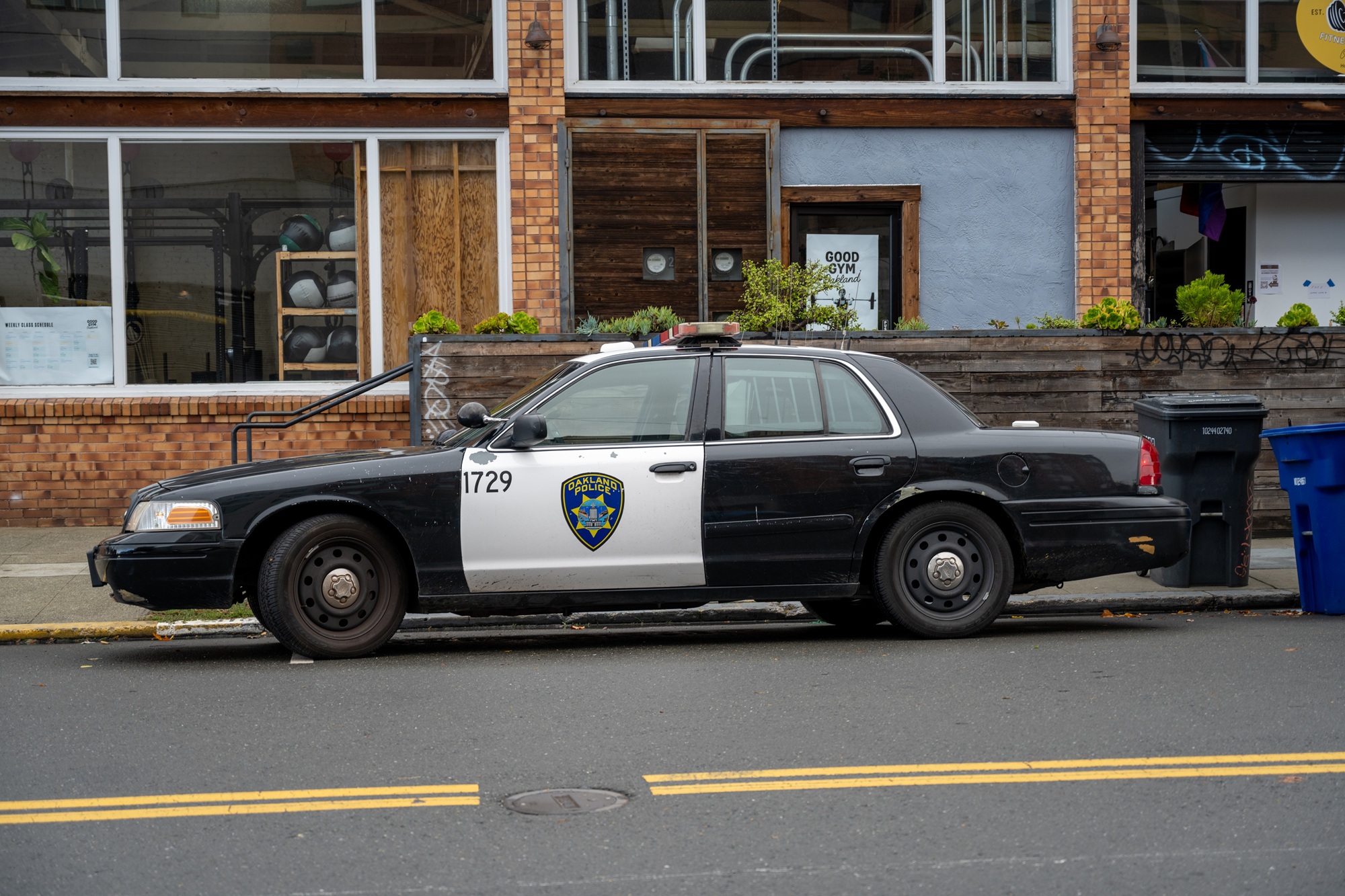
"caption": "An Oakland Police vehicle in Oakland, California, on Nov. 5, 2025. James Robert Dixon Jr., who was also known as ‘Frog,’ was identified by loved ones as one of three people killed on 85th Avenue and International Boulevard.",
"credit": "Smith Collection/Gado via Getty Images",
"altTag": null,
"description": null,
"imgSizes": {
"thumbnail": {
"file": "https://cdn.kqed.org/wp-content/uploads/sites/10/2026/05/OaklandPoliceCarKQED-160x107.jpg",
"width": 160,
"height": 107,
"mimeType": "image/jpeg"
},
"1536x1536": {
"file": "https://cdn.kqed.org/wp-content/uploads/sites/10/2026/05/OaklandPoliceCarKQED-1536x1024.jpg",
"width": 1536,
"height": 1024,
"mimeType": "image/jpeg"
},
"post-thumbnail": {
"file": "https://cdn.kqed.org/wp-content/uploads/sites/10/2026/05/OaklandPoliceCarKQED-672x372.jpg",
"width": 672,
"height": 372,
"mimeType": "image/jpeg"
},
"twentyfourteen-full-width": {
"file": "https://cdn.kqed.org/wp-content/uploads/sites/10/2026/05/OaklandPoliceCarKQED-1038x576.jpg",
"width": 1038,
"height": 576,
"mimeType": "image/jpeg"
},
"npr-cds-wide": {
"file": "https://cdn.kqed.org/wp-content/uploads/sites/10/2026/05/OaklandPoliceCarKQED-1200x675.jpg",
"width": 1200,
"height": 675,
"mimeType": "image/jpeg"
},
"npr-cds-square": {
"file": "https://cdn.kqed.org/wp-content/uploads/sites/10/2026/05/OaklandPoliceCarKQED-600x600.jpg",
"width": 600,
"height": 600,
"mimeType": "image/jpeg"
},
"kqedFullSize": {
"file": "https://cdn.kqed.org/wp-content/uploads/sites/10/2026/05/OaklandPoliceCarKQED.jpg",
"width": 2000,
"height": 1333
}
},
"isLoading": false,
"fetchFailed": false
},
"news_11097463": {
"type": "attachments",
"id": "news_11097463",
"meta": {
"index": "attachments_1716263798",
"site": "news",
"id": "11097463",
"found": true
},
"title": "CigaretteButts",
"publishDate": 1474494079,
"status": "inherit",
"parent": 11097450,
"modified": 1779121607,
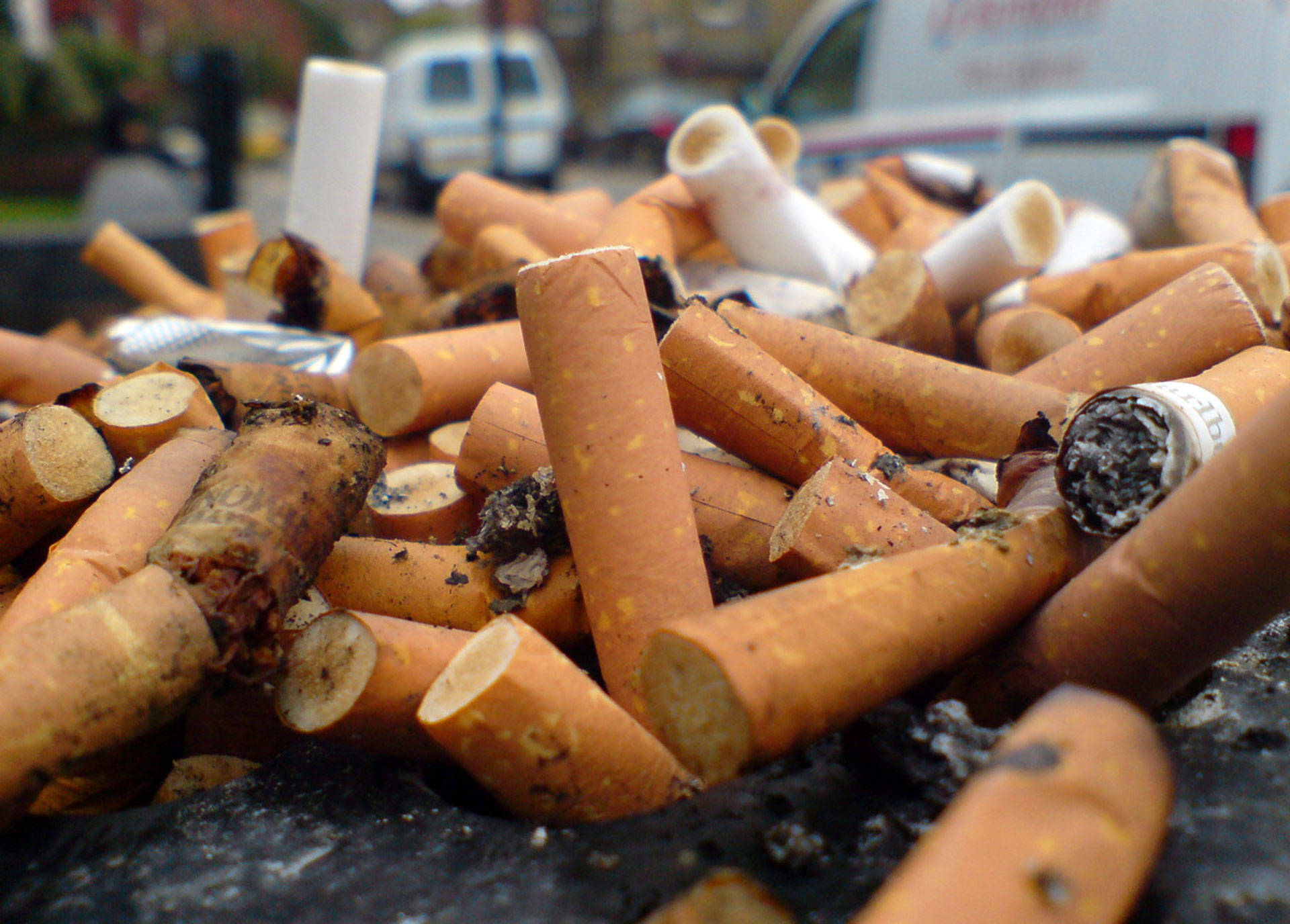
"caption": "A pile of cigarette stubs.",
"credit": "clyde tombaugh/Flickr",
"altTag": "Cigarette butts",
"description": "Backers of Proposition 56 hope to hit people hard enough in the wallet that they quit smoking.",
"imgSizes": {
"thumbnail": {
"file": "https://cdn.kqed.org/wp-content/uploads/sites/10/2016/09/CigaretteButts-400x287.jpg",
"width": 400,
"height": 287,
"mimeType": "image/jpeg"
},
"medium": {
"file": "https://cdn.kqed.org/wp-content/uploads/sites/10/2016/09/CigaretteButts-800x573.jpg",
"width": 800,
"height": 573,
"mimeType": "image/jpeg"
},
"large": {
"file": "https://cdn.kqed.org/wp-content/uploads/sites/10/2016/09/CigaretteButts-1920x1376.jpg",
"width": 1920,
"height": 1376,
"mimeType": "image/jpeg"
},
"fd-lrg": {
"file": "https://cdn.kqed.org/wp-content/uploads/sites/10/2016/09/CigaretteButts-1920x1376.jpg",
"width": 1920,
"height": 1376,
"mimeType": "image/jpeg"
},
"fd-med": {
"file": "https://cdn.kqed.org/wp-content/uploads/sites/10/2016/09/CigaretteButts-1180x846.jpg",
"width": 1180,
"height": 846,
"mimeType": "image/jpeg"
},
"fd-sm": {
"file": "https://cdn.kqed.org/wp-content/uploads/sites/10/2016/09/CigaretteButts-960x688.jpg",
"width": 960,
"height": 688,
"mimeType": "image/jpeg"
},
"post-thumbnail": {
"file": "https://cdn.kqed.org/wp-content/uploads/sites/10/2016/09/CigaretteButts-672x372.jpg",
"width": 672,
"height": 372,
"mimeType": "image/jpeg"
},
"twentyfourteen-full-width": {
"file": "https://cdn.kqed.org/wp-content/uploads/sites/10/2016/09/CigaretteButts-1038x576.jpg",
"width": 1038,
"height": 576,
"mimeType": "image/jpeg"
},
"guest-author-32": {
"file": "https://cdn.kqed.org/wp-content/uploads/sites/10/2016/09/CigaretteButts-32x32.jpg",
"width": 32,
"height": 32,
"mimeType": "image/jpeg"
},
"guest-author-50": {
"file": "https://cdn.kqed.org/wp-content/uploads/sites/10/2016/09/CigaretteButts-50x50.jpg",
"width": 50,
"height": 50,
"mimeType": "image/jpeg"
},
"guest-author-64": {
"file": "https://cdn.kqed.org/wp-content/uploads/sites/10/2016/09/CigaretteButts-64x64.jpg",
"width": 64,
"height": 64,
"mimeType": "image/jpeg"
},
"guest-author-96": {
"file": "https://cdn.kqed.org/wp-content/uploads/sites/10/2016/09/CigaretteButts-96x96.jpg",
"width": 96,
"height": 96,
"mimeType": "image/jpeg"
},
"guest-author-128": {
"file": "https://cdn.kqed.org/wp-content/uploads/sites/10/2016/09/CigaretteButts-128x128.jpg",
"width": 128,
"height": 128,
"mimeType": "image/jpeg"
},
"detail": {
"file": "https://cdn.kqed.org/wp-content/uploads/sites/10/2016/09/CigaretteButts-150x150.jpg",
"width": 150,
"height": 150,
"mimeType": "image/jpeg"
},
"jmtc-small-thumb": {
"file": "https://cdn.kqed.org/wp-content/uploads/sites/10/2016/09/CigaretteButts-280x150.jpg",
"width": 280,
"height": 150,
"mimeType": "image/jpeg"
},
"kqedFullSize": {
"file": "https://cdn.kqed.org/wp-content/uploads/sites/10/2016/09/CigaretteButts.jpg",
"width": 1920,
"height": 1376
}
},
"isLoading": false,
"fetchFailed": false
},
"news_12062675": {
"type": "attachments",
"id": "news_12062675",
"meta": {
"index": "attachments_1716263798",
"site": "news",
"id": "12062675",
"found": true
},
"title": "251103-NewsomProp50Rally-65-BL",
"publishDate": 1762210643,
"status": "inherit",
"parent": 0,
"modified": 1762294209,
"caption": "Speaker Emerita Nancy Pelosi speaks during a press conference after a rally in support of Proposition 50 at IBEW Local 6 in San Francisco on Nov. 3, 2025.",
"credit": "Beth LaBerge/KQED",
"altTag": null,
"description": null,
"imgSizes": {
"thumbnail": {
"file": "https://cdn.kqed.org/wp-content/uploads/sites/10/2025/11/251103-NewsomProp50Rally-65-BL-160x107.jpg",
"width": 160,
"height": 107,
"mimeType": "image/jpeg"
},
"1536x1536": {
"file": "https://cdn.kqed.org/wp-content/uploads/sites/10/2025/11/251103-NewsomProp50Rally-65-BL-1536x1024.jpg",
"width": 1536,
"height": 1024,
"mimeType": "image/jpeg"
},
"post-thumbnail": {
"file": "https://cdn.kqed.org/wp-content/uploads/sites/10/2025/11/251103-NewsomProp50Rally-65-BL-672x372.jpg",
"width": 672,
"height": 372,
"mimeType": "image/jpeg"
},
"twentyfourteen-full-width": {
"file": "https://cdn.kqed.org/wp-content/uploads/sites/10/2025/11/251103-NewsomProp50Rally-65-BL-1038x576.jpg",
"width": 1038,
"height": 576,
"mimeType": "image/jpeg"
},
"npr-cds-wide": {
"file": "https://cdn.kqed.org/wp-content/uploads/sites/10/2025/11/251103-NewsomProp50Rally-65-BL-1200x675.jpg",
"width": 1200,
"height": 675,
"mimeType": "image/jpeg"
},
"kqedFullSize": {
"file": "https://cdn.kqed.org/wp-content/uploads/sites/10/2025/11/251103-NewsomProp50Rally-65-BL.jpg",
"width": 2000,
"height": 1333
}
},
"isLoading": false,
"fetchFailed": false
},
"news_12084117": {
"type": "attachments",
"id": "news_12084117",
"meta": {
"index": "attachments_1716263798",
"site": "news",
"id": "12084117",
"found": true
},
"title": "PWHL Expansion-San Jose Hockey",
"publishDate": 1779133452,
"status": "inherit",
"parent": 12084114,
"modified": 1779133496,
"caption": "A rainbow is shown as fans line up outside SAP Center at San José before an NHL hockey game between the Chicago Blackhawks and the San Jose Sharks in San José, California, March 23, 2024. ",
"credit": "Jeff Chiu/AP Photo",
"altTag": null,
"description": null,
"imgSizes": {
"thumbnail": {
"file": "https://cdn.kqed.org/wp-content/uploads/sites/10/2026/05/PWHLSanJoseAP-160x107.jpg",
"width": 160,
"height": 107,
"mimeType": "image/jpeg"
},
"1536x1536": {
"file": "https://cdn.kqed.org/wp-content/uploads/sites/10/2026/05/PWHLSanJoseAP-1536x1024.jpg",
"width": 1536,
"height": 1024,
"mimeType": "image/jpeg"
},
"post-thumbnail": {
"file": "https://cdn.kqed.org/wp-content/uploads/sites/10/2026/05/PWHLSanJoseAP-672x372.jpg",
"width": 672,
"height": 372,
"mimeType": "image/jpeg"
},
"twentyfourteen-full-width": {
"file": "https://cdn.kqed.org/wp-content/uploads/sites/10/2026/05/PWHLSanJoseAP-1038x576.jpg",
"width": 1038,
"height": 576,
"mimeType": "image/jpeg"
},
"npr-cds-wide": {
"file": "https://cdn.kqed.org/wp-content/uploads/sites/10/2026/05/PWHLSanJoseAP-1200x675.jpg",
"width": 1200,
"height": 675,
"mimeType": "image/jpeg"
},
"npr-cds-square": {
"file": "https://cdn.kqed.org/wp-content/uploads/sites/10/2026/05/PWHLSanJoseAP-600x600.jpg",
"width": 600,
"height": 600,
"mimeType": "image/jpeg"
},
"kqedFullSize": {
"file": "https://cdn.kqed.org/wp-content/uploads/sites/10/2026/05/PWHLSanJoseAP.jpg",
"width": 2000,
"height": 1333
}
},
"isLoading": false,
"fetchFailed": false
},
"news_12084126": {
"type": "attachments",
"id": "news_12084126",
"meta": {
"index": "attachments_1716263798",
"site": "news",
"id": "12084126",
"found": true
},
"title": "260518-MUSK-ALTMAN-TRIAL-VB-06-KQED",
"publishDate": 1779135074,
"status": "inherit",
"parent": 0,
"modified": 1779136158,
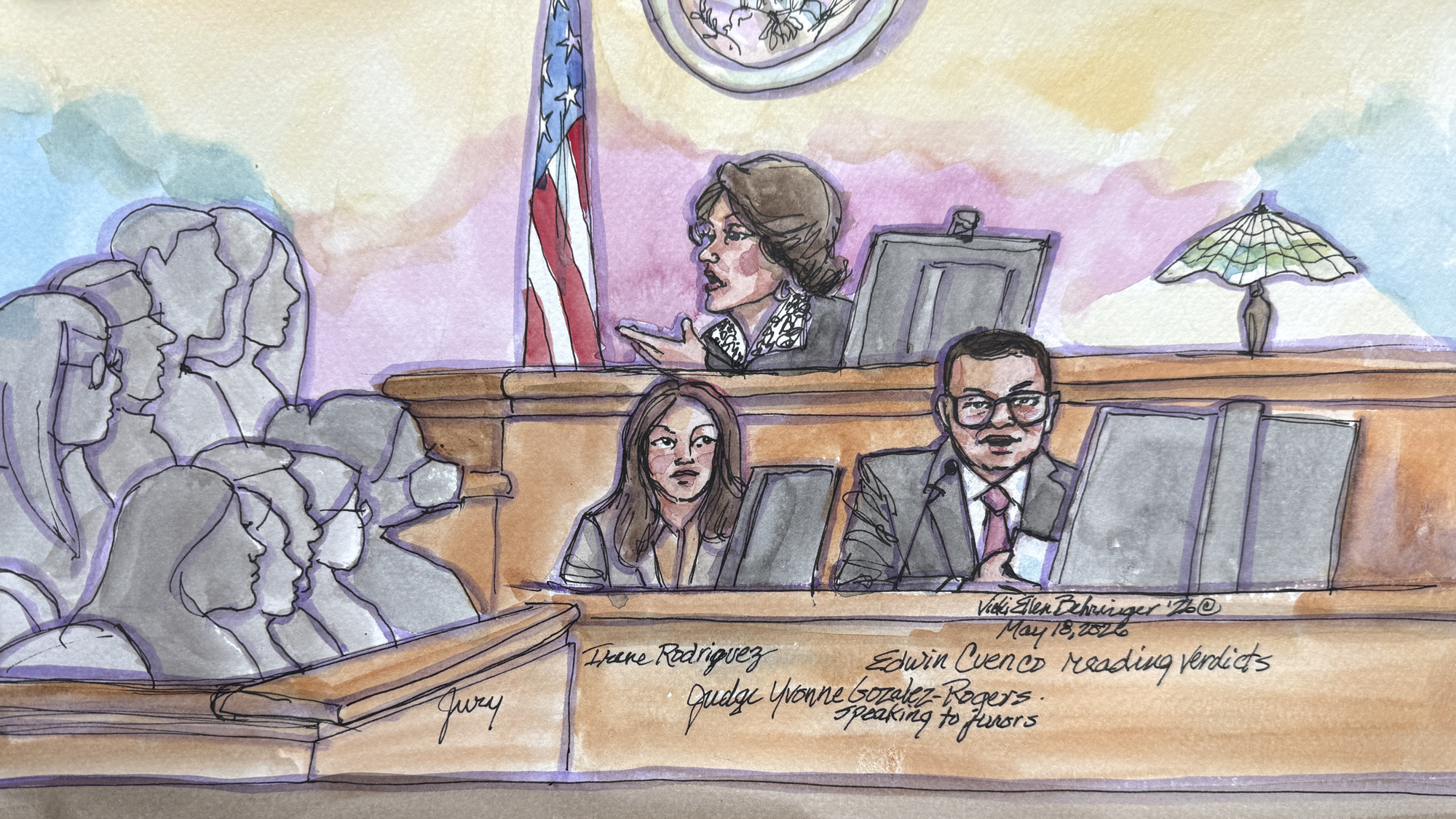
"caption": "The verdict is read in the trial in which Elon Musk claimed that Altman and OpenAI abandoned their founding promise to develop AI for the benefit of humanity rather than solely for profit in Oakland on May 18, 2026.",
"credit": "Vicki Behringer for KQED",
"altTag": null,
"description": null,
"imgSizes": {
"thumbnail": {
"file": "https://cdn.kqed.org/wp-content/uploads/sites/10/2026/05/260518-MUSK-ALTMAN-TRIAL-VB-06-KQED-160x90.jpg",
"width": 160,
"height": 90,
"mimeType": "image/jpeg"
},
"1536x1536": {
"file": "https://cdn.kqed.org/wp-content/uploads/sites/10/2026/05/260518-MUSK-ALTMAN-TRIAL-VB-06-KQED-1536x864.jpg",
"width": 1536,
"height": 864,
"mimeType": "image/jpeg"
},
"post-thumbnail": {
"file": "https://cdn.kqed.org/wp-content/uploads/sites/10/2026/05/260518-MUSK-ALTMAN-TRIAL-VB-06-KQED-672x372.jpg",
"width": 672,
"height": 372,
"mimeType": "image/jpeg"
},
"twentyfourteen-full-width": {
"file": "https://cdn.kqed.org/wp-content/uploads/sites/10/2026/05/260518-MUSK-ALTMAN-TRIAL-VB-06-KQED-1038x576.jpg",
"width": 1038,
"height": 576,
"mimeType": "image/jpeg"
},
"npr-cds-wide": {
"file": "https://cdn.kqed.org/wp-content/uploads/sites/10/2026/05/260518-MUSK-ALTMAN-TRIAL-VB-06-KQED-1200x675.jpg",
"width": 1200,
"height": 675,
"mimeType": "image/jpeg"
},
"npr-cds-square": {
"file": "https://cdn.kqed.org/wp-content/uploads/sites/10/2026/05/260518-MUSK-ALTMAN-TRIAL-VB-06-KQED-600x600.jpg",
"width": 600,
"height": 600,
"mimeType": "image/jpeg"
},
"kqedFullSize": {
"file": "https://cdn.kqed.org/wp-content/uploads/sites/10/2026/05/260518-MUSK-ALTMAN-TRIAL-VB-06-KQED.jpg",
"width": 2000,
"height": 1125
}
},
"isLoading": false,
"fetchFailed": false
},
"news_12083964": {
"type": "attachments",
"id": "news_12083964",
"meta": {
"index": "attachments_1716263798",
"site": "news",
"id": "12083964",
"found": true
},
"title": "Rep. Eric Swalwell addresses the press event in Hayward on Mar. 9, 2026.",
"publishDate": 1778874929,
"status": "inherit",
"parent": 12083627,
"modified": 1778884113,
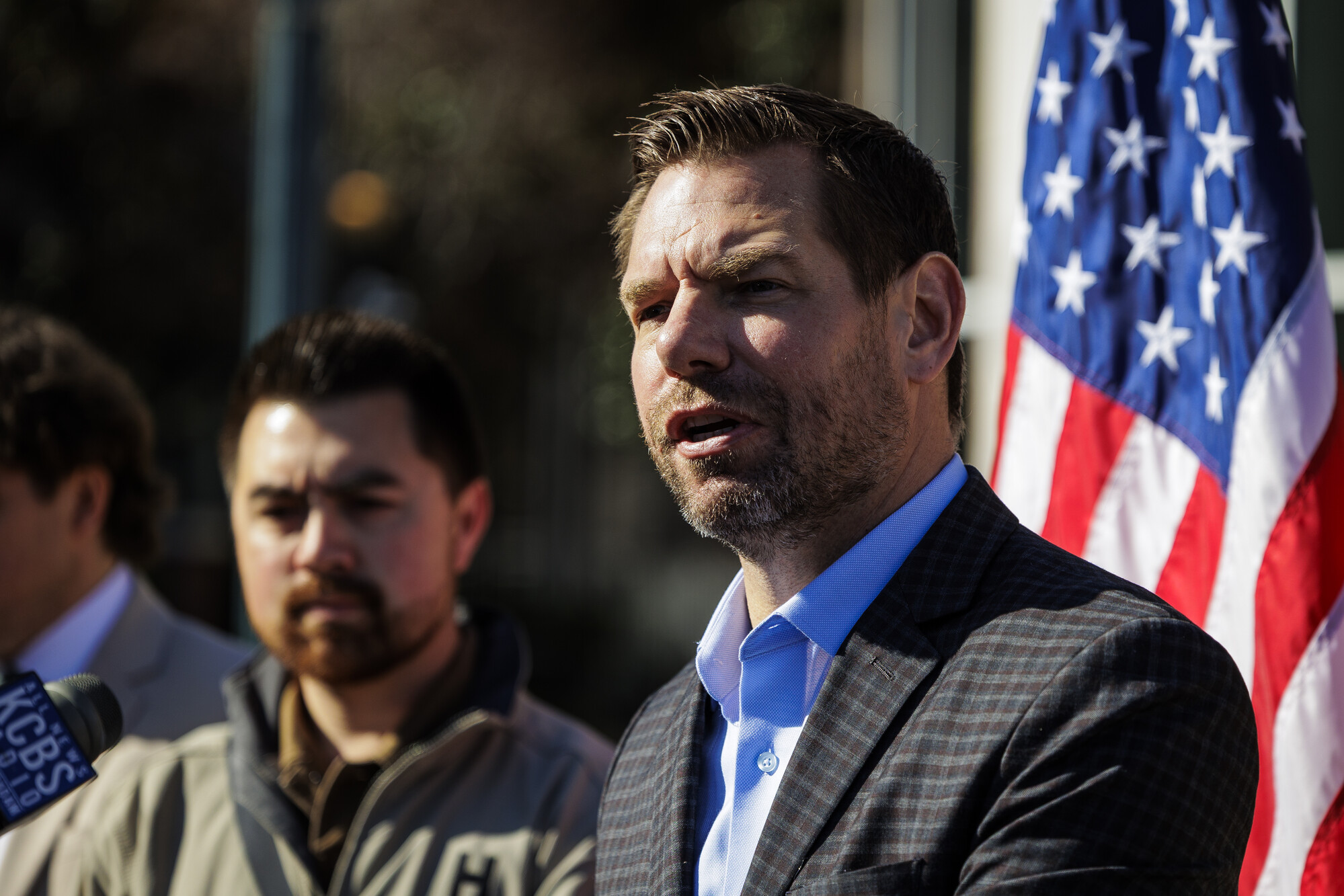
"caption": "Rep. Eric Swalwell addresses the press event in Hayward on March 9, 2026.",
"credit": "Martin do Nascimento/KQED",
"altTag": null,
"description": null,
"imgSizes": {
"thumbnail": {
"file": "https://cdn.kqed.org/wp-content/uploads/sites/10/2026/05/260309-DEAF-DEPORTEE-MD-05_qed-160x107.jpg",
"width": 160,
"height": 107,
"mimeType": "image/jpeg"
},
"1536x1536": {
"file": "https://cdn.kqed.org/wp-content/uploads/sites/10/2026/05/260309-DEAF-DEPORTEE-MD-05_qed-1536x1024.jpg",
"width": 1536,
"height": 1024,
"mimeType": "image/jpeg"
},
"post-thumbnail": {
"file": "https://cdn.kqed.org/wp-content/uploads/sites/10/2026/05/260309-DEAF-DEPORTEE-MD-05_qed-672x372.jpg",
"width": 672,
"height": 372,
"mimeType": "image/jpeg"
},
"twentyfourteen-full-width": {
"file": "https://cdn.kqed.org/wp-content/uploads/sites/10/2026/05/260309-DEAF-DEPORTEE-MD-05_qed-1038x576.jpg",
"width": 1038,
"height": 576,
"mimeType": "image/jpeg"
},
"npr-cds-wide": {
"file": "https://cdn.kqed.org/wp-content/uploads/sites/10/2026/05/260309-DEAF-DEPORTEE-MD-05_qed-1200x675.jpg",
"width": 1200,
"height": 675,
"mimeType": "image/jpeg"
},
"npr-cds-square": {
"file": "https://cdn.kqed.org/wp-content/uploads/sites/10/2026/05/260309-DEAF-DEPORTEE-MD-05_qed-600x600.jpg",
"width": 600,
"height": 600,
"mimeType": "image/jpeg"
},
"kqedFullSize": {
"file": "https://cdn.kqed.org/wp-content/uploads/sites/10/2026/05/260309-DEAF-DEPORTEE-MD-05_qed.jpg",
"width": 1999,
"height": 1333
}
},
"isLoading": false,
"fetchFailed": false
},
"news_12083968": {
"type": "attachments",
"id": "news_12083968",
"meta": {
"index": "attachments_1716263798",
"site": "news",
"id": "12083968",
"found": true
},
"title": "China Hassan (left) and Devin Hassan (right) having coffee and a cigarette at the Revolution, an outdoor club and cafe in the mission in San Francisco, Ca., on Tuesday, March 9, 2010. The San Francisco Board of Supervisors is set to approve a plan that w",
"publishDate": 1778875835,
"status": "inherit",
"parent": 12083893,
"modified": 1778891213,
"caption": "China Hassan (left) and Devin Hassan (right) having coffee and a cigarette at the Revolution, an outdoor club and cafe in the Mission in San Francisco, California, on March 9, 2010. The San Francisco Board of Supervisors is set to approve a plan that would extend smoking bans to outside public spaces.",
"credit": "Liz Hafalia/The San Francisco Chronicle via Getty Images",
"altTag": null,
"description": null,
"imgSizes": {
"thumbnail": {
"file": "https://cdn.kqed.org/wp-content/uploads/sites/10/2026/05/SFSmokingGetty-160x107.jpg",
"width": 160,
"height": 107,
"mimeType": "image/jpeg"
},
"1536x1536": {
"file": "https://cdn.kqed.org/wp-content/uploads/sites/10/2026/05/SFSmokingGetty-1536x1024.jpg",
"width": 1536,
"height": 1024,
"mimeType": "image/jpeg"
},
"post-thumbnail": {
"file": "https://cdn.kqed.org/wp-content/uploads/sites/10/2026/05/SFSmokingGetty-672x372.jpg",
"width": 672,
"height": 372,
"mimeType": "image/jpeg"
},
"twentyfourteen-full-width": {
"file": "https://cdn.kqed.org/wp-content/uploads/sites/10/2026/05/SFSmokingGetty-1038x576.jpg",
"width": 1038,
"height": 576,
"mimeType": "image/jpeg"
},
"npr-cds-wide": {
"file": "https://cdn.kqed.org/wp-content/uploads/sites/10/2026/05/SFSmokingGetty-1200x675.jpg",
"width": 1200,
"height": 675,
"mimeType": "image/jpeg"
},
"npr-cds-square": {
"file": "https://cdn.kqed.org/wp-content/uploads/sites/10/2026/05/SFSmokingGetty-600x600.jpg",
"width": 600,
"height": 600,
"mimeType": "image/jpeg"
},
"kqedFullSize": {
"file": "https://cdn.kqed.org/wp-content/uploads/sites/10/2026/05/SFSmokingGetty.jpg",
"width": 2000,
"height": 1333
}
},
"isLoading": false,
"fetchFailed": false
},
"news_12083830": {
"type": "attachments",
"id": "news_12083830",
"meta": {
"index": "attachments_1716263798",
"site": "news",
"id": "12083830",
"found": true
},
"title": "Scott Sampson",
"publishDate": 1778862504,
"status": "inherit",
"parent": 12083826,
"modified": 1778872879,
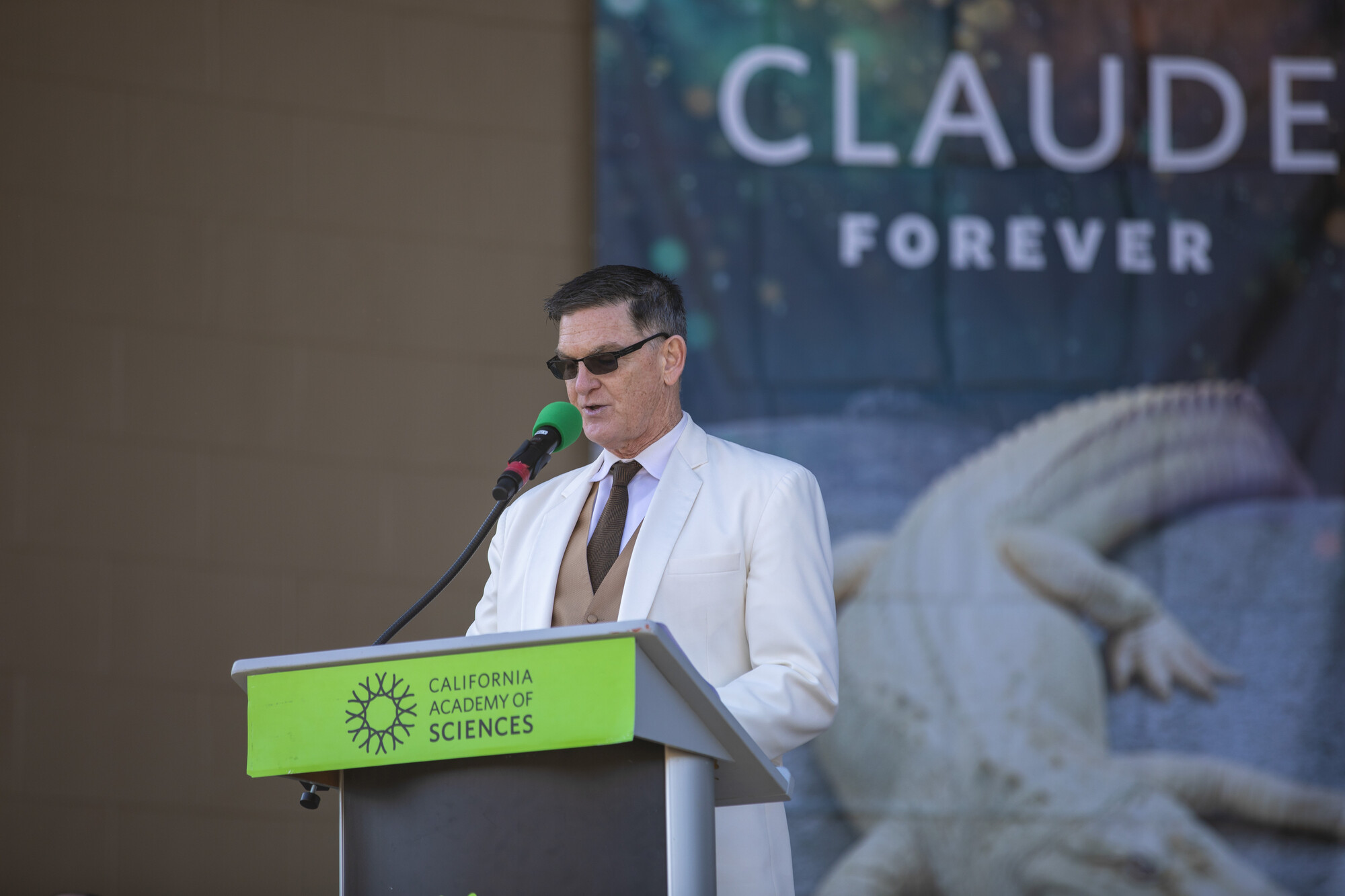
"caption": "Scott D. Sampson, executive director of the California Academy of Sciences, speaks at the memorial of Claude, the albino alligator who lived at the California Academy of Sciences, at his memorial at Golden Gate Park in San Francisco on Jan. 18, 2026. California Academy of Sciences hosts a memorial for Claude, the albino alligator who lived for 30 years, at Golden Gate Park.",
"credit": "Tâm Vũ/KQED",
"altTag": null,
"description": null,
"imgSizes": {
"thumbnail": {
"file": "https://cdn.kqed.org/wp-content/uploads/sites/10/2026/05/260118-claudeforever00820_TV_qed-160x107.jpg",
"width": 160,
"height": 107,
"mimeType": "image/jpeg"
},
"1536x1536": {
"file": "https://cdn.kqed.org/wp-content/uploads/sites/10/2026/05/260118-claudeforever00820_TV_qed-1536x1024.jpg",
"width": 1536,
"height": 1024,
"mimeType": "image/jpeg"
},
"post-thumbnail": {
"file": "https://cdn.kqed.org/wp-content/uploads/sites/10/2026/05/260118-claudeforever00820_TV_qed-672x372.jpg",
"width": 672,
"height": 372,
"mimeType": "image/jpeg"
},
"twentyfourteen-full-width": {
"file": "https://cdn.kqed.org/wp-content/uploads/sites/10/2026/05/260118-claudeforever00820_TV_qed-1038x576.jpg",
"width": 1038,
"height": 576,
"mimeType": "image/jpeg"
},
"npr-cds-wide": {
"file": "https://cdn.kqed.org/wp-content/uploads/sites/10/2026/05/260118-claudeforever00820_TV_qed-1200x675.jpg",
"width": 1200,
"height": 675,
"mimeType": "image/jpeg"
},
"npr-cds-square": {
"file": "https://cdn.kqed.org/wp-content/uploads/sites/10/2026/05/260118-claudeforever00820_TV_qed-600x600.jpg",
"width": 600,
"height": 600,
"mimeType": "image/jpeg"
},
"kqedFullSize": {
"file": "https://cdn.kqed.org/wp-content/uploads/sites/10/2026/05/260118-claudeforever00820_TV_qed.jpg",
"width": 2000,
"height": 1333
}
},
"isLoading": false,
"fetchFailed": false
},
"news_12083586": {
"type": "attachments",
"id": "news_12083586",
"meta": {
"index": "attachments_1716263798",
"site": "news",
"id": "12083586",
"found": true
},
"title": "260513-SF ARTS LAYOFFS-MD-02-KQED",
"publishDate": 1778773411,
"status": "inherit",
"parent": 0,
"modified": 1778795814,
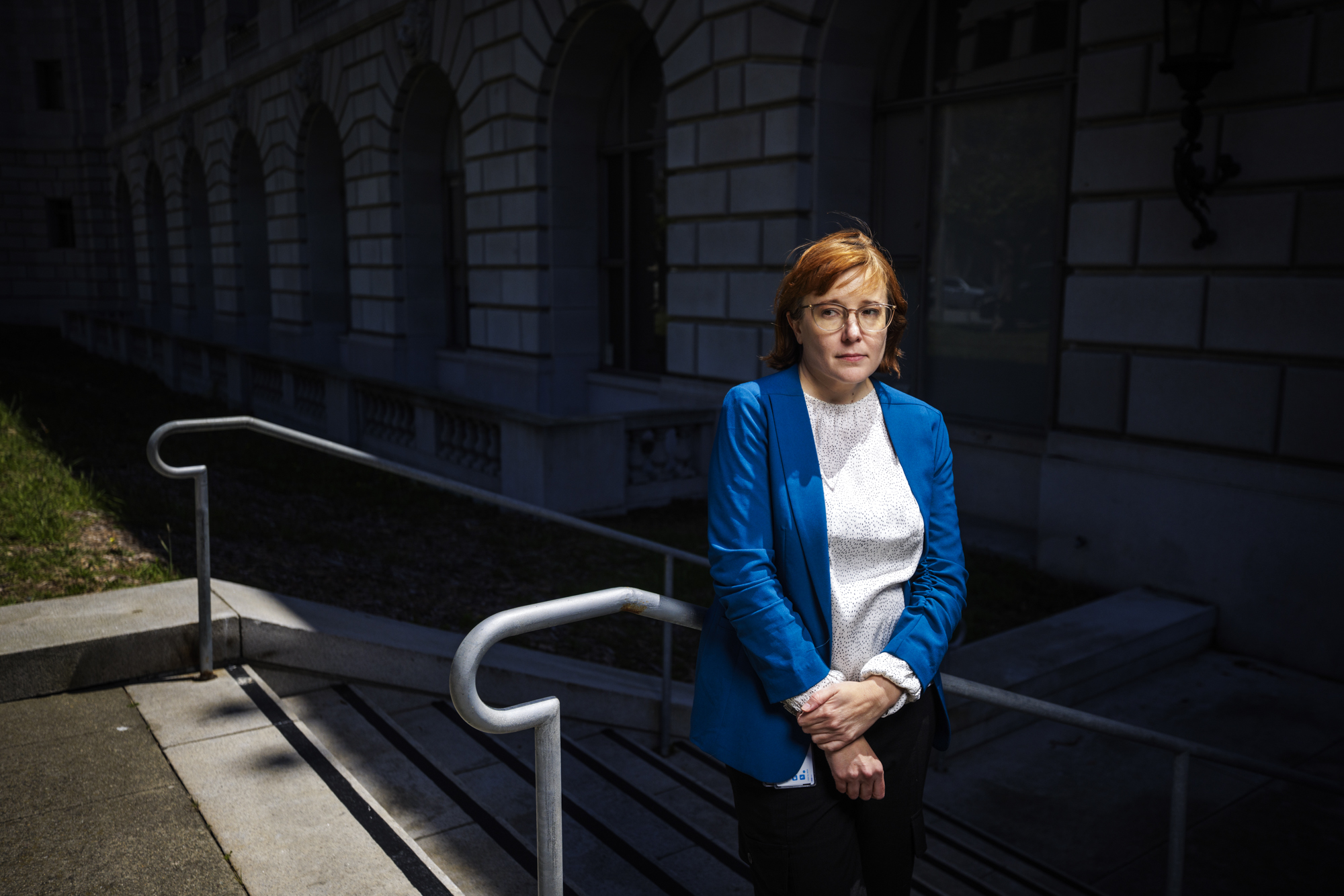
"caption": "Jen Atwood, who was recently laid off from her position with the San Francisco Arts Commission, stands outside the War Memorial building in San Francisco on May 13, 2026.",
"credit": "Martin do Nascimento/KQED",
"altTag": null,
"description": null,
"imgSizes": {
"thumbnail": {
"file": "https://cdn.kqed.org/wp-content/uploads/sites/10/2026/05/260513-SF-ARTS-LAYOFFS-MD-02-KQED-160x107.jpg",
"width": 160,
"height": 107,
"mimeType": "image/jpeg"
},
"1536x1536": {
"file": "https://cdn.kqed.org/wp-content/uploads/sites/10/2026/05/260513-SF-ARTS-LAYOFFS-MD-02-KQED-1536x1025.jpg",
"width": 1536,
"height": 1025,
"mimeType": "image/jpeg"
},
"post-thumbnail": {
"file": "https://cdn.kqed.org/wp-content/uploads/sites/10/2026/05/260513-SF-ARTS-LAYOFFS-MD-02-KQED-672x372.jpg",
"width": 672,
"height": 372,
"mimeType": "image/jpeg"
},
"twentyfourteen-full-width": {
"file": "https://cdn.kqed.org/wp-content/uploads/sites/10/2026/05/260513-SF-ARTS-LAYOFFS-MD-02-KQED-1038x576.jpg",
"width": 1038,
"height": 576,
"mimeType": "image/jpeg"
},
"npr-cds-wide": {
"file": "https://cdn.kqed.org/wp-content/uploads/sites/10/2026/05/260513-SF-ARTS-LAYOFFS-MD-02-KQED-1200x675.jpg",
"width": 1200,
"height": 675,
"mimeType": "image/jpeg"
},
"npr-cds-square": {
"file": "https://cdn.kqed.org/wp-content/uploads/sites/10/2026/05/260513-SF-ARTS-LAYOFFS-MD-02-KQED-600x600.jpg",
"width": 600,
"height": 600,
"mimeType": "image/jpeg"
},
"kqedFullSize": {
"file": "https://cdn.kqed.org/wp-content/uploads/sites/10/2026/05/260513-SF-ARTS-LAYOFFS-MD-02-KQED.jpg",
"width": 2000,
"height": 1334
}
},
"isLoading": false,
"fetchFailed": false
},
"news_12083803": {
"type": "attachments",
"id": "news_12083803",
"meta": {
"index": "attachments_1716263798",
"site": "news",
"id": "12083803",
"found": true
},
"title": "Elon Musk v. OpenAI Trial Continues In California",
"publishDate": 1778804683,
"status": "inherit",
"parent": 12083612,
"modified": 1778805456,
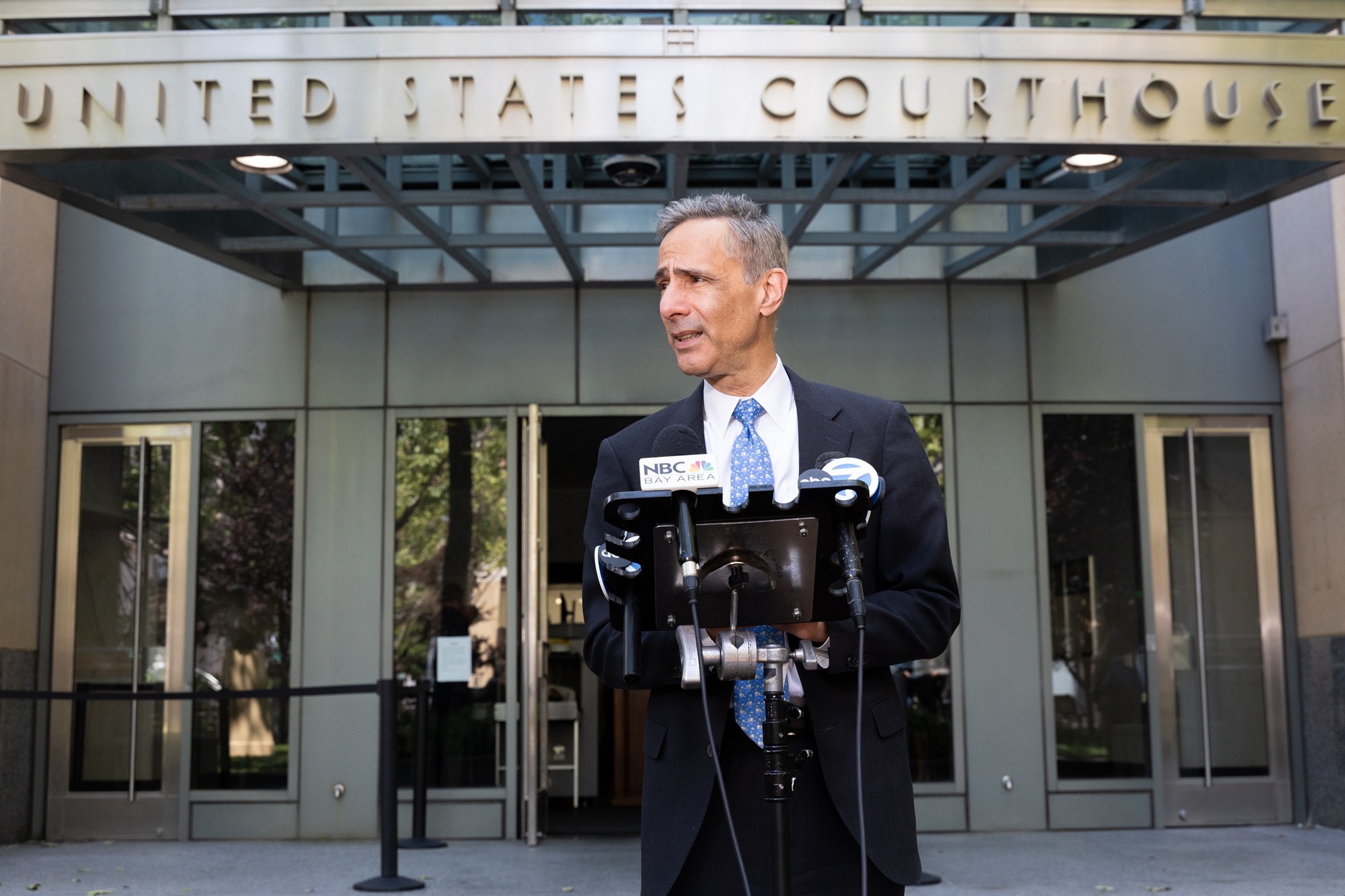
"caption": "OpenAI's attorney William Savitt makes remarks during a press conference outside the courthouse at the Ronald V. Dellums Federal Building on May 6, 2026, in Oakland, California. Elon Musk invested in OpenAI early on, believing it would be a non-profit, but is now suing OpenAI and its CEO, Sam Altman, for allegedly deceiving him by developing OpenAI into a for-profit company. ",
"credit": "Benjamin Fanjoy/Getty Images",
"altTag": null,
"description": null,
"imgSizes": {
"thumbnail": {
"file": "https://cdn.kqed.org/wp-content/uploads/sites/10/2026/05/OpenAILawyerGetty-160x107.jpg",
"width": 160,
"height": 107,
"mimeType": "image/jpeg"
},
"1536x1536": {
"file": "https://cdn.kqed.org/wp-content/uploads/sites/10/2026/05/OpenAILawyerGetty-1536x1024.jpg",
"width": 1536,
"height": 1024,
"mimeType": "image/jpeg"
},
"post-thumbnail": {
"file": "https://cdn.kqed.org/wp-content/uploads/sites/10/2026/05/OpenAILawyerGetty-672x372.jpg",
"width": 672,
"height": 372,
"mimeType": "image/jpeg"
},
"twentyfourteen-full-width": {
"file": "https://cdn.kqed.org/wp-content/uploads/sites/10/2026/05/OpenAILawyerGetty-1038x576.jpg",
"width": 1038,
"height": 576,
"mimeType": "image/jpeg"
},
"npr-cds-wide": {
"file": "https://cdn.kqed.org/wp-content/uploads/sites/10/2026/05/OpenAILawyerGetty-1200x675.jpg",
"width": 1200,
"height": 675,
"mimeType": "image/jpeg"
},
"npr-cds-square": {
"file": "https://cdn.kqed.org/wp-content/uploads/sites/10/2026/05/OpenAILawyerGetty-600x600.jpg",
"width": 600,
"height": 600,
"mimeType": "image/jpeg"
},
"kqedFullSize": {
"file": "https://cdn.kqed.org/wp-content/uploads/sites/10/2026/05/OpenAILawyerGetty.jpg",
"width": 2000,
"height": 1333
}
},
"isLoading": false,
"fetchFailed": false
},
"news_12083769": {
"type": "attachments",
"id": "news_12083769",
"meta": {
"index": "attachments_1716263798",
"site": "news",
"id": "12083769",
"found": true
},
"title": "260514-GILROY ICE-ADE-02-KQED",
"publishDate": 1778798130,
"status": "inherit",
"parent": 0,
"modified": 1778798722,
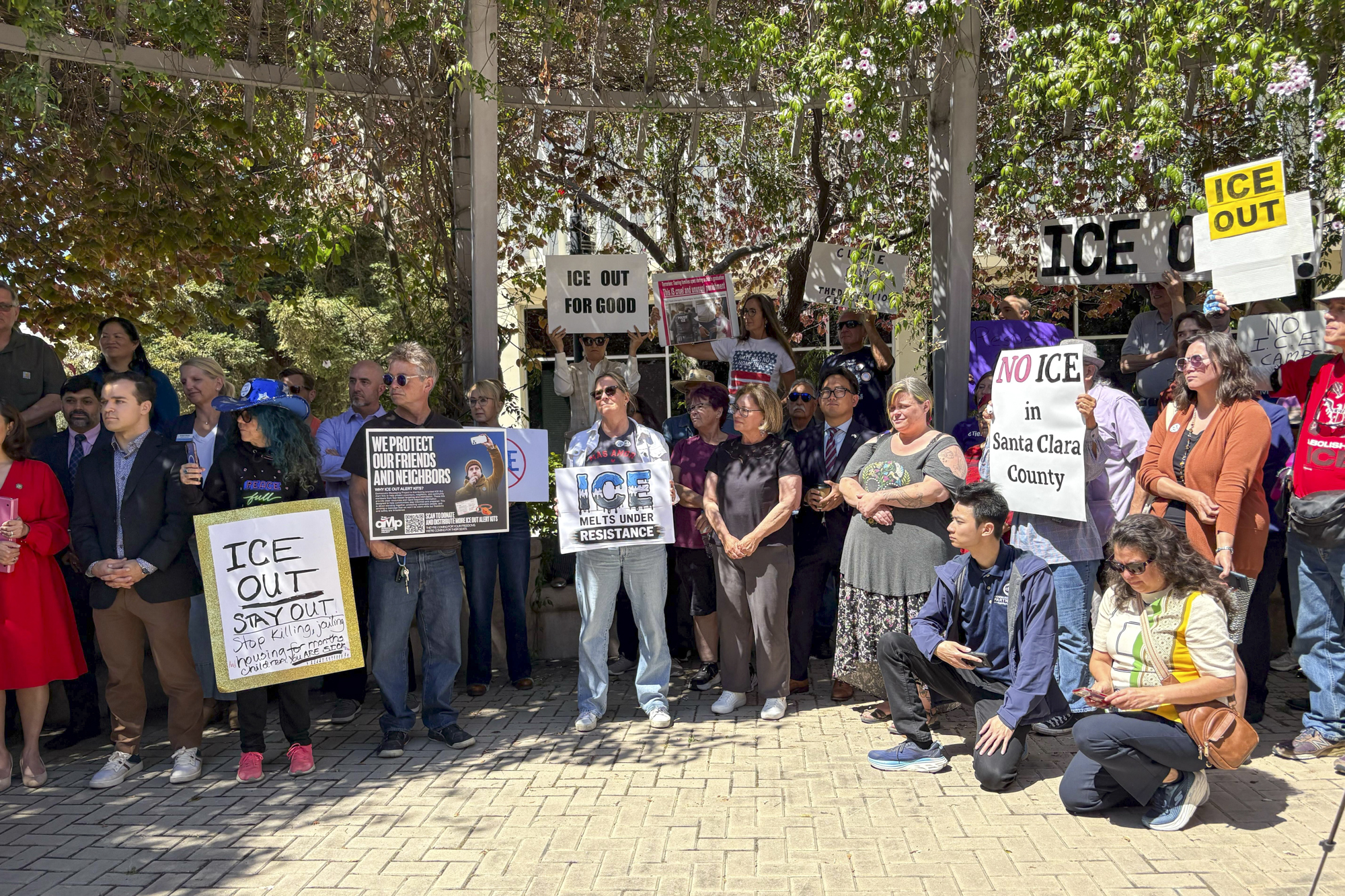
"caption": "Supporters attend a rally in San José opposing a planned immigration detention center in Gilroy on May 14, 2026.",
"credit": "Azul Dahlstrom-Eckman/KQED",
"altTag": null,
"description": null,
"imgSizes": {
"thumbnail": {
"file": "https://cdn.kqed.org/wp-content/uploads/sites/10/2026/05/260514-GILROY-ICE-ADE-02-KQED-160x107.jpg",
"width": 160,
"height": 107,
"mimeType": "image/jpeg"
},
"1536x1536": {
"file": "https://cdn.kqed.org/wp-content/uploads/sites/10/2026/05/260514-GILROY-ICE-ADE-02-KQED-1536x1024.jpg",
"width": 1536,
"height": 1024,
"mimeType": "image/jpeg"
},
"post-thumbnail": {
"file": "https://cdn.kqed.org/wp-content/uploads/sites/10/2026/05/260514-GILROY-ICE-ADE-02-KQED-672x372.jpg",
"width": 672,
"height": 372,
"mimeType": "image/jpeg"
},
"twentyfourteen-full-width": {
"file": "https://cdn.kqed.org/wp-content/uploads/sites/10/2026/05/260514-GILROY-ICE-ADE-02-KQED-1038x576.jpg",
"width": 1038,
"height": 576,
"mimeType": "image/jpeg"
},
"npr-cds-wide": {
"file": "https://cdn.kqed.org/wp-content/uploads/sites/10/2026/05/260514-GILROY-ICE-ADE-02-KQED-1200x675.jpg",
"width": 1200,
"height": 675,
"mimeType": "image/jpeg"
},
"npr-cds-square": {
"file": "https://cdn.kqed.org/wp-content/uploads/sites/10/2026/05/260514-GILROY-ICE-ADE-02-KQED-600x600.jpg",
"width": 600,
"height": 600,
"mimeType": "image/jpeg"
},
"kqedFullSize": {
"file": "https://cdn.kqed.org/wp-content/uploads/sites/10/2026/05/260514-GILROY-ICE-ADE-02-KQED.jpg",
"width": 2000,
"height": 1333
}
},
"isLoading": false,
"fetchFailed": false
},
"news_12037908": {
"type": "attachments",
"id": "news_12037908",
"meta": {
"index": "attachments_1716263798",
"site": "news",
"id": "12037908",
"found": true
},
"title": "UCSF Medical Center at Mission Bay in San Francisco on April 24, 2025.",
"publishDate": 1745862910,
"status": "inherit",
"parent": 12062080,
"modified": 1761774538,
"caption": "UCSF Medical Center at Mission Bay in San Francisco on April 24, 2025.",
"credit": "Gina Castro/KQED",
"altTag": null,
"description": null,
"imgSizes": {
"medium": {
"file": "https://cdn.kqed.org/wp-content/uploads/sites/10/2025/04/20250424_UCSFFILE_GC-12-KQED-800x494.jpg",
"width": 800,
"height": 494,
"mimeType": "image/jpeg"
},
"large": {
"file": "https://cdn.kqed.org/wp-content/uploads/sites/10/2025/04/20250424_UCSFFILE_GC-12-KQED-1020x630.jpg",
"width": 1020,
"height": 630,
"mimeType": "image/jpeg"
},
"thumbnail": {
"file": "https://cdn.kqed.org/wp-content/uploads/sites/10/2025/04/20250424_UCSFFILE_GC-12-KQED-160x99.jpg",
"width": 160,
"height": 99,
"mimeType": "image/jpeg"
},
"1536x1536": {
"file": "https://cdn.kqed.org/wp-content/uploads/sites/10/2025/04/20250424_UCSFFILE_GC-12-KQED-1536x949.jpg",
"width": 1536,
"height": 949,
"mimeType": "image/jpeg"
},
"post-thumbnail": {
"file": "https://cdn.kqed.org/wp-content/uploads/sites/10/2025/04/20250424_UCSFFILE_GC-12-KQED-672x372.jpg",
"width": 672,
"height": 372,
"mimeType": "image/jpeg"
},
"twentyfourteen-full-width": {
"file": "https://cdn.kqed.org/wp-content/uploads/sites/10/2025/04/20250424_UCSFFILE_GC-12-KQED-1038x576.jpg",
"width": 1038,
"height": 576,
"mimeType": "image/jpeg"
},
"full-width": {
"file": "https://cdn.kqed.org/wp-content/uploads/sites/10/2025/04/20250424_UCSFFILE_GC-12-KQED-1920x1187.jpg",
"width": 1920,
"height": 1187,
"mimeType": "image/jpeg"
},
"kqedFullSize": {
"file": "https://cdn.kqed.org/wp-content/uploads/sites/10/2025/04/20250424_UCSFFILE_GC-12-KQED.jpg",
"width": 2000,
"height": 1236
}
},
"isLoading": false,
"fetchFailed": false
}
},
"audioPlayerReducer": {
"postId": "stream_live",
"isPaused": true,
"isPlaying": false,
"pfsActive": false,
"pledgeModalIsOpen": true,
"playerDrawerIsOpen": false,
"liveAudioPlayStartedAt": 0,
"liveAudioPlayContext": ""
},
"authorsReducer": {
"byline_news_12084114": {
"type": "authors",
"id": "byline_news_12084114",
"meta": {
"override": true
},
"slug": "byline_news_12084114",
"name": "John Wawrow, The Associated Press",
"isLoading": false
},
"gmarzorati": {
"type": "authors",
"id": "227",
"meta": {
"index": "authors_1716337520",
"id": "227",
"found": true
},
"name": "Guy Marzorati",
"firstName": "Guy",
"lastName": "Marzorati",
"slug": "gmarzorati",
"email": "gmarzorati@KQED.org",
"display_author_email": true,
"staff_mastheads": [
"news"
],
"title": "Correspondent",
"bio": "Guy Marzorati is a correspondent on KQED's California Politics and Government Desk, based in San Jose. A graduate of Santa Clara University, Guy joined KQED in 2013. He reports on state and local politics and produces KQED's digital voter guide.",
"avatar": "https://secure.gravatar.com/avatar/e7038b8dbfd55b104369b76b1cd0b9de?s=600&d=blank&r=g",
"twitter": "guymarzorati",
"facebook": null,
"instagram": null,
"linkedin": null,
"sites": [
{
"site": "",
"roles": [
"editor"
]
},
{
"site": "news",
"roles": [
"editor"
]
},
{
"site": "science",
"roles": [
"editor"
]
},
{
"site": "forum",
"roles": [
"editor"
]
},
{
"site": "elections",
"roles": [
"editor"
]
},
{
"site": "liveblog",
"roles": [
"editor"
]
}
],
"headData": {
"title": "Guy Marzorati | KQED",
"description": "Correspondent",
"ogImgSrc": "https://secure.gravatar.com/avatar/e7038b8dbfd55b104369b76b1cd0b9de?s=600&d=blank&r=g",
"twImgSrc": "https://secure.gravatar.com/avatar/e7038b8dbfd55b104369b76b1cd0b9de?s=600&d=blank&r=g"
},
"isLoading": false,
"link": "/author/gmarzorati"
},
"rachael-myrow": {
"type": "authors",
"id": "251",
"meta": {
"index": "authors_1716337520",
"id": "251",
"found": true
},
"name": "Rachael Myrow",
"firstName": "Rachael",
"lastName": "Myrow",
"slug": "rachael-myrow",
"email": "rmyrow@kqed.org",
"display_author_email": true,
"staff_mastheads": [
"news"
],
"title": "Senior Editor of KQED's Silicon Valley News Desk",
"bio": "• I write and edit stories about how Silicon Valley power and policies shape everyday life in California. I’m also passionate about making Bay Area history and culture more accessible to a broad public. • I’ve been a journalist for most of my life, starting in high school with The Franklin Press in Los Angeles, where I grew up. While earning my first degree in English at UC Berkeley, I got my start in public radio at KALX-FM. After completing a second degree in journalism at Cal, I landed my first professional job at Marketplace, then moved on to KPCC (now LAist), and then KQED, where I hosted The California Report for more than seven years. • My reporting has appeared on NPR, The World, WBUR’s \u003ci>Here & Now\u003c/i>, and the BBC. I also guest host for KQED’s \u003ci>Forum\u003c/i>, as well as the Commonwealth Club in San Francisco. • I speak periodically on media, democracy and technology issues, and do voiceover work for documentaries and educational video projects. • Outside of the studio, you'll find me hiking Bay Area trails and whipping up Insta-ready meals in my kitchen. • I do not accept gifts, money, or favors from anyone connected to my reporting, I don't pay people for information, and I do not support or donate to political causes. • I strive to treat the people I report on with fairness, honesty, and respect. I also recognize there are often multiple sides to a story and work to verify information through multiple sources and documentation. If I get something wrong, I correct it.",
"avatar": "https://secure.gravatar.com/avatar/3ed8a3c5f26025e4a805ba634cda8cd764906b97438a6d9ce216b044e340da4e?s=600&d=blank&r=g",
"twitter": "rachaelmyrow",
"bluesky": null,
"facebook": null,
"instagram": null,
"linkedin": "https://www.linkedin.com/in/rachaelmyrow/",
"sites": [
{
"site": "arts",
"roles": [
"administrator"
]
},
{
"site": "news",
"roles": [
"edit_others_posts",
"editor"
]
},
{
"site": "futureofyou",
"roles": [
"editor"
]
},
{
"site": "bayareabites",
"roles": [
"editor"
]
},
{
"site": "stateofhealth",
"roles": [
"editor"
]
},
{
"site": "science",
"roles": [
"editor"
]
},
{
"site": "food",
"roles": [
"editor"
]
},
{
"site": "forum",
"roles": [
"editor"
]
},
{
"site": "liveblog",
"roles": [
"author"
]
}
],
"headData": {
"title": "Rachael Myrow | KQED",
"description": "Senior Editor of KQED's Silicon Valley News Desk",
"ogImgSrc": "https://secure.gravatar.com/avatar/3ed8a3c5f26025e4a805ba634cda8cd764906b97438a6d9ce216b044e340da4e?s=600&d=blank&r=g",
"twImgSrc": "https://secure.gravatar.com/avatar/3ed8a3c5f26025e4a805ba634cda8cd764906b97438a6d9ce216b044e340da4e?s=600&d=blank&r=g"
},
"isLoading": false,
"link": "/author/rachael-myrow"
},
"fjhabvala": {
"type": "authors",
"id": "8659",
"meta": {
"index": "authors_1716337520",
"id": "8659",
"found": true
},
"name": "Farida Jhabvala Romero",
"firstName": "Farida",
"lastName": "Jhabvala Romero",
"slug": "fjhabvala",
"email": "fjhabvala@kqed.org",
"display_author_email": true,
"staff_mastheads": [
"news"
],
"title": "KQED Contributor",
"bio": "Farida Jhabvala Romero is a Labor Correspondent for KQED. She previously covered immigration. Farida was \u003ca href=\"https://www.ccnma.org/2022-most-influential-latina-journalists\">named\u003c/a> one of the 10 Most Influential Latina Journalists in California in 2022 by the California Chicano News Media Association. Her work has won awards from the Society of Professional Journalists (Northern California), as well as a national and regional Edward M. Murrow Award for the collaborative reporting projects “Dangerous Air” and “Graying California.” Before joining KQED, Farida worked as a producer at Radio Bilingüe, a national public radio network. Farida earned her master’s degree in journalism from Stanford University.",
"avatar": "https://secure.gravatar.com/avatar/f9f022d4e2609741874222a1e9d41f48fea74011aa7c615eef91d9a50c944ebe?s=600&d=blank&r=g",
"twitter": "FaridaJhabvala",
"bluesky": null,
"facebook": null,
"instagram": null,
"linkedin": "https://www.linkedin.com/in/faridajhabvala/",
"sites": [
{
"site": "news",
"roles": [
"editor"
]
},
{
"site": "stateofhealth",
"roles": [
"author"
]
},
{
"site": "liveblog",
"roles": [
"author"
]
}
],
"headData": {
"title": "Farida Jhabvala Romero | KQED",
"description": "KQED Contributor",
"ogImgSrc": "https://secure.gravatar.com/avatar/f9f022d4e2609741874222a1e9d41f48fea74011aa7c615eef91d9a50c944ebe?s=600&d=blank&r=g",
"twImgSrc": "https://secure.gravatar.com/avatar/f9f022d4e2609741874222a1e9d41f48fea74011aa7c615eef91d9a50c944ebe?s=600&d=blank&r=g"
},
"isLoading": false,
"link": "/author/fjhabvala"
},
"smohamad": {
"type": "authors",
"id": "11631",
"meta": {
"index": "authors_1716337520",
"id": "11631",
"found": true
},
"name": "Sarah Mohamad",
"firstName": "Sarah",
"lastName": "Mohamad",
"slug": "smohamad",
"email": "smohamad@KQED.org",
"display_author_email": true,
"staff_mastheads": [],
"title": "Engagement Producer and Reporter, KQED Science",
"bio": "Sarah Mohamad is an audience engagement reporter and producer for KQED Science. She reports on audience-focused science and environment stories and manages the team's social media, newsletter, and engagement efforts. Prior to this role, she played a key role as project manager for NSF's \u003ca href=\"https://www.kqed.org/crackingthecode\">\u003cem>Cracking the Code: Influencing Millennial Science Engagement\u003c/em> \u003c/a>audience research.",
"avatar": "https://secure.gravatar.com/avatar/e6224957cd82d015183756ddde1f928013a563d7ca2e4565f8c4de1ec64886c5?s=600&d=blank&r=g",
"twitter": "sarahkmohamad",
"bluesky": null,
"facebook": null,
"instagram": null,
"linkedin": null,
"sites": [
{
"site": "",
"roles": [
"editor"
]
},
{
"site": "arts",
"roles": [
"editor"
]
},
{
"site": "news",
"roles": [
"editor"
]
},
{
"site": "about",
"roles": [
"editor"
]
},
{
"site": "science",
"roles": [
"editor"
]
}
],
"headData": {
"title": "Sarah Mohamad | KQED",
"description": "Engagement Producer and Reporter, KQED Science",
"ogImgSrc": "https://secure.gravatar.com/avatar/e6224957cd82d015183756ddde1f928013a563d7ca2e4565f8c4de1ec64886c5?s=600&d=blank&r=g",
"twImgSrc": "https://secure.gravatar.com/avatar/e6224957cd82d015183756ddde1f928013a563d7ca2e4565f8c4de1ec64886c5?s=600&d=blank&r=g"
},
"isLoading": false,
"link": "/author/smohamad"
},
"adahlstromeckman": {
"type": "authors",
"id": "11785",
"meta": {
"index": "authors_1716337520",
"id": "11785",
"found": true
},
"name": "Azul Dahlstrom-Eckman",
"firstName": "Azul",
"lastName": "Dahlstrom-Eckman",
"slug": "adahlstromeckman",
"email": "adahlstrom-eckman@kqed.org",
"display_author_email": true,
"staff_mastheads": [],
"title": "Reporter",
"bio": "Azul is a reporter for KQED focusing on transportation and features. He joined KQED in 2021 as an alumna of KALW's Audio Academy radio journalism training program.",
"avatar": "https://secure.gravatar.com/avatar/9cb750298435add7815a777f55bf1f46845c1386bb8452555c60a7b820b5aba3?s=600&d=blank&r=g",
"twitter": "@zuliemann",
"bluesky": "@azul415.bsky.social",
"facebook": null,
"instagram": null,
"linkedin": null,
"sites": [
{
"site": "arts",
"roles": [
"editor"
]
},
{
"site": "news",
"roles": [
"editor"
]
},
{
"site": "science",
"roles": [
"editor"
]
},
{
"site": "liveblog",
"roles": [
"author"
]
}
],
"headData": {
"title": "Azul Dahlstrom-Eckman | KQED",
"description": "Reporter",
"ogImgSrc": "https://secure.gravatar.com/avatar/9cb750298435add7815a777f55bf1f46845c1386bb8452555c60a7b820b5aba3?s=600&d=blank&r=g",
"twImgSrc": "https://secure.gravatar.com/avatar/9cb750298435add7815a777f55bf1f46845c1386bb8452555c60a7b820b5aba3?s=600&d=blank&r=g"
},
"isLoading": false,
"link": "/author/adahlstromeckman"
},
"sjohnson": {
"type": "authors",
"id": "11840",
"meta": {
"index": "authors_1716337520",
"id": "11840",
"found": true
},
"name": "Sydney Johnson",
"firstName": "Sydney",
"lastName": "Johnson",
"slug": "sjohnson",
"email": "sjohnson@kqed.org",
"display_author_email": false,
"staff_mastheads": [
"news"
],
"title": "KQED Reporter",
"bio": "Sydney Johnson is a general assignment reporter at KQED. She previously reported on public health and city government at the San Francisco Examiner, and before that, she covered statewide education policy for EdSource. Her reporting has won multiple local, state and national awards. Sydney is a graduate of the University of California, Berkeley and lives in San Francisco.",
"avatar": "https://secure.gravatar.com/avatar/97855f2719b72ad6190b7c535fe642c8?s=600&d=blank&r=g",
"twitter": "sydneyfjohnson",
"facebook": null,
"instagram": null,
"linkedin": null,
"sites": [
{
"site": "news",
"roles": [
"editor"
]
}
],
"headData": {
"title": "Sydney Johnson | KQED",
"description": "KQED Reporter",
"ogImgSrc": "https://secure.gravatar.com/avatar/97855f2719b72ad6190b7c535fe642c8?s=600&d=blank&r=g",
"twImgSrc": "https://secure.gravatar.com/avatar/97855f2719b72ad6190b7c535fe642c8?s=600&d=blank&r=g"
},
"isLoading": false,
"link": "/author/sjohnson"
},
"kdebenedetti": {
"type": "authors",
"id": "11913",
"meta": {
"index": "authors_1716337520",
"id": "11913",
"found": true
},
"name": "Katie DeBenedetti",
"firstName": "Katie",
"lastName": "DeBenedetti",
"slug": "kdebenedetti",
"email": "kdebenedetti@kqed.org",
"display_author_email": false,
"staff_mastheads": [
"news",
"science"
],
"title": "KQED Contributor",
"bio": "Katie DeBenedetti is a digital reporter covering daily news for the Express Desk. Prior to joining KQED as a culture reporting intern in January 2024, she covered education and city government for the Napa Valley Register.",
"avatar": "https://secure.gravatar.com/avatar/6e31073cb8f7e4214ab03f42771d0f45?s=600&d=blank&r=g",
"twitter": null,
"facebook": null,
"instagram": null,
"linkedin": null,
"sites": [
{
"site": "news",
"roles": [
"author"
]
},
{
"site": "science",
"roles": [
"author"
]
},
{
"site": "liveblog",
"roles": [
"author"
]
}
],
"headData": {
"title": "Katie DeBenedetti | KQED",
"description": "KQED Contributor",
"ogImgSrc": "https://secure.gravatar.com/avatar/6e31073cb8f7e4214ab03f42771d0f45?s=600&d=blank&r=g",
"twImgSrc": "https://secure.gravatar.com/avatar/6e31073cb8f7e4214ab03f42771d0f45?s=600&d=blank&r=g"
},
"isLoading": false,
"link": "/author/kdebenedetti"
},
"dmeagley": {
"type": "authors",
"id": "12002",
"meta": {
"index": "authors_1716337520",
"id": "12002",
"found": true
},
"name": "Desmond Meagley",
"firstName": "Desmond",
"lastName": "Meagley",
"slug": "dmeagley",
"email": "dmeagley@kqed.org",
"display_author_email": false,
"staff_mastheads": [],
"title": "KQED Contributor",
"bio": null,
"avatar": "https://secure.gravatar.com/avatar/16f71d550a6f42fe4d2195a89ee3ac21649feb17ca382d5cd0ad019d930a00ae?s=600&d=blank&r=g",
"twitter": null,
"bluesky": null,
"facebook": null,
"instagram": null,
"linkedin": null,
"sites": [
{
"site": "news",
"roles": [
"author"
]
}
],
"headData": {
"title": "Desmond Meagley | KQED",
"description": "KQED Contributor",
"ogImgSrc": "https://secure.gravatar.com/avatar/16f71d550a6f42fe4d2195a89ee3ac21649feb17ca382d5cd0ad019d930a00ae?s=600&d=blank&r=g",
"twImgSrc": "https://secure.gravatar.com/avatar/16f71d550a6f42fe4d2195a89ee3ac21649feb17ca382d5cd0ad019d930a00ae?s=600&d=blank&r=g"
},
"isLoading": false,
"link": "/author/dmeagley"
}
},
"pagesReducer": {
"news_category_local": {
"type": "terms",
"id": "news_28250",
"meta": {
"index": "terms_1716263798",
"site": "news",
"id": "28250",
"score": 12.939732
},
"featImg": null,
"name": "Local",
"description": null,
"taxonomy": "category",
"headData": {
"twImgId": null,
"twTitle": null,
"ogTitle": null,
"ogImgId": null,
"twDescription": null,
"description": null,
"title": "Local Archives | KQED News",
"ogDescription": null
},
"ttid": 28267,
"slug": "local",
"isLoading": false,
"title": "Local",
"pageMeta": {
"site": "news",
"WpPageTemplate": "page-topic-editorial",
"currentPage": 35
},
"blocks": [
{
"blockName": "kqed/post-list",
"attrs": {
"layout": "cardArticle2",
"query": "posts/news?category=local",
"seeMore": false,
"paginated": true,
"page": 35
}
},
{
"blockName": "kqed/ad"
}
]
}
},
"pfsSessionReducer": {},
"postsReducer": {
"stream_live": {
"type": "live",
"id": "stream_live",
"audioUrl": "https://streams.kqed.org/kqedradio",
"title": "Live Stream",
"excerpt": "Live Stream information currently unavailable.",
"link": "/radio",
"featImg": "",
"label": {
"name": "KQED Live",
"link": "/"
}
},
"stream_kqedNewscast": {
"type": "posts",
"id": "stream_kqedNewscast",
"audioUrl": "https://www.kqed.org/.stream/anon/radio/RDnews/newscast.mp3?_=1",
"title": "KQED Newscast",
"featImg": "",
"label": {
"name": "88.5 FM",
"link": "/"
}
},
"news_12084243": {
"type": "posts",
"id": "news_12084243",
"meta": {
"index": "posts_1716263798",
"site": "news",
"id": "12084243",
"score": null,
"sort": [
1779218615000
]
},
"guestAuthors": [],
"slug": "east-oakland-community-remembers-victims-of-saturdays-deadly-car-crash",
"title": "East Oakland Community Remembers Victims of Saturday’s Deadly Car Crash",
"publishDate": 1779218615,
"format": "standard",
"headTitle": "East Oakland Community Remembers Victims of Saturday’s Deadly Car Crash | KQED",
"labelTerm": {
"site": "news"
},
"content": "\u003cp>Friends mourned a man described as a mentor, family man and prominent community member after he was killed in a deadly car crash in \u003ca href=\"https://www.kqed.org/news/tag/east-oakland\">East Oakland\u003c/a> on Saturday.\u003c/p>\n\u003cp>Though the Alameda County Coroner has not officially released identities of the victims, James Robert Dixon Jr., who was also known as ‘Frog,’ was identified by loved ones as one of three people killed on 85th Avenue and International Boulevard by a 17-year-old driver.\u003c/p>\n\u003cp>“He was a good dude,” James Johnson, with whom Dixon had recently started a podcast, \u003ca href=\"https://www.youtube.com/@Flatland510TV\">\u003cem>Frog and Frog\u003c/em>\u003c/a>\u003cem>,\u003c/em> said. Both men go by the nickname “Frog.”\u003c/p>\n\u003cp>[ad fullwidth]\u003c/p>\n\u003cp>“He’ll help you out with anything,” said Johnson, who added that Dixon was outgoing and loved to sing karaoke.\u003c/p>\n\u003cp>Dixon was also remembered by Oakland rapper Mistah F.A.B., who said the man had been a member of the “Cadillac Club,” which held weekly car meetups, with his mother.\u003c/p>\n\u003cp>“May your name live forever,” the rapper said in a tribute to Dixon on \u003ca href=\"https://www.instagram.com/p/DYcrJdsKRtm/?hl=en\">Instagram\u003c/a>.\u003c/p>\n\u003cfigure id=\"attachment_12084344\" class=\"wp-caption aligncenter\" style=\"max-width: 1980px\">\u003cimg loading=\"lazy\" decoding=\"async\" class=\"size-full wp-image-12084344\" src=\"https://cdn.kqed.org/wp-content/uploads/sites/10/2026/05/GettyImages-1190533331.jpg\" alt=\"\" width=\"1980\" height=\"1205\" srcset=\"https://cdn.kqed.org/wp-content/uploads/sites/10/2026/05/GettyImages-1190533331.jpg 1980w, https://cdn.kqed.org/wp-content/uploads/sites/10/2026/05/GettyImages-1190533331-160x97.jpg 160w, https://cdn.kqed.org/wp-content/uploads/sites/10/2026/05/GettyImages-1190533331-1536x935.jpg 1536w\" sizes=\"auto, (max-width: 1980px) 100vw, 1980px\">\u003cfigcaption class=\"wp-caption-text\">A view of downtown and Lake Merritt is seen from this drone view in Oakland, California, on Thursday, Nov. 21, 2019. \u003ccite>(Jane Tyska/Digital First Media/The East Bay Times via Getty Images)\u003c/cite>\u003c/figcaption>\u003c/figure>\n\u003cp>Police officials announced Monday that an Oakland teenager, who has not been identified, had been arrested in connection with the crash.\u003c/p>\n\u003cp>“It’s a ripple effect on our community, deeply impacting family, loved ones, residents and friends who live and work in the neighborhood,” interim Police Chief James Beere said during a press conference on Monday. “Truly, throughout the whole entire city of Oakland, we are mourning.”\u003c/p>\n\u003cp>Authorities said the teen was driving recklessly northbound on 85th Avenue near International Boulevard, where he hit multiple vehicles, causing significant damage to at least one.[aside postID=news_12082693 hero='https://cdn.kqed.org/wp-content/uploads/sites/10/2026/05/CellebriteGetty.jpg']He then tried to make a delayed turn at the intersection and drove up onto the sidewalk, where he struck a group of pedestrians.\u003c/p>\n\u003cp>In addition to the three pedestrians who died on the scene, another three were taken to hospitals in critical condition. Of those victims, one remains in critical condition, while another is reportedly stable and the third has been released, according to Beere. He said additional pedestrians also sustained injuries.\u003c/p>\n\u003cp>The driver was also taken to the hospital, where he received treatment before being taken into custody.\u003c/p>\n\u003cp>According to Beere, the suspect tried to flee on foot on International Boulevard, but was restrained by community members on scene.\u003c/p>\n\u003cp>“The courage displayed by those on scene shows a growing trust between our neighborhoods, City Hall, and the Oakland police department,” Mayor Barbara Lee said during a press conference on Monday. “We’re not working in isolation but together as members of the community.”\u003c/p>\n\u003cp>Beere said that the police department had not ruled out that the driver’s actions were intentional, but that they believe the crash was accidental. He said the department was seeking a search warrant to obtain blood from the suspect to rule out alcohol or drug involvement.\u003c/p>\n\u003cfigure id=\"attachment_12060022\" class=\"wp-caption aligncenter\" style=\"max-width: 2000px\">\u003cimg loading=\"lazy\" decoding=\"async\" class=\"size-full wp-image-12060022\" src=\"https://cdn.kqed.org/wp-content/uploads/sites/10/2025/10/20250218_Oak-Mayoral_DMB_00557-2_qed.jpg\" alt=\"\" width=\"2000\" height=\"1333\" srcset=\"https://cdn.kqed.org/wp-content/uploads/sites/10/2025/10/20250218_Oak-Mayoral_DMB_00557-2_qed.jpg 2000w, https://cdn.kqed.org/wp-content/uploads/sites/10/2025/10/20250218_Oak-Mayoral_DMB_00557-2_qed-160x107.jpg 160w, https://cdn.kqed.org/wp-content/uploads/sites/10/2025/10/20250218_Oak-Mayoral_DMB_00557-2_qed-1536x1024.jpg 1536w\" sizes=\"auto, (max-width: 2000px) 100vw, 2000px\">\u003cfigcaption class=\"wp-caption-text\">Representative Barbara Lee is interviewed by the media at a public forum hosted by Greenbelt Alliance, Housing Action Coalition, and East Bay for Everyone, in downtown Oakland, California, on Feb. 18, 2025. \u003ccite>(David M. Barreda/KQED)\u003c/cite>\u003c/figcaption>\u003c/figure>\n\u003cp>He said the investigation is still in its early stages.\u003c/p>\n\u003cp>Saturday’s incident was the second vehicle crash in Oakland this month. In the early morning on May 2, a driver hit seven people, including a child, after driving onto a sidewalk on 18th Street in the Uptown neighborhood.\u003c/p>\n\u003cp>The driver in that incident fled the scene, but Beere said Monday that authorities had narrowed down their whereabouts and an arrest was imminent.\u003c/p>\n\u003cp>\u003cem>KQED’s \u003c/em>\u003ca href=\"https://www.kqed.org/author/ogpenn\">\u003cem>Pendarvis Harshaw\u003c/em>\u003c/a>\u003cem> contributed to this report.\u003c/em>\u003c/p>\n\u003cp>\u003c/p>\n",
"blocks": [],
"excerpt": "On Instagram, Bay Area rapper Mistah F.A.B. posted a tribute to one of the three killed in the fatal hit-and-run. ",
"status": "publish",
"parent": 0,
"modified": 1779220103,
"stats": {
"hasAudio": false,
"hasVideo": false,
"hasChartOrMap": false,
"iframeSrcs": [],
"hasGoogleForm": false,
"hasGallery": false,
"hasHearkenModule": false,
"hasPolis": false,
"paragraphCount": 20,
"wordCount": 656
},
"headData": {
"title": "East Oakland Community Remembers Victims of Saturday’s Deadly Car Crash | KQED",
"description": "On Instagram, Bay Area rapper Mistah F.A.B. posted a tribute to one of the three killed in the fatal hit-and-run. ",
"ogTitle": "",
"ogDescription": "",
"ogImgId": "",
"twTitle": "",
"twDescription": "",
"twImgId": "",
"schema": {
"@context": "https://schema.org",
"@type": "NewsArticle",
"headline": "East Oakland Community Remembers Victims of Saturday’s Deadly Car Crash",
"datePublished": "2026-05-19T12:23:35-07:00",
"dateModified": "2026-05-19T12:48:23-07:00",
"image": "https://cdn.kqed.org/wp-content/uploads/2020/02/KQED-OG-Image@1x.png",
"isAccessibleForFree": "True",
"publisher": {
"@type": "NewsMediaOrganization",
"@id": "https://www.kqed.org/#organization",
"name": "KQED",
"logo": "https://cdn.kqed.org/wp-content/uploads/2020/02/KQED-OG-Image@1x.png",
"url": "https://www.kqed.org",
"sameAs": [
"https://www.facebook.com/KQED",
"https://twitter.com/KQED",
"https://www.instagram.com/kqed/",
"https://www.tiktok.com/@kqedofficial",
"https://www.linkedin.com/company/kqed",
"https://www.youtube.com/channel/UCeC0IOo7i1P_61zVUWbJ4nw"
]
}
}
},
"primaryCategory": {
"termId": 28250,
"slug": "local",
"name": "Local"
},
"sticky": false,
"nprStoryId": "kqed-12084243",
"templateType": "standard",
"featuredImageType": "standard",
"excludeFromSiteSearch": "Include",
"articleAge": "0",
"path": "/news/12084243/east-oakland-community-remembers-victims-of-saturdays-deadly-car-crash",
"audioTrackLength": null,
"parsedContent": [
{
"type": "contentString",
"content": "\u003cdiv class=\"post-body\">\u003cp>\u003cp>Friends mourned a man described as a mentor, family man and prominent community member after he was killed in a deadly car crash in \u003ca href=\"https://www.kqed.org/news/tag/east-oakland\">East Oakland\u003c/a> on Saturday.\u003c/p>\n\u003cp>Though the Alameda County Coroner has not officially released identities of the victims, James Robert Dixon Jr., who was also known as ‘Frog,’ was identified by loved ones as one of three people killed on 85th Avenue and International Boulevard by a 17-year-old driver.\u003c/p>\n\u003cp>“He was a good dude,” James Johnson, with whom Dixon had recently started a podcast, \u003ca href=\"https://www.youtube.com/@Flatland510TV\">\u003cem>Frog and Frog\u003c/em>\u003c/a>\u003cem>,\u003c/em> said. Both men go by the nickname “Frog.”\u003c/p>\n\u003cp>\u003c/p>\u003c/div>",
"attributes": {
"named": {},
"numeric": []
}
},
{
"type": "component",
"content": "",
"name": "ad",
"attributes": {
"named": {
"label": "fullwidth"
},
"numeric": [
"fullwidth"
]
}
},
{
"type": "contentString",
"content": "\u003cdiv class=\"post-body\">\u003cp>\u003c/p>\n\u003cp>“He’ll help you out with anything,” said Johnson, who added that Dixon was outgoing and loved to sing karaoke.\u003c/p>\n\u003cp>Dixon was also remembered by Oakland rapper Mistah F.A.B., who said the man had been a member of the “Cadillac Club,” which held weekly car meetups, with his mother.\u003c/p>\n\u003cp>“May your name live forever,” the rapper said in a tribute to Dixon on \u003ca href=\"https://www.instagram.com/p/DYcrJdsKRtm/?hl=en\">Instagram\u003c/a>.\u003c/p>\n\u003cfigure id=\"attachment_12084344\" class=\"wp-caption aligncenter\" style=\"max-width: 1980px\">\u003cimg loading=\"lazy\" decoding=\"async\" class=\"size-full wp-image-12084344\" src=\"https://cdn.kqed.org/wp-content/uploads/sites/10/2026/05/GettyImages-1190533331.jpg\" alt=\"\" width=\"1980\" height=\"1205\" srcset=\"https://cdn.kqed.org/wp-content/uploads/sites/10/2026/05/GettyImages-1190533331.jpg 1980w, https://cdn.kqed.org/wp-content/uploads/sites/10/2026/05/GettyImages-1190533331-160x97.jpg 160w, https://cdn.kqed.org/wp-content/uploads/sites/10/2026/05/GettyImages-1190533331-1536x935.jpg 1536w\" sizes=\"auto, (max-width: 1980px) 100vw, 1980px\">\u003cfigcaption class=\"wp-caption-text\">A view of downtown and Lake Merritt is seen from this drone view in Oakland, California, on Thursday, Nov. 21, 2019. \u003ccite>(Jane Tyska/Digital First Media/The East Bay Times via Getty Images)\u003c/cite>\u003c/figcaption>\u003c/figure>\n\u003cp>Police officials announced Monday that an Oakland teenager, who has not been identified, had been arrested in connection with the crash.\u003c/p>\n\u003cp>“It’s a ripple effect on our community, deeply impacting family, loved ones, residents and friends who live and work in the neighborhood,” interim Police Chief James Beere said during a press conference on Monday. “Truly, throughout the whole entire city of Oakland, we are mourning.”\u003c/p>\n\u003cp>Authorities said the teen was driving recklessly northbound on 85th Avenue near International Boulevard, where he hit multiple vehicles, causing significant damage to at least one.\u003c/p>\u003c/div>",
"attributes": {
"named": {},
"numeric": []
}
},
{
"type": "component",
"content": "",
"name": "aside",
"attributes": {
"named": {
"postid": "news_12082693",
"hero": "https://cdn.kqed.org/wp-content/uploads/sites/10/2026/05/CellebriteGetty.jpg",
"label": ""
},
"numeric": []
}
},
{
"type": "contentString",
"content": "\u003cdiv class=\"post-body\">\u003cp>He then tried to make a delayed turn at the intersection and drove up onto the sidewalk, where he struck a group of pedestrians.\u003c/p>\n\u003cp>In addition to the three pedestrians who died on the scene, another three were taken to hospitals in critical condition. Of those victims, one remains in critical condition, while another is reportedly stable and the third has been released, according to Beere. He said additional pedestrians also sustained injuries.\u003c/p>\n\u003cp>The driver was also taken to the hospital, where he received treatment before being taken into custody.\u003c/p>\n\u003cp>According to Beere, the suspect tried to flee on foot on International Boulevard, but was restrained by community members on scene.\u003c/p>\n\u003cp>“The courage displayed by those on scene shows a growing trust between our neighborhoods, City Hall, and the Oakland police department,” Mayor Barbara Lee said during a press conference on Monday. “We’re not working in isolation but together as members of the community.”\u003c/p>\n\u003cp>Beere said that the police department had not ruled out that the driver’s actions were intentional, but that they believe the crash was accidental. He said the department was seeking a search warrant to obtain blood from the suspect to rule out alcohol or drug involvement.\u003c/p>\n\u003cfigure id=\"attachment_12060022\" class=\"wp-caption aligncenter\" style=\"max-width: 2000px\">\u003cimg loading=\"lazy\" decoding=\"async\" class=\"size-full wp-image-12060022\" src=\"https://cdn.kqed.org/wp-content/uploads/sites/10/2025/10/20250218_Oak-Mayoral_DMB_00557-2_qed.jpg\" alt=\"\" width=\"2000\" height=\"1333\" srcset=\"https://cdn.kqed.org/wp-content/uploads/sites/10/2025/10/20250218_Oak-Mayoral_DMB_00557-2_qed.jpg 2000w, https://cdn.kqed.org/wp-content/uploads/sites/10/2025/10/20250218_Oak-Mayoral_DMB_00557-2_qed-160x107.jpg 160w, https://cdn.kqed.org/wp-content/uploads/sites/10/2025/10/20250218_Oak-Mayoral_DMB_00557-2_qed-1536x1024.jpg 1536w\" sizes=\"auto, (max-width: 2000px) 100vw, 2000px\">\u003cfigcaption class=\"wp-caption-text\">Representative Barbara Lee is interviewed by the media at a public forum hosted by Greenbelt Alliance, Housing Action Coalition, and East Bay for Everyone, in downtown Oakland, California, on Feb. 18, 2025. \u003ccite>(David M. Barreda/KQED)\u003c/cite>\u003c/figcaption>\u003c/figure>\n\u003cp>He said the investigation is still in its early stages.\u003c/p>\n\u003cp>Saturday’s incident was the second vehicle crash in Oakland this month. In the early morning on May 2, a driver hit seven people, including a child, after driving onto a sidewalk on 18th Street in the Uptown neighborhood.\u003c/p>\n\u003cp>The driver in that incident fled the scene, but Beere said Monday that authorities had narrowed down their whereabouts and an arrest was imminent.\u003c/p>\n\u003cp>\u003cem>KQED’s \u003c/em>\u003ca href=\"https://www.kqed.org/author/ogpenn\">\u003cem>Pendarvis Harshaw\u003c/em>\u003c/a>\u003cem> contributed to this report.\u003c/em>\u003c/p>\n\u003cp>\u003c/p>\n\u003c/div>\u003c/p>",
"attributes": {
"named": {},
"numeric": []
}
}
],
"link": "/news/12084243/east-oakland-community-remembers-victims-of-saturdays-deadly-car-crash",
"authors": [
"11913"
],
"categories": [
"news_28250",
"news_8"
],
"tags": [
"news_260",
"news_22434",
"news_18066",
"news_34054",
"news_412",
"news_416",
"news_22456",
"news_35357"
],
"featImg": "news_12084253",
"label": "news"
},
"news_12084031": {
"type": "posts",
"id": "news_12084031",
"meta": {
"index": "posts_1716263798",
"site": "news",
"id": "12084031",
"score": null,
"sort": [
1779145435000
]
},
"guestAuthors": [],
"slug": "bar-owners-health-advocates-clash-over-smoking-ban-on-outdoor-patios-in-san-francisco",
"title": "Bar Owners, Health Advocates Clash Over Smoking Ban on Outdoor Patios in San Francisco",
"publishDate": 1779145435,
"format": "standard",
"headTitle": "Bar Owners, Health Advocates Clash Over Smoking Ban on Outdoor Patios in San Francisco | KQED",
"labelTerm": {
"site": "news"
},
"content": "\u003cp>A proposal to \u003ca href=\"https://www.kqed.org/news/12083893/could-san-francisco-ban-smoking-on-bar-patios\">ban smoking on outdoor patios\u003c/a> in San Francisco has sparked tension between health advocates and small businesses, particularly bars and restaurant owners, who fear it will drive away customers at a time when many are struggling to stay afloat.\u003c/p>\n\u003cp>The ordinance, proposed by Supervisor Myrna Melgar, would prohibit smoking on outdoor patios at bars and taverns.\u003c/p>\n\u003cp>Melgar said that, in addition to promoting public health, the move would “close an existing loophole” in the city’s health code that already prohibits smoking inside restaurants and bars, as well as in parks and other public spaces.\u003c/p>\n\u003cp>[ad fullwidth]\u003c/p>\n\u003cp>On Monday, supervisors agreed to delay a scheduled vote on the ordinance to the June 8 land use and transportation committee meeting, after an outpouring of concern over the issue, both in support and opposition.\u003c/p>\n\u003cp>“People feel very differently about this issue. I do think that there can be a path forward that negotiates timing, definitions, enforcement, all of these things,” said Melgar, who chairs the committee and said amendments will be considered before the item comes back for a vote. “I don’t want to withdraw this legislation because I think it is a legitimate public health issue.”\u003c/p>\n\u003cfigure id=\"attachment_12010987\" class=\"wp-caption aligncenter\" style=\"max-width: 2000px\">\u003cimg loading=\"lazy\" decoding=\"async\" class=\"size-full wp-image-12010987\" src=\"https://cdn.kqed.org/wp-content/uploads/sites/10/2024/10/241024-SFCOURTCLERKSSTRIKE-23-BL-KQED.jpg\" alt=\"\" width=\"2000\" height=\"1333\" srcset=\"https://cdn.kqed.org/wp-content/uploads/sites/10/2024/10/241024-SFCOURTCLERKSSTRIKE-23-BL-KQED.jpg 2000w, https://cdn.kqed.org/wp-content/uploads/sites/10/2024/10/241024-SFCOURTCLERKSSTRIKE-23-BL-KQED-800x533.jpg 800w, https://cdn.kqed.org/wp-content/uploads/sites/10/2024/10/241024-SFCOURTCLERKSSTRIKE-23-BL-KQED-1020x680.jpg 1020w, https://cdn.kqed.org/wp-content/uploads/sites/10/2024/10/241024-SFCOURTCLERKSSTRIKE-23-BL-KQED-160x107.jpg 160w, https://cdn.kqed.org/wp-content/uploads/sites/10/2024/10/241024-SFCOURTCLERKSSTRIKE-23-BL-KQED-1536x1024.jpg 1536w, https://cdn.kqed.org/wp-content/uploads/sites/10/2024/10/241024-SFCOURTCLERKSSTRIKE-23-BL-KQED-1920x1280.jpg 1920w\" sizes=\"auto, (max-width: 2000px) 100vw, 2000px\">\u003cfigcaption class=\"wp-caption-text\">Supervisor Myrna Melgar speaks during a strike by San Francisco Superior Court clerks in front of the 850 Bryant St. Courthouse in San Francisco on Oct. 24, 2024. \u003ccite>(Beth LaBerge/KQED)\u003c/cite>\u003c/figcaption>\u003c/figure>\n\u003cp>Health advocacy groups, including the San Francisco Marin Medical Society, the American Cancer Society Cancer Action Network and the American Lung Association, have expressed support for the proposal.\u003c/p>\n\u003cp>“Many of the smoking patios in San Francisco are covered, which makes the pollution worse, or surrounded by apartment buildings, which exposes more people,” read a letter signed by five physicians at the University of California, San Francisco. “The cardiovascular effects (heart attacks and stroke) of smoke exposure happen within minutes and anyone who has risk factors like high blood pressure, cholesterol, weight or age is immediately endangered by secondhand smoke.”\u003c/p>\n\u003cp>About 9% of adults 18 and older in San Francisco are estimated to smoke, according to \u003ca href=\"https://www.cdc.gov/places/tools/interactive-map-tool.html\">2023 data\u003c/a> from the Centers for Disease Control and Prevention.[aside postID=news_12083893 hero='https://cdn.kqed.org/wp-content/uploads/sites/10/2026/05/SFSmokingGetty.jpg']But some residents and business owners are pushing back against the proposal, saying it could hurt business, limit gathering spaces where people can still smoke outdoors and potentially create new tensions with neighbors if smokers move to sidewalks and other nearby areas.\u003c/p>\n\u003cp>“It would affect our income significantly to have smoking removed, especially quite so suddenly,” said Sophie Lewis, a manager at El Rio, a LGBTQ bar and music venue in the Mission. “El Rio has, for most of our 40-plus-year history, allowed smoking on our patio, and that is one of the reasons that people do come there.”\u003c/p>\n\u003cp>The proposal comes as studies have shown that young people are drinking less and spending fewer dollars at bars.\u003c/p>\n\u003cp>A \u003ca href=\"https://news.gallup.com/poll/693362/drinking-rate-new-low-alcohol-concerns-surge.aspx\">2025 Gallup survey\u003c/a> found that the percentage of adults in the U.S. who say they consume alcohol has dropped to 54%, continuing a downward trend and marking a historic 90-year low.\u003c/p>\n\u003cp>Dan Surratt, who co-owns Finnegan’s Wake in Cole Valley, said that the 50-year-old business has never received a complaint for allowing smoking in its beer garden.\u003c/p>\n\u003cp>“If this was an issue, we would make adjustments,” Surratt said. “We have so many other important things for this city to be focusing on.”\u003c/p>\n\u003cfigure id=\"attachment_10951609\" class=\"wp-caption aligncenter\" style=\"max-width: 1920px\">\u003cimg loading=\"lazy\" decoding=\"async\" class=\"size-full wp-image-10951609\" src=\"https://cdn.kqed.org/wp-content/uploads/sites/10/2016/05/GettyImages-522696364-e1462915431888.jpg\" alt=\"\" width=\"1920\" height=\"1280\">\u003cfigcaption class=\"wp-caption-text\">A man smokes during a rally to celebrate National Marijuana Day on Parliament Hill in Ottawa, Canada, on April 20, 2016. \u003ccite>(Chris Roussakis/AFP-Getty Images)\u003c/cite>\u003c/figcaption>\u003c/figure>\n\u003cp>The proposal does not specifically include any language around smoking cannabis.\u003c/p>\n\u003cp>However, the city’s \u003ca href=\"https://www.sf.gov/information--know-your-rights-cannabis-consumer\">Office of Cannabis states\u003c/a> that, generally, users cannot smoke or vape cannabis in places where they cannot smoke tobacco.\u003c/p>\n\u003cp>A petition signed by several San Francisco bars, including Zeitgeist, El Rio and The Stud, has gathered nearly 2,500 signatures to oppose the smoking ban.\u003c/p>\n\u003cp>“What it does is send a message — and that message is not directed at the problems San Franciscans are living with every day. It is directed at a particular lifestyle, a particular set of businesses and a particular class of customer,” the petition read.\u003c/p>\n\u003cp>The city’s Office of Small Business \u003ca href=\"https://sfgov.legistar.com/View.ashx?M=F&ID=15431142&GUID=C946B4A1-BF0F-44C5-AE40-20C8CF4B389E\">unanimously voted to oppose\u003c/a> the proposal in April.\u003c/p>\n\u003cp>Some bars already prohibit smoking on their premises. The proposal is expected to impact about 50 bars.\u003c/p>\n\u003cp>Other \u003ca href=\"https://no-smoke.org/wp-content/uploads/pdf/SmokefreeOutdoorDining.pdf\">Bay Area cities\u003c/a>, including Oakland and San José, have passed similar legislation.\u003c/p>\n\u003cfigure id=\"attachment_12055941\" class=\"wp-caption aligncenter\" style=\"max-width: 2000px\">\u003cimg loading=\"lazy\" decoding=\"async\" class=\"size-full wp-image-12055941\" src=\"https://cdn.kqed.org/wp-content/uploads/sites/10/2025/09/250911_SPAREROOM_GH-7-KQED-1.jpg\" alt=\"\" width=\"2000\" height=\"1333\" srcset=\"https://cdn.kqed.org/wp-content/uploads/sites/10/2025/09/250911_SPAREROOM_GH-7-KQED-1.jpg 2000w, https://cdn.kqed.org/wp-content/uploads/sites/10/2025/09/250911_SPAREROOM_GH-7-KQED-1-160x107.jpg 160w, https://cdn.kqed.org/wp-content/uploads/sites/10/2025/09/250911_SPAREROOM_GH-7-KQED-1-1536x1024.jpg 1536w\" sizes=\"auto, (max-width: 2000px) 100vw, 2000px\">\u003cfigcaption class=\"wp-caption-text\">The exterior of Casements Bar in the Mission District on Sept. 11, 2025. \u003ccite>(Gustavo Hernandez/KQED)\u003c/cite>\u003c/figcaption>\u003c/figure>\n\u003cp>UCSF researchers supporting the legislation point to studies that showed sales for hospitality businesses did not drop when bars and other venues banned outdoor smoking, and noted that some studies found a positive impact for some venues because they attracted customers who avoided places where there was smoke.\u003c/p>\n\u003cp>Proponents of the ban also said smoking on patios exposes workers to smoke. But bar owners said the new regulation would also harm workers by putting them in an uncomfortable position of having to police patrons at venues where they previously could smoke, or add costs for security to handle enforcement.\u003c/p>\n\u003cp>“It is very difficult to make a living in San Francisco on service industry wages,” Lewis said, “and putting the burden of enforcement on employees who are already struggling to survive right now in San Francisco puts one more barrier in the way of people having a successful life in San Francisco.”\u003c/p>\n\u003cp>\u003c/p>\n",
"blocks": [],
"excerpt": "San Francisco supervisors delayed their vote on a ban on smoking on outdoor patios until June after pushback from small businesses.",
"status": "publish",
"parent": 0,
"modified": 1779146994,
"stats": {
"hasAudio": false,
"hasVideo": false,
"hasChartOrMap": false,
"iframeSrcs": [],
"hasGoogleForm": false,
"hasGallery": false,
"hasHearkenModule": false,
"hasPolis": false,
"paragraphCount": 25,
"wordCount": 954
},
"headData": {
"title": "Bar Owners, Health Advocates Clash Over Smoking Ban on Outdoor Patios in San Francisco | KQED",
"description": "San Francisco supervisors delayed their vote on a ban on smoking on outdoor patios until June after pushback from small businesses.",
"ogTitle": "",
"ogDescription": "",
"ogImgId": "",
"twTitle": "",
"twDescription": "",
"twImgId": "",
"schema": {
"@context": "https://schema.org",
"@type": "NewsArticle",
"headline": "Bar Owners, Health Advocates Clash Over Smoking Ban on Outdoor Patios in San Francisco",
"datePublished": "2026-05-18T16:03:55-07:00",
"dateModified": "2026-05-18T16:29:54-07:00",
"image": "https://cdn.kqed.org/wp-content/uploads/2020/02/KQED-OG-Image@1x.png",
"isAccessibleForFree": "True",
"publisher": {
"@type": "NewsMediaOrganization",
"@id": "https://www.kqed.org/#organization",
"name": "KQED",
"logo": "https://cdn.kqed.org/wp-content/uploads/2020/02/KQED-OG-Image@1x.png",
"url": "https://www.kqed.org",
"sameAs": [
"https://www.facebook.com/KQED",
"https://twitter.com/KQED",
"https://www.instagram.com/kqed/",
"https://www.tiktok.com/@kqedofficial",
"https://www.linkedin.com/company/kqed",
"https://www.youtube.com/channel/UCeC0IOo7i1P_61zVUWbJ4nw"
]
}
}
},
"primaryCategory": {
"termId": 28250,
"slug": "local",
"name": "Local"
},
"sticky": false,
"nprStoryId": "kqed-12084031",
"templateType": "standard",
"featuredImageType": "standard",
"excludeFromSiteSearch": "Include",
"articleAge": "0",
"path": "/news/12084031/bar-owners-health-advocates-clash-over-smoking-ban-on-outdoor-patios-in-san-francisco",
"audioTrackLength": null,
"parsedContent": [
{
"type": "contentString",
"content": "\u003cdiv class=\"post-body\">\u003cp>\u003cp>A proposal to \u003ca href=\"https://www.kqed.org/news/12083893/could-san-francisco-ban-smoking-on-bar-patios\">ban smoking on outdoor patios\u003c/a> in San Francisco has sparked tension between health advocates and small businesses, particularly bars and restaurant owners, who fear it will drive away customers at a time when many are struggling to stay afloat.\u003c/p>\n\u003cp>The ordinance, proposed by Supervisor Myrna Melgar, would prohibit smoking on outdoor patios at bars and taverns.\u003c/p>\n\u003cp>Melgar said that, in addition to promoting public health, the move would “close an existing loophole” in the city’s health code that already prohibits smoking inside restaurants and bars, as well as in parks and other public spaces.\u003c/p>\n\u003cp>\u003c/p>\u003c/div>",
"attributes": {
"named": {},
"numeric": []
}
},
{
"type": "component",
"content": "",
"name": "ad",
"attributes": {
"named": {
"label": "fullwidth"
},
"numeric": [
"fullwidth"
]
}
},
{
"type": "contentString",
"content": "\u003cdiv class=\"post-body\">\u003cp>\u003c/p>\n\u003cp>On Monday, supervisors agreed to delay a scheduled vote on the ordinance to the June 8 land use and transportation committee meeting, after an outpouring of concern over the issue, both in support and opposition.\u003c/p>\n\u003cp>“People feel very differently about this issue. I do think that there can be a path forward that negotiates timing, definitions, enforcement, all of these things,” said Melgar, who chairs the committee and said amendments will be considered before the item comes back for a vote. “I don’t want to withdraw this legislation because I think it is a legitimate public health issue.”\u003c/p>\n\u003cfigure id=\"attachment_12010987\" class=\"wp-caption aligncenter\" style=\"max-width: 2000px\">\u003cimg loading=\"lazy\" decoding=\"async\" class=\"size-full wp-image-12010987\" src=\"https://cdn.kqed.org/wp-content/uploads/sites/10/2024/10/241024-SFCOURTCLERKSSTRIKE-23-BL-KQED.jpg\" alt=\"\" width=\"2000\" height=\"1333\" srcset=\"https://cdn.kqed.org/wp-content/uploads/sites/10/2024/10/241024-SFCOURTCLERKSSTRIKE-23-BL-KQED.jpg 2000w, https://cdn.kqed.org/wp-content/uploads/sites/10/2024/10/241024-SFCOURTCLERKSSTRIKE-23-BL-KQED-800x533.jpg 800w, https://cdn.kqed.org/wp-content/uploads/sites/10/2024/10/241024-SFCOURTCLERKSSTRIKE-23-BL-KQED-1020x680.jpg 1020w, https://cdn.kqed.org/wp-content/uploads/sites/10/2024/10/241024-SFCOURTCLERKSSTRIKE-23-BL-KQED-160x107.jpg 160w, https://cdn.kqed.org/wp-content/uploads/sites/10/2024/10/241024-SFCOURTCLERKSSTRIKE-23-BL-KQED-1536x1024.jpg 1536w, https://cdn.kqed.org/wp-content/uploads/sites/10/2024/10/241024-SFCOURTCLERKSSTRIKE-23-BL-KQED-1920x1280.jpg 1920w\" sizes=\"auto, (max-width: 2000px) 100vw, 2000px\">\u003cfigcaption class=\"wp-caption-text\">Supervisor Myrna Melgar speaks during a strike by San Francisco Superior Court clerks in front of the 850 Bryant St. Courthouse in San Francisco on Oct. 24, 2024. \u003ccite>(Beth LaBerge/KQED)\u003c/cite>\u003c/figcaption>\u003c/figure>\n\u003cp>Health advocacy groups, including the San Francisco Marin Medical Society, the American Cancer Society Cancer Action Network and the American Lung Association, have expressed support for the proposal.\u003c/p>\n\u003cp>“Many of the smoking patios in San Francisco are covered, which makes the pollution worse, or surrounded by apartment buildings, which exposes more people,” read a letter signed by five physicians at the University of California, San Francisco. “The cardiovascular effects (heart attacks and stroke) of smoke exposure happen within minutes and anyone who has risk factors like high blood pressure, cholesterol, weight or age is immediately endangered by secondhand smoke.”\u003c/p>\n\u003cp>About 9% of adults 18 and older in San Francisco are estimated to smoke, according to \u003ca href=\"https://www.cdc.gov/places/tools/interactive-map-tool.html\">2023 data\u003c/a> from the Centers for Disease Control and Prevention.\u003c/p>\u003c/div>",
"attributes": {
"named": {},
"numeric": []
}
},
{
"type": "component",
"content": "",
"name": "aside",
"attributes": {
"named": {
"postid": "news_12083893",
"hero": "https://cdn.kqed.org/wp-content/uploads/sites/10/2026/05/SFSmokingGetty.jpg",
"label": ""
},
"numeric": []
}
},
{
"type": "contentString",
"content": "\u003cdiv class=\"post-body\">\u003cp>But some residents and business owners are pushing back against the proposal, saying it could hurt business, limit gathering spaces where people can still smoke outdoors and potentially create new tensions with neighbors if smokers move to sidewalks and other nearby areas.\u003c/p>\n\u003cp>“It would affect our income significantly to have smoking removed, especially quite so suddenly,” said Sophie Lewis, a manager at El Rio, a LGBTQ bar and music venue in the Mission. “El Rio has, for most of our 40-plus-year history, allowed smoking on our patio, and that is one of the reasons that people do come there.”\u003c/p>\n\u003cp>The proposal comes as studies have shown that young people are drinking less and spending fewer dollars at bars.\u003c/p>\n\u003cp>A \u003ca href=\"https://news.gallup.com/poll/693362/drinking-rate-new-low-alcohol-concerns-surge.aspx\">2025 Gallup survey\u003c/a> found that the percentage of adults in the U.S. who say they consume alcohol has dropped to 54%, continuing a downward trend and marking a historic 90-year low.\u003c/p>\n\u003cp>Dan Surratt, who co-owns Finnegan’s Wake in Cole Valley, said that the 50-year-old business has never received a complaint for allowing smoking in its beer garden.\u003c/p>\n\u003cp>“If this was an issue, we would make adjustments,” Surratt said. “We have so many other important things for this city to be focusing on.”\u003c/p>\n\u003cfigure id=\"attachment_10951609\" class=\"wp-caption aligncenter\" style=\"max-width: 1920px\">\u003cimg loading=\"lazy\" decoding=\"async\" class=\"size-full wp-image-10951609\" src=\"https://cdn.kqed.org/wp-content/uploads/sites/10/2016/05/GettyImages-522696364-e1462915431888.jpg\" alt=\"\" width=\"1920\" height=\"1280\">\u003cfigcaption class=\"wp-caption-text\">A man smokes during a rally to celebrate National Marijuana Day on Parliament Hill in Ottawa, Canada, on April 20, 2016. \u003ccite>(Chris Roussakis/AFP-Getty Images)\u003c/cite>\u003c/figcaption>\u003c/figure>\n\u003cp>The proposal does not specifically include any language around smoking cannabis.\u003c/p>\n\u003cp>However, the city’s \u003ca href=\"https://www.sf.gov/information--know-your-rights-cannabis-consumer\">Office of Cannabis states\u003c/a> that, generally, users cannot smoke or vape cannabis in places where they cannot smoke tobacco.\u003c/p>\n\u003cp>A petition signed by several San Francisco bars, including Zeitgeist, El Rio and The Stud, has gathered nearly 2,500 signatures to oppose the smoking ban.\u003c/p>\n\u003cp>“What it does is send a message — and that message is not directed at the problems San Franciscans are living with every day. It is directed at a particular lifestyle, a particular set of businesses and a particular class of customer,” the petition read.\u003c/p>\n\u003cp>The city’s Office of Small Business \u003ca href=\"https://sfgov.legistar.com/View.ashx?M=F&ID=15431142&GUID=C946B4A1-BF0F-44C5-AE40-20C8CF4B389E\">unanimously voted to oppose\u003c/a> the proposal in April.\u003c/p>\n\u003cp>Some bars already prohibit smoking on their premises. The proposal is expected to impact about 50 bars.\u003c/p>\n\u003cp>Other \u003ca href=\"https://no-smoke.org/wp-content/uploads/pdf/SmokefreeOutdoorDining.pdf\">Bay Area cities\u003c/a>, including Oakland and San José, have passed similar legislation.\u003c/p>\n\u003cfigure id=\"attachment_12055941\" class=\"wp-caption aligncenter\" style=\"max-width: 2000px\">\u003cimg loading=\"lazy\" decoding=\"async\" class=\"size-full wp-image-12055941\" src=\"https://cdn.kqed.org/wp-content/uploads/sites/10/2025/09/250911_SPAREROOM_GH-7-KQED-1.jpg\" alt=\"\" width=\"2000\" height=\"1333\" srcset=\"https://cdn.kqed.org/wp-content/uploads/sites/10/2025/09/250911_SPAREROOM_GH-7-KQED-1.jpg 2000w, https://cdn.kqed.org/wp-content/uploads/sites/10/2025/09/250911_SPAREROOM_GH-7-KQED-1-160x107.jpg 160w, https://cdn.kqed.org/wp-content/uploads/sites/10/2025/09/250911_SPAREROOM_GH-7-KQED-1-1536x1024.jpg 1536w\" sizes=\"auto, (max-width: 2000px) 100vw, 2000px\">\u003cfigcaption class=\"wp-caption-text\">The exterior of Casements Bar in the Mission District on Sept. 11, 2025. \u003ccite>(Gustavo Hernandez/KQED)\u003c/cite>\u003c/figcaption>\u003c/figure>\n\u003cp>UCSF researchers supporting the legislation point to studies that showed sales for hospitality businesses did not drop when bars and other venues banned outdoor smoking, and noted that some studies found a positive impact for some venues because they attracted customers who avoided places where there was smoke.\u003c/p>\n\u003cp>Proponents of the ban also said smoking on patios exposes workers to smoke. But bar owners said the new regulation would also harm workers by putting them in an uncomfortable position of having to police patrons at venues where they previously could smoke, or add costs for security to handle enforcement.\u003c/p>\n\u003cp>“It is very difficult to make a living in San Francisco on service industry wages,” Lewis said, “and putting the burden of enforcement on employees who are already struggling to survive right now in San Francisco puts one more barrier in the way of people having a successful life in San Francisco.”\u003c/p>\n\u003cp>\u003c/p>\n\u003c/div>\u003c/p>",
"attributes": {
"named": {},
"numeric": []
}
}
],
"link": "/news/12084031/bar-owners-health-advocates-clash-over-smoking-ban-on-outdoor-patios-in-san-francisco",
"authors": [
"11840"
],
"categories": [
"news_31795",
"news_28250",
"news_8"
],
"tags": [
"news_2960",
"news_59",
"news_38",
"news_196",
"news_458",
"news_2629"
],
"featImg": "news_11097463",
"label": "news"
},
"news_12084132": {
"type": "posts",
"id": "news_12084132",
"meta": {
"index": "posts_1716263798",
"site": "news",
"id": "12084132",
"score": null,
"sort": [
1779142091000
]
},
"guestAuthors": [],
"slug": "nancy-pelosi-endorses-san-francisco-supervisor-connie-chan-for-congress",
"title": "Nancy Pelosi Endorses San Francisco Supervisor Connie Chan for Congress",
"publishDate": 1779142091,
"format": "standard",
"headTitle": "Nancy Pelosi Endorses San Francisco Supervisor Connie Chan for Congress | KQED",
"labelTerm": {
"site": "news"
},
"content": "\u003cp>Rep. \u003ca href=\"https://www.kqed.org/news/tag/nancy-pelosi\">Nancy Pelosi \u003c/a>announced Monday that she is endorsing San Francisco Supervisor Connie Chan to be her replacement in Congress.\u003c/p>\n\u003cp>“I know I love this district. I know the Congress and I know Connie. I’m proud to endorse Democrat Connie Chan, and ask you to join me in electing her to Congress,” Pelosi said in her much-anticipated endorsement statement.\u003c/p>\n\u003cp>[ad fullwidth]\u003c/p>\n\u003cp>Pelosi, who has represented San Francisco in Washington, D.C., for nearly 40 years and became one of the nation’s most powerful politicians, will retire in less than a year.\u003c/p>\n\u003cp>Chan immigrated to San Francisco’s Chinatown from Hong Kong as a child and has represented the Richmond District on the Board of Supervisors since 2021.\u003c/p>\n\u003cp>\u003cspan style=\"font-weight: 400\">“I remember seeing San Francisco for the first time when I was 13 years old. I did not speak a word of English but I had heard this was a sanctuary city where anything was possible,” Chan said following the announcement. “Today, to be endorsed by Speaker Emerita Nancy Pelosi to follow her in Congress — I know that is true. That’s San Francisco and that is the city we are fighting for.”[aside postID=news_12083100 hero='https://cdn.kqed.org/wp-content/uploads/sites/10/2026/05/017_KQED_SanFrancisco_Election2020_TanyaYule_10092020_qed.jpg']\u003c/span>So far, Chan has secured support from labor groups and other politicians, including U.S. Sen. Adam Schiff and former San Francisco Mayor Willie Brown.\u003c/p>\n\u003cp>But she has trailed two of her competitors, also Democrats, in the polls and has raised only a fraction of the war chests they wield. The latest endorsement marks a significant win for Chan and could give her campaign a boost just weeks ahead of the primary, where the top two vote getters will proceed to the general election.\u003c/p>\n\u003cp>The other candidates include Sen. Scott Wiener, a state lawmaker and former San Francisco supervisor, as well as Saikat Chakrabarti, a former software engineer who previously worked for Sen. Bernie Sanders’ presidential campaign and as chief of staff for Rep. Alexandria Ocasio-Cortez.\u003c/p>\n\u003cp>Wiener,\u003cspan style=\"font-weight: 400\"> a moderate Democrat by San Francisco standards, \u003c/span>has nabbed endorsements from the California Democratic Party and politicians, including California Attorney General Rob Bonta, South Bay Rep. Sam Liccardo, as well as groups like the San Francisco arm of Yes In My Backyard, a pro-housing development group.\u003c/p>\n\u003cp>Chakrabarti, a more progressive candidate, has positioned himself as an outsider in the race, looking to change the political establishment.\u003c/p>\n\u003cp>\u003cspan style=\"font-weight: 400\">“I decided to run for Congress last year against Nancy Pelosi because I know that we need a new generation of leadership to do more than just stop Trump,” Chakrabarti said in a statement about Pelosi’s endorsement. “Our strategy has never been to win the endorsements of the establishment I’m running against — it’s been to win the votes of people directly.”\u003c/span>\u003c/p>\n\u003cfigure id=\"attachment_12069070\" class=\"wp-caption aligncenter\" style=\"max-width: 2000px\">\u003cimg loading=\"lazy\" decoding=\"async\" class=\"size-full wp-image-12069070\" src=\"https://cdn.kqed.org/wp-content/uploads/sites/10/2026/01/260107-SFCongressionalCandidateForum-37-BL_qed.jpg\" alt=\"\" width=\"2000\" height=\"1333\" srcset=\"https://cdn.kqed.org/wp-content/uploads/sites/10/2026/01/260107-SFCongressionalCandidateForum-37-BL_qed.jpg 2000w, https://cdn.kqed.org/wp-content/uploads/sites/10/2026/01/260107-SFCongressionalCandidateForum-37-BL_qed-160x107.jpg 160w, https://cdn.kqed.org/wp-content/uploads/sites/10/2026/01/260107-SFCongressionalCandidateForum-37-BL_qed-1536x1024.jpg 1536w\" sizes=\"auto, (max-width: 2000px) 100vw, 2000px\">\u003cfigcaption class=\"wp-caption-text\">San Francisco Supervisor Connie Chan, a candidate for California’s 11th Congressional District, participates in a forum with other candidates at UC Law San Francisco on Jan. 7, 2026. \u003ccite>(Beth LaBerge/KQED)\u003c/cite>\u003c/figcaption>\u003c/figure>\n\u003cp>Neither Sanders nor Ocasio-Cortez, two prominent political figures he often cites his work with, has shown public support for his largely self-funded campaign.\u003c/p>\n\u003cp>\u003cspan style=\"font-weight: 400\">“I am grateful and humbled by the support I’ve received from thousands of San Franciscans who have joined this campaign,” Chan said.\u003c/span>\u003c/p>\n\u003cp>\u003cspan style=\"font-weight: 400\"> “Speaker Emerita Pelosi has shown by example what we can do when we stand together and we will now fight to make sure our beloved city remains a place of opportunity for all San Franciscans, and the conscience of our nation.”\u003c/span>\u003c/p>\n\u003cp>\u003c/p>\n",
"blocks": [],
"excerpt": "The former Speaker of the House is endorsing Chan, a San Francisco supervisor who has amassed labor support, to replace her in Congress when she retires.",
"status": "publish",
"parent": 0,
"modified": 1779212624,
"stats": {
"hasAudio": false,
"hasVideo": false,
"hasChartOrMap": false,
"iframeSrcs": [],
"hasGoogleForm": false,
"hasGallery": false,
"hasHearkenModule": false,
"hasPolis": false,
"paragraphCount": 15,
"wordCount": 616
},
"headData": {
"title": "Nancy Pelosi Endorses San Francisco Supervisor Connie Chan for Congress | KQED",
"description": "The former Speaker of the House is endorsing Chan, a San Francisco supervisor who has amassed labor support, to replace her in Congress when she retires.",
"ogTitle": "",
"ogDescription": "",
"ogImgId": "",
"twTitle": "",
"twDescription": "",
"twImgId": "",
"schema": {
"@context": "https://schema.org",
"@type": "NewsArticle",
"headline": "Nancy Pelosi Endorses San Francisco Supervisor Connie Chan for Congress",
"datePublished": "2026-05-18T15:08:11-07:00",
"dateModified": "2026-05-19T10:43:44-07:00",
"image": "https://cdn.kqed.org/wp-content/uploads/2020/02/KQED-OG-Image@1x.png",
"isAccessibleForFree": "True",
"publisher": {
"@type": "NewsMediaOrganization",
"@id": "https://www.kqed.org/#organization",
"name": "KQED",
"logo": "https://cdn.kqed.org/wp-content/uploads/2020/02/KQED-OG-Image@1x.png",
"url": "https://www.kqed.org",
"sameAs": [
"https://www.facebook.com/KQED",
"https://twitter.com/KQED",
"https://www.instagram.com/kqed/",
"https://www.tiktok.com/@kqedofficial",
"https://www.linkedin.com/company/kqed",
"https://www.youtube.com/channel/UCeC0IOo7i1P_61zVUWbJ4nw"
]
}
}
},
"primaryCategory": {
"termId": 13,
"slug": "politics",
"name": "Politics"
},
"sticky": false,
"nprStoryId": "kqed-12084132",
"templateType": "standard",
"featuredImageType": "standard",
"excludeFromSiteSearch": "Include",
"articleAge": "0",
"path": "/news/12084132/nancy-pelosi-endorses-san-francisco-supervisor-connie-chan-for-congress",
"audioTrackLength": null,
"parsedContent": [
{
"type": "contentString",
"content": "\u003cdiv class=\"post-body\">\u003cp>\u003cp>Rep. \u003ca href=\"https://www.kqed.org/news/tag/nancy-pelosi\">Nancy Pelosi \u003c/a>announced Monday that she is endorsing San Francisco Supervisor Connie Chan to be her replacement in Congress.\u003c/p>\n\u003cp>“I know I love this district. I know the Congress and I know Connie. I’m proud to endorse Democrat Connie Chan, and ask you to join me in electing her to Congress,” Pelosi said in her much-anticipated endorsement statement.\u003c/p>\n\u003cp>\u003c/p>\u003c/div>",
"attributes": {
"named": {},
"numeric": []
}
},
{
"type": "component",
"content": "",
"name": "ad",
"attributes": {
"named": {
"label": "fullwidth"
},
"numeric": [
"fullwidth"
]
}
},
{
"type": "contentString",
"content": "\u003cdiv class=\"post-body\">\u003cp>\u003c/p>\n\u003cp>Pelosi, who has represented San Francisco in Washington, D.C., for nearly 40 years and became one of the nation’s most powerful politicians, will retire in less than a year.\u003c/p>\n\u003cp>Chan immigrated to San Francisco’s Chinatown from Hong Kong as a child and has represented the Richmond District on the Board of Supervisors since 2021.\u003c/p>\n\u003cp>\u003cspan style=\"font-weight: 400\">“I remember seeing San Francisco for the first time when I was 13 years old. I did not speak a word of English but I had heard this was a sanctuary city where anything was possible,” Chan said following the announcement. “Today, to be endorsed by Speaker Emerita Nancy Pelosi to follow her in Congress — I know that is true. That’s San Francisco and that is the city we are fighting for.”\u003c/p>\u003c/div>",
"attributes": {
"named": {},
"numeric": []
}
},
{
"type": "component",
"content": "",
"name": "aside",
"attributes": {
"named": {
"postid": "news_12083100",
"hero": "https://cdn.kqed.org/wp-content/uploads/sites/10/2026/05/017_KQED_SanFrancisco_Election2020_TanyaYule_10092020_qed.jpg",
"label": ""
},
"numeric": []
}
},
{
"type": "contentString",
"content": "\u003cdiv class=\"post-body\">\u003cp>\u003c/span>So far, Chan has secured support from labor groups and other politicians, including U.S. Sen. Adam Schiff and former San Francisco Mayor Willie Brown.\u003c/p>\n\u003cp>But she has trailed two of her competitors, also Democrats, in the polls and has raised only a fraction of the war chests they wield. The latest endorsement marks a significant win for Chan and could give her campaign a boost just weeks ahead of the primary, where the top two vote getters will proceed to the general election.\u003c/p>\n\u003cp>The other candidates include Sen. Scott Wiener, a state lawmaker and former San Francisco supervisor, as well as Saikat Chakrabarti, a former software engineer who previously worked for Sen. Bernie Sanders’ presidential campaign and as chief of staff for Rep. Alexandria Ocasio-Cortez.\u003c/p>\n\u003cp>Wiener,\u003cspan style=\"font-weight: 400\"> a moderate Democrat by San Francisco standards, \u003c/span>has nabbed endorsements from the California Democratic Party and politicians, including California Attorney General Rob Bonta, South Bay Rep. Sam Liccardo, as well as groups like the San Francisco arm of Yes In My Backyard, a pro-housing development group.\u003c/p>\n\u003cp>Chakrabarti, a more progressive candidate, has positioned himself as an outsider in the race, looking to change the political establishment.\u003c/p>\n\u003cp>\u003cspan style=\"font-weight: 400\">“I decided to run for Congress last year against Nancy Pelosi because I know that we need a new generation of leadership to do more than just stop Trump,” Chakrabarti said in a statement about Pelosi’s endorsement. “Our strategy has never been to win the endorsements of the establishment I’m running against — it’s been to win the votes of people directly.”\u003c/span>\u003c/p>\n\u003cfigure id=\"attachment_12069070\" class=\"wp-caption aligncenter\" style=\"max-width: 2000px\">\u003cimg loading=\"lazy\" decoding=\"async\" class=\"size-full wp-image-12069070\" src=\"https://cdn.kqed.org/wp-content/uploads/sites/10/2026/01/260107-SFCongressionalCandidateForum-37-BL_qed.jpg\" alt=\"\" width=\"2000\" height=\"1333\" srcset=\"https://cdn.kqed.org/wp-content/uploads/sites/10/2026/01/260107-SFCongressionalCandidateForum-37-BL_qed.jpg 2000w, https://cdn.kqed.org/wp-content/uploads/sites/10/2026/01/260107-SFCongressionalCandidateForum-37-BL_qed-160x107.jpg 160w, https://cdn.kqed.org/wp-content/uploads/sites/10/2026/01/260107-SFCongressionalCandidateForum-37-BL_qed-1536x1024.jpg 1536w\" sizes=\"auto, (max-width: 2000px) 100vw, 2000px\">\u003cfigcaption class=\"wp-caption-text\">San Francisco Supervisor Connie Chan, a candidate for California’s 11th Congressional District, participates in a forum with other candidates at UC Law San Francisco on Jan. 7, 2026. \u003ccite>(Beth LaBerge/KQED)\u003c/cite>\u003c/figcaption>\u003c/figure>\n\u003cp>Neither Sanders nor Ocasio-Cortez, two prominent political figures he often cites his work with, has shown public support for his largely self-funded campaign.\u003c/p>\n\u003cp>\u003cspan style=\"font-weight: 400\">“I am grateful and humbled by the support I’ve received from thousands of San Franciscans who have joined this campaign,” Chan said.\u003c/span>\u003c/p>\n\u003cp>\u003cspan style=\"font-weight: 400\"> “Speaker Emerita Pelosi has shown by example what we can do when we stand together and we will now fight to make sure our beloved city remains a place of opportunity for all San Franciscans, and the conscience of our nation.”\u003c/span>\u003c/p>\n\u003cp>\u003c/p>\n\u003c/div>\u003c/p>",
"attributes": {
"named": {},
"numeric": []
}
}
],
"link": "/news/12084132/nancy-pelosi-endorses-san-francisco-supervisor-connie-chan-for-congress",
"authors": [
"11840"
],
"categories": [
"news_28250",
"news_8",
"news_13"
],
"tags": [
"news_36336",
"news_27626",
"news_34377",
"news_177",
"news_17968",
"news_186",
"news_387"
],
"featImg": "news_12062675",
"label": "news"
},
"news_12084114": {
"type": "posts",
"id": "news_12084114",
"meta": {
"index": "posts_1716263798",
"site": "news",
"id": "12084114",
"score": null,
"sort": [
1779133763000
]
},
"guestAuthors": [],
"slug": "pwhl-to-choose-san-jose-as-its-4th-expansion-market-ap-sources-say",
"title": "PWHL to Choose San José as Its 4th Expansion Market, AP Sources Say",
"publishDate": 1779133763,
"format": "standard",
"headTitle": "PWHL to Choose San José as Its 4th Expansion Market, AP Sources Say | KQED",
"labelTerm": {
"site": "news"
},
"content": "\u003cp>The PWHL is bringing women’s hockey to the Bay Area by choosing \u003ca href=\"https://www.kqed.org/news/tag/san-jose\">San José\u003c/a> as its fourth and final market during the league’s latest round of expansion, two people with knowledge of the discussions told \u003cem>The Associated Press\u003c/em> on Friday.\u003c/p>\n\u003cp>The people spoke to the AP on the condition of anonymity because the league had not made an announcement. The Hockey News first reported the development earlier in the day.\u003c/p>\n\u003cp>With the addition of San José, the PWHL increases to 12 teams, doubling the league’s size since it started in 2024 and broadening its geographical reach.\u003c/p>\n\u003cp>[ad fullwidth]\u003c/p>\n\u003cp>The city is home to the NHL’s Sharks and gives the league a four-team foothold in the West. \u003ca href=\"https://apnews.com/article/pwhl-expansion-las-vegas-hamilton-womens-hockey-a4a1043fef857adbce27905060a618b3\">Las Vegas\u003c/a> is another expansion market, and Seattle and Vancouver joined the league last year. The team would likely play at the Sharks’ arena, the SAP Center.\u003c/p>\n\u003cp>The PWHL also added franchises in \u003ca href=\"https://apnews.com/article/pwhl-expansion-detroit-womens-hockey-074a037b06844a61b3e123e507d3fe70\">Detroit\u003c/a> and Hamilton, Ontario, over the past two weeks.\u003c/p>\n\u003cp>Executive vice president of business operations Amy Scheer previously told the AP that the league’s priorities include geographic diversity and reducing travel time between markets. Scheer also said the PWHL has been exploring splitting into two conferences or divisions.\u003c/p>\n\u003cp>The PWHL’s original six franchises are Boston, New York, Montreal, Ottawa, Toronto and Minnesota.\u003c/p>\n\u003cp>\u003c/p>\n",
"blocks": [],
"excerpt": "Two people with knowledge of the discussions tell The Associated Press that the PWHL is bringing women’s hockey to the Bay Area by choosing San José, as its fourth and final market during the league’s latest round of expansion.",
"status": "publish",
"parent": 0,
"modified": 1779133763,
"stats": {
"hasAudio": false,
"hasVideo": false,
"hasChartOrMap": false,
"iframeSrcs": [],
"hasGoogleForm": false,
"hasGallery": false,
"hasHearkenModule": false,
"hasPolis": false,
"paragraphCount": 9,
"wordCount": 231
},
"headData": {
"title": "PWHL to Choose San José as Its 4th Expansion Market, AP Sources Say | KQED",
"description": "Two people with knowledge of the discussions tell The Associated Press that the PWHL is bringing women’s hockey to the Bay Area by choosing San José, as its fourth and final market during the league’s latest round of expansion.",
"ogTitle": "",
"ogDescription": "",
"ogImgId": "",
"twTitle": "",
"twDescription": "",
"twImgId": "",
"schema": {
"@context": "https://schema.org",
"@type": "NewsArticle",
"headline": "PWHL to Choose San José as Its 4th Expansion Market, AP Sources Say",
"datePublished": "2026-05-18T12:49:23-07:00",
"dateModified": "2026-05-18T12:49:23-07:00",
"image": "https://cdn.kqed.org/wp-content/uploads/2020/02/KQED-OG-Image@1x.png",
"isAccessibleForFree": "True",
"publisher": {
"@type": "NewsMediaOrganization",
"@id": "https://www.kqed.org/#organization",
"name": "KQED",
"logo": "https://cdn.kqed.org/wp-content/uploads/2020/02/KQED-OG-Image@1x.png",
"url": "https://www.kqed.org",
"sameAs": [
"https://www.facebook.com/KQED",
"https://twitter.com/KQED",
"https://www.instagram.com/kqed/",
"https://www.tiktok.com/@kqedofficial",
"https://www.linkedin.com/company/kqed",
"https://www.youtube.com/channel/UCeC0IOo7i1P_61zVUWbJ4nw"
]
}
}
},
"primaryCategory": {
"termId": 10,
"slug": "sports",
"name": "Sports"
},
"sticky": false,
"nprByline": "John Wawrow, The Associated Press",
"nprStoryId": "kqed-12084114",
"templateType": "standard",
"featuredImageType": "standard",
"excludeFromSiteSearch": "Include",
"showOnAuthorArchivePages": "No",
"articleAge": "0",
"path": "/news/12084114/pwhl-to-choose-san-jose-as-its-4th-expansion-market-ap-sources-say",
"audioTrackLength": null,
"parsedContent": [
{
"type": "contentString",
"content": "\u003cdiv class=\"post-body\">\u003cp>\u003cp>The PWHL is bringing women’s hockey to the Bay Area by choosing \u003ca href=\"https://www.kqed.org/news/tag/san-jose\">San José\u003c/a> as its fourth and final market during the league’s latest round of expansion, two people with knowledge of the discussions told \u003cem>The Associated Press\u003c/em> on Friday.\u003c/p>\n\u003cp>The people spoke to the AP on the condition of anonymity because the league had not made an announcement. The Hockey News first reported the development earlier in the day.\u003c/p>\n\u003cp>With the addition of San José, the PWHL increases to 12 teams, doubling the league’s size since it started in 2024 and broadening its geographical reach.\u003c/p>\n\u003cp>\u003c/p>\u003c/div>",
"attributes": {
"named": {},
"numeric": []
}
},
{
"type": "component",
"content": "",
"name": "ad",
"attributes": {
"named": {
"label": "fullwidth"
},
"numeric": [
"fullwidth"
]
}
},
{
"type": "contentString",
"content": "\u003cdiv class=\"post-body\">\u003cp>\u003c/p>\n\u003cp>The city is home to the NHL’s Sharks and gives the league a four-team foothold in the West. \u003ca href=\"https://apnews.com/article/pwhl-expansion-las-vegas-hamilton-womens-hockey-a4a1043fef857adbce27905060a618b3\">Las Vegas\u003c/a> is another expansion market, and Seattle and Vancouver joined the league last year. The team would likely play at the Sharks’ arena, the SAP Center.\u003c/p>\n\u003cp>The PWHL also added franchises in \u003ca href=\"https://apnews.com/article/pwhl-expansion-detroit-womens-hockey-074a037b06844a61b3e123e507d3fe70\">Detroit\u003c/a> and Hamilton, Ontario, over the past two weeks.\u003c/p>\n\u003cp>Executive vice president of business operations Amy Scheer previously told the AP that the league’s priorities include geographic diversity and reducing travel time between markets. Scheer also said the PWHL has been exploring splitting into two conferences or divisions.\u003c/p>\n\u003cp>The PWHL’s original six franchises are Boston, New York, Montreal, Ottawa, Toronto and Minnesota.\u003c/p>\n\u003cp>\u003c/p>\n\u003c/div>\u003c/p>",
"attributes": {
"named": {},
"numeric": []
}
}
],
"link": "/news/12084114/pwhl-to-choose-san-jose-as-its-4th-expansion-market-ap-sources-say",
"authors": [
"byline_news_12084114"
],
"categories": [
"news_28250",
"news_8",
"news_10"
],
"tags": [
"news_4445",
"news_18541",
"news_34586",
"news_21285",
"news_25293"
],
"featImg": "news_12084117",
"label": "news"
},
"news_12084062": {
"type": "posts",
"id": "news_12084062",
"meta": {
"index": "posts_1716263798",
"site": "news",
"id": "12084062",
"score": null,
"sort": [
1779131568000
]
},
"guestAuthors": [],
"slug": "federal-court-rules-against-elon-musk-in-his-bitter-feud-with-sam-altman",
"title": "Federal Court Rules Against Elon Musk in His Bitter Feud With Sam Altman",
"publishDate": 1779131568,
"format": "standard",
"headTitle": "Federal Court Rules Against Elon Musk in His Bitter Feud With Sam Altman | KQED",
"labelTerm": {
"site": "news"
},
"content": "\u003cp>Elon Musk’s \u003ca href=\"https://www.kqed.org/news/12081290/how-to-unscramble-an-omelet-in-silicon-valley-the-musk-v-altman-trial-that-will-try\">lawsuit against his OpenAI co-founders\u003c/a> has been rejected by a federal judge in Oakland, who found his claims were outside the statute of limitations.\u003c/p>\n\u003cp>Musk, who helped form OpenAI as a nonprofit in 2015, had alleged that co-founders Sam Altman and Greg Brockman violated the company’s original nonprofit mission to create safe and open-source artificial intelligence in order to enrich themselves. An Oakland jury took just a few hours to declare that Musk’s claim came too late. U.S. District Judge Yvonne Gonzalez Rogers, who had the final say in the case, agreed with the jury’s advisory verdict.\u003c/p>\n\u003cp>“The finding of the jury confirms that what this lawsuit was, was a hypocritical attempt to sabotage a competitor and to overcome a long history of very bad predictions about what OpenAI has been and will become,” Altman’s lead counsel, William Savitt, told reporters outside the courthouse Monday.\u003c/p>\n\u003cp>[ad fullwidth]\u003c/p>\n\u003cp>The verdict comes after a weekslong blockbuster trial in Silicon Valley, in which the Tesla CEO accused Altman and Brockman of \u003ca href=\"https://www.kqed.org/news/12081603/elon-musk-takes-aim-at-openai-as-trial-begins-its-not-ok-to-steal-a-charity\">“stealing a charity\u003c/a>” as they built a more than $850 million company on the back of their nonprofit. Court documents and testimony from \u003ca href=\"https://www.kqed.org/news/12083224/former-openai-exec-calls-decision-to-remove-sam-altman-a-hail-mary-during-musk-trial\">a score of tech elites\u003c/a>, including Microsoft CEO Satya Nadella, shed light on the rise of OpenAI — as well as on \u003ca href=\"https://www.kqed.org/news/12083278/sam-altman-defends-himself-from-elon-musks-accusations-in-openai-trial\">the interpersonal strife\u003c/a> and \u003ca href=\"https://www.kqed.org/news/12083612/lawyers-for-elon-musk-and-sam-altman-make-their-final-case-in-openai-trial\">falling out between Altman and Musk\u003c/a>, who were once close friends.\u003c/p>\n\u003cp>Musk’s high-profile testimony in the case also raised questions over Altman’s trustworthiness and leadership as the company pursues artificial general intelligence, a superintelligent form of AI and a potential trillion-dollar initial public offering.\u003c/p>\n\u003cfigure id=\"attachment_12084143\" class=\"wp-caption aligncenter\" style=\"max-width: 2000px\">\u003cimg loading=\"lazy\" decoding=\"async\" class=\"size-full wp-image-12084143\" src=\"https://cdn.kqed.org/wp-content/uploads/sites/10/2026/05/260518-MUSK-ALTMAN-TRIAL-VB-01-KQED.jpg\" alt=\"\" width=\"2000\" height=\"1125\" srcset=\"https://cdn.kqed.org/wp-content/uploads/sites/10/2026/05/260518-MUSK-ALTMAN-TRIAL-VB-01-KQED.jpg 2000w, https://cdn.kqed.org/wp-content/uploads/sites/10/2026/05/260518-MUSK-ALTMAN-TRIAL-VB-01-KQED-160x90.jpg 160w, https://cdn.kqed.org/wp-content/uploads/sites/10/2026/05/260518-MUSK-ALTMAN-TRIAL-VB-01-KQED-1536x864.jpg 1536w, https://cdn.kqed.org/wp-content/uploads/sites/10/2026/05/260518-MUSK-ALTMAN-TRIAL-VB-01-KQED-1200x675.jpg 1200w\" sizes=\"auto, (max-width: 2000px) 100vw, 2000px\">\u003cfigcaption class=\"wp-caption-text\">The verdict is read in the trial in which Elon Musk claimed that Altman and OpenAI abandoned their founding promise to develop AI for the benefit of humanity rather than solely for profit in Oakland on May 18, 2026. \u003ccite>(Vicki Behringer for KQED)\u003c/cite>\u003c/figcaption>\u003c/figure>\n\u003cp>Altman’s defense argued that OpenAI had to form a profit-generating arm to keep up with competitors as AI technology advanced. They said that prior to leaving OpenAI, Musk was amenable to creating a for-profit, which he wanted to control. When other executives refused to agree to his terms, he left the company.\u003c/p>\n\u003cp>But Monday’s verdict disregarded many of the trial’s revelations, and instead hinged on the timeline of Musk’s claims.\u003c/p>\n\u003cp>The jury agreed with OpenAI’s defense that Musk missed the statute of limitations to allege a breach of charitable trust. They also dismissed a claim that Microsoft, OpenAI’s largest investor, aided and abetted a breach of charitable trust.[aside postID=news_12083612 hero='https://cdn.kqed.org/wp-content/uploads/sites/10/2026/05/OpenAILawyerGetty.jpg']Sarah Eddy, an attorney for OpenAI, noted in her closing argument that Musk departed the company in 2018, watched it build up a for-profit arm beginning in 2019 and made his final monetary contribution the year after that. Yet, he waited until 2024, after he’d launched a competing AI enterprise, to bring his suit.\u003c/p>\n\u003cp>She called the case a “textbook” example of why the statute of limitations exists, saying that when Musk made his last contribution and testified that he became suspicious of a breach of charitable trust in 2020, he “started the clock.” According to Eddy, Musk should have sued by 2022 at the latest.\u003c/p>\n\u003cp>Musk’s counsel, Marc Toberoff, said there was a strong basis for appeal based on the legal components, statute of limitations aside. Musk also wrote on X, which he owns, that he planned to file an appeal.\u003c/p>\n\u003cp>“There is no question to anyone following the case in detail that Altman & Brockman did in fact enrich themselves by stealing a charity. The only question is WHEN they did it!” he wrote. “Creating a precedent to loot charities is incredibly destructive to charitable giving in America.”\u003c/p>\n\u003cp>Outside the court, anti-AI protesters who have been present for much of the trial decried the decision.\u003c/p>\n\u003cp>“No matter who won, we all lost,” said Phoebe Thomas Sorgen, an activist with StopAI, which seeks to “disrupt the reckless development of destructive” AI tech, according to its website. “We all lost. Sam Altman won, but look at who he is and what he’s doing.”\u003c/p>\n\u003cp>\u003c/p>\n",
"blocks": [],
"excerpt": "A U.S. judge and jury in Oakland found that the Tesla CEO filed his lawsuit against his former OpenAI co-founders too late. ",
"status": "publish",
"parent": 0,
"modified": 1779143179,
"stats": {
"hasAudio": false,
"hasVideo": false,
"hasChartOrMap": false,
"iframeSrcs": [],
"hasGoogleForm": false,
"hasGallery": false,
"hasHearkenModule": false,
"hasPolis": false,
"paragraphCount": 15,
"wordCount": 744
},
"headData": {
"title": "Federal Court Rules Against Elon Musk in His Bitter Feud With Sam Altman | KQED",
"description": "A U.S. judge and jury in Oakland found that the Tesla CEO filed his lawsuit against his former OpenAI co-founders too late. ",
"ogTitle": "",
"ogDescription": "",
"ogImgId": "",
"twTitle": "",
"twDescription": "",
"twImgId": "",
"schema": {
"@context": "https://schema.org",
"@type": "NewsArticle",
"headline": "Federal Court Rules Against Elon Musk in His Bitter Feud With Sam Altman",
"datePublished": "2026-05-18T12:12:48-07:00",
"dateModified": "2026-05-18T15:26:19-07:00",
"image": "https://cdn.kqed.org/wp-content/uploads/2020/02/KQED-OG-Image@1x.png",
"isAccessibleForFree": "True",
"publisher": {
"@type": "NewsMediaOrganization",
"@id": "https://www.kqed.org/#organization",
"name": "KQED",
"logo": "https://cdn.kqed.org/wp-content/uploads/2020/02/KQED-OG-Image@1x.png",
"url": "https://www.kqed.org",
"sameAs": [
"https://www.facebook.com/KQED",
"https://twitter.com/KQED",
"https://www.instagram.com/kqed/",
"https://www.tiktok.com/@kqedofficial",
"https://www.linkedin.com/company/kqed",
"https://www.youtube.com/channel/UCeC0IOo7i1P_61zVUWbJ4nw"
]
}
}
},
"primaryCategory": {
"termId": 248,
"slug": "technology",
"name": "Technology"
},
"sticky": false,
"nprStoryId": "kqed-12084062",
"templateType": "standard",
"featuredImageType": "standard",
"excludeFromSiteSearch": "Include",
"articleAge": "0",
"path": "/news/12084062/federal-court-rules-against-elon-musk-in-his-bitter-feud-with-sam-altman",
"audioTrackLength": null,
"parsedContent": [
{
"type": "contentString",
"content": "\u003cdiv class=\"post-body\">\u003cp>\u003cp>Elon Musk’s \u003ca href=\"https://www.kqed.org/news/12081290/how-to-unscramble-an-omelet-in-silicon-valley-the-musk-v-altman-trial-that-will-try\">lawsuit against his OpenAI co-founders\u003c/a> has been rejected by a federal judge in Oakland, who found his claims were outside the statute of limitations.\u003c/p>\n\u003cp>Musk, who helped form OpenAI as a nonprofit in 2015, had alleged that co-founders Sam Altman and Greg Brockman violated the company’s original nonprofit mission to create safe and open-source artificial intelligence in order to enrich themselves. An Oakland jury took just a few hours to declare that Musk’s claim came too late. U.S. District Judge Yvonne Gonzalez Rogers, who had the final say in the case, agreed with the jury’s advisory verdict.\u003c/p>\n\u003cp>“The finding of the jury confirms that what this lawsuit was, was a hypocritical attempt to sabotage a competitor and to overcome a long history of very bad predictions about what OpenAI has been and will become,” Altman’s lead counsel, William Savitt, told reporters outside the courthouse Monday.\u003c/p>\n\u003cp>\u003c/p>\u003c/div>",
"attributes": {
"named": {},
"numeric": []
}
},
{
"type": "component",
"content": "",
"name": "ad",
"attributes": {
"named": {
"label": "fullwidth"
},
"numeric": [
"fullwidth"
]
}
},
{
"type": "contentString",
"content": "\u003cdiv class=\"post-body\">\u003cp>\u003c/p>\n\u003cp>The verdict comes after a weekslong blockbuster trial in Silicon Valley, in which the Tesla CEO accused Altman and Brockman of \u003ca href=\"https://www.kqed.org/news/12081603/elon-musk-takes-aim-at-openai-as-trial-begins-its-not-ok-to-steal-a-charity\">“stealing a charity\u003c/a>” as they built a more than $850 million company on the back of their nonprofit. Court documents and testimony from \u003ca href=\"https://www.kqed.org/news/12083224/former-openai-exec-calls-decision-to-remove-sam-altman-a-hail-mary-during-musk-trial\">a score of tech elites\u003c/a>, including Microsoft CEO Satya Nadella, shed light on the rise of OpenAI — as well as on \u003ca href=\"https://www.kqed.org/news/12083278/sam-altman-defends-himself-from-elon-musks-accusations-in-openai-trial\">the interpersonal strife\u003c/a> and \u003ca href=\"https://www.kqed.org/news/12083612/lawyers-for-elon-musk-and-sam-altman-make-their-final-case-in-openai-trial\">falling out between Altman and Musk\u003c/a>, who were once close friends.\u003c/p>\n\u003cp>Musk’s high-profile testimony in the case also raised questions over Altman’s trustworthiness and leadership as the company pursues artificial general intelligence, a superintelligent form of AI and a potential trillion-dollar initial public offering.\u003c/p>\n\u003cfigure id=\"attachment_12084143\" class=\"wp-caption aligncenter\" style=\"max-width: 2000px\">\u003cimg loading=\"lazy\" decoding=\"async\" class=\"size-full wp-image-12084143\" src=\"https://cdn.kqed.org/wp-content/uploads/sites/10/2026/05/260518-MUSK-ALTMAN-TRIAL-VB-01-KQED.jpg\" alt=\"\" width=\"2000\" height=\"1125\" srcset=\"https://cdn.kqed.org/wp-content/uploads/sites/10/2026/05/260518-MUSK-ALTMAN-TRIAL-VB-01-KQED.jpg 2000w, https://cdn.kqed.org/wp-content/uploads/sites/10/2026/05/260518-MUSK-ALTMAN-TRIAL-VB-01-KQED-160x90.jpg 160w, https://cdn.kqed.org/wp-content/uploads/sites/10/2026/05/260518-MUSK-ALTMAN-TRIAL-VB-01-KQED-1536x864.jpg 1536w, https://cdn.kqed.org/wp-content/uploads/sites/10/2026/05/260518-MUSK-ALTMAN-TRIAL-VB-01-KQED-1200x675.jpg 1200w\" sizes=\"auto, (max-width: 2000px) 100vw, 2000px\">\u003cfigcaption class=\"wp-caption-text\">The verdict is read in the trial in which Elon Musk claimed that Altman and OpenAI abandoned their founding promise to develop AI for the benefit of humanity rather than solely for profit in Oakland on May 18, 2026. \u003ccite>(Vicki Behringer for KQED)\u003c/cite>\u003c/figcaption>\u003c/figure>\n\u003cp>Altman’s defense argued that OpenAI had to form a profit-generating arm to keep up with competitors as AI technology advanced. They said that prior to leaving OpenAI, Musk was amenable to creating a for-profit, which he wanted to control. When other executives refused to agree to his terms, he left the company.\u003c/p>\n\u003cp>But Monday’s verdict disregarded many of the trial’s revelations, and instead hinged on the timeline of Musk’s claims.\u003c/p>\n\u003cp>The jury agreed with OpenAI’s defense that Musk missed the statute of limitations to allege a breach of charitable trust. They also dismissed a claim that Microsoft, OpenAI’s largest investor, aided and abetted a breach of charitable trust.\u003c/p>\u003c/div>",
"attributes": {
"named": {},
"numeric": []
}
},
{
"type": "component",
"content": "",
"name": "aside",
"attributes": {
"named": {
"postid": "news_12083612",
"hero": "https://cdn.kqed.org/wp-content/uploads/sites/10/2026/05/OpenAILawyerGetty.jpg",
"label": ""
},
"numeric": []
}
},
{
"type": "contentString",
"content": "\u003cdiv class=\"post-body\">\u003cp>Sarah Eddy, an attorney for OpenAI, noted in her closing argument that Musk departed the company in 2018, watched it build up a for-profit arm beginning in 2019 and made his final monetary contribution the year after that. Yet, he waited until 2024, after he’d launched a competing AI enterprise, to bring his suit.\u003c/p>\n\u003cp>She called the case a “textbook” example of why the statute of limitations exists, saying that when Musk made his last contribution and testified that he became suspicious of a breach of charitable trust in 2020, he “started the clock.” According to Eddy, Musk should have sued by 2022 at the latest.\u003c/p>\n\u003cp>Musk’s counsel, Marc Toberoff, said there was a strong basis for appeal based on the legal components, statute of limitations aside. Musk also wrote on X, which he owns, that he planned to file an appeal.\u003c/p>\n\u003cp>“There is no question to anyone following the case in detail that Altman & Brockman did in fact enrich themselves by stealing a charity. The only question is WHEN they did it!” he wrote. “Creating a precedent to loot charities is incredibly destructive to charitable giving in America.”\u003c/p>\n\u003cp>Outside the court, anti-AI protesters who have been present for much of the trial decried the decision.\u003c/p>\n\u003cp>“No matter who won, we all lost,” said Phoebe Thomas Sorgen, an activist with StopAI, which seeks to “disrupt the reckless development of destructive” AI tech, according to its website. “We all lost. Sam Altman won, but look at who he is and what he’s doing.”\u003c/p>\n\u003cp>\u003c/p>\n\u003c/div>\u003c/p>",
"attributes": {
"named": {},
"numeric": []
}
}
],
"link": "/news/12084062/federal-court-rules-against-elon-musk-in-his-bitter-feud-with-sam-altman",
"authors": [
"11913",
"251"
],
"categories": [
"news_6188",
"news_28250",
"news_8",
"news_248"
],
"tags": [
"news_34755",
"news_1386",
"news_32668",
"news_3897",
"news_34054",
"news_33542",
"news_33543",
"news_34586",
"news_1631"
],
"featImg": "news_12084126",
"label": "news"
},
"news_12083627": {
"type": "posts",
"id": "news_12083627",
"meta": {
"index": "posts_1716263798",
"site": "news",
"id": "12083627",
"score": null,
"sort": [
1778940056000
]
},
"guestAuthors": [],
"slug": "eric-swalwell-special-election-california-governor-two-ballots-14th-district",
"title": "Why Are Some East Bay Voters Receiving 2 Election Ballots?",
"publishDate": 1778940056,
"format": "standard",
"headTitle": "Why Are Some East Bay Voters Receiving 2 Election Ballots? | KQED",
"labelTerm": {
"site": "news"
},
"content": "\u003cp>Every registered voter in \u003ca href=\"https://www.kqed.org/news/tag/california\">California\u003c/a> should by now have received their ballot for the state’s June 2 primary election.\u003c/p>\n\u003cp>But why are voters in the East Bay cities of Fremont, Hayward, Livermore and Pleasanton about to receive \u003cem>another \u003c/em>ballot in their mailbox?\u003c/p>\n\u003cp>It’s because the sudden resignation of former Rep. Eric Swalwell \u003ca href=\"https://www.kqed.org/news/12079746/rep-eric-swalwell-says-he-is-resigning-from-congress-amid-sexual-assault-allegations\">following sexual assault allegations\u003c/a> created a vacancy in California’s 14th Congressional District, where these voters live. A special primary election to fill that seat will be held on June 16, just two weeks after California’s regularly scheduled primary.\u003c/p>\n\u003cp>[ad fullwidth]\u003c/p>\n\u003cp>But as a result of California’s monthlong window of early voting, there will be two weeks of overlap between voting in the primary election and special election — meaning thousands of voters in this district might be juggling two different ballots during that time.\u003c/p>\n\u003cp>Here’s a guide to help East Bay voters sort through the unexpected election wrinkle.\u003c/p>\n\u003cp>Jump straight to:\u003c/p>\n\u003cul>\n\u003cli>\u003cstrong>\u003ca href=\"#WhoisrunninginthespecialelectiontoreplaceSwalwell\">Who is running in the special election to replace Swalwell? \u003c/a>\u003c/strong>\u003c/li>\n\u003cli>\u003cstrong>\u003ca href=\"#IfSwalwellwasmyrepresentativehowcanIcastmyballot\">If Swalwell was my representative, how can I cast my ballot?\u003c/a>\u003c/strong>\u003c/li>\n\u003c/ul>\n\u003ch2>Why is there a special election for Congress in the 14th District?\u003c/h2>\n\u003cp>Swalwell decided last year to run for governor instead of seeking another term in Congress. A crowded field of candidates jumped into the primary to succeed him in representing the 14th District — with the top two finishers in the June 2 primary, regardless of party, advancing to the November general election.\u003c/p>\n\u003cp>But on April 10, Swalwell was accused of sexual assault by a former staff member in reports published by the\u003cem> San Francisco Chronicle\u003c/em> and CNN. Since then, more women have come forward with sexual assault and misconduct allegations, which Swalwell has denied.\u003c/p>\n\u003cfigure id=\"attachment_12078891\" class=\"wp-caption aligncenter\" style=\"max-width: 2000px\">\u003cimg loading=\"lazy\" decoding=\"async\" class=\"size-full wp-image-12078891\" src=\"https://cdn.kqed.org/wp-content/uploads/sites/10/2026/04/260406-ERIC-SWALWELL-ON-PB-MD-03-KQED.jpg\" alt=\"\" width=\"2000\" height=\"1334\" srcset=\"https://cdn.kqed.org/wp-content/uploads/sites/10/2026/04/260406-ERIC-SWALWELL-ON-PB-MD-03-KQED.jpg 2000w, https://cdn.kqed.org/wp-content/uploads/sites/10/2026/04/260406-ERIC-SWALWELL-ON-PB-MD-03-KQED-160x107.jpg 160w, https://cdn.kqed.org/wp-content/uploads/sites/10/2026/04/260406-ERIC-SWALWELL-ON-PB-MD-03-KQED-1536x1025.jpg 1536w\" sizes=\"auto, (max-width: 2000px) 100vw, 2000px\">\u003cfigcaption class=\"wp-caption-text\">Eric Swalwell is interviewed on Political Breakdown by Marisa Lagos and Scott Shafer at KQED in San Francisco on April 6, 2026. \u003ccite>(Martin do Nascimento/KQED)\u003c/cite>\u003c/figcaption>\u003c/figure>\n\u003cp>On April 12, Swalwell \u003ca href=\"https://www.kqed.org/news/12079583\">suspended\u003c/a> his campaign for governor. A day later, he announced he was \u003ca href=\"https://www.kqed.org/news/12079746/rep-eric-swalwell-says-he-is-resigning-from-congress-amid-sexual-assault-allegations\">resigning\u003c/a> from Congress — a position he’d have otherwise continued to serve in for the rest of the year.\u003c/p>\n\u003cp>Swalwell’s departure leaves a vacancy in a district that includes Castro Valley, Hayward, Livermore, Pleasanton and Union City, and parts of Dublin, Fremont, and San Leandro.\u003c/p>\n\u003cp>On April 14, Gov. Gavin Newsom \u003ca href=\"https://www.gov.ca.gov/wp-content/uploads/2026/04/2026.04-Special-Election-Proclamation-CA-District-14-SIGNED-1.pdf\">called\u003c/a> a special election to fill the seat as soon as possible during the few months between Swalwell’s resignation and when his East Bay seat would change hands.\u003c/p>\n\u003ch2>Why isn’t this special election being held \u003cem>with \u003c/em>the June primary?\u003c/h2>\n\u003cp>First off, combining the special election vote with the June 2 primary would not have been legal.\u003c/p>\n\u003cp>But with an election already underway to succeed Swalwell, Newsom could have chosen to leave the seat open until January.\u003c/p>\n\u003cfigure id=\"attachment_12075788\" class=\"wp-caption aligncenter\" style=\"max-width: 2000px\">\u003cimg loading=\"lazy\" decoding=\"async\" class=\"wp-image-12075788 size-full\" src=\"https://cdn.kqed.org/wp-content/uploads/sites/10/2026/03/260309-DEAF-DEPORTEE-MD-04-KQED.jpg\" alt=\"\" width=\"2000\" height=\"1334\" srcset=\"https://cdn.kqed.org/wp-content/uploads/sites/10/2026/03/260309-DEAF-DEPORTEE-MD-04-KQED.jpg 2000w, https://cdn.kqed.org/wp-content/uploads/sites/10/2026/03/260309-DEAF-DEPORTEE-MD-04-KQED-160x107.jpg 160w, https://cdn.kqed.org/wp-content/uploads/sites/10/2026/03/260309-DEAF-DEPORTEE-MD-04-KQED-1536x1025.jpg 1536w\" sizes=\"auto, (max-width: 2000px) 100vw, 2000px\">\u003cfigcaption class=\"wp-caption-text\">Former Rep. Eric Swalwell addresses the press in Hayward on March 9, 2026. \u003ccite>(Martin do Nascimento/KQED)\u003c/cite>\u003c/figcaption>\u003c/figure>\n\u003cp>Instead, he called the special election within hours of Swalwell’s resignation and scheduled it for Aug. 18, the earliest date allowed under state law, which requires at least 126 days between the governor’s proclamation and an election.\u003c/p>\n\u003cp>But this vote to replace Swalwell in the 14th District first needed a \u003cem>primary \u003c/em>election. And since California election rules require a primary to be held nine Tuesdays before the special election, this has resulted in the June 16 primary special election date.\u003c/p>\n\u003cp>With control of the House of Representatives separated by just a handful of votes, Newsom moved quickly to get a representative in the safely Democratic 14th District. For comparison, when Republican Rep. \u003ca href=\"https://www.kqed.org/news/12068742/northern-california-republican-congressman-doug-lamalfa-dies-at-65\">Doug LaMalfa died in January\u003c/a>, Newsom waited 10 days before calling a special election.\u003c/p>\n\u003ch2>\u003ca id=\"WhoisrunninginthespecialelectiontoreplaceSwalwell\">\u003c/a>Who is running in the special election to replace Swalwell in his East Bay congressional district?\u003c/h2>\n\u003cp>Eleven candidates are on the special election ballot. State Sen. Aisha Wahab, former BART Director Melissa Hernandez and educator Rakhi Israni are the most notable Democrats in the race.\u003c/p>\n\u003cp>Also on the ballot: Democrats Alisha Cordes, a business administrator, administrative law judge Sheriene Ridenour and businessman Jot Thiara.\u003c/p>\n\u003cp>The Republicans running are real estate investor Wendy Huang, florist Dena Maldonado, businessman Tom Wong and educator Jack Wu. Victor Zevallos, a financial business strategist, is running as an independent.[aside label=\"From the 2026 Voter Guide\" link1='https://www.kqed.org/voterguide/alameda,Alameda County: Your Voter Guide to Navigate the Candidates and Issues on Your Ballot' hero=https://cdn.kqed.org/wp-content/uploads/sites/80/2026/04/Aside-Voter-Guide-2026-Local-Elections-Alameda-County-1200x1200@2x.png]\u003c/p>\n\u003ch2>\u003cstrong>What about the ‘regular’ June 2 primary election that was already planned to fill Swalwell’s seat as of January?\u003c/strong>\u003c/h2>\n\u003cp>Hernandez, Huang, Israni, Maldonado and Wahab are also running in a field of nine candidates seeking a full term on the June 2 state primary ballot. Essentially, they want to not only fill Swalwell’s seat in January, but also to start earlier, thanks to the special election.\u003c/p>\n\u003cp>Other candidates are only running in the regularly scheduled June 2 primary. You can learn more about the field, their supporters and where they stand on key issues in the \u003ca href=\"https://www.kqed.org/voterguide/alameda/congress-14th-district\">KQED Primary Voter Guide.\u003c/a>\u003c/p>\n\u003cp>The June 2 primary will take place under \u003ca href=\"https://www.kqed.org/news/12064834/how-prop-50-just-rewrote-californias-2026-congressional-map\">new congressional district lines approved by California voters last year through Proposition 50\u003c/a>, while the special election will take place under the current district lines.\u003c/p>\n\u003cp>The differences are subtle: the current district includes all of Castro Valley, while the new district splits the city and takes in a greater number of voters from Dublin.\u003c/p>\n\u003cp>So not all East Bay voters who receive a special election ballot — to decide who’ll fill Swalwell’s seat for several months in 2026 — will get to vote on his long-term replacement.\u003c/p>\n\u003ch2>\u003ca id=\"IfSwalwellwasmyrepresentativehowcanIcastmyballot\">\u003c/a>Swalwell was my representative. How can I cast my ballot in the special election?\u003c/h2>\n\u003cp>All voters in the 14th District under the current lines will receive a special election ballot in the mail beginning on May 18.\u003c/p>\n\u003cp>Voters can \u003ca href=\"https://www.kqed.org/news/12082074/california-primary-2026-dropbox-near-me-san-francisco-bay-area-find-my-polling-place-election-day-voter-guide\">return or cast their ballots at the same drop boxes and voting locations\u003c/a> already open for the June 2 primary.\u003c/p>\n\u003cp>On June 3, the day after the primary, 28 drop boxes will remain open around the 14th Congressional District for the area’s voters to use, according to Cynthia Cornejo, Alameda County’s interim registrar of voters.\u003c/p>\n\u003cp>Additional vote centers for the special election will open their doors on June 6.\u003c/p>\n\u003cp>\u003ca href=\"https://www.kqed.org/news/12082075/california-primary-elections-2026-faq-governors-race-vote-ballot-signature-how-to-correct-mistake\">\u003cstrong>\u003cem>Read more about tips for filling out your vote-by-mail ballot, including how to correct a mistake. \u003c/em>\u003c/strong>\u003c/a>\u003c/p>\n\u003ch2>When does the winner of the special election take office?\u003c/h2>\n\u003cp>If one candidate receives a majority of the votes in the June 16 election, they win the election outright and head to Washington to be sworn into Congress.\u003c/p>\n\u003cfigure id=\"attachment_12062766\" class=\"wp-caption aligncenter\" style=\"max-width: 2000px\">\u003cimg loading=\"lazy\" decoding=\"async\" class=\"wp-image-12062766 size-full\" src=\"https://cdn.kqed.org/wp-content/uploads/sites/10/2025/11/GettyImages-2244994619-scaled-e1778879389849.jpg\" alt=\"\" width=\"2000\" height=\"1327\">\u003cfigcaption class=\"wp-caption-text\">A voter drops his ballot in a drop box inside of San Francisco City Hall on Nov. 4, 2025 in San Francisco, California. \u003ccite>(Justin Sullivan/Getty Images)\u003c/cite>\u003c/figcaption>\u003c/figure>\n\u003cp>But if no candidate receives a majority, the top two finishers advance to a runoff on Aug. 18. Ballots for that runoff would be mailed out to voters in mid-July. The winner of that race will be sworn in with just a couple of months to serve until the term ends in January.\u003c/p>\n\u003cp>The June 16 special election will cost Alameda County approximately $6 million, Cornejo said. If the race heads to a runoff in August, the county would be on the hook for another $6 million in election costs.\u003c/p>\n\u003ch2>Is Swalwell still running for governor?\u003c/h2>\n\u003cp>Swalwell’s name is still on the June 2 primary ballot for governor, even though he has suspended his campaign and disappeared from public view.\u003c/p>\n\u003cp>Swalwell’s exit from the governor’s race came after the deadline for candidates to remove their names from the ballot.\u003c/p>\n\u003cp>As a result, the disgraced former Congress member remains one of the 61 names on the ballot for California’s top job.\u003c/p>\n\u003cp>[ad floatright]\u003c/p>\n",
"blocks": [],
"excerpt": "A June 16 special election for Congress in the 14th District was scheduled after former Rep. Eric Swalwell resigned from office. ",
"status": "publish",
"parent": 0,
"modified": 1779378973,
"stats": {
"hasAudio": false,
"hasVideo": false,
"hasChartOrMap": false,
"iframeSrcs": [],
"hasGoogleForm": false,
"hasGallery": false,
"hasHearkenModule": false,
"hasPolis": false,
"paragraphCount": 37,
"wordCount": 1334
},
"headData": {
"title": "Why Are Some East Bay Voters Receiving 2 Election Ballots? | KQED",
"description": "A June 16 special election for Congress in the 14th District was scheduled after former Rep. Eric Swalwell resigned from office. ",
"ogTitle": "",
"ogDescription": "",
"ogImgId": "",
"twTitle": "",
"twDescription": "",
"twImgId": "",
"schema": {
"@context": "https://schema.org",
"@type": "NewsArticle",
"headline": "Why Are Some East Bay Voters Receiving 2 Election Ballots?",
"datePublished": "2026-05-16T07:00:56-07:00",
"dateModified": "2026-05-21T08:56:13-07:00",
"image": "https://cdn.kqed.org/wp-content/uploads/2020/02/KQED-OG-Image@1x.png",
"isAccessibleForFree": "True",
"publisher": {
"@type": "NewsMediaOrganization",
"@id": "https://www.kqed.org/#organization",
"name": "KQED",
"logo": "https://cdn.kqed.org/wp-content/uploads/2020/02/KQED-OG-Image@1x.png",
"url": "https://www.kqed.org",
"sameAs": [
"https://www.facebook.com/KQED",
"https://twitter.com/KQED",
"https://www.instagram.com/kqed/",
"https://www.tiktok.com/@kqedofficial",
"https://www.linkedin.com/company/kqed",
"https://www.youtube.com/channel/UCeC0IOo7i1P_61zVUWbJ4nw"
]
}
}
},
"primaryCategory": {
"termId": 34168,
"slug": "guides-and-explainers",
"name": "Guides and Explainers"
},
"sticky": false,
"nprStoryId": "kqed-12083627",
"templateType": "standard",
"featuredImageType": "standard",
"excludeFromSiteSearch": "Include",
"articleAge": "0",
"path": "/news/12083627/eric-swalwell-special-election-california-governor-two-ballots-14th-district",
"audioTrackLength": null,
"parsedContent": [
{
"type": "contentString",
"content": "\u003cdiv class=\"post-body\">\u003cp>\u003cp>Every registered voter in \u003ca href=\"https://www.kqed.org/news/tag/california\">California\u003c/a> should by now have received their ballot for the state’s June 2 primary election.\u003c/p>\n\u003cp>But why are voters in the East Bay cities of Fremont, Hayward, Livermore and Pleasanton about to receive \u003cem>another \u003c/em>ballot in their mailbox?\u003c/p>\n\u003cp>It’s because the sudden resignation of former Rep. Eric Swalwell \u003ca href=\"https://www.kqed.org/news/12079746/rep-eric-swalwell-says-he-is-resigning-from-congress-amid-sexual-assault-allegations\">following sexual assault allegations\u003c/a> created a vacancy in California’s 14th Congressional District, where these voters live. A special primary election to fill that seat will be held on June 16, just two weeks after California’s regularly scheduled primary.\u003c/p>\n\u003cp>\u003c/p>\u003c/div>",
"attributes": {
"named": {},
"numeric": []
}
},
{
"type": "component",
"content": "",
"name": "ad",
"attributes": {
"named": {
"label": "fullwidth"
},
"numeric": [
"fullwidth"
]
}
},
{
"type": "contentString",
"content": "\u003cdiv class=\"post-body\">\u003cp>\u003c/p>\n\u003cp>But as a result of California’s monthlong window of early voting, there will be two weeks of overlap between voting in the primary election and special election — meaning thousands of voters in this district might be juggling two different ballots during that time.\u003c/p>\n\u003cp>Here’s a guide to help East Bay voters sort through the unexpected election wrinkle.\u003c/p>\n\u003cp>Jump straight to:\u003c/p>\n\u003cul>\n\u003cli>\u003cstrong>\u003ca href=\"#WhoisrunninginthespecialelectiontoreplaceSwalwell\">Who is running in the special election to replace Swalwell? \u003c/a>\u003c/strong>\u003c/li>\n\u003cli>\u003cstrong>\u003ca href=\"#IfSwalwellwasmyrepresentativehowcanIcastmyballot\">If Swalwell was my representative, how can I cast my ballot?\u003c/a>\u003c/strong>\u003c/li>\n\u003c/ul>\n\u003ch2>Why is there a special election for Congress in the 14th District?\u003c/h2>\n\u003cp>Swalwell decided last year to run for governor instead of seeking another term in Congress. A crowded field of candidates jumped into the primary to succeed him in representing the 14th District — with the top two finishers in the June 2 primary, regardless of party, advancing to the November general election.\u003c/p>\n\u003cp>But on April 10, Swalwell was accused of sexual assault by a former staff member in reports published by the\u003cem> San Francisco Chronicle\u003c/em> and CNN. Since then, more women have come forward with sexual assault and misconduct allegations, which Swalwell has denied.\u003c/p>\n\u003cfigure id=\"attachment_12078891\" class=\"wp-caption aligncenter\" style=\"max-width: 2000px\">\u003cimg loading=\"lazy\" decoding=\"async\" class=\"size-full wp-image-12078891\" src=\"https://cdn.kqed.org/wp-content/uploads/sites/10/2026/04/260406-ERIC-SWALWELL-ON-PB-MD-03-KQED.jpg\" alt=\"\" width=\"2000\" height=\"1334\" srcset=\"https://cdn.kqed.org/wp-content/uploads/sites/10/2026/04/260406-ERIC-SWALWELL-ON-PB-MD-03-KQED.jpg 2000w, https://cdn.kqed.org/wp-content/uploads/sites/10/2026/04/260406-ERIC-SWALWELL-ON-PB-MD-03-KQED-160x107.jpg 160w, https://cdn.kqed.org/wp-content/uploads/sites/10/2026/04/260406-ERIC-SWALWELL-ON-PB-MD-03-KQED-1536x1025.jpg 1536w\" sizes=\"auto, (max-width: 2000px) 100vw, 2000px\">\u003cfigcaption class=\"wp-caption-text\">Eric Swalwell is interviewed on Political Breakdown by Marisa Lagos and Scott Shafer at KQED in San Francisco on April 6, 2026. \u003ccite>(Martin do Nascimento/KQED)\u003c/cite>\u003c/figcaption>\u003c/figure>\n\u003cp>On April 12, Swalwell \u003ca href=\"https://www.kqed.org/news/12079583\">suspended\u003c/a> his campaign for governor. A day later, he announced he was \u003ca href=\"https://www.kqed.org/news/12079746/rep-eric-swalwell-says-he-is-resigning-from-congress-amid-sexual-assault-allegations\">resigning\u003c/a> from Congress — a position he’d have otherwise continued to serve in for the rest of the year.\u003c/p>\n\u003cp>Swalwell’s departure leaves a vacancy in a district that includes Castro Valley, Hayward, Livermore, Pleasanton and Union City, and parts of Dublin, Fremont, and San Leandro.\u003c/p>\n\u003cp>On April 14, Gov. Gavin Newsom \u003ca href=\"https://www.gov.ca.gov/wp-content/uploads/2026/04/2026.04-Special-Election-Proclamation-CA-District-14-SIGNED-1.pdf\">called\u003c/a> a special election to fill the seat as soon as possible during the few months between Swalwell’s resignation and when his East Bay seat would change hands.\u003c/p>\n\u003ch2>Why isn’t this special election being held \u003cem>with \u003c/em>the June primary?\u003c/h2>\n\u003cp>First off, combining the special election vote with the June 2 primary would not have been legal.\u003c/p>\n\u003cp>But with an election already underway to succeed Swalwell, Newsom could have chosen to leave the seat open until January.\u003c/p>\n\u003cfigure id=\"attachment_12075788\" class=\"wp-caption aligncenter\" style=\"max-width: 2000px\">\u003cimg loading=\"lazy\" decoding=\"async\" class=\"wp-image-12075788 size-full\" src=\"https://cdn.kqed.org/wp-content/uploads/sites/10/2026/03/260309-DEAF-DEPORTEE-MD-04-KQED.jpg\" alt=\"\" width=\"2000\" height=\"1334\" srcset=\"https://cdn.kqed.org/wp-content/uploads/sites/10/2026/03/260309-DEAF-DEPORTEE-MD-04-KQED.jpg 2000w, https://cdn.kqed.org/wp-content/uploads/sites/10/2026/03/260309-DEAF-DEPORTEE-MD-04-KQED-160x107.jpg 160w, https://cdn.kqed.org/wp-content/uploads/sites/10/2026/03/260309-DEAF-DEPORTEE-MD-04-KQED-1536x1025.jpg 1536w\" sizes=\"auto, (max-width: 2000px) 100vw, 2000px\">\u003cfigcaption class=\"wp-caption-text\">Former Rep. Eric Swalwell addresses the press in Hayward on March 9, 2026. \u003ccite>(Martin do Nascimento/KQED)\u003c/cite>\u003c/figcaption>\u003c/figure>\n\u003cp>Instead, he called the special election within hours of Swalwell’s resignation and scheduled it for Aug. 18, the earliest date allowed under state law, which requires at least 126 days between the governor’s proclamation and an election.\u003c/p>\n\u003cp>But this vote to replace Swalwell in the 14th District first needed a \u003cem>primary \u003c/em>election. And since California election rules require a primary to be held nine Tuesdays before the special election, this has resulted in the June 16 primary special election date.\u003c/p>\n\u003cp>With control of the House of Representatives separated by just a handful of votes, Newsom moved quickly to get a representative in the safely Democratic 14th District. For comparison, when Republican Rep. \u003ca href=\"https://www.kqed.org/news/12068742/northern-california-republican-congressman-doug-lamalfa-dies-at-65\">Doug LaMalfa died in January\u003c/a>, Newsom waited 10 days before calling a special election.\u003c/p>\n\u003ch2>\u003ca id=\"WhoisrunninginthespecialelectiontoreplaceSwalwell\">\u003c/a>Who is running in the special election to replace Swalwell in his East Bay congressional district?\u003c/h2>\n\u003cp>Eleven candidates are on the special election ballot. State Sen. Aisha Wahab, former BART Director Melissa Hernandez and educator Rakhi Israni are the most notable Democrats in the race.\u003c/p>\n\u003cp>Also on the ballot: Democrats Alisha Cordes, a business administrator, administrative law judge Sheriene Ridenour and businessman Jot Thiara.\u003c/p>\n\u003cp>The Republicans running are real estate investor Wendy Huang, florist Dena Maldonado, businessman Tom Wong and educator Jack Wu. Victor Zevallos, a financial business strategist, is running as an independent.\u003c/p>\u003c/div>",
"attributes": {
"named": {},
"numeric": []
}
},
{
"type": "component",
"content": "",
"name": "aside",
"attributes": {
"named": {
"label": "From the 2026 Voter Guide ",
"link1": "https://www.kqed.org/voterguide/alameda,Alameda County: Your Voter Guide to Navigate the Candidates and Issues on Your Ballot",
"hero": "https://cdn.kqed.org/wp-content/uploads/sites/80/2026/04/Aside-Voter-Guide-2026-Local-Elections-Alameda-County-1200x1200@2x.png"
},
"numeric": []
}
},
{
"type": "contentString",
"content": "\u003cdiv class=\"post-body\">\u003cp>\u003c/p>\n\u003ch2>\u003cstrong>What about the ‘regular’ June 2 primary election that was already planned to fill Swalwell’s seat as of January?\u003c/strong>\u003c/h2>\n\u003cp>Hernandez, Huang, Israni, Maldonado and Wahab are also running in a field of nine candidates seeking a full term on the June 2 state primary ballot. Essentially, they want to not only fill Swalwell’s seat in January, but also to start earlier, thanks to the special election.\u003c/p>\n\u003cp>Other candidates are only running in the regularly scheduled June 2 primary. You can learn more about the field, their supporters and where they stand on key issues in the \u003ca href=\"https://www.kqed.org/voterguide/alameda/congress-14th-district\">KQED Primary Voter Guide.\u003c/a>\u003c/p>\n\u003cp>The June 2 primary will take place under \u003ca href=\"https://www.kqed.org/news/12064834/how-prop-50-just-rewrote-californias-2026-congressional-map\">new congressional district lines approved by California voters last year through Proposition 50\u003c/a>, while the special election will take place under the current district lines.\u003c/p>\n\u003cp>The differences are subtle: the current district includes all of Castro Valley, while the new district splits the city and takes in a greater number of voters from Dublin.\u003c/p>\n\u003cp>So not all East Bay voters who receive a special election ballot — to decide who’ll fill Swalwell’s seat for several months in 2026 — will get to vote on his long-term replacement.\u003c/p>\n\u003ch2>\u003ca id=\"IfSwalwellwasmyrepresentativehowcanIcastmyballot\">\u003c/a>Swalwell was my representative. How can I cast my ballot in the special election?\u003c/h2>\n\u003cp>All voters in the 14th District under the current lines will receive a special election ballot in the mail beginning on May 18.\u003c/p>\n\u003cp>Voters can \u003ca href=\"https://www.kqed.org/news/12082074/california-primary-2026-dropbox-near-me-san-francisco-bay-area-find-my-polling-place-election-day-voter-guide\">return or cast their ballots at the same drop boxes and voting locations\u003c/a> already open for the June 2 primary.\u003c/p>\n\u003cp>On June 3, the day after the primary, 28 drop boxes will remain open around the 14th Congressional District for the area’s voters to use, according to Cynthia Cornejo, Alameda County’s interim registrar of voters.\u003c/p>\n\u003cp>Additional vote centers for the special election will open their doors on June 6.\u003c/p>\n\u003cp>\u003ca href=\"https://www.kqed.org/news/12082075/california-primary-elections-2026-faq-governors-race-vote-ballot-signature-how-to-correct-mistake\">\u003cstrong>\u003cem>Read more about tips for filling out your vote-by-mail ballot, including how to correct a mistake. \u003c/em>\u003c/strong>\u003c/a>\u003c/p>\n\u003ch2>When does the winner of the special election take office?\u003c/h2>\n\u003cp>If one candidate receives a majority of the votes in the June 16 election, they win the election outright and head to Washington to be sworn into Congress.\u003c/p>\n\u003cfigure id=\"attachment_12062766\" class=\"wp-caption aligncenter\" style=\"max-width: 2000px\">\u003cimg loading=\"lazy\" decoding=\"async\" class=\"wp-image-12062766 size-full\" src=\"https://cdn.kqed.org/wp-content/uploads/sites/10/2025/11/GettyImages-2244994619-scaled-e1778879389849.jpg\" alt=\"\" width=\"2000\" height=\"1327\">\u003cfigcaption class=\"wp-caption-text\">A voter drops his ballot in a drop box inside of San Francisco City Hall on Nov. 4, 2025 in San Francisco, California. \u003ccite>(Justin Sullivan/Getty Images)\u003c/cite>\u003c/figcaption>\u003c/figure>\n\u003cp>But if no candidate receives a majority, the top two finishers advance to a runoff on Aug. 18. Ballots for that runoff would be mailed out to voters in mid-July. The winner of that race will be sworn in with just a couple of months to serve until the term ends in January.\u003c/p>\n\u003cp>The June 16 special election will cost Alameda County approximately $6 million, Cornejo said. If the race heads to a runoff in August, the county would be on the hook for another $6 million in election costs.\u003c/p>\n\u003ch2>Is Swalwell still running for governor?\u003c/h2>\n\u003cp>Swalwell’s name is still on the June 2 primary ballot for governor, even though he has suspended his campaign and disappeared from public view.\u003c/p>\n\u003cp>Swalwell’s exit from the governor’s race came after the deadline for candidates to remove their names from the ballot.\u003c/p>\n\u003cp>As a result, the disgraced former Congress member remains one of the 61 names on the ballot for California’s top job.\u003c/p>\n\u003cp>\u003c/p>\u003c/div>",
"attributes": {
"named": {},
"numeric": []
}
},
{
"type": "component",
"content": "",
"name": "ad",
"attributes": {
"named": {
"label": "floatright"
},
"numeric": [
"floatright"
]
}
},
{
"type": "contentString",
"content": "\u003cdiv class=\"post-body\">\u003cp>\u003c/p>\n\u003c/div>\u003c/p>",
"attributes": {
"named": {},
"numeric": []
}
}
],
"link": "/news/12083627/eric-swalwell-special-election-california-governor-two-ballots-14th-district",
"authors": [
"227"
],
"categories": [
"news_31795",
"news_34168",
"news_28250",
"news_8",
"news_13"
],
"tags": [
"news_24191",
"news_32707",
"news_18538",
"news_5012",
"news_3543",
"news_18352",
"news_36336",
"news_28639",
"news_20910",
"news_35888",
"news_66",
"news_804",
"news_22503",
"news_17968",
"news_23276",
"news_36045"
],
"featImg": "news_12083964",
"label": "news"
},
"news_12083893": {
"type": "posts",
"id": "news_12083893",
"meta": {
"index": "posts_1716263798",
"site": "news",
"id": "12083893",
"score": null,
"sort": [
1778932801000
]
},
"guestAuthors": [],
"slug": "could-san-francisco-ban-smoking-on-bar-patios",
"title": "Could San Francisco Ban Smoking on Bar Patios?",
"publishDate": 1778932801,
"format": "standard",
"headTitle": "Could San Francisco Ban Smoking on Bar Patios? | KQED",
"labelTerm": {
"site": "news"
},
"content": "\u003cp>Bar patios are one of the few remaining places \u003ca href=\"https://www.kqed.org/news/tag/san-francisco\">San Franciscans\u003c/a> can legally smoke in public. But on Monday, a committee of city supervisors will consider eliminating the exception for patio smoking, and join over 50 other cities in the Bay Area with similar bans.\u003c/p>\n\u003cp>The proposal has sparked a heated debate between patrons and bar owners, who say their businesses are already hurting, and public health experts — who say anti-smoking laws have played a significant role in reducing tobacco consumption from 42% to less than 15% nationally, since the 1960s.\u003c/p>\n\u003cp>“ Rather than allowing or even encouraging this behavior, we should take every effort to try to educate the public, and to try to protect both the customers as well as the employees of these establishments,” Dr. John Maa, a surgeon at Chinese Hospital, said. “We want to reduce their risks of heart disease, of stroke, and of cancers.”\u003c/p>\n\u003cp>[ad fullwidth]\u003c/p>\n\u003cp>Maa is the former president of the San Francisco Marin Medical Society, which co-sponsored the proposal, along with major medical groups such as the American Heart Association and the American Lung Association.\u003c/p>\n\u003cp>Maa said the ban builds off of a 2014 city law, which prohibited outdoor smoking at restaurants, but granted an exception for bars and taverns with outdoor patios after pushback from bar owners.\u003c/p>\n\u003cp>That pushback has carried over into this fight: more than 2,000 small business owners and residents have signed an online \u003ca href=\"https://www.change.org/p/small-businesses-and-residents-of-san-francisco-oppose-the-smoke-free-places-ordinance\">petition\u003c/a> opposing the ban.\u003c/p>\n\u003cp>“While we respect the Board’s concern for public health, we believe this legislation is misguided in its scope, timing, and priorities — and we urge the Board to reject it,” the petition reads.\u003c/p>\n\u003cfigure id=\"attachment_12084014\" class=\"wp-caption aligncenter\" style=\"max-width: 2000px\">\u003cimg loading=\"lazy\" decoding=\"async\" class=\"size-full wp-image-12084014\" src=\"https://cdn.kqed.org/wp-content/uploads/sites/10/2026/05/PXL_20260515_172446739-scaled-e1778890672540.jpg\" alt=\"\" width=\"2000\" height=\"1506\">\u003cfigcaption class=\"wp-caption-text\">Lex Montiel, who owns and operates the San Francisco Eagle, said he’s worried about the indirect impact the city’s proposed anti-smoking ordinance would have on business, on May 15, 2025. \u003ccite>(Desmond Meagley/KQED)\u003c/cite>\u003c/figcaption>\u003c/figure>\n\u003cp>Lex Montiel, who owns and operates the San Francisco Eagle, said he’s worried about the indirect impact the ordinance would have on business.\u003c/p>\n\u003cp>The Eagle is a historic leather bar in SoMa, with a large covered patio — an important draw for customers, many of whom enjoy cigars and cigarettes in the space, Montiel said.\u003c/p>\n\u003cp>Since COVID, the bar’s economic position has been tenuous, he said, and his clientele relies on the covered patio to provide them a space to dress freely and socialize with others in the community.\u003c/p>\n\u003cp>“If [a customer] is smoking and we have to push them out to the street on a jockstrap, we definitely would lose that customer,” he said. “We will not be able to offer a safe space.”\u003c/p>\n\u003cp>Montiel said the city is “overreaching” with the ban. While the health of his clientele and his employees is important to him, he said, he doubts that his employees are exposed to dangerous levels of secondhand smoke while at work. Montiel said that he hasn’t received complaints, and he is “very, very strict” about preventing smoking and vaping inside the bar.[aside postID=news_12068987 hero='https://cdn.kqed.org/wp-content/uploads/sites/10/2026/01/zyngetty.jpg']Maa said Montiel’s claims, and other arguments against the ban, are based on misinformation. He pointed to decades of public health research, which shows that whenever someone smokes outside, others around them risk inhaling particles in concentrations that can increase the risk of disease.\u003c/p>\n\u003cp>He also said the tobacco industry has “targeted” the LGBTQ+ community and other minority groups in their marketing, and credited the San Francisco-based nonprofit LGBTQ Minus Tobacco for their contributions to “championing” the ban.\u003c/p>\n\u003cp>“It’s only a small incremental step forward — that over 400 cities in America have already done,” he said. “San Francisco is simply trying to catch up with the rest of the nation here.”\u003c/p>\n\u003cp>Though Maa said, it’s hard to evaluate whether changing the law will also change the behavior of existing smokers.\u003c/p>\n\u003cp>Supervisor Myrna Melgar, who wrote and sponsored the legislation, said she knows her proposal has been controversial.\u003c/p>\n\u003cp>“As with all things in San Francisco, everybody has an opinion,” she said. Some of the messages she’s received, however, have been “ very personal, very toxic” and, in some cases, threatening.\u003c/p>\n\u003cp>She told KQED that she empathizes with the concerns of both smokers and business owners, but nonetheless, “there’s no question” that “secondhand smoke causes cancer.”\u003c/p>\n\u003cp>The bill faces its first hurdle in front of the city’s Land Use and Transportation Committee on May 18. To pass, it must be approved by at least two members of the committee.\u003c/p>\n\u003cp>\u003c/p>\n",
"blocks": [],
"excerpt": "While legal in California, more than 50 cities in the Bay Area have already banned smoking on bar patios.",
"status": "publish",
"parent": 0,
"modified": 1783375150,
"stats": {
"hasAudio": false,
"hasVideo": false,
"hasChartOrMap": false,
"iframeSrcs": [],
"hasGoogleForm": false,
"hasGallery": false,
"hasHearkenModule": false,
"hasPolis": false,
"paragraphCount": 21,
"wordCount": 808
},
"headData": {
"title": "Could San Francisco Ban Smoking on Bar Patios? | KQED",
"description": "While legal in California, more than 50 cities in the Bay Area have already banned smoking on bar patios.",
"ogTitle": "",
"ogDescription": "",
"ogImgId": "",
"twTitle": "",
"twDescription": "",
"twImgId": "",
"schema": {
"@context": "https://schema.org",
"@type": "NewsArticle",
"headline": "Could San Francisco Ban Smoking on Bar Patios?",
"datePublished": "2026-05-16T05:00:01-07:00",
"dateModified": "2026-07-06T14:59:10-07:00",
"image": "https://cdn.kqed.org/wp-content/uploads/2020/02/KQED-OG-Image@1x.png",
"isAccessibleForFree": "True",
"publisher": {
"@type": "NewsMediaOrganization",
"@id": "https://www.kqed.org/#organization",
"name": "KQED",
"logo": "https://cdn.kqed.org/wp-content/uploads/2020/02/KQED-OG-Image@1x.png",
"url": "https://www.kqed.org",
"sameAs": [
"https://www.facebook.com/KQED",
"https://twitter.com/KQED",
"https://www.instagram.com/kqed/",
"https://www.tiktok.com/@kqedofficial",
"https://www.linkedin.com/company/kqed",
"https://www.youtube.com/channel/UCeC0IOo7i1P_61zVUWbJ4nw"
]
}
}
},
"primaryCategory": {
"termId": 28250,
"slug": "local",
"name": "Local"
},
"sticky": false,
"nprStoryId": "kqed-12083893",
"templateType": "standard",
"featuredImageType": "standard",
"excludeFromSiteSearch": "Include",
"showOnAuthorArchivePages": "No",
"articleAge": "0",
"path": "/news/12083893/could-san-francisco-ban-smoking-on-bar-patios",
"audioTrackLength": null,
"parsedContent": [
{
"type": "contentString",
"content": "\u003cdiv class=\"post-body\">\u003cp>\u003cp>Bar patios are one of the few remaining places \u003ca href=\"https://www.kqed.org/news/tag/san-francisco\">San Franciscans\u003c/a> can legally smoke in public. But on Monday, a committee of city supervisors will consider eliminating the exception for patio smoking, and join over 50 other cities in the Bay Area with similar bans.\u003c/p>\n\u003cp>The proposal has sparked a heated debate between patrons and bar owners, who say their businesses are already hurting, and public health experts — who say anti-smoking laws have played a significant role in reducing tobacco consumption from 42% to less than 15% nationally, since the 1960s.\u003c/p>\n\u003cp>“ Rather than allowing or even encouraging this behavior, we should take every effort to try to educate the public, and to try to protect both the customers as well as the employees of these establishments,” Dr. John Maa, a surgeon at Chinese Hospital, said. “We want to reduce their risks of heart disease, of stroke, and of cancers.”\u003c/p>\n\u003cp>\u003c/p>\u003c/div>",
"attributes": {
"named": {},
"numeric": []
}
},
{
"type": "component",
"content": "",
"name": "ad",
"attributes": {
"named": {
"label": "fullwidth"
},
"numeric": [
"fullwidth"
]
}
},
{
"type": "contentString",
"content": "\u003cdiv class=\"post-body\">\u003cp>\u003c/p>\n\u003cp>Maa is the former president of the San Francisco Marin Medical Society, which co-sponsored the proposal, along with major medical groups such as the American Heart Association and the American Lung Association.\u003c/p>\n\u003cp>Maa said the ban builds off of a 2014 city law, which prohibited outdoor smoking at restaurants, but granted an exception for bars and taverns with outdoor patios after pushback from bar owners.\u003c/p>\n\u003cp>That pushback has carried over into this fight: more than 2,000 small business owners and residents have signed an online \u003ca href=\"https://www.change.org/p/small-businesses-and-residents-of-san-francisco-oppose-the-smoke-free-places-ordinance\">petition\u003c/a> opposing the ban.\u003c/p>\n\u003cp>“While we respect the Board’s concern for public health, we believe this legislation is misguided in its scope, timing, and priorities — and we urge the Board to reject it,” the petition reads.\u003c/p>\n\u003cfigure id=\"attachment_12084014\" class=\"wp-caption aligncenter\" style=\"max-width: 2000px\">\u003cimg loading=\"lazy\" decoding=\"async\" class=\"size-full wp-image-12084014\" src=\"https://cdn.kqed.org/wp-content/uploads/sites/10/2026/05/PXL_20260515_172446739-scaled-e1778890672540.jpg\" alt=\"\" width=\"2000\" height=\"1506\">\u003cfigcaption class=\"wp-caption-text\">Lex Montiel, who owns and operates the San Francisco Eagle, said he’s worried about the indirect impact the city’s proposed anti-smoking ordinance would have on business, on May 15, 2025. \u003ccite>(Desmond Meagley/KQED)\u003c/cite>\u003c/figcaption>\u003c/figure>\n\u003cp>Lex Montiel, who owns and operates the San Francisco Eagle, said he’s worried about the indirect impact the ordinance would have on business.\u003c/p>\n\u003cp>The Eagle is a historic leather bar in SoMa, with a large covered patio — an important draw for customers, many of whom enjoy cigars and cigarettes in the space, Montiel said.\u003c/p>\n\u003cp>Since COVID, the bar’s economic position has been tenuous, he said, and his clientele relies on the covered patio to provide them a space to dress freely and socialize with others in the community.\u003c/p>\n\u003cp>“If [a customer] is smoking and we have to push them out to the street on a jockstrap, we definitely would lose that customer,” he said. “We will not be able to offer a safe space.”\u003c/p>\n\u003cp>Montiel said the city is “overreaching” with the ban. While the health of his clientele and his employees is important to him, he said, he doubts that his employees are exposed to dangerous levels of secondhand smoke while at work. Montiel said that he hasn’t received complaints, and he is “very, very strict” about preventing smoking and vaping inside the bar.\u003c/p>\u003c/div>",
"attributes": {
"named": {},
"numeric": []
}
},
{
"type": "component",
"content": "",
"name": "aside",
"attributes": {
"named": {
"postid": "news_12068987",
"hero": "https://cdn.kqed.org/wp-content/uploads/sites/10/2026/01/zyngetty.jpg",
"label": ""
},
"numeric": []
}
},
{
"type": "contentString",
"content": "\u003cdiv class=\"post-body\">\u003cp>Maa said Montiel’s claims, and other arguments against the ban, are based on misinformation. He pointed to decades of public health research, which shows that whenever someone smokes outside, others around them risk inhaling particles in concentrations that can increase the risk of disease.\u003c/p>\n\u003cp>He also said the tobacco industry has “targeted” the LGBTQ+ community and other minority groups in their marketing, and credited the San Francisco-based nonprofit LGBTQ Minus Tobacco for their contributions to “championing” the ban.\u003c/p>\n\u003cp>“It’s only a small incremental step forward — that over 400 cities in America have already done,” he said. “San Francisco is simply trying to catch up with the rest of the nation here.”\u003c/p>\n\u003cp>Though Maa said, it’s hard to evaluate whether changing the law will also change the behavior of existing smokers.\u003c/p>\n\u003cp>Supervisor Myrna Melgar, who wrote and sponsored the legislation, said she knows her proposal has been controversial.\u003c/p>\n\u003cp>“As with all things in San Francisco, everybody has an opinion,” she said. Some of the messages she’s received, however, have been “ very personal, very toxic” and, in some cases, threatening.\u003c/p>\n\u003cp>She told KQED that she empathizes with the concerns of both smokers and business owners, but nonetheless, “there’s no question” that “secondhand smoke causes cancer.”\u003c/p>\n\u003cp>The bill faces its first hurdle in front of the city’s Land Use and Transportation Committee on May 18. To pass, it must be approved by at least two members of the committee.\u003c/p>\n\u003cp>\u003c/p>\n\u003c/div>\u003c/p>",
"attributes": {
"named": {},
"numeric": []
}
}
],
"link": "/news/12083893/could-san-francisco-ban-smoking-on-bar-patios",
"authors": [
"12002"
],
"categories": [
"news_457",
"news_28250",
"news_8"
],
"tags": [
"news_18543",
"news_2960",
"news_59",
"news_17968",
"news_19960",
"news_38",
"news_196",
"news_458",
"news_2629"
],
"featImg": "news_12083968",
"label": "news"
},
"news_12083826": {
"type": "posts",
"id": "news_12083826",
"meta": {
"index": "posts_1716263798",
"site": "news",
"id": "12083826",
"score": null,
"sort": [
1778869230000
]
},
"guestAuthors": [],
"slug": "california-academy-of-sciences-chief-scott-sampson-to-step-down",
"title": "California Academy of Sciences Chief Scott Sampson to Step Down",
"publishDate": 1778869230,
"format": "standard",
"headTitle": "California Academy of Sciences Chief Scott Sampson to Step Down | KQED",
"labelTerm": {
"site": "news"
},
"content": "\u003cp>Weeks after announcing layoffs affecting dozens of workers, the \u003ca href=\"https://www.kqed.org/author/calacademy\">California Academy of Sciences\u003c/a> said executive director Scott Sampson will step down later this month.\u003c/p>\n\u003cp>“It has been a privilege to serve the Academy and work alongside such talented staff, scientists, and educators,” Sampson, who led the San Francisco museum and scientific research hub for nearly seven years, said in a statement on Thursday. “I’ve decided that it is the right time to step aside.”\u003c/p>\n\u003cp>[ad fullwidth]\u003c/p>\n\u003cp>Sampson’s last day is May 29. He will remain in an advisory role through June 30 while the Board of Trustees begins an international search for a new executive director.\u003c/p>\n\u003cp>The Board appointed Amber Mace, the Academy’s managing director and chief strategy officer, to serve as interim executive director during the transition.\u003c/p>\n\u003cp>The leadership change comes during a period of financial strain and internal tension at the Academy, one of San Francisco’s largest cultural institutions.\u003c/p>\n\u003cfigure id=\"attachment_12076804\" class=\"wp-caption aligncenter\" style=\"max-width: 2000px\">\u003cimg loading=\"lazy\" decoding=\"async\" class=\"size-full wp-image-12076804\" src=\"https://cdn.kqed.org/wp-content/uploads/sites/10/2026/03/260317-MONARCH-THE-BEAR-07-KQED.jpg\" alt=\"\" width=\"2000\" height=\"1333\" srcset=\"https://cdn.kqed.org/wp-content/uploads/sites/10/2026/03/260317-MONARCH-THE-BEAR-07-KQED.jpg 2000w, https://cdn.kqed.org/wp-content/uploads/sites/10/2026/03/260317-MONARCH-THE-BEAR-07-KQED-160x107.jpg 160w, https://cdn.kqed.org/wp-content/uploads/sites/10/2026/03/260317-MONARCH-THE-BEAR-07-KQED-1536x1024.jpg 1536w\" sizes=\"auto, (max-width: 2000px) 100vw, 2000px\">\u003cfigcaption class=\"wp-caption-text\">Fran Ritchie with the California Academy of Sciences works to restore the taxidermied form of Monarch the bear, part of the exhibit California: State of Nature. \u003ccite>(Gayle Laird/California Academy of Sciences)\u003c/cite>\u003c/figcaption>\u003c/figure>\n\u003cp>In April, Academy leadership announced \u003ca href=\"https://www.kqed.org/science/2000894/chop-from-the-top-california-academy-of-sciences-union-pushes-back-on-layoffs\">layoffs affecting 53 employees\u003c/a> — nearly 10% of its workforce — alongside program cuts aimed at addressing a projected budget deficit exceeding $8 million this fiscal year.\u003c/p>\n\u003cp>At the time, officials cited rising operational costs, declining tourism to San Francisco and shifts in visitor behavior following the pandemic as key reasons for the shortfall.\u003c/p>\n\u003cp>The layoffs drew criticism from the institution’s union, which said management failed to fully explore alternatives such as executive pay cuts, job sharing or tapping into institutional funds before reducing staff.\u003c/p>\n\u003cp>“They did not meet with us to discuss alternatives to layoffs, even though they said that they had exhausted every option,” Marie Angel, a curatorial assistant in the geology department and chapter secretary for CalAcademy Workers United, told KQED in April.[aside postID=science_2000894 hero='https://cdn.kqed.org/wp-content/uploads/sites/35/2026/04/CaliforniaAcademyofSciencesGetty.jpg']Union president Teddy Vollman said Thursday that workers hope the leadership transition marks a change in direction.\u003c/p>\n\u003cp>“We believe this was the correct first step in order to restore an Academy leadership structure which puts the people who enact the Academy’s mission first,” Vollman said in a statement shared with KQED. “We look forward to working with a new team which will collaborate with us to find alternatives to layoffs and preserve this beloved San Francisco institution.”\u003c/p>\n\u003cp>The Academy did not indicate that Sampson’s resignation was connected to the layoffs or the institution’s financial condition.\u003c/p>\n\u003cp>Sampson joined the Academy shortly before the COVID-19 pandemic forced museums and cultural institutions across California to close temporarily. In a statement on Thursday, Board of Trustees Chair John C. Dwyer said Sampson helped guide the institution through a “turbulent and pivotal period.”\u003c/p>\n\u003cp>During Sampson’s tenure, the Academy expanded several environmental and conservation initiatives, including Hope for Reefs, a coral ecosystem protection program, and Reimagining San Francisco, a coalition focused on environmental issues in urban communities.\u003c/p>\n\u003cp>The Board said it will begin searching for a permanent executive director in the coming months.\u003c/p>\n\u003cp>\u003c/p>\n",
"blocks": [],
"excerpt": "The announcement follows recent layoffs and ongoing financial challenges at the San Francisco museum and scientific research institution.",
"status": "publish",
"parent": 0,
"modified": 1778873421,
"stats": {
"hasAudio": false,
"hasVideo": false,
"hasChartOrMap": false,
"iframeSrcs": [],
"hasGoogleForm": false,
"hasGallery": false,
"hasHearkenModule": false,
"hasPolis": false,
"paragraphCount": 16,
"wordCount": 549
},
"headData": {
"title": "California Academy of Sciences Chief Scott Sampson to Step Down | KQED",
"description": "The announcement follows recent layoffs and ongoing financial challenges at the San Francisco museum and scientific research institution.",
"ogTitle": "",
"ogDescription": "",
"ogImgId": "",
"twTitle": "",
"twDescription": "",
"twImgId": "",
"schema": {
"@context": "https://schema.org",
"@type": "NewsArticle",
"headline": "California Academy of Sciences Chief Scott Sampson to Step Down",
"datePublished": "2026-05-15T11:20:30-07:00",
"dateModified": "2026-05-15T12:30:21-07:00",
"image": "https://cdn.kqed.org/wp-content/uploads/2020/02/KQED-OG-Image@1x.png",
"isAccessibleForFree": "True",
"publisher": {
"@type": "NewsMediaOrganization",
"@id": "https://www.kqed.org/#organization",
"name": "KQED",
"logo": "https://cdn.kqed.org/wp-content/uploads/2020/02/KQED-OG-Image@1x.png",
"url": "https://www.kqed.org",
"sameAs": [
"https://www.facebook.com/KQED",
"https://twitter.com/KQED",
"https://www.instagram.com/kqed/",
"https://www.tiktok.com/@kqedofficial",
"https://www.linkedin.com/company/kqed",
"https://www.youtube.com/channel/UCeC0IOo7i1P_61zVUWbJ4nw"
]
}
}
},
"primaryCategory": {
"termId": 356,
"slug": "science",
"name": "Science"
},
"sticky": false,
"nprStoryId": "kqed-12083826",
"templateType": "standard",
"featuredImageType": "standard",
"excludeFromSiteSearch": "Include",
"articleAge": "0",
"path": "/news/12083826/california-academy-of-sciences-chief-scott-sampson-to-step-down",
"audioTrackLength": null,
"parsedContent": [
{
"type": "contentString",
"content": "\u003cdiv class=\"post-body\">\u003cp>\u003cp>Weeks after announcing layoffs affecting dozens of workers, the \u003ca href=\"https://www.kqed.org/author/calacademy\">California Academy of Sciences\u003c/a> said executive director Scott Sampson will step down later this month.\u003c/p>\n\u003cp>“It has been a privilege to serve the Academy and work alongside such talented staff, scientists, and educators,” Sampson, who led the San Francisco museum and scientific research hub for nearly seven years, said in a statement on Thursday. “I’ve decided that it is the right time to step aside.”\u003c/p>\n\u003cp>\u003c/p>\u003c/div>",
"attributes": {
"named": {},
"numeric": []
}
},
{
"type": "component",
"content": "",
"name": "ad",
"attributes": {
"named": {
"label": "fullwidth"
},
"numeric": [
"fullwidth"
]
}
},
{
"type": "contentString",
"content": "\u003cdiv class=\"post-body\">\u003cp>\u003c/p>\n\u003cp>Sampson’s last day is May 29. He will remain in an advisory role through June 30 while the Board of Trustees begins an international search for a new executive director.\u003c/p>\n\u003cp>The Board appointed Amber Mace, the Academy’s managing director and chief strategy officer, to serve as interim executive director during the transition.\u003c/p>\n\u003cp>The leadership change comes during a period of financial strain and internal tension at the Academy, one of San Francisco’s largest cultural institutions.\u003c/p>\n\u003cfigure id=\"attachment_12076804\" class=\"wp-caption aligncenter\" style=\"max-width: 2000px\">\u003cimg loading=\"lazy\" decoding=\"async\" class=\"size-full wp-image-12076804\" src=\"https://cdn.kqed.org/wp-content/uploads/sites/10/2026/03/260317-MONARCH-THE-BEAR-07-KQED.jpg\" alt=\"\" width=\"2000\" height=\"1333\" srcset=\"https://cdn.kqed.org/wp-content/uploads/sites/10/2026/03/260317-MONARCH-THE-BEAR-07-KQED.jpg 2000w, https://cdn.kqed.org/wp-content/uploads/sites/10/2026/03/260317-MONARCH-THE-BEAR-07-KQED-160x107.jpg 160w, https://cdn.kqed.org/wp-content/uploads/sites/10/2026/03/260317-MONARCH-THE-BEAR-07-KQED-1536x1024.jpg 1536w\" sizes=\"auto, (max-width: 2000px) 100vw, 2000px\">\u003cfigcaption class=\"wp-caption-text\">Fran Ritchie with the California Academy of Sciences works to restore the taxidermied form of Monarch the bear, part of the exhibit California: State of Nature. \u003ccite>(Gayle Laird/California Academy of Sciences)\u003c/cite>\u003c/figcaption>\u003c/figure>\n\u003cp>In April, Academy leadership announced \u003ca href=\"https://www.kqed.org/science/2000894/chop-from-the-top-california-academy-of-sciences-union-pushes-back-on-layoffs\">layoffs affecting 53 employees\u003c/a> — nearly 10% of its workforce — alongside program cuts aimed at addressing a projected budget deficit exceeding $8 million this fiscal year.\u003c/p>\n\u003cp>At the time, officials cited rising operational costs, declining tourism to San Francisco and shifts in visitor behavior following the pandemic as key reasons for the shortfall.\u003c/p>\n\u003cp>The layoffs drew criticism from the institution’s union, which said management failed to fully explore alternatives such as executive pay cuts, job sharing or tapping into institutional funds before reducing staff.\u003c/p>\n\u003cp>“They did not meet with us to discuss alternatives to layoffs, even though they said that they had exhausted every option,” Marie Angel, a curatorial assistant in the geology department and chapter secretary for CalAcademy Workers United, told KQED in April.\u003c/p>\u003c/div>",
"attributes": {
"named": {},
"numeric": []
}
},
{
"type": "component",
"content": "",
"name": "aside",
"attributes": {
"named": {
"postid": "science_2000894",
"hero": "https://cdn.kqed.org/wp-content/uploads/sites/35/2026/04/CaliforniaAcademyofSciencesGetty.jpg",
"label": ""
},
"numeric": []
}
},
{
"type": "contentString",
"content": "\u003cdiv class=\"post-body\">\u003cp>Union president Teddy Vollman said Thursday that workers hope the leadership transition marks a change in direction.\u003c/p>\n\u003cp>“We believe this was the correct first step in order to restore an Academy leadership structure which puts the people who enact the Academy’s mission first,” Vollman said in a statement shared with KQED. “We look forward to working with a new team which will collaborate with us to find alternatives to layoffs and preserve this beloved San Francisco institution.”\u003c/p>\n\u003cp>The Academy did not indicate that Sampson’s resignation was connected to the layoffs or the institution’s financial condition.\u003c/p>\n\u003cp>Sampson joined the Academy shortly before the COVID-19 pandemic forced museums and cultural institutions across California to close temporarily. In a statement on Thursday, Board of Trustees Chair John C. Dwyer said Sampson helped guide the institution through a “turbulent and pivotal period.”\u003c/p>\n\u003cp>During Sampson’s tenure, the Academy expanded several environmental and conservation initiatives, including Hope for Reefs, a coral ecosystem protection program, and Reimagining San Francisco, a coalition focused on environmental issues in urban communities.\u003c/p>\n\u003cp>The Board said it will begin searching for a permanent executive director in the coming months.\u003c/p>\n\u003cp>\u003c/p>\n\u003c/div>\u003c/p>",
"attributes": {
"named": {},
"numeric": []
}
}
],
"link": "/news/12083826/california-academy-of-sciences-chief-scott-sampson-to-step-down",
"authors": [
"11631"
],
"categories": [
"news_28250",
"news_8",
"news_356"
],
"tags": [
"news_1386",
"news_1653",
"news_19904",
"news_38",
"news_3187"
],
"featImg": "news_12083830",
"label": "news"
},
"news_12083599": {
"type": "posts",
"id": "news_12083599",
"meta": {
"index": "posts_1716263798",
"site": "news",
"id": "12083599",
"score": null,
"sort": [
1778842857000
]
},
"guestAuthors": [],
"slug": "disrespectful-and-really-chaotic-san-francisco-downsizes-public-arts-galleries-staff",
"title": "‘Disrespectful and Really Chaotic’: San Francisco Downsizes Public Arts Galleries Staff",
"publishDate": 1778842857,
"format": "standard",
"headTitle": "‘Disrespectful and Really Chaotic’: San Francisco Downsizes Public Arts Galleries Staff | KQED",
"labelTerm": {
"site": "news"
},
"content": "\u003cp>The staffers who run \u003ca href=\"https://www.kqed.org/news/tag/san-francisco\">San Francisco\u003c/a>’s city-owned art galleries and grant programs for artists say they’ve been thrown into chaos as \u003ca href=\"https://www.kqed.org/news/tag/budget-cuts\">budget cuts\u003c/a> hit the Arts Commission while it is already navigating major restructuring and a broader shift toward privatizing arts funding.\u003c/p>\n\u003cp>San Francisco faces a nearly $600 million budget deficit over the next two years, and Mayor Daniel Lurie is asking departments across the city to reduce personnel spending in part by laying off hundreds of workers. One of those layoffs has targeted the San Francisco Arts Commission, the city’s agency charged with championing the arts, and other workers have been asked to move departments. The way those changes have been communicated has resulted in even more frustration and confusion for staff at the small city agency.\u003c/p>\n\u003cp>Jen Atwood, a program manager with the commission, received notice May 1 that she had been laid off after more than two years of overseeing grant-making programs. But it turned out that Atwood’s role was not going away. Instead, it had been offered to a more senior employee whose position will be eliminated.\u003c/p>\n\u003cp>[ad fullwidth]\u003c/p>\n\u003cp>“It’s very confusing for me. I’ve never gone through anything like this before,” Atwood said. “I take a lot of pride in my work, and that pride is a little hurt right now because, I mean, I really busted my ass for the commission, especially that week I received notice.”\u003c/p>\n\u003cp>Maysoun Wazwaz is the manager of exhibition and public programs with the commission’s galleries program and has worked for the city for nearly a decade. She also received a layoff notice just weeks ago and was told her position would be eliminated. But her layoff was later “rescinded,” she said, and the department offered to reassign her to another program within the agency.\u003c/p>\n\u003cp>The cuts come even as the mayor has repeatedly said the arts are critical to the city’s recovery, and promoted free concerts around the city with the help of philanthropic dollars and private funding through groups like the \u003ca href=\"https://www.kqed.org/news/12081975/the-civic-joy-fund-promises-to-help-revitalize-san-francisco-some-artists-want-no-part-in-it\">Civic Joy Fund\u003c/a>.\u003c/p>\n\u003cfigure id=\"attachment_12083530\" class=\"wp-caption aligncenter\" style=\"max-width: 2000px\">\u003cimg loading=\"lazy\" decoding=\"async\" class=\"size-full wp-image-12083530\" src=\"https://cdn.kqed.org/wp-content/uploads/sites/10/2026/05/260513-SF-ARTS-LAYOFFS-MD-08-KQED.jpg\" alt=\"\" width=\"2000\" height=\"1334\" srcset=\"https://cdn.kqed.org/wp-content/uploads/sites/10/2026/05/260513-SF-ARTS-LAYOFFS-MD-08-KQED.jpg 2000w, https://cdn.kqed.org/wp-content/uploads/sites/10/2026/05/260513-SF-ARTS-LAYOFFS-MD-08-KQED-160x107.jpg 160w, https://cdn.kqed.org/wp-content/uploads/sites/10/2026/05/260513-SF-ARTS-LAYOFFS-MD-08-KQED-1536x1025.jpg 1536w\" sizes=\"auto, (max-width: 2000px) 100vw, 2000px\">\u003cfigcaption class=\"wp-caption-text\">The San Francisco Arts Commission gallery in the War Memorial Building in San Francisco is preparing for a new exhibit on May 13, 2026. \u003ccite>(Martin do Nascimento/KQED)\u003c/cite>\u003c/figcaption>\u003c/figure>\n\u003cp>“San Francisco’s arts and culture ecosystem is the most vibrant in the country, and under my administration, we are working to do a better job supporting the artists and arts organizations who are driving our city’s economic recovery,” Lurie said in a statement on Wednesday, announcing two new arts grants. “In a moment when it’s more difficult than ever for our small arts organizations to thrive, we are stepping in to support our community groups and add two more grant opportunities.”\u003c/p>\n\u003cp>The team overseeing public galleries that Wazwaz was part of has been reduced by half. Even before these cuts, the San Francisco\u003ca href=\"https://www.kqed.org/arts/13984752/jack-fischer-gallery-closing-minnesota-street-project\"> arts landscape had been struggling\u003c/a>. Both nonprofit and commercial art spaces in the city have closed over the past year.\u003c/p>\n\u003cp>“We keep hearing how this mayor is an arts and culture mayor, and it just feels like someone who doesn’t know what we do well enough to be able to make a measured decision about where a cut can happen without impacting the core mission of the agency,” Wazwaz said.\u003c/p>\n\u003cp>Before the layoff notices, Wazwaz and other staff were screened and asked to report their qualifications for their position and other roles they could potentially be moved into if their current roles were cut.\u003c/p>\n\u003cfigure id=\"attachment_12083587\" class=\"wp-caption aligncenter\" style=\"max-width: 2000px\">\u003cimg loading=\"lazy\" decoding=\"async\" class=\"wp-image-12083587 size-full\" src=\"https://cdn.kqed.org/wp-content/uploads/sites/10/2026/05/260513-SF-ARTS-LAYOFFS-MD-06-KQED.jpg\" alt=\"\" width=\"2000\" height=\"1334\" srcset=\"https://cdn.kqed.org/wp-content/uploads/sites/10/2026/05/260513-SF-ARTS-LAYOFFS-MD-06-KQED.jpg 2000w, https://cdn.kqed.org/wp-content/uploads/sites/10/2026/05/260513-SF-ARTS-LAYOFFS-MD-06-KQED-160x107.jpg 160w, https://cdn.kqed.org/wp-content/uploads/sites/10/2026/05/260513-SF-ARTS-LAYOFFS-MD-06-KQED-1536x1025.jpg 1536w\" sizes=\"auto, (max-width: 2000px) 100vw, 2000px\">\u003cfigcaption class=\"wp-caption-text\">Maysoun Wazwaz, whose position with the San Francisco Arts Commission was recently eliminated, in San Francisco, on May 13, 2026. \u003ccite>(Martin do Nascimento/KQED)\u003c/cite>\u003c/figcaption>\u003c/figure>\n\u003cp>“People are stressed out, and that obviously has an impact on the work that they’re doing,” Wazwaz said. “In inconveniencing people to ask for proof of experience, it just feels very disrespectful and really chaotic.”\u003c/p>\n\u003cp>That process, sometimes called “bumping,” is intended to give employees with more public service experience more job security during budget deficit years like this one, and it is playing out across city departments.\u003c/p>\n\u003cp>Atwood and Wazwaz support the seniority protections, but said the process has felt like a game of musical chairs, sending staff into a frenzy about which positions could be cut next.\u003c/p>\n\u003cp>“It just feels icky,” said Atwood, who has been offered a lower-paying position at City College that she’s still considering whether to take. “We’re being pitted against each other for the position in a way.”[aside postID=news_12079126 hero='https://cdn.kqed.org/wp-content/uploads/sites/10/2026/04/230808-SanFranciscoCityHall-18-BL_qed.jpg']The mayor has stressed that the city must make difficult decisions to get on a stronger financial footing. The city has already issued 127 layoffs, and a total of 500 are expected to be cut around $100 million in personnel spending. Other departments, like public health, have seen several positions completely cut.\u003c/p>\n\u003cp>But the budget cuts at the Arts Commission also come during a time of dramatic change at the agency overall. This year, the city moved to merge the Arts Commission, Grants for the Arts, and the Film Commission into a single agency.\u003c/p>\n\u003cp>“I recognize how challenging this news is. Those impacted have made meaningful contributions to our work and mission in championing and supporting the arts,” Ralph Remington, Director of Cultural Affairs, wrote in an email to staff at the Arts Commission about the layoffs. “As the budget process continues over the coming months, it is possible that additional cuts and changes may be required before the final budget is adopted.”\u003c/p>\n\u003cp>Remington \u003ca href=\"https://www.kqed.org/arts/13986140/ralph-remington-director-of-cultural-affairs-retirement\">announced his retirement in February\u003c/a> and has since been serving in an advisory role. The city recently \u003ca href=\"https://www.kqed.org/arts/13988903/san-francisco-appoints-matthew-goudeau-to-top-arts-job\">tapped Matthew Goudeau\u003c/a> to serve as the city’s first executive director of arts and culture, steering the new superagency formed by the three merged arts agencies.\u003c/p>\n\u003cp>Atwood said there’s been a leadership vacuum in the arts during the budget process at a time of shifting priorities and a changing strategic approach to public arts in San Francisco.\u003c/p>\n\u003cp>“Leadership being absent and still taking a salary, and then having these layoffs take place, it’s especially demoralizing and frustrating,” Atwood said. “My worry with the merger and these layoffs is that it’s going to dilute this core focus on funding projects and organizations that represent the city’s diversity.”\u003c/p>\n\u003cfigure id=\"attachment_12083531\" class=\"wp-caption aligncenter\" style=\"max-width: 2000px\">\u003cimg loading=\"lazy\" decoding=\"async\" class=\"size-full wp-image-12083531\" src=\"https://cdn.kqed.org/wp-content/uploads/sites/10/2026/05/260513-SF-ARTS-LAYOFFS-MD-09-KQED.jpg\" alt=\"\" width=\"2000\" height=\"1334\" srcset=\"https://cdn.kqed.org/wp-content/uploads/sites/10/2026/05/260513-SF-ARTS-LAYOFFS-MD-09-KQED.jpg 2000w, https://cdn.kqed.org/wp-content/uploads/sites/10/2026/05/260513-SF-ARTS-LAYOFFS-MD-09-KQED-160x107.jpg 160w, https://cdn.kqed.org/wp-content/uploads/sites/10/2026/05/260513-SF-ARTS-LAYOFFS-MD-09-KQED-1536x1025.jpg 1536w\" sizes=\"auto, (max-width: 2000px) 100vw, 2000px\">\u003cfigcaption class=\"wp-caption-text\">The entry to the San Francisco Arts Commission gallery in the War Memorial Building in San Francisco on May 13, 2026. \u003ccite>(Martin do Nascimento/KQED)\u003c/cite>\u003c/figcaption>\u003c/figure>\n\u003cp>Jackie von Treskow, another arts agency staff member and shop steward for the local union, said the anxiety she’s heard from staff stemmed from the city’s handling of layoffs, not the bumping process itself.\u003c/p>\n\u003cp>“The union’s position is that the notices as issued bypassed the verification process required before anyone can be noticed, seniority wasn’t properly reviewed, and funding insufficiency wasn’t demonstrated as required under civil service rules,” she said. “The bumping that displaced one colleague from her position isn’t an abstract labor technicality. It’s the human cost of a process that wasn’t followed correctly.”\u003c/p>\n\u003cp>Officials for the Arts Commission said they could not comment on specific staffing changes or individual personnel cases.\u003c/p>\n\u003cp>“The Arts Commission remains committed to supporting artists, cultural organizations and creative workers across San Francisco,” said Edward Tom, spokesperson for the Arts Commission. “We also value the dedication and service of the employees who help carry out that mission every day.”\u003c/p>\n\u003cp>With budget negotiations still underway, von Treskow said she hopes the city will invest more public dollars in the arts through ways like tapping into reserves. Lurie’s budget proposal is due June 1.\u003cbr>\n“The layoffs and the merger make a lot more sense when you look at them alongside the administration’s broader approach to funding public services,” she said, “which is increasingly turning to private philanthropy to fill the void that public disinvestment creates.”\u003c/p>\n\u003cp>[ad floatright]\u003c/p>\n",
"blocks": [],
"excerpt": "Staff say arts management lacked transparency in its layoff process, creating a chaotic environment and concern over who could be let go next. ",
"status": "publish",
"parent": 0,
"modified": 1778865266,
"stats": {
"hasAudio": false,
"hasVideo": false,
"hasChartOrMap": false,
"iframeSrcs": [],
"hasGoogleForm": false,
"hasGallery": false,
"hasHearkenModule": false,
"hasPolis": false,
"paragraphCount": 26,
"wordCount": 1399
},
"headData": {
"title": "‘Disrespectful and Really Chaotic’: San Francisco Downsizes Public Arts Galleries Staff | KQED",
"description": "Staff say arts management lacked transparency in its layoff process, creating a chaotic environment and concern over who could be let go next. ",
"ogTitle": "",
"ogDescription": "",
"ogImgId": "",
"twTitle": "",
"twDescription": "",
"twImgId": "",
"schema": {
"@context": "https://schema.org",
"@type": "NewsArticle",
"headline": "‘Disrespectful and Really Chaotic’: San Francisco Downsizes Public Arts Galleries Staff",
"datePublished": "2026-05-15T04:00:57-07:00",
"dateModified": "2026-05-15T10:14:26-07:00",
"image": "https://cdn.kqed.org/wp-content/uploads/2020/02/KQED-OG-Image@1x.png",
"isAccessibleForFree": "True",
"publisher": {
"@type": "NewsMediaOrganization",
"@id": "https://www.kqed.org/#organization",
"name": "KQED",
"logo": "https://cdn.kqed.org/wp-content/uploads/2020/02/KQED-OG-Image@1x.png",
"url": "https://www.kqed.org",
"sameAs": [
"https://www.facebook.com/KQED",
"https://twitter.com/KQED",
"https://www.instagram.com/kqed/",
"https://www.tiktok.com/@kqedofficial",
"https://www.linkedin.com/company/kqed",
"https://www.youtube.com/channel/UCeC0IOo7i1P_61zVUWbJ4nw"
]
}
}
},
"primaryCategory": {
"termId": 34551,
"slug": "labor",
"name": "Labor"
},
"audioUrl": "https://traffic.omny.fm/d/clips/0af137ef-751e-4b19-a055-aaef00d2d578/ffca7e9f-6831-41c5-bcaf-aaef00f5a073/77a45cb8-7859-49de-a025-b44b01103bb7/audio.mp3",
"sticky": false,
"nprStoryId": "kqed-12083599",
"templateType": "standard",
"featuredImageType": "standard",
"excludeFromSiteSearch": "Include",
"articleAge": "0",
"path": "/news/12083599/disrespectful-and-really-chaotic-san-francisco-downsizes-public-arts-galleries-staff",
"audioTrackLength": null,
"parsedContent": [
{
"type": "contentString",
"content": "\u003cdiv class=\"post-body\">\u003cp>\u003cp>The staffers who run \u003ca href=\"https://www.kqed.org/news/tag/san-francisco\">San Francisco\u003c/a>’s city-owned art galleries and grant programs for artists say they’ve been thrown into chaos as \u003ca href=\"https://www.kqed.org/news/tag/budget-cuts\">budget cuts\u003c/a> hit the Arts Commission while it is already navigating major restructuring and a broader shift toward privatizing arts funding.\u003c/p>\n\u003cp>San Francisco faces a nearly $600 million budget deficit over the next two years, and Mayor Daniel Lurie is asking departments across the city to reduce personnel spending in part by laying off hundreds of workers. One of those layoffs has targeted the San Francisco Arts Commission, the city’s agency charged with championing the arts, and other workers have been asked to move departments. The way those changes have been communicated has resulted in even more frustration and confusion for staff at the small city agency.\u003c/p>\n\u003cp>Jen Atwood, a program manager with the commission, received notice May 1 that she had been laid off after more than two years of overseeing grant-making programs. But it turned out that Atwood’s role was not going away. Instead, it had been offered to a more senior employee whose position will be eliminated.\u003c/p>\n\u003cp>\u003c/p>\u003c/div>",
"attributes": {
"named": {},
"numeric": []
}
},
{
"type": "component",
"content": "",
"name": "ad",
"attributes": {
"named": {
"label": "fullwidth"
},
"numeric": [
"fullwidth"
]
}
},
{
"type": "contentString",
"content": "\u003cdiv class=\"post-body\">\u003cp>\u003c/p>\n\u003cp>“It’s very confusing for me. I’ve never gone through anything like this before,” Atwood said. “I take a lot of pride in my work, and that pride is a little hurt right now because, I mean, I really busted my ass for the commission, especially that week I received notice.”\u003c/p>\n\u003cp>Maysoun Wazwaz is the manager of exhibition and public programs with the commission’s galleries program and has worked for the city for nearly a decade. She also received a layoff notice just weeks ago and was told her position would be eliminated. But her layoff was later “rescinded,” she said, and the department offered to reassign her to another program within the agency.\u003c/p>\n\u003cp>The cuts come even as the mayor has repeatedly said the arts are critical to the city’s recovery, and promoted free concerts around the city with the help of philanthropic dollars and private funding through groups like the \u003ca href=\"https://www.kqed.org/news/12081975/the-civic-joy-fund-promises-to-help-revitalize-san-francisco-some-artists-want-no-part-in-it\">Civic Joy Fund\u003c/a>.\u003c/p>\n\u003cfigure id=\"attachment_12083530\" class=\"wp-caption aligncenter\" style=\"max-width: 2000px\">\u003cimg loading=\"lazy\" decoding=\"async\" class=\"size-full wp-image-12083530\" src=\"https://cdn.kqed.org/wp-content/uploads/sites/10/2026/05/260513-SF-ARTS-LAYOFFS-MD-08-KQED.jpg\" alt=\"\" width=\"2000\" height=\"1334\" srcset=\"https://cdn.kqed.org/wp-content/uploads/sites/10/2026/05/260513-SF-ARTS-LAYOFFS-MD-08-KQED.jpg 2000w, https://cdn.kqed.org/wp-content/uploads/sites/10/2026/05/260513-SF-ARTS-LAYOFFS-MD-08-KQED-160x107.jpg 160w, https://cdn.kqed.org/wp-content/uploads/sites/10/2026/05/260513-SF-ARTS-LAYOFFS-MD-08-KQED-1536x1025.jpg 1536w\" sizes=\"auto, (max-width: 2000px) 100vw, 2000px\">\u003cfigcaption class=\"wp-caption-text\">The San Francisco Arts Commission gallery in the War Memorial Building in San Francisco is preparing for a new exhibit on May 13, 2026. \u003ccite>(Martin do Nascimento/KQED)\u003c/cite>\u003c/figcaption>\u003c/figure>\n\u003cp>“San Francisco’s arts and culture ecosystem is the most vibrant in the country, and under my administration, we are working to do a better job supporting the artists and arts organizations who are driving our city’s economic recovery,” Lurie said in a statement on Wednesday, announcing two new arts grants. “In a moment when it’s more difficult than ever for our small arts organizations to thrive, we are stepping in to support our community groups and add two more grant opportunities.”\u003c/p>\n\u003cp>The team overseeing public galleries that Wazwaz was part of has been reduced by half. Even before these cuts, the San Francisco\u003ca href=\"https://www.kqed.org/arts/13984752/jack-fischer-gallery-closing-minnesota-street-project\"> arts landscape had been struggling\u003c/a>. Both nonprofit and commercial art spaces in the city have closed over the past year.\u003c/p>\n\u003cp>“We keep hearing how this mayor is an arts and culture mayor, and it just feels like someone who doesn’t know what we do well enough to be able to make a measured decision about where a cut can happen without impacting the core mission of the agency,” Wazwaz said.\u003c/p>\n\u003cp>Before the layoff notices, Wazwaz and other staff were screened and asked to report their qualifications for their position and other roles they could potentially be moved into if their current roles were cut.\u003c/p>\n\u003cfigure id=\"attachment_12083587\" class=\"wp-caption aligncenter\" style=\"max-width: 2000px\">\u003cimg loading=\"lazy\" decoding=\"async\" class=\"wp-image-12083587 size-full\" src=\"https://cdn.kqed.org/wp-content/uploads/sites/10/2026/05/260513-SF-ARTS-LAYOFFS-MD-06-KQED.jpg\" alt=\"\" width=\"2000\" height=\"1334\" srcset=\"https://cdn.kqed.org/wp-content/uploads/sites/10/2026/05/260513-SF-ARTS-LAYOFFS-MD-06-KQED.jpg 2000w, https://cdn.kqed.org/wp-content/uploads/sites/10/2026/05/260513-SF-ARTS-LAYOFFS-MD-06-KQED-160x107.jpg 160w, https://cdn.kqed.org/wp-content/uploads/sites/10/2026/05/260513-SF-ARTS-LAYOFFS-MD-06-KQED-1536x1025.jpg 1536w\" sizes=\"auto, (max-width: 2000px) 100vw, 2000px\">\u003cfigcaption class=\"wp-caption-text\">Maysoun Wazwaz, whose position with the San Francisco Arts Commission was recently eliminated, in San Francisco, on May 13, 2026. \u003ccite>(Martin do Nascimento/KQED)\u003c/cite>\u003c/figcaption>\u003c/figure>\n\u003cp>“People are stressed out, and that obviously has an impact on the work that they’re doing,” Wazwaz said. “In inconveniencing people to ask for proof of experience, it just feels very disrespectful and really chaotic.”\u003c/p>\n\u003cp>That process, sometimes called “bumping,” is intended to give employees with more public service experience more job security during budget deficit years like this one, and it is playing out across city departments.\u003c/p>\n\u003cp>Atwood and Wazwaz support the seniority protections, but said the process has felt like a game of musical chairs, sending staff into a frenzy about which positions could be cut next.\u003c/p>\n\u003cp>“It just feels icky,” said Atwood, who has been offered a lower-paying position at City College that she’s still considering whether to take. “We’re being pitted against each other for the position in a way.”\u003c/p>\u003c/div>",
"attributes": {
"named": {},
"numeric": []
}
},
{
"type": "component",
"content": "",
"name": "aside",
"attributes": {
"named": {
"postid": "news_12079126",
"hero": "https://cdn.kqed.org/wp-content/uploads/sites/10/2026/04/230808-SanFranciscoCityHall-18-BL_qed.jpg",
"label": ""
},
"numeric": []
}
},
{
"type": "contentString",
"content": "\u003cdiv class=\"post-body\">\u003cp>The mayor has stressed that the city must make difficult decisions to get on a stronger financial footing. The city has already issued 127 layoffs, and a total of 500 are expected to be cut around $100 million in personnel spending. Other departments, like public health, have seen several positions completely cut.\u003c/p>\n\u003cp>But the budget cuts at the Arts Commission also come during a time of dramatic change at the agency overall. This year, the city moved to merge the Arts Commission, Grants for the Arts, and the Film Commission into a single agency.\u003c/p>\n\u003cp>“I recognize how challenging this news is. Those impacted have made meaningful contributions to our work and mission in championing and supporting the arts,” Ralph Remington, Director of Cultural Affairs, wrote in an email to staff at the Arts Commission about the layoffs. “As the budget process continues over the coming months, it is possible that additional cuts and changes may be required before the final budget is adopted.”\u003c/p>\n\u003cp>Remington \u003ca href=\"https://www.kqed.org/arts/13986140/ralph-remington-director-of-cultural-affairs-retirement\">announced his retirement in February\u003c/a> and has since been serving in an advisory role. The city recently \u003ca href=\"https://www.kqed.org/arts/13988903/san-francisco-appoints-matthew-goudeau-to-top-arts-job\">tapped Matthew Goudeau\u003c/a> to serve as the city’s first executive director of arts and culture, steering the new superagency formed by the three merged arts agencies.\u003c/p>\n\u003cp>Atwood said there’s been a leadership vacuum in the arts during the budget process at a time of shifting priorities and a changing strategic approach to public arts in San Francisco.\u003c/p>\n\u003cp>“Leadership being absent and still taking a salary, and then having these layoffs take place, it’s especially demoralizing and frustrating,” Atwood said. “My worry with the merger and these layoffs is that it’s going to dilute this core focus on funding projects and organizations that represent the city’s diversity.”\u003c/p>\n\u003cfigure id=\"attachment_12083531\" class=\"wp-caption aligncenter\" style=\"max-width: 2000px\">\u003cimg loading=\"lazy\" decoding=\"async\" class=\"size-full wp-image-12083531\" src=\"https://cdn.kqed.org/wp-content/uploads/sites/10/2026/05/260513-SF-ARTS-LAYOFFS-MD-09-KQED.jpg\" alt=\"\" width=\"2000\" height=\"1334\" srcset=\"https://cdn.kqed.org/wp-content/uploads/sites/10/2026/05/260513-SF-ARTS-LAYOFFS-MD-09-KQED.jpg 2000w, https://cdn.kqed.org/wp-content/uploads/sites/10/2026/05/260513-SF-ARTS-LAYOFFS-MD-09-KQED-160x107.jpg 160w, https://cdn.kqed.org/wp-content/uploads/sites/10/2026/05/260513-SF-ARTS-LAYOFFS-MD-09-KQED-1536x1025.jpg 1536w\" sizes=\"auto, (max-width: 2000px) 100vw, 2000px\">\u003cfigcaption class=\"wp-caption-text\">The entry to the San Francisco Arts Commission gallery in the War Memorial Building in San Francisco on May 13, 2026. \u003ccite>(Martin do Nascimento/KQED)\u003c/cite>\u003c/figcaption>\u003c/figure>\n\u003cp>Jackie von Treskow, another arts agency staff member and shop steward for the local union, said the anxiety she’s heard from staff stemmed from the city’s handling of layoffs, not the bumping process itself.\u003c/p>\n\u003cp>“The union’s position is that the notices as issued bypassed the verification process required before anyone can be noticed, seniority wasn’t properly reviewed, and funding insufficiency wasn’t demonstrated as required under civil service rules,” she said. “The bumping that displaced one colleague from her position isn’t an abstract labor technicality. It’s the human cost of a process that wasn’t followed correctly.”\u003c/p>\n\u003cp>Officials for the Arts Commission said they could not comment on specific staffing changes or individual personnel cases.\u003c/p>\n\u003cp>“The Arts Commission remains committed to supporting artists, cultural organizations and creative workers across San Francisco,” said Edward Tom, spokesperson for the Arts Commission. “We also value the dedication and service of the employees who help carry out that mission every day.”\u003c/p>\n\u003cp>With budget negotiations still underway, von Treskow said she hopes the city will invest more public dollars in the arts through ways like tapping into reserves. Lurie’s budget proposal is due June 1.\u003cbr>\n“The layoffs and the merger make a lot more sense when you look at them alongside the administration’s broader approach to funding public services,” she said, “which is increasingly turning to private philanthropy to fill the void that public disinvestment creates.”\u003c/p>\n\u003cp>\u003c/p>\u003c/div>",
"attributes": {
"named": {},
"numeric": []
}
},
{
"type": "component",
"content": "",
"name": "ad",
"attributes": {
"named": {
"label": "floatright"
},
"numeric": [
"floatright"
]
}
},
{
"type": "contentString",
"content": "\u003cdiv class=\"post-body\">\u003cp>\u003c/p>\n\u003c/div>\u003c/p>",
"attributes": {
"named": {},
"numeric": []
}
}
],
"link": "/news/12083599/disrespectful-and-really-chaotic-san-francisco-downsizes-public-arts-galleries-staff",
"authors": [
"11840"
],
"categories": [
"news_29992",
"news_34551",
"news_28250",
"news_8"
],
"tags": [
"news_19133",
"news_34186",
"news_34055",
"news_27626",
"news_19904",
"news_352",
"news_38"
],
"featImg": "news_12083586",
"label": "news"
},
"news_12083612": {
"type": "posts",
"id": "news_12083612",
"meta": {
"index": "posts_1716263798",
"site": "news",
"id": "12083612",
"score": null,
"sort": [
1778805082000
]
},
"guestAuthors": [],
"slug": "lawyers-for-elon-musk-and-sam-altman-make-their-final-case-in-openai-trial",
"title": "Lawyers for Elon Musk and Sam Altman Make Their Final Case in OpenAI Trial",
"publishDate": 1778805082,
"format": "standard",
"headTitle": "Lawyers for Elon Musk and Sam Altman Make Their Final Case in OpenAI Trial | KQED",
"labelTerm": {
"site": "news"
},
"content": "\u003cp>Whether \u003ca href=\"https://www.kqed.org/news/tag/openai\">OpenAI\u003c/a> CEO \u003ca href=\"https://www.kqed.org/news/tag/sam-altman\">Sam Altman\u003c/a> and other executives betrayed their commitment to building a safe, open-source artificial intelligence, slighting billionaire Elon Musk in the process, will be decided by an Oakland jury and judge.\u003c/p>\n\u003cp>For weeks, the tech executives have sparred in federal court over whether the startup, first proposed by Altman to Musk as a sort of AI “Manhattan Project,” has abandoned its original mission to enrich itself. Musk, who provided $38 million in early funding, has accused his former OpenAI co-founders Altman and Greg Brockman of “stealing a charity.”\u003c/p>\n\u003cp>OpenAI’s executives, on the other hand, have said Musk only sued after he brought his own AI competitor, xAI, onto the market.\u003c/p>\n\u003cp>[ad fullwidth]\u003c/p>\n\u003cp>During his closing statement, Musk’s lead counsel, Steven Molo, focused on Altman’s credibility. He asked the jury to consider hypothetically what they would do if they came upon a bridge, suspended 150 feet above a river, and built on Altman’s “version of the truth.”\u003c/p>\n\u003cp>“Would you walk across that bridge?” He asked. “I don’t think many people would.”\u003c/p>\n\u003cp>Molo said that in the early years of OpenAI, the intent was to create a technology “for the good of the world.” He pointed to Musk’s early fears of the dangers of artificial general intelligence, or AGI, an early mission statement that said OpenAI would not be constrained by a need to generate financial return and correspondence between Altman and Musk that expressed support by both of them for a nonprofit structure and safety-focused mission.\u003c/p>\n\u003cfigure id=\"attachment_12081686\" class=\"wp-caption aligncenter\" style=\"max-width: 2000px\">\u003cimg loading=\"lazy\" decoding=\"async\" class=\"size-full wp-image-12081686\" src=\"https://cdn.kqed.org/wp-content/uploads/sites/10/2026/04/260428-MUSK-ALTMAN-VB-04-KQED.jpg\" alt=\"\" width=\"2000\" height=\"1125\" srcset=\"https://cdn.kqed.org/wp-content/uploads/sites/10/2026/04/260428-MUSK-ALTMAN-VB-04-KQED.jpg 2000w, https://cdn.kqed.org/wp-content/uploads/sites/10/2026/04/260428-MUSK-ALTMAN-VB-04-KQED-160x90.jpg 160w, https://cdn.kqed.org/wp-content/uploads/sites/10/2026/04/260428-MUSK-ALTMAN-VB-04-KQED-1536x864.jpg 1536w, https://cdn.kqed.org/wp-content/uploads/sites/10/2026/04/260428-MUSK-ALTMAN-VB-04-KQED-1200x675.jpg 1200w\" sizes=\"auto, (max-width: 2000px) 100vw, 2000px\">\u003cfigcaption class=\"wp-caption-text\">Steve Molo, Elon Musk’s attorney, presents opening statements in the trial in which Elon Musk (center-right) claims that Sam Altman (right) and OpenAI abandoned their founding promise to develop AI for the benefit of humanity, rather than solely for profit, in Oakland on April 28, 2026. \u003ccite>(Vicki Behringer for KQED)\u003c/cite>\u003c/figcaption>\u003c/figure>\n\u003cp>“There was no disagreement over the core mission,” Molo said.\u003c/p>\n\u003cp>But, he said, since OpenAI launched a for-profit subsidiary in 2019 — after Musk departed — Altman and his fellow executives have treated the nonprofit as a “shell,” transferring intellectual property and the vast majority of employees to the for-profit arm of the company. In 2023, Molo continued, after OpenAI made a $10 billion deal with Microsoft, the company failed to prioritize safety, abandoned its commitment to open sourcing and “enriched investors and insiders.”\u003c/p>\n\u003cp>“They’re motivated by money: Microsoft and Altman,” Molo said.\u003c/p>\n\u003cp>Microsoft CEO Satya Nadella testified that the company had invested $13 billion and expects to see a return of about $92 billion. Molo also pointed out that other executives, including Brockman and founding OpenAI computer scientist Ilya Sutskever, testified to having billions in equity, despite not investing in the company.[aside postID=news_12083278 hero='https://cdn.kqed.org/wp-content/uploads/sites/10/2026/05/260512-MUSK-ALTMAN-TRIAL-VB-03-KQED.jpg']Altman’s attorneys argued that Musk’s case was baseless: not only was Molo’s characterization false, but they argued, the larger issue is that Musk’s contributions to OpenAI — in the form of rent payments, Tesla Model 3 cars and $25 million in quarterly donations — were never accompanied by specific promises for their use.\u003c/p>\n\u003cp>“If the donations came with no strings attached, then Mr. Musk does not have a charitable trust to enforce,” Sarah Eddy, an attorney for OpenAI’s defendants, said.\u003c/p>\n\u003cp>She and Altman’s lead counsel, William Savitt, also spent much of their closing arguments painting Musk as not wanting to protect humanity from AGI, as he’s suggested, but wanting to be the one who controls it.\u003c/p>\n\u003cp>They allege Musk brought his suit after he tried to wrest control of a potential for-profit arm of OpenAI, and later absorb the organization into Tesla, in 2017. The executives had begun discussing a for-profit expansion that year to solicit more funding for top talent and “compute” to compete with other industry leaders.\u003c/p>\n\u003cp>Musk departed OpenAI in February 2018, after a falling-out with the other executives over those discussions.\u003c/p>\n\u003cfigure id=\"attachment_12075382\" class=\"wp-caption aligncenter\" style=\"max-width: 2000px\">\u003cimg loading=\"lazy\" decoding=\"async\" class=\"size-full wp-image-12075382\" src=\"https://cdn.kqed.org/wp-content/uploads/sites/10/2026/03/260304-Elon-Musk-Trial-01-KQED.jpg\" alt=\"\" width=\"2000\" height=\"1333\" srcset=\"https://cdn.kqed.org/wp-content/uploads/sites/10/2026/03/260304-Elon-Musk-Trial-01-KQED.jpg 2000w, https://cdn.kqed.org/wp-content/uploads/sites/10/2026/03/260304-Elon-Musk-Trial-01-KQED-160x107.jpg 160w, https://cdn.kqed.org/wp-content/uploads/sites/10/2026/03/260304-Elon-Musk-Trial-01-KQED-1536x1024.jpg 1536w\" sizes=\"auto, (max-width: 2000px) 100vw, 2000px\">\u003cfigcaption class=\"wp-caption-text\">A courtroom sketch of Elon Musk on the stand as he’s questioned by the plaintiff’s attorney, Aaron P. Arnzen, on March 4, 2026. Musk is accused of making false and misleading statements that drove down Twitter’s stock price before he bought the social media platform for $44 billion in 2022. \u003ccite>(Vicki Behringer for KQED)\u003c/cite>\u003c/figcaption>\u003c/figure>\n\u003cp>Shortly after, OpenAI decided to introduce a for-profit public benefit corporation. It has since become a $850 billion company, and is considering an initial public offering estimated at up to a trillion dollars.\u003c/p>\n\u003cp>OpenAI’s attorneys alleged that Musk saw OpenAI’s skyrocketing success and filed his suit to destroy a competitor in the field.\u003c/p>\n\u003cp>“The truth is that Mr. Musk wanted a for-profit AI, and he wanted to dominate it,” Eddy said.\u003c/p>\n\u003cp>The jury is set to begin deliberations on Monday. If they side with Musk, OpenAI and Microsoft could owe $150 billion in damages to be redirected to the nonprofit foundation, along with a court order dismantling OpenAI’s for-profit structure and removal of Altman and Brockman from their posts.\u003c/p>\n\u003cfigure id=\"attachment_12083616\" class=\"wp-caption aligncenter\" style=\"max-width: 2000px\">\u003cimg loading=\"lazy\" decoding=\"async\" class=\"size-full wp-image-12083616\" src=\"https://cdn.kqed.org/wp-content/uploads/sites/10/2026/05/Gonzalez-Rogers-Yvonne.jpg\" alt=\"\" width=\"2000\" height=\"1334\" srcset=\"https://cdn.kqed.org/wp-content/uploads/sites/10/2026/05/Gonzalez-Rogers-Yvonne.jpg 2000w, https://cdn.kqed.org/wp-content/uploads/sites/10/2026/05/Gonzalez-Rogers-Yvonne-160x107.jpg 160w, https://cdn.kqed.org/wp-content/uploads/sites/10/2026/05/Gonzalez-Rogers-Yvonne-1536x1025.jpg 1536w\" sizes=\"auto, (max-width: 2000px) 100vw, 2000px\">\u003cfigcaption class=\"wp-caption-text\">Judge Yvonne Gonzalez Rogers of the U.S. District Court for the Northern District of California. \u003ccite>(Courtesy of Daily Journal)\u003c/cite>\u003c/figcaption>\u003c/figure>\n\u003cp>The jury will not have the final say, though. In a rare, but not unprecedented, move, U.S. District Judge Yvonne Gonzalez Rogers will have the ultimate right to rule on the claims.\u003c/p>\n\u003cp>According to Charlie Bullock, a senior research fellow at the Institute for Law and AI, this is because most times, “equitable claims” — breach of charitable trust and unjust enrichment — which involve non-monetary remedies, are decided by a judge.\u003c/p>\n\u003cp>In this case, Gonzalez Rogers elected to have an advisory jury, and Bullock said that typically, judges choose to go along with their decision.\u003c/p>\n\u003cp>\u003c/p>\n",
"blocks": [],
"excerpt": "An Oakland judge and jury will decide whether the company behind ChatGPT betrayed its mission of developing a safer, less risky AI. ",
"status": "publish",
"parent": 0,
"modified": 1778813223,
"stats": {
"hasAudio": false,
"hasVideo": false,
"hasChartOrMap": false,
"iframeSrcs": [],
"hasGoogleForm": false,
"hasGallery": false,
"hasHearkenModule": false,
"hasPolis": false,
"paragraphCount": 23,
"wordCount": 1022
},
"headData": {
"title": "Lawyers for Elon Musk and Sam Altman Make Their Final Case in OpenAI Trial | KQED",
"description": "An Oakland judge and jury will decide whether the company behind ChatGPT betrayed its mission of developing a safer, less risky AI. ",
"ogTitle": "",
"ogDescription": "",
"ogImgId": "",
"twTitle": "",
"twDescription": "",
"twImgId": "",
"schema": {
"@context": "https://schema.org",
"@type": "NewsArticle",
"headline": "Lawyers for Elon Musk and Sam Altman Make Their Final Case in OpenAI Trial",
"datePublished": "2026-05-14T17:31:22-07:00",
"dateModified": "2026-05-14T19:47:03-07:00",
"image": "https://cdn.kqed.org/wp-content/uploads/2020/02/KQED-OG-Image@1x.png",
"isAccessibleForFree": "True",
"publisher": {
"@type": "NewsMediaOrganization",
"@id": "https://www.kqed.org/#organization",
"name": "KQED",
"logo": "https://cdn.kqed.org/wp-content/uploads/2020/02/KQED-OG-Image@1x.png",
"url": "https://www.kqed.org",
"sameAs": [
"https://www.facebook.com/KQED",
"https://twitter.com/KQED",
"https://www.instagram.com/kqed/",
"https://www.tiktok.com/@kqedofficial",
"https://www.linkedin.com/company/kqed",
"https://www.youtube.com/channel/UCeC0IOo7i1P_61zVUWbJ4nw"
]
}
}
},
"primaryCategory": {
"termId": 248,
"slug": "technology",
"name": "Technology"
},
"sticky": false,
"nprStoryId": "kqed-12083612",
"templateType": "standard",
"featuredImageType": "standard",
"excludeFromSiteSearch": "Include",
"articleAge": "0",
"path": "/news/12083612/lawyers-for-elon-musk-and-sam-altman-make-their-final-case-in-openai-trial",
"audioTrackLength": null,
"parsedContent": [
{
"type": "contentString",
"content": "\u003cdiv class=\"post-body\">\u003cp>\u003cp>Whether \u003ca href=\"https://www.kqed.org/news/tag/openai\">OpenAI\u003c/a> CEO \u003ca href=\"https://www.kqed.org/news/tag/sam-altman\">Sam Altman\u003c/a> and other executives betrayed their commitment to building a safe, open-source artificial intelligence, slighting billionaire Elon Musk in the process, will be decided by an Oakland jury and judge.\u003c/p>\n\u003cp>For weeks, the tech executives have sparred in federal court over whether the startup, first proposed by Altman to Musk as a sort of AI “Manhattan Project,” has abandoned its original mission to enrich itself. Musk, who provided $38 million in early funding, has accused his former OpenAI co-founders Altman and Greg Brockman of “stealing a charity.”\u003c/p>\n\u003cp>OpenAI’s executives, on the other hand, have said Musk only sued after he brought his own AI competitor, xAI, onto the market.\u003c/p>\n\u003cp>\u003c/p>\u003c/div>",
"attributes": {
"named": {},
"numeric": []
}
},
{
"type": "component",
"content": "",
"name": "ad",
"attributes": {
"named": {
"label": "fullwidth"
},
"numeric": [
"fullwidth"
]
}
},
{
"type": "contentString",
"content": "\u003cdiv class=\"post-body\">\u003cp>\u003c/p>\n\u003cp>During his closing statement, Musk’s lead counsel, Steven Molo, focused on Altman’s credibility. He asked the jury to consider hypothetically what they would do if they came upon a bridge, suspended 150 feet above a river, and built on Altman’s “version of the truth.”\u003c/p>\n\u003cp>“Would you walk across that bridge?” He asked. “I don’t think many people would.”\u003c/p>\n\u003cp>Molo said that in the early years of OpenAI, the intent was to create a technology “for the good of the world.” He pointed to Musk’s early fears of the dangers of artificial general intelligence, or AGI, an early mission statement that said OpenAI would not be constrained by a need to generate financial return and correspondence between Altman and Musk that expressed support by both of them for a nonprofit structure and safety-focused mission.\u003c/p>\n\u003cfigure id=\"attachment_12081686\" class=\"wp-caption aligncenter\" style=\"max-width: 2000px\">\u003cimg loading=\"lazy\" decoding=\"async\" class=\"size-full wp-image-12081686\" src=\"https://cdn.kqed.org/wp-content/uploads/sites/10/2026/04/260428-MUSK-ALTMAN-VB-04-KQED.jpg\" alt=\"\" width=\"2000\" height=\"1125\" srcset=\"https://cdn.kqed.org/wp-content/uploads/sites/10/2026/04/260428-MUSK-ALTMAN-VB-04-KQED.jpg 2000w, https://cdn.kqed.org/wp-content/uploads/sites/10/2026/04/260428-MUSK-ALTMAN-VB-04-KQED-160x90.jpg 160w, https://cdn.kqed.org/wp-content/uploads/sites/10/2026/04/260428-MUSK-ALTMAN-VB-04-KQED-1536x864.jpg 1536w, https://cdn.kqed.org/wp-content/uploads/sites/10/2026/04/260428-MUSK-ALTMAN-VB-04-KQED-1200x675.jpg 1200w\" sizes=\"auto, (max-width: 2000px) 100vw, 2000px\">\u003cfigcaption class=\"wp-caption-text\">Steve Molo, Elon Musk’s attorney, presents opening statements in the trial in which Elon Musk (center-right) claims that Sam Altman (right) and OpenAI abandoned their founding promise to develop AI for the benefit of humanity, rather than solely for profit, in Oakland on April 28, 2026. \u003ccite>(Vicki Behringer for KQED)\u003c/cite>\u003c/figcaption>\u003c/figure>\n\u003cp>“There was no disagreement over the core mission,” Molo said.\u003c/p>\n\u003cp>But, he said, since OpenAI launched a for-profit subsidiary in 2019 — after Musk departed — Altman and his fellow executives have treated the nonprofit as a “shell,” transferring intellectual property and the vast majority of employees to the for-profit arm of the company. In 2023, Molo continued, after OpenAI made a $10 billion deal with Microsoft, the company failed to prioritize safety, abandoned its commitment to open sourcing and “enriched investors and insiders.”\u003c/p>\n\u003cp>“They’re motivated by money: Microsoft and Altman,” Molo said.\u003c/p>\n\u003cp>Microsoft CEO Satya Nadella testified that the company had invested $13 billion and expects to see a return of about $92 billion. Molo also pointed out that other executives, including Brockman and founding OpenAI computer scientist Ilya Sutskever, testified to having billions in equity, despite not investing in the company.\u003c/p>\u003c/div>",
"attributes": {
"named": {},
"numeric": []
}
},
{
"type": "component",
"content": "",
"name": "aside",
"attributes": {
"named": {
"postid": "news_12083278",
"hero": "https://cdn.kqed.org/wp-content/uploads/sites/10/2026/05/260512-MUSK-ALTMAN-TRIAL-VB-03-KQED.jpg",
"label": ""
},
"numeric": []
}
},
{
"type": "contentString",
"content": "\u003cdiv class=\"post-body\">\u003cp>Altman’s attorneys argued that Musk’s case was baseless: not only was Molo’s characterization false, but they argued, the larger issue is that Musk’s contributions to OpenAI — in the form of rent payments, Tesla Model 3 cars and $25 million in quarterly donations — were never accompanied by specific promises for their use.\u003c/p>\n\u003cp>“If the donations came with no strings attached, then Mr. Musk does not have a charitable trust to enforce,” Sarah Eddy, an attorney for OpenAI’s defendants, said.\u003c/p>\n\u003cp>She and Altman’s lead counsel, William Savitt, also spent much of their closing arguments painting Musk as not wanting to protect humanity from AGI, as he’s suggested, but wanting to be the one who controls it.\u003c/p>\n\u003cp>They allege Musk brought his suit after he tried to wrest control of a potential for-profit arm of OpenAI, and later absorb the organization into Tesla, in 2017. The executives had begun discussing a for-profit expansion that year to solicit more funding for top talent and “compute” to compete with other industry leaders.\u003c/p>\n\u003cp>Musk departed OpenAI in February 2018, after a falling-out with the other executives over those discussions.\u003c/p>\n\u003cfigure id=\"attachment_12075382\" class=\"wp-caption aligncenter\" style=\"max-width: 2000px\">\u003cimg loading=\"lazy\" decoding=\"async\" class=\"size-full wp-image-12075382\" src=\"https://cdn.kqed.org/wp-content/uploads/sites/10/2026/03/260304-Elon-Musk-Trial-01-KQED.jpg\" alt=\"\" width=\"2000\" height=\"1333\" srcset=\"https://cdn.kqed.org/wp-content/uploads/sites/10/2026/03/260304-Elon-Musk-Trial-01-KQED.jpg 2000w, https://cdn.kqed.org/wp-content/uploads/sites/10/2026/03/260304-Elon-Musk-Trial-01-KQED-160x107.jpg 160w, https://cdn.kqed.org/wp-content/uploads/sites/10/2026/03/260304-Elon-Musk-Trial-01-KQED-1536x1024.jpg 1536w\" sizes=\"auto, (max-width: 2000px) 100vw, 2000px\">\u003cfigcaption class=\"wp-caption-text\">A courtroom sketch of Elon Musk on the stand as he’s questioned by the plaintiff’s attorney, Aaron P. Arnzen, on March 4, 2026. Musk is accused of making false and misleading statements that drove down Twitter’s stock price before he bought the social media platform for $44 billion in 2022. \u003ccite>(Vicki Behringer for KQED)\u003c/cite>\u003c/figcaption>\u003c/figure>\n\u003cp>Shortly after, OpenAI decided to introduce a for-profit public benefit corporation. It has since become a $850 billion company, and is considering an initial public offering estimated at up to a trillion dollars.\u003c/p>\n\u003cp>OpenAI’s attorneys alleged that Musk saw OpenAI’s skyrocketing success and filed his suit to destroy a competitor in the field.\u003c/p>\n\u003cp>“The truth is that Mr. Musk wanted a for-profit AI, and he wanted to dominate it,” Eddy said.\u003c/p>\n\u003cp>The jury is set to begin deliberations on Monday. If they side with Musk, OpenAI and Microsoft could owe $150 billion in damages to be redirected to the nonprofit foundation, along with a court order dismantling OpenAI’s for-profit structure and removal of Altman and Brockman from their posts.\u003c/p>\n\u003cfigure id=\"attachment_12083616\" class=\"wp-caption aligncenter\" style=\"max-width: 2000px\">\u003cimg loading=\"lazy\" decoding=\"async\" class=\"size-full wp-image-12083616\" src=\"https://cdn.kqed.org/wp-content/uploads/sites/10/2026/05/Gonzalez-Rogers-Yvonne.jpg\" alt=\"\" width=\"2000\" height=\"1334\" srcset=\"https://cdn.kqed.org/wp-content/uploads/sites/10/2026/05/Gonzalez-Rogers-Yvonne.jpg 2000w, https://cdn.kqed.org/wp-content/uploads/sites/10/2026/05/Gonzalez-Rogers-Yvonne-160x107.jpg 160w, https://cdn.kqed.org/wp-content/uploads/sites/10/2026/05/Gonzalez-Rogers-Yvonne-1536x1025.jpg 1536w\" sizes=\"auto, (max-width: 2000px) 100vw, 2000px\">\u003cfigcaption class=\"wp-caption-text\">Judge Yvonne Gonzalez Rogers of the U.S. District Court for the Northern District of California. \u003ccite>(Courtesy of Daily Journal)\u003c/cite>\u003c/figcaption>\u003c/figure>\n\u003cp>The jury will not have the final say, though. In a rare, but not unprecedented, move, U.S. District Judge Yvonne Gonzalez Rogers will have the ultimate right to rule on the claims.\u003c/p>\n\u003cp>According to Charlie Bullock, a senior research fellow at the Institute for Law and AI, this is because most times, “equitable claims” — breach of charitable trust and unjust enrichment — which involve non-monetary remedies, are decided by a judge.\u003c/p>\n\u003cp>In this case, Gonzalez Rogers elected to have an advisory jury, and Bullock said that typically, judges choose to go along with their decision.\u003c/p>\n\u003cp>\u003c/p>\n\u003c/div>\u003c/p>",
"attributes": {
"named": {},
"numeric": []
}
}
],
"link": "/news/12083612/lawyers-for-elon-musk-and-sam-altman-make-their-final-case-in-openai-trial",
"authors": [
"11913",
"251"
],
"categories": [
"news_31795",
"news_28250",
"news_8",
"news_248"
],
"tags": [
"news_34755",
"news_1386",
"news_32668",
"news_3897",
"news_21891",
"news_34054",
"news_33542",
"news_33543",
"news_34586",
"news_1631"
],
"featImg": "news_12083803",
"label": "news"
},
"news_12083600": {
"type": "posts",
"id": "news_12083600",
"meta": {
"index": "posts_1716263798",
"site": "news",
"id": "12083600",
"score": null,
"sort": [
1778803971000
]
},
"guestAuthors": [],
"slug": "santa-clara-county-leaders-say-theyll-fight-planned-ice-facility-in-gilroy",
"title": "Santa Clara County Leaders Say They’ll Fight Planned ICE Facility in Gilroy",
"publishDate": 1778803971,
"format": "standard",
"headTitle": "Santa Clara County Leaders Say They’ll Fight Planned ICE Facility in Gilroy | KQED",
"labelTerm": {
"site": "news"
},
"content": "\u003cp>Elected leaders and community members in \u003ca href=\"https://www.kqed.org/news/tag/santa-clara-county\">Santa Clara County\u003c/a> said they weren’t notified in January 2025 when the federal government leased a swath of unincorporated land near Gilroy with the intent to build a detention center for U.S. Immigration and Customs Enforcement.\u003c/p>\n\u003cp>In fact, that information wasn’t publicly known until last month, after community members alerted the county, which conducted its own investigation.\u003c/p>\n\u003cp>On Thursday, Santa Clara County government officials and immigrant advocates held a rally at the Santa Clara County Government Center in San José, where they promised to defend immigrant communities and fight to stop a 4,000-square-foot ICE facility from being built.\u003c/p>\n\u003cp>[ad fullwidth]\u003c/p>\n\u003cp>“ The move to build a detention center in unincorporated Gilroy is an attack on the immigrant community, and it’s an attack on Santa Clara County,” Santa Clara County Counsel Tony LoPresti said. He added that his office is coordinating with state Attorney General Rob Bonta as it prepares a legal defense to block the detention center. Zoning laws in the area do not allow for a detention center, he said.\u003c/p>\n\u003cp>“ To our knowledge, there’s been no effort whatsoever to notice the county or any other local government that we’re aware of,” LoPresti said.\u003c/p>\n\u003cp>Little is known about the project at 7240 Holsclaw Road, east of Gilroy Premium Outlets. LoPresti said that the country has confirmed that the Department of Homeland Security secured a $26.5 million lease for 24.5 acres over a 20-year period, and that the land is being leased from Elmwood Capital Group, a Beverly Hills-based entity associated with other detention centers.\u003c/p>\n\u003cfigure id=\"attachment_12083771\" class=\"wp-caption aligncenter\" style=\"max-width: 2000px\">\u003cimg loading=\"lazy\" decoding=\"async\" class=\"size-full wp-image-12083771\" src=\"https://cdn.kqed.org/wp-content/uploads/sites/10/2026/05/260514-GILROY-ICE-ADE-03-KQED.jpg\" alt=\"\" width=\"2000\" height=\"1333\" srcset=\"https://cdn.kqed.org/wp-content/uploads/sites/10/2026/05/260514-GILROY-ICE-ADE-03-KQED.jpg 2000w, https://cdn.kqed.org/wp-content/uploads/sites/10/2026/05/260514-GILROY-ICE-ADE-03-KQED-160x107.jpg 160w, https://cdn.kqed.org/wp-content/uploads/sites/10/2026/05/260514-GILROY-ICE-ADE-03-KQED-1536x1024.jpg 1536w\" sizes=\"auto, (max-width: 2000px) 100vw, 2000px\">\u003cfigcaption class=\"wp-caption-text\">Santa Clara County County Counsel Tony LoPresti addresses a crowd at the Santa Clara County Government Center in San José on May 14, 2026. \u003ccite>(Azul Dahlstrom-Eckman/KQED)\u003c/cite>\u003c/figcaption>\u003c/figure>\n\u003cp>Rebeca Armendariz, the director of movement building with Working Partnerships USA, and a former Gilroy city council member, said she witnessed construction workers on the property knocking down greenhouses and putting up fences this week.\u003c/p>\n\u003cp>In a statement, a DHS spokesperson told KQED, “As with any transition, we are reviewing agency policies and proposals,” but did not respond directly to questions about whether the department is building an ICE facility there, and what its purpose would be.\u003c/p>\n\u003cp>The spokesperson quoted the newly minted U.S. Secretary of Homeland Security Markwayne Mullin.\u003c/p>\n\u003cp>During his recent confirmation hearings, Mullin said that he ‘will work with the community leaders and make sure that we are delivering for the American people what the President set out.”[aside postID=news_12081286 hero='https://cdn.kqed.org/wp-content/uploads/sites/10/2026/04/070824-McFarland-GEO-Facility-LV_09-CM.jpeg']“We want to work with community leaders,” Mullin added. “We want to be good partners.”\u003c/p>\n\u003cp>Santa Clara County Supervisor Sylvia Arenas, whose district includes the planned detention center, said she hasn’t personally seen the Trump administration work with her community.\u003c/p>\n\u003cp>“ I don’t know where working with our community is coming from when you’re actually targeting our community as scapegoats and rounding us up in this way,” Arenas said, adding that her district includes large populations of immigrant farmworkers.\u003c/p>\n\u003cp>Opponents of the facility said increased immigration enforcement by the Trump administration was already negatively impacting their community, and that an additional ICE facility would only worsen the situation. Approximately 41% of Santa Clara County residents are foreign-born, according to recent census \u003ca href=\"https://www.census.gov/quickfacts/fact/table/santaclaracountycalifornia/PST045224\">data\u003c/a>.\u003c/p>\n\u003cp>“ We have a lot of laborers and farm workers, and it scares them to death,” said Debbie Bradshaw, a 74-year-old resident of Gilroy who has lived in the city for 50 years. “They don’t wanna go to work. They don’t wanna send their kids to school. It’s horrible. It’s frightening to everybody.”\u003c/p>\n\u003cp>Karsen Fricke, a San José native and college student, said the arrival of a new ICE facility in his backyard has him on edge.\u003c/p>\n\u003cp>“ Why would I want something that’s going to be used to hurt my neighbors and my friends so close?” Fricke said.\u003c/p>\n\u003cfigure id=\"attachment_12083772\" class=\"wp-caption aligncenter\" style=\"max-width: 2000px\">\u003cimg loading=\"lazy\" decoding=\"async\" class=\"size-full wp-image-12083772\" src=\"https://cdn.kqed.org/wp-content/uploads/sites/10/2026/05/260514-GILROY-ICE-ADE-04-KQED.jpg\" alt=\"\" width=\"2000\" height=\"1333\" srcset=\"https://cdn.kqed.org/wp-content/uploads/sites/10/2026/05/260514-GILROY-ICE-ADE-04-KQED.jpg 2000w, https://cdn.kqed.org/wp-content/uploads/sites/10/2026/05/260514-GILROY-ICE-ADE-04-KQED-160x107.jpg 160w, https://cdn.kqed.org/wp-content/uploads/sites/10/2026/05/260514-GILROY-ICE-ADE-04-KQED-1536x1024.jpg 1536w\" sizes=\"auto, (max-width: 2000px) 100vw, 2000px\">\u003cfigcaption class=\"wp-caption-text\">Karsen Fricke of San José said a planned ICE facility in Gilroy has him on edge in San José on May 14, 2026. \u003ccite>(Azul Dahlstrom-Eckman/KQED)\u003c/cite>\u003c/figcaption>\u003c/figure>\n\u003cp>Immigrant advocates are also organizing to ensure that FCI Dublin, a recently shuttered women’s prison in Alameda County, isn’t converted into an\u003ca href=\"https://www.kqed.org/news/12082440/advocates-urge-demolition-of-fci-dublin-raising-worries-it-could-become-ice-jail\"> ICE detention facility\u003c/a>.\u003c/p>\n\u003cp>“ I’m terrified and anxious because I’ve experienced the heartbreaking pains of family separation,” said Kimberly Woo, a community organizer with SIREN, which is working to block ICE expansion in Gilroy and Dublin.\u003c/p>\n\u003cp>Woo said members of her family were detained last year, resulting in one being deported and the other self-deporting.\u003c/p>\n\u003cp>“ No one should experience this debilitating fear and gut-wrenching grief,” Woo said.\u003c/p>\n\u003cp>ICE already has a processing facility nearby in Morgan Hill. Residents have already protested that facility, and demonstrate weekly in the city against the Trump administration’s immigration policies, according to Morgan Hill City Councilwoman Yvonne Martínez Beltrán.\u003c/p>\n\u003cfigure id=\"attachment_12083768\" class=\"wp-caption aligncenter\" style=\"max-width: 2000px\">\u003cimg loading=\"lazy\" decoding=\"async\" class=\"size-full wp-image-12083768\" src=\"https://cdn.kqed.org/wp-content/uploads/sites/10/2026/05/260514-GILROY-ICE-ADE-01-KQED.jpg\" alt=\"\" width=\"2000\" height=\"1500\" srcset=\"https://cdn.kqed.org/wp-content/uploads/sites/10/2026/05/260514-GILROY-ICE-ADE-01-KQED.jpg 2000w, https://cdn.kqed.org/wp-content/uploads/sites/10/2026/05/260514-GILROY-ICE-ADE-01-KQED-160x120.jpg 160w, https://cdn.kqed.org/wp-content/uploads/sites/10/2026/05/260514-GILROY-ICE-ADE-01-KQED-1536x1152.jpg 1536w\" sizes=\"auto, (max-width: 2000px) 100vw, 2000px\">\u003cfigcaption class=\"wp-caption-text\">Debbie Bradshaw (right) and Marilyn Kalpin (left) of Gilroy attend a rally in San José opposing a planned immigration detention center in Gilroy on May 14, 2026. \u003ccite>(Azul Dahlstrom-Eckman/KQED)\u003c/cite>\u003c/figcaption>\u003c/figure>\n\u003cp>Martínez Beltrán said a detention center would hurt years of hard work aimed at bringing economic development to the area.\u003c/p>\n\u003cp>“ What fares better for a community, being known for tourism and agriculture, or being known for a detention center?” she said.\u003c/p>\n\u003cp>Ken Christopher, executive vice president of Christopher Ranch, a garlic farm that claims to be the largest employer in Gilroy, said the lack of communication by the federal government is causing confusion and fear.\u003c/p>\n\u003cp>“ Our community deserves better, and the fact that they weren’t part of the conversation, that’s the downfall,” Christopher said.\u003c/p>\n\u003cp>The rally’s organizers are planning a community briefing and organizing call on May 22.\u003c/p>\n\u003cp>\u003c/p>\n",
"blocks": [],
"excerpt": "County officials said they weren’t notified when the U.S. government purchased a swath of land near Gilroy to build an immigration detention center. ",
"status": "publish",
"parent": 0,
"modified": 1778876670,
"stats": {
"hasAudio": false,
"hasVideo": false,
"hasChartOrMap": false,
"iframeSrcs": [],
"hasGoogleForm": false,
"hasGallery": false,
"hasHearkenModule": false,
"hasPolis": false,
"paragraphCount": 28,
"wordCount": 1046
},
"headData": {
"title": "Santa Clara County Leaders Say They’ll Fight Planned ICE Facility in Gilroy | KQED",
"description": "County officials said they weren’t notified when the U.S. government purchased a swath of land near Gilroy to build an immigration detention center. ",
"ogTitle": "",
"ogDescription": "",
"ogImgId": "",
"twTitle": "",
"twDescription": "",
"twImgId": "",
"schema": {
"@context": "https://schema.org",
"@type": "NewsArticle",
"headline": "Santa Clara County Leaders Say They’ll Fight Planned ICE Facility in Gilroy",
"datePublished": "2026-05-14T17:12:51-07:00",
"dateModified": "2026-05-15T13:24:30-07:00",
"image": "https://cdn.kqed.org/wp-content/uploads/2020/02/KQED-OG-Image@1x.png",
"isAccessibleForFree": "True",
"publisher": {
"@type": "NewsMediaOrganization",
"@id": "https://www.kqed.org/#organization",
"name": "KQED",
"logo": "https://cdn.kqed.org/wp-content/uploads/2020/02/KQED-OG-Image@1x.png",
"url": "https://www.kqed.org",
"sameAs": [
"https://www.facebook.com/KQED",
"https://twitter.com/KQED",
"https://www.instagram.com/kqed/",
"https://www.tiktok.com/@kqedofficial",
"https://www.linkedin.com/company/kqed",
"https://www.youtube.com/channel/UCeC0IOo7i1P_61zVUWbJ4nw"
]
}
}
},
"primaryCategory": {
"termId": 1169,
"slug": "immigration",
"name": "Immigration"
},
"audioUrl": "https://traffic.omny.fm/d/clips/0af137ef-751e-4b19-a055-aaef00d2d578/ffca7e9f-6831-41c5-bcaf-aaef00f5a073/ca7a681d-89fa-4895-ac41-b44b014e7238/audio.mp3",
"sticky": false,
"nprStoryId": "kqed-12083600",
"templateType": "standard",
"featuredImageType": "standard",
"excludeFromSiteSearch": "Include",
"articleAge": "0",
"path": "/news/12083600/santa-clara-county-leaders-say-theyll-fight-planned-ice-facility-in-gilroy",
"audioTrackLength": null,
"parsedContent": [
{
"type": "contentString",
"content": "\u003cdiv class=\"post-body\">\u003cp>\u003cp>Elected leaders and community members in \u003ca href=\"https://www.kqed.org/news/tag/santa-clara-county\">Santa Clara County\u003c/a> said they weren’t notified in January 2025 when the federal government leased a swath of unincorporated land near Gilroy with the intent to build a detention center for U.S. Immigration and Customs Enforcement.\u003c/p>\n\u003cp>In fact, that information wasn’t publicly known until last month, after community members alerted the county, which conducted its own investigation.\u003c/p>\n\u003cp>On Thursday, Santa Clara County government officials and immigrant advocates held a rally at the Santa Clara County Government Center in San José, where they promised to defend immigrant communities and fight to stop a 4,000-square-foot ICE facility from being built.\u003c/p>\n\u003cp>\u003c/p>\u003c/div>",
"attributes": {
"named": {},
"numeric": []
}
},
{
"type": "component",
"content": "",
"name": "ad",
"attributes": {
"named": {
"label": "fullwidth"
},
"numeric": [
"fullwidth"
]
}
},
{
"type": "contentString",
"content": "\u003cdiv class=\"post-body\">\u003cp>\u003c/p>\n\u003cp>“ The move to build a detention center in unincorporated Gilroy is an attack on the immigrant community, and it’s an attack on Santa Clara County,” Santa Clara County Counsel Tony LoPresti said. He added that his office is coordinating with state Attorney General Rob Bonta as it prepares a legal defense to block the detention center. Zoning laws in the area do not allow for a detention center, he said.\u003c/p>\n\u003cp>“ To our knowledge, there’s been no effort whatsoever to notice the county or any other local government that we’re aware of,” LoPresti said.\u003c/p>\n\u003cp>Little is known about the project at 7240 Holsclaw Road, east of Gilroy Premium Outlets. LoPresti said that the country has confirmed that the Department of Homeland Security secured a $26.5 million lease for 24.5 acres over a 20-year period, and that the land is being leased from Elmwood Capital Group, a Beverly Hills-based entity associated with other detention centers.\u003c/p>\n\u003cfigure id=\"attachment_12083771\" class=\"wp-caption aligncenter\" style=\"max-width: 2000px\">\u003cimg loading=\"lazy\" decoding=\"async\" class=\"size-full wp-image-12083771\" src=\"https://cdn.kqed.org/wp-content/uploads/sites/10/2026/05/260514-GILROY-ICE-ADE-03-KQED.jpg\" alt=\"\" width=\"2000\" height=\"1333\" srcset=\"https://cdn.kqed.org/wp-content/uploads/sites/10/2026/05/260514-GILROY-ICE-ADE-03-KQED.jpg 2000w, https://cdn.kqed.org/wp-content/uploads/sites/10/2026/05/260514-GILROY-ICE-ADE-03-KQED-160x107.jpg 160w, https://cdn.kqed.org/wp-content/uploads/sites/10/2026/05/260514-GILROY-ICE-ADE-03-KQED-1536x1024.jpg 1536w\" sizes=\"auto, (max-width: 2000px) 100vw, 2000px\">\u003cfigcaption class=\"wp-caption-text\">Santa Clara County County Counsel Tony LoPresti addresses a crowd at the Santa Clara County Government Center in San José on May 14, 2026. \u003ccite>(Azul Dahlstrom-Eckman/KQED)\u003c/cite>\u003c/figcaption>\u003c/figure>\n\u003cp>Rebeca Armendariz, the director of movement building with Working Partnerships USA, and a former Gilroy city council member, said she witnessed construction workers on the property knocking down greenhouses and putting up fences this week.\u003c/p>\n\u003cp>In a statement, a DHS spokesperson told KQED, “As with any transition, we are reviewing agency policies and proposals,” but did not respond directly to questions about whether the department is building an ICE facility there, and what its purpose would be.\u003c/p>\n\u003cp>The spokesperson quoted the newly minted U.S. Secretary of Homeland Security Markwayne Mullin.\u003c/p>\n\u003cp>During his recent confirmation hearings, Mullin said that he ‘will work with the community leaders and make sure that we are delivering for the American people what the President set out.”\u003c/p>\u003c/div>",
"attributes": {
"named": {},
"numeric": []
}
},
{
"type": "component",
"content": "",
"name": "aside",
"attributes": {
"named": {
"postid": "news_12081286",
"hero": "https://cdn.kqed.org/wp-content/uploads/sites/10/2026/04/070824-McFarland-GEO-Facility-LV_09-CM.jpeg",
"label": ""
},
"numeric": []
}
},
{
"type": "contentString",
"content": "\u003cdiv class=\"post-body\">\u003cp>“We want to work with community leaders,” Mullin added. “We want to be good partners.”\u003c/p>\n\u003cp>Santa Clara County Supervisor Sylvia Arenas, whose district includes the planned detention center, said she hasn’t personally seen the Trump administration work with her community.\u003c/p>\n\u003cp>“ I don’t know where working with our community is coming from when you’re actually targeting our community as scapegoats and rounding us up in this way,” Arenas said, adding that her district includes large populations of immigrant farmworkers.\u003c/p>\n\u003cp>Opponents of the facility said increased immigration enforcement by the Trump administration was already negatively impacting their community, and that an additional ICE facility would only worsen the situation. Approximately 41% of Santa Clara County residents are foreign-born, according to recent census \u003ca href=\"https://www.census.gov/quickfacts/fact/table/santaclaracountycalifornia/PST045224\">data\u003c/a>.\u003c/p>\n\u003cp>“ We have a lot of laborers and farm workers, and it scares them to death,” said Debbie Bradshaw, a 74-year-old resident of Gilroy who has lived in the city for 50 years. “They don’t wanna go to work. They don’t wanna send their kids to school. It’s horrible. It’s frightening to everybody.”\u003c/p>\n\u003cp>Karsen Fricke, a San José native and college student, said the arrival of a new ICE facility in his backyard has him on edge.\u003c/p>\n\u003cp>“ Why would I want something that’s going to be used to hurt my neighbors and my friends so close?” Fricke said.\u003c/p>\n\u003cfigure id=\"attachment_12083772\" class=\"wp-caption aligncenter\" style=\"max-width: 2000px\">\u003cimg loading=\"lazy\" decoding=\"async\" class=\"size-full wp-image-12083772\" src=\"https://cdn.kqed.org/wp-content/uploads/sites/10/2026/05/260514-GILROY-ICE-ADE-04-KQED.jpg\" alt=\"\" width=\"2000\" height=\"1333\" srcset=\"https://cdn.kqed.org/wp-content/uploads/sites/10/2026/05/260514-GILROY-ICE-ADE-04-KQED.jpg 2000w, https://cdn.kqed.org/wp-content/uploads/sites/10/2026/05/260514-GILROY-ICE-ADE-04-KQED-160x107.jpg 160w, https://cdn.kqed.org/wp-content/uploads/sites/10/2026/05/260514-GILROY-ICE-ADE-04-KQED-1536x1024.jpg 1536w\" sizes=\"auto, (max-width: 2000px) 100vw, 2000px\">\u003cfigcaption class=\"wp-caption-text\">Karsen Fricke of San José said a planned ICE facility in Gilroy has him on edge in San José on May 14, 2026. \u003ccite>(Azul Dahlstrom-Eckman/KQED)\u003c/cite>\u003c/figcaption>\u003c/figure>\n\u003cp>Immigrant advocates are also organizing to ensure that FCI Dublin, a recently shuttered women’s prison in Alameda County, isn’t converted into an\u003ca href=\"https://www.kqed.org/news/12082440/advocates-urge-demolition-of-fci-dublin-raising-worries-it-could-become-ice-jail\"> ICE detention facility\u003c/a>.\u003c/p>\n\u003cp>“ I’m terrified and anxious because I’ve experienced the heartbreaking pains of family separation,” said Kimberly Woo, a community organizer with SIREN, which is working to block ICE expansion in Gilroy and Dublin.\u003c/p>\n\u003cp>Woo said members of her family were detained last year, resulting in one being deported and the other self-deporting.\u003c/p>\n\u003cp>“ No one should experience this debilitating fear and gut-wrenching grief,” Woo said.\u003c/p>\n\u003cp>ICE already has a processing facility nearby in Morgan Hill. Residents have already protested that facility, and demonstrate weekly in the city against the Trump administration’s immigration policies, according to Morgan Hill City Councilwoman Yvonne Martínez Beltrán.\u003c/p>\n\u003cfigure id=\"attachment_12083768\" class=\"wp-caption aligncenter\" style=\"max-width: 2000px\">\u003cimg loading=\"lazy\" decoding=\"async\" class=\"size-full wp-image-12083768\" src=\"https://cdn.kqed.org/wp-content/uploads/sites/10/2026/05/260514-GILROY-ICE-ADE-01-KQED.jpg\" alt=\"\" width=\"2000\" height=\"1500\" srcset=\"https://cdn.kqed.org/wp-content/uploads/sites/10/2026/05/260514-GILROY-ICE-ADE-01-KQED.jpg 2000w, https://cdn.kqed.org/wp-content/uploads/sites/10/2026/05/260514-GILROY-ICE-ADE-01-KQED-160x120.jpg 160w, https://cdn.kqed.org/wp-content/uploads/sites/10/2026/05/260514-GILROY-ICE-ADE-01-KQED-1536x1152.jpg 1536w\" sizes=\"auto, (max-width: 2000px) 100vw, 2000px\">\u003cfigcaption class=\"wp-caption-text\">Debbie Bradshaw (right) and Marilyn Kalpin (left) of Gilroy attend a rally in San José opposing a planned immigration detention center in Gilroy on May 14, 2026. \u003ccite>(Azul Dahlstrom-Eckman/KQED)\u003c/cite>\u003c/figcaption>\u003c/figure>\n\u003cp>Martínez Beltrán said a detention center would hurt years of hard work aimed at bringing economic development to the area.\u003c/p>\n\u003cp>“ What fares better for a community, being known for tourism and agriculture, or being known for a detention center?” she said.\u003c/p>\n\u003cp>Ken Christopher, executive vice president of Christopher Ranch, a garlic farm that claims to be the largest employer in Gilroy, said the lack of communication by the federal government is causing confusion and fear.\u003c/p>\n\u003cp>“ Our community deserves better, and the fact that they weren’t part of the conversation, that’s the downfall,” Christopher said.\u003c/p>\n\u003cp>The rally’s organizers are planning a community briefing and organizing call on May 22.\u003c/p>\n\u003cp>\u003c/p>\n\u003c/div>\u003c/p>",
"attributes": {
"named": {},
"numeric": []
}
}
],
"link": "/news/12083600/santa-clara-county-leaders-say-theyll-fight-planned-ice-facility-in-gilroy",
"authors": [
"11785"
],
"categories": [
"news_31795",
"news_1169",
"news_28250",
"news_8"
],
"tags": [
"news_3716",
"news_24239",
"news_25066",
"news_34944",
"news_20202",
"news_18188",
"news_21285",
"news_20529"
],
"featImg": "news_12083769",
"label": "news"
},
"news_12083589": {
"type": "posts",
"id": "news_12083589",
"meta": {
"index": "posts_1716263798",
"site": "news",
"id": "12083589",
"score": null,
"sort": [
1778788119000
]
},
"guestAuthors": [],
"slug": "uc-reaches-contract-deal-with-service-hospital-workers-averting-strike",
"title": "UC Reaches Contract Deal With Service, Hospital Workers, Averting Strike",
"publishDate": 1778788119,
"format": "standard",
"headTitle": "UC Reaches Contract Deal With Service, Hospital Workers, Averting Strike | KQED",
"labelTerm": {
"site": "news"
},
"content": "\u003cp>The \u003ca href=\"https://www.kqed.org/news/tag/university-of-california\">University of California\u003c/a> reached a tentative contract agreement with the union representing about 40,000 patient care and service employees early Thursday, averting an open-ended systemwide strike.\u003c/p>\n\u003cp>The 11th-hour deal, after negotiations that stretched over more than two years, includes a reduction in health insurance costs and significant pay increases for members of the American Federation of State County and Municipal Employees Local 3299.\u003c/p>\n\u003cp>“It’s about time. It’s been a long time coming. It’s well-deserved for our family, our friends, our community,” said Kat Bedford, reached by KQED while driving home to Stockton from the final bargaining session in Oakland that lasted until past midnight.\u003c/p>\n\u003cp>[ad fullwidth]\u003c/p>\n\u003cp>The Lawrence Berkeley National Laboratory facilities worker said bringing down the cost of monthly healthcare premiums, which had nearly doubled for some coworkers, was a priority for the union.\u003c/p>\n\u003cp>“We are the lowest-paid members with the University of California, so it’s only right that we get a good contract,” said Bedford, who began working for the university as a bus driver in 1997. “This is a huge win for us.”\u003c/p>\n\u003cp>The union representing grounds keepers, cafeteria workers, patient transporters, X-ray technicians and other employees planned \u003ca href=\"https://www.kqed.org/news/12080047/uc-patient-care-and-service-workers-plan-open-ended-strike-starting-next-month\">to walk off the job\u003c/a> on Thursday with no return date in sight.\u003c/p>\n\u003cfigure id=\"attachment_12033113\" class=\"wp-caption aligncenter\" style=\"max-width: 1999px\">\u003cimg loading=\"lazy\" decoding=\"async\" class=\"size-full wp-image-12033113\" src=\"https://cdn.kqed.org/wp-content/uploads/sites/10/2025/03/231218-RainFile-03-BL_qed.jpg\" alt=\"\" width=\"1999\" height=\"1333\" srcset=\"https://cdn.kqed.org/wp-content/uploads/sites/10/2025/03/231218-RainFile-03-BL_qed.jpg 1999w, https://cdn.kqed.org/wp-content/uploads/sites/10/2025/03/231218-RainFile-03-BL_qed-800x533.jpg 800w, https://cdn.kqed.org/wp-content/uploads/sites/10/2025/03/231218-RainFile-03-BL_qed-1020x680.jpg 1020w, https://cdn.kqed.org/wp-content/uploads/sites/10/2025/03/231218-RainFile-03-BL_qed-160x107.jpg 160w, https://cdn.kqed.org/wp-content/uploads/sites/10/2025/03/231218-RainFile-03-BL_qed-1536x1024.jpg 1536w, https://cdn.kqed.org/wp-content/uploads/sites/10/2025/03/231218-RainFile-03-BL_qed-1920x1280.jpg 1920w\" sizes=\"auto, (max-width: 1999px) 100vw, 1999px\">\u003cfigcaption class=\"wp-caption-text\">A group walks with an umbrella near the UCSF Mission Bay campus in San Francisco on Dec. 18, 2023. \u003ccite>(Beth LaBerge/KQED)\u003c/cite>\u003c/figcaption>\u003c/figure>\n\u003cp>The labor action threatened to cause disruptions for patients, students and other employees at all UC campuses and medical centers, likely at a significant cost to the university.\u003c/p>\n\u003cp>The contentious contract negotiations, which started in January 2024, were marked by five short strikes, with the union accusing California’s second-largest employer of engaging in unfair labor practices, which the UC system denied.\u003c/p>\n\u003cp>“This contract delivers meaningful pay increases and addresses some of the real affordability pressures our employees are facing, while allowing us to move forward together focused on UC’s mission of patient care, teaching and research,” said Missy Matella, associate vice president for systemwide employee and labor relations for UC, in a statement.[aside postID=news_12083358 hero='https://cdn.kqed.org/wp-content/uploads/sites/10/2024/09/GettyImages-1448862196-1-1020x686.jpg']“We’re glad to have reached an agreement with AFSCME that recognizes the important work these employees do every day across UC’s campuses and health centers,” she added.\u003c/p>\n\u003cp>The union had also sought for the university to provide emergency financial assistance to workers at risk of eviction or foreclosure, based on a program already in place at UC Davis. But Bedford said that item did not make it into the contract agreement, which workers are set to vote on for ratification next week, starting on May 19.\u003c/p>\n\u003cp>Under the tentative deal, all union employees are set to earn a percentage or lump sum raise on an annual basis, in addition to extra compensation for working on holidays, ratification bonuses and other benefits, said Kennard Harris, a pharmacy technician at UC Davis Medical Center for 10 years.\u003c/p>\n\u003cp>“We’ve gotten some really fabulous raises that we’ve never gotten before,” Harris said, expressing relief that he and thousands of other UC employees would no longer hold picket lines as previously planned. “I can’t wait until my coworkers and all the different AFSCME 3299 members across the state get to see all the benefits of this new contract.”\u003c/p>\n\u003cp>\u003c/p>\n",
"blocks": [],
"excerpt": "The last-minute deal includes pay increases and lower healthcare costs for about 40,000 patient care and service employees at UC campuses statewide.",
"status": "publish",
"parent": 0,
"modified": 1778794503,
"stats": {
"hasAudio": false,
"hasVideo": false,
"hasChartOrMap": false,
"iframeSrcs": [],
"hasGoogleForm": false,
"hasGallery": false,
"hasHearkenModule": false,
"hasPolis": false,
"paragraphCount": 14,
"wordCount": 596
},
"headData": {
"title": "UC Reaches Contract Deal With Service, Hospital Workers, Averting Strike | KQED",
"description": "The last-minute deal includes pay increases and lower healthcare costs for about 40,000 patient care and service employees at UC campuses statewide.",
"ogTitle": "",
"ogDescription": "",
"ogImgId": "",
"twTitle": "",
"twDescription": "",
"twImgId": "",
"schema": {
"@context": "https://schema.org",
"@type": "NewsArticle",
"headline": "UC Reaches Contract Deal With Service, Hospital Workers, Averting Strike",
"datePublished": "2026-05-14T12:48:39-07:00",
"dateModified": "2026-05-14T14:35:03-07:00",
"image": "https://cdn.kqed.org/wp-content/uploads/2020/02/KQED-OG-Image@1x.png",
"isAccessibleForFree": "True",
"publisher": {
"@type": "NewsMediaOrganization",
"@id": "https://www.kqed.org/#organization",
"name": "KQED",
"logo": "https://cdn.kqed.org/wp-content/uploads/2020/02/KQED-OG-Image@1x.png",
"url": "https://www.kqed.org",
"sameAs": [
"https://www.facebook.com/KQED",
"https://twitter.com/KQED",
"https://www.instagram.com/kqed/",
"https://www.tiktok.com/@kqedofficial",
"https://www.linkedin.com/company/kqed",
"https://www.youtube.com/channel/UCeC0IOo7i1P_61zVUWbJ4nw"
]
}
}
},
"primaryCategory": {
"termId": 34551,
"slug": "labor",
"name": "Labor"
},
"audioUrl": "https://traffic.omny.fm/d/clips/0af137ef-751e-4b19-a055-aaef00d2d578/ffca7e9f-6831-4[…]f-aaef00f5a073/43403aaf-12b1-485d-b5ce-b44a01536793/audio.mp3",
"sticky": false,
"nprStoryId": "kqed-12083589",
"templateType": "standard",
"featuredImageType": "standard",
"excludeFromSiteSearch": "Include",
"articleAge": "0",
"path": "/news/12083589/uc-reaches-contract-deal-with-service-hospital-workers-averting-strike",
"audioTrackLength": null,
"parsedContent": [
{
"type": "contentString",
"content": "\u003cdiv class=\"post-body\">\u003cp>\u003cp>The \u003ca href=\"https://www.kqed.org/news/tag/university-of-california\">University of California\u003c/a> reached a tentative contract agreement with the union representing about 40,000 patient care and service employees early Thursday, averting an open-ended systemwide strike.\u003c/p>\n\u003cp>The 11th-hour deal, after negotiations that stretched over more than two years, includes a reduction in health insurance costs and significant pay increases for members of the American Federation of State County and Municipal Employees Local 3299.\u003c/p>\n\u003cp>“It’s about time. It’s been a long time coming. It’s well-deserved for our family, our friends, our community,” said Kat Bedford, reached by KQED while driving home to Stockton from the final bargaining session in Oakland that lasted until past midnight.\u003c/p>\n\u003cp>\u003c/p>\u003c/div>",
"attributes": {
"named": {},
"numeric": []
}
},
{
"type": "component",
"content": "",
"name": "ad",
"attributes": {
"named": {
"label": "fullwidth"
},
"numeric": [
"fullwidth"
]
}
},
{
"type": "contentString",
"content": "\u003cdiv class=\"post-body\">\u003cp>\u003c/p>\n\u003cp>The Lawrence Berkeley National Laboratory facilities worker said bringing down the cost of monthly healthcare premiums, which had nearly doubled for some coworkers, was a priority for the union.\u003c/p>\n\u003cp>“We are the lowest-paid members with the University of California, so it’s only right that we get a good contract,” said Bedford, who began working for the university as a bus driver in 1997. “This is a huge win for us.”\u003c/p>\n\u003cp>The union representing grounds keepers, cafeteria workers, patient transporters, X-ray technicians and other employees planned \u003ca href=\"https://www.kqed.org/news/12080047/uc-patient-care-and-service-workers-plan-open-ended-strike-starting-next-month\">to walk off the job\u003c/a> on Thursday with no return date in sight.\u003c/p>\n\u003cfigure id=\"attachment_12033113\" class=\"wp-caption aligncenter\" style=\"max-width: 1999px\">\u003cimg loading=\"lazy\" decoding=\"async\" class=\"size-full wp-image-12033113\" src=\"https://cdn.kqed.org/wp-content/uploads/sites/10/2025/03/231218-RainFile-03-BL_qed.jpg\" alt=\"\" width=\"1999\" height=\"1333\" srcset=\"https://cdn.kqed.org/wp-content/uploads/sites/10/2025/03/231218-RainFile-03-BL_qed.jpg 1999w, https://cdn.kqed.org/wp-content/uploads/sites/10/2025/03/231218-RainFile-03-BL_qed-800x533.jpg 800w, https://cdn.kqed.org/wp-content/uploads/sites/10/2025/03/231218-RainFile-03-BL_qed-1020x680.jpg 1020w, https://cdn.kqed.org/wp-content/uploads/sites/10/2025/03/231218-RainFile-03-BL_qed-160x107.jpg 160w, https://cdn.kqed.org/wp-content/uploads/sites/10/2025/03/231218-RainFile-03-BL_qed-1536x1024.jpg 1536w, https://cdn.kqed.org/wp-content/uploads/sites/10/2025/03/231218-RainFile-03-BL_qed-1920x1280.jpg 1920w\" sizes=\"auto, (max-width: 1999px) 100vw, 1999px\">\u003cfigcaption class=\"wp-caption-text\">A group walks with an umbrella near the UCSF Mission Bay campus in San Francisco on Dec. 18, 2023. \u003ccite>(Beth LaBerge/KQED)\u003c/cite>\u003c/figcaption>\u003c/figure>\n\u003cp>The labor action threatened to cause disruptions for patients, students and other employees at all UC campuses and medical centers, likely at a significant cost to the university.\u003c/p>\n\u003cp>The contentious contract negotiations, which started in January 2024, were marked by five short strikes, with the union accusing California’s second-largest employer of engaging in unfair labor practices, which the UC system denied.\u003c/p>\n\u003cp>“This contract delivers meaningful pay increases and addresses some of the real affordability pressures our employees are facing, while allowing us to move forward together focused on UC’s mission of patient care, teaching and research,” said Missy Matella, associate vice president for systemwide employee and labor relations for UC, in a statement.\u003c/p>\u003c/div>",
"attributes": {
"named": {},
"numeric": []
}
},
{
"type": "component",
"content": "",
"name": "aside",
"attributes": {
"named": {
"postid": "news_12083358",
"hero": "https://cdn.kqed.org/wp-content/uploads/sites/10/2024/09/GettyImages-1448862196-1-1020x686.jpg",
"label": ""
},
"numeric": []
}
},
{
"type": "contentString",
"content": "\u003cdiv class=\"post-body\">\u003cp>“We’re glad to have reached an agreement with AFSCME that recognizes the important work these employees do every day across UC’s campuses and health centers,” she added.\u003c/p>\n\u003cp>The union had also sought for the university to provide emergency financial assistance to workers at risk of eviction or foreclosure, based on a program already in place at UC Davis. But Bedford said that item did not make it into the contract agreement, which workers are set to vote on for ratification next week, starting on May 19.\u003c/p>\n\u003cp>Under the tentative deal, all union employees are set to earn a percentage or lump sum raise on an annual basis, in addition to extra compensation for working on holidays, ratification bonuses and other benefits, said Kennard Harris, a pharmacy technician at UC Davis Medical Center for 10 years.\u003c/p>\n\u003cp>“We’ve gotten some really fabulous raises that we’ve never gotten before,” Harris said, expressing relief that he and thousands of other UC employees would no longer hold picket lines as previously planned. “I can’t wait until my coworkers and all the different AFSCME 3299 members across the state get to see all the benefits of this new contract.”\u003c/p>\n\u003cp>\u003c/p>\n\u003c/div>\u003c/p>",
"attributes": {
"named": {},
"numeric": []
}
}
],
"link": "/news/12083589/uc-reaches-contract-deal-with-service-hospital-workers-averting-strike",
"authors": [
"8659"
],
"categories": [
"news_34551",
"news_28250",
"news_8"
],
"tags": [
"news_19904",
"news_24590",
"news_35047",
"news_922",
"news_794",
"news_206"
],
"featImg": "news_12037908",
"label": "news"
}
},
"podcastsReducer": {
"isFetching": false,
"fetchFailed": false,
"hasFetched": false,
"podcasts": {}
},
"radioProgramsReducer": {
"isFetching": false,
"fetchFailed": false,
"hasFetched": false,
"radioPrograms": {}
},
"radioSearchSegmentsReducer": {},
"programsReducer": {
"all-things-considered": {
"id": "all-things-considered",
"title": "All Things Considered",
"info": "Every weekday, \u003cem>All Things Considered\u003c/em> hosts Robert Siegel, Audie Cornish, Ari Shapiro, and Kelly McEvers present the program's trademark mix of news, interviews, commentaries, reviews, and offbeat features. Michel Martin hosts on the weekends.",
"airtime": "MON-FRI 1pm-2pm, 4:30pm-6:30pm\u003cbr />SAT-SUN 5pm-6pm",
"imageSrc": "https://cdn.kqed.org/wp-content/uploads/2024/04/All-Things-Considered-Podcast-Tile-360x360-1.jpg",
"officialWebsiteLink": "https://www.npr.org/programs/all-things-considered/",
"meta": {
"site": "news",
"source": "npr"
},
"link": "/radio/program/all-things-considered"
},
"american-suburb-podcast": {
"id": "american-suburb-podcast",
"title": "American Suburb: The Podcast",
"tagline": "The flip side of gentrification, told through one town",
"info": "Gentrification is changing cities across America, forcing people from neighborhoods they have long called home. Call them the displaced. Now those priced out of the Bay Area are looking for a better life in an unlikely place. American Suburb follows this migration to one California town along the Delta, 45 miles from San Francisco. But is this once sleepy suburb ready for them?",
"imageSrc": "https://cdn.kqed.org/wp-content/uploads/2024/04/American-Suburb-Podcast-Tile-703x703-1.jpg",
"officialWebsiteLink": "/news/series/american-suburb-podcast",
"meta": {
"site": "news",
"source": "kqed",
"order": 19
},
"link": "/news/series/american-suburb-podcast/",
"subscribe": {
"npr": "https://rpb3r.app.goo.gl/RBrW",
"apple": "https://itunes.apple.com/WebObjects/MZStore.woa/wa/viewPodcast?mt=2&id=1287748328",
"tuneIn": "https://tunein.com/radio/American-Suburb-p1086805/",
"rss": "https://ww2.kqed.org/news/series/american-suburb-podcast/feed/podcast",
"google": "https://podcasts.google.com/feed/aHR0cHM6Ly9mZWVkcy5tZWdhcGhvbmUuZm0vS1FJTkMzMDExODgxNjA5"
}
},
"baycurious": {
"id": "baycurious",
"title": "Bay Curious",
"tagline": "Exploring the Bay Area, one question at a time",
"info": "KQED’s new podcast, Bay Curious, gets to the bottom of the mysteries — both profound and peculiar — that give the Bay Area its unique identity. And we’ll do it with your help! You ask the questions. You decide what Bay Curious investigates. And you join us on the journey to find the answers.",
"imageSrc": "https://cdn.kqed.org/wp-content/uploads/2024/04/Bay-Curious-Podcast-Tile-703x703-1.jpg",
"imageAlt": "KQED Bay Curious",
"officialWebsiteLink": "/news/series/baycurious",
"meta": {
"site": "news",
"source": "kqed",
"order": 3
},
"link": "/podcasts/baycurious",
"subscribe": {
"apple": "https://podcasts.apple.com/us/podcast/bay-curious/id1172473406",
"npr": "https://www.npr.org/podcasts/500557090/bay-curious",
"rss": "https://ww2.kqed.org/news/category/bay-curious-podcast/feed/podcast",
"amazon": "https://music.amazon.com/podcasts/9a90d476-aa04-455d-9a4c-0871ed6216d4/bay-curious",
"stitcher": "https://www.stitcher.com/podcast/kqed/bay-curious",
"spotify": "https://open.spotify.com/show/6O76IdmhixfijmhTZLIJ8k"
}
},
"bbc-world-service": {
"id": "bbc-world-service",
"title": "BBC World Service",
"info": "The day's top stories from BBC News compiled twice daily in the week, once at weekends.",
"airtime": "MON-FRI 9pm-10pm, TUE-FRI 1am-2am",
"imageSrc": "https://cdn.kqed.org/wp-content/uploads/2024/04/BBC-World-Service-Podcast-Tile-360x360-1.jpg",
"officialWebsiteLink": "https://www.bbc.co.uk/sounds/play/live:bbc_world_service",
"meta": {
"site": "news",
"source": "BBC World Service"
},
"link": "/radio/program/bbc-world-service",
"subscribe": {
"apple": "https://itunes.apple.com/us/podcast/global-news-podcast/id135067274?mt=2",
"tuneIn": "https://tunein.com/radio/BBC-World-Service-p455581/",
"rss": "https://podcasts.files.bbci.co.uk/p02nq0gn.rss"
}
},
"californiareport": {
"id": "californiareport",
"title": "The California Report",
"tagline": "California, day by day",
"info": "KQED’s statewide radio news program providing daily coverage of issues, trends and public policy decisions.",
"imageSrc": "https://cdn.kqed.org/wp-content/uploads/2024/04/The-California-Report-Podcast-Tile-703x703-1.jpg",
"imageAlt": "KQED The California Report",
"officialWebsiteLink": "/californiareport",
"meta": {
"site": "news",
"source": "kqed",
"order": 8
},
"link": "/californiareport",
"subscribe": {
"apple": "https://podcasts.apple.com/us/podcast/kqeds-the-california-report/id79681292",
"amazon": "https://music.amazon.com/podcasts/26099305-72af-4542-9dde-ac1807fe36d5/kqed-s-the-california-report",
"npr": "https://www.npr.org/podcasts/432285393/the-california-report",
"stitcher": "https://www.stitcher.com/podcast/kqedfm-kqeds-the-california-report-podcast-8838",
"rss": "https://ww2.kqed.org/news/tag/tcram/feed/podcast"
}
},
"californiareportmagazine": {
"id": "californiareportmagazine",
"title": "The California Report Magazine",
"tagline": "Your state, your stories",
"info": "Every week, The California Report Magazine takes you on a road trip for the ears: to visit the places and meet the people who make California unique. The in-depth storytelling podcast from the California Report.",
"airtime": "FRI 4:30pm-5pm, 6:30pm-7pm, 11pm-11:30pm",
"imageSrc": "https://cdn.kqed.org/wp-content/uploads/2024/04/The-California-Report-Magazine-Podcast-Tile-703x703-1.jpg",
"imageAlt": "KQED The California Report Magazine",
"officialWebsiteLink": "/californiareportmagazine",
"meta": {
"site": "news",
"source": "kqed",
"order": 10
},
"link": "/californiareportmagazine",
"subscribe": {
"apple": "https://podcasts.apple.com/us/podcast/the-california-report-magazine/id1314750545",
"google": "https://podcasts.google.com/feed/aHR0cHM6Ly9mZWVkcy5tZWdhcGhvbmUuZm0vS1FJTkM3NjkwNjk1OTAz",
"npr": "https://www.npr.org/podcasts/564733126/the-california-report-magazine",
"stitcher": "https://www.stitcher.com/podcast/kqed/the-california-report-magazine",
"rss": "https://ww2.kqed.org/news/tag/tcrmag/feed/podcast"
}
},
"city-arts": {
"id": "city-arts",
"title": "City Arts & Lectures",
"info": "A one-hour radio program to hear celebrated writers, artists and thinkers address contemporary ideas and values, often discussing the creative process. Please note: tapes or transcripts are not available",
"imageSrc": "https://ww2.kqed.org/radio/wp-content/uploads/sites/50/2018/05/cityartsandlecture-300x300.jpg",
"officialWebsiteLink": "https://www.cityarts.net/",
"airtime": "SUN 1pm-2pm, TUE 10pm, WED 1am",
"meta": {
"site": "news",
"source": "City Arts & Lectures"
},
"link": "https://www.cityarts.net",
"subscribe": {
"tuneIn": "https://tunein.com/radio/City-Arts-and-Lectures-p692/",
"rss": "https://www.cityarts.net/feed/"
}
},
"closealltabs": {
"id": "closealltabs",
"title": "Close All Tabs",
"tagline": "Your irreverent guide to the trends redefining our world",
"info": "Close All Tabs breaks down how digital culture shapes our world through thoughtful insights and irreverent humor.",
"imageSrc": "https://cdn.kqed.org/wp-content/uploads/2025/02/CAT_2_Tile-scaled.jpg",
"imageAlt": "KQED Close All Tabs",
"officialWebsiteLink": "/podcasts/closealltabs",
"meta": {
"site": "news",
"source": "kqed",
"order": 1
},
"link": "/podcasts/closealltabs",
"subscribe": {
"apple": "https://podcasts.apple.com/us/podcast/close-all-tabs/id214663465",
"rss": "https://feeds.megaphone.fm/KQINC6993880386",
"amazon": "https://music.amazon.com/podcasts/92d9d4ac-67a3-4eed-b10a-fb45d45b1ef2/close-all-tabs",
"spotify": "https://open.spotify.com/show/6LAJFHnGK1pYXYzv6SIol6?si=deb0cae19813417c"
}
},
"code-switch-life-kit": {
"id": "code-switch-life-kit",
"title": "Code Switch / Life Kit",
"info": "\u003cem>Code Switch\u003c/em>, which listeners will hear in the first part of the hour, has fearless and much-needed conversations about race. Hosted by journalists of color, the show tackles the subject of race head-on, exploring how it impacts every part of society — from politics and pop culture to history, sports and more.\u003cbr />\u003cbr />\u003cem>Life Kit\u003c/em>, which will be in the second part of the hour, guides you through spaces and feelings no one prepares you for — from finances to mental health, from workplace microaggressions to imposter syndrome, from relationships to parenting. The show features experts with real world experience and shares their knowledge. Because everyone needs a little help being human.\u003cbr />\u003cbr />\u003ca href=\"https://www.npr.org/podcasts/510312/codeswitch\">\u003cem>Code Switch\u003c/em> offical site and podcast\u003c/a>\u003cbr />\u003ca href=\"https://www.npr.org/lifekit\">\u003cem>Life Kit\u003c/em> offical site and podcast\u003c/a>\u003cbr />",
"airtime": "SUN 9pm-10pm",
"imageSrc": "https://cdn.kqed.org/wp-content/uploads/2024/04/Code-Switch-Life-Kit-Podcast-Tile-360x360-1.jpg",
"meta": {
"site": "radio",
"source": "npr"
},
"link": "/radio/program/code-switch-life-kit",
"subscribe": {
"apple": "https://podcasts.apple.com/podcast/1112190608?mt=2&at=11l79Y&ct=nprdirectory",
"google": "https://podcasts.google.com/feed/aHR0cHM6Ly93d3cubnByLm9yZy9yc3MvcG9kY2FzdC5waHA_aWQ9NTEwMzEy",
"spotify": "https://open.spotify.com/show/3bExJ9JQpkwNhoHvaIIuyV",
"rss": "https://feeds.npr.org/510312/podcast.xml"
}
},
"commonwealth-club": {
"id": "commonwealth-club",
"title": "Commonwealth Club of California Podcast",
"info": "The Commonwealth Club of California is the nation's oldest and largest public affairs forum. As a non-partisan forum, The Club brings to the public airwaves diverse viewpoints on important topics. The Club's weekly radio broadcast - the oldest in the U.S., dating back to 1924 - is carried across the nation on public radio stations and is now podcasting. Our website archive features audio of our recent programs, as well as selected speeches from our long and distinguished history. This podcast feed is usually updated twice a week and is always un-edited.",
"airtime": "THU 10pm, FRI 1am",
"imageSrc": "https://cdn.kqed.org/wp-content/uploads/2024/04/Commonwealth-Club-Podcast-Tile-360x360-1.jpg",
"officialWebsiteLink": "https://www.commonwealthclub.org/podcasts",
"meta": {
"site": "news",
"source": "Commonwealth Club of California"
},
"link": "/radio/program/commonwealth-club",
"subscribe": {
"apple": "https://itunes.apple.com/us/podcast/commonwealth-club-of-california-podcast/id976334034?mt=2",
"google": "https://podcasts.google.com/feed/aHR0cDovL3d3dy5jb21tb253ZWFsdGhjbHViLm9yZy9hdWRpby9wb2RjYXN0L3dlZWtseS54bWw",
"tuneIn": "https://tunein.com/radio/Commonwealth-Club-of-California-p1060/"
}
},
"forum": {
"id": "forum",
"title": "Forum",
"tagline": "The conversation starts here",
"info": "KQED’s live call-in program discussing local, state, national and international issues, as well as in-depth interviews.",
"airtime": "MON-FRI 9am-11am, 10pm-11pm",
"imageSrc": "https://cdn.kqed.org/wp-content/uploads/2024/04/Forum-Podcast-Tile-703x703-1.jpg",
"imageAlt": "KQED Forum with Mina Kim and Alexis Madrigal",
"officialWebsiteLink": "/forum",
"meta": {
"site": "news",
"source": "kqed",
"order": 9
},
"link": "/forum",
"subscribe": {
"apple": "https://podcasts.apple.com/us/podcast/kqeds-forum/id73329719",
"google": "https://podcasts.google.com/feed/aHR0cHM6Ly9mZWVkcy5tZWdhcGhvbmUuZm0vS1FJTkM5NTU3MzgxNjMz",
"npr": "https://www.npr.org/podcasts/432307980/forum",
"stitcher": "https://www.stitcher.com/podcast/kqedfm-kqeds-forum-podcast",
"rss": "https://feeds.megaphone.fm/KQINC9557381633"
}
},
"freakonomics-radio": {
"id": "freakonomics-radio",
"title": "Freakonomics Radio",
"info": "Freakonomics Radio is a one-hour award-winning podcast and public-radio project hosted by Stephen Dubner, with co-author Steve Levitt as a regular guest. It is produced in partnership with WNYC.",
"imageSrc": "https://ww2.kqed.org/news/wp-content/uploads/sites/10/2018/05/freakonomicsRadio.png",
"officialWebsiteLink": "http://freakonomics.com/",
"airtime": "SUN 1am-2am, SAT 3pm-4pm",
"meta": {
"site": "radio",
"source": "WNYC"
},
"link": "/radio/program/freakonomics-radio",
"subscribe": {
"npr": "https://rpb3r.app.goo.gl/4s8b",
"apple": "https://itunes.apple.com/us/podcast/freakonomics-radio/id354668519",
"tuneIn": "https://tunein.com/podcasts/WNYC-Podcasts/Freakonomics-Radio-p272293/",
"rss": "https://feeds.feedburner.com/freakonomicsradio"
}
},
"fresh-air": {
"id": "fresh-air",
"title": "Fresh Air",
"info": "Hosted by Terry Gross, \u003cem>Fresh Air from WHYY\u003c/em> is the Peabody Award-winning weekday magazine of contemporary arts and issues. One of public radio's most popular programs, Fresh Air features intimate conversations with today's biggest luminaries.",
"airtime": "MON-FRI 7pm-8pm",
"imageSrc": "https://cdn.kqed.org/wp-content/uploads/2024/04/Fresh-Air-Podcast-Tile-360x360-1.jpg",
"officialWebsiteLink": "https://www.npr.org/programs/fresh-air/",
"meta": {
"site": "radio",
"source": "npr"
},
"link": "/radio/program/fresh-air",
"subscribe": {
"npr": "https://rpb3r.app.goo.gl/4s8b",
"apple": "https://itunes.apple.com/WebObjects/MZStore.woa/wa/viewPodcast?s=143441&mt=2&id=214089682&at=11l79Y&ct=nprdirectory",
"tuneIn": "https://tunein.com/radio/Fresh-Air-p17/",
"rss": "https://feeds.npr.org/381444908/podcast.xml"
}
},
"here-and-now": {
"id": "here-and-now",
"title": "Here & Now",
"info": "A live production of NPR and WBUR Boston, in collaboration with stations across the country, Here & Now reflects the fluid world of news as it's happening in the middle of the day, with timely, in-depth news, interviews and conversation. Hosted by Robin Young, Jeremy Hobson and Tonya Mosley.",
"airtime": "MON-THU 11am-12pm",
"imageSrc": "https://cdn.kqed.org/wp-content/uploads/2024/04/Here-And-Now-Podcast-Tile-360x360-1.jpg",
"officialWebsiteLink": "http://www.wbur.org/hereandnow",
"meta": {
"site": "news",
"source": "npr"
},
"link": "/radio/program/here-and-now",
"subsdcribe": {
"apple": "https://itunes.apple.com/WebObjects/MZStore.woa/wa/viewPodcast?mt=2&id=426698661",
"tuneIn": "https://tunein.com/radio/Here--Now-p211/",
"rss": "https://feeds.npr.org/510051/podcast.xml"
}
},
"hidden-brain": {
"id": "hidden-brain",
"title": "Hidden Brain",
"info": "Shankar Vedantam uses science and storytelling to reveal the unconscious patterns that drive human behavior, shape our choices and direct our relationships.",
"imageSrc": "https://ww2.kqed.org/radio/wp-content/uploads/sites/50/2018/05/hiddenbrain.jpg",
"officialWebsiteLink": "https://www.npr.org/series/423302056/hidden-brain",
"airtime": "SUN 7pm-8pm",
"meta": {
"site": "news",
"source": "NPR"
},
"link": "/radio/program/hidden-brain",
"subscribe": {
"apple": "https://itunes.apple.com/us/podcast/hidden-brain/id1028908750?mt=2",
"tuneIn": "https://tunein.com/podcasts/Science-Podcasts/Hidden-Brain-p787503/",
"rss": "https://feeds.npr.org/510308/podcast.xml"
}
},
"how-i-built-this": {
"id": "how-i-built-this",
"title": "How I Built This with Guy Raz",
"info": "Guy Raz dives into the stories behind some of the world's best known companies. How I Built This weaves a narrative journey about innovators, entrepreneurs and idealists—and the movements they built.",
"imageSrc": "https://ww2.kqed.org/news/wp-content/uploads/sites/10/2018/05/howIBuiltThis.png",
"officialWebsiteLink": "https://www.npr.org/podcasts/510313/how-i-built-this",
"airtime": "SUN 7:30pm-8pm",
"meta": {
"site": "news",
"source": "npr"
},
"link": "/radio/program/how-i-built-this",
"subscribe": {
"npr": "https://rpb3r.app.goo.gl/3zxy",
"apple": "https://itunes.apple.com/us/podcast/how-i-built-this-with-guy-raz/id1150510297?mt=2",
"tuneIn": "https://tunein.com/podcasts/Arts--Culture-Podcasts/How-I-Built-This-p910896/",
"rss": "https://feeds.npr.org/510313/podcast.xml"
}
},
"hyphenacion": {
"id": "hyphenacion",
"title": "Hyphenación",
"tagline": "Where conversation and cultura meet",
"info": "What kind of no sabo word is Hyphenación? For us, it’s about living within a hyphenation. Like being a third-gen Mexican-American from the Texas border now living that Bay Area Chicano life. Like Xorje! Each week we bring together a couple of hyphenated Latinos to talk all about personal life choices: family, careers, relationships, belonging … everything is on the table. ",
"imageSrc": "https://cdn.kqed.org/wp-content/uploads/2025/03/Hyphenacion_FinalAssets_PodcastTile.png",
"imageAlt": "KQED Hyphenación",
"officialWebsiteLink": "/podcasts/hyphenacion",
"meta": {
"site": "news",
"source": "kqed",
"order": 15
},
"link": "/podcasts/hyphenacion",
"subscribe": {
"apple": "https://podcasts.apple.com/us/podcast/hyphenaci%C3%B3n/id1191591838",
"spotify": "https://open.spotify.com/show/2p3Fifq96nw9BPcmFdIq0o?si=39209f7b25774f38",
"youtube": "https://www.youtube.com/c/kqedarts",
"amazon": "https://music.amazon.com/podcasts/6c3dd23c-93fb-4aab-97ba-1725fa6315f1/hyphenaci%C3%B3n",
"rss": "https://feeds.megaphone.fm/KQINC2275451163"
}
},
"jerrybrown": {
"id": "jerrybrown",
"title": "The Political Mind of Jerry Brown",
"tagline": "Lessons from a lifetime in politics",
"info": "The Political Mind of Jerry Brown brings listeners the wisdom of the former Governor, Mayor, and presidential candidate. Scott Shafer interviewed Brown for more than 40 hours, covering the former governor's life and half-century in the political game – and Brown has some lessons he'd like to share. ",
"imageSrc": "https://cdn.kqed.org/wp-content/uploads/2024/04/The-Political-Mind-of-Jerry-Brown-Podcast-Tile-703x703-1.jpg",
"imageAlt": "KQED The Political Mind of Jerry Brown",
"officialWebsiteLink": "/podcasts/jerrybrown",
"meta": {
"site": "news",
"source": "kqed",
"order": 18
},
"link": "/podcasts/jerrybrown",
"subscribe": {
"npr": "https://www.npr.org/podcasts/790253322/the-political-mind-of-jerry-brown",
"apple": "https://itunes.apple.com/us/podcast/id1492194549",
"rss": "https://ww2.kqed.org/news/series/jerrybrown/feed/podcast/",
"tuneIn": "http://tun.in/pjGcK",
"stitcher": "https://www.stitcher.com/podcast/kqed/the-political-mind-of-jerry-brown",
"spotify": "https://open.spotify.com/show/54C1dmuyFyKMFttY6X2j6r?si=K8SgRCoISNK6ZbjpXrX5-w",
"amazon": "https://music.amazon.com/podcasts/44420f75-3b0e-4301-ab3b-16da6b09e543/the-political-mind-of-jerry-brown"
}
},
"latino-usa": {
"id": "latino-usa",
"title": "Latino USA",
"airtime": "MON 1am-2am, SUN 6pm-7pm",
"info": "Latino USA, the radio journal of news and culture, is the only national, English-language radio program produced from a Latino perspective.",
"imageSrc": "https://ww2.kqed.org/radio/wp-content/uploads/sites/50/2018/04/latinoUsa.jpg",
"officialWebsiteLink": "http://latinousa.org/",
"meta": {
"site": "news",
"source": "npr"
},
"link": "/radio/program/latino-usa",
"subscribe": {
"npr": "https://rpb3r.app.goo.gl/xtTd",
"apple": "https://itunes.apple.com/WebObjects/MZStore.woa/wa/viewPodcast?s=143441&mt=2&id=79681317&at=11l79Y&ct=nprdirectory",
"tuneIn": "https://tunein.com/radio/Latino-USA-p621/",
"rss": "https://feeds.npr.org/510016/podcast.xml"
}
},
"marketplace": {
"id": "marketplace",
"title": "Marketplace",
"info": "Our flagship program, helmed by Kai Ryssdal, examines what the day in money delivered, through stories, conversations, newsworthy numbers and more. Updated Monday through Friday at about 3:30 p.m. PT.",
"airtime": "MON-FRI 4pm-4:30pm, MON-WED 6:30pm-7pm",
"imageSrc": "https://cdn.kqed.org/wp-content/uploads/2024/04/Marketplace-Podcast-Tile-360x360-1.jpg",
"officialWebsiteLink": "https://www.marketplace.org/",
"meta": {
"site": "news",
"source": "American Public Media"
},
"link": "/radio/program/marketplace",
"subscribe": {
"apple": "https://itunes.apple.com/WebObjects/MZStore.woa/wa/viewPodcast?s=143441&mt=2&id=201853034&at=11l79Y&ct=nprdirectory",
"tuneIn": "https://tunein.com/radio/APM-Marketplace-p88/",
"rss": "https://feeds.publicradio.org/public_feeds/marketplace-pm/rss/rss"
}
},
"masters-of-scale": {
"id": "masters-of-scale",
"title": "Masters of Scale",
"info": "Masters of Scale is an original podcast in which LinkedIn co-founder and Greylock Partner Reid Hoffman sets out to describe and prove theories that explain how great entrepreneurs take their companies from zero to a gazillion in ingenious fashion.",
"airtime": "Every other Wednesday June 12 through October 16 at 8pm (repeats Thursdays at 2am)",
"imageSrc": "https://cdn.kqed.org/wp-content/uploads/2024/04/Masters-of-Scale-Podcast-Tile-360x360-1.jpg",
"officialWebsiteLink": "https://mastersofscale.com/",
"meta": {
"site": "radio",
"source": "WaitWhat"
},
"link": "/radio/program/masters-of-scale",
"subscribe": {
"apple": "http://mastersofscale.app.link/",
"rss": "https://rss.art19.com/masters-of-scale"
}
},
"mindshift": {
"id": "mindshift",
"title": "MindShift",
"tagline": "A podcast about the future of learning and how we raise our kids",
"info": "The MindShift podcast explores the innovations in education that are shaping how kids learn. Hosts Ki Sung and Katrina Schwartz introduce listeners to educators, researchers, parents and students who are developing effective ways to improve how kids learn. We cover topics like how fed-up administrators are developing surprising tactics to deal with classroom disruptions; how listening to podcasts are helping kids develop reading skills; the consequences of overparenting; and why interdisciplinary learning can engage students on all ends of the traditional achievement spectrum. This podcast is part of the MindShift education site, a division of KQED News. KQED is an NPR/PBS member station based in San Francisco. You can also visit the MindShift website for episodes and supplemental blog posts or tweet us \u003ca href=\"https://twitter.com/MindShiftKQED\">@MindShiftKQED\u003c/a> or visit us at \u003ca href=\"/mindshift\">MindShift.KQED.org\u003c/a>",
"imageSrc": "https://cdn.kqed.org/wp-content/uploads/2024/04/Mindshift-Podcast-Tile-703x703-1.jpg",
"imageAlt": "KQED MindShift: How We Will Learn",
"officialWebsiteLink": "/mindshift/",
"meta": {
"site": "news",
"source": "kqed",
"order": 12
},
"link": "/podcasts/mindshift",
"subscribe": {
"apple": "https://podcasts.apple.com/us/podcast/mindshift-podcast/id1078765985",
"google": "https://podcasts.google.com/feed/aHR0cHM6Ly9mZWVkcy5tZWdhcGhvbmUuZm0vS1FJTkM1NzY0NjAwNDI5",
"npr": "https://www.npr.org/podcasts/464615685/mind-shift-podcast",
"stitcher": "https://www.stitcher.com/podcast/kqed/stories-teachers-share",
"spotify": "https://open.spotify.com/show/0MxSpNYZKNprFLCl7eEtyx"
}
},
"morning-edition": {
"id": "morning-edition",
"title": "Morning Edition",
"info": "\u003cem>Morning Edition\u003c/em> takes listeners around the country and the world with multi-faceted stories and commentaries every weekday. Hosts Steve Inskeep, David Greene and Rachel Martin bring you the latest breaking news and features to prepare you for the day.",
"airtime": "MON-FRI 3am-9am",
"imageSrc": "https://cdn.kqed.org/wp-content/uploads/2024/04/Morning-Edition-Podcast-Tile-360x360-1.jpg",
"officialWebsiteLink": "https://www.npr.org/programs/morning-edition/",
"meta": {
"site": "news",
"source": "npr"
},
"link": "/radio/program/morning-edition"
},
"onourwatch": {
"id": "onourwatch",
"title": "On Our Watch",
"tagline": "Deeply-reported investigative journalism",
"info": "For decades, the process for how police police themselves has been inconsistent – if not opaque. In some states, like California, these proceedings were completely hidden. After a new police transparency law unsealed scores of internal affairs files, our reporters set out to examine these cases and the shadow world of police discipline. On Our Watch brings listeners into the rooms where officers are questioned and witnesses are interrogated to find out who this system is really protecting. Is it the officers, or the public they've sworn to serve?",
"imageSrc": "https://cdn.kqed.org/wp-content/uploads/2024/04/On-Our-Watch-Podcast-Tile-703x703-1.jpg",
"imageAlt": "On Our Watch from NPR and KQED",
"officialWebsiteLink": "/podcasts/onourwatch",
"meta": {
"site": "news",
"source": "kqed",
"order": 11
},
"link": "/podcasts/onourwatch",
"subscribe": {
"apple": "https://podcasts.apple.com/podcast/id1567098962",
"google": "https://podcasts.google.com/feed/aHR0cHM6Ly9mZWVkcy5ucHIub3JnLzUxMDM2MC9wb2RjYXN0LnhtbD9zYz1nb29nbGVwb2RjYXN0cw",
"npr": "https://rpb3r.app.goo.gl/onourwatch",
"spotify": "https://open.spotify.com/show/0OLWoyizopu6tY1XiuX70x",
"tuneIn": "https://tunein.com/radio/On-Our-Watch-p1436229/",
"stitcher": "https://www.stitcher.com/show/on-our-watch",
"rss": "https://feeds.npr.org/510360/podcast.xml"
}
},
"on-the-media": {
"id": "on-the-media",
"title": "On The Media",
"info": "Our weekly podcast explores how the media 'sausage' is made, casts an incisive eye on fluctuations in the marketplace of ideas, and examines threats to the freedom of information and expression in America and abroad. For one hour a week, the show tries to lift the veil from the process of \"making media,\" especially news media, because it's through that lens that we see the world and the world sees us",
"airtime": "SUN 2pm-3pm, MON 12am-1am",
"imageSrc": "https://ww2.kqed.org/radio/wp-content/uploads/sites/50/2018/04/onTheMedia.png",
"officialWebsiteLink": "https://www.wnycstudios.org/shows/otm",
"meta": {
"site": "news",
"source": "wnyc"
},
"link": "/radio/program/on-the-media",
"subscribe": {
"apple": "https://itunes.apple.com/us/podcast/on-the-media/id73330715?mt=2",
"tuneIn": "https://tunein.com/radio/On-the-Media-p69/",
"rss": "http://feeds.wnyc.org/onthemedia"
}
},
"pbs-newshour": {
"id": "pbs-newshour",
"title": "PBS NewsHour",
"info": "Analysis, background reports and updates from the PBS NewsHour putting today's news in context.",
"airtime": "MON-FRI 3pm-4pm",
"imageSrc": "https://cdn.kqed.org/wp-content/uploads/2024/04/PBS-News-Hour-Podcast-Tile-360x360-1.jpg",
"officialWebsiteLink": "https://www.pbs.org/newshour/",
"meta": {
"site": "news",
"source": "pbs"
},
"link": "/radio/program/pbs-newshour",
"subscribe": {
"apple": "https://itunes.apple.com/us/podcast/pbs-newshour-full-show/id394432287?mt=2",
"tuneIn": "https://tunein.com/radio/PBS-NewsHour---Full-Show-p425698/",
"rss": "https://www.pbs.org/newshour/feeds/rss/podcasts/show"
}
},
"perspectives": {
"id": "perspectives",
"title": "Perspectives",
"tagline": "KQED's series of daily listener commentaries since 1991",
"info": "KQED's series of daily listener commentaries since 1991.",
"imageSrc": "https://cdn.kqed.org/wp-content/uploads/2025/01/Perspectives_Tile_Final.jpg",
"imageAlt": "KQED Perspectives",
"officialWebsiteLink": "/perspectives/",
"meta": {
"site": "radio",
"source": "kqed",
"order": 14
},
"link": "/perspectives",
"subscribe": {
"apple": "https://podcasts.apple.com/us/podcast/id73801135",
"npr": "https://www.npr.org/podcasts/432309616/perspectives",
"rss": "https://ww2.kqed.org/perspectives/category/perspectives/feed/",
"google": "https://podcasts.google.com/feed/aHR0cHM6Ly93dzIua3FlZC5vcmcvcGVyc3BlY3RpdmVzL2NhdGVnb3J5L3BlcnNwZWN0aXZlcy9mZWVkLw"
}
},
"planet-money": {
"id": "planet-money",
"title": "Planet Money",
"info": "The economy explained. Imagine you could call up a friend and say, Meet me at the bar and tell me what's going on with the economy. Now imagine that's actually a fun evening.",
"airtime": "SUN 3pm-4pm",
"imageSrc": "https://ww2.kqed.org/radio/wp-content/uploads/sites/50/2018/04/planetmoney.jpg",
"officialWebsiteLink": "https://www.npr.org/sections/money/",
"meta": {
"site": "news",
"source": "npr"
},
"link": "/radio/program/planet-money",
"subscribe": {
"npr": "https://rpb3r.app.goo.gl/M4f5",
"apple": "https://itunes.apple.com/us/podcast/planet-money/id290783428?mt=2",
"tuneIn": "https://tunein.com/podcasts/Business--Economics-Podcasts/Planet-Money-p164680/",
"rss": "https://feeds.npr.org/510289/podcast.xml"
}
},
"politicalbreakdown": {
"id": "politicalbreakdown",
"title": "Political Breakdown",
"tagline": "Politics from a personal perspective",
"info": "Political Breakdown is a new series that explores the political intersection of California and the nation. Each week hosts Scott Shafer and Marisa Lagos are joined with a new special guest to unpack politics -- with personality — and offer an insider’s glimpse at how politics happens.",
"airtime": "THU 6:30pm-7pm",
"imageSrc": "https://cdn.kqed.org/wp-content/uploads/2024/04/Political-Breakdown-2024-Podcast-Tile-703x703-1.jpg",
"imageAlt": "KQED Political Breakdown",
"officialWebsiteLink": "/podcasts/politicalbreakdown",
"meta": {
"site": "radio",
"source": "kqed",
"order": 5
},
"link": "/podcasts/politicalbreakdown",
"subscribe": {
"apple": "https://podcasts.apple.com/us/podcast/political-breakdown/id1327641087",
"amazon": "https://music.amazon.com/podcasts/e0c2d153-ad36-4c8d-901d-f1da6a724824/political-breakdown",
"npr": "https://www.npr.org/podcasts/572155894/political-breakdown",
"stitcher": "https://www.stitcher.com/podcast/kqed/political-breakdown",
"spotify": "https://open.spotify.com/show/07RVyIjIdk2WDuVehvBMoN",
"rss": "https://ww2.kqed.org/news/tag/political-breakdown/feed/podcast"
}
},
"possible": {
"id": "possible",
"title": "Possible",
"info": "Possible is hosted by entrepreneur Reid Hoffman and writer Aria Finger. Together in Possible, Hoffman and Finger lead enlightening discussions about building a brighter collective future. The show features interviews with visionary guests like Trevor Noah, Sam Altman and Janette Sadik-Khan. Possible paints an optimistic portrait of the world we can create through science, policy, business, art and our shared humanity. It asks: What if everything goes right for once? How can we get there? Each episode also includes a short fiction story generated by advanced AI GPT-4, serving as a thought-provoking springboard to speculate how humanity could leverage technology for good.",
"airtime": "SUN 2pm",
"imageSrc": "https://cdn.kqed.org/wp-content/uploads/2024/04/Possible-Podcast-Tile-360x360-1.jpg",
"officialWebsiteLink": "https://www.possible.fm/",
"meta": {
"site": "news",
"source": "Possible"
},
"link": "/radio/program/possible",
"subscribe": {
"apple": "https://podcasts.apple.com/us/podcast/possible/id1677184070",
"spotify": "https://open.spotify.com/show/730YpdUSNlMyPQwNnyjp4k"
}
},
"pri-the-world": {
"id": "pri-the-world",
"title": "PRI's The World: Latest Edition",
"info": "Each weekday, host Marco Werman and his team of producers bring you the world's most interesting stories in an hour of radio that reminds us just how small our planet really is.",
"airtime": "MON-FRI 2pm-3pm",
"imageSrc": "https://cdn.kqed.org/wp-content/uploads/2024/04/The-World-Podcast-Tile-360x360-1.jpg",
"officialWebsiteLink": "https://www.pri.org/programs/the-world",
"meta": {
"site": "news",
"source": "PRI"
},
"link": "/radio/program/pri-the-world",
"subscribe": {
"apple": "https://itunes.apple.com/us/podcast/pris-the-world-latest-edition/id278196007?mt=2",
"tuneIn": "https://tunein.com/podcasts/News--Politics-Podcasts/PRIs-The-World-p24/",
"rss": "http://feeds.feedburner.com/pri/theworld"
}
},
"radiolab": {
"id": "radiolab",
"title": "Radiolab",
"info": "A two-time Peabody Award-winner, Radiolab is an investigation told through sounds and stories, and centered around one big idea. In the Radiolab world, information sounds like music and science and culture collide. Hosted by Jad Abumrad and Robert Krulwich, the show is designed for listeners who demand skepticism, but appreciate wonder. WNYC Studios is the producer of other leading podcasts including Freakonomics Radio, Death, Sex & Money, On the Media and many more.",
"airtime": "SUN 12am-1am, SAT 2pm-3pm",
"imageSrc": "https://ww2.kqed.org/radio/wp-content/uploads/sites/50/2018/04/radiolab1400.png",
"officialWebsiteLink": "https://www.wnycstudios.org/shows/radiolab/",
"meta": {
"site": "science",
"source": "WNYC"
},
"link": "/radio/program/radiolab",
"subscribe": {
"apple": "https://itunes.apple.com/us/podcast/radiolab/id152249110?mt=2",
"tuneIn": "https://tunein.com/radio/RadioLab-p68032/",
"rss": "https://feeds.wnyc.org/radiolab"
}
},
"reveal": {
"id": "reveal",
"title": "Reveal",
"info": "Created by The Center for Investigative Reporting and PRX, Reveal is public radios first one-hour weekly radio show and podcast dedicated to investigative reporting. Credible, fact based and without a partisan agenda, Reveal combines the power and artistry of driveway moment storytelling with data-rich reporting on critically important issues. The result is stories that inform and inspire, arming our listeners with information to right injustices, hold the powerful accountable and improve lives.Reveal is hosted by Al Letson and showcases the award-winning work of CIR and newsrooms large and small across the nation. In a radio and podcast market crowded with choices, Reveal focuses on important and often surprising stories that illuminate the world for our listeners.",
"airtime": "SAT 4pm-5pm",
"imageSrc": "https://ww2.kqed.org/radio/wp-content/uploads/sites/50/2018/04/reveal300px.png",
"officialWebsiteLink": "https://www.revealnews.org/episodes/",
"meta": {
"site": "news",
"source": "npr"
},
"link": "/radio/program/reveal",
"subscribe": {
"apple": "https://itunes.apple.com/us/podcast/reveal/id886009669",
"tuneIn": "https://tunein.com/radio/Reveal-p679597/",
"rss": "http://feeds.revealradio.org/revealpodcast"
}
},
"rightnowish": {
"id": "rightnowish",
"title": "Rightnowish",
"tagline": "Art is where you find it",
"info": "Rightnowish digs into life in the Bay Area right now… ish. Journalist Pendarvis Harshaw takes us to galleries painted on the sides of liquor stores in West Oakland. We'll dance in warehouses in the Bayview, make smoothies with kids in South Berkeley, and listen to classical music in a 1984 Cutlass Supreme in Richmond. Every week, Pen talks to movers and shakers about how the Bay Area shapes what they create, and how they shape the place we call home.",
"imageSrc": "https://cdn.kqed.org/wp-content/uploads/2024/04/Rightnowish-Podcast-Tile-500x500-1.jpg",
"imageAlt": "KQED Rightnowish with Pendarvis Harshaw",
"officialWebsiteLink": "/podcasts/rightnowish",
"meta": {
"site": "arts",
"source": "kqed",
"order": 16
},
"link": "/podcasts/rightnowish",
"subscribe": {
"npr": "https://www.npr.org/podcasts/721590300/rightnowish",
"rss": "https://ww2.kqed.org/arts/programs/rightnowish/feed/podcast",
"apple": "https://podcasts.apple.com/us/podcast/rightnowish/id1482187648",
"stitcher": "https://www.stitcher.com/podcast/kqed/rightnowish",
"google": "https://podcasts.google.com/feed/aHR0cHM6Ly9mZWVkcy5tZWdhcGhvbmUuZm0vS1FJTkMxMjU5MTY3NDc4",
"spotify": "https://open.spotify.com/show/7kEJuafTzTVan7B78ttz1I"
}
},
"science-friday": {
"id": "science-friday",
"title": "Science Friday",
"info": "Science Friday is a weekly science talk show, broadcast live over public radio stations nationwide. Each week, the show focuses on science topics that are in the news and tries to bring an educated, balanced discussion to bear on the scientific issues at hand. Panels of expert guests join host Ira Flatow, a veteran science journalist, to discuss science and to take questions from listeners during the call-in portion of the program.",
"airtime": "FRI 11am-1pm",
"imageSrc": "https://cdn.kqed.org/wp-content/uploads/2024/04/Science-Friday-Podcast-Tile-360x360-1.jpg",
"officialWebsiteLink": "https://www.wnycstudios.org/shows/science-friday",
"meta": {
"site": "news",
"source": "npr"
},
"link": "/radio/program/science-friday",
"subscribe": {
"apple": "https://itunes.apple.com/WebObjects/MZStore.woa/wa/viewPodcast?s=143441&mt=2&id=73329284&at=11l79Y&ct=nprdirectory",
"tuneIn": "https://tunein.com/radio/Science-Friday-p394/",
"rss": "http://feeds.wnyc.org/science-friday"
}
},
"snap-judgment": {
"id": "snap-judgment",
"title": "Snap Judgment",
"tagline": "Real stories with killer beats",
"info": "The Snap Judgment radio show and podcast mixes real stories with killer beats to produce cinematic, dramatic radio. Snap's musical brand of storytelling dares listeners to see the world through the eyes of another. This is storytelling... with a BEAT!! Snap first aired on public radio stations nationwide in July 2010. Today, Snap Judgment airs on over 450 public radio stations and is brought to the airwaves by KQED & PRX.",
"airtime": "SAT 1pm-2pm, 9pm-10pm",
"imageSrc": "https://cdn.kqed.org/wp-content/uploads/2024/05/Snap-Judgment-Podcast-Tile-703x703-1.jpg",
"imageAlt": "KQED Snap Judgment",
"officialWebsiteLink": "https://snapjudgment.org",
"meta": {
"site": "arts",
"source": "kqed",
"order": 4
},
"link": "https://snapjudgment.org",
"subscribe": {
"apple": "https://podcasts.apple.com/us/podcast/snap-judgment/id283657561",
"npr": "https://www.npr.org/podcasts/449018144/snap-judgment",
"stitcher": "https://www.pandora.com/podcast/snap-judgment/PC:241?source=stitcher-sunset",
"spotify": "https://open.spotify.com/show/3Cct7ZWmxHNAtLgBTqjC5v",
"rss": "https://snap.feed.snapjudgment.org/"
}
},
"soldout": {
"id": "soldout",
"title": "SOLD OUT: Rethinking Housing in America",
"tagline": "A new future for housing",
"info": "Sold Out: Rethinking Housing in America",
"imageSrc": "https://cdn.kqed.org/wp-content/uploads/2024/04/Sold-Out-Podcast-Tile-703x703-1.jpg",
"imageAlt": "KQED Sold Out: Rethinking Housing in America",
"officialWebsiteLink": "/podcasts/soldout",
"meta": {
"site": "news",
"source": "kqed",
"order": 13
},
"link": "/podcasts/soldout",
"subscribe": {
"npr": "https://www.npr.org/podcasts/911586047/s-o-l-d-o-u-t-a-new-future-for-housing",
"apple": "https://podcasts.apple.com/us/podcast/introducing-sold-out-rethinking-housing-in-america/id1531354937",
"rss": "https://feeds.megaphone.fm/soldout",
"spotify": "https://open.spotify.com/show/38dTBSk2ISFoPiyYNoKn1X",
"stitcher": "https://www.stitcher.com/podcast/kqed/sold-out-rethinking-housing-in-america",
"tunein": "https://tunein.com/radio/SOLD-OUT-Rethinking-Housing-in-America-p1365871/"
}
},
"spooked": {
"id": "spooked",
"title": "Spooked",
"tagline": "True-life supernatural stories",
"info": "",
"imageSrc": "https://cdn.kqed.org/wp-content/uploads/2024/10/Spooked-Podcast-Tile-703x703-1.jpg",
"imageAlt": "KQED Spooked",
"officialWebsiteLink": "https://spookedpodcast.org/",
"meta": {
"site": "news",
"source": "kqed",
"order": 7
},
"link": "https://spookedpodcast.org/",
"subscribe": {
"apple": "https://podcasts.apple.com/us/podcast/spooked/id1279361017",
"npr": "https://www.npr.org/podcasts/549547848/snap-judgment-presents-spooked",
"spotify": "https://open.spotify.com/show/76571Rfl3m7PLJQZKQIGCT",
"rss": "https://feeds.simplecast.com/TBotaapn"
}
},
"tech-nation": {
"id": "tech-nation",
"title": "Tech Nation Radio Podcast",
"info": "Tech Nation is a weekly public radio program, hosted by Dr. Moira Gunn. Founded in 1993, it has grown from a simple interview show to a multi-faceted production, featuring conversations with noted technology and science leaders, and a weekly science and technology-related commentary.",
"airtime": "FRI 10pm",
"imageSrc": "https://cdn.kqed.org/wp-content/uploads/2024/04/Tech-Nation-Radio-Podcast-Tile-360x360-1.jpg",
"officialWebsiteLink": "http://technation.podomatic.com/",
"meta": {
"site": "science",
"source": "Tech Nation Media"
},
"link": "/radio/program/tech-nation",
"subscribe": {
"rss": "https://technation.podomatic.com/rss2.xml"
}
},
"ted-radio-hour": {
"id": "ted-radio-hour",
"title": "TED Radio Hour",
"info": "The TED Radio Hour is a journey through fascinating ideas, astonishing inventions, fresh approaches to old problems, and new ways to think and create.",
"airtime": "SUN 3pm-4pm, SAT 10pm-11pm",
"imageSrc": "https://ww2.kqed.org/radio/wp-content/uploads/sites/50/2018/04/tedRadioHour.jpg",
"officialWebsiteLink": "https://www.npr.org/programs/ted-radio-hour/?showDate=2018-06-22",
"meta": {
"site": "news",
"source": "npr"
},
"link": "/radio/program/ted-radio-hour",
"subscribe": {
"npr": "https://rpb3r.app.goo.gl/8vsS",
"apple": "https://itunes.apple.com/WebObjects/MZStore.woa/wa/viewPodcast?s=143441&mt=2&id=523121474&at=11l79Y&ct=nprdirectory",
"tuneIn": "https://tunein.com/radio/TED-Radio-Hour-p418021/",
"rss": "https://feeds.npr.org/510298/podcast.xml"
}
},
"thebay": {
"id": "thebay",
"title": "The Bay",
"tagline": "Local news to keep you rooted",
"info": "Host Devin Katayama walks you through the biggest story of the day with reporters and newsmakers.",
"imageSrc": "https://cdn.kqed.org/wp-content/uploads/2024/04/The-Bay-Podcast-Tile-703x703-1.jpg",
"imageAlt": "KQED The Bay",
"officialWebsiteLink": "/podcasts/thebay",
"meta": {
"site": "radio",
"source": "kqed",
"order": 2
},
"link": "/podcasts/thebay",
"subscribe": {
"apple": "https://podcasts.apple.com/us/podcast/the-bay/id1350043452",
"amazon": "https://music.amazon.com/podcasts/d800ea4c-7a2c-42f2-b861-edaf78a5db0b/the-bay",
"npr": "https://www.npr.org/podcasts/586725995/the-bay",
"stitcher": "https://www.stitcher.com/podcast/kqed/the-bay",
"spotify": "https://open.spotify.com/show/4BIKBKIujizLHlIlBNaAqQ",
"rss": "https://feeds.megaphone.fm/KQINC8259786327"
}
},
"thelatest": {
"id": "thelatest",
"title": "The Latest",
"tagline": "Trusted local news in real time",
"info": "",
"imageSrc": "https://cdn.kqed.org/wp-content/uploads/2025/05/The-Latest-2025-Podcast-Tile-703x703-1.jpg",
"imageAlt": "KQED The Latest",
"officialWebsiteLink": "/thelatest",
"meta": {
"site": "news",
"source": "kqed",
"order": 6
},
"link": "/thelatest",
"subscribe": {
"apple": "https://podcasts.apple.com/us/podcast/the-latest-from-kqed/id1197721799",
"npr": "https://www.npr.org/podcasts/1257949365/the-latest-from-k-q-e-d",
"spotify": "https://open.spotify.com/show/5KIIXMgM9GTi5AepwOYvIZ?si=bd3053fec7244dba",
"rss": "https://feeds.megaphone.fm/KQINC9137121918"
}
},
"theleap": {
"id": "theleap",
"title": "The Leap",
"tagline": "What if you closed your eyes, and jumped?",
"info": "Stories about people making dramatic, risky changes, told by award-winning public radio reporter Judy Campbell.",
"imageSrc": "https://cdn.kqed.org/wp-content/uploads/2024/04/The-Leap-Podcast-Tile-703x703-1.jpg",
"imageAlt": "KQED The Leap",
"officialWebsiteLink": "/podcasts/theleap",
"meta": {
"site": "news",
"source": "kqed",
"order": 17
},
"link": "/podcasts/theleap",
"subscribe": {
"apple": "https://podcasts.apple.com/us/podcast/the-leap/id1046668171",
"npr": "https://www.npr.org/podcasts/447248267/the-leap",
"stitcher": "https://www.stitcher.com/podcast/kqed/the-leap",
"spotify": "https://open.spotify.com/show/3sSlVHHzU0ytLwuGs1SD1U",
"rss": "https://ww2.kqed.org/news/programs/the-leap/feed/podcast"
}
},
"the-moth-radio-hour": {
"id": "the-moth-radio-hour",
"title": "The Moth Radio Hour",
"info": "Since its launch in 1997, The Moth has presented thousands of true stories, told live and without notes, to standing-room-only crowds worldwide. Moth storytellers stand alone, under a spotlight, with only a microphone and a roomful of strangers. The storyteller and the audience embark on a high-wire act of shared experience which is both terrifying and exhilarating. Since 2008, The Moth podcast has featured many of our favorite stories told live on Moth stages around the country. For information on all of our programs and live events, visit themoth.org.",
"airtime": "SAT 8pm-9pm and SUN 11am-12pm",
"imageSrc": "https://ww2.kqed.org/radio/wp-content/uploads/sites/50/2018/04/theMoth.jpg",
"officialWebsiteLink": "https://themoth.org/",
"meta": {
"site": "arts",
"source": "prx"
},
"link": "/radio/program/the-moth-radio-hour",
"subscribe": {
"apple": "https://itunes.apple.com/us/podcast/the-moth-podcast/id275699983?mt=2",
"tuneIn": "https://tunein.com/radio/The-Moth-p273888/",
"rss": "http://feeds.themoth.org/themothpodcast"
}
},
"the-new-yorker-radio-hour": {
"id": "the-new-yorker-radio-hour",
"title": "The New Yorker Radio Hour",
"info": "The New Yorker Radio Hour is a weekly program presented by the magazine's editor, David Remnick, and produced by WNYC Studios and The New Yorker. Each episode features a diverse mix of interviews, profiles, storytelling, and an occasional burst of humor inspired by the magazine, and shaped by its writers, artists, and editors. This isn't a radio version of a magazine, but something all its own, reflecting the rich possibilities of audio storytelling and conversation. Theme music for the show was composed and performed by Merrill Garbus of tUnE-YArDs.",
"airtime": "SAT 10am-11am",
"imageSrc": "https://cdn.kqed.org/wp-content/uploads/2024/04/The-New-Yorker-Podcast-Tile-360x360-1.jpg",
"officialWebsiteLink": "https://www.wnycstudios.org/shows/tnyradiohour",
"meta": {
"site": "arts",
"source": "WNYC"
},
"link": "/radio/program/the-new-yorker-radio-hour",
"subscribe": {
"apple": "https://itunes.apple.com/us/podcast/id1050430296",
"tuneIn": "https://tunein.com/podcasts/WNYC-Podcasts/New-Yorker-Radio-Hour-p803804/",
"rss": "https://feeds.feedburner.com/newyorkerradiohour"
}
},
"the-sam-sanders-show": {
"id": "the-sam-sanders-show",
"title": "The Sam Sanders Show",
"info": "One of public radio's most dynamic voices, Sam Sanders helped launch The NPR Politics Podcast and hosted NPR's hit show It's Been A Minute. Now, the award-winning host returns with something brand new, The Sam Sanders Show. Every week, Sam Sanders and friends dig into the culture that shapes our lives: what's driving the biggest trends, how artists really think, and even the memes you can't stop scrolling past. Sam is beloved for his way of unpacking the world and bringing you up close to fresh currents and engaging conversations. The Sam Sanders Show is smart, funny and always a good time.",
"airtime": "FRI 12-1pm AND SAT 11am-12pm",
"imageSrc": "https://cdn.kqed.org/wp-content/uploads/2025/11/The-Sam-Sanders-Show-Podcast-Tile-400x400-1.jpg",
"officialWebsiteLink": "https://www.kcrw.com/shows/the-sam-sanders-show/latest",
"meta": {
"site": "arts",
"source": "KCRW"
},
"link": "https://www.kcrw.com/shows/the-sam-sanders-show/latest",
"subscribe": {
"rss": "https://feed.cdnstream1.com/zjb/feed/download/ac/28/59/ac28594c-e1d0-4231-8728-61865cdc80e8.xml"
}
},
"the-splendid-table": {
"id": "the-splendid-table",
"title": "The Splendid Table",
"info": "\u003cem>The Splendid Table\u003c/em> hosts our nation's conversations about cooking, sustainability and food culture.",
"imageSrc": "https://cdn.kqed.org/wp-content/uploads/2024/04/The-Splendid-Table-Podcast-Tile-360x360-1.jpg",
"officialWebsiteLink": "https://www.splendidtable.org/",
"airtime": "SUN 10-11 pm",
"meta": {
"site": "radio",
"source": "npr"
},
"link": "/radio/program/the-splendid-table"
},
"this-american-life": {
"id": "this-american-life",
"title": "This American Life",
"info": "This American Life is a weekly public radio show, heard by 2.2 million people on more than 500 stations. Another 2.5 million people download the weekly podcast. It is hosted by Ira Glass, produced in collaboration with Chicago Public Media, delivered to stations by PRX The Public Radio Exchange, and has won all of the major broadcasting awards.",
"airtime": "SAT 12pm-1pm, 7pm-8pm",
"imageSrc": "https://ww2.kqed.org/radio/wp-content/uploads/sites/50/2018/04/thisAmericanLife.png",
"officialWebsiteLink": "https://www.thisamericanlife.org/",
"meta": {
"site": "news",
"source": "wbez"
},
"link": "/radio/program/this-american-life",
"subscribe": {
"apple": "https://itunes.apple.com/WebObjects/MZStore.woa/wa/viewPodcast?s=143441&mt=2&id=201671138&at=11l79Y&ct=nprdirectory",
"rss": "https://www.thisamericanlife.org/podcast/rss.xml"
}
},
"tinydeskradio": {
"id": "tinydeskradio",
"title": "Tiny Desk Radio",
"info": "We're bringing the best of Tiny Desk to the airwaves, only on public radio.",
"airtime": "SUN 8pm and SAT 9pm",
"imageSrc": "https://cdn.kqed.org/wp-content/uploads/2025/04/300x300-For-Member-Station-Logo-Tiny-Desk-Radio-@2x.png",
"officialWebsiteLink": "https://www.npr.org/series/g-s1-52030/tiny-desk-radio",
"meta": {
"site": "news",
"source": "npr"
},
"link": "/radio/program/tinydeskradio",
"subscribe": {
"rss": "https://feeds.npr.org/g-s1-52030/rss.xml"
}
},
"wait-wait-dont-tell-me": {
"id": "wait-wait-dont-tell-me",
"title": "Wait Wait... Don't Tell Me!",
"info": "Peter Sagal and Bill Kurtis host the weekly NPR News quiz show alongside some of the best and brightest news and entertainment personalities.",
"airtime": "SUN 10am-11am, SAT 11am-12pm, SAT 6pm-7pm",
"imageSrc": "https://cdn.kqed.org/wp-content/uploads/2024/04/Wait-Wait-Podcast-Tile-300x300-1.jpg",
"officialWebsiteLink": "https://www.npr.org/programs/wait-wait-dont-tell-me/",
"meta": {
"site": "news",
"source": "npr"
},
"link": "/radio/program/wait-wait-dont-tell-me",
"subscribe": {
"npr": "https://rpb3r.app.goo.gl/Xogv",
"apple": "https://itunes.apple.com/WebObjects/MZStore.woa/wa/viewPodcast?s=143441&mt=2&id=121493804&at=11l79Y&ct=nprdirectory",
"tuneIn": "https://tunein.com/radio/Wait-Wait-Dont-Tell-Me-p46/",
"rss": "https://feeds.npr.org/344098539/podcast.xml"
}
},
"weekend-edition-saturday": {
"id": "weekend-edition-saturday",
"title": "Weekend Edition Saturday",
"info": "Weekend Edition Saturday wraps up the week's news and offers a mix of analysis and features on a wide range of topics, including arts, sports, entertainment, and human interest stories. The two-hour program is hosted by NPR's Peabody Award-winning Scott Simon.",
"airtime": "SAT 5am-10am",
"imageSrc": "https://cdn.kqed.org/wp-content/uploads/2024/04/Weekend-Edition-Podcast-Tile-360x360-1.jpg",
"officialWebsiteLink": "https://www.npr.org/programs/weekend-edition-saturday/",
"meta": {
"site": "news",
"source": "npr"
},
"link": "/radio/program/weekend-edition-saturday"
},
"weekend-edition-sunday": {
"id": "weekend-edition-sunday",
"title": "Weekend Edition Sunday",
"info": "Weekend Edition Sunday features interviews with newsmakers, artists, scientists, politicians, musicians, writers, theologians and historians. The program has covered news events from Nelson Mandela's 1990 release from a South African prison to the capture of Saddam Hussein.",
"airtime": "SUN 5am-10am",
"imageSrc": "https://cdn.kqed.org/wp-content/uploads/2024/04/Weekend-Edition-Podcast-Tile-360x360-1.jpg",
"officialWebsiteLink": "https://www.npr.org/programs/weekend-edition-sunday/",
"meta": {
"site": "news",
"source": "npr"
},
"link": "/radio/program/weekend-edition-sunday"
}
},
"racesReducer": {},
"racesGenElectionReducer": {},
"racesGenElection2026Reducer": {},
"radioSchedulesReducer": {},
"listsReducer": {
"posts/news?category=local": {
"isFetching": false,
"latestQuery": {
"from": 408,
"size": 12
},
"vitalsOnly": false,
"totalRequested": 12,
"isLoading": false,
"isLoadingMore": true,
"total": {
"value": 1967,
"relation": "eq"
},
"items": [
"news_12084243",
"news_12084031",
"news_12084132",
"news_12084114",
"news_12084062",
"news_12083627",
"news_12083893",
"news_12083826",
"news_12083599",
"news_12083612",
"news_12083600",
"news_12083589"
],
"complete": true
}
},
"recallGuideReducer": {
"intros": {},
"policy": {},
"candidates": {}
},
"savedArticleReducer": {
"articles": [],
"status": {}
},
"newslettersReducer": {
"isFetching": false,
"fetchFailed": false,
"hasFetched": false,
"newsletters": {},
"isSubscribing": false,
"isUnsubscribing": false,
"subscribedNewsletters": {}
},
"termsReducer": {
"about": {
"name": "About",
"type": "terms",
"id": "about",
"slug": "about",
"link": "/about",
"taxonomy": "site"
},
"arts": {
"name": "Arts & Culture",
"grouping": [
"arts",
"pop",
"trulyca"
],
"description": "KQED Arts provides daily in-depth coverage of the Bay Area's music, art, film, performing arts, literature and arts news, as well as cultural commentary and criticism.",
"type": "terms",
"id": "arts",
"slug": "arts",
"link": "/arts",
"taxonomy": "site"
},
"artschool": {
"name": "Art School",
"parent": "arts",
"type": "terms",
"id": "artschool",
"slug": "artschool",
"link": "/artschool",
"taxonomy": "site"
},
"bayareabites": {
"name": "KQED food",
"grouping": [
"food",
"bayareabites",
"checkplease"
],
"parent": "food",
"type": "terms",
"id": "bayareabites",
"slug": "bayareabites",
"link": "/food",
"taxonomy": "site"
},
"bayareahiphop": {
"name": "Bay Area Hiphop",
"type": "terms",
"id": "bayareahiphop",
"slug": "bayareahiphop",
"link": "/bayareahiphop",
"taxonomy": "site"
},
"campaign21": {
"name": "Campaign 21",
"type": "terms",
"id": "campaign21",
"slug": "campaign21",
"link": "/campaign21",
"taxonomy": "site"
},
"careers": {
"name": "Careers",
"type": "terms",
"id": "careers",
"slug": "careers",
"link": "/careers",
"taxonomy": "site"
},
"checkplease": {
"name": "KQED food",
"grouping": [
"food",
"bayareabites",
"checkplease"
],
"parent": "food",
"type": "terms",
"id": "checkplease",
"slug": "checkplease",
"link": "/food",
"taxonomy": "site"
},
"education": {
"name": "Education",
"grouping": [
"education"
],
"type": "terms",
"id": "education",
"slug": "education",
"link": "/education",
"taxonomy": "site"
},
"elections": {
"name": "Elections",
"type": "terms",
"id": "elections",
"slug": "elections",
"link": "/elections",
"taxonomy": "site"
},
"events": {
"name": "Events",
"type": "terms",
"id": "events",
"slug": "events",
"link": "/events",
"taxonomy": "site"
},
"event": {
"name": "Event",
"alias": "events",
"type": "terms",
"id": "event",
"slug": "event",
"link": "/event",
"taxonomy": "site"
},
"filmschoolshorts": {
"name": "Film School Shorts",
"type": "terms",
"id": "filmschoolshorts",
"slug": "filmschoolshorts",
"link": "/filmschoolshorts",
"taxonomy": "site"
},
"food": {
"name": "KQED food",
"grouping": [
"food",
"bayareabites",
"checkplease"
],
"type": "terms",
"id": "food",
"slug": "food",
"link": "/food",
"taxonomy": "site"
},
"forum": {
"name": "Forum",
"relatedContentQuery": "posts/forum?",
"parent": "news",
"type": "terms",
"id": "forum",
"slug": "forum",
"link": "/forum",
"taxonomy": "site"
},
"futureofyou": {
"name": "Future of You",
"grouping": [
"science",
"futureofyou"
],
"parent": "science",
"type": "terms",
"id": "futureofyou",
"slug": "futureofyou",
"link": "/futureofyou",
"taxonomy": "site"
},
"jpepinheart": {
"name": "KQED food",
"relatedContentQuery": "posts/food,bayareabites,checkplease",
"parent": "food",
"type": "terms",
"id": "jpepinheart",
"slug": "jpepinheart",
"link": "/food",
"taxonomy": "site"
},
"liveblog": {
"name": "Live Blog",
"type": "terms",
"id": "liveblog",
"slug": "liveblog",
"link": "/liveblog",
"taxonomy": "site"
},
"livetv": {
"name": "Live TV",
"parent": "tv",
"type": "terms",
"id": "livetv",
"slug": "livetv",
"link": "/livetv",
"taxonomy": "site"
},
"lowdown": {
"name": "The Lowdown",
"relatedContentQuery": "posts/lowdown?",
"parent": "news",
"type": "terms",
"id": "lowdown",
"slug": "lowdown",
"link": "/lowdown",
"taxonomy": "site"
},
"mindshift": {
"name": "Mindshift",
"parent": "news",
"description": "MindShift explores the future of education by highlighting the innovative – and sometimes counterintuitive – ways educators and parents are helping all children succeed.",
"type": "terms",
"id": "mindshift",
"slug": "mindshift",
"link": "/mindshift",
"taxonomy": "site"
},
"news": {
"name": "News",
"grouping": [
"news",
"forum"
],
"type": "terms",
"id": "news",
"slug": "news",
"link": "/news",
"taxonomy": "site"
},
"newsletters": {
"name": "newsletters",
"type": "terms",
"id": "newsletters",
"slug": "newsletters",
"link": "/newsletters",
"taxonomy": "site"
},
"perspectives": {
"name": "Perspectives",
"parent": "radio",
"type": "terms",
"id": "perspectives",
"slug": "perspectives",
"link": "/perspectives",
"taxonomy": "site"
},
"podcasts": {
"name": "Podcasts",
"type": "terms",
"id": "podcasts",
"slug": "podcasts",
"link": "/podcasts",
"taxonomy": "site"
},
"pop": {
"name": "Pop",
"parent": "arts",
"type": "terms",
"id": "pop",
"slug": "pop",
"link": "/pop",
"taxonomy": "site"
},
"pressroom": {
"name": "Pressroom",
"type": "terms",
"id": "pressroom",
"slug": "pressroom",
"link": "/pressroom",
"taxonomy": "site"
},
"quest": {
"name": "Quest",
"parent": "science",
"type": "terms",
"id": "quest",
"slug": "quest",
"link": "/quest",
"taxonomy": "site"
},
"radio": {
"name": "Radio",
"grouping": [
"forum",
"perspectives"
],
"description": "Listen to KQED Public Radio – home of Forum and The California Report – on 88.5 FM in San Francisco, 89.3 FM in Sacramento, 88.3 FM in Santa Rosa and 88.1 FM in Martinez.",
"type": "terms",
"id": "radio",
"slug": "radio",
"link": "/radio",
"taxonomy": "site"
},
"root": {
"name": "KQED",
"image": "https://ww2.kqed.org/app/uploads/2020/02/KQED-OG-Image@1x.png",
"imageWidth": 1200,
"imageHeight": 630,
"headData": {
"title": "KQED | News, Radio, Podcasts, TV | Public Media for Northern California",
"description": "KQED provides public radio, television, and independent reporting on issues that matter to the Bay Area. We’re the NPR and PBS member station for Northern California."
},
"type": "terms",
"id": "root",
"slug": "root",
"link": "/root",
"taxonomy": "site"
},
"science": {
"name": "Science",
"grouping": [
"science",
"futureofyou"
],
"description": "KQED Science brings you award-winning science and environment coverage from the Bay Area and beyond.",
"type": "terms",
"id": "science",
"slug": "science",
"link": "/science",
"taxonomy": "site"
},
"stateofhealth": {
"name": "State of Health",
"parent": "science",
"type": "terms",
"id": "stateofhealth",
"slug": "stateofhealth",
"link": "/stateofhealth",
"taxonomy": "site"
},
"support": {
"name": "Support",
"type": "terms",
"id": "support",
"slug": "support",
"link": "/support",
"taxonomy": "site"
},
"thedolist": {
"name": "The Do List",
"parent": "arts",
"type": "terms",
"id": "thedolist",
"slug": "thedolist",
"link": "/thedolist",
"taxonomy": "site"
},
"trulyca": {
"name": "Truly CA",
"grouping": [
"arts",
"pop",
"trulyca"
],
"parent": "arts",
"type": "terms",
"id": "trulyca",
"slug": "trulyca",
"link": "/trulyca",
"taxonomy": "site"
},
"tv": {
"name": "TV",
"type": "terms",
"id": "tv",
"slug": "tv",
"link": "/tv",
"taxonomy": "site"
},
"voterguide": {
"name": "Voter Guide",
"parent": "elections",
"alias": "elections",
"type": "terms",
"id": "voterguide",
"slug": "voterguide",
"link": "/voterguide",
"taxonomy": "site"
},
"guiaelectoral": {
"name": "Guia Electoral",
"parent": "elections",
"alias": "elections",
"type": "terms",
"id": "guiaelectoral",
"slug": "guiaelectoral",
"link": "/guiaelectoral",
"taxonomy": "site"
},
"news_category_local": {
"isLoading": true
},
"news_28250": {
"type": "terms",
"id": "news_28250",
"meta": {
"index": "terms_1716263798",
"site": "news",
"id": "28250",
"found": true
},
"relationships": {},
"featImg": null,
"name": "Local",
"description": null,
"taxonomy": "category",
"headData": {
"twImgId": null,
"twTitle": null,
"ogTitle": null,
"ogImgId": null,
"twDescription": null,
"description": null,
"title": "Local Archives | KQED News",
"ogDescription": null
},
"ttid": 28267,
"slug": "local",
"isLoading": false,
"link": "/news/category/local"
},
"news_8": {
"type": "terms",
"id": "news_8",
"meta": {
"index": "terms_1716263798",
"site": "news",
"id": "8",
"found": true
},
"relationships": {},
"featImg": null,
"name": "News",
"description": null,
"taxonomy": "category",
"headData": {
"twImgId": null,
"twTitle": null,
"ogTitle": null,
"ogImgId": null,
"twDescription": null,
"description": null,
"title": "News Archives | KQED News",
"ogDescription": null
},
"ttid": 8,
"slug": "news",
"isLoading": false,
"link": "/news/category/news"
},
"news_260": {
"type": "terms",
"id": "news_260",
"meta": {
"index": "terms_1716263798",
"site": "news",
"id": "260",
"found": true
},
"relationships": {},
"featImg": null,
"name": "Alameda County",
"description": null,
"taxonomy": "tag",
"headData": {
"twImgId": null,
"twTitle": null,
"ogTitle": null,
"ogImgId": null,
"twDescription": null,
"description": null,
"title": "Alameda County Archives | KQED News",
"ogDescription": null
},
"ttid": 268,
"slug": "alameda-county",
"isLoading": false,
"link": "/news/tag/alameda-county"
},
"news_22434": {
"type": "terms",
"id": "news_22434",
"meta": {
"index": "terms_1716263798",
"site": "news",
"id": "22434",
"found": true
},
"relationships": {},
"featImg": null,
"name": "death",
"description": null,
"taxonomy": "tag",
"headData": {
"twImgId": null,
"twTitle": null,
"ogTitle": null,
"ogImgId": null,
"twDescription": null,
"description": null,
"title": "death Archives | KQED News",
"ogDescription": null
},
"ttid": 22451,
"slug": "death",
"isLoading": false,
"link": "/news/tag/death"
},
"news_18066": {
"type": "terms",
"id": "news_18066",
"meta": {
"index": "terms_1716263798",
"site": "news",
"id": "18066",
"found": true
},
"relationships": {},
"featImg": null,
"name": "east oakland",
"description": null,
"taxonomy": "tag",
"headData": {
"twImgId": null,
"twTitle": null,
"ogTitle": null,
"ogImgId": null,
"twDescription": null,
"description": null,
"title": "east oakland Archives | KQED News",
"ogDescription": null
},
"ttid": 18100,
"slug": "east-oakland",
"isLoading": false,
"link": "/news/tag/east-oakland"
},
"news_34054": {
"type": "terms",
"id": "news_34054",
"meta": {
"index": "terms_1716263798",
"site": "news",
"id": "34054",
"found": true
},
"relationships": {},
"featImg": null,
"name": "oakland",
"description": null,
"taxonomy": "tag",
"headData": {
"twImgId": null,
"twTitle": null,
"ogTitle": null,
"ogImgId": null,
"twDescription": null,
"description": null,
"title": "oakland Archives | KQED News",
"ogDescription": null
},
"ttid": 34071,
"slug": "oakland",
"isLoading": false,
"link": "/news/tag/oakland"
},
"news_412": {
"type": "terms",
"id": "news_412",
"meta": {
"index": "terms_1716263798",
"site": "news",
"id": "412",
"found": true
},
"relationships": {},
"featImg": null,
"name": "Oakland police",
"description": null,
"taxonomy": "tag",
"headData": {
"twImgId": null,
"twTitle": null,
"ogTitle": null,
"ogImgId": null,
"twDescription": null,
"description": null,
"title": "Oakland police Archives | KQED News",
"ogDescription": null
},
"ttid": 421,
"slug": "oakland-police",
"isLoading": false,
"link": "/news/tag/oakland-police"
},
"news_416": {
"type": "terms",
"id": "news_416",
"meta": {
"index": "terms_1716263798",
"site": "news",
"id": "416",
"found": true
},
"relationships": {},
"featImg": null,
"name": "Oakland Police Department",
"description": null,
"taxonomy": "tag",
"headData": {
"twImgId": null,
"twTitle": null,
"ogTitle": null,
"ogImgId": null,
"twDescription": null,
"description": null,
"title": "Oakland Police Department Archives | KQED News",
"ogDescription": null
},
"ttid": 425,
"slug": "oakland-police-department",
"isLoading": false,
"link": "/news/tag/oakland-police-department"
},
"news_22456": {
"type": "terms",
"id": "news_22456",
"meta": {
"index": "terms_1716263798",
"site": "news",
"id": "22456",
"found": true
},
"relationships": {},
"featImg": null,
"name": "public safety",
"description": null,
"taxonomy": "tag",
"headData": {
"twImgId": null,
"twTitle": null,
"ogTitle": null,
"ogImgId": null,
"twDescription": null,
"description": null,
"title": "public safety Archives | KQED News",
"ogDescription": null
},
"ttid": 22473,
"slug": "public-safety",
"isLoading": false,
"link": "/news/tag/public-safety"
},
"news_35357": {
"type": "terms",
"id": "news_35357",
"meta": {
"index": "terms_1716263798",
"site": "news",
"id": "35357",
"found": true
},
"relationships": {},
"name": "vehicular manslaughter",
"slug": "vehicular-manslaughter",
"taxonomy": "tag",
"description": null,
"featImg": null,
"headData": {
"title": "vehicular manslaughter | KQED News",
"description": null,
"ogTitle": null,
"ogDescription": null,
"ogImgId": null,
"twTitle": null,
"twDescription": null,
"twImgId": null
},
"ttid": 35374,
"isLoading": false,
"link": "/news/tag/vehicular-manslaughter"
},
"news_33733": {
"type": "terms",
"id": "news_33733",
"meta": {
"index": "terms_1716263798",
"site": "news",
"id": "33733",
"found": true
},
"relationships": {},
"featImg": null,
"name": "News",
"description": null,
"taxonomy": "interest",
"headData": {
"twImgId": null,
"twTitle": null,
"ogTitle": null,
"ogImgId": null,
"twDescription": null,
"description": null,
"title": "News Archives | KQED News",
"ogDescription": null
},
"ttid": 33750,
"slug": "news",
"isLoading": false,
"link": "/news/interest/news"
},
"news_33730": {
"type": "terms",
"id": "news_33730",
"meta": {
"index": "terms_1716263798",
"site": "news",
"id": "33730",
"found": true
},
"relationships": {},
"featImg": null,
"name": "Oakland",
"description": null,
"taxonomy": "interest",
"headData": {
"twImgId": null,
"twTitle": null,
"ogTitle": null,
"ogImgId": null,
"twDescription": null,
"description": null,
"title": "Oakland Archives | KQED News",
"ogDescription": null
},
"ttid": 33747,
"slug": "oakland",
"isLoading": false,
"link": "/news/interest/oakland"
},
"news_31795": {
"type": "terms",
"id": "news_31795",
"meta": {
"index": "terms_1716263798",
"site": "news",
"id": "31795",
"found": true
},
"relationships": {},
"featImg": null,
"name": "California",
"description": null,
"taxonomy": "category",
"headData": {
"twImgId": null,
"twTitle": null,
"ogTitle": null,
"ogImgId": null,
"twDescription": null,
"description": null,
"title": "California Archives | KQED News",
"ogDescription": null
},
"ttid": 31812,
"slug": "california",
"isLoading": false,
"link": "/news/category/california"
},
"news_2960": {
"type": "terms",
"id": "news_2960",
"meta": {
"index": "terms_1716263798",
"site": "news",
"id": "2960",
"found": true
},
"relationships": {},
"featImg": null,
"name": "legislation",
"description": null,
"taxonomy": "tag",
"headData": {
"twImgId": null,
"twTitle": null,
"ogTitle": null,
"ogImgId": null,
"twDescription": null,
"description": null,
"title": "legislation Archives | KQED News",
"ogDescription": null
},
"ttid": 2978,
"slug": "legislation",
"isLoading": false,
"link": "/news/tag/legislation"
},
"news_59": {
"type": "terms",
"id": "news_59",
"meta": {
"index": "terms_1716263798",
"site": "news",
"id": "59",
"found": true
},
"relationships": {},
"featImg": null,
"name": "night life",
"description": null,
"taxonomy": "tag",
"headData": {
"twImgId": null,
"twTitle": null,
"ogTitle": null,
"ogImgId": null,
"twDescription": null,
"description": null,
"title": "night life Archives | KQED News",
"ogDescription": null
},
"ttid": 60,
"slug": "night-life",
"isLoading": false,
"link": "/news/tag/night-life"
},
"news_38": {
"type": "terms",
"id": "news_38",
"meta": {
"index": "terms_1716263798",
"site": "news",
"id": "38",
"found": true
},
"relationships": {},
"featImg": null,
"name": "San Francisco",
"description": null,
"taxonomy": "tag",
"headData": {
"twImgId": null,
"twTitle": null,
"ogTitle": null,
"ogImgId": null,
"twDescription": null,
"description": null,
"title": "San Francisco Archives | KQED News",
"ogDescription": null
},
"ttid": 58,
"slug": "san-francisco",
"isLoading": false,
"link": "/news/tag/san-francisco"
},
"news_196": {
"type": "terms",
"id": "news_196",
"meta": {
"index": "terms_1716263798",
"site": "news",
"id": "196",
"found": true
},
"relationships": {},
"featImg": null,
"name": "San Francisco Board of Supervisors",
"description": null,
"taxonomy": "tag",
"headData": {
"twImgId": null,
"twTitle": null,
"ogTitle": null,
"ogImgId": null,
"twDescription": null,
"description": null,
"title": "San Francisco Board of Supervisors Archives | KQED News",
"ogDescription": null
},
"ttid": 204,
"slug": "san-francisco-board-of-supervisors",
"isLoading": false,
"link": "/news/tag/san-francisco-board-of-supervisors"
},
"news_458": {
"type": "terms",
"id": "news_458",
"meta": {
"index": "terms_1716263798",
"site": "news",
"id": "458",
"found": true
},
"relationships": {},
"featImg": null,
"name": "smoking",
"description": null,
"taxonomy": "tag",
"headData": {
"twImgId": null,
"twTitle": null,
"ogTitle": null,
"ogImgId": null,
"twDescription": null,
"description": null,
"title": "smoking Archives | KQED News",
"ogDescription": null
},
"ttid": 467,
"slug": "smoking",
"isLoading": false,
"link": "/news/tag/smoking"
},
"news_2629": {
"type": "terms",
"id": "news_2629",
"meta": {
"index": "terms_1716263798",
"site": "news",
"id": "2629",
"found": true
},
"relationships": {},
"featImg": null,
"name": "tobacco",
"description": null,
"taxonomy": "tag",
"headData": {
"twImgId": null,
"twTitle": null,
"ogTitle": null,
"ogImgId": null,
"twDescription": null,
"description": null,
"title": "tobacco Archives | KQED News",
"ogDescription": null
},
"ttid": 2645,
"slug": "tobacco",
"isLoading": false,
"link": "/news/tag/tobacco"
},
"news_33734": {
"type": "terms",
"id": "news_33734",
"meta": {
"index": "terms_1716263798",
"site": "news",
"id": "33734",
"found": true
},
"relationships": {},
"featImg": null,
"name": "Local Politics",
"description": null,
"taxonomy": "interest",
"headData": {
"twImgId": null,
"twTitle": null,
"ogTitle": null,
"ogImgId": null,
"twDescription": null,
"description": null,
"title": "Local Politics Archives | KQED News",
"ogDescription": null
},
"ttid": 33751,
"slug": "local-politics",
"isLoading": false,
"link": "/news/interest/local-politics"
},
"news_33729": {
"type": "terms",
"id": "news_33729",
"meta": {
"index": "terms_1716263798",
"site": "news",
"id": "33729",
"found": true
},
"relationships": {},
"featImg": null,
"name": "San Francisco",
"description": null,
"taxonomy": "interest",
"headData": {
"twImgId": null,
"twTitle": null,
"ogTitle": null,
"ogImgId": null,
"twDescription": null,
"description": null,
"title": "San Francisco Archives | KQED News",
"ogDescription": null
},
"ttid": 33746,
"slug": "san-francisco",
"isLoading": false,
"link": "/news/interest/san-francisco"
},
"news_13": {
"type": "terms",
"id": "news_13",
"meta": {
"index": "terms_1716263798",
"site": "news",
"id": "13",
"found": true
},
"relationships": {},
"name": "Politics",
"slug": "politics",
"taxonomy": "category",
"description": null,
"featImg": null,
"headData": {
"title": "Politics | KQED News",
"description": null,
"ogTitle": null,
"ogDescription": null,
"ogImgId": null,
"twTitle": null,
"twDescription": null,
"twImgId": null
},
"ttid": 13,
"isLoading": false,
"link": "/news/category/politics"
},
"news_36336": {
"type": "terms",
"id": "news_36336",
"meta": {
"index": "terms_1716263798",
"site": "news",
"id": "36336",
"found": true
},
"relationships": {},
"name": "Election 2026",
"slug": "election-2026",
"taxonomy": "tag",
"description": null,
"featImg": null,
"headData": {
"title": "Election 2026 | KQED News",
"description": null,
"ogTitle": null,
"ogDescription": null,
"ogImgId": null,
"twTitle": null,
"twDescription": null,
"twImgId": null
},
"ttid": 36353,
"isLoading": false,
"link": "/news/tag/election-2026"
},
"news_27626": {
"type": "terms",
"id": "news_27626",
"meta": {
"index": "terms_1716263798",
"site": "news",
"id": "27626",
"found": true
},
"relationships": {},
"featImg": null,
"name": "featured-news",
"description": null,
"taxonomy": "tag",
"headData": {
"twImgId": null,
"twTitle": null,
"ogTitle": null,
"ogImgId": null,
"twDescription": null,
"description": null,
"title": "featured-news Archives | KQED News",
"ogDescription": null
},
"ttid": 27643,
"slug": "featured-news",
"isLoading": false,
"link": "/news/tag/featured-news"
},
"news_34377": {
"type": "terms",
"id": "news_34377",
"meta": {
"index": "terms_1716263798",
"site": "news",
"id": "34377",
"found": true
},
"relationships": {},
"name": "featured-politics",
"slug": "featured-politics",
"taxonomy": "tag",
"description": null,
"featImg": null,
"headData": {
"title": "featured-politics Archives | KQED News",
"description": null,
"ogTitle": null,
"ogDescription": null,
"ogImgId": null,
"twTitle": null,
"twDescription": null,
"twImgId": null
},
"ttid": 34394,
"isLoading": false,
"link": "/news/tag/featured-politics"
},
"news_177": {
"type": "terms",
"id": "news_177",
"meta": {
"index": "terms_1716263798",
"site": "news",
"id": "177",
"found": true
},
"relationships": {},
"featImg": null,
"name": "Nancy Pelosi",
"description": null,
"taxonomy": "tag",
"headData": {
"twImgId": null,
"twTitle": null,
"ogTitle": null,
"ogImgId": null,
"twDescription": null,
"description": null,
"title": "Nancy Pelosi Archives | KQED News",
"ogDescription": null
},
"ttid": 184,
"slug": "nancy-pelosi",
"isLoading": false,
"link": "/news/tag/nancy-pelosi"
},
"news_17968": {
"type": "terms",
"id": "news_17968",
"meta": {
"index": "terms_1716263798",
"site": "news",
"id": "17968",
"found": true
},
"relationships": {},
"name": "Politics",
"slug": "politics",
"taxonomy": "tag",
"description": null,
"featImg": null,
"headData": {
"title": "Politics | KQED News",
"description": null,
"ogTitle": null,
"ogDescription": null,
"ogImgId": null,
"twTitle": null,
"twDescription": null,
"twImgId": null
},
"ttid": 18002,
"isLoading": false,
"link": "/news/tag/politics"
},
"news_186": {
"type": "terms",
"id": "news_186",
"meta": {
"index": "terms_1716263798",
"site": "news",
"id": "186",
"found": true
},
"relationships": {},
"featImg": null,
"name": "San Francisco District 11",
"description": null,
"taxonomy": "tag",
"headData": {
"twImgId": null,
"twTitle": null,
"ogTitle": null,
"ogImgId": null,
"twDescription": null,
"description": null,
"title": "San Francisco District 11 Archives | KQED News",
"ogDescription": null
},
"ttid": 193,
"slug": "san-francisco-district-11",
"isLoading": false,
"link": "/news/tag/san-francisco-district-11"
},
"news_387": {
"type": "terms",
"id": "news_387",
"meta": {
"index": "terms_1716263798",
"site": "news",
"id": "387",
"found": true
},
"relationships": {},
"featImg": null,
"name": "U.S. House of Representatives",
"description": null,
"taxonomy": "tag",
"headData": {
"twImgId": null,
"twTitle": null,
"ogTitle": null,
"ogImgId": null,
"twDescription": null,
"description": null,
"title": "U.S. House of Representatives Archives | KQED News",
"ogDescription": null
},
"ttid": 395,
"slug": "u-s-house-of-representatives",
"isLoading": false,
"link": "/news/tag/u-s-house-of-representatives"
},
"news_33738": {
"type": "terms",
"id": "news_33738",
"meta": {
"index": "terms_1716263798",
"site": "news",
"id": "33738",
"found": true
},
"relationships": {},
"featImg": null,
"name": "California",
"description": null,
"taxonomy": "interest",
"headData": {
"twImgId": null,
"twTitle": null,
"ogTitle": null,
"ogImgId": null,
"twDescription": null,
"description": null,
"title": "California Archives | KQED News",
"ogDescription": null
},
"ttid": 33755,
"slug": "california",
"isLoading": false,
"link": "/news/interest/california"
},
"news_10": {
"type": "terms",
"id": "news_10",
"meta": {
"index": "terms_1716263798",
"site": "news",
"id": "10",
"found": true
},
"relationships": {},
"featImg": null,
"name": "Sports",
"description": null,
"taxonomy": "category",
"headData": {
"twImgId": null,
"twTitle": null,
"ogTitle": null,
"ogImgId": null,
"twDescription": null,
"description": null,
"title": "Sports Archives | KQED News",
"ogDescription": null
},
"ttid": 10,
"slug": "sports",
"isLoading": false,
"link": "/news/category/sports"
},
"news_4445": {
"type": "terms",
"id": "news_4445",
"meta": {
"index": "terms_1716263798",
"site": "news",
"id": "4445",
"found": true
},
"relationships": {},
"featImg": null,
"name": "hockey",
"description": null,
"taxonomy": "tag",
"headData": {
"twImgId": null,
"twTitle": null,
"ogTitle": null,
"ogImgId": null,
"twDescription": null,
"description": null,
"title": "hockey Archives | KQED News",
"ogDescription": null
},
"ttid": 4464,
"slug": "hockey",
"isLoading": false,
"link": "/news/tag/hockey"
},
"news_18541": {
"type": "terms",
"id": "news_18541",
"meta": {
"index": "terms_1716263798",
"site": "news",
"id": "18541",
"found": true
},
"relationships": {},
"featImg": null,
"name": "San Jose",
"description": null,
"taxonomy": "tag",
"headData": {
"twImgId": null,
"twTitle": null,
"ogTitle": null,
"ogImgId": null,
"twDescription": null,
"description": null,
"title": "San Jose Archives | KQED News",
"ogDescription": null
},
"ttid": 91,
"slug": "san-jose",
"isLoading": false,
"link": "/news/tag/san-jose"
},
"news_34586": {
"type": "terms",
"id": "news_34586",
"meta": {
"index": "terms_1716263798",
"site": "news",
"id": "34586",
"found": true
},
"relationships": {},
"name": "Silicon Valley",
"slug": "silicon-valley",
"taxonomy": "tag",
"description": null,
"featImg": null,
"headData": {
"title": "Silicon Valley | KQED News",
"description": null,
"ogTitle": null,
"ogDescription": null,
"ogImgId": null,
"twTitle": null,
"twDescription": null,
"twImgId": null
},
"ttid": 34603,
"isLoading": false,
"link": "/news/tag/silicon-valley"
},
"news_21285": {
"type": "terms",
"id": "news_21285",
"meta": {
"index": "terms_1716263798",
"site": "news",
"id": "21285",
"found": true
},
"relationships": {},
"featImg": null,
"name": "South Bay",
"description": null,
"taxonomy": "tag",
"headData": {
"twImgId": null,
"twTitle": null,
"ogTitle": null,
"ogImgId": null,
"twDescription": null,
"description": null,
"title": "South Bay Archives | KQED News",
"ogDescription": null
},
"ttid": 21302,
"slug": "south-bay",
"isLoading": false,
"link": "/news/tag/south-bay"
},
"news_25293": {
"type": "terms",
"id": "news_25293",
"meta": {
"index": "terms_1716263798",
"site": "news",
"id": "25293",
"found": true
},
"relationships": {},
"featImg": null,
"name": "women's sports",
"description": null,
"taxonomy": "tag",
"headData": {
"twImgId": null,
"twTitle": null,
"ogTitle": null,
"ogImgId": null,
"twDescription": null,
"description": null,
"title": "women's sports Archives | KQED News",
"ogDescription": null
},
"ttid": 25310,
"slug": "womens-sports",
"isLoading": false,
"link": "/news/tag/womens-sports"
},
"news_33749": {
"type": "terms",
"id": "news_33749",
"meta": {
"index": "terms_1716263798",
"site": "news",
"id": "33749",
"found": true
},
"relationships": {},
"featImg": null,
"name": "Entertainment",
"description": null,
"taxonomy": "interest",
"headData": {
"twImgId": null,
"twTitle": null,
"ogTitle": null,
"ogImgId": null,
"twDescription": null,
"description": null,
"title": "Entertainment Archives | KQED News",
"ogDescription": null
},
"ttid": 33766,
"slug": "entertainment",
"isLoading": false,
"link": "/news/interest/entertainment"
},
"news_33731": {
"type": "terms",
"id": "news_33731",
"meta": {
"index": "terms_1716263798",
"site": "news",
"id": "33731",
"found": true
},
"relationships": {},
"featImg": null,
"name": "South Bay",
"description": null,
"taxonomy": "interest",
"headData": {
"twImgId": null,
"twTitle": null,
"ogTitle": null,
"ogImgId": null,
"twDescription": null,
"description": null,
"title": "South Bay Archives | KQED News",
"ogDescription": null
},
"ttid": 33748,
"slug": "south-bay",
"isLoading": false,
"link": "/news/interest/south-bay"
},
"news_6188": {
"type": "terms",
"id": "news_6188",
"meta": {
"index": "terms_1716263798",
"site": "news",
"id": "6188",
"found": true
},
"relationships": {},
"featImg": null,
"name": "Law and Justice",
"description": null,
"taxonomy": "category",
"headData": {
"twImgId": null,
"twTitle": null,
"ogTitle": null,
"ogImgId": null,
"twDescription": null,
"description": null,
"title": "Law and Justice Archives | KQED News",
"ogDescription": null
},
"ttid": 6212,
"slug": "law-and-justice",
"isLoading": false,
"link": "/news/category/law-and-justice"
},
"news_248": {
"type": "terms",
"id": "news_248",
"meta": {
"index": "terms_1716263798",
"site": "news",
"id": "248",
"found": true
},
"relationships": {},
"featImg": null,
"name": "Technology",
"description": null,
"taxonomy": "category",
"headData": {
"twImgId": null,
"twTitle": null,
"ogTitle": null,
"ogImgId": null,
"twDescription": null,
"description": null,
"title": "Technology Archives | KQED News",
"ogDescription": null
},
"ttid": 256,
"slug": "technology",
"isLoading": false,
"link": "/news/category/technology"
},
"news_34755": {
"type": "terms",
"id": "news_34755",
"meta": {
"index": "terms_1716263798",
"site": "news",
"id": "34755",
"found": true
},
"relationships": {},
"name": "artificial intelligence",
"slug": "artificial-intelligence",
"taxonomy": "tag",
"description": null,
"featImg": null,
"headData": {
"title": "artificial intelligence | KQED News",
"description": null,
"ogTitle": null,
"ogDescription": null,
"ogImgId": null,
"twTitle": null,
"twDescription": null,
"twImgId": null
},
"ttid": 34772,
"isLoading": false,
"link": "/news/tag/artificial-intelligence"
},
"news_1386": {
"type": "terms",
"id": "news_1386",
"meta": {
"index": "terms_1716263798",
"site": "news",
"id": "1386",
"found": true
},
"relationships": {},
"featImg": null,
"name": "Bay Area",
"description": null,
"taxonomy": "tag",
"headData": {
"twImgId": null,
"twTitle": null,
"ogTitle": null,
"ogImgId": null,
"twDescription": null,
"description": null,
"title": "Bay Area Archives | KQED News",
"ogDescription": null
},
"ttid": 1398,
"slug": "bay-area",
"isLoading": false,
"link": "/news/tag/bay-area"
},
"news_32668": {
"type": "terms",
"id": "news_32668",
"meta": {
"index": "terms_1716263798",
"site": "news",
"id": "32668",
"found": true
},
"relationships": {},
"featImg": null,
"name": "ChatGPT",
"description": null,
"taxonomy": "tag",
"headData": {
"twImgId": null,
"twTitle": null,
"ogTitle": null,
"ogImgId": null,
"twDescription": null,
"description": null,
"title": "ChatGPT Archives | KQED News",
"ogDescription": null
},
"ttid": 32685,
"slug": "chatgpt",
"isLoading": false,
"link": "/news/tag/chatgpt"
},
"news_3897": {
"type": "terms",
"id": "news_3897",
"meta": {
"index": "terms_1716263798",
"site": "news",
"id": "3897",
"found": true
},
"relationships": {},
"featImg": null,
"name": "Elon Musk",
"description": null,
"taxonomy": "tag",
"headData": {
"twImgId": null,
"twTitle": null,
"ogTitle": null,
"ogImgId": null,
"twDescription": null,
"description": null,
"title": "Elon Musk Archives | KQED News",
"ogDescription": null
},
"ttid": 3916,
"slug": "elon-musk",
"isLoading": false,
"link": "/news/tag/elon-musk"
},
"news_33542": {
"type": "terms",
"id": "news_33542",
"meta": {
"index": "terms_1716263798",
"site": "news",
"id": "33542",
"found": true
},
"relationships": {},
"featImg": null,
"name": "OpenAI",
"description": null,
"taxonomy": "tag",
"headData": {
"twImgId": null,
"twTitle": null,
"ogTitle": null,
"ogImgId": null,
"twDescription": null,
"description": null,
"title": "OpenAI Archives | KQED News",
"ogDescription": null
},
"ttid": 33559,
"slug": "openai",
"isLoading": false,
"link": "/news/tag/openai"
},
"news_33543": {
"type": "terms",
"id": "news_33543",
"meta": {
"index": "terms_1716263798",
"site": "news",
"id": "33543",
"found": true
},
"relationships": {},
"name": "Sam Altman",
"slug": "sam-altman",
"taxonomy": "tag",
"description": null,
"featImg": null,
"headData": {
"title": "Sam Altman | KQED News",
"description": null,
"ogTitle": null,
"ogDescription": null,
"ogImgId": null,
"twTitle": null,
"twDescription": null,
"twImgId": null,
"metaRobotsNoIndex": "noindex"
},
"ttid": 33560,
"isLoading": false,
"link": "/news/tag/sam-altman"
},
"news_1631": {
"type": "terms",
"id": "news_1631",
"meta": {
"index": "terms_1716263798",
"site": "news",
"id": "1631",
"found": true
},
"relationships": {},
"name": "Technology",
"slug": "technology",
"taxonomy": "tag",
"description": null,
"featImg": null,
"headData": {
"title": "Technology | KQED News",
"description": null,
"ogTitle": null,
"ogDescription": null,
"ogImgId": null,
"twTitle": null,
"twDescription": null,
"twImgId": null
},
"ttid": 1643,
"isLoading": false,
"link": "/news/tag/technology"
},
"news_33732": {
"type": "terms",
"id": "news_33732",
"meta": {
"index": "terms_1716263798",
"site": "news",
"id": "33732",
"found": true
},
"relationships": {},
"featImg": null,
"name": "Technology",
"description": null,
"taxonomy": "interest",
"headData": {
"twImgId": null,
"twTitle": null,
"ogTitle": null,
"ogImgId": null,
"twDescription": null,
"description": null,
"title": "Technology Archives | KQED News",
"ogDescription": null
},
"ttid": 33749,
"slug": "technology",
"isLoading": false,
"link": "/news/interest/technology"
},
"news_34168": {
"type": "terms",
"id": "news_34168",
"meta": {
"index": "terms_1716263798",
"site": "news",
"id": "34168",
"found": true
},
"relationships": {},
"name": "Guides and Explainers",
"slug": "guides-and-explainers",
"taxonomy": "category",
"description": null,
"featImg": null,
"headData": {
"title": "Guides and Explainers Archives | KQED News",
"description": null,
"ogTitle": null,
"ogDescription": null,
"ogImgId": null,
"twTitle": null,
"twDescription": null,
"twImgId": null
},
"ttid": 34185,
"isLoading": false,
"link": "/news/category/guides-and-explainers"
},
"news_24191": {
"type": "terms",
"id": "news_24191",
"meta": {
"index": "terms_1716263798",
"site": "news",
"id": "24191",
"found": true
},
"relationships": {},
"name": "Aisha Wahab",
"slug": "aisha-wahab",
"taxonomy": "tag",
"description": null,
"featImg": null,
"headData": {
"title": "Aisha Wahab | KQED News",
"description": null,
"ogTitle": null,
"ogDescription": null,
"ogImgId": null,
"twTitle": null,
"twDescription": null,
"twImgId": null,
"metaRobotsNoIndex": "noindex"
},
"ttid": 24208,
"isLoading": false,
"link": "/news/tag/aisha-wahab"
},
"news_32707": {
"type": "terms",
"id": "news_32707",
"meta": {
"index": "terms_1716263798",
"site": "news",
"id": "32707",
"found": true
},
"relationships": {},
"featImg": null,
"name": "audience-news",
"description": null,
"taxonomy": "tag",
"headData": {
"twImgId": null,
"twTitle": null,
"ogTitle": null,
"ogImgId": null,
"twDescription": null,
"description": null,
"title": "audience-news Archives | KQED News",
"ogDescription": null
},
"ttid": 32724,
"slug": "audience-news",
"isLoading": false,
"link": "/news/tag/audience-news"
},
"news_18538": {
"type": "terms",
"id": "news_18538",
"meta": {
"index": "terms_1716263798",
"site": "news",
"id": "18538",
"found": true
},
"relationships": {},
"featImg": null,
"name": "California",
"description": null,
"taxonomy": "tag",
"headData": {
"twImgId": null,
"twTitle": null,
"ogTitle": null,
"ogImgId": null,
"twDescription": null,
"description": null,
"title": "California Archives | KQED News",
"ogDescription": null
},
"ttid": 31,
"slug": "california",
"isLoading": false,
"link": "/news/tag/california"
},
"news_5012": {
"type": "terms",
"id": "news_5012",
"meta": {
"index": "terms_1716263798",
"site": "news",
"id": "5012",
"found": true
},
"relationships": {},
"name": "Castro Valley",
"slug": "castro-valley",
"taxonomy": "tag",
"description": null,
"featImg": null,
"headData": {
"title": "Castro Valley | KQED News",
"description": null,
"ogTitle": null,
"ogDescription": null,
"ogImgId": null,
"twTitle": null,
"twDescription": null,
"twImgId": null,
"metaRobotsNoIndex": "noindex"
},
"ttid": 5031,
"isLoading": false,
"link": "/news/tag/castro-valley"
},
"news_3543": {
"type": "terms",
"id": "news_3543",
"meta": {
"index": "terms_1716263798",
"site": "news",
"id": "3543",
"found": true
},
"relationships": {},
"featImg": null,
"name": "Dublin",
"description": null,
"taxonomy": "tag",
"headData": {
"twImgId": null,
"twTitle": null,
"ogTitle": null,
"ogImgId": null,
"twDescription": null,
"description": null,
"title": "Dublin Archives | KQED News",
"ogDescription": null
},
"ttid": 3561,
"slug": "dublin",
"isLoading": false,
"link": "/news/tag/dublin"
},
"news_18352": {
"type": "terms",
"id": "news_18352",
"meta": {
"index": "terms_1716263798",
"site": "news",
"id": "18352",
"found": true
},
"relationships": {},
"featImg": null,
"name": "East Bay",
"description": null,
"taxonomy": "tag",
"headData": {
"twImgId": null,
"twTitle": null,
"ogTitle": null,
"ogImgId": null,
"twDescription": null,
"description": null,
"title": "East Bay Archives | KQED News",
"ogDescription": null
},
"ttid": 18386,
"slug": "east-bay",
"isLoading": false,
"link": "/news/tag/east-bay"
},
"news_28639": {
"type": "terms",
"id": "news_28639",
"meta": {
"index": "terms_1716263798",
"site": "news",
"id": "28639",
"found": true
},
"relationships": {},
"featImg": null,
"name": "Election Explainers",
"description": null,
"taxonomy": "tag",
"headData": {
"twImgId": null,
"twTitle": null,
"ogTitle": null,
"ogImgId": null,
"twDescription": null,
"description": null,
"title": "Election Explainers Archives | KQED News",
"ogDescription": null
},
"ttid": 28656,
"slug": "election-explainers",
"isLoading": false,
"link": "/news/tag/election-explainers"
},
"news_20910": {
"type": "terms",
"id": "news_20910",
"meta": {
"index": "terms_1716263798",
"site": "news",
"id": "20910",
"found": true
},
"relationships": {},
"featImg": null,
"name": "Eric Swalwell",
"description": null,
"taxonomy": "tag",
"headData": {
"twImgId": null,
"twTitle": null,
"ogTitle": null,
"ogImgId": null,
"twDescription": null,
"description": null,
"title": "Eric Swalwell Archives | KQED News",
"ogDescription": null
},
"ttid": 20927,
"slug": "eric-swalwell",
"isLoading": false,
"link": "/news/tag/eric-swalwell"
},
"news_35888": {
"type": "terms",
"id": "news_35888",
"meta": {
"index": "terms_1716263798",
"site": "news",
"id": "35888",
"found": true
},
"relationships": {},
"name": "featured-audience-news",
"slug": "featured-audience-news",
"taxonomy": "tag",
"description": null,
"featImg": null,
"headData": {
"title": "featured-audience-news | KQED News",
"description": null,
"ogTitle": null,
"ogDescription": null,
"ogImgId": null,
"twTitle": null,
"twDescription": null,
"twImgId": null
},
"ttid": 35905,
"isLoading": false,
"link": "/news/tag/featured-audience-news"
},
"news_66": {
"type": "terms",
"id": "news_66",
"meta": {
"index": "terms_1716263798",
"site": "news",
"id": "66",
"found": true
},
"relationships": {},
"featImg": null,
"name": "Fremont",
"description": null,
"taxonomy": "tag",
"headData": {
"twImgId": null,
"twTitle": null,
"ogTitle": null,
"ogImgId": null,
"twDescription": null,
"description": null,
"title": "Fremont Archives | KQED News",
"ogDescription": null
},
"ttid": 67,
"slug": "fremont",
"isLoading": false,
"link": "/news/tag/fremont"
},
"news_804": {
"type": "terms",
"id": "news_804",
"meta": {
"index": "terms_1716263798",
"site": "news",
"id": "804",
"found": true
},
"relationships": {},
"featImg": null,
"name": "Livermore",
"description": null,
"taxonomy": "tag",
"headData": {
"twImgId": null,
"twTitle": null,
"ogTitle": null,
"ogImgId": null,
"twDescription": null,
"description": null,
"title": "Livermore Archives | KQED News",
"ogDescription": null
},
"ttid": 814,
"slug": "livermore",
"isLoading": false,
"link": "/news/tag/livermore"
},
"news_22503": {
"type": "terms",
"id": "news_22503",
"meta": {
"index": "terms_1716263798",
"site": "news",
"id": "22503",
"found": true
},
"relationships": {},
"name": "Pleasanton",
"slug": "pleasanton",
"taxonomy": "tag",
"description": null,
"featImg": null,
"headData": {
"title": "Pleasanton | KQED News",
"description": null,
"ogTitle": null,
"ogDescription": null,
"ogImgId": null,
"twTitle": null,
"twDescription": null,
"twImgId": null,
"metaRobotsNoIndex": "noindex"
},
"ttid": 22520,
"isLoading": false,
"link": "/news/tag/pleasanton"
},
"news_23276": {
"type": "terms",
"id": "news_23276",
"meta": {
"index": "terms_1716263798",
"site": "news",
"id": "23276",
"found": true
},
"relationships": {},
"featImg": null,
"name": "San Leandro",
"description": null,
"taxonomy": "tag",
"headData": {
"twImgId": null,
"twTitle": null,
"ogTitle": null,
"ogImgId": null,
"twDescription": null,
"description": null,
"title": "San Leandro Archives | KQED News",
"ogDescription": null
},
"ttid": 23293,
"slug": "san-leandro",
"isLoading": false,
"link": "/news/tag/san-leandro"
},
"news_36045": {
"type": "terms",
"id": "news_36045",
"meta": {
"index": "terms_1716263798",
"site": "news",
"id": "36045",
"found": true
},
"relationships": {},
"name": "Special Election",
"slug": "special-election",
"taxonomy": "tag",
"description": null,
"featImg": null,
"headData": {
"title": "Special Election | KQED News",
"description": null,
"ogTitle": null,
"ogDescription": null,
"ogImgId": null,
"twTitle": null,
"twDescription": null,
"twImgId": null
},
"ttid": 36062,
"isLoading": false,
"link": "/news/tag/special-election"
},
"news_457": {
"type": "terms",
"id": "news_457",
"meta": {
"index": "terms_1716263798",
"site": "news",
"id": "457",
"found": true
},
"relationships": {},
"featImg": null,
"name": "Health",
"description": null,
"taxonomy": "category",
"headData": {
"twImgId": null,
"twTitle": null,
"ogTitle": null,
"ogImgId": null,
"twDescription": null,
"description": null,
"title": "Health Archives | KQED News",
"ogDescription": null
},
"ttid": 16998,
"slug": "health",
"isLoading": false,
"link": "/news/category/health"
},
"news_18543": {
"type": "terms",
"id": "news_18543",
"meta": {
"index": "terms_1716263798",
"site": "news",
"id": "18543",
"found": true
},
"relationships": {},
"featImg": null,
"name": "Health",
"description": null,
"taxonomy": "tag",
"headData": {
"twImgId": null,
"twTitle": null,
"ogTitle": null,
"ogImgId": null,
"twDescription": null,
"description": null,
"title": "Health Archives | KQED News",
"ogDescription": null
},
"ttid": 466,
"slug": "health",
"isLoading": false,
"link": "/news/tag/health"
},
"news_19960": {
"type": "terms",
"id": "news_19960",
"meta": {
"index": "terms_1716263798",
"site": "news",
"id": "19960",
"found": true
},
"relationships": {},
"featImg": null,
"name": "public health",
"description": null,
"taxonomy": "tag",
"headData": {
"twImgId": null,
"twTitle": null,
"ogTitle": null,
"ogImgId": null,
"twDescription": null,
"description": null,
"title": "public health Archives | KQED News",
"ogDescription": null
},
"ttid": 19977,
"slug": "public-health",
"isLoading": false,
"link": "/news/tag/public-health"
},
"news_356": {
"type": "terms",
"id": "news_356",
"meta": {
"index": "terms_1716263798",
"site": "news",
"id": "356",
"found": true
},
"relationships": {},
"featImg": null,
"name": "Science",
"description": null,
"taxonomy": "category",
"headData": {
"twImgId": null,
"twTitle": null,
"ogTitle": null,
"ogImgId": null,
"twDescription": null,
"description": null,
"title": "Science Archives | KQED News",
"ogDescription": null
},
"ttid": 364,
"slug": "science",
"isLoading": false,
"link": "/news/category/science"
},
"news_1653": {
"type": "terms",
"id": "news_1653",
"meta": {
"index": "terms_1716263798",
"site": "news",
"id": "1653",
"found": true
},
"relationships": {},
"featImg": null,
"name": "California Academy of Sciences",
"description": null,
"taxonomy": "tag",
"headData": {
"twImgId": null,
"twTitle": null,
"ogTitle": null,
"ogImgId": null,
"twDescription": null,
"description": null,
"title": "California Academy of Sciences Archives | KQED News",
"ogDescription": null
},
"ttid": 1665,
"slug": "california-academy-of-sciences",
"isLoading": false,
"link": "/news/tag/california-academy-of-sciences"
},
"news_19904": {
"type": "terms",
"id": "news_19904",
"meta": {
"index": "terms_1716263798",
"site": "news",
"id": "19904",
"found": true
},
"relationships": {},
"name": "Labor",
"slug": "labor",
"taxonomy": "tag",
"description": null,
"featImg": null,
"headData": {
"title": "Labor | KQED News",
"description": null,
"ogTitle": null,
"ogDescription": null,
"ogImgId": null,
"twTitle": null,
"twDescription": null,
"twImgId": null
},
"ttid": 19921,
"isLoading": false,
"link": "/news/tag/labor"
},
"news_3187": {
"type": "terms",
"id": "news_3187",
"meta": {
"index": "terms_1716263798",
"site": "news",
"id": "3187",
"found": true
},
"relationships": {},
"featImg": null,
"name": "science",
"description": null,
"taxonomy": "tag",
"headData": {
"twImgId": null,
"twTitle": null,
"ogTitle": null,
"ogImgId": null,
"twDescription": null,
"description": null,
"title": "science Archives | KQED News",
"ogDescription": null
},
"ttid": 3205,
"slug": "science-2",
"isLoading": false,
"link": "/news/tag/science-2"
},
"news_29992": {
"type": "terms",
"id": "news_29992",
"meta": {
"index": "terms_1716263798",
"site": "news",
"id": "29992",
"found": true
},
"relationships": {},
"featImg": null,
"name": "Arts",
"description": null,
"taxonomy": "category",
"headData": {
"twImgId": null,
"twTitle": null,
"ogTitle": null,
"ogImgId": null,
"twDescription": null,
"description": null,
"title": "Arts Archives | KQED News",
"ogDescription": null
},
"ttid": 30009,
"slug": "arts",
"isLoading": false,
"link": "/news/category/arts"
},
"news_34551": {
"type": "terms",
"id": "news_34551",
"meta": {
"index": "terms_1716263798",
"site": "news",
"id": "34551",
"found": true
},
"relationships": {},
"name": "Labor",
"slug": "labor",
"taxonomy": "category",
"description": "We examine worker safety, workplace regulation, employment trends and union organizing.",
"featImg": null,
"headData": {
"title": "Labor | KQED News",
"description": "We examine worker safety, workplace regulation, employment trends and union organizing.",
"ogTitle": null,
"ogDescription": null,
"ogImgId": null,
"twTitle": null,
"twDescription": null,
"twImgId": null
},
"ttid": 34568,
"isLoading": false,
"link": "/news/category/labor"
},
"news_19133": {
"type": "terms",
"id": "news_19133",
"meta": {
"index": "terms_1716263798",
"site": "news",
"id": "19133",
"found": true
},
"relationships": {},
"featImg": null,
"name": "Arts",
"description": null,
"taxonomy": "tag",
"headData": {
"twImgId": null,
"twTitle": null,
"ogTitle": null,
"ogImgId": null,
"twDescription": null,
"description": null,
"title": "Arts Archives | KQED News",
"ogDescription": null
},
"ttid": 19150,
"slug": "arts",
"isLoading": false,
"link": "/news/tag/arts"
},
"news_34186": {
"type": "terms",
"id": "news_34186",
"meta": {
"index": "terms_1716263798",
"site": "news",
"id": "34186",
"found": true
},
"relationships": {},
"name": "budget deficit",
"slug": "budget-deficit",
"taxonomy": "tag",
"description": null,
"featImg": null,
"headData": {
"title": "budget deficit Archives | KQED News",
"description": null,
"ogTitle": null,
"ogDescription": null,
"ogImgId": null,
"twTitle": null,
"twDescription": null,
"twImgId": null
},
"ttid": 34203,
"isLoading": false,
"link": "/news/tag/budget-deficit"
},
"news_34055": {
"type": "terms",
"id": "news_34055",
"meta": {
"index": "terms_1716263798",
"site": "news",
"id": "34055",
"found": true
},
"relationships": {},
"name": "Daniel Lurie",
"slug": "daniel-lurie",
"taxonomy": "tag",
"description": null,
"featImg": null,
"headData": {
"title": "Daniel Lurie | KQED News",
"description": null,
"ogTitle": null,
"ogDescription": null,
"ogImgId": null,
"twTitle": null,
"twDescription": null,
"twImgId": null
},
"ttid": 34072,
"isLoading": false,
"link": "/news/tag/daniel-lurie"
},
"news_352": {
"type": "terms",
"id": "news_352",
"meta": {
"index": "terms_1716263798",
"site": "news",
"id": "352",
"found": true
},
"relationships": {},
"featImg": null,
"name": "layoffs",
"description": null,
"taxonomy": "tag",
"headData": {
"twImgId": null,
"twTitle": null,
"ogTitle": null,
"ogImgId": null,
"twDescription": null,
"description": null,
"title": "layoffs Archives | KQED News",
"ogDescription": null
},
"ttid": 360,
"slug": "layoffs",
"isLoading": false,
"link": "/news/tag/layoffs"
},
"news_33736": {
"type": "terms",
"id": "news_33736",
"meta": {
"index": "terms_1716263798",
"site": "news",
"id": "33736",
"found": true
},
"relationships": {},
"featImg": null,
"name": "Arts and Culture",
"description": null,
"taxonomy": "interest",
"headData": {
"twImgId": null,
"twTitle": null,
"ogTitle": null,
"ogImgId": null,
"twDescription": null,
"description": null,
"title": "Arts and Culture Archives | KQED News",
"ogDescription": null
},
"ttid": 33753,
"slug": "arts-and-culture",
"isLoading": false,
"link": "/news/interest/arts-and-culture"
},
"news_21891": {
"type": "terms",
"id": "news_21891",
"meta": {
"index": "terms_1716263798",
"site": "news",
"id": "21891",
"found": true
},
"relationships": {},
"featImg": null,
"name": "lawsuits",
"description": null,
"taxonomy": "tag",
"headData": {
"twImgId": null,
"twTitle": null,
"ogTitle": null,
"ogImgId": null,
"twDescription": null,
"description": null,
"title": "lawsuits Archives | KQED News",
"ogDescription": null
},
"ttid": 21908,
"slug": "lawsuits",
"isLoading": false,
"link": "/news/tag/lawsuits"
},
"news_1169": {
"type": "terms",
"id": "news_1169",
"meta": {
"index": "terms_1716263798",
"site": "news",
"id": "1169",
"found": true
},
"relationships": {},
"featImg": null,
"name": "Immigration",
"description": null,
"taxonomy": "category",
"headData": {
"twImgId": null,
"twTitle": null,
"ogTitle": null,
"ogImgId": null,
"twDescription": null,
"description": null,
"title": "Immigration Archives | KQED News",
"ogDescription": null
},
"ttid": 1180,
"slug": "immigration",
"isLoading": false,
"link": "/news/category/immigration"
},
"news_3716": {
"type": "terms",
"id": "news_3716",
"meta": {
"index": "terms_1716263798",
"site": "news",
"id": "3716",
"found": true
},
"relationships": {},
"featImg": null,
"name": "Department of Homeland Security",
"description": null,
"taxonomy": "tag",
"headData": {
"twImgId": null,
"twTitle": null,
"ogTitle": null,
"ogImgId": null,
"twDescription": null,
"description": null,
"title": "Department of Homeland Security Archives | KQED News",
"ogDescription": null
},
"ttid": 3734,
"slug": "department-of-homeland-security",
"isLoading": false,
"link": "/news/tag/department-of-homeland-security"
},
"news_24239": {
"type": "terms",
"id": "news_24239",
"meta": {
"index": "terms_1716263798",
"site": "news",
"id": "24239",
"found": true
},
"relationships": {},
"featImg": null,
"name": "DHS",
"description": null,
"taxonomy": "tag",
"headData": {
"twImgId": null,
"twTitle": null,
"ogTitle": null,
"ogImgId": null,
"twDescription": null,
"description": null,
"title": "DHS Archives | KQED News",
"ogDescription": null
},
"ttid": 24256,
"slug": "dhs",
"isLoading": false,
"link": "/news/tag/dhs"
},
"news_25066": {
"type": "terms",
"id": "news_25066",
"meta": {
"index": "terms_1716263798",
"site": "news",
"id": "25066",
"found": true
},
"relationships": {},
"featImg": null,
"name": "Gilroy",
"description": null,
"taxonomy": "tag",
"headData": {
"twImgId": null,
"twTitle": null,
"ogTitle": null,
"ogImgId": null,
"twDescription": null,
"description": null,
"title": "Gilroy Archives | KQED News",
"ogDescription": null
},
"ttid": 25083,
"slug": "gilroy",
"isLoading": false,
"link": "/news/tag/gilroy"
},
"news_34944": {
"type": "terms",
"id": "news_34944",
"meta": {
"index": "terms_1716263798",
"site": "news",
"id": "34944",
"found": true
},
"relationships": {},
"name": "ICE detention facility",
"slug": "ice-detention-facility",
"taxonomy": "tag",
"description": null,
"featImg": null,
"headData": {
"title": "ICE detention facility | KQED News",
"description": null,
"ogTitle": null,
"ogDescription": null,
"ogImgId": null,
"twTitle": null,
"twDescription": null,
"twImgId": null
},
"ttid": 34961,
"isLoading": false,
"link": "/news/tag/ice-detention-facility"
},
"news_20202": {
"type": "terms",
"id": "news_20202",
"meta": {
"index": "terms_1716263798",
"site": "news",
"id": "20202",
"found": true
},
"relationships": {},
"featImg": null,
"name": "immigration",
"description": null,
"taxonomy": "tag",
"headData": {
"twImgId": null,
"twTitle": null,
"ogTitle": null,
"ogImgId": null,
"twDescription": null,
"description": null,
"title": "immigration Archives | KQED News",
"ogDescription": null
},
"ttid": 20219,
"slug": "immigration",
"isLoading": false,
"link": "/news/tag/immigration"
},
"news_18188": {
"type": "terms",
"id": "news_18188",
"meta": {
"index": "terms_1716263798",
"site": "news",
"id": "18188",
"found": true
},
"relationships": {},
"featImg": null,
"name": "Santa Clara County",
"description": null,
"taxonomy": "tag",
"headData": {
"twImgId": null,
"twTitle": null,
"ogTitle": null,
"ogImgId": null,
"twDescription": null,
"description": null,
"title": "Santa Clara County Archives | KQED News",
"ogDescription": null
},
"ttid": 18222,
"slug": "santa-clara-county",
"isLoading": false,
"link": "/news/tag/santa-clara-county"
},
"news_20529": {
"type": "terms",
"id": "news_20529",
"meta": {
"index": "terms_1716263798",
"site": "news",
"id": "20529",
"found": true
},
"relationships": {},
"featImg": null,
"name": "U.S. Immigration and Customs Enforcement",
"description": null,
"taxonomy": "tag",
"headData": {
"twImgId": null,
"twTitle": null,
"ogTitle": null,
"ogImgId": null,
"twDescription": null,
"description": null,
"title": "U.S. Immigration and Customs Enforcement Archives | KQED News",
"ogDescription": null
},
"ttid": 20546,
"slug": "u-s-immigration-and-customs-enforcement",
"isLoading": false,
"link": "/news/tag/u-s-immigration-and-customs-enforcement"
},
"news_33748": {
"type": "terms",
"id": "news_33748",
"meta": {
"index": "terms_1716263798",
"site": "news",
"id": "33748",
"found": true
},
"relationships": {},
"featImg": null,
"name": "Immigration",
"description": null,
"taxonomy": "interest",
"headData": {
"twImgId": null,
"twTitle": null,
"ogTitle": null,
"ogImgId": null,
"twDescription": null,
"description": null,
"title": "Immigration Archives | KQED News",
"ogDescription": null
},
"ttid": 33765,
"slug": "immigration",
"isLoading": false,
"link": "/news/interest/immigration"
},
"news_24590": {
"type": "terms",
"id": "news_24590",
"meta": {
"index": "terms_1716263798",
"site": "news",
"id": "24590",
"found": true
},
"relationships": {},
"featImg": null,
"name": "labor strikes",
"description": null,
"taxonomy": "tag",
"headData": {
"twImgId": null,
"twTitle": null,
"ogTitle": null,
"ogImgId": null,
"twDescription": null,
"description": null,
"title": "labor strikes Archives | KQED News",
"ogDescription": null
},
"ttid": 24607,
"slug": "labor-strikes",
"isLoading": false,
"link": "/news/tag/labor-strikes"
},
"news_35047": {
"type": "terms",
"id": "news_35047",
"meta": {
"index": "terms_1716263798",
"site": "news",
"id": "35047",
"found": true
},
"relationships": {},
"name": "UC workers",
"slug": "uc-workers",
"taxonomy": "tag",
"description": null,
"featImg": null,
"headData": {
"title": "UC workers | KQED News",
"description": null,
"ogTitle": null,
"ogDescription": null,
"ogImgId": null,
"twTitle": null,
"twDescription": null,
"twImgId": null
},
"ttid": 35064,
"isLoading": false,
"link": "/news/tag/uc-workers"
},
"news_922": {
"type": "terms",
"id": "news_922",
"meta": {
"index": "terms_1716263798",
"site": "news",
"id": "922",
"found": true
},
"relationships": {},
"featImg": null,
"name": "ucsf",
"description": null,
"taxonomy": "tag",
"headData": {
"twImgId": null,
"twTitle": null,
"ogTitle": null,
"ogImgId": null,
"twDescription": null,
"description": null,
"title": "ucsf Archives | KQED News",
"ogDescription": null
},
"ttid": 932,
"slug": "ucsf",
"isLoading": false,
"link": "/news/tag/ucsf"
},
"news_794": {
"type": "terms",
"id": "news_794",
"meta": {
"index": "terms_1716263798",
"site": "news",
"id": "794",
"found": true
},
"relationships": {},
"name": "Unions",
"slug": "unions",
"taxonomy": "tag",
"description": null,
"featImg": null,
"headData": {
"title": "Unions | KQED News",
"description": null,
"ogTitle": null,
"ogDescription": null,
"ogImgId": null,
"twTitle": null,
"twDescription": null,
"twImgId": null
},
"ttid": 804,
"isLoading": false,
"link": "/news/tag/unions"
},
"news_206": {
"type": "terms",
"id": "news_206",
"meta": {
"index": "terms_1716263798",
"site": "news",
"id": "206",
"found": true
},
"relationships": {},
"featImg": null,
"name": "University of California",
"description": null,
"taxonomy": "tag",
"headData": {
"twImgId": null,
"twTitle": null,
"ogTitle": null,
"ogImgId": null,
"twDescription": null,
"description": null,
"title": "University of California Archives | KQED News",
"ogDescription": null
},
"ttid": 214,
"slug": "university-of-california",
"isLoading": false,
"link": "/news/tag/university-of-california"
}
},
"userPermissionsReducer": {
"wpLoggedIn": false
},
"eventsReducer": {},
"fssReducer": {},
"tvDailyScheduleReducer": {},
"tvWeeklyScheduleReducer": {},
"tvPrimetimeScheduleReducer": {},
"tvMonthlyScheduleReducer": {},
"userAccountReducer": {
"user": {
"email": null,
"emailStatus": "EMAIL_UNVALIDATED",
"loggedStatus": "LOGGED_OUT",
"loggingChecked": false,
"articles": [],
"firstName": null,
"lastName": null,
"phoneNumber": null,
"fetchingMembership": false,
"membershipError": false,
"memberships": [
{
"id": null,
"startDate": null,
"firstName": null,
"lastName": null,
"familyNumber": null,
"memberNumber": null,
"memberSince": null,
"expirationDate": null,
"pfsEligible": false,
"isSustaining": false,
"membershipLevel": "Prospect",
"membershipStatus": "Non Member",
"lastGiftDate": null,
"renewalDate": null,
"lastDonationAmount": null
}
]
},
"authModal": {
"isOpen": false,
"view": "LANDING_VIEW"
},
"error": null
},
"youthMediaReducer": {},
"checkPleaseReducer": {
"filterData": {
"region": {
"key": "Restaurant Region",
"filters": [
"Any Region"
]
},
"cuisine": {
"key": "Restaurant Cuisine",
"filters": [
"Any Cuisine"
]
}
},
"restaurantDataById": {},
"restaurantIdsSorted": [],
"error": null
},
"userAgentReducer": {
"userAgent": "Mozilla/5.0 AppleWebKit/537.36 (KHTML, like Gecko; compatible; ClaudeBot/1.0; +claudebot@anthropic.com)",
"isBot": true
},
"requestOutcomesReducer": {
"notFound": []
}
}