window.__IS_SSR__=true
window.__INITIAL_STATE__={
"attachmentsReducer": {
"audio_0": {
"type": "attachments",
"id": "audio_0",
"imgSizes": {
"kqedFullSize": {
"file": "https://ww2.kqed.org/news/wp-content/themes/KQED-unified/img/audio_bgs/background0.jpg"
}
}
},
"audio_1": {
"type": "attachments",
"id": "audio_1",
"imgSizes": {
"kqedFullSize": {
"file": "https://ww2.kqed.org/news/wp-content/themes/KQED-unified/img/audio_bgs/background1.jpg"
}
}
},
"audio_2": {
"type": "attachments",
"id": "audio_2",
"imgSizes": {
"kqedFullSize": {
"file": "https://ww2.kqed.org/news/wp-content/themes/KQED-unified/img/audio_bgs/background2.jpg"
}
}
},
"audio_3": {
"type": "attachments",
"id": "audio_3",
"imgSizes": {
"kqedFullSize": {
"file": "https://ww2.kqed.org/news/wp-content/themes/KQED-unified/img/audio_bgs/background3.jpg"
}
}
},
"audio_4": {
"type": "attachments",
"id": "audio_4",
"imgSizes": {
"kqedFullSize": {
"file": "https://ww2.kqed.org/news/wp-content/themes/KQED-unified/img/audio_bgs/background4.jpg"
}
}
},
"placeholder": {
"type": "attachments",
"id": "placeholder",
"imgSizes": {
"thumbnail": {
"file": "https://cdn.kqed.org/wp-content/uploads/2024/12/KQED-Default-Image-816638274-2000x1333-1-160x107.jpg",
"width": 160,
"height": 107,
"mimeType": "image/jpeg"
},
"medium": {
"file": "https://cdn.kqed.org/wp-content/uploads/2024/12/KQED-Default-Image-816638274-2000x1333-1-800x533.jpg",
"width": 800,
"height": 533,
"mimeType": "image/jpeg"
},
"medium_large": {
"file": "https://cdn.kqed.org/wp-content/uploads/2024/12/KQED-Default-Image-816638274-2000x1333-1-768x512.jpg",
"width": 768,
"height": 512,
"mimeType": "image/jpeg"
},
"large": {
"file": "https://cdn.kqed.org/wp-content/uploads/2024/12/KQED-Default-Image-816638274-2000x1333-1-1020x680.jpg",
"width": 1020,
"height": 680,
"mimeType": "image/jpeg"
},
"1536x1536": {
"file": "https://cdn.kqed.org/wp-content/uploads/2024/12/KQED-Default-Image-816638274-2000x1333-1-1536x1024.jpg",
"width": 1536,
"height": 1024,
"mimeType": "image/jpeg"
},
"fd-lrg": {
"file": "https://cdn.kqed.org/wp-content/uploads/2024/12/KQED-Default-Image-816638274-2000x1333-1-1536x1024.jpg",
"width": 1536,
"height": 1024,
"mimeType": "image/jpeg"
},
"fd-med": {
"file": "https://cdn.kqed.org/wp-content/uploads/2024/12/KQED-Default-Image-816638274-2000x1333-1-1020x680.jpg",
"width": 1020,
"height": 680,
"mimeType": "image/jpeg"
},
"fd-sm": {
"file": "https://cdn.kqed.org/wp-content/uploads/2024/12/KQED-Default-Image-816638274-2000x1333-1-800x533.jpg",
"width": 800,
"height": 533,
"mimeType": "image/jpeg"
},
"post-thumbnail": {
"file": "https://cdn.kqed.org/wp-content/uploads/2024/12/KQED-Default-Image-816638274-2000x1333-1-672x372.jpg",
"width": 672,
"height": 372,
"mimeType": "image/jpeg"
},
"twentyfourteen-full-width": {
"file": "https://cdn.kqed.org/wp-content/uploads/2024/12/KQED-Default-Image-816638274-2000x1333-1-1038x576.jpg",
"width": 1038,
"height": 576,
"mimeType": "image/jpeg"
},
"xxsmall": {
"file": "https://cdn.kqed.org/wp-content/uploads/2024/12/KQED-Default-Image-816638274-2000x1333-1-160x107.jpg",
"width": 160,
"height": 107,
"mimeType": "image/jpeg"
},
"xsmall": {
"file": "https://cdn.kqed.org/wp-content/uploads/2024/12/KQED-Default-Image-816638274-2000x1333-1-672x372.jpg",
"width": 672,
"height": 372,
"mimeType": "image/jpeg"
},
"small": {
"file": "https://cdn.kqed.org/wp-content/uploads/2024/12/KQED-Default-Image-816638274-2000x1333-1-672x372.jpg",
"width": 672,
"height": 372,
"mimeType": "image/jpeg"
},
"xlarge": {
"file": "https://cdn.kqed.org/wp-content/uploads/2024/12/KQED-Default-Image-816638274-2000x1333-1-1020x680.jpg",
"width": 1020,
"height": 680,
"mimeType": "image/jpeg"
},
"full-width": {
"file": "https://cdn.kqed.org/wp-content/uploads/2024/12/KQED-Default-Image-816638274-2000x1333-1-1920x1280.jpg",
"width": 1920,
"height": 1280,
"mimeType": "image/jpeg"
},
"guest-author-32": {
"file": "https://cdn.kqed.org/wp-content/uploads/2025/01/KQED-Default-Image-816638274-1333x1333-1-160x160.jpg",
"width": 32,
"height": 32,
"mimeType": "image/jpeg"
},
"guest-author-50": {
"file": "https://cdn.kqed.org/wp-content/uploads/2025/01/KQED-Default-Image-816638274-1333x1333-1-160x160.jpg",
"width": 50,
"height": 50,
"mimeType": "image/jpeg"
},
"guest-author-64": {
"file": "https://cdn.kqed.org/wp-content/uploads/2025/01/KQED-Default-Image-816638274-1333x1333-1-160x160.jpg",
"width": 64,
"height": 64,
"mimeType": "image/jpeg"
},
"guest-author-96": {
"file": "https://cdn.kqed.org/wp-content/uploads/2025/01/KQED-Default-Image-816638274-1333x1333-1-160x160.jpg",
"width": 96,
"height": 96,
"mimeType": "image/jpeg"
},
"guest-author-128": {
"file": "https://cdn.kqed.org/wp-content/uploads/2025/01/KQED-Default-Image-816638274-1333x1333-1-160x160.jpg",
"width": 128,
"height": 128,
"mimeType": "image/jpeg"
},
"detail": {
"file": "https://cdn.kqed.org/wp-content/uploads/2025/01/KQED-Default-Image-816638274-1333x1333-1-160x160.jpg",
"width": 160,
"height": 160,
"mimeType": "image/jpeg"
},
"kqedFullSize": {
"file": "https://cdn.kqed.org/wp-content/uploads/2024/12/KQED-Default-Image-816638274-2000x1333-1.jpg",
"width": 2000,
"height": 1333
}
}
},
"news_11866587": {
"type": "attachments",
"id": "news_11866587",
"meta": {
"index": "attachments_1716263798",
"site": "news",
"id": "11866587",
"found": true
},
"parent": 11866448,
"imgSizes": {
"twentyfourteen-full-width": {
"file": "https://ww2.kqed.org/app/uploads/sites/10/2021/03/RS48112_013_SanFrancisco_JanitorStrike_03252021-qut-1038x576.jpg",
"width": 1038,
"mimeType": "image/jpeg",
"height": 576
},
"thumbnail": {
"file": "https://ww2.kqed.org/app/uploads/sites/10/2021/03/RS48112_013_SanFrancisco_JanitorStrike_03252021-qut-160x107.jpg",
"width": 160,
"mimeType": "image/jpeg",
"height": 107
},
"post-thumbnail": {
"file": "https://ww2.kqed.org/app/uploads/sites/10/2021/03/RS48112_013_SanFrancisco_JanitorStrike_03252021-qut-672x372.jpg",
"width": 672,
"mimeType": "image/jpeg",
"height": 372
},
"kqedFullSize": {
"file": "https://ww2.kqed.org/app/uploads/sites/10/2021/03/RS48112_013_SanFrancisco_JanitorStrike_03252021-qut.jpg",
"width": 1920,
"height": 1280
},
"large": {
"file": "https://ww2.kqed.org/app/uploads/sites/10/2021/03/RS48112_013_SanFrancisco_JanitorStrike_03252021-qut-1020x680.jpg",
"width": 1020,
"mimeType": "image/jpeg",
"height": 680
},
"1536x1536": {
"file": "https://ww2.kqed.org/app/uploads/sites/10/2021/03/RS48112_013_SanFrancisco_JanitorStrike_03252021-qut-1536x1024.jpg",
"width": 1536,
"mimeType": "image/jpeg",
"height": 1024
},
"medium": {
"file": "https://ww2.kqed.org/app/uploads/sites/10/2021/03/RS48112_013_SanFrancisco_JanitorStrike_03252021-qut-800x533.jpg",
"width": 800,
"mimeType": "image/jpeg",
"height": 533
}
},
"publishDate": 1616716976,
"modified": 1616717040,
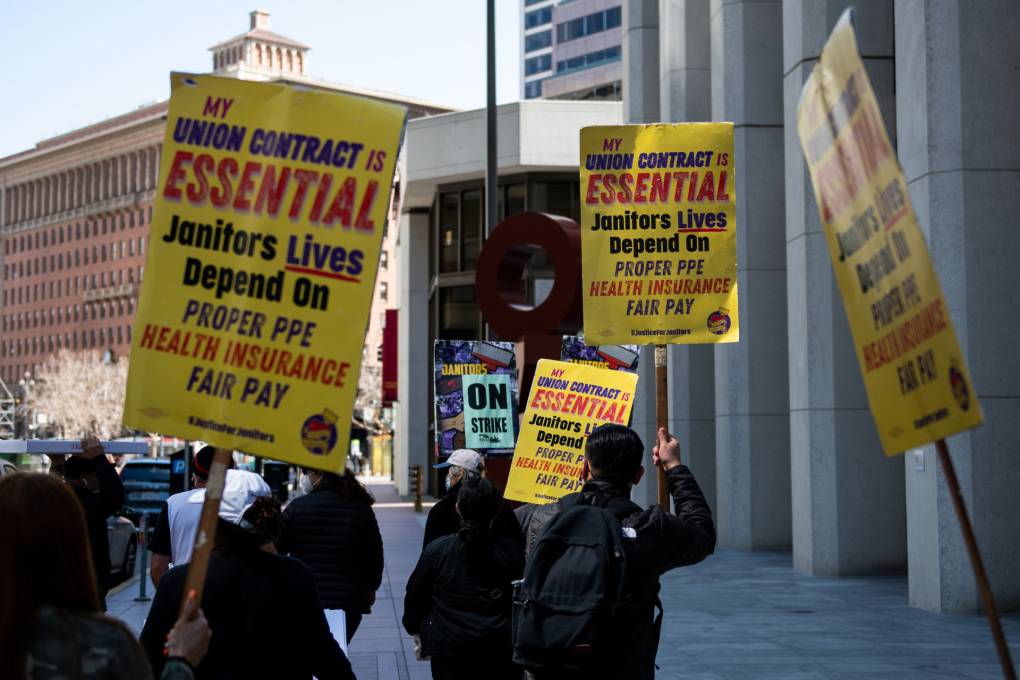
"caption": "A group of striking janitors walk through Downtown San Francisco on March 25, 2021, the second day of a three-day strike.",
"description": "A group of striking janitors walk through Downtown San Francisco on March 25, 2021, the second day of a three-day strike.",
"title": "RS48112_013_SanFrancisco_JanitorStrike_03252021-qut",
"credit": "Beth LaBerge/KQED",
"status": "inherit",
"altTag": null,
"isLoading": false,
"fetchFailed": false
},
"news_11304129": {
"type": "attachments",
"id": "news_11304129",
"meta": {
"index": "attachments_1716263798",
"site": "news",
"id": "11304129",
"found": true
},
"parent": 11304127,
"imgSizes": {
"small": {
"file": "https://ww2.kqed.org/app/uploads/sites/10/2017/02/Hoo-Hoo-Museum-520x384.jpg",
"width": 520,
"mimeType": "image/jpeg",
"height": 384
},
"thumbnail": {
"file": "https://ww2.kqed.org/app/uploads/sites/10/2017/02/Hoo-Hoo-Museum-160x118.jpg",
"width": 160,
"mimeType": "image/jpeg",
"height": 118
},
"post-thumbnail": {
"file": "https://ww2.kqed.org/app/uploads/sites/10/2017/02/Hoo-Hoo-Museum-672x372.jpg",
"width": 672,
"mimeType": "image/jpeg",
"height": 372
},
"xsmall": {
"file": "https://ww2.kqed.org/app/uploads/sites/10/2017/02/Hoo-Hoo-Museum-375x277.jpg",
"width": 375,
"mimeType": "image/jpeg",
"height": 277
},
"kqedFullSize": {
"file": "https://ww2.kqed.org/app/uploads/sites/10/2017/02/Hoo-Hoo-Museum.jpg",
"width": 700,
"height": 517
},
"guest-author-50": {
"file": "https://ww2.kqed.org/app/uploads/sites/10/2017/02/Hoo-Hoo-Museum-50x50.jpg",
"width": 50,
"mimeType": "image/jpeg",
"height": 50
},
"guest-author-96": {
"file": "https://ww2.kqed.org/app/uploads/sites/10/2017/02/Hoo-Hoo-Museum-96x96.jpg",
"width": 96,
"mimeType": "image/jpeg",
"height": 96
},
"guest-author-64": {
"file": "https://ww2.kqed.org/app/uploads/sites/10/2017/02/Hoo-Hoo-Museum-64x64.jpg",
"width": 64,
"mimeType": "image/jpeg",
"height": 64
},
"guest-author-32": {
"file": "https://ww2.kqed.org/app/uploads/sites/10/2017/02/Hoo-Hoo-Museum-32x32.jpg",
"width": 32,
"mimeType": "image/jpeg",
"height": 32
},
"jmtc-small-thumb": {
"file": "https://ww2.kqed.org/app/uploads/sites/10/2017/02/Hoo-Hoo-Museum-280x150.jpg",
"width": 280,
"mimeType": "image/jpeg",
"height": 150
},
"detail": {
"file": "https://ww2.kqed.org/app/uploads/sites/10/2017/02/Hoo-Hoo-Museum-150x150.jpg",
"width": 150,
"mimeType": "image/jpeg",
"height": 150
},
"guest-author-128": {
"file": "https://ww2.kqed.org/app/uploads/sites/10/2017/02/Hoo-Hoo-Museum-128x128.jpg",
"width": 128,
"mimeType": "image/jpeg",
"height": 128
},
"xxsmall": {
"file": "https://ww2.kqed.org/app/uploads/sites/10/2017/02/Hoo-Hoo-Museum-240x177.jpg",
"width": 240,
"mimeType": "image/jpeg",
"height": 177
}
},
"publishDate": 1486414025,
"modified": 1487729247,
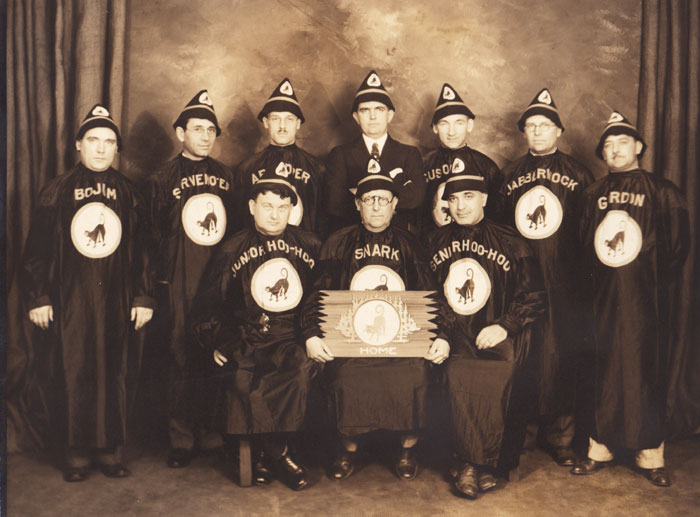
"caption": "Ohio Hoo-Hoos circa 1930.",
"description": "Ohio Hoo-Hoos circa 1930.",
"title": "Ohio Hoo-Hoos circa 1930 wearing the official robes that have their official titles.",
"credit": "Courtesy of the Hoo-Hoo Museum",
"status": "inherit",
"isLoading": false,
"fetchFailed": false
},
"news_11865799": {
"type": "attachments",
"id": "news_11865799",
"meta": {
"index": "attachments_1716263798",
"site": "news",
"id": "11865799",
"found": true
},
"parent": 11865791,
"imgSizes": {
"twentyfourteen-full-width": {
"file": "https://ww2.kqed.org/app/uploads/sites/10/2021/03/1920_Lun-Fong-1038x576.jpg",
"width": 1038,
"mimeType": "image/jpeg",
"height": 576
},
"thumbnail": {
"file": "https://ww2.kqed.org/app/uploads/sites/10/2021/03/1920_Lun-Fong-160x90.jpg",
"width": 160,
"mimeType": "image/jpeg",
"height": 90
},
"post-thumbnail": {
"file": "https://ww2.kqed.org/app/uploads/sites/10/2021/03/1920_Lun-Fong-672x372.jpg",
"width": 672,
"mimeType": "image/jpeg",
"height": 372
},
"kqedFullSize": {
"file": "https://ww2.kqed.org/app/uploads/sites/10/2021/03/1920_Lun-Fong.jpg",
"width": 1546,
"height": 870
},
"large": {
"file": "https://ww2.kqed.org/app/uploads/sites/10/2021/03/1920_Lun-Fong-1020x574.jpg",
"width": 1020,
"mimeType": "image/jpeg",
"height": 574
},
"1536x1536": {
"file": "https://ww2.kqed.org/app/uploads/sites/10/2021/03/1920_Lun-Fong-1536x864.jpg",
"width": 1536,
"mimeType": "image/jpeg",
"height": 864
},
"medium": {
"file": "https://ww2.kqed.org/app/uploads/sites/10/2021/03/1920_Lun-Fong-800x450.jpg",
"width": 800,
"mimeType": "image/jpeg",
"height": 450
}
},
"publishDate": 1616274094,
"modified": 1616694785,
"caption": "Lun Fong, 87, holds a yellow rose at a gathering in Portsmouth Square in San Francisco’s Chinatown on March 20, 2021.",
"description": "Lun Fong, 87, holds a yellow rose at a gathering in Portsmouth Square, SF’s Chinatown on March 20, 2021.",
"title": "1920_Lun Fong",
"credit": "Beth LaBerge/KQED",
"status": "inherit",
"altTag": null,
"isLoading": false,
"fetchFailed": false
},
"news_11865808": {
"type": "attachments",
"id": "news_11865808",
"meta": {
"index": "attachments_1716263798",
"site": "news",
"id": "11865808",
"found": true
},
"parent": 11865791,
"imgSizes": {
"twentyfourteen-full-width": {
"file": "https://ww2.kqed.org/app/uploads/sites/10/2021/03/Image-from-iOS-37-1038x576.jpg",
"width": 1038,
"mimeType": "image/jpeg",
"height": 576
},
"thumbnail": {
"file": "https://ww2.kqed.org/app/uploads/sites/10/2021/03/Image-from-iOS-37-160x106.jpg",
"width": 160,
"mimeType": "image/jpeg",
"height": 106
},
"post-thumbnail": {
"file": "https://ww2.kqed.org/app/uploads/sites/10/2021/03/Image-from-iOS-37-672x372.jpg",
"width": 672,
"mimeType": "image/jpeg",
"height": 372
},
"kqedFullSize": {
"file": "https://ww2.kqed.org/app/uploads/sites/10/2021/03/Image-from-iOS-37-scaled-e1616348826100.jpg",
"width": 1920,
"height": 1278
},
"2048x2048": {
"file": "https://ww2.kqed.org/app/uploads/sites/10/2021/03/Image-from-iOS-37-2048x1363.jpg",
"width": 2048,
"mimeType": "image/jpeg",
"height": 1363
},
"large": {
"file": "https://ww2.kqed.org/app/uploads/sites/10/2021/03/Image-from-iOS-37-1020x679.jpg",
"width": 1020,
"mimeType": "image/jpeg",
"height": 679
},
"1536x1536": {
"file": "https://ww2.kqed.org/app/uploads/sites/10/2021/03/Image-from-iOS-37-1536x1022.jpg",
"width": 1536,
"mimeType": "image/jpeg",
"height": 1022
},
"full-width": {
"file": "https://ww2.kqed.org/app/uploads/sites/10/2021/03/Image-from-iOS-37-1920x1278.jpg",
"width": 1920,
"mimeType": "image/jpeg",
"height": 1278
},
"medium": {
"file": "https://ww2.kqed.org/app/uploads/sites/10/2021/03/Image-from-iOS-37-800x532.jpg",
"width": 800,
"mimeType": "image/jpeg",
"height": 532
}
},
"publishDate": 1616293945,
"modified": 1616438951,
"caption": "A group of demonstrators hold signs that say 'Stop Asian Hate' during a vigil and rally in San Francisco’s Chinatown on March 20, 2021.",
"description": "A group of demonstrators hold signs that say, “Stop Asian Hate” during a vigil and rally in San Francisco’s Chinatown on March 20, 2021.",
"title": "Stop Asian Hate",
"credit": "Beth LaBerge/KQED",
"status": "inherit",
"altTag": "A group of demonstrators hold signs that say, 'Stop Asian Hate' during a vigil and rally in San Francisco’s Chinatown on March 20, 2021.",
"isLoading": false,
"fetchFailed": false
},
"news_11865731": {
"type": "attachments",
"id": "news_11865731",
"meta": {
"index": "attachments_1716263798",
"site": "news",
"id": "11865731",
"found": true
},
"parent": 11865699,
"imgSizes": {
"twentyfourteen-full-width": {
"file": "https://ww2.kqed.org/app/uploads/sites/10/2021/03/821_MARQUEE-1038x576.jpg",
"width": 1038,
"mimeType": "image/jpeg",
"height": 576
},
"thumbnail": {
"file": "https://ww2.kqed.org/app/uploads/sites/10/2021/03/821_MARQUEE-160x90.jpg",
"width": 160,
"mimeType": "image/jpeg",
"height": 90
},
"post-thumbnail": {
"file": "https://ww2.kqed.org/app/uploads/sites/10/2021/03/821_MARQUEE-672x372.jpg",
"width": 672,
"mimeType": "image/jpeg",
"height": 372
},
"kqedFullSize": {
"file": "https://ww2.kqed.org/app/uploads/sites/10/2021/03/821_MARQUEE.jpg",
"width": 1920,
"height": 1080
},
"large": {
"file": "https://ww2.kqed.org/app/uploads/sites/10/2021/03/821_MARQUEE-1020x574.jpg",
"width": 1020,
"mimeType": "image/jpeg",
"height": 574
},
"1536x1536": {
"file": "https://ww2.kqed.org/app/uploads/sites/10/2021/03/821_MARQUEE-1536x864.jpg",
"width": 1536,
"mimeType": "image/jpeg",
"height": 864
},
"medium": {
"file": "https://ww2.kqed.org/app/uploads/sites/10/2021/03/821_MARQUEE-800x450.jpg",
"width": 800,
"mimeType": "image/jpeg",
"height": 450
}
},
"publishDate": 1616194162,
"modified": 1616194162,
"caption": null,
"description": null,
"title": "821_MARQUEE",
"credit": null,
"status": "inherit",
"altTag": null,
"isLoading": false,
"fetchFailed": false
},
"news_11865245": {
"type": "attachments",
"id": "news_11865245",
"meta": {
"index": "attachments_1716263798",
"site": "news",
"id": "11865245",
"found": true
},
"parent": 0,
"imgSizes": {
"twentyfourteen-full-width": {
"file": "https://ww2.kqed.org/app/uploads/sites/10/2021/03/BC-Web-post-inserts_Twitter-1038x576.png",
"width": 1038,
"mimeType": "image/png",
"height": 576
},
"thumbnail": {
"file": "https://ww2.kqed.org/app/uploads/sites/10/2021/03/BC-Web-post-inserts_Twitter-160x90.png",
"width": 160,
"mimeType": "image/png",
"height": 90
},
"post-thumbnail": {
"file": "https://ww2.kqed.org/app/uploads/sites/10/2021/03/BC-Web-post-inserts_Twitter-672x372.png",
"width": 672,
"mimeType": "image/png",
"height": 372
},
"kqedFullSize": {
"file": "https://ww2.kqed.org/app/uploads/sites/10/2021/03/BC-Web-post-inserts_Twitter.png",
"width": 1280,
"height": 720
},
"large": {
"file": "https://ww2.kqed.org/app/uploads/sites/10/2021/03/BC-Web-post-inserts_Twitter-1020x574.png",
"width": 1020,
"mimeType": "image/png",
"height": 574
},
"medium": {
"file": "https://ww2.kqed.org/app/uploads/sites/10/2021/03/BC-Web-post-inserts_Twitter-800x450.png",
"width": 800,
"mimeType": "image/png",
"height": 450
}
},
"publishDate": 1616021343,
"modified": 1616097543,
"caption": "Political activist, scholar and author Angela Davis appears at a Juneteenth demonstration near the Port of Oakland on June 19, 2020, The San Francisco skyline from Dolores Park at 9:30 a.m. on Sept. 9, and San Jose resident Cornelia Arzaga, 76, prepares to receive her first dose of the COVID-19 vaccine at Levi’s Stadium on Feb. 9, 2021.",
"description": null,
"title": "BC Web post inserts_Twitter",
"credit": "Beth LaBerge/KQED",
"status": "inherit",
"altTag": null,
"isLoading": false,
"fetchFailed": false
},
"news_11864730": {
"type": "attachments",
"id": "news_11864730",
"meta": {
"index": "attachments_1716263798",
"site": "news",
"id": "11864730",
"found": true
},
"parent": 11864729,
"imgSizes": {
"twentyfourteen-full-width": {
"file": "https://ww2.kqed.org/app/uploads/sites/10/2021/03/Feature_RS47674_045_SanFrancisco_BreonnaTaylorRally_03132021-qut-1038x576.jpg",
"width": 1038,
"mimeType": "image/jpeg",
"height": 576
},
"thumbnail": {
"file": "https://ww2.kqed.org/app/uploads/sites/10/2021/03/Feature_RS47674_045_SanFrancisco_BreonnaTaylorRally_03132021-qut-160x107.jpg",
"width": 160,
"mimeType": "image/jpeg",
"height": 107
},
"post-thumbnail": {
"file": "https://ww2.kqed.org/app/uploads/sites/10/2021/03/Feature_RS47674_045_SanFrancisco_BreonnaTaylorRally_03132021-qut-672x372.jpg",
"width": 672,
"mimeType": "image/jpeg",
"height": 372
},
"kqedFullSize": {
"file": "https://ww2.kqed.org/app/uploads/sites/10/2021/03/Feature_RS47674_045_SanFrancisco_BreonnaTaylorRally_03132021-qut.jpg",
"width": 1920,
"height": 1280
},
"large": {
"file": "https://ww2.kqed.org/app/uploads/sites/10/2021/03/Feature_RS47674_045_SanFrancisco_BreonnaTaylorRally_03132021-qut-1020x680.jpg",
"width": 1020,
"mimeType": "image/jpeg",
"height": 680
},
"1536x1536": {
"file": "https://ww2.kqed.org/app/uploads/sites/10/2021/03/Feature_RS47674_045_SanFrancisco_BreonnaTaylorRally_03132021-qut-1536x1024.jpg",
"width": 1536,
"mimeType": "image/jpeg",
"height": 1024
},
"medium": {
"file": "https://ww2.kqed.org/app/uploads/sites/10/2021/03/Feature_RS47674_045_SanFrancisco_BreonnaTaylorRally_03132021-qut-800x533.jpg",
"width": 800,
"mimeType": "image/jpeg",
"height": 533
}
},
"publishDate": 1615747962,
"modified": 1615748102,
"caption": "Demonstrators march in honor of Breonna Taylor in the Mission District of San Francisco on March 13, 2021, one year after Taylor was fatally shot by police officers in Kentucky.",
"description": null,
"title": "Feature_RS47674_045_SanFrancisco_BreonnaTaylorRally_03132021-qut",
"credit": "Beth LaBerge/KQED",
"status": "inherit",
"altTag": null,
"isLoading": false,
"fetchFailed": false
},
"news_11863599": {
"type": "attachments",
"id": "news_11863599",
"meta": {
"index": "attachments_1716263798",
"site": "news",
"id": "11863599",
"found": true
},
"parent": 11863555,
"imgSizes": {
"apple_news_ca_landscape_5_5": {
"file": "https://ww2.kqed.org/app/uploads/sites/10/2021/03/819_MARQUEE-1044x720.jpg",
"width": 1044,
"mimeType": "image/jpeg",
"height": 720
},
"apple_news_ca_square_4_0": {
"file": "https://ww2.kqed.org/app/uploads/sites/10/2021/03/819_MARQUEE-470x470.jpg",
"width": 470,
"mimeType": "image/jpeg",
"height": 470
},
"twentyfourteen-full-width": {
"file": "https://ww2.kqed.org/app/uploads/sites/10/2021/03/819_MARQUEE-1038x576.jpg",
"width": 1038,
"mimeType": "image/jpeg",
"height": 576
},
"thumbnail": {
"file": "https://ww2.kqed.org/app/uploads/sites/10/2021/03/819_MARQUEE-160x90.jpg",
"width": 160,
"mimeType": "image/jpeg",
"height": 90
},
"post-thumbnail": {
"file": "https://ww2.kqed.org/app/uploads/sites/10/2021/03/819_MARQUEE-672x372.jpg",
"width": 672,
"mimeType": "image/jpeg",
"height": 372
},
"kqedFullSize": {
"file": "https://ww2.kqed.org/app/uploads/sites/10/2021/03/819_MARQUEE.jpg",
"width": 1280,
"height": 720
},
"apple_news_ca_landscape_4_7": {
"file": "https://ww2.kqed.org/app/uploads/sites/10/2021/03/819_MARQUEE-632x474.jpg",
"width": 632,
"mimeType": "image/jpeg",
"height": 474
},
"large": {
"file": "https://ww2.kqed.org/app/uploads/sites/10/2021/03/819_MARQUEE-1020x574.jpg",
"width": 1020,
"mimeType": "image/jpeg",
"height": 574
},
"apple_news_ca_landscape_4_0": {
"file": "https://ww2.kqed.org/app/uploads/sites/10/2021/03/819_MARQUEE-536x402.jpg",
"width": 536,
"mimeType": "image/jpeg",
"height": 402
},
"apple_news_ca_portrait_12_9": {
"file": "https://ww2.kqed.org/app/uploads/sites/10/2021/03/819_MARQUEE-1122x720.jpg",
"width": 1122,
"mimeType": "image/jpeg",
"height": 720
},
"medium": {
"file": "https://ww2.kqed.org/app/uploads/sites/10/2021/03/819_MARQUEE-800x450.jpg",
"width": 800,
"mimeType": "image/jpeg",
"height": 450
},
"apple_news_ca_portrait_4_0": {
"file": "https://ww2.kqed.org/app/uploads/sites/10/2021/03/819_MARQUEE-354x472.jpg",
"width": 354,
"mimeType": "image/jpeg",
"height": 472
},
"apple_news_ca_portrait_9_7": {
"file": "https://ww2.kqed.org/app/uploads/sites/10/2021/03/819_MARQUEE-840x720.jpg",
"width": 840,
"mimeType": "image/jpeg",
"height": 720
},
"apple_news_ca_square_9_7": {
"file": "https://ww2.kqed.org/app/uploads/sites/10/2021/03/819_MARQUEE-1104x720.jpg",
"width": 1104,
"mimeType": "image/jpeg",
"height": 720
},
"apple_news_ca_portrait_4_7": {
"file": "https://ww2.kqed.org/app/uploads/sites/10/2021/03/819_MARQUEE-414x552.jpg",
"width": 414,
"mimeType": "image/jpeg",
"height": 552
},
"apple_news_ca_portrait_5_5": {
"file": "https://ww2.kqed.org/app/uploads/sites/10/2021/03/819_MARQUEE-687x720.jpg",
"width": 687,
"mimeType": "image/jpeg",
"height": 720
},
"apple_news_ca_square_4_7": {
"file": "https://ww2.kqed.org/app/uploads/sites/10/2021/03/819_MARQUEE-550x550.jpg",
"width": 550,
"mimeType": "image/jpeg",
"height": 550
},
"apple_news_ca_square_5_5": {
"file": "https://ww2.kqed.org/app/uploads/sites/10/2021/03/819_MARQUEE-912x720.jpg",
"width": 912,
"mimeType": "image/jpeg",
"height": 720
}
},
"publishDate": 1614991337,
"modified": 1614991337,
"caption": null,
"description": null,
"title": "819_MARQUEE",
"credit": null,
"status": "inherit",
"altTag": null,
"isLoading": false,
"fetchFailed": false
},
"news_11862423": {
"type": "attachments",
"id": "news_11862423",
"meta": {
"index": "attachments_1716263798",
"site": "news",
"id": "11862423",
"found": true
},
"parent": 11862295,
"imgSizes": {
"apple_news_ca_landscape_5_5": {
"file": "https://ww2.kqed.org/app/uploads/sites/10/2021/02/MARQUEE-818-1044x720.jpg",
"width": 1044,
"mimeType": "image/jpeg",
"height": 720
},
"apple_news_ca_square_4_0": {
"file": "https://ww2.kqed.org/app/uploads/sites/10/2021/02/MARQUEE-818-470x470.jpg",
"width": 470,
"mimeType": "image/jpeg",
"height": 470
},
"twentyfourteen-full-width": {
"file": "https://ww2.kqed.org/app/uploads/sites/10/2021/02/MARQUEE-818-1038x576.jpg",
"width": 1038,
"mimeType": "image/jpeg",
"height": 576
},
"thumbnail": {
"file": "https://ww2.kqed.org/app/uploads/sites/10/2021/02/MARQUEE-818-160x90.jpg",
"width": 160,
"mimeType": "image/jpeg",
"height": 90
},
"post-thumbnail": {
"file": "https://ww2.kqed.org/app/uploads/sites/10/2021/02/MARQUEE-818-672x372.jpg",
"width": 672,
"mimeType": "image/jpeg",
"height": 372
},
"kqedFullSize": {
"file": "https://ww2.kqed.org/app/uploads/sites/10/2021/02/MARQUEE-818.jpg",
"width": 1280,
"height": 720
},
"apple_news_ca_landscape_4_7": {
"file": "https://ww2.kqed.org/app/uploads/sites/10/2021/02/MARQUEE-818-632x474.jpg",
"width": 632,
"mimeType": "image/jpeg",
"height": 474
},
"large": {
"file": "https://ww2.kqed.org/app/uploads/sites/10/2021/02/MARQUEE-818-1020x574.jpg",
"width": 1020,
"mimeType": "image/jpeg",
"height": 574
},
"apple_news_ca_landscape_4_0": {
"file": "https://ww2.kqed.org/app/uploads/sites/10/2021/02/MARQUEE-818-536x402.jpg",
"width": 536,
"mimeType": "image/jpeg",
"height": 402
},
"apple_news_ca_portrait_12_9": {
"file": "https://ww2.kqed.org/app/uploads/sites/10/2021/02/MARQUEE-818-1122x720.jpg",
"width": 1122,
"mimeType": "image/jpeg",
"height": 720
},
"medium": {
"file": "https://ww2.kqed.org/app/uploads/sites/10/2021/02/MARQUEE-818-800x450.jpg",
"width": 800,
"mimeType": "image/jpeg",
"height": 450
},
"apple_news_ca_portrait_4_0": {
"file": "https://ww2.kqed.org/app/uploads/sites/10/2021/02/MARQUEE-818-354x472.jpg",
"width": 354,
"mimeType": "image/jpeg",
"height": 472
},
"apple_news_ca_portrait_9_7": {
"file": "https://ww2.kqed.org/app/uploads/sites/10/2021/02/MARQUEE-818-840x720.jpg",
"width": 840,
"mimeType": "image/jpeg",
"height": 720
},
"apple_news_ca_square_9_7": {
"file": "https://ww2.kqed.org/app/uploads/sites/10/2021/02/MARQUEE-818-1104x720.jpg",
"width": 1104,
"mimeType": "image/jpeg",
"height": 720
},
"apple_news_ca_portrait_4_7": {
"file": "https://ww2.kqed.org/app/uploads/sites/10/2021/02/MARQUEE-818-414x552.jpg",
"width": 414,
"mimeType": "image/jpeg",
"height": 552
},
"apple_news_ca_portrait_5_5": {
"file": "https://ww2.kqed.org/app/uploads/sites/10/2021/02/MARQUEE-818-687x720.jpg",
"width": 687,
"mimeType": "image/jpeg",
"height": 720
},
"apple_news_ca_square_4_7": {
"file": "https://ww2.kqed.org/app/uploads/sites/10/2021/02/MARQUEE-818-550x550.jpg",
"width": 550,
"mimeType": "image/jpeg",
"height": 550
},
"apple_news_ca_square_5_5": {
"file": "https://ww2.kqed.org/app/uploads/sites/10/2021/02/MARQUEE-818-912x720.jpg",
"width": 912,
"mimeType": "image/jpeg",
"height": 720
}
},
"publishDate": 1614389768,
"modified": 1614389768,
"caption": null,
"description": null,
"title": "MARQUEE 818",
"credit": null,
"status": "inherit",
"altTag": null,
"isLoading": false,
"fetchFailed": false
},
"news_11861994": {
"type": "attachments",
"id": "news_11861994",
"meta": {
"index": "attachments_1716263798",
"site": "news",
"id": "11861994",
"found": true
},
"parent": 11861844,
"imgSizes": {
"apple_news_ca_landscape_5_5": {
"file": "https://ww2.kqed.org/app/uploads/sites/10/2021/02/chabotdam1919-1044x783.jpg",
"width": 1044,
"mimeType": "image/jpeg",
"height": 783
},
"apple_news_ca_square_4_0": {
"file": "https://ww2.kqed.org/app/uploads/sites/10/2021/02/chabotdam1919-470x470.jpg",
"width": 470,
"mimeType": "image/jpeg",
"height": 470
},
"twentyfourteen-full-width": {
"file": "https://ww2.kqed.org/app/uploads/sites/10/2021/02/chabotdam1919-1038x576.jpg",
"width": 1038,
"mimeType": "image/jpeg",
"height": 576
},
"thumbnail": {
"file": "https://ww2.kqed.org/app/uploads/sites/10/2021/02/chabotdam1919-160x108.jpg",
"width": 160,
"mimeType": "image/jpeg",
"height": 108
},
"post-thumbnail": {
"file": "https://ww2.kqed.org/app/uploads/sites/10/2021/02/chabotdam1919-672x372.jpg",
"width": 672,
"mimeType": "image/jpeg",
"height": 372
},
"kqedFullSize": {
"file": "https://ww2.kqed.org/app/uploads/sites/10/2021/02/chabotdam1919-scaled.jpg",
"width": 2560,
"height": 1721
},
"2048x2048": {
"file": "https://ww2.kqed.org/app/uploads/sites/10/2021/02/chabotdam1919-2048x1377.jpg",
"width": 2048,
"mimeType": "image/jpeg",
"height": 1377
},
"apple_news_ca_landscape_4_7": {
"file": "https://ww2.kqed.org/app/uploads/sites/10/2021/02/chabotdam1919-632x474.jpg",
"width": 632,
"mimeType": "image/jpeg",
"height": 474
},
"large": {
"file": "https://ww2.kqed.org/app/uploads/sites/10/2021/02/chabotdam1919-1020x686.jpg",
"width": 1020,
"mimeType": "image/jpeg",
"height": 686
},
"apple_news_ca_landscape_4_0": {
"file": "https://ww2.kqed.org/app/uploads/sites/10/2021/02/chabotdam1919-536x402.jpg",
"width": 536,
"mimeType": "image/jpeg",
"height": 402
},
"apple_news_ca_portrait_12_9": {
"file": "https://ww2.kqed.org/app/uploads/sites/10/2021/02/chabotdam1919-1122x1496.jpg",
"width": 1122,
"mimeType": "image/jpeg",
"height": 1496
},
"medium": {
"file": "https://ww2.kqed.org/app/uploads/sites/10/2021/02/chabotdam1919-800x538.jpg",
"width": 800,
"mimeType": "image/jpeg",
"height": 538
},
"apple_news_ca_portrait_4_0": {
"file": "https://ww2.kqed.org/app/uploads/sites/10/2021/02/chabotdam1919-354x472.jpg",
"width": 354,
"mimeType": "image/jpeg",
"height": 472
},
"apple_news_ca_portrait_9_7": {
"file": "https://ww2.kqed.org/app/uploads/sites/10/2021/02/chabotdam1919-840x1120.jpg",
"width": 840,
"mimeType": "image/jpeg",
"height": 1120
},
"apple_news_ca_landscape_12_9": {
"file": "https://ww2.kqed.org/app/uploads/sites/10/2021/02/chabotdam1919-1832x1374.jpg",
"width": 1832,
"mimeType": "image/jpeg",
"height": 1374
},
"apple_news_ca_square_9_7": {
"file": "https://ww2.kqed.org/app/uploads/sites/10/2021/02/chabotdam1919-1104x1104.jpg",
"width": 1104,
"mimeType": "image/jpeg",
"height": 1104
},
"1536x1536": {
"file": "https://ww2.kqed.org/app/uploads/sites/10/2021/02/chabotdam1919-1536x1033.jpg",
"width": 1536,
"mimeType": "image/jpeg",
"height": 1033
},
"apple_news_ca_portrait_4_7": {
"file": "https://ww2.kqed.org/app/uploads/sites/10/2021/02/chabotdam1919-414x552.jpg",
"width": 414,
"mimeType": "image/jpeg",
"height": 552
},
"apple_news_ca_square_12_9": {
"file": "https://ww2.kqed.org/app/uploads/sites/10/2021/02/chabotdam1919-1472x1472.jpg",
"width": 1472,
"mimeType": "image/jpeg",
"height": 1472
},
"apple_news_ca_portrait_5_5": {
"file": "https://ww2.kqed.org/app/uploads/sites/10/2021/02/chabotdam1919-687x916.jpg",
"width": 687,
"mimeType": "image/jpeg",
"height": 916
},
"full-width": {
"file": "https://ww2.kqed.org/app/uploads/sites/10/2021/02/chabotdam1919-1920x1291.jpg",
"width": 1920,
"mimeType": "image/jpeg",
"height": 1291
},
"apple_news_ca_square_4_7": {
"file": "https://ww2.kqed.org/app/uploads/sites/10/2021/02/chabotdam1919-550x550.jpg",
"width": 550,
"mimeType": "image/jpeg",
"height": 550
},
"apple_news_ca_landscape_9_7": {
"file": "https://ww2.kqed.org/app/uploads/sites/10/2021/02/chabotdam1919-1376x1032.jpg",
"width": 1376,
"mimeType": "image/jpeg",
"height": 1032
},
"apple_news_ca_square_5_5": {
"file": "https://ww2.kqed.org/app/uploads/sites/10/2021/02/chabotdam1919-912x912.jpg",
"width": 912,
"mimeType": "image/jpeg",
"height": 912
}
},
"publishDate": 1614210027,
"modified": 1614210083,
"caption": "Chabot Dam, 1919. ",
"description": null,
"title": "Chabot Dam",
"credit": "East Bay Municipal Utility District",
"status": "inherit",
"altTag": null,
"isLoading": false,
"fetchFailed": false
},
"news_11860400": {
"type": "attachments",
"id": "news_11860400",
"meta": {
"index": "attachments_1716263798",
"site": "news",
"id": "11860400",
"found": true
},
"parent": 11860389,
"imgSizes": {
"apple_news_ca_landscape_5_5": {
"file": "https://ww2.kqed.org/app/uploads/sites/10/2021/02/chevron-flaring-1044x783.jpg",
"width": 1044,
"mimeType": "image/jpeg",
"height": 783
},
"apple_news_ca_square_4_0": {
"file": "https://ww2.kqed.org/app/uploads/sites/10/2021/02/chevron-flaring-470x470.jpg",
"width": 470,
"mimeType": "image/jpeg",
"height": 470
},
"twentyfourteen-full-width": {
"file": "https://ww2.kqed.org/app/uploads/sites/10/2021/02/chevron-flaring-1038x576.jpg",
"width": 1038,
"mimeType": "image/jpeg",
"height": 576
},
"thumbnail": {
"file": "https://ww2.kqed.org/app/uploads/sites/10/2021/02/chevron-flaring-160x120.jpg",
"width": 160,
"mimeType": "image/jpeg",
"height": 120
},
"post-thumbnail": {
"file": "https://ww2.kqed.org/app/uploads/sites/10/2021/02/chevron-flaring-672x372.jpg",
"width": 672,
"mimeType": "image/jpeg",
"height": 372
},
"kqedFullSize": {
"file": "https://ww2.kqed.org/app/uploads/sites/10/2021/02/chevron-flaring.jpg",
"width": 1920,
"height": 1440
},
"apple_news_ca_landscape_4_7": {
"file": "https://ww2.kqed.org/app/uploads/sites/10/2021/02/chevron-flaring-632x474.jpg",
"width": 632,
"mimeType": "image/jpeg",
"height": 474
},
"large": {
"file": "https://ww2.kqed.org/app/uploads/sites/10/2021/02/chevron-flaring-1020x765.jpg",
"width": 1020,
"mimeType": "image/jpeg",
"height": 765
},
"apple_news_ca_landscape_4_0": {
"file": "https://ww2.kqed.org/app/uploads/sites/10/2021/02/chevron-flaring-536x402.jpg",
"width": 536,
"mimeType": "image/jpeg",
"height": 402
},
"apple_news_ca_portrait_12_9": {
"file": "https://ww2.kqed.org/app/uploads/sites/10/2021/02/chevron-flaring-1122x1440.jpg",
"width": 1122,
"mimeType": "image/jpeg",
"height": 1440
},
"medium": {
"file": "https://ww2.kqed.org/app/uploads/sites/10/2021/02/chevron-flaring-800x600.jpg",
"width": 800,
"mimeType": "image/jpeg",
"height": 600
},
"apple_news_ca_portrait_4_0": {
"file": "https://ww2.kqed.org/app/uploads/sites/10/2021/02/chevron-flaring-354x472.jpg",
"width": 354,
"mimeType": "image/jpeg",
"height": 472
},
"apple_news_ca_portrait_9_7": {
"file": "https://ww2.kqed.org/app/uploads/sites/10/2021/02/chevron-flaring-840x1120.jpg",
"width": 840,
"mimeType": "image/jpeg",
"height": 1120
},
"apple_news_ca_landscape_12_9": {
"file": "https://ww2.kqed.org/app/uploads/sites/10/2021/02/chevron-flaring-1832x1374.jpg",
"width": 1832,
"mimeType": "image/jpeg",
"height": 1374
},
"apple_news_ca_square_9_7": {
"file": "https://ww2.kqed.org/app/uploads/sites/10/2021/02/chevron-flaring-1104x1104.jpg",
"width": 1104,
"mimeType": "image/jpeg",
"height": 1104
},
"1536x1536": {
"file": "https://ww2.kqed.org/app/uploads/sites/10/2021/02/chevron-flaring-1536x1152.jpg",
"width": 1536,
"mimeType": "image/jpeg",
"height": 1152
},
"apple_news_ca_portrait_4_7": {
"file": "https://ww2.kqed.org/app/uploads/sites/10/2021/02/chevron-flaring-414x552.jpg",
"width": 414,
"mimeType": "image/jpeg",
"height": 552
},
"apple_news_ca_square_12_9": {
"file": "https://ww2.kqed.org/app/uploads/sites/10/2021/02/chevron-flaring-1472x1440.jpg",
"width": 1472,
"mimeType": "image/jpeg",
"height": 1440
},
"apple_news_ca_portrait_5_5": {
"file": "https://ww2.kqed.org/app/uploads/sites/10/2021/02/chevron-flaring-687x916.jpg",
"width": 687,
"mimeType": "image/jpeg",
"height": 916
},
"apple_news_ca_square_4_7": {
"file": "https://ww2.kqed.org/app/uploads/sites/10/2021/02/chevron-flaring-550x550.jpg",
"width": 550,
"mimeType": "image/jpeg",
"height": 550
},
"apple_news_ca_landscape_9_7": {
"file": "https://ww2.kqed.org/app/uploads/sites/10/2021/02/chevron-flaring-1376x1032.jpg",
"width": 1376,
"mimeType": "image/jpeg",
"height": 1032
},
"apple_news_ca_square_5_5": {
"file": "https://ww2.kqed.org/app/uploads/sites/10/2021/02/chevron-flaring-912x912.jpg",
"width": 912,
"mimeType": "image/jpeg",
"height": 912
}
},
"publishDate": 1613332039,
"modified": 1636494370,
"caption": "Flaring at Chevron's Richmond refinery as seen from Berkeley's César Chávez Park on Nov. 2, 2020.",
"description": "Flaring at Chevron's Richmond refinery as seen from Berkeley's Cesar Chavez Park on Nov. 2, 2020",
"title": "chevron flaring",
"credit": "Queena Kim/KQED",
"status": "inherit",
"altTag": "View from a rocky shoreline across the bay to a refinery spewing a massive plume of smoke.",
"isLoading": false,
"fetchFailed": false
},
"news_11860486": {
"type": "attachments",
"id": "news_11860486",
"meta": {
"index": "attachments_1716263798",
"site": "news",
"id": "11860486",
"found": true
},
"parent": 11860391,
"imgSizes": {
"apple_news_ca_landscape_5_5": {
"file": "https://ww2.kqed.org/app/uploads/sites/10/2021/02/SF_Protest_IMG_0004-1044x783.jpg",
"width": 1044,
"mimeType": "image/jpeg",
"height": 783
},
"apple_news_ca_square_4_0": {
"file": "https://ww2.kqed.org/app/uploads/sites/10/2021/02/SF_Protest_IMG_0004-470x470.jpg",
"width": 470,
"mimeType": "image/jpeg",
"height": 470
},
"twentyfourteen-full-width": {
"file": "https://ww2.kqed.org/app/uploads/sites/10/2021/02/SF_Protest_IMG_0004-1038x576.jpg",
"width": 1038,
"mimeType": "image/jpeg",
"height": 576
},
"thumbnail": {
"file": "https://ww2.kqed.org/app/uploads/sites/10/2021/02/SF_Protest_IMG_0004-160x90.jpg",
"width": 160,
"mimeType": "image/jpeg",
"height": 90
},
"post-thumbnail": {
"file": "https://ww2.kqed.org/app/uploads/sites/10/2021/02/SF_Protest_IMG_0004-672x372.jpg",
"width": 672,
"mimeType": "image/jpeg",
"height": 372
},
"kqedFullSize": {
"file": "https://ww2.kqed.org/app/uploads/sites/10/2021/02/SF_Protest_IMG_0004-scaled-e1613499053216.jpg",
"width": 1920,
"height": 1080
},
"2048x2048": {
"file": "https://ww2.kqed.org/app/uploads/sites/10/2021/02/SF_Protest_IMG_0004-2048x1152.jpg",
"width": 2048,
"mimeType": "image/jpeg",
"height": 1152
},
"apple_news_ca_landscape_4_7": {
"file": "https://ww2.kqed.org/app/uploads/sites/10/2021/02/SF_Protest_IMG_0004-632x474.jpg",
"width": 632,
"mimeType": "image/jpeg",
"height": 474
},
"large": {
"file": "https://ww2.kqed.org/app/uploads/sites/10/2021/02/SF_Protest_IMG_0004-1020x574.jpg",
"width": 1020,
"mimeType": "image/jpeg",
"height": 574
},
"apple_news_ca_landscape_4_0": {
"file": "https://ww2.kqed.org/app/uploads/sites/10/2021/02/SF_Protest_IMG_0004-536x402.jpg",
"width": 536,
"mimeType": "image/jpeg",
"height": 402
},
"apple_news_ca_portrait_12_9": {
"file": "https://ww2.kqed.org/app/uploads/sites/10/2021/02/SF_Protest_IMG_0004-1122x1496.jpg",
"width": 1122,
"mimeType": "image/jpeg",
"height": 1496
},
"medium": {
"file": "https://ww2.kqed.org/app/uploads/sites/10/2021/02/SF_Protest_IMG_0004-800x450.jpg",
"width": 800,
"mimeType": "image/jpeg",
"height": 450
},
"apple_news_ca_portrait_4_0": {
"file": "https://ww2.kqed.org/app/uploads/sites/10/2021/02/SF_Protest_IMG_0004-354x472.jpg",
"width": 354,
"mimeType": "image/jpeg",
"height": 472
},
"apple_news_ca_portrait_9_7": {
"file": "https://ww2.kqed.org/app/uploads/sites/10/2021/02/SF_Protest_IMG_0004-840x1120.jpg",
"width": 840,
"mimeType": "image/jpeg",
"height": 1120
},
"apple_news_ca_landscape_12_9": {
"file": "https://ww2.kqed.org/app/uploads/sites/10/2021/02/SF_Protest_IMG_0004-1832x1374.jpg",
"width": 1832,
"mimeType": "image/jpeg",
"height": 1374
},
"apple_news_ca_square_9_7": {
"file": "https://ww2.kqed.org/app/uploads/sites/10/2021/02/SF_Protest_IMG_0004-1104x1104.jpg",
"width": 1104,
"mimeType": "image/jpeg",
"height": 1104
},
"1536x1536": {
"file": "https://ww2.kqed.org/app/uploads/sites/10/2021/02/SF_Protest_IMG_0004-1536x864.jpg",
"width": 1536,
"mimeType": "image/jpeg",
"height": 864
},
"apple_news_ca_portrait_4_7": {
"file": "https://ww2.kqed.org/app/uploads/sites/10/2021/02/SF_Protest_IMG_0004-414x552.jpg",
"width": 414,
"mimeType": "image/jpeg",
"height": 552
},
"apple_news_ca_square_12_9": {
"file": "https://ww2.kqed.org/app/uploads/sites/10/2021/02/SF_Protest_IMG_0004-1472x1472.jpg",
"width": 1472,
"mimeType": "image/jpeg",
"height": 1472
},
"apple_news_ca_portrait_5_5": {
"file": "https://ww2.kqed.org/app/uploads/sites/10/2021/02/SF_Protest_IMG_0004-687x916.jpg",
"width": 687,
"mimeType": "image/jpeg",
"height": 916
},
"full-width": {
"file": "https://ww2.kqed.org/app/uploads/sites/10/2021/02/SF_Protest_IMG_0004-1920x1080.jpg",
"width": 1920,
"mimeType": "image/jpeg",
"height": 1080
},
"apple_news_ca_square_4_7": {
"file": "https://ww2.kqed.org/app/uploads/sites/10/2021/02/SF_Protest_IMG_0004-550x550.jpg",
"width": 550,
"mimeType": "image/jpeg",
"height": 550
},
"apple_news_ca_landscape_9_7": {
"file": "https://ww2.kqed.org/app/uploads/sites/10/2021/02/SF_Protest_IMG_0004-1376x1032.jpg",
"width": 1376,
"mimeType": "image/jpeg",
"height": 1032
},
"apple_news_ca_square_5_5": {
"file": "https://ww2.kqed.org/app/uploads/sites/10/2021/02/SF_Protest_IMG_0004-912x912.jpg",
"width": 912,
"mimeType": "image/jpeg",
"height": 912
}
},
"publishDate": 1613498869,
"modified": 1613610729,
"caption": "Demonstrators at Civic Center Plaza in San Francisco rally on Feb. 13 In response to the recent military coup in Myanmar. The Free Burma Action Committee – a coalition of Bay Area-based Burmese activists – aims to reinforce and highlight civil disobedience campaigns and 'restore democracy in our homeland.'",
"description": "Demonstrators at Civic Center Plaza in San Francisco rally on Feb. 13 In response to the recent military coup in Myanmar. The Free Burma Action Committee – a coalition of Bay Area-based Burmese activists – aims to reinforce and highlight civil disobedience campaigns and 'restore democracy in our homeland.'",
"title": "SF_Protest_IMG_0004",
"credit": "Courtesy of Free Burma Action Committee – San Francisco",
"status": "inherit",
"altTag": null,
"isLoading": false,
"fetchFailed": false
}
},
"audioPlayerReducer": {
"postId": "stream_live",
"isPaused": true,
"isPlaying": false,
"pfsActive": false,
"pledgeModalIsOpen": true,
"playerDrawerIsOpen": false,
"liveAudioPlayStartedAt": 0,
"liveAudioPlayContext": ""
},
"authorsReducer": {
"byline_news_11865216": {
"type": "authors",
"id": "byline_news_11865216",
"meta": {
"override": true
},
"slug": "byline_news_11865216",
"name": "The Bay Curious Team",
"isLoading": false
},
"danbrekke": {
"type": "authors",
"id": "222",
"meta": {
"index": "authors_1716337520",
"id": "222",
"found": true
},
"name": "Dan Brekke",
"firstName": "Dan",
"lastName": "Brekke",
"slug": "danbrekke",
"email": "dbrekke@kqed.org",
"display_author_email": true,
"staff_mastheads": [
"news",
"science"
],
"title": "KQED Editor and Reporter",
"bio": "Dan Brekke is a reporter and editor for KQED News, responsible for coverage of topics ranging from California water issues to the Bay Area's transportation challenges. In a newsroom career that began in Chicago in 1972, Dan has worked for \u003cem>The San Francisco Examiner,\u003c/em> Wired and TechTV and has been published in The New York Times, The New York Times Magazine, Business 2.0, Salon and elsewhere.\r\n\r\nSince joining KQED in 2007, Dan has reported, edited and produced both radio and online features and breaking news pieces. He has shared as both editor and reporter in four Society of Professional Journalists Norcal Excellence in Journalism awards and one Edward R. Murrow regional award. He was chosen for a spring 2017 residency at the Mesa Refuge to advance his research on California salmon.\r\n\r\nEmail Dan at: \u003ca href=\"mailto:dbrekke@kqed.org\">dbrekke@kqed.org\u003c/a>\r\n\r\n\u003cstrong>Twitter:\u003c/strong> \u003ca href=\"https://twitter.com/danbrekke\" rel=\"noopener noreferrer\">twitter.com/danbrekke\u003c/a>\r\n\u003cstrong>Facebook:\u003c/strong> \u003ca href=\"https://www.facebook.com/danbrekke\" rel=\"noopener noreferrer\">www.facebook.com/danbrekke\u003c/a>\r\n\u003cstrong>LinkedIn:\u003c/strong> \u003ca href=\"https://www.linkedin.com/in/danbrekke\" rel=\"noopener noreferrer\">www.linkedin.com/in/danbrekke\u003c/a>",
"avatar": "https://secure.gravatar.com/avatar/8f1f0d2a978fb3b23426c922c7e2af558fa36905b49c4ce76a97dc3c72d27226?s=600&d=mm&r=g",
"twitter": "danbrekke",
"bluesky": null,
"facebook": null,
"instagram": "https://www.instagram.com/dan.brekke/",
"linkedin": "https://www.linkedin.com/in/danbrekke/",
"sites": [
{
"site": "news",
"roles": [
"administrator",
"create_posts"
]
},
{
"site": "stateofhealth",
"roles": [
"editor"
]
},
{
"site": "science",
"roles": [
"editor"
]
},
{
"site": "quest",
"roles": [
"contributor"
]
},
{
"site": "food",
"roles": [
"contributor"
]
},
{
"site": "forum",
"roles": [
"contributor"
]
},
{
"site": "elections",
"roles": [
"editor"
]
},
{
"site": "liveblog",
"roles": [
"editor"
]
}
],
"headData": {
"title": "Dan Brekke | KQED",
"description": "KQED Editor and Reporter",
"ogImgSrc": "https://secure.gravatar.com/avatar/8f1f0d2a978fb3b23426c922c7e2af558fa36905b49c4ce76a97dc3c72d27226?s=600&d=mm&r=g",
"twImgSrc": "https://secure.gravatar.com/avatar/8f1f0d2a978fb3b23426c922c7e2af558fa36905b49c4ce76a97dc3c72d27226?s=600&d=mm&r=g"
},
"isLoading": false,
"link": "/author/danbrekke"
},
"kqed": {
"type": "authors",
"id": "236",
"meta": {
"index": "authors_1716337520",
"id": "236",
"found": true
},
"name": "KQED News Staff",
"firstName": "KQED News Staff",
"lastName": null,
"slug": "kqed",
"email": "faq@kqed.org",
"display_author_email": false,
"staff_mastheads": [],
"title": null,
"bio": null,
"avatar": "https://secure.gravatar.com/avatar/ef0e801a68c4c54afa9180db14084167?s=600&d=blank&r=g",
"twitter": null,
"facebook": null,
"instagram": null,
"linkedin": null,
"sites": [
{
"site": "arts",
"roles": [
"contributor"
]
},
{
"site": "news",
"roles": [
"editor"
]
},
{
"site": "futureofyou",
"roles": [
"author"
]
}
],
"headData": {
"title": "KQED News Staff | KQED",
"description": null,
"ogImgSrc": "https://secure.gravatar.com/avatar/ef0e801a68c4c54afa9180db14084167?s=600&d=blank&r=g",
"twImgSrc": "https://secure.gravatar.com/avatar/ef0e801a68c4c54afa9180db14084167?s=600&d=blank&r=g"
},
"isLoading": false,
"link": "/author/kqed"
},
"kqednewsstaffandwires": {
"type": "authors",
"id": "237",
"meta": {
"index": "authors_1716337520",
"id": "237",
"found": true
},
"name": "KQED News Staff and Wires",
"firstName": "KQED News Staff and Wires",
"lastName": null,
"slug": "kqednewsstaffandwires",
"email": "onlinenewsstaff@kqed.org",
"display_author_email": false,
"staff_mastheads": [],
"title": null,
"bio": null,
"avatar": "https://secure.gravatar.com/avatar/72295af8ebbfbd19a4948f5271285664?s=600&d=blank&r=g",
"twitter": null,
"facebook": null,
"instagram": null,
"linkedin": null,
"sites": [
{
"site": "arts",
"roles": [
"contributor"
]
},
{
"site": "news",
"roles": [
"contributor"
]
},
{
"site": "lowdown",
"roles": [
"author"
]
},
{
"site": "stateofhealth",
"roles": [
"contributor"
]
},
{
"site": "food",
"roles": [
"author"
]
}
],
"headData": {
"title": "KQED News Staff and Wires | KQED",
"description": null,
"ogImgSrc": "https://secure.gravatar.com/avatar/72295af8ebbfbd19a4948f5271285664?s=600&d=blank&r=g",
"twImgSrc": "https://secure.gravatar.com/avatar/72295af8ebbfbd19a4948f5271285664?s=600&d=blank&r=g"
},
"isLoading": false,
"link": "/author/kqednewsstaffandwires"
},
"tgoldberg": {
"type": "authors",
"id": "258",
"meta": {
"index": "authors_1716337520",
"id": "258",
"found": true
},
"name": "Ted Goldberg",
"firstName": "Ted",
"lastName": "Goldberg",
"slug": "tgoldberg",
"email": "tgoldberg@kqed.org",
"display_author_email": true,
"staff_mastheads": [
"news"
],
"title": "KQED Managing Editor, News and Newscasts",
"bio": "Ted Goldberg is Managing Editor of News and Newscasts at KQED. His main reporting beat is the Bay Area's oil refining industry.\r\n\r\nPrior to joining KQED in 2014, Ted worked at CBS News and WCBS AM in New York and Bay City News and KCBS Radio in San Francisco. He graduated from Oberlin College in Ohio in 1998.",
"avatar": "https://secure.gravatar.com/avatar/30ce2e4fe89135e104f89be2394d16225b9d36c121b5b3cb7651ce642978b96f?s=600&d=blank&r=g",
"twitter": "TedrickG",
"bluesky": null,
"facebook": null,
"instagram": null,
"linkedin": null,
"sites": [
{
"site": "news",
"roles": [
"editor"
]
},
{
"site": "science",
"roles": [
"editor"
]
}
],
"headData": {
"title": "Ted Goldberg | KQED",
"description": "KQED Managing Editor, News and Newscasts",
"ogImgSrc": "https://secure.gravatar.com/avatar/30ce2e4fe89135e104f89be2394d16225b9d36c121b5b3cb7651ce642978b96f?s=600&d=blank&r=g",
"twImgSrc": "https://secure.gravatar.com/avatar/30ce2e4fe89135e104f89be2394d16225b9d36c121b5b3cb7651ce642978b96f?s=600&d=blank&r=g"
},
"isLoading": false,
"link": "/author/tgoldberg"
},
"jplaczek": {
"type": "authors",
"id": "8606",
"meta": {
"index": "authors_1716337520",
"id": "8606",
"found": true
},
"name": "Jessica Placzek",
"firstName": "Jessica",
"lastName": "Placzek",
"slug": "jplaczek",
"email": "jessicalplaczek@gmail.com",
"display_author_email": false,
"staff_mastheads": [
"news"
],
"title": "KQED Contributor",
"bio": "Jessica Placzek is a former senior editor of podcasts at KQED where she served as the editorial lead of the podcast department. She worked with shows like MindShift, Rightnowish, Consider This, SOLD OUT, Bay Curious and The Bay. She’s also been a reporter and audio producer at KQED, KPFA, and KALW. She taught audio production to men incarcerated at California State Prison Solano and edited pieces they produced for the Uncuffed podcast through KALW. In 2018 she co-hosted and produced the third season of Raw Material for SFMOMA. In New Orleans she wrote for the Nola Defender. Her work has also appeared on Marketplace, All Things Considered, The California Report, and Vice. You can find more at jessicaplaczek.com",
"avatar": "https://secure.gravatar.com/avatar/5ead103b5880f672eceb84ce75eecd1b4b6f74a47edc457684a73ad5b8b158e9?s=600&d=blank&r=g",
"twitter": null,
"bluesky": null,
"facebook": null,
"instagram": null,
"linkedin": null,
"sites": [
{
"site": "arts",
"roles": [
"subscriber"
]
},
{
"site": "news",
"roles": [
"subscriber"
]
},
{
"site": "stateofhealth",
"roles": [
"editor"
]
},
{
"site": "forum",
"roles": [
"editor"
]
}
],
"headData": {
"title": "Jessica Placzek | KQED",
"description": "KQED Contributor",
"ogImgSrc": "https://secure.gravatar.com/avatar/5ead103b5880f672eceb84ce75eecd1b4b6f74a47edc457684a73ad5b8b158e9?s=600&d=blank&r=g",
"twImgSrc": "https://secure.gravatar.com/avatar/5ead103b5880f672eceb84ce75eecd1b4b6f74a47edc457684a73ad5b8b158e9?s=600&d=blank&r=g"
},
"isLoading": false,
"link": "/author/jplaczek"
},
"lsarah": {
"type": "authors",
"id": "11626",
"meta": {
"index": "authors_1716337520",
"id": "11626",
"found": true
},
"name": "Lakshmi Sarah",
"firstName": "Lakshmi",
"lastName": "Sarah",
"slug": "lsarah",
"email": "lsarah@kqed.org",
"display_author_email": false,
"staff_mastheads": [],
"title": "Digital Producer",
"bio": "Lakshmi Sarah is an educator, author and journalist with a focus on innovative storytelling. She has worked with newspapers, radio and magazines from Ahmedabad, India to Los Angeles, California. She has written and produced for Die Zeit, Global Voices, AJ+, KQED, Fusion Media Group and the New York Times.",
"avatar": "https://secure.gravatar.com/avatar/652dcaecd8b28826fc17a8b2d6bb4e93?s=600&d=blank&r=g",
"twitter": "lakitalki",
"facebook": null,
"instagram": "https://www.instagram.com/laki.talki/",
"linkedin": "https://www.linkedin.com/in/lakisarah/",
"sites": [
{
"site": "arts",
"roles": []
},
{
"site": "news",
"roles": []
},
{
"site": "bayareabites",
"roles": []
},
{
"site": "science",
"roles": []
}
],
"headData": {
"title": "Lakshmi Sarah | KQED",
"description": "Digital Producer",
"ogImgSrc": "https://secure.gravatar.com/avatar/652dcaecd8b28826fc17a8b2d6bb4e93?s=600&d=blank&r=g",
"twImgSrc": "https://secure.gravatar.com/avatar/652dcaecd8b28826fc17a8b2d6bb4e93?s=600&d=blank&r=g"
},
"isLoading": false,
"link": "/author/lsarah"
},
"jchang": {
"type": "authors",
"id": "11642",
"meta": {
"index": "authors_1716337520",
"id": "11642",
"found": true
},
"name": "Julie Chang",
"firstName": "Julie",
"lastName": "Chang",
"slug": "jchang",
"email": "jchang@kqed.org",
"display_author_email": false,
"staff_mastheads": [
"news"
],
"title": "KQED Contributor",
"bio": "Julie Chang is a reporter and producer (and occasional anchor) with the radio and digital teams at KQED. Before KQED, she worked at WAMU 88.5 in Washington D.C. and 89.3 KPCC in Los Angeles County. Her work has been featured on NPR’s Morning Edition and All Things Considered, Here & Now, the New York Times, and more. Julie graduated from UC Berkeley’s Graduate School of Journalism. She previously taught English at Pasadena City College, Fullerton College and Cal Poly Pomona. Julie earned her M.A. in English from Cal Poly Pomona and her B.A. in English from UCI with a minor in criminology.",
"avatar": "https://secure.gravatar.com/avatar/a7afce94ef127082c5475116b4a3b77d?s=600&d=blank&r=g",
"twitter": "BayAreaJulie",
"facebook": null,
"instagram": null,
"linkedin": "https://www.linkedin.com/in/julieyc/",
"sites": [
{
"site": "",
"roles": [
"editor"
]
},
{
"site": "news",
"roles": [
"author"
]
},
{
"site": "science",
"roles": [
"editor"
]
}
],
"headData": {
"title": "Julie Chang | KQED",
"description": "KQED Contributor",
"ogImgSrc": "https://secure.gravatar.com/avatar/a7afce94ef127082c5475116b4a3b77d?s=600&d=blank&r=g",
"twImgSrc": "https://secure.gravatar.com/avatar/a7afce94ef127082c5475116b4a3b77d?s=600&d=blank&r=g"
},
"isLoading": false,
"link": "/author/jchang"
},
"blaberge": {
"type": "authors",
"id": "11667",
"meta": {
"index": "authors_1716337520",
"id": "11667",
"found": true
},
"name": "Beth LaBerge",
"firstName": "Beth",
"lastName": "LaBerge",
"slug": "blaberge",
"email": "blaberge@KQED.org",
"display_author_email": true,
"staff_mastheads": [
"news"
],
"title": "Photographer, News",
"bio": "Beth LaBerge is a visual journalist for \u003ca href=\"https://www.kqed.org/news\">KQED News\u003c/a>.",
"avatar": "https://secure.gravatar.com/avatar/ce49ecd7a1306685637b45a1f6f5dedfc4ae9481966eb596fea5160466dd6319?s=600&d=blank&r=g",
"twitter": null,
"bluesky": null,
"facebook": null,
"instagram": "https://www.instagram.com/bethlaberge/",
"linkedin": null,
"sites": [
{
"site": "arts",
"roles": [
"editor",
"manage_categories"
]
},
{
"site": "news",
"roles": [
"editor",
"edit_plugins",
"manage_categories"
]
},
{
"site": "science",
"roles": [
"editor",
"contributor",
"author",
"manage_categories"
]
},
{
"site": "perspectives",
"roles": [
"editor"
]
},
{
"site": "liveblog",
"roles": [
"editor"
]
}
],
"headData": {
"title": "Beth LaBerge | KQED",
"description": "Photographer, News",
"ogImgSrc": "https://secure.gravatar.com/avatar/ce49ecd7a1306685637b45a1f6f5dedfc4ae9481966eb596fea5160466dd6319?s=600&d=blank&r=g",
"twImgSrc": "https://secure.gravatar.com/avatar/ce49ecd7a1306685637b45a1f6f5dedfc4ae9481966eb596fea5160466dd6319?s=600&d=blank&r=g"
},
"isLoading": false,
"link": "/author/blaberge"
},
"mjohnson": {
"type": "authors",
"id": "11729",
"meta": {
"index": "authors_1716337520",
"id": "11729",
"found": true
},
"name": "MJ Johnson",
"firstName": "MJ",
"lastName": "Johnson",
"slug": "mjohnson",
"email": "mjohnson@kqed.org",
"display_author_email": false,
"staff_mastheads": [],
"title": "KQED Contributor",
"bio": " \u003ci>MJ Johnson is a visual journalist and writer who was born and raised in Japan. She received her B.A. in Journalism from San Francisco State University and has worked as a local reporter for the San Francisco Examiner and the Golden Gate Xpress. Her interest in journalism comes from a desire to absorb and understand media through a multicultural lens, leading her to cover stories on race, identity and history. \u003c/i>",
"avatar": "https://secure.gravatar.com/avatar/62308b3d5f2db77681f1d24bbe76b6de?s=600&d=blank&r=g",
"twitter": null,
"facebook": null,
"instagram": null,
"linkedin": null,
"sites": [
{
"site": "news",
"roles": []
}
],
"headData": {
"title": "MJ Johnson | KQED",
"description": "KQED Contributor",
"ogImgSrc": "https://secure.gravatar.com/avatar/62308b3d5f2db77681f1d24bbe76b6de?s=600&d=blank&r=g",
"twImgSrc": "https://secure.gravatar.com/avatar/62308b3d5f2db77681f1d24bbe76b6de?s=600&d=blank&r=g"
},
"isLoading": false,
"link": "/author/mjohnson"
},
"ehung": {
"type": "authors",
"id": "11730",
"meta": {
"index": "authors_1716337520",
"id": "11730",
"found": true
},
"name": "Emily Hung",
"firstName": "Emily",
"lastName": "Hung",
"slug": "ehung",
"email": "ehung@kqed.org",
"display_author_email": false,
"staff_mastheads": [],
"title": "KQED Contributor",
"bio": null,
"avatar": "https://secure.gravatar.com/avatar/a7f01e26e3d60d4e8a1d5d22bca0618b?s=600&d=blank&r=g",
"twitter": "emilyhung_",
"facebook": null,
"instagram": null,
"linkedin": null,
"sites": [
{
"site": "news",
"roles": [
"author"
]
},
{
"site": "forum",
"roles": [
"editor"
]
},
{
"site": "perspectives",
"roles": [
"administrator"
]
}
],
"headData": {
"title": "Emily Hung | KQED",
"description": "KQED Contributor",
"ogImgSrc": "https://secure.gravatar.com/avatar/a7f01e26e3d60d4e8a1d5d22bca0618b?s=600&d=blank&r=g",
"twImgSrc": "https://secure.gravatar.com/avatar/a7f01e26e3d60d4e8a1d5d22bca0618b?s=600&d=blank&r=g"
},
"isLoading": false,
"link": "/author/ehung"
}
},
"pagesReducer": {
"news_category_local": {
"type": "terms",
"id": "news_28250",
"meta": {
"index": "terms_1716263798",
"site": "news",
"id": "28250",
"score": 12.795155
},
"featImg": null,
"name": "Local",
"description": null,
"taxonomy": "category",
"headData": {
"twImgId": null,
"twTitle": null,
"ogTitle": null,
"ogImgId": null,
"twDescription": null,
"description": null,
"title": "Local Archives | KQED News",
"ogDescription": null
},
"ttid": 28267,
"slug": "local",
"isLoading": false,
"title": "Local",
"pageMeta": {
"site": "news",
"WpPageTemplate": "page-topic-editorial",
"currentPage": 183
},
"blocks": [
{
"blockName": "kqed/post-list",
"attrs": {
"layout": "cardArticle2",
"query": "posts/news?category=local",
"seeMore": false,
"paginated": true,
"page": 183
}
},
{
"blockName": "kqed/ad"
}
]
}
},
"pfsSessionReducer": {},
"postsReducer": {
"stream_live": {
"type": "live",
"id": "stream_live",
"audioUrl": "https://hls.kqed.org/hls/kqed_app/playlist.m3u8",
"title": "Live Stream",
"excerpt": "Live Stream information currently unavailable.",
"link": "/radio",
"featImg": "",
"label": {
"name": "KQED Live",
"link": "/"
}
},
"stream_kqedNewscast": {
"type": "posts",
"id": "stream_kqedNewscast",
"audioUrl": "https://www.kqed.org/.stream/anon/radio/RDnews/newscast.mp3?_=1",
"title": "KQED Newscast",
"featImg": "",
"label": {
"name": "88.5 FM",
"link": "/"
}
},
"news_11866448": {
"type": "posts",
"id": "news_11866448",
"meta": {
"index": "posts_1716263798",
"site": "news",
"id": "11866448",
"score": null,
"sort": [
1616718512000
]
},
"parent": 0,
"labelTerm": {
"site": "news"
},
"blocks": [],
"publishDate": 1616718512,
"format": "audio",
"disqusTitle": "Hundreds of Striking SF Janitors Demand More Workplace Protections, Fair Pay",
"title": "Hundreds of Striking SF Janitors Demand More Workplace Protections, Fair Pay",
"headTitle": "KQED News",
"content": "\u003cp>Hundreds of San Francisco janitors walked off the job on Thursday, the second day of a three-day strike that workers began on Wednesday.\u003c/p>\n\u003cp>The unionized workers, represented by Service Employees International Union Local 87, are calling for fair pay, a return-to-work pathway for 3,000 janitors furloughed due to the pandemic and increased workplace safety protections, including sexual harassment safeguards and proper ventilation as the city \u003ca href=\"https://www.kqed.org/coronavirusliveupdates/news/11865989/san-francisco-moving-to-orange-tier-allowing-more-openings\">continues to reopen\u003c/a>. The majority of striking workers are women, people of color and immigrants, according to the union.\u003c/p>\n\u003cp>Striking workers are demonstrating outside various buildings that they clean, owned by real estate corporations Tishman Speyer, Cushman & Wakefield, Boston Properties and Hines, which count Salesforce, Facebook and Google among their tenants. \u003c/p>\n\u003cp>[pullquote size=\"medium\" align=\"right\" citation=\"Olga Miranda, SEIU Local 87 president \"]'[Janitors] were given the title when the pandemic began that they were 'essential,' and yet our members were not treated as such.'[/pullquote]The strike comes after eight months of negotiations with ABLE Building Services and American Building Maintenance (ABM), two of the city’s largest cleaning contractors. \u003c/p>\n\u003cp>Ramiro Rodriguez, a janitor working for the Metro Building Maintenance Group at 1 Post Plaza and a Local 87 bargaining team member, works five-hour nightly shifts cleaning and disinfecting offices, bathrooms and floors. He said he is provided with one mask every three months.\u003c/p>\n\u003cp>Although workers at Rodriguez’s building did not strike, he chose to march alongside his co-workers on Wednesday.\u003c/p>\n\u003cp>“We’re not counting on a lot of the necessary materials in order to be able to disinfect the buildings as much as we would like to,” Rodriguez said. \u003c/p>\n\u003cp>\"There’s such a lack of materials and PPE that we need for the work that we perform,\" he said. \"What this also does is it puts us at danger, not just for us, but for any potential tenants coming back.\"\u003c/p>\n\u003cp>[ad fullwidth]\u003c/p>\n\u003cp>At least 26 members of SEIU Local 87 have died from COVID-19 over the past year, according to the union. \u003c/p>\n\u003cp>SEIU Local 87 President Olga Miranda believes janitors are being treated as “invisible human beings.”\u003c/p>\n\u003cp>\"They were given the title when the pandemic began that they were 'essential,' and yet our members were not treated as such,\" Miranda said. \"The same treatment that tenants get during the day should be the same treatment that janitors get at night.\"\u003c/p>\n\u003cfigure id=\"attachment_11866574\" class=\"wp-caption aligncenter\" style=\"max-width: 1920px\">\u003cimg src=\"https://ww2.kqed.org/app/uploads/sites/10/2021/03/RS48115_016_SanFrancisco_JanitorStrike_03252021-qut.jpg\" alt=\"Union president speaking into megaphone\" width=\"1920\" height=\"1278\" class=\"size-full wp-image-11866574\" srcset=\"https://ww2.kqed.org/app/uploads/sites/10/2021/03/RS48115_016_SanFrancisco_JanitorStrike_03252021-qut.jpg 1920w, https://ww2.kqed.org/app/uploads/sites/10/2021/03/RS48115_016_SanFrancisco_JanitorStrike_03252021-qut-800x533.jpg 800w, https://ww2.kqed.org/app/uploads/sites/10/2021/03/RS48115_016_SanFrancisco_JanitorStrike_03252021-qut-1020x679.jpg 1020w, https://ww2.kqed.org/app/uploads/sites/10/2021/03/RS48115_016_SanFrancisco_JanitorStrike_03252021-qut-160x107.jpg 160w, https://ww2.kqed.org/app/uploads/sites/10/2021/03/RS48115_016_SanFrancisco_JanitorStrike_03252021-qut-1536x1022.jpg 1536w\" sizes=\"(max-width: 1920px) 100vw, 1920px\">\u003cfigcaption class=\"wp-caption-text\">SEIU Local 87 President Olga Miranda speaks during a rally in support of janitors on strike in front of 101 California St. in San Francisco on March 25, 2021. \u003ccite>(Beth LaBerge/KQED)\u003c/cite>\u003c/figcaption>\u003c/figure>\n\u003cp>In the past year, janitors have been assigned to disinfect certain areas of their buildings without being told they could potentially be exposed to COVID-19, Miranda said. \u003c/p>\n\u003cp>“The companies failed to notify our members,” Miranda said. “We want to make sure that there is language in our contract that speaks to their obligation to notify us that we are being exposed to something, not just send us to a floor blindly and expect our janitors to expose themselves and also their families.”\u003c/p>\n\u003cp>The strike has been sanctioned by the San Francisco Labor Council and has the broad support of the Building Trades Council. Trade workers also walked off the job Wednesday in solidarity with Local 87 janitors. More strikes are being planned in the coming weeks. \u003c/p>\n\u003cp>In a statement, the San Francisco Maintenance Contractors Association said they are committed to working with Local 87 to negotiate an agreement that is fair to both employees and their clients. A representative for Tishman Speyer declined to comment. \u003c/p>\n\u003cp>\u003c/p>\n",
"disqusIdentifier": "11866448 https://ww2.kqed.org/news/?p=11866448",
"disqusUrl": "https://ww2.kqed.org/news/2021/03/25/hundreds-of-striking-sf-janitors-demand-more-workplace-protections-fair-pay/",
"stats": {
"hasVideo": false,
"hasChartOrMap": false,
"hasAudio": false,
"hasPolis": false,
"wordCount": 606,
"hasGoogleForm": false,
"hasGallery": false,
"hasHearkenModule": false,
"iframeSrcs": [],
"paragraphCount": 17
},
"modified": 1616720401,
"excerpt": "Workers represented by SEIU Local 87 are calling for fair pay, a return-to-work pathway for 3,000 furloughed janitors and increased workplace safety protections.",
"headData": {
"twImgId": "",
"twTitle": "",
"ogTitle": "",
"ogImgId": "",
"twDescription": "",
"description": "Workers represented by SEIU Local 87 are calling for fair pay, a return-to-work pathway for 3,000 furloughed janitors and increased workplace safety protections.",
"title": "Hundreds of Striking SF Janitors Demand More Workplace Protections, Fair Pay | KQED",
"ogDescription": "",
"schema": {
"@context": "https://schema.org",
"@type": "NewsArticle",
"headline": "Hundreds of Striking SF Janitors Demand More Workplace Protections, Fair Pay",
"datePublished": "2021-03-25T17:28:32-07:00",
"dateModified": "2021-03-25T18:00:01-07:00",
"image": "https://cdn.kqed.org/wp-content/uploads/2020/02/KQED-OG-Image@1x.png",
"isAccessibleForFree": "True",
"publisher": {
"@type": "NewsMediaOrganization",
"@id": "https://www.kqed.org/#organization",
"name": "KQED",
"logo": "https://cdn.kqed.org/wp-content/uploads/2020/02/KQED-OG-Image@1x.png",
"url": "https://www.kqed.org",
"sameAs": [
"https://www.facebook.com/KQED",
"https://twitter.com/KQED",
"https://www.instagram.com/kqed/",
"https://www.tiktok.com/@kqedofficial",
"https://www.linkedin.com/company/kqed",
"https://www.youtube.com/channel/UCeC0IOo7i1P_61zVUWbJ4nw"
]
}
}
},
"guestAuthors": [],
"slug": "hundreds-of-striking-sf-janitors-demand-more-workplace-protections-fair-pay",
"status": "publish",
"audioUrl": "https://od1.kqed.org/anon.kqed/radio/RDnews/2021/03/HungJanitorStrikeFolo20210325.mp3",
"path": "/news/11866448/hundreds-of-striking-sf-janitors-demand-more-workplace-protections-fair-pay",
"audioDuration": 65000,
"audioTrackLength": null,
"parsedContent": [
{
"type": "contentString",
"content": "\u003cdiv class=\"post-body\">\u003cp>\u003cp>Hundreds of San Francisco janitors walked off the job on Thursday, the second day of a three-day strike that workers began on Wednesday.\u003c/p>\n\u003cp>The unionized workers, represented by Service Employees International Union Local 87, are calling for fair pay, a return-to-work pathway for 3,000 janitors furloughed due to the pandemic and increased workplace safety protections, including sexual harassment safeguards and proper ventilation as the city \u003ca href=\"https://www.kqed.org/coronavirusliveupdates/news/11865989/san-francisco-moving-to-orange-tier-allowing-more-openings\">continues to reopen\u003c/a>. The majority of striking workers are women, people of color and immigrants, according to the union.\u003c/p>\n\u003cp>Striking workers are demonstrating outside various buildings that they clean, owned by real estate corporations Tishman Speyer, Cushman & Wakefield, Boston Properties and Hines, which count Salesforce, Facebook and Google among their tenants. \u003c/p>\n\u003cp>\u003c/p>\u003c/div>",
"attributes": {
"named": {},
"numeric": []
}
},
{
"type": "component",
"content": "'[Janitors] were given the title when the pandemic began that they were 'essential,' and yet our members were not treated as such.'",
"name": "pullquote",
"attributes": {
"named": {
"size": "medium",
"align": "right",
"citation": "Olga Miranda, SEIU Local 87 president ",
"label": ""
},
"numeric": []
}
},
{
"type": "contentString",
"content": "\u003cdiv class=\"post-body\">\u003cp>The strike comes after eight months of negotiations with ABLE Building Services and American Building Maintenance (ABM), two of the city’s largest cleaning contractors. \u003c/p>\n\u003cp>Ramiro Rodriguez, a janitor working for the Metro Building Maintenance Group at 1 Post Plaza and a Local 87 bargaining team member, works five-hour nightly shifts cleaning and disinfecting offices, bathrooms and floors. He said he is provided with one mask every three months.\u003c/p>\n\u003cp>Although workers at Rodriguez’s building did not strike, he chose to march alongside his co-workers on Wednesday.\u003c/p>\n\u003cp>“We’re not counting on a lot of the necessary materials in order to be able to disinfect the buildings as much as we would like to,” Rodriguez said. \u003c/p>\n\u003cp>\"There’s such a lack of materials and PPE that we need for the work that we perform,\" he said. \"What this also does is it puts us at danger, not just for us, but for any potential tenants coming back.\"\u003c/p>\n\u003cp>\u003c/p>\u003c/div>",
"attributes": {
"named": {},
"numeric": []
}
},
{
"type": "component",
"content": "",
"name": "ad",
"attributes": {
"named": {
"label": "fullwidth"
},
"numeric": [
"fullwidth"
]
}
},
{
"type": "contentString",
"content": "\u003cdiv class=\"post-body\">\u003cp>\u003c/p>\n\u003cp>At least 26 members of SEIU Local 87 have died from COVID-19 over the past year, according to the union. \u003c/p>\n\u003cp>SEIU Local 87 President Olga Miranda believes janitors are being treated as “invisible human beings.”\u003c/p>\n\u003cp>\"They were given the title when the pandemic began that they were 'essential,' and yet our members were not treated as such,\" Miranda said. \"The same treatment that tenants get during the day should be the same treatment that janitors get at night.\"\u003c/p>\n\u003cfigure id=\"attachment_11866574\" class=\"wp-caption aligncenter\" style=\"max-width: 1920px\">\u003cimg src=\"https://ww2.kqed.org/app/uploads/sites/10/2021/03/RS48115_016_SanFrancisco_JanitorStrike_03252021-qut.jpg\" alt=\"Union president speaking into megaphone\" width=\"1920\" height=\"1278\" class=\"size-full wp-image-11866574\" srcset=\"https://ww2.kqed.org/app/uploads/sites/10/2021/03/RS48115_016_SanFrancisco_JanitorStrike_03252021-qut.jpg 1920w, https://ww2.kqed.org/app/uploads/sites/10/2021/03/RS48115_016_SanFrancisco_JanitorStrike_03252021-qut-800x533.jpg 800w, https://ww2.kqed.org/app/uploads/sites/10/2021/03/RS48115_016_SanFrancisco_JanitorStrike_03252021-qut-1020x679.jpg 1020w, https://ww2.kqed.org/app/uploads/sites/10/2021/03/RS48115_016_SanFrancisco_JanitorStrike_03252021-qut-160x107.jpg 160w, https://ww2.kqed.org/app/uploads/sites/10/2021/03/RS48115_016_SanFrancisco_JanitorStrike_03252021-qut-1536x1022.jpg 1536w\" sizes=\"(max-width: 1920px) 100vw, 1920px\">\u003cfigcaption class=\"wp-caption-text\">SEIU Local 87 President Olga Miranda speaks during a rally in support of janitors on strike in front of 101 California St. in San Francisco on March 25, 2021. \u003ccite>(Beth LaBerge/KQED)\u003c/cite>\u003c/figcaption>\u003c/figure>\n\u003cp>In the past year, janitors have been assigned to disinfect certain areas of their buildings without being told they could potentially be exposed to COVID-19, Miranda said. \u003c/p>\n\u003cp>“The companies failed to notify our members,” Miranda said. “We want to make sure that there is language in our contract that speaks to their obligation to notify us that we are being exposed to something, not just send us to a floor blindly and expect our janitors to expose themselves and also their families.”\u003c/p>\n\u003cp>The strike has been sanctioned by the San Francisco Labor Council and has the broad support of the Building Trades Council. Trade workers also walked off the job Wednesday in solidarity with Local 87 janitors. More strikes are being planned in the coming weeks. \u003c/p>\n\u003cp>In a statement, the San Francisco Maintenance Contractors Association said they are committed to working with Local 87 to negotiate an agreement that is fair to both employees and their clients. A representative for Tishman Speyer declined to comment. \u003c/p>\n\u003cp>\u003c/p>\n\u003c/div>\u003c/p>",
"attributes": {
"named": {},
"numeric": []
}
}
],
"link": "/news/11866448/hundreds-of-striking-sf-janitors-demand-more-workplace-protections-fair-pay",
"authors": [
"11730"
],
"categories": [
"news_457",
"news_28250",
"news_8"
],
"tags": [
"news_27350",
"news_27504",
"news_27698",
"news_19948",
"news_19904",
"news_38"
],
"featImg": "news_11866587",
"label": "news"
},
"news_11304127": {
"type": "posts",
"id": "news_11304127",
"meta": {
"index": "posts_1716263798",
"site": "news",
"id": "11304127",
"score": null,
"sort": [
1616666517000
]
},
"guestAuthors": [],
"slug": "this-lumberjack-frat-once-had-the-coolest-clubhouse-in-s-f",
"title": "This Lumberjack Frat Once Had the Coolest Clubhouse in SF",
"publishDate": 1616666517,
"format": "standard",
"headTitle": "This Lumberjack Frat Once Had the Coolest Clubhouse in SF | KQED",
"labelTerm": {},
"content": "\u003cp>\u003cem>The article was first published on Feb. 23, 2017. \u003c/em>\u003c/p>\n\u003cp>\u003ci>Peter Caravalho and Sarah Caravalho Khan love to walk around their Cupertino neighborhood. It’s got quiet side streets with beautiful gardens in front of cozy family homes. Over the past year they’ve become fascinated with one particular street near their house — Hoo Hoo Way. Which brings us to this week’s \u003ca href=\"http://baycurious.org/\" target=\"_blank\" rel=\"noopener noreferrer\">Bay Curious\u003c/a> question:\u003c/i>\u003c/p>\n\u003ch3>“What is a Hoo Hoo and why is it in Cupertino?”\u003c/h3>\n\u003cp>The Caravalhos have a theory.\u003c/p>\n\u003cp>“Maybe it’s a brothel?” Sarah guessed.\u003c/p>\n\u003cp>Others have speculated that Hoo Hoo might be a type of dessert or that it has something to do with ghosts. If you look up Hoo Hoo in \u003ca href=\"http://www.urbandictionary.com/define.php?term=hoohoo\" target=\"_blank\" rel=\"noopener noreferrer\">Urban Dictionary\u003c/a>, you’ll find it’s slang for … a woman’s genitalia.\u003c/p>\n\u003cp>[ad fullwidth]\u003c/p>\n\u003cp>But the meaning behind Hoo Hoo Way in Cupertino isn’t any of those things. Its origin stretches back to the first green rush in California, and one very wacky group.\u003c/p>\n\u003cfigure id=\"attachment_11320433\" class=\"wp-caption alignright\" style=\"max-width: 800px\">\u003cimg loading=\"lazy\" decoding=\"async\" class=\"wp-image-11320433 size-medium\" src=\"https://ww2.kqed.org/news/wp-content/uploads/sites/10/2017/02/Screen-Shot-2017-02-16-at-8.50.15-PM-800x540.png\" alt=\"Sarah Caravalho Kahn and Peter Caravalho.\" width=\"800\" height=\"540\" srcset=\"https://cdn.kqed.org/wp-content/uploads/sites/10/2017/02/Screen-Shot-2017-02-16-at-8.50.15-PM-800x540.png 800w, https://cdn.kqed.org/wp-content/uploads/sites/10/2017/02/Screen-Shot-2017-02-16-at-8.50.15-PM-160x108.png 160w, https://cdn.kqed.org/wp-content/uploads/sites/10/2017/02/Screen-Shot-2017-02-16-at-8.50.15-PM-1020x689.png 1020w, https://cdn.kqed.org/wp-content/uploads/sites/10/2017/02/Screen-Shot-2017-02-16-at-8.50.15-PM-1920x1297.png 1920w, https://cdn.kqed.org/wp-content/uploads/sites/10/2017/02/Screen-Shot-2017-02-16-at-8.50.15-PM-1180x797.png 1180w, https://cdn.kqed.org/wp-content/uploads/sites/10/2017/02/Screen-Shot-2017-02-16-at-8.50.15-PM-960x649.png 960w, https://cdn.kqed.org/wp-content/uploads/sites/10/2017/02/Screen-Shot-2017-02-16-at-8.50.15-PM-240x162.png 240w, https://cdn.kqed.org/wp-content/uploads/sites/10/2017/02/Screen-Shot-2017-02-16-at-8.50.15-PM-375x253.png 375w, https://cdn.kqed.org/wp-content/uploads/sites/10/2017/02/Screen-Shot-2017-02-16-at-8.50.15-PM-520x351.png 520w\" sizes=\"(max-width: 800px) 100vw, 800px\">\u003cfigcaption class=\"wp-caption-text\">Sarah Caravalho Khan and Peter Caravalho. \u003ccite>(Jessica Placzek/KQED)\u003c/cite>\u003c/figcaption>\u003c/figure>\n\u003ch3>What is a Hoo Hoo?\u003c/h3>\n\u003cp>Before we can answer what is a Hoo Hoo, we need to know \u003ci>who\u003c/i> are the Hoo-Hoo.\u003c/p>\n\u003cp>To find out, I head to a strip mall in Sacramento, where I find myself in an Italian restaurant surrounded by lumbermen.\u003c/p>\n\u003cp>Turns out, the Hoo-Hoo are a fraternity of people involved in the lumber industry. Think: the Masons or the Elks, not a college frat. (Though the drinking is perhaps comparable.)\u003c/p>\n\u003cp>[baycuriouspodcastinfo]\u003c/p>\n\u003cp>“We accept pretty much everybody in the supply chain,” says Hoo-Hoo Kent Bond. So anybody from lumberjacks and lumber barons to architects and logging journalists can be a Hoo-Hoo.\u003c/p>\n\u003cp>On the night I visit, it’s new-member initiation. A dozen new members, who the frat calls “kittens,” are here to join the club in a ceremony called a concatenation.\u003c/p>\n\u003cp>A little before the concat (a Hoo-Hoo abbreviation), Tom Von Moos walks into the restaurant bar holding the fraternal prop — a stuffed black cat — and leading a dozen new initiates into the room.\u003c/p>\n\u003cfigure id=\"attachment_11304375\" class=\"wp-caption alignnone\" style=\"max-width: 800px\">\u003cimg loading=\"lazy\" decoding=\"async\" class=\"size-medium wp-image-11304375\" src=\"https://ww2.kqed.org/news/wp-content/uploads/sites/10/2017/02/IMG_4825-800x600.jpg\" alt=\"Tom Von Moos and a stuffed black cat.\" width=\"800\" height=\"600\" srcset=\"https://cdn.kqed.org/wp-content/uploads/sites/10/2017/02/IMG_4825-800x600.jpg 800w, https://cdn.kqed.org/wp-content/uploads/sites/10/2017/02/IMG_4825-160x120.jpg 160w, https://cdn.kqed.org/wp-content/uploads/sites/10/2017/02/IMG_4825-1020x765.jpg 1020w, https://cdn.kqed.org/wp-content/uploads/sites/10/2017/02/IMG_4825-1920x1440.jpg 1920w, https://cdn.kqed.org/wp-content/uploads/sites/10/2017/02/IMG_4825-1180x885.jpg 1180w, https://cdn.kqed.org/wp-content/uploads/sites/10/2017/02/IMG_4825-960x720.jpg 960w, https://cdn.kqed.org/wp-content/uploads/sites/10/2017/02/IMG_4825-240x180.jpg 240w, https://cdn.kqed.org/wp-content/uploads/sites/10/2017/02/IMG_4825-375x281.jpg 375w, https://cdn.kqed.org/wp-content/uploads/sites/10/2017/02/IMG_4825-520x390.jpg 520w\" sizes=\"(max-width: 800px) 100vw, 800px\">\u003cfigcaption class=\"wp-caption-text\">Tom Von Moos and a stuffed black cat. \u003ccite>(Jessica Placzek/KQED)\u003c/cite>\u003c/figcaption>\u003c/figure>\n\u003cp>“I’m gonna take care of my kittens!” laughed Moos, while plying the new initiates with tequila and gin and tonics. “You’re lucky you didn’t get initiated in my class.”\u003c/p>\n\u003cp>Another Hoo-Hoo member whispers to me that the hazing isn’t what it used to be.\u003c/p>\n\u003cp>After the kittens were loosened up with booze, they were ushered toward a private room at the back of the restaurant for the concatenation.\u003c/p>\n\u003cp>I am not allowed to follow.\u003c/p>\n\u003cp>“It’s for members’ eyes only,” Robyn Russ Beckett tells me. Beckett is the current Snark of the Universe, which means she is the leader of about 1,600 members across the globe.\u003c/p>\n\u003cp>I have no idea what happened during the concatenation — and Beckett wouldn’t say much — but I did hear muffled cheers, and I suspect new members might have done something embarrassing with that stuffed black cat.\u003c/p>\n\u003cfigure id=\"attachment_11304373\" class=\"wp-caption alignnone\" style=\"max-width: 800px\">\u003cimg loading=\"lazy\" decoding=\"async\" class=\"size-medium wp-image-11304373\" src=\"https://ww2.kqed.org/news/wp-content/uploads/sites/10/2017/02/IMG_4845-800x600.jpg\" alt=\"Snarks\" width=\"800\" height=\"600\" srcset=\"https://cdn.kqed.org/wp-content/uploads/sites/10/2017/02/IMG_4845-800x600.jpg 800w, https://cdn.kqed.org/wp-content/uploads/sites/10/2017/02/IMG_4845-160x120.jpg 160w, https://cdn.kqed.org/wp-content/uploads/sites/10/2017/02/IMG_4845-1020x765.jpg 1020w, https://cdn.kqed.org/wp-content/uploads/sites/10/2017/02/IMG_4845-1920x1440.jpg 1920w, https://cdn.kqed.org/wp-content/uploads/sites/10/2017/02/IMG_4845-1180x885.jpg 1180w, https://cdn.kqed.org/wp-content/uploads/sites/10/2017/02/IMG_4845-960x720.jpg 960w, https://cdn.kqed.org/wp-content/uploads/sites/10/2017/02/IMG_4845-240x180.jpg 240w, https://cdn.kqed.org/wp-content/uploads/sites/10/2017/02/IMG_4845-375x281.jpg 375w, https://cdn.kqed.org/wp-content/uploads/sites/10/2017/02/IMG_4845-520x390.jpg 520w\" sizes=\"(max-width: 800px) 100vw, 800px\">\u003cfigcaption class=\"wp-caption-text\">Past and present Snarks of the Universe. Kent Bond, Robyn Russ Beckett and Gary Gamble. \u003ccite>(Jessica Placzek/KQED)\u003c/cite>\u003c/figcaption>\u003c/figure>\n\u003cp>The Hoo-Hoo have been concatenating people since the group was founded after a lumber convention in 1892. Beckett did say the official outfit hasn’t changed in a while. Based on old photographs, that means the Hoo-Hoo officials are bedecked in long black robes with a black cat emblazoned on the chest. Some photos show officials wearing pointy elfin-looking hats.\u003c/p>\n\u003cfigure id=\"attachment_11304135\" class=\"wp-caption alignnone\" style=\"max-width: 800px\">\u003cimg loading=\"lazy\" decoding=\"async\" class=\"wp-image-11304135 size-medium\" src=\"https://ww2.kqed.org/news/wp-content/uploads/sites/10/2017/02/Hoo-Hoo-Historical-800x641.jpg\" alt=\"Hoo Hoo Officials\" width=\"800\" height=\"641\" srcset=\"https://cdn.kqed.org/wp-content/uploads/sites/10/2017/02/Hoo-Hoo-Historical-800x641.jpg 800w, https://cdn.kqed.org/wp-content/uploads/sites/10/2017/02/Hoo-Hoo-Historical-160x128.jpg 160w, https://cdn.kqed.org/wp-content/uploads/sites/10/2017/02/Hoo-Hoo-Historical-1020x817.jpg 1020w, https://cdn.kqed.org/wp-content/uploads/sites/10/2017/02/Hoo-Hoo-Historical-1180x945.jpg 1180w, https://cdn.kqed.org/wp-content/uploads/sites/10/2017/02/Hoo-Hoo-Historical-960x769.jpg 960w, https://cdn.kqed.org/wp-content/uploads/sites/10/2017/02/Hoo-Hoo-Historical-240x192.jpg 240w, https://cdn.kqed.org/wp-content/uploads/sites/10/2017/02/Hoo-Hoo-Historical-375x300.jpg 375w, https://cdn.kqed.org/wp-content/uploads/sites/10/2017/02/Hoo-Hoo-Historical-520x416.jpg 520w, https://cdn.kqed.org/wp-content/uploads/sites/10/2017/02/Hoo-Hoo-Historical.jpg 1280w\" sizes=\"(max-width: 800px) 100vw, 800px\">\u003cfigcaption class=\"wp-caption-text\">Hoo-Hoo officials. One is seen carrying a stuffed cat. \u003ccite>(Courtesy of the Hoo-Hoo Museum)\u003c/cite>\u003c/figcaption>\u003c/figure>\n\u003cp>“There’s such value to uniting the forest products industry and that’s what we do. It’s all about goodwill, fellowship, relationship-building, community service and networking,” says Beckett.\u003c/p>\n\u003caside class=\"alignright\">\n\u003ch3>Hoo Hoo Facts\u003c/h3>\n\u003cul>\n\u003cli>They have members in the U.S., Canada, Australia, New Zealand, Malaysia and South Africa.\u003c/li>\n\u003cli>Their fraternal symbol is the black cat because they wanted something that was unconventional and un-superstitious. They liked the black cat’s association with bad luck.\u003c/li>\n\u003cli>The Hoo-Hoo have special names for their nine main officials. Many of the titles were lifted from the poems of Lewis Carroll. These include Snark, Bojum and Jabberwock. Other names are Hoo-Hoo originals like scrivenoter, arcanoper and custocatian, Sr. High Hoo-Hoo and Jr. High Hoo-Hoo. The title of gurdon comes from the name of the small town where the founders of the Hoo-Hoo first met while waiting for a train.\u003c/li>\n\u003cli>The Hoo-Hoo mission statement is: “Hoo-Hoo will achieve a united and progressive forest products industry through fraternal participation in its business, social and community programs so that there may result, Health, Happiness and Long Life to its members.”\u003c/li>\n\u003c/ul>\n\u003c/aside>\n\u003cp>They’re also about silliness. The group has described their existence as a “war on conventionality.”\u003c/p>\n\u003cp>For example, various clubs in the Hoo-Hoo have a tradition of giving gifts to visiting leaders. These gifts include hubcaps and toilet seats.\u003c/p>\n\u003cp>And as for where the word Hoo-Hoo comes from?\u003c/p>\n\u003cp>“One of the founders had a good friend that had a tuft of hair that he would oil and twist and it would stand up on his head, and he coined it a Hoo-Hoo,” said Beckett.\u003c/p>\n\u003cp>Early members used the term Hoo-Hoo for anything that was slightly out of the ordinary. An odd hat was a Hoo-Hoo, a good poker hand was a Hoo-Hoo and a chicken wearing pants would have certainly been called a Hoo-Hoo.\u003c/p>\n\u003ch3>How Did Hoo Hoo Way Come to Cupertino?\u003c/h3>\n\u003cp>To understand this, we need to go back to San Francisco during the 1915 Panama-Pacific International Exposition, also called the 1915 World’s Fair. In those days, the World’s Fair showcased all the wonders of modernity and brought far-flung cultures and wares to those who couldn’t afford to travel.\u003c/p>\n\u003cfigure id=\"attachment_11304378\" class=\"wp-caption alignnone\" style=\"max-width: 800px\">\u003cimg loading=\"lazy\" decoding=\"async\" class=\"size-medium wp-image-11304378\" src=\"https://ww2.kqed.org/news/wp-content/uploads/sites/10/2017/02/Panama-Pacific-International-Exposition-800x319.jpg\" alt=\"An aerial illustration of the Panama Pacific International Exposition\" width=\"800\" height=\"319\" srcset=\"https://cdn.kqed.org/wp-content/uploads/sites/10/2017/02/Panama-Pacific-International-Exposition-800x319.jpg 800w, https://cdn.kqed.org/wp-content/uploads/sites/10/2017/02/Panama-Pacific-International-Exposition-160x64.jpg 160w, https://cdn.kqed.org/wp-content/uploads/sites/10/2017/02/Panama-Pacific-International-Exposition-1020x406.jpg 1020w, https://cdn.kqed.org/wp-content/uploads/sites/10/2017/02/Panama-Pacific-International-Exposition-1920x765.jpg 1920w, https://cdn.kqed.org/wp-content/uploads/sites/10/2017/02/Panama-Pacific-International-Exposition-1180x470.jpg 1180w, https://cdn.kqed.org/wp-content/uploads/sites/10/2017/02/Panama-Pacific-International-Exposition-960x383.jpg 960w, https://cdn.kqed.org/wp-content/uploads/sites/10/2017/02/Panama-Pacific-International-Exposition-240x96.jpg 240w, https://cdn.kqed.org/wp-content/uploads/sites/10/2017/02/Panama-Pacific-International-Exposition-375x149.jpg 375w, https://cdn.kqed.org/wp-content/uploads/sites/10/2017/02/Panama-Pacific-International-Exposition-520x207.jpg 520w\" sizes=\"(max-width: 800px) 100vw, 800px\">\u003cfigcaption class=\"wp-caption-text\">An aerial illustration of the Panama-Pacific International Exposition \u003ccite>( Pacific Novelty Co.)\u003c/cite>\u003c/figcaption>\u003c/figure>\n\u003cp>The fair coincided with a time when the California Hoo-Hoo were riding high. They had 10,000 members and in 1905 had reached such prominence that President Theodore Roosevelt was honorarily concatenated.\u003c/p>\n\u003cp>“In the two decades straddling 1900, loggers felled roughly one-quarter of all mature sequoias in California,” wrote Jared Farmer in his book “\u003ca href=\"https://www.amazon.com/dp/B00CF2M99Q/ref=dp-kindle-redirect?_encoding=UTF8&btkr=1\" target=\"_blank\" rel=\"noopener noreferrer\">Trees in Paradise: A California History\u003c/a>.”\u003c/p>\n\u003cp>Furthermore, the redwoods were some of the best lumber anyone had ever seen and just one tree could supply enough wood to build 20 houses or one large building, such as the \u003ca href=\"https://en.wikipedia.org/wiki/Church_of_One_Tree\">Church of One Tree\u003c/a>.\u003c/p>\n\u003cp>Most of that lumber being cut was destined for San Francisco, which at that time should have been called the Wooden City, according to Farmer. Before the 1906 Earthquake and Fire, 90% of the buildings were made of lumber, the highest percentage of any U.S. metropolis. After the fire and before the groundbreaking of the Panama-Pacific International Exposition, 89% of the 28,507 new buildings had wooden frames. Mills had to work overtime to keep up with the demand.\u003c/p>\n\u003cfigure id=\"attachment_11304133\" class=\"wp-caption alignnone\" style=\"max-width: 790px\">\u003cimg loading=\"lazy\" decoding=\"async\" class=\"size-full wp-image-11304133\" src=\"https://ww2.kqed.org/news/wp-content/uploads/sites/10/2017/02/Loggers.jpg\" alt=\"Among the Redwoods in California.\" width=\"790\" height=\"612\" srcset=\"https://cdn.kqed.org/wp-content/uploads/sites/10/2017/02/Loggers.jpg 790w, https://cdn.kqed.org/wp-content/uploads/sites/10/2017/02/Loggers-160x124.jpg 160w, https://cdn.kqed.org/wp-content/uploads/sites/10/2017/02/Loggers-240x186.jpg 240w, https://cdn.kqed.org/wp-content/uploads/sites/10/2017/02/Loggers-375x291.jpg 375w, https://cdn.kqed.org/wp-content/uploads/sites/10/2017/02/Loggers-520x403.jpg 520w\" sizes=\"(max-width: 790px) 100vw, 790px\">\u003cfigcaption class=\"wp-caption-text\">Among the Redwoods in California. \u003ccite>(Ericson Photograph Collection, Humboldt State University Library.)\u003c/cite>\u003c/figcaption>\u003c/figure>\n\u003cp>As heavy hitters of that time and place, the Hoo-Hoo wanted to be represented at the fair.\u003c/p>\n\u003cp>“The House of Hoo-Hoo was the only building constructed by a fraternal organization on the entire 635-acre exposition grounds,” says Laura Ackley, author of “\u003ca href=\"http://www.sf1915.com/book.htm\">San Francisco’s Jewel City: The Panama Pacific International Exposition of 1915\u003c/a>.”\u003c/p>\n\u003cp>The Hoo-Hoo commissioned Bernard Maybeck, architect of the Palace of Fine Arts, to design a magnificent house for the fair.\u003c/p>\n\u003cp>“The building was meant to promote the use of western lumber and to provide hospitality for visiting lumbermen, and encourage social interaction so they could develop professional relationships,” says Ackley.\u003c/p>\n\u003cfigure id=\"attachment_11304273\" class=\"wp-caption alignnone\" style=\"max-width: 800px\">\u003cimg loading=\"lazy\" decoding=\"async\" class=\"size-medium wp-image-11304273\" src=\"https://ww2.kqed.org/news/wp-content/uploads/sites/10/2017/02/2015.03.05-1-800x507.jpg\" alt=\"The House of Hoo-Hoo at the Panama-Pacific International Exposition.\" width=\"800\" height=\"507\" srcset=\"https://cdn.kqed.org/wp-content/uploads/sites/10/2017/02/2015.03.05-1.jpg 800w, https://cdn.kqed.org/wp-content/uploads/sites/10/2017/02/2015.03.05-1-160x101.jpg 160w, https://cdn.kqed.org/wp-content/uploads/sites/10/2017/02/2015.03.05-1-240x152.jpg 240w, https://cdn.kqed.org/wp-content/uploads/sites/10/2017/02/2015.03.05-1-375x238.jpg 375w, https://cdn.kqed.org/wp-content/uploads/sites/10/2017/02/2015.03.05-1-520x330.jpg 520w\" sizes=\"(max-width: 800px) 100vw, 800px\">\u003cfigcaption class=\"wp-caption-text\">The House of Hoo-Hoo at the Panama-Pacific International Exposition. \u003ccite>(Courtesy of Ron Plain)\u003c/cite>\u003c/figcaption>\u003c/figure>\n\u003cp>Maybeck used huge tree trunks as columns outside the building. Rough bark still clung to the wood and was meant to remind visitors of a forest. Inside, an assortment of rooms showcased the uses of all sorts of Pacific coast woods.\u003c/p>\n\u003cp>The building had amenities, including a mail clerk, a stenographer, a telephone (new at the time), a ladies’ retiring room and a room for men to sit and read the paper. There was also a great hall for celebrations and rituals.\u003c/p>\n\u003cp>[baycuriousbug]\u003c/p>\n\u003cp>The House of Hoo-Hoo held a concatenation on the ninth hour of the ninth day of the ninth month of the fair — all an homage to the nine lives of the cat.\u003c/p>\n\u003cp>According to Ackley, the opening was attended by a cat named Panama, the “official exposition cat,” which undoubtedly was a good omen for the Hoo-Hoo.\u003c/p>\n\u003cfigure id=\"attachment_11304272\" class=\"wp-caption alignright\" style=\"max-width: 400px\">\u003cimg loading=\"lazy\" decoding=\"async\" class=\"wp-image-11304272\" src=\"https://ww2.kqed.org/news/wp-content/uploads/sites/10/2017/02/Hoo-Hoo-Dedication.jpg\" alt=\"Dedication Of House Of Hoo Hoo At Panama-Pacific International Exposition\" width=\"400\" height=\"308\" srcset=\"https://cdn.kqed.org/wp-content/uploads/sites/10/2017/02/Hoo-Hoo-Dedication.jpg 519w, https://cdn.kqed.org/wp-content/uploads/sites/10/2017/02/Hoo-Hoo-Dedication-160x123.jpg 160w, https://cdn.kqed.org/wp-content/uploads/sites/10/2017/02/Hoo-Hoo-Dedication-240x185.jpg 240w, https://cdn.kqed.org/wp-content/uploads/sites/10/2017/02/Hoo-Hoo-Dedication-375x289.jpg 375w\" sizes=\"(max-width: 400px) 100vw, 400px\">\u003cfigcaption class=\"wp-caption-text\">Dedication of House of Hoo-Hoo at Panama-Pacific International Exposition. Look closely and you can see the little pointy hats of the Hoo-Hoo members. \u003ccite>(San Francisco Public Library)\u003c/cite>\u003c/figcaption>\u003c/figure>\n\u003cp>The House of Hoo-Hoo was mostly closed to the public, though on the few days it was open, about 25,000 visitors toured the place.\u003c/p>\n\u003cp>When the fair ended, many of the buildings were torn down, but not the House of Hoo-Hoo. It was bought by a rich man unaffiliated with the Hoo-Hoo organization. He had the building disassembled, put on a barge and shipped down to Monta Vista, or modern-day Cupertino — close to our question-askers, the Caravalhos, and a road that would eventually become Hoo Hoo Way.\u003c/p>\n\u003cp>The building was supposed to be used as a community center but ended up as a kind of roadhouse, with lots of dancing and drinking (before prohibition was enacted). The establishment was considered unsavory at the time. Despite protests by the Hoo-Hoo, the new owner kept the name and symbols of the Hoo-Hoo. A large black cat still hung over the doorway and was used in newspaper ads.\u003c/p>\n\u003cfigure id=\"attachment_11304271\" class=\"wp-caption alignright\" style=\"max-width: 318px\">\u003cimg loading=\"lazy\" decoding=\"async\" class=\"size-full wp-image-11304271\" src=\"https://ww2.kqed.org/news/wp-content/uploads/sites/10/2017/02/Hoo-Hoo-Entrance.jpg\" alt=\"Main Entrance Of The Lumbermen's Building And House Of Hoo Hoo\" width=\"318\" height=\"400\" srcset=\"https://cdn.kqed.org/wp-content/uploads/sites/10/2017/02/Hoo-Hoo-Entrance.jpg 318w, https://cdn.kqed.org/wp-content/uploads/sites/10/2017/02/Hoo-Hoo-Entrance-160x201.jpg 160w, https://cdn.kqed.org/wp-content/uploads/sites/10/2017/02/Hoo-Hoo-Entrance-240x302.jpg 240w\" sizes=\"(max-width: 318px) 100vw, 318px\">\u003cfigcaption class=\"wp-caption-text\">Main Entrance of the Lumbermen’s Building and House of Hoo-Hoo \u003ccite>(San Francisco Public Library)\u003c/cite>\u003c/figcaption>\u003c/figure>\n\u003cp>The Hoo-Hoo didn’t appreciate the appropriation of their name and traditions, but it would soon become a moot point. On Aug. 15, 1926, the House of Hoo-Hoo caught fire and burned to the ground.\u003c/p>\n\u003cp>“It was said to be defective wiring, but we will never know,” says Ackley.\u003c/p>\n\u003cp>By that point, the hill that the House of Hoo-Hoo sat atop was being called Hoo-Hoo Hill, and the street nearby was — you guessed it — Hoo Hoo Way.\u003c/p>\n\u003cp>\u003ci>Editor’s Note: Hoo Hoo Way has been replaced by a street sign that reads Carmen Road.\u003c/i>\u003c/p>\n\u003cp>\u003cem>Update: Robyn Russ Beckett is no longer the Snark of the Universe. She stepped back from the role in 2018. The \u003ca href=\"https://www.hoohoo.org/snarks\">current Snark\u003c/a> is Steve Allison. Since this story first aired, the global membership of Hoo-Hoo International has fallen slightly to around 1,500 members.\u003c/em>\u003c/p>\n\u003cp>[ad floatright]\u003c/p>\n\u003cp>[baycuriousquestion]\u003c/p>\n\n",
"blocks": [],
"excerpt": "A Cupertino couple wondered where the street name 'Hoo Hoo Way' came from. Turns out, it's a long story involving a fraternity of lumberjacks, black cats and some quirky traditions.",
"status": "publish",
"parent": 0,
"modified": 1721147502,
"stats": {
"hasAudio": false,
"hasVideo": false,
"hasChartOrMap": false,
"iframeSrcs": [],
"hasGoogleForm": false,
"hasGallery": false,
"hasHearkenModule": true,
"hasPolis": false,
"paragraphCount": 51,
"wordCount": 1890
},
"headData": {
"title": "This Lumberjack Frat Once Had the Coolest Clubhouse in SF | KQED",
"description": "A Cupertino couple wondered where the street name 'Hoo Hoo Way' came from. Turns out, it's a long story involving a fraternity of lumberjacks, black cats and some quirky traditions.",
"ogTitle": "",
"ogDescription": "",
"ogImgId": "",
"twTitle": "",
"twDescription": "",
"twImgId": "",
"schema": {
"@context": "https://schema.org",
"@type": "NewsArticle",
"headline": "This Lumberjack Frat Once Had the Coolest Clubhouse in SF",
"datePublished": "2021-03-25T03:01:57-07:00",
"dateModified": "2024-07-16T09:31:42-07:00",
"image": "https://cdn.kqed.org/wp-content/uploads/2020/02/KQED-OG-Image@1x.png",
"isAccessibleForFree": "True",
"publisher": {
"@type": "NewsMediaOrganization",
"@id": "https://www.kqed.org/#organization",
"name": "KQED",
"logo": "https://cdn.kqed.org/wp-content/uploads/2020/02/KQED-OG-Image@1x.png",
"url": "https://www.kqed.org",
"sameAs": [
"https://www.facebook.com/KQED",
"https://twitter.com/KQED",
"https://www.instagram.com/kqed/",
"https://www.tiktok.com/@kqedofficial",
"https://www.linkedin.com/company/kqed",
"https://www.youtube.com/channel/UCeC0IOo7i1P_61zVUWbJ4nw"
]
}
}
},
"source": "Bay Curious",
"sourceUrl": "https://kqed.org/baycurious",
"audioUrl": "https://www.podtrac.com/pts/redirect.mp3/traffic.megaphone.fm/KQINC3443359838.mp3?updated=1616615456",
"sticky": false,
"excludeFromSiteSearch": "Include",
"articleAge": "0",
"path": "/news/11304127/this-lumberjack-frat-once-had-the-coolest-clubhouse-in-s-f",
"audioDuration": null,
"audioTrackLength": null,
"parsedContent": [
{
"type": "contentString",
"content": "\u003cdiv class=\"post-body\">\u003cp>\u003cp>\u003cem>The article was first published on Feb. 23, 2017. \u003c/em>\u003c/p>\n\u003cp>\u003ci>Peter Caravalho and Sarah Caravalho Khan love to walk around their Cupertino neighborhood. It’s got quiet side streets with beautiful gardens in front of cozy family homes. Over the past year they’ve become fascinated with one particular street near their house — Hoo Hoo Way. Which brings us to this week’s \u003ca href=\"http://baycurious.org/\" target=\"_blank\" rel=\"noopener noreferrer\">Bay Curious\u003c/a> question:\u003c/i>\u003c/p>\n\u003ch3>“What is a Hoo Hoo and why is it in Cupertino?”\u003c/h3>\n\u003cp>The Caravalhos have a theory.\u003c/p>\n\u003cp>“Maybe it’s a brothel?” Sarah guessed.\u003c/p>\n\u003cp>Others have speculated that Hoo Hoo might be a type of dessert or that it has something to do with ghosts. If you look up Hoo Hoo in \u003ca href=\"http://www.urbandictionary.com/define.php?term=hoohoo\" target=\"_blank\" rel=\"noopener noreferrer\">Urban Dictionary\u003c/a>, you’ll find it’s slang for … a woman’s genitalia.\u003c/p>\n\u003cp>\u003c/p>\u003c/div>",
"attributes": {
"named": {},
"numeric": []
}
},
{
"type": "component",
"content": "",
"name": "ad",
"attributes": {
"named": {
"label": "fullwidth"
},
"numeric": [
"fullwidth"
]
}
},
{
"type": "contentString",
"content": "\u003cdiv class=\"post-body\">\u003cp>\u003c/p>\n\u003cp>But the meaning behind Hoo Hoo Way in Cupertino isn’t any of those things. Its origin stretches back to the first green rush in California, and one very wacky group.\u003c/p>\n\u003cfigure id=\"attachment_11320433\" class=\"wp-caption alignright\" style=\"max-width: 800px\">\u003cimg loading=\"lazy\" decoding=\"async\" class=\"wp-image-11320433 size-medium\" src=\"https://ww2.kqed.org/news/wp-content/uploads/sites/10/2017/02/Screen-Shot-2017-02-16-at-8.50.15-PM-800x540.png\" alt=\"Sarah Caravalho Kahn and Peter Caravalho.\" width=\"800\" height=\"540\" srcset=\"https://cdn.kqed.org/wp-content/uploads/sites/10/2017/02/Screen-Shot-2017-02-16-at-8.50.15-PM-800x540.png 800w, https://cdn.kqed.org/wp-content/uploads/sites/10/2017/02/Screen-Shot-2017-02-16-at-8.50.15-PM-160x108.png 160w, https://cdn.kqed.org/wp-content/uploads/sites/10/2017/02/Screen-Shot-2017-02-16-at-8.50.15-PM-1020x689.png 1020w, https://cdn.kqed.org/wp-content/uploads/sites/10/2017/02/Screen-Shot-2017-02-16-at-8.50.15-PM-1920x1297.png 1920w, https://cdn.kqed.org/wp-content/uploads/sites/10/2017/02/Screen-Shot-2017-02-16-at-8.50.15-PM-1180x797.png 1180w, https://cdn.kqed.org/wp-content/uploads/sites/10/2017/02/Screen-Shot-2017-02-16-at-8.50.15-PM-960x649.png 960w, https://cdn.kqed.org/wp-content/uploads/sites/10/2017/02/Screen-Shot-2017-02-16-at-8.50.15-PM-240x162.png 240w, https://cdn.kqed.org/wp-content/uploads/sites/10/2017/02/Screen-Shot-2017-02-16-at-8.50.15-PM-375x253.png 375w, https://cdn.kqed.org/wp-content/uploads/sites/10/2017/02/Screen-Shot-2017-02-16-at-8.50.15-PM-520x351.png 520w\" sizes=\"(max-width: 800px) 100vw, 800px\">\u003cfigcaption class=\"wp-caption-text\">Sarah Caravalho Khan and Peter Caravalho. \u003ccite>(Jessica Placzek/KQED)\u003c/cite>\u003c/figcaption>\u003c/figure>\n\u003ch3>What is a Hoo Hoo?\u003c/h3>\n\u003cp>Before we can answer what is a Hoo Hoo, we need to know \u003ci>who\u003c/i> are the Hoo-Hoo.\u003c/p>\n\u003cp>To find out, I head to a strip mall in Sacramento, where I find myself in an Italian restaurant surrounded by lumbermen.\u003c/p>\n\u003cp>Turns out, the Hoo-Hoo are a fraternity of people involved in the lumber industry. Think: the Masons or the Elks, not a college frat. (Though the drinking is perhaps comparable.)\u003c/p>\n\u003cp>\u003c/p>\u003cp>\u003caside class=\"alignleft utils-parseShortcode-shortcodes-__bayCuriousPodcastShortcode__bayCurious\">\u003cimg src=https://cdn.kqed.org/wp-content/uploads/2023/02/bayCuriousLogo.png alt=\"Bay Curious Podcast\" loading=\"lazy\" />\n \u003ca href=\"/news/series/baycurious\">Bay Curious\u003c/a> is a podcast that answers your questions about the Bay Area.\n Subscribe on \u003ca href=\"https://itunes.apple.com/us/podcast/bay-curious/id1172473406\" target=\"_blank\" rel=\"noopener noreferrer\">Apple Podcasts\u003c/a>,\n \u003ca href=\"http://www.npr.org/podcasts/500557090/bay-curious\" target=\"_blank\" rel=\"noopener noreferrer\">NPR One\u003c/a> or your favorite podcast platform.\u003c/aside>\u003c/p>\u003cp>\u003c/p>\n\u003cp>“We accept pretty much everybody in the supply chain,” says Hoo-Hoo Kent Bond. So anybody from lumberjacks and lumber barons to architects and logging journalists can be a Hoo-Hoo.\u003c/p>\n\u003cp>On the night I visit, it’s new-member initiation. A dozen new members, who the frat calls “kittens,” are here to join the club in a ceremony called a concatenation.\u003c/p>\n\u003cp>A little before the concat (a Hoo-Hoo abbreviation), Tom Von Moos walks into the restaurant bar holding the fraternal prop — a stuffed black cat — and leading a dozen new initiates into the room.\u003c/p>\n\u003cfigure id=\"attachment_11304375\" class=\"wp-caption alignnone\" style=\"max-width: 800px\">\u003cimg loading=\"lazy\" decoding=\"async\" class=\"size-medium wp-image-11304375\" src=\"https://ww2.kqed.org/news/wp-content/uploads/sites/10/2017/02/IMG_4825-800x600.jpg\" alt=\"Tom Von Moos and a stuffed black cat.\" width=\"800\" height=\"600\" srcset=\"https://cdn.kqed.org/wp-content/uploads/sites/10/2017/02/IMG_4825-800x600.jpg 800w, https://cdn.kqed.org/wp-content/uploads/sites/10/2017/02/IMG_4825-160x120.jpg 160w, https://cdn.kqed.org/wp-content/uploads/sites/10/2017/02/IMG_4825-1020x765.jpg 1020w, https://cdn.kqed.org/wp-content/uploads/sites/10/2017/02/IMG_4825-1920x1440.jpg 1920w, https://cdn.kqed.org/wp-content/uploads/sites/10/2017/02/IMG_4825-1180x885.jpg 1180w, https://cdn.kqed.org/wp-content/uploads/sites/10/2017/02/IMG_4825-960x720.jpg 960w, https://cdn.kqed.org/wp-content/uploads/sites/10/2017/02/IMG_4825-240x180.jpg 240w, https://cdn.kqed.org/wp-content/uploads/sites/10/2017/02/IMG_4825-375x281.jpg 375w, https://cdn.kqed.org/wp-content/uploads/sites/10/2017/02/IMG_4825-520x390.jpg 520w\" sizes=\"(max-width: 800px) 100vw, 800px\">\u003cfigcaption class=\"wp-caption-text\">Tom Von Moos and a stuffed black cat. \u003ccite>(Jessica Placzek/KQED)\u003c/cite>\u003c/figcaption>\u003c/figure>\n\u003cp>“I’m gonna take care of my kittens!” laughed Moos, while plying the new initiates with tequila and gin and tonics. “You’re lucky you didn’t get initiated in my class.”\u003c/p>\n\u003cp>Another Hoo-Hoo member whispers to me that the hazing isn’t what it used to be.\u003c/p>\n\u003cp>After the kittens were loosened up with booze, they were ushered toward a private room at the back of the restaurant for the concatenation.\u003c/p>\n\u003cp>I am not allowed to follow.\u003c/p>\n\u003cp>“It’s for members’ eyes only,” Robyn Russ Beckett tells me. Beckett is the current Snark of the Universe, which means she is the leader of about 1,600 members across the globe.\u003c/p>\n\u003cp>I have no idea what happened during the concatenation — and Beckett wouldn’t say much — but I did hear muffled cheers, and I suspect new members might have done something embarrassing with that stuffed black cat.\u003c/p>\n\u003cfigure id=\"attachment_11304373\" class=\"wp-caption alignnone\" style=\"max-width: 800px\">\u003cimg loading=\"lazy\" decoding=\"async\" class=\"size-medium wp-image-11304373\" src=\"https://ww2.kqed.org/news/wp-content/uploads/sites/10/2017/02/IMG_4845-800x600.jpg\" alt=\"Snarks\" width=\"800\" height=\"600\" srcset=\"https://cdn.kqed.org/wp-content/uploads/sites/10/2017/02/IMG_4845-800x600.jpg 800w, https://cdn.kqed.org/wp-content/uploads/sites/10/2017/02/IMG_4845-160x120.jpg 160w, https://cdn.kqed.org/wp-content/uploads/sites/10/2017/02/IMG_4845-1020x765.jpg 1020w, https://cdn.kqed.org/wp-content/uploads/sites/10/2017/02/IMG_4845-1920x1440.jpg 1920w, https://cdn.kqed.org/wp-content/uploads/sites/10/2017/02/IMG_4845-1180x885.jpg 1180w, https://cdn.kqed.org/wp-content/uploads/sites/10/2017/02/IMG_4845-960x720.jpg 960w, https://cdn.kqed.org/wp-content/uploads/sites/10/2017/02/IMG_4845-240x180.jpg 240w, https://cdn.kqed.org/wp-content/uploads/sites/10/2017/02/IMG_4845-375x281.jpg 375w, https://cdn.kqed.org/wp-content/uploads/sites/10/2017/02/IMG_4845-520x390.jpg 520w\" sizes=\"(max-width: 800px) 100vw, 800px\">\u003cfigcaption class=\"wp-caption-text\">Past and present Snarks of the Universe. Kent Bond, Robyn Russ Beckett and Gary Gamble. \u003ccite>(Jessica Placzek/KQED)\u003c/cite>\u003c/figcaption>\u003c/figure>\n\u003cp>The Hoo-Hoo have been concatenating people since the group was founded after a lumber convention in 1892. Beckett did say the official outfit hasn’t changed in a while. Based on old photographs, that means the Hoo-Hoo officials are bedecked in long black robes with a black cat emblazoned on the chest. Some photos show officials wearing pointy elfin-looking hats.\u003c/p>\n\u003cfigure id=\"attachment_11304135\" class=\"wp-caption alignnone\" style=\"max-width: 800px\">\u003cimg loading=\"lazy\" decoding=\"async\" class=\"wp-image-11304135 size-medium\" src=\"https://ww2.kqed.org/news/wp-content/uploads/sites/10/2017/02/Hoo-Hoo-Historical-800x641.jpg\" alt=\"Hoo Hoo Officials\" width=\"800\" height=\"641\" srcset=\"https://cdn.kqed.org/wp-content/uploads/sites/10/2017/02/Hoo-Hoo-Historical-800x641.jpg 800w, https://cdn.kqed.org/wp-content/uploads/sites/10/2017/02/Hoo-Hoo-Historical-160x128.jpg 160w, https://cdn.kqed.org/wp-content/uploads/sites/10/2017/02/Hoo-Hoo-Historical-1020x817.jpg 1020w, https://cdn.kqed.org/wp-content/uploads/sites/10/2017/02/Hoo-Hoo-Historical-1180x945.jpg 1180w, https://cdn.kqed.org/wp-content/uploads/sites/10/2017/02/Hoo-Hoo-Historical-960x769.jpg 960w, https://cdn.kqed.org/wp-content/uploads/sites/10/2017/02/Hoo-Hoo-Historical-240x192.jpg 240w, https://cdn.kqed.org/wp-content/uploads/sites/10/2017/02/Hoo-Hoo-Historical-375x300.jpg 375w, https://cdn.kqed.org/wp-content/uploads/sites/10/2017/02/Hoo-Hoo-Historical-520x416.jpg 520w, https://cdn.kqed.org/wp-content/uploads/sites/10/2017/02/Hoo-Hoo-Historical.jpg 1280w\" sizes=\"(max-width: 800px) 100vw, 800px\">\u003cfigcaption class=\"wp-caption-text\">Hoo-Hoo officials. One is seen carrying a stuffed cat. \u003ccite>(Courtesy of the Hoo-Hoo Museum)\u003c/cite>\u003c/figcaption>\u003c/figure>\n\u003cp>“There’s such value to uniting the forest products industry and that’s what we do. It’s all about goodwill, fellowship, relationship-building, community service and networking,” says Beckett.\u003c/p>\n\u003caside class=\"alignright\">\n\u003ch3>Hoo Hoo Facts\u003c/h3>\n\u003cul>\n\u003cli>They have members in the U.S., Canada, Australia, New Zealand, Malaysia and South Africa.\u003c/li>\n\u003cli>Their fraternal symbol is the black cat because they wanted something that was unconventional and un-superstitious. They liked the black cat’s association with bad luck.\u003c/li>\n\u003cli>The Hoo-Hoo have special names for their nine main officials. Many of the titles were lifted from the poems of Lewis Carroll. These include Snark, Bojum and Jabberwock. Other names are Hoo-Hoo originals like scrivenoter, arcanoper and custocatian, Sr. High Hoo-Hoo and Jr. High Hoo-Hoo. The title of gurdon comes from the name of the small town where the founders of the Hoo-Hoo first met while waiting for a train.\u003c/li>\n\u003cli>The Hoo-Hoo mission statement is: “Hoo-Hoo will achieve a united and progressive forest products industry through fraternal participation in its business, social and community programs so that there may result, Health, Happiness and Long Life to its members.”\u003c/li>\n\u003c/ul>\n\u003c/aside>\n\u003cp>They’re also about silliness. The group has described their existence as a “war on conventionality.”\u003c/p>\n\u003cp>For example, various clubs in the Hoo-Hoo have a tradition of giving gifts to visiting leaders. These gifts include hubcaps and toilet seats.\u003c/p>\n\u003cp>And as for where the word Hoo-Hoo comes from?\u003c/p>\n\u003cp>“One of the founders had a good friend that had a tuft of hair that he would oil and twist and it would stand up on his head, and he coined it a Hoo-Hoo,” said Beckett.\u003c/p>\n\u003cp>Early members used the term Hoo-Hoo for anything that was slightly out of the ordinary. An odd hat was a Hoo-Hoo, a good poker hand was a Hoo-Hoo and a chicken wearing pants would have certainly been called a Hoo-Hoo.\u003c/p>\n\u003ch3>How Did Hoo Hoo Way Come to Cupertino?\u003c/h3>\n\u003cp>To understand this, we need to go back to San Francisco during the 1915 Panama-Pacific International Exposition, also called the 1915 World’s Fair. In those days, the World’s Fair showcased all the wonders of modernity and brought far-flung cultures and wares to those who couldn’t afford to travel.\u003c/p>\n\u003cfigure id=\"attachment_11304378\" class=\"wp-caption alignnone\" style=\"max-width: 800px\">\u003cimg loading=\"lazy\" decoding=\"async\" class=\"size-medium wp-image-11304378\" src=\"https://ww2.kqed.org/news/wp-content/uploads/sites/10/2017/02/Panama-Pacific-International-Exposition-800x319.jpg\" alt=\"An aerial illustration of the Panama Pacific International Exposition\" width=\"800\" height=\"319\" srcset=\"https://cdn.kqed.org/wp-content/uploads/sites/10/2017/02/Panama-Pacific-International-Exposition-800x319.jpg 800w, https://cdn.kqed.org/wp-content/uploads/sites/10/2017/02/Panama-Pacific-International-Exposition-160x64.jpg 160w, https://cdn.kqed.org/wp-content/uploads/sites/10/2017/02/Panama-Pacific-International-Exposition-1020x406.jpg 1020w, https://cdn.kqed.org/wp-content/uploads/sites/10/2017/02/Panama-Pacific-International-Exposition-1920x765.jpg 1920w, https://cdn.kqed.org/wp-content/uploads/sites/10/2017/02/Panama-Pacific-International-Exposition-1180x470.jpg 1180w, https://cdn.kqed.org/wp-content/uploads/sites/10/2017/02/Panama-Pacific-International-Exposition-960x383.jpg 960w, https://cdn.kqed.org/wp-content/uploads/sites/10/2017/02/Panama-Pacific-International-Exposition-240x96.jpg 240w, https://cdn.kqed.org/wp-content/uploads/sites/10/2017/02/Panama-Pacific-International-Exposition-375x149.jpg 375w, https://cdn.kqed.org/wp-content/uploads/sites/10/2017/02/Panama-Pacific-International-Exposition-520x207.jpg 520w\" sizes=\"(max-width: 800px) 100vw, 800px\">\u003cfigcaption class=\"wp-caption-text\">An aerial illustration of the Panama-Pacific International Exposition \u003ccite>( Pacific Novelty Co.)\u003c/cite>\u003c/figcaption>\u003c/figure>\n\u003cp>The fair coincided with a time when the California Hoo-Hoo were riding high. They had 10,000 members and in 1905 had reached such prominence that President Theodore Roosevelt was honorarily concatenated.\u003c/p>\n\u003cp>“In the two decades straddling 1900, loggers felled roughly one-quarter of all mature sequoias in California,” wrote Jared Farmer in his book “\u003ca href=\"https://www.amazon.com/dp/B00CF2M99Q/ref=dp-kindle-redirect?_encoding=UTF8&btkr=1\" target=\"_blank\" rel=\"noopener noreferrer\">Trees in Paradise: A California History\u003c/a>.”\u003c/p>\n\u003cp>Furthermore, the redwoods were some of the best lumber anyone had ever seen and just one tree could supply enough wood to build 20 houses or one large building, such as the \u003ca href=\"https://en.wikipedia.org/wiki/Church_of_One_Tree\">Church of One Tree\u003c/a>.\u003c/p>\n\u003cp>Most of that lumber being cut was destined for San Francisco, which at that time should have been called the Wooden City, according to Farmer. Before the 1906 Earthquake and Fire, 90% of the buildings were made of lumber, the highest percentage of any U.S. metropolis. After the fire and before the groundbreaking of the Panama-Pacific International Exposition, 89% of the 28,507 new buildings had wooden frames. Mills had to work overtime to keep up with the demand.\u003c/p>\n\u003cfigure id=\"attachment_11304133\" class=\"wp-caption alignnone\" style=\"max-width: 790px\">\u003cimg loading=\"lazy\" decoding=\"async\" class=\"size-full wp-image-11304133\" src=\"https://ww2.kqed.org/news/wp-content/uploads/sites/10/2017/02/Loggers.jpg\" alt=\"Among the Redwoods in California.\" width=\"790\" height=\"612\" srcset=\"https://cdn.kqed.org/wp-content/uploads/sites/10/2017/02/Loggers.jpg 790w, https://cdn.kqed.org/wp-content/uploads/sites/10/2017/02/Loggers-160x124.jpg 160w, https://cdn.kqed.org/wp-content/uploads/sites/10/2017/02/Loggers-240x186.jpg 240w, https://cdn.kqed.org/wp-content/uploads/sites/10/2017/02/Loggers-375x291.jpg 375w, https://cdn.kqed.org/wp-content/uploads/sites/10/2017/02/Loggers-520x403.jpg 520w\" sizes=\"(max-width: 790px) 100vw, 790px\">\u003cfigcaption class=\"wp-caption-text\">Among the Redwoods in California. \u003ccite>(Ericson Photograph Collection, Humboldt State University Library.)\u003c/cite>\u003c/figcaption>\u003c/figure>\n\u003cp>As heavy hitters of that time and place, the Hoo-Hoo wanted to be represented at the fair.\u003c/p>\n\u003cp>“The House of Hoo-Hoo was the only building constructed by a fraternal organization on the entire 635-acre exposition grounds,” says Laura Ackley, author of “\u003ca href=\"http://www.sf1915.com/book.htm\">San Francisco’s Jewel City: The Panama Pacific International Exposition of 1915\u003c/a>.”\u003c/p>\n\u003cp>The Hoo-Hoo commissioned Bernard Maybeck, architect of the Palace of Fine Arts, to design a magnificent house for the fair.\u003c/p>\n\u003cp>“The building was meant to promote the use of western lumber and to provide hospitality for visiting lumbermen, and encourage social interaction so they could develop professional relationships,” says Ackley.\u003c/p>\n\u003cfigure id=\"attachment_11304273\" class=\"wp-caption alignnone\" style=\"max-width: 800px\">\u003cimg loading=\"lazy\" decoding=\"async\" class=\"size-medium wp-image-11304273\" src=\"https://ww2.kqed.org/news/wp-content/uploads/sites/10/2017/02/2015.03.05-1-800x507.jpg\" alt=\"The House of Hoo-Hoo at the Panama-Pacific International Exposition.\" width=\"800\" height=\"507\" srcset=\"https://cdn.kqed.org/wp-content/uploads/sites/10/2017/02/2015.03.05-1.jpg 800w, https://cdn.kqed.org/wp-content/uploads/sites/10/2017/02/2015.03.05-1-160x101.jpg 160w, https://cdn.kqed.org/wp-content/uploads/sites/10/2017/02/2015.03.05-1-240x152.jpg 240w, https://cdn.kqed.org/wp-content/uploads/sites/10/2017/02/2015.03.05-1-375x238.jpg 375w, https://cdn.kqed.org/wp-content/uploads/sites/10/2017/02/2015.03.05-1-520x330.jpg 520w\" sizes=\"(max-width: 800px) 100vw, 800px\">\u003cfigcaption class=\"wp-caption-text\">The House of Hoo-Hoo at the Panama-Pacific International Exposition. \u003ccite>(Courtesy of Ron Plain)\u003c/cite>\u003c/figcaption>\u003c/figure>\n\u003cp>Maybeck used huge tree trunks as columns outside the building. Rough bark still clung to the wood and was meant to remind visitors of a forest. Inside, an assortment of rooms showcased the uses of all sorts of Pacific coast woods.\u003c/p>\n\u003cp>The building had amenities, including a mail clerk, a stenographer, a telephone (new at the time), a ladies’ retiring room and a room for men to sit and read the paper. There was also a great hall for celebrations and rituals.\u003c/p>\n\u003cp>\u003c/p>\u003cp>\u003caside class=\"alignleft utils-parseShortcode-shortcodes-__bayCuriousPodcastShortcode__bayCurious\">\u003cimg src=https://cdn.kqed.org/wp-content/uploads/2023/02/bayCuriousLogo.png alt=\"Bay Curious Podcast\" loading=\"lazy\" />\n What do you wonder about the Bay Area, its culture or people that you want KQED to investigate?\n \u003ca href=\"/news/series/baycurious\">Ask Bay Curious.\u003c/a>\u003c/aside>\u003c/p>\u003cp>\u003c/p>\n\u003cp>The House of Hoo-Hoo held a concatenation on the ninth hour of the ninth day of the ninth month of the fair — all an homage to the nine lives of the cat.\u003c/p>\n\u003cp>According to Ackley, the opening was attended by a cat named Panama, the “official exposition cat,” which undoubtedly was a good omen for the Hoo-Hoo.\u003c/p>\n\u003cfigure id=\"attachment_11304272\" class=\"wp-caption alignright\" style=\"max-width: 400px\">\u003cimg loading=\"lazy\" decoding=\"async\" class=\"wp-image-11304272\" src=\"https://ww2.kqed.org/news/wp-content/uploads/sites/10/2017/02/Hoo-Hoo-Dedication.jpg\" alt=\"Dedication Of House Of Hoo Hoo At Panama-Pacific International Exposition\" width=\"400\" height=\"308\" srcset=\"https://cdn.kqed.org/wp-content/uploads/sites/10/2017/02/Hoo-Hoo-Dedication.jpg 519w, https://cdn.kqed.org/wp-content/uploads/sites/10/2017/02/Hoo-Hoo-Dedication-160x123.jpg 160w, https://cdn.kqed.org/wp-content/uploads/sites/10/2017/02/Hoo-Hoo-Dedication-240x185.jpg 240w, https://cdn.kqed.org/wp-content/uploads/sites/10/2017/02/Hoo-Hoo-Dedication-375x289.jpg 375w\" sizes=\"(max-width: 400px) 100vw, 400px\">\u003cfigcaption class=\"wp-caption-text\">Dedication of House of Hoo-Hoo at Panama-Pacific International Exposition. Look closely and you can see the little pointy hats of the Hoo-Hoo members. \u003ccite>(San Francisco Public Library)\u003c/cite>\u003c/figcaption>\u003c/figure>\n\u003cp>The House of Hoo-Hoo was mostly closed to the public, though on the few days it was open, about 25,000 visitors toured the place.\u003c/p>\n\u003cp>When the fair ended, many of the buildings were torn down, but not the House of Hoo-Hoo. It was bought by a rich man unaffiliated with the Hoo-Hoo organization. He had the building disassembled, put on a barge and shipped down to Monta Vista, or modern-day Cupertino — close to our question-askers, the Caravalhos, and a road that would eventually become Hoo Hoo Way.\u003c/p>\n\u003cp>The building was supposed to be used as a community center but ended up as a kind of roadhouse, with lots of dancing and drinking (before prohibition was enacted). The establishment was considered unsavory at the time. Despite protests by the Hoo-Hoo, the new owner kept the name and symbols of the Hoo-Hoo. A large black cat still hung over the doorway and was used in newspaper ads.\u003c/p>\n\u003cfigure id=\"attachment_11304271\" class=\"wp-caption alignright\" style=\"max-width: 318px\">\u003cimg loading=\"lazy\" decoding=\"async\" class=\"size-full wp-image-11304271\" src=\"https://ww2.kqed.org/news/wp-content/uploads/sites/10/2017/02/Hoo-Hoo-Entrance.jpg\" alt=\"Main Entrance Of The Lumbermen's Building And House Of Hoo Hoo\" width=\"318\" height=\"400\" srcset=\"https://cdn.kqed.org/wp-content/uploads/sites/10/2017/02/Hoo-Hoo-Entrance.jpg 318w, https://cdn.kqed.org/wp-content/uploads/sites/10/2017/02/Hoo-Hoo-Entrance-160x201.jpg 160w, https://cdn.kqed.org/wp-content/uploads/sites/10/2017/02/Hoo-Hoo-Entrance-240x302.jpg 240w\" sizes=\"(max-width: 318px) 100vw, 318px\">\u003cfigcaption class=\"wp-caption-text\">Main Entrance of the Lumbermen’s Building and House of Hoo-Hoo \u003ccite>(San Francisco Public Library)\u003c/cite>\u003c/figcaption>\u003c/figure>\n\u003cp>The Hoo-Hoo didn’t appreciate the appropriation of their name and traditions, but it would soon become a moot point. On Aug. 15, 1926, the House of Hoo-Hoo caught fire and burned to the ground.\u003c/p>\n\u003cp>“It was said to be defective wiring, but we will never know,” says Ackley.\u003c/p>\n\u003cp>By that point, the hill that the House of Hoo-Hoo sat atop was being called Hoo-Hoo Hill, and the street nearby was — you guessed it — Hoo Hoo Way.\u003c/p>\n\u003cp>\u003ci>Editor’s Note: Hoo Hoo Way has been replaced by a street sign that reads Carmen Road.\u003c/i>\u003c/p>\n\u003cp>\u003cem>Update: Robyn Russ Beckett is no longer the Snark of the Universe. She stepped back from the role in 2018. The \u003ca href=\"https://www.hoohoo.org/snarks\">current Snark\u003c/a> is Steve Allison. Since this story first aired, the global membership of Hoo-Hoo International has fallen slightly to around 1,500 members.\u003c/em>\u003c/p>\n\u003cp>\u003c/p>\u003c/div>",
"attributes": {
"named": {},
"numeric": []
}
},
{
"type": "component",
"content": "",
"name": "ad",
"attributes": {
"named": {
"label": "floatright"
},
"numeric": [
"floatright"
]
}
},
{
"type": "contentString",
"content": "\u003cdiv class=\"post-body\">\u003cp>\u003c/p>\n\u003cp>\u003c/p>\u003c/div>",
"attributes": {
"named": {},
"numeric": []
}
},
{
"type": "component",
"content": "",
"name": "baycuriousquestion",
"attributes": {
"named": {
"label": ""
},
"numeric": []
}
},
{
"type": "contentString",
"content": "\u003cdiv class=\"post-body\">\u003cp>\u003c/p>\n\n\u003c/div>\u003c/p>",
"attributes": {
"named": {},
"numeric": []
}
}
],
"link": "/news/11304127/this-lumberjack-frat-once-had-the-coolest-clubhouse-in-s-f",
"authors": [
"8606"
],
"programs": [
"news_33523"
],
"series": [
"news_17986"
],
"categories": [
"news_223",
"news_28250",
"news_8",
"news_33520"
],
"tags": [
"news_17657",
"news_3631"
],
"featImg": "news_11304129",
"label": "source_news_11304127"
},
"news_11866311": {
"type": "posts",
"id": "news_11866311",
"meta": {
"index": "posts_1716263798",
"site": "news",
"id": "11866311",
"score": null,
"sort": [
1616635673000
]
},
"guestAuthors": [],
"slug": "in-the-wake-of-anti-aapi-violence-sf-launches-community-safety-teams-expands-escorts-for-seniors",
"title": "In the Wake of Anti-AAPI Violence, SF Launches 'Community Safety Teams,' Expands Escorts for Seniors",
"publishDate": 1616635673,
"format": "standard",
"headTitle": "In the Wake of Anti-AAPI Violence, SF Launches ‘Community Safety Teams,’ Expands Escorts for Seniors | KQED",
"labelTerm": {
"site": "news"
},
"content": "\u003cp>San Francisco is launching a new community safety team effort and is expanding its senior escort program to protect members of Asian American and Pacific Islander communities in the face of rising attacks.\u003c/p>\n\u003cp>Mayor London Breed announced the new safety measures at a press event at Portsmouth Square in Chinatown on Wednesday.\u003c/p>\n\u003cp>“In an effort to create a meaningful and sustainable response to protect our residents we’re providing a proactive, culturally competent, community-based response,” Breed said in a statement. She said the efforts are meant to build trust among the diverse communities in the city.\u003c/p>\n\u003cp>[ad fullwidth]\u003c/p>\n\u003cp>The safety teams will provide outreach and support along key corridors throughout the city in Chinatown, Inner Richmond, Portola, Visitacion Valley and the Tenderloin. These teams will consist of culturally competent outreach workers who can increase public safety and neighborhood engagement. The city hopes to implement them on the streets come early summer, as an expansion of the existing Street Violence Intervention Program.\u003c/p>\n\u003cp>The senior escort program, which provides individuals to accompany seniors to medical and personal appointments, will expand to include outreach efforts for AAPI elders who feel unsafe. Breed said the city is working with organizations that represent San Francisco’s AAPI community in these efforts.\u003c/p>\n\u003cp>[aside postID=\"news_11866101\" label=\"More coverage of anti-AAPI violence\"]\u003c/p>\n\u003cp>This is the latest safety measure from San Francisco aiming to protect the AAPI community. Last week, in a response to the shooting deaths of eight in Atlanta, including six Asian women, \u003ca href=\"https://www.kqed.org/news/11865171/enough-is-enough-asian-american-community-leaders-and-bay-area-officials-react-to-atlanta-shootings\">Breed announced the San Francisco Police Department would ramp up police patrols\u003c/a> in neighborhoods with higher numbers of Asian residents, visitors and businesses.\u003c/p>\n\u003cp>“Any type of violent crime is horrific, but when people appear to be being targeted because of their race or ethnicity that is unacceptable,” San Francisco Police Department Chief Bill Scott said at a press conference last week.\u003c/p>\n\u003cp>Still, anti-AAPI attacks have continued in the Bay Area more broadly and in San Francisco. \u003ca href=\"https://abc7news.com/woman-attacked-nob-hill-san-francisco-robbery-caught-on-video-stop-asian-hate/10442340/\">On Monday, a woman was attacked, robbed and dragged by a car\u003c/a> at the intersection of Polk and Bush streets in San Francisco’s Nob Hill. A video of the incident has been shared widely on social media. According to a report released by Stop AAPI Hate, a project based out of San Francisco State University that asks members of AAPI communities to self-report acts of hate and discrimination, there have been \u003ca href=\"https://www.kqed.org/news/11859965/700-anti-asian-hate-incidents-reported-in-bay-area-during-pandemic-true-figures-might-be-even-worse\">more than 700 anti-Asian hate incidents reported in the Bay Area\u003c/a> between March 2020 and February 2021. Stop AAPI Hate reported at least 3,795 incidents of anti-Asian hate across the nation in the same time frame.\u003c/p>\n\u003cp>One group decided to take matters into their own hands. Forrest Liu created the \u003ca href=\"https://www.chinatownsafetypatrol.org/\">Chinatown Safety Patrol\u003c/a> after he watched a video of an attack on \u003ca href=\"https://www.cnn.com/2021/02/16/us/san-francisco-vicha-ratanapakdee-asian-american-attacks/index.html\">Vicha Ratanapakdee\u003c/a>, an 84-year-old Thai man who died in January after the attack.\u003c/p>\n\u003cp>Liu said he’s seen the increased police presence while on patrol with volunteers in Chinatown. He appreciates the officers he’s interacted with because some of them are from the community and speak Chinese. [aside postID=\"news_11865791\" label=\"The Bay Area Responds\"]\u003c/p>\n\u003cp>“We want people to be out there, and we want people to be aware that they can’t come to Chinatown and get away with this,” he said.\u003c/p>\n\u003cp>His group has seen a rise in volunteers since last week. Volunteers walk the streets of Chinatown and try to deter any violence that may occur. Liu hopes the mayor’s efforts are a start to finding a long-term solution so the patrol group won’t have to be out on the streets forever.\u003c/p>\n\u003cp>“The solution to the problem is not very simple, it’s not just let’s have more police, it’s about taking the time to listen and understand the situation, and we’re out there doing that basically every day,” Liu said.\u003c/p>\n\u003cp>\u003c/p>\n",
"blocks": [],
"excerpt": "Mayor London Breed announced the community safety effort and the expansion of a senior escort program on Wednesday to protect members of Asian American and Pacific Islander communities in the face of rising attacks.",
"status": "publish",
"parent": 0,
"modified": 1722986883,
"stats": {
"hasAudio": false,
"hasVideo": false,
"hasChartOrMap": false,
"iframeSrcs": [],
"hasGoogleForm": false,
"hasGallery": false,
"hasHearkenModule": false,
"hasPolis": false,
"paragraphCount": 16,
"wordCount": 668
},
"headData": {
"title": "In the Wake of Anti-AAPI Violence, SF Launches 'Community Safety Teams,' Expands Escorts for Seniors | KQED",
"description": "San Francisco launches community safety teams and senior escort program after violent anti-Asian attacks continue",
"ogTitle": "",
"ogDescription": "",
"ogImgId": "",
"twTitle": "",
"twDescription": "",
"twImgId": "",
"socialDescription": "San Francisco launches community safety teams and senior escort program after violent anti-Asian attacks continue",
"schema": {
"@context": "https://schema.org",
"@type": "NewsArticle",
"headline": "In the Wake of Anti-AAPI Violence, SF Launches 'Community Safety Teams,' Expands Escorts for Seniors",
"datePublished": "2021-03-24T18:27:53-07:00",
"dateModified": "2024-08-06T16:28:03-07:00",
"image": "https://cdn.kqed.org/wp-content/uploads/2020/02/KQED-OG-Image@1x.png",
"isAccessibleForFree": "True",
"publisher": {
"@type": "NewsMediaOrganization",
"@id": "https://www.kqed.org/#organization",
"name": "KQED",
"logo": "https://cdn.kqed.org/wp-content/uploads/2020/02/KQED-OG-Image@1x.png",
"url": "https://www.kqed.org",
"sameAs": [
"https://www.facebook.com/KQED",
"https://twitter.com/KQED",
"https://www.instagram.com/kqed/",
"https://www.tiktok.com/@kqedofficial",
"https://www.linkedin.com/company/kqed",
"https://www.youtube.com/channel/UCeC0IOo7i1P_61zVUWbJ4nw"
]
}
}
},
"sticky": false,
"path": "/news/11866311/in-the-wake-of-anti-aapi-violence-sf-launches-community-safety-teams-expands-escorts-for-seniors",
"audioTrackLength": null,
"parsedContent": [
{
"type": "contentString",
"content": "\u003cdiv class=\"post-body\">\u003cp>\u003cp>San Francisco is launching a new community safety team effort and is expanding its senior escort program to protect members of Asian American and Pacific Islander communities in the face of rising attacks.\u003c/p>\n\u003cp>Mayor London Breed announced the new safety measures at a press event at Portsmouth Square in Chinatown on Wednesday.\u003c/p>\n\u003cp>“In an effort to create a meaningful and sustainable response to protect our residents we’re providing a proactive, culturally competent, community-based response,” Breed said in a statement. She said the efforts are meant to build trust among the diverse communities in the city.\u003c/p>\n\u003cp>\u003c/p>\u003c/div>",
"attributes": {
"named": {},
"numeric": []
}
},
{
"type": "component",
"content": "",
"name": "ad",
"attributes": {
"named": {
"label": "fullwidth"
},
"numeric": [
"fullwidth"
]
}
},
{
"type": "contentString",
"content": "\u003cdiv class=\"post-body\">\u003cp>\u003c/p>\n\u003cp>The safety teams will provide outreach and support along key corridors throughout the city in Chinatown, Inner Richmond, Portola, Visitacion Valley and the Tenderloin. These teams will consist of culturally competent outreach workers who can increase public safety and neighborhood engagement. The city hopes to implement them on the streets come early summer, as an expansion of the existing Street Violence Intervention Program.\u003c/p>\n\u003cp>The senior escort program, which provides individuals to accompany seniors to medical and personal appointments, will expand to include outreach efforts for AAPI elders who feel unsafe. Breed said the city is working with organizations that represent San Francisco’s AAPI community in these efforts.\u003c/p>\n\u003cp>\u003c/p>\u003c/div>",
"attributes": {
"named": {},
"numeric": []
}
},
{
"type": "component",
"content": "",
"name": "aside",
"attributes": {
"named": {
"postid": "news_11866101",
"label": "More coverage of anti-AAPI violence "
},
"numeric": []
}
},
{
"type": "contentString",
"content": "\u003cdiv class=\"post-body\">\u003cp>\u003c/p>\n\u003cp>This is the latest safety measure from San Francisco aiming to protect the AAPI community. Last week, in a response to the shooting deaths of eight in Atlanta, including six Asian women, \u003ca href=\"https://www.kqed.org/news/11865171/enough-is-enough-asian-american-community-leaders-and-bay-area-officials-react-to-atlanta-shootings\">Breed announced the San Francisco Police Department would ramp up police patrols\u003c/a> in neighborhoods with higher numbers of Asian residents, visitors and businesses.\u003c/p>\n\u003cp>“Any type of violent crime is horrific, but when people appear to be being targeted because of their race or ethnicity that is unacceptable,” San Francisco Police Department Chief Bill Scott said at a press conference last week.\u003c/p>\n\u003cp>Still, anti-AAPI attacks have continued in the Bay Area more broadly and in San Francisco. \u003ca href=\"https://abc7news.com/woman-attacked-nob-hill-san-francisco-robbery-caught-on-video-stop-asian-hate/10442340/\">On Monday, a woman was attacked, robbed and dragged by a car\u003c/a> at the intersection of Polk and Bush streets in San Francisco’s Nob Hill. A video of the incident has been shared widely on social media. According to a report released by Stop AAPI Hate, a project based out of San Francisco State University that asks members of AAPI communities to self-report acts of hate and discrimination, there have been \u003ca href=\"https://www.kqed.org/news/11859965/700-anti-asian-hate-incidents-reported-in-bay-area-during-pandemic-true-figures-might-be-even-worse\">more than 700 anti-Asian hate incidents reported in the Bay Area\u003c/a> between March 2020 and February 2021. Stop AAPI Hate reported at least 3,795 incidents of anti-Asian hate across the nation in the same time frame.\u003c/p>\n\u003cp>One group decided to take matters into their own hands. Forrest Liu created the \u003ca href=\"https://www.chinatownsafetypatrol.org/\">Chinatown Safety Patrol\u003c/a> after he watched a video of an attack on \u003ca href=\"https://www.cnn.com/2021/02/16/us/san-francisco-vicha-ratanapakdee-asian-american-attacks/index.html\">Vicha Ratanapakdee\u003c/a>, an 84-year-old Thai man who died in January after the attack.\u003c/p>\n\u003cp>Liu said he’s seen the increased police presence while on patrol with volunteers in Chinatown. He appreciates the officers he’s interacted with because some of them are from the community and speak Chinese. \u003c/p>\u003c/div>",
"attributes": {
"named": {},
"numeric": []
}
},
{
"type": "component",
"content": "",
"name": "aside",
"attributes": {
"named": {
"postid": "news_11865791",
"label": "The Bay Area Responds "
},
"numeric": []
}
},
{
"type": "contentString",
"content": "\u003cdiv class=\"post-body\">\u003cp>\u003c/p>\n\u003cp>“We want people to be out there, and we want people to be aware that they can’t come to Chinatown and get away with this,” he said.\u003c/p>\n\u003cp>His group has seen a rise in volunteers since last week. Volunteers walk the streets of Chinatown and try to deter any violence that may occur. Liu hopes the mayor’s efforts are a start to finding a long-term solution so the patrol group won’t have to be out on the streets forever.\u003c/p>\n\u003cp>“The solution to the problem is not very simple, it’s not just let’s have more police, it’s about taking the time to listen and understand the situation, and we’re out there doing that basically every day,” Liu said.\u003c/p>\n\u003cp>\u003c/p>\n\u003c/div>\u003c/p>",
"attributes": {
"named": {},
"numeric": []
}
}
],
"link": "/news/11866311/in-the-wake-of-anti-aapi-violence-sf-launches-community-safety-teams-expands-escorts-for-seniors",
"authors": [
"11729"
],
"categories": [
"news_28250",
"news_8"
],
"tags": [
"news_29182",
"news_393",
"news_27626",
"news_6931",
"news_20331"
],
"featImg": "news_11865799",
"label": "news"
},
"news_11865791": {
"type": "posts",
"id": "news_11865791",
"meta": {
"index": "posts_1716263798",
"site": "news",
"id": "11865791",
"score": null,
"sort": [
1616295181000
]
},
"parent": 0,
"labelTerm": {
"site": "news"
},
"blocks": [],
"publishDate": 1616295181,
"format": "standard",
"disqusTitle": "Bay Area Vigils Remember Atlanta Shooting Victims, Challenge White Supremacy",
"title": "Bay Area Vigils Remember Atlanta Shooting Victims, Challenge White Supremacy",
"headTitle": "KQED News",
"content": "\u003cp>Dressed in a traditional Korean hanbok, Stella Kim stood among hundreds in San Francisco's Chinatown to support the Asian American and Pacific Islander community. Kim sees the shooting of eight people in Atlanta, including six Asian women, as a backlash against progress and an assertion of white supremacy.\u003c/p>\n\u003cp>That can't stand, she said, and people who want progress need to keep showing up.\u003c/p>\n\u003cp>\"I wore a hanbok as a sign of resistance,\" she said.\u003c/p>\n\u003cp>The Bay Area at large joined in that resistance. Hundreds gathered, marched and even skated on Saturday, to mourn the lives of those killed or hurt by the recent rise of anti-AAPI violence.\u003c/p>\n\u003cfigure id=\"attachment_11865809\" class=\"wp-caption alignnone\" style=\"max-width: 1152px\">\u003cimg class=\"size-full wp-image-11865809\" src=\"https://ww2.kqed.org/app/uploads/sites/10/2021/03/Image-from-iOS-39.jpg\" alt=\"\" width=\"1152\" height=\"767\" srcset=\"https://ww2.kqed.org/app/uploads/sites/10/2021/03/Image-from-iOS-39.jpg 1152w, https://ww2.kqed.org/app/uploads/sites/10/2021/03/Image-from-iOS-39-800x533.jpg 800w, https://ww2.kqed.org/app/uploads/sites/10/2021/03/Image-from-iOS-39-1020x679.jpg 1020w, https://ww2.kqed.org/app/uploads/sites/10/2021/03/Image-from-iOS-39-160x107.jpg 160w\" sizes=\"(max-width: 1152px) 100vw, 1152px\">\u003cfigcaption class=\"wp-caption-text\">Names of victims in the Atlanta spa shootings on March 16 are written on the Portsmouth Square Bridge on March 20, 2021, during a vigil and rally in support of the AAPI community. \u003ccite>(Beth LaBerge/KQED)\u003c/cite>\u003c/figcaption>\u003c/figure>\n\u003cp>From a vigil in San Francisco's Chinatown to a solidarity glide on roller skates in Oakland, with actions also planned soon in San Jose and elsewhere, people across the region are showing their support for the AAPI community.\u003c/p>\n\u003cp>[ad fullwidth]\u003c/p>\n\u003cp>https://twitter.com/BayAreaJulie/status/1373359012914196483\u003c/p>\n\u003cp>That community has grappled with rising racism and violence, including in the Bay Area.\u003c/p>\n\u003cp>Between March 19, 2020 and Feb. 28, 2021, there were at least 3,795 incidents of anti-Asian hate across the nation, ranging from physical assault and verbal harassment to various civil rights violations, according to a report released Tuesday by \u003ca href=\"https://stopaapihate.org/reports/\" target=\"_blank\" rel=\"noopener noreferrer\">Stop AAPI Hate\u003c/a>. The project, based out of San Francisco State University, asks members of AAPI communities to self-report acts of hate and discrimination.\u003c/p>\n\u003cp>More than 700 of those incidents occurred in the Bay Area, according to a report from the same organization released last month.\u003c/p>\n\u003ch3>'These Are Our Community Members'\u003c/h3>\n\u003cp>In San Francisco, people hung love letters to friends, family or the AAPI community at large on a clothesline, which was strung across a bridge connecting Portsmouth Square to the Chinese Culture Center.\u003c/p>\n\u003cp>One sign simply read \"grandma,\" written in Korean.\u003c/p>\n\u003cp>Many AAPI people attacked in the Bay Area have been seniors, including a Thai man killed in North Beach, a neighborhood adjacent to the peaceful vigil.\u003c/p>\n\u003cp>“Whether it’s San Francisco or Oakland, I think a lot of people are facing similar things,\" said Hyejin Shim, who works at Asian Pacific Institute on Gender-Based Violence, Oakland.\u003c/p>\n\u003cfigure id=\"attachment_11865827\" class=\"wp-caption alignnone\" style=\"max-width: 800px\">\u003cimg class=\"size-medium wp-image-11865827\" src=\"https://ww2.kqed.org/app/uploads/sites/10/2021/03/1920Lun_Fong-800x450.jpg\" alt=\"un Fong, 87, holds a yellow rose while listening to speakers at Portsmouth Square during a vigil and rally in support of the AAPI community on March 20, 2021.\" width=\"800\" height=\"450\" srcset=\"https://ww2.kqed.org/app/uploads/sites/10/2021/03/1920Lun_Fong-800x450.jpg 800w, https://ww2.kqed.org/app/uploads/sites/10/2021/03/1920Lun_Fong-1020x574.jpg 1020w, https://ww2.kqed.org/app/uploads/sites/10/2021/03/1920Lun_Fong-160x90.jpg 160w, https://ww2.kqed.org/app/uploads/sites/10/2021/03/1920Lun_Fong.jpg 1503w\" sizes=\"(max-width: 800px) 100vw, 800px\">\u003cfigcaption class=\"wp-caption-text\">Lun Fong, 87, holds a yellow rose while listening to speakers at Portsmouth Square during a vigil and rally in support of the AAPI community on March 20, 2021. \u003ccite>(Beth LaBerge/KQED)\u003c/cite>\u003c/figcaption>\u003c/figure>\n\u003cp>She says the public discussions of whether or not the Atlanta women were engaging in sex work is a distraction — and dehumanizes people who lost their lives.\u003c/p>\n\u003cp>“The reality is that sex workers have always been a part of the community,\" Shim said. \"And so I think the question of whether these massage parlor workers were or were not is irrelevant. But the fact is that massage parlor workers who are Asian are often hypersexualized without their consent or their workplaces become a site of sexual harassment from clients. And that is both about race and gender.”\u003c/p>\n\u003cp>Also at the San Francisco vigil was Esther Leong, who works at the nonprofit Asian Pacific Islander Legal Outreach. A San Franciscan with roots in Chinatown, Leong brought enlarged photos from books and family photos to the event to show the historic racism AAPI San Franciscans have faced, and to highlight AAPI's contributions to the city.\u003c/p>\n\u003cp>She says she’s upset law enforcement in Atlanta hasn't called the shootings a hate crime. Leong said she wants government to figure out a way to determine that an incident is a hate crime without having the assailant utter words of hate.[aside postID=news_11860549 hero='https://ww2.kqed.org/app/uploads/sites/10/2021/02/AAPI-1038x576.jpg']\u003c/p>\n\u003cp>Leong says the way the law is written is too high a burden because people have to show that the attacker said hateful words as evidence. “I mean, how often does someone say, 'I’m going to hit you because you’re Chinese?' ”\u003c/p>\n\u003cp>The San Francisco vigil was organized by a wide breadth of AAPI groups, including the Chinese Progressive Association, the API Council, Filipina Women's Network, Manilatown Heritage Foundation, Center for Asian American Media, Rose Pak Democratic Club and at least a dozen other organizations.\u003c/p>\n\u003cp>“All of us, including women and low-wage workers, deserve to be safe,\" said Shaw San Liu, executive director of the Chinese Progressive Association, in a statement.\u003c/p>\n\u003cp>\"Our members — many of whom are women, mothers living in the [single room occupancy hotels], and young women — are already risking their safety to go to work, providing childcare and caring for family members, navigating distance learning, and trying their best to preserve their mental health during these trying times.\"\u003c/p>\n\u003cfigure id=\"attachment_11865810\" class=\"wp-caption alignnone\" style=\"max-width: 1377px\">\u003cimg class=\"size-full wp-image-11865810\" src=\"https://ww2.kqed.org/app/uploads/sites/10/2021/03/Image-from-iOS-34.jpg\" alt=\"\" width=\"1377\" height=\"941\" srcset=\"https://ww2.kqed.org/app/uploads/sites/10/2021/03/Image-from-iOS-34.jpg 1377w, https://ww2.kqed.org/app/uploads/sites/10/2021/03/Image-from-iOS-34-800x547.jpg 800w, https://ww2.kqed.org/app/uploads/sites/10/2021/03/Image-from-iOS-34-1020x697.jpg 1020w, https://ww2.kqed.org/app/uploads/sites/10/2021/03/Image-from-iOS-34-160x109.jpg 160w\" sizes=\"(max-width: 1377px) 100vw, 1377px\">\u003cfigcaption class=\"wp-caption-text\">Roller skaters, skate boarders and bicyclists roll through Oakland on March 20, 2021, in solidarity with the AAPI community. \u003ccite>(Beth LaBerge/KQED)\u003c/cite>\u003c/figcaption>\u003c/figure>\n\u003cp>In Oakland, dozens came out in rollerskates to garner more attention for their support for the AAPI community.\u003c/p>\n\u003cp>One of those skaters, Ashley Silva, said she fears for her community.\u003c/p>\n\u003cp>“I’m also a Filipino and Hawaiian. I’m hapa,\" Silva said. \"I have my grandmother who goes out and my grandpa used to walk every single day. These could be our family members. These are our community members. And we have to keep each other safe. It’s really dangerous out there. And there are so many attacks. We really need to address the racism and take care of it.”\u003c/p>\n\u003cp>Also in Oakland, Lani Lee Marsden said the Atlanta shooting was a culmination of varying forms of hate.[aside postID=news_11865171 hero='https://ww2.kqed.org/app/uploads/sites/10/2021/03/RS47867_GettyImages-1231773402-qut-1020x680.jpg']\u003c/p>\n\u003cp>“I’m here because I’m half Chinese and I am really devastated and upset and I feel helpless, hurt and really mad about what happened in Atlanta as well as sexism, racism and classism combined,\" she said.\u003c/p>\n\u003ch3>City of Brisbane 'With you in Solidarity'\u003c/h3>\n\u003cp>The city of Brisbane in northern San Mateo County, where Asian Americans make up nearly 30% of the total population, held an afternoon rally in a park and made similar pleas.\u003c/p>\n\u003cp>The crowd heard speeches from local government and law enforcement officials calling for an end to hate crimes against Asian Americans and Pacific islanders. \u003c/p>\n\u003cp>“On behalf of the Brisbane police officers and myself, we stand here with you in solidarity to denounce violence and racism and promote peace, respect and safety for everyone,” Police Chief Elizabeth Macias said.\u003c/p>\n\u003cp>“In San Mateo County, we stand united against hate. Unprovoked attacks against our neighbors for simply being Asian cannot and will not be tolerated,” said San Mateo County Board of Supervisors President David J. Canepa in a statement in February. “We need to celebrate who we are and not let racist behavior divide us.”\u003c/p>\n\u003cp>Asian American parents and business owners are fearful of their children or places of work being targeted, and many community members are afraid to go out in public, activists have said.\u003c/p>\n\u003ch3>Taking Action Against Hate\u003c/h3>\n\u003cp>Even before the deadly shootings at spas in the Atlanta area killed six women of Asian descent, President Biden had taken steps to address the recent surge of violence against Asians and Asian Americans by making forceful statements against hate and harassment, banning the federal government from employing the sort of \"inflammatory and xenophobic\" language used by his predecessor and tasking senior administration leaders to hold \"listening sessions\" with community leaders and advocates.\u003c/p>\n\u003cfigure id=\"attachment_11865813\" class=\"wp-caption alignnone\" style=\"max-width: 1920px\">\u003cimg class=\"size-full wp-image-11865813\" src=\"https://ww2.kqed.org/app/uploads/sites/10/2021/03/GettyImages-1231817018-1.jpg\" alt=\"\" width=\"1920\" height=\"1252\" srcset=\"https://ww2.kqed.org/app/uploads/sites/10/2021/03/GettyImages-1231817018-1.jpg 1920w, https://ww2.kqed.org/app/uploads/sites/10/2021/03/GettyImages-1231817018-1-800x522.jpg 800w, https://ww2.kqed.org/app/uploads/sites/10/2021/03/GettyImages-1231817018-1-1020x665.jpg 1020w, https://ww2.kqed.org/app/uploads/sites/10/2021/03/GettyImages-1231817018-1-160x104.jpg 160w, https://ww2.kqed.org/app/uploads/sites/10/2021/03/GettyImages-1231817018-1-1536x1002.jpg 1536w\" sizes=\"(max-width: 1920px) 100vw, 1920px\">\u003cfigcaption class=\"wp-caption-text\">President Biden salutes Marines as he steps off Marine One after a series of meetings in Atlanta, Georgia, on March 19, 2021. President Biden leaves Atlanta, Georgia, after touring the Centers for Disease Control and Prevention, and meeting with Georgia Asian American leaders, following the Atlanta spa shootings. \u003ccite>(Eric Baradat/AFP via Getty Images)\u003c/cite>\u003c/figcaption>\u003c/figure>\n\u003cp>Now, with a sharp focus on the disturbing trend, Asian American and Pacific Islander community leaders are calling for concrete, measurable responses from Biden and his Justice Department.\u003c/p>\n\u003cp>\"Right now, people are afraid to leave their homes,\" said Cynthia Choi, a co-founder of Stop AAPI Hate. \"I think that basic denial of your sense of safety, it is a violation of our human rights. And I think that this does need to be taken seriously and urgently.\"\u003c/p>\n\u003cp>[pullquote size=\"medium\" align=\"right\" citation=\"Lani Lee Marsden, Oakland\"]'I’m here because I’m half-Chinese and I am really devastated and upset and I feel helpless, hurt and really mad about what happened in Atlanta as well as sexism, racism and classism combined.'[/pullquote]\u003c/p>\n\u003cp>This week, Biden and Vice President Harris, the first Asian American elected to that position, refocused a trip planned to tout the benefits of the coronavirus relief package to instead meet with Asian American lawmakers and other community leaders in Georgia.\u003c/p>\n\u003cp>\"Too many Asian Americans have been walking up and down the streets and worrying, waking up each morning the past year feeling their safety and the safety of their loved ones are stake,\" Biden said after the meeting. \"They've been attacked, blamed, scapegoated and harassed.\"\u003c/p>\n\u003cp>There are a wide variety of proposed solutions aimed at curbing violence, many of which are focused on the role that the Justice Department could play. Attorney General Merrick Garland and other Justice Department officials have been meeting with leaders of Asian and Pacific Islander groups, including several meetings this week, according to multiple sources familiar with the meetings.\u003c/p>\n\u003cp>Gregg Orton, the national director of the National Council of Asian Pacific Americans, said that when Biden releases his budget, it should significantly increase funding for programs at the Department of Justice that are designed to engage communities.\u003c/p>\n\u003cp>\"We can have as many listening sessions as we'd like, and I think it's great that a department makes themselves available to that kind of engagement,\" Orton said. \"But truly, until we reach the people on the ground and support not just the community organizers, but the communities themselves, it's difficult to see a lot of progress being made.\"\u003c/p>\n\u003cp>\u003cem>KQED's Julie Chang, Lakshmi Sarah, Beth LaBerge and Joe Fitzgerald Rodriguez contributed to this report.\u003c/em>\u003c/p>\n\u003cp>[ad floatright]\u003c/p>\n\u003cp>\u003cem>NPR reporter Juana Summers contributed to this report.\u003c/em>\u003c/p>\n\n",
"disqusIdentifier": "11865791 https://ww2.kqed.org/news/?p=11865791",
"disqusUrl": "https://ww2.kqed.org/news/2021/03/20/bay-area-vigils-remember-atlanta-shooting-victims-challenge-white-supremacy/",
"stats": {
"hasVideo": false,
"hasChartOrMap": false,
"hasAudio": false,
"hasPolis": false,
"wordCount": 1745,
"hasGoogleForm": false,
"hasGallery": false,
"hasHearkenModule": false,
"iframeSrcs": [],
"paragraphCount": 43
},
"modified": 1616438953,
"excerpt": "#StopAsianHate and #HateIsAVirus solidarity rallies in Portsmouth Square, Madison Square Park and Brisbane Community Park commemorate Atlanta shooting victims.",
"headData": {
"twImgId": "",
"twTitle": "",
"ogTitle": "",
"ogImgId": "",
"twDescription": "",
"description": "#StopAsianHate and #HateIsAVirus solidarity rallies in Portsmouth Square, Madison Square Park and Brisbane Community Park commemorate Atlanta shooting victims.",
"title": "Bay Area Vigils Remember Atlanta Shooting Victims, Challenge White Supremacy | KQED",
"ogDescription": "",
"schema": {
"@context": "https://schema.org",
"@type": "NewsArticle",
"headline": "Bay Area Vigils Remember Atlanta Shooting Victims, Challenge White Supremacy",
"datePublished": "2021-03-20T19:53:01-07:00",
"dateModified": "2021-03-22T11:49:13-07:00",
"image": "https://cdn.kqed.org/wp-content/uploads/2020/02/KQED-OG-Image@1x.png",
"isAccessibleForFree": "True",
"publisher": {
"@type": "NewsMediaOrganization",
"@id": "https://www.kqed.org/#organization",
"name": "KQED",
"logo": "https://cdn.kqed.org/wp-content/uploads/2020/02/KQED-OG-Image@1x.png",
"url": "https://www.kqed.org",
"sameAs": [
"https://www.facebook.com/KQED",
"https://twitter.com/KQED",
"https://www.instagram.com/kqed/",
"https://www.tiktok.com/@kqedofficial",
"https://www.linkedin.com/company/kqed",
"https://www.youtube.com/channel/UCeC0IOo7i1P_61zVUWbJ4nw"
]
}
}
},
"guestAuthors": [],
"slug": "bay-area-vigils-remember-atlanta-shooting-victims-challenge-white-supremacy",
"status": "publish",
"path": "/news/11865791/bay-area-vigils-remember-atlanta-shooting-victims-challenge-white-supremacy",
"audioTrackLength": null,
"parsedContent": [
{
"type": "contentString",
"content": "\u003cdiv class=\"post-body\">\u003cp>\u003cp>Dressed in a traditional Korean hanbok, Stella Kim stood among hundreds in San Francisco's Chinatown to support the Asian American and Pacific Islander community. Kim sees the shooting of eight people in Atlanta, including six Asian women, as a backlash against progress and an assertion of white supremacy.\u003c/p>\n\u003cp>That can't stand, she said, and people who want progress need to keep showing up.\u003c/p>\n\u003cp>\"I wore a hanbok as a sign of resistance,\" she said.\u003c/p>\n\u003cp>The Bay Area at large joined in that resistance. Hundreds gathered, marched and even skated on Saturday, to mourn the lives of those killed or hurt by the recent rise of anti-AAPI violence.\u003c/p>\n\u003cfigure id=\"attachment_11865809\" class=\"wp-caption alignnone\" style=\"max-width: 1152px\">\u003cimg class=\"size-full wp-image-11865809\" src=\"https://ww2.kqed.org/app/uploads/sites/10/2021/03/Image-from-iOS-39.jpg\" alt=\"\" width=\"1152\" height=\"767\" srcset=\"https://ww2.kqed.org/app/uploads/sites/10/2021/03/Image-from-iOS-39.jpg 1152w, https://ww2.kqed.org/app/uploads/sites/10/2021/03/Image-from-iOS-39-800x533.jpg 800w, https://ww2.kqed.org/app/uploads/sites/10/2021/03/Image-from-iOS-39-1020x679.jpg 1020w, https://ww2.kqed.org/app/uploads/sites/10/2021/03/Image-from-iOS-39-160x107.jpg 160w\" sizes=\"(max-width: 1152px) 100vw, 1152px\">\u003cfigcaption class=\"wp-caption-text\">Names of victims in the Atlanta spa shootings on March 16 are written on the Portsmouth Square Bridge on March 20, 2021, during a vigil and rally in support of the AAPI community. \u003ccite>(Beth LaBerge/KQED)\u003c/cite>\u003c/figcaption>\u003c/figure>\n\u003cp>From a vigil in San Francisco's Chinatown to a solidarity glide on roller skates in Oakland, with actions also planned soon in San Jose and elsewhere, people across the region are showing their support for the AAPI community.\u003c/p>\n\u003cp>\u003c/p>\u003c/div>",
"attributes": {
"named": {},
"numeric": []
}
},
{
"type": "component",
"content": "",
"name": "ad",
"attributes": {
"named": {
"label": "fullwidth"
},
"numeric": [
"fullwidth"
]
}
},
{
"type": "contentString",
"content": "\u003cdiv class=\"post-body\">\u003cp>\u003c/p>\u003c/p>\u003c/div>",
"attributes": {
"named": {},
"numeric": []
}
},
{
"type": "component",
"content": "",
"name": "singleTwitterStatus",
"attributes": {
"named": {
"id": "1373359012914196483"
},
"numeric": []
}
},
{
"type": "contentString",
"content": "\u003cdiv class=\"post-body\">\u003cp>\n\u003cp>That community has grappled with rising racism and violence, including in the Bay Area.\u003c/p>\n\u003cp>Between March 19, 2020 and Feb. 28, 2021, there were at least 3,795 incidents of anti-Asian hate across the nation, ranging from physical assault and verbal harassment to various civil rights violations, according to a report released Tuesday by \u003ca href=\"https://stopaapihate.org/reports/\" target=\"_blank\" rel=\"noopener noreferrer\">Stop AAPI Hate\u003c/a>. The project, based out of San Francisco State University, asks members of AAPI communities to self-report acts of hate and discrimination.\u003c/p>\n\u003cp>More than 700 of those incidents occurred in the Bay Area, according to a report from the same organization released last month.\u003c/p>\n\u003ch3>'These Are Our Community Members'\u003c/h3>\n\u003cp>In San Francisco, people hung love letters to friends, family or the AAPI community at large on a clothesline, which was strung across a bridge connecting Portsmouth Square to the Chinese Culture Center.\u003c/p>\n\u003cp>One sign simply read \"grandma,\" written in Korean.\u003c/p>\n\u003cp>Many AAPI people attacked in the Bay Area have been seniors, including a Thai man killed in North Beach, a neighborhood adjacent to the peaceful vigil.\u003c/p>\n\u003cp>“Whether it’s San Francisco or Oakland, I think a lot of people are facing similar things,\" said Hyejin Shim, who works at Asian Pacific Institute on Gender-Based Violence, Oakland.\u003c/p>\n\u003cfigure id=\"attachment_11865827\" class=\"wp-caption alignnone\" style=\"max-width: 800px\">\u003cimg class=\"size-medium wp-image-11865827\" src=\"https://ww2.kqed.org/app/uploads/sites/10/2021/03/1920Lun_Fong-800x450.jpg\" alt=\"un Fong, 87, holds a yellow rose while listening to speakers at Portsmouth Square during a vigil and rally in support of the AAPI community on March 20, 2021.\" width=\"800\" height=\"450\" srcset=\"https://ww2.kqed.org/app/uploads/sites/10/2021/03/1920Lun_Fong-800x450.jpg 800w, https://ww2.kqed.org/app/uploads/sites/10/2021/03/1920Lun_Fong-1020x574.jpg 1020w, https://ww2.kqed.org/app/uploads/sites/10/2021/03/1920Lun_Fong-160x90.jpg 160w, https://ww2.kqed.org/app/uploads/sites/10/2021/03/1920Lun_Fong.jpg 1503w\" sizes=\"(max-width: 800px) 100vw, 800px\">\u003cfigcaption class=\"wp-caption-text\">Lun Fong, 87, holds a yellow rose while listening to speakers at Portsmouth Square during a vigil and rally in support of the AAPI community on March 20, 2021. \u003ccite>(Beth LaBerge/KQED)\u003c/cite>\u003c/figcaption>\u003c/figure>\n\u003cp>She says the public discussions of whether or not the Atlanta women were engaging in sex work is a distraction — and dehumanizes people who lost their lives.\u003c/p>\n\u003cp>“The reality is that sex workers have always been a part of the community,\" Shim said. \"And so I think the question of whether these massage parlor workers were or were not is irrelevant. But the fact is that massage parlor workers who are Asian are often hypersexualized without their consent or their workplaces become a site of sexual harassment from clients. And that is both about race and gender.”\u003c/p>\n\u003cp>Also at the San Francisco vigil was Esther Leong, who works at the nonprofit Asian Pacific Islander Legal Outreach. A San Franciscan with roots in Chinatown, Leong brought enlarged photos from books and family photos to the event to show the historic racism AAPI San Franciscans have faced, and to highlight AAPI's contributions to the city.\u003c/p>\n\u003cp>She says she’s upset law enforcement in Atlanta hasn't called the shootings a hate crime. Leong said she wants government to figure out a way to determine that an incident is a hate crime without having the assailant utter words of hate.\u003c/p>\u003c/div>",
"attributes": {
"named": {},
"numeric": []
}
},
{
"type": "component",
"content": "",
"name": "aside",
"attributes": {
"named": {
"postid": "news_11860549",
"hero": "https://ww2.kqed.org/app/uploads/sites/10/2021/02/AAPI-1038x576.jpg",
"label": ""
},
"numeric": []
}
},
{
"type": "contentString",
"content": "\u003cdiv class=\"post-body\">\u003cp>\u003c/p>\n\u003cp>Leong says the way the law is written is too high a burden because people have to show that the attacker said hateful words as evidence. “I mean, how often does someone say, 'I’m going to hit you because you’re Chinese?' ”\u003c/p>\n\u003cp>The San Francisco vigil was organized by a wide breadth of AAPI groups, including the Chinese Progressive Association, the API Council, Filipina Women's Network, Manilatown Heritage Foundation, Center for Asian American Media, Rose Pak Democratic Club and at least a dozen other organizations.\u003c/p>\n\u003cp>“All of us, including women and low-wage workers, deserve to be safe,\" said Shaw San Liu, executive director of the Chinese Progressive Association, in a statement.\u003c/p>\n\u003cp>\"Our members — many of whom are women, mothers living in the [single room occupancy hotels], and young women — are already risking their safety to go to work, providing childcare and caring for family members, navigating distance learning, and trying their best to preserve their mental health during these trying times.\"\u003c/p>\n\u003cfigure id=\"attachment_11865810\" class=\"wp-caption alignnone\" style=\"max-width: 1377px\">\u003cimg class=\"size-full wp-image-11865810\" src=\"https://ww2.kqed.org/app/uploads/sites/10/2021/03/Image-from-iOS-34.jpg\" alt=\"\" width=\"1377\" height=\"941\" srcset=\"https://ww2.kqed.org/app/uploads/sites/10/2021/03/Image-from-iOS-34.jpg 1377w, https://ww2.kqed.org/app/uploads/sites/10/2021/03/Image-from-iOS-34-800x547.jpg 800w, https://ww2.kqed.org/app/uploads/sites/10/2021/03/Image-from-iOS-34-1020x697.jpg 1020w, https://ww2.kqed.org/app/uploads/sites/10/2021/03/Image-from-iOS-34-160x109.jpg 160w\" sizes=\"(max-width: 1377px) 100vw, 1377px\">\u003cfigcaption class=\"wp-caption-text\">Roller skaters, skate boarders and bicyclists roll through Oakland on March 20, 2021, in solidarity with the AAPI community. \u003ccite>(Beth LaBerge/KQED)\u003c/cite>\u003c/figcaption>\u003c/figure>\n\u003cp>In Oakland, dozens came out in rollerskates to garner more attention for their support for the AAPI community.\u003c/p>\n\u003cp>One of those skaters, Ashley Silva, said she fears for her community.\u003c/p>\n\u003cp>“I’m also a Filipino and Hawaiian. I’m hapa,\" Silva said. \"I have my grandmother who goes out and my grandpa used to walk every single day. These could be our family members. These are our community members. And we have to keep each other safe. It’s really dangerous out there. And there are so many attacks. We really need to address the racism and take care of it.”\u003c/p>\n\u003cp>Also in Oakland, Lani Lee Marsden said the Atlanta shooting was a culmination of varying forms of hate.\u003c/p>\u003c/div>",
"attributes": {
"named": {},
"numeric": []
}
},
{
"type": "component",
"content": "",
"name": "aside",
"attributes": {
"named": {
"postid": "news_11865171",
"hero": "https://ww2.kqed.org/app/uploads/sites/10/2021/03/RS47867_GettyImages-1231773402-qut-1020x680.jpg",
"label": ""
},
"numeric": []
}
},
{
"type": "contentString",
"content": "\u003cdiv class=\"post-body\">\u003cp>\u003c/p>\n\u003cp>“I’m here because I’m half Chinese and I am really devastated and upset and I feel helpless, hurt and really mad about what happened in Atlanta as well as sexism, racism and classism combined,\" she said.\u003c/p>\n\u003ch3>City of Brisbane 'With you in Solidarity'\u003c/h3>\n\u003cp>The city of Brisbane in northern San Mateo County, where Asian Americans make up nearly 30% of the total population, held an afternoon rally in a park and made similar pleas.\u003c/p>\n\u003cp>The crowd heard speeches from local government and law enforcement officials calling for an end to hate crimes against Asian Americans and Pacific islanders. \u003c/p>\n\u003cp>“On behalf of the Brisbane police officers and myself, we stand here with you in solidarity to denounce violence and racism and promote peace, respect and safety for everyone,” Police Chief Elizabeth Macias said.\u003c/p>\n\u003cp>“In San Mateo County, we stand united against hate. Unprovoked attacks against our neighbors for simply being Asian cannot and will not be tolerated,” said San Mateo County Board of Supervisors President David J. Canepa in a statement in February. “We need to celebrate who we are and not let racist behavior divide us.”\u003c/p>\n\u003cp>Asian American parents and business owners are fearful of their children or places of work being targeted, and many community members are afraid to go out in public, activists have said.\u003c/p>\n\u003ch3>Taking Action Against Hate\u003c/h3>\n\u003cp>Even before the deadly shootings at spas in the Atlanta area killed six women of Asian descent, President Biden had taken steps to address the recent surge of violence against Asians and Asian Americans by making forceful statements against hate and harassment, banning the federal government from employing the sort of \"inflammatory and xenophobic\" language used by his predecessor and tasking senior administration leaders to hold \"listening sessions\" with community leaders and advocates.\u003c/p>\n\u003cfigure id=\"attachment_11865813\" class=\"wp-caption alignnone\" style=\"max-width: 1920px\">\u003cimg class=\"size-full wp-image-11865813\" src=\"https://ww2.kqed.org/app/uploads/sites/10/2021/03/GettyImages-1231817018-1.jpg\" alt=\"\" width=\"1920\" height=\"1252\" srcset=\"https://ww2.kqed.org/app/uploads/sites/10/2021/03/GettyImages-1231817018-1.jpg 1920w, https://ww2.kqed.org/app/uploads/sites/10/2021/03/GettyImages-1231817018-1-800x522.jpg 800w, https://ww2.kqed.org/app/uploads/sites/10/2021/03/GettyImages-1231817018-1-1020x665.jpg 1020w, https://ww2.kqed.org/app/uploads/sites/10/2021/03/GettyImages-1231817018-1-160x104.jpg 160w, https://ww2.kqed.org/app/uploads/sites/10/2021/03/GettyImages-1231817018-1-1536x1002.jpg 1536w\" sizes=\"(max-width: 1920px) 100vw, 1920px\">\u003cfigcaption class=\"wp-caption-text\">President Biden salutes Marines as he steps off Marine One after a series of meetings in Atlanta, Georgia, on March 19, 2021. President Biden leaves Atlanta, Georgia, after touring the Centers for Disease Control and Prevention, and meeting with Georgia Asian American leaders, following the Atlanta spa shootings. \u003ccite>(Eric Baradat/AFP via Getty Images)\u003c/cite>\u003c/figcaption>\u003c/figure>\n\u003cp>Now, with a sharp focus on the disturbing trend, Asian American and Pacific Islander community leaders are calling for concrete, measurable responses from Biden and his Justice Department.\u003c/p>\n\u003cp>\"Right now, people are afraid to leave their homes,\" said Cynthia Choi, a co-founder of Stop AAPI Hate. \"I think that basic denial of your sense of safety, it is a violation of our human rights. And I think that this does need to be taken seriously and urgently.\"\u003c/p>\n\u003cp>\u003c/p>\u003c/div>",
"attributes": {
"named": {},
"numeric": []
}
},
{
"type": "component",
"content": "'I’m here because I’m half-Chinese and I am really devastated and upset and I feel helpless, hurt and really mad about what happened in Atlanta as well as sexism, racism and classism combined.'",
"name": "pullquote",
"attributes": {
"named": {
"size": "medium",
"align": "right",
"citation": "Lani Lee Marsden, Oakland",
"label": ""
},
"numeric": []
}
},
{
"type": "contentString",
"content": "\u003cdiv class=\"post-body\">\u003cp>\u003c/p>\n\u003cp>This week, Biden and Vice President Harris, the first Asian American elected to that position, refocused a trip planned to tout the benefits of the coronavirus relief package to instead meet with Asian American lawmakers and other community leaders in Georgia.\u003c/p>\n\u003cp>\"Too many Asian Americans have been walking up and down the streets and worrying, waking up each morning the past year feeling their safety and the safety of their loved ones are stake,\" Biden said after the meeting. \"They've been attacked, blamed, scapegoated and harassed.\"\u003c/p>\n\u003cp>There are a wide variety of proposed solutions aimed at curbing violence, many of which are focused on the role that the Justice Department could play. Attorney General Merrick Garland and other Justice Department officials have been meeting with leaders of Asian and Pacific Islander groups, including several meetings this week, according to multiple sources familiar with the meetings.\u003c/p>\n\u003cp>Gregg Orton, the national director of the National Council of Asian Pacific Americans, said that when Biden releases his budget, it should significantly increase funding for programs at the Department of Justice that are designed to engage communities.\u003c/p>\n\u003cp>\"We can have as many listening sessions as we'd like, and I think it's great that a department makes themselves available to that kind of engagement,\" Orton said. \"But truly, until we reach the people on the ground and support not just the community organizers, but the communities themselves, it's difficult to see a lot of progress being made.\"\u003c/p>\n\u003cp>\u003cem>KQED's Julie Chang, Lakshmi Sarah, Beth LaBerge and Joe Fitzgerald Rodriguez contributed to this report.\u003c/em>\u003c/p>\n\u003cp>\u003c/p>\u003c/div>",
"attributes": {
"named": {},
"numeric": []
}
},
{
"type": "component",
"content": "",
"name": "ad",
"attributes": {
"named": {
"label": "floatright"
},
"numeric": [
"floatright"
]
}
},
{
"type": "contentString",
"content": "\u003cdiv class=\"post-body\">\u003cp>\u003c/p>\n\u003cp>\u003cem>NPR reporter Juana Summers contributed to this report.\u003c/em>\u003c/p>\n\n\u003c/div>\u003c/p>",
"attributes": {
"named": {},
"numeric": []
}
}
],
"link": "/news/11865791/bay-area-vigils-remember-atlanta-shooting-victims-challenge-white-supremacy",
"authors": [
"237"
],
"categories": [
"news_6188",
"news_28250",
"news_8"
],
"tags": [
"news_29182",
"news_29267",
"news_29173",
"news_1386",
"news_393",
"news_27626",
"news_28289",
"news_19216",
"news_38"
],
"featImg": "news_11865808",
"label": "news"
},
"news_11865699": {
"type": "posts",
"id": "news_11865699",
"meta": {
"index": "posts_1716263798",
"site": "news",
"id": "11865699",
"score": null,
"sort": [
1616194316000
]
},
"guestAuthors": [],
"slug": "this-week-in-california-politics-assemblymember-buffy-wicks-interview",
"title": "This Week in California Politics | Assemblymember Buffy Wicks Interview",
"publishDate": 1616194316,
"format": "video",
"headTitle": "This Week in California Politics | Assemblymember Buffy Wicks Interview | KQED",
"labelTerm": {
"term": 7052,
"site": "news"
},
"content": "\u003cp>\u003cb>This Week in California Politics\u003cbr>\n\u003c/b>\u003cspan style=\"font-weight: 400\">In the wake of increased violence against Asian Americans, several California leaders are urging Gov. Gavin Newsom to appoint someone of Asian descent as the state’s next attorney general.\u003c/span> \u003cspan style=\"font-weight: 400\">Newsom is also turning his attention to his challengers in a potential recall, making national TV appearances to tout the progress he’s made in curbing the coronavirus, while painting his opponents as representatives of former President Donald Trump’s interests. \u003c/span>\u003c/p>\n\u003cp>\u003cb>Guests:\u003c/b>\u003c/p>\n\u003cul>\n\u003cli style=\"font-weight: 400\">\u003cspan style=\"font-weight: 400\">Lanhee Chen, Hoover Institution fellow\u003c/span>\u003c/li>\n\u003cli style=\"font-weight: 400\">\u003cspan style=\"font-weight: 400\">Marisa Lagos, KQED politics and government correspondent \u003c/span>\u003c/li>\n\u003c/ul>\n\u003cp>\u003cb>Assemblymember Buffy Wicks\u003cbr>\n\u003c/b>\u003cspan style=\"font-weight: 400\">State Assemblymember Buffy Wicks, D-Oakland,\u003c/span> \u003cspan style=\"font-weight: 400\">discusses her road to taking office, motherhood and work in the time of COVID-19, as well as her goals for her next years in office. \u003c/span>\u003c/p>\n\u003cp>\u003cb>Something Beautiful: Tiny House Empowerment Village\u003cbr>\n\u003c/b>\u003cspan style=\"font-weight: 400\">A colorful project to provide shelter for homeless youth in the East Bay has opened after two years of planning and construction. Tiny House Empowerment Village occupies an acre near the Oakland Coliseum and aims to give its young residents a sense of independence, safety and ownership.\u003c/span>\u003c/p>\n\u003cp>To learn more or support the effort visit: \u003ca href=\"https://protect-us.mimecast.com/s/yqd2CgJkvNFqr1l7FNxxKX?domain=youthspiritartworks.org\">www.youthspiritartworks.org\u003c/a>\u003c/p>\n\u003cp>[ad fullwidth]\u003c/p>\u003cp>\u003c/p>\n",
"blocks": [],
"excerpt": null,
"status": "publish",
"parent": 0,
"modified": 1721157034,
"stats": {
"hasAudio": false,
"hasVideo": false,
"hasChartOrMap": false,
"iframeSrcs": [],
"hasGoogleForm": false,
"hasGallery": false,
"hasHearkenModule": false,
"hasPolis": false,
"paragraphCount": 7,
"wordCount": 196
},
"headData": {
"title": "This Week in California Politics | Assemblymember Buffy Wicks Interview | KQED",
"description": "This Week in California Politics In the wake of increased violence against Asian Americans, several California leaders are urging Gov. Gavin Newsom to appoint someone of Asian descent as the state’s next attorney general. Newsom is also turning his attention to his challengers in a potential recall, making national TV appearances to tout the progress",
"ogTitle": "",
"ogDescription": "",
"ogImgId": "",
"twTitle": "",
"twDescription": "",
"twImgId": "",
"schema": {
"@context": "https://schema.org",
"@type": "NewsArticle",
"headline": "This Week in California Politics | Assemblymember Buffy Wicks Interview",
"datePublished": "2021-03-19T15:51:56-07:00",
"dateModified": "2024-07-16T12:10:34-07:00",
"image": "https://cdn.kqed.org/wp-content/uploads/2020/02/KQED-OG-Image@1x.png",
"isAccessibleForFree": "True",
"publisher": {
"@type": "NewsMediaOrganization",
"@id": "https://www.kqed.org/#organization",
"name": "KQED",
"logo": "https://cdn.kqed.org/wp-content/uploads/2020/02/KQED-OG-Image@1x.png",
"url": "https://www.kqed.org",
"sameAs": [
"https://www.facebook.com/KQED",
"https://twitter.com/KQED",
"https://www.instagram.com/kqed/",
"https://www.tiktok.com/@kqedofficial",
"https://www.linkedin.com/company/kqed",
"https://www.youtube.com/channel/UCeC0IOo7i1P_61zVUWbJ4nw"
]
}
}
},
"videoEmbed": "https://youtu.be/j0JOfrHMNQ4 ",
"sticky": false,
"path": "/news/11865699/this-week-in-california-politics-assemblymember-buffy-wicks-interview",
"audioTrackLength": null,
"parsedContent": [
{
"type": "contentString",
"content": "\u003cdiv class=\"post-body\">\u003cp>\u003cp>\u003cb>This Week in California Politics\u003cbr>\n\u003c/b>\u003cspan style=\"font-weight: 400\">In the wake of increased violence against Asian Americans, several California leaders are urging Gov. Gavin Newsom to appoint someone of Asian descent as the state’s next attorney general.\u003c/span> \u003cspan style=\"font-weight: 400\">Newsom is also turning his attention to his challengers in a potential recall, making national TV appearances to tout the progress he’s made in curbing the coronavirus, while painting his opponents as representatives of former President Donald Trump’s interests. \u003c/span>\u003c/p>\n\u003cp>\u003cb>Guests:\u003c/b>\u003c/p>\n\u003cul>\n\u003cli style=\"font-weight: 400\">\u003cspan style=\"font-weight: 400\">Lanhee Chen, Hoover Institution fellow\u003c/span>\u003c/li>\n\u003cli style=\"font-weight: 400\">\u003cspan style=\"font-weight: 400\">Marisa Lagos, KQED politics and government correspondent \u003c/span>\u003c/li>\n\u003c/ul>\n\u003cp>\u003cb>Assemblymember Buffy Wicks\u003cbr>\n\u003c/b>\u003cspan style=\"font-weight: 400\">State Assemblymember Buffy Wicks, D-Oakland,\u003c/span> \u003cspan style=\"font-weight: 400\">discusses her road to taking office, motherhood and work in the time of COVID-19, as well as her goals for her next years in office. \u003c/span>\u003c/p>\n\u003cp>\u003cb>Something Beautiful: Tiny House Empowerment Village\u003cbr>\n\u003c/b>\u003cspan style=\"font-weight: 400\">A colorful project to provide shelter for homeless youth in the East Bay has opened after two years of planning and construction. Tiny House Empowerment Village occupies an acre near the Oakland Coliseum and aims to give its young residents a sense of independence, safety and ownership.\u003c/span>\u003c/p>\n\u003cp>To learn more or support the effort visit: \u003ca href=\"https://protect-us.mimecast.com/s/yqd2CgJkvNFqr1l7FNxxKX?domain=youthspiritartworks.org\">www.youthspiritartworks.org\u003c/a>\u003c/p>\n\u003cp>\u003c/p>\u003c/div>",
"attributes": {
"named": {},
"numeric": []
}
},
{
"type": "component",
"content": "",
"name": "ad",
"attributes": {
"named": {
"label": "fullwidth"
},
"numeric": [
"fullwidth"
]
}
},
{
"type": "contentString",
"content": "\u003cdiv class=\"post-body\">\u003cp>\u003c/p>\u003cp>\u003c/p>\n\u003c/div>\u003c/p>",
"attributes": {
"named": {},
"numeric": []
}
}
],
"link": "/news/11865699/this-week-in-california-politics-assemblymember-buffy-wicks-interview",
"authors": [
"236"
],
"programs": [
"news_7052"
],
"categories": [
"news_6266",
"news_6188",
"news_28250",
"news_8",
"news_13"
],
"tags": [
"news_29182",
"news_19112",
"news_20179",
"news_27504",
"news_16",
"news_20297",
"news_19177",
"news_21899",
"news_20562",
"news_21509",
"news_38",
"news_29159"
],
"featImg": "news_11865731",
"label": "news_7052"
},
"news_11865216": {
"type": "posts",
"id": "news_11865216",
"meta": {
"index": "posts_1716263798",
"site": "news",
"id": "11865216",
"score": null,
"sort": [
1616061686000
]
},
"parent": 0,
"labelTerm": {},
"blocks": [],
"publishDate": 1616061686,
"format": "standard",
"title": "Year of COVID: Your Stories From the Pandemic",
"headTitle": "Year of COVID: Your Stories From the Pandemic | KQED",
"content": "\u003cp>On March 17, 2020, Bay Area leaders announced the first \u003ca href=\"https://www.sfchronicle.com/local-politics/article/Bay-Area-must-shelter-in-place-Only-15135014.php\" target=\"_blank\" rel=\"noopener noreferrer\">shelter-in-place\u003c/a> order. It’s also when our world got strange. Many of us started out optimistic that \u003ca href=\"https://www.kqed.org/news/11807751/a-coronavirus-care-package-care-for-yourself-others-and-still-have-fun\">if we pulled together\u003c/a>, we could get through the pandemic quickly. There were Zoom concerts, lots of baking, citywide applause for essential workers and good TV to watch.\u003c/p>\n\u003cp>[baycuriouspodcastinfo]\u003c/p>\n\u003cp>Then it got harder. As the pandemic wore on, the isolation began to \u003ca href=\"https://www.kqed.org/news/11808968/coronavirus-is-impacting-the-bay-areas-mental-health-where-can-you-find-help\">take a toll on our mental health\u003c/a>, and it became clear that COVID-19 was \u003ca href=\"https://www.kqed.org/news/11813696/latinos-around-the-bay-area-are-disproportionately-affected-by-covid-19\">affecting communities unequally\u003c/a>. At the same time, we learned of the deaths of Ahmaud Arbery, Tony McDade and Breonna Taylor. In May, \u003ca href=\"https://www.kqed.org/news/11823403/george-floyd-anti-racism-and-protests-against-police-violence-echo-globally\">protests erupted\u003c/a> around the world calling for racial justice following George Floyd’s death at the hands of Minneapolis police. Then there was a presidential election, coronavirus cases surged, preventable deaths increased, new lockdown orders began and many of us \u003ca href=\"https://www.kqed.org/news/11846759/saying-no-to-a-covid-thanksgiving-holidays-how-to-break-it-to-family-or-friends\">celebrated the holidays far from family\u003c/a>. It has been a year.\u003c/p>\n\u003cp>But this year also led to new discoveries: political involvement from home, getting in touch with ourselves, finding new hobbies, connecting with loved ones and contributing to mutual aid efforts in our neighborhoods.\u003c/p>\n\u003cp>[ad fullwidth]\u003c/p>\n\u003cp>We wanted to know how this year has changed your lives, so we asked you to send in your reflections. And you did just that. You shared stories of struggle, perseverance, anger, accomplishment, gratitude and hope. You even inspired us at KQED to share some of our own experiences (check out the bottom of this article for more from us).\u003c/p>\n\u003cp>Thank you for sharing with us. Today, we’re memorializing the Bay Area’s first shelter-in-place order by putting your stories front and center.\u003c/p>\n\u003cp>\u003cimg decoding=\"async\" loading=\"lazy\" class=\"aligncenter size-medium wp-image-885\" src=\"https://ww2.kqed.org/app/uploads/sites/77/2021/03/BC-web-insert-2-800x267.png\" alt=\"\" width=\"800\" height=\"267\">\u003c/p>\n\u003cp>\u003cstrong>“It’s been a year of tapping in on a deeper level and reconnecting with a lot folks”\u003c/strong>\u003c/p>\n\u003cfigure id=\"attachment_877\" class=\"wp-caption aligncenter\" style=\"max-width: 800px\">\u003cimg decoding=\"async\" loading=\"lazy\" class=\"size-medium wp-image-877\" src=\"https://ww2.kqed.org/app/uploads/sites/77/2021/03/1-800x450.png\" alt=\"\" width=\"800\" height=\"450\">\u003cfigcaption class=\"wp-caption-text\">Photo courtesy of Stephanie Franco\u003c/figcaption>\u003c/figure>\n\u003cp>“My name is Stephanie Franco and I live in Oakland. I’d begin my days commuting to the city on BART, packed in a sweaty train with a bunch of people, and then walking through the busy streets to get to my office. The weekends would roll around and then it would be first Fridays getting hyphy, being in community and eating so much food.”\u003c/p>\n\u003cp>“It’s been a year of really leaning into myself, tapping in on a deeper level and reconnecting with a lot of folks. I think one of the most beautiful things has also been deepening my relationship with my mom. We’ve both grown and have been able to really listen to each other and hold space without any judgment. She’s really become my best friend.”\u003c/p>\n\u003cp>\u003cstrong>“I just got better at being a 14-year-old”\u003c/strong>\u003c/p>\n\u003cfigure id=\"attachment_11865496\" class=\"wp-caption aligncenter\" style=\"max-width: 800px\">\u003cimg decoding=\"async\" loading=\"lazy\" src=\"https://ww2.kqed.org/app/uploads/sites/10/2021/03/4-800x450.png\" alt=\"\" width=\"800\" height=\"450\" class=\"size-medium wp-image-11865496\" srcset=\"https://ww2.kqed.org/app/uploads/sites/10/2021/03/4-800x450.png 800w, https://ww2.kqed.org/app/uploads/sites/10/2021/03/4-1020x574.png 1020w, https://ww2.kqed.org/app/uploads/sites/10/2021/03/4-160x90.png 160w, https://ww2.kqed.org/app/uploads/sites/10/2021/03/4.png 1280w\" sizes=\"(max-width: 800px) 100vw, 800px\">\u003cfigcaption class=\"wp-caption-text\">Photos courtesy of Canva stock photography\u003c/figcaption>\u003c/figure>\n\u003cp>“My name is Chris Bucholtz, I live in Alameda, California, and when the pandemic hit, I was already out of work. So, that’s made for a lot of free time. So I spent a lot of time building model airplanes and playing with my baseball cards. And I got better at playing the bass guitar. So basically, I just got better at being a 14-year-old.”\u003c/p>\n\u003cp>\u003cstrong>“My favorite part of teaching is being with the students and it’s not there.”\u003c/strong>\u003c/p>\n\u003cfigure id=\"attachment_874\" class=\"wp-caption aligncenter\" style=\"max-width: 800px\">\u003cimg decoding=\"async\" loading=\"lazy\" class=\"size-medium wp-image-874\" src=\"https://ww2.kqed.org/app/uploads/sites/77/2021/03/3-800x450.png\" alt=\"\" width=\"800\" height=\"450\">\u003cfigcaption class=\"wp-caption-text\">Whitney Dwyer at her home office in Oakland on Jan. 29, 2021, where she teaches Oakland Unified School District students through Zoom classes. (Beth LaBerge/KQED)\u003c/figcaption>\u003c/figure>\n\u003cp>“My name is Whitney Dwyer and I teach 10th-grade humanities at MetWest High School. Teaching over Zoom basically takes away almost everything that I enjoy about teaching. I genuinely enjoy being in the presence of teenagers. I don’t get to interact with them like I want to, I don’t get to see the confusion, I don’t get to see the light bulbs going off. I really enjoy standing in front of the students and going around and working with them in small groups. And now I’m just like teaching the black boxes and grading, which is my least favorite part of teaching. My favorite part of teaching is being with the students and it’s not there.”\u003c/p>\n\u003cp>\u003cstrong>“We’ve all been working really, really hard”\u003c/strong>\u003c/p>\n\u003cfigure id=\"attachment_875\" class=\"wp-caption aligncenter\" style=\"max-width: 800px\">\u003cimg decoding=\"async\" loading=\"lazy\" class=\"size-medium wp-image-875\" src=\"https://ww2.kqed.org/app/uploads/sites/77/2021/03/4-800x450.png\" alt=\"\" width=\"800\" height=\"450\">\u003cfigcaption class=\"wp-caption-text\">Photos courtesy of ‘Marin Living Magazine’ website\u003c/figcaption>\u003c/figure>\n\u003cp>“I am Dan Jewett from Oakland, California. I and four other partners did something really crazy during this pandemic: we started a print magazine called \u003ca href=\"https://marinlivingmagazine.com/\" target=\"_blank\" rel=\"noopener noreferrer\">Marin Living Magazine\u003c/a>. And while starting a print magazine is crazy during the best of times, it’s kind of a scary thing to do during a pandemic. But we went for it. And it’s been really successful. When they say that the hardest you’ll ever work is when you start a business, they’re not kidding. We’ve all been working really, really hard, learning a ton of new things and trying to figure out how to get this thing out to the public and tell some amazing stories while we’re doing it.”\u003c/p>\n\u003cp>\u003cstrong>“I used to say I could never imagine living anywhere else”\u003c/strong>\u003c/p>\n\u003cfigure id=\"attachment_876\" class=\"wp-caption aligncenter\" style=\"max-width: 800px\">\u003cimg decoding=\"async\" loading=\"lazy\" class=\"size-medium wp-image-876\" src=\"https://ww2.kqed.org/app/uploads/sites/77/2021/03/5-800x450.png\" alt=\"\" width=\"800\" height=\"450\">\u003cfigcaption class=\"wp-caption-text\">Photo courtesy of Canva stock photography\u003c/figcaption>\u003c/figure>\n\u003cp>“This is Michael, a San Francisco resident since 1993. I used to say I could never imagine living anywhere else, but every time I come back from Palm Springs, it depresses me and I wonder if it’s worth sticking it out. It would be nice to see the cable cars running again. It would be nice to see life continuing and thriving in Union Square. It’s become so depressing lately.”\u003c/p>\n\u003cp>\u003cstrong>“I am trying to find love for the Bay Area and discover the history”\u003c/strong>\u003c/p>\n\u003cfigure id=\"attachment_868\" class=\"wp-caption aligncenter\" style=\"max-width: 800px\">\u003cimg decoding=\"async\" loading=\"lazy\" class=\"size-medium wp-image-868\" src=\"https://ww2.kqed.org/app/uploads/sites/77/2021/03/6-800x450.png\" alt=\"\" width=\"800\" height=\"450\">\u003cfigcaption class=\"wp-caption-text\">‘Here we are in Nigerian outfits made by my husband’s family in a Pleasanton park,’ says Amanda Muoneke. Photo courtesy of Amanda Muoneke and Ikenna Muoneke.\u003c/figcaption>\u003c/figure>\n\u003cp>“I am Amanda Muoneke, I live in Pleasanton in the East Bay Area. I made a list of some things that have been positive changes since the pandemic happened and also some negative changes to my life. My husband was going to work in the construction industry for a while, and my mom and my dad are in the service industry. Having them be exposed and worrying about them, that has been stressful. Also, just with the layoffs that have happened and having to support the family in a different way, that’s been hard.”\u003c/p>\n\u003cp>“There have been a lot of things that have come from this. I got married in 2019, so as newlyweds being home with my husband every day, he’s my primary colleague that I get to see. That’s been a lot of fun. I also realize that I have this wanderlust. I want to travel, and I am trying to find love for the Bay Area and discover the history through San Francisco Public Library events or just YouTube channels to make me more grateful for where we are — to grow where we’re planted, so to speak.”\u003c/p>\n\u003cp>\u003cstrong>“I’ve witnessed the building of multigenerational and multi-ethnic coalitions in a way that I never could have imagined”\u003c/strong>\u003c/p>\n\u003cfigure id=\"attachment_883\" class=\"wp-caption aligncenter\" style=\"max-width: 800px\">\u003cimg decoding=\"async\" loading=\"lazy\" class=\"size-medium wp-image-883\" src=\"https://ww2.kqed.org/app/uploads/sites/77/2021/03/BC-Web-post-inserts-37-800x450.png\" alt=\"\" width=\"800\" height=\"450\">\u003cfigcaption class=\"wp-caption-text\">Photo courtesy of Canva stock photography\u003c/figcaption>\u003c/figure>\n\u003cp>“I’m Lucy Shen and I was born and raised right here in Fremont where I’m actually still living right now. A lot of things have obviously changed during this pandemic. I think the biggest shift I’ve really seen has been an increase in energy and participation and momentum in local organizing and advocacy work.”\u003c/p>\n\u003cp>“I think there are lots of reasons for this. The first is that a lot of young people like myself are home now. We’ve moved home because of the shelter-in-place order to be with our family and our parents. And as a result of that, more people like me are beginning to show up and really make our voices heard in local government.”\u003c/p>\n\u003cp>“The second thing, I think, is the rise in energy and attention on the racial equity and racial justice front. In May and June of 2020, due to obviously very tragic reasons, but the resulting momentum in local organizing has been just magical to witness. Honestly, my concern at the time was that it would be unsustainable, that people would kind of be in it while it was hot or whatever, and then fall off as time went on. But instead, what I’ve really witnessed is the building of multigenerational and multi-ethnic coalitions in a way that I never could have imagined back in 2018 when I was first getting into all this. And it’s really being built in a way that is sustainable because we work a lot to support each other as a community.”\u003c/p>\n\u003cp>\u003cstrong>“I had to make the hard choice of leaving a big part of my community behind”\u003c/strong>\u003c/p>\n\u003cfigure id=\"attachment_864\" class=\"wp-caption aligncenter\" style=\"max-width: 800px\">\u003cimg decoding=\"async\" loading=\"lazy\" class=\"size-medium wp-image-864\" src=\"https://ww2.kqed.org/app/uploads/sites/77/2021/03/11-800x450.png\" alt=\"\" width=\"800\" height=\"450\">\u003cfigcaption class=\"wp-caption-text\">Photos courtesy of Kate Montana\u003c/figcaption>\u003c/figure>\n\u003cp>“The biggest way that my life in the Bay Area has changed is that I no longer live in the Bay Area. I was a UC Berkeley student from 2016-2020. And I was living in my off-campus apartment in Berkeley up until my less-than-exciting graduation in May of 2020. And I likely would still be living in the Bay Area if it weren’t for COVID. I think that is the case for a lot of folks. I had to make the hard choice of leaving a big part of my community behind and moving back in with my parents in order to save money and sort of with the idea of riding out the pandemic.”\u003c/p>\n\u003cp>\u003cstrong>“We were married in my grandma’s backyard”\u003c/strong>\u003c/p>\n\u003cfigure id=\"attachment_870\" class=\"wp-caption aligncenter\" style=\"max-width: 800px\">\u003cimg decoding=\"async\" loading=\"lazy\" class=\"size-medium wp-image-870\" src=\"https://ww2.kqed.org/app/uploads/sites/77/2021/03/8-800x450.png\" alt=\"\" width=\"800\" height=\"450\">\u003cfigcaption class=\"wp-caption-text\">Jennifer Wong and her new husband, Sam, pose with Jenn’s parents in the background. Photo courtesy of Jennifer Wong.\u003c/figcaption>\u003c/figure>\n\u003cp>“Hi Bay Curious! My COVID days have been marked by big events! It’s been a time of huge ups and downs for me.”\u003c/p>\n\u003cp>“My partner, Sam, and I had planned to get married in September 2020. We quickly realized this wouldn’t happen after weeks passed during the lockdown. And then I was laid off in May 2020. Blah. But we thought, “Hey, maybe we should just get married online while Governor Newsom’s order was in place!” That way, I could get onto Sam’s health insurance plan too! We ended up filling out some forms online, and the county clerk’s office called to ask if we wanted to get married the next day. Naturally, we asked for a few more days to gather the family together and figure out our technology setup. We were married in my grandma’s backyard and just four family members were present — everyone else watched virtually. And since my grandma doesn’t have a smartphone or computer, it was pretty complicated! Haha.”\u003c/p>\n\u003cp>\u003cstrong>“Drumming has become my antidote to the lockdown”\u003c/strong>\u003c/p>\n\u003cfigure id=\"attachment_865\" class=\"wp-caption aligncenter\" style=\"max-width: 800px\">\u003cimg decoding=\"async\" loading=\"lazy\" class=\"size-medium wp-image-865\" src=\"https://ww2.kqed.org/app/uploads/sites/77/2021/03/12-800x450.png\" alt=\"\" width=\"800\" height=\"450\">\u003cfigcaption class=\"wp-caption-text\">Photo courtesy of Susanna Zaraysky\u003c/figcaption>\u003c/figure>\n\u003cp>“Once the pandemic started, I was not only stuck at home because of the lockdown, but I was also immobile because I had just had two surgeries on my foot and I couldn’t walk. My friend John lent me his large djembe drum. We met almost weekly outside, socially distanced, to drum. He taught me some basic patterns.”\u003c/p>\n\u003cp>“Once music stores opened in the spring, I bought my African djembe drum that has become my companion and platonic love, providing me a partner in meditation, entertainment and self-discovery. Drumming offers me a way to be musical without words. My brain can take a break.”\u003c/p>\n\u003cp>“The meditative repeated patterns in drumming are exactly what I need to get my mind to stop reading and analyzing, and more importantly, to stop thinking about the pandemic. As a kid, I learned to read sheet music both for the clarinet and piano but with drumming, I have to feel the rhythm, follow my intuition and listen to the beat. Feeling like a kid learning a new instrument is fun and brings me back to happier, COVID-19 times. Drumming has become my antidote to the lockdown.”\u003c/p>\n\u003cp>\u003cstrong>“It’s been hard not to share the craziness of parenthood”\u003c/strong>\u003c/p>\n\u003cfigure id=\"attachment_871\" class=\"wp-caption aligncenter\" style=\"max-width: 800px\">\u003cimg decoding=\"async\" loading=\"lazy\" class=\"size-medium wp-image-871\" src=\"https://ww2.kqed.org/app/uploads/sites/77/2021/03/9-800x450.png\" alt=\"\" width=\"800\" height=\"450\">\u003cfigcaption class=\"wp-caption-text\">Photo courtesy of Angela Ahedo\u003c/figcaption>\u003c/figure>\n\u003cp>“I was six months pregnant when shelter in place was mandated last year. I kept thinking that things would return to normal by the time we had our daughter. But she’s seven months old now and she still hasn’t met a lot of her family. And although it made my husband and my daughter and our immediate family closer, it has also been really isolating without new parent groups and the library, without singalongs and walks and just having other moms and family members and friends in my life. It’s been hard not to have someone else to share the craziness of parenthood with.”\u003c/p>\n\u003cp>\u003cstrong>“I lead by example”\u003c/strong>\u003c/p>\n\u003cfigure id=\"attachment_869\" class=\"wp-caption aligncenter\" style=\"max-width: 800px\">\u003cimg decoding=\"async\" loading=\"lazy\" class=\"size-medium wp-image-869\" src=\"https://ww2.kqed.org/app/uploads/sites/77/2021/03/7-800x450.png\" alt=\"\" width=\"800\" height=\"450\">\u003cfigcaption class=\"wp-caption-text\">Photo courtesy of Evangelia Ward-Jackson\u003c/figcaption>\u003c/figure>\n\u003cp>“My name is Evangelia Ward‐Jackson, and I am a longstanding Bay Area resident. I am so fortunate to serve in the \u003ca href=\"https://www.makingwavesacademy.org/\" target=\"_blank\" rel=\"noopener noreferrer\">Making Waves Academy \u003c/a>(MWA) school community as the Senior School Director. Life in the Bay Area has changed dramatically in some ways, and in others not at all. My 22‐year education career has typically consisted of significant on‐site instruction, community engagement, and uplifting activities that involve proximity and togetherness. As a school leader who was responsible for closing our school buildings due to the pandemic, I found myself both ready for the challenge and acutely aware of my own humanity and personal needs during this unprecedented season.”\u003c/p>\n\u003cp>“Just two months into the pandemic, my family suffered five losses due to implications of COVID‐19. Anchoring in 1) safety, 2) rigorous instruction, and 3) social‐emotional well‐being for students and for adults is not only the approach that I have led in our school community, but it is the approach in my personal life as a well. The Bay Area is beautiful, and I am such a proud resident who is involved in the civic affairs of my community as well. Nevertheless, this past year has been about staying home, staying safe, prioritizing wellness, and giving my best, healthily—as, in this way, I lead by example.”\u003c/p>\n\u003cp>\u003cstrong>“I found that my grandmothers passing has brought our family much closer”\u003c/strong>\u003c/p>\n\u003cfigure id=\"attachment_866\" class=\"wp-caption aligncenter\" style=\"max-width: 800px\">\u003cimg decoding=\"async\" loading=\"lazy\" class=\"size-medium wp-image-866\" src=\"https://ww2.kqed.org/app/uploads/sites/77/2021/03/13-800x450.png\" alt=\"\" width=\"800\" height=\"450\">\u003cfigcaption class=\"wp-caption-text\">‘Here’s a photo of my grandmother with all her grandchildren, myself included, at a Thanksgiving dinner in 2015 where we were celebrating her birthday early. For reference, from left to right is: Millie Z, Maggie C, Shirley L, Kelly C, myself, and Tony L,’ says Jason. Photo courtesy of Jason Zhou\u003c/figcaption>\u003c/figure>\n\u003cp>“Hi, my name is Jason Zhou, and the one thing I’ll take away over the past year is the value of family. One relationship that I’ll cherish is with my grandmother, who sadly passed away a few weeks ago. Her death was sudden and especially difficult to process within the confines of the ongoing public health emergency. It was pretty gut-wrenching having to navigate the proper channels and protocols to accept, grieve and mourn her death. You know, during a time where it was so difficult to be physically with each other for support, especially when it came to giving her a proper farewell. But in the end, I found that her passing has brought our family much closer. We had to make some pretty tough decisions that required emotional resolve and an overall belief in public health protocols. I honestly feel for anyone that’s had to deal with the family death over the past year and only hope that families out there were able to pull together and come out stronger as mine has.”\u003c/p>\n\u003cp>Thank you to everyone who shared their reflections with us. Now you get to hear from some of us at KQED on how the pandemic has changed our lives.\u003c/p>\n\u003cp>\u003cstrong>“In any other instance, I would not have had this amount of intimate time with my child”\u003c/strong>\u003c/p>\n\u003cfigure id=\"attachment_867\" class=\"wp-caption aligncenter\" style=\"max-width: 800px\">\u003cimg decoding=\"async\" loading=\"lazy\" class=\"size-medium wp-image-867\" src=\"https://ww2.kqed.org/app/uploads/sites/77/2021/03/14-800x450.png\" alt=\"\" width=\"800\" height=\"450\">\u003cfigcaption class=\"wp-caption-text\">‘My daughter fell in love with sticks and rocks during shelter-in-place. This one might’ve been her favorite,’ says Pendarvis Harshaw (Photo courtesy of Pendarvis Harshaw)\u003c/figcaption>\u003c/figure>\n\u003cp>“Let’s see, how has my life changed in this past year? Come on. How is my life not changed? The way that I communicate, the way that I look at the sky, the way that I check the weather, the way that I interact with people, you know, handshakes are now elbow dabs.”\u003c/p>\n\u003cp>“The one area that hasn’t necessarily changed but has grown has been in terms of parenting. It’s been fascinating to see this evolution of the interaction that my daughter and I have. And I’ve written about it a little bit in the \u003ca href=\"https://www.kqed.org/arts/13882117/somebodys-sick-in-the-world-fatherhood-during-covid-19\" target=\"_blank\" rel=\"noopener noreferrer\">past\u003c/a>, where on Father’s Day I spoke a little bit about how I’ve tried to develop a schedule, you know, because that’s what we learned in school. And then I quickly learned that we’re going to have to pretty much deviate from the schedule every day because life happens, within life is school. And that’s the driving narrative that I’ve learned through this whole thing, is that life is school where we can use a parking lot as a teacher mechanism or we can go for a walk and it can be a science excursion. Trips to go play soccer often turn into conversations about math. And it’s fun. It’s fascinating. She teaches me a lot, especially in terms of patience and I’m very fortunate to have spent this time, you know, because in any other instance, I would not have had this amount of intimate time with my child.”\u003c/p>\n\u003cp>\u003cstrong>“Trying to see what brings me joy on any given day”\u003c/strong>\u003c/p>\n\u003cfigure id=\"attachment_860\" class=\"wp-caption aligncenter\" style=\"max-width: 800px\">\u003cimg decoding=\"async\" loading=\"lazy\" class=\"size-medium wp-image-860\" src=\"https://ww2.kqed.org/app/uploads/sites/77/2021/03/15-800x450.png\" alt=\"\" width=\"800\" height=\"450\">\u003cfigcaption class=\"wp-caption-text\">‘My sister sent me this photo on my mom’s birthday last year. Here she is with my niece at the window of her assisted living on April 15, 2020,’ says Lakshmi Sarah, a digital producer for KQED News. (Photo courtesy of Gayatri Agnew)\u003c/figcaption>\u003c/figure>\n\u003cp>“Hey there, Lakshmi Sarah here, I am a digital producer, reporter for KQED News. What has changed most for me this past year is the fact that my mother no longer fully remembers who I am. She was diagnosed with Alzheimer’s in 2018. But it wasn’t until this past year that that part of the memory loss process has been more clearly happening. And so that has been an adjustment. But it also depends on the day. So, I have been trying to take it day by day and trying to see what brings me joy on any given day. Most often that is going for a hike, being in nature, being surrounded by tall trees or the ocean. But also some days that’s painting my nails or talking to my niece and nephew on the phone.\u003c/p>\n\u003cp>\u003cstrong>“I’m really grateful that I had this time to reconnect to my spiritual community”\u003c/strong>\u003c/p>\n\u003cfigure id=\"attachment_11865302\" class=\"wp-caption aligncenter\" style=\"max-width: 800px\">\u003cimg decoding=\"async\" loading=\"lazy\" src=\"https://ww2.kqed.org/app/uploads/sites/10/2021/03/16-800x450.png\" alt=\"\" width=\"800\" height=\"450\" class=\"size-medium wp-image-11865302\" srcset=\"https://ww2.kqed.org/app/uploads/sites/10/2021/03/16-800x450.png 800w, https://ww2.kqed.org/app/uploads/sites/10/2021/03/16-1020x574.png 1020w, https://ww2.kqed.org/app/uploads/sites/10/2021/03/16-160x90.png 160w, https://ww2.kqed.org/app/uploads/sites/10/2021/03/16.png 1280w\" sizes=\"(max-width: 800px) 100vw, 800px\">\u003cfigcaption class=\"wp-caption-text\">Photo courtesy of Rik Panganiban\u003c/figcaption>\u003c/figure>\n\u003cp>“My name is Rik Panganiban and I work for \u003ca href=\"https://www.kqed.org/education\">KQED education\u003c/a>. Like a lot of people, everything changed in the pandemic, but the one thing I didn’t expect was that I would go back to church. I’m a member of the Religious Society of Friends, which many people know of as Quakers, and if you know anything about Quakers, one of the things we’re known for is having our worship services in silence. Basically, you just go there and sit in a space with a bunch of other people and meditate together. And then out of the silence, people can speak, but most of the time it’s quiet. I stopped going to Quaker meetings about 10 years ago for a lot of reasons, and didn’t really miss it honestly. Then the pandemic hit and I just felt so lonely and so starved for any kind of community and connection. And I got this email from my home meeting in Brooklyn, New York, saying that they were starting to have Zoom based Quaker meetings for worship.”\u003c/p>\n\u003cp>“One April Sunday morning, I logged in at 8 AM and basically sat on a Zoom with 100 other Quakers just kind of staring at each other’s little boxes for an hour. And I don’t know what it was, but I just felt so good after that, just felt like, yeah, this is what I miss, being with other people, people who care for me, who are good people. And I’ve been going every Sunday and it’s made a huge difference in my life. I just feel just much more centered. I feel much more motivated to do my daily meditation, to really focus on what’s important to me. So I’m really grateful that I had this time to reconnect to my spiritual community. It has meant the world to me.”\u003c/p>\n\u003cp>\u003cstrong>“I had to take my mental health seriously”\u003c/strong>\u003c/p>\n\u003cfigure id=\"attachment_862\" class=\"wp-caption aligncenter\" style=\"max-width: 800px\">\u003cimg decoding=\"async\" loading=\"lazy\" class=\"size-medium wp-image-862\" src=\"https://ww2.kqed.org/app/uploads/sites/77/2021/03/17-800x450.png\" alt=\"\" width=\"800\" height=\"450\">\u003cfigcaption class=\"wp-caption-text\">Photos courtesy of Marisol Medina\u003c/figcaption>\u003c/figure>\n\u003cp>“Hi, this is Marisol Medina. Whoo! A lot has changed for me. I had to take seriously my mental health, it’s something I’ve always valued, but I don’t know that I’ve ever prioritized it in the way that I am now. Finding a culturally competent and affordable therapist is serious work, and it took me four months to find one who I feel really comfortable with. And it’s honestly what I look forward to every week. It’s kind of what gets me through the week. Knowing that I have this opportunity to really be fully honest and transparent about everything that’s going on and having a support system that isn’t my partner, isn’t my parent, isn’t my friends, because, you know, we’re all going through different things in our different ways. And it feels good to have someone else be there for me.”\u003c/p>\n\u003cp>“Another thing is I started a relationship, literally one week into sheltering in place, and the first maybe two and a half months was really, really difficult because we could not be near each other in the ways that we were used to. There’s a lot of kinks to work out and figuring out how to stay connected, how to do a lot of the stuff that you would normally do at the beginning of a relationship, but suddenly having to do it virtually was very challenging. But ultimately, I think it was worth it for the health of our families, our own health. And I’m happy to report that we will be celebrating our one-year anniversary in two weeks.”\u003c/p>\n\u003cp>\u003cstrong>“I put a lot more thought into family”\u003c/strong>\u003c/p>\n\u003cfigure id=\"attachment_863\" class=\"wp-caption aligncenter\" style=\"max-width: 800px\">\u003cimg decoding=\"async\" loading=\"lazy\" class=\"size-medium wp-image-863\" src=\"https://ww2.kqed.org/app/uploads/sites/77/2021/03/18-800x450.png\" alt=\"\" width=\"800\" height=\"450\">\u003cfigcaption class=\"wp-caption-text\">‘Here’s part of what my family will look like in the future: Finley! Already a fan of Bay Curious and The Bay’ says Devin Katayama, host of The Bay podcast (Photo courtesy of Devin Katayama)\u003c/figcaption>\u003c/figure>\n\u003cp>“Hi, my name is Devin Katayama and I host The Bay podcast. I would say over the last year I put a lot more thought into family. A big part of that was because my wife and I had our first child, a baby girl, Finley, and also because my parents have mostly been in our bubble at various points during the pandemic. And they really actually were our best friends at one point — which has never really been the case. So, I’ve gotten a lot closer to my family, but I’ve also had a lot more time to think about what our family is going to look like in the future.”\u003c/p>\n\u003cp>\u003cstrong>“I realized it was a blessing”\u003c/strong>\u003c/p>\n\u003cfigure id=\"attachment_856\" class=\"wp-caption aligncenter\" style=\"max-width: 800px\">\u003cimg decoding=\"async\" loading=\"lazy\" class=\"size-medium wp-image-856\" src=\"https://ww2.kqed.org/app/uploads/sites/77/2021/03/19-800x450.png\" alt=\"\" width=\"800\" height=\"450\">\u003cfigcaption class=\"wp-caption-text\">Photo courtesy of Debbie Jue\u003c/figcaption>\u003c/figure>\n\u003cp>“One struggle I overcame was losing my job at KQED after 19 years, and a divorce. I realized it was a blessing because I found the right role at KQED with a schedule that I really enjoyed. While in sheltering-in-place helped me recognize that my partner wasn’t the right fit for me. It was a lot harder and easier to cope with grief –harder because I’m used to being surrounded by friends and family and not being able to receive hugs…it was really hard. Also, it was easier, because I didn’t have to roam the halls at work or be in meetings when I was dealing with my emotions with the aftermath of my divorce.”\u003c/p>\n\u003cp>\u003cstrong>“We know how fortunate we are just to be able to be together”\u003c/strong>\u003c/p>\n\u003cfigure id=\"attachment_858\" class=\"wp-caption aligncenter\" style=\"max-width: 800px\">\u003cimg decoding=\"async\" loading=\"lazy\" class=\"size-medium wp-image-858\" src=\"https://ww2.kqed.org/app/uploads/sites/77/2021/03/21-800x450.png\" alt=\"\" width=\"800\" height=\"450\">\u003cfigcaption class=\"wp-caption-text\">Photo courtesy of Sandee Althouse\u003c/figcaption>\u003c/figure>\n\u003cp>“There’s a small but mighty silver lining to the pandemic in our house. My husband and I work completely opposite hours and have precious little time together. Now that he works from home we have more face time on my days off. We know how fortunate we are just to be able to be together and don’t take it for granted.”\u003c/p>\n\u003cp>\u003cstrong>“This past year taught me that my world can grow, even as it shrinks”\u003c/strong>\u003c/p>\n\u003cfigure id=\"attachment_857\" class=\"wp-caption aligncenter\" style=\"max-width: 800px\">\u003cimg decoding=\"async\" loading=\"lazy\" class=\"size-medium wp-image-857\" src=\"https://ww2.kqed.org/app/uploads/sites/77/2021/03/20-800x450.png\" alt=\"\" width=\"800\" height=\"450\">\u003cfigcaption class=\"wp-caption-text\">Photo courtesy of Mina Kim\u003c/figcaption>\u003c/figure>\n\u003cp>“This past year, my world got bigger as it got smaller. I stopped commuting to San Francisco. I stopped seeing friends and colleagues, running into people on the street or seeing smiles from strangers. But while this world shrank, another world grew. On the radio, instead of hearing from listeners once a week, I started hearing from them 5 days a week and from across the state, filling my need for broader connection. And my family life grew. It deepened. My spouse and kids expanded my definition of joy and I know them now in new ways. This past year taught me that my world can grow, even as it shrinks.”\u003c/p>\n\u003cp>\u003cstrong>“I just love my bicycle. I use that time on my bike to feel vital and empowered”\u003c/strong>\u003c/p>\n\u003cfigure id=\"attachment_859\" class=\"wp-caption aligncenter\" style=\"max-width: 800px\">\u003cimg decoding=\"async\" loading=\"lazy\" class=\"size-medium wp-image-859\" src=\"https://ww2.kqed.org/app/uploads/sites/77/2021/03/22-800x450.png\" alt=\"\" width=\"800\" height=\"450\">\u003cfigcaption class=\"wp-caption-text\">Photo courtesy of Beth Huizenga\u003c/figcaption>\u003c/figure>\n\u003cp>“I rode my bicycle back and forth to work every single shift at KQED, and I felt so grateful that I had a strong body, to do that, and get air in my lungs, and fresh air in my face, and blow my hair back a little bit. And it’s a short ride. Before the pandemic, when I would go underneath the Bay Bridge, you could hear the trucks clattering and clanging really loud, even at 4:30 in the morning. And then after the pandemic, hardly anything.”\u003c/p>\n\u003cp>“During the curfews, during the police barricades, downtown, whatever the situation was, I felt very empowered that I had this bicycle that I could ride. I just feel really appreciative of this thing that got me around, and I felt safe on the bike in a way that I wouldn’t have felt safe just walking in the pitch black dark. On the bike I felt kind of invincible. And in fact, I’ve never had a problem in almost two years of doing this. But during the pandemic, I would say that I use that time on my bike to feel vital and empowered so I could bring that to KQED and run that board. And, you know, that’s my job – running the board, an operator of the master control and an announcer. And I guess I shouldn’t be too surprised about any of this because being Beth Huizenga and that’s a very Dutch name, Huizenga, we’d say in the old country and Dutch people, I can safely say they love their bicycles. And I guess I really connected with my heritage because I just love my bicycle.”\u003c/p>\n\u003cp>\u003cem>We know the impacts of COVID will weigh heavily for the upcoming years. Find mental health resources and support \u003ca href=\"https://www.kqed.org/news/11837358/it-was-already-hard-then-it-got-worse-resources-for-coping-right-now\">here\u003c/a>. You also might like our previous episode “\u003ca href=\"https://www.kqed.org/news/11860611/covid-could-impact-mental-health-for-years-to-come-heres-how-to-cope\" target=\"_blank\" rel=\"noopener noreferrer\">COVID Could Impact Mental Health for Years to Come. Here’s How to Cope.\u003c/a>“\u003c/em>\u003c/p>\n\u003cp>[baycuriousquestion]\u003c/p>\n\u003cp>[ad floatright]\u003c/p>\n",
"stats": {
"hasVideo": false,
"hasChartOrMap": false,
"hasAudio": false,
"hasPolis": false,
"wordCount": 4833,
"hasGoogleForm": false,
"hasGallery": false,
"hasHearkenModule": true,
"iframeSrcs": [],
"paragraphCount": 68
},
"modified": 1700588797,
"excerpt": "To commemorate the year of COVID, we're putting your pandemic stories front and center. While very hard, many of you are also finding bright spots.",
"headData": {
"twImgId": "",
"twTitle": "",
"ogTitle": "",
"ogImgId": "",
"twDescription": "",
"description": "To commemorate the year of COVID, we're putting your pandemic stories front and center. While very hard, many of you are also finding bright spots.",
"title": "Year of COVID: Your Stories From the Pandemic | KQED",
"ogDescription": "",
"schema": {
"@context": "https://schema.org",
"@type": "NewsArticle",
"headline": "Year of COVID: Your Stories From the Pandemic",
"datePublished": "2021-03-18T03:01:26-07:00",
"dateModified": "2023-11-21T09:46:37-08:00",
"image": "https://cdn.kqed.org/wp-content/uploads/2020/02/KQED-OG-Image@1x.png",
"isAccessibleForFree": "True",
"publisher": {
"@type": "NewsMediaOrganization",
"@id": "https://www.kqed.org/#organization",
"name": "KQED",
"logo": "https://cdn.kqed.org/wp-content/uploads/2020/02/KQED-OG-Image@1x.png",
"url": "https://www.kqed.org",
"sameAs": [
"https://www.facebook.com/KQED",
"https://twitter.com/KQED",
"https://www.instagram.com/kqed/",
"https://www.tiktok.com/@kqedofficial",
"https://www.linkedin.com/company/kqed",
"https://www.youtube.com/channel/UCeC0IOo7i1P_61zVUWbJ4nw"
]
}
}
},
"guestAuthors": [],
"slug": "year-of-covid-your-stories-from-the-pandemic",
"status": "publish",
"audioUrl": "https://dcs.megaphone.fm/KQINC3102418174.mp3?key=a58091a15dced66a2836ccdd8c4cfa28",
"nprByline": "The Bay Curious Team",
"source": "Bay Curious",
"path": "/news/11865216/year-of-covid-your-stories-from-the-pandemic",
"audioTrackLength": null,
"parsedContent": [
{
"type": "contentString",
"content": "\u003cdiv class=\"post-body\">\u003cp>\u003cp>On March 17, 2020, Bay Area leaders announced the first \u003ca href=\"https://www.sfchronicle.com/local-politics/article/Bay-Area-must-shelter-in-place-Only-15135014.php\" target=\"_blank\" rel=\"noopener noreferrer\">shelter-in-place\u003c/a> order. It’s also when our world got strange. Many of us started out optimistic that \u003ca href=\"https://www.kqed.org/news/11807751/a-coronavirus-care-package-care-for-yourself-others-and-still-have-fun\">if we pulled together\u003c/a>, we could get through the pandemic quickly. There were Zoom concerts, lots of baking, citywide applause for essential workers and good TV to watch.\u003c/p>\n\u003cp>\u003c/p>\u003cp>\u003caside class=\"alignleft utils-parseShortcode-shortcodes-__bayCuriousPodcastShortcode__bayCurious\">\u003cimg src=https://cdn.kqed.org/wp-content/uploads/2023/02/bayCuriousLogo.png alt=\"Bay Curious Podcast\" loading=\"lazy\" />\n \u003ca href=\"/news/series/baycurious\">Bay Curious\u003c/a> is a podcast that answers your questions about the Bay Area.\n Subscribe on \u003ca href=\"https://itunes.apple.com/us/podcast/bay-curious/id1172473406\" target=\"_blank\" rel=\"noopener noreferrer\">Apple Podcasts\u003c/a>,\n \u003ca href=\"http://www.npr.org/podcasts/500557090/bay-curious\" target=\"_blank\" rel=\"noopener noreferrer\">NPR One\u003c/a> or your favorite podcast platform.\u003c/aside>\u003c/p>\u003cp>\u003c/p>\n\u003cp>Then it got harder. As the pandemic wore on, the isolation began to \u003ca href=\"https://www.kqed.org/news/11808968/coronavirus-is-impacting-the-bay-areas-mental-health-where-can-you-find-help\">take a toll on our mental health\u003c/a>, and it became clear that COVID-19 was \u003ca href=\"https://www.kqed.org/news/11813696/latinos-around-the-bay-area-are-disproportionately-affected-by-covid-19\">affecting communities unequally\u003c/a>. At the same time, we learned of the deaths of Ahmaud Arbery, Tony McDade and Breonna Taylor. In May, \u003ca href=\"https://www.kqed.org/news/11823403/george-floyd-anti-racism-and-protests-against-police-violence-echo-globally\">protests erupted\u003c/a> around the world calling for racial justice following George Floyd’s death at the hands of Minneapolis police. Then there was a presidential election, coronavirus cases surged, preventable deaths increased, new lockdown orders began and many of us \u003ca href=\"https://www.kqed.org/news/11846759/saying-no-to-a-covid-thanksgiving-holidays-how-to-break-it-to-family-or-friends\">celebrated the holidays far from family\u003c/a>. It has been a year.\u003c/p>\n\u003cp>But this year also led to new discoveries: political involvement from home, getting in touch with ourselves, finding new hobbies, connecting with loved ones and contributing to mutual aid efforts in our neighborhoods.\u003c/p>\n\u003cp>\u003c/p>\u003c/div>",
"attributes": {
"named": {},
"numeric": []
}
},
{
"type": "component",
"content": "",
"name": "ad",
"attributes": {
"named": {
"label": "fullwidth"
},
"numeric": [
"fullwidth"
]
}
},
{
"type": "contentString",
"content": "\u003cdiv class=\"post-body\">\u003cp>\u003c/p>\n\u003cp>We wanted to know how this year has changed your lives, so we asked you to send in your reflections. And you did just that. You shared stories of struggle, perseverance, anger, accomplishment, gratitude and hope. You even inspired us at KQED to share some of our own experiences (check out the bottom of this article for more from us).\u003c/p>\n\u003cp>Thank you for sharing with us. Today, we’re memorializing the Bay Area’s first shelter-in-place order by putting your stories front and center.\u003c/p>\n\u003cp>\u003cimg decoding=\"async\" loading=\"lazy\" class=\"aligncenter size-medium wp-image-885\" src=\"https://ww2.kqed.org/app/uploads/sites/77/2021/03/BC-web-insert-2-800x267.png\" alt=\"\" width=\"800\" height=\"267\">\u003c/p>\n\u003cp>\u003cstrong>“It’s been a year of tapping in on a deeper level and reconnecting with a lot folks”\u003c/strong>\u003c/p>\n\u003cfigure id=\"attachment_877\" class=\"wp-caption aligncenter\" style=\"max-width: 800px\">\u003cimg decoding=\"async\" loading=\"lazy\" class=\"size-medium wp-image-877\" src=\"https://ww2.kqed.org/app/uploads/sites/77/2021/03/1-800x450.png\" alt=\"\" width=\"800\" height=\"450\">\u003cfigcaption class=\"wp-caption-text\">Photo courtesy of Stephanie Franco\u003c/figcaption>\u003c/figure>\n\u003cp>“My name is Stephanie Franco and I live in Oakland. I’d begin my days commuting to the city on BART, packed in a sweaty train with a bunch of people, and then walking through the busy streets to get to my office. The weekends would roll around and then it would be first Fridays getting hyphy, being in community and eating so much food.”\u003c/p>\n\u003cp>“It’s been a year of really leaning into myself, tapping in on a deeper level and reconnecting with a lot of folks. I think one of the most beautiful things has also been deepening my relationship with my mom. We’ve both grown and have been able to really listen to each other and hold space without any judgment. She’s really become my best friend.”\u003c/p>\n\u003cp>\u003cstrong>“I just got better at being a 14-year-old”\u003c/strong>\u003c/p>\n\u003cfigure id=\"attachment_11865496\" class=\"wp-caption aligncenter\" style=\"max-width: 800px\">\u003cimg decoding=\"async\" loading=\"lazy\" src=\"https://ww2.kqed.org/app/uploads/sites/10/2021/03/4-800x450.png\" alt=\"\" width=\"800\" height=\"450\" class=\"size-medium wp-image-11865496\" srcset=\"https://ww2.kqed.org/app/uploads/sites/10/2021/03/4-800x450.png 800w, https://ww2.kqed.org/app/uploads/sites/10/2021/03/4-1020x574.png 1020w, https://ww2.kqed.org/app/uploads/sites/10/2021/03/4-160x90.png 160w, https://ww2.kqed.org/app/uploads/sites/10/2021/03/4.png 1280w\" sizes=\"(max-width: 800px) 100vw, 800px\">\u003cfigcaption class=\"wp-caption-text\">Photos courtesy of Canva stock photography\u003c/figcaption>\u003c/figure>\n\u003cp>“My name is Chris Bucholtz, I live in Alameda, California, and when the pandemic hit, I was already out of work. So, that’s made for a lot of free time. So I spent a lot of time building model airplanes and playing with my baseball cards. And I got better at playing the bass guitar. So basically, I just got better at being a 14-year-old.”\u003c/p>\n\u003cp>\u003cstrong>“My favorite part of teaching is being with the students and it’s not there.”\u003c/strong>\u003c/p>\n\u003cfigure id=\"attachment_874\" class=\"wp-caption aligncenter\" style=\"max-width: 800px\">\u003cimg decoding=\"async\" loading=\"lazy\" class=\"size-medium wp-image-874\" src=\"https://ww2.kqed.org/app/uploads/sites/77/2021/03/3-800x450.png\" alt=\"\" width=\"800\" height=\"450\">\u003cfigcaption class=\"wp-caption-text\">Whitney Dwyer at her home office in Oakland on Jan. 29, 2021, where she teaches Oakland Unified School District students through Zoom classes. (Beth LaBerge/KQED)\u003c/figcaption>\u003c/figure>\n\u003cp>“My name is Whitney Dwyer and I teach 10th-grade humanities at MetWest High School. Teaching over Zoom basically takes away almost everything that I enjoy about teaching. I genuinely enjoy being in the presence of teenagers. I don’t get to interact with them like I want to, I don’t get to see the confusion, I don’t get to see the light bulbs going off. I really enjoy standing in front of the students and going around and working with them in small groups. And now I’m just like teaching the black boxes and grading, which is my least favorite part of teaching. My favorite part of teaching is being with the students and it’s not there.”\u003c/p>\n\u003cp>\u003cstrong>“We’ve all been working really, really hard”\u003c/strong>\u003c/p>\n\u003cfigure id=\"attachment_875\" class=\"wp-caption aligncenter\" style=\"max-width: 800px\">\u003cimg decoding=\"async\" loading=\"lazy\" class=\"size-medium wp-image-875\" src=\"https://ww2.kqed.org/app/uploads/sites/77/2021/03/4-800x450.png\" alt=\"\" width=\"800\" height=\"450\">\u003cfigcaption class=\"wp-caption-text\">Photos courtesy of ‘Marin Living Magazine’ website\u003c/figcaption>\u003c/figure>\n\u003cp>“I am Dan Jewett from Oakland, California. I and four other partners did something really crazy during this pandemic: we started a print magazine called \u003ca href=\"https://marinlivingmagazine.com/\" target=\"_blank\" rel=\"noopener noreferrer\">Marin Living Magazine\u003c/a>. And while starting a print magazine is crazy during the best of times, it’s kind of a scary thing to do during a pandemic. But we went for it. And it’s been really successful. When they say that the hardest you’ll ever work is when you start a business, they’re not kidding. We’ve all been working really, really hard, learning a ton of new things and trying to figure out how to get this thing out to the public and tell some amazing stories while we’re doing it.”\u003c/p>\n\u003cp>\u003cstrong>“I used to say I could never imagine living anywhere else”\u003c/strong>\u003c/p>\n\u003cfigure id=\"attachment_876\" class=\"wp-caption aligncenter\" style=\"max-width: 800px\">\u003cimg decoding=\"async\" loading=\"lazy\" class=\"size-medium wp-image-876\" src=\"https://ww2.kqed.org/app/uploads/sites/77/2021/03/5-800x450.png\" alt=\"\" width=\"800\" height=\"450\">\u003cfigcaption class=\"wp-caption-text\">Photo courtesy of Canva stock photography\u003c/figcaption>\u003c/figure>\n\u003cp>“This is Michael, a San Francisco resident since 1993. I used to say I could never imagine living anywhere else, but every time I come back from Palm Springs, it depresses me and I wonder if it’s worth sticking it out. It would be nice to see the cable cars running again. It would be nice to see life continuing and thriving in Union Square. It’s become so depressing lately.”\u003c/p>\n\u003cp>\u003cstrong>“I am trying to find love for the Bay Area and discover the history”\u003c/strong>\u003c/p>\n\u003cfigure id=\"attachment_868\" class=\"wp-caption aligncenter\" style=\"max-width: 800px\">\u003cimg decoding=\"async\" loading=\"lazy\" class=\"size-medium wp-image-868\" src=\"https://ww2.kqed.org/app/uploads/sites/77/2021/03/6-800x450.png\" alt=\"\" width=\"800\" height=\"450\">\u003cfigcaption class=\"wp-caption-text\">‘Here we are in Nigerian outfits made by my husband’s family in a Pleasanton park,’ says Amanda Muoneke. Photo courtesy of Amanda Muoneke and Ikenna Muoneke.\u003c/figcaption>\u003c/figure>\n\u003cp>“I am Amanda Muoneke, I live in Pleasanton in the East Bay Area. I made a list of some things that have been positive changes since the pandemic happened and also some negative changes to my life. My husband was going to work in the construction industry for a while, and my mom and my dad are in the service industry. Having them be exposed and worrying about them, that has been stressful. Also, just with the layoffs that have happened and having to support the family in a different way, that’s been hard.”\u003c/p>\n\u003cp>“There have been a lot of things that have come from this. I got married in 2019, so as newlyweds being home with my husband every day, he’s my primary colleague that I get to see. That’s been a lot of fun. I also realize that I have this wanderlust. I want to travel, and I am trying to find love for the Bay Area and discover the history through San Francisco Public Library events or just YouTube channels to make me more grateful for where we are — to grow where we’re planted, so to speak.”\u003c/p>\n\u003cp>\u003cstrong>“I’ve witnessed the building of multigenerational and multi-ethnic coalitions in a way that I never could have imagined”\u003c/strong>\u003c/p>\n\u003cfigure id=\"attachment_883\" class=\"wp-caption aligncenter\" style=\"max-width: 800px\">\u003cimg decoding=\"async\" loading=\"lazy\" class=\"size-medium wp-image-883\" src=\"https://ww2.kqed.org/app/uploads/sites/77/2021/03/BC-Web-post-inserts-37-800x450.png\" alt=\"\" width=\"800\" height=\"450\">\u003cfigcaption class=\"wp-caption-text\">Photo courtesy of Canva stock photography\u003c/figcaption>\u003c/figure>\n\u003cp>“I’m Lucy Shen and I was born and raised right here in Fremont where I’m actually still living right now. A lot of things have obviously changed during this pandemic. I think the biggest shift I’ve really seen has been an increase in energy and participation and momentum in local organizing and advocacy work.”\u003c/p>\n\u003cp>“I think there are lots of reasons for this. The first is that a lot of young people like myself are home now. We’ve moved home because of the shelter-in-place order to be with our family and our parents. And as a result of that, more people like me are beginning to show up and really make our voices heard in local government.”\u003c/p>\n\u003cp>“The second thing, I think, is the rise in energy and attention on the racial equity and racial justice front. In May and June of 2020, due to obviously very tragic reasons, but the resulting momentum in local organizing has been just magical to witness. Honestly, my concern at the time was that it would be unsustainable, that people would kind of be in it while it was hot or whatever, and then fall off as time went on. But instead, what I’ve really witnessed is the building of multigenerational and multi-ethnic coalitions in a way that I never could have imagined back in 2018 when I was first getting into all this. And it’s really being built in a way that is sustainable because we work a lot to support each other as a community.”\u003c/p>\n\u003cp>\u003cstrong>“I had to make the hard choice of leaving a big part of my community behind”\u003c/strong>\u003c/p>\n\u003cfigure id=\"attachment_864\" class=\"wp-caption aligncenter\" style=\"max-width: 800px\">\u003cimg decoding=\"async\" loading=\"lazy\" class=\"size-medium wp-image-864\" src=\"https://ww2.kqed.org/app/uploads/sites/77/2021/03/11-800x450.png\" alt=\"\" width=\"800\" height=\"450\">\u003cfigcaption class=\"wp-caption-text\">Photos courtesy of Kate Montana\u003c/figcaption>\u003c/figure>\n\u003cp>“The biggest way that my life in the Bay Area has changed is that I no longer live in the Bay Area. I was a UC Berkeley student from 2016-2020. And I was living in my off-campus apartment in Berkeley up until my less-than-exciting graduation in May of 2020. And I likely would still be living in the Bay Area if it weren’t for COVID. I think that is the case for a lot of folks. I had to make the hard choice of leaving a big part of my community behind and moving back in with my parents in order to save money and sort of with the idea of riding out the pandemic.”\u003c/p>\n\u003cp>\u003cstrong>“We were married in my grandma’s backyard”\u003c/strong>\u003c/p>\n\u003cfigure id=\"attachment_870\" class=\"wp-caption aligncenter\" style=\"max-width: 800px\">\u003cimg decoding=\"async\" loading=\"lazy\" class=\"size-medium wp-image-870\" src=\"https://ww2.kqed.org/app/uploads/sites/77/2021/03/8-800x450.png\" alt=\"\" width=\"800\" height=\"450\">\u003cfigcaption class=\"wp-caption-text\">Jennifer Wong and her new husband, Sam, pose with Jenn’s parents in the background. Photo courtesy of Jennifer Wong.\u003c/figcaption>\u003c/figure>\n\u003cp>“Hi Bay Curious! My COVID days have been marked by big events! It’s been a time of huge ups and downs for me.”\u003c/p>\n\u003cp>“My partner, Sam, and I had planned to get married in September 2020. We quickly realized this wouldn’t happen after weeks passed during the lockdown. And then I was laid off in May 2020. Blah. But we thought, “Hey, maybe we should just get married online while Governor Newsom’s order was in place!” That way, I could get onto Sam’s health insurance plan too! We ended up filling out some forms online, and the county clerk’s office called to ask if we wanted to get married the next day. Naturally, we asked for a few more days to gather the family together and figure out our technology setup. We were married in my grandma’s backyard and just four family members were present — everyone else watched virtually. And since my grandma doesn’t have a smartphone or computer, it was pretty complicated! Haha.”\u003c/p>\n\u003cp>\u003cstrong>“Drumming has become my antidote to the lockdown”\u003c/strong>\u003c/p>\n\u003cfigure id=\"attachment_865\" class=\"wp-caption aligncenter\" style=\"max-width: 800px\">\u003cimg decoding=\"async\" loading=\"lazy\" class=\"size-medium wp-image-865\" src=\"https://ww2.kqed.org/app/uploads/sites/77/2021/03/12-800x450.png\" alt=\"\" width=\"800\" height=\"450\">\u003cfigcaption class=\"wp-caption-text\">Photo courtesy of Susanna Zaraysky\u003c/figcaption>\u003c/figure>\n\u003cp>“Once the pandemic started, I was not only stuck at home because of the lockdown, but I was also immobile because I had just had two surgeries on my foot and I couldn’t walk. My friend John lent me his large djembe drum. We met almost weekly outside, socially distanced, to drum. He taught me some basic patterns.”\u003c/p>\n\u003cp>“Once music stores opened in the spring, I bought my African djembe drum that has become my companion and platonic love, providing me a partner in meditation, entertainment and self-discovery. Drumming offers me a way to be musical without words. My brain can take a break.”\u003c/p>\n\u003cp>“The meditative repeated patterns in drumming are exactly what I need to get my mind to stop reading and analyzing, and more importantly, to stop thinking about the pandemic. As a kid, I learned to read sheet music both for the clarinet and piano but with drumming, I have to feel the rhythm, follow my intuition and listen to the beat. Feeling like a kid learning a new instrument is fun and brings me back to happier, COVID-19 times. Drumming has become my antidote to the lockdown.”\u003c/p>\n\u003cp>\u003cstrong>“It’s been hard not to share the craziness of parenthood”\u003c/strong>\u003c/p>\n\u003cfigure id=\"attachment_871\" class=\"wp-caption aligncenter\" style=\"max-width: 800px\">\u003cimg decoding=\"async\" loading=\"lazy\" class=\"size-medium wp-image-871\" src=\"https://ww2.kqed.org/app/uploads/sites/77/2021/03/9-800x450.png\" alt=\"\" width=\"800\" height=\"450\">\u003cfigcaption class=\"wp-caption-text\">Photo courtesy of Angela Ahedo\u003c/figcaption>\u003c/figure>\n\u003cp>“I was six months pregnant when shelter in place was mandated last year. I kept thinking that things would return to normal by the time we had our daughter. But she’s seven months old now and she still hasn’t met a lot of her family. And although it made my husband and my daughter and our immediate family closer, it has also been really isolating without new parent groups and the library, without singalongs and walks and just having other moms and family members and friends in my life. It’s been hard not to have someone else to share the craziness of parenthood with.”\u003c/p>\n\u003cp>\u003cstrong>“I lead by example”\u003c/strong>\u003c/p>\n\u003cfigure id=\"attachment_869\" class=\"wp-caption aligncenter\" style=\"max-width: 800px\">\u003cimg decoding=\"async\" loading=\"lazy\" class=\"size-medium wp-image-869\" src=\"https://ww2.kqed.org/app/uploads/sites/77/2021/03/7-800x450.png\" alt=\"\" width=\"800\" height=\"450\">\u003cfigcaption class=\"wp-caption-text\">Photo courtesy of Evangelia Ward-Jackson\u003c/figcaption>\u003c/figure>\n\u003cp>“My name is Evangelia Ward‐Jackson, and I am a longstanding Bay Area resident. I am so fortunate to serve in the \u003ca href=\"https://www.makingwavesacademy.org/\" target=\"_blank\" rel=\"noopener noreferrer\">Making Waves Academy \u003c/a>(MWA) school community as the Senior School Director. Life in the Bay Area has changed dramatically in some ways, and in others not at all. My 22‐year education career has typically consisted of significant on‐site instruction, community engagement, and uplifting activities that involve proximity and togetherness. As a school leader who was responsible for closing our school buildings due to the pandemic, I found myself both ready for the challenge and acutely aware of my own humanity and personal needs during this unprecedented season.”\u003c/p>\n\u003cp>“Just two months into the pandemic, my family suffered five losses due to implications of COVID‐19. Anchoring in 1) safety, 2) rigorous instruction, and 3) social‐emotional well‐being for students and for adults is not only the approach that I have led in our school community, but it is the approach in my personal life as a well. The Bay Area is beautiful, and I am such a proud resident who is involved in the civic affairs of my community as well. Nevertheless, this past year has been about staying home, staying safe, prioritizing wellness, and giving my best, healthily—as, in this way, I lead by example.”\u003c/p>\n\u003cp>\u003cstrong>“I found that my grandmothers passing has brought our family much closer”\u003c/strong>\u003c/p>\n\u003cfigure id=\"attachment_866\" class=\"wp-caption aligncenter\" style=\"max-width: 800px\">\u003cimg decoding=\"async\" loading=\"lazy\" class=\"size-medium wp-image-866\" src=\"https://ww2.kqed.org/app/uploads/sites/77/2021/03/13-800x450.png\" alt=\"\" width=\"800\" height=\"450\">\u003cfigcaption class=\"wp-caption-text\">‘Here’s a photo of my grandmother with all her grandchildren, myself included, at a Thanksgiving dinner in 2015 where we were celebrating her birthday early. For reference, from left to right is: Millie Z, Maggie C, Shirley L, Kelly C, myself, and Tony L,’ says Jason. Photo courtesy of Jason Zhou\u003c/figcaption>\u003c/figure>\n\u003cp>“Hi, my name is Jason Zhou, and the one thing I’ll take away over the past year is the value of family. One relationship that I’ll cherish is with my grandmother, who sadly passed away a few weeks ago. Her death was sudden and especially difficult to process within the confines of the ongoing public health emergency. It was pretty gut-wrenching having to navigate the proper channels and protocols to accept, grieve and mourn her death. You know, during a time where it was so difficult to be physically with each other for support, especially when it came to giving her a proper farewell. But in the end, I found that her passing has brought our family much closer. We had to make some pretty tough decisions that required emotional resolve and an overall belief in public health protocols. I honestly feel for anyone that’s had to deal with the family death over the past year and only hope that families out there were able to pull together and come out stronger as mine has.”\u003c/p>\n\u003cp>Thank you to everyone who shared their reflections with us. Now you get to hear from some of us at KQED on how the pandemic has changed our lives.\u003c/p>\n\u003cp>\u003cstrong>“In any other instance, I would not have had this amount of intimate time with my child”\u003c/strong>\u003c/p>\n\u003cfigure id=\"attachment_867\" class=\"wp-caption aligncenter\" style=\"max-width: 800px\">\u003cimg decoding=\"async\" loading=\"lazy\" class=\"size-medium wp-image-867\" src=\"https://ww2.kqed.org/app/uploads/sites/77/2021/03/14-800x450.png\" alt=\"\" width=\"800\" height=\"450\">\u003cfigcaption class=\"wp-caption-text\">‘My daughter fell in love with sticks and rocks during shelter-in-place. This one might’ve been her favorite,’ says Pendarvis Harshaw (Photo courtesy of Pendarvis Harshaw)\u003c/figcaption>\u003c/figure>\n\u003cp>“Let’s see, how has my life changed in this past year? Come on. How is my life not changed? The way that I communicate, the way that I look at the sky, the way that I check the weather, the way that I interact with people, you know, handshakes are now elbow dabs.”\u003c/p>\n\u003cp>“The one area that hasn’t necessarily changed but has grown has been in terms of parenting. It’s been fascinating to see this evolution of the interaction that my daughter and I have. And I’ve written about it a little bit in the \u003ca href=\"https://www.kqed.org/arts/13882117/somebodys-sick-in-the-world-fatherhood-during-covid-19\" target=\"_blank\" rel=\"noopener noreferrer\">past\u003c/a>, where on Father’s Day I spoke a little bit about how I’ve tried to develop a schedule, you know, because that’s what we learned in school. And then I quickly learned that we’re going to have to pretty much deviate from the schedule every day because life happens, within life is school. And that’s the driving narrative that I’ve learned through this whole thing, is that life is school where we can use a parking lot as a teacher mechanism or we can go for a walk and it can be a science excursion. Trips to go play soccer often turn into conversations about math. And it’s fun. It’s fascinating. She teaches me a lot, especially in terms of patience and I’m very fortunate to have spent this time, you know, because in any other instance, I would not have had this amount of intimate time with my child.”\u003c/p>\n\u003cp>\u003cstrong>“Trying to see what brings me joy on any given day”\u003c/strong>\u003c/p>\n\u003cfigure id=\"attachment_860\" class=\"wp-caption aligncenter\" style=\"max-width: 800px\">\u003cimg decoding=\"async\" loading=\"lazy\" class=\"size-medium wp-image-860\" src=\"https://ww2.kqed.org/app/uploads/sites/77/2021/03/15-800x450.png\" alt=\"\" width=\"800\" height=\"450\">\u003cfigcaption class=\"wp-caption-text\">‘My sister sent me this photo on my mom’s birthday last year. Here she is with my niece at the window of her assisted living on April 15, 2020,’ says Lakshmi Sarah, a digital producer for KQED News. (Photo courtesy of Gayatri Agnew)\u003c/figcaption>\u003c/figure>\n\u003cp>“Hey there, Lakshmi Sarah here, I am a digital producer, reporter for KQED News. What has changed most for me this past year is the fact that my mother no longer fully remembers who I am. She was diagnosed with Alzheimer’s in 2018. But it wasn’t until this past year that that part of the memory loss process has been more clearly happening. And so that has been an adjustment. But it also depends on the day. So, I have been trying to take it day by day and trying to see what brings me joy on any given day. Most often that is going for a hike, being in nature, being surrounded by tall trees or the ocean. But also some days that’s painting my nails or talking to my niece and nephew on the phone.\u003c/p>\n\u003cp>\u003cstrong>“I’m really grateful that I had this time to reconnect to my spiritual community”\u003c/strong>\u003c/p>\n\u003cfigure id=\"attachment_11865302\" class=\"wp-caption aligncenter\" style=\"max-width: 800px\">\u003cimg decoding=\"async\" loading=\"lazy\" src=\"https://ww2.kqed.org/app/uploads/sites/10/2021/03/16-800x450.png\" alt=\"\" width=\"800\" height=\"450\" class=\"size-medium wp-image-11865302\" srcset=\"https://ww2.kqed.org/app/uploads/sites/10/2021/03/16-800x450.png 800w, https://ww2.kqed.org/app/uploads/sites/10/2021/03/16-1020x574.png 1020w, https://ww2.kqed.org/app/uploads/sites/10/2021/03/16-160x90.png 160w, https://ww2.kqed.org/app/uploads/sites/10/2021/03/16.png 1280w\" sizes=\"(max-width: 800px) 100vw, 800px\">\u003cfigcaption class=\"wp-caption-text\">Photo courtesy of Rik Panganiban\u003c/figcaption>\u003c/figure>\n\u003cp>“My name is Rik Panganiban and I work for \u003ca href=\"https://www.kqed.org/education\">KQED education\u003c/a>. Like a lot of people, everything changed in the pandemic, but the one thing I didn’t expect was that I would go back to church. I’m a member of the Religious Society of Friends, which many people know of as Quakers, and if you know anything about Quakers, one of the things we’re known for is having our worship services in silence. Basically, you just go there and sit in a space with a bunch of other people and meditate together. And then out of the silence, people can speak, but most of the time it’s quiet. I stopped going to Quaker meetings about 10 years ago for a lot of reasons, and didn’t really miss it honestly. Then the pandemic hit and I just felt so lonely and so starved for any kind of community and connection. And I got this email from my home meeting in Brooklyn, New York, saying that they were starting to have Zoom based Quaker meetings for worship.”\u003c/p>\n\u003cp>“One April Sunday morning, I logged in at 8 AM and basically sat on a Zoom with 100 other Quakers just kind of staring at each other’s little boxes for an hour. And I don’t know what it was, but I just felt so good after that, just felt like, yeah, this is what I miss, being with other people, people who care for me, who are good people. And I’ve been going every Sunday and it’s made a huge difference in my life. I just feel just much more centered. I feel much more motivated to do my daily meditation, to really focus on what’s important to me. So I’m really grateful that I had this time to reconnect to my spiritual community. It has meant the world to me.”\u003c/p>\n\u003cp>\u003cstrong>“I had to take my mental health seriously”\u003c/strong>\u003c/p>\n\u003cfigure id=\"attachment_862\" class=\"wp-caption aligncenter\" style=\"max-width: 800px\">\u003cimg decoding=\"async\" loading=\"lazy\" class=\"size-medium wp-image-862\" src=\"https://ww2.kqed.org/app/uploads/sites/77/2021/03/17-800x450.png\" alt=\"\" width=\"800\" height=\"450\">\u003cfigcaption class=\"wp-caption-text\">Photos courtesy of Marisol Medina\u003c/figcaption>\u003c/figure>\n\u003cp>“Hi, this is Marisol Medina. Whoo! A lot has changed for me. I had to take seriously my mental health, it’s something I’ve always valued, but I don’t know that I’ve ever prioritized it in the way that I am now. Finding a culturally competent and affordable therapist is serious work, and it took me four months to find one who I feel really comfortable with. And it’s honestly what I look forward to every week. It’s kind of what gets me through the week. Knowing that I have this opportunity to really be fully honest and transparent about everything that’s going on and having a support system that isn’t my partner, isn’t my parent, isn’t my friends, because, you know, we’re all going through different things in our different ways. And it feels good to have someone else be there for me.”\u003c/p>\n\u003cp>“Another thing is I started a relationship, literally one week into sheltering in place, and the first maybe two and a half months was really, really difficult because we could not be near each other in the ways that we were used to. There’s a lot of kinks to work out and figuring out how to stay connected, how to do a lot of the stuff that you would normally do at the beginning of a relationship, but suddenly having to do it virtually was very challenging. But ultimately, I think it was worth it for the health of our families, our own health. And I’m happy to report that we will be celebrating our one-year anniversary in two weeks.”\u003c/p>\n\u003cp>\u003cstrong>“I put a lot more thought into family”\u003c/strong>\u003c/p>\n\u003cfigure id=\"attachment_863\" class=\"wp-caption aligncenter\" style=\"max-width: 800px\">\u003cimg decoding=\"async\" loading=\"lazy\" class=\"size-medium wp-image-863\" src=\"https://ww2.kqed.org/app/uploads/sites/77/2021/03/18-800x450.png\" alt=\"\" width=\"800\" height=\"450\">\u003cfigcaption class=\"wp-caption-text\">‘Here’s part of what my family will look like in the future: Finley! Already a fan of Bay Curious and The Bay’ says Devin Katayama, host of The Bay podcast (Photo courtesy of Devin Katayama)\u003c/figcaption>\u003c/figure>\n\u003cp>“Hi, my name is Devin Katayama and I host The Bay podcast. I would say over the last year I put a lot more thought into family. A big part of that was because my wife and I had our first child, a baby girl, Finley, and also because my parents have mostly been in our bubble at various points during the pandemic. And they really actually were our best friends at one point — which has never really been the case. So, I’ve gotten a lot closer to my family, but I’ve also had a lot more time to think about what our family is going to look like in the future.”\u003c/p>\n\u003cp>\u003cstrong>“I realized it was a blessing”\u003c/strong>\u003c/p>\n\u003cfigure id=\"attachment_856\" class=\"wp-caption aligncenter\" style=\"max-width: 800px\">\u003cimg decoding=\"async\" loading=\"lazy\" class=\"size-medium wp-image-856\" src=\"https://ww2.kqed.org/app/uploads/sites/77/2021/03/19-800x450.png\" alt=\"\" width=\"800\" height=\"450\">\u003cfigcaption class=\"wp-caption-text\">Photo courtesy of Debbie Jue\u003c/figcaption>\u003c/figure>\n\u003cp>“One struggle I overcame was losing my job at KQED after 19 years, and a divorce. I realized it was a blessing because I found the right role at KQED with a schedule that I really enjoyed. While in sheltering-in-place helped me recognize that my partner wasn’t the right fit for me. It was a lot harder and easier to cope with grief –harder because I’m used to being surrounded by friends and family and not being able to receive hugs…it was really hard. Also, it was easier, because I didn’t have to roam the halls at work or be in meetings when I was dealing with my emotions with the aftermath of my divorce.”\u003c/p>\n\u003cp>\u003cstrong>“We know how fortunate we are just to be able to be together”\u003c/strong>\u003c/p>\n\u003cfigure id=\"attachment_858\" class=\"wp-caption aligncenter\" style=\"max-width: 800px\">\u003cimg decoding=\"async\" loading=\"lazy\" class=\"size-medium wp-image-858\" src=\"https://ww2.kqed.org/app/uploads/sites/77/2021/03/21-800x450.png\" alt=\"\" width=\"800\" height=\"450\">\u003cfigcaption class=\"wp-caption-text\">Photo courtesy of Sandee Althouse\u003c/figcaption>\u003c/figure>\n\u003cp>“There’s a small but mighty silver lining to the pandemic in our house. My husband and I work completely opposite hours and have precious little time together. Now that he works from home we have more face time on my days off. We know how fortunate we are just to be able to be together and don’t take it for granted.”\u003c/p>\n\u003cp>\u003cstrong>“This past year taught me that my world can grow, even as it shrinks”\u003c/strong>\u003c/p>\n\u003cfigure id=\"attachment_857\" class=\"wp-caption aligncenter\" style=\"max-width: 800px\">\u003cimg decoding=\"async\" loading=\"lazy\" class=\"size-medium wp-image-857\" src=\"https://ww2.kqed.org/app/uploads/sites/77/2021/03/20-800x450.png\" alt=\"\" width=\"800\" height=\"450\">\u003cfigcaption class=\"wp-caption-text\">Photo courtesy of Mina Kim\u003c/figcaption>\u003c/figure>\n\u003cp>“This past year, my world got bigger as it got smaller. I stopped commuting to San Francisco. I stopped seeing friends and colleagues, running into people on the street or seeing smiles from strangers. But while this world shrank, another world grew. On the radio, instead of hearing from listeners once a week, I started hearing from them 5 days a week and from across the state, filling my need for broader connection. And my family life grew. It deepened. My spouse and kids expanded my definition of joy and I know them now in new ways. This past year taught me that my world can grow, even as it shrinks.”\u003c/p>\n\u003cp>\u003cstrong>“I just love my bicycle. I use that time on my bike to feel vital and empowered”\u003c/strong>\u003c/p>\n\u003cfigure id=\"attachment_859\" class=\"wp-caption aligncenter\" style=\"max-width: 800px\">\u003cimg decoding=\"async\" loading=\"lazy\" class=\"size-medium wp-image-859\" src=\"https://ww2.kqed.org/app/uploads/sites/77/2021/03/22-800x450.png\" alt=\"\" width=\"800\" height=\"450\">\u003cfigcaption class=\"wp-caption-text\">Photo courtesy of Beth Huizenga\u003c/figcaption>\u003c/figure>\n\u003cp>“I rode my bicycle back and forth to work every single shift at KQED, and I felt so grateful that I had a strong body, to do that, and get air in my lungs, and fresh air in my face, and blow my hair back a little bit. And it’s a short ride. Before the pandemic, when I would go underneath the Bay Bridge, you could hear the trucks clattering and clanging really loud, even at 4:30 in the morning. And then after the pandemic, hardly anything.”\u003c/p>\n\u003cp>“During the curfews, during the police barricades, downtown, whatever the situation was, I felt very empowered that I had this bicycle that I could ride. I just feel really appreciative of this thing that got me around, and I felt safe on the bike in a way that I wouldn’t have felt safe just walking in the pitch black dark. On the bike I felt kind of invincible. And in fact, I’ve never had a problem in almost two years of doing this. But during the pandemic, I would say that I use that time on my bike to feel vital and empowered so I could bring that to KQED and run that board. And, you know, that’s my job – running the board, an operator of the master control and an announcer. And I guess I shouldn’t be too surprised about any of this because being Beth Huizenga and that’s a very Dutch name, Huizenga, we’d say in the old country and Dutch people, I can safely say they love their bicycles. And I guess I really connected with my heritage because I just love my bicycle.”\u003c/p>\n\u003cp>\u003cem>We know the impacts of COVID will weigh heavily for the upcoming years. Find mental health resources and support \u003ca href=\"https://www.kqed.org/news/11837358/it-was-already-hard-then-it-got-worse-resources-for-coping-right-now\">here\u003c/a>. You also might like our previous episode “\u003ca href=\"https://www.kqed.org/news/11860611/covid-could-impact-mental-health-for-years-to-come-heres-how-to-cope\" target=\"_blank\" rel=\"noopener noreferrer\">COVID Could Impact Mental Health for Years to Come. Here’s How to Cope.\u003c/a>“\u003c/em>\u003c/p>\n\u003cp>\u003c/p>\u003c/div>",
"attributes": {
"named": {},
"numeric": []
}
},
{
"type": "component",
"content": "",
"name": "baycuriousquestion",
"attributes": {
"named": {
"label": ""
},
"numeric": []
}
},
{
"type": "contentString",
"content": "\u003cdiv class=\"post-body\">\u003cp>\u003c/p>\n\u003cp>\u003c/p>\u003c/div>",
"attributes": {
"named": {},
"numeric": []
}
},
{
"type": "component",
"content": "",
"name": "ad",
"attributes": {
"named": {
"label": "floatright"
},
"numeric": [
"floatright"
]
}
},
{
"type": "contentString",
"content": "\u003cdiv class=\"post-body\">\u003cp>\u003c/p>\n\u003c/div>\u003c/p>",
"attributes": {
"named": {},
"numeric": []
}
}
],
"link": "/news/11865216/year-of-covid-your-stories-from-the-pandemic",
"authors": [
"byline_news_11865216"
],
"programs": [
"news_33523"
],
"series": [
"news_17986"
],
"categories": [
"news_28250",
"news_8",
"news_33520"
],
"tags": [
"news_29216"
],
"featImg": "news_11865245",
"label": "source_news_11865216"
},
"news_11864729": {
"type": "posts",
"id": "news_11864729",
"meta": {
"index": "posts_1716263798",
"site": "news",
"id": "11864729",
"score": null,
"sort": [
1615751469000
]
},
"parent": 0,
"labelTerm": {
"site": "news"
},
"blocks": [],
"publishDate": 1615751469,
"format": "standard",
"disqusTitle": "'We Must Continue to Show Up': San Francisco Rally Marks A Year After Breonna Taylor's Killing",
"title": "'We Must Continue to Show Up': San Francisco Rally Marks A Year After Breonna Taylor's Killing",
"headTitle": "KQED News",
"content": "\u003cp>March 13 marked a year since Breonna Taylor was shot by police in her home in Louisville, Kentucky.\u003c/p>\n\u003cp>Hundreds rallied in San Francisco on Saturday afternoon, beginning at Mission High School and marching to the Mission Police Station for a vigil and open mic. They lit candles, burned sage and held signs in an effort to honor her memory and fight for justice.\u003c/p>\n\u003cp>“We are the people, we hold the power and we must continue to show up,” said Asmara Gebre, a midwife at Zuckerberg San Francisco General Hospital who has been on strike to protest racism in her workplace. Gebre implored the audience to show up not just on anniversaries, “but every fucking day.”\u003c/p>\n\u003cp>Organizers and those in attendance said they want to continue to keep Taylor’s memory alive.\u003c/p>\n\u003cp>“We just keep having to add names,” Jasmine Ordonez said. She came from another vigil — one for \u003ca href=\"https://www.kqed.org/news/11863507/will-angelo-quintos-death-lead-to-police-reforms-in-antioch\" target=\"_blank\" rel=\"noopener noreferrer\">Angelo Quinto\u003c/a> who was allegedly killed by Antioch police in December. Ordonez says she wants justice for Taylor and for others killed by police brutality.\u003c/p>\n\u003cp>[ad fullwidth]\u003c/p>\n\u003cp>While some have been demanding three officers who fired into Taylor’s home be criminally charged, others — like Ordonez — say more incarceration isn’t the solution. Instead, she wants to see police abolished.\u003c/p>\n\u003cp>A year after Taylor's death, none of the officers who fired their service weapons — a total of 32 rounds — face criminal charges directly as a result of Taylor's killing. At least three officers connected to the raid have been terminated from the force, and Louisville officials have also banned \u003ca href=\"https://www.npr.org/sections/live-updates-protests-for-racial-justice/2020/06/11/875466130/no-knock-warrants-banned-in-louisville-in-law-named-for-breonna-taylor\" target=\"_blank\" rel=\"noopener noreferrer\">no-knock warrants\u003c/a>.\u003c/p>\n\u003cp>In addressing the crowd, Gebre, the midwife, also stressed the importance of honoring Breonna Taylor’s memory by building an anti-racist society. “Are you complicit when you show up to work?” she asked, addressing the audience.\u003c/p>\n\u003cp>“Where do you share space with your friends, how do you intervene in those moments? … That is what we need because we need an anti-racist society,” Gebre said.\u003c/p>\n\u003cp>\u003c/p>\n\u003cp>\u003cem>NPR contributed to this report.\u003c/em>\u003c/p>\n\u003cfigure id=\"attachment_11864731\" class=\"wp-caption alignnone\" style=\"max-width: 800px\">\u003cimg class=\"size-medium wp-image-11864731\" src=\"https://ww2.kqed.org/app/uploads/sites/10/2021/03/RS47647_002_SanFrancisco_BreonnaTaylorRally_03132021-qut-800x533.jpg\" alt=\"\" width=\"800\" height=\"533\" srcset=\"https://ww2.kqed.org/app/uploads/sites/10/2021/03/RS47647_002_SanFrancisco_BreonnaTaylorRally_03132021-qut-800x533.jpg 800w, https://ww2.kqed.org/app/uploads/sites/10/2021/03/RS47647_002_SanFrancisco_BreonnaTaylorRally_03132021-qut-1020x680.jpg 1020w, https://ww2.kqed.org/app/uploads/sites/10/2021/03/RS47647_002_SanFrancisco_BreonnaTaylorRally_03132021-qut-160x107.jpg 160w, https://ww2.kqed.org/app/uploads/sites/10/2021/03/RS47647_002_SanFrancisco_BreonnaTaylorRally_03132021-qut-1536x1024.jpg 1536w, https://ww2.kqed.org/app/uploads/sites/10/2021/03/RS47647_002_SanFrancisco_BreonnaTaylorRally_03132021-qut.jpg 1920w\" sizes=\"(max-width: 800px) 100vw, 800px\">\u003cfigcaption class=\"wp-caption-text\">Jeli Gaufo writes, 'Justice for Breonna' outside of Mission High School in San Francisco on March 13, 2021. 'F\u003cspan data-pm-slice='1 1 [\"paragraph-wrapper\",null,\"paragraph\",{\"id\":\"p9-0\"}]'>or me it's just about fighting everything that's happening with police brutality, and getting justice for Black liberation — because all of our liberation is tied to Black liberation,' Gaufo said. \u003c/span> \u003ccite>(Beth LaBerge/KQED)\u003c/cite>\u003c/figcaption>\u003c/figure>\n\u003cfigure id=\"attachment_11864732\" class=\"wp-caption alignnone\" style=\"max-width: 800px\">\u003cimg class=\"size-medium wp-image-11864732\" src=\"https://ww2.kqed.org/app/uploads/sites/10/2021/03/RS47655_017_SanFrancisco_BreonnaTaylorRally_03132021-qut-800x533.jpg\" alt=\"\" width=\"800\" height=\"533\" srcset=\"https://ww2.kqed.org/app/uploads/sites/10/2021/03/RS47655_017_SanFrancisco_BreonnaTaylorRally_03132021-qut-800x533.jpg 800w, https://ww2.kqed.org/app/uploads/sites/10/2021/03/RS47655_017_SanFrancisco_BreonnaTaylorRally_03132021-qut-1020x680.jpg 1020w, https://ww2.kqed.org/app/uploads/sites/10/2021/03/RS47655_017_SanFrancisco_BreonnaTaylorRally_03132021-qut-160x107.jpg 160w, https://ww2.kqed.org/app/uploads/sites/10/2021/03/RS47655_017_SanFrancisco_BreonnaTaylorRally_03132021-qut-1536x1024.jpg 1536w, https://ww2.kqed.org/app/uploads/sites/10/2021/03/RS47655_017_SanFrancisco_BreonnaTaylorRally_03132021-qut.jpg 1920w\" sizes=\"(max-width: 800px) 100vw, 800px\">\u003cfigcaption class=\"wp-caption-text\">A demonstrator holds a sign that says, 'Justice for Breonna Taylor' during a rally in her honor outside of Mission High School in San Francisco on March 13, 2021, one year after Breonna Taylor was fatally shot by police officers in Kentucky. \u003ccite>(Beth LaBerge/KQED)\u003c/cite>\u003c/figcaption>\u003c/figure>\n\u003cfigure id=\"attachment_11864733\" class=\"wp-caption alignnone\" style=\"max-width: 800px\">\u003cimg class=\"size-medium wp-image-11864733\" src=\"https://ww2.kqed.org/app/uploads/sites/10/2021/03/RS47658_021_SanFrancisco_BreonnaTaylorRally_03132021-qut-800x533.jpg\" alt=\"\" width=\"800\" height=\"533\" srcset=\"https://ww2.kqed.org/app/uploads/sites/10/2021/03/RS47658_021_SanFrancisco_BreonnaTaylorRally_03132021-qut-800x533.jpg 800w, https://ww2.kqed.org/app/uploads/sites/10/2021/03/RS47658_021_SanFrancisco_BreonnaTaylorRally_03132021-qut-1020x680.jpg 1020w, https://ww2.kqed.org/app/uploads/sites/10/2021/03/RS47658_021_SanFrancisco_BreonnaTaylorRally_03132021-qut-160x107.jpg 160w, https://ww2.kqed.org/app/uploads/sites/10/2021/03/RS47658_021_SanFrancisco_BreonnaTaylorRally_03132021-qut-1536x1024.jpg 1536w, https://ww2.kqed.org/app/uploads/sites/10/2021/03/RS47658_021_SanFrancisco_BreonnaTaylorRally_03132021-qut.jpg 1920w\" sizes=\"(max-width: 800px) 100vw, 800px\">\u003cfigcaption class=\"wp-caption-text\">Demonstrators rally in honor of Breonna Taylor outside of Mission High School in San Francisco on March 13, 2021, the day marks one year after Taylor was fatally shot by police officers inside her home. \u003ccite>(Beth LaBerge/KQED)\u003c/cite>\u003c/figcaption>\u003c/figure>\n\u003cfigure id=\"attachment_11864734\" class=\"wp-caption alignnone\" style=\"max-width: 800px\">\u003cimg class=\"size-medium wp-image-11864734\" src=\"https://ww2.kqed.org/app/uploads/sites/10/2021/03/RS47663_029_SanFrancisco_BreonnaTaylorRally_03132021-qut-800x533.jpg\" alt=\"\" width=\"800\" height=\"533\" srcset=\"https://ww2.kqed.org/app/uploads/sites/10/2021/03/RS47663_029_SanFrancisco_BreonnaTaylorRally_03132021-qut-800x533.jpg 800w, https://ww2.kqed.org/app/uploads/sites/10/2021/03/RS47663_029_SanFrancisco_BreonnaTaylorRally_03132021-qut-1020x679.jpg 1020w, https://ww2.kqed.org/app/uploads/sites/10/2021/03/RS47663_029_SanFrancisco_BreonnaTaylorRally_03132021-qut-160x107.jpg 160w, https://ww2.kqed.org/app/uploads/sites/10/2021/03/RS47663_029_SanFrancisco_BreonnaTaylorRally_03132021-qut-1536x1022.jpg 1536w, https://ww2.kqed.org/app/uploads/sites/10/2021/03/RS47663_029_SanFrancisco_BreonnaTaylorRally_03132021-qut.jpg 1920w\" sizes=\"(max-width: 800px) 100vw, 800px\">\u003cfigcaption class=\"wp-caption-text\">Demonstrators march in honor of Breonna Taylor in the Mission District of San Francisco on March 13, 2021. \u003ccite>(Beth LaBerge/KQED)\u003c/cite>\u003c/figcaption>\u003c/figure>\n\u003cfigure id=\"attachment_11864735\" class=\"wp-caption alignnone\" style=\"max-width: 800px\">\u003cimg class=\"size-medium wp-image-11864735\" src=\"https://ww2.kqed.org/app/uploads/sites/10/2021/03/RS47666_033_SanFrancisco_BreonnaTaylorRally_03132021-qut-800x533.jpg\" alt=\"\" width=\"800\" height=\"533\" srcset=\"https://ww2.kqed.org/app/uploads/sites/10/2021/03/RS47666_033_SanFrancisco_BreonnaTaylorRally_03132021-qut-800x533.jpg 800w, https://ww2.kqed.org/app/uploads/sites/10/2021/03/RS47666_033_SanFrancisco_BreonnaTaylorRally_03132021-qut-1020x680.jpg 1020w, https://ww2.kqed.org/app/uploads/sites/10/2021/03/RS47666_033_SanFrancisco_BreonnaTaylorRally_03132021-qut-160x107.jpg 160w, https://ww2.kqed.org/app/uploads/sites/10/2021/03/RS47666_033_SanFrancisco_BreonnaTaylorRally_03132021-qut-1536x1024.jpg 1536w, https://ww2.kqed.org/app/uploads/sites/10/2021/03/RS47666_033_SanFrancisco_BreonnaTaylorRally_03132021-qut.jpg 1920w\" sizes=\"(max-width: 800px) 100vw, 800px\">\u003cfigcaption class=\"wp-caption-text\">A march in honor of Breonna Taylor passes by the Women's Building in the Mission District of San Francisco on March 13, 2021. \u003ccite>(Beth LaBerge/KQED)\u003c/cite>\u003c/figcaption>\u003c/figure>\n\u003cfigure id=\"attachment_11864736\" class=\"wp-caption alignnone\" style=\"max-width: 800px\">\u003cimg class=\"size-medium wp-image-11864736\" src=\"https://ww2.kqed.org/app/uploads/sites/10/2021/03/RS47685_058_SanFrancisco_BreonnaTaylorRally_03132021-qut-800x533.jpg\" alt=\"\" width=\"800\" height=\"533\" srcset=\"https://ww2.kqed.org/app/uploads/sites/10/2021/03/RS47685_058_SanFrancisco_BreonnaTaylorRally_03132021-qut-800x533.jpg 800w, https://ww2.kqed.org/app/uploads/sites/10/2021/03/RS47685_058_SanFrancisco_BreonnaTaylorRally_03132021-qut-1020x680.jpg 1020w, https://ww2.kqed.org/app/uploads/sites/10/2021/03/RS47685_058_SanFrancisco_BreonnaTaylorRally_03132021-qut-160x107.jpg 160w, https://ww2.kqed.org/app/uploads/sites/10/2021/03/RS47685_058_SanFrancisco_BreonnaTaylorRally_03132021-qut-1536x1024.jpg 1536w, https://ww2.kqed.org/app/uploads/sites/10/2021/03/RS47685_058_SanFrancisco_BreonnaTaylorRally_03132021-qut.jpg 1920w\" sizes=\"(max-width: 800px) 100vw, 800px\">\u003cfigcaption class=\"wp-caption-text\">Demonstrators rally and play music to honor Breonna Taylor in front of the Mission Police Station in San Francisco on March 13, 2021. \u003ccite>(Beth LaBerge/KQED)\u003c/cite>\u003c/figcaption>\u003c/figure>\n\u003cfigure id=\"attachment_11864737\" class=\"wp-caption alignnone\" style=\"max-width: 800px\">\u003cimg class=\"size-medium wp-image-11864737\" src=\"https://ww2.kqed.org/app/uploads/sites/10/2021/03/RS47687_061_SanFrancisco_BreonnaTaylorRally_03132021-qut-800x533.jpg\" alt=\"Demonstrators light candles that spell Breonna Taylor's name in front of the Mission Police Station in San Francisco on March 13, 2021, one year after Taylor was fatally shot by police officers in Kentucky.\" width=\"800\" height=\"533\" srcset=\"https://ww2.kqed.org/app/uploads/sites/10/2021/03/RS47687_061_SanFrancisco_BreonnaTaylorRally_03132021-qut-800x533.jpg 800w, https://ww2.kqed.org/app/uploads/sites/10/2021/03/RS47687_061_SanFrancisco_BreonnaTaylorRally_03132021-qut-1020x680.jpg 1020w, https://ww2.kqed.org/app/uploads/sites/10/2021/03/RS47687_061_SanFrancisco_BreonnaTaylorRally_03132021-qut-160x107.jpg 160w, https://ww2.kqed.org/app/uploads/sites/10/2021/03/RS47687_061_SanFrancisco_BreonnaTaylorRally_03132021-qut-1536x1024.jpg 1536w, https://ww2.kqed.org/app/uploads/sites/10/2021/03/RS47687_061_SanFrancisco_BreonnaTaylorRally_03132021-qut.jpg 1920w\" sizes=\"(max-width: 800px) 100vw, 800px\">\u003cfigcaption class=\"wp-caption-text\">Demonstrators light candles spelling Breonna Taylor's name in front of the Mission Police Station in San Francisco on March 13, 2021. \u003ccite>(Beth LaBerge/KQED)\u003c/cite>\u003c/figcaption>\u003c/figure>\n\n",
"disqusIdentifier": "11864729 https://ww2.kqed.org/news/?p=11864729",
"disqusUrl": "https://ww2.kqed.org/news/2021/03/14/we-must-continue-to-show-up-san-francisco-rally-marks-a-year-after-breonna-taylors-killing/",
"stats": {
"hasVideo": false,
"hasChartOrMap": false,
"hasAudio": false,
"hasPolis": false,
"wordCount": 590,
"hasGoogleForm": false,
"hasGallery": false,
"hasHearkenModule": false,
"iframeSrcs": [],
"paragraphCount": 12
},
"modified": 1615836956,
"excerpt": "A few hundred people rallied in San Francisco on March 13 to honor Breonna Taylor's life and mark a year since her death.",
"headData": {
"twImgId": "",
"twTitle": "",
"ogTitle": "",
"ogImgId": "",
"twDescription": "",
"description": "A few hundred people rallied in San Francisco on March 13 to honor Breonna Taylor's life and mark a year since her death.",
"title": "'We Must Continue to Show Up': San Francisco Rally Marks A Year After Breonna Taylor's Killing | KQED",
"ogDescription": "",
"schema": {
"@context": "https://schema.org",
"@type": "NewsArticle",
"headline": "'We Must Continue to Show Up': San Francisco Rally Marks A Year After Breonna Taylor's Killing",
"datePublished": "2021-03-14T12:51:09-07:00",
"dateModified": "2021-03-15T12:35:56-07:00",
"image": "https://cdn.kqed.org/wp-content/uploads/2020/02/KQED-OG-Image@1x.png",
"isAccessibleForFree": "True",
"publisher": {
"@type": "NewsMediaOrganization",
"@id": "https://www.kqed.org/#organization",
"name": "KQED",
"logo": "https://cdn.kqed.org/wp-content/uploads/2020/02/KQED-OG-Image@1x.png",
"url": "https://www.kqed.org",
"sameAs": [
"https://www.facebook.com/KQED",
"https://twitter.com/KQED",
"https://www.instagram.com/kqed/",
"https://www.tiktok.com/@kqedofficial",
"https://www.linkedin.com/company/kqed",
"https://www.youtube.com/channel/UCeC0IOo7i1P_61zVUWbJ4nw"
]
}
}
},
"guestAuthors": [],
"slug": "we-must-continue-to-show-up-san-francisco-rally-marks-a-year-after-breonna-taylors-killing",
"status": "publish",
"path": "/news/11864729/we-must-continue-to-show-up-san-francisco-rally-marks-a-year-after-breonna-taylors-killing",
"audioTrackLength": null,
"parsedContent": [
{
"type": "contentString",
"content": "\u003cdiv class=\"post-body\">\u003cp>\u003cp>March 13 marked a year since Breonna Taylor was shot by police in her home in Louisville, Kentucky.\u003c/p>\n\u003cp>Hundreds rallied in San Francisco on Saturday afternoon, beginning at Mission High School and marching to the Mission Police Station for a vigil and open mic. They lit candles, burned sage and held signs in an effort to honor her memory and fight for justice.\u003c/p>\n\u003cp>“We are the people, we hold the power and we must continue to show up,” said Asmara Gebre, a midwife at Zuckerberg San Francisco General Hospital who has been on strike to protest racism in her workplace. Gebre implored the audience to show up not just on anniversaries, “but every fucking day.”\u003c/p>\n\u003cp>Organizers and those in attendance said they want to continue to keep Taylor’s memory alive.\u003c/p>\n\u003cp>“We just keep having to add names,” Jasmine Ordonez said. She came from another vigil — one for \u003ca href=\"https://www.kqed.org/news/11863507/will-angelo-quintos-death-lead-to-police-reforms-in-antioch\" target=\"_blank\" rel=\"noopener noreferrer\">Angelo Quinto\u003c/a> who was allegedly killed by Antioch police in December. Ordonez says she wants justice for Taylor and for others killed by police brutality.\u003c/p>\n\u003cp>\u003c/p>\u003c/div>",
"attributes": {
"named": {},
"numeric": []
}
},
{
"type": "component",
"content": "",
"name": "ad",
"attributes": {
"named": {
"label": "fullwidth"
},
"numeric": [
"fullwidth"
]
}
},
{
"type": "contentString",
"content": "\u003cdiv class=\"post-body\">\u003cp>\u003c/p>\n\u003cp>While some have been demanding three officers who fired into Taylor’s home be criminally charged, others — like Ordonez — say more incarceration isn’t the solution. Instead, she wants to see police abolished.\u003c/p>\n\u003cp>A year after Taylor's death, none of the officers who fired their service weapons — a total of 32 rounds — face criminal charges directly as a result of Taylor's killing. At least three officers connected to the raid have been terminated from the force, and Louisville officials have also banned \u003ca href=\"https://www.npr.org/sections/live-updates-protests-for-racial-justice/2020/06/11/875466130/no-knock-warrants-banned-in-louisville-in-law-named-for-breonna-taylor\" target=\"_blank\" rel=\"noopener noreferrer\">no-knock warrants\u003c/a>.\u003c/p>\n\u003cp>In addressing the crowd, Gebre, the midwife, also stressed the importance of honoring Breonna Taylor’s memory by building an anti-racist society. “Are you complicit when you show up to work?” she asked, addressing the audience.\u003c/p>\n\u003cp>“Where do you share space with your friends, how do you intervene in those moments? … That is what we need because we need an anti-racist society,” Gebre said.\u003c/p>\n\u003cp>\u003c/p>\n\u003cp>\u003cem>NPR contributed to this report.\u003c/em>\u003c/p>\n\u003cfigure id=\"attachment_11864731\" class=\"wp-caption alignnone\" style=\"max-width: 800px\">\u003cimg class=\"size-medium wp-image-11864731\" src=\"https://ww2.kqed.org/app/uploads/sites/10/2021/03/RS47647_002_SanFrancisco_BreonnaTaylorRally_03132021-qut-800x533.jpg\" alt=\"\" width=\"800\" height=\"533\" srcset=\"https://ww2.kqed.org/app/uploads/sites/10/2021/03/RS47647_002_SanFrancisco_BreonnaTaylorRally_03132021-qut-800x533.jpg 800w, https://ww2.kqed.org/app/uploads/sites/10/2021/03/RS47647_002_SanFrancisco_BreonnaTaylorRally_03132021-qut-1020x680.jpg 1020w, https://ww2.kqed.org/app/uploads/sites/10/2021/03/RS47647_002_SanFrancisco_BreonnaTaylorRally_03132021-qut-160x107.jpg 160w, https://ww2.kqed.org/app/uploads/sites/10/2021/03/RS47647_002_SanFrancisco_BreonnaTaylorRally_03132021-qut-1536x1024.jpg 1536w, https://ww2.kqed.org/app/uploads/sites/10/2021/03/RS47647_002_SanFrancisco_BreonnaTaylorRally_03132021-qut.jpg 1920w\" sizes=\"(max-width: 800px) 100vw, 800px\">\u003cfigcaption class=\"wp-caption-text\">Jeli Gaufo writes, 'Justice for Breonna' outside of Mission High School in San Francisco on March 13, 2021. 'F\u003cspan data-pm-slice='1 1 [\"paragraph-wrapper\",null,\"paragraph\",{\"id\":\"p9-0\"}]'>or me it's just about fighting everything that's happening with police brutality, and getting justice for Black liberation — because all of our liberation is tied to Black liberation,' Gaufo said. \u003c/span> \u003ccite>(Beth LaBerge/KQED)\u003c/cite>\u003c/figcaption>\u003c/figure>\n\u003cfigure id=\"attachment_11864732\" class=\"wp-caption alignnone\" style=\"max-width: 800px\">\u003cimg class=\"size-medium wp-image-11864732\" src=\"https://ww2.kqed.org/app/uploads/sites/10/2021/03/RS47655_017_SanFrancisco_BreonnaTaylorRally_03132021-qut-800x533.jpg\" alt=\"\" width=\"800\" height=\"533\" srcset=\"https://ww2.kqed.org/app/uploads/sites/10/2021/03/RS47655_017_SanFrancisco_BreonnaTaylorRally_03132021-qut-800x533.jpg 800w, https://ww2.kqed.org/app/uploads/sites/10/2021/03/RS47655_017_SanFrancisco_BreonnaTaylorRally_03132021-qut-1020x680.jpg 1020w, https://ww2.kqed.org/app/uploads/sites/10/2021/03/RS47655_017_SanFrancisco_BreonnaTaylorRally_03132021-qut-160x107.jpg 160w, https://ww2.kqed.org/app/uploads/sites/10/2021/03/RS47655_017_SanFrancisco_BreonnaTaylorRally_03132021-qut-1536x1024.jpg 1536w, https://ww2.kqed.org/app/uploads/sites/10/2021/03/RS47655_017_SanFrancisco_BreonnaTaylorRally_03132021-qut.jpg 1920w\" sizes=\"(max-width: 800px) 100vw, 800px\">\u003cfigcaption class=\"wp-caption-text\">A demonstrator holds a sign that says, 'Justice for Breonna Taylor' during a rally in her honor outside of Mission High School in San Francisco on March 13, 2021, one year after Breonna Taylor was fatally shot by police officers in Kentucky. \u003ccite>(Beth LaBerge/KQED)\u003c/cite>\u003c/figcaption>\u003c/figure>\n\u003cfigure id=\"attachment_11864733\" class=\"wp-caption alignnone\" style=\"max-width: 800px\">\u003cimg class=\"size-medium wp-image-11864733\" src=\"https://ww2.kqed.org/app/uploads/sites/10/2021/03/RS47658_021_SanFrancisco_BreonnaTaylorRally_03132021-qut-800x533.jpg\" alt=\"\" width=\"800\" height=\"533\" srcset=\"https://ww2.kqed.org/app/uploads/sites/10/2021/03/RS47658_021_SanFrancisco_BreonnaTaylorRally_03132021-qut-800x533.jpg 800w, https://ww2.kqed.org/app/uploads/sites/10/2021/03/RS47658_021_SanFrancisco_BreonnaTaylorRally_03132021-qut-1020x680.jpg 1020w, https://ww2.kqed.org/app/uploads/sites/10/2021/03/RS47658_021_SanFrancisco_BreonnaTaylorRally_03132021-qut-160x107.jpg 160w, https://ww2.kqed.org/app/uploads/sites/10/2021/03/RS47658_021_SanFrancisco_BreonnaTaylorRally_03132021-qut-1536x1024.jpg 1536w, https://ww2.kqed.org/app/uploads/sites/10/2021/03/RS47658_021_SanFrancisco_BreonnaTaylorRally_03132021-qut.jpg 1920w\" sizes=\"(max-width: 800px) 100vw, 800px\">\u003cfigcaption class=\"wp-caption-text\">Demonstrators rally in honor of Breonna Taylor outside of Mission High School in San Francisco on March 13, 2021, the day marks one year after Taylor was fatally shot by police officers inside her home. \u003ccite>(Beth LaBerge/KQED)\u003c/cite>\u003c/figcaption>\u003c/figure>\n\u003cfigure id=\"attachment_11864734\" class=\"wp-caption alignnone\" style=\"max-width: 800px\">\u003cimg class=\"size-medium wp-image-11864734\" src=\"https://ww2.kqed.org/app/uploads/sites/10/2021/03/RS47663_029_SanFrancisco_BreonnaTaylorRally_03132021-qut-800x533.jpg\" alt=\"\" width=\"800\" height=\"533\" srcset=\"https://ww2.kqed.org/app/uploads/sites/10/2021/03/RS47663_029_SanFrancisco_BreonnaTaylorRally_03132021-qut-800x533.jpg 800w, https://ww2.kqed.org/app/uploads/sites/10/2021/03/RS47663_029_SanFrancisco_BreonnaTaylorRally_03132021-qut-1020x679.jpg 1020w, https://ww2.kqed.org/app/uploads/sites/10/2021/03/RS47663_029_SanFrancisco_BreonnaTaylorRally_03132021-qut-160x107.jpg 160w, https://ww2.kqed.org/app/uploads/sites/10/2021/03/RS47663_029_SanFrancisco_BreonnaTaylorRally_03132021-qut-1536x1022.jpg 1536w, https://ww2.kqed.org/app/uploads/sites/10/2021/03/RS47663_029_SanFrancisco_BreonnaTaylorRally_03132021-qut.jpg 1920w\" sizes=\"(max-width: 800px) 100vw, 800px\">\u003cfigcaption class=\"wp-caption-text\">Demonstrators march in honor of Breonna Taylor in the Mission District of San Francisco on March 13, 2021. \u003ccite>(Beth LaBerge/KQED)\u003c/cite>\u003c/figcaption>\u003c/figure>\n\u003cfigure id=\"attachment_11864735\" class=\"wp-caption alignnone\" style=\"max-width: 800px\">\u003cimg class=\"size-medium wp-image-11864735\" src=\"https://ww2.kqed.org/app/uploads/sites/10/2021/03/RS47666_033_SanFrancisco_BreonnaTaylorRally_03132021-qut-800x533.jpg\" alt=\"\" width=\"800\" height=\"533\" srcset=\"https://ww2.kqed.org/app/uploads/sites/10/2021/03/RS47666_033_SanFrancisco_BreonnaTaylorRally_03132021-qut-800x533.jpg 800w, https://ww2.kqed.org/app/uploads/sites/10/2021/03/RS47666_033_SanFrancisco_BreonnaTaylorRally_03132021-qut-1020x680.jpg 1020w, https://ww2.kqed.org/app/uploads/sites/10/2021/03/RS47666_033_SanFrancisco_BreonnaTaylorRally_03132021-qut-160x107.jpg 160w, https://ww2.kqed.org/app/uploads/sites/10/2021/03/RS47666_033_SanFrancisco_BreonnaTaylorRally_03132021-qut-1536x1024.jpg 1536w, https://ww2.kqed.org/app/uploads/sites/10/2021/03/RS47666_033_SanFrancisco_BreonnaTaylorRally_03132021-qut.jpg 1920w\" sizes=\"(max-width: 800px) 100vw, 800px\">\u003cfigcaption class=\"wp-caption-text\">A march in honor of Breonna Taylor passes by the Women's Building in the Mission District of San Francisco on March 13, 2021. \u003ccite>(Beth LaBerge/KQED)\u003c/cite>\u003c/figcaption>\u003c/figure>\n\u003cfigure id=\"attachment_11864736\" class=\"wp-caption alignnone\" style=\"max-width: 800px\">\u003cimg class=\"size-medium wp-image-11864736\" src=\"https://ww2.kqed.org/app/uploads/sites/10/2021/03/RS47685_058_SanFrancisco_BreonnaTaylorRally_03132021-qut-800x533.jpg\" alt=\"\" width=\"800\" height=\"533\" srcset=\"https://ww2.kqed.org/app/uploads/sites/10/2021/03/RS47685_058_SanFrancisco_BreonnaTaylorRally_03132021-qut-800x533.jpg 800w, https://ww2.kqed.org/app/uploads/sites/10/2021/03/RS47685_058_SanFrancisco_BreonnaTaylorRally_03132021-qut-1020x680.jpg 1020w, https://ww2.kqed.org/app/uploads/sites/10/2021/03/RS47685_058_SanFrancisco_BreonnaTaylorRally_03132021-qut-160x107.jpg 160w, https://ww2.kqed.org/app/uploads/sites/10/2021/03/RS47685_058_SanFrancisco_BreonnaTaylorRally_03132021-qut-1536x1024.jpg 1536w, https://ww2.kqed.org/app/uploads/sites/10/2021/03/RS47685_058_SanFrancisco_BreonnaTaylorRally_03132021-qut.jpg 1920w\" sizes=\"(max-width: 800px) 100vw, 800px\">\u003cfigcaption class=\"wp-caption-text\">Demonstrators rally and play music to honor Breonna Taylor in front of the Mission Police Station in San Francisco on March 13, 2021. \u003ccite>(Beth LaBerge/KQED)\u003c/cite>\u003c/figcaption>\u003c/figure>\n\u003cfigure id=\"attachment_11864737\" class=\"wp-caption alignnone\" style=\"max-width: 800px\">\u003cimg class=\"size-medium wp-image-11864737\" src=\"https://ww2.kqed.org/app/uploads/sites/10/2021/03/RS47687_061_SanFrancisco_BreonnaTaylorRally_03132021-qut-800x533.jpg\" alt=\"Demonstrators light candles that spell Breonna Taylor's name in front of the Mission Police Station in San Francisco on March 13, 2021, one year after Taylor was fatally shot by police officers in Kentucky.\" width=\"800\" height=\"533\" srcset=\"https://ww2.kqed.org/app/uploads/sites/10/2021/03/RS47687_061_SanFrancisco_BreonnaTaylorRally_03132021-qut-800x533.jpg 800w, https://ww2.kqed.org/app/uploads/sites/10/2021/03/RS47687_061_SanFrancisco_BreonnaTaylorRally_03132021-qut-1020x680.jpg 1020w, https://ww2.kqed.org/app/uploads/sites/10/2021/03/RS47687_061_SanFrancisco_BreonnaTaylorRally_03132021-qut-160x107.jpg 160w, https://ww2.kqed.org/app/uploads/sites/10/2021/03/RS47687_061_SanFrancisco_BreonnaTaylorRally_03132021-qut-1536x1024.jpg 1536w, https://ww2.kqed.org/app/uploads/sites/10/2021/03/RS47687_061_SanFrancisco_BreonnaTaylorRally_03132021-qut.jpg 1920w\" sizes=\"(max-width: 800px) 100vw, 800px\">\u003cfigcaption class=\"wp-caption-text\">Demonstrators light candles spelling Breonna Taylor's name in front of the Mission Police Station in San Francisco on March 13, 2021. \u003ccite>(Beth LaBerge/KQED)\u003c/cite>\u003c/figcaption>\u003c/figure>\n\n\u003c/div>\u003c/p>",
"attributes": {
"named": {},
"numeric": []
}
}
],
"link": "/news/11864729/we-must-continue-to-show-up-san-francisco-rally-marks-a-year-after-breonna-taylors-killing",
"authors": [
"11642",
"11667",
"11626"
],
"categories": [
"news_6188",
"news_28250",
"news_8"
],
"tags": [
"news_28095",
"news_28067",
"news_27626",
"news_29245",
"news_1100",
"news_28211",
"news_28289",
"news_38"
],
"featImg": "news_11864730",
"label": "news"
},
"news_11863555": {
"type": "posts",
"id": "news_11863555",
"meta": {
"index": "posts_1716263798",
"site": "news",
"id": "11863555",
"score": null,
"sort": [
1614991356000
]
},
"guestAuthors": [],
"slug": "mina-kim-on-equity-in-journalism-this-week-in-california-politics",
"title": "Mina Kim on Equity in Journalism | This Week in California Politics",
"publishDate": 1614991356,
"format": "video",
"headTitle": "Mina Kim on Equity in Journalism | This Week in California Politics | KQED",
"labelTerm": {
"term": 7052,
"site": "news"
},
"content": "\u003cp>\u003cb>This Week in California Politics\u003cbr>\n\u003c/b>\u003cspan style=\"font-weight: 400\">This week, Gov. Gavin Newsom signed legislation to reopen public schools after intense negotiations between lawmakers and teachers unions. He also announced a bold move to double the vaccine supply going to ZIP codes with higher COVID-19 infection rates. Plus, who’s in line to become the state’s next attorney general, and what’s the future of House Speaker Nancy Pelosi’s seat? \u003c/span>\u003c/p>\n\u003cp>\u003cb>Guests:\u003c/b>\u003c/p>\n\u003cul>\n\u003cli style=\"font-weight: 400\">\u003cspan style=\"font-weight: 400\">Mark Z. Barabak, Los Angeles Times columnist\u003c/span>\u003c/li>\n\u003cli style=\"font-weight: 400\">\u003cspan style=\"font-weight: 400\">Marisa Lagos, KQED politics and government correspondent\u003c/span>\u003c/li>\n\u003c/ul>\n\u003cp>\u003cb>Mina Kim on Equity in Journalism\u003cbr>\n\u003c/b>\u003cspan style=\"font-weight: 400\">KQED Forum host Mina Kim joins us for a deep-dive interview on covering race, justice and equality as the show revamps its focus and widens its distribution. \u003c/span>\u003c/p>\n\u003cp>\u003cb>Something Beautiful: Pups at Play\u003cbr>\n\u003c/b>\u003cspan style=\"font-weight: 400\">As the weather grows warmer and the days grow longer, dog parks are seeing more and more four-legged visitors. Their joyful play is this week’s look at Something Beautiful. \u003c/span>\u003c/p>\n\u003cp>[ad fullwidth]\u003c/p>\u003cp>\u003c/p>\n",
"blocks": [],
"excerpt": null,
"status": "publish",
"parent": 0,
"modified": 1740614866,
"stats": {
"hasAudio": false,
"hasVideo": false,
"hasChartOrMap": false,
"iframeSrcs": [],
"hasGoogleForm": false,
"hasGallery": false,
"hasHearkenModule": false,
"hasPolis": false,
"paragraphCount": 6,
"wordCount": 164
},
"headData": {
"title": "Mina Kim on Equity in Journalism | This Week in California Politics | KQED",
"description": "This Week in California Politics This week, Gov. Gavin Newsom signed legislation to reopen public schools after intense negotiations between lawmakers and teachers unions. He also announced a bold move to double the vaccine supply going to ZIP codes with higher COVID-19 infection rates. Plus, who’s in line to become the state’s next attorney general, and what’s the future of House Speaker Nancy Pelosi’s seat? Guests: Mark Z. Barabak, Los Angeles Times columnist Marisa Lagos, KQED politics and government correspondent Mina Kim on Equity in Journalism KQED Forum host Mina Kim joins us for a deep-dive interview on covering race,",
"ogTitle": "",
"ogDescription": "",
"ogImgId": "",
"twTitle": "",
"twDescription": "",
"twImgId": "",
"schema": {
"@context": "https://schema.org",
"@type": "NewsArticle",
"headline": "Mina Kim on Equity in Journalism | This Week in California Politics",
"datePublished": "2021-03-05T16:42:36-08:00",
"dateModified": "2025-02-26T16:07:46-08:00",
"image": "https://cdn.kqed.org/wp-content/uploads/2020/02/KQED-OG-Image@1x.png",
"isAccessibleForFree": "True",
"publisher": {
"@type": "NewsMediaOrganization",
"@id": "https://www.kqed.org/#organization",
"name": "KQED",
"logo": "https://cdn.kqed.org/wp-content/uploads/2020/02/KQED-OG-Image@1x.png",
"url": "https://www.kqed.org",
"sameAs": [
"https://www.facebook.com/KQED",
"https://twitter.com/KQED",
"https://www.instagram.com/kqed/",
"https://www.tiktok.com/@kqedofficial",
"https://www.linkedin.com/company/kqed",
"https://www.youtube.com/channel/UCeC0IOo7i1P_61zVUWbJ4nw"
]
}
}
},
"videoEmbed": "https://youtu.be/8YlFi8q1xqM ",
"sticky": false,
"path": "/news/11863555/mina-kim-on-equity-in-journalism-this-week-in-california-politics",
"audioTrackLength": null,
"parsedContent": [
{
"type": "contentString",
"content": "\u003cdiv class=\"post-body\">\u003cp>\u003cp>\u003cb>This Week in California Politics\u003cbr>\n\u003c/b>\u003cspan style=\"font-weight: 400\">This week, Gov. Gavin Newsom signed legislation to reopen public schools after intense negotiations between lawmakers and teachers unions. He also announced a bold move to double the vaccine supply going to ZIP codes with higher COVID-19 infection rates. Plus, who’s in line to become the state’s next attorney general, and what’s the future of House Speaker Nancy Pelosi’s seat? \u003c/span>\u003c/p>\n\u003cp>\u003cb>Guests:\u003c/b>\u003c/p>\n\u003cul>\n\u003cli style=\"font-weight: 400\">\u003cspan style=\"font-weight: 400\">Mark Z. Barabak, Los Angeles Times columnist\u003c/span>\u003c/li>\n\u003cli style=\"font-weight: 400\">\u003cspan style=\"font-weight: 400\">Marisa Lagos, KQED politics and government correspondent\u003c/span>\u003c/li>\n\u003c/ul>\n\u003cp>\u003cb>Mina Kim on Equity in Journalism\u003cbr>\n\u003c/b>\u003cspan style=\"font-weight: 400\">KQED Forum host Mina Kim joins us for a deep-dive interview on covering race, justice and equality as the show revamps its focus and widens its distribution. \u003c/span>\u003c/p>\n\u003cp>\u003cb>Something Beautiful: Pups at Play\u003cbr>\n\u003c/b>\u003cspan style=\"font-weight: 400\">As the weather grows warmer and the days grow longer, dog parks are seeing more and more four-legged visitors. Their joyful play is this week’s look at Something Beautiful. \u003c/span>\u003c/p>\n\u003cp>\u003c/p>\u003c/div>",
"attributes": {
"named": {},
"numeric": []
}
},
{
"type": "component",
"content": "",
"name": "ad",
"attributes": {
"named": {
"label": "fullwidth"
},
"numeric": [
"fullwidth"
]
}
},
{
"type": "contentString",
"content": "\u003cdiv class=\"post-body\">\u003cp>\u003c/p>\u003cp>\u003c/p>\n\u003c/div>\u003c/p>",
"attributes": {
"named": {},
"numeric": []
}
}
],
"link": "/news/11863555/mina-kim-on-equity-in-journalism-this-week-in-california-politics",
"authors": [
"236"
],
"programs": [
"news_7052"
],
"categories": [
"news_28250",
"news_8",
"news_13"
],
"tags": [
"news_28801",
"news_19201",
"news_16",
"news_5946",
"news_20297",
"news_19177",
"news_20562",
"news_1806",
"news_177",
"news_28988",
"news_17968",
"news_29223"
],
"featImg": "news_11863599",
"label": "news_7052"
},
"news_11862295": {
"type": "posts",
"id": "news_11862295",
"meta": {
"index": "posts_1716263798",
"site": "news",
"id": "11862295",
"score": null,
"sort": [
1614389995000
]
},
"guestAuthors": [],
"slug": "sf-da-chesa-boudin-california-schools-struggle-to-reopen",
"title": "SF DA Chesa Boudin, California Schools Struggle to Reopen",
"publishDate": 1614389995,
"format": "video",
"headTitle": "SF DA Chesa Boudin, California Schools Struggle to Reopen | KQED",
"labelTerm": {
"term": 7052,
"site": "news"
},
"content": "\u003cp>\u003cb>California Schools Struggle to Reopen\u003cbr>\n\u003c/b>\u003cspan style=\"font-weight: 400\">The pressure to reopen schools that have been shuttered for almost a year by the pandemic is reaching a boiling point. State lawmakers, the governor and powerful teachers unions have been wrangling over how to safely get kids back in classrooms, while some school boards are facing lawsuits and even recall campaigns over not moving quickly enough. This week, Gov. Gavin Newsom announced plans to further prioritize getting vaccines to teachers.\u003c/span>\u003c/p>\n\u003cp>\u003cb>Guests:\u003c/b>\u003c/p>\n\u003cul>\n\u003cli style=\"font-weight: 400\">\u003cspan style=\"font-weight: 400\">Julia McEvoy, KQED senior editor of education and equity \u003c/span>\u003c/li>\n\u003cli style=\"font-weight: 400\">\u003cspan style=\"font-weight: 400\">Ashley McBride, The Oaklandside education and equity reporter\u003c/span>\u003c/li>\n\u003c/ul>\n\u003cp>\u003cb>San Francisco District Attorney Chesa Boudin\u003cbr>\n\u003c/b>\u003cspan style=\"font-weight: 400\">Another elected official with a recall effort building against him is San Francisco District Attorney Chesa Boudin. Boudin was a deputy public defender before getting voted into this job in a narrow Election Day win. Over the past year, Boudin has made history as the first district attorney in modern history to charge a police officer with homicide. He was also the first in the nation to eliminate cash bail in criminal cases.\u003c/span>\u003c/p>\n\u003cp>\u003cb>Guest:\u003c/b>\u003c/p>\n\u003cul>\n\u003cli style=\"font-weight: 400\">\u003cspan style=\"font-weight: 400\">Chesa Boudin, San Francisco district attorney\u003c/span>\u003c/li>\n\u003c/ul>\n\u003cp>\u003cb>Something Beautiful: SF Mission District Murals\u003cbr>\n\u003c/b>\u003cspan style=\"font-weight: 400\">Murals have become part of our urban landscape, adding culture and history to streets and sidewalks. The murals of Clarion and Balmy alleys in San Francisco are in the spotlight in this week’s look at Something Beautiful.\u003c/span>\u003c/p>\n\u003cp>[ad fullwidth]\u003c/p>\u003cp>\u003c/p>\n",
"blocks": [],
"excerpt": null,
"status": "publish",
"parent": 0,
"modified": 1721128717,
"stats": {
"hasAudio": false,
"hasVideo": false,
"hasChartOrMap": false,
"iframeSrcs": [],
"hasGoogleForm": false,
"hasGallery": false,
"hasHearkenModule": false,
"hasPolis": false,
"paragraphCount": 7,
"wordCount": 228
},
"headData": {
"title": "SF DA Chesa Boudin, California Schools Struggle to Reopen | KQED",
"description": "California Schools Struggle to Reopen The pressure to reopen schools that have been shuttered for almost a year by the pandemic is reaching a boiling point. State lawmakers, the governor and powerful teachers unions have been wrangling over how to safely get kids back in classrooms, while some school boards are facing lawsuits and even",
"ogTitle": "",
"ogDescription": "",
"ogImgId": "",
"twTitle": "",
"twDescription": "",
"twImgId": "",
"schema": {
"@context": "https://schema.org",
"@type": "NewsArticle",
"headline": "SF DA Chesa Boudin, California Schools Struggle to Reopen",
"datePublished": "2021-02-26T17:39:55-08:00",
"dateModified": "2024-07-16T04:18:37-07:00",
"image": "https://cdn.kqed.org/wp-content/uploads/2020/02/KQED-OG-Image@1x.png",
"isAccessibleForFree": "True",
"publisher": {
"@type": "NewsMediaOrganization",
"@id": "https://www.kqed.org/#organization",
"name": "KQED",
"logo": "https://cdn.kqed.org/wp-content/uploads/2020/02/KQED-OG-Image@1x.png",
"url": "https://www.kqed.org",
"sameAs": [
"https://www.facebook.com/KQED",
"https://twitter.com/KQED",
"https://www.instagram.com/kqed/",
"https://www.tiktok.com/@kqedofficial",
"https://www.linkedin.com/company/kqed",
"https://www.youtube.com/channel/UCeC0IOo7i1P_61zVUWbJ4nw"
]
}
}
},
"videoEmbed": "https://youtu.be/pxemhAj6bm0 ",
"sticky": false,
"path": "/news/11862295/sf-da-chesa-boudin-california-schools-struggle-to-reopen",
"audioTrackLength": null,
"parsedContent": [
{
"type": "contentString",
"content": "\u003cdiv class=\"post-body\">\u003cp>\u003cp>\u003cb>California Schools Struggle to Reopen\u003cbr>\n\u003c/b>\u003cspan style=\"font-weight: 400\">The pressure to reopen schools that have been shuttered for almost a year by the pandemic is reaching a boiling point. State lawmakers, the governor and powerful teachers unions have been wrangling over how to safely get kids back in classrooms, while some school boards are facing lawsuits and even recall campaigns over not moving quickly enough. This week, Gov. Gavin Newsom announced plans to further prioritize getting vaccines to teachers.\u003c/span>\u003c/p>\n\u003cp>\u003cb>Guests:\u003c/b>\u003c/p>\n\u003cul>\n\u003cli style=\"font-weight: 400\">\u003cspan style=\"font-weight: 400\">Julia McEvoy, KQED senior editor of education and equity \u003c/span>\u003c/li>\n\u003cli style=\"font-weight: 400\">\u003cspan style=\"font-weight: 400\">Ashley McBride, The Oaklandside education and equity reporter\u003c/span>\u003c/li>\n\u003c/ul>\n\u003cp>\u003cb>San Francisco District Attorney Chesa Boudin\u003cbr>\n\u003c/b>\u003cspan style=\"font-weight: 400\">Another elected official with a recall effort building against him is San Francisco District Attorney Chesa Boudin. Boudin was a deputy public defender before getting voted into this job in a narrow Election Day win. Over the past year, Boudin has made history as the first district attorney in modern history to charge a police officer with homicide. He was also the first in the nation to eliminate cash bail in criminal cases.\u003c/span>\u003c/p>\n\u003cp>\u003cb>Guest:\u003c/b>\u003c/p>\n\u003cul>\n\u003cli style=\"font-weight: 400\">\u003cspan style=\"font-weight: 400\">Chesa Boudin, San Francisco district attorney\u003c/span>\u003c/li>\n\u003c/ul>\n\u003cp>\u003cb>Something Beautiful: SF Mission District Murals\u003cbr>\n\u003c/b>\u003cspan style=\"font-weight: 400\">Murals have become part of our urban landscape, adding culture and history to streets and sidewalks. The murals of Clarion and Balmy alleys in San Francisco are in the spotlight in this week’s look at Something Beautiful.\u003c/span>\u003c/p>\n\u003cp>\u003c/p>\u003c/div>",
"attributes": {
"named": {},
"numeric": []
}
},
{
"type": "component",
"content": "",
"name": "ad",
"attributes": {
"named": {
"label": "fullwidth"
},
"numeric": [
"fullwidth"
]
}
},
{
"type": "contentString",
"content": "\u003cdiv class=\"post-body\">\u003cp>\u003c/p>\u003cp>\u003c/p>\n\u003c/div>\u003c/p>",
"attributes": {
"named": {},
"numeric": []
}
}
],
"link": "/news/11862295/sf-da-chesa-boudin-california-schools-struggle-to-reopen",
"authors": [
"236"
],
"programs": [
"news_7052"
],
"categories": [
"news_223",
"news_18540",
"news_6188",
"news_28250",
"news_8",
"news_13"
],
"tags": [
"news_19133",
"news_24162",
"news_29204",
"news_24539",
"news_20297",
"news_19177",
"news_5270",
"news_1826",
"news_3946",
"news_28267"
],
"featImg": "news_11862423",
"label": "news_7052"
},
"news_11861844": {
"type": "posts",
"id": "news_11861844",
"meta": {
"index": "posts_1716263798",
"site": "news",
"id": "11861844",
"score": null,
"sort": [
1614250957000
]
},
"guestAuthors": [],
"slug": "a-potentially-major-flood-threat-is-hidden-in-the-east-bay-hills-chabot-dam",
"title": "A Potential Flood Threat Is Hidden in the East Bay Hills — Chabot Dam",
"publishDate": 1614250957,
"format": "standard",
"headTitle": "A Potential Flood Threat Is Hidden in the East Bay Hills — Chabot Dam | KQED",
"labelTerm": {},
"content": "\u003cp>[dropcap]“I[/dropcap]f the Lake Chabot Dam cracked open in a big earthquake, what kind of flooding should the communities below expect? A tsunami that knocks down houses? Sidewalk streams?”\u003c/p>\n\u003cp>Hollyann Vickers Keng posed that question to Bay Curious as she and her husband were checking out the possibility of buying a home in San Leandro. The house hunt in the East Bay town, just south of Oakland and stretching from the East Bay Hills to the shore of San Francisco Bay, included something unexpected. \u003c/p>\n\u003cp>“You know, we were expecting to see on the disclosure things about earthquakes,” Vickers Keng says. “But I was not expecting to see anything about a flood zone. It was totally surprising to me.”\u003c/p>\n\u003cp>Doing her own research, it didn’t take long to find out why there is a flood threat for many homes in San Leandro: Chabot Dam and the 3 billion gallons or so of water stored in Lake Chabot, the reservoir behind the dam. \u003c/p>\n\u003cp>But it wasn’t clear to Vickers Keng just what the threat might look like in the streets of San Leandro if the worst happened and the dam gave way.\u003c/p>\n\u003cp>[ad fullwidth]\u003c/p>\n\u003cp>“What kind of flood are we talking here?” she says. “Do I need to buy a canoe? Should we have life jackets in our emergency backpacks?” \u003c/p>\n\u003cp>If people know about Chabot Dam at all, it’s likely because Lake Chabot is the centerpiece of \u003ca href=\"https://www.ebparks.org/parks/lake_chabot/default.htm\" target=\"_blank\" rel=\"noopener noreferrer\">a popular regional park.\u003c/a> But for the tens of thousands of people who travel through San Leandro every day on freeways, and even for many residents, the dam doesn’t register as a threat. The structure is virtually invisible even as you drive the winding road through the heavily wooded hills toward the lake. \u003c/p>\n\u003cp>When it was built, over an 18-year period from 1874 through 1892, the dam was one of the largest in the world. It’s a massive earthen embankment about 135 feet high, positioned strategically at the mouth of the rugged canyon where San Leandro Creek once cascaded from the hills toward San Francisco Bay.\u003c/p>\n\u003cp>[baycuriouspodcastinfo] \u003c/p>\n\u003cp>The potential hazard the dam poses goes beyond the fact it’s a century and a half old and that it’s perched above a densely populated plain. There’s this, too: The structure was built within a few hundred yards of the Hayward Fault.\u003c/p>\n\u003cp>Why is that significant? \u003c/p>\n\u003cp>Scientists say that over the last 900 years, the fault has produced a powerful earthquake — magnitude 6.3 or higher — every century and a half on average. The last one? Just over a century and a half ago. That 1868 quake devastated the then sparsely populated East Bay, caused widespread damage in San Francisco and killed 30 people. \u003c/p>\n\u003cp>[dropcap]T[/dropcap]o go back to our original question, what would happen if Chabot Dam “cracked open” and emptied the lake behind it onto the neighborhoods below? \u003c/p>\n\u003cp>The dam’s owner, the East Bay Municipal Utility District, has a very straightforward response. \u003c/p>\n\u003cp>“The simple answer is that the dam would never crack open,” says Jimi Yoloye, EBMUD’s director of engineering and construction and the agency’s chief dam safety official. \u003c/p>\n\u003cp>“The reality is that the dams are designed such that they don’t just crack open,” he says. “You will see signs of a failure if one is to occur. And the dams are designed with monitoring equipment if that were to occur.”\u003c/p>\n\u003cp>The state Division of Safety of Dams lists the downstream hazard for Chabot Dam as “extremely high.”\u003c/p>\n\u003cp>It’s one of dozens of Bay Area dams and about 250 across the state with the highest hazard rating, which is based on the potential loss of life and property destruction that might occur in a catastrophic dam failure. \u003c/p>\n\u003cp>The state requires dam owners to create and file \u003ca href=\"https://fmds.water.ca.gov/webgis/?appid=dam_prototype_v2\" target=\"_blank\" rel=\"noopener noreferrer\">inundation maps\u003c/a> depicting what would happen in that kind of disaster. And \u003ca href=\"https://assets.documentcloud.org/documents/20434291/ca00165_md_scenario1-1.pdf\" target=\"_blank\" rel=\"noopener noreferrer\">the inundation map for Chabot Dam\u003c/a> shows an area stretching from the base of the hills in San Leandro all the way to Oakland International Airport that could suffer some degree of flooding if the dam broke. \u003c/p>\n\u003cp>Yoloye says the maps “are intended to show what is the worst possible scenario if the dam were just to suddenly disappear.” \u003c/p>\n\u003cp>He adds that decades of improvements, \u003ca href=\"https://assets.documentcloud.org/documents/20491786/chabot-dam-dosd-inspection-reports-2011-2019.pdf\" rel=\"noopener noreferrer\" target=\"_blank\">ongoing inspections\u003c/a> and regular reevaluations of the dam’s condition and seismic vulnerability would prevent that “worst-possible-case” scenario from occurring.\u003c/p>\n\u003cp>But still: What if? What will happen if — or when, actually — a big quake shakes the dam? \u003c/p>\n\u003cp>Fifteen years ago, at the direction of the Division of Safety of Dams, EBMUD commissioned \u003ca href=\"https://www.ebmud.com/index.php/download_file/force/839/1552/?chabot-dam-freport-vol1.pdf\" rel=\"noopener noreferrer\" target=\"_blank\">an independent study\u003c/a> of that very question. The analysis estimated the effects of a 7.25 magnitude earthquake on the Hayward Fault, an event that would release nearly five times the energy of the 6.8 temblor that struck in 1868. \u003c/p>\n\u003cp>The study found the dam would remain standing, but not without damage. \u003c/p>\n\u003cp>The 7.25 magnitude quake “could cause the dam — the top of the dam — to slump by as much as 3 feet,” Yoloye says, summarizing the study’s findings. \u003c/p>\n\u003cp>Other damage could be expected, too, including some cracking of the main dam embankment. But crucially, the analysis found that because the top of the dam is 23 feet above Lake Chabot’s maximum surface level, there would be no uncontrolled release of water. \u003c/p>\n\u003cp>That analysis led to \u003ca href=\"https://www.ebmud.com/about-us/construction-and-maintenance/construction-my-neighborhood/chabot-dam-upgrade/\" rel=\"noopener noreferrer\" target=\"_blank\">a 2017 project\u003c/a> to reinforce the dam embankment and retrofit a seismically vulnerable outlet that dam operators can use to release water from the lake. \u003c/p>\n\u003cp>The work on the embankment focused on strengthening the soils in the structure’s downstream base, or toe, using a method called concrete deep soil mixing. The technique involved boring deep into the soil and injecting concrete to form soil-cement columns designed to maintain the embankment’s stability in an earthquake. \u003c/p>\n\u003cfigure id=\"attachment_11862062\" class=\"wp-caption alignnone\" style=\"max-width: 800px\">\u003ca href=\"https://ww2.kqed.org/app/uploads/sites/10/2021/02/71d737_fb34b2b873554e0992e1c735c2553c3e_mv2_d_7536_3008_s_4_2.jpg\">\u003cimg loading=\"lazy\" decoding=\"async\" src=\"https://ww2.kqed.org/app/uploads/sites/10/2021/02/71d737_fb34b2b873554e0992e1c735c2553c3e_mv2_d_7536_3008_s_4_2-800x449.jpg\" alt=\"\" width=\"800\" height=\"449\" class=\"size-medium wp-image-11862062\" srcset=\"https://cdn.kqed.org/wp-content/uploads/sites/10/2021/02/71d737_fb34b2b873554e0992e1c735c2553c3e_mv2_d_7536_3008_s_4_2-800x449.jpg 800w, https://cdn.kqed.org/wp-content/uploads/sites/10/2021/02/71d737_fb34b2b873554e0992e1c735c2553c3e_mv2_d_7536_3008_s_4_2-1020x573.jpg 1020w, https://cdn.kqed.org/wp-content/uploads/sites/10/2021/02/71d737_fb34b2b873554e0992e1c735c2553c3e_mv2_d_7536_3008_s_4_2-160x90.jpg 160w, https://cdn.kqed.org/wp-content/uploads/sites/10/2021/02/71d737_fb34b2b873554e0992e1c735c2553c3e_mv2_d_7536_3008_s_4_2-1536x862.jpg 1536w, https://cdn.kqed.org/wp-content/uploads/sites/10/2021/02/71d737_fb34b2b873554e0992e1c735c2553c3e_mv2_d_7536_3008_s_4_2.jpg 1870w\" sizes=\"(max-width: 800px) 100vw, 800px\">\u003c/a>\u003cfigcaption class=\"wp-caption-text\">Crews working on the 2017 upgrade of Chabot Dam. The project included work to strengthen soils at the dam’s downstream base, or toe, using a technique called cement deep soil mixing. \u003ccite>(Courtesy of A3GEO, Berkeley)\u003c/cite>\u003c/figcaption>\u003c/figure>\n\u003cp>[dropcap]H[/dropcap]ollyann Vickers Keng’s question is a really good one because it reminds us that all dams pose risks of some kind. \u003c/p>\n\u003cp>Given the nature of the job they perform — holding back huge volumes of water that can turn from placid lake into deadly torrent if unleashed all at once — they deserve very close attention. When that attention lapses, catastrophes can and do happen. \u003c/p>\n\u003cp>In fact, history is full of examples of deadly, destructive dam failures. \u003c/p>\n\u003cp>One legendary collapse occurred in western Pennsylvania in May 1889. Floodwater overflowed a badly maintained private dam in western Pennsylvania, triggering its collapse. A wall of water raced down the valley of the South Fork of the Little Conemaugh River, sweeping everything before it as it descended on the community of Johnstown. \u003c/p>\n\u003cp>“Most of the people in Johnstown never saw the water coming; they only heard it; and those who lived to tell about it would for years after try to describe the sound of the thing as it rushed on them,” historian David McCullough wrote in \u003ca href=\"https://www.amazon.com/Johnstown-Flood-David-McCullough/dp/0671207148\" target=\"_blank\" rel=\"noopener noreferrer\">“The Johnstown Flood\u003c/a>. “… Everyone heard thudding and screaming, the earsplitting crash of buildings going down, glass shattering, and the sides of houses ripping apart.” \u003c/p>\n\u003cp>The disaster wiped entire towns off the map and killed more than 2,200 people. \u003c/p>\n\u003cfigure id=\"attachment_11861860\" class=\"wp-caption alignnone\" style=\"max-width: 800px\">\u003ca href=\"https://ww2.kqed.org/app/uploads/sites/10/2021/02/johnstownflood1889.jpg\">\u003cimg loading=\"lazy\" decoding=\"async\" src=\"https://ww2.kqed.org/app/uploads/sites/10/2021/02/johnstownflood1889-800x604.jpg\" alt=\"\" width=\"800\" height=\"604\" class=\"size-medium wp-image-11861860\" srcset=\"https://cdn.kqed.org/wp-content/uploads/sites/10/2021/02/johnstownflood1889-800x604.jpg 800w, https://cdn.kqed.org/wp-content/uploads/sites/10/2021/02/johnstownflood1889-1020x770.jpg 1020w, https://cdn.kqed.org/wp-content/uploads/sites/10/2021/02/johnstownflood1889-160x121.jpg 160w, https://cdn.kqed.org/wp-content/uploads/sites/10/2021/02/johnstownflood1889.jpg 1536w\" sizes=\"(max-width: 800px) 100vw, 800px\">\u003c/a>\u003cfigcaption class=\"wp-caption-text\">A view of the Sisters of Charity Building in Johnstown, Pennsylvania, after the dam collapse and flood of May 31, 1889. \u003ccite>(Library of Congress)\u003c/cite>\u003c/figcaption>\u003c/figure>\n\u003cp>California owns its own special chapter in the history of dam disasters, with a tragedy more than 90 years ago in a remote canyon 50 miles north of downtown Los Angeles. \u003c/p>\n\u003cp>So much water leaked through and around sections of St. Francis Dam — a facility on a stream called San Francisquito Creek built to hold water shipped south from the Owens Valley via the Los Angeles Aqueduct — that locals had taken to joking about the structure’s imminent collapse. \u003c/p>\n\u003cp>Then, at 11:57 p.m. on March 12, 1928, the dam disintegrated — just hours after the 2-year-old concrete structure was pronounced sound by Los Angeles water chief William Mulholland. \u003c/p>\n\u003cp>When the dam broke apart, a wall of water raged more than 50 miles to the Pacific Ocean, killing about 450 people along the way. \u003c/p>\n\u003cp>It wasn’t clear at the time why the dam failed. Mulholland, who had designed and overseen construction of the dam, suspected Owens Valley saboteurs. Later investigations have concluded the dam collapsed because it was built on a massive but undetected ancient landslide that moved when the dam’s reservoir filled. \u003c/p>\n\u003cfigure id=\"attachment_11861867\" class=\"wp-caption alignnone\" style=\"max-width: 800px\">\u003ca href=\"https://ww2.kqed.org/app/uploads/sites/10/2021/02/stfrancisdam1928-e1614189030520.jpg\">\u003cimg loading=\"lazy\" decoding=\"async\" src=\"https://ww2.kqed.org/app/uploads/sites/10/2021/02/stfrancisdam1928-e1614189030520-800x671.jpg\" alt=\"\" width=\"800\" height=\"671\" class=\"size-medium wp-image-11861867\" srcset=\"https://cdn.kqed.org/wp-content/uploads/sites/10/2021/02/stfrancisdam1928-e1614189030520-800x671.jpg 800w, https://cdn.kqed.org/wp-content/uploads/sites/10/2021/02/stfrancisdam1928-e1614189030520-1020x855.jpg 1020w, https://cdn.kqed.org/wp-content/uploads/sites/10/2021/02/stfrancisdam1928-e1614189030520-160x134.jpg 160w, https://cdn.kqed.org/wp-content/uploads/sites/10/2021/02/stfrancisdam1928-e1614189030520.jpg 1391w\" sizes=\"(max-width: 800px) 100vw, 800px\">\u003c/a>\u003cfigcaption class=\"wp-caption-text\">Remnants of the St. Francis Dam, in San Francisquito Canyon, northern Los Angeles County. The dam collapsed on March 12, 1928, killing about 450 people. \u003ccite>(M.M. O'Shaughnessy Photograph Collection/The Bancroft Library, UC Berkeley)\u003c/cite>\u003c/figcaption>\u003c/figure>\n\u003cp>Those events — 130 years ago, 90-some years ago — sound like ancient history. But there have been much more recent disasters and near-disasters, too. \u003ca href=\"https://damsafety.org/dam-failures#Learning%20from%20the%20Past\" target=\"_blank\" rel=\"noopener noreferrer\">A string of dam failures\u003c/a> across the United States in the 1970s killed at least 250 people. \u003c/p>\n\u003cp>Much more recently, California got a lesson in how dangerous and costly a failure of even part of a major dam can be.\u003c/p>\n\u003cp>The 2017 collapse of the spillway at Oroville Dam, in the northern Sierra foothills 130 miles northeast of San Francisco, touched off \u003ca href=\"https://www.kqed.org/news/11306002/engineers-assess-spillway-problem-at-oroville-dam\" target=\"_blank\" rel=\"noopener noreferrer\">a series of events\u003c/a> that led local officials to order 188,000 people to flee their homes. In the aftermath, \u003ca href=\"https://www.kqed.org/science/1918649/report-long-term-systemic-failure-led-to-oroville-dam-crisis\" target=\"_blank\" rel=\"noopener noreferrer\">an independent forensic investigation found\u003c/a> the spillway was badly designed and poorly built. Inspections over the year had been cursory and maintenance ineffective.\u003c/p>\n\u003cfigure id=\"attachment_11397560\" class=\"wp-caption alignnone\" style=\"max-width: 800px\">\u003ca href=\"https://ww2.kqed.org/app/uploads/sites/10/2017/04/ORO_FI_06-1920x1080.jpg\">\u003cimg loading=\"lazy\" decoding=\"async\" src=\"https://ww2.kqed.org/app/uploads/sites/10/2017/04/ORO_FI_06-1920x1080-800x450.jpg\" alt='Ruins of the main spillway at Oroville Dam reveal a blend of \"fresh\" (blue-gray) rock and \"weahered\" (reddish-brown) rock underneath.' width=\"800\" height=\"450\" class=\"size-medium wp-image-11397560\" srcset=\"https://cdn.kqed.org/wp-content/uploads/sites/10/2017/04/ORO_FI_06-1920x1080-800x450.jpg 800w, https://cdn.kqed.org/wp-content/uploads/sites/10/2017/04/ORO_FI_06-1920x1080-160x90.jpg 160w, https://cdn.kqed.org/wp-content/uploads/sites/10/2017/04/ORO_FI_06-1920x1080-1020x574.jpg 1020w, https://cdn.kqed.org/wp-content/uploads/sites/10/2017/04/ORO_FI_06-1920x1080.jpg 1920w, https://cdn.kqed.org/wp-content/uploads/sites/10/2017/04/ORO_FI_06-1920x1080-1180x664.jpg 1180w, https://cdn.kqed.org/wp-content/uploads/sites/10/2017/04/ORO_FI_06-1920x1080-960x540.jpg 960w, https://cdn.kqed.org/wp-content/uploads/sites/10/2017/04/ORO_FI_06-1920x1080-240x135.jpg 240w, https://cdn.kqed.org/wp-content/uploads/sites/10/2017/04/ORO_FI_06-1920x1080-375x211.jpg 375w, https://cdn.kqed.org/wp-content/uploads/sites/10/2017/04/ORO_FI_06-1920x1080-520x293.jpg 520w\" sizes=\"(max-width: 800px) 100vw, 800px\">\u003c/a>\u003cfigcaption class=\"wp-caption-text\">Ruins of the main spillway at Oroville Dam reveal badly eroded areas of rock beneath the concrete structure. \u003ccite>(California Department of Water Resources)\u003c/cite>\u003c/figcaption>\u003c/figure>\n\u003cp>[dropcap]S[/dropcap]o how is Chabot Dam different from all those bad dams? \u003c/p>\n\u003cp>To understand EBMUD’s confidence that a dam built within a quarter-mile of a dangerous fault will stand up to a violent shaking, let’s take a look at how the dam was first built nearly 150 years ago and how it’s been maintained since. \u003c/p>\n\u003cp>Who built Chabot Dam? There’s more than one answer to that question. \u003c/p>\n\u003cp>Anthony Chabot, who had launched a series of profitable ventures supplying water to San Francisco, Oakland and other Bay Area cities, conceived the idea for the dam, scouted the site on San Leandro Creek, helped design the massive structure and supervised its construction. \u003c/p>\n\u003cp>Work began in early 1874. The San Leandro Record newspaper described the busy site and said “a grand thing is being achieved.” \u003c/p>\n\u003cp>The Record also noted a small army of workers, including 500 immigrant laborers from China. They did the backbreaking work of digging a series of foundation trenches and outlet tunnels, then building up the dam’s huge embankment. \u003c/p>\n\u003cp>Jacqueline Beggs, a retired East Bay Regional Parks ranger who led history tours for more than 15 years at Lake Chabot, says Chinese laborers were the unsung heroes in building what at the time was the world’s largest embankment dam. \u003c/p>\n\u003cp>She says few who look at the dam today can appreciate the enormous labor involved in building such a structure essentially by hand. \u003c/p>\n\u003cp>The process of building the dam’s dense clay core involved removing soil from the surrounding hills and carting it to the site. Wagonload after wagonload would be dumped, soaked with water, then packed down by teams of wild horses that had been captured in eastern Oregon. \u003c/p>\n\u003cp>“It was such horrific work, and they had to hand dig so much, and that’s why we call them the ‘shovel-men,’ ” Beggs says. \u003c/p>\n\u003cp>By 1876, the dam rose 100 feet above the original creek bed, and stretched 500 feet across the top. Chabot’s privately held company delivered water to homes throughout Oakland from the new reservoir.\u003c/p>\n\u003cp>It was about this time that the Oakland Tribune raised an alarm. What would happen, the paper asked, if the mighty new structure failed?\u003c/p>\n\u003cp>“The terrible consequences that would result from the bursting of this dam and the sudden rush, through the gorge below, of this vast body of water unloosed to instantaneously deluge the valley, can scarcely be conceived,” the Tribune wrote. “… In the twinkling of an eye it would annihilate the fruits of years of industry, destroying millions of dollars’ worth of property, and send more than a thousand human souls unheralded into oblivion.”\u003c/p>\n\u003cp>But the dam stood. \u003c/p>\n\u003cfigure id=\"attachment_11861878\" class=\"wp-caption aligncenter\" style=\"max-width: 640px\">\u003cimg loading=\"lazy\" decoding=\"async\" src=\"https://ww2.kqed.org/app/uploads/sites/10/2021/02/Lake-Chabot-1020x892.jpg\" alt=\"\" width=\"640\" height=\"560\" class=\"size-large wp-image-11861878\" srcset=\"https://cdn.kqed.org/wp-content/uploads/sites/10/2021/02/Lake-Chabot-1020x892.jpg 1020w, https://cdn.kqed.org/wp-content/uploads/sites/10/2021/02/Lake-Chabot-800x700.jpg 800w, https://cdn.kqed.org/wp-content/uploads/sites/10/2021/02/Lake-Chabot-160x140.jpg 160w, https://cdn.kqed.org/wp-content/uploads/sites/10/2021/02/Lake-Chabot-1536x1344.jpg 1536w, https://cdn.kqed.org/wp-content/uploads/sites/10/2021/02/Lake-Chabot-2048x1792.jpg 2048w, https://cdn.kqed.org/wp-content/uploads/sites/10/2021/02/Lake-Chabot-1920x1680.jpg 1920w\" sizes=\"(max-width: 640px) 100vw, 640px\">\u003cfigcaption class=\"wp-caption-text\">A 1920s view of Lake Chabot, in the East Bay Hills above San Leandro. The main embankment of Chabot Dam is at the lower right. \u003ccite>(East Bay Municipal Utility District)\u003c/cite>\u003c/figcaption>\u003c/figure>\n\u003cp>Work continued through the early 1890s raising the dam another 10 feet or so and adding huge amounts of fill sluiced onto the dam’s embankment, which is about 1,000 feet thick at its base. \u003c/p>\n\u003cp>Not long afterward, the dam got a real-world test. The Great 1906 San Francisco Earthquake devastated the city, likely killed thousands and ruptured the San Andreas Fault for 300 miles. \u003c/p>\n\u003cp>Although the quake was powerful enough to generate a 3-foot-high wave on Lake Chabot, the dam emerged with no apparent damage. \u003c/p>\n\u003cp>In more recent times, heightened awareness of the dangers posed by the Hayward Fault led to several studies in the 1960s and ’70s. Those analyses found the dam would remain stable in a major earthquake but prompted EBMUD to raise the embankment, add a modern spillway to supplement its original outlet tunnels and make other improvements. \u003c/p>\n\u003cp>Chabot Dam weathered the 1989 Loma Prieta earthquake unscathed. That was the last big event in the dam’s history before the new studies of the dam conducted in the early 2000s and EBMUD’s subsequent work to further strengthen the structure. \u003c/p>\n\u003cp>Jimi Yoloye, EBMUD’s engineering and construction chief, says the key to understanding the dam’s condition as it ages is continual attention. That includes a program of state-required annual inspections and the use of remote electronic monitoring — instruments that can detect changes in moisture levels or movement — to keep an eye on conditions in the dam embankment. Longer-term studies are needed, too. \u003c/p>\n\u003cp>“We routinely, probably every five to 10 years, we do an evaluation of the seismic stability of the dam, with the latest seismic engineering and information, to make sure nothing has changed and that the dam is still in safe condition,” Yoloye says. \u003c/p>\n\u003cp>The ongoing attention aside, there is something of a wild card in this discussion of what might happen to Chabot Dam and the waters of Lake Chabot in the event of some sort of cataclysm on the Hayward Fault. \u003c/p>\n\u003cp>And that is the presence of another, larger dam and reservoir just upstream from Chabot — Upper San Leandro Dam.\u003c/p>\n\u003cp>The \u003ca href=\"https://assets.documentcloud.org/documents/20434425/ca01082_md_scenario1.pdf\" target=\"_blank\" rel=\"noopener noreferrer\">state-mandated inundation map\u003c/a> for the upstream dam and reservoir shows the catastrophic failure of Upper San Leandro Dam would breach Chabot Dam and submerge much of San Leandro and parts of East Oakland under 10 feet of water. \u003c/p>\n\u003cp>But EBMUD says Upper San Leandro Dam — a dam built in the 1970s after studies found a 1920s-era dam might suffer serious damage in a major earthquake — is extremely unlikely to suffer that kind failure. \u003c/p>\n\u003cp>The utility says the most recent analysis of the new dam, in 2011, found it would perform “satisfactorily” in a magnitude 7.25 quake on the Hayward Fault. \u003c/p>\n\u003cp>And that brings us back to Hollyann Vickers Keng, our Bay Curious “question asker.” How does she feel about the dam and the risks it poses now?\u003c/p>\n\u003cp>She and her husband wound up buying a house in San Leandro, downstream from the dam. She says hearing that the seismic risk to the dam is taken seriously — and that it’s been upgraded recently — does give her some peace of mind. \u003c/p>\n\u003cp>“In a way, I feel extremely reassured to know there are some kind of dam safety people and, like, engineers who are thinking about this,” she says. \u003c/p>\n\u003cp>And we’ll end with this observation: \u003c/p>\n\u003cp>Dams are a little deceiving. When we look at them, we see them as fixed, immovable, unchanging objects. But they’re really living, breathing structures that must withstand awesome physical forces. They are constantly changing in barely detectable ways. \u003c/p>\n\u003cp>It’s good to keep an eye on them, and it’s essential to make sure the agencies that own and operate them are doing that, too. \u003c/p>\n\u003cp>[ad floatright]\u003c/p>\n\u003cp>[baycuriousquestion]\u003c/p>\n\n",
"blocks": [],
"excerpt": "What would happen if Chabot Dam in the East Bay Hills cracked open during a major earthquake and emptied the 3 billion or so gallons of water behind it onto San Leandro and Oakland?",
"status": "publish",
"parent": 0,
"modified": 1721152304,
"stats": {
"hasAudio": false,
"hasVideo": false,
"hasChartOrMap": false,
"iframeSrcs": [],
"hasGoogleForm": false,
"hasGallery": false,
"hasHearkenModule": true,
"hasPolis": false,
"paragraphCount": 77,
"wordCount": 2850
},
"headData": {
"title": "A Potential Flood Threat Is Hidden in the East Bay Hills — Chabot Dam | KQED",
"description": "What would happen if Chabot Dam in the East Bay Hills cracked open during a major earthquake and emptied the 3 billion or so gallons of water behind it onto San Leandro and Oakland?",
"ogTitle": "",
"ogDescription": "",
"ogImgId": "",
"twTitle": "",
"twDescription": "",
"twImgId": "",
"schema": {
"@context": "https://schema.org",
"@type": "NewsArticle",
"headline": "A Potential Flood Threat Is Hidden in the East Bay Hills — Chabot Dam",
"datePublished": "2021-02-25T03:02:37-08:00",
"dateModified": "2024-07-16T10:51:44-07:00",
"image": "https://cdn.kqed.org/wp-content/uploads/2020/02/KQED-OG-Image@1x.png",
"isAccessibleForFree": "True",
"publisher": {
"@type": "NewsMediaOrganization",
"@id": "https://www.kqed.org/#organization",
"name": "KQED",
"logo": "https://cdn.kqed.org/wp-content/uploads/2020/02/KQED-OG-Image@1x.png",
"url": "https://www.kqed.org",
"sameAs": [
"https://www.facebook.com/KQED",
"https://twitter.com/KQED",
"https://www.instagram.com/kqed/",
"https://www.tiktok.com/@kqedofficial",
"https://www.linkedin.com/company/kqed",
"https://www.youtube.com/channel/UCeC0IOo7i1P_61zVUWbJ4nw"
]
}
}
},
"source": "Bay Curious",
"sourceUrl": "https://www.kqed.org/podcasts/baycurious",
"audioUrl": "https://www.podtrac.com/pts/redirect.mp3/traffic.megaphone.fm/KQINC5636025128.mp3?updated=1614215180",
"sticky": false,
"path": "/news/11861844/a-potentially-major-flood-threat-is-hidden-in-the-east-bay-hills-chabot-dam",
"audioTrackLength": null,
"parsedContent": [
{
"type": "contentString",
"content": "\u003cdiv class=\"post-body\">\u003cp>\u003cp>\u003c/p>\u003cp>\u003cspan class=\"utils-parseShortcode-shortcodes-__dropcapShortcode__dropcap\">“I\u003c/span>\u003c/p>\u003cp>f the Lake Chabot Dam cracked open in a big earthquake, what kind of flooding should the communities below expect? A tsunami that knocks down houses? Sidewalk streams?”\u003c/p>\n\u003cp>Hollyann Vickers Keng posed that question to Bay Curious as she and her husband were checking out the possibility of buying a home in San Leandro. The house hunt in the East Bay town, just south of Oakland and stretching from the East Bay Hills to the shore of San Francisco Bay, included something unexpected. \u003c/p>\n\u003cp>“You know, we were expecting to see on the disclosure things about earthquakes,” Vickers Keng says. “But I was not expecting to see anything about a flood zone. It was totally surprising to me.”\u003c/p>\n\u003cp>Doing her own research, it didn’t take long to find out why there is a flood threat for many homes in San Leandro: Chabot Dam and the 3 billion gallons or so of water stored in Lake Chabot, the reservoir behind the dam. \u003c/p>\n\u003cp>But it wasn’t clear to Vickers Keng just what the threat might look like in the streets of San Leandro if the worst happened and the dam gave way.\u003c/p>\n\u003cp>\u003c/p>\u003c/div>",
"attributes": {
"named": {},
"numeric": []
}
},
{
"type": "component",
"content": "",
"name": "ad",
"attributes": {
"named": {
"label": "fullwidth"
},
"numeric": [
"fullwidth"
]
}
},
{
"type": "contentString",
"content": "\u003cdiv class=\"post-body\">\u003cp>\u003c/p>\n\u003cp>“What kind of flood are we talking here?” she says. “Do I need to buy a canoe? Should we have life jackets in our emergency backpacks?” \u003c/p>\n\u003cp>If people know about Chabot Dam at all, it’s likely because Lake Chabot is the centerpiece of \u003ca href=\"https://www.ebparks.org/parks/lake_chabot/default.htm\" target=\"_blank\" rel=\"noopener noreferrer\">a popular regional park.\u003c/a> But for the tens of thousands of people who travel through San Leandro every day on freeways, and even for many residents, the dam doesn’t register as a threat. The structure is virtually invisible even as you drive the winding road through the heavily wooded hills toward the lake. \u003c/p>\n\u003cp>When it was built, over an 18-year period from 1874 through 1892, the dam was one of the largest in the world. It’s a massive earthen embankment about 135 feet high, positioned strategically at the mouth of the rugged canyon where San Leandro Creek once cascaded from the hills toward San Francisco Bay.\u003c/p>\n\u003cp>\u003c/p>\u003cp>\u003caside class=\"alignleft utils-parseShortcode-shortcodes-__bayCuriousPodcastShortcode__bayCurious\">\u003cimg src=https://cdn.kqed.org/wp-content/uploads/2023/02/bayCuriousLogo.png alt=\"Bay Curious Podcast\" loading=\"lazy\" />\n \u003ca href=\"/news/series/baycurious\">Bay Curious\u003c/a> is a podcast that answers your questions about the Bay Area.\n Subscribe on \u003ca href=\"https://itunes.apple.com/us/podcast/bay-curious/id1172473406\" target=\"_blank\" rel=\"noopener noreferrer\">Apple Podcasts\u003c/a>,\n \u003ca href=\"http://www.npr.org/podcasts/500557090/bay-curious\" target=\"_blank\" rel=\"noopener noreferrer\">NPR One\u003c/a> or your favorite podcast platform.\u003c/aside>\u003c/p>\u003cp> \u003c/p>\n\u003cp>The potential hazard the dam poses goes beyond the fact it’s a century and a half old and that it’s perched above a densely populated plain. There’s this, too: The structure was built within a few hundred yards of the Hayward Fault.\u003c/p>\n\u003cp>Why is that significant? \u003c/p>\n\u003cp>Scientists say that over the last 900 years, the fault has produced a powerful earthquake — magnitude 6.3 or higher — every century and a half on average. The last one? Just over a century and a half ago. That 1868 quake devastated the then sparsely populated East Bay, caused widespread damage in San Francisco and killed 30 people. \u003c/p>\n\u003cp>\u003c/p>\u003cp>\u003cspan class=\"utils-parseShortcode-shortcodes-__dropcapShortcode__dropcap\">T\u003c/span>\u003c/p>\u003cp>o go back to our original question, what would happen if Chabot Dam “cracked open” and emptied the lake behind it onto the neighborhoods below? \u003c/p>\n\u003cp>The dam’s owner, the East Bay Municipal Utility District, has a very straightforward response. \u003c/p>\n\u003cp>“The simple answer is that the dam would never crack open,” says Jimi Yoloye, EBMUD’s director of engineering and construction and the agency’s chief dam safety official. \u003c/p>\n\u003cp>“The reality is that the dams are designed such that they don’t just crack open,” he says. “You will see signs of a failure if one is to occur. And the dams are designed with monitoring equipment if that were to occur.”\u003c/p>\n\u003cp>The state Division of Safety of Dams lists the downstream hazard for Chabot Dam as “extremely high.”\u003c/p>\n\u003cp>It’s one of dozens of Bay Area dams and about 250 across the state with the highest hazard rating, which is based on the potential loss of life and property destruction that might occur in a catastrophic dam failure. \u003c/p>\n\u003cp>The state requires dam owners to create and file \u003ca href=\"https://fmds.water.ca.gov/webgis/?appid=dam_prototype_v2\" target=\"_blank\" rel=\"noopener noreferrer\">inundation maps\u003c/a> depicting what would happen in that kind of disaster. And \u003ca href=\"https://assets.documentcloud.org/documents/20434291/ca00165_md_scenario1-1.pdf\" target=\"_blank\" rel=\"noopener noreferrer\">the inundation map for Chabot Dam\u003c/a> shows an area stretching from the base of the hills in San Leandro all the way to Oakland International Airport that could suffer some degree of flooding if the dam broke. \u003c/p>\n\u003cp>Yoloye says the maps “are intended to show what is the worst possible scenario if the dam were just to suddenly disappear.” \u003c/p>\n\u003cp>He adds that decades of improvements, \u003ca href=\"https://assets.documentcloud.org/documents/20491786/chabot-dam-dosd-inspection-reports-2011-2019.pdf\" rel=\"noopener noreferrer\" target=\"_blank\">ongoing inspections\u003c/a> and regular reevaluations of the dam’s condition and seismic vulnerability would prevent that “worst-possible-case” scenario from occurring.\u003c/p>\n\u003cp>But still: What if? What will happen if — or when, actually — a big quake shakes the dam? \u003c/p>\n\u003cp>Fifteen years ago, at the direction of the Division of Safety of Dams, EBMUD commissioned \u003ca href=\"https://www.ebmud.com/index.php/download_file/force/839/1552/?chabot-dam-freport-vol1.pdf\" rel=\"noopener noreferrer\" target=\"_blank\">an independent study\u003c/a> of that very question. The analysis estimated the effects of a 7.25 magnitude earthquake on the Hayward Fault, an event that would release nearly five times the energy of the 6.8 temblor that struck in 1868. \u003c/p>\n\u003cp>The study found the dam would remain standing, but not without damage. \u003c/p>\n\u003cp>The 7.25 magnitude quake “could cause the dam — the top of the dam — to slump by as much as 3 feet,” Yoloye says, summarizing the study’s findings. \u003c/p>\n\u003cp>Other damage could be expected, too, including some cracking of the main dam embankment. But crucially, the analysis found that because the top of the dam is 23 feet above Lake Chabot’s maximum surface level, there would be no uncontrolled release of water. \u003c/p>\n\u003cp>That analysis led to \u003ca href=\"https://www.ebmud.com/about-us/construction-and-maintenance/construction-my-neighborhood/chabot-dam-upgrade/\" rel=\"noopener noreferrer\" target=\"_blank\">a 2017 project\u003c/a> to reinforce the dam embankment and retrofit a seismically vulnerable outlet that dam operators can use to release water from the lake. \u003c/p>\n\u003cp>The work on the embankment focused on strengthening the soils in the structure’s downstream base, or toe, using a method called concrete deep soil mixing. The technique involved boring deep into the soil and injecting concrete to form soil-cement columns designed to maintain the embankment’s stability in an earthquake. \u003c/p>\n\u003cfigure id=\"attachment_11862062\" class=\"wp-caption alignnone\" style=\"max-width: 800px\">\u003ca href=\"https://ww2.kqed.org/app/uploads/sites/10/2021/02/71d737_fb34b2b873554e0992e1c735c2553c3e_mv2_d_7536_3008_s_4_2.jpg\">\u003cimg loading=\"lazy\" decoding=\"async\" src=\"https://ww2.kqed.org/app/uploads/sites/10/2021/02/71d737_fb34b2b873554e0992e1c735c2553c3e_mv2_d_7536_3008_s_4_2-800x449.jpg\" alt=\"\" width=\"800\" height=\"449\" class=\"size-medium wp-image-11862062\" srcset=\"https://cdn.kqed.org/wp-content/uploads/sites/10/2021/02/71d737_fb34b2b873554e0992e1c735c2553c3e_mv2_d_7536_3008_s_4_2-800x449.jpg 800w, https://cdn.kqed.org/wp-content/uploads/sites/10/2021/02/71d737_fb34b2b873554e0992e1c735c2553c3e_mv2_d_7536_3008_s_4_2-1020x573.jpg 1020w, https://cdn.kqed.org/wp-content/uploads/sites/10/2021/02/71d737_fb34b2b873554e0992e1c735c2553c3e_mv2_d_7536_3008_s_4_2-160x90.jpg 160w, https://cdn.kqed.org/wp-content/uploads/sites/10/2021/02/71d737_fb34b2b873554e0992e1c735c2553c3e_mv2_d_7536_3008_s_4_2-1536x862.jpg 1536w, https://cdn.kqed.org/wp-content/uploads/sites/10/2021/02/71d737_fb34b2b873554e0992e1c735c2553c3e_mv2_d_7536_3008_s_4_2.jpg 1870w\" sizes=\"(max-width: 800px) 100vw, 800px\">\u003c/a>\u003cfigcaption class=\"wp-caption-text\">Crews working on the 2017 upgrade of Chabot Dam. The project included work to strengthen soils at the dam’s downstream base, or toe, using a technique called cement deep soil mixing. \u003ccite>(Courtesy of A3GEO, Berkeley)\u003c/cite>\u003c/figcaption>\u003c/figure>\n\u003cp>\u003c/p>\u003cp>\u003cspan class=\"utils-parseShortcode-shortcodes-__dropcapShortcode__dropcap\">H\u003c/span>\u003c/p>\u003cp>ollyann Vickers Keng’s question is a really good one because it reminds us that all dams pose risks of some kind. \u003c/p>\n\u003cp>Given the nature of the job they perform — holding back huge volumes of water that can turn from placid lake into deadly torrent if unleashed all at once — they deserve very close attention. When that attention lapses, catastrophes can and do happen. \u003c/p>\n\u003cp>In fact, history is full of examples of deadly, destructive dam failures. \u003c/p>\n\u003cp>One legendary collapse occurred in western Pennsylvania in May 1889. Floodwater overflowed a badly maintained private dam in western Pennsylvania, triggering its collapse. A wall of water raced down the valley of the South Fork of the Little Conemaugh River, sweeping everything before it as it descended on the community of Johnstown. \u003c/p>\n\u003cp>“Most of the people in Johnstown never saw the water coming; they only heard it; and those who lived to tell about it would for years after try to describe the sound of the thing as it rushed on them,” historian David McCullough wrote in \u003ca href=\"https://www.amazon.com/Johnstown-Flood-David-McCullough/dp/0671207148\" target=\"_blank\" rel=\"noopener noreferrer\">“The Johnstown Flood\u003c/a>. “… Everyone heard thudding and screaming, the earsplitting crash of buildings going down, glass shattering, and the sides of houses ripping apart.” \u003c/p>\n\u003cp>The disaster wiped entire towns off the map and killed more than 2,200 people. \u003c/p>\n\u003cfigure id=\"attachment_11861860\" class=\"wp-caption alignnone\" style=\"max-width: 800px\">\u003ca href=\"https://ww2.kqed.org/app/uploads/sites/10/2021/02/johnstownflood1889.jpg\">\u003cimg loading=\"lazy\" decoding=\"async\" src=\"https://ww2.kqed.org/app/uploads/sites/10/2021/02/johnstownflood1889-800x604.jpg\" alt=\"\" width=\"800\" height=\"604\" class=\"size-medium wp-image-11861860\" srcset=\"https://cdn.kqed.org/wp-content/uploads/sites/10/2021/02/johnstownflood1889-800x604.jpg 800w, https://cdn.kqed.org/wp-content/uploads/sites/10/2021/02/johnstownflood1889-1020x770.jpg 1020w, https://cdn.kqed.org/wp-content/uploads/sites/10/2021/02/johnstownflood1889-160x121.jpg 160w, https://cdn.kqed.org/wp-content/uploads/sites/10/2021/02/johnstownflood1889.jpg 1536w\" sizes=\"(max-width: 800px) 100vw, 800px\">\u003c/a>\u003cfigcaption class=\"wp-caption-text\">A view of the Sisters of Charity Building in Johnstown, Pennsylvania, after the dam collapse and flood of May 31, 1889. \u003ccite>(Library of Congress)\u003c/cite>\u003c/figcaption>\u003c/figure>\n\u003cp>California owns its own special chapter in the history of dam disasters, with a tragedy more than 90 years ago in a remote canyon 50 miles north of downtown Los Angeles. \u003c/p>\n\u003cp>So much water leaked through and around sections of St. Francis Dam — a facility on a stream called San Francisquito Creek built to hold water shipped south from the Owens Valley via the Los Angeles Aqueduct — that locals had taken to joking about the structure’s imminent collapse. \u003c/p>\n\u003cp>Then, at 11:57 p.m. on March 12, 1928, the dam disintegrated — just hours after the 2-year-old concrete structure was pronounced sound by Los Angeles water chief William Mulholland. \u003c/p>\n\u003cp>When the dam broke apart, a wall of water raged more than 50 miles to the Pacific Ocean, killing about 450 people along the way. \u003c/p>\n\u003cp>It wasn’t clear at the time why the dam failed. Mulholland, who had designed and overseen construction of the dam, suspected Owens Valley saboteurs. Later investigations have concluded the dam collapsed because it was built on a massive but undetected ancient landslide that moved when the dam’s reservoir filled. \u003c/p>\n\u003cfigure id=\"attachment_11861867\" class=\"wp-caption alignnone\" style=\"max-width: 800px\">\u003ca href=\"https://ww2.kqed.org/app/uploads/sites/10/2021/02/stfrancisdam1928-e1614189030520.jpg\">\u003cimg loading=\"lazy\" decoding=\"async\" src=\"https://ww2.kqed.org/app/uploads/sites/10/2021/02/stfrancisdam1928-e1614189030520-800x671.jpg\" alt=\"\" width=\"800\" height=\"671\" class=\"size-medium wp-image-11861867\" srcset=\"https://cdn.kqed.org/wp-content/uploads/sites/10/2021/02/stfrancisdam1928-e1614189030520-800x671.jpg 800w, https://cdn.kqed.org/wp-content/uploads/sites/10/2021/02/stfrancisdam1928-e1614189030520-1020x855.jpg 1020w, https://cdn.kqed.org/wp-content/uploads/sites/10/2021/02/stfrancisdam1928-e1614189030520-160x134.jpg 160w, https://cdn.kqed.org/wp-content/uploads/sites/10/2021/02/stfrancisdam1928-e1614189030520.jpg 1391w\" sizes=\"(max-width: 800px) 100vw, 800px\">\u003c/a>\u003cfigcaption class=\"wp-caption-text\">Remnants of the St. Francis Dam, in San Francisquito Canyon, northern Los Angeles County. The dam collapsed on March 12, 1928, killing about 450 people. \u003ccite>(M.M. O'Shaughnessy Photograph Collection/The Bancroft Library, UC Berkeley)\u003c/cite>\u003c/figcaption>\u003c/figure>\n\u003cp>Those events — 130 years ago, 90-some years ago — sound like ancient history. But there have been much more recent disasters and near-disasters, too. \u003ca href=\"https://damsafety.org/dam-failures#Learning%20from%20the%20Past\" target=\"_blank\" rel=\"noopener noreferrer\">A string of dam failures\u003c/a> across the United States in the 1970s killed at least 250 people. \u003c/p>\n\u003cp>Much more recently, California got a lesson in how dangerous and costly a failure of even part of a major dam can be.\u003c/p>\n\u003cp>The 2017 collapse of the spillway at Oroville Dam, in the northern Sierra foothills 130 miles northeast of San Francisco, touched off \u003ca href=\"https://www.kqed.org/news/11306002/engineers-assess-spillway-problem-at-oroville-dam\" target=\"_blank\" rel=\"noopener noreferrer\">a series of events\u003c/a> that led local officials to order 188,000 people to flee their homes. In the aftermath, \u003ca href=\"https://www.kqed.org/science/1918649/report-long-term-systemic-failure-led-to-oroville-dam-crisis\" target=\"_blank\" rel=\"noopener noreferrer\">an independent forensic investigation found\u003c/a> the spillway was badly designed and poorly built. Inspections over the year had been cursory and maintenance ineffective.\u003c/p>\n\u003cfigure id=\"attachment_11397560\" class=\"wp-caption alignnone\" style=\"max-width: 800px\">\u003ca href=\"https://ww2.kqed.org/app/uploads/sites/10/2017/04/ORO_FI_06-1920x1080.jpg\">\u003cimg loading=\"lazy\" decoding=\"async\" src=\"https://ww2.kqed.org/app/uploads/sites/10/2017/04/ORO_FI_06-1920x1080-800x450.jpg\" alt='Ruins of the main spillway at Oroville Dam reveal a blend of \"fresh\" (blue-gray) rock and \"weahered\" (reddish-brown) rock underneath.' width=\"800\" height=\"450\" class=\"size-medium wp-image-11397560\" srcset=\"https://cdn.kqed.org/wp-content/uploads/sites/10/2017/04/ORO_FI_06-1920x1080-800x450.jpg 800w, https://cdn.kqed.org/wp-content/uploads/sites/10/2017/04/ORO_FI_06-1920x1080-160x90.jpg 160w, https://cdn.kqed.org/wp-content/uploads/sites/10/2017/04/ORO_FI_06-1920x1080-1020x574.jpg 1020w, https://cdn.kqed.org/wp-content/uploads/sites/10/2017/04/ORO_FI_06-1920x1080.jpg 1920w, https://cdn.kqed.org/wp-content/uploads/sites/10/2017/04/ORO_FI_06-1920x1080-1180x664.jpg 1180w, https://cdn.kqed.org/wp-content/uploads/sites/10/2017/04/ORO_FI_06-1920x1080-960x540.jpg 960w, https://cdn.kqed.org/wp-content/uploads/sites/10/2017/04/ORO_FI_06-1920x1080-240x135.jpg 240w, https://cdn.kqed.org/wp-content/uploads/sites/10/2017/04/ORO_FI_06-1920x1080-375x211.jpg 375w, https://cdn.kqed.org/wp-content/uploads/sites/10/2017/04/ORO_FI_06-1920x1080-520x293.jpg 520w\" sizes=\"(max-width: 800px) 100vw, 800px\">\u003c/a>\u003cfigcaption class=\"wp-caption-text\">Ruins of the main spillway at Oroville Dam reveal badly eroded areas of rock beneath the concrete structure. \u003ccite>(California Department of Water Resources)\u003c/cite>\u003c/figcaption>\u003c/figure>\n\u003cp>\u003c/p>\u003cp>\u003cspan class=\"utils-parseShortcode-shortcodes-__dropcapShortcode__dropcap\">S\u003c/span>\u003c/p>\u003cp>o how is Chabot Dam different from all those bad dams? \u003c/p>\n\u003cp>To understand EBMUD’s confidence that a dam built within a quarter-mile of a dangerous fault will stand up to a violent shaking, let’s take a look at how the dam was first built nearly 150 years ago and how it’s been maintained since. \u003c/p>\n\u003cp>Who built Chabot Dam? There’s more than one answer to that question. \u003c/p>\n\u003cp>Anthony Chabot, who had launched a series of profitable ventures supplying water to San Francisco, Oakland and other Bay Area cities, conceived the idea for the dam, scouted the site on San Leandro Creek, helped design the massive structure and supervised its construction. \u003c/p>\n\u003cp>Work began in early 1874. The San Leandro Record newspaper described the busy site and said “a grand thing is being achieved.” \u003c/p>\n\u003cp>The Record also noted a small army of workers, including 500 immigrant laborers from China. They did the backbreaking work of digging a series of foundation trenches and outlet tunnels, then building up the dam’s huge embankment. \u003c/p>\n\u003cp>Jacqueline Beggs, a retired East Bay Regional Parks ranger who led history tours for more than 15 years at Lake Chabot, says Chinese laborers were the unsung heroes in building what at the time was the world’s largest embankment dam. \u003c/p>\n\u003cp>She says few who look at the dam today can appreciate the enormous labor involved in building such a structure essentially by hand. \u003c/p>\n\u003cp>The process of building the dam’s dense clay core involved removing soil from the surrounding hills and carting it to the site. Wagonload after wagonload would be dumped, soaked with water, then packed down by teams of wild horses that had been captured in eastern Oregon. \u003c/p>\n\u003cp>“It was such horrific work, and they had to hand dig so much, and that’s why we call them the ‘shovel-men,’ ” Beggs says. \u003c/p>\n\u003cp>By 1876, the dam rose 100 feet above the original creek bed, and stretched 500 feet across the top. Chabot’s privately held company delivered water to homes throughout Oakland from the new reservoir.\u003c/p>\n\u003cp>It was about this time that the Oakland Tribune raised an alarm. What would happen, the paper asked, if the mighty new structure failed?\u003c/p>\n\u003cp>“The terrible consequences that would result from the bursting of this dam and the sudden rush, through the gorge below, of this vast body of water unloosed to instantaneously deluge the valley, can scarcely be conceived,” the Tribune wrote. “… In the twinkling of an eye it would annihilate the fruits of years of industry, destroying millions of dollars’ worth of property, and send more than a thousand human souls unheralded into oblivion.”\u003c/p>\n\u003cp>But the dam stood. \u003c/p>\n\u003cfigure id=\"attachment_11861878\" class=\"wp-caption aligncenter\" style=\"max-width: 640px\">\u003cimg loading=\"lazy\" decoding=\"async\" src=\"https://ww2.kqed.org/app/uploads/sites/10/2021/02/Lake-Chabot-1020x892.jpg\" alt=\"\" width=\"640\" height=\"560\" class=\"size-large wp-image-11861878\" srcset=\"https://cdn.kqed.org/wp-content/uploads/sites/10/2021/02/Lake-Chabot-1020x892.jpg 1020w, https://cdn.kqed.org/wp-content/uploads/sites/10/2021/02/Lake-Chabot-800x700.jpg 800w, https://cdn.kqed.org/wp-content/uploads/sites/10/2021/02/Lake-Chabot-160x140.jpg 160w, https://cdn.kqed.org/wp-content/uploads/sites/10/2021/02/Lake-Chabot-1536x1344.jpg 1536w, https://cdn.kqed.org/wp-content/uploads/sites/10/2021/02/Lake-Chabot-2048x1792.jpg 2048w, https://cdn.kqed.org/wp-content/uploads/sites/10/2021/02/Lake-Chabot-1920x1680.jpg 1920w\" sizes=\"(max-width: 640px) 100vw, 640px\">\u003cfigcaption class=\"wp-caption-text\">A 1920s view of Lake Chabot, in the East Bay Hills above San Leandro. The main embankment of Chabot Dam is at the lower right. \u003ccite>(East Bay Municipal Utility District)\u003c/cite>\u003c/figcaption>\u003c/figure>\n\u003cp>Work continued through the early 1890s raising the dam another 10 feet or so and adding huge amounts of fill sluiced onto the dam’s embankment, which is about 1,000 feet thick at its base. \u003c/p>\n\u003cp>Not long afterward, the dam got a real-world test. The Great 1906 San Francisco Earthquake devastated the city, likely killed thousands and ruptured the San Andreas Fault for 300 miles. \u003c/p>\n\u003cp>Although the quake was powerful enough to generate a 3-foot-high wave on Lake Chabot, the dam emerged with no apparent damage. \u003c/p>\n\u003cp>In more recent times, heightened awareness of the dangers posed by the Hayward Fault led to several studies in the 1960s and ’70s. Those analyses found the dam would remain stable in a major earthquake but prompted EBMUD to raise the embankment, add a modern spillway to supplement its original outlet tunnels and make other improvements. \u003c/p>\n\u003cp>Chabot Dam weathered the 1989 Loma Prieta earthquake unscathed. That was the last big event in the dam’s history before the new studies of the dam conducted in the early 2000s and EBMUD’s subsequent work to further strengthen the structure. \u003c/p>\n\u003cp>Jimi Yoloye, EBMUD’s engineering and construction chief, says the key to understanding the dam’s condition as it ages is continual attention. That includes a program of state-required annual inspections and the use of remote electronic monitoring — instruments that can detect changes in moisture levels or movement — to keep an eye on conditions in the dam embankment. Longer-term studies are needed, too. \u003c/p>\n\u003cp>“We routinely, probably every five to 10 years, we do an evaluation of the seismic stability of the dam, with the latest seismic engineering and information, to make sure nothing has changed and that the dam is still in safe condition,” Yoloye says. \u003c/p>\n\u003cp>The ongoing attention aside, there is something of a wild card in this discussion of what might happen to Chabot Dam and the waters of Lake Chabot in the event of some sort of cataclysm on the Hayward Fault. \u003c/p>\n\u003cp>And that is the presence of another, larger dam and reservoir just upstream from Chabot — Upper San Leandro Dam.\u003c/p>\n\u003cp>The \u003ca href=\"https://assets.documentcloud.org/documents/20434425/ca01082_md_scenario1.pdf\" target=\"_blank\" rel=\"noopener noreferrer\">state-mandated inundation map\u003c/a> for the upstream dam and reservoir shows the catastrophic failure of Upper San Leandro Dam would breach Chabot Dam and submerge much of San Leandro and parts of East Oakland under 10 feet of water. \u003c/p>\n\u003cp>But EBMUD says Upper San Leandro Dam — a dam built in the 1970s after studies found a 1920s-era dam might suffer serious damage in a major earthquake — is extremely unlikely to suffer that kind failure. \u003c/p>\n\u003cp>The utility says the most recent analysis of the new dam, in 2011, found it would perform “satisfactorily” in a magnitude 7.25 quake on the Hayward Fault. \u003c/p>\n\u003cp>And that brings us back to Hollyann Vickers Keng, our Bay Curious “question asker.” How does she feel about the dam and the risks it poses now?\u003c/p>\n\u003cp>She and her husband wound up buying a house in San Leandro, downstream from the dam. She says hearing that the seismic risk to the dam is taken seriously — and that it’s been upgraded recently — does give her some peace of mind. \u003c/p>\n\u003cp>“In a way, I feel extremely reassured to know there are some kind of dam safety people and, like, engineers who are thinking about this,” she says. \u003c/p>\n\u003cp>And we’ll end with this observation: \u003c/p>\n\u003cp>Dams are a little deceiving. When we look at them, we see them as fixed, immovable, unchanging objects. But they’re really living, breathing structures that must withstand awesome physical forces. They are constantly changing in barely detectable ways. \u003c/p>\n\u003cp>It’s good to keep an eye on them, and it’s essential to make sure the agencies that own and operate them are doing that, too. \u003c/p>\n\u003cp>\u003c/p>\u003c/div>",
"attributes": {
"named": {},
"numeric": []
}
},
{
"type": "component",
"content": "",
"name": "ad",
"attributes": {
"named": {
"label": "floatright"
},
"numeric": [
"floatright"
]
}
},
{
"type": "contentString",
"content": "\u003cdiv class=\"post-body\">\u003cp>\u003c/p>\n\u003cp>\u003c/p>\u003c/div>",
"attributes": {
"named": {},
"numeric": []
}
},
{
"type": "component",
"content": "",
"name": "baycuriousquestion",
"attributes": {
"named": {
"label": ""
},
"numeric": []
}
},
{
"type": "contentString",
"content": "\u003cdiv class=\"post-body\">\u003cp>\u003c/p>\n\n\u003c/div>\u003c/p>",
"attributes": {
"named": {},
"numeric": []
}
}
],
"link": "/news/11861844/a-potentially-major-flood-threat-is-hidden-in-the-east-bay-hills-chabot-dam",
"authors": [
"222"
],
"programs": [
"news_33523"
],
"series": [
"news_17986"
],
"categories": [
"news_28250",
"news_8",
"news_33520"
],
"tags": [
"news_23276"
],
"featImg": "news_11861994",
"label": "source_news_11861844"
},
"news_11860389": {
"type": "posts",
"id": "news_11860389",
"meta": {
"index": "posts_1716263798",
"site": "news",
"id": "11860389",
"score": null,
"sort": [
1614002454000
]
},
"parent": 0,
"labelTerm": {
"site": "news"
},
"blocks": [],
"publishDate": 1614002454,
"format": "standard",
"disqusTitle": "Chevron Says Flawed Electrical Diagram Triggered Major Flaring Incident",
"title": "Chevron Says Flawed Electrical Diagram Triggered Major Flaring Incident",
"headTitle": "KQED News",
"content": "\u003cp>Chevron says an incorrectly labeled electrical diagram caused a power outage at its Richmond refinery last November and led to a series of flaring incidents and the release of more than 100,000 pounds of toxic gases.\u003c/p>\n\u003cp>One of California's top air quality health experts says the electrical incident, which the company disclosed in a report to regional air regulators, amounts to a \"Chevron screw-up\" that could have triggered serious health effects for people living downwind of the refinery.\u003c/p>\n\u003cp>The series of events started Nov. 2, when the plant belched out a plume of black smoke that could be seen throughout the central Bay Area. Hours after the flaring began, Chevron said a power disruption to part of the massive facility had triggered the incident.\u003c/p>\n\u003cp>Refinery officials provided details of the mistake and subsequent problems at the refinery in a series of reports filed earlier this month with the Bay Area Air Quality Management District.\u003c/p>\n\u003cp>[pullquote size='medium' align='right' citation='John Balmes, professor of medicine at UCSF who sits on the California Air Resources Board']'That sounds like a Chevron screw-up that should not have been beyond the reasonable control of Chevron.'[/pullquote]\u003c/p>\n\u003cp>The company says the issues began as workers tested a communication system that uses acoustic signals to control valves at the plant. During the test, circuit breakers at two electrical substations tripped, causing a power outage to part of the refinery.\u003c/p>\n\u003cp>\"This was due to an incorrectly labeled drawing that did not match the circuitry in the field,\" \u003ca href=\"https://www.baaqmd.gov/~/media/files/compliance-and-enforcement/flares/causal-reports/2020_1102_a0010_s6013_01-pdf.pdf?la=en\" target=\"_blank\" rel=\"noopener noreferrer\">one of Chevron's reports\u003c/a> says.\u003c/p>\n\u003cp>\"It sounds like a routine maintenance check that went south,\" said Eric Smith, a Tulane University professor who specializes in refinery operations, and who read the company's reports.\u003c/p>\n\u003cp>The Nov. 2 outage led to gases being routed through several of the refinery's flares. The initial malfunction also affected other parts of the facility's operations, leading to further flaring over the following week.\u003c/p>\n\u003cp>\"That sounds like a Chevron screw-up that should not have been beyond the reasonable control of Chevron,\" said John Balmes, a professor of medicine at UCSF who sits on the California Air Resources Board.\u003c/p>\n\u003cp>\"It seems like it was a serious incident that led to a release of a large volume of climate forcing and toxic gases,\" Balmes said. \"If an asthmatic patient was outside downwind from the SO2 (sulfur dioxide) release, they could have experienced an asthma attack.\"\u003c/p>\n\u003cp>Hours after the flaring started, the air district said it had received 20 complaints from people nearby who said they could see the smoke or smell an odor coming from the plant.\u003c/p>\n\u003cp>The Nov. 2 flaring operation lasted 17 hours, into the early hours of Nov. 3. [ad fullwidth]\u003c/p>\n\u003cp>When the refinery began starting up parts of its hydrogen plant that afternoon, \u003ca href=\"https://www.baaqmd.gov/~/media/files/compliance-and-enforcement/flares/causal-reports/2020_1103_a0010_s6021_01-pdf.pdf?la=en\" target=\"_blank\" rel=\"noopener noreferrer\">it sent more methane and non-methane hydrocarbons through its flares\u003c/a> between Nov. 3 and Nov. 8.\u003c/p>\n\u003cp>On Nov. 9, as the refinery restarted several hydroprocessing units, its flare gas recovery system got overloaded and sent \u003ca href=\"https://www.baaqmd.gov/~/media/files/compliance-and-enforcement/flares/causal-reports/2020_1109_a0010_s6039_01-pdf.pdf?la=en\" target=\"_blank\" rel=\"noopener noreferrer\">another round of pollutants, including sulfur dioxide, into the air. \u003c/a>\u003c/p>\n\u003cp>In all, more than 100,000 pounds of sulfur dioxide, 8,000 pounds of methane and 9,000 pounds of non-methane hydrocarbons (this includes chemicals like propane and benzene, among others) were released in the three incidents, the company's reports say.\u003c/p>\n\u003cp>The amount of sulfur dioxide released following the early November outage was nearly equal to the total amount of the pollutant the refinery released in flaring operations in all of 2019, according to \u003ca href=\"https://www.baaqmd.gov/~/media/files/compliance-and-enforcement/flares/graphs/flare-emissions-charts/2019/refinery_flaring_so2-emissions_2019-pdf.pdf?la=en\" target=\"_blank\" rel=\"noopener noreferrer\">public data from the air district\u003c/a>. It's also tens of thousands of pounds more than the total amount of sulfur dioxide that all other Bay Area refineries released during flaring that same year.\u003c/p>\n\u003cp>\"That was a lot of very lengthy flaring,\" said Matt Krogh, oil and gas campaign director for the environmental group Stand.earth. \"Chevron should have better systems in place.\"\u003c/p>\n\u003cp>[pullquote size='medium' align='right' citation='Matt Krogh, oil and gas campaign director for the environmental group Stand.earth']'That was a lot of very lengthy flaring ... Chevron should have better systems in place.'[/pullquote]\u003c/p>\n\u003cp>\"If it was an emergency, it was a preventable emergency,\" Krogh said. \"Chevron has been flaring excessively for years. Why can't they get a handle on what's flowing through their processing units?\"\u003c/p>\n\u003cp>In 2018 and 2019, Chevron's Richmond refinery experienced \u003ca href=\"https://www.baaqmd.gov/~/media/files/compliance-and-enforcement/flares/graphs/flare-emissions-charts/2019/frequency_of_flaring_2019-pdf.pdf?la=en\" target=\"_blank\" rel=\"noopener noreferrer\">a spike in flaring incidents\u003c/a>.\u003c/p>\n\u003cp>Sulfur dioxide is a common chemical released during flaring operations, which are described by air regulators and the industry as safety techniques used to dispose of hydrocarbon gases safely. (You can learn more about refinery flaring on this air district\u003ca href=\"https://www.baaqmd.gov/plans-and-climate/emission-tracking-and-monitoring/flare-minimization-plans\" target=\"_blank\" rel=\"noopener noreferrer\"> webpage\u003c/a>.)\u003c/p>\n\u003cp>Another environmental advocate, Matt Renner, who lives in Richmond and has consistently criticized the refinery for such episodes, said the November flaring raises significant concerns.\u003c/p>\n\u003cp>\"This plant is not being operated safely,\" Renner said. \"The fact that they admit that their own documentation is wrong and that they don't have procedures for restarting safely after an unplanned outage begs the question: If Chevron doesn't know how to operate this plant safely, who does?\"\u003c/p>\n\u003cp>A Chevron representative declined to offer more specifics about the sequence of events that led to the mistaken circuitry drawings and outage but emphasized that the company has worked to reduce flaring at its refineries around the world and in Richmond.\u003c/p>\n\u003cp>\"With the exception of flaring that occurred in 2019 as part of overcoming the challenges of integrating $1 billion of new, \u003ca href=\"http://www.ci.richmond.ca.us/3552/Chevron-Richmond-Refinery-Modernization-\" target=\"_blank\" rel=\"noopener noreferrer\">modernized equipment\u003c/a>, Richmond has reduced the frequency and volume of flaring events over the last 10 years. We continue to focus efforts to both reduce flaring and facility down time,\" said Chevron spokeswoman Linsi Crain. [aside tag=\"chevron,air-pollution\" label=\"more coverage\"]\u003c/p>\n\u003cp>The company told the air district that it has updated diagrams for the electrical substations involved in the outage and is working on other changes to prevent a repeat.\u003c/p>\n\u003cp>\"Chevron identified and employed preventative measures to protect against this type of power loss in the future,\" Crain said. \"Similar to protections against mechanical failures, Chevron employs multiple layers of safeguards and systems to reduce human error.\"\u003c/p>\n\u003cp>\"Importantly, air monitoring data during the incidents in question demonstrated no exceedances above health-based standards for the chemicals monitored,\" Crain said.\u003c/p>\n\u003cp>November's flaring incident is under investigation by the air district but not by the hazardous materials program at Contra Costa County Public Health Services. Officials at the health agency did not seek a 72-hour report on the incident.\u003c/p>\n\u003cp>The flaring operations were not deemed to be a major chemical accident or release so the refinery is not required by county officials to perform a root-cause analysis, according to Matt Kaufmann, director of the county's hazardous materials programs.\u003c/p>\n\u003cp>The November case was the second significant incident at the refinery in a matter of six months.\u003c/p>\n\u003cp>On Aug. 14, in the midst of a Bay Area heat wave, Chevron had a \u003ca href=\"https://www.kqed.org/news/11833406/smoke-from-flaring-at-chevrons-richmond-refinery-seen-from-across-the-bay\" target=\"_blank\" rel=\"noopener noreferrer\">malfunction\u003c/a> tied to the weather. According to a \u003ca href=\"https://www.baaqmd.gov/~/media/files/compliance-and-enforcement/flares/causal-reports/2020_0814_a0010_s6016_01-pdf.pdf?la=en\" target=\"_blank\" rel=\"noopener noreferrer\">causal flare report\u003c/a> filed with the air district, after it reached 90 degrees that day, one of the facility's fire suppression systems mistakenly activated. A steam unit tripped offline, causing pressure problems that prompted the refinery to send gas to its flares.\u003c/p>\n\u003cp>For comparison, that flaring led to the release of close to 630 pounds of sulfur dioxide.\u003c/p>\n\u003cp>On Jan. 16, there was another malfunction at the refinery. Other than Chevron's description of a \"unit upset\" at the facility, details about that incident have not been released. A causal report for that flaring operation is due by the end of March.\u003c/p>\n\u003cp>Earlier this month, a \u003ca href=\"https://www.kqed.org/news/11859660/chevron-richmond-refinery-spill-as-crews-mop-up-investigators-move-in\" target=\"_blank\" rel=\"noopener noreferrer\">ruptured pipeline\u003c/a> at Chevron's Long Wharf led to the release of up to 750 gallons of low sulfur diesel mixed with water into San Francisco Bay. That triggered a health advisory, the closure of a local beach, several investigations, a \u003ca href=\"https://www.courthousenews.com/herring-fishermen-sue-chevron-over-california-oil-leak/\" target=\"_blank\" rel=\"noopener noreferrer\">lawsuit\u003c/a> from a local fishing group and a \u003ca href=\"http://sireweb.ci.richmond.ca.us/sirepub/cache/2/eyohtnyq2nr312ut5nd4yjwb/61432002192021070349512.PDF\" target=\"_blank\" rel=\"noopener noreferrer\">hearing\u003c/a> before the Richmond City Council.\u003c/p>\n\u003cp>[ad floatright]\u003c/p>\n",
"disqusIdentifier": "11860389 https://ww2.kqed.org/news/?p=11860389",
"disqusUrl": "https://ww2.kqed.org/news/2021/02/22/chevron-says-flawed-electrical-diagram-triggered-major-flaring-incident/",
"stats": {
"hasVideo": false,
"hasChartOrMap": false,
"hasAudio": false,
"hasPolis": false,
"wordCount": 1331,
"hasGoogleForm": false,
"hasGallery": false,
"hasHearkenModule": false,
"iframeSrcs": [],
"paragraphCount": 37
},
"modified": 1614027721,
"excerpt": "Mislabeling of circuits led to a power outage and a major release of sulfur dioxide and other pollutants. ",
"headData": {
"twImgId": "",
"twTitle": "",
"ogTitle": "",
"ogImgId": "",
"twDescription": "",
"description": "Mislabeling of circuits led to a power outage and a major release of sulfur dioxide and other pollutants. ",
"title": "Chevron Says Flawed Electrical Diagram Triggered Major Flaring Incident | KQED",
"ogDescription": "",
"schema": {
"@context": "https://schema.org",
"@type": "NewsArticle",
"headline": "Chevron Says Flawed Electrical Diagram Triggered Major Flaring Incident",
"datePublished": "2021-02-22T06:00:54-08:00",
"dateModified": "2021-02-22T13:02:01-08:00",
"image": "https://cdn.kqed.org/wp-content/uploads/2020/02/KQED-OG-Image@1x.png",
"isAccessibleForFree": "True",
"publisher": {
"@type": "NewsMediaOrganization",
"@id": "https://www.kqed.org/#organization",
"name": "KQED",
"logo": "https://cdn.kqed.org/wp-content/uploads/2020/02/KQED-OG-Image@1x.png",
"url": "https://www.kqed.org",
"sameAs": [
"https://www.facebook.com/KQED",
"https://twitter.com/KQED",
"https://www.instagram.com/kqed/",
"https://www.tiktok.com/@kqedofficial",
"https://www.linkedin.com/company/kqed",
"https://www.youtube.com/channel/UCeC0IOo7i1P_61zVUWbJ4nw"
]
}
}
},
"guestAuthors": [],
"slug": "chevron-says-flawed-electrical-diagram-triggered-major-flaring-incident",
"status": "publish",
"path": "/news/11860389/chevron-says-flawed-electrical-diagram-triggered-major-flaring-incident",
"audioTrackLength": null,
"parsedContent": [
{
"type": "contentString",
"content": "\u003cdiv class=\"post-body\">\u003cp>\u003cp>Chevron says an incorrectly labeled electrical diagram caused a power outage at its Richmond refinery last November and led to a series of flaring incidents and the release of more than 100,000 pounds of toxic gases.\u003c/p>\n\u003cp>One of California's top air quality health experts says the electrical incident, which the company disclosed in a report to regional air regulators, amounts to a \"Chevron screw-up\" that could have triggered serious health effects for people living downwind of the refinery.\u003c/p>\n\u003cp>The series of events started Nov. 2, when the plant belched out a plume of black smoke that could be seen throughout the central Bay Area. Hours after the flaring began, Chevron said a power disruption to part of the massive facility had triggered the incident.\u003c/p>\n\u003cp>Refinery officials provided details of the mistake and subsequent problems at the refinery in a series of reports filed earlier this month with the Bay Area Air Quality Management District.\u003c/p>\n\u003cp>\u003c/p>\u003c/div>",
"attributes": {
"named": {},
"numeric": []
}
},
{
"type": "component",
"content": "'That sounds like a Chevron screw-up that should not have been beyond the reasonable control of Chevron.'",
"name": "pullquote",
"attributes": {
"named": {
"size": "medium",
"align": "right",
"citation": "John Balmes, professor of medicine at UCSF who sits on the California Air Resources Board",
"label": ""
},
"numeric": []
}
},
{
"type": "contentString",
"content": "\u003cdiv class=\"post-body\">\u003cp>\u003c/p>\n\u003cp>The company says the issues began as workers tested a communication system that uses acoustic signals to control valves at the plant. During the test, circuit breakers at two electrical substations tripped, causing a power outage to part of the refinery.\u003c/p>\n\u003cp>\"This was due to an incorrectly labeled drawing that did not match the circuitry in the field,\" \u003ca href=\"https://www.baaqmd.gov/~/media/files/compliance-and-enforcement/flares/causal-reports/2020_1102_a0010_s6013_01-pdf.pdf?la=en\" target=\"_blank\" rel=\"noopener noreferrer\">one of Chevron's reports\u003c/a> says.\u003c/p>\n\u003cp>\"It sounds like a routine maintenance check that went south,\" said Eric Smith, a Tulane University professor who specializes in refinery operations, and who read the company's reports.\u003c/p>\n\u003cp>The Nov. 2 outage led to gases being routed through several of the refinery's flares. The initial malfunction also affected other parts of the facility's operations, leading to further flaring over the following week.\u003c/p>\n\u003cp>\"That sounds like a Chevron screw-up that should not have been beyond the reasonable control of Chevron,\" said John Balmes, a professor of medicine at UCSF who sits on the California Air Resources Board.\u003c/p>\n\u003cp>\"It seems like it was a serious incident that led to a release of a large volume of climate forcing and toxic gases,\" Balmes said. \"If an asthmatic patient was outside downwind from the SO2 (sulfur dioxide) release, they could have experienced an asthma attack.\"\u003c/p>\n\u003cp>Hours after the flaring started, the air district said it had received 20 complaints from people nearby who said they could see the smoke or smell an odor coming from the plant.\u003c/p>\n\u003cp>The Nov. 2 flaring operation lasted 17 hours, into the early hours of Nov. 3. \u003c/p>\u003c/div>",
"attributes": {
"named": {},
"numeric": []
}
},
{
"type": "component",
"content": "",
"name": "ad",
"attributes": {
"named": {
"label": "fullwidth"
},
"numeric": [
"fullwidth"
]
}
},
{
"type": "contentString",
"content": "\u003cdiv class=\"post-body\">\u003cp>\u003c/p>\n\u003cp>When the refinery began starting up parts of its hydrogen plant that afternoon, \u003ca href=\"https://www.baaqmd.gov/~/media/files/compliance-and-enforcement/flares/causal-reports/2020_1103_a0010_s6021_01-pdf.pdf?la=en\" target=\"_blank\" rel=\"noopener noreferrer\">it sent more methane and non-methane hydrocarbons through its flares\u003c/a> between Nov. 3 and Nov. 8.\u003c/p>\n\u003cp>On Nov. 9, as the refinery restarted several hydroprocessing units, its flare gas recovery system got overloaded and sent \u003ca href=\"https://www.baaqmd.gov/~/media/files/compliance-and-enforcement/flares/causal-reports/2020_1109_a0010_s6039_01-pdf.pdf?la=en\" target=\"_blank\" rel=\"noopener noreferrer\">another round of pollutants, including sulfur dioxide, into the air. \u003c/a>\u003c/p>\n\u003cp>In all, more than 100,000 pounds of sulfur dioxide, 8,000 pounds of methane and 9,000 pounds of non-methane hydrocarbons (this includes chemicals like propane and benzene, among others) were released in the three incidents, the company's reports say.\u003c/p>\n\u003cp>The amount of sulfur dioxide released following the early November outage was nearly equal to the total amount of the pollutant the refinery released in flaring operations in all of 2019, according to \u003ca href=\"https://www.baaqmd.gov/~/media/files/compliance-and-enforcement/flares/graphs/flare-emissions-charts/2019/refinery_flaring_so2-emissions_2019-pdf.pdf?la=en\" target=\"_blank\" rel=\"noopener noreferrer\">public data from the air district\u003c/a>. It's also tens of thousands of pounds more than the total amount of sulfur dioxide that all other Bay Area refineries released during flaring that same year.\u003c/p>\n\u003cp>\"That was a lot of very lengthy flaring,\" said Matt Krogh, oil and gas campaign director for the environmental group Stand.earth. \"Chevron should have better systems in place.\"\u003c/p>\n\u003cp>\u003c/p>\u003c/div>",
"attributes": {
"named": {},
"numeric": []
}
},
{
"type": "component",
"content": "'That was a lot of very lengthy flaring ... Chevron should have better systems in place.'",
"name": "pullquote",
"attributes": {
"named": {
"size": "medium",
"align": "right",
"citation": "Matt Krogh, oil and gas campaign director for the environmental group Stand.earth",
"label": ""
},
"numeric": []
}
},
{
"type": "contentString",
"content": "\u003cdiv class=\"post-body\">\u003cp>\u003c/p>\n\u003cp>\"If it was an emergency, it was a preventable emergency,\" Krogh said. \"Chevron has been flaring excessively for years. Why can't they get a handle on what's flowing through their processing units?\"\u003c/p>\n\u003cp>In 2018 and 2019, Chevron's Richmond refinery experienced \u003ca href=\"https://www.baaqmd.gov/~/media/files/compliance-and-enforcement/flares/graphs/flare-emissions-charts/2019/frequency_of_flaring_2019-pdf.pdf?la=en\" target=\"_blank\" rel=\"noopener noreferrer\">a spike in flaring incidents\u003c/a>.\u003c/p>\n\u003cp>Sulfur dioxide is a common chemical released during flaring operations, which are described by air regulators and the industry as safety techniques used to dispose of hydrocarbon gases safely. (You can learn more about refinery flaring on this air district\u003ca href=\"https://www.baaqmd.gov/plans-and-climate/emission-tracking-and-monitoring/flare-minimization-plans\" target=\"_blank\" rel=\"noopener noreferrer\"> webpage\u003c/a>.)\u003c/p>\n\u003cp>Another environmental advocate, Matt Renner, who lives in Richmond and has consistently criticized the refinery for such episodes, said the November flaring raises significant concerns.\u003c/p>\n\u003cp>\"This plant is not being operated safely,\" Renner said. \"The fact that they admit that their own documentation is wrong and that they don't have procedures for restarting safely after an unplanned outage begs the question: If Chevron doesn't know how to operate this plant safely, who does?\"\u003c/p>\n\u003cp>A Chevron representative declined to offer more specifics about the sequence of events that led to the mistaken circuitry drawings and outage but emphasized that the company has worked to reduce flaring at its refineries around the world and in Richmond.\u003c/p>\n\u003cp>\"With the exception of flaring that occurred in 2019 as part of overcoming the challenges of integrating $1 billion of new, \u003ca href=\"http://www.ci.richmond.ca.us/3552/Chevron-Richmond-Refinery-Modernization-\" target=\"_blank\" rel=\"noopener noreferrer\">modernized equipment\u003c/a>, Richmond has reduced the frequency and volume of flaring events over the last 10 years. We continue to focus efforts to both reduce flaring and facility down time,\" said Chevron spokeswoman Linsi Crain. \u003c/p>\u003c/div>",
"attributes": {
"named": {},
"numeric": []
}
},
{
"type": "component",
"content": "",
"name": "aside",
"attributes": {
"named": {
"tag": "chevron,air-pollution",
"label": "more coverage "
},
"numeric": []
}
},
{
"type": "contentString",
"content": "\u003cdiv class=\"post-body\">\u003cp>\u003c/p>\n\u003cp>The company told the air district that it has updated diagrams for the electrical substations involved in the outage and is working on other changes to prevent a repeat.\u003c/p>\n\u003cp>\"Chevron identified and employed preventative measures to protect against this type of power loss in the future,\" Crain said. \"Similar to protections against mechanical failures, Chevron employs multiple layers of safeguards and systems to reduce human error.\"\u003c/p>\n\u003cp>\"Importantly, air monitoring data during the incidents in question demonstrated no exceedances above health-based standards for the chemicals monitored,\" Crain said.\u003c/p>\n\u003cp>November's flaring incident is under investigation by the air district but not by the hazardous materials program at Contra Costa County Public Health Services. Officials at the health agency did not seek a 72-hour report on the incident.\u003c/p>\n\u003cp>The flaring operations were not deemed to be a major chemical accident or release so the refinery is not required by county officials to perform a root-cause analysis, according to Matt Kaufmann, director of the county's hazardous materials programs.\u003c/p>\n\u003cp>The November case was the second significant incident at the refinery in a matter of six months.\u003c/p>\n\u003cp>On Aug. 14, in the midst of a Bay Area heat wave, Chevron had a \u003ca href=\"https://www.kqed.org/news/11833406/smoke-from-flaring-at-chevrons-richmond-refinery-seen-from-across-the-bay\" target=\"_blank\" rel=\"noopener noreferrer\">malfunction\u003c/a> tied to the weather. According to a \u003ca href=\"https://www.baaqmd.gov/~/media/files/compliance-and-enforcement/flares/causal-reports/2020_0814_a0010_s6016_01-pdf.pdf?la=en\" target=\"_blank\" rel=\"noopener noreferrer\">causal flare report\u003c/a> filed with the air district, after it reached 90 degrees that day, one of the facility's fire suppression systems mistakenly activated. A steam unit tripped offline, causing pressure problems that prompted the refinery to send gas to its flares.\u003c/p>\n\u003cp>For comparison, that flaring led to the release of close to 630 pounds of sulfur dioxide.\u003c/p>\n\u003cp>On Jan. 16, there was another malfunction at the refinery. Other than Chevron's description of a \"unit upset\" at the facility, details about that incident have not been released. A causal report for that flaring operation is due by the end of March.\u003c/p>\n\u003cp>Earlier this month, a \u003ca href=\"https://www.kqed.org/news/11859660/chevron-richmond-refinery-spill-as-crews-mop-up-investigators-move-in\" target=\"_blank\" rel=\"noopener noreferrer\">ruptured pipeline\u003c/a> at Chevron's Long Wharf led to the release of up to 750 gallons of low sulfur diesel mixed with water into San Francisco Bay. That triggered a health advisory, the closure of a local beach, several investigations, a \u003ca href=\"https://www.courthousenews.com/herring-fishermen-sue-chevron-over-california-oil-leak/\" target=\"_blank\" rel=\"noopener noreferrer\">lawsuit\u003c/a> from a local fishing group and a \u003ca href=\"http://sireweb.ci.richmond.ca.us/sirepub/cache/2/eyohtnyq2nr312ut5nd4yjwb/61432002192021070349512.PDF\" target=\"_blank\" rel=\"noopener noreferrer\">hearing\u003c/a> before the Richmond City Council.\u003c/p>\n\u003cp>\u003c/p>\u003c/div>",
"attributes": {
"named": {},
"numeric": []
}
},
{
"type": "component",
"content": "",
"name": "ad",
"attributes": {
"named": {
"label": "floatright"
},
"numeric": [
"floatright"
]
}
},
{
"type": "contentString",
"content": "\u003cdiv class=\"post-body\">\u003cp>\u003c/p>\n\u003c/div>\u003c/p>",
"attributes": {
"named": {},
"numeric": []
}
}
],
"link": "/news/11860389/chevron-says-flawed-electrical-diagram-triggered-major-flaring-incident",
"authors": [
"258"
],
"categories": [
"news_19906",
"news_457",
"news_28250",
"news_8",
"news_356"
],
"tags": [
"news_2036",
"news_424",
"news_29152",
"news_21390"
],
"featImg": "news_11860400",
"label": "news"
},
"news_11860391": {
"type": "posts",
"id": "news_11860391",
"meta": {
"index": "posts_1716263798",
"site": "news",
"id": "11860391",
"score": null,
"sort": [
1613653291000
]
},
"guestAuthors": [],
"slug": "we-need-help-myanmar-solidarity-protesters-in-sf-hope-rallies-will-spur-us-officials-to-act",
"title": "'We Need Help': Myanmar Solidarity Protesters in SF Hope Rallies Will Spur US Officials to Act",
"publishDate": 1613653291,
"format": "standard",
"headTitle": "‘We Need Help’: Myanmar Solidarity Protesters in SF Hope Rallies Will Spur US Officials to Act | KQED",
"labelTerm": {
"site": "news"
},
"content": "\u003cp>On Feb. 1, a military coup in Myanmar (formerly Burma) toppled the government of Aung San Suu Kyi, a Nobel Peace Prize laureate who spent some 15 years under house arrest before leading the country’s first democratically elected government after decades of military rule.\u003c/p>\n\u003cp>Suu Kyi — who held the title of state counselor and was the country’s de facto leader – was removed from power after elections in November handed her National League for Democracy a resounding victory. Those same elections resulted in an embarrassing defeat for the military, which immediately labeled the results fraudulent. The coup’s leaders have now leveled \u003ca href=\"https://www.npr.org/2021/02/16/968350007/myanmars-coup-leaders-level-more-charges-against-ousted-leader-suu-kyi\" target=\"_blank\" rel=\"noopener noreferrer\">new charges against Suu Kyi\u003c/a>, which could result in her being held indefinitely without a trial.\u003c/p>\n\u003cp>As thousands of protesters \u003ca href=\"https://www.npr.org/2021/02/13/967714349/myanmar-protests-continue-in-wake-of-military-takeover\">continue to take to the streets in Myanmar\u003c/a> to demand Suu Kyi’s release and that power be handed back to civilian control, the United Nations special rapporteur on human rights in Myanmar \u003ca href=\"https://www.cnn.com/2021/02/16/asia/myanmar-military-coup-people-intl-hnk/index.html\">told CNN this week he was “terrified”\u003c/a> of the potential for violence if continuing mass protests and military troops converge.\u003c/p>\n\u003cp>[pullquote size=\"medium\" align=\"right\" citation=\"Ko Ko Lay, former 1988 student leader and Free Burma Action Committee member\"]‘I’m so upset, and so angry, and so worried for our new generation. But we have no choice — we have to fight for our freedom.’[/pullquote]\u003c/p>\n\u003cp>In the Bay Area, \u003ca href=\"https://www.facebook.com/FBACSF\" target=\"_blank\" rel=\"noopener noreferrer\">the Free Burma Action Committee — San Francisco\u003c/a> has coordinated three rallies at UN Plaza in the past two weeks, and plans to continue until Suu Kyi and President U Win Myint – who was also arrested after the coup – are released.\u003c/p>\n\u003cp>At least two of the rallies drew over 800 people, according to organizers.\u003c/p>\n\u003cp>Another rally “against China’s enabling Policy on Burma” is \u003ca href=\"https://www.facebook.com/events/432827808037471\" target=\"_blank\" rel=\"noopener noreferrer\">planned for this Saturday\u003c/a> at the Chinese Consulate in San Francisco. On Feb. 2, the United Nations Security Council failed to agree on a joint statement condemning the military coup \u003ca href=\"https://www.bbc.com/news/world-asia-55913947\">after China did not support it\u003c/a>.\u003c/p>\n\u003cp>https://twitter.com/MinThan16901630/status/1358328109456523265\u003c/p>\n\u003cp>“I’m so upset, and so angry, and so worried for our new generation,” said Ko Ko Lay. “But we have no choice — we have to fight for our freedom.”\u003c/p>\n\u003cp>Lay, who is in his early 60s, left Burma in 1988 after participating in the \u003ca href=\"https://www.bbc.co.uk/programmes/p06gsyrz\" target=\"_blank\" rel=\"noopener noreferrer\">8888 Uprising\u003c/a> as a student leader. The military killed hundreds of protesters during that uprising. Speaking with KQED on Sunday, Lay said he’d been awake until 7 a.m. trying to communicate with those in Myanmar during one of the recent \u003ca href=\"https://www.theguardian.com/world/2021/feb/17/myanmars-internet-shutdown-whats-going-on-and-it-crush-dissent\">internet shutdowns\u003c/a>.\u003c/p>\n\u003cp>https://twitter.com/netblocks/status/1361505276382359553\u003c/p>\n\u003cp>Lay helped form the Free Burma Action Committee — San Francisco on Feb. 1 in an effort to share information and to call on U.S. officials to act. He said the Burmese community across the U.S. cannot do all the work by themselves.\u003c/p>\n\u003cp>“We need the help of all American people,” he said, emphasizing the importance of fighting the military through “peaceful means, and peaceful protest.” The Free Burma Action Committee is demanding the Myanmar military respect peaceful assembly, recognize the 2020 election and restore civilian rule.\u003c/p>\n\u003cp>Lay said the Myanmar military is more brutal than in North Korea. “[It’s] a regime that will kill and destroy our life, and our future,” he said.\u003c/p>\n\u003cfigure id=\"attachment_11860525\" class=\"wp-caption aligncenter\" style=\"max-width: 1920px\">\u003cimg loading=\"lazy\" decoding=\"async\" src=\"https://ww2.kqed.org/app/uploads/sites/10/2021/02/1920_IMG_0013-scaled-e1613610829711.jpg\" alt=\"Demonstrator's at Civic Center Plaza in San Francisco on Feb. 14, 2021.\" width=\"1920\" height=\"1080\" class=\"size-full wp-image-11860525\">\u003cfigcaption class=\"wp-caption-text\">Demonstrators rally against the military takeover of Myanmar at Civic Center Plaza in San Francisco on Feb. 13, 2021. \u003ccite>(Courtesy of Free Burma Action Committee – San Francisco)\u003c/cite>\u003c/figcaption>\u003c/figure>\n\u003cp>According to \u003ca href=\"https://www.hrw.org/asia/myanmar-burma\" target=\"_blank\" rel=\"noopener noreferrer\">figures cited by Human Rights Watch\u003c/a>, at least 326 people have been arrested since the coup in Myanmar, and more than 300 are still detained, though the real number could be much higher. They also report that police \u003ca href=\"https://www.hrw.org/news/2021/02/09/myanmar-lethal-force-used-against-protesters\" target=\"_blank\" rel=\"noopener noreferrer\">used lethal force, shooting at least one protester\u003c/a>.\u003c/p>\n\u003cp>For Maw Aung, who was born and raised in Myanmar and has been in the Bay Area for the past 18 years, the story of that protester – Mya Thwe Thwe Khine, a young university student peacefully protesting when she was shot – is the most disturbing.\u003c/p>\n\u003cp>“Those students weren’t doing anything … it was just a peaceful protest,” Aung said. “Those kind of things like that really scare me. It’s just not acceptable and it’s just not humane.”\u003c/p>\n\u003cp>[ad fullwidth]\u003c/p>\n\u003cp>A doctor \u003ca href=\"https://www.hrw.org/news/2021/02/09/myanmar-lethal-force-used-against-protesters\">Human Rights Watch spoke with\u003c/a> said Mya Thwe Thwe Khine had a projectile consistent with live ammunition lodged in her head, that she remained in critical condition on Feb. 9.\u003c/p>\n\u003cp>Aung, who now lives in the East Bay, said some people in the Bay Area may not realize the things they take for granted, like water and electricity.\u003c/p>\n\u003cp>“Over here, for the people who live and grew up here, we do take these things for granted,” she said. \u003c/p>\n\u003cp>She doesn’t want to see Myanmar return to how it was when she was young — with a lack of access to basic necessities under a military dictatorship. She wants the world to see what is happening in Myanmar — so she’s been attending the protests in San Francisco with the hope that others will speak up and take action.\u003c/p>\n\u003ch3>Economic Sanctions by the Biden Administration\u003c/h3>\n\u003cp>On the national level, the Biden administration has imposed sanctions on 10 current and retired top-ranking leaders in Myanmar’s military.\u003c/p>\n\u003cp>In a \u003ca href=\"https://home.treasury.gov/news/press-releases/jy0024\">statement\u003c/a> issued Feb. 11, the Treasury Department announced it was freezing U.S.-based assets belonging to the sanctioned individuals. The list includes six members of the newly installed junta, including its head, Senior Gen. Min Aung Hlaing, and his deputy, Soe Win. Hlaing was already on a U.S. sanctions list from 2019, when he was targeted for the army’s brutal crackdown on Rohingya Muslims in the country’s western Rakhine state.\u003c/p>\n\u003cp>The \u003ca href=\"https://www.npr.org/2021/02/01/962758188/myanmar-coup-military-detains-aung-san-suu-kyi-plans-new-election-in-2022\">Feb. 1 coup\u003c/a> came in response to elections that easily returned Suu Kyi and her National League for Democracy to power — defeating the military. After taking power, Min Aung Hlaing ordered the arrest of Suu Kyi, who held the title of state counselor, as well as President U Win Myint.\u003c/p>\n\u003cp>Noting that President Biden had called the coup “a direct assault on Burma’s transition to democracy and the rule of law,” Treasury Secretary Janet Yellen said in the statement that the department “stands with the people of Burma — and we are doing what we must to help them in their effort to secure freedom and democracy.”\u003c/p>\n\u003cp>“We are also prepared to take additional action should Burma’s military not change course,” Yellen said. “If there is more violence against peaceful protestors, the Burmese military will find that today’s sanctions are just the first.”\u003c/p>\n\u003cp>Separately, the U.S. Agency for International Development \u003ca href=\"https://www.usaid.gov/news-information/press-releases/feb-11-2021-usaid-immediately-redirects-42-million-response-military-coup-burma\">announced \u003c/a>that it was “immediately redirecting $42.4 million of assistance away from work that would have benefited the Government of Burma. Rather than supporting the military, we will redirect these funds to support and strengthen civil society.”\u003c/p>\n\u003cp>“The people of Burma are making their voices heard, and the world is watching,” Biden said. “We’ll be ready to impose additional measures, and we’ll continue to work with our international partners to urge other nations to join us in these efforts.”\u003c/p>\n\u003cp>The military takeover has sparked the biggest protests in Myanmar since the 2007 “Saffron Revolution” that helped lay the groundwork for Suu Kyi’s eventual 2015 election victory after spending 15 years under house arrest at the hands of a previous junta.\u003c/p>\n\u003cp>In a separate \u003ca href=\"https://www.state.gov/designating-officials-and-entities-in-connection-with-the-military-coup-in-burma/\" target=\"_blank\" rel=\"noopener noreferrer\">statement\u003c/a> on Feb. 11, the State Department said the sanctions “specifically target current or former members of the military who played a leading role in the overthrow of Burma’s democratically-elected government.”\u003c/p>\n\u003cp>“They do not target the economy or people of Burma, and we have gone to great lengths to ensure we do not add to the humanitarian plight of the Burmese people,” the department said.\u003c/p>\n\u003cdiv class=\"fullattribution\">\u003cem>This story includes reporting from NPR’s Scott Neuman.\u003c/em>\u003c/div>\n\u003cp>[ad floatright]\u003c/p>\n",
"blocks": [],
"excerpt": "'I'm so upset, so angry and so worried for our new generation,' said Ko Ko Lay, who left Myanmar in 1988 and now lives in San Francisco. 'But we have no choice — we have to fight for our freedom.'",
"status": "publish",
"parent": 0,
"modified": 1721155889,
"stats": {
"hasAudio": false,
"hasVideo": false,
"hasChartOrMap": false,
"iframeSrcs": [],
"hasGoogleForm": false,
"hasGallery": false,
"hasHearkenModule": false,
"hasPolis": false,
"paragraphCount": 31,
"wordCount": 1384
},
"headData": {
"title": "'We Need Help': Myanmar Solidarity Protesters in SF Hope Rallies Will Spur US Officials to Act | KQED",
"description": "'I'm so upset, so angry and so worried for our new generation,' said Ko Ko Lay, who left Myanmar in 1988 and now lives in San Francisco. 'But we have no choice — we have to fight for our freedom.'",
"ogTitle": "",
"ogDescription": "",
"ogImgId": "",
"twTitle": "",
"twDescription": "",
"twImgId": "",
"schema": {
"@context": "https://schema.org",
"@type": "NewsArticle",
"headline": "'We Need Help': Myanmar Solidarity Protesters in SF Hope Rallies Will Spur US Officials to Act",
"datePublished": "2021-02-18T05:01:31-08:00",
"dateModified": "2024-07-16T11:51:29-07:00",
"image": "https://cdn.kqed.org/wp-content/uploads/2020/02/KQED-OG-Image@1x.png",
"isAccessibleForFree": "True",
"publisher": {
"@type": "NewsMediaOrganization",
"@id": "https://www.kqed.org/#organization",
"name": "KQED",
"logo": "https://cdn.kqed.org/wp-content/uploads/2020/02/KQED-OG-Image@1x.png",
"url": "https://www.kqed.org",
"sameAs": [
"https://www.facebook.com/KQED",
"https://twitter.com/KQED",
"https://www.instagram.com/kqed/",
"https://www.tiktok.com/@kqedofficial",
"https://www.linkedin.com/company/kqed",
"https://www.youtube.com/channel/UCeC0IOo7i1P_61zVUWbJ4nw"
]
}
}
},
"sticky": false,
"nprImageAgency": "Anadolu Agency via Getty Images",
"nprStoryId": "966946905",
"nprApiLink": "http://api.npr.org/query?id=966946905&apiKey=MDAxOTAwOTE4MDEyMTkxMDAzNjczZDljZA004",
"nprHtmlLink": "https://www.npr.org/2021/02/11/966946905/u-s-stands-with-the-people-imposes-sanctions-on-myanmars-coup-leaders?ft=nprml&f=966946905",
"nprRetrievedStory": "1",
"nprPubDate": "Fri, 12 Feb 2021 07:14:00 -0500",
"nprStoryDate": "Thu, 11 Feb 2021 14:38:06 -0500",
"nprLastModifiedDate": "Fri, 12 Feb 2021 07:14:50 -0500",
"path": "/news/11860391/we-need-help-myanmar-solidarity-protesters-in-sf-hope-rallies-will-spur-us-officials-to-act",
"audioTrackLength": null,
"parsedContent": [
{
"type": "contentString",
"content": "\u003cdiv class=\"post-body\">\u003cp>\u003cp>On Feb. 1, a military coup in Myanmar (formerly Burma) toppled the government of Aung San Suu Kyi, a Nobel Peace Prize laureate who spent some 15 years under house arrest before leading the country’s first democratically elected government after decades of military rule.\u003c/p>\n\u003cp>Suu Kyi — who held the title of state counselor and was the country’s de facto leader – was removed from power after elections in November handed her National League for Democracy a resounding victory. Those same elections resulted in an embarrassing defeat for the military, which immediately labeled the results fraudulent. The coup’s leaders have now leveled \u003ca href=\"https://www.npr.org/2021/02/16/968350007/myanmars-coup-leaders-level-more-charges-against-ousted-leader-suu-kyi\" target=\"_blank\" rel=\"noopener noreferrer\">new charges against Suu Kyi\u003c/a>, which could result in her being held indefinitely without a trial.\u003c/p>\n\u003cp>As thousands of protesters \u003ca href=\"https://www.npr.org/2021/02/13/967714349/myanmar-protests-continue-in-wake-of-military-takeover\">continue to take to the streets in Myanmar\u003c/a> to demand Suu Kyi’s release and that power be handed back to civilian control, the United Nations special rapporteur on human rights in Myanmar \u003ca href=\"https://www.cnn.com/2021/02/16/asia/myanmar-military-coup-people-intl-hnk/index.html\">told CNN this week he was “terrified”\u003c/a> of the potential for violence if continuing mass protests and military troops converge.\u003c/p>\n\u003cp>\u003c/p>\u003c/div>",
"attributes": {
"named": {},
"numeric": []
}
},
{
"type": "component",
"content": "‘I’m so upset, and so angry, and so worried for our new generation. But we have no choice — we have to fight for our freedom.’",
"name": "pullquote",
"attributes": {
"named": {
"size": "medium",
"align": "right",
"citation": "Ko Ko Lay, former 1988 student leader and Free Burma Action Committee member",
"label": ""
},
"numeric": []
}
},
{
"type": "contentString",
"content": "\u003cdiv class=\"post-body\">\u003cp>\u003c/p>\n\u003cp>In the Bay Area, \u003ca href=\"https://www.facebook.com/FBACSF\" target=\"_blank\" rel=\"noopener noreferrer\">the Free Burma Action Committee — San Francisco\u003c/a> has coordinated three rallies at UN Plaza in the past two weeks, and plans to continue until Suu Kyi and President U Win Myint – who was also arrested after the coup – are released.\u003c/p>\n\u003cp>At least two of the rallies drew over 800 people, according to organizers.\u003c/p>\n\u003cp>Another rally “against China’s enabling Policy on Burma” is \u003ca href=\"https://www.facebook.com/events/432827808037471\" target=\"_blank\" rel=\"noopener noreferrer\">planned for this Saturday\u003c/a> at the Chinese Consulate in San Francisco. On Feb. 2, the United Nations Security Council failed to agree on a joint statement condemning the military coup \u003ca href=\"https://www.bbc.com/news/world-asia-55913947\">after China did not support it\u003c/a>.\u003c/p>\u003c/p>\u003c/div>",
"attributes": {
"named": {},
"numeric": []
}
},
{
"type": "component",
"content": "",
"name": "singleTwitterStatus",
"attributes": {
"named": {
"id": "1358328109456523265"
},
"numeric": []
}
},
{
"type": "contentString",
"content": "\u003cdiv class=\"post-body\">\u003cp>\n\u003cp>“I’m so upset, and so angry, and so worried for our new generation,” said Ko Ko Lay. “But we have no choice — we have to fight for our freedom.”\u003c/p>\n\u003cp>Lay, who is in his early 60s, left Burma in 1988 after participating in the \u003ca href=\"https://www.bbc.co.uk/programmes/p06gsyrz\" target=\"_blank\" rel=\"noopener noreferrer\">8888 Uprising\u003c/a> as a student leader. The military killed hundreds of protesters during that uprising. Speaking with KQED on Sunday, Lay said he’d been awake until 7 a.m. trying to communicate with those in Myanmar during one of the recent \u003ca href=\"https://www.theguardian.com/world/2021/feb/17/myanmars-internet-shutdown-whats-going-on-and-it-crush-dissent\">internet shutdowns\u003c/a>.\u003c/p>\u003c/p>\u003c/div>",
"attributes": {
"named": {},
"numeric": []
}
},
{
"type": "component",
"content": "",
"name": "singleTwitterStatus",
"attributes": {
"named": {
"id": "1361505276382359553"
},
"numeric": []
}
},
{
"type": "contentString",
"content": "\u003cdiv class=\"post-body\">\u003cp>\n\u003cp>Lay helped form the Free Burma Action Committee — San Francisco on Feb. 1 in an effort to share information and to call on U.S. officials to act. He said the Burmese community across the U.S. cannot do all the work by themselves.\u003c/p>\n\u003cp>“We need the help of all American people,” he said, emphasizing the importance of fighting the military through “peaceful means, and peaceful protest.” The Free Burma Action Committee is demanding the Myanmar military respect peaceful assembly, recognize the 2020 election and restore civilian rule.\u003c/p>\n\u003cp>Lay said the Myanmar military is more brutal than in North Korea. “[It’s] a regime that will kill and destroy our life, and our future,” he said.\u003c/p>\n\u003cfigure id=\"attachment_11860525\" class=\"wp-caption aligncenter\" style=\"max-width: 1920px\">\u003cimg loading=\"lazy\" decoding=\"async\" src=\"https://ww2.kqed.org/app/uploads/sites/10/2021/02/1920_IMG_0013-scaled-e1613610829711.jpg\" alt=\"Demonstrator's at Civic Center Plaza in San Francisco on Feb. 14, 2021.\" width=\"1920\" height=\"1080\" class=\"size-full wp-image-11860525\">\u003cfigcaption class=\"wp-caption-text\">Demonstrators rally against the military takeover of Myanmar at Civic Center Plaza in San Francisco on Feb. 13, 2021. \u003ccite>(Courtesy of Free Burma Action Committee – San Francisco)\u003c/cite>\u003c/figcaption>\u003c/figure>\n\u003cp>According to \u003ca href=\"https://www.hrw.org/asia/myanmar-burma\" target=\"_blank\" rel=\"noopener noreferrer\">figures cited by Human Rights Watch\u003c/a>, at least 326 people have been arrested since the coup in Myanmar, and more than 300 are still detained, though the real number could be much higher. They also report that police \u003ca href=\"https://www.hrw.org/news/2021/02/09/myanmar-lethal-force-used-against-protesters\" target=\"_blank\" rel=\"noopener noreferrer\">used lethal force, shooting at least one protester\u003c/a>.\u003c/p>\n\u003cp>For Maw Aung, who was born and raised in Myanmar and has been in the Bay Area for the past 18 years, the story of that protester – Mya Thwe Thwe Khine, a young university student peacefully protesting when she was shot – is the most disturbing.\u003c/p>\n\u003cp>“Those students weren’t doing anything … it was just a peaceful protest,” Aung said. “Those kind of things like that really scare me. It’s just not acceptable and it’s just not humane.”\u003c/p>\n\u003cp>\u003c/p>\u003c/div>",
"attributes": {
"named": {},
"numeric": []
}
},
{
"type": "component",
"content": "",
"name": "ad",
"attributes": {
"named": {
"label": "fullwidth"
},
"numeric": [
"fullwidth"
]
}
},
{
"type": "contentString",
"content": "\u003cdiv class=\"post-body\">\u003cp>\u003c/p>\n\u003cp>A doctor \u003ca href=\"https://www.hrw.org/news/2021/02/09/myanmar-lethal-force-used-against-protesters\">Human Rights Watch spoke with\u003c/a> said Mya Thwe Thwe Khine had a projectile consistent with live ammunition lodged in her head, that she remained in critical condition on Feb. 9.\u003c/p>\n\u003cp>Aung, who now lives in the East Bay, said some people in the Bay Area may not realize the things they take for granted, like water and electricity.\u003c/p>\n\u003cp>“Over here, for the people who live and grew up here, we do take these things for granted,” she said. \u003c/p>\n\u003cp>She doesn’t want to see Myanmar return to how it was when she was young — with a lack of access to basic necessities under a military dictatorship. She wants the world to see what is happening in Myanmar — so she’s been attending the protests in San Francisco with the hope that others will speak up and take action.\u003c/p>\n\u003ch3>Economic Sanctions by the Biden Administration\u003c/h3>\n\u003cp>On the national level, the Biden administration has imposed sanctions on 10 current and retired top-ranking leaders in Myanmar’s military.\u003c/p>\n\u003cp>In a \u003ca href=\"https://home.treasury.gov/news/press-releases/jy0024\">statement\u003c/a> issued Feb. 11, the Treasury Department announced it was freezing U.S.-based assets belonging to the sanctioned individuals. The list includes six members of the newly installed junta, including its head, Senior Gen. Min Aung Hlaing, and his deputy, Soe Win. Hlaing was already on a U.S. sanctions list from 2019, when he was targeted for the army’s brutal crackdown on Rohingya Muslims in the country’s western Rakhine state.\u003c/p>\n\u003cp>The \u003ca href=\"https://www.npr.org/2021/02/01/962758188/myanmar-coup-military-detains-aung-san-suu-kyi-plans-new-election-in-2022\">Feb. 1 coup\u003c/a> came in response to elections that easily returned Suu Kyi and her National League for Democracy to power — defeating the military. After taking power, Min Aung Hlaing ordered the arrest of Suu Kyi, who held the title of state counselor, as well as President U Win Myint.\u003c/p>\n\u003cp>Noting that President Biden had called the coup “a direct assault on Burma’s transition to democracy and the rule of law,” Treasury Secretary Janet Yellen said in the statement that the department “stands with the people of Burma — and we are doing what we must to help them in their effort to secure freedom and democracy.”\u003c/p>\n\u003cp>“We are also prepared to take additional action should Burma’s military not change course,” Yellen said. “If there is more violence against peaceful protestors, the Burmese military will find that today’s sanctions are just the first.”\u003c/p>\n\u003cp>Separately, the U.S. Agency for International Development \u003ca href=\"https://www.usaid.gov/news-information/press-releases/feb-11-2021-usaid-immediately-redirects-42-million-response-military-coup-burma\">announced \u003c/a>that it was “immediately redirecting $42.4 million of assistance away from work that would have benefited the Government of Burma. Rather than supporting the military, we will redirect these funds to support and strengthen civil society.”\u003c/p>\n\u003cp>“The people of Burma are making their voices heard, and the world is watching,” Biden said. “We’ll be ready to impose additional measures, and we’ll continue to work with our international partners to urge other nations to join us in these efforts.”\u003c/p>\n\u003cp>The military takeover has sparked the biggest protests in Myanmar since the 2007 “Saffron Revolution” that helped lay the groundwork for Suu Kyi’s eventual 2015 election victory after spending 15 years under house arrest at the hands of a previous junta.\u003c/p>\n\u003cp>In a separate \u003ca href=\"https://www.state.gov/designating-officials-and-entities-in-connection-with-the-military-coup-in-burma/\" target=\"_blank\" rel=\"noopener noreferrer\">statement\u003c/a> on Feb. 11, the State Department said the sanctions “specifically target current or former members of the military who played a leading role in the overthrow of Burma’s democratically-elected government.”\u003c/p>\n\u003cp>“They do not target the economy or people of Burma, and we have gone to great lengths to ensure we do not add to the humanitarian plight of the Burmese people,” the department said.\u003c/p>\n\u003cdiv class=\"fullattribution\">\u003cem>This story includes reporting from NPR’s Scott Neuman.\u003c/em>\u003c/div>\n\u003cp>\u003c/p>\u003c/div>",
"attributes": {
"named": {},
"numeric": []
}
},
{
"type": "component",
"content": "",
"name": "ad",
"attributes": {
"named": {
"label": "floatright"
},
"numeric": [
"floatright"
]
}
},
{
"type": "contentString",
"content": "\u003cdiv class=\"post-body\">\u003cp>\u003c/p>\n\u003c/div>\u003c/p>",
"attributes": {
"named": {},
"numeric": []
}
}
],
"link": "/news/11860391/we-need-help-myanmar-solidarity-protesters-in-sf-hope-rallies-will-spur-us-officials-to-act",
"authors": [
"11626"
],
"categories": [
"news_6188",
"news_28250",
"news_8",
"news_13"
],
"tags": [
"news_1386",
"news_740",
"news_17968",
"news_745"
],
"featImg": "news_11860486",
"label": "news"
}
},
"podcastsReducer": {
"isFetching": false,
"fetchFailed": false,
"hasFetched": false,
"podcasts": {}
},
"radioProgramsReducer": {
"isFetching": false,
"fetchFailed": false,
"hasFetched": false,
"radioPrograms": {}
},
"radioSearchSegmentsReducer": {},
"programsReducer": {
"all-things-considered": {
"id": "all-things-considered",
"title": "All Things Considered",
"info": "Every weekday, \u003cem>All Things Considered\u003c/em> hosts Robert Siegel, Audie Cornish, Ari Shapiro, and Kelly McEvers present the program's trademark mix of news, interviews, commentaries, reviews, and offbeat features. Michel Martin hosts on the weekends.",
"airtime": "MON-FRI 1pm-2pm, 4:30pm-6:30pm\u003cbr />SAT-SUN 5pm-6pm",
"imageSrc": "https://cdn.kqed.org/wp-content/uploads/2024/04/All-Things-Considered-Podcast-Tile-360x360-1.jpg",
"officialWebsiteLink": "https://www.npr.org/programs/all-things-considered/",
"meta": {
"site": "news",
"source": "npr"
},
"link": "/radio/program/all-things-considered"
},
"american-suburb-podcast": {
"id": "american-suburb-podcast",
"title": "American Suburb: The Podcast",
"tagline": "The flip side of gentrification, told through one town",
"info": "Gentrification is changing cities across America, forcing people from neighborhoods they have long called home. Call them the displaced. Now those priced out of the Bay Area are looking for a better life in an unlikely place. American Suburb follows this migration to one California town along the Delta, 45 miles from San Francisco. But is this once sleepy suburb ready for them?",
"imageSrc": "https://cdn.kqed.org/wp-content/uploads/2024/04/American-Suburb-Podcast-Tile-703x703-1.jpg",
"officialWebsiteLink": "/news/series/american-suburb-podcast",
"meta": {
"site": "news",
"source": "kqed",
"order": 19
},
"link": "/news/series/american-suburb-podcast/",
"subscribe": {
"npr": "https://rpb3r.app.goo.gl/RBrW",
"apple": "https://itunes.apple.com/WebObjects/MZStore.woa/wa/viewPodcast?mt=2&id=1287748328",
"tuneIn": "https://tunein.com/radio/American-Suburb-p1086805/",
"rss": "https://ww2.kqed.org/news/series/american-suburb-podcast/feed/podcast",
"google": "https://podcasts.google.com/feed/aHR0cHM6Ly9mZWVkcy5tZWdhcGhvbmUuZm0vS1FJTkMzMDExODgxNjA5"
}
},
"baycurious": {
"id": "baycurious",
"title": "Bay Curious",
"tagline": "Exploring the Bay Area, one question at a time",
"info": "KQED’s new podcast, Bay Curious, gets to the bottom of the mysteries — both profound and peculiar — that give the Bay Area its unique identity. And we’ll do it with your help! You ask the questions. You decide what Bay Curious investigates. And you join us on the journey to find the answers.",
"imageSrc": "https://cdn.kqed.org/wp-content/uploads/2024/04/Bay-Curious-Podcast-Tile-703x703-1.jpg",
"imageAlt": "KQED Bay Curious",
"officialWebsiteLink": "/news/series/baycurious",
"meta": {
"site": "news",
"source": "kqed",
"order": 3
},
"link": "/podcasts/baycurious",
"subscribe": {
"apple": "https://podcasts.apple.com/us/podcast/bay-curious/id1172473406",
"npr": "https://www.npr.org/podcasts/500557090/bay-curious",
"rss": "https://ww2.kqed.org/news/category/bay-curious-podcast/feed/podcast",
"amazon": "https://music.amazon.com/podcasts/9a90d476-aa04-455d-9a4c-0871ed6216d4/bay-curious",
"stitcher": "https://www.stitcher.com/podcast/kqed/bay-curious",
"spotify": "https://open.spotify.com/show/6O76IdmhixfijmhTZLIJ8k"
}
},
"bbc-world-service": {
"id": "bbc-world-service",
"title": "BBC World Service",
"info": "The day's top stories from BBC News compiled twice daily in the week, once at weekends.",
"airtime": "MON-FRI 9pm-10pm, TUE-FRI 1am-2am",
"imageSrc": "https://cdn.kqed.org/wp-content/uploads/2024/04/BBC-World-Service-Podcast-Tile-360x360-1.jpg",
"officialWebsiteLink": "https://www.bbc.co.uk/sounds/play/live:bbc_world_service",
"meta": {
"site": "news",
"source": "BBC World Service"
},
"link": "/radio/program/bbc-world-service",
"subscribe": {
"apple": "https://itunes.apple.com/us/podcast/global-news-podcast/id135067274?mt=2",
"tuneIn": "https://tunein.com/radio/BBC-World-Service-p455581/",
"rss": "https://podcasts.files.bbci.co.uk/p02nq0gn.rss"
}
},
"californiareport": {
"id": "californiareport",
"title": "The California Report",
"tagline": "California, day by day",
"info": "KQED’s statewide radio news program providing daily coverage of issues, trends and public policy decisions.",
"imageSrc": "https://cdn.kqed.org/wp-content/uploads/2024/04/The-California-Report-Podcast-Tile-703x703-1.jpg",
"imageAlt": "KQED The California Report",
"officialWebsiteLink": "/californiareport",
"meta": {
"site": "news",
"source": "kqed",
"order": 8
},
"link": "/californiareport",
"subscribe": {
"apple": "https://podcasts.apple.com/us/podcast/kqeds-the-california-report/id79681292",
"amazon": "https://music.amazon.com/podcasts/26099305-72af-4542-9dde-ac1807fe36d5/kqed-s-the-california-report",
"npr": "https://www.npr.org/podcasts/432285393/the-california-report",
"stitcher": "https://www.stitcher.com/podcast/kqedfm-kqeds-the-california-report-podcast-8838",
"rss": "https://ww2.kqed.org/news/tag/tcram/feed/podcast"
}
},
"californiareportmagazine": {
"id": "californiareportmagazine",
"title": "The California Report Magazine",
"tagline": "Your state, your stories",
"info": "Every week, The California Report Magazine takes you on a road trip for the ears: to visit the places and meet the people who make California unique. The in-depth storytelling podcast from the California Report.",
"airtime": "FRI 4:30pm-5pm, 6:30pm-7pm, 11pm-11:30pm",
"imageSrc": "https://cdn.kqed.org/wp-content/uploads/2024/04/The-California-Report-Magazine-Podcast-Tile-703x703-1.jpg",
"imageAlt": "KQED The California Report Magazine",
"officialWebsiteLink": "/californiareportmagazine",
"meta": {
"site": "news",
"source": "kqed",
"order": 10
},
"link": "/californiareportmagazine",
"subscribe": {
"apple": "https://podcasts.apple.com/us/podcast/the-california-report-magazine/id1314750545",
"google": "https://podcasts.google.com/feed/aHR0cHM6Ly9mZWVkcy5tZWdhcGhvbmUuZm0vS1FJTkM3NjkwNjk1OTAz",
"npr": "https://www.npr.org/podcasts/564733126/the-california-report-magazine",
"stitcher": "https://www.stitcher.com/podcast/kqed/the-california-report-magazine",
"rss": "https://ww2.kqed.org/news/tag/tcrmag/feed/podcast"
}
},
"city-arts": {
"id": "city-arts",
"title": "City Arts & Lectures",
"info": "A one-hour radio program to hear celebrated writers, artists and thinkers address contemporary ideas and values, often discussing the creative process. Please note: tapes or transcripts are not available",
"imageSrc": "https://ww2.kqed.org/radio/wp-content/uploads/sites/50/2018/05/cityartsandlecture-300x300.jpg",
"officialWebsiteLink": "https://www.cityarts.net/",
"airtime": "SUN 1pm-2pm, TUE 10pm, WED 1am",
"meta": {
"site": "news",
"source": "City Arts & Lectures"
},
"link": "https://www.cityarts.net",
"subscribe": {
"tuneIn": "https://tunein.com/radio/City-Arts-and-Lectures-p692/",
"rss": "https://www.cityarts.net/feed/"
}
},
"closealltabs": {
"id": "closealltabs",
"title": "Close All Tabs",
"tagline": "Your irreverent guide to the trends redefining our world",
"info": "Close All Tabs breaks down how digital culture shapes our world through thoughtful insights and irreverent humor.",
"imageSrc": "https://cdn.kqed.org/wp-content/uploads/2025/02/CAT_2_Tile-scaled.jpg",
"imageAlt": "KQED Close All Tabs",
"officialWebsiteLink": "/podcasts/closealltabs",
"meta": {
"site": "news",
"source": "kqed",
"order": 1
},
"link": "/podcasts/closealltabs",
"subscribe": {
"apple": "https://podcasts.apple.com/us/podcast/close-all-tabs/id214663465",
"rss": "https://feeds.megaphone.fm/KQINC6993880386",
"amazon": "https://music.amazon.com/podcasts/92d9d4ac-67a3-4eed-b10a-fb45d45b1ef2/close-all-tabs",
"spotify": "https://open.spotify.com/show/6LAJFHnGK1pYXYzv6SIol6?si=deb0cae19813417c"
}
},
"code-switch-life-kit": {
"id": "code-switch-life-kit",
"title": "Code Switch / Life Kit",
"info": "\u003cem>Code Switch\u003c/em>, which listeners will hear in the first part of the hour, has fearless and much-needed conversations about race. Hosted by journalists of color, the show tackles the subject of race head-on, exploring how it impacts every part of society — from politics and pop culture to history, sports and more.\u003cbr />\u003cbr />\u003cem>Life Kit\u003c/em>, which will be in the second part of the hour, guides you through spaces and feelings no one prepares you for — from finances to mental health, from workplace microaggressions to imposter syndrome, from relationships to parenting. The show features experts with real world experience and shares their knowledge. Because everyone needs a little help being human.\u003cbr />\u003cbr />\u003ca href=\"https://www.npr.org/podcasts/510312/codeswitch\">\u003cem>Code Switch\u003c/em> offical site and podcast\u003c/a>\u003cbr />\u003ca href=\"https://www.npr.org/lifekit\">\u003cem>Life Kit\u003c/em> offical site and podcast\u003c/a>\u003cbr />",
"airtime": "SUN 9pm-10pm",
"imageSrc": "https://cdn.kqed.org/wp-content/uploads/2024/04/Code-Switch-Life-Kit-Podcast-Tile-360x360-1.jpg",
"meta": {
"site": "radio",
"source": "npr"
},
"link": "/radio/program/code-switch-life-kit",
"subscribe": {
"apple": "https://podcasts.apple.com/podcast/1112190608?mt=2&at=11l79Y&ct=nprdirectory",
"google": "https://podcasts.google.com/feed/aHR0cHM6Ly93d3cubnByLm9yZy9yc3MvcG9kY2FzdC5waHA_aWQ9NTEwMzEy",
"spotify": "https://open.spotify.com/show/3bExJ9JQpkwNhoHvaIIuyV",
"rss": "https://feeds.npr.org/510312/podcast.xml"
}
},
"commonwealth-club": {
"id": "commonwealth-club",
"title": "Commonwealth Club of California Podcast",
"info": "The Commonwealth Club of California is the nation's oldest and largest public affairs forum. As a non-partisan forum, The Club brings to the public airwaves diverse viewpoints on important topics. The Club's weekly radio broadcast - the oldest in the U.S., dating back to 1924 - is carried across the nation on public radio stations and is now podcasting. Our website archive features audio of our recent programs, as well as selected speeches from our long and distinguished history. This podcast feed is usually updated twice a week and is always un-edited.",
"airtime": "THU 10pm, FRI 1am",
"imageSrc": "https://cdn.kqed.org/wp-content/uploads/2024/04/Commonwealth-Club-Podcast-Tile-360x360-1.jpg",
"officialWebsiteLink": "https://www.commonwealthclub.org/podcasts",
"meta": {
"site": "news",
"source": "Commonwealth Club of California"
},
"link": "/radio/program/commonwealth-club",
"subscribe": {
"apple": "https://itunes.apple.com/us/podcast/commonwealth-club-of-california-podcast/id976334034?mt=2",
"google": "https://podcasts.google.com/feed/aHR0cDovL3d3dy5jb21tb253ZWFsdGhjbHViLm9yZy9hdWRpby9wb2RjYXN0L3dlZWtseS54bWw",
"tuneIn": "https://tunein.com/radio/Commonwealth-Club-of-California-p1060/"
}
},
"forum": {
"id": "forum",
"title": "Forum",
"tagline": "The conversation starts here",
"info": "KQED’s live call-in program discussing local, state, national and international issues, as well as in-depth interviews.",
"airtime": "MON-FRI 9am-11am, 10pm-11pm",
"imageSrc": "https://cdn.kqed.org/wp-content/uploads/2024/04/Forum-Podcast-Tile-703x703-1.jpg",
"imageAlt": "KQED Forum with Mina Kim and Alexis Madrigal",
"officialWebsiteLink": "/forum",
"meta": {
"site": "news",
"source": "kqed",
"order": 9
},
"link": "/forum",
"subscribe": {
"apple": "https://podcasts.apple.com/us/podcast/kqeds-forum/id73329719",
"google": "https://podcasts.google.com/feed/aHR0cHM6Ly9mZWVkcy5tZWdhcGhvbmUuZm0vS1FJTkM5NTU3MzgxNjMz",
"npr": "https://www.npr.org/podcasts/432307980/forum",
"stitcher": "https://www.stitcher.com/podcast/kqedfm-kqeds-forum-podcast",
"rss": "https://feeds.megaphone.fm/KQINC9557381633"
}
},
"freakonomics-radio": {
"id": "freakonomics-radio",
"title": "Freakonomics Radio",
"info": "Freakonomics Radio is a one-hour award-winning podcast and public-radio project hosted by Stephen Dubner, with co-author Steve Levitt as a regular guest. It is produced in partnership with WNYC.",
"imageSrc": "https://ww2.kqed.org/news/wp-content/uploads/sites/10/2018/05/freakonomicsRadio.png",
"officialWebsiteLink": "http://freakonomics.com/",
"airtime": "SUN 1am-2am, SAT 3pm-4pm",
"meta": {
"site": "radio",
"source": "WNYC"
},
"link": "/radio/program/freakonomics-radio",
"subscribe": {
"npr": "https://rpb3r.app.goo.gl/4s8b",
"apple": "https://itunes.apple.com/us/podcast/freakonomics-radio/id354668519",
"tuneIn": "https://tunein.com/podcasts/WNYC-Podcasts/Freakonomics-Radio-p272293/",
"rss": "https://feeds.feedburner.com/freakonomicsradio"
}
},
"fresh-air": {
"id": "fresh-air",
"title": "Fresh Air",
"info": "Hosted by Terry Gross, \u003cem>Fresh Air from WHYY\u003c/em> is the Peabody Award-winning weekday magazine of contemporary arts and issues. One of public radio's most popular programs, Fresh Air features intimate conversations with today's biggest luminaries.",
"airtime": "MON-FRI 7pm-8pm",
"imageSrc": "https://cdn.kqed.org/wp-content/uploads/2024/04/Fresh-Air-Podcast-Tile-360x360-1.jpg",
"officialWebsiteLink": "https://www.npr.org/programs/fresh-air/",
"meta": {
"site": "radio",
"source": "npr"
},
"link": "/radio/program/fresh-air",
"subscribe": {
"npr": "https://rpb3r.app.goo.gl/4s8b",
"apple": "https://itunes.apple.com/WebObjects/MZStore.woa/wa/viewPodcast?s=143441&mt=2&id=214089682&at=11l79Y&ct=nprdirectory",
"tuneIn": "https://tunein.com/radio/Fresh-Air-p17/",
"rss": "https://feeds.npr.org/381444908/podcast.xml"
}
},
"here-and-now": {
"id": "here-and-now",
"title": "Here & Now",
"info": "A live production of NPR and WBUR Boston, in collaboration with stations across the country, Here & Now reflects the fluid world of news as it's happening in the middle of the day, with timely, in-depth news, interviews and conversation. Hosted by Robin Young, Jeremy Hobson and Tonya Mosley.",
"airtime": "MON-THU 11am-12pm",
"imageSrc": "https://cdn.kqed.org/wp-content/uploads/2024/04/Here-And-Now-Podcast-Tile-360x360-1.jpg",
"officialWebsiteLink": "http://www.wbur.org/hereandnow",
"meta": {
"site": "news",
"source": "npr"
},
"link": "/radio/program/here-and-now",
"subsdcribe": {
"apple": "https://itunes.apple.com/WebObjects/MZStore.woa/wa/viewPodcast?mt=2&id=426698661",
"tuneIn": "https://tunein.com/radio/Here--Now-p211/",
"rss": "https://feeds.npr.org/510051/podcast.xml"
}
},
"hidden-brain": {
"id": "hidden-brain",
"title": "Hidden Brain",
"info": "Shankar Vedantam uses science and storytelling to reveal the unconscious patterns that drive human behavior, shape our choices and direct our relationships.",
"imageSrc": "https://ww2.kqed.org/radio/wp-content/uploads/sites/50/2018/05/hiddenbrain.jpg",
"officialWebsiteLink": "https://www.npr.org/series/423302056/hidden-brain",
"airtime": "SUN 7pm-8pm",
"meta": {
"site": "news",
"source": "NPR"
},
"link": "/radio/program/hidden-brain",
"subscribe": {
"apple": "https://itunes.apple.com/us/podcast/hidden-brain/id1028908750?mt=2",
"tuneIn": "https://tunein.com/podcasts/Science-Podcasts/Hidden-Brain-p787503/",
"rss": "https://feeds.npr.org/510308/podcast.xml"
}
},
"how-i-built-this": {
"id": "how-i-built-this",
"title": "How I Built This with Guy Raz",
"info": "Guy Raz dives into the stories behind some of the world's best known companies. How I Built This weaves a narrative journey about innovators, entrepreneurs and idealists—and the movements they built.",
"imageSrc": "https://ww2.kqed.org/news/wp-content/uploads/sites/10/2018/05/howIBuiltThis.png",
"officialWebsiteLink": "https://www.npr.org/podcasts/510313/how-i-built-this",
"airtime": "SUN 7:30pm-8pm",
"meta": {
"site": "news",
"source": "npr"
},
"link": "/radio/program/how-i-built-this",
"subscribe": {
"npr": "https://rpb3r.app.goo.gl/3zxy",
"apple": "https://itunes.apple.com/us/podcast/how-i-built-this-with-guy-raz/id1150510297?mt=2",
"tuneIn": "https://tunein.com/podcasts/Arts--Culture-Podcasts/How-I-Built-This-p910896/",
"rss": "https://feeds.npr.org/510313/podcast.xml"
}
},
"hyphenacion": {
"id": "hyphenacion",
"title": "Hyphenación",
"tagline": "Where conversation and cultura meet",
"info": "What kind of no sabo word is Hyphenación? For us, it’s about living within a hyphenation. Like being a third-gen Mexican-American from the Texas border now living that Bay Area Chicano life. Like Xorje! Each week we bring together a couple of hyphenated Latinos to talk all about personal life choices: family, careers, relationships, belonging … everything is on the table. ",
"imageSrc": "https://cdn.kqed.org/wp-content/uploads/2025/03/Hyphenacion_FinalAssets_PodcastTile.png",
"imageAlt": "KQED Hyphenación",
"officialWebsiteLink": "/podcasts/hyphenacion",
"meta": {
"site": "news",
"source": "kqed",
"order": 15
},
"link": "/podcasts/hyphenacion",
"subscribe": {
"apple": "https://podcasts.apple.com/us/podcast/hyphenaci%C3%B3n/id1191591838",
"spotify": "https://open.spotify.com/show/2p3Fifq96nw9BPcmFdIq0o?si=39209f7b25774f38",
"youtube": "https://www.youtube.com/c/kqedarts",
"amazon": "https://music.amazon.com/podcasts/6c3dd23c-93fb-4aab-97ba-1725fa6315f1/hyphenaci%C3%B3n",
"rss": "https://feeds.megaphone.fm/KQINC2275451163"
}
},
"jerrybrown": {
"id": "jerrybrown",
"title": "The Political Mind of Jerry Brown",
"tagline": "Lessons from a lifetime in politics",
"info": "The Political Mind of Jerry Brown brings listeners the wisdom of the former Governor, Mayor, and presidential candidate. Scott Shafer interviewed Brown for more than 40 hours, covering the former governor's life and half-century in the political game – and Brown has some lessons he'd like to share. ",
"imageSrc": "https://cdn.kqed.org/wp-content/uploads/2024/04/The-Political-Mind-of-Jerry-Brown-Podcast-Tile-703x703-1.jpg",
"imageAlt": "KQED The Political Mind of Jerry Brown",
"officialWebsiteLink": "/podcasts/jerrybrown",
"meta": {
"site": "news",
"source": "kqed",
"order": 18
},
"link": "/podcasts/jerrybrown",
"subscribe": {
"npr": "https://www.npr.org/podcasts/790253322/the-political-mind-of-jerry-brown",
"apple": "https://itunes.apple.com/us/podcast/id1492194549",
"rss": "https://ww2.kqed.org/news/series/jerrybrown/feed/podcast/",
"tuneIn": "http://tun.in/pjGcK",
"stitcher": "https://www.stitcher.com/podcast/kqed/the-political-mind-of-jerry-brown",
"spotify": "https://open.spotify.com/show/54C1dmuyFyKMFttY6X2j6r?si=K8SgRCoISNK6ZbjpXrX5-w",
"amazon": "https://music.amazon.com/podcasts/44420f75-3b0e-4301-ab3b-16da6b09e543/the-political-mind-of-jerry-brown"
}
},
"latino-usa": {
"id": "latino-usa",
"title": "Latino USA",
"airtime": "MON 1am-2am, SUN 6pm-7pm",
"info": "Latino USA, the radio journal of news and culture, is the only national, English-language radio program produced from a Latino perspective.",
"imageSrc": "https://ww2.kqed.org/radio/wp-content/uploads/sites/50/2018/04/latinoUsa.jpg",
"officialWebsiteLink": "http://latinousa.org/",
"meta": {
"site": "news",
"source": "npr"
},
"link": "/radio/program/latino-usa",
"subscribe": {
"npr": "https://rpb3r.app.goo.gl/xtTd",
"apple": "https://itunes.apple.com/WebObjects/MZStore.woa/wa/viewPodcast?s=143441&mt=2&id=79681317&at=11l79Y&ct=nprdirectory",
"tuneIn": "https://tunein.com/radio/Latino-USA-p621/",
"rss": "https://feeds.npr.org/510016/podcast.xml"
}
},
"marketplace": {
"id": "marketplace",
"title": "Marketplace",
"info": "Our flagship program, helmed by Kai Ryssdal, examines what the day in money delivered, through stories, conversations, newsworthy numbers and more. Updated Monday through Friday at about 3:30 p.m. PT.",
"airtime": "MON-FRI 4pm-4:30pm, MON-WED 6:30pm-7pm",
"imageSrc": "https://cdn.kqed.org/wp-content/uploads/2024/04/Marketplace-Podcast-Tile-360x360-1.jpg",
"officialWebsiteLink": "https://www.marketplace.org/",
"meta": {
"site": "news",
"source": "American Public Media"
},
"link": "/radio/program/marketplace",
"subscribe": {
"apple": "https://itunes.apple.com/WebObjects/MZStore.woa/wa/viewPodcast?s=143441&mt=2&id=201853034&at=11l79Y&ct=nprdirectory",
"tuneIn": "https://tunein.com/radio/APM-Marketplace-p88/",
"rss": "https://feeds.publicradio.org/public_feeds/marketplace-pm/rss/rss"
}
},
"masters-of-scale": {
"id": "masters-of-scale",
"title": "Masters of Scale",
"info": "Masters of Scale is an original podcast in which LinkedIn co-founder and Greylock Partner Reid Hoffman sets out to describe and prove theories that explain how great entrepreneurs take their companies from zero to a gazillion in ingenious fashion.",
"airtime": "Every other Wednesday June 12 through October 16 at 8pm (repeats Thursdays at 2am)",
"imageSrc": "https://cdn.kqed.org/wp-content/uploads/2024/04/Masters-of-Scale-Podcast-Tile-360x360-1.jpg",
"officialWebsiteLink": "https://mastersofscale.com/",
"meta": {
"site": "radio",
"source": "WaitWhat"
},
"link": "/radio/program/masters-of-scale",
"subscribe": {
"apple": "http://mastersofscale.app.link/",
"rss": "https://rss.art19.com/masters-of-scale"
}
},
"mindshift": {
"id": "mindshift",
"title": "MindShift",
"tagline": "A podcast about the future of learning and how we raise our kids",
"info": "The MindShift podcast explores the innovations in education that are shaping how kids learn. Hosts Ki Sung and Katrina Schwartz introduce listeners to educators, researchers, parents and students who are developing effective ways to improve how kids learn. We cover topics like how fed-up administrators are developing surprising tactics to deal with classroom disruptions; how listening to podcasts are helping kids develop reading skills; the consequences of overparenting; and why interdisciplinary learning can engage students on all ends of the traditional achievement spectrum. This podcast is part of the MindShift education site, a division of KQED News. KQED is an NPR/PBS member station based in San Francisco. You can also visit the MindShift website for episodes and supplemental blog posts or tweet us \u003ca href=\"https://twitter.com/MindShiftKQED\">@MindShiftKQED\u003c/a> or visit us at \u003ca href=\"/mindshift\">MindShift.KQED.org\u003c/a>",
"imageSrc": "https://cdn.kqed.org/wp-content/uploads/2024/04/Mindshift-Podcast-Tile-703x703-1.jpg",
"imageAlt": "KQED MindShift: How We Will Learn",
"officialWebsiteLink": "/mindshift/",
"meta": {
"site": "news",
"source": "kqed",
"order": 12
},
"link": "/podcasts/mindshift",
"subscribe": {
"apple": "https://podcasts.apple.com/us/podcast/mindshift-podcast/id1078765985",
"google": "https://podcasts.google.com/feed/aHR0cHM6Ly9mZWVkcy5tZWdhcGhvbmUuZm0vS1FJTkM1NzY0NjAwNDI5",
"npr": "https://www.npr.org/podcasts/464615685/mind-shift-podcast",
"stitcher": "https://www.stitcher.com/podcast/kqed/stories-teachers-share",
"spotify": "https://open.spotify.com/show/0MxSpNYZKNprFLCl7eEtyx"
}
},
"morning-edition": {
"id": "morning-edition",
"title": "Morning Edition",
"info": "\u003cem>Morning Edition\u003c/em> takes listeners around the country and the world with multi-faceted stories and commentaries every weekday. Hosts Steve Inskeep, David Greene and Rachel Martin bring you the latest breaking news and features to prepare you for the day.",
"airtime": "MON-FRI 3am-9am",
"imageSrc": "https://cdn.kqed.org/wp-content/uploads/2024/04/Morning-Edition-Podcast-Tile-360x360-1.jpg",
"officialWebsiteLink": "https://www.npr.org/programs/morning-edition/",
"meta": {
"site": "news",
"source": "npr"
},
"link": "/radio/program/morning-edition"
},
"onourwatch": {
"id": "onourwatch",
"title": "On Our Watch",
"tagline": "Deeply-reported investigative journalism",
"info": "For decades, the process for how police police themselves has been inconsistent – if not opaque. In some states, like California, these proceedings were completely hidden. After a new police transparency law unsealed scores of internal affairs files, our reporters set out to examine these cases and the shadow world of police discipline. On Our Watch brings listeners into the rooms where officers are questioned and witnesses are interrogated to find out who this system is really protecting. Is it the officers, or the public they've sworn to serve?",
"imageSrc": "https://cdn.kqed.org/wp-content/uploads/2024/04/On-Our-Watch-Podcast-Tile-703x703-1.jpg",
"imageAlt": "On Our Watch from NPR and KQED",
"officialWebsiteLink": "/podcasts/onourwatch",
"meta": {
"site": "news",
"source": "kqed",
"order": 11
},
"link": "/podcasts/onourwatch",
"subscribe": {
"apple": "https://podcasts.apple.com/podcast/id1567098962",
"google": "https://podcasts.google.com/feed/aHR0cHM6Ly9mZWVkcy5ucHIub3JnLzUxMDM2MC9wb2RjYXN0LnhtbD9zYz1nb29nbGVwb2RjYXN0cw",
"npr": "https://rpb3r.app.goo.gl/onourwatch",
"spotify": "https://open.spotify.com/show/0OLWoyizopu6tY1XiuX70x",
"tuneIn": "https://tunein.com/radio/On-Our-Watch-p1436229/",
"stitcher": "https://www.stitcher.com/show/on-our-watch",
"rss": "https://feeds.npr.org/510360/podcast.xml"
}
},
"on-the-media": {
"id": "on-the-media",
"title": "On The Media",
"info": "Our weekly podcast explores how the media 'sausage' is made, casts an incisive eye on fluctuations in the marketplace of ideas, and examines threats to the freedom of information and expression in America and abroad. For one hour a week, the show tries to lift the veil from the process of \"making media,\" especially news media, because it's through that lens that we see the world and the world sees us",
"airtime": "SUN 2pm-3pm, MON 12am-1am",
"imageSrc": "https://ww2.kqed.org/radio/wp-content/uploads/sites/50/2018/04/onTheMedia.png",
"officialWebsiteLink": "https://www.wnycstudios.org/shows/otm",
"meta": {
"site": "news",
"source": "wnyc"
},
"link": "/radio/program/on-the-media",
"subscribe": {
"apple": "https://itunes.apple.com/us/podcast/on-the-media/id73330715?mt=2",
"tuneIn": "https://tunein.com/radio/On-the-Media-p69/",
"rss": "http://feeds.wnyc.org/onthemedia"
}
},
"pbs-newshour": {
"id": "pbs-newshour",
"title": "PBS NewsHour",
"info": "Analysis, background reports and updates from the PBS NewsHour putting today's news in context.",
"airtime": "MON-FRI 3pm-4pm",
"imageSrc": "https://cdn.kqed.org/wp-content/uploads/2024/04/PBS-News-Hour-Podcast-Tile-360x360-1.jpg",
"officialWebsiteLink": "https://www.pbs.org/newshour/",
"meta": {
"site": "news",
"source": "pbs"
},
"link": "/radio/program/pbs-newshour",
"subscribe": {
"apple": "https://itunes.apple.com/us/podcast/pbs-newshour-full-show/id394432287?mt=2",
"tuneIn": "https://tunein.com/radio/PBS-NewsHour---Full-Show-p425698/",
"rss": "https://www.pbs.org/newshour/feeds/rss/podcasts/show"
}
},
"perspectives": {
"id": "perspectives",
"title": "Perspectives",
"tagline": "KQED's series of daily listener commentaries since 1991",
"info": "KQED's series of daily listener commentaries since 1991.",
"imageSrc": "https://cdn.kqed.org/wp-content/uploads/2025/01/Perspectives_Tile_Final.jpg",
"imageAlt": "KQED Perspectives",
"officialWebsiteLink": "/perspectives/",
"meta": {
"site": "radio",
"source": "kqed",
"order": 14
},
"link": "/perspectives",
"subscribe": {
"apple": "https://podcasts.apple.com/us/podcast/id73801135",
"npr": "https://www.npr.org/podcasts/432309616/perspectives",
"rss": "https://ww2.kqed.org/perspectives/category/perspectives/feed/",
"google": "https://podcasts.google.com/feed/aHR0cHM6Ly93dzIua3FlZC5vcmcvcGVyc3BlY3RpdmVzL2NhdGVnb3J5L3BlcnNwZWN0aXZlcy9mZWVkLw"
}
},
"planet-money": {
"id": "planet-money",
"title": "Planet Money",
"info": "The economy explained. Imagine you could call up a friend and say, Meet me at the bar and tell me what's going on with the economy. Now imagine that's actually a fun evening.",
"airtime": "SUN 3pm-4pm",
"imageSrc": "https://ww2.kqed.org/radio/wp-content/uploads/sites/50/2018/04/planetmoney.jpg",
"officialWebsiteLink": "https://www.npr.org/sections/money/",
"meta": {
"site": "news",
"source": "npr"
},
"link": "/radio/program/planet-money",
"subscribe": {
"npr": "https://rpb3r.app.goo.gl/M4f5",
"apple": "https://itunes.apple.com/us/podcast/planet-money/id290783428?mt=2",
"tuneIn": "https://tunein.com/podcasts/Business--Economics-Podcasts/Planet-Money-p164680/",
"rss": "https://feeds.npr.org/510289/podcast.xml"
}
},
"politicalbreakdown": {
"id": "politicalbreakdown",
"title": "Political Breakdown",
"tagline": "Politics from a personal perspective",
"info": "Political Breakdown is a new series that explores the political intersection of California and the nation. Each week hosts Scott Shafer and Marisa Lagos are joined with a new special guest to unpack politics -- with personality — and offer an insider’s glimpse at how politics happens.",
"airtime": "THU 6:30pm-7pm",
"imageSrc": "https://cdn.kqed.org/wp-content/uploads/2024/04/Political-Breakdown-2024-Podcast-Tile-703x703-1.jpg",
"imageAlt": "KQED Political Breakdown",
"officialWebsiteLink": "/podcasts/politicalbreakdown",
"meta": {
"site": "radio",
"source": "kqed",
"order": 5
},
"link": "/podcasts/politicalbreakdown",
"subscribe": {
"apple": "https://podcasts.apple.com/us/podcast/political-breakdown/id1327641087",
"amazon": "https://music.amazon.com/podcasts/e0c2d153-ad36-4c8d-901d-f1da6a724824/political-breakdown",
"npr": "https://www.npr.org/podcasts/572155894/political-breakdown",
"stitcher": "https://www.stitcher.com/podcast/kqed/political-breakdown",
"spotify": "https://open.spotify.com/show/07RVyIjIdk2WDuVehvBMoN",
"rss": "https://ww2.kqed.org/news/tag/political-breakdown/feed/podcast"
}
},
"possible": {
"id": "possible",
"title": "Possible",
"info": "Possible is hosted by entrepreneur Reid Hoffman and writer Aria Finger. Together in Possible, Hoffman and Finger lead enlightening discussions about building a brighter collective future. The show features interviews with visionary guests like Trevor Noah, Sam Altman and Janette Sadik-Khan. Possible paints an optimistic portrait of the world we can create through science, policy, business, art and our shared humanity. It asks: What if everything goes right for once? How can we get there? Each episode also includes a short fiction story generated by advanced AI GPT-4, serving as a thought-provoking springboard to speculate how humanity could leverage technology for good.",
"airtime": "SUN 2pm",
"imageSrc": "https://cdn.kqed.org/wp-content/uploads/2024/04/Possible-Podcast-Tile-360x360-1.jpg",
"officialWebsiteLink": "https://www.possible.fm/",
"meta": {
"site": "news",
"source": "Possible"
},
"link": "/radio/program/possible",
"subscribe": {
"apple": "https://podcasts.apple.com/us/podcast/possible/id1677184070",
"spotify": "https://open.spotify.com/show/730YpdUSNlMyPQwNnyjp4k"
}
},
"pri-the-world": {
"id": "pri-the-world",
"title": "PRI's The World: Latest Edition",
"info": "Each weekday, host Marco Werman and his team of producers bring you the world's most interesting stories in an hour of radio that reminds us just how small our planet really is.",
"airtime": "MON-FRI 2pm-3pm",
"imageSrc": "https://cdn.kqed.org/wp-content/uploads/2024/04/The-World-Podcast-Tile-360x360-1.jpg",
"officialWebsiteLink": "https://www.pri.org/programs/the-world",
"meta": {
"site": "news",
"source": "PRI"
},
"link": "/radio/program/pri-the-world",
"subscribe": {
"apple": "https://itunes.apple.com/us/podcast/pris-the-world-latest-edition/id278196007?mt=2",
"tuneIn": "https://tunein.com/podcasts/News--Politics-Podcasts/PRIs-The-World-p24/",
"rss": "http://feeds.feedburner.com/pri/theworld"
}
},
"radiolab": {
"id": "radiolab",
"title": "Radiolab",
"info": "A two-time Peabody Award-winner, Radiolab is an investigation told through sounds and stories, and centered around one big idea. In the Radiolab world, information sounds like music and science and culture collide. Hosted by Jad Abumrad and Robert Krulwich, the show is designed for listeners who demand skepticism, but appreciate wonder. WNYC Studios is the producer of other leading podcasts including Freakonomics Radio, Death, Sex & Money, On the Media and many more.",
"airtime": "SUN 12am-1am, SAT 2pm-3pm",
"imageSrc": "https://ww2.kqed.org/radio/wp-content/uploads/sites/50/2018/04/radiolab1400.png",
"officialWebsiteLink": "https://www.wnycstudios.org/shows/radiolab/",
"meta": {
"site": "science",
"source": "WNYC"
},
"link": "/radio/program/radiolab",
"subscribe": {
"apple": "https://itunes.apple.com/us/podcast/radiolab/id152249110?mt=2",
"tuneIn": "https://tunein.com/radio/RadioLab-p68032/",
"rss": "https://feeds.wnyc.org/radiolab"
}
},
"reveal": {
"id": "reveal",
"title": "Reveal",
"info": "Created by The Center for Investigative Reporting and PRX, Reveal is public radios first one-hour weekly radio show and podcast dedicated to investigative reporting. Credible, fact based and without a partisan agenda, Reveal combines the power and artistry of driveway moment storytelling with data-rich reporting on critically important issues. The result is stories that inform and inspire, arming our listeners with information to right injustices, hold the powerful accountable and improve lives.Reveal is hosted by Al Letson and showcases the award-winning work of CIR and newsrooms large and small across the nation. In a radio and podcast market crowded with choices, Reveal focuses on important and often surprising stories that illuminate the world for our listeners.",
"airtime": "SAT 4pm-5pm",
"imageSrc": "https://ww2.kqed.org/radio/wp-content/uploads/sites/50/2018/04/reveal300px.png",
"officialWebsiteLink": "https://www.revealnews.org/episodes/",
"meta": {
"site": "news",
"source": "npr"
},
"link": "/radio/program/reveal",
"subscribe": {
"apple": "https://itunes.apple.com/us/podcast/reveal/id886009669",
"tuneIn": "https://tunein.com/radio/Reveal-p679597/",
"rss": "http://feeds.revealradio.org/revealpodcast"
}
},
"rightnowish": {
"id": "rightnowish",
"title": "Rightnowish",
"tagline": "Art is where you find it",
"info": "Rightnowish digs into life in the Bay Area right now… ish. Journalist Pendarvis Harshaw takes us to galleries painted on the sides of liquor stores in West Oakland. We'll dance in warehouses in the Bayview, make smoothies with kids in South Berkeley, and listen to classical music in a 1984 Cutlass Supreme in Richmond. Every week, Pen talks to movers and shakers about how the Bay Area shapes what they create, and how they shape the place we call home.",
"imageSrc": "https://cdn.kqed.org/wp-content/uploads/2024/04/Rightnowish-Podcast-Tile-500x500-1.jpg",
"imageAlt": "KQED Rightnowish with Pendarvis Harshaw",
"officialWebsiteLink": "/podcasts/rightnowish",
"meta": {
"site": "arts",
"source": "kqed",
"order": 16
},
"link": "/podcasts/rightnowish",
"subscribe": {
"npr": "https://www.npr.org/podcasts/721590300/rightnowish",
"rss": "https://ww2.kqed.org/arts/programs/rightnowish/feed/podcast",
"apple": "https://podcasts.apple.com/us/podcast/rightnowish/id1482187648",
"stitcher": "https://www.stitcher.com/podcast/kqed/rightnowish",
"google": "https://podcasts.google.com/feed/aHR0cHM6Ly9mZWVkcy5tZWdhcGhvbmUuZm0vS1FJTkMxMjU5MTY3NDc4",
"spotify": "https://open.spotify.com/show/7kEJuafTzTVan7B78ttz1I"
}
},
"science-friday": {
"id": "science-friday",
"title": "Science Friday",
"info": "Science Friday is a weekly science talk show, broadcast live over public radio stations nationwide. Each week, the show focuses on science topics that are in the news and tries to bring an educated, balanced discussion to bear on the scientific issues at hand. Panels of expert guests join host Ira Flatow, a veteran science journalist, to discuss science and to take questions from listeners during the call-in portion of the program.",
"airtime": "FRI 11am-1pm",
"imageSrc": "https://cdn.kqed.org/wp-content/uploads/2024/04/Science-Friday-Podcast-Tile-360x360-1.jpg",
"officialWebsiteLink": "https://www.wnycstudios.org/shows/science-friday",
"meta": {
"site": "news",
"source": "npr"
},
"link": "/radio/program/science-friday",
"subscribe": {
"apple": "https://itunes.apple.com/WebObjects/MZStore.woa/wa/viewPodcast?s=143441&mt=2&id=73329284&at=11l79Y&ct=nprdirectory",
"tuneIn": "https://tunein.com/radio/Science-Friday-p394/",
"rss": "http://feeds.wnyc.org/science-friday"
}
},
"snap-judgment": {
"id": "snap-judgment",
"title": "Snap Judgment",
"tagline": "Real stories with killer beats",
"info": "The Snap Judgment radio show and podcast mixes real stories with killer beats to produce cinematic, dramatic radio. Snap's musical brand of storytelling dares listeners to see the world through the eyes of another. This is storytelling... with a BEAT!! Snap first aired on public radio stations nationwide in July 2010. Today, Snap Judgment airs on over 450 public radio stations and is brought to the airwaves by KQED & PRX.",
"airtime": "SAT 1pm-2pm, 9pm-10pm",
"imageSrc": "https://cdn.kqed.org/wp-content/uploads/2024/05/Snap-Judgment-Podcast-Tile-703x703-1.jpg",
"imageAlt": "KQED Snap Judgment",
"officialWebsiteLink": "https://snapjudgment.org",
"meta": {
"site": "arts",
"source": "kqed",
"order": 4
},
"link": "https://snapjudgment.org",
"subscribe": {
"apple": "https://podcasts.apple.com/us/podcast/snap-judgment/id283657561",
"npr": "https://www.npr.org/podcasts/449018144/snap-judgment",
"stitcher": "https://www.pandora.com/podcast/snap-judgment/PC:241?source=stitcher-sunset",
"spotify": "https://open.spotify.com/show/3Cct7ZWmxHNAtLgBTqjC5v",
"rss": "https://snap.feed.snapjudgment.org/"
}
},
"soldout": {
"id": "soldout",
"title": "SOLD OUT: Rethinking Housing in America",
"tagline": "A new future for housing",
"info": "Sold Out: Rethinking Housing in America",
"imageSrc": "https://cdn.kqed.org/wp-content/uploads/2024/04/Sold-Out-Podcast-Tile-703x703-1.jpg",
"imageAlt": "KQED Sold Out: Rethinking Housing in America",
"officialWebsiteLink": "/podcasts/soldout",
"meta": {
"site": "news",
"source": "kqed",
"order": 13
},
"link": "/podcasts/soldout",
"subscribe": {
"npr": "https://www.npr.org/podcasts/911586047/s-o-l-d-o-u-t-a-new-future-for-housing",
"apple": "https://podcasts.apple.com/us/podcast/introducing-sold-out-rethinking-housing-in-america/id1531354937",
"rss": "https://feeds.megaphone.fm/soldout",
"spotify": "https://open.spotify.com/show/38dTBSk2ISFoPiyYNoKn1X",
"stitcher": "https://www.stitcher.com/podcast/kqed/sold-out-rethinking-housing-in-america",
"tunein": "https://tunein.com/radio/SOLD-OUT-Rethinking-Housing-in-America-p1365871/"
}
},
"spooked": {
"id": "spooked",
"title": "Spooked",
"tagline": "True-life supernatural stories",
"info": "",
"imageSrc": "https://cdn.kqed.org/wp-content/uploads/2024/10/Spooked-Podcast-Tile-703x703-1.jpg",
"imageAlt": "KQED Spooked",
"officialWebsiteLink": "https://spookedpodcast.org/",
"meta": {
"site": "news",
"source": "kqed",
"order": 7
},
"link": "https://spookedpodcast.org/",
"subscribe": {
"apple": "https://podcasts.apple.com/us/podcast/spooked/id1279361017",
"npr": "https://www.npr.org/podcasts/549547848/snap-judgment-presents-spooked",
"spotify": "https://open.spotify.com/show/76571Rfl3m7PLJQZKQIGCT",
"rss": "https://feeds.simplecast.com/TBotaapn"
}
},
"tech-nation": {
"id": "tech-nation",
"title": "Tech Nation Radio Podcast",
"info": "Tech Nation is a weekly public radio program, hosted by Dr. Moira Gunn. Founded in 1993, it has grown from a simple interview show to a multi-faceted production, featuring conversations with noted technology and science leaders, and a weekly science and technology-related commentary.",
"airtime": "FRI 10pm",
"imageSrc": "https://cdn.kqed.org/wp-content/uploads/2024/04/Tech-Nation-Radio-Podcast-Tile-360x360-1.jpg",
"officialWebsiteLink": "http://technation.podomatic.com/",
"meta": {
"site": "science",
"source": "Tech Nation Media"
},
"link": "/radio/program/tech-nation",
"subscribe": {
"rss": "https://technation.podomatic.com/rss2.xml"
}
},
"ted-radio-hour": {
"id": "ted-radio-hour",
"title": "TED Radio Hour",
"info": "The TED Radio Hour is a journey through fascinating ideas, astonishing inventions, fresh approaches to old problems, and new ways to think and create.",
"airtime": "SUN 3pm-4pm, SAT 10pm-11pm",
"imageSrc": "https://ww2.kqed.org/radio/wp-content/uploads/sites/50/2018/04/tedRadioHour.jpg",
"officialWebsiteLink": "https://www.npr.org/programs/ted-radio-hour/?showDate=2018-06-22",
"meta": {
"site": "news",
"source": "npr"
},
"link": "/radio/program/ted-radio-hour",
"subscribe": {
"npr": "https://rpb3r.app.goo.gl/8vsS",
"apple": "https://itunes.apple.com/WebObjects/MZStore.woa/wa/viewPodcast?s=143441&mt=2&id=523121474&at=11l79Y&ct=nprdirectory",
"tuneIn": "https://tunein.com/radio/TED-Radio-Hour-p418021/",
"rss": "https://feeds.npr.org/510298/podcast.xml"
}
},
"thebay": {
"id": "thebay",
"title": "The Bay",
"tagline": "Local news to keep you rooted",
"info": "Host Devin Katayama walks you through the biggest story of the day with reporters and newsmakers.",
"imageSrc": "https://cdn.kqed.org/wp-content/uploads/2024/04/The-Bay-Podcast-Tile-703x703-1.jpg",
"imageAlt": "KQED The Bay",
"officialWebsiteLink": "/podcasts/thebay",
"meta": {
"site": "radio",
"source": "kqed",
"order": 2
},
"link": "/podcasts/thebay",
"subscribe": {
"apple": "https://podcasts.apple.com/us/podcast/the-bay/id1350043452",
"amazon": "https://music.amazon.com/podcasts/d800ea4c-7a2c-42f2-b861-edaf78a5db0b/the-bay",
"npr": "https://www.npr.org/podcasts/586725995/the-bay",
"stitcher": "https://www.stitcher.com/podcast/kqed/the-bay",
"spotify": "https://open.spotify.com/show/4BIKBKIujizLHlIlBNaAqQ",
"rss": "https://feeds.megaphone.fm/KQINC8259786327"
}
},
"thelatest": {
"id": "thelatest",
"title": "The Latest",
"tagline": "Trusted local news in real time",
"info": "",
"imageSrc": "https://cdn.kqed.org/wp-content/uploads/2025/05/The-Latest-2025-Podcast-Tile-703x703-1.jpg",
"imageAlt": "KQED The Latest",
"officialWebsiteLink": "/thelatest",
"meta": {
"site": "news",
"source": "kqed",
"order": 6
},
"link": "/thelatest",
"subscribe": {
"apple": "https://podcasts.apple.com/us/podcast/the-latest-from-kqed/id1197721799",
"npr": "https://www.npr.org/podcasts/1257949365/the-latest-from-k-q-e-d",
"spotify": "https://open.spotify.com/show/5KIIXMgM9GTi5AepwOYvIZ?si=bd3053fec7244dba",
"rss": "https://feeds.megaphone.fm/KQINC9137121918"
}
},
"theleap": {
"id": "theleap",
"title": "The Leap",
"tagline": "What if you closed your eyes, and jumped?",
"info": "Stories about people making dramatic, risky changes, told by award-winning public radio reporter Judy Campbell.",
"imageSrc": "https://cdn.kqed.org/wp-content/uploads/2024/04/The-Leap-Podcast-Tile-703x703-1.jpg",
"imageAlt": "KQED The Leap",
"officialWebsiteLink": "/podcasts/theleap",
"meta": {
"site": "news",
"source": "kqed",
"order": 17
},
"link": "/podcasts/theleap",
"subscribe": {
"apple": "https://podcasts.apple.com/us/podcast/the-leap/id1046668171",
"npr": "https://www.npr.org/podcasts/447248267/the-leap",
"stitcher": "https://www.stitcher.com/podcast/kqed/the-leap",
"spotify": "https://open.spotify.com/show/3sSlVHHzU0ytLwuGs1SD1U",
"rss": "https://ww2.kqed.org/news/programs/the-leap/feed/podcast"
}
},
"the-moth-radio-hour": {
"id": "the-moth-radio-hour",
"title": "The Moth Radio Hour",
"info": "Since its launch in 1997, The Moth has presented thousands of true stories, told live and without notes, to standing-room-only crowds worldwide. Moth storytellers stand alone, under a spotlight, with only a microphone and a roomful of strangers. The storyteller and the audience embark on a high-wire act of shared experience which is both terrifying and exhilarating. Since 2008, The Moth podcast has featured many of our favorite stories told live on Moth stages around the country. For information on all of our programs and live events, visit themoth.org.",
"airtime": "SAT 8pm-9pm and SUN 11am-12pm",
"imageSrc": "https://ww2.kqed.org/radio/wp-content/uploads/sites/50/2018/04/theMoth.jpg",
"officialWebsiteLink": "https://themoth.org/",
"meta": {
"site": "arts",
"source": "prx"
},
"link": "/radio/program/the-moth-radio-hour",
"subscribe": {
"apple": "https://itunes.apple.com/us/podcast/the-moth-podcast/id275699983?mt=2",
"tuneIn": "https://tunein.com/radio/The-Moth-p273888/",
"rss": "http://feeds.themoth.org/themothpodcast"
}
},
"the-new-yorker-radio-hour": {
"id": "the-new-yorker-radio-hour",
"title": "The New Yorker Radio Hour",
"info": "The New Yorker Radio Hour is a weekly program presented by the magazine's editor, David Remnick, and produced by WNYC Studios and The New Yorker. Each episode features a diverse mix of interviews, profiles, storytelling, and an occasional burst of humor inspired by the magazine, and shaped by its writers, artists, and editors. This isn't a radio version of a magazine, but something all its own, reflecting the rich possibilities of audio storytelling and conversation. Theme music for the show was composed and performed by Merrill Garbus of tUnE-YArDs.",
"airtime": "SAT 10am-11am",
"imageSrc": "https://cdn.kqed.org/wp-content/uploads/2024/04/The-New-Yorker-Podcast-Tile-360x360-1.jpg",
"officialWebsiteLink": "https://www.wnycstudios.org/shows/tnyradiohour",
"meta": {
"site": "arts",
"source": "WNYC"
},
"link": "/radio/program/the-new-yorker-radio-hour",
"subscribe": {
"apple": "https://itunes.apple.com/us/podcast/id1050430296",
"tuneIn": "https://tunein.com/podcasts/WNYC-Podcasts/New-Yorker-Radio-Hour-p803804/",
"rss": "https://feeds.feedburner.com/newyorkerradiohour"
}
},
"the-sam-sanders-show": {
"id": "the-sam-sanders-show",
"title": "The Sam Sanders Show",
"info": "One of public radio's most dynamic voices, Sam Sanders helped launch The NPR Politics Podcast and hosted NPR's hit show It's Been A Minute. Now, the award-winning host returns with something brand new, The Sam Sanders Show. Every week, Sam Sanders and friends dig into the culture that shapes our lives: what's driving the biggest trends, how artists really think, and even the memes you can't stop scrolling past. Sam is beloved for his way of unpacking the world and bringing you up close to fresh currents and engaging conversations. The Sam Sanders Show is smart, funny and always a good time.",
"airtime": "FRI 12-1pm AND SAT 11am-12pm",
"imageSrc": "https://cdn.kqed.org/wp-content/uploads/2025/11/The-Sam-Sanders-Show-Podcast-Tile-400x400-1.jpg",
"officialWebsiteLink": "https://www.kcrw.com/shows/the-sam-sanders-show/latest",
"meta": {
"site": "arts",
"source": "KCRW"
},
"link": "https://www.kcrw.com/shows/the-sam-sanders-show/latest",
"subscribe": {
"rss": "https://feed.cdnstream1.com/zjb/feed/download/ac/28/59/ac28594c-e1d0-4231-8728-61865cdc80e8.xml"
}
},
"the-splendid-table": {
"id": "the-splendid-table",
"title": "The Splendid Table",
"info": "\u003cem>The Splendid Table\u003c/em> hosts our nation's conversations about cooking, sustainability and food culture.",
"imageSrc": "https://cdn.kqed.org/wp-content/uploads/2024/04/The-Splendid-Table-Podcast-Tile-360x360-1.jpg",
"officialWebsiteLink": "https://www.splendidtable.org/",
"airtime": "SUN 10-11 pm",
"meta": {
"site": "radio",
"source": "npr"
},
"link": "/radio/program/the-splendid-table"
},
"this-american-life": {
"id": "this-american-life",
"title": "This American Life",
"info": "This American Life is a weekly public radio show, heard by 2.2 million people on more than 500 stations. Another 2.5 million people download the weekly podcast. It is hosted by Ira Glass, produced in collaboration with Chicago Public Media, delivered to stations by PRX The Public Radio Exchange, and has won all of the major broadcasting awards.",
"airtime": "SAT 12pm-1pm, 7pm-8pm",
"imageSrc": "https://ww2.kqed.org/radio/wp-content/uploads/sites/50/2018/04/thisAmericanLife.png",
"officialWebsiteLink": "https://www.thisamericanlife.org/",
"meta": {
"site": "news",
"source": "wbez"
},
"link": "/radio/program/this-american-life",
"subscribe": {
"apple": "https://itunes.apple.com/WebObjects/MZStore.woa/wa/viewPodcast?s=143441&mt=2&id=201671138&at=11l79Y&ct=nprdirectory",
"rss": "https://www.thisamericanlife.org/podcast/rss.xml"
}
},
"tinydeskradio": {
"id": "tinydeskradio",
"title": "Tiny Desk Radio",
"info": "We're bringing the best of Tiny Desk to the airwaves, only on public radio.",
"airtime": "SUN 8pm and SAT 9pm",
"imageSrc": "https://cdn.kqed.org/wp-content/uploads/2025/04/300x300-For-Member-Station-Logo-Tiny-Desk-Radio-@2x.png",
"officialWebsiteLink": "https://www.npr.org/series/g-s1-52030/tiny-desk-radio",
"meta": {
"site": "news",
"source": "npr"
},
"link": "/radio/program/tinydeskradio",
"subscribe": {
"rss": "https://feeds.npr.org/g-s1-52030/rss.xml"
}
},
"wait-wait-dont-tell-me": {
"id": "wait-wait-dont-tell-me",
"title": "Wait Wait... Don't Tell Me!",
"info": "Peter Sagal and Bill Kurtis host the weekly NPR News quiz show alongside some of the best and brightest news and entertainment personalities.",
"airtime": "SUN 10am-11am, SAT 11am-12pm, SAT 6pm-7pm",
"imageSrc": "https://cdn.kqed.org/wp-content/uploads/2024/04/Wait-Wait-Podcast-Tile-300x300-1.jpg",
"officialWebsiteLink": "https://www.npr.org/programs/wait-wait-dont-tell-me/",
"meta": {
"site": "news",
"source": "npr"
},
"link": "/radio/program/wait-wait-dont-tell-me",
"subscribe": {
"npr": "https://rpb3r.app.goo.gl/Xogv",
"apple": "https://itunes.apple.com/WebObjects/MZStore.woa/wa/viewPodcast?s=143441&mt=2&id=121493804&at=11l79Y&ct=nprdirectory",
"tuneIn": "https://tunein.com/radio/Wait-Wait-Dont-Tell-Me-p46/",
"rss": "https://feeds.npr.org/344098539/podcast.xml"
}
},
"weekend-edition-saturday": {
"id": "weekend-edition-saturday",
"title": "Weekend Edition Saturday",
"info": "Weekend Edition Saturday wraps up the week's news and offers a mix of analysis and features on a wide range of topics, including arts, sports, entertainment, and human interest stories. The two-hour program is hosted by NPR's Peabody Award-winning Scott Simon.",
"airtime": "SAT 5am-10am",
"imageSrc": "https://cdn.kqed.org/wp-content/uploads/2024/04/Weekend-Edition-Podcast-Tile-360x360-1.jpg",
"officialWebsiteLink": "https://www.npr.org/programs/weekend-edition-saturday/",
"meta": {
"site": "news",
"source": "npr"
},
"link": "/radio/program/weekend-edition-saturday"
},
"weekend-edition-sunday": {
"id": "weekend-edition-sunday",
"title": "Weekend Edition Sunday",
"info": "Weekend Edition Sunday features interviews with newsmakers, artists, scientists, politicians, musicians, writers, theologians and historians. The program has covered news events from Nelson Mandela's 1990 release from a South African prison to the capture of Saddam Hussein.",
"airtime": "SUN 5am-10am",
"imageSrc": "https://cdn.kqed.org/wp-content/uploads/2024/04/Weekend-Edition-Podcast-Tile-360x360-1.jpg",
"officialWebsiteLink": "https://www.npr.org/programs/weekend-edition-sunday/",
"meta": {
"site": "news",
"source": "npr"
},
"link": "/radio/program/weekend-edition-sunday"
}
},
"racesReducer": {},
"racesGenElectionReducer": {},
"racesGenElection2026Reducer": {},
"racesGeneralEl2026Reducer": {},
"radioSchedulesReducer": {},
"listsReducer": {
"posts/news?category=local": {
"isFetching": false,
"latestQuery": {
"from": 2184,
"size": 12
},
"vitalsOnly": false,
"totalRequested": 12,
"isLoading": false,
"isLoadingMore": true,
"total": {
"value": 2252,
"relation": "eq"
},
"items": [
"news_11866448",
"news_11304127",
"news_11866311",
"news_11865791",
"news_11865699",
"news_11865216",
"news_11864729",
"news_11863555",
"news_11862295",
"news_11861844",
"news_11860389",
"news_11860391"
],
"complete": true
}
},
"recallGuideReducer": {
"intros": {},
"policy": {},
"candidates": {}
},
"savedArticleReducer": {
"articles": [],
"status": {}
},
"newslettersReducer": {
"isFetching": false,
"fetchFailed": false,
"hasFetched": false,
"newsletters": {},
"isSubscribing": false,
"isUnsubscribing": false,
"subscribedNewsletters": {}
},
"termsReducer": {
"about": {
"name": "About",
"type": "terms",
"id": "about",
"slug": "about",
"link": "/about",
"taxonomy": "site"
},
"arts": {
"name": "Arts & Culture",
"grouping": [
"arts",
"pop",
"trulyca"
],
"description": "KQED Arts provides daily in-depth coverage of the Bay Area's music, art, film, performing arts, literature and arts news, as well as cultural commentary and criticism.",
"type": "terms",
"id": "arts",
"slug": "arts",
"link": "/arts",
"taxonomy": "site"
},
"artschool": {
"name": "Art School",
"parent": "arts",
"type": "terms",
"id": "artschool",
"slug": "artschool",
"link": "/artschool",
"taxonomy": "site"
},
"bayareabites": {
"name": "KQED food",
"grouping": [
"food",
"bayareabites",
"checkplease"
],
"parent": "food",
"type": "terms",
"id": "bayareabites",
"slug": "bayareabites",
"link": "/food",
"taxonomy": "site"
},
"bayareahiphop": {
"name": "Bay Area Hiphop",
"type": "terms",
"id": "bayareahiphop",
"slug": "bayareahiphop",
"link": "/bayareahiphop",
"taxonomy": "site"
},
"campaign21": {
"name": "Campaign 21",
"type": "terms",
"id": "campaign21",
"slug": "campaign21",
"link": "/campaign21",
"taxonomy": "site"
},
"careers": {
"name": "Careers",
"type": "terms",
"id": "careers",
"slug": "careers",
"link": "/careers",
"taxonomy": "site"
},
"checkplease": {
"name": "KQED food",
"grouping": [
"food",
"bayareabites",
"checkplease"
],
"parent": "food",
"type": "terms",
"id": "checkplease",
"slug": "checkplease",
"link": "/food",
"taxonomy": "site"
},
"education": {
"name": "Education",
"grouping": [
"education"
],
"type": "terms",
"id": "education",
"slug": "education",
"link": "/education",
"taxonomy": "site"
},
"elections": {
"name": "Elections",
"type": "terms",
"id": "elections",
"slug": "elections",
"link": "/elections",
"taxonomy": "site"
},
"events": {
"name": "Events",
"type": "terms",
"id": "events",
"slug": "events",
"link": "/events",
"taxonomy": "site"
},
"event": {
"name": "Event",
"alias": "events",
"type": "terms",
"id": "event",
"slug": "event",
"link": "/event",
"taxonomy": "site"
},
"filmschoolshorts": {
"name": "Film School Shorts",
"type": "terms",
"id": "filmschoolshorts",
"slug": "filmschoolshorts",
"link": "/filmschoolshorts",
"taxonomy": "site"
},
"food": {
"name": "KQED food",
"grouping": [
"food",
"bayareabites",
"checkplease"
],
"type": "terms",
"id": "food",
"slug": "food",
"link": "/food",
"taxonomy": "site"
},
"forum": {
"name": "Forum",
"relatedContentQuery": "posts/forum?",
"parent": "news",
"type": "terms",
"id": "forum",
"slug": "forum",
"link": "/forum",
"taxonomy": "site"
},
"futureofyou": {
"name": "Future of You",
"grouping": [
"science",
"futureofyou"
],
"parent": "science",
"type": "terms",
"id": "futureofyou",
"slug": "futureofyou",
"link": "/futureofyou",
"taxonomy": "site"
},
"jpepinheart": {
"name": "KQED food",
"relatedContentQuery": "posts/food,bayareabites,checkplease",
"parent": "food",
"type": "terms",
"id": "jpepinheart",
"slug": "jpepinheart",
"link": "/food",
"taxonomy": "site"
},
"liveblog": {
"name": "Live Blog",
"type": "terms",
"id": "liveblog",
"slug": "liveblog",
"link": "/liveblog",
"taxonomy": "site"
},
"livetv": {
"name": "Live TV",
"parent": "tv",
"type": "terms",
"id": "livetv",
"slug": "livetv",
"link": "/livetv",
"taxonomy": "site"
},
"lowdown": {
"name": "The Lowdown",
"relatedContentQuery": "posts/lowdown?",
"parent": "news",
"type": "terms",
"id": "lowdown",
"slug": "lowdown",
"link": "/lowdown",
"taxonomy": "site"
},
"mindshift": {
"name": "Mindshift",
"parent": "news",
"description": "MindShift explores the future of education by highlighting the innovative – and sometimes counterintuitive – ways educators and parents are helping all children succeed.",
"type": "terms",
"id": "mindshift",
"slug": "mindshift",
"link": "/mindshift",
"taxonomy": "site"
},
"news": {
"name": "News",
"grouping": [
"news",
"forum"
],
"type": "terms",
"id": "news",
"slug": "news",
"link": "/news",
"taxonomy": "site"
},
"newsletters": {
"name": "newsletters",
"type": "terms",
"id": "newsletters",
"slug": "newsletters",
"link": "/newsletters",
"taxonomy": "site"
},
"perspectives": {
"name": "Perspectives",
"parent": "radio",
"type": "terms",
"id": "perspectives",
"slug": "perspectives",
"link": "/perspectives",
"taxonomy": "site"
},
"podcasts": {
"name": "Podcasts",
"type": "terms",
"id": "podcasts",
"slug": "podcasts",
"link": "/podcasts",
"taxonomy": "site"
},
"pop": {
"name": "Pop",
"parent": "arts",
"type": "terms",
"id": "pop",
"slug": "pop",
"link": "/pop",
"taxonomy": "site"
},
"pressroom": {
"name": "Pressroom",
"type": "terms",
"id": "pressroom",
"slug": "pressroom",
"link": "/pressroom",
"taxonomy": "site"
},
"quest": {
"name": "Quest",
"parent": "science",
"type": "terms",
"id": "quest",
"slug": "quest",
"link": "/quest",
"taxonomy": "site"
},
"radio": {
"name": "Radio",
"grouping": [
"forum",
"perspectives"
],
"description": "Listen to KQED Public Radio – home of Forum and The California Report – on 88.5 FM in San Francisco, 89.3 FM in Sacramento, 88.3 FM in Santa Rosa and 88.1 FM in Martinez.",
"type": "terms",
"id": "radio",
"slug": "radio",
"link": "/radio",
"taxonomy": "site"
},
"root": {
"name": "KQED",
"image": "https://ww2.kqed.org/app/uploads/2020/02/KQED-OG-Image@1x.png",
"imageWidth": 1200,
"imageHeight": 630,
"headData": {
"title": "KQED | News, Radio, Podcasts, TV | Public Media for Northern California",
"description": "KQED provides public radio, television, and independent reporting on issues that matter to the Bay Area. We’re the NPR and PBS member station for Northern California."
},
"type": "terms",
"id": "root",
"slug": "root",
"link": "/root",
"taxonomy": "site"
},
"science": {
"name": "Science",
"grouping": [
"science",
"futureofyou"
],
"description": "KQED Science brings you award-winning science and environment coverage from the Bay Area and beyond.",
"type": "terms",
"id": "science",
"slug": "science",
"link": "/science",
"taxonomy": "site"
},
"stateofhealth": {
"name": "State of Health",
"parent": "science",
"type": "terms",
"id": "stateofhealth",
"slug": "stateofhealth",
"link": "/stateofhealth",
"taxonomy": "site"
},
"support": {
"name": "Support",
"type": "terms",
"id": "support",
"slug": "support",
"link": "/support",
"taxonomy": "site"
},
"thedolist": {
"name": "The Do List",
"parent": "arts",
"type": "terms",
"id": "thedolist",
"slug": "thedolist",
"link": "/thedolist",
"taxonomy": "site"
},
"trulyca": {
"name": "Truly CA",
"grouping": [
"arts",
"pop",
"trulyca"
],
"parent": "arts",
"type": "terms",
"id": "trulyca",
"slug": "trulyca",
"link": "/trulyca",
"taxonomy": "site"
},
"tv": {
"name": "TV",
"type": "terms",
"id": "tv",
"slug": "tv",
"link": "/tv",
"taxonomy": "site"
},
"voterguide": {
"name": "Voter Guide",
"parent": "elections",
"alias": "elections",
"type": "terms",
"id": "voterguide",
"slug": "voterguide",
"link": "/voterguide",
"taxonomy": "site"
},
"guiaelectoral": {
"name": "Guia Electoral",
"parent": "elections",
"alias": "elections",
"type": "terms",
"id": "guiaelectoral",
"slug": "guiaelectoral",
"link": "/guiaelectoral",
"taxonomy": "site"
},
"news_category_local": {
"isLoading": true
},
"news_28250": {
"type": "terms",
"id": "news_28250",
"meta": {
"index": "terms_1716263798",
"site": "news",
"id": "28250",
"found": true
},
"relationships": {},
"featImg": null,
"name": "Local",
"description": null,
"taxonomy": "category",
"headData": {
"twImgId": null,
"twTitle": null,
"ogTitle": null,
"ogImgId": null,
"twDescription": null,
"description": null,
"title": "Local Archives | KQED News",
"ogDescription": null
},
"ttid": 28267,
"slug": "local",
"isLoading": false,
"link": "/news/category/local"
},
"source_news_11304127": {
"type": "terms",
"id": "source_news_11304127",
"meta": {
"override": true
},
"name": "Bay Curious",
"link": "https://kqed.org/baycurious",
"isLoading": false
},
"source_news_11865216": {
"type": "terms",
"id": "source_news_11865216",
"meta": {
"override": true
},
"name": "Bay Curious",
"isLoading": false
},
"source_news_11861844": {
"type": "terms",
"id": "source_news_11861844",
"meta": {
"override": true
},
"name": "Bay Curious",
"link": "https://www.kqed.org/podcasts/baycurious",
"isLoading": false
},
"news_457": {
"type": "terms",
"id": "news_457",
"meta": {
"index": "terms_1716263798",
"site": "news",
"id": "457",
"found": true
},
"relationships": {},
"featImg": null,
"name": "Health",
"description": null,
"taxonomy": "category",
"headData": {
"twImgId": null,
"twTitle": null,
"ogTitle": null,
"ogImgId": null,
"twDescription": null,
"description": null,
"title": "Health Archives | KQED News",
"ogDescription": null
},
"ttid": 16998,
"slug": "health",
"isLoading": false,
"link": "/news/category/health"
},
"news_8": {
"type": "terms",
"id": "news_8",
"meta": {
"index": "terms_1716263798",
"site": "news",
"id": "8",
"found": true
},
"relationships": {},
"featImg": null,
"name": "News",
"description": null,
"taxonomy": "category",
"headData": {
"twImgId": null,
"twTitle": null,
"ogTitle": null,
"ogImgId": null,
"twDescription": null,
"description": null,
"title": "News Archives | KQED News",
"ogDescription": null
},
"ttid": 8,
"slug": "news",
"isLoading": false,
"link": "/news/category/news"
},
"news_27350": {
"type": "terms",
"id": "news_27350",
"meta": {
"index": "terms_1716263798",
"site": "news",
"id": "27350",
"found": true
},
"relationships": {},
"featImg": null,
"name": "coronavirus",
"description": null,
"taxonomy": "tag",
"headData": {
"twImgId": null,
"twTitle": null,
"ogTitle": null,
"ogImgId": null,
"twDescription": null,
"description": null,
"title": "coronavirus Archives | KQED News",
"ogDescription": null
},
"ttid": 27367,
"slug": "coronavirus",
"isLoading": false,
"link": "/news/tag/coronavirus"
},
"news_27504": {
"type": "terms",
"id": "news_27504",
"meta": {
"index": "terms_1716263798",
"site": "news",
"id": "27504",
"found": true
},
"relationships": {},
"featImg": null,
"name": "covid-19",
"description": null,
"taxonomy": "tag",
"headData": {
"twImgId": null,
"twTitle": null,
"ogTitle": null,
"ogImgId": null,
"twDescription": null,
"description": null,
"title": "covid-19 Archives | KQED News",
"ogDescription": null
},
"ttid": 27521,
"slug": "covid-19",
"isLoading": false,
"link": "/news/tag/covid-19"
},
"news_27698": {
"type": "terms",
"id": "news_27698",
"meta": {
"index": "terms_1716263798",
"site": "news",
"id": "27698",
"found": true
},
"relationships": {},
"featImg": null,
"name": "essential workers",
"description": null,
"taxonomy": "tag",
"headData": {
"twImgId": null,
"twTitle": null,
"ogTitle": null,
"ogImgId": null,
"twDescription": null,
"description": null,
"title": "essential workers Archives | KQED News",
"ogDescription": null
},
"ttid": 27715,
"slug": "essential-workers",
"isLoading": false,
"link": "/news/tag/essential-workers"
},
"news_19948": {
"type": "terms",
"id": "news_19948",
"meta": {
"index": "terms_1716263798",
"site": "news",
"id": "19948",
"found": true
},
"relationships": {},
"featImg": null,
"name": "Janitors",
"description": null,
"taxonomy": "tag",
"headData": {
"twImgId": null,
"twTitle": null,
"ogTitle": null,
"ogImgId": null,
"twDescription": null,
"description": null,
"title": "Janitors Archives | KQED News",
"ogDescription": null
},
"ttid": 19965,
"slug": "janitors",
"isLoading": false,
"link": "/news/tag/janitors"
},
"news_19904": {
"type": "terms",
"id": "news_19904",
"meta": {
"index": "terms_1716263798",
"site": "news",
"id": "19904",
"found": true
},
"relationships": {},
"name": "Labor",
"slug": "labor",
"taxonomy": "tag",
"description": null,
"featImg": null,
"headData": {
"title": "Labor | KQED News",
"description": null,
"ogTitle": null,
"ogDescription": null,
"ogImgId": null,
"twTitle": null,
"twDescription": null,
"twImgId": null
},
"ttid": 19921,
"isLoading": false,
"link": "/news/tag/labor"
},
"news_38": {
"type": "terms",
"id": "news_38",
"meta": {
"index": "terms_1716263798",
"site": "news",
"id": "38",
"found": true
},
"relationships": {},
"featImg": null,
"name": "San Francisco",
"description": null,
"taxonomy": "tag",
"headData": {
"twImgId": null,
"twTitle": null,
"ogTitle": null,
"ogImgId": null,
"twDescription": null,
"description": null,
"title": "San Francisco Archives | KQED News",
"ogDescription": null
},
"ttid": 58,
"slug": "san-francisco",
"isLoading": false,
"link": "/news/tag/san-francisco"
},
"news_33523": {
"type": "terms",
"id": "news_33523",
"meta": {
"index": "terms_1716263798",
"site": "news",
"id": "33523",
"found": true
},
"relationships": {},
"featImg": null,
"name": "Bay Curious",
"description": null,
"taxonomy": "program",
"headData": {
"twImgId": null,
"twTitle": null,
"ogTitle": null,
"ogImgId": null,
"twDescription": null,
"description": null,
"title": "Bay Curious Archives | KQED News",
"ogDescription": null
},
"ttid": 33540,
"slug": "bay-curious",
"isLoading": false,
"link": "/news/program/bay-curious"
},
"news_17986": {
"type": "terms",
"id": "news_17986",
"meta": {
"index": "terms_1716263798",
"site": "news",
"id": "17986",
"found": true
},
"relationships": {},
"featImg": "https://ww2.kqed.org/app/uploads/sites/10/2016/11/BayCuriousLogoFinal01-e1493662037229.png",
"name": "Bay Curious",
"description": "\u003ch2>A podcast exploring the Bay Area one question at a time\u003c/h2>\r\n\r\n\u003caside>\r\n\u003cdiv style=\"width: 100%; padding-right: 20px;\">\r\n\r\nKQED’s \u003cstrong>Bay Curious\u003c/strong> gets to the bottom of the mysteries — both profound and peculiar — that give the Bay Area its unique identity. And we’ll do it with your help! You ask the questions. You decide what Bay Curious investigates. And you join us on the journey to find the answers.\r\n\u003cbr />\r\n\u003cspan class=\"alignleft\">\u003ca href=\"https://itunes.apple.com/us/podcast/id1172473406\">\u003cimg width=\"75px\" src=\"https://ww2.kqed.org/news/wp-content/uploads/sites/10/2016/11/DownloadOniTunes_100x100.png\">\u003c/a> \u003ca href=\"https://goo.gl/app/playmusic?ibi=com.google.PlayMusic&isi=691797987&ius=googleplaymusic&link=https://play.google.com/music/m/Ipi2mc5aqfen4nr2daayiziiyuy?t%3DBay_Curious\">\u003cimg width=\"75px\" src=\"https://ww2.kqed.org/news/wp-content/uploads/sites/10/2016/11/Google_Play_100x100.png\">\u003c/a>\u003c/span>\u003c/div>\r\n\u003c/aside> \r\n\u003ch2>What's your question?\u003c/h2>\r\n\u003cdiv id=\"huxq6\" class=\"curiosity-module\" data-pym-src=\"//modules.wearehearken.com/kqed/curiosity_modules/133\">\u003c/div>\r\n\u003cscript src=\"//assets.wearehearken.com/production/thirdparty/p.m.js\">\u003c/script>\r\n\u003ch2>Bay Curious monthly newsletter\u003c/h2>\r\nWe're launching it soon! \u003ca href=\"https://docs.google.com/forms/d/e/1FAIpQLSdEtzbyNbSQkRHCCAkKhoGiAl3Bd0zWxhk0ZseJ1KH_o_ZDjQ/viewform\" target=\"_blank\">Sign up\u003c/a> so you don't miss it when it drops.\r\n",
"taxonomy": "series",
"headData": {
"twImgId": null,
"twTitle": null,
"ogTitle": null,
"ogImgId": null,
"twDescription": null,
"description": "A podcast exploring the Bay Area one question at a time KQED’s Bay Curious gets to the bottom of the mysteries — both profound and peculiar — that give the Bay Area its unique identity. And we’ll do it with your help! You ask the questions. You decide what Bay Curious investigates. And you join us on the journey to find the answers. What's your question? Bay Curious monthly newsletter We're launching it soon! Sign up so you don't miss it when it drops.",
"title": "Bay Curious Archives | KQED News",
"ogDescription": null
},
"ttid": 18020,
"slug": "baycurious",
"isLoading": false,
"link": "/news/series/baycurious"
},
"news_223": {
"type": "terms",
"id": "news_223",
"meta": {
"index": "terms_1716263798",
"site": "news",
"id": "223",
"found": true
},
"relationships": {},
"featImg": null,
"name": "Arts and Culture",
"description": null,
"taxonomy": "category",
"headData": {
"twImgId": null,
"twTitle": null,
"ogTitle": null,
"ogImgId": null,
"twDescription": null,
"description": null,
"title": "Arts and Culture Archives | KQED News",
"ogDescription": null
},
"ttid": 231,
"slug": "arts-and-culture",
"isLoading": false,
"link": "/news/category/arts-and-culture"
},
"news_33520": {
"type": "terms",
"id": "news_33520",
"meta": {
"index": "terms_1716263798",
"site": "news",
"id": "33520",
"found": true
},
"relationships": {},
"featImg": null,
"name": "Podcast",
"description": null,
"taxonomy": "category",
"headData": {
"twImgId": null,
"twTitle": null,
"ogTitle": null,
"ogImgId": null,
"twDescription": null,
"description": null,
"title": "Podcast Archives | KQED News",
"ogDescription": null
},
"ttid": 33537,
"slug": "podcast",
"isLoading": false,
"link": "/news/category/podcast"
},
"news_17657": {
"type": "terms",
"id": "news_17657",
"meta": {
"index": "terms_1716263798",
"site": "news",
"id": "17657",
"found": true
},
"relationships": {},
"featImg": null,
"name": "architecture",
"description": null,
"taxonomy": "tag",
"headData": {
"twImgId": null,
"twTitle": null,
"ogTitle": null,
"ogImgId": null,
"twDescription": null,
"description": null,
"title": "architecture Archives | KQED News",
"ogDescription": null
},
"ttid": 17691,
"slug": "architecture",
"isLoading": false,
"link": "/news/tag/architecture"
},
"news_3631": {
"type": "terms",
"id": "news_3631",
"meta": {
"index": "terms_1716263798",
"site": "news",
"id": "3631",
"found": true
},
"relationships": {},
"featImg": null,
"name": "Bay Area History",
"description": null,
"taxonomy": "tag",
"headData": {
"twImgId": null,
"twTitle": null,
"ogTitle": null,
"ogImgId": null,
"twDescription": null,
"description": null,
"title": "Bay Area History Archives | KQED News",
"ogDescription": null
},
"ttid": 3649,
"slug": "bay-area-history",
"isLoading": false,
"link": "/news/tag/bay-area-history"
},
"news_29182": {
"type": "terms",
"id": "news_29182",
"meta": {
"index": "terms_1716263798",
"site": "news",
"id": "29182",
"found": true
},
"relationships": {},
"featImg": null,
"name": "AAPI",
"description": null,
"taxonomy": "tag",
"headData": {
"twImgId": null,
"twTitle": null,
"ogTitle": null,
"ogImgId": null,
"twDescription": null,
"description": null,
"title": "AAPI Archives | KQED News",
"ogDescription": null
},
"ttid": 29199,
"slug": "aapi",
"isLoading": false,
"link": "/news/tag/aapi"
},
"news_393": {
"type": "terms",
"id": "news_393",
"meta": {
"index": "terms_1716263798",
"site": "news",
"id": "393",
"found": true
},
"relationships": {},
"featImg": null,
"name": "Chinatown",
"description": null,
"taxonomy": "tag",
"headData": {
"twImgId": null,
"twTitle": null,
"ogTitle": null,
"ogImgId": null,
"twDescription": null,
"description": null,
"title": "Chinatown Archives | KQED News",
"ogDescription": null
},
"ttid": 401,
"slug": "chinatown",
"isLoading": false,
"link": "/news/tag/chinatown"
},
"news_27626": {
"type": "terms",
"id": "news_27626",
"meta": {
"index": "terms_1716263798",
"site": "news",
"id": "27626",
"found": true
},
"relationships": {},
"featImg": null,
"name": "featured-news",
"description": null,
"taxonomy": "tag",
"headData": {
"twImgId": null,
"twTitle": null,
"ogTitle": null,
"ogImgId": null,
"twDescription": null,
"description": null,
"title": "featured-news Archives | KQED News",
"ogDescription": null
},
"ttid": 27643,
"slug": "featured-news",
"isLoading": false,
"link": "/news/tag/featured-news"
},
"news_6931": {
"type": "terms",
"id": "news_6931",
"meta": {
"index": "terms_1716263798",
"site": "news",
"id": "6931",
"found": true
},
"relationships": {},
"featImg": null,
"name": "London Breed",
"description": null,
"taxonomy": "tag",
"headData": {
"twImgId": null,
"twTitle": null,
"ogTitle": null,
"ogImgId": null,
"twDescription": null,
"description": null,
"title": "London Breed Archives | KQED News",
"ogDescription": null
},
"ttid": 6955,
"slug": "london-breed",
"isLoading": false,
"link": "/news/tag/london-breed"
},
"news_20331": {
"type": "terms",
"id": "news_20331",
"meta": {
"index": "terms_1716263798",
"site": "news",
"id": "20331",
"found": true
},
"relationships": {},
"featImg": null,
"name": "SFPD",
"description": null,
"taxonomy": "tag",
"headData": {
"twImgId": null,
"twTitle": null,
"ogTitle": null,
"ogImgId": null,
"twDescription": null,
"description": null,
"title": "SFPD Archives | KQED News",
"ogDescription": null
},
"ttid": 20348,
"slug": "sfpd",
"isLoading": false,
"link": "/news/tag/sfpd"
},
"news_6188": {
"type": "terms",
"id": "news_6188",
"meta": {
"index": "terms_1716263798",
"site": "news",
"id": "6188",
"found": true
},
"relationships": {},
"featImg": null,
"name": "Law and Justice",
"description": null,
"taxonomy": "category",
"headData": {
"twImgId": null,
"twTitle": null,
"ogTitle": null,
"ogImgId": null,
"twDescription": null,
"description": null,
"title": "Law and Justice Archives | KQED News",
"ogDescription": null
},
"ttid": 6212,
"slug": "law-and-justice",
"isLoading": false,
"link": "/news/category/law-and-justice"
},
"news_29267": {
"type": "terms",
"id": "news_29267",
"meta": {
"index": "terms_1716263798",
"site": "news",
"id": "29267",
"found": true
},
"relationships": {},
"featImg": null,
"name": "anti-asian",
"description": null,
"taxonomy": "tag",
"headData": {
"twImgId": null,
"twTitle": null,
"ogTitle": null,
"ogImgId": null,
"twDescription": null,
"description": null,
"title": "anti-asian Archives | KQED News",
"ogDescription": null
},
"ttid": 29284,
"slug": "anti-asian",
"isLoading": false,
"link": "/news/tag/anti-asian"
},
"news_29173": {
"type": "terms",
"id": "news_29173",
"meta": {
"index": "terms_1716263798",
"site": "news",
"id": "29173",
"found": true
},
"relationships": {},
"featImg": null,
"name": "anti-Asian attacks",
"description": null,
"taxonomy": "tag",
"headData": {
"twImgId": null,
"twTitle": null,
"ogTitle": null,
"ogImgId": null,
"twDescription": null,
"description": null,
"title": "anti-Asian attacks Archives | KQED News",
"ogDescription": null
},
"ttid": 29190,
"slug": "anti-asian-attacks",
"isLoading": false,
"link": "/news/tag/anti-asian-attacks"
},
"news_1386": {
"type": "terms",
"id": "news_1386",
"meta": {
"index": "terms_1716263798",
"site": "news",
"id": "1386",
"found": true
},
"relationships": {},
"featImg": null,
"name": "Bay Area",
"description": null,
"taxonomy": "tag",
"headData": {
"twImgId": null,
"twTitle": null,
"ogTitle": null,
"ogImgId": null,
"twDescription": null,
"description": null,
"title": "Bay Area Archives | KQED News",
"ogDescription": null
},
"ttid": 1398,
"slug": "bay-area",
"isLoading": false,
"link": "/news/tag/bay-area"
},
"news_28289": {
"type": "terms",
"id": "news_28289",
"meta": {
"index": "terms_1716263798",
"site": "news",
"id": "28289",
"found": true
},
"relationships": {},
"featImg": null,
"name": "racial reckoning",
"description": null,
"taxonomy": "tag",
"headData": {
"twImgId": null,
"twTitle": null,
"ogTitle": null,
"ogImgId": null,
"twDescription": null,
"description": null,
"title": "racial reckoning Archives | KQED News",
"ogDescription": null
},
"ttid": 28306,
"slug": "racial-reckoning",
"isLoading": false,
"link": "/news/tag/racial-reckoning"
},
"news_19216": {
"type": "terms",
"id": "news_19216",
"meta": {
"index": "terms_1716263798",
"site": "news",
"id": "19216",
"found": true
},
"relationships": {},
"featImg": null,
"name": "racism",
"description": null,
"taxonomy": "tag",
"headData": {
"twImgId": null,
"twTitle": null,
"ogTitle": null,
"ogImgId": null,
"twDescription": null,
"description": null,
"title": "racism Archives | KQED News",
"ogDescription": null
},
"ttid": 19233,
"slug": "racism",
"isLoading": false,
"link": "/news/tag/racism"
},
"news_7052": {
"type": "terms",
"id": "news_7052",
"meta": {
"index": "terms_1716263798",
"site": "news",
"id": "7052",
"found": true
},
"relationships": {
"ogImgId": {
"data": {
"type": "attachments",
"id": "news_117396"
}
}
},
"featImg": "https://ww2.kqed.org/app/uploads/sites/10/2014/10/KQED-Newsroom-Logo-Web-Banners-051.png",
"name": "KQED Newsroom",
"description": null,
"taxonomy": "program",
"headData": {
"twImgId": null,
"twTitle": null,
"ogTitle": "KQED Newsroom",
"ogImgId": "news_117396",
"twDescription": null,
"description": "KQED Newsroom airs every Friday on KQED-9",
"title": "KQED Newsroom | KQED Arts",
"ogDescription": "KQED Newsroom is our weekly show highlighting the issues that matter most to the people of Northern California."
},
"ttid": 7078,
"slug": "kqed-newsroom",
"isLoading": false,
"link": "/news/program/kqed-newsroom"
},
"news_6266": {
"type": "terms",
"id": "news_6266",
"meta": {
"index": "terms_1716263798",
"site": "news",
"id": "6266",
"found": true
},
"relationships": {},
"featImg": null,
"name": "Housing",
"description": null,
"taxonomy": "category",
"headData": {
"twImgId": null,
"twTitle": null,
"ogTitle": null,
"ogImgId": null,
"twDescription": null,
"description": null,
"title": "Housing Archives | KQED News",
"ogDescription": null
},
"ttid": 6290,
"slug": "housing",
"isLoading": false,
"link": "/news/category/housing"
},
"news_13": {
"type": "terms",
"id": "news_13",
"meta": {
"index": "terms_1716263798",
"site": "news",
"id": "13",
"found": true
},
"relationships": {},
"name": "Politics",
"slug": "politics",
"taxonomy": "category",
"description": null,
"featImg": null,
"headData": {
"title": "Politics | KQED News",
"description": null,
"ogTitle": null,
"ogDescription": null,
"ogImgId": null,
"twTitle": null,
"twDescription": null,
"twImgId": null
},
"ttid": 13,
"isLoading": false,
"link": "/news/category/politics"
},
"news_19112": {
"type": "terms",
"id": "news_19112",
"meta": {
"index": "terms_1716263798",
"site": "news",
"id": "19112",
"found": true
},
"relationships": {},
"featImg": null,
"name": "Alex Padilla",
"description": null,
"taxonomy": "tag",
"headData": {
"twImgId": null,
"twTitle": null,
"ogTitle": null,
"ogImgId": null,
"twDescription": null,
"description": null,
"title": "Alex Padilla Archives | KQED News",
"ogDescription": null
},
"ttid": 19129,
"slug": "alex-padilla",
"isLoading": false,
"link": "/news/tag/alex-padilla"
},
"news_20179": {
"type": "terms",
"id": "news_20179",
"meta": {
"index": "terms_1716263798",
"site": "news",
"id": "20179",
"found": true
},
"relationships": {},
"featImg": null,
"name": "Buffy Wicks",
"description": null,
"taxonomy": "tag",
"headData": {
"twImgId": null,
"twTitle": null,
"ogTitle": null,
"ogImgId": null,
"twDescription": null,
"description": null,
"title": "Buffy Wicks Archives | KQED News",
"ogDescription": null
},
"ttid": 20196,
"slug": "buffy-wicks",
"isLoading": false,
"link": "/news/tag/buffy-wicks"
},
"news_16": {
"type": "terms",
"id": "news_16",
"meta": {
"index": "terms_1716263798",
"site": "news",
"id": "16",
"found": true
},
"relationships": {},
"featImg": null,
"name": "Gavin Newsom",
"description": null,
"taxonomy": "tag",
"headData": {
"twImgId": null,
"twTitle": null,
"ogTitle": null,
"ogImgId": null,
"twDescription": null,
"description": null,
"title": "Gavin Newsom Archives | KQED News",
"ogDescription": null
},
"ttid": 16,
"slug": "gavin-newsom",
"isLoading": false,
"link": "/news/tag/gavin-newsom"
},
"news_20297": {
"type": "terms",
"id": "news_20297",
"meta": {
"index": "terms_1716263798",
"site": "news",
"id": "20297",
"found": true
},
"relationships": {},
"featImg": "https://ww2.kqed.org/app/uploads/sites/10/2014/10/KQED-Newsroom-Logo-Web-Banners-051.png",
"name": "KQED Newsroom Full Episodes",
"description": null,
"taxonomy": "tag",
"headData": {
"twImgId": null,
"twTitle": null,
"ogTitle": null,
"ogImgId": null,
"twDescription": null,
"description": null,
"title": "KQED Newsroom Full Episodes Archives | KQED News",
"ogDescription": null
},
"ttid": 20314,
"slug": "kqed-newsroom-episode",
"isLoading": false,
"link": "/news/tag/kqed-newsroom-episode"
},
"news_19177": {
"type": "terms",
"id": "news_19177",
"meta": {
"index": "terms_1716263798",
"site": "news",
"id": "19177",
"found": true
},
"relationships": {},
"featImg": null,
"name": "kqed-newsroom-featured",
"description": null,
"taxonomy": "tag",
"headData": {
"twImgId": null,
"twTitle": null,
"ogTitle": null,
"ogImgId": null,
"twDescription": null,
"description": null,
"title": "kqed-newsroom-featured Archives | KQED News",
"ogDescription": null
},
"ttid": 19194,
"slug": "kqed-newsroom-featured",
"isLoading": false,
"link": "/news/tag/kqed-newsroom-featured"
},
"news_21899": {
"type": "terms",
"id": "news_21899",
"meta": {
"index": "terms_1716263798",
"site": "news",
"id": "21899",
"found": true
},
"relationships": {},
"featImg": null,
"name": "Lanhee Chen",
"description": null,
"taxonomy": "tag",
"headData": {
"twImgId": null,
"twTitle": null,
"ogTitle": null,
"ogImgId": null,
"twDescription": null,
"description": null,
"title": "Lanhee Chen Archives | KQED News",
"ogDescription": null
},
"ttid": 21916,
"slug": "lanhee-chen",
"isLoading": false,
"link": "/news/tag/lanhee-chen"
},
"news_20562": {
"type": "terms",
"id": "news_20562",
"meta": {
"index": "terms_1716263798",
"site": "news",
"id": "20562",
"found": true
},
"relationships": {},
"featImg": null,
"name": "Marisa Lagos",
"description": null,
"taxonomy": "tag",
"headData": {
"twImgId": null,
"twTitle": null,
"ogTitle": null,
"ogImgId": null,
"twDescription": null,
"description": null,
"title": "Marisa Lagos Archives | KQED News",
"ogDescription": null
},
"ttid": 20579,
"slug": "marisa-lagos",
"isLoading": false,
"link": "/news/tag/marisa-lagos"
},
"news_21509": {
"type": "terms",
"id": "news_21509",
"meta": {
"index": "terms_1716263798",
"site": "news",
"id": "21509",
"found": true
},
"relationships": {},
"featImg": null,
"name": "recall",
"description": null,
"taxonomy": "tag",
"headData": {
"twImgId": null,
"twTitle": null,
"ogTitle": null,
"ogImgId": null,
"twDescription": null,
"description": null,
"title": "recall Archives | KQED News",
"ogDescription": null
},
"ttid": 21526,
"slug": "recall",
"isLoading": false,
"link": "/news/tag/recall"
},
"news_29159": {
"type": "terms",
"id": "news_29159",
"meta": {
"index": "terms_1716263798",
"site": "news",
"id": "29159",
"found": true
},
"relationships": {},
"featImg": null,
"name": "stop aapi hate",
"description": null,
"taxonomy": "tag",
"headData": {
"twImgId": null,
"twTitle": null,
"ogTitle": null,
"ogImgId": null,
"twDescription": null,
"description": null,
"title": "stop aapi hate Archives | KQED News",
"ogDescription": null
},
"ttid": 29176,
"slug": "stop-aapi-hate",
"isLoading": false,
"link": "/news/tag/stop-aapi-hate"
},
"news_29216": {
"type": "terms",
"id": "news_29216",
"meta": {
"index": "terms_1716263798",
"site": "news",
"id": "29216",
"found": true
},
"relationships": {},
"name": "A Year of COVID",
"slug": "a-year-of-covid",
"taxonomy": "tag",
"description": null,
"featImg": null,
"headData": {
"title": "A Year of COVID | KQED News",
"description": null,
"ogTitle": null,
"ogDescription": null,
"ogImgId": null,
"twTitle": null,
"twDescription": null,
"twImgId": null,
"metaRobotsNoIndex": "noindex"
},
"ttid": 29233,
"isLoading": false,
"link": "/news/tag/a-year-of-covid"
},
"news_28095": {
"type": "terms",
"id": "news_28095",
"meta": {
"index": "terms_1716263798",
"site": "news",
"id": "28095",
"found": true
},
"relationships": {},
"featImg": null,
"name": "anti-racism",
"description": null,
"taxonomy": "tag",
"headData": {
"twImgId": null,
"twTitle": null,
"ogTitle": null,
"ogImgId": null,
"twDescription": null,
"description": null,
"title": "anti-racism Archives | KQED News",
"ogDescription": null
},
"ttid": 28112,
"slug": "anti-racism",
"isLoading": false,
"link": "/news/tag/anti-racism"
},
"news_28067": {
"type": "terms",
"id": "news_28067",
"meta": {
"index": "terms_1716263798",
"site": "news",
"id": "28067",
"found": true
},
"relationships": {},
"featImg": null,
"name": "Breonna Taylor",
"description": null,
"taxonomy": "tag",
"headData": {
"twImgId": null,
"twTitle": null,
"ogTitle": null,
"ogImgId": null,
"twDescription": null,
"description": null,
"title": "Breonna Taylor Archives | KQED News",
"ogDescription": null
},
"ttid": 28084,
"slug": "breonna-taylor",
"isLoading": false,
"link": "/news/tag/breonna-taylor"
},
"news_1100": {
"type": "terms",
"id": "news_1100",
"meta": {
"index": "terms_1716263798",
"site": "news",
"id": "1100",
"found": true
},
"relationships": {},
"featImg": null,
"name": "protest",
"description": null,
"taxonomy": "tag",
"headData": {
"twImgId": null,
"twTitle": null,
"ogTitle": null,
"ogImgId": null,
"twDescription": null,
"description": null,
"title": "protest Archives | KQED News",
"ogDescription": null
},
"ttid": 1111,
"slug": "protest",
"isLoading": false,
"link": "/news/tag/protest"
},
"news_28211": {
"type": "terms",
"id": "news_28211",
"meta": {
"index": "terms_1716263798",
"site": "news",
"id": "28211",
"found": true
},
"relationships": {},
"featImg": null,
"name": "racial justice",
"description": null,
"taxonomy": "tag",
"headData": {
"twImgId": null,
"twTitle": null,
"ogTitle": null,
"ogImgId": null,
"twDescription": null,
"description": null,
"title": "racial justice Archives | KQED News",
"ogDescription": null
},
"ttid": 28228,
"slug": "racial-justice",
"isLoading": false,
"link": "/news/tag/racial-justice"
},
"news_28801": {
"type": "terms",
"id": "news_28801",
"meta": {
"index": "terms_1716263798",
"site": "news",
"id": "28801",
"found": true
},
"relationships": {},
"name": "COVID vaccines",
"slug": "covid-vaccines",
"taxonomy": "tag",
"description": null,
"featImg": null,
"headData": {
"title": "COVID vaccines | KQED News",
"description": null,
"ogTitle": null,
"ogDescription": null,
"ogImgId": null,
"twTitle": null,
"twDescription": null,
"twImgId": null
},
"ttid": 28818,
"isLoading": false,
"link": "/news/tag/covid-vaccines"
},
"news_19201": {
"type": "terms",
"id": "news_19201",
"meta": {
"index": "terms_1716263798",
"site": "news",
"id": "19201",
"found": true
},
"relationships": {},
"featImg": null,
"name": "Dogs",
"description": null,
"taxonomy": "tag",
"headData": {
"twImgId": null,
"twTitle": null,
"ogTitle": null,
"ogImgId": null,
"twDescription": null,
"description": null,
"title": "Dogs Archives | KQED News",
"ogDescription": null
},
"ttid": 19218,
"slug": "dogs",
"isLoading": false,
"link": "/news/tag/dogs"
},
"news_5946": {
"type": "terms",
"id": "news_5946",
"meta": {
"index": "terms_1716263798",
"site": "news",
"id": "5946",
"found": true
},
"relationships": {},
"featImg": null,
"name": "KQED Forum",
"description": null,
"taxonomy": "tag",
"headData": {
"twImgId": null,
"twTitle": null,
"ogTitle": null,
"ogImgId": null,
"twDescription": null,
"description": null,
"title": "KQED Forum Archives | KQED News",
"ogDescription": null
},
"ttid": 5970,
"slug": "kqed-forum",
"isLoading": false,
"link": "/news/tag/kqed-forum"
},
"news_1806": {
"type": "terms",
"id": "news_1806",
"meta": {
"index": "terms_1716263798",
"site": "news",
"id": "1806",
"found": true
},
"relationships": {},
"name": "Mina Kim",
"slug": "mina-kim",
"taxonomy": "tag",
"description": null,
"featImg": null,
"headData": {
"title": "Mina Kim | KQED News",
"description": null,
"ogTitle": null,
"ogDescription": null,
"ogImgId": null,
"twTitle": null,
"twDescription": null,
"twImgId": null,
"metaRobotsNoIndex": "noindex"
},
"ttid": 1821,
"isLoading": false,
"link": "/news/tag/mina-kim"
},
"news_177": {
"type": "terms",
"id": "news_177",
"meta": {
"index": "terms_1716263798",
"site": "news",
"id": "177",
"found": true
},
"relationships": {},
"featImg": null,
"name": "Nancy Pelosi",
"description": null,
"taxonomy": "tag",
"headData": {
"twImgId": null,
"twTitle": null,
"ogTitle": null,
"ogImgId": null,
"twDescription": null,
"description": null,
"title": "Nancy Pelosi Archives | KQED News",
"ogDescription": null
},
"ttid": 184,
"slug": "nancy-pelosi",
"isLoading": false,
"link": "/news/tag/nancy-pelosi"
},
"news_28988": {
"type": "terms",
"id": "news_28988",
"meta": {
"index": "terms_1716263798",
"site": "news",
"id": "28988",
"found": true
},
"relationships": {},
"featImg": null,
"name": "Newsom Recall",
"description": "KQED's coverage of the 2021 recall election.",
"taxonomy": "tag",
"headData": {
"twImgId": null,
"twTitle": null,
"ogTitle": null,
"ogImgId": null,
"twDescription": null,
"description": "KQED's coverage of the 2021 recall election.",
"title": "Newsom Recall Archives | KQED News",
"ogDescription": null
},
"ttid": 29005,
"slug": "newsom-recall",
"isLoading": false,
"link": "/news/tag/newsom-recall"
},
"news_17968": {
"type": "terms",
"id": "news_17968",
"meta": {
"index": "terms_1716263798",
"site": "news",
"id": "17968",
"found": true
},
"relationships": {},
"name": "Politics",
"slug": "politics",
"taxonomy": "tag",
"description": null,
"featImg": null,
"headData": {
"title": "Politics | KQED News",
"description": null,
"ogTitle": null,
"ogDescription": null,
"ogImgId": null,
"twTitle": null,
"twDescription": null,
"twImgId": null
},
"ttid": 18002,
"isLoading": false,
"link": "/news/tag/politics"
},
"news_29223": {
"type": "terms",
"id": "news_29223",
"meta": {
"index": "terms_1716263798",
"site": "news",
"id": "29223",
"found": true
},
"relationships": {},
"featImg": null,
"name": "schools reopening",
"description": null,
"taxonomy": "tag",
"headData": {
"twImgId": null,
"twTitle": null,
"ogTitle": null,
"ogImgId": null,
"twDescription": null,
"description": null,
"title": "schools reopening Archives | KQED News",
"ogDescription": null
},
"ttid": 29240,
"slug": "schools-reopening",
"isLoading": false,
"link": "/news/tag/schools-reopening"
},
"news_18540": {
"type": "terms",
"id": "news_18540",
"meta": {
"index": "terms_1716263798",
"site": "news",
"id": "18540",
"found": true
},
"relationships": {},
"featImg": null,
"name": "Education",
"description": null,
"taxonomy": "category",
"headData": {
"twImgId": null,
"twTitle": null,
"ogTitle": null,
"ogImgId": null,
"twDescription": null,
"description": null,
"title": "Education Archives | KQED News",
"ogDescription": null
},
"ttid": 2595,
"slug": "education",
"isLoading": false,
"link": "/news/category/education"
},
"news_19133": {
"type": "terms",
"id": "news_19133",
"meta": {
"index": "terms_1716263798",
"site": "news",
"id": "19133",
"found": true
},
"relationships": {},
"featImg": null,
"name": "Arts",
"description": null,
"taxonomy": "tag",
"headData": {
"twImgId": null,
"twTitle": null,
"ogTitle": null,
"ogImgId": null,
"twDescription": null,
"description": null,
"title": "Arts Archives | KQED News",
"ogDescription": null
},
"ttid": 19150,
"slug": "arts",
"isLoading": false,
"link": "/news/tag/arts"
},
"news_24162": {
"type": "terms",
"id": "news_24162",
"meta": {
"index": "terms_1716263798",
"site": "news",
"id": "24162",
"found": true
},
"relationships": {},
"featImg": null,
"name": "Chesa Boudin",
"description": null,
"taxonomy": "tag",
"headData": {
"twImgId": null,
"twTitle": null,
"ogTitle": null,
"ogImgId": null,
"twDescription": null,
"description": null,
"title": "Chesa Boudin Archives | KQED News",
"ogDescription": null
},
"ttid": 24179,
"slug": "chesa-boudin",
"isLoading": false,
"link": "/news/tag/chesa-boudin"
},
"news_29204": {
"type": "terms",
"id": "news_29204",
"meta": {
"index": "terms_1716263798",
"site": "news",
"id": "29204",
"found": true
},
"relationships": {},
"name": "Clarion Alley",
"slug": "clarion-alley",
"taxonomy": "tag",
"description": null,
"featImg": null,
"headData": {
"title": "Clarion Alley | KQED News",
"description": null,
"ogTitle": null,
"ogDescription": null,
"ogImgId": null,
"twTitle": null,
"twDescription": null,
"twImgId": null,
"metaRobotsNoIndex": "noindex"
},
"ttid": 29221,
"isLoading": false,
"link": "/news/tag/clarion-alley"
},
"news_24539": {
"type": "terms",
"id": "news_24539",
"meta": {
"index": "terms_1716263798",
"site": "news",
"id": "24539",
"found": true
},
"relationships": {},
"featImg": null,
"name": "Julia McEvoy",
"description": null,
"taxonomy": "tag",
"headData": {
"twImgId": null,
"twTitle": null,
"ogTitle": null,
"ogImgId": null,
"twDescription": null,
"description": null,
"title": "Julia McEvoy Archives | KQED News",
"ogDescription": null
},
"ttid": 24556,
"slug": "julia-mcevoy",
"isLoading": false,
"link": "/news/tag/julia-mcevoy"
},
"news_5270": {
"type": "terms",
"id": "news_5270",
"meta": {
"index": "terms_1716263798",
"site": "news",
"id": "5270",
"found": true
},
"relationships": {},
"featImg": null,
"name": "Mission District",
"description": null,
"taxonomy": "tag",
"headData": {
"twImgId": null,
"twTitle": null,
"ogTitle": null,
"ogImgId": null,
"twDescription": null,
"description": null,
"title": "Mission District Archives | KQED News",
"ogDescription": null
},
"ttid": 5292,
"slug": "mission-district",
"isLoading": false,
"link": "/news/tag/mission-district"
},
"news_1826": {
"type": "terms",
"id": "news_1826",
"meta": {
"index": "terms_1716263798",
"site": "news",
"id": "1826",
"found": true
},
"relationships": {},
"featImg": null,
"name": "Oakland Unified School District",
"description": null,
"taxonomy": "tag",
"headData": {
"twImgId": null,
"twTitle": null,
"ogTitle": null,
"ogImgId": null,
"twDescription": null,
"description": null,
"title": "Oakland Unified School District Archives | KQED News",
"ogDescription": null
},
"ttid": 1841,
"slug": "oakland-unified-school-district",
"isLoading": false,
"link": "/news/tag/oakland-unified-school-district"
},
"news_3946": {
"type": "terms",
"id": "news_3946",
"meta": {
"index": "terms_1716263798",
"site": "news",
"id": "3946",
"found": true
},
"relationships": {},
"featImg": null,
"name": "San Francisco Unified School District",
"description": null,
"taxonomy": "tag",
"headData": {
"twImgId": null,
"twTitle": null,
"ogTitle": null,
"ogImgId": null,
"twDescription": null,
"description": null,
"title": "San Francisco Unified School District Archives | KQED News",
"ogDescription": null
},
"ttid": 3965,
"slug": "san-francisco-unified-school-district",
"isLoading": false,
"link": "/news/tag/san-francisco-unified-school-district"
},
"news_28267": {
"type": "terms",
"id": "news_28267",
"meta": {
"index": "terms_1716263798",
"site": "news",
"id": "28267",
"found": true
},
"relationships": {},
"featImg": null,
"name": "school reopening",
"description": null,
"taxonomy": "tag",
"headData": {
"twImgId": null,
"twTitle": null,
"ogTitle": null,
"ogImgId": null,
"twDescription": null,
"description": null,
"title": "school reopening Archives | KQED News",
"ogDescription": null
},
"ttid": 28284,
"slug": "school-reopening",
"isLoading": false,
"link": "/news/tag/school-reopening"
},
"news_23276": {
"type": "terms",
"id": "news_23276",
"meta": {
"index": "terms_1716263798",
"site": "news",
"id": "23276",
"found": true
},
"relationships": {},
"featImg": null,
"name": "San Leandro",
"description": null,
"taxonomy": "tag",
"headData": {
"twImgId": null,
"twTitle": null,
"ogTitle": null,
"ogImgId": null,
"twDescription": null,
"description": null,
"title": "San Leandro Archives | KQED News",
"ogDescription": null
},
"ttid": 23293,
"slug": "san-leandro",
"isLoading": false,
"link": "/news/tag/san-leandro"
},
"news_19906": {
"type": "terms",
"id": "news_19906",
"meta": {
"index": "terms_1716263798",
"site": "news",
"id": "19906",
"found": true
},
"relationships": {},
"featImg": null,
"name": "Environment",
"description": null,
"taxonomy": "category",
"headData": {
"twImgId": null,
"twTitle": null,
"ogTitle": null,
"ogImgId": null,
"twDescription": null,
"description": null,
"title": "Environment Archives | KQED News",
"ogDescription": null
},
"ttid": 19923,
"slug": "environment",
"isLoading": false,
"link": "/news/category/environment"
},
"news_356": {
"type": "terms",
"id": "news_356",
"meta": {
"index": "terms_1716263798",
"site": "news",
"id": "356",
"found": true
},
"relationships": {},
"featImg": null,
"name": "Science",
"description": null,
"taxonomy": "category",
"headData": {
"twImgId": null,
"twTitle": null,
"ogTitle": null,
"ogImgId": null,
"twDescription": null,
"description": null,
"title": "Science Archives | KQED News",
"ogDescription": null
},
"ttid": 364,
"slug": "science",
"isLoading": false,
"link": "/news/category/science"
},
"news_2036": {
"type": "terms",
"id": "news_2036",
"meta": {
"index": "terms_1716263798",
"site": "news",
"id": "2036",
"found": true
},
"relationships": {},
"featImg": null,
"name": "air pollution",
"description": null,
"taxonomy": "tag",
"headData": {
"twImgId": null,
"twTitle": null,
"ogTitle": null,
"ogImgId": null,
"twDescription": null,
"description": null,
"title": "air pollution Archives | KQED News",
"ogDescription": null
},
"ttid": 2051,
"slug": "air-pollution",
"isLoading": false,
"link": "/news/tag/air-pollution"
},
"news_424": {
"type": "terms",
"id": "news_424",
"meta": {
"index": "terms_1716263798",
"site": "news",
"id": "424",
"found": true
},
"relationships": {},
"featImg": null,
"name": "Chevron",
"description": null,
"taxonomy": "tag",
"headData": {
"twImgId": null,
"twTitle": null,
"ogTitle": null,
"ogImgId": null,
"twDescription": null,
"description": null,
"title": "Chevron Archives | KQED News",
"ogDescription": null
},
"ttid": 433,
"slug": "chevron",
"isLoading": false,
"link": "/news/tag/chevron"
},
"news_29152": {
"type": "terms",
"id": "news_29152",
"meta": {
"index": "terms_1716263798",
"site": "news",
"id": "29152",
"found": true
},
"relationships": {},
"featImg": null,
"name": "Chevron Richmond refinery",
"description": null,
"taxonomy": "tag",
"headData": {
"twImgId": null,
"twTitle": null,
"ogTitle": null,
"ogImgId": null,
"twDescription": null,
"description": null,
"title": "Chevron Richmond refinery Archives | KQED News",
"ogDescription": null
},
"ttid": 29169,
"slug": "chevron-richmond-refinery",
"isLoading": false,
"link": "/news/tag/chevron-richmond-refinery"
},
"news_21390": {
"type": "terms",
"id": "news_21390",
"meta": {
"index": "terms_1716263798",
"site": "news",
"id": "21390",
"found": true
},
"relationships": {},
"featImg": null,
"name": "oil industry",
"description": null,
"taxonomy": "tag",
"headData": {
"twImgId": null,
"twTitle": null,
"ogTitle": null,
"ogImgId": null,
"twDescription": null,
"description": null,
"title": "oil industry Archives | KQED News",
"ogDescription": null
},
"ttid": 21407,
"slug": "oil-industry",
"isLoading": false,
"link": "/news/tag/oil-industry"
},
"news_740": {
"type": "terms",
"id": "news_740",
"meta": {
"index": "terms_1716263798",
"site": "news",
"id": "740",
"found": true
},
"relationships": {},
"featImg": null,
"name": "International",
"description": null,
"taxonomy": "tag",
"headData": {
"twImgId": null,
"twTitle": null,
"ogTitle": null,
"ogImgId": null,
"twDescription": null,
"description": null,
"title": "International Archives | KQED News",
"ogDescription": null
},
"ttid": 749,
"slug": "international",
"isLoading": false,
"link": "/news/tag/international"
},
"news_745": {
"type": "terms",
"id": "news_745",
"meta": {
"index": "terms_1716263798",
"site": "news",
"id": "745",
"found": true
},
"relationships": {},
"featImg": null,
"name": "protests",
"description": null,
"taxonomy": "tag",
"headData": {
"twImgId": null,
"twTitle": null,
"ogTitle": null,
"ogImgId": null,
"twDescription": null,
"description": null,
"title": "protests Archives | KQED News",
"ogDescription": null
},
"ttid": 754,
"slug": "protests",
"isLoading": false,
"link": "/news/tag/protests"
}
},
"userPermissionsReducer": {
"wpLoggedIn": false
},
"eventsReducer": {},
"fssReducer": {},
"tvDailyScheduleReducer": {},
"tvWeeklyScheduleReducer": {},
"tvPrimetimeScheduleReducer": {},
"tvMonthlyScheduleReducer": {},
"userAccountReducer": {
"user": {
"email": null,
"emailStatus": "EMAIL_UNVALIDATED",
"loggedStatus": "LOGGED_OUT",
"loggingChecked": false,
"articles": [],
"firstName": null,
"lastName": null,
"phoneNumber": null,
"fetchingMembership": false,
"membershipError": false,
"memberships": [
{
"id": null,
"startDate": null,
"firstName": null,
"lastName": null,
"familyNumber": null,
"memberNumber": null,
"memberSince": null,
"expirationDate": null,
"pfsEligible": false,
"isSustaining": false,
"membershipLevel": "Prospect",
"membershipStatus": "Non Member",
"lastGiftDate": null,
"renewalDate": null,
"lastDonationAmount": null
}
]
},
"authModal": {
"isOpen": false,
"view": "LANDING_VIEW"
},
"error": null
},
"youthMediaReducer": {},
"checkPleaseReducer": {
"filterData": {
"region": {
"key": "Restaurant Region",
"filters": [
"Any Region"
]
},
"cuisine": {
"key": "Restaurant Cuisine",
"filters": [
"Any Cuisine"
]
}
},
"restaurantDataById": {},
"restaurantIdsSorted": [],
"error": null
},
"userAgentReducer": {
"userAgent": "Mozilla/5.0 AppleWebKit/537.36 (KHTML, like Gecko; compatible; ClaudeBot/1.0; +claudebot@anthropic.com)",
"isBot": true
},
"requestOutcomesReducer": {
"notFound": []
},
"navPromosReducer": {
"isFetching": false,
"fetchFailed": false,
"hasFetched": true,
"promos": {
"news": {},
"podcasts-radio": {},
"video-tv": {},
"events": {},
"support": {
"name": "Shop exclusive Bay Area offers",
"link": "https://shop.kqed.org/",
"imageURL": "https://cdn.kqed.org/wp-content/uploads/2026/11/Nav-Support-KQED-Marketplace@2x-e29b8111.png",
"description": "100% of net proceeds go to support KQED’s mission."
}
}
}
}