window.__IS_SSR__=true
window.__INITIAL_STATE__={
"attachmentsReducer": {
"audio_0": {
"type": "attachments",
"id": "audio_0",
"imgSizes": {
"kqedFullSize": {
"file": "https://ww2.kqed.org/news/wp-content/themes/KQED-unified/img/audio_bgs/background0.jpg"
}
}
},
"audio_1": {
"type": "attachments",
"id": "audio_1",
"imgSizes": {
"kqedFullSize": {
"file": "https://ww2.kqed.org/news/wp-content/themes/KQED-unified/img/audio_bgs/background1.jpg"
}
}
},
"audio_2": {
"type": "attachments",
"id": "audio_2",
"imgSizes": {
"kqedFullSize": {
"file": "https://ww2.kqed.org/news/wp-content/themes/KQED-unified/img/audio_bgs/background2.jpg"
}
}
},
"audio_3": {
"type": "attachments",
"id": "audio_3",
"imgSizes": {
"kqedFullSize": {
"file": "https://ww2.kqed.org/news/wp-content/themes/KQED-unified/img/audio_bgs/background3.jpg"
}
}
},
"audio_4": {
"type": "attachments",
"id": "audio_4",
"imgSizes": {
"kqedFullSize": {
"file": "https://ww2.kqed.org/news/wp-content/themes/KQED-unified/img/audio_bgs/background4.jpg"
}
}
},
"placeholder": {
"type": "attachments",
"id": "placeholder",
"imgSizes": {
"thumbnail": {
"file": "https://cdn.kqed.org/wp-content/uploads/2024/12/KQED-Default-Image-816638274-2000x1333-1-160x107.jpg",
"width": 160,
"height": 107,
"mimeType": "image/jpeg"
},
"medium": {
"file": "https://cdn.kqed.org/wp-content/uploads/2024/12/KQED-Default-Image-816638274-2000x1333-1-800x533.jpg",
"width": 800,
"height": 533,
"mimeType": "image/jpeg"
},
"medium_large": {
"file": "https://cdn.kqed.org/wp-content/uploads/2024/12/KQED-Default-Image-816638274-2000x1333-1-768x512.jpg",
"width": 768,
"height": 512,
"mimeType": "image/jpeg"
},
"large": {
"file": "https://cdn.kqed.org/wp-content/uploads/2024/12/KQED-Default-Image-816638274-2000x1333-1-1020x680.jpg",
"width": 1020,
"height": 680,
"mimeType": "image/jpeg"
},
"1536x1536": {
"file": "https://cdn.kqed.org/wp-content/uploads/2024/12/KQED-Default-Image-816638274-2000x1333-1-1536x1024.jpg",
"width": 1536,
"height": 1024,
"mimeType": "image/jpeg"
},
"fd-lrg": {
"file": "https://cdn.kqed.org/wp-content/uploads/2024/12/KQED-Default-Image-816638274-2000x1333-1-1536x1024.jpg",
"width": 1536,
"height": 1024,
"mimeType": "image/jpeg"
},
"fd-med": {
"file": "https://cdn.kqed.org/wp-content/uploads/2024/12/KQED-Default-Image-816638274-2000x1333-1-1020x680.jpg",
"width": 1020,
"height": 680,
"mimeType": "image/jpeg"
},
"fd-sm": {
"file": "https://cdn.kqed.org/wp-content/uploads/2024/12/KQED-Default-Image-816638274-2000x1333-1-800x533.jpg",
"width": 800,
"height": 533,
"mimeType": "image/jpeg"
},
"post-thumbnail": {
"file": "https://cdn.kqed.org/wp-content/uploads/2024/12/KQED-Default-Image-816638274-2000x1333-1-672x372.jpg",
"width": 672,
"height": 372,
"mimeType": "image/jpeg"
},
"twentyfourteen-full-width": {
"file": "https://cdn.kqed.org/wp-content/uploads/2024/12/KQED-Default-Image-816638274-2000x1333-1-1038x576.jpg",
"width": 1038,
"height": 576,
"mimeType": "image/jpeg"
},
"xxsmall": {
"file": "https://cdn.kqed.org/wp-content/uploads/2024/12/KQED-Default-Image-816638274-2000x1333-1-160x107.jpg",
"width": 160,
"height": 107,
"mimeType": "image/jpeg"
},
"xsmall": {
"file": "https://cdn.kqed.org/wp-content/uploads/2024/12/KQED-Default-Image-816638274-2000x1333-1-672x372.jpg",
"width": 672,
"height": 372,
"mimeType": "image/jpeg"
},
"small": {
"file": "https://cdn.kqed.org/wp-content/uploads/2024/12/KQED-Default-Image-816638274-2000x1333-1-672x372.jpg",
"width": 672,
"height": 372,
"mimeType": "image/jpeg"
},
"xlarge": {
"file": "https://cdn.kqed.org/wp-content/uploads/2024/12/KQED-Default-Image-816638274-2000x1333-1-1020x680.jpg",
"width": 1020,
"height": 680,
"mimeType": "image/jpeg"
},
"full-width": {
"file": "https://cdn.kqed.org/wp-content/uploads/2024/12/KQED-Default-Image-816638274-2000x1333-1-1920x1280.jpg",
"width": 1920,
"height": 1280,
"mimeType": "image/jpeg"
},
"guest-author-32": {
"file": "https://cdn.kqed.org/wp-content/uploads/2025/01/KQED-Default-Image-816638274-1333x1333-1-160x160.jpg",
"width": 32,
"height": 32,
"mimeType": "image/jpeg"
},
"guest-author-50": {
"file": "https://cdn.kqed.org/wp-content/uploads/2025/01/KQED-Default-Image-816638274-1333x1333-1-160x160.jpg",
"width": 50,
"height": 50,
"mimeType": "image/jpeg"
},
"guest-author-64": {
"file": "https://cdn.kqed.org/wp-content/uploads/2025/01/KQED-Default-Image-816638274-1333x1333-1-160x160.jpg",
"width": 64,
"height": 64,
"mimeType": "image/jpeg"
},
"guest-author-96": {
"file": "https://cdn.kqed.org/wp-content/uploads/2025/01/KQED-Default-Image-816638274-1333x1333-1-160x160.jpg",
"width": 96,
"height": 96,
"mimeType": "image/jpeg"
},
"guest-author-128": {
"file": "https://cdn.kqed.org/wp-content/uploads/2025/01/KQED-Default-Image-816638274-1333x1333-1-160x160.jpg",
"width": 128,
"height": 128,
"mimeType": "image/jpeg"
},
"detail": {
"file": "https://cdn.kqed.org/wp-content/uploads/2025/01/KQED-Default-Image-816638274-1333x1333-1-160x160.jpg",
"width": 160,
"height": 160,
"mimeType": "image/jpeg"
},
"kqedFullSize": {
"file": "https://cdn.kqed.org/wp-content/uploads/2024/12/KQED-Default-Image-816638274-2000x1333-1.jpg",
"width": 2000,
"height": 1333
}
}
},
"news_11472182": {
"type": "attachments",
"id": "news_11472182",
"meta": {
"index": "attachments_1716263798",
"site": "news",
"id": "11472182",
"found": true
},
"parent": 11472181,
"imgSizes": {
"small": {
"file": "https://ww2.kqed.org/app/uploads/sites/10/2017/05/gettyimages-6807417981_edit_custom-428619f55464b4d12dbf35a3d39a71c31da695c4-520x299.jpg",
"width": 520,
"mimeType": "image/jpeg",
"height": 299
},
"twentyfourteen-full-width": {
"file": "https://ww2.kqed.org/app/uploads/sites/10/2017/05/gettyimages-6807417981_edit_custom-428619f55464b4d12dbf35a3d39a71c31da695c4-1038x576.jpg",
"width": 1038,
"mimeType": "image/jpeg",
"height": 576
},
"thumbnail": {
"file": "https://ww2.kqed.org/app/uploads/sites/10/2017/05/gettyimages-6807417981_edit_custom-428619f55464b4d12dbf35a3d39a71c31da695c4-160x92.jpg",
"width": 160,
"mimeType": "image/jpeg",
"height": 92
},
"fd-sm": {
"file": "https://ww2.kqed.org/app/uploads/sites/10/2017/05/gettyimages-6807417981_edit_custom-428619f55464b4d12dbf35a3d39a71c31da695c4-960x551.jpg",
"width": 960,
"mimeType": "image/jpeg",
"height": 551
},
"post-thumbnail": {
"file": "https://ww2.kqed.org/app/uploads/sites/10/2017/05/gettyimages-6807417981_edit_custom-428619f55464b4d12dbf35a3d39a71c31da695c4-672x372.jpg",
"width": 672,
"mimeType": "image/jpeg",
"height": 372
},
"xsmall": {
"file": "https://ww2.kqed.org/app/uploads/sites/10/2017/05/gettyimages-6807417981_edit_custom-428619f55464b4d12dbf35a3d39a71c31da695c4-375x215.jpg",
"width": 375,
"mimeType": "image/jpeg",
"height": 215
},
"kqedFullSize": {
"file": "https://ww2.kqed.org/app/uploads/sites/10/2017/05/gettyimages-6807417981_edit_custom-428619f55464b4d12dbf35a3d39a71c31da695c4.jpg",
"width": 1787,
"height": 1026
},
"large": {
"file": "https://ww2.kqed.org/app/uploads/sites/10/2017/05/gettyimages-6807417981_edit_custom-428619f55464b4d12dbf35a3d39a71c31da695c4-1020x586.jpg",
"width": 1020,
"mimeType": "image/jpeg",
"height": 586
},
"xlarge": {
"file": "https://ww2.kqed.org/app/uploads/sites/10/2017/05/gettyimages-6807417981_edit_custom-428619f55464b4d12dbf35a3d39a71c31da695c4-1180x677.jpg",
"width": 1180,
"mimeType": "image/jpeg",
"height": 677
},
"guest-author-50": {
"file": "https://ww2.kqed.org/app/uploads/sites/10/2017/05/gettyimages-6807417981_edit_custom-428619f55464b4d12dbf35a3d39a71c31da695c4-50x50.jpg",
"width": 50,
"mimeType": "image/jpeg",
"height": 50
},
"guest-author-96": {
"file": "https://ww2.kqed.org/app/uploads/sites/10/2017/05/gettyimages-6807417981_edit_custom-428619f55464b4d12dbf35a3d39a71c31da695c4-96x96.jpg",
"width": 96,
"mimeType": "image/jpeg",
"height": 96
},
"medium": {
"file": "https://ww2.kqed.org/app/uploads/sites/10/2017/05/gettyimages-6807417981_edit_custom-428619f55464b4d12dbf35a3d39a71c31da695c4-800x459.jpg",
"width": 800,
"mimeType": "image/jpeg",
"height": 459
},
"guest-author-64": {
"file": "https://ww2.kqed.org/app/uploads/sites/10/2017/05/gettyimages-6807417981_edit_custom-428619f55464b4d12dbf35a3d39a71c31da695c4-64x64.jpg",
"width": 64,
"mimeType": "image/jpeg",
"height": 64
},
"guest-author-32": {
"file": "https://ww2.kqed.org/app/uploads/sites/10/2017/05/gettyimages-6807417981_edit_custom-428619f55464b4d12dbf35a3d39a71c31da695c4-32x32.jpg",
"width": 32,
"mimeType": "image/jpeg",
"height": 32
},
"fd-med": {
"file": "https://ww2.kqed.org/app/uploads/sites/10/2017/05/gettyimages-6807417981_edit_custom-428619f55464b4d12dbf35a3d39a71c31da695c4-1180x677.jpg",
"width": 1180,
"mimeType": "image/jpeg",
"height": 677
},
"detail": {
"file": "https://ww2.kqed.org/app/uploads/sites/10/2017/05/gettyimages-6807417981_edit_custom-428619f55464b4d12dbf35a3d39a71c31da695c4-150x150.jpg",
"width": 150,
"mimeType": "image/jpeg",
"height": 150
},
"guest-author-128": {
"file": "https://ww2.kqed.org/app/uploads/sites/10/2017/05/gettyimages-6807417981_edit_custom-428619f55464b4d12dbf35a3d39a71c31da695c4-128x128.jpg",
"width": 128,
"mimeType": "image/jpeg",
"height": 128
},
"xxsmall": {
"file": "https://ww2.kqed.org/app/uploads/sites/10/2017/05/gettyimages-6807417981_edit_custom-428619f55464b4d12dbf35a3d39a71c31da695c4-240x138.jpg",
"width": 240,
"mimeType": "image/jpeg",
"height": 138
}
},
"publishDate": 1495494668,
"modified": 1495495505,
"caption": "Attorney General Jeff Sessions waits to be introduced during a service at the National Law Enforcement Officers Memorial on May 9 in Washington, D.C. Sessions issued an order on Monday narrowing the scope of his financial threat to \"sanctuary cities.\"",
"description": "Attorney General Jeff Sessions waits to be introduced during a service at the National Law Enforcement Officers Memorial on May 9 in Washington, D.C. Sessions issued an order on Monday narrowing the scope of his financial threat to \"sanctuary cities.\"",
"title": "Attorney General Jeff Sessions waits to be introduced during a service at the National Law Enforcement Officers Memorial on May 9 in Washington, D.C. Sessions issued an order on Monday narrowing the scope of his financial threat to \"sanctuary cities.\"",
"credit": "Alex Wong/Getty Images",
"status": "inherit",
"isLoading": false,
"fetchFailed": false
},
"news_11466982": {
"type": "attachments",
"id": "news_11466982",
"meta": {
"index": "attachments_1716263798",
"site": "news",
"id": "11466982",
"found": true
},
"parent": 11466901,
"imgSizes": {
"small": {
"file": "https://ww2.kqed.org/app/uploads/sites/10/2017/05/CCC_OfficeOfSheriff_Sheriff-at-podiumt-520x402.jpg",
"width": 520,
"mimeType": "image/jpeg",
"height": 402
},
"twentyfourteen-full-width": {
"file": "https://ww2.kqed.org/app/uploads/sites/10/2017/05/CCC_OfficeOfSheriff_Sheriff-at-podiumt-1038x576.jpg",
"width": 1038,
"mimeType": "image/jpeg",
"height": 576
},
"thumbnail": {
"file": "https://ww2.kqed.org/app/uploads/sites/10/2017/05/CCC_OfficeOfSheriff_Sheriff-at-podiumt-160x124.jpg",
"width": 160,
"mimeType": "image/jpeg",
"height": 124
},
"fd-sm": {
"file": "https://ww2.kqed.org/app/uploads/sites/10/2017/05/CCC_OfficeOfSheriff_Sheriff-at-podiumt-960x742.jpg",
"width": 960,
"mimeType": "image/jpeg",
"height": 742
},
"post-thumbnail": {
"file": "https://ww2.kqed.org/app/uploads/sites/10/2017/05/CCC_OfficeOfSheriff_Sheriff-at-podiumt-672x372.jpg",
"width": 672,
"mimeType": "image/jpeg",
"height": 372
},
"xsmall": {
"file": "https://ww2.kqed.org/app/uploads/sites/10/2017/05/CCC_OfficeOfSheriff_Sheriff-at-podiumt-375x290.jpg",
"width": 375,
"mimeType": "image/jpeg",
"height": 290
},
"kqedFullSize": {
"file": "https://ww2.kqed.org/app/uploads/sites/10/2017/05/CCC_OfficeOfSheriff_Sheriff-at-podiumt-e1495234961251.jpg",
"width": 1920,
"height": 1484
},
"large": {
"file": "https://ww2.kqed.org/app/uploads/sites/10/2017/05/CCC_OfficeOfSheriff_Sheriff-at-podiumt-1020x788.jpg",
"width": 1020,
"mimeType": "image/jpeg",
"height": 788
},
"xlarge": {
"file": "https://ww2.kqed.org/app/uploads/sites/10/2017/05/CCC_OfficeOfSheriff_Sheriff-at-podiumt-1180x912.jpg",
"width": 1180,
"mimeType": "image/jpeg",
"height": 912
},
"guest-author-50": {
"file": "https://ww2.kqed.org/app/uploads/sites/10/2017/05/CCC_OfficeOfSheriff_Sheriff-at-podiumt-50x50.jpg",
"width": 50,
"mimeType": "image/jpeg",
"height": 50
},
"guest-author-96": {
"file": "https://ww2.kqed.org/app/uploads/sites/10/2017/05/CCC_OfficeOfSheriff_Sheriff-at-podiumt-96x96.jpg",
"width": 96,
"mimeType": "image/jpeg",
"height": 96
},
"medium": {
"file": "https://ww2.kqed.org/app/uploads/sites/10/2017/05/CCC_OfficeOfSheriff_Sheriff-at-podiumt-800x618.jpg",
"width": 800,
"mimeType": "image/jpeg",
"height": 618
},
"guest-author-64": {
"file": "https://ww2.kqed.org/app/uploads/sites/10/2017/05/CCC_OfficeOfSheriff_Sheriff-at-podiumt-64x64.jpg",
"width": 64,
"mimeType": "image/jpeg",
"height": 64
},
"guest-author-32": {
"file": "https://ww2.kqed.org/app/uploads/sites/10/2017/05/CCC_OfficeOfSheriff_Sheriff-at-podiumt-32x32.jpg",
"width": 32,
"mimeType": "image/jpeg",
"height": 32
},
"fd-lrg": {
"file": "https://ww2.kqed.org/app/uploads/sites/10/2017/05/CCC_OfficeOfSheriff_Sheriff-at-podiumt-1920x1484.jpg",
"width": 1920,
"mimeType": "image/jpeg",
"height": 1484
},
"fd-med": {
"file": "https://ww2.kqed.org/app/uploads/sites/10/2017/05/CCC_OfficeOfSheriff_Sheriff-at-podiumt-1180x912.jpg",
"width": 1180,
"mimeType": "image/jpeg",
"height": 912
},
"full-width": {
"file": "https://ww2.kqed.org/app/uploads/sites/10/2017/05/CCC_OfficeOfSheriff_Sheriff-at-podiumt-1920x1484.jpg",
"width": 1920,
"mimeType": "image/jpeg",
"height": 1484
},
"detail": {
"file": "https://ww2.kqed.org/app/uploads/sites/10/2017/05/CCC_OfficeOfSheriff_Sheriff-at-podiumt-150x150.jpg",
"width": 150,
"mimeType": "image/jpeg",
"height": 150
},
"guest-author-128": {
"file": "https://ww2.kqed.org/app/uploads/sites/10/2017/05/CCC_OfficeOfSheriff_Sheriff-at-podiumt-128x128.jpg",
"width": 128,
"mimeType": "image/jpeg",
"height": 128
},
"xxsmall": {
"file": "https://ww2.kqed.org/app/uploads/sites/10/2017/05/CCC_OfficeOfSheriff_Sheriff-at-podiumt-240x186.jpg",
"width": 240,
"mimeType": "image/jpeg",
"height": 186
}
},
"publishDate": 1495224134,
"modified": 1578583842,
"caption": "Contra Costa County Sheriff David Livingston",
"description": null,
"title": "Contra Costa County Sheriff David Livingston",
"credit": "Courtesy of Contra Costa County Office of the Sheriff",
"status": "inherit",
"isLoading": false,
"fetchFailed": false
},
"news_11465545": {
"type": "attachments",
"id": "news_11465545",
"meta": {
"index": "attachments_1716263798",
"site": "news",
"id": "11465545",
"found": true
},
"parent": 11465542,
"imgSizes": {
"small": {
"file": "https://ww2.kqed.org/app/uploads/sites/10/2017/05/EngStudents-520x376.jpg",
"width": 520,
"mimeType": "image/jpeg",
"height": 376
},
"twentyfourteen-full-width": {
"file": "https://ww2.kqed.org/app/uploads/sites/10/2017/05/EngStudents-1038x576.jpg",
"width": 1038,
"mimeType": "image/jpeg",
"height": 576
},
"thumbnail": {
"file": "https://ww2.kqed.org/app/uploads/sites/10/2017/05/EngStudents-160x116.jpg",
"width": 160,
"mimeType": "image/jpeg",
"height": 116
},
"fd-sm": {
"file": "https://ww2.kqed.org/app/uploads/sites/10/2017/05/EngStudents-960x695.jpg",
"width": 960,
"mimeType": "image/jpeg",
"height": 695
},
"post-thumbnail": {
"file": "https://ww2.kqed.org/app/uploads/sites/10/2017/05/EngStudents-672x372.jpg",
"width": 672,
"mimeType": "image/jpeg",
"height": 372
},
"xsmall": {
"file": "https://ww2.kqed.org/app/uploads/sites/10/2017/05/EngStudents-375x271.jpg",
"width": 375,
"mimeType": "image/jpeg",
"height": 271
},
"kqedFullSize": {
"file": "https://ww2.kqed.org/app/uploads/sites/10/2017/05/EngStudents.jpg",
"width": 1920,
"height": 1389
},
"large": {
"file": "https://ww2.kqed.org/app/uploads/sites/10/2017/05/EngStudents-1020x738.jpg",
"width": 1020,
"mimeType": "image/jpeg",
"height": 738
},
"xlarge": {
"file": "https://ww2.kqed.org/app/uploads/sites/10/2017/05/EngStudents-1180x854.jpg",
"width": 1180,
"mimeType": "image/jpeg",
"height": 854
},
"guest-author-50": {
"file": "https://ww2.kqed.org/app/uploads/sites/10/2017/05/EngStudents-50x50.jpg",
"width": 50,
"mimeType": "image/jpeg",
"height": 50
},
"guest-author-96": {
"file": "https://ww2.kqed.org/app/uploads/sites/10/2017/05/EngStudents-96x96.jpg",
"width": 96,
"mimeType": "image/jpeg",
"height": 96
},
"medium": {
"file": "https://ww2.kqed.org/app/uploads/sites/10/2017/05/EngStudents-800x579.jpg",
"width": 800,
"mimeType": "image/jpeg",
"height": 579
},
"guest-author-64": {
"file": "https://ww2.kqed.org/app/uploads/sites/10/2017/05/EngStudents-64x64.jpg",
"width": 64,
"mimeType": "image/jpeg",
"height": 64
},
"guest-author-32": {
"file": "https://ww2.kqed.org/app/uploads/sites/10/2017/05/EngStudents-32x32.jpg",
"width": 32,
"mimeType": "image/jpeg",
"height": 32
},
"fd-lrg": {
"file": "https://ww2.kqed.org/app/uploads/sites/10/2017/05/EngStudents-1920x1389.jpg",
"width": 1920,
"mimeType": "image/jpeg",
"height": 1389
},
"fd-med": {
"file": "https://ww2.kqed.org/app/uploads/sites/10/2017/05/EngStudents-1180x854.jpg",
"width": 1180,
"mimeType": "image/jpeg",
"height": 854
},
"full-width": {
"file": "https://ww2.kqed.org/app/uploads/sites/10/2017/05/EngStudents-1920x1389.jpg",
"width": 1920,
"mimeType": "image/jpeg",
"height": 1389
},
"detail": {
"file": "https://ww2.kqed.org/app/uploads/sites/10/2017/05/EngStudents-150x150.jpg",
"width": 150,
"mimeType": "image/jpeg",
"height": 150
},
"guest-author-128": {
"file": "https://ww2.kqed.org/app/uploads/sites/10/2017/05/EngStudents-128x128.jpg",
"width": 128,
"mimeType": "image/jpeg",
"height": 128
},
"xxsmall": {
"file": "https://ww2.kqed.org/app/uploads/sites/10/2017/05/EngStudents-240x174.jpg",
"width": 240,
"mimeType": "image/jpeg",
"height": 174
}
},
"publishDate": 1495154731,
"modified": 1495154799,
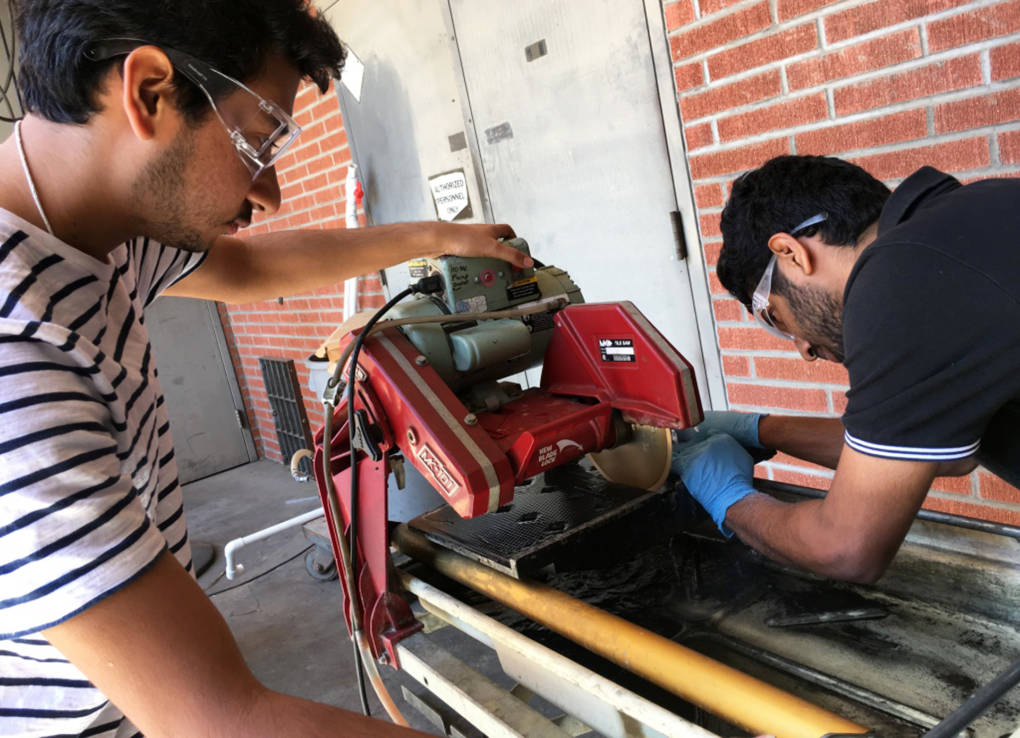
"caption": "Graduate engineering students Manoj Sampangi Ram (L) and Skanda Rai are originally from India and study at California State University, Long Beach on student visas.",
"description": "Graduate engineering students Manoj Sampangi Ram (L) and Skanda Rai are originally from India and study at California State University, Long Beach on student visas.",
"title": "EngStudents",
"credit": "Adolfo Guzman-Lopez/KPCC",
"status": "inherit",
"isLoading": false,
"fetchFailed": false
},
"news_11463151": {
"type": "attachments",
"id": "news_11463151",
"meta": {
"index": "attachments_1716263798",
"site": "news",
"id": "11463151",
"found": true
},
"parent": 11463055,
"imgSizes": {
"small": {
"file": "https://ww2.kqed.org/app/uploads/sites/10/2017/05/RS24270_GettyImages-635148734-qut-520x347.jpg",
"width": 520,
"mimeType": "image/jpeg",
"height": 347
},
"twentyfourteen-full-width": {
"file": "https://ww2.kqed.org/app/uploads/sites/10/2017/05/RS24270_GettyImages-635148734-qut-1038x576.jpg",
"width": 1038,
"mimeType": "image/jpeg",
"height": 576
},
"thumbnail": {
"file": "https://ww2.kqed.org/app/uploads/sites/10/2017/05/RS24270_GettyImages-635148734-qut-160x107.jpg",
"width": 160,
"mimeType": "image/jpeg",
"height": 107
},
"fd-sm": {
"file": "https://ww2.kqed.org/app/uploads/sites/10/2017/05/RS24270_GettyImages-635148734-qut-960x640.jpg",
"width": 960,
"mimeType": "image/jpeg",
"height": 640
},
"post-thumbnail": {
"file": "https://ww2.kqed.org/app/uploads/sites/10/2017/05/RS24270_GettyImages-635148734-qut-672x372.jpg",
"width": 672,
"mimeType": "image/jpeg",
"height": 372
},
"xsmall": {
"file": "https://ww2.kqed.org/app/uploads/sites/10/2017/05/RS24270_GettyImages-635148734-qut-375x250.jpg",
"width": 375,
"mimeType": "image/jpeg",
"height": 250
},
"kqedFullSize": {
"file": "https://ww2.kqed.org/app/uploads/sites/10/2017/05/RS24270_GettyImages-635148734-qut.jpg",
"width": 1920,
"height": 1280
},
"large": {
"file": "https://ww2.kqed.org/app/uploads/sites/10/2017/05/RS24270_GettyImages-635148734-qut-1020x680.jpg",
"width": 1020,
"mimeType": "image/jpeg",
"height": 680
},
"xlarge": {
"file": "https://ww2.kqed.org/app/uploads/sites/10/2017/05/RS24270_GettyImages-635148734-qut-1180x787.jpg",
"width": 1180,
"mimeType": "image/jpeg",
"height": 787
},
"guest-author-50": {
"file": "https://ww2.kqed.org/app/uploads/sites/10/2017/05/RS24270_GettyImages-635148734-qut-50x50.jpg",
"width": 50,
"mimeType": "image/jpeg",
"height": 50
},
"guest-author-96": {
"file": "https://ww2.kqed.org/app/uploads/sites/10/2017/05/RS24270_GettyImages-635148734-qut-96x96.jpg",
"width": 96,
"mimeType": "image/jpeg",
"height": 96
},
"medium": {
"file": "https://ww2.kqed.org/app/uploads/sites/10/2017/05/RS24270_GettyImages-635148734-qut-800x533.jpg",
"width": 800,
"mimeType": "image/jpeg",
"height": 533
},
"guest-author-64": {
"file": "https://ww2.kqed.org/app/uploads/sites/10/2017/05/RS24270_GettyImages-635148734-qut-64x64.jpg",
"width": 64,
"mimeType": "image/jpeg",
"height": 64
},
"guest-author-32": {
"file": "https://ww2.kqed.org/app/uploads/sites/10/2017/05/RS24270_GettyImages-635148734-qut-32x32.jpg",
"width": 32,
"mimeType": "image/jpeg",
"height": 32
},
"fd-lrg": {
"file": "https://ww2.kqed.org/app/uploads/sites/10/2017/05/RS24270_GettyImages-635148734-qut-1920x1280.jpg",
"width": 1920,
"mimeType": "image/jpeg",
"height": 1280
},
"fd-med": {
"file": "https://ww2.kqed.org/app/uploads/sites/10/2017/05/RS24270_GettyImages-635148734-qut-1180x787.jpg",
"width": 1180,
"mimeType": "image/jpeg",
"height": 787
},
"full-width": {
"file": "https://ww2.kqed.org/app/uploads/sites/10/2017/05/RS24270_GettyImages-635148734-qut-1920x1280.jpg",
"width": 1920,
"mimeType": "image/jpeg",
"height": 1280
},
"detail": {
"file": "https://ww2.kqed.org/app/uploads/sites/10/2017/05/RS24270_GettyImages-635148734-qut-150x150.jpg",
"width": 150,
"mimeType": "image/jpeg",
"height": 150
},
"guest-author-128": {
"file": "https://ww2.kqed.org/app/uploads/sites/10/2017/05/RS24270_GettyImages-635148734-qut-128x128.jpg",
"width": 128,
"mimeType": "image/jpeg",
"height": 128
},
"xxsmall": {
"file": "https://ww2.kqed.org/app/uploads/sites/10/2017/05/RS24270_GettyImages-635148734-qut-240x160.jpg",
"width": 240,
"mimeType": "image/jpeg",
"height": 160
}
},
"publishDate": 1495049180,
"modified": 1495062724,
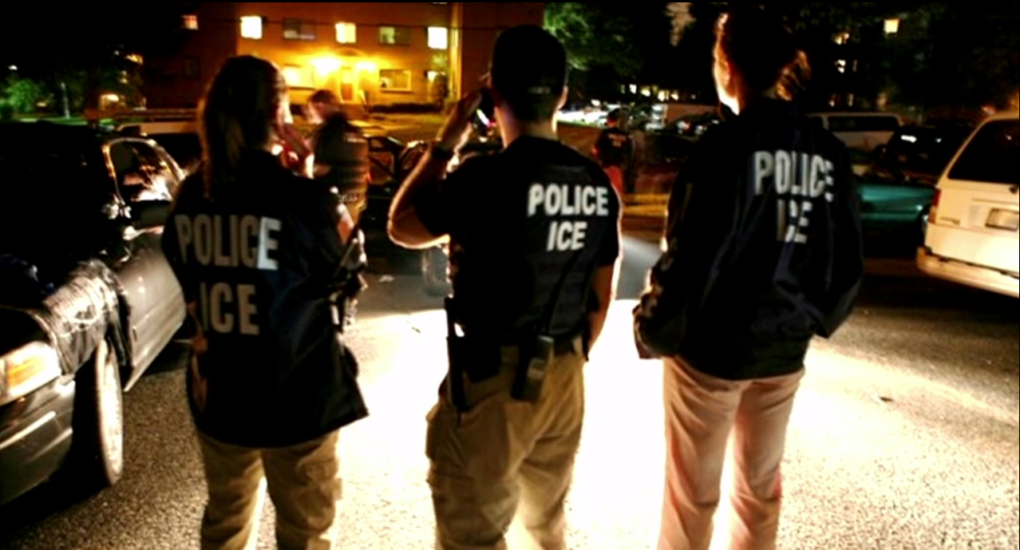
"caption": "In this handout provided by U.S. Immigration and Customs Enforcement, foreign nationals were arrested by immigration officers on Feb. 9, 2017, in Atlanta, Georgia.",
"description": null,
"title": "RS24270_GettyImages-635148734-qut",
"credit": "Bryan Cox/U.S. Immigration and Customs Enforcement via Getty Images",
"status": "inherit",
"isLoading": false,
"fetchFailed": false
},
"news_11459258": {
"type": "attachments",
"id": "news_11459258",
"meta": {
"index": "attachments_1716263798",
"site": "news",
"id": "11459258",
"found": true
},
"parent": 11459169,
"imgSizes": {
"small": {
"file": "https://ww2.kqed.org/app/uploads/sites/10/2017/05/RS23927_GettyImages-633034294-qut-520x363.jpg",
"width": 520,
"mimeType": "image/jpeg",
"height": 363
},
"twentyfourteen-full-width": {
"file": "https://ww2.kqed.org/app/uploads/sites/10/2017/05/RS23927_GettyImages-633034294-qut-1038x576.jpg",
"width": 1038,
"mimeType": "image/jpeg",
"height": 576
},
"thumbnail": {
"file": "https://ww2.kqed.org/app/uploads/sites/10/2017/05/RS23927_GettyImages-633034294-qut-160x112.jpg",
"width": 160,
"mimeType": "image/jpeg",
"height": 112
},
"fd-sm": {
"file": "https://ww2.kqed.org/app/uploads/sites/10/2017/05/RS23927_GettyImages-633034294-qut-960x670.jpg",
"width": 960,
"mimeType": "image/jpeg",
"height": 670
},
"post-thumbnail": {
"file": "https://ww2.kqed.org/app/uploads/sites/10/2017/05/RS23927_GettyImages-633034294-qut-672x372.jpg",
"width": 672,
"mimeType": "image/jpeg",
"height": 372
},
"xsmall": {
"file": "https://ww2.kqed.org/app/uploads/sites/10/2017/05/RS23927_GettyImages-633034294-qut-375x262.jpg",
"width": 375,
"mimeType": "image/jpeg",
"height": 262
},
"kqedFullSize": {
"file": "https://ww2.kqed.org/app/uploads/sites/10/2017/05/RS23927_GettyImages-633034294-qut.jpg",
"width": 1920,
"height": 1340
},
"large": {
"file": "https://ww2.kqed.org/app/uploads/sites/10/2017/05/RS23927_GettyImages-633034294-qut-1020x712.jpg",
"width": 1020,
"mimeType": "image/jpeg",
"height": 712
},
"xlarge": {
"file": "https://ww2.kqed.org/app/uploads/sites/10/2017/05/RS23927_GettyImages-633034294-qut-1180x824.jpg",
"width": 1180,
"mimeType": "image/jpeg",
"height": 824
},
"guest-author-50": {
"file": "https://ww2.kqed.org/app/uploads/sites/10/2017/05/RS23927_GettyImages-633034294-qut-50x50.jpg",
"width": 50,
"mimeType": "image/jpeg",
"height": 50
},
"guest-author-96": {
"file": "https://ww2.kqed.org/app/uploads/sites/10/2017/05/RS23927_GettyImages-633034294-qut-96x96.jpg",
"width": 96,
"mimeType": "image/jpeg",
"height": 96
},
"medium": {
"file": "https://ww2.kqed.org/app/uploads/sites/10/2017/05/RS23927_GettyImages-633034294-qut-800x558.jpg",
"width": 800,
"mimeType": "image/jpeg",
"height": 558
},
"guest-author-64": {
"file": "https://ww2.kqed.org/app/uploads/sites/10/2017/05/RS23927_GettyImages-633034294-qut-64x64.jpg",
"width": 64,
"mimeType": "image/jpeg",
"height": 64
},
"guest-author-32": {
"file": "https://ww2.kqed.org/app/uploads/sites/10/2017/05/RS23927_GettyImages-633034294-qut-32x32.jpg",
"width": 32,
"mimeType": "image/jpeg",
"height": 32
},
"fd-lrg": {
"file": "https://ww2.kqed.org/app/uploads/sites/10/2017/05/RS23927_GettyImages-633034294-qut-1920x1340.jpg",
"width": 1920,
"mimeType": "image/jpeg",
"height": 1340
},
"fd-med": {
"file": "https://ww2.kqed.org/app/uploads/sites/10/2017/05/RS23927_GettyImages-633034294-qut-1180x824.jpg",
"width": 1180,
"mimeType": "image/jpeg",
"height": 824
},
"full-width": {
"file": "https://ww2.kqed.org/app/uploads/sites/10/2017/05/RS23927_GettyImages-633034294-qut-1920x1340.jpg",
"width": 1920,
"mimeType": "image/jpeg",
"height": 1340
},
"detail": {
"file": "https://ww2.kqed.org/app/uploads/sites/10/2017/05/RS23927_GettyImages-633034294-qut-150x150.jpg",
"width": 150,
"mimeType": "image/jpeg",
"height": 150
},
"guest-author-128": {
"file": "https://ww2.kqed.org/app/uploads/sites/10/2017/05/RS23927_GettyImages-633034294-qut-128x128.jpg",
"width": 128,
"mimeType": "image/jpeg",
"height": 128
},
"xxsmall": {
"file": "https://ww2.kqed.org/app/uploads/sites/10/2017/05/RS23927_GettyImages-633034294-qut-240x168.jpg",
"width": 240,
"mimeType": "image/jpeg",
"height": 168
}
},
"publishDate": 1494872776,
"modified": 1494885328,
"caption": "Protesters at LAX days after President Trump issued a travel ban on people from several majority-Muslim countries. ",
"description": "Protesters at LAX days after President Donald Trump issued a travel ban on people from several majority-Muslim countries. ",
"title": "RS23927_GettyImages-633034294-qut",
"credit": "Justin Sullivan/Getty Images",
"status": "inherit",
"isLoading": false,
"fetchFailed": false
},
"news_11457784": {
"type": "attachments",
"id": "news_11457784",
"meta": {
"index": "attachments_1716263798",
"site": "news",
"id": "11457784",
"found": true
},
"parent": 11457713,
"imgSizes": {
"small": {
"file": "https://ww2.kqed.org/app/uploads/sites/10/2018/05/RS24471_ICE_4-qut-520x293.jpg",
"width": 520,
"mimeType": "image/jpeg",
"height": 293
},
"twentyfourteen-full-width": {
"file": "https://ww2.kqed.org/app/uploads/sites/10/2018/05/RS24471_ICE_4-qut-1038x576.jpg",
"width": 1038,
"mimeType": "image/jpeg",
"height": 576
},
"thumbnail": {
"file": "https://ww2.kqed.org/app/uploads/sites/10/2018/05/RS24471_ICE_4-qut-160x90.jpg",
"width": 160,
"mimeType": "image/jpeg",
"height": 90
},
"fd-sm": {
"file": "https://ww2.kqed.org/app/uploads/sites/10/2018/05/RS24471_ICE_4-qut-960x540.jpg",
"width": 960,
"mimeType": "image/jpeg",
"height": 540
},
"post-thumbnail": {
"file": "https://ww2.kqed.org/app/uploads/sites/10/2018/05/RS24471_ICE_4-qut-672x372.jpg",
"width": 672,
"mimeType": "image/jpeg",
"height": 372
},
"xsmall": {
"file": "https://ww2.kqed.org/app/uploads/sites/10/2018/05/RS24471_ICE_4-qut-375x211.jpg",
"width": 375,
"mimeType": "image/jpeg",
"height": 211
},
"kqedFullSize": {
"file": "https://ww2.kqed.org/app/uploads/sites/10/2018/05/RS24471_ICE_4-qut.jpg",
"width": 1920,
"height": 1080
},
"large": {
"file": "https://ww2.kqed.org/app/uploads/sites/10/2018/05/RS24471_ICE_4-qut-1020x574.jpg",
"width": 1020,
"mimeType": "image/jpeg",
"height": 574
},
"xlarge": {
"file": "https://ww2.kqed.org/app/uploads/sites/10/2018/05/RS24471_ICE_4-qut-1180x664.jpg",
"width": 1180,
"mimeType": "image/jpeg",
"height": 664
},
"guest-author-50": {
"file": "https://ww2.kqed.org/app/uploads/sites/10/2018/05/RS24471_ICE_4-qut-50x50.jpg",
"width": 50,
"mimeType": "image/jpeg",
"height": 50
},
"guest-author-96": {
"file": "https://ww2.kqed.org/app/uploads/sites/10/2018/05/RS24471_ICE_4-qut-96x96.jpg",
"width": 96,
"mimeType": "image/jpeg",
"height": 96
},
"medium": {
"file": "https://ww2.kqed.org/app/uploads/sites/10/2018/05/RS24471_ICE_4-qut-800x450.jpg",
"width": 800,
"mimeType": "image/jpeg",
"height": 450
},
"guest-author-64": {
"file": "https://ww2.kqed.org/app/uploads/sites/10/2018/05/RS24471_ICE_4-qut-64x64.jpg",
"width": 64,
"mimeType": "image/jpeg",
"height": 64
},
"guest-author-32": {
"file": "https://ww2.kqed.org/app/uploads/sites/10/2018/05/RS24471_ICE_4-qut-32x32.jpg",
"width": 32,
"mimeType": "image/jpeg",
"height": 32
},
"fd-lrg": {
"file": "https://ww2.kqed.org/app/uploads/sites/10/2018/05/RS24471_ICE_4-qut-1920x1080.jpg",
"width": 1920,
"mimeType": "image/jpeg",
"height": 1080
},
"fd-med": {
"file": "https://ww2.kqed.org/app/uploads/sites/10/2018/05/RS24471_ICE_4-qut-1180x664.jpg",
"width": 1180,
"mimeType": "image/jpeg",
"height": 664
},
"full-width": {
"file": "https://ww2.kqed.org/app/uploads/sites/10/2018/05/RS24471_ICE_4-qut-1920x1080.jpg",
"width": 1920,
"mimeType": "image/jpeg",
"height": 1080
},
"detail": {
"file": "https://ww2.kqed.org/app/uploads/sites/10/2018/05/RS24471_ICE_4-qut-150x150.jpg",
"width": 150,
"mimeType": "image/jpeg",
"height": 150
},
"guest-author-128": {
"file": "https://ww2.kqed.org/app/uploads/sites/10/2018/05/RS24471_ICE_4-qut-128x128.jpg",
"width": 128,
"mimeType": "image/jpeg",
"height": 128
},
"xxsmall": {
"file": "https://ww2.kqed.org/app/uploads/sites/10/2018/05/RS24471_ICE_4-qut-240x135.jpg",
"width": 240,
"mimeType": "image/jpeg",
"height": 135
}
},
"publishDate": 1494793970,
"modified": 1494890228,
"caption": "Maguiber was detained by ICE on February 9, 2017. His wife, Yiby, is unemployed and now watches their three children, who are U.S. citizens, by herself. ",
"description": "Maguiber was detained by ICE on February 9, 2017. His wife, Yiby, is unemployed and now watches their 3 children, who are U.S. citizens, by herself. ",
"title": "RS24471_ICE_4-qut",
"credit": "Erasmo Martinez/KQED",
"status": "inherit",
"isLoading": false,
"fetchFailed": false
},
"news_11454851": {
"type": "attachments",
"id": "news_11454851",
"meta": {
"index": "attachments_1716263798",
"site": "news",
"id": "11454851",
"found": true
},
"parent": 11454621,
"imgSizes": {
"small": {
"file": "https://ww2.kqed.org/app/uploads/sites/10/2017/05/ice-520x280.png",
"width": 520,
"mimeType": "image/png",
"height": 280
},
"twentyfourteen-full-width": {
"file": "https://ww2.kqed.org/app/uploads/sites/10/2017/05/ice-1038x576.png",
"width": 1038,
"mimeType": "image/png",
"height": 576
},
"thumbnail": {
"file": "https://ww2.kqed.org/app/uploads/sites/10/2017/05/ice-160x86.png",
"width": 160,
"mimeType": "image/png",
"height": 86
},
"fd-sm": {
"file": "https://ww2.kqed.org/app/uploads/sites/10/2017/05/ice-960x518.png",
"width": 960,
"mimeType": "image/png",
"height": 518
},
"post-thumbnail": {
"file": "https://ww2.kqed.org/app/uploads/sites/10/2017/05/ice-672x372.png",
"width": 672,
"mimeType": "image/png",
"height": 372
},
"xsmall": {
"file": "https://ww2.kqed.org/app/uploads/sites/10/2017/05/ice-375x202.png",
"width": 375,
"mimeType": "image/png",
"height": 202
},
"kqedFullSize": {
"file": "https://ww2.kqed.org/app/uploads/sites/10/2017/05/ice.png",
"width": 1278,
"height": 689
},
"large": {
"file": "https://ww2.kqed.org/app/uploads/sites/10/2017/05/ice-1020x550.png",
"width": 1020,
"mimeType": "image/png",
"height": 550
},
"xlarge": {
"file": "https://ww2.kqed.org/app/uploads/sites/10/2017/05/ice-1180x636.png",
"width": 1180,
"mimeType": "image/png",
"height": 636
},
"guest-author-50": {
"file": "https://ww2.kqed.org/app/uploads/sites/10/2017/05/ice-50x50.png",
"width": 50,
"mimeType": "image/png",
"height": 50
},
"guest-author-96": {
"file": "https://ww2.kqed.org/app/uploads/sites/10/2017/05/ice-96x96.png",
"width": 96,
"mimeType": "image/png",
"height": 96
},
"medium": {
"file": "https://ww2.kqed.org/app/uploads/sites/10/2017/05/ice-800x431.png",
"width": 800,
"mimeType": "image/png",
"height": 431
},
"guest-author-64": {
"file": "https://ww2.kqed.org/app/uploads/sites/10/2017/05/ice-64x64.png",
"width": 64,
"mimeType": "image/png",
"height": 64
},
"guest-author-32": {
"file": "https://ww2.kqed.org/app/uploads/sites/10/2017/05/ice-32x32.png",
"width": 32,
"mimeType": "image/png",
"height": 32
},
"fd-med": {
"file": "https://ww2.kqed.org/app/uploads/sites/10/2017/05/ice-1180x636.png",
"width": 1180,
"mimeType": "image/png",
"height": 636
},
"detail": {
"file": "https://ww2.kqed.org/app/uploads/sites/10/2017/05/ice-150x150.png",
"width": 150,
"mimeType": "image/png",
"height": 150
},
"guest-author-128": {
"file": "https://ww2.kqed.org/app/uploads/sites/10/2017/05/ice-128x128.png",
"width": 128,
"mimeType": "image/png",
"height": 128
},
"xxsmall": {
"file": "https://ww2.kqed.org/app/uploads/sites/10/2017/05/ice-240x129.png",
"width": 240,
"mimeType": "image/png",
"height": 129
}
},
"publishDate": 1494641276,
"modified": 1494641276,
"caption": null,
"description": null,
"title": "ice",
"credit": null,
"status": "inherit",
"isLoading": false,
"fetchFailed": false
},
"arts_13200197": {
"type": "attachments",
"id": "arts_13200197",
"meta": {
"index": "attachments_1716263798",
"site": "arts",
"id": "13200197",
"found": true
},
"parent": 13194951,
"imgSizes": {
"small": {
"file": "https://ww2.kqed.org/app/uploads/sites/2/2017/05/RS25320_diaries_8256-qut-520x292.jpg",
"width": 520,
"mimeType": "image/jpeg",
"height": 292
},
"twentyfourteen-full-width": {
"file": "https://ww2.kqed.org/app/uploads/sites/2/2017/05/RS25320_diaries_8256-qut-1038x576.jpg",
"width": 1038,
"mimeType": "image/jpeg",
"height": 576
},
"thumbnail": {
"file": "https://ww2.kqed.org/app/uploads/sites/2/2017/05/RS25320_diaries_8256-qut-160x90.jpg",
"width": 160,
"mimeType": "image/jpeg",
"height": 90
},
"fd-sm": {
"file": "https://ww2.kqed.org/app/uploads/sites/2/2017/05/RS25320_diaries_8256-qut-960x540.jpg",
"width": 960,
"mimeType": "image/jpeg",
"height": 540
},
"post-thumbnail": {
"file": "https://ww2.kqed.org/app/uploads/sites/2/2017/05/RS25320_diaries_8256-qut-672x372.jpg",
"width": 672,
"mimeType": "image/jpeg",
"height": 372
},
"xsmall": {
"file": "https://ww2.kqed.org/app/uploads/sites/2/2017/05/RS25320_diaries_8256-qut-375x211.jpg",
"width": 375,
"mimeType": "image/jpeg",
"height": 211
},
"kqedFullSize": {
"file": "https://ww2.kqed.org/app/uploads/sites/2/2017/05/RS25320_diaries_8256-qut.jpg",
"width": 1920,
"height": 1079
},
"large": {
"file": "https://ww2.kqed.org/app/uploads/sites/2/2017/05/RS25320_diaries_8256-qut-1020x573.jpg",
"width": 1020,
"mimeType": "image/jpeg",
"height": 573
},
"xlarge": {
"file": "https://ww2.kqed.org/app/uploads/sites/2/2017/05/RS25320_diaries_8256-qut-1180x663.jpg",
"width": 1180,
"mimeType": "image/jpeg",
"height": 663
},
"guest-author-50": {
"file": "https://ww2.kqed.org/app/uploads/sites/2/2017/05/RS25320_diaries_8256-qut-50x50.jpg",
"width": 50,
"mimeType": "image/jpeg",
"height": 50
},
"guest-author-96": {
"file": "https://ww2.kqed.org/app/uploads/sites/2/2017/05/RS25320_diaries_8256-qut-96x96.jpg",
"width": 96,
"mimeType": "image/jpeg",
"height": 96
},
"medium": {
"file": "https://ww2.kqed.org/app/uploads/sites/2/2017/05/RS25320_diaries_8256-qut-800x450.jpg",
"width": 800,
"mimeType": "image/jpeg",
"height": 450
},
"guest-author-64": {
"file": "https://ww2.kqed.org/app/uploads/sites/2/2017/05/RS25320_diaries_8256-qut-64x64.jpg",
"width": 64,
"mimeType": "image/jpeg",
"height": 64
},
"guest-author-32": {
"file": "https://ww2.kqed.org/app/uploads/sites/2/2017/05/RS25320_diaries_8256-qut-32x32.jpg",
"width": 32,
"mimeType": "image/jpeg",
"height": 32
},
"fd-lrg": {
"file": "https://ww2.kqed.org/app/uploads/sites/2/2017/05/RS25320_diaries_8256-qut-1920x1079.jpg",
"width": 1920,
"mimeType": "image/jpeg",
"height": 1079
},
"fd-med": {
"file": "https://ww2.kqed.org/app/uploads/sites/2/2017/05/RS25320_diaries_8256-qut-1180x663.jpg",
"width": 1180,
"mimeType": "image/jpeg",
"height": 663
},
"full-width": {
"file": "https://ww2.kqed.org/app/uploads/sites/2/2017/05/RS25320_diaries_8256-qut-1920x1079.jpg",
"width": 1920,
"mimeType": "image/jpeg",
"height": 1079
},
"detail": {
"file": "https://ww2.kqed.org/app/uploads/sites/2/2017/05/RS25320_diaries_8256-qut-150x150.jpg",
"width": 150,
"mimeType": "image/jpeg",
"height": 150
},
"medium_large": {
"file": "https://ww2.kqed.org/app/uploads/sites/2/2017/05/RS25320_diaries_8256-qut-768x432.jpg",
"width": 768,
"mimeType": "image/jpeg",
"height": 432
},
"guest-author-128": {
"file": "https://ww2.kqed.org/app/uploads/sites/2/2017/05/RS25320_diaries_8256-qut-128x128.jpg",
"width": 128,
"mimeType": "image/jpeg",
"height": 128
},
"xxsmall": {
"file": "https://ww2.kqed.org/app/uploads/sites/2/2017/05/RS25320_diaries_8256-qut-240x135.jpg",
"width": 240,
"mimeType": "image/jpeg",
"height": 135
}
},
"publishDate": 1494433696,
"modified": 1494433748,
"caption": "The diaries of Hisao Magario, in the collection of Stanford's East Asian Library.",
"description": "The diaries of Hisao Magario, in the collection of Stanford's East Asian Library.",
"title": "RS25320_diaries_8256-qut",
"credit": "Photo: Courtesy of Linda Cicero/Stanford News",
"status": "inherit",
"isLoading": false,
"fetchFailed": false
},
"news_11452501": {
"type": "attachments",
"id": "news_11452501",
"meta": {
"index": "attachments_1716263798",
"site": "news",
"id": "11452501",
"found": true
},
"parent": 11448633,
"imgSizes": {
"small": {
"file": "https://ww2.kqed.org/app/uploads/sites/10/2017/05/BrownRevise2-520x340.jpg",
"width": 520,
"mimeType": "image/jpeg",
"height": 340
},
"twentyfourteen-full-width": {
"file": "https://ww2.kqed.org/app/uploads/sites/10/2017/05/BrownRevise2-1038x576.jpg",
"width": 1038,
"mimeType": "image/jpeg",
"height": 576
},
"thumbnail": {
"file": "https://ww2.kqed.org/app/uploads/sites/10/2017/05/BrownRevise2-160x105.jpg",
"width": 160,
"mimeType": "image/jpeg",
"height": 105
},
"fd-sm": {
"file": "https://ww2.kqed.org/app/uploads/sites/10/2017/05/BrownRevise2-960x627.jpg",
"width": 960,
"mimeType": "image/jpeg",
"height": 627
},
"post-thumbnail": {
"file": "https://ww2.kqed.org/app/uploads/sites/10/2017/05/BrownRevise2-672x372.jpg",
"width": 672,
"mimeType": "image/jpeg",
"height": 372
},
"xsmall": {
"file": "https://ww2.kqed.org/app/uploads/sites/10/2017/05/BrownRevise2-375x245.jpg",
"width": 375,
"mimeType": "image/jpeg",
"height": 245
},
"kqedFullSize": {
"file": "https://ww2.kqed.org/app/uploads/sites/10/2017/05/BrownRevise2.jpg",
"width": 1920,
"height": 1254
},
"large": {
"file": "https://ww2.kqed.org/app/uploads/sites/10/2017/05/BrownRevise2-1020x666.jpg",
"width": 1020,
"mimeType": "image/jpeg",
"height": 666
},
"xlarge": {
"file": "https://ww2.kqed.org/app/uploads/sites/10/2017/05/BrownRevise2-1180x771.jpg",
"width": 1180,
"mimeType": "image/jpeg",
"height": 771
},
"guest-author-50": {
"file": "https://ww2.kqed.org/app/uploads/sites/10/2017/05/BrownRevise2-50x50.jpg",
"width": 50,
"mimeType": "image/jpeg",
"height": 50
},
"guest-author-96": {
"file": "https://ww2.kqed.org/app/uploads/sites/10/2017/05/BrownRevise2-96x96.jpg",
"width": 96,
"mimeType": "image/jpeg",
"height": 96
},
"medium": {
"file": "https://ww2.kqed.org/app/uploads/sites/10/2017/05/BrownRevise2-800x523.jpg",
"width": 800,
"mimeType": "image/jpeg",
"height": 523
},
"guest-author-64": {
"file": "https://ww2.kqed.org/app/uploads/sites/10/2017/05/BrownRevise2-64x64.jpg",
"width": 64,
"mimeType": "image/jpeg",
"height": 64
},
"guest-author-32": {
"file": "https://ww2.kqed.org/app/uploads/sites/10/2017/05/BrownRevise2-32x32.jpg",
"width": 32,
"mimeType": "image/jpeg",
"height": 32
},
"fd-lrg": {
"file": "https://ww2.kqed.org/app/uploads/sites/10/2017/05/BrownRevise2-1920x1254.jpg",
"width": 1920,
"mimeType": "image/jpeg",
"height": 1254
},
"fd-med": {
"file": "https://ww2.kqed.org/app/uploads/sites/10/2017/05/BrownRevise2-1180x771.jpg",
"width": 1180,
"mimeType": "image/jpeg",
"height": 771
},
"full-width": {
"file": "https://ww2.kqed.org/app/uploads/sites/10/2017/05/BrownRevise2-1920x1254.jpg",
"width": 1920,
"mimeType": "image/jpeg",
"height": 1254
},
"detail": {
"file": "https://ww2.kqed.org/app/uploads/sites/10/2017/05/BrownRevise2-150x150.jpg",
"width": 150,
"mimeType": "image/jpeg",
"height": 150
},
"guest-author-128": {
"file": "https://ww2.kqed.org/app/uploads/sites/10/2017/05/BrownRevise2-128x128.jpg",
"width": 128,
"mimeType": "image/jpeg",
"height": 128
},
"xxsmall": {
"file": "https://ww2.kqed.org/app/uploads/sites/10/2017/05/BrownRevise2-240x157.jpg",
"width": 240,
"mimeType": "image/jpeg",
"height": 157
}
},
"publishDate": 1494530369,
"modified": 1494546820,
"caption": "Gov. Jerry Brown speaks at a news conference where he revealed his revised budget on May 11, 2017, in Sacramento.",
"description": "Gov. Jerry Brown speaks at a news conference where he revealed his revised budget on May 11, 2017 in Sacramento.",
"title": "BrownRevise2",
"credit": "Justin Sullivan/Getty Images",
"status": "inherit",
"isLoading": false,
"fetchFailed": false
},
"news_11443321": {
"type": "attachments",
"id": "news_11443321",
"meta": {
"index": "attachments_1716263798",
"site": "news",
"id": "11443321",
"found": true
},
"parent": 11443320,
"imgSizes": {
"small": {
"file": "https://ww2.kqed.org/app/uploads/sites/10/2017/05/11833-pg278_b5f2_1-edit_custom-eeedfeb01c6b70597cabea39d0cda18bf635dd0a-520x747.jpg",
"width": 520,
"mimeType": "image/jpeg",
"height": 747
},
"twentyfourteen-full-width": {
"file": "https://ww2.kqed.org/app/uploads/sites/10/2017/05/11833-pg278_b5f2_1-edit_custom-eeedfeb01c6b70597cabea39d0cda18bf635dd0a-1038x576.jpg",
"width": 1038,
"mimeType": "image/jpeg",
"height": 576
},
"thumbnail": {
"file": "https://ww2.kqed.org/app/uploads/sites/10/2017/05/11833-pg278_b5f2_1-edit_custom-eeedfeb01c6b70597cabea39d0cda18bf635dd0a-160x230.jpg",
"width": 160,
"mimeType": "image/jpeg",
"height": 230
},
"fd-sm": {
"file": "https://ww2.kqed.org/app/uploads/sites/10/2017/05/11833-pg278_b5f2_1-edit_custom-eeedfeb01c6b70597cabea39d0cda18bf635dd0a-960x1379.jpg",
"width": 960,
"mimeType": "image/jpeg",
"height": 1379
},
"post-thumbnail": {
"file": "https://ww2.kqed.org/app/uploads/sites/10/2017/05/11833-pg278_b5f2_1-edit_custom-eeedfeb01c6b70597cabea39d0cda18bf635dd0a-672x372.jpg",
"width": 672,
"mimeType": "image/jpeg",
"height": 372
},
"xsmall": {
"file": "https://ww2.kqed.org/app/uploads/sites/10/2017/05/11833-pg278_b5f2_1-edit_custom-eeedfeb01c6b70597cabea39d0cda18bf635dd0a-375x539.jpg",
"width": 375,
"mimeType": "image/jpeg",
"height": 539
},
"kqedFullSize": {
"file": "https://ww2.kqed.org/app/uploads/sites/10/2017/05/11833-pg278_b5f2_1-edit_custom-eeedfeb01c6b70597cabea39d0cda18bf635dd0a.jpg",
"width": 1425,
"height": 2048
},
"large": {
"file": "https://ww2.kqed.org/app/uploads/sites/10/2017/05/11833-pg278_b5f2_1-edit_custom-eeedfeb01c6b70597cabea39d0cda18bf635dd0a-1020x1466.jpg",
"width": 1020,
"mimeType": "image/jpeg",
"height": 1466
},
"xlarge": {
"file": "https://ww2.kqed.org/app/uploads/sites/10/2017/05/11833-pg278_b5f2_1-edit_custom-eeedfeb01c6b70597cabea39d0cda18bf635dd0a-1180x1695.jpg",
"width": 1180,
"mimeType": "image/jpeg",
"height": 1695
},
"guest-author-50": {
"file": "https://ww2.kqed.org/app/uploads/sites/10/2017/05/11833-pg278_b5f2_1-edit_custom-eeedfeb01c6b70597cabea39d0cda18bf635dd0a-50x50.jpg",
"width": 50,
"mimeType": "image/jpeg",
"height": 50
},
"guest-author-96": {
"file": "https://ww2.kqed.org/app/uploads/sites/10/2017/05/11833-pg278_b5f2_1-edit_custom-eeedfeb01c6b70597cabea39d0cda18bf635dd0a-96x96.jpg",
"width": 96,
"mimeType": "image/jpeg",
"height": 96
},
"medium": {
"file": "https://ww2.kqed.org/app/uploads/sites/10/2017/05/11833-pg278_b5f2_1-edit_custom-eeedfeb01c6b70597cabea39d0cda18bf635dd0a-800x1149.jpg",
"width": 800,
"mimeType": "image/jpeg",
"height": 1149
},
"guest-author-64": {
"file": "https://ww2.kqed.org/app/uploads/sites/10/2017/05/11833-pg278_b5f2_1-edit_custom-eeedfeb01c6b70597cabea39d0cda18bf635dd0a-64x64.jpg",
"width": 64,
"mimeType": "image/jpeg",
"height": 64
},
"guest-author-32": {
"file": "https://ww2.kqed.org/app/uploads/sites/10/2017/05/11833-pg278_b5f2_1-edit_custom-eeedfeb01c6b70597cabea39d0cda18bf635dd0a-32x32.jpg",
"width": 32,
"mimeType": "image/jpeg",
"height": 32
},
"fd-med": {
"file": "https://ww2.kqed.org/app/uploads/sites/10/2017/05/11833-pg278_b5f2_1-edit_custom-eeedfeb01c6b70597cabea39d0cda18bf635dd0a-1180x1695.jpg",
"width": 1180,
"mimeType": "image/jpeg",
"height": 1695
},
"detail": {
"file": "https://ww2.kqed.org/app/uploads/sites/10/2017/05/11833-pg278_b5f2_1-edit_custom-eeedfeb01c6b70597cabea39d0cda18bf635dd0a-150x150.jpg",
"width": 150,
"mimeType": "image/jpeg",
"height": 150
},
"guest-author-128": {
"file": "https://ww2.kqed.org/app/uploads/sites/10/2017/05/11833-pg278_b5f2_1-edit_custom-eeedfeb01c6b70597cabea39d0cda18bf635dd0a-128x128.jpg",
"width": 128,
"mimeType": "image/jpeg",
"height": 128
},
"xxsmall": {
"file": "https://ww2.kqed.org/app/uploads/sites/10/2017/05/11833-pg278_b5f2_1-edit_custom-eeedfeb01c6b70597cabea39d0cda18bf635dd0a-240x345.jpg",
"width": 240,
"mimeType": "image/jpeg",
"height": 345
}
},
"publishDate": 1494085441,
"modified": 1494288901,
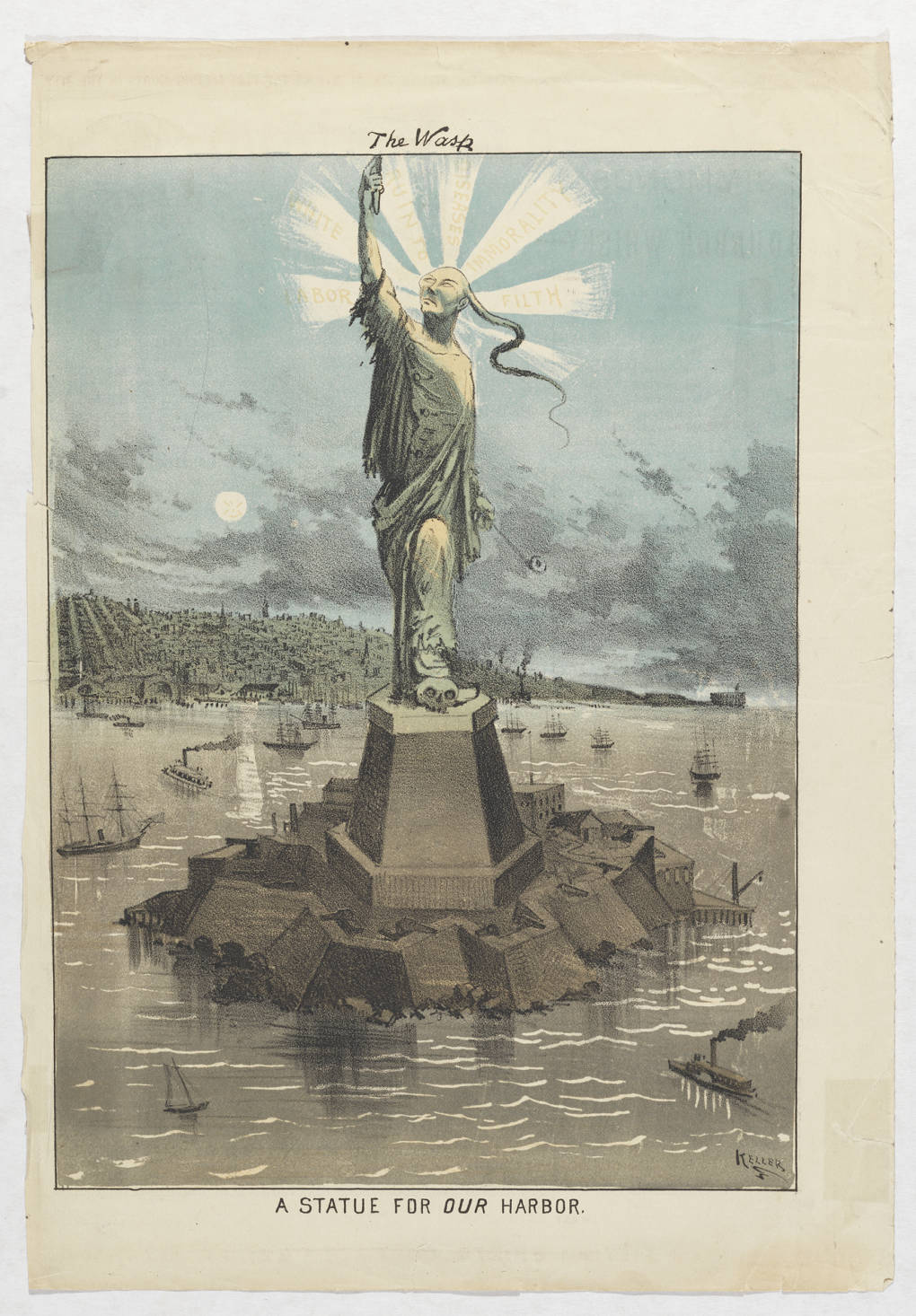
"caption": "A \"Statue for Our Harbor\" was published in 1881. It expressed the fear of Chinese immigrants, which led to the passage of the Chinese Exclusion Act 135 years ago.",
"description": "\u003cem>A Statue for Our Harbor\u003c/em> was\u003cem> \u003c/em>published in 1881. It expressed the fear of Chinese immigrants, which led to the passage of the Chinese Exclusion Act 135 years ago.",
"title": "A Statue for Our Harbor was published in 1881. It expressed the fear of Chinese immigrants, which led to the passage of the Chinese Exclusion Act 135 years ago.",
"credit": "George Frederick Keller/Historical Society of Pennsylvania",
"status": "inherit",
"isLoading": false,
"fetchFailed": false
},
"news_11442418": {
"type": "attachments",
"id": "news_11442418",
"meta": {
"index": "attachments_1716263798",
"site": "news",
"id": "11442418",
"found": true
},
"parent": 11439095,
"imgSizes": {
"small": {
"file": "https://ww2.kqed.org/app/uploads/sites/10/2017/05/FresnoBBoys-1-520x335.jpg",
"width": 520,
"mimeType": "image/jpeg",
"height": 335
},
"twentyfourteen-full-width": {
"file": "https://ww2.kqed.org/app/uploads/sites/10/2017/05/FresnoBBoys-1-1038x576.jpg",
"width": 1038,
"mimeType": "image/jpeg",
"height": 576
},
"thumbnail": {
"file": "https://ww2.kqed.org/app/uploads/sites/10/2017/05/FresnoBBoys-1-160x103.jpg",
"width": 160,
"mimeType": "image/jpeg",
"height": 103
},
"fd-sm": {
"file": "https://ww2.kqed.org/app/uploads/sites/10/2017/05/FresnoBBoys-1-960x618.jpg",
"width": 960,
"mimeType": "image/jpeg",
"height": 618
},
"post-thumbnail": {
"file": "https://ww2.kqed.org/app/uploads/sites/10/2017/05/FresnoBBoys-1-672x372.jpg",
"width": 672,
"mimeType": "image/jpeg",
"height": 372
},
"xsmall": {
"file": "https://ww2.kqed.org/app/uploads/sites/10/2017/05/FresnoBBoys-1-375x241.jpg",
"width": 375,
"mimeType": "image/jpeg",
"height": 241
},
"kqedFullSize": {
"file": "https://ww2.kqed.org/app/uploads/sites/10/2017/05/FresnoBBoys-1.jpg",
"width": 1920,
"height": 1236
},
"large": {
"file": "https://ww2.kqed.org/app/uploads/sites/10/2017/05/FresnoBBoys-1-1020x657.jpg",
"width": 1020,
"mimeType": "image/jpeg",
"height": 657
},
"xlarge": {
"file": "https://ww2.kqed.org/app/uploads/sites/10/2017/05/FresnoBBoys-1-1180x760.jpg",
"width": 1180,
"mimeType": "image/jpeg",
"height": 760
},
"guest-author-50": {
"file": "https://ww2.kqed.org/app/uploads/sites/10/2017/05/FresnoBBoys-1-50x50.jpg",
"width": 50,
"mimeType": "image/jpeg",
"height": 50
},
"guest-author-96": {
"file": "https://ww2.kqed.org/app/uploads/sites/10/2017/05/FresnoBBoys-1-96x96.jpg",
"width": 96,
"mimeType": "image/jpeg",
"height": 96
},
"medium": {
"file": "https://ww2.kqed.org/app/uploads/sites/10/2017/05/FresnoBBoys-1-800x515.jpg",
"width": 800,
"mimeType": "image/jpeg",
"height": 515
},
"guest-author-64": {
"file": "https://ww2.kqed.org/app/uploads/sites/10/2017/05/FresnoBBoys-1-64x64.jpg",
"width": 64,
"mimeType": "image/jpeg",
"height": 64
},
"guest-author-32": {
"file": "https://ww2.kqed.org/app/uploads/sites/10/2017/05/FresnoBBoys-1-32x32.jpg",
"width": 32,
"mimeType": "image/jpeg",
"height": 32
},
"fd-lrg": {
"file": "https://ww2.kqed.org/app/uploads/sites/10/2017/05/FresnoBBoys-1-1920x1236.jpg",
"width": 1920,
"mimeType": "image/jpeg",
"height": 1236
},
"fd-med": {
"file": "https://ww2.kqed.org/app/uploads/sites/10/2017/05/FresnoBBoys-1-1180x760.jpg",
"width": 1180,
"mimeType": "image/jpeg",
"height": 760
},
"full-width": {
"file": "https://ww2.kqed.org/app/uploads/sites/10/2017/05/FresnoBBoys-1-1920x1236.jpg",
"width": 1920,
"mimeType": "image/jpeg",
"height": 1236
},
"detail": {
"file": "https://ww2.kqed.org/app/uploads/sites/10/2017/05/FresnoBBoys-1-150x150.jpg",
"width": 150,
"mimeType": "image/jpeg",
"height": 150
},
"guest-author-128": {
"file": "https://ww2.kqed.org/app/uploads/sites/10/2017/05/FresnoBBoys-1-128x128.jpg",
"width": 128,
"mimeType": "image/jpeg",
"height": 128
},
"xxsmall": {
"file": "https://ww2.kqed.org/app/uploads/sites/10/2017/05/FresnoBBoys-1-240x155.jpg",
"width": 240,
"mimeType": "image/jpeg",
"height": 155
}
},
"publishDate": 1494032755,
"modified": 1494032782,
"caption": "B-boys showcase their skills in Fresno.",
"description": "B-boys showcase their skills in Fresno.",
"title": "FresnoBBoys",
"credit": "Ce Vang/Valley Public History Initiative",
"status": "inherit",
"isLoading": false,
"fetchFailed": false
},
"news_11439010": {
"type": "attachments",
"id": "news_11439010",
"meta": {
"index": "attachments_1716263798",
"site": "news",
"id": "11439010",
"found": true
},
"parent": 11438847,
"imgSizes": {
"small": {
"file": "https://ww2.kqed.org/app/uploads/sites/10/2017/05/Olive5-1-520x319.jpg",
"width": 520,
"mimeType": "image/jpeg",
"height": 319
},
"twentyfourteen-full-width": {
"file": "https://ww2.kqed.org/app/uploads/sites/10/2017/05/Olive5-1-1038x576.jpg",
"width": 1038,
"mimeType": "image/jpeg",
"height": 576
},
"thumbnail": {
"file": "https://ww2.kqed.org/app/uploads/sites/10/2017/05/Olive5-1-160x98.jpg",
"width": 160,
"mimeType": "image/jpeg",
"height": 98
},
"fd-sm": {
"file": "https://ww2.kqed.org/app/uploads/sites/10/2017/05/Olive5-1-960x589.jpg",
"width": 960,
"mimeType": "image/jpeg",
"height": 589
},
"post-thumbnail": {
"file": "https://ww2.kqed.org/app/uploads/sites/10/2017/05/Olive5-1-672x372.jpg",
"width": 672,
"mimeType": "image/jpeg",
"height": 372
},
"xsmall": {
"file": "https://ww2.kqed.org/app/uploads/sites/10/2017/05/Olive5-1-375x230.jpg",
"width": 375,
"mimeType": "image/jpeg",
"height": 230
},
"kqedFullSize": {
"file": "https://ww2.kqed.org/app/uploads/sites/10/2017/05/Olive5-1.jpg",
"width": 1280,
"height": 785
},
"large": {
"file": "https://ww2.kqed.org/app/uploads/sites/10/2017/05/Olive5-1-1020x626.jpg",
"width": 1020,
"mimeType": "image/jpeg",
"height": 626
},
"xlarge": {
"file": "https://ww2.kqed.org/app/uploads/sites/10/2017/05/Olive5-1-1180x724.jpg",
"width": 1180,
"mimeType": "image/jpeg",
"height": 724
},
"guest-author-50": {
"file": "https://ww2.kqed.org/app/uploads/sites/10/2017/05/Olive5-1-50x50.jpg",
"width": 50,
"mimeType": "image/jpeg",
"height": 50
},
"guest-author-96": {
"file": "https://ww2.kqed.org/app/uploads/sites/10/2017/05/Olive5-1-96x96.jpg",
"width": 96,
"mimeType": "image/jpeg",
"height": 96
},
"medium": {
"file": "https://ww2.kqed.org/app/uploads/sites/10/2017/05/Olive5-1-800x491.jpg",
"width": 800,
"mimeType": "image/jpeg",
"height": 491
},
"guest-author-64": {
"file": "https://ww2.kqed.org/app/uploads/sites/10/2017/05/Olive5-1-64x64.jpg",
"width": 64,
"mimeType": "image/jpeg",
"height": 64
},
"guest-author-32": {
"file": "https://ww2.kqed.org/app/uploads/sites/10/2017/05/Olive5-1-32x32.jpg",
"width": 32,
"mimeType": "image/jpeg",
"height": 32
},
"fd-med": {
"file": "https://ww2.kqed.org/app/uploads/sites/10/2017/05/Olive5-1-1180x724.jpg",
"width": 1180,
"mimeType": "image/jpeg",
"height": 724
},
"detail": {
"file": "https://ww2.kqed.org/app/uploads/sites/10/2017/05/Olive5-1-150x150.jpg",
"width": 150,
"mimeType": "image/jpeg",
"height": 150
},
"guest-author-128": {
"file": "https://ww2.kqed.org/app/uploads/sites/10/2017/05/Olive5-1-128x128.jpg",
"width": 128,
"mimeType": "image/jpeg",
"height": 128
},
"xxsmall": {
"file": "https://ww2.kqed.org/app/uploads/sites/10/2017/05/Olive5-1-240x147.jpg",
"width": 240,
"mimeType": "image/jpeg",
"height": 147
}
},
"publishDate": 1493850411,
"modified": 1493931895,
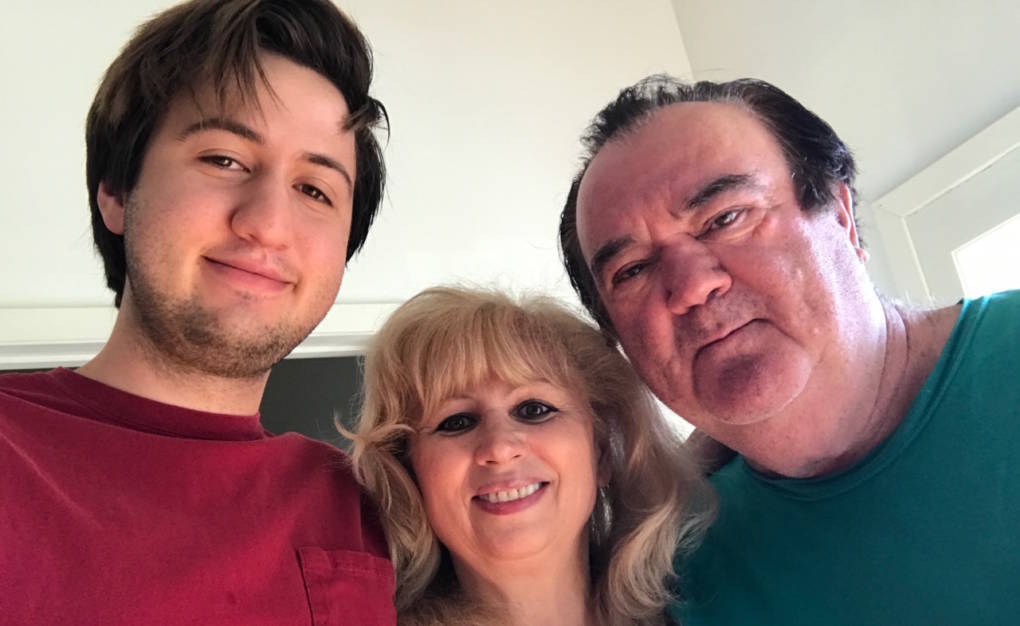
"caption": "Olive, with her parents.",
"description": "Olive, with her parents.",
"title": "Olive and Her Parents",
"credit": "Courtesy Olive",
"status": "inherit",
"isLoading": false,
"fetchFailed": false
}
},
"audioPlayerReducer": {
"postId": "stream_live",
"isPaused": true,
"isPlaying": false,
"pfsActive": false,
"pledgeModalIsOpen": true,
"playerDrawerIsOpen": false,
"liveAudioPlayStartedAt": 0,
"liveAudioPlayContext": ""
},
"authorsReducer": {
"byline_news_11472181": {
"type": "authors",
"id": "byline_news_11472181",
"meta": {
"override": true
},
"slug": "byline_news_11472181",
"name": "\u003cstrong>\u003ca href=\"http://www.npr.org/people/127410674/carrie-johnson\">Carrie Johnson\u003c/a>\u003cbr />NPR\u003c/strong>",
"isLoading": false
},
"byline_news_11465542": {
"type": "authors",
"id": "byline_news_11465542",
"meta": {
"override": true
},
"slug": "byline_news_11465542",
"name": "\u003cstrong>\u003ca href=\"http://www.scpr.org/about/people/staff/adolfo-guzman-lopez\">Adolfo Guzman-Lopez\u003c/a>\u003cbr>\u003ca href=\"http://www.scpr.org/\">KPCC\u003c/a>\u003c/strong>",
"isLoading": false
},
"byline_news_11443320": {
"type": "authors",
"id": "byline_news_11443320",
"meta": {
"override": true
},
"slug": "byline_news_11443320",
"name": "Kat Chow",
"isLoading": false
},
"byline_news_11438847": {
"type": "authors",
"id": "byline_news_11438847",
"meta": {
"override": true
},
"slug": "byline_news_11438847",
"name": "Renee Gross",
"isLoading": false
},
"lisapickoffwhite-2": {
"type": "authors",
"id": "199",
"meta": {
"index": "authors_1716337520",
"id": "199",
"found": true
},
"name": "Lisa Pickoff-White",
"firstName": "Lisa",
"lastName": "Pickoff-White",
"slug": "lisapickoffwhite-2",
"email": "lpickoffwhite@kqed.org",
"display_author_email": false,
"staff_mastheads": [
"news"
],
"title": "Data Journalist, Senior Producer",
"bio": "Lisa Pickoff-White is KQED's data reporter. Lisa specializes in simplifying complex topics and bringing them to life through compelling visuals, including photography and data visualizations. She previously has worked at the Center for Investigative Reporting and other national outlets. Her work has been honored with awards from the Online News Association, Investigative Reporters and Editors, the Society of Professional Journalists and SXSW Interactive. \u003cstrong> \u003c/strong>",
"avatar": "https://secure.gravatar.com/avatar/5513c5f3967df792aa65bee2501e84d6?s=600&d=blank&r=g",
"twitter": "pickoffwhite",
"facebook": null,
"instagram": null,
"linkedin": null,
"sites": [
{
"site": "",
"roles": [
"editor"
]
},
{
"site": "arts",
"roles": []
},
{
"site": "news",
"roles": [
"administrator"
]
},
{
"site": "about",
"roles": [
"editor"
]
},
{
"site": "stateofhealth",
"roles": [
"administrator"
]
},
{
"site": "science",
"roles": [
"editor"
]
},
{
"site": "quest",
"roles": [
"editor"
]
},
{
"site": "forum",
"roles": [
"editor"
]
}
],
"headData": {
"title": "Lisa Pickoff-White | KQED",
"description": "Data Journalist, Senior Producer",
"ogImgSrc": "https://secure.gravatar.com/avatar/5513c5f3967df792aa65bee2501e84d6?s=600&d=blank&r=g",
"twImgSrc": "https://secure.gravatar.com/avatar/5513c5f3967df792aa65bee2501e84d6?s=600&d=blank&r=g"
},
"isLoading": false,
"link": "/author/lisapickoffwhite-2"
},
"aliceldaniel": {
"type": "authors",
"id": "208",
"meta": {
"index": "authors_1716337520",
"id": "208",
"found": true
},
"name": "Alice Daniel",
"firstName": "Alice",
"lastName": "Daniel",
"slug": "aliceldaniel",
"email": "adaniel@kqed.org",
"display_author_email": false,
"staff_mastheads": [],
"title": null,
"bio": "Alice Daniel loves the listening aspect of reporting because she gets to briefly walk in other people’s shoes. She has rappelled down into caves and gone up in helicopters for KQED’s The California Report but her favorite place to pursue a story is the High Sierra or any family-run bakery, of course. Alice has a masters in journalism from Columbia University and teaches at Fresno State. She is a California Healthline Regional Correspondent and a frequent contributor to Success magazine. In her free time, she skis and hikes, throws pottery, practices piano and looks out the window.",
"avatar": "https://secure.gravatar.com/avatar/e611aa06593b114a67f9f123a8e875ad?s=600&d=blank&r=g",
"twitter": null,
"facebook": null,
"instagram": null,
"linkedin": null,
"sites": [
{
"site": "news",
"roles": [
"author"
]
},
{
"site": "stateofhealth",
"roles": [
"author"
]
}
],
"headData": {
"title": "Alice Daniel | KQED",
"description": null,
"ogImgSrc": "https://secure.gravatar.com/avatar/e611aa06593b114a67f9f123a8e875ad?s=600&d=blank&r=g",
"twImgSrc": "https://secure.gravatar.com/avatar/e611aa06593b114a67f9f123a8e875ad?s=600&d=blank&r=g"
},
"isLoading": false,
"link": "/author/aliceldaniel"
},
"kqed": {
"type": "authors",
"id": "236",
"meta": {
"index": "authors_1716337520",
"id": "236",
"found": true
},
"name": "KQED News Staff",
"firstName": "KQED News Staff",
"lastName": null,
"slug": "kqed",
"email": "faq@kqed.org",
"display_author_email": false,
"staff_mastheads": [],
"title": null,
"bio": null,
"avatar": "https://secure.gravatar.com/avatar/ef0e801a68c4c54afa9180db14084167?s=600&d=blank&r=g",
"twitter": null,
"facebook": null,
"instagram": null,
"linkedin": null,
"sites": [
{
"site": "arts",
"roles": [
"contributor"
]
},
{
"site": "news",
"roles": [
"editor"
]
},
{
"site": "futureofyou",
"roles": [
"author"
]
}
],
"headData": {
"title": "KQED News Staff | KQED",
"description": null,
"ogImgSrc": "https://secure.gravatar.com/avatar/ef0e801a68c4c54afa9180db14084167?s=600&d=blank&r=g",
"twImgSrc": "https://secure.gravatar.com/avatar/ef0e801a68c4c54afa9180db14084167?s=600&d=blank&r=g"
},
"isLoading": false,
"link": "/author/kqed"
},
"mlam": {
"type": "authors",
"id": "244",
"meta": {
"index": "authors_1716337520",
"id": "244",
"found": true
},
"name": "Monica Lam",
"firstName": "Monica Z.",
"lastName": "Lam",
"slug": "mlam",
"email": "mlam@kqed.org",
"display_author_email": true,
"staff_mastheads": [
"news"
],
"title": "KQED Senior Producer",
"bio": "Monica is senior producer of the weekly current affairs program, \"KQED Newsroom.\" She's also served as senior editor of digital content at KQED. She likes to report and edit as well as produce video and take photos.\r\n\r\nBefore joining KQED, Monica worked at the Center for Investigative Reporting, where she examined conditions inside \u003cspan style=\"font-weight: 400;\">maximum security \u003c/span>prisons and abuse in state-run institutions for the developmentally disabled. Prior to that, she produced and directed \u003cem>Journey of the Bonesetter's Daughter,\u003c/em> a documentary that follows novelist Amy Tan as she creates an opera based on her family history.\r\n\r\nMonica's work has been honored with a duPont Award, five Emmys, regional and national Murrow Awards, and has been recognized by Investigative Reporters and Editors, the Society of Professional Journalists, Religion Newswriters Association and the San Francisco Peninsula Press Club. Monica studied urban studies at Stanford University and earned a master's in journalism at University of California at Berkeley. Follow her on twitter: @monicazlam",
"avatar": "https://secure.gravatar.com/avatar/018c474b2b71f43e0e6ca9b15a0ad36f?s=600&d=blank&r=g",
"twitter": "@monicazlam",
"facebook": null,
"instagram": null,
"linkedin": null,
"sites": [
{
"site": "arts",
"roles": [
"administrator"
]
},
{
"site": "news",
"roles": [
"editor"
]
},
{
"site": "trulyca",
"roles": [
"editor"
]
},
{
"site": "science",
"roles": [
"editor"
]
},
{
"site": "breakingnews",
"roles": [
"editor"
]
}
],
"headData": {
"title": "Monica Lam | KQED",
"description": "KQED Senior Producer",
"ogImgSrc": "https://secure.gravatar.com/avatar/018c474b2b71f43e0e6ca9b15a0ad36f?s=600&d=blank&r=g",
"twImgSrc": "https://secure.gravatar.com/avatar/018c474b2b71f43e0e6ca9b15a0ad36f?s=600&d=blank&r=g"
},
"isLoading": false,
"link": "/author/mlam"
},
"rachael-myrow": {
"type": "authors",
"id": "251",
"meta": {
"index": "authors_1716337520",
"id": "251",
"found": true
},
"name": "Rachael Myrow",
"firstName": "Rachael",
"lastName": "Myrow",
"slug": "rachael-myrow",
"email": "rmyrow@kqed.org",
"display_author_email": true,
"staff_mastheads": [
"news"
],
"title": "Senior Editor of KQED's Silicon Valley News Desk",
"bio": "• I write and edit stories about how Silicon Valley power and policies shape everyday life in California. I’m also passionate about making Bay Area history and culture more accessible to a broad public. • I’ve been a journalist for most of my life, starting in high school with The Franklin Press in Los Angeles, where I grew up. While earning my first degree in English at UC Berkeley, I got my start in public radio at KALX-FM. After completing a second degree in journalism at Cal, I landed my first professional job at Marketplace, then moved on to KPCC (now LAist), and then KQED, where I hosted The California Report for more than seven years. • My reporting has appeared on NPR, The World, WBUR’s \u003ci>Here & Now\u003c/i>, and the BBC. I also guest host for KQED’s \u003ci>Forum\u003c/i>, as well as the Commonwealth Club in San Francisco. • I speak periodically on media, democracy and technology issues, and do voiceover work for documentaries and educational video projects. • Outside of the studio, you'll find me hiking Bay Area trails and whipping up Insta-ready meals in my kitchen. • I do not accept gifts, money, or favors from anyone connected to my reporting, I don't pay people for information, and I do not support or donate to political causes. • I strive to treat the people I report on with fairness, honesty, and respect. I also recognize there are often multiple sides to a story and work to verify information through multiple sources and documentation. If I get something wrong, I correct it.",
"avatar": "https://secure.gravatar.com/avatar/3ed8a3c5f26025e4a805ba634cda8cd764906b97438a6d9ce216b044e340da4e?s=600&d=blank&r=g",
"twitter": "rachaelmyrow",
"bluesky": null,
"facebook": null,
"instagram": null,
"linkedin": "https://www.linkedin.com/in/rachaelmyrow/",
"sites": [
{
"site": "arts",
"roles": [
"administrator"
]
},
{
"site": "news",
"roles": [
"edit_others_posts",
"editor"
]
},
{
"site": "futureofyou",
"roles": [
"editor"
]
},
{
"site": "bayareabites",
"roles": [
"editor"
]
},
{
"site": "stateofhealth",
"roles": [
"editor"
]
},
{
"site": "science",
"roles": [
"editor"
]
},
{
"site": "food",
"roles": [
"editor"
]
},
{
"site": "forum",
"roles": [
"editor"
]
},
{
"site": "liveblog",
"roles": [
"author"
]
}
],
"headData": {
"title": "Rachael Myrow | KQED",
"description": "Senior Editor of KQED's Silicon Valley News Desk",
"ogImgSrc": "https://secure.gravatar.com/avatar/3ed8a3c5f26025e4a805ba634cda8cd764906b97438a6d9ce216b044e340da4e?s=600&d=blank&r=g",
"twImgSrc": "https://secure.gravatar.com/avatar/3ed8a3c5f26025e4a805ba634cda8cd764906b97438a6d9ce216b044e340da4e?s=600&d=blank&r=g"
},
"isLoading": false,
"link": "/author/rachael-myrow"
},
"scottshafer": {
"type": "authors",
"id": "255",
"meta": {
"index": "authors_1716337520",
"id": "255",
"found": true
},
"name": "Scott Shafer",
"firstName": "Scott",
"lastName": "Shafer",
"slug": "scottshafer",
"email": "sshafer@kqed.org",
"display_author_email": false,
"staff_mastheads": [
"news"
],
"title": "KQED Contributor",
"bio": "Scott Shafer is a senior editor with the KQED Politics and Government desk. He is co-host of Political Breakdown, the award-winning radio show and podcast with a personal take on the world of politics. Scott came to KQED in 1998 to host the statewide\u003cem> California Report\u003c/em>. Prior to that he had extended stints in politics and government\u003cem>.\u003c/em> He uses that inside experience at KQED in his, reporting, hosting and analysis for the politics desk. Scott collaborated \u003cem>Political Breakdown a\u003c/em>nd on \u003cem>The Political Mind of Jerry Brown, \u003c/em>an eight-part series about the life and extraordinary political career of the former governor. For fun, he plays water polo with the San Francisco Tsunami.",
"avatar": "https://secure.gravatar.com/avatar/a62ebae45b79d7aed1a39a0e3bf68104?s=600&d=blank&r=g",
"twitter": "scottshafer",
"bluesky": null,
"facebook": null,
"instagram": null,
"linkedin": null,
"sites": [
{
"site": "news",
"roles": [
"editor"
]
},
{
"site": "stateofhealth",
"roles": [
"author"
]
},
{
"site": "science",
"roles": [
"author"
]
},
{
"site": "forum",
"roles": [
"subscriber"
]
},
{
"site": "liveblog",
"roles": [
"author"
]
}
],
"headData": {
"title": "Scott Shafer | KQED",
"description": "KQED Contributor",
"ogImgSrc": "https://secure.gravatar.com/avatar/a62ebae45b79d7aed1a39a0e3bf68104?s=600&d=blank&r=g",
"twImgSrc": "https://secure.gravatar.com/avatar/a62ebae45b79d7aed1a39a0e3bf68104?s=600&d=blank&r=g"
},
"isLoading": false,
"link": "/author/scottshafer"
},
"mlagos": {
"type": "authors",
"id": "3239",
"meta": {
"index": "authors_1716337520",
"id": "3239",
"found": true
},
"name": "Marisa Lagos",
"firstName": "Marisa",
"lastName": "Lagos",
"slug": "mlagos",
"email": "mlagos@kqed.org",
"display_author_email": false,
"staff_mastheads": [
"news"
],
"title": "KQED Contributor",
"bio": "Marisa Lagos is a correspondent for KQED’s California Politics and Government Desk and co-hosts the award-winning show and podcast, Political Breakdown. At KQED, Lagos also conducts reporting, analysis and investigations into state, local and national politics for radio, TV, online and onstage. In 2022, she and co-host, Scott Shafer, moderated the only gubernatorial debate in California. In 2020, the \u003ci>Washington Post\u003c/i> named her one of the top political journalists in California; she was nominated for a Peabody and won several other awards for her work investigating the 2017 California wildfires. She has worked at the \u003ci>San Francisco Chronicle\u003c/i>, \u003ci>San Francisco Examiner\u003c/i> and \u003ci>Los Angeles Times\u003c/i>. A UC Santa Barbara graduate, she lives in San Francisco with her two sons and husband.",
"avatar": "https://secure.gravatar.com/avatar/a261a0d3696fc066871ef96b85b5e7d2?s=600&d=blank&r=g",
"twitter": "@mlagos",
"facebook": null,
"instagram": null,
"linkedin": null,
"sites": [
{
"site": "arts",
"roles": [
"author"
]
},
{
"site": "news",
"roles": [
"editor"
]
},
{
"site": "science",
"roles": [
"editor"
]
},
{
"site": "forum",
"roles": [
"author"
]
},
{
"site": "liveblog",
"roles": [
"author"
]
}
],
"headData": {
"title": "Marisa Lagos | KQED",
"description": "KQED Contributor",
"ogImgSrc": "https://secure.gravatar.com/avatar/a261a0d3696fc066871ef96b85b5e7d2?s=600&d=blank&r=g",
"twImgSrc": "https://secure.gravatar.com/avatar/a261a0d3696fc066871ef96b85b5e7d2?s=600&d=blank&r=g"
},
"isLoading": false,
"link": "/author/mlagos"
},
"jsmall": {
"type": "authors",
"id": "6625",
"meta": {
"index": "authors_1716337520",
"id": "6625",
"found": true
},
"name": "Julie Small",
"firstName": "Julie",
"lastName": "Small",
"slug": "jsmall",
"email": "jsmall@kqed.org",
"display_author_email": true,
"staff_mastheads": [
"news"
],
"title": "KQED Contributor",
"bio": "Julie Small reports on criminal justice and immigration.\r\n\r\nShe was part of a team at KQED awarded a regional 2019 Edward R. Murrow award for continuing coverage of the Trump Administration's family separation policy.\r\n\r\nThe Society for Professional Journalists recognized Julie's 2018 \u003ca href=\"https://www.kqed.org/news/11636262/the-officer-tased-him-31-times-the-sheriff-called-his-death-an-accident\">reporting\u003c/a> on the San Joaquin County Sheriff's \u003ca href=\"https://www.kqed.org/news/11634689/autopsy-doctors-sheriff-overrode-death-findings-to-protect-law-enforcement\">interference\u003c/a> in death investigations with an Excellence in Journalism Award for Ongoing Coverage.\r\n\r\nJulie's\u003ca href=\"https://www.kqed.org/news/11039666/two-mentally-ill-inmates-died-one-month-in-santa-clara\"> reporting\u003c/a> with Lisa Pickoff-White on the treatment of mentally ill offenders in California jails earned a 2017 regional Edward R. Murrow Award for news reporting and an investigative reporting award from the SPJ of Northern California.\r\n\r\nBefore joining KQED, Julie covered government and politics in Sacramento for Southern California Public Radio (SCPR). Her 2010 \u003ca href=\"https://www.scpr.org/specials/prisonmedical/\">series\u003c/a> on lapses in California’s prison medical care also won a regional Edward R. Murrow Award for investigative reporting and a Golden Mic Award from the RTNDA of Southern California.\r\n\r\nJulie began her career in journalism in 2000 as the deputy foreign editor for public radio's \u003cem>Marketplace, \u003c/em>while earning her master's degree in journalism from USC’s Annenberg School of Communication.",
"avatar": "https://secure.gravatar.com/avatar/4baedf201468df97be97c2a9dd7585d0?s=600&d=blank&r=g",
"twitter": "@SmallRadio2",
"facebook": null,
"instagram": null,
"linkedin": null,
"sites": [
{
"site": "news",
"roles": [
"editor"
]
},
{
"site": "stateofhealth",
"roles": [
"author"
]
},
{
"site": "science",
"roles": [
"author"
]
}
],
"headData": {
"title": "Julie Small | KQED",
"description": "KQED Contributor",
"ogImgSrc": "https://secure.gravatar.com/avatar/4baedf201468df97be97c2a9dd7585d0?s=600&d=blank&r=g",
"twImgSrc": "https://secure.gravatar.com/avatar/4baedf201468df97be97c2a9dd7585d0?s=600&d=blank&r=g"
},
"isLoading": false,
"link": "/author/jsmall"
}
},
"pagesReducer": {
"news_category_immigration": {
"type": "terms",
"id": "news_1169",
"meta": {
"index": "terms_1716263798",
"site": "news",
"id": "1169",
"score": 10.910194
},
"featImg": null,
"name": "Immigration",
"description": null,
"taxonomy": "category",
"headData": {
"twImgId": null,
"twTitle": null,
"ogTitle": null,
"ogImgId": null,
"twDescription": null,
"description": null,
"title": "Immigration Archives | KQED News",
"ogDescription": null
},
"ttid": 1180,
"slug": "immigration",
"isLoading": false,
"title": "Immigration",
"pageMeta": {
"site": "news",
"WpPageTemplate": "page-topic-editorial",
"currentPage": 161
},
"blocks": [
{
"blockName": "kqed/post-list",
"attrs": {
"layout": "cardArticle2",
"query": "posts/news?category=immigration",
"seeMore": false,
"paginated": true,
"page": 161
}
},
{
"blockName": "kqed/ad"
}
]
}
},
"pfsSessionReducer": {},
"postsReducer": {
"stream_live": {
"type": "live",
"id": "stream_live",
"audioUrl": "https://streams.kqed.org/kqedradio",
"title": "Live Stream",
"excerpt": "Live Stream information currently unavailable.",
"link": "/radio",
"featImg": "",
"label": {
"name": "KQED Live",
"link": "/"
}
},
"stream_kqedNewscast": {
"type": "posts",
"id": "stream_kqedNewscast",
"audioUrl": "https://www.kqed.org/.stream/anon/radio/RDnews/newscast.mp3?_=1",
"title": "KQED Newscast",
"featImg": "",
"label": {
"name": "88.5 FM",
"link": "/"
}
},
"news_11472181": {
"type": "posts",
"id": "news_11472181",
"meta": {
"index": "posts_1716263798",
"site": "news",
"id": "11472181",
"score": null,
"sort": [
1495495186000
]
},
"parent": 0,
"labelTerm": {},
"blocks": [],
"publishDate": 1495495186,
"format": "standard",
"disqusTitle": "Justice Department Narrows Scope Of 'Sanctuary Cities' Executive Order",
"title": "Justice Department Narrows Scope Of 'Sanctuary Cities' Executive Order",
"headTitle": "The California Report | KQED News",
"content": "\u003cp>Attorney General Jeff Sessions is narrowing the scope of an executive order on so-called sanctuary cities.\u003c/p>\n\u003cp>A federal judge in California last month blocked a key part of that order, reasoning that the Trump administration had overstepped by threatening to yank federal money from those places.\u003cbr>\n[contextly_sidebar id=\"KzyhbMPx9JVo2z9ekE3nYww8t6byiWgB\"]\u003cbr>\nIn the new memo, the attorney general defines the cities narrowly — as places that \"willfully refuse to comply\" with federal law. Sessions also made clear the threats apply only to a modest pool of grants administered by the Justice Department and the Department of Homeland Security, \u003ca href=\"http://www.npr.org/2017/04/19/524733432/justice-department-veterans-warn-federal-money-could-have-strings-attached\">not the entire stream of U.S. funding for states and localities.\u003c/a>\u003c/p>\n\u003cp>That point figured prominently in the recent ruling by federal Judge William Orrick, who wrote: \"Federal funding that bears no meaningful relationship to immigration enforcement cannot be threatened merely because a jurisdiction chooses an immigration-enforcement strategy of which the president disapproves.\"\u003c/p>\n\u003cp>Sessions recently \u003ca href=\"http://www.npr.org/2017/04/21/525072689/justice-department-warns-sanctuary-cities-with-grant-money-at-risk\">notified\u003c/a> several jurisdictions that their funding was at risk, insisting they provide proof they are complying with federal immigration law. The AG did not rule out naming and shaming more places that he says undermine the lawful system of immigration.\u003c/p>\n\u003cp>His new memo also signals that for future grants, federal authorities may prioritize places that honor requests to detain people in local law enforcement custody to give federal officials time to arrive. \u003c/p>\n\u003cdiv class=\"fullattribution\">Copyright 2017 NPR. To see more, visit http://www.npr.org/.\u003cimg src=\"https://www.google-analytics.com/__utm.gif?utmac=UA-5828686-4&utmdt=Justice+Department+Narrows+Scope+Of+%27Sanctuary+Cities%27+Executive+Order&utme=8(APIKey)9(MDAxOTAwOTE4MDEyMTkxMDAzNjczZDljZA004)\">\u003c/div>\n\u003cp>[ad fullwidth]\u003c/p>\u003cp>\u003c/p>\n",
"disqusIdentifier": "11472181 https://ww2.kqed.org/news/?p=11472181",
"disqusUrl": "https://ww2.kqed.org/news/2017/05/22/justice-department-narrows-scope-of-sanctuary-cities-executive-order/",
"stats": {
"hasVideo": false,
"hasChartOrMap": false,
"hasAudio": false,
"hasPolis": false,
"wordCount": 238,
"hasGoogleForm": false,
"hasGallery": false,
"hasHearkenModule": false,
"iframeSrcs": [],
"paragraphCount": 7
},
"modified": 1495495511,
"excerpt": "The move by Attorney General Jeff Sessions comes after a federal judge blocked a key part of the directive, the threat of withholding federal funds.",
"headData": {
"twImgId": "",
"twTitle": "",
"ogTitle": "",
"ogImgId": "",
"twDescription": "",
"description": "The move by Attorney General Jeff Sessions comes after a federal judge blocked a key part of the directive, the threat of withholding federal funds.",
"title": "Justice Department Narrows Scope Of 'Sanctuary Cities' Executive Order | KQED",
"ogDescription": "",
"schema": {
"@context": "https://schema.org",
"@type": "NewsArticle",
"headline": "Justice Department Narrows Scope Of 'Sanctuary Cities' Executive Order",
"datePublished": "2017-05-22T16:19:46-07:00",
"dateModified": "2017-05-22T16:25:11-07:00",
"image": "https://cdn.kqed.org/wp-content/uploads/2020/02/KQED-OG-Image@1x.png",
"isAccessibleForFree": "True",
"publisher": {
"@type": "NewsMediaOrganization",
"@id": "https://www.kqed.org/#organization",
"name": "KQED",
"logo": "https://cdn.kqed.org/wp-content/uploads/2020/02/KQED-OG-Image@1x.png",
"url": "https://www.kqed.org",
"sameAs": [
"https://www.facebook.com/KQED",
"https://twitter.com/KQED",
"https://www.instagram.com/kqed/",
"https://www.tiktok.com/@kqedofficial",
"https://www.linkedin.com/company/kqed",
"https://www.youtube.com/channel/UCeC0IOo7i1P_61zVUWbJ4nw"
]
}
}
},
"guestAuthors": [],
"slug": "justice-department-narrows-scope-of-sanctuary-cities-executive-order",
"status": "publish",
"nprApiLink": "http://api.npr.org/query?id=529560837&apiKey=MDAxOTAwOTE4MDEyMTkxMDAzNjczZDljZA004",
"nprByline": "\u003cstrong>\u003ca href=\"http://www.npr.org/people/127410674/carrie-johnson\">Carrie Johnson\u003c/a>\u003cbr />NPR\u003c/strong>",
"nprStoryDate": "Mon, 22 May 2017 17:07:00 -0400",
"nprLastModifiedDate": "Mon, 22 May 2017 18:29:06 -0400",
"nprHtmlLink": "http://www.npr.org/2017/05/22/529560837/justice-department-narrows-scope-of-sanctuary-cities-executive-order?ft=nprml&f=529560837",
"nprImageAgency": "Getty Images",
"nprImageCredit": "Alex Wong",
"source": "NPR",
"nprStoryId": "529560837",
"nprRetrievedStory": "1",
"nprPubDate": "Mon, 22 May 2017 18:29:00 -0400",
"path": "/news/11472181/justice-department-narrows-scope-of-sanctuary-cities-executive-order",
"audioTrackLength": null,
"parsedContent": [
{
"type": "contentString",
"content": "\u003cdiv class=\"post-body\">\u003cp>\u003cp>Attorney General Jeff Sessions is narrowing the scope of an executive order on so-called sanctuary cities.\u003c/p>\n\u003cp>A federal judge in California last month blocked a key part of that order, reasoning that the Trump administration had overstepped by threatening to yank federal money from those places.\u003cbr>\n\u003c/p>\u003cp>\u003c/p>\u003cp>\u003cbr>\nIn the new memo, the attorney general defines the cities narrowly — as places that \"willfully refuse to comply\" with federal law. Sessions also made clear the threats apply only to a modest pool of grants administered by the Justice Department and the Department of Homeland Security, \u003ca href=\"http://www.npr.org/2017/04/19/524733432/justice-department-veterans-warn-federal-money-could-have-strings-attached\">not the entire stream of U.S. funding for states and localities.\u003c/a>\u003c/p>\n\u003cp>That point figured prominently in the recent ruling by federal Judge William Orrick, who wrote: \"Federal funding that bears no meaningful relationship to immigration enforcement cannot be threatened merely because a jurisdiction chooses an immigration-enforcement strategy of which the president disapproves.\"\u003c/p>\n\u003cp>Sessions recently \u003ca href=\"http://www.npr.org/2017/04/21/525072689/justice-department-warns-sanctuary-cities-with-grant-money-at-risk\">notified\u003c/a> several jurisdictions that their funding was at risk, insisting they provide proof they are complying with federal immigration law. The AG did not rule out naming and shaming more places that he says undermine the lawful system of immigration.\u003c/p>\n\u003cp>His new memo also signals that for future grants, federal authorities may prioritize places that honor requests to detain people in local law enforcement custody to give federal officials time to arrive. \u003c/p>\n\u003cdiv class=\"fullattribution\">Copyright 2017 NPR. To see more, visit http://www.npr.org/.\u003cimg src=\"https://www.google-analytics.com/__utm.gif?utmac=UA-5828686-4&utmdt=Justice+Department+Narrows+Scope+Of+%27Sanctuary+Cities%27+Executive+Order&utme=8(APIKey)9(MDAxOTAwOTE4MDEyMTkxMDAzNjczZDljZA004)\">\u003c/div>\n\u003cp>\u003c/p>\u003c/div>",
"attributes": {
"named": {},
"numeric": []
}
},
{
"type": "component",
"content": "",
"name": "ad",
"attributes": {
"named": {
"label": "fullwidth"
},
"numeric": [
"fullwidth"
]
}
},
{
"type": "contentString",
"content": "\u003cdiv class=\"post-body\">\u003cp>\u003c/p>\u003cp>\u003c/p>\n\u003c/div>\u003c/p>",
"attributes": {
"named": {},
"numeric": []
}
}
],
"link": "/news/11472181/justice-department-narrows-scope-of-sanctuary-cities-executive-order",
"authors": [
"byline_news_11472181"
],
"programs": [
"news_6944",
"news_72"
],
"categories": [
"news_1169",
"news_6188",
"news_8",
"news_13"
],
"tags": [
"news_20377",
"news_20445",
"news_17286"
],
"featImg": "news_11472182",
"label": "source_news_11472181"
},
"news_11466901": {
"type": "posts",
"id": "news_11466901",
"meta": {
"index": "posts_1716263798",
"site": "news",
"id": "11466901",
"score": null,
"sort": [
1495240415000
]
},
"parent": 0,
"labelTerm": {
"site": "news",
"term": 72
},
"blocks": [],
"publishDate": 1495240415,
"format": "video",
"disqusTitle": "How the Contra Costa County Sheriff Works With ICE",
"title": "How the Contra Costa County Sheriff Works With ICE",
"headTitle": "The California Report | KQED News",
"content": "\u003cp>For decades Contra Costa County has worked with U.S. Immigration and Customs Enforcement (ICE) to hold immigrant detainees in a county jail in Richmond. But now new legislation could change that.\u003c/p>\n\u003cp>The county currently leases beds at its West County Jail to ICE to detain undocumented immigrants under a contract that funnels about $6 million to the county, according to Contra Costa County Sheriff David Livingston.\u003c/p>\n\u003cp>But a state bill making its way through the California Legislature, \u003ca href=\"https://ww2.kqed.org/news/2017/04/13/california-debates-whether-to-become-a-sanctuary-state/\" target=\"_blank\" rel=\"noopener noreferrer\">Senate Bill 54\u003c/a>, would end all ICE contracts and bar local law enforcement from communicating and cooperating with federal immigration authorities, except in rare cases.\u003c/p>\n\u003cp>Livingston called SB 54 \"a disaster,\" saying it would hamper law enforcement efforts. “We couldn't share basic information about human trafficking or other cases with ICE unless the individual has a prior conviction for a serious or violent felony,” he said.\u003c/p>\n\u003cfigure id=\"attachment_11466909\" class=\"wp-caption alignnone\" style=\"max-width: 800px\">\u003cimg class=\"size-medium wp-image-11466909\" src=\"https://ww2.kqed.org/news/wp-content/uploads/sites/10/2017/05/RS24870_20170405_OaklandImmigrationRally_Credit_BertJohnson-10-qut-800x533.jpg\" alt=\"\" width=\"800\" height=\"533\" srcset=\"https://ww2.kqed.org/app/uploads/sites/10/2017/05/RS24870_20170405_OaklandImmigrationRally_Credit_BertJohnson-10-qut-800x533.jpg 800w, https://ww2.kqed.org/app/uploads/sites/10/2017/05/RS24870_20170405_OaklandImmigrationRally_Credit_BertJohnson-10-qut-160x107.jpg 160w, https://ww2.kqed.org/app/uploads/sites/10/2017/05/RS24870_20170405_OaklandImmigrationRally_Credit_BertJohnson-10-qut-1020x680.jpg 1020w, https://ww2.kqed.org/app/uploads/sites/10/2017/05/RS24870_20170405_OaklandImmigrationRally_Credit_BertJohnson-10-qut.jpg 1920w, https://ww2.kqed.org/app/uploads/sites/10/2017/05/RS24870_20170405_OaklandImmigrationRally_Credit_BertJohnson-10-qut-1180x787.jpg 1180w, https://ww2.kqed.org/app/uploads/sites/10/2017/05/RS24870_20170405_OaklandImmigrationRally_Credit_BertJohnson-10-qut-960x640.jpg 960w, https://ww2.kqed.org/app/uploads/sites/10/2017/05/RS24870_20170405_OaklandImmigrationRally_Credit_BertJohnson-10-qut-240x160.jpg 240w, https://ww2.kqed.org/app/uploads/sites/10/2017/05/RS24870_20170405_OaklandImmigrationRally_Credit_BertJohnson-10-qut-375x250.jpg 375w, https://ww2.kqed.org/app/uploads/sites/10/2017/05/RS24870_20170405_OaklandImmigrationRally_Credit_BertJohnson-10-qut-520x347.jpg 520w\" sizes=\"(max-width: 800px) 100vw, 800px\">\u003cfigcaption class=\"wp-caption-text\">Protesters criticize Immigration and Customs Enforcement at a rally in Oakland, April 5, 2017 \u003ccite>(Bert Johnson)\u003c/cite>\u003c/figcaption>\u003c/figure>\n\u003cp>Contra Costa County’s contract with federal immigration authorities has drawn a steady stream of criticism and protests from advocates and family members of detainees.\u003c/p>\n\u003cp>[ad fullwidth]\u003c/p>\n\u003cp>With the Trump administration ramping up immigration enforcement, California state lawmakers have drafted several bills aiming to restrict the federal government's ability to enforce its immigration policies.\u003c/p>\n\u003cp>Another bill proposed by state Sen. Nancy Skinner (D-Berkeley), \u003ca href=\"https://leginfo.legislature.ca.gov/faces/billAnalysisClient.xhtml?bill_id=201720180SB630\" target=\"_blank\" rel=\"noopener noreferrer\">Senate Bill 630\u003c/a>, would bar jails from using state funds for expansions as long as they also house federal prisoners, including immigrant detainees.\u003c/p>\n\u003cp>Skinner's bill raises the stakes for counties like Contra Costa, which is currently competing for a $70 million grant to add 400 beds to its Richmond facility. On Wednesday, the Board of State and Community Corrections put Contra Costa County’s proposal -- which would include space for rehabilitation facilities -- at the top of its short list of recommended grant recipients.\u003c/p>\n\u003cp>“We desperately need a new mental health and re-entry building in West County Jail,” Livingston said.\u003c/p>\n\u003cp>https://twitter.com/CABSCC/status/864909829948678144\u003c/p>\n\u003cp>If Skinner's bill passes, Livingston says the choice is clear: He would cancel the county's ICE contract to stay in the running for jail expansion funds. Still, he would prefer to maintain both funding sources, as they are allocated to different needs.\u003c/p>\n\u003cp>In an interview with \u003ca href=\"https://ww2.kqed.org/news/programs/kqed-newsroom/\" target=\"_blank\" rel=\"noopener noreferrer\">KQED Newsroom\u003c/a>, Sheriff Livingston discussed in detail the county’s policies and interactions with ICE.\u003c/p>\n\u003cp>\u003cstrong>Interview Transcript\u003c/strong>\u003c/p>\n\u003cp>\u003cem>Editor’s note: This transcript has been edited for clarity.\u003c/em>\u003c/p>\n\u003cp>\u003cstrong>Thuy Vu:\u003c/strong> Contra Costa has a contract with ICE -- Immigration and Customs Enforcement -- to house federal detainees at your jail in Richmond. How long have you had this contract, and why did you agree to it?\u003c/p>\n\u003cp>\u003cstrong>Sheriff David Livingston:\u003c/strong> The contract actually began back in 1992 with the U.S. Marshals Service. More recently ICE has asked to also use that contract to hold some of their detainees in our facility, which is important to know is a dormitory-style building in West County. It is intended specifically for that type of population. They actually have keys to their own cell doors. It's minimum to low security and it's extra bed space. So we thought it prudent to go ahead and rent those spaces to ICE, generate revenue and reduce the operating costs to the taxpayers of Contra Costa County.\u003c/p>\n\u003cp>\u003cstrong>Vu:\u003c/strong> How much revenue do you get from it a year?\u003c/p>\n\u003cp>\u003cstrong>Livingston:\u003c/strong> Typically it's about $6 million a year.\u003c/p>\n\u003cp>\u003cstrong>Vu:\u003c/strong> And how many detainees on a given day, a given month?\u003c/p>\n\u003cp>\u003cstrong>Livingston:\u003c/strong> Our average is about 200 a day, although that moves day to day by as many as 10 or 20 in either direction.\u003c/p>\n\u003cp>\u003cstrong>Vu:\u003c/strong> So on any given day, most people in your jail are there for reasons unrelated to immigration. They may be awaiting trial. They're serving time for other crimes. But in this country all inmates have their fingerprints sent to the FBI database. So once federal immigration authorities figure out that some of the folks you have there are undocumented, what do they want you to do?\u003c/p>\n\u003cp>\u003cstrong>Livingston:\u003c/strong> So essentially anyone that's booked into my jail and for Contra Costa -- of course, we don't have a choice who comes in the facility -- everyone is booked into one of our jails. Those fingerprints are automatically sent to Homeland Security and to FBI. It's at that time that ICE determines that they may want to interview one of the persons recently arrested in my facility, for example, and they notify us that they'd like to talk to that person. Formerly they might put in a request for a hold. Holds are no longer allowed in California. We don't honor holds. If that person is subject to being released at a certain time we release them at that time. If ICE is present to interview them, we’ll allow the interview to occur. Otherwise, that person is released.\u003c/p>\n\u003cp>\u003cstrong>Vu:\u003c/strong> Do you ever proactively contact ICE to let them know that someone is about to be released?\u003c/p>\n\u003cp>\u003cstrong>Livingston:\u003c/strong> If there is a particular individual that has come to our attention as a violent offender or a serious offender or who self-discloses that they may be subject to ICE investigation, we’ll notify ICE that they may be interested in this person. But that doesn't happen very often. ICE typically knows who they want to interview. And by the way, when they come in to do that interview, in many cases, they do not remove the person into their custody.\u003c/p>\n\u003cp>\u003cstrong>Vu:\u003c/strong> You know, a lot of people take issue with that, though. You've had a number of protests at your facility. People who feel it's wrong for you to do this, wrong for you to proactively contact ICE. How do you respond to that?\u003c/p>\n\u003cp>\u003cstrong>Livingston:\u003c/strong> Well, it's a relatively small group of people. It's somewhere between 30 and 50 that appear pretty regularly to protest. My obligation as sheriff for Contra Costa County is to provide public safety to the entire county -- that's 1.1 million people. So we focus on what's best, in our view, in providing public safety to everyone, not just particular special interest groups. And we already have a policy that I have signed off on that says we will do no immigration enforcement at all for our deputies on the street. This is really about the back end when someone who is already here, undocumented, has committed a new crime and now finds himself in jail.\u003c/p>\n\u003cp>\u003cstrong>Vu:\u003c/strong> Several cities throughout California have declared themselves sanctuary cities and now there's a bill, SB 54, a state bill that would make all of California a sanctuary state and prohibit law enforcement agencies like yours from cooperating with federal immigration agents. Where do you stand on SB 54?\u003c/p>\n\u003cp>\u003cstrong>Livingston:\u003c/strong> I, like nearly all of my colleagues in California and the State Sheriffs’ Association, are absolutely opposed to that bill. We think it's a disaster. It's the first time that we have heard of where the state government is trying to tell us who we can talk to and who we can’t talk to among other law enforcement agencies. It would hamper our efforts in a very demonstrable way. We couldn't share basic information about human trafficking or other cases with ICE unless the individual has a prior conviction for a serious or violent felony. And so putting those kinds of restrictions on our access to our federal colleagues and partners can be very damaging to public safety. We oppose it.\u003c/p>\n\u003cp>\u003cstrong>Vu:\u003c/strong> Supporters of the bill, though, say that the flip side of this is that there would be damage to public safety from another angle, and that is, it would make undocumented immigrants so fearful of deportation that they would be less willing to cooperate with you and other law enforcement agencies, less willing to report crimes.\u003c/p>\n\u003cp>\u003cstrong>Livingston:\u003c/strong> Well, we want everyone to feel comfortable coming to their local law enforcement agency or the sheriff's office to report a crime, of course, either to report a crime as a victim or a witness. We work in communities now, North Richmond, for example, where we already encounter those types of issues and it's very difficult to get people to come forward to work with us reporting crimes so ...\u003c/p>\n\u003cp>\u003cstrong>Vu:\u003c/strong> But wouldn’t those issues be exacerbated, though, if you keep on opposing this sanctuary bill?\u003c/p>\n\u003cp>\u003cstrong>Livingston:\u003c/strong> I don't believe so. In fact, if we have a situation where ICE has to go now into the community to take someone into custody who may be facing a felony or a very serious charge, when they could have had that interview conducted in the safety and security of a custodial facility, that's putting more people at risk. So we believe at least working with ICE to the extent that they can conduct an interview makes sense.\u003c/p>\n\u003cp>\u003cstrong>Vu:\u003c/strong> You're currently seeking $95 million to expand the West County facility. State Sen. Nancy Skinner of Berkeley has a bill that essentially bars state funds from being used for jail expansions in counties that hold ICE detainees. So you're seeking of this $95 million in funds could be in jeopardy if this bill passes. Your thoughts on Sen. Skinner's bill?\u003c/p>\n\u003cp>\u003cstrong>Livingston:\u003c/strong> I think Sen. Skinner has moved the goalposts in the middle of the game. We applied in good faith for those funds to build a re-entry facility that will help those that need it most in our custody -- mental health treatment, substance abuse treatment. That's what this is about. It's a $70 billion grant with matching funds that the county would come up with. The grants will be awarded as early as next week. It's a very competitive grant and we've had this contract with ICE for many, many years. So to now say, well, if you received the grant funds you're not going to be able to have contracts with any federal agency, I think is just patently unfair and it's inappropriate.\u003c/p>\n\u003cp>\u003cstrong>Vu:\u003c/strong> All right, Sheriff David Livingston of Contra Costa County, thank you so much for being here.\u003c/p>\n\u003cp>[ad floatright]\u003c/p>\n\u003cp>\u003cem>Sheraz Sadiq, Julie Small and Lisa Pickoff-White contributed to this report.\u003c/em>\u003c/p>\n\n",
"disqusIdentifier": "11466901 https://ww2.kqed.org/news/?p=11466901",
"disqusUrl": "https://ww2.kqed.org/news/2017/05/19/how-the-contra-costa-county-sheriff-works-with-ice/",
"stats": {
"hasVideo": false,
"hasChartOrMap": false,
"hasAudio": false,
"hasPolis": false,
"wordCount": 1744,
"hasGoogleForm": false,
"hasGallery": false,
"hasHearkenModule": false,
"iframeSrcs": [],
"paragraphCount": 37
},
"modified": 1495586202,
"excerpt": "Sheriff details extent of ICE interaction, calls proposed sanctuary state bill 'a disaster.'",
"headData": {
"twImgId": "",
"twTitle": "",
"ogTitle": "",
"ogImgId": "",
"twDescription": "",
"description": "Sheriff details extent of ICE interaction, calls proposed sanctuary state bill 'a disaster.'",
"title": "How the Contra Costa County Sheriff Works With ICE | KQED",
"ogDescription": "",
"schema": {
"@context": "https://schema.org",
"@type": "NewsArticle",
"headline": "How the Contra Costa County Sheriff Works With ICE",
"datePublished": "2017-05-19T17:33:35-07:00",
"dateModified": "2017-05-23T17:36:42-07:00",
"image": "https://cdn.kqed.org/wp-content/uploads/2020/02/KQED-OG-Image@1x.png",
"isAccessibleForFree": "True",
"publisher": {
"@type": "NewsMediaOrganization",
"@id": "https://www.kqed.org/#organization",
"name": "KQED",
"logo": "https://cdn.kqed.org/wp-content/uploads/2020/02/KQED-OG-Image@1x.png",
"url": "https://www.kqed.org",
"sameAs": [
"https://www.facebook.com/KQED",
"https://twitter.com/KQED",
"https://www.instagram.com/kqed/",
"https://www.tiktok.com/@kqedofficial",
"https://www.linkedin.com/company/kqed",
"https://www.youtube.com/channel/UCeC0IOo7i1P_61zVUWbJ4nw"
]
}
}
},
"guestAuthors": [],
"slug": "how-the-contra-costa-county-sheriff-works-with-ice",
"status": "publish",
"videoEmbed": "https://youtu.be/kddaXK75Bys",
"path": "/news/11466901/how-the-contra-costa-county-sheriff-works-with-ice",
"audioTrackLength": null,
"parsedContent": [
{
"type": "contentString",
"content": "\u003cdiv class=\"post-body\">\u003cp>\u003cp>For decades Contra Costa County has worked with U.S. Immigration and Customs Enforcement (ICE) to hold immigrant detainees in a county jail in Richmond. But now new legislation could change that.\u003c/p>\n\u003cp>The county currently leases beds at its West County Jail to ICE to detain undocumented immigrants under a contract that funnels about $6 million to the county, according to Contra Costa County Sheriff David Livingston.\u003c/p>\n\u003cp>But a state bill making its way through the California Legislature, \u003ca href=\"https://ww2.kqed.org/news/2017/04/13/california-debates-whether-to-become-a-sanctuary-state/\" target=\"_blank\" rel=\"noopener noreferrer\">Senate Bill 54\u003c/a>, would end all ICE contracts and bar local law enforcement from communicating and cooperating with federal immigration authorities, except in rare cases.\u003c/p>\n\u003cp>Livingston called SB 54 \"a disaster,\" saying it would hamper law enforcement efforts. “We couldn't share basic information about human trafficking or other cases with ICE unless the individual has a prior conviction for a serious or violent felony,” he said.\u003c/p>\n\u003cfigure id=\"attachment_11466909\" class=\"wp-caption alignnone\" style=\"max-width: 800px\">\u003cimg class=\"size-medium wp-image-11466909\" src=\"https://ww2.kqed.org/news/wp-content/uploads/sites/10/2017/05/RS24870_20170405_OaklandImmigrationRally_Credit_BertJohnson-10-qut-800x533.jpg\" alt=\"\" width=\"800\" height=\"533\" srcset=\"https://ww2.kqed.org/app/uploads/sites/10/2017/05/RS24870_20170405_OaklandImmigrationRally_Credit_BertJohnson-10-qut-800x533.jpg 800w, https://ww2.kqed.org/app/uploads/sites/10/2017/05/RS24870_20170405_OaklandImmigrationRally_Credit_BertJohnson-10-qut-160x107.jpg 160w, https://ww2.kqed.org/app/uploads/sites/10/2017/05/RS24870_20170405_OaklandImmigrationRally_Credit_BertJohnson-10-qut-1020x680.jpg 1020w, https://ww2.kqed.org/app/uploads/sites/10/2017/05/RS24870_20170405_OaklandImmigrationRally_Credit_BertJohnson-10-qut.jpg 1920w, https://ww2.kqed.org/app/uploads/sites/10/2017/05/RS24870_20170405_OaklandImmigrationRally_Credit_BertJohnson-10-qut-1180x787.jpg 1180w, https://ww2.kqed.org/app/uploads/sites/10/2017/05/RS24870_20170405_OaklandImmigrationRally_Credit_BertJohnson-10-qut-960x640.jpg 960w, https://ww2.kqed.org/app/uploads/sites/10/2017/05/RS24870_20170405_OaklandImmigrationRally_Credit_BertJohnson-10-qut-240x160.jpg 240w, https://ww2.kqed.org/app/uploads/sites/10/2017/05/RS24870_20170405_OaklandImmigrationRally_Credit_BertJohnson-10-qut-375x250.jpg 375w, https://ww2.kqed.org/app/uploads/sites/10/2017/05/RS24870_20170405_OaklandImmigrationRally_Credit_BertJohnson-10-qut-520x347.jpg 520w\" sizes=\"(max-width: 800px) 100vw, 800px\">\u003cfigcaption class=\"wp-caption-text\">Protesters criticize Immigration and Customs Enforcement at a rally in Oakland, April 5, 2017 \u003ccite>(Bert Johnson)\u003c/cite>\u003c/figcaption>\u003c/figure>\n\u003cp>Contra Costa County’s contract with federal immigration authorities has drawn a steady stream of criticism and protests from advocates and family members of detainees.\u003c/p>\n\u003cp>\u003c/p>\u003c/div>",
"attributes": {
"named": {},
"numeric": []
}
},
{
"type": "component",
"content": "",
"name": "ad",
"attributes": {
"named": {
"label": "fullwidth"
},
"numeric": [
"fullwidth"
]
}
},
{
"type": "contentString",
"content": "\u003cdiv class=\"post-body\">\u003cp>\u003c/p>\n\u003cp>With the Trump administration ramping up immigration enforcement, California state lawmakers have drafted several bills aiming to restrict the federal government's ability to enforce its immigration policies.\u003c/p>\n\u003cp>Another bill proposed by state Sen. Nancy Skinner (D-Berkeley), \u003ca href=\"https://leginfo.legislature.ca.gov/faces/billAnalysisClient.xhtml?bill_id=201720180SB630\" target=\"_blank\" rel=\"noopener noreferrer\">Senate Bill 630\u003c/a>, would bar jails from using state funds for expansions as long as they also house federal prisoners, including immigrant detainees.\u003c/p>\n\u003cp>Skinner's bill raises the stakes for counties like Contra Costa, which is currently competing for a $70 million grant to add 400 beds to its Richmond facility. On Wednesday, the Board of State and Community Corrections put Contra Costa County’s proposal -- which would include space for rehabilitation facilities -- at the top of its short list of recommended grant recipients.\u003c/p>\n\u003cp>“We desperately need a new mental health and re-entry building in West County Jail,” Livingston said.\u003c/p>\u003c/p>\u003c/div>",
"attributes": {
"named": {},
"numeric": []
}
},
{
"type": "component",
"content": "",
"name": "singleTwitterStatus",
"attributes": {
"named": {
"id": "864909829948678144"
},
"numeric": []
}
},
{
"type": "contentString",
"content": "\u003cdiv class=\"post-body\">\u003cp>\n\u003cp>If Skinner's bill passes, Livingston says the choice is clear: He would cancel the county's ICE contract to stay in the running for jail expansion funds. Still, he would prefer to maintain both funding sources, as they are allocated to different needs.\u003c/p>\n\u003cp>In an interview with \u003ca href=\"https://ww2.kqed.org/news/programs/kqed-newsroom/\" target=\"_blank\" rel=\"noopener noreferrer\">KQED Newsroom\u003c/a>, Sheriff Livingston discussed in detail the county’s policies and interactions with ICE.\u003c/p>\n\u003cp>\u003cstrong>Interview Transcript\u003c/strong>\u003c/p>\n\u003cp>\u003cem>Editor’s note: This transcript has been edited for clarity.\u003c/em>\u003c/p>\n\u003cp>\u003cstrong>Thuy Vu:\u003c/strong> Contra Costa has a contract with ICE -- Immigration and Customs Enforcement -- to house federal detainees at your jail in Richmond. How long have you had this contract, and why did you agree to it?\u003c/p>\n\u003cp>\u003cstrong>Sheriff David Livingston:\u003c/strong> The contract actually began back in 1992 with the U.S. Marshals Service. More recently ICE has asked to also use that contract to hold some of their detainees in our facility, which is important to know is a dormitory-style building in West County. It is intended specifically for that type of population. They actually have keys to their own cell doors. It's minimum to low security and it's extra bed space. So we thought it prudent to go ahead and rent those spaces to ICE, generate revenue and reduce the operating costs to the taxpayers of Contra Costa County.\u003c/p>\n\u003cp>\u003cstrong>Vu:\u003c/strong> How much revenue do you get from it a year?\u003c/p>\n\u003cp>\u003cstrong>Livingston:\u003c/strong> Typically it's about $6 million a year.\u003c/p>\n\u003cp>\u003cstrong>Vu:\u003c/strong> And how many detainees on a given day, a given month?\u003c/p>\n\u003cp>\u003cstrong>Livingston:\u003c/strong> Our average is about 200 a day, although that moves day to day by as many as 10 or 20 in either direction.\u003c/p>\n\u003cp>\u003cstrong>Vu:\u003c/strong> So on any given day, most people in your jail are there for reasons unrelated to immigration. They may be awaiting trial. They're serving time for other crimes. But in this country all inmates have their fingerprints sent to the FBI database. So once federal immigration authorities figure out that some of the folks you have there are undocumented, what do they want you to do?\u003c/p>\n\u003cp>\u003cstrong>Livingston:\u003c/strong> So essentially anyone that's booked into my jail and for Contra Costa -- of course, we don't have a choice who comes in the facility -- everyone is booked into one of our jails. Those fingerprints are automatically sent to Homeland Security and to FBI. It's at that time that ICE determines that they may want to interview one of the persons recently arrested in my facility, for example, and they notify us that they'd like to talk to that person. Formerly they might put in a request for a hold. Holds are no longer allowed in California. We don't honor holds. If that person is subject to being released at a certain time we release them at that time. If ICE is present to interview them, we’ll allow the interview to occur. Otherwise, that person is released.\u003c/p>\n\u003cp>\u003cstrong>Vu:\u003c/strong> Do you ever proactively contact ICE to let them know that someone is about to be released?\u003c/p>\n\u003cp>\u003cstrong>Livingston:\u003c/strong> If there is a particular individual that has come to our attention as a violent offender or a serious offender or who self-discloses that they may be subject to ICE investigation, we’ll notify ICE that they may be interested in this person. But that doesn't happen very often. ICE typically knows who they want to interview. And by the way, when they come in to do that interview, in many cases, they do not remove the person into their custody.\u003c/p>\n\u003cp>\u003cstrong>Vu:\u003c/strong> You know, a lot of people take issue with that, though. You've had a number of protests at your facility. People who feel it's wrong for you to do this, wrong for you to proactively contact ICE. How do you respond to that?\u003c/p>\n\u003cp>\u003cstrong>Livingston:\u003c/strong> Well, it's a relatively small group of people. It's somewhere between 30 and 50 that appear pretty regularly to protest. My obligation as sheriff for Contra Costa County is to provide public safety to the entire county -- that's 1.1 million people. So we focus on what's best, in our view, in providing public safety to everyone, not just particular special interest groups. And we already have a policy that I have signed off on that says we will do no immigration enforcement at all for our deputies on the street. This is really about the back end when someone who is already here, undocumented, has committed a new crime and now finds himself in jail.\u003c/p>\n\u003cp>\u003cstrong>Vu:\u003c/strong> Several cities throughout California have declared themselves sanctuary cities and now there's a bill, SB 54, a state bill that would make all of California a sanctuary state and prohibit law enforcement agencies like yours from cooperating with federal immigration agents. Where do you stand on SB 54?\u003c/p>\n\u003cp>\u003cstrong>Livingston:\u003c/strong> I, like nearly all of my colleagues in California and the State Sheriffs’ Association, are absolutely opposed to that bill. We think it's a disaster. It's the first time that we have heard of where the state government is trying to tell us who we can talk to and who we can’t talk to among other law enforcement agencies. It would hamper our efforts in a very demonstrable way. We couldn't share basic information about human trafficking or other cases with ICE unless the individual has a prior conviction for a serious or violent felony. And so putting those kinds of restrictions on our access to our federal colleagues and partners can be very damaging to public safety. We oppose it.\u003c/p>\n\u003cp>\u003cstrong>Vu:\u003c/strong> Supporters of the bill, though, say that the flip side of this is that there would be damage to public safety from another angle, and that is, it would make undocumented immigrants so fearful of deportation that they would be less willing to cooperate with you and other law enforcement agencies, less willing to report crimes.\u003c/p>\n\u003cp>\u003cstrong>Livingston:\u003c/strong> Well, we want everyone to feel comfortable coming to their local law enforcement agency or the sheriff's office to report a crime, of course, either to report a crime as a victim or a witness. We work in communities now, North Richmond, for example, where we already encounter those types of issues and it's very difficult to get people to come forward to work with us reporting crimes so ...\u003c/p>\n\u003cp>\u003cstrong>Vu:\u003c/strong> But wouldn’t those issues be exacerbated, though, if you keep on opposing this sanctuary bill?\u003c/p>\n\u003cp>\u003cstrong>Livingston:\u003c/strong> I don't believe so. In fact, if we have a situation where ICE has to go now into the community to take someone into custody who may be facing a felony or a very serious charge, when they could have had that interview conducted in the safety and security of a custodial facility, that's putting more people at risk. So we believe at least working with ICE to the extent that they can conduct an interview makes sense.\u003c/p>\n\u003cp>\u003cstrong>Vu:\u003c/strong> You're currently seeking $95 million to expand the West County facility. State Sen. Nancy Skinner of Berkeley has a bill that essentially bars state funds from being used for jail expansions in counties that hold ICE detainees. So you're seeking of this $95 million in funds could be in jeopardy if this bill passes. Your thoughts on Sen. Skinner's bill?\u003c/p>\n\u003cp>\u003cstrong>Livingston:\u003c/strong> I think Sen. Skinner has moved the goalposts in the middle of the game. We applied in good faith for those funds to build a re-entry facility that will help those that need it most in our custody -- mental health treatment, substance abuse treatment. That's what this is about. It's a $70 billion grant with matching funds that the county would come up with. The grants will be awarded as early as next week. It's a very competitive grant and we've had this contract with ICE for many, many years. So to now say, well, if you received the grant funds you're not going to be able to have contracts with any federal agency, I think is just patently unfair and it's inappropriate.\u003c/p>\n\u003cp>\u003cstrong>Vu:\u003c/strong> All right, Sheriff David Livingston of Contra Costa County, thank you so much for being here.\u003c/p>\n\u003cp>\u003c/p>\u003c/div>",
"attributes": {
"named": {},
"numeric": []
}
},
{
"type": "component",
"content": "",
"name": "ad",
"attributes": {
"named": {
"label": "floatright"
},
"numeric": [
"floatright"
]
}
},
{
"type": "contentString",
"content": "\u003cdiv class=\"post-body\">\u003cp>\u003c/p>\n\u003cp>\u003cem>Sheraz Sadiq, Julie Small and Lisa Pickoff-White contributed to this report.\u003c/em>\u003c/p>\n\n\u003c/div>\u003c/p>",
"attributes": {
"named": {},
"numeric": []
}
}
],
"link": "/news/11466901/how-the-contra-costa-county-sheriff-works-with-ice",
"authors": [
"244"
],
"programs": [
"news_6944",
"news_7052",
"news_72"
],
"categories": [
"news_1169",
"news_6188",
"news_8"
],
"tags": [
"news_1467",
"news_20445",
"news_20529"
],
"featImg": "news_11466982",
"label": "news_72"
},
"news_11465542": {
"type": "posts",
"id": "news_11465542",
"meta": {
"index": "posts_1716263798",
"site": "news",
"id": "11465542",
"score": null,
"sort": [
1495179932000
]
},
"guestAuthors": [],
"slug": "the-trump-effect-on-colleges-fewer-international-students-applying",
"title": "The Trump Effect on Colleges? Fewer International Students Applying",
"publishDate": 1495179932,
"format": "audio",
"headTitle": "The Trump Effect on Colleges? Fewer International Students Applying | KQED",
"labelTerm": {
"term": 72,
"site": "news"
},
"content": "\u003cp>\u003ci>This story is part of our series “\u003ca href=\"https://ww2.kqed.org/news/tag/trump-ed/\" target=\"_blank\" rel=\"noopener\">Trump Ed\u003c/a>,” exploring how President Trump’s proposed federal education policies could impact California schools. The series was produced in collaboration with reporters from \u003ca href=\"http://www.kpbs.org/\" target=\"_blank\" rel=\"noopener noreferrer\">KPBS\u003c/a>, \u003ca href=\"http://www.scpr.org/\" target=\"_blank\" rel=\"noopener noreferrer\">KPCC\u003c/a> and \u003ca href=\"https://calmatters.org/\" target=\"_blank\" rel=\"noopener noreferrer\">CALmatters\u003c/a>.\u003c/i>\u003c/p>\n\u003cp>Admissions officials at Cal State Long Beach were struck recently when they got their latest batch of applications on April 1.\u003c/p>\n\u003cp>While there was a slight increase in the number of undergraduate applications received, the decline in graduate applications from some countries was in the double digits: 42 percent drop from India, 9 percent drop from China and a 24 percent drop from Iran.\u003c/p>\n\u003cp>“Certainly that number is significant, and we didn’t anticipate that large of a drop in those applications for graduate studies,” said Terrence Graham, the campus’s executive director of International Programs.\u003c/p>\n\u003cp>[contextly_sidebar id=”2NqWOgOwUWg1S13hNMm3jiGnYWGf753U”]\u003c/p>\n\u003cp>California State University Fullerton and UC Riverside are seeing similar drops, also from some of the same countries. The University of California \u003ca href=\"http://www.ucop.edu/institutional-research-academic-planning/_files/factsheets/2017/fall-2017-applications-table2.1-v2.pdf\">saw a drop systemwide\u003c/a>.\u003c/p>\n\u003cp>[ad fullwidth]\u003c/p>\n\u003cp>Graham says his staff heard from applicants wanting to know about violence toward foreigners and about White House policies that could make it harder for them to get a job in the U.S. after graduation.\u003c/p>\n\u003cp>“We did get emails from concerned students from India saying, ‘Should I finish my application? Is there any point in me planning to come?'” Graham said. “We have heard from students from Iran[…] concerns certainly there with a lot of the rhetoric about [President Trump’s travel ban].”\u003c/p>\n\u003cp>The application decline could be an early warning to higher education institutions about enrollment declines that could dampen the amount of tuition they collect each year. Many international students enroll in engineering and business majors. College administrators say these American industries could be weakened as colleges graduate fewer professionals.\u003c/p>\n\u003caside class=\"pullquote alignright\">‘The workforce will be impacted [because] we have relied on foreign-born American-educated graduates in industry and in the faculty ranks in the academy.’\u003ccite>Forouzan Golshani, dean of the College of Engineering, Cal State Long Beach\u003c/cite>\u003c/aside>\n\u003cp>Seventy percent of the graduate students in engineering at Cal State Long Beach are international students. Some of them echo the concerns heard by university staff.\u003c/p>\n\u003cp>Manoj Sampangi Ram — a native of Bangalore, India — is in the first year of the engineering master’s program that teaches students how to design and manufacture parts for industries such as aerospace. In the fall he talked to friends in India who wanted to follow in his footsteps at an American university.\u003c/p>\n\u003cp>“When Trump won they all backed out. Because his rules are very strict, H-1B for students,” Sampangi Ram said.\u003c/p>\n\u003cp>He’s talking about the visa that allows foreigners to stay and work in the U.S. for a limited amount of time. President Trump has pledged to enact limits on the H-1B visa, and that worries Sampangi Ram.\u003c/p>\n\u003cp>[contextly_sidebar id=”KF8SIyRMjI2iMXINUdUmnzz4XAmKLXVT”]\u003c/p>\n\u003cp>The application drop at Cal State Long Beach appears to also be happening at campuses in different parts of the nation.\u003c/p>\n\u003cp>In April, the American Association of Collegiate Registrars and Admissions Officers released results of \u003ca href=\"http://www.aacrao.org/docs/default-source/TrendTopic/Immigration/final-report.pdf?sfvrsn=0\">a survey of 294 college admission officials.\u003c/a>\u003c/p>\n\u003cp>Nearly 40 percent of the institutions represented in the survey reported a drop in applications from international students. According to the report, there are more than 100,000 students from the Middle East enrolled in U.S. higher education, while nearly half a million students from China and India study here.\u003c/p>\n\u003cp>According to the survey, students who want to study in U.S. universities said they’re concerned that U.S. embassies and consulates will deny them student visas and that the U.S. is becoming less welcoming to foreigners. They also worry the U.S. government will modify visas to restrict travel and employment.\u003c/p>\n\u003cp>The results, the association said, are early warnings of potential declines rather than definitive proof that fewer students from abroad will enroll in U.S. universities.\u003c/p>\n\u003cp>[contextly_sidebar id=”RficXbjs0VeVRdiHVBPo6xtfdUoLZASx”]\u003c/p>\n\u003cp>At Cal State Long Beach, officials said a drop in foreign student enrollment could reduce class offerings and mean fewer graduates in careers that are key to the U.S. economy.\u003c/p>\n\u003cp>“The workforce will be impacted much more significantly,” said Forouzan Golshani, dean of the College of Engineering. “The reason is that we have relied on foreign-born American-educated graduates in industry and in the faculty ranks in the academy.”\u003c/p>\n\u003cp>That’s because, he said, so few American-born public school students pursue advanced degrees in science, technology, engineering and math.\u003c/p>\n\u003cp>If foreign applications continue to drop, Golshani said, American public schools will need to do a better job getting students interested in science, technology, engineering and math careers.\u003c/p>\n\u003cp>Cal State Long Beach’s international student office has decided to take action on a couple of fronts. They’ve \u003ca href=\"https://www.youtube.com/watch?v=FlCZPm-4_Hc\">created videos\u003c/a> to send overseas applicants the message that Southern California is a tolerant place where they are welcome.\u003c/p>\n\u003cp>https://www.youtube.com/watch?v=FlCZPm-4_Hc\u003c/p>\n\u003cp>This campus has nearly 2,000 students from abroad earning a degree, one of the highest number among all 23 Cal State universities. International students pay about double in tuition and fees compared to a California resident.\u003c/p>\n\u003cp>To counter the expected drop in international student enrollment, Cal State Long Beach is sending recruiters to places they rarely go.\u003c/p>\n\u003cp>“Latin America, for example, looking at Africa, looking at some other regions that we might not have been putting as many resources into so that we’re less susceptible to those political ups and downs that are part of this business,” said executive director Terrence Graham.\u003c/p>\n\u003cp>\u003c/p>\n\u003cp>But even in those countries, he said, his staff will likely get similar questions about whether it’s safe to study in the U.S. and whether government policies will allow them to stay and work after graduation.\u003c/p>\n\n",
"blocks": [],
"excerpt": "Applicants are concerned about violence toward foreigners, and about White House policies that could make it harder for them to get a job in the U.S. after graduation.",
"status": "publish",
"parent": 0,
"modified": 1721110286,
"stats": {
"hasAudio": false,
"hasVideo": true,
"hasChartOrMap": false,
"iframeSrcs": [],
"hasGoogleForm": false,
"hasGallery": false,
"hasHearkenModule": false,
"hasPolis": false,
"paragraphCount": 31,
"wordCount": 999
},
"headData": {
"title": "The Trump Effect on Colleges? Fewer International Students Applying | KQED",
"description": "Applicants are concerned about violence toward foreigners, and about White House policies that could make it harder for them to get a job in the U.S. after graduation.",
"ogTitle": "",
"ogDescription": "",
"ogImgId": "",
"twTitle": "",
"twDescription": "",
"twImgId": "",
"schema": {
"@context": "https://schema.org",
"@type": "NewsArticle",
"headline": "The Trump Effect on Colleges? Fewer International Students Applying",
"datePublished": "2017-05-19T00:45:32-07:00",
"dateModified": "2024-07-15T23:11:26-07:00",
"image": "https://cdn.kqed.org/wp-content/uploads/2020/02/KQED-OG-Image@1x.png",
"isAccessibleForFree": "True",
"publisher": {
"@type": "NewsMediaOrganization",
"@id": "https://www.kqed.org/#organization",
"name": "KQED",
"logo": "https://cdn.kqed.org/wp-content/uploads/2020/02/KQED-OG-Image@1x.png",
"url": "https://www.kqed.org",
"sameAs": [
"https://www.facebook.com/KQED",
"https://twitter.com/KQED",
"https://www.instagram.com/kqed/",
"https://www.tiktok.com/@kqedofficial",
"https://www.linkedin.com/company/kqed",
"https://www.youtube.com/channel/UCeC0IOo7i1P_61zVUWbJ4nw"
]
}
}
},
"audioUrl": "http://www.kqed.org/.stream/anon/radio/tcr/2017/05/2017-05-19a-tcr.mp3",
"guestFields": "0",
"sticky": false,
"nprByline": "\u003cstrong>\u003ca href=\"http://www.scpr.org/about/people/staff/adolfo-guzman-lopez\">Adolfo Guzman-Lopez\u003c/a>\u003cbr>\u003ca href=\"http://www.scpr.org/\">KPCC\u003c/a>\u003c/strong>",
"path": "/news/11465542/the-trump-effect-on-colleges-fewer-international-students-applying",
"audioTrackLength": null,
"parsedContent": [
{
"type": "contentString",
"content": "\u003cdiv class=\"post-body\">\u003cp>\u003cp>\u003ci>This story is part of our series “\u003ca href=\"https://ww2.kqed.org/news/tag/trump-ed/\" target=\"_blank\" rel=\"noopener\">Trump Ed\u003c/a>,” exploring how President Trump’s proposed federal education policies could impact California schools. The series was produced in collaboration with reporters from \u003ca href=\"http://www.kpbs.org/\" target=\"_blank\" rel=\"noopener noreferrer\">KPBS\u003c/a>, \u003ca href=\"http://www.scpr.org/\" target=\"_blank\" rel=\"noopener noreferrer\">KPCC\u003c/a> and \u003ca href=\"https://calmatters.org/\" target=\"_blank\" rel=\"noopener noreferrer\">CALmatters\u003c/a>.\u003c/i>\u003c/p>\n\u003cp>Admissions officials at Cal State Long Beach were struck recently when they got their latest batch of applications on April 1.\u003c/p>\n\u003cp>While there was a slight increase in the number of undergraduate applications received, the decline in graduate applications from some countries was in the double digits: 42 percent drop from India, 9 percent drop from China and a 24 percent drop from Iran.\u003c/p>\n\u003cp>“Certainly that number is significant, and we didn’t anticipate that large of a drop in those applications for graduate studies,” said Terrence Graham, the campus’s executive director of International Programs.\u003c/p>\n\u003cp>\u003c/p>\u003cp>\u003c/p>\u003cp>\u003c/p>\n\u003cp>California State University Fullerton and UC Riverside are seeing similar drops, also from some of the same countries. The University of California \u003ca href=\"http://www.ucop.edu/institutional-research-academic-planning/_files/factsheets/2017/fall-2017-applications-table2.1-v2.pdf\">saw a drop systemwide\u003c/a>.\u003c/p>\n\u003cp>\u003c/p>\u003c/div>",
"attributes": {
"named": {},
"numeric": []
}
},
{
"type": "component",
"content": "",
"name": "ad",
"attributes": {
"named": {
"label": "fullwidth"
},
"numeric": [
"fullwidth"
]
}
},
{
"type": "contentString",
"content": "\u003cdiv class=\"post-body\">\u003cp>\u003c/p>\n\u003cp>Graham says his staff heard from applicants wanting to know about violence toward foreigners and about White House policies that could make it harder for them to get a job in the U.S. after graduation.\u003c/p>\n\u003cp>“We did get emails from concerned students from India saying, ‘Should I finish my application? Is there any point in me planning to come?'” Graham said. “We have heard from students from Iran[…] concerns certainly there with a lot of the rhetoric about [President Trump’s travel ban].”\u003c/p>\n\u003cp>The application decline could be an early warning to higher education institutions about enrollment declines that could dampen the amount of tuition they collect each year. Many international students enroll in engineering and business majors. College administrators say these American industries could be weakened as colleges graduate fewer professionals.\u003c/p>\n\u003caside class=\"pullquote alignright\">‘The workforce will be impacted [because] we have relied on foreign-born American-educated graduates in industry and in the faculty ranks in the academy.’\u003ccite>Forouzan Golshani, dean of the College of Engineering, Cal State Long Beach\u003c/cite>\u003c/aside>\n\u003cp>Seventy percent of the graduate students in engineering at Cal State Long Beach are international students. Some of them echo the concerns heard by university staff.\u003c/p>\n\u003cp>Manoj Sampangi Ram — a native of Bangalore, India — is in the first year of the engineering master’s program that teaches students how to design and manufacture parts for industries such as aerospace. In the fall he talked to friends in India who wanted to follow in his footsteps at an American university.\u003c/p>\n\u003cp>“When Trump won they all backed out. Because his rules are very strict, H-1B for students,” Sampangi Ram said.\u003c/p>\n\u003cp>He’s talking about the visa that allows foreigners to stay and work in the U.S. for a limited amount of time. President Trump has pledged to enact limits on the H-1B visa, and that worries Sampangi Ram.\u003c/p>\n\u003cp>\u003c/p>\u003cp>\u003c/p>\u003cp>\u003c/p>\n\u003cp>The application drop at Cal State Long Beach appears to also be happening at campuses in different parts of the nation.\u003c/p>\n\u003cp>In April, the American Association of Collegiate Registrars and Admissions Officers released results of \u003ca href=\"http://www.aacrao.org/docs/default-source/TrendTopic/Immigration/final-report.pdf?sfvrsn=0\">a survey of 294 college admission officials.\u003c/a>\u003c/p>\n\u003cp>Nearly 40 percent of the institutions represented in the survey reported a drop in applications from international students. According to the report, there are more than 100,000 students from the Middle East enrolled in U.S. higher education, while nearly half a million students from China and India study here.\u003c/p>\n\u003cp>According to the survey, students who want to study in U.S. universities said they’re concerned that U.S. embassies and consulates will deny them student visas and that the U.S. is becoming less welcoming to foreigners. They also worry the U.S. government will modify visas to restrict travel and employment.\u003c/p>\n\u003cp>The results, the association said, are early warnings of potential declines rather than definitive proof that fewer students from abroad will enroll in U.S. universities.\u003c/p>\n\u003cp>\u003c/p>\u003cp>\u003c/p>\u003cp>\u003c/p>\n\u003cp>At Cal State Long Beach, officials said a drop in foreign student enrollment could reduce class offerings and mean fewer graduates in careers that are key to the U.S. economy.\u003c/p>\n\u003cp>“The workforce will be impacted much more significantly,” said Forouzan Golshani, dean of the College of Engineering. “The reason is that we have relied on foreign-born American-educated graduates in industry and in the faculty ranks in the academy.”\u003c/p>\n\u003cp>That’s because, he said, so few American-born public school students pursue advanced degrees in science, technology, engineering and math.\u003c/p>\n\u003cp>If foreign applications continue to drop, Golshani said, American public schools will need to do a better job getting students interested in science, technology, engineering and math careers.\u003c/p>\n\u003cp>Cal State Long Beach’s international student office has decided to take action on a couple of fronts. They’ve \u003ca href=\"https://www.youtube.com/watch?v=FlCZPm-4_Hc\">created videos\u003c/a> to send overseas applicants the message that Southern California is a tolerant place where they are welcome.\u003c/p>\u003c/p>\u003cp>\u003cspan class='utils-parseShortcode-shortcodes-__youtubeShortcode__embedYoutube'>\n \u003cspan class='utils-parseShortcode-shortcodes-__youtubeShortcode__embedYoutubeInside'>\n \u003ciframe\n loading='lazy'\n class='utils-parseShortcode-shortcodes-__youtubeShortcode__youtubePlayer'\n type='text/html'\n src='//www.youtube.com/embed/FlCZPm-4_Hc'\n title='//www.youtube.com/embed/FlCZPm-4_Hc'\n allowfullscreen='true'\n style='border:0;'>\u003c/iframe>\n \u003c/span>\n \u003c/span>\u003c/p>\u003cp>\u003cp>This campus has nearly 2,000 students from abroad earning a degree, one of the highest number among all 23 Cal State universities. International students pay about double in tuition and fees compared to a California resident.\u003c/p>\n\u003cp>To counter the expected drop in international student enrollment, Cal State Long Beach is sending recruiters to places they rarely go.\u003c/p>\n\u003cp>“Latin America, for example, looking at Africa, looking at some other regions that we might not have been putting as many resources into so that we’re less susceptible to those political ups and downs that are part of this business,” said executive director Terrence Graham.\u003c/p>\n\u003cp>\u003c/p>\n\u003cp>But even in those countries, he said, his staff will likely get similar questions about whether it’s safe to study in the U.S. and whether government policies will allow them to stay and work after graduation.\u003c/p>\n\n\u003c/div>\u003c/p>",
"attributes": {
"named": {},
"numeric": []
}
}
],
"link": "/news/11465542/the-trump-effect-on-colleges-fewer-international-students-applying",
"authors": [
"byline_news_11465542"
],
"programs": [
"news_6944",
"news_72"
],
"categories": [
"news_18540",
"news_1169",
"news_8",
"news_13"
],
"tags": [
"news_1323",
"news_20526",
"news_17286"
],
"affiliates": [
"news_18481",
"news_7054",
"news_7055"
],
"featImg": "news_11465545",
"label": "news_72"
},
"news_11463055": {
"type": "posts",
"id": "news_11463055",
"meta": {
"index": "posts_1716263798",
"site": "news",
"id": "11463055",
"score": null,
"sort": [
1495064677000
]
},
"parent": 0,
"labelTerm": {
"site": "news",
"term": 72
},
"blocks": [],
"publishDate": 1495064677,
"format": "standard",
"disqusTitle": "Immigration Arrests Climb by Almost 40 Percent Under Trump",
"title": "Immigration Arrests Climb by Almost 40 Percent Under Trump",
"headTitle": "The California Report | KQED News",
"content": "\u003cp>Since President Trump took office, U.S. Immigration and Customs Enforcement officers have arrested more than 41,000 people who were known or suspected of being in the country illegally. That's 38 percent more arrests than in the same period last year.\u003c/p>\n\u003cp>Trump made tougher immigration enforcement a priority of his campaign. Data released Wednesday by ICE show that his administration is making good on that promise.\u003c/p>\n\u003cp>Nearly 75 percent -- or 30,964, of the people arrested by ICE for deportation in the first 100 days of Trump’s presidency -- were convicted criminals. That includes 2,700 people who had committed violent felonies, including homicide, rape and assault -- or about 6.5 percent of all arrests. In 2016, more than 85 percent -- or 26,756, of people arrested during the same time period -- were convicted criminals.\u003cbr>\n[contextly_sidebar id=\"CQf66kENznp42Gs1AnRbqU5Kjq71nvEL\"]\u003c/p>\n\u003cp>Days after the inauguration, the Trump administration shifted ICE priorities away from President Barack Obama's approach. The Obama administration had developed a policy of \"prosecutorial discretion,\" to focus resources on deporting violent criminals and recent border crossers. In a Jan. 25 \u003ca href=\"https://www.federalregister.gov/documents/2017/01/30/2017-02102/enhancing-public-safety-in-the-interior-of-the-united-states\" target=\"_blank\" rel=\"noopener noreferrer\">executive order\u003c/a>, Trump expanded deportation priorities to include people charged with crimes and those considered suspect by immigration officers.\u003c/p>\n\u003cp>In a statement Wednesday, Acting ICE Director Thomas Homan said: \"ICE agents and officers have been given clear direction to focus on threats to public safety and national security, which has resulted in a substantial increase in the arrest of convicted criminal aliens. However, when we encounter others who are in the country unlawfully, we will execute our sworn duty and enforce the law.\"\u003c/p>\n\u003cp>[ad fullwidth]\u003c/p>\n\u003cp>The number of ICE arrests of immigrants with no criminal history has more than doubled under Trump. Non-criminal arrests were about 10,800 from Jan. 20 to April 29, 2017, up from about 4,200 non-criminal arrests during the same time period in 2016.\u003c/p>\n\u003cp>While ICE arrests so far this year are higher than last year, they are lower than in earlier years of Obama's presidency. For example, during the same January-to-April period in 2014, ICE officers arrested almost 55,000 people.\u003c/p>\n\u003cp>\u003cstrong>Northern California Sees a Decrease in Immigration Arrests\u003c/strong>\u003c/p>\n\u003cp>So far this year, the three field offices that cover California (San Francisco, Los Angeles and San Diego) showed a nearly 5 percent increase in immigration arrests, compared to the same period last year. The number of arrests of people without criminal convictions was up by more than 50 percent over last year.\u003c/p>\n\u003cp>[ICEero2017]\u003c/p>\n\u003cp>The only region where immigration arrests declined slightly was in Northern California. Immigration observers say that decline may be due to local sanctuary policies in places like San Francisco.\u003c/p>\n\u003cp>\u003c/p>\n\u003cp>These numbers do not include people arrested on immigration violations by U.S. Customs and Border Protection.\u003c/p>\n\n",
"disqusIdentifier": "11463055 https://ww2.kqed.org/news/?p=11463055",
"disqusUrl": "https://ww2.kqed.org/news/2017/05/17/immigration-arrests-climb-by-almost-40-percent-under-trump/",
"stats": {
"hasVideo": false,
"hasChartOrMap": false,
"hasAudio": false,
"hasPolis": false,
"wordCount": 463,
"hasGoogleForm": false,
"hasGallery": false,
"hasHearkenModule": false,
"iframeSrcs": [],
"paragraphCount": 14
},
"modified": 1495145930,
"excerpt": "While immigration arrests increased across the nation, they dropped slightly in Northern California.",
"headData": {
"twImgId": "",
"twTitle": "",
"ogTitle": "",
"ogImgId": "",
"twDescription": "",
"description": "While immigration arrests increased across the nation, they dropped slightly in Northern California.",
"title": "Immigration Arrests Climb by Almost 40 Percent Under Trump | KQED",
"ogDescription": "",
"schema": {
"@context": "https://schema.org",
"@type": "NewsArticle",
"headline": "Immigration Arrests Climb by Almost 40 Percent Under Trump",
"datePublished": "2017-05-17T16:44:37-07:00",
"dateModified": "2017-05-18T15:18:50-07:00",
"image": "https://cdn.kqed.org/wp-content/uploads/2020/02/KQED-OG-Image@1x.png",
"isAccessibleForFree": "True",
"publisher": {
"@type": "NewsMediaOrganization",
"@id": "https://www.kqed.org/#organization",
"name": "KQED",
"logo": "https://cdn.kqed.org/wp-content/uploads/2020/02/KQED-OG-Image@1x.png",
"url": "https://www.kqed.org",
"sameAs": [
"https://www.facebook.com/KQED",
"https://twitter.com/KQED",
"https://www.instagram.com/kqed/",
"https://www.tiktok.com/@kqedofficial",
"https://www.linkedin.com/company/kqed",
"https://www.youtube.com/channel/UCeC0IOo7i1P_61zVUWbJ4nw"
]
}
}
},
"guestAuthors": [],
"slug": "immigration-arrests-climb-by-almost-40-percent-under-trump",
"status": "publish",
"path": "/news/11463055/immigration-arrests-climb-by-almost-40-percent-under-trump",
"audioTrackLength": null,
"parsedContent": [
{
"type": "contentString",
"content": "\u003cdiv class=\"post-body\">\u003cp>\u003cp>Since President Trump took office, U.S. Immigration and Customs Enforcement officers have arrested more than 41,000 people who were known or suspected of being in the country illegally. That's 38 percent more arrests than in the same period last year.\u003c/p>\n\u003cp>Trump made tougher immigration enforcement a priority of his campaign. Data released Wednesday by ICE show that his administration is making good on that promise.\u003c/p>\n\u003cp>Nearly 75 percent -- or 30,964, of the people arrested by ICE for deportation in the first 100 days of Trump’s presidency -- were convicted criminals. That includes 2,700 people who had committed violent felonies, including homicide, rape and assault -- or about 6.5 percent of all arrests. In 2016, more than 85 percent -- or 26,756, of people arrested during the same time period -- were convicted criminals.\u003cbr>\n\u003c/p>\u003cp>\u003c/p>\u003cp>\u003c/p>\n\u003cp>Days after the inauguration, the Trump administration shifted ICE priorities away from President Barack Obama's approach. The Obama administration had developed a policy of \"prosecutorial discretion,\" to focus resources on deporting violent criminals and recent border crossers. In a Jan. 25 \u003ca href=\"https://www.federalregister.gov/documents/2017/01/30/2017-02102/enhancing-public-safety-in-the-interior-of-the-united-states\" target=\"_blank\" rel=\"noopener noreferrer\">executive order\u003c/a>, Trump expanded deportation priorities to include people charged with crimes and those considered suspect by immigration officers.\u003c/p>\n\u003cp>In a statement Wednesday, Acting ICE Director Thomas Homan said: \"ICE agents and officers have been given clear direction to focus on threats to public safety and national security, which has resulted in a substantial increase in the arrest of convicted criminal aliens. However, when we encounter others who are in the country unlawfully, we will execute our sworn duty and enforce the law.\"\u003c/p>\n\u003cp>\u003c/p>\u003c/div>",
"attributes": {
"named": {},
"numeric": []
}
},
{
"type": "component",
"content": "",
"name": "ad",
"attributes": {
"named": {
"label": "fullwidth"
},
"numeric": [
"fullwidth"
]
}
},
{
"type": "contentString",
"content": "\u003cdiv class=\"post-body\">\u003cp>\u003c/p>\n\u003cp>The number of ICE arrests of immigrants with no criminal history has more than doubled under Trump. Non-criminal arrests were about 10,800 from Jan. 20 to April 29, 2017, up from about 4,200 non-criminal arrests during the same time period in 2016.\u003c/p>\n\u003cp>While ICE arrests so far this year are higher than last year, they are lower than in earlier years of Obama's presidency. For example, during the same January-to-April period in 2014, ICE officers arrested almost 55,000 people.\u003c/p>\n\u003cp>\u003cstrong>Northern California Sees a Decrease in Immigration Arrests\u003c/strong>\u003c/p>\n\u003cp>So far this year, the three field offices that cover California (San Francisco, Los Angeles and San Diego) showed a nearly 5 percent increase in immigration arrests, compared to the same period last year. The number of arrests of people without criminal convictions was up by more than 50 percent over last year.\u003c/p>\n\u003cp>[ICEero2017]\u003c/p>\n\u003cp>The only region where immigration arrests declined slightly was in Northern California. Immigration observers say that decline may be due to local sanctuary policies in places like San Francisco.\u003c/p>\n\u003cp>\u003c/p>\n\u003cp>These numbers do not include people arrested on immigration violations by U.S. Customs and Border Protection.\u003c/p>\n\n\u003c/div>\u003c/p>",
"attributes": {
"named": {},
"numeric": []
}
}
],
"link": "/news/11463055/immigration-arrests-climb-by-almost-40-percent-under-trump",
"authors": [
"6625",
"199"
],
"programs": [
"news_6944",
"news_72"
],
"categories": [
"news_1169",
"news_6188",
"news_8",
"news_13"
],
"tags": [
"news_1323",
"news_17286",
"news_20529"
],
"featImg": "news_11463151",
"label": "news_72"
},
"news_11459169": {
"type": "posts",
"id": "news_11459169",
"meta": {
"index": "posts_1716263798",
"site": "news",
"id": "11459169",
"score": null,
"sort": [
1494874717000
]
},
"parent": 0,
"labelTerm": {
"site": "news",
"term": 72
},
"blocks": [],
"publishDate": 1494874717,
"format": "audio",
"disqusTitle": "9th Circuit Focuses on Trump's Muslim Statements in Travel Ban Hearing",
"title": "9th Circuit Focuses on Trump's Muslim Statements in Travel Ban Hearing",
"headTitle": "The California Report | KQED News",
"content": "\u003cp>Once again, statements about Muslims made by President Trump on both the campaign trail and in the White House took center stage at a court hearing over the president's ban on travel from six majority-Muslim countries.\u003c/p>\n\u003cp>Today, a three-judge panel of the 9th U.S. Circuit Court of Appeals in Seattle is considering one of three lawsuits challenging the ban, this one \u003ca href=\"https://ww2.kqed.org/news/2017/03/30/federal-judge-in-hawaii-extends-his-block-on-trump-travel-ban/\">brought by the state of Hawaii\u003c/a>. The ban has been on hold because of the suits, which are expected to ultimately be decided by the U.S. Supreme Court.\u003c/p>\n\u003cp>[contextly_sidebar id=\"EQmi8u4Tts1gAZmrvJqPJDIvhDZjiIeU\"]\u003c/p>\n\u003cp>Lawyers for the government argue that the president should have wide discretion when it comes to national security concerns, and that Trump's repeated calls for a Muslim ban are not what the court should consider when weighing the intent or need for the executive order that instated the travel ban.\u003c/p>\n\u003cp>Senior Circuit Judge Michael Daly Hawkins pushed back, asking Solicitor General Jeff Wall:\u003c/p>\n\u003cp>[ad fullwidth]\u003c/p>\n\u003cp>\"Has the president ever disavowed his campaign statements -- has he ever said, 'I said before I want to ban all members of the Islamic faith from entering the United States of America, I was wrong, I have consulted with lawyers, I am now addressing it simply to security?' \"\u003c/p>\n\u003cp>\"Yes, Judge Hawkins, he has said several things approaching that,\" Wall replied, saying that over time it's become clear that Trump was really talking about Islamic terrorist groups, not all Muslims.\u003c/p>\n\u003cp>Hawkins was joined by Circuit Judges Ronald M. Gould and Richard A. Paez -- all Bill Clinton appointees -- to hear more than an hour of oral arguments by Wall and attorney Neal Katyal, who is representing the state of Hawaii.\u003c/p>\n\u003cp>Katyal argued that Trump is overstepping his executive authority, noting that in 2015 Congress considered whether the people from countries cited in the travel ban posed a broad threat, but decided that requiring them to secure visas was sufficient to protect the U.S.\u003c/p>\n\u003cp>[contextly_sidebar id=\"PJaK1ceAnuMh2DVZRvyElBghzOUVVwCZ\"]\u003c/p>\n\u003cp>Kaytal said the government couldn't point to anything specific Trump has said to disavow his promise of a Muslim ban \"because in truth there is no such statement.\"\u003c/p>\n\u003cp>By contrast, he argued, the plaintiffs cited Trump's statements both before and after he became president calling for a ban based on religion \"chapter and verse.\"\u003c/p>\n\u003cp>Katyal said upholding the travel ban would do away with decades of immigration law and precedent.\u003c/p>\n\u003cp>\"The law has always been, even when there is a delegation of authority (by Congress), it still has to be viewed within the context of a broader immigration scheme, and to view it the way they do would allow the president to take a magic eraser to the entire code,\" he said.\u003c/p>\n\u003cp>Another 9th Circuit panel already \u003ca href=\"https://ww2.kqed.org/news/2017/02/09/9th-circuit-denies-reinstatement-of-trump-travel-ban/\">refused to reinstate the travel ban\u003c/a> in February, ruling that it does not believe the Trump administration is likely to succeed upon appeal, or that the administration demonstrated that the ban needs to be instated. That case was brought by the states of Washington and Minnesota, and joined by more than a dozen other states including California.\u003c/p>\n\u003cp>Another lawsuit, brought by the state of Maryland, also \u003ca href=\"http://www.baltimoresun.com/news/maryland/bs-md-trump-travel-unconstitutional-20170316-story.html\">resulted in an injunction against the travel ban\u003c/a>, but a more narrow one.\u003c/p>\n\u003cp>The judges hearing the Hawaii case didn't give much indication which way they would rule. Hawkins pressed Wall on why the government is arguing the court should take only Trump's \"good\" statements seriously and discount \"bad\" things he said. But he also asked Kaytal why the court shouldn't \"be deferential to the office of the president of the U.S. in this situation?\"\u003c/p>\n\u003cp>\"That's the million-dollar question,\" Kaytal replied, arguing that the question is not what the president says he means but what a neutral observer would infer from his own words.\u003c/p>\n\u003cp>Katyal cited the hundreds of groups -- including governments, faith groups, labor unions and even conservative groups -- who are supporting Hawaii's position.\u003c/p>\n\u003cp>\u003c/p>\n\u003cp>\"They are all coming before you and saying, look, this is unprecedented -- we have not seen anything like this within our lifetimes, in which a president is establishing a disfavored religion.\"\u003c/p>\n\n",
"disqusIdentifier": "11459169 https://ww2.kqed.org/news/?p=11459169",
"disqusUrl": "https://ww2.kqed.org/news/2017/05/15/9th-circuit-focuses-on-trumps-muslim-statements-in-travel-ban-hearing/",
"stats": {
"hasVideo": false,
"hasChartOrMap": false,
"hasAudio": false,
"hasPolis": false,
"wordCount": 699,
"hasGoogleForm": false,
"hasGallery": false,
"hasHearkenModule": false,
"iframeSrcs": [],
"paragraphCount": 22
},
"modified": 1494957367,
"excerpt": "A three-judge panel in Seattle is considering one of three lawsuits challenging the president's travel ban, this one brought by the state of Hawaii.",
"headData": {
"twImgId": "",
"twTitle": "",
"ogTitle": "",
"ogImgId": "",
"twDescription": "",
"description": "A three-judge panel in Seattle is considering one of three lawsuits challenging the president's travel ban, this one brought by the state of Hawaii.",
"title": "9th Circuit Focuses on Trump's Muslim Statements in Travel Ban Hearing | KQED",
"ogDescription": "",
"schema": {
"@context": "https://schema.org",
"@type": "NewsArticle",
"headline": "9th Circuit Focuses on Trump's Muslim Statements in Travel Ban Hearing",
"datePublished": "2017-05-15T11:58:37-07:00",
"dateModified": "2017-05-16T10:56:07-07:00",
"image": "https://cdn.kqed.org/wp-content/uploads/2020/02/KQED-OG-Image@1x.png",
"isAccessibleForFree": "True",
"publisher": {
"@type": "NewsMediaOrganization",
"@id": "https://www.kqed.org/#organization",
"name": "KQED",
"logo": "https://cdn.kqed.org/wp-content/uploads/2020/02/KQED-OG-Image@1x.png",
"url": "https://www.kqed.org",
"sameAs": [
"https://www.facebook.com/KQED",
"https://twitter.com/KQED",
"https://www.instagram.com/kqed/",
"https://www.tiktok.com/@kqedofficial",
"https://www.linkedin.com/company/kqed",
"https://www.youtube.com/channel/UCeC0IOo7i1P_61zVUWbJ4nw"
]
}
}
},
"guestAuthors": [],
"slug": "9th-circuit-focuses-on-trumps-muslim-statements-in-travel-ban-hearing",
"status": "publish",
"audioUrl": "http://www.kqed.org/.stream/anon/radio/tcr/2017/05/2017-05-16c-tcr.mp3",
"guestFields": "0",
"path": "/news/11459169/9th-circuit-focuses-on-trumps-muslim-statements-in-travel-ban-hearing",
"audioTrackLength": null,
"parsedContent": [
{
"type": "contentString",
"content": "\u003cdiv class=\"post-body\">\u003cp>\u003cp>Once again, statements about Muslims made by President Trump on both the campaign trail and in the White House took center stage at a court hearing over the president's ban on travel from six majority-Muslim countries.\u003c/p>\n\u003cp>Today, a three-judge panel of the 9th U.S. Circuit Court of Appeals in Seattle is considering one of three lawsuits challenging the ban, this one \u003ca href=\"https://ww2.kqed.org/news/2017/03/30/federal-judge-in-hawaii-extends-his-block-on-trump-travel-ban/\">brought by the state of Hawaii\u003c/a>. The ban has been on hold because of the suits, which are expected to ultimately be decided by the U.S. Supreme Court.\u003c/p>\n\u003cp>\u003c/p>\u003cp>\u003c/p>\u003cp>\u003c/p>\n\u003cp>Lawyers for the government argue that the president should have wide discretion when it comes to national security concerns, and that Trump's repeated calls for a Muslim ban are not what the court should consider when weighing the intent or need for the executive order that instated the travel ban.\u003c/p>\n\u003cp>Senior Circuit Judge Michael Daly Hawkins pushed back, asking Solicitor General Jeff Wall:\u003c/p>\n\u003cp>\u003c/p>\u003c/div>",
"attributes": {
"named": {},
"numeric": []
}
},
{
"type": "component",
"content": "",
"name": "ad",
"attributes": {
"named": {
"label": "fullwidth"
},
"numeric": [
"fullwidth"
]
}
},
{
"type": "contentString",
"content": "\u003cdiv class=\"post-body\">\u003cp>\u003c/p>\n\u003cp>\"Has the president ever disavowed his campaign statements -- has he ever said, 'I said before I want to ban all members of the Islamic faith from entering the United States of America, I was wrong, I have consulted with lawyers, I am now addressing it simply to security?' \"\u003c/p>\n\u003cp>\"Yes, Judge Hawkins, he has said several things approaching that,\" Wall replied, saying that over time it's become clear that Trump was really talking about Islamic terrorist groups, not all Muslims.\u003c/p>\n\u003cp>Hawkins was joined by Circuit Judges Ronald M. Gould and Richard A. Paez -- all Bill Clinton appointees -- to hear more than an hour of oral arguments by Wall and attorney Neal Katyal, who is representing the state of Hawaii.\u003c/p>\n\u003cp>Katyal argued that Trump is overstepping his executive authority, noting that in 2015 Congress considered whether the people from countries cited in the travel ban posed a broad threat, but decided that requiring them to secure visas was sufficient to protect the U.S.\u003c/p>\n\u003cp>\u003c/p>\u003cp>\u003c/p>\u003cp>\u003c/p>\n\u003cp>Kaytal said the government couldn't point to anything specific Trump has said to disavow his promise of a Muslim ban \"because in truth there is no such statement.\"\u003c/p>\n\u003cp>By contrast, he argued, the plaintiffs cited Trump's statements both before and after he became president calling for a ban based on religion \"chapter and verse.\"\u003c/p>\n\u003cp>Katyal said upholding the travel ban would do away with decades of immigration law and precedent.\u003c/p>\n\u003cp>\"The law has always been, even when there is a delegation of authority (by Congress), it still has to be viewed within the context of a broader immigration scheme, and to view it the way they do would allow the president to take a magic eraser to the entire code,\" he said.\u003c/p>\n\u003cp>Another 9th Circuit panel already \u003ca href=\"https://ww2.kqed.org/news/2017/02/09/9th-circuit-denies-reinstatement-of-trump-travel-ban/\">refused to reinstate the travel ban\u003c/a> in February, ruling that it does not believe the Trump administration is likely to succeed upon appeal, or that the administration demonstrated that the ban needs to be instated. That case was brought by the states of Washington and Minnesota, and joined by more than a dozen other states including California.\u003c/p>\n\u003cp>Another lawsuit, brought by the state of Maryland, also \u003ca href=\"http://www.baltimoresun.com/news/maryland/bs-md-trump-travel-unconstitutional-20170316-story.html\">resulted in an injunction against the travel ban\u003c/a>, but a more narrow one.\u003c/p>\n\u003cp>The judges hearing the Hawaii case didn't give much indication which way they would rule. Hawkins pressed Wall on why the government is arguing the court should take only Trump's \"good\" statements seriously and discount \"bad\" things he said. But he also asked Kaytal why the court shouldn't \"be deferential to the office of the president of the U.S. in this situation?\"\u003c/p>\n\u003cp>\"That's the million-dollar question,\" Kaytal replied, arguing that the question is not what the president says he means but what a neutral observer would infer from his own words.\u003c/p>\n\u003cp>Katyal cited the hundreds of groups -- including governments, faith groups, labor unions and even conservative groups -- who are supporting Hawaii's position.\u003c/p>\n\u003cp>\u003c/p>\n\u003cp>\"They are all coming before you and saying, look, this is unprecedented -- we have not seen anything like this within our lifetimes, in which a president is establishing a disfavored religion.\"\u003c/p>\n\n\u003c/div>\u003c/p>",
"attributes": {
"named": {},
"numeric": []
}
}
],
"link": "/news/11459169/9th-circuit-focuses-on-trumps-muslim-statements-in-travel-ban-hearing",
"authors": [
"3239"
],
"programs": [
"news_6944",
"news_72"
],
"categories": [
"news_1169",
"news_6188",
"news_8",
"news_13"
],
"tags": [
"news_1323",
"news_20946",
"news_4272",
"news_17286",
"news_20467"
],
"featImg": "news_11459258",
"label": "news_72"
},
"news_11457713": {
"type": "posts",
"id": "news_11457713",
"meta": {
"index": "posts_1716263798",
"site": "news",
"id": "11457713",
"score": null,
"sort": [
1494872392000
]
},
"parent": 0,
"labelTerm": {
"site": "news",
"term": 72
},
"blocks": [],
"publishDate": 1494872392,
"format": "standard",
"disqusTitle": "Report: 10,000 Immigrant Parents of U.S. Citizens Detained Per Year in California",
"title": "Report: 10,000 Immigrant Parents of U.S. Citizens Detained Per Year in California",
"headTitle": "The California Report | KQED News",
"content": "\u003cp>Many of the 65,000 immigrants detained on average in California every year are parents of U.S. citizens, according to a new report from an international human rights advocacy organization.\u003c/p>\n\u003cp>California courts and lockups are an integral part of immigration detention and deportation in the United States. The Golden State has the \u003ca href=\"http://trac.syr.edu/phptools/immigration/court_backlog/\" target=\"_blank\" rel=\"noopener noreferrer\">largest immigration court\u003c/a> workload in the country. And the only other state to hold more detainees on any given day is Texas, according to data from U.S. Immigration and Customs Enforcement.\u003c/p>\n\u003cp>The advocacy organization \u003ca href=\"https://www.hrw.org/\" target=\"_blank\" rel=\"noopener noreferrer\">Human Rights Watch\u003c/a> determined that more than 10,000 immigrant detainees held in California each year have children who are U.S. citizens. The \u003ca href=\"#report\">report\u003c/a>, published Monday, analyzed nine months of ICE data that include information on detainees' families. It used a statistical model to estimate the number of detainees with U.S. citizen children in California over a 4½-year period -- from Jan. 1, 2011, to June 30, 2015.\u003c/p>\n\u003cp>[contextly_sidebar id=\"LgXtg7i7K91PBi1ZYEm9pz2OSNyF6M6q\"]\u003c/p>\n\u003cp>Two-thirds of the estimated 11.1 million undocumented people in the U.S. have been in the country for more than a decade, according to \u003ca href=\"http://www.pewhispanic.org/2016/09/20/overall-number-of-u-s-unauthorized-immigrants-holds-steady-since-2009/#recent-arrivals-a-smaller-share-of-u-s-unauthorized-immigrants\" target=\"_blank\" rel=\"noopener noreferrer\">the Pew Research Center\u003c/a>. People who have lived in the country for a long time are more likely to have started families with U.S. citizen children, according to an older \u003ca href=\"http://www.pewhispanic.org/2014/09/03/as-growth-stalls-unauthorized-immigrant-population-becomes-more-settled/\" target=\"_blank\" rel=\"noopener noreferrer\">Pew study\u003c/a>.\u003c/p>\n\u003cp>[ad fullwidth]\u003c/p>\n\u003cp>That’s the case for a Guatemalan man named Maguiber, whose family lives in Oakland. His attorneys requested that KQED not publish his last name until his immigration status is resolved.\u003c/p>\n\u003cp>This February, before dawn one morning in Oakland, ICE agents knocked on the door of Maguiber's home, asking about a hit-and-run. He went outside to show the agents his car registration and \u003ca href=\"https://ww2.kqed.org/news/2017/03/08/how-trump-could-detain-more-immigrants-in-california/\" target=\"_blank\" rel=\"noopener noreferrer\">has been detained\u003c/a> ever since at the West County Detention Facility in Richmond. Maguiber has three children who are U.S. citizens: Kevin, 8, Gabriela, 4, and Christopher, 2.\u003c/p>\n\u003cp>Yibi Heras says her husband is not a criminal.\u003c/p>\n\u003cp>“Like all of us, he has made mistakes,” she said. “But he’s not dangerous.”\u003c/p>\n\u003cp>The couple's son, Kevin, has cerebral palsy and needs extra care. Heras stays home to care for him, and her two younger children. Maguiber is applying for asylum with the help of Heras and a \u003cem>pro bono\u003c/em> lawyer.\u003c/p>\n\u003cp>\"The California legislature is currently considering several initiatives that could help to mitigate the harms of immigration detention and protect Californian families,\" the Human Rights Watch report says. \"The purpose of the analysis set forth in this paper is to provide more detailed information on immigration detention in the state, with the goal of helping prompt better, more rights-respecting reforms.\"\u003c/p>\n\u003cp>An ICE spokeswoman wrote in a statement to KQED that the agency \"may consider\" whether an individual is the parent of a U.S. citizen or caretaker of a minor.\u003c/p>\n\u003cp>\"For parents who are ordered removed, it is their decision whether or not to relocate their children with them. If parents choose to have their U.S. citizen child(ren) accompany them, ICE accommodates, to the extent practicable, the parents’ efforts to make provisions for their child(ren). As practicable, ICE will coordinate to afford detained parents or legal guardians access to counsel, consulates and consular officials, courts, and/or family members in the weeks preceding removal in order to execute documents (e.g., powers of attorney, passport applications), purchase airline tickets, and make other necessary arrangements prior to travel,” she wrote.\u003c/p>\n\u003ch3>State Legislation\u003c/h3>\n\u003cp>Four bills moving through the state Legislature could dramatically change how immigration detention works in California.\u003c/p>\n\u003cul>\n\u003cli>\u003ca href=\"https://ww2.kqed.org/news/2017/04/13/california-debates-whether-to-become-a-sanctuary-state/\" target=\"_blank\" rel=\"noopener noreferrer\">Senate Bill 54\u003c/a> would prohibit law enforcement agencies from being involved in any immigration enforcement action, bar sheriffs from contacting ICE about someone in their jail and end contracts that local municipalities have to hold immigrant detainees for ICE.\u003c/li>\n\u003cli>\u003ca href=\"https://ww2.kqed.org/news/2017/05/05/could-congress-and-california-thwart-trumps-mass-immigration-detention-plans/\" target=\"_blank\" rel=\"noopener noreferrer\">Senate Bill 29\u003c/a> would phase out the contracts four California cities have with ICE to hold immigrant detainees in facilities run by private companies, hold counties and cities that house immigrant detainees in local jails to higher standards of care, make more detention records public documents and expand who could sue on behalf of immigrant detainees.\u003c/li>\n\u003cli>\u003ca href=\"https://leginfo.legislature.ca.gov/faces/billAnalysisClient.xhtml?bill_id=201720180SB630\" target=\"_blank\" rel=\"noopener noreferrer\">Senate Bill 630\u003c/a> would prohibit counties from using state funds to expand jails that also are used to house federal prisoners, including immigrant detainees, for 10 years.\u003c/li>\n\u003cli>And \u003ca href=\"http://www.latimes.com/politics/la-pol-sac-california-legal-immigrant-defense-20170302-htmlstory.html\" target=\"_blank\" rel=\"noopener noreferrer\">Senate Bill 6\u003c/a> would provide legal aid to anyone arrested by ICE, who is not convicted of a violent crime.\u003c/li>\n\u003c/ul>\n\u003cp>The California State Sheriffs' Association opposes three of the bills.\u003c/p>\n\u003cp>Spokesman Cory Salzillo said the state is overstepping its authority by attempting to regulate immigrant detention in the state. He said ICE sets the standards for immigrant detainees with local jails, and those standards are written into legally binding contracts.\u003c/p>\n\u003cp>Contra Costa Sheriff David Livingston is particularly concerned about SB 54. The county receives about $6 million a year from its contract with ICE to hold immigrant detainees like Maguiber.\u003c/p>\n\u003cp>“We think it’s a disaster,” he told \u003ca href=\"https://ww2.kqed.org/news/2017/05/12/rep-eric-swalwell-sheriff-david-livingston-maz-jobrani-golden-state-warriors/\" target=\"_blank\" rel=\"noopener noreferrer\">KQED Newsroom\u003c/a> prior to the release of the Human Rights Watch report.\u003c/p>\n\u003cp>California's Trust Act restricts sheriffs from detaining immigrants with minor crimes past their release date. SB 54 would go much further than that, Livingston said.\u003c/p>\n\u003cp>\"It would hamper our efforts in a very demonstrable way\" he said. \"We couldn't share basic information about human trafficking or other cases with ICE, unless the individual has a prior conviction for a serious or violent felony. Putting those kinds of restrictions on our access to our federal colleagues and partners can be very damaging to public safety.”\u003c/p>\n\u003ch3>Who Is Detained in California?\u003c/h3>\n\u003cp>People are generally held in immigration detention while they await a hearing in immigration court. This population includes asylum seekers and people in deportation proceedings.\u003c/p>\n\u003cp>People detained in California come from all over the world, according to data from ICE.\u003c/p>\n\u003cp>The map below shows the number of immigration detainees held on one day in California in November 2016, by country of origin.\u003c/p>\n\u003cdiv class=\"callout noborder\">[detaineeMapNat]\u003c/div>\n\u003cp>Human Rights Watch reports that nearly half of immigrant detainees held in California had no criminal histories. And of detainees with criminal records, those convicted of relatively minor offenses — immigration offenses, drug use, possession or DUI — outnumbered by nearly 3-to-1 those convicted of violent felonies. Many of those crimes were also committed years ago. On average, the most recent conviction had occurred seven years before being detained by immigration. \u003ca href=\"https://www.nber.org/papers/w13229.pdf\" target=\"_blank\" rel=\"noopener noreferrer\">Statistically\u003c/a>, immigrants are less likely to commit crime than people born in the U.S.\u003c/p>\n\u003cp>The vast majority of immigrants detained in California were arrested in the state or at the border, Human Rights Watch said. About 40 percent of detainees entered into the system in San Diego or at the border; and 20 percent in Los Angeles.\u003c/p>\n\u003cp>Opponents of SB 54 and SB 29 say that ending immigration detention in California would separate families since detainees would end up in other states.\u003c/p>\n\u003cp>The amount of time that immigrant detainees spent in detention varied greatly, according to the Human Rights Watch report. About 84 percent of detainees spent less than one month in detention. However, 8,298 people spent more than six months, and 1,787 more than a year in detention during the time period Human Rights Watch studied. Only one in 10 detainees were granted bond.\u003cbr>\n\u003ca name=\"report\">\u003c/a>\u003cbr>\nThe majority, 55 percent, of people studied by Human Rights Watch were deported. The analysis shows that parents of U.S. citizens were more likely to be deported.\u003cbr>\n[documentcloud url=\"https://www.documentcloud.org/documents/3720859-Human-Rights-Watch-the-Detention-and-Deportation\" notes=\"true\" text=\"true\" search=\"true\" sidebar=\"true\" pdf=\"true\" responsive=\"true\" page=\"1\"]\u003c/p>\n\u003cp>[ad floatright]\u003c/p>\n\u003cp>\u003cem>This article was updated with a statement from ICE.\u003c/em>\u003c/p>\n\n",
"disqusIdentifier": "11457713 https://ww2.kqed.org/news/?p=11457713",
"disqusUrl": "https://ww2.kqed.org/news/2017/05/15/report-10000-immigrant-parents-of-u-s-citizens-detained-per-year-in-california/",
"stats": {
"hasVideo": false,
"hasChartOrMap": false,
"hasAudio": false,
"hasPolis": false,
"wordCount": 1290,
"hasGoogleForm": false,
"hasGallery": false,
"hasHearkenModule": false,
"iframeSrcs": [],
"paragraphCount": 30
},
"modified": 1618879077,
"excerpt": "Several state bills could change immigration detention in California. A new report and KQED analysis show who is caught up in the system.",
"headData": {
"twImgId": "",
"twTitle": "",
"ogTitle": "",
"ogImgId": "",
"twDescription": "",
"description": "Several state bills could change immigration detention in California. A new report and KQED analysis show who is caught up in the system.",
"title": "Report: 10,000 Immigrant Parents of U.S. Citizens Detained Per Year in California | KQED",
"ogDescription": "",
"schema": {
"@context": "https://schema.org",
"@type": "NewsArticle",
"headline": "Report: 10,000 Immigrant Parents of U.S. Citizens Detained Per Year in California",
"datePublished": "2017-05-15T11:19:52-07:00",
"dateModified": "2021-04-19T17:37:57-07:00",
"image": "https://cdn.kqed.org/wp-content/uploads/2020/02/KQED-OG-Image@1x.png",
"isAccessibleForFree": "True",
"publisher": {
"@type": "NewsMediaOrganization",
"@id": "https://www.kqed.org/#organization",
"name": "KQED",
"logo": "https://cdn.kqed.org/wp-content/uploads/2020/02/KQED-OG-Image@1x.png",
"url": "https://www.kqed.org",
"sameAs": [
"https://www.facebook.com/KQED",
"https://twitter.com/KQED",
"https://www.instagram.com/kqed/",
"https://www.tiktok.com/@kqedofficial",
"https://www.linkedin.com/company/kqed",
"https://www.youtube.com/channel/UCeC0IOo7i1P_61zVUWbJ4nw"
]
}
}
},
"guestAuthors": [],
"slug": "report-10000-immigrant-parents-of-u-s-citizens-detained-per-year-in-california",
"status": "publish",
"templateType": "standard",
"featuredImageType": "standard",
"path": "/news/11457713/report-10000-immigrant-parents-of-u-s-citizens-detained-per-year-in-california",
"audioTrackLength": null,
"parsedContent": [
{
"type": "contentString",
"content": "\u003cdiv class=\"post-body\">\u003cp>\u003cp>Many of the 65,000 immigrants detained on average in California every year are parents of U.S. citizens, according to a new report from an international human rights advocacy organization.\u003c/p>\n\u003cp>California courts and lockups are an integral part of immigration detention and deportation in the United States. The Golden State has the \u003ca href=\"http://trac.syr.edu/phptools/immigration/court_backlog/\" target=\"_blank\" rel=\"noopener noreferrer\">largest immigration court\u003c/a> workload in the country. And the only other state to hold more detainees on any given day is Texas, according to data from U.S. Immigration and Customs Enforcement.\u003c/p>\n\u003cp>The advocacy organization \u003ca href=\"https://www.hrw.org/\" target=\"_blank\" rel=\"noopener noreferrer\">Human Rights Watch\u003c/a> determined that more than 10,000 immigrant detainees held in California each year have children who are U.S. citizens. The \u003ca href=\"#report\">report\u003c/a>, published Monday, analyzed nine months of ICE data that include information on detainees' families. It used a statistical model to estimate the number of detainees with U.S. citizen children in California over a 4½-year period -- from Jan. 1, 2011, to June 30, 2015.\u003c/p>\n\u003cp>\u003c/p>\u003cp>\u003c/p>\u003cp>\u003c/p>\n\u003cp>Two-thirds of the estimated 11.1 million undocumented people in the U.S. have been in the country for more than a decade, according to \u003ca href=\"http://www.pewhispanic.org/2016/09/20/overall-number-of-u-s-unauthorized-immigrants-holds-steady-since-2009/#recent-arrivals-a-smaller-share-of-u-s-unauthorized-immigrants\" target=\"_blank\" rel=\"noopener noreferrer\">the Pew Research Center\u003c/a>. People who have lived in the country for a long time are more likely to have started families with U.S. citizen children, according to an older \u003ca href=\"http://www.pewhispanic.org/2014/09/03/as-growth-stalls-unauthorized-immigrant-population-becomes-more-settled/\" target=\"_blank\" rel=\"noopener noreferrer\">Pew study\u003c/a>.\u003c/p>\n\u003cp>\u003c/p>\u003c/div>",
"attributes": {
"named": {},
"numeric": []
}
},
{
"type": "component",
"content": "",
"name": "ad",
"attributes": {
"named": {
"label": "fullwidth"
},
"numeric": [
"fullwidth"
]
}
},
{
"type": "contentString",
"content": "\u003cdiv class=\"post-body\">\u003cp>\u003c/p>\n\u003cp>That’s the case for a Guatemalan man named Maguiber, whose family lives in Oakland. His attorneys requested that KQED not publish his last name until his immigration status is resolved.\u003c/p>\n\u003cp>This February, before dawn one morning in Oakland, ICE agents knocked on the door of Maguiber's home, asking about a hit-and-run. He went outside to show the agents his car registration and \u003ca href=\"https://ww2.kqed.org/news/2017/03/08/how-trump-could-detain-more-immigrants-in-california/\" target=\"_blank\" rel=\"noopener noreferrer\">has been detained\u003c/a> ever since at the West County Detention Facility in Richmond. Maguiber has three children who are U.S. citizens: Kevin, 8, Gabriela, 4, and Christopher, 2.\u003c/p>\n\u003cp>Yibi Heras says her husband is not a criminal.\u003c/p>\n\u003cp>“Like all of us, he has made mistakes,” she said. “But he’s not dangerous.”\u003c/p>\n\u003cp>The couple's son, Kevin, has cerebral palsy and needs extra care. Heras stays home to care for him, and her two younger children. Maguiber is applying for asylum with the help of Heras and a \u003cem>pro bono\u003c/em> lawyer.\u003c/p>\n\u003cp>\"The California legislature is currently considering several initiatives that could help to mitigate the harms of immigration detention and protect Californian families,\" the Human Rights Watch report says. \"The purpose of the analysis set forth in this paper is to provide more detailed information on immigration detention in the state, with the goal of helping prompt better, more rights-respecting reforms.\"\u003c/p>\n\u003cp>An ICE spokeswoman wrote in a statement to KQED that the agency \"may consider\" whether an individual is the parent of a U.S. citizen or caretaker of a minor.\u003c/p>\n\u003cp>\"For parents who are ordered removed, it is their decision whether or not to relocate their children with them. If parents choose to have their U.S. citizen child(ren) accompany them, ICE accommodates, to the extent practicable, the parents’ efforts to make provisions for their child(ren). As practicable, ICE will coordinate to afford detained parents or legal guardians access to counsel, consulates and consular officials, courts, and/or family members in the weeks preceding removal in order to execute documents (e.g., powers of attorney, passport applications), purchase airline tickets, and make other necessary arrangements prior to travel,” she wrote.\u003c/p>\n\u003ch3>State Legislation\u003c/h3>\n\u003cp>Four bills moving through the state Legislature could dramatically change how immigration detention works in California.\u003c/p>\n\u003cul>\n\u003cli>\u003ca href=\"https://ww2.kqed.org/news/2017/04/13/california-debates-whether-to-become-a-sanctuary-state/\" target=\"_blank\" rel=\"noopener noreferrer\">Senate Bill 54\u003c/a> would prohibit law enforcement agencies from being involved in any immigration enforcement action, bar sheriffs from contacting ICE about someone in their jail and end contracts that local municipalities have to hold immigrant detainees for ICE.\u003c/li>\n\u003cli>\u003ca href=\"https://ww2.kqed.org/news/2017/05/05/could-congress-and-california-thwart-trumps-mass-immigration-detention-plans/\" target=\"_blank\" rel=\"noopener noreferrer\">Senate Bill 29\u003c/a> would phase out the contracts four California cities have with ICE to hold immigrant detainees in facilities run by private companies, hold counties and cities that house immigrant detainees in local jails to higher standards of care, make more detention records public documents and expand who could sue on behalf of immigrant detainees.\u003c/li>\n\u003cli>\u003ca href=\"https://leginfo.legislature.ca.gov/faces/billAnalysisClient.xhtml?bill_id=201720180SB630\" target=\"_blank\" rel=\"noopener noreferrer\">Senate Bill 630\u003c/a> would prohibit counties from using state funds to expand jails that also are used to house federal prisoners, including immigrant detainees, for 10 years.\u003c/li>\n\u003cli>And \u003ca href=\"http://www.latimes.com/politics/la-pol-sac-california-legal-immigrant-defense-20170302-htmlstory.html\" target=\"_blank\" rel=\"noopener noreferrer\">Senate Bill 6\u003c/a> would provide legal aid to anyone arrested by ICE, who is not convicted of a violent crime.\u003c/li>\n\u003c/ul>\n\u003cp>The California State Sheriffs' Association opposes three of the bills.\u003c/p>\n\u003cp>Spokesman Cory Salzillo said the state is overstepping its authority by attempting to regulate immigrant detention in the state. He said ICE sets the standards for immigrant detainees with local jails, and those standards are written into legally binding contracts.\u003c/p>\n\u003cp>Contra Costa Sheriff David Livingston is particularly concerned about SB 54. The county receives about $6 million a year from its contract with ICE to hold immigrant detainees like Maguiber.\u003c/p>\n\u003cp>“We think it’s a disaster,” he told \u003ca href=\"https://ww2.kqed.org/news/2017/05/12/rep-eric-swalwell-sheriff-david-livingston-maz-jobrani-golden-state-warriors/\" target=\"_blank\" rel=\"noopener noreferrer\">KQED Newsroom\u003c/a> prior to the release of the Human Rights Watch report.\u003c/p>\n\u003cp>California's Trust Act restricts sheriffs from detaining immigrants with minor crimes past their release date. SB 54 would go much further than that, Livingston said.\u003c/p>\n\u003cp>\"It would hamper our efforts in a very demonstrable way\" he said. \"We couldn't share basic information about human trafficking or other cases with ICE, unless the individual has a prior conviction for a serious or violent felony. Putting those kinds of restrictions on our access to our federal colleagues and partners can be very damaging to public safety.”\u003c/p>\n\u003ch3>Who Is Detained in California?\u003c/h3>\n\u003cp>People are generally held in immigration detention while they await a hearing in immigration court. This population includes asylum seekers and people in deportation proceedings.\u003c/p>\n\u003cp>People detained in California come from all over the world, according to data from ICE.\u003c/p>\n\u003cp>The map below shows the number of immigration detainees held on one day in California in November 2016, by country of origin.\u003c/p>\n\u003cdiv class=\"callout noborder\">[detaineeMapNat]\u003c/div>\n\u003cp>Human Rights Watch reports that nearly half of immigrant detainees held in California had no criminal histories. And of detainees with criminal records, those convicted of relatively minor offenses — immigration offenses, drug use, possession or DUI — outnumbered by nearly 3-to-1 those convicted of violent felonies. Many of those crimes were also committed years ago. On average, the most recent conviction had occurred seven years before being detained by immigration. \u003ca href=\"https://www.nber.org/papers/w13229.pdf\" target=\"_blank\" rel=\"noopener noreferrer\">Statistically\u003c/a>, immigrants are less likely to commit crime than people born in the U.S.\u003c/p>\n\u003cp>The vast majority of immigrants detained in California were arrested in the state or at the border, Human Rights Watch said. About 40 percent of detainees entered into the system in San Diego or at the border; and 20 percent in Los Angeles.\u003c/p>\n\u003cp>Opponents of SB 54 and SB 29 say that ending immigration detention in California would separate families since detainees would end up in other states.\u003c/p>\n\u003cp>The amount of time that immigrant detainees spent in detention varied greatly, according to the Human Rights Watch report. About 84 percent of detainees spent less than one month in detention. However, 8,298 people spent more than six months, and 1,787 more than a year in detention during the time period Human Rights Watch studied. Only one in 10 detainees were granted bond.\u003cbr>\n\u003ca name=\"report\">\u003c/a>\u003cbr>\nThe majority, 55 percent, of people studied by Human Rights Watch were deported. The analysis shows that parents of U.S. citizens were more likely to be deported.\u003cbr>\n\u003c/p>\u003c/div>",
"attributes": {
"named": {},
"numeric": []
}
},
{
"type": "component",
"content": "",
"name": "documentcloud",
"attributes": {
"named": {
"url": "https://www.documentcloud.org/documents/3720859-Human-Rights-Watch-the-Detention-and-Deportation",
"notes": "true",
"text": "true",
"search": "true",
"sidebar": "true",
"pdf": "true",
"responsive": "true",
"page": "1",
"label": ""
},
"numeric": []
}
},
{
"type": "contentString",
"content": "\u003cdiv class=\"post-body\">\u003cp>\u003c/p>\n\u003cp>\u003c/p>\u003c/div>",
"attributes": {
"named": {},
"numeric": []
}
},
{
"type": "component",
"content": "",
"name": "ad",
"attributes": {
"named": {
"label": "floatright"
},
"numeric": [
"floatright"
]
}
},
{
"type": "contentString",
"content": "\u003cdiv class=\"post-body\">\u003cp>\u003c/p>\n\u003cp>\u003cem>This article was updated with a statement from ICE.\u003c/em>\u003c/p>\n\n\u003c/div>\u003c/p>",
"attributes": {
"named": {},
"numeric": []
}
}
],
"link": "/news/11457713/report-10000-immigrant-parents-of-u-s-citizens-detained-per-year-in-california",
"authors": [
"6625",
"199"
],
"programs": [
"news_6944",
"news_72"
],
"categories": [
"news_1169",
"news_6188",
"news_8",
"news_13"
],
"tags": [
"news_20584",
"news_20445",
"news_17286",
"news_20529",
"news_244"
],
"featImg": "news_11457784",
"label": "news_72"
},
"news_11454621": {
"type": "posts",
"id": "news_11454621",
"meta": {
"index": "posts_1716263798",
"site": "news",
"id": "11454621",
"score": null,
"sort": [
1494641446000
]
},
"guestAuthors": [],
"slug": "rep-eric-swalwell-sheriff-david-livingston-maz-jobrani-golden-state-warriors",
"title": "Rep. Eric Swalwell, Sheriff David Livingston, Maz Jobrani, Golden State Warriors",
"publishDate": 1494641446,
"format": "video",
"headTitle": "Rep. Eric Swalwell, Sheriff David Livingston, Maz Jobrani, Golden State Warriors | KQED",
"labelTerm": {
"term": 7052,
"site": "news"
},
"content": "\u003cp>\u003cstrong>Congressman Eric Swalwell\u003c/strong>\u003c/p>\n\u003cp>California Congressman Eric Swalwell condemned President Trump’s decision to fire FBI director James Comey\u003cstrong>. \u003c/strong>Swalwell is also calling for an independent, bipartisan committee to investigate potential interference by Russian officials in the 2016 presidential elections.\u003c/p>\n\u003cp>\u003cstrong>Contra Costa Sheriff David Livingston\u003c/strong>\u003c/p>\n\u003cp>Contra Costa County Sheriff David Livingston discusses his opposition to a proposed state bill to make California a sanctuary state and why the county jail leases beds to Immigration and Customs Enforcement for use in detaining undocumented immigrants.\u003c/p>\n\u003cp>\u003cstrong>Maz Jobrani\u003c/strong>\u003c/p>\n\u003cp>[ad fullwidth]\u003c/p>\n\u003cp>Iranian-American Maz Jobrani studied political science at UC Berkeley but ended up pursuing a career in comedy, where he tackles politics, race, and stereotypes about the Middle East. Jobrani stopped by KQED on his way to speaking at commencement at his alma mater, UC Berkeley.\u003c/p>\n\u003cp>\u003cstrong>Golden State Warriors\u003c/strong>\u003c/p>\n\u003cp>\u003c/p>\n\u003cp>This weekend the Golden State Warriors resume their run for a second NBA title in three years. They’ll take on the San Antonio Spurs Sunday at home for the first game of their best of seven series for the Western Conference.\u003c/p>\n\u003cul>\n\u003cli>Guest: Bay Area News Group columnist Marcus Thompson\u003c/li>\n\u003c/ul>\n\n",
"blocks": [],
"excerpt": "Congressman Eric Swalwell, Sheriff David Livingston, Maz Jobrani and Golden State Warriors playoff run.",
"status": "publish",
"parent": 0,
"modified": 1738109502,
"stats": {
"hasAudio": false,
"hasVideo": false,
"hasChartOrMap": false,
"iframeSrcs": [],
"hasGoogleForm": false,
"hasGallery": false,
"hasHearkenModule": false,
"hasPolis": false,
"paragraphCount": 10,
"wordCount": 187
},
"headData": {
"title": "Rep. Eric Swalwell, Sheriff David Livingston, Maz Jobrani, Golden State Warriors | KQED",
"description": "Congressman Eric Swalwell, Sheriff David Livingston, Maz Jobrani and Golden State Warriors playoff run.",
"ogTitle": "",
"ogDescription": "",
"ogImgId": "",
"twTitle": "",
"twDescription": "",
"twImgId": "",
"schema": {
"@context": "https://schema.org",
"@type": "NewsArticle",
"headline": "Rep. Eric Swalwell, Sheriff David Livingston, Maz Jobrani, Golden State Warriors",
"datePublished": "2017-05-12T19:10:46-07:00",
"dateModified": "2025-01-28T16:11:42-08:00",
"image": "https://cdn.kqed.org/wp-content/uploads/2020/02/KQED-OG-Image@1x.png",
"isAccessibleForFree": "True",
"publisher": {
"@type": "NewsMediaOrganization",
"@id": "https://www.kqed.org/#organization",
"name": "KQED",
"logo": "https://cdn.kqed.org/wp-content/uploads/2020/02/KQED-OG-Image@1x.png",
"url": "https://www.kqed.org",
"sameAs": [
"https://www.facebook.com/KQED",
"https://twitter.com/KQED",
"https://www.instagram.com/kqed/",
"https://www.tiktok.com/@kqedofficial",
"https://www.linkedin.com/company/kqed",
"https://www.youtube.com/channel/UCeC0IOo7i1P_61zVUWbJ4nw"
]
}
}
},
"videoEmbed": "https://youtu.be/AD1-J9hlqMU",
"sticky": false,
"path": "/news/11454621/rep-eric-swalwell-sheriff-david-livingston-maz-jobrani-golden-state-warriors",
"audioTrackLength": null,
"parsedContent": [
{
"type": "contentString",
"content": "\u003cdiv class=\"post-body\">\u003cp>\u003cp>\u003cstrong>Congressman Eric Swalwell\u003c/strong>\u003c/p>\n\u003cp>California Congressman Eric Swalwell condemned President Trump’s decision to fire FBI director James Comey\u003cstrong>. \u003c/strong>Swalwell is also calling for an independent, bipartisan committee to investigate potential interference by Russian officials in the 2016 presidential elections.\u003c/p>\n\u003cp>\u003cstrong>Contra Costa Sheriff David Livingston\u003c/strong>\u003c/p>\n\u003cp>Contra Costa County Sheriff David Livingston discusses his opposition to a proposed state bill to make California a sanctuary state and why the county jail leases beds to Immigration and Customs Enforcement for use in detaining undocumented immigrants.\u003c/p>\n\u003cp>\u003cstrong>Maz Jobrani\u003c/strong>\u003c/p>\n\u003cp>\u003c/p>\u003c/div>",
"attributes": {
"named": {},
"numeric": []
}
},
{
"type": "component",
"content": "",
"name": "ad",
"attributes": {
"named": {
"label": "fullwidth"
},
"numeric": [
"fullwidth"
]
}
},
{
"type": "contentString",
"content": "\u003cdiv class=\"post-body\">\u003cp>\u003c/p>\n\u003cp>Iranian-American Maz Jobrani studied political science at UC Berkeley but ended up pursuing a career in comedy, where he tackles politics, race, and stereotypes about the Middle East. Jobrani stopped by KQED on his way to speaking at commencement at his alma mater, UC Berkeley.\u003c/p>\n\u003cp>\u003cstrong>Golden State Warriors\u003c/strong>\u003c/p>\n\u003cp>\u003c/p>\n\u003cp>This weekend the Golden State Warriors resume their run for a second NBA title in three years. They’ll take on the San Antonio Spurs Sunday at home for the first game of their best of seven series for the Western Conference.\u003c/p>\n\u003cul>\n\u003cli>Guest: Bay Area News Group columnist Marcus Thompson\u003c/li>\n\u003c/ul>\n\n\u003c/div>\u003c/p>",
"attributes": {
"named": {},
"numeric": []
}
}
],
"link": "/news/11454621/rep-eric-swalwell-sheriff-david-livingston-maz-jobrani-golden-state-warriors",
"authors": [
"236"
],
"programs": [
"news_7052"
],
"categories": [
"news_1169",
"news_8",
"news_13",
"news_10"
],
"tags": [
"news_1467",
"news_1323",
"news_20910",
"news_425",
"news_935",
"news_20383",
"news_4593",
"news_20297",
"news_19177",
"news_20445",
"news_20951",
"news_18016",
"news_20529",
"news_17597"
],
"featImg": "news_11454851",
"label": "news_7052"
},
"arts_13194951": {
"type": "posts",
"id": "arts_13194951",
"meta": {
"index": "posts_1716263798",
"site": "arts",
"id": "13194951",
"score": null,
"sort": [
1494529230000
]
},
"guestAuthors": [],
"slug": "stanford-japanese-immigrant-diaries-hisao-magario",
"title": "Stanford Receives Cache of Rare Japanese Immigrant Diaries",
"publishDate": 1494529230,
"format": "standard",
"headTitle": "Stanford Receives Cache of Rare Japanese Immigrant Diaries | KQED",
"labelTerm": {
"site": "arts"
},
"content": "\u003cp>Hisao Magario was a Japanese businessman who lived in the Bay Area, on and off, from 1907 to 1926. From the 1920s until his death in Japan in 1960, Magario kept meticulously detailed diaries, filling 40 journals with his personal experience of the 20th century.\u003c/p>\n\u003cp>These precious journals now reside in Stanford’s \u003ca href=\"https://library.stanford.edu/eal\" target=\"_blank\" rel=\"noopener noreferrer\">East Asia Library\u003c/a>, thanks to a donation from Magario’s descendants in Japan. The donation includes all of Magario’s journals, as well as journals from his wife, and family photos.\u003c/p>\n\u003cp>“These are the building blocks from which history is written,” says Stanford American History Professor \u003ca href=\"https://history.stanford.edu/people/gordon-h-chang\" target=\"_blank\" rel=\"noopener noreferrer\">Gordon Chang\u003c/a>. “We don’t have many rich sources to tell us about the life of everyday people. To have 40 years of diaries is amazing.”\u003c/p>\n\u003cp>Magario’s diaries tell of a young man keen to avoid military service in Japan. An immigrant to the United States who started off washing dishes, Magario eventually launched a thriving, trans-Pacific retail chain selling hot imports, like silk and fireworks.\u003c/p>\n\u003cp>He might have spent the rest of his life in the Bay Area had it not been for growing anti-Japanese sentiment in California ahead of World War II. Magario returned to Japan. But his wife’s family stayed on to manage the business, until they were forced to liquidate and relocate to an internment camp in Utah.\u003c/p>\n\u003ch3>Following in her great-grandfather’s footsteps\u003c/h3>\n\u003cp>“He came from a respected family,” says Magario’s great-granddaughter, \u003ca href=\"http://home.dtm.ciw.edu/users/mnakajima/\" target=\"_blank\" rel=\"noopener noreferrer\">Miki Nakajima\u003c/a>, whose own personal journey would bring the story of her family to Stanford’s archives. “In the U.S., he built his own life.”\u003c/p>\n\u003cp>[ad fullwidth]\u003c/p>\n\u003cp>In 2010, Nakajima left Tokyo to study at the California Institute of Technology in Pasadena. That’s when she started hunting for her long-lost American relatives, a search that would reveal a family torn apart by the conflict between the United States and Japan.\u003c/p>\n\u003cfigure id=\"attachment_13200200\" class=\"wp-caption aligncenter\" style=\"max-width: 800px\">\u003cimg loading=\"lazy\" decoding=\"async\" class=\"size-medium wp-image-13200200\" src=\"https://ww2.kqed.org/arts/wp-content/uploads/sites/2/2017/05/RS25321_MagarioFamily-qut-800x882.jpg\" alt=\"Diaries kept by Hisao Magario, second from right, and his wife, Fusai Magario, right, are now in the collection of Stanford’s East Asia Library.\" width=\"800\" height=\"882\" srcset=\"https://cdn.kqed.org/wp-content/uploads/sites/2/2017/05/RS25321_MagarioFamily-qut-800x882.jpg 800w, https://cdn.kqed.org/wp-content/uploads/sites/2/2017/05/RS25321_MagarioFamily-qut-160x176.jpg 160w, https://cdn.kqed.org/wp-content/uploads/sites/2/2017/05/RS25321_MagarioFamily-qut-768x846.jpg 768w, https://cdn.kqed.org/wp-content/uploads/sites/2/2017/05/RS25321_MagarioFamily-qut-1020x1124.jpg 1020w, https://cdn.kqed.org/wp-content/uploads/sites/2/2017/05/RS25321_MagarioFamily-qut-1180x1301.jpg 1180w, https://cdn.kqed.org/wp-content/uploads/sites/2/2017/05/RS25321_MagarioFamily-qut-960x1058.jpg 960w, https://cdn.kqed.org/wp-content/uploads/sites/2/2017/05/RS25321_MagarioFamily-qut-240x265.jpg 240w, https://cdn.kqed.org/wp-content/uploads/sites/2/2017/05/RS25321_MagarioFamily-qut-375x413.jpg 375w, https://cdn.kqed.org/wp-content/uploads/sites/2/2017/05/RS25321_MagarioFamily-qut-520x573.jpg 520w, https://cdn.kqed.org/wp-content/uploads/sites/2/2017/05/RS25321_MagarioFamily-qut.jpg 1830w\" sizes=\"(max-width: 800px) 100vw, 800px\">\u003cfigcaption class=\"wp-caption-text\">Diaries kept by Hisao Magario, second from right, and his wife, Fusai Magario, right, are now in the collection of Stanford’s East Asia Library. \u003ccite>(Photo: Courtesy of Tsuneo Nakajima)\u003c/cite>\u003c/figcaption>\u003c/figure>\n\u003cp>The toddler in the above photo is Nakajima’s grandmother, Nobuko Magario. “I knew that my grandmother was born in Oakland, but I didn’t know that much about it, other than that she had two passports,” Nakajima says.\u003c/p>\n\u003cp>She started with a Google search of an old address in the Los Angeles area and kept digging. Eventually, she found Magario’s grandnephew, Steven Yoda.\u003c/p>\n\u003ch3>The American link\u003c/h3>\n\u003cp>Yoda was born and raised in Southern California. His family relocated there from the Bay Area, and Yoda says the two families lost touch after the U.S. government interned Japanese-Americans in prison camps during World War II.\u003c/p>\n\u003cp>“I would hear little snippets about the family history,” Yoda says. “My father was born in San Francisco in 1938. There were multiple shops, started and bankrolled by this mysterious ‘Uncle H.’ Everyone in my family was thankful for him.”\u003c/p>\n\u003cp>Now a postdoctoral fellow at the \u003ca href=\"https://dtm.carnegiescience.edu/\" target=\"_blank\" rel=\"noopener noreferrer\">Carnegie Institution for Science\u003c/a>, Nakajima told Yoda about the diaries around the time her grandmother was losing her memory, and with it, her ability to explain Magario’s diaries as well as those of his wife, Fusai. “We didn’t know what to do,” Nakajima says.\u003c/p>\n\u003cfigure id=\"attachment_13201620\" class=\"wp-caption aligncenter\" style=\"max-width: 640px\">\u003cimg loading=\"lazy\" decoding=\"async\" class=\"size-full wp-image-13201620\" src=\"https://ww2.kqed.org/arts/wp-content/uploads/sites/2/2017/05/IMG_0582.jpg\" alt=\"Hisao Magario (on the left) at one of the stores he once owned in the Bay Area.\" width=\"640\" height=\"360\" srcset=\"https://cdn.kqed.org/wp-content/uploads/sites/2/2017/05/IMG_0582.jpg 640w, https://cdn.kqed.org/wp-content/uploads/sites/2/2017/05/IMG_0582-160x90.jpg 160w, https://cdn.kqed.org/wp-content/uploads/sites/2/2017/05/IMG_0582-240x135.jpg 240w, https://cdn.kqed.org/wp-content/uploads/sites/2/2017/05/IMG_0582-375x211.jpg 375w, https://cdn.kqed.org/wp-content/uploads/sites/2/2017/05/IMG_0582-520x293.jpg 520w\" sizes=\"(max-width: 640px) 100vw, 640px\">\u003cfigcaption class=\"wp-caption-text\">Hisao Magario (left) at one of the stores he once owned in the Bay Area. \u003ccite>(Photo: Courtesy of Steven Yoda)\u003c/cite>\u003c/figcaption>\u003c/figure>\n\u003cp>Yoda, who wrote his undergraduate honors thesis at Stanford about the Japanese internment, suggested the family donate the materials to his alma mater. “I wish I knew enough Japanese to mine it myself, but I’ll have to leave it to the scholars,” Yoda says. “Many Japanese-Americans have lost the story of how their families got here. I feel very lucky that one of my ancestors left behind a written record.”\u003c/p>\n\u003cp>Fortunately for Stanford, Yoda contacted his former thesis advisor, Gordon Chang.\u003c/p>\n\u003cp>Chang urges Americans of every background to reassess the family memorabilia gathering dust in their basements and attics. Too many people toss out what historians consider potential treasure troves. “Pass it along to others who will be able to use it in a wonderful way,” Chang says.\u003c/p>\n\u003cp>\u003cimg loading=\"lazy\" decoding=\"async\" class=\"aligncenter size-medium wp-image-12127869\" src=\"https://ww2.kqed.org/arts/wp-content/uploads/sites/2/2016/09/Q.Logo_.Break_-800x78.jpg\" alt=\"Q.Logo.Break\" width=\"800\" height=\"78\" srcset=\"https://cdn.kqed.org/wp-content/uploads/sites/2/2016/09/Q.Logo_.Break_.jpg 800w, https://cdn.kqed.org/wp-content/uploads/sites/2/2016/09/Q.Logo_.Break_-400x39.jpg 400w, https://cdn.kqed.org/wp-content/uploads/sites/2/2016/09/Q.Logo_.Break_-768x75.jpg 768w\" sizes=\"(max-width: 800px) 100vw, 800px\">\u003c/p>\n\u003cp>\u003c/p>\n\u003cp class=\"media-caption\">\u003cem>The Magario diaries are available for public view at Stanford’s East Asia Library, as well as online through \u003ca href=\"https://searchworks.stanford.edu/view/11856079\" target=\"_blank\" rel=\"noopener noreferrer\">Stanford Libraries’ catalog SearchWorks\u003c/a>.\u003c/em>\u003c/p>\n\n",
"blocks": [],
"excerpt": "A family split between Japan and California reunites over a great-grandfather's diaries and donates them to Stanford.",
"status": "publish",
"parent": 0,
"modified": 1726785646,
"stats": {
"hasAudio": false,
"hasVideo": false,
"hasChartOrMap": false,
"iframeSrcs": [],
"hasGoogleForm": false,
"hasGallery": false,
"hasHearkenModule": false,
"hasPolis": false,
"paragraphCount": 18,
"wordCount": 779
},
"headData": {
"title": "Stanford Receives Cache of Rare Japanese Immigrant Diaries | KQED",
"description": "A family split between Japan and California reunites over a great-grandfather's diaries and donates them to Stanford.",
"ogTitle": "",
"ogDescription": "",
"ogImgId": "",
"twTitle": "",
"twDescription": "",
"twImgId": "",
"schema": {
"@context": "https://schema.org",
"@type": "Article",
"headline": "Stanford Receives Cache of Rare Japanese Immigrant Diaries",
"datePublished": "2017-05-11T12:00:30-07:00",
"dateModified": "2024-09-19T15:40:46-07:00",
"image": "https://cdn.kqed.org/wp-content/uploads/2020/02/KQED-OG-Image@1x.png"
}
},
"sticky": false,
"path": "/arts/13194951/stanford-japanese-immigrant-diaries-hisao-magario",
"audioTrackLength": null,
"parsedContent": [
{
"type": "contentString",
"content": "\u003cdiv class=\"post-body\">\u003cp>\u003cp>Hisao Magario was a Japanese businessman who lived in the Bay Area, on and off, from 1907 to 1926. From the 1920s until his death in Japan in 1960, Magario kept meticulously detailed diaries, filling 40 journals with his personal experience of the 20th century.\u003c/p>\n\u003cp>These precious journals now reside in Stanford’s \u003ca href=\"https://library.stanford.edu/eal\" target=\"_blank\" rel=\"noopener noreferrer\">East Asia Library\u003c/a>, thanks to a donation from Magario’s descendants in Japan. The donation includes all of Magario’s journals, as well as journals from his wife, and family photos.\u003c/p>\n\u003cp>“These are the building blocks from which history is written,” says Stanford American History Professor \u003ca href=\"https://history.stanford.edu/people/gordon-h-chang\" target=\"_blank\" rel=\"noopener noreferrer\">Gordon Chang\u003c/a>. “We don’t have many rich sources to tell us about the life of everyday people. To have 40 years of diaries is amazing.”\u003c/p>\n\u003cp>Magario’s diaries tell of a young man keen to avoid military service in Japan. An immigrant to the United States who started off washing dishes, Magario eventually launched a thriving, trans-Pacific retail chain selling hot imports, like silk and fireworks.\u003c/p>\n\u003cp>He might have spent the rest of his life in the Bay Area had it not been for growing anti-Japanese sentiment in California ahead of World War II. Magario returned to Japan. But his wife’s family stayed on to manage the business, until they were forced to liquidate and relocate to an internment camp in Utah.\u003c/p>\n\u003ch3>Following in her great-grandfather’s footsteps\u003c/h3>\n\u003cp>“He came from a respected family,” says Magario’s great-granddaughter, \u003ca href=\"http://home.dtm.ciw.edu/users/mnakajima/\" target=\"_blank\" rel=\"noopener noreferrer\">Miki Nakajima\u003c/a>, whose own personal journey would bring the story of her family to Stanford’s archives. “In the U.S., he built his own life.”\u003c/p>\n\u003cp>\u003c/p>\u003c/div>",
"attributes": {
"named": {},
"numeric": []
}
},
{
"type": "component",
"content": "",
"name": "ad",
"attributes": {
"named": {
"label": "fullwidth"
},
"numeric": [
"fullwidth"
]
}
},
{
"type": "contentString",
"content": "\u003cdiv class=\"post-body\">\u003cp>\u003c/p>\n\u003cp>In 2010, Nakajima left Tokyo to study at the California Institute of Technology in Pasadena. That’s when she started hunting for her long-lost American relatives, a search that would reveal a family torn apart by the conflict between the United States and Japan.\u003c/p>\n\u003cfigure id=\"attachment_13200200\" class=\"wp-caption aligncenter\" style=\"max-width: 800px\">\u003cimg loading=\"lazy\" decoding=\"async\" class=\"size-medium wp-image-13200200\" src=\"https://ww2.kqed.org/arts/wp-content/uploads/sites/2/2017/05/RS25321_MagarioFamily-qut-800x882.jpg\" alt=\"Diaries kept by Hisao Magario, second from right, and his wife, Fusai Magario, right, are now in the collection of Stanford’s East Asia Library.\" width=\"800\" height=\"882\" srcset=\"https://cdn.kqed.org/wp-content/uploads/sites/2/2017/05/RS25321_MagarioFamily-qut-800x882.jpg 800w, https://cdn.kqed.org/wp-content/uploads/sites/2/2017/05/RS25321_MagarioFamily-qut-160x176.jpg 160w, https://cdn.kqed.org/wp-content/uploads/sites/2/2017/05/RS25321_MagarioFamily-qut-768x846.jpg 768w, https://cdn.kqed.org/wp-content/uploads/sites/2/2017/05/RS25321_MagarioFamily-qut-1020x1124.jpg 1020w, https://cdn.kqed.org/wp-content/uploads/sites/2/2017/05/RS25321_MagarioFamily-qut-1180x1301.jpg 1180w, https://cdn.kqed.org/wp-content/uploads/sites/2/2017/05/RS25321_MagarioFamily-qut-960x1058.jpg 960w, https://cdn.kqed.org/wp-content/uploads/sites/2/2017/05/RS25321_MagarioFamily-qut-240x265.jpg 240w, https://cdn.kqed.org/wp-content/uploads/sites/2/2017/05/RS25321_MagarioFamily-qut-375x413.jpg 375w, https://cdn.kqed.org/wp-content/uploads/sites/2/2017/05/RS25321_MagarioFamily-qut-520x573.jpg 520w, https://cdn.kqed.org/wp-content/uploads/sites/2/2017/05/RS25321_MagarioFamily-qut.jpg 1830w\" sizes=\"(max-width: 800px) 100vw, 800px\">\u003cfigcaption class=\"wp-caption-text\">Diaries kept by Hisao Magario, second from right, and his wife, Fusai Magario, right, are now in the collection of Stanford’s East Asia Library. \u003ccite>(Photo: Courtesy of Tsuneo Nakajima)\u003c/cite>\u003c/figcaption>\u003c/figure>\n\u003cp>The toddler in the above photo is Nakajima’s grandmother, Nobuko Magario. “I knew that my grandmother was born in Oakland, but I didn’t know that much about it, other than that she had two passports,” Nakajima says.\u003c/p>\n\u003cp>She started with a Google search of an old address in the Los Angeles area and kept digging. Eventually, she found Magario’s grandnephew, Steven Yoda.\u003c/p>\n\u003ch3>The American link\u003c/h3>\n\u003cp>Yoda was born and raised in Southern California. His family relocated there from the Bay Area, and Yoda says the two families lost touch after the U.S. government interned Japanese-Americans in prison camps during World War II.\u003c/p>\n\u003cp>“I would hear little snippets about the family history,” Yoda says. “My father was born in San Francisco in 1938. There were multiple shops, started and bankrolled by this mysterious ‘Uncle H.’ Everyone in my family was thankful for him.”\u003c/p>\n\u003cp>Now a postdoctoral fellow at the \u003ca href=\"https://dtm.carnegiescience.edu/\" target=\"_blank\" rel=\"noopener noreferrer\">Carnegie Institution for Science\u003c/a>, Nakajima told Yoda about the diaries around the time her grandmother was losing her memory, and with it, her ability to explain Magario’s diaries as well as those of his wife, Fusai. “We didn’t know what to do,” Nakajima says.\u003c/p>\n\u003cfigure id=\"attachment_13201620\" class=\"wp-caption aligncenter\" style=\"max-width: 640px\">\u003cimg loading=\"lazy\" decoding=\"async\" class=\"size-full wp-image-13201620\" src=\"https://ww2.kqed.org/arts/wp-content/uploads/sites/2/2017/05/IMG_0582.jpg\" alt=\"Hisao Magario (on the left) at one of the stores he once owned in the Bay Area.\" width=\"640\" height=\"360\" srcset=\"https://cdn.kqed.org/wp-content/uploads/sites/2/2017/05/IMG_0582.jpg 640w, https://cdn.kqed.org/wp-content/uploads/sites/2/2017/05/IMG_0582-160x90.jpg 160w, https://cdn.kqed.org/wp-content/uploads/sites/2/2017/05/IMG_0582-240x135.jpg 240w, https://cdn.kqed.org/wp-content/uploads/sites/2/2017/05/IMG_0582-375x211.jpg 375w, https://cdn.kqed.org/wp-content/uploads/sites/2/2017/05/IMG_0582-520x293.jpg 520w\" sizes=\"(max-width: 640px) 100vw, 640px\">\u003cfigcaption class=\"wp-caption-text\">Hisao Magario (left) at one of the stores he once owned in the Bay Area. \u003ccite>(Photo: Courtesy of Steven Yoda)\u003c/cite>\u003c/figcaption>\u003c/figure>\n\u003cp>Yoda, who wrote his undergraduate honors thesis at Stanford about the Japanese internment, suggested the family donate the materials to his alma mater. “I wish I knew enough Japanese to mine it myself, but I’ll have to leave it to the scholars,” Yoda says. “Many Japanese-Americans have lost the story of how their families got here. I feel very lucky that one of my ancestors left behind a written record.”\u003c/p>\n\u003cp>Fortunately for Stanford, Yoda contacted his former thesis advisor, Gordon Chang.\u003c/p>\n\u003cp>Chang urges Americans of every background to reassess the family memorabilia gathering dust in their basements and attics. Too many people toss out what historians consider potential treasure troves. “Pass it along to others who will be able to use it in a wonderful way,” Chang says.\u003c/p>\n\u003cp>\u003cimg loading=\"lazy\" decoding=\"async\" class=\"aligncenter size-medium wp-image-12127869\" src=\"https://ww2.kqed.org/arts/wp-content/uploads/sites/2/2016/09/Q.Logo_.Break_-800x78.jpg\" alt=\"Q.Logo.Break\" width=\"800\" height=\"78\" srcset=\"https://cdn.kqed.org/wp-content/uploads/sites/2/2016/09/Q.Logo_.Break_.jpg 800w, https://cdn.kqed.org/wp-content/uploads/sites/2/2016/09/Q.Logo_.Break_-400x39.jpg 400w, https://cdn.kqed.org/wp-content/uploads/sites/2/2016/09/Q.Logo_.Break_-768x75.jpg 768w\" sizes=\"(max-width: 800px) 100vw, 800px\">\u003c/p>\n\u003cp>\u003c/p>\n\u003cp class=\"media-caption\">\u003cem>The Magario diaries are available for public view at Stanford’s East Asia Library, as well as online through \u003ca href=\"https://searchworks.stanford.edu/view/11856079\" target=\"_blank\" rel=\"noopener noreferrer\">Stanford Libraries’ catalog SearchWorks\u003c/a>.\u003c/em>\u003c/p>\n\n\u003c/div>\u003c/p>",
"attributes": {
"named": {},
"numeric": []
}
}
],
"link": "/arts/13194951/stanford-japanese-immigrant-diaries-hisao-magario",
"authors": [
"251"
],
"categories": [
"arts_235"
],
"tags": [
"arts_1119",
"arts_1118",
"arts_2640",
"arts_596",
"arts_4642",
"arts_3001",
"arts_1107"
],
"featImg": "arts_13200197",
"label": "arts"
},
"news_11448633": {
"type": "posts",
"id": "news_11448633",
"meta": {
"index": "posts_1716263798",
"site": "news",
"id": "11448633",
"score": null,
"sort": [
1494527864000
]
},
"parent": 0,
"labelTerm": {
"site": "news",
"term": 72
},
"blocks": [],
"publishDate": 1494527864,
"format": "image",
"disqusTitle": "Brown's New Budget Stays Cautious, Holds UC’s ‘Feet to the Fire’ on Reform",
"title": "Brown's New Budget Stays Cautious, Holds UC’s ‘Feet to the Fire’ on Reform",
"headTitle": "The California Report | KQED News",
"content": "\u003cp>Gov. Jerry Brown unveiled an \u003ca href=\"http://www.ebudget.ca.gov/FullBudgetSummary.pdf\" target=\"_blank\" rel=\"noopener noreferrer\">updated state budget\u003c/a> Thursday with $124 billion in general fund spending, reflecting an improved revenue picture since January.\u003c/p>\n\u003cp>But the governor noted that despite the slightly higher revenues, the \"May Revise\" revenue projections are still lower than last year's expectations. The additional revenue comes mostly from stronger personal income tax receipts due to the strong stock market.\u003c/p>\n\u003cp>With the additional revenue, the $1.6 billion shortfall included in the governor's January budget has fallen to about $400 million.\u003c/p>\n\u003cp>Unlike his earlier proposal, this one includes funding for Democrats' favorite priorities, such as continued increases for child care providers and dental benefits for Medi-Cal recipients.\u003c/p>\n\u003cp>As always, the governor saw the revenue glass as half empty, rather than half full, and cautioned about higher spending.\u003c/p>\n\u003caside class=\"pullquote alignright\">'They made a mistake and they'll have to do penance for it.'\u003ccite>Gov. Jerry Brown, on California Republicans who voted for 'Trumpcare'\u003c/cite>\u003c/aside>\n\u003cp>\"In the coming year I don’t think more spending will be possible,\" Brown said, noting pressures from Washington and concerns about a future downturn in the economy.\u003c/p>\n\u003cp>[ad fullwidth]\u003c/p>\n\u003cp>\"This is not rhetoric, this is reality,\" Brown said. \"There's only so many cookies in the jar, unless you can go get another tax.\"\u003c/p>\n\u003cp>The governor cautioned about a potentially dire impact to the state budget from \"Trumpcare,\" the Republican health care plan. But he refused to say how he'd respond to such cuts.\u003c/p>\n\u003cp>\"You're not going to get an answer because what you'd have to do is ugly,\" Brown said, vowing instead to fight those changes in Washington.\u003c/p>\n\u003cp>Asked about California Republicans \u003ca href=\"https://ww2.kqed.org/news/2017/05/04/how-your-california-rep-voted-on-gop-health-care-bill/\" target=\"_blank\" rel=\"noopener noreferrer\">who voted for the GOP health plan\u003c/a>, Brown said, \"They made a mistake and they'll have to do penance for it.\"\u003c/p>\n\u003cfigure id=\"attachment_11452505\" class=\"wp-caption aligncenter\" style=\"max-width: 800px\">\u003cimg class=\"size-medium wp-image-11452505\" src=\"https://ww2.kqed.org/news/wp-content/uploads/sites/10/2017/05/TrumpcareGraph-800x570.jpg\" alt=\"Gov. Brown stands next to a chart indicating the potential fiscal impacts of 'Trumpcare' on California on May 11, 2017.\" width=\"800\" height=\"570\" srcset=\"https://ww2.kqed.org/app/uploads/sites/10/2017/05/TrumpcareGraph-800x570.jpg 800w, https://ww2.kqed.org/app/uploads/sites/10/2017/05/TrumpcareGraph-160x114.jpg 160w, https://ww2.kqed.org/app/uploads/sites/10/2017/05/TrumpcareGraph-1020x726.jpg 1020w, https://ww2.kqed.org/app/uploads/sites/10/2017/05/TrumpcareGraph.jpg 1920w, https://ww2.kqed.org/app/uploads/sites/10/2017/05/TrumpcareGraph-1180x840.jpg 1180w, https://ww2.kqed.org/app/uploads/sites/10/2017/05/TrumpcareGraph-960x684.jpg 960w, https://ww2.kqed.org/app/uploads/sites/10/2017/05/TrumpcareGraph-240x171.jpg 240w, https://ww2.kqed.org/app/uploads/sites/10/2017/05/TrumpcareGraph-375x267.jpg 375w, https://ww2.kqed.org/app/uploads/sites/10/2017/05/TrumpcareGraph-520x370.jpg 520w\" sizes=\"(max-width: 800px) 100vw, 800px\">\u003cfigcaption class=\"wp-caption-text\">Gov. Jerry Brown stands next to a chart indicating the potential fiscal impacts of 'Trumpcare' on California on May 11, 2017. \u003ccite>(Justin Sullivan/Getty Images)\u003c/cite>\u003c/figcaption>\u003c/figure>\n\u003cp>In response to a \u003ca href=\"https://ww2.kqed.org/news/2017/05/03/uc-president-napolitano-apologizes-for-interfering-with-state-audit/\" target=\"_blank\" rel=\"noopener noreferrer\">recent state audit\u003c/a> of the University of California, Brown's budget sequesters $50 million earmarked for UC \"to hold their feet to the fire\" until the university implements reforms outlined by the audit.\u003c/p>\n\u003cp>Republicans in the Legislature were not enthusiastic about the revised budget.\u003c/p>\n\u003cp>\"Unfortunately, this proposal fails to move California in the right direction,\" said Assembly Republican Leader Chad Mayes (R-Yucca Valley).\u003c/p>\n\u003cp>[contextly_sidebar id=\"SjVNBaZvbimA2lI9iwnmspg9oIyyi8U6\"]\u003c/p>\n\u003cp>\"Voters recently approved taxes specifically to fund increased access to health and dental care and to support our schools. But this budget pulls a bait and switch, sending that money to the general fund while ignoring our health and dental care needs and eliminating programs like Career Technical Education in our schools,\" Mayes said.\u003c/p>\n\u003cp>Jay Obernolte (R-Hesperia), vice chair of the Assembly Budget Committee, was slightly more positive.\u003c/p>\n\u003cp>“In light of the uncertainty facing California, the governor’s budget proposal makes some responsible choices,\" he said. \"In particular, I am pleased that we are beginning to pay down the $200 billion of unfunded pension retiree health care liabilities.\"\u003c/p>\n\u003cp>But Obernolte criticized the governor's priorities for use of the \u003ca href=\"https://ww2.kqed.org/news/2016/11/09/voters-approve-2-tobacco-tax-but-remain-mixed-on-other-health-measures/\" target=\"_blank\" rel=\"noopener noreferrer\">tobacco tax increase\u003c/a> approved last year by voters.\u003c/p>\n\u003cp>\"I am concerned that the governor’s plan ignores the will of the voters by redirecting that money to the general fund for other purposes,\" he said.\u003c/p>\n\u003cp>In January, \u003ca href=\"https://ww2.kqed.org/news/2017/01/10/governor-jerry-brown-says-state-should-plan-for-rainy-budget-days/\">Brown spent much of his budget unveiling\u003c/a> by warning of the state's volatile tax structure and sounding a note of caution about the potential fiscal impacts that a Republican-controlled Congress and White House could bring California's bottom line. He proposed pausing some planned spending increases to education, eliminating a $400 million fund for affordable housing and halting $300 million in planned spending to modernize state office buildings.\u003c/p>\n\u003cp>[contextly_sidebar id=\"MJWku5kXSHO3FFhMEN8FCZVOddAMRPtX\"]\u003c/p>\n\u003cp>Controversially, he also proposed halting new enrollment in a higher education scholarship fund that was championed by the Assembly several years ago. The revised budget does not restore that funding.\u003c/p>\n\u003cp>Housing, child care and higher education spending are among the issues some Democratic lawmakers have cited as priorities recently. The Women's Caucus vowed to fight any cuts to child care expansion, and today issued statements praising the new budget for restoring earlier cuts aimed at child care providers.\u003c/p>\n\u003cp>Under a budget deal cut between lawmakers and the governor last year, the state is supposed to add thousands of new slots for state-funded preschool and increase reimbursement rates for child care providers over the next several years.\u003c/p>\n\u003cp>In recent years, much of the budget disagreements between lawmakers and Brown have centered on the Democratic governor's cautious revenue estimates, and Democratic lawmakers' desires to reinvest in social and welfare services cut deeply during the last recession. But this year, the uncertainty surrounding federal health care funding has added to the pressure.\u003c/p>\n\u003cp>Other potential points of conflict with lawmakers and interest groups include:\u003c/p>\n\u003cul>\n\u003cli>Whether the governor digs in on his interpretation of Proposition 56, a $2-a-pack tax on cigarettes passed by voters last year. In January, Brown proposed using the bulk of the $1.8 billion in increased funds to pay for normal cost increases to the state's Medi-Cal program; proponents of Proposition 56 think the money should be used to expand Medi-Cal services.\u003c/li>\n\u003cli>What happens with the state's cap-and-trade program in the coming months, a key component of the state's plans to reduce carbon emissions to 1990 levels by 2020, and to 40 percent below 1990 levels by 2030.\u003c/li>\n\u003c/ul>\n\u003cp>The governor reiterated Thursday that about half the funds from cap and trade go to mitigate the impact of pollution on low-income communities.\u003c/p>\n\u003cp>\u003c/p>\n\u003cp>The constitutional deadline for passing the budget is June 15, but with the passage of \u003ca href=\"https://ballotpedia.org/California_Proposition_54,_Public_Display_of_Legislative_Bills_Prior_to_Vote_(2016)\" target=\"_blank\" rel=\"noopener noreferrer\">Proposition 54 \u003c/a>it will have to be in print 72 hours before legislators vote on it.\u003c/p>\n\n",
"disqusIdentifier": "11448633 https://ww2.kqed.org/news/?p=11448633",
"disqusUrl": "https://ww2.kqed.org/news/2017/05/11/browns-new-budget-stays-cautious-holds-ucs-feet-to-the-fire-on-reform/",
"stats": {
"hasVideo": false,
"hasChartOrMap": false,
"hasAudio": false,
"hasPolis": false,
"wordCount": 988,
"hasGoogleForm": false,
"hasGallery": false,
"hasHearkenModule": false,
"iframeSrcs": [],
"paragraphCount": 30
},
"modified": 1494546901,
"excerpt": "Governor says substantial new spending won't be possible in coming years. His budget also withholds $50 million for UC until reforms outlined by an audit are implemented.",
"headData": {
"twImgId": "",
"twTitle": "",
"ogTitle": "",
"ogImgId": "",
"twDescription": "",
"description": "Governor says substantial new spending won't be possible in coming years. His budget also withholds $50 million for UC until reforms outlined by an audit are implemented.",
"title": "Brown's New Budget Stays Cautious, Holds UC’s ‘Feet to the Fire’ on Reform | KQED",
"ogDescription": "",
"schema": {
"@context": "https://schema.org",
"@type": "NewsArticle",
"headline": "Brown's New Budget Stays Cautious, Holds UC’s ‘Feet to the Fire’ on Reform",
"datePublished": "2017-05-11T11:37:44-07:00",
"dateModified": "2017-05-11T16:55:01-07:00",
"image": "https://cdn.kqed.org/wp-content/uploads/2020/02/KQED-OG-Image@1x.png",
"isAccessibleForFree": "True",
"publisher": {
"@type": "NewsMediaOrganization",
"@id": "https://www.kqed.org/#organization",
"name": "KQED",
"logo": "https://cdn.kqed.org/wp-content/uploads/2020/02/KQED-OG-Image@1x.png",
"url": "https://www.kqed.org",
"sameAs": [
"https://www.facebook.com/KQED",
"https://twitter.com/KQED",
"https://www.instagram.com/kqed/",
"https://www.tiktok.com/@kqedofficial",
"https://www.linkedin.com/company/kqed",
"https://www.youtube.com/channel/UCeC0IOo7i1P_61zVUWbJ4nw"
]
}
}
},
"guestAuthors": [],
"slug": "browns-new-budget-stays-cautious-holds-ucs-feet-to-the-fire-on-reform",
"status": "publish",
"path": "/news/11448633/browns-new-budget-stays-cautious-holds-ucs-feet-to-the-fire-on-reform",
"audioTrackLength": null,
"parsedContent": [
{
"type": "contentString",
"content": "\u003cdiv class=\"post-body\">\u003cp>\u003cp>Gov. Jerry Brown unveiled an \u003ca href=\"http://www.ebudget.ca.gov/FullBudgetSummary.pdf\" target=\"_blank\" rel=\"noopener noreferrer\">updated state budget\u003c/a> Thursday with $124 billion in general fund spending, reflecting an improved revenue picture since January.\u003c/p>\n\u003cp>But the governor noted that despite the slightly higher revenues, the \"May Revise\" revenue projections are still lower than last year's expectations. The additional revenue comes mostly from stronger personal income tax receipts due to the strong stock market.\u003c/p>\n\u003cp>With the additional revenue, the $1.6 billion shortfall included in the governor's January budget has fallen to about $400 million.\u003c/p>\n\u003cp>Unlike his earlier proposal, this one includes funding for Democrats' favorite priorities, such as continued increases for child care providers and dental benefits for Medi-Cal recipients.\u003c/p>\n\u003cp>As always, the governor saw the revenue glass as half empty, rather than half full, and cautioned about higher spending.\u003c/p>\n\u003caside class=\"pullquote alignright\">'They made a mistake and they'll have to do penance for it.'\u003ccite>Gov. Jerry Brown, on California Republicans who voted for 'Trumpcare'\u003c/cite>\u003c/aside>\n\u003cp>\"In the coming year I don’t think more spending will be possible,\" Brown said, noting pressures from Washington and concerns about a future downturn in the economy.\u003c/p>\n\u003cp>\u003c/p>\u003c/div>",
"attributes": {
"named": {},
"numeric": []
}
},
{
"type": "component",
"content": "",
"name": "ad",
"attributes": {
"named": {
"label": "fullwidth"
},
"numeric": [
"fullwidth"
]
}
},
{
"type": "contentString",
"content": "\u003cdiv class=\"post-body\">\u003cp>\u003c/p>\n\u003cp>\"This is not rhetoric, this is reality,\" Brown said. \"There's only so many cookies in the jar, unless you can go get another tax.\"\u003c/p>\n\u003cp>The governor cautioned about a potentially dire impact to the state budget from \"Trumpcare,\" the Republican health care plan. But he refused to say how he'd respond to such cuts.\u003c/p>\n\u003cp>\"You're not going to get an answer because what you'd have to do is ugly,\" Brown said, vowing instead to fight those changes in Washington.\u003c/p>\n\u003cp>Asked about California Republicans \u003ca href=\"https://ww2.kqed.org/news/2017/05/04/how-your-california-rep-voted-on-gop-health-care-bill/\" target=\"_blank\" rel=\"noopener noreferrer\">who voted for the GOP health plan\u003c/a>, Brown said, \"They made a mistake and they'll have to do penance for it.\"\u003c/p>\n\u003cfigure id=\"attachment_11452505\" class=\"wp-caption aligncenter\" style=\"max-width: 800px\">\u003cimg class=\"size-medium wp-image-11452505\" src=\"https://ww2.kqed.org/news/wp-content/uploads/sites/10/2017/05/TrumpcareGraph-800x570.jpg\" alt=\"Gov. Brown stands next to a chart indicating the potential fiscal impacts of 'Trumpcare' on California on May 11, 2017.\" width=\"800\" height=\"570\" srcset=\"https://ww2.kqed.org/app/uploads/sites/10/2017/05/TrumpcareGraph-800x570.jpg 800w, https://ww2.kqed.org/app/uploads/sites/10/2017/05/TrumpcareGraph-160x114.jpg 160w, https://ww2.kqed.org/app/uploads/sites/10/2017/05/TrumpcareGraph-1020x726.jpg 1020w, https://ww2.kqed.org/app/uploads/sites/10/2017/05/TrumpcareGraph.jpg 1920w, https://ww2.kqed.org/app/uploads/sites/10/2017/05/TrumpcareGraph-1180x840.jpg 1180w, https://ww2.kqed.org/app/uploads/sites/10/2017/05/TrumpcareGraph-960x684.jpg 960w, https://ww2.kqed.org/app/uploads/sites/10/2017/05/TrumpcareGraph-240x171.jpg 240w, https://ww2.kqed.org/app/uploads/sites/10/2017/05/TrumpcareGraph-375x267.jpg 375w, https://ww2.kqed.org/app/uploads/sites/10/2017/05/TrumpcareGraph-520x370.jpg 520w\" sizes=\"(max-width: 800px) 100vw, 800px\">\u003cfigcaption class=\"wp-caption-text\">Gov. Jerry Brown stands next to a chart indicating the potential fiscal impacts of 'Trumpcare' on California on May 11, 2017. \u003ccite>(Justin Sullivan/Getty Images)\u003c/cite>\u003c/figcaption>\u003c/figure>\n\u003cp>In response to a \u003ca href=\"https://ww2.kqed.org/news/2017/05/03/uc-president-napolitano-apologizes-for-interfering-with-state-audit/\" target=\"_blank\" rel=\"noopener noreferrer\">recent state audit\u003c/a> of the University of California, Brown's budget sequesters $50 million earmarked for UC \"to hold their feet to the fire\" until the university implements reforms outlined by the audit.\u003c/p>\n\u003cp>Republicans in the Legislature were not enthusiastic about the revised budget.\u003c/p>\n\u003cp>\"Unfortunately, this proposal fails to move California in the right direction,\" said Assembly Republican Leader Chad Mayes (R-Yucca Valley).\u003c/p>\n\u003cp>\u003c/p>\u003cp>\u003c/p>\u003cp>\u003c/p>\n\u003cp>\"Voters recently approved taxes specifically to fund increased access to health and dental care and to support our schools. But this budget pulls a bait and switch, sending that money to the general fund while ignoring our health and dental care needs and eliminating programs like Career Technical Education in our schools,\" Mayes said.\u003c/p>\n\u003cp>Jay Obernolte (R-Hesperia), vice chair of the Assembly Budget Committee, was slightly more positive.\u003c/p>\n\u003cp>“In light of the uncertainty facing California, the governor’s budget proposal makes some responsible choices,\" he said. \"In particular, I am pleased that we are beginning to pay down the $200 billion of unfunded pension retiree health care liabilities.\"\u003c/p>\n\u003cp>But Obernolte criticized the governor's priorities for use of the \u003ca href=\"https://ww2.kqed.org/news/2016/11/09/voters-approve-2-tobacco-tax-but-remain-mixed-on-other-health-measures/\" target=\"_blank\" rel=\"noopener noreferrer\">tobacco tax increase\u003c/a> approved last year by voters.\u003c/p>\n\u003cp>\"I am concerned that the governor’s plan ignores the will of the voters by redirecting that money to the general fund for other purposes,\" he said.\u003c/p>\n\u003cp>In January, \u003ca href=\"https://ww2.kqed.org/news/2017/01/10/governor-jerry-brown-says-state-should-plan-for-rainy-budget-days/\">Brown spent much of his budget unveiling\u003c/a> by warning of the state's volatile tax structure and sounding a note of caution about the potential fiscal impacts that a Republican-controlled Congress and White House could bring California's bottom line. He proposed pausing some planned spending increases to education, eliminating a $400 million fund for affordable housing and halting $300 million in planned spending to modernize state office buildings.\u003c/p>\n\u003cp>\u003c/p>\u003cp>\u003c/p>\u003cp>\u003c/p>\n\u003cp>Controversially, he also proposed halting new enrollment in a higher education scholarship fund that was championed by the Assembly several years ago. The revised budget does not restore that funding.\u003c/p>\n\u003cp>Housing, child care and higher education spending are among the issues some Democratic lawmakers have cited as priorities recently. The Women's Caucus vowed to fight any cuts to child care expansion, and today issued statements praising the new budget for restoring earlier cuts aimed at child care providers.\u003c/p>\n\u003cp>Under a budget deal cut between lawmakers and the governor last year, the state is supposed to add thousands of new slots for state-funded preschool and increase reimbursement rates for child care providers over the next several years.\u003c/p>\n\u003cp>In recent years, much of the budget disagreements between lawmakers and Brown have centered on the Democratic governor's cautious revenue estimates, and Democratic lawmakers' desires to reinvest in social and welfare services cut deeply during the last recession. But this year, the uncertainty surrounding federal health care funding has added to the pressure.\u003c/p>\n\u003cp>Other potential points of conflict with lawmakers and interest groups include:\u003c/p>\n\u003cul>\n\u003cli>Whether the governor digs in on his interpretation of Proposition 56, a $2-a-pack tax on cigarettes passed by voters last year. In January, Brown proposed using the bulk of the $1.8 billion in increased funds to pay for normal cost increases to the state's Medi-Cal program; proponents of Proposition 56 think the money should be used to expand Medi-Cal services.\u003c/li>\n\u003cli>What happens with the state's cap-and-trade program in the coming months, a key component of the state's plans to reduce carbon emissions to 1990 levels by 2020, and to 40 percent below 1990 levels by 2030.\u003c/li>\n\u003c/ul>\n\u003cp>The governor reiterated Thursday that about half the funds from cap and trade go to mitigate the impact of pollution on low-income communities.\u003c/p>\n\u003cp>\u003c/p>\n\u003cp>The constitutional deadline for passing the budget is June 15, but with the passage of \u003ca href=\"https://ballotpedia.org/California_Proposition_54,_Public_Display_of_Legislative_Bills_Prior_to_Vote_(2016)\" target=\"_blank\" rel=\"noopener noreferrer\">Proposition 54 \u003c/a>it will have to be in print 72 hours before legislators vote on it.\u003c/p>\n\n\u003c/div>\u003c/p>",
"attributes": {
"named": {},
"numeric": []
}
}
],
"link": "/news/11448633/browns-new-budget-stays-cautious-holds-ucs-feet-to-the-fire-on-reform",
"authors": [
"3239",
"255"
],
"programs": [
"news_6944",
"news_72"
],
"categories": [
"news_18540",
"news_457",
"news_1169",
"news_6188",
"news_8",
"news_13"
],
"tags": [
"news_30",
"news_70",
"news_17286",
"news_17041"
],
"featImg": "news_11452501",
"label": "news_72"
},
"news_11443320": {
"type": "posts",
"id": "news_11443320",
"meta": {
"index": "posts_1716263798",
"site": "news",
"id": "11443320",
"score": null,
"sort": [
1494085983000
]
},
"parent": 0,
"labelTerm": {},
"blocks": [],
"publishDate": 1494085983,
"format": "standard",
"disqusTitle": "As Chinese Exclusion Act Turns 135, Experts Point to Parallels Today",
"title": "As Chinese Exclusion Act Turns 135, Experts Point to Parallels Today",
"headTitle": "The California Report | KQED News",
"content": "\u003cp>A Chinese man \u003ca href=\"http://digitallibrary.hsp.org/admin/media/hsp_dams/images/8/9/7/62338_ca_object_representations_media_89725_full_jpeg.jpg\">stands on a pedestal\u003c/a> surrounded by a harbor as a cartoon imitation of the Statue of Liberty. His clothes are tattered, his hair is in a long, thin tail, his eyes squint. The words \"diseases,\" \"filth,\" \"immorality\" and \"ruin to white labor\" float around his head.\u003c/p>\n\u003cp>This man is the center of an iconic image from 1881 called \"\u003ca href=\"http://digitallibrary.hsp.org/admin/media/hsp_dams/images/8/9/7/62338_ca_object_representations_media_89725_full_jpeg.jpg\">A Statue for Our Harbor\u003c/a>,\" made by the cartoonist George Frederick Keller. The image reflects the widespread anti-Chinese and anti-immigrant sentiment of the time, and was used to drum up support for the passage of the \u003ca href=\"https://www.ourdocuments.gov/doc.php?flash=true&doc=47\">Chinese Exclusion Act\u003c/a>, which turns 135 on Saturday. The law limited Chinese immigration and barred them from becoming naturalized U.S. citizens.\u003c/p>\n\u003cp>Experts point to the parallels between the political climate of the exclusion era and today: a close and contentious presidential election that stirred anti-immigrant sentiment; the growing economic anxiety of white Americans; and policies that would drastically shape the country's immigration laws.[contextly_sidebar id=\"OQUWLBNfz2Ep1Tb8RCOvCjs7om10ta5P\"]\u003c/p>\n\u003cp>On Saturday, a group of Asian-American activists are organizing a rally in San Francisco to acknowledge the anniversary of the Chinese Exclusion Act and to \"learn from our past and prevent it from repeating,\" according to Cynthia Choi, who works with Chinese For Affirmative Action, one of the groups organizing the event.\u003c/p>\n\u003cp>\"This is important for the Chinese-American and broader Asian-American community, to stand up against the new targets to this new form of exclusion, for us to say it was wrong 135 years ago and it's wrong today,\" Choi said. \"We're in a unique period where ... accurate information is not as easily attained, so there are a number of people who are on the fence, who are confused about the policies, who — more dangerously — feel as though this doesn't affect them.\"\u003c/p>\n\u003cp>[ad fullwidth]\u003c/p>\n\u003cp>\u003cstrong>Then And Now: Race And Class\u003c/strong>\u003c/p>\n\u003cp>\"Beginning in 1882, the United States stopped being a nation of immigrants that welcomed foreigners without restrictions, borders or gates. Instead, it became a ... gatekeeping nation,\" Erika Lee, a professor at the University of Minnesota, wrote in her book \u003ca href=\"https://muse.jhu.edu/article/180457\">\u003cem>At America's Gates: Chinese Immigration During The Exclusion Era, 1882-1943\u003c/em>\u003c/a>. \"In the process, the very definition of what it meant to be an 'American' became even more exclusionary.\"\u003c/p>\n\u003cp>The Chinese exclusion law was the very first time in American history that immigrants were barred because of their race and class. In 1882, when Congress passed the law, there were 39,600 men and women from China who arrived in the U.S. Just three years later, there were only 22, according to early records that Lee came across in her research.\u003c/p>\n\u003cp>The 1876 presidential race between Rutherford Hayes and Samuel Tilden was a major turning point in the country's stance on immigration. Leading up to the election, the race was so close and electoral votes were so coveted, it brought California's ongoing fight to push out Chinese immigrants to the national stage, Lee said. Many Californians worried that Chinese laborers would take their jobs, and that they were sexually lecherous threats to society.[contextly_sidebar id=\"hyKCyWOTBmuma3vComRqYDKa03FprCZc\"]\u003c/p>\n\u003cp>Lee said that anti-immigrant measures in the 1880s — and today — were driven by both working-class people and elites, as well as those who had a \"vested economic interest in border walls and detention centers.\" The Chinese Exclusion Act set the groundwork for immigrant detention centers and the country's first large-scale deportation of a single immigrant group. Specifically, the exclusion era brought an expansion of the federal government in terms of hiring more immigrant inspectors, whose responsibilities included working as interpreters and at the detention facilities.\u003c/p>\n\u003cp>As for today's parallel? Lee points to \u003ca href=\"http://www.latimes.com/business/la-fi-border-wall-20170323-story.html\">companies that are vying to build a U.S.-Mexico border wall\u003c/a>, and the question of whether there will be \u003ca href=\"http://www.npr.org/2017/01/04/508048666/will-the-private-prison-business-see-a-trump-bump\">more privately owned immigrant detention centers\u003c/a> under President Trump.\u003c/p>\n\u003cp>Lee says that today's equivalent is the proposed \"Muslim ban,\" because it singles out specific groups of people for discrimination. \"The fact that we don't explicitly name Muslims [in the executive order] is more of a reflection of how our racial sensibilities have changed over the past 135 years, in terms of being more polite in our racism.\"\u003c/p>\n\u003cp>And, Lee says, like the proposed ban — which Trump says will be in place until vetting procedures are strengthened — the Chinese Exclusion Act was also originally proposed as a temporary law. The exclusion act was meant to be law for a decade but lasted 61 years. It was repealed in 1943 with the Magnuson Act, when the U.S. wanted to foster an alliance with China in the war against Japan. In 2012, Congress \u003ca href=\"https://www.c-span.org/video/?c3342595/apologizing-chinese-exclusion-act-1882\">passed a resolution formally expressing regret\u003c/a> to Chinese-Americans for the exclusion law and other discriminatory measures.\u003c/p>\n\u003cp>But while there are many links between the exclusion era and today, there are also important differences. Trump's immigration orders have created \"one of the most divisive eras around immigration\" in history, Lee told NPR. And his policies have had wide-reaching consequences for immigrants that have been met with protests across the country.\u003c/p>\n\u003cp>\"I cannot think of another time or a set of laws that has the promise to transform immigration so dramatically at every level,\" Lee said. Trump's policies have included banning refugees, increasing border security and interior enforcement, expanding deportation and expedited removal, \u003ca href=\"https://www.nytimes.com/2017/04/18/us/politics/executive-order-hire-buy-american-h1b-visa-trump.html\">reforming the H1-B visa program\u003c/a> and attempting to enact a travel ban. Still, Lee said, what's different is the nationwide grass-roots efforts and legal challenges that have sprung up against Trump's immigration policies. \"There were no protests in support of Chinese immigrants [during the exclusion era in the U.S.],\" Lee said.\u003c/p>\n\u003cp>But it's unclear if some immigrants today draw a link between the historical exclusions and Trump's various immigration restrictions, according to Janelle Wong, the director of the Asian-American studies program at the University of Maryland, College Park.\u003c/p>\n\u003cp>\"On the one hand, more than 60 percent of Asian-American registered voters oppose a 'Muslim Ban.' This is pretty consistent across groups,\" Wong wrote in an email, citing her work on the \u003ca href=\"http://naasurvey.com/wp-content/uploads/2016/10/NAAS16-Fall-Oct5-slides.pdf\">National Asian American Survey\u003c/a>. \"On the other hand, the survey also shows that about 20 percent of Chinese Americans, and Asian-American registered voters as a whole, support such a ban. This, despite the fact that Chinese were the first in U.S. history to be excluded according to these kinds of ascriptive characteristics.\"\u003c/p>\n\u003cp>Choi, the rally organizer, said she feels that while the Chinese-Americans who support the ban are a minority, \"they're a vocal one.\" Choi said that many of the rally's speeches will be translated into Cantonese and Mandarin, which she hopes will draw in people who might speak only Chinese.\u003c/p>\n\u003cp>In 1885, a student named Saum Song Bo wrote a scathing open letter in a New York newspaper. He was struck by the irony that the U.S. was erecting the Statue Of Liberty three years after passing the Chinese Exclusion Act:\u003c/p>\n\u003cblockquote>\u003cp>\"That statue represents Liberty holding a torch which lights the passage of those of all nations who come into this country. But are the Chinese allowed to come? As for the Chinese who are here, are they allowed to enjoy liberty as men of all other nationalities enjoy it? Are they allowed to go about everywhere free from the insults, abuse, assaults, wrongs and injuries from which men of other nationalities are free?\"\u003c/p>\u003c/blockquote>\n\u003cp>[ad floatright]\u003c/p>\n\u003cp>Liberty, for Bo and many other immigrants in that era, felt out of reach.\u003c/p>\n\u003cdiv class=\"fullattribution\">Copyright 2017 NPR. To see more, visit http://www.npr.org/.\u003cimg src=\"https://www.google-analytics.com/__utm.gif?utmac=UA-5828686-4&utmdt=As+Chinese+Exclusion+Act+Turns+135%2C+Experts+Point+To+Parallels+Today&utme=8(APIKey)9(MDAxOTAwOTE4MDEyMTkxMDAzNjczZDljZA004)\">\u003c/div>\n\n",
"disqusIdentifier": "11443320 https://ww2.kqed.org/news/?p=11443320",
"disqusUrl": "https://ww2.kqed.org/news/2017/05/06/as-chinese-exclusion-act-turns-135-experts-point-to-parallels-today/",
"stats": {
"hasVideo": false,
"hasChartOrMap": false,
"hasAudio": false,
"hasPolis": false,
"wordCount": 1281,
"hasGoogleForm": false,
"hasGallery": false,
"hasHearkenModule": false,
"iframeSrcs": [],
"paragraphCount": 23
},
"modified": 1494289400,
"excerpt": "The law limited Chinese immigration and barred them from becoming naturalized U.S. citizens.",
"headData": {
"twImgId": "",
"twTitle": "",
"ogTitle": "",
"ogImgId": "",
"twDescription": "",
"description": "The law limited Chinese immigration and barred them from becoming naturalized U.S. citizens.",
"title": "As Chinese Exclusion Act Turns 135, Experts Point to Parallels Today | KQED",
"ogDescription": "",
"schema": {
"@context": "https://schema.org",
"@type": "NewsArticle",
"headline": "As Chinese Exclusion Act Turns 135, Experts Point to Parallels Today",
"datePublished": "2017-05-06T08:53:03-07:00",
"dateModified": "2017-05-08T17:23:20-07:00",
"image": "https://cdn.kqed.org/wp-content/uploads/2020/02/KQED-OG-Image@1x.png",
"isAccessibleForFree": "True",
"publisher": {
"@type": "NewsMediaOrganization",
"@id": "https://www.kqed.org/#organization",
"name": "KQED",
"logo": "https://cdn.kqed.org/wp-content/uploads/2020/02/KQED-OG-Image@1x.png",
"url": "https://www.kqed.org",
"sameAs": [
"https://www.facebook.com/KQED",
"https://twitter.com/KQED",
"https://www.instagram.com/kqed/",
"https://www.tiktok.com/@kqedofficial",
"https://www.linkedin.com/company/kqed",
"https://www.youtube.com/channel/UCeC0IOo7i1P_61zVUWbJ4nw"
]
}
}
},
"guestAuthors": [],
"slug": "as-chinese-exclusion-act-turns-135-experts-point-to-parallels-today",
"status": "publish",
"nprApiLink": "http://api.npr.org/query?id=527091890&apiKey=MDAxOTAwOTE4MDEyMTkxMDAzNjczZDljZA004",
"nprByline": "Kat Chow",
"nprStoryDate": "Fri, 05 May 2017 18:06:00 -0400",
"nprLastModifiedDate": "Fri, 05 May 2017 19:28:42 -0400",
"nprHtmlLink": "http://www.npr.org/sections/codeswitch/2017/05/05/527091890/the-135-year-bridge-between-the-chinese-exclusion-act-and-a-proposed-travel-ban?ft=nprml&f=527091890",
"nprImageAgency": "Historical Society of Pennsylvania",
"nprImageCredit": "George Frederick Keller",
"source": "NPR",
"nprStoryId": "527091890",
"nprRetrievedStory": "1",
"nprPubDate": "Fri, 05 May 2017 19:28:00 -0400",
"path": "/news/11443320/as-chinese-exclusion-act-turns-135-experts-point-to-parallels-today",
"audioTrackLength": null,
"parsedContent": [
{
"type": "contentString",
"content": "\u003cdiv class=\"post-body\">\u003cp>\u003cp>A Chinese man \u003ca href=\"http://digitallibrary.hsp.org/admin/media/hsp_dams/images/8/9/7/62338_ca_object_representations_media_89725_full_jpeg.jpg\">stands on a pedestal\u003c/a> surrounded by a harbor as a cartoon imitation of the Statue of Liberty. His clothes are tattered, his hair is in a long, thin tail, his eyes squint. The words \"diseases,\" \"filth,\" \"immorality\" and \"ruin to white labor\" float around his head.\u003c/p>\n\u003cp>This man is the center of an iconic image from 1881 called \"\u003ca href=\"http://digitallibrary.hsp.org/admin/media/hsp_dams/images/8/9/7/62338_ca_object_representations_media_89725_full_jpeg.jpg\">A Statue for Our Harbor\u003c/a>,\" made by the cartoonist George Frederick Keller. The image reflects the widespread anti-Chinese and anti-immigrant sentiment of the time, and was used to drum up support for the passage of the \u003ca href=\"https://www.ourdocuments.gov/doc.php?flash=true&doc=47\">Chinese Exclusion Act\u003c/a>, which turns 135 on Saturday. The law limited Chinese immigration and barred them from becoming naturalized U.S. citizens.\u003c/p>\n\u003cp>Experts point to the parallels between the political climate of the exclusion era and today: a close and contentious presidential election that stirred anti-immigrant sentiment; the growing economic anxiety of white Americans; and policies that would drastically shape the country's immigration laws.\u003c/p>\u003cp>\u003c/p>\u003cp>\u003c/p>\n\u003cp>On Saturday, a group of Asian-American activists are organizing a rally in San Francisco to acknowledge the anniversary of the Chinese Exclusion Act and to \"learn from our past and prevent it from repeating,\" according to Cynthia Choi, who works with Chinese For Affirmative Action, one of the groups organizing the event.\u003c/p>\n\u003cp>\"This is important for the Chinese-American and broader Asian-American community, to stand up against the new targets to this new form of exclusion, for us to say it was wrong 135 years ago and it's wrong today,\" Choi said. \"We're in a unique period where ... accurate information is not as easily attained, so there are a number of people who are on the fence, who are confused about the policies, who — more dangerously — feel as though this doesn't affect them.\"\u003c/p>\n\u003cp>\u003c/p>\u003c/div>",
"attributes": {
"named": {},
"numeric": []
}
},
{
"type": "component",
"content": "",
"name": "ad",
"attributes": {
"named": {
"label": "fullwidth"
},
"numeric": [
"fullwidth"
]
}
},
{
"type": "contentString",
"content": "\u003cdiv class=\"post-body\">\u003cp>\u003c/p>\n\u003cp>\u003cstrong>Then And Now: Race And Class\u003c/strong>\u003c/p>\n\u003cp>\"Beginning in 1882, the United States stopped being a nation of immigrants that welcomed foreigners without restrictions, borders or gates. Instead, it became a ... gatekeeping nation,\" Erika Lee, a professor at the University of Minnesota, wrote in her book \u003ca href=\"https://muse.jhu.edu/article/180457\">\u003cem>At America's Gates: Chinese Immigration During The Exclusion Era, 1882-1943\u003c/em>\u003c/a>. \"In the process, the very definition of what it meant to be an 'American' became even more exclusionary.\"\u003c/p>\n\u003cp>The Chinese exclusion law was the very first time in American history that immigrants were barred because of their race and class. In 1882, when Congress passed the law, there were 39,600 men and women from China who arrived in the U.S. Just three years later, there were only 22, according to early records that Lee came across in her research.\u003c/p>\n\u003cp>The 1876 presidential race between Rutherford Hayes and Samuel Tilden was a major turning point in the country's stance on immigration. Leading up to the election, the race was so close and electoral votes were so coveted, it brought California's ongoing fight to push out Chinese immigrants to the national stage, Lee said. Many Californians worried that Chinese laborers would take their jobs, and that they were sexually lecherous threats to society.\u003c/p>\u003cp>\u003c/p>\u003cp>\u003c/p>\n\u003cp>Lee said that anti-immigrant measures in the 1880s — and today — were driven by both working-class people and elites, as well as those who had a \"vested economic interest in border walls and detention centers.\" The Chinese Exclusion Act set the groundwork for immigrant detention centers and the country's first large-scale deportation of a single immigrant group. Specifically, the exclusion era brought an expansion of the federal government in terms of hiring more immigrant inspectors, whose responsibilities included working as interpreters and at the detention facilities.\u003c/p>\n\u003cp>As for today's parallel? Lee points to \u003ca href=\"http://www.latimes.com/business/la-fi-border-wall-20170323-story.html\">companies that are vying to build a U.S.-Mexico border wall\u003c/a>, and the question of whether there will be \u003ca href=\"http://www.npr.org/2017/01/04/508048666/will-the-private-prison-business-see-a-trump-bump\">more privately owned immigrant detention centers\u003c/a> under President Trump.\u003c/p>\n\u003cp>Lee says that today's equivalent is the proposed \"Muslim ban,\" because it singles out specific groups of people for discrimination. \"The fact that we don't explicitly name Muslims [in the executive order] is more of a reflection of how our racial sensibilities have changed over the past 135 years, in terms of being more polite in our racism.\"\u003c/p>\n\u003cp>And, Lee says, like the proposed ban — which Trump says will be in place until vetting procedures are strengthened — the Chinese Exclusion Act was also originally proposed as a temporary law. The exclusion act was meant to be law for a decade but lasted 61 years. It was repealed in 1943 with the Magnuson Act, when the U.S. wanted to foster an alliance with China in the war against Japan. In 2012, Congress \u003ca href=\"https://www.c-span.org/video/?c3342595/apologizing-chinese-exclusion-act-1882\">passed a resolution formally expressing regret\u003c/a> to Chinese-Americans for the exclusion law and other discriminatory measures.\u003c/p>\n\u003cp>But while there are many links between the exclusion era and today, there are also important differences. Trump's immigration orders have created \"one of the most divisive eras around immigration\" in history, Lee told NPR. And his policies have had wide-reaching consequences for immigrants that have been met with protests across the country.\u003c/p>\n\u003cp>\"I cannot think of another time or a set of laws that has the promise to transform immigration so dramatically at every level,\" Lee said. Trump's policies have included banning refugees, increasing border security and interior enforcement, expanding deportation and expedited removal, \u003ca href=\"https://www.nytimes.com/2017/04/18/us/politics/executive-order-hire-buy-american-h1b-visa-trump.html\">reforming the H1-B visa program\u003c/a> and attempting to enact a travel ban. Still, Lee said, what's different is the nationwide grass-roots efforts and legal challenges that have sprung up against Trump's immigration policies. \"There were no protests in support of Chinese immigrants [during the exclusion era in the U.S.],\" Lee said.\u003c/p>\n\u003cp>But it's unclear if some immigrants today draw a link between the historical exclusions and Trump's various immigration restrictions, according to Janelle Wong, the director of the Asian-American studies program at the University of Maryland, College Park.\u003c/p>\n\u003cp>\"On the one hand, more than 60 percent of Asian-American registered voters oppose a 'Muslim Ban.' This is pretty consistent across groups,\" Wong wrote in an email, citing her work on the \u003ca href=\"http://naasurvey.com/wp-content/uploads/2016/10/NAAS16-Fall-Oct5-slides.pdf\">National Asian American Survey\u003c/a>. \"On the other hand, the survey also shows that about 20 percent of Chinese Americans, and Asian-American registered voters as a whole, support such a ban. This, despite the fact that Chinese were the first in U.S. history to be excluded according to these kinds of ascriptive characteristics.\"\u003c/p>\n\u003cp>Choi, the rally organizer, said she feels that while the Chinese-Americans who support the ban are a minority, \"they're a vocal one.\" Choi said that many of the rally's speeches will be translated into Cantonese and Mandarin, which she hopes will draw in people who might speak only Chinese.\u003c/p>\n\u003cp>In 1885, a student named Saum Song Bo wrote a scathing open letter in a New York newspaper. He was struck by the irony that the U.S. was erecting the Statue Of Liberty three years after passing the Chinese Exclusion Act:\u003c/p>\n\u003cblockquote>\u003cp>\"That statue represents Liberty holding a torch which lights the passage of those of all nations who come into this country. But are the Chinese allowed to come? As for the Chinese who are here, are they allowed to enjoy liberty as men of all other nationalities enjoy it? Are they allowed to go about everywhere free from the insults, abuse, assaults, wrongs and injuries from which men of other nationalities are free?\"\u003c/p>\u003c/blockquote>\n\u003cp>\u003c/p>\u003c/div>",
"attributes": {
"named": {},
"numeric": []
}
},
{
"type": "component",
"content": "",
"name": "ad",
"attributes": {
"named": {
"label": "floatright"
},
"numeric": [
"floatright"
]
}
},
{
"type": "contentString",
"content": "\u003cdiv class=\"post-body\">\u003cp>\u003c/p>\n\u003cp>Liberty, for Bo and many other immigrants in that era, felt out of reach.\u003c/p>\n\u003cdiv class=\"fullattribution\">Copyright 2017 NPR. To see more, visit http://www.npr.org/.\u003cimg src=\"https://www.google-analytics.com/__utm.gif?utmac=UA-5828686-4&utmdt=As+Chinese+Exclusion+Act+Turns+135%2C+Experts+Point+To+Parallels+Today&utme=8(APIKey)9(MDAxOTAwOTE4MDEyMTkxMDAzNjczZDljZA004)\">\u003c/div>\n\n\u003c/div>\u003c/p>",
"attributes": {
"named": {},
"numeric": []
}
}
],
"link": "/news/11443320/as-chinese-exclusion-act-turns-135-experts-point-to-parallels-today",
"authors": [
"byline_news_11443320"
],
"programs": [
"news_6944",
"news_72"
],
"categories": [
"news_1169",
"news_6188",
"news_8"
],
"tags": [
"news_1006",
"news_17653",
"news_1323",
"news_6627"
],
"featImg": "news_11443321",
"label": "source_news_11443320"
},
"news_11439095": {
"type": "posts",
"id": "news_11439095",
"meta": {
"index": "posts_1716263798",
"site": "news",
"id": "11439095",
"score": null,
"sort": [
1494054613000
]
},
"parent": 0,
"labelTerm": {
"site": "news",
"term": 72
},
"blocks": [],
"publishDate": 1494054613,
"format": "audio",
"disqusTitle": "Preserving the Legacy of Fresno's Hmong B-Boys",
"title": "Preserving the Legacy of Fresno's Hmong B-Boys",
"headTitle": "The California Report | KQED News",
"content": "\u003cp>Documentary filmmaker Christopher Woon-Chen says he wanted to understand his own relationship with hip-hop culture and breakdancing. He’s Chinese-American and he asked himself, \"Can Asian-Americans be a part of hip-hop, and can we be so authentically?\"\u003c/p>\n\u003cp>He says he thought he could answer this question by “seeking out stories of others doing it, and not just in isolated experiences. I wanted to know about groups of Asian-Americans who were doing hip-hop en masse, and outside of Filipino-Americans in the '90s, that was also Hmong-Americans in the Central Valley.”\u003c/p>\n\u003cp>[contextly_sidebar id=\"vaSK9TaTtRXgMsTgxWwaugDD2JUUQQzU\"]\u003c/p>\n\u003cp>So he started in the Central Valley and found the stories so interesting that he made a 2011 documentary called \u003ca href=\"https://vimeo.com/ondemand/amongbboys/69136669\">\"Among B-Boys.\"\u003c/a> And, he says, the answer to his question about Asian-Americans being a part of hip-hop \u003ca href=\"http://newamericamedia.org/2011/04/hmong-youth-finding-a-place-among-b-boys.php\">was an unequivocal yes\u003c/a>.\u003c/p>\n\u003cp>Historians Romeo Guzman and Sean Slusser at Fresno State agree. They’re currently working alongside graduate students to collect oral histories from Fresno’s Hmong b-boys and b-girls. The \"b\" stands for \"break.\" The project will be archived at Fresno State as part of the \u003ca href=\"https://www.facebook.com/FresnoStatePublicHistory/\">Valley Public History Initiative.\u003c/a>\u003c/p>\n\u003cfigure id=\"attachment_11439105\" class=\"wp-caption aligncenter\" style=\"max-width: 800px\">\u003cimg class=\"size-medium wp-image-11439105\" src=\"https://ww2.kqed.org/news/wp-content/uploads/sites/10/2017/05/panel-3-800x600.jpg\" alt=\"\" width=\"800\" height=\"600\" srcset=\"https://ww2.kqed.org/app/uploads/sites/10/2017/05/panel-3-800x600.jpg 800w, https://ww2.kqed.org/app/uploads/sites/10/2017/05/panel-3-160x120.jpg 160w, https://ww2.kqed.org/app/uploads/sites/10/2017/05/panel-3-1020x765.jpg 1020w, https://ww2.kqed.org/app/uploads/sites/10/2017/05/panel-3-960x720.jpg 960w, https://ww2.kqed.org/app/uploads/sites/10/2017/05/panel-3-240x180.jpg 240w, https://ww2.kqed.org/app/uploads/sites/10/2017/05/panel-3-375x281.jpg 375w, https://ww2.kqed.org/app/uploads/sites/10/2017/05/panel-3-520x390.jpg 520w, https://ww2.kqed.org/app/uploads/sites/10/2017/05/panel-3.jpg 1024w\" sizes=\"(max-width: 800px) 100vw, 800px\">\u003cfigcaption class=\"wp-caption-text\">David Yang, Bobby Bilatout and Ville Thao (L-R) were all Hmong b-boys in the 1990s. \u003ccite>(Valley Public History Initiative)\u003c/cite>\u003c/figcaption>\u003c/figure>\n\u003cp>The oral histories start with kids whose parents had fled Laos after the Vietnam War. Many of the older generation had helped the U.S. in the CIA’s Secret War and later came to Fresno after living in refugee camps in Thailand. But the neighborhood they moved into wasn’t exactly easy: lots of crime, a high murder rate and rival gangs everywhere.\u003c/p>\n\u003cp>[ad fullwidth]\u003c/p>\n\u003cp>Slusser writes in \u003ca href=\"https://tropicsofmeta.wordpress.com/2017/03/31/smurfs-wizards-and-the-history-of-hmong-b-boy-culture-in-southeast-fresno/\">\"Tropics of Meta\"\u003c/a> that the b-boy and b-girl crews \u003cspan style=\"font-weight: 400\">“fulfilled the same function as more traditional community organizations or even gangs. Yet, these bonds were forged through the quintessentially American expression and language of hip-hop.\"\u003c/span>\u003c/p>\n\u003cp>They also were using hip-hop to survive economic depression and crime. Slusser writes, “Ultimately, b-boying was at once a form of self-expression, a way to cope with high levels of poverty, and a tool for refugees and the children of refugees to build community among each other while simultaneously establishing roots in a new land.”\u003c/p>\n\u003cp>Forty-year-old James Vang says he got into a lot of trouble as a teenager and was in a gang. But then he found dance.\u003c/p>\n\u003cp>“This really helped save my life, you know, to help me do something else with my time.”\u003c/p>\n\u003caside class=\"pullquote alignright\">'[The Hmong b-boys] were known throughout the city as the best b-boys. So if you wanted to earn your stripes, if you wanted to earn your reputation as a b-boy, you had to kind of get their respect first.'\u003c/aside>\n\u003cp>He was one of Fresno’s first generation Hmong b-boys.\u003ci>\u003cspan style=\"font-weight: 400\">“\u003c/span>\u003c/i>\u003cspan style=\"font-weight: 400\">We didn’t really have anyone to teach us,” he says. “We were just watching it off of movies [like \"Beat Street\"\u003cem>]\u003c/em> and catching what we could. Kind of make things up as we went. Try to get a signature move, try to create your own identity.\"\u003c/span>\u003c/p>\n\u003cp>He and other kids taught their younger siblings and their cousins. The Hmong community was tight-knit and breakdancing spread like wildfire, not only in Fresno but eventually to other Hmong communities in the Midwest.\u003c/p>\n\u003cp>\"At the time, just being Asian was hard. Once we started breakdancing, it opened up a whole different world,” Vang says.\u003c/p>\n\u003cp>A different world that gave Hmong kids a stake in this new land. It was a world their elders didn’t understand at first.\u003c/p>\n\u003cp>“There wasn’t really a term for 'breakdancing' in the Hmong language,” says Billy Xiong, who also danced in the '90s. He says his mother worried about his safety. She didn’t like him dancing on his head.\u003c/p>\n\u003cp>Slusser says breakdancing had died down around the country after the '80s dance craze. B-boys revived it in the Central Valley.\u003c/p>\n\u003cp>“It was the Hmong b-boys that were kind of the gatekeepers, They were known kind of throughout the city as the best b-boys. So if you wanted to earn your stripes, if you wanted to kind of earn your reputation as a b-boy, you had to kind of get their respect first.”\u003c/p>\n\u003cp>https://www.youtube.com/watch?v=95MGpzuOjvY\u003c/p>\n\u003cp>Take Charles Montgomery, aka \u003ca href=\"http://www.thespincap.com/bboy-goku-charles-montgomery.html\">B-boy Goku\u003c/a>, He’s part Creole, part Mexican, but he got the gatekeepers’ respect.\u003c/p>\n\u003cp>He is Fresno’s most well-known b-boy today. Goku grew up in the same rough area as the Hmong b-boys. He says it makes sense that they embraced hip-hop.\u003c/p>\n\u003cp>\"Of course, you’re coming out of like rural areas, you just got people struggling, they just want to find some type of way to let it out. We were like a country-town Bronx, you know?” he says.\u003c/p>\n\u003cp>Goku still travels the world breakdancing. But he’ll never forget how the Hmong b-boys inspired him when he was a teenager back in the '90s.\u003c/p>\n\u003cp>“The Hmong really picked it up here,” he says. “It was the thing to do in the Central Valley. Windmills and flares and 90s and head-spins. You’re just like, ‘Wow, this is like a comic book, live-action comic book,' you know?' ”\u003c/p>\n\u003cfigure id=\"attachment_11439163\" class=\"wp-caption aligncenter\" style=\"max-width: 800px\">\u003cimg class=\"size-medium wp-image-11439163\" src=\"https://ww2.kqed.org/news/wp-content/uploads/sites/10/2017/05/panel-2-800x600.jpg\" alt=\"\" width=\"800\" height=\"600\" srcset=\"https://ww2.kqed.org/app/uploads/sites/10/2017/05/panel-2-800x600.jpg 800w, https://ww2.kqed.org/app/uploads/sites/10/2017/05/panel-2-160x120.jpg 160w, https://ww2.kqed.org/app/uploads/sites/10/2017/05/panel-2-1020x765.jpg 1020w, https://ww2.kqed.org/app/uploads/sites/10/2017/05/panel-2-960x720.jpg 960w, https://ww2.kqed.org/app/uploads/sites/10/2017/05/panel-2-240x180.jpg 240w, https://ww2.kqed.org/app/uploads/sites/10/2017/05/panel-2-375x281.jpg 375w, https://ww2.kqed.org/app/uploads/sites/10/2017/05/panel-2-520x390.jpg 520w, https://ww2.kqed.org/app/uploads/sites/10/2017/05/panel-2.jpg 1024w\" sizes=\"(max-width: 800px) 100vw, 800px\">\u003cfigcaption class=\"wp-caption-text\">(l-r) Yoshi Yang, Billy Xiong, Gary Yang and Ville Thao share their stories at a Fresno State oral history event run by Sean Slusser. (far right). \u003ccite>(Valley Public History Initiative)\u003c/cite>\u003c/figcaption>\u003c/figure>\n\u003cp>Thirty-seven-year-old Ville Thao can still show off the moves, and today -- the first Saturday in April -- he’s dancing in front of a crowd at Fresno State as part of the oral history project. Earlier in the day, he was part of a panel discussing the Hmong b-boys’ contributions to hip-hop in Fresno.\u003c/p>\n\u003cp>“I wish I could show more but I don’t want to get hurt today. I’ll be hurting tomorrow,” he says, a little breathlessly. “I’m gonna feel it.”\u003c/p>\n\u003cp>But that’s OK. There are plenty of younger folks ready to step up. Even now, new generations of Hmong b-boys perform at the huge Hmong New Year festival in Fresno.\u003c/p>\n\u003cp>[ad floatright]\u003c/p>\n\u003cp>\"I have nephews and nieces now. They come up and they’ll breakdance in front of me, and then their auntie would like say, ‘Yeah, you know your uncle used to breakdance,’ and they look at me and they’re like ‘him?' \" says Thao with a laugh.\u003c/p>\n\n",
"disqusIdentifier": "11439095 https://ww2.kqed.org/news/?p=11439095",
"disqusUrl": "https://ww2.kqed.org/news/2017/05/06/preserving-the-legacy-of-fresnos-hmong-b-boys/",
"stats": {
"hasVideo": true,
"hasChartOrMap": false,
"hasAudio": false,
"hasPolis": false,
"wordCount": 1151,
"hasGoogleForm": false,
"hasGallery": false,
"hasHearkenModule": false,
"iframeSrcs": [],
"paragraphCount": 28
},
"modified": 1494262828,
"excerpt": "Breakdancing gave these ‘90s kids -- many of them refugees from Laos -- a stake in their new homeland.",
"headData": {
"twImgId": "",
"twTitle": "",
"ogTitle": "",
"ogImgId": "",
"twDescription": "",
"description": "Breakdancing gave these ‘90s kids -- many of them refugees from Laos -- a stake in their new homeland.",
"title": "Preserving the Legacy of Fresno's Hmong B-Boys | KQED",
"ogDescription": "",
"schema": {
"@context": "https://schema.org",
"@type": "NewsArticle",
"headline": "Preserving the Legacy of Fresno's Hmong B-Boys",
"datePublished": "2017-05-06T00:10:13-07:00",
"dateModified": "2017-05-08T10:00:28-07:00",
"image": "https://cdn.kqed.org/wp-content/uploads/2020/02/KQED-OG-Image@1x.png",
"isAccessibleForFree": "True",
"publisher": {
"@type": "NewsMediaOrganization",
"@id": "https://www.kqed.org/#organization",
"name": "KQED",
"logo": "https://cdn.kqed.org/wp-content/uploads/2020/02/KQED-OG-Image@1x.png",
"url": "https://www.kqed.org",
"sameAs": [
"https://www.facebook.com/KQED",
"https://twitter.com/KQED",
"https://www.instagram.com/kqed/",
"https://www.tiktok.com/@kqedofficial",
"https://www.linkedin.com/company/kqed",
"https://www.youtube.com/channel/UCeC0IOo7i1P_61zVUWbJ4nw"
]
}
}
},
"guestAuthors": [],
"slug": "preserving-the-legacy-of-fresnos-hmong-b-boys",
"status": "publish",
"audioUrl": "http://www.kqed.org/.stream/anon/radio/tcrmag/2017/05/2017-05-05c-tcrmag.mp3",
"guestFields": "0",
"path": "/news/11439095/preserving-the-legacy-of-fresnos-hmong-b-boys",
"audioTrackLength": null,
"parsedContent": [
{
"type": "contentString",
"content": "\u003cdiv class=\"post-body\">\u003cp>\u003cp>Documentary filmmaker Christopher Woon-Chen says he wanted to understand his own relationship with hip-hop culture and breakdancing. He’s Chinese-American and he asked himself, \"Can Asian-Americans be a part of hip-hop, and can we be so authentically?\"\u003c/p>\n\u003cp>He says he thought he could answer this question by “seeking out stories of others doing it, and not just in isolated experiences. I wanted to know about groups of Asian-Americans who were doing hip-hop en masse, and outside of Filipino-Americans in the '90s, that was also Hmong-Americans in the Central Valley.”\u003c/p>\n\u003cp>\u003c/p>\u003cp>\u003c/p>\u003cp>\u003c/p>\n\u003cp>So he started in the Central Valley and found the stories so interesting that he made a 2011 documentary called \u003ca href=\"https://vimeo.com/ondemand/amongbboys/69136669\">\"Among B-Boys.\"\u003c/a> And, he says, the answer to his question about Asian-Americans being a part of hip-hop \u003ca href=\"http://newamericamedia.org/2011/04/hmong-youth-finding-a-place-among-b-boys.php\">was an unequivocal yes\u003c/a>.\u003c/p>\n\u003cp>Historians Romeo Guzman and Sean Slusser at Fresno State agree. They’re currently working alongside graduate students to collect oral histories from Fresno’s Hmong b-boys and b-girls. The \"b\" stands for \"break.\" The project will be archived at Fresno State as part of the \u003ca href=\"https://www.facebook.com/FresnoStatePublicHistory/\">Valley Public History Initiative.\u003c/a>\u003c/p>\n\u003cfigure id=\"attachment_11439105\" class=\"wp-caption aligncenter\" style=\"max-width: 800px\">\u003cimg class=\"size-medium wp-image-11439105\" src=\"https://ww2.kqed.org/news/wp-content/uploads/sites/10/2017/05/panel-3-800x600.jpg\" alt=\"\" width=\"800\" height=\"600\" srcset=\"https://ww2.kqed.org/app/uploads/sites/10/2017/05/panel-3-800x600.jpg 800w, https://ww2.kqed.org/app/uploads/sites/10/2017/05/panel-3-160x120.jpg 160w, https://ww2.kqed.org/app/uploads/sites/10/2017/05/panel-3-1020x765.jpg 1020w, https://ww2.kqed.org/app/uploads/sites/10/2017/05/panel-3-960x720.jpg 960w, https://ww2.kqed.org/app/uploads/sites/10/2017/05/panel-3-240x180.jpg 240w, https://ww2.kqed.org/app/uploads/sites/10/2017/05/panel-3-375x281.jpg 375w, https://ww2.kqed.org/app/uploads/sites/10/2017/05/panel-3-520x390.jpg 520w, https://ww2.kqed.org/app/uploads/sites/10/2017/05/panel-3.jpg 1024w\" sizes=\"(max-width: 800px) 100vw, 800px\">\u003cfigcaption class=\"wp-caption-text\">David Yang, Bobby Bilatout and Ville Thao (L-R) were all Hmong b-boys in the 1990s. \u003ccite>(Valley Public History Initiative)\u003c/cite>\u003c/figcaption>\u003c/figure>\n\u003cp>The oral histories start with kids whose parents had fled Laos after the Vietnam War. Many of the older generation had helped the U.S. in the CIA’s Secret War and later came to Fresno after living in refugee camps in Thailand. But the neighborhood they moved into wasn’t exactly easy: lots of crime, a high murder rate and rival gangs everywhere.\u003c/p>\n\u003cp>\u003c/p>\u003c/div>",
"attributes": {
"named": {},
"numeric": []
}
},
{
"type": "component",
"content": "",
"name": "ad",
"attributes": {
"named": {
"label": "fullwidth"
},
"numeric": [
"fullwidth"
]
}
},
{
"type": "contentString",
"content": "\u003cdiv class=\"post-body\">\u003cp>\u003c/p>\n\u003cp>Slusser writes in \u003ca href=\"https://tropicsofmeta.wordpress.com/2017/03/31/smurfs-wizards-and-the-history-of-hmong-b-boy-culture-in-southeast-fresno/\">\"Tropics of Meta\"\u003c/a> that the b-boy and b-girl crews \u003cspan style=\"font-weight: 400\">“fulfilled the same function as more traditional community organizations or even gangs. Yet, these bonds were forged through the quintessentially American expression and language of hip-hop.\"\u003c/span>\u003c/p>\n\u003cp>They also were using hip-hop to survive economic depression and crime. Slusser writes, “Ultimately, b-boying was at once a form of self-expression, a way to cope with high levels of poverty, and a tool for refugees and the children of refugees to build community among each other while simultaneously establishing roots in a new land.”\u003c/p>\n\u003cp>Forty-year-old James Vang says he got into a lot of trouble as a teenager and was in a gang. But then he found dance.\u003c/p>\n\u003cp>“This really helped save my life, you know, to help me do something else with my time.”\u003c/p>\n\u003caside class=\"pullquote alignright\">'[The Hmong b-boys] were known throughout the city as the best b-boys. So if you wanted to earn your stripes, if you wanted to earn your reputation as a b-boy, you had to kind of get their respect first.'\u003c/aside>\n\u003cp>He was one of Fresno’s first generation Hmong b-boys.\u003ci>\u003cspan style=\"font-weight: 400\">“\u003c/span>\u003c/i>\u003cspan style=\"font-weight: 400\">We didn’t really have anyone to teach us,” he says. “We were just watching it off of movies [like \"Beat Street\"\u003cem>]\u003c/em> and catching what we could. Kind of make things up as we went. Try to get a signature move, try to create your own identity.\"\u003c/span>\u003c/p>\n\u003cp>He and other kids taught their younger siblings and their cousins. The Hmong community was tight-knit and breakdancing spread like wildfire, not only in Fresno but eventually to other Hmong communities in the Midwest.\u003c/p>\n\u003cp>\"At the time, just being Asian was hard. Once we started breakdancing, it opened up a whole different world,” Vang says.\u003c/p>\n\u003cp>A different world that gave Hmong kids a stake in this new land. It was a world their elders didn’t understand at first.\u003c/p>\n\u003cp>“There wasn’t really a term for 'breakdancing' in the Hmong language,” says Billy Xiong, who also danced in the '90s. He says his mother worried about his safety. She didn’t like him dancing on his head.\u003c/p>\n\u003cp>Slusser says breakdancing had died down around the country after the '80s dance craze. B-boys revived it in the Central Valley.\u003c/p>\n\u003cp>“It was the Hmong b-boys that were kind of the gatekeepers, They were known kind of throughout the city as the best b-boys. So if you wanted to earn your stripes, if you wanted to kind of earn your reputation as a b-boy, you had to kind of get their respect first.”\u003c/p>\u003c/p>\u003cp>\u003cspan class='utils-parseShortcode-shortcodes-__youtubeShortcode__embedYoutube'>\n \u003cspan class='utils-parseShortcode-shortcodes-__youtubeShortcode__embedYoutubeInside'>\n \u003ciframe\n loading='lazy'\n class='utils-parseShortcode-shortcodes-__youtubeShortcode__youtubePlayer'\n type='text/html'\n src='//www.youtube.com/embed/95MGpzuOjvY'\n title='//www.youtube.com/embed/95MGpzuOjvY'\n allowfullscreen='true'\n style='border:0;'>\u003c/iframe>\n \u003c/span>\n \u003c/span>\u003c/p>\u003cp>\u003cp>Take Charles Montgomery, aka \u003ca href=\"http://www.thespincap.com/bboy-goku-charles-montgomery.html\">B-boy Goku\u003c/a>, He’s part Creole, part Mexican, but he got the gatekeepers’ respect.\u003c/p>\n\u003cp>He is Fresno’s most well-known b-boy today. Goku grew up in the same rough area as the Hmong b-boys. He says it makes sense that they embraced hip-hop.\u003c/p>\n\u003cp>\"Of course, you’re coming out of like rural areas, you just got people struggling, they just want to find some type of way to let it out. We were like a country-town Bronx, you know?” he says.\u003c/p>\n\u003cp>Goku still travels the world breakdancing. But he’ll never forget how the Hmong b-boys inspired him when he was a teenager back in the '90s.\u003c/p>\n\u003cp>“The Hmong really picked it up here,” he says. “It was the thing to do in the Central Valley. Windmills and flares and 90s and head-spins. You’re just like, ‘Wow, this is like a comic book, live-action comic book,' you know?' ”\u003c/p>\n\u003cfigure id=\"attachment_11439163\" class=\"wp-caption aligncenter\" style=\"max-width: 800px\">\u003cimg class=\"size-medium wp-image-11439163\" src=\"https://ww2.kqed.org/news/wp-content/uploads/sites/10/2017/05/panel-2-800x600.jpg\" alt=\"\" width=\"800\" height=\"600\" srcset=\"https://ww2.kqed.org/app/uploads/sites/10/2017/05/panel-2-800x600.jpg 800w, https://ww2.kqed.org/app/uploads/sites/10/2017/05/panel-2-160x120.jpg 160w, https://ww2.kqed.org/app/uploads/sites/10/2017/05/panel-2-1020x765.jpg 1020w, https://ww2.kqed.org/app/uploads/sites/10/2017/05/panel-2-960x720.jpg 960w, https://ww2.kqed.org/app/uploads/sites/10/2017/05/panel-2-240x180.jpg 240w, https://ww2.kqed.org/app/uploads/sites/10/2017/05/panel-2-375x281.jpg 375w, https://ww2.kqed.org/app/uploads/sites/10/2017/05/panel-2-520x390.jpg 520w, https://ww2.kqed.org/app/uploads/sites/10/2017/05/panel-2.jpg 1024w\" sizes=\"(max-width: 800px) 100vw, 800px\">\u003cfigcaption class=\"wp-caption-text\">(l-r) Yoshi Yang, Billy Xiong, Gary Yang and Ville Thao share their stories at a Fresno State oral history event run by Sean Slusser. (far right). \u003ccite>(Valley Public History Initiative)\u003c/cite>\u003c/figcaption>\u003c/figure>\n\u003cp>Thirty-seven-year-old Ville Thao can still show off the moves, and today -- the first Saturday in April -- he’s dancing in front of a crowd at Fresno State as part of the oral history project. Earlier in the day, he was part of a panel discussing the Hmong b-boys’ contributions to hip-hop in Fresno.\u003c/p>\n\u003cp>“I wish I could show more but I don’t want to get hurt today. I’ll be hurting tomorrow,” he says, a little breathlessly. “I’m gonna feel it.”\u003c/p>\n\u003cp>But that’s OK. There are plenty of younger folks ready to step up. Even now, new generations of Hmong b-boys perform at the huge Hmong New Year festival in Fresno.\u003c/p>\n\u003cp>\u003c/p>\u003c/div>",
"attributes": {
"named": {},
"numeric": []
}
},
{
"type": "component",
"content": "",
"name": "ad",
"attributes": {
"named": {
"label": "floatright"
},
"numeric": [
"floatright"
]
}
},
{
"type": "contentString",
"content": "\u003cdiv class=\"post-body\">\u003cp>\u003c/p>\n\u003cp>\"I have nephews and nieces now. They come up and they’ll breakdance in front of me, and then their auntie would like say, ‘Yeah, you know your uncle used to breakdance,’ and they look at me and they’re like ‘him?' \" says Thao with a laugh.\u003c/p>\n\n\u003c/div>\u003c/p>",
"attributes": {
"named": {},
"numeric": []
}
}
],
"link": "/news/11439095/preserving-the-legacy-of-fresnos-hmong-b-boys",
"authors": [
"208"
],
"programs": [
"news_72"
],
"categories": [
"news_223",
"news_1169"
],
"tags": [
"news_311",
"news_37",
"news_18477",
"news_20632",
"news_17286",
"news_17041"
],
"featImg": "news_11442418",
"label": "news_72"
},
"news_11438847": {
"type": "posts",
"id": "news_11438847",
"meta": {
"index": "posts_1716263798",
"site": "news",
"id": "11438847",
"score": null,
"sort": [
1494027025000
]
},
"guestAuthors": [],
"slug": "life-as-a-transgender-woman-whose-parents-voted-for-trump",
"title": "Life as a Transgender Woman Whose Parents Voted for Trump",
"publishDate": 1494027025,
"format": "audio",
"headTitle": "Life as a Transgender Woman Whose Parents Voted for Trump | KQED",
"labelTerm": {
"term": 72,
"site": "news"
},
"content": "\u003cp>\u003cem>This story is part of “\u003ca href=\"http://annenberg.usc.edu/news/students/usc-annenberg-student-journalists-kqeds-california-report-publish-joint-investigation\">At Risk in the Trump Era\u003c/a>,” a four-month investigation by USC Annenberg advanced radio students, exploring how vulnerable communities across Southern California react to the first months of Donald Trump’s presidency. The series profiles individuals burdened by new worries — looking for work, signing up for school, or even deciding whether to publicly express their sexual orientation or religious affiliation.\u003c/em>\u003c/p>\n\u003cp>\u003cem>Renee Gross brings us the story of Olive, a transgender 20-something in Los Angeles who says her home life with her parents has gotten more hostile since Trump took office. Olive and her parents have asked only to use their first names. \u003c/em>\u003c/p>\n\u003cp>Olive is parked in front of a grocery store miles away from her home. She pushes back her seat, undoes her pants, and pulls them down over her hairy legs. Then she slips on a skirt, top and jean jacket.\u003c/p>\n\u003cp>“Aaah, freedom!” she exhales.\u003c/p>\n\u003cp>Olive calls herself “vampire trans” because she dresses as male during the day, but at night puts on makeup and wears women’s clothes.\u003c/p>\n\u003cfigure id=\"attachment_11438996\" class=\"wp-caption aligncenter\" style=\"max-width: 800px\">\u003cimg loading=\"lazy\" decoding=\"async\" class=\"size-medium wp-image-11438996\" src=\"https://ww2.kqed.org/news/wp-content/uploads/sites/10/2017/05/Olive4-800x591.jpg\" alt=\"\" width=\"800\" height=\"591\" srcset=\"https://cdn.kqed.org/wp-content/uploads/sites/10/2017/05/Olive4-800x591.jpg 800w, https://cdn.kqed.org/wp-content/uploads/sites/10/2017/05/Olive4-160x118.jpg 160w, https://cdn.kqed.org/wp-content/uploads/sites/10/2017/05/Olive4-1020x753.jpg 1020w, https://cdn.kqed.org/wp-content/uploads/sites/10/2017/05/Olive4-1180x871.jpg 1180w, https://cdn.kqed.org/wp-content/uploads/sites/10/2017/05/Olive4-960x709.jpg 960w, https://cdn.kqed.org/wp-content/uploads/sites/10/2017/05/Olive4-240x177.jpg 240w, https://cdn.kqed.org/wp-content/uploads/sites/10/2017/05/Olive4-375x277.jpg 375w, https://cdn.kqed.org/wp-content/uploads/sites/10/2017/05/Olive4-520x384.jpg 520w, https://cdn.kqed.org/wp-content/uploads/sites/10/2017/05/Olive4.jpg 1738w\" sizes=\"(max-width: 800px) 100vw, 800px\">\u003cfigcaption class=\"wp-caption-text\">Olive performing stand-up at the Comedy Store. She jokes about her family and her love life, among other things. \u003ccite>(Renee Gross)\u003c/cite>\u003c/figcaption>\u003c/figure>\n\u003cp>She chose the name Olive partly because she used to imagine herself go-go dancing in olive-colored clothing.\u003c/p>\n\u003cp>[ad fullwidth]\u003c/p>\n\u003cp>But at home, she goes by her old name: Richard.\u003c/p>\n\u003cp>She lives with her parents, immigrants in their mid-60s.\u003c/p>\n\u003cp>“The transgender. That is ridiculous for me,” says her mother, Tatiana, who’s from Romania.\u003c/p>\n\u003cp>Olive and her mom often fight about Olive’s identity. But there are days they’ll spend time together, even making Olive’s favorite comfort food for breakfast, a Romanian dish of sweet meatballs.\u003c/p>\n\u003cp>“We love him, you know,” Tatiana says while they mix the meat. “But we don’t like what he’s doing, what direction he chooses in life. So we are very worried about him.”\u003c/p>\n\u003cp>Tatiana turns to Olive. “What’s your response on this?”\u003c/p>\n\u003cp>“I feel like you just don’t, you don’t see what my life is like,” says Olive. “I don’t think you will ever really see much of it because we don’t agree on how I should live my own life.”\u003c/p>\n\u003cp>“It’s something [like] the end of the world, you know, [that] even the president is against and everybody’s against,” says Tatiana.\u003c/p>\n\u003cfigure id=\"attachment_11438992\" class=\"wp-caption aligncenter\" style=\"max-width: 800px\">\u003cimg loading=\"lazy\" decoding=\"async\" class=\"size-medium wp-image-11438992\" src=\"https://ww2.kqed.org/news/wp-content/uploads/sites/10/2017/05/Olive3-800x621.jpg\" alt=\"\" width=\"800\" height=\"621\" srcset=\"https://cdn.kqed.org/wp-content/uploads/sites/10/2017/05/Olive3-800x621.jpg 800w, https://cdn.kqed.org/wp-content/uploads/sites/10/2017/05/Olive3-160x124.jpg 160w, https://cdn.kqed.org/wp-content/uploads/sites/10/2017/05/Olive3-240x186.jpg 240w, https://cdn.kqed.org/wp-content/uploads/sites/10/2017/05/Olive3-375x291.jpg 375w, https://cdn.kqed.org/wp-content/uploads/sites/10/2017/05/Olive3-520x404.jpg 520w, https://cdn.kqed.org/wp-content/uploads/sites/10/2017/05/Olive3.jpg 936w\" sizes=\"(max-width: 800px) 100vw, 800px\">\u003cfigcaption class=\"wp-caption-text\">Olive hugs her mother. \u003ccite>(Olive )\u003c/cite>\u003c/figcaption>\u003c/figure>\n\u003cp>Olive’s parents are big Trump supporters. Olive vehemently opposes the president.\u003c/p>\n\u003cp>Later, Olive says that conversation left her feeling depressed. She and her parents are always getting into dramatic fights.\u003c/p>\n\u003cp>Olive is trying to save up money to leave her parents’ house. She has a degree in film and she eventually wants to be a cinematographer. For now, she works as a production assistant on a TV show.\u003c/p>\n\u003cfigure id=\"attachment_11439000\" class=\"wp-caption aligncenter\" style=\"max-width: 800px\">\u003cimg loading=\"lazy\" decoding=\"async\" class=\"size-medium wp-image-11439000\" src=\"https://ww2.kqed.org/news/wp-content/uploads/sites/10/2017/05/Olive1-800x687.jpg\" alt=\"\" width=\"800\" height=\"687\" srcset=\"https://cdn.kqed.org/wp-content/uploads/sites/10/2017/05/Olive1-800x687.jpg 800w, https://cdn.kqed.org/wp-content/uploads/sites/10/2017/05/Olive1-160x137.jpg 160w, https://cdn.kqed.org/wp-content/uploads/sites/10/2017/05/Olive1-1020x876.jpg 1020w, https://cdn.kqed.org/wp-content/uploads/sites/10/2017/05/Olive1-1920x1648.jpg 1920w, https://cdn.kqed.org/wp-content/uploads/sites/10/2017/05/Olive1-1180x1013.jpg 1180w, https://cdn.kqed.org/wp-content/uploads/sites/10/2017/05/Olive1-960x824.jpg 960w, https://cdn.kqed.org/wp-content/uploads/sites/10/2017/05/Olive1-240x206.jpg 240w, https://cdn.kqed.org/wp-content/uploads/sites/10/2017/05/Olive1-375x322.jpg 375w, https://cdn.kqed.org/wp-content/uploads/sites/10/2017/05/Olive1-520x446.jpg 520w, https://cdn.kqed.org/wp-content/uploads/sites/10/2017/05/Olive1.jpg 2048w\" sizes=\"(max-width: 800px) 100vw, 800px\">\u003cfigcaption class=\"wp-caption-text\">Olive puts on nail polish in the car. She says she doesn’t feel like she she’s good at applying it yet, and often feels she ‘overpaints’ her nails. \u003ccite>(Renee Gross)\u003c/cite>\u003c/figcaption>\u003c/figure>\n\u003cp>Olive says during one recent fight, Tatiana told her she wanted to commit suicide. She just couldn’t deal with her child’s gender identity anymore.\u003c/p>\n\u003cp>“I was thinking about her killing herself,” Olive tells me. “And then I was thinking about just me killing myself. Like, who’s going first?”\u003c/p>\n\u003cp>Olive says around the time Trump got elected, she seriously considered killing herself.\u003c/p>\n\u003cp>“The energy in the house was just kind of upsetting.” Olive recalls. “Right as he got elected, both my parents were screaming and shouting, “Woo-hoo! Go Trump!’ They were just pointing at me like, ‘Haha we won.'”\u003c/p>\n\u003cp>As the weeks went by after the election, Olive says she just felt alienated. “And then I was in a lot of pain. I decided I didn’t want to deal with it anymore.”\u003c/p>\n\u003cp>She knew of a bridge that she used to go to with her dad. It’s on the L.A. River near a bike path.\u003c/p>\n\u003cp>“I just left my house one night when it was too much,” she says. “I drove there. I got there. And then my friend called me. And I was like OK, I’ll do this later.”\u003c/p>\n\u003cfigure id=\"attachment_11439003\" class=\"wp-caption aligncenter\" style=\"max-width: 800px\">\u003cimg loading=\"lazy\" decoding=\"async\" class=\"size-medium wp-image-11439003\" src=\"https://ww2.kqed.org/news/wp-content/uploads/sites/10/2017/05/Olive2-800x450.jpg\" alt=\"\" width=\"800\" height=\"450\" srcset=\"https://cdn.kqed.org/wp-content/uploads/sites/10/2017/05/Olive2-800x450.jpg 800w, https://cdn.kqed.org/wp-content/uploads/sites/10/2017/05/Olive2-160x90.jpg 160w, https://cdn.kqed.org/wp-content/uploads/sites/10/2017/05/Olive2-1020x574.jpg 1020w, https://cdn.kqed.org/wp-content/uploads/sites/10/2017/05/Olive2-1920x1080.jpg 1920w, https://cdn.kqed.org/wp-content/uploads/sites/10/2017/05/Olive2-1180x664.jpg 1180w, https://cdn.kqed.org/wp-content/uploads/sites/10/2017/05/Olive2-960x540.jpg 960w, https://cdn.kqed.org/wp-content/uploads/sites/10/2017/05/Olive2-240x135.jpg 240w, https://cdn.kqed.org/wp-content/uploads/sites/10/2017/05/Olive2-375x211.jpg 375w, https://cdn.kqed.org/wp-content/uploads/sites/10/2017/05/Olive2-520x293.jpg 520w, https://cdn.kqed.org/wp-content/uploads/sites/10/2017/05/Olive2.jpg 2048w\" sizes=\"(max-width: 800px) 100vw, 800px\">\u003cfigcaption class=\"wp-caption-text\">Olive practices her jokes at the Los Angeles LGBT Center. \u003ccite>(Renee Gross)\u003c/cite>\u003c/figcaption>\u003c/figure>\n\u003cp>A few months after Olive planned to kill herself, Trump \u003ca href=\"https://ww2.kqed.org/news/2017/02/22/trump-administration-lifts-transgender-bathroom-guidance/\" target=\"_blank\" rel=\"noopener\">rolled back protections\u003c/a> for transgender students in public schools.\u003c/p>\n\u003cp>Olive talks about it with her dad, Harry, a hefty man with black hair and a receding hairline. At one point in the conversation, Olive brings up the \u003ca href=\"https://www.usatoday.com/story/news/nation/2015/08/16/transgender-individuals-face-high-rates--suicide-attempts/31626633/\" target=\"_blank\" rel=\"noopener\">high suicide rate\u003c/a> for transgender youth.\u003c/p>\n\u003cp>“You don’t like hearing that, right?” she asks her dad. “That trans kids kill themselves?”\u003c/p>\n\u003cp>“Well, I always believed that trans is a mental problem,” says Harry. “I don’t get it. For me it is disgusting. Disgusting.”\u003c/p>\n\u003cp>Olive says she’s heard comments like this from her parents many times. She just tries to let the words run right through her.\u003c/p>\n\u003cp>“They are not trying to hurt me,” she says. “I don’t need to feel hurt by them.”\u003c/p>\n\u003cp>She says this fight with her father is a little easier than the ones before.\u003c/p>\n\u003cp>“We’re fighting less these days. It’s not as bad now. It’s, like, calmer.”\u003c/p>\n\u003cp>It’s calmer, in part, because the fighting takes so much of out of them. They feel spent.\u003c/p>\n\u003cfigure id=\"attachment_11439001\" class=\"wp-caption aligncenter\" style=\"max-width: 800px\">\u003cimg loading=\"lazy\" decoding=\"async\" class=\"size-medium wp-image-11439001\" src=\"https://ww2.kqed.org/news/wp-content/uploads/sites/10/2017/05/Olive6-800x614.jpg\" alt=\"\" width=\"800\" height=\"614\" srcset=\"https://cdn.kqed.org/wp-content/uploads/sites/10/2017/05/Olive6-800x614.jpg 800w, https://cdn.kqed.org/wp-content/uploads/sites/10/2017/05/Olive6-160x123.jpg 160w, https://cdn.kqed.org/wp-content/uploads/sites/10/2017/05/Olive6-1020x783.jpg 1020w, https://cdn.kqed.org/wp-content/uploads/sites/10/2017/05/Olive6-1920x1474.jpg 1920w, https://cdn.kqed.org/wp-content/uploads/sites/10/2017/05/Olive6-1180x906.jpg 1180w, https://cdn.kqed.org/wp-content/uploads/sites/10/2017/05/Olive6-960x737.jpg 960w, https://cdn.kqed.org/wp-content/uploads/sites/10/2017/05/Olive6-240x184.jpg 240w, https://cdn.kqed.org/wp-content/uploads/sites/10/2017/05/Olive6-375x288.jpg 375w, https://cdn.kqed.org/wp-content/uploads/sites/10/2017/05/Olive6-520x399.jpg 520w, https://cdn.kqed.org/wp-content/uploads/sites/10/2017/05/Olive6.jpg 2048w\" sizes=\"(max-width: 800px) 100vw, 800px\">\u003cfigcaption class=\"wp-caption-text\">Olive puts on lipstick in her car. She says she loves the name of it: Rage. \u003ccite>(Renee Gross)\u003c/cite>\u003c/figcaption>\u003c/figure>\n\u003cp>But even though both parents thoroughly reject Olive’s gender identity, she wants to take care of them. She can’t remember a time when they weren’t struggling with depression. Olive is an only child, and even as a teenager she worried about her parents’ health and their ability to navigate old age.\u003c/p>\n\u003cp>“I felt like I was responsible for them, like they’re my kids,” she says. “Sometimes it still feels like that.”\u003c/p>\n\u003cp>For now, taking care of them still means hiding her identity. At least while she still lives with them.\u003c/p>\n\u003cp>In the parking lot where she changes into her skirt and blouse, Olive puts on her makeup. She dodges her stubble as she outlines her lips in red. She says she loves the name of her lipstick: Rage.\u003c/p>\n\u003cp>“The intensity of it is nice,” she says. “More than a mask, it’s like armor on my lips.”\u003c/p>\n\u003cp>[ad floatright]\u003c/p>\n\u003cp>“And I just feel a little stronger for some reason.”\u003c/p>\n\n",
"blocks": [],
"excerpt": "Twenty-two-year-old Olive lives with her parents, who reject her transgender identity. They’re big Trump supporters, but Olive vehemently opposes the president.",
"status": "publish",
"parent": 0,
"modified": 1721105676,
"stats": {
"hasAudio": false,
"hasVideo": false,
"hasChartOrMap": false,
"iframeSrcs": [],
"hasGoogleForm": false,
"hasGallery": false,
"hasHearkenModule": false,
"hasPolis": false,
"paragraphCount": 41,
"wordCount": 1190
},
"headData": {
"title": "Life as a Transgender Woman Whose Parents Voted for Trump | KQED",
"description": "Twenty-two-year-old Olive lives with her parents, who reject her transgender identity. They’re big Trump supporters, but Olive vehemently opposes the president.",
"ogTitle": "",
"ogDescription": "",
"ogImgId": "",
"twTitle": "",
"twDescription": "",
"twImgId": "",
"schema": {
"@context": "https://schema.org",
"@type": "NewsArticle",
"headline": "Life as a Transgender Woman Whose Parents Voted for Trump",
"datePublished": "2017-05-05T16:30:25-07:00",
"dateModified": "2024-07-15T21:54:36-07:00",
"image": "https://cdn.kqed.org/wp-content/uploads/2020/02/KQED-OG-Image@1x.png",
"isAccessibleForFree": "True",
"publisher": {
"@type": "NewsMediaOrganization",
"@id": "https://www.kqed.org/#organization",
"name": "KQED",
"logo": "https://cdn.kqed.org/wp-content/uploads/2020/02/KQED-OG-Image@1x.png",
"url": "https://www.kqed.org",
"sameAs": [
"https://www.facebook.com/KQED",
"https://twitter.com/KQED",
"https://www.instagram.com/kqed/",
"https://www.tiktok.com/@kqedofficial",
"https://www.linkedin.com/company/kqed",
"https://www.youtube.com/channel/UCeC0IOo7i1P_61zVUWbJ4nw"
]
}
}
},
"audioUrl": "http://www.kqed.org/.stream/anon/radio/tcrmag/2017/05/2017-05-05a-tcrmag.mp3",
"guestFields": "0",
"sticky": false,
"nprByline": "Renee Gross",
"path": "/news/11438847/life-as-a-transgender-woman-whose-parents-voted-for-trump",
"audioTrackLength": null,
"parsedContent": [
{
"type": "contentString",
"content": "\u003cdiv class=\"post-body\">\u003cp>\u003cp>\u003cem>This story is part of “\u003ca href=\"http://annenberg.usc.edu/news/students/usc-annenberg-student-journalists-kqeds-california-report-publish-joint-investigation\">At Risk in the Trump Era\u003c/a>,” a four-month investigation by USC Annenberg advanced radio students, exploring how vulnerable communities across Southern California react to the first months of Donald Trump’s presidency. The series profiles individuals burdened by new worries — looking for work, signing up for school, or even deciding whether to publicly express their sexual orientation or religious affiliation.\u003c/em>\u003c/p>\n\u003cp>\u003cem>Renee Gross brings us the story of Olive, a transgender 20-something in Los Angeles who says her home life with her parents has gotten more hostile since Trump took office. Olive and her parents have asked only to use their first names. \u003c/em>\u003c/p>\n\u003cp>Olive is parked in front of a grocery store miles away from her home. She pushes back her seat, undoes her pants, and pulls them down over her hairy legs. Then she slips on a skirt, top and jean jacket.\u003c/p>\n\u003cp>“Aaah, freedom!” she exhales.\u003c/p>\n\u003cp>Olive calls herself “vampire trans” because she dresses as male during the day, but at night puts on makeup and wears women’s clothes.\u003c/p>\n\u003cfigure id=\"attachment_11438996\" class=\"wp-caption aligncenter\" style=\"max-width: 800px\">\u003cimg loading=\"lazy\" decoding=\"async\" class=\"size-medium wp-image-11438996\" src=\"https://ww2.kqed.org/news/wp-content/uploads/sites/10/2017/05/Olive4-800x591.jpg\" alt=\"\" width=\"800\" height=\"591\" srcset=\"https://cdn.kqed.org/wp-content/uploads/sites/10/2017/05/Olive4-800x591.jpg 800w, https://cdn.kqed.org/wp-content/uploads/sites/10/2017/05/Olive4-160x118.jpg 160w, https://cdn.kqed.org/wp-content/uploads/sites/10/2017/05/Olive4-1020x753.jpg 1020w, https://cdn.kqed.org/wp-content/uploads/sites/10/2017/05/Olive4-1180x871.jpg 1180w, https://cdn.kqed.org/wp-content/uploads/sites/10/2017/05/Olive4-960x709.jpg 960w, https://cdn.kqed.org/wp-content/uploads/sites/10/2017/05/Olive4-240x177.jpg 240w, https://cdn.kqed.org/wp-content/uploads/sites/10/2017/05/Olive4-375x277.jpg 375w, https://cdn.kqed.org/wp-content/uploads/sites/10/2017/05/Olive4-520x384.jpg 520w, https://cdn.kqed.org/wp-content/uploads/sites/10/2017/05/Olive4.jpg 1738w\" sizes=\"(max-width: 800px) 100vw, 800px\">\u003cfigcaption class=\"wp-caption-text\">Olive performing stand-up at the Comedy Store. She jokes about her family and her love life, among other things. \u003ccite>(Renee Gross)\u003c/cite>\u003c/figcaption>\u003c/figure>\n\u003cp>She chose the name Olive partly because she used to imagine herself go-go dancing in olive-colored clothing.\u003c/p>\n\u003cp>\u003c/p>\u003c/div>",
"attributes": {
"named": {},
"numeric": []
}
},
{
"type": "component",
"content": "",
"name": "ad",
"attributes": {
"named": {
"label": "fullwidth"
},
"numeric": [
"fullwidth"
]
}
},
{
"type": "contentString",
"content": "\u003cdiv class=\"post-body\">\u003cp>\u003c/p>\n\u003cp>But at home, she goes by her old name: Richard.\u003c/p>\n\u003cp>She lives with her parents, immigrants in their mid-60s.\u003c/p>\n\u003cp>“The transgender. That is ridiculous for me,” says her mother, Tatiana, who’s from Romania.\u003c/p>\n\u003cp>Olive and her mom often fight about Olive’s identity. But there are days they’ll spend time together, even making Olive’s favorite comfort food for breakfast, a Romanian dish of sweet meatballs.\u003c/p>\n\u003cp>“We love him, you know,” Tatiana says while they mix the meat. “But we don’t like what he’s doing, what direction he chooses in life. So we are very worried about him.”\u003c/p>\n\u003cp>Tatiana turns to Olive. “What’s your response on this?”\u003c/p>\n\u003cp>“I feel like you just don’t, you don’t see what my life is like,” says Olive. “I don’t think you will ever really see much of it because we don’t agree on how I should live my own life.”\u003c/p>\n\u003cp>“It’s something [like] the end of the world, you know, [that] even the president is against and everybody’s against,” says Tatiana.\u003c/p>\n\u003cfigure id=\"attachment_11438992\" class=\"wp-caption aligncenter\" style=\"max-width: 800px\">\u003cimg loading=\"lazy\" decoding=\"async\" class=\"size-medium wp-image-11438992\" src=\"https://ww2.kqed.org/news/wp-content/uploads/sites/10/2017/05/Olive3-800x621.jpg\" alt=\"\" width=\"800\" height=\"621\" srcset=\"https://cdn.kqed.org/wp-content/uploads/sites/10/2017/05/Olive3-800x621.jpg 800w, https://cdn.kqed.org/wp-content/uploads/sites/10/2017/05/Olive3-160x124.jpg 160w, https://cdn.kqed.org/wp-content/uploads/sites/10/2017/05/Olive3-240x186.jpg 240w, https://cdn.kqed.org/wp-content/uploads/sites/10/2017/05/Olive3-375x291.jpg 375w, https://cdn.kqed.org/wp-content/uploads/sites/10/2017/05/Olive3-520x404.jpg 520w, https://cdn.kqed.org/wp-content/uploads/sites/10/2017/05/Olive3.jpg 936w\" sizes=\"(max-width: 800px) 100vw, 800px\">\u003cfigcaption class=\"wp-caption-text\">Olive hugs her mother. \u003ccite>(Olive )\u003c/cite>\u003c/figcaption>\u003c/figure>\n\u003cp>Olive’s parents are big Trump supporters. Olive vehemently opposes the president.\u003c/p>\n\u003cp>Later, Olive says that conversation left her feeling depressed. She and her parents are always getting into dramatic fights.\u003c/p>\n\u003cp>Olive is trying to save up money to leave her parents’ house. She has a degree in film and she eventually wants to be a cinematographer. For now, she works as a production assistant on a TV show.\u003c/p>\n\u003cfigure id=\"attachment_11439000\" class=\"wp-caption aligncenter\" style=\"max-width: 800px\">\u003cimg loading=\"lazy\" decoding=\"async\" class=\"size-medium wp-image-11439000\" src=\"https://ww2.kqed.org/news/wp-content/uploads/sites/10/2017/05/Olive1-800x687.jpg\" alt=\"\" width=\"800\" height=\"687\" srcset=\"https://cdn.kqed.org/wp-content/uploads/sites/10/2017/05/Olive1-800x687.jpg 800w, https://cdn.kqed.org/wp-content/uploads/sites/10/2017/05/Olive1-160x137.jpg 160w, https://cdn.kqed.org/wp-content/uploads/sites/10/2017/05/Olive1-1020x876.jpg 1020w, https://cdn.kqed.org/wp-content/uploads/sites/10/2017/05/Olive1-1920x1648.jpg 1920w, https://cdn.kqed.org/wp-content/uploads/sites/10/2017/05/Olive1-1180x1013.jpg 1180w, https://cdn.kqed.org/wp-content/uploads/sites/10/2017/05/Olive1-960x824.jpg 960w, https://cdn.kqed.org/wp-content/uploads/sites/10/2017/05/Olive1-240x206.jpg 240w, https://cdn.kqed.org/wp-content/uploads/sites/10/2017/05/Olive1-375x322.jpg 375w, https://cdn.kqed.org/wp-content/uploads/sites/10/2017/05/Olive1-520x446.jpg 520w, https://cdn.kqed.org/wp-content/uploads/sites/10/2017/05/Olive1.jpg 2048w\" sizes=\"(max-width: 800px) 100vw, 800px\">\u003cfigcaption class=\"wp-caption-text\">Olive puts on nail polish in the car. She says she doesn’t feel like she she’s good at applying it yet, and often feels she ‘overpaints’ her nails. \u003ccite>(Renee Gross)\u003c/cite>\u003c/figcaption>\u003c/figure>\n\u003cp>Olive says during one recent fight, Tatiana told her she wanted to commit suicide. She just couldn’t deal with her child’s gender identity anymore.\u003c/p>\n\u003cp>“I was thinking about her killing herself,” Olive tells me. “And then I was thinking about just me killing myself. Like, who’s going first?”\u003c/p>\n\u003cp>Olive says around the time Trump got elected, she seriously considered killing herself.\u003c/p>\n\u003cp>“The energy in the house was just kind of upsetting.” Olive recalls. “Right as he got elected, both my parents were screaming and shouting, “Woo-hoo! Go Trump!’ They were just pointing at me like, ‘Haha we won.'”\u003c/p>\n\u003cp>As the weeks went by after the election, Olive says she just felt alienated. “And then I was in a lot of pain. I decided I didn’t want to deal with it anymore.”\u003c/p>\n\u003cp>She knew of a bridge that she used to go to with her dad. It’s on the L.A. River near a bike path.\u003c/p>\n\u003cp>“I just left my house one night when it was too much,” she says. “I drove there. I got there. And then my friend called me. And I was like OK, I’ll do this later.”\u003c/p>\n\u003cfigure id=\"attachment_11439003\" class=\"wp-caption aligncenter\" style=\"max-width: 800px\">\u003cimg loading=\"lazy\" decoding=\"async\" class=\"size-medium wp-image-11439003\" src=\"https://ww2.kqed.org/news/wp-content/uploads/sites/10/2017/05/Olive2-800x450.jpg\" alt=\"\" width=\"800\" height=\"450\" srcset=\"https://cdn.kqed.org/wp-content/uploads/sites/10/2017/05/Olive2-800x450.jpg 800w, https://cdn.kqed.org/wp-content/uploads/sites/10/2017/05/Olive2-160x90.jpg 160w, https://cdn.kqed.org/wp-content/uploads/sites/10/2017/05/Olive2-1020x574.jpg 1020w, https://cdn.kqed.org/wp-content/uploads/sites/10/2017/05/Olive2-1920x1080.jpg 1920w, https://cdn.kqed.org/wp-content/uploads/sites/10/2017/05/Olive2-1180x664.jpg 1180w, https://cdn.kqed.org/wp-content/uploads/sites/10/2017/05/Olive2-960x540.jpg 960w, https://cdn.kqed.org/wp-content/uploads/sites/10/2017/05/Olive2-240x135.jpg 240w, https://cdn.kqed.org/wp-content/uploads/sites/10/2017/05/Olive2-375x211.jpg 375w, https://cdn.kqed.org/wp-content/uploads/sites/10/2017/05/Olive2-520x293.jpg 520w, https://cdn.kqed.org/wp-content/uploads/sites/10/2017/05/Olive2.jpg 2048w\" sizes=\"(max-width: 800px) 100vw, 800px\">\u003cfigcaption class=\"wp-caption-text\">Olive practices her jokes at the Los Angeles LGBT Center. \u003ccite>(Renee Gross)\u003c/cite>\u003c/figcaption>\u003c/figure>\n\u003cp>A few months after Olive planned to kill herself, Trump \u003ca href=\"https://ww2.kqed.org/news/2017/02/22/trump-administration-lifts-transgender-bathroom-guidance/\" target=\"_blank\" rel=\"noopener\">rolled back protections\u003c/a> for transgender students in public schools.\u003c/p>\n\u003cp>Olive talks about it with her dad, Harry, a hefty man with black hair and a receding hairline. At one point in the conversation, Olive brings up the \u003ca href=\"https://www.usatoday.com/story/news/nation/2015/08/16/transgender-individuals-face-high-rates--suicide-attempts/31626633/\" target=\"_blank\" rel=\"noopener\">high suicide rate\u003c/a> for transgender youth.\u003c/p>\n\u003cp>“You don’t like hearing that, right?” she asks her dad. “That trans kids kill themselves?”\u003c/p>\n\u003cp>“Well, I always believed that trans is a mental problem,” says Harry. “I don’t get it. For me it is disgusting. Disgusting.”\u003c/p>\n\u003cp>Olive says she’s heard comments like this from her parents many times. She just tries to let the words run right through her.\u003c/p>\n\u003cp>“They are not trying to hurt me,” she says. “I don’t need to feel hurt by them.”\u003c/p>\n\u003cp>She says this fight with her father is a little easier than the ones before.\u003c/p>\n\u003cp>“We’re fighting less these days. It’s not as bad now. It’s, like, calmer.”\u003c/p>\n\u003cp>It’s calmer, in part, because the fighting takes so much of out of them. They feel spent.\u003c/p>\n\u003cfigure id=\"attachment_11439001\" class=\"wp-caption aligncenter\" style=\"max-width: 800px\">\u003cimg loading=\"lazy\" decoding=\"async\" class=\"size-medium wp-image-11439001\" src=\"https://ww2.kqed.org/news/wp-content/uploads/sites/10/2017/05/Olive6-800x614.jpg\" alt=\"\" width=\"800\" height=\"614\" srcset=\"https://cdn.kqed.org/wp-content/uploads/sites/10/2017/05/Olive6-800x614.jpg 800w, https://cdn.kqed.org/wp-content/uploads/sites/10/2017/05/Olive6-160x123.jpg 160w, https://cdn.kqed.org/wp-content/uploads/sites/10/2017/05/Olive6-1020x783.jpg 1020w, https://cdn.kqed.org/wp-content/uploads/sites/10/2017/05/Olive6-1920x1474.jpg 1920w, https://cdn.kqed.org/wp-content/uploads/sites/10/2017/05/Olive6-1180x906.jpg 1180w, https://cdn.kqed.org/wp-content/uploads/sites/10/2017/05/Olive6-960x737.jpg 960w, https://cdn.kqed.org/wp-content/uploads/sites/10/2017/05/Olive6-240x184.jpg 240w, https://cdn.kqed.org/wp-content/uploads/sites/10/2017/05/Olive6-375x288.jpg 375w, https://cdn.kqed.org/wp-content/uploads/sites/10/2017/05/Olive6-520x399.jpg 520w, https://cdn.kqed.org/wp-content/uploads/sites/10/2017/05/Olive6.jpg 2048w\" sizes=\"(max-width: 800px) 100vw, 800px\">\u003cfigcaption class=\"wp-caption-text\">Olive puts on lipstick in her car. She says she loves the name of it: Rage. \u003ccite>(Renee Gross)\u003c/cite>\u003c/figcaption>\u003c/figure>\n\u003cp>But even though both parents thoroughly reject Olive’s gender identity, she wants to take care of them. She can’t remember a time when they weren’t struggling with depression. Olive is an only child, and even as a teenager she worried about her parents’ health and their ability to navigate old age.\u003c/p>\n\u003cp>“I felt like I was responsible for them, like they’re my kids,” she says. “Sometimes it still feels like that.”\u003c/p>\n\u003cp>For now, taking care of them still means hiding her identity. At least while she still lives with them.\u003c/p>\n\u003cp>In the parking lot where she changes into her skirt and blouse, Olive puts on her makeup. She dodges her stubble as she outlines her lips in red. She says she loves the name of her lipstick: Rage.\u003c/p>\n\u003cp>“The intensity of it is nice,” she says. “More than a mask, it’s like armor on my lips.”\u003c/p>\n\u003cp>\u003c/p>\u003c/div>",
"attributes": {
"named": {},
"numeric": []
}
},
{
"type": "component",
"content": "",
"name": "ad",
"attributes": {
"named": {
"label": "floatright"
},
"numeric": [
"floatright"
]
}
},
{
"type": "contentString",
"content": "\u003cdiv class=\"post-body\">\u003cp>\u003c/p>\n\u003cp>“And I just feel a little stronger for some reason.”\u003c/p>\n\n\u003c/div>\u003c/p>",
"attributes": {
"named": {},
"numeric": []
}
}
],
"link": "/news/11438847/life-as-a-transgender-woman-whose-parents-voted-for-trump",
"authors": [
"byline_news_11438847"
],
"programs": [
"news_72"
],
"series": [
"news_20860"
],
"categories": [
"news_457",
"news_1169",
"news_8",
"news_13"
],
"tags": [
"news_20634",
"news_1323",
"news_20004",
"news_2109",
"news_2883",
"news_2486"
],
"featImg": "news_11439010",
"label": "news_72"
}
},
"podcastsReducer": {
"isFetching": false,
"fetchFailed": false,
"hasFetched": false,
"podcasts": {}
},
"radioProgramsReducer": {
"isFetching": false,
"fetchFailed": false,
"hasFetched": false,
"radioPrograms": {}
},
"radioSearchSegmentsReducer": {},
"programsReducer": {
"all-things-considered": {
"id": "all-things-considered",
"title": "All Things Considered",
"info": "Every weekday, \u003cem>All Things Considered\u003c/em> hosts Robert Siegel, Audie Cornish, Ari Shapiro, and Kelly McEvers present the program's trademark mix of news, interviews, commentaries, reviews, and offbeat features. Michel Martin hosts on the weekends.",
"airtime": "MON-FRI 1pm-2pm, 4:30pm-6:30pm\u003cbr />SAT-SUN 5pm-6pm",
"imageSrc": "https://cdn.kqed.org/wp-content/uploads/2024/04/All-Things-Considered-Podcast-Tile-360x360-1.jpg",
"officialWebsiteLink": "https://www.npr.org/programs/all-things-considered/",
"meta": {
"site": "news",
"source": "npr"
},
"link": "/radio/program/all-things-considered"
},
"american-suburb-podcast": {
"id": "american-suburb-podcast",
"title": "American Suburb: The Podcast",
"tagline": "The flip side of gentrification, told through one town",
"info": "Gentrification is changing cities across America, forcing people from neighborhoods they have long called home. Call them the displaced. Now those priced out of the Bay Area are looking for a better life in an unlikely place. American Suburb follows this migration to one California town along the Delta, 45 miles from San Francisco. But is this once sleepy suburb ready for them?",
"imageSrc": "https://cdn.kqed.org/wp-content/uploads/2024/04/American-Suburb-Podcast-Tile-703x703-1.jpg",
"officialWebsiteLink": "/news/series/american-suburb-podcast",
"meta": {
"site": "news",
"source": "kqed",
"order": 19
},
"link": "/news/series/american-suburb-podcast/",
"subscribe": {
"npr": "https://rpb3r.app.goo.gl/RBrW",
"apple": "https://itunes.apple.com/WebObjects/MZStore.woa/wa/viewPodcast?mt=2&id=1287748328",
"tuneIn": "https://tunein.com/radio/American-Suburb-p1086805/",
"rss": "https://ww2.kqed.org/news/series/american-suburb-podcast/feed/podcast",
"google": "https://podcasts.google.com/feed/aHR0cHM6Ly9mZWVkcy5tZWdhcGhvbmUuZm0vS1FJTkMzMDExODgxNjA5"
}
},
"baycurious": {
"id": "baycurious",
"title": "Bay Curious",
"tagline": "Exploring the Bay Area, one question at a time",
"info": "KQED’s new podcast, Bay Curious, gets to the bottom of the mysteries — both profound and peculiar — that give the Bay Area its unique identity. And we’ll do it with your help! You ask the questions. You decide what Bay Curious investigates. And you join us on the journey to find the answers.",
"imageSrc": "https://cdn.kqed.org/wp-content/uploads/2024/04/Bay-Curious-Podcast-Tile-703x703-1.jpg",
"imageAlt": "KQED Bay Curious",
"officialWebsiteLink": "/news/series/baycurious",
"meta": {
"site": "news",
"source": "kqed",
"order": 3
},
"link": "/podcasts/baycurious",
"subscribe": {
"apple": "https://podcasts.apple.com/us/podcast/bay-curious/id1172473406",
"npr": "https://www.npr.org/podcasts/500557090/bay-curious",
"rss": "https://ww2.kqed.org/news/category/bay-curious-podcast/feed/podcast",
"amazon": "https://music.amazon.com/podcasts/9a90d476-aa04-455d-9a4c-0871ed6216d4/bay-curious",
"stitcher": "https://www.stitcher.com/podcast/kqed/bay-curious",
"spotify": "https://open.spotify.com/show/6O76IdmhixfijmhTZLIJ8k"
}
},
"bbc-world-service": {
"id": "bbc-world-service",
"title": "BBC World Service",
"info": "The day's top stories from BBC News compiled twice daily in the week, once at weekends.",
"airtime": "MON-FRI 9pm-10pm, TUE-FRI 1am-2am",
"imageSrc": "https://cdn.kqed.org/wp-content/uploads/2024/04/BBC-World-Service-Podcast-Tile-360x360-1.jpg",
"officialWebsiteLink": "https://www.bbc.co.uk/sounds/play/live:bbc_world_service",
"meta": {
"site": "news",
"source": "BBC World Service"
},
"link": "/radio/program/bbc-world-service",
"subscribe": {
"apple": "https://itunes.apple.com/us/podcast/global-news-podcast/id135067274?mt=2",
"tuneIn": "https://tunein.com/radio/BBC-World-Service-p455581/",
"rss": "https://podcasts.files.bbci.co.uk/p02nq0gn.rss"
}
},
"californiareport": {
"id": "californiareport",
"title": "The California Report",
"tagline": "California, day by day",
"info": "KQED’s statewide radio news program providing daily coverage of issues, trends and public policy decisions.",
"imageSrc": "https://cdn.kqed.org/wp-content/uploads/2024/04/The-California-Report-Podcast-Tile-703x703-1.jpg",
"imageAlt": "KQED The California Report",
"officialWebsiteLink": "/californiareport",
"meta": {
"site": "news",
"source": "kqed",
"order": 8
},
"link": "/californiareport",
"subscribe": {
"apple": "https://podcasts.apple.com/us/podcast/kqeds-the-california-report/id79681292",
"amazon": "https://music.amazon.com/podcasts/26099305-72af-4542-9dde-ac1807fe36d5/kqed-s-the-california-report",
"npr": "https://www.npr.org/podcasts/432285393/the-california-report",
"stitcher": "https://www.stitcher.com/podcast/kqedfm-kqeds-the-california-report-podcast-8838",
"rss": "https://ww2.kqed.org/news/tag/tcram/feed/podcast"
}
},
"californiareportmagazine": {
"id": "californiareportmagazine",
"title": "The California Report Magazine",
"tagline": "Your state, your stories",
"info": "Every week, The California Report Magazine takes you on a road trip for the ears: to visit the places and meet the people who make California unique. The in-depth storytelling podcast from the California Report.",
"airtime": "FRI 4:30pm-5pm, 6:30pm-7pm, 11pm-11:30pm",
"imageSrc": "https://cdn.kqed.org/wp-content/uploads/2024/04/The-California-Report-Magazine-Podcast-Tile-703x703-1.jpg",
"imageAlt": "KQED The California Report Magazine",
"officialWebsiteLink": "/californiareportmagazine",
"meta": {
"site": "news",
"source": "kqed",
"order": 10
},
"link": "/californiareportmagazine",
"subscribe": {
"apple": "https://podcasts.apple.com/us/podcast/the-california-report-magazine/id1314750545",
"google": "https://podcasts.google.com/feed/aHR0cHM6Ly9mZWVkcy5tZWdhcGhvbmUuZm0vS1FJTkM3NjkwNjk1OTAz",
"npr": "https://www.npr.org/podcasts/564733126/the-california-report-magazine",
"stitcher": "https://www.stitcher.com/podcast/kqed/the-california-report-magazine",
"rss": "https://ww2.kqed.org/news/tag/tcrmag/feed/podcast"
}
},
"city-arts": {
"id": "city-arts",
"title": "City Arts & Lectures",
"info": "A one-hour radio program to hear celebrated writers, artists and thinkers address contemporary ideas and values, often discussing the creative process. Please note: tapes or transcripts are not available",
"imageSrc": "https://ww2.kqed.org/radio/wp-content/uploads/sites/50/2018/05/cityartsandlecture-300x300.jpg",
"officialWebsiteLink": "https://www.cityarts.net/",
"airtime": "SUN 1pm-2pm, TUE 10pm, WED 1am",
"meta": {
"site": "news",
"source": "City Arts & Lectures"
},
"link": "https://www.cityarts.net",
"subscribe": {
"tuneIn": "https://tunein.com/radio/City-Arts-and-Lectures-p692/",
"rss": "https://www.cityarts.net/feed/"
}
},
"closealltabs": {
"id": "closealltabs",
"title": "Close All Tabs",
"tagline": "Your irreverent guide to the trends redefining our world",
"info": "Close All Tabs breaks down how digital culture shapes our world through thoughtful insights and irreverent humor.",
"imageSrc": "https://cdn.kqed.org/wp-content/uploads/2025/02/CAT_2_Tile-scaled.jpg",
"imageAlt": "KQED Close All Tabs",
"officialWebsiteLink": "/podcasts/closealltabs",
"meta": {
"site": "news",
"source": "kqed",
"order": 1
},
"link": "/podcasts/closealltabs",
"subscribe": {
"apple": "https://podcasts.apple.com/us/podcast/close-all-tabs/id214663465",
"rss": "https://feeds.megaphone.fm/KQINC6993880386",
"amazon": "https://music.amazon.com/podcasts/92d9d4ac-67a3-4eed-b10a-fb45d45b1ef2/close-all-tabs",
"spotify": "https://open.spotify.com/show/6LAJFHnGK1pYXYzv6SIol6?si=deb0cae19813417c"
}
},
"code-switch-life-kit": {
"id": "code-switch-life-kit",
"title": "Code Switch / Life Kit",
"info": "\u003cem>Code Switch\u003c/em>, which listeners will hear in the first part of the hour, has fearless and much-needed conversations about race. Hosted by journalists of color, the show tackles the subject of race head-on, exploring how it impacts every part of society — from politics and pop culture to history, sports and more.\u003cbr />\u003cbr />\u003cem>Life Kit\u003c/em>, which will be in the second part of the hour, guides you through spaces and feelings no one prepares you for — from finances to mental health, from workplace microaggressions to imposter syndrome, from relationships to parenting. The show features experts with real world experience and shares their knowledge. Because everyone needs a little help being human.\u003cbr />\u003cbr />\u003ca href=\"https://www.npr.org/podcasts/510312/codeswitch\">\u003cem>Code Switch\u003c/em> offical site and podcast\u003c/a>\u003cbr />\u003ca href=\"https://www.npr.org/lifekit\">\u003cem>Life Kit\u003c/em> offical site and podcast\u003c/a>\u003cbr />",
"airtime": "SUN 9pm-10pm",
"imageSrc": "https://cdn.kqed.org/wp-content/uploads/2024/04/Code-Switch-Life-Kit-Podcast-Tile-360x360-1.jpg",
"meta": {
"site": "radio",
"source": "npr"
},
"link": "/radio/program/code-switch-life-kit",
"subscribe": {
"apple": "https://podcasts.apple.com/podcast/1112190608?mt=2&at=11l79Y&ct=nprdirectory",
"google": "https://podcasts.google.com/feed/aHR0cHM6Ly93d3cubnByLm9yZy9yc3MvcG9kY2FzdC5waHA_aWQ9NTEwMzEy",
"spotify": "https://open.spotify.com/show/3bExJ9JQpkwNhoHvaIIuyV",
"rss": "https://feeds.npr.org/510312/podcast.xml"
}
},
"commonwealth-club": {
"id": "commonwealth-club",
"title": "Commonwealth Club of California Podcast",
"info": "The Commonwealth Club of California is the nation's oldest and largest public affairs forum. As a non-partisan forum, The Club brings to the public airwaves diverse viewpoints on important topics. The Club's weekly radio broadcast - the oldest in the U.S., dating back to 1924 - is carried across the nation on public radio stations and is now podcasting. Our website archive features audio of our recent programs, as well as selected speeches from our long and distinguished history. This podcast feed is usually updated twice a week and is always un-edited.",
"airtime": "THU 10pm, FRI 1am",
"imageSrc": "https://cdn.kqed.org/wp-content/uploads/2024/04/Commonwealth-Club-Podcast-Tile-360x360-1.jpg",
"officialWebsiteLink": "https://www.commonwealthclub.org/podcasts",
"meta": {
"site": "news",
"source": "Commonwealth Club of California"
},
"link": "/radio/program/commonwealth-club",
"subscribe": {
"apple": "https://itunes.apple.com/us/podcast/commonwealth-club-of-california-podcast/id976334034?mt=2",
"google": "https://podcasts.google.com/feed/aHR0cDovL3d3dy5jb21tb253ZWFsdGhjbHViLm9yZy9hdWRpby9wb2RjYXN0L3dlZWtseS54bWw",
"tuneIn": "https://tunein.com/radio/Commonwealth-Club-of-California-p1060/"
}
},
"forum": {
"id": "forum",
"title": "Forum",
"tagline": "The conversation starts here",
"info": "KQED’s live call-in program discussing local, state, national and international issues, as well as in-depth interviews.",
"airtime": "MON-FRI 9am-11am, 10pm-11pm",
"imageSrc": "https://cdn.kqed.org/wp-content/uploads/2024/04/Forum-Podcast-Tile-703x703-1.jpg",
"imageAlt": "KQED Forum with Mina Kim and Alexis Madrigal",
"officialWebsiteLink": "/forum",
"meta": {
"site": "news",
"source": "kqed",
"order": 9
},
"link": "/forum",
"subscribe": {
"apple": "https://podcasts.apple.com/us/podcast/kqeds-forum/id73329719",
"google": "https://podcasts.google.com/feed/aHR0cHM6Ly9mZWVkcy5tZWdhcGhvbmUuZm0vS1FJTkM5NTU3MzgxNjMz",
"npr": "https://www.npr.org/podcasts/432307980/forum",
"stitcher": "https://www.stitcher.com/podcast/kqedfm-kqeds-forum-podcast",
"rss": "https://feeds.megaphone.fm/KQINC9557381633"
}
},
"freakonomics-radio": {
"id": "freakonomics-radio",
"title": "Freakonomics Radio",
"info": "Freakonomics Radio is a one-hour award-winning podcast and public-radio project hosted by Stephen Dubner, with co-author Steve Levitt as a regular guest. It is produced in partnership with WNYC.",
"imageSrc": "https://ww2.kqed.org/news/wp-content/uploads/sites/10/2018/05/freakonomicsRadio.png",
"officialWebsiteLink": "http://freakonomics.com/",
"airtime": "SUN 1am-2am, SAT 3pm-4pm",
"meta": {
"site": "radio",
"source": "WNYC"
},
"link": "/radio/program/freakonomics-radio",
"subscribe": {
"npr": "https://rpb3r.app.goo.gl/4s8b",
"apple": "https://itunes.apple.com/us/podcast/freakonomics-radio/id354668519",
"tuneIn": "https://tunein.com/podcasts/WNYC-Podcasts/Freakonomics-Radio-p272293/",
"rss": "https://feeds.feedburner.com/freakonomicsradio"
}
},
"fresh-air": {
"id": "fresh-air",
"title": "Fresh Air",
"info": "Hosted by Terry Gross, \u003cem>Fresh Air from WHYY\u003c/em> is the Peabody Award-winning weekday magazine of contemporary arts and issues. One of public radio's most popular programs, Fresh Air features intimate conversations with today's biggest luminaries.",
"airtime": "MON-FRI 7pm-8pm",
"imageSrc": "https://cdn.kqed.org/wp-content/uploads/2024/04/Fresh-Air-Podcast-Tile-360x360-1.jpg",
"officialWebsiteLink": "https://www.npr.org/programs/fresh-air/",
"meta": {
"site": "radio",
"source": "npr"
},
"link": "/radio/program/fresh-air",
"subscribe": {
"npr": "https://rpb3r.app.goo.gl/4s8b",
"apple": "https://itunes.apple.com/WebObjects/MZStore.woa/wa/viewPodcast?s=143441&mt=2&id=214089682&at=11l79Y&ct=nprdirectory",
"tuneIn": "https://tunein.com/radio/Fresh-Air-p17/",
"rss": "https://feeds.npr.org/381444908/podcast.xml"
}
},
"here-and-now": {
"id": "here-and-now",
"title": "Here & Now",
"info": "A live production of NPR and WBUR Boston, in collaboration with stations across the country, Here & Now reflects the fluid world of news as it's happening in the middle of the day, with timely, in-depth news, interviews and conversation. Hosted by Robin Young, Jeremy Hobson and Tonya Mosley.",
"airtime": "MON-THU 11am-12pm",
"imageSrc": "https://cdn.kqed.org/wp-content/uploads/2024/04/Here-And-Now-Podcast-Tile-360x360-1.jpg",
"officialWebsiteLink": "http://www.wbur.org/hereandnow",
"meta": {
"site": "news",
"source": "npr"
},
"link": "/radio/program/here-and-now",
"subsdcribe": {
"apple": "https://itunes.apple.com/WebObjects/MZStore.woa/wa/viewPodcast?mt=2&id=426698661",
"tuneIn": "https://tunein.com/radio/Here--Now-p211/",
"rss": "https://feeds.npr.org/510051/podcast.xml"
}
},
"hidden-brain": {
"id": "hidden-brain",
"title": "Hidden Brain",
"info": "Shankar Vedantam uses science and storytelling to reveal the unconscious patterns that drive human behavior, shape our choices and direct our relationships.",
"imageSrc": "https://ww2.kqed.org/radio/wp-content/uploads/sites/50/2018/05/hiddenbrain.jpg",
"officialWebsiteLink": "https://www.npr.org/series/423302056/hidden-brain",
"airtime": "SUN 7pm-8pm",
"meta": {
"site": "news",
"source": "NPR"
},
"link": "/radio/program/hidden-brain",
"subscribe": {
"apple": "https://itunes.apple.com/us/podcast/hidden-brain/id1028908750?mt=2",
"tuneIn": "https://tunein.com/podcasts/Science-Podcasts/Hidden-Brain-p787503/",
"rss": "https://feeds.npr.org/510308/podcast.xml"
}
},
"how-i-built-this": {
"id": "how-i-built-this",
"title": "How I Built This with Guy Raz",
"info": "Guy Raz dives into the stories behind some of the world's best known companies. How I Built This weaves a narrative journey about innovators, entrepreneurs and idealists—and the movements they built.",
"imageSrc": "https://ww2.kqed.org/news/wp-content/uploads/sites/10/2018/05/howIBuiltThis.png",
"officialWebsiteLink": "https://www.npr.org/podcasts/510313/how-i-built-this",
"airtime": "SUN 7:30pm-8pm",
"meta": {
"site": "news",
"source": "npr"
},
"link": "/radio/program/how-i-built-this",
"subscribe": {
"npr": "https://rpb3r.app.goo.gl/3zxy",
"apple": "https://itunes.apple.com/us/podcast/how-i-built-this-with-guy-raz/id1150510297?mt=2",
"tuneIn": "https://tunein.com/podcasts/Arts--Culture-Podcasts/How-I-Built-This-p910896/",
"rss": "https://feeds.npr.org/510313/podcast.xml"
}
},
"hyphenacion": {
"id": "hyphenacion",
"title": "Hyphenación",
"tagline": "Where conversation and cultura meet",
"info": "What kind of no sabo word is Hyphenación? For us, it’s about living within a hyphenation. Like being a third-gen Mexican-American from the Texas border now living that Bay Area Chicano life. Like Xorje! Each week we bring together a couple of hyphenated Latinos to talk all about personal life choices: family, careers, relationships, belonging … everything is on the table. ",
"imageSrc": "https://cdn.kqed.org/wp-content/uploads/2025/03/Hyphenacion_FinalAssets_PodcastTile.png",
"imageAlt": "KQED Hyphenación",
"officialWebsiteLink": "/podcasts/hyphenacion",
"meta": {
"site": "news",
"source": "kqed",
"order": 15
},
"link": "/podcasts/hyphenacion",
"subscribe": {
"apple": "https://podcasts.apple.com/us/podcast/hyphenaci%C3%B3n/id1191591838",
"spotify": "https://open.spotify.com/show/2p3Fifq96nw9BPcmFdIq0o?si=39209f7b25774f38",
"youtube": "https://www.youtube.com/c/kqedarts",
"amazon": "https://music.amazon.com/podcasts/6c3dd23c-93fb-4aab-97ba-1725fa6315f1/hyphenaci%C3%B3n",
"rss": "https://feeds.megaphone.fm/KQINC2275451163"
}
},
"jerrybrown": {
"id": "jerrybrown",
"title": "The Political Mind of Jerry Brown",
"tagline": "Lessons from a lifetime in politics",
"info": "The Political Mind of Jerry Brown brings listeners the wisdom of the former Governor, Mayor, and presidential candidate. Scott Shafer interviewed Brown for more than 40 hours, covering the former governor's life and half-century in the political game – and Brown has some lessons he'd like to share. ",
"imageSrc": "https://cdn.kqed.org/wp-content/uploads/2024/04/The-Political-Mind-of-Jerry-Brown-Podcast-Tile-703x703-1.jpg",
"imageAlt": "KQED The Political Mind of Jerry Brown",
"officialWebsiteLink": "/podcasts/jerrybrown",
"meta": {
"site": "news",
"source": "kqed",
"order": 18
},
"link": "/podcasts/jerrybrown",
"subscribe": {
"npr": "https://www.npr.org/podcasts/790253322/the-political-mind-of-jerry-brown",
"apple": "https://itunes.apple.com/us/podcast/id1492194549",
"rss": "https://ww2.kqed.org/news/series/jerrybrown/feed/podcast/",
"tuneIn": "http://tun.in/pjGcK",
"stitcher": "https://www.stitcher.com/podcast/kqed/the-political-mind-of-jerry-brown",
"spotify": "https://open.spotify.com/show/54C1dmuyFyKMFttY6X2j6r?si=K8SgRCoISNK6ZbjpXrX5-w",
"amazon": "https://music.amazon.com/podcasts/44420f75-3b0e-4301-ab3b-16da6b09e543/the-political-mind-of-jerry-brown"
}
},
"latino-usa": {
"id": "latino-usa",
"title": "Latino USA",
"airtime": "MON 1am-2am, SUN 6pm-7pm",
"info": "Latino USA, the radio journal of news and culture, is the only national, English-language radio program produced from a Latino perspective.",
"imageSrc": "https://ww2.kqed.org/radio/wp-content/uploads/sites/50/2018/04/latinoUsa.jpg",
"officialWebsiteLink": "http://latinousa.org/",
"meta": {
"site": "news",
"source": "npr"
},
"link": "/radio/program/latino-usa",
"subscribe": {
"npr": "https://rpb3r.app.goo.gl/xtTd",
"apple": "https://itunes.apple.com/WebObjects/MZStore.woa/wa/viewPodcast?s=143441&mt=2&id=79681317&at=11l79Y&ct=nprdirectory",
"tuneIn": "https://tunein.com/radio/Latino-USA-p621/",
"rss": "https://feeds.npr.org/510016/podcast.xml"
}
},
"marketplace": {
"id": "marketplace",
"title": "Marketplace",
"info": "Our flagship program, helmed by Kai Ryssdal, examines what the day in money delivered, through stories, conversations, newsworthy numbers and more. Updated Monday through Friday at about 3:30 p.m. PT.",
"airtime": "MON-FRI 4pm-4:30pm, MON-WED 6:30pm-7pm",
"imageSrc": "https://cdn.kqed.org/wp-content/uploads/2024/04/Marketplace-Podcast-Tile-360x360-1.jpg",
"officialWebsiteLink": "https://www.marketplace.org/",
"meta": {
"site": "news",
"source": "American Public Media"
},
"link": "/radio/program/marketplace",
"subscribe": {
"apple": "https://itunes.apple.com/WebObjects/MZStore.woa/wa/viewPodcast?s=143441&mt=2&id=201853034&at=11l79Y&ct=nprdirectory",
"tuneIn": "https://tunein.com/radio/APM-Marketplace-p88/",
"rss": "https://feeds.publicradio.org/public_feeds/marketplace-pm/rss/rss"
}
},
"masters-of-scale": {
"id": "masters-of-scale",
"title": "Masters of Scale",
"info": "Masters of Scale is an original podcast in which LinkedIn co-founder and Greylock Partner Reid Hoffman sets out to describe and prove theories that explain how great entrepreneurs take their companies from zero to a gazillion in ingenious fashion.",
"airtime": "Every other Wednesday June 12 through October 16 at 8pm (repeats Thursdays at 2am)",
"imageSrc": "https://cdn.kqed.org/wp-content/uploads/2024/04/Masters-of-Scale-Podcast-Tile-360x360-1.jpg",
"officialWebsiteLink": "https://mastersofscale.com/",
"meta": {
"site": "radio",
"source": "WaitWhat"
},
"link": "/radio/program/masters-of-scale",
"subscribe": {
"apple": "http://mastersofscale.app.link/",
"rss": "https://rss.art19.com/masters-of-scale"
}
},
"mindshift": {
"id": "mindshift",
"title": "MindShift",
"tagline": "A podcast about the future of learning and how we raise our kids",
"info": "The MindShift podcast explores the innovations in education that are shaping how kids learn. Hosts Ki Sung and Katrina Schwartz introduce listeners to educators, researchers, parents and students who are developing effective ways to improve how kids learn. We cover topics like how fed-up administrators are developing surprising tactics to deal with classroom disruptions; how listening to podcasts are helping kids develop reading skills; the consequences of overparenting; and why interdisciplinary learning can engage students on all ends of the traditional achievement spectrum. This podcast is part of the MindShift education site, a division of KQED News. KQED is an NPR/PBS member station based in San Francisco. You can also visit the MindShift website for episodes and supplemental blog posts or tweet us \u003ca href=\"https://twitter.com/MindShiftKQED\">@MindShiftKQED\u003c/a> or visit us at \u003ca href=\"/mindshift\">MindShift.KQED.org\u003c/a>",
"imageSrc": "https://cdn.kqed.org/wp-content/uploads/2024/04/Mindshift-Podcast-Tile-703x703-1.jpg",
"imageAlt": "KQED MindShift: How We Will Learn",
"officialWebsiteLink": "/mindshift/",
"meta": {
"site": "news",
"source": "kqed",
"order": 12
},
"link": "/podcasts/mindshift",
"subscribe": {
"apple": "https://podcasts.apple.com/us/podcast/mindshift-podcast/id1078765985",
"google": "https://podcasts.google.com/feed/aHR0cHM6Ly9mZWVkcy5tZWdhcGhvbmUuZm0vS1FJTkM1NzY0NjAwNDI5",
"npr": "https://www.npr.org/podcasts/464615685/mind-shift-podcast",
"stitcher": "https://www.stitcher.com/podcast/kqed/stories-teachers-share",
"spotify": "https://open.spotify.com/show/0MxSpNYZKNprFLCl7eEtyx"
}
},
"morning-edition": {
"id": "morning-edition",
"title": "Morning Edition",
"info": "\u003cem>Morning Edition\u003c/em> takes listeners around the country and the world with multi-faceted stories and commentaries every weekday. Hosts Steve Inskeep, David Greene and Rachel Martin bring you the latest breaking news and features to prepare you for the day.",
"airtime": "MON-FRI 3am-9am",
"imageSrc": "https://cdn.kqed.org/wp-content/uploads/2024/04/Morning-Edition-Podcast-Tile-360x360-1.jpg",
"officialWebsiteLink": "https://www.npr.org/programs/morning-edition/",
"meta": {
"site": "news",
"source": "npr"
},
"link": "/radio/program/morning-edition"
},
"onourwatch": {
"id": "onourwatch",
"title": "On Our Watch",
"tagline": "Deeply-reported investigative journalism",
"info": "For decades, the process for how police police themselves has been inconsistent – if not opaque. In some states, like California, these proceedings were completely hidden. After a new police transparency law unsealed scores of internal affairs files, our reporters set out to examine these cases and the shadow world of police discipline. On Our Watch brings listeners into the rooms where officers are questioned and witnesses are interrogated to find out who this system is really protecting. Is it the officers, or the public they've sworn to serve?",
"imageSrc": "https://cdn.kqed.org/wp-content/uploads/2024/04/On-Our-Watch-Podcast-Tile-703x703-1.jpg",
"imageAlt": "On Our Watch from NPR and KQED",
"officialWebsiteLink": "/podcasts/onourwatch",
"meta": {
"site": "news",
"source": "kqed",
"order": 11
},
"link": "/podcasts/onourwatch",
"subscribe": {
"apple": "https://podcasts.apple.com/podcast/id1567098962",
"google": "https://podcasts.google.com/feed/aHR0cHM6Ly9mZWVkcy5ucHIub3JnLzUxMDM2MC9wb2RjYXN0LnhtbD9zYz1nb29nbGVwb2RjYXN0cw",
"npr": "https://rpb3r.app.goo.gl/onourwatch",
"spotify": "https://open.spotify.com/show/0OLWoyizopu6tY1XiuX70x",
"tuneIn": "https://tunein.com/radio/On-Our-Watch-p1436229/",
"stitcher": "https://www.stitcher.com/show/on-our-watch",
"rss": "https://feeds.npr.org/510360/podcast.xml"
}
},
"on-the-media": {
"id": "on-the-media",
"title": "On The Media",
"info": "Our weekly podcast explores how the media 'sausage' is made, casts an incisive eye on fluctuations in the marketplace of ideas, and examines threats to the freedom of information and expression in America and abroad. For one hour a week, the show tries to lift the veil from the process of \"making media,\" especially news media, because it's through that lens that we see the world and the world sees us",
"airtime": "SUN 2pm-3pm, MON 12am-1am",
"imageSrc": "https://ww2.kqed.org/radio/wp-content/uploads/sites/50/2018/04/onTheMedia.png",
"officialWebsiteLink": "https://www.wnycstudios.org/shows/otm",
"meta": {
"site": "news",
"source": "wnyc"
},
"link": "/radio/program/on-the-media",
"subscribe": {
"apple": "https://itunes.apple.com/us/podcast/on-the-media/id73330715?mt=2",
"tuneIn": "https://tunein.com/radio/On-the-Media-p69/",
"rss": "http://feeds.wnyc.org/onthemedia"
}
},
"pbs-newshour": {
"id": "pbs-newshour",
"title": "PBS NewsHour",
"info": "Analysis, background reports and updates from the PBS NewsHour putting today's news in context.",
"airtime": "MON-FRI 3pm-4pm",
"imageSrc": "https://cdn.kqed.org/wp-content/uploads/2024/04/PBS-News-Hour-Podcast-Tile-360x360-1.jpg",
"officialWebsiteLink": "https://www.pbs.org/newshour/",
"meta": {
"site": "news",
"source": "pbs"
},
"link": "/radio/program/pbs-newshour",
"subscribe": {
"apple": "https://itunes.apple.com/us/podcast/pbs-newshour-full-show/id394432287?mt=2",
"tuneIn": "https://tunein.com/radio/PBS-NewsHour---Full-Show-p425698/",
"rss": "https://www.pbs.org/newshour/feeds/rss/podcasts/show"
}
},
"perspectives": {
"id": "perspectives",
"title": "Perspectives",
"tagline": "KQED's series of daily listener commentaries since 1991",
"info": "KQED's series of daily listener commentaries since 1991.",
"imageSrc": "https://cdn.kqed.org/wp-content/uploads/2025/01/Perspectives_Tile_Final.jpg",
"imageAlt": "KQED Perspectives",
"officialWebsiteLink": "/perspectives/",
"meta": {
"site": "radio",
"source": "kqed",
"order": 14
},
"link": "/perspectives",
"subscribe": {
"apple": "https://podcasts.apple.com/us/podcast/id73801135",
"npr": "https://www.npr.org/podcasts/432309616/perspectives",
"rss": "https://ww2.kqed.org/perspectives/category/perspectives/feed/",
"google": "https://podcasts.google.com/feed/aHR0cHM6Ly93dzIua3FlZC5vcmcvcGVyc3BlY3RpdmVzL2NhdGVnb3J5L3BlcnNwZWN0aXZlcy9mZWVkLw"
}
},
"planet-money": {
"id": "planet-money",
"title": "Planet Money",
"info": "The economy explained. Imagine you could call up a friend and say, Meet me at the bar and tell me what's going on with the economy. Now imagine that's actually a fun evening.",
"airtime": "SUN 3pm-4pm",
"imageSrc": "https://ww2.kqed.org/radio/wp-content/uploads/sites/50/2018/04/planetmoney.jpg",
"officialWebsiteLink": "https://www.npr.org/sections/money/",
"meta": {
"site": "news",
"source": "npr"
},
"link": "/radio/program/planet-money",
"subscribe": {
"npr": "https://rpb3r.app.goo.gl/M4f5",
"apple": "https://itunes.apple.com/us/podcast/planet-money/id290783428?mt=2",
"tuneIn": "https://tunein.com/podcasts/Business--Economics-Podcasts/Planet-Money-p164680/",
"rss": "https://feeds.npr.org/510289/podcast.xml"
}
},
"politicalbreakdown": {
"id": "politicalbreakdown",
"title": "Political Breakdown",
"tagline": "Politics from a personal perspective",
"info": "Political Breakdown is a new series that explores the political intersection of California and the nation. Each week hosts Scott Shafer and Marisa Lagos are joined with a new special guest to unpack politics -- with personality — and offer an insider’s glimpse at how politics happens.",
"airtime": "THU 6:30pm-7pm",
"imageSrc": "https://cdn.kqed.org/wp-content/uploads/2024/04/Political-Breakdown-2024-Podcast-Tile-703x703-1.jpg",
"imageAlt": "KQED Political Breakdown",
"officialWebsiteLink": "/podcasts/politicalbreakdown",
"meta": {
"site": "radio",
"source": "kqed",
"order": 5
},
"link": "/podcasts/politicalbreakdown",
"subscribe": {
"apple": "https://podcasts.apple.com/us/podcast/political-breakdown/id1327641087",
"amazon": "https://music.amazon.com/podcasts/e0c2d153-ad36-4c8d-901d-f1da6a724824/political-breakdown",
"npr": "https://www.npr.org/podcasts/572155894/political-breakdown",
"stitcher": "https://www.stitcher.com/podcast/kqed/political-breakdown",
"spotify": "https://open.spotify.com/show/07RVyIjIdk2WDuVehvBMoN",
"rss": "https://ww2.kqed.org/news/tag/political-breakdown/feed/podcast"
}
},
"possible": {
"id": "possible",
"title": "Possible",
"info": "Possible is hosted by entrepreneur Reid Hoffman and writer Aria Finger. Together in Possible, Hoffman and Finger lead enlightening discussions about building a brighter collective future. The show features interviews with visionary guests like Trevor Noah, Sam Altman and Janette Sadik-Khan. Possible paints an optimistic portrait of the world we can create through science, policy, business, art and our shared humanity. It asks: What if everything goes right for once? How can we get there? Each episode also includes a short fiction story generated by advanced AI GPT-4, serving as a thought-provoking springboard to speculate how humanity could leverage technology for good.",
"airtime": "SUN 2pm",
"imageSrc": "https://cdn.kqed.org/wp-content/uploads/2024/04/Possible-Podcast-Tile-360x360-1.jpg",
"officialWebsiteLink": "https://www.possible.fm/",
"meta": {
"site": "news",
"source": "Possible"
},
"link": "/radio/program/possible",
"subscribe": {
"apple": "https://podcasts.apple.com/us/podcast/possible/id1677184070",
"spotify": "https://open.spotify.com/show/730YpdUSNlMyPQwNnyjp4k"
}
},
"pri-the-world": {
"id": "pri-the-world",
"title": "PRI's The World: Latest Edition",
"info": "Each weekday, host Marco Werman and his team of producers bring you the world's most interesting stories in an hour of radio that reminds us just how small our planet really is.",
"airtime": "MON-FRI 2pm-3pm",
"imageSrc": "https://cdn.kqed.org/wp-content/uploads/2024/04/The-World-Podcast-Tile-360x360-1.jpg",
"officialWebsiteLink": "https://www.pri.org/programs/the-world",
"meta": {
"site": "news",
"source": "PRI"
},
"link": "/radio/program/pri-the-world",
"subscribe": {
"apple": "https://itunes.apple.com/us/podcast/pris-the-world-latest-edition/id278196007?mt=2",
"tuneIn": "https://tunein.com/podcasts/News--Politics-Podcasts/PRIs-The-World-p24/",
"rss": "http://feeds.feedburner.com/pri/theworld"
}
},
"radiolab": {
"id": "radiolab",
"title": "Radiolab",
"info": "A two-time Peabody Award-winner, Radiolab is an investigation told through sounds and stories, and centered around one big idea. In the Radiolab world, information sounds like music and science and culture collide. Hosted by Jad Abumrad and Robert Krulwich, the show is designed for listeners who demand skepticism, but appreciate wonder. WNYC Studios is the producer of other leading podcasts including Freakonomics Radio, Death, Sex & Money, On the Media and many more.",
"airtime": "SUN 12am-1am, SAT 2pm-3pm",
"imageSrc": "https://ww2.kqed.org/radio/wp-content/uploads/sites/50/2018/04/radiolab1400.png",
"officialWebsiteLink": "https://www.wnycstudios.org/shows/radiolab/",
"meta": {
"site": "science",
"source": "WNYC"
},
"link": "/radio/program/radiolab",
"subscribe": {
"apple": "https://itunes.apple.com/us/podcast/radiolab/id152249110?mt=2",
"tuneIn": "https://tunein.com/radio/RadioLab-p68032/",
"rss": "https://feeds.wnyc.org/radiolab"
}
},
"reveal": {
"id": "reveal",
"title": "Reveal",
"info": "Created by The Center for Investigative Reporting and PRX, Reveal is public radios first one-hour weekly radio show and podcast dedicated to investigative reporting. Credible, fact based and without a partisan agenda, Reveal combines the power and artistry of driveway moment storytelling with data-rich reporting on critically important issues. The result is stories that inform and inspire, arming our listeners with information to right injustices, hold the powerful accountable and improve lives.Reveal is hosted by Al Letson and showcases the award-winning work of CIR and newsrooms large and small across the nation. In a radio and podcast market crowded with choices, Reveal focuses on important and often surprising stories that illuminate the world for our listeners.",
"airtime": "SAT 4pm-5pm",
"imageSrc": "https://ww2.kqed.org/radio/wp-content/uploads/sites/50/2018/04/reveal300px.png",
"officialWebsiteLink": "https://www.revealnews.org/episodes/",
"meta": {
"site": "news",
"source": "npr"
},
"link": "/radio/program/reveal",
"subscribe": {
"apple": "https://itunes.apple.com/us/podcast/reveal/id886009669",
"tuneIn": "https://tunein.com/radio/Reveal-p679597/",
"rss": "http://feeds.revealradio.org/revealpodcast"
}
},
"rightnowish": {
"id": "rightnowish",
"title": "Rightnowish",
"tagline": "Art is where you find it",
"info": "Rightnowish digs into life in the Bay Area right now… ish. Journalist Pendarvis Harshaw takes us to galleries painted on the sides of liquor stores in West Oakland. We'll dance in warehouses in the Bayview, make smoothies with kids in South Berkeley, and listen to classical music in a 1984 Cutlass Supreme in Richmond. Every week, Pen talks to movers and shakers about how the Bay Area shapes what they create, and how they shape the place we call home.",
"imageSrc": "https://cdn.kqed.org/wp-content/uploads/2024/04/Rightnowish-Podcast-Tile-500x500-1.jpg",
"imageAlt": "KQED Rightnowish with Pendarvis Harshaw",
"officialWebsiteLink": "/podcasts/rightnowish",
"meta": {
"site": "arts",
"source": "kqed",
"order": 16
},
"link": "/podcasts/rightnowish",
"subscribe": {
"npr": "https://www.npr.org/podcasts/721590300/rightnowish",
"rss": "https://ww2.kqed.org/arts/programs/rightnowish/feed/podcast",
"apple": "https://podcasts.apple.com/us/podcast/rightnowish/id1482187648",
"stitcher": "https://www.stitcher.com/podcast/kqed/rightnowish",
"google": "https://podcasts.google.com/feed/aHR0cHM6Ly9mZWVkcy5tZWdhcGhvbmUuZm0vS1FJTkMxMjU5MTY3NDc4",
"spotify": "https://open.spotify.com/show/7kEJuafTzTVan7B78ttz1I"
}
},
"science-friday": {
"id": "science-friday",
"title": "Science Friday",
"info": "Science Friday is a weekly science talk show, broadcast live over public radio stations nationwide. Each week, the show focuses on science topics that are in the news and tries to bring an educated, balanced discussion to bear on the scientific issues at hand. Panels of expert guests join host Ira Flatow, a veteran science journalist, to discuss science and to take questions from listeners during the call-in portion of the program.",
"airtime": "FRI 11am-1pm",
"imageSrc": "https://cdn.kqed.org/wp-content/uploads/2024/04/Science-Friday-Podcast-Tile-360x360-1.jpg",
"officialWebsiteLink": "https://www.wnycstudios.org/shows/science-friday",
"meta": {
"site": "news",
"source": "npr"
},
"link": "/radio/program/science-friday",
"subscribe": {
"apple": "https://itunes.apple.com/WebObjects/MZStore.woa/wa/viewPodcast?s=143441&mt=2&id=73329284&at=11l79Y&ct=nprdirectory",
"tuneIn": "https://tunein.com/radio/Science-Friday-p394/",
"rss": "http://feeds.wnyc.org/science-friday"
}
},
"snap-judgment": {
"id": "snap-judgment",
"title": "Snap Judgment",
"tagline": "Real stories with killer beats",
"info": "The Snap Judgment radio show and podcast mixes real stories with killer beats to produce cinematic, dramatic radio. Snap's musical brand of storytelling dares listeners to see the world through the eyes of another. This is storytelling... with a BEAT!! Snap first aired on public radio stations nationwide in July 2010. Today, Snap Judgment airs on over 450 public radio stations and is brought to the airwaves by KQED & PRX.",
"airtime": "SAT 1pm-2pm, 9pm-10pm",
"imageSrc": "https://cdn.kqed.org/wp-content/uploads/2024/05/Snap-Judgment-Podcast-Tile-703x703-1.jpg",
"imageAlt": "KQED Snap Judgment",
"officialWebsiteLink": "https://snapjudgment.org",
"meta": {
"site": "arts",
"source": "kqed",
"order": 4
},
"link": "https://snapjudgment.org",
"subscribe": {
"apple": "https://podcasts.apple.com/us/podcast/snap-judgment/id283657561",
"npr": "https://www.npr.org/podcasts/449018144/snap-judgment",
"stitcher": "https://www.pandora.com/podcast/snap-judgment/PC:241?source=stitcher-sunset",
"spotify": "https://open.spotify.com/show/3Cct7ZWmxHNAtLgBTqjC5v",
"rss": "https://snap.feed.snapjudgment.org/"
}
},
"soldout": {
"id": "soldout",
"title": "SOLD OUT: Rethinking Housing in America",
"tagline": "A new future for housing",
"info": "Sold Out: Rethinking Housing in America",
"imageSrc": "https://cdn.kqed.org/wp-content/uploads/2024/04/Sold-Out-Podcast-Tile-703x703-1.jpg",
"imageAlt": "KQED Sold Out: Rethinking Housing in America",
"officialWebsiteLink": "/podcasts/soldout",
"meta": {
"site": "news",
"source": "kqed",
"order": 13
},
"link": "/podcasts/soldout",
"subscribe": {
"npr": "https://www.npr.org/podcasts/911586047/s-o-l-d-o-u-t-a-new-future-for-housing",
"apple": "https://podcasts.apple.com/us/podcast/introducing-sold-out-rethinking-housing-in-america/id1531354937",
"rss": "https://feeds.megaphone.fm/soldout",
"spotify": "https://open.spotify.com/show/38dTBSk2ISFoPiyYNoKn1X",
"stitcher": "https://www.stitcher.com/podcast/kqed/sold-out-rethinking-housing-in-america",
"tunein": "https://tunein.com/radio/SOLD-OUT-Rethinking-Housing-in-America-p1365871/"
}
},
"spooked": {
"id": "spooked",
"title": "Spooked",
"tagline": "True-life supernatural stories",
"info": "",
"imageSrc": "https://cdn.kqed.org/wp-content/uploads/2024/10/Spooked-Podcast-Tile-703x703-1.jpg",
"imageAlt": "KQED Spooked",
"officialWebsiteLink": "https://spookedpodcast.org/",
"meta": {
"site": "news",
"source": "kqed",
"order": 7
},
"link": "https://spookedpodcast.org/",
"subscribe": {
"apple": "https://podcasts.apple.com/us/podcast/spooked/id1279361017",
"npr": "https://www.npr.org/podcasts/549547848/snap-judgment-presents-spooked",
"spotify": "https://open.spotify.com/show/76571Rfl3m7PLJQZKQIGCT",
"rss": "https://feeds.simplecast.com/TBotaapn"
}
},
"tech-nation": {
"id": "tech-nation",
"title": "Tech Nation Radio Podcast",
"info": "Tech Nation is a weekly public radio program, hosted by Dr. Moira Gunn. Founded in 1993, it has grown from a simple interview show to a multi-faceted production, featuring conversations with noted technology and science leaders, and a weekly science and technology-related commentary.",
"airtime": "FRI 10pm",
"imageSrc": "https://cdn.kqed.org/wp-content/uploads/2024/04/Tech-Nation-Radio-Podcast-Tile-360x360-1.jpg",
"officialWebsiteLink": "http://technation.podomatic.com/",
"meta": {
"site": "science",
"source": "Tech Nation Media"
},
"link": "/radio/program/tech-nation",
"subscribe": {
"rss": "https://technation.podomatic.com/rss2.xml"
}
},
"ted-radio-hour": {
"id": "ted-radio-hour",
"title": "TED Radio Hour",
"info": "The TED Radio Hour is a journey through fascinating ideas, astonishing inventions, fresh approaches to old problems, and new ways to think and create.",
"airtime": "SUN 3pm-4pm, SAT 10pm-11pm",
"imageSrc": "https://ww2.kqed.org/radio/wp-content/uploads/sites/50/2018/04/tedRadioHour.jpg",
"officialWebsiteLink": "https://www.npr.org/programs/ted-radio-hour/?showDate=2018-06-22",
"meta": {
"site": "news",
"source": "npr"
},
"link": "/radio/program/ted-radio-hour",
"subscribe": {
"npr": "https://rpb3r.app.goo.gl/8vsS",
"apple": "https://itunes.apple.com/WebObjects/MZStore.woa/wa/viewPodcast?s=143441&mt=2&id=523121474&at=11l79Y&ct=nprdirectory",
"tuneIn": "https://tunein.com/radio/TED-Radio-Hour-p418021/",
"rss": "https://feeds.npr.org/510298/podcast.xml"
}
},
"thebay": {
"id": "thebay",
"title": "The Bay",
"tagline": "Local news to keep you rooted",
"info": "Host Devin Katayama walks you through the biggest story of the day with reporters and newsmakers.",
"imageSrc": "https://cdn.kqed.org/wp-content/uploads/2024/04/The-Bay-Podcast-Tile-703x703-1.jpg",
"imageAlt": "KQED The Bay",
"officialWebsiteLink": "/podcasts/thebay",
"meta": {
"site": "radio",
"source": "kqed",
"order": 2
},
"link": "/podcasts/thebay",
"subscribe": {
"apple": "https://podcasts.apple.com/us/podcast/the-bay/id1350043452",
"amazon": "https://music.amazon.com/podcasts/d800ea4c-7a2c-42f2-b861-edaf78a5db0b/the-bay",
"npr": "https://www.npr.org/podcasts/586725995/the-bay",
"stitcher": "https://www.stitcher.com/podcast/kqed/the-bay",
"spotify": "https://open.spotify.com/show/4BIKBKIujizLHlIlBNaAqQ",
"rss": "https://feeds.megaphone.fm/KQINC8259786327"
}
},
"thelatest": {
"id": "thelatest",
"title": "The Latest",
"tagline": "Trusted local news in real time",
"info": "",
"imageSrc": "https://cdn.kqed.org/wp-content/uploads/2025/05/The-Latest-2025-Podcast-Tile-703x703-1.jpg",
"imageAlt": "KQED The Latest",
"officialWebsiteLink": "/thelatest",
"meta": {
"site": "news",
"source": "kqed",
"order": 6
},
"link": "/thelatest",
"subscribe": {
"apple": "https://podcasts.apple.com/us/podcast/the-latest-from-kqed/id1197721799",
"npr": "https://www.npr.org/podcasts/1257949365/the-latest-from-k-q-e-d",
"spotify": "https://open.spotify.com/show/5KIIXMgM9GTi5AepwOYvIZ?si=bd3053fec7244dba",
"rss": "https://feeds.megaphone.fm/KQINC9137121918"
}
},
"theleap": {
"id": "theleap",
"title": "The Leap",
"tagline": "What if you closed your eyes, and jumped?",
"info": "Stories about people making dramatic, risky changes, told by award-winning public radio reporter Judy Campbell.",
"imageSrc": "https://cdn.kqed.org/wp-content/uploads/2024/04/The-Leap-Podcast-Tile-703x703-1.jpg",
"imageAlt": "KQED The Leap",
"officialWebsiteLink": "/podcasts/theleap",
"meta": {
"site": "news",
"source": "kqed",
"order": 17
},
"link": "/podcasts/theleap",
"subscribe": {
"apple": "https://podcasts.apple.com/us/podcast/the-leap/id1046668171",
"npr": "https://www.npr.org/podcasts/447248267/the-leap",
"stitcher": "https://www.stitcher.com/podcast/kqed/the-leap",
"spotify": "https://open.spotify.com/show/3sSlVHHzU0ytLwuGs1SD1U",
"rss": "https://ww2.kqed.org/news/programs/the-leap/feed/podcast"
}
},
"the-moth-radio-hour": {
"id": "the-moth-radio-hour",
"title": "The Moth Radio Hour",
"info": "Since its launch in 1997, The Moth has presented thousands of true stories, told live and without notes, to standing-room-only crowds worldwide. Moth storytellers stand alone, under a spotlight, with only a microphone and a roomful of strangers. The storyteller and the audience embark on a high-wire act of shared experience which is both terrifying and exhilarating. Since 2008, The Moth podcast has featured many of our favorite stories told live on Moth stages around the country. For information on all of our programs and live events, visit themoth.org.",
"airtime": "SAT 8pm-9pm and SUN 11am-12pm",
"imageSrc": "https://ww2.kqed.org/radio/wp-content/uploads/sites/50/2018/04/theMoth.jpg",
"officialWebsiteLink": "https://themoth.org/",
"meta": {
"site": "arts",
"source": "prx"
},
"link": "/radio/program/the-moth-radio-hour",
"subscribe": {
"apple": "https://itunes.apple.com/us/podcast/the-moth-podcast/id275699983?mt=2",
"tuneIn": "https://tunein.com/radio/The-Moth-p273888/",
"rss": "http://feeds.themoth.org/themothpodcast"
}
},
"the-new-yorker-radio-hour": {
"id": "the-new-yorker-radio-hour",
"title": "The New Yorker Radio Hour",
"info": "The New Yorker Radio Hour is a weekly program presented by the magazine's editor, David Remnick, and produced by WNYC Studios and The New Yorker. Each episode features a diverse mix of interviews, profiles, storytelling, and an occasional burst of humor inspired by the magazine, and shaped by its writers, artists, and editors. This isn't a radio version of a magazine, but something all its own, reflecting the rich possibilities of audio storytelling and conversation. Theme music for the show was composed and performed by Merrill Garbus of tUnE-YArDs.",
"airtime": "SAT 10am-11am",
"imageSrc": "https://cdn.kqed.org/wp-content/uploads/2024/04/The-New-Yorker-Podcast-Tile-360x360-1.jpg",
"officialWebsiteLink": "https://www.wnycstudios.org/shows/tnyradiohour",
"meta": {
"site": "arts",
"source": "WNYC"
},
"link": "/radio/program/the-new-yorker-radio-hour",
"subscribe": {
"apple": "https://itunes.apple.com/us/podcast/id1050430296",
"tuneIn": "https://tunein.com/podcasts/WNYC-Podcasts/New-Yorker-Radio-Hour-p803804/",
"rss": "https://feeds.feedburner.com/newyorkerradiohour"
}
},
"the-sam-sanders-show": {
"id": "the-sam-sanders-show",
"title": "The Sam Sanders Show",
"info": "One of public radio's most dynamic voices, Sam Sanders helped launch The NPR Politics Podcast and hosted NPR's hit show It's Been A Minute. Now, the award-winning host returns with something brand new, The Sam Sanders Show. Every week, Sam Sanders and friends dig into the culture that shapes our lives: what's driving the biggest trends, how artists really think, and even the memes you can't stop scrolling past. Sam is beloved for his way of unpacking the world and bringing you up close to fresh currents and engaging conversations. The Sam Sanders Show is smart, funny and always a good time.",
"airtime": "FRI 12-1pm AND SAT 11am-12pm",
"imageSrc": "https://cdn.kqed.org/wp-content/uploads/2025/11/The-Sam-Sanders-Show-Podcast-Tile-400x400-1.jpg",
"officialWebsiteLink": "https://www.kcrw.com/shows/the-sam-sanders-show/latest",
"meta": {
"site": "arts",
"source": "KCRW"
},
"link": "https://www.kcrw.com/shows/the-sam-sanders-show/latest",
"subscribe": {
"rss": "https://feed.cdnstream1.com/zjb/feed/download/ac/28/59/ac28594c-e1d0-4231-8728-61865cdc80e8.xml"
}
},
"the-splendid-table": {
"id": "the-splendid-table",
"title": "The Splendid Table",
"info": "\u003cem>The Splendid Table\u003c/em> hosts our nation's conversations about cooking, sustainability and food culture.",
"imageSrc": "https://cdn.kqed.org/wp-content/uploads/2024/04/The-Splendid-Table-Podcast-Tile-360x360-1.jpg",
"officialWebsiteLink": "https://www.splendidtable.org/",
"airtime": "SUN 10-11 pm",
"meta": {
"site": "radio",
"source": "npr"
},
"link": "/radio/program/the-splendid-table"
},
"this-american-life": {
"id": "this-american-life",
"title": "This American Life",
"info": "This American Life is a weekly public radio show, heard by 2.2 million people on more than 500 stations. Another 2.5 million people download the weekly podcast. It is hosted by Ira Glass, produced in collaboration with Chicago Public Media, delivered to stations by PRX The Public Radio Exchange, and has won all of the major broadcasting awards.",
"airtime": "SAT 12pm-1pm, 7pm-8pm",
"imageSrc": "https://ww2.kqed.org/radio/wp-content/uploads/sites/50/2018/04/thisAmericanLife.png",
"officialWebsiteLink": "https://www.thisamericanlife.org/",
"meta": {
"site": "news",
"source": "wbez"
},
"link": "/radio/program/this-american-life",
"subscribe": {
"apple": "https://itunes.apple.com/WebObjects/MZStore.woa/wa/viewPodcast?s=143441&mt=2&id=201671138&at=11l79Y&ct=nprdirectory",
"rss": "https://www.thisamericanlife.org/podcast/rss.xml"
}
},
"tinydeskradio": {
"id": "tinydeskradio",
"title": "Tiny Desk Radio",
"info": "We're bringing the best of Tiny Desk to the airwaves, only on public radio.",
"airtime": "SUN 8pm and SAT 9pm",
"imageSrc": "https://cdn.kqed.org/wp-content/uploads/2025/04/300x300-For-Member-Station-Logo-Tiny-Desk-Radio-@2x.png",
"officialWebsiteLink": "https://www.npr.org/series/g-s1-52030/tiny-desk-radio",
"meta": {
"site": "news",
"source": "npr"
},
"link": "/radio/program/tinydeskradio",
"subscribe": {
"rss": "https://feeds.npr.org/g-s1-52030/rss.xml"
}
},
"wait-wait-dont-tell-me": {
"id": "wait-wait-dont-tell-me",
"title": "Wait Wait... Don't Tell Me!",
"info": "Peter Sagal and Bill Kurtis host the weekly NPR News quiz show alongside some of the best and brightest news and entertainment personalities.",
"airtime": "SUN 10am-11am, SAT 11am-12pm, SAT 6pm-7pm",
"imageSrc": "https://cdn.kqed.org/wp-content/uploads/2024/04/Wait-Wait-Podcast-Tile-300x300-1.jpg",
"officialWebsiteLink": "https://www.npr.org/programs/wait-wait-dont-tell-me/",
"meta": {
"site": "news",
"source": "npr"
},
"link": "/radio/program/wait-wait-dont-tell-me",
"subscribe": {
"npr": "https://rpb3r.app.goo.gl/Xogv",
"apple": "https://itunes.apple.com/WebObjects/MZStore.woa/wa/viewPodcast?s=143441&mt=2&id=121493804&at=11l79Y&ct=nprdirectory",
"tuneIn": "https://tunein.com/radio/Wait-Wait-Dont-Tell-Me-p46/",
"rss": "https://feeds.npr.org/344098539/podcast.xml"
}
},
"weekend-edition-saturday": {
"id": "weekend-edition-saturday",
"title": "Weekend Edition Saturday",
"info": "Weekend Edition Saturday wraps up the week's news and offers a mix of analysis and features on a wide range of topics, including arts, sports, entertainment, and human interest stories. The two-hour program is hosted by NPR's Peabody Award-winning Scott Simon.",
"airtime": "SAT 5am-10am",
"imageSrc": "https://cdn.kqed.org/wp-content/uploads/2024/04/Weekend-Edition-Podcast-Tile-360x360-1.jpg",
"officialWebsiteLink": "https://www.npr.org/programs/weekend-edition-saturday/",
"meta": {
"site": "news",
"source": "npr"
},
"link": "/radio/program/weekend-edition-saturday"
},
"weekend-edition-sunday": {
"id": "weekend-edition-sunday",
"title": "Weekend Edition Sunday",
"info": "Weekend Edition Sunday features interviews with newsmakers, artists, scientists, politicians, musicians, writers, theologians and historians. The program has covered news events from Nelson Mandela's 1990 release from a South African prison to the capture of Saddam Hussein.",
"airtime": "SUN 5am-10am",
"imageSrc": "https://cdn.kqed.org/wp-content/uploads/2024/04/Weekend-Edition-Podcast-Tile-360x360-1.jpg",
"officialWebsiteLink": "https://www.npr.org/programs/weekend-edition-sunday/",
"meta": {
"site": "news",
"source": "npr"
},
"link": "/radio/program/weekend-edition-sunday"
}
},
"racesReducer": {},
"racesGenElectionReducer": {},
"racesGenElection2026Reducer": {},
"racesGenElection2026PresidentialReducer": {},
"radioSchedulesReducer": {},
"listsReducer": {
"posts/news?category=immigration": {
"isFetching": false,
"latestQuery": {
"from": 1920,
"size": 12
},
"vitalsOnly": false,
"totalRequested": 12,
"isLoading": false,
"isLoadingMore": true,
"total": {
"value": 2387,
"relation": "eq"
},
"items": [
"news_11472181",
"news_11466901",
"news_11465542",
"news_11463055",
"news_11459169",
"news_11457713",
"news_11454621",
"arts_13194951",
"news_11448633",
"news_11443320",
"news_11439095",
"news_11438847"
],
"complete": true
}
},
"recallGuideReducer": {
"intros": {},
"policy": {},
"candidates": {}
},
"savedArticleReducer": {
"articles": [],
"status": {}
},
"newslettersReducer": {
"isFetching": false,
"fetchFailed": false,
"hasFetched": false,
"newsletters": {},
"isSubscribing": false,
"isUnsubscribing": false,
"subscribedNewsletters": {}
},
"termsReducer": {
"about": {
"name": "About",
"type": "terms",
"id": "about",
"slug": "about",
"link": "/about",
"taxonomy": "site"
},
"arts": {
"name": "Arts & Culture",
"grouping": [
"arts",
"pop",
"trulyca"
],
"description": "KQED Arts provides daily in-depth coverage of the Bay Area's music, art, film, performing arts, literature and arts news, as well as cultural commentary and criticism.",
"type": "terms",
"id": "arts",
"slug": "arts",
"link": "/arts",
"taxonomy": "site"
},
"artschool": {
"name": "Art School",
"parent": "arts",
"type": "terms",
"id": "artschool",
"slug": "artschool",
"link": "/artschool",
"taxonomy": "site"
},
"bayareabites": {
"name": "KQED food",
"grouping": [
"food",
"bayareabites",
"checkplease"
],
"parent": "food",
"type": "terms",
"id": "bayareabites",
"slug": "bayareabites",
"link": "/food",
"taxonomy": "site"
},
"bayareahiphop": {
"name": "Bay Area Hiphop",
"type": "terms",
"id": "bayareahiphop",
"slug": "bayareahiphop",
"link": "/bayareahiphop",
"taxonomy": "site"
},
"campaign21": {
"name": "Campaign 21",
"type": "terms",
"id": "campaign21",
"slug": "campaign21",
"link": "/campaign21",
"taxonomy": "site"
},
"careers": {
"name": "Careers",
"type": "terms",
"id": "careers",
"slug": "careers",
"link": "/careers",
"taxonomy": "site"
},
"checkplease": {
"name": "KQED food",
"grouping": [
"food",
"bayareabites",
"checkplease"
],
"parent": "food",
"type": "terms",
"id": "checkplease",
"slug": "checkplease",
"link": "/food",
"taxonomy": "site"
},
"education": {
"name": "Education",
"grouping": [
"education"
],
"type": "terms",
"id": "education",
"slug": "education",
"link": "/education",
"taxonomy": "site"
},
"elections": {
"name": "Elections",
"type": "terms",
"id": "elections",
"slug": "elections",
"link": "/elections",
"taxonomy": "site"
},
"events": {
"name": "Events",
"type": "terms",
"id": "events",
"slug": "events",
"link": "/events",
"taxonomy": "site"
},
"event": {
"name": "Event",
"alias": "events",
"type": "terms",
"id": "event",
"slug": "event",
"link": "/event",
"taxonomy": "site"
},
"filmschoolshorts": {
"name": "Film School Shorts",
"type": "terms",
"id": "filmschoolshorts",
"slug": "filmschoolshorts",
"link": "/filmschoolshorts",
"taxonomy": "site"
},
"food": {
"name": "KQED food",
"grouping": [
"food",
"bayareabites",
"checkplease"
],
"type": "terms",
"id": "food",
"slug": "food",
"link": "/food",
"taxonomy": "site"
},
"forum": {
"name": "Forum",
"relatedContentQuery": "posts/forum?",
"parent": "news",
"type": "terms",
"id": "forum",
"slug": "forum",
"link": "/forum",
"taxonomy": "site"
},
"futureofyou": {
"name": "Future of You",
"grouping": [
"science",
"futureofyou"
],
"parent": "science",
"type": "terms",
"id": "futureofyou",
"slug": "futureofyou",
"link": "/futureofyou",
"taxonomy": "site"
},
"jpepinheart": {
"name": "KQED food",
"relatedContentQuery": "posts/food,bayareabites,checkplease",
"parent": "food",
"type": "terms",
"id": "jpepinheart",
"slug": "jpepinheart",
"link": "/food",
"taxonomy": "site"
},
"liveblog": {
"name": "Live Blog",
"type": "terms",
"id": "liveblog",
"slug": "liveblog",
"link": "/liveblog",
"taxonomy": "site"
},
"livetv": {
"name": "Live TV",
"parent": "tv",
"type": "terms",
"id": "livetv",
"slug": "livetv",
"link": "/livetv",
"taxonomy": "site"
},
"lowdown": {
"name": "The Lowdown",
"relatedContentQuery": "posts/lowdown?",
"parent": "news",
"type": "terms",
"id": "lowdown",
"slug": "lowdown",
"link": "/lowdown",
"taxonomy": "site"
},
"mindshift": {
"name": "Mindshift",
"parent": "news",
"description": "MindShift explores the future of education by highlighting the innovative – and sometimes counterintuitive – ways educators and parents are helping all children succeed.",
"type": "terms",
"id": "mindshift",
"slug": "mindshift",
"link": "/mindshift",
"taxonomy": "site"
},
"news": {
"name": "News",
"grouping": [
"news",
"forum"
],
"type": "terms",
"id": "news",
"slug": "news",
"link": "/news",
"taxonomy": "site"
},
"newsletters": {
"name": "newsletters",
"type": "terms",
"id": "newsletters",
"slug": "newsletters",
"link": "/newsletters",
"taxonomy": "site"
},
"perspectives": {
"name": "Perspectives",
"parent": "radio",
"type": "terms",
"id": "perspectives",
"slug": "perspectives",
"link": "/perspectives",
"taxonomy": "site"
},
"podcasts": {
"name": "Podcasts",
"type": "terms",
"id": "podcasts",
"slug": "podcasts",
"link": "/podcasts",
"taxonomy": "site"
},
"pop": {
"name": "Pop",
"parent": "arts",
"type": "terms",
"id": "pop",
"slug": "pop",
"link": "/pop",
"taxonomy": "site"
},
"pressroom": {
"name": "Pressroom",
"type": "terms",
"id": "pressroom",
"slug": "pressroom",
"link": "/pressroom",
"taxonomy": "site"
},
"quest": {
"name": "Quest",
"parent": "science",
"type": "terms",
"id": "quest",
"slug": "quest",
"link": "/quest",
"taxonomy": "site"
},
"radio": {
"name": "Radio",
"grouping": [
"forum",
"perspectives"
],
"description": "Listen to KQED Public Radio – home of Forum and The California Report – on 88.5 FM in San Francisco, 89.3 FM in Sacramento, 88.3 FM in Santa Rosa and 88.1 FM in Martinez.",
"type": "terms",
"id": "radio",
"slug": "radio",
"link": "/radio",
"taxonomy": "site"
},
"root": {
"name": "KQED",
"image": "https://ww2.kqed.org/app/uploads/2020/02/KQED-OG-Image@1x.png",
"imageWidth": 1200,
"imageHeight": 630,
"headData": {
"title": "KQED | News, Radio, Podcasts, TV | Public Media for Northern California",
"description": "KQED provides public radio, television, and independent reporting on issues that matter to the Bay Area. We’re the NPR and PBS member station for Northern California."
},
"type": "terms",
"id": "root",
"slug": "root",
"link": "/root",
"taxonomy": "site"
},
"science": {
"name": "Science",
"grouping": [
"science",
"futureofyou"
],
"description": "KQED Science brings you award-winning science and environment coverage from the Bay Area and beyond.",
"type": "terms",
"id": "science",
"slug": "science",
"link": "/science",
"taxonomy": "site"
},
"stateofhealth": {
"name": "State of Health",
"parent": "science",
"type": "terms",
"id": "stateofhealth",
"slug": "stateofhealth",
"link": "/stateofhealth",
"taxonomy": "site"
},
"support": {
"name": "Support",
"type": "terms",
"id": "support",
"slug": "support",
"link": "/support",
"taxonomy": "site"
},
"thedolist": {
"name": "The Do List",
"parent": "arts",
"type": "terms",
"id": "thedolist",
"slug": "thedolist",
"link": "/thedolist",
"taxonomy": "site"
},
"trulyca": {
"name": "Truly CA",
"grouping": [
"arts",
"pop",
"trulyca"
],
"parent": "arts",
"type": "terms",
"id": "trulyca",
"slug": "trulyca",
"link": "/trulyca",
"taxonomy": "site"
},
"tv": {
"name": "TV",
"type": "terms",
"id": "tv",
"slug": "tv",
"link": "/tv",
"taxonomy": "site"
},
"voterguide": {
"name": "Voter Guide",
"parent": "elections",
"alias": "elections",
"type": "terms",
"id": "voterguide",
"slug": "voterguide",
"link": "/voterguide",
"taxonomy": "site"
},
"guiaelectoral": {
"name": "Guia Electoral",
"parent": "elections",
"alias": "elections",
"type": "terms",
"id": "guiaelectoral",
"slug": "guiaelectoral",
"link": "/guiaelectoral",
"taxonomy": "site"
},
"news_category_immigration": {
"isLoading": true
},
"news_1169": {
"type": "terms",
"id": "news_1169",
"meta": {
"index": "terms_1716263798",
"site": "news",
"id": "1169",
"found": true
},
"relationships": {},
"featImg": null,
"name": "Immigration",
"description": null,
"taxonomy": "category",
"headData": {
"twImgId": null,
"twTitle": null,
"ogTitle": null,
"ogImgId": null,
"twDescription": null,
"description": null,
"title": "Immigration Archives | KQED News",
"ogDescription": null
},
"ttid": 1180,
"slug": "immigration",
"isLoading": false,
"link": "/news/category/immigration"
},
"source_news_11472181": {
"type": "terms",
"id": "source_news_11472181",
"meta": {
"override": true
},
"name": "NPR",
"isLoading": false
},
"source_news_11443320": {
"type": "terms",
"id": "source_news_11443320",
"meta": {
"override": true
},
"name": "NPR",
"isLoading": false
},
"news_6944": {
"type": "terms",
"id": "news_6944",
"meta": {
"index": "terms_1716263798",
"site": "news",
"id": "6944",
"found": true
},
"relationships": {},
"featImg": "https://ww2.kqed.org/app/uploads/sites/10/2014/10/News-Fix-Logo-Web-Banners-04.png",
"name": "News Fix",
"description": null,
"taxonomy": "program",
"headData": {
"twImgId": null,
"twTitle": null,
"ogTitle": null,
"ogImgId": null,
"twDescription": null,
"description": "The News Fix is a daily news podcast from KQED that breaks down the latest headlines and provides in-depth analysis of the stories that matter to the Bay Area.",
"title": "News Fix - Daily Dose of Bay Area News | KQED",
"ogDescription": null
},
"ttid": 6968,
"slug": "news-fix",
"isLoading": false,
"link": "/news/program/news-fix"
},
"news_72": {
"type": "terms",
"id": "news_72",
"meta": {
"index": "terms_1716263798",
"site": "news",
"id": "72",
"found": true
},
"relationships": {},
"featImg": "https://ww2.kqed.org/app/uploads/sites/10/2014/10/TCR-2-Logo-Web-Banners-03.png",
"name": "The California Report",
"description": null,
"taxonomy": "program",
"headData": {
"twImgId": null,
"twTitle": null,
"ogTitle": null,
"ogImgId": null,
"twDescription": null,
"description": null,
"title": "The California Report Archives | KQED News",
"ogDescription": null
},
"ttid": 6969,
"slug": "the-california-report",
"isLoading": false,
"link": "/news/program/the-california-report"
},
"news_6188": {
"type": "terms",
"id": "news_6188",
"meta": {
"index": "terms_1716263798",
"site": "news",
"id": "6188",
"found": true
},
"relationships": {},
"featImg": null,
"name": "Law and Justice",
"description": null,
"taxonomy": "category",
"headData": {
"twImgId": null,
"twTitle": null,
"ogTitle": null,
"ogImgId": null,
"twDescription": null,
"description": null,
"title": "Law and Justice Archives | KQED News",
"ogDescription": null
},
"ttid": 6212,
"slug": "law-and-justice",
"isLoading": false,
"link": "/news/category/law-and-justice"
},
"news_8": {
"type": "terms",
"id": "news_8",
"meta": {
"index": "terms_1716263798",
"site": "news",
"id": "8",
"found": true
},
"relationships": {},
"featImg": null,
"name": "News",
"description": null,
"taxonomy": "category",
"headData": {
"twImgId": null,
"twTitle": null,
"ogTitle": null,
"ogImgId": null,
"twDescription": null,
"description": null,
"title": "News Archives | KQED News",
"ogDescription": null
},
"ttid": 8,
"slug": "news",
"isLoading": false,
"link": "/news/category/news"
},
"news_13": {
"type": "terms",
"id": "news_13",
"meta": {
"index": "terms_1716263798",
"site": "news",
"id": "13",
"found": true
},
"relationships": {},
"name": "Politics",
"slug": "politics",
"taxonomy": "category",
"description": null,
"featImg": null,
"headData": {
"title": "Politics | KQED News",
"description": null,
"ogTitle": null,
"ogDescription": null,
"ogImgId": null,
"twTitle": null,
"twDescription": null,
"twImgId": null
},
"ttid": 13,
"isLoading": false,
"link": "/news/category/politics"
},
"news_20377": {
"type": "terms",
"id": "news_20377",
"meta": {
"index": "terms_1716263798",
"site": "news",
"id": "20377",
"found": true
},
"relationships": {},
"featImg": null,
"name": "jeff sessions",
"description": null,
"taxonomy": "tag",
"headData": {
"twImgId": null,
"twTitle": null,
"ogTitle": null,
"ogImgId": null,
"twDescription": null,
"description": null,
"title": "jeff sessions Archives | KQED News",
"ogDescription": null
},
"ttid": 20394,
"slug": "jeff-sessions",
"isLoading": false,
"link": "/news/tag/jeff-sessions"
},
"news_20445": {
"type": "terms",
"id": "news_20445",
"meta": {
"index": "terms_1716263798",
"site": "news",
"id": "20445",
"found": true
},
"relationships": {},
"featImg": null,
"name": "Sanctuary Cities",
"description": null,
"taxonomy": "tag",
"headData": {
"twImgId": null,
"twTitle": null,
"ogTitle": null,
"ogImgId": null,
"twDescription": null,
"description": null,
"title": "Sanctuary Cities Archives | KQED News",
"ogDescription": null
},
"ttid": 20462,
"slug": "sanctuary-cities",
"isLoading": false,
"link": "/news/tag/sanctuary-cities"
},
"news_17286": {
"type": "terms",
"id": "news_17286",
"meta": {
"index": "terms_1716263798",
"site": "news",
"id": "17286",
"found": true
},
"relationships": {},
"featImg": null,
"name": "tcr",
"description": null,
"taxonomy": "tag",
"headData": {
"twImgId": null,
"twTitle": null,
"ogTitle": null,
"ogImgId": null,
"twDescription": null,
"description": null,
"title": "tcr Archives | KQED News",
"ogDescription": null
},
"ttid": 17318,
"slug": "tcr",
"isLoading": false,
"link": "/news/tag/tcr"
},
"news_7052": {
"type": "terms",
"id": "news_7052",
"meta": {
"index": "terms_1716263798",
"site": "news",
"id": "7052",
"found": true
},
"relationships": {
"ogImgId": {
"data": {
"type": "attachments",
"id": "news_117396"
}
}
},
"featImg": "https://ww2.kqed.org/app/uploads/sites/10/2014/10/KQED-Newsroom-Logo-Web-Banners-051.png",
"name": "KQED Newsroom",
"description": null,
"taxonomy": "program",
"headData": {
"twImgId": null,
"twTitle": null,
"ogTitle": "KQED Newsroom",
"ogImgId": "news_117396",
"twDescription": null,
"description": "KQED Newsroom airs every Friday on KQED-9",
"title": "KQED Newsroom | KQED Arts",
"ogDescription": "KQED Newsroom is our weekly show highlighting the issues that matter most to the people of Northern California."
},
"ttid": 7078,
"slug": "kqed-newsroom",
"isLoading": false,
"link": "/news/program/kqed-newsroom"
},
"news_1467": {
"type": "terms",
"id": "news_1467",
"meta": {
"index": "terms_1716263798",
"site": "news",
"id": "1467",
"found": true
},
"relationships": {},
"featImg": null,
"name": "Contra Costa County",
"description": null,
"taxonomy": "tag",
"headData": {
"twImgId": null,
"twTitle": null,
"ogTitle": null,
"ogImgId": null,
"twDescription": null,
"description": null,
"title": "Contra Costa County Archives | KQED News",
"ogDescription": null
},
"ttid": 1479,
"slug": "contra-costa-county",
"isLoading": false,
"link": "/news/tag/contra-costa-county"
},
"news_20529": {
"type": "terms",
"id": "news_20529",
"meta": {
"index": "terms_1716263798",
"site": "news",
"id": "20529",
"found": true
},
"relationships": {},
"featImg": null,
"name": "U.S. Immigration and Customs Enforcement",
"description": null,
"taxonomy": "tag",
"headData": {
"twImgId": null,
"twTitle": null,
"ogTitle": null,
"ogImgId": null,
"twDescription": null,
"description": null,
"title": "U.S. Immigration and Customs Enforcement Archives | KQED News",
"ogDescription": null
},
"ttid": 20546,
"slug": "u-s-immigration-and-customs-enforcement",
"isLoading": false,
"link": "/news/tag/u-s-immigration-and-customs-enforcement"
},
"news_18540": {
"type": "terms",
"id": "news_18540",
"meta": {
"index": "terms_1716263798",
"site": "news",
"id": "18540",
"found": true
},
"relationships": {},
"featImg": null,
"name": "Education",
"description": null,
"taxonomy": "category",
"headData": {
"twImgId": null,
"twTitle": null,
"ogTitle": null,
"ogImgId": null,
"twDescription": null,
"description": null,
"title": "Education Archives | KQED News",
"ogDescription": null
},
"ttid": 2595,
"slug": "education",
"isLoading": false,
"link": "/news/category/education"
},
"news_1323": {
"type": "terms",
"id": "news_1323",
"meta": {
"index": "terms_1716263798",
"site": "news",
"id": "1323",
"found": true
},
"relationships": {},
"featImg": null,
"name": "Donald Trump",
"description": null,
"taxonomy": "tag",
"headData": {
"twImgId": null,
"twTitle": null,
"ogTitle": null,
"ogImgId": null,
"twDescription": null,
"description": null,
"title": "Donald Trump Archives | KQED News",
"ogDescription": null
},
"ttid": 1335,
"slug": "donald-trump",
"isLoading": false,
"link": "/news/tag/donald-trump"
},
"news_20526": {
"type": "terms",
"id": "news_20526",
"meta": {
"index": "terms_1716263798",
"site": "news",
"id": "20526",
"found": true
},
"relationships": {},
"featImg": null,
"name": "H-1B visas",
"description": null,
"taxonomy": "tag",
"headData": {
"twImgId": null,
"twTitle": null,
"ogTitle": null,
"ogImgId": null,
"twDescription": null,
"description": null,
"title": "H-1B visas Archives | KQED News",
"ogDescription": null
},
"ttid": 20543,
"slug": "h-1b-visas",
"isLoading": false,
"link": "/news/tag/h-1b-visas"
},
"news_18481": {
"type": "terms",
"id": "news_18481",
"meta": {
"index": "terms_1716263798",
"site": "news",
"id": "18481",
"found": true
},
"relationships": {},
"featImg": null,
"name": "CALmatters",
"description": null,
"taxonomy": "affiliate",
"headData": {
"twImgId": null,
"twTitle": null,
"ogTitle": null,
"ogImgId": null,
"twDescription": null,
"description": null,
"title": "CALmatters Archives | KQED Arts",
"ogDescription": null
},
"ttid": 18515,
"slug": "calmatters",
"isLoading": false,
"link": "/news/affiliate/calmatters"
},
"news_7054": {
"type": "terms",
"id": "news_7054",
"meta": {
"index": "terms_1716263798",
"site": "news",
"id": "7054",
"found": true
},
"relationships": {},
"featImg": null,
"name": "KPBS",
"description": null,
"taxonomy": "affiliate",
"headData": {
"twImgId": null,
"twTitle": null,
"ogTitle": null,
"ogImgId": null,
"twDescription": null,
"description": null,
"title": "KPBS Archives | KQED Arts",
"ogDescription": null
},
"ttid": 7081,
"slug": "kpbs",
"isLoading": false,
"link": "/news/affiliate/kpbs"
},
"news_7055": {
"type": "terms",
"id": "news_7055",
"meta": {
"index": "terms_1716263798",
"site": "news",
"id": "7055",
"found": true
},
"relationships": {},
"featImg": null,
"name": "KPCC",
"description": null,
"taxonomy": "affiliate",
"headData": {
"twImgId": null,
"twTitle": null,
"ogTitle": null,
"ogImgId": null,
"twDescription": null,
"description": null,
"title": "KPCC Archives | KQED Arts",
"ogDescription": null
},
"ttid": 7082,
"slug": "kpcc",
"isLoading": false,
"link": "/news/affiliate/kpcc"
},
"news_20946": {
"type": "terms",
"id": "news_20946",
"meta": {
"index": "terms_1716263798",
"site": "news",
"id": "20946",
"found": true
},
"relationships": {},
"featImg": null,
"name": "Muslim ban",
"description": null,
"taxonomy": "tag",
"headData": {
"twImgId": null,
"twTitle": null,
"ogTitle": null,
"ogImgId": null,
"twDescription": null,
"description": null,
"title": "Muslim ban Archives | KQED News",
"ogDescription": null
},
"ttid": 20963,
"slug": "muslim-ban",
"isLoading": false,
"link": "/news/tag/muslim-ban"
},
"news_4272": {
"type": "terms",
"id": "news_4272",
"meta": {
"index": "terms_1716263798",
"site": "news",
"id": "4272",
"found": true
},
"relationships": {},
"featImg": null,
"name": "Muslims",
"description": null,
"taxonomy": "tag",
"headData": {
"twImgId": null,
"twTitle": null,
"ogTitle": null,
"ogImgId": null,
"twDescription": null,
"description": null,
"title": "Muslims Archives | KQED News",
"ogDescription": null
},
"ttid": 4291,
"slug": "muslims",
"isLoading": false,
"link": "/news/tag/muslims"
},
"news_20467": {
"type": "terms",
"id": "news_20467",
"meta": {
"index": "terms_1716263798",
"site": "news",
"id": "20467",
"found": true
},
"relationships": {},
"featImg": null,
"name": "Travel Ban",
"description": null,
"taxonomy": "tag",
"headData": {
"twImgId": null,
"twTitle": null,
"ogTitle": null,
"ogImgId": null,
"twDescription": null,
"description": null,
"title": "Travel Ban Archives | KQED News",
"ogDescription": null
},
"ttid": 20484,
"slug": "travel-ban",
"isLoading": false,
"link": "/news/tag/travel-ban"
},
"news_20584": {
"type": "terms",
"id": "news_20584",
"meta": {
"index": "terms_1716263798",
"site": "news",
"id": "20584",
"found": true
},
"relationships": {},
"featImg": null,
"name": "immigration detention",
"description": null,
"taxonomy": "tag",
"headData": {
"twImgId": null,
"twTitle": null,
"ogTitle": null,
"ogImgId": null,
"twDescription": null,
"description": null,
"title": "immigration detention Archives | KQED News",
"ogDescription": null
},
"ttid": 20601,
"slug": "immigration-detention",
"isLoading": false,
"link": "/news/tag/immigration-detention"
},
"news_244": {
"type": "terms",
"id": "news_244",
"meta": {
"index": "terms_1716263798",
"site": "news",
"id": "244",
"found": true
},
"relationships": {},
"featImg": null,
"name": "undocumented immigrants",
"description": null,
"taxonomy": "tag",
"headData": {
"twImgId": null,
"twTitle": null,
"ogTitle": null,
"ogImgId": null,
"twDescription": null,
"description": null,
"title": "undocumented immigrants Archives | KQED News",
"ogDescription": null
},
"ttid": 252,
"slug": "undocumented-immigrants",
"isLoading": false,
"link": "/news/tag/undocumented-immigrants"
},
"news_10": {
"type": "terms",
"id": "news_10",
"meta": {
"index": "terms_1716263798",
"site": "news",
"id": "10",
"found": true
},
"relationships": {},
"featImg": null,
"name": "Sports",
"description": null,
"taxonomy": "category",
"headData": {
"twImgId": null,
"twTitle": null,
"ogTitle": null,
"ogImgId": null,
"twDescription": null,
"description": null,
"title": "Sports Archives | KQED News",
"ogDescription": null
},
"ttid": 10,
"slug": "sports",
"isLoading": false,
"link": "/news/category/sports"
},
"news_20910": {
"type": "terms",
"id": "news_20910",
"meta": {
"index": "terms_1716263798",
"site": "news",
"id": "20910",
"found": true
},
"relationships": {},
"featImg": null,
"name": "Eric Swalwell",
"description": null,
"taxonomy": "tag",
"headData": {
"twImgId": null,
"twTitle": null,
"ogTitle": null,
"ogImgId": null,
"twDescription": null,
"description": null,
"title": "Eric Swalwell Archives | KQED News",
"ogDescription": null
},
"ttid": 20927,
"slug": "eric-swalwell",
"isLoading": false,
"link": "/news/tag/eric-swalwell"
},
"news_425": {
"type": "terms",
"id": "news_425",
"meta": {
"index": "terms_1716263798",
"site": "news",
"id": "425",
"found": true
},
"relationships": {},
"featImg": null,
"name": "FBI",
"description": null,
"taxonomy": "tag",
"headData": {
"twImgId": null,
"twTitle": null,
"ogTitle": null,
"ogImgId": null,
"twDescription": null,
"description": null,
"title": "FBI Archives | KQED News",
"ogDescription": null
},
"ttid": 434,
"slug": "fbi",
"isLoading": false,
"link": "/news/tag/fbi"
},
"news_935": {
"type": "terms",
"id": "news_935",
"meta": {
"index": "terms_1716263798",
"site": "news",
"id": "935",
"found": true
},
"relationships": {},
"featImg": null,
"name": "golden state warriors",
"description": null,
"taxonomy": "tag",
"headData": {
"twImgId": null,
"twTitle": null,
"ogTitle": null,
"ogImgId": null,
"twDescription": null,
"description": null,
"title": "golden state warriors Archives | KQED News",
"ogDescription": null
},
"ttid": 945,
"slug": "golden-state-warriors",
"isLoading": false,
"link": "/news/tag/golden-state-warriors"
},
"news_20383": {
"type": "terms",
"id": "news_20383",
"meta": {
"index": "terms_1716263798",
"site": "news",
"id": "20383",
"found": true
},
"relationships": {},
"featImg": null,
"name": "James Comey",
"description": null,
"taxonomy": "tag",
"headData": {
"twImgId": null,
"twTitle": null,
"ogTitle": null,
"ogImgId": null,
"twDescription": null,
"description": null,
"title": "James Comey Archives | KQED News",
"ogDescription": null
},
"ttid": 20400,
"slug": "james-comey",
"isLoading": false,
"link": "/news/tag/james-comey"
},
"news_4593": {
"type": "terms",
"id": "news_4593",
"meta": {
"index": "terms_1716263798",
"site": "news",
"id": "4593",
"found": true
},
"relationships": {},
"featImg": null,
"name": "KQED newsroom",
"description": null,
"taxonomy": "tag",
"headData": {
"twImgId": null,
"twTitle": null,
"ogTitle": null,
"ogImgId": null,
"twDescription": null,
"description": null,
"title": "KQED newsroom Archives | KQED News",
"ogDescription": null
},
"ttid": 4612,
"slug": "newsroom-kqed",
"isLoading": false,
"link": "/news/tag/newsroom-kqed"
},
"news_20297": {
"type": "terms",
"id": "news_20297",
"meta": {
"index": "terms_1716263798",
"site": "news",
"id": "20297",
"found": true
},
"relationships": {},
"featImg": "https://ww2.kqed.org/app/uploads/sites/10/2014/10/KQED-Newsroom-Logo-Web-Banners-051.png",
"name": "KQED Newsroom Full Episodes",
"description": null,
"taxonomy": "tag",
"headData": {
"twImgId": null,
"twTitle": null,
"ogTitle": null,
"ogImgId": null,
"twDescription": null,
"description": null,
"title": "KQED Newsroom Full Episodes Archives | KQED News",
"ogDescription": null
},
"ttid": 20314,
"slug": "kqed-newsroom-episode",
"isLoading": false,
"link": "/news/tag/kqed-newsroom-episode"
},
"news_19177": {
"type": "terms",
"id": "news_19177",
"meta": {
"index": "terms_1716263798",
"site": "news",
"id": "19177",
"found": true
},
"relationships": {},
"featImg": null,
"name": "kqed-newsroom-featured",
"description": null,
"taxonomy": "tag",
"headData": {
"twImgId": null,
"twTitle": null,
"ogTitle": null,
"ogImgId": null,
"twDescription": null,
"description": null,
"title": "kqed-newsroom-featured Archives | KQED News",
"ogDescription": null
},
"ttid": 19194,
"slug": "kqed-newsroom-featured",
"isLoading": false,
"link": "/news/tag/kqed-newsroom-featured"
},
"news_20951": {
"type": "terms",
"id": "news_20951",
"meta": {
"index": "terms_1716263798",
"site": "news",
"id": "20951",
"found": true
},
"relationships": {},
"name": "sheriff david livingston",
"slug": "sheriff-david-livingston",
"taxonomy": "tag",
"description": null,
"featImg": null,
"headData": {
"title": "sheriff david livingston | KQED News",
"description": null,
"ogTitle": null,
"ogDescription": null,
"ogImgId": null,
"twTitle": null,
"twDescription": null,
"twImgId": null,
"metaRobotsNoIndex": "noindex"
},
"ttid": 20968,
"isLoading": false,
"link": "/news/tag/sheriff-david-livingston"
},
"news_18016": {
"type": "terms",
"id": "news_18016",
"meta": {
"index": "terms_1716263798",
"site": "news",
"id": "18016",
"found": true
},
"relationships": {},
"featImg": null,
"name": "Steph Curry",
"description": null,
"taxonomy": "tag",
"headData": {
"twImgId": null,
"twTitle": null,
"ogTitle": null,
"ogImgId": null,
"twDescription": null,
"description": null,
"title": "Steph Curry Archives | KQED News",
"ogDescription": null
},
"ttid": 18050,
"slug": "steph-curry",
"isLoading": false,
"link": "/news/tag/steph-curry"
},
"news_17597": {
"type": "terms",
"id": "news_17597",
"meta": {
"index": "terms_1716263798",
"site": "news",
"id": "17597",
"found": true
},
"relationships": {},
"featImg": null,
"name": "UC Berkeley",
"description": null,
"taxonomy": "tag",
"headData": {
"twImgId": null,
"twTitle": null,
"ogTitle": null,
"ogImgId": null,
"twDescription": null,
"description": null,
"title": "UC Berkeley Archives | KQED News",
"ogDescription": null
},
"ttid": 17631,
"slug": "uc-berkeley",
"isLoading": false,
"link": "/news/tag/uc-berkeley"
},
"arts_235": {
"type": "terms",
"id": "arts_235",
"meta": {
"index": "terms_1716263798",
"site": "arts",
"id": "235",
"found": true
},
"relationships": {},
"featImg": null,
"name": "News",
"description": null,
"taxonomy": "category",
"headData": {
"twImgId": null,
"twTitle": null,
"ogTitle": null,
"ogImgId": null,
"twDescription": null,
"description": null,
"title": "News Archives | KQED Arts",
"ogDescription": null
},
"ttid": 236,
"slug": "news",
"isLoading": false,
"link": "/arts/category/news"
},
"arts_1119": {
"type": "terms",
"id": "arts_1119",
"meta": {
"index": "terms_1716263798",
"site": "arts",
"id": "1119",
"found": true
},
"relationships": {},
"featImg": null,
"name": "feature",
"description": null,
"taxonomy": "tag",
"headData": {
"twImgId": null,
"twTitle": null,
"ogTitle": null,
"ogImgId": null,
"twDescription": null,
"description": null,
"title": "feature Archives | KQED Arts",
"ogDescription": null
},
"ttid": 1136,
"slug": "feature",
"isLoading": false,
"link": "/arts/tag/feature"
},
"arts_1118": {
"type": "terms",
"id": "arts_1118",
"meta": {
"index": "terms_1716263798",
"site": "arts",
"id": "1118",
"found": true
},
"relationships": {},
"featImg": null,
"name": "featured",
"description": null,
"taxonomy": "tag",
"headData": {
"twImgId": null,
"twTitle": null,
"ogTitle": null,
"ogImgId": null,
"twDescription": null,
"description": null,
"title": "featured Archives | KQED Arts",
"ogDescription": null
},
"ttid": 1135,
"slug": "featured",
"isLoading": false,
"link": "/arts/tag/featured"
},
"arts_2640": {
"type": "terms",
"id": "arts_2640",
"meta": {
"index": "terms_1716263798",
"site": "arts",
"id": "2640",
"found": true
},
"relationships": {},
"featImg": null,
"name": "history",
"description": null,
"taxonomy": "tag",
"headData": {
"twImgId": null,
"twTitle": null,
"ogTitle": null,
"ogImgId": null,
"twDescription": null,
"description": null,
"title": "history Archives | KQED Arts",
"ogDescription": null
},
"ttid": 2652,
"slug": "history",
"isLoading": false,
"link": "/arts/tag/history"
},
"arts_596": {
"type": "terms",
"id": "arts_596",
"meta": {
"index": "terms_1716263798",
"site": "arts",
"id": "596",
"found": true
},
"relationships": {},
"featImg": null,
"name": "ntv",
"description": null,
"taxonomy": "tag",
"headData": {
"twImgId": null,
"twTitle": null,
"ogTitle": null,
"ogImgId": null,
"twDescription": null,
"description": null,
"title": "ntv Archives | KQED Arts",
"ogDescription": null
},
"ttid": 602,
"slug": "ntv",
"isLoading": false,
"link": "/arts/tag/ntv"
},
"arts_4642": {
"type": "terms",
"id": "arts_4642",
"meta": {
"index": "terms_1716263798",
"site": "arts",
"id": "4642",
"found": true
},
"relationships": {},
"featImg": null,
"name": "Rachael Myrow",
"description": null,
"taxonomy": "tag",
"headData": {
"twImgId": null,
"twTitle": null,
"ogTitle": null,
"ogImgId": null,
"twDescription": null,
"description": null,
"title": "Rachael Myrow Archives | KQED Arts",
"ogDescription": null
},
"ttid": 4654,
"slug": "rachael-myrow",
"isLoading": false,
"link": "/arts/tag/rachael-myrow"
},
"arts_3001": {
"type": "terms",
"id": "arts_3001",
"meta": {
"index": "terms_1716263798",
"site": "arts",
"id": "3001",
"found": true
},
"relationships": {},
"featImg": null,
"name": "silicon valley",
"description": null,
"taxonomy": "tag",
"headData": {
"twImgId": null,
"twTitle": null,
"ogTitle": null,
"ogImgId": null,
"twDescription": null,
"description": null,
"title": "silicon valley Archives | KQED Arts",
"ogDescription": null
},
"ttid": 3013,
"slug": "silicon-valley",
"isLoading": false,
"link": "/arts/tag/silicon-valley"
},
"arts_1107": {
"type": "terms",
"id": "arts_1107",
"meta": {
"index": "terms_1716263798",
"site": "arts",
"id": "1107",
"found": true
},
"relationships": {},
"featImg": null,
"name": "Stanford University",
"description": null,
"taxonomy": "tag",
"headData": {
"twImgId": null,
"twTitle": null,
"ogTitle": null,
"ogImgId": null,
"twDescription": null,
"description": null,
"title": "Stanford University Archives | KQED Arts",
"ogDescription": null
},
"ttid": 1124,
"slug": "stanford-university",
"isLoading": false,
"link": "/arts/tag/stanford-university"
},
"news_457": {
"type": "terms",
"id": "news_457",
"meta": {
"index": "terms_1716263798",
"site": "news",
"id": "457",
"found": true
},
"relationships": {},
"featImg": null,
"name": "Health",
"description": null,
"taxonomy": "category",
"headData": {
"twImgId": null,
"twTitle": null,
"ogTitle": null,
"ogImgId": null,
"twDescription": null,
"description": null,
"title": "Health Archives | KQED News",
"ogDescription": null
},
"ttid": 16998,
"slug": "health",
"isLoading": false,
"link": "/news/category/health"
},
"news_30": {
"type": "terms",
"id": "news_30",
"meta": {
"index": "terms_1716263798",
"site": "news",
"id": "30",
"found": true
},
"relationships": {},
"featImg": null,
"name": "Jerry Brown",
"description": null,
"taxonomy": "tag",
"headData": {
"twImgId": null,
"twTitle": null,
"ogTitle": null,
"ogImgId": null,
"twDescription": null,
"description": null,
"title": "Jerry Brown Archives | KQED News",
"ogDescription": null
},
"ttid": 30,
"slug": "jerry-brown",
"isLoading": false,
"link": "/news/tag/jerry-brown"
},
"news_70": {
"type": "terms",
"id": "news_70",
"meta": {
"index": "terms_1716263798",
"site": "news",
"id": "70",
"found": true
},
"relationships": {},
"featImg": null,
"name": "state budget",
"description": null,
"taxonomy": "tag",
"headData": {
"twImgId": null,
"twTitle": null,
"ogTitle": null,
"ogImgId": null,
"twDescription": null,
"description": null,
"title": "state budget Archives | KQED News",
"ogDescription": null
},
"ttid": 71,
"slug": "state-budget",
"isLoading": false,
"link": "/news/tag/state-budget"
},
"news_17041": {
"type": "terms",
"id": "news_17041",
"meta": {
"index": "terms_1716263798",
"site": "news",
"id": "17041",
"found": true
},
"relationships": {},
"featImg": null,
"name": "the-california-report-featured",
"description": null,
"taxonomy": "tag",
"headData": {
"twImgId": null,
"twTitle": null,
"ogTitle": null,
"ogImgId": null,
"twDescription": null,
"description": null,
"title": "the-california-report-featured Archives | KQED News",
"ogDescription": null
},
"ttid": 17067,
"slug": "the-california-report-featured",
"isLoading": false,
"link": "/news/tag/the-california-report-featured"
},
"news_1006": {
"type": "terms",
"id": "news_1006",
"meta": {
"index": "terms_1716263798",
"site": "news",
"id": "1006",
"found": true
},
"relationships": {},
"featImg": null,
"name": "American Muslims",
"description": null,
"taxonomy": "tag",
"headData": {
"twImgId": null,
"twTitle": null,
"ogTitle": null,
"ogImgId": null,
"twDescription": null,
"description": null,
"title": "American Muslims Archives | KQED News",
"ogDescription": null
},
"ttid": 1016,
"slug": "american-muslims",
"isLoading": false,
"link": "/news/tag/american-muslims"
},
"news_17653": {
"type": "terms",
"id": "news_17653",
"meta": {
"index": "terms_1716263798",
"site": "news",
"id": "17653",
"found": true
},
"relationships": {},
"featImg": null,
"name": "Chinese",
"description": null,
"taxonomy": "tag",
"headData": {
"twImgId": null,
"twTitle": null,
"ogTitle": null,
"ogImgId": null,
"twDescription": null,
"description": null,
"title": "Chinese Archives | KQED News",
"ogDescription": null
},
"ttid": 17687,
"slug": "chinese",
"isLoading": false,
"link": "/news/tag/chinese"
},
"news_6627": {
"type": "terms",
"id": "news_6627",
"meta": {
"index": "terms_1716263798",
"site": "news",
"id": "6627",
"found": true
},
"relationships": {},
"featImg": null,
"name": "San Francisco history",
"description": null,
"taxonomy": "tag",
"headData": {
"twImgId": null,
"twTitle": null,
"ogTitle": null,
"ogImgId": null,
"twDescription": null,
"description": null,
"title": "San Francisco history Archives | KQED News",
"ogDescription": null
},
"ttid": 6651,
"slug": "san-francisco-history",
"isLoading": false,
"link": "/news/tag/san-francisco-history"
},
"news_223": {
"type": "terms",
"id": "news_223",
"meta": {
"index": "terms_1716263798",
"site": "news",
"id": "223",
"found": true
},
"relationships": {},
"featImg": null,
"name": "Arts and Culture",
"description": null,
"taxonomy": "category",
"headData": {
"twImgId": null,
"twTitle": null,
"ogTitle": null,
"ogImgId": null,
"twDescription": null,
"description": null,
"title": "Arts and Culture Archives | KQED News",
"ogDescription": null
},
"ttid": 231,
"slug": "arts-and-culture",
"isLoading": false,
"link": "/news/category/arts-and-culture"
},
"news_311": {
"type": "terms",
"id": "news_311",
"meta": {
"index": "terms_1716263798",
"site": "news",
"id": "311",
"found": true
},
"relationships": {},
"featImg": null,
"name": "Central Valley",
"description": null,
"taxonomy": "tag",
"headData": {
"twImgId": null,
"twTitle": null,
"ogTitle": null,
"ogImgId": null,
"twDescription": null,
"description": null,
"title": "Central Valley Archives | KQED News",
"ogDescription": null
},
"ttid": 319,
"slug": "central-valley",
"isLoading": false,
"link": "/news/tag/central-valley"
},
"news_37": {
"type": "terms",
"id": "news_37",
"meta": {
"index": "terms_1716263798",
"site": "news",
"id": "37",
"found": true
},
"relationships": {},
"featImg": null,
"name": "Fresno",
"description": null,
"taxonomy": "tag",
"headData": {
"twImgId": null,
"twTitle": null,
"ogTitle": null,
"ogImgId": null,
"twDescription": null,
"description": null,
"title": "Fresno Archives | KQED News",
"ogDescription": null
},
"ttid": 37,
"slug": "fresno",
"isLoading": false,
"link": "/news/tag/fresno"
},
"news_18477": {
"type": "terms",
"id": "news_18477",
"meta": {
"index": "terms_1716263798",
"site": "news",
"id": "18477",
"found": true
},
"relationships": {},
"featImg": null,
"name": "hip-hop",
"description": null,
"taxonomy": "tag",
"headData": {
"twImgId": null,
"twTitle": null,
"ogTitle": null,
"ogImgId": null,
"twDescription": null,
"description": null,
"title": "hip-hop Archives | KQED News",
"ogDescription": null
},
"ttid": 18511,
"slug": "hip-hop",
"isLoading": false,
"link": "/news/tag/hip-hop"
},
"news_20632": {
"type": "terms",
"id": "news_20632",
"meta": {
"index": "terms_1716263798",
"site": "news",
"id": "20632",
"found": true
},
"relationships": {},
"featImg": null,
"name": "Hmong",
"description": null,
"taxonomy": "tag",
"headData": {
"twImgId": null,
"twTitle": null,
"ogTitle": null,
"ogImgId": null,
"twDescription": null,
"description": null,
"title": "Hmong Archives | KQED News",
"ogDescription": null
},
"ttid": 20649,
"slug": "hmong",
"isLoading": false,
"link": "/news/tag/hmong"
},
"news_20860": {
"type": "terms",
"id": "news_20860",
"meta": {
"index": "terms_1716263798",
"site": "news",
"id": "20860",
"found": true
},
"relationships": {},
"featImg": null,
"name": "USC",
"description": null,
"taxonomy": "series",
"headData": {
"twImgId": null,
"twTitle": null,
"ogTitle": null,
"ogImgId": null,
"twDescription": null,
"description": null,
"title": "USC Archives | KQED News",
"ogDescription": null
},
"ttid": 20877,
"slug": "usc",
"isLoading": false,
"link": "/news/series/usc"
},
"news_20634": {
"type": "terms",
"id": "news_20634",
"meta": {
"index": "terms_1716263798",
"site": "news",
"id": "20634",
"found": true
},
"relationships": {},
"featImg": null,
"name": "Depression",
"description": null,
"taxonomy": "tag",
"headData": {
"twImgId": null,
"twTitle": null,
"ogTitle": null,
"ogImgId": null,
"twDescription": null,
"description": null,
"title": "Depression Archives | KQED News",
"ogDescription": null
},
"ttid": 20651,
"slug": "depression",
"isLoading": false,
"link": "/news/tag/depression"
},
"news_20004": {
"type": "terms",
"id": "news_20004",
"meta": {
"index": "terms_1716263798",
"site": "news",
"id": "20004",
"found": true
},
"relationships": {},
"featImg": null,
"name": "LGBTQ",
"description": null,
"taxonomy": "tag",
"headData": {
"twImgId": null,
"twTitle": null,
"ogTitle": null,
"ogImgId": null,
"twDescription": null,
"description": null,
"title": "LGBTQ Archives | KQED News",
"ogDescription": null
},
"ttid": 20021,
"slug": "lgbtq",
"isLoading": false,
"link": "/news/tag/lgbtq"
},
"news_2109": {
"type": "terms",
"id": "news_2109",
"meta": {
"index": "terms_1716263798",
"site": "news",
"id": "2109",
"found": true
},
"relationships": {},
"featImg": null,
"name": "mental health",
"description": null,
"taxonomy": "tag",
"headData": {
"twImgId": null,
"twTitle": null,
"ogTitle": null,
"ogImgId": null,
"twDescription": null,
"description": null,
"title": "mental health Archives | KQED News",
"ogDescription": null
},
"ttid": 2124,
"slug": "mental-health",
"isLoading": false,
"link": "/news/tag/mental-health"
},
"news_2883": {
"type": "terms",
"id": "news_2883",
"meta": {
"index": "terms_1716263798",
"site": "news",
"id": "2883",
"found": true
},
"relationships": {},
"featImg": null,
"name": "suicide",
"description": null,
"taxonomy": "tag",
"headData": {
"twImgId": null,
"twTitle": null,
"ogTitle": null,
"ogImgId": null,
"twDescription": null,
"description": null,
"title": "suicide Archives | KQED News",
"ogDescription": null
},
"ttid": 2901,
"slug": "suicide",
"isLoading": false,
"link": "/news/tag/suicide"
},
"news_2486": {
"type": "terms",
"id": "news_2486",
"meta": {
"index": "terms_1716263798",
"site": "news",
"id": "2486",
"found": true
},
"relationships": {},
"featImg": null,
"name": "transgender",
"description": null,
"taxonomy": "tag",
"headData": {
"twImgId": null,
"twTitle": null,
"ogTitle": null,
"ogImgId": null,
"twDescription": null,
"description": null,
"title": "transgender Archives | KQED News",
"ogDescription": null
},
"ttid": 2501,
"slug": "transgender",
"isLoading": false,
"link": "/news/tag/transgender"
}
},
"userPermissionsReducer": {
"wpLoggedIn": false
},
"eventsReducer": {},
"fssReducer": {},
"tvDailyScheduleReducer": {},
"tvWeeklyScheduleReducer": {},
"tvPrimetimeScheduleReducer": {},
"tvMonthlyScheduleReducer": {},
"userAccountReducer": {
"user": {
"email": null,
"emailStatus": "EMAIL_UNVALIDATED",
"loggedStatus": "LOGGED_OUT",
"loggingChecked": false,
"articles": [],
"firstName": null,
"lastName": null,
"phoneNumber": null,
"fetchingMembership": false,
"membershipError": false,
"memberships": [
{
"id": null,
"startDate": null,
"firstName": null,
"lastName": null,
"familyNumber": null,
"memberNumber": null,
"memberSince": null,
"expirationDate": null,
"pfsEligible": false,
"isSustaining": false,
"membershipLevel": "Prospect",
"membershipStatus": "Non Member",
"lastGiftDate": null,
"renewalDate": null,
"lastDonationAmount": null
}
]
},
"authModal": {
"isOpen": false,
"view": "LANDING_VIEW"
},
"error": null
},
"youthMediaReducer": {},
"checkPleaseReducer": {
"filterData": {
"region": {
"key": "Restaurant Region",
"filters": [
"Any Region"
]
},
"cuisine": {
"key": "Restaurant Cuisine",
"filters": [
"Any Cuisine"
]
}
},
"restaurantDataById": {},
"restaurantIdsSorted": [],
"error": null
},
"userAgentReducer": {
"userAgent": "Mozilla/5.0 AppleWebKit/537.36 (KHTML, like Gecko; compatible; ClaudeBot/1.0; +claudebot@anthropic.com)",
"isBot": true
},
"requestOutcomesReducer": {
"notFound": []
}
}