window.__IS_SSR__=true
window.__INITIAL_STATE__={
"attachmentsReducer": {
"audio_0": {
"type": "attachments",
"id": "audio_0",
"imgSizes": {
"kqedFullSize": {
"file": "https://ww2.kqed.org/news/wp-content/themes/KQED-unified/img/audio_bgs/background0.jpg"
}
}
},
"audio_1": {
"type": "attachments",
"id": "audio_1",
"imgSizes": {
"kqedFullSize": {
"file": "https://ww2.kqed.org/news/wp-content/themes/KQED-unified/img/audio_bgs/background1.jpg"
}
}
},
"audio_2": {
"type": "attachments",
"id": "audio_2",
"imgSizes": {
"kqedFullSize": {
"file": "https://ww2.kqed.org/news/wp-content/themes/KQED-unified/img/audio_bgs/background2.jpg"
}
}
},
"audio_3": {
"type": "attachments",
"id": "audio_3",
"imgSizes": {
"kqedFullSize": {
"file": "https://ww2.kqed.org/news/wp-content/themes/KQED-unified/img/audio_bgs/background3.jpg"
}
}
},
"audio_4": {
"type": "attachments",
"id": "audio_4",
"imgSizes": {
"kqedFullSize": {
"file": "https://ww2.kqed.org/news/wp-content/themes/KQED-unified/img/audio_bgs/background4.jpg"
}
}
},
"placeholder": {
"type": "attachments",
"id": "placeholder",
"imgSizes": {
"thumbnail": {
"file": "https://cdn.kqed.org/wp-content/uploads/2024/12/KQED-Default-Image-816638274-2000x1333-1-160x107.jpg",
"width": 160,
"height": 107,
"mimeType": "image/jpeg"
},
"medium": {
"file": "https://cdn.kqed.org/wp-content/uploads/2024/12/KQED-Default-Image-816638274-2000x1333-1-800x533.jpg",
"width": 800,
"height": 533,
"mimeType": "image/jpeg"
},
"medium_large": {
"file": "https://cdn.kqed.org/wp-content/uploads/2024/12/KQED-Default-Image-816638274-2000x1333-1-768x512.jpg",
"width": 768,
"height": 512,
"mimeType": "image/jpeg"
},
"large": {
"file": "https://cdn.kqed.org/wp-content/uploads/2024/12/KQED-Default-Image-816638274-2000x1333-1-1020x680.jpg",
"width": 1020,
"height": 680,
"mimeType": "image/jpeg"
},
"1536x1536": {
"file": "https://cdn.kqed.org/wp-content/uploads/2024/12/KQED-Default-Image-816638274-2000x1333-1-1536x1024.jpg",
"width": 1536,
"height": 1024,
"mimeType": "image/jpeg"
},
"fd-lrg": {
"file": "https://cdn.kqed.org/wp-content/uploads/2024/12/KQED-Default-Image-816638274-2000x1333-1-1536x1024.jpg",
"width": 1536,
"height": 1024,
"mimeType": "image/jpeg"
},
"fd-med": {
"file": "https://cdn.kqed.org/wp-content/uploads/2024/12/KQED-Default-Image-816638274-2000x1333-1-1020x680.jpg",
"width": 1020,
"height": 680,
"mimeType": "image/jpeg"
},
"fd-sm": {
"file": "https://cdn.kqed.org/wp-content/uploads/2024/12/KQED-Default-Image-816638274-2000x1333-1-800x533.jpg",
"width": 800,
"height": 533,
"mimeType": "image/jpeg"
},
"post-thumbnail": {
"file": "https://cdn.kqed.org/wp-content/uploads/2024/12/KQED-Default-Image-816638274-2000x1333-1-672x372.jpg",
"width": 672,
"height": 372,
"mimeType": "image/jpeg"
},
"twentyfourteen-full-width": {
"file": "https://cdn.kqed.org/wp-content/uploads/2024/12/KQED-Default-Image-816638274-2000x1333-1-1038x576.jpg",
"width": 1038,
"height": 576,
"mimeType": "image/jpeg"
},
"xxsmall": {
"file": "https://cdn.kqed.org/wp-content/uploads/2024/12/KQED-Default-Image-816638274-2000x1333-1-160x107.jpg",
"width": 160,
"height": 107,
"mimeType": "image/jpeg"
},
"xsmall": {
"file": "https://cdn.kqed.org/wp-content/uploads/2024/12/KQED-Default-Image-816638274-2000x1333-1-672x372.jpg",
"width": 672,
"height": 372,
"mimeType": "image/jpeg"
},
"small": {
"file": "https://cdn.kqed.org/wp-content/uploads/2024/12/KQED-Default-Image-816638274-2000x1333-1-672x372.jpg",
"width": 672,
"height": 372,
"mimeType": "image/jpeg"
},
"xlarge": {
"file": "https://cdn.kqed.org/wp-content/uploads/2024/12/KQED-Default-Image-816638274-2000x1333-1-1020x680.jpg",
"width": 1020,
"height": 680,
"mimeType": "image/jpeg"
},
"full-width": {
"file": "https://cdn.kqed.org/wp-content/uploads/2024/12/KQED-Default-Image-816638274-2000x1333-1-1920x1280.jpg",
"width": 1920,
"height": 1280,
"mimeType": "image/jpeg"
},
"guest-author-32": {
"file": "https://cdn.kqed.org/wp-content/uploads/2025/01/KQED-Default-Image-816638274-1333x1333-1-160x160.jpg",
"width": 32,
"height": 32,
"mimeType": "image/jpeg"
},
"guest-author-50": {
"file": "https://cdn.kqed.org/wp-content/uploads/2025/01/KQED-Default-Image-816638274-1333x1333-1-160x160.jpg",
"width": 50,
"height": 50,
"mimeType": "image/jpeg"
},
"guest-author-64": {
"file": "https://cdn.kqed.org/wp-content/uploads/2025/01/KQED-Default-Image-816638274-1333x1333-1-160x160.jpg",
"width": 64,
"height": 64,
"mimeType": "image/jpeg"
},
"guest-author-96": {
"file": "https://cdn.kqed.org/wp-content/uploads/2025/01/KQED-Default-Image-816638274-1333x1333-1-160x160.jpg",
"width": 96,
"height": 96,
"mimeType": "image/jpeg"
},
"guest-author-128": {
"file": "https://cdn.kqed.org/wp-content/uploads/2025/01/KQED-Default-Image-816638274-1333x1333-1-160x160.jpg",
"width": 128,
"height": 128,
"mimeType": "image/jpeg"
},
"detail": {
"file": "https://cdn.kqed.org/wp-content/uploads/2025/01/KQED-Default-Image-816638274-1333x1333-1-160x160.jpg",
"width": 160,
"height": 160,
"mimeType": "image/jpeg"
},
"kqedFullSize": {
"file": "https://cdn.kqed.org/wp-content/uploads/2024/12/KQED-Default-Image-816638274-2000x1333-1.jpg",
"width": 2000,
"height": 1333
}
}
},
"news_11506165": {
"type": "attachments",
"id": "news_11506165",
"meta": {
"index": "attachments_1716263798",
"site": "news",
"id": "11506165",
"found": true
},
"parent": 11506090,
"imgSizes": {
"small": {
"file": "https://ww2.kqed.org/app/uploads/sites/10/2017/06/9thCircuitProtesters-1920x1053-520x285.jpg",
"width": 520,
"mimeType": "image/jpeg",
"height": 285
},
"twentyfourteen-full-width": {
"file": "https://ww2.kqed.org/app/uploads/sites/10/2017/06/9thCircuitProtesters-1920x1053-1038x576.jpg",
"width": 1038,
"mimeType": "image/jpeg",
"height": 576
},
"thumbnail": {
"file": "https://ww2.kqed.org/app/uploads/sites/10/2017/06/9thCircuitProtesters-1920x1053-160x88.jpg",
"width": 160,
"mimeType": "image/jpeg",
"height": 88
},
"fd-sm": {
"file": "https://ww2.kqed.org/app/uploads/sites/10/2017/06/9thCircuitProtesters-1920x1053-960x527.jpg",
"width": 960,
"mimeType": "image/jpeg",
"height": 527
},
"post-thumbnail": {
"file": "https://ww2.kqed.org/app/uploads/sites/10/2017/06/9thCircuitProtesters-1920x1053-672x372.jpg",
"width": 672,
"mimeType": "image/jpeg",
"height": 372
},
"xsmall": {
"file": "https://ww2.kqed.org/app/uploads/sites/10/2017/06/9thCircuitProtesters-1920x1053-375x206.jpg",
"width": 375,
"mimeType": "image/jpeg",
"height": 206
},
"kqedFullSize": {
"file": "https://ww2.kqed.org/app/uploads/sites/10/2017/06/9thCircuitProtesters-1920x1053.jpg",
"width": 1920,
"height": 1053
},
"large": {
"file": "https://ww2.kqed.org/app/uploads/sites/10/2017/06/9thCircuitProtesters-1920x1053-1020x559.jpg",
"width": 1020,
"mimeType": "image/jpeg",
"height": 559
},
"xlarge": {
"file": "https://ww2.kqed.org/app/uploads/sites/10/2017/06/9thCircuitProtesters-1920x1053-1180x647.jpg",
"width": 1180,
"mimeType": "image/jpeg",
"height": 647
},
"guest-author-50": {
"file": "https://ww2.kqed.org/app/uploads/sites/10/2017/06/9thCircuitProtesters-1920x1053-50x50.jpg",
"width": 50,
"mimeType": "image/jpeg",
"height": 50
},
"guest-author-96": {
"file": "https://ww2.kqed.org/app/uploads/sites/10/2017/06/9thCircuitProtesters-1920x1053-96x96.jpg",
"width": 96,
"mimeType": "image/jpeg",
"height": 96
},
"medium": {
"file": "https://ww2.kqed.org/app/uploads/sites/10/2017/06/9thCircuitProtesters-1920x1053-800x439.jpg",
"width": 800,
"mimeType": "image/jpeg",
"height": 439
},
"guest-author-64": {
"file": "https://ww2.kqed.org/app/uploads/sites/10/2017/06/9thCircuitProtesters-1920x1053-64x64.jpg",
"width": 64,
"mimeType": "image/jpeg",
"height": 64
},
"guest-author-32": {
"file": "https://ww2.kqed.org/app/uploads/sites/10/2017/06/9thCircuitProtesters-1920x1053-32x32.jpg",
"width": 32,
"mimeType": "image/jpeg",
"height": 32
},
"fd-lrg": {
"file": "https://ww2.kqed.org/app/uploads/sites/10/2017/06/9thCircuitProtesters-1920x1053-1920x1053.jpg",
"width": 1920,
"mimeType": "image/jpeg",
"height": 1053
},
"fd-med": {
"file": "https://ww2.kqed.org/app/uploads/sites/10/2017/06/9thCircuitProtesters-1920x1053-1180x647.jpg",
"width": 1180,
"mimeType": "image/jpeg",
"height": 647
},
"full-width": {
"file": "https://ww2.kqed.org/app/uploads/sites/10/2017/06/9thCircuitProtesters-1920x1053-1920x1053.jpg",
"width": 1920,
"mimeType": "image/jpeg",
"height": 1053
},
"detail": {
"file": "https://ww2.kqed.org/app/uploads/sites/10/2017/06/9thCircuitProtesters-1920x1053-150x150.jpg",
"width": 150,
"mimeType": "image/jpeg",
"height": 150
},
"guest-author-128": {
"file": "https://ww2.kqed.org/app/uploads/sites/10/2017/06/9thCircuitProtesters-1920x1053-128x128.jpg",
"width": 128,
"mimeType": "image/jpeg",
"height": 128
},
"xxsmall": {
"file": "https://ww2.kqed.org/app/uploads/sites/10/2017/06/9thCircuitProtesters-1920x1053-240x132.jpg",
"width": 240,
"mimeType": "image/jpeg",
"height": 132
}
},
"publishDate": 1497292031,
"modified": 1497304981,
"caption": "Protesters demonstrate in front of the 9th U.S. Circuit Court of Appeals in San Francisco in February.",
"description": null,
"title": "9thCircuitProtesters-1920x1053",
"credit": "Josh Edelson/AFP/Getty Images",
"status": "inherit",
"isLoading": false,
"fetchFailed": false
},
"news_11489244": {
"type": "attachments",
"id": "news_11489244",
"meta": {
"index": "attachments_1716263798",
"site": "news",
"id": "11489244",
"found": true
},
"parent": 11475645,
"imgSizes": {
"small": {
"file": "https://ww2.kqed.org/app/uploads/sites/10/2017/05/SyrianRefugeeKidMain-520x428.jpg",
"width": 520,
"mimeType": "image/jpeg",
"height": 428
},
"twentyfourteen-full-width": {
"file": "https://ww2.kqed.org/app/uploads/sites/10/2017/05/SyrianRefugeeKidMain-1038x576.jpg",
"width": 1038,
"mimeType": "image/jpeg",
"height": 576
},
"thumbnail": {
"file": "https://ww2.kqed.org/app/uploads/sites/10/2017/05/SyrianRefugeeKidMain-160x132.jpg",
"width": 160,
"mimeType": "image/jpeg",
"height": 132
},
"fd-sm": {
"file": "https://ww2.kqed.org/app/uploads/sites/10/2017/05/SyrianRefugeeKidMain-960x791.jpg",
"width": 960,
"mimeType": "image/jpeg",
"height": 791
},
"post-thumbnail": {
"file": "https://ww2.kqed.org/app/uploads/sites/10/2017/05/SyrianRefugeeKidMain-672x372.jpg",
"width": 672,
"mimeType": "image/jpeg",
"height": 372
},
"xsmall": {
"file": "https://ww2.kqed.org/app/uploads/sites/10/2017/05/SyrianRefugeeKidMain-375x309.jpg",
"width": 375,
"mimeType": "image/jpeg",
"height": 309
},
"kqedFullSize": {
"file": "https://ww2.kqed.org/app/uploads/sites/10/2017/05/SyrianRefugeeKidMain.jpg",
"width": 1920,
"height": 1582
},
"large": {
"file": "https://ww2.kqed.org/app/uploads/sites/10/2017/05/SyrianRefugeeKidMain-1020x840.jpg",
"width": 1020,
"mimeType": "image/jpeg",
"height": 840
},
"xlarge": {
"file": "https://ww2.kqed.org/app/uploads/sites/10/2017/05/SyrianRefugeeKidMain-1180x972.jpg",
"width": 1180,
"mimeType": "image/jpeg",
"height": 972
},
"guest-author-50": {
"file": "https://ww2.kqed.org/app/uploads/sites/10/2017/05/SyrianRefugeeKidMain-50x50.jpg",
"width": 50,
"mimeType": "image/jpeg",
"height": 50
},
"guest-author-96": {
"file": "https://ww2.kqed.org/app/uploads/sites/10/2017/05/SyrianRefugeeKidMain-96x96.jpg",
"width": 96,
"mimeType": "image/jpeg",
"height": 96
},
"medium": {
"file": "https://ww2.kqed.org/app/uploads/sites/10/2017/05/SyrianRefugeeKidMain-800x659.jpg",
"width": 800,
"mimeType": "image/jpeg",
"height": 659
},
"guest-author-64": {
"file": "https://ww2.kqed.org/app/uploads/sites/10/2017/05/SyrianRefugeeKidMain-64x64.jpg",
"width": 64,
"mimeType": "image/jpeg",
"height": 64
},
"guest-author-32": {
"file": "https://ww2.kqed.org/app/uploads/sites/10/2017/05/SyrianRefugeeKidMain-32x32.jpg",
"width": 32,
"mimeType": "image/jpeg",
"height": 32
},
"fd-lrg": {
"file": "https://ww2.kqed.org/app/uploads/sites/10/2017/05/SyrianRefugeeKidMain-1920x1582.jpg",
"width": 1920,
"mimeType": "image/jpeg",
"height": 1582
},
"fd-med": {
"file": "https://ww2.kqed.org/app/uploads/sites/10/2017/05/SyrianRefugeeKidMain-1180x972.jpg",
"width": 1180,
"mimeType": "image/jpeg",
"height": 972
},
"full-width": {
"file": "https://ww2.kqed.org/app/uploads/sites/10/2017/05/SyrianRefugeeKidMain-1920x1582.jpg",
"width": 1920,
"mimeType": "image/jpeg",
"height": 1582
},
"detail": {
"file": "https://ww2.kqed.org/app/uploads/sites/10/2017/05/SyrianRefugeeKidMain-150x150.jpg",
"width": 150,
"mimeType": "image/jpeg",
"height": 150
},
"guest-author-128": {
"file": "https://ww2.kqed.org/app/uploads/sites/10/2017/05/SyrianRefugeeKidMain-128x128.jpg",
"width": 128,
"mimeType": "image/jpeg",
"height": 128
},
"xxsmall": {
"file": "https://ww2.kqed.org/app/uploads/sites/10/2017/05/SyrianRefugeeKidMain-240x198.jpg",
"width": 240,
"mimeType": "image/jpeg",
"height": 198
}
},
"publishDate": 1496344118,
"modified": 1496438138,
"caption": "Volunteer Layla Darwish worries about the effects of war on Syrian refugee children, some of whom have been wounded, burned or witnessed violence.",
"description": "Volunteer Layla Darwish worries about the effects of war on Syrian refugee children, some of whom have been wounded, burned or witnessed violence.",
"title": "SyrianRefugeeKidMain",
"credit": "Courtesy Layla Darwish",
"status": "inherit",
"isLoading": false,
"fetchFailed": false
},
"news_11490645": {
"type": "attachments",
"id": "news_11490645",
"meta": {
"index": "attachments_1716263798",
"site": "news",
"id": "11490645",
"found": true
},
"parent": 11490644,
"imgSizes": {
"small": {
"file": "https://ww2.kqed.org/app/uploads/sites/10/2017/06/gettyimages-691357800_wide-503fe71b322ef99b8ee11d10fa2924171b7cf8b2-520x293.jpg",
"width": 520,
"mimeType": "image/jpeg",
"height": 293
},
"twentyfourteen-full-width": {
"file": "https://ww2.kqed.org/app/uploads/sites/10/2017/06/gettyimages-691357800_wide-503fe71b322ef99b8ee11d10fa2924171b7cf8b2-1038x576.jpg",
"width": 1038,
"mimeType": "image/jpeg",
"height": 576
},
"thumbnail": {
"file": "https://ww2.kqed.org/app/uploads/sites/10/2017/06/gettyimages-691357800_wide-503fe71b322ef99b8ee11d10fa2924171b7cf8b2-160x90.jpg",
"width": 160,
"mimeType": "image/jpeg",
"height": 90
},
"fd-sm": {
"file": "https://ww2.kqed.org/app/uploads/sites/10/2017/06/gettyimages-691357800_wide-503fe71b322ef99b8ee11d10fa2924171b7cf8b2-960x540.jpg",
"width": 960,
"mimeType": "image/jpeg",
"height": 540
},
"post-thumbnail": {
"file": "https://ww2.kqed.org/app/uploads/sites/10/2017/06/gettyimages-691357800_wide-503fe71b322ef99b8ee11d10fa2924171b7cf8b2-672x372.jpg",
"width": 672,
"mimeType": "image/jpeg",
"height": 372
},
"xsmall": {
"file": "https://ww2.kqed.org/app/uploads/sites/10/2017/06/gettyimages-691357800_wide-503fe71b322ef99b8ee11d10fa2924171b7cf8b2-375x211.jpg",
"width": 375,
"mimeType": "image/jpeg",
"height": 211
},
"kqedFullSize": {
"file": "https://ww2.kqed.org/app/uploads/sites/10/2017/06/gettyimages-691357800_wide-503fe71b322ef99b8ee11d10fa2924171b7cf8b2-e1496416607945.jpg",
"width": 1920,
"height": 1080
},
"large": {
"file": "https://ww2.kqed.org/app/uploads/sites/10/2017/06/gettyimages-691357800_wide-503fe71b322ef99b8ee11d10fa2924171b7cf8b2-1020x574.jpg",
"width": 1020,
"mimeType": "image/jpeg",
"height": 574
},
"xlarge": {
"file": "https://ww2.kqed.org/app/uploads/sites/10/2017/06/gettyimages-691357800_wide-503fe71b322ef99b8ee11d10fa2924171b7cf8b2-1180x664.jpg",
"width": 1180,
"mimeType": "image/jpeg",
"height": 664
},
"guest-author-50": {
"file": "https://ww2.kqed.org/app/uploads/sites/10/2017/06/gettyimages-691357800_wide-503fe71b322ef99b8ee11d10fa2924171b7cf8b2-50x50.jpg",
"width": 50,
"mimeType": "image/jpeg",
"height": 50
},
"guest-author-96": {
"file": "https://ww2.kqed.org/app/uploads/sites/10/2017/06/gettyimages-691357800_wide-503fe71b322ef99b8ee11d10fa2924171b7cf8b2-96x96.jpg",
"width": 96,
"mimeType": "image/jpeg",
"height": 96
},
"medium": {
"file": "https://ww2.kqed.org/app/uploads/sites/10/2017/06/gettyimages-691357800_wide-503fe71b322ef99b8ee11d10fa2924171b7cf8b2-800x450.jpg",
"width": 800,
"mimeType": "image/jpeg",
"height": 450
},
"guest-author-64": {
"file": "https://ww2.kqed.org/app/uploads/sites/10/2017/06/gettyimages-691357800_wide-503fe71b322ef99b8ee11d10fa2924171b7cf8b2-64x64.jpg",
"width": 64,
"mimeType": "image/jpeg",
"height": 64
},
"guest-author-32": {
"file": "https://ww2.kqed.org/app/uploads/sites/10/2017/06/gettyimages-691357800_wide-503fe71b322ef99b8ee11d10fa2924171b7cf8b2-32x32.jpg",
"width": 32,
"mimeType": "image/jpeg",
"height": 32
},
"fd-lrg": {
"file": "https://ww2.kqed.org/app/uploads/sites/10/2017/06/gettyimages-691357800_wide-503fe71b322ef99b8ee11d10fa2924171b7cf8b2-1920x1080.jpg",
"width": 1920,
"mimeType": "image/jpeg",
"height": 1080
},
"fd-med": {
"file": "https://ww2.kqed.org/app/uploads/sites/10/2017/06/gettyimages-691357800_wide-503fe71b322ef99b8ee11d10fa2924171b7cf8b2-1180x664.jpg",
"width": 1180,
"mimeType": "image/jpeg",
"height": 664
},
"full-width": {
"file": "https://ww2.kqed.org/app/uploads/sites/10/2017/06/gettyimages-691357800_wide-503fe71b322ef99b8ee11d10fa2924171b7cf8b2-1920x1080.jpg",
"width": 1920,
"mimeType": "image/jpeg",
"height": 1080
},
"detail": {
"file": "https://ww2.kqed.org/app/uploads/sites/10/2017/06/gettyimages-691357800_wide-503fe71b322ef99b8ee11d10fa2924171b7cf8b2-150x150.jpg",
"width": 150,
"mimeType": "image/jpeg",
"height": 150
},
"guest-author-128": {
"file": "https://ww2.kqed.org/app/uploads/sites/10/2017/06/gettyimages-691357800_wide-503fe71b322ef99b8ee11d10fa2924171b7cf8b2-128x128.jpg",
"width": 128,
"mimeType": "image/jpeg",
"height": 128
},
"xxsmall": {
"file": "https://ww2.kqed.org/app/uploads/sites/10/2017/06/gettyimages-691357800_wide-503fe71b322ef99b8ee11d10fa2924171b7cf8b2-240x135.jpg",
"width": 240,
"mimeType": "image/jpeg",
"height": 135
}
},
"publishDate": 1496416513,
"modified": 1496441927,
"caption": "The Justice Department is challenging rulings that blocked President Trump's travel ban against six Muslim-majority nations. Here, demonstrators pray during a traditional Ramadan evening meal that was held outside Trump Tower in New York on Thursday, June 1, 2017.",
"description": null,
"title": "The Justice Department is challenging rulings that blocked President Trump's travel ban against six Muslim-majority nations. Here, demonstrators pray during a traditional Ramadan evening meal that was held outside of Trump Tower in New York Thursday.",
"credit": "Jeenah Moon/Bloomberg via Getty Images",
"status": "inherit",
"isLoading": false,
"fetchFailed": false
},
"news_11488108": {
"type": "attachments",
"id": "news_11488108",
"meta": {
"index": "attachments_1716263798",
"site": "news",
"id": "11488108",
"found": true
},
"parent": 11487852,
"imgSizes": {
"small": {
"file": "https://ww2.kqed.org/app/uploads/sites/10/2017/05/TrumpFace-520x330.jpg",
"width": 520,
"mimeType": "image/jpeg",
"height": 330
},
"twentyfourteen-full-width": {
"file": "https://ww2.kqed.org/app/uploads/sites/10/2017/05/TrumpFace-1038x576.jpg",
"width": 1038,
"mimeType": "image/jpeg",
"height": 576
},
"thumbnail": {
"file": "https://ww2.kqed.org/app/uploads/sites/10/2017/05/TrumpFace-160x101.jpg",
"width": 160,
"mimeType": "image/jpeg",
"height": 101
},
"fd-sm": {
"file": "https://ww2.kqed.org/app/uploads/sites/10/2017/05/TrumpFace-960x609.jpg",
"width": 960,
"mimeType": "image/jpeg",
"height": 609
},
"post-thumbnail": {
"file": "https://ww2.kqed.org/app/uploads/sites/10/2017/05/TrumpFace-672x372.jpg",
"width": 672,
"mimeType": "image/jpeg",
"height": 372
},
"xsmall": {
"file": "https://ww2.kqed.org/app/uploads/sites/10/2017/05/TrumpFace-375x238.jpg",
"width": 375,
"mimeType": "image/jpeg",
"height": 238
},
"kqedFullSize": {
"file": "https://ww2.kqed.org/app/uploads/sites/10/2017/05/TrumpFace.jpg",
"width": 1920,
"height": 1217
},
"large": {
"file": "https://ww2.kqed.org/app/uploads/sites/10/2017/05/TrumpFace-1020x647.jpg",
"width": 1020,
"mimeType": "image/jpeg",
"height": 647
},
"xlarge": {
"file": "https://ww2.kqed.org/app/uploads/sites/10/2017/05/TrumpFace-1180x748.jpg",
"width": 1180,
"mimeType": "image/jpeg",
"height": 748
},
"guest-author-50": {
"file": "https://ww2.kqed.org/app/uploads/sites/10/2017/05/TrumpFace-50x50.jpg",
"width": 50,
"mimeType": "image/jpeg",
"height": 50
},
"guest-author-96": {
"file": "https://ww2.kqed.org/app/uploads/sites/10/2017/05/TrumpFace-96x96.jpg",
"width": 96,
"mimeType": "image/jpeg",
"height": 96
},
"medium": {
"file": "https://ww2.kqed.org/app/uploads/sites/10/2017/05/TrumpFace-800x507.jpg",
"width": 800,
"mimeType": "image/jpeg",
"height": 507
},
"guest-author-64": {
"file": "https://ww2.kqed.org/app/uploads/sites/10/2017/05/TrumpFace-64x64.jpg",
"width": 64,
"mimeType": "image/jpeg",
"height": 64
},
"guest-author-32": {
"file": "https://ww2.kqed.org/app/uploads/sites/10/2017/05/TrumpFace-32x32.jpg",
"width": 32,
"mimeType": "image/jpeg",
"height": 32
},
"fd-lrg": {
"file": "https://ww2.kqed.org/app/uploads/sites/10/2017/05/TrumpFace-1920x1217.jpg",
"width": 1920,
"mimeType": "image/jpeg",
"height": 1217
},
"fd-med": {
"file": "https://ww2.kqed.org/app/uploads/sites/10/2017/05/TrumpFace-1180x748.jpg",
"width": 1180,
"mimeType": "image/jpeg",
"height": 748
},
"full-width": {
"file": "https://ww2.kqed.org/app/uploads/sites/10/2017/05/TrumpFace-1920x1217.jpg",
"width": 1920,
"mimeType": "image/jpeg",
"height": 1217
},
"detail": {
"file": "https://ww2.kqed.org/app/uploads/sites/10/2017/05/TrumpFace-150x150.jpg",
"width": 150,
"mimeType": "image/jpeg",
"height": 150
},
"guest-author-128": {
"file": "https://ww2.kqed.org/app/uploads/sites/10/2017/05/TrumpFace-128x128.jpg",
"width": 128,
"mimeType": "image/jpeg",
"height": 128
},
"xxsmall": {
"file": "https://ww2.kqed.org/app/uploads/sites/10/2017/05/TrumpFace-240x152.jpg",
"width": 240,
"mimeType": "image/jpeg",
"height": 152
}
},
"publishDate": 1496279880,
"modified": 1496279939,
"caption": "Californians deeply dislike Trump's policies, but they're very split on state legislation running counter to the president's plans for health care and immigration.",
"description": "Californians deeply dislike Trump's policies, but they're very split on state legislation running counter to the president's plans for health care and immigration.",
"title": "TrumpFace",
"credit": "Olivier Douliery/Getty Images",
"status": "inherit",
"isLoading": false,
"fetchFailed": false
},
"news_11486372": {
"type": "attachments",
"id": "news_11486372",
"meta": {
"index": "attachments_1716263798",
"site": "news",
"id": "11486372",
"found": true
},
"parent": 11486368,
"imgSizes": {
"small": {
"file": "https://ww2.kqed.org/app/uploads/sites/10/2017/05/TrumpSpeaks-520x329.jpg",
"width": 520,
"mimeType": "image/jpeg",
"height": 329
},
"twentyfourteen-full-width": {
"file": "https://ww2.kqed.org/app/uploads/sites/10/2017/05/TrumpSpeaks-1038x576.jpg",
"width": 1038,
"mimeType": "image/jpeg",
"height": 576
},
"thumbnail": {
"file": "https://ww2.kqed.org/app/uploads/sites/10/2017/05/TrumpSpeaks-160x101.jpg",
"width": 160,
"mimeType": "image/jpeg",
"height": 101
},
"fd-sm": {
"file": "https://ww2.kqed.org/app/uploads/sites/10/2017/05/TrumpSpeaks-960x608.jpg",
"width": 960,
"mimeType": "image/jpeg",
"height": 608
},
"post-thumbnail": {
"file": "https://ww2.kqed.org/app/uploads/sites/10/2017/05/TrumpSpeaks-672x372.jpg",
"width": 672,
"mimeType": "image/jpeg",
"height": 372
},
"xsmall": {
"file": "https://ww2.kqed.org/app/uploads/sites/10/2017/05/TrumpSpeaks-375x237.jpg",
"width": 375,
"mimeType": "image/jpeg",
"height": 237
},
"kqedFullSize": {
"file": "https://ww2.kqed.org/app/uploads/sites/10/2017/05/TrumpSpeaks.jpg",
"width": 1920,
"height": 1215
},
"large": {
"file": "https://ww2.kqed.org/app/uploads/sites/10/2017/05/TrumpSpeaks-1020x645.jpg",
"width": 1020,
"mimeType": "image/jpeg",
"height": 645
},
"xlarge": {
"file": "https://ww2.kqed.org/app/uploads/sites/10/2017/05/TrumpSpeaks-1180x747.jpg",
"width": 1180,
"mimeType": "image/jpeg",
"height": 747
},
"guest-author-50": {
"file": "https://ww2.kqed.org/app/uploads/sites/10/2017/05/TrumpSpeaks-50x50.jpg",
"width": 50,
"mimeType": "image/jpeg",
"height": 50
},
"guest-author-96": {
"file": "https://ww2.kqed.org/app/uploads/sites/10/2017/05/TrumpSpeaks-96x96.jpg",
"width": 96,
"mimeType": "image/jpeg",
"height": 96
},
"medium": {
"file": "https://ww2.kqed.org/app/uploads/sites/10/2017/05/TrumpSpeaks-800x506.jpg",
"width": 800,
"mimeType": "image/jpeg",
"height": 506
},
"guest-author-64": {
"file": "https://ww2.kqed.org/app/uploads/sites/10/2017/05/TrumpSpeaks-64x64.jpg",
"width": 64,
"mimeType": "image/jpeg",
"height": 64
},
"guest-author-32": {
"file": "https://ww2.kqed.org/app/uploads/sites/10/2017/05/TrumpSpeaks-32x32.jpg",
"width": 32,
"mimeType": "image/jpeg",
"height": 32
},
"fd-lrg": {
"file": "https://ww2.kqed.org/app/uploads/sites/10/2017/05/TrumpSpeaks-1920x1215.jpg",
"width": 1920,
"mimeType": "image/jpeg",
"height": 1215
},
"fd-med": {
"file": "https://ww2.kqed.org/app/uploads/sites/10/2017/05/TrumpSpeaks-1180x747.jpg",
"width": 1180,
"mimeType": "image/jpeg",
"height": 747
},
"full-width": {
"file": "https://ww2.kqed.org/app/uploads/sites/10/2017/05/TrumpSpeaks-1920x1215.jpg",
"width": 1920,
"mimeType": "image/jpeg",
"height": 1215
},
"detail": {
"file": "https://ww2.kqed.org/app/uploads/sites/10/2017/05/TrumpSpeaks-150x150.jpg",
"width": 150,
"mimeType": "image/jpeg",
"height": 150
},
"guest-author-128": {
"file": "https://ww2.kqed.org/app/uploads/sites/10/2017/05/TrumpSpeaks-128x128.jpg",
"width": 128,
"mimeType": "image/jpeg",
"height": 128
},
"xxsmall": {
"file": "https://ww2.kqed.org/app/uploads/sites/10/2017/05/TrumpSpeaks-240x152.jpg",
"width": 240,
"mimeType": "image/jpeg",
"height": 152
}
},
"publishDate": 1496193167,
"modified": 1496278405,
"caption": "President Trump's order to deport Magana Ortiz \"shows that even the ‘good hombres’ are not safe,\" said Judge Stephen Reinhardt.",
"description": "President Donald Trump's policies are not winning over Californians, according to a new poll.",
"title": "TrumpSpeaks",
"credit": "Olivier Douliery/Getty Images",
"status": "inherit",
"isLoading": false,
"fetchFailed": false
},
"news_11485982": {
"type": "attachments",
"id": "news_11485982",
"meta": {
"index": "attachments_1716263798",
"site": "news",
"id": "11485982",
"found": true
},
"parent": 11485705,
"imgSizes": {
"small": {
"file": "https://ww2.kqed.org/app/uploads/sites/10/2017/05/TijuanaCheckout2-520x306.jpg",
"width": 520,
"mimeType": "image/jpeg",
"height": 306
},
"twentyfourteen-full-width": {
"file": "https://ww2.kqed.org/app/uploads/sites/10/2017/05/TijuanaCheckout2-1038x576.jpg",
"width": 1038,
"mimeType": "image/jpeg",
"height": 576
},
"thumbnail": {
"file": "https://ww2.kqed.org/app/uploads/sites/10/2017/05/TijuanaCheckout2-160x94.jpg",
"width": 160,
"mimeType": "image/jpeg",
"height": 94
},
"fd-sm": {
"file": "https://ww2.kqed.org/app/uploads/sites/10/2017/05/TijuanaCheckout2-960x565.jpg",
"width": 960,
"mimeType": "image/jpeg",
"height": 565
},
"post-thumbnail": {
"file": "https://ww2.kqed.org/app/uploads/sites/10/2017/05/TijuanaCheckout2-672x372.jpg",
"width": 672,
"mimeType": "image/jpeg",
"height": 372
},
"xsmall": {
"file": "https://ww2.kqed.org/app/uploads/sites/10/2017/05/TijuanaCheckout2-375x221.jpg",
"width": 375,
"mimeType": "image/jpeg",
"height": 221
},
"kqedFullSize": {
"file": "https://ww2.kqed.org/app/uploads/sites/10/2017/05/TijuanaCheckout2.jpg",
"width": 1920,
"height": 1130
},
"large": {
"file": "https://ww2.kqed.org/app/uploads/sites/10/2017/05/TijuanaCheckout2-1020x600.jpg",
"width": 1020,
"mimeType": "image/jpeg",
"height": 600
},
"xlarge": {
"file": "https://ww2.kqed.org/app/uploads/sites/10/2017/05/TijuanaCheckout2-1180x694.jpg",
"width": 1180,
"mimeType": "image/jpeg",
"height": 694
},
"guest-author-50": {
"file": "https://ww2.kqed.org/app/uploads/sites/10/2017/05/TijuanaCheckout2-50x50.jpg",
"width": 50,
"mimeType": "image/jpeg",
"height": 50
},
"guest-author-96": {
"file": "https://ww2.kqed.org/app/uploads/sites/10/2017/05/TijuanaCheckout2-96x96.jpg",
"width": 96,
"mimeType": "image/jpeg",
"height": 96
},
"medium": {
"file": "https://ww2.kqed.org/app/uploads/sites/10/2017/05/TijuanaCheckout2-800x471.jpg",
"width": 800,
"mimeType": "image/jpeg",
"height": 471
},
"guest-author-64": {
"file": "https://ww2.kqed.org/app/uploads/sites/10/2017/05/TijuanaCheckout2-64x64.jpg",
"width": 64,
"mimeType": "image/jpeg",
"height": 64
},
"guest-author-32": {
"file": "https://ww2.kqed.org/app/uploads/sites/10/2017/05/TijuanaCheckout2-32x32.jpg",
"width": 32,
"mimeType": "image/jpeg",
"height": 32
},
"fd-lrg": {
"file": "https://ww2.kqed.org/app/uploads/sites/10/2017/05/TijuanaCheckout2-1920x1130.jpg",
"width": 1920,
"mimeType": "image/jpeg",
"height": 1130
},
"fd-med": {
"file": "https://ww2.kqed.org/app/uploads/sites/10/2017/05/TijuanaCheckout2-1180x694.jpg",
"width": 1180,
"mimeType": "image/jpeg",
"height": 694
},
"full-width": {
"file": "https://ww2.kqed.org/app/uploads/sites/10/2017/05/TijuanaCheckout2-1920x1130.jpg",
"width": 1920,
"mimeType": "image/jpeg",
"height": 1130
},
"detail": {
"file": "https://ww2.kqed.org/app/uploads/sites/10/2017/05/TijuanaCheckout2-150x150.jpg",
"width": 150,
"mimeType": "image/jpeg",
"height": 150
},
"guest-author-128": {
"file": "https://ww2.kqed.org/app/uploads/sites/10/2017/05/TijuanaCheckout2-128x128.jpg",
"width": 128,
"mimeType": "image/jpeg",
"height": 128
},
"xxsmall": {
"file": "https://ww2.kqed.org/app/uploads/sites/10/2017/05/TijuanaCheckout2-240x141.jpg",
"width": 240,
"mimeType": "image/jpeg",
"height": 141
}
},
"publishDate": 1496180918,
"modified": 1496180941,
"caption": "A woman completes her purchase at a Tijuana clothing store. ",
"description": "A woman completes her purchase at a Tijuana clothing store. ",
"title": "TijuanaCheckout2",
"credit": "KPBS/YouTube",
"status": "inherit",
"isLoading": false,
"fetchFailed": false
},
"news_11485961": {
"type": "attachments",
"id": "news_11485961",
"meta": {
"index": "attachments_1716263798",
"site": "news",
"id": "11485961",
"found": true
},
"parent": 11485810,
"imgSizes": {
"small": {
"file": "https://ww2.kqed.org/app/uploads/sites/10/2017/05/NancyPelosi-520x366.jpg",
"width": 520,
"mimeType": "image/jpeg",
"height": 366
},
"twentyfourteen-full-width": {
"file": "https://ww2.kqed.org/app/uploads/sites/10/2017/05/NancyPelosi-1038x576.jpg",
"width": 1038,
"mimeType": "image/jpeg",
"height": 576
},
"thumbnail": {
"file": "https://ww2.kqed.org/app/uploads/sites/10/2017/05/NancyPelosi-160x113.jpg",
"width": 160,
"mimeType": "image/jpeg",
"height": 113
},
"fd-sm": {
"file": "https://ww2.kqed.org/app/uploads/sites/10/2017/05/NancyPelosi-960x676.jpg",
"width": 960,
"mimeType": "image/jpeg",
"height": 676
},
"post-thumbnail": {
"file": "https://ww2.kqed.org/app/uploads/sites/10/2017/05/NancyPelosi-672x372.jpg",
"width": 672,
"mimeType": "image/jpeg",
"height": 372
},
"xsmall": {
"file": "https://ww2.kqed.org/app/uploads/sites/10/2017/05/NancyPelosi-375x264.jpg",
"width": 375,
"mimeType": "image/jpeg",
"height": 264
},
"kqedFullSize": {
"file": "https://ww2.kqed.org/app/uploads/sites/10/2017/05/NancyPelosi.jpg",
"width": 1920,
"height": 1352
},
"large": {
"file": "https://ww2.kqed.org/app/uploads/sites/10/2017/05/NancyPelosi-1020x718.jpg",
"width": 1020,
"mimeType": "image/jpeg",
"height": 718
},
"xlarge": {
"file": "https://ww2.kqed.org/app/uploads/sites/10/2017/05/NancyPelosi-1180x831.jpg",
"width": 1180,
"mimeType": "image/jpeg",
"height": 831
},
"guest-author-50": {
"file": "https://ww2.kqed.org/app/uploads/sites/10/2017/05/NancyPelosi-50x50.jpg",
"width": 50,
"mimeType": "image/jpeg",
"height": 50
},
"guest-author-96": {
"file": "https://ww2.kqed.org/app/uploads/sites/10/2017/05/NancyPelosi-96x96.jpg",
"width": 96,
"mimeType": "image/jpeg",
"height": 96
},
"medium": {
"file": "https://ww2.kqed.org/app/uploads/sites/10/2017/05/NancyPelosi-800x563.jpg",
"width": 800,
"mimeType": "image/jpeg",
"height": 563
},
"guest-author-64": {
"file": "https://ww2.kqed.org/app/uploads/sites/10/2017/05/NancyPelosi-64x64.jpg",
"width": 64,
"mimeType": "image/jpeg",
"height": 64
},
"guest-author-32": {
"file": "https://ww2.kqed.org/app/uploads/sites/10/2017/05/NancyPelosi-32x32.jpg",
"width": 32,
"mimeType": "image/jpeg",
"height": 32
},
"fd-lrg": {
"file": "https://ww2.kqed.org/app/uploads/sites/10/2017/05/NancyPelosi-1920x1352.jpg",
"width": 1920,
"mimeType": "image/jpeg",
"height": 1352
},
"fd-med": {
"file": "https://ww2.kqed.org/app/uploads/sites/10/2017/05/NancyPelosi-1180x831.jpg",
"width": 1180,
"mimeType": "image/jpeg",
"height": 831
},
"full-width": {
"file": "https://ww2.kqed.org/app/uploads/sites/10/2017/05/NancyPelosi-1920x1352.jpg",
"width": 1920,
"mimeType": "image/jpeg",
"height": 1352
},
"detail": {
"file": "https://ww2.kqed.org/app/uploads/sites/10/2017/05/NancyPelosi-150x150.jpg",
"width": 150,
"mimeType": "image/jpeg",
"height": 150
},
"guest-author-128": {
"file": "https://ww2.kqed.org/app/uploads/sites/10/2017/05/NancyPelosi-128x128.jpg",
"width": 128,
"mimeType": "image/jpeg",
"height": 128
},
"xxsmall": {
"file": "https://ww2.kqed.org/app/uploads/sites/10/2017/05/NancyPelosi-240x169.jpg",
"width": 240,
"mimeType": "image/jpeg",
"height": 169
}
},
"publishDate": 1496178254,
"modified": 1496178315,
"caption": "Nancy Pelosi",
"description": "Nancy Pelosi",
"title": "NancyPelosi",
"credit": "Alex Wong/Getty Images",
"status": "inherit",
"isLoading": false,
"fetchFailed": false
},
"news_11477451": {
"type": "attachments",
"id": "news_11477451",
"meta": {
"index": "attachments_1716263798",
"site": "news",
"id": "11477451",
"found": true
},
"parent": 11477376,
"imgSizes": {
"small": {
"file": "https://ww2.kqed.org/app/uploads/sites/10/2017/05/IMG_3847-e1495744680703-520x392.jpg",
"width": 520,
"mimeType": "image/jpeg",
"height": 392
},
"twentyfourteen-full-width": {
"file": "https://ww2.kqed.org/app/uploads/sites/10/2017/05/IMG_3847-e1495744680703-1038x576.jpg",
"width": 1038,
"mimeType": "image/jpeg",
"height": 576
},
"thumbnail": {
"file": "https://ww2.kqed.org/app/uploads/sites/10/2017/05/IMG_3847-e1495744680703-160x121.jpg",
"width": 160,
"mimeType": "image/jpeg",
"height": 121
},
"fd-sm": {
"file": "https://ww2.kqed.org/app/uploads/sites/10/2017/05/IMG_3847-e1495744680703-960x723.jpg",
"width": 960,
"mimeType": "image/jpeg",
"height": 723
},
"post-thumbnail": {
"file": "https://ww2.kqed.org/app/uploads/sites/10/2017/05/IMG_3847-e1495744680703-672x372.jpg",
"width": 672,
"mimeType": "image/jpeg",
"height": 372
},
"xsmall": {
"file": "https://ww2.kqed.org/app/uploads/sites/10/2017/05/IMG_3847-e1495744680703-375x282.jpg",
"width": 375,
"mimeType": "image/jpeg",
"height": 282
},
"kqedFullSize": {
"file": "https://ww2.kqed.org/app/uploads/sites/10/2017/05/IMG_3847-e1495744680703.jpg",
"width": 1819,
"height": 1370
},
"large": {
"file": "https://ww2.kqed.org/app/uploads/sites/10/2017/05/IMG_3847-e1495744680703-1020x768.jpg",
"width": 1020,
"mimeType": "image/jpeg",
"height": 768
},
"xlarge": {
"file": "https://ww2.kqed.org/app/uploads/sites/10/2017/05/IMG_3847-e1495744680703-1180x889.jpg",
"width": 1180,
"mimeType": "image/jpeg",
"height": 889
},
"guest-author-50": {
"file": "https://ww2.kqed.org/app/uploads/sites/10/2017/05/IMG_3847-e1495744680703-50x50.jpg",
"width": 50,
"mimeType": "image/jpeg",
"height": 50
},
"guest-author-96": {
"file": "https://ww2.kqed.org/app/uploads/sites/10/2017/05/IMG_3847-e1495744680703-96x96.jpg",
"width": 96,
"mimeType": "image/jpeg",
"height": 96
},
"medium": {
"file": "https://ww2.kqed.org/app/uploads/sites/10/2017/05/IMG_3847-e1495744680703-800x603.jpg",
"width": 800,
"mimeType": "image/jpeg",
"height": 603
},
"guest-author-64": {
"file": "https://ww2.kqed.org/app/uploads/sites/10/2017/05/IMG_3847-e1495744680703-64x64.jpg",
"width": 64,
"mimeType": "image/jpeg",
"height": 64
},
"guest-author-32": {
"file": "https://ww2.kqed.org/app/uploads/sites/10/2017/05/IMG_3847-e1495744680703-32x32.jpg",
"width": 32,
"mimeType": "image/jpeg",
"height": 32
},
"fd-lrg": {
"file": "https://ww2.kqed.org/app/uploads/sites/10/2017/05/IMG_3847-1920x1440.jpg",
"width": 1920,
"mimeType": "image/jpeg",
"height": 1440
},
"fd-med": {
"file": "https://ww2.kqed.org/app/uploads/sites/10/2017/05/IMG_3847-e1495744680703-1180x889.jpg",
"width": 1180,
"mimeType": "image/jpeg",
"height": 889
},
"full-width": {
"file": "https://ww2.kqed.org/app/uploads/sites/10/2017/05/IMG_3847-1920x1440.jpg",
"width": 1920,
"mimeType": "image/jpeg",
"height": 1440
},
"detail": {
"file": "https://ww2.kqed.org/app/uploads/sites/10/2017/05/IMG_3847-e1495744680703-150x150.jpg",
"width": 150,
"mimeType": "image/jpeg",
"height": 150
},
"guest-author-128": {
"file": "https://ww2.kqed.org/app/uploads/sites/10/2017/05/IMG_3847-e1495744680703-128x128.jpg",
"width": 128,
"mimeType": "image/jpeg",
"height": 128
},
"xxsmall": {
"file": "https://ww2.kqed.org/app/uploads/sites/10/2017/05/IMG_3847-e1495744680703-240x181.jpg",
"width": 240,
"mimeType": "image/jpeg",
"height": 181
}
},
"publishDate": 1495742830,
"modified": 1495743164,
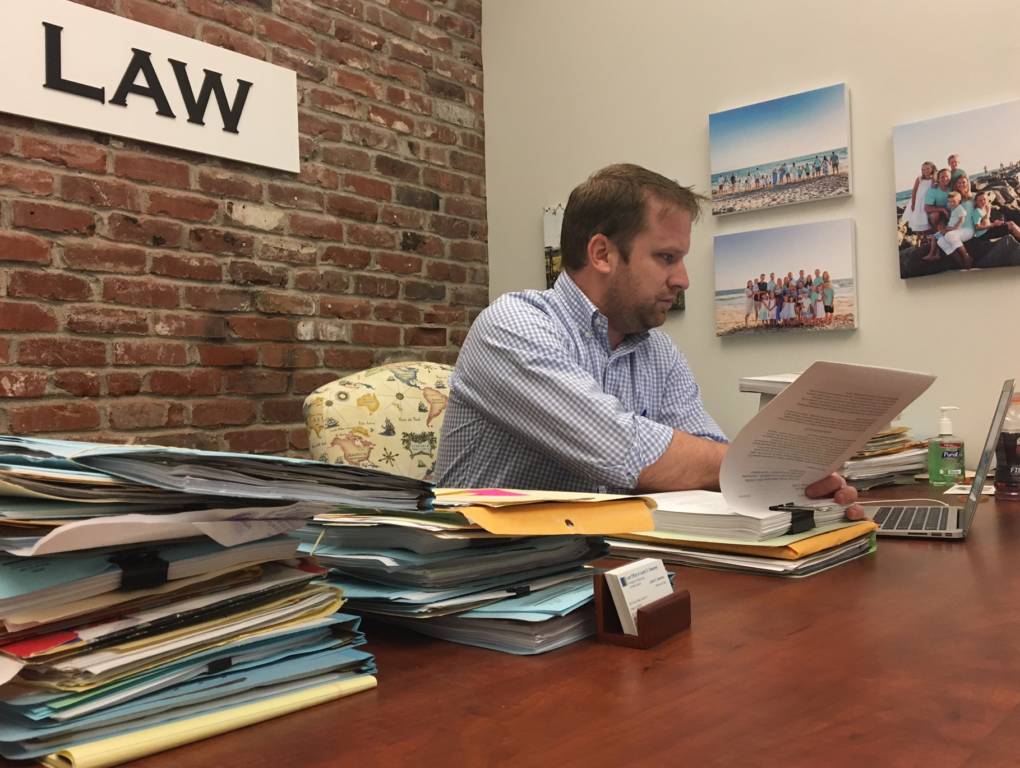
"caption": "Fresno immigration attorney Justin Sweeney says the early months of this year have been the busiest of his career.",
"description": null,
"title": "IMG_3847",
"credit": "Vanessa Rancano/KQED",
"status": "inherit",
"isLoading": false,
"fetchFailed": false
},
"news_11479458": {
"type": "attachments",
"id": "news_11479458",
"meta": {
"index": "attachments_1716263798",
"site": "news",
"id": "11479458",
"found": true
},
"parent": 11479457,
"imgSizes": {
"small": {
"file": "https://ww2.kqed.org/app/uploads/sites/10/2017/05/rinconnpr-23406964fae0c5c7b2d2e8dd7791d99ff421b4ab-520x390.jpg",
"width": 520,
"mimeType": "image/jpeg",
"height": 390
},
"twentyfourteen-full-width": {
"file": "https://ww2.kqed.org/app/uploads/sites/10/2017/05/rinconnpr-23406964fae0c5c7b2d2e8dd7791d99ff421b4ab-1038x576.jpg",
"width": 1038,
"mimeType": "image/jpeg",
"height": 576
},
"thumbnail": {
"file": "https://ww2.kqed.org/app/uploads/sites/10/2017/05/rinconnpr-23406964fae0c5c7b2d2e8dd7791d99ff421b4ab-160x120.jpg",
"width": 160,
"mimeType": "image/jpeg",
"height": 120
},
"fd-sm": {
"file": "https://ww2.kqed.org/app/uploads/sites/10/2017/05/rinconnpr-23406964fae0c5c7b2d2e8dd7791d99ff421b4ab-960x720.jpg",
"width": 960,
"mimeType": "image/jpeg",
"height": 720
},
"post-thumbnail": {
"file": "https://ww2.kqed.org/app/uploads/sites/10/2017/05/rinconnpr-23406964fae0c5c7b2d2e8dd7791d99ff421b4ab-672x372.jpg",
"width": 672,
"mimeType": "image/jpeg",
"height": 372
},
"xsmall": {
"file": "https://ww2.kqed.org/app/uploads/sites/10/2017/05/rinconnpr-23406964fae0c5c7b2d2e8dd7791d99ff421b4ab-375x281.jpg",
"width": 375,
"mimeType": "image/jpeg",
"height": 281
},
"kqedFullSize": {
"file": "https://ww2.kqed.org/app/uploads/sites/10/2017/05/rinconnpr-23406964fae0c5c7b2d2e8dd7791d99ff421b4ab.jpg",
"width": 1331,
"height": 998
},
"large": {
"file": "https://ww2.kqed.org/app/uploads/sites/10/2017/05/rinconnpr-23406964fae0c5c7b2d2e8dd7791d99ff421b4ab-1020x765.jpg",
"width": 1020,
"mimeType": "image/jpeg",
"height": 765
},
"xlarge": {
"file": "https://ww2.kqed.org/app/uploads/sites/10/2017/05/rinconnpr-23406964fae0c5c7b2d2e8dd7791d99ff421b4ab-1180x885.jpg",
"width": 1180,
"mimeType": "image/jpeg",
"height": 885
},
"guest-author-50": {
"file": "https://ww2.kqed.org/app/uploads/sites/10/2017/05/rinconnpr-23406964fae0c5c7b2d2e8dd7791d99ff421b4ab-50x50.jpg",
"width": 50,
"mimeType": "image/jpeg",
"height": 50
},
"guest-author-96": {
"file": "https://ww2.kqed.org/app/uploads/sites/10/2017/05/rinconnpr-23406964fae0c5c7b2d2e8dd7791d99ff421b4ab-96x96.jpg",
"width": 96,
"mimeType": "image/jpeg",
"height": 96
},
"medium": {
"file": "https://ww2.kqed.org/app/uploads/sites/10/2017/05/rinconnpr-23406964fae0c5c7b2d2e8dd7791d99ff421b4ab-800x600.jpg",
"width": 800,
"mimeType": "image/jpeg",
"height": 600
},
"guest-author-64": {
"file": "https://ww2.kqed.org/app/uploads/sites/10/2017/05/rinconnpr-23406964fae0c5c7b2d2e8dd7791d99ff421b4ab-64x64.jpg",
"width": 64,
"mimeType": "image/jpeg",
"height": 64
},
"guest-author-32": {
"file": "https://ww2.kqed.org/app/uploads/sites/10/2017/05/rinconnpr-23406964fae0c5c7b2d2e8dd7791d99ff421b4ab-32x32.jpg",
"width": 32,
"mimeType": "image/jpeg",
"height": 32
},
"fd-med": {
"file": "https://ww2.kqed.org/app/uploads/sites/10/2017/05/rinconnpr-23406964fae0c5c7b2d2e8dd7791d99ff421b4ab-1180x885.jpg",
"width": 1180,
"mimeType": "image/jpeg",
"height": 885
},
"detail": {
"file": "https://ww2.kqed.org/app/uploads/sites/10/2017/05/rinconnpr-23406964fae0c5c7b2d2e8dd7791d99ff421b4ab-150x150.jpg",
"width": 150,
"mimeType": "image/jpeg",
"height": 150
},
"guest-author-128": {
"file": "https://ww2.kqed.org/app/uploads/sites/10/2017/05/rinconnpr-23406964fae0c5c7b2d2e8dd7791d99ff421b4ab-128x128.jpg",
"width": 128,
"mimeType": "image/jpeg",
"height": 128
},
"xxsmall": {
"file": "https://ww2.kqed.org/app/uploads/sites/10/2017/05/rinconnpr-23406964fae0c5c7b2d2e8dd7791d99ff421b4ab-240x180.jpg",
"width": 240,
"mimeType": "image/jpeg",
"height": 180
}
},
"publishDate": 1495838699,
"modified": 1495839807,
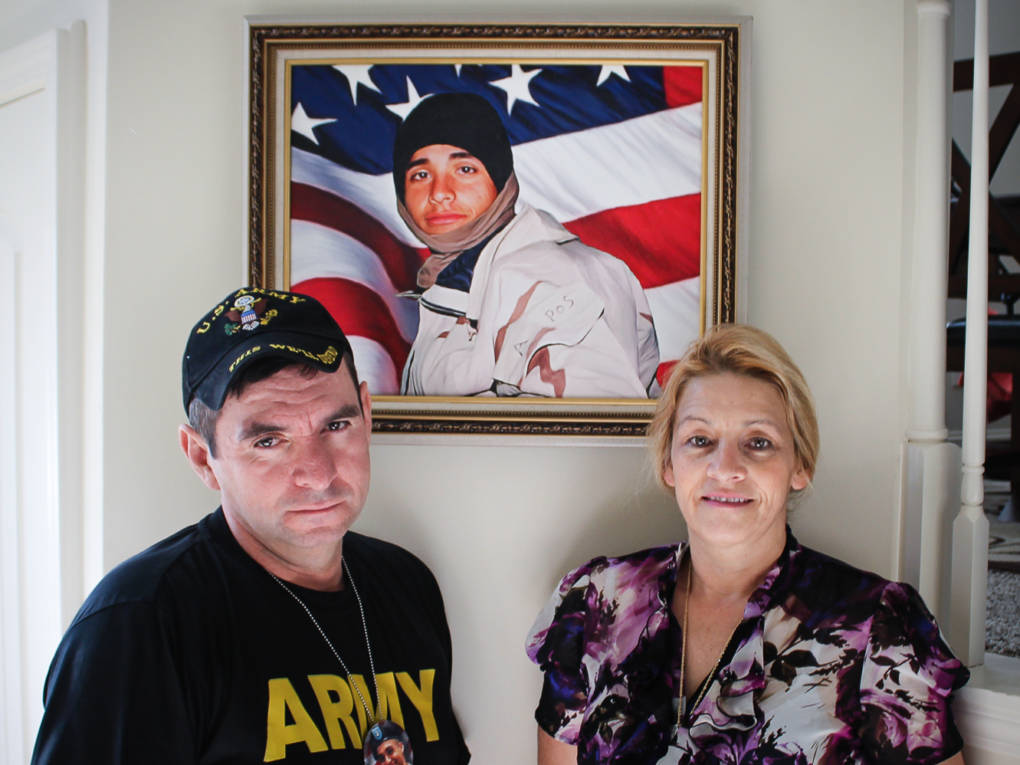
"caption": "George Rincon and Yolanda Reyes stand with a portrait of their son, Diego Rincon. The family immigrated to the U.S. from Colombia in 1989. Diego served in the Army and was killed in Iraq in 2003.",
"description": "George Rincon and Yolanda Reyes stand with a portrait of their son Diego Rincon. The family immigrated to the U.S. from Colombia in 1989. Diego served in the Army and was killed in Iraq in 2003.",
"title": "George Rincon and Yolanda Reyes stand with a portrait of their son Diego Rincon. The family immigrated to the U.S. from Colombia in 1989. Diego served in the Army and was killed in Iraq in 2003.",
"credit": "Von Diaz/StoryCorps",
"status": "inherit",
"isLoading": false,
"fetchFailed": false
},
"news_11479550": {
"type": "attachments",
"id": "news_11479550",
"meta": {
"index": "attachments_1716263798",
"site": "news",
"id": "11479550",
"found": true
},
"parent": 11478931,
"imgSizes": {
"small": {
"file": "https://ww2.kqed.org/app/uploads/sites/10/2017/05/AlvinCar-520x323.jpg",
"width": 520,
"mimeType": "image/jpeg",
"height": 323
},
"twentyfourteen-full-width": {
"file": "https://ww2.kqed.org/app/uploads/sites/10/2017/05/AlvinCar-1038x576.jpg",
"width": 1038,
"mimeType": "image/jpeg",
"height": 576
},
"thumbnail": {
"file": "https://ww2.kqed.org/app/uploads/sites/10/2017/05/AlvinCar-160x99.jpg",
"width": 160,
"mimeType": "image/jpeg",
"height": 99
},
"fd-sm": {
"file": "https://ww2.kqed.org/app/uploads/sites/10/2017/05/AlvinCar-960x596.jpg",
"width": 960,
"mimeType": "image/jpeg",
"height": 596
},
"post-thumbnail": {
"file": "https://ww2.kqed.org/app/uploads/sites/10/2017/05/AlvinCar-672x372.jpg",
"width": 672,
"mimeType": "image/jpeg",
"height": 372
},
"xsmall": {
"file": "https://ww2.kqed.org/app/uploads/sites/10/2017/05/AlvinCar-375x233.jpg",
"width": 375,
"mimeType": "image/jpeg",
"height": 233
},
"kqedFullSize": {
"file": "https://ww2.kqed.org/app/uploads/sites/10/2017/05/AlvinCar.jpg",
"width": 1920,
"height": 1191
},
"large": {
"file": "https://ww2.kqed.org/app/uploads/sites/10/2017/05/AlvinCar-1020x633.jpg",
"width": 1020,
"mimeType": "image/jpeg",
"height": 633
},
"xlarge": {
"file": "https://ww2.kqed.org/app/uploads/sites/10/2017/05/AlvinCar-1180x732.jpg",
"width": 1180,
"mimeType": "image/jpeg",
"height": 732
},
"guest-author-50": {
"file": "https://ww2.kqed.org/app/uploads/sites/10/2017/05/AlvinCar-50x50.jpg",
"width": 50,
"mimeType": "image/jpeg",
"height": 50
},
"guest-author-96": {
"file": "https://ww2.kqed.org/app/uploads/sites/10/2017/05/AlvinCar-96x96.jpg",
"width": 96,
"mimeType": "image/jpeg",
"height": 96
},
"medium": {
"file": "https://ww2.kqed.org/app/uploads/sites/10/2017/05/AlvinCar-800x496.jpg",
"width": 800,
"mimeType": "image/jpeg",
"height": 496
},
"guest-author-64": {
"file": "https://ww2.kqed.org/app/uploads/sites/10/2017/05/AlvinCar-64x64.jpg",
"width": 64,
"mimeType": "image/jpeg",
"height": 64
},
"guest-author-32": {
"file": "https://ww2.kqed.org/app/uploads/sites/10/2017/05/AlvinCar-32x32.jpg",
"width": 32,
"mimeType": "image/jpeg",
"height": 32
},
"fd-lrg": {
"file": "https://ww2.kqed.org/app/uploads/sites/10/2017/05/AlvinCar-1920x1191.jpg",
"width": 1920,
"mimeType": "image/jpeg",
"height": 1191
},
"fd-med": {
"file": "https://ww2.kqed.org/app/uploads/sites/10/2017/05/AlvinCar-1180x732.jpg",
"width": 1180,
"mimeType": "image/jpeg",
"height": 732
},
"full-width": {
"file": "https://ww2.kqed.org/app/uploads/sites/10/2017/05/AlvinCar-1920x1191.jpg",
"width": 1920,
"mimeType": "image/jpeg",
"height": 1191
},
"detail": {
"file": "https://ww2.kqed.org/app/uploads/sites/10/2017/05/AlvinCar-150x150.jpg",
"width": 150,
"mimeType": "image/jpeg",
"height": 150
},
"guest-author-128": {
"file": "https://ww2.kqed.org/app/uploads/sites/10/2017/05/AlvinCar-128x128.jpg",
"width": 128,
"mimeType": "image/jpeg",
"height": 128
},
"xxsmall": {
"file": "https://ww2.kqed.org/app/uploads/sites/10/2017/05/AlvinCar-240x149.jpg",
"width": 240,
"mimeType": "image/jpeg",
"height": 149
}
},
"publishDate": 1495841775,
"modified": 1495841805,
"caption": "Alvin sits inside his Nissan 240SX. He says being Asian and undocumented has been one of the most alienating experiences of his life. ",
"description": "Alvin sits inside his Nissan 240SX. He says being Asian and undocumented has been one of the most alienating experiences of his life. ",
"title": "AlvinCar",
"credit": "Stefanie De Leon Tzic/KQED",
"status": "inherit",
"isLoading": false,
"fetchFailed": false
},
"news_11477380": {
"type": "attachments",
"id": "news_11477380",
"meta": {
"index": "attachments_1716263798",
"site": "news",
"id": "11477380",
"found": true
},
"parent": 11477377,
"imgSizes": {
"small": {
"file": "https://ww2.kqed.org/app/uploads/sites/10/2017/05/traveling_052517_final-520x520.jpg",
"width": 520,
"mimeType": "image/jpeg",
"height": 520
},
"twentyfourteen-full-width": {
"file": "https://ww2.kqed.org/app/uploads/sites/10/2017/05/traveling_052517_final-1038x576.jpg",
"width": 1038,
"mimeType": "image/jpeg",
"height": 576
},
"thumbnail": {
"file": "https://ww2.kqed.org/app/uploads/sites/10/2017/05/traveling_052517_final-160x160.jpg",
"width": 160,
"mimeType": "image/jpeg",
"height": 160
},
"fd-sm": {
"file": "https://ww2.kqed.org/app/uploads/sites/10/2017/05/traveling_052517_final-960x960.jpg",
"width": 960,
"mimeType": "image/jpeg",
"height": 960
},
"post-thumbnail": {
"file": "https://ww2.kqed.org/app/uploads/sites/10/2017/05/traveling_052517_final-672x372.jpg",
"width": 672,
"mimeType": "image/jpeg",
"height": 372
},
"xsmall": {
"file": "https://ww2.kqed.org/app/uploads/sites/10/2017/05/traveling_052517_final-375x375.jpg",
"width": 375,
"mimeType": "image/jpeg",
"height": 375
},
"kqedFullSize": {
"file": "https://ww2.kqed.org/app/uploads/sites/10/2017/05/traveling_052517_final.jpg",
"width": 1920,
"height": 1920
},
"large": {
"file": "https://ww2.kqed.org/app/uploads/sites/10/2017/05/traveling_052517_final-1020x1020.jpg",
"width": 1020,
"mimeType": "image/jpeg",
"height": 1020
},
"xlarge": {
"file": "https://ww2.kqed.org/app/uploads/sites/10/2017/05/traveling_052517_final-1180x1180.jpg",
"width": 1180,
"mimeType": "image/jpeg",
"height": 1180
},
"guest-author-50": {
"file": "https://ww2.kqed.org/app/uploads/sites/10/2017/05/traveling_052517_final-50x50.jpg",
"width": 50,
"mimeType": "image/jpeg",
"height": 50
},
"guest-author-96": {
"file": "https://ww2.kqed.org/app/uploads/sites/10/2017/05/traveling_052517_final-96x96.jpg",
"width": 96,
"mimeType": "image/jpeg",
"height": 96
},
"medium": {
"file": "https://ww2.kqed.org/app/uploads/sites/10/2017/05/traveling_052517_final-800x800.jpg",
"width": 800,
"mimeType": "image/jpeg",
"height": 800
},
"guest-author-64": {
"file": "https://ww2.kqed.org/app/uploads/sites/10/2017/05/traveling_052517_final-64x64.jpg",
"width": 64,
"mimeType": "image/jpeg",
"height": 64
},
"guest-author-32": {
"file": "https://ww2.kqed.org/app/uploads/sites/10/2017/05/traveling_052517_final-32x32.jpg",
"width": 32,
"mimeType": "image/jpeg",
"height": 32
},
"fd-lrg": {
"file": "https://ww2.kqed.org/app/uploads/sites/10/2017/05/traveling_052517_final-1920x1920.jpg",
"width": 1920,
"mimeType": "image/jpeg",
"height": 1920
},
"fd-med": {
"file": "https://ww2.kqed.org/app/uploads/sites/10/2017/05/traveling_052517_final-1180x1180.jpg",
"width": 1180,
"mimeType": "image/jpeg",
"height": 1180
},
"full-width": {
"file": "https://ww2.kqed.org/app/uploads/sites/10/2017/05/traveling_052517_final-1920x1920.jpg",
"width": 1920,
"mimeType": "image/jpeg",
"height": 1920
},
"detail": {
"file": "https://ww2.kqed.org/app/uploads/sites/10/2017/05/traveling_052517_final-150x150.jpg",
"width": 150,
"mimeType": "image/jpeg",
"height": 150
},
"guest-author-128": {
"file": "https://ww2.kqed.org/app/uploads/sites/10/2017/05/traveling_052517_final-128x128.jpg",
"width": 128,
"mimeType": "image/jpeg",
"height": 128
},
"xxsmall": {
"file": "https://ww2.kqed.org/app/uploads/sites/10/2017/05/traveling_052517_final-240x240.jpg",
"width": 240,
"mimeType": "image/jpeg",
"height": 240
}
},
"publishDate": 1495741619,
"modified": 1495741647,
"caption": null,
"description": null,
"title": "traveling_052517_final",
"credit": null,
"status": "inherit",
"isLoading": false,
"fetchFailed": false
},
"news_11477359": {
"type": "attachments",
"id": "news_11477359",
"meta": {
"index": "attachments_1716263798",
"site": "news",
"id": "11477359",
"found": true
},
"parent": 11477352,
"imgSizes": {
"small": {
"file": "https://ww2.kqed.org/app/uploads/sites/10/2017/05/TrumpAF1-520x364.jpg",
"width": 520,
"mimeType": "image/jpeg",
"height": 364
},
"twentyfourteen-full-width": {
"file": "https://ww2.kqed.org/app/uploads/sites/10/2017/05/TrumpAF1-1038x576.jpg",
"width": 1038,
"mimeType": "image/jpeg",
"height": 576
},
"thumbnail": {
"file": "https://ww2.kqed.org/app/uploads/sites/10/2017/05/TrumpAF1-160x112.jpg",
"width": 160,
"mimeType": "image/jpeg",
"height": 112
},
"fd-sm": {
"file": "https://ww2.kqed.org/app/uploads/sites/10/2017/05/TrumpAF1-960x672.jpg",
"width": 960,
"mimeType": "image/jpeg",
"height": 672
},
"post-thumbnail": {
"file": "https://ww2.kqed.org/app/uploads/sites/10/2017/05/TrumpAF1-672x372.jpg",
"width": 672,
"mimeType": "image/jpeg",
"height": 372
},
"xsmall": {
"file": "https://ww2.kqed.org/app/uploads/sites/10/2017/05/TrumpAF1-375x263.jpg",
"width": 375,
"mimeType": "image/jpeg",
"height": 263
},
"kqedFullSize": {
"file": "https://ww2.kqed.org/app/uploads/sites/10/2017/05/TrumpAF1.jpg",
"width": 1920,
"height": 1344
},
"large": {
"file": "https://ww2.kqed.org/app/uploads/sites/10/2017/05/TrumpAF1-1020x714.jpg",
"width": 1020,
"mimeType": "image/jpeg",
"height": 714
},
"xlarge": {
"file": "https://ww2.kqed.org/app/uploads/sites/10/2017/05/TrumpAF1-1180x826.jpg",
"width": 1180,
"mimeType": "image/jpeg",
"height": 826
},
"guest-author-50": {
"file": "https://ww2.kqed.org/app/uploads/sites/10/2017/05/TrumpAF1-50x50.jpg",
"width": 50,
"mimeType": "image/jpeg",
"height": 50
},
"guest-author-96": {
"file": "https://ww2.kqed.org/app/uploads/sites/10/2017/05/TrumpAF1-96x96.jpg",
"width": 96,
"mimeType": "image/jpeg",
"height": 96
},
"medium": {
"file": "https://ww2.kqed.org/app/uploads/sites/10/2017/05/TrumpAF1-800x560.jpg",
"width": 800,
"mimeType": "image/jpeg",
"height": 560
},
"guest-author-64": {
"file": "https://ww2.kqed.org/app/uploads/sites/10/2017/05/TrumpAF1-64x64.jpg",
"width": 64,
"mimeType": "image/jpeg",
"height": 64
},
"guest-author-32": {
"file": "https://ww2.kqed.org/app/uploads/sites/10/2017/05/TrumpAF1-32x32.jpg",
"width": 32,
"mimeType": "image/jpeg",
"height": 32
},
"fd-lrg": {
"file": "https://ww2.kqed.org/app/uploads/sites/10/2017/05/TrumpAF1-1920x1344.jpg",
"width": 1920,
"mimeType": "image/jpeg",
"height": 1344
},
"fd-med": {
"file": "https://ww2.kqed.org/app/uploads/sites/10/2017/05/TrumpAF1-1180x826.jpg",
"width": 1180,
"mimeType": "image/jpeg",
"height": 826
},
"full-width": {
"file": "https://ww2.kqed.org/app/uploads/sites/10/2017/05/TrumpAF1-1920x1344.jpg",
"width": 1920,
"mimeType": "image/jpeg",
"height": 1344
},
"detail": {
"file": "https://ww2.kqed.org/app/uploads/sites/10/2017/05/TrumpAF1-150x150.jpg",
"width": 150,
"mimeType": "image/jpeg",
"height": 150
},
"guest-author-128": {
"file": "https://ww2.kqed.org/app/uploads/sites/10/2017/05/TrumpAF1-128x128.jpg",
"width": 128,
"mimeType": "image/jpeg",
"height": 128
},
"xxsmall": {
"file": "https://ww2.kqed.org/app/uploads/sites/10/2017/05/TrumpAF1-240x168.jpg",
"width": 240,
"mimeType": "image/jpeg",
"height": 168
}
},
"publishDate": 1495739160,
"modified": 1495739204,
"caption": "President Donald Trump boards Air Force One.",
"description": "President Donald Trump boards Air Force One.",
"title": "TrumpAF1",
"credit": "Ron Sachs/Getty Images",
"status": "inherit",
"isLoading": false,
"fetchFailed": false
}
},
"audioPlayerReducer": {
"postId": "stream_live",
"isPaused": true,
"isPlaying": false,
"pfsActive": false,
"pledgeModalIsOpen": true,
"playerDrawerIsOpen": false,
"liveAudioPlayStartedAt": 0,
"liveAudioPlayContext": ""
},
"authorsReducer": {
"byline_news_11490644": {
"type": "authors",
"id": "byline_news_11490644",
"meta": {
"override": true
},
"slug": "byline_news_11490644",
"name": "\u003cstrong>Mark Katkov\u003c/strong>",
"isLoading": false
},
"byline_news_11486368": {
"type": "authors",
"id": "byline_news_11486368",
"meta": {
"override": true
},
"slug": "byline_news_11486368",
"name": "Sudhin Thanawala \u003cbr> Associated Press ",
"isLoading": false
},
"byline_news_11485705": {
"type": "authors",
"id": "byline_news_11485705",
"meta": {
"override": true
},
"slug": "byline_news_11485705",
"name": "\u003cstrong>\u003ca href=\"http://www.kpbs.org/staff/jean-guerrero/\">Jean Guerrero\u003c/a>\u003cbr>\u003ca href=\"http://www.kpbs.org/\">KPBS\u003c/a>\u003c/strong>",
"isLoading": false
},
"byline_news_11479457": {
"type": "authors",
"id": "byline_news_11479457",
"meta": {
"override": true
},
"slug": "byline_news_11479457",
"name": "Jud Esty-Kendall",
"isLoading": false
},
"byline_news_11478931": {
"type": "authors",
"id": "byline_news_11478931",
"meta": {
"override": true
},
"slug": "byline_news_11478931",
"name": "Stefanie De Leon Tzic",
"isLoading": false
},
"byline_news_11477352": {
"type": "authors",
"id": "byline_news_11477352",
"meta": {
"override": true
},
"slug": "byline_news_11477352",
"name": "Camila Domonoske",
"isLoading": false
},
"aliceldaniel": {
"type": "authors",
"id": "208",
"meta": {
"index": "authors_1716337520",
"id": "208",
"found": true
},
"name": "Alice Daniel",
"firstName": "Alice",
"lastName": "Daniel",
"slug": "aliceldaniel",
"email": "adaniel@kqed.org",
"display_author_email": false,
"staff_mastheads": [],
"title": null,
"bio": "Alice Daniel loves the listening aspect of reporting because she gets to briefly walk in other people’s shoes. She has rappelled down into caves and gone up in helicopters for KQED’s The California Report but her favorite place to pursue a story is the High Sierra or any family-run bakery, of course. Alice has a masters in journalism from Columbia University and teaches at Fresno State. She is a California Healthline Regional Correspondent and a frequent contributor to Success magazine. In her free time, she skis and hikes, throws pottery, practices piano and looks out the window.",
"avatar": "https://secure.gravatar.com/avatar/e611aa06593b114a67f9f123a8e875ad?s=600&d=blank&r=g",
"twitter": null,
"facebook": null,
"instagram": null,
"linkedin": null,
"sites": [
{
"site": "news",
"roles": [
"author"
]
},
{
"site": "stateofhealth",
"roles": [
"author"
]
}
],
"headData": {
"title": "Alice Daniel | KQED",
"description": null,
"ogImgSrc": "https://secure.gravatar.com/avatar/e611aa06593b114a67f9f123a8e875ad?s=600&d=blank&r=g",
"twImgSrc": "https://secure.gravatar.com/avatar/e611aa06593b114a67f9f123a8e875ad?s=600&d=blank&r=g"
},
"isLoading": false,
"link": "/author/aliceldaniel"
},
"scottshafer": {
"type": "authors",
"id": "255",
"meta": {
"index": "authors_1716337520",
"id": "255",
"found": true
},
"name": "Scott Shafer",
"firstName": "Scott",
"lastName": "Shafer",
"slug": "scottshafer",
"email": "sshafer@kqed.org",
"display_author_email": false,
"staff_mastheads": [
"news"
],
"title": "KQED Contributor",
"bio": "Scott Shafer is a senior editor with the KQED Politics and Government desk. He is co-host of Political Breakdown, the award-winning radio show and podcast with a personal take on the world of politics. Scott came to KQED in 1998 to host the statewide\u003cem> California Report\u003c/em>. Prior to that he had extended stints in politics and government\u003cem>.\u003c/em> He uses that inside experience at KQED in his, reporting, hosting and analysis for the politics desk. Scott collaborated \u003cem>Political Breakdown a\u003c/em>nd on \u003cem>The Political Mind of Jerry Brown, \u003c/em>an eight-part series about the life and extraordinary political career of the former governor. For fun, he plays water polo with the San Francisco Tsunami.",
"avatar": "https://secure.gravatar.com/avatar/a62ebae45b79d7aed1a39a0e3bf68104?s=600&d=blank&r=g",
"twitter": "scottshafer",
"bluesky": null,
"facebook": null,
"instagram": null,
"linkedin": null,
"sites": [
{
"site": "news",
"roles": [
"editor"
]
},
{
"site": "stateofhealth",
"roles": [
"author"
]
},
{
"site": "science",
"roles": [
"author"
]
},
{
"site": "forum",
"roles": [
"subscriber"
]
},
{
"site": "liveblog",
"roles": [
"author"
]
}
],
"headData": {
"title": "Scott Shafer | KQED",
"description": "KQED Contributor",
"ogImgSrc": "https://secure.gravatar.com/avatar/a62ebae45b79d7aed1a39a0e3bf68104?s=600&d=blank&r=g",
"twImgSrc": "https://secure.gravatar.com/avatar/a62ebae45b79d7aed1a39a0e3bf68104?s=600&d=blank&r=g"
},
"isLoading": false,
"link": "/author/scottshafer"
},
"markfiore": {
"type": "authors",
"id": "3236",
"meta": {
"index": "authors_1716337520",
"id": "3236",
"found": true
},
"name": "Mark Fiore",
"firstName": "Mark",
"lastName": "Fiore",
"slug": "markfiore",
"email": "mark@markfiore.com",
"display_author_email": false,
"staff_mastheads": [
"news"
],
"title": "KQED News Cartoonist",
"bio": "\u003ca href=\"http://www.MarkFiore.com\">MarkFiore.com\u003c/a> | \u003ca href=\"https://twitter.com/markfiore\">Follow on Twitter\u003c/a> | \u003ca href=\"https://www.facebook.com/pages/Mark-Fiore-Animated-Political-Cartoons/94451707396?ref=bookmarks\">Facebook\u003c/a> | \u003ca href=\"mailto:mark@markfiore.com\">email\u003c/a>\r\n\r\nPulitzer Prize-winner, Mark Fiore, who the Wall Street Journal has called “the undisputed guru of the form,” creates animated political cartoons in San Francisco, where his work has been featured regularly on the San Francisco Chronicle’s web site, SFGate.com. His work has appeared on Newsweek.com, Slate.com, CBSNews.com, MotherJones.com, DailyKos.com and NPR’s web site. Fiore’s political animation has appeared on CNN, Frontline, Bill Moyers Journal, Salon.com and cable and broadcast outlets across the globe.\r\n\r\nBeginning his professional life by drawing traditional political cartoons for newspapers, Fiore’s work appeared in publications ranging from the Washington Post to the Los Angeles Times. In the late 1990s, he began to experiment with animating political cartoons and, after a short stint at the San Jose Mercury News as their staff cartoonist, Fiore devoted all his energies to animation.\r\nGrowing up in California, Fiore also spent a good portion of his life in the backwoods of Idaho. It was this combination that shaped him politically. Mark majored in political science at Colorado College, where, in a perfect send-off for a cartoonist, he received his diploma in 1991 as commencement speaker Dick Cheney smiled approvingly.\r\nMark Fiore was awarded the Pulitzer Prize for political cartooning in 2010, a Robert F. Kennedy Journalism Award in 2004 and has twice received an Online Journalism Award for commentary from the Online News Association (2002, 2008). Fiore has received two awards for his work in new media from the National Cartoonists Society (2001, 2002), and in 2006 received The James Madison Freedom of Information Award from The Society of Professional Journalists.",
"avatar": "https://secure.gravatar.com/avatar/fc4e2a612b15b67bad0c6f0e1db4ca9b?s=600&d=blank&r=g",
"twitter": "MarkFiore",
"facebook": null,
"instagram": "https://www.instagram.com/markfiore/?hl=en",
"linkedin": null,
"sites": [
{
"site": "arts",
"roles": [
"contributor"
]
},
{
"site": "news",
"roles": [
"editor"
]
},
{
"site": "futureofyou",
"roles": [
"editor"
]
},
{
"site": "science",
"roles": [
"editor"
]
}
],
"headData": {
"title": "Mark Fiore | KQED",
"description": "KQED News Cartoonist",
"ogImgSrc": "https://secure.gravatar.com/avatar/fc4e2a612b15b67bad0c6f0e1db4ca9b?s=600&d=blank&r=g",
"twImgSrc": "https://secure.gravatar.com/avatar/fc4e2a612b15b67bad0c6f0e1db4ca9b?s=600&d=blank&r=g"
},
"isLoading": false,
"link": "/author/markfiore"
},
"mlagos": {
"type": "authors",
"id": "3239",
"meta": {
"index": "authors_1716337520",
"id": "3239",
"found": true
},
"name": "Marisa Lagos",
"firstName": "Marisa",
"lastName": "Lagos",
"slug": "mlagos",
"email": "mlagos@kqed.org",
"display_author_email": false,
"staff_mastheads": [
"news"
],
"title": "KQED Contributor",
"bio": "Marisa Lagos is a correspondent for KQED’s California Politics and Government Desk and co-hosts the award-winning show and podcast, Political Breakdown. At KQED, Lagos also conducts reporting, analysis and investigations into state, local and national politics for radio, TV, online and onstage. In 2022, she and co-host, Scott Shafer, moderated the only gubernatorial debate in California. In 2020, the \u003ci>Washington Post\u003c/i> named her one of the top political journalists in California; she was nominated for a Peabody and won several other awards for her work investigating the 2017 California wildfires. She has worked at the \u003ci>San Francisco Chronicle\u003c/i>, \u003ci>San Francisco Examiner\u003c/i> and \u003ci>Los Angeles Times\u003c/i>. A UC Santa Barbara graduate, she lives in San Francisco with her two sons and husband.",
"avatar": "https://secure.gravatar.com/avatar/a261a0d3696fc066871ef96b85b5e7d2?s=600&d=blank&r=g",
"twitter": "@mlagos",
"facebook": null,
"instagram": null,
"linkedin": null,
"sites": [
{
"site": "arts",
"roles": [
"author"
]
},
{
"site": "news",
"roles": [
"editor"
]
},
{
"site": "science",
"roles": [
"editor"
]
},
{
"site": "forum",
"roles": [
"author"
]
},
{
"site": "liveblog",
"roles": [
"author"
]
}
],
"headData": {
"title": "Marisa Lagos | KQED",
"description": "KQED Contributor",
"ogImgSrc": "https://secure.gravatar.com/avatar/a261a0d3696fc066871ef96b85b5e7d2?s=600&d=blank&r=g",
"twImgSrc": "https://secure.gravatar.com/avatar/a261a0d3696fc066871ef96b85b5e7d2?s=600&d=blank&r=g"
},
"isLoading": false,
"link": "/author/mlagos"
},
"vrancano": {
"type": "authors",
"id": "11276",
"meta": {
"index": "authors_1716337520",
"id": "11276",
"found": true
},
"name": "Vanessa Rancaño",
"firstName": "Vanessa",
"lastName": "Rancaño",
"slug": "vrancano",
"email": "vrancano@kqed.org",
"display_author_email": false,
"staff_mastheads": [
"news"
],
"title": "Reporter",
"bio": "Vanessa Rancaño is a features reporter for KQED. She’s also covered homelessness and education for the station and reported from the Central Valley. Her work has aired across public radio, from flagship national news shows to longform narrative podcasts. Before taking up a mic, she worked as a freelance print journalist. She’s been recognized with a number of national and regional awards. Vanessa grew up in California's Central Valley. She's a former NPR Kroc Fellow, and a graduate of the UC Berkeley Graduate School of Journalism.",
"avatar": "https://secure.gravatar.com/avatar/b3a383dfb0e7ee1c17568f2cf067904ab654d6e3de9743fc661f3c788ade1bed?s=600&d=blank&r=g",
"twitter": "vanessarancano",
"bluesky": null,
"facebook": null,
"instagram": null,
"linkedin": null,
"sites": [
{
"site": "arts",
"roles": [
"editor"
]
},
{
"site": "news",
"roles": [
"editor"
]
},
{
"site": "liveblog",
"roles": [
"contributor"
]
}
],
"headData": {
"title": "Vanessa Rancaño | KQED",
"description": "Reporter",
"ogImgSrc": "https://secure.gravatar.com/avatar/b3a383dfb0e7ee1c17568f2cf067904ab654d6e3de9743fc661f3c788ade1bed?s=600&d=blank&r=g",
"twImgSrc": "https://secure.gravatar.com/avatar/b3a383dfb0e7ee1c17568f2cf067904ab654d6e3de9743fc661f3c788ade1bed?s=600&d=blank&r=g"
},
"isLoading": false,
"link": "/author/vrancano"
}
},
"pagesReducer": {
"news_category_immigration": {
"type": "terms",
"id": "news_1169",
"meta": {
"index": "terms_1716263798",
"site": "news",
"id": "1169",
"score": 10.910236
},
"featImg": null,
"name": "Immigration",
"description": null,
"taxonomy": "category",
"headData": {
"twImgId": null,
"twTitle": null,
"ogTitle": null,
"ogImgId": null,
"twDescription": null,
"description": null,
"title": "Immigration Archives | KQED News",
"ogDescription": null
},
"ttid": 1180,
"slug": "immigration",
"isLoading": false,
"title": "Immigration",
"pageMeta": {
"site": "news",
"WpPageTemplate": "page-topic-editorial",
"currentPage": 160
},
"blocks": [
{
"blockName": "kqed/post-list",
"attrs": {
"layout": "cardArticle2",
"query": "posts/news?category=immigration",
"seeMore": false,
"paginated": true,
"page": 160
}
},
{
"blockName": "kqed/ad"
}
]
}
},
"pfsSessionReducer": {},
"postsReducer": {
"stream_live": {
"type": "live",
"id": "stream_live",
"audioUrl": "https://streams.kqed.org/kqedradio",
"title": "Live Stream",
"excerpt": "Live Stream information currently unavailable.",
"link": "/radio",
"featImg": "",
"label": {
"name": "KQED Live",
"link": "/"
}
},
"stream_kqedNewscast": {
"type": "posts",
"id": "stream_kqedNewscast",
"audioUrl": "https://www.kqed.org/.stream/anon/radio/RDnews/newscast.mp3?_=1",
"title": "KQED Newscast",
"featImg": "",
"label": {
"name": "88.5 FM",
"link": "/"
}
},
"news_11506090": {
"type": "posts",
"id": "news_11506090",
"meta": {
"index": "posts_1716263798",
"site": "news",
"id": "11506090",
"score": null,
"sort": [
1497292076000
]
},
"parent": 0,
"labelTerm": {
"site": "news",
"term": 72
},
"blocks": [],
"publishDate": 1497292076,
"format": "standard",
"disqusTitle": "Trump Travel Ban Loses Another Round in Court",
"title": "Trump Travel Ban Loses Another Round in Court",
"headTitle": "The California Report | KQED News",
"content": "\u003cp>A three-judge panel of the 9th U.S. Circuit Court of Appeals knocked down President Trump's attempt to reinstate his travel ban, ruling Monday that a lower court's decision to put that ban on hold was justified.\u003c/p>\n\u003cp>The court noted that the law gives the president \"broad powers\" over immigration policy, but said the Trump administration's \u003ca href=\"https://www.whitehouse.gov/the-press-office/2017/03/06/executive-order-protecting-nation-foreign-terrorist-entry-united-states\">March executive order \u003c/a>still went too far when it barred citizens from six nations from entering the U.S. and suspended the nation's refugee program.\u003c/p>\n\u003cp>\"Immigration, even for the president, is not a one-person show,\" Senior Circuit Judge Michael Daly Hawkins and Circuit Judges Ronald M. Gould and Richard A. Paez wrote in\u003ca href=\"https://apps.npr.org/documents/document.html?id=3863025-17-15589-Per-Curiam-Opinion-3\" target=\"_blank\" rel=\"noopener noreferrer\"> an 86-page ruling\u003c/a> in a case brought by the state of Hawaii. The issue is expected to be taken up by the U.S. Supreme Court soon.\u003c/p>\n\u003cp>In Monday's decision, the panel wrote that in barring 180 million people from six countries, suspending the entry of refugees and severely limiting the number of refugees ultimately allowed to enter the U.S. each year, \"the President did not meet the essential precondition to exercising his delegated authority: The President must make a sufficient finding that the entry of these classes of people would be 'detrimental to the interests of the United States.' \"\u003c/p>\n\u003cp>The panel also raised questions about why the Trump administration chose specific targets in the executive order. The court could find no reason to single out the six countries targeted by the ban, stating that there's \"no finding that present vetting standards are inadequate.\" The court also stated that there's no indication that the current refugee vetting process is inadequate or that allowing 110,000 refugees into the U.S. this year -- the executive order seeks to reduce that number to 50,000 -- would be harmful.\u003c/p>\n\u003cp>[ad fullwidth]\u003c/p>\n\u003cp>Loyola Law School Professor Jessica Levinson said the 9th Circuit agreed with the Trump administration that the president has extraordinary authority over issues of immigration and national security. But, she said, the court still won't let the ban take effect because the judges didn't feel the Trump administration had made a good case for singling out those six countries, temporarily halting the refugee program or severely limiting the number of refugee entries this year.\u003c/p>\n\u003cp>\u003cspan style=\"font-weight: 400\">\"They said, even though you have a lot of authority, we think you actually exceeded that authority, and you haven't given us good reason for why you want to implement the travel ban,\" Levinson said. \"They said it's a solution in search of a problem, so if you're going to \u003c/span>\u003cspan style=\"font-weight: 400\">implement something like this ban, you have to have a good reason for doing it.\"\u003c/span>\u003c/p>\n\u003cp>But the court is allowing one part of the executive order to take effect, dealing with internal government procedures: The portion that requires the federal government to conduct a review of vetting procedures in other countries and to conduct an internal review of U.S. laws to determine how state and local governments could have more involvement in the refugee placement process.\u003c/p>\n\u003cp>The court wrote that the district court \"abused its discretion\" by preventing these \"inward-facing\" procedures from moving forward.\u003c/p>\n\u003cp>Still, overall, the 9th Circuit opinion is just the latest in a series of court decisions that have prevented the Trump administration from carrying out two separate executive orders aimed at curtailing travel to the U.S. by some foreign nationals.\u003c/p>\n\u003cp>The \u003ca href=\"https://www.whitehouse.gov/the-press-office/2017/01/27/executive-order-protecting-nation-foreign-terrorist-entry-united-states\">first executive order\u003c/a>, issued days after Trump took office, was quickly\u003ca href=\"https://ww2.kqed.org/news/2017/02/09/9th-circuit-denies-reinstatement-of-trump-travel-ban/\"> put on hold \u003c/a>by the courts after states, including California, sued.\u003c/p>\n\u003cp>The second, slightly more narrow executive order, sought to address some of the issues raised by the states, but was also challenged by both the state of Hawaii and, in a separate suit, the state of Virginia. \u003ca href=\"https://ww2.kqed.org/news/2017/05/25/circuit-court-ruling-keeps-trumps-travel-ban-on-hold/\" target=\"_blank\" rel=\"noopener noreferrer\">The 4th U.S. Circuit Court of Appeals issued a ruling in the Virginia case \u003c/a>last month, also preventing the executive order from taking effect. But the cases -- which the Supreme Court is expected to take up -- relied on different legal arguments.\u003c/p>\n\u003cp>The Virginia case is based on religious discrimination: The lead judge wrote in the appeals court decision that the order “drips with religious intolerance, animus, and discrimination.”\u003c/p>\n\u003cp class=\"story-body-text story-content\">Today's ruling by the 9th Circuit also found discriminatory intent, writing that the executive order violates laws prohibiting nationality-based discrimination. But the panel rested its decision on a statutory basis, ruling that Trump exceeded the power vested in his office by Congress under existing immigration laws.\u003c/p>\n\u003cp class=\"story-body-text story-content\">\"Whatever deference we accord to the president's immigration and national security policy judgements does not preclude us from reviewing the policy at all,\" the panel wrote.\u003c/p>\n\u003cp class=\"story-body-text story-content\">Levinson said the difference between those rulings could change the game at the Supreme Court. The Trump administration has already appealed the 4th District court ruling to the high court, and is expected to appeal today's decision as well.\u003c/p>\n\u003cp class=\"story-body-text story-content\">\"My guess is the Supreme Court will consolidate both cases,\" Levinson said, adding that high court may be more sympathetic to the statutory argument made by the 9th Circuit panel.\u003c/p>\n\u003cp class=\"story-body-text story-content\">\"It's always a terrible game to get into to try to guess what the Supreme Court is going to do, but I think that the 9th Circuit's opinion here is going to be pretty appealing to them, because it basically allows them to avoid the big constitutional questions, and in Supreme Court jurisprudence, there's basically a maxim that if you can avoid the big question, if you can rule on statutory grounds, you should,\" she said. \"That may provide a more appealing avenue to the Supreme Court.\"\u003c/p>\n\u003cp class=\"story-body-text story-content\">But, Levinson noted, both the 4th and 9th Circuit opinions were written by Democratically appointed judges. She said while this shouldn't be an ideological or partisan question, the Supreme Court is seen as more conservative. And, Levinson added, whatever the high court decides will impact not just these executive orders but all orders under Trump and future presidents.\u003c/p>\n\u003cp>Read today's opinion here:\u003c/p>\n\u003cp>\u003c/p>\n\u003cp>https://www.documentcloud.org/documents/3863292-Travel-Ban-Opinion-by-9th-Circuit-Appeals-panel\u003c/p>\n\n",
"disqusIdentifier": "11506090 https://ww2.kqed.org/news/?p=11506090",
"disqusUrl": "https://ww2.kqed.org/news/2017/06/12/trump-travel-ban-loses-another-round-in-court/",
"stats": {
"hasVideo": false,
"hasChartOrMap": false,
"hasAudio": false,
"hasPolis": false,
"wordCount": 1037,
"hasGoogleForm": false,
"hasGallery": false,
"hasHearkenModule": false,
"iframeSrcs": [],
"paragraphCount": 16
},
"modified": 1497306693,
"excerpt": "President Trump's travel ban got hit with another court ruling -- this time from the 9th Circuit.",
"headData": {
"twImgId": "",
"twTitle": "",
"ogTitle": "",
"ogImgId": "",
"twDescription": "",
"description": "President Trump's travel ban got hit with another court ruling -- this time from the 9th Circuit.",
"title": "Trump Travel Ban Loses Another Round in Court | KQED",
"ogDescription": "",
"schema": {
"@context": "https://schema.org",
"@type": "NewsArticle",
"headline": "Trump Travel Ban Loses Another Round in Court",
"datePublished": "2017-06-12T11:27:56-07:00",
"dateModified": "2017-06-12T15:31:33-07:00",
"image": "https://cdn.kqed.org/wp-content/uploads/2020/02/KQED-OG-Image@1x.png",
"isAccessibleForFree": "True",
"publisher": {
"@type": "NewsMediaOrganization",
"@id": "https://www.kqed.org/#organization",
"name": "KQED",
"logo": "https://cdn.kqed.org/wp-content/uploads/2020/02/KQED-OG-Image@1x.png",
"url": "https://www.kqed.org",
"sameAs": [
"https://www.facebook.com/KQED",
"https://twitter.com/KQED",
"https://www.instagram.com/kqed/",
"https://www.tiktok.com/@kqedofficial",
"https://www.linkedin.com/company/kqed",
"https://www.youtube.com/channel/UCeC0IOo7i1P_61zVUWbJ4nw"
]
}
}
},
"guestAuthors": [],
"slug": "trump-travel-ban-loses-another-round-in-court",
"status": "publish",
"path": "/news/11506090/trump-travel-ban-loses-another-round-in-court",
"audioTrackLength": null,
"parsedContent": [
{
"type": "contentString",
"content": "\u003cdiv class=\"post-body\">\u003cp>\u003cp>A three-judge panel of the 9th U.S. Circuit Court of Appeals knocked down President Trump's attempt to reinstate his travel ban, ruling Monday that a lower court's decision to put that ban on hold was justified.\u003c/p>\n\u003cp>The court noted that the law gives the president \"broad powers\" over immigration policy, but said the Trump administration's \u003ca href=\"https://www.whitehouse.gov/the-press-office/2017/03/06/executive-order-protecting-nation-foreign-terrorist-entry-united-states\">March executive order \u003c/a>still went too far when it barred citizens from six nations from entering the U.S. and suspended the nation's refugee program.\u003c/p>\n\u003cp>\"Immigration, even for the president, is not a one-person show,\" Senior Circuit Judge Michael Daly Hawkins and Circuit Judges Ronald M. Gould and Richard A. Paez wrote in\u003ca href=\"https://apps.npr.org/documents/document.html?id=3863025-17-15589-Per-Curiam-Opinion-3\" target=\"_blank\" rel=\"noopener noreferrer\"> an 86-page ruling\u003c/a> in a case brought by the state of Hawaii. The issue is expected to be taken up by the U.S. Supreme Court soon.\u003c/p>\n\u003cp>In Monday's decision, the panel wrote that in barring 180 million people from six countries, suspending the entry of refugees and severely limiting the number of refugees ultimately allowed to enter the U.S. each year, \"the President did not meet the essential precondition to exercising his delegated authority: The President must make a sufficient finding that the entry of these classes of people would be 'detrimental to the interests of the United States.' \"\u003c/p>\n\u003cp>The panel also raised questions about why the Trump administration chose specific targets in the executive order. The court could find no reason to single out the six countries targeted by the ban, stating that there's \"no finding that present vetting standards are inadequate.\" The court also stated that there's no indication that the current refugee vetting process is inadequate or that allowing 110,000 refugees into the U.S. this year -- the executive order seeks to reduce that number to 50,000 -- would be harmful.\u003c/p>\n\u003cp>\u003c/p>\u003c/div>",
"attributes": {
"named": {},
"numeric": []
}
},
{
"type": "component",
"content": "",
"name": "ad",
"attributes": {
"named": {
"label": "fullwidth"
},
"numeric": [
"fullwidth"
]
}
},
{
"type": "contentString",
"content": "\u003cdiv class=\"post-body\">\u003cp>\u003c/p>\n\u003cp>Loyola Law School Professor Jessica Levinson said the 9th Circuit agreed with the Trump administration that the president has extraordinary authority over issues of immigration and national security. But, she said, the court still won't let the ban take effect because the judges didn't feel the Trump administration had made a good case for singling out those six countries, temporarily halting the refugee program or severely limiting the number of refugee entries this year.\u003c/p>\n\u003cp>\u003cspan style=\"font-weight: 400\">\"They said, even though you have a lot of authority, we think you actually exceeded that authority, and you haven't given us good reason for why you want to implement the travel ban,\" Levinson said. \"They said it's a solution in search of a problem, so if you're going to \u003c/span>\u003cspan style=\"font-weight: 400\">implement something like this ban, you have to have a good reason for doing it.\"\u003c/span>\u003c/p>\n\u003cp>But the court is allowing one part of the executive order to take effect, dealing with internal government procedures: The portion that requires the federal government to conduct a review of vetting procedures in other countries and to conduct an internal review of U.S. laws to determine how state and local governments could have more involvement in the refugee placement process.\u003c/p>\n\u003cp>The court wrote that the district court \"abused its discretion\" by preventing these \"inward-facing\" procedures from moving forward.\u003c/p>\n\u003cp>Still, overall, the 9th Circuit opinion is just the latest in a series of court decisions that have prevented the Trump administration from carrying out two separate executive orders aimed at curtailing travel to the U.S. by some foreign nationals.\u003c/p>\n\u003cp>The \u003ca href=\"https://www.whitehouse.gov/the-press-office/2017/01/27/executive-order-protecting-nation-foreign-terrorist-entry-united-states\">first executive order\u003c/a>, issued days after Trump took office, was quickly\u003ca href=\"https://ww2.kqed.org/news/2017/02/09/9th-circuit-denies-reinstatement-of-trump-travel-ban/\"> put on hold \u003c/a>by the courts after states, including California, sued.\u003c/p>\n\u003cp>The second, slightly more narrow executive order, sought to address some of the issues raised by the states, but was also challenged by both the state of Hawaii and, in a separate suit, the state of Virginia. \u003ca href=\"https://ww2.kqed.org/news/2017/05/25/circuit-court-ruling-keeps-trumps-travel-ban-on-hold/\" target=\"_blank\" rel=\"noopener noreferrer\">The 4th U.S. Circuit Court of Appeals issued a ruling in the Virginia case \u003c/a>last month, also preventing the executive order from taking effect. But the cases -- which the Supreme Court is expected to take up -- relied on different legal arguments.\u003c/p>\n\u003cp>The Virginia case is based on religious discrimination: The lead judge wrote in the appeals court decision that the order “drips with religious intolerance, animus, and discrimination.”\u003c/p>\n\u003cp class=\"story-body-text story-content\">Today's ruling by the 9th Circuit also found discriminatory intent, writing that the executive order violates laws prohibiting nationality-based discrimination. But the panel rested its decision on a statutory basis, ruling that Trump exceeded the power vested in his office by Congress under existing immigration laws.\u003c/p>\n\u003cp class=\"story-body-text story-content\">\"Whatever deference we accord to the president's immigration and national security policy judgements does not preclude us from reviewing the policy at all,\" the panel wrote.\u003c/p>\n\u003cp class=\"story-body-text story-content\">Levinson said the difference between those rulings could change the game at the Supreme Court. The Trump administration has already appealed the 4th District court ruling to the high court, and is expected to appeal today's decision as well.\u003c/p>\n\u003cp class=\"story-body-text story-content\">\"My guess is the Supreme Court will consolidate both cases,\" Levinson said, adding that high court may be more sympathetic to the statutory argument made by the 9th Circuit panel.\u003c/p>\n\u003cp class=\"story-body-text story-content\">\"It's always a terrible game to get into to try to guess what the Supreme Court is going to do, but I think that the 9th Circuit's opinion here is going to be pretty appealing to them, because it basically allows them to avoid the big constitutional questions, and in Supreme Court jurisprudence, there's basically a maxim that if you can avoid the big question, if you can rule on statutory grounds, you should,\" she said. \"That may provide a more appealing avenue to the Supreme Court.\"\u003c/p>\n\u003cp class=\"story-body-text story-content\">But, Levinson noted, both the 4th and 9th Circuit opinions were written by Democratically appointed judges. She said while this shouldn't be an ideological or partisan question, the Supreme Court is seen as more conservative. And, Levinson added, whatever the high court decides will impact not just these executive orders but all orders under Trump and future presidents.\u003c/p>\n\u003cp>Read today's opinion here:\u003c/p>\n\u003cp>\u003c/p>\n\u003cp>https://www.documentcloud.org/documents/3863292-Travel-Ban-Opinion-by-9th-Circuit-Appeals-panel\u003c/p>\n\n\u003c/div>\u003c/p>",
"attributes": {
"named": {},
"numeric": []
}
}
],
"link": "/news/11506090/trump-travel-ban-loses-another-round-in-court",
"authors": [
"3239"
],
"programs": [
"news_6944",
"news_72"
],
"categories": [
"news_1169",
"news_6188",
"news_8",
"news_13"
],
"tags": [
"news_1323",
"news_19542",
"news_17041",
"news_20467"
],
"featImg": "news_11506165",
"label": "news_72"
},
"news_11475645": {
"type": "posts",
"id": "news_11475645",
"meta": {
"index": "posts_1716263798",
"site": "news",
"id": "11475645",
"score": null,
"sort": [
1496441132000
]
},
"guestAuthors": [],
"slug": "without-funds-a-scramble-to-assist-syrian-refugee-migration-to-fresno",
"title": "Without Funds, a Scramble to Assist Syrian Refugee Migration to Fresno",
"publishDate": 1496441132,
"format": "standard",
"headTitle": "Without Funds, a Scramble to Assist Syrian Refugee Migration to Fresno | KQED",
"labelTerm": {
"term": 72,
"site": "news"
},
"content": "\u003cp>When Kathleen Chavoor-Bergen learned there were Syrians in Fresno, she immediately volunteered to help out. She’s Armenian-American, so she understands something about war and displacement. Her own grandparents survived the Armenian genocide by fleeing to Aleppo, Syria.\u003c/p>\n\u003cp>“If it wasn’t for Aleppo, I wouldn’t be here today,” says Chavoor-Bergen.\u003c/p>\n\u003cp>She’s translated that gratitude into befriending several Syrian refugee families in Fresno. “It’s really the least I can do. They [Syrians in Aleppo] opened their arms to my family, and now I’m opening my arms to theirs.”\u003c/p>\n\u003cp>Chavoor-Bergen is also educating the community. She educates public school counselors about the recent migration of Syrian refugees to Fresno. She wants the counselors to understand that more than half of displaced Syrians are children, most under the age of 12. Many of them are now enrolled in Fresno schools — some have been wounded, burned or have witnessed violence.\u003c/p>\n\u003cp>[contextly_sidebar id=”yxMMQW1TUkVyzN8En1rmwTVtsyTfoXNe”]\u003c/p>\n\u003cp>“They’ve endured the destruction of their homes and communities, survived forced displacement. Part of the complexity of their trauma is that it went from their home maybe in Aleppo to the [refugee] camps and the extreme vetting process,” Chavoor-Bergen says.\u003c/p>\n\u003cp>[ad fullwidth]\u003c/p>\n\u003cp>And on to resettlement areas like San Diego, Sacramento and Turlock. Now, some of those families are deciding on their own to move to Fresno. Housing is cheaper here, and there’s a large and welcoming Arab-American community.\u003c/p>\n\u003cp>But Fresno is not a resettlement city — meaning it receives no federal funding to help refugees start over — so volunteers and advocacy groups are scrambling to keep up.\u003c/p>\n\u003cp>[audio src=\"http://www.kqed.org/.stream/anon/radio/tcr/2017/05/2017-05-31c-tcr.mp3\" Image=\"https://u.s.kqed.net/2017/06/02/RefugeeKidforPlayer.jpg\" Title=\"Without Federal Funds, a Scramble to Assist Syrian Refugee Migration to Fresno\" program=\"The California Report\"]\u003c/p>\n\u003cp>Take Layla Darwish. She has a part-time job with \u003ca href=\"https://www.firminc.org/\">Fresno Interdenominational Refugee Ministries (FIRM)\u003c/a> to help Syrians interpret their new landscape. But for Darwish, part time means \u003ci>all\u003c/i> her waking hours.\u003c/p>\n\u003cp>On her own, Darwish started a tutoring program where volunteers help kids with homework.\u003c/p>\n\u003cp>She looks up from the sidewalk and greets a Syrian woman yelling down to her from her second-floor apartment. Darwish just saw her yesterday, but the woman clearly misses her.\u003c/p>\n\u003cp>“She said, ‘I haven’t seen you in a long time,’ ” says Darwish, translating. “So that’s quite common. A lot of them are kind of territorial. They want you to spend more time with them.”\u003c/p>\n\u003cp>In this 16-unit apartment complex, there are 41 children, and on any given day, you can hear them laughing and yelling and chasing each other in the courtyard.\u003c/p>\n\u003caside class=\"pullquote alignright\">‘Working with Syrians has taken a huge amount of our capacity. The dollars are very challenging, and it’s also because it’s a polarizing issue. I’ve spoken at places that blatantly do not agree with the work we’re doing.’\u003ccite>FIRM Executive Director Zack Darrah\u003c/cite>\u003c/aside>\n\u003cp>Ray Harris, 22, is a member of the only family here that’s not Syrian. He says he likes his neighbors.\u003c/p>\n\u003cp>“They show a lot of love, man. They bring you food and everything,” he says. He adds that he uses \u003ca href=\"https://translate.google.com/\">Google translate \u003c/a>to communicate with them.\u003c/p>\n\u003cp>Next door to Harris, Mohammed Bachan tells Darwish that life is better for refugees here in America. He has five kids, and he now works as a mechanic — in Syria he had a car dealership.\u003c/p>\n\u003cp>When he and his family first moved to Fresno, they were scared.\u003c/p>\n\u003cp>“Because they didn’t know where to start,’ Darwish says. “In the beginning there was a local mosque that helped them just network with people. And then once FIRM came in, we started taking them to the DMV to get their permits, their driving lessons.”\u003c/p>\n\u003cp>A few decades ago, this neighborhood was teeming with Hmong refugees. The rents are still cheap, about $450 for a two-bedroom unit. But it isn’t always safe.\u003c/p>\n\u003cp>“There have been a number of attacks from the neighborhood gangs, anywhere from throwing stones to knives. The police have been called lately,” she says. “One of my colleagues was patrolling the neighborhood until 12 at night. They just want to live here in peace.”\u003c/p>\n\u003cp>[contextly_sidebar id=”9NX2GpzxchqOeLAT7GCWS5d0wKAWMgcg”]\u003c/p>\n\u003cp>FIRM Executive Director Zack Darrah says he’s partnering with local Islamic cultural centers, churches and advocacy groups to help Syrians find better housing, cars and jobs. About 200 Syrians have migrated to Fresno, most in the past year, and Darrah expects more.\u003c/p>\n\u003cp>“I’ve gotten calls from Indiana, from Florida, from Texas, San Diego and San Jose,” he says.\u003c/p>\n\u003cp>Fresno is used to having refugees: Hmong and other groups make up about 10 percent of the city’s population. But helping refugees is tricky without resettlement funds, says Darrah.\u003c/p>\n\u003cp>“Working with Syrians has taken just a huge amount of our capacity. The dollars are very challenging, and it’s also because it’s a polarizing issue. I’ve spoken at places that blatantly do not agree with the work we’re doing,” he says. “I’ve spoken to churches that do not agree with what we’re doing as a Christian organization. [[They say]] ‘why are we working with Muslims and why are we serving these other folks and why are they even here’?”\u003c/p>\n\u003cfigure id=\"attachment_11489252\" class=\"wp-caption alignright\" style=\"max-width: 800px\">\u003cimg loading=\"lazy\" decoding=\"async\" class=\"size-medium wp-image-11489252\" src=\"https://ww2.kqed.org/news/wp-content/uploads/sites/10/2017/05/Wasan-800x1087.jpg\" alt=\"Interpreter Wasan Abu-Baker is guided by her own immigrant experience in helping Syrian refugees.\" width=\"800\" height=\"1087\" srcset=\"https://cdn.kqed.org/wp-content/uploads/sites/10/2017/05/Wasan-800x1087.jpg 800w, https://cdn.kqed.org/wp-content/uploads/sites/10/2017/05/Wasan-160x217.jpg 160w, https://cdn.kqed.org/wp-content/uploads/sites/10/2017/05/Wasan-1020x1386.jpg 1020w, https://cdn.kqed.org/wp-content/uploads/sites/10/2017/05/Wasan.jpg 1920w, https://cdn.kqed.org/wp-content/uploads/sites/10/2017/05/Wasan-1180x1603.jpg 1180w, https://cdn.kqed.org/wp-content/uploads/sites/10/2017/05/Wasan-960x1305.jpg 960w, https://cdn.kqed.org/wp-content/uploads/sites/10/2017/05/Wasan-240x326.jpg 240w, https://cdn.kqed.org/wp-content/uploads/sites/10/2017/05/Wasan-375x510.jpg 375w, https://cdn.kqed.org/wp-content/uploads/sites/10/2017/05/Wasan-520x707.jpg 520w\" sizes=\"(max-width: 800px) 100vw, 800px\">\u003cfigcaption class=\"wp-caption-text\">Interpreter Wasan Abu-Baker is guided by her own immigrant experience in helping Syrian refugees. \u003ccite>(Courtesy Wasan Abu-Baker)\u003c/cite>\u003c/figcaption>\u003c/figure>\n\u003cp>And these families have already been through so much trauma, he says. They are starting from scratch, finding jobs, learning English, enrolling their kids in schools.\u003c/p>\n\u003cp>And on top of that, some of them have experienced extreme prejudice.\u003c/p>\n\u003cp>“We want to protect them, make them feel safe,” says Darrah. “But we have to be clear with families that not everyone does. These are unfortunate conversations to have with refugees who have just left a horrendous situation. Many have lost family and suffered terribly, and they come here to us and we have to talk with them about taking safety precautions!”\u003c/p>\n\u003cp>Fortunately, FIRM did get a county grant to hire three part-time employees to interpret for and assist Syrian refugees. Wasan Abu-Baker is one of those interpreters. But she was helping Syrians long before she was hired by FIRM, taking them to medical appointments, the mosque and the grocery store.\u003c/p>\n\u003cp>She, too, left a war-torn place to come to the United States from Palestine after marrying an American citizen. And now, she not only works for FIRM but she’s also doing a community engagement project as a fellow for the Tamejavi Cultural Organizing Fellowship Program at the \u003ca href=\"http://www.tamejavi.org/pvi.php\">Pan Valley Institute\u003c/a>. The goal is to learn about her Muslim community in Fresno and empower the community through leadership, cultural organizing and art.\u003c/p>\n\u003cp>She says the project has opened her eyes to the many gifts Syrian refugees and asylum seekers have to offer. “I found out we have a lot of hidden artists in our community,” she says. “But we need to share that with other communities so they know what we have as Muslims here.”\u003c/p>\n\u003cp>Recently, as part of her project, she brought a Syrian interior designer who does elaborate paintings on ceramics to a crafts store to pick out some paints and paintbrushes. The artist was surprised by the number of choices available.\u003c/p>\n\u003cp>“In our country, only once choice,” she tells Abu-Baker. “I know!” Abu-Baker says. “This is what I learn. This country, a lot of choices.”\u003c/p>\n\u003cp>[ad floatright]\u003c/p>\n\u003cp>Choices that Abu-Baker hopes will make the lives of Syrian refugees easier in Fresno.\u003c/p>\n\n",
"blocks": [],
"excerpt": "Fresno's large, welcoming Arab-American community draws Syrian refugees -- but it's a big challenge without resettlement support from the government.",
"status": "publish",
"parent": 0,
"modified": 1721152226,
"stats": {
"hasAudio": true,
"hasVideo": false,
"hasChartOrMap": false,
"iframeSrcs": [],
"hasGoogleForm": false,
"hasGallery": false,
"hasHearkenModule": false,
"hasPolis": false,
"paragraphCount": 36,
"wordCount": 1358
},
"headData": {
"title": "Without Funds, a Scramble to Assist Syrian Refugee Migration to Fresno | KQED",
"description": "Fresno's large, welcoming Arab-American community draws Syrian refugees -- but it's a big challenge without resettlement support from the government.",
"ogTitle": "",
"ogDescription": "",
"ogImgId": "",
"twTitle": "",
"twDescription": "",
"twImgId": "",
"schema": {
"@context": "https://schema.org",
"@type": "NewsArticle",
"headline": "Without Funds, a Scramble to Assist Syrian Refugee Migration to Fresno",
"datePublished": "2017-06-02T15:05:32-07:00",
"dateModified": "2024-07-16T10:50:26-07:00",
"image": "https://cdn.kqed.org/wp-content/uploads/2020/02/KQED-OG-Image@1x.png",
"isAccessibleForFree": "True",
"publisher": {
"@type": "NewsMediaOrganization",
"@id": "https://www.kqed.org/#organization",
"name": "KQED",
"logo": "https://cdn.kqed.org/wp-content/uploads/2020/02/KQED-OG-Image@1x.png",
"url": "https://www.kqed.org",
"sameAs": [
"https://www.facebook.com/KQED",
"https://twitter.com/KQED",
"https://www.instagram.com/kqed/",
"https://www.tiktok.com/@kqedofficial",
"https://www.linkedin.com/company/kqed",
"https://www.youtube.com/channel/UCeC0IOo7i1P_61zVUWbJ4nw"
]
}
}
},
"audioUrl": "http://www.kqed.org/.stream/anon/radio/tcr/2017/05/2017-05-31c-tcr.mp3",
"guestFields": "0",
"sticky": false,
"path": "/news/11475645/without-funds-a-scramble-to-assist-syrian-refugee-migration-to-fresno",
"audioDuration": null,
"audioTrackLength": null,
"parsedContent": [
{
"type": "contentString",
"content": "\u003cdiv class=\"post-body\">\u003cp>\u003cp>When Kathleen Chavoor-Bergen learned there were Syrians in Fresno, she immediately volunteered to help out. She’s Armenian-American, so she understands something about war and displacement. Her own grandparents survived the Armenian genocide by fleeing to Aleppo, Syria.\u003c/p>\n\u003cp>“If it wasn’t for Aleppo, I wouldn’t be here today,” says Chavoor-Bergen.\u003c/p>\n\u003cp>She’s translated that gratitude into befriending several Syrian refugee families in Fresno. “It’s really the least I can do. They [Syrians in Aleppo] opened their arms to my family, and now I’m opening my arms to theirs.”\u003c/p>\n\u003cp>Chavoor-Bergen is also educating the community. She educates public school counselors about the recent migration of Syrian refugees to Fresno. She wants the counselors to understand that more than half of displaced Syrians are children, most under the age of 12. Many of them are now enrolled in Fresno schools — some have been wounded, burned or have witnessed violence.\u003c/p>\n\u003cp>\u003c/p>\u003cp>\u003c/p>\u003cp>\u003c/p>\n\u003cp>“They’ve endured the destruction of their homes and communities, survived forced displacement. Part of the complexity of their trauma is that it went from their home maybe in Aleppo to the [refugee] camps and the extreme vetting process,” Chavoor-Bergen says.\u003c/p>\n\u003cp>\u003c/p>\u003c/div>",
"attributes": {
"named": {},
"numeric": []
}
},
{
"type": "component",
"content": "",
"name": "ad",
"attributes": {
"named": {
"label": "fullwidth"
},
"numeric": [
"fullwidth"
]
}
},
{
"type": "contentString",
"content": "\u003cdiv class=\"post-body\">\u003cp>\u003c/p>\n\u003cp>And on to resettlement areas like San Diego, Sacramento and Turlock. Now, some of those families are deciding on their own to move to Fresno. Housing is cheaper here, and there’s a large and welcoming Arab-American community.\u003c/p>\n\u003cp>But Fresno is not a resettlement city — meaning it receives no federal funding to help refugees start over — so volunteers and advocacy groups are scrambling to keep up.\u003c/p>\n\u003cp>\u003c/p>\u003c/div>",
"attributes": {
"named": {},
"numeric": []
}
},
{
"type": "component",
"content": "",
"name": "audio",
"attributes": {
"named": {
"src": "http://www.kqed.org/.stream/anon/radio/tcr/2017/05/2017-05-31c-tcr.mp3",
"image": "https://u.s.kqed.net/2017/06/02/RefugeeKidforPlayer.jpg",
"title": "Without Federal Funds, a Scramble to Assist Syrian Refugee Migration to Fresno",
"program": "The California Report",
"label": ""
},
"numeric": []
}
},
{
"type": "contentString",
"content": "\u003cdiv class=\"post-body\">\u003cp>\u003c/p>\n\u003cp>Take Layla Darwish. She has a part-time job with \u003ca href=\"https://www.firminc.org/\">Fresno Interdenominational Refugee Ministries (FIRM)\u003c/a> to help Syrians interpret their new landscape. But for Darwish, part time means \u003ci>all\u003c/i> her waking hours.\u003c/p>\n\u003cp>On her own, Darwish started a tutoring program where volunteers help kids with homework.\u003c/p>\n\u003cp>She looks up from the sidewalk and greets a Syrian woman yelling down to her from her second-floor apartment. Darwish just saw her yesterday, but the woman clearly misses her.\u003c/p>\n\u003cp>“She said, ‘I haven’t seen you in a long time,’ ” says Darwish, translating. “So that’s quite common. A lot of them are kind of territorial. They want you to spend more time with them.”\u003c/p>\n\u003cp>In this 16-unit apartment complex, there are 41 children, and on any given day, you can hear them laughing and yelling and chasing each other in the courtyard.\u003c/p>\n\u003caside class=\"pullquote alignright\">‘Working with Syrians has taken a huge amount of our capacity. The dollars are very challenging, and it’s also because it’s a polarizing issue. I’ve spoken at places that blatantly do not agree with the work we’re doing.’\u003ccite>FIRM Executive Director Zack Darrah\u003c/cite>\u003c/aside>\n\u003cp>Ray Harris, 22, is a member of the only family here that’s not Syrian. He says he likes his neighbors.\u003c/p>\n\u003cp>“They show a lot of love, man. They bring you food and everything,” he says. He adds that he uses \u003ca href=\"https://translate.google.com/\">Google translate \u003c/a>to communicate with them.\u003c/p>\n\u003cp>Next door to Harris, Mohammed Bachan tells Darwish that life is better for refugees here in America. He has five kids, and he now works as a mechanic — in Syria he had a car dealership.\u003c/p>\n\u003cp>When he and his family first moved to Fresno, they were scared.\u003c/p>\n\u003cp>“Because they didn’t know where to start,’ Darwish says. “In the beginning there was a local mosque that helped them just network with people. And then once FIRM came in, we started taking them to the DMV to get their permits, their driving lessons.”\u003c/p>\n\u003cp>A few decades ago, this neighborhood was teeming with Hmong refugees. The rents are still cheap, about $450 for a two-bedroom unit. But it isn’t always safe.\u003c/p>\n\u003cp>“There have been a number of attacks from the neighborhood gangs, anywhere from throwing stones to knives. The police have been called lately,” she says. “One of my colleagues was patrolling the neighborhood until 12 at night. They just want to live here in peace.”\u003c/p>\n\u003cp>\u003c/p>\u003cp>\u003c/p>\u003cp>\u003c/p>\n\u003cp>FIRM Executive Director Zack Darrah says he’s partnering with local Islamic cultural centers, churches and advocacy groups to help Syrians find better housing, cars and jobs. About 200 Syrians have migrated to Fresno, most in the past year, and Darrah expects more.\u003c/p>\n\u003cp>“I’ve gotten calls from Indiana, from Florida, from Texas, San Diego and San Jose,” he says.\u003c/p>\n\u003cp>Fresno is used to having refugees: Hmong and other groups make up about 10 percent of the city’s population. But helping refugees is tricky without resettlement funds, says Darrah.\u003c/p>\n\u003cp>“Working with Syrians has taken just a huge amount of our capacity. The dollars are very challenging, and it’s also because it’s a polarizing issue. I’ve spoken at places that blatantly do not agree with the work we’re doing,” he says. “I’ve spoken to churches that do not agree with what we’re doing as a Christian organization. [[They say]] ‘why are we working with Muslims and why are we serving these other folks and why are they even here’?”\u003c/p>\n\u003cfigure id=\"attachment_11489252\" class=\"wp-caption alignright\" style=\"max-width: 800px\">\u003cimg loading=\"lazy\" decoding=\"async\" class=\"size-medium wp-image-11489252\" src=\"https://ww2.kqed.org/news/wp-content/uploads/sites/10/2017/05/Wasan-800x1087.jpg\" alt=\"Interpreter Wasan Abu-Baker is guided by her own immigrant experience in helping Syrian refugees.\" width=\"800\" height=\"1087\" srcset=\"https://cdn.kqed.org/wp-content/uploads/sites/10/2017/05/Wasan-800x1087.jpg 800w, https://cdn.kqed.org/wp-content/uploads/sites/10/2017/05/Wasan-160x217.jpg 160w, https://cdn.kqed.org/wp-content/uploads/sites/10/2017/05/Wasan-1020x1386.jpg 1020w, https://cdn.kqed.org/wp-content/uploads/sites/10/2017/05/Wasan.jpg 1920w, https://cdn.kqed.org/wp-content/uploads/sites/10/2017/05/Wasan-1180x1603.jpg 1180w, https://cdn.kqed.org/wp-content/uploads/sites/10/2017/05/Wasan-960x1305.jpg 960w, https://cdn.kqed.org/wp-content/uploads/sites/10/2017/05/Wasan-240x326.jpg 240w, https://cdn.kqed.org/wp-content/uploads/sites/10/2017/05/Wasan-375x510.jpg 375w, https://cdn.kqed.org/wp-content/uploads/sites/10/2017/05/Wasan-520x707.jpg 520w\" sizes=\"(max-width: 800px) 100vw, 800px\">\u003cfigcaption class=\"wp-caption-text\">Interpreter Wasan Abu-Baker is guided by her own immigrant experience in helping Syrian refugees. \u003ccite>(Courtesy Wasan Abu-Baker)\u003c/cite>\u003c/figcaption>\u003c/figure>\n\u003cp>And these families have already been through so much trauma, he says. They are starting from scratch, finding jobs, learning English, enrolling their kids in schools.\u003c/p>\n\u003cp>And on top of that, some of them have experienced extreme prejudice.\u003c/p>\n\u003cp>“We want to protect them, make them feel safe,” says Darrah. “But we have to be clear with families that not everyone does. These are unfortunate conversations to have with refugees who have just left a horrendous situation. Many have lost family and suffered terribly, and they come here to us and we have to talk with them about taking safety precautions!”\u003c/p>\n\u003cp>Fortunately, FIRM did get a county grant to hire three part-time employees to interpret for and assist Syrian refugees. Wasan Abu-Baker is one of those interpreters. But she was helping Syrians long before she was hired by FIRM, taking them to medical appointments, the mosque and the grocery store.\u003c/p>\n\u003cp>She, too, left a war-torn place to come to the United States from Palestine after marrying an American citizen. And now, she not only works for FIRM but she’s also doing a community engagement project as a fellow for the Tamejavi Cultural Organizing Fellowship Program at the \u003ca href=\"http://www.tamejavi.org/pvi.php\">Pan Valley Institute\u003c/a>. The goal is to learn about her Muslim community in Fresno and empower the community through leadership, cultural organizing and art.\u003c/p>\n\u003cp>She says the project has opened her eyes to the many gifts Syrian refugees and asylum seekers have to offer. “I found out we have a lot of hidden artists in our community,” she says. “But we need to share that with other communities so they know what we have as Muslims here.”\u003c/p>\n\u003cp>Recently, as part of her project, she brought a Syrian interior designer who does elaborate paintings on ceramics to a crafts store to pick out some paints and paintbrushes. The artist was surprised by the number of choices available.\u003c/p>\n\u003cp>“In our country, only once choice,” she tells Abu-Baker. “I know!” Abu-Baker says. “This is what I learn. This country, a lot of choices.”\u003c/p>\n\u003cp>\u003c/p>\u003c/div>",
"attributes": {
"named": {},
"numeric": []
}
},
{
"type": "component",
"content": "",
"name": "ad",
"attributes": {
"named": {
"label": "floatright"
},
"numeric": [
"floatright"
]
}
},
{
"type": "contentString",
"content": "\u003cdiv class=\"post-body\">\u003cp>\u003c/p>\n\u003cp>Choices that Abu-Baker hopes will make the lives of Syrian refugees easier in Fresno.\u003c/p>\n\n\u003c/div>\u003c/p>",
"attributes": {
"named": {},
"numeric": []
}
}
],
"link": "/news/11475645/without-funds-a-scramble-to-assist-syrian-refugee-migration-to-fresno",
"authors": [
"208"
],
"programs": [
"news_72"
],
"categories": [
"news_18540",
"news_6266",
"news_1169",
"news_6188",
"news_8"
],
"tags": [
"news_37",
"news_20202",
"news_17286"
],
"featImg": "news_11489244",
"label": "news_72"
},
"news_11490644": {
"type": "posts",
"id": "news_11490644",
"meta": {
"index": "posts_1716263798",
"site": "news",
"id": "11490644",
"score": null,
"sort": [
1496417274000
]
},
"parent": 0,
"labelTerm": {},
"blocks": [],
"publishDate": 1496417274,
"format": "standard",
"disqusTitle": "Trump Asks Supreme Court to Reinstate Travel Ban on 6 Majority-Muslim Nations",
"title": "Trump Asks Supreme Court to Reinstate Travel Ban on 6 Majority-Muslim Nations",
"headTitle": "News Fix | KQED News",
"content": "\u003cp>\u003cstrong>Updated at 7:30 a.m. ET\u003c/strong>\u003c/p>\n\u003cp>President Trump's administration filed a petition with the U.S. Supreme Court Thursday night seeking to reverse rulings by lower courts in Hawaii and Maryland that blocked a temporary ban on travel to the United States from six majority-Muslim countries.\u003c/p>\n\u003cp>The Trump administration says the Constitution gives the president \"broad authority to prevent aliens abroad from entering this country when he deems it in the nation's interest.\"\u003c/p>\n\u003cp>Federal judges issued a nationwide temporary restraining order and injunction that blocked the travel ban in March, after separate \u003ca href=\"http://www.npr.org/sections/thetwo-way/2017/03/15/520171478/trump-travel-ban-faces-court-hearings-by-challengers-today\">legal challenges\u003c/a> were mounted by the International Refugee Assistance Project (which filed its suit in Maryland) and by the state of Hawaii.\u003c/p>\n\u003cp>Last month, the Maryland district court's preliminary injunction was \u003ca href=\"http://www.npr.org/sections/thetwo-way/2017/05/25/530051807/4th-circuit-court-ruling-keeps-trumps-travel-ban-on-hold\">upheld by the 4th Circuit Court of Appeals\u003c/a>, with the chief judge writing that the travel ban \"drips with religious intolerance, animus, and discrimination.\"\u003c/p>\n\u003cp>[ad fullwidth]\u003c/p>\n\u003cp>The 9th Circuit Court of Appeals heard arguments in the administration's request for a stay pending appeal to lift the Hawaii injunction on May 15, but it has not yet ruled.\u003c/p>\n\u003cp>Trump and the Justice Department are asking the Supreme Court to review the case in the 4th Circuit, and to place stays on the injunctions that resulted from both cases. The administration made three separate filings with a total of more than 880 pages late Thursday.\u003c/p>\n\u003cp>The executive order was issued in early March. It \"suspends for 90 days the entry of foreign nationals from six countries that sponsor or shelter terrorism (Iran, Libya, Somalia, Sudan, Syria, and Yemen),\" the White House says in its Supreme Court filing.\u003c/p>\n\u003cp>In a statement about the new filing, Justice Department spokeswoman Sarah Isgur Flores said:\u003c/p>\n\u003cblockquote>\u003cp>\"We have asked the Supreme Court to hear this important case and are confident that President Trump's executive order is well within his lawful authority to keep the nation safe and protect our communities from terrorism. The president is not required to admit people from countries that sponsor or shelter terrorism, until he determines that they can be properly vetted and do not pose a security risk to the United States.\"\u003c/p>\u003c/blockquote>\n\u003cp>Trump's executive order calls for a \"worldwide review\" of the visa process to take place during the three months of the travel ban. It would also suspend the U.S. Refugee Admission Program for 120 days and lower the maximum number of refugees who can enter the U.S. in 2017.\u003c/p>\n\u003cp>The two cases in question are similar in that both of them sought to block the travel ban — but the Hawaii case also resulted in the court blocking the Trump administration's plan to suspend the Refugee Admission Program and cut the number of refugees.\u003c/p>\n\u003cp>In its Supreme Court filing, the Justice Department complains, \"Respondents barely mentioned any of these provisions in seeking to restrain the Order.\"\u003c/p>\n\u003cp>The contested executive order is a revised version of Trump's first attempt at a travel ban, which was issued in his first week in office — and which \u003ca href=\"http://www.npr.org/sections/thetwo-way/2017/01/31/512673743/washington-state-sues-trump-seeking-a-stay-on-immigration-ban\">sparked a lawsuit led by Washington state\u003c/a>. The temporary travel ban created chaos at airports both in the United States and abroad, as officials grappled with ambiguous instructions on whether and whom to admit to the country.\u003c/p>\n\u003cp>A U.S. District Court judge in Seattle blocked the executive order. The U.S. Justice Department appealed to the 9th Circuit, which upheld the lower court's injunction.\u003c/p>\n\u003cp>After first pledging to take the case to the U.S. Supreme Court, the president issued a revised executive order on March 6, in an effort to address objections raised by the Seattle judge.\u003c/p>\n\u003cp>\u003c/p>\n\u003cp>The revised order appeared in the Federal Register on March 9 and was blocked by judges in Hawaii and Maryland.\u003c/p>\n\u003cdiv class=\"fullattribution\">Copyright 2017 NPR. To see more, visit http://www.npr.org/.\u003cimg src=\"https://www.google-analytics.com/__utm.gif?utmac=UA-5828686-4&utmdt=Trump+Asks+Supreme+Court+To+Reinstate+Travel+Ban+On+6+Majority-Muslim+Nations&utme=8(APIKey)9(MDAxOTAwOTE4MDEyMTkxMDAzNjczZDljZA004)\">\u003c/div>\n\n",
"disqusIdentifier": "11490644 https://ww2.kqed.org/news/?p=11490644",
"disqusUrl": "https://ww2.kqed.org/news/2017/06/02/trump-asks-supreme-court-to-reinstate-travel-ban-on-6-majority-muslim-nations/",
"stats": {
"hasVideo": false,
"hasChartOrMap": false,
"hasAudio": false,
"hasPolis": false,
"wordCount": 640,
"hasGoogleForm": false,
"hasGallery": false,
"hasHearkenModule": false,
"iframeSrcs": [],
"paragraphCount": 19
},
"modified": 1496441930,
"excerpt": "Saying the Constitution gives the president \"broad authority\" over immigration, the Trump administration seeks to reinstate a ban on travel to the U.S. from six majority-Muslim countries.",
"headData": {
"twImgId": "",
"twTitle": "",
"ogTitle": "",
"ogImgId": "",
"twDescription": "",
"description": "Saying the Constitution gives the president "broad authority" over immigration, the Trump administration seeks to reinstate a ban on travel to the U.S. from six majority-Muslim countries.",
"title": "Trump Asks Supreme Court to Reinstate Travel Ban on 6 Majority-Muslim Nations | KQED",
"ogDescription": "",
"schema": {
"@context": "https://schema.org",
"@type": "NewsArticle",
"headline": "Trump Asks Supreme Court to Reinstate Travel Ban on 6 Majority-Muslim Nations",
"datePublished": "2017-06-02T08:27:54-07:00",
"dateModified": "2017-06-02T15:18:50-07:00",
"image": "https://cdn.kqed.org/wp-content/uploads/2020/02/KQED-OG-Image@1x.png",
"isAccessibleForFree": "True",
"publisher": {
"@type": "NewsMediaOrganization",
"@id": "https://www.kqed.org/#organization",
"name": "KQED",
"logo": "https://cdn.kqed.org/wp-content/uploads/2020/02/KQED-OG-Image@1x.png",
"url": "https://www.kqed.org",
"sameAs": [
"https://www.facebook.com/KQED",
"https://twitter.com/KQED",
"https://www.instagram.com/kqed/",
"https://www.tiktok.com/@kqedofficial",
"https://www.linkedin.com/company/kqed",
"https://www.youtube.com/channel/UCeC0IOo7i1P_61zVUWbJ4nw"
]
}
}
},
"guestAuthors": [],
"slug": "trump-asks-supreme-court-to-reinstate-travel-ban-on-6-majority-muslim-nations",
"status": "publish",
"nprApiLink": "http://api.npr.org/query?id=531158852&apiKey=MDAxOTAwOTE4MDEyMTkxMDAzNjczZDljZA004",
"nprByline": "\u003cstrong>Mark Katkov\u003c/strong>",
"nprStoryDate": "Fri, 02 Jun 2017 00:23:00 -0400",
"nprLastModifiedDate": "Fri, 02 Jun 2017 09:53:08 -0400",
"nprHtmlLink": "http://www.npr.org/sections/thetwo-way/2017/06/02/531158852/trump-asks-supreme-court-to-reinstate-travel-ban?ft=nprml&f=531158852",
"nprImageAgency": "Bloomberg via Getty Images",
"nprImageCredit": "Jeenah Moon",
"source": "NPR",
"nprStoryId": "531158852",
"nprRetrievedStory": "1",
"nprPubDate": "Fri, 02 Jun 2017 09:52:00 -0400",
"path": "/news/11490644/trump-asks-supreme-court-to-reinstate-travel-ban-on-6-majority-muslim-nations",
"audioTrackLength": null,
"parsedContent": [
{
"type": "contentString",
"content": "\u003cdiv class=\"post-body\">\u003cp>\u003cp>\u003cstrong>Updated at 7:30 a.m. ET\u003c/strong>\u003c/p>\n\u003cp>President Trump's administration filed a petition with the U.S. Supreme Court Thursday night seeking to reverse rulings by lower courts in Hawaii and Maryland that blocked a temporary ban on travel to the United States from six majority-Muslim countries.\u003c/p>\n\u003cp>The Trump administration says the Constitution gives the president \"broad authority to prevent aliens abroad from entering this country when he deems it in the nation's interest.\"\u003c/p>\n\u003cp>Federal judges issued a nationwide temporary restraining order and injunction that blocked the travel ban in March, after separate \u003ca href=\"http://www.npr.org/sections/thetwo-way/2017/03/15/520171478/trump-travel-ban-faces-court-hearings-by-challengers-today\">legal challenges\u003c/a> were mounted by the International Refugee Assistance Project (which filed its suit in Maryland) and by the state of Hawaii.\u003c/p>\n\u003cp>Last month, the Maryland district court's preliminary injunction was \u003ca href=\"http://www.npr.org/sections/thetwo-way/2017/05/25/530051807/4th-circuit-court-ruling-keeps-trumps-travel-ban-on-hold\">upheld by the 4th Circuit Court of Appeals\u003c/a>, with the chief judge writing that the travel ban \"drips with religious intolerance, animus, and discrimination.\"\u003c/p>\n\u003cp>\u003c/p>\u003c/div>",
"attributes": {
"named": {},
"numeric": []
}
},
{
"type": "component",
"content": "",
"name": "ad",
"attributes": {
"named": {
"label": "fullwidth"
},
"numeric": [
"fullwidth"
]
}
},
{
"type": "contentString",
"content": "\u003cdiv class=\"post-body\">\u003cp>\u003c/p>\n\u003cp>The 9th Circuit Court of Appeals heard arguments in the administration's request for a stay pending appeal to lift the Hawaii injunction on May 15, but it has not yet ruled.\u003c/p>\n\u003cp>Trump and the Justice Department are asking the Supreme Court to review the case in the 4th Circuit, and to place stays on the injunctions that resulted from both cases. The administration made three separate filings with a total of more than 880 pages late Thursday.\u003c/p>\n\u003cp>The executive order was issued in early March. It \"suspends for 90 days the entry of foreign nationals from six countries that sponsor or shelter terrorism (Iran, Libya, Somalia, Sudan, Syria, and Yemen),\" the White House says in its Supreme Court filing.\u003c/p>\n\u003cp>In a statement about the new filing, Justice Department spokeswoman Sarah Isgur Flores said:\u003c/p>\n\u003cblockquote>\u003cp>\"We have asked the Supreme Court to hear this important case and are confident that President Trump's executive order is well within his lawful authority to keep the nation safe and protect our communities from terrorism. The president is not required to admit people from countries that sponsor or shelter terrorism, until he determines that they can be properly vetted and do not pose a security risk to the United States.\"\u003c/p>\u003c/blockquote>\n\u003cp>Trump's executive order calls for a \"worldwide review\" of the visa process to take place during the three months of the travel ban. It would also suspend the U.S. Refugee Admission Program for 120 days and lower the maximum number of refugees who can enter the U.S. in 2017.\u003c/p>\n\u003cp>The two cases in question are similar in that both of them sought to block the travel ban — but the Hawaii case also resulted in the court blocking the Trump administration's plan to suspend the Refugee Admission Program and cut the number of refugees.\u003c/p>\n\u003cp>In its Supreme Court filing, the Justice Department complains, \"Respondents barely mentioned any of these provisions in seeking to restrain the Order.\"\u003c/p>\n\u003cp>The contested executive order is a revised version of Trump's first attempt at a travel ban, which was issued in his first week in office — and which \u003ca href=\"http://www.npr.org/sections/thetwo-way/2017/01/31/512673743/washington-state-sues-trump-seeking-a-stay-on-immigration-ban\">sparked a lawsuit led by Washington state\u003c/a>. The temporary travel ban created chaos at airports both in the United States and abroad, as officials grappled with ambiguous instructions on whether and whom to admit to the country.\u003c/p>\n\u003cp>A U.S. District Court judge in Seattle blocked the executive order. The U.S. Justice Department appealed to the 9th Circuit, which upheld the lower court's injunction.\u003c/p>\n\u003cp>After first pledging to take the case to the U.S. Supreme Court, the president issued a revised executive order on March 6, in an effort to address objections raised by the Seattle judge.\u003c/p>\n\u003cp>\u003c/p>\n\u003cp>The revised order appeared in the Federal Register on March 9 and was blocked by judges in Hawaii and Maryland.\u003c/p>\n\u003cdiv class=\"fullattribution\">Copyright 2017 NPR. To see more, visit http://www.npr.org/.\u003cimg src=\"https://www.google-analytics.com/__utm.gif?utmac=UA-5828686-4&utmdt=Trump+Asks+Supreme+Court+To+Reinstate+Travel+Ban+On+6+Majority-Muslim+Nations&utme=8(APIKey)9(MDAxOTAwOTE4MDEyMTkxMDAzNjczZDljZA004)\">\u003c/div>\n\n\u003c/div>\u003c/p>",
"attributes": {
"named": {},
"numeric": []
}
}
],
"link": "/news/11490644/trump-asks-supreme-court-to-reinstate-travel-ban-on-6-majority-muslim-nations",
"authors": [
"byline_news_11490644"
],
"programs": [
"news_6944"
],
"categories": [
"news_1169",
"news_6188",
"news_8",
"news_13"
],
"tags": [
"news_1323",
"news_2240",
"news_20601",
"news_18037"
],
"featImg": "news_11490645",
"label": "source_news_11490644"
},
"news_11487852": {
"type": "posts",
"id": "news_11487852",
"meta": {
"index": "posts_1716263798",
"site": "news",
"id": "11487852",
"score": null,
"sort": [
1496289696000
]
},
"parent": 0,
"labelTerm": {
"site": "news",
"term": 72
},
"blocks": [],
"publishDate": 1496289696,
"format": "standard",
"disqusTitle": "Poll: Dim View of Trump and His Health Care and Immigration Policies",
"title": "Poll: Dim View of Trump and His Health Care and Immigration Policies",
"headTitle": "The California Report | KQED News",
"content": "\u003cp>Californians deeply disapprove of President Trump, but they're closely divided on two major pieces of legislation that run completely counter to Trump's policies on health care and immigration.\u003c/p>\n\u003cp>In a new \u003ca href=\"http://www.ppic.org/main/publication.asp?i=1237\" target=\"_blank\" rel=\"noopener noreferrer\">poll\u003c/a> from the Public Policy Institute of California (PPIC), just 27 percent of Californians approve of the job Trump is doing as president, while 67 percent disapprove.\u003c/p>\n\u003cp>A majority of all adults (57 percent) and likely voters (64 percent) also have a negative view of the Republican health care bill that recently passed the House of Representatives.\u003c/p>\n\u003cp>And while support for the Affordable Care Act, or Obamacare, is split down the middle, a plan (\u003ca href=\"https://leginfo.legislature.ca.gov/faces/billNavClient.xhtml?bill_id=201720180SB562\" target=\"_blank\" rel=\"noopener noreferrer\">Senate Bill 562\u003c/a>) to create a single state government health plan, or \"single-payer,\" wins approval of 65 percent of Californians.\u003c/p>\n\u003cp>However, support falls to just 42 percent if it means raising taxes to pay for it.\u003c/p>\n\u003cp>[ad fullwidth]\u003c/p>\n\u003cp>[audio src=\"http://www.kqed.org/.stream/anon/radio/tcr/2017/06/2017-06-01d-tcr.mp3\" Image=\"https://ww2.kqed.org/news/wp-content/uploads/sites/10/2017/03/RS5067_NurseChecksBloodPressure-375x250.jpg\" Title=\"Californians OK With Single-Payer Health Care, If Taxes Aren't Raised\" program=\"The California Report\"]\u003c/p>\n\u003cp>A recent \u003ca href=\"https://assets.documentcloud.org/documents/3728610/SB-0562.pdf\" target=\"_blank\" rel=\"noopener noreferrer\">analysis\u003c/a> by the Senate Appropriations Committee put a price tag of $400 billion a year on the plan. But another analysis by the Political Economy Research Institute at the University of Massachusetts, Amherst found a single-payer system would save the state money. That research was funded by a group affiliated with the California Nurses Association, the bill's lead sponsor.\u003c/p>\n\u003cp>The poll found strong negative feelings about one of President Trump's signature policies: a federal crackdown on illegal immigration.\u003c/p>\n\u003cp>[contextly_sidebar id=\"1iWP7Nm7JLyDJZOgg9VFjKjf6OTypUmT\"]\u003c/p>\n\u003cp>By a 2-to-1 margin, Californians say increased federal immigration enforcement would have a negative impact on business and the economy. And 51 percent -- and a whopping 78 percent of Latinos -- say they worry that someone they know could be deported.\u003c/p>\n\u003cp>And yet there are very mixed feelings about legislation now being considered that could help protect undocumented immigrants from being forced to leave the country.\u003c/p>\n\u003cp>\u003ca href=\"https://leginfo.legislature.ca.gov/faces/billNavClient.xhtml?bill_id=201720180SB54\" target=\"_blank\" rel=\"noopener noreferrer\">Senate Bill 54\u003c/a> would make California a \"sanctuary state\" with strict limits on how state and local governments can cooperate with federal immigration enforcement. The poll found that 48 percent favor SB 54 while 42 percent oppose it. The bill has passed the state Senate and is now in the Assembly.\u003c/p>\n\u003cp>The wide-ranging survey also found little support for a crackdown on legalized marijuana laws threatened by Attorney General Jeff Sessions. Sixty percent of adults and 66 percent of likely voters say they oppose tighter enforcement of federal drug laws.\u003c/p>\n\u003cp>[contextly_sidebar id=\"qdy6J2n9IfpG7Suu0yFrXNKwT0ywupha\"]\u003c/p>\n\u003cp>The poll found Californians generally unhappy with the nation's direction. Sixty-five percent of adults say the country is going in the wrong direction, while 29 percent say the United States is heading in the right direction.\u003c/p>\n\u003cp>While the views on many issues tend to fall along partisan lines, Republicans, Democrats and independents agree on one thing: They disapprove of the job Congress is doing. Eighty-two percent of Democrats, 73 percent of independents and 62 percent of Republicans are unhappy about the job the Republican-controlled Congress is doing.\u003c/p>\n\u003cp>Closer to home, 52 percent of adults approve of the job Gov. Jerry Brown is doing, while 46 percent give a thumbs-up to how the California Legislature is doing its job.\u003c/p>\n\u003cp>\u003c/p>\n\u003cp>The poll was conducted May 12-22, 2017, and is based on a survey of 1,707 adult residents in California.\u003c/p>\n\n",
"disqusIdentifier": "11487852 https://ww2.kqed.org/news/?p=11487852",
"disqusUrl": "https://ww2.kqed.org/news/2017/05/31/poll-dim-view-of-trump-and-his-health-care-and-immigration-policies/",
"stats": {
"hasVideo": false,
"hasChartOrMap": false,
"hasAudio": true,
"hasPolis": false,
"wordCount": 587,
"hasGoogleForm": false,
"hasGallery": false,
"hasHearkenModule": false,
"iframeSrcs": [],
"paragraphCount": 19
},
"modified": 1496355918,
"excerpt": "Californians deeply dislike Trump's policies, but they're split on state legislation running counter to the president's plans for health care and immigration.",
"headData": {
"twImgId": "",
"twTitle": "",
"ogTitle": "",
"ogImgId": "",
"twDescription": "",
"description": "Californians deeply dislike Trump's policies, but they're split on state legislation running counter to the president's plans for health care and immigration.",
"title": "Poll: Dim View of Trump and His Health Care and Immigration Policies | KQED",
"ogDescription": "",
"schema": {
"@context": "https://schema.org",
"@type": "NewsArticle",
"headline": "Poll: Dim View of Trump and His Health Care and Immigration Policies",
"datePublished": "2017-05-31T21:01:36-07:00",
"dateModified": "2017-06-01T15:25:18-07:00",
"image": "https://cdn.kqed.org/wp-content/uploads/2020/02/KQED-OG-Image@1x.png",
"isAccessibleForFree": "True",
"publisher": {
"@type": "NewsMediaOrganization",
"@id": "https://www.kqed.org/#organization",
"name": "KQED",
"logo": "https://cdn.kqed.org/wp-content/uploads/2020/02/KQED-OG-Image@1x.png",
"url": "https://www.kqed.org",
"sameAs": [
"https://www.facebook.com/KQED",
"https://twitter.com/KQED",
"https://www.instagram.com/kqed/",
"https://www.tiktok.com/@kqedofficial",
"https://www.linkedin.com/company/kqed",
"https://www.youtube.com/channel/UCeC0IOo7i1P_61zVUWbJ4nw"
]
}
}
},
"guestAuthors": [],
"slug": "poll-dim-view-of-trump-and-his-health-care-and-immigration-policies",
"status": "publish",
"path": "/news/11487852/poll-dim-view-of-trump-and-his-health-care-and-immigration-policies",
"audioTrackLength": null,
"parsedContent": [
{
"type": "contentString",
"content": "\u003cdiv class=\"post-body\">\u003cp>\u003cp>Californians deeply disapprove of President Trump, but they're closely divided on two major pieces of legislation that run completely counter to Trump's policies on health care and immigration.\u003c/p>\n\u003cp>In a new \u003ca href=\"http://www.ppic.org/main/publication.asp?i=1237\" target=\"_blank\" rel=\"noopener noreferrer\">poll\u003c/a> from the Public Policy Institute of California (PPIC), just 27 percent of Californians approve of the job Trump is doing as president, while 67 percent disapprove.\u003c/p>\n\u003cp>A majority of all adults (57 percent) and likely voters (64 percent) also have a negative view of the Republican health care bill that recently passed the House of Representatives.\u003c/p>\n\u003cp>And while support for the Affordable Care Act, or Obamacare, is split down the middle, a plan (\u003ca href=\"https://leginfo.legislature.ca.gov/faces/billNavClient.xhtml?bill_id=201720180SB562\" target=\"_blank\" rel=\"noopener noreferrer\">Senate Bill 562\u003c/a>) to create a single state government health plan, or \"single-payer,\" wins approval of 65 percent of Californians.\u003c/p>\n\u003cp>However, support falls to just 42 percent if it means raising taxes to pay for it.\u003c/p>\n\u003cp>\u003c/p>\u003c/div>",
"attributes": {
"named": {},
"numeric": []
}
},
{
"type": "component",
"content": "",
"name": "ad",
"attributes": {
"named": {
"label": "fullwidth"
},
"numeric": [
"fullwidth"
]
}
},
{
"type": "contentString",
"content": "\u003cdiv class=\"post-body\">\u003cp>\u003c/p>\n\u003cp>\u003c/p>\u003c/div>",
"attributes": {
"named": {},
"numeric": []
}
},
{
"type": "component",
"content": "",
"name": "audio",
"attributes": {
"named": {
"src": "http://www.kqed.org/.stream/anon/radio/tcr/2017/06/2017-06-01d-tcr.mp3",
"image": "https://ww2.kqed.org/news/wp-content/uploads/sites/10/2017/03/RS5067_NurseChecksBloodPressure-375x250.jpg",
"title": "Californians OK With Single-Payer Health Care, If Taxes Aren't Raised",
"program": "The California Report",
"label": ""
},
"numeric": []
}
},
{
"type": "contentString",
"content": "\u003cdiv class=\"post-body\">\u003cp>\u003c/p>\n\u003cp>A recent \u003ca href=\"https://assets.documentcloud.org/documents/3728610/SB-0562.pdf\" target=\"_blank\" rel=\"noopener noreferrer\">analysis\u003c/a> by the Senate Appropriations Committee put a price tag of $400 billion a year on the plan. But another analysis by the Political Economy Research Institute at the University of Massachusetts, Amherst found a single-payer system would save the state money. That research was funded by a group affiliated with the California Nurses Association, the bill's lead sponsor.\u003c/p>\n\u003cp>The poll found strong negative feelings about one of President Trump's signature policies: a federal crackdown on illegal immigration.\u003c/p>\n\u003cp>\u003c/p>\u003cp>\u003c/p>\u003cp>\u003c/p>\n\u003cp>By a 2-to-1 margin, Californians say increased federal immigration enforcement would have a negative impact on business and the economy. And 51 percent -- and a whopping 78 percent of Latinos -- say they worry that someone they know could be deported.\u003c/p>\n\u003cp>And yet there are very mixed feelings about legislation now being considered that could help protect undocumented immigrants from being forced to leave the country.\u003c/p>\n\u003cp>\u003ca href=\"https://leginfo.legislature.ca.gov/faces/billNavClient.xhtml?bill_id=201720180SB54\" target=\"_blank\" rel=\"noopener noreferrer\">Senate Bill 54\u003c/a> would make California a \"sanctuary state\" with strict limits on how state and local governments can cooperate with federal immigration enforcement. The poll found that 48 percent favor SB 54 while 42 percent oppose it. The bill has passed the state Senate and is now in the Assembly.\u003c/p>\n\u003cp>The wide-ranging survey also found little support for a crackdown on legalized marijuana laws threatened by Attorney General Jeff Sessions. Sixty percent of adults and 66 percent of likely voters say they oppose tighter enforcement of federal drug laws.\u003c/p>\n\u003cp>\u003c/p>\u003cp>\u003c/p>\u003cp>\u003c/p>\n\u003cp>The poll found Californians generally unhappy with the nation's direction. Sixty-five percent of adults say the country is going in the wrong direction, while 29 percent say the United States is heading in the right direction.\u003c/p>\n\u003cp>While the views on many issues tend to fall along partisan lines, Republicans, Democrats and independents agree on one thing: They disapprove of the job Congress is doing. Eighty-two percent of Democrats, 73 percent of independents and 62 percent of Republicans are unhappy about the job the Republican-controlled Congress is doing.\u003c/p>\n\u003cp>Closer to home, 52 percent of adults approve of the job Gov. Jerry Brown is doing, while 46 percent give a thumbs-up to how the California Legislature is doing its job.\u003c/p>\n\u003cp>\u003c/p>\n\u003cp>The poll was conducted May 12-22, 2017, and is based on a survey of 1,707 adult residents in California.\u003c/p>\n\n\u003c/div>\u003c/p>",
"attributes": {
"named": {},
"numeric": []
}
}
],
"link": "/news/11487852/poll-dim-view-of-trump-and-his-health-care-and-immigration-policies",
"authors": [
"255"
],
"programs": [
"news_6944",
"news_72"
],
"categories": [
"news_457",
"news_1169",
"news_8",
"news_13"
],
"tags": [
"news_20651",
"news_1323",
"news_19542",
"news_17286",
"news_17041",
"news_244"
],
"featImg": "news_11488108",
"label": "news_72"
},
"news_11486368": {
"type": "posts",
"id": "news_11486368",
"meta": {
"index": "posts_1716263798",
"site": "news",
"id": "11486368",
"score": null,
"sort": [
1496194115000
]
},
"parent": 0,
"labelTerm": {
"site": "news",
"term": 72
},
"blocks": [],
"publishDate": 1496194115,
"format": "standard",
"disqusTitle": "Judge: Trump's Deportation Order for Man in Hawaii 'Inhumane'",
"title": "Judge: Trump's Deportation Order for Man in Hawaii 'Inhumane'",
"headTitle": "The California Report | KQED News",
"content": "\u003cp>A Trump administration order to deport a man who entered the country illegally nearly three decades ago and became a respected businessman in Hawaii was \"inhumane\" and \"contrary to the values of the country and its legal system,\" a federal judge wrote Tuesday in an unusually impassioned opinion.\u003c/p>\n\u003cp>\"President Trump has claimed that his immigration policies would target the 'bad hombres,' \" 9th U.S. Circuit Court of Appeals Judge Stephen Reinhardt said. \"The government's decision to remove Magana Ortiz shows that even the 'good hombres' are not safe.\"\u003c/p>\n\u003cp>Reinhardt said the 9th Circuit lacked authority to block the March order to deport Andres Magana Ortiz to Mexico. Still, he said it was difficult to see how the order was consistent with President Trump's promise of an immigration system with heart.\u003c/p>\n\u003cp>Reinhardt said Ortiz, who came to the U.S. in 1989, was well-established in Hawaii's coffee farming industry, paid his taxes and had three U.S. citizen children from whom he would be torn away.\u003c/p>\n\u003cp>[contextly_sidebar id=\"VarDMeJ2JXOmjvxqt2E2IGGKcSqomOSE\"]\u003c/p>\n\u003cp>Nicole Navas, a U.S. Department of Justice spokeswoman, said the agency declined comment on the case.\u003c/p>\n\u003cp>[ad fullwidth]\u003c/p>\n\u003cp>Reinhardt is considered to be one of the most liberal judges on the 9th Circuit and his rulings often place him on the side of immigrants and prisoners. Reinhardt wrote a 2012 opinion striking down California's gay marriage ban.\u003c/p>\n\u003cp>He also wrote a 1996 opinion that struck down a Washington state law that prohibited doctors from prescribing medication to help terminally ill patients die.\u003c/p>\n\u003cp>Reinhold joined the nation's largest federal appeals court in 1980 after being nominated by President Jimmy Carter.\u003c/p>\n\u003cp>His opinion in the Ortiz case came as the U.S. Supreme Court on Tuesday sided with a Mexican immigrant who faced deportation after he was convicted of having consensual sex with his underage girlfriend.\u003c/p>\n\u003cp>The justices ruled unanimously that Juan Esquivel-Quintana had committed a crime under California law, but his conduct did not violate federal immigration law.\u003c/p>\n\u003cp>Also Tuesday, a divided 11-judge panel of the 9th Circuit upheld a law that bars people who are in the country illegally from avoiding deportation if they are habitual drunks. The law holds that those people do not have good moral character.\u003c/p>\n\u003cp>The ruling overturned a decision by a smaller 9th Circuit panel that included Reinhardt that said alcoholism is an illness, not a moral defect.\u003c/p>\n\u003cp>The rulings come against a backdrop of stepped-up immigration enforcement by the Trump administration. U.S. immigration arrests increased nearly 40 percent in early 2017 from a comparable period last year, according to figures provided by immigration officials. However, actual deportations were down from late January to late April, compared with a year ago.\u003c/p>\n\u003cp>[contextly_sidebar id=\"l9cTEcUIpJtOZalreFJDKrUAmDcABitQ\"]\u003c/p>\n\u003cp>Ortiz, 43, won a reprieve from deportation in 2014 and was seeking legal status on the basis that his wife and children are U.S. citizens when the government \"without any explanation\" ordered him in March to report for removal the next month, according to Reinhardt.\u003c/p>\n\u003cp>Ortiz has at least one conviction for driving under the influence, but Reinhardt said that was not the basis for his removal order.\u003c/p>\n\u003cp>Ortiz appealed to the 9th Circuit in an effort to block the removal order. Now, he will be returned to Mexico and face a 10-year bar on his return, the judge said.\u003c/p>\n\u003cp>A call and email to Ortiz's attorney, James Stanton, was not immediately returned.\u003c/p>\n\u003cp>Reinhardt is not the first federal judge to criticize an immigration move by the Trump administration.\u003c/p>\n\u003cp>A federal appeals court in Maryland earlier this month refused to reinstate the president's revised travel ban on people from six Muslim-majority countries, with judges in the 10-3 majority calling the administration's action discriminatory and its reasoning nonsensical.\u003c/p>\n\u003cp>\u003c/p>\n\u003cp>In another rebuke, a federal judge in San Francisco blocked the administration's attempt to withhold funding from \"sanctuary cities\" that limit cooperation with U.S. immigration authorities.\u003c/p>\n\n",
"disqusIdentifier": "11486368 https://ww2.kqed.org/news/?p=11486368",
"disqusUrl": "https://ww2.kqed.org/news/2017/05/30/judge-trumps-deportation-order-for-man-in-hawaii-inhumane/",
"stats": {
"hasVideo": false,
"hasChartOrMap": false,
"hasAudio": false,
"hasPolis": false,
"wordCount": 660,
"hasGoogleForm": false,
"hasGallery": false,
"hasHearkenModule": false,
"iframeSrcs": [],
"paragraphCount": 24
},
"modified": 1496275030,
"excerpt": "In an impassioned opinion, a 9th Circuit judge called the order to deport a respected businessman ‘contrary to the values of the country and its legal system.'",
"headData": {
"twImgId": "",
"twTitle": "",
"ogTitle": "",
"ogImgId": "",
"twDescription": "",
"description": "In an impassioned opinion, a 9th Circuit judge called the order to deport a respected businessman ‘contrary to the values of the country and its legal system.'",
"title": "Judge: Trump's Deportation Order for Man in Hawaii 'Inhumane' | KQED",
"ogDescription": "",
"schema": {
"@context": "https://schema.org",
"@type": "NewsArticle",
"headline": "Judge: Trump's Deportation Order for Man in Hawaii 'Inhumane'",
"datePublished": "2017-05-30T18:28:35-07:00",
"dateModified": "2017-05-31T16:57:10-07:00",
"image": "https://cdn.kqed.org/wp-content/uploads/2020/02/KQED-OG-Image@1x.png",
"isAccessibleForFree": "True",
"publisher": {
"@type": "NewsMediaOrganization",
"@id": "https://www.kqed.org/#organization",
"name": "KQED",
"logo": "https://cdn.kqed.org/wp-content/uploads/2020/02/KQED-OG-Image@1x.png",
"url": "https://www.kqed.org",
"sameAs": [
"https://www.facebook.com/KQED",
"https://twitter.com/KQED",
"https://www.instagram.com/kqed/",
"https://www.tiktok.com/@kqedofficial",
"https://www.linkedin.com/company/kqed",
"https://www.youtube.com/channel/UCeC0IOo7i1P_61zVUWbJ4nw"
]
}
}
},
"guestAuthors": [],
"slug": "judge-trumps-deportation-order-for-man-in-hawaii-inhumane",
"status": "publish",
"nprByline": "Sudhin Thanawala \u003cbr> Associated Press ",
"path": "/news/11486368/judge-trumps-deportation-order-for-man-in-hawaii-inhumane",
"audioTrackLength": null,
"parsedContent": [
{
"type": "contentString",
"content": "\u003cdiv class=\"post-body\">\u003cp>\u003cp>A Trump administration order to deport a man who entered the country illegally nearly three decades ago and became a respected businessman in Hawaii was \"inhumane\" and \"contrary to the values of the country and its legal system,\" a federal judge wrote Tuesday in an unusually impassioned opinion.\u003c/p>\n\u003cp>\"President Trump has claimed that his immigration policies would target the 'bad hombres,' \" 9th U.S. Circuit Court of Appeals Judge Stephen Reinhardt said. \"The government's decision to remove Magana Ortiz shows that even the 'good hombres' are not safe.\"\u003c/p>\n\u003cp>Reinhardt said the 9th Circuit lacked authority to block the March order to deport Andres Magana Ortiz to Mexico. Still, he said it was difficult to see how the order was consistent with President Trump's promise of an immigration system with heart.\u003c/p>\n\u003cp>Reinhardt said Ortiz, who came to the U.S. in 1989, was well-established in Hawaii's coffee farming industry, paid his taxes and had three U.S. citizen children from whom he would be torn away.\u003c/p>\n\u003cp>\u003c/p>\u003cp>\u003c/p>\u003cp>\u003c/p>\n\u003cp>Nicole Navas, a U.S. Department of Justice spokeswoman, said the agency declined comment on the case.\u003c/p>\n\u003cp>\u003c/p>\u003c/div>",
"attributes": {
"named": {},
"numeric": []
}
},
{
"type": "component",
"content": "",
"name": "ad",
"attributes": {
"named": {
"label": "fullwidth"
},
"numeric": [
"fullwidth"
]
}
},
{
"type": "contentString",
"content": "\u003cdiv class=\"post-body\">\u003cp>\u003c/p>\n\u003cp>Reinhardt is considered to be one of the most liberal judges on the 9th Circuit and his rulings often place him on the side of immigrants and prisoners. Reinhardt wrote a 2012 opinion striking down California's gay marriage ban.\u003c/p>\n\u003cp>He also wrote a 1996 opinion that struck down a Washington state law that prohibited doctors from prescribing medication to help terminally ill patients die.\u003c/p>\n\u003cp>Reinhold joined the nation's largest federal appeals court in 1980 after being nominated by President Jimmy Carter.\u003c/p>\n\u003cp>His opinion in the Ortiz case came as the U.S. Supreme Court on Tuesday sided with a Mexican immigrant who faced deportation after he was convicted of having consensual sex with his underage girlfriend.\u003c/p>\n\u003cp>The justices ruled unanimously that Juan Esquivel-Quintana had committed a crime under California law, but his conduct did not violate federal immigration law.\u003c/p>\n\u003cp>Also Tuesday, a divided 11-judge panel of the 9th Circuit upheld a law that bars people who are in the country illegally from avoiding deportation if they are habitual drunks. The law holds that those people do not have good moral character.\u003c/p>\n\u003cp>The ruling overturned a decision by a smaller 9th Circuit panel that included Reinhardt that said alcoholism is an illness, not a moral defect.\u003c/p>\n\u003cp>The rulings come against a backdrop of stepped-up immigration enforcement by the Trump administration. U.S. immigration arrests increased nearly 40 percent in early 2017 from a comparable period last year, according to figures provided by immigration officials. However, actual deportations were down from late January to late April, compared with a year ago.\u003c/p>\n\u003cp>\u003c/p>\u003cp>\u003c/p>\u003cp>\u003c/p>\n\u003cp>Ortiz, 43, won a reprieve from deportation in 2014 and was seeking legal status on the basis that his wife and children are U.S. citizens when the government \"without any explanation\" ordered him in March to report for removal the next month, according to Reinhardt.\u003c/p>\n\u003cp>Ortiz has at least one conviction for driving under the influence, but Reinhardt said that was not the basis for his removal order.\u003c/p>\n\u003cp>Ortiz appealed to the 9th Circuit in an effort to block the removal order. Now, he will be returned to Mexico and face a 10-year bar on his return, the judge said.\u003c/p>\n\u003cp>A call and email to Ortiz's attorney, James Stanton, was not immediately returned.\u003c/p>\n\u003cp>Reinhardt is not the first federal judge to criticize an immigration move by the Trump administration.\u003c/p>\n\u003cp>A federal appeals court in Maryland earlier this month refused to reinstate the president's revised travel ban on people from six Muslim-majority countries, with judges in the 10-3 majority calling the administration's action discriminatory and its reasoning nonsensical.\u003c/p>\n\u003cp>\u003c/p>\n\u003cp>In another rebuke, a federal judge in San Francisco blocked the administration's attempt to withhold funding from \"sanctuary cities\" that limit cooperation with U.S. immigration authorities.\u003c/p>\n\n\u003c/div>\u003c/p>",
"attributes": {
"named": {},
"numeric": []
}
}
],
"link": "/news/11486368/judge-trumps-deportation-order-for-man-in-hawaii-inhumane",
"authors": [
"byline_news_11486368"
],
"programs": [
"news_6944",
"news_72"
],
"categories": [
"news_1169",
"news_6188",
"news_8",
"news_13"
],
"tags": [
"news_4863",
"news_18123",
"news_1323",
"news_17286"
],
"featImg": "news_11486372",
"label": "news_72"
},
"news_11485705": {
"type": "posts",
"id": "news_11485705",
"meta": {
"index": "posts_1716263798",
"site": "news",
"id": "11485705",
"score": null,
"sort": [
1496184093000
]
},
"parent": 0,
"labelTerm": {
"site": "news",
"term": 72
},
"blocks": [],
"publishDate": 1496184093,
"format": "audio",
"disqusTitle": "Tijuana Retail Reaping Profits That Once Flowed to San Diego",
"title": "Tijuana Retail Reaping Profits That Once Flowed to San Diego",
"headTitle": "The California Report | KQED News",
"content": "\u003cp>President Trump’s stance on immigration is reshaping consumer tendencies in the San Diego-Tijuana region, with businesses in Mexico reaping profits that \u003ca href=\"http://www.kpbs.org/news/2017/feb/20/trump-tensions-scare-binational-shoppers/\">once went to stores in the U.S.\u003c/a> amid a rise in Mexican patriotism.\u003c/p>\n\u003cp>Baja California visitors -- primarily from Tijuana -- spend more than $4.5 billion a year on retail and entertainment purchases in San Diego County, according to Crossborder Group, a binational market research entity. But many of them are now opting to make those same purchases in Tijuana.\u003c/p>\n\u003cp>Like thousands of other Tijuana shoppers, Lizbeth Miranda used to do a lot of her wardrobe shopping in San Diego. But she said Trump’s comments about Mexicans have made her feel “uncomfortable” and she now wants to show off her Mexican pride by buying clothes at home.\u003c/p>\n\u003cp>Earlier this month, she bought several T-shirts emblazoned with Tijuana’s area code, 664, at a store called \"Tijuana: I Love 664.\"\u003c/p>\n\u003cp>“I like buying things here more, to support my country,” Miranda said. “I’m proud of being Mexican and want to support my country.”\u003c/p>\n\u003cp>[ad fullwidth]\u003c/p>\n\u003cp>https://www.youtube.com/watch?v=kWkLG5AwOfc\u003c/p>\n\u003cp>People in Mexico have been paying close attention to Trump’s comments about immigrants because many have families in the U.S. that could be affected by his policies. Many are offended by his descriptions of immigrants as “rapists” and “criminals,” and his claim that \u003ca href=\"https://www.forbes.com/forbes/welcome/?toURL=https://www.forbes.com/sites/beltway/2017/01/31/can-trump-make-mexico-pay-for-the-wall/&refURL=https://www.google.com/&referrer=https://www.google.com/\">Mexico will pay\u003c/a> for a $20 billion-plus border wall.\u003c/p>\n\u003cp>The anger has triggered a newfound sense of \u003ca href=\"http://www.latimes.com/world/mexico-americas/la-fg-mexico-patriotism-trump-2017-story.html\">Mexican patriotism,\u003c/a> which has been beneficial for Tijuana retail, according to Tijuana's Chamber of Commerce. Rumors about tougher customs inspections are also scaring consumers away from San Diego, and instead boosting consumer spending in Tijuana.\u003c/p>\n\u003cp>“I think all of the publicity about Trump, about his wall, and all of that blah-blah-blah, I think lots of local (Tijuana) people have stopped buying American products and have stopped shopping in the U.S.,” said Felipe Acevedo, a Tijuana arts and crafts vendor who said he's seeing a boom in sales to Mexican customers.\u003c/p>\n\u003cfigure id=\"attachment_11485984\" class=\"wp-caption aligncenter\" style=\"max-width: 800px\">\u003cimg class=\"size-medium wp-image-11485984\" src=\"https://ww2.kqed.org/news/wp-content/uploads/sites/10/2017/05/TJMugs-800x465.jpg\" alt=\"Ceramic mugs for sale at a shop in Tijuana.\" width=\"800\" height=\"465\" srcset=\"https://ww2.kqed.org/app/uploads/sites/10/2017/05/TJMugs.jpg 800w, https://ww2.kqed.org/app/uploads/sites/10/2017/05/TJMugs-160x93.jpg 160w, https://ww2.kqed.org/app/uploads/sites/10/2017/05/TJMugs-240x140.jpg 240w, https://ww2.kqed.org/app/uploads/sites/10/2017/05/TJMugs-375x218.jpg 375w, https://ww2.kqed.org/app/uploads/sites/10/2017/05/TJMugs-520x302.jpg 520w\" sizes=\"(max-width: 800px) 100vw, 800px\">\u003cfigcaption class=\"wp-caption-text\">Ceramic mugs for sale at a shop in Tijuana. \u003ccite>(KATIE SCHOOLOV/KPBS)\u003c/cite>\u003c/figcaption>\u003c/figure>\n\u003cp>Acevedo said Tijuana residents are increasingly interested in ceramic mugs, sombreros and other products that are “made in Mexico.” His store is located on Avenida Revolución, which used to cater to San Diego tourists in quest of cheap margaritas and Mexican souvenirs. Now the street is crowded with residents from Mexico and offers merchandise geared toward locals.\u003c/p>\n\u003cp>Tijuana’s Chamber of Commerce launched a campaign in November to ride the new wave of Mexican pride: \u003ca href=\"http://www.canacotijuana.com/index.php/programa-yo-compro-en-tijuana\">“Yo Compro en Tijuana,”\u003c/a> or “I Shop In Tijuana.” It encourages businesses to do what they can to compete with San Diego businesses -- for example, allowing customers to return items that are broken or do not fit, a practice that is less common in Mexico than in the U.S.\u003c/p>\n\u003cp>“(Trump) has awakened a sense of Mexican patriotism,” said Mario Escobedo Carignan, president of Tijuana’s Chamber of Commerce. “He says, ‘America first, then the rest of the world.’ So we’re doing the same.”\u003c/p>\n\u003cp>https://www.youtube.com/watch?v=FFz_46qfrZU\u003c/p>\n\u003cp>While Tijuana has seen the benefits of Trump’s comments about Mexico, San Diego businesses are taking a hit. The neighborhood of San Ysidro, which sits on the north side of the border, used to be a magnet for Tijuana shoppers. Not anymore.\u003c/p>\n\u003cp>Sunil Gakhreja owns Sunny Perfumes in downtown San Ysidro. He said his business has seen a 50 percent decrease in sales since Trump was elected.\u003c/p>\n\u003cp>“Ninety-nine percent of our customers are Mexico-based. If they don’t cross, we don’t sell. And not just my store. All over San Ysidro,” he said.\u003c/p>\n\u003cp>On holidays, Sunny Perfumes used to become so crowded that Gakhreja had to hire extra help. But on Mother’s Day this year, he needed only one employee, and most of the time, the store was empty.\u003c/p>\n\u003cp>“We are in trouble,” he said.\u003c/p>\n\u003cp>Olivia Campos is the owner of Carolin Shoes next door. She said rumors tied to Trump’s stance on immigration are discouraging people from crossing the border into the U.S. because they fear interacting with customs officers.\u003c/p>\n\u003cp>“They’re afraid they’ll take away their passports, their green cards, some people say they’re even checking cellphones,” she said.\u003c/p>\n\u003cp>Campos said sales in her store dropped 70 percent since November.\u003c/p>\n\u003cp>Business in San Ysidro was already struggling last year because of \u003ca href=\"http://www.kpbs.org/news/2015/aug/05/san-ysidro-sees-fewer-tijuana-consumers-mexicos-pe/\">a plummeting Mexican peso,\u003c/a> which was hurting the purchasing power of Tijuana consumers. The exchange rate has since stabilized, but retail stores are still having a hard time.\u003c/p>\n\u003cp>Jason Wells, executive director of the San Ysidro Chamber of Commerce, said fear, uncertainty and anger tied to the Trump administration are now to blame for San Ysidro’s struggling economy.\u003c/p>\n\u003cp>He said retail citywide has dropped 30 to 50 percent in the past year, with non-brand clothing stores seeing the greatest decrease of 65 percent.\u003c/p>\n\u003cp>“A lot of this has been the national rhetoric,” he said. “And yes, there is a fear, and it’s palpable, you can feel it in the street.”\u003c/p>\n\u003cp>Wells said San Ysidro is trying to devise new strategies to recover lost business -- perhaps diversifying products and services, or offering discounts. But for now, Mexico continues to reap the profits that once belonged to the U.S.\u003c/p>\n\u003cp>\u003c/p>\n\u003cp>“I get asked about the wall all the time. And I said, 'You know what, a future physical wall isn’t a problem. It’s the current psychological wall that this White House has already built,' ” he said.\u003c/p>\n\n",
"disqusIdentifier": "11485705 https://ww2.kqed.org/news/?p=11485705",
"disqusUrl": "https://ww2.kqed.org/news/2017/05/30/tijuana-retail-reaping-profits-that-once-flowed-to-san-diego/",
"stats": {
"hasVideo": true,
"hasChartOrMap": false,
"hasAudio": false,
"hasPolis": false,
"wordCount": 993,
"hasGoogleForm": false,
"hasGallery": false,
"hasHearkenModule": false,
"iframeSrcs": [],
"paragraphCount": 27
},
"modified": 1496184093,
"excerpt": "President Trump’s stance on immigration is reshaping consumer tendencies, triggering a newfound sense of Mexican patriotism as well as fear, uncertainty and anger.",
"headData": {
"twImgId": "",
"twTitle": "",
"ogTitle": "",
"ogImgId": "",
"twDescription": "",
"description": "President Trump’s stance on immigration is reshaping consumer tendencies, triggering a newfound sense of Mexican patriotism as well as fear, uncertainty and anger.",
"title": "Tijuana Retail Reaping Profits That Once Flowed to San Diego | KQED",
"ogDescription": "",
"schema": {
"@context": "https://schema.org",
"@type": "NewsArticle",
"headline": "Tijuana Retail Reaping Profits That Once Flowed to San Diego",
"datePublished": "2017-05-30T15:41:33-07:00",
"dateModified": "2017-05-30T15:41:33-07:00",
"image": "https://cdn.kqed.org/wp-content/uploads/2020/02/KQED-OG-Image@1x.png",
"isAccessibleForFree": "True",
"publisher": {
"@type": "NewsMediaOrganization",
"@id": "https://www.kqed.org/#organization",
"name": "KQED",
"logo": "https://cdn.kqed.org/wp-content/uploads/2020/02/KQED-OG-Image@1x.png",
"url": "https://www.kqed.org",
"sameAs": [
"https://www.facebook.com/KQED",
"https://twitter.com/KQED",
"https://www.instagram.com/kqed/",
"https://www.tiktok.com/@kqedofficial",
"https://www.linkedin.com/company/kqed",
"https://www.youtube.com/channel/UCeC0IOo7i1P_61zVUWbJ4nw"
]
}
}
},
"guestAuthors": [],
"slug": "tijuana-retail-reaping-profits-that-once-flowed-to-san-diego",
"status": "publish",
"audioUrl": "http://www.kqed.org/.stream/anon/radio/tcr/2017/05/2017-05-30c-tcr.mp3",
"nprByline": "\u003cstrong>\u003ca href=\"http://www.kpbs.org/staff/jean-guerrero/\">Jean Guerrero\u003c/a>\u003cbr>\u003ca href=\"http://www.kpbs.org/\">KPBS\u003c/a>\u003c/strong>",
"guestFields": "0",
"path": "/news/11485705/tijuana-retail-reaping-profits-that-once-flowed-to-san-diego",
"audioTrackLength": null,
"parsedContent": [
{
"type": "contentString",
"content": "\u003cdiv class=\"post-body\">\u003cp>\u003cp>President Trump’s stance on immigration is reshaping consumer tendencies in the San Diego-Tijuana region, with businesses in Mexico reaping profits that \u003ca href=\"http://www.kpbs.org/news/2017/feb/20/trump-tensions-scare-binational-shoppers/\">once went to stores in the U.S.\u003c/a> amid a rise in Mexican patriotism.\u003c/p>\n\u003cp>Baja California visitors -- primarily from Tijuana -- spend more than $4.5 billion a year on retail and entertainment purchases in San Diego County, according to Crossborder Group, a binational market research entity. But many of them are now opting to make those same purchases in Tijuana.\u003c/p>\n\u003cp>Like thousands of other Tijuana shoppers, Lizbeth Miranda used to do a lot of her wardrobe shopping in San Diego. But she said Trump’s comments about Mexicans have made her feel “uncomfortable” and she now wants to show off her Mexican pride by buying clothes at home.\u003c/p>\n\u003cp>Earlier this month, she bought several T-shirts emblazoned with Tijuana’s area code, 664, at a store called \"Tijuana: I Love 664.\"\u003c/p>\n\u003cp>“I like buying things here more, to support my country,” Miranda said. “I’m proud of being Mexican and want to support my country.”\u003c/p>\n\u003cp>\u003c/p>\u003c/div>",
"attributes": {
"named": {},
"numeric": []
}
},
{
"type": "component",
"content": "",
"name": "ad",
"attributes": {
"named": {
"label": "fullwidth"
},
"numeric": [
"fullwidth"
]
}
},
{
"type": "contentString",
"content": "\u003cdiv class=\"post-body\">\u003cp>\u003c/p>\u003c/p>\u003cp>\u003cspan class='utils-parseShortcode-shortcodes-__youtubeShortcode__embedYoutube'>\n \u003cspan class='utils-parseShortcode-shortcodes-__youtubeShortcode__embedYoutubeInside'>\n \u003ciframe\n loading='lazy'\n class='utils-parseShortcode-shortcodes-__youtubeShortcode__youtubePlayer'\n type='text/html'\n src='//www.youtube.com/embed/kWkLG5AwOfc'\n title='//www.youtube.com/embed/kWkLG5AwOfc'\n allowfullscreen='true'\n style='border:0;'>\u003c/iframe>\n \u003c/span>\n \u003c/span>\u003c/p>\u003cp>\u003cp>People in Mexico have been paying close attention to Trump’s comments about immigrants because many have families in the U.S. that could be affected by his policies. Many are offended by his descriptions of immigrants as “rapists” and “criminals,” and his claim that \u003ca href=\"https://www.forbes.com/forbes/welcome/?toURL=https://www.forbes.com/sites/beltway/2017/01/31/can-trump-make-mexico-pay-for-the-wall/&refURL=https://www.google.com/&referrer=https://www.google.com/\">Mexico will pay\u003c/a> for a $20 billion-plus border wall.\u003c/p>\n\u003cp>The anger has triggered a newfound sense of \u003ca href=\"http://www.latimes.com/world/mexico-americas/la-fg-mexico-patriotism-trump-2017-story.html\">Mexican patriotism,\u003c/a> which has been beneficial for Tijuana retail, according to Tijuana's Chamber of Commerce. Rumors about tougher customs inspections are also scaring consumers away from San Diego, and instead boosting consumer spending in Tijuana.\u003c/p>\n\u003cp>“I think all of the publicity about Trump, about his wall, and all of that blah-blah-blah, I think lots of local (Tijuana) people have stopped buying American products and have stopped shopping in the U.S.,” said Felipe Acevedo, a Tijuana arts and crafts vendor who said he's seeing a boom in sales to Mexican customers.\u003c/p>\n\u003cfigure id=\"attachment_11485984\" class=\"wp-caption aligncenter\" style=\"max-width: 800px\">\u003cimg class=\"size-medium wp-image-11485984\" src=\"https://ww2.kqed.org/news/wp-content/uploads/sites/10/2017/05/TJMugs-800x465.jpg\" alt=\"Ceramic mugs for sale at a shop in Tijuana.\" width=\"800\" height=\"465\" srcset=\"https://ww2.kqed.org/app/uploads/sites/10/2017/05/TJMugs.jpg 800w, https://ww2.kqed.org/app/uploads/sites/10/2017/05/TJMugs-160x93.jpg 160w, https://ww2.kqed.org/app/uploads/sites/10/2017/05/TJMugs-240x140.jpg 240w, https://ww2.kqed.org/app/uploads/sites/10/2017/05/TJMugs-375x218.jpg 375w, https://ww2.kqed.org/app/uploads/sites/10/2017/05/TJMugs-520x302.jpg 520w\" sizes=\"(max-width: 800px) 100vw, 800px\">\u003cfigcaption class=\"wp-caption-text\">Ceramic mugs for sale at a shop in Tijuana. \u003ccite>(KATIE SCHOOLOV/KPBS)\u003c/cite>\u003c/figcaption>\u003c/figure>\n\u003cp>Acevedo said Tijuana residents are increasingly interested in ceramic mugs, sombreros and other products that are “made in Mexico.” His store is located on Avenida Revolución, which used to cater to San Diego tourists in quest of cheap margaritas and Mexican souvenirs. Now the street is crowded with residents from Mexico and offers merchandise geared toward locals.\u003c/p>\n\u003cp>Tijuana’s Chamber of Commerce launched a campaign in November to ride the new wave of Mexican pride: \u003ca href=\"http://www.canacotijuana.com/index.php/programa-yo-compro-en-tijuana\">“Yo Compro en Tijuana,”\u003c/a> or “I Shop In Tijuana.” It encourages businesses to do what they can to compete with San Diego businesses -- for example, allowing customers to return items that are broken or do not fit, a practice that is less common in Mexico than in the U.S.\u003c/p>\n\u003cp>“(Trump) has awakened a sense of Mexican patriotism,” said Mario Escobedo Carignan, president of Tijuana’s Chamber of Commerce. “He says, ‘America first, then the rest of the world.’ So we’re doing the same.”\u003c/p>\u003c/p>\u003cp>\u003cspan class='utils-parseShortcode-shortcodes-__youtubeShortcode__embedYoutube'>\n \u003cspan class='utils-parseShortcode-shortcodes-__youtubeShortcode__embedYoutubeInside'>\n \u003ciframe\n loading='lazy'\n class='utils-parseShortcode-shortcodes-__youtubeShortcode__youtubePlayer'\n type='text/html'\n src='//www.youtube.com/embed/FFz_46qfrZU'\n title='//www.youtube.com/embed/FFz_46qfrZU'\n allowfullscreen='true'\n style='border:0;'>\u003c/iframe>\n \u003c/span>\n \u003c/span>\u003c/p>\u003cp>\u003cp>While Tijuana has seen the benefits of Trump’s comments about Mexico, San Diego businesses are taking a hit. The neighborhood of San Ysidro, which sits on the north side of the border, used to be a magnet for Tijuana shoppers. Not anymore.\u003c/p>\n\u003cp>Sunil Gakhreja owns Sunny Perfumes in downtown San Ysidro. He said his business has seen a 50 percent decrease in sales since Trump was elected.\u003c/p>\n\u003cp>“Ninety-nine percent of our customers are Mexico-based. If they don’t cross, we don’t sell. And not just my store. All over San Ysidro,” he said.\u003c/p>\n\u003cp>On holidays, Sunny Perfumes used to become so crowded that Gakhreja had to hire extra help. But on Mother’s Day this year, he needed only one employee, and most of the time, the store was empty.\u003c/p>\n\u003cp>“We are in trouble,” he said.\u003c/p>\n\u003cp>Olivia Campos is the owner of Carolin Shoes next door. She said rumors tied to Trump’s stance on immigration are discouraging people from crossing the border into the U.S. because they fear interacting with customs officers.\u003c/p>\n\u003cp>“They’re afraid they’ll take away their passports, their green cards, some people say they’re even checking cellphones,” she said.\u003c/p>\n\u003cp>Campos said sales in her store dropped 70 percent since November.\u003c/p>\n\u003cp>Business in San Ysidro was already struggling last year because of \u003ca href=\"http://www.kpbs.org/news/2015/aug/05/san-ysidro-sees-fewer-tijuana-consumers-mexicos-pe/\">a plummeting Mexican peso,\u003c/a> which was hurting the purchasing power of Tijuana consumers. The exchange rate has since stabilized, but retail stores are still having a hard time.\u003c/p>\n\u003cp>Jason Wells, executive director of the San Ysidro Chamber of Commerce, said fear, uncertainty and anger tied to the Trump administration are now to blame for San Ysidro’s struggling economy.\u003c/p>\n\u003cp>He said retail citywide has dropped 30 to 50 percent in the past year, with non-brand clothing stores seeing the greatest decrease of 65 percent.\u003c/p>\n\u003cp>“A lot of this has been the national rhetoric,” he said. “And yes, there is a fear, and it’s palpable, you can feel it in the street.”\u003c/p>\n\u003cp>Wells said San Ysidro is trying to devise new strategies to recover lost business -- perhaps diversifying products and services, or offering discounts. But for now, Mexico continues to reap the profits that once belonged to the U.S.\u003c/p>\n\u003cp>\u003c/p>\n\u003cp>“I get asked about the wall all the time. And I said, 'You know what, a future physical wall isn’t a problem. It’s the current psychological wall that this White House has already built,' ” he said.\u003c/p>\n\n\u003c/div>\u003c/p>",
"attributes": {
"named": {},
"numeric": []
}
}
],
"link": "/news/11485705/tijuana-retail-reaping-profits-that-once-flowed-to-san-diego",
"authors": [
"byline_news_11485705"
],
"programs": [
"news_72"
],
"categories": [
"news_1758",
"news_1169",
"news_13"
],
"tags": [
"news_1323",
"news_4486",
"news_17286",
"news_18121"
],
"affiliates": [
"news_7054"
],
"featImg": "news_11485982",
"label": "news_72"
},
"news_11485810": {
"type": "posts",
"id": "news_11485810",
"meta": {
"index": "posts_1716263798",
"site": "news",
"id": "11485810",
"score": null,
"sort": [
1496179157000
]
},
"parent": 0,
"labelTerm": {
"site": "news",
"term": 72
},
"blocks": [],
"publishDate": 1496179157,
"format": "audio",
"disqusTitle": "Pelosi on Saying 'President Trump': 'It's Hard'",
"title": "Pelosi on Saying 'President Trump': 'It's Hard'",
"headTitle": "The California Report | KQED News",
"content": "\u003cp>House Minority Leader Nancy Pelosi said Tuesday that an independent commission still needs to probe Russia's interference in last year's presidential election.\u003c/p>\n\u003cp>She also said the difference between Trump and past Republican leaders is the president’s lack of respect for facts, and acknowledged \"it's hard\" to say \"President Trump.\"\u003c/p>\n\u003cp>“We have been able to work in a bipartisan way with Republicans in Congress and Republican presidents,” Pelosi told a friendly audience at the Commonwealth Club in San Francisco.\u003c/p>\n\u003cp>“And we always were able to make some success in negotiation, progress in negotiations, if we stipulated to a set of facts, evidence, data. ... If you are not going to stipulate to a set of facts, it will be very hard to make progress.”\u003c/p>\n\u003cp>https://www.youtube.com/watch?v=mhyDRNENJNk\u003c/p>\n\u003cp>[ad fullwidth]\u003c/p>\n\u003cp>Trump, she said, set the tone from his first meeting with congressional leaders shortly after he was sworn in.\u003c/p>\n\u003caside class=\"pullquote alignright\">'I don’t know how much respect he has for the job. That’s why I feel I can speak frankly to him. He’s casual.'\u003ccite>Nancy Pelosi\u003c/cite>\u003c/aside>\n\u003cp>“We sat down to have a discussion and the first thing the president said was, ‘Do you know I won the popular vote?’” she recalled. “I said there’s no evidence to support that and it wasn’t true. Normally I would be a little more respectful.”\u003c/p>\n\u003cp>But, Pelosi later added, “I don’t know how much respect he has for the job. That’s why I feel I can speak frankly to him. He’s casual.”\u003c/p>\n\u003cp>The minority leader covered a wide range of topics during the hour-long discussion. She got laughs on several lines, including when she responded to KQED Senior Politics and Government Editor Scott Shafer's comment, \"I notice you never say President Trump.\"\u003c/p>\n\u003cp>\"It's hard,\" Pelosi quipped.\u003c/p>\n\u003cp>She also got chuckles when Shafer asked her about recent comments that \u003ca href=\"https://www.washingtonpost.com/politics/pelosi-democratic-candidates-should-not-be-forced-to-toe-party-line-on-abortion/2017/05/02/9cbc9bc6-2f68-11e7-9534-00e4656c22aa_story.html?utm_term=.01a2239b201b\">being pro-choice can't be a litmus test for Democrats. \u003c/a>\u003c/p>\n\u003cp>Pelosi, an Italian Catholic, said she has \"some strong credentials in this regard.\"\u003c/p>\n\u003cp>\"When you have five children in six years, you come talk to me,\" she said. \"They say, 'Nancy, she thinks she knows more about having babies than the Pope.'\"\u003c/p>\n\u003cp>On more serious topics, the minority leader rejected fears that American democracy is under threat, saying that the nation's checks and balances continue to protect it.\u003c/p>\n\u003cp>“I know the greatness of countries come and go, but America is so different. There’s never been a country founded on the principle that all people are equal,” she said.\u003c/p>\n\u003cp>[contextly_sidebar id=\"MLmDJg5b1HmgnkjF4MxuMww9UaTGPsDe\"]\u003c/p>\n\u003cp>Pelosi called on Trump to release his tax returns, saying it would \"unlock the door\" to answer many other important questions.\u003c/p>\n\u003cp>\"My ongoing question, since he wants to talk this way, is what do the Russians have on Donald Trump, personally, politically, financially?\" she said.\u003c/p>\n\u003cp>\u003c/p>\n\u003cp>\"Let's see your tax returns so we can see if there's any connection there. They may be exculpatory of the president, but if they are, why isn't he showing them?\"\u003c/p>\n\n",
"disqusIdentifier": "11485810 https://ww2.kqed.org/news/?p=11485810",
"disqusUrl": "https://ww2.kqed.org/news/2017/05/30/pelosi-what-do-the-russians-have-on-donald-trump/",
"stats": {
"hasVideo": true,
"hasChartOrMap": false,
"hasAudio": false,
"hasPolis": false,
"wordCount": 544,
"hasGoogleForm": false,
"hasGallery": false,
"hasHearkenModule": false,
"iframeSrcs": [],
"paragraphCount": 20
},
"modified": 1496253416,
"excerpt": "House Minority Leader Nancy Pelosi discussed President Trump and the Russia investigation in San Francisco on Tuesday.",
"headData": {
"twImgId": "",
"twTitle": "",
"ogTitle": "",
"ogImgId": "",
"twDescription": "",
"description": "House Minority Leader Nancy Pelosi discussed President Trump and the Russia investigation in San Francisco on Tuesday.",
"title": "Pelosi on Saying 'President Trump': 'It's Hard' | KQED",
"ogDescription": "",
"schema": {
"@context": "https://schema.org",
"@type": "NewsArticle",
"headline": "Pelosi on Saying 'President Trump': 'It's Hard'",
"datePublished": "2017-05-30T14:19:17-07:00",
"dateModified": "2017-05-31T10:56:56-07:00",
"image": "https://cdn.kqed.org/wp-content/uploads/2020/02/KQED-OG-Image@1x.png",
"isAccessibleForFree": "True",
"publisher": {
"@type": "NewsMediaOrganization",
"@id": "https://www.kqed.org/#organization",
"name": "KQED",
"logo": "https://cdn.kqed.org/wp-content/uploads/2020/02/KQED-OG-Image@1x.png",
"url": "https://www.kqed.org",
"sameAs": [
"https://www.facebook.com/KQED",
"https://twitter.com/KQED",
"https://www.instagram.com/kqed/",
"https://www.tiktok.com/@kqedofficial",
"https://www.linkedin.com/company/kqed",
"https://www.youtube.com/channel/UCeC0IOo7i1P_61zVUWbJ4nw"
]
}
}
},
"guestAuthors": [],
"slug": "pelosi-what-do-the-russians-have-on-donald-trump",
"status": "publish",
"audioUrl": "http://www.kqed.org/.stream/anon/radio/tcr/2017/05/2017-05-31a-tcr.mp3",
"guestFields": "0",
"path": "/news/11485810/pelosi-what-do-the-russians-have-on-donald-trump",
"audioTrackLength": null,
"parsedContent": [
{
"type": "contentString",
"content": "\u003cdiv class=\"post-body\">\u003cp>\u003cp>House Minority Leader Nancy Pelosi said Tuesday that an independent commission still needs to probe Russia's interference in last year's presidential election.\u003c/p>\n\u003cp>She also said the difference between Trump and past Republican leaders is the president’s lack of respect for facts, and acknowledged \"it's hard\" to say \"President Trump.\"\u003c/p>\n\u003cp>“We have been able to work in a bipartisan way with Republicans in Congress and Republican presidents,” Pelosi told a friendly audience at the Commonwealth Club in San Francisco.\u003c/p>\n\u003cp>“And we always were able to make some success in negotiation, progress in negotiations, if we stipulated to a set of facts, evidence, data. ... If you are not going to stipulate to a set of facts, it will be very hard to make progress.”\u003c/p>\u003c/p>\u003cp>\u003cspan class='utils-parseShortcode-shortcodes-__youtubeShortcode__embedYoutube'>\n \u003cspan class='utils-parseShortcode-shortcodes-__youtubeShortcode__embedYoutubeInside'>\n \u003ciframe\n loading='lazy'\n class='utils-parseShortcode-shortcodes-__youtubeShortcode__youtubePlayer'\n type='text/html'\n src='//www.youtube.com/embed/mhyDRNENJNk'\n title='//www.youtube.com/embed/mhyDRNENJNk'\n allowfullscreen='true'\n style='border:0;'>\u003c/iframe>\n \u003c/span>\n \u003c/span>\u003c/p>\u003cp>\u003cp>\u003c/p>\u003c/div>",
"attributes": {
"named": {},
"numeric": []
}
},
{
"type": "component",
"content": "",
"name": "ad",
"attributes": {
"named": {
"label": "fullwidth"
},
"numeric": [
"fullwidth"
]
}
},
{
"type": "contentString",
"content": "\u003cdiv class=\"post-body\">\u003cp>\u003c/p>\n\u003cp>Trump, she said, set the tone from his first meeting with congressional leaders shortly after he was sworn in.\u003c/p>\n\u003caside class=\"pullquote alignright\">'I don’t know how much respect he has for the job. That’s why I feel I can speak frankly to him. He’s casual.'\u003ccite>Nancy Pelosi\u003c/cite>\u003c/aside>\n\u003cp>“We sat down to have a discussion and the first thing the president said was, ‘Do you know I won the popular vote?’” she recalled. “I said there’s no evidence to support that and it wasn’t true. Normally I would be a little more respectful.”\u003c/p>\n\u003cp>But, Pelosi later added, “I don’t know how much respect he has for the job. That’s why I feel I can speak frankly to him. He’s casual.”\u003c/p>\n\u003cp>The minority leader covered a wide range of topics during the hour-long discussion. She got laughs on several lines, including when she responded to KQED Senior Politics and Government Editor Scott Shafer's comment, \"I notice you never say President Trump.\"\u003c/p>\n\u003cp>\"It's hard,\" Pelosi quipped.\u003c/p>\n\u003cp>She also got chuckles when Shafer asked her about recent comments that \u003ca href=\"https://www.washingtonpost.com/politics/pelosi-democratic-candidates-should-not-be-forced-to-toe-party-line-on-abortion/2017/05/02/9cbc9bc6-2f68-11e7-9534-00e4656c22aa_story.html?utm_term=.01a2239b201b\">being pro-choice can't be a litmus test for Democrats. \u003c/a>\u003c/p>\n\u003cp>Pelosi, an Italian Catholic, said she has \"some strong credentials in this regard.\"\u003c/p>\n\u003cp>\"When you have five children in six years, you come talk to me,\" she said. \"They say, 'Nancy, she thinks she knows more about having babies than the Pope.'\"\u003c/p>\n\u003cp>On more serious topics, the minority leader rejected fears that American democracy is under threat, saying that the nation's checks and balances continue to protect it.\u003c/p>\n\u003cp>“I know the greatness of countries come and go, but America is so different. There’s never been a country founded on the principle that all people are equal,” she said.\u003c/p>\n\u003cp>\u003c/p>\u003cp>\u003c/p>\u003cp>\u003c/p>\n\u003cp>Pelosi called on Trump to release his tax returns, saying it would \"unlock the door\" to answer many other important questions.\u003c/p>\n\u003cp>\"My ongoing question, since he wants to talk this way, is what do the Russians have on Donald Trump, personally, politically, financially?\" she said.\u003c/p>\n\u003cp>\u003c/p>\n\u003cp>\"Let's see your tax returns so we can see if there's any connection there. They may be exculpatory of the president, but if they are, why isn't he showing them?\"\u003c/p>\n\n\u003c/div>\u003c/p>",
"attributes": {
"named": {},
"numeric": []
}
}
],
"link": "/news/11485810/pelosi-what-do-the-russians-have-on-donald-trump",
"authors": [
"3239"
],
"programs": [
"news_6944",
"news_72"
],
"categories": [
"news_1169",
"news_8",
"news_13"
],
"tags": [
"news_1323",
"news_177",
"news_20279",
"news_17286"
],
"featImg": "news_11485961",
"label": "news_72"
},
"news_11477376": {
"type": "posts",
"id": "news_11477376",
"meta": {
"index": "posts_1716263798",
"site": "news",
"id": "11477376",
"score": null,
"sort": [
1496127700000
]
},
"parent": 0,
"labelTerm": {
"site": "news",
"term": 72
},
"blocks": [],
"publishDate": 1496127700,
"format": "audio",
"disqusTitle": "Demand for Immigration Lawyers Surges in Central Valley",
"title": "Demand for Immigration Lawyers Surges in Central Valley",
"headTitle": "The California Report | KQED News",
"content": "\u003cp>Justin Sweeney’s desk is piled with file folders and law books. He’s been practicing immigration law for five years, and so far this has been the busiest of his career -- he's seen a 400 percent increase in consultations and new client contracts over the same period last year.\u003c/p>\n\u003cp>“I used to do an appointment every hour, but now because there’s so many people coming in we do an appointment every half-hour,” he says. “It gets crazy.”\u003c/p>\n\u003cp>A steady stream of clients files through Sweeney’s small downtown Fresno office. While he meets with one client, his secretary helps another. A toddler crawls around in the hallway while her parents wait for their appointment. The phone rings off the hook.\u003c/p>\n\u003cp>When Sweeney picks up the phone, it’s a last-minute request for him to represent someone at an upcoming court appearance.\u003c/p>\n\u003cp>“OK,” he tells the caller. “So on Friday I have 1, 2, 3, 4, 5 ... 15 -- 15 appointments for Friday already scheduled. So I obviously can’t go Friday.”\u003c/p>\n\u003cp>[ad fullwidth]\u003c/p>\n\u003cp>[contextly_sidebar id=\"ajv70syqA8iaCOacRxQnBM1P9OQxu4To\"]\u003c/p>\n\u003cp>Immigration lawyers across California have been scrambling to meet rising demand, as people worried by President Trump's tough talk on immigration are rushing to solidify their legal status -- or defend against deportation. Perhaps nowhere is the crunch so tight as in the Central Valley, where a huge immigrant population is vying for a tiny number of immigration attorneys.\u003c/p>\n\u003cp>The \u003ca href=\"http://www.aila.org/\">American Immigration Lawyers Association\u003c/a> has about 500 members in San Francisco and Oakland alone. In the entire Central Valley there are barely 40.\u003c/p>\n\u003cp>And for this small number of immigration lawyers, there are \u003ca href=\"http://data.cmsny.org/puma.html\">close to 300,000 legal immigrants eligible to become citizens in the region\u003c/a> -- and \u003ca href=\"http://www.ppic.org/main/publication_show.asp?i=818\">almost as many undocumented immigrants\u003c/a>.\u003c/p>\n\u003cp>The lack of attorneys poses one challenge to potential clients, as well as the fact that most of the lawyers are based in the cities that dot this vast agricultural region. But money also keeps a lot of people from getting legal help. Sweeney is well aware that most of his clients are farmworkers, with little cash to spare.\u003c/p>\n\u003cfigure id=\"attachment_11477450\" class=\"wp-caption aligncenter\" style=\"max-width: 800px\">\u003cimg class=\"wp-image-11477450 size-medium\" src=\"https://ww2.kqed.org/news/wp-content/uploads/sites/10/2017/05/IMG_3845-e1495743457233-800x518.jpg\" alt=\"\" width=\"800\" height=\"518\" srcset=\"https://ww2.kqed.org/app/uploads/sites/10/2017/05/IMG_3845-e1495743457233-800x518.jpg 800w, https://ww2.kqed.org/app/uploads/sites/10/2017/05/IMG_3845-e1495743457233-160x104.jpg 160w, https://ww2.kqed.org/app/uploads/sites/10/2017/05/IMG_3845-e1495743457233-1020x660.jpg 1020w, https://ww2.kqed.org/app/uploads/sites/10/2017/05/IMG_3845-e1495743457233-1180x764.jpg 1180w, https://ww2.kqed.org/app/uploads/sites/10/2017/05/IMG_3845-e1495743457233-960x621.jpg 960w, https://ww2.kqed.org/app/uploads/sites/10/2017/05/IMG_3845-e1495743457233-240x155.jpg 240w, https://ww2.kqed.org/app/uploads/sites/10/2017/05/IMG_3845-e1495743457233-375x243.jpg 375w, https://ww2.kqed.org/app/uploads/sites/10/2017/05/IMG_3845-e1495743457233-520x337.jpg 520w, https://ww2.kqed.org/app/uploads/sites/10/2017/05/IMG_3845-e1495743457233.jpg 1829w\" sizes=\"(max-width: 800px) 100vw, 800px\">\u003cfigcaption class=\"wp-caption-text\">Justin Sweeney has seen an uptick in family-based immigration cases as well as deportation cases. \u003ccite>(Vanessa Rancano/KQED)\u003c/cite>\u003c/figcaption>\u003c/figure>\n\u003cp>\"This is an expensive case,\" Sweeney tells a green-card client who’s trying to help his undocumented wife become a legal resident. “I charge $5,000, and I need a $1,000 retainer upfront.”\u003c/p>\n\u003cp>He adds: “I know, it’s a lot.”\u003c/p>\n\u003cp>For someone like Lupe Santoyo, that’s just too much. \u003c/p>\n\u003cp>“Where are you gonna get that? Can’t do it,” she tells me. “It’s all low-income families that work out here.”\u003c/p>\n\u003cp>Santoyo lives in rural Firebaugh, about an hour outside Fresno. She’s eager to get her husband some legal help. She says he’s had his green card for 30 years, but he’s scared to apply for citizenship because of an old DUI.\u003c/p>\n\u003cp>“He really is afraid,” she says, explaining his concern that submitting the application requires alerting immigration authorities to this criminal history: “‘What if I submit the application and they’re going to deport me?’”\u003c/p>\n\u003cp>Lawyers are hard to come by in Santoyo’s town, and money’s tight. So when she heard about a presentation on immigration law in town, she jumped at the chance to get advice.\u003c/p>\n\u003cp>At a local library, \u003ca href=\"https://www.ilrc.org/allison-davenport\" target=\"_blank\" rel=\"noopener noreferrer\">attorney Allison Davenport of the Immigrant Legal Resource Center\u003c/a> leads a presentation on immigration law basics. To reach people like Santoyo, Davenport is going out into rural communities. Nonprofit groups like hers are trying to fill the gap for those who can’t afford private lawyers. But they’re overwhelmed, too.\u003c/p>\n\u003cfigure id=\"attachment_11477449\" class=\"wp-caption aligncenter\" style=\"max-width: 800px\">\u003cimg class=\"wp-image-11477449 size-medium\" src=\"https://ww2.kqed.org/news/wp-content/uploads/sites/10/2017/05/IMG_3699-e1495742976614-800x635.jpg\" alt=\"\" width=\"800\" height=\"635\" srcset=\"https://ww2.kqed.org/app/uploads/sites/10/2017/05/IMG_3699-e1495742976614-800x635.jpg 800w, https://ww2.kqed.org/app/uploads/sites/10/2017/05/IMG_3699-e1495742976614-160x127.jpg 160w, https://ww2.kqed.org/app/uploads/sites/10/2017/05/IMG_3699-e1495742976614-1020x810.jpg 1020w, https://ww2.kqed.org/app/uploads/sites/10/2017/05/IMG_3699-e1495742976614-1180x937.jpg 1180w, https://ww2.kqed.org/app/uploads/sites/10/2017/05/IMG_3699-e1495742976614-960x762.jpg 960w, https://ww2.kqed.org/app/uploads/sites/10/2017/05/IMG_3699-e1495742976614-240x190.jpg 240w, https://ww2.kqed.org/app/uploads/sites/10/2017/05/IMG_3699-e1495742976614-375x298.jpg 375w, https://ww2.kqed.org/app/uploads/sites/10/2017/05/IMG_3699-e1495742976614-520x413.jpg 520w, https://ww2.kqed.org/app/uploads/sites/10/2017/05/IMG_3699-e1495742976614.jpg 1638w\" sizes=\"(max-width: 800px) 100vw, 800px\">\u003cfigcaption class=\"wp-caption-text\">Attorney Allison Davenport presents on immigration law basics at a forum in Firebaugh, California. \u003ccite>(Vanessa Rancano/KQED)\u003c/cite>\u003c/figcaption>\u003c/figure>\n\u003cp>\u003cspan style=\"font-weight: 400\">California-based \u003c/span>\u003ca href=\"https://onejustice.org/\">\u003cspan style=\"font-weight: 400\">OneJustice\u003c/span>\u003c/a>\u003cspan style=\"font-weight: 400\">, an organization that works to expand access to legal help, has been mapping immigration services in the state. It has identified more than 400 nonprofit immigration providers in California. Only 28 of them work in the Central Valley.\u003c/span>\u003c/p>\n\u003cp>Part of the reason there are so few immigration attorneys or nonprofits working here, Davenport says, comes down to logistics. \u003c/p>\n\u003cp>“Geography makes it a complicated place to practice,” she says. The nearest immigration courts are in San Francisco and Los Angeles, and though attorneys can often make their appearances by phone, in some instances they’ve got to show up in person. That makes for lots of driving, and additional expenses for clients.\u003c/p>\n\u003cp>When Davenport’s Firebaugh presentation comes to an end, a crowd forms around her. Hardly anyone here says they’ve consulted with any kind of immigration provider, and everyone is bursting with questions.\u003c/p>\n\u003cp>“I’m gonna stay to answer a few individual questions,” Davenport says, “but they’ve got to be quick because there are so many.”\u003c/p>\n\u003caside class=\"pullquote alignright\">'A lot of attorneys in the area, a lot of their caseload is cleaning up the mess created by fraudulent providers.'\u003ccite>Allison Davenport\u003c/cite>\u003c/aside>\n\u003cp>For Lupe Santoyo the advice was well worth the wait -- she got some good news about her husband. “The lawyer said, 'Tell him to go ahead and fill it out and become a United States citizen.'\"\u003c/p>\n\u003cp>Now Santoyo’s challenge is finding trustworthy help with the paperwork. Because there are so few lawyers, the Central Valley is ripe for immigration fraud. “When you cannot connect people to quality service providers,” Davenport says, “they’re going to go to the person nearest them.”\u003c/p>\n\u003cp>Often that means an unqualified provider. In California, immigration consultants -- often known as \u003cem>notarios\u003c/em> in Spanish -- are barred from giving legal advice to clients, as they are not attorneys. In Mexico, \u003cem>notarios,\u003c/em> or notaries, are licensed to practice law, which leads some immigrants in the United States to trust any legal services they charge for. Some of these businesses are incompetent, while others are swindlers.\u003c/p>\n\u003cp>“It’s a big, big problem,” Davenport says. “A lot of attorneys in the area, a lot of their caseload is cleaning up the mess created by fraudulent providers.”\u003c/p>\n\u003cp>Fresno attorney Sweeney does his share of cleanup. But sometimes it’s too late.\u003c/p>\n\u003cp>“Two weeks ago, a grown man in my office, crying because his wife is in Mexico,” Sweeney tells me. “The notary sent her to Mexico.”\u003c/p>\n\u003cp>Sweeney says the notary wrongly told the family the wife would be eligible for a green card after returning to Mexico for an interview at an American consulate.\u003c/p>\n\u003cp>“In five minutes I determined she was not eligible,” Sweeney says. “And he’s like, ‘What can we do now?’ Nothing. There’s nothing legally that I can do to bring her back. And I literally see that every week.”\u003c/p>\n\u003cp>[ad floatright]\u003c/p>\n\u003cp>Things have gotten a little better here for immigrants seeking help to navigate the complexities of immigration law. There’s a bit more funding than there used to be, and nonprofits have expanded services in the Central Valley. But there’s a long way to go before people get the legal help they need.\u003c/p>\n\n",
"disqusIdentifier": "11477376 https://ww2.kqed.org/news/?p=11477376",
"disqusUrl": "https://ww2.kqed.org/news/2017/05/30/in-central-valley-many-immigrants-but-few-immigration-lawyers/",
"stats": {
"hasVideo": false,
"hasChartOrMap": false,
"hasAudio": false,
"hasPolis": false,
"wordCount": 1250,
"hasGoogleForm": false,
"hasGallery": false,
"hasHearkenModule": false,
"iframeSrcs": [],
"paragraphCount": 34
},
"modified": 1496166556,
"excerpt": "Need grows as people fearing Trump's tough immigration stance rush to solidify legal status, or fight deportation.",
"headData": {
"twImgId": "",
"twTitle": "",
"ogTitle": "",
"ogImgId": "",
"twDescription": "",
"description": "Need grows as people fearing Trump's tough immigration stance rush to solidify legal status, or fight deportation.",
"title": "Demand for Immigration Lawyers Surges in Central Valley | KQED",
"ogDescription": "",
"schema": {
"@context": "https://schema.org",
"@type": "NewsArticle",
"headline": "Demand for Immigration Lawyers Surges in Central Valley",
"datePublished": "2017-05-30T00:01:40-07:00",
"dateModified": "2017-05-30T10:49:16-07:00",
"image": "https://cdn.kqed.org/wp-content/uploads/2020/02/KQED-OG-Image@1x.png",
"isAccessibleForFree": "True",
"publisher": {
"@type": "NewsMediaOrganization",
"@id": "https://www.kqed.org/#organization",
"name": "KQED",
"logo": "https://cdn.kqed.org/wp-content/uploads/2020/02/KQED-OG-Image@1x.png",
"url": "https://www.kqed.org",
"sameAs": [
"https://www.facebook.com/KQED",
"https://twitter.com/KQED",
"https://www.instagram.com/kqed/",
"https://www.tiktok.com/@kqedofficial",
"https://www.linkedin.com/company/kqed",
"https://www.youtube.com/channel/UCeC0IOo7i1P_61zVUWbJ4nw"
]
}
}
},
"guestAuthors": [],
"slug": "in-central-valley-many-immigrants-but-few-immigration-lawyers",
"status": "publish",
"audioUrl": "http://www.kqed.org/.stream/anon/radio/tcr/2017/05/2017-05-30b-tcr.mp3",
"guestFields": "0",
"path": "/news/11477376/in-central-valley-many-immigrants-but-few-immigration-lawyers",
"audioTrackLength": null,
"parsedContent": [
{
"type": "contentString",
"content": "\u003cdiv class=\"post-body\">\u003cp>\u003cp>Justin Sweeney’s desk is piled with file folders and law books. He’s been practicing immigration law for five years, and so far this has been the busiest of his career -- he's seen a 400 percent increase in consultations and new client contracts over the same period last year.\u003c/p>\n\u003cp>“I used to do an appointment every hour, but now because there’s so many people coming in we do an appointment every half-hour,” he says. “It gets crazy.”\u003c/p>\n\u003cp>A steady stream of clients files through Sweeney’s small downtown Fresno office. While he meets with one client, his secretary helps another. A toddler crawls around in the hallway while her parents wait for their appointment. The phone rings off the hook.\u003c/p>\n\u003cp>When Sweeney picks up the phone, it’s a last-minute request for him to represent someone at an upcoming court appearance.\u003c/p>\n\u003cp>“OK,” he tells the caller. “So on Friday I have 1, 2, 3, 4, 5 ... 15 -- 15 appointments for Friday already scheduled. So I obviously can’t go Friday.”\u003c/p>\n\u003cp>\u003c/p>\u003c/div>",
"attributes": {
"named": {},
"numeric": []
}
},
{
"type": "component",
"content": "",
"name": "ad",
"attributes": {
"named": {
"label": "fullwidth"
},
"numeric": [
"fullwidth"
]
}
},
{
"type": "contentString",
"content": "\u003cdiv class=\"post-body\">\u003cp>\u003c/p>\n\u003cp>\u003c/p>\u003cp>\u003c/p>\u003cp>\u003c/p>\n\u003cp>Immigration lawyers across California have been scrambling to meet rising demand, as people worried by President Trump's tough talk on immigration are rushing to solidify their legal status -- or defend against deportation. Perhaps nowhere is the crunch so tight as in the Central Valley, where a huge immigrant population is vying for a tiny number of immigration attorneys.\u003c/p>\n\u003cp>The \u003ca href=\"http://www.aila.org/\">American Immigration Lawyers Association\u003c/a> has about 500 members in San Francisco and Oakland alone. In the entire Central Valley there are barely 40.\u003c/p>\n\u003cp>And for this small number of immigration lawyers, there are \u003ca href=\"http://data.cmsny.org/puma.html\">close to 300,000 legal immigrants eligible to become citizens in the region\u003c/a> -- and \u003ca href=\"http://www.ppic.org/main/publication_show.asp?i=818\">almost as many undocumented immigrants\u003c/a>.\u003c/p>\n\u003cp>The lack of attorneys poses one challenge to potential clients, as well as the fact that most of the lawyers are based in the cities that dot this vast agricultural region. But money also keeps a lot of people from getting legal help. Sweeney is well aware that most of his clients are farmworkers, with little cash to spare.\u003c/p>\n\u003cfigure id=\"attachment_11477450\" class=\"wp-caption aligncenter\" style=\"max-width: 800px\">\u003cimg class=\"wp-image-11477450 size-medium\" src=\"https://ww2.kqed.org/news/wp-content/uploads/sites/10/2017/05/IMG_3845-e1495743457233-800x518.jpg\" alt=\"\" width=\"800\" height=\"518\" srcset=\"https://ww2.kqed.org/app/uploads/sites/10/2017/05/IMG_3845-e1495743457233-800x518.jpg 800w, https://ww2.kqed.org/app/uploads/sites/10/2017/05/IMG_3845-e1495743457233-160x104.jpg 160w, https://ww2.kqed.org/app/uploads/sites/10/2017/05/IMG_3845-e1495743457233-1020x660.jpg 1020w, https://ww2.kqed.org/app/uploads/sites/10/2017/05/IMG_3845-e1495743457233-1180x764.jpg 1180w, https://ww2.kqed.org/app/uploads/sites/10/2017/05/IMG_3845-e1495743457233-960x621.jpg 960w, https://ww2.kqed.org/app/uploads/sites/10/2017/05/IMG_3845-e1495743457233-240x155.jpg 240w, https://ww2.kqed.org/app/uploads/sites/10/2017/05/IMG_3845-e1495743457233-375x243.jpg 375w, https://ww2.kqed.org/app/uploads/sites/10/2017/05/IMG_3845-e1495743457233-520x337.jpg 520w, https://ww2.kqed.org/app/uploads/sites/10/2017/05/IMG_3845-e1495743457233.jpg 1829w\" sizes=\"(max-width: 800px) 100vw, 800px\">\u003cfigcaption class=\"wp-caption-text\">Justin Sweeney has seen an uptick in family-based immigration cases as well as deportation cases. \u003ccite>(Vanessa Rancano/KQED)\u003c/cite>\u003c/figcaption>\u003c/figure>\n\u003cp>\"This is an expensive case,\" Sweeney tells a green-card client who’s trying to help his undocumented wife become a legal resident. “I charge $5,000, and I need a $1,000 retainer upfront.”\u003c/p>\n\u003cp>He adds: “I know, it’s a lot.”\u003c/p>\n\u003cp>For someone like Lupe Santoyo, that’s just too much. \u003c/p>\n\u003cp>“Where are you gonna get that? Can’t do it,” she tells me. “It’s all low-income families that work out here.”\u003c/p>\n\u003cp>Santoyo lives in rural Firebaugh, about an hour outside Fresno. She’s eager to get her husband some legal help. She says he’s had his green card for 30 years, but he’s scared to apply for citizenship because of an old DUI.\u003c/p>\n\u003cp>“He really is afraid,” she says, explaining his concern that submitting the application requires alerting immigration authorities to this criminal history: “‘What if I submit the application and they’re going to deport me?’”\u003c/p>\n\u003cp>Lawyers are hard to come by in Santoyo’s town, and money’s tight. So when she heard about a presentation on immigration law in town, she jumped at the chance to get advice.\u003c/p>\n\u003cp>At a local library, \u003ca href=\"https://www.ilrc.org/allison-davenport\" target=\"_blank\" rel=\"noopener noreferrer\">attorney Allison Davenport of the Immigrant Legal Resource Center\u003c/a> leads a presentation on immigration law basics. To reach people like Santoyo, Davenport is going out into rural communities. Nonprofit groups like hers are trying to fill the gap for those who can’t afford private lawyers. But they’re overwhelmed, too.\u003c/p>\n\u003cfigure id=\"attachment_11477449\" class=\"wp-caption aligncenter\" style=\"max-width: 800px\">\u003cimg class=\"wp-image-11477449 size-medium\" src=\"https://ww2.kqed.org/news/wp-content/uploads/sites/10/2017/05/IMG_3699-e1495742976614-800x635.jpg\" alt=\"\" width=\"800\" height=\"635\" srcset=\"https://ww2.kqed.org/app/uploads/sites/10/2017/05/IMG_3699-e1495742976614-800x635.jpg 800w, https://ww2.kqed.org/app/uploads/sites/10/2017/05/IMG_3699-e1495742976614-160x127.jpg 160w, https://ww2.kqed.org/app/uploads/sites/10/2017/05/IMG_3699-e1495742976614-1020x810.jpg 1020w, https://ww2.kqed.org/app/uploads/sites/10/2017/05/IMG_3699-e1495742976614-1180x937.jpg 1180w, https://ww2.kqed.org/app/uploads/sites/10/2017/05/IMG_3699-e1495742976614-960x762.jpg 960w, https://ww2.kqed.org/app/uploads/sites/10/2017/05/IMG_3699-e1495742976614-240x190.jpg 240w, https://ww2.kqed.org/app/uploads/sites/10/2017/05/IMG_3699-e1495742976614-375x298.jpg 375w, https://ww2.kqed.org/app/uploads/sites/10/2017/05/IMG_3699-e1495742976614-520x413.jpg 520w, https://ww2.kqed.org/app/uploads/sites/10/2017/05/IMG_3699-e1495742976614.jpg 1638w\" sizes=\"(max-width: 800px) 100vw, 800px\">\u003cfigcaption class=\"wp-caption-text\">Attorney Allison Davenport presents on immigration law basics at a forum in Firebaugh, California. \u003ccite>(Vanessa Rancano/KQED)\u003c/cite>\u003c/figcaption>\u003c/figure>\n\u003cp>\u003cspan style=\"font-weight: 400\">California-based \u003c/span>\u003ca href=\"https://onejustice.org/\">\u003cspan style=\"font-weight: 400\">OneJustice\u003c/span>\u003c/a>\u003cspan style=\"font-weight: 400\">, an organization that works to expand access to legal help, has been mapping immigration services in the state. It has identified more than 400 nonprofit immigration providers in California. Only 28 of them work in the Central Valley.\u003c/span>\u003c/p>\n\u003cp>Part of the reason there are so few immigration attorneys or nonprofits working here, Davenport says, comes down to logistics. \u003c/p>\n\u003cp>“Geography makes it a complicated place to practice,” she says. The nearest immigration courts are in San Francisco and Los Angeles, and though attorneys can often make their appearances by phone, in some instances they’ve got to show up in person. That makes for lots of driving, and additional expenses for clients.\u003c/p>\n\u003cp>When Davenport’s Firebaugh presentation comes to an end, a crowd forms around her. Hardly anyone here says they’ve consulted with any kind of immigration provider, and everyone is bursting with questions.\u003c/p>\n\u003cp>“I’m gonna stay to answer a few individual questions,” Davenport says, “but they’ve got to be quick because there are so many.”\u003c/p>\n\u003caside class=\"pullquote alignright\">'A lot of attorneys in the area, a lot of their caseload is cleaning up the mess created by fraudulent providers.'\u003ccite>Allison Davenport\u003c/cite>\u003c/aside>\n\u003cp>For Lupe Santoyo the advice was well worth the wait -- she got some good news about her husband. “The lawyer said, 'Tell him to go ahead and fill it out and become a United States citizen.'\"\u003c/p>\n\u003cp>Now Santoyo’s challenge is finding trustworthy help with the paperwork. Because there are so few lawyers, the Central Valley is ripe for immigration fraud. “When you cannot connect people to quality service providers,” Davenport says, “they’re going to go to the person nearest them.”\u003c/p>\n\u003cp>Often that means an unqualified provider. In California, immigration consultants -- often known as \u003cem>notarios\u003c/em> in Spanish -- are barred from giving legal advice to clients, as they are not attorneys. In Mexico, \u003cem>notarios,\u003c/em> or notaries, are licensed to practice law, which leads some immigrants in the United States to trust any legal services they charge for. Some of these businesses are incompetent, while others are swindlers.\u003c/p>\n\u003cp>“It’s a big, big problem,” Davenport says. “A lot of attorneys in the area, a lot of their caseload is cleaning up the mess created by fraudulent providers.”\u003c/p>\n\u003cp>Fresno attorney Sweeney does his share of cleanup. But sometimes it’s too late.\u003c/p>\n\u003cp>“Two weeks ago, a grown man in my office, crying because his wife is in Mexico,” Sweeney tells me. “The notary sent her to Mexico.”\u003c/p>\n\u003cp>Sweeney says the notary wrongly told the family the wife would be eligible for a green card after returning to Mexico for an interview at an American consulate.\u003c/p>\n\u003cp>“In five minutes I determined she was not eligible,” Sweeney says. “And he’s like, ‘What can we do now?’ Nothing. There’s nothing legally that I can do to bring her back. And I literally see that every week.”\u003c/p>\n\u003cp>\u003c/p>\u003c/div>",
"attributes": {
"named": {},
"numeric": []
}
},
{
"type": "component",
"content": "",
"name": "ad",
"attributes": {
"named": {
"label": "floatright"
},
"numeric": [
"floatright"
]
}
},
{
"type": "contentString",
"content": "\u003cdiv class=\"post-body\">\u003cp>\u003c/p>\n\u003cp>Things have gotten a little better here for immigrants seeking help to navigate the complexities of immigration law. There’s a bit more funding than there used to be, and nonprofits have expanded services in the Central Valley. But there’s a long way to go before people get the legal help they need.\u003c/p>\n\n\u003c/div>\u003c/p>",
"attributes": {
"named": {},
"numeric": []
}
}
],
"link": "/news/11477376/in-central-valley-many-immigrants-but-few-immigration-lawyers",
"authors": [
"11276"
],
"programs": [
"news_72"
],
"categories": [
"news_1169",
"news_6188",
"news_8"
],
"tags": [
"news_311",
"news_17286",
"news_17041",
"news_244"
],
"featImg": "news_11477451",
"label": "news_72"
},
"news_11479457": {
"type": "posts",
"id": "news_11479457",
"meta": {
"index": "posts_1716263798",
"site": "news",
"id": "11479457",
"score": null,
"sort": [
1496043038000
]
},
"parent": 0,
"labelTerm": {},
"blocks": [],
"publishDate": 1496043038,
"format": "standard",
"disqusTitle": "Remembering a Soldier Who Died for His Country Before Becoming a Citizen",
"title": "Remembering a Soldier Who Died for His Country Before Becoming a Citizen",
"headTitle": "The California Report | KQED News",
"content": "\u003cp>Memorial Day weekend is a time when a lot of Americans remember those who have served and lost their lives during war — and not all of those individuals were U.S. citizens.\u003c/p>\n\u003cp>When the Iraq War started, nearly 40,000 members of the military were not U.S. citizens. Army Pfc. Diego Rincon was one of them.\u003c/p>\n\u003cp>In 1989, his family immigrated to the U.S. from Colombia. In 2003, he was killed by a suicide bomber in Iraq. He died for his country even though he wasn't a citizen.\u003c/p>\n\u003cp>His parents, George Rincon and Yolanda Reyes, still remember their son and how quickly he adapted to his home in the U.S.\u003c/p>\n\u003cp>\"We came here when he was 5 years old,\" Yolanda says. \"Diego started speaking English faster than we did. He was often letting me know, 'When I finish high school, I'm going to join the Army.' \"\u003c/p>\n\u003cp>[ad fullwidth]\u003c/p>\n\u003cp>Diego did go on to join the Army and he was on his way to becoming a citizen, along with his parents.\u003c/p>\n\u003cp>\"Before he went to Iraq, he got the green card,\" George says. \"But he said to me, 'Dad, don't do the citizenship until I return. We'll do it together.'\"\u003c/p>\n\u003cp>\u003c!-- iframe plugin v.4.3 wordpress.org/plugins/iframe/ -->\u003cbr>\n\u003ciframe src=\"https://www.npr.org/player/embed/530026309/530162643\" width=\"100%\" height=\"290\" frameborder=\"0\" scrolling=\"no\" title=\"NPR embedded audio player\" class=\"iframe-class\">\u003c/iframe>\u003c/p>\n\u003cp>Yolanda says the last time she spoke to Diego, he told her he had written her a letter, but instructed her not to open it until she was ready.\u003c/p>\n\u003cp>\"A week later I got the letter, and it was different from the rest,\" Yolanda says. \"He was talking about this feeling that he had that he was going to die. He asked for forgiveness for anything wrong that he had done, and he said that he loves me. This letter was like a bucket of icy water.\"\u003c/p>\n\u003cp>Diego died on March 29, 2003.\u003c/p>\n\u003cp>While his mother was sitting on the steps of the family's home, a chaplain walked into the house.\u003c/p>\n\u003cp>\"He said, 'Mr. Rincon, I'm sorry. Your son is dead,' \" George says.\u003c/p>\n\u003cp>Yolanda says she didn't believe the news at first.\u003c/p>\n\u003cfigure id=\"attachment_11479466\" class=\"wp-caption alignright\" style=\"max-width: 312px\">\u003cimg class=\"size-full wp-image-11479466\" src=\"https://ww2.kqed.org/news/wp-content/uploads/sites/10/2017/05/rinconextra-2_custom-43b72d18e166b3d45a02a15ce8cebe9eb799ae6e-s400-c85.jpg\" alt=\"Army Pfc. Diego Rincon during his time in Iraq in 2003.\" width=\"312\" height=\"462\" srcset=\"https://ww2.kqed.org/app/uploads/sites/10/2017/05/rinconextra-2_custom-43b72d18e166b3d45a02a15ce8cebe9eb799ae6e-s400-c85.jpg 312w, https://ww2.kqed.org/app/uploads/sites/10/2017/05/rinconextra-2_custom-43b72d18e166b3d45a02a15ce8cebe9eb799ae6e-s400-c85-160x237.jpg 160w, https://ww2.kqed.org/app/uploads/sites/10/2017/05/rinconextra-2_custom-43b72d18e166b3d45a02a15ce8cebe9eb799ae6e-s400-c85-240x355.jpg 240w\" sizes=\"(max-width: 312px) 100vw, 312px\">\u003cfigcaption class=\"wp-caption-text\">Army Pfc. Diego Rincon during his time in Iraq in 2003. \u003ccite>(Courtesy of the Rincon Family)\u003c/cite>\u003c/figcaption>\u003c/figure>\n\u003cp>\"I called the Army and asked for pictures of his body,\" she says. \"I looked at the pictures and I destroyed them.\"\u003c/p>\n\u003cp>It is still hard for the couple to believe that their son is gone.\u003c/p>\n\u003cp>\"Sometimes I wake up in the morning thinking that this is a nightmare and he's coming back,\" George says. \"But I had my baby for 19 years and it was a blessing.\"\u003c/p>\n\u003cp>Yolanda says they also wonder what might have happened if the family hadn't left Colombia.\u003c/p>\n\u003cp>\"At least he was doing something with honor, with pride,\" she says. \"He was doing something for America.\"\u003c/p>\n\u003cp>In the end, Diego did get citizenship. It came the day of the his funeral.\u003c/p>\n\u003cp>His death also helped get a bill passed that grants immediate citizenship to immigrant soldiers who die in combat.\u003c/p>\n\u003cp>\"It's a piece of paper, but it means a lot for us,\" George says. \"He will always be our hero.\"\u003c/p>\n\u003cp>\u003cem>Audio produced for \u003c/em>Morning Edition\u003cem> by Liyna Anwar and Jud Esty-Kendall.\u003c/em>\u003c/p>\n\u003cp>\u003c/p>\n\u003cp>\u003cem>StoryCorps is a national nonprofit that gives people the chance to interview friends and loved ones about their lives. These conversations are archived at the American Folklife Center at the Library of Congress, allowing participants to leave a legacy for future generations. Learn more, including how to interview someone in your life, at \u003ca href=\"http://storycorps.org/\" target=\"_blank\" rel=\"noopener noreferrer\">StoryCorps.org\u003c/a>.\u003c/em>\u003c/p>\n\u003cdiv class=\"fullattribution\">Copyright 2017 NPR. To see more, visit http://www.npr.org/.\u003cimg src=\"https://www.google-analytics.com/__utm.gif?utmac=UA-5828686-4&utmdt=Remembering+A+Soldier+Who+Died+For+His+Country+Before+Becoming+A+Citizen&utme=8(APIKey)9(MDAxOTAwOTE4MDEyMTkxMDAzNjczZDljZA004)\">\u003c/div>\n\n",
"disqusIdentifier": "11479457 https://ww2.kqed.org/news/?p=11479457",
"disqusUrl": "https://ww2.kqed.org/news/2017/05/29/remembering-a-soldier-who-died-for-his-country-before-becoming-a-citizen/",
"stats": {
"hasVideo": false,
"hasChartOrMap": false,
"hasAudio": false,
"hasPolis": false,
"wordCount": 594,
"hasGoogleForm": false,
"hasGallery": false,
"hasHearkenModule": false,
"iframeSrcs": [],
"paragraphCount": 26
},
"modified": 1495840058,
"excerpt": "George Rincon and Yolanda Reyes remember their son, Diego, an Iraq War veteran who was killed in action in 2003. The family came to the U.S. in 1989 as immigrants from Colombia.",
"headData": {
"twImgId": "",
"twTitle": "",
"ogTitle": "",
"ogImgId": "",
"twDescription": "",
"description": "George Rincon and Yolanda Reyes remember their son, Diego, an Iraq War veteran who was killed in action in 2003. The family came to the U.S. in 1989 as immigrants from Colombia.",
"title": "Remembering a Soldier Who Died for His Country Before Becoming a Citizen | KQED",
"ogDescription": "",
"schema": {
"@context": "https://schema.org",
"@type": "NewsArticle",
"headline": "Remembering a Soldier Who Died for His Country Before Becoming a Citizen",
"datePublished": "2017-05-29T00:30:38-07:00",
"dateModified": "2017-05-26T16:07:38-07:00",
"image": "https://cdn.kqed.org/wp-content/uploads/2020/02/KQED-OG-Image@1x.png",
"isAccessibleForFree": "True",
"publisher": {
"@type": "NewsMediaOrganization",
"@id": "https://www.kqed.org/#organization",
"name": "KQED",
"logo": "https://cdn.kqed.org/wp-content/uploads/2020/02/KQED-OG-Image@1x.png",
"url": "https://www.kqed.org",
"sameAs": [
"https://www.facebook.com/KQED",
"https://twitter.com/KQED",
"https://www.instagram.com/kqed/",
"https://www.tiktok.com/@kqedofficial",
"https://www.linkedin.com/company/kqed",
"https://www.youtube.com/channel/UCeC0IOo7i1P_61zVUWbJ4nw"
]
}
}
},
"guestAuthors": [],
"slug": "remembering-a-soldier-who-died-for-his-country-before-becoming-a-citizen",
"status": "publish",
"nprApiLink": "http://api.npr.org/query?id=530026309&apiKey=MDAxOTAwOTE4MDEyMTkxMDAzNjczZDljZA004",
"nprStoryDate": "Fri, 26 May 2017 04:38:00 -0400",
"nprLastModifiedDate": "Fri, 26 May 2017 04:38:06 -0400",
"nprHtmlLink": "http://www.npr.org/2017/05/26/530026309/remembering-a-soldier-who-died-for-his-country-before-becoming-a-citizen?ft=nprml&f=530026309",
"nprAudio": "https://ondemand.npr.org/anon.npr-mp3/npr/me/2017/05/20170526_me_remembering_a_soldier_who_died_for_his_country_before_becoming_a_citizen.mp3?orgId=1&topicId=1091&aggIds=4516989&d=169&p=3&story=530026309&t=progseg&e=530162105&seg=13&ft=nprml&f=530026309",
"nprImageAgency": "StoryCorps",
"source": "NPR",
"nprAudioM3u": "http://api.npr.org/m3u/1530162643-fbf7dd.m3u?orgId=1&topicId=1091&aggIds=4516989&d=169&p=3&story=530026309&t=progseg&e=530162105&seg=13&ft=nprml&f=530026309",
"nprStoryId": "530026309",
"sourceUrl": "http://www.npr.org/",
"nprByline": "Jud Esty-Kendall",
"nprImageCredit": "Von Diaz",
"nprRetrievedStory": "1",
"nprPubDate": "Fri, 26 May 2017 07:55:00 -0400",
"path": "/news/11479457/remembering-a-soldier-who-died-for-his-country-before-becoming-a-citizen",
"audioUrl": "https://ondemand.npr.org/anon.npr-mp3/npr/me/2017/05/20170526_me_remembering_a_soldier_who_died_for_his_country_before_becoming_a_citizen.mp3?orgId=1&topicId=1091&aggIds=4516989&d=169&p=3&story=530026309&t=progseg&e=530162105&seg=13&ft=nprml&f=530026309",
"audioTrackLength": null,
"parsedContent": [
{
"type": "contentString",
"content": "\u003cdiv class=\"post-body\">\u003cp>\u003cp>Memorial Day weekend is a time when a lot of Americans remember those who have served and lost their lives during war — and not all of those individuals were U.S. citizens.\u003c/p>\n\u003cp>When the Iraq War started, nearly 40,000 members of the military were not U.S. citizens. Army Pfc. Diego Rincon was one of them.\u003c/p>\n\u003cp>In 1989, his family immigrated to the U.S. from Colombia. In 2003, he was killed by a suicide bomber in Iraq. He died for his country even though he wasn't a citizen.\u003c/p>\n\u003cp>His parents, George Rincon and Yolanda Reyes, still remember their son and how quickly he adapted to his home in the U.S.\u003c/p>\n\u003cp>\"We came here when he was 5 years old,\" Yolanda says. \"Diego started speaking English faster than we did. He was often letting me know, 'When I finish high school, I'm going to join the Army.' \"\u003c/p>\n\u003cp>\u003c/p>\u003c/div>",
"attributes": {
"named": {},
"numeric": []
}
},
{
"type": "component",
"content": "",
"name": "ad",
"attributes": {
"named": {
"label": "fullwidth"
},
"numeric": [
"fullwidth"
]
}
},
{
"type": "contentString",
"content": "\u003cdiv class=\"post-body\">\u003cp>\u003c/p>\n\u003cp>Diego did go on to join the Army and he was on his way to becoming a citizen, along with his parents.\u003c/p>\n\u003cp>\"Before he went to Iraq, he got the green card,\" George says. \"But he said to me, 'Dad, don't do the citizenship until I return. We'll do it together.'\"\u003c/p>\n\u003cp>\u003c!-- iframe plugin v.4.3 wordpress.org/plugins/iframe/ -->\u003cbr>\n\u003ciframe src=\"https://www.npr.org/player/embed/530026309/530162643\" width=\"100%\" height=\"290\" frameborder=\"0\" scrolling=\"no\" title=\"NPR embedded audio player\" class=\"iframe-class\">\u003c/iframe>\u003c/p>\n\u003cp>Yolanda says the last time she spoke to Diego, he told her he had written her a letter, but instructed her not to open it until she was ready.\u003c/p>\n\u003cp>\"A week later I got the letter, and it was different from the rest,\" Yolanda says. \"He was talking about this feeling that he had that he was going to die. He asked for forgiveness for anything wrong that he had done, and he said that he loves me. This letter was like a bucket of icy water.\"\u003c/p>\n\u003cp>Diego died on March 29, 2003.\u003c/p>\n\u003cp>While his mother was sitting on the steps of the family's home, a chaplain walked into the house.\u003c/p>\n\u003cp>\"He said, 'Mr. Rincon, I'm sorry. Your son is dead,' \" George says.\u003c/p>\n\u003cp>Yolanda says she didn't believe the news at first.\u003c/p>\n\u003cfigure id=\"attachment_11479466\" class=\"wp-caption alignright\" style=\"max-width: 312px\">\u003cimg class=\"size-full wp-image-11479466\" src=\"https://ww2.kqed.org/news/wp-content/uploads/sites/10/2017/05/rinconextra-2_custom-43b72d18e166b3d45a02a15ce8cebe9eb799ae6e-s400-c85.jpg\" alt=\"Army Pfc. Diego Rincon during his time in Iraq in 2003.\" width=\"312\" height=\"462\" srcset=\"https://ww2.kqed.org/app/uploads/sites/10/2017/05/rinconextra-2_custom-43b72d18e166b3d45a02a15ce8cebe9eb799ae6e-s400-c85.jpg 312w, https://ww2.kqed.org/app/uploads/sites/10/2017/05/rinconextra-2_custom-43b72d18e166b3d45a02a15ce8cebe9eb799ae6e-s400-c85-160x237.jpg 160w, https://ww2.kqed.org/app/uploads/sites/10/2017/05/rinconextra-2_custom-43b72d18e166b3d45a02a15ce8cebe9eb799ae6e-s400-c85-240x355.jpg 240w\" sizes=\"(max-width: 312px) 100vw, 312px\">\u003cfigcaption class=\"wp-caption-text\">Army Pfc. Diego Rincon during his time in Iraq in 2003. \u003ccite>(Courtesy of the Rincon Family)\u003c/cite>\u003c/figcaption>\u003c/figure>\n\u003cp>\"I called the Army and asked for pictures of his body,\" she says. \"I looked at the pictures and I destroyed them.\"\u003c/p>\n\u003cp>It is still hard for the couple to believe that their son is gone.\u003c/p>\n\u003cp>\"Sometimes I wake up in the morning thinking that this is a nightmare and he's coming back,\" George says. \"But I had my baby for 19 years and it was a blessing.\"\u003c/p>\n\u003cp>Yolanda says they also wonder what might have happened if the family hadn't left Colombia.\u003c/p>\n\u003cp>\"At least he was doing something with honor, with pride,\" she says. \"He was doing something for America.\"\u003c/p>\n\u003cp>In the end, Diego did get citizenship. It came the day of the his funeral.\u003c/p>\n\u003cp>His death also helped get a bill passed that grants immediate citizenship to immigrant soldiers who die in combat.\u003c/p>\n\u003cp>\"It's a piece of paper, but it means a lot for us,\" George says. \"He will always be our hero.\"\u003c/p>\n\u003cp>\u003cem>Audio produced for \u003c/em>Morning Edition\u003cem> by Liyna Anwar and Jud Esty-Kendall.\u003c/em>\u003c/p>\n\u003cp>\u003c/p>\n\u003cp>\u003cem>StoryCorps is a national nonprofit that gives people the chance to interview friends and loved ones about their lives. These conversations are archived at the American Folklife Center at the Library of Congress, allowing participants to leave a legacy for future generations. Learn more, including how to interview someone in your life, at \u003ca href=\"http://storycorps.org/\" target=\"_blank\" rel=\"noopener noreferrer\">StoryCorps.org\u003c/a>.\u003c/em>\u003c/p>\n\u003cdiv class=\"fullattribution\">Copyright 2017 NPR. To see more, visit http://www.npr.org/.\u003cimg src=\"https://www.google-analytics.com/__utm.gif?utmac=UA-5828686-4&utmdt=Remembering+A+Soldier+Who+Died+For+His+Country+Before+Becoming+A+Citizen&utme=8(APIKey)9(MDAxOTAwOTE4MDEyMTkxMDAzNjczZDljZA004)\">\u003c/div>\n\n\u003c/div>\u003c/p>",
"attributes": {
"named": {},
"numeric": []
}
}
],
"link": "/news/11479457/remembering-a-soldier-who-died-for-his-country-before-becoming-a-citizen",
"authors": [
"byline_news_11479457"
],
"programs": [
"news_6944",
"news_72"
],
"categories": [
"news_1169",
"news_8",
"news_13"
],
"tags": [
"news_18146",
"news_80",
"news_17286",
"news_17041",
"news_237"
],
"affiliates": [
"news_253"
],
"featImg": "news_11479458",
"label": "source_news_11479457"
},
"news_11478931": {
"type": "posts",
"id": "news_11478931",
"meta": {
"index": "posts_1716263798",
"site": "news",
"id": "11478931",
"score": null,
"sort": [
1495956631000
]
},
"parent": 0,
"labelTerm": {
"site": "news",
"term": 72
},
"blocks": [],
"publishDate": 1495956631,
"format": "audio",
"disqusTitle": "'When You're Undocumented and Asian, You're Invisible'",
"title": "'When You're Undocumented and Asian, You're Invisible'",
"headTitle": "USC | The California Report | KQED News",
"content": "\u003cp>\u003cem>This story is part of \u003ca href=\"http://annenberg.usc.edu/news/students/usc-annenberg-student-journalists-kqeds-california-report-publish-joint-investigation\">“At Risk in the Trump Era,\u003c/a>” a four-month investigation by USC Annenberg advanced radio students, exploring how vulnerable communities across Southern California react to the first months of Donald Trump’s presidency. The series profiles individuals burdened by new worries — looking for work, signing up for school, or even deciding whether to publicly express their sexual orientation or religious affiliation.\u003c/em>\u003c/p>\n\u003cp>\u003cem>Stefanie De Leon Tzic brings us a story about Alvin, a young Indonesian Dreamer. He says being Asian and undocumented has been one of the most isolating experiences of his life. He asked us to use only his first name to avoid putting his parents at risk.\u003c/em>\u003c/p>\n\u003cp>Colorful Hot Wheels collector cars, some in their original packaging, are scattered around Alvin's room. On his desk, a matchbox display case with his favorites -- hot rods, coups and convertibles. But none compare to his most valuable possession, the Nissan 240SX -- his real car.\u003c/p>\n\u003cp>Alvin has always loved cars.\u003c/p>\n\u003cp>“When I was a kid, I didn’t even play with, like, action figures or anything. The only toys I touched were toys that had wheels with them,” he says.\u003c/p>\n\u003cp>[ad fullwidth]\u003c/p>\n\u003cp>[contextly_sidebar id=\"sv5tHx4dvStSKXnxcydCX7FQZIA22zIo\"]\u003c/p>\n\u003cp>Five years ago, he couldn’t drive his car without the constant fear of getting pulled over, getting his car taken away, or even getting deported. That’s because Alvin is an undocumented Dreamer. He has temporary protection from deportation under President Obama’s \u003ca href=\"https://www.uscis.gov/humanitarian/consideration-deferred-action-childhood-arrivals-daca\" target=\"_blank\" rel=\"noopener noreferrer\">Deferred Action for Childhood Arrivals, or DACA\u003c/a>.\u003c/p>\n\u003cp>But President Trump has \u003ca href=\"https://ww2.kqed.org/news/2017/04/12/dreamer-sees-path-to-escape-immigration-limbo/\">sent mixed signals\u003c/a> about Dreamers, and Alvin worries his protection could be taken away.\u003c/p>\n\u003cp>“Not having Deferred Action is like a roadblock for me to even want to drive a car because I don’t want to get in trouble with the cops,” says Alvin.\u003c/p>\n\u003cfigure id=\"attachment_11478935\" class=\"wp-caption aligncenter\" style=\"max-width: 800px\">\u003cimg class=\"size-medium wp-image-11478935\" src=\"https://ww2.kqed.org/news/wp-content/uploads/sites/10/2017/05/Collector-Cars-800x515.jpg\" alt=\"\" width=\"800\" height=\"515\" srcset=\"https://ww2.kqed.org/app/uploads/sites/10/2017/05/Collector-Cars-800x515.jpg 800w, https://ww2.kqed.org/app/uploads/sites/10/2017/05/Collector-Cars-160x103.jpg 160w, https://ww2.kqed.org/app/uploads/sites/10/2017/05/Collector-Cars-1020x656.jpg 1020w, https://ww2.kqed.org/app/uploads/sites/10/2017/05/Collector-Cars.jpg 1920w, https://ww2.kqed.org/app/uploads/sites/10/2017/05/Collector-Cars-1180x759.jpg 1180w, https://ww2.kqed.org/app/uploads/sites/10/2017/05/Collector-Cars-960x618.jpg 960w, https://ww2.kqed.org/app/uploads/sites/10/2017/05/Collector-Cars-240x154.jpg 240w, https://ww2.kqed.org/app/uploads/sites/10/2017/05/Collector-Cars-375x241.jpg 375w, https://ww2.kqed.org/app/uploads/sites/10/2017/05/Collector-Cars-520x334.jpg 520w\" sizes=\"(max-width: 800px) 100vw, 800px\">\u003cfigcaption class=\"wp-caption-text\">A display of Hot Wheels toy cars from Alvin's collection. He says that from a young age, his only toys were ones that had wheels. \u003ccite>(Stefanie De Leon Tzic)\u003c/cite>\u003c/figcaption>\u003c/figure>\n\u003cp>His parents brought him to the U.S. from Indonesia when he was 2. The family overstayed their tourist visas.\u003c/p>\n\u003cp>They wanted to escape the poverty that surrounded them back home. Alvin’s dad also wanted to leave the toxic environment he grew up in. He was physically abused by his parents for most of his life. Alvin says his dad sometimes has flashbacks.\u003c/p>\n\u003cp>When his parents first arrived, they didn’t know anyone. Just a faraway “friend of a friend” who owned a restaurant in Los Angeles and was also Indonesian.\u003c/p>\n\u003cp>“We actually lived at the restaurant for about three months. My parents worked at the restaurant during business hours and at night we would go up to the attic and sleep,” recalls Alvin.\u003c/p>\n\u003cp>For decades, the family lived in the shadows. His parents kept their heads down and worked to put Alvin through school.\u003c/p>\n\u003cfigure id=\"attachment_11479005\" class=\"wp-caption aligncenter\" style=\"max-width: 800px\">\u003cimg class=\"size-medium wp-image-11479005\" src=\"https://ww2.kqed.org/news/wp-content/uploads/sites/10/2017/05/Alvin-Outside-Car-Blur-800x533.jpg\" alt=\"\" width=\"800\" height=\"533\" srcset=\"https://ww2.kqed.org/app/uploads/sites/10/2017/05/Alvin-Outside-Car-Blur-800x533.jpg 800w, https://ww2.kqed.org/app/uploads/sites/10/2017/05/Alvin-Outside-Car-Blur-160x107.jpg 160w, https://ww2.kqed.org/app/uploads/sites/10/2017/05/Alvin-Outside-Car-Blur-1020x680.jpg 1020w, https://ww2.kqed.org/app/uploads/sites/10/2017/05/Alvin-Outside-Car-Blur.jpg 1920w, https://ww2.kqed.org/app/uploads/sites/10/2017/05/Alvin-Outside-Car-Blur-1180x787.jpg 1180w, https://ww2.kqed.org/app/uploads/sites/10/2017/05/Alvin-Outside-Car-Blur-960x640.jpg 960w, https://ww2.kqed.org/app/uploads/sites/10/2017/05/Alvin-Outside-Car-Blur-240x160.jpg 240w, https://ww2.kqed.org/app/uploads/sites/10/2017/05/Alvin-Outside-Car-Blur-375x250.jpg 375w, https://ww2.kqed.org/app/uploads/sites/10/2017/05/Alvin-Outside-Car-Blur-520x347.jpg 520w\" sizes=\"(max-width: 800px) 100vw, 800px\">\u003cfigcaption class=\"wp-caption-text\">Alvin poses in front of his car, a Nissan 240SX. He's dreamed about owning one ever since he was a child. DACA allows him drive his car without the fear of getting pulled over and getting deported. \u003ccite>(Stefanie De Leon Tzic)\u003c/cite>\u003c/figcaption>\u003c/figure>\n\u003cp>When Alvin was in high school, he began looking for legal help so the family could try to adjust their immigration status. He says it was hard to find resources for undocumented immigrants who weren’t Latino.\u003c/p>\n\u003cp>“You go to lawyers and they’re all like, ‘Oh yeah, we have this support system for you and especially we can cater to you if you speak Spanish.’ What about us?”\u003c/p>\n\u003cp>The attorneys told him there was nothing his family could do. They didn’t have any family members that could petition for their residency. Even if they did, waiting for a visa could take decades. Just like for immigrants from Mexico. But Alvin didn't feel like he could connect with the Latino community.\u003c/p>\n\u003cp>“It sucked especially because, like, you go through all these struggles, and you can’t really feel like you identify with other folks who also go through that struggle, so you just kind of, like, stay in your own pocket of [the] world,” he says. “It’s like you’re a double minority.\"\u003c/p>\n\u003cfigure id=\"attachment_11478940\" class=\"wp-caption aligncenter\" style=\"max-width: 800px\">\u003cimg class=\"size-medium wp-image-11478940\" src=\"https://ww2.kqed.org/news/wp-content/uploads/sites/10/2017/05/Hot-Wheels-Car-800x475.jpg\" alt=\"One of many Hot Wheels toy cars from Alvin’s collection sits on his desk at work.\" width=\"800\" height=\"475\" srcset=\"https://ww2.kqed.org/app/uploads/sites/10/2017/05/Hot-Wheels-Car-800x475.jpg 800w, https://ww2.kqed.org/app/uploads/sites/10/2017/05/Hot-Wheels-Car-160x95.jpg 160w, https://ww2.kqed.org/app/uploads/sites/10/2017/05/Hot-Wheels-Car-1020x606.jpg 1020w, https://ww2.kqed.org/app/uploads/sites/10/2017/05/Hot-Wheels-Car-1180x701.jpg 1180w, https://ww2.kqed.org/app/uploads/sites/10/2017/05/Hot-Wheels-Car-960x571.jpg 960w, https://ww2.kqed.org/app/uploads/sites/10/2017/05/Hot-Wheels-Car-240x143.jpg 240w, https://ww2.kqed.org/app/uploads/sites/10/2017/05/Hot-Wheels-Car-375x223.jpg 375w, https://ww2.kqed.org/app/uploads/sites/10/2017/05/Hot-Wheels-Car-520x309.jpg 520w, https://ww2.kqed.org/app/uploads/sites/10/2017/05/Hot-Wheels-Car.jpg 1770w\" sizes=\"(max-width: 800px) 100vw, 800px\">\u003cfigcaption class=\"wp-caption-text\">One of many Hot Wheels toy cars from Alvin’s collection sits on his desk at work. \u003ccite>(Courtesy of Alvin)\u003c/cite>\u003c/figcaption>\u003c/figure>\n\u003cp>But DACA changed his life.\u003c/p>\n\u003cp>“To be real, it probably has been the biggest life-changer for me,\" says Alvin. \"It's not just a work permit. It's literally the freedom of being able to go out there and do [things] without being scared to get caught.”\u003c/p>\n\u003cp>[contextly_sidebar id=\"cWuVQTPHAusjFnxQVhsm70J3GMA9bJBC\"]\u003c/p>\n\u003cp>Now in his late 20s, Alvin works as an accountant for a car company and is the sole provider for his family. He says his aging parents have a hard time doing manual labor in restaurants anymore. But he also doesn’t want them to risk a workplace immigration raid now that Trump is in office. DACA protects only him from deportation. Not his parents.\u003c/p>\n\u003cp>After Trump’s inauguration, he took his parents to a “\u003ca href=\"https://ww2.kqed.org/news/2017/02/27/know-your-rights-immigrants-prepare-for-increased-enforcement/\">Know Your Rights\u003c/a>\" forum to prepare for what to do in case ICE agents show up at their house.\u003c/p>\n\u003cp>It’s hard for Alvin to imagine what would happen if he and his parents were to get deported. He doesn’t feel like Indonesia is home, and he doesn’t want his dad to go back to the environment where he experienced such trauma.\u003c/p>\n\u003cp>In the meantime, he finds comfort in car culture.\u003c/p>\n\u003cp>\u003c/p>\n\u003cp>He hangs out at an auto body shop, tinkering with his car. Most of his buddies there are African-American. When he's around them, he can forget about his immigration woes. Even if it’s just for a moment. Because being undocumented is just one part of who he is.\u003c/p>\n\n",
"disqusIdentifier": "11478931 https://ww2.kqed.org/news/?p=11478931",
"disqusUrl": "https://ww2.kqed.org/news/2017/05/28/when-youre-undocumented-and-asian-youre-invisible/",
"stats": {
"hasVideo": false,
"hasChartOrMap": false,
"hasAudio": false,
"hasPolis": false,
"wordCount": 1017,
"hasGoogleForm": false,
"hasGallery": false,
"hasHearkenModule": false,
"iframeSrcs": [],
"paragraphCount": 28
},
"modified": 1497985771,
"excerpt": "DACA changed Alvin's life five years ago. But with Trump in office, it makes him fear deportation again. ",
"headData": {
"twImgId": "",
"twTitle": "",
"ogTitle": "",
"ogImgId": "",
"twDescription": "",
"description": "DACA changed Alvin's life five years ago. But with Trump in office, it makes him fear deportation again. ",
"title": "'When You're Undocumented and Asian, You're Invisible' | KQED",
"ogDescription": "",
"schema": {
"@context": "https://schema.org",
"@type": "NewsArticle",
"headline": "'When You're Undocumented and Asian, You're Invisible'",
"datePublished": "2017-05-28T00:30:31-07:00",
"dateModified": "2017-06-20T12:09:31-07:00",
"image": "https://cdn.kqed.org/wp-content/uploads/2020/02/KQED-OG-Image@1x.png",
"isAccessibleForFree": "True",
"publisher": {
"@type": "NewsMediaOrganization",
"@id": "https://www.kqed.org/#organization",
"name": "KQED",
"logo": "https://cdn.kqed.org/wp-content/uploads/2020/02/KQED-OG-Image@1x.png",
"url": "https://www.kqed.org",
"sameAs": [
"https://www.facebook.com/KQED",
"https://twitter.com/KQED",
"https://www.instagram.com/kqed/",
"https://www.tiktok.com/@kqedofficial",
"https://www.linkedin.com/company/kqed",
"https://www.youtube.com/channel/UCeC0IOo7i1P_61zVUWbJ4nw"
]
}
}
},
"guestAuthors": [],
"slug": "when-youre-undocumented-and-asian-youre-invisible",
"status": "publish",
"audioUrl": "http://www.kqed.org/.stream/anon/radio/tcrmag/2017/05/2017-05-26d-tcrmag.mp3",
"nprByline": "Stefanie De Leon Tzic",
"guestFields": "0",
"path": "/news/11478931/when-youre-undocumented-and-asian-youre-invisible",
"audioTrackLength": null,
"parsedContent": [
{
"type": "contentString",
"content": "\u003cdiv class=\"post-body\">\u003cp>\u003cp>\u003cem>This story is part of \u003ca href=\"http://annenberg.usc.edu/news/students/usc-annenberg-student-journalists-kqeds-california-report-publish-joint-investigation\">“At Risk in the Trump Era,\u003c/a>” a four-month investigation by USC Annenberg advanced radio students, exploring how vulnerable communities across Southern California react to the first months of Donald Trump’s presidency. The series profiles individuals burdened by new worries — looking for work, signing up for school, or even deciding whether to publicly express their sexual orientation or religious affiliation.\u003c/em>\u003c/p>\n\u003cp>\u003cem>Stefanie De Leon Tzic brings us a story about Alvin, a young Indonesian Dreamer. He says being Asian and undocumented has been one of the most isolating experiences of his life. He asked us to use only his first name to avoid putting his parents at risk.\u003c/em>\u003c/p>\n\u003cp>Colorful Hot Wheels collector cars, some in their original packaging, are scattered around Alvin's room. On his desk, a matchbox display case with his favorites -- hot rods, coups and convertibles. But none compare to his most valuable possession, the Nissan 240SX -- his real car.\u003c/p>\n\u003cp>Alvin has always loved cars.\u003c/p>\n\u003cp>“When I was a kid, I didn’t even play with, like, action figures or anything. The only toys I touched were toys that had wheels with them,” he says.\u003c/p>\n\u003cp>\u003c/p>\u003c/div>",
"attributes": {
"named": {},
"numeric": []
}
},
{
"type": "component",
"content": "",
"name": "ad",
"attributes": {
"named": {
"label": "fullwidth"
},
"numeric": [
"fullwidth"
]
}
},
{
"type": "contentString",
"content": "\u003cdiv class=\"post-body\">\u003cp>\u003c/p>\n\u003cp>\u003c/p>\u003cp>\u003c/p>\u003cp>\u003c/p>\n\u003cp>Five years ago, he couldn’t drive his car without the constant fear of getting pulled over, getting his car taken away, or even getting deported. That’s because Alvin is an undocumented Dreamer. He has temporary protection from deportation under President Obama’s \u003ca href=\"https://www.uscis.gov/humanitarian/consideration-deferred-action-childhood-arrivals-daca\" target=\"_blank\" rel=\"noopener noreferrer\">Deferred Action for Childhood Arrivals, or DACA\u003c/a>.\u003c/p>\n\u003cp>But President Trump has \u003ca href=\"https://ww2.kqed.org/news/2017/04/12/dreamer-sees-path-to-escape-immigration-limbo/\">sent mixed signals\u003c/a> about Dreamers, and Alvin worries his protection could be taken away.\u003c/p>\n\u003cp>“Not having Deferred Action is like a roadblock for me to even want to drive a car because I don’t want to get in trouble with the cops,” says Alvin.\u003c/p>\n\u003cfigure id=\"attachment_11478935\" class=\"wp-caption aligncenter\" style=\"max-width: 800px\">\u003cimg class=\"size-medium wp-image-11478935\" src=\"https://ww2.kqed.org/news/wp-content/uploads/sites/10/2017/05/Collector-Cars-800x515.jpg\" alt=\"\" width=\"800\" height=\"515\" srcset=\"https://ww2.kqed.org/app/uploads/sites/10/2017/05/Collector-Cars-800x515.jpg 800w, https://ww2.kqed.org/app/uploads/sites/10/2017/05/Collector-Cars-160x103.jpg 160w, https://ww2.kqed.org/app/uploads/sites/10/2017/05/Collector-Cars-1020x656.jpg 1020w, https://ww2.kqed.org/app/uploads/sites/10/2017/05/Collector-Cars.jpg 1920w, https://ww2.kqed.org/app/uploads/sites/10/2017/05/Collector-Cars-1180x759.jpg 1180w, https://ww2.kqed.org/app/uploads/sites/10/2017/05/Collector-Cars-960x618.jpg 960w, https://ww2.kqed.org/app/uploads/sites/10/2017/05/Collector-Cars-240x154.jpg 240w, https://ww2.kqed.org/app/uploads/sites/10/2017/05/Collector-Cars-375x241.jpg 375w, https://ww2.kqed.org/app/uploads/sites/10/2017/05/Collector-Cars-520x334.jpg 520w\" sizes=\"(max-width: 800px) 100vw, 800px\">\u003cfigcaption class=\"wp-caption-text\">A display of Hot Wheels toy cars from Alvin's collection. He says that from a young age, his only toys were ones that had wheels. \u003ccite>(Stefanie De Leon Tzic)\u003c/cite>\u003c/figcaption>\u003c/figure>\n\u003cp>His parents brought him to the U.S. from Indonesia when he was 2. The family overstayed their tourist visas.\u003c/p>\n\u003cp>They wanted to escape the poverty that surrounded them back home. Alvin’s dad also wanted to leave the toxic environment he grew up in. He was physically abused by his parents for most of his life. Alvin says his dad sometimes has flashbacks.\u003c/p>\n\u003cp>When his parents first arrived, they didn’t know anyone. Just a faraway “friend of a friend” who owned a restaurant in Los Angeles and was also Indonesian.\u003c/p>\n\u003cp>“We actually lived at the restaurant for about three months. My parents worked at the restaurant during business hours and at night we would go up to the attic and sleep,” recalls Alvin.\u003c/p>\n\u003cp>For decades, the family lived in the shadows. His parents kept their heads down and worked to put Alvin through school.\u003c/p>\n\u003cfigure id=\"attachment_11479005\" class=\"wp-caption aligncenter\" style=\"max-width: 800px\">\u003cimg class=\"size-medium wp-image-11479005\" src=\"https://ww2.kqed.org/news/wp-content/uploads/sites/10/2017/05/Alvin-Outside-Car-Blur-800x533.jpg\" alt=\"\" width=\"800\" height=\"533\" srcset=\"https://ww2.kqed.org/app/uploads/sites/10/2017/05/Alvin-Outside-Car-Blur-800x533.jpg 800w, https://ww2.kqed.org/app/uploads/sites/10/2017/05/Alvin-Outside-Car-Blur-160x107.jpg 160w, https://ww2.kqed.org/app/uploads/sites/10/2017/05/Alvin-Outside-Car-Blur-1020x680.jpg 1020w, https://ww2.kqed.org/app/uploads/sites/10/2017/05/Alvin-Outside-Car-Blur.jpg 1920w, https://ww2.kqed.org/app/uploads/sites/10/2017/05/Alvin-Outside-Car-Blur-1180x787.jpg 1180w, https://ww2.kqed.org/app/uploads/sites/10/2017/05/Alvin-Outside-Car-Blur-960x640.jpg 960w, https://ww2.kqed.org/app/uploads/sites/10/2017/05/Alvin-Outside-Car-Blur-240x160.jpg 240w, https://ww2.kqed.org/app/uploads/sites/10/2017/05/Alvin-Outside-Car-Blur-375x250.jpg 375w, https://ww2.kqed.org/app/uploads/sites/10/2017/05/Alvin-Outside-Car-Blur-520x347.jpg 520w\" sizes=\"(max-width: 800px) 100vw, 800px\">\u003cfigcaption class=\"wp-caption-text\">Alvin poses in front of his car, a Nissan 240SX. He's dreamed about owning one ever since he was a child. DACA allows him drive his car without the fear of getting pulled over and getting deported. \u003ccite>(Stefanie De Leon Tzic)\u003c/cite>\u003c/figcaption>\u003c/figure>\n\u003cp>When Alvin was in high school, he began looking for legal help so the family could try to adjust their immigration status. He says it was hard to find resources for undocumented immigrants who weren’t Latino.\u003c/p>\n\u003cp>“You go to lawyers and they’re all like, ‘Oh yeah, we have this support system for you and especially we can cater to you if you speak Spanish.’ What about us?”\u003c/p>\n\u003cp>The attorneys told him there was nothing his family could do. They didn’t have any family members that could petition for their residency. Even if they did, waiting for a visa could take decades. Just like for immigrants from Mexico. But Alvin didn't feel like he could connect with the Latino community.\u003c/p>\n\u003cp>“It sucked especially because, like, you go through all these struggles, and you can’t really feel like you identify with other folks who also go through that struggle, so you just kind of, like, stay in your own pocket of [the] world,” he says. “It’s like you’re a double minority.\"\u003c/p>\n\u003cfigure id=\"attachment_11478940\" class=\"wp-caption aligncenter\" style=\"max-width: 800px\">\u003cimg class=\"size-medium wp-image-11478940\" src=\"https://ww2.kqed.org/news/wp-content/uploads/sites/10/2017/05/Hot-Wheels-Car-800x475.jpg\" alt=\"One of many Hot Wheels toy cars from Alvin’s collection sits on his desk at work.\" width=\"800\" height=\"475\" srcset=\"https://ww2.kqed.org/app/uploads/sites/10/2017/05/Hot-Wheels-Car-800x475.jpg 800w, https://ww2.kqed.org/app/uploads/sites/10/2017/05/Hot-Wheels-Car-160x95.jpg 160w, https://ww2.kqed.org/app/uploads/sites/10/2017/05/Hot-Wheels-Car-1020x606.jpg 1020w, https://ww2.kqed.org/app/uploads/sites/10/2017/05/Hot-Wheels-Car-1180x701.jpg 1180w, https://ww2.kqed.org/app/uploads/sites/10/2017/05/Hot-Wheels-Car-960x571.jpg 960w, https://ww2.kqed.org/app/uploads/sites/10/2017/05/Hot-Wheels-Car-240x143.jpg 240w, https://ww2.kqed.org/app/uploads/sites/10/2017/05/Hot-Wheels-Car-375x223.jpg 375w, https://ww2.kqed.org/app/uploads/sites/10/2017/05/Hot-Wheels-Car-520x309.jpg 520w, https://ww2.kqed.org/app/uploads/sites/10/2017/05/Hot-Wheels-Car.jpg 1770w\" sizes=\"(max-width: 800px) 100vw, 800px\">\u003cfigcaption class=\"wp-caption-text\">One of many Hot Wheels toy cars from Alvin’s collection sits on his desk at work. \u003ccite>(Courtesy of Alvin)\u003c/cite>\u003c/figcaption>\u003c/figure>\n\u003cp>But DACA changed his life.\u003c/p>\n\u003cp>“To be real, it probably has been the biggest life-changer for me,\" says Alvin. \"It's not just a work permit. It's literally the freedom of being able to go out there and do [things] without being scared to get caught.”\u003c/p>\n\u003cp>\u003c/p>\u003cp>\u003c/p>\u003cp>\u003c/p>\n\u003cp>Now in his late 20s, Alvin works as an accountant for a car company and is the sole provider for his family. He says his aging parents have a hard time doing manual labor in restaurants anymore. But he also doesn’t want them to risk a workplace immigration raid now that Trump is in office. DACA protects only him from deportation. Not his parents.\u003c/p>\n\u003cp>After Trump’s inauguration, he took his parents to a “\u003ca href=\"https://ww2.kqed.org/news/2017/02/27/know-your-rights-immigrants-prepare-for-increased-enforcement/\">Know Your Rights\u003c/a>\" forum to prepare for what to do in case ICE agents show up at their house.\u003c/p>\n\u003cp>It’s hard for Alvin to imagine what would happen if he and his parents were to get deported. He doesn’t feel like Indonesia is home, and he doesn’t want his dad to go back to the environment where he experienced such trauma.\u003c/p>\n\u003cp>In the meantime, he finds comfort in car culture.\u003c/p>\n\u003cp>\u003c/p>\n\u003cp>He hangs out at an auto body shop, tinkering with his car. Most of his buddies there are African-American. When he's around them, he can forget about his immigration woes. Even if it’s just for a moment. Because being undocumented is just one part of who he is.\u003c/p>\n\n\u003c/div>\u003c/p>",
"attributes": {
"named": {},
"numeric": []
}
}
],
"link": "/news/11478931/when-youre-undocumented-and-asian-youre-invisible",
"authors": [
"byline_news_11478931"
],
"programs": [
"news_72"
],
"series": [
"news_20860"
],
"categories": [
"news_1169",
"news_8"
],
"tags": [
"news_20226",
"news_17286",
"news_17041",
"news_20529",
"news_244"
],
"featImg": "news_11479550",
"label": "news_72"
},
"news_11477377": {
"type": "posts",
"id": "news_11477377",
"meta": {
"index": "posts_1716263798",
"site": "news",
"id": "11477377",
"score": null,
"sort": [
1495752553000
]
},
"parent": 0,
"labelTerm": {
"site": "news",
"term": 18515
},
"blocks": [],
"publishDate": 1495752553,
"format": "standard",
"disqusTitle": "Another Court Defeat for President Trump's Travel Ban",
"title": "Another Court Defeat for President Trump's Travel Ban",
"headTitle": "Mark Fiore: Drawn to the Bay | KQED News",
"content": "\u003cp>The Trump administration was handed another court defeat today as the 4th U.S. Circuit Court of Appeals ruled that President Trump’s controversial travel ban should be kept on hold. \u003c/p>\n\u003cp>From Hawaii to Virginia to Washington and California, this travel ban (or \"Muslim ban\" depending on who you talk to) is racking up the frequent flier miles. \u003c/p>\n\u003cp>\u003ca href=\"https://ww2.kqed.org/news/2017/05/25/circuit-court-ruling-keeps-trumps-travel-ban-on-hold/\">Here's more about what happened today\u003c/a> and what might be the next stop on the travel ban's journey.\u003c/p>\n\u003cp>[ad fullwidth]\u003c/p>\u003cp>\u003c/p>\n",
"disqusIdentifier": "11477377 https://ww2.kqed.org/news/?p=11477377",
"disqusUrl": "https://ww2.kqed.org/news/2017/05/25/another-court-defeat-for-president-trumps-travel-ban/",
"stats": {
"hasVideo": false,
"hasChartOrMap": false,
"hasAudio": false,
"hasPolis": false,
"wordCount": 84,
"hasGoogleForm": false,
"hasGallery": false,
"hasHearkenModule": false,
"iframeSrcs": [],
"paragraphCount": 5
},
"modified": 1495752553,
"excerpt": "The Trump administration was handed another court defeat today as the 4th U.S. Circuit Court of Appeals ruled that the president's controversial travel ban should be kept on hold.",
"headData": {
"twImgId": "",
"twTitle": "",
"ogTitle": "",
"ogImgId": "",
"twDescription": "",
"description": "The Trump administration was handed another court defeat today as the 4th U.S. Circuit Court of Appeals ruled that the president's controversial travel ban should be kept on hold.",
"title": "Another Court Defeat for President Trump's Travel Ban | KQED",
"ogDescription": "",
"schema": {
"@context": "https://schema.org",
"@type": "NewsArticle",
"headline": "Another Court Defeat for President Trump's Travel Ban",
"datePublished": "2017-05-25T15:49:13-07:00",
"dateModified": "2017-05-25T15:49:13-07:00",
"image": "https://cdn.kqed.org/wp-content/uploads/2020/02/KQED-OG-Image@1x.png",
"isAccessibleForFree": "True",
"publisher": {
"@type": "NewsMediaOrganization",
"@id": "https://www.kqed.org/#organization",
"name": "KQED",
"logo": "https://cdn.kqed.org/wp-content/uploads/2020/02/KQED-OG-Image@1x.png",
"url": "https://www.kqed.org",
"sameAs": [
"https://www.facebook.com/KQED",
"https://twitter.com/KQED",
"https://www.instagram.com/kqed/",
"https://www.tiktok.com/@kqedofficial",
"https://www.linkedin.com/company/kqed",
"https://www.youtube.com/channel/UCeC0IOo7i1P_61zVUWbJ4nw"
]
}
}
},
"guestAuthors": [],
"slug": "another-court-defeat-for-president-trumps-travel-ban",
"status": "publish",
"path": "/news/11477377/another-court-defeat-for-president-trumps-travel-ban",
"audioTrackLength": null,
"parsedContent": [
{
"type": "contentString",
"content": "\u003cdiv class=\"post-body\">\u003cp>\u003cp>The Trump administration was handed another court defeat today as the 4th U.S. Circuit Court of Appeals ruled that President Trump’s controversial travel ban should be kept on hold. \u003c/p>\n\u003cp>From Hawaii to Virginia to Washington and California, this travel ban (or \"Muslim ban\" depending on who you talk to) is racking up the frequent flier miles. \u003c/p>\n\u003cp>\u003ca href=\"https://ww2.kqed.org/news/2017/05/25/circuit-court-ruling-keeps-trumps-travel-ban-on-hold/\">Here's more about what happened today\u003c/a> and what might be the next stop on the travel ban's journey.\u003c/p>\n\u003cp>\u003c/p>\u003c/div>",
"attributes": {
"named": {},
"numeric": []
}
},
{
"type": "component",
"content": "",
"name": "ad",
"attributes": {
"named": {
"label": "fullwidth"
},
"numeric": [
"fullwidth"
]
}
},
{
"type": "contentString",
"content": "\u003cdiv class=\"post-body\">\u003cp>\u003c/p>\u003cp>\u003c/p>\n\u003c/div>\u003c/p>",
"attributes": {
"named": {},
"numeric": []
}
}
],
"link": "/news/11477377/another-court-defeat-for-president-trumps-travel-ban",
"authors": [
"3236"
],
"series": [
"news_18515"
],
"categories": [
"news_1169",
"news_6188",
"news_8",
"news_13"
],
"tags": [
"news_20150",
"news_20949",
"news_20946",
"news_20467"
],
"featImg": "news_11477380",
"label": "news_18515"
},
"news_11477352": {
"type": "posts",
"id": "news_11477352",
"meta": {
"index": "posts_1716263798",
"site": "news",
"id": "11477352",
"score": null,
"sort": [
1495747800000
]
},
"parent": 0,
"labelTerm": {},
"blocks": [],
"publishDate": 1495747800,
"format": "standard",
"disqusTitle": "Circuit Court Ruling Keeps Trump's Travel Ban on Hold",
"title": "Circuit Court Ruling Keeps Trump's Travel Ban on Hold",
"headTitle": "The California Report | KQED News",
"content": "\u003cp>\u003cstrong>Updated at 5:40 p.m. ET\u003c/strong>\u003c/p>\n\u003cp>The 4th U.S. Circuit Court of Appeals has ruled that President Trump's controversial travel ban should be kept on hold, maintaining a nationwide preliminary injunction that blocks key elements of the executive order from being enforced.\u003c/p>\n\u003cp>A 13-judge panel of the court \u003ca href=\"http://www.npr.org/2017/05/08/527077078/trump-travel-ban-returns-to-court-with-his-own-words-at-the-center\">heard arguments over the ban earlier this month\u003c/a>. In Thursday's decision, the chief judge writes that the travel ban \"drips with religious intolerance, animus, and discrimination.\"\u003c/p>\n\u003cp>[contextly_sidebar id=\"prKH33xXBhmtMljDcuWyeFgWNpXW8zm5\"]\u003c/p>\n\u003cp>Trump has signed two executive orders restricting travelers from a handful of majority-Muslim countries and putting a temporary moratorium on refugees. The \u003ca href=\"http://www.npr.org/2017/01/31/512439121/trumps-executive-order-on-immigration-annotated\">first\u003c/a> prompted chaos and was swiftly challenged in court. It was replaced by a \u003ca href=\"http://www.npr.org/2017/03/06/518785814/full-text-trumps-new-executive-order-on-travel-annotated\">second order\u003c/a>, which omitted references to religion and explicitly exempted green card holders. That one, too, was promptly challenged in court and its central provisions have never gone into effect.\u003c/p>\n\u003cp>[ad fullwidth]\u003c/p>\n\u003cp>The second executive order -- \"EO-2,\" as the court dubbed it -- is the one that was under consideration by the 4th Circuit as well as several other courtrooms across the country.\u003c/p>\n\u003cp>The issue at hand: whether a lower court acted properly in issuing a nationwide injunction to keep the order from being enforced. That means the court was not \u003cem>directly\u003c/em> ruling on the travel ban's constitutionality. But to rule on the injunction, the judges had to evaluate the strength of the case against the ban.\u003c/p>\n\u003cp>They decided the arguments against the executive order were strong indeed.\u003c/p>\n\u003cp>The judges ruled 10-3 on Thursday to \"affirm in substantial part\" the earlier decisions that have kept the controversial ban from going into effect.\u003c/p>\n\u003cp>In their decision, they drew on the \"backdrop of public statements by the President and his advisers and representatives\" to conclude that lawyers have a good chance of proving in court that Trump was motivated by religious animus when he signed the order.\u003c/p>\n\u003cp>The judges \"remain unconvinced\" that the travel ban had \"more to do with national security than it does with effectuating the President's promised Muslim ban.\"\u003c/p>\n\u003cp>[contextly_sidebar id=\"chwA6ZHFxxTBWZv2OSlQckgaGYSLP4MB\"]\u003c/p>\n\u003cp>\"We find that the reasonable observer would likely conclude that EO-2's primary purpose is to exclude persons from the United States on the basis of their religious beliefs,\" Chief Judge Roger Gregory wrote on behalf of the majority.\u003c/p>\n\u003cp>\"Surely the Establishment Clause of the First Amendment yet stands as an untiring sentinel for the protection of one of our most cherished founding principles — that government shall not establish any religious orthodoxy, or favor or disfavor one religion over another,\" the ruling read. While the president has broad power over immigration, \"that power is not absolute. It cannot go unchecked,\" the court said.\u003c/p>\n\u003cp>And claims of national security are not a \"silver bullet\" to defeat any arguments against a decision, the judges ruled.\u003c/p>\n\u003cp>Thursday afternoon, Attorney General Jeff Sessions issued a response to the ruling, saying the executive order was \"well within [the president's] lawful authority \"to keep the Nation safe\":\u003c/p>\n\u003cblockquote>\n\u003cp>\"The Department of Justice strongly disagrees with the decision of the divided court, which blocks the President's efforts to strengthen this country's national security. As the dissenting judges explained, the executive order is a constitutional exercise of the President's duty to protect our communities from terrorism. The President is not required to admit people from countries that sponsor or shelter terrorism, until he determines that they can be properly vetted and do not pose a security risk to the United States.\"\u003c/p>\n\u003c/blockquote>\n\u003cp>Sessions also said his department would ask the Supreme Court to review the ruling.\u003c/p>\n\u003cp>The judges did overturn one small part of the injunction — namely, the bit where it specifically applied to one Donald Trump. The injunction covered the entire administration, but also Trump as an individual, which the judges say was inappropriate. So now he is no longer singled out — which, the court says, should not affect the enforcement of the injunction.\u003c/p>\n\u003cp>Three judges dissented, saying they would vacate the injunction.\u003c/p>\n\u003cp>As NPR's Carrie Johnson \u003ca href=\"http://www.npr.org/2017/05/08/527077078/trump-travel-ban-returns-to-court-with-his-own-words-at-the-center\">has reported\u003c/a>, judges in the 4th Circuit had focused on Trump's own words about a \"Muslim ban\" as they heard arguments over the case earlier this month.\u003c/p>\n\u003cp>\"Judges on the court ... returned over and over to remarks made by Trump during the campaign,\" she wrote after that hearing. \"Judges also noted the presence on the Trump campaign website of the 'Muslim ban' promise, which was only taken down Monday afternoon after it was brought up in the daily White House briefing.\"\u003c/p>\n\u003cp>\u003c/p>\n\u003cp>One of the legal battles over the travel ban, whether this case or a similar lawsuit before another court, is expected to ultimately land before the U.S. Supreme Court. \u003c/p>\n\u003cdiv class=\"fullattribution\">Copyright 2017 NPR. To see more, visit http://www.npr.org/.\u003cimg src=\"https://www.google-analytics.com/__utm.gif?utmac=UA-5828686-4&utmdt=4th+Circuit+Court+Ruling+Keeps+Trump%27s+Travel+Ban+On+Hold+&utme=8(APIKey)9(MDAxOTAwOTE4MDEyMTkxMDAzNjczZDljZA004)\">\u003c/div>\n\n",
"disqusIdentifier": "11477352 https://ww2.kqed.org/news/?p=11477352",
"disqusUrl": "https://ww2.kqed.org/news/2017/05/25/circuit-court-ruling-keeps-trumps-travel-ban-on-hold/",
"stats": {
"hasVideo": false,
"hasChartOrMap": false,
"hasAudio": false,
"hasPolis": false,
"wordCount": 795,
"hasGoogleForm": false,
"hasGallery": false,
"hasHearkenModule": false,
"iframeSrcs": [],
"paragraphCount": 25
},
"modified": 1495754270,
"excerpt": "A 13-judge panel in Virginia was one of several federal appeals courts hearing arguments over President Trump's executive order that would restrict travel from six majority-Muslim countries.",
"headData": {
"twImgId": "",
"twTitle": "",
"ogTitle": "",
"ogImgId": "",
"twDescription": "",
"description": "A 13-judge panel in Virginia was one of several federal appeals courts hearing arguments over President Trump's executive order that would restrict travel from six majority-Muslim countries.",
"title": "Circuit Court Ruling Keeps Trump's Travel Ban on Hold | KQED",
"ogDescription": "",
"schema": {
"@context": "https://schema.org",
"@type": "NewsArticle",
"headline": "Circuit Court Ruling Keeps Trump's Travel Ban on Hold",
"datePublished": "2017-05-25T14:30:00-07:00",
"dateModified": "2017-05-25T16:17:50-07:00",
"image": "https://cdn.kqed.org/wp-content/uploads/2020/02/KQED-OG-Image@1x.png",
"isAccessibleForFree": "True",
"publisher": {
"@type": "NewsMediaOrganization",
"@id": "https://www.kqed.org/#organization",
"name": "KQED",
"logo": "https://cdn.kqed.org/wp-content/uploads/2020/02/KQED-OG-Image@1x.png",
"url": "https://www.kqed.org",
"sameAs": [
"https://www.facebook.com/KQED",
"https://twitter.com/KQED",
"https://www.instagram.com/kqed/",
"https://www.tiktok.com/@kqedofficial",
"https://www.linkedin.com/company/kqed",
"https://www.youtube.com/channel/UCeC0IOo7i1P_61zVUWbJ4nw"
]
}
}
},
"guestAuthors": [],
"slug": "circuit-court-ruling-keeps-trumps-travel-ban-on-hold",
"status": "publish",
"sourceUrl": "http://www.npr.org/",
"nprApiLink": "http://api.npr.org/query?id=530051807&apiKey=MDAxOTAwOTE4MDEyMTkxMDAzNjczZDljZA004",
"nprByline": "Camila Domonoske",
"nprStoryDate": "Thu, 25 May 2017 14:30:00 -0400",
"nprLastModifiedDate": "Thu, 25 May 2017 18:08:53 -0400",
"nprHtmlLink": "http://www.npr.org/sections/thetwo-way/2017/05/25/530051807/4th-circuit-court-ruling-keeps-trumps-travel-ban-on-hold?ft=nprml&f=530051807",
"source": "NPR",
"nprStoryId": "530051807",
"nprRetrievedStory": "1",
"nprPubDate": "Thu, 25 May 2017 18:08:00 -0400",
"path": "/news/11477352/circuit-court-ruling-keeps-trumps-travel-ban-on-hold",
"audioTrackLength": null,
"parsedContent": [
{
"type": "contentString",
"content": "\u003cdiv class=\"post-body\">\u003cp>\u003cp>\u003cstrong>Updated at 5:40 p.m. ET\u003c/strong>\u003c/p>\n\u003cp>The 4th U.S. Circuit Court of Appeals has ruled that President Trump's controversial travel ban should be kept on hold, maintaining a nationwide preliminary injunction that blocks key elements of the executive order from being enforced.\u003c/p>\n\u003cp>A 13-judge panel of the court \u003ca href=\"http://www.npr.org/2017/05/08/527077078/trump-travel-ban-returns-to-court-with-his-own-words-at-the-center\">heard arguments over the ban earlier this month\u003c/a>. In Thursday's decision, the chief judge writes that the travel ban \"drips with religious intolerance, animus, and discrimination.\"\u003c/p>\n\u003cp>\u003c/p>\u003cp>\u003c/p>\u003cp>\u003c/p>\n\u003cp>Trump has signed two executive orders restricting travelers from a handful of majority-Muslim countries and putting a temporary moratorium on refugees. The \u003ca href=\"http://www.npr.org/2017/01/31/512439121/trumps-executive-order-on-immigration-annotated\">first\u003c/a> prompted chaos and was swiftly challenged in court. It was replaced by a \u003ca href=\"http://www.npr.org/2017/03/06/518785814/full-text-trumps-new-executive-order-on-travel-annotated\">second order\u003c/a>, which omitted references to religion and explicitly exempted green card holders. That one, too, was promptly challenged in court and its central provisions have never gone into effect.\u003c/p>\n\u003cp>\u003c/p>\u003c/div>",
"attributes": {
"named": {},
"numeric": []
}
},
{
"type": "component",
"content": "",
"name": "ad",
"attributes": {
"named": {
"label": "fullwidth"
},
"numeric": [
"fullwidth"
]
}
},
{
"type": "contentString",
"content": "\u003cdiv class=\"post-body\">\u003cp>\u003c/p>\n\u003cp>The second executive order -- \"EO-2,\" as the court dubbed it -- is the one that was under consideration by the 4th Circuit as well as several other courtrooms across the country.\u003c/p>\n\u003cp>The issue at hand: whether a lower court acted properly in issuing a nationwide injunction to keep the order from being enforced. That means the court was not \u003cem>directly\u003c/em> ruling on the travel ban's constitutionality. But to rule on the injunction, the judges had to evaluate the strength of the case against the ban.\u003c/p>\n\u003cp>They decided the arguments against the executive order were strong indeed.\u003c/p>\n\u003cp>The judges ruled 10-3 on Thursday to \"affirm in substantial part\" the earlier decisions that have kept the controversial ban from going into effect.\u003c/p>\n\u003cp>In their decision, they drew on the \"backdrop of public statements by the President and his advisers and representatives\" to conclude that lawyers have a good chance of proving in court that Trump was motivated by religious animus when he signed the order.\u003c/p>\n\u003cp>The judges \"remain unconvinced\" that the travel ban had \"more to do with national security than it does with effectuating the President's promised Muslim ban.\"\u003c/p>\n\u003cp>\u003c/p>\u003cp>\u003c/p>\u003cp>\u003c/p>\n\u003cp>\"We find that the reasonable observer would likely conclude that EO-2's primary purpose is to exclude persons from the United States on the basis of their religious beliefs,\" Chief Judge Roger Gregory wrote on behalf of the majority.\u003c/p>\n\u003cp>\"Surely the Establishment Clause of the First Amendment yet stands as an untiring sentinel for the protection of one of our most cherished founding principles — that government shall not establish any religious orthodoxy, or favor or disfavor one religion over another,\" the ruling read. While the president has broad power over immigration, \"that power is not absolute. It cannot go unchecked,\" the court said.\u003c/p>\n\u003cp>And claims of national security are not a \"silver bullet\" to defeat any arguments against a decision, the judges ruled.\u003c/p>\n\u003cp>Thursday afternoon, Attorney General Jeff Sessions issued a response to the ruling, saying the executive order was \"well within [the president's] lawful authority \"to keep the Nation safe\":\u003c/p>\n\u003cblockquote>\n\u003cp>\"The Department of Justice strongly disagrees with the decision of the divided court, which blocks the President's efforts to strengthen this country's national security. As the dissenting judges explained, the executive order is a constitutional exercise of the President's duty to protect our communities from terrorism. The President is not required to admit people from countries that sponsor or shelter terrorism, until he determines that they can be properly vetted and do not pose a security risk to the United States.\"\u003c/p>\n\u003c/blockquote>\n\u003cp>Sessions also said his department would ask the Supreme Court to review the ruling.\u003c/p>\n\u003cp>The judges did overturn one small part of the injunction — namely, the bit where it specifically applied to one Donald Trump. The injunction covered the entire administration, but also Trump as an individual, which the judges say was inappropriate. So now he is no longer singled out — which, the court says, should not affect the enforcement of the injunction.\u003c/p>\n\u003cp>Three judges dissented, saying they would vacate the injunction.\u003c/p>\n\u003cp>As NPR's Carrie Johnson \u003ca href=\"http://www.npr.org/2017/05/08/527077078/trump-travel-ban-returns-to-court-with-his-own-words-at-the-center\">has reported\u003c/a>, judges in the 4th Circuit had focused on Trump's own words about a \"Muslim ban\" as they heard arguments over the case earlier this month.\u003c/p>\n\u003cp>\"Judges on the court ... returned over and over to remarks made by Trump during the campaign,\" she wrote after that hearing. \"Judges also noted the presence on the Trump campaign website of the 'Muslim ban' promise, which was only taken down Monday afternoon after it was brought up in the daily White House briefing.\"\u003c/p>\n\u003cp>\u003c/p>\n\u003cp>One of the legal battles over the travel ban, whether this case or a similar lawsuit before another court, is expected to ultimately land before the U.S. Supreme Court. \u003c/p>\n\u003cdiv class=\"fullattribution\">Copyright 2017 NPR. To see more, visit http://www.npr.org/.\u003cimg src=\"https://www.google-analytics.com/__utm.gif?utmac=UA-5828686-4&utmdt=4th+Circuit+Court+Ruling+Keeps+Trump%27s+Travel+Ban+On+Hold+&utme=8(APIKey)9(MDAxOTAwOTE4MDEyMTkxMDAzNjczZDljZA004)\">\u003c/div>\n\n\u003c/div>\u003c/p>",
"attributes": {
"named": {},
"numeric": []
}
}
],
"link": "/news/11477352/circuit-court-ruling-keeps-trumps-travel-ban-on-hold",
"authors": [
"byline_news_11477352"
],
"programs": [
"news_6944",
"news_72"
],
"categories": [
"news_1169",
"news_6188",
"news_8",
"news_13"
],
"tags": [
"news_1323",
"news_19542",
"news_4272",
"news_17286",
"news_20467"
],
"affiliates": [
"news_253"
],
"featImg": "news_11477359",
"label": "source_news_11477352"
}
},
"podcastsReducer": {
"isFetching": false,
"fetchFailed": false,
"hasFetched": false,
"podcasts": {}
},
"radioProgramsReducer": {
"isFetching": false,
"fetchFailed": false,
"hasFetched": false,
"radioPrograms": {}
},
"radioSearchSegmentsReducer": {},
"programsReducer": {
"all-things-considered": {
"id": "all-things-considered",
"title": "All Things Considered",
"info": "Every weekday, \u003cem>All Things Considered\u003c/em> hosts Robert Siegel, Audie Cornish, Ari Shapiro, and Kelly McEvers present the program's trademark mix of news, interviews, commentaries, reviews, and offbeat features. Michel Martin hosts on the weekends.",
"airtime": "MON-FRI 1pm-2pm, 4:30pm-6:30pm\u003cbr />SAT-SUN 5pm-6pm",
"imageSrc": "https://cdn.kqed.org/wp-content/uploads/2024/04/All-Things-Considered-Podcast-Tile-360x360-1.jpg",
"officialWebsiteLink": "https://www.npr.org/programs/all-things-considered/",
"meta": {
"site": "news",
"source": "npr"
},
"link": "/radio/program/all-things-considered"
},
"american-suburb-podcast": {
"id": "american-suburb-podcast",
"title": "American Suburb: The Podcast",
"tagline": "The flip side of gentrification, told through one town",
"info": "Gentrification is changing cities across America, forcing people from neighborhoods they have long called home. Call them the displaced. Now those priced out of the Bay Area are looking for a better life in an unlikely place. American Suburb follows this migration to one California town along the Delta, 45 miles from San Francisco. But is this once sleepy suburb ready for them?",
"imageSrc": "https://cdn.kqed.org/wp-content/uploads/2024/04/American-Suburb-Podcast-Tile-703x703-1.jpg",
"officialWebsiteLink": "/news/series/american-suburb-podcast",
"meta": {
"site": "news",
"source": "kqed",
"order": 19
},
"link": "/news/series/american-suburb-podcast/",
"subscribe": {
"npr": "https://rpb3r.app.goo.gl/RBrW",
"apple": "https://itunes.apple.com/WebObjects/MZStore.woa/wa/viewPodcast?mt=2&id=1287748328",
"tuneIn": "https://tunein.com/radio/American-Suburb-p1086805/",
"rss": "https://ww2.kqed.org/news/series/american-suburb-podcast/feed/podcast",
"google": "https://podcasts.google.com/feed/aHR0cHM6Ly9mZWVkcy5tZWdhcGhvbmUuZm0vS1FJTkMzMDExODgxNjA5"
}
},
"baycurious": {
"id": "baycurious",
"title": "Bay Curious",
"tagline": "Exploring the Bay Area, one question at a time",
"info": "KQED’s new podcast, Bay Curious, gets to the bottom of the mysteries — both profound and peculiar — that give the Bay Area its unique identity. And we’ll do it with your help! You ask the questions. You decide what Bay Curious investigates. And you join us on the journey to find the answers.",
"imageSrc": "https://cdn.kqed.org/wp-content/uploads/2024/04/Bay-Curious-Podcast-Tile-703x703-1.jpg",
"imageAlt": "KQED Bay Curious",
"officialWebsiteLink": "/news/series/baycurious",
"meta": {
"site": "news",
"source": "kqed",
"order": 3
},
"link": "/podcasts/baycurious",
"subscribe": {
"apple": "https://podcasts.apple.com/us/podcast/bay-curious/id1172473406",
"npr": "https://www.npr.org/podcasts/500557090/bay-curious",
"rss": "https://ww2.kqed.org/news/category/bay-curious-podcast/feed/podcast",
"amazon": "https://music.amazon.com/podcasts/9a90d476-aa04-455d-9a4c-0871ed6216d4/bay-curious",
"stitcher": "https://www.stitcher.com/podcast/kqed/bay-curious",
"spotify": "https://open.spotify.com/show/6O76IdmhixfijmhTZLIJ8k"
}
},
"bbc-world-service": {
"id": "bbc-world-service",
"title": "BBC World Service",
"info": "The day's top stories from BBC News compiled twice daily in the week, once at weekends.",
"airtime": "MON-FRI 9pm-10pm, TUE-FRI 1am-2am",
"imageSrc": "https://cdn.kqed.org/wp-content/uploads/2024/04/BBC-World-Service-Podcast-Tile-360x360-1.jpg",
"officialWebsiteLink": "https://www.bbc.co.uk/sounds/play/live:bbc_world_service",
"meta": {
"site": "news",
"source": "BBC World Service"
},
"link": "/radio/program/bbc-world-service",
"subscribe": {
"apple": "https://itunes.apple.com/us/podcast/global-news-podcast/id135067274?mt=2",
"tuneIn": "https://tunein.com/radio/BBC-World-Service-p455581/",
"rss": "https://podcasts.files.bbci.co.uk/p02nq0gn.rss"
}
},
"californiareport": {
"id": "californiareport",
"title": "The California Report",
"tagline": "California, day by day",
"info": "KQED’s statewide radio news program providing daily coverage of issues, trends and public policy decisions.",
"imageSrc": "https://cdn.kqed.org/wp-content/uploads/2024/04/The-California-Report-Podcast-Tile-703x703-1.jpg",
"imageAlt": "KQED The California Report",
"officialWebsiteLink": "/californiareport",
"meta": {
"site": "news",
"source": "kqed",
"order": 8
},
"link": "/californiareport",
"subscribe": {
"apple": "https://podcasts.apple.com/us/podcast/kqeds-the-california-report/id79681292",
"amazon": "https://music.amazon.com/podcasts/26099305-72af-4542-9dde-ac1807fe36d5/kqed-s-the-california-report",
"npr": "https://www.npr.org/podcasts/432285393/the-california-report",
"stitcher": "https://www.stitcher.com/podcast/kqedfm-kqeds-the-california-report-podcast-8838",
"rss": "https://ww2.kqed.org/news/tag/tcram/feed/podcast"
}
},
"californiareportmagazine": {
"id": "californiareportmagazine",
"title": "The California Report Magazine",
"tagline": "Your state, your stories",
"info": "Every week, The California Report Magazine takes you on a road trip for the ears: to visit the places and meet the people who make California unique. The in-depth storytelling podcast from the California Report.",
"airtime": "FRI 4:30pm-5pm, 6:30pm-7pm, 11pm-11:30pm",
"imageSrc": "https://cdn.kqed.org/wp-content/uploads/2024/04/The-California-Report-Magazine-Podcast-Tile-703x703-1.jpg",
"imageAlt": "KQED The California Report Magazine",
"officialWebsiteLink": "/californiareportmagazine",
"meta": {
"site": "news",
"source": "kqed",
"order": 10
},
"link": "/californiareportmagazine",
"subscribe": {
"apple": "https://podcasts.apple.com/us/podcast/the-california-report-magazine/id1314750545",
"google": "https://podcasts.google.com/feed/aHR0cHM6Ly9mZWVkcy5tZWdhcGhvbmUuZm0vS1FJTkM3NjkwNjk1OTAz",
"npr": "https://www.npr.org/podcasts/564733126/the-california-report-magazine",
"stitcher": "https://www.stitcher.com/podcast/kqed/the-california-report-magazine",
"rss": "https://ww2.kqed.org/news/tag/tcrmag/feed/podcast"
}
},
"city-arts": {
"id": "city-arts",
"title": "City Arts & Lectures",
"info": "A one-hour radio program to hear celebrated writers, artists and thinkers address contemporary ideas and values, often discussing the creative process. Please note: tapes or transcripts are not available",
"imageSrc": "https://ww2.kqed.org/radio/wp-content/uploads/sites/50/2018/05/cityartsandlecture-300x300.jpg",
"officialWebsiteLink": "https://www.cityarts.net/",
"airtime": "SUN 1pm-2pm, TUE 10pm, WED 1am",
"meta": {
"site": "news",
"source": "City Arts & Lectures"
},
"link": "https://www.cityarts.net",
"subscribe": {
"tuneIn": "https://tunein.com/radio/City-Arts-and-Lectures-p692/",
"rss": "https://www.cityarts.net/feed/"
}
},
"closealltabs": {
"id": "closealltabs",
"title": "Close All Tabs",
"tagline": "Your irreverent guide to the trends redefining our world",
"info": "Close All Tabs breaks down how digital culture shapes our world through thoughtful insights and irreverent humor.",
"imageSrc": "https://cdn.kqed.org/wp-content/uploads/2025/02/CAT_2_Tile-scaled.jpg",
"imageAlt": "KQED Close All Tabs",
"officialWebsiteLink": "/podcasts/closealltabs",
"meta": {
"site": "news",
"source": "kqed",
"order": 1
},
"link": "/podcasts/closealltabs",
"subscribe": {
"apple": "https://podcasts.apple.com/us/podcast/close-all-tabs/id214663465",
"rss": "https://feeds.megaphone.fm/KQINC6993880386",
"amazon": "https://music.amazon.com/podcasts/92d9d4ac-67a3-4eed-b10a-fb45d45b1ef2/close-all-tabs",
"spotify": "https://open.spotify.com/show/6LAJFHnGK1pYXYzv6SIol6?si=deb0cae19813417c"
}
},
"code-switch-life-kit": {
"id": "code-switch-life-kit",
"title": "Code Switch / Life Kit",
"info": "\u003cem>Code Switch\u003c/em>, which listeners will hear in the first part of the hour, has fearless and much-needed conversations about race. Hosted by journalists of color, the show tackles the subject of race head-on, exploring how it impacts every part of society — from politics and pop culture to history, sports and more.\u003cbr />\u003cbr />\u003cem>Life Kit\u003c/em>, which will be in the second part of the hour, guides you through spaces and feelings no one prepares you for — from finances to mental health, from workplace microaggressions to imposter syndrome, from relationships to parenting. The show features experts with real world experience and shares their knowledge. Because everyone needs a little help being human.\u003cbr />\u003cbr />\u003ca href=\"https://www.npr.org/podcasts/510312/codeswitch\">\u003cem>Code Switch\u003c/em> offical site and podcast\u003c/a>\u003cbr />\u003ca href=\"https://www.npr.org/lifekit\">\u003cem>Life Kit\u003c/em> offical site and podcast\u003c/a>\u003cbr />",
"airtime": "SUN 9pm-10pm",
"imageSrc": "https://cdn.kqed.org/wp-content/uploads/2024/04/Code-Switch-Life-Kit-Podcast-Tile-360x360-1.jpg",
"meta": {
"site": "radio",
"source": "npr"
},
"link": "/radio/program/code-switch-life-kit",
"subscribe": {
"apple": "https://podcasts.apple.com/podcast/1112190608?mt=2&at=11l79Y&ct=nprdirectory",
"google": "https://podcasts.google.com/feed/aHR0cHM6Ly93d3cubnByLm9yZy9yc3MvcG9kY2FzdC5waHA_aWQ9NTEwMzEy",
"spotify": "https://open.spotify.com/show/3bExJ9JQpkwNhoHvaIIuyV",
"rss": "https://feeds.npr.org/510312/podcast.xml"
}
},
"commonwealth-club": {
"id": "commonwealth-club",
"title": "Commonwealth Club of California Podcast",
"info": "The Commonwealth Club of California is the nation's oldest and largest public affairs forum. As a non-partisan forum, The Club brings to the public airwaves diverse viewpoints on important topics. The Club's weekly radio broadcast - the oldest in the U.S., dating back to 1924 - is carried across the nation on public radio stations and is now podcasting. Our website archive features audio of our recent programs, as well as selected speeches from our long and distinguished history. This podcast feed is usually updated twice a week and is always un-edited.",
"airtime": "THU 10pm, FRI 1am",
"imageSrc": "https://cdn.kqed.org/wp-content/uploads/2024/04/Commonwealth-Club-Podcast-Tile-360x360-1.jpg",
"officialWebsiteLink": "https://www.commonwealthclub.org/podcasts",
"meta": {
"site": "news",
"source": "Commonwealth Club of California"
},
"link": "/radio/program/commonwealth-club",
"subscribe": {
"apple": "https://itunes.apple.com/us/podcast/commonwealth-club-of-california-podcast/id976334034?mt=2",
"google": "https://podcasts.google.com/feed/aHR0cDovL3d3dy5jb21tb253ZWFsdGhjbHViLm9yZy9hdWRpby9wb2RjYXN0L3dlZWtseS54bWw",
"tuneIn": "https://tunein.com/radio/Commonwealth-Club-of-California-p1060/"
}
},
"forum": {
"id": "forum",
"title": "Forum",
"tagline": "The conversation starts here",
"info": "KQED’s live call-in program discussing local, state, national and international issues, as well as in-depth interviews.",
"airtime": "MON-FRI 9am-11am, 10pm-11pm",
"imageSrc": "https://cdn.kqed.org/wp-content/uploads/2024/04/Forum-Podcast-Tile-703x703-1.jpg",
"imageAlt": "KQED Forum with Mina Kim and Alexis Madrigal",
"officialWebsiteLink": "/forum",
"meta": {
"site": "news",
"source": "kqed",
"order": 9
},
"link": "/forum",
"subscribe": {
"apple": "https://podcasts.apple.com/us/podcast/kqeds-forum/id73329719",
"google": "https://podcasts.google.com/feed/aHR0cHM6Ly9mZWVkcy5tZWdhcGhvbmUuZm0vS1FJTkM5NTU3MzgxNjMz",
"npr": "https://www.npr.org/podcasts/432307980/forum",
"stitcher": "https://www.stitcher.com/podcast/kqedfm-kqeds-forum-podcast",
"rss": "https://feeds.megaphone.fm/KQINC9557381633"
}
},
"freakonomics-radio": {
"id": "freakonomics-radio",
"title": "Freakonomics Radio",
"info": "Freakonomics Radio is a one-hour award-winning podcast and public-radio project hosted by Stephen Dubner, with co-author Steve Levitt as a regular guest. It is produced in partnership with WNYC.",
"imageSrc": "https://ww2.kqed.org/news/wp-content/uploads/sites/10/2018/05/freakonomicsRadio.png",
"officialWebsiteLink": "http://freakonomics.com/",
"airtime": "SUN 1am-2am, SAT 3pm-4pm",
"meta": {
"site": "radio",
"source": "WNYC"
},
"link": "/radio/program/freakonomics-radio",
"subscribe": {
"npr": "https://rpb3r.app.goo.gl/4s8b",
"apple": "https://itunes.apple.com/us/podcast/freakonomics-radio/id354668519",
"tuneIn": "https://tunein.com/podcasts/WNYC-Podcasts/Freakonomics-Radio-p272293/",
"rss": "https://feeds.feedburner.com/freakonomicsradio"
}
},
"fresh-air": {
"id": "fresh-air",
"title": "Fresh Air",
"info": "Hosted by Terry Gross, \u003cem>Fresh Air from WHYY\u003c/em> is the Peabody Award-winning weekday magazine of contemporary arts and issues. One of public radio's most popular programs, Fresh Air features intimate conversations with today's biggest luminaries.",
"airtime": "MON-FRI 7pm-8pm",
"imageSrc": "https://cdn.kqed.org/wp-content/uploads/2024/04/Fresh-Air-Podcast-Tile-360x360-1.jpg",
"officialWebsiteLink": "https://www.npr.org/programs/fresh-air/",
"meta": {
"site": "radio",
"source": "npr"
},
"link": "/radio/program/fresh-air",
"subscribe": {
"npr": "https://rpb3r.app.goo.gl/4s8b",
"apple": "https://itunes.apple.com/WebObjects/MZStore.woa/wa/viewPodcast?s=143441&mt=2&id=214089682&at=11l79Y&ct=nprdirectory",
"tuneIn": "https://tunein.com/radio/Fresh-Air-p17/",
"rss": "https://feeds.npr.org/381444908/podcast.xml"
}
},
"here-and-now": {
"id": "here-and-now",
"title": "Here & Now",
"info": "A live production of NPR and WBUR Boston, in collaboration with stations across the country, Here & Now reflects the fluid world of news as it's happening in the middle of the day, with timely, in-depth news, interviews and conversation. Hosted by Robin Young, Jeremy Hobson and Tonya Mosley.",
"airtime": "MON-THU 11am-12pm",
"imageSrc": "https://cdn.kqed.org/wp-content/uploads/2024/04/Here-And-Now-Podcast-Tile-360x360-1.jpg",
"officialWebsiteLink": "http://www.wbur.org/hereandnow",
"meta": {
"site": "news",
"source": "npr"
},
"link": "/radio/program/here-and-now",
"subsdcribe": {
"apple": "https://itunes.apple.com/WebObjects/MZStore.woa/wa/viewPodcast?mt=2&id=426698661",
"tuneIn": "https://tunein.com/radio/Here--Now-p211/",
"rss": "https://feeds.npr.org/510051/podcast.xml"
}
},
"hidden-brain": {
"id": "hidden-brain",
"title": "Hidden Brain",
"info": "Shankar Vedantam uses science and storytelling to reveal the unconscious patterns that drive human behavior, shape our choices and direct our relationships.",
"imageSrc": "https://ww2.kqed.org/radio/wp-content/uploads/sites/50/2018/05/hiddenbrain.jpg",
"officialWebsiteLink": "https://www.npr.org/series/423302056/hidden-brain",
"airtime": "SUN 7pm-8pm",
"meta": {
"site": "news",
"source": "NPR"
},
"link": "/radio/program/hidden-brain",
"subscribe": {
"apple": "https://itunes.apple.com/us/podcast/hidden-brain/id1028908750?mt=2",
"tuneIn": "https://tunein.com/podcasts/Science-Podcasts/Hidden-Brain-p787503/",
"rss": "https://feeds.npr.org/510308/podcast.xml"
}
},
"how-i-built-this": {
"id": "how-i-built-this",
"title": "How I Built This with Guy Raz",
"info": "Guy Raz dives into the stories behind some of the world's best known companies. How I Built This weaves a narrative journey about innovators, entrepreneurs and idealists—and the movements they built.",
"imageSrc": "https://ww2.kqed.org/news/wp-content/uploads/sites/10/2018/05/howIBuiltThis.png",
"officialWebsiteLink": "https://www.npr.org/podcasts/510313/how-i-built-this",
"airtime": "SUN 7:30pm-8pm",
"meta": {
"site": "news",
"source": "npr"
},
"link": "/radio/program/how-i-built-this",
"subscribe": {
"npr": "https://rpb3r.app.goo.gl/3zxy",
"apple": "https://itunes.apple.com/us/podcast/how-i-built-this-with-guy-raz/id1150510297?mt=2",
"tuneIn": "https://tunein.com/podcasts/Arts--Culture-Podcasts/How-I-Built-This-p910896/",
"rss": "https://feeds.npr.org/510313/podcast.xml"
}
},
"hyphenacion": {
"id": "hyphenacion",
"title": "Hyphenación",
"tagline": "Where conversation and cultura meet",
"info": "What kind of no sabo word is Hyphenación? For us, it’s about living within a hyphenation. Like being a third-gen Mexican-American from the Texas border now living that Bay Area Chicano life. Like Xorje! Each week we bring together a couple of hyphenated Latinos to talk all about personal life choices: family, careers, relationships, belonging … everything is on the table. ",
"imageSrc": "https://cdn.kqed.org/wp-content/uploads/2025/03/Hyphenacion_FinalAssets_PodcastTile.png",
"imageAlt": "KQED Hyphenación",
"officialWebsiteLink": "/podcasts/hyphenacion",
"meta": {
"site": "news",
"source": "kqed",
"order": 15
},
"link": "/podcasts/hyphenacion",
"subscribe": {
"apple": "https://podcasts.apple.com/us/podcast/hyphenaci%C3%B3n/id1191591838",
"spotify": "https://open.spotify.com/show/2p3Fifq96nw9BPcmFdIq0o?si=39209f7b25774f38",
"youtube": "https://www.youtube.com/c/kqedarts",
"amazon": "https://music.amazon.com/podcasts/6c3dd23c-93fb-4aab-97ba-1725fa6315f1/hyphenaci%C3%B3n",
"rss": "https://feeds.megaphone.fm/KQINC2275451163"
}
},
"jerrybrown": {
"id": "jerrybrown",
"title": "The Political Mind of Jerry Brown",
"tagline": "Lessons from a lifetime in politics",
"info": "The Political Mind of Jerry Brown brings listeners the wisdom of the former Governor, Mayor, and presidential candidate. Scott Shafer interviewed Brown for more than 40 hours, covering the former governor's life and half-century in the political game – and Brown has some lessons he'd like to share. ",
"imageSrc": "https://cdn.kqed.org/wp-content/uploads/2024/04/The-Political-Mind-of-Jerry-Brown-Podcast-Tile-703x703-1.jpg",
"imageAlt": "KQED The Political Mind of Jerry Brown",
"officialWebsiteLink": "/podcasts/jerrybrown",
"meta": {
"site": "news",
"source": "kqed",
"order": 18
},
"link": "/podcasts/jerrybrown",
"subscribe": {
"npr": "https://www.npr.org/podcasts/790253322/the-political-mind-of-jerry-brown",
"apple": "https://itunes.apple.com/us/podcast/id1492194549",
"rss": "https://ww2.kqed.org/news/series/jerrybrown/feed/podcast/",
"tuneIn": "http://tun.in/pjGcK",
"stitcher": "https://www.stitcher.com/podcast/kqed/the-political-mind-of-jerry-brown",
"spotify": "https://open.spotify.com/show/54C1dmuyFyKMFttY6X2j6r?si=K8SgRCoISNK6ZbjpXrX5-w",
"amazon": "https://music.amazon.com/podcasts/44420f75-3b0e-4301-ab3b-16da6b09e543/the-political-mind-of-jerry-brown"
}
},
"latino-usa": {
"id": "latino-usa",
"title": "Latino USA",
"airtime": "MON 1am-2am, SUN 6pm-7pm",
"info": "Latino USA, the radio journal of news and culture, is the only national, English-language radio program produced from a Latino perspective.",
"imageSrc": "https://ww2.kqed.org/radio/wp-content/uploads/sites/50/2018/04/latinoUsa.jpg",
"officialWebsiteLink": "http://latinousa.org/",
"meta": {
"site": "news",
"source": "npr"
},
"link": "/radio/program/latino-usa",
"subscribe": {
"npr": "https://rpb3r.app.goo.gl/xtTd",
"apple": "https://itunes.apple.com/WebObjects/MZStore.woa/wa/viewPodcast?s=143441&mt=2&id=79681317&at=11l79Y&ct=nprdirectory",
"tuneIn": "https://tunein.com/radio/Latino-USA-p621/",
"rss": "https://feeds.npr.org/510016/podcast.xml"
}
},
"marketplace": {
"id": "marketplace",
"title": "Marketplace",
"info": "Our flagship program, helmed by Kai Ryssdal, examines what the day in money delivered, through stories, conversations, newsworthy numbers and more. Updated Monday through Friday at about 3:30 p.m. PT.",
"airtime": "MON-FRI 4pm-4:30pm, MON-WED 6:30pm-7pm",
"imageSrc": "https://cdn.kqed.org/wp-content/uploads/2024/04/Marketplace-Podcast-Tile-360x360-1.jpg",
"officialWebsiteLink": "https://www.marketplace.org/",
"meta": {
"site": "news",
"source": "American Public Media"
},
"link": "/radio/program/marketplace",
"subscribe": {
"apple": "https://itunes.apple.com/WebObjects/MZStore.woa/wa/viewPodcast?s=143441&mt=2&id=201853034&at=11l79Y&ct=nprdirectory",
"tuneIn": "https://tunein.com/radio/APM-Marketplace-p88/",
"rss": "https://feeds.publicradio.org/public_feeds/marketplace-pm/rss/rss"
}
},
"masters-of-scale": {
"id": "masters-of-scale",
"title": "Masters of Scale",
"info": "Masters of Scale is an original podcast in which LinkedIn co-founder and Greylock Partner Reid Hoffman sets out to describe and prove theories that explain how great entrepreneurs take their companies from zero to a gazillion in ingenious fashion.",
"airtime": "Every other Wednesday June 12 through October 16 at 8pm (repeats Thursdays at 2am)",
"imageSrc": "https://cdn.kqed.org/wp-content/uploads/2024/04/Masters-of-Scale-Podcast-Tile-360x360-1.jpg",
"officialWebsiteLink": "https://mastersofscale.com/",
"meta": {
"site": "radio",
"source": "WaitWhat"
},
"link": "/radio/program/masters-of-scale",
"subscribe": {
"apple": "http://mastersofscale.app.link/",
"rss": "https://rss.art19.com/masters-of-scale"
}
},
"mindshift": {
"id": "mindshift",
"title": "MindShift",
"tagline": "A podcast about the future of learning and how we raise our kids",
"info": "The MindShift podcast explores the innovations in education that are shaping how kids learn. Hosts Ki Sung and Katrina Schwartz introduce listeners to educators, researchers, parents and students who are developing effective ways to improve how kids learn. We cover topics like how fed-up administrators are developing surprising tactics to deal with classroom disruptions; how listening to podcasts are helping kids develop reading skills; the consequences of overparenting; and why interdisciplinary learning can engage students on all ends of the traditional achievement spectrum. This podcast is part of the MindShift education site, a division of KQED News. KQED is an NPR/PBS member station based in San Francisco. You can also visit the MindShift website for episodes and supplemental blog posts or tweet us \u003ca href=\"https://twitter.com/MindShiftKQED\">@MindShiftKQED\u003c/a> or visit us at \u003ca href=\"/mindshift\">MindShift.KQED.org\u003c/a>",
"imageSrc": "https://cdn.kqed.org/wp-content/uploads/2024/04/Mindshift-Podcast-Tile-703x703-1.jpg",
"imageAlt": "KQED MindShift: How We Will Learn",
"officialWebsiteLink": "/mindshift/",
"meta": {
"site": "news",
"source": "kqed",
"order": 12
},
"link": "/podcasts/mindshift",
"subscribe": {
"apple": "https://podcasts.apple.com/us/podcast/mindshift-podcast/id1078765985",
"google": "https://podcasts.google.com/feed/aHR0cHM6Ly9mZWVkcy5tZWdhcGhvbmUuZm0vS1FJTkM1NzY0NjAwNDI5",
"npr": "https://www.npr.org/podcasts/464615685/mind-shift-podcast",
"stitcher": "https://www.stitcher.com/podcast/kqed/stories-teachers-share",
"spotify": "https://open.spotify.com/show/0MxSpNYZKNprFLCl7eEtyx"
}
},
"morning-edition": {
"id": "morning-edition",
"title": "Morning Edition",
"info": "\u003cem>Morning Edition\u003c/em> takes listeners around the country and the world with multi-faceted stories and commentaries every weekday. Hosts Steve Inskeep, David Greene and Rachel Martin bring you the latest breaking news and features to prepare you for the day.",
"airtime": "MON-FRI 3am-9am",
"imageSrc": "https://cdn.kqed.org/wp-content/uploads/2024/04/Morning-Edition-Podcast-Tile-360x360-1.jpg",
"officialWebsiteLink": "https://www.npr.org/programs/morning-edition/",
"meta": {
"site": "news",
"source": "npr"
},
"link": "/radio/program/morning-edition"
},
"onourwatch": {
"id": "onourwatch",
"title": "On Our Watch",
"tagline": "Deeply-reported investigative journalism",
"info": "For decades, the process for how police police themselves has been inconsistent – if not opaque. In some states, like California, these proceedings were completely hidden. After a new police transparency law unsealed scores of internal affairs files, our reporters set out to examine these cases and the shadow world of police discipline. On Our Watch brings listeners into the rooms where officers are questioned and witnesses are interrogated to find out who this system is really protecting. Is it the officers, or the public they've sworn to serve?",
"imageSrc": "https://cdn.kqed.org/wp-content/uploads/2024/04/On-Our-Watch-Podcast-Tile-703x703-1.jpg",
"imageAlt": "On Our Watch from NPR and KQED",
"officialWebsiteLink": "/podcasts/onourwatch",
"meta": {
"site": "news",
"source": "kqed",
"order": 11
},
"link": "/podcasts/onourwatch",
"subscribe": {
"apple": "https://podcasts.apple.com/podcast/id1567098962",
"google": "https://podcasts.google.com/feed/aHR0cHM6Ly9mZWVkcy5ucHIub3JnLzUxMDM2MC9wb2RjYXN0LnhtbD9zYz1nb29nbGVwb2RjYXN0cw",
"npr": "https://rpb3r.app.goo.gl/onourwatch",
"spotify": "https://open.spotify.com/show/0OLWoyizopu6tY1XiuX70x",
"tuneIn": "https://tunein.com/radio/On-Our-Watch-p1436229/",
"stitcher": "https://www.stitcher.com/show/on-our-watch",
"rss": "https://feeds.npr.org/510360/podcast.xml"
}
},
"on-the-media": {
"id": "on-the-media",
"title": "On The Media",
"info": "Our weekly podcast explores how the media 'sausage' is made, casts an incisive eye on fluctuations in the marketplace of ideas, and examines threats to the freedom of information and expression in America and abroad. For one hour a week, the show tries to lift the veil from the process of \"making media,\" especially news media, because it's through that lens that we see the world and the world sees us",
"airtime": "SUN 2pm-3pm, MON 12am-1am",
"imageSrc": "https://ww2.kqed.org/radio/wp-content/uploads/sites/50/2018/04/onTheMedia.png",
"officialWebsiteLink": "https://www.wnycstudios.org/shows/otm",
"meta": {
"site": "news",
"source": "wnyc"
},
"link": "/radio/program/on-the-media",
"subscribe": {
"apple": "https://itunes.apple.com/us/podcast/on-the-media/id73330715?mt=2",
"tuneIn": "https://tunein.com/radio/On-the-Media-p69/",
"rss": "http://feeds.wnyc.org/onthemedia"
}
},
"pbs-newshour": {
"id": "pbs-newshour",
"title": "PBS NewsHour",
"info": "Analysis, background reports and updates from the PBS NewsHour putting today's news in context.",
"airtime": "MON-FRI 3pm-4pm",
"imageSrc": "https://cdn.kqed.org/wp-content/uploads/2024/04/PBS-News-Hour-Podcast-Tile-360x360-1.jpg",
"officialWebsiteLink": "https://www.pbs.org/newshour/",
"meta": {
"site": "news",
"source": "pbs"
},
"link": "/radio/program/pbs-newshour",
"subscribe": {
"apple": "https://itunes.apple.com/us/podcast/pbs-newshour-full-show/id394432287?mt=2",
"tuneIn": "https://tunein.com/radio/PBS-NewsHour---Full-Show-p425698/",
"rss": "https://www.pbs.org/newshour/feeds/rss/podcasts/show"
}
},
"perspectives": {
"id": "perspectives",
"title": "Perspectives",
"tagline": "KQED's series of daily listener commentaries since 1991",
"info": "KQED's series of daily listener commentaries since 1991.",
"imageSrc": "https://cdn.kqed.org/wp-content/uploads/2025/01/Perspectives_Tile_Final.jpg",
"imageAlt": "KQED Perspectives",
"officialWebsiteLink": "/perspectives/",
"meta": {
"site": "radio",
"source": "kqed",
"order": 14
},
"link": "/perspectives",
"subscribe": {
"apple": "https://podcasts.apple.com/us/podcast/id73801135",
"npr": "https://www.npr.org/podcasts/432309616/perspectives",
"rss": "https://ww2.kqed.org/perspectives/category/perspectives/feed/",
"google": "https://podcasts.google.com/feed/aHR0cHM6Ly93dzIua3FlZC5vcmcvcGVyc3BlY3RpdmVzL2NhdGVnb3J5L3BlcnNwZWN0aXZlcy9mZWVkLw"
}
},
"planet-money": {
"id": "planet-money",
"title": "Planet Money",
"info": "The economy explained. Imagine you could call up a friend and say, Meet me at the bar and tell me what's going on with the economy. Now imagine that's actually a fun evening.",
"airtime": "SUN 3pm-4pm",
"imageSrc": "https://ww2.kqed.org/radio/wp-content/uploads/sites/50/2018/04/planetmoney.jpg",
"officialWebsiteLink": "https://www.npr.org/sections/money/",
"meta": {
"site": "news",
"source": "npr"
},
"link": "/radio/program/planet-money",
"subscribe": {
"npr": "https://rpb3r.app.goo.gl/M4f5",
"apple": "https://itunes.apple.com/us/podcast/planet-money/id290783428?mt=2",
"tuneIn": "https://tunein.com/podcasts/Business--Economics-Podcasts/Planet-Money-p164680/",
"rss": "https://feeds.npr.org/510289/podcast.xml"
}
},
"politicalbreakdown": {
"id": "politicalbreakdown",
"title": "Political Breakdown",
"tagline": "Politics from a personal perspective",
"info": "Political Breakdown is a new series that explores the political intersection of California and the nation. Each week hosts Scott Shafer and Marisa Lagos are joined with a new special guest to unpack politics -- with personality — and offer an insider’s glimpse at how politics happens.",
"airtime": "THU 6:30pm-7pm",
"imageSrc": "https://cdn.kqed.org/wp-content/uploads/2024/04/Political-Breakdown-2024-Podcast-Tile-703x703-1.jpg",
"imageAlt": "KQED Political Breakdown",
"officialWebsiteLink": "/podcasts/politicalbreakdown",
"meta": {
"site": "radio",
"source": "kqed",
"order": 5
},
"link": "/podcasts/politicalbreakdown",
"subscribe": {
"apple": "https://podcasts.apple.com/us/podcast/political-breakdown/id1327641087",
"amazon": "https://music.amazon.com/podcasts/e0c2d153-ad36-4c8d-901d-f1da6a724824/political-breakdown",
"npr": "https://www.npr.org/podcasts/572155894/political-breakdown",
"stitcher": "https://www.stitcher.com/podcast/kqed/political-breakdown",
"spotify": "https://open.spotify.com/show/07RVyIjIdk2WDuVehvBMoN",
"rss": "https://ww2.kqed.org/news/tag/political-breakdown/feed/podcast"
}
},
"possible": {
"id": "possible",
"title": "Possible",
"info": "Possible is hosted by entrepreneur Reid Hoffman and writer Aria Finger. Together in Possible, Hoffman and Finger lead enlightening discussions about building a brighter collective future. The show features interviews with visionary guests like Trevor Noah, Sam Altman and Janette Sadik-Khan. Possible paints an optimistic portrait of the world we can create through science, policy, business, art and our shared humanity. It asks: What if everything goes right for once? How can we get there? Each episode also includes a short fiction story generated by advanced AI GPT-4, serving as a thought-provoking springboard to speculate how humanity could leverage technology for good.",
"airtime": "SUN 2pm",
"imageSrc": "https://cdn.kqed.org/wp-content/uploads/2024/04/Possible-Podcast-Tile-360x360-1.jpg",
"officialWebsiteLink": "https://www.possible.fm/",
"meta": {
"site": "news",
"source": "Possible"
},
"link": "/radio/program/possible",
"subscribe": {
"apple": "https://podcasts.apple.com/us/podcast/possible/id1677184070",
"spotify": "https://open.spotify.com/show/730YpdUSNlMyPQwNnyjp4k"
}
},
"pri-the-world": {
"id": "pri-the-world",
"title": "PRI's The World: Latest Edition",
"info": "Each weekday, host Marco Werman and his team of producers bring you the world's most interesting stories in an hour of radio that reminds us just how small our planet really is.",
"airtime": "MON-FRI 2pm-3pm",
"imageSrc": "https://cdn.kqed.org/wp-content/uploads/2024/04/The-World-Podcast-Tile-360x360-1.jpg",
"officialWebsiteLink": "https://www.pri.org/programs/the-world",
"meta": {
"site": "news",
"source": "PRI"
},
"link": "/radio/program/pri-the-world",
"subscribe": {
"apple": "https://itunes.apple.com/us/podcast/pris-the-world-latest-edition/id278196007?mt=2",
"tuneIn": "https://tunein.com/podcasts/News--Politics-Podcasts/PRIs-The-World-p24/",
"rss": "http://feeds.feedburner.com/pri/theworld"
}
},
"radiolab": {
"id": "radiolab",
"title": "Radiolab",
"info": "A two-time Peabody Award-winner, Radiolab is an investigation told through sounds and stories, and centered around one big idea. In the Radiolab world, information sounds like music and science and culture collide. Hosted by Jad Abumrad and Robert Krulwich, the show is designed for listeners who demand skepticism, but appreciate wonder. WNYC Studios is the producer of other leading podcasts including Freakonomics Radio, Death, Sex & Money, On the Media and many more.",
"airtime": "SUN 12am-1am, SAT 2pm-3pm",
"imageSrc": "https://ww2.kqed.org/radio/wp-content/uploads/sites/50/2018/04/radiolab1400.png",
"officialWebsiteLink": "https://www.wnycstudios.org/shows/radiolab/",
"meta": {
"site": "science",
"source": "WNYC"
},
"link": "/radio/program/radiolab",
"subscribe": {
"apple": "https://itunes.apple.com/us/podcast/radiolab/id152249110?mt=2",
"tuneIn": "https://tunein.com/radio/RadioLab-p68032/",
"rss": "https://feeds.wnyc.org/radiolab"
}
},
"reveal": {
"id": "reveal",
"title": "Reveal",
"info": "Created by The Center for Investigative Reporting and PRX, Reveal is public radios first one-hour weekly radio show and podcast dedicated to investigative reporting. Credible, fact based and without a partisan agenda, Reveal combines the power and artistry of driveway moment storytelling with data-rich reporting on critically important issues. The result is stories that inform and inspire, arming our listeners with information to right injustices, hold the powerful accountable and improve lives.Reveal is hosted by Al Letson and showcases the award-winning work of CIR and newsrooms large and small across the nation. In a radio and podcast market crowded with choices, Reveal focuses on important and often surprising stories that illuminate the world for our listeners.",
"airtime": "SAT 4pm-5pm",
"imageSrc": "https://ww2.kqed.org/radio/wp-content/uploads/sites/50/2018/04/reveal300px.png",
"officialWebsiteLink": "https://www.revealnews.org/episodes/",
"meta": {
"site": "news",
"source": "npr"
},
"link": "/radio/program/reveal",
"subscribe": {
"apple": "https://itunes.apple.com/us/podcast/reveal/id886009669",
"tuneIn": "https://tunein.com/radio/Reveal-p679597/",
"rss": "http://feeds.revealradio.org/revealpodcast"
}
},
"rightnowish": {
"id": "rightnowish",
"title": "Rightnowish",
"tagline": "Art is where you find it",
"info": "Rightnowish digs into life in the Bay Area right now… ish. Journalist Pendarvis Harshaw takes us to galleries painted on the sides of liquor stores in West Oakland. We'll dance in warehouses in the Bayview, make smoothies with kids in South Berkeley, and listen to classical music in a 1984 Cutlass Supreme in Richmond. Every week, Pen talks to movers and shakers about how the Bay Area shapes what they create, and how they shape the place we call home.",
"imageSrc": "https://cdn.kqed.org/wp-content/uploads/2024/04/Rightnowish-Podcast-Tile-500x500-1.jpg",
"imageAlt": "KQED Rightnowish with Pendarvis Harshaw",
"officialWebsiteLink": "/podcasts/rightnowish",
"meta": {
"site": "arts",
"source": "kqed",
"order": 16
},
"link": "/podcasts/rightnowish",
"subscribe": {
"npr": "https://www.npr.org/podcasts/721590300/rightnowish",
"rss": "https://ww2.kqed.org/arts/programs/rightnowish/feed/podcast",
"apple": "https://podcasts.apple.com/us/podcast/rightnowish/id1482187648",
"stitcher": "https://www.stitcher.com/podcast/kqed/rightnowish",
"google": "https://podcasts.google.com/feed/aHR0cHM6Ly9mZWVkcy5tZWdhcGhvbmUuZm0vS1FJTkMxMjU5MTY3NDc4",
"spotify": "https://open.spotify.com/show/7kEJuafTzTVan7B78ttz1I"
}
},
"science-friday": {
"id": "science-friday",
"title": "Science Friday",
"info": "Science Friday is a weekly science talk show, broadcast live over public radio stations nationwide. Each week, the show focuses on science topics that are in the news and tries to bring an educated, balanced discussion to bear on the scientific issues at hand. Panels of expert guests join host Ira Flatow, a veteran science journalist, to discuss science and to take questions from listeners during the call-in portion of the program.",
"airtime": "FRI 11am-1pm",
"imageSrc": "https://cdn.kqed.org/wp-content/uploads/2024/04/Science-Friday-Podcast-Tile-360x360-1.jpg",
"officialWebsiteLink": "https://www.wnycstudios.org/shows/science-friday",
"meta": {
"site": "news",
"source": "npr"
},
"link": "/radio/program/science-friday",
"subscribe": {
"apple": "https://itunes.apple.com/WebObjects/MZStore.woa/wa/viewPodcast?s=143441&mt=2&id=73329284&at=11l79Y&ct=nprdirectory",
"tuneIn": "https://tunein.com/radio/Science-Friday-p394/",
"rss": "http://feeds.wnyc.org/science-friday"
}
},
"snap-judgment": {
"id": "snap-judgment",
"title": "Snap Judgment",
"tagline": "Real stories with killer beats",
"info": "The Snap Judgment radio show and podcast mixes real stories with killer beats to produce cinematic, dramatic radio. Snap's musical brand of storytelling dares listeners to see the world through the eyes of another. This is storytelling... with a BEAT!! Snap first aired on public radio stations nationwide in July 2010. Today, Snap Judgment airs on over 450 public radio stations and is brought to the airwaves by KQED & PRX.",
"airtime": "SAT 1pm-2pm, 9pm-10pm",
"imageSrc": "https://cdn.kqed.org/wp-content/uploads/2024/05/Snap-Judgment-Podcast-Tile-703x703-1.jpg",
"imageAlt": "KQED Snap Judgment",
"officialWebsiteLink": "https://snapjudgment.org",
"meta": {
"site": "arts",
"source": "kqed",
"order": 4
},
"link": "https://snapjudgment.org",
"subscribe": {
"apple": "https://podcasts.apple.com/us/podcast/snap-judgment/id283657561",
"npr": "https://www.npr.org/podcasts/449018144/snap-judgment",
"stitcher": "https://www.pandora.com/podcast/snap-judgment/PC:241?source=stitcher-sunset",
"spotify": "https://open.spotify.com/show/3Cct7ZWmxHNAtLgBTqjC5v",
"rss": "https://snap.feed.snapjudgment.org/"
}
},
"soldout": {
"id": "soldout",
"title": "SOLD OUT: Rethinking Housing in America",
"tagline": "A new future for housing",
"info": "Sold Out: Rethinking Housing in America",
"imageSrc": "https://cdn.kqed.org/wp-content/uploads/2024/04/Sold-Out-Podcast-Tile-703x703-1.jpg",
"imageAlt": "KQED Sold Out: Rethinking Housing in America",
"officialWebsiteLink": "/podcasts/soldout",
"meta": {
"site": "news",
"source": "kqed",
"order": 13
},
"link": "/podcasts/soldout",
"subscribe": {
"npr": "https://www.npr.org/podcasts/911586047/s-o-l-d-o-u-t-a-new-future-for-housing",
"apple": "https://podcasts.apple.com/us/podcast/introducing-sold-out-rethinking-housing-in-america/id1531354937",
"rss": "https://feeds.megaphone.fm/soldout",
"spotify": "https://open.spotify.com/show/38dTBSk2ISFoPiyYNoKn1X",
"stitcher": "https://www.stitcher.com/podcast/kqed/sold-out-rethinking-housing-in-america",
"tunein": "https://tunein.com/radio/SOLD-OUT-Rethinking-Housing-in-America-p1365871/"
}
},
"spooked": {
"id": "spooked",
"title": "Spooked",
"tagline": "True-life supernatural stories",
"info": "",
"imageSrc": "https://cdn.kqed.org/wp-content/uploads/2024/10/Spooked-Podcast-Tile-703x703-1.jpg",
"imageAlt": "KQED Spooked",
"officialWebsiteLink": "https://spookedpodcast.org/",
"meta": {
"site": "news",
"source": "kqed",
"order": 7
},
"link": "https://spookedpodcast.org/",
"subscribe": {
"apple": "https://podcasts.apple.com/us/podcast/spooked/id1279361017",
"npr": "https://www.npr.org/podcasts/549547848/snap-judgment-presents-spooked",
"spotify": "https://open.spotify.com/show/76571Rfl3m7PLJQZKQIGCT",
"rss": "https://feeds.simplecast.com/TBotaapn"
}
},
"tech-nation": {
"id": "tech-nation",
"title": "Tech Nation Radio Podcast",
"info": "Tech Nation is a weekly public radio program, hosted by Dr. Moira Gunn. Founded in 1993, it has grown from a simple interview show to a multi-faceted production, featuring conversations with noted technology and science leaders, and a weekly science and technology-related commentary.",
"airtime": "FRI 10pm",
"imageSrc": "https://cdn.kqed.org/wp-content/uploads/2024/04/Tech-Nation-Radio-Podcast-Tile-360x360-1.jpg",
"officialWebsiteLink": "http://technation.podomatic.com/",
"meta": {
"site": "science",
"source": "Tech Nation Media"
},
"link": "/radio/program/tech-nation",
"subscribe": {
"rss": "https://technation.podomatic.com/rss2.xml"
}
},
"ted-radio-hour": {
"id": "ted-radio-hour",
"title": "TED Radio Hour",
"info": "The TED Radio Hour is a journey through fascinating ideas, astonishing inventions, fresh approaches to old problems, and new ways to think and create.",
"airtime": "SUN 3pm-4pm, SAT 10pm-11pm",
"imageSrc": "https://ww2.kqed.org/radio/wp-content/uploads/sites/50/2018/04/tedRadioHour.jpg",
"officialWebsiteLink": "https://www.npr.org/programs/ted-radio-hour/?showDate=2018-06-22",
"meta": {
"site": "news",
"source": "npr"
},
"link": "/radio/program/ted-radio-hour",
"subscribe": {
"npr": "https://rpb3r.app.goo.gl/8vsS",
"apple": "https://itunes.apple.com/WebObjects/MZStore.woa/wa/viewPodcast?s=143441&mt=2&id=523121474&at=11l79Y&ct=nprdirectory",
"tuneIn": "https://tunein.com/radio/TED-Radio-Hour-p418021/",
"rss": "https://feeds.npr.org/510298/podcast.xml"
}
},
"thebay": {
"id": "thebay",
"title": "The Bay",
"tagline": "Local news to keep you rooted",
"info": "Host Devin Katayama walks you through the biggest story of the day with reporters and newsmakers.",
"imageSrc": "https://cdn.kqed.org/wp-content/uploads/2024/04/The-Bay-Podcast-Tile-703x703-1.jpg",
"imageAlt": "KQED The Bay",
"officialWebsiteLink": "/podcasts/thebay",
"meta": {
"site": "radio",
"source": "kqed",
"order": 2
},
"link": "/podcasts/thebay",
"subscribe": {
"apple": "https://podcasts.apple.com/us/podcast/the-bay/id1350043452",
"amazon": "https://music.amazon.com/podcasts/d800ea4c-7a2c-42f2-b861-edaf78a5db0b/the-bay",
"npr": "https://www.npr.org/podcasts/586725995/the-bay",
"stitcher": "https://www.stitcher.com/podcast/kqed/the-bay",
"spotify": "https://open.spotify.com/show/4BIKBKIujizLHlIlBNaAqQ",
"rss": "https://feeds.megaphone.fm/KQINC8259786327"
}
},
"thelatest": {
"id": "thelatest",
"title": "The Latest",
"tagline": "Trusted local news in real time",
"info": "",
"imageSrc": "https://cdn.kqed.org/wp-content/uploads/2025/05/The-Latest-2025-Podcast-Tile-703x703-1.jpg",
"imageAlt": "KQED The Latest",
"officialWebsiteLink": "/thelatest",
"meta": {
"site": "news",
"source": "kqed",
"order": 6
},
"link": "/thelatest",
"subscribe": {
"apple": "https://podcasts.apple.com/us/podcast/the-latest-from-kqed/id1197721799",
"npr": "https://www.npr.org/podcasts/1257949365/the-latest-from-k-q-e-d",
"spotify": "https://open.spotify.com/show/5KIIXMgM9GTi5AepwOYvIZ?si=bd3053fec7244dba",
"rss": "https://feeds.megaphone.fm/KQINC9137121918"
}
},
"theleap": {
"id": "theleap",
"title": "The Leap",
"tagline": "What if you closed your eyes, and jumped?",
"info": "Stories about people making dramatic, risky changes, told by award-winning public radio reporter Judy Campbell.",
"imageSrc": "https://cdn.kqed.org/wp-content/uploads/2024/04/The-Leap-Podcast-Tile-703x703-1.jpg",
"imageAlt": "KQED The Leap",
"officialWebsiteLink": "/podcasts/theleap",
"meta": {
"site": "news",
"source": "kqed",
"order": 17
},
"link": "/podcasts/theleap",
"subscribe": {
"apple": "https://podcasts.apple.com/us/podcast/the-leap/id1046668171",
"npr": "https://www.npr.org/podcasts/447248267/the-leap",
"stitcher": "https://www.stitcher.com/podcast/kqed/the-leap",
"spotify": "https://open.spotify.com/show/3sSlVHHzU0ytLwuGs1SD1U",
"rss": "https://ww2.kqed.org/news/programs/the-leap/feed/podcast"
}
},
"the-moth-radio-hour": {
"id": "the-moth-radio-hour",
"title": "The Moth Radio Hour",
"info": "Since its launch in 1997, The Moth has presented thousands of true stories, told live and without notes, to standing-room-only crowds worldwide. Moth storytellers stand alone, under a spotlight, with only a microphone and a roomful of strangers. The storyteller and the audience embark on a high-wire act of shared experience which is both terrifying and exhilarating. Since 2008, The Moth podcast has featured many of our favorite stories told live on Moth stages around the country. For information on all of our programs and live events, visit themoth.org.",
"airtime": "SAT 8pm-9pm and SUN 11am-12pm",
"imageSrc": "https://ww2.kqed.org/radio/wp-content/uploads/sites/50/2018/04/theMoth.jpg",
"officialWebsiteLink": "https://themoth.org/",
"meta": {
"site": "arts",
"source": "prx"
},
"link": "/radio/program/the-moth-radio-hour",
"subscribe": {
"apple": "https://itunes.apple.com/us/podcast/the-moth-podcast/id275699983?mt=2",
"tuneIn": "https://tunein.com/radio/The-Moth-p273888/",
"rss": "http://feeds.themoth.org/themothpodcast"
}
},
"the-new-yorker-radio-hour": {
"id": "the-new-yorker-radio-hour",
"title": "The New Yorker Radio Hour",
"info": "The New Yorker Radio Hour is a weekly program presented by the magazine's editor, David Remnick, and produced by WNYC Studios and The New Yorker. Each episode features a diverse mix of interviews, profiles, storytelling, and an occasional burst of humor inspired by the magazine, and shaped by its writers, artists, and editors. This isn't a radio version of a magazine, but something all its own, reflecting the rich possibilities of audio storytelling and conversation. Theme music for the show was composed and performed by Merrill Garbus of tUnE-YArDs.",
"airtime": "SAT 10am-11am",
"imageSrc": "https://cdn.kqed.org/wp-content/uploads/2024/04/The-New-Yorker-Podcast-Tile-360x360-1.jpg",
"officialWebsiteLink": "https://www.wnycstudios.org/shows/tnyradiohour",
"meta": {
"site": "arts",
"source": "WNYC"
},
"link": "/radio/program/the-new-yorker-radio-hour",
"subscribe": {
"apple": "https://itunes.apple.com/us/podcast/id1050430296",
"tuneIn": "https://tunein.com/podcasts/WNYC-Podcasts/New-Yorker-Radio-Hour-p803804/",
"rss": "https://feeds.feedburner.com/newyorkerradiohour"
}
},
"the-sam-sanders-show": {
"id": "the-sam-sanders-show",
"title": "The Sam Sanders Show",
"info": "One of public radio's most dynamic voices, Sam Sanders helped launch The NPR Politics Podcast and hosted NPR's hit show It's Been A Minute. Now, the award-winning host returns with something brand new, The Sam Sanders Show. Every week, Sam Sanders and friends dig into the culture that shapes our lives: what's driving the biggest trends, how artists really think, and even the memes you can't stop scrolling past. Sam is beloved for his way of unpacking the world and bringing you up close to fresh currents and engaging conversations. The Sam Sanders Show is smart, funny and always a good time.",
"airtime": "FRI 12-1pm AND SAT 11am-12pm",
"imageSrc": "https://cdn.kqed.org/wp-content/uploads/2025/11/The-Sam-Sanders-Show-Podcast-Tile-400x400-1.jpg",
"officialWebsiteLink": "https://www.kcrw.com/shows/the-sam-sanders-show/latest",
"meta": {
"site": "arts",
"source": "KCRW"
},
"link": "https://www.kcrw.com/shows/the-sam-sanders-show/latest",
"subscribe": {
"rss": "https://feed.cdnstream1.com/zjb/feed/download/ac/28/59/ac28594c-e1d0-4231-8728-61865cdc80e8.xml"
}
},
"the-splendid-table": {
"id": "the-splendid-table",
"title": "The Splendid Table",
"info": "\u003cem>The Splendid Table\u003c/em> hosts our nation's conversations about cooking, sustainability and food culture.",
"imageSrc": "https://cdn.kqed.org/wp-content/uploads/2024/04/The-Splendid-Table-Podcast-Tile-360x360-1.jpg",
"officialWebsiteLink": "https://www.splendidtable.org/",
"airtime": "SUN 10-11 pm",
"meta": {
"site": "radio",
"source": "npr"
},
"link": "/radio/program/the-splendid-table"
},
"this-american-life": {
"id": "this-american-life",
"title": "This American Life",
"info": "This American Life is a weekly public radio show, heard by 2.2 million people on more than 500 stations. Another 2.5 million people download the weekly podcast. It is hosted by Ira Glass, produced in collaboration with Chicago Public Media, delivered to stations by PRX The Public Radio Exchange, and has won all of the major broadcasting awards.",
"airtime": "SAT 12pm-1pm, 7pm-8pm",
"imageSrc": "https://ww2.kqed.org/radio/wp-content/uploads/sites/50/2018/04/thisAmericanLife.png",
"officialWebsiteLink": "https://www.thisamericanlife.org/",
"meta": {
"site": "news",
"source": "wbez"
},
"link": "/radio/program/this-american-life",
"subscribe": {
"apple": "https://itunes.apple.com/WebObjects/MZStore.woa/wa/viewPodcast?s=143441&mt=2&id=201671138&at=11l79Y&ct=nprdirectory",
"rss": "https://www.thisamericanlife.org/podcast/rss.xml"
}
},
"tinydeskradio": {
"id": "tinydeskradio",
"title": "Tiny Desk Radio",
"info": "We're bringing the best of Tiny Desk to the airwaves, only on public radio.",
"airtime": "SUN 8pm and SAT 9pm",
"imageSrc": "https://cdn.kqed.org/wp-content/uploads/2025/04/300x300-For-Member-Station-Logo-Tiny-Desk-Radio-@2x.png",
"officialWebsiteLink": "https://www.npr.org/series/g-s1-52030/tiny-desk-radio",
"meta": {
"site": "news",
"source": "npr"
},
"link": "/radio/program/tinydeskradio",
"subscribe": {
"rss": "https://feeds.npr.org/g-s1-52030/rss.xml"
}
},
"wait-wait-dont-tell-me": {
"id": "wait-wait-dont-tell-me",
"title": "Wait Wait... Don't Tell Me!",
"info": "Peter Sagal and Bill Kurtis host the weekly NPR News quiz show alongside some of the best and brightest news and entertainment personalities.",
"airtime": "SUN 10am-11am, SAT 11am-12pm, SAT 6pm-7pm",
"imageSrc": "https://cdn.kqed.org/wp-content/uploads/2024/04/Wait-Wait-Podcast-Tile-300x300-1.jpg",
"officialWebsiteLink": "https://www.npr.org/programs/wait-wait-dont-tell-me/",
"meta": {
"site": "news",
"source": "npr"
},
"link": "/radio/program/wait-wait-dont-tell-me",
"subscribe": {
"npr": "https://rpb3r.app.goo.gl/Xogv",
"apple": "https://itunes.apple.com/WebObjects/MZStore.woa/wa/viewPodcast?s=143441&mt=2&id=121493804&at=11l79Y&ct=nprdirectory",
"tuneIn": "https://tunein.com/radio/Wait-Wait-Dont-Tell-Me-p46/",
"rss": "https://feeds.npr.org/344098539/podcast.xml"
}
},
"weekend-edition-saturday": {
"id": "weekend-edition-saturday",
"title": "Weekend Edition Saturday",
"info": "Weekend Edition Saturday wraps up the week's news and offers a mix of analysis and features on a wide range of topics, including arts, sports, entertainment, and human interest stories. The two-hour program is hosted by NPR's Peabody Award-winning Scott Simon.",
"airtime": "SAT 5am-10am",
"imageSrc": "https://cdn.kqed.org/wp-content/uploads/2024/04/Weekend-Edition-Podcast-Tile-360x360-1.jpg",
"officialWebsiteLink": "https://www.npr.org/programs/weekend-edition-saturday/",
"meta": {
"site": "news",
"source": "npr"
},
"link": "/radio/program/weekend-edition-saturday"
},
"weekend-edition-sunday": {
"id": "weekend-edition-sunday",
"title": "Weekend Edition Sunday",
"info": "Weekend Edition Sunday features interviews with newsmakers, artists, scientists, politicians, musicians, writers, theologians and historians. The program has covered news events from Nelson Mandela's 1990 release from a South African prison to the capture of Saddam Hussein.",
"airtime": "SUN 5am-10am",
"imageSrc": "https://cdn.kqed.org/wp-content/uploads/2024/04/Weekend-Edition-Podcast-Tile-360x360-1.jpg",
"officialWebsiteLink": "https://www.npr.org/programs/weekend-edition-sunday/",
"meta": {
"site": "news",
"source": "npr"
},
"link": "/radio/program/weekend-edition-sunday"
}
},
"racesReducer": {},
"racesGenElectionReducer": {},
"racesGenElection2026Reducer": {},
"racesGenElection2026PresidentialReducer": {},
"radioSchedulesReducer": {},
"listsReducer": {
"posts/news?category=immigration": {
"isFetching": false,
"latestQuery": {
"from": 1908,
"size": 12
},
"vitalsOnly": false,
"totalRequested": 12,
"isLoading": false,
"isLoadingMore": true,
"total": {
"value": 2387,
"relation": "eq"
},
"items": [
"news_11506090",
"news_11475645",
"news_11490644",
"news_11487852",
"news_11486368",
"news_11485705",
"news_11485810",
"news_11477376",
"news_11479457",
"news_11478931",
"news_11477377",
"news_11477352"
],
"complete": true
}
},
"recallGuideReducer": {
"intros": {},
"policy": {},
"candidates": {}
},
"savedArticleReducer": {
"articles": [],
"status": {}
},
"newslettersReducer": {
"isFetching": false,
"fetchFailed": false,
"hasFetched": false,
"newsletters": {},
"isSubscribing": false,
"isUnsubscribing": false,
"subscribedNewsletters": {}
},
"termsReducer": {
"about": {
"name": "About",
"type": "terms",
"id": "about",
"slug": "about",
"link": "/about",
"taxonomy": "site"
},
"arts": {
"name": "Arts & Culture",
"grouping": [
"arts",
"pop",
"trulyca"
],
"description": "KQED Arts provides daily in-depth coverage of the Bay Area's music, art, film, performing arts, literature and arts news, as well as cultural commentary and criticism.",
"type": "terms",
"id": "arts",
"slug": "arts",
"link": "/arts",
"taxonomy": "site"
},
"artschool": {
"name": "Art School",
"parent": "arts",
"type": "terms",
"id": "artschool",
"slug": "artschool",
"link": "/artschool",
"taxonomy": "site"
},
"bayareabites": {
"name": "KQED food",
"grouping": [
"food",
"bayareabites",
"checkplease"
],
"parent": "food",
"type": "terms",
"id": "bayareabites",
"slug": "bayareabites",
"link": "/food",
"taxonomy": "site"
},
"bayareahiphop": {
"name": "Bay Area Hiphop",
"type": "terms",
"id": "bayareahiphop",
"slug": "bayareahiphop",
"link": "/bayareahiphop",
"taxonomy": "site"
},
"campaign21": {
"name": "Campaign 21",
"type": "terms",
"id": "campaign21",
"slug": "campaign21",
"link": "/campaign21",
"taxonomy": "site"
},
"careers": {
"name": "Careers",
"type": "terms",
"id": "careers",
"slug": "careers",
"link": "/careers",
"taxonomy": "site"
},
"checkplease": {
"name": "KQED food",
"grouping": [
"food",
"bayareabites",
"checkplease"
],
"parent": "food",
"type": "terms",
"id": "checkplease",
"slug": "checkplease",
"link": "/food",
"taxonomy": "site"
},
"education": {
"name": "Education",
"grouping": [
"education"
],
"type": "terms",
"id": "education",
"slug": "education",
"link": "/education",
"taxonomy": "site"
},
"elections": {
"name": "Elections",
"type": "terms",
"id": "elections",
"slug": "elections",
"link": "/elections",
"taxonomy": "site"
},
"events": {
"name": "Events",
"type": "terms",
"id": "events",
"slug": "events",
"link": "/events",
"taxonomy": "site"
},
"event": {
"name": "Event",
"alias": "events",
"type": "terms",
"id": "event",
"slug": "event",
"link": "/event",
"taxonomy": "site"
},
"filmschoolshorts": {
"name": "Film School Shorts",
"type": "terms",
"id": "filmschoolshorts",
"slug": "filmschoolshorts",
"link": "/filmschoolshorts",
"taxonomy": "site"
},
"food": {
"name": "KQED food",
"grouping": [
"food",
"bayareabites",
"checkplease"
],
"type": "terms",
"id": "food",
"slug": "food",
"link": "/food",
"taxonomy": "site"
},
"forum": {
"name": "Forum",
"relatedContentQuery": "posts/forum?",
"parent": "news",
"type": "terms",
"id": "forum",
"slug": "forum",
"link": "/forum",
"taxonomy": "site"
},
"futureofyou": {
"name": "Future of You",
"grouping": [
"science",
"futureofyou"
],
"parent": "science",
"type": "terms",
"id": "futureofyou",
"slug": "futureofyou",
"link": "/futureofyou",
"taxonomy": "site"
},
"jpepinheart": {
"name": "KQED food",
"relatedContentQuery": "posts/food,bayareabites,checkplease",
"parent": "food",
"type": "terms",
"id": "jpepinheart",
"slug": "jpepinheart",
"link": "/food",
"taxonomy": "site"
},
"liveblog": {
"name": "Live Blog",
"type": "terms",
"id": "liveblog",
"slug": "liveblog",
"link": "/liveblog",
"taxonomy": "site"
},
"livetv": {
"name": "Live TV",
"parent": "tv",
"type": "terms",
"id": "livetv",
"slug": "livetv",
"link": "/livetv",
"taxonomy": "site"
},
"lowdown": {
"name": "The Lowdown",
"relatedContentQuery": "posts/lowdown?",
"parent": "news",
"type": "terms",
"id": "lowdown",
"slug": "lowdown",
"link": "/lowdown",
"taxonomy": "site"
},
"mindshift": {
"name": "Mindshift",
"parent": "news",
"description": "MindShift explores the future of education by highlighting the innovative – and sometimes counterintuitive – ways educators and parents are helping all children succeed.",
"type": "terms",
"id": "mindshift",
"slug": "mindshift",
"link": "/mindshift",
"taxonomy": "site"
},
"news": {
"name": "News",
"grouping": [
"news",
"forum"
],
"type": "terms",
"id": "news",
"slug": "news",
"link": "/news",
"taxonomy": "site"
},
"newsletters": {
"name": "newsletters",
"type": "terms",
"id": "newsletters",
"slug": "newsletters",
"link": "/newsletters",
"taxonomy": "site"
},
"perspectives": {
"name": "Perspectives",
"parent": "radio",
"type": "terms",
"id": "perspectives",
"slug": "perspectives",
"link": "/perspectives",
"taxonomy": "site"
},
"podcasts": {
"name": "Podcasts",
"type": "terms",
"id": "podcasts",
"slug": "podcasts",
"link": "/podcasts",
"taxonomy": "site"
},
"pop": {
"name": "Pop",
"parent": "arts",
"type": "terms",
"id": "pop",
"slug": "pop",
"link": "/pop",
"taxonomy": "site"
},
"pressroom": {
"name": "Pressroom",
"type": "terms",
"id": "pressroom",
"slug": "pressroom",
"link": "/pressroom",
"taxonomy": "site"
},
"quest": {
"name": "Quest",
"parent": "science",
"type": "terms",
"id": "quest",
"slug": "quest",
"link": "/quest",
"taxonomy": "site"
},
"radio": {
"name": "Radio",
"grouping": [
"forum",
"perspectives"
],
"description": "Listen to KQED Public Radio – home of Forum and The California Report – on 88.5 FM in San Francisco, 89.3 FM in Sacramento, 88.3 FM in Santa Rosa and 88.1 FM in Martinez.",
"type": "terms",
"id": "radio",
"slug": "radio",
"link": "/radio",
"taxonomy": "site"
},
"root": {
"name": "KQED",
"image": "https://ww2.kqed.org/app/uploads/2020/02/KQED-OG-Image@1x.png",
"imageWidth": 1200,
"imageHeight": 630,
"headData": {
"title": "KQED | News, Radio, Podcasts, TV | Public Media for Northern California",
"description": "KQED provides public radio, television, and independent reporting on issues that matter to the Bay Area. We’re the NPR and PBS member station for Northern California."
},
"type": "terms",
"id": "root",
"slug": "root",
"link": "/root",
"taxonomy": "site"
},
"science": {
"name": "Science",
"grouping": [
"science",
"futureofyou"
],
"description": "KQED Science brings you award-winning science and environment coverage from the Bay Area and beyond.",
"type": "terms",
"id": "science",
"slug": "science",
"link": "/science",
"taxonomy": "site"
},
"stateofhealth": {
"name": "State of Health",
"parent": "science",
"type": "terms",
"id": "stateofhealth",
"slug": "stateofhealth",
"link": "/stateofhealth",
"taxonomy": "site"
},
"support": {
"name": "Support",
"type": "terms",
"id": "support",
"slug": "support",
"link": "/support",
"taxonomy": "site"
},
"thedolist": {
"name": "The Do List",
"parent": "arts",
"type": "terms",
"id": "thedolist",
"slug": "thedolist",
"link": "/thedolist",
"taxonomy": "site"
},
"trulyca": {
"name": "Truly CA",
"grouping": [
"arts",
"pop",
"trulyca"
],
"parent": "arts",
"type": "terms",
"id": "trulyca",
"slug": "trulyca",
"link": "/trulyca",
"taxonomy": "site"
},
"tv": {
"name": "TV",
"type": "terms",
"id": "tv",
"slug": "tv",
"link": "/tv",
"taxonomy": "site"
},
"voterguide": {
"name": "Voter Guide",
"parent": "elections",
"alias": "elections",
"type": "terms",
"id": "voterguide",
"slug": "voterguide",
"link": "/voterguide",
"taxonomy": "site"
},
"guiaelectoral": {
"name": "Guia Electoral",
"parent": "elections",
"alias": "elections",
"type": "terms",
"id": "guiaelectoral",
"slug": "guiaelectoral",
"link": "/guiaelectoral",
"taxonomy": "site"
},
"news_category_immigration": {
"isLoading": true
},
"news_1169": {
"type": "terms",
"id": "news_1169",
"meta": {
"index": "terms_1716263798",
"site": "news",
"id": "1169",
"found": true
},
"relationships": {},
"featImg": null,
"name": "Immigration",
"description": null,
"taxonomy": "category",
"headData": {
"twImgId": null,
"twTitle": null,
"ogTitle": null,
"ogImgId": null,
"twDescription": null,
"description": null,
"title": "Immigration Archives | KQED News",
"ogDescription": null
},
"ttid": 1180,
"slug": "immigration",
"isLoading": false,
"link": "/news/category/immigration"
},
"source_news_11490644": {
"type": "terms",
"id": "source_news_11490644",
"meta": {
"override": true
},
"name": "NPR",
"isLoading": false
},
"source_news_11479457": {
"type": "terms",
"id": "source_news_11479457",
"meta": {
"override": true
},
"name": "NPR",
"link": "http://www.npr.org/",
"isLoading": false
},
"source_news_11477352": {
"type": "terms",
"id": "source_news_11477352",
"meta": {
"override": true
},
"name": "NPR",
"link": "http://www.npr.org/",
"isLoading": false
},
"news_6944": {
"type": "terms",
"id": "news_6944",
"meta": {
"index": "terms_1716263798",
"site": "news",
"id": "6944",
"found": true
},
"relationships": {},
"featImg": "https://ww2.kqed.org/app/uploads/sites/10/2014/10/News-Fix-Logo-Web-Banners-04.png",
"name": "News Fix",
"description": null,
"taxonomy": "program",
"headData": {
"twImgId": null,
"twTitle": null,
"ogTitle": null,
"ogImgId": null,
"twDescription": null,
"description": "The News Fix is a daily news podcast from KQED that breaks down the latest headlines and provides in-depth analysis of the stories that matter to the Bay Area.",
"title": "News Fix - Daily Dose of Bay Area News | KQED",
"ogDescription": null
},
"ttid": 6968,
"slug": "news-fix",
"isLoading": false,
"link": "/news/program/news-fix"
},
"news_72": {
"type": "terms",
"id": "news_72",
"meta": {
"index": "terms_1716263798",
"site": "news",
"id": "72",
"found": true
},
"relationships": {},
"featImg": "https://ww2.kqed.org/app/uploads/sites/10/2014/10/TCR-2-Logo-Web-Banners-03.png",
"name": "The California Report",
"description": null,
"taxonomy": "program",
"headData": {
"twImgId": null,
"twTitle": null,
"ogTitle": null,
"ogImgId": null,
"twDescription": null,
"description": null,
"title": "The California Report Archives | KQED News",
"ogDescription": null
},
"ttid": 6969,
"slug": "the-california-report",
"isLoading": false,
"link": "/news/program/the-california-report"
},
"news_6188": {
"type": "terms",
"id": "news_6188",
"meta": {
"index": "terms_1716263798",
"site": "news",
"id": "6188",
"found": true
},
"relationships": {},
"featImg": null,
"name": "Law and Justice",
"description": null,
"taxonomy": "category",
"headData": {
"twImgId": null,
"twTitle": null,
"ogTitle": null,
"ogImgId": null,
"twDescription": null,
"description": null,
"title": "Law and Justice Archives | KQED News",
"ogDescription": null
},
"ttid": 6212,
"slug": "law-and-justice",
"isLoading": false,
"link": "/news/category/law-and-justice"
},
"news_8": {
"type": "terms",
"id": "news_8",
"meta": {
"index": "terms_1716263798",
"site": "news",
"id": "8",
"found": true
},
"relationships": {},
"featImg": null,
"name": "News",
"description": null,
"taxonomy": "category",
"headData": {
"twImgId": null,
"twTitle": null,
"ogTitle": null,
"ogImgId": null,
"twDescription": null,
"description": null,
"title": "News Archives | KQED News",
"ogDescription": null
},
"ttid": 8,
"slug": "news",
"isLoading": false,
"link": "/news/category/news"
},
"news_13": {
"type": "terms",
"id": "news_13",
"meta": {
"index": "terms_1716263798",
"site": "news",
"id": "13",
"found": true
},
"relationships": {},
"name": "Politics",
"slug": "politics",
"taxonomy": "category",
"description": null,
"featImg": null,
"headData": {
"title": "Politics | KQED News",
"description": null,
"ogTitle": null,
"ogDescription": null,
"ogImgId": null,
"twTitle": null,
"twDescription": null,
"twImgId": null
},
"ttid": 13,
"isLoading": false,
"link": "/news/category/politics"
},
"news_1323": {
"type": "terms",
"id": "news_1323",
"meta": {
"index": "terms_1716263798",
"site": "news",
"id": "1323",
"found": true
},
"relationships": {},
"featImg": null,
"name": "Donald Trump",
"description": null,
"taxonomy": "tag",
"headData": {
"twImgId": null,
"twTitle": null,
"ogTitle": null,
"ogImgId": null,
"twDescription": null,
"description": null,
"title": "Donald Trump Archives | KQED News",
"ogDescription": null
},
"ttid": 1335,
"slug": "donald-trump",
"isLoading": false,
"link": "/news/tag/donald-trump"
},
"news_19542": {
"type": "terms",
"id": "news_19542",
"meta": {
"index": "terms_1716263798",
"site": "news",
"id": "19542",
"found": true
},
"relationships": {},
"featImg": null,
"name": "featured",
"description": null,
"taxonomy": "tag",
"headData": {
"twImgId": null,
"twTitle": null,
"ogTitle": null,
"ogImgId": null,
"twDescription": null,
"description": null,
"title": "featured Archives | KQED News",
"ogDescription": null
},
"ttid": 19559,
"slug": "featured",
"isLoading": false,
"link": "/news/tag/featured"
},
"news_17041": {
"type": "terms",
"id": "news_17041",
"meta": {
"index": "terms_1716263798",
"site": "news",
"id": "17041",
"found": true
},
"relationships": {},
"featImg": null,
"name": "the-california-report-featured",
"description": null,
"taxonomy": "tag",
"headData": {
"twImgId": null,
"twTitle": null,
"ogTitle": null,
"ogImgId": null,
"twDescription": null,
"description": null,
"title": "the-california-report-featured Archives | KQED News",
"ogDescription": null
},
"ttid": 17067,
"slug": "the-california-report-featured",
"isLoading": false,
"link": "/news/tag/the-california-report-featured"
},
"news_20467": {
"type": "terms",
"id": "news_20467",
"meta": {
"index": "terms_1716263798",
"site": "news",
"id": "20467",
"found": true
},
"relationships": {},
"featImg": null,
"name": "Travel Ban",
"description": null,
"taxonomy": "tag",
"headData": {
"twImgId": null,
"twTitle": null,
"ogTitle": null,
"ogImgId": null,
"twDescription": null,
"description": null,
"title": "Travel Ban Archives | KQED News",
"ogDescription": null
},
"ttid": 20484,
"slug": "travel-ban",
"isLoading": false,
"link": "/news/tag/travel-ban"
},
"news_18540": {
"type": "terms",
"id": "news_18540",
"meta": {
"index": "terms_1716263798",
"site": "news",
"id": "18540",
"found": true
},
"relationships": {},
"featImg": null,
"name": "Education",
"description": null,
"taxonomy": "category",
"headData": {
"twImgId": null,
"twTitle": null,
"ogTitle": null,
"ogImgId": null,
"twDescription": null,
"description": null,
"title": "Education Archives | KQED News",
"ogDescription": null
},
"ttid": 2595,
"slug": "education",
"isLoading": false,
"link": "/news/category/education"
},
"news_6266": {
"type": "terms",
"id": "news_6266",
"meta": {
"index": "terms_1716263798",
"site": "news",
"id": "6266",
"found": true
},
"relationships": {},
"featImg": null,
"name": "Housing",
"description": null,
"taxonomy": "category",
"headData": {
"twImgId": null,
"twTitle": null,
"ogTitle": null,
"ogImgId": null,
"twDescription": null,
"description": null,
"title": "Housing Archives | KQED News",
"ogDescription": null
},
"ttid": 6290,
"slug": "housing",
"isLoading": false,
"link": "/news/category/housing"
},
"news_37": {
"type": "terms",
"id": "news_37",
"meta": {
"index": "terms_1716263798",
"site": "news",
"id": "37",
"found": true
},
"relationships": {},
"featImg": null,
"name": "Fresno",
"description": null,
"taxonomy": "tag",
"headData": {
"twImgId": null,
"twTitle": null,
"ogTitle": null,
"ogImgId": null,
"twDescription": null,
"description": null,
"title": "Fresno Archives | KQED News",
"ogDescription": null
},
"ttid": 37,
"slug": "fresno",
"isLoading": false,
"link": "/news/tag/fresno"
},
"news_20202": {
"type": "terms",
"id": "news_20202",
"meta": {
"index": "terms_1716263798",
"site": "news",
"id": "20202",
"found": true
},
"relationships": {},
"featImg": null,
"name": "immigration",
"description": null,
"taxonomy": "tag",
"headData": {
"twImgId": null,
"twTitle": null,
"ogTitle": null,
"ogImgId": null,
"twDescription": null,
"description": null,
"title": "immigration Archives | KQED News",
"ogDescription": null
},
"ttid": 20219,
"slug": "immigration",
"isLoading": false,
"link": "/news/tag/immigration"
},
"news_17286": {
"type": "terms",
"id": "news_17286",
"meta": {
"index": "terms_1716263798",
"site": "news",
"id": "17286",
"found": true
},
"relationships": {},
"featImg": null,
"name": "tcr",
"description": null,
"taxonomy": "tag",
"headData": {
"twImgId": null,
"twTitle": null,
"ogTitle": null,
"ogImgId": null,
"twDescription": null,
"description": null,
"title": "tcr Archives | KQED News",
"ogDescription": null
},
"ttid": 17318,
"slug": "tcr",
"isLoading": false,
"link": "/news/tag/tcr"
},
"news_2240": {
"type": "terms",
"id": "news_2240",
"meta": {
"index": "terms_1716263798",
"site": "news",
"id": "2240",
"found": true
},
"relationships": {},
"featImg": null,
"name": "Justice Department",
"description": null,
"taxonomy": "tag",
"headData": {
"twImgId": null,
"twTitle": null,
"ogTitle": null,
"ogImgId": null,
"twDescription": null,
"description": null,
"title": "Justice Department Archives | KQED News",
"ogDescription": null
},
"ttid": 2255,
"slug": "justice-department",
"isLoading": false,
"link": "/news/tag/justice-department"
},
"news_20601": {
"type": "terms",
"id": "news_20601",
"meta": {
"index": "terms_1716263798",
"site": "news",
"id": "20601",
"found": true
},
"relationships": {},
"featImg": null,
"name": "Muslim",
"description": null,
"taxonomy": "tag",
"headData": {
"twImgId": null,
"twTitle": null,
"ogTitle": null,
"ogImgId": null,
"twDescription": null,
"description": null,
"title": "Muslim Archives | KQED News",
"ogDescription": null
},
"ttid": 20618,
"slug": "muslim",
"isLoading": false,
"link": "/news/tag/muslim"
},
"news_18037": {
"type": "terms",
"id": "news_18037",
"meta": {
"index": "terms_1716263798",
"site": "news",
"id": "18037",
"found": true
},
"relationships": {},
"featImg": null,
"name": "Supreme Court of the United States",
"description": null,
"taxonomy": "tag",
"headData": {
"twImgId": null,
"twTitle": null,
"ogTitle": null,
"ogImgId": null,
"twDescription": null,
"description": null,
"title": "Supreme Court of the United States Archives | KQED News",
"ogDescription": null
},
"ttid": 18071,
"slug": "supreme-court-of-the-united-states",
"isLoading": false,
"link": "/news/tag/supreme-court-of-the-united-states"
},
"news_457": {
"type": "terms",
"id": "news_457",
"meta": {
"index": "terms_1716263798",
"site": "news",
"id": "457",
"found": true
},
"relationships": {},
"featImg": null,
"name": "Health",
"description": null,
"taxonomy": "category",
"headData": {
"twImgId": null,
"twTitle": null,
"ogTitle": null,
"ogImgId": null,
"twDescription": null,
"description": null,
"title": "Health Archives | KQED News",
"ogDescription": null
},
"ttid": 16998,
"slug": "health",
"isLoading": false,
"link": "/news/category/health"
},
"news_20651": {
"type": "terms",
"id": "news_20651",
"meta": {
"index": "terms_1716263798",
"site": "news",
"id": "20651",
"found": true
},
"relationships": {},
"name": "American Health Care Act",
"slug": "american-health-care-act",
"taxonomy": "tag",
"description": null,
"featImg": null,
"headData": {
"title": "American Health Care Act | KQED News",
"description": null,
"ogTitle": null,
"ogDescription": null,
"ogImgId": null,
"twTitle": null,
"twDescription": null,
"twImgId": null,
"metaRobotsNoIndex": "noindex"
},
"ttid": 20668,
"isLoading": false,
"link": "/news/tag/american-health-care-act"
},
"news_244": {
"type": "terms",
"id": "news_244",
"meta": {
"index": "terms_1716263798",
"site": "news",
"id": "244",
"found": true
},
"relationships": {},
"featImg": null,
"name": "undocumented immigrants",
"description": null,
"taxonomy": "tag",
"headData": {
"twImgId": null,
"twTitle": null,
"ogTitle": null,
"ogImgId": null,
"twDescription": null,
"description": null,
"title": "undocumented immigrants Archives | KQED News",
"ogDescription": null
},
"ttid": 252,
"slug": "undocumented-immigrants",
"isLoading": false,
"link": "/news/tag/undocumented-immigrants"
},
"news_4863": {
"type": "terms",
"id": "news_4863",
"meta": {
"index": "terms_1716263798",
"site": "news",
"id": "4863",
"found": true
},
"relationships": {},
"name": "9th U.S. Circuit Court of Appeals",
"slug": "9th-u-s-circuit-court-of-appeals",
"taxonomy": "tag",
"description": null,
"featImg": null,
"headData": {
"title": "9th U.S. Circuit Court of Appeals | KQED News",
"description": null,
"ogTitle": null,
"ogDescription": null,
"ogImgId": null,
"twTitle": null,
"twDescription": null,
"twImgId": null,
"metaRobotsNoIndex": "noindex"
},
"ttid": 4882,
"isLoading": false,
"link": "/news/tag/9th-u-s-circuit-court-of-appeals"
},
"news_18123": {
"type": "terms",
"id": "news_18123",
"meta": {
"index": "terms_1716263798",
"site": "news",
"id": "18123",
"found": true
},
"relationships": {},
"featImg": null,
"name": "deportation",
"description": null,
"taxonomy": "tag",
"headData": {
"twImgId": null,
"twTitle": null,
"ogTitle": null,
"ogImgId": null,
"twDescription": null,
"description": null,
"title": "deportation Archives | KQED News",
"ogDescription": null
},
"ttid": 18157,
"slug": "deportation",
"isLoading": false,
"link": "/news/tag/deportation"
},
"news_1758": {
"type": "terms",
"id": "news_1758",
"meta": {
"index": "terms_1716263798",
"site": "news",
"id": "1758",
"found": true
},
"relationships": {},
"featImg": null,
"name": "Economy",
"description": null,
"taxonomy": "category",
"headData": {
"twImgId": null,
"twTitle": null,
"ogTitle": null,
"ogImgId": null,
"twDescription": null,
"description": "Full coverage of the economy",
"title": "Economy Archives | KQED News",
"ogDescription": null
},
"ttid": 2648,
"slug": "economy",
"isLoading": false,
"link": "/news/category/economy"
},
"news_4486": {
"type": "terms",
"id": "news_4486",
"meta": {
"index": "terms_1716263798",
"site": "news",
"id": "4486",
"found": true
},
"relationships": {},
"featImg": null,
"name": "San Diego",
"description": null,
"taxonomy": "tag",
"headData": {
"twImgId": null,
"twTitle": null,
"ogTitle": null,
"ogImgId": null,
"twDescription": null,
"description": null,
"title": "San Diego Archives | KQED News",
"ogDescription": null
},
"ttid": 4505,
"slug": "san-diego",
"isLoading": false,
"link": "/news/tag/san-diego"
},
"news_18121": {
"type": "terms",
"id": "news_18121",
"meta": {
"index": "terms_1716263798",
"site": "news",
"id": "18121",
"found": true
},
"relationships": {},
"featImg": null,
"name": "Tijuana",
"description": null,
"taxonomy": "tag",
"headData": {
"twImgId": null,
"twTitle": null,
"ogTitle": null,
"ogImgId": null,
"twDescription": null,
"description": null,
"title": "Tijuana Archives | KQED News",
"ogDescription": null
},
"ttid": 18155,
"slug": "tijuana",
"isLoading": false,
"link": "/news/tag/tijuana"
},
"news_7054": {
"type": "terms",
"id": "news_7054",
"meta": {
"index": "terms_1716263798",
"site": "news",
"id": "7054",
"found": true
},
"relationships": {},
"featImg": null,
"name": "KPBS",
"description": null,
"taxonomy": "affiliate",
"headData": {
"twImgId": null,
"twTitle": null,
"ogTitle": null,
"ogImgId": null,
"twDescription": null,
"description": null,
"title": "KPBS Archives | KQED Arts",
"ogDescription": null
},
"ttid": 7081,
"slug": "kpbs",
"isLoading": false,
"link": "/news/affiliate/kpbs"
},
"news_177": {
"type": "terms",
"id": "news_177",
"meta": {
"index": "terms_1716263798",
"site": "news",
"id": "177",
"found": true
},
"relationships": {},
"featImg": null,
"name": "Nancy Pelosi",
"description": null,
"taxonomy": "tag",
"headData": {
"twImgId": null,
"twTitle": null,
"ogTitle": null,
"ogImgId": null,
"twDescription": null,
"description": null,
"title": "Nancy Pelosi Archives | KQED News",
"ogDescription": null
},
"ttid": 184,
"slug": "nancy-pelosi",
"isLoading": false,
"link": "/news/tag/nancy-pelosi"
},
"news_20279": {
"type": "terms",
"id": "news_20279",
"meta": {
"index": "terms_1716263798",
"site": "news",
"id": "20279",
"found": true
},
"relationships": {},
"featImg": null,
"name": "Russia",
"description": null,
"taxonomy": "tag",
"headData": {
"twImgId": null,
"twTitle": null,
"ogTitle": null,
"ogImgId": null,
"twDescription": null,
"description": null,
"title": "Russia Archives | KQED News",
"ogDescription": null
},
"ttid": 20296,
"slug": "russia",
"isLoading": false,
"link": "/news/tag/russia"
},
"news_311": {
"type": "terms",
"id": "news_311",
"meta": {
"index": "terms_1716263798",
"site": "news",
"id": "311",
"found": true
},
"relationships": {},
"featImg": null,
"name": "Central Valley",
"description": null,
"taxonomy": "tag",
"headData": {
"twImgId": null,
"twTitle": null,
"ogTitle": null,
"ogImgId": null,
"twDescription": null,
"description": null,
"title": "Central Valley Archives | KQED News",
"ogDescription": null
},
"ttid": 319,
"slug": "central-valley",
"isLoading": false,
"link": "/news/tag/central-valley"
},
"news_18146": {
"type": "terms",
"id": "news_18146",
"meta": {
"index": "terms_1716263798",
"site": "news",
"id": "18146",
"found": true
},
"relationships": {},
"featImg": null,
"name": "Memorial Day",
"description": null,
"taxonomy": "tag",
"headData": {
"twImgId": null,
"twTitle": null,
"ogTitle": null,
"ogImgId": null,
"twDescription": null,
"description": null,
"title": "Memorial Day Archives | KQED News",
"ogDescription": null
},
"ttid": 18180,
"slug": "memorial-day",
"isLoading": false,
"link": "/news/tag/memorial-day"
},
"news_80": {
"type": "terms",
"id": "news_80",
"meta": {
"index": "terms_1716263798",
"site": "news",
"id": "80",
"found": true
},
"relationships": {},
"featImg": null,
"name": "Military",
"description": null,
"taxonomy": "tag",
"headData": {
"twImgId": null,
"twTitle": null,
"ogTitle": null,
"ogImgId": null,
"twDescription": null,
"description": null,
"title": "Military Archives | KQED News",
"ogDescription": null
},
"ttid": 81,
"slug": "military",
"isLoading": false,
"link": "/news/tag/military"
},
"news_237": {
"type": "terms",
"id": "news_237",
"meta": {
"index": "terms_1716263798",
"site": "news",
"id": "237",
"found": true
},
"relationships": {},
"featImg": null,
"name": "veterans",
"description": null,
"taxonomy": "tag",
"headData": {
"twImgId": null,
"twTitle": null,
"ogTitle": null,
"ogImgId": null,
"twDescription": null,
"description": null,
"title": "veterans Archives | KQED News",
"ogDescription": null
},
"ttid": 245,
"slug": "veterans",
"isLoading": false,
"link": "/news/tag/veterans"
},
"news_253": {
"type": "terms",
"id": "news_253",
"meta": {
"index": "terms_1716263798",
"site": "news",
"id": "253",
"found": true
},
"relationships": {},
"featImg": null,
"name": "NPR",
"description": null,
"taxonomy": "affiliate",
"headData": {
"twImgId": null,
"twTitle": null,
"ogTitle": null,
"ogImgId": null,
"twDescription": null,
"description": "KQED is the NPR station for the Bay Area, providing award-winning news, programming, and community engagement.",
"title": "NPR Archives - Get the Latest News and Reports from California | KQED",
"ogDescription": null
},
"ttid": 7083,
"slug": "npr",
"isLoading": false,
"link": "/news/affiliate/npr"
},
"news_20860": {
"type": "terms",
"id": "news_20860",
"meta": {
"index": "terms_1716263798",
"site": "news",
"id": "20860",
"found": true
},
"relationships": {},
"featImg": null,
"name": "USC",
"description": null,
"taxonomy": "series",
"headData": {
"twImgId": null,
"twTitle": null,
"ogTitle": null,
"ogImgId": null,
"twDescription": null,
"description": null,
"title": "USC Archives | KQED News",
"ogDescription": null
},
"ttid": 20877,
"slug": "usc",
"isLoading": false,
"link": "/news/series/usc"
},
"news_20226": {
"type": "terms",
"id": "news_20226",
"meta": {
"index": "terms_1716263798",
"site": "news",
"id": "20226",
"found": true
},
"relationships": {},
"featImg": null,
"name": "DACA",
"description": null,
"taxonomy": "tag",
"headData": {
"twImgId": null,
"twTitle": null,
"ogTitle": null,
"ogImgId": null,
"twDescription": null,
"description": null,
"title": "DACA Archives | KQED News",
"ogDescription": null
},
"ttid": 20243,
"slug": "daca",
"isLoading": false,
"link": "/news/tag/daca"
},
"news_20529": {
"type": "terms",
"id": "news_20529",
"meta": {
"index": "terms_1716263798",
"site": "news",
"id": "20529",
"found": true
},
"relationships": {},
"featImg": null,
"name": "U.S. Immigration and Customs Enforcement",
"description": null,
"taxonomy": "tag",
"headData": {
"twImgId": null,
"twTitle": null,
"ogTitle": null,
"ogImgId": null,
"twDescription": null,
"description": null,
"title": "U.S. Immigration and Customs Enforcement Archives | KQED News",
"ogDescription": null
},
"ttid": 20546,
"slug": "u-s-immigration-and-customs-enforcement",
"isLoading": false,
"link": "/news/tag/u-s-immigration-and-customs-enforcement"
},
"news_18515": {
"type": "terms",
"id": "news_18515",
"meta": {
"index": "terms_1716263798",
"site": "news",
"id": "18515",
"found": true
},
"relationships": {},
"featImg": "https://ww2.kqed.org/app/uploads/sites/10/2015/09/DrawnBayHeader.jpg",
"name": "Mark Fiore: Drawn to the Bay",
"description": "\"Mark Fiore: Drawn to the Bay\" is a look at the Bay Area through the eyes of a longtime local cartoonist. Sometimes current, sometimes quirky, always interesting and engaging, you can find Drawn to the Bay here and on KQED’s Facebook, Twitter and Instagram feeds Monday through Friday. Mark Fiore is a Pulitzer Prize-winning political animator and cartoonist who hatched in California before the Intertubes were even invented.\r\n",
"taxonomy": "series",
"headData": {
"twImgId": null,
"twTitle": null,
"ogTitle": null,
"ogImgId": null,
"twDescription": null,
"description": "\"Mark Fiore: Drawn to the Bay\" is a look at the Bay Area through the eyes of a longtime local cartoonist. Sometimes current, sometimes quirky, always interesting and engaging, you can find Drawn to the Bay here and on KQED’s Facebook, Twitter and Instagram feeds Monday through Friday. Mark Fiore is a Pulitzer Prize-winning political animator and cartoonist who hatched in California before the Intertubes were even invented.",
"title": "Mark Fiore: Drawn to the Bay Archives | KQED News",
"ogDescription": null
},
"ttid": 18549,
"slug": "mark-fiore-drawn-to-the-bay",
"isLoading": false,
"link": "/news/series/mark-fiore-drawn-to-the-bay"
},
"news_20150": {
"type": "terms",
"id": "news_20150",
"meta": {
"index": "terms_1716263798",
"site": "news",
"id": "20150",
"found": true
},
"relationships": {},
"featImg": null,
"name": "exclude",
"description": null,
"taxonomy": "tag",
"headData": {
"twImgId": null,
"twTitle": null,
"ogTitle": null,
"ogImgId": null,
"twDescription": null,
"description": null,
"title": "exclude Archives | KQED News",
"ogDescription": null
},
"ttid": 20167,
"slug": "exclude",
"isLoading": false,
"link": "/news/tag/exclude"
},
"news_20949": {
"type": "terms",
"id": "news_20949",
"meta": {
"index": "terms_1716263798",
"site": "news",
"id": "20949",
"found": true
},
"relationships": {},
"featImg": null,
"name": "mark-fiore-drawn-to-the-bay-featured",
"description": null,
"taxonomy": "tag",
"headData": {
"twImgId": null,
"twTitle": null,
"ogTitle": null,
"ogImgId": null,
"twDescription": null,
"description": null,
"title": "mark-fiore-drawn-to-the-bay-featured Archives | KQED News",
"ogDescription": null
},
"ttid": 20966,
"slug": "mark-fiore-drawn-to-the-bay-featured",
"isLoading": false,
"link": "/news/tag/mark-fiore-drawn-to-the-bay-featured"
},
"news_20946": {
"type": "terms",
"id": "news_20946",
"meta": {
"index": "terms_1716263798",
"site": "news",
"id": "20946",
"found": true
},
"relationships": {},
"featImg": null,
"name": "Muslim ban",
"description": null,
"taxonomy": "tag",
"headData": {
"twImgId": null,
"twTitle": null,
"ogTitle": null,
"ogImgId": null,
"twDescription": null,
"description": null,
"title": "Muslim ban Archives | KQED News",
"ogDescription": null
},
"ttid": 20963,
"slug": "muslim-ban",
"isLoading": false,
"link": "/news/tag/muslim-ban"
},
"news_4272": {
"type": "terms",
"id": "news_4272",
"meta": {
"index": "terms_1716263798",
"site": "news",
"id": "4272",
"found": true
},
"relationships": {},
"featImg": null,
"name": "Muslims",
"description": null,
"taxonomy": "tag",
"headData": {
"twImgId": null,
"twTitle": null,
"ogTitle": null,
"ogImgId": null,
"twDescription": null,
"description": null,
"title": "Muslims Archives | KQED News",
"ogDescription": null
},
"ttid": 4291,
"slug": "muslims",
"isLoading": false,
"link": "/news/tag/muslims"
}
},
"userPermissionsReducer": {
"wpLoggedIn": false
},
"eventsReducer": {},
"fssReducer": {},
"tvDailyScheduleReducer": {},
"tvWeeklyScheduleReducer": {},
"tvPrimetimeScheduleReducer": {},
"tvMonthlyScheduleReducer": {},
"userAccountReducer": {
"user": {
"email": null,
"emailStatus": "EMAIL_UNVALIDATED",
"loggedStatus": "LOGGED_OUT",
"loggingChecked": false,
"articles": [],
"firstName": null,
"lastName": null,
"phoneNumber": null,
"fetchingMembership": false,
"membershipError": false,
"memberships": [
{
"id": null,
"startDate": null,
"firstName": null,
"lastName": null,
"familyNumber": null,
"memberNumber": null,
"memberSince": null,
"expirationDate": null,
"pfsEligible": false,
"isSustaining": false,
"membershipLevel": "Prospect",
"membershipStatus": "Non Member",
"lastGiftDate": null,
"renewalDate": null,
"lastDonationAmount": null
}
]
},
"authModal": {
"isOpen": false,
"view": "LANDING_VIEW"
},
"error": null
},
"youthMediaReducer": {},
"checkPleaseReducer": {
"filterData": {
"region": {
"key": "Restaurant Region",
"filters": [
"Any Region"
]
},
"cuisine": {
"key": "Restaurant Cuisine",
"filters": [
"Any Cuisine"
]
}
},
"restaurantDataById": {},
"restaurantIdsSorted": [],
"error": null
},
"userAgentReducer": {
"userAgent": "Mozilla/5.0 AppleWebKit/537.36 (KHTML, like Gecko; compatible; ClaudeBot/1.0; +claudebot@anthropic.com)",
"isBot": true
},
"requestOutcomesReducer": {
"notFound": []
}
}