window.__IS_SSR__=true
window.__INITIAL_STATE__={
"attachmentsReducer": {
"audio_0": {
"type": "attachments",
"id": "audio_0",
"imgSizes": {
"kqedFullSize": {
"file": "https://ww2.kqed.org/news/wp-content/themes/KQED-unified/img/audio_bgs/background0.jpg"
}
}
},
"audio_1": {
"type": "attachments",
"id": "audio_1",
"imgSizes": {
"kqedFullSize": {
"file": "https://ww2.kqed.org/news/wp-content/themes/KQED-unified/img/audio_bgs/background1.jpg"
}
}
},
"audio_2": {
"type": "attachments",
"id": "audio_2",
"imgSizes": {
"kqedFullSize": {
"file": "https://ww2.kqed.org/news/wp-content/themes/KQED-unified/img/audio_bgs/background2.jpg"
}
}
},
"audio_3": {
"type": "attachments",
"id": "audio_3",
"imgSizes": {
"kqedFullSize": {
"file": "https://ww2.kqed.org/news/wp-content/themes/KQED-unified/img/audio_bgs/background3.jpg"
}
}
},
"audio_4": {
"type": "attachments",
"id": "audio_4",
"imgSizes": {
"kqedFullSize": {
"file": "https://ww2.kqed.org/news/wp-content/themes/KQED-unified/img/audio_bgs/background4.jpg"
}
}
},
"placeholder": {
"type": "attachments",
"id": "placeholder",
"imgSizes": {
"thumbnail": {
"file": "https://cdn.kqed.org/wp-content/uploads/2024/12/KQED-Default-Image-816638274-2000x1333-1-160x107.jpg",
"width": 160,
"height": 107,
"mimeType": "image/jpeg"
},
"medium": {
"file": "https://cdn.kqed.org/wp-content/uploads/2024/12/KQED-Default-Image-816638274-2000x1333-1-800x533.jpg",
"width": 800,
"height": 533,
"mimeType": "image/jpeg"
},
"medium_large": {
"file": "https://cdn.kqed.org/wp-content/uploads/2024/12/KQED-Default-Image-816638274-2000x1333-1-768x512.jpg",
"width": 768,
"height": 512,
"mimeType": "image/jpeg"
},
"large": {
"file": "https://cdn.kqed.org/wp-content/uploads/2024/12/KQED-Default-Image-816638274-2000x1333-1-1020x680.jpg",
"width": 1020,
"height": 680,
"mimeType": "image/jpeg"
},
"1536x1536": {
"file": "https://cdn.kqed.org/wp-content/uploads/2024/12/KQED-Default-Image-816638274-2000x1333-1-1536x1024.jpg",
"width": 1536,
"height": 1024,
"mimeType": "image/jpeg"
},
"fd-lrg": {
"file": "https://cdn.kqed.org/wp-content/uploads/2024/12/KQED-Default-Image-816638274-2000x1333-1-1536x1024.jpg",
"width": 1536,
"height": 1024,
"mimeType": "image/jpeg"
},
"fd-med": {
"file": "https://cdn.kqed.org/wp-content/uploads/2024/12/KQED-Default-Image-816638274-2000x1333-1-1020x680.jpg",
"width": 1020,
"height": 680,
"mimeType": "image/jpeg"
},
"fd-sm": {
"file": "https://cdn.kqed.org/wp-content/uploads/2024/12/KQED-Default-Image-816638274-2000x1333-1-800x533.jpg",
"width": 800,
"height": 533,
"mimeType": "image/jpeg"
},
"post-thumbnail": {
"file": "https://cdn.kqed.org/wp-content/uploads/2024/12/KQED-Default-Image-816638274-2000x1333-1-672x372.jpg",
"width": 672,
"height": 372,
"mimeType": "image/jpeg"
},
"twentyfourteen-full-width": {
"file": "https://cdn.kqed.org/wp-content/uploads/2024/12/KQED-Default-Image-816638274-2000x1333-1-1038x576.jpg",
"width": 1038,
"height": 576,
"mimeType": "image/jpeg"
},
"xxsmall": {
"file": "https://cdn.kqed.org/wp-content/uploads/2024/12/KQED-Default-Image-816638274-2000x1333-1-160x107.jpg",
"width": 160,
"height": 107,
"mimeType": "image/jpeg"
},
"xsmall": {
"file": "https://cdn.kqed.org/wp-content/uploads/2024/12/KQED-Default-Image-816638274-2000x1333-1-672x372.jpg",
"width": 672,
"height": 372,
"mimeType": "image/jpeg"
},
"small": {
"file": "https://cdn.kqed.org/wp-content/uploads/2024/12/KQED-Default-Image-816638274-2000x1333-1-672x372.jpg",
"width": 672,
"height": 372,
"mimeType": "image/jpeg"
},
"xlarge": {
"file": "https://cdn.kqed.org/wp-content/uploads/2024/12/KQED-Default-Image-816638274-2000x1333-1-1020x680.jpg",
"width": 1020,
"height": 680,
"mimeType": "image/jpeg"
},
"full-width": {
"file": "https://cdn.kqed.org/wp-content/uploads/2024/12/KQED-Default-Image-816638274-2000x1333-1-1920x1280.jpg",
"width": 1920,
"height": 1280,
"mimeType": "image/jpeg"
},
"guest-author-32": {
"file": "https://cdn.kqed.org/wp-content/uploads/2025/01/KQED-Default-Image-816638274-1333x1333-1-160x160.jpg",
"width": 32,
"height": 32,
"mimeType": "image/jpeg"
},
"guest-author-50": {
"file": "https://cdn.kqed.org/wp-content/uploads/2025/01/KQED-Default-Image-816638274-1333x1333-1-160x160.jpg",
"width": 50,
"height": 50,
"mimeType": "image/jpeg"
},
"guest-author-64": {
"file": "https://cdn.kqed.org/wp-content/uploads/2025/01/KQED-Default-Image-816638274-1333x1333-1-160x160.jpg",
"width": 64,
"height": 64,
"mimeType": "image/jpeg"
},
"guest-author-96": {
"file": "https://cdn.kqed.org/wp-content/uploads/2025/01/KQED-Default-Image-816638274-1333x1333-1-160x160.jpg",
"width": 96,
"height": 96,
"mimeType": "image/jpeg"
},
"guest-author-128": {
"file": "https://cdn.kqed.org/wp-content/uploads/2025/01/KQED-Default-Image-816638274-1333x1333-1-160x160.jpg",
"width": 128,
"height": 128,
"mimeType": "image/jpeg"
},
"detail": {
"file": "https://cdn.kqed.org/wp-content/uploads/2025/01/KQED-Default-Image-816638274-1333x1333-1-160x160.jpg",
"width": 160,
"height": 160,
"mimeType": "image/jpeg"
},
"kqedFullSize": {
"file": "https://cdn.kqed.org/wp-content/uploads/2024/12/KQED-Default-Image-816638274-2000x1333-1.jpg",
"width": 2000,
"height": 1333
}
}
},
"news_11764770": {
"type": "attachments",
"id": "news_11764770",
"meta": {
"index": "attachments_1716263798",
"site": "news",
"id": "11764770",
"found": true
},
"parent": 11764548,
"imgSizes": {
"apple_news_ca_square_4_0": {
"file": "https://ww2.kqed.org/app/uploads/sites/10/2019/07/GettyImages-1149905194-470x470.jpg",
"width": 470,
"mimeType": "image/jpeg",
"height": 470
},
"twentyfourteen-full-width": {
"file": "https://ww2.kqed.org/app/uploads/sites/10/2019/07/GettyImages-1149905194-1024x576.jpg",
"width": 1024,
"mimeType": "image/jpeg",
"height": 576
},
"thumbnail": {
"file": "https://ww2.kqed.org/app/uploads/sites/10/2019/07/GettyImages-1149905194-160x107.jpg",
"width": 160,
"mimeType": "image/jpeg",
"height": 107
},
"post-thumbnail": {
"file": "https://ww2.kqed.org/app/uploads/sites/10/2019/07/GettyImages-1149905194-672x372.jpg",
"width": 672,
"mimeType": "image/jpeg",
"height": 372
},
"kqedFullSize": {
"file": "https://ww2.kqed.org/app/uploads/sites/10/2019/07/GettyImages-1149905194.jpg",
"width": 1024,
"height": 683
},
"apple_news_ca_landscape_4_7": {
"file": "https://ww2.kqed.org/app/uploads/sites/10/2019/07/GettyImages-1149905194-632x474.jpg",
"width": 632,
"mimeType": "image/jpeg",
"height": 474
},
"large": {
"file": "https://ww2.kqed.org/app/uploads/sites/10/2019/07/GettyImages-1149905194-1020x680.jpg",
"width": 1020,
"mimeType": "image/jpeg",
"height": 680
},
"apple_news_ca_landscape_4_0": {
"file": "https://ww2.kqed.org/app/uploads/sites/10/2019/07/GettyImages-1149905194-536x402.jpg",
"width": 536,
"mimeType": "image/jpeg",
"height": 402
},
"medium": {
"file": "https://ww2.kqed.org/app/uploads/sites/10/2019/07/GettyImages-1149905194-800x534.jpg",
"width": 800,
"mimeType": "image/jpeg",
"height": 534
},
"apple_news_ca_portrait_4_0": {
"file": "https://ww2.kqed.org/app/uploads/sites/10/2019/07/GettyImages-1149905194-354x472.jpg",
"width": 354,
"mimeType": "image/jpeg",
"height": 472
},
"apple_news_ca_portrait_9_7": {
"file": "https://ww2.kqed.org/app/uploads/sites/10/2019/07/GettyImages-1149905194-840x683.jpg",
"width": 840,
"mimeType": "image/jpeg",
"height": 683
},
"apple_news_ca_portrait_4_7": {
"file": "https://ww2.kqed.org/app/uploads/sites/10/2019/07/GettyImages-1149905194-414x552.jpg",
"width": 414,
"mimeType": "image/jpeg",
"height": 552
},
"apple_news_ca_portrait_5_5": {
"file": "https://ww2.kqed.org/app/uploads/sites/10/2019/07/GettyImages-1149905194-687x683.jpg",
"width": 687,
"mimeType": "image/jpeg",
"height": 683
},
"apple_news_ca_square_4_7": {
"file": "https://ww2.kqed.org/app/uploads/sites/10/2019/07/GettyImages-1149905194-550x550.jpg",
"width": 550,
"mimeType": "image/jpeg",
"height": 550
},
"apple_news_ca_square_5_5": {
"file": "https://ww2.kqed.org/app/uploads/sites/10/2019/07/GettyImages-1149905194-912x683.jpg",
"width": 912,
"mimeType": "image/jpeg",
"height": 683
}
},
"publishDate": 1564615243,
"modified": 1567640581,
"caption": "A homeless man in San Francisco pushes a cart with his belongings on May 17, 2019.",
"description": "A homeless man pushes a cart with his belongings on May 17, 2019.",
"title": "Number Of Homeless On San Francisco Streets Rises 17 Percent Over Last Two Years",
"credit": "Justin Sullivan/Getty Images",
"status": "inherit",
"isLoading": false,
"fetchFailed": false
},
"news_11771657": {
"type": "attachments",
"id": "news_11771657",
"meta": {
"index": "attachments_1716263798",
"site": "news",
"id": "11771657",
"found": true
},
"parent": 11771610,
"imgSizes": {
"apple_news_ca_landscape_5_5": {
"file": "https://ww2.kqed.org/app/uploads/sites/10/2019/08/GettyImages-973691898-1044x783.jpg",
"width": 1044,
"mimeType": "image/jpeg",
"height": 783
},
"apple_news_ca_square_4_0": {
"file": "https://ww2.kqed.org/app/uploads/sites/10/2019/08/GettyImages-973691898-470x470.jpg",
"width": 470,
"mimeType": "image/jpeg",
"height": 470
},
"twentyfourteen-full-width": {
"file": "https://ww2.kqed.org/app/uploads/sites/10/2019/08/GettyImages-973691898-1038x576.jpg",
"width": 1038,
"mimeType": "image/jpeg",
"height": 576
},
"thumbnail": {
"file": "https://ww2.kqed.org/app/uploads/sites/10/2019/08/GettyImages-973691898-160x107.jpg",
"width": 160,
"mimeType": "image/jpeg",
"height": 107
},
"post-thumbnail": {
"file": "https://ww2.kqed.org/app/uploads/sites/10/2019/08/GettyImages-973691898-672x372.jpg",
"width": 672,
"mimeType": "image/jpeg",
"height": 372
},
"kqedFullSize": {
"file": "https://ww2.kqed.org/app/uploads/sites/10/2019/08/GettyImages-973691898-e1567287950353.jpg",
"width": 1920,
"height": 1280
},
"apple_news_ca_landscape_4_7": {
"file": "https://ww2.kqed.org/app/uploads/sites/10/2019/08/GettyImages-973691898-632x474.jpg",
"width": 632,
"mimeType": "image/jpeg",
"height": 474
},
"large": {
"file": "https://ww2.kqed.org/app/uploads/sites/10/2019/08/GettyImages-973691898-1020x680.jpg",
"width": 1020,
"mimeType": "image/jpeg",
"height": 680
},
"complete_open_graph": {
"file": "https://ww2.kqed.org/app/uploads/sites/10/2019/08/GettyImages-973691898-1200x800.jpg",
"width": 1200,
"mimeType": "image/jpeg",
"height": 800
},
"apple_news_ca_landscape_4_0": {
"file": "https://ww2.kqed.org/app/uploads/sites/10/2019/08/GettyImages-973691898-536x402.jpg",
"width": 536,
"mimeType": "image/jpeg",
"height": 402
},
"apple_news_ca_portrait_12_9": {
"file": "https://ww2.kqed.org/app/uploads/sites/10/2019/08/GettyImages-973691898-1122x1496.jpg",
"width": 1122,
"mimeType": "image/jpeg",
"height": 1496
},
"medium": {
"file": "https://ww2.kqed.org/app/uploads/sites/10/2019/08/GettyImages-973691898-800x533.jpg",
"width": 800,
"mimeType": "image/jpeg",
"height": 533
},
"apple_news_ca_portrait_4_0": {
"file": "https://ww2.kqed.org/app/uploads/sites/10/2019/08/GettyImages-973691898-354x472.jpg",
"width": 354,
"mimeType": "image/jpeg",
"height": 472
},
"apple_news_ca_portrait_9_7": {
"file": "https://ww2.kqed.org/app/uploads/sites/10/2019/08/GettyImages-973691898-840x1120.jpg",
"width": 840,
"mimeType": "image/jpeg",
"height": 1120
},
"apple_news_ca_landscape_12_9": {
"file": "https://ww2.kqed.org/app/uploads/sites/10/2019/08/GettyImages-973691898-1832x1374.jpg",
"width": 1832,
"mimeType": "image/jpeg",
"height": 1374
},
"apple_news_ca_square_9_7": {
"file": "https://ww2.kqed.org/app/uploads/sites/10/2019/08/GettyImages-973691898-1104x1104.jpg",
"width": 1104,
"mimeType": "image/jpeg",
"height": 1104
},
"apple_news_ca_portrait_4_7": {
"file": "https://ww2.kqed.org/app/uploads/sites/10/2019/08/GettyImages-973691898-414x552.jpg",
"width": 414,
"mimeType": "image/jpeg",
"height": 552
},
"apple_news_ca_square_12_9": {
"file": "https://ww2.kqed.org/app/uploads/sites/10/2019/08/GettyImages-973691898-1472x1472.jpg",
"width": 1472,
"mimeType": "image/jpeg",
"height": 1472
},
"apple_news_ca_portrait_5_5": {
"file": "https://ww2.kqed.org/app/uploads/sites/10/2019/08/GettyImages-973691898-687x916.jpg",
"width": 687,
"mimeType": "image/jpeg",
"height": 916
},
"full-width": {
"file": "https://ww2.kqed.org/app/uploads/sites/10/2019/08/GettyImages-973691898-1920x1280.jpg",
"width": 1920,
"mimeType": "image/jpeg",
"height": 1280
},
"apple_news_ca_square_4_7": {
"file": "https://ww2.kqed.org/app/uploads/sites/10/2019/08/GettyImages-973691898-550x550.jpg",
"width": 550,
"mimeType": "image/jpeg",
"height": 550
},
"apple_news_ca_landscape_9_7": {
"file": "https://ww2.kqed.org/app/uploads/sites/10/2019/08/GettyImages-973691898-1376x1032.jpg",
"width": 1376,
"mimeType": "image/jpeg",
"height": 1032
},
"apple_news_ca_square_5_5": {
"file": "https://ww2.kqed.org/app/uploads/sites/10/2019/08/GettyImages-973691898-912x912.jpg",
"width": 912,
"mimeType": "image/jpeg",
"height": 912
}
},
"publishDate": 1567287929,
"modified": 1567288034,
"caption": "A rental vacancy sign is posted in front of an apartment on in San Francisco, California. ",
"description": null,
"title": "San Francisco Tops New Survey Of Highest U.S. Home Rental Prices",
"credit": "Justin Sullivan/Getty Images",
"status": "inherit",
"isLoading": false,
"fetchFailed": false
},
"news_11771351": {
"type": "attachments",
"id": "news_11771351",
"meta": {
"index": "attachments_1716263798",
"site": "news",
"id": "11771351",
"found": true
},
"title": "RV-Balboa-Park-SF",
"publishDate": 1567189945,
"status": "inherit",
"parent": 11771183,
"modified": 1731614972,
"caption": "An RV is parked in Balboa Park up the street from San Francisco's first safe parking lot, where people living in their vehicles were able to park legally and access services. San Francisco ran a site from 2019 to 2021.",
"credit": "Kate Wolffe/KQED",
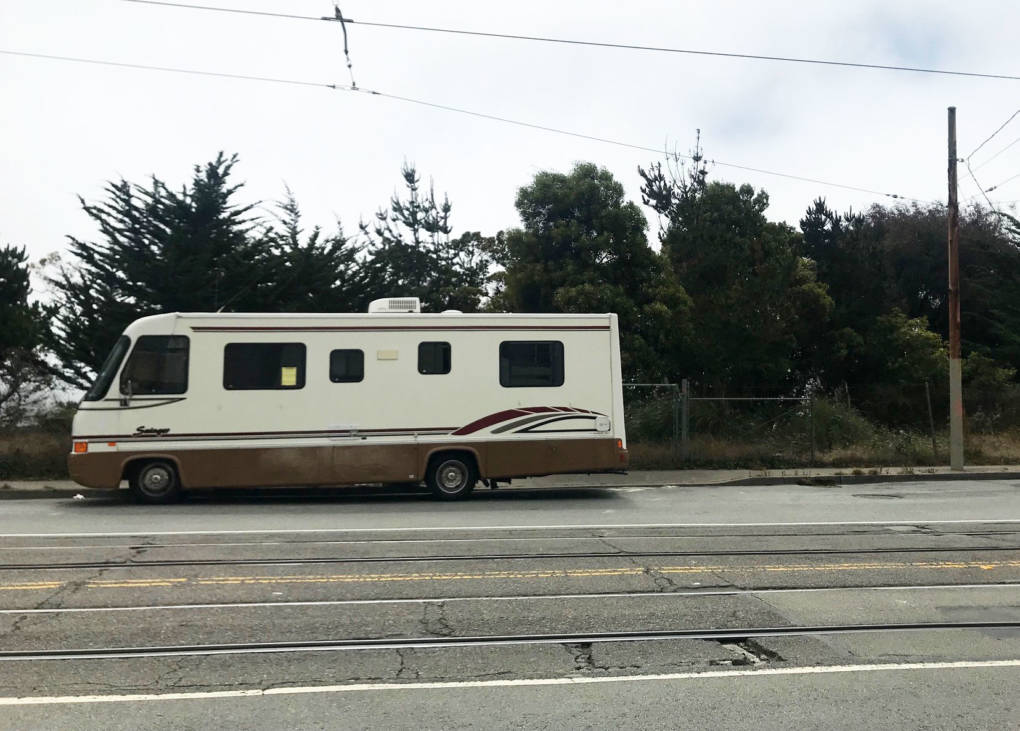
"altTag": "An RV is parked in Balboa Park up the street from San Francisco's first proposed safe parking lot, where people living in their vehicles would be able to park legally and access services.",
"description": "An RV is parked in Balboa Park up the street from San Francisco's first proposed safe parking lot, where people living in their vehicles would be able to park legally and access services.",
"imgSizes": {
"thumbnail": {
"file": "https://cdn.kqed.org/wp-content/uploads/sites/10/2019/08/RV-Balboa-Park-SF-160x115.jpg",
"width": 160,
"height": 115,
"mimeType": "image/jpeg"
},
"medium": {
"file": "https://cdn.kqed.org/wp-content/uploads/sites/10/2019/08/RV-Balboa-Park-SF-800x573.jpg",
"width": 800,
"height": 573,
"mimeType": "image/jpeg"
},
"large": {
"file": "https://cdn.kqed.org/wp-content/uploads/sites/10/2019/08/RV-Balboa-Park-SF-1020x731.jpg",
"width": 1020,
"height": 731,
"mimeType": "image/jpeg"
},
"complete_open_graph": {
"file": "https://cdn.kqed.org/wp-content/uploads/sites/10/2019/08/RV-Balboa-Park-SF-1200x860.jpg",
"width": 1200,
"height": 860,
"mimeType": "image/jpeg"
},
"post-thumbnail": {
"file": "https://cdn.kqed.org/wp-content/uploads/sites/10/2019/08/RV-Balboa-Park-SF-672x372.jpg",
"width": 672,
"height": 372,
"mimeType": "image/jpeg"
},
"twentyfourteen-full-width": {
"file": "https://cdn.kqed.org/wp-content/uploads/sites/10/2019/08/RV-Balboa-Park-SF-1038x576.jpg",
"width": 1038,
"height": 576,
"mimeType": "image/jpeg"
},
"apple_news_ca_landscape_9_7": {
"file": "https://cdn.kqed.org/wp-content/uploads/sites/10/2019/08/RV-Balboa-Park-SF-1376x1032.jpg",
"width": 1376,
"height": 1032,
"mimeType": "image/jpeg"
},
"apple_news_ca_landscape_5_5": {
"file": "https://cdn.kqed.org/wp-content/uploads/sites/10/2019/08/RV-Balboa-Park-SF-1044x783.jpg",
"width": 1044,
"height": 783,
"mimeType": "image/jpeg"
},
"apple_news_ca_landscape_4_7": {
"file": "https://cdn.kqed.org/wp-content/uploads/sites/10/2019/08/RV-Balboa-Park-SF-632x474.jpg",
"width": 632,
"height": 474,
"mimeType": "image/jpeg"
},
"apple_news_ca_landscape_4_0": {
"file": "https://cdn.kqed.org/wp-content/uploads/sites/10/2019/08/RV-Balboa-Park-SF-536x402.jpg",
"width": 536,
"height": 402,
"mimeType": "image/jpeg"
},
"apple_news_ca_portrait_12_9": {
"file": "https://cdn.kqed.org/wp-content/uploads/sites/10/2019/08/RV-Balboa-Park-SF-1122x1186.jpg",
"width": 1122,
"height": 1186,
"mimeType": "image/jpeg"
},
"apple_news_ca_portrait_9_7": {
"file": "https://cdn.kqed.org/wp-content/uploads/sites/10/2019/08/RV-Balboa-Park-SF-840x1120.jpg",
"width": 840,
"height": 1120,
"mimeType": "image/jpeg"
},
"apple_news_ca_portrait_5_5": {
"file": "https://cdn.kqed.org/wp-content/uploads/sites/10/2019/08/RV-Balboa-Park-SF-687x916.jpg",
"width": 687,
"height": 916,
"mimeType": "image/jpeg"
},
"apple_news_ca_portrait_4_7": {
"file": "https://cdn.kqed.org/wp-content/uploads/sites/10/2019/08/RV-Balboa-Park-SF-414x552.jpg",
"width": 414,
"height": 552,
"mimeType": "image/jpeg"
},
"apple_news_ca_portrait_4_0": {
"file": "https://cdn.kqed.org/wp-content/uploads/sites/10/2019/08/RV-Balboa-Park-SF-354x472.jpg",
"width": 354,
"height": 472,
"mimeType": "image/jpeg"
},
"apple_news_ca_square_12_9": {
"file": "https://cdn.kqed.org/wp-content/uploads/sites/10/2019/08/RV-Balboa-Park-SF-1472x1186.jpg",
"width": 1472,
"height": 1186,
"mimeType": "image/jpeg"
},
"apple_news_ca_square_9_7": {
"file": "https://cdn.kqed.org/wp-content/uploads/sites/10/2019/08/RV-Balboa-Park-SF-1104x1104.jpg",
"width": 1104,
"height": 1104,
"mimeType": "image/jpeg"
},
"apple_news_ca_square_5_5": {
"file": "https://cdn.kqed.org/wp-content/uploads/sites/10/2019/08/RV-Balboa-Park-SF-912x912.jpg",
"width": 912,
"height": 912,
"mimeType": "image/jpeg"
},
"apple_news_ca_square_4_7": {
"file": "https://cdn.kqed.org/wp-content/uploads/sites/10/2019/08/RV-Balboa-Park-SF-550x550.jpg",
"width": 550,
"height": 550,
"mimeType": "image/jpeg"
},
"apple_news_ca_square_4_0": {
"file": "https://cdn.kqed.org/wp-content/uploads/sites/10/2019/08/RV-Balboa-Park-SF-470x470.jpg",
"width": 470,
"height": 470,
"mimeType": "image/jpeg"
},
"kqedFullSize": {
"file": "https://cdn.kqed.org/wp-content/uploads/sites/10/2019/08/RV-Balboa-Park-SF.jpg",
"width": 1655,
"height": 1186
}
},
"isLoading": false,
"fetchFailed": false
},
"news_11771028": {
"type": "attachments",
"id": "news_11771028",
"meta": {
"index": "attachments_1716263798",
"site": "news",
"id": "11771028",
"found": true
},
"parent": 11771019,
"imgSizes": {
"apple_news_ca_landscape_5_5": {
"file": "https://ww2.kqed.org/app/uploads/sites/10/2019/08/Section-8-photo-Main-1044x783.jpg",
"width": 1044,
"mimeType": "image/jpeg",
"height": 783
},
"apple_news_ca_square_4_0": {
"file": "https://ww2.kqed.org/app/uploads/sites/10/2019/08/Section-8-photo-Main-470x470.jpg",
"width": 470,
"mimeType": "image/jpeg",
"height": 470
},
"twentyfourteen-full-width": {
"file": "https://ww2.kqed.org/app/uploads/sites/10/2019/08/Section-8-photo-Main-1038x576.jpg",
"width": 1038,
"mimeType": "image/jpeg",
"height": 576
},
"thumbnail": {
"file": "https://ww2.kqed.org/app/uploads/sites/10/2019/08/Section-8-photo-Main-160x97.jpg",
"width": 160,
"mimeType": "image/jpeg",
"height": 97
},
"post-thumbnail": {
"file": "https://ww2.kqed.org/app/uploads/sites/10/2019/08/Section-8-photo-Main-672x372.jpg",
"width": 672,
"mimeType": "image/jpeg",
"height": 372
},
"kqedFullSize": {
"file": "https://ww2.kqed.org/app/uploads/sites/10/2019/08/Section-8-photo-Main.jpg",
"width": 1920,
"height": 1161
},
"apple_news_ca_landscape_4_7": {
"file": "https://ww2.kqed.org/app/uploads/sites/10/2019/08/Section-8-photo-Main-632x474.jpg",
"width": 632,
"mimeType": "image/jpeg",
"height": 474
},
"large": {
"file": "https://ww2.kqed.org/app/uploads/sites/10/2019/08/Section-8-photo-Main-1020x617.jpg",
"width": 1020,
"mimeType": "image/jpeg",
"height": 617
},
"complete_open_graph": {
"file": "https://ww2.kqed.org/app/uploads/sites/10/2019/08/Section-8-photo-Main-1200x726.jpg",
"width": 1200,
"mimeType": "image/jpeg",
"height": 726
},
"apple_news_ca_landscape_4_0": {
"file": "https://ww2.kqed.org/app/uploads/sites/10/2019/08/Section-8-photo-Main-536x402.jpg",
"width": 536,
"mimeType": "image/jpeg",
"height": 402
},
"apple_news_ca_portrait_12_9": {
"file": "https://ww2.kqed.org/app/uploads/sites/10/2019/08/Section-8-photo-Main-1122x1161.jpg",
"width": 1122,
"mimeType": "image/jpeg",
"height": 1161
},
"medium": {
"file": "https://ww2.kqed.org/app/uploads/sites/10/2019/08/Section-8-photo-Main-800x484.jpg",
"width": 800,
"mimeType": "image/jpeg",
"height": 484
},
"apple_news_ca_portrait_4_0": {
"file": "https://ww2.kqed.org/app/uploads/sites/10/2019/08/Section-8-photo-Main-354x472.jpg",
"width": 354,
"mimeType": "image/jpeg",
"height": 472
},
"apple_news_ca_portrait_9_7": {
"file": "https://ww2.kqed.org/app/uploads/sites/10/2019/08/Section-8-photo-Main-840x1120.jpg",
"width": 840,
"mimeType": "image/jpeg",
"height": 1120
},
"apple_news_ca_landscape_12_9": {
"file": "https://ww2.kqed.org/app/uploads/sites/10/2019/08/Section-8-photo-Main-1832x1161.jpg",
"width": 1832,
"mimeType": "image/jpeg",
"height": 1161
},
"apple_news_ca_square_9_7": {
"file": "https://ww2.kqed.org/app/uploads/sites/10/2019/08/Section-8-photo-Main-1104x1104.jpg",
"width": 1104,
"mimeType": "image/jpeg",
"height": 1104
},
"apple_news_ca_portrait_4_7": {
"file": "https://ww2.kqed.org/app/uploads/sites/10/2019/08/Section-8-photo-Main-414x552.jpg",
"width": 414,
"mimeType": "image/jpeg",
"height": 552
},
"apple_news_ca_square_12_9": {
"file": "https://ww2.kqed.org/app/uploads/sites/10/2019/08/Section-8-photo-Main-1472x1161.jpg",
"width": 1472,
"mimeType": "image/jpeg",
"height": 1161
},
"apple_news_ca_portrait_5_5": {
"file": "https://ww2.kqed.org/app/uploads/sites/10/2019/08/Section-8-photo-Main-687x916.jpg",
"width": 687,
"mimeType": "image/jpeg",
"height": 916
},
"full-width": {
"file": "https://ww2.kqed.org/app/uploads/sites/10/2019/08/Section-8-photo-Main-1920x1161.jpg",
"width": 1920,
"mimeType": "image/jpeg",
"height": 1161
},
"apple_news_ca_square_4_7": {
"file": "https://ww2.kqed.org/app/uploads/sites/10/2019/08/Section-8-photo-Main-550x550.jpg",
"width": 550,
"mimeType": "image/jpeg",
"height": 550
},
"apple_news_ca_landscape_9_7": {
"file": "https://ww2.kqed.org/app/uploads/sites/10/2019/08/Section-8-photo-Main-1376x1032.jpg",
"width": 1376,
"mimeType": "image/jpeg",
"height": 1032
},
"apple_news_ca_square_5_5": {
"file": "https://ww2.kqed.org/app/uploads/sites/10/2019/08/Section-8-photo-Main-912x912.jpg",
"width": 912,
"mimeType": "image/jpeg",
"height": 912
}
},
"publishDate": 1567107317,
"modified": 1567107554,
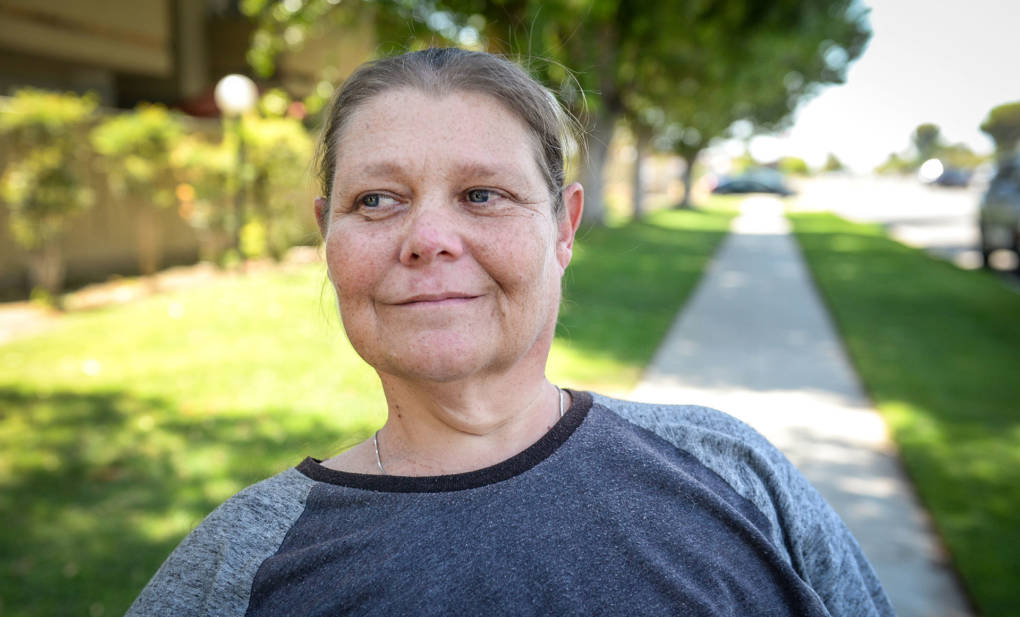
"caption": "Fresno resident Reina Richter, who is disabled, has been unable to find housing in Fresno with her Section 8 voucher. She says applicants far outnumber the available housing in the area.",
"description": "Fresno resident Reina Richter, who is disabled, has been unable to find housing in Fresno with her Section 8 voucher. She says applicants far outnumber the available housing in the area.",
"title": "Section-8-photo-Main",
"credit": "Craig Kohlruss/The Fresno Bee",
"status": "inherit",
"isLoading": false,
"fetchFailed": false
},
"news_11771053": {
"type": "attachments",
"id": "news_11771053",
"meta": {
"index": "attachments_1716263798",
"site": "news",
"id": "11771053",
"found": true
},
"parent": 11771044,
"imgSizes": {
"apple_news_ca_landscape_5_5": {
"file": "https://ww2.kqed.org/app/uploads/sites/10/2019/08/leaning_082919_final-1044x783.jpg",
"width": 1044,
"mimeType": "image/jpeg",
"height": 783
},
"apple_news_ca_square_4_0": {
"file": "https://ww2.kqed.org/app/uploads/sites/10/2019/08/leaning_082919_final-470x470.jpg",
"width": 470,
"mimeType": "image/jpeg",
"height": 470
},
"twentyfourteen-full-width": {
"file": "https://ww2.kqed.org/app/uploads/sites/10/2019/08/leaning_082919_final-1038x576.jpg",
"width": 1038,
"mimeType": "image/jpeg",
"height": 576
},
"thumbnail": {
"file": "https://ww2.kqed.org/app/uploads/sites/10/2019/08/leaning_082919_final-160x154.jpg",
"width": 160,
"mimeType": "image/jpeg",
"height": 154
},
"post-thumbnail": {
"file": "https://ww2.kqed.org/app/uploads/sites/10/2019/08/leaning_082919_final-672x372.jpg",
"width": 672,
"mimeType": "image/jpeg",
"height": 372
},
"kqedFullSize": {
"file": "https://ww2.kqed.org/app/uploads/sites/10/2019/08/leaning_082919_final.jpg",
"width": 1920,
"height": 1845
},
"apple_news_ca_landscape_4_7": {
"file": "https://ww2.kqed.org/app/uploads/sites/10/2019/08/leaning_082919_final-632x474.jpg",
"width": 632,
"mimeType": "image/jpeg",
"height": 474
},
"large": {
"file": "https://ww2.kqed.org/app/uploads/sites/10/2019/08/leaning_082919_final-1020x980.jpg",
"width": 1020,
"mimeType": "image/jpeg",
"height": 980
},
"complete_open_graph": {
"file": "https://ww2.kqed.org/app/uploads/sites/10/2019/08/leaning_082919_final-1200x1153.jpg",
"width": 1200,
"mimeType": "image/jpeg",
"height": 1153
},
"apple_news_ca_landscape_4_0": {
"file": "https://ww2.kqed.org/app/uploads/sites/10/2019/08/leaning_082919_final-536x402.jpg",
"width": 536,
"mimeType": "image/jpeg",
"height": 402
},
"apple_news_ca_portrait_12_9": {
"file": "https://ww2.kqed.org/app/uploads/sites/10/2019/08/leaning_082919_final-1122x1496.jpg",
"width": 1122,
"mimeType": "image/jpeg",
"height": 1496
},
"medium": {
"file": "https://ww2.kqed.org/app/uploads/sites/10/2019/08/leaning_082919_final-800x769.jpg",
"width": 800,
"mimeType": "image/jpeg",
"height": 769
},
"apple_news_ca_portrait_4_0": {
"file": "https://ww2.kqed.org/app/uploads/sites/10/2019/08/leaning_082919_final-354x472.jpg",
"width": 354,
"mimeType": "image/jpeg",
"height": 472
},
"apple_news_ca_portrait_9_7": {
"file": "https://ww2.kqed.org/app/uploads/sites/10/2019/08/leaning_082919_final-840x1120.jpg",
"width": 840,
"mimeType": "image/jpeg",
"height": 1120
},
"apple_news_ca_landscape_12_9": {
"file": "https://ww2.kqed.org/app/uploads/sites/10/2019/08/leaning_082919_final-1832x1374.jpg",
"width": 1832,
"mimeType": "image/jpeg",
"height": 1374
},
"apple_news_ca_square_9_7": {
"file": "https://ww2.kqed.org/app/uploads/sites/10/2019/08/leaning_082919_final-1104x1104.jpg",
"width": 1104,
"mimeType": "image/jpeg",
"height": 1104
},
"apple_news_ca_portrait_4_7": {
"file": "https://ww2.kqed.org/app/uploads/sites/10/2019/08/leaning_082919_final-414x552.jpg",
"width": 414,
"mimeType": "image/jpeg",
"height": 552
},
"apple_news_ca_square_12_9": {
"file": "https://ww2.kqed.org/app/uploads/sites/10/2019/08/leaning_082919_final-1472x1472.jpg",
"width": 1472,
"mimeType": "image/jpeg",
"height": 1472
},
"apple_news_ca_portrait_5_5": {
"file": "https://ww2.kqed.org/app/uploads/sites/10/2019/08/leaning_082919_final-687x916.jpg",
"width": 687,
"mimeType": "image/jpeg",
"height": 916
},
"full-width": {
"file": "https://ww2.kqed.org/app/uploads/sites/10/2019/08/leaning_082919_final-1920x1845.jpg",
"width": 1920,
"mimeType": "image/jpeg",
"height": 1845
},
"apple_news_ca_square_4_7": {
"file": "https://ww2.kqed.org/app/uploads/sites/10/2019/08/leaning_082919_final-550x550.jpg",
"width": 550,
"mimeType": "image/jpeg",
"height": 550
},
"apple_news_ca_landscape_9_7": {
"file": "https://ww2.kqed.org/app/uploads/sites/10/2019/08/leaning_082919_final-1376x1032.jpg",
"width": 1376,
"mimeType": "image/jpeg",
"height": 1032
},
"apple_news_ca_square_5_5": {
"file": "https://ww2.kqed.org/app/uploads/sites/10/2019/08/leaning_082919_final-912x912.jpg",
"width": 912,
"mimeType": "image/jpeg",
"height": 912
}
},
"publishDate": 1567108914,
"modified": 1567108942,
"caption": null,
"description": null,
"title": "leaning_082919_final",
"credit": null,
"status": "inherit",
"isLoading": false,
"fetchFailed": false
},
"news_11770710": {
"type": "attachments",
"id": "news_11770710",
"meta": {
"index": "attachments_1716263798",
"site": "news",
"id": "11770710",
"found": true
},
"parent": 11770616,
"imgSizes": {
"apple_news_ca_landscape_5_5": {
"file": "https://ww2.kqed.org/app/uploads/sites/10/2019/08/GettyImages-588545332-1044x783.jpg",
"width": 1044,
"mimeType": "image/jpeg",
"height": 783
},
"apple_news_ca_square_4_0": {
"file": "https://ww2.kqed.org/app/uploads/sites/10/2019/08/GettyImages-588545332-470x470.jpg",
"width": 470,
"mimeType": "image/jpeg",
"height": 470
},
"twentyfourteen-full-width": {
"file": "https://ww2.kqed.org/app/uploads/sites/10/2019/08/GettyImages-588545332-1038x576.jpg",
"width": 1038,
"mimeType": "image/jpeg",
"height": 576
},
"thumbnail": {
"file": "https://ww2.kqed.org/app/uploads/sites/10/2019/08/GettyImages-588545332-160x107.jpg",
"width": 160,
"mimeType": "image/jpeg",
"height": 107
},
"post-thumbnail": {
"file": "https://ww2.kqed.org/app/uploads/sites/10/2019/08/GettyImages-588545332-672x372.jpg",
"width": 672,
"mimeType": "image/jpeg",
"height": 372
},
"kqedFullSize": {
"file": "https://ww2.kqed.org/app/uploads/sites/10/2019/08/GettyImages-588545332-e1567025712288.jpg",
"width": 1920,
"height": 1280
},
"apple_news_ca_landscape_4_7": {
"file": "https://ww2.kqed.org/app/uploads/sites/10/2019/08/GettyImages-588545332-632x474.jpg",
"width": 632,
"mimeType": "image/jpeg",
"height": 474
},
"large": {
"file": "https://ww2.kqed.org/app/uploads/sites/10/2019/08/GettyImages-588545332-1020x680.jpg",
"width": 1020,
"mimeType": "image/jpeg",
"height": 680
},
"complete_open_graph": {
"file": "https://ww2.kqed.org/app/uploads/sites/10/2019/08/GettyImages-588545332-1200x800.jpg",
"width": 1200,
"mimeType": "image/jpeg",
"height": 800
},
"apple_news_ca_landscape_4_0": {
"file": "https://ww2.kqed.org/app/uploads/sites/10/2019/08/GettyImages-588545332-536x402.jpg",
"width": 536,
"mimeType": "image/jpeg",
"height": 402
},
"apple_news_ca_portrait_12_9": {
"file": "https://ww2.kqed.org/app/uploads/sites/10/2019/08/GettyImages-588545332-1122x1496.jpg",
"width": 1122,
"mimeType": "image/jpeg",
"height": 1496
},
"medium": {
"file": "https://ww2.kqed.org/app/uploads/sites/10/2019/08/GettyImages-588545332-800x533.jpg",
"width": 800,
"mimeType": "image/jpeg",
"height": 533
},
"apple_news_ca_portrait_4_0": {
"file": "https://ww2.kqed.org/app/uploads/sites/10/2019/08/GettyImages-588545332-354x472.jpg",
"width": 354,
"mimeType": "image/jpeg",
"height": 472
},
"apple_news_ca_portrait_9_7": {
"file": "https://ww2.kqed.org/app/uploads/sites/10/2019/08/GettyImages-588545332-840x1120.jpg",
"width": 840,
"mimeType": "image/jpeg",
"height": 1120
},
"apple_news_ca_landscape_12_9": {
"file": "https://ww2.kqed.org/app/uploads/sites/10/2019/08/GettyImages-588545332-1832x1374.jpg",
"width": 1832,
"mimeType": "image/jpeg",
"height": 1374
},
"apple_news_ca_square_9_7": {
"file": "https://ww2.kqed.org/app/uploads/sites/10/2019/08/GettyImages-588545332-1104x1104.jpg",
"width": 1104,
"mimeType": "image/jpeg",
"height": 1104
},
"apple_news_ca_portrait_4_7": {
"file": "https://ww2.kqed.org/app/uploads/sites/10/2019/08/GettyImages-588545332-414x552.jpg",
"width": 414,
"mimeType": "image/jpeg",
"height": 552
},
"apple_news_ca_square_12_9": {
"file": "https://ww2.kqed.org/app/uploads/sites/10/2019/08/GettyImages-588545332-1472x1472.jpg",
"width": 1472,
"mimeType": "image/jpeg",
"height": 1472
},
"apple_news_ca_portrait_5_5": {
"file": "https://ww2.kqed.org/app/uploads/sites/10/2019/08/GettyImages-588545332-687x916.jpg",
"width": 687,
"mimeType": "image/jpeg",
"height": 916
},
"full-width": {
"file": "https://ww2.kqed.org/app/uploads/sites/10/2019/08/GettyImages-588545332-1920x1280.jpg",
"width": 1920,
"mimeType": "image/jpeg",
"height": 1280
},
"apple_news_ca_square_4_7": {
"file": "https://ww2.kqed.org/app/uploads/sites/10/2019/08/GettyImages-588545332-550x550.jpg",
"width": 550,
"mimeType": "image/jpeg",
"height": 550
},
"apple_news_ca_landscape_9_7": {
"file": "https://ww2.kqed.org/app/uploads/sites/10/2019/08/GettyImages-588545332-1376x1032.jpg",
"width": 1376,
"mimeType": "image/jpeg",
"height": 1032
},
"apple_news_ca_square_5_5": {
"file": "https://ww2.kqed.org/app/uploads/sites/10/2019/08/GettyImages-588545332-912x912.jpg",
"width": 912,
"mimeType": "image/jpeg",
"height": 912
}
},
"publishDate": 1567025682,
"modified": 1567029226,
"caption": "The Millennium Tower in downtown San Francisco, a luxury high-rise, is both sinking and tilting.",
"description": "The Millennium Tower in downtown San Francisco, a luxury high-rise, is both sinking and tilting.",
"title": "San Francisco's Millennium Tower Tilting And Sinking Into Ground",
"credit": "Justin Sullivan/Getty Images",
"status": "inherit",
"isLoading": false,
"fetchFailed": false
},
"news_11770646": {
"type": "attachments",
"id": "news_11770646",
"meta": {
"index": "attachments_1716263798",
"site": "news",
"id": "11770646",
"found": true
},
"parent": 11770643,
"imgSizes": {
"apple_news_ca_landscape_5_5": {
"file": "https://ww2.kqed.org/app/uploads/sites/10/2019/08/host-compliance-ulrik-binzer-1044x783.jpg",
"width": 1044,
"mimeType": "image/jpeg",
"height": 783
},
"apple_news_ca_square_4_0": {
"file": "https://ww2.kqed.org/app/uploads/sites/10/2019/08/host-compliance-ulrik-binzer-470x470.jpg",
"width": 470,
"mimeType": "image/jpeg",
"height": 470
},
"twentyfourteen-full-width": {
"file": "https://ww2.kqed.org/app/uploads/sites/10/2019/08/host-compliance-ulrik-binzer-1038x576.jpg",
"width": 1038,
"mimeType": "image/jpeg",
"height": 576
},
"thumbnail": {
"file": "https://ww2.kqed.org/app/uploads/sites/10/2019/08/host-compliance-ulrik-binzer-160x120.jpg",
"width": 160,
"mimeType": "image/jpeg",
"height": 120
},
"post-thumbnail": {
"file": "https://ww2.kqed.org/app/uploads/sites/10/2019/08/host-compliance-ulrik-binzer-672x372.jpg",
"width": 672,
"mimeType": "image/jpeg",
"height": 372
},
"kqedFullSize": {
"file": "https://ww2.kqed.org/app/uploads/sites/10/2019/08/host-compliance-ulrik-binzer.jpg",
"width": 1600,
"height": 1199
},
"apple_news_ca_landscape_4_7": {
"file": "https://ww2.kqed.org/app/uploads/sites/10/2019/08/host-compliance-ulrik-binzer-632x474.jpg",
"width": 632,
"mimeType": "image/jpeg",
"height": 474
},
"large": {
"file": "https://ww2.kqed.org/app/uploads/sites/10/2019/08/host-compliance-ulrik-binzer-1020x764.jpg",
"width": 1020,
"mimeType": "image/jpeg",
"height": 764
},
"complete_open_graph": {
"file": "https://ww2.kqed.org/app/uploads/sites/10/2019/08/host-compliance-ulrik-binzer-1200x899.jpg",
"width": 1200,
"mimeType": "image/jpeg",
"height": 899
},
"apple_news_ca_landscape_4_0": {
"file": "https://ww2.kqed.org/app/uploads/sites/10/2019/08/host-compliance-ulrik-binzer-536x402.jpg",
"width": 536,
"mimeType": "image/jpeg",
"height": 402
},
"apple_news_ca_portrait_12_9": {
"file": "https://ww2.kqed.org/app/uploads/sites/10/2019/08/host-compliance-ulrik-binzer-1122x1199.jpg",
"width": 1122,
"mimeType": "image/jpeg",
"height": 1199
},
"medium": {
"file": "https://ww2.kqed.org/app/uploads/sites/10/2019/08/host-compliance-ulrik-binzer-800x600.jpg",
"width": 800,
"mimeType": "image/jpeg",
"height": 600
},
"apple_news_ca_portrait_4_0": {
"file": "https://ww2.kqed.org/app/uploads/sites/10/2019/08/host-compliance-ulrik-binzer-354x472.jpg",
"width": 354,
"mimeType": "image/jpeg",
"height": 472
},
"apple_news_ca_portrait_9_7": {
"file": "https://ww2.kqed.org/app/uploads/sites/10/2019/08/host-compliance-ulrik-binzer-840x1120.jpg",
"width": 840,
"mimeType": "image/jpeg",
"height": 1120
},
"apple_news_ca_square_9_7": {
"file": "https://ww2.kqed.org/app/uploads/sites/10/2019/08/host-compliance-ulrik-binzer-1104x1104.jpg",
"width": 1104,
"mimeType": "image/jpeg",
"height": 1104
},
"apple_news_ca_portrait_4_7": {
"file": "https://ww2.kqed.org/app/uploads/sites/10/2019/08/host-compliance-ulrik-binzer-414x552.jpg",
"width": 414,
"mimeType": "image/jpeg",
"height": 552
},
"apple_news_ca_square_12_9": {
"file": "https://ww2.kqed.org/app/uploads/sites/10/2019/08/host-compliance-ulrik-binzer-1472x1199.jpg",
"width": 1472,
"mimeType": "image/jpeg",
"height": 1199
},
"apple_news_ca_portrait_5_5": {
"file": "https://ww2.kqed.org/app/uploads/sites/10/2019/08/host-compliance-ulrik-binzer-687x916.jpg",
"width": 687,
"mimeType": "image/jpeg",
"height": 916
},
"apple_news_ca_square_4_7": {
"file": "https://ww2.kqed.org/app/uploads/sites/10/2019/08/host-compliance-ulrik-binzer-550x550.jpg",
"width": 550,
"mimeType": "image/jpeg",
"height": 550
},
"apple_news_ca_landscape_9_7": {
"file": "https://ww2.kqed.org/app/uploads/sites/10/2019/08/host-compliance-ulrik-binzer-1376x1032.jpg",
"width": 1376,
"mimeType": "image/jpeg",
"height": 1032
},
"apple_news_ca_square_5_5": {
"file": "https://ww2.kqed.org/app/uploads/sites/10/2019/08/host-compliance-ulrik-binzer-912x912.jpg",
"width": 912,
"mimeType": "image/jpeg",
"height": 912
}
},
"publishDate": 1567013197,
"modified": 1567013230,
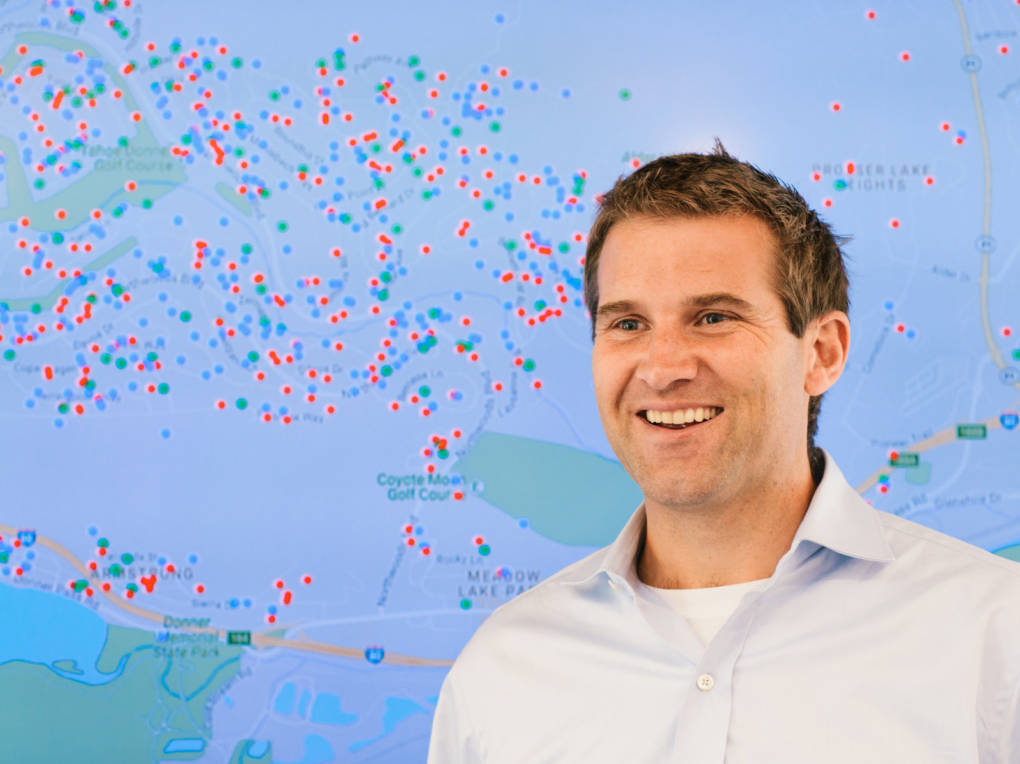
"caption": "Entrepreneur Ulrik Binzer is helping more than 300 cities and towns in the U.S. and Canada enforce rules for short-term rentals.",
"description": "Entrepreneur Ulrik Binzer is helping more than 300 cities and towns in the U.S. and Canada enforce rules for short-term rentals.",
"title": "host-compliance-ulrik-binzer",
"credit": "Clara Lu/Host Compliance",
"status": "inherit",
"isLoading": false,
"fetchFailed": false
},
"news_11770406": {
"type": "attachments",
"id": "news_11770406",
"meta": {
"index": "attachments_1716263798",
"site": "news",
"id": "11770406",
"found": true
},
"parent": 11770372,
"imgSizes": {
"apple_news_ca_landscape_5_5": {
"file": "https://cdn.kqed.org/wp-content/uploads/sites/10/2019/08/RS38756_IMG_2478-qut-1044x783.jpg",
"width": 1044,
"mimeType": "image/jpeg",
"height": 783
},
"apple_news_ca_square_4_0": {
"file": "https://cdn.kqed.org/wp-content/uploads/sites/10/2019/08/RS38756_IMG_2478-qut-470x470.jpg",
"width": 470,
"mimeType": "image/jpeg",
"height": 470
},
"twentyfourteen-full-width": {
"file": "https://cdn.kqed.org/wp-content/uploads/sites/10/2019/08/RS38756_IMG_2478-qut-1038x576.jpg",
"width": 1038,
"mimeType": "image/jpeg",
"height": 576
},
"thumbnail": {
"file": "https://cdn.kqed.org/wp-content/uploads/sites/10/2019/08/RS38756_IMG_2478-qut-160x120.jpg",
"width": 160,
"mimeType": "image/jpeg",
"height": 120
},
"post-thumbnail": {
"file": "https://cdn.kqed.org/wp-content/uploads/sites/10/2019/08/RS38756_IMG_2478-qut-672x372.jpg",
"width": 672,
"mimeType": "image/jpeg",
"height": 372
},
"kqedFullSize": {
"file": "https://cdn.kqed.org/wp-content/uploads/sites/10/2019/08/RS38756_IMG_2478-qut.jpg",
"width": 1920,
"height": 1440
},
"apple_news_ca_landscape_4_7": {
"file": "https://cdn.kqed.org/wp-content/uploads/sites/10/2019/08/RS38756_IMG_2478-qut-632x474.jpg",
"width": 632,
"mimeType": "image/jpeg",
"height": 474
},
"large": {
"file": "https://cdn.kqed.org/wp-content/uploads/sites/10/2019/08/RS38756_IMG_2478-qut-1020x765.jpg",
"width": 1020,
"mimeType": "image/jpeg",
"height": 765
},
"complete_open_graph": {
"file": "https://cdn.kqed.org/wp-content/uploads/sites/10/2019/08/RS38756_IMG_2478-qut-1200x900.jpg",
"width": 1200,
"mimeType": "image/jpeg",
"height": 900
},
"apple_news_ca_landscape_4_0": {
"file": "https://cdn.kqed.org/wp-content/uploads/sites/10/2019/08/RS38756_IMG_2478-qut-536x402.jpg",
"width": 536,
"mimeType": "image/jpeg",
"height": 402
},
"apple_news_ca_portrait_12_9": {
"file": "https://cdn.kqed.org/wp-content/uploads/sites/10/2019/08/RS38756_IMG_2478-qut-1122x1440.jpg",
"width": 1122,
"mimeType": "image/jpeg",
"height": 1440
},
"medium": {
"file": "https://cdn.kqed.org/wp-content/uploads/sites/10/2019/08/RS38756_IMG_2478-qut-800x600.jpg",
"width": 800,
"mimeType": "image/jpeg",
"height": 600
},
"apple_news_ca_portrait_4_0": {
"file": "https://cdn.kqed.org/wp-content/uploads/sites/10/2019/08/RS38756_IMG_2478-qut-354x472.jpg",
"width": 354,
"mimeType": "image/jpeg",
"height": 472
},
"apple_news_ca_portrait_9_7": {
"file": "https://cdn.kqed.org/wp-content/uploads/sites/10/2019/08/RS38756_IMG_2478-qut-840x1120.jpg",
"width": 840,
"mimeType": "image/jpeg",
"height": 1120
},
"apple_news_ca_landscape_12_9": {
"file": "https://cdn.kqed.org/wp-content/uploads/sites/10/2019/08/RS38756_IMG_2478-qut-1832x1374.jpg",
"width": 1832,
"mimeType": "image/jpeg",
"height": 1374
},
"apple_news_ca_square_9_7": {
"file": "https://cdn.kqed.org/wp-content/uploads/sites/10/2019/08/RS38756_IMG_2478-qut-1104x1104.jpg",
"width": 1104,
"mimeType": "image/jpeg",
"height": 1104
},
"apple_news_ca_portrait_4_7": {
"file": "https://cdn.kqed.org/wp-content/uploads/sites/10/2019/08/RS38756_IMG_2478-qut-414x552.jpg",
"width": 414,
"mimeType": "image/jpeg",
"height": 552
},
"apple_news_ca_square_12_9": {
"file": "https://cdn.kqed.org/wp-content/uploads/sites/10/2019/08/RS38756_IMG_2478-qut-1472x1440.jpg",
"width": 1472,
"mimeType": "image/jpeg",
"height": 1440
},
"apple_news_ca_portrait_5_5": {
"file": "https://cdn.kqed.org/wp-content/uploads/sites/10/2019/08/RS38756_IMG_2478-qut-687x916.jpg",
"width": 687,
"mimeType": "image/jpeg",
"height": 916
},
"full-width": {
"file": "https://cdn.kqed.org/wp-content/uploads/sites/10/2019/08/RS38756_IMG_2478-qut-1920x1440.jpg",
"width": 1920,
"mimeType": "image/jpeg",
"height": 1440
},
"apple_news_ca_square_4_7": {
"file": "https://cdn.kqed.org/wp-content/uploads/sites/10/2019/08/RS38756_IMG_2478-qut-550x550.jpg",
"width": 550,
"mimeType": "image/jpeg",
"height": 550
},
"apple_news_ca_landscape_9_7": {
"file": "https://cdn.kqed.org/wp-content/uploads/sites/10/2019/08/RS38756_IMG_2478-qut-1376x1032.jpg",
"width": 1376,
"mimeType": "image/jpeg",
"height": 1032
},
"apple_news_ca_square_5_5": {
"file": "https://cdn.kqed.org/wp-content/uploads/sites/10/2019/08/RS38756_IMG_2478-qut-912x912.jpg",
"width": 912,
"mimeType": "image/jpeg",
"height": 912
}
},
"publishDate": 1566939983,
"modified": 1711491893,
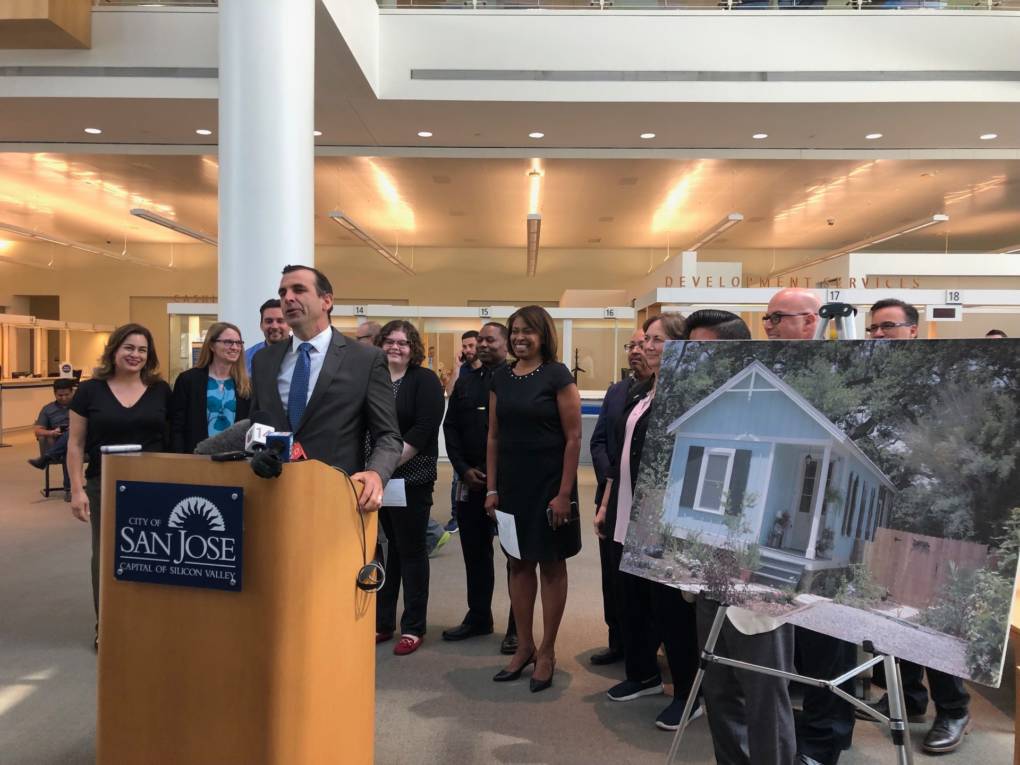
"caption": "San José Mayor Sam Liccardo announced several changes Tuesday to streamline the process of applying for ADU building permits.",
"description": null,
"title": "RS38756_IMG_2478-qut",
"credit": "Sonja Hutson/KQED",
"status": "inherit",
"altTag": null,
"isLoading": false,
"fetchFailed": false
},
"news_11770084": {
"type": "attachments",
"id": "news_11770084",
"meta": {
"index": "attachments_1716263798",
"site": "news",
"id": "11770084",
"found": true
},
"parent": 11770061,
"imgSizes": {
"apple_news_ca_landscape_5_5": {
"file": "https://ww2.kqed.org/app/uploads/sites/10/2019/08/RS38687_OCR-L-PATSYS-08XX-05-qut-1044x783.jpg",
"width": 1044,
"mimeType": "image/jpeg",
"height": 783
},
"apple_news_ca_square_4_0": {
"file": "https://ww2.kqed.org/app/uploads/sites/10/2019/08/RS38687_OCR-L-PATSYS-08XX-05-qut-470x470.jpg",
"width": 470,
"mimeType": "image/jpeg",
"height": 470
},
"twentyfourteen-full-width": {
"file": "https://ww2.kqed.org/app/uploads/sites/10/2019/08/RS38687_OCR-L-PATSYS-08XX-05-qut-1038x576.jpg",
"width": 1038,
"mimeType": "image/jpeg",
"height": 576
},
"thumbnail": {
"file": "https://ww2.kqed.org/app/uploads/sites/10/2019/08/RS38687_OCR-L-PATSYS-08XX-05-qut-160x107.jpg",
"width": 160,
"mimeType": "image/jpeg",
"height": 107
},
"post-thumbnail": {
"file": "https://ww2.kqed.org/app/uploads/sites/10/2019/08/RS38687_OCR-L-PATSYS-08XX-05-qut-672x372.jpg",
"width": 672,
"mimeType": "image/jpeg",
"height": 372
},
"kqedFullSize": {
"file": "https://ww2.kqed.org/app/uploads/sites/10/2019/08/RS38687_OCR-L-PATSYS-08XX-05-qut.jpg",
"width": 1920,
"height": 1280
},
"apple_news_ca_landscape_4_7": {
"file": "https://ww2.kqed.org/app/uploads/sites/10/2019/08/RS38687_OCR-L-PATSYS-08XX-05-qut-632x474.jpg",
"width": 632,
"mimeType": "image/jpeg",
"height": 474
},
"large": {
"file": "https://ww2.kqed.org/app/uploads/sites/10/2019/08/RS38687_OCR-L-PATSYS-08XX-05-qut-1020x680.jpg",
"width": 1020,
"mimeType": "image/jpeg",
"height": 680
},
"complete_open_graph": {
"file": "https://ww2.kqed.org/app/uploads/sites/10/2019/08/RS38687_OCR-L-PATSYS-08XX-05-qut-1200x800.jpg",
"width": 1200,
"mimeType": "image/jpeg",
"height": 800
},
"apple_news_ca_landscape_4_0": {
"file": "https://ww2.kqed.org/app/uploads/sites/10/2019/08/RS38687_OCR-L-PATSYS-08XX-05-qut-536x402.jpg",
"width": 536,
"mimeType": "image/jpeg",
"height": 402
},
"apple_news_ca_portrait_12_9": {
"file": "https://ww2.kqed.org/app/uploads/sites/10/2019/08/RS38687_OCR-L-PATSYS-08XX-05-qut-1122x1280.jpg",
"width": 1122,
"mimeType": "image/jpeg",
"height": 1280
},
"medium": {
"file": "https://ww2.kqed.org/app/uploads/sites/10/2019/08/RS38687_OCR-L-PATSYS-08XX-05-qut-800x533.jpg",
"width": 800,
"mimeType": "image/jpeg",
"height": 533
},
"apple_news_ca_portrait_4_0": {
"file": "https://ww2.kqed.org/app/uploads/sites/10/2019/08/RS38687_OCR-L-PATSYS-08XX-05-qut-354x472.jpg",
"width": 354,
"mimeType": "image/jpeg",
"height": 472
},
"apple_news_ca_portrait_9_7": {
"file": "https://ww2.kqed.org/app/uploads/sites/10/2019/08/RS38687_OCR-L-PATSYS-08XX-05-qut-840x1120.jpg",
"width": 840,
"mimeType": "image/jpeg",
"height": 1120
},
"apple_news_ca_landscape_12_9": {
"file": "https://ww2.kqed.org/app/uploads/sites/10/2019/08/RS38687_OCR-L-PATSYS-08XX-05-qut-1832x1280.jpg",
"width": 1832,
"mimeType": "image/jpeg",
"height": 1280
},
"apple_news_ca_square_9_7": {
"file": "https://ww2.kqed.org/app/uploads/sites/10/2019/08/RS38687_OCR-L-PATSYS-08XX-05-qut-1104x1104.jpg",
"width": 1104,
"mimeType": "image/jpeg",
"height": 1104
},
"apple_news_ca_portrait_4_7": {
"file": "https://ww2.kqed.org/app/uploads/sites/10/2019/08/RS38687_OCR-L-PATSYS-08XX-05-qut-414x552.jpg",
"width": 414,
"mimeType": "image/jpeg",
"height": 552
},
"apple_news_ca_square_12_9": {
"file": "https://ww2.kqed.org/app/uploads/sites/10/2019/08/RS38687_OCR-L-PATSYS-08XX-05-qut-1472x1280.jpg",
"width": 1472,
"mimeType": "image/jpeg",
"height": 1280
},
"apple_news_ca_portrait_5_5": {
"file": "https://ww2.kqed.org/app/uploads/sites/10/2019/08/RS38687_OCR-L-PATSYS-08XX-05-qut-687x916.jpg",
"width": 687,
"mimeType": "image/jpeg",
"height": 916
},
"full-width": {
"file": "https://ww2.kqed.org/app/uploads/sites/10/2019/08/RS38687_OCR-L-PATSYS-08XX-05-qut-1920x1280.jpg",
"width": 1920,
"mimeType": "image/jpeg",
"height": 1280
},
"apple_news_ca_square_4_7": {
"file": "https://ww2.kqed.org/app/uploads/sites/10/2019/08/RS38687_OCR-L-PATSYS-08XX-05-qut-550x550.jpg",
"width": 550,
"mimeType": "image/jpeg",
"height": 550
},
"apple_news_ca_landscape_9_7": {
"file": "https://ww2.kqed.org/app/uploads/sites/10/2019/08/RS38687_OCR-L-PATSYS-08XX-05-qut-1376x1032.jpg",
"width": 1376,
"mimeType": "image/jpeg",
"height": 1032
},
"apple_news_ca_square_5_5": {
"file": "https://ww2.kqed.org/app/uploads/sites/10/2019/08/RS38687_OCR-L-PATSYS-08XX-05-qut-912x912.jpg",
"width": 912,
"mimeType": "image/jpeg",
"height": 912
}
},
"publishDate": 1566852282,
"modified": 1566852388,
"caption": "Patsy’s Irish Pub in Lake Forest on Thursday, August 22, 2019. (Photo by Kevin Sullivan, Orange County Register/SCNG)",
"description": "The interior of Patsy’s Irish Pub in Mission Viejo. In this part of Orange County, roughly 55% of young adults live with their parents.",
"title": "RS38687_OCR-L-PATSYS-08XX-05-qut",
"credit": "Kevin Sullivan, Orange County Register/SCNG",
"status": "inherit",
"isLoading": false,
"fetchFailed": false
},
"news_11769965": {
"type": "attachments",
"id": "news_11769965",
"meta": {
"index": "attachments_1716263798",
"site": "news",
"id": "11769965",
"found": true
},
"parent": 11769864,
"imgSizes": {
"apple_news_ca_square_4_0": {
"file": "https://ww2.kqed.org/app/uploads/sites/10/2019/08/2314307486_5e758a4f1d_o-470x470.jpg",
"width": 470,
"mimeType": "image/jpeg",
"height": 470
},
"twentyfourteen-full-width": {
"file": "https://ww2.kqed.org/app/uploads/sites/10/2019/08/2314307486_5e758a4f1d_o-1024x576.jpg",
"width": 1024,
"mimeType": "image/jpeg",
"height": 576
},
"thumbnail": {
"file": "https://ww2.kqed.org/app/uploads/sites/10/2019/08/2314307486_5e758a4f1d_o-160x120.jpg",
"width": 160,
"mimeType": "image/jpeg",
"height": 120
},
"post-thumbnail": {
"file": "https://ww2.kqed.org/app/uploads/sites/10/2019/08/2314307486_5e758a4f1d_o-672x372.jpg",
"width": 672,
"mimeType": "image/jpeg",
"height": 372
},
"kqedFullSize": {
"file": "https://ww2.kqed.org/app/uploads/sites/10/2019/08/2314307486_5e758a4f1d_o.jpg",
"width": 1024,
"height": 768
},
"apple_news_ca_landscape_4_7": {
"file": "https://ww2.kqed.org/app/uploads/sites/10/2019/08/2314307486_5e758a4f1d_o-632x474.jpg",
"width": 632,
"mimeType": "image/jpeg",
"height": 474
},
"large": {
"file": "https://ww2.kqed.org/app/uploads/sites/10/2019/08/2314307486_5e758a4f1d_o-1020x765.jpg",
"width": 1020,
"mimeType": "image/jpeg",
"height": 765
},
"apple_news_ca_landscape_4_0": {
"file": "https://ww2.kqed.org/app/uploads/sites/10/2019/08/2314307486_5e758a4f1d_o-536x402.jpg",
"width": 536,
"mimeType": "image/jpeg",
"height": 402
},
"medium": {
"file": "https://ww2.kqed.org/app/uploads/sites/10/2019/08/2314307486_5e758a4f1d_o-800x600.jpg",
"width": 800,
"mimeType": "image/jpeg",
"height": 600
},
"apple_news_ca_portrait_4_0": {
"file": "https://ww2.kqed.org/app/uploads/sites/10/2019/08/2314307486_5e758a4f1d_o-354x472.jpg",
"width": 354,
"mimeType": "image/jpeg",
"height": 472
},
"apple_news_ca_portrait_9_7": {
"file": "https://ww2.kqed.org/app/uploads/sites/10/2019/08/2314307486_5e758a4f1d_o-840x768.jpg",
"width": 840,
"mimeType": "image/jpeg",
"height": 768
},
"apple_news_ca_portrait_4_7": {
"file": "https://ww2.kqed.org/app/uploads/sites/10/2019/08/2314307486_5e758a4f1d_o-414x552.jpg",
"width": 414,
"mimeType": "image/jpeg",
"height": 552
},
"apple_news_ca_portrait_5_5": {
"file": "https://ww2.kqed.org/app/uploads/sites/10/2019/08/2314307486_5e758a4f1d_o-687x768.jpg",
"width": 687,
"mimeType": "image/jpeg",
"height": 768
},
"apple_news_ca_square_4_7": {
"file": "https://ww2.kqed.org/app/uploads/sites/10/2019/08/2314307486_5e758a4f1d_o-550x550.jpg",
"width": 550,
"mimeType": "image/jpeg",
"height": 550
},
"apple_news_ca_square_5_5": {
"file": "https://ww2.kqed.org/app/uploads/sites/10/2019/08/2314307486_5e758a4f1d_o-912x768.jpg",
"width": 912,
"mimeType": "image/jpeg",
"height": 768
}
},
"publishDate": 1566840959,
"modified": 1566841022,
"caption": "The Sacramento neighborhood where seven men are being accused of a range of crimes and banned from the area.",
"description": "The Sacramento neighborhood where seven men are being accused of a range of crimes and banned from the area.",
"title": "2314307486_5e758a4f1d_o",
"credit": "Rojer/\u003ca href=\"https://www.flickr.com/photos/rojer/2314307486/in/photostream/\">Flickr\u003c/a>",
"status": "inherit",
"isLoading": false,
"fetchFailed": false
},
"news_11769172": {
"type": "attachments",
"id": "news_11769172",
"meta": {
"index": "attachments_1716263798",
"site": "news",
"id": "11769172",
"found": true
},
"parent": 11768639,
"imgSizes": {
"apple_news_ca_landscape_5_5": {
"file": "https://ww2.kqed.org/app/uploads/sites/10/2019/08/45384738302_7119e15943_k-1044x783.jpg",
"width": 1044,
"mimeType": "image/jpeg",
"height": 783
},
"apple_news_ca_square_4_0": {
"file": "https://ww2.kqed.org/app/uploads/sites/10/2019/08/45384738302_7119e15943_k-470x470.jpg",
"width": 470,
"mimeType": "image/jpeg",
"height": 470
},
"twentyfourteen-full-width": {
"file": "https://ww2.kqed.org/app/uploads/sites/10/2019/08/45384738302_7119e15943_k-1038x576.jpg",
"width": 1038,
"mimeType": "image/jpeg",
"height": 576
},
"thumbnail": {
"file": "https://ww2.kqed.org/app/uploads/sites/10/2019/08/45384738302_7119e15943_k-160x107.jpg",
"width": 160,
"mimeType": "image/jpeg",
"height": 107
},
"post-thumbnail": {
"file": "https://ww2.kqed.org/app/uploads/sites/10/2019/08/45384738302_7119e15943_k-672x372.jpg",
"width": 672,
"mimeType": "image/jpeg",
"height": 372
},
"kqedFullSize": {
"file": "https://ww2.kqed.org/app/uploads/sites/10/2019/08/45384738302_7119e15943_k-e1566492702542.jpg",
"width": 1920,
"height": 1280
},
"apple_news_ca_landscape_4_7": {
"file": "https://ww2.kqed.org/app/uploads/sites/10/2019/08/45384738302_7119e15943_k-632x474.jpg",
"width": 632,
"mimeType": "image/jpeg",
"height": 474
},
"large": {
"file": "https://ww2.kqed.org/app/uploads/sites/10/2019/08/45384738302_7119e15943_k-1020x680.jpg",
"width": 1020,
"mimeType": "image/jpeg",
"height": 680
},
"complete_open_graph": {
"file": "https://ww2.kqed.org/app/uploads/sites/10/2019/08/45384738302_7119e15943_k-1200x800.jpg",
"width": 1200,
"mimeType": "image/jpeg",
"height": 800
},
"apple_news_ca_landscape_4_0": {
"file": "https://ww2.kqed.org/app/uploads/sites/10/2019/08/45384738302_7119e15943_k-536x402.jpg",
"width": 536,
"mimeType": "image/jpeg",
"height": 402
},
"apple_news_ca_portrait_12_9": {
"file": "https://ww2.kqed.org/app/uploads/sites/10/2019/08/45384738302_7119e15943_k-1122x1365.jpg",
"width": 1122,
"mimeType": "image/jpeg",
"height": 1365
},
"medium": {
"file": "https://ww2.kqed.org/app/uploads/sites/10/2019/08/45384738302_7119e15943_k-800x533.jpg",
"width": 800,
"mimeType": "image/jpeg",
"height": 533
},
"apple_news_ca_portrait_4_0": {
"file": "https://ww2.kqed.org/app/uploads/sites/10/2019/08/45384738302_7119e15943_k-354x472.jpg",
"width": 354,
"mimeType": "image/jpeg",
"height": 472
},
"apple_news_ca_portrait_9_7": {
"file": "https://ww2.kqed.org/app/uploads/sites/10/2019/08/45384738302_7119e15943_k-840x1120.jpg",
"width": 840,
"mimeType": "image/jpeg",
"height": 1120
},
"apple_news_ca_landscape_12_9": {
"file": "https://ww2.kqed.org/app/uploads/sites/10/2019/08/45384738302_7119e15943_k-1832x1365.jpg",
"width": 1832,
"mimeType": "image/jpeg",
"height": 1365
},
"apple_news_ca_square_9_7": {
"file": "https://ww2.kqed.org/app/uploads/sites/10/2019/08/45384738302_7119e15943_k-1104x1104.jpg",
"width": 1104,
"mimeType": "image/jpeg",
"height": 1104
},
"apple_news_ca_portrait_4_7": {
"file": "https://ww2.kqed.org/app/uploads/sites/10/2019/08/45384738302_7119e15943_k-414x552.jpg",
"width": 414,
"mimeType": "image/jpeg",
"height": 552
},
"apple_news_ca_square_12_9": {
"file": "https://ww2.kqed.org/app/uploads/sites/10/2019/08/45384738302_7119e15943_k-1472x1365.jpg",
"width": 1472,
"mimeType": "image/jpeg",
"height": 1365
},
"apple_news_ca_portrait_5_5": {
"file": "https://ww2.kqed.org/app/uploads/sites/10/2019/08/45384738302_7119e15943_k-687x916.jpg",
"width": 687,
"mimeType": "image/jpeg",
"height": 916
},
"full-width": {
"file": "https://ww2.kqed.org/app/uploads/sites/10/2019/08/45384738302_7119e15943_k-1920x1280.jpg",
"width": 1920,
"mimeType": "image/jpeg",
"height": 1280
},
"apple_news_ca_square_4_7": {
"file": "https://ww2.kqed.org/app/uploads/sites/10/2019/08/45384738302_7119e15943_k-550x550.jpg",
"width": 550,
"mimeType": "image/jpeg",
"height": 550
},
"apple_news_ca_landscape_9_7": {
"file": "https://ww2.kqed.org/app/uploads/sites/10/2019/08/45384738302_7119e15943_k-1376x1032.jpg",
"width": 1376,
"mimeType": "image/jpeg",
"height": 1032
},
"apple_news_ca_square_5_5": {
"file": "https://ww2.kqed.org/app/uploads/sites/10/2019/08/45384738302_7119e15943_k-912x912.jpg",
"width": 912,
"mimeType": "image/jpeg",
"height": 912
}
},
"publishDate": 1566492584,
"modified": 1566492802,
"caption": "Mayor London Breed, pictured here speaking at a private event in October 2018, has advocated for retaining more teachers in the city through financial incentives and affordable housing.",
"description": null,
"title": "YGL Alumni Annual Summit 2018",
"credit": "\u003ca href=\"https://www.flickr.com/photos/yglvoices/45384738302/in/photostream/\">Foundations World Economic Forum/Flickr\u003c/a>",
"status": "inherit",
"isLoading": false,
"fetchFailed": false
},
"news_11769029": {
"type": "attachments",
"id": "news_11769029",
"meta": {
"index": "attachments_1716263798",
"site": "news",
"id": "11769029",
"found": true
},
"parent": 11769023,
"imgSizes": {
"apple_news_ca_landscape_5_5": {
"file": "https://ww2.kqed.org/app/uploads/sites/10/2019/08/RS38631_GettyImages-865522370-qut-1044x783.jpg",
"width": 1044,
"mimeType": "image/jpeg",
"height": 783
},
"apple_news_ca_square_4_0": {
"file": "https://ww2.kqed.org/app/uploads/sites/10/2019/08/RS38631_GettyImages-865522370-qut-470x470.jpg",
"width": 470,
"mimeType": "image/jpeg",
"height": 470
},
"twentyfourteen-full-width": {
"file": "https://ww2.kqed.org/app/uploads/sites/10/2019/08/RS38631_GettyImages-865522370-qut-1038x576.jpg",
"width": 1038,
"mimeType": "image/jpeg",
"height": 576
},
"thumbnail": {
"file": "https://ww2.kqed.org/app/uploads/sites/10/2019/08/RS38631_GettyImages-865522370-qut-160x111.jpg",
"width": 160,
"mimeType": "image/jpeg",
"height": 111
},
"post-thumbnail": {
"file": "https://ww2.kqed.org/app/uploads/sites/10/2019/08/RS38631_GettyImages-865522370-qut-672x372.jpg",
"width": 672,
"mimeType": "image/jpeg",
"height": 372
},
"kqedFullSize": {
"file": "https://ww2.kqed.org/app/uploads/sites/10/2019/08/RS38631_GettyImages-865522370-qut.jpg",
"width": 1920,
"height": 1327
},
"apple_news_ca_landscape_4_7": {
"file": "https://ww2.kqed.org/app/uploads/sites/10/2019/08/RS38631_GettyImages-865522370-qut-632x474.jpg",
"width": 632,
"mimeType": "image/jpeg",
"height": 474
},
"large": {
"file": "https://ww2.kqed.org/app/uploads/sites/10/2019/08/RS38631_GettyImages-865522370-qut-1020x705.jpg",
"width": 1020,
"mimeType": "image/jpeg",
"height": 705
},
"complete_open_graph": {
"file": "https://ww2.kqed.org/app/uploads/sites/10/2019/08/RS38631_GettyImages-865522370-qut-1200x829.jpg",
"width": 1200,
"mimeType": "image/jpeg",
"height": 829
},
"apple_news_ca_landscape_4_0": {
"file": "https://ww2.kqed.org/app/uploads/sites/10/2019/08/RS38631_GettyImages-865522370-qut-536x402.jpg",
"width": 536,
"mimeType": "image/jpeg",
"height": 402
},
"apple_news_ca_portrait_12_9": {
"file": "https://ww2.kqed.org/app/uploads/sites/10/2019/08/RS38631_GettyImages-865522370-qut-1122x1327.jpg",
"width": 1122,
"mimeType": "image/jpeg",
"height": 1327
},
"medium": {
"file": "https://ww2.kqed.org/app/uploads/sites/10/2019/08/RS38631_GettyImages-865522370-qut-800x553.jpg",
"width": 800,
"mimeType": "image/jpeg",
"height": 553
},
"apple_news_ca_portrait_4_0": {
"file": "https://ww2.kqed.org/app/uploads/sites/10/2019/08/RS38631_GettyImages-865522370-qut-354x472.jpg",
"width": 354,
"mimeType": "image/jpeg",
"height": 472
},
"apple_news_ca_portrait_9_7": {
"file": "https://ww2.kqed.org/app/uploads/sites/10/2019/08/RS38631_GettyImages-865522370-qut-840x1120.jpg",
"width": 840,
"mimeType": "image/jpeg",
"height": 1120
},
"apple_news_ca_landscape_12_9": {
"file": "https://ww2.kqed.org/app/uploads/sites/10/2019/08/RS38631_GettyImages-865522370-qut-1832x1327.jpg",
"width": 1832,
"mimeType": "image/jpeg",
"height": 1327
},
"apple_news_ca_square_9_7": {
"file": "https://ww2.kqed.org/app/uploads/sites/10/2019/08/RS38631_GettyImages-865522370-qut-1104x1104.jpg",
"width": 1104,
"mimeType": "image/jpeg",
"height": 1104
},
"apple_news_ca_portrait_4_7": {
"file": "https://ww2.kqed.org/app/uploads/sites/10/2019/08/RS38631_GettyImages-865522370-qut-414x552.jpg",
"width": 414,
"mimeType": "image/jpeg",
"height": 552
},
"apple_news_ca_square_12_9": {
"file": "https://ww2.kqed.org/app/uploads/sites/10/2019/08/RS38631_GettyImages-865522370-qut-1472x1327.jpg",
"width": 1472,
"mimeType": "image/jpeg",
"height": 1327
},
"apple_news_ca_portrait_5_5": {
"file": "https://ww2.kqed.org/app/uploads/sites/10/2019/08/RS38631_GettyImages-865522370-qut-687x916.jpg",
"width": 687,
"mimeType": "image/jpeg",
"height": 916
},
"full-width": {
"file": "https://ww2.kqed.org/app/uploads/sites/10/2019/08/RS38631_GettyImages-865522370-qut-1920x1327.jpg",
"width": 1920,
"mimeType": "image/jpeg",
"height": 1327
},
"apple_news_ca_square_4_7": {
"file": "https://ww2.kqed.org/app/uploads/sites/10/2019/08/RS38631_GettyImages-865522370-qut-550x550.jpg",
"width": 550,
"mimeType": "image/jpeg",
"height": 550
},
"apple_news_ca_landscape_9_7": {
"file": "https://ww2.kqed.org/app/uploads/sites/10/2019/08/RS38631_GettyImages-865522370-qut-1376x1032.jpg",
"width": 1376,
"mimeType": "image/jpeg",
"height": 1032
},
"apple_news_ca_square_5_5": {
"file": "https://ww2.kqed.org/app/uploads/sites/10/2019/08/RS38631_GettyImages-865522370-qut-912x912.jpg",
"width": 912,
"mimeType": "image/jpeg",
"height": 912
}
},
"publishDate": 1566424816,
"modified": 1566424848,
"caption": "An insurance adjuster walks through a Coffey Park home that was destroyed by the Tubbs Fire on October 23, 2017 in Santa Rosa, California.",
"description": "An insurance adjuster walks through a Coffey Park home that was destroyed by the Tubbs Fire on October 23, 2017 in Santa Rosa, California.",
"title": "Structures Destroyed By California Wine Country Wildfires Rises To 8400",
"credit": "Justin Sullivan/Getty Images",
"status": "inherit",
"isLoading": false,
"fetchFailed": false
}
},
"audioPlayerReducer": {
"postId": "stream_live",
"isPaused": true,
"isPlaying": false,
"pfsActive": false,
"pledgeModalIsOpen": true,
"playerDrawerIsOpen": false,
"liveAudioPlayStartedAt": 0,
"liveAudioPlayContext": ""
},
"authorsReducer": {
"byline_news_11771610": {
"type": "authors",
"id": "byline_news_11771610",
"meta": {
"override": true
},
"slug": "byline_news_11771610",
"name": "Kathleen Ronayne \u003cbr> Associated Press",
"isLoading": false
},
"byline_news_11771019": {
"type": "authors",
"id": "byline_news_11771019",
"meta": {
"override": true
},
"slug": "byline_news_11771019",
"name": "\u003cstrong>\u003ca href=\"https://calmatters.org/author/manuelatobias/\">Manuela Tobias\u003c/a>\u003c/strong> and \u003cstrong>\u003ca href=\"https://calmatters.org/author/jackie-botts/\">Jackie Botts\u003c/a>\u003c/strong>",
"isLoading": false
},
"byline_news_11770643": {
"type": "authors",
"id": "byline_news_11770643",
"meta": {
"override": true
},
"slug": "byline_news_11770643",
"name": "\u003cstrong>Chris Arnold\u003cbr />NPR\u003c/strong>",
"isLoading": false
},
"byline_news_11770061": {
"type": "authors",
"id": "byline_news_11770061",
"meta": {
"override": true
},
"slug": "byline_news_11770061",
"name": "\u003cstrong>\u003ca href=\"https://calmatters.org/author/matt-levin/\">Matt Levin\u003c/a>\u003c/strong>\u003cbr>CalMatters",
"isLoading": false
},
"byline_news_11769023": {
"type": "authors",
"id": "byline_news_11769023",
"meta": {
"override": true
},
"slug": "byline_news_11769023",
"name": "Kathleen Ronayne\u003cbr />Associated Press",
"isLoading": false
},
"tarasiler": {
"type": "authors",
"id": "257",
"meta": {
"index": "authors_1716337520",
"id": "257",
"found": true
},
"name": "Tara Siler",
"firstName": "Tara",
"lastName": "Siler",
"slug": "tarasiler",
"email": "tsiler@kqed.org",
"display_author_email": false,
"staff_mastheads": [
"news"
],
"title": "KQED Contributor",
"bio": "Tara reports and anchors for KQED news. She covers a range of issues from community-police relations to local politics. Tara started out in community radio in the Bay Area, where she was raised. She eventually moved to Washington DC where she covered Congress for eight years for Pacifica and Monitor Radio. Her stories have also been heard on NPR's All Things Considered, Morning Edition and The World.\r\n\r\nTara lives with her husband in Oakland-- where they raised their two sons. She enjoys spending time with her family, gardening and hiking in the Oakland hills... and keeping up with the news.",
"avatar": "https://secure.gravatar.com/avatar/99802f9746fb80b65fd8ec6c57954450?s=600&d=blank&r=g",
"twitter": null,
"facebook": null,
"instagram": null,
"linkedin": null,
"sites": [
{
"site": "news",
"roles": [
"contributor",
"edit_others_posts"
]
},
{
"site": "stateofhealth",
"roles": [
"author"
]
}
],
"headData": {
"title": "Tara Siler | KQED",
"description": "KQED Contributor",
"ogImgSrc": "https://secure.gravatar.com/avatar/99802f9746fb80b65fd8ec6c57954450?s=600&d=blank&r=g",
"twImgSrc": "https://secure.gravatar.com/avatar/99802f9746fb80b65fd8ec6c57954450?s=600&d=blank&r=g"
},
"isLoading": false,
"link": "/author/tarasiler"
},
"matthewgreen": {
"type": "authors",
"id": "1263",
"meta": {
"index": "authors_1716337520",
"id": "1263",
"found": true
},
"name": "Matthew Green",
"firstName": "Matthew",
"lastName": "Green",
"slug": "matthewgreen",
"email": "mgreen@kqed.org",
"display_author_email": false,
"staff_mastheads": [],
"title": "KQED Editor/Reporter",
"bio": "Matthew Green is a digital media producer for KQED News. He previously produced \u003ca href=\"http://www.kqed.org/lowdown\">The Lowdown\u003c/a>, KQED’s multimedia news education blog. Matthew's written for numerous Bay Area publications, including the Oakland Tribune and San Francisco Chronicle. He also taught journalism classes at Fremont High School in East Oakland.\r\n\r\nEmail: mgreen@kqed.org; Twitter: @MGreenKQED",
"avatar": "https://secure.gravatar.com/avatar/3bf498d1267ca02c8494f33d8cfc575e?s=600&d=blank&r=g",
"twitter": "MGreenKQED",
"facebook": null,
"instagram": null,
"linkedin": null,
"sites": [
{
"site": "news",
"roles": []
},
{
"site": "lowdown",
"roles": []
},
{
"site": "science",
"roles": []
},
{
"site": "education",
"roles": []
},
{
"site": "quest",
"roles": []
},
{
"site": "liveblog",
"roles": []
}
],
"headData": {
"title": "Matthew Green | KQED",
"description": "KQED Editor/Reporter",
"ogImgSrc": "https://secure.gravatar.com/avatar/3bf498d1267ca02c8494f33d8cfc575e?s=600&d=blank&r=g",
"twImgSrc": "https://secure.gravatar.com/avatar/3bf498d1267ca02c8494f33d8cfc575e?s=600&d=blank&r=g"
},
"isLoading": false,
"link": "/author/matthewgreen"
},
"markfiore": {
"type": "authors",
"id": "3236",
"meta": {
"index": "authors_1716337520",
"id": "3236",
"found": true
},
"name": "Mark Fiore",
"firstName": "Mark",
"lastName": "Fiore",
"slug": "markfiore",
"email": "mark@markfiore.com",
"display_author_email": false,
"staff_mastheads": [
"news"
],
"title": "KQED News Cartoonist",
"bio": "\u003ca href=\"http://www.MarkFiore.com\">MarkFiore.com\u003c/a> | \u003ca href=\"https://twitter.com/markfiore\">Follow on Twitter\u003c/a> | \u003ca href=\"https://www.facebook.com/pages/Mark-Fiore-Animated-Political-Cartoons/94451707396?ref=bookmarks\">Facebook\u003c/a> | \u003ca href=\"mailto:mark@markfiore.com\">email\u003c/a>\r\n\r\nPulitzer Prize-winner, Mark Fiore, who the Wall Street Journal has called “the undisputed guru of the form,” creates animated political cartoons in San Francisco, where his work has been featured regularly on the San Francisco Chronicle’s web site, SFGate.com. His work has appeared on Newsweek.com, Slate.com, CBSNews.com, MotherJones.com, DailyKos.com and NPR’s web site. Fiore’s political animation has appeared on CNN, Frontline, Bill Moyers Journal, Salon.com and cable and broadcast outlets across the globe.\r\n\r\nBeginning his professional life by drawing traditional political cartoons for newspapers, Fiore’s work appeared in publications ranging from the Washington Post to the Los Angeles Times. In the late 1990s, he began to experiment with animating political cartoons and, after a short stint at the San Jose Mercury News as their staff cartoonist, Fiore devoted all his energies to animation.\r\nGrowing up in California, Fiore also spent a good portion of his life in the backwoods of Idaho. It was this combination that shaped him politically. Mark majored in political science at Colorado College, where, in a perfect send-off for a cartoonist, he received his diploma in 1991 as commencement speaker Dick Cheney smiled approvingly.\r\nMark Fiore was awarded the Pulitzer Prize for political cartooning in 2010, a Robert F. Kennedy Journalism Award in 2004 and has twice received an Online Journalism Award for commentary from the Online News Association (2002, 2008). Fiore has received two awards for his work in new media from the National Cartoonists Society (2001, 2002), and in 2006 received The James Madison Freedom of Information Award from The Society of Professional Journalists.",
"avatar": "https://secure.gravatar.com/avatar/fc4e2a612b15b67bad0c6f0e1db4ca9b?s=600&d=blank&r=g",
"twitter": "MarkFiore",
"facebook": null,
"instagram": "https://www.instagram.com/markfiore/?hl=en",
"linkedin": null,
"sites": [
{
"site": "arts",
"roles": [
"contributor"
]
},
{
"site": "news",
"roles": [
"editor"
]
},
{
"site": "futureofyou",
"roles": [
"editor"
]
},
{
"site": "science",
"roles": [
"editor"
]
}
],
"headData": {
"title": "Mark Fiore | KQED",
"description": "KQED News Cartoonist",
"ogImgSrc": "https://secure.gravatar.com/avatar/fc4e2a612b15b67bad0c6f0e1db4ca9b?s=600&d=blank&r=g",
"twImgSrc": "https://secure.gravatar.com/avatar/fc4e2a612b15b67bad0c6f0e1db4ca9b?s=600&d=blank&r=g"
},
"isLoading": false,
"link": "/author/markfiore"
},
"shutson": {
"type": "authors",
"id": "11216",
"meta": {
"index": "authors_1716337520",
"id": "11216",
"found": true
},
"name": "Sonja Hutson",
"firstName": "Sonja",
"lastName": "Hutson",
"slug": "shutson",
"email": "shutson@kqed.org",
"display_author_email": false,
"staff_mastheads": [],
"title": "KQED Contributor",
"bio": "Sonja Hutson is a former reporter for KQED's Silicon Valley desk and weekend newscasts. She primarily covers tech and housing. Sonja is a Bay Area native and now lives in San Francisco. When she's not working, you can find her camping, skiing, scuba diving, and struggling with the New York Times Crossword. Email: \u003ca href=\"mailto:shutson@kqed.org\">shutson@kqed.org. \u003c/a>Twitter: \u003ca href=\"https://twitter.com/SonjaHutson\">@SonjaHutson\u003c/a>",
"avatar": "https://secure.gravatar.com/avatar/7537c5e36818614e599b6c0f41d72b7a?s=600&d=blank&r=g",
"twitter": "SonjaHutson",
"facebook": null,
"instagram": null,
"linkedin": null,
"sites": [
{
"site": "arts",
"roles": [
"author"
]
},
{
"site": "news",
"roles": [
"subscriber"
]
}
],
"headData": {
"title": "Sonja Hutson | KQED",
"description": "KQED Contributor",
"ogImgSrc": "https://secure.gravatar.com/avatar/7537c5e36818614e599b6c0f41d72b7a?s=600&d=blank&r=g",
"twImgSrc": "https://secure.gravatar.com/avatar/7537c5e36818614e599b6c0f41d72b7a?s=600&d=blank&r=g"
},
"isLoading": false,
"link": "/author/shutson"
},
"jeremysiegel": {
"type": "authors",
"id": "11258",
"meta": {
"index": "authors_1716337520",
"id": "11258",
"found": true
},
"name": "Jeremy Siegel",
"firstName": "Jeremy",
"lastName": "Siegel",
"slug": "jeremysiegel",
"email": "jsiegel@kqed.org",
"display_author_email": false,
"staff_mastheads": [],
"title": "KQED Contributor",
"bio": "Jeremy Siegel is is the weekend afternoon news anchor for KQED. His reporting can be heard on KQED News, Morning Edition, All Things Considered and The California Report. Jeremy's coverage of the Camp Fire in Butte County won the 2019 Society of Professional Journalists, Northern California Chapter, Excellence in Journalism Award for Breaking News. Jeremy grew up in Cincinnati, Ohio, and graduated from UC Berkeley.",
"avatar": "https://secure.gravatar.com/avatar/3921a64ceb9ed5d0ba47d9ae9782f1ab?s=600&d=blank&r=g",
"twitter": "jersiegel",
"facebook": null,
"instagram": null,
"linkedin": null,
"sites": [
{
"site": "arts",
"roles": []
},
{
"site": "news",
"roles": [
"subscriber"
]
},
{
"site": "science",
"roles": []
}
],
"headData": {
"title": "Jeremy Siegel | KQED",
"description": "KQED Contributor",
"ogImgSrc": "https://secure.gravatar.com/avatar/3921a64ceb9ed5d0ba47d9ae9782f1ab?s=600&d=blank&r=g",
"twImgSrc": "https://secure.gravatar.com/avatar/3921a64ceb9ed5d0ba47d9ae9782f1ab?s=600&d=blank&r=g"
},
"isLoading": false,
"link": "/author/jeremysiegel"
},
"agarces": {
"type": "authors",
"id": "11367",
"meta": {
"index": "authors_1716337520",
"id": "11367",
"found": true
},
"name": "Audrey Garces",
"firstName": "Audrey",
"lastName": "Garces",
"slug": "agarces",
"email": "agarces@kqed.org",
"display_author_email": false,
"staff_mastheads": [
"news"
],
"title": "Digital Producer",
"bio": "Audrey is a former digital producer at KQED News. Previously, she was a KQED Raul Ramirez Diversity Fund intern where she developed stories that focused on highlighting diverse voices in journalism. Prior to her work at KQED, she worked as a news intern at the San Francisco Examiner. Audrey graduated from San Francisco State University with a B.A. in journalism and a minor in political science.",
"avatar": "https://secure.gravatar.com/avatar/5211bc2e6a809b9956da169e35ce63d5?s=600&d=blank&r=g",
"twitter": "audgar",
"facebook": null,
"instagram": null,
"linkedin": null,
"sites": [
{
"site": "arts",
"roles": []
},
{
"site": "news",
"roles": [
"subscriber"
]
},
{
"site": "science",
"roles": [
"editor"
]
},
{
"site": "forum",
"roles": [
"editor"
]
},
{
"site": "perspectives",
"roles": [
"administrator"
]
}
],
"headData": {
"title": "Audrey Garces | KQED",
"description": "Digital Producer",
"ogImgSrc": "https://secure.gravatar.com/avatar/5211bc2e6a809b9956da169e35ce63d5?s=600&d=blank&r=g",
"twImgSrc": "https://secure.gravatar.com/avatar/5211bc2e6a809b9956da169e35ce63d5?s=600&d=blank&r=g"
},
"isLoading": false,
"link": "/author/agarces"
},
"mwiley": {
"type": "authors",
"id": "11526",
"meta": {
"index": "authors_1716337520",
"id": "11526",
"found": true
},
"name": "Michelle Wiley",
"firstName": "Michelle",
"lastName": "Wiley",
"slug": "mwiley",
"email": "mwiley@KQED.org",
"display_author_email": true,
"staff_mastheads": [],
"title": null,
"bio": "Michelle Wiley was the senior editor of weekends.",
"avatar": "https://secure.gravatar.com/avatar/3b897d82a09e8587e8e73fa69fbcc635?s=600&d=blank&r=g",
"twitter": "michelleewiley",
"facebook": null,
"instagram": null,
"linkedin": null,
"sites": [
{
"site": "",
"roles": [
"editor"
]
},
{
"site": "arts",
"roles": [
"editor"
]
},
{
"site": "news",
"roles": [
"subscriber"
]
},
{
"site": "lowdown",
"roles": [
"editor"
]
},
{
"site": "science",
"roles": [
"editor"
]
},
{
"site": "podcasts",
"roles": [
"editor"
]
}
],
"headData": {
"title": "Michelle Wiley | KQED",
"description": null,
"ogImgSrc": "https://secure.gravatar.com/avatar/3b897d82a09e8587e8e73fa69fbcc635?s=600&d=blank&r=g",
"twImgSrc": "https://secure.gravatar.com/avatar/3b897d82a09e8587e8e73fa69fbcc635?s=600&d=blank&r=g"
},
"isLoading": false,
"link": "/author/mwiley"
},
"lsarah": {
"type": "authors",
"id": "11626",
"meta": {
"index": "authors_1716337520",
"id": "11626",
"found": true
},
"name": "Lakshmi Sarah",
"firstName": "Lakshmi",
"lastName": "Sarah",
"slug": "lsarah",
"email": "lsarah@kqed.org",
"display_author_email": false,
"staff_mastheads": [],
"title": "Digital Producer",
"bio": "Lakshmi Sarah is an educator, author and journalist with a focus on innovative storytelling. She has worked with newspapers, radio and magazines from Ahmedabad, India to Los Angeles, California. She has written and produced for Die Zeit, Global Voices, AJ+, KQED, Fusion Media Group and the New York Times.",
"avatar": "https://secure.gravatar.com/avatar/652dcaecd8b28826fc17a8b2d6bb4e93?s=600&d=blank&r=g",
"twitter": "lakitalki",
"facebook": null,
"instagram": "https://www.instagram.com/laki.talki/",
"linkedin": "https://www.linkedin.com/in/lakisarah/",
"sites": [
{
"site": "arts",
"roles": []
},
{
"site": "news",
"roles": []
},
{
"site": "bayareabites",
"roles": []
},
{
"site": "science",
"roles": []
}
],
"headData": {
"title": "Lakshmi Sarah | KQED",
"description": "Digital Producer",
"ogImgSrc": "https://secure.gravatar.com/avatar/652dcaecd8b28826fc17a8b2d6bb4e93?s=600&d=blank&r=g",
"twImgSrc": "https://secure.gravatar.com/avatar/652dcaecd8b28826fc17a8b2d6bb4e93?s=600&d=blank&r=g"
},
"isLoading": false,
"link": "/author/lsarah"
}
},
"pagesReducer": {
"news_category_housing": {
"type": "terms",
"id": "news_6266",
"meta": {
"index": "terms_1716263798",
"site": "news",
"id": "6266",
"score": 11.039913
},
"featImg": null,
"name": "Housing",
"description": null,
"taxonomy": "category",
"headData": {
"twImgId": null,
"twTitle": null,
"ogTitle": null,
"ogImgId": null,
"twDescription": null,
"description": null,
"title": "Housing Archives | KQED News",
"ogDescription": null
},
"ttid": 6290,
"slug": "housing",
"isLoading": false,
"title": "Housing",
"pageMeta": {
"site": "news",
"WpPageTemplate": "page-topic-editorial",
"currentPage": 95
},
"blocks": [
{
"blockName": "kqed/post-list",
"attrs": {
"layout": "cardArticle2",
"query": "posts/news?category=housing",
"seeMore": false,
"paginated": true,
"page": 95
}
},
{
"blockName": "kqed/ad"
}
]
}
},
"pfsSessionReducer": {},
"postsReducer": {
"stream_live": {
"type": "live",
"id": "stream_live",
"audioUrl": "https://streams.kqed.org/kqedradio",
"title": "Live Stream",
"excerpt": "Live Stream information currently unavailable.",
"link": "/radio",
"featImg": "",
"label": {
"name": "KQED Live",
"link": "/"
}
},
"stream_kqedNewscast": {
"type": "posts",
"id": "stream_kqedNewscast",
"audioUrl": "https://www.kqed.org/.stream/anon/radio/RDnews/newscast.mp3?_=1",
"title": "KQED Newscast",
"featImg": "",
"label": {
"name": "88.5 FM",
"link": "/"
}
},
"news_11772258": {
"type": "posts",
"id": "news_11772258",
"meta": {
"index": "posts_1716263798",
"site": "news",
"id": "11772258",
"score": null,
"sort": [
1567659478000
]
},
"guestAuthors": [],
"slug": "new-s-f-pilot-to-target-homeless-residents-most-in-need-of-mental-health-addiction-services",
"title": "New S.F. Pilot to Target Homeless Residents Most in Need of Mental Health, Addiction Services",
"publishDate": 1567659478,
"format": "standard",
"headTitle": "New S.F. Pilot to Target Homeless Residents Most in Need of Mental Health, Addiction Services | KQED",
"labelTerm": {
"site": "news"
},
"content": "\u003cp>San Francisco Mayor London Breed on Wednesday announced a new long-term plan to help get more homeless people suffering from mental illness and substance abuse off the streets and into treatment programs.\u003c/p>\n\u003cp>The initiative aims to provide lasting care for the nearly 4,000 people on the streets that public health officials have identified as having the highest level of service needs, Breed said, calling it a necessary alternative to simply cycling that population in and out of city jails and emergency rooms.\u003c/p>\n\u003cp>The care would come through a multi-agency pilot program that would streamline housing and health care and increase access to behavioral health services by expanding hours at the city’s Behavioral Health Access Center.\u003c/p>\n\u003cp>[pullquote size='medium' align='right' citation=\"S.F. Mayor London Breed\"]‘What I see is something I’ve never seen in my lifetime of growing up in the city, and that is people who are in serious, serious crisis.’[/pullquote]\u003c/p>\n\u003cp>Breed, a lifelong San Franciscan, said she was acutely aware of the harrowing scenes on the city’s streets.\u003c/p>\n\u003cp>“We know that there’s a mental health crisis here in San Francisco,” Breed said during Wednesday’s news conference at South of Market Mental Health Services on Harrison Street. “What I see is something I’ve never seen in my lifetime of growing up in the city, and that is people who are in serious, serious crisis. And the fact is, that in San Francisco, the frustration is that we have a lot of resources, we have a lot of dedicated revenues to help support people, but we have discovered that the coordination has to be better, it has to be more efficient.”\u003c/p>\n\u003cp>The first stage of the pilot will target a select group of 230 — out of 4,000 — of the most vulnerable homeless individuals, who will receive immediate care and be placed in permanent supportive housing, Breed said.\u003c/p>\n\u003cp>The initiative is largely centered on data gathered by the city’s Department of Public Health, according to Dr. Anton Nigusse Bland, San Francisco’s newly hired Director of Mental Health Reform.\u003c/p>\n\u003cp>“We looked very closely at who used San Francisco’s social and health care services in the most recent fiscal year,” he said. “Out of nearly 18,000 people experiencing homeless, we found that close to 4,000 of them also have both a history of serious mental illness and of substance abuse disorder.”\u003c/p>\n\u003cp>Bland acknowledged the challenge of getting many of those most in need of treatment to participate voluntarily, but said the new program would be “relentless” in pursuing them and offering help. On average, it takes about four months of contact before individuals in this high-need population accept help, he noted.\u003c/p>\n\u003cp>[aside label=\"Related stories\" tag=\"homelessness\"]\u003c/p>\n\u003cp>“We’re going to do whatever it takes to reach these people, to engage them into services and to make sure they can achieve stability and wellness,” he said.\u003c/p>\n\u003cp>Some city leaders, however, say the plan falls far short of fulfilling the massive need on the street.\u003c/p>\n\u003cp>“I unfortunately wish the Department of Public Health would begin to react to the scale of the problem instead of nibbling around the edges,” said Supervisor Hillary Ronen, who has advocated for extending these services to everyone who needs them.\u003c/p>\n\u003cp>Ronen is pushing for an overhaul of the city’s mental health system with a measure slated for the March 2020 ballot. Dubbed “Mental Health SF,” the program, if approved by voters, would provide free and immediate access to mental health care to San Francisco residents, regardless of insurance. It would also require the creation of a new round-the-clock drop-in center for people seeking help with mental health or substance abuse issues.\u003c/p>\n\u003cp>Yolanda Morrissette, a recovering drug addict who was able to overcome her struggles thanks to city services and programs, said that she hopes to serve as an example of someone who can turn her life around despite suffering from mental health and addiction issues.\u003c/p>\n\u003cp>“They were able to help me get on medication. They were able to get me therapy to get to the root of the problem,” she said. “I had a lot of anger issues, depression, suicidal thoughts.”\u003c/p>\n\u003cp>Morrissette said she now lives in a one-bedroom apartment and works full-time as a mental health advocate.\u003c/p>\n\u003cp>“I just slowly said I was going to build myself up,” she said.\u003c/p>\n\u003cp>\u003cem>Additional reporting was provided by Bay City News.\u003c/em>\u003c/p>\n\u003cp>[ad fullwidth]\u003c/p>\n\u003cp>\u003c/p>\n",
"blocks": [],
"excerpt": "The initial steps of the plan will create a multi-agency pilot program to streamline housing and health care for the most vulnerable people on the streets and increase access to behavioral health services. \r\n",
"status": "publish",
"parent": 0,
"modified": 1740520948,
"stats": {
"hasAudio": false,
"hasVideo": false,
"hasChartOrMap": false,
"iframeSrcs": [],
"hasGoogleForm": false,
"hasGallery": false,
"hasHearkenModule": false,
"hasPolis": false,
"paragraphCount": 22,
"wordCount": 784
},
"headData": {
"title": "New S.F. Pilot to Target Homeless Residents Most in Need of Mental Health, Addiction Services | KQED",
"description": "The initial steps of the plan will create a multi-agency pilot program to streamline housing and health care for the most vulnerable people on the streets and increase access to behavioral health services. \r\n",
"ogTitle": "",
"ogDescription": "",
"ogImgId": "",
"twTitle": "",
"twDescription": "",
"twImgId": "",
"schema": {
"@context": "https://schema.org",
"@type": "NewsArticle",
"headline": "New S.F. Pilot to Target Homeless Residents Most in Need of Mental Health, Addiction Services",
"datePublished": "2019-09-04T21:57:58-07:00",
"dateModified": "2025-02-25T14:02:28-08:00",
"image": "https://cdn.kqed.org/wp-content/uploads/2020/02/KQED-OG-Image@1x.png",
"isAccessibleForFree": "True",
"publisher": {
"@type": "NewsMediaOrganization",
"@id": "https://www.kqed.org/#organization",
"name": "KQED",
"logo": "https://cdn.kqed.org/wp-content/uploads/2020/02/KQED-OG-Image@1x.png",
"url": "https://www.kqed.org",
"sameAs": [
"https://www.facebook.com/KQED",
"https://twitter.com/KQED",
"https://www.instagram.com/kqed/",
"https://www.tiktok.com/@kqedofficial",
"https://www.linkedin.com/company/kqed",
"https://www.youtube.com/channel/UCeC0IOo7i1P_61zVUWbJ4nw"
]
}
}
},
"audioUrl": "https://www.kqed.org/.stream/anon/radio/RDnews/2019/09/SilerSFHomelessMentalHealth.mp3",
"sticky": false,
"audioTrackLength": 122,
"path": "/news/11772258/new-s-f-pilot-to-target-homeless-residents-most-in-need-of-mental-health-addiction-services",
"parsedContent": [
{
"type": "contentString",
"content": "\u003cdiv class=\"post-body\">\u003cp>\u003cp>San Francisco Mayor London Breed on Wednesday announced a new long-term plan to help get more homeless people suffering from mental illness and substance abuse off the streets and into treatment programs.\u003c/p>\n\u003cp>The initiative aims to provide lasting care for the nearly 4,000 people on the streets that public health officials have identified as having the highest level of service needs, Breed said, calling it a necessary alternative to simply cycling that population in and out of city jails and emergency rooms.\u003c/p>\n\u003cp>The care would come through a multi-agency pilot program that would streamline housing and health care and increase access to behavioral health services by expanding hours at the city’s Behavioral Health Access Center.\u003c/p>\n\u003cp>\u003c/p>\u003c/div>",
"attributes": {
"named": {},
"numeric": []
}
},
{
"type": "component",
"content": "‘What I see is something I’ve never seen in my lifetime of growing up in the city, and that is people who are in serious, serious crisis.’",
"name": "pullquote",
"attributes": {
"named": {
"size": "medium",
"align": "right",
"citation": "S.F. Mayor London Breed",
"label": ""
},
"numeric": []
}
},
{
"type": "contentString",
"content": "\u003cdiv class=\"post-body\">\u003cp>\u003c/p>\n\u003cp>Breed, a lifelong San Franciscan, said she was acutely aware of the harrowing scenes on the city’s streets.\u003c/p>\n\u003cp>“We know that there’s a mental health crisis here in San Francisco,” Breed said during Wednesday’s news conference at South of Market Mental Health Services on Harrison Street. “What I see is something I’ve never seen in my lifetime of growing up in the city, and that is people who are in serious, serious crisis. And the fact is, that in San Francisco, the frustration is that we have a lot of resources, we have a lot of dedicated revenues to help support people, but we have discovered that the coordination has to be better, it has to be more efficient.”\u003c/p>\n\u003cp>The first stage of the pilot will target a select group of 230 — out of 4,000 — of the most vulnerable homeless individuals, who will receive immediate care and be placed in permanent supportive housing, Breed said.\u003c/p>\n\u003cp>The initiative is largely centered on data gathered by the city’s Department of Public Health, according to Dr. Anton Nigusse Bland, San Francisco’s newly hired Director of Mental Health Reform.\u003c/p>\n\u003cp>“We looked very closely at who used San Francisco’s social and health care services in the most recent fiscal year,” he said. “Out of nearly 18,000 people experiencing homeless, we found that close to 4,000 of them also have both a history of serious mental illness and of substance abuse disorder.”\u003c/p>\n\u003cp>Bland acknowledged the challenge of getting many of those most in need of treatment to participate voluntarily, but said the new program would be “relentless” in pursuing them and offering help. On average, it takes about four months of contact before individuals in this high-need population accept help, he noted.\u003c/p>\n\u003cp>\u003c/p>\u003c/div>",
"attributes": {
"named": {},
"numeric": []
}
},
{
"type": "component",
"content": "",
"name": "aside",
"attributes": {
"named": {
"label": "Related stories ",
"tag": "homelessness"
},
"numeric": []
}
},
{
"type": "contentString",
"content": "\u003cdiv class=\"post-body\">\u003cp>\u003c/p>\n\u003cp>“We’re going to do whatever it takes to reach these people, to engage them into services and to make sure they can achieve stability and wellness,” he said.\u003c/p>\n\u003cp>Some city leaders, however, say the plan falls far short of fulfilling the massive need on the street.\u003c/p>\n\u003cp>“I unfortunately wish the Department of Public Health would begin to react to the scale of the problem instead of nibbling around the edges,” said Supervisor Hillary Ronen, who has advocated for extending these services to everyone who needs them.\u003c/p>\n\u003cp>Ronen is pushing for an overhaul of the city’s mental health system with a measure slated for the March 2020 ballot. Dubbed “Mental Health SF,” the program, if approved by voters, would provide free and immediate access to mental health care to San Francisco residents, regardless of insurance. It would also require the creation of a new round-the-clock drop-in center for people seeking help with mental health or substance abuse issues.\u003c/p>\n\u003cp>Yolanda Morrissette, a recovering drug addict who was able to overcome her struggles thanks to city services and programs, said that she hopes to serve as an example of someone who can turn her life around despite suffering from mental health and addiction issues.\u003c/p>\n\u003cp>“They were able to help me get on medication. They were able to get me therapy to get to the root of the problem,” she said. “I had a lot of anger issues, depression, suicidal thoughts.”\u003c/p>\n\u003cp>Morrissette said she now lives in a one-bedroom apartment and works full-time as a mental health advocate.\u003c/p>\n\u003cp>“I just slowly said I was going to build myself up,” she said.\u003c/p>\n\u003cp>\u003cem>Additional reporting was provided by Bay City News.\u003c/em>\u003c/p>\n\u003cp>\u003c/p>\u003c/div>",
"attributes": {
"named": {},
"numeric": []
}
},
{
"type": "component",
"content": "",
"name": "ad",
"attributes": {
"named": {
"label": "fullwidth"
},
"numeric": [
"fullwidth"
]
}
},
{
"type": "contentString",
"content": "\u003cdiv class=\"post-body\">\u003cp>\u003c/p>\n\u003cp>\u003c/p>\n\u003c/div>\u003c/p>",
"attributes": {
"named": {},
"numeric": []
}
}
],
"link": "/news/11772258/new-s-f-pilot-to-target-homeless-residents-most-in-need-of-mental-health-addiction-services",
"authors": [
"257",
"1263"
],
"categories": [
"news_457",
"news_6266",
"news_8"
],
"tags": [
"news_19542",
"news_18543",
"news_24298",
"news_4020",
"news_6931"
],
"featImg": "news_11764770",
"label": "news"
},
"news_11771610": {
"type": "posts",
"id": "news_11771610",
"meta": {
"index": "posts_1716263798",
"site": "news",
"id": "11771610",
"score": null,
"sort": [
1567290723000
]
},
"parent": 0,
"labelTerm": {},
"blocks": [],
"publishDate": 1567290723,
"format": "standard",
"disqusTitle": "Newsom Reaches Deal to Cap Rising Rent Prices",
"title": "Newsom Reaches Deal to Cap Rising Rent Prices",
"headTitle": "The California Report | KQED News",
"content": "\u003cp>Gov. Gavin Newsom reached a deal with apartment owners and developers Friday on legislation that would cap how rapidly rents can rise as the state grapples with a housing crisis. The deal would cap annual rent increases at 5% plus inflation, with a 10% maximum increase.\u003c/p>\n\u003cp>That's lower than the 7% threshold lawmakers had previously negotiated amid strong resistance from the real estate and development industries. Staff members Newsom's office shared details of the deal, which is not yet in print.\u003c/p>\n\u003cp>[pullquote size=\"medium\" align=\"right\" citation=\"Gov. Gavin Newsom, Democratic Assemblyman David Chiu of San Francisco, and legislative leaders, in a statement\"]\"The bill will protect millions of renters from rent-gouging and evictions and build on the Legislature's work this year to address our broader housing crisis.\"[/pullquote]\u003c/p>\n\u003cp>It marks a victory for renters who say they are being priced out as rents rise, though many renters and social justice groups likely want an even stricter proposal. Democratic Assemblyman David Chiu of San Francisco, the bill's author, had made numerous concessions to the real estate and development industries to even get the bill to the state Senate.\u003c/p>\n\u003cp>While the new deal is in renters' favor by lowering the allowable rent increase from 7% to 5%, it changes the exemption for newer properties from those built within the last 10 years to within the last 15. The rent caps would sunset in 2030. The cost of inflation would be determined on a regional basis, meaning it could be a different percentage in San Francisco than in the Central Valley.\u003c/p>\n\u003cp>The proposal still needs to clear the state Legislature, which adjourns for the year in two weeks. But it is likely to pass now that the California Apartment Association and California Building Industry Association have agreed not to fight it, Newsom's office said.\u003c/p>\n\u003cp>\"The bill will protect millions of renters from rent-gouging and evictions and build on the Legislature's work this year to address our broader housing crisis,\" Newsom, Chiu, and legislative leaders said in a statement.\u003c/p>\n\u003cp>\u003cspan style=\"font-weight: 400\">[aside tag=\"rent-control\" label=\"Related coverage\"]\u003c/span>\u003c/p>\n\u003cp>A rent cap is different than rent control, which California law bans on apartments built after 1995 and single family homes. An effort to lift those restrictions failed at the ballot last November. Backers of that ballot measure have threatened to mount another initiative if lawmakers don't act. It wasn't immediately clear if were satisfied with Newsom's proposal, which would not change that state law.\u003c/p>\n\u003cp>California needs to build about 180,000 new homes each year to meet demand for its nearly 40 million people. But the state has averaged 80,000 new homes in each of the past 10 years, according to a report from the California Department of Housing and Community Development.\u003c/p>\n\u003cp>This year, lawmakers proposed a number of bills that would have addressed the crisis, but many of them failed to pass. One high-profile measure by Democratic Sen. Scott Wiener would have overridden local zoning rules to allow for more housing in some areas, including near transit. It failed to get out of the state Senate.\u003c/p>\n\u003cp>[ad fullwidth]\u003c/p>\n\u003cp>\u003c/p>\n",
"disqusIdentifier": "11771610 https://ww2.kqed.org/news/?p=11771610",
"disqusUrl": "https://ww2.kqed.org/news/2019/08/31/newsom-reaches-deal-to-cap-rising-rent-prices/",
"stats": {
"hasVideo": false,
"hasChartOrMap": false,
"hasAudio": false,
"hasPolis": false,
"wordCount": 527,
"hasGoogleForm": false,
"hasGallery": false,
"hasHearkenModule": false,
"iframeSrcs": [],
"paragraphCount": 13
},
"modified": 1567291084,
"excerpt": "It marks a victory for renters who say they are being priced out as rents rise, though many renters and social justice groups likely want an even stricter proposal. ",
"headData": {
"twImgId": "",
"twTitle": "",
"ogTitle": "",
"ogImgId": "",
"twDescription": "",
"description": "It marks a victory for renters who say they are being priced out as rents rise, though many renters and social justice groups likely want an even stricter proposal. ",
"title": "Newsom Reaches Deal to Cap Rising Rent Prices | KQED",
"ogDescription": "",
"schema": {
"@context": "https://schema.org",
"@type": "NewsArticle",
"headline": "Newsom Reaches Deal to Cap Rising Rent Prices",
"datePublished": "2019-08-31T15:32:03-07:00",
"dateModified": "2019-08-31T15:38:04-07:00",
"image": "https://cdn.kqed.org/wp-content/uploads/2020/02/KQED-OG-Image@1x.png",
"isAccessibleForFree": "True",
"publisher": {
"@type": "NewsMediaOrganization",
"@id": "https://www.kqed.org/#organization",
"name": "KQED",
"logo": "https://cdn.kqed.org/wp-content/uploads/2020/02/KQED-OG-Image@1x.png",
"url": "https://www.kqed.org",
"sameAs": [
"https://www.facebook.com/KQED",
"https://twitter.com/KQED",
"https://www.instagram.com/kqed/",
"https://www.tiktok.com/@kqedofficial",
"https://www.linkedin.com/company/kqed",
"https://www.youtube.com/channel/UCeC0IOo7i1P_61zVUWbJ4nw"
]
}
}
},
"guestAuthors": [],
"slug": "newsom-reaches-deal-to-cap-rising-rent-prices",
"status": "publish",
"nprByline": "Kathleen Ronayne \u003cbr> Associated Press",
"source": "ASSOCIATED PRESS",
"path": "/news/11771610/newsom-reaches-deal-to-cap-rising-rent-prices",
"audioTrackLength": null,
"parsedContent": [
{
"type": "contentString",
"content": "\u003cdiv class=\"post-body\">\u003cp>\u003cp>Gov. Gavin Newsom reached a deal with apartment owners and developers Friday on legislation that would cap how rapidly rents can rise as the state grapples with a housing crisis. The deal would cap annual rent increases at 5% plus inflation, with a 10% maximum increase.\u003c/p>\n\u003cp>That's lower than the 7% threshold lawmakers had previously negotiated amid strong resistance from the real estate and development industries. Staff members Newsom's office shared details of the deal, which is not yet in print.\u003c/p>\n\u003cp>\u003c/p>\u003c/div>",
"attributes": {
"named": {},
"numeric": []
}
},
{
"type": "component",
"content": "\"The bill will protect millions of renters from rent-gouging and evictions and build on the Legislature's work this year to address our broader housing crisis.\"",
"name": "pullquote",
"attributes": {
"named": {
"size": "medium",
"align": "right",
"citation": "Gov. Gavin Newsom, Democratic Assemblyman David Chiu of San Francisco, and legislative leaders, in a statement",
"label": ""
},
"numeric": []
}
},
{
"type": "contentString",
"content": "\u003cdiv class=\"post-body\">\u003cp>\u003c/p>\n\u003cp>It marks a victory for renters who say they are being priced out as rents rise, though many renters and social justice groups likely want an even stricter proposal. Democratic Assemblyman David Chiu of San Francisco, the bill's author, had made numerous concessions to the real estate and development industries to even get the bill to the state Senate.\u003c/p>\n\u003cp>While the new deal is in renters' favor by lowering the allowable rent increase from 7% to 5%, it changes the exemption for newer properties from those built within the last 10 years to within the last 15. The rent caps would sunset in 2030. The cost of inflation would be determined on a regional basis, meaning it could be a different percentage in San Francisco than in the Central Valley.\u003c/p>\n\u003cp>The proposal still needs to clear the state Legislature, which adjourns for the year in two weeks. But it is likely to pass now that the California Apartment Association and California Building Industry Association have agreed not to fight it, Newsom's office said.\u003c/p>\n\u003cp>\"The bill will protect millions of renters from rent-gouging and evictions and build on the Legislature's work this year to address our broader housing crisis,\" Newsom, Chiu, and legislative leaders said in a statement.\u003c/p>\n\u003cp>\u003cspan style=\"font-weight: 400\">\u003c/p>\u003c/div>",
"attributes": {
"named": {},
"numeric": []
}
},
{
"type": "component",
"content": "",
"name": "aside",
"attributes": {
"named": {
"tag": "rent-control",
"label": "Related coverage "
},
"numeric": []
}
},
{
"type": "contentString",
"content": "\u003cdiv class=\"post-body\">\u003cp>\u003c/span>\u003c/p>\n\u003cp>A rent cap is different than rent control, which California law bans on apartments built after 1995 and single family homes. An effort to lift those restrictions failed at the ballot last November. Backers of that ballot measure have threatened to mount another initiative if lawmakers don't act. It wasn't immediately clear if were satisfied with Newsom's proposal, which would not change that state law.\u003c/p>\n\u003cp>California needs to build about 180,000 new homes each year to meet demand for its nearly 40 million people. But the state has averaged 80,000 new homes in each of the past 10 years, according to a report from the California Department of Housing and Community Development.\u003c/p>\n\u003cp>This year, lawmakers proposed a number of bills that would have addressed the crisis, but many of them failed to pass. One high-profile measure by Democratic Sen. Scott Wiener would have overridden local zoning rules to allow for more housing in some areas, including near transit. It failed to get out of the state Senate.\u003c/p>\n\u003cp>\u003c/p>\u003c/div>",
"attributes": {
"named": {},
"numeric": []
}
},
{
"type": "component",
"content": "",
"name": "ad",
"attributes": {
"named": {
"label": "fullwidth"
},
"numeric": [
"fullwidth"
]
}
},
{
"type": "contentString",
"content": "\u003cdiv class=\"post-body\">\u003cp>\u003c/p>\n\u003cp>\u003c/p>\n\u003c/div>\u003c/p>",
"attributes": {
"named": {},
"numeric": []
}
}
],
"link": "/news/11771610/newsom-reaches-deal-to-cap-rising-rent-prices",
"authors": [
"byline_news_11771610"
],
"programs": [
"news_72"
],
"categories": [
"news_1758",
"news_6266",
"news_8",
"news_13"
],
"tags": [
"news_167",
"news_16",
"news_1775",
"news_21358",
"news_3924",
"news_1217"
],
"featImg": "news_11771657",
"label": "source_news_11771610"
},
"news_11771183": {
"type": "posts",
"id": "news_11771183",
"meta": {
"index": "posts_1716263798",
"site": "news",
"id": "11771183",
"score": null,
"sort": [
1567190881000
]
},
"guestAuthors": [],
"slug": "san-franciscos-first-safe-parking-lot-for-people-living-in-vehicles-takes-step-forward",
"title": "San Francisco's First Safe Parking Lot for People Living in Vehicles Takes Step Forward",
"publishDate": 1567190881,
"format": "audio",
"headTitle": "San Francisco’s First Safe Parking Lot for People Living in Vehicles Takes Step Forward | KQED",
"labelTerm": {
"site": "news"
},
"content": "\u003cp>The San Francisco Planning Commission on Thursday unanimously approved a proposal to open a lot near the Balboa Park BART Station as a safe place for people to park and sleep in their vehicles.\u003c/p>\n\u003cp>[pullquote size=\"medium\" align=\"right\" citation=\" District 11 Supervisor Ahsha Safaí\"]‘One of the challenges of getting people out of their vehicles is this is their only asset. So if we have a space where they can store and then transition … into more permanent housing options, this provides that gateway.’[/pullquote]\u003c/p>\n\u003cp>The pilot program would provide space for 33 vehicles, bathrooms, showers, laundry facilities, a kitchen and eating areas. The facility would also have 24-hour security and office space for on-site services.\u003c/p>\n\u003cp>“One of the challenges of getting people out of their vehicles is this is their only asset,” said San Francisco Supervisor Ahsha Safaí, who introduced the legislation. “So if we have a space where they can store it and then transition them into more permanent housing options, this provides that gateway.”\u003c/p>\n\u003cp>Safaí said people would need to be referred by the Homeless Outreach Team to get a parking spot. Residents would be allowed to stay for up to 90 days, with the potential for an extension at the director’s discretion.\u003c/p>\n\u003cp>Mayor London Breed allocated $1 million to fund the project, and the \u003ca href=\"https://sfbos.org/sites/default/files/Proposed_37M_Spending_Plan.pdf\" target=\"_blank\" rel=\"noopener\">Board of Supervisors appropriated $200,000\u003c/a> as well.\u003c/p>\n\u003cp>It will cost the city an estimated $500,000 to get the site ready for use by the end of this year.\u003c/p>\n\u003cfigure id=\"attachment_11771302\" class=\"wp-caption aligncenter\" style=\"max-width: 800px\">\u003cimg loading=\"lazy\" decoding=\"async\" class=\"size-medium wp-image-11771302\" src=\"https://ww2.kqed.org/news/wp-content/uploads/sites/10/2019/08/Balboa_Park_BART_station_platform_1-800x600.jpg\" alt=\"The San Francisco Board of Supervisors will vote next month on whether to approve a safe parking lot near the Balboa Park BART Station.\" width=\"800\" height=\"600\">\u003cfigcaption class=\"wp-caption-text\">The San Francisco Board of Supervisors will vote next month on whether to approve a safe parking lot near the Balboa Park BART Station. \u003ccite>(BrokenSphere/Wikimedia Commons)\u003c/cite>\u003c/figcaption>\u003c/figure>\n\u003cp>But the space would serve only as a temporary spot. According to the plan, the center would be located at the future site of Balboa Upper Yards, a 138-unit affordable housing complex slated to begin construction in October 2020.\u003c/p>\n\u003cp>[aside postID=\"news_11761759,forum_2010101872238,news_11689446\" label=\"RELATED COVERAGE\"]\u003c/p>\n\u003cp>The city’s 2019 homeless \u003ca href=\"http://hsh.sfgov.org/wp-content/uploads/FINAL-PIT-Report-2019-San-Francisco.pdf\" target=\"_blank\" rel=\"noopener\">point-in-time count\u003c/a> found 7% of unsheltered homeless people reported their usual place to sleep was a vehicle, but 35% were currently sleeping in vehicles at the time of the survey. This number has increased by more than 20% since 2015.\u003c/p>\n\u003cp>Although the center would allow camping, Safaí said the goal of the program is to ultimately get people living in their vehicles into permanent housing.\u003c/p>\n\u003cp>“Given this crisis, given the growing number of people living in their vehicles, not just RVs but vans and cars as well, we felt like this would be an appropriate time now more than ever,” he said.\u003c/p>\n\u003cp>The ordinance to amend the planning code still needs the approval of the Board of Supervisors next month.\u003c/p>\n\u003cp>If approved, the center could open as early as November.\u003c/p>\n\u003cp>\u003cem>KQED’s Peter Jon Shuler contributed to this report.\u003c/em>\u003c/p>\n\u003cp>[ad fullwidth]\u003c/p>\n\u003cp>\u003c/p>\n",
"blocks": [],
"excerpt": "The pilot program would provide space for 33 vehicles and allow people to stay for at least 90 days, with the ultimate goal of transitioning residents into permanent housing.",
"status": "publish",
"parent": 0,
"modified": 1740517415,
"stats": {
"hasAudio": false,
"hasVideo": false,
"hasChartOrMap": false,
"iframeSrcs": [],
"hasGoogleForm": false,
"hasGallery": false,
"hasHearkenModule": false,
"hasPolis": false,
"paragraphCount": 17,
"wordCount": 494
},
"headData": {
"title": "San Francisco's First Safe Parking Lot for People Living in Vehicles Takes Step Forward | KQED",
"description": "The pilot program would provide space for 33 vehicles and allow people to stay for at least 90 days, with the ultimate goal of transitioning residents into permanent housing.",
"ogTitle": "",
"ogDescription": "",
"ogImgId": "",
"twTitle": "",
"twDescription": "",
"twImgId": "",
"schema": {
"@context": "https://schema.org",
"@type": "NewsArticle",
"headline": "San Francisco's First Safe Parking Lot for People Living in Vehicles Takes Step Forward",
"datePublished": "2019-08-30T11:48:01-07:00",
"dateModified": "2025-02-25T13:03:35-08:00",
"image": "https://cdn.kqed.org/wp-content/uploads/2020/02/KQED-OG-Image@1x.png",
"isAccessibleForFree": "True",
"publisher": {
"@type": "NewsMediaOrganization",
"@id": "https://www.kqed.org/#organization",
"name": "KQED",
"logo": "https://cdn.kqed.org/wp-content/uploads/2020/02/KQED-OG-Image@1x.png",
"url": "https://www.kqed.org",
"sameAs": [
"https://www.facebook.com/KQED",
"https://twitter.com/KQED",
"https://www.instagram.com/kqed/",
"https://www.tiktok.com/@kqedofficial",
"https://www.linkedin.com/company/kqed",
"https://www.youtube.com/channel/UCeC0IOo7i1P_61zVUWbJ4nw"
]
}
}
},
"audioUrl": "https://www.kqed.org/.stream/anon/radio/RDnews/2019/08/SafeParkingSF.mp3",
"sticky": false,
"audioTrackLength": 62,
"path": "/news/11771183/san-franciscos-first-safe-parking-lot-for-people-living-in-vehicles-takes-step-forward",
"parsedContent": [
{
"type": "contentString",
"content": "\u003cdiv class=\"post-body\">\u003cp>\u003cp>The San Francisco Planning Commission on Thursday unanimously approved a proposal to open a lot near the Balboa Park BART Station as a safe place for people to park and sleep in their vehicles.\u003c/p>\n\u003cp>\u003c/p>\u003c/div>",
"attributes": {
"named": {},
"numeric": []
}
},
{
"type": "component",
"content": "‘One of the challenges of getting people out of their vehicles is this is their only asset. So if we have a space where they can store and then transition … into more permanent housing options, this provides that gateway.’",
"name": "pullquote",
"attributes": {
"named": {
"size": "medium",
"align": "right",
"citation": " District 11 Supervisor Ahsha Safaí",
"label": ""
},
"numeric": []
}
},
{
"type": "contentString",
"content": "\u003cdiv class=\"post-body\">\u003cp>\u003c/p>\n\u003cp>The pilot program would provide space for 33 vehicles, bathrooms, showers, laundry facilities, a kitchen and eating areas. The facility would also have 24-hour security and office space for on-site services.\u003c/p>\n\u003cp>“One of the challenges of getting people out of their vehicles is this is their only asset,” said San Francisco Supervisor Ahsha Safaí, who introduced the legislation. “So if we have a space where they can store it and then transition them into more permanent housing options, this provides that gateway.”\u003c/p>\n\u003cp>Safaí said people would need to be referred by the Homeless Outreach Team to get a parking spot. Residents would be allowed to stay for up to 90 days, with the potential for an extension at the director’s discretion.\u003c/p>\n\u003cp>Mayor London Breed allocated $1 million to fund the project, and the \u003ca href=\"https://sfbos.org/sites/default/files/Proposed_37M_Spending_Plan.pdf\" target=\"_blank\" rel=\"noopener\">Board of Supervisors appropriated $200,000\u003c/a> as well.\u003c/p>\n\u003cp>It will cost the city an estimated $500,000 to get the site ready for use by the end of this year.\u003c/p>\n\u003cfigure id=\"attachment_11771302\" class=\"wp-caption aligncenter\" style=\"max-width: 800px\">\u003cimg loading=\"lazy\" decoding=\"async\" class=\"size-medium wp-image-11771302\" src=\"https://ww2.kqed.org/news/wp-content/uploads/sites/10/2019/08/Balboa_Park_BART_station_platform_1-800x600.jpg\" alt=\"The San Francisco Board of Supervisors will vote next month on whether to approve a safe parking lot near the Balboa Park BART Station.\" width=\"800\" height=\"600\">\u003cfigcaption class=\"wp-caption-text\">The San Francisco Board of Supervisors will vote next month on whether to approve a safe parking lot near the Balboa Park BART Station. \u003ccite>(BrokenSphere/Wikimedia Commons)\u003c/cite>\u003c/figcaption>\u003c/figure>\n\u003cp>But the space would serve only as a temporary spot. According to the plan, the center would be located at the future site of Balboa Upper Yards, a 138-unit affordable housing complex slated to begin construction in October 2020.\u003c/p>\n\u003cp>\u003c/p>\u003c/div>",
"attributes": {
"named": {},
"numeric": []
}
},
{
"type": "component",
"content": "",
"name": "aside",
"attributes": {
"named": {
"postid": "news_11761759,forum_2010101872238,news_11689446",
"label": "RELATED COVERAGE "
},
"numeric": []
}
},
{
"type": "contentString",
"content": "\u003cdiv class=\"post-body\">\u003cp>\u003c/p>\n\u003cp>The city’s 2019 homeless \u003ca href=\"http://hsh.sfgov.org/wp-content/uploads/FINAL-PIT-Report-2019-San-Francisco.pdf\" target=\"_blank\" rel=\"noopener\">point-in-time count\u003c/a> found 7% of unsheltered homeless people reported their usual place to sleep was a vehicle, but 35% were currently sleeping in vehicles at the time of the survey. This number has increased by more than 20% since 2015.\u003c/p>\n\u003cp>Although the center would allow camping, Safaí said the goal of the program is to ultimately get people living in their vehicles into permanent housing.\u003c/p>\n\u003cp>“Given this crisis, given the growing number of people living in their vehicles, not just RVs but vans and cars as well, we felt like this would be an appropriate time now more than ever,” he said.\u003c/p>\n\u003cp>The ordinance to amend the planning code still needs the approval of the Board of Supervisors next month.\u003c/p>\n\u003cp>If approved, the center could open as early as November.\u003c/p>\n\u003cp>\u003cem>KQED’s Peter Jon Shuler contributed to this report.\u003c/em>\u003c/p>\n\u003cp>\u003c/p>\u003c/div>",
"attributes": {
"named": {},
"numeric": []
}
},
{
"type": "component",
"content": "",
"name": "ad",
"attributes": {
"named": {
"label": "fullwidth"
},
"numeric": [
"fullwidth"
]
}
},
{
"type": "contentString",
"content": "\u003cdiv class=\"post-body\">\u003cp>\u003c/p>\n\u003cp>\u003c/p>\n\u003c/div>\u003c/p>",
"attributes": {
"named": {},
"numeric": []
}
}
],
"link": "/news/11771183/san-franciscos-first-safe-parking-lot-for-people-living-in-vehicles-takes-step-forward",
"authors": [
"11626",
"11367"
],
"categories": [
"news_1758",
"news_6266",
"news_8",
"news_13",
"news_1397"
],
"tags": [
"news_19542",
"news_4020",
"news_1775",
"news_1159",
"news_38"
],
"featImg": "news_11771351",
"label": "news"
},
"news_11771019": {
"type": "posts",
"id": "news_11771019",
"meta": {
"index": "posts_1716263798",
"site": "news",
"id": "11771019",
"score": null,
"sort": [
1567150219000
]
},
"parent": 0,
"labelTerm": {},
"blocks": [],
"publishDate": 1567150219,
"format": "standard",
"disqusTitle": "California's Section 8 Renters Face a Severe Housing Shortage. Can Lawmakers Help?",
"title": "California's Section 8 Renters Face a Severe Housing Shortage. Can Lawmakers Help?",
"headTitle": "The California Report | KQED News",
"content": "\u003cp>As California struggles with a crisis in affordable housing, state lawmakers are trying to improve a severe shortage of housing available to renters who have federal Section 8 vouchers.\u003c/p>\n\u003cp>The vouchers allow tenants to pay only 30% of their income toward rent with federal assistance to pay the rest. But most landlords do not accept tenants who pay with vouchers, saying they are too burdensome.\u003c/p>\n\u003cp>[pullquote size='medium' align='right' citation=\"Reina Richter, disabled Fresno resident who has been unable to find housing with her Section 8 voucher\"]'That ‘No’ is powerful. It’s a struggle ... If I lose my voucher, [I don't know] what I’m going to do.'[/pullquote]\u003c/p>\n\u003cp>Meanwhile, applicants can wait years to qualify for the Section 8 vouchers and, when they do, they often can’t find housing before the vouchers expire, usually within 60 days. Last year in Fresno, roughly 17% of the 21,000 people who applied for a voucher got one. But less than half who did found a place before the clock ran out.\u003c/p>\n\u003cp>“It’s billed as a golden ticket,” said Alexander Harnden, a policy advocate for the Western Center on Law and Poverty. “At this point, I describe it as a ticket to last summer’s movie. If you can find where it’s playing, that’s great. Otherwise it’s just a piece of paper.”\u003c/p>\n\u003cp>Preston Prince, executive director of Fresno’s housing authority, attributed the trouble in securing housing to multiple factors: rising housing costs, poor credit scores and renting histories, and landlords who refuse to accept Section 8 vouchers.\u003c/p>\n\u003cp>State lawmakers are weighing two very different remedies to the problem in a state with an intensifying housing crisis that has become a pillar of Gov. Gavin Newsom’s first-year agenda.\u003c/p>\n\u003cp>[ad fullwidth]\u003c/p>\n\u003cp>\u003ca href=\"https://leginfo.legislature.ca.gov/faces/billNavClient.xhtml?bill_id=201920200SB521\">One of the bills,\u003c/a> introduced by Sen. Anthony Portantino, a La Cañada Flintridge Democrat, would give landlords more incentive to accept Section 8 tenants by providing a tax break equal to 3% of the voucher’s value. The bill is estimated to cost the state $48.5 million over the next three years.\u003c/p>\n\u003cp>\u003ca href=\"https://leginfo.legislature.ca.gov/faces/billNavClient.xhtml?bill_id=201920200SB329\">The other bill\u003c/a> from Sen. Holly Mitchell, a Los Angeles Democrat, would make it illegal for landlords to discriminate against tenants who receive federal housing vouchers or local housing assistance. Current law prohibits landlords from several categories of discrimination including income. Mitchell’s bill would expand the law to require that landlords consider tenants equally regardless of whether housing assistance is one of their sources of income. Landlords believed to discriminate would risk lawsuits from the state Department of Fair Employment and Housing.\u003c/p>\n\u003cp>Both bills are scheduled to be considered Friday in the state Assembly.\u003c/p>\n\u003cp>[aside label=\"Section 8 in California\" tag=\"section-8\"]\u003c/p>\n\u003cp>Alongside “no smoking” and “no pets,” California landlords often write “No Section 8” in their rental ads on websites like Craigslist and Zillow.\u003c/p>\n\u003cp>A recent search on Zumper.com, a rental website that includes a Section 8 filter, found fewer than 1% of the more than 16,500 rental postings for Los Angeles, San Diego, San Francisco, Sacramento, San Jose, Fresno and Oakland combined accepted Section 8 vouchers.\u003c/p>\n\u003cp>The search is even more difficult for units that are priced within the limits of Section 8 vouchers. Voucher holders must find apartments priced within the standard set by their local housing authority, which ranges from 90% to 110% of the Fair Market Rent, a county-wide number set by the U.S. Department of Housing and Urban Development.\u003c/p>\n\u003cp>Across those same cities, a Zumper search found just one Oakland unit and two Fresno units that accepted Section 8 vouchers among a total of 770 two-bedroom listings that had monthly rents below each city’s Fair Market Rent.\u003c/p>\n\u003cp>For the last two months, Fresno resident Reina Richter has spent upwards of five hours browsing the internet, calling landlords, and visiting apartment complexes, three to four days a week, to find someone who will take her voucher.\u003c/p>\n\u003cp>“That ‘No’ is powerful,” said Richter. “It’s detouring. It’s a struggle.”\u003c/p>\n\u003cp>Richter, who has dwarfism and diabetes, receives disability and supplemental security income from the state.\u003c/p>\n\u003cp>“I don’t even know how someone would have a full time job and try to find a place,” she said.\u003c/p>\n\u003cp>[pullquote size='medium' align='right' citation=\"Leah Simon-Weisberg, Centro Legal de la Raza\"]'In the same way it’s unacceptable to say ‘No Jews’…, it has to be equally unacceptable to say ‘No Section 8.' '[/pullquote]\u003c/p>\n\u003cp>She worries about what will happen if she can’t find an apartment in time, before her voucher expires.\u003c/p>\n\u003cp>“I would end up homeless. Or maybe I move in with a family member ... I don’t know at that point, if I lose my voucher, what I’m going to do.”\u003c/p>\n\u003cp>Nicknamed after Section 8 of the federal Housing Act, the Housing Choice Voucher program is the country’s largest low-income housing assistance program, helping about 2.2 million households secure housing in the private rental market. The program was created in the 1970s as an alternative to public housing projects.\u003c/p>\n\u003cp>However, advocates for the poor say that landlords often reject Section 8 tenants based on racist or class stereotypes.\u003c/p>\n\u003cp>“It’s gotten so bad that it’s almost completely undermined the initial purpose of the Section 8 program in that it was supposed to allow people that were financially disadvantaged to live in high-resource communities,” said Leah Simon-Weisberg, who leads the tenants rights program at Centro Legal de la Raza in Oakland.\u003c/p>\n\u003cp>“In the same way it’s unacceptable to say ‘No Jews’…, it has to be equally unacceptable to say ‘No Section 8.’”\u003c/p>\n\u003cfigure id=\"attachment_11771041\" class=\"wp-caption aligncenter\" style=\"max-width: 800px\">\u003cimg src=\"https://ww2.kqed.org/news/wp-content/uploads/sites/10/2019/08/Section-8-photo-text-body-800x500.jpg\" alt=\"Reina Richter says applicants far outnumber the available housing in Fresno.\" width=\"800\" height=\"500\" class=\"size-medium wp-image-11771041\" srcset=\"https://ww2.kqed.org/app/uploads/sites/10/2019/08/Section-8-photo-text-body-800x500.jpg 800w, https://ww2.kqed.org/app/uploads/sites/10/2019/08/Section-8-photo-text-body-160x100.jpg 160w, https://ww2.kqed.org/app/uploads/sites/10/2019/08/Section-8-photo-text-body-1020x637.jpg 1020w, https://ww2.kqed.org/app/uploads/sites/10/2019/08/Section-8-photo-text-body-1200x749.jpg 1200w, https://ww2.kqed.org/app/uploads/sites/10/2019/08/Section-8-photo-text-body.jpg 1920w\" sizes=\"(max-width: 800px) 100vw, 800px\">\u003cfigcaption class=\"wp-caption-text\">Reina Richter says applicants far outnumber the available housing in Fresno. \u003ccite>(Craig Kohlruss/The Fresno Bee)\u003c/cite>\u003c/figcaption>\u003c/figure>\n\u003cp>Landlord and real estate lobbies oppose Mitchell’s bill because they say the red tape required to work with federal agencies is burdensome and can cost money through vacancies.\u003c/p>\n\u003cp>Greg Terzakis, senior vice president of the California Apartment Association, said it can take weeks to get inspections, which are required before units can qualify for Section 8 vouchers. He also said the federal money is sometimes late. Plus, Section 8 requires a one-year lease while some landlords prefer month-to-month contracts.\u003c/p>\n\u003cp>“Normally, renters give you an application, you run a background check, credit, say yes or no and you’re done,” he said. “But with Section 8, there’s an additional paperwork packet. You have to take it to the housing authority, once it’s reviewed they have to send you a letter telling you when the inspection is going to be.”\u003c/p>\n\u003cp>Fresno’s Housing Authority acknowledged the process can be difficult.\u003c/p>\n\u003cp>“There may be some inconsistencies on our part. Those are things we are working on through monitoring and training. We hear them,” said Angie Nguyen, chief of staff at the Fresno Housing Authority.\u003c/p>\n\u003cp>[aside label=\"Affordable Housing\" tag=\"affordable-housing\"]\u003c/p>\n\u003cp>Portantino’s bill attempts to address landlords’ concerns. If passed together, the two pending bills could represent a comprehensive solution, he said.\u003c/p>\n\u003cp>“Section 8 — It’s real money, it’s valid resources,” he said. “There’s really no reason not to take it. I think reminding the landlords that there’s no reason not to take it and then providing them an incentive for taking it, that’s a complementary approach.”\u003c/p>\n\u003cp>A handful of local governments have seen improvement after passing incentives similar to those proposed by Portantino’s bill, sometimes in conjunction with discrimination bans.\u003c/p>\n\u003cp>In 2016, Marin County offered up to $3,000 to protect landlords from income loss due to vacancies or property damage related to Section 8 tenants, and passed a ban on voucher discrimination.\u003c/p>\n\u003cp>The rate at which Marin voucher holders found rentals before their vouchers expired nearly doubled, from 30% in 2015 to 60% in 2018. Costs have been a problem, however, according to a \u003ca href=\"https://www.huduser.gov/portal/periodicals/em/winter19/highlight3.html\">HUD report\u003c/a> published this year. And rent increases in the area have prevented the housing authority from issuing \u003ca href=\"https://www.marinhousing.org/waitlist.html\">any new vouchers\u003c/a>.\u003c/p>\n\u003cp>Several local governments have also approved bans on voucher discrimination similar to the state proposal in Mitchell’s bill including Santa Clara County, San Francisco, San Diego and Berkeley. \u003ca href=\"https://www.latimes.com/business/la-fi-section-8-discrimination-20190618-story.html\">Los Angeles\u003c/a> and \u003ca href=\"https://www.mercurynews.com/2019/08/13/san-jose-considers-new-law-barring-section-8-voucher-discrimination/\">San Jose\u003c/a> passed similar protections this summer.\u003c/p>\n\u003cp>The Berkeley ban, passed in 2017 has had little impact because the city didn’t invest in landlord education or enforcement, according to Simon-Weisberg, who also serves on the Berkeley housing advisory commission. San Francisco’s ban is more effective because the city attorney has \u003ca href=\"https://www.sfcityattorney.org/2018/04/12/herrera-wins-victory-low-income-tenants/\">proactively sued landlords\u003c/a>, sending a strong message across the city, Simon-Weisberg said.\u003c/p>\n\u003cp>But in both cities, online rental postings that explicitly don’t accept Section 8 vouchers abound, despite the local laws.\u003c/p>\n\u003cp>In other parts of the country, research indicates the discrimination law change has had more impact. Just 31% of screened rental ads denied vouchers in Newark, New Jersey, where a statewide anti-discrimination law has been in place since 2002, compared to 76% in Los Angeles, according to a \u003ca href=\"https://www.huduser.gov/portal/portal/sites/default/files/pdf/Landlord-Acceptance-of-Housing-Choice-Vouchers.pdf\">2018 Urban Institute study commissioned by\u003c/a> HUD. The rate was just 15% in Washington, D.C.\u003c/p>\n\u003cp>Sen. Mitchell says that outlawing voucher discrimination won’t solve the shortage of landlords who take Section 8, but it will make a worthwhile dent.\u003c/p>\n\u003cp>“The whole point of this bill is, give me a shot. It doesn’t mandate that you accept Section 8. But it does say, stop disallowing me from even applying,” Mitchell told CalMatters’ Matt Levin and Los Angeles Times’ Liam Dillon \u003ca href=\"https://calmatters.org/multimedia/podcasts/gimme-shelter/2019/08/podcast-how-housing-vouchers-work-or-dont-in-california/\">on this week’s episode of “Gimme Shelter\u003c/a>: The California Housing Crisis Podcast.”\u003c/p>\n\u003cp>\u003cem>Manuela Tobias is a journalist at The Fresno Bee. Jackie Botts is a journalist at CalMatters. This article is part of The California Divide, a collaboration among newsrooms examining income inequity and economic survival in California.\u003c/em>\u003c/p>\n\u003cp>[ad floatright]\u003c/p>\n",
"disqusIdentifier": "11771019 https://ww2.kqed.org/news/?p=11771019",
"disqusUrl": "https://ww2.kqed.org/news/2019/08/30/californias-section-8-renters-face-a-severe-housing-shortage-can-lawmakers-help/",
"stats": {
"hasVideo": false,
"hasChartOrMap": false,
"hasAudio": false,
"hasPolis": false,
"wordCount": 1747,
"hasGoogleForm": false,
"hasGallery": false,
"hasHearkenModule": false,
"iframeSrcs": [],
"paragraphCount": 46
},
"modified": 1567182753,
"excerpt": "In the midst of California’s housing crisis, many low-income Californians are being turned away by landlords who won’t accept Section 8 vouchers. But help may be on the way.",
"headData": {
"twImgId": "",
"twTitle": "",
"ogTitle": "",
"ogImgId": "",
"twDescription": "",
"description": "In the midst of California’s housing crisis, many low-income Californians are being turned away by landlords who won’t accept Section 8 vouchers. But help may be on the way.",
"title": "California's Section 8 Renters Face a Severe Housing Shortage. Can Lawmakers Help? | KQED",
"ogDescription": "",
"schema": {
"@context": "https://schema.org",
"@type": "NewsArticle",
"headline": "California's Section 8 Renters Face a Severe Housing Shortage. Can Lawmakers Help?",
"datePublished": "2019-08-30T00:30:19-07:00",
"dateModified": "2019-08-30T09:32:33-07:00",
"image": "https://cdn.kqed.org/wp-content/uploads/2020/02/KQED-OG-Image@1x.png",
"isAccessibleForFree": "True",
"publisher": {
"@type": "NewsMediaOrganization",
"@id": "https://www.kqed.org/#organization",
"name": "KQED",
"logo": "https://cdn.kqed.org/wp-content/uploads/2020/02/KQED-OG-Image@1x.png",
"url": "https://www.kqed.org",
"sameAs": [
"https://www.facebook.com/KQED",
"https://twitter.com/KQED",
"https://www.instagram.com/kqed/",
"https://www.tiktok.com/@kqedofficial",
"https://www.linkedin.com/company/kqed",
"https://www.youtube.com/channel/UCeC0IOo7i1P_61zVUWbJ4nw"
]
}
}
},
"guestAuthors": [],
"slug": "californias-section-8-renters-face-a-severe-housing-shortage-can-lawmakers-help",
"status": "publish",
"sourceUrl": "https://calmatters.org/",
"nprByline": "\u003cstrong>\u003ca href=\"https://calmatters.org/author/manuelatobias/\">Manuela Tobias\u003c/a>\u003c/strong> and \u003cstrong>\u003ca href=\"https://calmatters.org/author/jackie-botts/\">Jackie Botts\u003c/a>\u003c/strong>",
"source": "CALmatters",
"path": "/news/11771019/californias-section-8-renters-face-a-severe-housing-shortage-can-lawmakers-help",
"audioTrackLength": null,
"parsedContent": [
{
"type": "contentString",
"content": "\u003cdiv class=\"post-body\">\u003cp>\u003cp>As California struggles with a crisis in affordable housing, state lawmakers are trying to improve a severe shortage of housing available to renters who have federal Section 8 vouchers.\u003c/p>\n\u003cp>The vouchers allow tenants to pay only 30% of their income toward rent with federal assistance to pay the rest. But most landlords do not accept tenants who pay with vouchers, saying they are too burdensome.\u003c/p>\n\u003cp>\u003c/p>\u003c/div>",
"attributes": {
"named": {},
"numeric": []
}
},
{
"type": "component",
"content": "'That ‘No’ is powerful. It’s a struggle ... If I lose my voucher, [I don't know] what I’m going to do.'",
"name": "pullquote",
"attributes": {
"named": {
"size": "medium",
"align": "right",
"citation": "Reina Richter, disabled Fresno resident who has been unable to find housing with her Section 8 voucher",
"label": ""
},
"numeric": []
}
},
{
"type": "contentString",
"content": "\u003cdiv class=\"post-body\">\u003cp>\u003c/p>\n\u003cp>Meanwhile, applicants can wait years to qualify for the Section 8 vouchers and, when they do, they often can’t find housing before the vouchers expire, usually within 60 days. Last year in Fresno, roughly 17% of the 21,000 people who applied for a voucher got one. But less than half who did found a place before the clock ran out.\u003c/p>\n\u003cp>“It’s billed as a golden ticket,” said Alexander Harnden, a policy advocate for the Western Center on Law and Poverty. “At this point, I describe it as a ticket to last summer’s movie. If you can find where it’s playing, that’s great. Otherwise it’s just a piece of paper.”\u003c/p>\n\u003cp>Preston Prince, executive director of Fresno’s housing authority, attributed the trouble in securing housing to multiple factors: rising housing costs, poor credit scores and renting histories, and landlords who refuse to accept Section 8 vouchers.\u003c/p>\n\u003cp>State lawmakers are weighing two very different remedies to the problem in a state with an intensifying housing crisis that has become a pillar of Gov. Gavin Newsom’s first-year agenda.\u003c/p>\n\u003cp>\u003c/p>\u003c/div>",
"attributes": {
"named": {},
"numeric": []
}
},
{
"type": "component",
"content": "",
"name": "ad",
"attributes": {
"named": {
"label": "fullwidth"
},
"numeric": [
"fullwidth"
]
}
},
{
"type": "contentString",
"content": "\u003cdiv class=\"post-body\">\u003cp>\u003c/p>\n\u003cp>\u003ca href=\"https://leginfo.legislature.ca.gov/faces/billNavClient.xhtml?bill_id=201920200SB521\">One of the bills,\u003c/a> introduced by Sen. Anthony Portantino, a La Cañada Flintridge Democrat, would give landlords more incentive to accept Section 8 tenants by providing a tax break equal to 3% of the voucher’s value. The bill is estimated to cost the state $48.5 million over the next three years.\u003c/p>\n\u003cp>\u003ca href=\"https://leginfo.legislature.ca.gov/faces/billNavClient.xhtml?bill_id=201920200SB329\">The other bill\u003c/a> from Sen. Holly Mitchell, a Los Angeles Democrat, would make it illegal for landlords to discriminate against tenants who receive federal housing vouchers or local housing assistance. Current law prohibits landlords from several categories of discrimination including income. Mitchell’s bill would expand the law to require that landlords consider tenants equally regardless of whether housing assistance is one of their sources of income. Landlords believed to discriminate would risk lawsuits from the state Department of Fair Employment and Housing.\u003c/p>\n\u003cp>Both bills are scheduled to be considered Friday in the state Assembly.\u003c/p>\n\u003cp>\u003c/p>\u003c/div>",
"attributes": {
"named": {},
"numeric": []
}
},
{
"type": "component",
"content": "",
"name": "aside",
"attributes": {
"named": {
"label": "Section 8 in California ",
"tag": "section-8"
},
"numeric": []
}
},
{
"type": "contentString",
"content": "\u003cdiv class=\"post-body\">\u003cp>\u003c/p>\n\u003cp>Alongside “no smoking” and “no pets,” California landlords often write “No Section 8” in their rental ads on websites like Craigslist and Zillow.\u003c/p>\n\u003cp>A recent search on Zumper.com, a rental website that includes a Section 8 filter, found fewer than 1% of the more than 16,500 rental postings for Los Angeles, San Diego, San Francisco, Sacramento, San Jose, Fresno and Oakland combined accepted Section 8 vouchers.\u003c/p>\n\u003cp>The search is even more difficult for units that are priced within the limits of Section 8 vouchers. Voucher holders must find apartments priced within the standard set by their local housing authority, which ranges from 90% to 110% of the Fair Market Rent, a county-wide number set by the U.S. Department of Housing and Urban Development.\u003c/p>\n\u003cp>Across those same cities, a Zumper search found just one Oakland unit and two Fresno units that accepted Section 8 vouchers among a total of 770 two-bedroom listings that had monthly rents below each city’s Fair Market Rent.\u003c/p>\n\u003cp>For the last two months, Fresno resident Reina Richter has spent upwards of five hours browsing the internet, calling landlords, and visiting apartment complexes, three to four days a week, to find someone who will take her voucher.\u003c/p>\n\u003cp>“That ‘No’ is powerful,” said Richter. “It’s detouring. It’s a struggle.”\u003c/p>\n\u003cp>Richter, who has dwarfism and diabetes, receives disability and supplemental security income from the state.\u003c/p>\n\u003cp>“I don’t even know how someone would have a full time job and try to find a place,” she said.\u003c/p>\n\u003cp>\u003c/p>\u003c/div>",
"attributes": {
"named": {},
"numeric": []
}
},
{
"type": "component",
"content": "'In the same way it’s unacceptable to say ‘No Jews’…, it has to be equally unacceptable to say ‘No Section 8.' '",
"name": "pullquote",
"attributes": {
"named": {
"size": "medium",
"align": "right",
"citation": "Leah Simon-Weisberg, Centro Legal de la Raza",
"label": ""
},
"numeric": []
}
},
{
"type": "contentString",
"content": "\u003cdiv class=\"post-body\">\u003cp>\u003c/p>\n\u003cp>She worries about what will happen if she can’t find an apartment in time, before her voucher expires.\u003c/p>\n\u003cp>“I would end up homeless. Or maybe I move in with a family member ... I don’t know at that point, if I lose my voucher, what I’m going to do.”\u003c/p>\n\u003cp>Nicknamed after Section 8 of the federal Housing Act, the Housing Choice Voucher program is the country’s largest low-income housing assistance program, helping about 2.2 million households secure housing in the private rental market. The program was created in the 1970s as an alternative to public housing projects.\u003c/p>\n\u003cp>However, advocates for the poor say that landlords often reject Section 8 tenants based on racist or class stereotypes.\u003c/p>\n\u003cp>“It’s gotten so bad that it’s almost completely undermined the initial purpose of the Section 8 program in that it was supposed to allow people that were financially disadvantaged to live in high-resource communities,” said Leah Simon-Weisberg, who leads the tenants rights program at Centro Legal de la Raza in Oakland.\u003c/p>\n\u003cp>“In the same way it’s unacceptable to say ‘No Jews’…, it has to be equally unacceptable to say ‘No Section 8.’”\u003c/p>\n\u003cfigure id=\"attachment_11771041\" class=\"wp-caption aligncenter\" style=\"max-width: 800px\">\u003cimg src=\"https://ww2.kqed.org/news/wp-content/uploads/sites/10/2019/08/Section-8-photo-text-body-800x500.jpg\" alt=\"Reina Richter says applicants far outnumber the available housing in Fresno.\" width=\"800\" height=\"500\" class=\"size-medium wp-image-11771041\" srcset=\"https://ww2.kqed.org/app/uploads/sites/10/2019/08/Section-8-photo-text-body-800x500.jpg 800w, https://ww2.kqed.org/app/uploads/sites/10/2019/08/Section-8-photo-text-body-160x100.jpg 160w, https://ww2.kqed.org/app/uploads/sites/10/2019/08/Section-8-photo-text-body-1020x637.jpg 1020w, https://ww2.kqed.org/app/uploads/sites/10/2019/08/Section-8-photo-text-body-1200x749.jpg 1200w, https://ww2.kqed.org/app/uploads/sites/10/2019/08/Section-8-photo-text-body.jpg 1920w\" sizes=\"(max-width: 800px) 100vw, 800px\">\u003cfigcaption class=\"wp-caption-text\">Reina Richter says applicants far outnumber the available housing in Fresno. \u003ccite>(Craig Kohlruss/The Fresno Bee)\u003c/cite>\u003c/figcaption>\u003c/figure>\n\u003cp>Landlord and real estate lobbies oppose Mitchell’s bill because they say the red tape required to work with federal agencies is burdensome and can cost money through vacancies.\u003c/p>\n\u003cp>Greg Terzakis, senior vice president of the California Apartment Association, said it can take weeks to get inspections, which are required before units can qualify for Section 8 vouchers. He also said the federal money is sometimes late. Plus, Section 8 requires a one-year lease while some landlords prefer month-to-month contracts.\u003c/p>\n\u003cp>“Normally, renters give you an application, you run a background check, credit, say yes or no and you’re done,” he said. “But with Section 8, there’s an additional paperwork packet. You have to take it to the housing authority, once it’s reviewed they have to send you a letter telling you when the inspection is going to be.”\u003c/p>\n\u003cp>Fresno’s Housing Authority acknowledged the process can be difficult.\u003c/p>\n\u003cp>“There may be some inconsistencies on our part. Those are things we are working on through monitoring and training. We hear them,” said Angie Nguyen, chief of staff at the Fresno Housing Authority.\u003c/p>\n\u003cp>\u003c/p>\u003c/div>",
"attributes": {
"named": {},
"numeric": []
}
},
{
"type": "component",
"content": "",
"name": "aside",
"attributes": {
"named": {
"label": "Affordable Housing ",
"tag": "affordable-housing"
},
"numeric": []
}
},
{
"type": "contentString",
"content": "\u003cdiv class=\"post-body\">\u003cp>\u003c/p>\n\u003cp>Portantino’s bill attempts to address landlords’ concerns. If passed together, the two pending bills could represent a comprehensive solution, he said.\u003c/p>\n\u003cp>“Section 8 — It’s real money, it’s valid resources,” he said. “There’s really no reason not to take it. I think reminding the landlords that there’s no reason not to take it and then providing them an incentive for taking it, that’s a complementary approach.”\u003c/p>\n\u003cp>A handful of local governments have seen improvement after passing incentives similar to those proposed by Portantino’s bill, sometimes in conjunction with discrimination bans.\u003c/p>\n\u003cp>In 2016, Marin County offered up to $3,000 to protect landlords from income loss due to vacancies or property damage related to Section 8 tenants, and passed a ban on voucher discrimination.\u003c/p>\n\u003cp>The rate at which Marin voucher holders found rentals before their vouchers expired nearly doubled, from 30% in 2015 to 60% in 2018. Costs have been a problem, however, according to a \u003ca href=\"https://www.huduser.gov/portal/periodicals/em/winter19/highlight3.html\">HUD report\u003c/a> published this year. And rent increases in the area have prevented the housing authority from issuing \u003ca href=\"https://www.marinhousing.org/waitlist.html\">any new vouchers\u003c/a>.\u003c/p>\n\u003cp>Several local governments have also approved bans on voucher discrimination similar to the state proposal in Mitchell’s bill including Santa Clara County, San Francisco, San Diego and Berkeley. \u003ca href=\"https://www.latimes.com/business/la-fi-section-8-discrimination-20190618-story.html\">Los Angeles\u003c/a> and \u003ca href=\"https://www.mercurynews.com/2019/08/13/san-jose-considers-new-law-barring-section-8-voucher-discrimination/\">San Jose\u003c/a> passed similar protections this summer.\u003c/p>\n\u003cp>The Berkeley ban, passed in 2017 has had little impact because the city didn’t invest in landlord education or enforcement, according to Simon-Weisberg, who also serves on the Berkeley housing advisory commission. San Francisco’s ban is more effective because the city attorney has \u003ca href=\"https://www.sfcityattorney.org/2018/04/12/herrera-wins-victory-low-income-tenants/\">proactively sued landlords\u003c/a>, sending a strong message across the city, Simon-Weisberg said.\u003c/p>\n\u003cp>But in both cities, online rental postings that explicitly don’t accept Section 8 vouchers abound, despite the local laws.\u003c/p>\n\u003cp>In other parts of the country, research indicates the discrimination law change has had more impact. Just 31% of screened rental ads denied vouchers in Newark, New Jersey, where a statewide anti-discrimination law has been in place since 2002, compared to 76% in Los Angeles, according to a \u003ca href=\"https://www.huduser.gov/portal/portal/sites/default/files/pdf/Landlord-Acceptance-of-Housing-Choice-Vouchers.pdf\">2018 Urban Institute study commissioned by\u003c/a> HUD. The rate was just 15% in Washington, D.C.\u003c/p>\n\u003cp>Sen. Mitchell says that outlawing voucher discrimination won’t solve the shortage of landlords who take Section 8, but it will make a worthwhile dent.\u003c/p>\n\u003cp>“The whole point of this bill is, give me a shot. It doesn’t mandate that you accept Section 8. But it does say, stop disallowing me from even applying,” Mitchell told CalMatters’ Matt Levin and Los Angeles Times’ Liam Dillon \u003ca href=\"https://calmatters.org/multimedia/podcasts/gimme-shelter/2019/08/podcast-how-housing-vouchers-work-or-dont-in-california/\">on this week’s episode of “Gimme Shelter\u003c/a>: The California Housing Crisis Podcast.”\u003c/p>\n\u003cp>\u003cem>Manuela Tobias is a journalist at The Fresno Bee. Jackie Botts is a journalist at CalMatters. This article is part of The California Divide, a collaboration among newsrooms examining income inequity and economic survival in California.\u003c/em>\u003c/p>\n\u003cp>\u003c/p>\u003c/div>",
"attributes": {
"named": {},
"numeric": []
}
},
{
"type": "component",
"content": "",
"name": "ad",
"attributes": {
"named": {
"label": "floatright"
},
"numeric": [
"floatright"
]
}
},
{
"type": "contentString",
"content": "\u003cdiv class=\"post-body\">\u003cp>\u003c/p>\n\u003c/div>\u003c/p>",
"attributes": {
"named": {},
"numeric": []
}
}
],
"link": "/news/11771019/californias-section-8-renters-face-a-severe-housing-shortage-can-lawmakers-help",
"authors": [
"byline_news_11771019"
],
"programs": [
"news_72"
],
"categories": [
"news_1758",
"news_457",
"news_6266",
"news_8",
"news_13"
],
"tags": [
"news_3921",
"news_24805",
"news_19542",
"news_37",
"news_1775",
"news_20809",
"news_17041"
],
"featImg": "news_11771028",
"label": "source_news_11771019"
},
"news_11771044": {
"type": "posts",
"id": "news_11771044",
"meta": {
"index": "posts_1716263798",
"site": "news",
"id": "11771044",
"score": null,
"sort": [
1567111544000
]
},
"parent": 0,
"labelTerm": {
"site": "news",
"term": 18515
},
"blocks": [],
"publishDate": 1567111544,
"format": "standard",
"disqusTitle": "Leaning Into a Settlement",
"title": "Leaning Into a Settlement",
"headTitle": "Mark Fiore: Drawn to the Bay | KQED News",
"content": "\u003cp>Homeowners at the leaning Millennium Tower in downtown San Francisco are set to get a \"\u003ca href=\"http://bit.ly/fioremillenniumsettlement\" target=\"_blank\" rel=\"noopener\">significant payout\u003c/a>\" that tentatively settles hundreds of lawsuits.\u003c/p>\n\u003cp>Meanwhile, an expert panel endorsed a $100 million plan to fix the troubled tower.\u003c/p>\n\u003cp>If I were wealthy enough to own a tilted unit in the 58-story luxury high-rise, my question would be whether a \u003ca href=\"https://vimeo.com/188754394\" target=\"_blank\" rel=\"noopener\">marble will still roll around my home\u003c/a> even after the foundation fix.\u003c/p>\n\u003cp>[ad fullwidth]\u003c/p>\u003cp>\u003c/p>\n",
"disqusIdentifier": "11771044 https://ww2.kqed.org/news/?p=11771044",
"disqusUrl": "https://ww2.kqed.org/news/2019/08/29/leaning-into-a-settlement/",
"stats": {
"hasVideo": false,
"hasChartOrMap": false,
"hasAudio": false,
"hasPolis": false,
"wordCount": 74,
"hasGoogleForm": false,
"hasGallery": false,
"hasHearkenModule": false,
"iframeSrcs": [],
"paragraphCount": 5
},
"modified": 1567114485,
"excerpt": "Homeowners at San Francisco's leaning Millennium Tower are set to get a 'significant payout' that tentatively settles hundreds of lawsuits. Meanwhile, an expert panel endorsed a $100 million plan to fix the troubled tower.",
"headData": {
"twImgId": "",
"twTitle": "",
"ogTitle": "",
"ogImgId": "",
"twDescription": "",
"description": "Homeowners at San Francisco's leaning Millennium Tower are set to get a 'significant payout' that tentatively settles hundreds of lawsuits. Meanwhile, an expert panel endorsed a $100 million plan to fix the troubled tower.",
"title": "Leaning Into a Settlement | KQED",
"ogDescription": "",
"schema": {
"@context": "https://schema.org",
"@type": "NewsArticle",
"headline": "Leaning Into a Settlement",
"datePublished": "2019-08-29T13:45:44-07:00",
"dateModified": "2019-08-29T14:34:45-07:00",
"image": "https://cdn.kqed.org/wp-content/uploads/2020/02/KQED-OG-Image@1x.png",
"isAccessibleForFree": "True",
"publisher": {
"@type": "NewsMediaOrganization",
"@id": "https://www.kqed.org/#organization",
"name": "KQED",
"logo": "https://cdn.kqed.org/wp-content/uploads/2020/02/KQED-OG-Image@1x.png",
"url": "https://www.kqed.org",
"sameAs": [
"https://www.facebook.com/KQED",
"https://twitter.com/KQED",
"https://www.instagram.com/kqed/",
"https://www.tiktok.com/@kqedofficial",
"https://www.linkedin.com/company/kqed",
"https://www.youtube.com/channel/UCeC0IOo7i1P_61zVUWbJ4nw"
]
}
}
},
"guestAuthors": [],
"slug": "leaning-into-a-settlement",
"status": "publish",
"path": "/news/11771044/leaning-into-a-settlement",
"audioTrackLength": null,
"parsedContent": [
{
"type": "contentString",
"content": "\u003cdiv class=\"post-body\">\u003cp>\u003cp>Homeowners at the leaning Millennium Tower in downtown San Francisco are set to get a \"\u003ca href=\"http://bit.ly/fioremillenniumsettlement\" target=\"_blank\" rel=\"noopener\">significant payout\u003c/a>\" that tentatively settles hundreds of lawsuits.\u003c/p>\n\u003cp>Meanwhile, an expert panel endorsed a $100 million plan to fix the troubled tower.\u003c/p>\n\u003cp>If I were wealthy enough to own a tilted unit in the 58-story luxury high-rise, my question would be whether a \u003ca href=\"https://vimeo.com/188754394\" target=\"_blank\" rel=\"noopener\">marble will still roll around my home\u003c/a> even after the foundation fix.\u003c/p>\n\u003cp>\u003c/p>\u003c/div>",
"attributes": {
"named": {},
"numeric": []
}
},
{
"type": "component",
"content": "",
"name": "ad",
"attributes": {
"named": {
"label": "fullwidth"
},
"numeric": [
"fullwidth"
]
}
},
{
"type": "contentString",
"content": "\u003cdiv class=\"post-body\">\u003cp>\u003c/p>\u003cp>\u003c/p>\n\u003c/div>\u003c/p>",
"attributes": {
"named": {},
"numeric": []
}
}
],
"link": "/news/11771044/leaning-into-a-settlement",
"authors": [
"3236"
],
"series": [
"news_18515"
],
"categories": [
"news_6266",
"news_6188",
"news_8",
"news_13"
],
"tags": [
"news_20199",
"news_20949",
"news_20153",
"news_24203"
],
"featImg": "news_11771053",
"label": "news_18515"
},
"news_11770616": {
"type": "posts",
"id": "news_11770616",
"meta": {
"index": "posts_1716263798",
"site": "news",
"id": "11770616",
"score": null,
"sort": [
1567032093000
]
},
"parent": 0,
"labelTerm": {
"site": "news"
},
"blocks": [],
"publishDate": 1567032093,
"format": "image",
"disqusTitle": "Tentative Settlement Reached Over Sinking, Tilting Millennium Tower",
"title": "Tentative Settlement Reached Over Sinking, Tilting Millennium Tower",
"headTitle": "KQED News",
"content": "\u003cp>Homeowners at San Francisco's Millennium Tower have reached a tentative agreement with the building's developer and the Transbay Joint Powers Authority, settling more than 200 lawsuits over the sinking skyscraper.\u003c/p>\n\u003cp>The terms of the agreement aren't public yet, but homeowners at the 58-story luxury high-rise at Mission and Fremont streets — across the street from the Salesforce Tower — will be getting \"significant payout,\" according to attorney Niall McCarthy, who represents residents of the building.\u003c/p>\n\u003cp>[aside postID=\"forum_2010101867291,news_11240777,news_11196451\" label=\"The Leaning Tower of S.F.\"]\u003c/p>\n\u003cp>The preliminary deal, McCarthy said, was announced in San Francisco Superior Court Wednesday morning, marking the beginning of the end in the legal battle over the luxury tower, which has sunk more than 17 inches since it was completed in 2009. The tower is also tilting several inches to the northwest.\u003c/p>\n\u003cp>\"It's a positive step forward,\" said Doug Elmets, a spokesman for the Millennium Tower Homeowners Association. \"It’s the culmination of hard work by so many different parties.\"\u003c/p>\n\u003cp>The building's developer, Mission Street Development, is also pleased, according to a statement from spokesman P.J. Johnston.\u003c/p>\n\u003cp>\"Mission Street Development has made clear from the beginning that its top priority has been to address and resolve the conditions that caused the building’s past problems,\" Johnston said. \"The agreement announced today is consistent with that priority and assures that the building will continue to set the standard for urban living in San Francisco.\"\u003c/p>\n\u003cp>The deal is expected to be finalized in 90 days, according to McCarthy.\u003c/p>\n\u003cp>\"The many parties to the Millennium Tower litigation are working on a settlement with the assistance of a mediation team,\" said the Transbay Joint Powers Authority's executive director, Mark Zabaneh, in a statement. \"A settlement agreement has not been finalized.\"\u003c/p>\n\u003cfigure id=\"attachment_11770717\" class=\"wp-caption aligncenter\" style=\"max-width: 1920px\">\u003ca href=\"https://ww2.kqed.org/news/wp-content/uploads/sites/10/2019/08/GettyImages-588545340-e1567026804434.jpg\">\u003cimg class=\"size-full wp-image-11770717\" src=\"https://ww2.kqed.org/news/wp-content/uploads/sites/10/2019/08/GettyImages-588545340-e1567026804434.jpg\" alt=\"\" width=\"1920\" height=\"1280\">\u003c/a>\u003cfigcaption class=\"wp-caption-text\">A person walks by the Millennium Tower in San Francisco, California. \u003ccite>(Justin Sullivan/Getty Images)\u003c/cite>\u003c/figcaption>\u003c/figure>\n\u003ch3>A Plan to Fix the Tower\u003c/h3>\n\u003cp>The tentative deal comes just after an independent group of experts endorsed a $100 million plan to fix the tower on Tuesday.\u003c/p>\n\u003cp>A four-person panel submitted a review to city officials, saying they \"have no reason to withhold approval\" of the project, which calls for more than 50 perimeter piles to be drilled into the ground beneath the sidewalk in order to provide greater support for the building.\u003c/p>\n\u003cp>Funding for that fix is included in the tentative agreement, according to attorney McCarthy and the homeowner association's Elmets.\u003c/p>\n\u003cp>Under the plan, developed by the engineering firm Simpson Gumpertz & Heger, approximately 52 2-foot-thick perimeter piles — or vertical structural supports — would be drilled 250 feet down to bedrock in order to shore up the building with a new, additional foundation that would be tied to the tower's existing foundation.\u003c/p>\n\u003cp>When it was originally constructed, Mission Street Development chose not to anchor the Millennium Tower to bedrock.\u003c/p>\n\u003cp>That much-criticized decision has \u003ca href=\"https://sanfrancisco.cbslocal.com/2016/08/21/bedrock-baby-salesforce-tower-takes-not-so-subtle-jab-at-millennium-tower/\" target=\"_blank\" rel=\"noopener\">been blamed since 2016\u003c/a> for the building's sinking and tilting. Mission Street Development in turn blamed the Transbay Joint Powers Authority, the agency responsible for the construction of the nearby Transbay Transit Center, saying excavation work on the center triggered the sinking.\u003c/p>\n\u003cp>[ad fullwidth]\u003c/p>\n\u003cp>According the new report, the proposed improvements aren't currently required by the San Francisco Existing Building Code, technically making them a \"voluntary seismic retrofit.\" But, the panel says, if the retrofit isn't complete, the tower might continue tilting, which \"may increase forces and deformations in the foundation,\" potentially triggering mandatory repairs in the future.\u003c/p>\n\u003cp>The proposal still faces a number of hurdles. The city's Planning Department has to finish a preliminary environmental review of the project, which is expected to be published in November.\u003c/p>\n\u003cp>After the environmental impact report, the proposal will have to go through permit approval related to construction outside of the tower's property line, under the sidewalks, according to the review panel's head, Stanford engineering professor Gregory Deierlein.\u003c/p>\n\u003cp>If all goes well, Deierlein said, construction could begin as early as the beginning of 2020. Construction itself is expected to last a little less than two years.\u003c/p>\n\u003cp>\u003c/p>\n",
"disqusIdentifier": "11770616 https://ww2.kqed.org/news/?p=11770616",
"disqusUrl": "https://ww2.kqed.org/news/2019/08/28/tentative-settlement-reached-over-sinking-tilting-millennium-tower/",
"stats": {
"hasVideo": false,
"hasChartOrMap": false,
"hasAudio": false,
"hasPolis": false,
"wordCount": 691,
"hasGoogleForm": false,
"hasGallery": false,
"hasHearkenModule": false,
"iframeSrcs": [],
"paragraphCount": 21
},
"modified": 1567037313,
"excerpt": "The deal settling hundreds of homeowners’ lawsuits comes just after an independent group of experts endorsed a $100 million plan to fix the Millennium Tower in downtown San Francisco.",
"headData": {
"twImgId": "",
"twTitle": "",
"ogTitle": "",
"ogImgId": "",
"twDescription": "",
"description": "The deal settling hundreds of homeowners’ lawsuits comes just after an independent group of experts endorsed a $100 million plan to fix the Millennium Tower in downtown San Francisco.",
"title": "Tentative Settlement Reached Over Sinking, Tilting Millennium Tower | KQED",
"ogDescription": "",
"schema": {
"@context": "https://schema.org",
"@type": "NewsArticle",
"headline": "Tentative Settlement Reached Over Sinking, Tilting Millennium Tower",
"datePublished": "2019-08-28T15:41:33-07:00",
"dateModified": "2019-08-28T17:08:33-07:00",
"image": "https://cdn.kqed.org/wp-content/uploads/2020/02/KQED-OG-Image@1x.png",
"isAccessibleForFree": "True",
"publisher": {
"@type": "NewsMediaOrganization",
"@id": "https://www.kqed.org/#organization",
"name": "KQED",
"logo": "https://cdn.kqed.org/wp-content/uploads/2020/02/KQED-OG-Image@1x.png",
"url": "https://www.kqed.org",
"sameAs": [
"https://www.facebook.com/KQED",
"https://twitter.com/KQED",
"https://www.instagram.com/kqed/",
"https://www.tiktok.com/@kqedofficial",
"https://www.linkedin.com/company/kqed",
"https://www.youtube.com/channel/UCeC0IOo7i1P_61zVUWbJ4nw"
]
}
}
},
"guestAuthors": [],
"slug": "tentative-settlement-reached-over-sinking-tilting-millennium-tower",
"status": "publish",
"path": "/news/11770616/tentative-settlement-reached-over-sinking-tilting-millennium-tower",
"audioTrackLength": null,
"parsedContent": [
{
"type": "contentString",
"content": "\u003cdiv class=\"post-body\">\u003cp>\u003cp>Homeowners at San Francisco's Millennium Tower have reached a tentative agreement with the building's developer and the Transbay Joint Powers Authority, settling more than 200 lawsuits over the sinking skyscraper.\u003c/p>\n\u003cp>The terms of the agreement aren't public yet, but homeowners at the 58-story luxury high-rise at Mission and Fremont streets — across the street from the Salesforce Tower — will be getting \"significant payout,\" according to attorney Niall McCarthy, who represents residents of the building.\u003c/p>\n\u003cp>\u003c/p>\u003c/div>",
"attributes": {
"named": {},
"numeric": []
}
},
{
"type": "component",
"content": "",
"name": "aside",
"attributes": {
"named": {
"postid": "forum_2010101867291,news_11240777,news_11196451",
"label": "The Leaning Tower of S.F. "
},
"numeric": []
}
},
{
"type": "contentString",
"content": "\u003cdiv class=\"post-body\">\u003cp>\u003c/p>\n\u003cp>The preliminary deal, McCarthy said, was announced in San Francisco Superior Court Wednesday morning, marking the beginning of the end in the legal battle over the luxury tower, which has sunk more than 17 inches since it was completed in 2009. The tower is also tilting several inches to the northwest.\u003c/p>\n\u003cp>\"It's a positive step forward,\" said Doug Elmets, a spokesman for the Millennium Tower Homeowners Association. \"It’s the culmination of hard work by so many different parties.\"\u003c/p>\n\u003cp>The building's developer, Mission Street Development, is also pleased, according to a statement from spokesman P.J. Johnston.\u003c/p>\n\u003cp>\"Mission Street Development has made clear from the beginning that its top priority has been to address and resolve the conditions that caused the building’s past problems,\" Johnston said. \"The agreement announced today is consistent with that priority and assures that the building will continue to set the standard for urban living in San Francisco.\"\u003c/p>\n\u003cp>The deal is expected to be finalized in 90 days, according to McCarthy.\u003c/p>\n\u003cp>\"The many parties to the Millennium Tower litigation are working on a settlement with the assistance of a mediation team,\" said the Transbay Joint Powers Authority's executive director, Mark Zabaneh, in a statement. \"A settlement agreement has not been finalized.\"\u003c/p>\n\u003cfigure id=\"attachment_11770717\" class=\"wp-caption aligncenter\" style=\"max-width: 1920px\">\u003ca href=\"https://ww2.kqed.org/news/wp-content/uploads/sites/10/2019/08/GettyImages-588545340-e1567026804434.jpg\">\u003cimg class=\"size-full wp-image-11770717\" src=\"https://ww2.kqed.org/news/wp-content/uploads/sites/10/2019/08/GettyImages-588545340-e1567026804434.jpg\" alt=\"\" width=\"1920\" height=\"1280\">\u003c/a>\u003cfigcaption class=\"wp-caption-text\">A person walks by the Millennium Tower in San Francisco, California. \u003ccite>(Justin Sullivan/Getty Images)\u003c/cite>\u003c/figcaption>\u003c/figure>\n\u003ch3>A Plan to Fix the Tower\u003c/h3>\n\u003cp>The tentative deal comes just after an independent group of experts endorsed a $100 million plan to fix the tower on Tuesday.\u003c/p>\n\u003cp>A four-person panel submitted a review to city officials, saying they \"have no reason to withhold approval\" of the project, which calls for more than 50 perimeter piles to be drilled into the ground beneath the sidewalk in order to provide greater support for the building.\u003c/p>\n\u003cp>Funding for that fix is included in the tentative agreement, according to attorney McCarthy and the homeowner association's Elmets.\u003c/p>\n\u003cp>Under the plan, developed by the engineering firm Simpson Gumpertz & Heger, approximately 52 2-foot-thick perimeter piles — or vertical structural supports — would be drilled 250 feet down to bedrock in order to shore up the building with a new, additional foundation that would be tied to the tower's existing foundation.\u003c/p>\n\u003cp>When it was originally constructed, Mission Street Development chose not to anchor the Millennium Tower to bedrock.\u003c/p>\n\u003cp>That much-criticized decision has \u003ca href=\"https://sanfrancisco.cbslocal.com/2016/08/21/bedrock-baby-salesforce-tower-takes-not-so-subtle-jab-at-millennium-tower/\" target=\"_blank\" rel=\"noopener\">been blamed since 2016\u003c/a> for the building's sinking and tilting. Mission Street Development in turn blamed the Transbay Joint Powers Authority, the agency responsible for the construction of the nearby Transbay Transit Center, saying excavation work on the center triggered the sinking.\u003c/p>\n\u003cp>\u003c/p>\u003c/div>",
"attributes": {
"named": {},
"numeric": []
}
},
{
"type": "component",
"content": "",
"name": "ad",
"attributes": {
"named": {
"label": "fullwidth"
},
"numeric": [
"fullwidth"
]
}
},
{
"type": "contentString",
"content": "\u003cdiv class=\"post-body\">\u003cp>\u003c/p>\n\u003cp>According the new report, the proposed improvements aren't currently required by the San Francisco Existing Building Code, technically making them a \"voluntary seismic retrofit.\" But, the panel says, if the retrofit isn't complete, the tower might continue tilting, which \"may increase forces and deformations in the foundation,\" potentially triggering mandatory repairs in the future.\u003c/p>\n\u003cp>The proposal still faces a number of hurdles. The city's Planning Department has to finish a preliminary environmental review of the project, which is expected to be published in November.\u003c/p>\n\u003cp>After the environmental impact report, the proposal will have to go through permit approval related to construction outside of the tower's property line, under the sidewalks, according to the review panel's head, Stanford engineering professor Gregory Deierlein.\u003c/p>\n\u003cp>If all goes well, Deierlein said, construction could begin as early as the beginning of 2020. Construction itself is expected to last a little less than two years.\u003c/p>\n\u003cp>\u003c/p>\n\u003c/div>\u003c/p>",
"attributes": {
"named": {},
"numeric": []
}
}
],
"link": "/news/11770616/tentative-settlement-reached-over-sinking-tilting-millennium-tower",
"authors": [
"11258"
],
"categories": [
"news_6266",
"news_8"
],
"tags": [
"news_19542",
"news_20153",
"news_38",
"news_24203"
],
"featImg": "news_11770710",
"label": "news"
},
"news_11770643": {
"type": "posts",
"id": "news_11770643",
"meta": {
"index": "posts_1716263798",
"site": "news",
"id": "11770643",
"score": null,
"sort": [
1567014050000
]
},
"parent": 0,
"labelTerm": {},
"blocks": [],
"publishDate": 1567014050,
"format": "standard",
"disqusTitle": "This Digital Sheriff Helps Cities Wrangle Airbnb Rules",
"title": "This Digital Sheriff Helps Cities Wrangle Airbnb Rules",
"headTitle": "NPR | KQED News",
"content": "\u003cp>Ulrik Binzer used to rent out his house north of San Francisco on Airbnb. It was enough money to pay for his family to fly to Denmark to visit relatives. But then his town suddenly banned short-term rentals.\u003c/p>\n\u003cp>Binzer says there was no debate — it was just an agenda item. \"No one knew about it,\" he says.\u003c/p>\n\u003cp>It left him wondering: What's going on here?\u003c/p>\n\u003cp>That's how Binzer became a new sort of sheriff for the digital age.\u003c/p>\n\u003cp>Millions of Airbnb-type rentals are popping up in residential neighborhoods across the United States. That leaves cities struggling to enforce rules around everything from problem party houses to investors buying up too many rental properties, which some studies say pushes up housing costs.\u003c/p>\n\u003cp>[ad fullwidth]\u003c/p>\n\u003cp>Binzer, who works in Silicon Valley, saw an opportunity to use technology to tame the Wild West landscape of short-term rentals.\u003c/p>\n\u003cp>In 2015, he went to a town meeting and started researching the issue. He realized cities were really struggling to deal with all these short-term rentals.\u003c/p>\n\u003cp>One of those cities was Nashville, Tennessee.\u003c/p>\n\u003cp>\"We had a problem,\" says Sean Braisted, who works in Nashville's code-enforcement department. For one thing, it was hard to get homeowners to obtain rental permits and pay taxes on their rental income. And Nashville is a big party town, Braisted says.\u003c/p>\n\u003cp>\"We would have problems with essentially party houses that would try to pull as many beds into one house as possible and cram as many people in there,\" he says. \"We've had complaints about people allegedly having sex parties to doing all sorts of things within short-term rental properties.\"\u003c/p>\n\u003cp>In residential neighborhoods, Nashville allows these Airbnb-type rentals only for houses occupied by their owners. The goal is to cut down on investor-owned party houses or having too many investor-owned short-term rentals.\u003c/p>\n\u003cp>But Braisted says the rules were hard to enforce. For one thing, you usually don't see the actual address of a property on these rental sites until you agree to rent it.\u003c/p>\n\u003cp>Back in California, Binzer realized that for cities trying to enforce these rules, \"it was like bringing a knife to a gunfight.\"\u003c/p>\n\u003cp>Cities manage compliance manually, one property at a time, which takes time, he says.\u003c/p>\n\u003cp>\"They essentially go and do a drive-by, or they try to book the property so they can get the address and then they catch them and it's like a sting operation,\" he says. \"You can't do that when you have thousands of these, right?\"\u003c/p>\n\u003cp>Binzer saw an opportunity to use his technology background to help cities get this rapidly growing short-term rental phenomenon under control. He got some software developers on board, and they knocked together a bare-bones startup company.\u003c/p>\n\u003cp>\"We went out and started talking to cities and very quickly got to something like 20 customers\" within a couple of months, Binzer says. Today, he says his company, Host Compliance, is working with more than 300 towns and cities across the U.S. and Canada.\u003c/p>\n\u003cp>Nashville is one of them. The city is using Binzer's technology to see if properties on the short-term rental sites have the right permits. \"They crawl the Internet through those sites, and then they match those up with property records, assessor photos of the front of the properties,\" he says.\u003c/p>\n\u003cp>Host Compliance uses artificial intelligence software to figure out the address and owner. Then, people renting without a permit are told to get one or stop renting.\u003c/p>\n\u003cp>And in Nashville, Braisted says it's working. After two years, he says, the city is bringing in 50% more money annually in short-term rental taxes. And the crackdown has found about 2,500 rental operators who were breaking the rules.\u003c/p>\n\u003cp>Around the country, local officials also worry about short-term rentals boosting the cost of housing. That has squeezed out people like New Orleans resident April Leigh, who owns a neighborhood small business.\u003c/p>\n\u003cp>\"My boyfriend and I were in this house, and it was cheap rent that we could both afford,\" she says. \"It was close to my business, so I could bike or walk there.\"\u003c/p>\n\u003cp>She says that in recent years, investors have been buying up a lot of rental properties that locals were living in and have been turning them into Airbnbs.\u003c/p>\n\u003cp>When that happened with the house she used to live in, she says she and her boyfriend were forced to move. She says it happened to her neighbors, too. \"People have told me they're the only renters on the block — the rest is all Airbnb houses,\" Leigh says.\u003c/p>\n\u003cp>The influx of Airbnbs made it a lot harder for her to find an affordable place to rent, she says. She was so frustrated that after she got kicked out, she decided to leave a message for the next tourists renting the house she used to live in.\u003c/p>\n\u003cfigure id=\"attachment_11770647\" class=\"wp-caption aligncenter\" style=\"max-width: 800px\">\u003cimg src=\"https://ww2.kqed.org/news/wp-content/uploads/sites/10/2019/08/img_20180205_115913-e26e58ce8b0612a83b5c75806128398315c2e5d2-s1600-c85-800x600.jpg\" alt=\"April Leigh spray-painted a message for tourists renting the New Orleans house in which she used to live after she was evicted from it and the new landlord converted it into a short-term rental property.\" width=\"800\" height=\"600\" class=\"size-medium wp-image-11770647\" srcset=\"https://ww2.kqed.org/app/uploads/sites/10/2019/08/img_20180205_115913-e26e58ce8b0612a83b5c75806128398315c2e5d2-s1600-c85-800x600.jpg 800w, https://ww2.kqed.org/app/uploads/sites/10/2019/08/img_20180205_115913-e26e58ce8b0612a83b5c75806128398315c2e5d2-s1600-c85-160x120.jpg 160w, https://ww2.kqed.org/app/uploads/sites/10/2019/08/img_20180205_115913-e26e58ce8b0612a83b5c75806128398315c2e5d2-s1600-c85-1020x765.jpg 1020w, https://ww2.kqed.org/app/uploads/sites/10/2019/08/img_20180205_115913-e26e58ce8b0612a83b5c75806128398315c2e5d2-s1600-c85-1200x900.jpg 1200w, https://ww2.kqed.org/app/uploads/sites/10/2019/08/img_20180205_115913-e26e58ce8b0612a83b5c75806128398315c2e5d2-s1600-c85-1376x1032.jpg 1376w, https://ww2.kqed.org/app/uploads/sites/10/2019/08/img_20180205_115913-e26e58ce8b0612a83b5c75806128398315c2e5d2-s1600-c85-1044x783.jpg 1044w, https://ww2.kqed.org/app/uploads/sites/10/2019/08/img_20180205_115913-e26e58ce8b0612a83b5c75806128398315c2e5d2-s1600-c85-632x474.jpg 632w, https://ww2.kqed.org/app/uploads/sites/10/2019/08/img_20180205_115913-e26e58ce8b0612a83b5c75806128398315c2e5d2-s1600-c85-536x402.jpg 536w, https://ww2.kqed.org/app/uploads/sites/10/2019/08/img_20180205_115913-e26e58ce8b0612a83b5c75806128398315c2e5d2-s1600-c85.jpg 1600w\" sizes=\"(max-width: 800px) 100vw, 800px\">\u003cfigcaption class=\"wp-caption-text\">April Leigh spray-painted a message for tourists renting the New Orleans house in which she used to live after she was evicted from it and the new landlord converted it into a short-term rental property. \u003ccite>(Courtesy of April Leigh)\u003c/cite>\u003c/figcaption>\u003c/figure>\n\u003cp>\"I got a can of spray paint and drove straight to the house and wrote on the sidewalk, 'This Airbnb displaced 5 people,' \" Leigh says. Her photo of the sidewalk protest \u003ca href=\"https://thelensnola.org/2018/02/10/this-airbnb-displaced-5-people-heres-the-story-behind-that-photo-that-spread-on-facebook/\">went viral\u003c/a>.\u003c/p>\n\u003cp>Lawmakers in cities around the country and in Canada are passing regulations to stop investors from buying up a lot of traditional rental properties and converting them into short-term rentals, Binzer says. And he's helping them enforce those rules.\u003c/p>\n\u003cp>He notes that \u003ca href=\"https://www.wbur.org/bostonomix/2019/01/01/airbnb-boston-ordinance\">Boston\u003c/a>, \u003ca href=\"https://www.airbnb.com/help/article/1404/denver-co\">Denver\u003c/a>, \u003ca href=\"https://www.cnbc.com/2018/12/12/los-angeles-passes-regulation-targeting-airbnb-rental-hosts.html\">Los Angeles\u003c/a>, \u003ca href=\"https://www.nashvillepublicradio.org/post/nashville-phase-out-some-short-term-rentals-decisively-ending-its-yearlong-battle#stream/0\">Nashville\u003c/a>, \u003ca href=\"https://thelensnola.org/2019/08/08/short-term-rental-restrictions-fly-through-final-council-vote-advocates-partially-pleased/\">New Orleans\u003c/a>, \u003ca href=\"https://www.nbcbayarea.com/news/local/San-Francisco-Unregistered-Vacation-Homes-Surge-Fraudulent-Short-Term-Rental-Applications-538513141.html\">San Francisco\u003c/a>, \u003ca href=\"https://www.knkx.org/post/licenses-and-limits-new-short-term-rental-regulations-take-effect-seattle\">Seattle\u003c/a>, \u003ca href=\"https://www.cbc.ca/news/canada/toronto/toronto-short-term-rental-regulations-versus-other-cities-1.5121557\">Toronto \u003c/a>and \u003ca href=\"https://www.theglobeandmail.com/canada/british-columbia/article-airbnb-agrees-to-help-vancouver-enforce-new-short-term-rental-rules/\">Vancouver\u003c/a>, British Columbia, have all passed such regulations. \"Most of the larger cities in North America faced with some level of a housing crisis are passing these types of rules,\" he says.\u003c/p>\n\u003cp>Different cities have taken different approaches. Some say only owner-occupants can do short-term rentals. Others say owners can rent out one property in addition to their primary residence — though Binzer says that's harder to enforce.\u003c/p>\n\u003cp>So what does Airbnb think about this new digital sheriff helping cities crack down on illegal short-term rentals?\u003c/p>\n\u003cp>Airbnb spokesman Christopher Nulty declined to talk about any specific company. But he said, \"We just don't think that the best approach here is for cities to turn that responsibility over to another company whose sole responsibility is to tattle on people.\"\u003c/p>\n\u003cp>Nulty says there are privacy concerns. And he asks, what's next? Will cities hire companies to check that if you buy a sink at Home Depot, that you've got any required plumbing permits?\u003c/p>\n\u003cp>Binzer says he knows Airbnb and the other rental sites aren't his biggest fans. \"But I think in the long run they all realize that if this is just the Wild West, the pendulum is going to swing the other direction and there's gonna be so many restrictions that it will destroy their business,\" he says.\u003c/p>\n\u003cp>Airbnb has gotten into \u003ca href=\"https://www.npr.org/sections/alltechconsidered/2014/10/16/356728035/airbnb-new-york-state-spar-over-legality-of-rentals\">legal battles\u003c/a> with cities over, among other things, how much information it needs to hand over for enforcement. Binzer says his company lets cities get around that tug of war and get what they need to enforce the law.\u003c/p>\n\u003cp>[ad floatright]\u003c/p>\n\u003cp>Copyright 2019 NPR. To see more, visit https://www.npr.org.\u003c/p>\n\n",
"disqusIdentifier": "11770643 https://ww2.kqed.org/news/?p=11770643",
"disqusUrl": "https://ww2.kqed.org/news/2019/08/28/this-digital-sheriff-helps-cities-wrangle-airbnb-rules/",
"stats": {
"hasVideo": false,
"hasChartOrMap": false,
"hasAudio": false,
"hasPolis": false,
"wordCount": 1240,
"hasGoogleForm": false,
"hasGallery": false,
"hasHearkenModule": false,
"iframeSrcs": [],
"paragraphCount": 37
},
"modified": 1567014050,
"excerpt": "Cities are struggling to enforce rules around everything from problem party houses to investors pushing up housing costs. An entrepreneur is helping local officials deal with these short-term rentals.",
"headData": {
"twImgId": "",
"twTitle": "",
"ogTitle": "",
"ogImgId": "",
"twDescription": "",
"description": "Cities are struggling to enforce rules around everything from problem party houses to investors pushing up housing costs. An entrepreneur is helping local officials deal with these short-term rentals.",
"title": "This Digital Sheriff Helps Cities Wrangle Airbnb Rules | KQED",
"ogDescription": "",
"schema": {
"@context": "https://schema.org",
"@type": "NewsArticle",
"headline": "This Digital Sheriff Helps Cities Wrangle Airbnb Rules",
"datePublished": "2019-08-28T10:40:50-07:00",
"dateModified": "2019-08-28T10:40:50-07:00",
"image": "https://cdn.kqed.org/wp-content/uploads/2020/02/KQED-OG-Image@1x.png",
"isAccessibleForFree": "True",
"publisher": {
"@type": "NewsMediaOrganization",
"@id": "https://www.kqed.org/#organization",
"name": "KQED",
"logo": "https://cdn.kqed.org/wp-content/uploads/2020/02/KQED-OG-Image@1x.png",
"url": "https://www.kqed.org",
"sameAs": [
"https://www.facebook.com/KQED",
"https://twitter.com/KQED",
"https://www.instagram.com/kqed/",
"https://www.tiktok.com/@kqedofficial",
"https://www.linkedin.com/company/kqed",
"https://www.youtube.com/channel/UCeC0IOo7i1P_61zVUWbJ4nw"
]
}
}
},
"guestAuthors": [],
"slug": "this-digital-sheriff-helps-cities-wrangle-airbnb-rules",
"status": "publish",
"sourceUrl": "https://www.npr.org/",
"nprByline": "\u003cstrong>Chris Arnold\u003cbr />NPR\u003c/strong>",
"source": "NPR",
"path": "/news/11770643/this-digital-sheriff-helps-cities-wrangle-airbnb-rules",
"audioTrackLength": null,
"parsedContent": [
{
"type": "contentString",
"content": "\u003cdiv class=\"post-body\">\u003cp>\u003cp>Ulrik Binzer used to rent out his house north of San Francisco on Airbnb. It was enough money to pay for his family to fly to Denmark to visit relatives. But then his town suddenly banned short-term rentals.\u003c/p>\n\u003cp>Binzer says there was no debate — it was just an agenda item. \"No one knew about it,\" he says.\u003c/p>\n\u003cp>It left him wondering: What's going on here?\u003c/p>\n\u003cp>That's how Binzer became a new sort of sheriff for the digital age.\u003c/p>\n\u003cp>Millions of Airbnb-type rentals are popping up in residential neighborhoods across the United States. That leaves cities struggling to enforce rules around everything from problem party houses to investors buying up too many rental properties, which some studies say pushes up housing costs.\u003c/p>\n\u003cp>\u003c/p>\u003c/div>",
"attributes": {
"named": {},
"numeric": []
}
},
{
"type": "component",
"content": "",
"name": "ad",
"attributes": {
"named": {
"label": "fullwidth"
},
"numeric": [
"fullwidth"
]
}
},
{
"type": "contentString",
"content": "\u003cdiv class=\"post-body\">\u003cp>\u003c/p>\n\u003cp>Binzer, who works in Silicon Valley, saw an opportunity to use technology to tame the Wild West landscape of short-term rentals.\u003c/p>\n\u003cp>In 2015, he went to a town meeting and started researching the issue. He realized cities were really struggling to deal with all these short-term rentals.\u003c/p>\n\u003cp>One of those cities was Nashville, Tennessee.\u003c/p>\n\u003cp>\"We had a problem,\" says Sean Braisted, who works in Nashville's code-enforcement department. For one thing, it was hard to get homeowners to obtain rental permits and pay taxes on their rental income. And Nashville is a big party town, Braisted says.\u003c/p>\n\u003cp>\"We would have problems with essentially party houses that would try to pull as many beds into one house as possible and cram as many people in there,\" he says. \"We've had complaints about people allegedly having sex parties to doing all sorts of things within short-term rental properties.\"\u003c/p>\n\u003cp>In residential neighborhoods, Nashville allows these Airbnb-type rentals only for houses occupied by their owners. The goal is to cut down on investor-owned party houses or having too many investor-owned short-term rentals.\u003c/p>\n\u003cp>But Braisted says the rules were hard to enforce. For one thing, you usually don't see the actual address of a property on these rental sites until you agree to rent it.\u003c/p>\n\u003cp>Back in California, Binzer realized that for cities trying to enforce these rules, \"it was like bringing a knife to a gunfight.\"\u003c/p>\n\u003cp>Cities manage compliance manually, one property at a time, which takes time, he says.\u003c/p>\n\u003cp>\"They essentially go and do a drive-by, or they try to book the property so they can get the address and then they catch them and it's like a sting operation,\" he says. \"You can't do that when you have thousands of these, right?\"\u003c/p>\n\u003cp>Binzer saw an opportunity to use his technology background to help cities get this rapidly growing short-term rental phenomenon under control. He got some software developers on board, and they knocked together a bare-bones startup company.\u003c/p>\n\u003cp>\"We went out and started talking to cities and very quickly got to something like 20 customers\" within a couple of months, Binzer says. Today, he says his company, Host Compliance, is working with more than 300 towns and cities across the U.S. and Canada.\u003c/p>\n\u003cp>Nashville is one of them. The city is using Binzer's technology to see if properties on the short-term rental sites have the right permits. \"They crawl the Internet through those sites, and then they match those up with property records, assessor photos of the front of the properties,\" he says.\u003c/p>\n\u003cp>Host Compliance uses artificial intelligence software to figure out the address and owner. Then, people renting without a permit are told to get one or stop renting.\u003c/p>\n\u003cp>And in Nashville, Braisted says it's working. After two years, he says, the city is bringing in 50% more money annually in short-term rental taxes. And the crackdown has found about 2,500 rental operators who were breaking the rules.\u003c/p>\n\u003cp>Around the country, local officials also worry about short-term rentals boosting the cost of housing. That has squeezed out people like New Orleans resident April Leigh, who owns a neighborhood small business.\u003c/p>\n\u003cp>\"My boyfriend and I were in this house, and it was cheap rent that we could both afford,\" she says. \"It was close to my business, so I could bike or walk there.\"\u003c/p>\n\u003cp>She says that in recent years, investors have been buying up a lot of rental properties that locals were living in and have been turning them into Airbnbs.\u003c/p>\n\u003cp>When that happened with the house she used to live in, she says she and her boyfriend were forced to move. She says it happened to her neighbors, too. \"People have told me they're the only renters on the block — the rest is all Airbnb houses,\" Leigh says.\u003c/p>\n\u003cp>The influx of Airbnbs made it a lot harder for her to find an affordable place to rent, she says. She was so frustrated that after she got kicked out, she decided to leave a message for the next tourists renting the house she used to live in.\u003c/p>\n\u003cfigure id=\"attachment_11770647\" class=\"wp-caption aligncenter\" style=\"max-width: 800px\">\u003cimg src=\"https://ww2.kqed.org/news/wp-content/uploads/sites/10/2019/08/img_20180205_115913-e26e58ce8b0612a83b5c75806128398315c2e5d2-s1600-c85-800x600.jpg\" alt=\"April Leigh spray-painted a message for tourists renting the New Orleans house in which she used to live after she was evicted from it and the new landlord converted it into a short-term rental property.\" width=\"800\" height=\"600\" class=\"size-medium wp-image-11770647\" srcset=\"https://ww2.kqed.org/app/uploads/sites/10/2019/08/img_20180205_115913-e26e58ce8b0612a83b5c75806128398315c2e5d2-s1600-c85-800x600.jpg 800w, https://ww2.kqed.org/app/uploads/sites/10/2019/08/img_20180205_115913-e26e58ce8b0612a83b5c75806128398315c2e5d2-s1600-c85-160x120.jpg 160w, https://ww2.kqed.org/app/uploads/sites/10/2019/08/img_20180205_115913-e26e58ce8b0612a83b5c75806128398315c2e5d2-s1600-c85-1020x765.jpg 1020w, https://ww2.kqed.org/app/uploads/sites/10/2019/08/img_20180205_115913-e26e58ce8b0612a83b5c75806128398315c2e5d2-s1600-c85-1200x900.jpg 1200w, https://ww2.kqed.org/app/uploads/sites/10/2019/08/img_20180205_115913-e26e58ce8b0612a83b5c75806128398315c2e5d2-s1600-c85-1376x1032.jpg 1376w, https://ww2.kqed.org/app/uploads/sites/10/2019/08/img_20180205_115913-e26e58ce8b0612a83b5c75806128398315c2e5d2-s1600-c85-1044x783.jpg 1044w, https://ww2.kqed.org/app/uploads/sites/10/2019/08/img_20180205_115913-e26e58ce8b0612a83b5c75806128398315c2e5d2-s1600-c85-632x474.jpg 632w, https://ww2.kqed.org/app/uploads/sites/10/2019/08/img_20180205_115913-e26e58ce8b0612a83b5c75806128398315c2e5d2-s1600-c85-536x402.jpg 536w, https://ww2.kqed.org/app/uploads/sites/10/2019/08/img_20180205_115913-e26e58ce8b0612a83b5c75806128398315c2e5d2-s1600-c85.jpg 1600w\" sizes=\"(max-width: 800px) 100vw, 800px\">\u003cfigcaption class=\"wp-caption-text\">April Leigh spray-painted a message for tourists renting the New Orleans house in which she used to live after she was evicted from it and the new landlord converted it into a short-term rental property. \u003ccite>(Courtesy of April Leigh)\u003c/cite>\u003c/figcaption>\u003c/figure>\n\u003cp>\"I got a can of spray paint and drove straight to the house and wrote on the sidewalk, 'This Airbnb displaced 5 people,' \" Leigh says. Her photo of the sidewalk protest \u003ca href=\"https://thelensnola.org/2018/02/10/this-airbnb-displaced-5-people-heres-the-story-behind-that-photo-that-spread-on-facebook/\">went viral\u003c/a>.\u003c/p>\n\u003cp>Lawmakers in cities around the country and in Canada are passing regulations to stop investors from buying up a lot of traditional rental properties and converting them into short-term rentals, Binzer says. And he's helping them enforce those rules.\u003c/p>\n\u003cp>He notes that \u003ca href=\"https://www.wbur.org/bostonomix/2019/01/01/airbnb-boston-ordinance\">Boston\u003c/a>, \u003ca href=\"https://www.airbnb.com/help/article/1404/denver-co\">Denver\u003c/a>, \u003ca href=\"https://www.cnbc.com/2018/12/12/los-angeles-passes-regulation-targeting-airbnb-rental-hosts.html\">Los Angeles\u003c/a>, \u003ca href=\"https://www.nashvillepublicradio.org/post/nashville-phase-out-some-short-term-rentals-decisively-ending-its-yearlong-battle#stream/0\">Nashville\u003c/a>, \u003ca href=\"https://thelensnola.org/2019/08/08/short-term-rental-restrictions-fly-through-final-council-vote-advocates-partially-pleased/\">New Orleans\u003c/a>, \u003ca href=\"https://www.nbcbayarea.com/news/local/San-Francisco-Unregistered-Vacation-Homes-Surge-Fraudulent-Short-Term-Rental-Applications-538513141.html\">San Francisco\u003c/a>, \u003ca href=\"https://www.knkx.org/post/licenses-and-limits-new-short-term-rental-regulations-take-effect-seattle\">Seattle\u003c/a>, \u003ca href=\"https://www.cbc.ca/news/canada/toronto/toronto-short-term-rental-regulations-versus-other-cities-1.5121557\">Toronto \u003c/a>and \u003ca href=\"https://www.theglobeandmail.com/canada/british-columbia/article-airbnb-agrees-to-help-vancouver-enforce-new-short-term-rental-rules/\">Vancouver\u003c/a>, British Columbia, have all passed such regulations. \"Most of the larger cities in North America faced with some level of a housing crisis are passing these types of rules,\" he says.\u003c/p>\n\u003cp>Different cities have taken different approaches. Some say only owner-occupants can do short-term rentals. Others say owners can rent out one property in addition to their primary residence — though Binzer says that's harder to enforce.\u003c/p>\n\u003cp>So what does Airbnb think about this new digital sheriff helping cities crack down on illegal short-term rentals?\u003c/p>\n\u003cp>Airbnb spokesman Christopher Nulty declined to talk about any specific company. But he said, \"We just don't think that the best approach here is for cities to turn that responsibility over to another company whose sole responsibility is to tattle on people.\"\u003c/p>\n\u003cp>Nulty says there are privacy concerns. And he asks, what's next? Will cities hire companies to check that if you buy a sink at Home Depot, that you've got any required plumbing permits?\u003c/p>\n\u003cp>Binzer says he knows Airbnb and the other rental sites aren't his biggest fans. \"But I think in the long run they all realize that if this is just the Wild West, the pendulum is going to swing the other direction and there's gonna be so many restrictions that it will destroy their business,\" he says.\u003c/p>\n\u003cp>Airbnb has gotten into \u003ca href=\"https://www.npr.org/sections/alltechconsidered/2014/10/16/356728035/airbnb-new-york-state-spar-over-legality-of-rentals\">legal battles\u003c/a> with cities over, among other things, how much information it needs to hand over for enforcement. Binzer says his company lets cities get around that tug of war and get what they need to enforce the law.\u003c/p>\n\u003cp>\u003c/p>\u003c/div>",
"attributes": {
"named": {},
"numeric": []
}
},
{
"type": "component",
"content": "",
"name": "ad",
"attributes": {
"named": {
"label": "floatright"
},
"numeric": [
"floatright"
]
}
},
{
"type": "contentString",
"content": "\u003cdiv class=\"post-body\">\u003cp>\u003c/p>\n\u003cp>Copyright 2019 NPR. To see more, visit https://www.npr.org.\u003c/p>\n\n\u003c/div>\u003c/p>",
"attributes": {
"named": {},
"numeric": []
}
}
],
"link": "/news/11770643/this-digital-sheriff-helps-cities-wrangle-airbnb-rules",
"authors": [
"byline_news_11770643"
],
"categories": [
"news_6266",
"news_8"
],
"tags": [
"news_1735"
],
"affiliates": [
"news_253"
],
"featImg": "news_11770646",
"label": "source_news_11770643"
},
"news_11770372": {
"type": "posts",
"id": "news_11770372",
"meta": {
"index": "posts_1716263798",
"site": "news",
"id": "11770372",
"score": null,
"sort": [
1566944923000
]
},
"guestAuthors": [],
"slug": "san-jose-wants-to-expedite-permitting-and-building-of-backyard-homes",
"title": "San José Wants to Expedite Permitting and Building of Backyard Homes",
"publishDate": 1566944923,
"format": "standard",
"headTitle": "San José Wants to Expedite Permitting and Building of Backyard Homes | KQED",
"labelTerm": {
"site": "news"
},
"content": "\u003cp>San José on Tuesday announced a series of changes designed to make the permitting process easier for Accessory Dwelling Units — also known as backyard homes or in-law apartments. The goal is to incentivize residents to build more of these units on their existing lots.\u003c/p>\n\u003cp>[aside tag=\"affordable-housing\" label=\"More on Affordable Housing\"]“This is a way for us to build a lot more affordable housing without all the challenge and struggle it takes to build a large apartment complex, which may involve many years of environmental reviews and processing construction,” said Mayor Sam Liccardo.\u003c/p>\n\u003cp>ADUs are required to have \u003ca href=\"http://www.sanjoseca.gov/DocumentCenter/View/78534\" target=\"_blank\" rel=\"noopener\">a sleeping area, kitchen and full bathroom\u003c/a>. They can be attached to the main building, like a converted garage or a basement in-law unit, or they can be stand-alone in the backyard as a separate building.\u003c/p>\n\u003cp>City officials said in 2016 they processed about 40 applications for these kinds of secondary living units. Now it’s up to about 40 applications per week, but they hope with these new changes to the process to increase that number even more.\u003c/p>\n\u003cp>In what the city is dubbing “ADU Tuesday,” residents can sign up for express appointments on Tuesdays to get their plans approved in just about 90 minutes — if everything in the application is correct. Normally, the plan approval process would take more like 20 days.\u003c/p>\n\u003cfigure id=\"attachment_11770411\" class=\"wp-caption aligncenter\" style=\"max-width: 640px\">\u003cimg loading=\"lazy\" decoding=\"async\" class=\"size-large wp-image-11770411\" src=\"https://ww2.kqed.org/news/wp-content/uploads/sites/10/2019/08/RS38757_IMG_2470-qut-1020x765.jpg\" alt=\"\" width=\"640\" height=\"480\" srcset=\"https://cdn.kqed.org/wp-content/uploads/sites/10/2019/08/RS38757_IMG_2470-qut-1020x765.jpg 1020w, https://cdn.kqed.org/wp-content/uploads/sites/10/2019/08/RS38757_IMG_2470-qut-160x120.jpg 160w, https://cdn.kqed.org/wp-content/uploads/sites/10/2019/08/RS38757_IMG_2470-qut-800x600.jpg 800w, https://cdn.kqed.org/wp-content/uploads/sites/10/2019/08/RS38757_IMG_2470-qut-1200x900.jpg 1200w, https://cdn.kqed.org/wp-content/uploads/sites/10/2019/08/RS38757_IMG_2470-qut.jpg 1920w, https://cdn.kqed.org/wp-content/uploads/sites/10/2019/08/RS38757_IMG_2470-qut-1832x1374.jpg 1832w, https://cdn.kqed.org/wp-content/uploads/sites/10/2019/08/RS38757_IMG_2470-qut-1376x1032.jpg 1376w, https://cdn.kqed.org/wp-content/uploads/sites/10/2019/08/RS38757_IMG_2470-qut-1044x783.jpg 1044w, https://cdn.kqed.org/wp-content/uploads/sites/10/2019/08/RS38757_IMG_2470-qut-632x474.jpg 632w, https://cdn.kqed.org/wp-content/uploads/sites/10/2019/08/RS38757_IMG_2470-qut-536x402.jpg 536w\" sizes=\"(max-width: 640px) 100vw, 640px\">\u003cfigcaption class=\"wp-caption-text\">San José city staff perform a mock express appointment for approving ADU building permits. \u003ccite>(Sonja Hutson/KQED)\u003c/cite>\u003c/figcaption>\u003c/figure>\n\u003cp>Applicants will go into a private room with representatives from the Fire, Public Works and the Planning, Building and Code Enforcement departments, who will all evaluate the project at the same time. This is meant to be faster than staff passing the application from department to department over weeks.\u003c/p>\n\u003cp>The city is also launching an online ADU portal, which can show homeowners if their property is eligible, as well as allow them to start the permitting process. City officials estimate the majority of single-family homes in San José qualify for an ADU.\u003c/p>\n\u003cp>Councilmember Pam Foley said the city should be doing everything it can “to reduce the cost both from a permitting standpoint and of building an ADU, to create our guidelines in simple language so that the average homeowner can understand all of those things.”\u003c/p>\n\u003cp>“We just need to do a really good marketing campaign and get the word out there,” she said.\u003c/p>\n\u003cp>ADU builders can also now get their plans pre-approved by the city, which can cut down on the time and costs associated with getting a permit approved.\u003c/p>\n\u003cp>The city’s Planning, Building and Code Enforcement Department even hired a full-time employee to assist homeowners with getting their ADU permits approved.\u003c/p>\n\u003cp>“I think it’s a really great way to bring a very modest level of new density to our neighborhoods,” said Rosalynn Hughey, San José’s director of planning, building and code enforcement. “Most people aren’t going to mind one new additional unit in their neighborhood.”\u003c/p>\n\u003cp>“It might not be a huge huge dent in this housing crisis, but we know that every ADU built, every unit built is gonna make a difference.”\u003c/p>\n\u003cp>[ad fullwidth]\u003c/p>\n\u003cp>\u003c/p>\n",
"blocks": [],
"excerpt": "The city hopes to encourage more homeowners to build second units on their property, as a way to address the housing crunch.",
"status": "publish",
"parent": 0,
"modified": 1721105886,
"stats": {
"hasAudio": false,
"hasVideo": false,
"hasChartOrMap": false,
"iframeSrcs": [],
"hasGoogleForm": false,
"hasGallery": false,
"hasHearkenModule": false,
"hasPolis": false,
"paragraphCount": 15,
"wordCount": 553
},
"headData": {
"title": "San José Wants to Expedite Permitting and Building of Backyard Homes | KQED",
"description": "The city hopes to encourage more homeowners to build second units on their property, as a way to address the housing crunch.",
"ogTitle": "",
"ogDescription": "",
"ogImgId": "",
"twTitle": "",
"twDescription": "",
"twImgId": "",
"schema": {
"@context": "https://schema.org",
"@type": "NewsArticle",
"headline": "San José Wants to Expedite Permitting and Building of Backyard Homes",
"datePublished": "2019-08-27T15:28:43-07:00",
"dateModified": "2024-07-15T21:58:06-07:00",
"image": "https://cdn.kqed.org/wp-content/uploads/2020/02/KQED-OG-Image@1x.png",
"isAccessibleForFree": "True",
"publisher": {
"@type": "NewsMediaOrganization",
"@id": "https://www.kqed.org/#organization",
"name": "KQED",
"logo": "https://cdn.kqed.org/wp-content/uploads/2020/02/KQED-OG-Image@1x.png",
"url": "https://www.kqed.org",
"sameAs": [
"https://www.facebook.com/KQED",
"https://twitter.com/KQED",
"https://www.instagram.com/kqed/",
"https://www.tiktok.com/@kqedofficial",
"https://www.linkedin.com/company/kqed",
"https://www.youtube.com/channel/UCeC0IOo7i1P_61zVUWbJ4nw"
]
}
}
},
"sticky": false,
"excludeFromSiteSearch": "Include",
"articleAge": "0",
"path": "/news/11770372/san-jose-wants-to-expedite-permitting-and-building-of-backyard-homes",
"audioTrackLength": null,
"parsedContent": [
{
"type": "contentString",
"content": "\u003cdiv class=\"post-body\">\u003cp>\u003cp>San José on Tuesday announced a series of changes designed to make the permitting process easier for Accessory Dwelling Units — also known as backyard homes or in-law apartments. The goal is to incentivize residents to build more of these units on their existing lots.\u003c/p>\n\u003cp>\u003c/p>\u003c/div>",
"attributes": {
"named": {},
"numeric": []
}
},
{
"type": "component",
"content": "",
"name": "aside",
"attributes": {
"named": {
"tag": "affordable-housing",
"label": "More on Affordable Housing "
},
"numeric": []
}
},
{
"type": "contentString",
"content": "\u003cdiv class=\"post-body\">\u003cp>“This is a way for us to build a lot more affordable housing without all the challenge and struggle it takes to build a large apartment complex, which may involve many years of environmental reviews and processing construction,” said Mayor Sam Liccardo.\u003c/p>\n\u003cp>ADUs are required to have \u003ca href=\"http://www.sanjoseca.gov/DocumentCenter/View/78534\" target=\"_blank\" rel=\"noopener\">a sleeping area, kitchen and full bathroom\u003c/a>. They can be attached to the main building, like a converted garage or a basement in-law unit, or they can be stand-alone in the backyard as a separate building.\u003c/p>\n\u003cp>City officials said in 2016 they processed about 40 applications for these kinds of secondary living units. Now it’s up to about 40 applications per week, but they hope with these new changes to the process to increase that number even more.\u003c/p>\n\u003cp>In what the city is dubbing “ADU Tuesday,” residents can sign up for express appointments on Tuesdays to get their plans approved in just about 90 minutes — if everything in the application is correct. Normally, the plan approval process would take more like 20 days.\u003c/p>\n\u003cfigure id=\"attachment_11770411\" class=\"wp-caption aligncenter\" style=\"max-width: 640px\">\u003cimg loading=\"lazy\" decoding=\"async\" class=\"size-large wp-image-11770411\" src=\"https://ww2.kqed.org/news/wp-content/uploads/sites/10/2019/08/RS38757_IMG_2470-qut-1020x765.jpg\" alt=\"\" width=\"640\" height=\"480\" srcset=\"https://cdn.kqed.org/wp-content/uploads/sites/10/2019/08/RS38757_IMG_2470-qut-1020x765.jpg 1020w, https://cdn.kqed.org/wp-content/uploads/sites/10/2019/08/RS38757_IMG_2470-qut-160x120.jpg 160w, https://cdn.kqed.org/wp-content/uploads/sites/10/2019/08/RS38757_IMG_2470-qut-800x600.jpg 800w, https://cdn.kqed.org/wp-content/uploads/sites/10/2019/08/RS38757_IMG_2470-qut-1200x900.jpg 1200w, https://cdn.kqed.org/wp-content/uploads/sites/10/2019/08/RS38757_IMG_2470-qut.jpg 1920w, https://cdn.kqed.org/wp-content/uploads/sites/10/2019/08/RS38757_IMG_2470-qut-1832x1374.jpg 1832w, https://cdn.kqed.org/wp-content/uploads/sites/10/2019/08/RS38757_IMG_2470-qut-1376x1032.jpg 1376w, https://cdn.kqed.org/wp-content/uploads/sites/10/2019/08/RS38757_IMG_2470-qut-1044x783.jpg 1044w, https://cdn.kqed.org/wp-content/uploads/sites/10/2019/08/RS38757_IMG_2470-qut-632x474.jpg 632w, https://cdn.kqed.org/wp-content/uploads/sites/10/2019/08/RS38757_IMG_2470-qut-536x402.jpg 536w\" sizes=\"(max-width: 640px) 100vw, 640px\">\u003cfigcaption class=\"wp-caption-text\">San José city staff perform a mock express appointment for approving ADU building permits. \u003ccite>(Sonja Hutson/KQED)\u003c/cite>\u003c/figcaption>\u003c/figure>\n\u003cp>Applicants will go into a private room with representatives from the Fire, Public Works and the Planning, Building and Code Enforcement departments, who will all evaluate the project at the same time. This is meant to be faster than staff passing the application from department to department over weeks.\u003c/p>\n\u003cp>The city is also launching an online ADU portal, which can show homeowners if their property is eligible, as well as allow them to start the permitting process. City officials estimate the majority of single-family homes in San José qualify for an ADU.\u003c/p>\n\u003cp>Councilmember Pam Foley said the city should be doing everything it can “to reduce the cost both from a permitting standpoint and of building an ADU, to create our guidelines in simple language so that the average homeowner can understand all of those things.”\u003c/p>\n\u003cp>“We just need to do a really good marketing campaign and get the word out there,” she said.\u003c/p>\n\u003cp>ADU builders can also now get their plans pre-approved by the city, which can cut down on the time and costs associated with getting a permit approved.\u003c/p>\n\u003cp>The city’s Planning, Building and Code Enforcement Department even hired a full-time employee to assist homeowners with getting their ADU permits approved.\u003c/p>\n\u003cp>“I think it’s a really great way to bring a very modest level of new density to our neighborhoods,” said Rosalynn Hughey, San José’s director of planning, building and code enforcement. “Most people aren’t going to mind one new additional unit in their neighborhood.”\u003c/p>\n\u003cp>“It might not be a huge huge dent in this housing crisis, but we know that every ADU built, every unit built is gonna make a difference.”\u003c/p>\n\u003cp>\u003c/p>\u003c/div>",
"attributes": {
"named": {},
"numeric": []
}
},
{
"type": "component",
"content": "",
"name": "ad",
"attributes": {
"named": {
"label": "fullwidth"
},
"numeric": [
"fullwidth"
]
}
},
{
"type": "contentString",
"content": "\u003cdiv class=\"post-body\">\u003cp>\u003c/p>\n\u003cp>\u003c/p>\n\u003c/div>\u003c/p>",
"attributes": {
"named": {},
"numeric": []
}
}
],
"link": "/news/11770372/san-jose-wants-to-expedite-permitting-and-building-of-backyard-homes",
"authors": [
"11216"
],
"categories": [
"news_6266",
"news_8",
"news_13"
],
"tags": [
"news_3921",
"news_19542",
"news_1775",
"news_18541"
],
"featImg": "news_11770406",
"label": "news"
},
"news_11770061": {
"type": "posts",
"id": "news_11770061",
"meta": {
"index": "posts_1716263798",
"site": "news",
"id": "11770061",
"score": null,
"sort": [
1566918042000
]
},
"parent": 0,
"labelTerm": {},
"blocks": [],
"publishDate": 1566918042,
"format": "audio",
"disqusTitle": "In California, Nearly 40% of Young Adults Live With Their Parents. Here's How They Do It",
"title": "In California, Nearly 40% of Young Adults Live With Their Parents. Here's How They Do It",
"headTitle": "The California Dream | The California Report | KQED News",
"content": "\u003cp>It’s a Saturday night at Patsy’s Irish Pub in Mission Viejo, a wealthy suburb in south Orange County.\u003c/p>\n\u003cp>Patsy’s looks like a lot of other California bars in 2019 — a young woman belting off-key Katy Perry karaoke, a crowd of patrons vaping outside in a strip mall parking lot.\u003c/p>\n\u003cp>And loads of 20 and 30-year-olds who still live with their parents.\u003c/p>\n\u003cp>[pullquote size=\"medium\" align=\"right\" citation=\"Jacob Ostheimer, 24-years-old, lives with his mother, step-father and his wife\"]'I'm here right now getting drunk with my mom... The whole family’s here.'[/pullquote]\u003c/p>\n\u003cp>“I’m here right now getting drunk with my mom,” said Jacob Ostheimer, a 24-year old who lives with his mother and step-father … and his wife. “The whole family’s here.”\u003c/p>\n\u003cp>Ostheimer, who said he was co-founding a cannabis company with his stepfather, is not alone. Statewide, roughly 37% of Californians age 18 to 34 live with their parents, according to U.S.Census Bureau data.\u003c/p>\n\u003cp>In this pricey part of Southern California, where the average home is valued at well over $700,000, about 55% of young adults shack up with mom and/or dad.\u003c/p>\n\u003cp>“[My wife and I] had an apartment here for two years,” said Ostheimer. “But I was spending like 30 grand a year in rent, and I could have had that in my savings right now.”\u003c/p>\n\u003cp>[ad fullwidth]\u003c/p>\n\u003cp>Despite a booming economy and sizzling job market, millennial, and now Generation Z, Californians are as likely to live at home as young Californians were a decade ago during the depths of the Great Recession.\u003c/p>\n\u003cp>“This has, I think, surprised many of us, including myself,” said Richard Fry, a senior researcher with the Pew Research Center, who says he expected multi-generational living arrangements to decline as the economy recovered.\u003c/p>\n\u003cp>“Clearly in certain areas rents have gone up and the cost of living independently has increased.”\u003c/p>\n\u003cp>Here’s everything you need to know about the roughly 3.6 million Californians living with mom and dad into their 20’s and early 30’s. Yes, including the sex stuff.\u003c/p>\n\u003ch3>The Geography of Living With Your Parents\u003c/h3>\n\u003cp>California is not the only state with a high rate of young adults living with mom and dad. The living arrangement is equally common in high-cost states such as New York and Massachusetts. In New Jersey, an astonishing 46% of 18- to 34-year olds stay with at least one of their parents, according to Census Bureau data.\u003c/p>\n\u003cp>Looking at where in California young adults are living with their parents explains a lot about the reasons why. Somewhat counterintuitively, expensive urban cores in places such as San Diego and San Francisco actually have relatively low rates of young adults living at home, owing to the large numbers of twenty-somethings who shack up with roommates to defray housing costs.\u003c/p>\n\u003cp>Hotspots where stay-at-homers are most ubiquitous usually come in one of two flavors: affluent suburbs near the coast, or lower-income areas often farther inland and with a high concentration of Latino households.\u003c/p>\n\u003cp>Places like Mission Viejo, with a median household income of over $100,000, are a good example of that first flavor. So are expensive Southern California communities like Palos Verdes or Bay Area burbs like Cupertino and Saratoga, where more than half of young adults live at home.\u003c/p>\n\u003cfigure id=\"attachment_11770089\" class=\"wp-caption alignnone\" style=\"max-width: 800px\">\u003cimg class=\"size-medium wp-image-11770089\" src=\"https://ww2.kqed.org/news/wp-content/uploads/sites/10/2019/08/GRAPHIC_1-800x576.png\" alt=\"\" width=\"800\" height=\"576\" srcset=\"https://ww2.kqed.org/app/uploads/sites/10/2019/08/GRAPHIC_1-800x576.png 800w, https://ww2.kqed.org/app/uploads/sites/10/2019/08/GRAPHIC_1-160x115.png 160w, https://ww2.kqed.org/app/uploads/sites/10/2019/08/GRAPHIC_1-1020x734.png 1020w, https://ww2.kqed.org/app/uploads/sites/10/2019/08/GRAPHIC_1-1200x863.png 1200w, https://ww2.kqed.org/app/uploads/sites/10/2019/08/GRAPHIC_1.png 1832w\" sizes=\"(max-width: 800px) 100vw, 800px\">\u003cfigcaption class=\"wp-caption-text\">CalMatters and \u003ca href=\"https://esrimedia.maps.arcgis.com/apps/Minimalist/index.html?appid=b0422b74cdb442b1bdbe5d23a9835e0c\" target=\"_blank\" rel=\"noopener\">Esri\u003c/a> analysis of American Community Survey data. For the number of young adults living at home for every county in the U.S. see \u003ca href=\"https://esrimedia.maps.arcgis.com/apps/Minimalist/index.html?appid=b0422b74cdb442b1bdbe5d23a9835e0c\" target=\"_blank\" rel=\"noopener\">full interactive map.\u003c/a>\u003c/figcaption>\u003c/figure>\n\u003cp>On the other end of the income spectrum are places like Imperial County, in the southeast tip of the state, or portions of Fresno and Merced counties in the Central Valley. Housing prices are relatively low, but poverty rates are high. Here, young adults are often providing essential financial support to their families.\u003c/p>\n\u003cfigure id=\"attachment_11770145\" class=\"wp-caption alignnone\" style=\"max-width: 800px\">\u003cimg class=\"wp-image-11770145 size-medium\" src=\"https://ww2.kqed.org/news/wp-content/uploads/sites/10/2019/08/Image_2-800x513.png\" alt=\"\" width=\"800\" height=\"513\" srcset=\"https://ww2.kqed.org/app/uploads/sites/10/2019/08/Image_2-800x513.png 800w, https://ww2.kqed.org/app/uploads/sites/10/2019/08/Image_2-160x103.png 160w, https://ww2.kqed.org/app/uploads/sites/10/2019/08/Image_2-1020x654.png 1020w, https://ww2.kqed.org/app/uploads/sites/10/2019/08/Image_2-1200x770.png 1200w, https://ww2.kqed.org/app/uploads/sites/10/2019/08/Image_2-1920x1232.png 1920w, https://ww2.kqed.org/app/uploads/sites/10/2019/08/Image_2.png 2048w\" sizes=\"(max-width: 800px) 100vw, 800px\">\u003cfigcaption class=\"wp-caption-text\">CalMatters and Esri analysis of American Community Survey data. For the number of young adults living at home for every county in the U.S. see \u003ca href=\"https://esrimedia.maps.arcgis.com/apps/Minimalist/index.html?appid=b0422b74cdb442b1bdbe5d23a9835e0c\" target=\"_blank\" rel=\"noopener\">full interactive map\u003c/a>.\u003c/figcaption>\u003c/figure>\n\u003cp>“The degree of help that young people are giving their parents, particularly among Hispanics, is important to keep in mind,” said Jessica Hardie, professor of sociology at Hunter College, CUNY, who studies transitions to adulthood. “I think it’s important to think about how it’s benefitting the parents, not just the young adults.”\u003c/p>\n\u003cfigure id=\"attachment_11770146\" class=\"wp-caption alignnone\" style=\"max-width: 1675px\">\u003cimg class=\"wp-image-11770146 size-full\" src=\"https://ww2.kqed.org/news/wp-content/uploads/sites/10/2019/08/Map_1.1.jpg\" alt=\"\" width=\"1675\" height=\"767\" srcset=\"https://ww2.kqed.org/app/uploads/sites/10/2019/08/Map_1.1.jpg 1675w, https://ww2.kqed.org/app/uploads/sites/10/2019/08/Map_1.1-160x73.jpg 160w, https://ww2.kqed.org/app/uploads/sites/10/2019/08/Map_1.1-800x366.jpg 800w, https://ww2.kqed.org/app/uploads/sites/10/2019/08/Map_1.1-1020x467.jpg 1020w, https://ww2.kqed.org/app/uploads/sites/10/2019/08/Map_1.1-1200x549.jpg 1200w\" sizes=\"(max-width: 1675px) 100vw, 1675px\">\u003cfigcaption class=\"wp-caption-text\">CalMatters and Esri analysis of American Community Survey data. \u003ca href=\"https://esrimedia.maps.arcgis.com/apps/Minimalist/index.html?appid=dfc61465833343899544bc3b3269678e\" target=\"_blank\" rel=\"noopener\">Full interactive map\u003c/a>.\u003c/figcaption>\u003c/figure>\n\u003ch3>Who are These Young People, Exactly?\u003c/h3>\n\u003cp>Not all of them are so young. About 1 of every 4 Californians between 25 and 34 live with their parents — around 1.5 million people, according to a CalMatters analysis of Census Bureau data.\u003c/p>\n\u003cp>Stay-at-homers are more likely to be male than female, are more likely to be a person of color than white, and are more likely to live in an immigrant household than their counterparts who have flown the coop.\u003c/p>\n\u003cp>Beyond the financial benefits of living at home, cultural differences in the stigmas attached to staying with parents — and feelings of obligation to family — also contribute to the trend. Nearly half of California Latinos between 18 and 34 live at home.\u003c/p>\n\u003cp>“[Hispanics] tend to have higher levels of what we call familism — high regard for family, obligations to family, closeness to family members,” said Hardie, who researches young adult living arrangements.\u003c/p>\n\u003cp>\u003c!-- iframe plugin v.4.3 wordpress.org/plugins/iframe/ -->\u003cbr>\n\u003ciframe src=\"https://e.infogram.com/bdda5524-e7ee-4372-bbde-18ba06cbaa7e?src=embed\" title=\"Demographics of living at home\" width=\"800\" height=\"600\" scrolling=\"no\" frameborder=\"0\" class=\"iframe-class\">\u003c/iframe>\u003c/p>\n\u003cp>Stereotypes of unemployed, shiftless man-children playing X-Box in their parents’ basement aren’t really borne out by the data. More than 40% of California stay-at-homers are enrolled in school of some sort, often community college. The vast majority who are not in school are working at least part time.\u003c/p>\n\u003cp>Perhaps unsurprisingly, those who are working typically aren’t making much money. The median income for a working stay-at-homer over the age of 25 is just north of $22,000.\u003c/p>\n\u003ch3>Love and Sex, with Parents Down the Hall\u003c/h3>\n\u003cp>Where do young Californians living at home get intimate with their partners? Some are resorting to a tried and true form of privacy.\u003c/p>\n\u003cp>A Hyundai. Sedan.\u003c/p>\n\u003cp>“[The car] is small. Very small. Compact, really,” laughed Vicki, a 22-year-old college student who lives with her parents in the suburbs of Sacramento.\u003c/p>\n\u003cp>Vicki and her boyfriend Logan, 25, have fond memories of a parking lot across from the football field at Sacramento State University. Vicki and Logan are pseudonyms — they requested their real names not be used for this story.\u003c/p>\n\u003cp>Logan also lives with his parents, which made finding a place to have sex somewhat problematic, at least early in the relationship. Vicki’s parents forbid Logan from spending the night.\u003c/p>\n\u003cp>So on weekdays after class, Vicki would tell her parents she would be studying late — like 3 a.m. late.\u003c/p>\n\u003cp>“At times it would have been more comfortable or more convenient if we could go to like an apartment or a room in general,” said Vicki. “But for a while it was fun.”\u003c/p>\n\u003cp>Three months into the relationship, Vicki and Logan now typically get intimate in Logan’s bedroom at his parents’ place. Logan says his parents generally don’t care, or at least haven’t told him if they do. He chips in on the mortgage anyway.\u003c/p>\n\u003cp>“This is a new world for both parents and children,” said Dr. Helen Fisher, a researcher on sex and love at the Kinsey Institute. “In my day, one never took a boy home. Never.”\u003c/p>\n\u003cp>[aside tag=\"housing\" label=\"More Articles on Housing\"]\u003c/p>\n\u003cp>Fisher said parents are generally less concerned about their adult children having sex in their house than they are about their children saving up enough money to buy a house of their own one day.\u003c/p>\n\u003cp>And a certain type of parent might actually prefer to keep their children and their partners this close.\u003c/p>\n\u003cp>“Some people might be pleased with it because they get to know their child in a new way, and they get to know some of the people they are going around with,” said Fisher. “They’re helicopter parents.”\u003c/p>\n\u003cp>But even while parents are more sexually permissive than they used to be, it doesn’t mean it’s a boon to your average young person’s sex life.\u003c/p>\n\u003cp>“It’s impacting their love life in an important way — they’re having less sex,” said Fisher. \u003cspan style=\"font-weight: 400\">Lots of ink has been spilled in recent years on the so-called “\u003c/span>\u003ca href=\"https://www.theatlantic.com/magazine/archive/2018/12/the-sex-recession/573949/\" target=\"_blank\" rel=\"noopener\">\u003cspan style=\"font-weight: 400\">sex recession\u003c/span>\u003c/a>\u003cspan style=\"font-weight: 400\">” — why younger people are having less sex than they used to. Researchers have hypothesized explanations ranging from the prevalence of online pornography to hook-up culture and dating apps. \u003c/span>\u003c/p>\n\u003cp>\u003cspan style=\"font-weight: 400\">And while some couples like Vicki and Logan have resorted to a vehicular bedroom, their parking spot is actually the exception, not the rule. Public sex is likely down among younger adults, said Fisher.\u003c/span>\u003c/p>\n\u003cfigure id=\"attachment_11770026\" class=\"wp-caption alignnone\" style=\"max-width: 800px\">\u003cimg class=\"size-medium wp-image-11770026\" src=\"https://ww2.kqed.org/news/wp-content/uploads/sites/10/2019/08/Sac_State_Parking_Lot-800x600.jpg\" alt=\"\" width=\"800\" height=\"600\">\u003cfigcaption class=\"wp-caption-text\">The parking lot where some Sacramento State students who live with their parents have sex. \u003ccite>(Matt Levin for CalMatters)\u003c/cite>\u003c/figcaption>\u003c/figure>\n\u003ch3>Chicken-and-egg Marriage Questions\u003c/h3>\n\u003cp>Lame dad jokes aside, people in long-term relationships or marriages are much more likely to be having sex than singles.\u003c/p>\n\u003cp>Which raises a head-scratching question for those who study multi-generational households: Are young people living with their parents longer because they’re not in long-term relationships, or are they not in relationships because it’s tough to attract a partner when you’re living at home?\u003c/p>\n\u003cp>“I don’t know which is the chicken and which is the egg,” said Richard Fry, the Pew researcher. “The evidence is pretty clear that young adults who live with a partner or spouse don’t usually live with mom or dad. But over the last 60 years, young adults are substantially less likely to be partnered or to be married.”\u003c/p>\n\u003cp>California’s high cost of living is complicating that reasoning. In south Orange County, where living with your parents well into young adulthood is relatively free of stigma, moving out is no guarantee your love life will improve.\u003c/p>\n\u003cp>Ian Baker is 29 and works two low-wage jobs, one at a bowling alley near Mission Viejo. He moved out of his mother’s place a little less than a year ago, and hasn’t been on a date since.\u003c/p>\n\u003cp>\"Living with my parents it actually wasn't that hard to try and meet girls. Honestly it became harder when I moved out, just because of the fact that in order to move out I had to start working two jobs,\" said Baker.\u003c/p>\n\u003cp>Baker now pays $700 a month in rent to split a two-bedroom apartment with three roommates.\u003c/p>\n\u003cp>The irony isn’t lost on him. But Baker takes solace in the fact that he enjoys a romantic step-up from at least one of his roommates. The one who lives in the living room.\u003c/p>\n\u003cp>\"At least I have a door, he doesn’t” said Baker. “So I think it’s a little bit harder for him.\"\u003c/p>\n\u003cfigure id=\"attachment_11770147\" class=\"wp-caption alignnone\" style=\"max-width: 800px\">\u003cimg class=\"wp-image-11770147 size-medium\" src=\"https://ww2.kqed.org/news/wp-content/uploads/sites/10/2019/08/Spouse_Last_Image-800x349.png\" alt=\"\" width=\"800\" height=\"349\" srcset=\"https://ww2.kqed.org/app/uploads/sites/10/2019/08/Spouse_Last_Image-800x349.png 800w, https://ww2.kqed.org/app/uploads/sites/10/2019/08/Spouse_Last_Image-160x70.png 160w, https://ww2.kqed.org/app/uploads/sites/10/2019/08/Spouse_Last_Image-1020x445.png 1020w, https://ww2.kqed.org/app/uploads/sites/10/2019/08/Spouse_Last_Image-1200x523.png 1200w, https://ww2.kqed.org/app/uploads/sites/10/2019/08/Spouse_Last_Image-1920x838.png 1920w, https://ww2.kqed.org/app/uploads/sites/10/2019/08/Spouse_Last_Image.png 1999w\" sizes=\"(max-width: 800px) 100vw, 800px\">\u003cfigcaption class=\"wp-caption-text\">Does your county have more young people living with a spouse or with their parents? \u003ca href=\"https://esrimedia.maps.arcgis.com/apps/Minimalist/index.html?appid=cdc36635a1c6488091e5e8ae1433d3d1\" target=\"_blank\" rel=\"noopener\">Click the map for the full interactive.\u003c/a>\u003c/figcaption>\u003c/figure>\n\u003cp>\u003cem>The California Dream series is a statewide media collaboration of CalMatters, KPBS, KPCC, KQED and Capital Public Radio, with support from the Corporation for Public Broadcasting, the James Irvine Foundation and the College Futures Foundation.\u003c/em>\u003c/p>\n\u003cp>\u003ca href=\"https://ww2.kqed.org/news/wp-content/uploads/sites/10/2019/08/CADreamBanner-1-800x219.jpg\">\u003cimg class=\"alignnone size-full wp-image-11768052\" src=\"https://ww2.kqed.org/news/wp-content/uploads/sites/10/2019/08/CADreamBanner-1-800x219.jpg\" alt=\"\" width=\"800\" height=\"219\" srcset=\"https://ww2.kqed.org/app/uploads/sites/10/2019/08/CADreamBanner-1-800x219.jpg 800w, https://ww2.kqed.org/app/uploads/sites/10/2019/08/CADreamBanner-1-800x219-160x44.jpg 160w\" sizes=\"(max-width: 800px) 100vw, 800px\">\u003c/a>\u003c/p>\n\u003cp>[ad floatright]\u003c/p>\n",
"disqusIdentifier": "11770061 https://ww2.kqed.org/news/?p=11770061",
"disqusUrl": "https://ww2.kqed.org/news/2019/08/27/in-california-nearly-40-of-young-adults-live-with-their-parents-heres-how-they-do-it/",
"stats": {
"hasVideo": false,
"hasChartOrMap": false,
"hasAudio": false,
"hasPolis": false,
"wordCount": 1967,
"hasGoogleForm": false,
"hasGallery": false,
"hasHearkenModule": false,
"iframeSrcs": [],
"paragraphCount": 54
},
"modified": 1567025552,
"excerpt": "Nearly 40% of young adult Californians live with their parents. How much money do they make, and how do they manage dating with parents around? Dive into the data exploring who they are, where they are and why they still live at home. ",
"headData": {
"twImgId": "",
"twTitle": "",
"ogTitle": "",
"ogImgId": "",
"twDescription": "",
"description": "Nearly 40% of young adult Californians live with their parents. How much money do they make, and how do they manage dating with parents around? Dive into the data exploring who they are, where they are and why they still live at home. ",
"title": "In California, Nearly 40% of Young Adults Live With Their Parents. Here's How They Do It | KQED",
"ogDescription": "",
"schema": {
"@context": "https://schema.org",
"@type": "NewsArticle",
"headline": "In California, Nearly 40% of Young Adults Live With Their Parents. Here's How They Do It",
"datePublished": "2019-08-27T08:00:42-07:00",
"dateModified": "2019-08-28T13:52:32-07:00",
"image": "https://cdn.kqed.org/wp-content/uploads/2020/02/KQED-OG-Image@1x.png",
"isAccessibleForFree": "True",
"publisher": {
"@type": "NewsMediaOrganization",
"@id": "https://www.kqed.org/#organization",
"name": "KQED",
"logo": "https://cdn.kqed.org/wp-content/uploads/2020/02/KQED-OG-Image@1x.png",
"url": "https://www.kqed.org",
"sameAs": [
"https://www.facebook.com/KQED",
"https://twitter.com/KQED",
"https://www.instagram.com/kqed/",
"https://www.tiktok.com/@kqedofficial",
"https://www.linkedin.com/company/kqed",
"https://www.youtube.com/channel/UCeC0IOo7i1P_61zVUWbJ4nw"
]
}
}
},
"guestAuthors": [],
"slug": "in-california-nearly-40-of-young-adults-live-with-their-parents-heres-how-they-do-it",
"status": "publish",
"sourceUrl": "https://calmatters.org/",
"audioUrl": "https://www.kqed.org/.stream/anon/radio/RDnews/2019/08/LevinCADreamLivingAtHome.mp3",
"nprByline": "\u003cstrong>\u003ca href=\"https://calmatters.org/author/matt-levin/\">Matt Levin\u003c/a>\u003c/strong>\u003cbr>CalMatters",
"audioTrackLength": 254,
"source": "CALmatters",
"path": "/news/11770061/in-california-nearly-40-of-young-adults-live-with-their-parents-heres-how-they-do-it",
"audioDuration": 254000,
"parsedContent": [
{
"type": "contentString",
"content": "\u003cdiv class=\"post-body\">\u003cp>\u003cp>It’s a Saturday night at Patsy’s Irish Pub in Mission Viejo, a wealthy suburb in south Orange County.\u003c/p>\n\u003cp>Patsy’s looks like a lot of other California bars in 2019 — a young woman belting off-key Katy Perry karaoke, a crowd of patrons vaping outside in a strip mall parking lot.\u003c/p>\n\u003cp>And loads of 20 and 30-year-olds who still live with their parents.\u003c/p>\n\u003cp>\u003c/p>\u003c/div>",
"attributes": {
"named": {},
"numeric": []
}
},
{
"type": "component",
"content": "'I'm here right now getting drunk with my mom... The whole family’s here.'",
"name": "pullquote",
"attributes": {
"named": {
"size": "medium",
"align": "right",
"citation": "Jacob Ostheimer, 24-years-old, lives with his mother, step-father and his wife",
"label": ""
},
"numeric": []
}
},
{
"type": "contentString",
"content": "\u003cdiv class=\"post-body\">\u003cp>\u003c/p>\n\u003cp>“I’m here right now getting drunk with my mom,” said Jacob Ostheimer, a 24-year old who lives with his mother and step-father … and his wife. “The whole family’s here.”\u003c/p>\n\u003cp>Ostheimer, who said he was co-founding a cannabis company with his stepfather, is not alone. Statewide, roughly 37% of Californians age 18 to 34 live with their parents, according to U.S.Census Bureau data.\u003c/p>\n\u003cp>In this pricey part of Southern California, where the average home is valued at well over $700,000, about 55% of young adults shack up with mom and/or dad.\u003c/p>\n\u003cp>“[My wife and I] had an apartment here for two years,” said Ostheimer. “But I was spending like 30 grand a year in rent, and I could have had that in my savings right now.”\u003c/p>\n\u003cp>\u003c/p>\u003c/div>",
"attributes": {
"named": {},
"numeric": []
}
},
{
"type": "component",
"content": "",
"name": "ad",
"attributes": {
"named": {
"label": "fullwidth"
},
"numeric": [
"fullwidth"
]
}
},
{
"type": "contentString",
"content": "\u003cdiv class=\"post-body\">\u003cp>\u003c/p>\n\u003cp>Despite a booming economy and sizzling job market, millennial, and now Generation Z, Californians are as likely to live at home as young Californians were a decade ago during the depths of the Great Recession.\u003c/p>\n\u003cp>“This has, I think, surprised many of us, including myself,” said Richard Fry, a senior researcher with the Pew Research Center, who says he expected multi-generational living arrangements to decline as the economy recovered.\u003c/p>\n\u003cp>“Clearly in certain areas rents have gone up and the cost of living independently has increased.”\u003c/p>\n\u003cp>Here’s everything you need to know about the roughly 3.6 million Californians living with mom and dad into their 20’s and early 30’s. Yes, including the sex stuff.\u003c/p>\n\u003ch3>The Geography of Living With Your Parents\u003c/h3>\n\u003cp>California is not the only state with a high rate of young adults living with mom and dad. The living arrangement is equally common in high-cost states such as New York and Massachusetts. In New Jersey, an astonishing 46% of 18- to 34-year olds stay with at least one of their parents, according to Census Bureau data.\u003c/p>\n\u003cp>Looking at where in California young adults are living with their parents explains a lot about the reasons why. Somewhat counterintuitively, expensive urban cores in places such as San Diego and San Francisco actually have relatively low rates of young adults living at home, owing to the large numbers of twenty-somethings who shack up with roommates to defray housing costs.\u003c/p>\n\u003cp>Hotspots where stay-at-homers are most ubiquitous usually come in one of two flavors: affluent suburbs near the coast, or lower-income areas often farther inland and with a high concentration of Latino households.\u003c/p>\n\u003cp>Places like Mission Viejo, with a median household income of over $100,000, are a good example of that first flavor. So are expensive Southern California communities like Palos Verdes or Bay Area burbs like Cupertino and Saratoga, where more than half of young adults live at home.\u003c/p>\n\u003cfigure id=\"attachment_11770089\" class=\"wp-caption alignnone\" style=\"max-width: 800px\">\u003cimg class=\"size-medium wp-image-11770089\" src=\"https://ww2.kqed.org/news/wp-content/uploads/sites/10/2019/08/GRAPHIC_1-800x576.png\" alt=\"\" width=\"800\" height=\"576\" srcset=\"https://ww2.kqed.org/app/uploads/sites/10/2019/08/GRAPHIC_1-800x576.png 800w, https://ww2.kqed.org/app/uploads/sites/10/2019/08/GRAPHIC_1-160x115.png 160w, https://ww2.kqed.org/app/uploads/sites/10/2019/08/GRAPHIC_1-1020x734.png 1020w, https://ww2.kqed.org/app/uploads/sites/10/2019/08/GRAPHIC_1-1200x863.png 1200w, https://ww2.kqed.org/app/uploads/sites/10/2019/08/GRAPHIC_1.png 1832w\" sizes=\"(max-width: 800px) 100vw, 800px\">\u003cfigcaption class=\"wp-caption-text\">CalMatters and \u003ca href=\"https://esrimedia.maps.arcgis.com/apps/Minimalist/index.html?appid=b0422b74cdb442b1bdbe5d23a9835e0c\" target=\"_blank\" rel=\"noopener\">Esri\u003c/a> analysis of American Community Survey data. For the number of young adults living at home for every county in the U.S. see \u003ca href=\"https://esrimedia.maps.arcgis.com/apps/Minimalist/index.html?appid=b0422b74cdb442b1bdbe5d23a9835e0c\" target=\"_blank\" rel=\"noopener\">full interactive map.\u003c/a>\u003c/figcaption>\u003c/figure>\n\u003cp>On the other end of the income spectrum are places like Imperial County, in the southeast tip of the state, or portions of Fresno and Merced counties in the Central Valley. Housing prices are relatively low, but poverty rates are high. Here, young adults are often providing essential financial support to their families.\u003c/p>\n\u003cfigure id=\"attachment_11770145\" class=\"wp-caption alignnone\" style=\"max-width: 800px\">\u003cimg class=\"wp-image-11770145 size-medium\" src=\"https://ww2.kqed.org/news/wp-content/uploads/sites/10/2019/08/Image_2-800x513.png\" alt=\"\" width=\"800\" height=\"513\" srcset=\"https://ww2.kqed.org/app/uploads/sites/10/2019/08/Image_2-800x513.png 800w, https://ww2.kqed.org/app/uploads/sites/10/2019/08/Image_2-160x103.png 160w, https://ww2.kqed.org/app/uploads/sites/10/2019/08/Image_2-1020x654.png 1020w, https://ww2.kqed.org/app/uploads/sites/10/2019/08/Image_2-1200x770.png 1200w, https://ww2.kqed.org/app/uploads/sites/10/2019/08/Image_2-1920x1232.png 1920w, https://ww2.kqed.org/app/uploads/sites/10/2019/08/Image_2.png 2048w\" sizes=\"(max-width: 800px) 100vw, 800px\">\u003cfigcaption class=\"wp-caption-text\">CalMatters and Esri analysis of American Community Survey data. For the number of young adults living at home for every county in the U.S. see \u003ca href=\"https://esrimedia.maps.arcgis.com/apps/Minimalist/index.html?appid=b0422b74cdb442b1bdbe5d23a9835e0c\" target=\"_blank\" rel=\"noopener\">full interactive map\u003c/a>.\u003c/figcaption>\u003c/figure>\n\u003cp>“The degree of help that young people are giving their parents, particularly among Hispanics, is important to keep in mind,” said Jessica Hardie, professor of sociology at Hunter College, CUNY, who studies transitions to adulthood. “I think it’s important to think about how it’s benefitting the parents, not just the young adults.”\u003c/p>\n\u003cfigure id=\"attachment_11770146\" class=\"wp-caption alignnone\" style=\"max-width: 1675px\">\u003cimg class=\"wp-image-11770146 size-full\" src=\"https://ww2.kqed.org/news/wp-content/uploads/sites/10/2019/08/Map_1.1.jpg\" alt=\"\" width=\"1675\" height=\"767\" srcset=\"https://ww2.kqed.org/app/uploads/sites/10/2019/08/Map_1.1.jpg 1675w, https://ww2.kqed.org/app/uploads/sites/10/2019/08/Map_1.1-160x73.jpg 160w, https://ww2.kqed.org/app/uploads/sites/10/2019/08/Map_1.1-800x366.jpg 800w, https://ww2.kqed.org/app/uploads/sites/10/2019/08/Map_1.1-1020x467.jpg 1020w, https://ww2.kqed.org/app/uploads/sites/10/2019/08/Map_1.1-1200x549.jpg 1200w\" sizes=\"(max-width: 1675px) 100vw, 1675px\">\u003cfigcaption class=\"wp-caption-text\">CalMatters and Esri analysis of American Community Survey data. \u003ca href=\"https://esrimedia.maps.arcgis.com/apps/Minimalist/index.html?appid=dfc61465833343899544bc3b3269678e\" target=\"_blank\" rel=\"noopener\">Full interactive map\u003c/a>.\u003c/figcaption>\u003c/figure>\n\u003ch3>Who are These Young People, Exactly?\u003c/h3>\n\u003cp>Not all of them are so young. About 1 of every 4 Californians between 25 and 34 live with their parents — around 1.5 million people, according to a CalMatters analysis of Census Bureau data.\u003c/p>\n\u003cp>Stay-at-homers are more likely to be male than female, are more likely to be a person of color than white, and are more likely to live in an immigrant household than their counterparts who have flown the coop.\u003c/p>\n\u003cp>Beyond the financial benefits of living at home, cultural differences in the stigmas attached to staying with parents — and feelings of obligation to family — also contribute to the trend. Nearly half of California Latinos between 18 and 34 live at home.\u003c/p>\n\u003cp>“[Hispanics] tend to have higher levels of what we call familism — high regard for family, obligations to family, closeness to family members,” said Hardie, who researches young adult living arrangements.\u003c/p>\n\u003cp>\u003c!-- iframe plugin v.4.3 wordpress.org/plugins/iframe/ -->\u003cbr>\n\u003ciframe src=\"https://e.infogram.com/bdda5524-e7ee-4372-bbde-18ba06cbaa7e?src=embed\" title=\"Demographics of living at home\" width=\"800\" height=\"600\" scrolling=\"no\" frameborder=\"0\" class=\"iframe-class\">\u003c/iframe>\u003c/p>\n\u003cp>Stereotypes of unemployed, shiftless man-children playing X-Box in their parents’ basement aren’t really borne out by the data. More than 40% of California stay-at-homers are enrolled in school of some sort, often community college. The vast majority who are not in school are working at least part time.\u003c/p>\n\u003cp>Perhaps unsurprisingly, those who are working typically aren’t making much money. The median income for a working stay-at-homer over the age of 25 is just north of $22,000.\u003c/p>\n\u003ch3>Love and Sex, with Parents Down the Hall\u003c/h3>\n\u003cp>Where do young Californians living at home get intimate with their partners? Some are resorting to a tried and true form of privacy.\u003c/p>\n\u003cp>A Hyundai. Sedan.\u003c/p>\n\u003cp>“[The car] is small. Very small. Compact, really,” laughed Vicki, a 22-year-old college student who lives with her parents in the suburbs of Sacramento.\u003c/p>\n\u003cp>Vicki and her boyfriend Logan, 25, have fond memories of a parking lot across from the football field at Sacramento State University. Vicki and Logan are pseudonyms — they requested their real names not be used for this story.\u003c/p>\n\u003cp>Logan also lives with his parents, which made finding a place to have sex somewhat problematic, at least early in the relationship. Vicki’s parents forbid Logan from spending the night.\u003c/p>\n\u003cp>So on weekdays after class, Vicki would tell her parents she would be studying late — like 3 a.m. late.\u003c/p>\n\u003cp>“At times it would have been more comfortable or more convenient if we could go to like an apartment or a room in general,” said Vicki. “But for a while it was fun.”\u003c/p>\n\u003cp>Three months into the relationship, Vicki and Logan now typically get intimate in Logan’s bedroom at his parents’ place. Logan says his parents generally don’t care, or at least haven’t told him if they do. He chips in on the mortgage anyway.\u003c/p>\n\u003cp>“This is a new world for both parents and children,” said Dr. Helen Fisher, a researcher on sex and love at the Kinsey Institute. “In my day, one never took a boy home. Never.”\u003c/p>\n\u003cp>\u003c/p>\u003c/div>",
"attributes": {
"named": {},
"numeric": []
}
},
{
"type": "component",
"content": "",
"name": "aside",
"attributes": {
"named": {
"tag": "housing",
"label": "More Articles on Housing "
},
"numeric": []
}
},
{
"type": "contentString",
"content": "\u003cdiv class=\"post-body\">\u003cp>\u003c/p>\n\u003cp>Fisher said parents are generally less concerned about their adult children having sex in their house than they are about their children saving up enough money to buy a house of their own one day.\u003c/p>\n\u003cp>And a certain type of parent might actually prefer to keep their children and their partners this close.\u003c/p>\n\u003cp>“Some people might be pleased with it because they get to know their child in a new way, and they get to know some of the people they are going around with,” said Fisher. “They’re helicopter parents.”\u003c/p>\n\u003cp>But even while parents are more sexually permissive than they used to be, it doesn’t mean it’s a boon to your average young person’s sex life.\u003c/p>\n\u003cp>“It’s impacting their love life in an important way — they’re having less sex,” said Fisher. \u003cspan style=\"font-weight: 400\">Lots of ink has been spilled in recent years on the so-called “\u003c/span>\u003ca href=\"https://www.theatlantic.com/magazine/archive/2018/12/the-sex-recession/573949/\" target=\"_blank\" rel=\"noopener\">\u003cspan style=\"font-weight: 400\">sex recession\u003c/span>\u003c/a>\u003cspan style=\"font-weight: 400\">” — why younger people are having less sex than they used to. Researchers have hypothesized explanations ranging from the prevalence of online pornography to hook-up culture and dating apps. \u003c/span>\u003c/p>\n\u003cp>\u003cspan style=\"font-weight: 400\">And while some couples like Vicki and Logan have resorted to a vehicular bedroom, their parking spot is actually the exception, not the rule. Public sex is likely down among younger adults, said Fisher.\u003c/span>\u003c/p>\n\u003cfigure id=\"attachment_11770026\" class=\"wp-caption alignnone\" style=\"max-width: 800px\">\u003cimg class=\"size-medium wp-image-11770026\" src=\"https://ww2.kqed.org/news/wp-content/uploads/sites/10/2019/08/Sac_State_Parking_Lot-800x600.jpg\" alt=\"\" width=\"800\" height=\"600\">\u003cfigcaption class=\"wp-caption-text\">The parking lot where some Sacramento State students who live with their parents have sex. \u003ccite>(Matt Levin for CalMatters)\u003c/cite>\u003c/figcaption>\u003c/figure>\n\u003ch3>Chicken-and-egg Marriage Questions\u003c/h3>\n\u003cp>Lame dad jokes aside, people in long-term relationships or marriages are much more likely to be having sex than singles.\u003c/p>\n\u003cp>Which raises a head-scratching question for those who study multi-generational households: Are young people living with their parents longer because they’re not in long-term relationships, or are they not in relationships because it’s tough to attract a partner when you’re living at home?\u003c/p>\n\u003cp>“I don’t know which is the chicken and which is the egg,” said Richard Fry, the Pew researcher. “The evidence is pretty clear that young adults who live with a partner or spouse don’t usually live with mom or dad. But over the last 60 years, young adults are substantially less likely to be partnered or to be married.”\u003c/p>\n\u003cp>California’s high cost of living is complicating that reasoning. In south Orange County, where living with your parents well into young adulthood is relatively free of stigma, moving out is no guarantee your love life will improve.\u003c/p>\n\u003cp>Ian Baker is 29 and works two low-wage jobs, one at a bowling alley near Mission Viejo. He moved out of his mother’s place a little less than a year ago, and hasn’t been on a date since.\u003c/p>\n\u003cp>\"Living with my parents it actually wasn't that hard to try and meet girls. Honestly it became harder when I moved out, just because of the fact that in order to move out I had to start working two jobs,\" said Baker.\u003c/p>\n\u003cp>Baker now pays $700 a month in rent to split a two-bedroom apartment with three roommates.\u003c/p>\n\u003cp>The irony isn’t lost on him. But Baker takes solace in the fact that he enjoys a romantic step-up from at least one of his roommates. The one who lives in the living room.\u003c/p>\n\u003cp>\"At least I have a door, he doesn’t” said Baker. “So I think it’s a little bit harder for him.\"\u003c/p>\n\u003cfigure id=\"attachment_11770147\" class=\"wp-caption alignnone\" style=\"max-width: 800px\">\u003cimg class=\"wp-image-11770147 size-medium\" src=\"https://ww2.kqed.org/news/wp-content/uploads/sites/10/2019/08/Spouse_Last_Image-800x349.png\" alt=\"\" width=\"800\" height=\"349\" srcset=\"https://ww2.kqed.org/app/uploads/sites/10/2019/08/Spouse_Last_Image-800x349.png 800w, https://ww2.kqed.org/app/uploads/sites/10/2019/08/Spouse_Last_Image-160x70.png 160w, https://ww2.kqed.org/app/uploads/sites/10/2019/08/Spouse_Last_Image-1020x445.png 1020w, https://ww2.kqed.org/app/uploads/sites/10/2019/08/Spouse_Last_Image-1200x523.png 1200w, https://ww2.kqed.org/app/uploads/sites/10/2019/08/Spouse_Last_Image-1920x838.png 1920w, https://ww2.kqed.org/app/uploads/sites/10/2019/08/Spouse_Last_Image.png 1999w\" sizes=\"(max-width: 800px) 100vw, 800px\">\u003cfigcaption class=\"wp-caption-text\">Does your county have more young people living with a spouse or with their parents? \u003ca href=\"https://esrimedia.maps.arcgis.com/apps/Minimalist/index.html?appid=cdc36635a1c6488091e5e8ae1433d3d1\" target=\"_blank\" rel=\"noopener\">Click the map for the full interactive.\u003c/a>\u003c/figcaption>\u003c/figure>\n\u003cp>\u003cem>The California Dream series is a statewide media collaboration of CalMatters, KPBS, KPCC, KQED and Capital Public Radio, with support from the Corporation for Public Broadcasting, the James Irvine Foundation and the College Futures Foundation.\u003c/em>\u003c/p>\n\u003cp>\u003ca href=\"https://ww2.kqed.org/news/wp-content/uploads/sites/10/2019/08/CADreamBanner-1-800x219.jpg\">\u003cimg class=\"alignnone size-full wp-image-11768052\" src=\"https://ww2.kqed.org/news/wp-content/uploads/sites/10/2019/08/CADreamBanner-1-800x219.jpg\" alt=\"\" width=\"800\" height=\"219\" srcset=\"https://ww2.kqed.org/app/uploads/sites/10/2019/08/CADreamBanner-1-800x219.jpg 800w, https://ww2.kqed.org/app/uploads/sites/10/2019/08/CADreamBanner-1-800x219-160x44.jpg 160w\" sizes=\"(max-width: 800px) 100vw, 800px\">\u003c/a>\u003c/p>\n\u003cp>\u003c/p>\u003c/div>",
"attributes": {
"named": {},
"numeric": []
}
},
{
"type": "component",
"content": "",
"name": "ad",
"attributes": {
"named": {
"label": "floatright"
},
"numeric": [
"floatright"
]
}
},
{
"type": "contentString",
"content": "\u003cdiv class=\"post-body\">\u003cp>\u003c/p>\n\u003c/div>\u003c/p>",
"attributes": {
"named": {},
"numeric": []
}
}
],
"link": "/news/11770061/in-california-nearly-40-of-young-adults-live-with-their-parents-heres-how-they-do-it",
"authors": [
"byline_news_11770061"
],
"programs": [
"news_72"
],
"series": [
"news_21879"
],
"categories": [
"news_1758",
"news_6266",
"news_8"
],
"tags": [
"news_3921",
"news_18538",
"news_21840",
"news_22772",
"news_1775",
"news_21358",
"news_17041",
"news_98"
],
"affiliates": [
"news_18481"
],
"featImg": "news_11770084",
"label": "source_news_11770061"
},
"news_11769864": {
"type": "posts",
"id": "news_11769864",
"meta": {
"index": "posts_1716263798",
"site": "news",
"id": "11769864",
"score": null,
"sort": [
1566841858000
]
},
"guestAuthors": [],
"slug": "why-is-sacramento-trying-to-ban-7-men-from-entering-1-neighborhood",
"title": "Why is Sacramento Trying to Ban 7 Men From Entering 1 Neighborhood?",
"publishDate": 1566841858,
"format": "audio",
"headTitle": "Why is Sacramento Trying to Ban 7 Men From Entering 1 Neighborhood? | KQED",
"labelTerm": {
"term": 72,
"site": "news"
},
"content": "\u003cp>Homeless advocates are raising concerns over the public nuisance lawsuit filed against seven people by the city of Sacramento earlier this month.\u003c/p>\n\u003cp>While KQED could not independently confirm if all the men named in the action are homeless, according to a sworn declaration from Sacramento Police Sergeant Greg Galliano all the “named defendants are homeless or do not live in the Broadway Corridor,” a prominent business district in the city.\u003c/p>\n\u003cp>According to the suit, the men are accused of crimes ranging from public lewdness to drug use to robbery to assault along the city’s \u003ca href=\"https://www.greaterbroadwaydistrict.com/\" target=\"_blank\" rel=\"noopener\">Broadway Corridor\u003c/a>. The injunction would, among other things, prevent the men from being within the “designated area” at any time.\u003c/p>\n\u003cp>[aside postID=\"news_11742013\"]“This isn’t really a solution. It’s an expression of frustration, but it’s not going to lead to any resolution or better outcomes for the community,” said Natasha Minsker, a former ACLU lawyer and a volunteer at the Loaves and Fishes legal clinic in Sacramento. “We shouldn’t be in the business of banishing the neediest members of our community.”\u003c/p>\n\u003cp>Sacramento County also came under fire from homeless advocacy groups earlier this year for \u003ca href=\"https://www.kqed.org/news/11742013/advocates-eye-legal-options-as-homeless-are-ticketed-along-river-in-sacramento\" target=\"_blank\" rel=\"noopener\">ticketing homeless residents\u003c/a> living along the American River Parkway.\u003c/p>\n\u003cp>This legal action comes as the state’s new homeless commission — headed by Sacramento Mayor Darrell Steinberg — is set to hold its first meeting on Sept. 6.\u003c/p>\n\u003cp>But according to Steinberg, who has a history of championing causes related to homelessness — including the 2004 \u003ca href=\"https://www.mhsoac.ca.gov/about-us/prop63mhsa/act\" target=\"_blank\" rel=\"noopener\">Mental Health Services Act\u003c/a> — the lawsuit isn’t criminalizing people for being homeless.\u003c/p>\n\u003cfigure id=\"attachment_11770140\" class=\"wp-caption aligncenter\" style=\"max-width: 800px\">\u003cimg loading=\"lazy\" decoding=\"async\" src=\"https://ww2.kqed.org/news/wp-content/uploads/sites/10/2019/08/Darrell-Steinberg-800x528.jpg\" alt=\"Sacramento Mayor Darrell Steinberg, pictured in 2018.\" width=\"800\" height=\"528\" class=\"size-medium wp-image-11770140\" srcset=\"https://cdn.kqed.org/wp-content/uploads/sites/10/2019/08/Darrell-Steinberg-800x528.jpg 800w, https://cdn.kqed.org/wp-content/uploads/sites/10/2019/08/Darrell-Steinberg-160x106.jpg 160w, https://cdn.kqed.org/wp-content/uploads/sites/10/2019/08/Darrell-Steinberg-1020x674.jpg 1020w, https://cdn.kqed.org/wp-content/uploads/sites/10/2019/08/Darrell-Steinberg-1200x793.jpg 1200w, https://cdn.kqed.org/wp-content/uploads/sites/10/2019/08/Darrell-Steinberg.jpg 1920w\" sizes=\"auto, (max-width: 800px) 100vw, 800px\">\u003cfigcaption class=\"wp-caption-text\">Sacramento Mayor Darrell Steinberg, pictured in 2018. \u003ccite>(JOSH EDELSON/AFP/Getty Images)\u003c/cite>\u003c/figcaption>\u003c/figure>\n\u003cp>“Homelessness is not a crime, period, ” Steinberg emphasized. But he said, “there is a distinction, I think, and a clear line between criminalizing homelessness — which is always inappropriate and wrong — and saying that people do not have the right to engage in anti-social and illegal behavior on a consistent basis and then just be able to go on without any type of sanction.”\u003c/p>\n\u003cp>However, advocates say even if legal recourse is an option to address that behavior it should be a last resort.\u003c/p>\n\u003cp>“We will not succeed at addressing problematic behavior by throwing lawyers and police at the situation,” said Minsker. “If we have people engaging in behavior that’s disruptive to the community, we recognize that there needs to be attention to that. And instead of paying for more lawyers and more police, we could be investing in social workers and treatment programs, rather than trying to banish them from one area of the city in particular.”\u003c/p>\n\u003cp>In a statement, Sacramento City Attorney Susana Alcala Wood said the city will seek “injunctive relief” whenever criminal activity in an area becomes excessive and other enforcement has not been successful. “It’s not appropriate in every case, but it is in some. In this case, the residents and businesses along the Broadway Corridor have been subjected to ongoing criminal activity from a relatively small group of people. The suit looks to address that issue head-on and protect the safety of everyone who lives in or visits the area.”\u003c/p>\n\u003cp>Alcala Wood also said the city would only file this type of lawsuit with the support of the neighborhood.\u003c/p>\n\u003cp>As for whether or not the defendants named in the suit were put in contact with social workers or treatment programs? Steinberg said he’s looking into it.\u003c/p>\n\u003cp>“Our first obligation is to help people, including the people named in the lawsuit. And we should be assertive about it. At the same time, there should be standards of behavior and conduct on our streets and in our neighborhoods,” he said.\u003c/p>\n\u003cp>Read the full lawsuit:\u003c/p>\n\u003cp>[documentcloud url=\"https://www.documentcloud.org/documents/6346285-Sac-Lawsuit.html\" responsive=true]\u003c/p>\n\u003cp>[ad fullwidth]\u003c/p>\n\u003cp>\u003c/p>\n",
"blocks": [],
"excerpt": "The suit accuses the men, who are thought to be homeless, of a range of crimes along the city's Broadway Corridor and would prevent them being within the area at any time. ",
"status": "publish",
"parent": 0,
"modified": 1740517422,
"stats": {
"hasAudio": false,
"hasVideo": false,
"hasChartOrMap": false,
"iframeSrcs": [],
"hasGoogleForm": false,
"hasGallery": false,
"hasHearkenModule": false,
"hasPolis": false,
"paragraphCount": 18,
"wordCount": 668
},
"headData": {
"title": "Why is Sacramento Trying to Ban 7 Men From Entering 1 Neighborhood? | KQED",
"description": "The suit accuses the men, who are thought to be homeless, of a range of crimes along the city's Broadway Corridor and would prevent them being within the area at any time. ",
"ogTitle": "",
"ogDescription": "",
"ogImgId": "",
"twTitle": "",
"twDescription": "",
"twImgId": "",
"schema": {
"@context": "https://schema.org",
"@type": "NewsArticle",
"headline": "Why is Sacramento Trying to Ban 7 Men From Entering 1 Neighborhood?",
"datePublished": "2019-08-26T10:50:58-07:00",
"dateModified": "2025-02-25T13:03:42-08:00",
"image": "https://cdn.kqed.org/wp-content/uploads/2020/02/KQED-OG-Image@1x.png",
"isAccessibleForFree": "True",
"publisher": {
"@type": "NewsMediaOrganization",
"@id": "https://www.kqed.org/#organization",
"name": "KQED",
"logo": "https://cdn.kqed.org/wp-content/uploads/2020/02/KQED-OG-Image@1x.png",
"url": "https://www.kqed.org",
"sameAs": [
"https://www.facebook.com/KQED",
"https://twitter.com/KQED",
"https://www.instagram.com/kqed/",
"https://www.tiktok.com/@kqedofficial",
"https://www.linkedin.com/company/kqed",
"https://www.youtube.com/channel/UCeC0IOo7i1P_61zVUWbJ4nw"
]
}
}
},
"audioUrl": "https://www.kqed.org/.stream/anon/radio/tcr/2019/08/292314WileyHomelessPolicing.mp3",
"sticky": false,
"audioTrackLength": 107,
"path": "/news/11769864/why-is-sacramento-trying-to-ban-7-men-from-entering-1-neighborhood",
"audioDuration": 107000,
"parsedContent": [
{
"type": "contentString",
"content": "\u003cdiv class=\"post-body\">\u003cp>\u003cp>Homeless advocates are raising concerns over the public nuisance lawsuit filed against seven people by the city of Sacramento earlier this month.\u003c/p>\n\u003cp>While KQED could not independently confirm if all the men named in the action are homeless, according to a sworn declaration from Sacramento Police Sergeant Greg Galliano all the “named defendants are homeless or do not live in the Broadway Corridor,” a prominent business district in the city.\u003c/p>\n\u003cp>According to the suit, the men are accused of crimes ranging from public lewdness to drug use to robbery to assault along the city’s \u003ca href=\"https://www.greaterbroadwaydistrict.com/\" target=\"_blank\" rel=\"noopener\">Broadway Corridor\u003c/a>. The injunction would, among other things, prevent the men from being within the “designated area” at any time.\u003c/p>\n\u003cp>\u003c/p>\u003c/div>",
"attributes": {
"named": {},
"numeric": []
}
},
{
"type": "component",
"content": "",
"name": "aside",
"attributes": {
"named": {
"postid": "news_11742013",
"label": ""
},
"numeric": []
}
},
{
"type": "contentString",
"content": "\u003cdiv class=\"post-body\">\u003cp>“This isn’t really a solution. It’s an expression of frustration, but it’s not going to lead to any resolution or better outcomes for the community,” said Natasha Minsker, a former ACLU lawyer and a volunteer at the Loaves and Fishes legal clinic in Sacramento. “We shouldn’t be in the business of banishing the neediest members of our community.”\u003c/p>\n\u003cp>Sacramento County also came under fire from homeless advocacy groups earlier this year for \u003ca href=\"https://www.kqed.org/news/11742013/advocates-eye-legal-options-as-homeless-are-ticketed-along-river-in-sacramento\" target=\"_blank\" rel=\"noopener\">ticketing homeless residents\u003c/a> living along the American River Parkway.\u003c/p>\n\u003cp>This legal action comes as the state’s new homeless commission — headed by Sacramento Mayor Darrell Steinberg — is set to hold its first meeting on Sept. 6.\u003c/p>\n\u003cp>But according to Steinberg, who has a history of championing causes related to homelessness — including the 2004 \u003ca href=\"https://www.mhsoac.ca.gov/about-us/prop63mhsa/act\" target=\"_blank\" rel=\"noopener\">Mental Health Services Act\u003c/a> — the lawsuit isn’t criminalizing people for being homeless.\u003c/p>\n\u003cfigure id=\"attachment_11770140\" class=\"wp-caption aligncenter\" style=\"max-width: 800px\">\u003cimg loading=\"lazy\" decoding=\"async\" src=\"https://ww2.kqed.org/news/wp-content/uploads/sites/10/2019/08/Darrell-Steinberg-800x528.jpg\" alt=\"Sacramento Mayor Darrell Steinberg, pictured in 2018.\" width=\"800\" height=\"528\" class=\"size-medium wp-image-11770140\" srcset=\"https://cdn.kqed.org/wp-content/uploads/sites/10/2019/08/Darrell-Steinberg-800x528.jpg 800w, https://cdn.kqed.org/wp-content/uploads/sites/10/2019/08/Darrell-Steinberg-160x106.jpg 160w, https://cdn.kqed.org/wp-content/uploads/sites/10/2019/08/Darrell-Steinberg-1020x674.jpg 1020w, https://cdn.kqed.org/wp-content/uploads/sites/10/2019/08/Darrell-Steinberg-1200x793.jpg 1200w, https://cdn.kqed.org/wp-content/uploads/sites/10/2019/08/Darrell-Steinberg.jpg 1920w\" sizes=\"auto, (max-width: 800px) 100vw, 800px\">\u003cfigcaption class=\"wp-caption-text\">Sacramento Mayor Darrell Steinberg, pictured in 2018. \u003ccite>(JOSH EDELSON/AFP/Getty Images)\u003c/cite>\u003c/figcaption>\u003c/figure>\n\u003cp>“Homelessness is not a crime, period, ” Steinberg emphasized. But he said, “there is a distinction, I think, and a clear line between criminalizing homelessness — which is always inappropriate and wrong — and saying that people do not have the right to engage in anti-social and illegal behavior on a consistent basis and then just be able to go on without any type of sanction.”\u003c/p>\n\u003cp>However, advocates say even if legal recourse is an option to address that behavior it should be a last resort.\u003c/p>\n\u003cp>“We will not succeed at addressing problematic behavior by throwing lawyers and police at the situation,” said Minsker. “If we have people engaging in behavior that’s disruptive to the community, we recognize that there needs to be attention to that. And instead of paying for more lawyers and more police, we could be investing in social workers and treatment programs, rather than trying to banish them from one area of the city in particular.”\u003c/p>\n\u003cp>In a statement, Sacramento City Attorney Susana Alcala Wood said the city will seek “injunctive relief” whenever criminal activity in an area becomes excessive and other enforcement has not been successful. “It’s not appropriate in every case, but it is in some. In this case, the residents and businesses along the Broadway Corridor have been subjected to ongoing criminal activity from a relatively small group of people. The suit looks to address that issue head-on and protect the safety of everyone who lives in or visits the area.”\u003c/p>\n\u003cp>Alcala Wood also said the city would only file this type of lawsuit with the support of the neighborhood.\u003c/p>\n\u003cp>As for whether or not the defendants named in the suit were put in contact with social workers or treatment programs? Steinberg said he’s looking into it.\u003c/p>\n\u003cp>“Our first obligation is to help people, including the people named in the lawsuit. And we should be assertive about it. At the same time, there should be standards of behavior and conduct on our streets and in our neighborhoods,” he said.\u003c/p>\n\u003cp>Read the full lawsuit:\u003c/p>\n\u003cp>\u003c/p>\u003c/div>",
"attributes": {
"named": {},
"numeric": []
}
},
{
"type": "component",
"content": "",
"name": "documentcloud",
"attributes": {
"named": {
"url": "https://www.documentcloud.org/documents/6346285-Sac-Lawsuit.html",
"responsive": "true",
"label": ""
},
"numeric": []
}
},
{
"type": "contentString",
"content": "\u003cdiv class=\"post-body\">\u003cp>\u003c/p>\n\u003cp>\u003c/p>\u003c/div>",
"attributes": {
"named": {},
"numeric": []
}
},
{
"type": "component",
"content": "",
"name": "ad",
"attributes": {
"named": {
"label": "fullwidth"
},
"numeric": [
"fullwidth"
]
}
},
{
"type": "contentString",
"content": "\u003cdiv class=\"post-body\">\u003cp>\u003c/p>\n\u003cp>\u003c/p>\n\u003c/div>\u003c/p>",
"attributes": {
"named": {},
"numeric": []
}
}
],
"link": "/news/11769864/why-is-sacramento-trying-to-ban-7-men-from-entering-1-neighborhood",
"authors": [
"11526"
],
"programs": [
"news_72"
],
"categories": [
"news_6266",
"news_6188",
"news_8",
"news_33520"
],
"tags": [
"news_596",
"news_4020",
"news_1775",
"news_95"
],
"featImg": "news_11769965",
"label": "news_72"
},
"news_11768639": {
"type": "posts",
"id": "news_11768639",
"meta": {
"index": "posts_1716263798",
"site": "news",
"id": "11768639",
"score": null,
"sort": [
1566478847000
]
},
"parent": 0,
"labelTerm": {
"site": "news"
},
"blocks": [],
"publishDate": 1566478847,
"format": "standard",
"disqusTitle": "S.F. Mayor Offers $10 Million in Stipends in Bid to Keep Teachers at Highest-Need Schools",
"title": "S.F. Mayor Offers $10 Million in Stipends in Bid to Keep Teachers at Highest-Need Schools",
"headTitle": "KQED News",
"content": "\u003cp>Teachers at San Francisco's hardest-to-staff schools began the school year with news of a much-welcomed bonus.\u003c/p>\n\u003cp>More than 1,000 teachers at San Francisco Unified's so-called \u003ca href=\"http://www.sfusd.edu/en/employment/certificated-careers/teaching-careers/why-teach-with-sfusd/where-we-need-you-most.html\" target=\"_blank\" rel=\"noopener\">high-potential schools\u003c/a>, which predominantly serve lower-income students of color, will receive an additional $3,000 stipend this year. The funding comes from a new $10 million, two-year pilot program, announced Monday — on the first day of school — by San Francisco Mayor London Breed, in an effort to retain educators at schools with high teacher turnover.\u003c/p>\n\u003cp>[pullquote size='medium' align='right' citation=\"Latrice Simmons, educator at Dr. George Washington Carver Elementary School\"]'A lot of us are having a hard time staying in the neighborhoods we teach in.'[/pullquote]\u003c/p>\n\u003cp>This comes in addition to the $2,000 annual stipends that teachers at these schools already receive on top of their base salaries, a bump stemming from a 2008 voter-approved bond. In the coming fiscal year, those educators will also receive an additional $2,500, bringing their total stipend amount to $7,500, the mayor's office said.\u003c/p>\n\u003cp>\"Students in San Francisco deserve a high-quality education, regardless of where they live or go to school,\" Breed said in a statement. \"San Francisco is an expensive place to live and we hope that these stipends will help our educators afford the cost of living so that they can be part of the community in which they work.\"\u003c/p>\n\u003cp>California's housing crisis has taken a particularly tough toll on the state's educators, particularly those living and working in expensive coastal regions, where average teaching salaries have generally failed to keep pace with skyrocketing rents or home prices and other living costs. \u003c/p>\n\u003cp>\u003ca href=\"#property\">[Check out the interactive teacher-housing cost calulator tool below.]\u003c/a>\n\u003c/p>\u003cp>Almost nowhere is this more apparent than in notoriously expensive San Francisco. Here, the average SFUSD teacher makes nearly $84,000, according to the district, a salary that's slightly higher than the \u003ca href=\"https://www.sacbee.com/news/databases/article3187034.html\" target=\"_blank\" rel=\"noopener\">average for teachers statewide\u003c/a> but still hardly enough to cover expenses in a city where rents alone typically exceed $3,000.\u003c/p>\n\u003cp>\"Relatively low pay, on top of a full-fledged housing crisis is a big reason why teachers leave the district,\" said Jenny Lam, a San Francisco Board of Education commissioner, who also serves as Breed's education adviser. \"We see that the turnover rate at high-potential schools is higher. So this is an opportunity to focus in on [those] schools. ... The goal is to continue building retention over time.\"\u003c/p>\n\u003cp>Breed's new stipend plan comes on the heels of recent efforts by her administration to create more affordable housing for teachers in the city. One \u003ca href=\"https://www.sfchronicle.com/bayarea/article/Breed-supervisors-strike-a-deal-over-dueling-14123003.php?psid=9kEMi\" target=\"_blank\" rel=\"noopener\">upcoming ballot measure \u003c/a>would allow 100% affordable and educator housing to be built on parcels of public land that are over 10,000 square feet (not including parks).\u003c/p>\n\u003cp>At San Francisco’s 25 high-potential schools, nearly all of which are in the city's Bayview, Mission and southeastern neighborhoods, roughly a third of educators are first- or second-year teachers, and the turnover rate is 27%, as compared to the districtwide rate of 21%, according to the mayor's office.\u003c/p>\n\u003cp>[aside label=\"related stories\" tag=\"teachers\"]\u003c/p>\n\u003cp>\"This is fantastic for schools like ours,\" said Emmanuel S. Stewart, principal of Dr. George Washington Carver Elementary School in the Bayview-Hunter's Point neighborhood. \"It's something they should've been paying us for a long time. ... Our educators very seldom get the full compensation they deserve.\"\u003c/p>\n\u003cp>Nearly 70% of his school's staff lives outside of San Francisco, Stewart said, noting that an increasing number of his students have also moved out of the city but are still enrolled and now commute to school.\u003c/p>\n\u003cp>In the three years Stewart has been principal at Carver, at least 10 teachers have departed, many for jobs in higher-paying districts, he said. Last year, three of his young teachers accepted positions at higher-income schools in Palo Alto, taking with them \"the [teaching] knowledge that we gave them,\" he said.\u003c/p>\n\u003cp>Stewart said he hopes similar financial incentives will be offered to his school's classified staff, including the custodians, food-service workers and instructional assistants, who typically make less than teachers and often face even greater financial strain.\u003c/p>\n\u003cp>\"I'm hoping they'll really consider everyone who’s dedicated time to our community,\" he said.\u003c/p>\n\u003cp>Latrice Simmons, an educator at Carver, said she moved out of San Francisco several years ago, and now commutes from Daly City.\u003c/p>\n\u003cp>\"I can’t afford to live in the city. It just got so expensive I couldn’t continue,” she said. \"A lot of us are having a hard time staying in the neighborhoods we teach in.\"\u003c/p>\n\u003cp>The extra cash the district is offering is a much-needed boost, but still not enough for most teachers to be able to continue living in San Francisco, Simmons said.\u003c/p>\n\u003cp>\"I’ll be honest. We kind of need more,\" she said. \"The typical studio apartment starts at about $3,000. There's not too much left over at that.\"\u003c/p>\n\u003cp>But that all aside, she added, \"I'm committed to staying in San Francisco, and specifically staying in schools where people look like me. I want to make sure brown and black children have access to a quality education.\"\u003c/p>\n\u003ch3>\u003ca id=\"property\">\u003c/a>How much housing can California teachers afford?\u003c/h3>\n\u003cp>\u003ci>An interactive tool from \u003ca href=\"https://edsource.org/2019/how-much-housing-can-california-teachers-afford/611235\">EdSource\u003c/a>, produced by Yuxuan Xie, Daniel J. Willis and Justin Allen.\u003c/i>\u003c/p>\n\u003cp>\u003c/p>\n\u003cp>\u003ci>(Note: salary data based on 2017-18 California Department of Education figures.)\u003c/i>\u003c/p>\n\u003cp>\u003c!-- iframe plugin v.4.3 wordpress.org/plugins/iframe/ -->\u003cbr>\n\u003ciframe src=\"https://edsource.org/dataviz/ca-teachers-housing/index.html\" width=\"800\" height=\"500\" scrolling=\"yes\" class=\"iframe-class\" frameborder=\"0\">\u003c/iframe>\u003c/p>\n\u003cp>\u003ci>KQED's Holly McDede contributed reporting to this article.\u003c/i>\u003cbr>\n[ad fullwidth]\u003c/p>\n\u003cp>\u003c/p>\n",
"disqusIdentifier": "11768639 https://ww2.kqed.org/news/?p=11768639",
"disqusUrl": "https://ww2.kqed.org/news/2019/08/22/mayor-breed-announces-10-million-in-stipends-to-retain-teachers-in-san-franciscos-highest-need-schools/",
"stats": {
"hasVideo": false,
"hasChartOrMap": false,
"hasAudio": false,
"hasPolis": false,
"wordCount": 947,
"hasGoogleForm": false,
"hasGallery": false,
"hasHearkenModule": false,
"iframeSrcs": [],
"paragraphCount": 28
},
"modified": 1566512637,
"excerpt": "Teachers at hard-to-staff schools will receive a $3,000 stipend this year and an additional $2,500 next year, San Francisco Mayor London Breed announced this week.",
"headData": {
"twImgId": "",
"twTitle": "",
"ogTitle": "",
"ogImgId": "",
"twDescription": "",
"description": "Teachers at hard-to-staff schools will receive a $3,000 stipend this year and an additional $2,500 next year, San Francisco Mayor London Breed announced this week.",
"title": "S.F. Mayor Offers $10 Million in Stipends in Bid to Keep Teachers at Highest-Need Schools | KQED",
"ogDescription": "",
"schema": {
"@context": "https://schema.org",
"@type": "NewsArticle",
"headline": "S.F. Mayor Offers $10 Million in Stipends in Bid to Keep Teachers at Highest-Need Schools",
"datePublished": "2019-08-22T06:00:47-07:00",
"dateModified": "2019-08-22T15:23:57-07:00",
"image": "https://cdn.kqed.org/wp-content/uploads/2020/02/KQED-OG-Image@1x.png",
"isAccessibleForFree": "True",
"publisher": {
"@type": "NewsMediaOrganization",
"@id": "https://www.kqed.org/#organization",
"name": "KQED",
"logo": "https://cdn.kqed.org/wp-content/uploads/2020/02/KQED-OG-Image@1x.png",
"url": "https://www.kqed.org",
"sameAs": [
"https://www.facebook.com/KQED",
"https://twitter.com/KQED",
"https://www.instagram.com/kqed/",
"https://www.tiktok.com/@kqedofficial",
"https://www.linkedin.com/company/kqed",
"https://www.youtube.com/channel/UCeC0IOo7i1P_61zVUWbJ4nw"
]
}
}
},
"guestAuthors": [],
"slug": "mayor-breed-announces-10-million-in-stipends-to-retain-teachers-in-san-franciscos-highest-need-schools",
"status": "publish",
"path": "/news/11768639/mayor-breed-announces-10-million-in-stipends-to-retain-teachers-in-san-franciscos-highest-need-schools",
"audioTrackLength": null,
"parsedContent": [
{
"type": "contentString",
"content": "\u003cdiv class=\"post-body\">\u003cp>\u003cp>Teachers at San Francisco's hardest-to-staff schools began the school year with news of a much-welcomed bonus.\u003c/p>\n\u003cp>More than 1,000 teachers at San Francisco Unified's so-called \u003ca href=\"http://www.sfusd.edu/en/employment/certificated-careers/teaching-careers/why-teach-with-sfusd/where-we-need-you-most.html\" target=\"_blank\" rel=\"noopener\">high-potential schools\u003c/a>, which predominantly serve lower-income students of color, will receive an additional $3,000 stipend this year. The funding comes from a new $10 million, two-year pilot program, announced Monday — on the first day of school — by San Francisco Mayor London Breed, in an effort to retain educators at schools with high teacher turnover.\u003c/p>\n\u003cp>\u003c/p>\u003c/div>",
"attributes": {
"named": {},
"numeric": []
}
},
{
"type": "component",
"content": "'A lot of us are having a hard time staying in the neighborhoods we teach in.'",
"name": "pullquote",
"attributes": {
"named": {
"size": "medium",
"align": "right",
"citation": "Latrice Simmons, educator at Dr. George Washington Carver Elementary School",
"label": ""
},
"numeric": []
}
},
{
"type": "contentString",
"content": "\u003cdiv class=\"post-body\">\u003cp>\u003c/p>\n\u003cp>This comes in addition to the $2,000 annual stipends that teachers at these schools already receive on top of their base salaries, a bump stemming from a 2008 voter-approved bond. In the coming fiscal year, those educators will also receive an additional $2,500, bringing their total stipend amount to $7,500, the mayor's office said.\u003c/p>\n\u003cp>\"Students in San Francisco deserve a high-quality education, regardless of where they live or go to school,\" Breed said in a statement. \"San Francisco is an expensive place to live and we hope that these stipends will help our educators afford the cost of living so that they can be part of the community in which they work.\"\u003c/p>\n\u003cp>California's housing crisis has taken a particularly tough toll on the state's educators, particularly those living and working in expensive coastal regions, where average teaching salaries have generally failed to keep pace with skyrocketing rents or home prices and other living costs. \u003c/p>\n\u003cp>\u003ca href=\"#property\">[Check out the interactive teacher-housing cost calulator tool below.]\u003c/a>\n\u003c/p>\u003cp>Almost nowhere is this more apparent than in notoriously expensive San Francisco. Here, the average SFUSD teacher makes nearly $84,000, according to the district, a salary that's slightly higher than the \u003ca href=\"https://www.sacbee.com/news/databases/article3187034.html\" target=\"_blank\" rel=\"noopener\">average for teachers statewide\u003c/a> but still hardly enough to cover expenses in a city where rents alone typically exceed $3,000.\u003c/p>\n\u003cp>\"Relatively low pay, on top of a full-fledged housing crisis is a big reason why teachers leave the district,\" said Jenny Lam, a San Francisco Board of Education commissioner, who also serves as Breed's education adviser. \"We see that the turnover rate at high-potential schools is higher. So this is an opportunity to focus in on [those] schools. ... The goal is to continue building retention over time.\"\u003c/p>\n\u003cp>Breed's new stipend plan comes on the heels of recent efforts by her administration to create more affordable housing for teachers in the city. One \u003ca href=\"https://www.sfchronicle.com/bayarea/article/Breed-supervisors-strike-a-deal-over-dueling-14123003.php?psid=9kEMi\" target=\"_blank\" rel=\"noopener\">upcoming ballot measure \u003c/a>would allow 100% affordable and educator housing to be built on parcels of public land that are over 10,000 square feet (not including parks).\u003c/p>\n\u003cp>At San Francisco’s 25 high-potential schools, nearly all of which are in the city's Bayview, Mission and southeastern neighborhoods, roughly a third of educators are first- or second-year teachers, and the turnover rate is 27%, as compared to the districtwide rate of 21%, according to the mayor's office.\u003c/p>\n\u003cp>\u003c/p>\u003c/div>",
"attributes": {
"named": {},
"numeric": []
}
},
{
"type": "component",
"content": "",
"name": "aside",
"attributes": {
"named": {
"label": "related stories ",
"tag": "teachers"
},
"numeric": []
}
},
{
"type": "contentString",
"content": "\u003cdiv class=\"post-body\">\u003cp>\u003c/p>\n\u003cp>\"This is fantastic for schools like ours,\" said Emmanuel S. Stewart, principal of Dr. George Washington Carver Elementary School in the Bayview-Hunter's Point neighborhood. \"It's something they should've been paying us for a long time. ... Our educators very seldom get the full compensation they deserve.\"\u003c/p>\n\u003cp>Nearly 70% of his school's staff lives outside of San Francisco, Stewart said, noting that an increasing number of his students have also moved out of the city but are still enrolled and now commute to school.\u003c/p>\n\u003cp>In the three years Stewart has been principal at Carver, at least 10 teachers have departed, many for jobs in higher-paying districts, he said. Last year, three of his young teachers accepted positions at higher-income schools in Palo Alto, taking with them \"the [teaching] knowledge that we gave them,\" he said.\u003c/p>\n\u003cp>Stewart said he hopes similar financial incentives will be offered to his school's classified staff, including the custodians, food-service workers and instructional assistants, who typically make less than teachers and often face even greater financial strain.\u003c/p>\n\u003cp>\"I'm hoping they'll really consider everyone who’s dedicated time to our community,\" he said.\u003c/p>\n\u003cp>Latrice Simmons, an educator at Carver, said she moved out of San Francisco several years ago, and now commutes from Daly City.\u003c/p>\n\u003cp>\"I can’t afford to live in the city. It just got so expensive I couldn’t continue,” she said. \"A lot of us are having a hard time staying in the neighborhoods we teach in.\"\u003c/p>\n\u003cp>The extra cash the district is offering is a much-needed boost, but still not enough for most teachers to be able to continue living in San Francisco, Simmons said.\u003c/p>\n\u003cp>\"I’ll be honest. We kind of need more,\" she said. \"The typical studio apartment starts at about $3,000. There's not too much left over at that.\"\u003c/p>\n\u003cp>But that all aside, she added, \"I'm committed to staying in San Francisco, and specifically staying in schools where people look like me. I want to make sure brown and black children have access to a quality education.\"\u003c/p>\n\u003ch3>\u003ca id=\"property\">\u003c/a>How much housing can California teachers afford?\u003c/h3>\n\u003cp>\u003ci>An interactive tool from \u003ca href=\"https://edsource.org/2019/how-much-housing-can-california-teachers-afford/611235\">EdSource\u003c/a>, produced by Yuxuan Xie, Daniel J. Willis and Justin Allen.\u003c/i>\u003c/p>\n\u003cp>\u003c/p>\n\u003cp>\u003ci>(Note: salary data based on 2017-18 California Department of Education figures.)\u003c/i>\u003c/p>\n\u003cp>\u003c!-- iframe plugin v.4.3 wordpress.org/plugins/iframe/ -->\u003cbr>\n\u003ciframe src=\"https://edsource.org/dataviz/ca-teachers-housing/index.html\" width=\"800\" height=\"500\" scrolling=\"yes\" class=\"iframe-class\" frameborder=\"0\">\u003c/iframe>\u003c/p>\n\u003cp>\u003ci>KQED's Holly McDede contributed reporting to this article.\u003c/i>\u003cbr>\n\u003c/p>\u003c/div>",
"attributes": {
"named": {},
"numeric": []
}
},
{
"type": "component",
"content": "",
"name": "ad",
"attributes": {
"named": {
"label": "fullwidth"
},
"numeric": [
"fullwidth"
]
}
},
{
"type": "contentString",
"content": "\u003cdiv class=\"post-body\">\u003cp>\u003c/p>\n\u003cp>\u003c/p>\n\u003c/div>\u003c/p>",
"attributes": {
"named": {},
"numeric": []
}
}
],
"link": "/news/11768639/mayor-breed-announces-10-million-in-stipends-to-retain-teachers-in-san-franciscos-highest-need-schools",
"authors": [
"1263"
],
"categories": [
"news_18540",
"news_6266",
"news_8",
"news_13"
],
"tags": [
"news_3921",
"news_19542",
"news_6931",
"news_3946",
"news_1290",
"news_2044"
],
"featImg": "news_11769172",
"label": "news"
},
"news_11769023": {
"type": "posts",
"id": "news_11769023",
"meta": {
"index": "posts_1716263798",
"site": "news",
"id": "11769023",
"score": null,
"sort": [
1566424964000
]
},
"guestAuthors": [],
"slug": "insurers-drop-policies-in-californias-high-fire-risk-areas",
"title": "Insurers Drop Policies in California's High-Fire Risk Areas",
"publishDate": 1566424964,
"format": "standard",
"headTitle": "Insurers Drop Policies in California’s High-Fire Risk Areas | KQED",
"labelTerm": {
"term": 72,
"site": "news"
},
"content": "\u003cp>New California data shows insurance companies declined to renew nearly 350,000 home insurance policies in areas at high risk for wildfire since the state began collecting data in 2015.\u003c/p>\n\u003cp>The data released this week did not say how many people who lost their insurance were able to purchase it elsewhere or how much more it cost. It also showed total new and renewed insurance policies increased in fire risk areas during the same period.\u003c/p>\n\u003cp>Loss of home insurance or spiking policy prices are one consequence of California’s deadly and destructive wildfires in recent years. The state did not collect the same data before 2015, making it difficult to get a wide view of changes in the state’s home insurance market. Still, lawmakers, regulators and homeowners alike say they’re concerned about the effect of devastating wildfires on homeowners.\u003cbr>\n[aside postID=\"news_11759209,science_1943180,news_11743670\" label=\"California's Struggle With Wildfire Insurance\"]\u003c/p>\n\u003cp>Joel Laucher, an insurance department consultant, told lawmakers Wednesday that insurers are requesting premium hikes “in record numbers.” The department received 25 requests for rate increases in 2015, compared with 69 in 2018, with even more requests likely this year.\u003c/p>\n\u003cp>But the insurance industry noted the number of non-renewed policies remained fairly steady year-over-year and said many insurers are still offering policies in high-risk fire areas.\u003c/p>\n\u003cp>“Insurers remain committed to covering homes in rural and urban zones, despite paying out more than $26 billion in claims from the 2017 and 2018 wildfires. Those claims payments will rebuild and revitalize these communities,” Rex Frazier, president of the Personal Insurance Federal of California, and Mark Sektnan, vice president for the American Property Casualty Insurance Association, said in a joint statement.\u003c/p>\n\u003cp>The data also shows 33,000 policies were not renewed by insurers in zip codes affected by major wildfires in Calaveras and Lake Counties in 2015, in Santa Rosa in 2017, and mudslides in Southern California in early 2018.\u003c/p>\n\u003cp>The data does not include non-renewals resulting from destructive fires in Redding and Paradise last year, leading insurance regulators to warn non-renewals could climb even more next year. Total new and renewed policies fell in the 10 counties with the most homes in high-risk fire areas over the four-year period, the data showed.\u003cbr>\n[ad fullwidth]\u003cbr>\n“This data should be a wake-up call for state and local policymakers that without action to reduce the risk from extreme wildfires and preserve the insurance market, we could see communities unraveling,” state Insurance Commissioner Ricardo Lara said in a statement.\u003c/p>\n\u003cp>The data also shows that more non-renewals were initiated by policy holders than by insurance companies, but the insurance department does not have data on why people choose not to renew their policies, spokesman Michael Soller said.\u003c/p>\n\u003cp>More people in high-risk fire areas are now buying insurance through the FAIR Plan, a state-created program that guarantees insurance access even to people in high fire-risk areas. But coverage non-renewals are also slightly up for people on those plans.\u003c/p>\n\u003cp>\u003c/p>\n",
"blocks": [],
"excerpt": "Insurance companies declined to renew nearly 350,000 home insurance policies in areas at high risk for wildfire.",
"status": "publish",
"parent": 0,
"modified": 1722638471,
"stats": {
"hasAudio": false,
"hasVideo": false,
"hasChartOrMap": false,
"iframeSrcs": [],
"hasGoogleForm": false,
"hasGallery": false,
"hasHearkenModule": false,
"hasPolis": false,
"paragraphCount": 11,
"wordCount": 516
},
"headData": {
"title": "Insurers Drop Policies in California's High-Fire Risk Areas | KQED",
"description": "Insurance companies declined to renew nearly 350,000 home insurance policies in areas at high risk for wildfire.",
"ogTitle": "",
"ogDescription": "",
"ogImgId": "",
"twTitle": "",
"twDescription": "",
"twImgId": "",
"schema": {
"@context": "https://schema.org",
"@type": "NewsArticle",
"headline": "Insurers Drop Policies in California's High-Fire Risk Areas",
"datePublished": "2019-08-21T15:02:44-07:00",
"dateModified": "2024-08-02T15:41:11-07:00",
"image": "https://cdn.kqed.org/wp-content/uploads/2020/02/KQED-OG-Image@1x.png",
"isAccessibleForFree": "True",
"publisher": {
"@type": "NewsMediaOrganization",
"@id": "https://www.kqed.org/#organization",
"name": "KQED",
"logo": "https://cdn.kqed.org/wp-content/uploads/2020/02/KQED-OG-Image@1x.png",
"url": "https://www.kqed.org",
"sameAs": [
"https://www.facebook.com/KQED",
"https://twitter.com/KQED",
"https://www.instagram.com/kqed/",
"https://www.tiktok.com/@kqedofficial",
"https://www.linkedin.com/company/kqed",
"https://www.youtube.com/channel/UCeC0IOo7i1P_61zVUWbJ4nw"
]
}
}
},
"sticky": false,
"nprByline": "Kathleen Ronayne\u003cbr />Associated Press",
"path": "/news/11769023/insurers-drop-policies-in-californias-high-fire-risk-areas",
"audioTrackLength": null,
"parsedContent": [
{
"type": "contentString",
"content": "\u003cdiv class=\"post-body\">\u003cp>\u003cp>New California data shows insurance companies declined to renew nearly 350,000 home insurance policies in areas at high risk for wildfire since the state began collecting data in 2015.\u003c/p>\n\u003cp>The data released this week did not say how many people who lost their insurance were able to purchase it elsewhere or how much more it cost. It also showed total new and renewed insurance policies increased in fire risk areas during the same period.\u003c/p>\n\u003cp>Loss of home insurance or spiking policy prices are one consequence of California’s deadly and destructive wildfires in recent years. The state did not collect the same data before 2015, making it difficult to get a wide view of changes in the state’s home insurance market. Still, lawmakers, regulators and homeowners alike say they’re concerned about the effect of devastating wildfires on homeowners.\u003cbr>\n\u003c/p>\u003c/div>",
"attributes": {
"named": {},
"numeric": []
}
},
{
"type": "component",
"content": "",
"name": "aside",
"attributes": {
"named": {
"postid": "news_11759209,science_1943180,news_11743670",
"label": "California's Struggle With Wildfire Insurance "
},
"numeric": []
}
},
{
"type": "contentString",
"content": "\u003cdiv class=\"post-body\">\u003cp>\u003c/p>\n\u003cp>Joel Laucher, an insurance department consultant, told lawmakers Wednesday that insurers are requesting premium hikes “in record numbers.” The department received 25 requests for rate increases in 2015, compared with 69 in 2018, with even more requests likely this year.\u003c/p>\n\u003cp>But the insurance industry noted the number of non-renewed policies remained fairly steady year-over-year and said many insurers are still offering policies in high-risk fire areas.\u003c/p>\n\u003cp>“Insurers remain committed to covering homes in rural and urban zones, despite paying out more than $26 billion in claims from the 2017 and 2018 wildfires. Those claims payments will rebuild and revitalize these communities,” Rex Frazier, president of the Personal Insurance Federal of California, and Mark Sektnan, vice president for the American Property Casualty Insurance Association, said in a joint statement.\u003c/p>\n\u003cp>The data also shows 33,000 policies were not renewed by insurers in zip codes affected by major wildfires in Calaveras and Lake Counties in 2015, in Santa Rosa in 2017, and mudslides in Southern California in early 2018.\u003c/p>\n\u003cp>The data does not include non-renewals resulting from destructive fires in Redding and Paradise last year, leading insurance regulators to warn non-renewals could climb even more next year. Total new and renewed policies fell in the 10 counties with the most homes in high-risk fire areas over the four-year period, the data showed.\u003cbr>\n\u003c/p>\u003c/div>",
"attributes": {
"named": {},
"numeric": []
}
},
{
"type": "component",
"content": "",
"name": "ad",
"attributes": {
"named": {
"label": "fullwidth"
},
"numeric": [
"fullwidth"
]
}
},
{
"type": "contentString",
"content": "\u003cdiv class=\"post-body\">\u003cp>\u003cbr>\n“This data should be a wake-up call for state and local policymakers that without action to reduce the risk from extreme wildfires and preserve the insurance market, we could see communities unraveling,” state Insurance Commissioner Ricardo Lara said in a statement.\u003c/p>\n\u003cp>The data also shows that more non-renewals were initiated by policy holders than by insurance companies, but the insurance department does not have data on why people choose not to renew their policies, spokesman Michael Soller said.\u003c/p>\n\u003cp>More people in high-risk fire areas are now buying insurance through the FAIR Plan, a state-created program that guarantees insurance access even to people in high fire-risk areas. But coverage non-renewals are also slightly up for people on those plans.\u003c/p>\n\u003cp>\u003c/p>\n\u003c/div>\u003c/p>",
"attributes": {
"named": {},
"numeric": []
}
}
],
"link": "/news/11769023/insurers-drop-policies-in-californias-high-fire-risk-areas",
"authors": [
"byline_news_11769023"
],
"programs": [
"news_72"
],
"categories": [
"news_19906",
"news_6266",
"news_8",
"news_356"
],
"tags": [
"news_18159",
"news_4463"
],
"featImg": "news_11769029",
"label": "news_72"
}
},
"podcastsReducer": {
"isFetching": false,
"fetchFailed": false,
"hasFetched": false,
"podcasts": {}
},
"radioProgramsReducer": {
"isFetching": false,
"fetchFailed": false,
"hasFetched": false,
"radioPrograms": {}
},
"radioSearchSegmentsReducer": {},
"programsReducer": {
"all-things-considered": {
"id": "all-things-considered",
"title": "All Things Considered",
"info": "Every weekday, \u003cem>All Things Considered\u003c/em> hosts Robert Siegel, Audie Cornish, Ari Shapiro, and Kelly McEvers present the program's trademark mix of news, interviews, commentaries, reviews, and offbeat features. Michel Martin hosts on the weekends.",
"airtime": "MON-FRI 1pm-2pm, 4:30pm-6:30pm\u003cbr />SAT-SUN 5pm-6pm",
"imageSrc": "https://cdn.kqed.org/wp-content/uploads/2024/04/All-Things-Considered-Podcast-Tile-360x360-1.jpg",
"officialWebsiteLink": "https://www.npr.org/programs/all-things-considered/",
"meta": {
"site": "news",
"source": "npr"
},
"link": "/radio/program/all-things-considered"
},
"american-suburb-podcast": {
"id": "american-suburb-podcast",
"title": "American Suburb: The Podcast",
"tagline": "The flip side of gentrification, told through one town",
"info": "Gentrification is changing cities across America, forcing people from neighborhoods they have long called home. Call them the displaced. Now those priced out of the Bay Area are looking for a better life in an unlikely place. American Suburb follows this migration to one California town along the Delta, 45 miles from San Francisco. But is this once sleepy suburb ready for them?",
"imageSrc": "https://cdn.kqed.org/wp-content/uploads/2024/04/American-Suburb-Podcast-Tile-703x703-1.jpg",
"officialWebsiteLink": "/news/series/american-suburb-podcast",
"meta": {
"site": "news",
"source": "kqed",
"order": 19
},
"link": "/news/series/american-suburb-podcast/",
"subscribe": {
"npr": "https://rpb3r.app.goo.gl/RBrW",
"apple": "https://itunes.apple.com/WebObjects/MZStore.woa/wa/viewPodcast?mt=2&id=1287748328",
"tuneIn": "https://tunein.com/radio/American-Suburb-p1086805/",
"rss": "https://ww2.kqed.org/news/series/american-suburb-podcast/feed/podcast",
"google": "https://podcasts.google.com/feed/aHR0cHM6Ly9mZWVkcy5tZWdhcGhvbmUuZm0vS1FJTkMzMDExODgxNjA5"
}
},
"baycurious": {
"id": "baycurious",
"title": "Bay Curious",
"tagline": "Exploring the Bay Area, one question at a time",
"info": "KQED’s new podcast, Bay Curious, gets to the bottom of the mysteries — both profound and peculiar — that give the Bay Area its unique identity. And we’ll do it with your help! You ask the questions. You decide what Bay Curious investigates. And you join us on the journey to find the answers.",
"imageSrc": "https://cdn.kqed.org/wp-content/uploads/2024/04/Bay-Curious-Podcast-Tile-703x703-1.jpg",
"imageAlt": "KQED Bay Curious",
"officialWebsiteLink": "/news/series/baycurious",
"meta": {
"site": "news",
"source": "kqed",
"order": 3
},
"link": "/podcasts/baycurious",
"subscribe": {
"apple": "https://podcasts.apple.com/us/podcast/bay-curious/id1172473406",
"npr": "https://www.npr.org/podcasts/500557090/bay-curious",
"rss": "https://ww2.kqed.org/news/category/bay-curious-podcast/feed/podcast",
"amazon": "https://music.amazon.com/podcasts/9a90d476-aa04-455d-9a4c-0871ed6216d4/bay-curious",
"stitcher": "https://www.stitcher.com/podcast/kqed/bay-curious",
"spotify": "https://open.spotify.com/show/6O76IdmhixfijmhTZLIJ8k"
}
},
"bbc-world-service": {
"id": "bbc-world-service",
"title": "BBC World Service",
"info": "The day's top stories from BBC News compiled twice daily in the week, once at weekends.",
"airtime": "MON-FRI 9pm-10pm, TUE-FRI 1am-2am",
"imageSrc": "https://cdn.kqed.org/wp-content/uploads/2024/04/BBC-World-Service-Podcast-Tile-360x360-1.jpg",
"officialWebsiteLink": "https://www.bbc.co.uk/sounds/play/live:bbc_world_service",
"meta": {
"site": "news",
"source": "BBC World Service"
},
"link": "/radio/program/bbc-world-service",
"subscribe": {
"apple": "https://itunes.apple.com/us/podcast/global-news-podcast/id135067274?mt=2",
"tuneIn": "https://tunein.com/radio/BBC-World-Service-p455581/",
"rss": "https://podcasts.files.bbci.co.uk/p02nq0gn.rss"
}
},
"californiareport": {
"id": "californiareport",
"title": "The California Report",
"tagline": "California, day by day",
"info": "KQED’s statewide radio news program providing daily coverage of issues, trends and public policy decisions.",
"imageSrc": "https://cdn.kqed.org/wp-content/uploads/2024/04/The-California-Report-Podcast-Tile-703x703-1.jpg",
"imageAlt": "KQED The California Report",
"officialWebsiteLink": "/californiareport",
"meta": {
"site": "news",
"source": "kqed",
"order": 8
},
"link": "/californiareport",
"subscribe": {
"apple": "https://podcasts.apple.com/us/podcast/kqeds-the-california-report/id79681292",
"amazon": "https://music.amazon.com/podcasts/26099305-72af-4542-9dde-ac1807fe36d5/kqed-s-the-california-report",
"npr": "https://www.npr.org/podcasts/432285393/the-california-report",
"stitcher": "https://www.stitcher.com/podcast/kqedfm-kqeds-the-california-report-podcast-8838",
"rss": "https://ww2.kqed.org/news/tag/tcram/feed/podcast"
}
},
"californiareportmagazine": {
"id": "californiareportmagazine",
"title": "The California Report Magazine",
"tagline": "Your state, your stories",
"info": "Every week, The California Report Magazine takes you on a road trip for the ears: to visit the places and meet the people who make California unique. The in-depth storytelling podcast from the California Report.",
"airtime": "FRI 4:30pm-5pm, 6:30pm-7pm, 11pm-11:30pm",
"imageSrc": "https://cdn.kqed.org/wp-content/uploads/2024/04/The-California-Report-Magazine-Podcast-Tile-703x703-1.jpg",
"imageAlt": "KQED The California Report Magazine",
"officialWebsiteLink": "/californiareportmagazine",
"meta": {
"site": "news",
"source": "kqed",
"order": 10
},
"link": "/californiareportmagazine",
"subscribe": {
"apple": "https://podcasts.apple.com/us/podcast/the-california-report-magazine/id1314750545",
"google": "https://podcasts.google.com/feed/aHR0cHM6Ly9mZWVkcy5tZWdhcGhvbmUuZm0vS1FJTkM3NjkwNjk1OTAz",
"npr": "https://www.npr.org/podcasts/564733126/the-california-report-magazine",
"stitcher": "https://www.stitcher.com/podcast/kqed/the-california-report-magazine",
"rss": "https://ww2.kqed.org/news/tag/tcrmag/feed/podcast"
}
},
"city-arts": {
"id": "city-arts",
"title": "City Arts & Lectures",
"info": "A one-hour radio program to hear celebrated writers, artists and thinkers address contemporary ideas and values, often discussing the creative process. Please note: tapes or transcripts are not available",
"imageSrc": "https://ww2.kqed.org/radio/wp-content/uploads/sites/50/2018/05/cityartsandlecture-300x300.jpg",
"officialWebsiteLink": "https://www.cityarts.net/",
"airtime": "SUN 1pm-2pm, TUE 10pm, WED 1am",
"meta": {
"site": "news",
"source": "City Arts & Lectures"
},
"link": "https://www.cityarts.net",
"subscribe": {
"tuneIn": "https://tunein.com/radio/City-Arts-and-Lectures-p692/",
"rss": "https://www.cityarts.net/feed/"
}
},
"closealltabs": {
"id": "closealltabs",
"title": "Close All Tabs",
"tagline": "Your irreverent guide to the trends redefining our world",
"info": "Close All Tabs breaks down how digital culture shapes our world through thoughtful insights and irreverent humor.",
"imageSrc": "https://cdn.kqed.org/wp-content/uploads/2025/02/CAT_2_Tile-scaled.jpg",
"imageAlt": "KQED Close All Tabs",
"officialWebsiteLink": "/podcasts/closealltabs",
"meta": {
"site": "news",
"source": "kqed",
"order": 1
},
"link": "/podcasts/closealltabs",
"subscribe": {
"apple": "https://podcasts.apple.com/us/podcast/close-all-tabs/id214663465",
"rss": "https://feeds.megaphone.fm/KQINC6993880386",
"amazon": "https://music.amazon.com/podcasts/92d9d4ac-67a3-4eed-b10a-fb45d45b1ef2/close-all-tabs",
"spotify": "https://open.spotify.com/show/6LAJFHnGK1pYXYzv6SIol6?si=deb0cae19813417c"
}
},
"code-switch-life-kit": {
"id": "code-switch-life-kit",
"title": "Code Switch / Life Kit",
"info": "\u003cem>Code Switch\u003c/em>, which listeners will hear in the first part of the hour, has fearless and much-needed conversations about race. Hosted by journalists of color, the show tackles the subject of race head-on, exploring how it impacts every part of society — from politics and pop culture to history, sports and more.\u003cbr />\u003cbr />\u003cem>Life Kit\u003c/em>, which will be in the second part of the hour, guides you through spaces and feelings no one prepares you for — from finances to mental health, from workplace microaggressions to imposter syndrome, from relationships to parenting. The show features experts with real world experience and shares their knowledge. Because everyone needs a little help being human.\u003cbr />\u003cbr />\u003ca href=\"https://www.npr.org/podcasts/510312/codeswitch\">\u003cem>Code Switch\u003c/em> offical site and podcast\u003c/a>\u003cbr />\u003ca href=\"https://www.npr.org/lifekit\">\u003cem>Life Kit\u003c/em> offical site and podcast\u003c/a>\u003cbr />",
"airtime": "SUN 9pm-10pm",
"imageSrc": "https://cdn.kqed.org/wp-content/uploads/2024/04/Code-Switch-Life-Kit-Podcast-Tile-360x360-1.jpg",
"meta": {
"site": "radio",
"source": "npr"
},
"link": "/radio/program/code-switch-life-kit",
"subscribe": {
"apple": "https://podcasts.apple.com/podcast/1112190608?mt=2&at=11l79Y&ct=nprdirectory",
"google": "https://podcasts.google.com/feed/aHR0cHM6Ly93d3cubnByLm9yZy9yc3MvcG9kY2FzdC5waHA_aWQ9NTEwMzEy",
"spotify": "https://open.spotify.com/show/3bExJ9JQpkwNhoHvaIIuyV",
"rss": "https://feeds.npr.org/510312/podcast.xml"
}
},
"commonwealth-club": {
"id": "commonwealth-club",
"title": "Commonwealth Club of California Podcast",
"info": "The Commonwealth Club of California is the nation's oldest and largest public affairs forum. As a non-partisan forum, The Club brings to the public airwaves diverse viewpoints on important topics. The Club's weekly radio broadcast - the oldest in the U.S., dating back to 1924 - is carried across the nation on public radio stations and is now podcasting. Our website archive features audio of our recent programs, as well as selected speeches from our long and distinguished history. This podcast feed is usually updated twice a week and is always un-edited.",
"airtime": "THU 10pm, FRI 1am",
"imageSrc": "https://cdn.kqed.org/wp-content/uploads/2024/04/Commonwealth-Club-Podcast-Tile-360x360-1.jpg",
"officialWebsiteLink": "https://www.commonwealthclub.org/podcasts",
"meta": {
"site": "news",
"source": "Commonwealth Club of California"
},
"link": "/radio/program/commonwealth-club",
"subscribe": {
"apple": "https://itunes.apple.com/us/podcast/commonwealth-club-of-california-podcast/id976334034?mt=2",
"google": "https://podcasts.google.com/feed/aHR0cDovL3d3dy5jb21tb253ZWFsdGhjbHViLm9yZy9hdWRpby9wb2RjYXN0L3dlZWtseS54bWw",
"tuneIn": "https://tunein.com/radio/Commonwealth-Club-of-California-p1060/"
}
},
"forum": {
"id": "forum",
"title": "Forum",
"tagline": "The conversation starts here",
"info": "KQED’s live call-in program discussing local, state, national and international issues, as well as in-depth interviews.",
"airtime": "MON-FRI 9am-11am, 10pm-11pm",
"imageSrc": "https://cdn.kqed.org/wp-content/uploads/2024/04/Forum-Podcast-Tile-703x703-1.jpg",
"imageAlt": "KQED Forum with Mina Kim and Alexis Madrigal",
"officialWebsiteLink": "/forum",
"meta": {
"site": "news",
"source": "kqed",
"order": 9
},
"link": "/forum",
"subscribe": {
"apple": "https://podcasts.apple.com/us/podcast/kqeds-forum/id73329719",
"google": "https://podcasts.google.com/feed/aHR0cHM6Ly9mZWVkcy5tZWdhcGhvbmUuZm0vS1FJTkM5NTU3MzgxNjMz",
"npr": "https://www.npr.org/podcasts/432307980/forum",
"stitcher": "https://www.stitcher.com/podcast/kqedfm-kqeds-forum-podcast",
"rss": "https://feeds.megaphone.fm/KQINC9557381633"
}
},
"freakonomics-radio": {
"id": "freakonomics-radio",
"title": "Freakonomics Radio",
"info": "Freakonomics Radio is a one-hour award-winning podcast and public-radio project hosted by Stephen Dubner, with co-author Steve Levitt as a regular guest. It is produced in partnership with WNYC.",
"imageSrc": "https://ww2.kqed.org/news/wp-content/uploads/sites/10/2018/05/freakonomicsRadio.png",
"officialWebsiteLink": "http://freakonomics.com/",
"airtime": "SUN 1am-2am, SAT 3pm-4pm",
"meta": {
"site": "radio",
"source": "WNYC"
},
"link": "/radio/program/freakonomics-radio",
"subscribe": {
"npr": "https://rpb3r.app.goo.gl/4s8b",
"apple": "https://itunes.apple.com/us/podcast/freakonomics-radio/id354668519",
"tuneIn": "https://tunein.com/podcasts/WNYC-Podcasts/Freakonomics-Radio-p272293/",
"rss": "https://feeds.feedburner.com/freakonomicsradio"
}
},
"fresh-air": {
"id": "fresh-air",
"title": "Fresh Air",
"info": "Hosted by Terry Gross, \u003cem>Fresh Air from WHYY\u003c/em> is the Peabody Award-winning weekday magazine of contemporary arts and issues. One of public radio's most popular programs, Fresh Air features intimate conversations with today's biggest luminaries.",
"airtime": "MON-FRI 7pm-8pm",
"imageSrc": "https://cdn.kqed.org/wp-content/uploads/2024/04/Fresh-Air-Podcast-Tile-360x360-1.jpg",
"officialWebsiteLink": "https://www.npr.org/programs/fresh-air/",
"meta": {
"site": "radio",
"source": "npr"
},
"link": "/radio/program/fresh-air",
"subscribe": {
"npr": "https://rpb3r.app.goo.gl/4s8b",
"apple": "https://itunes.apple.com/WebObjects/MZStore.woa/wa/viewPodcast?s=143441&mt=2&id=214089682&at=11l79Y&ct=nprdirectory",
"tuneIn": "https://tunein.com/radio/Fresh-Air-p17/",
"rss": "https://feeds.npr.org/381444908/podcast.xml"
}
},
"here-and-now": {
"id": "here-and-now",
"title": "Here & Now",
"info": "A live production of NPR and WBUR Boston, in collaboration with stations across the country, Here & Now reflects the fluid world of news as it's happening in the middle of the day, with timely, in-depth news, interviews and conversation. Hosted by Robin Young, Jeremy Hobson and Tonya Mosley.",
"airtime": "MON-THU 11am-12pm",
"imageSrc": "https://cdn.kqed.org/wp-content/uploads/2024/04/Here-And-Now-Podcast-Tile-360x360-1.jpg",
"officialWebsiteLink": "http://www.wbur.org/hereandnow",
"meta": {
"site": "news",
"source": "npr"
},
"link": "/radio/program/here-and-now",
"subsdcribe": {
"apple": "https://itunes.apple.com/WebObjects/MZStore.woa/wa/viewPodcast?mt=2&id=426698661",
"tuneIn": "https://tunein.com/radio/Here--Now-p211/",
"rss": "https://feeds.npr.org/510051/podcast.xml"
}
},
"hidden-brain": {
"id": "hidden-brain",
"title": "Hidden Brain",
"info": "Shankar Vedantam uses science and storytelling to reveal the unconscious patterns that drive human behavior, shape our choices and direct our relationships.",
"imageSrc": "https://ww2.kqed.org/radio/wp-content/uploads/sites/50/2018/05/hiddenbrain.jpg",
"officialWebsiteLink": "https://www.npr.org/series/423302056/hidden-brain",
"airtime": "SUN 7pm-8pm",
"meta": {
"site": "news",
"source": "NPR"
},
"link": "/radio/program/hidden-brain",
"subscribe": {
"apple": "https://itunes.apple.com/us/podcast/hidden-brain/id1028908750?mt=2",
"tuneIn": "https://tunein.com/podcasts/Science-Podcasts/Hidden-Brain-p787503/",
"rss": "https://feeds.npr.org/510308/podcast.xml"
}
},
"how-i-built-this": {
"id": "how-i-built-this",
"title": "How I Built This with Guy Raz",
"info": "Guy Raz dives into the stories behind some of the world's best known companies. How I Built This weaves a narrative journey about innovators, entrepreneurs and idealists—and the movements they built.",
"imageSrc": "https://ww2.kqed.org/news/wp-content/uploads/sites/10/2018/05/howIBuiltThis.png",
"officialWebsiteLink": "https://www.npr.org/podcasts/510313/how-i-built-this",
"airtime": "SUN 7:30pm-8pm",
"meta": {
"site": "news",
"source": "npr"
},
"link": "/radio/program/how-i-built-this",
"subscribe": {
"npr": "https://rpb3r.app.goo.gl/3zxy",
"apple": "https://itunes.apple.com/us/podcast/how-i-built-this-with-guy-raz/id1150510297?mt=2",
"tuneIn": "https://tunein.com/podcasts/Arts--Culture-Podcasts/How-I-Built-This-p910896/",
"rss": "https://feeds.npr.org/510313/podcast.xml"
}
},
"hyphenacion": {
"id": "hyphenacion",
"title": "Hyphenación",
"tagline": "Where conversation and cultura meet",
"info": "What kind of no sabo word is Hyphenación? For us, it’s about living within a hyphenation. Like being a third-gen Mexican-American from the Texas border now living that Bay Area Chicano life. Like Xorje! Each week we bring together a couple of hyphenated Latinos to talk all about personal life choices: family, careers, relationships, belonging … everything is on the table. ",
"imageSrc": "https://cdn.kqed.org/wp-content/uploads/2025/03/Hyphenacion_FinalAssets_PodcastTile.png",
"imageAlt": "KQED Hyphenación",
"officialWebsiteLink": "/podcasts/hyphenacion",
"meta": {
"site": "news",
"source": "kqed",
"order": 15
},
"link": "/podcasts/hyphenacion",
"subscribe": {
"apple": "https://podcasts.apple.com/us/podcast/hyphenaci%C3%B3n/id1191591838",
"spotify": "https://open.spotify.com/show/2p3Fifq96nw9BPcmFdIq0o?si=39209f7b25774f38",
"youtube": "https://www.youtube.com/c/kqedarts",
"amazon": "https://music.amazon.com/podcasts/6c3dd23c-93fb-4aab-97ba-1725fa6315f1/hyphenaci%C3%B3n",
"rss": "https://feeds.megaphone.fm/KQINC2275451163"
}
},
"jerrybrown": {
"id": "jerrybrown",
"title": "The Political Mind of Jerry Brown",
"tagline": "Lessons from a lifetime in politics",
"info": "The Political Mind of Jerry Brown brings listeners the wisdom of the former Governor, Mayor, and presidential candidate. Scott Shafer interviewed Brown for more than 40 hours, covering the former governor's life and half-century in the political game – and Brown has some lessons he'd like to share. ",
"imageSrc": "https://cdn.kqed.org/wp-content/uploads/2024/04/The-Political-Mind-of-Jerry-Brown-Podcast-Tile-703x703-1.jpg",
"imageAlt": "KQED The Political Mind of Jerry Brown",
"officialWebsiteLink": "/podcasts/jerrybrown",
"meta": {
"site": "news",
"source": "kqed",
"order": 18
},
"link": "/podcasts/jerrybrown",
"subscribe": {
"npr": "https://www.npr.org/podcasts/790253322/the-political-mind-of-jerry-brown",
"apple": "https://itunes.apple.com/us/podcast/id1492194549",
"rss": "https://ww2.kqed.org/news/series/jerrybrown/feed/podcast/",
"tuneIn": "http://tun.in/pjGcK",
"stitcher": "https://www.stitcher.com/podcast/kqed/the-political-mind-of-jerry-brown",
"spotify": "https://open.spotify.com/show/54C1dmuyFyKMFttY6X2j6r?si=K8SgRCoISNK6ZbjpXrX5-w",
"amazon": "https://music.amazon.com/podcasts/44420f75-3b0e-4301-ab3b-16da6b09e543/the-political-mind-of-jerry-brown"
}
},
"latino-usa": {
"id": "latino-usa",
"title": "Latino USA",
"airtime": "MON 1am-2am, SUN 6pm-7pm",
"info": "Latino USA, the radio journal of news and culture, is the only national, English-language radio program produced from a Latino perspective.",
"imageSrc": "https://ww2.kqed.org/radio/wp-content/uploads/sites/50/2018/04/latinoUsa.jpg",
"officialWebsiteLink": "http://latinousa.org/",
"meta": {
"site": "news",
"source": "npr"
},
"link": "/radio/program/latino-usa",
"subscribe": {
"npr": "https://rpb3r.app.goo.gl/xtTd",
"apple": "https://itunes.apple.com/WebObjects/MZStore.woa/wa/viewPodcast?s=143441&mt=2&id=79681317&at=11l79Y&ct=nprdirectory",
"tuneIn": "https://tunein.com/radio/Latino-USA-p621/",
"rss": "https://feeds.npr.org/510016/podcast.xml"
}
},
"marketplace": {
"id": "marketplace",
"title": "Marketplace",
"info": "Our flagship program, helmed by Kai Ryssdal, examines what the day in money delivered, through stories, conversations, newsworthy numbers and more. Updated Monday through Friday at about 3:30 p.m. PT.",
"airtime": "MON-FRI 4pm-4:30pm, MON-WED 6:30pm-7pm",
"imageSrc": "https://cdn.kqed.org/wp-content/uploads/2024/04/Marketplace-Podcast-Tile-360x360-1.jpg",
"officialWebsiteLink": "https://www.marketplace.org/",
"meta": {
"site": "news",
"source": "American Public Media"
},
"link": "/radio/program/marketplace",
"subscribe": {
"apple": "https://itunes.apple.com/WebObjects/MZStore.woa/wa/viewPodcast?s=143441&mt=2&id=201853034&at=11l79Y&ct=nprdirectory",
"tuneIn": "https://tunein.com/radio/APM-Marketplace-p88/",
"rss": "https://feeds.publicradio.org/public_feeds/marketplace-pm/rss/rss"
}
},
"masters-of-scale": {
"id": "masters-of-scale",
"title": "Masters of Scale",
"info": "Masters of Scale is an original podcast in which LinkedIn co-founder and Greylock Partner Reid Hoffman sets out to describe and prove theories that explain how great entrepreneurs take their companies from zero to a gazillion in ingenious fashion.",
"airtime": "Every other Wednesday June 12 through October 16 at 8pm (repeats Thursdays at 2am)",
"imageSrc": "https://cdn.kqed.org/wp-content/uploads/2024/04/Masters-of-Scale-Podcast-Tile-360x360-1.jpg",
"officialWebsiteLink": "https://mastersofscale.com/",
"meta": {
"site": "radio",
"source": "WaitWhat"
},
"link": "/radio/program/masters-of-scale",
"subscribe": {
"apple": "http://mastersofscale.app.link/",
"rss": "https://rss.art19.com/masters-of-scale"
}
},
"mindshift": {
"id": "mindshift",
"title": "MindShift",
"tagline": "A podcast about the future of learning and how we raise our kids",
"info": "The MindShift podcast explores the innovations in education that are shaping how kids learn. Hosts Ki Sung and Katrina Schwartz introduce listeners to educators, researchers, parents and students who are developing effective ways to improve how kids learn. We cover topics like how fed-up administrators are developing surprising tactics to deal with classroom disruptions; how listening to podcasts are helping kids develop reading skills; the consequences of overparenting; and why interdisciplinary learning can engage students on all ends of the traditional achievement spectrum. This podcast is part of the MindShift education site, a division of KQED News. KQED is an NPR/PBS member station based in San Francisco. You can also visit the MindShift website for episodes and supplemental blog posts or tweet us \u003ca href=\"https://twitter.com/MindShiftKQED\">@MindShiftKQED\u003c/a> or visit us at \u003ca href=\"/mindshift\">MindShift.KQED.org\u003c/a>",
"imageSrc": "https://cdn.kqed.org/wp-content/uploads/2024/04/Mindshift-Podcast-Tile-703x703-1.jpg",
"imageAlt": "KQED MindShift: How We Will Learn",
"officialWebsiteLink": "/mindshift/",
"meta": {
"site": "news",
"source": "kqed",
"order": 12
},
"link": "/podcasts/mindshift",
"subscribe": {
"apple": "https://podcasts.apple.com/us/podcast/mindshift-podcast/id1078765985",
"google": "https://podcasts.google.com/feed/aHR0cHM6Ly9mZWVkcy5tZWdhcGhvbmUuZm0vS1FJTkM1NzY0NjAwNDI5",
"npr": "https://www.npr.org/podcasts/464615685/mind-shift-podcast",
"stitcher": "https://www.stitcher.com/podcast/kqed/stories-teachers-share",
"spotify": "https://open.spotify.com/show/0MxSpNYZKNprFLCl7eEtyx"
}
},
"morning-edition": {
"id": "morning-edition",
"title": "Morning Edition",
"info": "\u003cem>Morning Edition\u003c/em> takes listeners around the country and the world with multi-faceted stories and commentaries every weekday. Hosts Steve Inskeep, David Greene and Rachel Martin bring you the latest breaking news and features to prepare you for the day.",
"airtime": "MON-FRI 3am-9am",
"imageSrc": "https://cdn.kqed.org/wp-content/uploads/2024/04/Morning-Edition-Podcast-Tile-360x360-1.jpg",
"officialWebsiteLink": "https://www.npr.org/programs/morning-edition/",
"meta": {
"site": "news",
"source": "npr"
},
"link": "/radio/program/morning-edition"
},
"onourwatch": {
"id": "onourwatch",
"title": "On Our Watch",
"tagline": "Deeply-reported investigative journalism",
"info": "For decades, the process for how police police themselves has been inconsistent – if not opaque. In some states, like California, these proceedings were completely hidden. After a new police transparency law unsealed scores of internal affairs files, our reporters set out to examine these cases and the shadow world of police discipline. On Our Watch brings listeners into the rooms where officers are questioned and witnesses are interrogated to find out who this system is really protecting. Is it the officers, or the public they've sworn to serve?",
"imageSrc": "https://cdn.kqed.org/wp-content/uploads/2024/04/On-Our-Watch-Podcast-Tile-703x703-1.jpg",
"imageAlt": "On Our Watch from NPR and KQED",
"officialWebsiteLink": "/podcasts/onourwatch",
"meta": {
"site": "news",
"source": "kqed",
"order": 11
},
"link": "/podcasts/onourwatch",
"subscribe": {
"apple": "https://podcasts.apple.com/podcast/id1567098962",
"google": "https://podcasts.google.com/feed/aHR0cHM6Ly9mZWVkcy5ucHIub3JnLzUxMDM2MC9wb2RjYXN0LnhtbD9zYz1nb29nbGVwb2RjYXN0cw",
"npr": "https://rpb3r.app.goo.gl/onourwatch",
"spotify": "https://open.spotify.com/show/0OLWoyizopu6tY1XiuX70x",
"tuneIn": "https://tunein.com/radio/On-Our-Watch-p1436229/",
"stitcher": "https://www.stitcher.com/show/on-our-watch",
"rss": "https://feeds.npr.org/510360/podcast.xml"
}
},
"on-the-media": {
"id": "on-the-media",
"title": "On The Media",
"info": "Our weekly podcast explores how the media 'sausage' is made, casts an incisive eye on fluctuations in the marketplace of ideas, and examines threats to the freedom of information and expression in America and abroad. For one hour a week, the show tries to lift the veil from the process of \"making media,\" especially news media, because it's through that lens that we see the world and the world sees us",
"airtime": "SUN 2pm-3pm, MON 12am-1am",
"imageSrc": "https://ww2.kqed.org/radio/wp-content/uploads/sites/50/2018/04/onTheMedia.png",
"officialWebsiteLink": "https://www.wnycstudios.org/shows/otm",
"meta": {
"site": "news",
"source": "wnyc"
},
"link": "/radio/program/on-the-media",
"subscribe": {
"apple": "https://itunes.apple.com/us/podcast/on-the-media/id73330715?mt=2",
"tuneIn": "https://tunein.com/radio/On-the-Media-p69/",
"rss": "http://feeds.wnyc.org/onthemedia"
}
},
"pbs-newshour": {
"id": "pbs-newshour",
"title": "PBS NewsHour",
"info": "Analysis, background reports and updates from the PBS NewsHour putting today's news in context.",
"airtime": "MON-FRI 3pm-4pm",
"imageSrc": "https://cdn.kqed.org/wp-content/uploads/2024/04/PBS-News-Hour-Podcast-Tile-360x360-1.jpg",
"officialWebsiteLink": "https://www.pbs.org/newshour/",
"meta": {
"site": "news",
"source": "pbs"
},
"link": "/radio/program/pbs-newshour",
"subscribe": {
"apple": "https://itunes.apple.com/us/podcast/pbs-newshour-full-show/id394432287?mt=2",
"tuneIn": "https://tunein.com/radio/PBS-NewsHour---Full-Show-p425698/",
"rss": "https://www.pbs.org/newshour/feeds/rss/podcasts/show"
}
},
"perspectives": {
"id": "perspectives",
"title": "Perspectives",
"tagline": "KQED's series of daily listener commentaries since 1991",
"info": "KQED's series of daily listener commentaries since 1991.",
"imageSrc": "https://cdn.kqed.org/wp-content/uploads/2025/01/Perspectives_Tile_Final.jpg",
"imageAlt": "KQED Perspectives",
"officialWebsiteLink": "/perspectives/",
"meta": {
"site": "radio",
"source": "kqed",
"order": 14
},
"link": "/perspectives",
"subscribe": {
"apple": "https://podcasts.apple.com/us/podcast/id73801135",
"npr": "https://www.npr.org/podcasts/432309616/perspectives",
"rss": "https://ww2.kqed.org/perspectives/category/perspectives/feed/",
"google": "https://podcasts.google.com/feed/aHR0cHM6Ly93dzIua3FlZC5vcmcvcGVyc3BlY3RpdmVzL2NhdGVnb3J5L3BlcnNwZWN0aXZlcy9mZWVkLw"
}
},
"planet-money": {
"id": "planet-money",
"title": "Planet Money",
"info": "The economy explained. Imagine you could call up a friend and say, Meet me at the bar and tell me what's going on with the economy. Now imagine that's actually a fun evening.",
"airtime": "SUN 3pm-4pm",
"imageSrc": "https://ww2.kqed.org/radio/wp-content/uploads/sites/50/2018/04/planetmoney.jpg",
"officialWebsiteLink": "https://www.npr.org/sections/money/",
"meta": {
"site": "news",
"source": "npr"
},
"link": "/radio/program/planet-money",
"subscribe": {
"npr": "https://rpb3r.app.goo.gl/M4f5",
"apple": "https://itunes.apple.com/us/podcast/planet-money/id290783428?mt=2",
"tuneIn": "https://tunein.com/podcasts/Business--Economics-Podcasts/Planet-Money-p164680/",
"rss": "https://feeds.npr.org/510289/podcast.xml"
}
},
"politicalbreakdown": {
"id": "politicalbreakdown",
"title": "Political Breakdown",
"tagline": "Politics from a personal perspective",
"info": "Political Breakdown is a new series that explores the political intersection of California and the nation. Each week hosts Scott Shafer and Marisa Lagos are joined with a new special guest to unpack politics -- with personality — and offer an insider’s glimpse at how politics happens.",
"airtime": "THU 6:30pm-7pm",
"imageSrc": "https://cdn.kqed.org/wp-content/uploads/2024/04/Political-Breakdown-2024-Podcast-Tile-703x703-1.jpg",
"imageAlt": "KQED Political Breakdown",
"officialWebsiteLink": "/podcasts/politicalbreakdown",
"meta": {
"site": "radio",
"source": "kqed",
"order": 5
},
"link": "/podcasts/politicalbreakdown",
"subscribe": {
"apple": "https://podcasts.apple.com/us/podcast/political-breakdown/id1327641087",
"amazon": "https://music.amazon.com/podcasts/e0c2d153-ad36-4c8d-901d-f1da6a724824/political-breakdown",
"npr": "https://www.npr.org/podcasts/572155894/political-breakdown",
"stitcher": "https://www.stitcher.com/podcast/kqed/political-breakdown",
"spotify": "https://open.spotify.com/show/07RVyIjIdk2WDuVehvBMoN",
"rss": "https://ww2.kqed.org/news/tag/political-breakdown/feed/podcast"
}
},
"possible": {
"id": "possible",
"title": "Possible",
"info": "Possible is hosted by entrepreneur Reid Hoffman and writer Aria Finger. Together in Possible, Hoffman and Finger lead enlightening discussions about building a brighter collective future. The show features interviews with visionary guests like Trevor Noah, Sam Altman and Janette Sadik-Khan. Possible paints an optimistic portrait of the world we can create through science, policy, business, art and our shared humanity. It asks: What if everything goes right for once? How can we get there? Each episode also includes a short fiction story generated by advanced AI GPT-4, serving as a thought-provoking springboard to speculate how humanity could leverage technology for good.",
"airtime": "SUN 2pm",
"imageSrc": "https://cdn.kqed.org/wp-content/uploads/2024/04/Possible-Podcast-Tile-360x360-1.jpg",
"officialWebsiteLink": "https://www.possible.fm/",
"meta": {
"site": "news",
"source": "Possible"
},
"link": "/radio/program/possible",
"subscribe": {
"apple": "https://podcasts.apple.com/us/podcast/possible/id1677184070",
"spotify": "https://open.spotify.com/show/730YpdUSNlMyPQwNnyjp4k"
}
},
"pri-the-world": {
"id": "pri-the-world",
"title": "PRI's The World: Latest Edition",
"info": "Each weekday, host Marco Werman and his team of producers bring you the world's most interesting stories in an hour of radio that reminds us just how small our planet really is.",
"airtime": "MON-FRI 2pm-3pm",
"imageSrc": "https://cdn.kqed.org/wp-content/uploads/2024/04/The-World-Podcast-Tile-360x360-1.jpg",
"officialWebsiteLink": "https://www.pri.org/programs/the-world",
"meta": {
"site": "news",
"source": "PRI"
},
"link": "/radio/program/pri-the-world",
"subscribe": {
"apple": "https://itunes.apple.com/us/podcast/pris-the-world-latest-edition/id278196007?mt=2",
"tuneIn": "https://tunein.com/podcasts/News--Politics-Podcasts/PRIs-The-World-p24/",
"rss": "http://feeds.feedburner.com/pri/theworld"
}
},
"radiolab": {
"id": "radiolab",
"title": "Radiolab",
"info": "A two-time Peabody Award-winner, Radiolab is an investigation told through sounds and stories, and centered around one big idea. In the Radiolab world, information sounds like music and science and culture collide. Hosted by Jad Abumrad and Robert Krulwich, the show is designed for listeners who demand skepticism, but appreciate wonder. WNYC Studios is the producer of other leading podcasts including Freakonomics Radio, Death, Sex & Money, On the Media and many more.",
"airtime": "SUN 12am-1am, SAT 2pm-3pm",
"imageSrc": "https://ww2.kqed.org/radio/wp-content/uploads/sites/50/2018/04/radiolab1400.png",
"officialWebsiteLink": "https://www.wnycstudios.org/shows/radiolab/",
"meta": {
"site": "science",
"source": "WNYC"
},
"link": "/radio/program/radiolab",
"subscribe": {
"apple": "https://itunes.apple.com/us/podcast/radiolab/id152249110?mt=2",
"tuneIn": "https://tunein.com/radio/RadioLab-p68032/",
"rss": "https://feeds.wnyc.org/radiolab"
}
},
"reveal": {
"id": "reveal",
"title": "Reveal",
"info": "Created by The Center for Investigative Reporting and PRX, Reveal is public radios first one-hour weekly radio show and podcast dedicated to investigative reporting. Credible, fact based and without a partisan agenda, Reveal combines the power and artistry of driveway moment storytelling with data-rich reporting on critically important issues. The result is stories that inform and inspire, arming our listeners with information to right injustices, hold the powerful accountable and improve lives.Reveal is hosted by Al Letson and showcases the award-winning work of CIR and newsrooms large and small across the nation. In a radio and podcast market crowded with choices, Reveal focuses on important and often surprising stories that illuminate the world for our listeners.",
"airtime": "SAT 4pm-5pm",
"imageSrc": "https://ww2.kqed.org/radio/wp-content/uploads/sites/50/2018/04/reveal300px.png",
"officialWebsiteLink": "https://www.revealnews.org/episodes/",
"meta": {
"site": "news",
"source": "npr"
},
"link": "/radio/program/reveal",
"subscribe": {
"apple": "https://itunes.apple.com/us/podcast/reveal/id886009669",
"tuneIn": "https://tunein.com/radio/Reveal-p679597/",
"rss": "http://feeds.revealradio.org/revealpodcast"
}
},
"rightnowish": {
"id": "rightnowish",
"title": "Rightnowish",
"tagline": "Art is where you find it",
"info": "Rightnowish digs into life in the Bay Area right now… ish. Journalist Pendarvis Harshaw takes us to galleries painted on the sides of liquor stores in West Oakland. We'll dance in warehouses in the Bayview, make smoothies with kids in South Berkeley, and listen to classical music in a 1984 Cutlass Supreme in Richmond. Every week, Pen talks to movers and shakers about how the Bay Area shapes what they create, and how they shape the place we call home.",
"imageSrc": "https://cdn.kqed.org/wp-content/uploads/2024/04/Rightnowish-Podcast-Tile-500x500-1.jpg",
"imageAlt": "KQED Rightnowish with Pendarvis Harshaw",
"officialWebsiteLink": "/podcasts/rightnowish",
"meta": {
"site": "arts",
"source": "kqed",
"order": 16
},
"link": "/podcasts/rightnowish",
"subscribe": {
"npr": "https://www.npr.org/podcasts/721590300/rightnowish",
"rss": "https://ww2.kqed.org/arts/programs/rightnowish/feed/podcast",
"apple": "https://podcasts.apple.com/us/podcast/rightnowish/id1482187648",
"stitcher": "https://www.stitcher.com/podcast/kqed/rightnowish",
"google": "https://podcasts.google.com/feed/aHR0cHM6Ly9mZWVkcy5tZWdhcGhvbmUuZm0vS1FJTkMxMjU5MTY3NDc4",
"spotify": "https://open.spotify.com/show/7kEJuafTzTVan7B78ttz1I"
}
},
"science-friday": {
"id": "science-friday",
"title": "Science Friday",
"info": "Science Friday is a weekly science talk show, broadcast live over public radio stations nationwide. Each week, the show focuses on science topics that are in the news and tries to bring an educated, balanced discussion to bear on the scientific issues at hand. Panels of expert guests join host Ira Flatow, a veteran science journalist, to discuss science and to take questions from listeners during the call-in portion of the program.",
"airtime": "FRI 11am-1pm",
"imageSrc": "https://cdn.kqed.org/wp-content/uploads/2024/04/Science-Friday-Podcast-Tile-360x360-1.jpg",
"officialWebsiteLink": "https://www.wnycstudios.org/shows/science-friday",
"meta": {
"site": "news",
"source": "npr"
},
"link": "/radio/program/science-friday",
"subscribe": {
"apple": "https://itunes.apple.com/WebObjects/MZStore.woa/wa/viewPodcast?s=143441&mt=2&id=73329284&at=11l79Y&ct=nprdirectory",
"tuneIn": "https://tunein.com/radio/Science-Friday-p394/",
"rss": "http://feeds.wnyc.org/science-friday"
}
},
"snap-judgment": {
"id": "snap-judgment",
"title": "Snap Judgment",
"tagline": "Real stories with killer beats",
"info": "The Snap Judgment radio show and podcast mixes real stories with killer beats to produce cinematic, dramatic radio. Snap's musical brand of storytelling dares listeners to see the world through the eyes of another. This is storytelling... with a BEAT!! Snap first aired on public radio stations nationwide in July 2010. Today, Snap Judgment airs on over 450 public radio stations and is brought to the airwaves by KQED & PRX.",
"airtime": "SAT 1pm-2pm, 9pm-10pm",
"imageSrc": "https://cdn.kqed.org/wp-content/uploads/2024/05/Snap-Judgment-Podcast-Tile-703x703-1.jpg",
"imageAlt": "KQED Snap Judgment",
"officialWebsiteLink": "https://snapjudgment.org",
"meta": {
"site": "arts",
"source": "kqed",
"order": 4
},
"link": "https://snapjudgment.org",
"subscribe": {
"apple": "https://podcasts.apple.com/us/podcast/snap-judgment/id283657561",
"npr": "https://www.npr.org/podcasts/449018144/snap-judgment",
"stitcher": "https://www.pandora.com/podcast/snap-judgment/PC:241?source=stitcher-sunset",
"spotify": "https://open.spotify.com/show/3Cct7ZWmxHNAtLgBTqjC5v",
"rss": "https://snap.feed.snapjudgment.org/"
}
},
"soldout": {
"id": "soldout",
"title": "SOLD OUT: Rethinking Housing in America",
"tagline": "A new future for housing",
"info": "Sold Out: Rethinking Housing in America",
"imageSrc": "https://cdn.kqed.org/wp-content/uploads/2024/04/Sold-Out-Podcast-Tile-703x703-1.jpg",
"imageAlt": "KQED Sold Out: Rethinking Housing in America",
"officialWebsiteLink": "/podcasts/soldout",
"meta": {
"site": "news",
"source": "kqed",
"order": 13
},
"link": "/podcasts/soldout",
"subscribe": {
"npr": "https://www.npr.org/podcasts/911586047/s-o-l-d-o-u-t-a-new-future-for-housing",
"apple": "https://podcasts.apple.com/us/podcast/introducing-sold-out-rethinking-housing-in-america/id1531354937",
"rss": "https://feeds.megaphone.fm/soldout",
"spotify": "https://open.spotify.com/show/38dTBSk2ISFoPiyYNoKn1X",
"stitcher": "https://www.stitcher.com/podcast/kqed/sold-out-rethinking-housing-in-america",
"tunein": "https://tunein.com/radio/SOLD-OUT-Rethinking-Housing-in-America-p1365871/"
}
},
"spooked": {
"id": "spooked",
"title": "Spooked",
"tagline": "True-life supernatural stories",
"info": "",
"imageSrc": "https://cdn.kqed.org/wp-content/uploads/2024/10/Spooked-Podcast-Tile-703x703-1.jpg",
"imageAlt": "KQED Spooked",
"officialWebsiteLink": "https://spookedpodcast.org/",
"meta": {
"site": "news",
"source": "kqed",
"order": 7
},
"link": "https://spookedpodcast.org/",
"subscribe": {
"apple": "https://podcasts.apple.com/us/podcast/spooked/id1279361017",
"npr": "https://www.npr.org/podcasts/549547848/snap-judgment-presents-spooked",
"spotify": "https://open.spotify.com/show/76571Rfl3m7PLJQZKQIGCT",
"rss": "https://feeds.simplecast.com/TBotaapn"
}
},
"tech-nation": {
"id": "tech-nation",
"title": "Tech Nation Radio Podcast",
"info": "Tech Nation is a weekly public radio program, hosted by Dr. Moira Gunn. Founded in 1993, it has grown from a simple interview show to a multi-faceted production, featuring conversations with noted technology and science leaders, and a weekly science and technology-related commentary.",
"airtime": "FRI 10pm",
"imageSrc": "https://cdn.kqed.org/wp-content/uploads/2024/04/Tech-Nation-Radio-Podcast-Tile-360x360-1.jpg",
"officialWebsiteLink": "http://technation.podomatic.com/",
"meta": {
"site": "science",
"source": "Tech Nation Media"
},
"link": "/radio/program/tech-nation",
"subscribe": {
"rss": "https://technation.podomatic.com/rss2.xml"
}
},
"ted-radio-hour": {
"id": "ted-radio-hour",
"title": "TED Radio Hour",
"info": "The TED Radio Hour is a journey through fascinating ideas, astonishing inventions, fresh approaches to old problems, and new ways to think and create.",
"airtime": "SUN 3pm-4pm, SAT 10pm-11pm",
"imageSrc": "https://ww2.kqed.org/radio/wp-content/uploads/sites/50/2018/04/tedRadioHour.jpg",
"officialWebsiteLink": "https://www.npr.org/programs/ted-radio-hour/?showDate=2018-06-22",
"meta": {
"site": "news",
"source": "npr"
},
"link": "/radio/program/ted-radio-hour",
"subscribe": {
"npr": "https://rpb3r.app.goo.gl/8vsS",
"apple": "https://itunes.apple.com/WebObjects/MZStore.woa/wa/viewPodcast?s=143441&mt=2&id=523121474&at=11l79Y&ct=nprdirectory",
"tuneIn": "https://tunein.com/radio/TED-Radio-Hour-p418021/",
"rss": "https://feeds.npr.org/510298/podcast.xml"
}
},
"thebay": {
"id": "thebay",
"title": "The Bay",
"tagline": "Local news to keep you rooted",
"info": "Host Devin Katayama walks you through the biggest story of the day with reporters and newsmakers.",
"imageSrc": "https://cdn.kqed.org/wp-content/uploads/2024/04/The-Bay-Podcast-Tile-703x703-1.jpg",
"imageAlt": "KQED The Bay",
"officialWebsiteLink": "/podcasts/thebay",
"meta": {
"site": "radio",
"source": "kqed",
"order": 2
},
"link": "/podcasts/thebay",
"subscribe": {
"apple": "https://podcasts.apple.com/us/podcast/the-bay/id1350043452",
"amazon": "https://music.amazon.com/podcasts/d800ea4c-7a2c-42f2-b861-edaf78a5db0b/the-bay",
"npr": "https://www.npr.org/podcasts/586725995/the-bay",
"stitcher": "https://www.stitcher.com/podcast/kqed/the-bay",
"spotify": "https://open.spotify.com/show/4BIKBKIujizLHlIlBNaAqQ",
"rss": "https://feeds.megaphone.fm/KQINC8259786327"
}
},
"thelatest": {
"id": "thelatest",
"title": "The Latest",
"tagline": "Trusted local news in real time",
"info": "",
"imageSrc": "https://cdn.kqed.org/wp-content/uploads/2025/05/The-Latest-2025-Podcast-Tile-703x703-1.jpg",
"imageAlt": "KQED The Latest",
"officialWebsiteLink": "/thelatest",
"meta": {
"site": "news",
"source": "kqed",
"order": 6
},
"link": "/thelatest",
"subscribe": {
"apple": "https://podcasts.apple.com/us/podcast/the-latest-from-kqed/id1197721799",
"npr": "https://www.npr.org/podcasts/1257949365/the-latest-from-k-q-e-d",
"spotify": "https://open.spotify.com/show/5KIIXMgM9GTi5AepwOYvIZ?si=bd3053fec7244dba",
"rss": "https://feeds.megaphone.fm/KQINC9137121918"
}
},
"theleap": {
"id": "theleap",
"title": "The Leap",
"tagline": "What if you closed your eyes, and jumped?",
"info": "Stories about people making dramatic, risky changes, told by award-winning public radio reporter Judy Campbell.",
"imageSrc": "https://cdn.kqed.org/wp-content/uploads/2024/04/The-Leap-Podcast-Tile-703x703-1.jpg",
"imageAlt": "KQED The Leap",
"officialWebsiteLink": "/podcasts/theleap",
"meta": {
"site": "news",
"source": "kqed",
"order": 17
},
"link": "/podcasts/theleap",
"subscribe": {
"apple": "https://podcasts.apple.com/us/podcast/the-leap/id1046668171",
"npr": "https://www.npr.org/podcasts/447248267/the-leap",
"stitcher": "https://www.stitcher.com/podcast/kqed/the-leap",
"spotify": "https://open.spotify.com/show/3sSlVHHzU0ytLwuGs1SD1U",
"rss": "https://ww2.kqed.org/news/programs/the-leap/feed/podcast"
}
},
"the-moth-radio-hour": {
"id": "the-moth-radio-hour",
"title": "The Moth Radio Hour",
"info": "Since its launch in 1997, The Moth has presented thousands of true stories, told live and without notes, to standing-room-only crowds worldwide. Moth storytellers stand alone, under a spotlight, with only a microphone and a roomful of strangers. The storyteller and the audience embark on a high-wire act of shared experience which is both terrifying and exhilarating. Since 2008, The Moth podcast has featured many of our favorite stories told live on Moth stages around the country. For information on all of our programs and live events, visit themoth.org.",
"airtime": "SAT 8pm-9pm and SUN 11am-12pm",
"imageSrc": "https://ww2.kqed.org/radio/wp-content/uploads/sites/50/2018/04/theMoth.jpg",
"officialWebsiteLink": "https://themoth.org/",
"meta": {
"site": "arts",
"source": "prx"
},
"link": "/radio/program/the-moth-radio-hour",
"subscribe": {
"apple": "https://itunes.apple.com/us/podcast/the-moth-podcast/id275699983?mt=2",
"tuneIn": "https://tunein.com/radio/The-Moth-p273888/",
"rss": "http://feeds.themoth.org/themothpodcast"
}
},
"the-new-yorker-radio-hour": {
"id": "the-new-yorker-radio-hour",
"title": "The New Yorker Radio Hour",
"info": "The New Yorker Radio Hour is a weekly program presented by the magazine's editor, David Remnick, and produced by WNYC Studios and The New Yorker. Each episode features a diverse mix of interviews, profiles, storytelling, and an occasional burst of humor inspired by the magazine, and shaped by its writers, artists, and editors. This isn't a radio version of a magazine, but something all its own, reflecting the rich possibilities of audio storytelling and conversation. Theme music for the show was composed and performed by Merrill Garbus of tUnE-YArDs.",
"airtime": "SAT 10am-11am",
"imageSrc": "https://cdn.kqed.org/wp-content/uploads/2024/04/The-New-Yorker-Podcast-Tile-360x360-1.jpg",
"officialWebsiteLink": "https://www.wnycstudios.org/shows/tnyradiohour",
"meta": {
"site": "arts",
"source": "WNYC"
},
"link": "/radio/program/the-new-yorker-radio-hour",
"subscribe": {
"apple": "https://itunes.apple.com/us/podcast/id1050430296",
"tuneIn": "https://tunein.com/podcasts/WNYC-Podcasts/New-Yorker-Radio-Hour-p803804/",
"rss": "https://feeds.feedburner.com/newyorkerradiohour"
}
},
"the-sam-sanders-show": {
"id": "the-sam-sanders-show",
"title": "The Sam Sanders Show",
"info": "One of public radio's most dynamic voices, Sam Sanders helped launch The NPR Politics Podcast and hosted NPR's hit show It's Been A Minute. Now, the award-winning host returns with something brand new, The Sam Sanders Show. Every week, Sam Sanders and friends dig into the culture that shapes our lives: what's driving the biggest trends, how artists really think, and even the memes you can't stop scrolling past. Sam is beloved for his way of unpacking the world and bringing you up close to fresh currents and engaging conversations. The Sam Sanders Show is smart, funny and always a good time.",
"airtime": "FRI 12-1pm AND SAT 11am-12pm",
"imageSrc": "https://cdn.kqed.org/wp-content/uploads/2025/11/The-Sam-Sanders-Show-Podcast-Tile-400x400-1.jpg",
"officialWebsiteLink": "https://www.kcrw.com/shows/the-sam-sanders-show/latest",
"meta": {
"site": "arts",
"source": "KCRW"
},
"link": "https://www.kcrw.com/shows/the-sam-sanders-show/latest",
"subscribe": {
"rss": "https://feed.cdnstream1.com/zjb/feed/download/ac/28/59/ac28594c-e1d0-4231-8728-61865cdc80e8.xml"
}
},
"the-splendid-table": {
"id": "the-splendid-table",
"title": "The Splendid Table",
"info": "\u003cem>The Splendid Table\u003c/em> hosts our nation's conversations about cooking, sustainability and food culture.",
"imageSrc": "https://cdn.kqed.org/wp-content/uploads/2024/04/The-Splendid-Table-Podcast-Tile-360x360-1.jpg",
"officialWebsiteLink": "https://www.splendidtable.org/",
"airtime": "SUN 10-11 pm",
"meta": {
"site": "radio",
"source": "npr"
},
"link": "/radio/program/the-splendid-table"
},
"this-american-life": {
"id": "this-american-life",
"title": "This American Life",
"info": "This American Life is a weekly public radio show, heard by 2.2 million people on more than 500 stations. Another 2.5 million people download the weekly podcast. It is hosted by Ira Glass, produced in collaboration with Chicago Public Media, delivered to stations by PRX The Public Radio Exchange, and has won all of the major broadcasting awards.",
"airtime": "SAT 12pm-1pm, 7pm-8pm",
"imageSrc": "https://ww2.kqed.org/radio/wp-content/uploads/sites/50/2018/04/thisAmericanLife.png",
"officialWebsiteLink": "https://www.thisamericanlife.org/",
"meta": {
"site": "news",
"source": "wbez"
},
"link": "/radio/program/this-american-life",
"subscribe": {
"apple": "https://itunes.apple.com/WebObjects/MZStore.woa/wa/viewPodcast?s=143441&mt=2&id=201671138&at=11l79Y&ct=nprdirectory",
"rss": "https://www.thisamericanlife.org/podcast/rss.xml"
}
},
"tinydeskradio": {
"id": "tinydeskradio",
"title": "Tiny Desk Radio",
"info": "We're bringing the best of Tiny Desk to the airwaves, only on public radio.",
"airtime": "SUN 8pm and SAT 9pm",
"imageSrc": "https://cdn.kqed.org/wp-content/uploads/2025/04/300x300-For-Member-Station-Logo-Tiny-Desk-Radio-@2x.png",
"officialWebsiteLink": "https://www.npr.org/series/g-s1-52030/tiny-desk-radio",
"meta": {
"site": "news",
"source": "npr"
},
"link": "/radio/program/tinydeskradio",
"subscribe": {
"rss": "https://feeds.npr.org/g-s1-52030/rss.xml"
}
},
"wait-wait-dont-tell-me": {
"id": "wait-wait-dont-tell-me",
"title": "Wait Wait... Don't Tell Me!",
"info": "Peter Sagal and Bill Kurtis host the weekly NPR News quiz show alongside some of the best and brightest news and entertainment personalities.",
"airtime": "SUN 10am-11am, SAT 11am-12pm, SAT 6pm-7pm",
"imageSrc": "https://cdn.kqed.org/wp-content/uploads/2024/04/Wait-Wait-Podcast-Tile-300x300-1.jpg",
"officialWebsiteLink": "https://www.npr.org/programs/wait-wait-dont-tell-me/",
"meta": {
"site": "news",
"source": "npr"
},
"link": "/radio/program/wait-wait-dont-tell-me",
"subscribe": {
"npr": "https://rpb3r.app.goo.gl/Xogv",
"apple": "https://itunes.apple.com/WebObjects/MZStore.woa/wa/viewPodcast?s=143441&mt=2&id=121493804&at=11l79Y&ct=nprdirectory",
"tuneIn": "https://tunein.com/radio/Wait-Wait-Dont-Tell-Me-p46/",
"rss": "https://feeds.npr.org/344098539/podcast.xml"
}
},
"weekend-edition-saturday": {
"id": "weekend-edition-saturday",
"title": "Weekend Edition Saturday",
"info": "Weekend Edition Saturday wraps up the week's news and offers a mix of analysis and features on a wide range of topics, including arts, sports, entertainment, and human interest stories. The two-hour program is hosted by NPR's Peabody Award-winning Scott Simon.",
"airtime": "SAT 5am-10am",
"imageSrc": "https://cdn.kqed.org/wp-content/uploads/2024/04/Weekend-Edition-Podcast-Tile-360x360-1.jpg",
"officialWebsiteLink": "https://www.npr.org/programs/weekend-edition-saturday/",
"meta": {
"site": "news",
"source": "npr"
},
"link": "/radio/program/weekend-edition-saturday"
},
"weekend-edition-sunday": {
"id": "weekend-edition-sunday",
"title": "Weekend Edition Sunday",
"info": "Weekend Edition Sunday features interviews with newsmakers, artists, scientists, politicians, musicians, writers, theologians and historians. The program has covered news events from Nelson Mandela's 1990 release from a South African prison to the capture of Saddam Hussein.",
"airtime": "SUN 5am-10am",
"imageSrc": "https://cdn.kqed.org/wp-content/uploads/2024/04/Weekend-Edition-Podcast-Tile-360x360-1.jpg",
"officialWebsiteLink": "https://www.npr.org/programs/weekend-edition-sunday/",
"meta": {
"site": "news",
"source": "npr"
},
"link": "/radio/program/weekend-edition-sunday"
}
},
"racesReducer": {},
"racesGenElectionReducer": {},
"racesGenElection2026Reducer": {},
"racesGenElection2026PresidentialReducer": {},
"radioSchedulesReducer": {},
"listsReducer": {
"posts/news?category=housing": {
"isFetching": false,
"latestQuery": {
"from": 1128,
"size": 12
},
"vitalsOnly": false,
"totalRequested": 12,
"isLoading": false,
"isLoadingMore": true,
"total": {
"value": 2339,
"relation": "eq"
},
"items": [
"news_11772258",
"news_11771610",
"news_11771183",
"news_11771019",
"news_11771044",
"news_11770616",
"news_11770643",
"news_11770372",
"news_11770061",
"news_11769864",
"news_11768639",
"news_11769023"
],
"complete": true
}
},
"recallGuideReducer": {
"intros": {},
"policy": {},
"candidates": {}
},
"savedArticleReducer": {
"articles": [],
"status": {}
},
"newslettersReducer": {
"isFetching": false,
"fetchFailed": false,
"hasFetched": false,
"newsletters": {},
"isSubscribing": false,
"isUnsubscribing": false,
"subscribedNewsletters": {}
},
"termsReducer": {
"about": {
"name": "About",
"type": "terms",
"id": "about",
"slug": "about",
"link": "/about",
"taxonomy": "site"
},
"arts": {
"name": "Arts & Culture",
"grouping": [
"arts",
"pop",
"trulyca"
],
"description": "KQED Arts provides daily in-depth coverage of the Bay Area's music, art, film, performing arts, literature and arts news, as well as cultural commentary and criticism.",
"type": "terms",
"id": "arts",
"slug": "arts",
"link": "/arts",
"taxonomy": "site"
},
"artschool": {
"name": "Art School",
"parent": "arts",
"type": "terms",
"id": "artschool",
"slug": "artschool",
"link": "/artschool",
"taxonomy": "site"
},
"bayareabites": {
"name": "KQED food",
"grouping": [
"food",
"bayareabites",
"checkplease"
],
"parent": "food",
"type": "terms",
"id": "bayareabites",
"slug": "bayareabites",
"link": "/food",
"taxonomy": "site"
},
"bayareahiphop": {
"name": "Bay Area Hiphop",
"type": "terms",
"id": "bayareahiphop",
"slug": "bayareahiphop",
"link": "/bayareahiphop",
"taxonomy": "site"
},
"campaign21": {
"name": "Campaign 21",
"type": "terms",
"id": "campaign21",
"slug": "campaign21",
"link": "/campaign21",
"taxonomy": "site"
},
"careers": {
"name": "Careers",
"type": "terms",
"id": "careers",
"slug": "careers",
"link": "/careers",
"taxonomy": "site"
},
"checkplease": {
"name": "KQED food",
"grouping": [
"food",
"bayareabites",
"checkplease"
],
"parent": "food",
"type": "terms",
"id": "checkplease",
"slug": "checkplease",
"link": "/food",
"taxonomy": "site"
},
"education": {
"name": "Education",
"grouping": [
"education"
],
"type": "terms",
"id": "education",
"slug": "education",
"link": "/education",
"taxonomy": "site"
},
"elections": {
"name": "Elections",
"type": "terms",
"id": "elections",
"slug": "elections",
"link": "/elections",
"taxonomy": "site"
},
"events": {
"name": "Events",
"type": "terms",
"id": "events",
"slug": "events",
"link": "/events",
"taxonomy": "site"
},
"event": {
"name": "Event",
"alias": "events",
"type": "terms",
"id": "event",
"slug": "event",
"link": "/event",
"taxonomy": "site"
},
"filmschoolshorts": {
"name": "Film School Shorts",
"type": "terms",
"id": "filmschoolshorts",
"slug": "filmschoolshorts",
"link": "/filmschoolshorts",
"taxonomy": "site"
},
"food": {
"name": "KQED food",
"grouping": [
"food",
"bayareabites",
"checkplease"
],
"type": "terms",
"id": "food",
"slug": "food",
"link": "/food",
"taxonomy": "site"
},
"forum": {
"name": "Forum",
"relatedContentQuery": "posts/forum?",
"parent": "news",
"type": "terms",
"id": "forum",
"slug": "forum",
"link": "/forum",
"taxonomy": "site"
},
"futureofyou": {
"name": "Future of You",
"grouping": [
"science",
"futureofyou"
],
"parent": "science",
"type": "terms",
"id": "futureofyou",
"slug": "futureofyou",
"link": "/futureofyou",
"taxonomy": "site"
},
"jpepinheart": {
"name": "KQED food",
"relatedContentQuery": "posts/food,bayareabites,checkplease",
"parent": "food",
"type": "terms",
"id": "jpepinheart",
"slug": "jpepinheart",
"link": "/food",
"taxonomy": "site"
},
"liveblog": {
"name": "Live Blog",
"type": "terms",
"id": "liveblog",
"slug": "liveblog",
"link": "/liveblog",
"taxonomy": "site"
},
"livetv": {
"name": "Live TV",
"parent": "tv",
"type": "terms",
"id": "livetv",
"slug": "livetv",
"link": "/livetv",
"taxonomy": "site"
},
"lowdown": {
"name": "The Lowdown",
"relatedContentQuery": "posts/lowdown?",
"parent": "news",
"type": "terms",
"id": "lowdown",
"slug": "lowdown",
"link": "/lowdown",
"taxonomy": "site"
},
"mindshift": {
"name": "Mindshift",
"parent": "news",
"description": "MindShift explores the future of education by highlighting the innovative – and sometimes counterintuitive – ways educators and parents are helping all children succeed.",
"type": "terms",
"id": "mindshift",
"slug": "mindshift",
"link": "/mindshift",
"taxonomy": "site"
},
"news": {
"name": "News",
"grouping": [
"news",
"forum"
],
"type": "terms",
"id": "news",
"slug": "news",
"link": "/news",
"taxonomy": "site"
},
"newsletters": {
"name": "newsletters",
"type": "terms",
"id": "newsletters",
"slug": "newsletters",
"link": "/newsletters",
"taxonomy": "site"
},
"perspectives": {
"name": "Perspectives",
"parent": "radio",
"type": "terms",
"id": "perspectives",
"slug": "perspectives",
"link": "/perspectives",
"taxonomy": "site"
},
"podcasts": {
"name": "Podcasts",
"type": "terms",
"id": "podcasts",
"slug": "podcasts",
"link": "/podcasts",
"taxonomy": "site"
},
"pop": {
"name": "Pop",
"parent": "arts",
"type": "terms",
"id": "pop",
"slug": "pop",
"link": "/pop",
"taxonomy": "site"
},
"pressroom": {
"name": "Pressroom",
"type": "terms",
"id": "pressroom",
"slug": "pressroom",
"link": "/pressroom",
"taxonomy": "site"
},
"quest": {
"name": "Quest",
"parent": "science",
"type": "terms",
"id": "quest",
"slug": "quest",
"link": "/quest",
"taxonomy": "site"
},
"radio": {
"name": "Radio",
"grouping": [
"forum",
"perspectives"
],
"description": "Listen to KQED Public Radio – home of Forum and The California Report – on 88.5 FM in San Francisco, 89.3 FM in Sacramento, 88.3 FM in Santa Rosa and 88.1 FM in Martinez.",
"type": "terms",
"id": "radio",
"slug": "radio",
"link": "/radio",
"taxonomy": "site"
},
"root": {
"name": "KQED",
"image": "https://ww2.kqed.org/app/uploads/2020/02/KQED-OG-Image@1x.png",
"imageWidth": 1200,
"imageHeight": 630,
"headData": {
"title": "KQED | News, Radio, Podcasts, TV | Public Media for Northern California",
"description": "KQED provides public radio, television, and independent reporting on issues that matter to the Bay Area. We’re the NPR and PBS member station for Northern California."
},
"type": "terms",
"id": "root",
"slug": "root",
"link": "/root",
"taxonomy": "site"
},
"science": {
"name": "Science",
"grouping": [
"science",
"futureofyou"
],
"description": "KQED Science brings you award-winning science and environment coverage from the Bay Area and beyond.",
"type": "terms",
"id": "science",
"slug": "science",
"link": "/science",
"taxonomy": "site"
},
"stateofhealth": {
"name": "State of Health",
"parent": "science",
"type": "terms",
"id": "stateofhealth",
"slug": "stateofhealth",
"link": "/stateofhealth",
"taxonomy": "site"
},
"support": {
"name": "Support",
"type": "terms",
"id": "support",
"slug": "support",
"link": "/support",
"taxonomy": "site"
},
"thedolist": {
"name": "The Do List",
"parent": "arts",
"type": "terms",
"id": "thedolist",
"slug": "thedolist",
"link": "/thedolist",
"taxonomy": "site"
},
"trulyca": {
"name": "Truly CA",
"grouping": [
"arts",
"pop",
"trulyca"
],
"parent": "arts",
"type": "terms",
"id": "trulyca",
"slug": "trulyca",
"link": "/trulyca",
"taxonomy": "site"
},
"tv": {
"name": "TV",
"type": "terms",
"id": "tv",
"slug": "tv",
"link": "/tv",
"taxonomy": "site"
},
"voterguide": {
"name": "Voter Guide",
"parent": "elections",
"alias": "elections",
"type": "terms",
"id": "voterguide",
"slug": "voterguide",
"link": "/voterguide",
"taxonomy": "site"
},
"guiaelectoral": {
"name": "Guia Electoral",
"parent": "elections",
"alias": "elections",
"type": "terms",
"id": "guiaelectoral",
"slug": "guiaelectoral",
"link": "/guiaelectoral",
"taxonomy": "site"
},
"news_category_housing": {
"isLoading": true
},
"news_6266": {
"type": "terms",
"id": "news_6266",
"meta": {
"index": "terms_1716263798",
"site": "news",
"id": "6266",
"found": true
},
"relationships": {},
"featImg": null,
"name": "Housing",
"description": null,
"taxonomy": "category",
"headData": {
"twImgId": null,
"twTitle": null,
"ogTitle": null,
"ogImgId": null,
"twDescription": null,
"description": null,
"title": "Housing Archives | KQED News",
"ogDescription": null
},
"ttid": 6290,
"slug": "housing",
"isLoading": false,
"link": "/news/category/housing"
},
"source_news_11771610": {
"type": "terms",
"id": "source_news_11771610",
"meta": {
"override": true
},
"name": "ASSOCIATED PRESS",
"isLoading": false
},
"source_news_11771019": {
"type": "terms",
"id": "source_news_11771019",
"meta": {
"override": true
},
"name": "CALmatters",
"link": "https://calmatters.org/",
"isLoading": false
},
"source_news_11770643": {
"type": "terms",
"id": "source_news_11770643",
"meta": {
"override": true
},
"name": "NPR",
"link": "https://www.npr.org/",
"isLoading": false
},
"source_news_11770061": {
"type": "terms",
"id": "source_news_11770061",
"meta": {
"override": true
},
"name": "CALmatters",
"link": "https://calmatters.org/",
"isLoading": false
},
"news_457": {
"type": "terms",
"id": "news_457",
"meta": {
"index": "terms_1716263798",
"site": "news",
"id": "457",
"found": true
},
"relationships": {},
"featImg": null,
"name": "Health",
"description": null,
"taxonomy": "category",
"headData": {
"twImgId": null,
"twTitle": null,
"ogTitle": null,
"ogImgId": null,
"twDescription": null,
"description": null,
"title": "Health Archives | KQED News",
"ogDescription": null
},
"ttid": 16998,
"slug": "health",
"isLoading": false,
"link": "/news/category/health"
},
"news_8": {
"type": "terms",
"id": "news_8",
"meta": {
"index": "terms_1716263798",
"site": "news",
"id": "8",
"found": true
},
"relationships": {},
"featImg": null,
"name": "News",
"description": null,
"taxonomy": "category",
"headData": {
"twImgId": null,
"twTitle": null,
"ogTitle": null,
"ogImgId": null,
"twDescription": null,
"description": null,
"title": "News Archives | KQED News",
"ogDescription": null
},
"ttid": 8,
"slug": "news",
"isLoading": false,
"link": "/news/category/news"
},
"news_19542": {
"type": "terms",
"id": "news_19542",
"meta": {
"index": "terms_1716263798",
"site": "news",
"id": "19542",
"found": true
},
"relationships": {},
"featImg": null,
"name": "featured",
"description": null,
"taxonomy": "tag",
"headData": {
"twImgId": null,
"twTitle": null,
"ogTitle": null,
"ogImgId": null,
"twDescription": null,
"description": null,
"title": "featured Archives | KQED News",
"ogDescription": null
},
"ttid": 19559,
"slug": "featured",
"isLoading": false,
"link": "/news/tag/featured"
},
"news_18543": {
"type": "terms",
"id": "news_18543",
"meta": {
"index": "terms_1716263798",
"site": "news",
"id": "18543",
"found": true
},
"relationships": {},
"featImg": null,
"name": "Health",
"description": null,
"taxonomy": "tag",
"headData": {
"twImgId": null,
"twTitle": null,
"ogTitle": null,
"ogImgId": null,
"twDescription": null,
"description": null,
"title": "Health Archives | KQED News",
"ogDescription": null
},
"ttid": 466,
"slug": "health",
"isLoading": false,
"link": "/news/tag/health"
},
"news_24298": {
"type": "terms",
"id": "news_24298",
"meta": {
"index": "terms_1716263798",
"site": "news",
"id": "24298",
"found": true
},
"relationships": {},
"featImg": null,
"name": "hillary ronen",
"description": null,
"taxonomy": "tag",
"headData": {
"twImgId": null,
"twTitle": null,
"ogTitle": null,
"ogImgId": null,
"twDescription": null,
"description": null,
"title": "hillary ronen Archives | KQED News",
"ogDescription": null
},
"ttid": 24315,
"slug": "hillary-ronen",
"isLoading": false,
"link": "/news/tag/hillary-ronen"
},
"news_4020": {
"type": "terms",
"id": "news_4020",
"meta": {
"index": "terms_1716263798",
"site": "news",
"id": "4020",
"found": true
},
"relationships": {},
"name": "Homelessness",
"slug": "homelessness",
"taxonomy": "tag",
"description": null,
"featImg": null,
"headData": {
"title": "Homelessness | KQED News",
"description": null,
"ogTitle": null,
"ogDescription": null,
"ogImgId": null,
"twTitle": null,
"twDescription": null,
"twImgId": null,
"metaRobotsNoIndex": "index"
},
"ttid": 4039,
"isLoading": false,
"link": "/news/tag/homelessness"
},
"news_6931": {
"type": "terms",
"id": "news_6931",
"meta": {
"index": "terms_1716263798",
"site": "news",
"id": "6931",
"found": true
},
"relationships": {},
"featImg": null,
"name": "London Breed",
"description": null,
"taxonomy": "tag",
"headData": {
"twImgId": null,
"twTitle": null,
"ogTitle": null,
"ogImgId": null,
"twDescription": null,
"description": null,
"title": "London Breed Archives | KQED News",
"ogDescription": null
},
"ttid": 6955,
"slug": "london-breed",
"isLoading": false,
"link": "/news/tag/london-breed"
},
"news_72": {
"type": "terms",
"id": "news_72",
"meta": {
"index": "terms_1716263798",
"site": "news",
"id": "72",
"found": true
},
"relationships": {},
"featImg": "https://ww2.kqed.org/app/uploads/sites/10/2014/10/TCR-2-Logo-Web-Banners-03.png",
"name": "The California Report",
"description": null,
"taxonomy": "program",
"headData": {
"twImgId": null,
"twTitle": null,
"ogTitle": null,
"ogImgId": null,
"twDescription": null,
"description": null,
"title": "The California Report Archives | KQED News",
"ogDescription": null
},
"ttid": 6969,
"slug": "the-california-report",
"isLoading": false,
"link": "/news/program/the-california-report"
},
"news_1758": {
"type": "terms",
"id": "news_1758",
"meta": {
"index": "terms_1716263798",
"site": "news",
"id": "1758",
"found": true
},
"relationships": {},
"featImg": null,
"name": "Economy",
"description": null,
"taxonomy": "category",
"headData": {
"twImgId": null,
"twTitle": null,
"ogTitle": null,
"ogImgId": null,
"twDescription": null,
"description": "Full coverage of the economy",
"title": "Economy Archives | KQED News",
"ogDescription": null
},
"ttid": 2648,
"slug": "economy",
"isLoading": false,
"link": "/news/category/economy"
},
"news_13": {
"type": "terms",
"id": "news_13",
"meta": {
"index": "terms_1716263798",
"site": "news",
"id": "13",
"found": true
},
"relationships": {},
"name": "Politics",
"slug": "politics",
"taxonomy": "category",
"description": null,
"featImg": null,
"headData": {
"title": "Politics | KQED News",
"description": null,
"ogTitle": null,
"ogDescription": null,
"ogImgId": null,
"twTitle": null,
"twDescription": null,
"twImgId": null
},
"ttid": 13,
"isLoading": false,
"link": "/news/category/politics"
},
"news_167": {
"type": "terms",
"id": "news_167",
"meta": {
"index": "terms_1716263798",
"site": "news",
"id": "167",
"found": true
},
"relationships": {},
"featImg": null,
"name": "David Chiu",
"description": null,
"taxonomy": "tag",
"headData": {
"twImgId": null,
"twTitle": null,
"ogTitle": null,
"ogImgId": null,
"twDescription": null,
"description": null,
"title": "David Chiu Archives | KQED News",
"ogDescription": null
},
"ttid": 174,
"slug": "david-chiu",
"isLoading": false,
"link": "/news/tag/david-chiu"
},
"news_16": {
"type": "terms",
"id": "news_16",
"meta": {
"index": "terms_1716263798",
"site": "news",
"id": "16",
"found": true
},
"relationships": {},
"featImg": null,
"name": "Gavin Newsom",
"description": null,
"taxonomy": "tag",
"headData": {
"twImgId": null,
"twTitle": null,
"ogTitle": null,
"ogImgId": null,
"twDescription": null,
"description": null,
"title": "Gavin Newsom Archives | KQED News",
"ogDescription": null
},
"ttid": 16,
"slug": "gavin-newsom",
"isLoading": false,
"link": "/news/tag/gavin-newsom"
},
"news_1775": {
"type": "terms",
"id": "news_1775",
"meta": {
"index": "terms_1716263798",
"site": "news",
"id": "1775",
"found": true
},
"relationships": {},
"featImg": null,
"name": "housing",
"description": null,
"taxonomy": "tag",
"headData": {
"twImgId": null,
"twTitle": null,
"ogTitle": null,
"ogImgId": null,
"twDescription": null,
"description": null,
"title": "housing Archives | KQED News",
"ogDescription": null
},
"ttid": 1790,
"slug": "housing",
"isLoading": false,
"link": "/news/tag/housing"
},
"news_21358": {
"type": "terms",
"id": "news_21358",
"meta": {
"index": "terms_1716263798",
"site": "news",
"id": "21358",
"found": true
},
"relationships": {},
"featImg": null,
"name": "housing crisis",
"description": null,
"taxonomy": "tag",
"headData": {
"twImgId": null,
"twTitle": null,
"ogTitle": null,
"ogImgId": null,
"twDescription": null,
"description": null,
"title": "housing crisis Archives | KQED News",
"ogDescription": null
},
"ttid": 21375,
"slug": "housing-crisis",
"isLoading": false,
"link": "/news/tag/housing-crisis"
},
"news_3924": {
"type": "terms",
"id": "news_3924",
"meta": {
"index": "terms_1716263798",
"site": "news",
"id": "3924",
"found": true
},
"relationships": {},
"name": "Rent Control",
"slug": "rent-control",
"taxonomy": "tag",
"description": null,
"featImg": null,
"headData": {
"title": "Rent Control | KQED News",
"description": null,
"ogTitle": null,
"ogDescription": null,
"ogImgId": null,
"twTitle": null,
"twDescription": null,
"twImgId": null
},
"ttid": 3943,
"isLoading": false,
"link": "/news/tag/rent-control"
},
"news_1217": {
"type": "terms",
"id": "news_1217",
"meta": {
"index": "terms_1716263798",
"site": "news",
"id": "1217",
"found": true
},
"relationships": {},
"featImg": null,
"name": "Scott Wiener",
"description": null,
"taxonomy": "tag",
"headData": {
"twImgId": null,
"twTitle": null,
"ogTitle": null,
"ogImgId": null,
"twDescription": null,
"description": null,
"title": "Scott Wiener Archives | KQED News",
"ogDescription": null
},
"ttid": 1229,
"slug": "scott-wiener",
"isLoading": false,
"link": "/news/tag/scott-wiener"
},
"news_1397": {
"type": "terms",
"id": "news_1397",
"meta": {
"index": "terms_1716263798",
"site": "news",
"id": "1397",
"found": true
},
"relationships": {},
"featImg": null,
"name": "Transportation",
"description": null,
"taxonomy": "category",
"headData": {
"twImgId": null,
"twTitle": null,
"ogTitle": null,
"ogImgId": null,
"twDescription": null,
"description": null,
"title": "Transportation Archives | KQED News",
"ogDescription": null
},
"ttid": 1409,
"slug": "transportation",
"isLoading": false,
"link": "/news/category/transportation"
},
"news_1159": {
"type": "terms",
"id": "news_1159",
"meta": {
"index": "terms_1716263798",
"site": "news",
"id": "1159",
"found": true
},
"relationships": {},
"featImg": null,
"name": "Parking",
"description": null,
"taxonomy": "tag",
"headData": {
"twImgId": null,
"twTitle": null,
"ogTitle": null,
"ogImgId": null,
"twDescription": null,
"description": null,
"title": "Parking Archives | KQED News",
"ogDescription": null
},
"ttid": 1170,
"slug": "parking",
"isLoading": false,
"link": "/news/tag/parking"
},
"news_38": {
"type": "terms",
"id": "news_38",
"meta": {
"index": "terms_1716263798",
"site": "news",
"id": "38",
"found": true
},
"relationships": {},
"featImg": null,
"name": "San Francisco",
"description": null,
"taxonomy": "tag",
"headData": {
"twImgId": null,
"twTitle": null,
"ogTitle": null,
"ogImgId": null,
"twDescription": null,
"description": null,
"title": "San Francisco Archives | KQED News",
"ogDescription": null
},
"ttid": 58,
"slug": "san-francisco",
"isLoading": false,
"link": "/news/tag/san-francisco"
},
"news_3921": {
"type": "terms",
"id": "news_3921",
"meta": {
"index": "terms_1716263798",
"site": "news",
"id": "3921",
"found": true
},
"relationships": {},
"featImg": null,
"name": "affordable housing",
"description": null,
"taxonomy": "tag",
"headData": {
"twImgId": null,
"twTitle": null,
"ogTitle": null,
"ogImgId": null,
"twDescription": null,
"description": null,
"title": "affordable housing Archives | KQED News",
"ogDescription": null
},
"ttid": 3940,
"slug": "affordable-housing",
"isLoading": false,
"link": "/news/tag/affordable-housing"
},
"news_24805": {
"type": "terms",
"id": "news_24805",
"meta": {
"index": "terms_1716263798",
"site": "news",
"id": "24805",
"found": true
},
"relationships": {},
"featImg": null,
"name": "affordable housing crisis",
"description": null,
"taxonomy": "tag",
"headData": {
"twImgId": null,
"twTitle": null,
"ogTitle": null,
"ogImgId": null,
"twDescription": null,
"description": null,
"title": "affordable housing crisis Archives | KQED News",
"ogDescription": null
},
"ttid": 24822,
"slug": "affordable-housing-crisis",
"isLoading": false,
"link": "/news/tag/affordable-housing-crisis"
},
"news_37": {
"type": "terms",
"id": "news_37",
"meta": {
"index": "terms_1716263798",
"site": "news",
"id": "37",
"found": true
},
"relationships": {},
"featImg": null,
"name": "Fresno",
"description": null,
"taxonomy": "tag",
"headData": {
"twImgId": null,
"twTitle": null,
"ogTitle": null,
"ogImgId": null,
"twDescription": null,
"description": null,
"title": "Fresno Archives | KQED News",
"ogDescription": null
},
"ttid": 37,
"slug": "fresno",
"isLoading": false,
"link": "/news/tag/fresno"
},
"news_20809": {
"type": "terms",
"id": "news_20809",
"meta": {
"index": "terms_1716263798",
"site": "news",
"id": "20809",
"found": true
},
"relationships": {},
"featImg": null,
"name": "Section 8",
"description": null,
"taxonomy": "tag",
"headData": {
"twImgId": null,
"twTitle": null,
"ogTitle": null,
"ogImgId": null,
"twDescription": null,
"description": null,
"title": "Section 8 Archives | KQED News",
"ogDescription": null
},
"ttid": 20826,
"slug": "section-8",
"isLoading": false,
"link": "/news/tag/section-8"
},
"news_17041": {
"type": "terms",
"id": "news_17041",
"meta": {
"index": "terms_1716263798",
"site": "news",
"id": "17041",
"found": true
},
"relationships": {},
"featImg": null,
"name": "the-california-report-featured",
"description": null,
"taxonomy": "tag",
"headData": {
"twImgId": null,
"twTitle": null,
"ogTitle": null,
"ogImgId": null,
"twDescription": null,
"description": null,
"title": "the-california-report-featured Archives | KQED News",
"ogDescription": null
},
"ttid": 17067,
"slug": "the-california-report-featured",
"isLoading": false,
"link": "/news/tag/the-california-report-featured"
},
"news_18515": {
"type": "terms",
"id": "news_18515",
"meta": {
"index": "terms_1716263798",
"site": "news",
"id": "18515",
"found": true
},
"relationships": {},
"featImg": "https://ww2.kqed.org/app/uploads/sites/10/2015/09/DrawnBayHeader.jpg",
"name": "Mark Fiore: Drawn to the Bay",
"description": "\"Mark Fiore: Drawn to the Bay\" is a look at the Bay Area through the eyes of a longtime local cartoonist. Sometimes current, sometimes quirky, always interesting and engaging, you can find Drawn to the Bay here and on KQED’s Facebook, Twitter and Instagram feeds Monday through Friday. Mark Fiore is a Pulitzer Prize-winning political animator and cartoonist who hatched in California before the Intertubes were even invented.\r\n",
"taxonomy": "series",
"headData": {
"twImgId": null,
"twTitle": null,
"ogTitle": null,
"ogImgId": null,
"twDescription": null,
"description": "\"Mark Fiore: Drawn to the Bay\" is a look at the Bay Area through the eyes of a longtime local cartoonist. Sometimes current, sometimes quirky, always interesting and engaging, you can find Drawn to the Bay here and on KQED’s Facebook, Twitter and Instagram feeds Monday through Friday. Mark Fiore is a Pulitzer Prize-winning political animator and cartoonist who hatched in California before the Intertubes were even invented.",
"title": "Mark Fiore: Drawn to the Bay Archives | KQED News",
"ogDescription": null
},
"ttid": 18549,
"slug": "mark-fiore-drawn-to-the-bay",
"isLoading": false,
"link": "/news/series/mark-fiore-drawn-to-the-bay"
},
"news_6188": {
"type": "terms",
"id": "news_6188",
"meta": {
"index": "terms_1716263798",
"site": "news",
"id": "6188",
"found": true
},
"relationships": {},
"featImg": null,
"name": "Law and Justice",
"description": null,
"taxonomy": "category",
"headData": {
"twImgId": null,
"twTitle": null,
"ogTitle": null,
"ogImgId": null,
"twDescription": null,
"description": null,
"title": "Law and Justice Archives | KQED News",
"ogDescription": null
},
"ttid": 6212,
"slug": "law-and-justice",
"isLoading": false,
"link": "/news/category/law-and-justice"
},
"news_20199": {
"type": "terms",
"id": "news_20199",
"meta": {
"index": "terms_1716263798",
"site": "news",
"id": "20199",
"found": true
},
"relationships": {},
"featImg": null,
"name": "lawsuit",
"description": null,
"taxonomy": "tag",
"headData": {
"twImgId": null,
"twTitle": null,
"ogTitle": null,
"ogImgId": null,
"twDescription": null,
"description": null,
"title": "lawsuit Archives | KQED News",
"ogDescription": null
},
"ttid": 20216,
"slug": "lawsuit",
"isLoading": false,
"link": "/news/tag/lawsuit"
},
"news_20949": {
"type": "terms",
"id": "news_20949",
"meta": {
"index": "terms_1716263798",
"site": "news",
"id": "20949",
"found": true
},
"relationships": {},
"featImg": null,
"name": "mark-fiore-drawn-to-the-bay-featured",
"description": null,
"taxonomy": "tag",
"headData": {
"twImgId": null,
"twTitle": null,
"ogTitle": null,
"ogImgId": null,
"twDescription": null,
"description": null,
"title": "mark-fiore-drawn-to-the-bay-featured Archives | KQED News",
"ogDescription": null
},
"ttid": 20966,
"slug": "mark-fiore-drawn-to-the-bay-featured",
"isLoading": false,
"link": "/news/tag/mark-fiore-drawn-to-the-bay-featured"
},
"news_20153": {
"type": "terms",
"id": "news_20153",
"meta": {
"index": "terms_1716263798",
"site": "news",
"id": "20153",
"found": true
},
"relationships": {},
"name": "Millennium Tower",
"slug": "millennium-tower",
"taxonomy": "tag",
"description": null,
"featImg": null,
"headData": {
"title": "Millennium Tower | KQED News",
"description": null,
"ogTitle": null,
"ogDescription": null,
"ogImgId": null,
"twTitle": null,
"twDescription": null,
"twImgId": null,
"metaRobotsNoIndex": "noindex"
},
"ttid": 20170,
"isLoading": false,
"link": "/news/tag/millennium-tower"
},
"news_24203": {
"type": "terms",
"id": "news_24203",
"meta": {
"index": "terms_1716263798",
"site": "news",
"id": "24203",
"found": true
},
"relationships": {},
"featImg": null,
"name": "Transbay Joint Powers Authority",
"description": null,
"taxonomy": "tag",
"headData": {
"twImgId": null,
"twTitle": null,
"ogTitle": null,
"ogImgId": null,
"twDescription": null,
"description": null,
"title": "Transbay Joint Powers Authority Archives | KQED News",
"ogDescription": null
},
"ttid": 24220,
"slug": "transbay-joint-powers-authority",
"isLoading": false,
"link": "/news/tag/transbay-joint-powers-authority"
},
"news_1735": {
"type": "terms",
"id": "news_1735",
"meta": {
"index": "terms_1716263798",
"site": "news",
"id": "1735",
"found": true
},
"relationships": {},
"featImg": null,
"name": "Airbnb",
"description": null,
"taxonomy": "tag",
"headData": {
"twImgId": null,
"twTitle": null,
"ogTitle": null,
"ogImgId": null,
"twDescription": null,
"description": null,
"title": "Airbnb Archives | KQED News",
"ogDescription": null
},
"ttid": 1747,
"slug": "airbnb",
"isLoading": false,
"link": "/news/tag/airbnb"
},
"news_253": {
"type": "terms",
"id": "news_253",
"meta": {
"index": "terms_1716263798",
"site": "news",
"id": "253",
"found": true
},
"relationships": {},
"featImg": null,
"name": "NPR",
"description": null,
"taxonomy": "affiliate",
"headData": {
"twImgId": null,
"twTitle": null,
"ogTitle": null,
"ogImgId": null,
"twDescription": null,
"description": "KQED is the NPR station for the Bay Area, providing award-winning news, programming, and community engagement.",
"title": "NPR Archives - Get the Latest News and Reports from California | KQED",
"ogDescription": null
},
"ttid": 7083,
"slug": "npr",
"isLoading": false,
"link": "/news/affiliate/npr"
},
"news_18541": {
"type": "terms",
"id": "news_18541",
"meta": {
"index": "terms_1716263798",
"site": "news",
"id": "18541",
"found": true
},
"relationships": {},
"featImg": null,
"name": "San Jose",
"description": null,
"taxonomy": "tag",
"headData": {
"twImgId": null,
"twTitle": null,
"ogTitle": null,
"ogImgId": null,
"twDescription": null,
"description": null,
"title": "San Jose Archives | KQED News",
"ogDescription": null
},
"ttid": 91,
"slug": "san-jose",
"isLoading": false,
"link": "/news/tag/san-jose"
},
"news_21879": {
"type": "terms",
"id": "news_21879",
"meta": {
"index": "terms_1716263798",
"site": "news",
"id": "21879",
"found": true
},
"relationships": {},
"featImg": "https://ww2.kqed.org/app/uploads/sites/10/2017/10/interstate-1920x1080-tight-crop.jpg",
"name": "The California Dream",
"description": "\u003ch1>The California Dream\u003c/h1>\r\nYou became a Californian because someone in your family believed in a dream. A strong public education. The promise of a job. The weather. (Ahhh, the weather.) In its long history, the California Dream has meant different things to different people. Today, the state’s identity is in marked contrast to the rest of the country. The dream may still be alive, but it’s challenged at every corner.\r\n\r\nWhat does it mean today?\r\n\r\nKQED and mission-driven media organizations around the state will explore the California Dream starting this year. Reporters and producers will tell the personal stories and discuss the ideas that make up the history, future and current state of the California Dream.\r\n\r\nIs the dream still attainable for most people who live here? \u003ca href=\"https://www.kqed.org/news/11671006/what-was-your-familys-california-dream\">\u003cstrong>Tell us your California Dream story\u003c/strong>\u003c/a>.\r\n\r\n\u003ca href=\"https://www.kqed.org/news/11671006/what-was-your-familys-california-dream\">\u003cimg class=\"aligncenter size-medium wp-image-11660152\" src=\"https://ww2.kqed.org/news/wp-content/uploads/sites/10/2018/04/CADreamBanner-1-800x219.jpg\" alt=\"\" width=\"800\" height=\"219\" />\u003c/a>",
"taxonomy": "series",
"headData": {
"twImgId": null,
"twTitle": null,
"ogTitle": null,
"ogImgId": null,
"twDescription": null,
"description": "The California Dream You became a Californian because someone in your family believed in a dream. A strong public education. The promise of a job. The weather. (Ahhh, the weather.) In its long history, the California Dream has meant different things to different people. Today, the state’s identity is in marked contrast to the rest of the country. The dream may still be alive, but it’s challenged at every corner. What does it mean today? KQED and mission-driven media organizations around the state will explore the California Dream starting this year. Reporters and producers will tell the personal stories and discuss the ideas that make up the history, future and current state of the California Dream. Is the dream still attainable for most people who live here? Tell us your California Dream story.",
"title": "The California Dream Archives | KQED News",
"ogDescription": null
},
"ttid": 21896,
"slug": "californiadream",
"isLoading": false,
"link": "/news/series/californiadream"
},
"news_18538": {
"type": "terms",
"id": "news_18538",
"meta": {
"index": "terms_1716263798",
"site": "news",
"id": "18538",
"found": true
},
"relationships": {},
"featImg": null,
"name": "California",
"description": null,
"taxonomy": "tag",
"headData": {
"twImgId": null,
"twTitle": null,
"ogTitle": null,
"ogImgId": null,
"twDescription": null,
"description": null,
"title": "California Archives | KQED News",
"ogDescription": null
},
"ttid": 31,
"slug": "california",
"isLoading": false,
"link": "/news/tag/california"
},
"news_21840": {
"type": "terms",
"id": "news_21840",
"meta": {
"index": "terms_1716263798",
"site": "news",
"id": "21840",
"found": true
},
"relationships": {},
"featImg": null,
"name": "California Dream",
"description": null,
"taxonomy": "tag",
"headData": {
"twImgId": null,
"twTitle": null,
"ogTitle": null,
"ogImgId": null,
"twDescription": null,
"description": null,
"title": "California Dream Archives | KQED News",
"ogDescription": null
},
"ttid": 21857,
"slug": "california-dream",
"isLoading": false,
"link": "/news/tag/california-dream"
},
"news_22772": {
"type": "terms",
"id": "news_22772",
"meta": {
"index": "terms_1716263798",
"site": "news",
"id": "22772",
"found": true
},
"relationships": {},
"featImg": null,
"name": "CALmatters",
"description": null,
"taxonomy": "tag",
"headData": {
"twImgId": null,
"twTitle": null,
"ogTitle": null,
"ogImgId": null,
"twDescription": null,
"description": null,
"title": "CALmatters Archives | KQED News",
"ogDescription": null
},
"ttid": 22789,
"slug": "calmatters",
"isLoading": false,
"link": "/news/tag/calmatters"
},
"news_98": {
"type": "terms",
"id": "news_98",
"meta": {
"index": "terms_1716263798",
"site": "news",
"id": "98",
"found": true
},
"relationships": {},
"featImg": null,
"name": "Youth",
"description": null,
"taxonomy": "tag",
"headData": {
"twImgId": null,
"twTitle": null,
"ogTitle": null,
"ogImgId": null,
"twDescription": null,
"description": null,
"title": "Youth Archives | KQED News",
"ogDescription": null
},
"ttid": 101,
"slug": "youth",
"isLoading": false,
"link": "/news/tag/youth"
},
"news_18481": {
"type": "terms",
"id": "news_18481",
"meta": {
"index": "terms_1716263798",
"site": "news",
"id": "18481",
"found": true
},
"relationships": {},
"featImg": null,
"name": "CALmatters",
"description": null,
"taxonomy": "affiliate",
"headData": {
"twImgId": null,
"twTitle": null,
"ogTitle": null,
"ogImgId": null,
"twDescription": null,
"description": null,
"title": "CALmatters Archives | KQED Arts",
"ogDescription": null
},
"ttid": 18515,
"slug": "calmatters",
"isLoading": false,
"link": "/news/affiliate/calmatters"
},
"news_33520": {
"type": "terms",
"id": "news_33520",
"meta": {
"index": "terms_1716263798",
"site": "news",
"id": "33520",
"found": true
},
"relationships": {},
"featImg": null,
"name": "Podcast",
"description": null,
"taxonomy": "category",
"headData": {
"twImgId": null,
"twTitle": null,
"ogTitle": null,
"ogImgId": null,
"twDescription": null,
"description": null,
"title": "Podcast Archives | KQED News",
"ogDescription": null
},
"ttid": 33537,
"slug": "podcast",
"isLoading": false,
"link": "/news/category/podcast"
},
"news_596": {
"type": "terms",
"id": "news_596",
"meta": {
"index": "terms_1716263798",
"site": "news",
"id": "596",
"found": true
},
"relationships": {},
"featImg": null,
"name": "Darrell Steinberg",
"description": null,
"taxonomy": "tag",
"headData": {
"twImgId": null,
"twTitle": null,
"ogTitle": null,
"ogImgId": null,
"twDescription": null,
"description": null,
"title": "Darrell Steinberg Archives | KQED News",
"ogDescription": null
},
"ttid": 605,
"slug": "darrell-steinberg",
"isLoading": false,
"link": "/news/tag/darrell-steinberg"
},
"news_95": {
"type": "terms",
"id": "news_95",
"meta": {
"index": "terms_1716263798",
"site": "news",
"id": "95",
"found": true
},
"relationships": {},
"featImg": null,
"name": "Sacramento",
"description": null,
"taxonomy": "tag",
"headData": {
"twImgId": null,
"twTitle": null,
"ogTitle": null,
"ogImgId": null,
"twDescription": null,
"description": null,
"title": "Sacramento Archives | KQED News",
"ogDescription": null
},
"ttid": 411,
"slug": "sacramento",
"isLoading": false,
"link": "/news/tag/sacramento"
},
"news_18540": {
"type": "terms",
"id": "news_18540",
"meta": {
"index": "terms_1716263798",
"site": "news",
"id": "18540",
"found": true
},
"relationships": {},
"featImg": null,
"name": "Education",
"description": null,
"taxonomy": "category",
"headData": {
"twImgId": null,
"twTitle": null,
"ogTitle": null,
"ogImgId": null,
"twDescription": null,
"description": null,
"title": "Education Archives | KQED News",
"ogDescription": null
},
"ttid": 2595,
"slug": "education",
"isLoading": false,
"link": "/news/category/education"
},
"news_3946": {
"type": "terms",
"id": "news_3946",
"meta": {
"index": "terms_1716263798",
"site": "news",
"id": "3946",
"found": true
},
"relationships": {},
"featImg": null,
"name": "San Francisco Unified School District",
"description": null,
"taxonomy": "tag",
"headData": {
"twImgId": null,
"twTitle": null,
"ogTitle": null,
"ogImgId": null,
"twDescription": null,
"description": null,
"title": "San Francisco Unified School District Archives | KQED News",
"ogDescription": null
},
"ttid": 3965,
"slug": "san-francisco-unified-school-district",
"isLoading": false,
"link": "/news/tag/san-francisco-unified-school-district"
},
"news_1290": {
"type": "terms",
"id": "news_1290",
"meta": {
"index": "terms_1716263798",
"site": "news",
"id": "1290",
"found": true
},
"relationships": {},
"featImg": null,
"name": "SFUSD",
"description": null,
"taxonomy": "tag",
"headData": {
"twImgId": null,
"twTitle": null,
"ogTitle": null,
"ogImgId": null,
"twDescription": null,
"description": null,
"title": "SFUSD Archives | KQED News",
"ogDescription": null
},
"ttid": 1302,
"slug": "sfusd",
"isLoading": false,
"link": "/news/tag/sfusd"
},
"news_2044": {
"type": "terms",
"id": "news_2044",
"meta": {
"index": "terms_1716263798",
"site": "news",
"id": "2044",
"found": true
},
"relationships": {},
"featImg": null,
"name": "teachers",
"description": null,
"taxonomy": "tag",
"headData": {
"twImgId": null,
"twTitle": null,
"ogTitle": null,
"ogImgId": null,
"twDescription": null,
"description": null,
"title": "teachers Archives | KQED News",
"ogDescription": null
},
"ttid": 2059,
"slug": "teachers",
"isLoading": false,
"link": "/news/tag/teachers"
},
"news_19906": {
"type": "terms",
"id": "news_19906",
"meta": {
"index": "terms_1716263798",
"site": "news",
"id": "19906",
"found": true
},
"relationships": {},
"featImg": null,
"name": "Environment",
"description": null,
"taxonomy": "category",
"headData": {
"twImgId": null,
"twTitle": null,
"ogTitle": null,
"ogImgId": null,
"twDescription": null,
"description": null,
"title": "Environment Archives | KQED News",
"ogDescription": null
},
"ttid": 19923,
"slug": "environment",
"isLoading": false,
"link": "/news/category/environment"
},
"news_356": {
"type": "terms",
"id": "news_356",
"meta": {
"index": "terms_1716263798",
"site": "news",
"id": "356",
"found": true
},
"relationships": {},
"featImg": null,
"name": "Science",
"description": null,
"taxonomy": "category",
"headData": {
"twImgId": null,
"twTitle": null,
"ogTitle": null,
"ogImgId": null,
"twDescription": null,
"description": null,
"title": "Science Archives | KQED News",
"ogDescription": null
},
"ttid": 364,
"slug": "science",
"isLoading": false,
"link": "/news/category/science"
},
"news_18159": {
"type": "terms",
"id": "news_18159",
"meta": {
"index": "terms_1716263798",
"site": "news",
"id": "18159",
"found": true
},
"relationships": {},
"featImg": null,
"name": "insurance",
"description": null,
"taxonomy": "tag",
"headData": {
"twImgId": null,
"twTitle": null,
"ogTitle": null,
"ogImgId": null,
"twDescription": null,
"description": null,
"title": "insurance Archives | KQED News",
"ogDescription": null
},
"ttid": 18193,
"slug": "insurance",
"isLoading": false,
"link": "/news/tag/insurance"
},
"news_4463": {
"type": "terms",
"id": "news_4463",
"meta": {
"index": "terms_1716263798",
"site": "news",
"id": "4463",
"found": true
},
"relationships": {},
"featImg": null,
"name": "wildfires",
"description": null,
"taxonomy": "tag",
"headData": {
"twImgId": null,
"twTitle": null,
"ogTitle": null,
"ogImgId": null,
"twDescription": null,
"description": null,
"title": "wildfires Archives | KQED News",
"ogDescription": null
},
"ttid": 4482,
"slug": "wildfires",
"isLoading": false,
"link": "/news/tag/wildfires"
}
},
"userPermissionsReducer": {
"wpLoggedIn": false
},
"eventsReducer": {},
"fssReducer": {},
"tvDailyScheduleReducer": {},
"tvWeeklyScheduleReducer": {},
"tvPrimetimeScheduleReducer": {},
"tvMonthlyScheduleReducer": {},
"userAccountReducer": {
"user": {
"email": null,
"emailStatus": "EMAIL_UNVALIDATED",
"loggedStatus": "LOGGED_OUT",
"loggingChecked": false,
"articles": [],
"firstName": null,
"lastName": null,
"phoneNumber": null,
"fetchingMembership": false,
"membershipError": false,
"memberships": [
{
"id": null,
"startDate": null,
"firstName": null,
"lastName": null,
"familyNumber": null,
"memberNumber": null,
"memberSince": null,
"expirationDate": null,
"pfsEligible": false,
"isSustaining": false,
"membershipLevel": "Prospect",
"membershipStatus": "Non Member",
"lastGiftDate": null,
"renewalDate": null,
"lastDonationAmount": null
}
]
},
"authModal": {
"isOpen": false,
"view": "LANDING_VIEW"
},
"error": null
},
"youthMediaReducer": {},
"checkPleaseReducer": {
"filterData": {
"region": {
"key": "Restaurant Region",
"filters": [
"Any Region"
]
},
"cuisine": {
"key": "Restaurant Cuisine",
"filters": [
"Any Cuisine"
]
}
},
"restaurantDataById": {},
"restaurantIdsSorted": [],
"error": null
},
"userAgentReducer": {
"userAgent": "Mozilla/5.0 AppleWebKit/537.36 (KHTML, like Gecko; compatible; ClaudeBot/1.0; +claudebot@anthropic.com)",
"isBot": true
},
"requestOutcomesReducer": {
"notFound": []
}
}