window.__IS_SSR__=true
window.__INITIAL_STATE__={
"attachmentsReducer": {
"audio_0": {
"type": "attachments",
"id": "audio_0",
"imgSizes": {
"kqedFullSize": {
"file": "https://ww2.kqed.org/news/wp-content/themes/KQED-unified/img/audio_bgs/background0.jpg"
}
}
},
"audio_1": {
"type": "attachments",
"id": "audio_1",
"imgSizes": {
"kqedFullSize": {
"file": "https://ww2.kqed.org/news/wp-content/themes/KQED-unified/img/audio_bgs/background1.jpg"
}
}
},
"audio_2": {
"type": "attachments",
"id": "audio_2",
"imgSizes": {
"kqedFullSize": {
"file": "https://ww2.kqed.org/news/wp-content/themes/KQED-unified/img/audio_bgs/background2.jpg"
}
}
},
"audio_3": {
"type": "attachments",
"id": "audio_3",
"imgSizes": {
"kqedFullSize": {
"file": "https://ww2.kqed.org/news/wp-content/themes/KQED-unified/img/audio_bgs/background3.jpg"
}
}
},
"audio_4": {
"type": "attachments",
"id": "audio_4",
"imgSizes": {
"kqedFullSize": {
"file": "https://ww2.kqed.org/news/wp-content/themes/KQED-unified/img/audio_bgs/background4.jpg"
}
}
},
"placeholder": {
"type": "attachments",
"id": "placeholder",
"imgSizes": {
"thumbnail": {
"file": "https://cdn.kqed.org/wp-content/uploads/2024/12/KQED-Default-Image-816638274-2000x1333-1-160x107.jpg",
"width": 160,
"height": 107,
"mimeType": "image/jpeg"
},
"medium": {
"file": "https://cdn.kqed.org/wp-content/uploads/2024/12/KQED-Default-Image-816638274-2000x1333-1-800x533.jpg",
"width": 800,
"height": 533,
"mimeType": "image/jpeg"
},
"medium_large": {
"file": "https://cdn.kqed.org/wp-content/uploads/2024/12/KQED-Default-Image-816638274-2000x1333-1-768x512.jpg",
"width": 768,
"height": 512,
"mimeType": "image/jpeg"
},
"large": {
"file": "https://cdn.kqed.org/wp-content/uploads/2024/12/KQED-Default-Image-816638274-2000x1333-1-1020x680.jpg",
"width": 1020,
"height": 680,
"mimeType": "image/jpeg"
},
"1536x1536": {
"file": "https://cdn.kqed.org/wp-content/uploads/2024/12/KQED-Default-Image-816638274-2000x1333-1-1536x1024.jpg",
"width": 1536,
"height": 1024,
"mimeType": "image/jpeg"
},
"fd-lrg": {
"file": "https://cdn.kqed.org/wp-content/uploads/2024/12/KQED-Default-Image-816638274-2000x1333-1-1536x1024.jpg",
"width": 1536,
"height": 1024,
"mimeType": "image/jpeg"
},
"fd-med": {
"file": "https://cdn.kqed.org/wp-content/uploads/2024/12/KQED-Default-Image-816638274-2000x1333-1-1020x680.jpg",
"width": 1020,
"height": 680,
"mimeType": "image/jpeg"
},
"fd-sm": {
"file": "https://cdn.kqed.org/wp-content/uploads/2024/12/KQED-Default-Image-816638274-2000x1333-1-800x533.jpg",
"width": 800,
"height": 533,
"mimeType": "image/jpeg"
},
"post-thumbnail": {
"file": "https://cdn.kqed.org/wp-content/uploads/2024/12/KQED-Default-Image-816638274-2000x1333-1-672x372.jpg",
"width": 672,
"height": 372,
"mimeType": "image/jpeg"
},
"twentyfourteen-full-width": {
"file": "https://cdn.kqed.org/wp-content/uploads/2024/12/KQED-Default-Image-816638274-2000x1333-1-1038x576.jpg",
"width": 1038,
"height": 576,
"mimeType": "image/jpeg"
},
"xxsmall": {
"file": "https://cdn.kqed.org/wp-content/uploads/2024/12/KQED-Default-Image-816638274-2000x1333-1-160x107.jpg",
"width": 160,
"height": 107,
"mimeType": "image/jpeg"
},
"xsmall": {
"file": "https://cdn.kqed.org/wp-content/uploads/2024/12/KQED-Default-Image-816638274-2000x1333-1-672x372.jpg",
"width": 672,
"height": 372,
"mimeType": "image/jpeg"
},
"small": {
"file": "https://cdn.kqed.org/wp-content/uploads/2024/12/KQED-Default-Image-816638274-2000x1333-1-672x372.jpg",
"width": 672,
"height": 372,
"mimeType": "image/jpeg"
},
"xlarge": {
"file": "https://cdn.kqed.org/wp-content/uploads/2024/12/KQED-Default-Image-816638274-2000x1333-1-1020x680.jpg",
"width": 1020,
"height": 680,
"mimeType": "image/jpeg"
},
"full-width": {
"file": "https://cdn.kqed.org/wp-content/uploads/2024/12/KQED-Default-Image-816638274-2000x1333-1-1920x1280.jpg",
"width": 1920,
"height": 1280,
"mimeType": "image/jpeg"
},
"guest-author-32": {
"file": "https://cdn.kqed.org/wp-content/uploads/2025/01/KQED-Default-Image-816638274-1333x1333-1-160x160.jpg",
"width": 32,
"height": 32,
"mimeType": "image/jpeg"
},
"guest-author-50": {
"file": "https://cdn.kqed.org/wp-content/uploads/2025/01/KQED-Default-Image-816638274-1333x1333-1-160x160.jpg",
"width": 50,
"height": 50,
"mimeType": "image/jpeg"
},
"guest-author-64": {
"file": "https://cdn.kqed.org/wp-content/uploads/2025/01/KQED-Default-Image-816638274-1333x1333-1-160x160.jpg",
"width": 64,
"height": 64,
"mimeType": "image/jpeg"
},
"guest-author-96": {
"file": "https://cdn.kqed.org/wp-content/uploads/2025/01/KQED-Default-Image-816638274-1333x1333-1-160x160.jpg",
"width": 96,
"height": 96,
"mimeType": "image/jpeg"
},
"guest-author-128": {
"file": "https://cdn.kqed.org/wp-content/uploads/2025/01/KQED-Default-Image-816638274-1333x1333-1-160x160.jpg",
"width": 128,
"height": 128,
"mimeType": "image/jpeg"
},
"detail": {
"file": "https://cdn.kqed.org/wp-content/uploads/2025/01/KQED-Default-Image-816638274-1333x1333-1-160x160.jpg",
"width": 160,
"height": 160,
"mimeType": "image/jpeg"
},
"kqedFullSize": {
"file": "https://cdn.kqed.org/wp-content/uploads/2024/12/KQED-Default-Image-816638274-2000x1333-1.jpg",
"width": 2000,
"height": 1333
}
}
},
"news_11799392": {
"type": "attachments",
"id": "news_11799392",
"meta": {
"index": "attachments_1716263798",
"site": "news",
"id": "11799392",
"found": true
},
"parent": 11799308,
"imgSizes": {
"apple_news_ca_landscape_5_5": {
"file": "https://ww2.kqed.org/app/uploads/sites/10/2020/01/Homeless-San-Francisco-Income-Inequality-1044x783.jpg",
"width": 1044,
"mimeType": "image/jpeg",
"height": 783
},
"apple_news_ca_square_4_0": {
"file": "https://ww2.kqed.org/app/uploads/sites/10/2020/01/Homeless-San-Francisco-Income-Inequality-470x470.jpg",
"width": 470,
"mimeType": "image/jpeg",
"height": 470
},
"twentyfourteen-full-width": {
"file": "https://ww2.kqed.org/app/uploads/sites/10/2020/01/Homeless-San-Francisco-Income-Inequality-1038x576.jpg",
"width": 1038,
"mimeType": "image/jpeg",
"height": 576
},
"thumbnail": {
"file": "https://ww2.kqed.org/app/uploads/sites/10/2020/01/Homeless-San-Francisco-Income-Inequality-160x106.jpg",
"width": 160,
"mimeType": "image/jpeg",
"height": 106
},
"post-thumbnail": {
"file": "https://ww2.kqed.org/app/uploads/sites/10/2020/01/Homeless-San-Francisco-Income-Inequality-672x372.jpg",
"width": 672,
"mimeType": "image/jpeg",
"height": 372
},
"kqedFullSize": {
"file": "https://ww2.kqed.org/app/uploads/sites/10/2020/01/Homeless-San-Francisco-Income-Inequality.jpg",
"width": 1920,
"height": 1274
},
"apple_news_ca_landscape_4_7": {
"file": "https://ww2.kqed.org/app/uploads/sites/10/2020/01/Homeless-San-Francisco-Income-Inequality-632x474.jpg",
"width": 632,
"mimeType": "image/jpeg",
"height": 474
},
"large": {
"file": "https://ww2.kqed.org/app/uploads/sites/10/2020/01/Homeless-San-Francisco-Income-Inequality-1020x677.jpg",
"width": 1020,
"mimeType": "image/jpeg",
"height": 677
},
"apple_news_ca_landscape_4_0": {
"file": "https://ww2.kqed.org/app/uploads/sites/10/2020/01/Homeless-San-Francisco-Income-Inequality-536x402.jpg",
"width": 536,
"mimeType": "image/jpeg",
"height": 402
},
"apple_news_ca_portrait_12_9": {
"file": "https://ww2.kqed.org/app/uploads/sites/10/2020/01/Homeless-San-Francisco-Income-Inequality-1122x1274.jpg",
"width": 1122,
"mimeType": "image/jpeg",
"height": 1274
},
"medium": {
"file": "https://ww2.kqed.org/app/uploads/sites/10/2020/01/Homeless-San-Francisco-Income-Inequality-800x531.jpg",
"width": 800,
"mimeType": "image/jpeg",
"height": 531
},
"apple_news_ca_portrait_4_0": {
"file": "https://ww2.kqed.org/app/uploads/sites/10/2020/01/Homeless-San-Francisco-Income-Inequality-354x472.jpg",
"width": 354,
"mimeType": "image/jpeg",
"height": 472
},
"apple_news_ca_portrait_9_7": {
"file": "https://ww2.kqed.org/app/uploads/sites/10/2020/01/Homeless-San-Francisco-Income-Inequality-840x1120.jpg",
"width": 840,
"mimeType": "image/jpeg",
"height": 1120
},
"apple_news_ca_landscape_12_9": {
"file": "https://ww2.kqed.org/app/uploads/sites/10/2020/01/Homeless-San-Francisco-Income-Inequality-1832x1274.jpg",
"width": 1832,
"mimeType": "image/jpeg",
"height": 1274
},
"apple_news_ca_square_9_7": {
"file": "https://ww2.kqed.org/app/uploads/sites/10/2020/01/Homeless-San-Francisco-Income-Inequality-1104x1104.jpg",
"width": 1104,
"mimeType": "image/jpeg",
"height": 1104
},
"apple_news_ca_portrait_4_7": {
"file": "https://ww2.kqed.org/app/uploads/sites/10/2020/01/Homeless-San-Francisco-Income-Inequality-414x552.jpg",
"width": 414,
"mimeType": "image/jpeg",
"height": 552
},
"apple_news_ca_square_12_9": {
"file": "https://ww2.kqed.org/app/uploads/sites/10/2020/01/Homeless-San-Francisco-Income-Inequality-1472x1274.jpg",
"width": 1472,
"mimeType": "image/jpeg",
"height": 1274
},
"apple_news_ca_portrait_5_5": {
"file": "https://ww2.kqed.org/app/uploads/sites/10/2020/01/Homeless-San-Francisco-Income-Inequality-687x916.jpg",
"width": 687,
"mimeType": "image/jpeg",
"height": 916
},
"full-width": {
"file": "https://ww2.kqed.org/app/uploads/sites/10/2020/01/Homeless-San-Francisco-Income-Inequality-1920x1274.jpg",
"width": 1920,
"mimeType": "image/jpeg",
"height": 1274
},
"apple_news_ca_square_4_7": {
"file": "https://ww2.kqed.org/app/uploads/sites/10/2020/01/Homeless-San-Francisco-Income-Inequality-550x550.jpg",
"width": 550,
"mimeType": "image/jpeg",
"height": 550
},
"apple_news_ca_landscape_9_7": {
"file": "https://ww2.kqed.org/app/uploads/sites/10/2020/01/Homeless-San-Francisco-Income-Inequality-1376x1032.jpg",
"width": 1376,
"mimeType": "image/jpeg",
"height": 1032
},
"apple_news_ca_square_5_5": {
"file": "https://ww2.kqed.org/app/uploads/sites/10/2020/01/Homeless-San-Francisco-Income-Inequality-912x912.jpg",
"width": 912,
"mimeType": "image/jpeg",
"height": 912
}
},
"publishDate": 1580505886,
"modified": 1580511388,
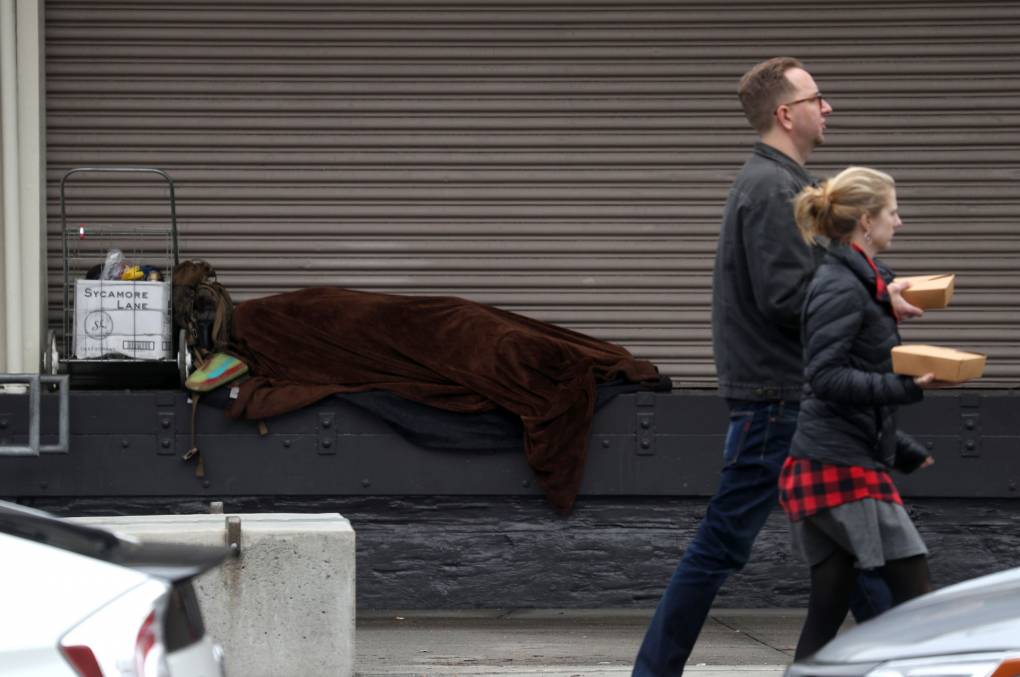
"caption": "A homeless person sleeps on a loading dock on Dec. 5, 2019, in San Francisco.",
"description": "A homeless person sleeps on a loading dock on Dec. 5, 2019 in San Francisco.",
"title": "Homeless-San-Francisco-Income-Inequality",
"credit": "Justin Sullivan/Getty Images",
"status": "inherit",
"isLoading": false,
"fetchFailed": false
},
"news_11737498": {
"type": "attachments",
"id": "news_11737498",
"meta": {
"index": "attachments_1716263798",
"site": "news",
"id": "11737498",
"found": true
},
"parent": 11737353,
"imgSizes": {
"post-thumbnail": {
"file": "https://ww2.kqed.org/app/uploads/sites/10/2019/04/RS25468_20170515_StateCapitol_Sen_ScottWeiner_credit_BertJohnson-2-qut-672x372.jpg",
"width": 672,
"mimeType": "image/jpeg",
"height": 372
},
"kqedFullSize": {
"file": "https://ww2.kqed.org/app/uploads/sites/10/2019/04/RS25468_20170515_StateCapitol_Sen_ScottWeiner_credit_BertJohnson-2-qut.jpg",
"width": 1920,
"height": 1280
},
"guest-author-50": {
"file": "https://ww2.kqed.org/app/uploads/sites/10/2019/04/RS25468_20170515_StateCapitol_Sen_ScottWeiner_credit_BertJohnson-2-qut-50x50.jpg",
"width": 50,
"mimeType": "image/jpeg",
"height": 50
},
"guest-author-96": {
"file": "https://ww2.kqed.org/app/uploads/sites/10/2019/04/RS25468_20170515_StateCapitol_Sen_ScottWeiner_credit_BertJohnson-2-qut-96x96.jpg",
"width": 96,
"mimeType": "image/jpeg",
"height": 96
},
"apple_news_ca_portrait_12_9": {
"file": "https://ww2.kqed.org/app/uploads/sites/10/2019/04/RS25468_20170515_StateCapitol_Sen_ScottWeiner_credit_BertJohnson-2-qut-1122x1280.jpg",
"width": 1122,
"mimeType": "image/jpeg",
"height": 1280
},
"medium": {
"file": "https://ww2.kqed.org/app/uploads/sites/10/2019/04/RS25468_20170515_StateCapitol_Sen_ScottWeiner_credit_BertJohnson-2-qut-800x533.jpg",
"width": 800,
"mimeType": "image/jpeg",
"height": 533
},
"guest-author-32": {
"file": "https://ww2.kqed.org/app/uploads/sites/10/2019/04/RS25468_20170515_StateCapitol_Sen_ScottWeiner_credit_BertJohnson-2-qut-32x32.jpg",
"width": 32,
"mimeType": "image/jpeg",
"height": 32
},
"apple_news_ca_portrait_9_7": {
"file": "https://ww2.kqed.org/app/uploads/sites/10/2019/04/RS25468_20170515_StateCapitol_Sen_ScottWeiner_credit_BertJohnson-2-qut-840x1120.jpg",
"width": 840,
"mimeType": "image/jpeg",
"height": 1120
},
"apple_news_ca_square_9_7": {
"file": "https://ww2.kqed.org/app/uploads/sites/10/2019/04/RS25468_20170515_StateCapitol_Sen_ScottWeiner_credit_BertJohnson-2-qut-1104x1104.jpg",
"width": 1104,
"mimeType": "image/jpeg",
"height": 1104
},
"apple_news_ca_portrait_4_7": {
"file": "https://ww2.kqed.org/app/uploads/sites/10/2019/04/RS25468_20170515_StateCapitol_Sen_ScottWeiner_credit_BertJohnson-2-qut-414x552.jpg",
"width": 414,
"mimeType": "image/jpeg",
"height": 552
},
"apple_news_ca_square_12_9": {
"file": "https://ww2.kqed.org/app/uploads/sites/10/2019/04/RS25468_20170515_StateCapitol_Sen_ScottWeiner_credit_BertJohnson-2-qut-1472x1280.jpg",
"width": 1472,
"mimeType": "image/jpeg",
"height": 1280
},
"apple_news_ca_portrait_5_5": {
"file": "https://ww2.kqed.org/app/uploads/sites/10/2019/04/RS25468_20170515_StateCapitol_Sen_ScottWeiner_credit_BertJohnson-2-qut-687x916.jpg",
"width": 687,
"mimeType": "image/jpeg",
"height": 916
},
"apple_news_ca_square_4_7": {
"file": "https://ww2.kqed.org/app/uploads/sites/10/2019/04/RS25468_20170515_StateCapitol_Sen_ScottWeiner_credit_BertJohnson-2-qut-550x550.jpg",
"width": 550,
"mimeType": "image/jpeg",
"height": 550
},
"apple_news_ca_square_5_5": {
"file": "https://ww2.kqed.org/app/uploads/sites/10/2019/04/RS25468_20170515_StateCapitol_Sen_ScottWeiner_credit_BertJohnson-2-qut-912x912.jpg",
"width": 912,
"mimeType": "image/jpeg",
"height": 912
},
"apple_news_ca_landscape_5_5": {
"file": "https://ww2.kqed.org/app/uploads/sites/10/2019/04/RS25468_20170515_StateCapitol_Sen_ScottWeiner_credit_BertJohnson-2-qut-1044x783.jpg",
"width": 1044,
"mimeType": "image/jpeg",
"height": 783
},
"apple_news_ca_square_4_0": {
"file": "https://ww2.kqed.org/app/uploads/sites/10/2019/04/RS25468_20170515_StateCapitol_Sen_ScottWeiner_credit_BertJohnson-2-qut-470x470.jpg",
"width": 470,
"mimeType": "image/jpeg",
"height": 470
},
"twentyfourteen-full-width": {
"file": "https://ww2.kqed.org/app/uploads/sites/10/2019/04/RS25468_20170515_StateCapitol_Sen_ScottWeiner_credit_BertJohnson-2-qut-1038x576.jpg",
"width": 1038,
"mimeType": "image/jpeg",
"height": 576
},
"thumbnail": {
"file": "https://ww2.kqed.org/app/uploads/sites/10/2019/04/RS25468_20170515_StateCapitol_Sen_ScottWeiner_credit_BertJohnson-2-qut-160x107.jpg",
"width": 160,
"mimeType": "image/jpeg",
"height": 107
},
"apple_news_ca_landscape_4_7": {
"file": "https://ww2.kqed.org/app/uploads/sites/10/2019/04/RS25468_20170515_StateCapitol_Sen_ScottWeiner_credit_BertJohnson-2-qut-632x474.jpg",
"width": 632,
"mimeType": "image/jpeg",
"height": 474
},
"large": {
"file": "https://ww2.kqed.org/app/uploads/sites/10/2019/04/RS25468_20170515_StateCapitol_Sen_ScottWeiner_credit_BertJohnson-2-qut-1020x680.jpg",
"width": 1020,
"mimeType": "image/jpeg",
"height": 680
},
"complete_open_graph": {
"file": "https://ww2.kqed.org/app/uploads/sites/10/2019/04/RS25468_20170515_StateCapitol_Sen_ScottWeiner_credit_BertJohnson-2-qut-1200x800.jpg",
"width": 1200,
"mimeType": "image/jpeg",
"height": 800
},
"apple_news_ca_landscape_4_0": {
"file": "https://ww2.kqed.org/app/uploads/sites/10/2019/04/RS25468_20170515_StateCapitol_Sen_ScottWeiner_credit_BertJohnson-2-qut-536x402.jpg",
"width": 536,
"mimeType": "image/jpeg",
"height": 402
},
"guest-author-64": {
"file": "https://ww2.kqed.org/app/uploads/sites/10/2019/04/RS25468_20170515_StateCapitol_Sen_ScottWeiner_credit_BertJohnson-2-qut-64x64.jpg",
"width": 64,
"mimeType": "image/jpeg",
"height": 64
},
"apple_news_ca_portrait_4_0": {
"file": "https://ww2.kqed.org/app/uploads/sites/10/2019/04/RS25468_20170515_StateCapitol_Sen_ScottWeiner_credit_BertJohnson-2-qut-354x472.jpg",
"width": 354,
"mimeType": "image/jpeg",
"height": 472
},
"apple_news_ca_landscape_12_9": {
"file": "https://ww2.kqed.org/app/uploads/sites/10/2019/04/RS25468_20170515_StateCapitol_Sen_ScottWeiner_credit_BertJohnson-2-qut-1832x1280.jpg",
"width": 1832,
"mimeType": "image/jpeg",
"height": 1280
},
"full-width": {
"file": "https://ww2.kqed.org/app/uploads/sites/10/2019/04/RS25468_20170515_StateCapitol_Sen_ScottWeiner_credit_BertJohnson-2-qut-1920x1280.jpg",
"width": 1920,
"mimeType": "image/jpeg",
"height": 1280
},
"guest-author-128": {
"file": "https://ww2.kqed.org/app/uploads/sites/10/2019/04/RS25468_20170515_StateCapitol_Sen_ScottWeiner_credit_BertJohnson-2-qut-128x128.jpg",
"width": 128,
"mimeType": "image/jpeg",
"height": 128
},
"apple_news_ca_landscape_9_7": {
"file": "https://ww2.kqed.org/app/uploads/sites/10/2019/04/RS25468_20170515_StateCapitol_Sen_ScottWeiner_credit_BertJohnson-2-qut-1376x1032.jpg",
"width": 1376,
"mimeType": "image/jpeg",
"height": 1032
}
},
"publishDate": 1554262327,
"modified": 1580423118,
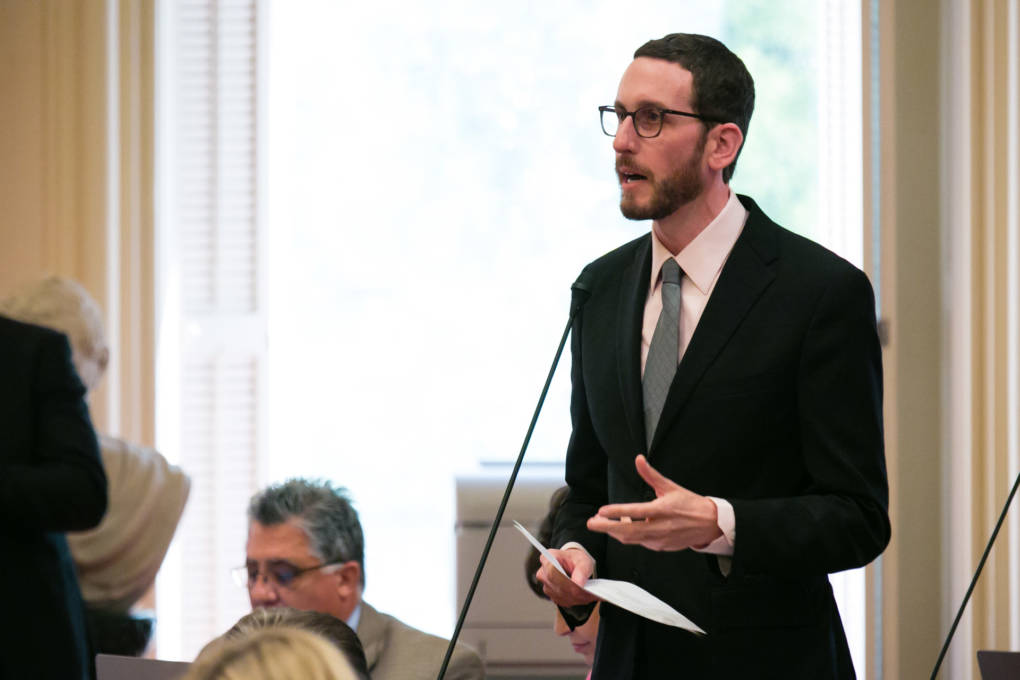
"caption": "State Sen. Scott Wiener, D-San Francisco, authored SB 50, a bill that would significantly increase housing construction across the state.",
"description": "State Sen. Scott Wiener, D-San Francisco, authored SB 50, a bill that would significantly increase housing construction across the state.",
"title": "RS25468_20170515_StateCapitol_Sen_ScottWeiner_credit_BertJohnson-2-qut",
"credit": "Bert Johnson/KQED",
"status": "inherit",
"isLoading": false,
"fetchFailed": false
},
"news_11798364": {
"type": "attachments",
"id": "news_11798364",
"meta": {
"index": "attachments_1716263798",
"site": "news",
"id": "11798364",
"found": true
},
"parent": 11798357,
"imgSizes": {
"apple_news_ca_square_4_0": {
"file": "https://ww2.kqed.org/app/uploads/sites/10/2020/01/RS7013_175333538-sfi-470x360.jpg",
"width": 470,
"mimeType": "image/jpeg",
"height": 360
},
"thumbnail": {
"file": "https://ww2.kqed.org/app/uploads/sites/10/2020/01/RS7013_175333538-sfi-160x107.jpg",
"width": 160,
"mimeType": "image/jpeg",
"height": 107
},
"kqedFullSize": {
"file": "https://ww2.kqed.org/app/uploads/sites/10/2020/01/RS7013_175333538-sfi.jpg",
"width": 538,
"height": 360
},
"apple_news_ca_portrait_4_7": {
"file": "https://ww2.kqed.org/app/uploads/sites/10/2020/01/RS7013_175333538-sfi-414x360.jpg",
"width": 414,
"mimeType": "image/jpeg",
"height": 360
},
"apple_news_ca_landscape_4_0": {
"file": "https://ww2.kqed.org/app/uploads/sites/10/2020/01/RS7013_175333538-sfi-536x360.jpg",
"width": 536,
"mimeType": "image/jpeg",
"height": 360
},
"apple_news_ca_portrait_4_0": {
"file": "https://ww2.kqed.org/app/uploads/sites/10/2020/01/RS7013_175333538-sfi-354x360.jpg",
"width": 354,
"mimeType": "image/jpeg",
"height": 360
}
},
"publishDate": 1580173849,
"modified": 1580173980,
"caption": "A Bay Area Rapid Transit (BART) train pulls away from the Rockridge station on August 2, 2013 in Oakland, California. A controversial bill that would allow taller more homes to built near train stations and high-frequency bus lines is expected to reach a major milestone this week. (Photo by Justin Sullivan/Getty Images)",
"description": "A Bay Area Rapid Transit (BART) train pulls away from the Rockridge station on August 2, 2013 in Oakland, California. A controversial bill that would allow taller more homes to built near train stations and high-frequency bus lines is expected to reach a major milestone this week. (Photo by Justin Sullivan/Getty Images)",
"title": "A Bay Area Rapid Transit (BART) train pulls away from the Rockridge station on August 2, 2013 in Oakland, California. A controversial bill that would allow taller more homes to built near train stations and high-frequency bus lines is expected to reach a major milestone this week. (Photo by Justin Sullivan/Getty Images)",
"credit": null,
"status": "inherit",
"isLoading": false,
"fetchFailed": false
},
"news_11797631": {
"type": "attachments",
"id": "news_11797631",
"meta": {
"index": "attachments_1716263798",
"site": "news",
"id": "11797631",
"found": true
},
"parent": 11797622,
"imgSizes": {
"apple_news_ca_landscape_5_5": {
"file": "https://ww2.kqed.org/app/uploads/sites/10/2020/01/IMG_7755-1044x783.jpg",
"width": 1044,
"mimeType": "image/jpeg",
"height": 783
},
"apple_news_ca_square_4_0": {
"file": "https://ww2.kqed.org/app/uploads/sites/10/2020/01/IMG_7755-470x470.jpg",
"width": 470,
"mimeType": "image/jpeg",
"height": 470
},
"twentyfourteen-full-width": {
"file": "https://ww2.kqed.org/app/uploads/sites/10/2020/01/IMG_7755-1038x576.jpg",
"width": 1038,
"mimeType": "image/jpeg",
"height": 576
},
"thumbnail": {
"file": "https://ww2.kqed.org/app/uploads/sites/10/2020/01/IMG_7755-160x107.jpg",
"width": 160,
"mimeType": "image/jpeg",
"height": 107
},
"post-thumbnail": {
"file": "https://ww2.kqed.org/app/uploads/sites/10/2020/01/IMG_7755-672x372.jpg",
"width": 672,
"mimeType": "image/jpeg",
"height": 372
},
"kqedFullSize": {
"file": "https://ww2.kqed.org/app/uploads/sites/10/2020/01/IMG_7755.jpg",
"width": 1920,
"height": 1280
},
"apple_news_ca_landscape_4_7": {
"file": "https://ww2.kqed.org/app/uploads/sites/10/2020/01/IMG_7755-632x474.jpg",
"width": 632,
"mimeType": "image/jpeg",
"height": 474
},
"large": {
"file": "https://ww2.kqed.org/app/uploads/sites/10/2020/01/IMG_7755-1020x680.jpg",
"width": 1020,
"mimeType": "image/jpeg",
"height": 680
},
"apple_news_ca_landscape_4_0": {
"file": "https://ww2.kqed.org/app/uploads/sites/10/2020/01/IMG_7755-536x402.jpg",
"width": 536,
"mimeType": "image/jpeg",
"height": 402
},
"apple_news_ca_portrait_12_9": {
"file": "https://ww2.kqed.org/app/uploads/sites/10/2020/01/IMG_7755-1122x1280.jpg",
"width": 1122,
"mimeType": "image/jpeg",
"height": 1280
},
"medium": {
"file": "https://ww2.kqed.org/app/uploads/sites/10/2020/01/IMG_7755-800x533.jpg",
"width": 800,
"mimeType": "image/jpeg",
"height": 533
},
"apple_news_ca_portrait_4_0": {
"file": "https://ww2.kqed.org/app/uploads/sites/10/2020/01/IMG_7755-354x472.jpg",
"width": 354,
"mimeType": "image/jpeg",
"height": 472
},
"apple_news_ca_portrait_9_7": {
"file": "https://ww2.kqed.org/app/uploads/sites/10/2020/01/IMG_7755-840x1120.jpg",
"width": 840,
"mimeType": "image/jpeg",
"height": 1120
},
"apple_news_ca_landscape_12_9": {
"file": "https://ww2.kqed.org/app/uploads/sites/10/2020/01/IMG_7755-1832x1280.jpg",
"width": 1832,
"mimeType": "image/jpeg",
"height": 1280
},
"apple_news_ca_square_9_7": {
"file": "https://ww2.kqed.org/app/uploads/sites/10/2020/01/IMG_7755-1104x1104.jpg",
"width": 1104,
"mimeType": "image/jpeg",
"height": 1104
},
"apple_news_ca_portrait_4_7": {
"file": "https://ww2.kqed.org/app/uploads/sites/10/2020/01/IMG_7755-414x552.jpg",
"width": 414,
"mimeType": "image/jpeg",
"height": 552
},
"apple_news_ca_square_12_9": {
"file": "https://ww2.kqed.org/app/uploads/sites/10/2020/01/IMG_7755-1472x1280.jpg",
"width": 1472,
"mimeType": "image/jpeg",
"height": 1280
},
"apple_news_ca_portrait_5_5": {
"file": "https://ww2.kqed.org/app/uploads/sites/10/2020/01/IMG_7755-687x916.jpg",
"width": 687,
"mimeType": "image/jpeg",
"height": 916
},
"full-width": {
"file": "https://ww2.kqed.org/app/uploads/sites/10/2020/01/IMG_7755-1920x1280.jpg",
"width": 1920,
"mimeType": "image/jpeg",
"height": 1280
},
"apple_news_ca_square_4_7": {
"file": "https://ww2.kqed.org/app/uploads/sites/10/2020/01/IMG_7755-550x550.jpg",
"width": 550,
"mimeType": "image/jpeg",
"height": 550
},
"apple_news_ca_landscape_9_7": {
"file": "https://ww2.kqed.org/app/uploads/sites/10/2020/01/IMG_7755-1376x1032.jpg",
"width": 1376,
"mimeType": "image/jpeg",
"height": 1032
},
"apple_news_ca_square_5_5": {
"file": "https://ww2.kqed.org/app/uploads/sites/10/2020/01/IMG_7755-912x912.jpg",
"width": 912,
"mimeType": "image/jpeg",
"height": 912
}
},
"publishDate": 1579822813,
"modified": 1579847516,
"caption": "Eddie Thomas, 62.",
"description": null,
"title": "IMG_7755",
"credit": "Audrey Garces/KQED",
"status": "inherit",
"isLoading": false,
"fetchFailed": false
},
"news_11797083": {
"type": "attachments",
"id": "news_11797083",
"meta": {
"index": "attachments_1716263798",
"site": "news",
"id": "11797083",
"found": true
},
"parent": 11797081,
"imgSizes": {
"apple_news_ca_landscape_5_5": {
"file": "https://ww2.kqed.org/app/uploads/sites/10/2020/01/RS40818_20200120GaylaNewsomeMS_5-qut-1044x783.jpg",
"width": 1044,
"mimeType": "image/jpeg",
"height": 783
},
"apple_news_ca_square_4_0": {
"file": "https://ww2.kqed.org/app/uploads/sites/10/2020/01/RS40818_20200120GaylaNewsomeMS_5-qut-470x470.jpg",
"width": 470,
"mimeType": "image/jpeg",
"height": 470
},
"twentyfourteen-full-width": {
"file": "https://ww2.kqed.org/app/uploads/sites/10/2020/01/RS40818_20200120GaylaNewsomeMS_5-qut-1038x576.jpg",
"width": 1038,
"mimeType": "image/jpeg",
"height": 576
},
"thumbnail": {
"file": "https://ww2.kqed.org/app/uploads/sites/10/2020/01/RS40818_20200120GaylaNewsomeMS_5-qut-160x120.jpg",
"width": 160,
"mimeType": "image/jpeg",
"height": 120
},
"post-thumbnail": {
"file": "https://ww2.kqed.org/app/uploads/sites/10/2020/01/RS40818_20200120GaylaNewsomeMS_5-qut-672x372.jpg",
"width": 672,
"mimeType": "image/jpeg",
"height": 372
},
"kqedFullSize": {
"file": "https://ww2.kqed.org/app/uploads/sites/10/2020/01/RS40818_20200120GaylaNewsomeMS_5-qut.jpg",
"width": 1920,
"height": 1440
},
"apple_news_ca_landscape_4_7": {
"file": "https://ww2.kqed.org/app/uploads/sites/10/2020/01/RS40818_20200120GaylaNewsomeMS_5-qut-632x474.jpg",
"width": 632,
"mimeType": "image/jpeg",
"height": 474
},
"large": {
"file": "https://ww2.kqed.org/app/uploads/sites/10/2020/01/RS40818_20200120GaylaNewsomeMS_5-qut-1020x765.jpg",
"width": 1020,
"mimeType": "image/jpeg",
"height": 765
},
"apple_news_ca_landscape_4_0": {
"file": "https://ww2.kqed.org/app/uploads/sites/10/2020/01/RS40818_20200120GaylaNewsomeMS_5-qut-536x402.jpg",
"width": 536,
"mimeType": "image/jpeg",
"height": 402
},
"apple_news_ca_portrait_12_9": {
"file": "https://ww2.kqed.org/app/uploads/sites/10/2020/01/RS40818_20200120GaylaNewsomeMS_5-qut-1122x1440.jpg",
"width": 1122,
"mimeType": "image/jpeg",
"height": 1440
},
"medium": {
"file": "https://ww2.kqed.org/app/uploads/sites/10/2020/01/RS40818_20200120GaylaNewsomeMS_5-qut-800x600.jpg",
"width": 800,
"mimeType": "image/jpeg",
"height": 600
},
"apple_news_ca_portrait_4_0": {
"file": "https://ww2.kqed.org/app/uploads/sites/10/2020/01/RS40818_20200120GaylaNewsomeMS_5-qut-354x472.jpg",
"width": 354,
"mimeType": "image/jpeg",
"height": 472
},
"apple_news_ca_portrait_9_7": {
"file": "https://ww2.kqed.org/app/uploads/sites/10/2020/01/RS40818_20200120GaylaNewsomeMS_5-qut-840x1120.jpg",
"width": 840,
"mimeType": "image/jpeg",
"height": 1120
},
"apple_news_ca_landscape_12_9": {
"file": "https://ww2.kqed.org/app/uploads/sites/10/2020/01/RS40818_20200120GaylaNewsomeMS_5-qut-1832x1374.jpg",
"width": 1832,
"mimeType": "image/jpeg",
"height": 1374
},
"apple_news_ca_square_9_7": {
"file": "https://ww2.kqed.org/app/uploads/sites/10/2020/01/RS40818_20200120GaylaNewsomeMS_5-qut-1104x1104.jpg",
"width": 1104,
"mimeType": "image/jpeg",
"height": 1104
},
"apple_news_ca_portrait_4_7": {
"file": "https://ww2.kqed.org/app/uploads/sites/10/2020/01/RS40818_20200120GaylaNewsomeMS_5-qut-414x552.jpg",
"width": 414,
"mimeType": "image/jpeg",
"height": 552
},
"apple_news_ca_square_12_9": {
"file": "https://ww2.kqed.org/app/uploads/sites/10/2020/01/RS40818_20200120GaylaNewsomeMS_5-qut-1472x1440.jpg",
"width": 1472,
"mimeType": "image/jpeg",
"height": 1440
},
"apple_news_ca_portrait_5_5": {
"file": "https://ww2.kqed.org/app/uploads/sites/10/2020/01/RS40818_20200120GaylaNewsomeMS_5-qut-687x916.jpg",
"width": 687,
"mimeType": "image/jpeg",
"height": 916
},
"full-width": {
"file": "https://ww2.kqed.org/app/uploads/sites/10/2020/01/RS40818_20200120GaylaNewsomeMS_5-qut-1920x1440.jpg",
"width": 1920,
"mimeType": "image/jpeg",
"height": 1440
},
"apple_news_ca_square_4_7": {
"file": "https://ww2.kqed.org/app/uploads/sites/10/2020/01/RS40818_20200120GaylaNewsomeMS_5-qut-550x550.jpg",
"width": 550,
"mimeType": "image/jpeg",
"height": 550
},
"apple_news_ca_landscape_9_7": {
"file": "https://ww2.kqed.org/app/uploads/sites/10/2020/01/RS40818_20200120GaylaNewsomeMS_5-qut-1376x1032.jpg",
"width": 1376,
"mimeType": "image/jpeg",
"height": 1032
},
"apple_news_ca_square_5_5": {
"file": "https://ww2.kqed.org/app/uploads/sites/10/2020/01/RS40818_20200120GaylaNewsomeMS_5-qut-912x912.jpg",
"width": 912,
"mimeType": "image/jpeg",
"height": 912
}
},
"publishDate": 1579633107,
"modified": 1579639977,
"caption": "Gayla Newsome was evicted from her West Oakland home in 2011 after it was foreclosed on, but she eventually won it back after occupying it.",
"description": "Gayla Newsome was evicted from her West Oakland home in 2011 after it was foreclosed on, but she eventually won it back after occupying it.",
"title": "RS40818_20200120GaylaNewsomeMS_5-qut",
"credit": "Molly Solomon/KQED",
"status": "inherit",
"isLoading": false,
"fetchFailed": false
},
"news_11792295": {
"type": "attachments",
"id": "news_11792295",
"meta": {
"index": "attachments_1716263798",
"site": "news",
"id": "11792295",
"found": true
},
"parent": 11790591,
"imgSizes": {
"apple_news_ca_landscape_5_5": {
"file": "https://ww2.kqed.org/app/uploads/sites/10/2019/12/RS31143_GettyImages-514351304-qut-1044x783.jpg",
"width": 1044,
"mimeType": "image/jpeg",
"height": 783
},
"apple_news_ca_square_4_0": {
"file": "https://ww2.kqed.org/app/uploads/sites/10/2019/12/RS31143_GettyImages-514351304-qut-470x470.jpg",
"width": 470,
"mimeType": "image/jpeg",
"height": 470
},
"twentyfourteen-full-width": {
"file": "https://ww2.kqed.org/app/uploads/sites/10/2019/12/RS31143_GettyImages-514351304-qut-1038x576.jpg",
"width": 1038,
"mimeType": "image/jpeg",
"height": 576
},
"thumbnail": {
"file": "https://ww2.kqed.org/app/uploads/sites/10/2019/12/RS31143_GettyImages-514351304-qut-160x106.jpg",
"width": 160,
"mimeType": "image/jpeg",
"height": 106
},
"post-thumbnail": {
"file": "https://ww2.kqed.org/app/uploads/sites/10/2019/12/RS31143_GettyImages-514351304-qut-672x372.jpg",
"width": 672,
"mimeType": "image/jpeg",
"height": 372
},
"kqedFullSize": {
"file": "https://ww2.kqed.org/app/uploads/sites/10/2019/12/RS31143_GettyImages-514351304-qut-e1579721602813.jpg",
"width": 1919,
"height": 1267
},
"apple_news_ca_landscape_4_7": {
"file": "https://ww2.kqed.org/app/uploads/sites/10/2019/12/RS31143_GettyImages-514351304-qut-632x474.jpg",
"width": 632,
"mimeType": "image/jpeg",
"height": 474
},
"large": {
"file": "https://ww2.kqed.org/app/uploads/sites/10/2019/12/RS31143_GettyImages-514351304-qut-1020x674.jpg",
"width": 1020,
"mimeType": "image/jpeg",
"height": 674
},
"complete_open_graph": {
"file": "https://ww2.kqed.org/app/uploads/sites/10/2019/12/RS31143_GettyImages-514351304-qut-1200x793.jpg",
"width": 1200,
"mimeType": "image/jpeg",
"height": 793
},
"apple_news_ca_landscape_4_0": {
"file": "https://ww2.kqed.org/app/uploads/sites/10/2019/12/RS31143_GettyImages-514351304-qut-536x402.jpg",
"width": 536,
"mimeType": "image/jpeg",
"height": 402
},
"apple_news_ca_portrait_12_9": {
"file": "https://ww2.kqed.org/app/uploads/sites/10/2019/12/RS31143_GettyImages-514351304-qut-1122x1268.jpg",
"width": 1122,
"mimeType": "image/jpeg",
"height": 1268
},
"medium": {
"file": "https://ww2.kqed.org/app/uploads/sites/10/2019/12/RS31143_GettyImages-514351304-qut-800x528.jpg",
"width": 800,
"mimeType": "image/jpeg",
"height": 528
},
"apple_news_ca_portrait_4_0": {
"file": "https://ww2.kqed.org/app/uploads/sites/10/2019/12/RS31143_GettyImages-514351304-qut-354x472.jpg",
"width": 354,
"mimeType": "image/jpeg",
"height": 472
},
"apple_news_ca_portrait_9_7": {
"file": "https://ww2.kqed.org/app/uploads/sites/10/2019/12/RS31143_GettyImages-514351304-qut-840x1120.jpg",
"width": 840,
"mimeType": "image/jpeg",
"height": 1120
},
"apple_news_ca_landscape_12_9": {
"file": "https://ww2.kqed.org/app/uploads/sites/10/2019/12/RS31143_GettyImages-514351304-qut-1832x1268.jpg",
"width": 1832,
"mimeType": "image/jpeg",
"height": 1268
},
"apple_news_ca_square_9_7": {
"file": "https://ww2.kqed.org/app/uploads/sites/10/2019/12/RS31143_GettyImages-514351304-qut-1104x1104.jpg",
"width": 1104,
"mimeType": "image/jpeg",
"height": 1104
},
"apple_news_ca_portrait_4_7": {
"file": "https://ww2.kqed.org/app/uploads/sites/10/2019/12/RS31143_GettyImages-514351304-qut-414x552.jpg",
"width": 414,
"mimeType": "image/jpeg",
"height": 552
},
"apple_news_ca_square_12_9": {
"file": "https://ww2.kqed.org/app/uploads/sites/10/2019/12/RS31143_GettyImages-514351304-qut-1472x1268.jpg",
"width": 1472,
"mimeType": "image/jpeg",
"height": 1268
},
"apple_news_ca_portrait_5_5": {
"file": "https://ww2.kqed.org/app/uploads/sites/10/2019/12/RS31143_GettyImages-514351304-qut-687x916.jpg",
"width": 687,
"mimeType": "image/jpeg",
"height": 916
},
"full-width": {
"file": "https://ww2.kqed.org/app/uploads/sites/10/2019/12/RS31143_GettyImages-514351304-qut-1920x1268.jpg",
"width": 1920,
"mimeType": "image/jpeg",
"height": 1268
},
"apple_news_ca_square_4_7": {
"file": "https://ww2.kqed.org/app/uploads/sites/10/2019/12/RS31143_GettyImages-514351304-qut-550x550.jpg",
"width": 550,
"mimeType": "image/jpeg",
"height": 550
},
"apple_news_ca_landscape_9_7": {
"file": "https://ww2.kqed.org/app/uploads/sites/10/2019/12/RS31143_GettyImages-514351304-qut-1376x1032.jpg",
"width": 1376,
"mimeType": "image/jpeg",
"height": 1032
},
"apple_news_ca_square_5_5": {
"file": "https://ww2.kqed.org/app/uploads/sites/10/2019/12/RS31143_GettyImages-514351304-qut-912x912.jpg",
"width": 912,
"mimeType": "image/jpeg",
"height": 912
}
},
"publishDate": 1576799719,
"modified": 1579654354,
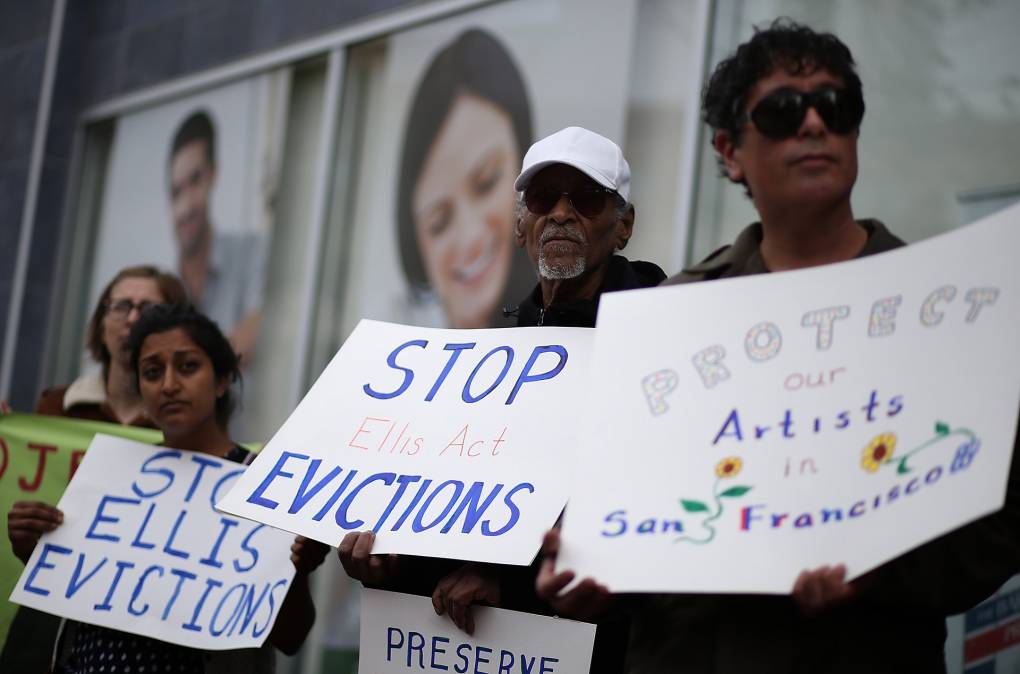
"caption": "Activists and tenants of a San Francisco apartment building protest the landlord's eviction efforts.",
"description": "Activists and tenants of a San Francisco apartment building protest the landlord's eviction efforts.",
"title": "Activists And Tenants Protest Rising Evictions In San Francisco",
"credit": "Justin Sullivan/Getty Images",
"status": "inherit",
"isLoading": false,
"fetchFailed": false
},
"news_11797183": {
"type": "attachments",
"id": "news_11797183",
"meta": {
"index": "attachments_1716263798",
"site": "news",
"id": "11797183",
"found": true
},
"parent": 11797175,
"imgSizes": {
"apple_news_ca_landscape_5_5": {
"file": "https://ww2.kqed.org/app/uploads/sites/10/2020/01/flipfloppers_012120_final-1044x783.jpg",
"width": 1044,
"mimeType": "image/jpeg",
"height": 783
},
"apple_news_ca_square_4_0": {
"file": "https://ww2.kqed.org/app/uploads/sites/10/2020/01/flipfloppers_012120_final-470x470.jpg",
"width": 470,
"mimeType": "image/jpeg",
"height": 470
},
"twentyfourteen-full-width": {
"file": "https://ww2.kqed.org/app/uploads/sites/10/2020/01/flipfloppers_012120_final-1038x576.jpg",
"width": 1038,
"mimeType": "image/jpeg",
"height": 576
},
"thumbnail": {
"file": "https://ww2.kqed.org/app/uploads/sites/10/2020/01/flipfloppers_012120_final-160x111.jpg",
"width": 160,
"mimeType": "image/jpeg",
"height": 111
},
"post-thumbnail": {
"file": "https://ww2.kqed.org/app/uploads/sites/10/2020/01/flipfloppers_012120_final-672x372.jpg",
"width": 672,
"mimeType": "image/jpeg",
"height": 372
},
"kqedFullSize": {
"file": "https://ww2.kqed.org/app/uploads/sites/10/2020/01/flipfloppers_012120_final.jpg",
"width": 1920,
"height": 1328
},
"apple_news_ca_landscape_4_7": {
"file": "https://ww2.kqed.org/app/uploads/sites/10/2020/01/flipfloppers_012120_final-632x474.jpg",
"width": 632,
"mimeType": "image/jpeg",
"height": 474
},
"large": {
"file": "https://ww2.kqed.org/app/uploads/sites/10/2020/01/flipfloppers_012120_final-1020x706.jpg",
"width": 1020,
"mimeType": "image/jpeg",
"height": 706
},
"apple_news_ca_landscape_4_0": {
"file": "https://ww2.kqed.org/app/uploads/sites/10/2020/01/flipfloppers_012120_final-536x402.jpg",
"width": 536,
"mimeType": "image/jpeg",
"height": 402
},
"apple_news_ca_portrait_12_9": {
"file": "https://ww2.kqed.org/app/uploads/sites/10/2020/01/flipfloppers_012120_final-1122x1328.jpg",
"width": 1122,
"mimeType": "image/jpeg",
"height": 1328
},
"medium": {
"file": "https://ww2.kqed.org/app/uploads/sites/10/2020/01/flipfloppers_012120_final-800x553.jpg",
"width": 800,
"mimeType": "image/jpeg",
"height": 553
},
"apple_news_ca_portrait_4_0": {
"file": "https://ww2.kqed.org/app/uploads/sites/10/2020/01/flipfloppers_012120_final-354x472.jpg",
"width": 354,
"mimeType": "image/jpeg",
"height": 472
},
"apple_news_ca_portrait_9_7": {
"file": "https://ww2.kqed.org/app/uploads/sites/10/2020/01/flipfloppers_012120_final-840x1120.jpg",
"width": 840,
"mimeType": "image/jpeg",
"height": 1120
},
"apple_news_ca_landscape_12_9": {
"file": "https://ww2.kqed.org/app/uploads/sites/10/2020/01/flipfloppers_012120_final-1832x1328.jpg",
"width": 1832,
"mimeType": "image/jpeg",
"height": 1328
},
"apple_news_ca_square_9_7": {
"file": "https://ww2.kqed.org/app/uploads/sites/10/2020/01/flipfloppers_012120_final-1104x1104.jpg",
"width": 1104,
"mimeType": "image/jpeg",
"height": 1104
},
"apple_news_ca_portrait_4_7": {
"file": "https://ww2.kqed.org/app/uploads/sites/10/2020/01/flipfloppers_012120_final-414x552.jpg",
"width": 414,
"mimeType": "image/jpeg",
"height": 552
},
"apple_news_ca_square_12_9": {
"file": "https://ww2.kqed.org/app/uploads/sites/10/2020/01/flipfloppers_012120_final-1472x1328.jpg",
"width": 1472,
"mimeType": "image/jpeg",
"height": 1328
},
"apple_news_ca_portrait_5_5": {
"file": "https://ww2.kqed.org/app/uploads/sites/10/2020/01/flipfloppers_012120_final-687x916.jpg",
"width": 687,
"mimeType": "image/jpeg",
"height": 916
},
"full-width": {
"file": "https://ww2.kqed.org/app/uploads/sites/10/2020/01/flipfloppers_012120_final-1920x1328.jpg",
"width": 1920,
"mimeType": "image/jpeg",
"height": 1328
},
"apple_news_ca_square_4_7": {
"file": "https://ww2.kqed.org/app/uploads/sites/10/2020/01/flipfloppers_012120_final-550x550.jpg",
"width": 550,
"mimeType": "image/jpeg",
"height": 550
},
"apple_news_ca_landscape_9_7": {
"file": "https://ww2.kqed.org/app/uploads/sites/10/2020/01/flipfloppers_012120_final-1376x1032.jpg",
"width": 1376,
"mimeType": "image/jpeg",
"height": 1032
},
"apple_news_ca_square_5_5": {
"file": "https://ww2.kqed.org/app/uploads/sites/10/2020/01/flipfloppers_012120_final-912x912.jpg",
"width": 912,
"mimeType": "image/jpeg",
"height": 912
}
},
"publishDate": 1579653962,
"modified": 1579653992,
"caption": null,
"description": null,
"title": "flipfloppers_012120_final",
"credit": null,
"status": "inherit",
"isLoading": false,
"fetchFailed": false
},
"news_11797008": {
"type": "attachments",
"id": "news_11797008",
"meta": {
"index": "attachments_1716263798",
"site": "news",
"id": "11797008",
"found": true
},
"parent": 11797001,
"imgSizes": {
"apple_news_ca_landscape_5_5": {
"file": "https://ww2.kqed.org/app/uploads/sites/10/2020/01/Moms4Housing112019-1044x783.jpg",
"width": 1044,
"mimeType": "image/jpeg",
"height": 783
},
"apple_news_ca_square_4_0": {
"file": "https://ww2.kqed.org/app/uploads/sites/10/2020/01/Moms4Housing112019-470x470.jpg",
"width": 470,
"mimeType": "image/jpeg",
"height": 470
},
"twentyfourteen-full-width": {
"file": "https://ww2.kqed.org/app/uploads/sites/10/2020/01/Moms4Housing112019-1038x576.jpg",
"width": 1038,
"mimeType": "image/jpeg",
"height": 576
},
"thumbnail": {
"file": "https://ww2.kqed.org/app/uploads/sites/10/2020/01/Moms4Housing112019-160x120.jpg",
"width": 160,
"mimeType": "image/jpeg",
"height": 120
},
"post-thumbnail": {
"file": "https://ww2.kqed.org/app/uploads/sites/10/2020/01/Moms4Housing112019-672x372.jpg",
"width": 672,
"mimeType": "image/jpeg",
"height": 372
},
"kqedFullSize": {
"file": "https://ww2.kqed.org/app/uploads/sites/10/2020/01/Moms4Housing112019.jpg",
"width": 1920,
"height": 1440
},
"apple_news_ca_landscape_4_7": {
"file": "https://ww2.kqed.org/app/uploads/sites/10/2020/01/Moms4Housing112019-632x474.jpg",
"width": 632,
"mimeType": "image/jpeg",
"height": 474
},
"large": {
"file": "https://ww2.kqed.org/app/uploads/sites/10/2020/01/Moms4Housing112019-1020x765.jpg",
"width": 1020,
"mimeType": "image/jpeg",
"height": 765
},
"apple_news_ca_landscape_4_0": {
"file": "https://ww2.kqed.org/app/uploads/sites/10/2020/01/Moms4Housing112019-536x402.jpg",
"width": 536,
"mimeType": "image/jpeg",
"height": 402
},
"apple_news_ca_portrait_12_9": {
"file": "https://ww2.kqed.org/app/uploads/sites/10/2020/01/Moms4Housing112019-1122x1440.jpg",
"width": 1122,
"mimeType": "image/jpeg",
"height": 1440
},
"medium": {
"file": "https://ww2.kqed.org/app/uploads/sites/10/2020/01/Moms4Housing112019-800x600.jpg",
"width": 800,
"mimeType": "image/jpeg",
"height": 600
},
"apple_news_ca_portrait_4_0": {
"file": "https://ww2.kqed.org/app/uploads/sites/10/2020/01/Moms4Housing112019-354x472.jpg",
"width": 354,
"mimeType": "image/jpeg",
"height": 472
},
"apple_news_ca_portrait_9_7": {
"file": "https://ww2.kqed.org/app/uploads/sites/10/2020/01/Moms4Housing112019-840x1120.jpg",
"width": 840,
"mimeType": "image/jpeg",
"height": 1120
},
"apple_news_ca_landscape_12_9": {
"file": "https://ww2.kqed.org/app/uploads/sites/10/2020/01/Moms4Housing112019-1832x1374.jpg",
"width": 1832,
"mimeType": "image/jpeg",
"height": 1374
},
"apple_news_ca_square_9_7": {
"file": "https://ww2.kqed.org/app/uploads/sites/10/2020/01/Moms4Housing112019-1104x1104.jpg",
"width": 1104,
"mimeType": "image/jpeg",
"height": 1104
},
"apple_news_ca_portrait_4_7": {
"file": "https://ww2.kqed.org/app/uploads/sites/10/2020/01/Moms4Housing112019-414x552.jpg",
"width": 414,
"mimeType": "image/jpeg",
"height": 552
},
"apple_news_ca_square_12_9": {
"file": "https://ww2.kqed.org/app/uploads/sites/10/2020/01/Moms4Housing112019-1472x1440.jpg",
"width": 1472,
"mimeType": "image/jpeg",
"height": 1440
},
"apple_news_ca_portrait_5_5": {
"file": "https://ww2.kqed.org/app/uploads/sites/10/2020/01/Moms4Housing112019-687x916.jpg",
"width": 687,
"mimeType": "image/jpeg",
"height": 916
},
"full-width": {
"file": "https://ww2.kqed.org/app/uploads/sites/10/2020/01/Moms4Housing112019-1920x1440.jpg",
"width": 1920,
"mimeType": "image/jpeg",
"height": 1440
},
"apple_news_ca_square_4_7": {
"file": "https://ww2.kqed.org/app/uploads/sites/10/2020/01/Moms4Housing112019-550x550.jpg",
"width": 550,
"mimeType": "image/jpeg",
"height": 550
},
"apple_news_ca_landscape_9_7": {
"file": "https://ww2.kqed.org/app/uploads/sites/10/2020/01/Moms4Housing112019-1376x1032.jpg",
"width": 1376,
"mimeType": "image/jpeg",
"height": 1032
},
"apple_news_ca_square_5_5": {
"file": "https://ww2.kqed.org/app/uploads/sites/10/2020/01/Moms4Housing112019-912x912.jpg",
"width": 912,
"mimeType": "image/jpeg",
"height": 912
}
},
"publishDate": 1579550831,
"modified": 1579556228,
"caption": "Members of Moms 4 Housing address an agreement they've reached with Wedgewood LLC to buy the West Oakland home they've been occupying since November through the Oakland Community Land Trust.",
"description": null,
"title": "Moms4Housing112019",
"credit": "Sara Hossaini/KQED",
"status": "inherit",
"isLoading": false,
"fetchFailed": false
},
"news_11796456": {
"type": "attachments",
"id": "news_11796456",
"meta": {
"index": "attachments_1716263798",
"site": "news",
"id": "11796456",
"found": true
},
"parent": 11796428,
"imgSizes": {
"apple_news_ca_landscape_5_5": {
"file": "https://ww2.kqed.org/app/uploads/sites/10/2020/01/Gavin-Newsom-1044x783.jpg",
"width": 1044,
"mimeType": "image/jpeg",
"height": 783
},
"apple_news_ca_square_4_0": {
"file": "https://ww2.kqed.org/app/uploads/sites/10/2020/01/Gavin-Newsom-470x470.jpg",
"width": 470,
"mimeType": "image/jpeg",
"height": 470
},
"twentyfourteen-full-width": {
"file": "https://ww2.kqed.org/app/uploads/sites/10/2020/01/Gavin-Newsom-1038x576.jpg",
"width": 1038,
"mimeType": "image/jpeg",
"height": 576
},
"thumbnail": {
"file": "https://ww2.kqed.org/app/uploads/sites/10/2020/01/Gavin-Newsom-160x108.jpg",
"width": 160,
"mimeType": "image/jpeg",
"height": 108
},
"post-thumbnail": {
"file": "https://ww2.kqed.org/app/uploads/sites/10/2020/01/Gavin-Newsom-672x372.jpg",
"width": 672,
"mimeType": "image/jpeg",
"height": 372
},
"kqedFullSize": {
"file": "https://ww2.kqed.org/app/uploads/sites/10/2020/01/Gavin-Newsom.jpg",
"width": 1920,
"height": 1301
},
"apple_news_ca_landscape_4_7": {
"file": "https://ww2.kqed.org/app/uploads/sites/10/2020/01/Gavin-Newsom-632x474.jpg",
"width": 632,
"mimeType": "image/jpeg",
"height": 474
},
"large": {
"file": "https://ww2.kqed.org/app/uploads/sites/10/2020/01/Gavin-Newsom-1020x691.jpg",
"width": 1020,
"mimeType": "image/jpeg",
"height": 691
},
"complete_open_graph": {
"file": "https://ww2.kqed.org/app/uploads/sites/10/2020/01/Gavin-Newsom-1200x813.jpg",
"width": 1200,
"mimeType": "image/jpeg",
"height": 813
},
"apple_news_ca_landscape_4_0": {
"file": "https://ww2.kqed.org/app/uploads/sites/10/2020/01/Gavin-Newsom-536x402.jpg",
"width": 536,
"mimeType": "image/jpeg",
"height": 402
},
"apple_news_ca_portrait_12_9": {
"file": "https://ww2.kqed.org/app/uploads/sites/10/2020/01/Gavin-Newsom-1122x1301.jpg",
"width": 1122,
"mimeType": "image/jpeg",
"height": 1301
},
"medium": {
"file": "https://ww2.kqed.org/app/uploads/sites/10/2020/01/Gavin-Newsom-800x542.jpg",
"width": 800,
"mimeType": "image/jpeg",
"height": 542
},
"apple_news_ca_portrait_4_0": {
"file": "https://ww2.kqed.org/app/uploads/sites/10/2020/01/Gavin-Newsom-354x472.jpg",
"width": 354,
"mimeType": "image/jpeg",
"height": 472
},
"apple_news_ca_portrait_9_7": {
"file": "https://ww2.kqed.org/app/uploads/sites/10/2020/01/Gavin-Newsom-840x1120.jpg",
"width": 840,
"mimeType": "image/jpeg",
"height": 1120
},
"apple_news_ca_landscape_12_9": {
"file": "https://ww2.kqed.org/app/uploads/sites/10/2020/01/Gavin-Newsom-1832x1301.jpg",
"width": 1832,
"mimeType": "image/jpeg",
"height": 1301
},
"apple_news_ca_square_9_7": {
"file": "https://ww2.kqed.org/app/uploads/sites/10/2020/01/Gavin-Newsom-1104x1104.jpg",
"width": 1104,
"mimeType": "image/jpeg",
"height": 1104
},
"apple_news_ca_portrait_4_7": {
"file": "https://ww2.kqed.org/app/uploads/sites/10/2020/01/Gavin-Newsom-414x552.jpg",
"width": 414,
"mimeType": "image/jpeg",
"height": 552
},
"apple_news_ca_square_12_9": {
"file": "https://ww2.kqed.org/app/uploads/sites/10/2020/01/Gavin-Newsom-1472x1301.jpg",
"width": 1472,
"mimeType": "image/jpeg",
"height": 1301
},
"apple_news_ca_portrait_5_5": {
"file": "https://ww2.kqed.org/app/uploads/sites/10/2020/01/Gavin-Newsom-687x916.jpg",
"width": 687,
"mimeType": "image/jpeg",
"height": 916
},
"full-width": {
"file": "https://ww2.kqed.org/app/uploads/sites/10/2020/01/Gavin-Newsom-1920x1301.jpg",
"width": 1920,
"mimeType": "image/jpeg",
"height": 1301
},
"apple_news_ca_square_4_7": {
"file": "https://ww2.kqed.org/app/uploads/sites/10/2020/01/Gavin-Newsom-550x550.jpg",
"width": 550,
"mimeType": "image/jpeg",
"height": 550
},
"apple_news_ca_landscape_9_7": {
"file": "https://ww2.kqed.org/app/uploads/sites/10/2020/01/Gavin-Newsom-1376x1032.jpg",
"width": 1376,
"mimeType": "image/jpeg",
"height": 1032
},
"apple_news_ca_square_5_5": {
"file": "https://ww2.kqed.org/app/uploads/sites/10/2020/01/Gavin-Newsom-912x912.jpg",
"width": 912,
"mimeType": "image/jpeg",
"height": 912
}
},
"publishDate": 1579205058,
"modified": 1579205156,
"caption": "Newsom will be in Oakland Thursday afternoon for the final stop on his homelessness tour, where he's been showcasing solutions to address California's growing homeless population. ",
"description": "Newsom will be in Oakland Thursday afternoon for the final stop on his homelessness tour, where he's been showcasing solutions to address California's growing homeless population. ",
"title": "Gavin-Newsom",
"credit": "Sruti Mamidanna/KQED",
"status": "inherit",
"isLoading": false,
"fetchFailed": false
},
"news_11796314": {
"type": "attachments",
"id": "news_11796314",
"meta": {
"index": "attachments_1716263798",
"site": "news",
"id": "11796314",
"found": true
},
"parent": 11796289,
"imgSizes": {
"apple_news_ca_landscape_5_5": {
"file": "https://ww2.kqed.org/app/uploads/sites/10/2020/01/bearcat_011520_final-1044x783.jpg",
"width": 1044,
"mimeType": "image/jpeg",
"height": 783
},
"apple_news_ca_square_4_0": {
"file": "https://ww2.kqed.org/app/uploads/sites/10/2020/01/bearcat_011520_final-470x470.jpg",
"width": 470,
"mimeType": "image/jpeg",
"height": 470
},
"twentyfourteen-full-width": {
"file": "https://ww2.kqed.org/app/uploads/sites/10/2020/01/bearcat_011520_final-1038x576.jpg",
"width": 1038,
"mimeType": "image/jpeg",
"height": 576
},
"thumbnail": {
"file": "https://ww2.kqed.org/app/uploads/sites/10/2020/01/bearcat_011520_final-160x102.jpg",
"width": 160,
"mimeType": "image/jpeg",
"height": 102
},
"post-thumbnail": {
"file": "https://ww2.kqed.org/app/uploads/sites/10/2020/01/bearcat_011520_final-672x372.jpg",
"width": 672,
"mimeType": "image/jpeg",
"height": 372
},
"kqedFullSize": {
"file": "https://ww2.kqed.org/app/uploads/sites/10/2020/01/bearcat_011520_final.jpg",
"width": 1920,
"height": 1228
},
"apple_news_ca_landscape_4_7": {
"file": "https://ww2.kqed.org/app/uploads/sites/10/2020/01/bearcat_011520_final-632x474.jpg",
"width": 632,
"mimeType": "image/jpeg",
"height": 474
},
"large": {
"file": "https://ww2.kqed.org/app/uploads/sites/10/2020/01/bearcat_011520_final-1020x652.jpg",
"width": 1020,
"mimeType": "image/jpeg",
"height": 652
},
"complete_open_graph": {
"file": "https://ww2.kqed.org/app/uploads/sites/10/2020/01/bearcat_011520_final-1200x768.jpg",
"width": 1200,
"mimeType": "image/jpeg",
"height": 768
},
"apple_news_ca_landscape_4_0": {
"file": "https://ww2.kqed.org/app/uploads/sites/10/2020/01/bearcat_011520_final-536x402.jpg",
"width": 536,
"mimeType": "image/jpeg",
"height": 402
},
"apple_news_ca_portrait_12_9": {
"file": "https://ww2.kqed.org/app/uploads/sites/10/2020/01/bearcat_011520_final-1122x1228.jpg",
"width": 1122,
"mimeType": "image/jpeg",
"height": 1228
},
"medium": {
"file": "https://ww2.kqed.org/app/uploads/sites/10/2020/01/bearcat_011520_final-800x512.jpg",
"width": 800,
"mimeType": "image/jpeg",
"height": 512
},
"apple_news_ca_portrait_4_0": {
"file": "https://ww2.kqed.org/app/uploads/sites/10/2020/01/bearcat_011520_final-354x472.jpg",
"width": 354,
"mimeType": "image/jpeg",
"height": 472
},
"apple_news_ca_portrait_9_7": {
"file": "https://ww2.kqed.org/app/uploads/sites/10/2020/01/bearcat_011520_final-840x1120.jpg",
"width": 840,
"mimeType": "image/jpeg",
"height": 1120
},
"apple_news_ca_landscape_12_9": {
"file": "https://ww2.kqed.org/app/uploads/sites/10/2020/01/bearcat_011520_final-1832x1228.jpg",
"width": 1832,
"mimeType": "image/jpeg",
"height": 1228
},
"apple_news_ca_square_9_7": {
"file": "https://ww2.kqed.org/app/uploads/sites/10/2020/01/bearcat_011520_final-1104x1104.jpg",
"width": 1104,
"mimeType": "image/jpeg",
"height": 1104
},
"apple_news_ca_portrait_4_7": {
"file": "https://ww2.kqed.org/app/uploads/sites/10/2020/01/bearcat_011520_final-414x552.jpg",
"width": 414,
"mimeType": "image/jpeg",
"height": 552
},
"apple_news_ca_square_12_9": {
"file": "https://ww2.kqed.org/app/uploads/sites/10/2020/01/bearcat_011520_final-1472x1228.jpg",
"width": 1472,
"mimeType": "image/jpeg",
"height": 1228
},
"apple_news_ca_portrait_5_5": {
"file": "https://ww2.kqed.org/app/uploads/sites/10/2020/01/bearcat_011520_final-687x916.jpg",
"width": 687,
"mimeType": "image/jpeg",
"height": 916
},
"full-width": {
"file": "https://ww2.kqed.org/app/uploads/sites/10/2020/01/bearcat_011520_final-1920x1228.jpg",
"width": 1920,
"mimeType": "image/jpeg",
"height": 1228
},
"apple_news_ca_square_4_7": {
"file": "https://ww2.kqed.org/app/uploads/sites/10/2020/01/bearcat_011520_final-550x550.jpg",
"width": 550,
"mimeType": "image/jpeg",
"height": 550
},
"apple_news_ca_landscape_9_7": {
"file": "https://ww2.kqed.org/app/uploads/sites/10/2020/01/bearcat_011520_final-1376x1032.jpg",
"width": 1376,
"mimeType": "image/jpeg",
"height": 1032
},
"apple_news_ca_square_5_5": {
"file": "https://ww2.kqed.org/app/uploads/sites/10/2020/01/bearcat_011520_final-912x912.jpg",
"width": 912,
"mimeType": "image/jpeg",
"height": 912
}
},
"publishDate": 1579134776,
"modified": 1579134811,
"caption": null,
"description": null,
"title": "bearcat_011520_final",
"credit": null,
"status": "inherit",
"isLoading": false,
"fetchFailed": false
},
"news_11796217": {
"type": "attachments",
"id": "news_11796217",
"meta": {
"index": "attachments_1716263798",
"site": "news",
"id": "11796217",
"found": true
},
"parent": 11796185,
"imgSizes": {
"apple_news_ca_landscape_5_5": {
"file": "https://ww2.kqed.org/app/uploads/sites/10/2020/01/Richmond-Homeless-Encampment-1044x783.jpg",
"width": 1044,
"mimeType": "image/jpeg",
"height": 783
},
"apple_news_ca_square_4_0": {
"file": "https://ww2.kqed.org/app/uploads/sites/10/2020/01/Richmond-Homeless-Encampment-470x470.jpg",
"width": 470,
"mimeType": "image/jpeg",
"height": 470
},
"twentyfourteen-full-width": {
"file": "https://ww2.kqed.org/app/uploads/sites/10/2020/01/Richmond-Homeless-Encampment-1038x576.jpg",
"width": 1038,
"mimeType": "image/jpeg",
"height": 576
},
"thumbnail": {
"file": "https://ww2.kqed.org/app/uploads/sites/10/2020/01/Richmond-Homeless-Encampment-160x107.jpg",
"width": 160,
"mimeType": "image/jpeg",
"height": 107
},
"post-thumbnail": {
"file": "https://ww2.kqed.org/app/uploads/sites/10/2020/01/Richmond-Homeless-Encampment-672x372.jpg",
"width": 672,
"mimeType": "image/jpeg",
"height": 372
},
"kqedFullSize": {
"file": "https://ww2.kqed.org/app/uploads/sites/10/2020/01/Richmond-Homeless-Encampment.jpg",
"width": 1920,
"height": 1280
},
"apple_news_ca_landscape_4_7": {
"file": "https://ww2.kqed.org/app/uploads/sites/10/2020/01/Richmond-Homeless-Encampment-632x474.jpg",
"width": 632,
"mimeType": "image/jpeg",
"height": 474
},
"large": {
"file": "https://ww2.kqed.org/app/uploads/sites/10/2020/01/Richmond-Homeless-Encampment-1020x680.jpg",
"width": 1020,
"mimeType": "image/jpeg",
"height": 680
},
"complete_open_graph": {
"file": "https://ww2.kqed.org/app/uploads/sites/10/2020/01/Richmond-Homeless-Encampment-1200x800.jpg",
"width": 1200,
"mimeType": "image/jpeg",
"height": 800
},
"apple_news_ca_landscape_4_0": {
"file": "https://ww2.kqed.org/app/uploads/sites/10/2020/01/Richmond-Homeless-Encampment-536x402.jpg",
"width": 536,
"mimeType": "image/jpeg",
"height": 402
},
"apple_news_ca_portrait_12_9": {
"file": "https://ww2.kqed.org/app/uploads/sites/10/2020/01/Richmond-Homeless-Encampment-1122x1280.jpg",
"width": 1122,
"mimeType": "image/jpeg",
"height": 1280
},
"medium": {
"file": "https://ww2.kqed.org/app/uploads/sites/10/2020/01/Richmond-Homeless-Encampment-800x533.jpg",
"width": 800,
"mimeType": "image/jpeg",
"height": 533
},
"apple_news_ca_portrait_4_0": {
"file": "https://ww2.kqed.org/app/uploads/sites/10/2020/01/Richmond-Homeless-Encampment-354x472.jpg",
"width": 354,
"mimeType": "image/jpeg",
"height": 472
},
"apple_news_ca_portrait_9_7": {
"file": "https://ww2.kqed.org/app/uploads/sites/10/2020/01/Richmond-Homeless-Encampment-840x1120.jpg",
"width": 840,
"mimeType": "image/jpeg",
"height": 1120
},
"apple_news_ca_landscape_12_9": {
"file": "https://ww2.kqed.org/app/uploads/sites/10/2020/01/Richmond-Homeless-Encampment-1832x1280.jpg",
"width": 1832,
"mimeType": "image/jpeg",
"height": 1280
},
"apple_news_ca_square_9_7": {
"file": "https://ww2.kqed.org/app/uploads/sites/10/2020/01/Richmond-Homeless-Encampment-1104x1104.jpg",
"width": 1104,
"mimeType": "image/jpeg",
"height": 1104
},
"apple_news_ca_portrait_4_7": {
"file": "https://ww2.kqed.org/app/uploads/sites/10/2020/01/Richmond-Homeless-Encampment-414x552.jpg",
"width": 414,
"mimeType": "image/jpeg",
"height": 552
},
"apple_news_ca_square_12_9": {
"file": "https://ww2.kqed.org/app/uploads/sites/10/2020/01/Richmond-Homeless-Encampment-1472x1280.jpg",
"width": 1472,
"mimeType": "image/jpeg",
"height": 1280
},
"apple_news_ca_portrait_5_5": {
"file": "https://ww2.kqed.org/app/uploads/sites/10/2020/01/Richmond-Homeless-Encampment-687x916.jpg",
"width": 687,
"mimeType": "image/jpeg",
"height": 916
},
"full-width": {
"file": "https://ww2.kqed.org/app/uploads/sites/10/2020/01/Richmond-Homeless-Encampment-1920x1280.jpg",
"width": 1920,
"mimeType": "image/jpeg",
"height": 1280
},
"apple_news_ca_square_4_7": {
"file": "https://ww2.kqed.org/app/uploads/sites/10/2020/01/Richmond-Homeless-Encampment-550x550.jpg",
"width": 550,
"mimeType": "image/jpeg",
"height": 550
},
"apple_news_ca_landscape_9_7": {
"file": "https://ww2.kqed.org/app/uploads/sites/10/2020/01/Richmond-Homeless-Encampment-1376x1032.jpg",
"width": 1376,
"mimeType": "image/jpeg",
"height": 1032
},
"apple_news_ca_square_5_5": {
"file": "https://ww2.kqed.org/app/uploads/sites/10/2020/01/Richmond-Homeless-Encampment-912x912.jpg",
"width": 912,
"mimeType": "image/jpeg",
"height": 912
}
},
"publishDate": 1579126972,
"modified": 1579127036,
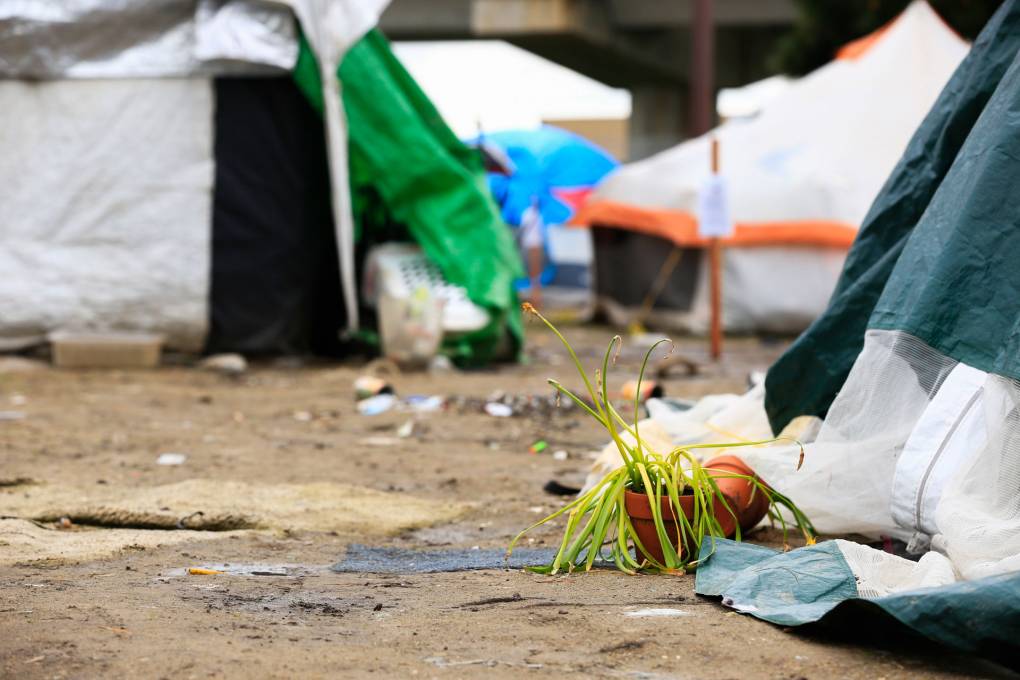
"caption": "A homeless encampment in Richmond in March, 2019.",
"description": "A homeless encampment in Richmond in March, 2019.",
"title": "Richmond-Homeless-Encampment",
"credit": "Sruti Mamidanna/KQED",
"status": "inherit",
"isLoading": false,
"fetchFailed": false
},
"news_11796532": {
"type": "attachments",
"id": "news_11796532",
"meta": {
"index": "attachments_1716263798",
"site": "news",
"id": "11796532",
"found": true
},
"parent": 11795988,
"imgSizes": {
"apple_news_ca_landscape_5_5": {
"file": "https://ww2.kqed.org/app/uploads/sites/10/2020/01/RS17219_GettyImages-452873424-1044x783.jpg",
"width": 1044,
"mimeType": "image/jpeg",
"height": 783
},
"apple_news_ca_square_4_0": {
"file": "https://ww2.kqed.org/app/uploads/sites/10/2020/01/RS17219_GettyImages-452873424-470x470.jpg",
"width": 470,
"mimeType": "image/jpeg",
"height": 470
},
"twentyfourteen-full-width": {
"file": "https://ww2.kqed.org/app/uploads/sites/10/2020/01/RS17219_GettyImages-452873424-1038x576.jpg",
"width": 1038,
"mimeType": "image/jpeg",
"height": 576
},
"thumbnail": {
"file": "https://ww2.kqed.org/app/uploads/sites/10/2020/01/RS17219_GettyImages-452873424-160x107.jpg",
"width": 160,
"mimeType": "image/jpeg",
"height": 107
},
"post-thumbnail": {
"file": "https://ww2.kqed.org/app/uploads/sites/10/2020/01/RS17219_GettyImages-452873424-672x372.jpg",
"width": 672,
"mimeType": "image/jpeg",
"height": 372
},
"kqedFullSize": {
"file": "https://ww2.kqed.org/app/uploads/sites/10/2020/01/RS17219_GettyImages-452873424.jpg",
"width": 3500,
"height": 2331
},
"apple_news_ca_landscape_4_7": {
"file": "https://ww2.kqed.org/app/uploads/sites/10/2020/01/RS17219_GettyImages-452873424-632x474.jpg",
"width": 632,
"mimeType": "image/jpeg",
"height": 474
},
"large": {
"file": "https://ww2.kqed.org/app/uploads/sites/10/2020/01/RS17219_GettyImages-452873424-1020x679.jpg",
"width": 1020,
"mimeType": "image/jpeg",
"height": 679
},
"apple_news_ca_landscape_4_0": {
"file": "https://ww2.kqed.org/app/uploads/sites/10/2020/01/RS17219_GettyImages-452873424-536x402.jpg",
"width": 536,
"mimeType": "image/jpeg",
"height": 402
},
"apple_news_ca_portrait_12_9": {
"file": "https://ww2.kqed.org/app/uploads/sites/10/2020/01/RS17219_GettyImages-452873424-1122x1496.jpg",
"width": 1122,
"mimeType": "image/jpeg",
"height": 1496
},
"medium": {
"file": "https://ww2.kqed.org/app/uploads/sites/10/2020/01/RS17219_GettyImages-452873424-800x533.jpg",
"width": 800,
"mimeType": "image/jpeg",
"height": 533
},
"apple_news_ca_portrait_4_0": {
"file": "https://ww2.kqed.org/app/uploads/sites/10/2020/01/RS17219_GettyImages-452873424-354x472.jpg",
"width": 354,
"mimeType": "image/jpeg",
"height": 472
},
"apple_news_ca_portrait_9_7": {
"file": "https://ww2.kqed.org/app/uploads/sites/10/2020/01/RS17219_GettyImages-452873424-840x1120.jpg",
"width": 840,
"mimeType": "image/jpeg",
"height": 1120
},
"apple_news_ca_landscape_12_9": {
"file": "https://ww2.kqed.org/app/uploads/sites/10/2020/01/RS17219_GettyImages-452873424-1832x1374.jpg",
"width": 1832,
"mimeType": "image/jpeg",
"height": 1374
},
"apple_news_ca_square_9_7": {
"file": "https://ww2.kqed.org/app/uploads/sites/10/2020/01/RS17219_GettyImages-452873424-1104x1104.jpg",
"width": 1104,
"mimeType": "image/jpeg",
"height": 1104
},
"apple_news_ca_portrait_4_7": {
"file": "https://ww2.kqed.org/app/uploads/sites/10/2020/01/RS17219_GettyImages-452873424-414x552.jpg",
"width": 414,
"mimeType": "image/jpeg",
"height": 552
},
"apple_news_ca_square_12_9": {
"file": "https://ww2.kqed.org/app/uploads/sites/10/2020/01/RS17219_GettyImages-452873424-1472x1472.jpg",
"width": 1472,
"mimeType": "image/jpeg",
"height": 1472
},
"apple_news_ca_portrait_5_5": {
"file": "https://ww2.kqed.org/app/uploads/sites/10/2020/01/RS17219_GettyImages-452873424-687x916.jpg",
"width": 687,
"mimeType": "image/jpeg",
"height": 916
},
"full-width": {
"file": "https://ww2.kqed.org/app/uploads/sites/10/2020/01/RS17219_GettyImages-452873424-1920x1279.jpg",
"width": 1920,
"mimeType": "image/jpeg",
"height": 1279
},
"apple_news_ca_square_4_7": {
"file": "https://ww2.kqed.org/app/uploads/sites/10/2020/01/RS17219_GettyImages-452873424-550x550.jpg",
"width": 550,
"mimeType": "image/jpeg",
"height": 550
},
"apple_news_ca_landscape_9_7": {
"file": "https://ww2.kqed.org/app/uploads/sites/10/2020/01/RS17219_GettyImages-452873424-1376x1032.jpg",
"width": 1376,
"mimeType": "image/jpeg",
"height": 1032
},
"apple_news_ca_square_5_5": {
"file": "https://ww2.kqed.org/app/uploads/sites/10/2020/01/RS17219_GettyImages-452873424-912x912.jpg",
"width": 912,
"mimeType": "image/jpeg",
"height": 912
}
},
"publishDate": 1579221763,
"modified": 1579221813,
"caption": "SAN FRANCISCO, CA - JULY 04: Residential houses line a street in Mission district near Delores Park as typical summer fog rolls in on July 4, 2014 in San Francisco, California. ",
"description": null,
"title": "RS17219_GettyImages-452873424",
"credit": "Sean Gallup/Getty Images",
"status": "inherit",
"isLoading": false,
"fetchFailed": false
}
},
"audioPlayerReducer": {
"postId": "stream_live",
"isPaused": true,
"isPlaying": false,
"pfsActive": false,
"pledgeModalIsOpen": true,
"playerDrawerIsOpen": false,
"liveAudioPlayStartedAt": 0,
"liveAudioPlayContext": ""
},
"authorsReducer": {
"byline_news_11799308": {
"type": "authors",
"id": "byline_news_11799308",
"meta": {
"override": true
},
"slug": "byline_news_11799308",
"name": "\u003ca href=\"https://calmatters.org/author/erica-hellerstein/\"> Erica Hellerstein \u003ca />",
"isLoading": false
},
"matthewgreen": {
"type": "authors",
"id": "1263",
"meta": {
"index": "authors_1716337520",
"id": "1263",
"found": true
},
"name": "Matthew Green",
"firstName": "Matthew",
"lastName": "Green",
"slug": "matthewgreen",
"email": "mgreen@kqed.org",
"display_author_email": false,
"staff_mastheads": [],
"title": "KQED Editor/Reporter",
"bio": "Matthew Green is a digital media producer for KQED News. He previously produced \u003ca href=\"http://www.kqed.org/lowdown\">The Lowdown\u003c/a>, KQED’s multimedia news education blog. Matthew's written for numerous Bay Area publications, including the Oakland Tribune and San Francisco Chronicle. He also taught journalism classes at Fremont High School in East Oakland.\r\n\r\nEmail: mgreen@kqed.org; Twitter: @MGreenKQED",
"avatar": "https://secure.gravatar.com/avatar/3bf498d1267ca02c8494f33d8cfc575e?s=600&d=blank&r=g",
"twitter": "MGreenKQED",
"facebook": null,
"instagram": null,
"linkedin": null,
"sites": [
{
"site": "news",
"roles": []
},
{
"site": "lowdown",
"roles": []
},
{
"site": "science",
"roles": []
},
{
"site": "education",
"roles": []
},
{
"site": "quest",
"roles": []
},
{
"site": "liveblog",
"roles": []
}
],
"headData": {
"title": "Matthew Green | KQED",
"description": "KQED Editor/Reporter",
"ogImgSrc": "https://secure.gravatar.com/avatar/3bf498d1267ca02c8494f33d8cfc575e?s=600&d=blank&r=g",
"twImgSrc": "https://secure.gravatar.com/avatar/3bf498d1267ca02c8494f33d8cfc575e?s=600&d=blank&r=g"
},
"isLoading": false,
"link": "/author/matthewgreen"
},
"shossaini": {
"type": "authors",
"id": "3214",
"meta": {
"index": "authors_1716337520",
"id": "3214",
"found": true
},
"name": "Sara Hossaini",
"firstName": "Sara",
"lastName": "Hossaini",
"slug": "shossaini",
"email": "shossaini@kqed.org",
"display_author_email": true,
"staff_mastheads": [
"news"
],
"title": "KQED Reporter",
"bio": "Sara Hossaini came to general assignment reporting at KQED in 2013 after two winters reporting at Wyoming Public Radio. She holds a bachelor's degree in broadcast journalism from the University of Nebraska-Lincoln. Her radio romance began after a bitter breakup with documentary film (Ok, maybe it's still complicated). Her first simultaneous jobs in San Francisco were as Associate Producer on a PBS film series through the Center for Asian American Media and as a butler. She likes to trot, plot and make things with her hands.",
"avatar": "https://secure.gravatar.com/avatar/060e9f56b9554e17942e89f413242774?s=600&d=blank&r=g",
"twitter": "mshossaini",
"facebook": null,
"instagram": null,
"linkedin": null,
"sites": [
{
"site": "news",
"roles": [
"author"
]
},
{
"site": "stateofhealth",
"roles": [
"author"
]
}
],
"headData": {
"title": "Sara Hossaini | KQED",
"description": "KQED Reporter",
"ogImgSrc": "https://secure.gravatar.com/avatar/060e9f56b9554e17942e89f413242774?s=600&d=blank&r=g",
"twImgSrc": "https://secure.gravatar.com/avatar/060e9f56b9554e17942e89f413242774?s=600&d=blank&r=g"
},
"isLoading": false,
"link": "/author/shossaini"
},
"markfiore": {
"type": "authors",
"id": "3236",
"meta": {
"index": "authors_1716337520",
"id": "3236",
"found": true
},
"name": "Mark Fiore",
"firstName": "Mark",
"lastName": "Fiore",
"slug": "markfiore",
"email": "mark@markfiore.com",
"display_author_email": false,
"staff_mastheads": [
"news"
],
"title": "KQED News Cartoonist",
"bio": "\u003ca href=\"http://www.MarkFiore.com\">MarkFiore.com\u003c/a> | \u003ca href=\"https://twitter.com/markfiore\">Follow on Twitter\u003c/a> | \u003ca href=\"https://www.facebook.com/pages/Mark-Fiore-Animated-Political-Cartoons/94451707396?ref=bookmarks\">Facebook\u003c/a> | \u003ca href=\"mailto:mark@markfiore.com\">email\u003c/a>\r\n\r\nPulitzer Prize-winner, Mark Fiore, who the Wall Street Journal has called “the undisputed guru of the form,” creates animated political cartoons in San Francisco, where his work has been featured regularly on the San Francisco Chronicle’s web site, SFGate.com. His work has appeared on Newsweek.com, Slate.com, CBSNews.com, MotherJones.com, DailyKos.com and NPR’s web site. Fiore’s political animation has appeared on CNN, Frontline, Bill Moyers Journal, Salon.com and cable and broadcast outlets across the globe.\r\n\r\nBeginning his professional life by drawing traditional political cartoons for newspapers, Fiore’s work appeared in publications ranging from the Washington Post to the Los Angeles Times. In the late 1990s, he began to experiment with animating political cartoons and, after a short stint at the San Jose Mercury News as their staff cartoonist, Fiore devoted all his energies to animation.\r\nGrowing up in California, Fiore also spent a good portion of his life in the backwoods of Idaho. It was this combination that shaped him politically. Mark majored in political science at Colorado College, where, in a perfect send-off for a cartoonist, he received his diploma in 1991 as commencement speaker Dick Cheney smiled approvingly.\r\nMark Fiore was awarded the Pulitzer Prize for political cartooning in 2010, a Robert F. Kennedy Journalism Award in 2004 and has twice received an Online Journalism Award for commentary from the Online News Association (2002, 2008). Fiore has received two awards for his work in new media from the National Cartoonists Society (2001, 2002), and in 2006 received The James Madison Freedom of Information Award from The Society of Professional Journalists.",
"avatar": "https://secure.gravatar.com/avatar/fc4e2a612b15b67bad0c6f0e1db4ca9b?s=600&d=blank&r=g",
"twitter": "MarkFiore",
"facebook": null,
"instagram": "https://www.instagram.com/markfiore/?hl=en",
"linkedin": null,
"sites": [
{
"site": "arts",
"roles": [
"contributor"
]
},
{
"site": "news",
"roles": [
"editor"
]
},
{
"site": "futureofyou",
"roles": [
"editor"
]
},
{
"site": "science",
"roles": [
"editor"
]
}
],
"headData": {
"title": "Mark Fiore | KQED",
"description": "KQED News Cartoonist",
"ogImgSrc": "https://secure.gravatar.com/avatar/fc4e2a612b15b67bad0c6f0e1db4ca9b?s=600&d=blank&r=g",
"twImgSrc": "https://secure.gravatar.com/avatar/fc4e2a612b15b67bad0c6f0e1db4ca9b?s=600&d=blank&r=g"
},
"isLoading": false,
"link": "/author/markfiore"
},
"dkatayama": {
"type": "authors",
"id": "7240",
"meta": {
"index": "authors_1716337520",
"id": "7240",
"found": true
},
"name": "Devin Katayama",
"firstName": "Devin",
"lastName": "Katayama",
"slug": "dkatayama",
"email": "dkatayama@kqed.org",
"display_author_email": true,
"staff_mastheads": [
"news"
],
"title": "Editor of Talent and Development",
"bio": "Devin Katayama is former Editor of Talent and Development for KQED. He supported our internship program and on-call staff by looking for equitable opportunities to improve the newsroom.\r\n\r\nHe previously hosted The Bay and American Suburb podcasts from KQED News. Prior to returning to the Bay Area in 2015, Devin was the education reporter for WFPL in Louisville and worked as a producer with radio stations in Chicago and Portland, OR. His work has appeared on NPR’s \u003cem>Morning Edition, All Things Considered, The Takeaway\u003c/em> and \u003cem>Here and Now.\u003c/em>\r\n\r\nDevin earned his MA in Journalism from Columbia College Chicago, where he was a Follett Fellow and the recipient of the 2011 Studs Terkel Community Media Workshop Scholarship for his story on Chicago's homeless youth. He won WBUR's 2014 Daniel Schorr award and a regional RTNDA Edward R. Murrow Award for his documentary \"At Risk\" that looked at issues facing some of Louisville's students. Devin has also received numerous local awards from the Associated Press and the Society of Professional Journalists.",
"avatar": "https://secure.gravatar.com/avatar/d0d2978a31002fb2de107921a8e18405?s=600&d=blank&r=g",
"twitter": "RadioDevin",
"facebook": null,
"instagram": null,
"linkedin": null,
"sites": [
{
"site": "arts",
"roles": []
},
{
"site": "news",
"roles": [
"author"
]
},
{
"site": "stateofhealth",
"roles": [
"author"
]
},
{
"site": "forum",
"roles": [
"editor"
]
},
{
"site": "perspectives",
"roles": [
"editor"
]
}
],
"headData": {
"title": "Devin Katayama | KQED",
"description": "Editor of Talent and Development",
"ogImgSrc": "https://secure.gravatar.com/avatar/d0d2978a31002fb2de107921a8e18405?s=600&d=blank&r=g",
"twImgSrc": "https://secure.gravatar.com/avatar/d0d2978a31002fb2de107921a8e18405?s=600&d=blank&r=g"
},
"isLoading": false,
"link": "/author/dkatayama"
},
"katewolffe": {
"type": "authors",
"id": "11523",
"meta": {
"index": "authors_1716337520",
"id": "11523",
"found": true
},
"name": "Kate Wolffe",
"firstName": "Kate",
"lastName": "Wolffe",
"slug": "katewolffe",
"email": "kwolffe@kqed.org",
"display_author_email": true,
"staff_mastheads": [
"news"
],
"title": "KQED Reporter + Weekend Host",
"bio": "Kate Wolffe reports on local Bay Area happenings for KQED, and hosts the news on weekend afternoons. She joined KQED in 2018 as an intern on the Forum team, before moving to cover topics ranging from politics to criminal justice to homelessness. A Bay Area native and UC Berkeley graduate, Kate loves to discover new corners of the region.",
"avatar": "https://secure.gravatar.com/avatar/22455f14db824a03ee252f73052fe939?s=600&d=blank&r=g",
"twitter": "katewolffe",
"facebook": null,
"instagram": null,
"linkedin": null,
"sites": [
{
"site": "arts",
"roles": [
"editor"
]
},
{
"site": "news",
"roles": [
"author",
"edit_others_posts"
]
},
{
"site": "forum",
"roles": [
"editor"
]
}
],
"headData": {
"title": "Kate Wolffe | KQED",
"description": "KQED Reporter + Weekend Host",
"ogImgSrc": "https://secure.gravatar.com/avatar/22455f14db824a03ee252f73052fe939?s=600&d=blank&r=g",
"twImgSrc": "https://secure.gravatar.com/avatar/22455f14db824a03ee252f73052fe939?s=600&d=blank&r=g"
},
"isLoading": false,
"link": "/author/katewolffe"
},
"mmedina": {
"type": "authors",
"id": "11528",
"meta": {
"index": "authors_1716337520",
"id": "11528",
"found": true
},
"name": "Marisol Medina-Cadena",
"firstName": "Marisol",
"lastName": "Medina-Cadena",
"slug": "mmedina",
"email": "mmedina@KQED.org",
"display_author_email": true,
"staff_mastheads": [],
"title": "Producer, Rightnowish Podcast",
"bio": "Marisol Medina-Cadena is a radio reporter and podcast producer. Before working at KQED, she produced for PBS member station, KCET, in Los Angeles. In 2017, Marisol won an Emmy Award for her work on the televised documentary, \u003cem>City Rising\u003c/em>, examining California's affordable housing crisis and the historical roots of gentrification.",
"avatar": "https://secure.gravatar.com/avatar/6c3db46a1cabb5e1fe9a365b5f4e681e?s=600&d=blank&r=g",
"twitter": "marisolreports",
"facebook": null,
"instagram": null,
"linkedin": null,
"sites": [
{
"site": "arts",
"roles": []
},
{
"site": "news",
"roles": [
"edit_others_posts"
]
}
],
"headData": {
"title": "Marisol Medina-Cadena | KQED",
"description": "Producer, Rightnowish Podcast",
"ogImgSrc": "https://secure.gravatar.com/avatar/6c3db46a1cabb5e1fe9a365b5f4e681e?s=600&d=blank&r=g",
"twImgSrc": "https://secure.gravatar.com/avatar/6c3db46a1cabb5e1fe9a365b5f4e681e?s=600&d=blank&r=g"
},
"isLoading": false,
"link": "/author/mmedina"
},
"amontecillo": {
"type": "authors",
"id": "11649",
"meta": {
"index": "authors_1716337520",
"id": "11649",
"found": true
},
"name": "Alan Montecillo",
"firstName": "Alan",
"lastName": "Montecillo",
"slug": "amontecillo",
"email": "amontecillo@kqed.org",
"display_author_email": false,
"staff_mastheads": [
"news"
],
"title": "KQED Contributor",
"bio": "Alan Montecillo is the senior editor of \u003cem>\u003ca href=\"http://kqed.org/thebay\">The Bay\u003c/a>, \u003c/em> KQED's local news podcast. Before moving to the Bay Area, he worked as a senior talk show producer for WILL in Champaign-Urbana, Illinois and at Oregon Public Broadcasting in Portland, Oregon. He has won journalism awards from the Society of Professional Journalists Northern California, the Public Media Journalists Association, The Signal Awards, and has also received a regional Edward R. Murrow award. Alan is a Filipino American from Hong Kong and a graduate of Reed College.",
"avatar": "https://secure.gravatar.com/avatar/268f53a2066899ea9efdd8a5900218b17c822d9862cbc9326cccec53ef41d349?s=600&d=blank&r=g",
"twitter": "alanmontecillo",
"bluesky": null,
"facebook": null,
"instagram": null,
"linkedin": null,
"sites": [
{
"site": "",
"roles": [
"editor"
]
},
{
"site": "news",
"roles": [
"editor",
"manage_categories"
]
}
],
"headData": {
"title": "Alan Montecillo | KQED",
"description": "KQED Contributor",
"ogImgSrc": "https://secure.gravatar.com/avatar/268f53a2066899ea9efdd8a5900218b17c822d9862cbc9326cccec53ef41d349?s=600&d=blank&r=g",
"twImgSrc": "https://secure.gravatar.com/avatar/268f53a2066899ea9efdd8a5900218b17c822d9862cbc9326cccec53ef41d349?s=600&d=blank&r=g"
},
"isLoading": false,
"link": "/author/amontecillo"
},
"msolomon": {
"type": "authors",
"id": "11651",
"meta": {
"index": "authors_1716337520",
"id": "11651",
"found": true
},
"name": "Molly Solomon",
"firstName": "Molly",
"lastName": "Solomon",
"slug": "msolomon",
"email": "msolomon@KQED.org",
"display_author_email": false,
"staff_mastheads": [
"news"
],
"title": "Senior Editor",
"bio": "Molly Solomon is the senior editor of KQED's California Politics and Government Desk. Previously, she was the station's editor-at-large, with a focus on editing early childhood education, politics, and criminal justice. Before that, she managed and edited statewide election coverage for The California Newsroom, a collaboration of local public radio stations, CalMatters and NPR. Molly joined KQED in 2019 to launch the station’s housing affordability desk, where she reported on homelessness, evictions and is the co-host of KQED’s housing podcast, SOLD OUT: Rethinking Housing in America. Before that, she was the Southwest Washington Bureau Chief for Oregon Public Broadcasting and a reporter at Hawaii Public Radio. Her stories have aired on NPR’s \u003cem>Morning Edition\u003c/em>, \u003cem>All Things Considered\u003c/em>, \u003cem>Here & Now\u003c/em>, \u003cem>Science Friday\u003c/em> and \u003cem>Marketplace\u003c/em>. Molly's award-winning reporting has been honored by the Best of the West, Edward R. Murrow awards, Society of Professional Journalists, National Headliner Awards, and the Asian American Journalists Association. Born and raised in Berkeley, Molly is a big fan of burritos and her scruffy terrier, Ollie.",
"avatar": "https://secure.gravatar.com/avatar/9ad9794616923d81c9a79897161545bd?s=600&d=blank&r=g",
"twitter": "solomonout",
"facebook": null,
"instagram": null,
"linkedin": null,
"sites": [
{
"site": "news",
"roles": [
"editor"
]
},
{
"site": "science",
"roles": [
"editor"
]
}
],
"headData": {
"title": "Molly Solomon | KQED",
"description": "Senior Editor",
"ogImgSrc": "https://secure.gravatar.com/avatar/9ad9794616923d81c9a79897161545bd?s=600&d=blank&r=g",
"twImgSrc": "https://secure.gravatar.com/avatar/9ad9794616923d81c9a79897161545bd?s=600&d=blank&r=g"
},
"isLoading": false,
"link": "/author/msolomon"
},
"ebaldassari": {
"type": "authors",
"id": "11652",
"meta": {
"index": "authors_1716337520",
"id": "11652",
"found": true
},
"name": "Erin Baldassari",
"firstName": "Erin",
"lastName": "Baldassari",
"slug": "ebaldassari",
"email": "ebaldassari@KQED.org",
"display_author_email": true,
"staff_mastheads": [
"news"
],
"title": "Staff Writer",
"bio": "Erin Baldassari covers housing for KQED. She's a former print journalist and most recently worked as the transportation reporter for the \u003cem>Mercury News\u003c/em> and \u003cem>East Bay Times. \u003c/em>There, she focused on how the Bay Area’s housing shortage has changed the way people move around the region. She also served on the \u003cem>East Bay Times\u003c/em>’ 2017 Pulitzer Prize-winning team for coverage of the Ghost Ship Fire in Oakland. Prior to that, Erin worked as a breaking news and general assignment reporter for a variety of outlets in the Bay Area and the greater Boston area. A Tufts University alumna, Erin grew up in the foothills of the Sierra Nevada mountains and in Sonoma County. She is a life-long KQED listener.",
"avatar": "https://secure.gravatar.com/avatar/5e95cad64a8ca08288082212e199d2b0cbeb4fd8e8ef5339395f361032bbe005?s=600&d=blank&r=g",
"twitter": "e_baldi",
"bluesky": null,
"facebook": null,
"instagram": null,
"linkedin": null,
"sites": [
{
"site": "news",
"roles": [
"edit_others_posts",
"editor"
]
},
{
"site": "science",
"roles": [
"editor"
]
},
{
"site": "liveblog",
"roles": [
"editor"
]
}
],
"headData": {
"title": "Erin Baldassari | KQED",
"description": "Staff Writer",
"ogImgSrc": "https://secure.gravatar.com/avatar/5e95cad64a8ca08288082212e199d2b0cbeb4fd8e8ef5339395f361032bbe005?s=600&d=blank&r=g",
"twImgSrc": "https://secure.gravatar.com/avatar/5e95cad64a8ca08288082212e199d2b0cbeb4fd8e8ef5339395f361032bbe005?s=600&d=blank&r=g"
},
"isLoading": false,
"link": "/author/ebaldassari"
}
},
"pagesReducer": {
"news_category_housing": {
"type": "terms",
"id": "news_6266",
"meta": {
"index": "terms_1716263798",
"site": "news",
"id": "6266",
"score": 11.039913
},
"featImg": null,
"name": "Housing",
"description": null,
"taxonomy": "category",
"headData": {
"twImgId": null,
"twTitle": null,
"ogTitle": null,
"ogImgId": null,
"twDescription": null,
"description": null,
"title": "Housing Archives | KQED News",
"ogDescription": null
},
"ttid": 6290,
"slug": "housing",
"isLoading": false,
"title": "Housing",
"pageMeta": {
"site": "news",
"WpPageTemplate": "page-topic-editorial",
"currentPage": 85
},
"blocks": [
{
"blockName": "kqed/post-list",
"attrs": {
"layout": "cardArticle2",
"query": "posts/news?category=housing",
"seeMore": false,
"paginated": true,
"page": 85
}
},
{
"blockName": "kqed/ad"
}
]
}
},
"pfsSessionReducer": {},
"postsReducer": {
"stream_live": {
"type": "live",
"id": "stream_live",
"audioUrl": "https://streams.kqed.org/kqedradio",
"title": "Live Stream",
"excerpt": "Live Stream information currently unavailable.",
"link": "/radio",
"featImg": "",
"label": {
"name": "KQED Live",
"link": "/"
}
},
"stream_kqedNewscast": {
"type": "posts",
"id": "stream_kqedNewscast",
"audioUrl": "https://www.kqed.org/.stream/anon/radio/RDnews/newscast.mp3?_=1",
"title": "KQED Newscast",
"featImg": "",
"label": {
"name": "88.5 FM",
"link": "/"
}
},
"news_11799308": {
"type": "posts",
"id": "news_11799308",
"meta": {
"index": "posts_1716263798",
"site": "news",
"id": "11799308",
"score": null,
"sort": [
1580507161000
]
},
"parent": 0,
"labelTerm": {},
"blocks": [],
"publishDate": 1580507161,
"format": "standard",
"disqusTitle": "It's Official: Bay Area Has Highest Income Inequality in California",
"title": "It's Official: Bay Area Has Highest Income Inequality in California",
"headTitle": "The California Report | KQED News",
"content": "\u003cp>It’s official: The gap between the Bay Area’s haves and have-nots is wider than anywhere else in the state.\u003c/p>\n\u003cp>Top income earners in the Bay Area make 12.2 times as much as those at the bottom of the economic ladder, according to new research from the \u003ca href=\"https://www.ppic.org/\" target=\"_blank\" rel=\"noopener noreferrer\">Public Policy Institute of California\u003c/a>, which analyzed 2018 U.S. Census Bureau data, the most recent available.\u003c/p>\n\u003cp>Bay Area residents in the 90th percentile of incomes earned $384,000 a year, compared to just $32,000 for those in the bottom 10th percentile.\u003c/p>\n\u003cp>[pullquote size=\"medium\" align=\"right\" citation=\"Sarah E. Bohn, vice president of research at PPIC\"]'It’s clear that low-income families don’t seem to be able to make as much economic progress as we would like.'[/pullquote]\u003c/p>\n\u003cp>After the Bay Area, the income gap was widest in the Sacramento region, PPIC found, with the 90th percentile there earning $232,000 and the 10th percentile earning just $19,000. It was narrowest in the Inland Empire region, which includes Imperial, Riverside and San Bernardino counties. There, the 10th percentile earns $20,000 and the 90th makes $190,000.\u003c/p>\n\u003cp>The divisions have made California one of the most economically unequal states in the country. Nationally, just five other states — the District of Columbia, Missouri, New Mexico, New York and Louisiana — have higher levels of income inequality, according to PPIC.\u003c/p>\n\u003cp>“Unfortunately, I was looking for more of a story of improvement than we see in this data,” said Sarah E. Bohn, vice president of research at PPIC.\u003c/p>\n\u003cp>[ad fullwidth]\u003c/p>\n\u003cp>Despite California’s strong economy, low- and middle-income earners have seen fewer gains than those in the top bracket in recent decades. Incomes for families in the 90th percentile have increased 60% since 1980, PPIC found, while incomes for the 10th percentile increased by just 20% during the same time.\u003c/p>\n\u003cp>“It’s clear that low-income families don’t seem to be able to make as much economic progress as we would like,\" Bohn said.\u003c/p>\n\u003cp>[aside tag=\"income-inequality\" label=\"More on income inequality\"]A September analysis of census data from the California Budget and Policy Center found a similar gulf between the state’s rich and poor, but worsening economic outcomes for those at the bottom. Between 2006 and 2018, that report found income for the top 5% of households grew by 18.6%. For households in the bottom 20%, it fell 20%.\u003c/p>\n\u003cp>PPIC’s analysis did not include figures from individual counties, but 2018 census data shows the widest income disparities in the Bay Area are in San Francisco County, where the top 5% of households makes an average of $808,105 annually, compared with $16,184 for the lowest 20%. San Mateo County had the second-highest income gap in the region, with the richest earning $810,917 per year while the bottom fifth made $25,039.\u003c/p>\n\u003cp>“Economists think there are incentives to move up the economic ladder, but when the disparities are so large, does that incentive fade away because it’s not possible to make that leap, to invest in the things that move you up?” Bohn asked. “That’s the bigger concern that I have.”\u003c/p>\n\u003cp>\u003cem>Erica Hellerstein is a journalist with the Mercury News. This article is part of\u003c/em>\u003ca href=\"https://calmatters.org/category/california-divide/\">\u003cem> The California Divide\u003c/em>\u003c/a>\u003cem>, a collaboration among newsrooms examining income inequity and economic survival in California.\u003c/em>\u003c/p>\n\u003cp>\u003c/p>\n",
"disqusIdentifier": "11799308 https://ww2.kqed.org/news/?p=11799308",
"disqusUrl": "https://ww2.kqed.org/news/2020/01/31/bay-area-has-highest-income-inequality-in-california/",
"stats": {
"hasVideo": false,
"hasChartOrMap": false,
"hasAudio": false,
"hasPolis": false,
"wordCount": 583,
"hasGoogleForm": false,
"hasGallery": false,
"hasHearkenModule": false,
"iframeSrcs": [],
"paragraphCount": 15
},
"modified": 1581368198,
"excerpt": "A new analysis found that Bay Area residents in the 90th percentile of incomes earned $384,000 a year, compared to just $32,000 for those in the bottom 10th.",
"headData": {
"twImgId": "",
"twTitle": "",
"ogTitle": "",
"ogImgId": "",
"twDescription": "",
"description": "Bay Area residents in the 90th percentile of incomes earned $384,000 a year, compared to just $32,000 for those in the bottom 10th.",
"title": "It's Official: Bay Area Has Highest Income Inequality in California | KQED",
"ogDescription": "",
"schema": {
"@context": "https://schema.org",
"@type": "NewsArticle",
"headline": "It's Official: Bay Area Has Highest Income Inequality in California",
"datePublished": "2020-01-31T13:46:01-08:00",
"dateModified": "2020-02-10T12:56:38-08:00",
"image": "https://cdn.kqed.org/wp-content/uploads/2020/02/KQED-OG-Image@1x.png",
"isAccessibleForFree": "True",
"publisher": {
"@type": "NewsMediaOrganization",
"@id": "https://www.kqed.org/#organization",
"name": "KQED",
"logo": "https://cdn.kqed.org/wp-content/uploads/2020/02/KQED-OG-Image@1x.png",
"url": "https://www.kqed.org",
"sameAs": [
"https://www.facebook.com/KQED",
"https://twitter.com/KQED",
"https://www.instagram.com/kqed/",
"https://www.tiktok.com/@kqedofficial",
"https://www.linkedin.com/company/kqed",
"https://www.youtube.com/channel/UCeC0IOo7i1P_61zVUWbJ4nw"
]
}
}
},
"guestAuthors": [],
"slug": "bay-area-has-highest-income-inequality-in-california",
"status": "publish",
"sourceUrl": "calmatters.org",
"nprByline": "\u003ca href=\"https://calmatters.org/author/erica-hellerstein/\"> Erica Hellerstein \u003ca />",
"source": "Calmatters",
"path": "/news/11799308/bay-area-has-highest-income-inequality-in-california",
"audioTrackLength": null,
"parsedContent": [
{
"type": "contentString",
"content": "\u003cdiv class=\"post-body\">\u003cp>\u003cp>It’s official: The gap between the Bay Area’s haves and have-nots is wider than anywhere else in the state.\u003c/p>\n\u003cp>Top income earners in the Bay Area make 12.2 times as much as those at the bottom of the economic ladder, according to new research from the \u003ca href=\"https://www.ppic.org/\" target=\"_blank\" rel=\"noopener noreferrer\">Public Policy Institute of California\u003c/a>, which analyzed 2018 U.S. Census Bureau data, the most recent available.\u003c/p>\n\u003cp>Bay Area residents in the 90th percentile of incomes earned $384,000 a year, compared to just $32,000 for those in the bottom 10th percentile.\u003c/p>\n\u003cp>\u003c/p>\u003c/div>",
"attributes": {
"named": {},
"numeric": []
}
},
{
"type": "component",
"content": "'It’s clear that low-income families don’t seem to be able to make as much economic progress as we would like.'",
"name": "pullquote",
"attributes": {
"named": {
"size": "medium",
"align": "right",
"citation": "Sarah E. Bohn, vice president of research at PPIC",
"label": ""
},
"numeric": []
}
},
{
"type": "contentString",
"content": "\u003cdiv class=\"post-body\">\u003cp>\u003c/p>\n\u003cp>After the Bay Area, the income gap was widest in the Sacramento region, PPIC found, with the 90th percentile there earning $232,000 and the 10th percentile earning just $19,000. It was narrowest in the Inland Empire region, which includes Imperial, Riverside and San Bernardino counties. There, the 10th percentile earns $20,000 and the 90th makes $190,000.\u003c/p>\n\u003cp>The divisions have made California one of the most economically unequal states in the country. Nationally, just five other states — the District of Columbia, Missouri, New Mexico, New York and Louisiana — have higher levels of income inequality, according to PPIC.\u003c/p>\n\u003cp>“Unfortunately, I was looking for more of a story of improvement than we see in this data,” said Sarah E. Bohn, vice president of research at PPIC.\u003c/p>\n\u003cp>\u003c/p>\u003c/div>",
"attributes": {
"named": {},
"numeric": []
}
},
{
"type": "component",
"content": "",
"name": "ad",
"attributes": {
"named": {
"label": "fullwidth"
},
"numeric": [
"fullwidth"
]
}
},
{
"type": "contentString",
"content": "\u003cdiv class=\"post-body\">\u003cp>\u003c/p>\n\u003cp>Despite California’s strong economy, low- and middle-income earners have seen fewer gains than those in the top bracket in recent decades. Incomes for families in the 90th percentile have increased 60% since 1980, PPIC found, while incomes for the 10th percentile increased by just 20% during the same time.\u003c/p>\n\u003cp>“It’s clear that low-income families don’t seem to be able to make as much economic progress as we would like,\" Bohn said.\u003c/p>\n\u003cp>\u003c/p>\u003c/div>",
"attributes": {
"named": {},
"numeric": []
}
},
{
"type": "component",
"content": "",
"name": "aside",
"attributes": {
"named": {
"tag": "income-inequality",
"label": "More on income inequality "
},
"numeric": []
}
},
{
"type": "contentString",
"content": "\u003cdiv class=\"post-body\">\u003cp>A September analysis of census data from the California Budget and Policy Center found a similar gulf between the state’s rich and poor, but worsening economic outcomes for those at the bottom. Between 2006 and 2018, that report found income for the top 5% of households grew by 18.6%. For households in the bottom 20%, it fell 20%.\u003c/p>\n\u003cp>PPIC’s analysis did not include figures from individual counties, but 2018 census data shows the widest income disparities in the Bay Area are in San Francisco County, where the top 5% of households makes an average of $808,105 annually, compared with $16,184 for the lowest 20%. San Mateo County had the second-highest income gap in the region, with the richest earning $810,917 per year while the bottom fifth made $25,039.\u003c/p>\n\u003cp>“Economists think there are incentives to move up the economic ladder, but when the disparities are so large, does that incentive fade away because it’s not possible to make that leap, to invest in the things that move you up?” Bohn asked. “That’s the bigger concern that I have.”\u003c/p>\n\u003cp>\u003cem>Erica Hellerstein is a journalist with the Mercury News. This article is part of\u003c/em>\u003ca href=\"https://calmatters.org/category/california-divide/\">\u003cem> The California Divide\u003c/em>\u003c/a>\u003cem>, a collaboration among newsrooms examining income inequity and economic survival in California.\u003c/em>\u003c/p>\n\u003cp>\u003c/p>\n\u003c/div>\u003c/p>",
"attributes": {
"named": {},
"numeric": []
}
}
],
"link": "/news/11799308/bay-area-has-highest-income-inequality-in-california",
"authors": [
"byline_news_11799308"
],
"programs": [
"news_72"
],
"categories": [
"news_1758",
"news_6266",
"news_8"
],
"tags": [
"news_1775",
"news_5096",
"news_22362"
],
"affiliates": [
"news_18481"
],
"featImg": "news_11799392",
"label": "source_news_11799308"
},
"news_11798945": {
"type": "posts",
"id": "news_11798945",
"meta": {
"index": "posts_1716263798",
"site": "news",
"id": "11798945",
"score": null,
"sort": [
1580397294000
]
},
"guestAuthors": [],
"slug": "__trashed-4",
"title": "Closely Watched California Housing Bill SB 50 Now Officially Dead",
"publishDate": 1580397294,
"format": "standard",
"headTitle": "Closely Watched California Housing Bill SB 50 Now Officially Dead | KQED",
"labelTerm": {
"term": 72,
"site": "news"
},
"content": "\u003cp>A flurry of last-minute votes Thursday wasn’t enough to save Senate Bill 50, one of California’s most controversial and closely watched housing bills.\u003c/p>\n\u003cp>The vote remained unchanged from Wednesday, when it failed to earn the majority 21 votes it needed to pass. Only 18 senators voted on Thursday in favor of the bill, 15 voted against and six were absent or abstained.\u003c/p>\n\u003cp>The bill’s sponsor, San Francisco state Sen. Scott Wiener, said he was “deeply disappointed” in the outcome of the bill but vowed to try again.\u003c/p>\n\u003cp>“SB 50 does represent an aggressive reform of the status quo and it signaled to a lot of people the state was serious about addressing the housing crisis,” Wiener told reporters Thursday following the vote. “But I also believe we will pivot quickly and get something big done this year.”\u003c/p>\n\u003cp>Wiener didn’t specify what he plans but said he would work with the governor’s office and legislative leadership to introduce new legislation to boost housing construction throughout the state. And just hours after the vote Thursday, he introduced two placeholder housing bills.\u003c/p>\n\u003cp>https://twitter.com/Scott_Wiener/status/1222995545452449792?s=20\u003c/p>\n\u003cp>[ad fullwidth]\u003c/p>\n\u003cp>Gov. Gavin Newsom took heat after the bill’s defeat for campaigning on the promise to stimulate more housing construction but declining to endorse a bill that could have helped address the housing shortage. Newsom said in a statement Thursday the Legislature must pass a “historic housing production bill.”\u003c/p>\n\u003cp>State senators in opposition, many from Southern California, argued the legislation took too much power away from city and county governments, which typically have the final say in what gets built within their jurisdictions. Other legislators also argued the bill would encourage too much market-rate and luxury housing without assurances there would be enough affordable housing produced for rent-burdened, low- and middle-income residents.\u003c/p>\n\u003cp>Democratic state Sen. Holly Mitchell of Los Angeles on Wednesday summarized in one sentence the equity concerns of many housing justice activists who opposed the bill: “Who has the privilege of living where?”\u003c/p>\n\u003cp>SB 50 would have enabled more housing construction by forcing cities to authorize four- and five-story apartment buildings near train stations, along major bus lines and in job-rich neighborhoods. It would also allow duplexes and fourplexes where only single-family homes are currently permitted. Proponents of the bill saw it as one of the most significant ways to dramatically increase housing production throughout the state.\u003c/p>\n\u003cp>Despite the bill’s failure, Senate President Pro Tem Toni Atkins, D-San Diego, said California still needs to build more housing if it wants to tackle its housing affordability problem. A \u003ca href=\"https://www.mckinsey.com/~/media/McKinsey/Featured%20Insights/Urbanization/Closing%20Californias%20housing%20gap/Closing-Californias-housing-gap-Full-report.ashx\" target=\"_blank\" rel=\"noopener noreferrer\">2016 McKinsey report\u003c/a> estimated California needs to build 3.5 million homes to keep pace with its population.\u003c/p>\n\u003cp>In a statement following the vote, Atkins called out senators who voted against the bill but haven’t presented alternatives.\u003c/p>\n\u003cp>“The opponents of SB 50 have real concerns, but have offered no substantive alternative with the same kind of scope of SB 50,” she said. “Things have to change. We need to reset the conversation.”\u003c/p>\n\u003cp>\u003cem>This post has been updated.\u003c/em>\u003c/p>\n\u003cp>\u003c/p>\n",
"blocks": [],
"excerpt": "Despite a series of last-minute votes, the closely watched and controversial housing bill failed Thursday, raising questions about what is next for housing policy in California.",
"status": "publish",
"parent": 0,
"modified": 1741911746,
"stats": {
"hasAudio": false,
"hasVideo": false,
"hasChartOrMap": false,
"iframeSrcs": [],
"hasGoogleForm": false,
"hasGallery": false,
"hasHearkenModule": false,
"hasPolis": false,
"paragraphCount": 15,
"wordCount": 543
},
"headData": {
"title": "Closely Watched California Housing Bill SB 50 Now Officially Dead | KQED",
"description": "The controversial housing bill, SB 50, failed Thursday, raising questions about what is next for housing policy in California.",
"ogTitle": "",
"ogDescription": "",
"ogImgId": "",
"twTitle": "",
"twDescription": "",
"twImgId": "",
"socialDescription": "The controversial housing bill, SB 50, failed Thursday, raising questions about what is next for housing policy in California.",
"schema": {
"@context": "https://schema.org",
"@type": "NewsArticle",
"headline": "Closely Watched California Housing Bill SB 50 Now Officially Dead",
"datePublished": "2020-01-30T07:14:54-08:00",
"dateModified": "2025-03-13T17:22:26-07:00",
"image": "https://cdn.kqed.org/wp-content/uploads/2020/02/KQED-OG-Image@1x.png",
"isAccessibleForFree": "True",
"publisher": {
"@type": "NewsMediaOrganization",
"@id": "https://www.kqed.org/#organization",
"name": "KQED",
"logo": "https://cdn.kqed.org/wp-content/uploads/2020/02/KQED-OG-Image@1x.png",
"url": "https://www.kqed.org",
"sameAs": [
"https://www.facebook.com/KQED",
"https://twitter.com/KQED",
"https://www.instagram.com/kqed/",
"https://www.tiktok.com/@kqedofficial",
"https://www.linkedin.com/company/kqed",
"https://www.youtube.com/channel/UCeC0IOo7i1P_61zVUWbJ4nw"
]
}
}
},
"sticky": false,
"audioTrackLength": 69,
"templateType": "standard",
"featuredImageType": "standard",
"excludeFromSiteSearch": "Include",
"articleAge": "0",
"path": "/news/11798945/__trashed-4",
"audioUrl": "https://traffic.omny.fm/d/clips/0af137ef-751e-4b19-a055-aaef00d2d578/ffca7e9f-6831-41c5-bcaf-aaef00f5a073/bcc377ca-320c-49f7-a792-ab52010fa579/audio.mp3",
"audioDuration": 69000,
"parsedContent": [
{
"type": "contentString",
"content": "\u003cdiv class=\"post-body\">\u003cp>\u003cp>A flurry of last-minute votes Thursday wasn’t enough to save Senate Bill 50, one of California’s most controversial and closely watched housing bills.\u003c/p>\n\u003cp>The vote remained unchanged from Wednesday, when it failed to earn the majority 21 votes it needed to pass. Only 18 senators voted on Thursday in favor of the bill, 15 voted against and six were absent or abstained.\u003c/p>\n\u003cp>The bill’s sponsor, San Francisco state Sen. Scott Wiener, said he was “deeply disappointed” in the outcome of the bill but vowed to try again.\u003c/p>\n\u003cp>“SB 50 does represent an aggressive reform of the status quo and it signaled to a lot of people the state was serious about addressing the housing crisis,” Wiener told reporters Thursday following the vote. “But I also believe we will pivot quickly and get something big done this year.”\u003c/p>\n\u003cp>Wiener didn’t specify what he plans but said he would work with the governor’s office and legislative leadership to introduce new legislation to boost housing construction throughout the state. And just hours after the vote Thursday, he introduced two placeholder housing bills.\u003c/p>\u003c/p>\u003c/div>",
"attributes": {
"named": {},
"numeric": []
}
},
{
"type": "component",
"content": "",
"name": "singleTwitterStatus",
"attributes": {
"named": {
"id": "1222995545452449792"
},
"numeric": []
}
},
{
"type": "contentString",
"content": "\u003cdiv class=\"post-body\">\u003cp>\n\u003cp>\u003c/p>\u003c/div>",
"attributes": {
"named": {},
"numeric": []
}
},
{
"type": "component",
"content": "",
"name": "ad",
"attributes": {
"named": {
"label": "fullwidth"
},
"numeric": [
"fullwidth"
]
}
},
{
"type": "contentString",
"content": "\u003cdiv class=\"post-body\">\u003cp>\u003c/p>\n\u003cp>Gov. Gavin Newsom took heat after the bill’s defeat for campaigning on the promise to stimulate more housing construction but declining to endorse a bill that could have helped address the housing shortage. Newsom said in a statement Thursday the Legislature must pass a “historic housing production bill.”\u003c/p>\n\u003cp>State senators in opposition, many from Southern California, argued the legislation took too much power away from city and county governments, which typically have the final say in what gets built within their jurisdictions. Other legislators also argued the bill would encourage too much market-rate and luxury housing without assurances there would be enough affordable housing produced for rent-burdened, low- and middle-income residents.\u003c/p>\n\u003cp>Democratic state Sen. Holly Mitchell of Los Angeles on Wednesday summarized in one sentence the equity concerns of many housing justice activists who opposed the bill: “Who has the privilege of living where?”\u003c/p>\n\u003cp>SB 50 would have enabled more housing construction by forcing cities to authorize four- and five-story apartment buildings near train stations, along major bus lines and in job-rich neighborhoods. It would also allow duplexes and fourplexes where only single-family homes are currently permitted. Proponents of the bill saw it as one of the most significant ways to dramatically increase housing production throughout the state.\u003c/p>\n\u003cp>Despite the bill’s failure, Senate President Pro Tem Toni Atkins, D-San Diego, said California still needs to build more housing if it wants to tackle its housing affordability problem. A \u003ca href=\"https://www.mckinsey.com/~/media/McKinsey/Featured%20Insights/Urbanization/Closing%20Californias%20housing%20gap/Closing-Californias-housing-gap-Full-report.ashx\" target=\"_blank\" rel=\"noopener noreferrer\">2016 McKinsey report\u003c/a> estimated California needs to build 3.5 million homes to keep pace with its population.\u003c/p>\n\u003cp>In a statement following the vote, Atkins called out senators who voted against the bill but haven’t presented alternatives.\u003c/p>\n\u003cp>“The opponents of SB 50 have real concerns, but have offered no substantive alternative with the same kind of scope of SB 50,” she said. “Things have to change. We need to reset the conversation.”\u003c/p>\n\u003cp>\u003cem>This post has been updated.\u003c/em>\u003c/p>\n\u003cp>\u003c/p>\n\u003c/div>\u003c/p>",
"attributes": {
"named": {},
"numeric": []
}
}
],
"link": "/news/11798945/__trashed-4",
"authors": [
"11652"
],
"programs": [
"news_72"
],
"categories": [
"news_6266",
"news_8",
"news_33520",
"news_13"
],
"tags": [
"news_3921",
"news_20472",
"news_914",
"news_1775",
"news_24601",
"news_1217"
],
"featImg": "news_11737498",
"label": "news_72"
},
"news_11798357": {
"type": "posts",
"id": "news_11798357",
"meta": {
"index": "posts_1716263798",
"site": "news",
"id": "11798357",
"score": null,
"sort": [
1580255771000
]
},
"parent": 0,
"labelTerm": {
"site": "news"
},
"blocks": [],
"publishDate": 1580255771,
"format": "standard",
"disqusTitle": "Time Is Ticking on Controversial SB 50 Bill to Boost New Housing in California",
"title": "Time Is Ticking on Controversial SB 50 Bill to Boost New Housing in California",
"headTitle": "KQED News",
"content": "\u003cp>One of the most watched bills aimed at tackling California's affordable housing shortage is nearing a major vote this week at the state Legislature that will decide whether it lives or dies.\u003c/p>\n\u003cp>State Sen. Scott Wiener's Senate Bill 50 would require cities to allow taller apartment buildings near train stations, high-frequency bus lines and job centers. It would also allow small \u003ca href=\"https://www.latimes.com/politics/la-pol-ca-single-family-zoning-changes-senate-bill-50-legislation-20190513-story.html\" target=\"_blank\" rel=\"noopener noreferrer\">duplexes and fourplexes\u003c/a> where only single-family homes are now permitted.\u003c/p>\n\u003cp>First \u003ca href=\"https://www.kqed.org/news/11655560/eight-stories-tall\" target=\"_blank\" rel=\"noopener noreferrer\">introduced in 2018 as SB 827\u003c/a>, the bill challenged cities' authority to determine what gets built and where within their borders.\u003c/p>\n\u003cp>While opposition to the bill first came from city officials balking at the loss of local control, now the major obstacle to the bill's passage comes from dozens of housing affordability and tenants' rights organizations who contend the bill would further exacerbate growing income inequality throughout the state.\u003c/p>\n\u003cp>In a letter last week to Wiener, a statewide coalition of housing affordability advocates led by The Alliance for Community Transit-Los Angeles, San Francisco-based Council of Community Housing Organizations and others blasted the bill, saying it would encourage more market rate and luxury housing, displacing low-income renters.\u003c/p>\n\u003cp>[ad fullwidth]\u003c/p>\n\u003cp>Despite months of negotiating, the groups still worry the bill could harm the communities they represent because it wouldn't build enough affordable housing, said Anya Lawler, a policy advocate for the Western Center on Law and Poverty, one of the co-signers of the letter.\u003c/p>\n\u003cp>\"Although we've had a lot of productive conversations on the bill, the version that remains in print is very concerning to us,\" Lawler said. \"We fundamentally believe that in its current form, SB 50 would be damaging to low-income communities and communities of color.\"\u003c/p>\n\u003cp>They were joined by another coalition of more than three dozen tenants' rights organizations, including the Housing Rights Committee of San Francisco, the Los Angeles Tenants Union and others. In \u003ca href=\"https://docs.google.com/document/d/1GgXl4Npa2RjKAIsrTqoh2mlDH8l4YlbtwNkDdMehBzw/edit\" target=\"_blank\" rel=\"noopener noreferrer\">a separate letter\u003c/a> last week to Wiener, the groups said the bill would stimulate speculation by Wall Street and hedge fund landlords and incentivize them to keep units vacant in order to drive up prices.\u003c/p>\n\u003cp>\"The lack of truly affordable homes or substantive, enforceable tenant protections in SB 50 leaves too many vulnerable to the whims of the real estate market, which has undermined community stability for generations,\" the letter reads.\u003c/p>\n\u003cp>Wiener, a Democrat who represents San Francisco, has made a number of amendments to the bill since it was first introduced, including provisions to protect rental buildings from being torn down and to require that developers set aside up to 25% of new housing units as affordable housing. Local residents will also be given priority to rent or buy 40% of those affordable units. The bill would allow communities with high proportions of low-income residents at least five years to draft their own plans for meeting the bill's requirements before it goes into effect.\u003c/p>\n\u003cp>To appease officials concerned about a state-led, top-down approach, Wiener added a two-year grace period for municipalities to craft their own plans for allowing new development, so long as the plans achieve the same amount of housing under the bill and don't increase sprawl.\u003c/p>\n\u003cp>It was that change that helped Milpitas Councilmember Anthony Phan support the bill. Phan joined his fellow councilmembers last week in voting to endorse it.\u003c/p>\n\u003cp>\"I applaud Sen. Wiener’s efforts to address many concerns raised about SB 50 in its previous iteration,\" Phan said in a statement. \"We have devoted significant long-range planning efforts towards transit-oriented development through our Transit Area Specific Plan, and we encourage other cities to embrace what SB 50 is trying to accomplish.\"\u003c/p>\n\u003cp>[aside tag=\"affordable-housing\" label=\"related coverage\"]\u003c/p>\n\u003cp>Whether those changes will be enough to convince senators they have more constituents who support the bill than oppose is too close to call. The bill is expected to go before the Senate for a vote as early as Wednesday and must get through the house before the end of the week or it won't be able to move to the Assembly.\u003c/p>\n\u003cp>If the bill passes the Senate, lawmakers will be able to make changes, though any changes will be negotiated through Wiener's office. It will have until the end of the legislative session in August to become law.\u003c/p>\n\u003cp>If it doesn't, the state will have to rethink how it plans to address escalating housing prices, increasing homelessness, and growing income inequality, said Matthew Lewis, a spokesman for California YIMBY and a proponent of the legislation.\u003c/p>\n\u003cp>\u003c/p>\n\u003cp>Continuing with the status quo \"leads to a shrinking population of older, richer people that literally can't sustain itself,\" Lewis said. \"It leads to a catastrophe.\"\u003c/p>\n\n",
"disqusIdentifier": "11798357 https://ww2.kqed.org/news/?p=11798357",
"disqusUrl": "https://ww2.kqed.org/news/2020/01/28/time-is-ticking-on-controversial-sb-50-bill-to-boost-new-housing-in-california/",
"stats": {
"hasVideo": false,
"hasChartOrMap": false,
"hasAudio": false,
"hasPolis": false,
"wordCount": 790,
"hasGoogleForm": false,
"hasGallery": false,
"hasHearkenModule": false,
"iframeSrcs": [],
"paragraphCount": 20
},
"modified": 1581368226,
"excerpt": "A controversial bill is nearing a crucial vote this week amid growing opposition from housing affordability and tenants' rights organizations. ",
"headData": {
"twImgId": "",
"twTitle": "",
"ogTitle": "",
"ogImgId": "",
"twDescription": "",
"description": "A controversial bill is nearing a crucial vote this week amid growing opposition from housing affordability and tenants' rights organizations. ",
"title": "Time Is Ticking on Controversial SB 50 Bill to Boost New Housing in California | KQED",
"ogDescription": "",
"schema": {
"@context": "https://schema.org",
"@type": "NewsArticle",
"headline": "Time Is Ticking on Controversial SB 50 Bill to Boost New Housing in California",
"datePublished": "2020-01-28T15:56:11-08:00",
"dateModified": "2020-02-10T12:57:06-08:00",
"image": "https://cdn.kqed.org/wp-content/uploads/2020/02/KQED-OG-Image@1x.png",
"isAccessibleForFree": "True",
"publisher": {
"@type": "NewsMediaOrganization",
"@id": "https://www.kqed.org/#organization",
"name": "KQED",
"logo": "https://cdn.kqed.org/wp-content/uploads/2020/02/KQED-OG-Image@1x.png",
"url": "https://www.kqed.org",
"sameAs": [
"https://www.facebook.com/KQED",
"https://twitter.com/KQED",
"https://www.instagram.com/kqed/",
"https://www.tiktok.com/@kqedofficial",
"https://www.linkedin.com/company/kqed",
"https://www.youtube.com/channel/UCeC0IOo7i1P_61zVUWbJ4nw"
]
}
}
},
"guestAuthors": [],
"slug": "time-is-ticking-on-controversial-sb-50-bill-to-boost-new-housing-in-california",
"status": "publish",
"path": "/news/11798357/time-is-ticking-on-controversial-sb-50-bill-to-boost-new-housing-in-california",
"audioTrackLength": null,
"parsedContent": [
{
"type": "contentString",
"content": "\u003cdiv class=\"post-body\">\u003cp>\u003cp>One of the most watched bills aimed at tackling California's affordable housing shortage is nearing a major vote this week at the state Legislature that will decide whether it lives or dies.\u003c/p>\n\u003cp>State Sen. Scott Wiener's Senate Bill 50 would require cities to allow taller apartment buildings near train stations, high-frequency bus lines and job centers. It would also allow small \u003ca href=\"https://www.latimes.com/politics/la-pol-ca-single-family-zoning-changes-senate-bill-50-legislation-20190513-story.html\" target=\"_blank\" rel=\"noopener noreferrer\">duplexes and fourplexes\u003c/a> where only single-family homes are now permitted.\u003c/p>\n\u003cp>First \u003ca href=\"https://www.kqed.org/news/11655560/eight-stories-tall\" target=\"_blank\" rel=\"noopener noreferrer\">introduced in 2018 as SB 827\u003c/a>, the bill challenged cities' authority to determine what gets built and where within their borders.\u003c/p>\n\u003cp>While opposition to the bill first came from city officials balking at the loss of local control, now the major obstacle to the bill's passage comes from dozens of housing affordability and tenants' rights organizations who contend the bill would further exacerbate growing income inequality throughout the state.\u003c/p>\n\u003cp>In a letter last week to Wiener, a statewide coalition of housing affordability advocates led by The Alliance for Community Transit-Los Angeles, San Francisco-based Council of Community Housing Organizations and others blasted the bill, saying it would encourage more market rate and luxury housing, displacing low-income renters.\u003c/p>\n\u003cp>\u003c/p>\u003c/div>",
"attributes": {
"named": {},
"numeric": []
}
},
{
"type": "component",
"content": "",
"name": "ad",
"attributes": {
"named": {
"label": "fullwidth"
},
"numeric": [
"fullwidth"
]
}
},
{
"type": "contentString",
"content": "\u003cdiv class=\"post-body\">\u003cp>\u003c/p>\n\u003cp>Despite months of negotiating, the groups still worry the bill could harm the communities they represent because it wouldn't build enough affordable housing, said Anya Lawler, a policy advocate for the Western Center on Law and Poverty, one of the co-signers of the letter.\u003c/p>\n\u003cp>\"Although we've had a lot of productive conversations on the bill, the version that remains in print is very concerning to us,\" Lawler said. \"We fundamentally believe that in its current form, SB 50 would be damaging to low-income communities and communities of color.\"\u003c/p>\n\u003cp>They were joined by another coalition of more than three dozen tenants' rights organizations, including the Housing Rights Committee of San Francisco, the Los Angeles Tenants Union and others. In \u003ca href=\"https://docs.google.com/document/d/1GgXl4Npa2RjKAIsrTqoh2mlDH8l4YlbtwNkDdMehBzw/edit\" target=\"_blank\" rel=\"noopener noreferrer\">a separate letter\u003c/a> last week to Wiener, the groups said the bill would stimulate speculation by Wall Street and hedge fund landlords and incentivize them to keep units vacant in order to drive up prices.\u003c/p>\n\u003cp>\"The lack of truly affordable homes or substantive, enforceable tenant protections in SB 50 leaves too many vulnerable to the whims of the real estate market, which has undermined community stability for generations,\" the letter reads.\u003c/p>\n\u003cp>Wiener, a Democrat who represents San Francisco, has made a number of amendments to the bill since it was first introduced, including provisions to protect rental buildings from being torn down and to require that developers set aside up to 25% of new housing units as affordable housing. Local residents will also be given priority to rent or buy 40% of those affordable units. The bill would allow communities with high proportions of low-income residents at least five years to draft their own plans for meeting the bill's requirements before it goes into effect.\u003c/p>\n\u003cp>To appease officials concerned about a state-led, top-down approach, Wiener added a two-year grace period for municipalities to craft their own plans for allowing new development, so long as the plans achieve the same amount of housing under the bill and don't increase sprawl.\u003c/p>\n\u003cp>It was that change that helped Milpitas Councilmember Anthony Phan support the bill. Phan joined his fellow councilmembers last week in voting to endorse it.\u003c/p>\n\u003cp>\"I applaud Sen. Wiener’s efforts to address many concerns raised about SB 50 in its previous iteration,\" Phan said in a statement. \"We have devoted significant long-range planning efforts towards transit-oriented development through our Transit Area Specific Plan, and we encourage other cities to embrace what SB 50 is trying to accomplish.\"\u003c/p>\n\u003cp>\u003c/p>\u003c/div>",
"attributes": {
"named": {},
"numeric": []
}
},
{
"type": "component",
"content": "",
"name": "aside",
"attributes": {
"named": {
"tag": "affordable-housing",
"label": "related coverage "
},
"numeric": []
}
},
{
"type": "contentString",
"content": "\u003cdiv class=\"post-body\">\u003cp>\u003c/p>\n\u003cp>Whether those changes will be enough to convince senators they have more constituents who support the bill than oppose is too close to call. The bill is expected to go before the Senate for a vote as early as Wednesday and must get through the house before the end of the week or it won't be able to move to the Assembly.\u003c/p>\n\u003cp>If the bill passes the Senate, lawmakers will be able to make changes, though any changes will be negotiated through Wiener's office. It will have until the end of the legislative session in August to become law.\u003c/p>\n\u003cp>If it doesn't, the state will have to rethink how it plans to address escalating housing prices, increasing homelessness, and growing income inequality, said Matthew Lewis, a spokesman for California YIMBY and a proponent of the legislation.\u003c/p>\n\u003cp>\u003c/p>\n\u003cp>Continuing with the status quo \"leads to a shrinking population of older, richer people that literally can't sustain itself,\" Lewis said. \"It leads to a catastrophe.\"\u003c/p>\n\n\u003c/div>\u003c/p>",
"attributes": {
"named": {},
"numeric": []
}
}
],
"link": "/news/11798357/time-is-ticking-on-controversial-sb-50-bill-to-boost-new-housing-in-california",
"authors": [
"11652"
],
"categories": [
"news_6266",
"news_8",
"news_1397"
],
"tags": [
"news_3921",
"news_24805",
"news_21863",
"news_1775",
"news_1764",
"news_1217"
],
"featImg": "news_11798364",
"label": "news"
},
"news_11797622": {
"type": "posts",
"id": "news_11797622",
"meta": {
"index": "posts_1716263798",
"site": "news",
"id": "11797622",
"score": null,
"sort": [
1579863603000
]
},
"guestAuthors": [],
"slug": "a-six-year-journey-to-find-a-home",
"title": "A Six-Year Journey to Find a Home",
"publishDate": 1579863603,
"format": "audio",
"headTitle": "A Six-Year Journey to Find a Home | KQED",
"labelTerm": {},
"content": "\u003cp>Eddie Thomas lost his housing when he was 55 years old after working at Intel for five years. He’s part of a growing trend of people becoming homeless later on in life.\u003c/p>\n\u003cp>Eddie was lucky enough to have help with finding work and housing. But even still, it took six years — and being homeless as you get older has its own share of unique challenges.\u003c/p>\n\u003cp>\u003cstrong>Guest: \u003c/strong>\u003ca href=\"https://twitter.com/MsHossaini\">Sara Hossaini,\u003c/a> KQED reporter\u003c/p>\n\u003cp>[ad fullwidth]\u003c/p>\u003cp>\u003c/p>\n",
"blocks": [],
"excerpt": null,
"status": "publish",
"parent": 0,
"modified": 1725922947,
"stats": {
"hasAudio": false,
"hasVideo": false,
"hasChartOrMap": false,
"iframeSrcs": [],
"hasGoogleForm": false,
"hasGallery": false,
"hasHearkenModule": false,
"hasPolis": false,
"paragraphCount": 5,
"wordCount": 75
},
"headData": {
"title": "A Six-Year Journey to Find a Home | KQED",
"description": "Eddie Thomas lost his housing when he was 55 years old after working at Intel for five years. He's part of a growing trend of people becoming homeless later on in life. Eddie was lucky enough to have help with finding work and housing. But even still, it took six years — and being homeless as you get older has its own share of unique challenges. Guest: Sara Hossaini, KQED reporter",
"ogTitle": "",
"ogDescription": "",
"ogImgId": "",
"twTitle": "",
"twDescription": "",
"twImgId": "",
"schema": {
"@context": "https://schema.org",
"@type": "NewsArticle",
"headline": "A Six-Year Journey to Find a Home",
"datePublished": "2020-01-24T03:00:03-08:00",
"dateModified": "2024-09-09T16:02:27-07:00",
"image": "https://cdn.kqed.org/wp-content/uploads/2020/02/KQED-OG-Image@1x.png",
"isAccessibleForFree": "True",
"publisher": {
"@type": "NewsMediaOrganization",
"@id": "https://www.kqed.org/#organization",
"name": "KQED",
"logo": "https://cdn.kqed.org/wp-content/uploads/2020/02/KQED-OG-Image@1x.png",
"url": "https://www.kqed.org",
"sameAs": [
"https://www.facebook.com/KQED",
"https://twitter.com/KQED",
"https://www.instagram.com/kqed/",
"https://www.tiktok.com/@kqedofficial",
"https://www.linkedin.com/company/kqed",
"https://www.youtube.com/channel/UCeC0IOo7i1P_61zVUWbJ4nw"
]
}
}
},
"source": "The Bay",
"sourceUrl": "https://www.kqed.org/podcasts/thebay",
"audioUrl": "https://www.kqed.org/.stream/anon/radio/thebay/2020/01/SeniorsHomelessFINAL.mp3",
"sticky": false,
"audioTrackLength": 879,
"path": "/news/11797622/a-six-year-journey-to-find-a-home",
"audioDuration": 863000,
"parsedContent": [
{
"type": "contentString",
"content": "\u003cdiv class=\"post-body\">\u003cp>\u003cp>Eddie Thomas lost his housing when he was 55 years old after working at Intel for five years. He’s part of a growing trend of people becoming homeless later on in life.\u003c/p>\n\u003cp>Eddie was lucky enough to have help with finding work and housing. But even still, it took six years — and being homeless as you get older has its own share of unique challenges.\u003c/p>\n\u003cp>\u003cstrong>Guest: \u003c/strong>\u003ca href=\"https://twitter.com/MsHossaini\">Sara Hossaini,\u003c/a> KQED reporter\u003c/p>\n\u003cp>\u003c/p>\u003c/div>",
"attributes": {
"named": {},
"numeric": []
}
},
{
"type": "component",
"content": "",
"name": "ad",
"attributes": {
"named": {
"label": "fullwidth"
},
"numeric": [
"fullwidth"
]
}
},
{
"type": "contentString",
"content": "\u003cdiv class=\"post-body\">\u003cp>\u003c/p>\u003cp>\u003c/p>\n\u003c/div>\u003c/p>",
"attributes": {
"named": {},
"numeric": []
}
}
],
"link": "/news/11797622/a-six-year-journey-to-find-a-home",
"authors": [
"7240",
"3214",
"11528",
"11649"
],
"programs": [
"news_28779"
],
"categories": [
"news_6266",
"news_8",
"news_33520"
],
"tags": [
"news_1775",
"news_22598"
],
"featImg": "news_11797631",
"label": "source_news_11797622"
},
"news_11797081": {
"type": "posts",
"id": "news_11797081",
"meta": {
"index": "posts_1716263798",
"site": "news",
"id": "11797081",
"score": null,
"sort": [
1579701716000
]
},
"parent": 0,
"labelTerm": {
"site": "news"
},
"blocks": [],
"publishDate": 1579701716,
"format": "audio",
"disqusTitle": "Nearly a Decade Ago, This Oakland Mom Protested and Won Her House Back",
"title": "Nearly a Decade Ago, This Oakland Mom Protested and Won Her House Back",
"headTitle": "KQED News",
"content": "\u003cp>Less than a mile from a West Oakland house that a group of mothers, widely known as Moms 4 Housing, occupied in protest against real estate speculation sits another house, another mom with a similar story.\u003c/p>\n\u003cp>Gayla Newsome was among the first East Bay residents to begin fighting foreclosures during the financial mortgage crisis with the help of community activist groups which put pressure on banks. They also used some of the same protest tactics that unfolded over the last two months with the Moms 4 Housing group.\u003c/p>\n\u003cp>That coalition of homeless and marginally housed mothers \u003ca href=\"https://www.kqed.org/news/11797001/moms-4-housing-group-reaches-agreement-to-buy-vacant-house\" target=\"_blank\" rel=\"noopener noreferrer\">announced a major victory on Monday\u003c/a> following their high-profile, months-long occupation of a vacant West Oakland home. Activists and moms Dominique Walker and Sameerah Karim started living at 2928 Magnolia St. without permission in November to bring attention to Oakland's housing and homelessness crisis, and to protest real estate speculation.\u003c/p>\n\u003cp>After a legal battle that culminated in Walker's \u003ca href=\"https://www.kqed.org/news/11795944/moms-4-housing-members-evicted-from-oakland-home-4-arrested\" target=\"_blank\" rel=\"noopener noreferrer\">eviction\u003c/a>, Moms 4 Housing said a deal had been reached for them to buy the home. Wedgewood Inc., the investment company that owns the home — along with dozens of others in Oakland — agreed to sell it to the Oakland Community Land Trust, through which the moms could then purchase it. The moms plan to make it a headquarters for their movement.\u003c/p>\n\u003cp>But it’s not the first time people have prevailed after taking over a home in Oakland to protest displacement.\u003c/p>\n\u003cp>[ad fullwidth]\u003c/p>\n\u003cp>In December of 2011, Gayla Newsome broke the kitchen window of a house on Adeline Street — the same house she had raised her kids in — after she was evicted following a foreclosure. It’s where she pasted notes with legal language she scribbled down on loose paper at the advice of her attorney.\u003c/p>\n\u003cp>\"Everybody knows this as the 'occupy house,' \" said Newsome as she walked through the downstairs of her two-story townhouse in the Victoria Court complex in West Oakland.\u003c/p>\n\u003cp>Above the sink sits a white ceramic angel, a gift from a supporter during the months-long occupation to keep the house safe. More than eight years later, Newsome said it’s still doing its job.\u003c/p>\n\u003cp>[pullquote size=\"medium\" align=\"right\" citation=\" Gayla Newsome\"]'This is for my entire West Oakland community.'[/pullquote]\u003c/p>\n\u003cp>Newsome originally bought the cream-colored townhouse in 1997 for about $150,000.\u003c/p>\n\u003cp>“I was the first person to buy one of the homes in this development,” she said.\u003c/p>\n\u003cp>But things started to unravel around the economic downturn. Newsome lost her job running a local nonprofit. She got divorced, and her two daughters were both in college out of state.\u003c/p>\n\u003cp>So Newsome decided she needed to take out a second loan. “And I got behind on that second loan,” she said. “So the second lender placed a foreclosure.”\u003c/p>\n\u003cp>Newsome remembers clearly what happened next.\u003c/p>\n\u003cp>“So I was at work one day and my daughter called me and she said, ‘Mom, the sheriff is here. And we are outside with two emergency suitcases and they've already changed the locks,’ ” Newsome remembered.\u003c/p>\n\u003cfigure id=\"attachment_11797085\" class=\"wp-caption aligncenter\" style=\"max-width: 1920px\">\u003cimg class=\"size-full wp-image-11797085\" src=\"https://ww2.kqed.org/app/uploads/sites/10/2020/01/RS40814_20200120GaylaNewsomeMS_1-qut.jpg\" alt=\"\" width=\"1920\" height=\"1440\" srcset=\"https://ww2.kqed.org/app/uploads/sites/10/2020/01/RS40814_20200120GaylaNewsomeMS_1-qut.jpg 1920w, https://ww2.kqed.org/app/uploads/sites/10/2020/01/RS40814_20200120GaylaNewsomeMS_1-qut-160x120.jpg 160w, https://ww2.kqed.org/app/uploads/sites/10/2020/01/RS40814_20200120GaylaNewsomeMS_1-qut-800x600.jpg 800w, https://ww2.kqed.org/app/uploads/sites/10/2020/01/RS40814_20200120GaylaNewsomeMS_1-qut-1020x765.jpg 1020w, https://ww2.kqed.org/app/uploads/sites/10/2020/01/RS40814_20200120GaylaNewsomeMS_1-qut-1832x1374.jpg 1832w, https://ww2.kqed.org/app/uploads/sites/10/2020/01/RS40814_20200120GaylaNewsomeMS_1-qut-1376x1032.jpg 1376w, https://ww2.kqed.org/app/uploads/sites/10/2020/01/RS40814_20200120GaylaNewsomeMS_1-qut-1044x783.jpg 1044w, https://ww2.kqed.org/app/uploads/sites/10/2020/01/RS40814_20200120GaylaNewsomeMS_1-qut-632x474.jpg 632w, https://ww2.kqed.org/app/uploads/sites/10/2020/01/RS40814_20200120GaylaNewsomeMS_1-qut-536x402.jpg 536w\" sizes=\"(max-width: 1920px) 100vw, 1920px\">\u003cfigcaption class=\"wp-caption-text\">Gayla Newsome was evicted from her West Oakland home in 2011 after it was foreclosed on, but she eventually won it back by occupying it. \u003ccite>(Molly Solomon/KQED)\u003c/cite>\u003c/figcaption>\u003c/figure>\n\u003cp>The home was auctioned off to an investor and she was evicted. Newsome was given four hours to collect all her belongings that were locked inside. Most of her things ended up left behind.\u003c/p>\n\u003cp>She moved into a motel with her daughters in Silicon Valley, where she worked as a technology salesperson. Eventually, she moved back in with her parents.\u003c/p>\n\u003cp>Around the same time, the Occupy movement was beginning to expand beyond Wall Street, and a new movement was taking place to reclaim vacant property and homes lost to the foreclosure crisis.\u003c/p>\n\u003cp>Newsome heard about it and got in touch with local organizers, which included \u003ca href=\"https://occupyoakland.org/\" target=\"_blank\" rel=\"noopener noreferrer\">Occupy Oakland\u003c/a> and \u003ca href=\"https://www.acceaction.org/oakland\" target=\"_blank\" rel=\"noopener noreferrer\">Oakland ACCE\u003c/a>, the group that has been working recently with Moms 4 Housing.\u003c/p>\n\u003cp>And she made a decision: She was going to do whatever it took to move back in.\u003c/p>\n\u003cp>“And I said I've got to take that risk because I've gotta get my house back,” she said.\u003c/p>\n\u003cp>The occupation took months. Most nights Newsome slept on the floor in a sleeping bag alongside her two older daughters. The constant battle with law enforcement took its toll. Newsome ended up having to take time off work because of stress.\u003c/p>\n\u003cp>Similar to Moms 4 Housing, the movement around Newsome’s home swelled with supporters, eager to act as eviction defense when the sheriff showed up.\u003c/p>\n\u003cp>“Whenever anybody — a mayor, law enforcement, homeowner's association — if anybody like that showed up, somebody hit the phone tree,” she said. “And there was like a human barrier.”\u003c/p>\n\u003cp>And organizers began to take on the banks. For two hours, they shut down the branch of Chase Bank in downtown Oakland where Newsome had her mortgage. Activists flew to San Diego to protest outside the office of Residential Capital Mortgage Income Fund, the second lender.\u003c/p>\n\u003cp>Newsome made her own personal plea to the CEO of that lender.\u003c/p>\n\u003cp>“I put it all in a letter to him to explain my total situation,” Newsome said. “And when I wrote him the personal letter, they took the second loan off basically.\"\u003c/p>\n\u003cp>She eventually got the deed back and is once again the rightful owner of her house. But she said the fight was bigger than just her.\u003c/p>\n\u003cp>“This is for my entire West Oakland community,” she said.\u003c/p>\n\u003cp>[aside tag=\"moms-4-housing\" label=\"Moms 4 housing\"]Newsome pointed out other homes on her block that neighbors have lost to foreclosure, many of them in the same complex she lives in. Sometimes she doesn’t even realize it's happened until they're gone.\u003c/p>\n\u003cp>\"People who used to live in Oakland, they can't afford to even rent on this block,” let alone be a homeowner, Newsome said.\u003c/p>\n\u003cp>As gentrification has crossed the bay, Newsome has seen her black and brown neighbors priced out of a changing Oakland. Her own house increased in value by more than four times its original sale price. It’s now estimated on Zillow to be worth just under $700,000. Most of the other homes on her block are going for even more.\u003c/p>\n\u003cp>\"This is a million-dollar block now,\" Newsome said. \"And that's what's going on in this community. That's what's going on.\"\u003c/p>\n\u003cp>Newsome has been following the Moms 4 Housing story closely. Earlier this month, she met the moms shortly before they were evicted.\u003c/p>\n\u003cp>She said while their stories aren't identical, they strike a similar chord. They’re stories of the trauma and pain of eviction, of seeing your hometown change and witnessing how close you can be to living on the streets.\u003c/p>\n\u003cp>\"So people like myself, people like Moms 4 Housing, that's that voice,\" she said. \"Those people finally have a voice.\"\u003c/p>\n\u003cp>A voice, Newsome said, for people who are still fighting every day to stay in Oakland.\u003c/p>\n\u003cp>[ad floatright]\u003c/p>\n",
"disqusIdentifier": "11797081 https://ww2.kqed.org/news/?p=11797081",
"disqusUrl": "https://ww2.kqed.org/news/2020/01/22/nearly-a-decade-ago-this-oakland-mom-protested-and-won-her-house-back/",
"stats": {
"hasVideo": false,
"hasChartOrMap": false,
"hasAudio": false,
"hasPolis": false,
"wordCount": 1207,
"hasGoogleForm": false,
"hasGallery": false,
"hasHearkenModule": false,
"iframeSrcs": [],
"paragraphCount": 39
},
"modified": 1581368234,
"excerpt": "Years before Moms 4 Housing, Gayla Newsome was among the first East Bay residents to begin fighting foreclosures with the help of community activist groups which put pressure on banks.",
"headData": {
"twImgId": "",
"twTitle": "",
"ogTitle": "",
"ogImgId": "",
"twDescription": "",
"description": "Years before Moms 4 Housing, Gayla Newsome was among the first East Bay residents to begin fighting foreclosures with the help of community activist groups which put pressure on banks.",
"title": "Nearly a Decade Ago, This Oakland Mom Protested and Won Her House Back | KQED",
"ogDescription": "",
"schema": {
"@context": "https://schema.org",
"@type": "NewsArticle",
"headline": "Nearly a Decade Ago, This Oakland Mom Protested and Won Her House Back",
"datePublished": "2020-01-22T06:01:56-08:00",
"dateModified": "2020-02-10T12:57:14-08:00",
"image": "https://cdn.kqed.org/wp-content/uploads/2020/02/KQED-OG-Image@1x.png",
"isAccessibleForFree": "True",
"publisher": {
"@type": "NewsMediaOrganization",
"@id": "https://www.kqed.org/#organization",
"name": "KQED",
"logo": "https://cdn.kqed.org/wp-content/uploads/2020/02/KQED-OG-Image@1x.png",
"url": "https://www.kqed.org",
"sameAs": [
"https://www.facebook.com/KQED",
"https://twitter.com/KQED",
"https://www.instagram.com/kqed/",
"https://www.tiktok.com/@kqedofficial",
"https://www.linkedin.com/company/kqed",
"https://www.youtube.com/channel/UCeC0IOo7i1P_61zVUWbJ4nw"
]
}
}
},
"guestAuthors": [],
"slug": "nearly-a-decade-ago-this-oakland-mom-protested-and-won-her-house-back",
"status": "publish",
"audioUrl": "https://www.kqed.org/.stream/anon/radio/RDnews/2020/01/SolomonGaylaNewsome.mp3",
"audioTrackLength": 228,
"path": "/news/11797081/nearly-a-decade-ago-this-oakland-mom-protested-and-won-her-house-back",
"audioDuration": 231000,
"parsedContent": [
{
"type": "contentString",
"content": "\u003cdiv class=\"post-body\">\u003cp>\u003cp>Less than a mile from a West Oakland house that a group of mothers, widely known as Moms 4 Housing, occupied in protest against real estate speculation sits another house, another mom with a similar story.\u003c/p>\n\u003cp>Gayla Newsome was among the first East Bay residents to begin fighting foreclosures during the financial mortgage crisis with the help of community activist groups which put pressure on banks. They also used some of the same protest tactics that unfolded over the last two months with the Moms 4 Housing group.\u003c/p>\n\u003cp>That coalition of homeless and marginally housed mothers \u003ca href=\"https://www.kqed.org/news/11797001/moms-4-housing-group-reaches-agreement-to-buy-vacant-house\" target=\"_blank\" rel=\"noopener noreferrer\">announced a major victory on Monday\u003c/a> following their high-profile, months-long occupation of a vacant West Oakland home. Activists and moms Dominique Walker and Sameerah Karim started living at 2928 Magnolia St. without permission in November to bring attention to Oakland's housing and homelessness crisis, and to protest real estate speculation.\u003c/p>\n\u003cp>After a legal battle that culminated in Walker's \u003ca href=\"https://www.kqed.org/news/11795944/moms-4-housing-members-evicted-from-oakland-home-4-arrested\" target=\"_blank\" rel=\"noopener noreferrer\">eviction\u003c/a>, Moms 4 Housing said a deal had been reached for them to buy the home. Wedgewood Inc., the investment company that owns the home — along with dozens of others in Oakland — agreed to sell it to the Oakland Community Land Trust, through which the moms could then purchase it. The moms plan to make it a headquarters for their movement.\u003c/p>\n\u003cp>But it’s not the first time people have prevailed after taking over a home in Oakland to protest displacement.\u003c/p>\n\u003cp>\u003c/p>\u003c/div>",
"attributes": {
"named": {},
"numeric": []
}
},
{
"type": "component",
"content": "",
"name": "ad",
"attributes": {
"named": {
"label": "fullwidth"
},
"numeric": [
"fullwidth"
]
}
},
{
"type": "contentString",
"content": "\u003cdiv class=\"post-body\">\u003cp>\u003c/p>\n\u003cp>In December of 2011, Gayla Newsome broke the kitchen window of a house on Adeline Street — the same house she had raised her kids in — after she was evicted following a foreclosure. It’s where she pasted notes with legal language she scribbled down on loose paper at the advice of her attorney.\u003c/p>\n\u003cp>\"Everybody knows this as the 'occupy house,' \" said Newsome as she walked through the downstairs of her two-story townhouse in the Victoria Court complex in West Oakland.\u003c/p>\n\u003cp>Above the sink sits a white ceramic angel, a gift from a supporter during the months-long occupation to keep the house safe. More than eight years later, Newsome said it’s still doing its job.\u003c/p>\n\u003cp>\u003c/p>\u003c/div>",
"attributes": {
"named": {},
"numeric": []
}
},
{
"type": "component",
"content": "'This is for my entire West Oakland community.'",
"name": "pullquote",
"attributes": {
"named": {
"size": "medium",
"align": "right",
"citation": " Gayla Newsome",
"label": ""
},
"numeric": []
}
},
{
"type": "contentString",
"content": "\u003cdiv class=\"post-body\">\u003cp>\u003c/p>\n\u003cp>Newsome originally bought the cream-colored townhouse in 1997 for about $150,000.\u003c/p>\n\u003cp>“I was the first person to buy one of the homes in this development,” she said.\u003c/p>\n\u003cp>But things started to unravel around the economic downturn. Newsome lost her job running a local nonprofit. She got divorced, and her two daughters were both in college out of state.\u003c/p>\n\u003cp>So Newsome decided she needed to take out a second loan. “And I got behind on that second loan,” she said. “So the second lender placed a foreclosure.”\u003c/p>\n\u003cp>Newsome remembers clearly what happened next.\u003c/p>\n\u003cp>“So I was at work one day and my daughter called me and she said, ‘Mom, the sheriff is here. And we are outside with two emergency suitcases and they've already changed the locks,’ ” Newsome remembered.\u003c/p>\n\u003cfigure id=\"attachment_11797085\" class=\"wp-caption aligncenter\" style=\"max-width: 1920px\">\u003cimg class=\"size-full wp-image-11797085\" src=\"https://ww2.kqed.org/app/uploads/sites/10/2020/01/RS40814_20200120GaylaNewsomeMS_1-qut.jpg\" alt=\"\" width=\"1920\" height=\"1440\" srcset=\"https://ww2.kqed.org/app/uploads/sites/10/2020/01/RS40814_20200120GaylaNewsomeMS_1-qut.jpg 1920w, https://ww2.kqed.org/app/uploads/sites/10/2020/01/RS40814_20200120GaylaNewsomeMS_1-qut-160x120.jpg 160w, https://ww2.kqed.org/app/uploads/sites/10/2020/01/RS40814_20200120GaylaNewsomeMS_1-qut-800x600.jpg 800w, https://ww2.kqed.org/app/uploads/sites/10/2020/01/RS40814_20200120GaylaNewsomeMS_1-qut-1020x765.jpg 1020w, https://ww2.kqed.org/app/uploads/sites/10/2020/01/RS40814_20200120GaylaNewsomeMS_1-qut-1832x1374.jpg 1832w, https://ww2.kqed.org/app/uploads/sites/10/2020/01/RS40814_20200120GaylaNewsomeMS_1-qut-1376x1032.jpg 1376w, https://ww2.kqed.org/app/uploads/sites/10/2020/01/RS40814_20200120GaylaNewsomeMS_1-qut-1044x783.jpg 1044w, https://ww2.kqed.org/app/uploads/sites/10/2020/01/RS40814_20200120GaylaNewsomeMS_1-qut-632x474.jpg 632w, https://ww2.kqed.org/app/uploads/sites/10/2020/01/RS40814_20200120GaylaNewsomeMS_1-qut-536x402.jpg 536w\" sizes=\"(max-width: 1920px) 100vw, 1920px\">\u003cfigcaption class=\"wp-caption-text\">Gayla Newsome was evicted from her West Oakland home in 2011 after it was foreclosed on, but she eventually won it back by occupying it. \u003ccite>(Molly Solomon/KQED)\u003c/cite>\u003c/figcaption>\u003c/figure>\n\u003cp>The home was auctioned off to an investor and she was evicted. Newsome was given four hours to collect all her belongings that were locked inside. Most of her things ended up left behind.\u003c/p>\n\u003cp>She moved into a motel with her daughters in Silicon Valley, where she worked as a technology salesperson. Eventually, she moved back in with her parents.\u003c/p>\n\u003cp>Around the same time, the Occupy movement was beginning to expand beyond Wall Street, and a new movement was taking place to reclaim vacant property and homes lost to the foreclosure crisis.\u003c/p>\n\u003cp>Newsome heard about it and got in touch with local organizers, which included \u003ca href=\"https://occupyoakland.org/\" target=\"_blank\" rel=\"noopener noreferrer\">Occupy Oakland\u003c/a> and \u003ca href=\"https://www.acceaction.org/oakland\" target=\"_blank\" rel=\"noopener noreferrer\">Oakland ACCE\u003c/a>, the group that has been working recently with Moms 4 Housing.\u003c/p>\n\u003cp>And she made a decision: She was going to do whatever it took to move back in.\u003c/p>\n\u003cp>“And I said I've got to take that risk because I've gotta get my house back,” she said.\u003c/p>\n\u003cp>The occupation took months. Most nights Newsome slept on the floor in a sleeping bag alongside her two older daughters. The constant battle with law enforcement took its toll. Newsome ended up having to take time off work because of stress.\u003c/p>\n\u003cp>Similar to Moms 4 Housing, the movement around Newsome’s home swelled with supporters, eager to act as eviction defense when the sheriff showed up.\u003c/p>\n\u003cp>“Whenever anybody — a mayor, law enforcement, homeowner's association — if anybody like that showed up, somebody hit the phone tree,” she said. “And there was like a human barrier.”\u003c/p>\n\u003cp>And organizers began to take on the banks. For two hours, they shut down the branch of Chase Bank in downtown Oakland where Newsome had her mortgage. Activists flew to San Diego to protest outside the office of Residential Capital Mortgage Income Fund, the second lender.\u003c/p>\n\u003cp>Newsome made her own personal plea to the CEO of that lender.\u003c/p>\n\u003cp>“I put it all in a letter to him to explain my total situation,” Newsome said. “And when I wrote him the personal letter, they took the second loan off basically.\"\u003c/p>\n\u003cp>She eventually got the deed back and is once again the rightful owner of her house. But she said the fight was bigger than just her.\u003c/p>\n\u003cp>“This is for my entire West Oakland community,” she said.\u003c/p>\n\u003cp>\u003c/p>\u003c/div>",
"attributes": {
"named": {},
"numeric": []
}
},
{
"type": "component",
"content": "",
"name": "aside",
"attributes": {
"named": {
"tag": "moms-4-housing",
"label": "Moms 4 housing "
},
"numeric": []
}
},
{
"type": "contentString",
"content": "\u003cdiv class=\"post-body\">\u003cp>Newsome pointed out other homes on her block that neighbors have lost to foreclosure, many of them in the same complex she lives in. Sometimes she doesn’t even realize it's happened until they're gone.\u003c/p>\n\u003cp>\"People who used to live in Oakland, they can't afford to even rent on this block,” let alone be a homeowner, Newsome said.\u003c/p>\n\u003cp>As gentrification has crossed the bay, Newsome has seen her black and brown neighbors priced out of a changing Oakland. Her own house increased in value by more than four times its original sale price. It’s now estimated on Zillow to be worth just under $700,000. Most of the other homes on her block are going for even more.\u003c/p>\n\u003cp>\"This is a million-dollar block now,\" Newsome said. \"And that's what's going on in this community. That's what's going on.\"\u003c/p>\n\u003cp>Newsome has been following the Moms 4 Housing story closely. Earlier this month, she met the moms shortly before they were evicted.\u003c/p>\n\u003cp>She said while their stories aren't identical, they strike a similar chord. They’re stories of the trauma and pain of eviction, of seeing your hometown change and witnessing how close you can be to living on the streets.\u003c/p>\n\u003cp>\"So people like myself, people like Moms 4 Housing, that's that voice,\" she said. \"Those people finally have a voice.\"\u003c/p>\n\u003cp>A voice, Newsome said, for people who are still fighting every day to stay in Oakland.\u003c/p>\n\u003cp>\u003c/p>\u003c/div>",
"attributes": {
"named": {},
"numeric": []
}
},
{
"type": "component",
"content": "",
"name": "ad",
"attributes": {
"named": {
"label": "floatright"
},
"numeric": [
"floatright"
]
}
},
{
"type": "contentString",
"content": "\u003cdiv class=\"post-body\">\u003cp>\u003c/p>\n\u003c/div>\u003c/p>",
"attributes": {
"named": {},
"numeric": []
}
}
],
"link": "/news/11797081/nearly-a-decade-ago-this-oakland-mom-protested-and-won-her-house-back",
"authors": [
"11651"
],
"categories": [
"news_6266",
"news_6188",
"news_8"
],
"tags": [
"news_24805",
"news_19542",
"news_1775",
"news_27233",
"news_18",
"news_17041",
"news_2318"
],
"featImg": "news_11797083",
"label": "news"
},
"news_11790591": {
"type": "posts",
"id": "news_11790591",
"meta": {
"index": "posts_1716263798",
"site": "news",
"id": "11790591",
"score": null,
"sort": [
1579655468000
]
},
"parent": 0,
"labelTerm": {
"site": "news"
},
"blocks": [],
"publishDate": 1579655468,
"format": "standard",
"disqusTitle": "New SF Eviction Law Extends Protections to Renters in Nearly All Privately Owned Units",
"title": "New SF Eviction Law Extends Protections to Renters in Nearly All Privately Owned Units",
"headTitle": "KQED News",
"content": "\u003cp>Tens of thousands of San Francisco renters now have stronger eviction protections under a new measure that went into effect this week.\u003c/p>\n\u003cp>The new \u003ca href=\"https://sfgov.legistar.com/View.ashx?M=F&ID=7924403&GUID=F8F4F5B0-A886-4D9B-8E9C-8BD0659631C4\" target=\"_blank\" rel=\"noopener noreferrer\">law\u003c/a> affords tenants in nearly all privately owned units in the city, regardless of when they were built, the same protections against no-fault evictions that have long applied to tenants in older buildings, covering more than 35,000 additional units across the city, according to Supervisor Matt Haney, who authored the legislation.\u003c/p>\n\u003cp>Approved unanimously by the Board of Supervisors in December, the law is the city's latest \u003ca href=\"https://sf.curbed.com/2018/6/7/17437548/san-francisco-prop-election-eviction-lawyer\">effort\u003c/a> in recent years to limit evictions amid a growing affordable housing and homelessness crisis.\u003c/p>\n\u003cp>Fifteen percent of renters were threatened with eviction over a 5-year period, according to a 2018 \u003ca href=\"https://default.sfplanning.org/publications_reports/Housing-Needs-and-Trends-Report-2018.pdf\">survey\u003c/a> by the San Francisco Planning Commission. And of the more than 8,000 homeless people identified in \u003ca href=\"http://hsh.sfgov.org/wp-content/uploads/FINAL-PIT-Report-2019-San-Francisco.pdf\" target=\"_blank\" rel=\"noopener noreferrer\">San Francisco's point-in-time count\u003c/a> last year, 13% cited eviction as the main cause of their homelessness.\u003c/p>\n\u003cp>“Now is the time to correct this inequity and treat all units the same,” Haney said last month. “This legislation will provide protections that will ensure that nobody is under threat of an arbitrary eviction in San Francisco.”\u003c/p>\n\u003cp>[ad fullwidth]\u003c/p>\n\u003cp>Until recently, the city's strict no-fault eviction rules — which protect tenants from being evicted if they haven't committed any violations — only applied to renters whose units were built on or before June 1979. Assembly Bill 1482, a \u003ca href=\"https://www.kqed.org/news/11773508/california-senate-approves-bill-to-cap-rent-increases\">new California rent cap law\u003c/a> that took effect at the beginning of January, expanded those protections statewide. It requires landlords in housing created in the last 15 years to provide a legitimate reason, as defined by law, for evicting tenants. San Francisco's new law fills the time gap, extending protections to tenants in housing created between 1979 and 2005.\u003c/p>\n\u003cp>[aside tag='evictions' label='Related Coverage']\"This should cover at least, if not every private rental, the vast majority,\" including Section 8 housing and single-room occupancy (SRO) units, said Robert Collins, executive director of the San Francisco Rent Board, whose agency will oversee the new rules. The ordinance will not, however, affect Ellis Act evictions, which occur when landlords evict tenants in order to remove their properties from the rental market. And it does not apply to public housing units.\u003c/p>\n\u003cp>Landlord and apartment associations have typically opposed such tenant-protection measures, arguing that stricter eviction rules make it more difficult for residential property owners to maintain and renovate their buildings, and will ultimately result in fewer affordable housing options.\u003c/p>\n\u003cp>The overwhelming majority of evictions in San Francisco are legitimate and for cause, said Charley Goss, government and community affairs manager with the San Francisco Apartment Association, a group that opposed the measure. Nuisance and non-payment are among the most common causes of evictions, he added. “To the extent this makes it more costly and difficult to process those types of evictions is detrimental for both landlord and tenant,” he said. \u003c/p>\n\u003cp>The legislation, Goss added, further complicates the already confusing web of city and state rental laws that landlords struggle to make sense of. “For small owner-operators, it's tough to keep up with all the different laws,” he said. \u003c/p>\n\u003cp>Goss noted, however, that the new measure will only apply to a very small portion of the city's housing stock, much of which is older and falls under existing eviction rules.\u003c/p>\n\u003cp>“Really, it’s a set of laws that the majority of our members and apartment operators have been operating under for 40 years,” he said.\u003c/p>\n\u003cp>\u003c/p>\n",
"disqusIdentifier": "11790591 https://ww2.kqed.org/news/?p=11790591",
"disqusUrl": "https://ww2.kqed.org/news/2020/01/21/new-sf-eviction-law-extends-protections-to-nearly-all-privately-owned-rental-units/",
"stats": {
"hasVideo": false,
"hasChartOrMap": false,
"hasAudio": false,
"hasPolis": false,
"wordCount": 604,
"hasGoogleForm": false,
"hasGallery": false,
"hasHearkenModule": false,
"iframeSrcs": [],
"paragraphCount": 14
},
"modified": 1581368244,
"excerpt": "Tens of thousands of San Francisco renters now have stronger eviction protections under a new measure that went into effect this week.",
"headData": {
"twImgId": "",
"twTitle": "",
"ogTitle": "",
"ogImgId": "",
"twDescription": "",
"description": "Tens of thousands of San Francisco renters now have stronger eviction protections under a new measure that went into effect this week.",
"title": "New SF Eviction Law Extends Protections to Renters in Nearly All Privately Owned Units | KQED",
"ogDescription": "",
"schema": {
"@context": "https://schema.org",
"@type": "NewsArticle",
"headline": "New SF Eviction Law Extends Protections to Renters in Nearly All Privately Owned Units",
"datePublished": "2020-01-21T17:11:08-08:00",
"dateModified": "2020-02-10T12:57:24-08:00",
"image": "https://cdn.kqed.org/wp-content/uploads/2020/02/KQED-OG-Image@1x.png",
"isAccessibleForFree": "True",
"publisher": {
"@type": "NewsMediaOrganization",
"@id": "https://www.kqed.org/#organization",
"name": "KQED",
"logo": "https://cdn.kqed.org/wp-content/uploads/2020/02/KQED-OG-Image@1x.png",
"url": "https://www.kqed.org",
"sameAs": [
"https://www.facebook.com/KQED",
"https://twitter.com/KQED",
"https://www.instagram.com/kqed/",
"https://www.tiktok.com/@kqedofficial",
"https://www.linkedin.com/company/kqed",
"https://www.youtube.com/channel/UCeC0IOo7i1P_61zVUWbJ4nw"
]
}
}
},
"guestAuthors": [],
"slug": "new-sf-eviction-law-extends-protections-to-nearly-all-privately-owned-rental-units",
"status": "publish",
"path": "/news/11790591/new-sf-eviction-law-extends-protections-to-nearly-all-privately-owned-rental-units",
"audioTrackLength": null,
"parsedContent": [
{
"type": "contentString",
"content": "\u003cdiv class=\"post-body\">\u003cp>\u003cp>Tens of thousands of San Francisco renters now have stronger eviction protections under a new measure that went into effect this week.\u003c/p>\n\u003cp>The new \u003ca href=\"https://sfgov.legistar.com/View.ashx?M=F&ID=7924403&GUID=F8F4F5B0-A886-4D9B-8E9C-8BD0659631C4\" target=\"_blank\" rel=\"noopener noreferrer\">law\u003c/a> affords tenants in nearly all privately owned units in the city, regardless of when they were built, the same protections against no-fault evictions that have long applied to tenants in older buildings, covering more than 35,000 additional units across the city, according to Supervisor Matt Haney, who authored the legislation.\u003c/p>\n\u003cp>Approved unanimously by the Board of Supervisors in December, the law is the city's latest \u003ca href=\"https://sf.curbed.com/2018/6/7/17437548/san-francisco-prop-election-eviction-lawyer\">effort\u003c/a> in recent years to limit evictions amid a growing affordable housing and homelessness crisis.\u003c/p>\n\u003cp>Fifteen percent of renters were threatened with eviction over a 5-year period, according to a 2018 \u003ca href=\"https://default.sfplanning.org/publications_reports/Housing-Needs-and-Trends-Report-2018.pdf\">survey\u003c/a> by the San Francisco Planning Commission. And of the more than 8,000 homeless people identified in \u003ca href=\"http://hsh.sfgov.org/wp-content/uploads/FINAL-PIT-Report-2019-San-Francisco.pdf\" target=\"_blank\" rel=\"noopener noreferrer\">San Francisco's point-in-time count\u003c/a> last year, 13% cited eviction as the main cause of their homelessness.\u003c/p>\n\u003cp>“Now is the time to correct this inequity and treat all units the same,” Haney said last month. “This legislation will provide protections that will ensure that nobody is under threat of an arbitrary eviction in San Francisco.”\u003c/p>\n\u003cp>\u003c/p>\u003c/div>",
"attributes": {
"named": {},
"numeric": []
}
},
{
"type": "component",
"content": "",
"name": "ad",
"attributes": {
"named": {
"label": "fullwidth"
},
"numeric": [
"fullwidth"
]
}
},
{
"type": "contentString",
"content": "\u003cdiv class=\"post-body\">\u003cp>\u003c/p>\n\u003cp>Until recently, the city's strict no-fault eviction rules — which protect tenants from being evicted if they haven't committed any violations — only applied to renters whose units were built on or before June 1979. Assembly Bill 1482, a \u003ca href=\"https://www.kqed.org/news/11773508/california-senate-approves-bill-to-cap-rent-increases\">new California rent cap law\u003c/a> that took effect at the beginning of January, expanded those protections statewide. It requires landlords in housing created in the last 15 years to provide a legitimate reason, as defined by law, for evicting tenants. San Francisco's new law fills the time gap, extending protections to tenants in housing created between 1979 and 2005.\u003c/p>\n\u003cp>\u003c/p>\u003c/div>",
"attributes": {
"named": {},
"numeric": []
}
},
{
"type": "component",
"content": "",
"name": "aside",
"attributes": {
"named": {
"tag": "evictions",
"label": "Related Coverage "
},
"numeric": []
}
},
{
"type": "contentString",
"content": "\u003cdiv class=\"post-body\">\u003cp>\"This should cover at least, if not every private rental, the vast majority,\" including Section 8 housing and single-room occupancy (SRO) units, said Robert Collins, executive director of the San Francisco Rent Board, whose agency will oversee the new rules. The ordinance will not, however, affect Ellis Act evictions, which occur when landlords evict tenants in order to remove their properties from the rental market. And it does not apply to public housing units.\u003c/p>\n\u003cp>Landlord and apartment associations have typically opposed such tenant-protection measures, arguing that stricter eviction rules make it more difficult for residential property owners to maintain and renovate their buildings, and will ultimately result in fewer affordable housing options.\u003c/p>\n\u003cp>The overwhelming majority of evictions in San Francisco are legitimate and for cause, said Charley Goss, government and community affairs manager with the San Francisco Apartment Association, a group that opposed the measure. Nuisance and non-payment are among the most common causes of evictions, he added. “To the extent this makes it more costly and difficult to process those types of evictions is detrimental for both landlord and tenant,” he said. \u003c/p>\n\u003cp>The legislation, Goss added, further complicates the already confusing web of city and state rental laws that landlords struggle to make sense of. “For small owner-operators, it's tough to keep up with all the different laws,” he said. \u003c/p>\n\u003cp>Goss noted, however, that the new measure will only apply to a very small portion of the city's housing stock, much of which is older and falls under existing eviction rules.\u003c/p>\n\u003cp>“Really, it’s a set of laws that the majority of our members and apartment operators have been operating under for 40 years,” he said.\u003c/p>\n\u003cp>\u003c/p>\n\u003c/div>\u003c/p>",
"attributes": {
"named": {},
"numeric": []
}
}
],
"link": "/news/11790591/new-sf-eviction-law-extends-protections-to-nearly-all-privately-owned-rental-units",
"authors": [
"1263"
],
"categories": [
"news_6266",
"news_8",
"news_13"
],
"tags": [
"news_3921",
"news_5046",
"news_18372",
"news_19542",
"news_1775",
"news_38",
"news_6142"
],
"featImg": "news_11792295",
"label": "news"
},
"news_11797175": {
"type": "posts",
"id": "news_11797175",
"meta": {
"index": "posts_1716263798",
"site": "news",
"id": "11797175",
"score": null,
"sort": [
1579655158000
]
},
"guestAuthors": [],
"slug": "what-we-meant-to-say-was",
"title": "What We Meant to Say Was ...",
"publishDate": 1579655158,
"format": "standard",
"headTitle": "What We Meant to Say Was … | KQED",
"labelTerm": {
"term": 18515,
"site": "news"
},
"content": "\u003cp>In a \u003ca href=\"http://bit.ly/fioremoms4housingwedgewood\" target=\"_blank\" rel=\"noopener noreferrer\">deal with the Oakland Community Land Trust\u003c/a>, Moms 4 Housing reached an agreement to buy a vacant West Oakland house owned by Wedgewood Properties.\u003c/p>\n\u003cp>The house-flipping company – which owns around 50 properties in Oakland – dug in its heels while a newly formed housing activist group occupied the home at 2928 Magnolia Street.\u003c/p>\n\u003cp>Six days and \u003ca href=\"https://www.kqed.org/news/11796289/optics-in-oakland\" target=\"_blank\" rel=\"noopener noreferrer\">one militarized response\u003c/a> later, the Redondo Beach-based company agreed to make a deal.\u003c/p>\n\u003cp>[ad fullwidth]\u003c/p>\n\u003cp>\u003c/p>\n",
"blocks": [],
"excerpt": "In a deal with the Oakland Community Land Trust, Moms 4 Housing reached an agreement to buy a vacant West Oakland house owned by Wedgewood Properties.",
"status": "publish",
"parent": 0,
"modified": 1721124023,
"stats": {
"hasAudio": false,
"hasVideo": false,
"hasChartOrMap": false,
"iframeSrcs": [],
"hasGoogleForm": false,
"hasGallery": false,
"hasHearkenModule": false,
"hasPolis": false,
"paragraphCount": 5,
"wordCount": 76
},
"headData": {
"title": "What We Meant to Say Was ... | KQED",
"description": "In a deal with the Oakland Community Land Trust, Moms 4 Housing reached an agreement to buy a vacant West Oakland house owned by Wedgewood Properties.",
"ogTitle": "",
"ogDescription": "",
"ogImgId": "",
"twTitle": "",
"twDescription": "",
"twImgId": "",
"schema": {
"@context": "https://schema.org",
"@type": "NewsArticle",
"headline": "What We Meant to Say Was ...",
"datePublished": "2020-01-21T17:05:58-08:00",
"dateModified": "2024-07-16T03:00:23-07:00",
"image": "https://cdn.kqed.org/wp-content/uploads/2020/02/KQED-OG-Image@1x.png",
"isAccessibleForFree": "True",
"publisher": {
"@type": "NewsMediaOrganization",
"@id": "https://www.kqed.org/#organization",
"name": "KQED",
"logo": "https://cdn.kqed.org/wp-content/uploads/2020/02/KQED-OG-Image@1x.png",
"url": "https://www.kqed.org",
"sameAs": [
"https://www.facebook.com/KQED",
"https://twitter.com/KQED",
"https://www.instagram.com/kqed/",
"https://www.tiktok.com/@kqedofficial",
"https://www.linkedin.com/company/kqed",
"https://www.youtube.com/channel/UCeC0IOo7i1P_61zVUWbJ4nw"
]
}
}
},
"sticky": false,
"path": "/news/11797175/what-we-meant-to-say-was",
"audioTrackLength": null,
"parsedContent": [
{
"type": "contentString",
"content": "\u003cdiv class=\"post-body\">\u003cp>\u003cp>In a \u003ca href=\"http://bit.ly/fioremoms4housingwedgewood\" target=\"_blank\" rel=\"noopener noreferrer\">deal with the Oakland Community Land Trust\u003c/a>, Moms 4 Housing reached an agreement to buy a vacant West Oakland house owned by Wedgewood Properties.\u003c/p>\n\u003cp>The house-flipping company – which owns around 50 properties in Oakland – dug in its heels while a newly formed housing activist group occupied the home at 2928 Magnolia Street.\u003c/p>\n\u003cp>Six days and \u003ca href=\"https://www.kqed.org/news/11796289/optics-in-oakland\" target=\"_blank\" rel=\"noopener noreferrer\">one militarized response\u003c/a> later, the Redondo Beach-based company agreed to make a deal.\u003c/p>\n\u003cp>\u003c/p>\u003c/div>",
"attributes": {
"named": {},
"numeric": []
}
},
{
"type": "component",
"content": "",
"name": "ad",
"attributes": {
"named": {
"label": "fullwidth"
},
"numeric": [
"fullwidth"
]
}
},
{
"type": "contentString",
"content": "\u003cdiv class=\"post-body\">\u003cp>\u003c/p>\n\u003cp>\u003c/p>\n\u003c/div>\u003c/p>",
"attributes": {
"named": {},
"numeric": []
}
}
],
"link": "/news/11797175/what-we-meant-to-say-was",
"authors": [
"3236"
],
"series": [
"news_18515"
],
"categories": [
"news_1758",
"news_6266",
"news_6188",
"news_8",
"news_13"
],
"tags": [
"news_3921",
"news_24805",
"news_20013",
"news_1775",
"news_20949",
"news_27233"
],
"featImg": "news_11797183",
"label": "news_18515"
},
"news_11797001": {
"type": "posts",
"id": "news_11797001",
"meta": {
"index": "posts_1716263798",
"site": "news",
"id": "11797001",
"score": null,
"sort": [
1579562109000
]
},
"parent": 0,
"labelTerm": {
"site": "news"
},
"blocks": [],
"publishDate": 1579562109,
"format": "audio",
"disqusTitle": "Moms 4 Housing Group Reaches Agreement for Vacant House to Be Purchased by Land Trust",
"title": "Moms 4 Housing Group Reaches Agreement for Vacant House to Be Purchased by Land Trust",
"headTitle": "KQED News",
"content": "\u003cp>Moms 4 Housing, the group that gained national attention by occupying a West Oakland house, says the home is being purchased by the Oakland Community Land Trust.\u003c/p>\n\u003cp>[aside postID=\"news_11795944,news_11795419,news_11792889,news_11787750\" label=\"More Related Coverage\"]\u003c/p>\n\u003cp>The agreement, announced Monday, comes after a months-long battle between housing activists and Wedgewood, an investment company that owns the contested home.\u003c/p>\n\u003cp>In November, activists and moms Dominique Walker and Sameerah Karim started living at the home located on 2928 Magnolia St. without permission as a way to bring attention to Oakland's housing and homelessness issues. Attorneys for the activists argued in court that housing is a human right and the occupants' constitutional rights would be severely impacted if they were evicted.\u003c/p>\n\u003cp>Last week, a judge ruled against the occupants, and they were evicted by deputies from the Alameda County Sheriff's Office.\u003c/p>\n\u003cp>Members of Moms 4 Housing spoke about the deal at Monday's sixth annual March and Rally to Reclaim MLK's Radical Legacy. Members of the group say once the sale goes through, they plan to move into the house and make it a headquarters for their movement.\u003c/p>\n\u003cp>\"We will not stop organizing and fighting until all unhoused folks who want shelter, have shelter,\" Walker said.\u003c/p>\n\u003cp>https://twitter.com/LauraAnthony7/status/1219346188291334145\u003c/p>\n\u003cp>https://twitter.com/MsHossaini/status/1219349328050806784\u003c/p>\n\u003cp>Initially, the company refused to negotiate with the group while the mothers were still inside the house. Now, Wedgewood says it will negotiate the sale of the home with the Oakland Community Land Trust.\u003c/p>\n\u003cp>In addition, Wedgewood spokesman Sam Singer has confirmed that the company will give the right of first refusal to Oakland's Housing and Community Development Department and the Oakland Community Land Trust for any properties it plans to sell in the city. According to Singer, the company owns approximately 50 properties in the city.\u003c/p>\n\u003cp>https://twitter.com/solomonout/status/1219315589673406464\u003c/p>\n\u003cp>Carroll Fife, director of Oakland Alliance of Californians for Community Empowerment, a nonprofit that supported Moms 4 Housing, called the agreement \"a huge step.\"\u003c/p>\n\u003cp>\"What they're doing is conceding to the pressure that's been put on them by this movement,\" Fife said about Wedgewood.\u003c/p>\n\u003cp>[ad fullwidth]\u003c/p>\n\u003cp>\u003c/p>\n",
"disqusIdentifier": "11797001 https://ww2.kqed.org/news/?p=11797001",
"disqusUrl": "https://ww2.kqed.org/news/2020/01/20/moms-4-housing-group-reaches-agreement-to-buy-vacant-house/",
"stats": {
"hasVideo": false,
"hasChartOrMap": false,
"hasAudio": false,
"hasPolis": false,
"wordCount": 362,
"hasGoogleForm": false,
"hasGallery": false,
"hasHearkenModule": false,
"iframeSrcs": [],
"paragraphCount": 13
},
"modified": 1639024775,
"excerpt": "With the assistance of the Oakland Community Land Trust, the Moms 4 Housing group plans to move into house, and make it the headquarters of their movement.",
"headData": {
"twImgId": "",
"twTitle": "",
"ogTitle": "",
"ogImgId": "",
"twDescription": "",
"description": "With the assistance of the Oakland Community Land Trust, the Moms 4 Housing group plans to move into house, and make it the headquarters of their movement.",
"title": "Moms 4 Housing Group Reaches Agreement for Vacant House to Be Purchased by Land Trust | KQED",
"ogDescription": "",
"schema": {
"@context": "https://schema.org",
"@type": "NewsArticle",
"headline": "Moms 4 Housing Group Reaches Agreement for Vacant House to Be Purchased by Land Trust",
"datePublished": "2020-01-20T15:15:09-08:00",
"dateModified": "2021-12-08T20:39:35-08:00",
"image": "https://cdn.kqed.org/wp-content/uploads/2020/02/KQED-OG-Image@1x.png",
"isAccessibleForFree": "True",
"publisher": {
"@type": "NewsMediaOrganization",
"@id": "https://www.kqed.org/#organization",
"name": "KQED",
"logo": "https://cdn.kqed.org/wp-content/uploads/2020/02/KQED-OG-Image@1x.png",
"url": "https://www.kqed.org",
"sameAs": [
"https://www.facebook.com/KQED",
"https://twitter.com/KQED",
"https://www.instagram.com/kqed/",
"https://www.tiktok.com/@kqedofficial",
"https://www.linkedin.com/company/kqed",
"https://www.youtube.com/channel/UCeC0IOo7i1P_61zVUWbJ4nw"
]
}
}
},
"guestAuthors": [],
"slug": "moms-4-housing-group-reaches-agreement-to-buy-vacant-house",
"status": "publish",
"audioUrl": "https://www.kqed.org/.stream/anon/radio/tcr/2020/01/WolffeMoms4Housing.mp3",
"excludeFromSiteSearch": "Include",
"audioTrackLength": 95,
"path": "/news/11797001/moms-4-housing-group-reaches-agreement-to-buy-vacant-house",
"audioDuration": 95000,
"parsedContent": [
{
"type": "contentString",
"content": "\u003cdiv class=\"post-body\">\u003cp>\u003cp>Moms 4 Housing, the group that gained national attention by occupying a West Oakland house, says the home is being purchased by the Oakland Community Land Trust.\u003c/p>\n\u003cp>\u003c/p>\u003c/div>",
"attributes": {
"named": {},
"numeric": []
}
},
{
"type": "component",
"content": "",
"name": "aside",
"attributes": {
"named": {
"postid": "news_11795944,news_11795419,news_11792889,news_11787750",
"label": "More Related Coverage "
},
"numeric": []
}
},
{
"type": "contentString",
"content": "\u003cdiv class=\"post-body\">\u003cp>\u003c/p>\n\u003cp>The agreement, announced Monday, comes after a months-long battle between housing activists and Wedgewood, an investment company that owns the contested home.\u003c/p>\n\u003cp>In November, activists and moms Dominique Walker and Sameerah Karim started living at the home located on 2928 Magnolia St. without permission as a way to bring attention to Oakland's housing and homelessness issues. Attorneys for the activists argued in court that housing is a human right and the occupants' constitutional rights would be severely impacted if they were evicted.\u003c/p>\n\u003cp>Last week, a judge ruled against the occupants, and they were evicted by deputies from the Alameda County Sheriff's Office.\u003c/p>\n\u003cp>Members of Moms 4 Housing spoke about the deal at Monday's sixth annual March and Rally to Reclaim MLK's Radical Legacy. Members of the group say once the sale goes through, they plan to move into the house and make it a headquarters for their movement.\u003c/p>\n\u003cp>\"We will not stop organizing and fighting until all unhoused folks who want shelter, have shelter,\" Walker said.\u003c/p>\u003c/p>\u003c/div>",
"attributes": {
"named": {},
"numeric": []
}
},
{
"type": "component",
"content": "",
"name": "singleTwitterStatus",
"attributes": {
"named": {
"id": "1219346188291334145"
},
"numeric": []
}
},
{
"type": "contentString",
"content": "\u003cdiv class=\"post-body\">\u003cp>\u003c/p>\u003c/div>",
"attributes": {
"named": {},
"numeric": []
}
},
{
"type": "component",
"content": "",
"name": "singleTwitterStatus",
"attributes": {
"named": {
"id": "1219349328050806784"
},
"numeric": []
}
},
{
"type": "contentString",
"content": "\u003cdiv class=\"post-body\">\u003cp>\n\u003cp>Initially, the company refused to negotiate with the group while the mothers were still inside the house. Now, Wedgewood says it will negotiate the sale of the home with the Oakland Community Land Trust.\u003c/p>\n\u003cp>In addition, Wedgewood spokesman Sam Singer has confirmed that the company will give the right of first refusal to Oakland's Housing and Community Development Department and the Oakland Community Land Trust for any properties it plans to sell in the city. According to Singer, the company owns approximately 50 properties in the city.\u003c/p>\u003c/p>\u003c/div>",
"attributes": {
"named": {},
"numeric": []
}
},
{
"type": "component",
"content": "",
"name": "singleTwitterStatus",
"attributes": {
"named": {
"id": "1219315589673406464"
},
"numeric": []
}
},
{
"type": "contentString",
"content": "\u003cdiv class=\"post-body\">\u003cp>\n\u003cp>Carroll Fife, director of Oakland Alliance of Californians for Community Empowerment, a nonprofit that supported Moms 4 Housing, called the agreement \"a huge step.\"\u003c/p>\n\u003cp>\"What they're doing is conceding to the pressure that's been put on them by this movement,\" Fife said about Wedgewood.\u003c/p>\n\u003cp>\u003c/p>\u003c/div>",
"attributes": {
"named": {},
"numeric": []
}
},
{
"type": "component",
"content": "",
"name": "ad",
"attributes": {
"named": {
"label": "fullwidth"
},
"numeric": [
"fullwidth"
]
}
},
{
"type": "contentString",
"content": "\u003cdiv class=\"post-body\">\u003cp>\u003c/p>\n\u003cp>\u003c/p>\n\u003c/div>\u003c/p>",
"attributes": {
"named": {},
"numeric": []
}
}
],
"link": "/news/11797001/moms-4-housing-group-reaches-agreement-to-buy-vacant-house",
"authors": [
"11523"
],
"categories": [
"news_6266",
"news_8",
"news_13"
],
"tags": [
"news_19542",
"news_4020",
"news_1775",
"news_27233",
"news_18",
"news_2318"
],
"featImg": "news_11797008",
"label": "news"
},
"news_11796428": {
"type": "posts",
"id": "news_11796428",
"meta": {
"index": "posts_1716263798",
"site": "news",
"id": "11796428",
"score": null,
"sort": [
1579205766000
]
},
"guestAuthors": [],
"slug": "newsom-to-unveil-travel-trailers-for-homeless-in-oakland",
"title": "Newsom Unveils Travel Trailers for Homeless in Oakland",
"publishDate": 1579205766,
"format": "standard",
"headTitle": "Newsom Unveils Travel Trailers for Homeless in Oakland | KQED",
"labelTerm": {
"site": "news"
},
"content": "\u003cp>Homeless families and youth looking to get out of the cold this winter may now be able to move into one of more than a dozen travel trailers that were dropped off Thursday at a vacant lot in East Oakland.\u003c/p>\n\u003cp>The site is the first of roughly 100 which the state plans to make available for temporary housing, homeless services, or even permanent affordable housing.\u003c/p>\n\u003cp>Gov. Gavin Newsom, who unveiled the trailers Thursday as part of a nearly week-long state tour to speak with homeless service and mental health providers, described California’s growing homeless population as “the issue of our time.”\u003c/p>\n\u003cp>The state saw double-digit increases in the number of people experiencing homelessness between 2018 and 2019 and is now home to more than a quarter of the nation’s homeless population, according to the Department of Housing and Urban Development.\u003c/p>\n\u003cp>In Oakland, the homeless population grew 47% between 2017 and 2019, according to Alameda County’s biennial homeless count.\u003c/p>\n\u003cp>[ad fullwidth]\u003c/p>\n\u003cp>“It’s happened on our watch,” he said. “And we need to meet this moment.”\u003c/p>\n\u003cp>The tour follows the release Newsom’s proposed budget, which he \u003ca href=\"https://www.kqed.org/news/11795344/newsom-zeroes-in-on-education-gaps-homelessness-and-wildfires-in-state-budget\">unveiled last week\u003c/a>, that included $750 million in a new state housing fund to pay for rent subsidies, help communities build more affordable housing and support board and care homes.\u003c/p>\n\u003cp>He also proposed $695 million to expand Medi-Cal and reform it so that the provision of medical care also takes into account access to stable housing, incarceration and other environmental factors that impact health. Some of the Medi-Cal funds may also be used to pay for housing and supportive services for the chronically homeless.\u003c/p>\n\u003cp>“None of us are naive that 15 former FEMA trailers now in state control and state-owned are going to ‘solve’ the crisis,” Newsom said Thursday. “It’s about catalyzing our focus, catalyzing investment and beginning to leverage our resources.”\u003c/p>\n\u003cp>Nine of the 15 trailers in East Oakland will remain at the lot to house families, Oakland Mayor Libby Schaaf said Thursday. The remaining six will be moved to another site, where they will house homeless youth, she said.\u003c/p>\n\u003cp>\u003c/p>\n\u003cp>The trailers will be at both sites until at least September, Newsom said.\u003c/p>\n\n",
"blocks": [],
"excerpt": "As part of his weeklong statewide ’homelessness tour,’ Gov. Gavin Newsom is set to unveil the first of what is expected to be several travel trailer sites in California to house people experiencing homelessness.",
"status": "publish",
"parent": 0,
"modified": 1740517316,
"stats": {
"hasAudio": false,
"hasVideo": false,
"hasChartOrMap": false,
"iframeSrcs": [],
"hasGoogleForm": false,
"hasGallery": false,
"hasHearkenModule": false,
"hasPolis": false,
"paragraphCount": 13,
"wordCount": 388
},
"headData": {
"title": "Newsom Unveils Travel Trailers for Homeless in Oakland | KQED",
"description": "As part of his weeklong statewide ’homelessness tour,’ Gov. Gavin Newsom is set to unveil the first of what is expected to be several travel trailer sites in California to house people experiencing homelessness.",
"ogTitle": "",
"ogDescription": "",
"ogImgId": "",
"twTitle": "",
"twDescription": "",
"twImgId": "",
"schema": {
"@context": "https://schema.org",
"@type": "NewsArticle",
"headline": "Newsom Unveils Travel Trailers for Homeless in Oakland",
"datePublished": "2020-01-16T12:16:06-08:00",
"dateModified": "2025-02-25T13:01:56-08:00",
"image": "https://cdn.kqed.org/wp-content/uploads/2020/02/KQED-OG-Image@1x.png",
"isAccessibleForFree": "True",
"publisher": {
"@type": "NewsMediaOrganization",
"@id": "https://www.kqed.org/#organization",
"name": "KQED",
"logo": "https://cdn.kqed.org/wp-content/uploads/2020/02/KQED-OG-Image@1x.png",
"url": "https://www.kqed.org",
"sameAs": [
"https://www.facebook.com/KQED",
"https://twitter.com/KQED",
"https://www.instagram.com/kqed/",
"https://www.tiktok.com/@kqedofficial",
"https://www.linkedin.com/company/kqed",
"https://www.youtube.com/channel/UCeC0IOo7i1P_61zVUWbJ4nw"
]
}
}
},
"sticky": false,
"path": "/news/11796428/newsom-to-unveil-travel-trailers-for-homeless-in-oakland",
"audioTrackLength": null,
"parsedContent": [
{
"type": "contentString",
"content": "\u003cdiv class=\"post-body\">\u003cp>\u003cp>Homeless families and youth looking to get out of the cold this winter may now be able to move into one of more than a dozen travel trailers that were dropped off Thursday at a vacant lot in East Oakland.\u003c/p>\n\u003cp>The site is the first of roughly 100 which the state plans to make available for temporary housing, homeless services, or even permanent affordable housing.\u003c/p>\n\u003cp>Gov. Gavin Newsom, who unveiled the trailers Thursday as part of a nearly week-long state tour to speak with homeless service and mental health providers, described California’s growing homeless population as “the issue of our time.”\u003c/p>\n\u003cp>The state saw double-digit increases in the number of people experiencing homelessness between 2018 and 2019 and is now home to more than a quarter of the nation’s homeless population, according to the Department of Housing and Urban Development.\u003c/p>\n\u003cp>In Oakland, the homeless population grew 47% between 2017 and 2019, according to Alameda County’s biennial homeless count.\u003c/p>\n\u003cp>\u003c/p>\u003c/div>",
"attributes": {
"named": {},
"numeric": []
}
},
{
"type": "component",
"content": "",
"name": "ad",
"attributes": {
"named": {
"label": "fullwidth"
},
"numeric": [
"fullwidth"
]
}
},
{
"type": "contentString",
"content": "\u003cdiv class=\"post-body\">\u003cp>\u003c/p>\n\u003cp>“It’s happened on our watch,” he said. “And we need to meet this moment.”\u003c/p>\n\u003cp>The tour follows the release Newsom’s proposed budget, which he \u003ca href=\"https://www.kqed.org/news/11795344/newsom-zeroes-in-on-education-gaps-homelessness-and-wildfires-in-state-budget\">unveiled last week\u003c/a>, that included $750 million in a new state housing fund to pay for rent subsidies, help communities build more affordable housing and support board and care homes.\u003c/p>\n\u003cp>He also proposed $695 million to expand Medi-Cal and reform it so that the provision of medical care also takes into account access to stable housing, incarceration and other environmental factors that impact health. Some of the Medi-Cal funds may also be used to pay for housing and supportive services for the chronically homeless.\u003c/p>\n\u003cp>“None of us are naive that 15 former FEMA trailers now in state control and state-owned are going to ‘solve’ the crisis,” Newsom said Thursday. “It’s about catalyzing our focus, catalyzing investment and beginning to leverage our resources.”\u003c/p>\n\u003cp>Nine of the 15 trailers in East Oakland will remain at the lot to house families, Oakland Mayor Libby Schaaf said Thursday. The remaining six will be moved to another site, where they will house homeless youth, she said.\u003c/p>\n\u003cp>\u003c/p>\n\u003cp>The trailers will be at both sites until at least September, Newsom said.\u003c/p>\n\n\u003c/div>\u003c/p>",
"attributes": {
"named": {},
"numeric": []
}
}
],
"link": "/news/11796428/newsom-to-unveil-travel-trailers-for-homeless-in-oakland",
"authors": [
"11652"
],
"categories": [
"news_18540",
"news_6266",
"news_8",
"news_13"
],
"tags": [
"news_3921",
"news_20013",
"news_16",
"news_4020",
"news_1775"
],
"featImg": "news_11796456",
"label": "news"
},
"news_11796289": {
"type": "posts",
"id": "news_11796289",
"meta": {
"index": "posts_1716263798",
"site": "news",
"id": "11796289",
"score": null,
"sort": [
1579135667000
]
},
"guestAuthors": [],
"slug": "optics-in-oakland",
"title": "Optics in Oakland",
"publishDate": 1579135667,
"format": "standard",
"headTitle": "Optics in Oakland | KQED",
"labelTerm": {
"term": 18515,
"site": "news"
},
"content": "\u003cp>Assault weapons, body armor, a robot and a “BearCat” designed to withstand a blast from an improvised explosive device.\u003c/p>\n\u003cp>Alameda County sheriff’s deputies used military-style hardware when \u003ca href=\"https://www.kqed.org/news/11795944/moms-4-housing-members-evicted-from-oakland-home-4-arrested\" target=\"_blank\" rel=\"noopener noreferrer\">evicting members of Moms 4 Housing\u003c/a> on Tuesday morning.\u003c/p>\n\u003cp>In a \u003ca href=\"http://www.acgov.org/board/bos_calendar/documents/DocsAgendaReg_09_14_10/PUBLIC%20PROTECTION/Regular%20Calendar/Sheriff_Lenco_BearCat_Armored_SWAT.pdf\" target=\"_blank\" rel=\"noopener noreferrer\">2010 letter\u003c/a> to the Alameda County Board of Supervisors that requested a waiver of the county’s competitive bidding process, Sheriff Gregory Ahern discusses funding for a “Lenco BearCat Armored SWAT Vehicle.”\u003c/p>\n\u003cp>Ahern notes Department of Homeland Security funds that would help pay for the armored vehicle specify that “the funds must enhance the capabilities of law enforcement, emergency medical and management services, public works, and public health to respond to acts of terrorism involving chemical, biological, radiological, nuclear and explosive (CBRNE) weapons.”\u003c/p>\n\u003cp>If those moms had nukes in that house, the deputies were ready for them!\u003c/p>\n\u003cp>[ad fullwidth]\u003c/p>\n\u003cp>\u003c/p>\n",
"blocks": [],
"excerpt": "Assault weapons, body armor, a robot and a 'Bearcat' designed to withstand a blast from an improvised explosive device. Alameda County sheriff's deputies used military-style hardware when evicting members of Moms 4 Housing on Tuesday.",
"status": "publish",
"parent": 0,
"modified": 1725928180,
"stats": {
"hasAudio": false,
"hasVideo": false,
"hasChartOrMap": false,
"iframeSrcs": [],
"hasGoogleForm": false,
"hasGallery": false,
"hasHearkenModule": false,
"hasPolis": false,
"paragraphCount": 7,
"wordCount": 147
},
"headData": {
"title": "Optics in Oakland | KQED",
"description": "Assault weapons, body armor, a robot and a 'Bearcat' designed to withstand a blast from an improvised explosive device. Alameda County sheriff's deputies used military-style hardware when evicting members of Moms 4 Housing on Tuesday.",
"ogTitle": "",
"ogDescription": "",
"ogImgId": "",
"twTitle": "",
"twDescription": "",
"twImgId": "",
"schema": {
"@context": "https://schema.org",
"@type": "NewsArticle",
"headline": "Optics in Oakland",
"datePublished": "2020-01-15T16:47:47-08:00",
"dateModified": "2024-09-09T17:29:40-07:00",
"image": "https://cdn.kqed.org/wp-content/uploads/2020/02/KQED-OG-Image@1x.png",
"isAccessibleForFree": "True",
"publisher": {
"@type": "NewsMediaOrganization",
"@id": "https://www.kqed.org/#organization",
"name": "KQED",
"logo": "https://cdn.kqed.org/wp-content/uploads/2020/02/KQED-OG-Image@1x.png",
"url": "https://www.kqed.org",
"sameAs": [
"https://www.facebook.com/KQED",
"https://twitter.com/KQED",
"https://www.instagram.com/kqed/",
"https://www.tiktok.com/@kqedofficial",
"https://www.linkedin.com/company/kqed",
"https://www.youtube.com/channel/UCeC0IOo7i1P_61zVUWbJ4nw"
]
}
}
},
"sticky": false,
"path": "/news/11796289/optics-in-oakland",
"audioTrackLength": null,
"parsedContent": [
{
"type": "contentString",
"content": "\u003cdiv class=\"post-body\">\u003cp>\u003cp>Assault weapons, body armor, a robot and a “BearCat” designed to withstand a blast from an improvised explosive device.\u003c/p>\n\u003cp>Alameda County sheriff’s deputies used military-style hardware when \u003ca href=\"https://www.kqed.org/news/11795944/moms-4-housing-members-evicted-from-oakland-home-4-arrested\" target=\"_blank\" rel=\"noopener noreferrer\">evicting members of Moms 4 Housing\u003c/a> on Tuesday morning.\u003c/p>\n\u003cp>In a \u003ca href=\"http://www.acgov.org/board/bos_calendar/documents/DocsAgendaReg_09_14_10/PUBLIC%20PROTECTION/Regular%20Calendar/Sheriff_Lenco_BearCat_Armored_SWAT.pdf\" target=\"_blank\" rel=\"noopener noreferrer\">2010 letter\u003c/a> to the Alameda County Board of Supervisors that requested a waiver of the county’s competitive bidding process, Sheriff Gregory Ahern discusses funding for a “Lenco BearCat Armored SWAT Vehicle.”\u003c/p>\n\u003cp>Ahern notes Department of Homeland Security funds that would help pay for the armored vehicle specify that “the funds must enhance the capabilities of law enforcement, emergency medical and management services, public works, and public health to respond to acts of terrorism involving chemical, biological, radiological, nuclear and explosive (CBRNE) weapons.”\u003c/p>\n\u003cp>If those moms had nukes in that house, the deputies were ready for them!\u003c/p>\n\u003cp>\u003c/p>\u003c/div>",
"attributes": {
"named": {},
"numeric": []
}
},
{
"type": "component",
"content": "",
"name": "ad",
"attributes": {
"named": {
"label": "fullwidth"
},
"numeric": [
"fullwidth"
]
}
},
{
"type": "contentString",
"content": "\u003cdiv class=\"post-body\">\u003cp>\u003c/p>\n\u003cp>\u003c/p>\n\u003c/div>\u003c/p>",
"attributes": {
"named": {},
"numeric": []
}
}
],
"link": "/news/11796289/optics-in-oakland",
"authors": [
"3236"
],
"series": [
"news_18515"
],
"categories": [
"news_6266",
"news_6188",
"news_8",
"news_13"
],
"tags": [
"news_3921",
"news_18906",
"news_4020",
"news_1775",
"news_27208",
"news_21358",
"news_20949",
"news_27233"
],
"featImg": "news_11796314",
"label": "news_18515"
},
"news_11796185": {
"type": "posts",
"id": "news_11796185",
"meta": {
"index": "posts_1716263798",
"site": "news",
"id": "11796185",
"score": null,
"sort": [
1579127801000
]
},
"guestAuthors": [],
"slug": "could-fema-house-the-homeless-it-could-happen-under-new-federal-bill",
"title": "Could FEMA House the Homeless? It Could Happen Under New Federal Bill",
"publishDate": 1579127801,
"format": "audio",
"headTitle": "Could FEMA House the Homeless? It Could Happen Under New Federal Bill | KQED",
"labelTerm": {},
"content": "\u003cp>The Federal Emergency Management Agency (FEMA) could be called to house people experiencing homelessness under a proposed federal bill introduced Tuesday in the House of Representatives.\u003c/p>\n\u003cp>The bill, by Democratic Central Valley Rep. Josh Harder, would allow governors to request that the president declare a homelessness emergency if there has been an increase in the homeless population in their state. An emergency declaration would then allow FEMA to provide emergency assistance.\u003c/p>\n\u003cp>Homelessness rose 16% in California between 2018 and 2019, according to the federal Department of Housing and Urban Development, which conducts a survey of homeless populations on one day in January each year. On that day last year, volunteers counted 151,278 people sleeping outside, in their cars or RVs and in shelters across California — a number that represents more than a quarter of the nation’s homeless population.\u003c/p>\n\u003cp>Harder introduced the bill, called the \u003ca href=\"https://harder.house.gov/sites/harder.house.gov/files/Homelessness%20Emergency%20Declaration%20Act.pdf\" target=\"_blank\" rel=\"noopener noreferrer\">Homelessness Emergency Declaration Act\u003c/a>, because he said homelessness should be treated with the same urgency as a natural disaster, such as the wildfires that ripped through Santa Rosa and Napa in 2017 or Paradise and Magalia in 2018.\u003c/p>\n\u003cp>[ad fullwidth]\u003c/p>\n\u003cp>“We have had a small fraction of people lose their homes in these wildfires compared to the hundreds of thousands of people who are living on our streets every single day,” Harder said Tuesday in a phone interview. “Shouldn’t that be treated with the exact same seriousness?”\u003c/p>\n\u003cp>The bill would allow states to ask FEMA for help providing temporary shelters, transportation, food assistance or even mental health services, Harder said. The aid would be tailored to the needs of specific cities or regions, he said.\u003c/p>\n\u003cfigure id=\"attachment_11796193\" class=\"wp-caption aligncenter\" style=\"max-width: 800px\">\u003cimg loading=\"lazy\" decoding=\"async\" src=\"https://ww2.kqed.org/app/uploads/sites/10/2020/01/RS36687_fema-mobile-home-units-camp-fire-qut-800x500.jpg\" alt=\"FEMA trailers like these, which were used to house survivors of the Camp Fire, could house the homeless if a new federal bill introduced Tuesday by Central Valley Rep. Josh Harder becomes law.\" width=\"800\" height=\"500\" class=\"size-medium wp-image-11796193\" srcset=\"https://cdn.kqed.org/wp-content/uploads/sites/10/2020/01/RS36687_fema-mobile-home-units-camp-fire-qut-800x500.jpg 800w, https://cdn.kqed.org/wp-content/uploads/sites/10/2020/01/RS36687_fema-mobile-home-units-camp-fire-qut-160x100.jpg 160w, https://cdn.kqed.org/wp-content/uploads/sites/10/2020/01/RS36687_fema-mobile-home-units-camp-fire-qut-1020x638.jpg 1020w, https://cdn.kqed.org/wp-content/uploads/sites/10/2020/01/RS36687_fema-mobile-home-units-camp-fire-qut-1200x751.jpg 1200w, https://cdn.kqed.org/wp-content/uploads/sites/10/2020/01/RS36687_fema-mobile-home-units-camp-fire-qut.jpg 1920w\" sizes=\"auto, (max-width: 800px) 100vw, 800px\">\u003cfigcaption class=\"wp-caption-text\">FEMA trailers like these, which were used to house survivors of the Camp Fire, could house the homeless if a new federal bill introduced Tuesday by Central Valley Rep. Josh Harder becomes law. \u003ccite>(Polly Stryker/KQED)\u003c/cite>\u003c/figcaption>\u003c/figure>\n\u003cp>The proposed legislation comes on the heels of Gov. Gavin Newsom’s \u003ca href=\"https://www.kqed.org/news/11794599/newsom-seeks-750m-for-homeless-services-and-shelter-in-proposed-budget\" target=\"_blank\" rel=\"noopener noreferrer\">announcement last week\u003c/a> that the state would be deploying travel trailers and modular tents on state-owned land for temporary emergency shelters. He also announced the allocation of $750 million into a new state fund that would provide rental assistance for people who are on the brink of homelessness, help cities and counties build new affordable housing and stabilize board and care facilities.\u003c/p>\n\u003cp>[aside label='Homelessness in California' tag='homelessness']\u003c/p>\n\u003cp>Newsom’s proposed budget also includes $695 million in state and federal money to pay for housing and homeless services through Medi-Cal in cases where becoming homeless could lead to costly health care services.\u003c/p>\n\u003cp>“The state of California is treating [homelessness] as a real emergency — because it is one,” Newsom said in a statement last week. “Californians are demanding that all levels of government — federal, state and local — do more to get people off the streets and into services, whether that’s emergency housing, mental health services, substance abuse treatment or all of the above.”\u003c/p>\n\u003cp>Homeless advocates lauded Harder’s bill, saying there is no time to waste when it comes to addressing the growing number of people who find themselves homeless.\u003c/p>\n\u003cp>“We are seeing increasing trends in our veterans and peoples with disabilities struggling with issues of homelessness at an alarming rate,” Livingston Community Health CEO Leslie Abasta-Cummings said in a statement Tuesday. \u003c/p>\n\u003cp>“Now more than ever, it is imperative that we put the structure and support in place to address homelessness with the same sense of urgency that we deal with other emergencies that leave a devastating and long-lasting impact on so many lives and communities throughout the United States,” Abasta-Cummings said.\u003c/p>\n\u003cp>\u003c/p>\n",
"blocks": [],
"excerpt": "Central Valley Rep. Josh Harder introduced the Homelessness Emergency Declaration Act because he said homelessness should be treated with the same urgency as a natural disaster.",
"status": "publish",
"parent": 0,
"modified": 1740517321,
"stats": {
"hasAudio": false,
"hasVideo": false,
"hasChartOrMap": false,
"iframeSrcs": [],
"hasGoogleForm": false,
"hasGallery": false,
"hasHearkenModule": false,
"hasPolis": false,
"paragraphCount": 15,
"wordCount": 620
},
"headData": {
"title": "Could FEMA House the Homeless? It Could Happen Under New Federal Bill | KQED",
"description": "Central Valley Rep. Josh Harder introduced the Homelessness Emergency Declaration Act because he said homelessness should be treated with the same urgency as a natural disaster.",
"ogTitle": "",
"ogDescription": "",
"ogImgId": "",
"twTitle": "",
"twDescription": "",
"twImgId": "",
"schema": {
"@context": "https://schema.org",
"@type": "NewsArticle",
"headline": "Could FEMA House the Homeless? It Could Happen Under New Federal Bill",
"datePublished": "2020-01-15T14:36:41-08:00",
"dateModified": "2025-02-25T13:02:01-08:00",
"image": "https://cdn.kqed.org/wp-content/uploads/2020/02/KQED-OG-Image@1x.png",
"isAccessibleForFree": "True",
"publisher": {
"@type": "NewsMediaOrganization",
"@id": "https://www.kqed.org/#organization",
"name": "KQED",
"logo": "https://cdn.kqed.org/wp-content/uploads/2020/02/KQED-OG-Image@1x.png",
"url": "https://www.kqed.org",
"sameAs": [
"https://www.facebook.com/KQED",
"https://twitter.com/KQED",
"https://www.instagram.com/kqed/",
"https://www.tiktok.com/@kqedofficial",
"https://www.linkedin.com/company/kqed",
"https://www.youtube.com/channel/UCeC0IOo7i1P_61zVUWbJ4nw"
]
}
}
},
"source": "News",
"sourceUrl": "http://www.kqed.org/news/",
"audioUrl": "https://www.kqed.org/.stream/anon/radio/tcr/2020/01/BaldassariFEMA.mp3",
"sticky": false,
"audioTrackLength": 56,
"path": "/news/11796185/could-fema-house-the-homeless-it-could-happen-under-new-federal-bill",
"audioDuration": 59000,
"parsedContent": [
{
"type": "contentString",
"content": "\u003cdiv class=\"post-body\">\u003cp>\u003cp>The Federal Emergency Management Agency (FEMA) could be called to house people experiencing homelessness under a proposed federal bill introduced Tuesday in the House of Representatives.\u003c/p>\n\u003cp>The bill, by Democratic Central Valley Rep. Josh Harder, would allow governors to request that the president declare a homelessness emergency if there has been an increase in the homeless population in their state. An emergency declaration would then allow FEMA to provide emergency assistance.\u003c/p>\n\u003cp>Homelessness rose 16% in California between 2018 and 2019, according to the federal Department of Housing and Urban Development, which conducts a survey of homeless populations on one day in January each year. On that day last year, volunteers counted 151,278 people sleeping outside, in their cars or RVs and in shelters across California — a number that represents more than a quarter of the nation’s homeless population.\u003c/p>\n\u003cp>Harder introduced the bill, called the \u003ca href=\"https://harder.house.gov/sites/harder.house.gov/files/Homelessness%20Emergency%20Declaration%20Act.pdf\" target=\"_blank\" rel=\"noopener noreferrer\">Homelessness Emergency Declaration Act\u003c/a>, because he said homelessness should be treated with the same urgency as a natural disaster, such as the wildfires that ripped through Santa Rosa and Napa in 2017 or Paradise and Magalia in 2018.\u003c/p>\n\u003cp>\u003c/p>\u003c/div>",
"attributes": {
"named": {},
"numeric": []
}
},
{
"type": "component",
"content": "",
"name": "ad",
"attributes": {
"named": {
"label": "fullwidth"
},
"numeric": [
"fullwidth"
]
}
},
{
"type": "contentString",
"content": "\u003cdiv class=\"post-body\">\u003cp>\u003c/p>\n\u003cp>“We have had a small fraction of people lose their homes in these wildfires compared to the hundreds of thousands of people who are living on our streets every single day,” Harder said Tuesday in a phone interview. “Shouldn’t that be treated with the exact same seriousness?”\u003c/p>\n\u003cp>The bill would allow states to ask FEMA for help providing temporary shelters, transportation, food assistance or even mental health services, Harder said. The aid would be tailored to the needs of specific cities or regions, he said.\u003c/p>\n\u003cfigure id=\"attachment_11796193\" class=\"wp-caption aligncenter\" style=\"max-width: 800px\">\u003cimg loading=\"lazy\" decoding=\"async\" src=\"https://ww2.kqed.org/app/uploads/sites/10/2020/01/RS36687_fema-mobile-home-units-camp-fire-qut-800x500.jpg\" alt=\"FEMA trailers like these, which were used to house survivors of the Camp Fire, could house the homeless if a new federal bill introduced Tuesday by Central Valley Rep. Josh Harder becomes law.\" width=\"800\" height=\"500\" class=\"size-medium wp-image-11796193\" srcset=\"https://cdn.kqed.org/wp-content/uploads/sites/10/2020/01/RS36687_fema-mobile-home-units-camp-fire-qut-800x500.jpg 800w, https://cdn.kqed.org/wp-content/uploads/sites/10/2020/01/RS36687_fema-mobile-home-units-camp-fire-qut-160x100.jpg 160w, https://cdn.kqed.org/wp-content/uploads/sites/10/2020/01/RS36687_fema-mobile-home-units-camp-fire-qut-1020x638.jpg 1020w, https://cdn.kqed.org/wp-content/uploads/sites/10/2020/01/RS36687_fema-mobile-home-units-camp-fire-qut-1200x751.jpg 1200w, https://cdn.kqed.org/wp-content/uploads/sites/10/2020/01/RS36687_fema-mobile-home-units-camp-fire-qut.jpg 1920w\" sizes=\"auto, (max-width: 800px) 100vw, 800px\">\u003cfigcaption class=\"wp-caption-text\">FEMA trailers like these, which were used to house survivors of the Camp Fire, could house the homeless if a new federal bill introduced Tuesday by Central Valley Rep. Josh Harder becomes law. \u003ccite>(Polly Stryker/KQED)\u003c/cite>\u003c/figcaption>\u003c/figure>\n\u003cp>The proposed legislation comes on the heels of Gov. Gavin Newsom’s \u003ca href=\"https://www.kqed.org/news/11794599/newsom-seeks-750m-for-homeless-services-and-shelter-in-proposed-budget\" target=\"_blank\" rel=\"noopener noreferrer\">announcement last week\u003c/a> that the state would be deploying travel trailers and modular tents on state-owned land for temporary emergency shelters. He also announced the allocation of $750 million into a new state fund that would provide rental assistance for people who are on the brink of homelessness, help cities and counties build new affordable housing and stabilize board and care facilities.\u003c/p>\n\u003cp>\u003c/p>\u003c/div>",
"attributes": {
"named": {},
"numeric": []
}
},
{
"type": "component",
"content": "",
"name": "aside",
"attributes": {
"named": {
"label": "Homelessness in California ",
"tag": "homelessness"
},
"numeric": []
}
},
{
"type": "contentString",
"content": "\u003cdiv class=\"post-body\">\u003cp>\u003c/p>\n\u003cp>Newsom’s proposed budget also includes $695 million in state and federal money to pay for housing and homeless services through Medi-Cal in cases where becoming homeless could lead to costly health care services.\u003c/p>\n\u003cp>“The state of California is treating [homelessness] as a real emergency — because it is one,” Newsom said in a statement last week. “Californians are demanding that all levels of government — federal, state and local — do more to get people off the streets and into services, whether that’s emergency housing, mental health services, substance abuse treatment or all of the above.”\u003c/p>\n\u003cp>Homeless advocates lauded Harder’s bill, saying there is no time to waste when it comes to addressing the growing number of people who find themselves homeless.\u003c/p>\n\u003cp>“We are seeing increasing trends in our veterans and peoples with disabilities struggling with issues of homelessness at an alarming rate,” Livingston Community Health CEO Leslie Abasta-Cummings said in a statement Tuesday. \u003c/p>\n\u003cp>“Now more than ever, it is imperative that we put the structure and support in place to address homelessness with the same sense of urgency that we deal with other emergencies that leave a devastating and long-lasting impact on so many lives and communities throughout the United States,” Abasta-Cummings said.\u003c/p>\n\u003cp>\u003c/p>\n\u003c/div>\u003c/p>",
"attributes": {
"named": {},
"numeric": []
}
}
],
"link": "/news/11796185/could-fema-house-the-homeless-it-could-happen-under-new-federal-bill",
"authors": [
"11652"
],
"programs": [
"news_72"
],
"categories": [
"news_6266",
"news_8",
"news_33520",
"news_13"
],
"tags": [
"news_3921",
"news_24805",
"news_18538",
"news_21917",
"news_16",
"news_4020",
"news_1775",
"news_24188",
"news_17041"
],
"featImg": "news_11796217",
"label": "source_news_11796185"
},
"news_11795988": {
"type": "posts",
"id": "news_11795988",
"meta": {
"index": "posts_1716263798",
"site": "news",
"id": "11795988",
"score": null,
"sort": [
1579086081000
]
},
"guestAuthors": [],
"slug": "we-dont-know-whos-buying-up-bay-area-homes",
"title": "The Anonymous Companies That Buy Up Homes",
"publishDate": 1579086081,
"format": "standard",
"headTitle": "The Anonymous Companies That Buy Up Homes | KQED",
"labelTerm": {},
"content": "\u003cp>Even if you can afford to buy a home in the Bay Area, you might get outbid by an anonymous shell company paying cash. Over the years, more American homes have been bought up by these companies, with fewer and fewer homes being owned by individuals and families.\u003c/p>\n\u003cp>And on top of that, we don’t even know who owns all of these properties. But the U.S. Treasury Department does – and the folks at Reveal are suing for that information.\u003c/p>\n\u003cp>\u003cstrong>Guest: \u003c/strong>\u003ca href=\"https://twitter.com/aaron_glantz\">Aaron Glantz\u003c/a>, senior reporter at Reveal and author of the book “\u003ca href=\"https://www.harpercollins.com/9780062869531/?utm_source=Aaron+Glantz&utm_medium=athrtwttr&utm_campaign=Homewreckers\">Homewreckers\u003c/a>.” Check out more on Reveal’s ongoing lawsuit \u003ca href=\"https://www.revealnews.org/article/unmasking-the-secret-landlords-buying-up-america/\">here\u003c/a>.\u003c/p>\n\u003cp>\u003cem>We’re doing meetups in all nine Bay Area counties this year! Our first one is in Vallejo. Come hang out with us at \u003ca href=\"http://www.mareislandbrewingco.com/?method=pages.showPage&PageID=BEE238F0-B538-D552-CD1F-DE2D5F545544&originalMarketingURL=VisitUs\">Mare Island Brewing tap room\u003c/a> near the ferry building on Friday, Feb. 7 between 5-7 p.m.\u003c/em>\u003c/p>\n\u003ch3>Interview Highlights\u003c/h3>\n\u003cp>\u003cstrong>KQED’s Devin Katayama: First off, tell me why we’re standing in front of this house on Delano Avenue [in San Francisco’s Balboa Park neighborhood].\u003c/strong>\u003c/p>\n\u003cp>\u003cstrong>Aaron Glantz:\u003c/strong> We’re standing in front of this house at 66 Delano Avenue because it’s one of many, many homes all across the country that have been bought up by shell companies where we don’t really know who the owner is.\u003c/p>\n\u003cp>If you look around and you wonder, why can’t I buy this house? Why can’t I buy any house? A lot of the time it’s because it’s been bought by a shell company.\u003c/p>\n\u003cp>A distant landlord owning a building like this instead of somebody who lives in it means that the building can sit empty, boarded up with a fence around it and get no attention for a long time, because Mr. LLC doesn’t walk up and down this block and see this burnt out building every day.\u003c/p>\n\u003cp>\u003cstrong>Is this pretty common? For houses owned by shell companies to just be sitting empty?\u003c/strong>\u003c/p>\n\u003cp>Well, I mean, this is one of the things that we don’t have a good understanding of. There are a lot of theories about who is buying up our real estate. Are we talking about Silicon Valley techies? Are we talking about international money from China and Russia? You know, are we talking about Airbnb? Are we talking about people just parking their money? We don’t really know. There’s a lot of unanswered questions. And that’s why Reveal has gone to court, suing the Treasury Department to get answers to some of those questions.\u003c/p>\n\u003cp>\u003cstrong>What’s the benefit of creating a shell company to own all these homes?\u003c/strong>\u003c/p>\n\u003cp>Well, the statute creating shell companies was created many years ago, and was actually created to help an oil company in the Rockies that had oil rigs in Central America. And it wanted to limit its liability in the case that something happened on those oil facilities in Panama.\u003c/p>\n\u003cp>So, LLC stands for limited liability company. They wanted to distance their liability for whatever happened in Panama to the company back in the Rockies. Over the years, however, this has been used by real estate moguls to amass property and hide the true source of their money from the public.\u003c/p>\n\u003cp>[aside postID=\"news_11795944\" hero='https://cdn.kqed.org/wp-content/uploads/sites/10/2020/01/moms4housing-1020x765.jpg']\u003c/p>\n\u003cp>You have speculators like Wedgewood, right? You have bigger real estate investment trusts like the ones I spotlight in “Homewreckers,” run by Tom Barrack and Steve Schwarzman and these big private equity funds. You have international investors parking their money. You have mom and pop landlords that would just prefer to operate behind a limited liability corporation.\u003c/p>\n\u003cp>What we don’t know is the proportion of all of these against each other, and who the most significant actors are. This basic transparency exists in countries all over the world. In Russia, in Ukraine, in Argentina, in Israel, you can go online and see who the money is behind anything, any beneficial owner of real estate. In America, we can’t.\u003c/p>\n\u003cp>How can we make smart policy about issues of homeownership and wealth in America, about housing and homelessness in America, if we don’t even know who’s buying up the buildings?\u003c/p>\n\u003cp>The Treasury Department has been asking for information about these beneficial owners. Then, when we – Reveal – asked for that same information from the Treasury Department using the Freedom of Information Act, they said no, they won’t give it to us. So that’s why we sued them.\u003c/p>\n\u003cp>And what we’re saying to the Treasury Department is look, if you want to redact individuals, Social Security Numbers or other legitimately private information – absolutely. But you cannot hide everything from the public.\u003c/p>\n\u003cp>You have to share the answer to this very basic question: Who’s the money behind this house that we’re standing in front of? And all of the other homes, millions of them around the country that are being bought up by shell companies?\u003c/p>\n\u003cp>[ad fullwidth]\u003c/p>\n\u003cp>\u003c/p>\n",
"blocks": [],
"excerpt": "Even if you can afford to buy a home in the Bay Area, you might get outbid by an anonymous shell company paying cash.",
"status": "publish",
"parent": 0,
"modified": 1725922952,
"stats": {
"hasAudio": false,
"hasVideo": false,
"hasChartOrMap": false,
"iframeSrcs": [],
"hasGoogleForm": false,
"hasGallery": false,
"hasHearkenModule": false,
"hasPolis": false,
"paragraphCount": 22,
"wordCount": 873
},
"headData": {
"title": "The Anonymous Companies That Buy Up Homes | KQED",
"description": "Even if you can afford to buy a home in the Bay Area, you might get outbid by an anonymous shell company paying cash.",
"ogTitle": "",
"ogDescription": "",
"ogImgId": "",
"twTitle": "",
"twDescription": "",
"twImgId": "",
"schema": {
"@context": "https://schema.org",
"@type": "NewsArticle",
"headline": "The Anonymous Companies That Buy Up Homes",
"datePublished": "2020-01-15T03:01:21-08:00",
"dateModified": "2024-09-09T16:02:32-07:00",
"image": "https://cdn.kqed.org/wp-content/uploads/2020/02/KQED-OG-Image@1x.png",
"isAccessibleForFree": "True",
"publisher": {
"@type": "NewsMediaOrganization",
"@id": "https://www.kqed.org/#organization",
"name": "KQED",
"logo": "https://cdn.kqed.org/wp-content/uploads/2020/02/KQED-OG-Image@1x.png",
"url": "https://www.kqed.org",
"sameAs": [
"https://www.facebook.com/KQED",
"https://twitter.com/KQED",
"https://www.instagram.com/kqed/",
"https://www.tiktok.com/@kqedofficial",
"https://www.linkedin.com/company/kqed",
"https://www.youtube.com/channel/UCeC0IOo7i1P_61zVUWbJ4nw"
]
}
}
},
"source": "The Bay",
"sourceUrl": "https://www.kqed.org/news/tag/the-bay",
"audioUrl": "https://www.kqed.org/.stream/anon/radio/thebay/2020/01/Homewreckersmixdown.mp3",
"sticky": false,
"audioTrackLength": 699,
"path": "/news/11795988/we-dont-know-whos-buying-up-bay-area-homes",
"audioDuration": 699000,
"parsedContent": [
{
"type": "contentString",
"content": "\u003cdiv class=\"post-body\">\u003cp>\u003cp>Even if you can afford to buy a home in the Bay Area, you might get outbid by an anonymous shell company paying cash. Over the years, more American homes have been bought up by these companies, with fewer and fewer homes being owned by individuals and families.\u003c/p>\n\u003cp>And on top of that, we don’t even know who owns all of these properties. But the U.S. Treasury Department does – and the folks at Reveal are suing for that information.\u003c/p>\n\u003cp>\u003cstrong>Guest: \u003c/strong>\u003ca href=\"https://twitter.com/aaron_glantz\">Aaron Glantz\u003c/a>, senior reporter at Reveal and author of the book “\u003ca href=\"https://www.harpercollins.com/9780062869531/?utm_source=Aaron+Glantz&utm_medium=athrtwttr&utm_campaign=Homewreckers\">Homewreckers\u003c/a>.” Check out more on Reveal’s ongoing lawsuit \u003ca href=\"https://www.revealnews.org/article/unmasking-the-secret-landlords-buying-up-america/\">here\u003c/a>.\u003c/p>\n\u003cp>\u003cem>We’re doing meetups in all nine Bay Area counties this year! Our first one is in Vallejo. Come hang out with us at \u003ca href=\"http://www.mareislandbrewingco.com/?method=pages.showPage&PageID=BEE238F0-B538-D552-CD1F-DE2D5F545544&originalMarketingURL=VisitUs\">Mare Island Brewing tap room\u003c/a> near the ferry building on Friday, Feb. 7 between 5-7 p.m.\u003c/em>\u003c/p>\n\u003ch3>Interview Highlights\u003c/h3>\n\u003cp>\u003cstrong>KQED’s Devin Katayama: First off, tell me why we’re standing in front of this house on Delano Avenue [in San Francisco’s Balboa Park neighborhood].\u003c/strong>\u003c/p>\n\u003cp>\u003cstrong>Aaron Glantz:\u003c/strong> We’re standing in front of this house at 66 Delano Avenue because it’s one of many, many homes all across the country that have been bought up by shell companies where we don’t really know who the owner is.\u003c/p>\n\u003cp>If you look around and you wonder, why can’t I buy this house? Why can’t I buy any house? A lot of the time it’s because it’s been bought by a shell company.\u003c/p>\n\u003cp>A distant landlord owning a building like this instead of somebody who lives in it means that the building can sit empty, boarded up with a fence around it and get no attention for a long time, because Mr. LLC doesn’t walk up and down this block and see this burnt out building every day.\u003c/p>\n\u003cp>\u003cstrong>Is this pretty common? For houses owned by shell companies to just be sitting empty?\u003c/strong>\u003c/p>\n\u003cp>Well, I mean, this is one of the things that we don’t have a good understanding of. There are a lot of theories about who is buying up our real estate. Are we talking about Silicon Valley techies? Are we talking about international money from China and Russia? You know, are we talking about Airbnb? Are we talking about people just parking their money? We don’t really know. There’s a lot of unanswered questions. And that’s why Reveal has gone to court, suing the Treasury Department to get answers to some of those questions.\u003c/p>\n\u003cp>\u003cstrong>What’s the benefit of creating a shell company to own all these homes?\u003c/strong>\u003c/p>\n\u003cp>Well, the statute creating shell companies was created many years ago, and was actually created to help an oil company in the Rockies that had oil rigs in Central America. And it wanted to limit its liability in the case that something happened on those oil facilities in Panama.\u003c/p>\n\u003cp>So, LLC stands for limited liability company. They wanted to distance their liability for whatever happened in Panama to the company back in the Rockies. Over the years, however, this has been used by real estate moguls to amass property and hide the true source of their money from the public.\u003c/p>\n\u003cp>\u003c/p>\u003c/div>",
"attributes": {
"named": {},
"numeric": []
}
},
{
"type": "component",
"content": "",
"name": "aside",
"attributes": {
"named": {
"postid": "news_11795944",
"hero": "https://cdn.kqed.org/wp-content/uploads/sites/10/2020/01/moms4housing-1020x765.jpg",
"label": ""
},
"numeric": []
}
},
{
"type": "contentString",
"content": "\u003cdiv class=\"post-body\">\u003cp>\u003c/p>\n\u003cp>You have speculators like Wedgewood, right? You have bigger real estate investment trusts like the ones I spotlight in “Homewreckers,” run by Tom Barrack and Steve Schwarzman and these big private equity funds. You have international investors parking their money. You have mom and pop landlords that would just prefer to operate behind a limited liability corporation.\u003c/p>\n\u003cp>What we don’t know is the proportion of all of these against each other, and who the most significant actors are. This basic transparency exists in countries all over the world. In Russia, in Ukraine, in Argentina, in Israel, you can go online and see who the money is behind anything, any beneficial owner of real estate. In America, we can’t.\u003c/p>\n\u003cp>How can we make smart policy about issues of homeownership and wealth in America, about housing and homelessness in America, if we don’t even know who’s buying up the buildings?\u003c/p>\n\u003cp>The Treasury Department has been asking for information about these beneficial owners. Then, when we – Reveal – asked for that same information from the Treasury Department using the Freedom of Information Act, they said no, they won’t give it to us. So that’s why we sued them.\u003c/p>\n\u003cp>And what we’re saying to the Treasury Department is look, if you want to redact individuals, Social Security Numbers or other legitimately private information – absolutely. But you cannot hide everything from the public.\u003c/p>\n\u003cp>You have to share the answer to this very basic question: Who’s the money behind this house that we’re standing in front of? And all of the other homes, millions of them around the country that are being bought up by shell companies?\u003c/p>\n\u003cp>\u003c/p>\u003c/div>",
"attributes": {
"named": {},
"numeric": []
}
},
{
"type": "component",
"content": "",
"name": "ad",
"attributes": {
"named": {
"label": "fullwidth"
},
"numeric": [
"fullwidth"
]
}
},
{
"type": "contentString",
"content": "\u003cdiv class=\"post-body\">\u003cp>\u003c/p>\n\u003cp>\u003c/p>\n\u003c/div>\u003c/p>",
"attributes": {
"named": {},
"numeric": []
}
}
],
"link": "/news/11795988/we-dont-know-whos-buying-up-bay-area-homes",
"authors": [
"7240",
"11528",
"11649"
],
"programs": [
"news_28779"
],
"categories": [
"news_6266",
"news_8",
"news_33520"
],
"tags": [
"news_1775",
"news_22598"
],
"featImg": "news_11796532",
"label": "source_news_11795988"
}
},
"podcastsReducer": {
"isFetching": false,
"fetchFailed": false,
"hasFetched": false,
"podcasts": {}
},
"radioProgramsReducer": {
"isFetching": false,
"fetchFailed": false,
"hasFetched": false,
"radioPrograms": {}
},
"radioSearchSegmentsReducer": {},
"programsReducer": {
"all-things-considered": {
"id": "all-things-considered",
"title": "All Things Considered",
"info": "Every weekday, \u003cem>All Things Considered\u003c/em> hosts Robert Siegel, Audie Cornish, Ari Shapiro, and Kelly McEvers present the program's trademark mix of news, interviews, commentaries, reviews, and offbeat features. Michel Martin hosts on the weekends.",
"airtime": "MON-FRI 1pm-2pm, 4:30pm-6:30pm\u003cbr />SAT-SUN 5pm-6pm",
"imageSrc": "https://cdn.kqed.org/wp-content/uploads/2024/04/All-Things-Considered-Podcast-Tile-360x360-1.jpg",
"officialWebsiteLink": "https://www.npr.org/programs/all-things-considered/",
"meta": {
"site": "news",
"source": "npr"
},
"link": "/radio/program/all-things-considered"
},
"american-suburb-podcast": {
"id": "american-suburb-podcast",
"title": "American Suburb: The Podcast",
"tagline": "The flip side of gentrification, told through one town",
"info": "Gentrification is changing cities across America, forcing people from neighborhoods they have long called home. Call them the displaced. Now those priced out of the Bay Area are looking for a better life in an unlikely place. American Suburb follows this migration to one California town along the Delta, 45 miles from San Francisco. But is this once sleepy suburb ready for them?",
"imageSrc": "https://cdn.kqed.org/wp-content/uploads/2024/04/American-Suburb-Podcast-Tile-703x703-1.jpg",
"officialWebsiteLink": "/news/series/american-suburb-podcast",
"meta": {
"site": "news",
"source": "kqed",
"order": 19
},
"link": "/news/series/american-suburb-podcast/",
"subscribe": {
"npr": "https://rpb3r.app.goo.gl/RBrW",
"apple": "https://itunes.apple.com/WebObjects/MZStore.woa/wa/viewPodcast?mt=2&id=1287748328",
"tuneIn": "https://tunein.com/radio/American-Suburb-p1086805/",
"rss": "https://ww2.kqed.org/news/series/american-suburb-podcast/feed/podcast",
"google": "https://podcasts.google.com/feed/aHR0cHM6Ly9mZWVkcy5tZWdhcGhvbmUuZm0vS1FJTkMzMDExODgxNjA5"
}
},
"baycurious": {
"id": "baycurious",
"title": "Bay Curious",
"tagline": "Exploring the Bay Area, one question at a time",
"info": "KQED’s new podcast, Bay Curious, gets to the bottom of the mysteries — both profound and peculiar — that give the Bay Area its unique identity. And we’ll do it with your help! You ask the questions. You decide what Bay Curious investigates. And you join us on the journey to find the answers.",
"imageSrc": "https://cdn.kqed.org/wp-content/uploads/2024/04/Bay-Curious-Podcast-Tile-703x703-1.jpg",
"imageAlt": "KQED Bay Curious",
"officialWebsiteLink": "/news/series/baycurious",
"meta": {
"site": "news",
"source": "kqed",
"order": 3
},
"link": "/podcasts/baycurious",
"subscribe": {
"apple": "https://podcasts.apple.com/us/podcast/bay-curious/id1172473406",
"npr": "https://www.npr.org/podcasts/500557090/bay-curious",
"rss": "https://ww2.kqed.org/news/category/bay-curious-podcast/feed/podcast",
"amazon": "https://music.amazon.com/podcasts/9a90d476-aa04-455d-9a4c-0871ed6216d4/bay-curious",
"stitcher": "https://www.stitcher.com/podcast/kqed/bay-curious",
"spotify": "https://open.spotify.com/show/6O76IdmhixfijmhTZLIJ8k"
}
},
"bbc-world-service": {
"id": "bbc-world-service",
"title": "BBC World Service",
"info": "The day's top stories from BBC News compiled twice daily in the week, once at weekends.",
"airtime": "MON-FRI 9pm-10pm, TUE-FRI 1am-2am",
"imageSrc": "https://cdn.kqed.org/wp-content/uploads/2024/04/BBC-World-Service-Podcast-Tile-360x360-1.jpg",
"officialWebsiteLink": "https://www.bbc.co.uk/sounds/play/live:bbc_world_service",
"meta": {
"site": "news",
"source": "BBC World Service"
},
"link": "/radio/program/bbc-world-service",
"subscribe": {
"apple": "https://itunes.apple.com/us/podcast/global-news-podcast/id135067274?mt=2",
"tuneIn": "https://tunein.com/radio/BBC-World-Service-p455581/",
"rss": "https://podcasts.files.bbci.co.uk/p02nq0gn.rss"
}
},
"californiareport": {
"id": "californiareport",
"title": "The California Report",
"tagline": "California, day by day",
"info": "KQED’s statewide radio news program providing daily coverage of issues, trends and public policy decisions.",
"imageSrc": "https://cdn.kqed.org/wp-content/uploads/2024/04/The-California-Report-Podcast-Tile-703x703-1.jpg",
"imageAlt": "KQED The California Report",
"officialWebsiteLink": "/californiareport",
"meta": {
"site": "news",
"source": "kqed",
"order": 8
},
"link": "/californiareport",
"subscribe": {
"apple": "https://podcasts.apple.com/us/podcast/kqeds-the-california-report/id79681292",
"amazon": "https://music.amazon.com/podcasts/26099305-72af-4542-9dde-ac1807fe36d5/kqed-s-the-california-report",
"npr": "https://www.npr.org/podcasts/432285393/the-california-report",
"stitcher": "https://www.stitcher.com/podcast/kqedfm-kqeds-the-california-report-podcast-8838",
"rss": "https://ww2.kqed.org/news/tag/tcram/feed/podcast"
}
},
"californiareportmagazine": {
"id": "californiareportmagazine",
"title": "The California Report Magazine",
"tagline": "Your state, your stories",
"info": "Every week, The California Report Magazine takes you on a road trip for the ears: to visit the places and meet the people who make California unique. The in-depth storytelling podcast from the California Report.",
"airtime": "FRI 4:30pm-5pm, 6:30pm-7pm, 11pm-11:30pm",
"imageSrc": "https://cdn.kqed.org/wp-content/uploads/2024/04/The-California-Report-Magazine-Podcast-Tile-703x703-1.jpg",
"imageAlt": "KQED The California Report Magazine",
"officialWebsiteLink": "/californiareportmagazine",
"meta": {
"site": "news",
"source": "kqed",
"order": 10
},
"link": "/californiareportmagazine",
"subscribe": {
"apple": "https://podcasts.apple.com/us/podcast/the-california-report-magazine/id1314750545",
"google": "https://podcasts.google.com/feed/aHR0cHM6Ly9mZWVkcy5tZWdhcGhvbmUuZm0vS1FJTkM3NjkwNjk1OTAz",
"npr": "https://www.npr.org/podcasts/564733126/the-california-report-magazine",
"stitcher": "https://www.stitcher.com/podcast/kqed/the-california-report-magazine",
"rss": "https://ww2.kqed.org/news/tag/tcrmag/feed/podcast"
}
},
"city-arts": {
"id": "city-arts",
"title": "City Arts & Lectures",
"info": "A one-hour radio program to hear celebrated writers, artists and thinkers address contemporary ideas and values, often discussing the creative process. Please note: tapes or transcripts are not available",
"imageSrc": "https://ww2.kqed.org/radio/wp-content/uploads/sites/50/2018/05/cityartsandlecture-300x300.jpg",
"officialWebsiteLink": "https://www.cityarts.net/",
"airtime": "SUN 1pm-2pm, TUE 10pm, WED 1am",
"meta": {
"site": "news",
"source": "City Arts & Lectures"
},
"link": "https://www.cityarts.net",
"subscribe": {
"tuneIn": "https://tunein.com/radio/City-Arts-and-Lectures-p692/",
"rss": "https://www.cityarts.net/feed/"
}
},
"closealltabs": {
"id": "closealltabs",
"title": "Close All Tabs",
"tagline": "Your irreverent guide to the trends redefining our world",
"info": "Close All Tabs breaks down how digital culture shapes our world through thoughtful insights and irreverent humor.",
"imageSrc": "https://cdn.kqed.org/wp-content/uploads/2025/02/CAT_2_Tile-scaled.jpg",
"imageAlt": "KQED Close All Tabs",
"officialWebsiteLink": "/podcasts/closealltabs",
"meta": {
"site": "news",
"source": "kqed",
"order": 1
},
"link": "/podcasts/closealltabs",
"subscribe": {
"apple": "https://podcasts.apple.com/us/podcast/close-all-tabs/id214663465",
"rss": "https://feeds.megaphone.fm/KQINC6993880386",
"amazon": "https://music.amazon.com/podcasts/92d9d4ac-67a3-4eed-b10a-fb45d45b1ef2/close-all-tabs",
"spotify": "https://open.spotify.com/show/6LAJFHnGK1pYXYzv6SIol6?si=deb0cae19813417c"
}
},
"code-switch-life-kit": {
"id": "code-switch-life-kit",
"title": "Code Switch / Life Kit",
"info": "\u003cem>Code Switch\u003c/em>, which listeners will hear in the first part of the hour, has fearless and much-needed conversations about race. Hosted by journalists of color, the show tackles the subject of race head-on, exploring how it impacts every part of society — from politics and pop culture to history, sports and more.\u003cbr />\u003cbr />\u003cem>Life Kit\u003c/em>, which will be in the second part of the hour, guides you through spaces and feelings no one prepares you for — from finances to mental health, from workplace microaggressions to imposter syndrome, from relationships to parenting. The show features experts with real world experience and shares their knowledge. Because everyone needs a little help being human.\u003cbr />\u003cbr />\u003ca href=\"https://www.npr.org/podcasts/510312/codeswitch\">\u003cem>Code Switch\u003c/em> offical site and podcast\u003c/a>\u003cbr />\u003ca href=\"https://www.npr.org/lifekit\">\u003cem>Life Kit\u003c/em> offical site and podcast\u003c/a>\u003cbr />",
"airtime": "SUN 9pm-10pm",
"imageSrc": "https://cdn.kqed.org/wp-content/uploads/2024/04/Code-Switch-Life-Kit-Podcast-Tile-360x360-1.jpg",
"meta": {
"site": "radio",
"source": "npr"
},
"link": "/radio/program/code-switch-life-kit",
"subscribe": {
"apple": "https://podcasts.apple.com/podcast/1112190608?mt=2&at=11l79Y&ct=nprdirectory",
"google": "https://podcasts.google.com/feed/aHR0cHM6Ly93d3cubnByLm9yZy9yc3MvcG9kY2FzdC5waHA_aWQ9NTEwMzEy",
"spotify": "https://open.spotify.com/show/3bExJ9JQpkwNhoHvaIIuyV",
"rss": "https://feeds.npr.org/510312/podcast.xml"
}
},
"commonwealth-club": {
"id": "commonwealth-club",
"title": "Commonwealth Club of California Podcast",
"info": "The Commonwealth Club of California is the nation's oldest and largest public affairs forum. As a non-partisan forum, The Club brings to the public airwaves diverse viewpoints on important topics. The Club's weekly radio broadcast - the oldest in the U.S., dating back to 1924 - is carried across the nation on public radio stations and is now podcasting. Our website archive features audio of our recent programs, as well as selected speeches from our long and distinguished history. This podcast feed is usually updated twice a week and is always un-edited.",
"airtime": "THU 10pm, FRI 1am",
"imageSrc": "https://cdn.kqed.org/wp-content/uploads/2024/04/Commonwealth-Club-Podcast-Tile-360x360-1.jpg",
"officialWebsiteLink": "https://www.commonwealthclub.org/podcasts",
"meta": {
"site": "news",
"source": "Commonwealth Club of California"
},
"link": "/radio/program/commonwealth-club",
"subscribe": {
"apple": "https://itunes.apple.com/us/podcast/commonwealth-club-of-california-podcast/id976334034?mt=2",
"google": "https://podcasts.google.com/feed/aHR0cDovL3d3dy5jb21tb253ZWFsdGhjbHViLm9yZy9hdWRpby9wb2RjYXN0L3dlZWtseS54bWw",
"tuneIn": "https://tunein.com/radio/Commonwealth-Club-of-California-p1060/"
}
},
"forum": {
"id": "forum",
"title": "Forum",
"tagline": "The conversation starts here",
"info": "KQED’s live call-in program discussing local, state, national and international issues, as well as in-depth interviews.",
"airtime": "MON-FRI 9am-11am, 10pm-11pm",
"imageSrc": "https://cdn.kqed.org/wp-content/uploads/2024/04/Forum-Podcast-Tile-703x703-1.jpg",
"imageAlt": "KQED Forum with Mina Kim and Alexis Madrigal",
"officialWebsiteLink": "/forum",
"meta": {
"site": "news",
"source": "kqed",
"order": 9
},
"link": "/forum",
"subscribe": {
"apple": "https://podcasts.apple.com/us/podcast/kqeds-forum/id73329719",
"google": "https://podcasts.google.com/feed/aHR0cHM6Ly9mZWVkcy5tZWdhcGhvbmUuZm0vS1FJTkM5NTU3MzgxNjMz",
"npr": "https://www.npr.org/podcasts/432307980/forum",
"stitcher": "https://www.stitcher.com/podcast/kqedfm-kqeds-forum-podcast",
"rss": "https://feeds.megaphone.fm/KQINC9557381633"
}
},
"freakonomics-radio": {
"id": "freakonomics-radio",
"title": "Freakonomics Radio",
"info": "Freakonomics Radio is a one-hour award-winning podcast and public-radio project hosted by Stephen Dubner, with co-author Steve Levitt as a regular guest. It is produced in partnership with WNYC.",
"imageSrc": "https://ww2.kqed.org/news/wp-content/uploads/sites/10/2018/05/freakonomicsRadio.png",
"officialWebsiteLink": "http://freakonomics.com/",
"airtime": "SUN 1am-2am, SAT 3pm-4pm",
"meta": {
"site": "radio",
"source": "WNYC"
},
"link": "/radio/program/freakonomics-radio",
"subscribe": {
"npr": "https://rpb3r.app.goo.gl/4s8b",
"apple": "https://itunes.apple.com/us/podcast/freakonomics-radio/id354668519",
"tuneIn": "https://tunein.com/podcasts/WNYC-Podcasts/Freakonomics-Radio-p272293/",
"rss": "https://feeds.feedburner.com/freakonomicsradio"
}
},
"fresh-air": {
"id": "fresh-air",
"title": "Fresh Air",
"info": "Hosted by Terry Gross, \u003cem>Fresh Air from WHYY\u003c/em> is the Peabody Award-winning weekday magazine of contemporary arts and issues. One of public radio's most popular programs, Fresh Air features intimate conversations with today's biggest luminaries.",
"airtime": "MON-FRI 7pm-8pm",
"imageSrc": "https://cdn.kqed.org/wp-content/uploads/2024/04/Fresh-Air-Podcast-Tile-360x360-1.jpg",
"officialWebsiteLink": "https://www.npr.org/programs/fresh-air/",
"meta": {
"site": "radio",
"source": "npr"
},
"link": "/radio/program/fresh-air",
"subscribe": {
"npr": "https://rpb3r.app.goo.gl/4s8b",
"apple": "https://itunes.apple.com/WebObjects/MZStore.woa/wa/viewPodcast?s=143441&mt=2&id=214089682&at=11l79Y&ct=nprdirectory",
"tuneIn": "https://tunein.com/radio/Fresh-Air-p17/",
"rss": "https://feeds.npr.org/381444908/podcast.xml"
}
},
"here-and-now": {
"id": "here-and-now",
"title": "Here & Now",
"info": "A live production of NPR and WBUR Boston, in collaboration with stations across the country, Here & Now reflects the fluid world of news as it's happening in the middle of the day, with timely, in-depth news, interviews and conversation. Hosted by Robin Young, Jeremy Hobson and Tonya Mosley.",
"airtime": "MON-THU 11am-12pm",
"imageSrc": "https://cdn.kqed.org/wp-content/uploads/2024/04/Here-And-Now-Podcast-Tile-360x360-1.jpg",
"officialWebsiteLink": "http://www.wbur.org/hereandnow",
"meta": {
"site": "news",
"source": "npr"
},
"link": "/radio/program/here-and-now",
"subsdcribe": {
"apple": "https://itunes.apple.com/WebObjects/MZStore.woa/wa/viewPodcast?mt=2&id=426698661",
"tuneIn": "https://tunein.com/radio/Here--Now-p211/",
"rss": "https://feeds.npr.org/510051/podcast.xml"
}
},
"hidden-brain": {
"id": "hidden-brain",
"title": "Hidden Brain",
"info": "Shankar Vedantam uses science and storytelling to reveal the unconscious patterns that drive human behavior, shape our choices and direct our relationships.",
"imageSrc": "https://ww2.kqed.org/radio/wp-content/uploads/sites/50/2018/05/hiddenbrain.jpg",
"officialWebsiteLink": "https://www.npr.org/series/423302056/hidden-brain",
"airtime": "SUN 7pm-8pm",
"meta": {
"site": "news",
"source": "NPR"
},
"link": "/radio/program/hidden-brain",
"subscribe": {
"apple": "https://itunes.apple.com/us/podcast/hidden-brain/id1028908750?mt=2",
"tuneIn": "https://tunein.com/podcasts/Science-Podcasts/Hidden-Brain-p787503/",
"rss": "https://feeds.npr.org/510308/podcast.xml"
}
},
"how-i-built-this": {
"id": "how-i-built-this",
"title": "How I Built This with Guy Raz",
"info": "Guy Raz dives into the stories behind some of the world's best known companies. How I Built This weaves a narrative journey about innovators, entrepreneurs and idealists—and the movements they built.",
"imageSrc": "https://ww2.kqed.org/news/wp-content/uploads/sites/10/2018/05/howIBuiltThis.png",
"officialWebsiteLink": "https://www.npr.org/podcasts/510313/how-i-built-this",
"airtime": "SUN 7:30pm-8pm",
"meta": {
"site": "news",
"source": "npr"
},
"link": "/radio/program/how-i-built-this",
"subscribe": {
"npr": "https://rpb3r.app.goo.gl/3zxy",
"apple": "https://itunes.apple.com/us/podcast/how-i-built-this-with-guy-raz/id1150510297?mt=2",
"tuneIn": "https://tunein.com/podcasts/Arts--Culture-Podcasts/How-I-Built-This-p910896/",
"rss": "https://feeds.npr.org/510313/podcast.xml"
}
},
"hyphenacion": {
"id": "hyphenacion",
"title": "Hyphenación",
"tagline": "Where conversation and cultura meet",
"info": "What kind of no sabo word is Hyphenación? For us, it’s about living within a hyphenation. Like being a third-gen Mexican-American from the Texas border now living that Bay Area Chicano life. Like Xorje! Each week we bring together a couple of hyphenated Latinos to talk all about personal life choices: family, careers, relationships, belonging … everything is on the table. ",
"imageSrc": "https://cdn.kqed.org/wp-content/uploads/2025/03/Hyphenacion_FinalAssets_PodcastTile.png",
"imageAlt": "KQED Hyphenación",
"officialWebsiteLink": "/podcasts/hyphenacion",
"meta": {
"site": "news",
"source": "kqed",
"order": 15
},
"link": "/podcasts/hyphenacion",
"subscribe": {
"apple": "https://podcasts.apple.com/us/podcast/hyphenaci%C3%B3n/id1191591838",
"spotify": "https://open.spotify.com/show/2p3Fifq96nw9BPcmFdIq0o?si=39209f7b25774f38",
"youtube": "https://www.youtube.com/c/kqedarts",
"amazon": "https://music.amazon.com/podcasts/6c3dd23c-93fb-4aab-97ba-1725fa6315f1/hyphenaci%C3%B3n",
"rss": "https://feeds.megaphone.fm/KQINC2275451163"
}
},
"jerrybrown": {
"id": "jerrybrown",
"title": "The Political Mind of Jerry Brown",
"tagline": "Lessons from a lifetime in politics",
"info": "The Political Mind of Jerry Brown brings listeners the wisdom of the former Governor, Mayor, and presidential candidate. Scott Shafer interviewed Brown for more than 40 hours, covering the former governor's life and half-century in the political game – and Brown has some lessons he'd like to share. ",
"imageSrc": "https://cdn.kqed.org/wp-content/uploads/2024/04/The-Political-Mind-of-Jerry-Brown-Podcast-Tile-703x703-1.jpg",
"imageAlt": "KQED The Political Mind of Jerry Brown",
"officialWebsiteLink": "/podcasts/jerrybrown",
"meta": {
"site": "news",
"source": "kqed",
"order": 18
},
"link": "/podcasts/jerrybrown",
"subscribe": {
"npr": "https://www.npr.org/podcasts/790253322/the-political-mind-of-jerry-brown",
"apple": "https://itunes.apple.com/us/podcast/id1492194549",
"rss": "https://ww2.kqed.org/news/series/jerrybrown/feed/podcast/",
"tuneIn": "http://tun.in/pjGcK",
"stitcher": "https://www.stitcher.com/podcast/kqed/the-political-mind-of-jerry-brown",
"spotify": "https://open.spotify.com/show/54C1dmuyFyKMFttY6X2j6r?si=K8SgRCoISNK6ZbjpXrX5-w",
"amazon": "https://music.amazon.com/podcasts/44420f75-3b0e-4301-ab3b-16da6b09e543/the-political-mind-of-jerry-brown"
}
},
"latino-usa": {
"id": "latino-usa",
"title": "Latino USA",
"airtime": "MON 1am-2am, SUN 6pm-7pm",
"info": "Latino USA, the radio journal of news and culture, is the only national, English-language radio program produced from a Latino perspective.",
"imageSrc": "https://ww2.kqed.org/radio/wp-content/uploads/sites/50/2018/04/latinoUsa.jpg",
"officialWebsiteLink": "http://latinousa.org/",
"meta": {
"site": "news",
"source": "npr"
},
"link": "/radio/program/latino-usa",
"subscribe": {
"npr": "https://rpb3r.app.goo.gl/xtTd",
"apple": "https://itunes.apple.com/WebObjects/MZStore.woa/wa/viewPodcast?s=143441&mt=2&id=79681317&at=11l79Y&ct=nprdirectory",
"tuneIn": "https://tunein.com/radio/Latino-USA-p621/",
"rss": "https://feeds.npr.org/510016/podcast.xml"
}
},
"marketplace": {
"id": "marketplace",
"title": "Marketplace",
"info": "Our flagship program, helmed by Kai Ryssdal, examines what the day in money delivered, through stories, conversations, newsworthy numbers and more. Updated Monday through Friday at about 3:30 p.m. PT.",
"airtime": "MON-FRI 4pm-4:30pm, MON-WED 6:30pm-7pm",
"imageSrc": "https://cdn.kqed.org/wp-content/uploads/2024/04/Marketplace-Podcast-Tile-360x360-1.jpg",
"officialWebsiteLink": "https://www.marketplace.org/",
"meta": {
"site": "news",
"source": "American Public Media"
},
"link": "/radio/program/marketplace",
"subscribe": {
"apple": "https://itunes.apple.com/WebObjects/MZStore.woa/wa/viewPodcast?s=143441&mt=2&id=201853034&at=11l79Y&ct=nprdirectory",
"tuneIn": "https://tunein.com/radio/APM-Marketplace-p88/",
"rss": "https://feeds.publicradio.org/public_feeds/marketplace-pm/rss/rss"
}
},
"masters-of-scale": {
"id": "masters-of-scale",
"title": "Masters of Scale",
"info": "Masters of Scale is an original podcast in which LinkedIn co-founder and Greylock Partner Reid Hoffman sets out to describe and prove theories that explain how great entrepreneurs take their companies from zero to a gazillion in ingenious fashion.",
"airtime": "Every other Wednesday June 12 through October 16 at 8pm (repeats Thursdays at 2am)",
"imageSrc": "https://cdn.kqed.org/wp-content/uploads/2024/04/Masters-of-Scale-Podcast-Tile-360x360-1.jpg",
"officialWebsiteLink": "https://mastersofscale.com/",
"meta": {
"site": "radio",
"source": "WaitWhat"
},
"link": "/radio/program/masters-of-scale",
"subscribe": {
"apple": "http://mastersofscale.app.link/",
"rss": "https://rss.art19.com/masters-of-scale"
}
},
"mindshift": {
"id": "mindshift",
"title": "MindShift",
"tagline": "A podcast about the future of learning and how we raise our kids",
"info": "The MindShift podcast explores the innovations in education that are shaping how kids learn. Hosts Ki Sung and Katrina Schwartz introduce listeners to educators, researchers, parents and students who are developing effective ways to improve how kids learn. We cover topics like how fed-up administrators are developing surprising tactics to deal with classroom disruptions; how listening to podcasts are helping kids develop reading skills; the consequences of overparenting; and why interdisciplinary learning can engage students on all ends of the traditional achievement spectrum. This podcast is part of the MindShift education site, a division of KQED News. KQED is an NPR/PBS member station based in San Francisco. You can also visit the MindShift website for episodes and supplemental blog posts or tweet us \u003ca href=\"https://twitter.com/MindShiftKQED\">@MindShiftKQED\u003c/a> or visit us at \u003ca href=\"/mindshift\">MindShift.KQED.org\u003c/a>",
"imageSrc": "https://cdn.kqed.org/wp-content/uploads/2024/04/Mindshift-Podcast-Tile-703x703-1.jpg",
"imageAlt": "KQED MindShift: How We Will Learn",
"officialWebsiteLink": "/mindshift/",
"meta": {
"site": "news",
"source": "kqed",
"order": 12
},
"link": "/podcasts/mindshift",
"subscribe": {
"apple": "https://podcasts.apple.com/us/podcast/mindshift-podcast/id1078765985",
"google": "https://podcasts.google.com/feed/aHR0cHM6Ly9mZWVkcy5tZWdhcGhvbmUuZm0vS1FJTkM1NzY0NjAwNDI5",
"npr": "https://www.npr.org/podcasts/464615685/mind-shift-podcast",
"stitcher": "https://www.stitcher.com/podcast/kqed/stories-teachers-share",
"spotify": "https://open.spotify.com/show/0MxSpNYZKNprFLCl7eEtyx"
}
},
"morning-edition": {
"id": "morning-edition",
"title": "Morning Edition",
"info": "\u003cem>Morning Edition\u003c/em> takes listeners around the country and the world with multi-faceted stories and commentaries every weekday. Hosts Steve Inskeep, David Greene and Rachel Martin bring you the latest breaking news and features to prepare you for the day.",
"airtime": "MON-FRI 3am-9am",
"imageSrc": "https://cdn.kqed.org/wp-content/uploads/2024/04/Morning-Edition-Podcast-Tile-360x360-1.jpg",
"officialWebsiteLink": "https://www.npr.org/programs/morning-edition/",
"meta": {
"site": "news",
"source": "npr"
},
"link": "/radio/program/morning-edition"
},
"onourwatch": {
"id": "onourwatch",
"title": "On Our Watch",
"tagline": "Deeply-reported investigative journalism",
"info": "For decades, the process for how police police themselves has been inconsistent – if not opaque. In some states, like California, these proceedings were completely hidden. After a new police transparency law unsealed scores of internal affairs files, our reporters set out to examine these cases and the shadow world of police discipline. On Our Watch brings listeners into the rooms where officers are questioned and witnesses are interrogated to find out who this system is really protecting. Is it the officers, or the public they've sworn to serve?",
"imageSrc": "https://cdn.kqed.org/wp-content/uploads/2024/04/On-Our-Watch-Podcast-Tile-703x703-1.jpg",
"imageAlt": "On Our Watch from NPR and KQED",
"officialWebsiteLink": "/podcasts/onourwatch",
"meta": {
"site": "news",
"source": "kqed",
"order": 11
},
"link": "/podcasts/onourwatch",
"subscribe": {
"apple": "https://podcasts.apple.com/podcast/id1567098962",
"google": "https://podcasts.google.com/feed/aHR0cHM6Ly9mZWVkcy5ucHIub3JnLzUxMDM2MC9wb2RjYXN0LnhtbD9zYz1nb29nbGVwb2RjYXN0cw",
"npr": "https://rpb3r.app.goo.gl/onourwatch",
"spotify": "https://open.spotify.com/show/0OLWoyizopu6tY1XiuX70x",
"tuneIn": "https://tunein.com/radio/On-Our-Watch-p1436229/",
"stitcher": "https://www.stitcher.com/show/on-our-watch",
"rss": "https://feeds.npr.org/510360/podcast.xml"
}
},
"on-the-media": {
"id": "on-the-media",
"title": "On The Media",
"info": "Our weekly podcast explores how the media 'sausage' is made, casts an incisive eye on fluctuations in the marketplace of ideas, and examines threats to the freedom of information and expression in America and abroad. For one hour a week, the show tries to lift the veil from the process of \"making media,\" especially news media, because it's through that lens that we see the world and the world sees us",
"airtime": "SUN 2pm-3pm, MON 12am-1am",
"imageSrc": "https://ww2.kqed.org/radio/wp-content/uploads/sites/50/2018/04/onTheMedia.png",
"officialWebsiteLink": "https://www.wnycstudios.org/shows/otm",
"meta": {
"site": "news",
"source": "wnyc"
},
"link": "/radio/program/on-the-media",
"subscribe": {
"apple": "https://itunes.apple.com/us/podcast/on-the-media/id73330715?mt=2",
"tuneIn": "https://tunein.com/radio/On-the-Media-p69/",
"rss": "http://feeds.wnyc.org/onthemedia"
}
},
"pbs-newshour": {
"id": "pbs-newshour",
"title": "PBS NewsHour",
"info": "Analysis, background reports and updates from the PBS NewsHour putting today's news in context.",
"airtime": "MON-FRI 3pm-4pm",
"imageSrc": "https://cdn.kqed.org/wp-content/uploads/2024/04/PBS-News-Hour-Podcast-Tile-360x360-1.jpg",
"officialWebsiteLink": "https://www.pbs.org/newshour/",
"meta": {
"site": "news",
"source": "pbs"
},
"link": "/radio/program/pbs-newshour",
"subscribe": {
"apple": "https://itunes.apple.com/us/podcast/pbs-newshour-full-show/id394432287?mt=2",
"tuneIn": "https://tunein.com/radio/PBS-NewsHour---Full-Show-p425698/",
"rss": "https://www.pbs.org/newshour/feeds/rss/podcasts/show"
}
},
"perspectives": {
"id": "perspectives",
"title": "Perspectives",
"tagline": "KQED's series of daily listener commentaries since 1991",
"info": "KQED's series of daily listener commentaries since 1991.",
"imageSrc": "https://cdn.kqed.org/wp-content/uploads/2025/01/Perspectives_Tile_Final.jpg",
"imageAlt": "KQED Perspectives",
"officialWebsiteLink": "/perspectives/",
"meta": {
"site": "radio",
"source": "kqed",
"order": 14
},
"link": "/perspectives",
"subscribe": {
"apple": "https://podcasts.apple.com/us/podcast/id73801135",
"npr": "https://www.npr.org/podcasts/432309616/perspectives",
"rss": "https://ww2.kqed.org/perspectives/category/perspectives/feed/",
"google": "https://podcasts.google.com/feed/aHR0cHM6Ly93dzIua3FlZC5vcmcvcGVyc3BlY3RpdmVzL2NhdGVnb3J5L3BlcnNwZWN0aXZlcy9mZWVkLw"
}
},
"planet-money": {
"id": "planet-money",
"title": "Planet Money",
"info": "The economy explained. Imagine you could call up a friend and say, Meet me at the bar and tell me what's going on with the economy. Now imagine that's actually a fun evening.",
"airtime": "SUN 3pm-4pm",
"imageSrc": "https://ww2.kqed.org/radio/wp-content/uploads/sites/50/2018/04/planetmoney.jpg",
"officialWebsiteLink": "https://www.npr.org/sections/money/",
"meta": {
"site": "news",
"source": "npr"
},
"link": "/radio/program/planet-money",
"subscribe": {
"npr": "https://rpb3r.app.goo.gl/M4f5",
"apple": "https://itunes.apple.com/us/podcast/planet-money/id290783428?mt=2",
"tuneIn": "https://tunein.com/podcasts/Business--Economics-Podcasts/Planet-Money-p164680/",
"rss": "https://feeds.npr.org/510289/podcast.xml"
}
},
"politicalbreakdown": {
"id": "politicalbreakdown",
"title": "Political Breakdown",
"tagline": "Politics from a personal perspective",
"info": "Political Breakdown is a new series that explores the political intersection of California and the nation. Each week hosts Scott Shafer and Marisa Lagos are joined with a new special guest to unpack politics -- with personality — and offer an insider’s glimpse at how politics happens.",
"airtime": "THU 6:30pm-7pm",
"imageSrc": "https://cdn.kqed.org/wp-content/uploads/2024/04/Political-Breakdown-2024-Podcast-Tile-703x703-1.jpg",
"imageAlt": "KQED Political Breakdown",
"officialWebsiteLink": "/podcasts/politicalbreakdown",
"meta": {
"site": "radio",
"source": "kqed",
"order": 5
},
"link": "/podcasts/politicalbreakdown",
"subscribe": {
"apple": "https://podcasts.apple.com/us/podcast/political-breakdown/id1327641087",
"amazon": "https://music.amazon.com/podcasts/e0c2d153-ad36-4c8d-901d-f1da6a724824/political-breakdown",
"npr": "https://www.npr.org/podcasts/572155894/political-breakdown",
"stitcher": "https://www.stitcher.com/podcast/kqed/political-breakdown",
"spotify": "https://open.spotify.com/show/07RVyIjIdk2WDuVehvBMoN",
"rss": "https://ww2.kqed.org/news/tag/political-breakdown/feed/podcast"
}
},
"possible": {
"id": "possible",
"title": "Possible",
"info": "Possible is hosted by entrepreneur Reid Hoffman and writer Aria Finger. Together in Possible, Hoffman and Finger lead enlightening discussions about building a brighter collective future. The show features interviews with visionary guests like Trevor Noah, Sam Altman and Janette Sadik-Khan. Possible paints an optimistic portrait of the world we can create through science, policy, business, art and our shared humanity. It asks: What if everything goes right for once? How can we get there? Each episode also includes a short fiction story generated by advanced AI GPT-4, serving as a thought-provoking springboard to speculate how humanity could leverage technology for good.",
"airtime": "SUN 2pm",
"imageSrc": "https://cdn.kqed.org/wp-content/uploads/2024/04/Possible-Podcast-Tile-360x360-1.jpg",
"officialWebsiteLink": "https://www.possible.fm/",
"meta": {
"site": "news",
"source": "Possible"
},
"link": "/radio/program/possible",
"subscribe": {
"apple": "https://podcasts.apple.com/us/podcast/possible/id1677184070",
"spotify": "https://open.spotify.com/show/730YpdUSNlMyPQwNnyjp4k"
}
},
"pri-the-world": {
"id": "pri-the-world",
"title": "PRI's The World: Latest Edition",
"info": "Each weekday, host Marco Werman and his team of producers bring you the world's most interesting stories in an hour of radio that reminds us just how small our planet really is.",
"airtime": "MON-FRI 2pm-3pm",
"imageSrc": "https://cdn.kqed.org/wp-content/uploads/2024/04/The-World-Podcast-Tile-360x360-1.jpg",
"officialWebsiteLink": "https://www.pri.org/programs/the-world",
"meta": {
"site": "news",
"source": "PRI"
},
"link": "/radio/program/pri-the-world",
"subscribe": {
"apple": "https://itunes.apple.com/us/podcast/pris-the-world-latest-edition/id278196007?mt=2",
"tuneIn": "https://tunein.com/podcasts/News--Politics-Podcasts/PRIs-The-World-p24/",
"rss": "http://feeds.feedburner.com/pri/theworld"
}
},
"radiolab": {
"id": "radiolab",
"title": "Radiolab",
"info": "A two-time Peabody Award-winner, Radiolab is an investigation told through sounds and stories, and centered around one big idea. In the Radiolab world, information sounds like music and science and culture collide. Hosted by Jad Abumrad and Robert Krulwich, the show is designed for listeners who demand skepticism, but appreciate wonder. WNYC Studios is the producer of other leading podcasts including Freakonomics Radio, Death, Sex & Money, On the Media and many more.",
"airtime": "SUN 12am-1am, SAT 2pm-3pm",
"imageSrc": "https://ww2.kqed.org/radio/wp-content/uploads/sites/50/2018/04/radiolab1400.png",
"officialWebsiteLink": "https://www.wnycstudios.org/shows/radiolab/",
"meta": {
"site": "science",
"source": "WNYC"
},
"link": "/radio/program/radiolab",
"subscribe": {
"apple": "https://itunes.apple.com/us/podcast/radiolab/id152249110?mt=2",
"tuneIn": "https://tunein.com/radio/RadioLab-p68032/",
"rss": "https://feeds.wnyc.org/radiolab"
}
},
"reveal": {
"id": "reveal",
"title": "Reveal",
"info": "Created by The Center for Investigative Reporting and PRX, Reveal is public radios first one-hour weekly radio show and podcast dedicated to investigative reporting. Credible, fact based and without a partisan agenda, Reveal combines the power and artistry of driveway moment storytelling with data-rich reporting on critically important issues. The result is stories that inform and inspire, arming our listeners with information to right injustices, hold the powerful accountable and improve lives.Reveal is hosted by Al Letson and showcases the award-winning work of CIR and newsrooms large and small across the nation. In a radio and podcast market crowded with choices, Reveal focuses on important and often surprising stories that illuminate the world for our listeners.",
"airtime": "SAT 4pm-5pm",
"imageSrc": "https://ww2.kqed.org/radio/wp-content/uploads/sites/50/2018/04/reveal300px.png",
"officialWebsiteLink": "https://www.revealnews.org/episodes/",
"meta": {
"site": "news",
"source": "npr"
},
"link": "/radio/program/reveal",
"subscribe": {
"apple": "https://itunes.apple.com/us/podcast/reveal/id886009669",
"tuneIn": "https://tunein.com/radio/Reveal-p679597/",
"rss": "http://feeds.revealradio.org/revealpodcast"
}
},
"rightnowish": {
"id": "rightnowish",
"title": "Rightnowish",
"tagline": "Art is where you find it",
"info": "Rightnowish digs into life in the Bay Area right now… ish. Journalist Pendarvis Harshaw takes us to galleries painted on the sides of liquor stores in West Oakland. We'll dance in warehouses in the Bayview, make smoothies with kids in South Berkeley, and listen to classical music in a 1984 Cutlass Supreme in Richmond. Every week, Pen talks to movers and shakers about how the Bay Area shapes what they create, and how they shape the place we call home.",
"imageSrc": "https://cdn.kqed.org/wp-content/uploads/2024/04/Rightnowish-Podcast-Tile-500x500-1.jpg",
"imageAlt": "KQED Rightnowish with Pendarvis Harshaw",
"officialWebsiteLink": "/podcasts/rightnowish",
"meta": {
"site": "arts",
"source": "kqed",
"order": 16
},
"link": "/podcasts/rightnowish",
"subscribe": {
"npr": "https://www.npr.org/podcasts/721590300/rightnowish",
"rss": "https://ww2.kqed.org/arts/programs/rightnowish/feed/podcast",
"apple": "https://podcasts.apple.com/us/podcast/rightnowish/id1482187648",
"stitcher": "https://www.stitcher.com/podcast/kqed/rightnowish",
"google": "https://podcasts.google.com/feed/aHR0cHM6Ly9mZWVkcy5tZWdhcGhvbmUuZm0vS1FJTkMxMjU5MTY3NDc4",
"spotify": "https://open.spotify.com/show/7kEJuafTzTVan7B78ttz1I"
}
},
"science-friday": {
"id": "science-friday",
"title": "Science Friday",
"info": "Science Friday is a weekly science talk show, broadcast live over public radio stations nationwide. Each week, the show focuses on science topics that are in the news and tries to bring an educated, balanced discussion to bear on the scientific issues at hand. Panels of expert guests join host Ira Flatow, a veteran science journalist, to discuss science and to take questions from listeners during the call-in portion of the program.",
"airtime": "FRI 11am-1pm",
"imageSrc": "https://cdn.kqed.org/wp-content/uploads/2024/04/Science-Friday-Podcast-Tile-360x360-1.jpg",
"officialWebsiteLink": "https://www.wnycstudios.org/shows/science-friday",
"meta": {
"site": "news",
"source": "npr"
},
"link": "/radio/program/science-friday",
"subscribe": {
"apple": "https://itunes.apple.com/WebObjects/MZStore.woa/wa/viewPodcast?s=143441&mt=2&id=73329284&at=11l79Y&ct=nprdirectory",
"tuneIn": "https://tunein.com/radio/Science-Friday-p394/",
"rss": "http://feeds.wnyc.org/science-friday"
}
},
"snap-judgment": {
"id": "snap-judgment",
"title": "Snap Judgment",
"tagline": "Real stories with killer beats",
"info": "The Snap Judgment radio show and podcast mixes real stories with killer beats to produce cinematic, dramatic radio. Snap's musical brand of storytelling dares listeners to see the world through the eyes of another. This is storytelling... with a BEAT!! Snap first aired on public radio stations nationwide in July 2010. Today, Snap Judgment airs on over 450 public radio stations and is brought to the airwaves by KQED & PRX.",
"airtime": "SAT 1pm-2pm, 9pm-10pm",
"imageSrc": "https://cdn.kqed.org/wp-content/uploads/2024/05/Snap-Judgment-Podcast-Tile-703x703-1.jpg",
"imageAlt": "KQED Snap Judgment",
"officialWebsiteLink": "https://snapjudgment.org",
"meta": {
"site": "arts",
"source": "kqed",
"order": 4
},
"link": "https://snapjudgment.org",
"subscribe": {
"apple": "https://podcasts.apple.com/us/podcast/snap-judgment/id283657561",
"npr": "https://www.npr.org/podcasts/449018144/snap-judgment",
"stitcher": "https://www.pandora.com/podcast/snap-judgment/PC:241?source=stitcher-sunset",
"spotify": "https://open.spotify.com/show/3Cct7ZWmxHNAtLgBTqjC5v",
"rss": "https://snap.feed.snapjudgment.org/"
}
},
"soldout": {
"id": "soldout",
"title": "SOLD OUT: Rethinking Housing in America",
"tagline": "A new future for housing",
"info": "Sold Out: Rethinking Housing in America",
"imageSrc": "https://cdn.kqed.org/wp-content/uploads/2024/04/Sold-Out-Podcast-Tile-703x703-1.jpg",
"imageAlt": "KQED Sold Out: Rethinking Housing in America",
"officialWebsiteLink": "/podcasts/soldout",
"meta": {
"site": "news",
"source": "kqed",
"order": 13
},
"link": "/podcasts/soldout",
"subscribe": {
"npr": "https://www.npr.org/podcasts/911586047/s-o-l-d-o-u-t-a-new-future-for-housing",
"apple": "https://podcasts.apple.com/us/podcast/introducing-sold-out-rethinking-housing-in-america/id1531354937",
"rss": "https://feeds.megaphone.fm/soldout",
"spotify": "https://open.spotify.com/show/38dTBSk2ISFoPiyYNoKn1X",
"stitcher": "https://www.stitcher.com/podcast/kqed/sold-out-rethinking-housing-in-america",
"tunein": "https://tunein.com/radio/SOLD-OUT-Rethinking-Housing-in-America-p1365871/"
}
},
"spooked": {
"id": "spooked",
"title": "Spooked",
"tagline": "True-life supernatural stories",
"info": "",
"imageSrc": "https://cdn.kqed.org/wp-content/uploads/2024/10/Spooked-Podcast-Tile-703x703-1.jpg",
"imageAlt": "KQED Spooked",
"officialWebsiteLink": "https://spookedpodcast.org/",
"meta": {
"site": "news",
"source": "kqed",
"order": 7
},
"link": "https://spookedpodcast.org/",
"subscribe": {
"apple": "https://podcasts.apple.com/us/podcast/spooked/id1279361017",
"npr": "https://www.npr.org/podcasts/549547848/snap-judgment-presents-spooked",
"spotify": "https://open.spotify.com/show/76571Rfl3m7PLJQZKQIGCT",
"rss": "https://feeds.simplecast.com/TBotaapn"
}
},
"tech-nation": {
"id": "tech-nation",
"title": "Tech Nation Radio Podcast",
"info": "Tech Nation is a weekly public radio program, hosted by Dr. Moira Gunn. Founded in 1993, it has grown from a simple interview show to a multi-faceted production, featuring conversations with noted technology and science leaders, and a weekly science and technology-related commentary.",
"airtime": "FRI 10pm",
"imageSrc": "https://cdn.kqed.org/wp-content/uploads/2024/04/Tech-Nation-Radio-Podcast-Tile-360x360-1.jpg",
"officialWebsiteLink": "http://technation.podomatic.com/",
"meta": {
"site": "science",
"source": "Tech Nation Media"
},
"link": "/radio/program/tech-nation",
"subscribe": {
"rss": "https://technation.podomatic.com/rss2.xml"
}
},
"ted-radio-hour": {
"id": "ted-radio-hour",
"title": "TED Radio Hour",
"info": "The TED Radio Hour is a journey through fascinating ideas, astonishing inventions, fresh approaches to old problems, and new ways to think and create.",
"airtime": "SUN 3pm-4pm, SAT 10pm-11pm",
"imageSrc": "https://ww2.kqed.org/radio/wp-content/uploads/sites/50/2018/04/tedRadioHour.jpg",
"officialWebsiteLink": "https://www.npr.org/programs/ted-radio-hour/?showDate=2018-06-22",
"meta": {
"site": "news",
"source": "npr"
},
"link": "/radio/program/ted-radio-hour",
"subscribe": {
"npr": "https://rpb3r.app.goo.gl/8vsS",
"apple": "https://itunes.apple.com/WebObjects/MZStore.woa/wa/viewPodcast?s=143441&mt=2&id=523121474&at=11l79Y&ct=nprdirectory",
"tuneIn": "https://tunein.com/radio/TED-Radio-Hour-p418021/",
"rss": "https://feeds.npr.org/510298/podcast.xml"
}
},
"thebay": {
"id": "thebay",
"title": "The Bay",
"tagline": "Local news to keep you rooted",
"info": "Host Devin Katayama walks you through the biggest story of the day with reporters and newsmakers.",
"imageSrc": "https://cdn.kqed.org/wp-content/uploads/2024/04/The-Bay-Podcast-Tile-703x703-1.jpg",
"imageAlt": "KQED The Bay",
"officialWebsiteLink": "/podcasts/thebay",
"meta": {
"site": "radio",
"source": "kqed",
"order": 2
},
"link": "/podcasts/thebay",
"subscribe": {
"apple": "https://podcasts.apple.com/us/podcast/the-bay/id1350043452",
"amazon": "https://music.amazon.com/podcasts/d800ea4c-7a2c-42f2-b861-edaf78a5db0b/the-bay",
"npr": "https://www.npr.org/podcasts/586725995/the-bay",
"stitcher": "https://www.stitcher.com/podcast/kqed/the-bay",
"spotify": "https://open.spotify.com/show/4BIKBKIujizLHlIlBNaAqQ",
"rss": "https://feeds.megaphone.fm/KQINC8259786327"
}
},
"thelatest": {
"id": "thelatest",
"title": "The Latest",
"tagline": "Trusted local news in real time",
"info": "",
"imageSrc": "https://cdn.kqed.org/wp-content/uploads/2025/05/The-Latest-2025-Podcast-Tile-703x703-1.jpg",
"imageAlt": "KQED The Latest",
"officialWebsiteLink": "/thelatest",
"meta": {
"site": "news",
"source": "kqed",
"order": 6
},
"link": "/thelatest",
"subscribe": {
"apple": "https://podcasts.apple.com/us/podcast/the-latest-from-kqed/id1197721799",
"npr": "https://www.npr.org/podcasts/1257949365/the-latest-from-k-q-e-d",
"spotify": "https://open.spotify.com/show/5KIIXMgM9GTi5AepwOYvIZ?si=bd3053fec7244dba",
"rss": "https://feeds.megaphone.fm/KQINC9137121918"
}
},
"theleap": {
"id": "theleap",
"title": "The Leap",
"tagline": "What if you closed your eyes, and jumped?",
"info": "Stories about people making dramatic, risky changes, told by award-winning public radio reporter Judy Campbell.",
"imageSrc": "https://cdn.kqed.org/wp-content/uploads/2024/04/The-Leap-Podcast-Tile-703x703-1.jpg",
"imageAlt": "KQED The Leap",
"officialWebsiteLink": "/podcasts/theleap",
"meta": {
"site": "news",
"source": "kqed",
"order": 17
},
"link": "/podcasts/theleap",
"subscribe": {
"apple": "https://podcasts.apple.com/us/podcast/the-leap/id1046668171",
"npr": "https://www.npr.org/podcasts/447248267/the-leap",
"stitcher": "https://www.stitcher.com/podcast/kqed/the-leap",
"spotify": "https://open.spotify.com/show/3sSlVHHzU0ytLwuGs1SD1U",
"rss": "https://ww2.kqed.org/news/programs/the-leap/feed/podcast"
}
},
"the-moth-radio-hour": {
"id": "the-moth-radio-hour",
"title": "The Moth Radio Hour",
"info": "Since its launch in 1997, The Moth has presented thousands of true stories, told live and without notes, to standing-room-only crowds worldwide. Moth storytellers stand alone, under a spotlight, with only a microphone and a roomful of strangers. The storyteller and the audience embark on a high-wire act of shared experience which is both terrifying and exhilarating. Since 2008, The Moth podcast has featured many of our favorite stories told live on Moth stages around the country. For information on all of our programs and live events, visit themoth.org.",
"airtime": "SAT 8pm-9pm and SUN 11am-12pm",
"imageSrc": "https://ww2.kqed.org/radio/wp-content/uploads/sites/50/2018/04/theMoth.jpg",
"officialWebsiteLink": "https://themoth.org/",
"meta": {
"site": "arts",
"source": "prx"
},
"link": "/radio/program/the-moth-radio-hour",
"subscribe": {
"apple": "https://itunes.apple.com/us/podcast/the-moth-podcast/id275699983?mt=2",
"tuneIn": "https://tunein.com/radio/The-Moth-p273888/",
"rss": "http://feeds.themoth.org/themothpodcast"
}
},
"the-new-yorker-radio-hour": {
"id": "the-new-yorker-radio-hour",
"title": "The New Yorker Radio Hour",
"info": "The New Yorker Radio Hour is a weekly program presented by the magazine's editor, David Remnick, and produced by WNYC Studios and The New Yorker. Each episode features a diverse mix of interviews, profiles, storytelling, and an occasional burst of humor inspired by the magazine, and shaped by its writers, artists, and editors. This isn't a radio version of a magazine, but something all its own, reflecting the rich possibilities of audio storytelling and conversation. Theme music for the show was composed and performed by Merrill Garbus of tUnE-YArDs.",
"airtime": "SAT 10am-11am",
"imageSrc": "https://cdn.kqed.org/wp-content/uploads/2024/04/The-New-Yorker-Podcast-Tile-360x360-1.jpg",
"officialWebsiteLink": "https://www.wnycstudios.org/shows/tnyradiohour",
"meta": {
"site": "arts",
"source": "WNYC"
},
"link": "/radio/program/the-new-yorker-radio-hour",
"subscribe": {
"apple": "https://itunes.apple.com/us/podcast/id1050430296",
"tuneIn": "https://tunein.com/podcasts/WNYC-Podcasts/New-Yorker-Radio-Hour-p803804/",
"rss": "https://feeds.feedburner.com/newyorkerradiohour"
}
},
"the-sam-sanders-show": {
"id": "the-sam-sanders-show",
"title": "The Sam Sanders Show",
"info": "One of public radio's most dynamic voices, Sam Sanders helped launch The NPR Politics Podcast and hosted NPR's hit show It's Been A Minute. Now, the award-winning host returns with something brand new, The Sam Sanders Show. Every week, Sam Sanders and friends dig into the culture that shapes our lives: what's driving the biggest trends, how artists really think, and even the memes you can't stop scrolling past. Sam is beloved for his way of unpacking the world and bringing you up close to fresh currents and engaging conversations. The Sam Sanders Show is smart, funny and always a good time.",
"airtime": "FRI 12-1pm AND SAT 11am-12pm",
"imageSrc": "https://cdn.kqed.org/wp-content/uploads/2025/11/The-Sam-Sanders-Show-Podcast-Tile-400x400-1.jpg",
"officialWebsiteLink": "https://www.kcrw.com/shows/the-sam-sanders-show/latest",
"meta": {
"site": "arts",
"source": "KCRW"
},
"link": "https://www.kcrw.com/shows/the-sam-sanders-show/latest",
"subscribe": {
"rss": "https://feed.cdnstream1.com/zjb/feed/download/ac/28/59/ac28594c-e1d0-4231-8728-61865cdc80e8.xml"
}
},
"the-splendid-table": {
"id": "the-splendid-table",
"title": "The Splendid Table",
"info": "\u003cem>The Splendid Table\u003c/em> hosts our nation's conversations about cooking, sustainability and food culture.",
"imageSrc": "https://cdn.kqed.org/wp-content/uploads/2024/04/The-Splendid-Table-Podcast-Tile-360x360-1.jpg",
"officialWebsiteLink": "https://www.splendidtable.org/",
"airtime": "SUN 10-11 pm",
"meta": {
"site": "radio",
"source": "npr"
},
"link": "/radio/program/the-splendid-table"
},
"this-american-life": {
"id": "this-american-life",
"title": "This American Life",
"info": "This American Life is a weekly public radio show, heard by 2.2 million people on more than 500 stations. Another 2.5 million people download the weekly podcast. It is hosted by Ira Glass, produced in collaboration with Chicago Public Media, delivered to stations by PRX The Public Radio Exchange, and has won all of the major broadcasting awards.",
"airtime": "SAT 12pm-1pm, 7pm-8pm",
"imageSrc": "https://ww2.kqed.org/radio/wp-content/uploads/sites/50/2018/04/thisAmericanLife.png",
"officialWebsiteLink": "https://www.thisamericanlife.org/",
"meta": {
"site": "news",
"source": "wbez"
},
"link": "/radio/program/this-american-life",
"subscribe": {
"apple": "https://itunes.apple.com/WebObjects/MZStore.woa/wa/viewPodcast?s=143441&mt=2&id=201671138&at=11l79Y&ct=nprdirectory",
"rss": "https://www.thisamericanlife.org/podcast/rss.xml"
}
},
"tinydeskradio": {
"id": "tinydeskradio",
"title": "Tiny Desk Radio",
"info": "We're bringing the best of Tiny Desk to the airwaves, only on public radio.",
"airtime": "SUN 8pm and SAT 9pm",
"imageSrc": "https://cdn.kqed.org/wp-content/uploads/2025/04/300x300-For-Member-Station-Logo-Tiny-Desk-Radio-@2x.png",
"officialWebsiteLink": "https://www.npr.org/series/g-s1-52030/tiny-desk-radio",
"meta": {
"site": "news",
"source": "npr"
},
"link": "/radio/program/tinydeskradio",
"subscribe": {
"rss": "https://feeds.npr.org/g-s1-52030/rss.xml"
}
},
"wait-wait-dont-tell-me": {
"id": "wait-wait-dont-tell-me",
"title": "Wait Wait... Don't Tell Me!",
"info": "Peter Sagal and Bill Kurtis host the weekly NPR News quiz show alongside some of the best and brightest news and entertainment personalities.",
"airtime": "SUN 10am-11am, SAT 11am-12pm, SAT 6pm-7pm",
"imageSrc": "https://cdn.kqed.org/wp-content/uploads/2024/04/Wait-Wait-Podcast-Tile-300x300-1.jpg",
"officialWebsiteLink": "https://www.npr.org/programs/wait-wait-dont-tell-me/",
"meta": {
"site": "news",
"source": "npr"
},
"link": "/radio/program/wait-wait-dont-tell-me",
"subscribe": {
"npr": "https://rpb3r.app.goo.gl/Xogv",
"apple": "https://itunes.apple.com/WebObjects/MZStore.woa/wa/viewPodcast?s=143441&mt=2&id=121493804&at=11l79Y&ct=nprdirectory",
"tuneIn": "https://tunein.com/radio/Wait-Wait-Dont-Tell-Me-p46/",
"rss": "https://feeds.npr.org/344098539/podcast.xml"
}
},
"weekend-edition-saturday": {
"id": "weekend-edition-saturday",
"title": "Weekend Edition Saturday",
"info": "Weekend Edition Saturday wraps up the week's news and offers a mix of analysis and features on a wide range of topics, including arts, sports, entertainment, and human interest stories. The two-hour program is hosted by NPR's Peabody Award-winning Scott Simon.",
"airtime": "SAT 5am-10am",
"imageSrc": "https://cdn.kqed.org/wp-content/uploads/2024/04/Weekend-Edition-Podcast-Tile-360x360-1.jpg",
"officialWebsiteLink": "https://www.npr.org/programs/weekend-edition-saturday/",
"meta": {
"site": "news",
"source": "npr"
},
"link": "/radio/program/weekend-edition-saturday"
},
"weekend-edition-sunday": {
"id": "weekend-edition-sunday",
"title": "Weekend Edition Sunday",
"info": "Weekend Edition Sunday features interviews with newsmakers, artists, scientists, politicians, musicians, writers, theologians and historians. The program has covered news events from Nelson Mandela's 1990 release from a South African prison to the capture of Saddam Hussein.",
"airtime": "SUN 5am-10am",
"imageSrc": "https://cdn.kqed.org/wp-content/uploads/2024/04/Weekend-Edition-Podcast-Tile-360x360-1.jpg",
"officialWebsiteLink": "https://www.npr.org/programs/weekend-edition-sunday/",
"meta": {
"site": "news",
"source": "npr"
},
"link": "/radio/program/weekend-edition-sunday"
}
},
"racesReducer": {},
"racesGenElectionReducer": {},
"racesGenElection2026Reducer": {},
"racesGenElection2026PresidentialReducer": {},
"radioSchedulesReducer": {},
"listsReducer": {
"posts/news?category=housing": {
"isFetching": false,
"latestQuery": {
"from": 1008,
"size": 12
},
"vitalsOnly": false,
"totalRequested": 12,
"isLoading": false,
"isLoadingMore": true,
"total": {
"value": 2339,
"relation": "eq"
},
"items": [
"news_11799308",
"news_11798945",
"news_11798357",
"news_11797622",
"news_11797081",
"news_11790591",
"news_11797175",
"news_11797001",
"news_11796428",
"news_11796289",
"news_11796185",
"news_11795988"
],
"complete": true
}
},
"recallGuideReducer": {
"intros": {},
"policy": {},
"candidates": {}
},
"savedArticleReducer": {
"articles": [],
"status": {}
},
"newslettersReducer": {
"isFetching": false,
"fetchFailed": false,
"hasFetched": false,
"newsletters": {},
"isSubscribing": false,
"isUnsubscribing": false,
"subscribedNewsletters": {}
},
"termsReducer": {
"about": {
"name": "About",
"type": "terms",
"id": "about",
"slug": "about",
"link": "/about",
"taxonomy": "site"
},
"arts": {
"name": "Arts & Culture",
"grouping": [
"arts",
"pop",
"trulyca"
],
"description": "KQED Arts provides daily in-depth coverage of the Bay Area's music, art, film, performing arts, literature and arts news, as well as cultural commentary and criticism.",
"type": "terms",
"id": "arts",
"slug": "arts",
"link": "/arts",
"taxonomy": "site"
},
"artschool": {
"name": "Art School",
"parent": "arts",
"type": "terms",
"id": "artschool",
"slug": "artschool",
"link": "/artschool",
"taxonomy": "site"
},
"bayareabites": {
"name": "KQED food",
"grouping": [
"food",
"bayareabites",
"checkplease"
],
"parent": "food",
"type": "terms",
"id": "bayareabites",
"slug": "bayareabites",
"link": "/food",
"taxonomy": "site"
},
"bayareahiphop": {
"name": "Bay Area Hiphop",
"type": "terms",
"id": "bayareahiphop",
"slug": "bayareahiphop",
"link": "/bayareahiphop",
"taxonomy": "site"
},
"campaign21": {
"name": "Campaign 21",
"type": "terms",
"id": "campaign21",
"slug": "campaign21",
"link": "/campaign21",
"taxonomy": "site"
},
"careers": {
"name": "Careers",
"type": "terms",
"id": "careers",
"slug": "careers",
"link": "/careers",
"taxonomy": "site"
},
"checkplease": {
"name": "KQED food",
"grouping": [
"food",
"bayareabites",
"checkplease"
],
"parent": "food",
"type": "terms",
"id": "checkplease",
"slug": "checkplease",
"link": "/food",
"taxonomy": "site"
},
"education": {
"name": "Education",
"grouping": [
"education"
],
"type": "terms",
"id": "education",
"slug": "education",
"link": "/education",
"taxonomy": "site"
},
"elections": {
"name": "Elections",
"type": "terms",
"id": "elections",
"slug": "elections",
"link": "/elections",
"taxonomy": "site"
},
"events": {
"name": "Events",
"type": "terms",
"id": "events",
"slug": "events",
"link": "/events",
"taxonomy": "site"
},
"event": {
"name": "Event",
"alias": "events",
"type": "terms",
"id": "event",
"slug": "event",
"link": "/event",
"taxonomy": "site"
},
"filmschoolshorts": {
"name": "Film School Shorts",
"type": "terms",
"id": "filmschoolshorts",
"slug": "filmschoolshorts",
"link": "/filmschoolshorts",
"taxonomy": "site"
},
"food": {
"name": "KQED food",
"grouping": [
"food",
"bayareabites",
"checkplease"
],
"type": "terms",
"id": "food",
"slug": "food",
"link": "/food",
"taxonomy": "site"
},
"forum": {
"name": "Forum",
"relatedContentQuery": "posts/forum?",
"parent": "news",
"type": "terms",
"id": "forum",
"slug": "forum",
"link": "/forum",
"taxonomy": "site"
},
"futureofyou": {
"name": "Future of You",
"grouping": [
"science",
"futureofyou"
],
"parent": "science",
"type": "terms",
"id": "futureofyou",
"slug": "futureofyou",
"link": "/futureofyou",
"taxonomy": "site"
},
"jpepinheart": {
"name": "KQED food",
"relatedContentQuery": "posts/food,bayareabites,checkplease",
"parent": "food",
"type": "terms",
"id": "jpepinheart",
"slug": "jpepinheart",
"link": "/food",
"taxonomy": "site"
},
"liveblog": {
"name": "Live Blog",
"type": "terms",
"id": "liveblog",
"slug": "liveblog",
"link": "/liveblog",
"taxonomy": "site"
},
"livetv": {
"name": "Live TV",
"parent": "tv",
"type": "terms",
"id": "livetv",
"slug": "livetv",
"link": "/livetv",
"taxonomy": "site"
},
"lowdown": {
"name": "The Lowdown",
"relatedContentQuery": "posts/lowdown?",
"parent": "news",
"type": "terms",
"id": "lowdown",
"slug": "lowdown",
"link": "/lowdown",
"taxonomy": "site"
},
"mindshift": {
"name": "Mindshift",
"parent": "news",
"description": "MindShift explores the future of education by highlighting the innovative – and sometimes counterintuitive – ways educators and parents are helping all children succeed.",
"type": "terms",
"id": "mindshift",
"slug": "mindshift",
"link": "/mindshift",
"taxonomy": "site"
},
"news": {
"name": "News",
"grouping": [
"news",
"forum"
],
"type": "terms",
"id": "news",
"slug": "news",
"link": "/news",
"taxonomy": "site"
},
"newsletters": {
"name": "newsletters",
"type": "terms",
"id": "newsletters",
"slug": "newsletters",
"link": "/newsletters",
"taxonomy": "site"
},
"perspectives": {
"name": "Perspectives",
"parent": "radio",
"type": "terms",
"id": "perspectives",
"slug": "perspectives",
"link": "/perspectives",
"taxonomy": "site"
},
"podcasts": {
"name": "Podcasts",
"type": "terms",
"id": "podcasts",
"slug": "podcasts",
"link": "/podcasts",
"taxonomy": "site"
},
"pop": {
"name": "Pop",
"parent": "arts",
"type": "terms",
"id": "pop",
"slug": "pop",
"link": "/pop",
"taxonomy": "site"
},
"pressroom": {
"name": "Pressroom",
"type": "terms",
"id": "pressroom",
"slug": "pressroom",
"link": "/pressroom",
"taxonomy": "site"
},
"quest": {
"name": "Quest",
"parent": "science",
"type": "terms",
"id": "quest",
"slug": "quest",
"link": "/quest",
"taxonomy": "site"
},
"radio": {
"name": "Radio",
"grouping": [
"forum",
"perspectives"
],
"description": "Listen to KQED Public Radio – home of Forum and The California Report – on 88.5 FM in San Francisco, 89.3 FM in Sacramento, 88.3 FM in Santa Rosa and 88.1 FM in Martinez.",
"type": "terms",
"id": "radio",
"slug": "radio",
"link": "/radio",
"taxonomy": "site"
},
"root": {
"name": "KQED",
"image": "https://ww2.kqed.org/app/uploads/2020/02/KQED-OG-Image@1x.png",
"imageWidth": 1200,
"imageHeight": 630,
"headData": {
"title": "KQED | News, Radio, Podcasts, TV | Public Media for Northern California",
"description": "KQED provides public radio, television, and independent reporting on issues that matter to the Bay Area. We’re the NPR and PBS member station for Northern California."
},
"type": "terms",
"id": "root",
"slug": "root",
"link": "/root",
"taxonomy": "site"
},
"science": {
"name": "Science",
"grouping": [
"science",
"futureofyou"
],
"description": "KQED Science brings you award-winning science and environment coverage from the Bay Area and beyond.",
"type": "terms",
"id": "science",
"slug": "science",
"link": "/science",
"taxonomy": "site"
},
"stateofhealth": {
"name": "State of Health",
"parent": "science",
"type": "terms",
"id": "stateofhealth",
"slug": "stateofhealth",
"link": "/stateofhealth",
"taxonomy": "site"
},
"support": {
"name": "Support",
"type": "terms",
"id": "support",
"slug": "support",
"link": "/support",
"taxonomy": "site"
},
"thedolist": {
"name": "The Do List",
"parent": "arts",
"type": "terms",
"id": "thedolist",
"slug": "thedolist",
"link": "/thedolist",
"taxonomy": "site"
},
"trulyca": {
"name": "Truly CA",
"grouping": [
"arts",
"pop",
"trulyca"
],
"parent": "arts",
"type": "terms",
"id": "trulyca",
"slug": "trulyca",
"link": "/trulyca",
"taxonomy": "site"
},
"tv": {
"name": "TV",
"type": "terms",
"id": "tv",
"slug": "tv",
"link": "/tv",
"taxonomy": "site"
},
"voterguide": {
"name": "Voter Guide",
"parent": "elections",
"alias": "elections",
"type": "terms",
"id": "voterguide",
"slug": "voterguide",
"link": "/voterguide",
"taxonomy": "site"
},
"guiaelectoral": {
"name": "Guia Electoral",
"parent": "elections",
"alias": "elections",
"type": "terms",
"id": "guiaelectoral",
"slug": "guiaelectoral",
"link": "/guiaelectoral",
"taxonomy": "site"
},
"news_category_housing": {
"isLoading": true
},
"news_6266": {
"type": "terms",
"id": "news_6266",
"meta": {
"index": "terms_1716263798",
"site": "news",
"id": "6266",
"found": true
},
"relationships": {},
"featImg": null,
"name": "Housing",
"description": null,
"taxonomy": "category",
"headData": {
"twImgId": null,
"twTitle": null,
"ogTitle": null,
"ogImgId": null,
"twDescription": null,
"description": null,
"title": "Housing Archives | KQED News",
"ogDescription": null
},
"ttid": 6290,
"slug": "housing",
"isLoading": false,
"link": "/news/category/housing"
},
"source_news_11799308": {
"type": "terms",
"id": "source_news_11799308",
"meta": {
"override": true
},
"name": "Calmatters",
"link": "calmatters.org",
"isLoading": false
},
"source_news_11797622": {
"type": "terms",
"id": "source_news_11797622",
"meta": {
"override": true
},
"name": "The Bay",
"link": "https://www.kqed.org/podcasts/thebay",
"isLoading": false
},
"source_news_11796185": {
"type": "terms",
"id": "source_news_11796185",
"meta": {
"override": true
},
"name": "News",
"link": "http://www.kqed.org/news/",
"isLoading": false
},
"source_news_11795988": {
"type": "terms",
"id": "source_news_11795988",
"meta": {
"override": true
},
"name": "The Bay",
"link": "https://www.kqed.org/news/tag/the-bay",
"isLoading": false
},
"news_72": {
"type": "terms",
"id": "news_72",
"meta": {
"index": "terms_1716263798",
"site": "news",
"id": "72",
"found": true
},
"relationships": {},
"featImg": "https://ww2.kqed.org/app/uploads/sites/10/2014/10/TCR-2-Logo-Web-Banners-03.png",
"name": "The California Report",
"description": null,
"taxonomy": "program",
"headData": {
"twImgId": null,
"twTitle": null,
"ogTitle": null,
"ogImgId": null,
"twDescription": null,
"description": null,
"title": "The California Report Archives | KQED News",
"ogDescription": null
},
"ttid": 6969,
"slug": "the-california-report",
"isLoading": false,
"link": "/news/program/the-california-report"
},
"news_1758": {
"type": "terms",
"id": "news_1758",
"meta": {
"index": "terms_1716263798",
"site": "news",
"id": "1758",
"found": true
},
"relationships": {},
"featImg": null,
"name": "Economy",
"description": null,
"taxonomy": "category",
"headData": {
"twImgId": null,
"twTitle": null,
"ogTitle": null,
"ogImgId": null,
"twDescription": null,
"description": "Full coverage of the economy",
"title": "Economy Archives | KQED News",
"ogDescription": null
},
"ttid": 2648,
"slug": "economy",
"isLoading": false,
"link": "/news/category/economy"
},
"news_8": {
"type": "terms",
"id": "news_8",
"meta": {
"index": "terms_1716263798",
"site": "news",
"id": "8",
"found": true
},
"relationships": {},
"featImg": null,
"name": "News",
"description": null,
"taxonomy": "category",
"headData": {
"twImgId": null,
"twTitle": null,
"ogTitle": null,
"ogImgId": null,
"twDescription": null,
"description": null,
"title": "News Archives | KQED News",
"ogDescription": null
},
"ttid": 8,
"slug": "news",
"isLoading": false,
"link": "/news/category/news"
},
"news_1775": {
"type": "terms",
"id": "news_1775",
"meta": {
"index": "terms_1716263798",
"site": "news",
"id": "1775",
"found": true
},
"relationships": {},
"featImg": null,
"name": "housing",
"description": null,
"taxonomy": "tag",
"headData": {
"twImgId": null,
"twTitle": null,
"ogTitle": null,
"ogImgId": null,
"twDescription": null,
"description": null,
"title": "housing Archives | KQED News",
"ogDescription": null
},
"ttid": 1790,
"slug": "housing",
"isLoading": false,
"link": "/news/tag/housing"
},
"news_5096": {
"type": "terms",
"id": "news_5096",
"meta": {
"index": "terms_1716263798",
"site": "news",
"id": "5096",
"found": true
},
"relationships": {},
"featImg": null,
"name": "income inequality",
"description": null,
"taxonomy": "tag",
"headData": {
"twImgId": null,
"twTitle": null,
"ogTitle": null,
"ogImgId": null,
"twDescription": null,
"description": null,
"title": "income inequality Archives | KQED News",
"ogDescription": null
},
"ttid": 5117,
"slug": "income-inequality",
"isLoading": false,
"link": "/news/tag/income-inequality"
},
"news_22362": {
"type": "terms",
"id": "news_22362",
"meta": {
"index": "terms_1716263798",
"site": "news",
"id": "22362",
"found": true
},
"relationships": {},
"featImg": null,
"name": "Public Policy Institute of California",
"description": null,
"taxonomy": "tag",
"headData": {
"twImgId": null,
"twTitle": null,
"ogTitle": null,
"ogImgId": null,
"twDescription": null,
"description": null,
"title": "Public Policy Institute of California Archives | KQED News",
"ogDescription": null
},
"ttid": 22379,
"slug": "public-policy-institute-of-california",
"isLoading": false,
"link": "/news/tag/public-policy-institute-of-california"
},
"news_18481": {
"type": "terms",
"id": "news_18481",
"meta": {
"index": "terms_1716263798",
"site": "news",
"id": "18481",
"found": true
},
"relationships": {},
"featImg": null,
"name": "CALmatters",
"description": null,
"taxonomy": "affiliate",
"headData": {
"twImgId": null,
"twTitle": null,
"ogTitle": null,
"ogImgId": null,
"twDescription": null,
"description": null,
"title": "CALmatters Archives | KQED Arts",
"ogDescription": null
},
"ttid": 18515,
"slug": "calmatters",
"isLoading": false,
"link": "/news/affiliate/calmatters"
},
"news_33520": {
"type": "terms",
"id": "news_33520",
"meta": {
"index": "terms_1716263798",
"site": "news",
"id": "33520",
"found": true
},
"relationships": {},
"featImg": null,
"name": "Podcast",
"description": null,
"taxonomy": "category",
"headData": {
"twImgId": null,
"twTitle": null,
"ogTitle": null,
"ogImgId": null,
"twDescription": null,
"description": null,
"title": "Podcast Archives | KQED News",
"ogDescription": null
},
"ttid": 33537,
"slug": "podcast",
"isLoading": false,
"link": "/news/category/podcast"
},
"news_13": {
"type": "terms",
"id": "news_13",
"meta": {
"index": "terms_1716263798",
"site": "news",
"id": "13",
"found": true
},
"relationships": {},
"name": "Politics",
"slug": "politics",
"taxonomy": "category",
"description": null,
"featImg": null,
"headData": {
"title": "Politics | KQED News",
"description": null,
"ogTitle": null,
"ogDescription": null,
"ogImgId": null,
"twTitle": null,
"twDescription": null,
"twImgId": null
},
"ttid": 13,
"isLoading": false,
"link": "/news/category/politics"
},
"news_3921": {
"type": "terms",
"id": "news_3921",
"meta": {
"index": "terms_1716263798",
"site": "news",
"id": "3921",
"found": true
},
"relationships": {},
"featImg": null,
"name": "affordable housing",
"description": null,
"taxonomy": "tag",
"headData": {
"twImgId": null,
"twTitle": null,
"ogTitle": null,
"ogImgId": null,
"twDescription": null,
"description": null,
"title": "affordable housing Archives | KQED News",
"ogDescription": null
},
"ttid": 3940,
"slug": "affordable-housing",
"isLoading": false,
"link": "/news/tag/affordable-housing"
},
"news_20472": {
"type": "terms",
"id": "news_20472",
"meta": {
"index": "terms_1716263798",
"site": "news",
"id": "20472",
"found": true
},
"relationships": {},
"featImg": null,
"name": "california housing",
"description": null,
"taxonomy": "tag",
"headData": {
"twImgId": null,
"twTitle": null,
"ogTitle": null,
"ogImgId": null,
"twDescription": null,
"description": null,
"title": "california housing Archives | KQED News",
"ogDescription": null
},
"ttid": 20489,
"slug": "california-housing",
"isLoading": false,
"link": "/news/tag/california-housing"
},
"news_914": {
"type": "terms",
"id": "news_914",
"meta": {
"index": "terms_1716263798",
"site": "news",
"id": "914",
"found": true
},
"relationships": {},
"featImg": null,
"name": "California Senate",
"description": null,
"taxonomy": "tag",
"headData": {
"twImgId": null,
"twTitle": null,
"ogTitle": null,
"ogImgId": null,
"twDescription": null,
"description": null,
"title": "California Senate Archives | KQED News",
"ogDescription": null
},
"ttid": 924,
"slug": "california-senate",
"isLoading": false,
"link": "/news/tag/california-senate"
},
"news_24601": {
"type": "terms",
"id": "news_24601",
"meta": {
"index": "terms_1716263798",
"site": "news",
"id": "24601",
"found": true
},
"relationships": {},
"featImg": null,
"name": "SB 50",
"description": null,
"taxonomy": "tag",
"headData": {
"twImgId": null,
"twTitle": null,
"ogTitle": null,
"ogImgId": null,
"twDescription": null,
"description": null,
"title": "SB 50 Archives | KQED News",
"ogDescription": null
},
"ttid": 24618,
"slug": "sb-50",
"isLoading": false,
"link": "/news/tag/sb-50"
},
"news_1217": {
"type": "terms",
"id": "news_1217",
"meta": {
"index": "terms_1716263798",
"site": "news",
"id": "1217",
"found": true
},
"relationships": {},
"featImg": null,
"name": "Scott Wiener",
"description": null,
"taxonomy": "tag",
"headData": {
"twImgId": null,
"twTitle": null,
"ogTitle": null,
"ogImgId": null,
"twDescription": null,
"description": null,
"title": "Scott Wiener Archives | KQED News",
"ogDescription": null
},
"ttid": 1229,
"slug": "scott-wiener",
"isLoading": false,
"link": "/news/tag/scott-wiener"
},
"news_1397": {
"type": "terms",
"id": "news_1397",
"meta": {
"index": "terms_1716263798",
"site": "news",
"id": "1397",
"found": true
},
"relationships": {},
"featImg": null,
"name": "Transportation",
"description": null,
"taxonomy": "category",
"headData": {
"twImgId": null,
"twTitle": null,
"ogTitle": null,
"ogImgId": null,
"twDescription": null,
"description": null,
"title": "Transportation Archives | KQED News",
"ogDescription": null
},
"ttid": 1409,
"slug": "transportation",
"isLoading": false,
"link": "/news/category/transportation"
},
"news_24805": {
"type": "terms",
"id": "news_24805",
"meta": {
"index": "terms_1716263798",
"site": "news",
"id": "24805",
"found": true
},
"relationships": {},
"featImg": null,
"name": "affordable housing crisis",
"description": null,
"taxonomy": "tag",
"headData": {
"twImgId": null,
"twTitle": null,
"ogTitle": null,
"ogImgId": null,
"twDescription": null,
"description": null,
"title": "affordable housing crisis Archives | KQED News",
"ogDescription": null
},
"ttid": 24822,
"slug": "affordable-housing-crisis",
"isLoading": false,
"link": "/news/tag/affordable-housing-crisis"
},
"news_21863": {
"type": "terms",
"id": "news_21863",
"meta": {
"index": "terms_1716263798",
"site": "news",
"id": "21863",
"found": true
},
"relationships": {},
"featImg": null,
"name": "development",
"description": null,
"taxonomy": "tag",
"headData": {
"twImgId": null,
"twTitle": null,
"ogTitle": null,
"ogImgId": null,
"twDescription": null,
"description": null,
"title": "development Archives | KQED News",
"ogDescription": null
},
"ttid": 21880,
"slug": "development",
"isLoading": false,
"link": "/news/tag/development"
},
"news_1764": {
"type": "terms",
"id": "news_1764",
"meta": {
"index": "terms_1716263798",
"site": "news",
"id": "1764",
"found": true
},
"relationships": {},
"featImg": null,
"name": "public transit",
"description": null,
"taxonomy": "tag",
"headData": {
"twImgId": null,
"twTitle": null,
"ogTitle": null,
"ogImgId": null,
"twDescription": null,
"description": null,
"title": "public transit Archives | KQED News",
"ogDescription": null
},
"ttid": 1777,
"slug": "public-transit",
"isLoading": false,
"link": "/news/tag/public-transit"
},
"news_28779": {
"type": "terms",
"id": "news_28779",
"meta": {
"index": "terms_1716263798",
"site": "news",
"id": "28779",
"found": true
},
"relationships": {},
"featImg": null,
"name": "The Bay",
"description": null,
"taxonomy": "program",
"headData": {
"twImgId": null,
"twTitle": null,
"ogTitle": null,
"ogImgId": null,
"twDescription": null,
"description": "The Bay is a daily news and culture program from KQED that covers the latest headlines, trends, and stories that matter to the Bay Area.",
"title": "The Bay Area Archives | KQED",
"ogDescription": null
},
"ttid": 28796,
"slug": "the-bay",
"isLoading": false,
"link": "/news/program/the-bay"
},
"news_22598": {
"type": "terms",
"id": "news_22598",
"meta": {
"index": "terms_1716263798",
"site": "news",
"id": "22598",
"found": true
},
"relationships": {},
"featImg": null,
"name": "The Bay",
"description": "\u003cimg class=\"alignnone size-medium wp-image-11638190\" src=\"https://ww2.kqed.org/news/wp-content/uploads/sites/10/2018/02/TheBay_1200x6301.png\" alt=\"\" />\r\n\u003cbr/>\r\n\r\nEvery good story starts local. So that’s where we start. \u003ci>The Bay\u003c/i> is storytelling for daily news. KQED host Devin Katayama talks with reporters to help us make sense of what’s happening in the Bay Area. One story. One conversation. One idea.\r\n\r\n\u003cstrong>Subscribe to The Bay:\u003c/strong>\r\n\r\n\u003ca href=\"https://itunes.apple.com/us/podcast/the-bay/id1350043452?mt=2\">\u003cimg src=\"https://ww2.kqed.org/news/wp-content/uploads/sites/10/2018/01/Listen_on_Apple_Podcasts_sRGB_US-e1515635079510.png\" />\u003c/a>",
"taxonomy": "tag",
"headData": {
"twImgId": null,
"twTitle": null,
"ogTitle": null,
"ogImgId": null,
"twDescription": null,
"description": "Every good story starts local. So that’s where we start. The Bay is storytelling for daily news. KQED host Devin Katayama talks with reporters to help us make sense of what’s happening in the Bay Area. One story. One conversation. One idea. Subscribe to The Bay:",
"title": "The Bay Archives | KQED News",
"ogDescription": null
},
"ttid": 22615,
"slug": "the-bay",
"isLoading": false,
"link": "/news/tag/the-bay"
},
"news_6188": {
"type": "terms",
"id": "news_6188",
"meta": {
"index": "terms_1716263798",
"site": "news",
"id": "6188",
"found": true
},
"relationships": {},
"featImg": null,
"name": "Law and Justice",
"description": null,
"taxonomy": "category",
"headData": {
"twImgId": null,
"twTitle": null,
"ogTitle": null,
"ogImgId": null,
"twDescription": null,
"description": null,
"title": "Law and Justice Archives | KQED News",
"ogDescription": null
},
"ttid": 6212,
"slug": "law-and-justice",
"isLoading": false,
"link": "/news/category/law-and-justice"
},
"news_19542": {
"type": "terms",
"id": "news_19542",
"meta": {
"index": "terms_1716263798",
"site": "news",
"id": "19542",
"found": true
},
"relationships": {},
"featImg": null,
"name": "featured",
"description": null,
"taxonomy": "tag",
"headData": {
"twImgId": null,
"twTitle": null,
"ogTitle": null,
"ogImgId": null,
"twDescription": null,
"description": null,
"title": "featured Archives | KQED News",
"ogDescription": null
},
"ttid": 19559,
"slug": "featured",
"isLoading": false,
"link": "/news/tag/featured"
},
"news_27233": {
"type": "terms",
"id": "news_27233",
"meta": {
"index": "terms_1716263798",
"site": "news",
"id": "27233",
"found": true
},
"relationships": {},
"featImg": null,
"name": "moms 4 housing",
"description": null,
"taxonomy": "tag",
"headData": {
"twImgId": null,
"twTitle": null,
"ogTitle": null,
"ogImgId": null,
"twDescription": null,
"description": null,
"title": "moms 4 housing Archives | KQED News",
"ogDescription": null
},
"ttid": 27250,
"slug": "moms-4-housing",
"isLoading": false,
"link": "/news/tag/moms-4-housing"
},
"news_17041": {
"type": "terms",
"id": "news_17041",
"meta": {
"index": "terms_1716263798",
"site": "news",
"id": "17041",
"found": true
},
"relationships": {},
"featImg": null,
"name": "the-california-report-featured",
"description": null,
"taxonomy": "tag",
"headData": {
"twImgId": null,
"twTitle": null,
"ogTitle": null,
"ogImgId": null,
"twDescription": null,
"description": null,
"title": "the-california-report-featured Archives | KQED News",
"ogDescription": null
},
"ttid": 17067,
"slug": "the-california-report-featured",
"isLoading": false,
"link": "/news/tag/the-california-report-featured"
},
"news_2318": {
"type": "terms",
"id": "news_2318",
"meta": {
"index": "terms_1716263798",
"site": "news",
"id": "2318",
"found": true
},
"relationships": {},
"featImg": null,
"name": "West Oakland",
"description": null,
"taxonomy": "tag",
"headData": {
"twImgId": null,
"twTitle": null,
"ogTitle": null,
"ogImgId": null,
"twDescription": null,
"description": null,
"title": "West Oakland Archives | KQED News",
"ogDescription": null
},
"ttid": 2333,
"slug": "west-oakland",
"isLoading": false,
"link": "/news/tag/west-oakland"
},
"news_5046": {
"type": "terms",
"id": "news_5046",
"meta": {
"index": "terms_1716263798",
"site": "news",
"id": "5046",
"found": true
},
"relationships": {},
"featImg": null,
"name": "Ellis Act",
"description": null,
"taxonomy": "tag",
"headData": {
"twImgId": null,
"twTitle": null,
"ogTitle": null,
"ogImgId": null,
"twDescription": null,
"description": null,
"title": "Ellis Act Archives | KQED News",
"ogDescription": null
},
"ttid": 5067,
"slug": "ellis-act",
"isLoading": false,
"link": "/news/tag/ellis-act"
},
"news_18372": {
"type": "terms",
"id": "news_18372",
"meta": {
"index": "terms_1716263798",
"site": "news",
"id": "18372",
"found": true
},
"relationships": {},
"featImg": null,
"name": "evictions",
"description": null,
"taxonomy": "tag",
"headData": {
"twImgId": null,
"twTitle": null,
"ogTitle": null,
"ogImgId": null,
"twDescription": null,
"description": null,
"title": "evictions Archives | KQED News",
"ogDescription": null
},
"ttid": 18406,
"slug": "evictions",
"isLoading": false,
"link": "/news/tag/evictions"
},
"news_38": {
"type": "terms",
"id": "news_38",
"meta": {
"index": "terms_1716263798",
"site": "news",
"id": "38",
"found": true
},
"relationships": {},
"featImg": null,
"name": "San Francisco",
"description": null,
"taxonomy": "tag",
"headData": {
"twImgId": null,
"twTitle": null,
"ogTitle": null,
"ogImgId": null,
"twDescription": null,
"description": null,
"title": "San Francisco Archives | KQED News",
"ogDescription": null
},
"ttid": 58,
"slug": "san-francisco",
"isLoading": false,
"link": "/news/tag/san-francisco"
},
"news_6142": {
"type": "terms",
"id": "news_6142",
"meta": {
"index": "terms_1716263798",
"site": "news",
"id": "6142",
"found": true
},
"relationships": {},
"featImg": null,
"name": "San Francisco evictions",
"description": null,
"taxonomy": "tag",
"headData": {
"twImgId": null,
"twTitle": null,
"ogTitle": null,
"ogImgId": null,
"twDescription": null,
"description": null,
"title": "San Francisco evictions Archives | KQED News",
"ogDescription": null
},
"ttid": 6166,
"slug": "san-francisco-evictions",
"isLoading": false,
"link": "/news/tag/san-francisco-evictions"
},
"news_18515": {
"type": "terms",
"id": "news_18515",
"meta": {
"index": "terms_1716263798",
"site": "news",
"id": "18515",
"found": true
},
"relationships": {},
"featImg": "https://ww2.kqed.org/app/uploads/sites/10/2015/09/DrawnBayHeader.jpg",
"name": "Mark Fiore: Drawn to the Bay",
"description": "\"Mark Fiore: Drawn to the Bay\" is a look at the Bay Area through the eyes of a longtime local cartoonist. Sometimes current, sometimes quirky, always interesting and engaging, you can find Drawn to the Bay here and on KQED’s Facebook, Twitter and Instagram feeds Monday through Friday. Mark Fiore is a Pulitzer Prize-winning political animator and cartoonist who hatched in California before the Intertubes were even invented.\r\n",
"taxonomy": "series",
"headData": {
"twImgId": null,
"twTitle": null,
"ogTitle": null,
"ogImgId": null,
"twDescription": null,
"description": "\"Mark Fiore: Drawn to the Bay\" is a look at the Bay Area through the eyes of a longtime local cartoonist. Sometimes current, sometimes quirky, always interesting and engaging, you can find Drawn to the Bay here and on KQED’s Facebook, Twitter and Instagram feeds Monday through Friday. Mark Fiore is a Pulitzer Prize-winning political animator and cartoonist who hatched in California before the Intertubes were even invented.",
"title": "Mark Fiore: Drawn to the Bay Archives | KQED News",
"ogDescription": null
},
"ttid": 18549,
"slug": "mark-fiore-drawn-to-the-bay",
"isLoading": false,
"link": "/news/series/mark-fiore-drawn-to-the-bay"
},
"news_20013": {
"type": "terms",
"id": "news_20013",
"meta": {
"index": "terms_1716263798",
"site": "news",
"id": "20013",
"found": true
},
"relationships": {},
"featImg": null,
"name": "education",
"description": null,
"taxonomy": "tag",
"headData": {
"twImgId": null,
"twTitle": null,
"ogTitle": null,
"ogImgId": null,
"twDescription": null,
"description": null,
"title": "education Archives | KQED News",
"ogDescription": null
},
"ttid": 20030,
"slug": "education",
"isLoading": false,
"link": "/news/tag/education"
},
"news_20949": {
"type": "terms",
"id": "news_20949",
"meta": {
"index": "terms_1716263798",
"site": "news",
"id": "20949",
"found": true
},
"relationships": {},
"featImg": null,
"name": "mark-fiore-drawn-to-the-bay-featured",
"description": null,
"taxonomy": "tag",
"headData": {
"twImgId": null,
"twTitle": null,
"ogTitle": null,
"ogImgId": null,
"twDescription": null,
"description": null,
"title": "mark-fiore-drawn-to-the-bay-featured Archives | KQED News",
"ogDescription": null
},
"ttid": 20966,
"slug": "mark-fiore-drawn-to-the-bay-featured",
"isLoading": false,
"link": "/news/tag/mark-fiore-drawn-to-the-bay-featured"
},
"news_4020": {
"type": "terms",
"id": "news_4020",
"meta": {
"index": "terms_1716263798",
"site": "news",
"id": "4020",
"found": true
},
"relationships": {},
"name": "Homelessness",
"slug": "homelessness",
"taxonomy": "tag",
"description": null,
"featImg": null,
"headData": {
"title": "Homelessness | KQED News",
"description": null,
"ogTitle": null,
"ogDescription": null,
"ogImgId": null,
"twTitle": null,
"twDescription": null,
"twImgId": null,
"metaRobotsNoIndex": "index"
},
"ttid": 4039,
"isLoading": false,
"link": "/news/tag/homelessness"
},
"news_18540": {
"type": "terms",
"id": "news_18540",
"meta": {
"index": "terms_1716263798",
"site": "news",
"id": "18540",
"found": true
},
"relationships": {},
"featImg": null,
"name": "Education",
"description": null,
"taxonomy": "category",
"headData": {
"twImgId": null,
"twTitle": null,
"ogTitle": null,
"ogImgId": null,
"twDescription": null,
"description": null,
"title": "Education Archives | KQED News",
"ogDescription": null
},
"ttid": 2595,
"slug": "education",
"isLoading": false,
"link": "/news/category/education"
},
"news_16": {
"type": "terms",
"id": "news_16",
"meta": {
"index": "terms_1716263798",
"site": "news",
"id": "16",
"found": true
},
"relationships": {},
"featImg": null,
"name": "Gavin Newsom",
"description": null,
"taxonomy": "tag",
"headData": {
"twImgId": null,
"twTitle": null,
"ogTitle": null,
"ogImgId": null,
"twDescription": null,
"description": null,
"title": "Gavin Newsom Archives | KQED News",
"ogDescription": null
},
"ttid": 16,
"slug": "gavin-newsom",
"isLoading": false,
"link": "/news/tag/gavin-newsom"
},
"news_18906": {
"type": "terms",
"id": "news_18906",
"meta": {
"index": "terms_1716263798",
"site": "news",
"id": "18906",
"found": true
},
"relationships": {},
"featImg": null,
"name": "Alameda County Sheriff's Office",
"description": null,
"taxonomy": "tag",
"headData": {
"twImgId": null,
"twTitle": null,
"ogTitle": null,
"ogImgId": null,
"twDescription": null,
"description": null,
"title": "Alameda County Sheriff's Office Archives | KQED News",
"ogDescription": null
},
"ttid": 18923,
"slug": "alameda-county-sheriffs-office",
"isLoading": false,
"link": "/news/tag/alameda-county-sheriffs-office"
},
"news_27208": {
"type": "terms",
"id": "news_27208",
"meta": {
"index": "terms_1716263798",
"site": "news",
"id": "27208",
"found": true
},
"relationships": {},
"featImg": null,
"name": "housing affordability",
"description": null,
"taxonomy": "tag",
"headData": {
"twImgId": null,
"twTitle": null,
"ogTitle": null,
"ogImgId": null,
"twDescription": null,
"description": null,
"title": "housing affordability Archives | KQED News",
"ogDescription": null
},
"ttid": 27225,
"slug": "housing-affordability",
"isLoading": false,
"link": "/news/tag/housing-affordability"
},
"news_21358": {
"type": "terms",
"id": "news_21358",
"meta": {
"index": "terms_1716263798",
"site": "news",
"id": "21358",
"found": true
},
"relationships": {},
"featImg": null,
"name": "housing crisis",
"description": null,
"taxonomy": "tag",
"headData": {
"twImgId": null,
"twTitle": null,
"ogTitle": null,
"ogImgId": null,
"twDescription": null,
"description": null,
"title": "housing crisis Archives | KQED News",
"ogDescription": null
},
"ttid": 21375,
"slug": "housing-crisis",
"isLoading": false,
"link": "/news/tag/housing-crisis"
},
"news_18538": {
"type": "terms",
"id": "news_18538",
"meta": {
"index": "terms_1716263798",
"site": "news",
"id": "18538",
"found": true
},
"relationships": {},
"featImg": null,
"name": "California",
"description": null,
"taxonomy": "tag",
"headData": {
"twImgId": null,
"twTitle": null,
"ogTitle": null,
"ogImgId": null,
"twDescription": null,
"description": null,
"title": "California Archives | KQED News",
"ogDescription": null
},
"ttid": 31,
"slug": "california",
"isLoading": false,
"link": "/news/tag/california"
},
"news_21917": {
"type": "terms",
"id": "news_21917",
"meta": {
"index": "terms_1716263798",
"site": "news",
"id": "21917",
"found": true
},
"relationships": {},
"featImg": null,
"name": "FEMA",
"description": null,
"taxonomy": "tag",
"headData": {
"twImgId": null,
"twTitle": null,
"ogTitle": null,
"ogImgId": null,
"twDescription": null,
"description": null,
"title": "FEMA Archives | KQED News",
"ogDescription": null
},
"ttid": 21934,
"slug": "fema",
"isLoading": false,
"link": "/news/tag/fema"
},
"news_24188": {
"type": "terms",
"id": "news_24188",
"meta": {
"index": "terms_1716263798",
"site": "news",
"id": "24188",
"found": true
},
"relationships": {},
"featImg": null,
"name": "Josh Harder",
"description": null,
"taxonomy": "tag",
"headData": {
"twImgId": null,
"twTitle": null,
"ogTitle": null,
"ogImgId": null,
"twDescription": null,
"description": null,
"title": "Josh Harder Archives | KQED News",
"ogDescription": null
},
"ttid": 24205,
"slug": "josh-harder",
"isLoading": false,
"link": "/news/tag/josh-harder"
}
},
"userPermissionsReducer": {
"wpLoggedIn": false
},
"eventsReducer": {},
"fssReducer": {},
"tvDailyScheduleReducer": {},
"tvWeeklyScheduleReducer": {},
"tvPrimetimeScheduleReducer": {},
"tvMonthlyScheduleReducer": {},
"userAccountReducer": {
"user": {
"email": null,
"emailStatus": "EMAIL_UNVALIDATED",
"loggedStatus": "LOGGED_OUT",
"loggingChecked": false,
"articles": [],
"firstName": null,
"lastName": null,
"phoneNumber": null,
"fetchingMembership": false,
"membershipError": false,
"memberships": [
{
"id": null,
"startDate": null,
"firstName": null,
"lastName": null,
"familyNumber": null,
"memberNumber": null,
"memberSince": null,
"expirationDate": null,
"pfsEligible": false,
"isSustaining": false,
"membershipLevel": "Prospect",
"membershipStatus": "Non Member",
"lastGiftDate": null,
"renewalDate": null,
"lastDonationAmount": null
}
]
},
"authModal": {
"isOpen": false,
"view": "LANDING_VIEW"
},
"error": null
},
"youthMediaReducer": {},
"checkPleaseReducer": {
"filterData": {
"region": {
"key": "Restaurant Region",
"filters": [
"Any Region"
]
},
"cuisine": {
"key": "Restaurant Cuisine",
"filters": [
"Any Cuisine"
]
}
},
"restaurantDataById": {},
"restaurantIdsSorted": [],
"error": null
},
"userAgentReducer": {
"userAgent": "Mozilla/5.0 AppleWebKit/537.36 (KHTML, like Gecko; compatible; ClaudeBot/1.0; +claudebot@anthropic.com)",
"isBot": true
},
"requestOutcomesReducer": {
"notFound": []
}
}