window.__IS_SSR__=true
window.__INITIAL_STATE__={
"attachmentsReducer": {
"audio_0": {
"type": "attachments",
"id": "audio_0",
"imgSizes": {
"kqedFullSize": {
"file": "https://ww2.kqed.org/news/wp-content/themes/KQED-unified/img/audio_bgs/background0.jpg"
}
}
},
"audio_1": {
"type": "attachments",
"id": "audio_1",
"imgSizes": {
"kqedFullSize": {
"file": "https://ww2.kqed.org/news/wp-content/themes/KQED-unified/img/audio_bgs/background1.jpg"
}
}
},
"audio_2": {
"type": "attachments",
"id": "audio_2",
"imgSizes": {
"kqedFullSize": {
"file": "https://ww2.kqed.org/news/wp-content/themes/KQED-unified/img/audio_bgs/background2.jpg"
}
}
},
"audio_3": {
"type": "attachments",
"id": "audio_3",
"imgSizes": {
"kqedFullSize": {
"file": "https://ww2.kqed.org/news/wp-content/themes/KQED-unified/img/audio_bgs/background3.jpg"
}
}
},
"audio_4": {
"type": "attachments",
"id": "audio_4",
"imgSizes": {
"kqedFullSize": {
"file": "https://ww2.kqed.org/news/wp-content/themes/KQED-unified/img/audio_bgs/background4.jpg"
}
}
},
"placeholder": {
"type": "attachments",
"id": "placeholder",
"imgSizes": {
"thumbnail": {
"file": "https://cdn.kqed.org/wp-content/uploads/2024/12/KQED-Default-Image-816638274-2000x1333-1-160x107.jpg",
"width": 160,
"height": 107,
"mimeType": "image/jpeg"
},
"medium": {
"file": "https://cdn.kqed.org/wp-content/uploads/2024/12/KQED-Default-Image-816638274-2000x1333-1-800x533.jpg",
"width": 800,
"height": 533,
"mimeType": "image/jpeg"
},
"medium_large": {
"file": "https://cdn.kqed.org/wp-content/uploads/2024/12/KQED-Default-Image-816638274-2000x1333-1-768x512.jpg",
"width": 768,
"height": 512,
"mimeType": "image/jpeg"
},
"large": {
"file": "https://cdn.kqed.org/wp-content/uploads/2024/12/KQED-Default-Image-816638274-2000x1333-1-1020x680.jpg",
"width": 1020,
"height": 680,
"mimeType": "image/jpeg"
},
"1536x1536": {
"file": "https://cdn.kqed.org/wp-content/uploads/2024/12/KQED-Default-Image-816638274-2000x1333-1-1536x1024.jpg",
"width": 1536,
"height": 1024,
"mimeType": "image/jpeg"
},
"fd-lrg": {
"file": "https://cdn.kqed.org/wp-content/uploads/2024/12/KQED-Default-Image-816638274-2000x1333-1-1536x1024.jpg",
"width": 1536,
"height": 1024,
"mimeType": "image/jpeg"
},
"fd-med": {
"file": "https://cdn.kqed.org/wp-content/uploads/2024/12/KQED-Default-Image-816638274-2000x1333-1-1020x680.jpg",
"width": 1020,
"height": 680,
"mimeType": "image/jpeg"
},
"fd-sm": {
"file": "https://cdn.kqed.org/wp-content/uploads/2024/12/KQED-Default-Image-816638274-2000x1333-1-800x533.jpg",
"width": 800,
"height": 533,
"mimeType": "image/jpeg"
},
"post-thumbnail": {
"file": "https://cdn.kqed.org/wp-content/uploads/2024/12/KQED-Default-Image-816638274-2000x1333-1-672x372.jpg",
"width": 672,
"height": 372,
"mimeType": "image/jpeg"
},
"twentyfourteen-full-width": {
"file": "https://cdn.kqed.org/wp-content/uploads/2024/12/KQED-Default-Image-816638274-2000x1333-1-1038x576.jpg",
"width": 1038,
"height": 576,
"mimeType": "image/jpeg"
},
"xxsmall": {
"file": "https://cdn.kqed.org/wp-content/uploads/2024/12/KQED-Default-Image-816638274-2000x1333-1-160x107.jpg",
"width": 160,
"height": 107,
"mimeType": "image/jpeg"
},
"xsmall": {
"file": "https://cdn.kqed.org/wp-content/uploads/2024/12/KQED-Default-Image-816638274-2000x1333-1-672x372.jpg",
"width": 672,
"height": 372,
"mimeType": "image/jpeg"
},
"small": {
"file": "https://cdn.kqed.org/wp-content/uploads/2024/12/KQED-Default-Image-816638274-2000x1333-1-672x372.jpg",
"width": 672,
"height": 372,
"mimeType": "image/jpeg"
},
"xlarge": {
"file": "https://cdn.kqed.org/wp-content/uploads/2024/12/KQED-Default-Image-816638274-2000x1333-1-1020x680.jpg",
"width": 1020,
"height": 680,
"mimeType": "image/jpeg"
},
"full-width": {
"file": "https://cdn.kqed.org/wp-content/uploads/2024/12/KQED-Default-Image-816638274-2000x1333-1-1920x1280.jpg",
"width": 1920,
"height": 1280,
"mimeType": "image/jpeg"
},
"guest-author-32": {
"file": "https://cdn.kqed.org/wp-content/uploads/2025/01/KQED-Default-Image-816638274-1333x1333-1-160x160.jpg",
"width": 32,
"height": 32,
"mimeType": "image/jpeg"
},
"guest-author-50": {
"file": "https://cdn.kqed.org/wp-content/uploads/2025/01/KQED-Default-Image-816638274-1333x1333-1-160x160.jpg",
"width": 50,
"height": 50,
"mimeType": "image/jpeg"
},
"guest-author-64": {
"file": "https://cdn.kqed.org/wp-content/uploads/2025/01/KQED-Default-Image-816638274-1333x1333-1-160x160.jpg",
"width": 64,
"height": 64,
"mimeType": "image/jpeg"
},
"guest-author-96": {
"file": "https://cdn.kqed.org/wp-content/uploads/2025/01/KQED-Default-Image-816638274-1333x1333-1-160x160.jpg",
"width": 96,
"height": 96,
"mimeType": "image/jpeg"
},
"guest-author-128": {
"file": "https://cdn.kqed.org/wp-content/uploads/2025/01/KQED-Default-Image-816638274-1333x1333-1-160x160.jpg",
"width": 128,
"height": 128,
"mimeType": "image/jpeg"
},
"detail": {
"file": "https://cdn.kqed.org/wp-content/uploads/2025/01/KQED-Default-Image-816638274-1333x1333-1-160x160.jpg",
"width": 160,
"height": 160,
"mimeType": "image/jpeg"
},
"kqedFullSize": {
"file": "https://cdn.kqed.org/wp-content/uploads/2024/12/KQED-Default-Image-816638274-2000x1333-1.jpg",
"width": 2000,
"height": 1333
}
}
},
"news_11924292": {
"type": "attachments",
"id": "news_11924292",
"meta": {
"index": "attachments_1716263798",
"site": "news",
"id": "11924292",
"found": true
},
"parent": 11924222,
"imgSizes": {
"thumbnail": {
"file": "https://ww2.kqed.org/app/uploads/sites/10/2022/08/CA_Teacher_Shortage-160x106.jpg",
"width": 160,
"mimeType": "image/jpeg",
"height": 106
},
"post-thumbnail": {
"file": "https://ww2.kqed.org/app/uploads/sites/10/2022/08/CA_Teacher_Shortage-672x372.jpg",
"width": 672,
"mimeType": "image/jpeg",
"height": 372
},
"kqedFullSize": {
"file": "https://ww2.kqed.org/app/uploads/sites/10/2022/08/CA_Teacher_Shortage.jpg",
"width": 726,
"height": 483
}
},
"publishDate": 1661976535,
"modified": 1661986924,
"caption": "Districts throughout the state have found it hard to fill vacancies while lower-income districts appear to have been disproportionately affected by teacher shortages and high turnover rates.",
"description": "A teacher helps students using computers.",
"title": "CA_Teacher_Shortage",
"credit": "Katrina Schwartz/ThinkStock-Getty Images",
"status": "inherit",
"altTag": "“A young white woman with blond-brown hair pulled back in a ponytail and tortoiseshell glasses leans down toward a seated female student with similar hair, pointing her pinky finger at a computer screen as the girl looks on. In the foreground, slightly blurry, is a boy with short brown hair sitting at the next computer. The blurred background indicates a clean and brightly lit elementary school classroom, with a bright blue board on the far wall.”",
"isLoading": false,
"fetchFailed": false
},
"news_11923877": {
"type": "attachments",
"id": "news_11923877",
"meta": {
"index": "attachments_1716263798",
"site": "news",
"id": "11923877",
"found": true
},
"parent": 11923876,
"imgSizes": {
"twentyfourteen-full-width": {
"file": "https://ww2.kqed.org/app/uploads/sites/10/2022/08/RS57549_024_KQED_PeoplesParkRally_08032022-qut-1-1038x576.jpg",
"width": 1038,
"mimeType": "image/jpeg",
"height": 576
},
"thumbnail": {
"file": "https://ww2.kqed.org/app/uploads/sites/10/2022/08/RS57549_024_KQED_PeoplesParkRally_08032022-qut-1-160x107.jpg",
"width": 160,
"mimeType": "image/jpeg",
"height": 107
},
"post-thumbnail": {
"file": "https://ww2.kqed.org/app/uploads/sites/10/2022/08/RS57549_024_KQED_PeoplesParkRally_08032022-qut-1-672x372.jpg",
"width": 672,
"mimeType": "image/jpeg",
"height": 372
},
"kqedFullSize": {
"file": "https://ww2.kqed.org/app/uploads/sites/10/2022/08/RS57549_024_KQED_PeoplesParkRally_08032022-qut-1.jpg",
"width": 1920,
"height": 1280
},
"large": {
"file": "https://ww2.kqed.org/app/uploads/sites/10/2022/08/RS57549_024_KQED_PeoplesParkRally_08032022-qut-1-1020x680.jpg",
"width": 1020,
"mimeType": "image/jpeg",
"height": 680
},
"1536x1536": {
"file": "https://ww2.kqed.org/app/uploads/sites/10/2022/08/RS57549_024_KQED_PeoplesParkRally_08032022-qut-1-1536x1024.jpg",
"width": 1536,
"mimeType": "image/jpeg",
"height": 1024
},
"medium": {
"file": "https://ww2.kqed.org/app/uploads/sites/10/2022/08/RS57549_024_KQED_PeoplesParkRally_08032022-qut-1-800x533.jpg",
"width": 800,
"mimeType": "image/jpeg",
"height": 533
}
},
"publishDate": 1661705824,
"modified": 1661809336,
"caption": "Jane Stillwater speaks to a crowd gathered in People's Park in Berkeley to protest the construction of UC Berkeley student housing there on Aug. 3, 2022. Stillwater has been protesting in the park for decades.",
"description": null,
"title": "RS57549_024_KQED_PeoplesParkRally_08032022-qut",
"credit": "Beth LaBerge/KQED",
"status": "inherit",
"altTag": "An older woman stands outside holding an old newspaper",
"isLoading": false,
"fetchFailed": false
},
"news_11923824": {
"type": "attachments",
"id": "news_11923824",
"meta": {
"index": "attachments_1716263798",
"site": "news",
"id": "11923824",
"found": true
},
"parent": 11923823,
"imgSizes": {
"twentyfourteen-full-width": {
"file": "https://ww2.kqed.org/app/uploads/sites/10/2022/08/ap22236699657838_wide-37f2183ff40ada14824ccd33955b921cd5099b33-1038x576.jpg",
"width": 1038,
"mimeType": "image/jpeg",
"height": 576
},
"thumbnail": {
"file": "https://ww2.kqed.org/app/uploads/sites/10/2022/08/ap22236699657838_wide-37f2183ff40ada14824ccd33955b921cd5099b33-160x90.jpg",
"width": 160,
"mimeType": "image/jpeg",
"height": 90
},
"post-thumbnail": {
"file": "https://ww2.kqed.org/app/uploads/sites/10/2022/08/ap22236699657838_wide-37f2183ff40ada14824ccd33955b921cd5099b33-672x372.jpg",
"width": 672,
"mimeType": "image/jpeg",
"height": 372
},
"kqedFullSize": {
"file": "https://ww2.kqed.org/app/uploads/sites/10/2022/08/ap22236699657838_wide-37f2183ff40ada14824ccd33955b921cd5099b33-scaled.jpg",
"width": 2560,
"height": 1440
},
"2048x2048": {
"file": "https://ww2.kqed.org/app/uploads/sites/10/2022/08/ap22236699657838_wide-37f2183ff40ada14824ccd33955b921cd5099b33-2048x1152.jpg",
"width": 2048,
"mimeType": "image/jpeg",
"height": 1152
},
"large": {
"file": "https://ww2.kqed.org/app/uploads/sites/10/2022/08/ap22236699657838_wide-37f2183ff40ada14824ccd33955b921cd5099b33-1020x574.jpg",
"width": 1020,
"mimeType": "image/jpeg",
"height": 574
},
"1536x1536": {
"file": "https://ww2.kqed.org/app/uploads/sites/10/2022/08/ap22236699657838_wide-37f2183ff40ada14824ccd33955b921cd5099b33-1536x864.jpg",
"width": 1536,
"mimeType": "image/jpeg",
"height": 864
},
"full-width": {
"file": "https://ww2.kqed.org/app/uploads/sites/10/2022/08/ap22236699657838_wide-37f2183ff40ada14824ccd33955b921cd5099b33-1920x1080.jpg",
"width": 1920,
"mimeType": "image/jpeg",
"height": 1080
},
"medium": {
"file": "https://ww2.kqed.org/app/uploads/sites/10/2022/08/ap22236699657838_wide-37f2183ff40ada14824ccd33955b921cd5099b33-800x450.jpg",
"width": 800,
"mimeType": "image/jpeg",
"height": 450
}
},
"publishDate": 1661559937,
"modified": 1661559937,
"caption": null,
"description": "President Joe Biden speaks about student loan debt forgiveness in the Roosevelt Room of the White House, Wednesday, Aug. 24, 2022, in Washington. Education Secretary Miguel Cardona listens at right. (AP Photo/Evan Vucci)",
"title": "President Joe Biden speaks about student loan debt forgiveness in the Roosevelt Room of the White House on Wednesday as Education Secretary Miguel Cardona listens at right.",
"credit": null,
"status": "inherit",
"altTag": null,
"isLoading": false,
"fetchFailed": false
},
"news_11923570": {
"type": "attachments",
"id": "news_11923570",
"meta": {
"index": "attachments_1716263798",
"site": "news",
"id": "11923570",
"found": true
},
"parent": 11923562,
"imgSizes": {
"twentyfourteen-full-width": {
"file": "https://ww2.kqed.org/app/uploads/sites/10/2022/08/GettyImages-1417997424-1038x576.jpg",
"width": 1038,
"mimeType": "image/jpeg",
"height": 576
},
"thumbnail": {
"file": "https://ww2.kqed.org/app/uploads/sites/10/2022/08/GettyImages-1417997424-160x107.jpg",
"width": 160,
"mimeType": "image/jpeg",
"height": 107
},
"post-thumbnail": {
"file": "https://ww2.kqed.org/app/uploads/sites/10/2022/08/GettyImages-1417997424-672x372.jpg",
"width": 672,
"mimeType": "image/jpeg",
"height": 372
},
"kqedFullSize": {
"file": "https://ww2.kqed.org/app/uploads/sites/10/2022/08/GettyImages-1417997424-scaled.jpg",
"width": 2560,
"height": 1707
},
"2048x2048": {
"file": "https://ww2.kqed.org/app/uploads/sites/10/2022/08/GettyImages-1417997424-2048x1365.jpg",
"width": 2048,
"mimeType": "image/jpeg",
"height": 1365
},
"large": {
"file": "https://ww2.kqed.org/app/uploads/sites/10/2022/08/GettyImages-1417997424-1020x680.jpg",
"width": 1020,
"mimeType": "image/jpeg",
"height": 680
},
"1536x1536": {
"file": "https://ww2.kqed.org/app/uploads/sites/10/2022/08/GettyImages-1417997424-1536x1024.jpg",
"width": 1536,
"mimeType": "image/jpeg",
"height": 1024
},
"full-width": {
"file": "https://ww2.kqed.org/app/uploads/sites/10/2022/08/GettyImages-1417997424-1920x1280.jpg",
"width": 1920,
"mimeType": "image/jpeg",
"height": 1280
},
"medium": {
"file": "https://ww2.kqed.org/app/uploads/sites/10/2022/08/GettyImages-1417997424-800x533.jpg",
"width": 800,
"mimeType": "image/jpeg",
"height": 533
}
},
"publishDate": 1661452809,
"modified": 1661459255,
"caption": "Student loan borrowers stage a rally in front of the White House on Aug. 25, 2022, to celebrate President Biden cancelling some student loan debt and to begin the fight to cancel any remaining debt.",
"description": "Student loan borrowers stage a rally in front of The White House on August 25 to celebrate President Biden cancelling student debt and to begin the fight to cancel any remaining debt. ",
"title": "Student Loan Borrowers Celebrate President Biden Cancelling Student Debt And Fight To Start The Fight To Cancel The Next Round",
"credit": "Paul Morigi/Getty Images for We the 45m",
"status": "inherit",
"altTag": "A man with coffee-and-cream skin plays a trombone, facing from the left of the image to the upper right. He wears a black shirt and a black ball cap with the brim in the back. Behind him, students of varying races hold signs thanking President Biden for cancelling student debt.",
"isLoading": false,
"fetchFailed": false
},
"news_11923485": {
"type": "attachments",
"id": "news_11923485",
"meta": {
"index": "attachments_1716263798",
"site": "news",
"id": "11923485",
"found": true
},
"parent": 11923443,
"imgSizes": {
"twentyfourteen-full-width": {
"file": "https://ww2.kqed.org/app/uploads/sites/10/2022/08/Biden-Student-Debt-1038x576.jpg",
"width": 1038,
"mimeType": "image/jpeg",
"height": 576
},
"thumbnail": {
"file": "https://ww2.kqed.org/app/uploads/sites/10/2022/08/Biden-Student-Debt-160x106.jpg",
"width": 160,
"mimeType": "image/jpeg",
"height": 106
},
"post-thumbnail": {
"file": "https://ww2.kqed.org/app/uploads/sites/10/2022/08/Biden-Student-Debt-672x372.jpg",
"width": 672,
"mimeType": "image/jpeg",
"height": 372
},
"kqedFullSize": {
"file": "https://ww2.kqed.org/app/uploads/sites/10/2022/08/Biden-Student-Debt.jpg",
"width": 1980,
"height": 1316
},
"large": {
"file": "https://ww2.kqed.org/app/uploads/sites/10/2022/08/Biden-Student-Debt-1020x678.jpg",
"width": 1020,
"mimeType": "image/jpeg",
"height": 678
},
"1536x1536": {
"file": "https://ww2.kqed.org/app/uploads/sites/10/2022/08/Biden-Student-Debt-1536x1021.jpg",
"width": 1536,
"mimeType": "image/jpeg",
"height": 1021
},
"full-width": {
"file": "https://ww2.kqed.org/app/uploads/sites/10/2022/08/Biden-Student-Debt-1920x1276.jpg",
"width": 1920,
"mimeType": "image/jpeg",
"height": 1276
},
"medium": {
"file": "https://ww2.kqed.org/app/uploads/sites/10/2022/08/Biden-Student-Debt-800x532.jpg",
"width": 800,
"mimeType": "image/jpeg",
"height": 532
}
},
"publishDate": 1661379981,
"modified": 1661384849,
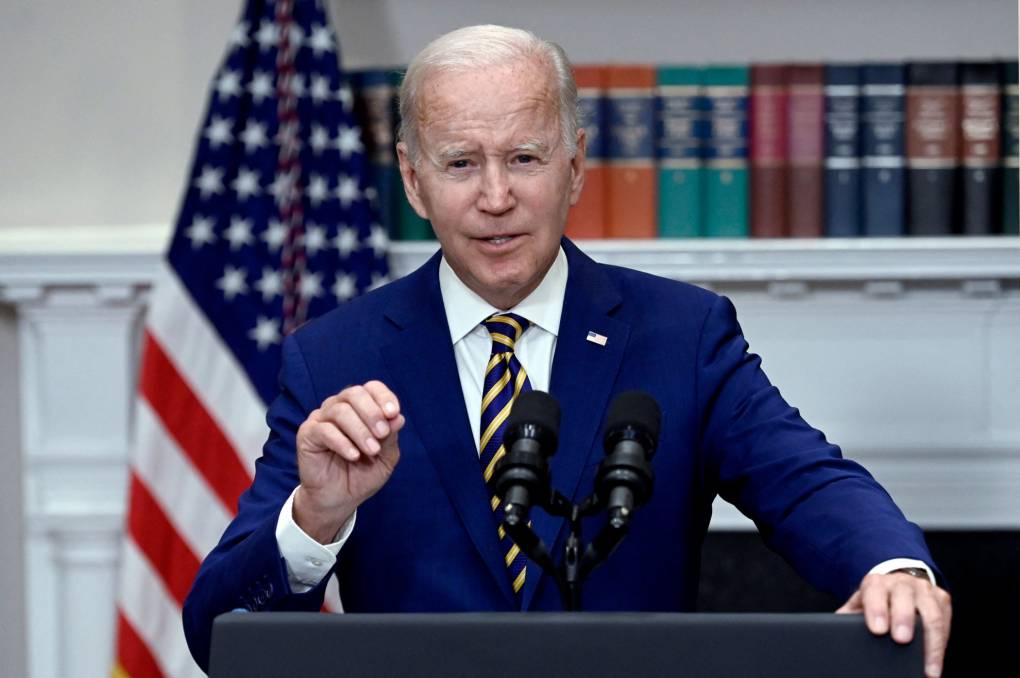
"caption": "President Joe Biden announces student loan relief on Aug. 24, 2022, in the Roosevelt Room of the White House in Washington, DC. Biden announced that most US university graduates still trying to pay off student loans will get $10,000 of relief to address a decades-old headache of massive educational debt across the country.",
"description": "US President Joe Biden announces student loan relief on August 24, 2022 in the Roosevelt Room of the White House in Washington, DC. - Biden announced that most US university graduates still trying to pay off student loans will get $10,000 of relief to address a decades-old headache of massive educational debt across the country.",
"title": "Biden Student Debt",
"credit": "Olivier Douliery/AFP via Getty Images",
"status": "inherit",
"altTag": null,
"isLoading": false,
"fetchFailed": false
},
"news_11923429": {
"type": "attachments",
"id": "news_11923429",
"meta": {
"index": "attachments_1716263798",
"site": "news",
"id": "11923429",
"found": true
},
"parent": 11923366,
"imgSizes": {
"twentyfourteen-full-width": {
"file": "https://ww2.kqed.org/app/uploads/sites/10/2022/08/Kayatta-Schools-1038x576.jpg",
"width": 1038,
"mimeType": "image/jpeg",
"height": 576
},
"thumbnail": {
"file": "https://ww2.kqed.org/app/uploads/sites/10/2022/08/Kayatta-Schools-160x107.jpg",
"width": 160,
"mimeType": "image/jpeg",
"height": 107
},
"post-thumbnail": {
"file": "https://ww2.kqed.org/app/uploads/sites/10/2022/08/Kayatta-Schools-672x372.jpg",
"width": 672,
"mimeType": "image/jpeg",
"height": 372
},
"kqedFullSize": {
"file": "https://ww2.kqed.org/app/uploads/sites/10/2022/08/Kayatta-Schools.jpg",
"width": 2000,
"height": 1333
},
"large": {
"file": "https://ww2.kqed.org/app/uploads/sites/10/2022/08/Kayatta-Schools-1020x680.jpg",
"width": 1020,
"mimeType": "image/jpeg",
"height": 680
},
"1536x1536": {
"file": "https://ww2.kqed.org/app/uploads/sites/10/2022/08/Kayatta-Schools-1536x1024.jpg",
"width": 1536,
"mimeType": "image/jpeg",
"height": 1024
},
"full-width": {
"file": "https://ww2.kqed.org/app/uploads/sites/10/2022/08/Kayatta-Schools-1920x1280.jpg",
"width": 1920,
"mimeType": "image/jpeg",
"height": 1280
},
"medium": {
"file": "https://ww2.kqed.org/app/uploads/sites/10/2022/08/Kayatta-Schools-800x533.jpg",
"width": 800,
"mimeType": "image/jpeg",
"height": 533
}
},
"publishDate": 1661371849,
"modified": 1661378563,
"caption": "Taylor Kayatta (left) and parent-teacher Vanessa Cudabac (right) during a door-to-door campaign strategy on Aug. 13, 2022. Kayatta is running for Sacramento City Unified School District Board Area 6.",
"description": "Taylor Kayatta (left) and parent-teacher Vanessa Cudabac (right) during a door-to-door campaign on Aug. 13, 2022. Kayatta is running for Sacramento City Unified School District Board Area 6.",
"title": "Kayatta-Schools",
"credit": "Rahul Lal/CalMatters",
"status": "inherit",
"altTag": "Taylor Kayatta (left) and parent-teacher Vanessa Cudabac (right) during a door-to-door campaign strategy on Aug. 13, 2022. Kayatta is running for Sacramento City Unified School District Board Area 6.",
"isLoading": false,
"fetchFailed": false
},
"news_11923350": {
"type": "attachments",
"id": "news_11923350",
"meta": {
"index": "attachments_1716263798",
"site": "news",
"id": "11923350",
"found": true
},
"parent": 11923349,
"imgSizes": {
"twentyfourteen-full-width": {
"file": "https://ww2.kqed.org/app/uploads/sites/10/2022/08/gettyimages-1237962097_custom-f9b9d4387e0c233becf98c67268f2b8d37f8cfc4-1038x576.jpg",
"width": 1038,
"mimeType": "image/jpeg",
"height": 576
},
"thumbnail": {
"file": "https://ww2.kqed.org/app/uploads/sites/10/2022/08/gettyimages-1237962097_custom-f9b9d4387e0c233becf98c67268f2b8d37f8cfc4-160x107.jpg",
"width": 160,
"mimeType": "image/jpeg",
"height": 107
},
"post-thumbnail": {
"file": "https://ww2.kqed.org/app/uploads/sites/10/2022/08/gettyimages-1237962097_custom-f9b9d4387e0c233becf98c67268f2b8d37f8cfc4-672x372.jpg",
"width": 672,
"mimeType": "image/jpeg",
"height": 372
},
"kqedFullSize": {
"file": "https://ww2.kqed.org/app/uploads/sites/10/2022/08/gettyimages-1237962097_custom-f9b9d4387e0c233becf98c67268f2b8d37f8cfc4-scaled.jpg",
"width": 2560,
"height": 1705
},
"2048x2048": {
"file": "https://ww2.kqed.org/app/uploads/sites/10/2022/08/gettyimages-1237962097_custom-f9b9d4387e0c233becf98c67268f2b8d37f8cfc4-2048x1364.jpg",
"width": 2048,
"mimeType": "image/jpeg",
"height": 1364
},
"large": {
"file": "https://ww2.kqed.org/app/uploads/sites/10/2022/08/gettyimages-1237962097_custom-f9b9d4387e0c233becf98c67268f2b8d37f8cfc4-1020x679.jpg",
"width": 1020,
"mimeType": "image/jpeg",
"height": 679
},
"1536x1536": {
"file": "https://ww2.kqed.org/app/uploads/sites/10/2022/08/gettyimages-1237962097_custom-f9b9d4387e0c233becf98c67268f2b8d37f8cfc4-1536x1023.jpg",
"width": 1536,
"mimeType": "image/jpeg",
"height": 1023
},
"full-width": {
"file": "https://ww2.kqed.org/app/uploads/sites/10/2022/08/gettyimages-1237962097_custom-f9b9d4387e0c233becf98c67268f2b8d37f8cfc4-1920x1279.jpg",
"width": 1920,
"mimeType": "image/jpeg",
"height": 1279
},
"medium": {
"file": "https://ww2.kqed.org/app/uploads/sites/10/2022/08/gettyimages-1237962097_custom-f9b9d4387e0c233becf98c67268f2b8d37f8cfc4-800x533.jpg",
"width": 800,
"mimeType": "image/jpeg",
"height": 533
}
},
"publishDate": 1661358578,
"modified": 1661362922,
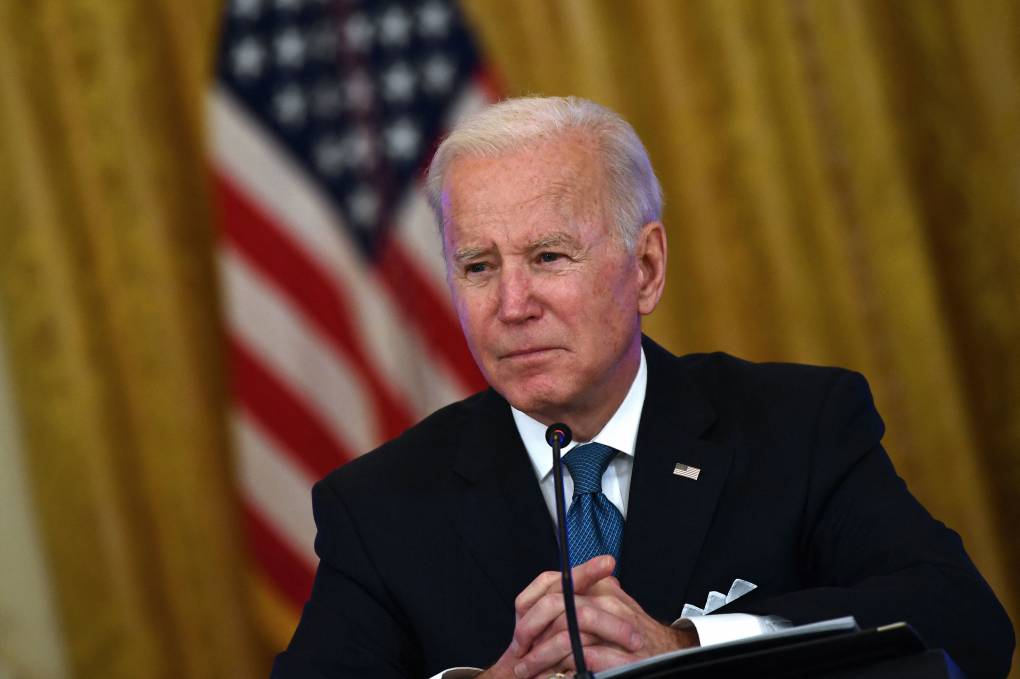
"caption": "President Joe Biden speaks as he meets with members of his administration on efforts to lower prices for working families at the East room of the White House, in Washington, DC on January 24, 2022.",
"description": "President Joe Biden speaks as he meets with members of his administration on efforts to lower prices for working families, at the East Room of the White House, in Washington, DC on Jan. 24, 2022. ",
"title": "More than two years ago, then-presidential candidate Joe Biden pledged to cancel at least $10,000 in federal student loans. The pledge has followed his administration ever since.",
"credit": "Brendan Smialowski/AFP via Getty Images",
"status": "inherit",
"altTag": "President Joe Biden sitting in front of a microphone.",
"isLoading": false,
"fetchFailed": false
},
"news_11923267": {
"type": "attachments",
"id": "news_11923267",
"meta": {
"index": "attachments_1716263798",
"site": "news",
"id": "11923267",
"found": true
},
"parent": 11923263,
"imgSizes": {
"twentyfourteen-full-width": {
"file": "https://ww2.kqed.org/app/uploads/sites/10/2022/08/students-walking_1940x1295-1200x750-1-1038x576.jpg",
"width": 1038,
"mimeType": "image/jpeg",
"height": 576
},
"thumbnail": {
"file": "https://ww2.kqed.org/app/uploads/sites/10/2022/08/students-walking_1940x1295-1200x750-1-160x100.jpg",
"width": 160,
"mimeType": "image/jpeg",
"height": 100
},
"post-thumbnail": {
"file": "https://ww2.kqed.org/app/uploads/sites/10/2022/08/students-walking_1940x1295-1200x750-1-672x372.jpg",
"width": 672,
"mimeType": "image/jpeg",
"height": 372
},
"kqedFullSize": {
"file": "https://ww2.kqed.org/app/uploads/sites/10/2022/08/students-walking_1940x1295-1200x750-1.jpg",
"width": 1200,
"height": 750
},
"large": {
"file": "https://ww2.kqed.org/app/uploads/sites/10/2022/08/students-walking_1940x1295-1200x750-1-1020x638.jpg",
"width": 1020,
"mimeType": "image/jpeg",
"height": 638
},
"medium": {
"file": "https://ww2.kqed.org/app/uploads/sites/10/2022/08/students-walking_1940x1295-1200x750-1-800x500.jpg",
"width": 800,
"mimeType": "image/jpeg",
"height": 500
}
},
"publishDate": 1661282603,
"modified": 1661282656,
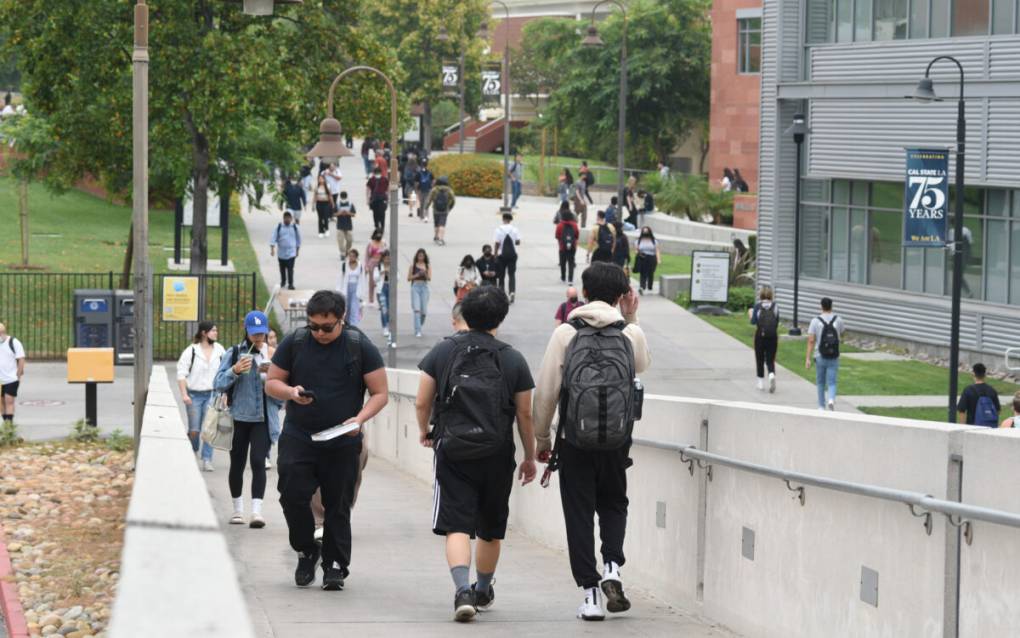
"caption": "Cal State Los Angeles students return to campus after summer break.",
"description": null,
"title": "students-walking_1940x1295-1200x750",
"credit": "Erik Adams/EdSource",
"status": "inherit",
"altTag": "students walk with backpacks around a college campus",
"isLoading": false,
"fetchFailed": false
},
"news_11923058": {
"type": "attachments",
"id": "news_11923058",
"meta": {
"index": "attachments_1716263798",
"site": "news",
"id": "11923058",
"found": true
},
"parent": 11923043,
"imgSizes": {
"twentyfourteen-full-width": {
"file": "https://ww2.kqed.org/app/uploads/sites/10/2022/08/IMG_0656-1-1038x576.jpg",
"width": 1038,
"mimeType": "image/jpeg",
"height": 576
},
"thumbnail": {
"file": "https://ww2.kqed.org/app/uploads/sites/10/2022/08/IMG_0656-1-160x120.jpg",
"width": 160,
"mimeType": "image/jpeg",
"height": 120
},
"post-thumbnail": {
"file": "https://ww2.kqed.org/app/uploads/sites/10/2022/08/IMG_0656-1-672x372.jpg",
"width": 672,
"mimeType": "image/jpeg",
"height": 372
},
"kqedFullSize": {
"file": "https://ww2.kqed.org/app/uploads/sites/10/2022/08/IMG_0656-1-scaled.jpg",
"width": 2560,
"height": 1921
},
"2048x2048": {
"file": "https://ww2.kqed.org/app/uploads/sites/10/2022/08/IMG_0656-1-2048x1537.jpg",
"width": 2048,
"mimeType": "image/jpeg",
"height": 1537
},
"large": {
"file": "https://ww2.kqed.org/app/uploads/sites/10/2022/08/IMG_0656-1-1020x765.jpg",
"width": 1020,
"mimeType": "image/jpeg",
"height": 765
},
"1536x1536": {
"file": "https://ww2.kqed.org/app/uploads/sites/10/2022/08/IMG_0656-1-1536x1152.jpg",
"width": 1536,
"mimeType": "image/jpeg",
"height": 1152
},
"full-width": {
"file": "https://ww2.kqed.org/app/uploads/sites/10/2022/08/IMG_0656-1-1920x1441.jpg",
"width": 1920,
"mimeType": "image/jpeg",
"height": 1441
},
"medium": {
"file": "https://ww2.kqed.org/app/uploads/sites/10/2022/08/IMG_0656-1-800x600.jpg",
"width": 800,
"mimeType": "image/jpeg",
"height": 600
}
},
"publishDate": 1660947744,
"modified": 1660947744,
"caption": null,
"description": null,
"title": "IMG_0656 (1)",
"credit": null,
"status": "inherit",
"altTag": null,
"isLoading": false,
"fetchFailed": false
},
"news_11922717": {
"type": "attachments",
"id": "news_11922717",
"meta": {
"index": "attachments_1716263798",
"site": "news",
"id": "11922717",
"found": true
},
"parent": 11922708,
"imgSizes": {
"twentyfourteen-full-width": {
"file": "https://ww2.kqed.org/app/uploads/sites/10/2022/08/RS57716_IMG_0008-qut-1038x576.jpg",
"width": 1038,
"mimeType": "image/jpeg",
"height": 576
},
"thumbnail": {
"file": "https://ww2.kqed.org/app/uploads/sites/10/2022/08/RS57716_IMG_0008-qut-160x120.jpg",
"width": 160,
"mimeType": "image/jpeg",
"height": 120
},
"post-thumbnail": {
"file": "https://ww2.kqed.org/app/uploads/sites/10/2022/08/RS57716_IMG_0008-qut-672x372.jpg",
"width": 672,
"mimeType": "image/jpeg",
"height": 372
},
"kqedFullSize": {
"file": "https://ww2.kqed.org/app/uploads/sites/10/2022/08/RS57716_IMG_0008-qut.jpg",
"width": 1920,
"height": 1440
},
"large": {
"file": "https://ww2.kqed.org/app/uploads/sites/10/2022/08/RS57716_IMG_0008-qut-1020x765.jpg",
"width": 1020,
"mimeType": "image/jpeg",
"height": 765
},
"1536x1536": {
"file": "https://ww2.kqed.org/app/uploads/sites/10/2022/08/RS57716_IMG_0008-qut-1536x1152.jpg",
"width": 1536,
"mimeType": "image/jpeg",
"height": 1152
},
"medium": {
"file": "https://ww2.kqed.org/app/uploads/sites/10/2022/08/RS57716_IMG_0008-qut-800x600.jpg",
"width": 800,
"mimeType": "image/jpeg",
"height": 600
}
},
"publishDate": 1660679641,
"modified": 1660688672,
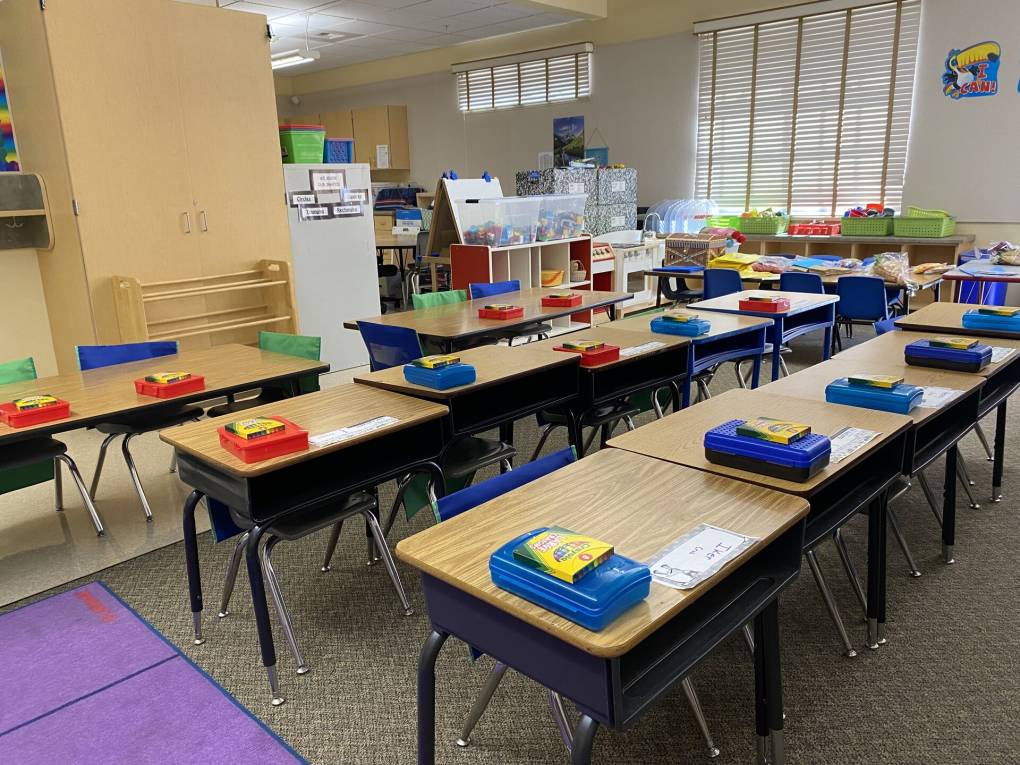
"caption": "Flordeliza Dalit's transitional kindergarten classroom, ready to welcome students at Jesse G. Sanchez Elementary School in Salinas. The beginning of a three-year, $2.7 billion plan to widen access to pre-kindergarten to 4-year-old children in California is off to an uneven start. Some school districts are seeing dismally low enrollment while others are reporting high demand.",
"description": null,
"title": "RS57716_IMG_0008-qut",
"credit": "Daisy Nguyen/KQED",
"status": "inherit",
"altTag": "children's desks with supplies on them in a classroom",
"isLoading": false,
"fetchFailed": false
},
"news_11922465": {
"type": "attachments",
"id": "news_11922465",
"meta": {
"index": "attachments_1716263798",
"site": "news",
"id": "11922465",
"found": true
},
"parent": 11922463,
"imgSizes": {
"twentyfourteen-full-width": {
"file": "https://ww2.kqed.org/app/uploads/sites/10/2022/08/RS57772_25CEBD33-E693-41CD-B6E3-CC4525E4A416_1_201_a-qut-1038x576.jpg",
"width": 1038,
"mimeType": "image/jpeg",
"height": 576
},
"thumbnail": {
"file": "https://ww2.kqed.org/app/uploads/sites/10/2022/08/RS57772_25CEBD33-E693-41CD-B6E3-CC4525E4A416_1_201_a-qut-160x115.jpg",
"width": 160,
"mimeType": "image/jpeg",
"height": 115
},
"post-thumbnail": {
"file": "https://ww2.kqed.org/app/uploads/sites/10/2022/08/RS57772_25CEBD33-E693-41CD-B6E3-CC4525E4A416_1_201_a-qut-672x372.jpg",
"width": 672,
"mimeType": "image/jpeg",
"height": 372
},
"kqedFullSize": {
"file": "https://ww2.kqed.org/app/uploads/sites/10/2022/08/RS57772_25CEBD33-E693-41CD-B6E3-CC4525E4A416_1_201_a-qut.jpg",
"width": 1522,
"height": 1093
},
"large": {
"file": "https://ww2.kqed.org/app/uploads/sites/10/2022/08/RS57772_25CEBD33-E693-41CD-B6E3-CC4525E4A416_1_201_a-qut-1020x732.jpg",
"width": 1020,
"mimeType": "image/jpeg",
"height": 732
},
"medium": {
"file": "https://ww2.kqed.org/app/uploads/sites/10/2022/08/RS57772_25CEBD33-E693-41CD-B6E3-CC4525E4A416_1_201_a-qut-800x575.jpg",
"width": 800,
"mimeType": "image/jpeg",
"height": 575
}
},
"publishDate": 1660418954,
"modified": 1660610517,
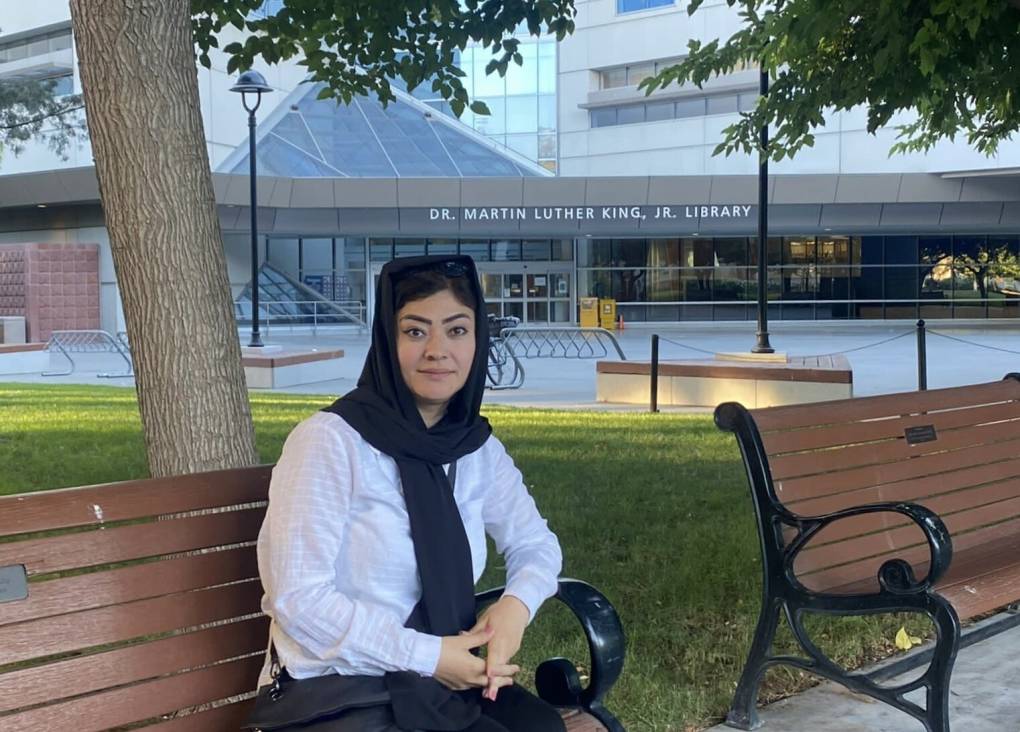
"caption": "Masuma Mohammadi sits on a bench at San José State University, where she's been hired to research Afghanistan from a safe distance. ",
"description": "Masuma Mohammadi sits on a bench at San José State University, where she's been hired to research Afghanistan from a safe distance. ",
"title": "RS57772_25CEBD33-E693-41CD-B6E3-CC4525E4A416_1_201_a-qut",
"credit": "Courtesy of Sara Arman",
"status": "inherit",
"altTag": "A woman with a black headscarf and white shirt sits in a bench in front of a library",
"isLoading": false,
"fetchFailed": false
},
"news_11922509": {
"type": "attachments",
"id": "news_11922509",
"meta": {
"index": "attachments_1716263798",
"site": "news",
"id": "11922509",
"found": true
},
"parent": 11922496,
"imgSizes": {
"twentyfourteen-full-width": {
"file": "https://ww2.kqed.org/app/uploads/sites/10/2022/08/AMERICANED_CAPCITY_092-1-1200x750-1-1038x576.jpg",
"width": 1038,
"mimeType": "image/jpeg",
"height": 576
},
"thumbnail": {
"file": "https://ww2.kqed.org/app/uploads/sites/10/2022/08/AMERICANED_CAPCITY_092-1-1200x750-1-160x100.jpg",
"width": 160,
"mimeType": "image/jpeg",
"height": 100
},
"post-thumbnail": {
"file": "https://ww2.kqed.org/app/uploads/sites/10/2022/08/AMERICANED_CAPCITY_092-1-1200x750-1-672x372.jpg",
"width": 672,
"mimeType": "image/jpeg",
"height": 372
},
"kqedFullSize": {
"file": "https://ww2.kqed.org/app/uploads/sites/10/2022/08/AMERICANED_CAPCITY_092-1-1200x750-1.jpg",
"width": 1200,
"height": 750
},
"large": {
"file": "https://ww2.kqed.org/app/uploads/sites/10/2022/08/AMERICANED_CAPCITY_092-1-1200x750-1-1020x638.jpg",
"width": 1020,
"mimeType": "image/jpeg",
"height": 638
},
"medium": {
"file": "https://ww2.kqed.org/app/uploads/sites/10/2022/08/AMERICANED_CAPCITY_092-1-1200x750-1-800x500.jpg",
"width": 800,
"mimeType": "image/jpeg",
"height": 500
}
},
"publishDate": 1660586973,
"modified": 1660596296,
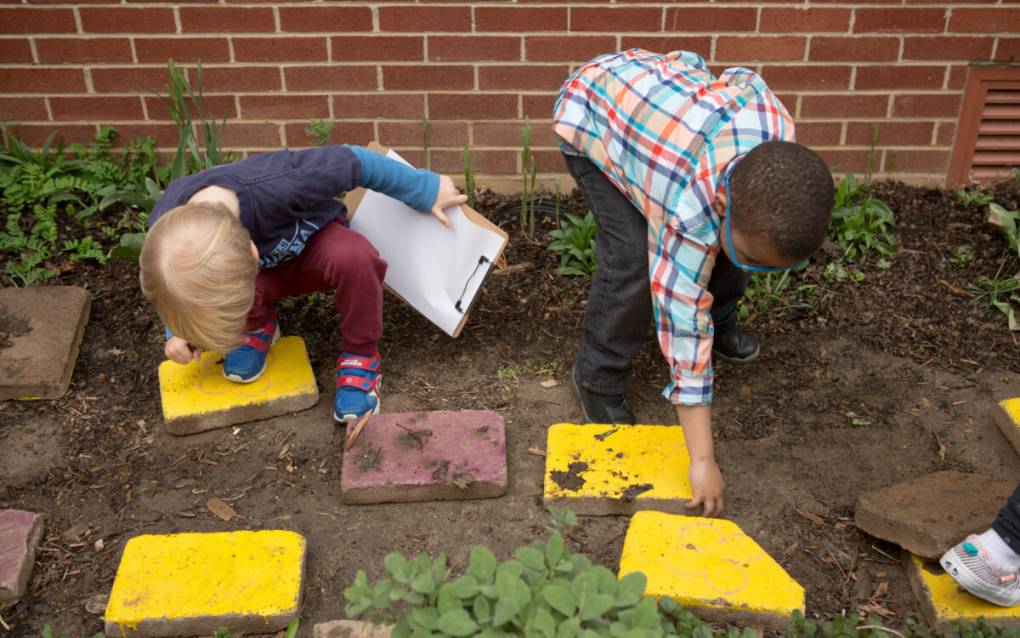
"caption": "Preschool students look for insects under stones in a school garden.",
"description": null,
"title": "Two preschool boys in garden",
"credit": "Allison Shelley/American Education",
"status": "inherit",
"altTag": "two preschool-aged boys play in a garden",
"isLoading": false,
"fetchFailed": false
}
},
"audioPlayerReducer": {
"postId": "stream_live",
"isPaused": true,
"isPlaying": false,
"pfsActive": false,
"pledgeModalIsOpen": true,
"playerDrawerIsOpen": false,
"liveAudioPlayStartedAt": 0,
"liveAudioPlayContext": ""
},
"authorsReducer": {
"byline_news_11924222": {
"type": "authors",
"id": "byline_news_11924222",
"meta": {
"override": true
},
"slug": "byline_news_11924222",
"name": "\u003ca href=\"http://edsource.org/author/cjones\">Carolyn Jones\u003c/a>",
"isLoading": false
},
"byline_news_11923876": {
"type": "authors",
"id": "byline_news_11923876",
"meta": {
"override": true
},
"slug": "byline_news_11923876",
"name": "Michael Liedtke\u003cbr>Associated Press",
"isLoading": false
},
"byline_news_11923823": {
"type": "authors",
"id": "byline_news_11923823",
"meta": {
"override": true
},
"slug": "byline_news_11923823",
"name": "Deepa Shivaram",
"isLoading": false
},
"byline_news_11923366": {
"type": "authors",
"id": "byline_news_11923366",
"meta": {
"override": true
},
"slug": "byline_news_11923366",
"name": "Joe Hong",
"isLoading": false
},
"byline_news_11923349": {
"type": "authors",
"id": "byline_news_11923349",
"meta": {
"override": true
},
"slug": "byline_news_11923349",
"name": "Cory Turner and Sequoia Carrillo",
"isLoading": false
},
"byline_news_11923263": {
"type": "authors",
"id": "byline_news_11923263",
"meta": {
"override": true
},
"slug": "byline_news_11923263",
"name": "\u003ca href=\"https://edsource.org/author/mburke\">Michael Burke\u003c/a> and \u003ca href=\"https://edsource.org/author/asmith\">Ashley A. Smith\u003c/a>",
"isLoading": false
},
"byline_news_11922496": {
"type": "authors",
"id": "byline_news_11922496",
"meta": {
"override": true
},
"slug": "byline_news_11922496",
"name": "\u003ca href=\"https://edsource.org/author/kdsouza\">Karen D'Souza\u003c/a>",
"isLoading": false
},
"katsnow": {
"type": "authors",
"id": "235",
"meta": {
"index": "authors_1716337520",
"id": "235",
"found": true
},
"name": "Katrin Snow",
"firstName": "Katrin",
"lastName": "Snow",
"slug": "katsnow",
"email": "ksnow@kqed.org",
"display_author_email": true,
"staff_mastheads": [
"science"
],
"title": "Senior Editor",
"bio": "Kat started in radio in 1985 at KMUN in Astoria, Oregon, where the Columbia River meets the sea. She worked several years protecting monarch butterfly habitat in California with the Xerces Society, an invertebrate conservation organization, before a love for radio news drew her back into journalism. Kat came to KQED in 2002, and before that was a reporter and news director at KUER in Salt Lake City, covering the state legislature, the environment and health. Kat coaches reporters and others in embodied narration and public speaking. She is a certified teacher of Soul Motion®, a conscious dance practice, and can sometimes be found in the Mojave desert or the Eastern Sierra.",
"avatar": "https://secure.gravatar.com/avatar/fa6bf8a74a2692973a5484e64ebd2b52?s=600&d=blank&r=g",
"twitter": "cosmologicalkat",
"facebook": null,
"instagram": null,
"linkedin": null,
"sites": [
{
"site": "arts",
"roles": [
"contributor"
]
},
{
"site": "news",
"roles": [
"editor"
]
},
{
"site": "futureofyou",
"roles": [
"editor"
]
},
{
"site": "science",
"roles": [
"editor"
]
}
],
"headData": {
"title": "Katrin Snow | KQED",
"description": "Senior Editor",
"ogImgSrc": "https://secure.gravatar.com/avatar/fa6bf8a74a2692973a5484e64ebd2b52?s=600&d=blank&r=g",
"twImgSrc": "https://secure.gravatar.com/avatar/fa6bf8a74a2692973a5484e64ebd2b52?s=600&d=blank&r=g"
},
"isLoading": false,
"link": "/author/katsnow"
},
"kqed": {
"type": "authors",
"id": "236",
"meta": {
"index": "authors_1716337520",
"id": "236",
"found": true
},
"name": "KQED News Staff",
"firstName": "KQED News Staff",
"lastName": null,
"slug": "kqed",
"email": "faq@kqed.org",
"display_author_email": false,
"staff_mastheads": [],
"title": null,
"bio": null,
"avatar": "https://secure.gravatar.com/avatar/ef0e801a68c4c54afa9180db14084167?s=600&d=blank&r=g",
"twitter": null,
"facebook": null,
"instagram": null,
"linkedin": null,
"sites": [
{
"site": "arts",
"roles": [
"contributor"
]
},
{
"site": "news",
"roles": [
"editor"
]
},
{
"site": "futureofyou",
"roles": [
"author"
]
}
],
"headData": {
"title": "KQED News Staff | KQED",
"description": null,
"ogImgSrc": "https://secure.gravatar.com/avatar/ef0e801a68c4c54afa9180db14084167?s=600&d=blank&r=g",
"twImgSrc": "https://secure.gravatar.com/avatar/ef0e801a68c4c54afa9180db14084167?s=600&d=blank&r=g"
},
"isLoading": false,
"link": "/author/kqed"
},
"kqednewsstaffandwires": {
"type": "authors",
"id": "237",
"meta": {
"index": "authors_1716337520",
"id": "237",
"found": true
},
"name": "KQED News Staff and Wires",
"firstName": "KQED News Staff and Wires",
"lastName": null,
"slug": "kqednewsstaffandwires",
"email": "onlinenewsstaff@kqed.org",
"display_author_email": false,
"staff_mastheads": [],
"title": null,
"bio": null,
"avatar": "https://secure.gravatar.com/avatar/72295af8ebbfbd19a4948f5271285664?s=600&d=blank&r=g",
"twitter": null,
"facebook": null,
"instagram": null,
"linkedin": null,
"sites": [
{
"site": "arts",
"roles": [
"contributor"
]
},
{
"site": "news",
"roles": [
"contributor"
]
},
{
"site": "lowdown",
"roles": [
"author"
]
},
{
"site": "stateofhealth",
"roles": [
"contributor"
]
},
{
"site": "food",
"roles": [
"author"
]
}
],
"headData": {
"title": "KQED News Staff and Wires | KQED",
"description": null,
"ogImgSrc": "https://secure.gravatar.com/avatar/72295af8ebbfbd19a4948f5271285664?s=600&d=blank&r=g",
"twImgSrc": "https://secure.gravatar.com/avatar/72295af8ebbfbd19a4948f5271285664?s=600&d=blank&r=g"
},
"isLoading": false,
"link": "/author/kqednewsstaffandwires"
},
"rachael-myrow": {
"type": "authors",
"id": "251",
"meta": {
"index": "authors_1716337520",
"id": "251",
"found": true
},
"name": "Rachael Myrow",
"firstName": "Rachael",
"lastName": "Myrow",
"slug": "rachael-myrow",
"email": "rmyrow@kqed.org",
"display_author_email": true,
"staff_mastheads": [
"news"
],
"title": "Senior Editor of KQED's Silicon Valley News Desk",
"bio": "• I write and edit stories about how Silicon Valley power and policies shape everyday life in California. I’m also passionate about making Bay Area history and culture more accessible to a broad public. • I’ve been a journalist for most of my life, starting in high school with The Franklin Press in Los Angeles, where I grew up. While earning my first degree in English at UC Berkeley, I got my start in public radio at KALX-FM. After completing a second degree in journalism at Cal, I landed my first professional job at Marketplace, then moved on to KPCC (now LAist), and then KQED, where I hosted The California Report for more than seven years. • My reporting has appeared on NPR, The World, WBUR’s \u003ci>Here & Now\u003c/i>, and the BBC. I also guest host for KQED’s \u003ci>Forum\u003c/i>, as well as the Commonwealth Club in San Francisco. • I speak periodically on media, democracy and technology issues, and do voiceover work for documentaries and educational video projects. • Outside of the studio, you'll find me hiking Bay Area trails and whipping up Insta-ready meals in my kitchen. • I do not accept gifts, money, or favors from anyone connected to my reporting, I don't pay people for information, and I do not support or donate to political causes. • I strive to treat the people I report on with fairness, honesty, and respect. I also recognize there are often multiple sides to a story and work to verify information through multiple sources and documentation. If I get something wrong, I correct it.",
"avatar": "https://secure.gravatar.com/avatar/3ed8a3c5f26025e4a805ba634cda8cd764906b97438a6d9ce216b044e340da4e?s=600&d=blank&r=g",
"twitter": "rachaelmyrow",
"bluesky": null,
"facebook": null,
"instagram": null,
"linkedin": "https://www.linkedin.com/in/rachaelmyrow/",
"sites": [
{
"site": "arts",
"roles": [
"administrator"
]
},
{
"site": "news",
"roles": [
"edit_others_posts",
"editor"
]
},
{
"site": "futureofyou",
"roles": [
"editor"
]
},
{
"site": "bayareabites",
"roles": [
"editor"
]
},
{
"site": "stateofhealth",
"roles": [
"editor"
]
},
{
"site": "science",
"roles": [
"editor"
]
},
{
"site": "food",
"roles": [
"editor"
]
},
{
"site": "forum",
"roles": [
"editor"
]
},
{
"site": "liveblog",
"roles": [
"author"
]
}
],
"headData": {
"title": "Rachael Myrow | KQED",
"description": "Senior Editor of KQED's Silicon Valley News Desk",
"ogImgSrc": "https://secure.gravatar.com/avatar/3ed8a3c5f26025e4a805ba634cda8cd764906b97438a6d9ce216b044e340da4e?s=600&d=blank&r=g",
"twImgSrc": "https://secure.gravatar.com/avatar/3ed8a3c5f26025e4a805ba634cda8cd764906b97438a6d9ce216b044e340da4e?s=600&d=blank&r=g"
},
"isLoading": false,
"link": "/author/rachael-myrow"
},
"nnavarro": {
"type": "authors",
"id": "11756",
"meta": {
"index": "authors_1716337520",
"id": "11756",
"found": true
},
"name": "Natalia Navarro",
"firstName": "Natalia",
"lastName": "Navarro",
"slug": "nnavarro",
"email": "nnavarro@kqed.org",
"display_author_email": true,
"staff_mastheads": [
"news"
],
"title": "Afternoon News Anchor",
"bio": "Natalia Navarro is KQED's afternoon radio news anchor. She came to KQED in 2021 from Colorado Public Radio, where she was a reporter and host. She has received several awards for her work covering daily and breaking news from professional organizations such as the San Francisco Press Club, Society of Professional Journalists and the Colorado Broadcasters Association. Natalia is originally from Tucson, Arizona, where she got her start in journalism writing for the Arizona Daily Star, Arizona Public Media and the Tucson Weekly. Natalia earned her bachelor's degree in journalism and economics, and her master's degree in journalism from the University of Arizona.",
"avatar": "https://secure.gravatar.com/avatar/a2bdb19fd9520bdea295a2d5f9b2ad65ec51cf0bf559fb1cc041d3a0a04d62ad?s=600&d=blank&r=g",
"twitter": "@NataliaVNavarro",
"bluesky": null,
"facebook": null,
"instagram": null,
"linkedin": null,
"sites": [
{
"site": "news",
"roles": [
"editor"
]
}
],
"headData": {
"title": "Natalia Navarro | KQED",
"description": "Afternoon News Anchor",
"ogImgSrc": "https://secure.gravatar.com/avatar/a2bdb19fd9520bdea295a2d5f9b2ad65ec51cf0bf559fb1cc041d3a0a04d62ad?s=600&d=blank&r=g",
"twImgSrc": "https://secure.gravatar.com/avatar/a2bdb19fd9520bdea295a2d5f9b2ad65ec51cf0bf559fb1cc041d3a0a04d62ad?s=600&d=blank&r=g"
},
"isLoading": false,
"link": "/author/nnavarro"
},
"daisynguyen": {
"type": "authors",
"id": "11829",
"meta": {
"index": "authors_1716337520",
"id": "11829",
"found": true
},
"name": "Daisy Nguyen",
"firstName": "Daisy",
"lastName": "Nguyen",
"slug": "daisynguyen",
"email": "daisynguyen@kqed.org",
"display_author_email": true,
"staff_mastheads": [
"news"
],
"title": "KQED Contributor",
"bio": "I have covered early childhood education and child care for KQED since 2022. I focus on policies aimed at increasing access to early care and education and how they shape individual lives. I've been a journalist for more than two decades, with most of that time devoted to covering breaking news throughout California for The Associated Press. I grew up in San Francisco and studied at UC Davis and Columbia University's Graduate School of Journalism. I live in Oakland with my husband and two kids.",
"avatar": "https://secure.gravatar.com/avatar/2da2127c27f7143b53ebd419800fd55f?s=600&d=blank&r=g",
"twitter": null,
"facebook": null,
"instagram": null,
"linkedin": "https://www.linkedin.com/in/daisynguyen/",
"sites": [
{
"site": "news",
"roles": [
"author"
]
},
{
"site": "liveblog",
"roles": [
"author"
]
}
],
"headData": {
"title": "Daisy Nguyen | KQED",
"description": "KQED Contributor",
"ogImgSrc": "https://secure.gravatar.com/avatar/2da2127c27f7143b53ebd419800fd55f?s=600&d=blank&r=g",
"twImgSrc": "https://secure.gravatar.com/avatar/2da2127c27f7143b53ebd419800fd55f?s=600&d=blank&r=g"
},
"isLoading": false,
"link": "/author/daisynguyen"
}
},
"pagesReducer": {
"news_category_education": {
"type": "terms",
"id": "news_18540",
"meta": {
"index": "terms_1716263798",
"site": "news",
"id": "18540",
"score": 10.973179
},
"featImg": null,
"name": "Education",
"description": null,
"taxonomy": "category",
"headData": {
"twImgId": null,
"twTitle": null,
"ogTitle": null,
"ogImgId": null,
"twDescription": null,
"description": null,
"title": "Education Archives | KQED News",
"ogDescription": null
},
"ttid": 2595,
"slug": "education",
"isLoading": false,
"title": "Education",
"pageMeta": {
"site": "news",
"WpPageTemplate": "page-topic-editorial",
"currentPage": 68
},
"blocks": [
{
"blockName": "kqed/post-list",
"attrs": {
"layout": "cardArticle2",
"query": "posts/news?category=education",
"seeMore": false,
"paginated": true,
"page": 68
}
},
{
"blockName": "kqed/ad"
}
]
}
},
"pfsSessionReducer": {},
"postsReducer": {
"stream_live": {
"type": "live",
"id": "stream_live",
"audioUrl": "https://streams.kqed.org/kqedradio",
"title": "Live Stream",
"excerpt": "Live Stream information currently unavailable.",
"link": "/radio",
"featImg": "",
"label": {
"name": "KQED Live",
"link": "/"
}
},
"stream_kqedNewscast": {
"type": "posts",
"id": "stream_kqedNewscast",
"audioUrl": "https://www.kqed.org/.stream/anon/radio/RDnews/newscast.mp3?_=1",
"title": "KQED Newscast",
"featImg": "",
"label": {
"name": "88.5 FM",
"link": "/"
}
},
"news_11924222": {
"type": "posts",
"id": "news_11924222",
"meta": {
"index": "posts_1716263798",
"site": "news",
"id": "11924222",
"score": null,
"sort": [
1661986927000
]
},
"guestAuthors": [],
"slug": "teacher-shortages-felt-most-acutely-in-lower-income-school-districts-survey-reveals",
"title": "Teacher Shortages Felt Most Acutely in Lower-Income School Districts, Survey Reveals",
"publishDate": 1661986927,
"format": "standard",
"headTitle": "Teacher Shortages Felt Most Acutely in Lower-Income School Districts, Survey Reveals | KQED",
"labelTerm": {},
"content": "\u003cp>The teacher shortage has struck most districts in California, but an EdSource survey shows that the impacts are nuanced, uneven — and sometimes inequitable.\u003c/p>\n\u003cp>Even within the same district, some schools — particularly those in wealthier neighborhoods — experienced less teacher turnover and were more likely to start the school year with a full staff.\u003c/p>\n\u003cp>Meanwhile, many districts that serve large numbers of high-needs students reported severe teacher shortages as the school year began, leaving students with substitutes or administrators to fill in until the district could hire more staff.\u003cspan style=\"font-weight: 400\">[aside label='California Schools' tag='teachers']\u003c/span>“The teacher shortage is not a mass exodus story. There’s variation,” said Desiree Carver-Thomas, researcher and policy analyst for the Learning Policy Institute, who’s \u003ca class=\"external\" href=\"https://learningpolicyinstitute.org/product/california-covid-19-teacher-workforce-report\">studied the issue\u003c/a>. “But there are very significant shortages in some districts, and that’s having a big impact on students.”\u003c/p>\n\u003cp>In Santa Ana Unified, for example, where almost 90% of students come from lower-income families, the district reported 52 teacher vacancies last week, with almost half in special education, a notoriously hard-to-staff division. That may seem insignificant for a district that has more than 2,300 teachers on the payroll, but those vacancies have left district leaders scrambling. If they can’t find enough substitutes, the district plans to reassign those students to other classes.\u003c/p>\n\u003cp>It’s not that Santa Ana isn’t trying. So far, they’ve hired 75 teachers for the 2022-23 school year, in addition to 318 teachers they hired last year.\u003c/p>\n\u003cp>“Santa Ana Unified continues to experience the same, if not greater, shortage of applicants for both certificated and classified positions,” district spokesperson Fermin Leal said, noting the tight competition among neighboring districts to recruit and hire teachers quickly. “We are proud of all the applicants who have chosen and who do choose to work with SAUSD.”\u003c/p>\n\u003cp>Long Beach Unified, where more than 66% of students come from lower-income families, also reported a severe teacher shortage. Even after hiring 277 teachers over the summer, the district still has 45 vacancies. Oakland Unified, which has about 20,000 fewer students than Long Beach, has 34 vacancies after a hiring binge of 474 teachers.\u003c/p>\n\u003ch2>A nationwide problem\u003c/h2>\n\u003cp>The teacher shortage is not unique to California — in fact, California isn’t even among the most affected, according to \u003ca class=\"external\" href=\"https://www.edworkingpapers.com/sites/default/files/ai22-631.pdf\">research\u003c/a> from Brown University’s Annenberg Institute. Mississippi, Alabama, West Virginia, Kansas and numerous other states all face dire shortages as the school year begins, according to the report. Teachers everywhere have been quitting, sometimes even in the middle of the school year, citing the stress of working through COVID, an uptick in student misbehavior after the return to in-person classes and a lack of respect from parents, among other complaints. A February \u003ca class=\"external\" href=\"https://www.nea.org/advocating-for-change/new-from-nea/survey-alarming-number-educators-may-soon-leave-profession\">survey\u003c/a> by the National Education Association teachers union found that 55% were seriously considering leaving their jobs.\u003c/p>\n\u003cp>Combined with new funding to expand staff, many districts have been left with greater-than-expected hiring needs. And those subjects that were difficult to staff even before the pandemic — such as special education, bilingual education, math and science — are even more affected now.\u003cspan style=\"font-weight: 400\">[pullquote size='medium' align='right' citation='Desiree Carver-Thomas, researcher and policy analyst, Learning Policy Institute']‘There are very significant shortages in some districts, and that’s having a big impact on students.’[/pullquote]\u003c/span>EdSource collected teacher hiring data from 16 districts representing a sampling of California: urban, rural, coastal, valley, large, small, affluent and lower-income. Every district but two (Riverside Unified and Trona Joint Unified near Death Valley) reported a shortage of some kind. Seven said they had nearly filled all their vacancies, while the remaining seven said they were experiencing steep shortfalls.\u003c/p>\n\u003cp>San Francisco Unified managed to fill all but eight of 500 vacancies by the start of the school year, in part by offering bonuses of up to $2,000 for teachers to work in special or bilingual education or in academically low-achieving schools.\u003c/p>\n\u003cp>Los Angeles Unified \u003ca href=\"https://edsource.org/2022/los-angeles-unified-to-enter-new-school-year-with-fewer-classroom-vacancies/676443\">made headlines\u003c/a> last week when it announced it had filled 99% of its teacher vacancies. Clovis Unified, near Fresno, said it had 22 vacancies when school started, but the district expects to fill those positions soon.\u003c/p>\n\u003cp>“We are not seeing any extreme teacher shortage like what’s happening in other parts of the state. We’re actually in pretty good shape for our hiring,” said district spokesperson Kelly Avants. “Even when you look at some of the STEM areas and advanced math and science in high school, we’re fully staffed in those areas right now.”\u003c/p>\n\u003ch2>Creative solutions\u003c/h2>\n\u003cp>Some districts in California, such as \u003ca href=\"https://edsource.org/2017/fresno-tackles-its-shortage-of-math-and-science-teachers/581342\">Fresno\u003c/a>, have been grappling with teacher shortages for years and had already embraced creative ways to attract and retain teachers. Bonuses, money for home down payments and student loan forgiveness were among the tools districts used to lure potential teachers.\u003c/p>\n\u003cp>Those districts had also established close relationships with local colleges to create a seamless transition from a credential program to employment. Fresno went a step further and opened “teacher academies” in high schools, so students can get a jump-start on their teaching careers while still students themselves.\u003c/p>\n\u003cp>Districts that have been proactive about hiring find themselves in better shape now, Carver-Thomas said.\u003c/p>\n\u003cp>[ad fullwidth]\u003c/p>\n\u003cp>She also credited the state’s efforts to bolster the teacher pipeline. The new \u003ca class=\"external\" href=\"https://gstg.csac.ca.gov/\">Golden State Teacher Grant Program \u003c/a>offers up to $20,000 for those pursuing teaching, counseling or school social work degrees. Salary increases, retention bonuses and teacher residencies also help.\u003c/p>\n\u003cp>“It did seem to make a difference,” she said.\u003c/p>\n\u003cp>Riverside Unified bucked the trend. The district has a high percentage of students from lower-income families — 72% — but has not struggled to fill positions like many districts with similar demographics.\u003c/p>\n\u003cp>Kyley Ybarra, assistant superintendent of personnel, said her department has been trying to increase the teacher pipeline for years. The district has boosted salaries to compete with neighboring districts, raising the starting salary for a new teacher to $66,933. They’ve also lowered class sizes, added professional development courses and offered to pay for the second step of teachers’ credential process, which can cost up to $10,000.\u003c/p>\n\u003cp>But the biggest help has been the district’s relationship with its three local universities, Ybarra said. By providing student-teaching jobs for college students, the district has seen a big boost in prospective teachers applying for jobs after they graduate.\u003c/p>\n\u003cp>The district still has to hire hundreds of teachers a year, typically, but college partnerships relieve much of the stress, Ybarra said.\u003c/p>\n\u003cp>“They get to know us, they feel comfortable, and many decide they want to stay,” Ybarra said. “It’s a lot of work, but it’s made a world of difference.”\u003c/p>\n\u003cp>\u003ca href=\"https://edsource.org/2022/teacher-shortage-depends-where-you-look/677497\">\u003ci>\u003cspan style=\"font-weight: 400\">This story originally appeared in EdSource.\u003c/span>\u003c/i> \u003c/a>\u003c/p>\n\u003cp>[ad floatright]\u003c/p>\n",
"blocks": [],
"excerpt": null,
"status": "publish",
"parent": 0,
"modified": 1721134454,
"stats": {
"hasAudio": false,
"hasVideo": false,
"hasChartOrMap": false,
"iframeSrcs": [],
"hasGoogleForm": false,
"hasGallery": false,
"hasHearkenModule": false,
"hasPolis": false,
"paragraphCount": 25,
"wordCount": 1181
},
"headData": {
"title": "Teacher Shortages Felt Most Acutely in Lower-Income School Districts, Survey Reveals | KQED",
"description": "The teacher shortage has struck most districts in California, but an EdSource survey shows that the impacts are nuanced, uneven — and sometimes inequitable. Even within the same district, some schools — particularly those in wealthier neighborhoods — experienced less teacher turnover and were more likely to start the school year with a full staff.",
"ogTitle": "",
"ogDescription": "",
"ogImgId": "",
"twTitle": "",
"twDescription": "",
"twImgId": "",
"schema": {
"@context": "https://schema.org",
"@type": "NewsArticle",
"headline": "Teacher Shortages Felt Most Acutely in Lower-Income School Districts, Survey Reveals",
"datePublished": "2022-08-31T16:02:07-07:00",
"dateModified": "2024-07-16T05:54:14-07:00",
"image": "https://cdn.kqed.org/wp-content/uploads/2020/02/KQED-OG-Image@1x.png",
"isAccessibleForFree": "True",
"publisher": {
"@type": "NewsMediaOrganization",
"@id": "https://www.kqed.org/#organization",
"name": "KQED",
"logo": "https://cdn.kqed.org/wp-content/uploads/2020/02/KQED-OG-Image@1x.png",
"url": "https://www.kqed.org",
"sameAs": [
"https://www.facebook.com/KQED",
"https://twitter.com/KQED",
"https://www.instagram.com/kqed/",
"https://www.tiktok.com/@kqedofficial",
"https://www.linkedin.com/company/kqed",
"https://www.youtube.com/channel/UCeC0IOo7i1P_61zVUWbJ4nw"
]
}
}
},
"source": "EDSOURCE",
"sourceUrl": "http://edsource.org",
"sticky": false,
"nprByline": "\u003ca href=\"http://edsource.org/author/cjones\">Carolyn Jones\u003c/a>",
"excludeFromSiteSearch": "Include",
"showOnAuthorArchivePages": "No",
"path": "/news/11924222/teacher-shortages-felt-most-acutely-in-lower-income-school-districts-survey-reveals",
"audioTrackLength": null,
"parsedContent": [
{
"type": "contentString",
"content": "\u003cdiv class=\"post-body\">\u003cp>\u003cp>The teacher shortage has struck most districts in California, but an EdSource survey shows that the impacts are nuanced, uneven — and sometimes inequitable.\u003c/p>\n\u003cp>Even within the same district, some schools — particularly those in wealthier neighborhoods — experienced less teacher turnover and were more likely to start the school year with a full staff.\u003c/p>\n\u003cp>Meanwhile, many districts that serve large numbers of high-needs students reported severe teacher shortages as the school year began, leaving students with substitutes or administrators to fill in until the district could hire more staff.\u003cspan style=\"font-weight: 400\">\u003c/p>\u003c/div>",
"attributes": {
"named": {},
"numeric": []
}
},
{
"type": "component",
"content": "",
"name": "aside",
"attributes": {
"named": {
"label": "California Schools ",
"tag": "teachers"
},
"numeric": []
}
},
{
"type": "contentString",
"content": "\u003cdiv class=\"post-body\">\u003cp>\u003c/span>“The teacher shortage is not a mass exodus story. There’s variation,” said Desiree Carver-Thomas, researcher and policy analyst for the Learning Policy Institute, who’s \u003ca class=\"external\" href=\"https://learningpolicyinstitute.org/product/california-covid-19-teacher-workforce-report\">studied the issue\u003c/a>. “But there are very significant shortages in some districts, and that’s having a big impact on students.”\u003c/p>\n\u003cp>In Santa Ana Unified, for example, where almost 90% of students come from lower-income families, the district reported 52 teacher vacancies last week, with almost half in special education, a notoriously hard-to-staff division. That may seem insignificant for a district that has more than 2,300 teachers on the payroll, but those vacancies have left district leaders scrambling. If they can’t find enough substitutes, the district plans to reassign those students to other classes.\u003c/p>\n\u003cp>It’s not that Santa Ana isn’t trying. So far, they’ve hired 75 teachers for the 2022-23 school year, in addition to 318 teachers they hired last year.\u003c/p>\n\u003cp>“Santa Ana Unified continues to experience the same, if not greater, shortage of applicants for both certificated and classified positions,” district spokesperson Fermin Leal said, noting the tight competition among neighboring districts to recruit and hire teachers quickly. “We are proud of all the applicants who have chosen and who do choose to work with SAUSD.”\u003c/p>\n\u003cp>Long Beach Unified, where more than 66% of students come from lower-income families, also reported a severe teacher shortage. Even after hiring 277 teachers over the summer, the district still has 45 vacancies. Oakland Unified, which has about 20,000 fewer students than Long Beach, has 34 vacancies after a hiring binge of 474 teachers.\u003c/p>\n\u003ch2>A nationwide problem\u003c/h2>\n\u003cp>The teacher shortage is not unique to California — in fact, California isn’t even among the most affected, according to \u003ca class=\"external\" href=\"https://www.edworkingpapers.com/sites/default/files/ai22-631.pdf\">research\u003c/a> from Brown University’s Annenberg Institute. Mississippi, Alabama, West Virginia, Kansas and numerous other states all face dire shortages as the school year begins, according to the report. Teachers everywhere have been quitting, sometimes even in the middle of the school year, citing the stress of working through COVID, an uptick in student misbehavior after the return to in-person classes and a lack of respect from parents, among other complaints. A February \u003ca class=\"external\" href=\"https://www.nea.org/advocating-for-change/new-from-nea/survey-alarming-number-educators-may-soon-leave-profession\">survey\u003c/a> by the National Education Association teachers union found that 55% were seriously considering leaving their jobs.\u003c/p>\n\u003cp>Combined with new funding to expand staff, many districts have been left with greater-than-expected hiring needs. And those subjects that were difficult to staff even before the pandemic — such as special education, bilingual education, math and science — are even more affected now.\u003cspan style=\"font-weight: 400\">\u003c/p>\u003c/div>",
"attributes": {
"named": {},
"numeric": []
}
},
{
"type": "component",
"content": "‘There are very significant shortages in some districts, and that’s having a big impact on students.’",
"name": "pullquote",
"attributes": {
"named": {
"size": "medium",
"align": "right",
"citation": "Desiree Carver-Thomas, researcher and policy analyst, Learning Policy Institute",
"label": ""
},
"numeric": []
}
},
{
"type": "contentString",
"content": "\u003cdiv class=\"post-body\">\u003cp>\u003c/span>EdSource collected teacher hiring data from 16 districts representing a sampling of California: urban, rural, coastal, valley, large, small, affluent and lower-income. Every district but two (Riverside Unified and Trona Joint Unified near Death Valley) reported a shortage of some kind. Seven said they had nearly filled all their vacancies, while the remaining seven said they were experiencing steep shortfalls.\u003c/p>\n\u003cp>San Francisco Unified managed to fill all but eight of 500 vacancies by the start of the school year, in part by offering bonuses of up to $2,000 for teachers to work in special or bilingual education or in academically low-achieving schools.\u003c/p>\n\u003cp>Los Angeles Unified \u003ca href=\"https://edsource.org/2022/los-angeles-unified-to-enter-new-school-year-with-fewer-classroom-vacancies/676443\">made headlines\u003c/a> last week when it announced it had filled 99% of its teacher vacancies. Clovis Unified, near Fresno, said it had 22 vacancies when school started, but the district expects to fill those positions soon.\u003c/p>\n\u003cp>“We are not seeing any extreme teacher shortage like what’s happening in other parts of the state. We’re actually in pretty good shape for our hiring,” said district spokesperson Kelly Avants. “Even when you look at some of the STEM areas and advanced math and science in high school, we’re fully staffed in those areas right now.”\u003c/p>\n\u003ch2>Creative solutions\u003c/h2>\n\u003cp>Some districts in California, such as \u003ca href=\"https://edsource.org/2017/fresno-tackles-its-shortage-of-math-and-science-teachers/581342\">Fresno\u003c/a>, have been grappling with teacher shortages for years and had already embraced creative ways to attract and retain teachers. Bonuses, money for home down payments and student loan forgiveness were among the tools districts used to lure potential teachers.\u003c/p>\n\u003cp>Those districts had also established close relationships with local colleges to create a seamless transition from a credential program to employment. Fresno went a step further and opened “teacher academies” in high schools, so students can get a jump-start on their teaching careers while still students themselves.\u003c/p>\n\u003cp>Districts that have been proactive about hiring find themselves in better shape now, Carver-Thomas said.\u003c/p>\n\u003cp>\u003c/p>\u003c/div>",
"attributes": {
"named": {},
"numeric": []
}
},
{
"type": "component",
"content": "",
"name": "ad",
"attributes": {
"named": {
"label": "fullwidth"
},
"numeric": [
"fullwidth"
]
}
},
{
"type": "contentString",
"content": "\u003cdiv class=\"post-body\">\u003cp>\u003c/p>\n\u003cp>She also credited the state’s efforts to bolster the teacher pipeline. The new \u003ca class=\"external\" href=\"https://gstg.csac.ca.gov/\">Golden State Teacher Grant Program \u003c/a>offers up to $20,000 for those pursuing teaching, counseling or school social work degrees. Salary increases, retention bonuses and teacher residencies also help.\u003c/p>\n\u003cp>“It did seem to make a difference,” she said.\u003c/p>\n\u003cp>Riverside Unified bucked the trend. The district has a high percentage of students from lower-income families — 72% — but has not struggled to fill positions like many districts with similar demographics.\u003c/p>\n\u003cp>Kyley Ybarra, assistant superintendent of personnel, said her department has been trying to increase the teacher pipeline for years. The district has boosted salaries to compete with neighboring districts, raising the starting salary for a new teacher to $66,933. They’ve also lowered class sizes, added professional development courses and offered to pay for the second step of teachers’ credential process, which can cost up to $10,000.\u003c/p>\n\u003cp>But the biggest help has been the district’s relationship with its three local universities, Ybarra said. By providing student-teaching jobs for college students, the district has seen a big boost in prospective teachers applying for jobs after they graduate.\u003c/p>\n\u003cp>The district still has to hire hundreds of teachers a year, typically, but college partnerships relieve much of the stress, Ybarra said.\u003c/p>\n\u003cp>“They get to know us, they feel comfortable, and many decide they want to stay,” Ybarra said. “It’s a lot of work, but it’s made a world of difference.”\u003c/p>\n\u003cp>\u003ca href=\"https://edsource.org/2022/teacher-shortage-depends-where-you-look/677497\">\u003ci>\u003cspan style=\"font-weight: 400\">This story originally appeared in EdSource.\u003c/span>\u003c/i> \u003c/a>\u003c/p>\n\u003cp>\u003c/p>\u003c/div>",
"attributes": {
"named": {},
"numeric": []
}
},
{
"type": "component",
"content": "",
"name": "ad",
"attributes": {
"named": {
"label": "floatright"
},
"numeric": [
"floatright"
]
}
},
{
"type": "contentString",
"content": "\u003cdiv class=\"post-body\">\u003cp>\u003c/p>\n\u003c/div>\u003c/p>",
"attributes": {
"named": {},
"numeric": []
}
}
],
"link": "/news/11924222/teacher-shortages-felt-most-acutely-in-lower-income-school-districts-survey-reveals",
"authors": [
"byline_news_11924222"
],
"categories": [
"news_18540",
"news_8"
],
"tags": [
"news_30911",
"news_20013",
"news_18434"
],
"featImg": "news_11924292",
"label": "source_news_11924222"
},
"news_11923876": {
"type": "posts",
"id": "news_11923876",
"meta": {
"index": "posts_1716263798",
"site": "news",
"id": "11923876",
"score": null,
"sort": [
1661798781000
]
},
"guestAuthors": [],
"slug": "plan-for-peoples-park-pits-housing-against-history",
"title": "Plan for People's Park Pits Housing Against History",
"publishDate": 1661798781,
"format": "standard",
"headTitle": "Plan for People’s Park Pits Housing Against History | KQED",
"labelTerm": {
"site": "news"
},
"content": "\u003cp>Berkeley is experiencing a 1960s flashback triggered by People’s Park, a landmark that has served as a counterculture touchstone, political stepping stone and refuge for the unhoused.\u003c/p>\n\u003cp>The 3-acre site’s colorful history, forged from the University of California, Berkeley’s seizure of the land in 1968, has been thrust back into the spotlight as the school renews efforts to pave over People’s Park, this time for a $312 million project that includes sorely needed housing for about 1,000 students.\u003c/p>\n\u003cp>[aside label=\"Related Stories\" postID=\"news_11922900,news_11921415,arts_13917145\"]After a judge sided with the university in a legal scrum over the project, construction finally began August 3 — only to abruptly stop a few hours later after a swarm of protesters, who had been sparring with police, toppled fences surrounding the park.\u003c/p>\n\u003cp>The delay was only supposed to last a few days, but the coalition fighting the university’s plans won an appeals court stay that will prevent construction until at least October.\u003c/p>\n\u003cp>The lull hasn’t muted the contentious debate around a historic spot once hailed as “a trace of anarchist heaven on Earth” by former UC Berkeley professor Todd Gitlin and derided by former city Councilmember John DeBonis as a “hippie Disneyland.”\u003c/p>\n\u003cp>[ad fullwidth]\u003c/p>\n\u003cp>The park turned into a symbol of both resistance and mayhem during a deadly 1969 confrontation known as “Bloody Thursday,” emboldening then-California Gov. Ronald Reagan to send in 3,000 National Guard troops for a two-week occupation that evoked images of war in a city that was clamoring for peace in Vietnam.\u003c/p>\n\u003cp>Don Mitchell, whose father was a UC Berkeley professor during the 1969 uprising, views People’s Park as a social experiment worth saving, as more cookie-cutter communities get built in the U.S.\u003c/p>\n\u003cfigure id=\"attachment_11923879\" class=\"wp-caption alignnone\" style=\"max-width: 800px\">\u003cimg loading=\"lazy\" decoding=\"async\" class=\"size-medium wp-image-11923879\" src=\"https://ww2.kqed.org/app/uploads/sites/10/2022/08/RS57527_002_KQED_PeoplesParkRally_08032022-qut-800x533.jpg\" alt=\"A person speaks into a mic in front of a university building and a sign for people's park\" width=\"800\" height=\"533\" srcset=\"https://cdn.kqed.org/wp-content/uploads/sites/10/2022/08/RS57527_002_KQED_PeoplesParkRally_08032022-qut-800x533.jpg 800w, https://cdn.kqed.org/wp-content/uploads/sites/10/2022/08/RS57527_002_KQED_PeoplesParkRally_08032022-qut-1020x679.jpg 1020w, https://cdn.kqed.org/wp-content/uploads/sites/10/2022/08/RS57527_002_KQED_PeoplesParkRally_08032022-qut-160x107.jpg 160w, https://cdn.kqed.org/wp-content/uploads/sites/10/2022/08/RS57527_002_KQED_PeoplesParkRally_08032022-qut-1536x1022.jpg 1536w, https://cdn.kqed.org/wp-content/uploads/sites/10/2022/08/RS57527_002_KQED_PeoplesParkRally_08032022-qut.jpg 1920w\" sizes=\"(max-width: 800px) 100vw, 800px\">\u003cfigcaption class=\"wp-caption-text\">People’s Park supporters rally at Sproul Hall to protest the construction of UC Berkeley student housing at the park in Berkeley on Aug. 3, 2022. \u003ccite>(Beth LaBerge/KQED)\u003c/cite>\u003c/figcaption>\u003c/figure>\n\u003cp>“People’s Park has always been a place that was made and regulated by the people who use it,” said Mitchell, a professor of human geography at Uppsala University in Sweden. “It’s a free and open space, a place where the rules of exclusion are very different. So people who were poor, people who didn’t have housing, people who didn’t fit into dominant society in all sorts of different ways could find a space there. And many did.”\u003c/p>\n\u003cp>That ethos has long made the park a way station for unhoused people, with scattered tent clusters and makeshift kitchens. Drug use and violence have helped spur support for the university’s development plans.\u003c/p>\n\u003cp>At Atmaa Das, 28, began spending time in People’s Park not long after leaving Alabama in 2014 and found his way there again a couple weeks after workers left behind construction equipment, now splattered with obscene graffiti — part of $1.5 million in recent protest damage, the university estimated. “I came here looking for the promised land and reckon I found it,” he said on a recent morning, strumming his guitar while singing parts of Woody Guthrie’s “This Land Is Your Land.”\u003c/p>\n\u003cp>[pullquote align=\"right\" size=\"medium\" citation=\"Don Mitchell, professor, Uppsala University in Sweden\"]‘People’s Park has always been a place that was made and regulated by the people who use it … so people who were poor, people who didn’t have housing, people who didn’t fit into dominant society in all sorts of different ways could find a space there. And many did.’[/pullquote]University officials say they are sympathetic to both the park’s heritage and the needs of unhoused people who have lived there since another set of fences surrounding the property were removed in 1972.\u003c/p>\n\u003cp>The school and city \u003ca href=\"https://peoplesparkhousing.berkeley.edu/rodewayinn\">moved dozens of unhoused people into a motel\u003c/a> as part of an $8 million relocation initiative, and officials promised to \u003ca href=\"https://peoplesparkhousing.berkeley.edu/new-park\" target=\"_blank\" rel=\"noopener noreferrer\">keep most of the site as open space\u003c/a>. The school also hired award-winning architect \u003ca href=\"https://peoplesparkhousing.berkeley.edu/history-commemoration\">Walter Hood to design a memorial\u003c/a> celebrating its history.\u003c/p>\n\u003cp>“Our plan will meet multiple interests to preserve the park, create urgently needed student housing, and provide permanent housing for unhoused and low-income individuals,” UC Berkeley Chancellor Carol Christ wrote in an email sent to university alumni and other supporters earlier this week. University spokesperson Dan Mogulof declined a request to interview Christ.\u003c/p>\n\u003cp>Not even People’s Park supporters dispute more affordable housing is needed — the median sales price for \u003ca href=\"https://www.sfchronicle.com/projects/real-estate/bay-area-home-priceshttps://www.sfchronicle.com/projects/real-estate/bay-area-home-prices.\">a home near the university is $1.5 million\u003c/a>. But critics blame mismanagement for the crisis and contend the university could build on its other property.\u003c/p>\n\u003cfigure id=\"attachment_11922966\" class=\"wp-caption aligncenter\" style=\"max-width: 1920px\">\u003ca href=\"https://ww2.kqed.org/app/uploads/sites/10/2022/08/RS47370_036_Berkeley_PeoplesPark_02192021-qut.jpg\">\u003cimg loading=\"lazy\" decoding=\"async\" class=\"size-full wp-image-11922966\" src=\"https://ww2.kqed.org/app/uploads/sites/10/2022/08/RS47370_036_Berkeley_PeoplesPark_02192021-qut.jpg\" alt='A sign outside that reads \"Peoples Park\" with tents outside.' width=\"1920\" height=\"1280\" srcset=\"https://cdn.kqed.org/wp-content/uploads/sites/10/2022/08/RS47370_036_Berkeley_PeoplesPark_02192021-qut.jpg 1920w, https://cdn.kqed.org/wp-content/uploads/sites/10/2022/08/RS47370_036_Berkeley_PeoplesPark_02192021-qut-800x533.jpg 800w, https://cdn.kqed.org/wp-content/uploads/sites/10/2022/08/RS47370_036_Berkeley_PeoplesPark_02192021-qut-1020x680.jpg 1020w, https://cdn.kqed.org/wp-content/uploads/sites/10/2022/08/RS47370_036_Berkeley_PeoplesPark_02192021-qut-160x107.jpg 160w, https://cdn.kqed.org/wp-content/uploads/sites/10/2022/08/RS47370_036_Berkeley_PeoplesPark_02192021-qut-1536x1024.jpg 1536w\" sizes=\"(max-width: 1920px) 100vw, 1920px\">\u003c/a>\u003cfigcaption class=\"wp-caption-text\">A sign says ‘Save Peoples Park, No More Buildings’ at People’s Park in Berkeley on Feb. 19, 2021. \u003ccite>(Beth LaBerge/KQED)\u003c/cite>\u003c/figcaption>\u003c/figure>\n\u003cp>Under a 2005 long-range plan, UC Berkeley estimated enrollment at 33,000 students by 2020. Instead, it had about 43,000 students that year and expects roughly 45,000 this academic year — with only 10,000 campus beds.\u003c/p>\n\u003cp>The glaring shortage is mainly why city officials back the university’s plan, including city Councilmember Rigel Robinson, who represents the People’s Park area.\u003c/p>\n\u003cp>“People’s Park has been a powerful symbol of resistance against government oppression, but it has since become a symbol of something else entirely: our failure as a region to respond to the housing crisis,” Robinson said. “The time has come to turn the page.”\u003c/p>\n\u003cp>But this month’s protests showed that a significant part of Berkeley isn’t ready to let go, mainly because of what the park has come to symbolize since UC Berkeley seized it for $1.3 million in 1968 under eminent domain and demolished homes there. After citing a need for an intramural soccer field, the school instead let the site deteriorate into a muddy mess mostly used for parking.\u003c/p>\n\u003cp>After boilermaker Michael Delacour led a grassroots group to plant vegetation, turning the eyesore into a community magnet, UC Berkeley decided to fence it off on May 15, 1969.\u003c/p>\n\u003cp>That set the stage for rebellion. At a rally outside UC Berkeley’s administration building, incoming student body President Dan Siegel urged the crowd to “take the park.”\u003c/p>\n\u003cp>“Some of the issues now are like 1969,” said Siegel, now a lawyer in nearby Oakland. “People’s Park is both a park and a symbol of activism that is worthy of protection.”\u003c/p>\n\u003cp>The infamous 1969 clash between hundreds of police, some of them dubbed “Blue Meanies,” and protesters became a flashpoint in the civil rights and anti-Vietnam War movements. During the hours-long melee, police fatally shot a man standing on a rooftop and blinded another who was struck in the face with bird shot. Dozens of protesters were wounded.\u003c/p>\n\u003cfigure id=\"attachment_11922963\" class=\"wp-caption aligncenter\" style=\"max-width: 1024px\">\u003ca href=\"https://ww2.kqed.org/app/uploads/sites/10/2022/08/GettyImages-72160036.jpg\">\u003cimg loading=\"lazy\" decoding=\"async\" class=\"size-full wp-image-11922963\" src=\"https://ww2.kqed.org/app/uploads/sites/10/2022/08/GettyImages-72160036.jpg\" alt=\"A black and white photo of several people standing outside behind barbed wire.\" width=\"1024\" height=\"695\" srcset=\"https://cdn.kqed.org/wp-content/uploads/sites/10/2022/08/GettyImages-72160036.jpg 1024w, https://cdn.kqed.org/wp-content/uploads/sites/10/2022/08/GettyImages-72160036-800x543.jpg 800w, https://cdn.kqed.org/wp-content/uploads/sites/10/2022/08/GettyImages-72160036-1020x692.jpg 1020w, https://cdn.kqed.org/wp-content/uploads/sites/10/2022/08/GettyImages-72160036-160x109.jpg 160w\" sizes=\"(max-width: 1024px) 100vw, 1024px\">\u003c/a>\u003cfigcaption class=\"wp-caption-text\">Demonstrators place flowers on a barbed wire fence in People’s Park on the UC Berkeley campus, May 30, 1969. The demonstrators were part of a group of 30,000 Berkeley residents, of a total population of 100,000, who gathered and marched to protest the May 15 killing by police of an unarmed spectator at an earlier demonstration and the subsequent occupation of their city by the National Guard. \u003ccite>(David Fenton/Getty Images)\u003c/cite>\u003c/figcaption>\u003c/figure>\n\u003cp>Then Reagan, who had vowed “to clean up the mess in Berkeley” during his victorious 1966 gubernatorial campaign, called in military troops. Before an uneasy truce was reached May 30, 1969, hundreds more were arrested, and, in another infamous moment, an Army helicopter sprayed a crowd with what authorities called tear gas but others insisted was an even more dangerous substance.\u003c/p>\n\u003cp>Some of Reagan’s detractors still believe he deliberately deployed strong-arm tactics to establish himself as a law-and-order leader while pursuing a political agenda that led to his 1980 election as president.\u003c/p>\n\u003cp>Harvey Smith, president of the People’s Park Historic District Advocacy Group that is spearheading the legal fight for preservation, likens UC Berkeley’s plan to Reagan’s 1969 crackdown.\u003c/p>\n\u003cp>Reagan “wanted to wipe out the social and political history of Berkeley and now the university is carrying it forward,” Smith said on August 3 while construction crews used bulldozers and buzz saws to topple most of the park’s trees, including some that predated the school’s purchase 54 years ago.\u003c/p>\n\u003cp>The clear-cutting depressed Bertha Jones, who lived in People’s Park for several years before accepting the university’s offer to move into a nearby Rodeway Inn.\u003c/p>\n\u003cp>“My grandparents got married at one of those trees. My mom got married at one of those trees,” Jones, 43, said. “I wanted to keep the tradition going, but obviously that isn’t going to work out now.”\u003c/p>\n\u003cp>Other former People’s Park inhabitants said they moved into the motel reluctantly, though they like having their own bed and bathroom. What they don’t like is not being given room keys, or being banned from leaving the premises from midnight to 6 a.m.\u003c/p>\n\u003cp>After spending most of his time in People’s Park for seven years, Eric Morales moved in early June to the Rodeway Inn with his dog, Bonita. But he will always consider People’s Park home.\u003c/p>\n\u003cp>[ad floatright]\u003c/p>\n\u003cp>“It’s not like any other park,” Morales, 54, said. “You can go to other parks and you say hi and bye, then you won’t ever see them again. But People’s Park is a community, you know? We are a family.”\u003c/p>\n\n",
"blocks": [],
"excerpt": "Following clashes with protestors, UC Berkeley put a hold on its planned $312 million housing project — at least until October — at the 1960s landmark that's been derided as 'hippie Disneyland' and hailed as 'a trace of anarchist heaven on earth.'",
"status": "publish",
"parent": 0,
"modified": 1721112352,
"stats": {
"hasAudio": false,
"hasVideo": false,
"hasChartOrMap": false,
"iframeSrcs": [],
"hasGoogleForm": false,
"hasGallery": false,
"hasHearkenModule": false,
"hasPolis": false,
"paragraphCount": 33,
"wordCount": 1659
},
"headData": {
"title": "Plan for People's Park Pits Housing Against History | KQED",
"description": "Following clashes with protestors, UC Berkeley put a hold on its planned $312 million housing project — at least until October — at the 1960s landmark that's been derided as 'hippie Disneyland' and hailed as 'a trace of anarchist heaven on earth.'",
"ogTitle": "",
"ogDescription": "",
"ogImgId": "",
"twTitle": "",
"twDescription": "",
"twImgId": "",
"schema": {
"@context": "https://schema.org",
"@type": "NewsArticle",
"headline": "Plan for People's Park Pits Housing Against History",
"datePublished": "2022-08-29T11:46:21-07:00",
"dateModified": "2024-07-15T23:45:52-07:00",
"image": "https://cdn.kqed.org/wp-content/uploads/2020/02/KQED-OG-Image@1x.png",
"isAccessibleForFree": "True",
"publisher": {
"@type": "NewsMediaOrganization",
"@id": "https://www.kqed.org/#organization",
"name": "KQED",
"logo": "https://cdn.kqed.org/wp-content/uploads/2020/02/KQED-OG-Image@1x.png",
"url": "https://www.kqed.org",
"sameAs": [
"https://www.facebook.com/KQED",
"https://twitter.com/KQED",
"https://www.instagram.com/kqed/",
"https://www.tiktok.com/@kqedofficial",
"https://www.linkedin.com/company/kqed",
"https://www.youtube.com/channel/UCeC0IOo7i1P_61zVUWbJ4nw"
]
}
}
},
"sticky": false,
"nprByline": "Michael Liedtke\u003cbr>Associated Press",
"excludeFromSiteSearch": "Include",
"showOnAuthorArchivePages": "No",
"path": "/news/11923876/plan-for-peoples-park-pits-housing-against-history",
"audioTrackLength": null,
"parsedContent": [
{
"type": "contentString",
"content": "\u003cdiv class=\"post-body\">\u003cp>\u003cp>Berkeley is experiencing a 1960s flashback triggered by People’s Park, a landmark that has served as a counterculture touchstone, political stepping stone and refuge for the unhoused.\u003c/p>\n\u003cp>The 3-acre site’s colorful history, forged from the University of California, Berkeley’s seizure of the land in 1968, has been thrust back into the spotlight as the school renews efforts to pave over People’s Park, this time for a $312 million project that includes sorely needed housing for about 1,000 students.\u003c/p>\n\u003cp>\u003c/p>\u003c/div>",
"attributes": {
"named": {},
"numeric": []
}
},
{
"type": "component",
"content": "",
"name": "aside",
"attributes": {
"named": {
"label": "Related Stories ",
"postid": "news_11922900,news_11921415,arts_13917145"
},
"numeric": []
}
},
{
"type": "contentString",
"content": "\u003cdiv class=\"post-body\">\u003cp>After a judge sided with the university in a legal scrum over the project, construction finally began August 3 — only to abruptly stop a few hours later after a swarm of protesters, who had been sparring with police, toppled fences surrounding the park.\u003c/p>\n\u003cp>The delay was only supposed to last a few days, but the coalition fighting the university’s plans won an appeals court stay that will prevent construction until at least October.\u003c/p>\n\u003cp>The lull hasn’t muted the contentious debate around a historic spot once hailed as “a trace of anarchist heaven on Earth” by former UC Berkeley professor Todd Gitlin and derided by former city Councilmember John DeBonis as a “hippie Disneyland.”\u003c/p>\n\u003cp>\u003c/p>\u003c/div>",
"attributes": {
"named": {},
"numeric": []
}
},
{
"type": "component",
"content": "",
"name": "ad",
"attributes": {
"named": {
"label": "fullwidth"
},
"numeric": [
"fullwidth"
]
}
},
{
"type": "contentString",
"content": "\u003cdiv class=\"post-body\">\u003cp>\u003c/p>\n\u003cp>The park turned into a symbol of both resistance and mayhem during a deadly 1969 confrontation known as “Bloody Thursday,” emboldening then-California Gov. Ronald Reagan to send in 3,000 National Guard troops for a two-week occupation that evoked images of war in a city that was clamoring for peace in Vietnam.\u003c/p>\n\u003cp>Don Mitchell, whose father was a UC Berkeley professor during the 1969 uprising, views People’s Park as a social experiment worth saving, as more cookie-cutter communities get built in the U.S.\u003c/p>\n\u003cfigure id=\"attachment_11923879\" class=\"wp-caption alignnone\" style=\"max-width: 800px\">\u003cimg loading=\"lazy\" decoding=\"async\" class=\"size-medium wp-image-11923879\" src=\"https://ww2.kqed.org/app/uploads/sites/10/2022/08/RS57527_002_KQED_PeoplesParkRally_08032022-qut-800x533.jpg\" alt=\"A person speaks into a mic in front of a university building and a sign for people's park\" width=\"800\" height=\"533\" srcset=\"https://cdn.kqed.org/wp-content/uploads/sites/10/2022/08/RS57527_002_KQED_PeoplesParkRally_08032022-qut-800x533.jpg 800w, https://cdn.kqed.org/wp-content/uploads/sites/10/2022/08/RS57527_002_KQED_PeoplesParkRally_08032022-qut-1020x679.jpg 1020w, https://cdn.kqed.org/wp-content/uploads/sites/10/2022/08/RS57527_002_KQED_PeoplesParkRally_08032022-qut-160x107.jpg 160w, https://cdn.kqed.org/wp-content/uploads/sites/10/2022/08/RS57527_002_KQED_PeoplesParkRally_08032022-qut-1536x1022.jpg 1536w, https://cdn.kqed.org/wp-content/uploads/sites/10/2022/08/RS57527_002_KQED_PeoplesParkRally_08032022-qut.jpg 1920w\" sizes=\"(max-width: 800px) 100vw, 800px\">\u003cfigcaption class=\"wp-caption-text\">People’s Park supporters rally at Sproul Hall to protest the construction of UC Berkeley student housing at the park in Berkeley on Aug. 3, 2022. \u003ccite>(Beth LaBerge/KQED)\u003c/cite>\u003c/figcaption>\u003c/figure>\n\u003cp>“People’s Park has always been a place that was made and regulated by the people who use it,” said Mitchell, a professor of human geography at Uppsala University in Sweden. “It’s a free and open space, a place where the rules of exclusion are very different. So people who were poor, people who didn’t have housing, people who didn’t fit into dominant society in all sorts of different ways could find a space there. And many did.”\u003c/p>\n\u003cp>That ethos has long made the park a way station for unhoused people, with scattered tent clusters and makeshift kitchens. Drug use and violence have helped spur support for the university’s development plans.\u003c/p>\n\u003cp>At Atmaa Das, 28, began spending time in People’s Park not long after leaving Alabama in 2014 and found his way there again a couple weeks after workers left behind construction equipment, now splattered with obscene graffiti — part of $1.5 million in recent protest damage, the university estimated. “I came here looking for the promised land and reckon I found it,” he said on a recent morning, strumming his guitar while singing parts of Woody Guthrie’s “This Land Is Your Land.”\u003c/p>\n\u003cp>\u003c/p>\u003c/div>",
"attributes": {
"named": {},
"numeric": []
}
},
{
"type": "component",
"content": "‘People’s Park has always been a place that was made and regulated by the people who use it … so people who were poor, people who didn’t have housing, people who didn’t fit into dominant society in all sorts of different ways could find a space there. And many did.’",
"name": "pullquote",
"attributes": {
"named": {
"align": "right",
"size": "medium",
"citation": "Don Mitchell, professor, Uppsala University in Sweden",
"label": ""
},
"numeric": []
}
},
{
"type": "contentString",
"content": "\u003cdiv class=\"post-body\">\u003cp>University officials say they are sympathetic to both the park’s heritage and the needs of unhoused people who have lived there since another set of fences surrounding the property were removed in 1972.\u003c/p>\n\u003cp>The school and city \u003ca href=\"https://peoplesparkhousing.berkeley.edu/rodewayinn\">moved dozens of unhoused people into a motel\u003c/a> as part of an $8 million relocation initiative, and officials promised to \u003ca href=\"https://peoplesparkhousing.berkeley.edu/new-park\" target=\"_blank\" rel=\"noopener noreferrer\">keep most of the site as open space\u003c/a>. The school also hired award-winning architect \u003ca href=\"https://peoplesparkhousing.berkeley.edu/history-commemoration\">Walter Hood to design a memorial\u003c/a> celebrating its history.\u003c/p>\n\u003cp>“Our plan will meet multiple interests to preserve the park, create urgently needed student housing, and provide permanent housing for unhoused and low-income individuals,” UC Berkeley Chancellor Carol Christ wrote in an email sent to university alumni and other supporters earlier this week. University spokesperson Dan Mogulof declined a request to interview Christ.\u003c/p>\n\u003cp>Not even People’s Park supporters dispute more affordable housing is needed — the median sales price for \u003ca href=\"https://www.sfchronicle.com/projects/real-estate/bay-area-home-priceshttps://www.sfchronicle.com/projects/real-estate/bay-area-home-prices.\">a home near the university is $1.5 million\u003c/a>. But critics blame mismanagement for the crisis and contend the university could build on its other property.\u003c/p>\n\u003cfigure id=\"attachment_11922966\" class=\"wp-caption aligncenter\" style=\"max-width: 1920px\">\u003ca href=\"https://ww2.kqed.org/app/uploads/sites/10/2022/08/RS47370_036_Berkeley_PeoplesPark_02192021-qut.jpg\">\u003cimg loading=\"lazy\" decoding=\"async\" class=\"size-full wp-image-11922966\" src=\"https://ww2.kqed.org/app/uploads/sites/10/2022/08/RS47370_036_Berkeley_PeoplesPark_02192021-qut.jpg\" alt='A sign outside that reads \"Peoples Park\" with tents outside.' width=\"1920\" height=\"1280\" srcset=\"https://cdn.kqed.org/wp-content/uploads/sites/10/2022/08/RS47370_036_Berkeley_PeoplesPark_02192021-qut.jpg 1920w, https://cdn.kqed.org/wp-content/uploads/sites/10/2022/08/RS47370_036_Berkeley_PeoplesPark_02192021-qut-800x533.jpg 800w, https://cdn.kqed.org/wp-content/uploads/sites/10/2022/08/RS47370_036_Berkeley_PeoplesPark_02192021-qut-1020x680.jpg 1020w, https://cdn.kqed.org/wp-content/uploads/sites/10/2022/08/RS47370_036_Berkeley_PeoplesPark_02192021-qut-160x107.jpg 160w, https://cdn.kqed.org/wp-content/uploads/sites/10/2022/08/RS47370_036_Berkeley_PeoplesPark_02192021-qut-1536x1024.jpg 1536w\" sizes=\"(max-width: 1920px) 100vw, 1920px\">\u003c/a>\u003cfigcaption class=\"wp-caption-text\">A sign says ‘Save Peoples Park, No More Buildings’ at People’s Park in Berkeley on Feb. 19, 2021. \u003ccite>(Beth LaBerge/KQED)\u003c/cite>\u003c/figcaption>\u003c/figure>\n\u003cp>Under a 2005 long-range plan, UC Berkeley estimated enrollment at 33,000 students by 2020. Instead, it had about 43,000 students that year and expects roughly 45,000 this academic year — with only 10,000 campus beds.\u003c/p>\n\u003cp>The glaring shortage is mainly why city officials back the university’s plan, including city Councilmember Rigel Robinson, who represents the People’s Park area.\u003c/p>\n\u003cp>“People’s Park has been a powerful symbol of resistance against government oppression, but it has since become a symbol of something else entirely: our failure as a region to respond to the housing crisis,” Robinson said. “The time has come to turn the page.”\u003c/p>\n\u003cp>But this month’s protests showed that a significant part of Berkeley isn’t ready to let go, mainly because of what the park has come to symbolize since UC Berkeley seized it for $1.3 million in 1968 under eminent domain and demolished homes there. After citing a need for an intramural soccer field, the school instead let the site deteriorate into a muddy mess mostly used for parking.\u003c/p>\n\u003cp>After boilermaker Michael Delacour led a grassroots group to plant vegetation, turning the eyesore into a community magnet, UC Berkeley decided to fence it off on May 15, 1969.\u003c/p>\n\u003cp>That set the stage for rebellion. At a rally outside UC Berkeley’s administration building, incoming student body President Dan Siegel urged the crowd to “take the park.”\u003c/p>\n\u003cp>“Some of the issues now are like 1969,” said Siegel, now a lawyer in nearby Oakland. “People’s Park is both a park and a symbol of activism that is worthy of protection.”\u003c/p>\n\u003cp>The infamous 1969 clash between hundreds of police, some of them dubbed “Blue Meanies,” and protesters became a flashpoint in the civil rights and anti-Vietnam War movements. During the hours-long melee, police fatally shot a man standing on a rooftop and blinded another who was struck in the face with bird shot. Dozens of protesters were wounded.\u003c/p>\n\u003cfigure id=\"attachment_11922963\" class=\"wp-caption aligncenter\" style=\"max-width: 1024px\">\u003ca href=\"https://ww2.kqed.org/app/uploads/sites/10/2022/08/GettyImages-72160036.jpg\">\u003cimg loading=\"lazy\" decoding=\"async\" class=\"size-full wp-image-11922963\" src=\"https://ww2.kqed.org/app/uploads/sites/10/2022/08/GettyImages-72160036.jpg\" alt=\"A black and white photo of several people standing outside behind barbed wire.\" width=\"1024\" height=\"695\" srcset=\"https://cdn.kqed.org/wp-content/uploads/sites/10/2022/08/GettyImages-72160036.jpg 1024w, https://cdn.kqed.org/wp-content/uploads/sites/10/2022/08/GettyImages-72160036-800x543.jpg 800w, https://cdn.kqed.org/wp-content/uploads/sites/10/2022/08/GettyImages-72160036-1020x692.jpg 1020w, https://cdn.kqed.org/wp-content/uploads/sites/10/2022/08/GettyImages-72160036-160x109.jpg 160w\" sizes=\"(max-width: 1024px) 100vw, 1024px\">\u003c/a>\u003cfigcaption class=\"wp-caption-text\">Demonstrators place flowers on a barbed wire fence in People’s Park on the UC Berkeley campus, May 30, 1969. The demonstrators were part of a group of 30,000 Berkeley residents, of a total population of 100,000, who gathered and marched to protest the May 15 killing by police of an unarmed spectator at an earlier demonstration and the subsequent occupation of their city by the National Guard. \u003ccite>(David Fenton/Getty Images)\u003c/cite>\u003c/figcaption>\u003c/figure>\n\u003cp>Then Reagan, who had vowed “to clean up the mess in Berkeley” during his victorious 1966 gubernatorial campaign, called in military troops. Before an uneasy truce was reached May 30, 1969, hundreds more were arrested, and, in another infamous moment, an Army helicopter sprayed a crowd with what authorities called tear gas but others insisted was an even more dangerous substance.\u003c/p>\n\u003cp>Some of Reagan’s detractors still believe he deliberately deployed strong-arm tactics to establish himself as a law-and-order leader while pursuing a political agenda that led to his 1980 election as president.\u003c/p>\n\u003cp>Harvey Smith, president of the People’s Park Historic District Advocacy Group that is spearheading the legal fight for preservation, likens UC Berkeley’s plan to Reagan’s 1969 crackdown.\u003c/p>\n\u003cp>Reagan “wanted to wipe out the social and political history of Berkeley and now the university is carrying it forward,” Smith said on August 3 while construction crews used bulldozers and buzz saws to topple most of the park’s trees, including some that predated the school’s purchase 54 years ago.\u003c/p>\n\u003cp>The clear-cutting depressed Bertha Jones, who lived in People’s Park for several years before accepting the university’s offer to move into a nearby Rodeway Inn.\u003c/p>\n\u003cp>“My grandparents got married at one of those trees. My mom got married at one of those trees,” Jones, 43, said. “I wanted to keep the tradition going, but obviously that isn’t going to work out now.”\u003c/p>\n\u003cp>Other former People’s Park inhabitants said they moved into the motel reluctantly, though they like having their own bed and bathroom. What they don’t like is not being given room keys, or being banned from leaving the premises from midnight to 6 a.m.\u003c/p>\n\u003cp>After spending most of his time in People’s Park for seven years, Eric Morales moved in early June to the Rodeway Inn with his dog, Bonita. But he will always consider People’s Park home.\u003c/p>\n\u003cp>\u003c/p>\u003c/div>",
"attributes": {
"named": {},
"numeric": []
}
},
{
"type": "component",
"content": "",
"name": "ad",
"attributes": {
"named": {
"label": "floatright"
},
"numeric": [
"floatright"
]
}
},
{
"type": "contentString",
"content": "\u003cdiv class=\"post-body\">\u003cp>\u003c/p>\n\u003cp>“It’s not like any other park,” Morales, 54, said. “You can go to other parks and you say hi and bye, then you won’t ever see them again. But People’s Park is a community, you know? We are a family.”\u003c/p>\n\n\u003c/div>\u003c/p>",
"attributes": {
"named": {},
"numeric": []
}
}
],
"link": "/news/11923876/plan-for-peoples-park-pits-housing-against-history",
"authors": [
"byline_news_11923876"
],
"categories": [
"news_1758",
"news_18540",
"news_6266",
"news_6188"
],
"tags": [
"news_129",
"news_29198",
"news_17968",
"news_17597"
],
"featImg": "news_11923877",
"label": "news"
},
"news_11923823": {
"type": "posts",
"id": "news_11923823",
"meta": {
"index": "posts_1716263798",
"site": "news",
"id": "11923823",
"score": null,
"sort": [
1661560450000
]
},
"guestAuthors": [],
"slug": "student-loan-forgiveness-is-politically-popular-but-not-all-democrats-are-on-board",
"title": "Student Loan Forgiveness Is Politically Popular. But Not All Democrats Are On Board",
"publishDate": 1661560450,
"format": "standard",
"headTitle": "Student Loan Forgiveness Is Politically Popular. But Not All Democrats Are On Board | KQED",
"labelTerm": {
"term": 253,
"site": "news"
},
"content": "\u003cp>President Biden’s \u003ca href=\"https://www.npr.org/2022/08/24/1118879917/student-loan-forgiveness-biden\">announcement \u003c/a>to forgive up to $10,000 in federal student loan debt and up to $20,000 for Pell Grant recipients has ignited enthusiasm from progressive Democrats lawmakers. But the plan’s high cost has put some moderate Democratic candidates on edge.\u003c/p>\n\u003cp>The Wednesday announcement builds on the momentum from Biden’s summer successes of passing major legislation on climate, health care and veterans benefits. And it comes just a few months before the midterm elections — at a time when Biden’s \u003ca href=\"https://projects.fivethirtyeight.com/biden-approval-rating/\">approval rating\u003c/a> has been hovering around 38%, though according to polling from Gallup in the days just before the announcement, he’s enjoying \u003ca href=\"https://news.gallup.com/poll/398117/biden-job-rating-rises-highest-year.aspx\">an uptick to 44%, his highest in a year\u003c/a>.\u003c/p>\n\u003cp>The move impacts 43 million borrowers, and particularly targets Black borrowers, who, on average, need to take out more loans to pay for higher education, and take longer to pay it back compared to their white counterparts. Overall, it’s a \u003ca href=\"https://www.nbcnews.com/meet-the-press/meetthepressblog/bidens-move-cancel-student-debt-popular-rcna44658\">politically popular\u003c/a> decision.\u003c/p>\n\u003cp>“Democrats needed this,” Andre Perry, a senior fellow at the Brookings Institution, told NPR. “I tend to believe people who deliver policy will win the day. … We’re months away and Biden is building momentum at the right time.”\u003c/p>\n\u003cp>Republicans immediately spoke out against student debt forgiveness after Biden’s announcement.\u003c/p>\n\u003cp>[ad fullwidth]\u003c/p>\n\u003cp>“President Biden’s student loan socialism is a slap in the face to every family who sacrificed to save for college, every graduate who paid their debt, and every American who chose a certain career path or volunteered to serve in our Armed Forces in order to avoid taking on debt,” Senate Minority Leader Mitch McConnell said. “This policy is astonishingly unfair.”\u003c/p>\n\u003cp>Biden has said to Republicans that he won’t apologize for taking steps to help middle- and lower-income Americans. And the White House further pushed their stance with a viral \u003ca href=\"https://twitter.com/WhiteHouse/status/1562916200866267138?s=20&t=oTidCQB3jvR_hbo4kNUFOw\">tweet thread\u003c/a> posted Thursday night, targeting Republican lawmakers who took out Paycheck Protection Program (PPP) loans from earlier in the pandemic. Those loans, though, were not designed to be \u003ca href=\"https://www.npr.org/2021/04/27/990888476/did-emergency-p-p-p-loans-work-nearly-800-billion-later-we-still-dont-know\">paid back\u003c/a>.\u003c/p>\n\u003cp>But the skepticism isn’t just coming from the GOP. Moderate Democrats, particularly those in tight Senate races this year, have also expressed concerns.\u003c/p>\n\u003cp>Ohio Senate candidate Rep. Tim Ryan, a Democrat, said Wednesday that the plan sends the “\u003ca href=\"https://www.dispatch.com/story/news/politics/elections/2022/08/24/student-loan-forgiveness-democrat-tim-ryan-criticizes-biden-plan/65418390007/\">wrong message” \u003c/a>to Ohioans who don’t have a college degree. Ryan is up against Trump-backed Republican J.D. Vance in one of the tightest Senate races in the country.\u003c/p>\n\u003ch2>There’s also concern about how much the plan will cost\u003c/h2>\n\u003cp>Another concern is the \u003ca href=\"https://www.npr.org/2022/08/25/1119480758/the-economic-arguments-for-and-against-bidens-student-debt-relief-plans\">sheer cost\u003c/a> of forgiving student debt. \u003ca href=\"https://budgetmodel.wharton.upenn.edu/issues/2022/8/26/biden-student-loan-forgiveness\">Estimates from the University of Pennsylvania\u003c/a> show the plan could cost around $1 trillion.\u003c/p>\n\u003cp>Colorado Sen. Michael Bennet, who is up for reelection, said \u003ca href=\"https://twitter.com/burgessev/status/1562527467273072640?s=20&t=7mKTDasMsh2o3CbyikEBQw\">Wednesday\u003c/a> that the White House should have laid out a more targeted plan, and a way to pay for it.\u003c/p>\n\u003cp>“While immediate relief to families is important, one-time debt cancellation does not solve the underlying problem,” \u003ca href=\"https://www.bennet.senate.gov/public/index.cfm/press-releases?id=9568BC88-E5CA-469A-B22A-2BBFD1B1A364\">Bennet said\u003c/a>. “Moving forward, we need to reform the system that got us here in the first place with solutions to bring down the absurd cost of college. … And we need to continue our work to build career pathways to economic security for every American, including those who choose not to pursue a two or four-year degree.”\u003c/p>\n\u003cp>Bennet’s opponent, Joe O’Dea, wrote in an email to supporters: “Joe Biden’s student loan forgiveness scheme doesn’t erase the debt. It puts $300 billion of new debt on the backs of working Americans. The debt is a national crisis. This compounds it.”\u003c/p>\n\u003ch2>Some experts say it’s still a political win for Biden\u003c/h2>\n\u003cp>Despite pushback from Republicans and some Democrats, Perry says youth voter turnout due to debt forgiveness will make a critical difference in the election. And he adds the argument that forgiving student loan debt is “unfair” likely won’t cause voters to flip on a candidate.\u003c/p>\n\u003cp>“It certainly energizes young people and people with student loan debt, which also includes many Republicans. I think this will have more of a unifying effect than any negative politics consequences he may face,” Perry said.\u003c/p>\n\u003cp>“Overall, it’s a political win for Biden because he’s delivering on his promises, he has a chance to pick up on some moderate Republicans who have debt. … This is a universal issue.”\u003c/p>\n\u003cp>Perry also says that even groups and lawmakers who are calling for \u003ca href=\"https://www.npr.org/2022/08/26/1119568495/does-bidens-student-loan-plan-do-enough-for-black-graduates\">more debt cancellation\u003c/a> will have to applaud Biden’s announcement and stay connected to the president, which he says is a “crafty” move from the president.\u003c/p>\n\u003cp>Dominique Baker, a professor at Southern Methodist University and expert in education policy, said that while there isn’t enough research to say how this debt cancellation policy will play out politically, previous research shows that student loan forgiveness does have a “material improvement” on peoples’ lives.\u003c/p>\n\u003cp>“We see that people are more easily able to move around the country, they are earning more money, they are able to reduce the share of defaults that they have on things like credit cards and other types of loans,” Baker said. “It feels like one of the best ways to govern is to try to do things to improve peoples’ lives, and then make sure people know that you did things to improve their lives.”\u003c/p>\n\u003cp>Baker added that because Biden included more debt forgiveness for Pell Grant recipients in particular, the benefits will extend more to Black and Latinx borrowers.\u003c/p>\n\u003cp>And among some borrowers, it’s providing a bit of hope — and potentially motivation to go to the polls.\u003c/p>\n\u003cp>“This is like a beacon of hope in field of hopelessness when everything else is going wrong,” Sean Wiggs, a junior at UNC Charlotte and a digital strategist for Gen-Z for Change, told NPR.\u003c/p>\n\u003cp>With Biden’s announcement, Wiggs will have some of his debt forgiven and he says it’s a good first step — and one that he thinks will motivate his peers to vote.\u003c/p>\n\u003cp>[ad floatright]\u003c/p>\n\u003cp>“A lot of people who may have been apathetic about voting saying, hey, if the government actually works for me, then why would I not go and vote? ” he said.\u003c/p>\n\u003cdiv class=\"fullattribution\">Copyright 2022 NPR. To see more, visit https://www.npr.org.\u003cimg decoding=\"async\" src=\"https://www.google-analytics.com/__utm.gif?utmac=UA-5828686-4&utmdt=Student+loan+forgiveness+is+politically+popular.+But+not+all+Democrats+are+on+board&utme=8(APIKey)9(MDAxOTAwOTE4MDEyMTkxMDAzNjczZDljZA004)\">\u003c/div>\n\n",
"blocks": [],
"excerpt": "President Biden made a promise during his campaign to forgive student loan debt. Months before the midterm elections, he made the call, but how much will it benefit him and Democrats politically?",
"status": "publish",
"parent": 0,
"modified": 1740612485,
"stats": {
"hasAudio": false,
"hasVideo": false,
"hasChartOrMap": false,
"iframeSrcs": [],
"hasGoogleForm": false,
"hasGallery": false,
"hasHearkenModule": false,
"hasPolis": false,
"paragraphCount": 26,
"wordCount": 1104
},
"headData": {
"title": "Student Loan Forgiveness Is Politically Popular. But Not All Democrats Are On Board | KQED",
"description": "President Biden made a promise during his campaign to forgive student loan debt. Months before the midterm elections, he made the call, but how much will it benefit him and Democrats politically?",
"ogTitle": "",
"ogDescription": "",
"ogImgId": "",
"twTitle": "",
"twDescription": "",
"twImgId": "",
"schema": {
"@context": "https://schema.org",
"@type": "NewsArticle",
"headline": "Student Loan Forgiveness Is Politically Popular. But Not All Democrats Are On Board",
"datePublished": "2022-08-26T17:34:10-07:00",
"dateModified": "2025-02-26T15:28:05-08:00",
"image": "https://cdn.kqed.org/wp-content/uploads/2020/02/KQED-OG-Image@1x.png",
"isAccessibleForFree": "True",
"publisher": {
"@type": "NewsMediaOrganization",
"@id": "https://www.kqed.org/#organization",
"name": "KQED",
"logo": "https://cdn.kqed.org/wp-content/uploads/2020/02/KQED-OG-Image@1x.png",
"url": "https://www.kqed.org",
"sameAs": [
"https://www.facebook.com/KQED",
"https://twitter.com/KQED",
"https://www.instagram.com/kqed/",
"https://www.tiktok.com/@kqedofficial",
"https://www.linkedin.com/company/kqed",
"https://www.youtube.com/channel/UCeC0IOo7i1P_61zVUWbJ4nw"
]
}
}
},
"sticky": false,
"nprImageCredit": "Evan Vucci",
"nprByline": "Deepa Shivaram",
"nprImageAgency": "AP",
"nprStoryId": "1119283353",
"nprApiLink": "http://api.npr.org/query?id=1119283353&apiKey=MDAxOTAwOTE4MDEyMTkxMDAzNjczZDljZA004",
"nprHtmlLink": "https://www.npr.org/2022/08/26/1119283353/student-loans-biden-democrats?ft=nprml&f=1119283353",
"nprRetrievedStory": "1",
"nprPubDate": "Fri, 26 Aug 2022 17:48:00 -0400",
"nprStoryDate": "Fri, 26 Aug 2022 16:30:43 -0400",
"nprLastModifiedDate": "Fri, 26 Aug 2022 17:00:50 -0400",
"nprAudio": "https://ondemand.npr.org/anon.npr-mp3/npr/atc/2022/08/20220826_atc_how_politically_beneficial_is_student_loan_forgiveness.mp3?orgId=1&topicId=1014&d=257&p=2&story=1119283353&ft=nprml&f=1119283353",
"nprAudioM3u": "http://api.npr.org/m3u/11119724498-3b8adf.m3u?orgId=1&topicId=1014&d=257&p=2&story=1119283353&ft=nprml&f=1119283353",
"excludeFromSiteSearch": "Include",
"showOnAuthorArchivePages": "No",
"path": "/news/11923823/student-loan-forgiveness-is-politically-popular-but-not-all-democrats-are-on-board",
"audioUrl": "https://ondemand.npr.org/anon.npr-mp3/npr/atc/2022/08/20220826_atc_how_politically_beneficial_is_student_loan_forgiveness.mp3?orgId=1&topicId=1014&d=257&p=2&story=1119283353&ft=nprml&f=1119283353",
"audioTrackLength": null,
"parsedContent": [
{
"type": "contentString",
"content": "\u003cdiv class=\"post-body\">\u003cp>\u003cp>President Biden’s \u003ca href=\"https://www.npr.org/2022/08/24/1118879917/student-loan-forgiveness-biden\">announcement \u003c/a>to forgive up to $10,000 in federal student loan debt and up to $20,000 for Pell Grant recipients has ignited enthusiasm from progressive Democrats lawmakers. But the plan’s high cost has put some moderate Democratic candidates on edge.\u003c/p>\n\u003cp>The Wednesday announcement builds on the momentum from Biden’s summer successes of passing major legislation on climate, health care and veterans benefits. And it comes just a few months before the midterm elections — at a time when Biden’s \u003ca href=\"https://projects.fivethirtyeight.com/biden-approval-rating/\">approval rating\u003c/a> has been hovering around 38%, though according to polling from Gallup in the days just before the announcement, he’s enjoying \u003ca href=\"https://news.gallup.com/poll/398117/biden-job-rating-rises-highest-year.aspx\">an uptick to 44%, his highest in a year\u003c/a>.\u003c/p>\n\u003cp>The move impacts 43 million borrowers, and particularly targets Black borrowers, who, on average, need to take out more loans to pay for higher education, and take longer to pay it back compared to their white counterparts. Overall, it’s a \u003ca href=\"https://www.nbcnews.com/meet-the-press/meetthepressblog/bidens-move-cancel-student-debt-popular-rcna44658\">politically popular\u003c/a> decision.\u003c/p>\n\u003cp>“Democrats needed this,” Andre Perry, a senior fellow at the Brookings Institution, told NPR. “I tend to believe people who deliver policy will win the day. … We’re months away and Biden is building momentum at the right time.”\u003c/p>\n\u003cp>Republicans immediately spoke out against student debt forgiveness after Biden’s announcement.\u003c/p>\n\u003cp>\u003c/p>\u003c/div>",
"attributes": {
"named": {},
"numeric": []
}
},
{
"type": "component",
"content": "",
"name": "ad",
"attributes": {
"named": {
"label": "fullwidth"
},
"numeric": [
"fullwidth"
]
}
},
{
"type": "contentString",
"content": "\u003cdiv class=\"post-body\">\u003cp>\u003c/p>\n\u003cp>“President Biden’s student loan socialism is a slap in the face to every family who sacrificed to save for college, every graduate who paid their debt, and every American who chose a certain career path or volunteered to serve in our Armed Forces in order to avoid taking on debt,” Senate Minority Leader Mitch McConnell said. “This policy is astonishingly unfair.”\u003c/p>\n\u003cp>Biden has said to Republicans that he won’t apologize for taking steps to help middle- and lower-income Americans. And the White House further pushed their stance with a viral \u003ca href=\"https://twitter.com/WhiteHouse/status/1562916200866267138?s=20&t=oTidCQB3jvR_hbo4kNUFOw\">tweet thread\u003c/a> posted Thursday night, targeting Republican lawmakers who took out Paycheck Protection Program (PPP) loans from earlier in the pandemic. Those loans, though, were not designed to be \u003ca href=\"https://www.npr.org/2021/04/27/990888476/did-emergency-p-p-p-loans-work-nearly-800-billion-later-we-still-dont-know\">paid back\u003c/a>.\u003c/p>\n\u003cp>But the skepticism isn’t just coming from the GOP. Moderate Democrats, particularly those in tight Senate races this year, have also expressed concerns.\u003c/p>\n\u003cp>Ohio Senate candidate Rep. Tim Ryan, a Democrat, said Wednesday that the plan sends the “\u003ca href=\"https://www.dispatch.com/story/news/politics/elections/2022/08/24/student-loan-forgiveness-democrat-tim-ryan-criticizes-biden-plan/65418390007/\">wrong message” \u003c/a>to Ohioans who don’t have a college degree. Ryan is up against Trump-backed Republican J.D. Vance in one of the tightest Senate races in the country.\u003c/p>\n\u003ch2>There’s also concern about how much the plan will cost\u003c/h2>\n\u003cp>Another concern is the \u003ca href=\"https://www.npr.org/2022/08/25/1119480758/the-economic-arguments-for-and-against-bidens-student-debt-relief-plans\">sheer cost\u003c/a> of forgiving student debt. \u003ca href=\"https://budgetmodel.wharton.upenn.edu/issues/2022/8/26/biden-student-loan-forgiveness\">Estimates from the University of Pennsylvania\u003c/a> show the plan could cost around $1 trillion.\u003c/p>\n\u003cp>Colorado Sen. Michael Bennet, who is up for reelection, said \u003ca href=\"https://twitter.com/burgessev/status/1562527467273072640?s=20&t=7mKTDasMsh2o3CbyikEBQw\">Wednesday\u003c/a> that the White House should have laid out a more targeted plan, and a way to pay for it.\u003c/p>\n\u003cp>“While immediate relief to families is important, one-time debt cancellation does not solve the underlying problem,” \u003ca href=\"https://www.bennet.senate.gov/public/index.cfm/press-releases?id=9568BC88-E5CA-469A-B22A-2BBFD1B1A364\">Bennet said\u003c/a>. “Moving forward, we need to reform the system that got us here in the first place with solutions to bring down the absurd cost of college. … And we need to continue our work to build career pathways to economic security for every American, including those who choose not to pursue a two or four-year degree.”\u003c/p>\n\u003cp>Bennet’s opponent, Joe O’Dea, wrote in an email to supporters: “Joe Biden’s student loan forgiveness scheme doesn’t erase the debt. It puts $300 billion of new debt on the backs of working Americans. The debt is a national crisis. This compounds it.”\u003c/p>\n\u003ch2>Some experts say it’s still a political win for Biden\u003c/h2>\n\u003cp>Despite pushback from Republicans and some Democrats, Perry says youth voter turnout due to debt forgiveness will make a critical difference in the election. And he adds the argument that forgiving student loan debt is “unfair” likely won’t cause voters to flip on a candidate.\u003c/p>\n\u003cp>“It certainly energizes young people and people with student loan debt, which also includes many Republicans. I think this will have more of a unifying effect than any negative politics consequences he may face,” Perry said.\u003c/p>\n\u003cp>“Overall, it’s a political win for Biden because he’s delivering on his promises, he has a chance to pick up on some moderate Republicans who have debt. … This is a universal issue.”\u003c/p>\n\u003cp>Perry also says that even groups and lawmakers who are calling for \u003ca href=\"https://www.npr.org/2022/08/26/1119568495/does-bidens-student-loan-plan-do-enough-for-black-graduates\">more debt cancellation\u003c/a> will have to applaud Biden’s announcement and stay connected to the president, which he says is a “crafty” move from the president.\u003c/p>\n\u003cp>Dominique Baker, a professor at Southern Methodist University and expert in education policy, said that while there isn’t enough research to say how this debt cancellation policy will play out politically, previous research shows that student loan forgiveness does have a “material improvement” on peoples’ lives.\u003c/p>\n\u003cp>“We see that people are more easily able to move around the country, they are earning more money, they are able to reduce the share of defaults that they have on things like credit cards and other types of loans,” Baker said. “It feels like one of the best ways to govern is to try to do things to improve peoples’ lives, and then make sure people know that you did things to improve their lives.”\u003c/p>\n\u003cp>Baker added that because Biden included more debt forgiveness for Pell Grant recipients in particular, the benefits will extend more to Black and Latinx borrowers.\u003c/p>\n\u003cp>And among some borrowers, it’s providing a bit of hope — and potentially motivation to go to the polls.\u003c/p>\n\u003cp>“This is like a beacon of hope in field of hopelessness when everything else is going wrong,” Sean Wiggs, a junior at UNC Charlotte and a digital strategist for Gen-Z for Change, told NPR.\u003c/p>\n\u003cp>With Biden’s announcement, Wiggs will have some of his debt forgiven and he says it’s a good first step — and one that he thinks will motivate his peers to vote.\u003c/p>\n\u003cp>\u003c/p>\u003c/div>",
"attributes": {
"named": {},
"numeric": []
}
},
{
"type": "component",
"content": "",
"name": "ad",
"attributes": {
"named": {
"label": "floatright"
},
"numeric": [
"floatright"
]
}
},
{
"type": "contentString",
"content": "\u003cdiv class=\"post-body\">\u003cp>\u003c/p>\n\u003cp>“A lot of people who may have been apathetic about voting saying, hey, if the government actually works for me, then why would I not go and vote? ” he said.\u003c/p>\n\u003cdiv class=\"fullattribution\">Copyright 2022 NPR. To see more, visit https://www.npr.org.\u003cimg decoding=\"async\" src=\"https://www.google-analytics.com/__utm.gif?utmac=UA-5828686-4&utmdt=Student+loan+forgiveness+is+politically+popular.+But+not+all+Democrats+are+on+board&utme=8(APIKey)9(MDAxOTAwOTE4MDEyMTkxMDAzNjczZDljZA004)\">\u003c/div>\n\n\u003c/div>\u003c/p>",
"attributes": {
"named": {},
"numeric": []
}
}
],
"link": "/news/11923823/student-loan-forgiveness-is-politically-popular-but-not-all-democrats-are-on-board",
"authors": [
"byline_news_11923823"
],
"categories": [
"news_18540",
"news_8"
],
"tags": [
"news_20013",
"news_717",
"news_25523"
],
"affiliates": [
"news_253"
],
"featImg": "news_11923824",
"label": "news_253"
},
"news_11923562": {
"type": "posts",
"id": "news_11923562",
"meta": {
"index": "posts_1716263798",
"site": "news",
"id": "11923562",
"score": null,
"sort": [
1661463035000
]
},
"parent": 0,
"labelTerm": {
"site": "news"
},
"blocks": [],
"publishDate": 1661463035,
"format": "standard",
"disqusTitle": "Student Loan Forgiveness Will Help Undergrads, Not So Much Graduate Students, Says CSU Official",
"title": "Student Loan Forgiveness Will Help Undergrads, Not So Much Graduate Students, Says CSU Official",
"headTitle": "KQED News",
"content": "\u003cp>Students celebrated the Biden administration's decision to cancel some student debt at a rally in Washington, D.C., today. The policy would forgive $10,000 in student loan debt for those earning less than $125,000 per year and offers twice that for those who received Pell grants. Although that's less than the amount some Democrats had been pushing for, it will still provide significant economic relief for tens of millions of Americans.\u003c/p>\n\u003cp>KQED's Natalia Navarro spoke about the decision with Sonja Tiffany, director of financial aid and scholarships at California State University East Bay.\u003cbr>\n[pullquote size='small' citation='Sonja Tiffany, CSU East Bay']'It is going to be a very, very big impact ... [with] more money to use on other necessities that they may have forgone because of the debt that they have. So this is very good news.'[/pullquote]\u003c/p>\n\u003cp>\u003cem>This interview has been edited for length and clarity.\u003c/em>\u003c/p>\n\u003cp>\u003cstrong>NATALIA NAVARRO: What sort of impact will this have on Bay Area students?\u003c/strong>\u003c/p>\n\u003cp>\u003cstrong>SONJA TIFFANY:\u003c/strong> I think we're going to have a very significant impact in particular for the public universities like ours at CSU East Bay. The average indebtedness of students at Cal State East Bay is between $20,000 and $24,000 for undergraduate students. We cater to the underprivileged, the low-income students who are Pell-eligible. So it is going to be a very, very big impact for those particular students who qualify for these funds, [with] more money to use on other necessities that they may have forgone because of the debt that they have. So this is very good news.\u003c/p>\n\u003cp>[aside postID='forum_2010101889306']\u003cstrong>Does it make sense to cut off this relief at the income level they did,\u003cspan style=\"font-weight: 400\"> \u003c/span>at $125,000 per year?\u003c/strong>\u003c/p>\n\u003cp>Honestly, I don't know that it makes sense for the country as a whole, given that students borrow up to twenties, thirties, fifties, sixties, thousands of dollars. We need to really think about not just the undergraduate students, because for the most part, undergraduate students, they benefit from a lot of scholarships and grants.\u003c/p>\n\u003cp>But graduate students, it is very slim pickings out there when it comes to getting financial aid. And typically they get stuck with loans. Grad school is more costly than a year as an undergraduate student. So really, if they just kind of, off the bat, $10,000 for everybody who borrowed federal student loans, that would have been much needed relief for pretty much everybody in the country. I mean, everyone was impacted by the pandemic. My partner lost her job a few months ago and we're just getting back to our feet. So it would have been great to remove that additional kind of criteria.\u003c/p>\n\u003cp>\u003cstrong>Advocates had hoped for a bigger debt relief package. Is this going to do enough for the people who owe five and six figures?\u003c/strong>\u003c/p>\n\u003cp>I don't think that this is enough altogether. The students are going to continue to come to college. The students are going to continue to have to get student loans. And I think until we are able to focus on addressing those particular issues that caused this, I think we're going to continue to have these problems with regards to student debt. Ten thousand dollars is a great start. It's a good relief for everybody at this point in time. You know, people are losing their jobs due to the pandemic or have lost their jobs. And we have seen that at our office where students are reaching out regarding, you know, unforeseen circumstances that were beyond their control, asking for help. This is not going to end unless we go to the root of the problem, I think.\u003c/p>\n\u003cp>[ad fullwidth]\u003c/p>\n\u003cp>\u003c/p>\n",
"disqusIdentifier": "11923562 https://ww2.kqed.org/news/?p=11923562",
"disqusUrl": "https://ww2.kqed.org/news/2022/08/25/student-loan-forgiveness-will-help-undergrads-not-so-much-graduate-students-says-csu-official/",
"stats": {
"hasVideo": false,
"hasChartOrMap": false,
"hasAudio": false,
"hasPolis": false,
"wordCount": 625,
"hasGoogleForm": false,
"hasGallery": false,
"hasHearkenModule": false,
"iframeSrcs": [],
"paragraphCount": 12
},
"modified": 1661463035,
"excerpt": "The Biden administration's plan to cancel thousands of dollars in student debt can help wipe away a good portion of undergraduate debt, says financial aid director Sonja Tiffany of CSU East Bay. But graduate school is more costly, carrying higher debt loads.",
"headData": {
"twImgId": "",
"twTitle": "",
"ogTitle": "",
"ogImgId": "",
"twDescription": "",
"description": "The Biden administration's plan to cancel thousands of dollars in student debt can help wipe away a good portion of undergraduate debt, says financial aid director Sonja Tiffany of CSU East Bay. But graduate school is more costly, carrying higher debt loads.",
"title": "Student Loan Forgiveness Will Help Undergrads, Not So Much Graduate Students, Says CSU Official | KQED",
"ogDescription": "",
"schema": {
"@context": "https://schema.org",
"@type": "NewsArticle",
"headline": "Student Loan Forgiveness Will Help Undergrads, Not So Much Graduate Students, Says CSU Official",
"datePublished": "2022-08-25T14:30:35-07:00",
"dateModified": "2022-08-25T14:30:35-07:00",
"image": "https://cdn.kqed.org/wp-content/uploads/2020/02/KQED-OG-Image@1x.png",
"isAccessibleForFree": "True",
"publisher": {
"@type": "NewsMediaOrganization",
"@id": "https://www.kqed.org/#organization",
"name": "KQED",
"logo": "https://cdn.kqed.org/wp-content/uploads/2020/02/KQED-OG-Image@1x.png",
"url": "https://www.kqed.org",
"sameAs": [
"https://www.facebook.com/KQED",
"https://twitter.com/KQED",
"https://www.instagram.com/kqed/",
"https://www.tiktok.com/@kqedofficial",
"https://www.linkedin.com/company/kqed",
"https://www.youtube.com/channel/UCeC0IOo7i1P_61zVUWbJ4nw"
]
}
}
},
"guestAuthors": [],
"slug": "student-loan-forgiveness-will-help-undergrads-not-so-much-graduate-students-says-csu-official",
"status": "publish",
"excludeFromSiteSearch": "Include",
"path": "/news/11923562/student-loan-forgiveness-will-help-undergrads-not-so-much-graduate-students-says-csu-official",
"audioTrackLength": null,
"parsedContent": [
{
"type": "contentString",
"content": "\u003cdiv class=\"post-body\">\u003cp>\u003cp>Students celebrated the Biden administration's decision to cancel some student debt at a rally in Washington, D.C., today. The policy would forgive $10,000 in student loan debt for those earning less than $125,000 per year and offers twice that for those who received Pell grants. Although that's less than the amount some Democrats had been pushing for, it will still provide significant economic relief for tens of millions of Americans.\u003c/p>\n\u003cp>KQED's Natalia Navarro spoke about the decision with Sonja Tiffany, director of financial aid and scholarships at California State University East Bay.\u003cbr>\n\u003c/p>\u003c/div>",
"attributes": {
"named": {},
"numeric": []
}
},
{
"type": "component",
"content": "'It is going to be a very, very big impact ... [with] more money to use on other necessities that they may have forgone because of the debt that they have. So this is very good news.'",
"name": "pullquote",
"attributes": {
"named": {
"size": "small",
"citation": "Sonja Tiffany, CSU East Bay",
"label": ""
},
"numeric": []
}
},
{
"type": "contentString",
"content": "\u003cdiv class=\"post-body\">\u003cp>\u003c/p>\n\u003cp>\u003cem>This interview has been edited for length and clarity.\u003c/em>\u003c/p>\n\u003cp>\u003cstrong>NATALIA NAVARRO: What sort of impact will this have on Bay Area students?\u003c/strong>\u003c/p>\n\u003cp>\u003cstrong>SONJA TIFFANY:\u003c/strong> I think we're going to have a very significant impact in particular for the public universities like ours at CSU East Bay. The average indebtedness of students at Cal State East Bay is between $20,000 and $24,000 for undergraduate students. We cater to the underprivileged, the low-income students who are Pell-eligible. So it is going to be a very, very big impact for those particular students who qualify for these funds, [with] more money to use on other necessities that they may have forgone because of the debt that they have. So this is very good news.\u003c/p>\n\u003cp>\u003c/p>\u003c/div>",
"attributes": {
"named": {},
"numeric": []
}
},
{
"type": "component",
"content": "",
"name": "aside",
"attributes": {
"named": {
"postid": "forum_2010101889306",
"label": ""
},
"numeric": []
}
},
{
"type": "contentString",
"content": "\u003cdiv class=\"post-body\">\u003cp>\u003cstrong>Does it make sense to cut off this relief at the income level they did,\u003cspan style=\"font-weight: 400\"> \u003c/span>at $125,000 per year?\u003c/strong>\u003c/p>\n\u003cp>Honestly, I don't know that it makes sense for the country as a whole, given that students borrow up to twenties, thirties, fifties, sixties, thousands of dollars. We need to really think about not just the undergraduate students, because for the most part, undergraduate students, they benefit from a lot of scholarships and grants.\u003c/p>\n\u003cp>But graduate students, it is very slim pickings out there when it comes to getting financial aid. And typically they get stuck with loans. Grad school is more costly than a year as an undergraduate student. So really, if they just kind of, off the bat, $10,000 for everybody who borrowed federal student loans, that would have been much needed relief for pretty much everybody in the country. I mean, everyone was impacted by the pandemic. My partner lost her job a few months ago and we're just getting back to our feet. So it would have been great to remove that additional kind of criteria.\u003c/p>\n\u003cp>\u003cstrong>Advocates had hoped for a bigger debt relief package. Is this going to do enough for the people who owe five and six figures?\u003c/strong>\u003c/p>\n\u003cp>I don't think that this is enough altogether. The students are going to continue to come to college. The students are going to continue to have to get student loans. And I think until we are able to focus on addressing those particular issues that caused this, I think we're going to continue to have these problems with regards to student debt. Ten thousand dollars is a great start. It's a good relief for everybody at this point in time. You know, people are losing their jobs due to the pandemic or have lost their jobs. And we have seen that at our office where students are reaching out regarding, you know, unforeseen circumstances that were beyond their control, asking for help. This is not going to end unless we go to the root of the problem, I think.\u003c/p>\n\u003cp>\u003c/p>\u003c/div>",
"attributes": {
"named": {},
"numeric": []
}
},
{
"type": "component",
"content": "",
"name": "ad",
"attributes": {
"named": {
"label": "fullwidth"
},
"numeric": [
"fullwidth"
]
}
},
{
"type": "contentString",
"content": "\u003cdiv class=\"post-body\">\u003cp>\u003c/p>\n\u003cp>\u003c/p>\n\u003c/div>\u003c/p>",
"attributes": {
"named": {},
"numeric": []
}
}
],
"link": "/news/11923562/student-loan-forgiveness-will-help-undergrads-not-so-much-graduate-students-says-csu-official",
"authors": [
"11756",
"235"
],
"categories": [
"news_18540",
"news_8"
],
"featImg": "news_11923570",
"label": "news"
},
"news_11923443": {
"type": "posts",
"id": "news_11923443",
"meta": {
"index": "posts_1716263798",
"site": "news",
"id": "11923443",
"score": null,
"sort": [
1661382700000
]
},
"guestAuthors": [],
"slug": "student-loan-forgiveness-whos-eligible-and-how-can-you-apply",
"title": "Student Loan Forgiveness: Who's Eligible, and How Can You Apply?",
"publishDate": 1661382700,
"format": "standard",
"headTitle": "Student Loan Forgiveness: Who’s Eligible, and How Can You Apply? | KQED",
"labelTerm": {
"site": "news"
},
"content": "\u003cp>President Joe Biden said Wednesday that \u003ca href=\"https://www.kqed.org/news/11923349/biden-is-canceling-up-to-10k-in-student-loans-20k-for-pell-grant-recipients\">many Americans can have up to $10,000 in federal student loan debt forgiven\u003c/a>. That amount increases to $20,000 if they went to college on Pell grants, which are \u003ca href=\"https://studentaid.gov/understand-aid/types/grants/pell\">federal grants reserved for undergraduates with the most significant financial need\u003c/a>.\u003c/p>\n\u003cp>Keep reading for what we know so far about the student loan forgiveness plan, or jump straight to:\u003c/p>\n\u003cul>\n\u003cli>\u003cstrong>\u003ca href=\"#applystudentloanforgiveness\">How do I apply for student loan forgiveness?\u003c/a>\u003c/strong>\u003c/li>\n\u003cli>\u003cstrong>\u003ca href=\"#studentloanfreeze\">Will the student loan payment freeze be extended?\u003c/a>\u003c/strong>\u003c/li>\n\u003cli>\u003cstrong>\u003ca href=\"#studentloanfreeze\">What happens if I already paid back my student loans?\u003c/a>\u003c/strong>\u003c/li>\n\u003c/ul>\n\u003ch2>Do I qualify for student loan forgiveness?\u003c/h2>\n\u003cp>To be eligible for this student loan forgiveness plan, the White House says that \u003ca href=\"https://studentaid.gov/debt-relief-announcement/\">your annual income must have fallen below $125,000 for individuals\u003c/a>.\u003c/p>\n\u003cp>That annual income threshold rises to $250,000 for married couples, or the heads of households.\u003c/p>\n\u003cp>People who borrowed through most federal student loan programs are eligible. \u003ca href=\"https://www.washingtonpost.com/education/2022/08/24/student-loan-forgiveness-plan-explained/\">Those who have private loans issued by banks or schools will not qualify.\u003c/a>\u003c/p>\n\u003ch2>How much student loan forgiveness could I receive, if I’m eligible?\u003c/h2>\n\u003cp>If you meet the income requirements above, and you were also the recipient of a \u003ca href=\"https://studentaid.gov/understand-aid/types/grants/pell\">Pell grant\u003c/a> in college, the White House says you’ll be eligible for up to $20,000 in debt cancellation.\u003c/p>\n\u003cp>If you meet the income threshold but you \u003cem>didn’t\u003c/em> receive a Pell grant in college, you’ll qualify for up to $10,000 in debt cancellation.\u003c/p>\n\u003cp>The Washington Post reports that \u003ca href=\"https://www.washingtonpost.com/education/2022/08/24/student-loan-forgiveness-plan-explained/\">graduate student loans are eligible for student loan forgiveness\u003c/a>, up to $10,000, but they’re not eligible for the extra $10,000 offered to recipients of a Pell grant.\u003c/p>\n\u003ch2>\u003ca id=\"applystudentloanforgiveness\">\u003c/a>How do I apply for student loan forgiveness?\u003c/h2>\n\u003cp>Applications for the student loan forgiveness plan haven’t actually opened yet, so you’re not missing anything.\u003c/p>\n\u003cp>The White House says that if the Department of Education already has your income data, your application for student loan forgiveness will happen automatically. If the Department of Education \u003cem>doesn’t\u003c/em> have your income data, or you’re unsure whether they do or not, then you’ll do an application yourself.\u003c/p>\n\u003cp>How will you apply, and when? The White House says it’ll be launching a “simple” application process online “in the coming weeks,” and that the application “will be available before the pause on federal student loan repayments ends” on December 31.\u003c/p>\n\u003cp>\u003ca href=\"https://studentaid.gov/debt-relief-announcement/\">Keep an eye on the federal student aid website\u003c/a> for more details in the coming weeks. You should also \u003ca href=\"https://www.ed.gov/subscriptions\">sign up for notifications from the U.S. Department of Education\u003c/a> to find out when the application process has been opened up.\u003c/p>\n\u003cp>In the meantime, get \u003ca href=\"https://www.whitehouse.gov/briefing-room/statements-releases/2022/08/24/fact-sheet-president-biden-announces-student-loan-relief-for-borrowers-who-need-it-most/\">more details about the student loan forgiveness plan with the White House’s fact sheet\u003c/a>.\u003c/p>\n\u003ch2>\u003ca id=\"studentloanfreeze\">\u003c/a>Will the student loan payment freeze be extended?\u003c/h2>\n\u003cp>Biden’s tweet said the student loan payment freeze will be extended one last time, until December 31. \u003ca href=\"https://apnews.com/article/financial-markets-coronavirus-pandemic-student-loans-fdba50ad8d575b627284563a62aa6a5e\">The student loan freeze started in 2020\u003c/a> as a way to help people struggling financially during the COVID-19 pandemic and it’s been extended several times since. \u003ca href=\"https://www.kqed.org/news/11910436/the-student-loan-pause-has-been-extended-until-the-end-of-the-summer\">The payment freeze was previously set to expire on August 31.\u003c/a>\u003c/p>\n\u003cp>You don’t need to do anything to extend your student loan pause through the end of the year. \u003ca href=\"https://studentaid.gov/debt-relief-announcement/\">The extension will happen automatically.\u003c/a>\u003c/p>\n\u003cp>Interest rates will remain at 0% until repayments start. Under an earlier extension announced in April, people who were behind on payments before the pandemic will automatically be put in good standing.\u003c/p>\n\u003ch2>How many people will this student loan forgiveness plan help?\u003c/h2>\n\u003cp>About 43 million Americans have federal student debt, and a third of those owe less than $10,000. Half owe less than $20,000.\u003c/p>\n\u003cp>The total amount of federal student debt is more than $1.6 trillion. Nearly one third of all American students take out loans to pay for college, with an average balance of $37,667, according to federal data.\u003c/p>\n\u003ch2>\u003ca id=\"studentloanfreeze\">\u003c/a>What if I’ve already paid off my student loans? Will I see relief?\u003c/h2>\n\u003cp>The debt forgiveness is expected to apply only to those currently holding student debt.\u003c/p>\n\u003cp>But if you’ve voluntarily made payments since March 2020, when payments were paused, you can request a refund for those payments, according to the Office of Federal Student Aid. \u003ca href=\"https://studentaid.gov/manage-loans/repayment/servicers\">Contact your loan servicer to request a refund.\u003c/a>\u003c/p>\n\u003ch2>Will student loan forgiveness definitely happen?\u003c/h2>\n\u003cp>Critics believe the White House will face lawsuits over the plan, because Congress has never given the president the explicit authority to cancel debt.\u003c/p>\n\u003cp>We don’t know yet how that might affect the timetable for student loan forgiveness.\u003c/p>\n\u003ch2>What if I can’t afford to pay my student loans even with loan forgiveness?\u003c/h2>\n\u003cp>Once payments resume, \u003ca href=\"https://studentaid.gov/manage-loans/default\"> borrowers who can’t pay risk delinquency and eventually default\u003c/a>.\u003c/p>\n\u003cp>Once a loan hasn’t been paid for 90 days or more, it’s labeled delinquent and will be reported to national credit reporting agencies, which could hurt your credit rating.\u003c/p>\n\u003cp>After 270 days, the loan will be considered in default. Consequences vary depending on the type of loan, but can include losing eligibility for additional federal student aid.\u003c/p>\n\u003cp>If you’re struggling to pay, check whether you qualify for an income-driven repayment plan. \u003ca href=\"https://studentaid.gov/manage-loans/repayment/plans/income-driven\">Find out more about income-driven repayment plans.\u003c/a>\u003c/p>\n\u003cp>The plan Biden announced Wednesday also includes a provision that allows people with undergraduate loans to cap repayment at 5% of their monthly income.\u003c/p>\n\u003cp>[ad fullwidth]\u003c/p>\n\u003ch2>What’s the Public Service Loan Forgiveness program?\u003c/h2>\n\u003cp>If you’re employed by a nonprofit organization, the military, the federal government or a state, tribal, or local government, \u003ca href=\"https://www.kqed.org/news/11911550/student-loan-borrowers-will-get-help-after-an-npr-report-and-years-of-complaints\">you could also be eligible to have all your student loans forgiven through the Public Service Loan Forgiveness program\u003c/a>.\u003c/p>\n\u003cp>Certain eligibility criteria in the PSLF program have been temporarily waived, but those changes expire on October 31.\u003c/p>\n\u003cp>\u003ca href=\"https://www.whitehouse.gov/publicserviceloanforgiveness/?utm_source=pslf.gov\">Read more about applying for the Public Service Loan Forgiveness program.\u003c/a>\u003c/p>\n\u003cp>___\u003c/p>\n\u003cp>\u003cem>This story includes reporting from Cora Lewis and Adriana Morga of The Associated Press, with contributions from Seung Min Kim, Michael Balsamo, Chris Megerian and Zeke Miller. KQED’s Juan Carlos Lara and Carly Severn contributed to this story.\u003c/em>\u003c/p>\n\u003cp>\u003c/p>\n",
"blocks": [],
"excerpt": "The announced plan could provide relief to up to 43 million Americans, and 20 million could have their debt completely canceled.",
"status": "publish",
"parent": 0,
"modified": 1740612621,
"stats": {
"hasAudio": false,
"hasVideo": false,
"hasChartOrMap": false,
"iframeSrcs": [],
"hasGoogleForm": false,
"hasGallery": false,
"hasHearkenModule": false,
"hasPolis": false,
"paragraphCount": 34,
"wordCount": 1039
},
"headData": {
"title": "Student Loan Forgiveness: Who's Eligible, and How Can You Apply? | KQED",
"description": "The announced plan could provide relief to up to 43 million Americans, and 20 million could have their debt completely canceled.",
"ogTitle": "",
"ogDescription": "",
"ogImgId": "",
"twTitle": "",
"twDescription": "",
"twImgId": "",
"schema": {
"@context": "https://schema.org",
"@type": "NewsArticle",
"headline": "Student Loan Forgiveness: Who's Eligible, and How Can You Apply?",
"datePublished": "2022-08-24T16:11:40-07:00",
"dateModified": "2025-02-26T15:30:21-08:00",
"image": "https://cdn.kqed.org/wp-content/uploads/2020/02/KQED-OG-Image@1x.png",
"isAccessibleForFree": "True",
"publisher": {
"@type": "NewsMediaOrganization",
"@id": "https://www.kqed.org/#organization",
"name": "KQED",
"logo": "https://cdn.kqed.org/wp-content/uploads/2020/02/KQED-OG-Image@1x.png",
"url": "https://www.kqed.org",
"sameAs": [
"https://www.facebook.com/KQED",
"https://twitter.com/KQED",
"https://www.instagram.com/kqed/",
"https://www.tiktok.com/@kqedofficial",
"https://www.linkedin.com/company/kqed",
"https://www.youtube.com/channel/UCeC0IOo7i1P_61zVUWbJ4nw"
]
}
}
},
"sticky": false,
"excludeFromSiteSearch": "Include",
"showOnAuthorArchivePages": "No",
"path": "/news/11923443/student-loan-forgiveness-whos-eligible-and-how-can-you-apply",
"audioTrackLength": null,
"parsedContent": [
{
"type": "contentString",
"content": "\u003cdiv class=\"post-body\">\u003cp>\u003cp>President Joe Biden said Wednesday that \u003ca href=\"https://www.kqed.org/news/11923349/biden-is-canceling-up-to-10k-in-student-loans-20k-for-pell-grant-recipients\">many Americans can have up to $10,000 in federal student loan debt forgiven\u003c/a>. That amount increases to $20,000 if they went to college on Pell grants, which are \u003ca href=\"https://studentaid.gov/understand-aid/types/grants/pell\">federal grants reserved for undergraduates with the most significant financial need\u003c/a>.\u003c/p>\n\u003cp>Keep reading for what we know so far about the student loan forgiveness plan, or jump straight to:\u003c/p>\n\u003cul>\n\u003cli>\u003cstrong>\u003ca href=\"#applystudentloanforgiveness\">How do I apply for student loan forgiveness?\u003c/a>\u003c/strong>\u003c/li>\n\u003cli>\u003cstrong>\u003ca href=\"#studentloanfreeze\">Will the student loan payment freeze be extended?\u003c/a>\u003c/strong>\u003c/li>\n\u003cli>\u003cstrong>\u003ca href=\"#studentloanfreeze\">What happens if I already paid back my student loans?\u003c/a>\u003c/strong>\u003c/li>\n\u003c/ul>\n\u003ch2>Do I qualify for student loan forgiveness?\u003c/h2>\n\u003cp>To be eligible for this student loan forgiveness plan, the White House says that \u003ca href=\"https://studentaid.gov/debt-relief-announcement/\">your annual income must have fallen below $125,000 for individuals\u003c/a>.\u003c/p>\n\u003cp>That annual income threshold rises to $250,000 for married couples, or the heads of households.\u003c/p>\n\u003cp>People who borrowed through most federal student loan programs are eligible. \u003ca href=\"https://www.washingtonpost.com/education/2022/08/24/student-loan-forgiveness-plan-explained/\">Those who have private loans issued by banks or schools will not qualify.\u003c/a>\u003c/p>\n\u003ch2>How much student loan forgiveness could I receive, if I’m eligible?\u003c/h2>\n\u003cp>If you meet the income requirements above, and you were also the recipient of a \u003ca href=\"https://studentaid.gov/understand-aid/types/grants/pell\">Pell grant\u003c/a> in college, the White House says you’ll be eligible for up to $20,000 in debt cancellation.\u003c/p>\n\u003cp>If you meet the income threshold but you \u003cem>didn’t\u003c/em> receive a Pell grant in college, you’ll qualify for up to $10,000 in debt cancellation.\u003c/p>\n\u003cp>The Washington Post reports that \u003ca href=\"https://www.washingtonpost.com/education/2022/08/24/student-loan-forgiveness-plan-explained/\">graduate student loans are eligible for student loan forgiveness\u003c/a>, up to $10,000, but they’re not eligible for the extra $10,000 offered to recipients of a Pell grant.\u003c/p>\n\u003ch2>\u003ca id=\"applystudentloanforgiveness\">\u003c/a>How do I apply for student loan forgiveness?\u003c/h2>\n\u003cp>Applications for the student loan forgiveness plan haven’t actually opened yet, so you’re not missing anything.\u003c/p>\n\u003cp>The White House says that if the Department of Education already has your income data, your application for student loan forgiveness will happen automatically. If the Department of Education \u003cem>doesn’t\u003c/em> have your income data, or you’re unsure whether they do or not, then you’ll do an application yourself.\u003c/p>\n\u003cp>How will you apply, and when? The White House says it’ll be launching a “simple” application process online “in the coming weeks,” and that the application “will be available before the pause on federal student loan repayments ends” on December 31.\u003c/p>\n\u003cp>\u003ca href=\"https://studentaid.gov/debt-relief-announcement/\">Keep an eye on the federal student aid website\u003c/a> for more details in the coming weeks. You should also \u003ca href=\"https://www.ed.gov/subscriptions\">sign up for notifications from the U.S. Department of Education\u003c/a> to find out when the application process has been opened up.\u003c/p>\n\u003cp>In the meantime, get \u003ca href=\"https://www.whitehouse.gov/briefing-room/statements-releases/2022/08/24/fact-sheet-president-biden-announces-student-loan-relief-for-borrowers-who-need-it-most/\">more details about the student loan forgiveness plan with the White House’s fact sheet\u003c/a>.\u003c/p>\n\u003ch2>\u003ca id=\"studentloanfreeze\">\u003c/a>Will the student loan payment freeze be extended?\u003c/h2>\n\u003cp>Biden’s tweet said the student loan payment freeze will be extended one last time, until December 31. \u003ca href=\"https://apnews.com/article/financial-markets-coronavirus-pandemic-student-loans-fdba50ad8d575b627284563a62aa6a5e\">The student loan freeze started in 2020\u003c/a> as a way to help people struggling financially during the COVID-19 pandemic and it’s been extended several times since. \u003ca href=\"https://www.kqed.org/news/11910436/the-student-loan-pause-has-been-extended-until-the-end-of-the-summer\">The payment freeze was previously set to expire on August 31.\u003c/a>\u003c/p>\n\u003cp>You don’t need to do anything to extend your student loan pause through the end of the year. \u003ca href=\"https://studentaid.gov/debt-relief-announcement/\">The extension will happen automatically.\u003c/a>\u003c/p>\n\u003cp>Interest rates will remain at 0% until repayments start. Under an earlier extension announced in April, people who were behind on payments before the pandemic will automatically be put in good standing.\u003c/p>\n\u003ch2>How many people will this student loan forgiveness plan help?\u003c/h2>\n\u003cp>About 43 million Americans have federal student debt, and a third of those owe less than $10,000. Half owe less than $20,000.\u003c/p>\n\u003cp>The total amount of federal student debt is more than $1.6 trillion. Nearly one third of all American students take out loans to pay for college, with an average balance of $37,667, according to federal data.\u003c/p>\n\u003ch2>\u003ca id=\"studentloanfreeze\">\u003c/a>What if I’ve already paid off my student loans? Will I see relief?\u003c/h2>\n\u003cp>The debt forgiveness is expected to apply only to those currently holding student debt.\u003c/p>\n\u003cp>But if you’ve voluntarily made payments since March 2020, when payments were paused, you can request a refund for those payments, according to the Office of Federal Student Aid. \u003ca href=\"https://studentaid.gov/manage-loans/repayment/servicers\">Contact your loan servicer to request a refund.\u003c/a>\u003c/p>\n\u003ch2>Will student loan forgiveness definitely happen?\u003c/h2>\n\u003cp>Critics believe the White House will face lawsuits over the plan, because Congress has never given the president the explicit authority to cancel debt.\u003c/p>\n\u003cp>We don’t know yet how that might affect the timetable for student loan forgiveness.\u003c/p>\n\u003ch2>What if I can’t afford to pay my student loans even with loan forgiveness?\u003c/h2>\n\u003cp>Once payments resume, \u003ca href=\"https://studentaid.gov/manage-loans/default\"> borrowers who can’t pay risk delinquency and eventually default\u003c/a>.\u003c/p>\n\u003cp>Once a loan hasn’t been paid for 90 days or more, it’s labeled delinquent and will be reported to national credit reporting agencies, which could hurt your credit rating.\u003c/p>\n\u003cp>After 270 days, the loan will be considered in default. Consequences vary depending on the type of loan, but can include losing eligibility for additional federal student aid.\u003c/p>\n\u003cp>If you’re struggling to pay, check whether you qualify for an income-driven repayment plan. \u003ca href=\"https://studentaid.gov/manage-loans/repayment/plans/income-driven\">Find out more about income-driven repayment plans.\u003c/a>\u003c/p>\n\u003cp>The plan Biden announced Wednesday also includes a provision that allows people with undergraduate loans to cap repayment at 5% of their monthly income.\u003c/p>\n\u003cp>\u003c/p>\u003c/div>",
"attributes": {
"named": {},
"numeric": []
}
},
{
"type": "component",
"content": "",
"name": "ad",
"attributes": {
"named": {
"label": "fullwidth"
},
"numeric": [
"fullwidth"
]
}
},
{
"type": "contentString",
"content": "\u003cdiv class=\"post-body\">\u003cp>\u003c/p>\n\u003ch2>What’s the Public Service Loan Forgiveness program?\u003c/h2>\n\u003cp>If you’re employed by a nonprofit organization, the military, the federal government or a state, tribal, or local government, \u003ca href=\"https://www.kqed.org/news/11911550/student-loan-borrowers-will-get-help-after-an-npr-report-and-years-of-complaints\">you could also be eligible to have all your student loans forgiven through the Public Service Loan Forgiveness program\u003c/a>.\u003c/p>\n\u003cp>Certain eligibility criteria in the PSLF program have been temporarily waived, but those changes expire on October 31.\u003c/p>\n\u003cp>\u003ca href=\"https://www.whitehouse.gov/publicserviceloanforgiveness/?utm_source=pslf.gov\">Read more about applying for the Public Service Loan Forgiveness program.\u003c/a>\u003c/p>\n\u003cp>___\u003c/p>\n\u003cp>\u003cem>This story includes reporting from Cora Lewis and Adriana Morga of The Associated Press, with contributions from Seung Min Kim, Michael Balsamo, Chris Megerian and Zeke Miller. KQED’s Juan Carlos Lara and Carly Severn contributed to this story.\u003c/em>\u003c/p>\n\u003cp>\u003c/p>\n\u003c/div>\u003c/p>",
"attributes": {
"named": {},
"numeric": []
}
}
],
"link": "/news/11923443/student-loan-forgiveness-whos-eligible-and-how-can-you-apply",
"authors": [
"237"
],
"categories": [
"news_18540",
"news_8"
],
"tags": [
"news_717",
"news_25523"
],
"featImg": "news_11923485",
"label": "news"
},
"news_11923366": {
"type": "posts",
"id": "news_11923366",
"meta": {
"index": "posts_1716263798",
"site": "news",
"id": "11923366",
"score": null,
"sort": [
1661376522000
]
},
"guestAuthors": [],
"slug": "fueled-by-frustration-california-parents-are-running-for-local-school-boards",
"title": "Fueled by Frustration, California Parents Are Running for Local School Boards",
"publishDate": 1661376522,
"format": "standard",
"headTitle": "Fueled by Frustration, California Parents Are Running for Local School Boards | KQED",
"labelTerm": {
"term": 18481,
"site": "news"
},
"content": "\u003cp>Across California, parents’ pandemic-era frustrations over everything from COVID school closures and safety protocols to the power of teachers unions are driving them to run for school boards.\u003c/p>\n\u003cp>Some are motivated by national controversies, such as critical race theory and LGBTQ+ education. Others want to make sure the record amount of money pouring into California schools benefits students directly. According to the California School Boards Association, about half of the approximately 5,000 school board seats in the state are up for election this year, but there’s no official count of how many parents are running for these offices that have drawn so much ire during the pandemic.\u003c/p>\n\u003cp>“It’s clear that we’re really investing in our public schools,” said Taylor Kayatta, a parent and school board candidate in Sacramento. “Whatever money we’re making this year should be spent on this year’s students. I don’t like the idea of putting money away just to put it away.”\u003c/p>\n\u003cp>Kayatta said he wants to streamline the clunky bureaucracy at Sacramento City Unified, which he and his family experienced firsthand. As he goes door to door to speak to voters, he starts the conversation with the story of his son and the struggle to get him a speech therapist through the district.\u003c/p>\n\u003cp>“There was a year or two where every day I’d wake up and say, ‘Is this the day when we put our house on the market and move to Folsom?’” he said. “Because if I couldn’t get my son the services he needed, there was only so much I could push.”\u003c/p>\n\u003cp>[ad fullwidth]\u003c/p>\n\u003cp>The 37-year-old attorney is seeking public office for the first time. Kayatta’s campaign for school board is a throwback to pre-pandemic times: more transparency, better communication and fiscal responsibility.\u003c/p>\n\u003cp>The local teachers union at Sacramento City Unified endorsed him, but Kayatta knows the endorsement might be a liability. Antagonism toward teachers unions fueled much of the parent activism during the pandemic.\u003c/p>\n\u003cp>“People might say that I’m a lackey,” he said. “But I’ve told the union that I’m not going to silence myself.”[aside label=\"Related Stories\" postID=\"news_11922860,news_11879696,news_11907806\"]In other parts of the state, parents who believed their personal liberties were violated by mask and vaccine mandates and sex education curricula found allies among school choice advocates and longtime opponents of teachers unions. The state Republican party has been tapping into this \u003ca href=\"https://www.kqed.org/news/11922860/california-republicans-are-betting-big-on-local-school-board-races\">“parental rights” platform\u003c/a> to support candidates it believes are aligned with its agenda.\u003c/p>\n\u003cp>Still, some school boards are struggling to find viable candidates. In some cases, that means that candidates some consider extremists, like \u003ca href=\"https://www.sfchronicle.com/bayarea/article/A-Bay-Area-school-board-candidate-holds-extremist-17370172.php\">Dennis Delisle in Morgan Hill\u003c/a>, run unopposed. In Sacramento County, Jeffrey Perrine, who last year \u003ca href=\"https://www.sacbee.com/article264522856.html\">told The Sacramento Bee\u003c/a> that \u003ca href=\"https://www.sacbee.com/article264522856.html\">he was a member of the far-right extremist group the Proud Boys\u003c/a>, is running for the board of the San Juan Unified School District.\u003c/p>\n\u003cp>Kayatta said he’s more focused on making sure his district spends its money on teachers, avoids future labor disputes and attracts more families to its schools. He said Sacramento City Unified has been insulated from the national controversies that have plagued other districts during the pandemic.\u003c/p>\n\u003cp>“In urban districts, those aren’t huge issues,” Kayatta said. “I think it’s something of a blue bubble, maybe.”\u003c/p>\n\u003cp>But even in San Diego, school board candidates struggled to see eye to eye with voters who seemed to only want to talk about sex education and critical race theory, an academic framework that examines how race is a construct of society and its laws.\u003c/p>\n\u003cp>“I told them parents always had control, that they could always opt out and that there were no critical race theory-based classes,” said Lily Higman, who ran in the June primary for San Diego Unified’s school board and lost. “But they were pushing these issues so hard.”\u003c/p>\n\u003cp>Higman’s platform included hiring more counselors and addressing chronic absenteeism. But voters’ obsession with national education controversies consumed the conversation, she said.\u003c/p>\n\u003cp>“I didn’t let them shape my platform, and that was probably to my detriment,” Higman said. “There’s such a big group of kids that have fallen behind, and while voters agree with that, they can’t get off critical race theory and sex ed.”\u003c/p>\n\u003cp>Vladimir Kogan, a political science professor at The Ohio State University who has written about local politics in California, said he’s skeptical that the most vocal voters are representative of a community. He said a large body of research shows that candidates often misperceive public opinion.\u003c/p>\n\u003cp>“That is always the danger of democracy,” he said. “It’s always hard to know what your constituents want because it’s so expensive to poll.”\u003c/p>\n\u003ch2>‘The year of the parent’\u003c/h2>\n\u003cp>[pullquote align=\"right\" size=\"medium\" citation=\"Lily Higman, June primary candidate, San Diego Unified school board\"]‘There’s such a big group of kids that have fallen behind, and while voters agree with that, they can’t get off critical race theory and sex ed.’[/pullquote]In Orange County, opposition to COVID safety protocols converged with advocacy for charter schools. The Orange County Board of Education drew public attention during the pandemic \u003ca href=\"https://www.latimes.com/california/story/2021-08-04/o-c-board-of-education-to-sue-newsom-over-k-12-school-mask-mandate\">when it sued Gov. Gavin Newsom\u003c/a> for mandating masks on campuses.\u003c/p>\n\u003cp>“They were saying, ‘I don’t want my kids vaccinated and I don’t want my kids masked,’” said former board president Mari Barke. “I think this is going to be the year of the parent.”\u003c/p>\n\u003cp>Barke was mentioned \u003ca href=\"https://www.salon.com/2022/03/15/how-this-tiny-christian-college-is-driving-the-rights-nationwide-against-public-schools/\">in a Salon article\u003c/a> in March that pointed out that her husband, Jeff Barke, a physician who denied the severity of COVID-19, had founded a charter school that uses curriculum provided by a Christian college. Barke said she recused herself when the county board voted to approve the charter school. But her opponents remain critical.\u003c/p>\n\u003cp>In June, Barke was up for reelection, a race that was characterized as a referendum on her leadership. Barke defeated Martha Fluor, a former board member at Newport-Mesa Unified. Fluor ran with the teachers union endorsement and lost with 32% of the vote to Barke’s 59%. Barke said she wanted to run to protect the rights of “mama bears and papa bears.”\u003c/p>\n\u003cp>“I think just naturally, if you are uncomfortable with the mandates at your local district, then you might want more options, whether that’s to attend a virtual school or a charter school in the area,” Barke said. “When people feel their parental rights are being diminished to a degree, I think they want more options.”\u003c/p>\n\u003cp>Fluor, a former Republican who left the party after the Jan. 6 insurrection, said she ran to defeat what she called an extremist coalition subjecting schools to its political agenda. Fluor said the county board would often pray before meetings and opposed masks and vaccines. She said she and other like-minded candidates would have won if the election had been held in November, when more people are likely to vote.\u003c/p>\n\u003cp>“This race was really about political, ultraconservative ideology versus what’s in the best interest of kids,” Fluor said. “The low voter turnout was our downfall.”\u003c/p>\n\u003cp>Political scientists have long suspected that the parents who show up at board meetings don’t necessarily represent the majority of their communities.\u003c/p>\n\u003cp>“It’s probably the case that the most vocal people on both sides are really the vocal minority, and they’re not speaking for most parents,” said Kogan, the political science professor. “That’s especially going to be true in urban districts serving the most disadvantaged students.”\u003c/p>\n\u003cp>One of the most vocal organizations has been \u003ca href=\"https://www.letthembreathe.net/\">Let Them Breathe\u003c/a>, which started as a group of parents opposing mask mandates at school districts in Southern California. Sharon McKeeman, founder of the group, is now running for the Carlsbad Unified school board in northern San Diego County. In 2021, \u003ca href=\"https://www.sandiegouniontribune.com/news/education/story/2021-12-20/sd-me-san-diego-unified-mandate-ruling\">Let Them Breathe sued San Diego Unified\u003c/a>, the second-largest district in the state, over its vaccine mandate.\u003c/p>\n\u003cp>McKeeman said she’s seeking office after witnessing teachers unions using students as a “bargaining chip” and delaying the reopening of schools after they were shut down in the early days of the pandemic. She said she’ll refuse to reinstate any mask mandates, even if teachers unions push for them.\u003c/p>\n\u003cp>“We will provide them with the resources so they can focus on teaching,” she said. “I’m just not going to bow to union interests.”[pullquote align=\"right\" size=\"medium\" citation=\"Martha Fluor, June primary candidate, Orange County Board of Education\"]‘This race was really about political, ultraconservative ideology versus what’s in the best interest of kids.’[/pullquote]McKeeman said most teachers wanted to come back to in-person instruction sooner. She said she would be open to salary increases for teachers, considering how much money is going to public school districts. She wants to hire more art teachers in particular and reduce class sizes to raise math and reading test scores.\u003c/p>\n\u003cp>But she’s also calling for more parental oversight of what’s being taught in classrooms, especially when it comes to sex education. Parents who became politically active by opposing vaccine and mask mandates also seem to oppose lessons that “divide the family unit,” McKeeman said.\u003c/p>\n\u003cp>“Parents saw the government overreach and force their children into masks,” she said. “Those parents are looking into what else is going on in their children’s school and curriculum.”\u003c/p>\n\u003cp>In Sacramento, Kayatta said parents support masking and vaccines. He said districts need to remain vigilant and reinstate masking policies if the number of cases and hospitalizations rises again.\u003c/p>\n\u003cp>“A lot of school districts in the country are like, ‘That’s over now,’” Kayatta said. “I don’t think we’re quite there yet. I think we need to keep an eye on it.”\u003c/p>\n\u003cp>When it comes to local school governance, parent activists want \u003ca href=\"https://calmatters.org/education/2022/06/california-schools-stimulus-funds-oversight/\">transparency\u003c/a> in how districts are handling the \u003ca href=\"https://www.kqed.org/news/11879696/special-ed-and-high-needs-students-get-windfall-in-budget-deal\">billions of dollars in federal relief money\u003c/a> they are receiving.\u003c/p>\n\u003cp>“Before COVID, if you asked parents to name a member of their school board, I guarantee most would have come up with nothing,” said Megan Bacigalupi, the founder of CA Parent Power, a parent advocacy group established during the pandemic.\u003c/p>\n\u003cp>Bacigalupi said parents are most concerned about the quality of education and the mental health of students. “Risk of COVID infection is dead last,” she said.\u003c/p>\n\u003cp>“I don’t mean to keep talking about COVID, but there’s certainly money being spent on it,” she said. “Where parents want the money to be allocated is very different.”\u003c/p>\n\u003cp>Kayatta said he disagrees with large parts of the growing parent coalition, but he believes the new interest in politics among parents has made it easier to campaign.\u003c/p>\n\u003cp>[ad floatright]\u003c/p>\n\u003cp>“I think parents are paying a lot more attention now on either side,” Kayatta said. “A lot of that came from having your kids at home. That’s not going away anytime soon.”\u003c/p>\n\n",
"blocks": [],
"excerpt": "Outspoken parents are running for school boards amid increased scrutiny of schools over pandemic-era rules.",
"status": "publish",
"parent": 0,
"modified": 1721131712,
"stats": {
"hasAudio": false,
"hasVideo": false,
"hasChartOrMap": false,
"iframeSrcs": [],
"hasGoogleForm": false,
"hasGallery": false,
"hasHearkenModule": false,
"hasPolis": false,
"paragraphCount": 41,
"wordCount": 1958
},
"headData": {
"title": "Fueled by Frustration, California Parents Are Running for Local School Boards | KQED",
"description": "Outspoken parents are running for school boards amid increased scrutiny of schools over pandemic-era rules.",
"ogTitle": "",
"ogDescription": "",
"ogImgId": "",
"twTitle": "",
"twDescription": "",
"twImgId": "",
"schema": {
"@context": "https://schema.org",
"@type": "NewsArticle",
"headline": "Fueled by Frustration, California Parents Are Running for Local School Boards",
"datePublished": "2022-08-24T14:28:42-07:00",
"dateModified": "2024-07-16T05:08:32-07:00",
"image": "https://cdn.kqed.org/wp-content/uploads/2020/02/KQED-OG-Image@1x.png",
"isAccessibleForFree": "True",
"publisher": {
"@type": "NewsMediaOrganization",
"@id": "https://www.kqed.org/#organization",
"name": "KQED",
"logo": "https://cdn.kqed.org/wp-content/uploads/2020/02/KQED-OG-Image@1x.png",
"url": "https://www.kqed.org",
"sameAs": [
"https://www.facebook.com/KQED",
"https://twitter.com/KQED",
"https://www.instagram.com/kqed/",
"https://www.tiktok.com/@kqedofficial",
"https://www.linkedin.com/company/kqed",
"https://www.youtube.com/channel/UCeC0IOo7i1P_61zVUWbJ4nw"
]
}
}
},
"sticky": false,
"nprByline": "Joe Hong",
"excludeFromSiteSearch": "Include",
"showOnAuthorArchivePages": "No",
"path": "/news/11923366/fueled-by-frustration-california-parents-are-running-for-local-school-boards",
"audioTrackLength": null,
"parsedContent": [
{
"type": "contentString",
"content": "\u003cdiv class=\"post-body\">\u003cp>\u003cp>Across California, parents’ pandemic-era frustrations over everything from COVID school closures and safety protocols to the power of teachers unions are driving them to run for school boards.\u003c/p>\n\u003cp>Some are motivated by national controversies, such as critical race theory and LGBTQ+ education. Others want to make sure the record amount of money pouring into California schools benefits students directly. According to the California School Boards Association, about half of the approximately 5,000 school board seats in the state are up for election this year, but there’s no official count of how many parents are running for these offices that have drawn so much ire during the pandemic.\u003c/p>\n\u003cp>“It’s clear that we’re really investing in our public schools,” said Taylor Kayatta, a parent and school board candidate in Sacramento. “Whatever money we’re making this year should be spent on this year’s students. I don’t like the idea of putting money away just to put it away.”\u003c/p>\n\u003cp>Kayatta said he wants to streamline the clunky bureaucracy at Sacramento City Unified, which he and his family experienced firsthand. As he goes door to door to speak to voters, he starts the conversation with the story of his son and the struggle to get him a speech therapist through the district.\u003c/p>\n\u003cp>“There was a year or two where every day I’d wake up and say, ‘Is this the day when we put our house on the market and move to Folsom?’” he said. “Because if I couldn’t get my son the services he needed, there was only so much I could push.”\u003c/p>\n\u003cp>\u003c/p>\u003c/div>",
"attributes": {
"named": {},
"numeric": []
}
},
{
"type": "component",
"content": "",
"name": "ad",
"attributes": {
"named": {
"label": "fullwidth"
},
"numeric": [
"fullwidth"
]
}
},
{
"type": "contentString",
"content": "\u003cdiv class=\"post-body\">\u003cp>\u003c/p>\n\u003cp>The 37-year-old attorney is seeking public office for the first time. Kayatta’s campaign for school board is a throwback to pre-pandemic times: more transparency, better communication and fiscal responsibility.\u003c/p>\n\u003cp>The local teachers union at Sacramento City Unified endorsed him, but Kayatta knows the endorsement might be a liability. Antagonism toward teachers unions fueled much of the parent activism during the pandemic.\u003c/p>\n\u003cp>“People might say that I’m a lackey,” he said. “But I’ve told the union that I’m not going to silence myself.”\u003c/p>\u003c/div>",
"attributes": {
"named": {},
"numeric": []
}
},
{
"type": "component",
"content": "",
"name": "aside",
"attributes": {
"named": {
"label": "Related Stories ",
"postid": "news_11922860,news_11879696,news_11907806"
},
"numeric": []
}
},
{
"type": "contentString",
"content": "\u003cdiv class=\"post-body\">\u003cp>In other parts of the state, parents who believed their personal liberties were violated by mask and vaccine mandates and sex education curricula found allies among school choice advocates and longtime opponents of teachers unions. The state Republican party has been tapping into this \u003ca href=\"https://www.kqed.org/news/11922860/california-republicans-are-betting-big-on-local-school-board-races\">“parental rights” platform\u003c/a> to support candidates it believes are aligned with its agenda.\u003c/p>\n\u003cp>Still, some school boards are struggling to find viable candidates. In some cases, that means that candidates some consider extremists, like \u003ca href=\"https://www.sfchronicle.com/bayarea/article/A-Bay-Area-school-board-candidate-holds-extremist-17370172.php\">Dennis Delisle in Morgan Hill\u003c/a>, run unopposed. In Sacramento County, Jeffrey Perrine, who last year \u003ca href=\"https://www.sacbee.com/article264522856.html\">told The Sacramento Bee\u003c/a> that \u003ca href=\"https://www.sacbee.com/article264522856.html\">he was a member of the far-right extremist group the Proud Boys\u003c/a>, is running for the board of the San Juan Unified School District.\u003c/p>\n\u003cp>Kayatta said he’s more focused on making sure his district spends its money on teachers, avoids future labor disputes and attracts more families to its schools. He said Sacramento City Unified has been insulated from the national controversies that have plagued other districts during the pandemic.\u003c/p>\n\u003cp>“In urban districts, those aren’t huge issues,” Kayatta said. “I think it’s something of a blue bubble, maybe.”\u003c/p>\n\u003cp>But even in San Diego, school board candidates struggled to see eye to eye with voters who seemed to only want to talk about sex education and critical race theory, an academic framework that examines how race is a construct of society and its laws.\u003c/p>\n\u003cp>“I told them parents always had control, that they could always opt out and that there were no critical race theory-based classes,” said Lily Higman, who ran in the June primary for San Diego Unified’s school board and lost. “But they were pushing these issues so hard.”\u003c/p>\n\u003cp>Higman’s platform included hiring more counselors and addressing chronic absenteeism. But voters’ obsession with national education controversies consumed the conversation, she said.\u003c/p>\n\u003cp>“I didn’t let them shape my platform, and that was probably to my detriment,” Higman said. “There’s such a big group of kids that have fallen behind, and while voters agree with that, they can’t get off critical race theory and sex ed.”\u003c/p>\n\u003cp>Vladimir Kogan, a political science professor at The Ohio State University who has written about local politics in California, said he’s skeptical that the most vocal voters are representative of a community. He said a large body of research shows that candidates often misperceive public opinion.\u003c/p>\n\u003cp>“That is always the danger of democracy,” he said. “It’s always hard to know what your constituents want because it’s so expensive to poll.”\u003c/p>\n\u003ch2>‘The year of the parent’\u003c/h2>\n\u003cp>\u003c/p>\u003c/div>",
"attributes": {
"named": {},
"numeric": []
}
},
{
"type": "component",
"content": "‘There’s such a big group of kids that have fallen behind, and while voters agree with that, they can’t get off critical race theory and sex ed.’",
"name": "pullquote",
"attributes": {
"named": {
"align": "right",
"size": "medium",
"citation": "Lily Higman, June primary candidate, San Diego Unified school board",
"label": ""
},
"numeric": []
}
},
{
"type": "contentString",
"content": "\u003cdiv class=\"post-body\">\u003cp>In Orange County, opposition to COVID safety protocols converged with advocacy for charter schools. The Orange County Board of Education drew public attention during the pandemic \u003ca href=\"https://www.latimes.com/california/story/2021-08-04/o-c-board-of-education-to-sue-newsom-over-k-12-school-mask-mandate\">when it sued Gov. Gavin Newsom\u003c/a> for mandating masks on campuses.\u003c/p>\n\u003cp>“They were saying, ‘I don’t want my kids vaccinated and I don’t want my kids masked,’” said former board president Mari Barke. “I think this is going to be the year of the parent.”\u003c/p>\n\u003cp>Barke was mentioned \u003ca href=\"https://www.salon.com/2022/03/15/how-this-tiny-christian-college-is-driving-the-rights-nationwide-against-public-schools/\">in a Salon article\u003c/a> in March that pointed out that her husband, Jeff Barke, a physician who denied the severity of COVID-19, had founded a charter school that uses curriculum provided by a Christian college. Barke said she recused herself when the county board voted to approve the charter school. But her opponents remain critical.\u003c/p>\n\u003cp>In June, Barke was up for reelection, a race that was characterized as a referendum on her leadership. Barke defeated Martha Fluor, a former board member at Newport-Mesa Unified. Fluor ran with the teachers union endorsement and lost with 32% of the vote to Barke’s 59%. Barke said she wanted to run to protect the rights of “mama bears and papa bears.”\u003c/p>\n\u003cp>“I think just naturally, if you are uncomfortable with the mandates at your local district, then you might want more options, whether that’s to attend a virtual school or a charter school in the area,” Barke said. “When people feel their parental rights are being diminished to a degree, I think they want more options.”\u003c/p>\n\u003cp>Fluor, a former Republican who left the party after the Jan. 6 insurrection, said she ran to defeat what she called an extremist coalition subjecting schools to its political agenda. Fluor said the county board would often pray before meetings and opposed masks and vaccines. She said she and other like-minded candidates would have won if the election had been held in November, when more people are likely to vote.\u003c/p>\n\u003cp>“This race was really about political, ultraconservative ideology versus what’s in the best interest of kids,” Fluor said. “The low voter turnout was our downfall.”\u003c/p>\n\u003cp>Political scientists have long suspected that the parents who show up at board meetings don’t necessarily represent the majority of their communities.\u003c/p>\n\u003cp>“It’s probably the case that the most vocal people on both sides are really the vocal minority, and they’re not speaking for most parents,” said Kogan, the political science professor. “That’s especially going to be true in urban districts serving the most disadvantaged students.”\u003c/p>\n\u003cp>One of the most vocal organizations has been \u003ca href=\"https://www.letthembreathe.net/\">Let Them Breathe\u003c/a>, which started as a group of parents opposing mask mandates at school districts in Southern California. Sharon McKeeman, founder of the group, is now running for the Carlsbad Unified school board in northern San Diego County. In 2021, \u003ca href=\"https://www.sandiegouniontribune.com/news/education/story/2021-12-20/sd-me-san-diego-unified-mandate-ruling\">Let Them Breathe sued San Diego Unified\u003c/a>, the second-largest district in the state, over its vaccine mandate.\u003c/p>\n\u003cp>McKeeman said she’s seeking office after witnessing teachers unions using students as a “bargaining chip” and delaying the reopening of schools after they were shut down in the early days of the pandemic. She said she’ll refuse to reinstate any mask mandates, even if teachers unions push for them.\u003c/p>\n\u003cp>“We will provide them with the resources so they can focus on teaching,” she said. “I’m just not going to bow to union interests.”\u003c/p>\u003c/div>",
"attributes": {
"named": {},
"numeric": []
}
},
{
"type": "component",
"content": "‘This race was really about political, ultraconservative ideology versus what’s in the best interest of kids.’",
"name": "pullquote",
"attributes": {
"named": {
"align": "right",
"size": "medium",
"citation": "Martha Fluor, June primary candidate, Orange County Board of Education",
"label": ""
},
"numeric": []
}
},
{
"type": "contentString",
"content": "\u003cdiv class=\"post-body\">\u003cp>McKeeman said most teachers wanted to come back to in-person instruction sooner. She said she would be open to salary increases for teachers, considering how much money is going to public school districts. She wants to hire more art teachers in particular and reduce class sizes to raise math and reading test scores.\u003c/p>\n\u003cp>But she’s also calling for more parental oversight of what’s being taught in classrooms, especially when it comes to sex education. Parents who became politically active by opposing vaccine and mask mandates also seem to oppose lessons that “divide the family unit,” McKeeman said.\u003c/p>\n\u003cp>“Parents saw the government overreach and force their children into masks,” she said. “Those parents are looking into what else is going on in their children’s school and curriculum.”\u003c/p>\n\u003cp>In Sacramento, Kayatta said parents support masking and vaccines. He said districts need to remain vigilant and reinstate masking policies if the number of cases and hospitalizations rises again.\u003c/p>\n\u003cp>“A lot of school districts in the country are like, ‘That’s over now,’” Kayatta said. “I don’t think we’re quite there yet. I think we need to keep an eye on it.”\u003c/p>\n\u003cp>When it comes to local school governance, parent activists want \u003ca href=\"https://calmatters.org/education/2022/06/california-schools-stimulus-funds-oversight/\">transparency\u003c/a> in how districts are handling the \u003ca href=\"https://www.kqed.org/news/11879696/special-ed-and-high-needs-students-get-windfall-in-budget-deal\">billions of dollars in federal relief money\u003c/a> they are receiving.\u003c/p>\n\u003cp>“Before COVID, if you asked parents to name a member of their school board, I guarantee most would have come up with nothing,” said Megan Bacigalupi, the founder of CA Parent Power, a parent advocacy group established during the pandemic.\u003c/p>\n\u003cp>Bacigalupi said parents are most concerned about the quality of education and the mental health of students. “Risk of COVID infection is dead last,” she said.\u003c/p>\n\u003cp>“I don’t mean to keep talking about COVID, but there’s certainly money being spent on it,” she said. “Where parents want the money to be allocated is very different.”\u003c/p>\n\u003cp>Kayatta said he disagrees with large parts of the growing parent coalition, but he believes the new interest in politics among parents has made it easier to campaign.\u003c/p>\n\u003cp>\u003c/p>\u003c/div>",
"attributes": {
"named": {},
"numeric": []
}
},
{
"type": "component",
"content": "",
"name": "ad",
"attributes": {
"named": {
"label": "floatright"
},
"numeric": [
"floatright"
]
}
},
{
"type": "contentString",
"content": "\u003cdiv class=\"post-body\">\u003cp>\u003c/p>\n\u003cp>“I think parents are paying a lot more attention now on either side,” Kayatta said. “A lot of that came from having your kids at home. That’s not going away anytime soon.”\u003c/p>\n\n\u003c/div>\u003c/p>",
"attributes": {
"named": {},
"numeric": []
}
}
],
"link": "/news/11923366/fueled-by-frustration-california-parents-are-running-for-local-school-boards",
"authors": [
"byline_news_11923366"
],
"categories": [
"news_18540",
"news_8",
"news_13"
],
"tags": [
"news_30911",
"news_20013",
"news_29575",
"news_95"
],
"affiliates": [
"news_18481"
],
"featImg": "news_11923429",
"label": "news_18481"
},
"news_11923349": {
"type": "posts",
"id": "news_11923349",
"meta": {
"index": "posts_1716263798",
"site": "news",
"id": "11923349",
"score": null,
"sort": [
1661360441000
]
},
"guestAuthors": [],
"slug": "biden-is-canceling-up-to-10k-in-student-loans-20k-for-pell-grant-recipients",
"title": "Biden Is Canceling up to $10K in Student Loans, $20K for Pell Grant Recipients",
"publishDate": 1661360441,
"format": "standard",
"headTitle": "Biden Is Canceling up to $10K in Student Loans, $20K for Pell Grant Recipients | KQED",
"labelTerm": {
"term": 253,
"site": "news"
},
"content": "\u003cdiv class=\"storyMajorUpdateDate\">\u003cstrong>Updated August 24, 2022 at 1:18 PM ET\u003c/strong>\u003c/div>\n\u003cp>On Wednesday, President Biden announced a sweeping effort to forgive up to $20,000 of federal student loan debt for Pell Grant recipients, and up to $10,000 for other qualifying borrowers. Biden also extended the federal student loan payment pause through Dec. 31.\u003c/p>\n\u003cp>“In keeping with my campaign promise, my Administration is announcing a plan to give working and middle class families breathing room as they prepare to resume federal student loan payments in January 2023,” Biden said in a \u003ca href=\"https://twitter.com/potus/status/1562462774969581570?s=21&t=UJK9CIR6nRX0gqdWgMR-mw\">tweet\u003c/a> on Wednesday.\u003cspan style=\"font-weight: 400;\">[aside postID=news_11923443 hero='https://ww2.kqed.org/app/uploads/sites/10/2022/08/Biden-Student-Debt-1020x678.jpg']\u003c/span>\u003c/p>\n\u003cp>U.S. Secretary of Education Miguel Cardona said in a statement, “Today, we’re delivering targeted relief that will help ensure borrowers are not placed in a worse position financially because of the pandemic, and restore trust in a system that should be creating opportunity, not a debt trap.”\u003c/p>\n\u003cp>To qualify for the $10,000 forgiveness, individual borrowers must earn less than $125,000 a year, or less than $250,000 a year for couples. To qualify for the $20,000 forgiveness, borrowers must meet those income requirements and must have received a Pell Grant in college. Pell Grants are designed to \u003ca href=\"https://studentaid.gov/understand-aid/types/grants/pell\">help low-income students\u003c/a> pay for higher education.\u003c/p>\n\u003cp>The Department of Education estimates that, among borrowers who are no longer in school, nearly 90% of relief dollars will go to those earning less than $75,000 a year.\u003c/p>\n\u003cp>About 43 million borrowers will benefit, and 20 million will have their debt completely canceled, according to a senior administration official. The White House said more than 60% of current federal student loan borrowers also received Pell Grants.\u003c/p>\n\u003cp>https://twitter.com/NPR/status/1562472935138664448\u003c/p>\n\u003cp>In order to benefit from this announcement, most borrowers will have to submit an application to verify their income. The Education Department said nearly 8 million borrowers already have income information on file, and should qualify to have their debts canceled automatically. The department will announce further details on how borrowers can claim this relief in the weeks ahead.\u003c/p>\n\u003ch2>Some borrowers are celebrating, others hoped for more\u003c/h2>\n\u003cp>Many borrowers are celebrating Biden’s announcement: Giselle Parks of Orlando, Florida, expects to have her $5,000 in student loan debt completely erased.\u003c/p>\n\u003cp>[aside label=\"related coverage\" tag=\"student-loans\"]“Holy cow,” she said. “Holy cow… I need to tell my family immediately!”\u003c/p>\n\u003cp>Trianna Downing in D.C. said she was in shock. “I can’t even process it yet… At first I was, like, dancing, and then I was like, wait, should I log into my account and see if it actually happened?”\u003c/p>\n\u003cp>Downing expects her debts to drop from $16,000 to $6,000.\u003c/p>\n\u003cp>But some higher-debt borrowers were left disappointed, especially after a group of House and Senate Democrats \u003ca href=\"https://www.warren.senate.gov/newsroom/press-releases/warren-schumer-pressley-colleagues-president-biden-can-and-should-use-executive-action-to-cancel-up-to-50000-in-federal-student-loan-debt-immediately\">had called on Biden\u003c/a> to cancel $50,000 in federal student debt.\u003c/p>\n\u003cp>“It’s hard to be excited about it,” says Briana Ford of Columbia, S.C. She owes almost $60,000 in student loans.\u003c/p>\n\u003cp>“I wouldn’t give it back, but it’s hard to be excited about it.”\u003c/p>\n\u003cp>Republicans aren’t too excited either. They’ve long argued against broad-based loan forgiveness.\u003c/p>\n\u003cp>“This is a slap in the face to those who never went to college, as well as borrowers who upheld their responsibility to taxpayers and paid back their loans,” said Rep. Virginia Foxx of North Carolina, the top Republican on the House Education Committee, in a Tuesday night statement.\u003c/p>\n\u003cp>Many economists and higher education experts also opposed the move, arguing that widespread debt cancellation would do nothing to fix the rising costs of college.\u003c/p>\n\u003cp>\u003ca href=\"https://www.crfb.org/blogs/means-testing-student-debt-cancellation-still-costly-and-regressive\">In a May analysis\u003c/a>, the Committee for a Responsible Federal Budget estimated a policy like the one Biden announced would cost at least $230 billion, and warned that even income limits “would do almost nothing to alleviate the central issues with the policy, namely that it is regressive, inflationary, expensive, and would likely do more to increase the cost of higher education going forward than to reduce it.”\u003c/p>\n\u003ch2>Will it make inflation worse?\u003c/h2>\n\u003cp>Experts have expressed concern that broad-based student loan forgiveness would exacerbate inflation, which is already one of Biden’s greatest political weaknesses heading into this fall’s midterm elections.\u003c/p>\n\u003cp>“Student loan debt relief is spending that raises demand and increases inflation,” \u003ca href=\"https://twitter.com/LHSummers/status/1561701544600428545?s=20&t=_cyMqGhYgwtjk-FRQ0undQ\">tweeted\u003c/a> former U.S. Treasury Secretary Lawrence Summers earlier this week.\u003c/p>\n\u003cp>“It consumes resources that could be better used helping those who did not, for whatever reason, have the chance to attend college. It will also tend to be inflationary by raising tuitions.”\u003c/p>\n\u003cp>Summers’ opposition stirred considerable dissent.\u003c/p>\n\u003cp>“You have to tell a pretty bizarre story about expectations in order for loan forgiveness to boost inflation,” \u003ca href=\"https://twitter.com/dynarski/status/1562219895240237057\">responded\u003c/a> Susan Dynarski, an economist and professor at the Harvard Graduate School of Education.\u003c/p>\n\u003cp>“No one has been making student loan payments for two years. Forgiveness will *not* increase cash flow to borrowers right now. That increase in available cash happened *2 years ago* when payments were suspended.”\u003c/p>\n\u003ch2>Borrowers have been waiting years for loan forgiveness\u003c/h2>\n\u003cp>The loan forgiveness announcement comes more than two years after then-presidential candidate Joe Biden \u003ca href=\"https://twitter.com/JoeBiden/status/1241869418981920769?ref_src=twsrc%5Etfw%7Ctwcamp%5Etweetembed%7Ctwterm%5E1241869418981920769%7Ctwgr%5Ef647c8db378a99325f87dac930be8cb62765aa1e%7Ctwcon%5Es1_&ref_url=https%3A%2F%2Fwww.npr.org%2F2021%2F12%2F07%2F1062070001%2Fstudent-loan-forgiveness-debt-president-biden-campaign-promise\">pledged to cancel\u003c/a> at least $10,000 in federal student loans. The pledge has followed the administration since. Wednesday’s move comes after several extensions to the student loan moratorium, and attempts by some Democrats to expand forgiveness from the original plan to $50,000.\u003c/p>\n\u003cp>In June, an \u003ca href=\"https://www.npr.org/2022/06/17/1104920545/poll-student-loan-forgiveness\">NPR/Ipsos poll\u003c/a> found a majority of the general public (55%) supported forgiving up to $10,000 of a person’s federal student loan debt. But the more generous the relief, the more that support narrowed. Forty-seven percent of all respondents said they supported forgiving up to $50,000 in debt, while 41% expressed support for wiping the slate completely clean for all borrowers.\u003c/p>\n\u003cp>Support for debt relief was, not surprisingly, higher among borrowers themselves. But when asked to choose between debt forgiveness and addressing the high cost of college, an overwhelming majority — borrowers and non-borrowers alike — said addressing the rising cost of college was most important.\u003c/p>\n\u003cdiv class=\"fullattribution\">Copyright 2022 NPR. To see more, visit https://www.npr.org.\u003cimg decoding=\"async\" src=\"https://www.google-analytics.com/__utm.gif?utmac=UA-5828686-4&utmdt=Biden+is+canceling+up+to+%2410K+in+student+loans%2C+%2420K+for+Pell+Grant+recipients&utme=8(APIKey)9(MDAxOTAwOTE4MDEyMTkxMDAzNjczZDljZA004)\">\u003c/div>\n\u003cp>[ad fullwidth]\u003c/p>\n\u003cp>\u003c/p>\n",
"blocks": [],
"excerpt": "President Biden announced a sweeping effort to forgive up to $20,000 of federal student loan debt for Pell Grant recipients, and up to $10,000 for other borrowers making under $125,000 a year.",
"status": "publish",
"parent": 0,
"modified": 1740612623,
"stats": {
"hasAudio": false,
"hasVideo": false,
"hasChartOrMap": false,
"iframeSrcs": [],
"hasGoogleForm": false,
"hasGallery": false,
"hasHearkenModule": false,
"hasPolis": false,
"paragraphCount": 29,
"wordCount": 1081
},
"headData": {
"title": "Biden Is Canceling up to $10K in Student Loans, $20K for Pell Grant Recipients | KQED",
"description": "President Biden announced a sweeping effort to forgive up to $20,000 of federal student loan debt for Pell Grant recipients, and up to $10,000 for other borrowers making under $125,000 a year.",
"ogTitle": "",
"ogDescription": "",
"ogImgId": "",
"twTitle": "",
"twDescription": "",
"twImgId": "",
"schema": {
"@context": "https://schema.org",
"@type": "NewsArticle",
"headline": "Biden Is Canceling up to $10K in Student Loans, $20K for Pell Grant Recipients",
"datePublished": "2022-08-24T10:00:41-07:00",
"dateModified": "2025-02-26T15:30:23-08:00",
"image": "https://cdn.kqed.org/wp-content/uploads/2020/02/KQED-OG-Image@1x.png",
"isAccessibleForFree": "True",
"publisher": {
"@type": "NewsMediaOrganization",
"@id": "https://www.kqed.org/#organization",
"name": "KQED",
"logo": "https://cdn.kqed.org/wp-content/uploads/2020/02/KQED-OG-Image@1x.png",
"url": "https://www.kqed.org",
"sameAs": [
"https://www.facebook.com/KQED",
"https://twitter.com/KQED",
"https://www.instagram.com/kqed/",
"https://www.tiktok.com/@kqedofficial",
"https://www.linkedin.com/company/kqed",
"https://www.youtube.com/channel/UCeC0IOo7i1P_61zVUWbJ4nw"
]
}
}
},
"sticky": false,
"nprImageCredit": "Brendan Smialowski",
"nprByline": "Cory Turner and Sequoia Carrillo",
"nprImageAgency": "AFP via Getty Images",
"nprStoryId": "1118879917",
"nprApiLink": "http://api.npr.org/query?id=1118879917&apiKey=MDAxOTAwOTE4MDEyMTkxMDAzNjczZDljZA004",
"nprHtmlLink": "https://www.npr.org/2022/08/24/1118879917/student-loan-forgiveness-biden?ft=nprml&f=1118879917",
"nprRetrievedStory": "1",
"nprPubDate": "Wed, 24 Aug 2022 13:17:00 -0400",
"nprStoryDate": "Wed, 24 Aug 2022 12:17:41 -0400",
"nprLastModifiedDate": "Wed, 24 Aug 2022 13:17:50 -0400",
"excludeFromSiteSearch": "Include",
"showOnAuthorArchivePages": "No",
"path": "/news/11923349/biden-is-canceling-up-to-10k-in-student-loans-20k-for-pell-grant-recipients",
"audioTrackLength": null,
"parsedContent": [
{
"type": "contentString",
"content": "\u003cdiv class=\"post-body\">\u003cp>\u003cdiv class=\"storyMajorUpdateDate\">\u003cstrong>Updated August 24, 2022 at 1:18 PM ET\u003c/strong>\u003c/div>\n\u003cp>On Wednesday, President Biden announced a sweeping effort to forgive up to $20,000 of federal student loan debt for Pell Grant recipients, and up to $10,000 for other qualifying borrowers. Biden also extended the federal student loan payment pause through Dec. 31.\u003c/p>\n\u003cp>“In keeping with my campaign promise, my Administration is announcing a plan to give working and middle class families breathing room as they prepare to resume federal student loan payments in January 2023,” Biden said in a \u003ca href=\"https://twitter.com/potus/status/1562462774969581570?s=21&t=UJK9CIR6nRX0gqdWgMR-mw\">tweet\u003c/a> on Wednesday.\u003cspan style=\"font-weight: 400;\">\u003c/p>\u003c/div>",
"attributes": {
"named": {},
"numeric": []
}
},
{
"type": "component",
"content": "",
"name": "aside",
"attributes": {
"named": {
"postid": "news_11923443",
"hero": "https://ww2.kqed.org/app/uploads/sites/10/2022/08/Biden-Student-Debt-1020x678.jpg",
"label": ""
},
"numeric": []
}
},
{
"type": "contentString",
"content": "\u003cdiv class=\"post-body\">\u003cp>\u003c/span>\u003c/p>\n\u003cp>U.S. Secretary of Education Miguel Cardona said in a statement, “Today, we’re delivering targeted relief that will help ensure borrowers are not placed in a worse position financially because of the pandemic, and restore trust in a system that should be creating opportunity, not a debt trap.”\u003c/p>\n\u003cp>To qualify for the $10,000 forgiveness, individual borrowers must earn less than $125,000 a year, or less than $250,000 a year for couples. To qualify for the $20,000 forgiveness, borrowers must meet those income requirements and must have received a Pell Grant in college. Pell Grants are designed to \u003ca href=\"https://studentaid.gov/understand-aid/types/grants/pell\">help low-income students\u003c/a> pay for higher education.\u003c/p>\n\u003cp>The Department of Education estimates that, among borrowers who are no longer in school, nearly 90% of relief dollars will go to those earning less than $75,000 a year.\u003c/p>\n\u003cp>About 43 million borrowers will benefit, and 20 million will have their debt completely canceled, according to a senior administration official. The White House said more than 60% of current federal student loan borrowers also received Pell Grants.\u003c/p>\u003c/p>\u003c/div>",
"attributes": {
"named": {},
"numeric": []
}
},
{
"type": "component",
"content": "",
"name": "singleTwitterStatus",
"attributes": {
"named": {
"id": "1562472935138664448"
},
"numeric": []
}
},
{
"type": "contentString",
"content": "\u003cdiv class=\"post-body\">\u003cp>\n\u003cp>In order to benefit from this announcement, most borrowers will have to submit an application to verify their income. The Education Department said nearly 8 million borrowers already have income information on file, and should qualify to have their debts canceled automatically. The department will announce further details on how borrowers can claim this relief in the weeks ahead.\u003c/p>\n\u003ch2>Some borrowers are celebrating, others hoped for more\u003c/h2>\n\u003cp>Many borrowers are celebrating Biden’s announcement: Giselle Parks of Orlando, Florida, expects to have her $5,000 in student loan debt completely erased.\u003c/p>\n\u003cp>\u003c/p>\u003c/div>",
"attributes": {
"named": {},
"numeric": []
}
},
{
"type": "component",
"content": "",
"name": "aside",
"attributes": {
"named": {
"label": "related coverage ",
"tag": "student-loans"
},
"numeric": []
}
},
{
"type": "contentString",
"content": "\u003cdiv class=\"post-body\">\u003cp>“Holy cow,” she said. “Holy cow… I need to tell my family immediately!”\u003c/p>\n\u003cp>Trianna Downing in D.C. said she was in shock. “I can’t even process it yet… At first I was, like, dancing, and then I was like, wait, should I log into my account and see if it actually happened?”\u003c/p>\n\u003cp>Downing expects her debts to drop from $16,000 to $6,000.\u003c/p>\n\u003cp>But some higher-debt borrowers were left disappointed, especially after a group of House and Senate Democrats \u003ca href=\"https://www.warren.senate.gov/newsroom/press-releases/warren-schumer-pressley-colleagues-president-biden-can-and-should-use-executive-action-to-cancel-up-to-50000-in-federal-student-loan-debt-immediately\">had called on Biden\u003c/a> to cancel $50,000 in federal student debt.\u003c/p>\n\u003cp>“It’s hard to be excited about it,” says Briana Ford of Columbia, S.C. She owes almost $60,000 in student loans.\u003c/p>\n\u003cp>“I wouldn’t give it back, but it’s hard to be excited about it.”\u003c/p>\n\u003cp>Republicans aren’t too excited either. They’ve long argued against broad-based loan forgiveness.\u003c/p>\n\u003cp>“This is a slap in the face to those who never went to college, as well as borrowers who upheld their responsibility to taxpayers and paid back their loans,” said Rep. Virginia Foxx of North Carolina, the top Republican on the House Education Committee, in a Tuesday night statement.\u003c/p>\n\u003cp>Many economists and higher education experts also opposed the move, arguing that widespread debt cancellation would do nothing to fix the rising costs of college.\u003c/p>\n\u003cp>\u003ca href=\"https://www.crfb.org/blogs/means-testing-student-debt-cancellation-still-costly-and-regressive\">In a May analysis\u003c/a>, the Committee for a Responsible Federal Budget estimated a policy like the one Biden announced would cost at least $230 billion, and warned that even income limits “would do almost nothing to alleviate the central issues with the policy, namely that it is regressive, inflationary, expensive, and would likely do more to increase the cost of higher education going forward than to reduce it.”\u003c/p>\n\u003ch2>Will it make inflation worse?\u003c/h2>\n\u003cp>Experts have expressed concern that broad-based student loan forgiveness would exacerbate inflation, which is already one of Biden’s greatest political weaknesses heading into this fall’s midterm elections.\u003c/p>\n\u003cp>“Student loan debt relief is spending that raises demand and increases inflation,” \u003ca href=\"https://twitter.com/LHSummers/status/1561701544600428545?s=20&t=_cyMqGhYgwtjk-FRQ0undQ\">tweeted\u003c/a> former U.S. Treasury Secretary Lawrence Summers earlier this week.\u003c/p>\n\u003cp>“It consumes resources that could be better used helping those who did not, for whatever reason, have the chance to attend college. It will also tend to be inflationary by raising tuitions.”\u003c/p>\n\u003cp>Summers’ opposition stirred considerable dissent.\u003c/p>\n\u003cp>“You have to tell a pretty bizarre story about expectations in order for loan forgiveness to boost inflation,” \u003ca href=\"https://twitter.com/dynarski/status/1562219895240237057\">responded\u003c/a> Susan Dynarski, an economist and professor at the Harvard Graduate School of Education.\u003c/p>\n\u003cp>“No one has been making student loan payments for two years. Forgiveness will *not* increase cash flow to borrowers right now. That increase in available cash happened *2 years ago* when payments were suspended.”\u003c/p>\n\u003ch2>Borrowers have been waiting years for loan forgiveness\u003c/h2>\n\u003cp>The loan forgiveness announcement comes more than two years after then-presidential candidate Joe Biden \u003ca href=\"https://twitter.com/JoeBiden/status/1241869418981920769?ref_src=twsrc%5Etfw%7Ctwcamp%5Etweetembed%7Ctwterm%5E1241869418981920769%7Ctwgr%5Ef647c8db378a99325f87dac930be8cb62765aa1e%7Ctwcon%5Es1_&ref_url=https%3A%2F%2Fwww.npr.org%2F2021%2F12%2F07%2F1062070001%2Fstudent-loan-forgiveness-debt-president-biden-campaign-promise\">pledged to cancel\u003c/a> at least $10,000 in federal student loans. The pledge has followed the administration since. Wednesday’s move comes after several extensions to the student loan moratorium, and attempts by some Democrats to expand forgiveness from the original plan to $50,000.\u003c/p>\n\u003cp>In June, an \u003ca href=\"https://www.npr.org/2022/06/17/1104920545/poll-student-loan-forgiveness\">NPR/Ipsos poll\u003c/a> found a majority of the general public (55%) supported forgiving up to $10,000 of a person’s federal student loan debt. But the more generous the relief, the more that support narrowed. Forty-seven percent of all respondents said they supported forgiving up to $50,000 in debt, while 41% expressed support for wiping the slate completely clean for all borrowers.\u003c/p>\n\u003cp>Support for debt relief was, not surprisingly, higher among borrowers themselves. But when asked to choose between debt forgiveness and addressing the high cost of college, an overwhelming majority — borrowers and non-borrowers alike — said addressing the rising cost of college was most important.\u003c/p>\n\u003cdiv class=\"fullattribution\">Copyright 2022 NPR. To see more, visit https://www.npr.org.\u003cimg decoding=\"async\" src=\"https://www.google-analytics.com/__utm.gif?utmac=UA-5828686-4&utmdt=Biden+is+canceling+up+to+%2410K+in+student+loans%2C+%2420K+for+Pell+Grant+recipients&utme=8(APIKey)9(MDAxOTAwOTE4MDEyMTkxMDAzNjczZDljZA004)\">\u003c/div>\n\u003cp>\u003c/p>\u003c/div>",
"attributes": {
"named": {},
"numeric": []
}
},
{
"type": "component",
"content": "",
"name": "ad",
"attributes": {
"named": {
"label": "fullwidth"
},
"numeric": [
"fullwidth"
]
}
},
{
"type": "contentString",
"content": "\u003cdiv class=\"post-body\">\u003cp>\u003c/p>\n\u003cp>\u003c/p>\n\u003c/div>\u003c/p>",
"attributes": {
"named": {},
"numeric": []
}
}
],
"link": "/news/11923349/biden-is-canceling-up-to-10k-in-student-loans-20k-for-pell-grant-recipients",
"authors": [
"byline_news_11923349"
],
"categories": [
"news_18540",
"news_8"
],
"tags": [
"news_29052",
"news_20382",
"news_20013",
"news_27626",
"news_31498",
"news_25523"
],
"affiliates": [
"news_253"
],
"featImg": "news_11923350",
"label": "news_253"
},
"news_11923263": {
"type": "posts",
"id": "news_11923263",
"meta": {
"index": "posts_1716263798",
"site": "news",
"id": "11923263",
"score": null,
"sort": [
1661291973000
]
},
"guestAuthors": [],
"slug": "california-colleges-kick-off-new-school-year-with-few-if-any-covid-restrictions",
"title": "California Colleges Kick Off New School Year With Few, if Any, COVID Restrictions",
"publishDate": 1661291973,
"format": "standard",
"headTitle": "California Colleges Kick Off New School Year With Few, if Any, COVID Restrictions | KQED",
"labelTerm": {},
"content": "\u003cp>Students at California’s public colleges and universities will begin returning to campuses this month, and many of them will be welcomed back to full in-person classrooms, no mask mandates and few COVID-19 testing requirements. At some community colleges, students won’t even be required to be vaccinated.\u003c/p>\n\u003cp>More than two years into the pandemic, COVID-19 restrictions have been significantly eased across the University of California, California State University and the state’s system of 116 community colleges, which together enroll some 2.5 million students. That’s the case even as the colleges prepare to deal with another virus — monkeypox — potentially spreading on their campuses.\u003c/p>\n\u003cp>[aside label=\"Related Stories\" postID=\"news_11911266,news_11900125\"]It’s a stark contrast to last fall when indoor mask mandates were the norm at colleges across the state and many campuses also routinely tested all students for the virus. Amid the threat of the delta variant at that time, campuses were also preparing to move classes online if necessary. At least one CSU campus, Stanislaus State, delayed in-person classes for about five weeks at the start of the fall 2021 term.\u003c/p>\n\u003cp>The specific protocols in place this year vary across the campuses, especially at the 72 brick-and-mortar community college districts governed by locally elected boards. Some of those districts never had vaccine mandates, and some have rescinded vaccine mandates ahead of the fall term, which is underway at some colleges and begins later this month at others.\u003c/p>\n\u003cp>Systemwide vaccine mandates are still in effect at UC and CSU, but many campuses in those systems no longer require students and staff to mask indoors and have stopped requiring students to be regularly tested for the virus. Fall classes have started at most CSU campuses and begin this week at two UC campuses, Merced and Berkeley. UC’s other seven undergraduate campuses are on the quarter calendar and resume classes in mid-September.\u003c/p>\n\u003cfigure id=\"attachment_11923270\" class=\"wp-caption aligncenter\" style=\"max-width: 2560px\">\u003ca href=\"https://ww2.kqed.org/app/uploads/sites/10/2022/08/GettyImages-1385201995-scaled.jpg\">\u003cimg loading=\"lazy\" decoding=\"async\" class=\"size-full wp-image-11923270\" src=\"https://ww2.kqed.org/app/uploads/sites/10/2022/08/GettyImages-1385201995-scaled.jpg\" alt=\"students walk through a plaza at UC Berkeley\" width=\"2560\" height=\"1761\" srcset=\"https://cdn.kqed.org/wp-content/uploads/sites/10/2022/08/GettyImages-1385201995-scaled.jpg 2560w, https://cdn.kqed.org/wp-content/uploads/sites/10/2022/08/GettyImages-1385201995-800x550.jpg 800w, https://cdn.kqed.org/wp-content/uploads/sites/10/2022/08/GettyImages-1385201995-1020x702.jpg 1020w, https://cdn.kqed.org/wp-content/uploads/sites/10/2022/08/GettyImages-1385201995-160x110.jpg 160w, https://cdn.kqed.org/wp-content/uploads/sites/10/2022/08/GettyImages-1385201995-1536x1057.jpg 1536w, https://cdn.kqed.org/wp-content/uploads/sites/10/2022/08/GettyImages-1385201995-2048x1409.jpg 2048w, https://cdn.kqed.org/wp-content/uploads/sites/10/2022/08/GettyImages-1385201995-1920x1321.jpg 1920w\" sizes=\"auto, (max-width: 2560px) 100vw, 2560px\">\u003c/a>\u003cfigcaption class=\"wp-caption-text\">People walk through Sproul Plaza on the UC Berkeley campus. More than two years into the pandemic, COVID-19 restrictions have been significantly eased across the University of California system. \u003ccite>(Justin Sullivan/Getty Images)\u003c/cite>\u003c/figcaption>\u003c/figure>\n\u003cp>Gone also are the days of online classes aimed at preventing the spread of the virus. UC and CSU are at full capacity in their dorms, are holding almost all classes face-to-face and have no plans to shift to online classes. A bigger share of community college courses are being offered remotely, but that’s largely due to student demand for online instruction and not due to COVID. Many community college students, who are typically older and often work or have family obligations, have told the colleges they prefer remote learning.\u003c/p>\n\u003cp>[ad fullwidth]\u003c/p>\n\u003cp>Even campuses that want strict COVID restrictions are finding it difficult to keep them in place because, in many cases, it would run counter to public health guidance to do so.\u003c/p>\n\u003cp>The Contra Costa Community College District, home to three colleges, had an indoor mask mandate as recently as this summer but decided to lift that requirement ahead of the fall term to align with Contra Costa County’s public health department. Tim Leong, a spokesperson for the district, said district officials were torn over that decision.\u003c/p>\n\u003cp>“There are students and employees that still feel very concerned about their health, but we also are realistic to know that it’s hard to have an answer that’s going to win with every person,” Leong said. “I think to be the only entity that’s requiring masks — that’s difficult when everybody is running to places like the grocery store or the mall and there’s no mask mandate.”\u003c/p>\n\u003ch2>Fewer masks, less testing\u003c/h2>\n\u003cp>Many of the state’s other large community college districts also have done away with requiring masks, including the Los Angeles Community College District, the Sacramento-based Los Rios Community College District and the Fresno-based State Center Community College District.[pullquote align=\"right\" size=\"medium\" citation=\"Tim Leong, spokesperson, Contra Costa Community College District\"]‘It’s hard to have an answer that’s going to win with every person … [T]o be the only entity that’s requiring masks — that’s difficult when everybody is running to places like the grocery store or the mall and there’s no mask mandate.’[/pullquote]The same is true at many CSU campuses, including Maritime, Chico State and San Luis Obispo, as well as at UC campuses such as Davis and UCLA, which lifted its mandate on August 15.\u003c/p>\n\u003cp>But just because masks aren’t required doesn’t mean they won’t be worn. Most campuses that aren’t mandating masks are still strongly recommending them. At UC Riverside, students living on campus are required to wear masks while moving into campus housing, but not after that. Riverside also didn’t have a mask mandate in the spring, but most students still have chosen to wear masks around the campus, said Sheila Hedayati, executive director of the Environmental Health and Safety department at the campus.\u003c/p>\n\u003cp>“Our students are fantastic and very conscientious. I see more masks than I see full faces,” Hedayati said.\u003c/p>\n\u003cp>A few colleges do still require indoor masking, including UC Irvine, which last month reinstated that requirement.\u003c/p>\n\u003cp>In the CSU system, Long Beach is among the campuses that will require masks indoors to start the new academic year because of an “ongoing wave of Covid-19 infections from the current dominant variant,” President Jane Close Conoley said in a message to the campus community earlier this month.\u003c/p>\n\u003cp>Whether students need to be tested for the virus also depends on where they attend.\u003c/p>\n\u003cp>At some campuses, like College of the Canyons in northern Los Angeles County and Cal Poly San Luis Obispo, testing isn’t required. Other campuses, including those in the Los Rios and State Center community college districts, require routine testing only for students who aren’t vaccinated.\u003c/p>\n\u003cp>A few campuses, including UC Davis and UC Irvine, require students living in campus housing to be tested upon moving in, but routine testing isn’t mandated after that, except for unvaccinated students at Irvine.\u003c/p>\n\u003cp>UC Riverside has one of the stricter testing policies in the state. In addition to requiring weekly testing of unvaccinated students, the campus also will mandate testing every two weeks for students living on campus.\u003c/p>\n\u003cfigure id=\"attachment_11923283\" class=\"wp-caption aligncenter\" style=\"max-width: 2560px\">\u003ca href=\"https://ww2.kqed.org/app/uploads/sites/10/2022/08/GettyImages-1235588015-scaled.jpg\">\u003cimg loading=\"lazy\" decoding=\"async\" class=\"size-full wp-image-11923283\" src=\"https://ww2.kqed.org/app/uploads/sites/10/2022/08/GettyImages-1235588015-scaled.jpg\" alt='students walk in front of large letters that read \"UCR\" on the UC Riverside campus' width=\"2560\" height=\"1751\" srcset=\"https://cdn.kqed.org/wp-content/uploads/sites/10/2022/08/GettyImages-1235588015-scaled.jpg 2560w, https://cdn.kqed.org/wp-content/uploads/sites/10/2022/08/GettyImages-1235588015-800x547.jpg 800w, https://cdn.kqed.org/wp-content/uploads/sites/10/2022/08/GettyImages-1235588015-1020x698.jpg 1020w, https://cdn.kqed.org/wp-content/uploads/sites/10/2022/08/GettyImages-1235588015-160x109.jpg 160w, https://cdn.kqed.org/wp-content/uploads/sites/10/2022/08/GettyImages-1235588015-1536x1051.jpg 1536w, https://cdn.kqed.org/wp-content/uploads/sites/10/2022/08/GettyImages-1235588015-2048x1401.jpg 2048w, https://cdn.kqed.org/wp-content/uploads/sites/10/2022/08/GettyImages-1235588015-1920x1313.jpg 1920w\" sizes=\"auto, (max-width: 2560px) 100vw, 2560px\">\u003c/a>\u003cfigcaption class=\"wp-caption-text\">UC Riverside students walk past the UCR letters in the quad in 2021. The school is heading into the 2022-2023 academic year with one of the stricter testing policies in the state. \u003ccite>(Terry Pierson/The Press-Enterprise via Getty Images)\u003c/cite>\u003c/figcaption>\u003c/figure>\n\u003cp>The easing of COVID-19 restrictions at some colleges also applies to vaccine rules. The state’s largest community college district, the Los Angeles district that’s home to nine colleges, rescinded its vaccine mandate over the summer, said William Boyer, a spokesperson for the district. The Coast Community College District, based in Orange County, also rescinded its vaccine mandate this summer.\u003c/p>\n\u003cp>Some community colleges, though, continue to require vaccines for students taking classes in person, including the Contra Costa, Los Rios and State Center districts.\u003c/p>\n\u003cp>The systemwide vaccine mandates at CSU and UC also remain in effect and soon may require an additional shot for students. Currently, both systems require students to have their booster shots, and a second booster could soon be available to college-age students.\u003c/p>\n\u003cp>UC Davis officials are anticipating that a second booster will be available to students as soon as next month, said Cindy Schorzman, medical director of Student Health and Counseling Services. If that happens, students across UC would need to get the booster. Schorzman added that there likely will be a grace period for students, but it probably won’t be a long one.\u003c/p>\n\u003ch2>Back to in-person classes, more online at community colleges\u003c/h2>\n\u003cp>Across UC and CSU, face-to-face instruction is the norm entering the new academic year. At Chico State, 80% of classes will be in person. At San Luis Obispo, about 98% of courses will be in-person, a 13% increase from last year. UC Irvine is holding all classes in person except for a few that are being held online for academic purposes and not for reasons related to the virus.\u003c/p>\n\u003cp>Classes were also mostly held in person last fall, but with the delta variant spreading rapidly at that time, campus officials across UC and CSU were preparing to quickly pivot to online classes.\u003c/p>\n\u003cp>This fall, moving courses online across the systems is highly unlikely, officials said.\u003c/p>\n\u003cp>“I don’t think any of us really want to see a point where we go back to a stay-at-home situation, with online classes,” said David Souleles, director of UC Irvine’s COVID-19 response team. “Across the country, if you look at state and local governments, that’s not on the table for the most part.”\u003c/p>\n\u003cp>Sean Murphy, a spokesperson for Chico State, said the campus successfully held classes last year during the delta and omicron surges. Officials there are confident they can do the same this fall, though he added that “we have the mechanisms in place to change the mode of instruction.”\u003c/p>\n\u003cfigure id=\"attachment_11923284\" class=\"wp-caption aligncenter\" style=\"max-width: 2560px\">\u003ca href=\"https://ww2.kqed.org/app/uploads/sites/10/2022/08/GettyImages-1234977936-scaled.jpg\">\u003cimg loading=\"lazy\" decoding=\"async\" class=\"size-full wp-image-11923284\" src=\"https://ww2.kqed.org/app/uploads/sites/10/2022/08/GettyImages-1234977936-scaled.jpg\" alt=\"a young woman with dark hair in a green jacket sits with a black mask at a laptop\" width=\"2560\" height=\"1578\" srcset=\"https://cdn.kqed.org/wp-content/uploads/sites/10/2022/08/GettyImages-1234977936-scaled.jpg 2560w, https://cdn.kqed.org/wp-content/uploads/sites/10/2022/08/GettyImages-1234977936-800x493.jpg 800w, https://cdn.kqed.org/wp-content/uploads/sites/10/2022/08/GettyImages-1234977936-1020x629.jpg 1020w, https://cdn.kqed.org/wp-content/uploads/sites/10/2022/08/GettyImages-1234977936-160x99.jpg 160w, https://cdn.kqed.org/wp-content/uploads/sites/10/2022/08/GettyImages-1234977936-1536x947.jpg 1536w, https://cdn.kqed.org/wp-content/uploads/sites/10/2022/08/GettyImages-1234977936-2048x1263.jpg 2048w, https://cdn.kqed.org/wp-content/uploads/sites/10/2022/08/GettyImages-1234977936-1920x1184.jpg 1920w\" sizes=\"auto, (max-width: 2560px) 100vw, 2560px\">\u003c/a>\u003cfigcaption class=\"wp-caption-text\">First-year student Karla Pulgarin was among the students who attended in-person instruction at Los Angeles City College beginning in 2021. The Los Angeles Community College District, which includes nine schools, rescinded its vaccine mandate over the summer. \u003ccite>(Al Seib/Los Angeles Times via Getty Images)\u003c/cite>\u003c/figcaption>\u003c/figure>\n\u003cp>The situation is much different at most community colleges, which are still offering more courses online than before the pandemic. In the Los Rios district, 50% of classes are still being offered online, compared with 15% pre-pandemic. About half of courses are also online at College of the Canyons and the Los Angeles district.\u003c/p>\n\u003cp>For the most part, those colleges are offering many online courses not for public health reasons, but because students have indicated they prefer remote classes. Community colleges across the state have suffered dramatic enrollment declines since the onset of the pandemic, with the system as a whole losing hundreds of thousands of students. Colleges are doing what they can to bring students back, and that often means offering online classes, which often receive more enrollments than in-person classes.\u003c/p>\n\u003cp>At College of the Canyons, about three-quarters of students attend part-time and are often “doing other things, like working or caring for family or both,” said Eric Harnish, a spokesperson for the college.\u003c/p>\n\u003cp>“So, having the flexibility to attend online is something they really appreciate,” he added. “And by having significant numbers of classes online, we’re giving them the opportunity to actually attend.”\u003c/p>\n\u003ch2>Monitoring monkeypox\u003c/h2>\n\u003cp>To varying degrees, many California colleges are ready to confront positive cases of the monkeypox virus on their campuses, which has already happened at a few universities across the country.\u003c/p>\n\u003cp>Officials with campuses across the three systems said they are consulting with their local health officials on plans and possible responses. Supply of the monkeypox vaccine is low across the country, but officials said they have requested vaccines as soon as they’re available.\u003c/p>\n\u003cp>At UC Davis, if a student believes they have monkeypox symptoms, that student will get a telehealth appointment and, if needed, will be tested for the virus. If that student needs treatment, the campus plans to work with Yolo County’s public health department to secure that treatment, or the student can get treated through UC Davis Health.\u003c/p>\n\u003cp>While the experience of dealing with COVID-19 could help colleges respond to monkeypox, the virus also will present new challenges, said Souleles, the UC Irvine official. One of the main differences is that if a student contracts monkeypox, the isolation period could be much longer than is required for COVID. Instead of the five or seven days of isolation that COVID requires, a positive case of monkeypox could necessitate that a student isolates four to six weeks.\u003c/p>\n\u003cp>“We’re trying to think through what that means and how that might be managed, like where that isolation takes place, whether it’s on campus or at home or case-by-case-dependent. So we’re making sure we have a plan and that we’re communicating that in advance of our return to fall, so that families and students know what to expect,” Souleles said.\u003c/p>\n\u003cp>[ad floatright]\u003c/p>\n\u003cp>\u003ca href=\"https://edsource.org/2022/california-colleges-open-for-fall-term-with-relaxed-covid-rules/677040\">\u003cem>This story was originally reported by EdSource.\u003c/em>\u003c/a>\u003c/p>\n\n",
"blocks": [],
"excerpt": "More than two years into the pandemic, the start of the fall term has meant few mask mandates, less testing and more face-to-face classes on campuses statewide.",
"status": "publish",
"parent": 0,
"modified": 1740699315,
"stats": {
"hasAudio": false,
"hasVideo": false,
"hasChartOrMap": false,
"iframeSrcs": [],
"hasGoogleForm": false,
"hasGallery": false,
"hasHearkenModule": false,
"hasPolis": false,
"paragraphCount": 39,
"wordCount": 2125
},
"headData": {
"title": "California Colleges Kick Off New School Year With Few, if Any, COVID Restrictions | KQED",
"description": "More than two years into the pandemic, the start of the fall term has meant few mask mandates, less testing and more face-to-face classes on campuses statewide.",
"ogTitle": "",
"ogDescription": "",
"ogImgId": "",
"twTitle": "",
"twDescription": "",
"twImgId": "",
"schema": {
"@context": "https://schema.org",
"@type": "NewsArticle",
"headline": "California Colleges Kick Off New School Year With Few, if Any, COVID Restrictions",
"datePublished": "2022-08-23T14:59:33-07:00",
"dateModified": "2025-02-27T15:35:15-08:00",
"image": "https://cdn.kqed.org/wp-content/uploads/2020/02/KQED-OG-Image@1x.png",
"isAccessibleForFree": "True",
"publisher": {
"@type": "NewsMediaOrganization",
"@id": "https://www.kqed.org/#organization",
"name": "KQED",
"logo": "https://cdn.kqed.org/wp-content/uploads/2020/02/KQED-OG-Image@1x.png",
"url": "https://www.kqed.org",
"sameAs": [
"https://www.facebook.com/KQED",
"https://twitter.com/KQED",
"https://www.instagram.com/kqed/",
"https://www.tiktok.com/@kqedofficial",
"https://www.linkedin.com/company/kqed",
"https://www.youtube.com/channel/UCeC0IOo7i1P_61zVUWbJ4nw"
]
}
}
},
"source": "EdSource",
"sticky": false,
"nprByline": "\u003ca href=\"https://edsource.org/author/mburke\">Michael Burke\u003c/a> and \u003ca href=\"https://edsource.org/author/asmith\">Ashley A. Smith\u003c/a>",
"excludeFromSiteSearch": "Include",
"showOnAuthorArchivePages": "No",
"path": "/news/11923263/california-colleges-kick-off-new-school-year-with-few-if-any-covid-restrictions",
"audioTrackLength": null,
"parsedContent": [
{
"type": "contentString",
"content": "\u003cdiv class=\"post-body\">\u003cp>\u003cp>Students at California’s public colleges and universities will begin returning to campuses this month, and many of them will be welcomed back to full in-person classrooms, no mask mandates and few COVID-19 testing requirements. At some community colleges, students won’t even be required to be vaccinated.\u003c/p>\n\u003cp>More than two years into the pandemic, COVID-19 restrictions have been significantly eased across the University of California, California State University and the state’s system of 116 community colleges, which together enroll some 2.5 million students. That’s the case even as the colleges prepare to deal with another virus — monkeypox — potentially spreading on their campuses.\u003c/p>\n\u003cp>\u003c/p>\u003c/div>",
"attributes": {
"named": {},
"numeric": []
}
},
{
"type": "component",
"content": "",
"name": "aside",
"attributes": {
"named": {
"label": "Related Stories ",
"postid": "news_11911266,news_11900125"
},
"numeric": []
}
},
{
"type": "contentString",
"content": "\u003cdiv class=\"post-body\">\u003cp>It’s a stark contrast to last fall when indoor mask mandates were the norm at colleges across the state and many campuses also routinely tested all students for the virus. Amid the threat of the delta variant at that time, campuses were also preparing to move classes online if necessary. At least one CSU campus, Stanislaus State, delayed in-person classes for about five weeks at the start of the fall 2021 term.\u003c/p>\n\u003cp>The specific protocols in place this year vary across the campuses, especially at the 72 brick-and-mortar community college districts governed by locally elected boards. Some of those districts never had vaccine mandates, and some have rescinded vaccine mandates ahead of the fall term, which is underway at some colleges and begins later this month at others.\u003c/p>\n\u003cp>Systemwide vaccine mandates are still in effect at UC and CSU, but many campuses in those systems no longer require students and staff to mask indoors and have stopped requiring students to be regularly tested for the virus. Fall classes have started at most CSU campuses and begin this week at two UC campuses, Merced and Berkeley. UC’s other seven undergraduate campuses are on the quarter calendar and resume classes in mid-September.\u003c/p>\n\u003cfigure id=\"attachment_11923270\" class=\"wp-caption aligncenter\" style=\"max-width: 2560px\">\u003ca href=\"https://ww2.kqed.org/app/uploads/sites/10/2022/08/GettyImages-1385201995-scaled.jpg\">\u003cimg loading=\"lazy\" decoding=\"async\" class=\"size-full wp-image-11923270\" src=\"https://ww2.kqed.org/app/uploads/sites/10/2022/08/GettyImages-1385201995-scaled.jpg\" alt=\"students walk through a plaza at UC Berkeley\" width=\"2560\" height=\"1761\" srcset=\"https://cdn.kqed.org/wp-content/uploads/sites/10/2022/08/GettyImages-1385201995-scaled.jpg 2560w, https://cdn.kqed.org/wp-content/uploads/sites/10/2022/08/GettyImages-1385201995-800x550.jpg 800w, https://cdn.kqed.org/wp-content/uploads/sites/10/2022/08/GettyImages-1385201995-1020x702.jpg 1020w, https://cdn.kqed.org/wp-content/uploads/sites/10/2022/08/GettyImages-1385201995-160x110.jpg 160w, https://cdn.kqed.org/wp-content/uploads/sites/10/2022/08/GettyImages-1385201995-1536x1057.jpg 1536w, https://cdn.kqed.org/wp-content/uploads/sites/10/2022/08/GettyImages-1385201995-2048x1409.jpg 2048w, https://cdn.kqed.org/wp-content/uploads/sites/10/2022/08/GettyImages-1385201995-1920x1321.jpg 1920w\" sizes=\"auto, (max-width: 2560px) 100vw, 2560px\">\u003c/a>\u003cfigcaption class=\"wp-caption-text\">People walk through Sproul Plaza on the UC Berkeley campus. More than two years into the pandemic, COVID-19 restrictions have been significantly eased across the University of California system. \u003ccite>(Justin Sullivan/Getty Images)\u003c/cite>\u003c/figcaption>\u003c/figure>\n\u003cp>Gone also are the days of online classes aimed at preventing the spread of the virus. UC and CSU are at full capacity in their dorms, are holding almost all classes face-to-face and have no plans to shift to online classes. A bigger share of community college courses are being offered remotely, but that’s largely due to student demand for online instruction and not due to COVID. Many community college students, who are typically older and often work or have family obligations, have told the colleges they prefer remote learning.\u003c/p>\n\u003cp>\u003c/p>\u003c/div>",
"attributes": {
"named": {},
"numeric": []
}
},
{
"type": "component",
"content": "",
"name": "ad",
"attributes": {
"named": {
"label": "fullwidth"
},
"numeric": [
"fullwidth"
]
}
},
{
"type": "contentString",
"content": "\u003cdiv class=\"post-body\">\u003cp>\u003c/p>\n\u003cp>Even campuses that want strict COVID restrictions are finding it difficult to keep them in place because, in many cases, it would run counter to public health guidance to do so.\u003c/p>\n\u003cp>The Contra Costa Community College District, home to three colleges, had an indoor mask mandate as recently as this summer but decided to lift that requirement ahead of the fall term to align with Contra Costa County’s public health department. Tim Leong, a spokesperson for the district, said district officials were torn over that decision.\u003c/p>\n\u003cp>“There are students and employees that still feel very concerned about their health, but we also are realistic to know that it’s hard to have an answer that’s going to win with every person,” Leong said. “I think to be the only entity that’s requiring masks — that’s difficult when everybody is running to places like the grocery store or the mall and there’s no mask mandate.”\u003c/p>\n\u003ch2>Fewer masks, less testing\u003c/h2>\n\u003cp>Many of the state’s other large community college districts also have done away with requiring masks, including the Los Angeles Community College District, the Sacramento-based Los Rios Community College District and the Fresno-based State Center Community College District.\u003c/p>\u003c/div>",
"attributes": {
"named": {},
"numeric": []
}
},
{
"type": "component",
"content": "‘It’s hard to have an answer that’s going to win with every person … [T]o be the only entity that’s requiring masks — that’s difficult when everybody is running to places like the grocery store or the mall and there’s no mask mandate.’",
"name": "pullquote",
"attributes": {
"named": {
"align": "right",
"size": "medium",
"citation": "Tim Leong, spokesperson, Contra Costa Community College District",
"label": ""
},
"numeric": []
}
},
{
"type": "contentString",
"content": "\u003cdiv class=\"post-body\">\u003cp>The same is true at many CSU campuses, including Maritime, Chico State and San Luis Obispo, as well as at UC campuses such as Davis and UCLA, which lifted its mandate on August 15.\u003c/p>\n\u003cp>But just because masks aren’t required doesn’t mean they won’t be worn. Most campuses that aren’t mandating masks are still strongly recommending them. At UC Riverside, students living on campus are required to wear masks while moving into campus housing, but not after that. Riverside also didn’t have a mask mandate in the spring, but most students still have chosen to wear masks around the campus, said Sheila Hedayati, executive director of the Environmental Health and Safety department at the campus.\u003c/p>\n\u003cp>“Our students are fantastic and very conscientious. I see more masks than I see full faces,” Hedayati said.\u003c/p>\n\u003cp>A few colleges do still require indoor masking, including UC Irvine, which last month reinstated that requirement.\u003c/p>\n\u003cp>In the CSU system, Long Beach is among the campuses that will require masks indoors to start the new academic year because of an “ongoing wave of Covid-19 infections from the current dominant variant,” President Jane Close Conoley said in a message to the campus community earlier this month.\u003c/p>\n\u003cp>Whether students need to be tested for the virus also depends on where they attend.\u003c/p>\n\u003cp>At some campuses, like College of the Canyons in northern Los Angeles County and Cal Poly San Luis Obispo, testing isn’t required. Other campuses, including those in the Los Rios and State Center community college districts, require routine testing only for students who aren’t vaccinated.\u003c/p>\n\u003cp>A few campuses, including UC Davis and UC Irvine, require students living in campus housing to be tested upon moving in, but routine testing isn’t mandated after that, except for unvaccinated students at Irvine.\u003c/p>\n\u003cp>UC Riverside has one of the stricter testing policies in the state. In addition to requiring weekly testing of unvaccinated students, the campus also will mandate testing every two weeks for students living on campus.\u003c/p>\n\u003cfigure id=\"attachment_11923283\" class=\"wp-caption aligncenter\" style=\"max-width: 2560px\">\u003ca href=\"https://ww2.kqed.org/app/uploads/sites/10/2022/08/GettyImages-1235588015-scaled.jpg\">\u003cimg loading=\"lazy\" decoding=\"async\" class=\"size-full wp-image-11923283\" src=\"https://ww2.kqed.org/app/uploads/sites/10/2022/08/GettyImages-1235588015-scaled.jpg\" alt='students walk in front of large letters that read \"UCR\" on the UC Riverside campus' width=\"2560\" height=\"1751\" srcset=\"https://cdn.kqed.org/wp-content/uploads/sites/10/2022/08/GettyImages-1235588015-scaled.jpg 2560w, https://cdn.kqed.org/wp-content/uploads/sites/10/2022/08/GettyImages-1235588015-800x547.jpg 800w, https://cdn.kqed.org/wp-content/uploads/sites/10/2022/08/GettyImages-1235588015-1020x698.jpg 1020w, https://cdn.kqed.org/wp-content/uploads/sites/10/2022/08/GettyImages-1235588015-160x109.jpg 160w, https://cdn.kqed.org/wp-content/uploads/sites/10/2022/08/GettyImages-1235588015-1536x1051.jpg 1536w, https://cdn.kqed.org/wp-content/uploads/sites/10/2022/08/GettyImages-1235588015-2048x1401.jpg 2048w, https://cdn.kqed.org/wp-content/uploads/sites/10/2022/08/GettyImages-1235588015-1920x1313.jpg 1920w\" sizes=\"auto, (max-width: 2560px) 100vw, 2560px\">\u003c/a>\u003cfigcaption class=\"wp-caption-text\">UC Riverside students walk past the UCR letters in the quad in 2021. The school is heading into the 2022-2023 academic year with one of the stricter testing policies in the state. \u003ccite>(Terry Pierson/The Press-Enterprise via Getty Images)\u003c/cite>\u003c/figcaption>\u003c/figure>\n\u003cp>The easing of COVID-19 restrictions at some colleges also applies to vaccine rules. The state’s largest community college district, the Los Angeles district that’s home to nine colleges, rescinded its vaccine mandate over the summer, said William Boyer, a spokesperson for the district. The Coast Community College District, based in Orange County, also rescinded its vaccine mandate this summer.\u003c/p>\n\u003cp>Some community colleges, though, continue to require vaccines for students taking classes in person, including the Contra Costa, Los Rios and State Center districts.\u003c/p>\n\u003cp>The systemwide vaccine mandates at CSU and UC also remain in effect and soon may require an additional shot for students. Currently, both systems require students to have their booster shots, and a second booster could soon be available to college-age students.\u003c/p>\n\u003cp>UC Davis officials are anticipating that a second booster will be available to students as soon as next month, said Cindy Schorzman, medical director of Student Health and Counseling Services. If that happens, students across UC would need to get the booster. Schorzman added that there likely will be a grace period for students, but it probably won’t be a long one.\u003c/p>\n\u003ch2>Back to in-person classes, more online at community colleges\u003c/h2>\n\u003cp>Across UC and CSU, face-to-face instruction is the norm entering the new academic year. At Chico State, 80% of classes will be in person. At San Luis Obispo, about 98% of courses will be in-person, a 13% increase from last year. UC Irvine is holding all classes in person except for a few that are being held online for academic purposes and not for reasons related to the virus.\u003c/p>\n\u003cp>Classes were also mostly held in person last fall, but with the delta variant spreading rapidly at that time, campus officials across UC and CSU were preparing to quickly pivot to online classes.\u003c/p>\n\u003cp>This fall, moving courses online across the systems is highly unlikely, officials said.\u003c/p>\n\u003cp>“I don’t think any of us really want to see a point where we go back to a stay-at-home situation, with online classes,” said David Souleles, director of UC Irvine’s COVID-19 response team. “Across the country, if you look at state and local governments, that’s not on the table for the most part.”\u003c/p>\n\u003cp>Sean Murphy, a spokesperson for Chico State, said the campus successfully held classes last year during the delta and omicron surges. Officials there are confident they can do the same this fall, though he added that “we have the mechanisms in place to change the mode of instruction.”\u003c/p>\n\u003cfigure id=\"attachment_11923284\" class=\"wp-caption aligncenter\" style=\"max-width: 2560px\">\u003ca href=\"https://ww2.kqed.org/app/uploads/sites/10/2022/08/GettyImages-1234977936-scaled.jpg\">\u003cimg loading=\"lazy\" decoding=\"async\" class=\"size-full wp-image-11923284\" src=\"https://ww2.kqed.org/app/uploads/sites/10/2022/08/GettyImages-1234977936-scaled.jpg\" alt=\"a young woman with dark hair in a green jacket sits with a black mask at a laptop\" width=\"2560\" height=\"1578\" srcset=\"https://cdn.kqed.org/wp-content/uploads/sites/10/2022/08/GettyImages-1234977936-scaled.jpg 2560w, https://cdn.kqed.org/wp-content/uploads/sites/10/2022/08/GettyImages-1234977936-800x493.jpg 800w, https://cdn.kqed.org/wp-content/uploads/sites/10/2022/08/GettyImages-1234977936-1020x629.jpg 1020w, https://cdn.kqed.org/wp-content/uploads/sites/10/2022/08/GettyImages-1234977936-160x99.jpg 160w, https://cdn.kqed.org/wp-content/uploads/sites/10/2022/08/GettyImages-1234977936-1536x947.jpg 1536w, https://cdn.kqed.org/wp-content/uploads/sites/10/2022/08/GettyImages-1234977936-2048x1263.jpg 2048w, https://cdn.kqed.org/wp-content/uploads/sites/10/2022/08/GettyImages-1234977936-1920x1184.jpg 1920w\" sizes=\"auto, (max-width: 2560px) 100vw, 2560px\">\u003c/a>\u003cfigcaption class=\"wp-caption-text\">First-year student Karla Pulgarin was among the students who attended in-person instruction at Los Angeles City College beginning in 2021. The Los Angeles Community College District, which includes nine schools, rescinded its vaccine mandate over the summer. \u003ccite>(Al Seib/Los Angeles Times via Getty Images)\u003c/cite>\u003c/figcaption>\u003c/figure>\n\u003cp>The situation is much different at most community colleges, which are still offering more courses online than before the pandemic. In the Los Rios district, 50% of classes are still being offered online, compared with 15% pre-pandemic. About half of courses are also online at College of the Canyons and the Los Angeles district.\u003c/p>\n\u003cp>For the most part, those colleges are offering many online courses not for public health reasons, but because students have indicated they prefer remote classes. Community colleges across the state have suffered dramatic enrollment declines since the onset of the pandemic, with the system as a whole losing hundreds of thousands of students. Colleges are doing what they can to bring students back, and that often means offering online classes, which often receive more enrollments than in-person classes.\u003c/p>\n\u003cp>At College of the Canyons, about three-quarters of students attend part-time and are often “doing other things, like working or caring for family or both,” said Eric Harnish, a spokesperson for the college.\u003c/p>\n\u003cp>“So, having the flexibility to attend online is something they really appreciate,” he added. “And by having significant numbers of classes online, we’re giving them the opportunity to actually attend.”\u003c/p>\n\u003ch2>Monitoring monkeypox\u003c/h2>\n\u003cp>To varying degrees, many California colleges are ready to confront positive cases of the monkeypox virus on their campuses, which has already happened at a few universities across the country.\u003c/p>\n\u003cp>Officials with campuses across the three systems said they are consulting with their local health officials on plans and possible responses. Supply of the monkeypox vaccine is low across the country, but officials said they have requested vaccines as soon as they’re available.\u003c/p>\n\u003cp>At UC Davis, if a student believes they have monkeypox symptoms, that student will get a telehealth appointment and, if needed, will be tested for the virus. If that student needs treatment, the campus plans to work with Yolo County’s public health department to secure that treatment, or the student can get treated through UC Davis Health.\u003c/p>\n\u003cp>While the experience of dealing with COVID-19 could help colleges respond to monkeypox, the virus also will present new challenges, said Souleles, the UC Irvine official. One of the main differences is that if a student contracts monkeypox, the isolation period could be much longer than is required for COVID. Instead of the five or seven days of isolation that COVID requires, a positive case of monkeypox could necessitate that a student isolates four to six weeks.\u003c/p>\n\u003cp>“We’re trying to think through what that means and how that might be managed, like where that isolation takes place, whether it’s on campus or at home or case-by-case-dependent. So we’re making sure we have a plan and that we’re communicating that in advance of our return to fall, so that families and students know what to expect,” Souleles said.\u003c/p>\n\u003cp>\u003c/p>\u003c/div>",
"attributes": {
"named": {},
"numeric": []
}
},
{
"type": "component",
"content": "",
"name": "ad",
"attributes": {
"named": {
"label": "floatright"
},
"numeric": [
"floatright"
]
}
},
{
"type": "contentString",
"content": "\u003cdiv class=\"post-body\">\u003cp>\u003c/p>\n\u003cp>\u003ca href=\"https://edsource.org/2022/california-colleges-open-for-fall-term-with-relaxed-covid-rules/677040\">\u003cem>This story was originally reported by EdSource.\u003c/em>\u003c/a>\u003c/p>\n\n\u003c/div>\u003c/p>",
"attributes": {
"named": {},
"numeric": []
}
}
],
"link": "/news/11923263/california-colleges-kick-off-new-school-year-with-few-if-any-covid-restrictions",
"authors": [
"byline_news_11923263"
],
"categories": [
"news_18540"
],
"tags": [
"news_20334",
"news_221",
"news_27989",
"news_29535",
"news_206",
"news_981"
],
"featImg": "news_11923267",
"label": "source_news_11923263"
},
"news_11923043": {
"type": "posts",
"id": "news_11923043",
"meta": {
"index": "posts_1716263798",
"site": "news",
"id": "11923043",
"score": null,
"sort": [
1660947801000
]
},
"guestAuthors": [],
"slug": "ca-megafloods-literacy-with-dave-eggers-826-valencia",
"title": "CA “Megafloods” | Literacy with Dave Eggers & 826 Valencia",
"publishDate": 1660947801,
"format": "video",
"headTitle": "CA “Megafloods” | Literacy with Dave Eggers & 826 Valencia | KQED",
"labelTerm": {
"term": 7052,
"site": "news"
},
"content": "\u003cp>\u003cb>Threat of “Megafloods”\u003cbr>\n\u003c/b>\u003cspan style=\"font-weight: 400\">A new study indicates that California could be in for torrential storms that last for weeks, overwhelming rivers and devastating urban areas with a series of what scientists are dubbing “megafloods.” We talk to \u003c/span>\u003cb>UCLA climate scientist Daniel Swain\u003c/b>\u003cspan style=\"font-weight: 400\"> about how climate change is increasing the risk of catastrophic flooding that could “change the face of California forever” and how the state can best prepare.\u003c/span>\u003c/p>\n\u003cp>\u003cb>826 Valencia Celebrates 20 Years\u003cbr>\n\u003c/b>\u003cspan style=\"font-weight: 400\">A pirate supply store and a tree house are just two ways in which a San Francisco-based nonprofit brings the wonder of writing to youth. Founded in 2002 by Bay Area author Dave Eggers and veteran public school teacher Nínive Calegari, 826 Valencia Street has inspired a national network of youth writing and publishing centers serving hundreds of thousands of students across the country. \u003c/span>\u003c/p>\n\u003cp>\u003cspan style=\"font-weight: 400\">Guests:\u003c/span>\u003c/p>\n\u003cul>\n\u003cli style=\"font-weight: 400\">\u003cspan style=\"font-weight: 400\">Nínive Calegari, 826 Valencia co-founder\u003c/span>\u003c/li>\n\u003cli style=\"font-weight: 400\">\u003cspan style=\"font-weight: 400\">Dave Eggers, 826 Valencia co-founder\u003c/span>\u003c/li>\n\u003cli style=\"font-weight: 400\">\u003cspan style=\"font-weight: 400\">Bita Nazarian, 826 Valencia executive director\u003c/span>\u003c/li>\n\u003c/ul>\n\u003cp>\u003cb>Something Beautiful: San Francisco Women’s Building\u003cbr>\n\u003c/b>\u003cspan style=\"font-weight: 400\">A home for emerging women-led projects since 1979, the San Francisco Women’s Building is covered in a vibrant mural celebrating the accomplishments of female role models. Completed in 1994, the mural depicts the likes of Georgia O’Keefe and Rigoberta Mench\u003c/span>\u003cspan style=\"font-weight: 400\">ú\u003c/span>\u003cspan style=\"font-weight: 400\"> alongside Aztec and Chinese goddesses. More than 170 organizations trace their roots to the building, one of the first women-owned-and-operated community centers in the country — and it’s this week’s Something Beautiful.\u003c/span>\u003c/p>\n\u003cp>[ad fullwidth]\u003c/p>\u003cp>\u003c/p>\n",
"blocks": [],
"excerpt": null,
"status": "publish",
"parent": 0,
"modified": 1721158130,
"stats": {
"hasAudio": false,
"hasVideo": false,
"hasChartOrMap": false,
"iframeSrcs": [],
"hasGoogleForm": false,
"hasGallery": false,
"hasHearkenModule": false,
"hasPolis": false,
"paragraphCount": 6,
"wordCount": 263
},
"headData": {
"title": "CA “Megafloods” | Literacy with Dave Eggers & 826 Valencia | KQED",
"description": "Threat of “Megafloods” A new study indicates that California could be in for torrential storms that last for weeks, overwhelming rivers and devastating urban areas with a series of what scientists are dubbing “megafloods.” We talk to UCLA climate scientist Daniel Swain about how climate change is increasing the risk of catastrophic flooding that could",
"ogTitle": "",
"ogDescription": "",
"ogImgId": "",
"twTitle": "",
"twDescription": "",
"twImgId": "",
"schema": {
"@context": "https://schema.org",
"@type": "NewsArticle",
"headline": "CA “Megafloods” | Literacy with Dave Eggers & 826 Valencia",
"datePublished": "2022-08-19T15:23:21-07:00",
"dateModified": "2024-07-16T12:28:50-07:00",
"image": "https://cdn.kqed.org/wp-content/uploads/2020/02/KQED-OG-Image@1x.png",
"isAccessibleForFree": "True",
"publisher": {
"@type": "NewsMediaOrganization",
"@id": "https://www.kqed.org/#organization",
"name": "KQED",
"logo": "https://cdn.kqed.org/wp-content/uploads/2020/02/KQED-OG-Image@1x.png",
"url": "https://www.kqed.org",
"sameAs": [
"https://www.facebook.com/KQED",
"https://twitter.com/KQED",
"https://www.instagram.com/kqed/",
"https://www.tiktok.com/@kqedofficial",
"https://www.linkedin.com/company/kqed",
"https://www.youtube.com/channel/UCeC0IOo7i1P_61zVUWbJ4nw"
]
}
}
},
"videoEmbed": "https://youtu.be/f4KagdzyAYM",
"sticky": false,
"excludeFromSiteSearch": "Include",
"path": "/news/11923043/ca-megafloods-literacy-with-dave-eggers-826-valencia",
"audioTrackLength": null,
"parsedContent": [
{
"type": "contentString",
"content": "\u003cdiv class=\"post-body\">\u003cp>\u003cp>\u003cb>Threat of “Megafloods”\u003cbr>\n\u003c/b>\u003cspan style=\"font-weight: 400\">A new study indicates that California could be in for torrential storms that last for weeks, overwhelming rivers and devastating urban areas with a series of what scientists are dubbing “megafloods.” We talk to \u003c/span>\u003cb>UCLA climate scientist Daniel Swain\u003c/b>\u003cspan style=\"font-weight: 400\"> about how climate change is increasing the risk of catastrophic flooding that could “change the face of California forever” and how the state can best prepare.\u003c/span>\u003c/p>\n\u003cp>\u003cb>826 Valencia Celebrates 20 Years\u003cbr>\n\u003c/b>\u003cspan style=\"font-weight: 400\">A pirate supply store and a tree house are just two ways in which a San Francisco-based nonprofit brings the wonder of writing to youth. Founded in 2002 by Bay Area author Dave Eggers and veteran public school teacher Nínive Calegari, 826 Valencia Street has inspired a national network of youth writing and publishing centers serving hundreds of thousands of students across the country. \u003c/span>\u003c/p>\n\u003cp>\u003cspan style=\"font-weight: 400\">Guests:\u003c/span>\u003c/p>\n\u003cul>\n\u003cli style=\"font-weight: 400\">\u003cspan style=\"font-weight: 400\">Nínive Calegari, 826 Valencia co-founder\u003c/span>\u003c/li>\n\u003cli style=\"font-weight: 400\">\u003cspan style=\"font-weight: 400\">Dave Eggers, 826 Valencia co-founder\u003c/span>\u003c/li>\n\u003cli style=\"font-weight: 400\">\u003cspan style=\"font-weight: 400\">Bita Nazarian, 826 Valencia executive director\u003c/span>\u003c/li>\n\u003c/ul>\n\u003cp>\u003cb>Something Beautiful: San Francisco Women’s Building\u003cbr>\n\u003c/b>\u003cspan style=\"font-weight: 400\">A home for emerging women-led projects since 1979, the San Francisco Women’s Building is covered in a vibrant mural celebrating the accomplishments of female role models. Completed in 1994, the mural depicts the likes of Georgia O’Keefe and Rigoberta Mench\u003c/span>\u003cspan style=\"font-weight: 400\">ú\u003c/span>\u003cspan style=\"font-weight: 400\"> alongside Aztec and Chinese goddesses. More than 170 organizations trace their roots to the building, one of the first women-owned-and-operated community centers in the country — and it’s this week’s Something Beautiful.\u003c/span>\u003c/p>\n\u003cp>\u003c/p>\u003c/div>",
"attributes": {
"named": {},
"numeric": []
}
},
{
"type": "component",
"content": "",
"name": "ad",
"attributes": {
"named": {
"label": "fullwidth"
},
"numeric": [
"fullwidth"
]
}
},
{
"type": "contentString",
"content": "\u003cdiv class=\"post-body\">\u003cp>\u003c/p>\u003cp>\u003c/p>\n\u003c/div>\u003c/p>",
"attributes": {
"named": {},
"numeric": []
}
}
],
"link": "/news/11923043/ca-megafloods-literacy-with-dave-eggers-826-valencia",
"authors": [
"236"
],
"programs": [
"news_7052"
],
"categories": [
"news_29992",
"news_18540",
"news_19906",
"news_8",
"news_356"
],
"tags": [
"news_20257",
"news_31485",
"news_31484",
"news_18880",
"news_30911",
"news_255",
"news_20013",
"news_881",
"news_30740",
"news_519",
"news_3"
],
"featImg": "news_11923058",
"label": "news_7052"
},
"news_11922708": {
"type": "posts",
"id": "news_11922708",
"meta": {
"index": "posts_1716263798",
"site": "news",
"id": "11922708",
"score": null,
"sort": [
1660741351000
]
},
"guestAuthors": [],
"slug": "californias-2-7-billion-plan-to-expand-transitional-kindergarten-is-off-to-an-uneven-start",
"title": "California's $2.7 Billion Plan to Expand Transitional Kindergarten Is Off to an Uneven Start",
"publishDate": 1660741351,
"format": "standard",
"headTitle": "California’s $2.7 Billion Plan to Expand Transitional Kindergarten Is Off to an Uneven Start | KQED",
"labelTerm": {},
"content": "\u003cp>When Gov. Gavin Newsom held \u003ca href=\"https://www.youtube.com/watch?v=uwii7zCZmBM\">a press conference\u003c/a> at a Monterey County elementary school in May 2021, he announced historic funding for a pre-kindergarten grade, hailing his multibillion-dollar proposal as key to California’s pandemic recovery.\u003c/p>\n\u003cp>Achieving universal access to transitional kindergarten for 4-year-olds, he said, “is so foundational and so important” toward narrowing the so-called \u003ca href=\"https://journals.sagepub.com/doi/full/10.1177/2332858416657343\">readiness gap\u003c/a> between kids in lower-income families and those in middle-income families before their traditional schooling begins. Providing a free, high-quality early education program not only benefits youngsters but allows parents to return to the workforce, Newsom said.\u003c/p>\n\u003cp>But the beginning of a three-year, $2.7 billion plan to expand transitional kindergarten, or TK, is off to an uneven start. Administrators at some public school districts who had hoped expansion would offset the statewide decline in student enrollment are seeing low turnouts at the start of this school year. Other districts report high demand from parents seeking child care relief.\u003c/p>\n\u003cp>[aside label='Early Childhood Education and Care' tag='early-childhood-education-and-care']In Salinas, about 400 students are eligible by age to enter transitional kindergarten, but less than half were enrolled when school began last week. It’s a sharp drop-off from pre-pandemic years, when nearly all children who were qualified for TK showed up, according to Jim Koenig, superintendent of Alisal Union School District.\u003c/p>\n\u003cp>Meanwhile, the superintendent of the state’s largest school district, Los Angeles Unified, estimates that more than 10,000 school-age children weren’t registered for the school year that began Monday. He believes many of them are concentrated in the earliest grades, from transitional kindergarten through first grade.\u003c/p>\n\u003cp>“We’re very concerned about that loss of enrollment because we’re not seeing a spike of enrollment in other school settings,” Alberto M. Carvahlo said at a recent news conference, referring to private and charter schools.\u003c/p>\n\u003cp>Carvahlo said school administrators went into neighborhoods to track the missing students, and found that many of their families moved out of state or shifted to homeschooling. In some cases, older students were staying home to care for their younger siblings.\u003c/p>\n\u003cp>Participation in TK was rising statewide before COVID-19, but dropped by 23% for the 2020-21 school year. The greatest decline was among Black and Native American children and kids from lower-income families, according to an analysis of enrollment data by the \u003ca href=\"https://www.ppic.org/blog/what-do-enrollment-declines-mean-for-transitional-kindergarten/\">Public Policy Institute of California\u003c/a>.\u003c/p>\n\u003ch2>The lingering toll of COVID\u003c/h2>\n\u003cp>In the Salinas Valley, the coronavirus hit the working class hard — and the toll has lingered.\u003c/p>\n\u003cp>The Alisal Union district serves about 7,500 students, mostly children of immigrants and farmworkers in East Salinas, 70% of whom are English learners. Koenig thinks some of these working parents are still worried about COVID. Salinas, about 85 miles southeast of San Francisco, is the most populous city in Monterey County.\u003c/p>\n\u003cp>“I think they’re just still concerned about enrolling these very young kids in school and possibly exposing them to the virus,” Koenig said.\u003c/p>\n\u003cp>The rate of COVID infection among farmworkers in the Salinas Valley was \u003ca href=\"https://www.google.com/url?q=https://jamanetwork.com/journals/jamanetworkopen/fullarticle/2784117&sa=D&source=docs&ust=1660681526314875&usg=AOvVaw0i9rhHkjup2AbnredunNuv\">four times higher\u003c/a> than in the rest of the local population during the later half of 2020, according to a study that suggested crowded housing as a contributing factor.\u003c/p>\n\u003cfigure id=\"attachment_11922723\" class=\"wp-caption aligncenter\" style=\"max-width: 1920px\">\u003ca href=\"https://ww2.kqed.org/app/uploads/sites/10/2022/08/RS57715_IMG_0017-qut.jpg\">\u003cimg loading=\"lazy\" decoding=\"async\" class=\"size-full wp-image-11922723\" src=\"https://ww2.kqed.org/app/uploads/sites/10/2022/08/RS57715_IMG_0017-qut.jpg\" alt=\"a banner hangs on a school fence against a blue sky\" width=\"1920\" height=\"1440\" srcset=\"https://cdn.kqed.org/wp-content/uploads/sites/10/2022/08/RS57715_IMG_0017-qut.jpg 1920w, https://cdn.kqed.org/wp-content/uploads/sites/10/2022/08/RS57715_IMG_0017-qut-800x600.jpg 800w, https://cdn.kqed.org/wp-content/uploads/sites/10/2022/08/RS57715_IMG_0017-qut-1020x765.jpg 1020w, https://cdn.kqed.org/wp-content/uploads/sites/10/2022/08/RS57715_IMG_0017-qut-160x120.jpg 160w, https://cdn.kqed.org/wp-content/uploads/sites/10/2022/08/RS57715_IMG_0017-qut-1536x1152.jpg 1536w\" sizes=\"(max-width: 1920px) 100vw, 1920px\">\u003c/a>\u003cfigcaption class=\"wp-caption-text\">A banner hangs on the fence outside Jesse G. Sanchez Elementary School in Salinas, encouraging parents to enroll students. The area is home to many migrant workers who were hit hard by COVID, and some educators think low enrollment is due to fears about exposing kids to the virus. \u003ccite>(Daisy Nguyen/KQED)\u003c/cite>\u003c/figcaption>\u003c/figure>\n\u003cp>\u003ca href=\"https://www.co.monterey.ca.us/government/departments-a-h/health/diseases/2019-novel-coronavirus-covid-19/2019-novel-coronavirus-2019-ncov-local-data/vaccines\">Only 5% of children under 4\u003c/a> in Monterey County have gotten the COVID vaccine, though it’s not clear whether that is driving under-enrollment. Nationwide, children are behind on routine immunizations against illnesses such as measles, mumps and pertussis, which are required to attend public school. In California, the COVID vaccine will not be a requirement for students until at least the 2023-24 school year. Many school districts have relaxed masking rules.\u003c/p>\n\u003cp>School is not mandatory in California until kids turn 6, but years of research have detailed how pre-kindergarten shapes young brains and \u003ca href=\"https://www.brookings.edu/wp-content/uploads/2017/04/duke_prekstudy_final_4-4-17_hires.pdf\">advances children’s development\u003c/a>.\u003c/p>\n\u003cp>[pullquote align=\"right\" size=\"medium\" citation=\"Julie Ellis, administrator for the TK rollout at the Simi Valley Unified School District\"]‘Pre-K education (was) mostly available through private preschools. And now we have a public institution that’s welcoming these 4-year-olds. It kind of levels the playing field for students to have early access to public education.’[/pullquote]Transitional kindergarten was created in California a decade ago to provide an extra year of schooling for kids who narrowly miss the cutoff to go to kindergarten. Until now, only older 4-year-olds were eligible to participate. Under the expansion plan, districts must gradually add more children, grouping them by their birth months so that by fall 2025, anyone who turns 4 by Sept. 1 can go to TK. As the program increases in size, the student-to-teacher ratio must lower to 10-to-1 by 2025 to ensure students get the attention they need. This year, the ratio is 12-to-1.\u003c/p>\n\u003cp>Luz Alonso said she looked into enrolling her 4-year-old daughter at a school operated by Alisal Union School District, and asked a school official if there would be enough staff to assist her child with potty training.\u003c/p>\n\u003cp>“When I asked for support, they just said, ‘Well, she’s just going to have to do it on her own.’ I was like, ‘Oh, my goodness, that’s not what I want for her. That’s not right. I mean, they are too little (for TK),’” she said.\u003c/p>\n\u003cp>Alonso said she decided her child would be better off spending another year in a Head Start program, where class sizes are typically smaller.\u003c/p>\n\u003cp>[ad fullwidth]\u003c/p>\n\u003ch2>Leveling the playing field\u003c/h2>\n\u003cp>Meanwhile, school districts in San Diego and Simi Valley, which went ahead and accepted all 4-year-old children this school year, reported high application rates.\u003c/p>\n\u003cp>“It shows how much the community needs it,” said Julie Ellis, who helped oversee the TK rollout at the Simi Valley Unified School District. “Pre-K education (was) mostly available through private preschools. And now we have a public institution that’s welcoming these 4-year-olds. It kind of levels the playing field for students to have early access to public education.”\u003c/p>\n\u003cfigure id=\"attachment_11922719\" class=\"wp-caption aligncenter\" style=\"max-width: 1920px\">\u003ca href=\"https://ww2.kqed.org/app/uploads/sites/10/2022/08/RS57713_FullSizeRender-2-qut.jpg\">\u003cimg loading=\"lazy\" decoding=\"async\" class=\"size-full wp-image-11922719\" src=\"https://ww2.kqed.org/app/uploads/sites/10/2022/08/RS57713_FullSizeRender-2-qut.jpg\" alt=\"a woman with black hair prepares an elementary school classroom with colorful decorations\" width=\"1920\" height=\"1440\" srcset=\"https://cdn.kqed.org/wp-content/uploads/sites/10/2022/08/RS57713_FullSizeRender-2-qut.jpg 1920w, https://cdn.kqed.org/wp-content/uploads/sites/10/2022/08/RS57713_FullSizeRender-2-qut-800x600.jpg 800w, https://cdn.kqed.org/wp-content/uploads/sites/10/2022/08/RS57713_FullSizeRender-2-qut-1020x765.jpg 1020w, https://cdn.kqed.org/wp-content/uploads/sites/10/2022/08/RS57713_FullSizeRender-2-qut-160x120.jpg 160w, https://cdn.kqed.org/wp-content/uploads/sites/10/2022/08/RS57713_FullSizeRender-2-qut-1536x1152.jpg 1536w\" sizes=\"(max-width: 1920px) 100vw, 1920px\">\u003c/a>\u003cfigcaption class=\"wp-caption-text\">Flordeliza Dalit prepares her transitional kindergarten classroom on July 29, 2022, before welcoming students at Jesse G. Sanchez Elementary School in Salinas. \u003ccite>(Daisy Nguyen/KQED)\u003c/cite>\u003c/figcaption>\u003c/figure>\n\u003cp>Koenig said his district tried to get out information about the new program to the parent community by word of mouth and through a bilingual ad campaign on local television. The week before school started, teachers like Flordeliza Dalit held open houses to introduce themselves and their classrooms to new students.\u003c/p>\n\u003cp>Dalit is teaching the only TK classroom at Sanchez Elementary School in Salinas. Low enrollment led the school district to consolidate a TK classroom at another school with hers. Right before the school year began, she prepared homework folders and care packages stuffed with wooden puzzles, pencils, erasers and candy to welcome her new students.\u003c/p>\n\u003cp>When some kids stopped coming to her spacious and colorful classroom last year, the 64-year-old teacher called parents to learn why.\u003c/p>\n\u003cp>“A lot of these parents are migrant workers, so they work really early in the morning and the children had no one to drop them off,” Dalit said.\u003c/p>\n\u003cp>Because TK will be most of her students’ first exposure to school or an adult who speaks English, she said she tries to make learning fun so children will hopefully want to come back.\u003c/p>\n\u003cp>She does this by providing a play-based curriculum where students are developing social-emotional, preliteracy and motor skills at their own pace.\u003c/p>\n\u003cp>“They don’t even know that they are learning,” Dalit said. “A lot of it is self-exploration and they are learning (by) themselves.”\u003c/p>\n\u003cp>[ad floatright]\u003c/p>\n",
"blocks": [],
"excerpt": "Gov. Gavin Newsom hailed the program as a game-changer for early childhood education, working parents and even pandemic recovery — but many eligible families have been slow to enroll.",
"status": "publish",
"parent": 0,
"modified": 1721131167,
"stats": {
"hasAudio": false,
"hasVideo": false,
"hasChartOrMap": false,
"iframeSrcs": [],
"hasGoogleForm": false,
"hasGallery": false,
"hasHearkenModule": false,
"hasPolis": false,
"paragraphCount": 29,
"wordCount": 1378
},
"headData": {
"title": "California's $2.7 Billion Plan to Expand Transitional Kindergarten Is Off to an Uneven Start | KQED",
"description": "Gov. Gavin Newsom hailed the program as a game-changer for early childhood education, working parents and even pandemic recovery — but many eligible families have been slow to enroll.",
"ogTitle": "",
"ogDescription": "",
"ogImgId": "",
"twTitle": "",
"twDescription": "",
"twImgId": "",
"schema": {
"@context": "https://schema.org",
"@type": "NewsArticle",
"headline": "California's $2.7 Billion Plan to Expand Transitional Kindergarten Is Off to an Uneven Start",
"datePublished": "2022-08-17T06:02:31-07:00",
"dateModified": "2024-07-16T04:59:27-07:00",
"image": "https://cdn.kqed.org/wp-content/uploads/2020/02/KQED-OG-Image@1x.png",
"isAccessibleForFree": "True",
"publisher": {
"@type": "NewsMediaOrganization",
"@id": "https://www.kqed.org/#organization",
"name": "KQED",
"logo": "https://cdn.kqed.org/wp-content/uploads/2020/02/KQED-OG-Image@1x.png",
"url": "https://www.kqed.org",
"sameAs": [
"https://www.facebook.com/KQED",
"https://twitter.com/KQED",
"https://www.instagram.com/kqed/",
"https://www.tiktok.com/@kqedofficial",
"https://www.linkedin.com/company/kqed",
"https://www.youtube.com/channel/UCeC0IOo7i1P_61zVUWbJ4nw"
]
}
}
},
"source": "Early Childhood Education and Care",
"sourceUrl": "https://www.kqed.org/early-childhood-education-and-care",
"audioUrl": "https://traffic.omny.fm/d/clips/0af137ef-751e-4b19-a055-aaef00d2d578/ffca7e9f-6831-41c5-bcaf-aaef00f5a073/73eb51e2-501c-4c06-b347-aef4010735f6/audio.mp3",
"sticky": false,
"excludeFromSiteSearch": "Include",
"showOnAuthorArchivePages": "No",
"path": "/news/11922708/californias-2-7-billion-plan-to-expand-transitional-kindergarten-is-off-to-an-uneven-start",
"audioTrackLength": null,
"parsedContent": [
{
"type": "contentString",
"content": "\u003cdiv class=\"post-body\">\u003cp>\u003cp>When Gov. Gavin Newsom held \u003ca href=\"https://www.youtube.com/watch?v=uwii7zCZmBM\">a press conference\u003c/a> at a Monterey County elementary school in May 2021, he announced historic funding for a pre-kindergarten grade, hailing his multibillion-dollar proposal as key to California’s pandemic recovery.\u003c/p>\n\u003cp>Achieving universal access to transitional kindergarten for 4-year-olds, he said, “is so foundational and so important” toward narrowing the so-called \u003ca href=\"https://journals.sagepub.com/doi/full/10.1177/2332858416657343\">readiness gap\u003c/a> between kids in lower-income families and those in middle-income families before their traditional schooling begins. Providing a free, high-quality early education program not only benefits youngsters but allows parents to return to the workforce, Newsom said.\u003c/p>\n\u003cp>But the beginning of a three-year, $2.7 billion plan to expand transitional kindergarten, or TK, is off to an uneven start. Administrators at some public school districts who had hoped expansion would offset the statewide decline in student enrollment are seeing low turnouts at the start of this school year. Other districts report high demand from parents seeking child care relief.\u003c/p>\n\u003cp>\u003c/p>\u003c/div>",
"attributes": {
"named": {},
"numeric": []
}
},
{
"type": "component",
"content": "",
"name": "aside",
"attributes": {
"named": {
"label": "Early Childhood Education and Care ",
"tag": "early-childhood-education-and-care"
},
"numeric": []
}
},
{
"type": "contentString",
"content": "\u003cdiv class=\"post-body\">\u003cp>In Salinas, about 400 students are eligible by age to enter transitional kindergarten, but less than half were enrolled when school began last week. It’s a sharp drop-off from pre-pandemic years, when nearly all children who were qualified for TK showed up, according to Jim Koenig, superintendent of Alisal Union School District.\u003c/p>\n\u003cp>Meanwhile, the superintendent of the state’s largest school district, Los Angeles Unified, estimates that more than 10,000 school-age children weren’t registered for the school year that began Monday. He believes many of them are concentrated in the earliest grades, from transitional kindergarten through first grade.\u003c/p>\n\u003cp>“We’re very concerned about that loss of enrollment because we’re not seeing a spike of enrollment in other school settings,” Alberto M. Carvahlo said at a recent news conference, referring to private and charter schools.\u003c/p>\n\u003cp>Carvahlo said school administrators went into neighborhoods to track the missing students, and found that many of their families moved out of state or shifted to homeschooling. In some cases, older students were staying home to care for their younger siblings.\u003c/p>\n\u003cp>Participation in TK was rising statewide before COVID-19, but dropped by 23% for the 2020-21 school year. The greatest decline was among Black and Native American children and kids from lower-income families, according to an analysis of enrollment data by the \u003ca href=\"https://www.ppic.org/blog/what-do-enrollment-declines-mean-for-transitional-kindergarten/\">Public Policy Institute of California\u003c/a>.\u003c/p>\n\u003ch2>The lingering toll of COVID\u003c/h2>\n\u003cp>In the Salinas Valley, the coronavirus hit the working class hard — and the toll has lingered.\u003c/p>\n\u003cp>The Alisal Union district serves about 7,500 students, mostly children of immigrants and farmworkers in East Salinas, 70% of whom are English learners. Koenig thinks some of these working parents are still worried about COVID. Salinas, about 85 miles southeast of San Francisco, is the most populous city in Monterey County.\u003c/p>\n\u003cp>“I think they’re just still concerned about enrolling these very young kids in school and possibly exposing them to the virus,” Koenig said.\u003c/p>\n\u003cp>The rate of COVID infection among farmworkers in the Salinas Valley was \u003ca href=\"https://www.google.com/url?q=https://jamanetwork.com/journals/jamanetworkopen/fullarticle/2784117&sa=D&source=docs&ust=1660681526314875&usg=AOvVaw0i9rhHkjup2AbnredunNuv\">four times higher\u003c/a> than in the rest of the local population during the later half of 2020, according to a study that suggested crowded housing as a contributing factor.\u003c/p>\n\u003cfigure id=\"attachment_11922723\" class=\"wp-caption aligncenter\" style=\"max-width: 1920px\">\u003ca href=\"https://ww2.kqed.org/app/uploads/sites/10/2022/08/RS57715_IMG_0017-qut.jpg\">\u003cimg loading=\"lazy\" decoding=\"async\" class=\"size-full wp-image-11922723\" src=\"https://ww2.kqed.org/app/uploads/sites/10/2022/08/RS57715_IMG_0017-qut.jpg\" alt=\"a banner hangs on a school fence against a blue sky\" width=\"1920\" height=\"1440\" srcset=\"https://cdn.kqed.org/wp-content/uploads/sites/10/2022/08/RS57715_IMG_0017-qut.jpg 1920w, https://cdn.kqed.org/wp-content/uploads/sites/10/2022/08/RS57715_IMG_0017-qut-800x600.jpg 800w, https://cdn.kqed.org/wp-content/uploads/sites/10/2022/08/RS57715_IMG_0017-qut-1020x765.jpg 1020w, https://cdn.kqed.org/wp-content/uploads/sites/10/2022/08/RS57715_IMG_0017-qut-160x120.jpg 160w, https://cdn.kqed.org/wp-content/uploads/sites/10/2022/08/RS57715_IMG_0017-qut-1536x1152.jpg 1536w\" sizes=\"(max-width: 1920px) 100vw, 1920px\">\u003c/a>\u003cfigcaption class=\"wp-caption-text\">A banner hangs on the fence outside Jesse G. Sanchez Elementary School in Salinas, encouraging parents to enroll students. The area is home to many migrant workers who were hit hard by COVID, and some educators think low enrollment is due to fears about exposing kids to the virus. \u003ccite>(Daisy Nguyen/KQED)\u003c/cite>\u003c/figcaption>\u003c/figure>\n\u003cp>\u003ca href=\"https://www.co.monterey.ca.us/government/departments-a-h/health/diseases/2019-novel-coronavirus-covid-19/2019-novel-coronavirus-2019-ncov-local-data/vaccines\">Only 5% of children under 4\u003c/a> in Monterey County have gotten the COVID vaccine, though it’s not clear whether that is driving under-enrollment. Nationwide, children are behind on routine immunizations against illnesses such as measles, mumps and pertussis, which are required to attend public school. In California, the COVID vaccine will not be a requirement for students until at least the 2023-24 school year. Many school districts have relaxed masking rules.\u003c/p>\n\u003cp>School is not mandatory in California until kids turn 6, but years of research have detailed how pre-kindergarten shapes young brains and \u003ca href=\"https://www.brookings.edu/wp-content/uploads/2017/04/duke_prekstudy_final_4-4-17_hires.pdf\">advances children’s development\u003c/a>.\u003c/p>\n\u003cp>\u003c/p>\u003c/div>",
"attributes": {
"named": {},
"numeric": []
}
},
{
"type": "component",
"content": "‘Pre-K education (was) mostly available through private preschools. And now we have a public institution that’s welcoming these 4-year-olds. It kind of levels the playing field for students to have early access to public education.’",
"name": "pullquote",
"attributes": {
"named": {
"align": "right",
"size": "medium",
"citation": "Julie Ellis, administrator for the TK rollout at the Simi Valley Unified School District",
"label": ""
},
"numeric": []
}
},
{
"type": "contentString",
"content": "\u003cdiv class=\"post-body\">\u003cp>Transitional kindergarten was created in California a decade ago to provide an extra year of schooling for kids who narrowly miss the cutoff to go to kindergarten. Until now, only older 4-year-olds were eligible to participate. Under the expansion plan, districts must gradually add more children, grouping them by their birth months so that by fall 2025, anyone who turns 4 by Sept. 1 can go to TK. As the program increases in size, the student-to-teacher ratio must lower to 10-to-1 by 2025 to ensure students get the attention they need. This year, the ratio is 12-to-1.\u003c/p>\n\u003cp>Luz Alonso said she looked into enrolling her 4-year-old daughter at a school operated by Alisal Union School District, and asked a school official if there would be enough staff to assist her child with potty training.\u003c/p>\n\u003cp>“When I asked for support, they just said, ‘Well, she’s just going to have to do it on her own.’ I was like, ‘Oh, my goodness, that’s not what I want for her. That’s not right. I mean, they are too little (for TK),’” she said.\u003c/p>\n\u003cp>Alonso said she decided her child would be better off spending another year in a Head Start program, where class sizes are typically smaller.\u003c/p>\n\u003cp>\u003c/p>\u003c/div>",
"attributes": {
"named": {},
"numeric": []
}
},
{
"type": "component",
"content": "",
"name": "ad",
"attributes": {
"named": {
"label": "fullwidth"
},
"numeric": [
"fullwidth"
]
}
},
{
"type": "contentString",
"content": "\u003cdiv class=\"post-body\">\u003cp>\u003c/p>\n\u003ch2>Leveling the playing field\u003c/h2>\n\u003cp>Meanwhile, school districts in San Diego and Simi Valley, which went ahead and accepted all 4-year-old children this school year, reported high application rates.\u003c/p>\n\u003cp>“It shows how much the community needs it,” said Julie Ellis, who helped oversee the TK rollout at the Simi Valley Unified School District. “Pre-K education (was) mostly available through private preschools. And now we have a public institution that’s welcoming these 4-year-olds. It kind of levels the playing field for students to have early access to public education.”\u003c/p>\n\u003cfigure id=\"attachment_11922719\" class=\"wp-caption aligncenter\" style=\"max-width: 1920px\">\u003ca href=\"https://ww2.kqed.org/app/uploads/sites/10/2022/08/RS57713_FullSizeRender-2-qut.jpg\">\u003cimg loading=\"lazy\" decoding=\"async\" class=\"size-full wp-image-11922719\" src=\"https://ww2.kqed.org/app/uploads/sites/10/2022/08/RS57713_FullSizeRender-2-qut.jpg\" alt=\"a woman with black hair prepares an elementary school classroom with colorful decorations\" width=\"1920\" height=\"1440\" srcset=\"https://cdn.kqed.org/wp-content/uploads/sites/10/2022/08/RS57713_FullSizeRender-2-qut.jpg 1920w, https://cdn.kqed.org/wp-content/uploads/sites/10/2022/08/RS57713_FullSizeRender-2-qut-800x600.jpg 800w, https://cdn.kqed.org/wp-content/uploads/sites/10/2022/08/RS57713_FullSizeRender-2-qut-1020x765.jpg 1020w, https://cdn.kqed.org/wp-content/uploads/sites/10/2022/08/RS57713_FullSizeRender-2-qut-160x120.jpg 160w, https://cdn.kqed.org/wp-content/uploads/sites/10/2022/08/RS57713_FullSizeRender-2-qut-1536x1152.jpg 1536w\" sizes=\"(max-width: 1920px) 100vw, 1920px\">\u003c/a>\u003cfigcaption class=\"wp-caption-text\">Flordeliza Dalit prepares her transitional kindergarten classroom on July 29, 2022, before welcoming students at Jesse G. Sanchez Elementary School in Salinas. \u003ccite>(Daisy Nguyen/KQED)\u003c/cite>\u003c/figcaption>\u003c/figure>\n\u003cp>Koenig said his district tried to get out information about the new program to the parent community by word of mouth and through a bilingual ad campaign on local television. The week before school started, teachers like Flordeliza Dalit held open houses to introduce themselves and their classrooms to new students.\u003c/p>\n\u003cp>Dalit is teaching the only TK classroom at Sanchez Elementary School in Salinas. Low enrollment led the school district to consolidate a TK classroom at another school with hers. Right before the school year began, she prepared homework folders and care packages stuffed with wooden puzzles, pencils, erasers and candy to welcome her new students.\u003c/p>\n\u003cp>When some kids stopped coming to her spacious and colorful classroom last year, the 64-year-old teacher called parents to learn why.\u003c/p>\n\u003cp>“A lot of these parents are migrant workers, so they work really early in the morning and the children had no one to drop them off,” Dalit said.\u003c/p>\n\u003cp>Because TK will be most of her students’ first exposure to school or an adult who speaks English, she said she tries to make learning fun so children will hopefully want to come back.\u003c/p>\n\u003cp>She does this by providing a play-based curriculum where students are developing social-emotional, preliteracy and motor skills at their own pace.\u003c/p>\n\u003cp>“They don’t even know that they are learning,” Dalit said. “A lot of it is self-exploration and they are learning (by) themselves.”\u003c/p>\n\u003cp>\u003c/p>\u003c/div>",
"attributes": {
"named": {},
"numeric": []
}
},
{
"type": "component",
"content": "",
"name": "ad",
"attributes": {
"named": {
"label": "floatright"
},
"numeric": [
"floatright"
]
}
},
{
"type": "contentString",
"content": "\u003cdiv class=\"post-body\">\u003cp>\u003c/p>\n\u003c/div>\u003c/p>",
"attributes": {
"named": {},
"numeric": []
}
}
],
"link": "/news/11922708/californias-2-7-billion-plan-to-expand-transitional-kindergarten-is-off-to-an-uneven-start",
"authors": [
"11829"
],
"programs": [
"news_72"
],
"categories": [
"news_18540",
"news_8"
],
"tags": [
"news_32102",
"news_20013",
"news_27626",
"news_16",
"news_22350",
"news_20516",
"news_4889",
"news_2252"
],
"featImg": "news_11922717",
"label": "source_news_11922708"
},
"news_11922463": {
"type": "posts",
"id": "news_11922463",
"meta": {
"index": "posts_1716263798",
"site": "news",
"id": "11922463",
"score": null,
"sort": [
1660598245000
]
},
"guestAuthors": [],
"slug": "fear-of-taliban-leads-afghan-scholars-to-seek-safe-haven-in-the-u-s",
"title": "Fear of Taliban Leads Afghan Scholars to Seek Safe Haven in the US",
"publishDate": 1660598245,
"format": "standard",
"headTitle": "Fear of Taliban Leads Afghan Scholars to Seek Safe Haven in the US | KQED",
"labelTerm": {
"site": "news"
},
"content": "\u003cp>\u003cspan style=\"font-weight: 400\">Masuma Mohammadi has been at San José State University for all of five months now, by way of Turkey. “Afghan women have been completely removed from the structure of [public] life in Afghanistan,” Mohammadi said.\u003c/span>\u003c/p>\n\u003cp>\u003cspan style=\"font-weight: 400\">Her work as a journalist and women’s rights activist put her in the Taliban’s target sites. She was a radio reporter for the United Nations News service for a show called “Hello, Countrymen, Countrywomen,” a popular program in Afghanistan. \u003c/span>\u003c/p>\n\u003cp>\u003cspan style=\"font-weight: 400\">“\u003c/span>\u003cspan style=\"font-weight: 400\">It was painful to leave everything behind,” \u003c/span>\u003cspan style=\"font-weight: 400\">Mohammadi said.\u003c/span>\u003cspan style=\"font-weight: 400\"> \u003c/span>\u003c/p>\n\u003cp>\u003cspan style=\"font-weight: 400\">“I \u003c/span>\u003cspan style=\"font-weight: 400\">founded the Equality Social and Cultural Organization (ESCO) in 2011, which was active in supporting women journalists and strengthening their presence and media activities. I was also the owner and chief editor of Equality News Agency, based in Kabul, Afghanistan.”\u003c/span>[pullquote size=\"medium\" align=\"right\" citation=\"Halima Kazem-Stojanovic, journalism instructor and member of SJSU's Human Rights Institute\"]‘There’s still so much need to understand this country and this part of the world. And I would like to see native Afghans contribute to that … there’s room and space now for Afghans to do the work.’[/pullquote]\u003c/p>\n\u003cp>\u003cspan style=\"font-weight: 400\">Today, her research detailing the \u003c/span>\u003ca href=\"https://www.aljazeera.com/opinions/2021/10/27/why-the-hazara-people-fear-genocide-in-afghanistan\">\u003cspan style=\"font-weight: 400\">persecution of the ethnic Hazara\u003c/span>\u003c/a>\u003cspan style=\"font-weight: 400\"> in Afghanistan is work she could never do, let alone publicize, there. Furthermore, no non-Hazara could do this work as well as someone like Mohammadi can.\u003c/span>\u003c/p>\n\u003cp>\u003cspan style=\"font-weight: 400\">“We don’t hear stories from people, stories from victims, what situation they are living under, what’s their problems, what’s their request from the U.S., from the international community. In this way, we raise their voices,” Mohammadi said.\u003c/span>\u003c/p>\n\u003cp>\u003cspan style=\"font-weight: 400\">She’s hoping that the international community will not lose interest in Afghanistan now that the U.S. \u003c/span>\u003cspan style=\"font-weight: 400\">military \u003c/span>\u003cspan style=\"font-weight: 400\">has pulled out. But in the meantime, she and her family are able to live, safely and un-silenced. \u003c/span>\u003c/p>\n\u003ch2>How she got here\u003c/h2>\n\u003cp>\u003cspan style=\"font-weight: 400\">The program that installed Mohammadi here in the San Francisco Bay Area is the brainchild of Halima Kazem-Stojanovic, who was once a refugee herself, more than 40 years ago when Afghanistan fell to the Soviet Union.\u003c/span>\u003c/p>\n\u003cp>\u003cspan style=\"font-weight: 400\">“My family came as Afghan political refugees, in what I call the first migration of Afghans into the United States,” said Kazem-Stojanovic. The family settled in San José just before she started kindergarten.\u003c/span>[aside postID=\"forum_2010101890166,forum_2010101889290,perspectives_201601142348\" label=\"Related Posts\"]\u003cspan style=\"font-weight: 400\">Today, she’s an oral historian on Afghanistan at Stanford’s Hoover Institution, but for 10 years, she was a journalism and human rights professor at San José State — and a core faculty member of its \u003c/span>\u003ca href=\"https://www.sjsu.edu/hri/afghan-scholars/index.php\">\u003cspan style=\"font-weight: 400\">Human Rights Institute\u003c/span>\u003c/a>\u003cspan style=\"font-weight: 400\">.\u003c/span>\u003c/p>\n\u003cp>\u003cspan style=\"font-weight: 400\">“I’ve spent more of my time in Afghanistan than in the United States,” she said. “This has meant incredible opportunities to make very close friendships in Afghanistan. I trained more than 300 journalists in the last 20 years in Afghanistan. Many became wonderful friends, and that’s a very dear title we have among Afghans, when you’re considered a cousin, even though you’re not by blood.”\u003c/span>\u003c/p>\n\u003cp>\u003cspan style=\"font-weight: 400\">As \u003c/span>\u003ca href=\"https://theworld.org/stories/2021-08-23/how-kabul-airport-went-calm-chaos\">\u003cspan style=\"font-weight: 400\">Kabul fell\u003c/span>\u003c/a>\u003cspan style=\"font-weight: 400\"> to the Taliban in mid-August of 2021, she received hundreds of messages on her WhatsApp and Signal accounts, like:\u003c/span>\u003c/p>\n\u003cblockquote>\u003cp>\u003ci>\u003cspan style=\"font-weight: 400\">‘How do we get out of here?’\u003c/span>\u003c/i>\u003c/p>\n\u003cp>\u003ci>\u003cspan style=\"font-weight: 400\">‘Can you send money?’\u003c/span>\u003c/i>\u003c/p>\n\u003cp>\u003ci>\u003cspan style=\"font-weight: 400\">‘I can’t go home.’\u003c/span>\u003c/i>\u003c/p>\u003c/blockquote>\n\u003cp>\u003cspan style=\"font-weight: 400\">Kazem-Stojanovic said most of the people she was in contact with are in hiding. “A lot of them smashed their SIM cards,” she added. One photographer she knew dug a hole in his yard to bury his awards, including his Pulitzer Prize. \u003c/span>\u003c/p>\n\u003cp>\u003cspan style=\"font-weight: 400\">Kazem-Stojanovic reached out to her network in the U.S. to help Afghan academics and journalists get out of the country — but also, to help people once they arrived here. As the child of an economics professor who couldn’t teach in America, she was keenly aware that these refugees would need financial and professional support to establish themselves on this side of the Pacific. And so began the Afghan Visiting Scholars program.\u003c/span>\u003c/p>\n\u003cp>\u003cspan style=\"font-weight: 400\">“I thought, possibly, I could give some — a few — an opportunity not only to come here, but continue their public-facing work,” Kazem-Stojanovic said.\u003c/span>\u003c/p>\n\u003cfigure id=\"attachment_11922471\" class=\"wp-caption aligncenter\" style=\"max-width: 800px\">\u003ca href=\"https://ww2.kqed.org/app/uploads/sites/10/2022/08/RS57769_ED84C3D8-EA04-4364-B8D8-E9F74848AB92_1_201_a-qut.jpg\">\u003cimg loading=\"lazy\" decoding=\"async\" class=\"size-medium wp-image-11922471\" src=\"https://ww2.kqed.org/app/uploads/sites/10/2022/08/RS57769_ED84C3D8-EA04-4364-B8D8-E9F74848AB92_1_201_a-qut-800x668.jpg\" alt=\"Two women stand in front of a university building with two people sitting in the background on green grass\" width=\"800\" height=\"668\" srcset=\"https://cdn.kqed.org/wp-content/uploads/sites/10/2022/08/RS57769_ED84C3D8-EA04-4364-B8D8-E9F74848AB92_1_201_a-qut-800x668.jpg 800w, https://cdn.kqed.org/wp-content/uploads/sites/10/2022/08/RS57769_ED84C3D8-EA04-4364-B8D8-E9F74848AB92_1_201_a-qut-160x134.jpg 160w, https://cdn.kqed.org/wp-content/uploads/sites/10/2022/08/RS57769_ED84C3D8-EA04-4364-B8D8-E9F74848AB92_1_201_a-qut.jpg 985w\" sizes=\"(max-width: 800px) 100vw, 800px\">\u003c/a>\u003cfigcaption class=\"wp-caption-text\">Halima Kazem-Stojanovic (right) and Masuma Mohammadi pose for a photo. \u003ccite>(Courtesy of Halima Kazem-Stojanovic)\u003c/cite>\u003c/figcaption>\u003c/figure>\n\u003cp>\u003cspan style=\"font-weight: 400\">She found ready collaborators at UC Berkeley’s Human Rights Center and her own San José State. The Human Rights Institute held a \u003c/span>\u003ca href=\"https://fb.watch/eNatqlp5PN/\">\u003cspan style=\"font-weight: 400\">press conference\u003c/span>\u003c/a>\u003cspan style=\"font-weight: 400\"> last May to welcome two scholars. In his introductory remarks, Director \u003c/span>\u003cspan style=\"font-weight: 400\">Dr. William Armaline said, “We had an opportunity to play a role, and thanks to the courage and initiative of Halima and some others, we were able to step in and play a very, very small part in this much larger crisis\u003c/span>\u003cspan style=\"font-weight: 400\">.”\u003c/span>\u003ca href=\"https://protect-us.mimecast.com/s/10JKCkRozNIYj0B7I2f1Sv?domain=fb.watch\">\u003cspan style=\"font-weight: 400\"> \u003c/span>\u003c/a>\u003c/p>\n\u003ch2>The Afghan Visiting Scholars Program\u003c/h2>\n\u003cp>\u003cspan style=\"font-weight: 400\">One year later, she maintains a list of roughly 130 people waiting for academic visas, many of them in Pakistan, India and Turkey. Others are already in the U.S. on humanitarian parole, which allows them to stay for two years. How many scholars has she found placements for so far? About 15.\u003c/span>\u003c/p>\n\u003cp>\u003cspan style=\"font-weight: 400\">“Together we quickly rolled out a crowdfunding campaign because universities work very slowly, the wheels don’t turn very fast and we were in an emergency. \u003c/span>\u003cspan style=\"font-weight: 400\">We were in a crisis,” Kazem-Stojanovic said ruefully. “Gosh, I think we raised over $300,000. And that was the easy part because then it was, all right, well, how do we get people here?” \u003c/span>\u003c/p>\n\u003cp>\u003cspan style=\"font-weight: 400\">She added, “We thought that if we could reach out to members of Congress and senators with lists of people … but they couldn’t do very much. The evacuation lists were so long. There were so few places.” \u003c/span>\u003c/p>\n\u003cp>\u003cspan style=\"font-weight: 400\">The list of schools that have taken on more Afghan scholars, and participated in the work involved to apply for J-1 academic visas and J-2 visas for immediate family members, is small but growing, including UC Berkeley and UC Santa Cruz, as well as Yale, Tennessee State and the University of Texas at El Paso. \u003c/span>\u003c/p>\n\u003cp>\u003cspan style=\"font-weight: 400\">“There’s still so much need to understand this country and this part of the world. And I would like to see native Afghans contribute to that,” Kazem-Stojanovic said. “So much of what’s published in the West is by non-Afghans — you know, a lot of American and European anthropologists and historians. And there’s room and space now for Afghans to do the work.” \u003c/span>\u003c/p>\n\u003cp>\u003cspan style=\"font-weight: 400\">The Afghan Visiting Scholars Program isn’t the only one of its kind. Stanford University is working with New York-based \u003c/span>\u003ca href=\"https://www.scholarsatrisk.org/\">\u003cspan style=\"font-weight: 400\">Scholars at Risk\u003c/span>\u003c/a>\u003cspan style=\"font-weight: 400\">, and the \u003c/span>\u003ca href=\"https://newuniversityinexileconsortium.org/\">\u003cspan style=\"font-weight: 400\">New University in Exile Consortium\u003c/span>\u003c/a>\u003cspan style=\"font-weight: 400\"> boasts nearly 60 universities around the world that have agreed to host displaced scholars from countries where their lives are in danger. \u003c/span>\u003c/p>\n\u003cp>\u003cspan style=\"font-weight: 400\">According to the \u003c/span>\u003ca href=\"https://refugeerights.org/news-resources/afghan-adjustment-cant-wait\">\u003cspan style=\"font-weight: 400\">International Refugee Assistance Project\u003c/span>\u003c/a>\u003cspan style=\"font-weight: 400\">, an estimated 83,000 Afghans were evacuated to the United States, and about 76,000 of them do not have access to a pathway to permanent legal status. The \u003c/span>\u003ca href=\"https://www.aila.org/infonet/bill-text-and-section-by-section-afghan-adjustment\">\u003cspan style=\"font-weight: 400\">Afghan Adjustment Act\u003c/span>\u003c/a>\u003cspan style=\"font-weight: 400\">, now pending on Capitol Hill, would allow them to apply for permanent legal residency, as happened for Vietnamese people after the conflict in Vietnam, and Kurds after the Iraq War. \u003c/span>\u003c/p>\n\u003cp>\u003cspan style=\"font-weight: 400\">“Pass the Afghan Adjustment Act,” said Kazem-Stojanovic. “The people who are here have gone through so much. They need peace of mind. They need to know that their lives are secure in the future, and they will be wonderful, incredible assets to this country.” \u003c/span>\u003c/p>\n\u003cp>[ad fullwidth]\u003c/p>\n\u003cp>[ad floatright]\u003c/p>\n",
"blocks": [],
"excerpt": "Halima Kazem-Stojanovic, a former professor at San José State University, used her network in the U.S. to help Afghan academics and journalists get out of the country — but also, to help people once they arrived here.",
"status": "publish",
"parent": 0,
"modified": 1721158037,
"stats": {
"hasAudio": false,
"hasVideo": false,
"hasChartOrMap": false,
"iframeSrcs": [],
"hasGoogleForm": false,
"hasGallery": false,
"hasHearkenModule": false,
"hasPolis": false,
"paragraphCount": 28,
"wordCount": 1313
},
"headData": {
"title": "Fear of Taliban Leads Afghan Scholars to Seek Safe Haven in the US | KQED",
"description": "Halima Kazem-Stojanovic, a former professor at San José State University, used her network in the U.S. to help Afghan academics and journalists get out of the country — but also, to help people once they arrived here.",
"ogTitle": "",
"ogDescription": "",
"ogImgId": "",
"twTitle": "",
"twDescription": "",
"twImgId": "",
"schema": {
"@context": "https://schema.org",
"@type": "NewsArticle",
"headline": "Fear of Taliban Leads Afghan Scholars to Seek Safe Haven in the US",
"datePublished": "2022-08-15T14:17:25-07:00",
"dateModified": "2024-07-16T12:27:17-07:00",
"image": "https://cdn.kqed.org/wp-content/uploads/2020/02/KQED-OG-Image@1x.png",
"isAccessibleForFree": "True",
"publisher": {
"@type": "NewsMediaOrganization",
"@id": "https://www.kqed.org/#organization",
"name": "KQED",
"logo": "https://cdn.kqed.org/wp-content/uploads/2020/02/KQED-OG-Image@1x.png",
"url": "https://www.kqed.org",
"sameAs": [
"https://www.facebook.com/KQED",
"https://twitter.com/KQED",
"https://www.instagram.com/kqed/",
"https://www.tiktok.com/@kqedofficial",
"https://www.linkedin.com/company/kqed",
"https://www.youtube.com/channel/UCeC0IOo7i1P_61zVUWbJ4nw"
]
}
}
},
"audioUrl": "https://traffic.omny.fm/d/clips/0af137ef-751e-4b19-a055-aaef00d2d578/ffca7e9f-6831-41c5-bcaf-aaef00f5a073/9e9dd03c-1226-41c3-80c4-aef201247631/audio.mp3?d",
"sticky": false,
"excludeFromSiteSearch": "Include",
"path": "/news/11922463/fear-of-taliban-leads-afghan-scholars-to-seek-safe-haven-in-the-u-s",
"audioTrackLength": null,
"parsedContent": [
{
"type": "contentString",
"content": "\u003cdiv class=\"post-body\">\u003cp>\u003cp>\u003cspan style=\"font-weight: 400\">Masuma Mohammadi has been at San José State University for all of five months now, by way of Turkey. “Afghan women have been completely removed from the structure of [public] life in Afghanistan,” Mohammadi said.\u003c/span>\u003c/p>\n\u003cp>\u003cspan style=\"font-weight: 400\">Her work as a journalist and women’s rights activist put her in the Taliban’s target sites. She was a radio reporter for the United Nations News service for a show called “Hello, Countrymen, Countrywomen,” a popular program in Afghanistan. \u003c/span>\u003c/p>\n\u003cp>\u003cspan style=\"font-weight: 400\">“\u003c/span>\u003cspan style=\"font-weight: 400\">It was painful to leave everything behind,” \u003c/span>\u003cspan style=\"font-weight: 400\">Mohammadi said.\u003c/span>\u003cspan style=\"font-weight: 400\"> \u003c/span>\u003c/p>\n\u003cp>\u003cspan style=\"font-weight: 400\">“I \u003c/span>\u003cspan style=\"font-weight: 400\">founded the Equality Social and Cultural Organization (ESCO) in 2011, which was active in supporting women journalists and strengthening their presence and media activities. I was also the owner and chief editor of Equality News Agency, based in Kabul, Afghanistan.”\u003c/span>\u003c/p>\u003c/div>",
"attributes": {
"named": {},
"numeric": []
}
},
{
"type": "component",
"content": "‘There’s still so much need to understand this country and this part of the world. And I would like to see native Afghans contribute to that … there’s room and space now for Afghans to do the work.’",
"name": "pullquote",
"attributes": {
"named": {
"size": "medium",
"align": "right",
"citation": "Halima Kazem-Stojanovic, journalism instructor and member of SJSU's Human Rights Institute",
"label": ""
},
"numeric": []
}
},
{
"type": "contentString",
"content": "\u003cdiv class=\"post-body\">\u003cp>\u003c/p>\n\u003cp>\u003cspan style=\"font-weight: 400\">Today, her research detailing the \u003c/span>\u003ca href=\"https://www.aljazeera.com/opinions/2021/10/27/why-the-hazara-people-fear-genocide-in-afghanistan\">\u003cspan style=\"font-weight: 400\">persecution of the ethnic Hazara\u003c/span>\u003c/a>\u003cspan style=\"font-weight: 400\"> in Afghanistan is work she could never do, let alone publicize, there. Furthermore, no non-Hazara could do this work as well as someone like Mohammadi can.\u003c/span>\u003c/p>\n\u003cp>\u003cspan style=\"font-weight: 400\">“We don’t hear stories from people, stories from victims, what situation they are living under, what’s their problems, what’s their request from the U.S., from the international community. In this way, we raise their voices,” Mohammadi said.\u003c/span>\u003c/p>\n\u003cp>\u003cspan style=\"font-weight: 400\">She’s hoping that the international community will not lose interest in Afghanistan now that the U.S. \u003c/span>\u003cspan style=\"font-weight: 400\">military \u003c/span>\u003cspan style=\"font-weight: 400\">has pulled out. But in the meantime, she and her family are able to live, safely and un-silenced. \u003c/span>\u003c/p>\n\u003ch2>How she got here\u003c/h2>\n\u003cp>\u003cspan style=\"font-weight: 400\">The program that installed Mohammadi here in the San Francisco Bay Area is the brainchild of Halima Kazem-Stojanovic, who was once a refugee herself, more than 40 years ago when Afghanistan fell to the Soviet Union.\u003c/span>\u003c/p>\n\u003cp>\u003cspan style=\"font-weight: 400\">“My family came as Afghan political refugees, in what I call the first migration of Afghans into the United States,” said Kazem-Stojanovic. The family settled in San José just before she started kindergarten.\u003c/span>\u003c/p>\u003c/div>",
"attributes": {
"named": {},
"numeric": []
}
},
{
"type": "component",
"content": "",
"name": "aside",
"attributes": {
"named": {
"postid": "forum_2010101890166,forum_2010101889290,perspectives_201601142348",
"label": "Related Posts "
},
"numeric": []
}
},
{
"type": "contentString",
"content": "\u003cdiv class=\"post-body\">\u003cp>\u003cspan style=\"font-weight: 400\">Today, she’s an oral historian on Afghanistan at Stanford’s Hoover Institution, but for 10 years, she was a journalism and human rights professor at San José State — and a core faculty member of its \u003c/span>\u003ca href=\"https://www.sjsu.edu/hri/afghan-scholars/index.php\">\u003cspan style=\"font-weight: 400\">Human Rights Institute\u003c/span>\u003c/a>\u003cspan style=\"font-weight: 400\">.\u003c/span>\u003c/p>\n\u003cp>\u003cspan style=\"font-weight: 400\">“I’ve spent more of my time in Afghanistan than in the United States,” she said. “This has meant incredible opportunities to make very close friendships in Afghanistan. I trained more than 300 journalists in the last 20 years in Afghanistan. Many became wonderful friends, and that’s a very dear title we have among Afghans, when you’re considered a cousin, even though you’re not by blood.”\u003c/span>\u003c/p>\n\u003cp>\u003cspan style=\"font-weight: 400\">As \u003c/span>\u003ca href=\"https://theworld.org/stories/2021-08-23/how-kabul-airport-went-calm-chaos\">\u003cspan style=\"font-weight: 400\">Kabul fell\u003c/span>\u003c/a>\u003cspan style=\"font-weight: 400\"> to the Taliban in mid-August of 2021, she received hundreds of messages on her WhatsApp and Signal accounts, like:\u003c/span>\u003c/p>\n\u003cblockquote>\u003cp>\u003ci>\u003cspan style=\"font-weight: 400\">‘How do we get out of here?’\u003c/span>\u003c/i>\u003c/p>\n\u003cp>\u003ci>\u003cspan style=\"font-weight: 400\">‘Can you send money?’\u003c/span>\u003c/i>\u003c/p>\n\u003cp>\u003ci>\u003cspan style=\"font-weight: 400\">‘I can’t go home.’\u003c/span>\u003c/i>\u003c/p>\u003c/blockquote>\n\u003cp>\u003cspan style=\"font-weight: 400\">Kazem-Stojanovic said most of the people she was in contact with are in hiding. “A lot of them smashed their SIM cards,” she added. One photographer she knew dug a hole in his yard to bury his awards, including his Pulitzer Prize. \u003c/span>\u003c/p>\n\u003cp>\u003cspan style=\"font-weight: 400\">Kazem-Stojanovic reached out to her network in the U.S. to help Afghan academics and journalists get out of the country — but also, to help people once they arrived here. As the child of an economics professor who couldn’t teach in America, she was keenly aware that these refugees would need financial and professional support to establish themselves on this side of the Pacific. And so began the Afghan Visiting Scholars program.\u003c/span>\u003c/p>\n\u003cp>\u003cspan style=\"font-weight: 400\">“I thought, possibly, I could give some — a few — an opportunity not only to come here, but continue their public-facing work,” Kazem-Stojanovic said.\u003c/span>\u003c/p>\n\u003cfigure id=\"attachment_11922471\" class=\"wp-caption aligncenter\" style=\"max-width: 800px\">\u003ca href=\"https://ww2.kqed.org/app/uploads/sites/10/2022/08/RS57769_ED84C3D8-EA04-4364-B8D8-E9F74848AB92_1_201_a-qut.jpg\">\u003cimg loading=\"lazy\" decoding=\"async\" class=\"size-medium wp-image-11922471\" src=\"https://ww2.kqed.org/app/uploads/sites/10/2022/08/RS57769_ED84C3D8-EA04-4364-B8D8-E9F74848AB92_1_201_a-qut-800x668.jpg\" alt=\"Two women stand in front of a university building with two people sitting in the background on green grass\" width=\"800\" height=\"668\" srcset=\"https://cdn.kqed.org/wp-content/uploads/sites/10/2022/08/RS57769_ED84C3D8-EA04-4364-B8D8-E9F74848AB92_1_201_a-qut-800x668.jpg 800w, https://cdn.kqed.org/wp-content/uploads/sites/10/2022/08/RS57769_ED84C3D8-EA04-4364-B8D8-E9F74848AB92_1_201_a-qut-160x134.jpg 160w, https://cdn.kqed.org/wp-content/uploads/sites/10/2022/08/RS57769_ED84C3D8-EA04-4364-B8D8-E9F74848AB92_1_201_a-qut.jpg 985w\" sizes=\"(max-width: 800px) 100vw, 800px\">\u003c/a>\u003cfigcaption class=\"wp-caption-text\">Halima Kazem-Stojanovic (right) and Masuma Mohammadi pose for a photo. \u003ccite>(Courtesy of Halima Kazem-Stojanovic)\u003c/cite>\u003c/figcaption>\u003c/figure>\n\u003cp>\u003cspan style=\"font-weight: 400\">She found ready collaborators at UC Berkeley’s Human Rights Center and her own San José State. The Human Rights Institute held a \u003c/span>\u003ca href=\"https://fb.watch/eNatqlp5PN/\">\u003cspan style=\"font-weight: 400\">press conference\u003c/span>\u003c/a>\u003cspan style=\"font-weight: 400\"> last May to welcome two scholars. In his introductory remarks, Director \u003c/span>\u003cspan style=\"font-weight: 400\">Dr. William Armaline said, “We had an opportunity to play a role, and thanks to the courage and initiative of Halima and some others, we were able to step in and play a very, very small part in this much larger crisis\u003c/span>\u003cspan style=\"font-weight: 400\">.”\u003c/span>\u003ca href=\"https://protect-us.mimecast.com/s/10JKCkRozNIYj0B7I2f1Sv?domain=fb.watch\">\u003cspan style=\"font-weight: 400\"> \u003c/span>\u003c/a>\u003c/p>\n\u003ch2>The Afghan Visiting Scholars Program\u003c/h2>\n\u003cp>\u003cspan style=\"font-weight: 400\">One year later, she maintains a list of roughly 130 people waiting for academic visas, many of them in Pakistan, India and Turkey. Others are already in the U.S. on humanitarian parole, which allows them to stay for two years. How many scholars has she found placements for so far? About 15.\u003c/span>\u003c/p>\n\u003cp>\u003cspan style=\"font-weight: 400\">“Together we quickly rolled out a crowdfunding campaign because universities work very slowly, the wheels don’t turn very fast and we were in an emergency. \u003c/span>\u003cspan style=\"font-weight: 400\">We were in a crisis,” Kazem-Stojanovic said ruefully. “Gosh, I think we raised over $300,000. And that was the easy part because then it was, all right, well, how do we get people here?” \u003c/span>\u003c/p>\n\u003cp>\u003cspan style=\"font-weight: 400\">She added, “We thought that if we could reach out to members of Congress and senators with lists of people … but they couldn’t do very much. The evacuation lists were so long. There were so few places.” \u003c/span>\u003c/p>\n\u003cp>\u003cspan style=\"font-weight: 400\">The list of schools that have taken on more Afghan scholars, and participated in the work involved to apply for J-1 academic visas and J-2 visas for immediate family members, is small but growing, including UC Berkeley and UC Santa Cruz, as well as Yale, Tennessee State and the University of Texas at El Paso. \u003c/span>\u003c/p>\n\u003cp>\u003cspan style=\"font-weight: 400\">“There’s still so much need to understand this country and this part of the world. And I would like to see native Afghans contribute to that,” Kazem-Stojanovic said. “So much of what’s published in the West is by non-Afghans — you know, a lot of American and European anthropologists and historians. And there’s room and space now for Afghans to do the work.” \u003c/span>\u003c/p>\n\u003cp>\u003cspan style=\"font-weight: 400\">The Afghan Visiting Scholars Program isn’t the only one of its kind. Stanford University is working with New York-based \u003c/span>\u003ca href=\"https://www.scholarsatrisk.org/\">\u003cspan style=\"font-weight: 400\">Scholars at Risk\u003c/span>\u003c/a>\u003cspan style=\"font-weight: 400\">, and the \u003c/span>\u003ca href=\"https://newuniversityinexileconsortium.org/\">\u003cspan style=\"font-weight: 400\">New University in Exile Consortium\u003c/span>\u003c/a>\u003cspan style=\"font-weight: 400\"> boasts nearly 60 universities around the world that have agreed to host displaced scholars from countries where their lives are in danger. \u003c/span>\u003c/p>\n\u003cp>\u003cspan style=\"font-weight: 400\">According to the \u003c/span>\u003ca href=\"https://refugeerights.org/news-resources/afghan-adjustment-cant-wait\">\u003cspan style=\"font-weight: 400\">International Refugee Assistance Project\u003c/span>\u003c/a>\u003cspan style=\"font-weight: 400\">, an estimated 83,000 Afghans were evacuated to the United States, and about 76,000 of them do not have access to a pathway to permanent legal status. The \u003c/span>\u003ca href=\"https://www.aila.org/infonet/bill-text-and-section-by-section-afghan-adjustment\">\u003cspan style=\"font-weight: 400\">Afghan Adjustment Act\u003c/span>\u003c/a>\u003cspan style=\"font-weight: 400\">, now pending on Capitol Hill, would allow them to apply for permanent legal residency, as happened for Vietnamese people after the conflict in Vietnam, and Kurds after the Iraq War. \u003c/span>\u003c/p>\n\u003cp>\u003cspan style=\"font-weight: 400\">“Pass the Afghan Adjustment Act,” said Kazem-Stojanovic. “The people who are here have gone through so much. They need peace of mind. They need to know that their lives are secure in the future, and they will be wonderful, incredible assets to this country.” \u003c/span>\u003c/p>\n\u003cp>\u003c/p>\u003c/div>",
"attributes": {
"named": {},
"numeric": []
}
},
{
"type": "component",
"content": "",
"name": "ad",
"attributes": {
"named": {
"label": "fullwidth"
},
"numeric": [
"fullwidth"
]
}
},
{
"type": "contentString",
"content": "\u003cdiv class=\"post-body\">\u003cp>\u003c/p>\n\u003cp>\u003c/p>\u003c/div>",
"attributes": {
"named": {},
"numeric": []
}
},
{
"type": "component",
"content": "",
"name": "ad",
"attributes": {
"named": {
"label": "floatright"
},
"numeric": [
"floatright"
]
}
},
{
"type": "contentString",
"content": "\u003cdiv class=\"post-body\">\u003cp>\u003c/p>\n\u003c/div>\u003c/p>",
"attributes": {
"named": {},
"numeric": []
}
}
],
"link": "/news/11922463/fear-of-taliban-leads-afghan-scholars-to-seek-safe-haven-in-the-u-s",
"authors": [
"251"
],
"categories": [
"news_18540",
"news_28250",
"news_8",
"news_13"
],
"tags": [
"news_19537",
"news_20013"
],
"featImg": "news_11922465",
"label": "news"
},
"news_11922496": {
"type": "posts",
"id": "news_11922496",
"meta": {
"index": "posts_1716263798",
"site": "news",
"id": "11922496",
"score": null,
"sort": [
1660590571000
]
},
"guestAuthors": [],
"slug": "universal-transitional-kindergarten-in-california-how-parents-can-get-their-kids-ready",
"title": "Universal Transitional Kindergarten in California: How Parents Can Get Their Kids Ready",
"publishDate": 1660590571,
"format": "standard",
"headTitle": "Universal Transitional Kindergarten in California: How Parents Can Get Their Kids Ready | KQED",
"labelTerm": {},
"content": "\u003cp>Going back to school is always a bit of a sticky transition. But for many, this year brings more to worry about — from teacher shortages to mask rules — than the usual concerns. On top of all that, there are many more children who will be going to \u003ca href=\"https://edsource.org/2021/universal-transitional-kindergarten-quick-guide/662318\">transitional kindergarten\u003c/a> (TK) in California this year because of expanded age guidelines. These children are younger than the usual TK cohort of almost 5-year-old children who just missed the cutoff for kindergarten.\u003c/p>\n\u003cp>[aside label=\"Related Stories\" postID=\"mindshift_49130,news_11893791\"]Paula Merrigan, for one, is up for the challenge. A \u003ca href=\"https://edsource.org/2021/one-early-educator-explains-the-importance-of-transitional-kindergarten/664899\">veteran early childhood educator\u003c/a> with 15 years teaching kindergarten and TK in the Castro Valley Unified School District, she’s long been a champion of making transitional kindergarten, a stepping-stone between preschool and kindergarten, available to more children.\u003c/p>\n\u003cp>The \u003ca href=\"https://www.cde.ca.gov/ci/gs/em/kinderfaq.asp\">universal transitional kindergarten program\u003c/a> is being gradually phased in until it includes all the state’s 4-year-olds by the 2025-26 school year. In the 2022–23 school year, children who will turn 5 between September and Feb. 2 are eligible for TK. In the 2023–24 school year, children who will turn 5 between Sept. 2 and April 2 are eligible for TK.\u003c/p>\n\u003cp>Merrigan recently took a few minutes out from her back-to-school preparations to share some of her tips for parents on how to help their children get ready for TK this year.\u003c/p>\n\u003cp>\u003cstrong>What should parents know as they try to support kids who are younger than usual starting TK? \u003c/strong>\u003c/p>\n\u003cp>[ad fullwidth]\u003c/p>\n\u003cp>If they haven’t been going to day care or preschool, they will probably have a hard time separating from you. It’s normal, and it may last a few days, but it gets better and easier. Just say your goodbyes and let the teacher or staff handle it. The longer you linger, the harder it is on both of you.\u003c/p>\n\u003cp>\u003cstrong>What should parents keep in mind? \u003c/strong>\u003c/p>\n\u003cp>Create routines you can stick with. Bedtime should be at a reasonable time for young kids (lights out by 8:30 p.m., not starting getting ready for bed at 8:30 p.m.). Well-rested children perform better at school. Have them set out their wardrobe for the next day so you don’t have arguments over what they are going to wear. Let them have some autonomy. It gives them a sense of power over something small. Teachers don’t care if they come to school in polka dots and stripes with zigzags. It actually makes us smile.\u003c/p>\n\u003cp>\u003cstrong>Is there stuff parents should practice with their kids? \u003c/strong>\u003c/p>\n\u003cp>Give them safety scissors (blunt-tip kid scissors) and have them practice cutting magazines, drawn lines, newspapers, etc. You’d be surprised how many students we see who don’t have any idea how to hold scissors, let alone use them.\u003c/p>\n\u003cp>Practice using a glue stick so they know how to use it in class. Let them create collages with all that cut-up paper and pictures from their scissors practicing. Practice the proper grip with a pencil; small pencils are perfect for their little hands (golf-pencil size). Playing with Legos and Play-Doh, or picking up small things like pony beads, beans or small pasta, etc., is great for practicing fine motor skills and building up hand strength.\u003c/p>\n\u003cp>\u003cstrong>Should they work on things like early reading or early math? \u003c/strong>\u003c/p>\n\u003cp>Write their name with a highlighter and have them practice tracing their name. Talk about the letters in their name so they know what letters they are writing.\u003c/p>\n\u003cp class=\"p1\">[aside label=\"Related Stories\" postID=\"news_11892267,news_11921165\"]They don’t need to be reading yet, but parents and guardians need to be reading to them every single day. It’s great bonding time and shows them you value reading as well.\u003c/p>\n\u003cp>Math is easier: counting things around the house, talking about what’s bigger or smaller, longer or taller, heavier or lighter, etc. Count with them as they pick up things that they are playing with.\u003c/p>\n\u003cp>I’m a huge fan of “Sesame Street.” They are always practicing pre-academic skills on the show in a fun, young kid-friendly manner. That’s a great show to watch with your child, or at least in proximity, so you can talk about what’s happening.\u003c/p>\n\u003cp>\u003cstrong>How important is it to talk about sharing or lining up at school?\u003c/strong>\u003c/p>\n\u003cp>I always tell my students that sharing does not mean, “Give it to me now because I want it!” Sharing means, “May I have that when you’re done using it?” That’s an important thing to explain to your children.\u003c/p>\n\u003cp>Lining up. Explain you won’t always be the first one in line and that’s OK. I always tell my students we are all going to the same place to do the same thing, so it doesn’t matter where you are in line. Teach them about personal space and to tell others if they are getting in your space, but don’t push someone who is in your space.\u003c/p>\n\u003cp>\u003cstrong>What is the hardest part for most kids about starting TK? \u003c/strong>\u003c/p>\n\u003cp>It’s the separation from their parents and guardians. Some kids take a few weeks to adjust to their new routine. It’s normal. Eventually, they will rush from their parents to run into class without even looking back to say goodbye. That’s a hard one for parents.\u003c/p>\n\u003cp>I know I will have crying students and crying parents, kiddos who can’t write their names, don’t know how to hold a pencil, have never held scissors, don’t understand sharing, etc. And it’s OK, that’s why I’m there.\u003c/p>\n\u003cp>\u003c/p>\n\u003cp>\u003cem>\u003ca href=\"https://edsource.org/2022/what-parents-should-know-about-getting-kids-ready-for-transitional-kindergarten/676655\">This story was originally published by EdSource.\u003c/a>\u003c/em>\u003c/p>\n\n",
"blocks": [],
"excerpt": "With expanded age guidelines statewide, more kids are starting TK this month than ever before. Here are tips from one early childhood educator for getting off to a smooth start.",
"status": "publish",
"parent": 0,
"modified": 1721131172,
"stats": {
"hasAudio": false,
"hasVideo": false,
"hasChartOrMap": false,
"iframeSrcs": [],
"hasGoogleForm": false,
"hasGallery": false,
"hasHearkenModule": false,
"hasPolis": false,
"paragraphCount": 24,
"wordCount": 990
},
"headData": {
"title": "Universal Transitional Kindergarten in California: How Parents Can Get Their Kids Ready | KQED",
"description": "With expanded age guidelines statewide, more kids are starting TK this month than ever before. Here are tips from one early childhood educator for getting off to a smooth start.",
"ogTitle": "",
"ogDescription": "",
"ogImgId": "",
"twTitle": "",
"twDescription": "",
"twImgId": "",
"schema": {
"@context": "https://schema.org",
"@type": "NewsArticle",
"headline": "Universal Transitional Kindergarten in California: How Parents Can Get Their Kids Ready",
"datePublished": "2022-08-15T12:09:31-07:00",
"dateModified": "2024-07-16T04:59:32-07:00",
"image": "https://cdn.kqed.org/wp-content/uploads/2020/02/KQED-OG-Image@1x.png",
"isAccessibleForFree": "True",
"publisher": {
"@type": "NewsMediaOrganization",
"@id": "https://www.kqed.org/#organization",
"name": "KQED",
"logo": "https://cdn.kqed.org/wp-content/uploads/2020/02/KQED-OG-Image@1x.png",
"url": "https://www.kqed.org",
"sameAs": [
"https://www.facebook.com/KQED",
"https://twitter.com/KQED",
"https://www.instagram.com/kqed/",
"https://www.tiktok.com/@kqedofficial",
"https://www.linkedin.com/company/kqed",
"https://www.youtube.com/channel/UCeC0IOo7i1P_61zVUWbJ4nw"
]
}
}
},
"source": "EdSource",
"sticky": false,
"nprByline": "\u003ca href=\"https://edsource.org/author/kdsouza\">Karen D'Souza\u003c/a>",
"excludeFromSiteSearch": "Include",
"showOnAuthorArchivePages": "No",
"path": "/news/11922496/universal-transitional-kindergarten-in-california-how-parents-can-get-their-kids-ready",
"audioTrackLength": null,
"parsedContent": [
{
"type": "contentString",
"content": "\u003cdiv class=\"post-body\">\u003cp>\u003cp>Going back to school is always a bit of a sticky transition. But for many, this year brings more to worry about — from teacher shortages to mask rules — than the usual concerns. On top of all that, there are many more children who will be going to \u003ca href=\"https://edsource.org/2021/universal-transitional-kindergarten-quick-guide/662318\">transitional kindergarten\u003c/a> (TK) in California this year because of expanded age guidelines. These children are younger than the usual TK cohort of almost 5-year-old children who just missed the cutoff for kindergarten.\u003c/p>\n\u003cp>\u003c/p>\u003c/div>",
"attributes": {
"named": {},
"numeric": []
}
},
{
"type": "component",
"content": "",
"name": "aside",
"attributes": {
"named": {
"label": "Related Stories ",
"postid": "mindshift_49130,news_11893791"
},
"numeric": []
}
},
{
"type": "contentString",
"content": "\u003cdiv class=\"post-body\">\u003cp>Paula Merrigan, for one, is up for the challenge. A \u003ca href=\"https://edsource.org/2021/one-early-educator-explains-the-importance-of-transitional-kindergarten/664899\">veteran early childhood educator\u003c/a> with 15 years teaching kindergarten and TK in the Castro Valley Unified School District, she’s long been a champion of making transitional kindergarten, a stepping-stone between preschool and kindergarten, available to more children.\u003c/p>\n\u003cp>The \u003ca href=\"https://www.cde.ca.gov/ci/gs/em/kinderfaq.asp\">universal transitional kindergarten program\u003c/a> is being gradually phased in until it includes all the state’s 4-year-olds by the 2025-26 school year. In the 2022–23 school year, children who will turn 5 between September and Feb. 2 are eligible for TK. In the 2023–24 school year, children who will turn 5 between Sept. 2 and April 2 are eligible for TK.\u003c/p>\n\u003cp>Merrigan recently took a few minutes out from her back-to-school preparations to share some of her tips for parents on how to help their children get ready for TK this year.\u003c/p>\n\u003cp>\u003cstrong>What should parents know as they try to support kids who are younger than usual starting TK? \u003c/strong>\u003c/p>\n\u003cp>\u003c/p>\u003c/div>",
"attributes": {
"named": {},
"numeric": []
}
},
{
"type": "component",
"content": "",
"name": "ad",
"attributes": {
"named": {
"label": "fullwidth"
},
"numeric": [
"fullwidth"
]
}
},
{
"type": "contentString",
"content": "\u003cdiv class=\"post-body\">\u003cp>\u003c/p>\n\u003cp>If they haven’t been going to day care or preschool, they will probably have a hard time separating from you. It’s normal, and it may last a few days, but it gets better and easier. Just say your goodbyes and let the teacher or staff handle it. The longer you linger, the harder it is on both of you.\u003c/p>\n\u003cp>\u003cstrong>What should parents keep in mind? \u003c/strong>\u003c/p>\n\u003cp>Create routines you can stick with. Bedtime should be at a reasonable time for young kids (lights out by 8:30 p.m., not starting getting ready for bed at 8:30 p.m.). Well-rested children perform better at school. Have them set out their wardrobe for the next day so you don’t have arguments over what they are going to wear. Let them have some autonomy. It gives them a sense of power over something small. Teachers don’t care if they come to school in polka dots and stripes with zigzags. It actually makes us smile.\u003c/p>\n\u003cp>\u003cstrong>Is there stuff parents should practice with their kids? \u003c/strong>\u003c/p>\n\u003cp>Give them safety scissors (blunt-tip kid scissors) and have them practice cutting magazines, drawn lines, newspapers, etc. You’d be surprised how many students we see who don’t have any idea how to hold scissors, let alone use them.\u003c/p>\n\u003cp>Practice using a glue stick so they know how to use it in class. Let them create collages with all that cut-up paper and pictures from their scissors practicing. Practice the proper grip with a pencil; small pencils are perfect for their little hands (golf-pencil size). Playing with Legos and Play-Doh, or picking up small things like pony beads, beans or small pasta, etc., is great for practicing fine motor skills and building up hand strength.\u003c/p>\n\u003cp>\u003cstrong>Should they work on things like early reading or early math? \u003c/strong>\u003c/p>\n\u003cp>Write their name with a highlighter and have them practice tracing their name. Talk about the letters in their name so they know what letters they are writing.\u003c/p>\n\u003cp class=\"p1\">\u003c/p>\u003c/div>",
"attributes": {
"named": {},
"numeric": []
}
},
{
"type": "component",
"content": "",
"name": "aside",
"attributes": {
"named": {
"label": "Related Stories ",
"postid": "news_11892267,news_11921165"
},
"numeric": []
}
},
{
"type": "contentString",
"content": "\u003cdiv class=\"post-body\">\u003cp>They don’t need to be reading yet, but parents and guardians need to be reading to them every single day. It’s great bonding time and shows them you value reading as well.\u003c/p>\n\u003cp>Math is easier: counting things around the house, talking about what’s bigger or smaller, longer or taller, heavier or lighter, etc. Count with them as they pick up things that they are playing with.\u003c/p>\n\u003cp>I’m a huge fan of “Sesame Street.” They are always practicing pre-academic skills on the show in a fun, young kid-friendly manner. That’s a great show to watch with your child, or at least in proximity, so you can talk about what’s happening.\u003c/p>\n\u003cp>\u003cstrong>How important is it to talk about sharing or lining up at school?\u003c/strong>\u003c/p>\n\u003cp>I always tell my students that sharing does not mean, “Give it to me now because I want it!” Sharing means, “May I have that when you’re done using it?” That’s an important thing to explain to your children.\u003c/p>\n\u003cp>Lining up. Explain you won’t always be the first one in line and that’s OK. I always tell my students we are all going to the same place to do the same thing, so it doesn’t matter where you are in line. Teach them about personal space and to tell others if they are getting in your space, but don’t push someone who is in your space.\u003c/p>\n\u003cp>\u003cstrong>What is the hardest part for most kids about starting TK? \u003c/strong>\u003c/p>\n\u003cp>It’s the separation from their parents and guardians. Some kids take a few weeks to adjust to their new routine. It’s normal. Eventually, they will rush from their parents to run into class without even looking back to say goodbye. That’s a hard one for parents.\u003c/p>\n\u003cp>I know I will have crying students and crying parents, kiddos who can’t write their names, don’t know how to hold a pencil, have never held scissors, don’t understand sharing, etc. And it’s OK, that’s why I’m there.\u003c/p>\n\u003cp>\u003c/p>\n\u003cp>\u003cem>\u003ca href=\"https://edsource.org/2022/what-parents-should-know-about-getting-kids-ready-for-transitional-kindergarten/676655\">This story was originally published by EdSource.\u003c/a>\u003c/em>\u003c/p>\n\n\u003c/div>\u003c/p>",
"attributes": {
"named": {},
"numeric": []
}
}
],
"link": "/news/11922496/universal-transitional-kindergarten-in-california-how-parents-can-get-their-kids-ready",
"authors": [
"byline_news_11922496"
],
"categories": [
"news_18540",
"news_8"
],
"tags": [
"news_29912",
"news_20013",
"news_22350",
"news_17763",
"news_2252"
],
"featImg": "news_11922509",
"label": "source_news_11922496"
}
},
"podcastsReducer": {
"isFetching": false,
"fetchFailed": false,
"hasFetched": false,
"podcasts": {}
},
"radioProgramsReducer": {
"isFetching": false,
"fetchFailed": false,
"hasFetched": false,
"radioPrograms": {}
},
"radioSearchSegmentsReducer": {},
"programsReducer": {
"all-things-considered": {
"id": "all-things-considered",
"title": "All Things Considered",
"info": "Every weekday, \u003cem>All Things Considered\u003c/em> hosts Robert Siegel, Audie Cornish, Ari Shapiro, and Kelly McEvers present the program's trademark mix of news, interviews, commentaries, reviews, and offbeat features. Michel Martin hosts on the weekends.",
"airtime": "MON-FRI 1pm-2pm, 4:30pm-6:30pm\u003cbr />SAT-SUN 5pm-6pm",
"imageSrc": "https://cdn.kqed.org/wp-content/uploads/2024/04/All-Things-Considered-Podcast-Tile-360x360-1.jpg",
"officialWebsiteLink": "https://www.npr.org/programs/all-things-considered/",
"meta": {
"site": "news",
"source": "npr"
},
"link": "/radio/program/all-things-considered"
},
"american-suburb-podcast": {
"id": "american-suburb-podcast",
"title": "American Suburb: The Podcast",
"tagline": "The flip side of gentrification, told through one town",
"info": "Gentrification is changing cities across America, forcing people from neighborhoods they have long called home. Call them the displaced. Now those priced out of the Bay Area are looking for a better life in an unlikely place. American Suburb follows this migration to one California town along the Delta, 45 miles from San Francisco. But is this once sleepy suburb ready for them?",
"imageSrc": "https://cdn.kqed.org/wp-content/uploads/2024/04/American-Suburb-Podcast-Tile-703x703-1.jpg",
"officialWebsiteLink": "/news/series/american-suburb-podcast",
"meta": {
"site": "news",
"source": "kqed",
"order": 19
},
"link": "/news/series/american-suburb-podcast/",
"subscribe": {
"npr": "https://rpb3r.app.goo.gl/RBrW",
"apple": "https://itunes.apple.com/WebObjects/MZStore.woa/wa/viewPodcast?mt=2&id=1287748328",
"tuneIn": "https://tunein.com/radio/American-Suburb-p1086805/",
"rss": "https://ww2.kqed.org/news/series/american-suburb-podcast/feed/podcast",
"google": "https://podcasts.google.com/feed/aHR0cHM6Ly9mZWVkcy5tZWdhcGhvbmUuZm0vS1FJTkMzMDExODgxNjA5"
}
},
"baycurious": {
"id": "baycurious",
"title": "Bay Curious",
"tagline": "Exploring the Bay Area, one question at a time",
"info": "KQED’s new podcast, Bay Curious, gets to the bottom of the mysteries — both profound and peculiar — that give the Bay Area its unique identity. And we’ll do it with your help! You ask the questions. You decide what Bay Curious investigates. And you join us on the journey to find the answers.",
"imageSrc": "https://cdn.kqed.org/wp-content/uploads/2024/04/Bay-Curious-Podcast-Tile-703x703-1.jpg",
"imageAlt": "KQED Bay Curious",
"officialWebsiteLink": "/news/series/baycurious",
"meta": {
"site": "news",
"source": "kqed",
"order": 3
},
"link": "/podcasts/baycurious",
"subscribe": {
"apple": "https://podcasts.apple.com/us/podcast/bay-curious/id1172473406",
"npr": "https://www.npr.org/podcasts/500557090/bay-curious",
"rss": "https://ww2.kqed.org/news/category/bay-curious-podcast/feed/podcast",
"amazon": "https://music.amazon.com/podcasts/9a90d476-aa04-455d-9a4c-0871ed6216d4/bay-curious",
"stitcher": "https://www.stitcher.com/podcast/kqed/bay-curious",
"spotify": "https://open.spotify.com/show/6O76IdmhixfijmhTZLIJ8k"
}
},
"bbc-world-service": {
"id": "bbc-world-service",
"title": "BBC World Service",
"info": "The day's top stories from BBC News compiled twice daily in the week, once at weekends.",
"airtime": "MON-FRI 9pm-10pm, TUE-FRI 1am-2am",
"imageSrc": "https://cdn.kqed.org/wp-content/uploads/2024/04/BBC-World-Service-Podcast-Tile-360x360-1.jpg",
"officialWebsiteLink": "https://www.bbc.co.uk/sounds/play/live:bbc_world_service",
"meta": {
"site": "news",
"source": "BBC World Service"
},
"link": "/radio/program/bbc-world-service",
"subscribe": {
"apple": "https://itunes.apple.com/us/podcast/global-news-podcast/id135067274?mt=2",
"tuneIn": "https://tunein.com/radio/BBC-World-Service-p455581/",
"rss": "https://podcasts.files.bbci.co.uk/p02nq0gn.rss"
}
},
"californiareport": {
"id": "californiareport",
"title": "The California Report",
"tagline": "California, day by day",
"info": "KQED’s statewide radio news program providing daily coverage of issues, trends and public policy decisions.",
"imageSrc": "https://cdn.kqed.org/wp-content/uploads/2024/04/The-California-Report-Podcast-Tile-703x703-1.jpg",
"imageAlt": "KQED The California Report",
"officialWebsiteLink": "/californiareport",
"meta": {
"site": "news",
"source": "kqed",
"order": 8
},
"link": "/californiareport",
"subscribe": {
"apple": "https://podcasts.apple.com/us/podcast/kqeds-the-california-report/id79681292",
"amazon": "https://music.amazon.com/podcasts/26099305-72af-4542-9dde-ac1807fe36d5/kqed-s-the-california-report",
"npr": "https://www.npr.org/podcasts/432285393/the-california-report",
"stitcher": "https://www.stitcher.com/podcast/kqedfm-kqeds-the-california-report-podcast-8838",
"rss": "https://ww2.kqed.org/news/tag/tcram/feed/podcast"
}
},
"californiareportmagazine": {
"id": "californiareportmagazine",
"title": "The California Report Magazine",
"tagline": "Your state, your stories",
"info": "Every week, The California Report Magazine takes you on a road trip for the ears: to visit the places and meet the people who make California unique. The in-depth storytelling podcast from the California Report.",
"airtime": "FRI 4:30pm-5pm, 6:30pm-7pm, 11pm-11:30pm",
"imageSrc": "https://cdn.kqed.org/wp-content/uploads/2024/04/The-California-Report-Magazine-Podcast-Tile-703x703-1.jpg",
"imageAlt": "KQED The California Report Magazine",
"officialWebsiteLink": "/californiareportmagazine",
"meta": {
"site": "news",
"source": "kqed",
"order": 10
},
"link": "/californiareportmagazine",
"subscribe": {
"apple": "https://podcasts.apple.com/us/podcast/the-california-report-magazine/id1314750545",
"google": "https://podcasts.google.com/feed/aHR0cHM6Ly9mZWVkcy5tZWdhcGhvbmUuZm0vS1FJTkM3NjkwNjk1OTAz",
"npr": "https://www.npr.org/podcasts/564733126/the-california-report-magazine",
"stitcher": "https://www.stitcher.com/podcast/kqed/the-california-report-magazine",
"rss": "https://ww2.kqed.org/news/tag/tcrmag/feed/podcast"
}
},
"city-arts": {
"id": "city-arts",
"title": "City Arts & Lectures",
"info": "A one-hour radio program to hear celebrated writers, artists and thinkers address contemporary ideas and values, often discussing the creative process. Please note: tapes or transcripts are not available",
"imageSrc": "https://ww2.kqed.org/radio/wp-content/uploads/sites/50/2018/05/cityartsandlecture-300x300.jpg",
"officialWebsiteLink": "https://www.cityarts.net/",
"airtime": "SUN 1pm-2pm, TUE 10pm, WED 1am",
"meta": {
"site": "news",
"source": "City Arts & Lectures"
},
"link": "https://www.cityarts.net",
"subscribe": {
"tuneIn": "https://tunein.com/radio/City-Arts-and-Lectures-p692/",
"rss": "https://www.cityarts.net/feed/"
}
},
"closealltabs": {
"id": "closealltabs",
"title": "Close All Tabs",
"tagline": "Your irreverent guide to the trends redefining our world",
"info": "Close All Tabs breaks down how digital culture shapes our world through thoughtful insights and irreverent humor.",
"imageSrc": "https://cdn.kqed.org/wp-content/uploads/2025/02/CAT_2_Tile-scaled.jpg",
"imageAlt": "KQED Close All Tabs",
"officialWebsiteLink": "/podcasts/closealltabs",
"meta": {
"site": "news",
"source": "kqed",
"order": 1
},
"link": "/podcasts/closealltabs",
"subscribe": {
"apple": "https://podcasts.apple.com/us/podcast/close-all-tabs/id214663465",
"rss": "https://feeds.megaphone.fm/KQINC6993880386",
"amazon": "https://music.amazon.com/podcasts/92d9d4ac-67a3-4eed-b10a-fb45d45b1ef2/close-all-tabs",
"spotify": "https://open.spotify.com/show/6LAJFHnGK1pYXYzv6SIol6?si=deb0cae19813417c"
}
},
"code-switch-life-kit": {
"id": "code-switch-life-kit",
"title": "Code Switch / Life Kit",
"info": "\u003cem>Code Switch\u003c/em>, which listeners will hear in the first part of the hour, has fearless and much-needed conversations about race. Hosted by journalists of color, the show tackles the subject of race head-on, exploring how it impacts every part of society — from politics and pop culture to history, sports and more.\u003cbr />\u003cbr />\u003cem>Life Kit\u003c/em>, which will be in the second part of the hour, guides you through spaces and feelings no one prepares you for — from finances to mental health, from workplace microaggressions to imposter syndrome, from relationships to parenting. The show features experts with real world experience and shares their knowledge. Because everyone needs a little help being human.\u003cbr />\u003cbr />\u003ca href=\"https://www.npr.org/podcasts/510312/codeswitch\">\u003cem>Code Switch\u003c/em> offical site and podcast\u003c/a>\u003cbr />\u003ca href=\"https://www.npr.org/lifekit\">\u003cem>Life Kit\u003c/em> offical site and podcast\u003c/a>\u003cbr />",
"airtime": "SUN 9pm-10pm",
"imageSrc": "https://cdn.kqed.org/wp-content/uploads/2024/04/Code-Switch-Life-Kit-Podcast-Tile-360x360-1.jpg",
"meta": {
"site": "radio",
"source": "npr"
},
"link": "/radio/program/code-switch-life-kit",
"subscribe": {
"apple": "https://podcasts.apple.com/podcast/1112190608?mt=2&at=11l79Y&ct=nprdirectory",
"google": "https://podcasts.google.com/feed/aHR0cHM6Ly93d3cubnByLm9yZy9yc3MvcG9kY2FzdC5waHA_aWQ9NTEwMzEy",
"spotify": "https://open.spotify.com/show/3bExJ9JQpkwNhoHvaIIuyV",
"rss": "https://feeds.npr.org/510312/podcast.xml"
}
},
"commonwealth-club": {
"id": "commonwealth-club",
"title": "Commonwealth Club of California Podcast",
"info": "The Commonwealth Club of California is the nation's oldest and largest public affairs forum. As a non-partisan forum, The Club brings to the public airwaves diverse viewpoints on important topics. The Club's weekly radio broadcast - the oldest in the U.S., dating back to 1924 - is carried across the nation on public radio stations and is now podcasting. Our website archive features audio of our recent programs, as well as selected speeches from our long and distinguished history. This podcast feed is usually updated twice a week and is always un-edited.",
"airtime": "THU 10pm, FRI 1am",
"imageSrc": "https://cdn.kqed.org/wp-content/uploads/2024/04/Commonwealth-Club-Podcast-Tile-360x360-1.jpg",
"officialWebsiteLink": "https://www.commonwealthclub.org/podcasts",
"meta": {
"site": "news",
"source": "Commonwealth Club of California"
},
"link": "/radio/program/commonwealth-club",
"subscribe": {
"apple": "https://itunes.apple.com/us/podcast/commonwealth-club-of-california-podcast/id976334034?mt=2",
"google": "https://podcasts.google.com/feed/aHR0cDovL3d3dy5jb21tb253ZWFsdGhjbHViLm9yZy9hdWRpby9wb2RjYXN0L3dlZWtseS54bWw",
"tuneIn": "https://tunein.com/radio/Commonwealth-Club-of-California-p1060/"
}
},
"forum": {
"id": "forum",
"title": "Forum",
"tagline": "The conversation starts here",
"info": "KQED’s live call-in program discussing local, state, national and international issues, as well as in-depth interviews.",
"airtime": "MON-FRI 9am-11am, 10pm-11pm",
"imageSrc": "https://cdn.kqed.org/wp-content/uploads/2024/04/Forum-Podcast-Tile-703x703-1.jpg",
"imageAlt": "KQED Forum with Mina Kim and Alexis Madrigal",
"officialWebsiteLink": "/forum",
"meta": {
"site": "news",
"source": "kqed",
"order": 9
},
"link": "/forum",
"subscribe": {
"apple": "https://podcasts.apple.com/us/podcast/kqeds-forum/id73329719",
"google": "https://podcasts.google.com/feed/aHR0cHM6Ly9mZWVkcy5tZWdhcGhvbmUuZm0vS1FJTkM5NTU3MzgxNjMz",
"npr": "https://www.npr.org/podcasts/432307980/forum",
"stitcher": "https://www.stitcher.com/podcast/kqedfm-kqeds-forum-podcast",
"rss": "https://feeds.megaphone.fm/KQINC9557381633"
}
},
"freakonomics-radio": {
"id": "freakonomics-radio",
"title": "Freakonomics Radio",
"info": "Freakonomics Radio is a one-hour award-winning podcast and public-radio project hosted by Stephen Dubner, with co-author Steve Levitt as a regular guest. It is produced in partnership with WNYC.",
"imageSrc": "https://ww2.kqed.org/news/wp-content/uploads/sites/10/2018/05/freakonomicsRadio.png",
"officialWebsiteLink": "http://freakonomics.com/",
"airtime": "SUN 1am-2am, SAT 3pm-4pm",
"meta": {
"site": "radio",
"source": "WNYC"
},
"link": "/radio/program/freakonomics-radio",
"subscribe": {
"npr": "https://rpb3r.app.goo.gl/4s8b",
"apple": "https://itunes.apple.com/us/podcast/freakonomics-radio/id354668519",
"tuneIn": "https://tunein.com/podcasts/WNYC-Podcasts/Freakonomics-Radio-p272293/",
"rss": "https://feeds.feedburner.com/freakonomicsradio"
}
},
"fresh-air": {
"id": "fresh-air",
"title": "Fresh Air",
"info": "Hosted by Terry Gross, \u003cem>Fresh Air from WHYY\u003c/em> is the Peabody Award-winning weekday magazine of contemporary arts and issues. One of public radio's most popular programs, Fresh Air features intimate conversations with today's biggest luminaries.",
"airtime": "MON-FRI 7pm-8pm",
"imageSrc": "https://cdn.kqed.org/wp-content/uploads/2024/04/Fresh-Air-Podcast-Tile-360x360-1.jpg",
"officialWebsiteLink": "https://www.npr.org/programs/fresh-air/",
"meta": {
"site": "radio",
"source": "npr"
},
"link": "/radio/program/fresh-air",
"subscribe": {
"npr": "https://rpb3r.app.goo.gl/4s8b",
"apple": "https://itunes.apple.com/WebObjects/MZStore.woa/wa/viewPodcast?s=143441&mt=2&id=214089682&at=11l79Y&ct=nprdirectory",
"tuneIn": "https://tunein.com/radio/Fresh-Air-p17/",
"rss": "https://feeds.npr.org/381444908/podcast.xml"
}
},
"here-and-now": {
"id": "here-and-now",
"title": "Here & Now",
"info": "A live production of NPR and WBUR Boston, in collaboration with stations across the country, Here & Now reflects the fluid world of news as it's happening in the middle of the day, with timely, in-depth news, interviews and conversation. Hosted by Robin Young, Jeremy Hobson and Tonya Mosley.",
"airtime": "MON-THU 11am-12pm",
"imageSrc": "https://cdn.kqed.org/wp-content/uploads/2024/04/Here-And-Now-Podcast-Tile-360x360-1.jpg",
"officialWebsiteLink": "http://www.wbur.org/hereandnow",
"meta": {
"site": "news",
"source": "npr"
},
"link": "/radio/program/here-and-now",
"subsdcribe": {
"apple": "https://itunes.apple.com/WebObjects/MZStore.woa/wa/viewPodcast?mt=2&id=426698661",
"tuneIn": "https://tunein.com/radio/Here--Now-p211/",
"rss": "https://feeds.npr.org/510051/podcast.xml"
}
},
"hidden-brain": {
"id": "hidden-brain",
"title": "Hidden Brain",
"info": "Shankar Vedantam uses science and storytelling to reveal the unconscious patterns that drive human behavior, shape our choices and direct our relationships.",
"imageSrc": "https://ww2.kqed.org/radio/wp-content/uploads/sites/50/2018/05/hiddenbrain.jpg",
"officialWebsiteLink": "https://www.npr.org/series/423302056/hidden-brain",
"airtime": "SUN 7pm-8pm",
"meta": {
"site": "news",
"source": "NPR"
},
"link": "/radio/program/hidden-brain",
"subscribe": {
"apple": "https://itunes.apple.com/us/podcast/hidden-brain/id1028908750?mt=2",
"tuneIn": "https://tunein.com/podcasts/Science-Podcasts/Hidden-Brain-p787503/",
"rss": "https://feeds.npr.org/510308/podcast.xml"
}
},
"how-i-built-this": {
"id": "how-i-built-this",
"title": "How I Built This with Guy Raz",
"info": "Guy Raz dives into the stories behind some of the world's best known companies. How I Built This weaves a narrative journey about innovators, entrepreneurs and idealists—and the movements they built.",
"imageSrc": "https://ww2.kqed.org/news/wp-content/uploads/sites/10/2018/05/howIBuiltThis.png",
"officialWebsiteLink": "https://www.npr.org/podcasts/510313/how-i-built-this",
"airtime": "SUN 7:30pm-8pm",
"meta": {
"site": "news",
"source": "npr"
},
"link": "/radio/program/how-i-built-this",
"subscribe": {
"npr": "https://rpb3r.app.goo.gl/3zxy",
"apple": "https://itunes.apple.com/us/podcast/how-i-built-this-with-guy-raz/id1150510297?mt=2",
"tuneIn": "https://tunein.com/podcasts/Arts--Culture-Podcasts/How-I-Built-This-p910896/",
"rss": "https://feeds.npr.org/510313/podcast.xml"
}
},
"hyphenacion": {
"id": "hyphenacion",
"title": "Hyphenación",
"tagline": "Where conversation and cultura meet",
"info": "What kind of no sabo word is Hyphenación? For us, it’s about living within a hyphenation. Like being a third-gen Mexican-American from the Texas border now living that Bay Area Chicano life. Like Xorje! Each week we bring together a couple of hyphenated Latinos to talk all about personal life choices: family, careers, relationships, belonging … everything is on the table. ",
"imageSrc": "https://cdn.kqed.org/wp-content/uploads/2025/03/Hyphenacion_FinalAssets_PodcastTile.png",
"imageAlt": "KQED Hyphenación",
"officialWebsiteLink": "/podcasts/hyphenacion",
"meta": {
"site": "news",
"source": "kqed",
"order": 15
},
"link": "/podcasts/hyphenacion",
"subscribe": {
"apple": "https://podcasts.apple.com/us/podcast/hyphenaci%C3%B3n/id1191591838",
"spotify": "https://open.spotify.com/show/2p3Fifq96nw9BPcmFdIq0o?si=39209f7b25774f38",
"youtube": "https://www.youtube.com/c/kqedarts",
"amazon": "https://music.amazon.com/podcasts/6c3dd23c-93fb-4aab-97ba-1725fa6315f1/hyphenaci%C3%B3n",
"rss": "https://feeds.megaphone.fm/KQINC2275451163"
}
},
"jerrybrown": {
"id": "jerrybrown",
"title": "The Political Mind of Jerry Brown",
"tagline": "Lessons from a lifetime in politics",
"info": "The Political Mind of Jerry Brown brings listeners the wisdom of the former Governor, Mayor, and presidential candidate. Scott Shafer interviewed Brown for more than 40 hours, covering the former governor's life and half-century in the political game – and Brown has some lessons he'd like to share. ",
"imageSrc": "https://cdn.kqed.org/wp-content/uploads/2024/04/The-Political-Mind-of-Jerry-Brown-Podcast-Tile-703x703-1.jpg",
"imageAlt": "KQED The Political Mind of Jerry Brown",
"officialWebsiteLink": "/podcasts/jerrybrown",
"meta": {
"site": "news",
"source": "kqed",
"order": 18
},
"link": "/podcasts/jerrybrown",
"subscribe": {
"npr": "https://www.npr.org/podcasts/790253322/the-political-mind-of-jerry-brown",
"apple": "https://itunes.apple.com/us/podcast/id1492194549",
"rss": "https://ww2.kqed.org/news/series/jerrybrown/feed/podcast/",
"tuneIn": "http://tun.in/pjGcK",
"stitcher": "https://www.stitcher.com/podcast/kqed/the-political-mind-of-jerry-brown",
"spotify": "https://open.spotify.com/show/54C1dmuyFyKMFttY6X2j6r?si=K8SgRCoISNK6ZbjpXrX5-w",
"amazon": "https://music.amazon.com/podcasts/44420f75-3b0e-4301-ab3b-16da6b09e543/the-political-mind-of-jerry-brown"
}
},
"latino-usa": {
"id": "latino-usa",
"title": "Latino USA",
"airtime": "MON 1am-2am, SUN 6pm-7pm",
"info": "Latino USA, the radio journal of news and culture, is the only national, English-language radio program produced from a Latino perspective.",
"imageSrc": "https://ww2.kqed.org/radio/wp-content/uploads/sites/50/2018/04/latinoUsa.jpg",
"officialWebsiteLink": "http://latinousa.org/",
"meta": {
"site": "news",
"source": "npr"
},
"link": "/radio/program/latino-usa",
"subscribe": {
"npr": "https://rpb3r.app.goo.gl/xtTd",
"apple": "https://itunes.apple.com/WebObjects/MZStore.woa/wa/viewPodcast?s=143441&mt=2&id=79681317&at=11l79Y&ct=nprdirectory",
"tuneIn": "https://tunein.com/radio/Latino-USA-p621/",
"rss": "https://feeds.npr.org/510016/podcast.xml"
}
},
"marketplace": {
"id": "marketplace",
"title": "Marketplace",
"info": "Our flagship program, helmed by Kai Ryssdal, examines what the day in money delivered, through stories, conversations, newsworthy numbers and more. Updated Monday through Friday at about 3:30 p.m. PT.",
"airtime": "MON-FRI 4pm-4:30pm, MON-WED 6:30pm-7pm",
"imageSrc": "https://cdn.kqed.org/wp-content/uploads/2024/04/Marketplace-Podcast-Tile-360x360-1.jpg",
"officialWebsiteLink": "https://www.marketplace.org/",
"meta": {
"site": "news",
"source": "American Public Media"
},
"link": "/radio/program/marketplace",
"subscribe": {
"apple": "https://itunes.apple.com/WebObjects/MZStore.woa/wa/viewPodcast?s=143441&mt=2&id=201853034&at=11l79Y&ct=nprdirectory",
"tuneIn": "https://tunein.com/radio/APM-Marketplace-p88/",
"rss": "https://feeds.publicradio.org/public_feeds/marketplace-pm/rss/rss"
}
},
"masters-of-scale": {
"id": "masters-of-scale",
"title": "Masters of Scale",
"info": "Masters of Scale is an original podcast in which LinkedIn co-founder and Greylock Partner Reid Hoffman sets out to describe and prove theories that explain how great entrepreneurs take their companies from zero to a gazillion in ingenious fashion.",
"airtime": "Every other Wednesday June 12 through October 16 at 8pm (repeats Thursdays at 2am)",
"imageSrc": "https://cdn.kqed.org/wp-content/uploads/2024/04/Masters-of-Scale-Podcast-Tile-360x360-1.jpg",
"officialWebsiteLink": "https://mastersofscale.com/",
"meta": {
"site": "radio",
"source": "WaitWhat"
},
"link": "/radio/program/masters-of-scale",
"subscribe": {
"apple": "http://mastersofscale.app.link/",
"rss": "https://rss.art19.com/masters-of-scale"
}
},
"mindshift": {
"id": "mindshift",
"title": "MindShift",
"tagline": "A podcast about the future of learning and how we raise our kids",
"info": "The MindShift podcast explores the innovations in education that are shaping how kids learn. Hosts Ki Sung and Katrina Schwartz introduce listeners to educators, researchers, parents and students who are developing effective ways to improve how kids learn. We cover topics like how fed-up administrators are developing surprising tactics to deal with classroom disruptions; how listening to podcasts are helping kids develop reading skills; the consequences of overparenting; and why interdisciplinary learning can engage students on all ends of the traditional achievement spectrum. This podcast is part of the MindShift education site, a division of KQED News. KQED is an NPR/PBS member station based in San Francisco. You can also visit the MindShift website for episodes and supplemental blog posts or tweet us \u003ca href=\"https://twitter.com/MindShiftKQED\">@MindShiftKQED\u003c/a> or visit us at \u003ca href=\"/mindshift\">MindShift.KQED.org\u003c/a>",
"imageSrc": "https://cdn.kqed.org/wp-content/uploads/2024/04/Mindshift-Podcast-Tile-703x703-1.jpg",
"imageAlt": "KQED MindShift: How We Will Learn",
"officialWebsiteLink": "/mindshift/",
"meta": {
"site": "news",
"source": "kqed",
"order": 12
},
"link": "/podcasts/mindshift",
"subscribe": {
"apple": "https://podcasts.apple.com/us/podcast/mindshift-podcast/id1078765985",
"google": "https://podcasts.google.com/feed/aHR0cHM6Ly9mZWVkcy5tZWdhcGhvbmUuZm0vS1FJTkM1NzY0NjAwNDI5",
"npr": "https://www.npr.org/podcasts/464615685/mind-shift-podcast",
"stitcher": "https://www.stitcher.com/podcast/kqed/stories-teachers-share",
"spotify": "https://open.spotify.com/show/0MxSpNYZKNprFLCl7eEtyx"
}
},
"morning-edition": {
"id": "morning-edition",
"title": "Morning Edition",
"info": "\u003cem>Morning Edition\u003c/em> takes listeners around the country and the world with multi-faceted stories and commentaries every weekday. Hosts Steve Inskeep, David Greene and Rachel Martin bring you the latest breaking news and features to prepare you for the day.",
"airtime": "MON-FRI 3am-9am",
"imageSrc": "https://cdn.kqed.org/wp-content/uploads/2024/04/Morning-Edition-Podcast-Tile-360x360-1.jpg",
"officialWebsiteLink": "https://www.npr.org/programs/morning-edition/",
"meta": {
"site": "news",
"source": "npr"
},
"link": "/radio/program/morning-edition"
},
"onourwatch": {
"id": "onourwatch",
"title": "On Our Watch",
"tagline": "Deeply-reported investigative journalism",
"info": "For decades, the process for how police police themselves has been inconsistent – if not opaque. In some states, like California, these proceedings were completely hidden. After a new police transparency law unsealed scores of internal affairs files, our reporters set out to examine these cases and the shadow world of police discipline. On Our Watch brings listeners into the rooms where officers are questioned and witnesses are interrogated to find out who this system is really protecting. Is it the officers, or the public they've sworn to serve?",
"imageSrc": "https://cdn.kqed.org/wp-content/uploads/2024/04/On-Our-Watch-Podcast-Tile-703x703-1.jpg",
"imageAlt": "On Our Watch from NPR and KQED",
"officialWebsiteLink": "/podcasts/onourwatch",
"meta": {
"site": "news",
"source": "kqed",
"order": 11
},
"link": "/podcasts/onourwatch",
"subscribe": {
"apple": "https://podcasts.apple.com/podcast/id1567098962",
"google": "https://podcasts.google.com/feed/aHR0cHM6Ly9mZWVkcy5ucHIub3JnLzUxMDM2MC9wb2RjYXN0LnhtbD9zYz1nb29nbGVwb2RjYXN0cw",
"npr": "https://rpb3r.app.goo.gl/onourwatch",
"spotify": "https://open.spotify.com/show/0OLWoyizopu6tY1XiuX70x",
"tuneIn": "https://tunein.com/radio/On-Our-Watch-p1436229/",
"stitcher": "https://www.stitcher.com/show/on-our-watch",
"rss": "https://feeds.npr.org/510360/podcast.xml"
}
},
"on-the-media": {
"id": "on-the-media",
"title": "On The Media",
"info": "Our weekly podcast explores how the media 'sausage' is made, casts an incisive eye on fluctuations in the marketplace of ideas, and examines threats to the freedom of information and expression in America and abroad. For one hour a week, the show tries to lift the veil from the process of \"making media,\" especially news media, because it's through that lens that we see the world and the world sees us",
"airtime": "SUN 2pm-3pm, MON 12am-1am",
"imageSrc": "https://ww2.kqed.org/radio/wp-content/uploads/sites/50/2018/04/onTheMedia.png",
"officialWebsiteLink": "https://www.wnycstudios.org/shows/otm",
"meta": {
"site": "news",
"source": "wnyc"
},
"link": "/radio/program/on-the-media",
"subscribe": {
"apple": "https://itunes.apple.com/us/podcast/on-the-media/id73330715?mt=2",
"tuneIn": "https://tunein.com/radio/On-the-Media-p69/",
"rss": "http://feeds.wnyc.org/onthemedia"
}
},
"pbs-newshour": {
"id": "pbs-newshour",
"title": "PBS NewsHour",
"info": "Analysis, background reports and updates from the PBS NewsHour putting today's news in context.",
"airtime": "MON-FRI 3pm-4pm",
"imageSrc": "https://cdn.kqed.org/wp-content/uploads/2024/04/PBS-News-Hour-Podcast-Tile-360x360-1.jpg",
"officialWebsiteLink": "https://www.pbs.org/newshour/",
"meta": {
"site": "news",
"source": "pbs"
},
"link": "/radio/program/pbs-newshour",
"subscribe": {
"apple": "https://itunes.apple.com/us/podcast/pbs-newshour-full-show/id394432287?mt=2",
"tuneIn": "https://tunein.com/radio/PBS-NewsHour---Full-Show-p425698/",
"rss": "https://www.pbs.org/newshour/feeds/rss/podcasts/show"
}
},
"perspectives": {
"id": "perspectives",
"title": "Perspectives",
"tagline": "KQED's series of daily listener commentaries since 1991",
"info": "KQED's series of daily listener commentaries since 1991.",
"imageSrc": "https://cdn.kqed.org/wp-content/uploads/2025/01/Perspectives_Tile_Final.jpg",
"imageAlt": "KQED Perspectives",
"officialWebsiteLink": "/perspectives/",
"meta": {
"site": "radio",
"source": "kqed",
"order": 14
},
"link": "/perspectives",
"subscribe": {
"apple": "https://podcasts.apple.com/us/podcast/id73801135",
"npr": "https://www.npr.org/podcasts/432309616/perspectives",
"rss": "https://ww2.kqed.org/perspectives/category/perspectives/feed/",
"google": "https://podcasts.google.com/feed/aHR0cHM6Ly93dzIua3FlZC5vcmcvcGVyc3BlY3RpdmVzL2NhdGVnb3J5L3BlcnNwZWN0aXZlcy9mZWVkLw"
}
},
"planet-money": {
"id": "planet-money",
"title": "Planet Money",
"info": "The economy explained. Imagine you could call up a friend and say, Meet me at the bar and tell me what's going on with the economy. Now imagine that's actually a fun evening.",
"airtime": "SUN 3pm-4pm",
"imageSrc": "https://ww2.kqed.org/radio/wp-content/uploads/sites/50/2018/04/planetmoney.jpg",
"officialWebsiteLink": "https://www.npr.org/sections/money/",
"meta": {
"site": "news",
"source": "npr"
},
"link": "/radio/program/planet-money",
"subscribe": {
"npr": "https://rpb3r.app.goo.gl/M4f5",
"apple": "https://itunes.apple.com/us/podcast/planet-money/id290783428?mt=2",
"tuneIn": "https://tunein.com/podcasts/Business--Economics-Podcasts/Planet-Money-p164680/",
"rss": "https://feeds.npr.org/510289/podcast.xml"
}
},
"politicalbreakdown": {
"id": "politicalbreakdown",
"title": "Political Breakdown",
"tagline": "Politics from a personal perspective",
"info": "Political Breakdown is a new series that explores the political intersection of California and the nation. Each week hosts Scott Shafer and Marisa Lagos are joined with a new special guest to unpack politics -- with personality — and offer an insider’s glimpse at how politics happens.",
"airtime": "THU 6:30pm-7pm",
"imageSrc": "https://cdn.kqed.org/wp-content/uploads/2024/04/Political-Breakdown-2024-Podcast-Tile-703x703-1.jpg",
"imageAlt": "KQED Political Breakdown",
"officialWebsiteLink": "/podcasts/politicalbreakdown",
"meta": {
"site": "radio",
"source": "kqed",
"order": 5
},
"link": "/podcasts/politicalbreakdown",
"subscribe": {
"apple": "https://podcasts.apple.com/us/podcast/political-breakdown/id1327641087",
"amazon": "https://music.amazon.com/podcasts/e0c2d153-ad36-4c8d-901d-f1da6a724824/political-breakdown",
"npr": "https://www.npr.org/podcasts/572155894/political-breakdown",
"stitcher": "https://www.stitcher.com/podcast/kqed/political-breakdown",
"spotify": "https://open.spotify.com/show/07RVyIjIdk2WDuVehvBMoN",
"rss": "https://ww2.kqed.org/news/tag/political-breakdown/feed/podcast"
}
},
"possible": {
"id": "possible",
"title": "Possible",
"info": "Possible is hosted by entrepreneur Reid Hoffman and writer Aria Finger. Together in Possible, Hoffman and Finger lead enlightening discussions about building a brighter collective future. The show features interviews with visionary guests like Trevor Noah, Sam Altman and Janette Sadik-Khan. Possible paints an optimistic portrait of the world we can create through science, policy, business, art and our shared humanity. It asks: What if everything goes right for once? How can we get there? Each episode also includes a short fiction story generated by advanced AI GPT-4, serving as a thought-provoking springboard to speculate how humanity could leverage technology for good.",
"airtime": "SUN 2pm",
"imageSrc": "https://cdn.kqed.org/wp-content/uploads/2024/04/Possible-Podcast-Tile-360x360-1.jpg",
"officialWebsiteLink": "https://www.possible.fm/",
"meta": {
"site": "news",
"source": "Possible"
},
"link": "/radio/program/possible",
"subscribe": {
"apple": "https://podcasts.apple.com/us/podcast/possible/id1677184070",
"spotify": "https://open.spotify.com/show/730YpdUSNlMyPQwNnyjp4k"
}
},
"pri-the-world": {
"id": "pri-the-world",
"title": "PRI's The World: Latest Edition",
"info": "Each weekday, host Marco Werman and his team of producers bring you the world's most interesting stories in an hour of radio that reminds us just how small our planet really is.",
"airtime": "MON-FRI 2pm-3pm",
"imageSrc": "https://cdn.kqed.org/wp-content/uploads/2024/04/The-World-Podcast-Tile-360x360-1.jpg",
"officialWebsiteLink": "https://www.pri.org/programs/the-world",
"meta": {
"site": "news",
"source": "PRI"
},
"link": "/radio/program/pri-the-world",
"subscribe": {
"apple": "https://itunes.apple.com/us/podcast/pris-the-world-latest-edition/id278196007?mt=2",
"tuneIn": "https://tunein.com/podcasts/News--Politics-Podcasts/PRIs-The-World-p24/",
"rss": "http://feeds.feedburner.com/pri/theworld"
}
},
"radiolab": {
"id": "radiolab",
"title": "Radiolab",
"info": "A two-time Peabody Award-winner, Radiolab is an investigation told through sounds and stories, and centered around one big idea. In the Radiolab world, information sounds like music and science and culture collide. Hosted by Jad Abumrad and Robert Krulwich, the show is designed for listeners who demand skepticism, but appreciate wonder. WNYC Studios is the producer of other leading podcasts including Freakonomics Radio, Death, Sex & Money, On the Media and many more.",
"airtime": "SUN 12am-1am, SAT 2pm-3pm",
"imageSrc": "https://ww2.kqed.org/radio/wp-content/uploads/sites/50/2018/04/radiolab1400.png",
"officialWebsiteLink": "https://www.wnycstudios.org/shows/radiolab/",
"meta": {
"site": "science",
"source": "WNYC"
},
"link": "/radio/program/radiolab",
"subscribe": {
"apple": "https://itunes.apple.com/us/podcast/radiolab/id152249110?mt=2",
"tuneIn": "https://tunein.com/radio/RadioLab-p68032/",
"rss": "https://feeds.wnyc.org/radiolab"
}
},
"reveal": {
"id": "reveal",
"title": "Reveal",
"info": "Created by The Center for Investigative Reporting and PRX, Reveal is public radios first one-hour weekly radio show and podcast dedicated to investigative reporting. Credible, fact based and without a partisan agenda, Reveal combines the power and artistry of driveway moment storytelling with data-rich reporting on critically important issues. The result is stories that inform and inspire, arming our listeners with information to right injustices, hold the powerful accountable and improve lives.Reveal is hosted by Al Letson and showcases the award-winning work of CIR and newsrooms large and small across the nation. In a radio and podcast market crowded with choices, Reveal focuses on important and often surprising stories that illuminate the world for our listeners.",
"airtime": "SAT 4pm-5pm",
"imageSrc": "https://ww2.kqed.org/radio/wp-content/uploads/sites/50/2018/04/reveal300px.png",
"officialWebsiteLink": "https://www.revealnews.org/episodes/",
"meta": {
"site": "news",
"source": "npr"
},
"link": "/radio/program/reveal",
"subscribe": {
"apple": "https://itunes.apple.com/us/podcast/reveal/id886009669",
"tuneIn": "https://tunein.com/radio/Reveal-p679597/",
"rss": "http://feeds.revealradio.org/revealpodcast"
}
},
"rightnowish": {
"id": "rightnowish",
"title": "Rightnowish",
"tagline": "Art is where you find it",
"info": "Rightnowish digs into life in the Bay Area right now… ish. Journalist Pendarvis Harshaw takes us to galleries painted on the sides of liquor stores in West Oakland. We'll dance in warehouses in the Bayview, make smoothies with kids in South Berkeley, and listen to classical music in a 1984 Cutlass Supreme in Richmond. Every week, Pen talks to movers and shakers about how the Bay Area shapes what they create, and how they shape the place we call home.",
"imageSrc": "https://cdn.kqed.org/wp-content/uploads/2024/04/Rightnowish-Podcast-Tile-500x500-1.jpg",
"imageAlt": "KQED Rightnowish with Pendarvis Harshaw",
"officialWebsiteLink": "/podcasts/rightnowish",
"meta": {
"site": "arts",
"source": "kqed",
"order": 16
},
"link": "/podcasts/rightnowish",
"subscribe": {
"npr": "https://www.npr.org/podcasts/721590300/rightnowish",
"rss": "https://ww2.kqed.org/arts/programs/rightnowish/feed/podcast",
"apple": "https://podcasts.apple.com/us/podcast/rightnowish/id1482187648",
"stitcher": "https://www.stitcher.com/podcast/kqed/rightnowish",
"google": "https://podcasts.google.com/feed/aHR0cHM6Ly9mZWVkcy5tZWdhcGhvbmUuZm0vS1FJTkMxMjU5MTY3NDc4",
"spotify": "https://open.spotify.com/show/7kEJuafTzTVan7B78ttz1I"
}
},
"science-friday": {
"id": "science-friday",
"title": "Science Friday",
"info": "Science Friday is a weekly science talk show, broadcast live over public radio stations nationwide. Each week, the show focuses on science topics that are in the news and tries to bring an educated, balanced discussion to bear on the scientific issues at hand. Panels of expert guests join host Ira Flatow, a veteran science journalist, to discuss science and to take questions from listeners during the call-in portion of the program.",
"airtime": "FRI 11am-1pm",
"imageSrc": "https://cdn.kqed.org/wp-content/uploads/2024/04/Science-Friday-Podcast-Tile-360x360-1.jpg",
"officialWebsiteLink": "https://www.wnycstudios.org/shows/science-friday",
"meta": {
"site": "news",
"source": "npr"
},
"link": "/radio/program/science-friday",
"subscribe": {
"apple": "https://itunes.apple.com/WebObjects/MZStore.woa/wa/viewPodcast?s=143441&mt=2&id=73329284&at=11l79Y&ct=nprdirectory",
"tuneIn": "https://tunein.com/radio/Science-Friday-p394/",
"rss": "http://feeds.wnyc.org/science-friday"
}
},
"snap-judgment": {
"id": "snap-judgment",
"title": "Snap Judgment",
"tagline": "Real stories with killer beats",
"info": "The Snap Judgment radio show and podcast mixes real stories with killer beats to produce cinematic, dramatic radio. Snap's musical brand of storytelling dares listeners to see the world through the eyes of another. This is storytelling... with a BEAT!! Snap first aired on public radio stations nationwide in July 2010. Today, Snap Judgment airs on over 450 public radio stations and is brought to the airwaves by KQED & PRX.",
"airtime": "SAT 1pm-2pm, 9pm-10pm",
"imageSrc": "https://cdn.kqed.org/wp-content/uploads/2024/05/Snap-Judgment-Podcast-Tile-703x703-1.jpg",
"imageAlt": "KQED Snap Judgment",
"officialWebsiteLink": "https://snapjudgment.org",
"meta": {
"site": "arts",
"source": "kqed",
"order": 4
},
"link": "https://snapjudgment.org",
"subscribe": {
"apple": "https://podcasts.apple.com/us/podcast/snap-judgment/id283657561",
"npr": "https://www.npr.org/podcasts/449018144/snap-judgment",
"stitcher": "https://www.pandora.com/podcast/snap-judgment/PC:241?source=stitcher-sunset",
"spotify": "https://open.spotify.com/show/3Cct7ZWmxHNAtLgBTqjC5v",
"rss": "https://snap.feed.snapjudgment.org/"
}
},
"soldout": {
"id": "soldout",
"title": "SOLD OUT: Rethinking Housing in America",
"tagline": "A new future for housing",
"info": "Sold Out: Rethinking Housing in America",
"imageSrc": "https://cdn.kqed.org/wp-content/uploads/2024/04/Sold-Out-Podcast-Tile-703x703-1.jpg",
"imageAlt": "KQED Sold Out: Rethinking Housing in America",
"officialWebsiteLink": "/podcasts/soldout",
"meta": {
"site": "news",
"source": "kqed",
"order": 13
},
"link": "/podcasts/soldout",
"subscribe": {
"npr": "https://www.npr.org/podcasts/911586047/s-o-l-d-o-u-t-a-new-future-for-housing",
"apple": "https://podcasts.apple.com/us/podcast/introducing-sold-out-rethinking-housing-in-america/id1531354937",
"rss": "https://feeds.megaphone.fm/soldout",
"spotify": "https://open.spotify.com/show/38dTBSk2ISFoPiyYNoKn1X",
"stitcher": "https://www.stitcher.com/podcast/kqed/sold-out-rethinking-housing-in-america",
"tunein": "https://tunein.com/radio/SOLD-OUT-Rethinking-Housing-in-America-p1365871/"
}
},
"spooked": {
"id": "spooked",
"title": "Spooked",
"tagline": "True-life supernatural stories",
"info": "",
"imageSrc": "https://cdn.kqed.org/wp-content/uploads/2024/10/Spooked-Podcast-Tile-703x703-1.jpg",
"imageAlt": "KQED Spooked",
"officialWebsiteLink": "https://spookedpodcast.org/",
"meta": {
"site": "news",
"source": "kqed",
"order": 7
},
"link": "https://spookedpodcast.org/",
"subscribe": {
"apple": "https://podcasts.apple.com/us/podcast/spooked/id1279361017",
"npr": "https://www.npr.org/podcasts/549547848/snap-judgment-presents-spooked",
"spotify": "https://open.spotify.com/show/76571Rfl3m7PLJQZKQIGCT",
"rss": "https://feeds.simplecast.com/TBotaapn"
}
},
"tech-nation": {
"id": "tech-nation",
"title": "Tech Nation Radio Podcast",
"info": "Tech Nation is a weekly public radio program, hosted by Dr. Moira Gunn. Founded in 1993, it has grown from a simple interview show to a multi-faceted production, featuring conversations with noted technology and science leaders, and a weekly science and technology-related commentary.",
"airtime": "FRI 10pm",
"imageSrc": "https://cdn.kqed.org/wp-content/uploads/2024/04/Tech-Nation-Radio-Podcast-Tile-360x360-1.jpg",
"officialWebsiteLink": "http://technation.podomatic.com/",
"meta": {
"site": "science",
"source": "Tech Nation Media"
},
"link": "/radio/program/tech-nation",
"subscribe": {
"rss": "https://technation.podomatic.com/rss2.xml"
}
},
"ted-radio-hour": {
"id": "ted-radio-hour",
"title": "TED Radio Hour",
"info": "The TED Radio Hour is a journey through fascinating ideas, astonishing inventions, fresh approaches to old problems, and new ways to think and create.",
"airtime": "SUN 3pm-4pm, SAT 10pm-11pm",
"imageSrc": "https://ww2.kqed.org/radio/wp-content/uploads/sites/50/2018/04/tedRadioHour.jpg",
"officialWebsiteLink": "https://www.npr.org/programs/ted-radio-hour/?showDate=2018-06-22",
"meta": {
"site": "news",
"source": "npr"
},
"link": "/radio/program/ted-radio-hour",
"subscribe": {
"npr": "https://rpb3r.app.goo.gl/8vsS",
"apple": "https://itunes.apple.com/WebObjects/MZStore.woa/wa/viewPodcast?s=143441&mt=2&id=523121474&at=11l79Y&ct=nprdirectory",
"tuneIn": "https://tunein.com/radio/TED-Radio-Hour-p418021/",
"rss": "https://feeds.npr.org/510298/podcast.xml"
}
},
"thebay": {
"id": "thebay",
"title": "The Bay",
"tagline": "Local news to keep you rooted",
"info": "Host Devin Katayama walks you through the biggest story of the day with reporters and newsmakers.",
"imageSrc": "https://cdn.kqed.org/wp-content/uploads/2024/04/The-Bay-Podcast-Tile-703x703-1.jpg",
"imageAlt": "KQED The Bay",
"officialWebsiteLink": "/podcasts/thebay",
"meta": {
"site": "radio",
"source": "kqed",
"order": 2
},
"link": "/podcasts/thebay",
"subscribe": {
"apple": "https://podcasts.apple.com/us/podcast/the-bay/id1350043452",
"amazon": "https://music.amazon.com/podcasts/d800ea4c-7a2c-42f2-b861-edaf78a5db0b/the-bay",
"npr": "https://www.npr.org/podcasts/586725995/the-bay",
"stitcher": "https://www.stitcher.com/podcast/kqed/the-bay",
"spotify": "https://open.spotify.com/show/4BIKBKIujizLHlIlBNaAqQ",
"rss": "https://feeds.megaphone.fm/KQINC8259786327"
}
},
"thelatest": {
"id": "thelatest",
"title": "The Latest",
"tagline": "Trusted local news in real time",
"info": "",
"imageSrc": "https://cdn.kqed.org/wp-content/uploads/2025/05/The-Latest-2025-Podcast-Tile-703x703-1.jpg",
"imageAlt": "KQED The Latest",
"officialWebsiteLink": "/thelatest",
"meta": {
"site": "news",
"source": "kqed",
"order": 6
},
"link": "/thelatest",
"subscribe": {
"apple": "https://podcasts.apple.com/us/podcast/the-latest-from-kqed/id1197721799",
"npr": "https://www.npr.org/podcasts/1257949365/the-latest-from-k-q-e-d",
"spotify": "https://open.spotify.com/show/5KIIXMgM9GTi5AepwOYvIZ?si=bd3053fec7244dba",
"rss": "https://feeds.megaphone.fm/KQINC9137121918"
}
},
"theleap": {
"id": "theleap",
"title": "The Leap",
"tagline": "What if you closed your eyes, and jumped?",
"info": "Stories about people making dramatic, risky changes, told by award-winning public radio reporter Judy Campbell.",
"imageSrc": "https://cdn.kqed.org/wp-content/uploads/2024/04/The-Leap-Podcast-Tile-703x703-1.jpg",
"imageAlt": "KQED The Leap",
"officialWebsiteLink": "/podcasts/theleap",
"meta": {
"site": "news",
"source": "kqed",
"order": 17
},
"link": "/podcasts/theleap",
"subscribe": {
"apple": "https://podcasts.apple.com/us/podcast/the-leap/id1046668171",
"npr": "https://www.npr.org/podcasts/447248267/the-leap",
"stitcher": "https://www.stitcher.com/podcast/kqed/the-leap",
"spotify": "https://open.spotify.com/show/3sSlVHHzU0ytLwuGs1SD1U",
"rss": "https://ww2.kqed.org/news/programs/the-leap/feed/podcast"
}
},
"the-moth-radio-hour": {
"id": "the-moth-radio-hour",
"title": "The Moth Radio Hour",
"info": "Since its launch in 1997, The Moth has presented thousands of true stories, told live and without notes, to standing-room-only crowds worldwide. Moth storytellers stand alone, under a spotlight, with only a microphone and a roomful of strangers. The storyteller and the audience embark on a high-wire act of shared experience which is both terrifying and exhilarating. Since 2008, The Moth podcast has featured many of our favorite stories told live on Moth stages around the country. For information on all of our programs and live events, visit themoth.org.",
"airtime": "SAT 8pm-9pm and SUN 11am-12pm",
"imageSrc": "https://ww2.kqed.org/radio/wp-content/uploads/sites/50/2018/04/theMoth.jpg",
"officialWebsiteLink": "https://themoth.org/",
"meta": {
"site": "arts",
"source": "prx"
},
"link": "/radio/program/the-moth-radio-hour",
"subscribe": {
"apple": "https://itunes.apple.com/us/podcast/the-moth-podcast/id275699983?mt=2",
"tuneIn": "https://tunein.com/radio/The-Moth-p273888/",
"rss": "http://feeds.themoth.org/themothpodcast"
}
},
"the-new-yorker-radio-hour": {
"id": "the-new-yorker-radio-hour",
"title": "The New Yorker Radio Hour",
"info": "The New Yorker Radio Hour is a weekly program presented by the magazine's editor, David Remnick, and produced by WNYC Studios and The New Yorker. Each episode features a diverse mix of interviews, profiles, storytelling, and an occasional burst of humor inspired by the magazine, and shaped by its writers, artists, and editors. This isn't a radio version of a magazine, but something all its own, reflecting the rich possibilities of audio storytelling and conversation. Theme music for the show was composed and performed by Merrill Garbus of tUnE-YArDs.",
"airtime": "SAT 10am-11am",
"imageSrc": "https://cdn.kqed.org/wp-content/uploads/2024/04/The-New-Yorker-Podcast-Tile-360x360-1.jpg",
"officialWebsiteLink": "https://www.wnycstudios.org/shows/tnyradiohour",
"meta": {
"site": "arts",
"source": "WNYC"
},
"link": "/radio/program/the-new-yorker-radio-hour",
"subscribe": {
"apple": "https://itunes.apple.com/us/podcast/id1050430296",
"tuneIn": "https://tunein.com/podcasts/WNYC-Podcasts/New-Yorker-Radio-Hour-p803804/",
"rss": "https://feeds.feedburner.com/newyorkerradiohour"
}
},
"the-sam-sanders-show": {
"id": "the-sam-sanders-show",
"title": "The Sam Sanders Show",
"info": "One of public radio's most dynamic voices, Sam Sanders helped launch The NPR Politics Podcast and hosted NPR's hit show It's Been A Minute. Now, the award-winning host returns with something brand new, The Sam Sanders Show. Every week, Sam Sanders and friends dig into the culture that shapes our lives: what's driving the biggest trends, how artists really think, and even the memes you can't stop scrolling past. Sam is beloved for his way of unpacking the world and bringing you up close to fresh currents and engaging conversations. The Sam Sanders Show is smart, funny and always a good time.",
"airtime": "FRI 12-1pm AND SAT 11am-12pm",
"imageSrc": "https://cdn.kqed.org/wp-content/uploads/2025/11/The-Sam-Sanders-Show-Podcast-Tile-400x400-1.jpg",
"officialWebsiteLink": "https://www.kcrw.com/shows/the-sam-sanders-show/latest",
"meta": {
"site": "arts",
"source": "KCRW"
},
"link": "https://www.kcrw.com/shows/the-sam-sanders-show/latest",
"subscribe": {
"rss": "https://feed.cdnstream1.com/zjb/feed/download/ac/28/59/ac28594c-e1d0-4231-8728-61865cdc80e8.xml"
}
},
"the-splendid-table": {
"id": "the-splendid-table",
"title": "The Splendid Table",
"info": "\u003cem>The Splendid Table\u003c/em> hosts our nation's conversations about cooking, sustainability and food culture.",
"imageSrc": "https://cdn.kqed.org/wp-content/uploads/2024/04/The-Splendid-Table-Podcast-Tile-360x360-1.jpg",
"officialWebsiteLink": "https://www.splendidtable.org/",
"airtime": "SUN 10-11 pm",
"meta": {
"site": "radio",
"source": "npr"
},
"link": "/radio/program/the-splendid-table"
},
"this-american-life": {
"id": "this-american-life",
"title": "This American Life",
"info": "This American Life is a weekly public radio show, heard by 2.2 million people on more than 500 stations. Another 2.5 million people download the weekly podcast. It is hosted by Ira Glass, produced in collaboration with Chicago Public Media, delivered to stations by PRX The Public Radio Exchange, and has won all of the major broadcasting awards.",
"airtime": "SAT 12pm-1pm, 7pm-8pm",
"imageSrc": "https://ww2.kqed.org/radio/wp-content/uploads/sites/50/2018/04/thisAmericanLife.png",
"officialWebsiteLink": "https://www.thisamericanlife.org/",
"meta": {
"site": "news",
"source": "wbez"
},
"link": "/radio/program/this-american-life",
"subscribe": {
"apple": "https://itunes.apple.com/WebObjects/MZStore.woa/wa/viewPodcast?s=143441&mt=2&id=201671138&at=11l79Y&ct=nprdirectory",
"rss": "https://www.thisamericanlife.org/podcast/rss.xml"
}
},
"tinydeskradio": {
"id": "tinydeskradio",
"title": "Tiny Desk Radio",
"info": "We're bringing the best of Tiny Desk to the airwaves, only on public radio.",
"airtime": "SUN 8pm and SAT 9pm",
"imageSrc": "https://cdn.kqed.org/wp-content/uploads/2025/04/300x300-For-Member-Station-Logo-Tiny-Desk-Radio-@2x.png",
"officialWebsiteLink": "https://www.npr.org/series/g-s1-52030/tiny-desk-radio",
"meta": {
"site": "news",
"source": "npr"
},
"link": "/radio/program/tinydeskradio",
"subscribe": {
"rss": "https://feeds.npr.org/g-s1-52030/rss.xml"
}
},
"wait-wait-dont-tell-me": {
"id": "wait-wait-dont-tell-me",
"title": "Wait Wait... Don't Tell Me!",
"info": "Peter Sagal and Bill Kurtis host the weekly NPR News quiz show alongside some of the best and brightest news and entertainment personalities.",
"airtime": "SUN 10am-11am, SAT 11am-12pm, SAT 6pm-7pm",
"imageSrc": "https://cdn.kqed.org/wp-content/uploads/2024/04/Wait-Wait-Podcast-Tile-300x300-1.jpg",
"officialWebsiteLink": "https://www.npr.org/programs/wait-wait-dont-tell-me/",
"meta": {
"site": "news",
"source": "npr"
},
"link": "/radio/program/wait-wait-dont-tell-me",
"subscribe": {
"npr": "https://rpb3r.app.goo.gl/Xogv",
"apple": "https://itunes.apple.com/WebObjects/MZStore.woa/wa/viewPodcast?s=143441&mt=2&id=121493804&at=11l79Y&ct=nprdirectory",
"tuneIn": "https://tunein.com/radio/Wait-Wait-Dont-Tell-Me-p46/",
"rss": "https://feeds.npr.org/344098539/podcast.xml"
}
},
"weekend-edition-saturday": {
"id": "weekend-edition-saturday",
"title": "Weekend Edition Saturday",
"info": "Weekend Edition Saturday wraps up the week's news and offers a mix of analysis and features on a wide range of topics, including arts, sports, entertainment, and human interest stories. The two-hour program is hosted by NPR's Peabody Award-winning Scott Simon.",
"airtime": "SAT 5am-10am",
"imageSrc": "https://cdn.kqed.org/wp-content/uploads/2024/04/Weekend-Edition-Podcast-Tile-360x360-1.jpg",
"officialWebsiteLink": "https://www.npr.org/programs/weekend-edition-saturday/",
"meta": {
"site": "news",
"source": "npr"
},
"link": "/radio/program/weekend-edition-saturday"
},
"weekend-edition-sunday": {
"id": "weekend-edition-sunday",
"title": "Weekend Edition Sunday",
"info": "Weekend Edition Sunday features interviews with newsmakers, artists, scientists, politicians, musicians, writers, theologians and historians. The program has covered news events from Nelson Mandela's 1990 release from a South African prison to the capture of Saddam Hussein.",
"airtime": "SUN 5am-10am",
"imageSrc": "https://cdn.kqed.org/wp-content/uploads/2024/04/Weekend-Edition-Podcast-Tile-360x360-1.jpg",
"officialWebsiteLink": "https://www.npr.org/programs/weekend-edition-sunday/",
"meta": {
"site": "news",
"source": "npr"
},
"link": "/radio/program/weekend-edition-sunday"
}
},
"racesReducer": {},
"racesGenElectionReducer": {},
"racesGenElection2026Reducer": {},
"racesGenElection2026PresidentialReducer": {},
"radioSchedulesReducer": {},
"listsReducer": {
"posts/news?category=education": {
"isFetching": false,
"latestQuery": {
"from": 804,
"size": 12
},
"vitalsOnly": false,
"totalRequested": 12,
"isLoading": false,
"isLoadingMore": true,
"total": {
"value": 2621,
"relation": "eq"
},
"items": [
"news_11924222",
"news_11923876",
"news_11923823",
"news_11923562",
"news_11923443",
"news_11923366",
"news_11923349",
"news_11923263",
"news_11923043",
"news_11922708",
"news_11922463",
"news_11922496"
],
"complete": true
}
},
"recallGuideReducer": {
"intros": {},
"policy": {},
"candidates": {}
},
"savedArticleReducer": {
"articles": [],
"status": {}
},
"newslettersReducer": {
"isFetching": false,
"fetchFailed": false,
"hasFetched": false,
"newsletters": {},
"isSubscribing": false,
"isUnsubscribing": false,
"subscribedNewsletters": {}
},
"termsReducer": {
"about": {
"name": "About",
"type": "terms",
"id": "about",
"slug": "about",
"link": "/about",
"taxonomy": "site"
},
"arts": {
"name": "Arts & Culture",
"grouping": [
"arts",
"pop",
"trulyca"
],
"description": "KQED Arts provides daily in-depth coverage of the Bay Area's music, art, film, performing arts, literature and arts news, as well as cultural commentary and criticism.",
"type": "terms",
"id": "arts",
"slug": "arts",
"link": "/arts",
"taxonomy": "site"
},
"artschool": {
"name": "Art School",
"parent": "arts",
"type": "terms",
"id": "artschool",
"slug": "artschool",
"link": "/artschool",
"taxonomy": "site"
},
"bayareabites": {
"name": "KQED food",
"grouping": [
"food",
"bayareabites",
"checkplease"
],
"parent": "food",
"type": "terms",
"id": "bayareabites",
"slug": "bayareabites",
"link": "/food",
"taxonomy": "site"
},
"bayareahiphop": {
"name": "Bay Area Hiphop",
"type": "terms",
"id": "bayareahiphop",
"slug": "bayareahiphop",
"link": "/bayareahiphop",
"taxonomy": "site"
},
"campaign21": {
"name": "Campaign 21",
"type": "terms",
"id": "campaign21",
"slug": "campaign21",
"link": "/campaign21",
"taxonomy": "site"
},
"careers": {
"name": "Careers",
"type": "terms",
"id": "careers",
"slug": "careers",
"link": "/careers",
"taxonomy": "site"
},
"checkplease": {
"name": "KQED food",
"grouping": [
"food",
"bayareabites",
"checkplease"
],
"parent": "food",
"type": "terms",
"id": "checkplease",
"slug": "checkplease",
"link": "/food",
"taxonomy": "site"
},
"education": {
"name": "Education",
"grouping": [
"education"
],
"type": "terms",
"id": "education",
"slug": "education",
"link": "/education",
"taxonomy": "site"
},
"elections": {
"name": "Elections",
"type": "terms",
"id": "elections",
"slug": "elections",
"link": "/elections",
"taxonomy": "site"
},
"events": {
"name": "Events",
"type": "terms",
"id": "events",
"slug": "events",
"link": "/events",
"taxonomy": "site"
},
"event": {
"name": "Event",
"alias": "events",
"type": "terms",
"id": "event",
"slug": "event",
"link": "/event",
"taxonomy": "site"
},
"filmschoolshorts": {
"name": "Film School Shorts",
"type": "terms",
"id": "filmschoolshorts",
"slug": "filmschoolshorts",
"link": "/filmschoolshorts",
"taxonomy": "site"
},
"food": {
"name": "KQED food",
"grouping": [
"food",
"bayareabites",
"checkplease"
],
"type": "terms",
"id": "food",
"slug": "food",
"link": "/food",
"taxonomy": "site"
},
"forum": {
"name": "Forum",
"relatedContentQuery": "posts/forum?",
"parent": "news",
"type": "terms",
"id": "forum",
"slug": "forum",
"link": "/forum",
"taxonomy": "site"
},
"futureofyou": {
"name": "Future of You",
"grouping": [
"science",
"futureofyou"
],
"parent": "science",
"type": "terms",
"id": "futureofyou",
"slug": "futureofyou",
"link": "/futureofyou",
"taxonomy": "site"
},
"jpepinheart": {
"name": "KQED food",
"relatedContentQuery": "posts/food,bayareabites,checkplease",
"parent": "food",
"type": "terms",
"id": "jpepinheart",
"slug": "jpepinheart",
"link": "/food",
"taxonomy": "site"
},
"liveblog": {
"name": "Live Blog",
"type": "terms",
"id": "liveblog",
"slug": "liveblog",
"link": "/liveblog",
"taxonomy": "site"
},
"livetv": {
"name": "Live TV",
"parent": "tv",
"type": "terms",
"id": "livetv",
"slug": "livetv",
"link": "/livetv",
"taxonomy": "site"
},
"lowdown": {
"name": "The Lowdown",
"relatedContentQuery": "posts/lowdown?",
"parent": "news",
"type": "terms",
"id": "lowdown",
"slug": "lowdown",
"link": "/lowdown",
"taxonomy": "site"
},
"mindshift": {
"name": "Mindshift",
"parent": "news",
"description": "MindShift explores the future of education by highlighting the innovative – and sometimes counterintuitive – ways educators and parents are helping all children succeed.",
"type": "terms",
"id": "mindshift",
"slug": "mindshift",
"link": "/mindshift",
"taxonomy": "site"
},
"news": {
"name": "News",
"grouping": [
"news",
"forum"
],
"type": "terms",
"id": "news",
"slug": "news",
"link": "/news",
"taxonomy": "site"
},
"newsletters": {
"name": "newsletters",
"type": "terms",
"id": "newsletters",
"slug": "newsletters",
"link": "/newsletters",
"taxonomy": "site"
},
"perspectives": {
"name": "Perspectives",
"parent": "radio",
"type": "terms",
"id": "perspectives",
"slug": "perspectives",
"link": "/perspectives",
"taxonomy": "site"
},
"podcasts": {
"name": "Podcasts",
"type": "terms",
"id": "podcasts",
"slug": "podcasts",
"link": "/podcasts",
"taxonomy": "site"
},
"pop": {
"name": "Pop",
"parent": "arts",
"type": "terms",
"id": "pop",
"slug": "pop",
"link": "/pop",
"taxonomy": "site"
},
"pressroom": {
"name": "Pressroom",
"type": "terms",
"id": "pressroom",
"slug": "pressroom",
"link": "/pressroom",
"taxonomy": "site"
},
"quest": {
"name": "Quest",
"parent": "science",
"type": "terms",
"id": "quest",
"slug": "quest",
"link": "/quest",
"taxonomy": "site"
},
"radio": {
"name": "Radio",
"grouping": [
"forum",
"perspectives"
],
"description": "Listen to KQED Public Radio – home of Forum and The California Report – on 88.5 FM in San Francisco, 89.3 FM in Sacramento, 88.3 FM in Santa Rosa and 88.1 FM in Martinez.",
"type": "terms",
"id": "radio",
"slug": "radio",
"link": "/radio",
"taxonomy": "site"
},
"root": {
"name": "KQED",
"image": "https://ww2.kqed.org/app/uploads/2020/02/KQED-OG-Image@1x.png",
"imageWidth": 1200,
"imageHeight": 630,
"headData": {
"title": "KQED | News, Radio, Podcasts, TV | Public Media for Northern California",
"description": "KQED provides public radio, television, and independent reporting on issues that matter to the Bay Area. We’re the NPR and PBS member station for Northern California."
},
"type": "terms",
"id": "root",
"slug": "root",
"link": "/root",
"taxonomy": "site"
},
"science": {
"name": "Science",
"grouping": [
"science",
"futureofyou"
],
"description": "KQED Science brings you award-winning science and environment coverage from the Bay Area and beyond.",
"type": "terms",
"id": "science",
"slug": "science",
"link": "/science",
"taxonomy": "site"
},
"stateofhealth": {
"name": "State of Health",
"parent": "science",
"type": "terms",
"id": "stateofhealth",
"slug": "stateofhealth",
"link": "/stateofhealth",
"taxonomy": "site"
},
"support": {
"name": "Support",
"type": "terms",
"id": "support",
"slug": "support",
"link": "/support",
"taxonomy": "site"
},
"thedolist": {
"name": "The Do List",
"parent": "arts",
"type": "terms",
"id": "thedolist",
"slug": "thedolist",
"link": "/thedolist",
"taxonomy": "site"
},
"trulyca": {
"name": "Truly CA",
"grouping": [
"arts",
"pop",
"trulyca"
],
"parent": "arts",
"type": "terms",
"id": "trulyca",
"slug": "trulyca",
"link": "/trulyca",
"taxonomy": "site"
},
"tv": {
"name": "TV",
"type": "terms",
"id": "tv",
"slug": "tv",
"link": "/tv",
"taxonomy": "site"
},
"voterguide": {
"name": "Voter Guide",
"parent": "elections",
"alias": "elections",
"type": "terms",
"id": "voterguide",
"slug": "voterguide",
"link": "/voterguide",
"taxonomy": "site"
},
"guiaelectoral": {
"name": "Guia Electoral",
"parent": "elections",
"alias": "elections",
"type": "terms",
"id": "guiaelectoral",
"slug": "guiaelectoral",
"link": "/guiaelectoral",
"taxonomy": "site"
},
"news_category_education": {
"isLoading": true
},
"news_18540": {
"type": "terms",
"id": "news_18540",
"meta": {
"index": "terms_1716263798",
"site": "news",
"id": "18540",
"found": true
},
"relationships": {},
"featImg": null,
"name": "Education",
"description": null,
"taxonomy": "category",
"headData": {
"twImgId": null,
"twTitle": null,
"ogTitle": null,
"ogImgId": null,
"twDescription": null,
"description": null,
"title": "Education Archives | KQED News",
"ogDescription": null
},
"ttid": 2595,
"slug": "education",
"isLoading": false,
"link": "/news/category/education"
},
"source_news_11924222": {
"type": "terms",
"id": "source_news_11924222",
"meta": {
"override": true
},
"name": "EDSOURCE",
"link": "http://edsource.org",
"isLoading": false
},
"source_news_11923263": {
"type": "terms",
"id": "source_news_11923263",
"meta": {
"override": true
},
"name": "EdSource",
"isLoading": false
},
"source_news_11922708": {
"type": "terms",
"id": "source_news_11922708",
"meta": {
"override": true
},
"name": "Early Childhood Education and Care",
"link": "https://www.kqed.org/early-childhood-education-and-care",
"isLoading": false
},
"source_news_11922496": {
"type": "terms",
"id": "source_news_11922496",
"meta": {
"override": true
},
"name": "EdSource",
"isLoading": false
},
"news_8": {
"type": "terms",
"id": "news_8",
"meta": {
"index": "terms_1716263798",
"site": "news",
"id": "8",
"found": true
},
"relationships": {},
"featImg": null,
"name": "News",
"description": null,
"taxonomy": "category",
"headData": {
"twImgId": null,
"twTitle": null,
"ogTitle": null,
"ogImgId": null,
"twDescription": null,
"description": null,
"title": "News Archives | KQED News",
"ogDescription": null
},
"ttid": 8,
"slug": "news",
"isLoading": false,
"link": "/news/category/news"
},
"news_30911": {
"type": "terms",
"id": "news_30911",
"meta": {
"index": "terms_1716263798",
"site": "news",
"id": "30911",
"found": true
},
"relationships": {},
"featImg": null,
"name": "california schools",
"description": null,
"taxonomy": "tag",
"headData": {
"twImgId": null,
"twTitle": null,
"ogTitle": null,
"ogImgId": null,
"twDescription": null,
"description": null,
"title": "california schools Archives | KQED News",
"ogDescription": null
},
"ttid": 30928,
"slug": "california-schools",
"isLoading": false,
"link": "/news/tag/california-schools"
},
"news_20013": {
"type": "terms",
"id": "news_20013",
"meta": {
"index": "terms_1716263798",
"site": "news",
"id": "20013",
"found": true
},
"relationships": {},
"featImg": null,
"name": "education",
"description": null,
"taxonomy": "tag",
"headData": {
"twImgId": null,
"twTitle": null,
"ogTitle": null,
"ogImgId": null,
"twDescription": null,
"description": null,
"title": "education Archives | KQED News",
"ogDescription": null
},
"ttid": 20030,
"slug": "education",
"isLoading": false,
"link": "/news/tag/education"
},
"news_18434": {
"type": "terms",
"id": "news_18434",
"meta": {
"index": "terms_1716263798",
"site": "news",
"id": "18434",
"found": true
},
"relationships": {},
"featImg": null,
"name": "teacher shortage",
"description": null,
"taxonomy": "tag",
"headData": {
"twImgId": null,
"twTitle": null,
"ogTitle": null,
"ogImgId": null,
"twDescription": null,
"description": null,
"title": "teacher shortage Archives | KQED News",
"ogDescription": null
},
"ttid": 18468,
"slug": "teacher-shortage",
"isLoading": false,
"link": "/news/tag/teacher-shortage"
},
"news_1758": {
"type": "terms",
"id": "news_1758",
"meta": {
"index": "terms_1716263798",
"site": "news",
"id": "1758",
"found": true
},
"relationships": {},
"featImg": null,
"name": "Economy",
"description": null,
"taxonomy": "category",
"headData": {
"twImgId": null,
"twTitle": null,
"ogTitle": null,
"ogImgId": null,
"twDescription": null,
"description": "Full coverage of the economy",
"title": "Economy Archives | KQED News",
"ogDescription": null
},
"ttid": 2648,
"slug": "economy",
"isLoading": false,
"link": "/news/category/economy"
},
"news_6266": {
"type": "terms",
"id": "news_6266",
"meta": {
"index": "terms_1716263798",
"site": "news",
"id": "6266",
"found": true
},
"relationships": {},
"featImg": null,
"name": "Housing",
"description": null,
"taxonomy": "category",
"headData": {
"twImgId": null,
"twTitle": null,
"ogTitle": null,
"ogImgId": null,
"twDescription": null,
"description": null,
"title": "Housing Archives | KQED News",
"ogDescription": null
},
"ttid": 6290,
"slug": "housing",
"isLoading": false,
"link": "/news/category/housing"
},
"news_6188": {
"type": "terms",
"id": "news_6188",
"meta": {
"index": "terms_1716263798",
"site": "news",
"id": "6188",
"found": true
},
"relationships": {},
"featImg": null,
"name": "Law and Justice",
"description": null,
"taxonomy": "category",
"headData": {
"twImgId": null,
"twTitle": null,
"ogTitle": null,
"ogImgId": null,
"twDescription": null,
"description": null,
"title": "Law and Justice Archives | KQED News",
"ogDescription": null
},
"ttid": 6212,
"slug": "law-and-justice",
"isLoading": false,
"link": "/news/category/law-and-justice"
},
"news_129": {
"type": "terms",
"id": "news_129",
"meta": {
"index": "terms_1716263798",
"site": "news",
"id": "129",
"found": true
},
"relationships": {},
"featImg": null,
"name": "Berkeley",
"description": null,
"taxonomy": "tag",
"headData": {
"twImgId": null,
"twTitle": null,
"ogTitle": null,
"ogImgId": null,
"twDescription": null,
"description": null,
"title": "Berkeley Archives | KQED News",
"ogDescription": null
},
"ttid": 133,
"slug": "berkeley",
"isLoading": false,
"link": "/news/tag/berkeley"
},
"news_29198": {
"type": "terms",
"id": "news_29198",
"meta": {
"index": "terms_1716263798",
"site": "news",
"id": "29198",
"found": true
},
"relationships": {},
"featImg": null,
"name": "people's park",
"description": null,
"taxonomy": "tag",
"headData": {
"twImgId": null,
"twTitle": null,
"ogTitle": null,
"ogImgId": null,
"twDescription": null,
"description": null,
"title": "people's park Archives | KQED News",
"ogDescription": null
},
"ttid": 29215,
"slug": "peoples-park",
"isLoading": false,
"link": "/news/tag/peoples-park"
},
"news_17968": {
"type": "terms",
"id": "news_17968",
"meta": {
"index": "terms_1716263798",
"site": "news",
"id": "17968",
"found": true
},
"relationships": {},
"name": "Politics",
"slug": "politics",
"taxonomy": "tag",
"description": null,
"featImg": null,
"headData": {
"title": "Politics | KQED News",
"description": null,
"ogTitle": null,
"ogDescription": null,
"ogImgId": null,
"twTitle": null,
"twDescription": null,
"twImgId": null
},
"ttid": 18002,
"isLoading": false,
"link": "/news/tag/politics"
},
"news_17597": {
"type": "terms",
"id": "news_17597",
"meta": {
"index": "terms_1716263798",
"site": "news",
"id": "17597",
"found": true
},
"relationships": {},
"featImg": null,
"name": "UC Berkeley",
"description": null,
"taxonomy": "tag",
"headData": {
"twImgId": null,
"twTitle": null,
"ogTitle": null,
"ogImgId": null,
"twDescription": null,
"description": null,
"title": "UC Berkeley Archives | KQED News",
"ogDescription": null
},
"ttid": 17631,
"slug": "uc-berkeley",
"isLoading": false,
"link": "/news/tag/uc-berkeley"
},
"news_717": {
"type": "terms",
"id": "news_717",
"meta": {
"index": "terms_1716263798",
"site": "news",
"id": "717",
"found": true
},
"relationships": {},
"featImg": null,
"name": "Joe Biden",
"description": null,
"taxonomy": "tag",
"headData": {
"twImgId": null,
"twTitle": null,
"ogTitle": null,
"ogImgId": null,
"twDescription": null,
"description": null,
"title": "Joe Biden Archives | KQED News",
"ogDescription": null
},
"ttid": 726,
"slug": "joe-biden",
"isLoading": false,
"link": "/news/tag/joe-biden"
},
"news_25523": {
"type": "terms",
"id": "news_25523",
"meta": {
"index": "terms_1716263798",
"site": "news",
"id": "25523",
"found": true
},
"relationships": {},
"featImg": null,
"name": "student loans",
"description": null,
"taxonomy": "tag",
"headData": {
"twImgId": null,
"twTitle": null,
"ogTitle": null,
"ogImgId": null,
"twDescription": null,
"description": null,
"title": "student loans Archives | KQED News",
"ogDescription": null
},
"ttid": 25540,
"slug": "student-loans",
"isLoading": false,
"link": "/news/tag/student-loans"
},
"news_253": {
"type": "terms",
"id": "news_253",
"meta": {
"index": "terms_1716263798",
"site": "news",
"id": "253",
"found": true
},
"relationships": {},
"featImg": null,
"name": "NPR",
"description": null,
"taxonomy": "affiliate",
"headData": {
"twImgId": null,
"twTitle": null,
"ogTitle": null,
"ogImgId": null,
"twDescription": null,
"description": "KQED is the NPR station for the Bay Area, providing award-winning news, programming, and community engagement.",
"title": "NPR Archives - Get the Latest News and Reports from California | KQED",
"ogDescription": null
},
"ttid": 7083,
"slug": "npr",
"isLoading": false,
"link": "/news/affiliate/npr"
},
"news_13": {
"type": "terms",
"id": "news_13",
"meta": {
"index": "terms_1716263798",
"site": "news",
"id": "13",
"found": true
},
"relationships": {},
"name": "Politics",
"slug": "politics",
"taxonomy": "category",
"description": null,
"featImg": null,
"headData": {
"title": "Politics | KQED News",
"description": null,
"ogTitle": null,
"ogDescription": null,
"ogImgId": null,
"twTitle": null,
"twDescription": null,
"twImgId": null
},
"ttid": 13,
"isLoading": false,
"link": "/news/category/politics"
},
"news_29575": {
"type": "terms",
"id": "news_29575",
"meta": {
"index": "terms_1716263798",
"site": "news",
"id": "29575",
"found": true
},
"relationships": {},
"featImg": null,
"name": "mask mandates",
"description": null,
"taxonomy": "tag",
"headData": {
"twImgId": null,
"twTitle": null,
"ogTitle": null,
"ogImgId": null,
"twDescription": null,
"description": null,
"title": "mask mandates Archives | KQED News",
"ogDescription": null
},
"ttid": 29592,
"slug": "mask-mandates",
"isLoading": false,
"link": "/news/tag/mask-mandates"
},
"news_95": {
"type": "terms",
"id": "news_95",
"meta": {
"index": "terms_1716263798",
"site": "news",
"id": "95",
"found": true
},
"relationships": {},
"featImg": null,
"name": "Sacramento",
"description": null,
"taxonomy": "tag",
"headData": {
"twImgId": null,
"twTitle": null,
"ogTitle": null,
"ogImgId": null,
"twDescription": null,
"description": null,
"title": "Sacramento Archives | KQED News",
"ogDescription": null
},
"ttid": 411,
"slug": "sacramento",
"isLoading": false,
"link": "/news/tag/sacramento"
},
"news_18481": {
"type": "terms",
"id": "news_18481",
"meta": {
"index": "terms_1716263798",
"site": "news",
"id": "18481",
"found": true
},
"relationships": {},
"featImg": null,
"name": "CALmatters",
"description": null,
"taxonomy": "affiliate",
"headData": {
"twImgId": null,
"twTitle": null,
"ogTitle": null,
"ogImgId": null,
"twDescription": null,
"description": null,
"title": "CALmatters Archives | KQED Arts",
"ogDescription": null
},
"ttid": 18515,
"slug": "calmatters",
"isLoading": false,
"link": "/news/affiliate/calmatters"
},
"news_29052": {
"type": "terms",
"id": "news_29052",
"meta": {
"index": "terms_1716263798",
"site": "news",
"id": "29052",
"found": true
},
"relationships": {},
"featImg": null,
"name": "biden administration",
"description": null,
"taxonomy": "tag",
"headData": {
"twImgId": null,
"twTitle": null,
"ogTitle": null,
"ogImgId": null,
"twDescription": null,
"description": null,
"title": "biden administration Archives | KQED News",
"ogDescription": null
},
"ttid": 29069,
"slug": "biden-administration",
"isLoading": false,
"link": "/news/tag/biden-administration"
},
"news_20382": {
"type": "terms",
"id": "news_20382",
"meta": {
"index": "terms_1716263798",
"site": "news",
"id": "20382",
"found": true
},
"relationships": {},
"featImg": null,
"name": "debt",
"description": null,
"taxonomy": "tag",
"headData": {
"twImgId": null,
"twTitle": null,
"ogTitle": null,
"ogImgId": null,
"twDescription": null,
"description": null,
"title": "debt Archives | KQED News",
"ogDescription": null
},
"ttid": 20399,
"slug": "debt",
"isLoading": false,
"link": "/news/tag/debt"
},
"news_27626": {
"type": "terms",
"id": "news_27626",
"meta": {
"index": "terms_1716263798",
"site": "news",
"id": "27626",
"found": true
},
"relationships": {},
"featImg": null,
"name": "featured-news",
"description": null,
"taxonomy": "tag",
"headData": {
"twImgId": null,
"twTitle": null,
"ogTitle": null,
"ogImgId": null,
"twDescription": null,
"description": null,
"title": "featured-news Archives | KQED News",
"ogDescription": null
},
"ttid": 27643,
"slug": "featured-news",
"isLoading": false,
"link": "/news/tag/featured-news"
},
"news_31498": {
"type": "terms",
"id": "news_31498",
"meta": {
"index": "terms_1716263798",
"site": "news",
"id": "31498",
"found": true
},
"relationships": {},
"name": "personal finance",
"slug": "personal-finance",
"taxonomy": "tag",
"description": null,
"featImg": null,
"headData": {
"title": "personal finance | KQED News",
"description": null,
"ogTitle": null,
"ogDescription": null,
"ogImgId": null,
"twTitle": null,
"twDescription": null,
"twImgId": null,
"metaRobotsNoIndex": "noindex"
},
"ttid": 31515,
"isLoading": false,
"link": "/news/tag/personal-finance"
},
"news_20334": {
"type": "terms",
"id": "news_20334",
"meta": {
"index": "terms_1716263798",
"site": "news",
"id": "20334",
"found": true
},
"relationships": {},
"featImg": null,
"name": "California Community Colleges",
"description": null,
"taxonomy": "tag",
"headData": {
"twImgId": null,
"twTitle": null,
"ogTitle": null,
"ogImgId": null,
"twDescription": null,
"description": null,
"title": "California Community Colleges Archives | KQED News",
"ogDescription": null
},
"ttid": 20351,
"slug": "california-community-colleges",
"isLoading": false,
"link": "/news/tag/california-community-colleges"
},
"news_221": {
"type": "terms",
"id": "news_221",
"meta": {
"index": "terms_1716263798",
"site": "news",
"id": "221",
"found": true
},
"relationships": {},
"featImg": null,
"name": "California State University",
"description": null,
"taxonomy": "tag",
"headData": {
"twImgId": null,
"twTitle": null,
"ogTitle": null,
"ogImgId": null,
"twDescription": null,
"description": null,
"title": "California State University Archives | KQED News",
"ogDescription": null
},
"ttid": 229,
"slug": "california-state-university",
"isLoading": false,
"link": "/news/tag/california-state-university"
},
"news_27989": {
"type": "terms",
"id": "news_27989",
"meta": {
"index": "terms_1716263798",
"site": "news",
"id": "27989",
"found": true
},
"relationships": {},
"featImg": null,
"name": "covid",
"description": null,
"taxonomy": "tag",
"headData": {
"twImgId": null,
"twTitle": null,
"ogTitle": null,
"ogImgId": null,
"twDescription": null,
"description": null,
"title": "covid Archives | KQED News",
"ogDescription": null
},
"ttid": 28006,
"slug": "covid",
"isLoading": false,
"link": "/news/tag/covid"
},
"news_29535": {
"type": "terms",
"id": "news_29535",
"meta": {
"index": "terms_1716263798",
"site": "news",
"id": "29535",
"found": true
},
"relationships": {},
"featImg": null,
"name": "mask mandate",
"description": null,
"taxonomy": "tag",
"headData": {
"twImgId": null,
"twTitle": null,
"ogTitle": null,
"ogImgId": null,
"twDescription": null,
"description": null,
"title": "mask mandate Archives | KQED News",
"ogDescription": null
},
"ttid": 29552,
"slug": "mask-mandate",
"isLoading": false,
"link": "/news/tag/mask-mandate"
},
"news_206": {
"type": "terms",
"id": "news_206",
"meta": {
"index": "terms_1716263798",
"site": "news",
"id": "206",
"found": true
},
"relationships": {},
"featImg": null,
"name": "University of California",
"description": null,
"taxonomy": "tag",
"headData": {
"twImgId": null,
"twTitle": null,
"ogTitle": null,
"ogImgId": null,
"twDescription": null,
"description": null,
"title": "University of California Archives | KQED News",
"ogDescription": null
},
"ttid": 214,
"slug": "university-of-california",
"isLoading": false,
"link": "/news/tag/university-of-california"
},
"news_981": {
"type": "terms",
"id": "news_981",
"meta": {
"index": "terms_1716263798",
"site": "news",
"id": "981",
"found": true
},
"relationships": {},
"name": "Vaccines",
"slug": "vaccines",
"taxonomy": "tag",
"description": null,
"featImg": null,
"headData": {
"title": "Vaccines | KQED News",
"description": null,
"ogTitle": null,
"ogDescription": null,
"ogImgId": null,
"twTitle": null,
"twDescription": null,
"twImgId": null
},
"ttid": 991,
"isLoading": false,
"link": "/news/tag/vaccines"
},
"news_7052": {
"type": "terms",
"id": "news_7052",
"meta": {
"index": "terms_1716263798",
"site": "news",
"id": "7052",
"found": true
},
"relationships": {
"ogImgId": {
"data": {
"type": "attachments",
"id": "news_117396"
}
}
},
"featImg": "https://ww2.kqed.org/app/uploads/sites/10/2014/10/KQED-Newsroom-Logo-Web-Banners-051.png",
"name": "KQED Newsroom",
"description": null,
"taxonomy": "program",
"headData": {
"twImgId": null,
"twTitle": null,
"ogTitle": "KQED Newsroom",
"ogImgId": "news_117396",
"twDescription": null,
"description": "KQED Newsroom airs every Friday on KQED-9",
"title": "KQED Newsroom | KQED Arts",
"ogDescription": "KQED Newsroom is our weekly show highlighting the issues that matter most to the people of Northern California."
},
"ttid": 7078,
"slug": "kqed-newsroom",
"isLoading": false,
"link": "/news/program/kqed-newsroom"
},
"news_29992": {
"type": "terms",
"id": "news_29992",
"meta": {
"index": "terms_1716263798",
"site": "news",
"id": "29992",
"found": true
},
"relationships": {},
"featImg": null,
"name": "Arts",
"description": null,
"taxonomy": "category",
"headData": {
"twImgId": null,
"twTitle": null,
"ogTitle": null,
"ogImgId": null,
"twDescription": null,
"description": null,
"title": "Arts Archives | KQED News",
"ogDescription": null
},
"ttid": 30009,
"slug": "arts",
"isLoading": false,
"link": "/news/category/arts"
},
"news_19906": {
"type": "terms",
"id": "news_19906",
"meta": {
"index": "terms_1716263798",
"site": "news",
"id": "19906",
"found": true
},
"relationships": {},
"featImg": null,
"name": "Environment",
"description": null,
"taxonomy": "category",
"headData": {
"twImgId": null,
"twTitle": null,
"ogTitle": null,
"ogImgId": null,
"twDescription": null,
"description": null,
"title": "Environment Archives | KQED News",
"ogDescription": null
},
"ttid": 19923,
"slug": "environment",
"isLoading": false,
"link": "/news/category/environment"
},
"news_356": {
"type": "terms",
"id": "news_356",
"meta": {
"index": "terms_1716263798",
"site": "news",
"id": "356",
"found": true
},
"relationships": {},
"featImg": null,
"name": "Science",
"description": null,
"taxonomy": "category",
"headData": {
"twImgId": null,
"twTitle": null,
"ogTitle": null,
"ogImgId": null,
"twDescription": null,
"description": null,
"title": "Science Archives | KQED News",
"ogDescription": null
},
"ttid": 364,
"slug": "science",
"isLoading": false,
"link": "/news/category/science"
},
"news_20257": {
"type": "terms",
"id": "news_20257",
"meta": {
"index": "terms_1716263798",
"site": "news",
"id": "20257",
"found": true
},
"relationships": {},
"featImg": null,
"name": "art",
"description": null,
"taxonomy": "tag",
"headData": {
"twImgId": null,
"twTitle": null,
"ogTitle": null,
"ogImgId": null,
"twDescription": null,
"description": null,
"title": "art Archives | KQED News",
"ogDescription": null
},
"ttid": 20274,
"slug": "art",
"isLoading": false,
"link": "/news/tag/art"
},
"news_31485": {
"type": "terms",
"id": "news_31485",
"meta": {
"index": "terms_1716263798",
"site": "news",
"id": "31485",
"found": true
},
"relationships": {},
"name": "book banning",
"slug": "book-banning",
"taxonomy": "tag",
"description": null,
"featImg": null,
"headData": {
"title": "book banning | KQED News",
"description": null,
"ogTitle": null,
"ogDescription": null,
"ogImgId": null,
"twTitle": null,
"twDescription": null,
"twImgId": null,
"metaRobotsNoIndex": "noindex"
},
"ttid": 31502,
"isLoading": false,
"link": "/news/tag/book-banning"
},
"news_31484": {
"type": "terms",
"id": "news_31484",
"meta": {
"index": "terms_1716263798",
"site": "news",
"id": "31484",
"found": true
},
"relationships": {},
"name": "book bans",
"slug": "book-bans",
"taxonomy": "tag",
"description": null,
"featImg": null,
"headData": {
"title": "book bans | KQED News",
"description": null,
"ogTitle": null,
"ogDescription": null,
"ogImgId": null,
"twTitle": null,
"twDescription": null,
"twImgId": null,
"metaRobotsNoIndex": "noindex"
},
"ttid": 31501,
"isLoading": false,
"link": "/news/tag/book-bans"
},
"news_18880": {
"type": "terms",
"id": "news_18880",
"meta": {
"index": "terms_1716263798",
"site": "news",
"id": "18880",
"found": true
},
"relationships": {},
"featImg": null,
"name": "books",
"description": null,
"taxonomy": "tag",
"headData": {
"twImgId": null,
"twTitle": null,
"ogTitle": null,
"ogImgId": null,
"twDescription": null,
"description": null,
"title": "books Archives | KQED News",
"ogDescription": null
},
"ttid": 18897,
"slug": "books",
"isLoading": false,
"link": "/news/tag/books"
},
"news_255": {
"type": "terms",
"id": "news_255",
"meta": {
"index": "terms_1716263798",
"site": "news",
"id": "255",
"found": true
},
"relationships": {},
"featImg": null,
"name": "climate change",
"description": null,
"taxonomy": "tag",
"headData": {
"twImgId": null,
"twTitle": null,
"ogTitle": null,
"ogImgId": null,
"twDescription": null,
"description": null,
"title": "climate change Archives | KQED News",
"ogDescription": null
},
"ttid": 263,
"slug": "climate-change",
"isLoading": false,
"link": "/news/tag/climate-change"
},
"news_881": {
"type": "terms",
"id": "news_881",
"meta": {
"index": "terms_1716263798",
"site": "news",
"id": "881",
"found": true
},
"relationships": {},
"featImg": null,
"name": "Natural Disasters",
"description": null,
"taxonomy": "tag",
"headData": {
"twImgId": null,
"twTitle": null,
"ogTitle": null,
"ogImgId": null,
"twDescription": null,
"description": null,
"title": "Natural Disasters Archives | KQED News",
"ogDescription": null
},
"ttid": 891,
"slug": "natural-disasters",
"isLoading": false,
"link": "/news/tag/natural-disasters"
},
"news_30740": {
"type": "terms",
"id": "news_30740",
"meta": {
"index": "terms_1716263798",
"site": "news",
"id": "30740",
"found": true
},
"relationships": {},
"featImg": null,
"name": "Priya David Clemens",
"description": null,
"taxonomy": "tag",
"headData": {
"twImgId": null,
"twTitle": null,
"ogTitle": null,
"ogImgId": null,
"twDescription": null,
"description": null,
"title": "Priya David Clemens Archives | KQED News",
"ogDescription": null
},
"ttid": 30757,
"slug": "priya-david-clemens",
"isLoading": false,
"link": "/news/tag/priya-david-clemens"
},
"news_519": {
"type": "terms",
"id": "news_519",
"meta": {
"index": "terms_1716263798",
"site": "news",
"id": "519",
"found": true
},
"relationships": {},
"featImg": null,
"name": "the Mission",
"description": null,
"taxonomy": "tag",
"headData": {
"twImgId": null,
"twTitle": null,
"ogTitle": null,
"ogImgId": null,
"twDescription": null,
"description": null,
"title": "the Mission Archives | KQED News",
"ogDescription": null
},
"ttid": 528,
"slug": "the-mission",
"isLoading": false,
"link": "/news/tag/the-mission"
},
"news_3": {
"type": "terms",
"id": "news_3",
"meta": {
"index": "terms_1716263798",
"site": "news",
"id": "3",
"found": true
},
"relationships": {},
"featImg": null,
"name": "weather",
"description": null,
"taxonomy": "tag",
"headData": {
"twImgId": null,
"twTitle": null,
"ogTitle": null,
"ogImgId": null,
"twDescription": null,
"description": null,
"title": "weather Archives | KQED News",
"ogDescription": null
},
"ttid": 3,
"slug": "weather",
"isLoading": false,
"link": "/news/tag/weather"
},
"news_72": {
"type": "terms",
"id": "news_72",
"meta": {
"index": "terms_1716263798",
"site": "news",
"id": "72",
"found": true
},
"relationships": {},
"featImg": "https://ww2.kqed.org/app/uploads/sites/10/2014/10/TCR-2-Logo-Web-Banners-03.png",
"name": "The California Report",
"description": null,
"taxonomy": "program",
"headData": {
"twImgId": null,
"twTitle": null,
"ogTitle": null,
"ogImgId": null,
"twDescription": null,
"description": null,
"title": "The California Report Archives | KQED News",
"ogDescription": null
},
"ttid": 6969,
"slug": "the-california-report",
"isLoading": false,
"link": "/news/program/the-california-report"
},
"news_32102": {
"type": "terms",
"id": "news_32102",
"meta": {
"index": "terms_1716263798",
"site": "news",
"id": "32102",
"found": true
},
"relationships": {},
"featImg": null,
"name": "early childhood education and care",
"description": null,
"taxonomy": "tag",
"headData": {
"twImgId": null,
"twTitle": null,
"ogTitle": null,
"ogImgId": null,
"twDescription": null,
"description": null,
"title": "early childhood education and care Archives | KQED News",
"ogDescription": null
},
"ttid": 32119,
"slug": "early-childhood-education-and-care",
"isLoading": false,
"link": "/news/tag/early-childhood-education-and-care"
},
"news_16": {
"type": "terms",
"id": "news_16",
"meta": {
"index": "terms_1716263798",
"site": "news",
"id": "16",
"found": true
},
"relationships": {},
"featImg": null,
"name": "Gavin Newsom",
"description": null,
"taxonomy": "tag",
"headData": {
"twImgId": null,
"twTitle": null,
"ogTitle": null,
"ogImgId": null,
"twDescription": null,
"description": null,
"title": "Gavin Newsom Archives | KQED News",
"ogDescription": null
},
"ttid": 16,
"slug": "gavin-newsom",
"isLoading": false,
"link": "/news/tag/gavin-newsom"
},
"news_22350": {
"type": "terms",
"id": "news_22350",
"meta": {
"index": "terms_1716263798",
"site": "news",
"id": "22350",
"found": true
},
"relationships": {},
"featImg": null,
"name": "kindergarten",
"description": null,
"taxonomy": "tag",
"headData": {
"twImgId": null,
"twTitle": null,
"ogTitle": null,
"ogImgId": null,
"twDescription": null,
"description": null,
"title": "kindergarten Archives | KQED News",
"ogDescription": null
},
"ttid": 22367,
"slug": "kindergarten",
"isLoading": false,
"link": "/news/tag/kindergarten"
},
"news_20516": {
"type": "terms",
"id": "news_20516",
"meta": {
"index": "terms_1716263798",
"site": "news",
"id": "20516",
"found": true
},
"relationships": {},
"featImg": null,
"name": "public schools",
"description": null,
"taxonomy": "tag",
"headData": {
"twImgId": null,
"twTitle": null,
"ogTitle": null,
"ogImgId": null,
"twDescription": null,
"description": null,
"title": "public schools Archives | KQED News",
"ogDescription": null
},
"ttid": 20533,
"slug": "public-schools",
"isLoading": false,
"link": "/news/tag/public-schools"
},
"news_4889": {
"type": "terms",
"id": "news_4889",
"meta": {
"index": "terms_1716263798",
"site": "news",
"id": "4889",
"found": true
},
"relationships": {},
"featImg": null,
"name": "Salinas",
"description": null,
"taxonomy": "tag",
"headData": {
"twImgId": null,
"twTitle": null,
"ogTitle": null,
"ogImgId": null,
"twDescription": null,
"description": null,
"title": "Salinas Archives | KQED News",
"ogDescription": null
},
"ttid": 4908,
"slug": "salinas",
"isLoading": false,
"link": "/news/tag/salinas"
},
"news_2252": {
"type": "terms",
"id": "news_2252",
"meta": {
"index": "terms_1716263798",
"site": "news",
"id": "2252",
"found": true
},
"relationships": {},
"featImg": null,
"name": "transitional kindergarten",
"description": null,
"taxonomy": "tag",
"headData": {
"twImgId": null,
"twTitle": null,
"ogTitle": null,
"ogImgId": null,
"twDescription": null,
"description": null,
"title": "transitional kindergarten Archives | KQED News",
"ogDescription": null
},
"ttid": 2267,
"slug": "transitional-kindergarten",
"isLoading": false,
"link": "/news/tag/transitional-kindergarten"
},
"news_28250": {
"type": "terms",
"id": "news_28250",
"meta": {
"index": "terms_1716263798",
"site": "news",
"id": "28250",
"found": true
},
"relationships": {},
"featImg": null,
"name": "Local",
"description": null,
"taxonomy": "category",
"headData": {
"twImgId": null,
"twTitle": null,
"ogTitle": null,
"ogImgId": null,
"twDescription": null,
"description": null,
"title": "Local Archives | KQED News",
"ogDescription": null
},
"ttid": 28267,
"slug": "local",
"isLoading": false,
"link": "/news/category/local"
},
"news_19537": {
"type": "terms",
"id": "news_19537",
"meta": {
"index": "terms_1716263798",
"site": "news",
"id": "19537",
"found": true
},
"relationships": {},
"featImg": null,
"name": "Afghanistan",
"description": null,
"taxonomy": "tag",
"headData": {
"twImgId": null,
"twTitle": null,
"ogTitle": null,
"ogImgId": null,
"twDescription": null,
"description": null,
"title": "Afghanistan Archives | KQED News",
"ogDescription": null
},
"ttid": 19554,
"slug": "afghanistan",
"isLoading": false,
"link": "/news/tag/afghanistan"
},
"news_29912": {
"type": "terms",
"id": "news_29912",
"meta": {
"index": "terms_1716263798",
"site": "news",
"id": "29912",
"found": true
},
"relationships": {},
"featImg": null,
"name": "EdSource",
"description": null,
"taxonomy": "tag",
"headData": {
"twImgId": null,
"twTitle": null,
"ogTitle": null,
"ogImgId": null,
"twDescription": null,
"description": null,
"title": "EdSource Archives | KQED News",
"ogDescription": null
},
"ttid": 29929,
"slug": "edsource",
"isLoading": false,
"link": "/news/tag/edsource"
},
"news_17763": {
"type": "terms",
"id": "news_17763",
"meta": {
"index": "terms_1716263798",
"site": "news",
"id": "17763",
"found": true
},
"relationships": {},
"featImg": null,
"name": "preschool",
"description": null,
"taxonomy": "tag",
"headData": {
"twImgId": null,
"twTitle": null,
"ogTitle": null,
"ogImgId": null,
"twDescription": null,
"description": null,
"title": "preschool Archives | KQED News",
"ogDescription": null
},
"ttid": 17797,
"slug": "preschool",
"isLoading": false,
"link": "/news/tag/preschool"
}
},
"userPermissionsReducer": {
"wpLoggedIn": false
},
"eventsReducer": {},
"fssReducer": {},
"tvDailyScheduleReducer": {},
"tvWeeklyScheduleReducer": {},
"tvPrimetimeScheduleReducer": {},
"tvMonthlyScheduleReducer": {},
"userAccountReducer": {
"user": {
"email": null,
"emailStatus": "EMAIL_UNVALIDATED",
"loggedStatus": "LOGGED_OUT",
"loggingChecked": false,
"articles": [],
"firstName": null,
"lastName": null,
"phoneNumber": null,
"fetchingMembership": false,
"membershipError": false,
"memberships": [
{
"id": null,
"startDate": null,
"firstName": null,
"lastName": null,
"familyNumber": null,
"memberNumber": null,
"memberSince": null,
"expirationDate": null,
"pfsEligible": false,
"isSustaining": false,
"membershipLevel": "Prospect",
"membershipStatus": "Non Member",
"lastGiftDate": null,
"renewalDate": null,
"lastDonationAmount": null
}
]
},
"authModal": {
"isOpen": false,
"view": "LANDING_VIEW"
},
"error": null
},
"youthMediaReducer": {},
"checkPleaseReducer": {
"filterData": {
"region": {
"key": "Restaurant Region",
"filters": [
"Any Region"
]
},
"cuisine": {
"key": "Restaurant Cuisine",
"filters": [
"Any Cuisine"
]
}
},
"restaurantDataById": {},
"restaurantIdsSorted": [],
"error": null
},
"userAgentReducer": {
"userAgent": "Mozilla/5.0 AppleWebKit/537.36 (KHTML, like Gecko; compatible; ClaudeBot/1.0; +claudebot@anthropic.com)",
"isBot": true
},
"requestOutcomesReducer": {
"notFound": []
}
}