window.__IS_SSR__=true
window.__INITIAL_STATE__={
"attachmentsReducer": {
"audio_0": {
"type": "attachments",
"id": "audio_0",
"imgSizes": {
"kqedFullSize": {
"file": "https://ww2.kqed.org/news/wp-content/themes/KQED-unified/img/audio_bgs/background0.jpg"
}
}
},
"audio_1": {
"type": "attachments",
"id": "audio_1",
"imgSizes": {
"kqedFullSize": {
"file": "https://ww2.kqed.org/news/wp-content/themes/KQED-unified/img/audio_bgs/background1.jpg"
}
}
},
"audio_2": {
"type": "attachments",
"id": "audio_2",
"imgSizes": {
"kqedFullSize": {
"file": "https://ww2.kqed.org/news/wp-content/themes/KQED-unified/img/audio_bgs/background2.jpg"
}
}
},
"audio_3": {
"type": "attachments",
"id": "audio_3",
"imgSizes": {
"kqedFullSize": {
"file": "https://ww2.kqed.org/news/wp-content/themes/KQED-unified/img/audio_bgs/background3.jpg"
}
}
},
"audio_4": {
"type": "attachments",
"id": "audio_4",
"imgSizes": {
"kqedFullSize": {
"file": "https://ww2.kqed.org/news/wp-content/themes/KQED-unified/img/audio_bgs/background4.jpg"
}
}
},
"placeholder": {
"type": "attachments",
"id": "placeholder",
"imgSizes": {
"thumbnail": {
"file": "https://cdn.kqed.org/wp-content/uploads/2024/12/KQED-Default-Image-816638274-2000x1333-1-160x107.jpg",
"width": 160,
"height": 107,
"mimeType": "image/jpeg"
},
"medium": {
"file": "https://cdn.kqed.org/wp-content/uploads/2024/12/KQED-Default-Image-816638274-2000x1333-1-800x533.jpg",
"width": 800,
"height": 533,
"mimeType": "image/jpeg"
},
"medium_large": {
"file": "https://cdn.kqed.org/wp-content/uploads/2024/12/KQED-Default-Image-816638274-2000x1333-1-768x512.jpg",
"width": 768,
"height": 512,
"mimeType": "image/jpeg"
},
"large": {
"file": "https://cdn.kqed.org/wp-content/uploads/2024/12/KQED-Default-Image-816638274-2000x1333-1-1020x680.jpg",
"width": 1020,
"height": 680,
"mimeType": "image/jpeg"
},
"1536x1536": {
"file": "https://cdn.kqed.org/wp-content/uploads/2024/12/KQED-Default-Image-816638274-2000x1333-1-1536x1024.jpg",
"width": 1536,
"height": 1024,
"mimeType": "image/jpeg"
},
"fd-lrg": {
"file": "https://cdn.kqed.org/wp-content/uploads/2024/12/KQED-Default-Image-816638274-2000x1333-1-1536x1024.jpg",
"width": 1536,
"height": 1024,
"mimeType": "image/jpeg"
},
"fd-med": {
"file": "https://cdn.kqed.org/wp-content/uploads/2024/12/KQED-Default-Image-816638274-2000x1333-1-1020x680.jpg",
"width": 1020,
"height": 680,
"mimeType": "image/jpeg"
},
"fd-sm": {
"file": "https://cdn.kqed.org/wp-content/uploads/2024/12/KQED-Default-Image-816638274-2000x1333-1-800x533.jpg",
"width": 800,
"height": 533,
"mimeType": "image/jpeg"
},
"post-thumbnail": {
"file": "https://cdn.kqed.org/wp-content/uploads/2024/12/KQED-Default-Image-816638274-2000x1333-1-672x372.jpg",
"width": 672,
"height": 372,
"mimeType": "image/jpeg"
},
"twentyfourteen-full-width": {
"file": "https://cdn.kqed.org/wp-content/uploads/2024/12/KQED-Default-Image-816638274-2000x1333-1-1038x576.jpg",
"width": 1038,
"height": 576,
"mimeType": "image/jpeg"
},
"xxsmall": {
"file": "https://cdn.kqed.org/wp-content/uploads/2024/12/KQED-Default-Image-816638274-2000x1333-1-160x107.jpg",
"width": 160,
"height": 107,
"mimeType": "image/jpeg"
},
"xsmall": {
"file": "https://cdn.kqed.org/wp-content/uploads/2024/12/KQED-Default-Image-816638274-2000x1333-1-672x372.jpg",
"width": 672,
"height": 372,
"mimeType": "image/jpeg"
},
"small": {
"file": "https://cdn.kqed.org/wp-content/uploads/2024/12/KQED-Default-Image-816638274-2000x1333-1-672x372.jpg",
"width": 672,
"height": 372,
"mimeType": "image/jpeg"
},
"xlarge": {
"file": "https://cdn.kqed.org/wp-content/uploads/2024/12/KQED-Default-Image-816638274-2000x1333-1-1020x680.jpg",
"width": 1020,
"height": 680,
"mimeType": "image/jpeg"
},
"full-width": {
"file": "https://cdn.kqed.org/wp-content/uploads/2024/12/KQED-Default-Image-816638274-2000x1333-1-1920x1280.jpg",
"width": 1920,
"height": 1280,
"mimeType": "image/jpeg"
},
"guest-author-32": {
"file": "https://cdn.kqed.org/wp-content/uploads/2025/01/KQED-Default-Image-816638274-1333x1333-1-160x160.jpg",
"width": 32,
"height": 32,
"mimeType": "image/jpeg"
},
"guest-author-50": {
"file": "https://cdn.kqed.org/wp-content/uploads/2025/01/KQED-Default-Image-816638274-1333x1333-1-160x160.jpg",
"width": 50,
"height": 50,
"mimeType": "image/jpeg"
},
"guest-author-64": {
"file": "https://cdn.kqed.org/wp-content/uploads/2025/01/KQED-Default-Image-816638274-1333x1333-1-160x160.jpg",
"width": 64,
"height": 64,
"mimeType": "image/jpeg"
},
"guest-author-96": {
"file": "https://cdn.kqed.org/wp-content/uploads/2025/01/KQED-Default-Image-816638274-1333x1333-1-160x160.jpg",
"width": 96,
"height": 96,
"mimeType": "image/jpeg"
},
"guest-author-128": {
"file": "https://cdn.kqed.org/wp-content/uploads/2025/01/KQED-Default-Image-816638274-1333x1333-1-160x160.jpg",
"width": 128,
"height": 128,
"mimeType": "image/jpeg"
},
"detail": {
"file": "https://cdn.kqed.org/wp-content/uploads/2025/01/KQED-Default-Image-816638274-1333x1333-1-160x160.jpg",
"width": 160,
"height": 160,
"mimeType": "image/jpeg"
},
"kqedFullSize": {
"file": "https://cdn.kqed.org/wp-content/uploads/2024/12/KQED-Default-Image-816638274-2000x1333-1.jpg",
"width": 2000,
"height": 1333
}
}
},
"news_11800513": {
"type": "attachments",
"id": "news_11800513",
"meta": {
"index": "attachments_1716263798",
"site": "news",
"id": "11800513",
"found": true
},
"parent": 11800507,
"imgSizes": {
"apple_news_ca_landscape_5_5": {
"file": "https://ww2.kqed.org/app/uploads/sites/10/2020/02/Richmond-Teachers-Union-Members-1044x783.jpg",
"width": 1044,
"mimeType": "image/jpeg",
"height": 783
},
"apple_news_ca_square_4_0": {
"file": "https://ww2.kqed.org/app/uploads/sites/10/2020/02/Richmond-Teachers-Union-Members-470x470.jpg",
"width": 470,
"mimeType": "image/jpeg",
"height": 470
},
"twentyfourteen-full-width": {
"file": "https://ww2.kqed.org/app/uploads/sites/10/2020/02/Richmond-Teachers-Union-Members-1038x576.jpg",
"width": 1038,
"mimeType": "image/jpeg",
"height": 576
},
"thumbnail": {
"file": "https://ww2.kqed.org/app/uploads/sites/10/2020/02/Richmond-Teachers-Union-Members-160x100.jpg",
"width": 160,
"mimeType": "image/jpeg",
"height": 100
},
"post-thumbnail": {
"file": "https://ww2.kqed.org/app/uploads/sites/10/2020/02/Richmond-Teachers-Union-Members-672x372.jpg",
"width": 672,
"mimeType": "image/jpeg",
"height": 372
},
"kqedFullSize": {
"file": "https://ww2.kqed.org/app/uploads/sites/10/2020/02/Richmond-Teachers-Union-Members.jpg",
"width": 1920,
"height": 1200
},
"apple_news_ca_landscape_4_7": {
"file": "https://ww2.kqed.org/app/uploads/sites/10/2020/02/Richmond-Teachers-Union-Members-632x474.jpg",
"width": 632,
"mimeType": "image/jpeg",
"height": 474
},
"large": {
"file": "https://ww2.kqed.org/app/uploads/sites/10/2020/02/Richmond-Teachers-Union-Members-1020x638.jpg",
"width": 1020,
"mimeType": "image/jpeg",
"height": 638
},
"apple_news_ca_landscape_4_0": {
"file": "https://ww2.kqed.org/app/uploads/sites/10/2020/02/Richmond-Teachers-Union-Members-536x402.jpg",
"width": 536,
"mimeType": "image/jpeg",
"height": 402
},
"apple_news_ca_portrait_12_9": {
"file": "https://ww2.kqed.org/app/uploads/sites/10/2020/02/Richmond-Teachers-Union-Members-1122x1200.jpg",
"width": 1122,
"mimeType": "image/jpeg",
"height": 1200
},
"medium": {
"file": "https://ww2.kqed.org/app/uploads/sites/10/2020/02/Richmond-Teachers-Union-Members-800x500.jpg",
"width": 800,
"mimeType": "image/jpeg",
"height": 500
},
"apple_news_ca_portrait_4_0": {
"file": "https://ww2.kqed.org/app/uploads/sites/10/2020/02/Richmond-Teachers-Union-Members-354x472.jpg",
"width": 354,
"mimeType": "image/jpeg",
"height": 472
},
"apple_news_ca_portrait_9_7": {
"file": "https://ww2.kqed.org/app/uploads/sites/10/2020/02/Richmond-Teachers-Union-Members-840x1120.jpg",
"width": 840,
"mimeType": "image/jpeg",
"height": 1120
},
"apple_news_ca_landscape_12_9": {
"file": "https://ww2.kqed.org/app/uploads/sites/10/2020/02/Richmond-Teachers-Union-Members-1832x1200.jpg",
"width": 1832,
"mimeType": "image/jpeg",
"height": 1200
},
"apple_news_ca_square_9_7": {
"file": "https://ww2.kqed.org/app/uploads/sites/10/2020/02/Richmond-Teachers-Union-Members-1104x1104.jpg",
"width": 1104,
"mimeType": "image/jpeg",
"height": 1104
},
"apple_news_ca_portrait_4_7": {
"file": "https://ww2.kqed.org/app/uploads/sites/10/2020/02/Richmond-Teachers-Union-Members-414x552.jpg",
"width": 414,
"mimeType": "image/jpeg",
"height": 552
},
"apple_news_ca_square_12_9": {
"file": "https://ww2.kqed.org/app/uploads/sites/10/2020/02/Richmond-Teachers-Union-Members-1472x1200.jpg",
"width": 1472,
"mimeType": "image/jpeg",
"height": 1200
},
"apple_news_ca_portrait_5_5": {
"file": "https://ww2.kqed.org/app/uploads/sites/10/2020/02/Richmond-Teachers-Union-Members-687x916.jpg",
"width": 687,
"mimeType": "image/jpeg",
"height": 916
},
"full-width": {
"file": "https://ww2.kqed.org/app/uploads/sites/10/2020/02/Richmond-Teachers-Union-Members-1920x1200.jpg",
"width": 1920,
"mimeType": "image/jpeg",
"height": 1200
},
"apple_news_ca_square_4_7": {
"file": "https://ww2.kqed.org/app/uploads/sites/10/2020/02/Richmond-Teachers-Union-Members-550x550.jpg",
"width": 550,
"mimeType": "image/jpeg",
"height": 550
},
"apple_news_ca_landscape_9_7": {
"file": "https://ww2.kqed.org/app/uploads/sites/10/2020/02/Richmond-Teachers-Union-Members-1376x1032.jpg",
"width": 1376,
"mimeType": "image/jpeg",
"height": 1032
},
"apple_news_ca_square_5_5": {
"file": "https://ww2.kqed.org/app/uploads/sites/10/2020/02/Richmond-Teachers-Union-Members-912x912.jpg",
"width": 912,
"mimeType": "image/jpeg",
"height": 912
}
},
"publishDate": 1581026868,
"modified": 1581026994,
"caption": "Demetrio Gonzalez-Hoy, president of the United Teachers of Richmond union (left) is flanked by other union representatives as he speaks to the West Contra Costa School Board about budget cuts on Dec. 11, 2019.",
"description": "Demetrio Gonzalez-Hoy, president of the United Teachers of Richmond union (left) is flanked by other union representatives as he speaks to the West Contra Costa School Board about budget cuts on Dec. 11, 2019.",
"title": "Richmond-Teachers-Union-Members",
"credit": "Theresa Harrington/EdSource",
"status": "inherit",
"isLoading": false,
"fetchFailed": false
},
"news_11799996": {
"type": "attachments",
"id": "news_11799996",
"meta": {
"index": "attachments_1716263798",
"site": "news",
"id": "11799996",
"found": true
},
"parent": 11799988,
"imgSizes": {
"apple_news_ca_landscape_5_5": {
"file": "https://ww2.kqed.org/app/uploads/sites/10/2020/02/SAT-Test-Prep-1044x783.jpg",
"width": 1044,
"mimeType": "image/jpeg",
"height": 783
},
"apple_news_ca_square_4_0": {
"file": "https://ww2.kqed.org/app/uploads/sites/10/2020/02/SAT-Test-Prep-470x470.jpg",
"width": 470,
"mimeType": "image/jpeg",
"height": 470
},
"twentyfourteen-full-width": {
"file": "https://ww2.kqed.org/app/uploads/sites/10/2020/02/SAT-Test-Prep-1038x576.jpg",
"width": 1038,
"mimeType": "image/jpeg",
"height": 576
},
"thumbnail": {
"file": "https://ww2.kqed.org/app/uploads/sites/10/2020/02/SAT-Test-Prep-160x107.jpg",
"width": 160,
"mimeType": "image/jpeg",
"height": 107
},
"post-thumbnail": {
"file": "https://ww2.kqed.org/app/uploads/sites/10/2020/02/SAT-Test-Prep-672x372.jpg",
"width": 672,
"mimeType": "image/jpeg",
"height": 372
},
"kqedFullSize": {
"file": "https://ww2.kqed.org/app/uploads/sites/10/2020/02/SAT-Test-Prep.jpg",
"width": 1920,
"height": 1284
},
"apple_news_ca_landscape_4_7": {
"file": "https://ww2.kqed.org/app/uploads/sites/10/2020/02/SAT-Test-Prep-632x474.jpg",
"width": 632,
"mimeType": "image/jpeg",
"height": 474
},
"large": {
"file": "https://ww2.kqed.org/app/uploads/sites/10/2020/02/SAT-Test-Prep-1020x682.jpg",
"width": 1020,
"mimeType": "image/jpeg",
"height": 682
},
"apple_news_ca_landscape_4_0": {
"file": "https://ww2.kqed.org/app/uploads/sites/10/2020/02/SAT-Test-Prep-536x402.jpg",
"width": 536,
"mimeType": "image/jpeg",
"height": 402
},
"apple_news_ca_portrait_12_9": {
"file": "https://ww2.kqed.org/app/uploads/sites/10/2020/02/SAT-Test-Prep-1122x1284.jpg",
"width": 1122,
"mimeType": "image/jpeg",
"height": 1284
},
"medium": {
"file": "https://ww2.kqed.org/app/uploads/sites/10/2020/02/SAT-Test-Prep-800x535.jpg",
"width": 800,
"mimeType": "image/jpeg",
"height": 535
},
"apple_news_ca_portrait_4_0": {
"file": "https://ww2.kqed.org/app/uploads/sites/10/2020/02/SAT-Test-Prep-354x472.jpg",
"width": 354,
"mimeType": "image/jpeg",
"height": 472
},
"apple_news_ca_portrait_9_7": {
"file": "https://ww2.kqed.org/app/uploads/sites/10/2020/02/SAT-Test-Prep-840x1120.jpg",
"width": 840,
"mimeType": "image/jpeg",
"height": 1120
},
"apple_news_ca_landscape_12_9": {
"file": "https://ww2.kqed.org/app/uploads/sites/10/2020/02/SAT-Test-Prep-1832x1284.jpg",
"width": 1832,
"mimeType": "image/jpeg",
"height": 1284
},
"apple_news_ca_square_9_7": {
"file": "https://ww2.kqed.org/app/uploads/sites/10/2020/02/SAT-Test-Prep-1104x1104.jpg",
"width": 1104,
"mimeType": "image/jpeg",
"height": 1104
},
"apple_news_ca_portrait_4_7": {
"file": "https://ww2.kqed.org/app/uploads/sites/10/2020/02/SAT-Test-Prep-414x552.jpg",
"width": 414,
"mimeType": "image/jpeg",
"height": 552
},
"apple_news_ca_square_12_9": {
"file": "https://ww2.kqed.org/app/uploads/sites/10/2020/02/SAT-Test-Prep-1472x1284.jpg",
"width": 1472,
"mimeType": "image/jpeg",
"height": 1284
},
"apple_news_ca_portrait_5_5": {
"file": "https://ww2.kqed.org/app/uploads/sites/10/2020/02/SAT-Test-Prep-687x916.jpg",
"width": 687,
"mimeType": "image/jpeg",
"height": 916
},
"full-width": {
"file": "https://ww2.kqed.org/app/uploads/sites/10/2020/02/SAT-Test-Prep-1920x1284.jpg",
"width": 1920,
"mimeType": "image/jpeg",
"height": 1284
},
"apple_news_ca_square_4_7": {
"file": "https://ww2.kqed.org/app/uploads/sites/10/2020/02/SAT-Test-Prep-550x550.jpg",
"width": 550,
"mimeType": "image/jpeg",
"height": 550
},
"apple_news_ca_landscape_9_7": {
"file": "https://ww2.kqed.org/app/uploads/sites/10/2020/02/SAT-Test-Prep-1376x1032.jpg",
"width": 1376,
"mimeType": "image/jpeg",
"height": 1032
},
"apple_news_ca_square_5_5": {
"file": "https://ww2.kqed.org/app/uploads/sites/10/2020/02/SAT-Test-Prep-912x912.jpg",
"width": 912,
"mimeType": "image/jpeg",
"height": 912
}
},
"publishDate": 1580855899,
"modified": 1580855989,
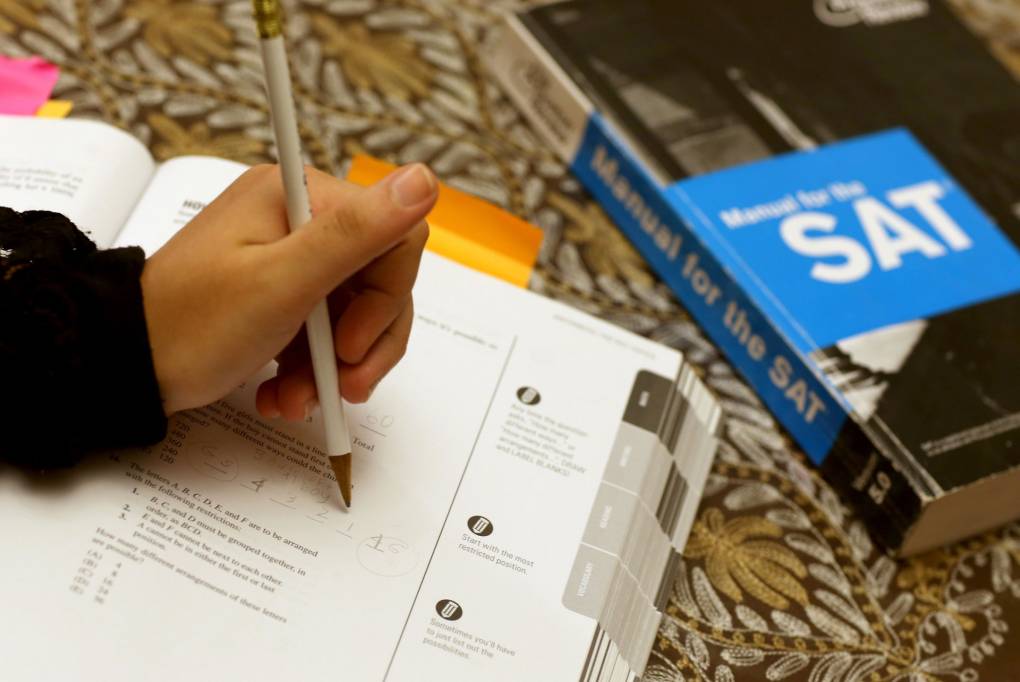
"caption": "A UC faculty group recommended the university keep SAT and ACT test requirements in place while it creates its own exam, a process it estimated could take nine years.",
"description": "A UC faculty group recommended the university keep SAT and ACT test requirements in place while it creates its own exam, a process it estimated could take nine years.",
"title": "SAT-Test-Prep",
"credit": "Joe Raedle/Getty Images",
"status": "inherit",
"isLoading": false,
"fetchFailed": false
},
"news_11798930": {
"type": "attachments",
"id": "news_11798930",
"meta": {
"index": "attachments_1716263798",
"site": "news",
"id": "11798930",
"found": true
},
"parent": 11798912,
"imgSizes": {
"apple_news_ca_square_4_0": {
"file": "https://ww2.kqed.org/app/uploads/sites/10/2020/01/BoaltHallChemerinsky750-3-470x470.jpg",
"width": 470,
"mimeType": "image/jpeg",
"height": 470
},
"thumbnail": {
"file": "https://ww2.kqed.org/app/uploads/sites/10/2020/01/BoaltHallChemerinsky750-3-160x107.jpg",
"width": 160,
"mimeType": "image/jpeg",
"height": 107
},
"post-thumbnail": {
"file": "https://ww2.kqed.org/app/uploads/sites/10/2020/01/BoaltHallChemerinsky750-3-672x372.jpg",
"width": 672,
"mimeType": "image/jpeg",
"height": 372
},
"kqedFullSize": {
"file": "https://ww2.kqed.org/app/uploads/sites/10/2020/01/BoaltHallChemerinsky750-3.jpg",
"width": 750,
"height": 500
},
"apple_news_ca_landscape_4_7": {
"file": "https://ww2.kqed.org/app/uploads/sites/10/2020/01/BoaltHallChemerinsky750-3-632x474.jpg",
"width": 632,
"mimeType": "image/jpeg",
"height": 474
},
"apple_news_ca_portrait_4_7": {
"file": "https://ww2.kqed.org/app/uploads/sites/10/2020/01/BoaltHallChemerinsky750-3-414x500.jpg",
"width": 414,
"mimeType": "image/jpeg",
"height": 500
},
"apple_news_ca_portrait_5_5": {
"file": "https://ww2.kqed.org/app/uploads/sites/10/2020/01/BoaltHallChemerinsky750-3-687x500.jpg",
"width": 687,
"mimeType": "image/jpeg",
"height": 500
},
"apple_news_ca_square_4_7": {
"file": "https://ww2.kqed.org/app/uploads/sites/10/2020/01/BoaltHallChemerinsky750-3-550x500.jpg",
"width": 550,
"mimeType": "image/jpeg",
"height": 500
},
"apple_news_ca_landscape_4_0": {
"file": "https://ww2.kqed.org/app/uploads/sites/10/2020/01/BoaltHallChemerinsky750-3-536x402.jpg",
"width": 536,
"mimeType": "image/jpeg",
"height": 402
},
"apple_news_ca_portrait_4_0": {
"file": "https://ww2.kqed.org/app/uploads/sites/10/2020/01/BoaltHallChemerinsky750-3-354x472.jpg",
"width": 354,
"mimeType": "image/jpeg",
"height": 472
}
},
"publishDate": 1580347667,
"modified": 1580413067,
"caption": "Berkeley Law School Dean Erwin Chemerinsky stands outside the main law school building on the UC Berkeley campus. The sign 'Boalt Hall' will be removed Thursday due to 19th-century attorney John Boalt's racist writings. ",
"description": "Berkeley Law School Dean Erwin Chemerinsky stands outside the main law school building on the UC Berkeley campus. The sign \"Boalt Hall\" will be removed Thursday due to 19th-century attorney John Boalt's racist writings.",
"title": "Chemerinsky",
"credit": "Gretchen Krell/UC Berkeley",
"status": "inherit",
"isLoading": false,
"fetchFailed": false
},
"news_11798603": {
"type": "attachments",
"id": "news_11798603",
"meta": {
"index": "attachments_1716263798",
"site": "news",
"id": "11798603",
"found": true
},
"parent": 11791734,
"imgSizes": {
"apple_news_ca_landscape_5_5": {
"file": "https://ww2.kqed.org/app/uploads/sites/10/2020/01/Foothill-cloud-computing-student-laptop-1044x783.jpg",
"width": 1044,
"mimeType": "image/jpeg",
"height": 783
},
"apple_news_ca_square_4_0": {
"file": "https://ww2.kqed.org/app/uploads/sites/10/2020/01/Foothill-cloud-computing-student-laptop-470x470.jpg",
"width": 470,
"mimeType": "image/jpeg",
"height": 470
},
"twentyfourteen-full-width": {
"file": "https://ww2.kqed.org/app/uploads/sites/10/2020/01/Foothill-cloud-computing-student-laptop-1038x576.jpg",
"width": 1038,
"mimeType": "image/jpeg",
"height": 576
},
"thumbnail": {
"file": "https://ww2.kqed.org/app/uploads/sites/10/2020/01/Foothill-cloud-computing-student-laptop-160x122.jpg",
"width": 160,
"mimeType": "image/jpeg",
"height": 122
},
"post-thumbnail": {
"file": "https://ww2.kqed.org/app/uploads/sites/10/2020/01/Foothill-cloud-computing-student-laptop-672x372.jpg",
"width": 672,
"mimeType": "image/jpeg",
"height": 372
},
"kqedFullSize": {
"file": "https://ww2.kqed.org/app/uploads/sites/10/2020/01/Foothill-cloud-computing-student-laptop.jpg",
"width": 1920,
"height": 1459
},
"apple_news_ca_landscape_4_7": {
"file": "https://ww2.kqed.org/app/uploads/sites/10/2020/01/Foothill-cloud-computing-student-laptop-632x474.jpg",
"width": 632,
"mimeType": "image/jpeg",
"height": 474
},
"large": {
"file": "https://ww2.kqed.org/app/uploads/sites/10/2020/01/Foothill-cloud-computing-student-laptop-1020x775.jpg",
"width": 1020,
"mimeType": "image/jpeg",
"height": 775
},
"apple_news_ca_landscape_4_0": {
"file": "https://ww2.kqed.org/app/uploads/sites/10/2020/01/Foothill-cloud-computing-student-laptop-536x402.jpg",
"width": 536,
"mimeType": "image/jpeg",
"height": 402
},
"apple_news_ca_portrait_12_9": {
"file": "https://ww2.kqed.org/app/uploads/sites/10/2020/01/Foothill-cloud-computing-student-laptop-1122x1459.jpg",
"width": 1122,
"mimeType": "image/jpeg",
"height": 1459
},
"medium": {
"file": "https://ww2.kqed.org/app/uploads/sites/10/2020/01/Foothill-cloud-computing-student-laptop-800x608.jpg",
"width": 800,
"mimeType": "image/jpeg",
"height": 608
},
"apple_news_ca_portrait_4_0": {
"file": "https://ww2.kqed.org/app/uploads/sites/10/2020/01/Foothill-cloud-computing-student-laptop-354x472.jpg",
"width": 354,
"mimeType": "image/jpeg",
"height": 472
},
"apple_news_ca_portrait_9_7": {
"file": "https://ww2.kqed.org/app/uploads/sites/10/2020/01/Foothill-cloud-computing-student-laptop-840x1120.jpg",
"width": 840,
"mimeType": "image/jpeg",
"height": 1120
},
"apple_news_ca_landscape_12_9": {
"file": "https://ww2.kqed.org/app/uploads/sites/10/2020/01/Foothill-cloud-computing-student-laptop-1832x1374.jpg",
"width": 1832,
"mimeType": "image/jpeg",
"height": 1374
},
"apple_news_ca_square_9_7": {
"file": "https://ww2.kqed.org/app/uploads/sites/10/2020/01/Foothill-cloud-computing-student-laptop-1104x1104.jpg",
"width": 1104,
"mimeType": "image/jpeg",
"height": 1104
},
"apple_news_ca_portrait_4_7": {
"file": "https://ww2.kqed.org/app/uploads/sites/10/2020/01/Foothill-cloud-computing-student-laptop-414x552.jpg",
"width": 414,
"mimeType": "image/jpeg",
"height": 552
},
"apple_news_ca_square_12_9": {
"file": "https://ww2.kqed.org/app/uploads/sites/10/2020/01/Foothill-cloud-computing-student-laptop-1472x1459.jpg",
"width": 1472,
"mimeType": "image/jpeg",
"height": 1459
},
"apple_news_ca_portrait_5_5": {
"file": "https://ww2.kqed.org/app/uploads/sites/10/2020/01/Foothill-cloud-computing-student-laptop-687x916.jpg",
"width": 687,
"mimeType": "image/jpeg",
"height": 916
},
"full-width": {
"file": "https://ww2.kqed.org/app/uploads/sites/10/2020/01/Foothill-cloud-computing-student-laptop-1920x1459.jpg",
"width": 1920,
"mimeType": "image/jpeg",
"height": 1459
},
"apple_news_ca_square_4_7": {
"file": "https://ww2.kqed.org/app/uploads/sites/10/2020/01/Foothill-cloud-computing-student-laptop-550x550.jpg",
"width": 550,
"mimeType": "image/jpeg",
"height": 550
},
"apple_news_ca_landscape_9_7": {
"file": "https://ww2.kqed.org/app/uploads/sites/10/2020/01/Foothill-cloud-computing-student-laptop-1376x1032.jpg",
"width": 1376,
"mimeType": "image/jpeg",
"height": 1032
},
"apple_news_ca_square_5_5": {
"file": "https://ww2.kqed.org/app/uploads/sites/10/2020/01/Foothill-cloud-computing-student-laptop-912x912.jpg",
"width": 912,
"mimeType": "image/jpeg",
"height": 912
}
},
"publishDate": 1580254879,
"modified": 1580254934,
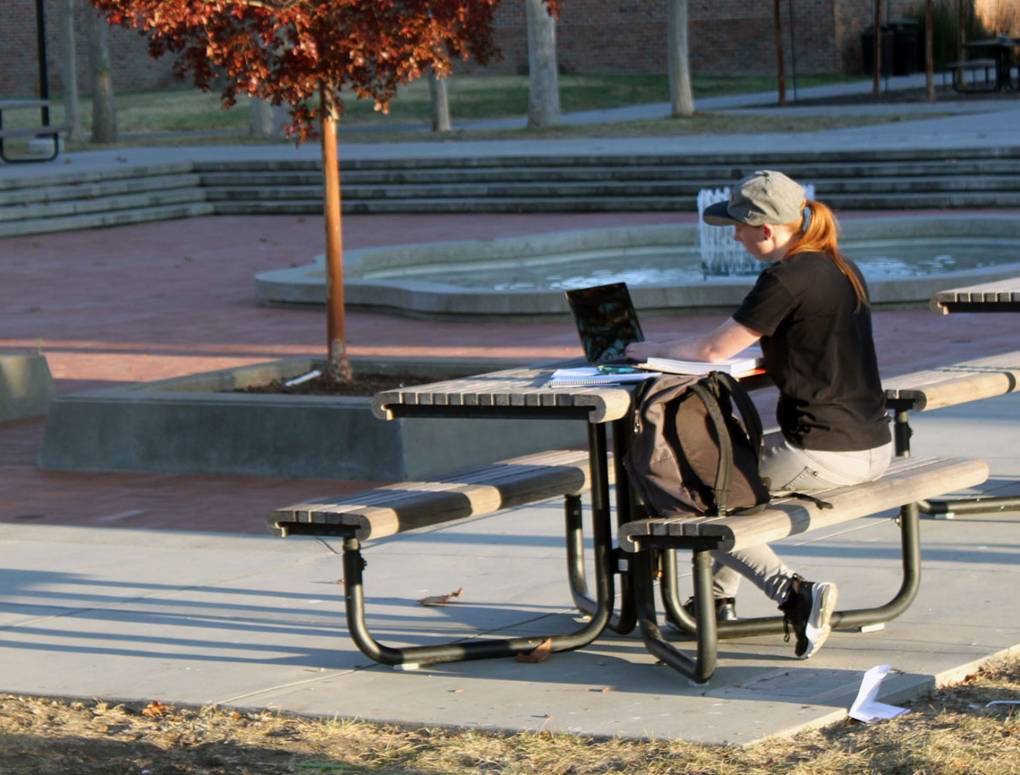
"caption": "A student works on her laptop on the Foothill College campus.",
"description": "A student works on her laptop on the Foothill College campus.",
"title": "Foothill-cloud-computing-student-laptop",
"credit": "Katrina Schwartz/KQED",
"status": "inherit",
"isLoading": false,
"fetchFailed": false
},
"news_11797969": {
"type": "attachments",
"id": "news_11797969",
"meta": {
"index": "attachments_1716263798",
"site": "news",
"id": "11797969",
"found": true
},
"parent": 11797968,
"imgSizes": {
"apple_news_ca_landscape_5_5": {
"file": "https://ww2.kqed.org/app/uploads/sites/10/2020/01/DISASTER-RELIEF-SCHOOL-photo-1-1044x783.jpg",
"width": 1044,
"mimeType": "image/jpeg",
"height": 783
},
"apple_news_ca_square_4_0": {
"file": "https://ww2.kqed.org/app/uploads/sites/10/2020/01/DISASTER-RELIEF-SCHOOL-photo-1-470x470.jpg",
"width": 470,
"mimeType": "image/jpeg",
"height": 470
},
"twentyfourteen-full-width": {
"file": "https://ww2.kqed.org/app/uploads/sites/10/2020/01/DISASTER-RELIEF-SCHOOL-photo-1-1038x576.jpg",
"width": 1038,
"mimeType": "image/jpeg",
"height": 576
},
"thumbnail": {
"file": "https://ww2.kqed.org/app/uploads/sites/10/2020/01/DISASTER-RELIEF-SCHOOL-photo-1-160x107.jpg",
"width": 160,
"mimeType": "image/jpeg",
"height": 107
},
"post-thumbnail": {
"file": "https://ww2.kqed.org/app/uploads/sites/10/2020/01/DISASTER-RELIEF-SCHOOL-photo-1-672x372.jpg",
"width": 672,
"mimeType": "image/jpeg",
"height": 372
},
"kqedFullSize": {
"file": "https://ww2.kqed.org/app/uploads/sites/10/2020/01/DISASTER-RELIEF-SCHOOL-photo-1.jpg",
"width": 1920,
"height": 1280
},
"apple_news_ca_landscape_4_7": {
"file": "https://ww2.kqed.org/app/uploads/sites/10/2020/01/DISASTER-RELIEF-SCHOOL-photo-1-632x474.jpg",
"width": 632,
"mimeType": "image/jpeg",
"height": 474
},
"large": {
"file": "https://ww2.kqed.org/app/uploads/sites/10/2020/01/DISASTER-RELIEF-SCHOOL-photo-1-1020x680.jpg",
"width": 1020,
"mimeType": "image/jpeg",
"height": 680
},
"apple_news_ca_landscape_4_0": {
"file": "https://ww2.kqed.org/app/uploads/sites/10/2020/01/DISASTER-RELIEF-SCHOOL-photo-1-536x402.jpg",
"width": 536,
"mimeType": "image/jpeg",
"height": 402
},
"apple_news_ca_portrait_12_9": {
"file": "https://ww2.kqed.org/app/uploads/sites/10/2020/01/DISASTER-RELIEF-SCHOOL-photo-1-1122x1280.jpg",
"width": 1122,
"mimeType": "image/jpeg",
"height": 1280
},
"medium": {
"file": "https://ww2.kqed.org/app/uploads/sites/10/2020/01/DISASTER-RELIEF-SCHOOL-photo-1-800x533.jpg",
"width": 800,
"mimeType": "image/jpeg",
"height": 533
},
"apple_news_ca_portrait_4_0": {
"file": "https://ww2.kqed.org/app/uploads/sites/10/2020/01/DISASTER-RELIEF-SCHOOL-photo-1-354x472.jpg",
"width": 354,
"mimeType": "image/jpeg",
"height": 472
},
"apple_news_ca_portrait_9_7": {
"file": "https://ww2.kqed.org/app/uploads/sites/10/2020/01/DISASTER-RELIEF-SCHOOL-photo-1-840x1120.jpg",
"width": 840,
"mimeType": "image/jpeg",
"height": 1120
},
"apple_news_ca_landscape_12_9": {
"file": "https://ww2.kqed.org/app/uploads/sites/10/2020/01/DISASTER-RELIEF-SCHOOL-photo-1-1832x1280.jpg",
"width": 1832,
"mimeType": "image/jpeg",
"height": 1280
},
"apple_news_ca_square_9_7": {
"file": "https://ww2.kqed.org/app/uploads/sites/10/2020/01/DISASTER-RELIEF-SCHOOL-photo-1-1104x1104.jpg",
"width": 1104,
"mimeType": "image/jpeg",
"height": 1104
},
"apple_news_ca_portrait_4_7": {
"file": "https://ww2.kqed.org/app/uploads/sites/10/2020/01/DISASTER-RELIEF-SCHOOL-photo-1-414x552.jpg",
"width": 414,
"mimeType": "image/jpeg",
"height": 552
},
"apple_news_ca_square_12_9": {
"file": "https://ww2.kqed.org/app/uploads/sites/10/2020/01/DISASTER-RELIEF-SCHOOL-photo-1-1472x1280.jpg",
"width": 1472,
"mimeType": "image/jpeg",
"height": 1280
},
"apple_news_ca_portrait_5_5": {
"file": "https://ww2.kqed.org/app/uploads/sites/10/2020/01/DISASTER-RELIEF-SCHOOL-photo-1-687x916.jpg",
"width": 687,
"mimeType": "image/jpeg",
"height": 916
},
"full-width": {
"file": "https://ww2.kqed.org/app/uploads/sites/10/2020/01/DISASTER-RELIEF-SCHOOL-photo-1-1920x1280.jpg",
"width": 1920,
"mimeType": "image/jpeg",
"height": 1280
},
"apple_news_ca_square_4_7": {
"file": "https://ww2.kqed.org/app/uploads/sites/10/2020/01/DISASTER-RELIEF-SCHOOL-photo-1-550x550.jpg",
"width": 550,
"mimeType": "image/jpeg",
"height": 550
},
"apple_news_ca_landscape_9_7": {
"file": "https://ww2.kqed.org/app/uploads/sites/10/2020/01/DISASTER-RELIEF-SCHOOL-photo-1-1376x1032.jpg",
"width": 1376,
"mimeType": "image/jpeg",
"height": 1032
},
"apple_news_ca_square_5_5": {
"file": "https://ww2.kqed.org/app/uploads/sites/10/2020/01/DISASTER-RELIEF-SCHOOL-photo-1-912x912.jpg",
"width": 912,
"mimeType": "image/jpeg",
"height": 912
}
},
"publishDate": 1579969224,
"modified": 1579969272,
"caption": "Sen. Bill Dodd discusses wildfire related power shutoffs in American Canyon in 2019.",
"description": null,
"title": "DISASTER RELIEF SCHOOL photo (1)",
"credit": "Anne Wernikoff/CalMatters",
"status": "inherit",
"isLoading": false,
"fetchFailed": false
},
"news_11797376": {
"type": "attachments",
"id": "news_11797376",
"meta": {
"index": "attachments_1716263798",
"site": "news",
"id": "11797376",
"found": true
},
"parent": 11797314,
"imgSizes": {
"apple_news_ca_landscape_5_5": {
"file": "https://ww2.kqed.org/app/uploads/sites/10/2020/01/inmates-BA-program.042-1044x783.jpg",
"width": 1044,
"mimeType": "image/jpeg",
"height": 783
},
"apple_news_ca_square_4_0": {
"file": "https://ww2.kqed.org/app/uploads/sites/10/2020/01/inmates-BA-program.042-470x470.jpg",
"width": 470,
"mimeType": "image/jpeg",
"height": 470
},
"twentyfourteen-full-width": {
"file": "https://ww2.kqed.org/app/uploads/sites/10/2020/01/inmates-BA-program.042-1038x576.jpg",
"width": 1038,
"mimeType": "image/jpeg",
"height": 576
},
"thumbnail": {
"file": "https://ww2.kqed.org/app/uploads/sites/10/2020/01/inmates-BA-program.042-160x107.jpg",
"width": 160,
"mimeType": "image/jpeg",
"height": 107
},
"post-thumbnail": {
"file": "https://ww2.kqed.org/app/uploads/sites/10/2020/01/inmates-BA-program.042-672x372.jpg",
"width": 672,
"mimeType": "image/jpeg",
"height": 372
},
"kqedFullSize": {
"file": "https://ww2.kqed.org/app/uploads/sites/10/2020/01/inmates-BA-program.042.jpg",
"width": 1920,
"height": 1280
},
"apple_news_ca_landscape_4_7": {
"file": "https://ww2.kqed.org/app/uploads/sites/10/2020/01/inmates-BA-program.042-632x474.jpg",
"width": 632,
"mimeType": "image/jpeg",
"height": 474
},
"large": {
"file": "https://ww2.kqed.org/app/uploads/sites/10/2020/01/inmates-BA-program.042-1020x680.jpg",
"width": 1020,
"mimeType": "image/jpeg",
"height": 680
},
"apple_news_ca_landscape_4_0": {
"file": "https://ww2.kqed.org/app/uploads/sites/10/2020/01/inmates-BA-program.042-536x402.jpg",
"width": 536,
"mimeType": "image/jpeg",
"height": 402
},
"apple_news_ca_portrait_12_9": {
"file": "https://ww2.kqed.org/app/uploads/sites/10/2020/01/inmates-BA-program.042-1122x1280.jpg",
"width": 1122,
"mimeType": "image/jpeg",
"height": 1280
},
"medium": {
"file": "https://ww2.kqed.org/app/uploads/sites/10/2020/01/inmates-BA-program.042-800x533.jpg",
"width": 800,
"mimeType": "image/jpeg",
"height": 533
},
"apple_news_ca_portrait_4_0": {
"file": "https://ww2.kqed.org/app/uploads/sites/10/2020/01/inmates-BA-program.042-354x472.jpg",
"width": 354,
"mimeType": "image/jpeg",
"height": 472
},
"apple_news_ca_portrait_9_7": {
"file": "https://ww2.kqed.org/app/uploads/sites/10/2020/01/inmates-BA-program.042-840x1120.jpg",
"width": 840,
"mimeType": "image/jpeg",
"height": 1120
},
"apple_news_ca_landscape_12_9": {
"file": "https://ww2.kqed.org/app/uploads/sites/10/2020/01/inmates-BA-program.042-1832x1280.jpg",
"width": 1832,
"mimeType": "image/jpeg",
"height": 1280
},
"apple_news_ca_square_9_7": {
"file": "https://ww2.kqed.org/app/uploads/sites/10/2020/01/inmates-BA-program.042-1104x1104.jpg",
"width": 1104,
"mimeType": "image/jpeg",
"height": 1104
},
"apple_news_ca_portrait_4_7": {
"file": "https://ww2.kqed.org/app/uploads/sites/10/2020/01/inmates-BA-program.042-414x552.jpg",
"width": 414,
"mimeType": "image/jpeg",
"height": 552
},
"apple_news_ca_square_12_9": {
"file": "https://ww2.kqed.org/app/uploads/sites/10/2020/01/inmates-BA-program.042-1472x1280.jpg",
"width": 1472,
"mimeType": "image/jpeg",
"height": 1280
},
"apple_news_ca_portrait_5_5": {
"file": "https://ww2.kqed.org/app/uploads/sites/10/2020/01/inmates-BA-program.042-687x916.jpg",
"width": 687,
"mimeType": "image/jpeg",
"height": 916
},
"full-width": {
"file": "https://ww2.kqed.org/app/uploads/sites/10/2020/01/inmates-BA-program.042-1920x1280.jpg",
"width": 1920,
"mimeType": "image/jpeg",
"height": 1280
},
"apple_news_ca_square_4_7": {
"file": "https://ww2.kqed.org/app/uploads/sites/10/2020/01/inmates-BA-program.042-550x550.jpg",
"width": 550,
"mimeType": "image/jpeg",
"height": 550
},
"apple_news_ca_landscape_9_7": {
"file": "https://ww2.kqed.org/app/uploads/sites/10/2020/01/inmates-BA-program.042-1376x1032.jpg",
"width": 1376,
"mimeType": "image/jpeg",
"height": 1032
},
"apple_news_ca_square_5_5": {
"file": "https://ww2.kqed.org/app/uploads/sites/10/2020/01/inmates-BA-program.042-912x912.jpg",
"width": 912,
"mimeType": "image/jpeg",
"height": 912
}
},
"publishDate": 1579736952,
"modified": 1579738860,
"caption": "Inmates at California State Prison, Los Angeles County, a maximum security facility in Lancaster, attend class as part of a bachelor's degree program run by Cal State L.A.",
"description": null,
"title": "inmates BA program.042",
"credit": "J. Emilio Flores/Cal State LA",
"status": "inherit",
"isLoading": false,
"fetchFailed": false
},
"news_11796798": {
"type": "attachments",
"id": "news_11796798",
"meta": {
"index": "attachments_1716263798",
"site": "news",
"id": "11796798",
"found": true
},
"parent": 11796631,
"imgSizes": {
"apple_news_ca_landscape_5_5": {
"file": "https://ww2.kqed.org/app/uploads/sites/10/2020/01/mlk-1044x783.jpg",
"width": 1044,
"mimeType": "image/jpeg",
"height": 783
},
"apple_news_ca_square_4_0": {
"file": "https://ww2.kqed.org/app/uploads/sites/10/2020/01/mlk-470x470.jpg",
"width": 470,
"mimeType": "image/jpeg",
"height": 470
},
"twentyfourteen-full-width": {
"file": "https://ww2.kqed.org/app/uploads/sites/10/2020/01/mlk-1038x576.jpg",
"width": 1038,
"mimeType": "image/jpeg",
"height": 576
},
"thumbnail": {
"file": "https://ww2.kqed.org/app/uploads/sites/10/2020/01/mlk-160x107.jpg",
"width": 160,
"mimeType": "image/jpeg",
"height": 107
},
"post-thumbnail": {
"file": "https://ww2.kqed.org/app/uploads/sites/10/2020/01/mlk-672x372.jpg",
"width": 672,
"mimeType": "image/jpeg",
"height": 372
},
"kqedFullSize": {
"file": "https://ww2.kqed.org/app/uploads/sites/10/2020/01/mlk.jpg",
"width": 1370,
"height": 912
},
"apple_news_ca_landscape_4_7": {
"file": "https://ww2.kqed.org/app/uploads/sites/10/2020/01/mlk-632x474.jpg",
"width": 632,
"mimeType": "image/jpeg",
"height": 474
},
"large": {
"file": "https://ww2.kqed.org/app/uploads/sites/10/2020/01/mlk-1020x679.jpg",
"width": 1020,
"mimeType": "image/jpeg",
"height": 679
},
"apple_news_ca_landscape_4_0": {
"file": "https://ww2.kqed.org/app/uploads/sites/10/2020/01/mlk-536x402.jpg",
"width": 536,
"mimeType": "image/jpeg",
"height": 402
},
"apple_news_ca_portrait_12_9": {
"file": "https://ww2.kqed.org/app/uploads/sites/10/2020/01/mlk-1122x912.jpg",
"width": 1122,
"mimeType": "image/jpeg",
"height": 912
},
"medium": {
"file": "https://ww2.kqed.org/app/uploads/sites/10/2020/01/mlk-800x533.jpg",
"width": 800,
"mimeType": "image/jpeg",
"height": 533
},
"apple_news_ca_portrait_4_0": {
"file": "https://ww2.kqed.org/app/uploads/sites/10/2020/01/mlk-354x472.jpg",
"width": 354,
"mimeType": "image/jpeg",
"height": 472
},
"apple_news_ca_portrait_9_7": {
"file": "https://ww2.kqed.org/app/uploads/sites/10/2020/01/mlk-840x912.jpg",
"width": 840,
"mimeType": "image/jpeg",
"height": 912
},
"apple_news_ca_square_9_7": {
"file": "https://ww2.kqed.org/app/uploads/sites/10/2020/01/mlk-1104x912.jpg",
"width": 1104,
"mimeType": "image/jpeg",
"height": 912
},
"apple_news_ca_portrait_4_7": {
"file": "https://ww2.kqed.org/app/uploads/sites/10/2020/01/mlk-414x552.jpg",
"width": 414,
"mimeType": "image/jpeg",
"height": 552
},
"apple_news_ca_portrait_5_5": {
"file": "https://ww2.kqed.org/app/uploads/sites/10/2020/01/mlk-687x912.jpg",
"width": 687,
"mimeType": "image/jpeg",
"height": 912
},
"apple_news_ca_square_4_7": {
"file": "https://ww2.kqed.org/app/uploads/sites/10/2020/01/mlk-550x550.jpg",
"width": 550,
"mimeType": "image/jpeg",
"height": 550
},
"apple_news_ca_square_5_5": {
"file": "https://ww2.kqed.org/app/uploads/sites/10/2020/01/mlk-912x912.jpg",
"width": 912,
"mimeType": "image/jpeg",
"height": 912
}
},
"publishDate": 1579303183,
"modified": 1579303245,
"caption": "The lead cast members in a scene from \"The Apollos.\" Samuel Getachew is in the back row, top left.",
"description": null,
"title": "mlk",
"credit": "Chloe Veltman/KQED",
"status": "inherit",
"isLoading": false,
"fetchFailed": false
},
"news_11796740": {
"type": "attachments",
"id": "news_11796740",
"meta": {
"index": "attachments_1716263798",
"site": "news",
"id": "11796740",
"found": true
},
"parent": 11796609,
"imgSizes": {
"apple_news_ca_landscape_5_5": {
"file": "https://ww2.kqed.org/app/uploads/sites/10/2020/01/RS40761_GettyImages-51419417-qut-1044x783.jpg",
"width": 1044,
"mimeType": "image/jpeg",
"height": 783
},
"apple_news_ca_square_4_0": {
"file": "https://ww2.kqed.org/app/uploads/sites/10/2020/01/RS40761_GettyImages-51419417-qut-470x470.jpg",
"width": 470,
"mimeType": "image/jpeg",
"height": 470
},
"twentyfourteen-full-width": {
"file": "https://ww2.kqed.org/app/uploads/sites/10/2020/01/RS40761_GettyImages-51419417-qut-1038x576.jpg",
"width": 1038,
"mimeType": "image/jpeg",
"height": 576
},
"thumbnail": {
"file": "https://ww2.kqed.org/app/uploads/sites/10/2020/01/RS40761_GettyImages-51419417-qut-160x119.jpg",
"width": 160,
"mimeType": "image/jpeg",
"height": 119
},
"post-thumbnail": {
"file": "https://ww2.kqed.org/app/uploads/sites/10/2020/01/RS40761_GettyImages-51419417-qut-672x372.jpg",
"width": 672,
"mimeType": "image/jpeg",
"height": 372
},
"kqedFullSize": {
"file": "https://ww2.kqed.org/app/uploads/sites/10/2020/01/RS40761_GettyImages-51419417-qut.jpg",
"width": 1920,
"height": 1433
},
"apple_news_ca_landscape_4_7": {
"file": "https://ww2.kqed.org/app/uploads/sites/10/2020/01/RS40761_GettyImages-51419417-qut-632x474.jpg",
"width": 632,
"mimeType": "image/jpeg",
"height": 474
},
"large": {
"file": "https://ww2.kqed.org/app/uploads/sites/10/2020/01/RS40761_GettyImages-51419417-qut-1020x761.jpg",
"width": 1020,
"mimeType": "image/jpeg",
"height": 761
},
"apple_news_ca_landscape_4_0": {
"file": "https://ww2.kqed.org/app/uploads/sites/10/2020/01/RS40761_GettyImages-51419417-qut-536x402.jpg",
"width": 536,
"mimeType": "image/jpeg",
"height": 402
},
"apple_news_ca_portrait_12_9": {
"file": "https://ww2.kqed.org/app/uploads/sites/10/2020/01/RS40761_GettyImages-51419417-qut-1122x1433.jpg",
"width": 1122,
"mimeType": "image/jpeg",
"height": 1433
},
"medium": {
"file": "https://ww2.kqed.org/app/uploads/sites/10/2020/01/RS40761_GettyImages-51419417-qut-800x597.jpg",
"width": 800,
"mimeType": "image/jpeg",
"height": 597
},
"apple_news_ca_portrait_4_0": {
"file": "https://ww2.kqed.org/app/uploads/sites/10/2020/01/RS40761_GettyImages-51419417-qut-354x472.jpg",
"width": 354,
"mimeType": "image/jpeg",
"height": 472
},
"apple_news_ca_portrait_9_7": {
"file": "https://ww2.kqed.org/app/uploads/sites/10/2020/01/RS40761_GettyImages-51419417-qut-840x1120.jpg",
"width": 840,
"mimeType": "image/jpeg",
"height": 1120
},
"apple_news_ca_landscape_12_9": {
"file": "https://ww2.kqed.org/app/uploads/sites/10/2020/01/RS40761_GettyImages-51419417-qut-1832x1374.jpg",
"width": 1832,
"mimeType": "image/jpeg",
"height": 1374
},
"apple_news_ca_square_9_7": {
"file": "https://ww2.kqed.org/app/uploads/sites/10/2020/01/RS40761_GettyImages-51419417-qut-1104x1104.jpg",
"width": 1104,
"mimeType": "image/jpeg",
"height": 1104
},
"apple_news_ca_portrait_4_7": {
"file": "https://ww2.kqed.org/app/uploads/sites/10/2020/01/RS40761_GettyImages-51419417-qut-414x552.jpg",
"width": 414,
"mimeType": "image/jpeg",
"height": 552
},
"apple_news_ca_square_12_9": {
"file": "https://ww2.kqed.org/app/uploads/sites/10/2020/01/RS40761_GettyImages-51419417-qut-1472x1433.jpg",
"width": 1472,
"mimeType": "image/jpeg",
"height": 1433
},
"apple_news_ca_portrait_5_5": {
"file": "https://ww2.kqed.org/app/uploads/sites/10/2020/01/RS40761_GettyImages-51419417-qut-687x916.jpg",
"width": 687,
"mimeType": "image/jpeg",
"height": 916
},
"full-width": {
"file": "https://ww2.kqed.org/app/uploads/sites/10/2020/01/RS40761_GettyImages-51419417-qut-1920x1433.jpg",
"width": 1920,
"mimeType": "image/jpeg",
"height": 1433
},
"apple_news_ca_square_4_7": {
"file": "https://ww2.kqed.org/app/uploads/sites/10/2020/01/RS40761_GettyImages-51419417-qut-550x550.jpg",
"width": 550,
"mimeType": "image/jpeg",
"height": 550
},
"apple_news_ca_landscape_9_7": {
"file": "https://ww2.kqed.org/app/uploads/sites/10/2020/01/RS40761_GettyImages-51419417-qut-1376x1032.jpg",
"width": 1376,
"mimeType": "image/jpeg",
"height": 1032
},
"apple_news_ca_square_5_5": {
"file": "https://ww2.kqed.org/app/uploads/sites/10/2020/01/RS40761_GettyImages-51419417-qut-912x912.jpg",
"width": 912,
"mimeType": "image/jpeg",
"height": 912
}
},
"publishDate": 1579298906,
"modified": 1579308506,
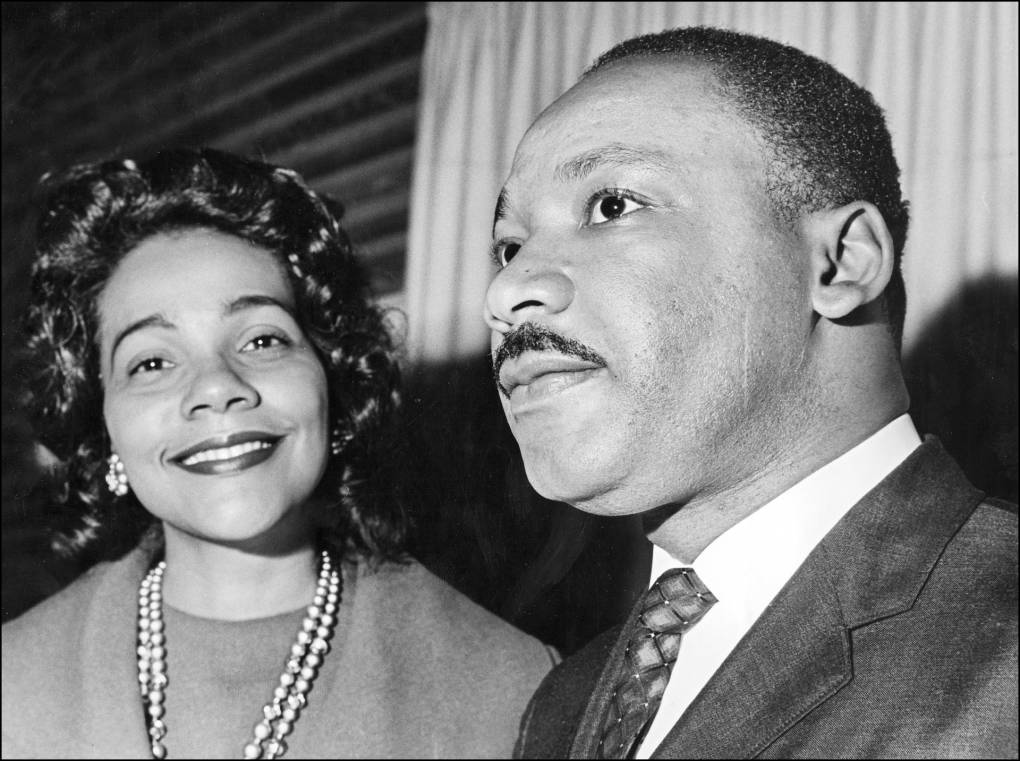
"caption": "Martin Luther King Jr. was deeply troubled by the Vietnam War for years, but the \"Beyond Vietnam\" speech was his first major policy statement on the issue. His wife, Coretta Scott King, on the other hand, critiqued the war publicly for years before her husband did.",
"description": "Dr. Martin Luther King Jr. was deeply troubled by the Vietnam War for years, but the \"Beyond Vietnam\" speech was his first major policy statement on the issue. His wife, Coretta Scott King, on the other hand, critiqued the war publicly for years before her husband did.",
"title": "Coretta Scott King and her husband Martin Luther King Jr.",
"credit": "AFP via Getty Images",
"status": "inherit",
"isLoading": false,
"fetchFailed": false
},
"news_11796456": {
"type": "attachments",
"id": "news_11796456",
"meta": {
"index": "attachments_1716263798",
"site": "news",
"id": "11796456",
"found": true
},
"parent": 11796428,
"imgSizes": {
"apple_news_ca_landscape_5_5": {
"file": "https://ww2.kqed.org/app/uploads/sites/10/2020/01/Gavin-Newsom-1044x783.jpg",
"width": 1044,
"mimeType": "image/jpeg",
"height": 783
},
"apple_news_ca_square_4_0": {
"file": "https://ww2.kqed.org/app/uploads/sites/10/2020/01/Gavin-Newsom-470x470.jpg",
"width": 470,
"mimeType": "image/jpeg",
"height": 470
},
"twentyfourteen-full-width": {
"file": "https://ww2.kqed.org/app/uploads/sites/10/2020/01/Gavin-Newsom-1038x576.jpg",
"width": 1038,
"mimeType": "image/jpeg",
"height": 576
},
"thumbnail": {
"file": "https://ww2.kqed.org/app/uploads/sites/10/2020/01/Gavin-Newsom-160x108.jpg",
"width": 160,
"mimeType": "image/jpeg",
"height": 108
},
"post-thumbnail": {
"file": "https://ww2.kqed.org/app/uploads/sites/10/2020/01/Gavin-Newsom-672x372.jpg",
"width": 672,
"mimeType": "image/jpeg",
"height": 372
},
"kqedFullSize": {
"file": "https://ww2.kqed.org/app/uploads/sites/10/2020/01/Gavin-Newsom.jpg",
"width": 1920,
"height": 1301
},
"apple_news_ca_landscape_4_7": {
"file": "https://ww2.kqed.org/app/uploads/sites/10/2020/01/Gavin-Newsom-632x474.jpg",
"width": 632,
"mimeType": "image/jpeg",
"height": 474
},
"large": {
"file": "https://ww2.kqed.org/app/uploads/sites/10/2020/01/Gavin-Newsom-1020x691.jpg",
"width": 1020,
"mimeType": "image/jpeg",
"height": 691
},
"complete_open_graph": {
"file": "https://ww2.kqed.org/app/uploads/sites/10/2020/01/Gavin-Newsom-1200x813.jpg",
"width": 1200,
"mimeType": "image/jpeg",
"height": 813
},
"apple_news_ca_landscape_4_0": {
"file": "https://ww2.kqed.org/app/uploads/sites/10/2020/01/Gavin-Newsom-536x402.jpg",
"width": 536,
"mimeType": "image/jpeg",
"height": 402
},
"apple_news_ca_portrait_12_9": {
"file": "https://ww2.kqed.org/app/uploads/sites/10/2020/01/Gavin-Newsom-1122x1301.jpg",
"width": 1122,
"mimeType": "image/jpeg",
"height": 1301
},
"medium": {
"file": "https://ww2.kqed.org/app/uploads/sites/10/2020/01/Gavin-Newsom-800x542.jpg",
"width": 800,
"mimeType": "image/jpeg",
"height": 542
},
"apple_news_ca_portrait_4_0": {
"file": "https://ww2.kqed.org/app/uploads/sites/10/2020/01/Gavin-Newsom-354x472.jpg",
"width": 354,
"mimeType": "image/jpeg",
"height": 472
},
"apple_news_ca_portrait_9_7": {
"file": "https://ww2.kqed.org/app/uploads/sites/10/2020/01/Gavin-Newsom-840x1120.jpg",
"width": 840,
"mimeType": "image/jpeg",
"height": 1120
},
"apple_news_ca_landscape_12_9": {
"file": "https://ww2.kqed.org/app/uploads/sites/10/2020/01/Gavin-Newsom-1832x1301.jpg",
"width": 1832,
"mimeType": "image/jpeg",
"height": 1301
},
"apple_news_ca_square_9_7": {
"file": "https://ww2.kqed.org/app/uploads/sites/10/2020/01/Gavin-Newsom-1104x1104.jpg",
"width": 1104,
"mimeType": "image/jpeg",
"height": 1104
},
"apple_news_ca_portrait_4_7": {
"file": "https://ww2.kqed.org/app/uploads/sites/10/2020/01/Gavin-Newsom-414x552.jpg",
"width": 414,
"mimeType": "image/jpeg",
"height": 552
},
"apple_news_ca_square_12_9": {
"file": "https://ww2.kqed.org/app/uploads/sites/10/2020/01/Gavin-Newsom-1472x1301.jpg",
"width": 1472,
"mimeType": "image/jpeg",
"height": 1301
},
"apple_news_ca_portrait_5_5": {
"file": "https://ww2.kqed.org/app/uploads/sites/10/2020/01/Gavin-Newsom-687x916.jpg",
"width": 687,
"mimeType": "image/jpeg",
"height": 916
},
"full-width": {
"file": "https://ww2.kqed.org/app/uploads/sites/10/2020/01/Gavin-Newsom-1920x1301.jpg",
"width": 1920,
"mimeType": "image/jpeg",
"height": 1301
},
"apple_news_ca_square_4_7": {
"file": "https://ww2.kqed.org/app/uploads/sites/10/2020/01/Gavin-Newsom-550x550.jpg",
"width": 550,
"mimeType": "image/jpeg",
"height": 550
},
"apple_news_ca_landscape_9_7": {
"file": "https://ww2.kqed.org/app/uploads/sites/10/2020/01/Gavin-Newsom-1376x1032.jpg",
"width": 1376,
"mimeType": "image/jpeg",
"height": 1032
},
"apple_news_ca_square_5_5": {
"file": "https://ww2.kqed.org/app/uploads/sites/10/2020/01/Gavin-Newsom-912x912.jpg",
"width": 912,
"mimeType": "image/jpeg",
"height": 912
}
},
"publishDate": 1579205058,
"modified": 1579205156,
"caption": "Newsom will be in Oakland Thursday afternoon for the final stop on his homelessness tour, where he's been showcasing solutions to address California's growing homeless population. ",
"description": "Newsom will be in Oakland Thursday afternoon for the final stop on his homelessness tour, where he's been showcasing solutions to address California's growing homeless population. ",
"title": "Gavin-Newsom",
"credit": "Sruti Mamidanna/KQED",
"status": "inherit",
"isLoading": false,
"fetchFailed": false
},
"news_11796288": {
"type": "attachments",
"id": "news_11796288",
"meta": {
"index": "attachments_1716263798",
"site": "news",
"id": "11796288",
"found": true
},
"parent": 11796182,
"imgSizes": {
"apple_news_ca_landscape_5_5": {
"file": "https://ww2.kqed.org/app/uploads/sites/10/2020/01/Sather-Tower-UCBerkeley-1044x783.jpg",
"width": 1044,
"mimeType": "image/jpeg",
"height": 783
},
"apple_news_ca_square_4_0": {
"file": "https://ww2.kqed.org/app/uploads/sites/10/2020/01/Sather-Tower-UCBerkeley-470x470.jpg",
"width": 470,
"mimeType": "image/jpeg",
"height": 470
},
"twentyfourteen-full-width": {
"file": "https://ww2.kqed.org/app/uploads/sites/10/2020/01/Sather-Tower-UCBerkeley-1038x576.jpg",
"width": 1038,
"mimeType": "image/jpeg",
"height": 576
},
"thumbnail": {
"file": "https://ww2.kqed.org/app/uploads/sites/10/2020/01/Sather-Tower-UCBerkeley-160x107.jpg",
"width": 160,
"mimeType": "image/jpeg",
"height": 107
},
"post-thumbnail": {
"file": "https://ww2.kqed.org/app/uploads/sites/10/2020/01/Sather-Tower-UCBerkeley-672x372.jpg",
"width": 672,
"mimeType": "image/jpeg",
"height": 372
},
"kqedFullSize": {
"file": "https://ww2.kqed.org/app/uploads/sites/10/2020/01/Sather-Tower-UCBerkeley.jpg",
"width": 1920,
"height": 1282
},
"apple_news_ca_landscape_4_7": {
"file": "https://ww2.kqed.org/app/uploads/sites/10/2020/01/Sather-Tower-UCBerkeley-632x474.jpg",
"width": 632,
"mimeType": "image/jpeg",
"height": 474
},
"large": {
"file": "https://ww2.kqed.org/app/uploads/sites/10/2020/01/Sather-Tower-UCBerkeley-1020x681.jpg",
"width": 1020,
"mimeType": "image/jpeg",
"height": 681
},
"complete_open_graph": {
"file": "https://ww2.kqed.org/app/uploads/sites/10/2020/01/Sather-Tower-UCBerkeley-1200x801.jpg",
"width": 1200,
"mimeType": "image/jpeg",
"height": 801
},
"apple_news_ca_landscape_4_0": {
"file": "https://ww2.kqed.org/app/uploads/sites/10/2020/01/Sather-Tower-UCBerkeley-536x402.jpg",
"width": 536,
"mimeType": "image/jpeg",
"height": 402
},
"apple_news_ca_portrait_12_9": {
"file": "https://ww2.kqed.org/app/uploads/sites/10/2020/01/Sather-Tower-UCBerkeley-1122x1282.jpg",
"width": 1122,
"mimeType": "image/jpeg",
"height": 1282
},
"medium": {
"file": "https://ww2.kqed.org/app/uploads/sites/10/2020/01/Sather-Tower-UCBerkeley-800x534.jpg",
"width": 800,
"mimeType": "image/jpeg",
"height": 534
},
"apple_news_ca_portrait_4_0": {
"file": "https://ww2.kqed.org/app/uploads/sites/10/2020/01/Sather-Tower-UCBerkeley-354x472.jpg",
"width": 354,
"mimeType": "image/jpeg",
"height": 472
},
"apple_news_ca_portrait_9_7": {
"file": "https://ww2.kqed.org/app/uploads/sites/10/2020/01/Sather-Tower-UCBerkeley-840x1120.jpg",
"width": 840,
"mimeType": "image/jpeg",
"height": 1120
},
"apple_news_ca_landscape_12_9": {
"file": "https://ww2.kqed.org/app/uploads/sites/10/2020/01/Sather-Tower-UCBerkeley-1832x1282.jpg",
"width": 1832,
"mimeType": "image/jpeg",
"height": 1282
},
"apple_news_ca_square_9_7": {
"file": "https://ww2.kqed.org/app/uploads/sites/10/2020/01/Sather-Tower-UCBerkeley-1104x1104.jpg",
"width": 1104,
"mimeType": "image/jpeg",
"height": 1104
},
"apple_news_ca_portrait_4_7": {
"file": "https://ww2.kqed.org/app/uploads/sites/10/2020/01/Sather-Tower-UCBerkeley-414x552.jpg",
"width": 414,
"mimeType": "image/jpeg",
"height": 552
},
"apple_news_ca_square_12_9": {
"file": "https://ww2.kqed.org/app/uploads/sites/10/2020/01/Sather-Tower-UCBerkeley-1472x1282.jpg",
"width": 1472,
"mimeType": "image/jpeg",
"height": 1282
},
"apple_news_ca_portrait_5_5": {
"file": "https://ww2.kqed.org/app/uploads/sites/10/2020/01/Sather-Tower-UCBerkeley-687x916.jpg",
"width": 687,
"mimeType": "image/jpeg",
"height": 916
},
"full-width": {
"file": "https://ww2.kqed.org/app/uploads/sites/10/2020/01/Sather-Tower-UCBerkeley-1920x1282.jpg",
"width": 1920,
"mimeType": "image/jpeg",
"height": 1282
},
"apple_news_ca_square_4_7": {
"file": "https://ww2.kqed.org/app/uploads/sites/10/2020/01/Sather-Tower-UCBerkeley-550x550.jpg",
"width": 550,
"mimeType": "image/jpeg",
"height": 550
},
"apple_news_ca_landscape_9_7": {
"file": "https://ww2.kqed.org/app/uploads/sites/10/2020/01/Sather-Tower-UCBerkeley-1376x1032.jpg",
"width": 1376,
"mimeType": "image/jpeg",
"height": 1032
},
"apple_news_ca_square_5_5": {
"file": "https://ww2.kqed.org/app/uploads/sites/10/2020/01/Sather-Tower-UCBerkeley-912x912.jpg",
"width": 912,
"mimeType": "image/jpeg",
"height": 912
}
},
"publishDate": 1579133056,
"modified": 1579133170,
"caption": "Students walk near Sather Tower on the UC Berkeley campus.",
"description": "Students walk near Sather Tower on the UC Berkeley campus.",
"title": "Sather-Tower-UCBerkeley",
"credit": "Justin Sullivan/Getty Images",
"status": "inherit",
"isLoading": false,
"fetchFailed": false
},
"news_11796012": {
"type": "attachments",
"id": "news_11796012",
"meta": {
"index": "attachments_1716263798",
"site": "news",
"id": "11796012",
"found": true
},
"parent": 11795982,
"imgSizes": {
"apple_news_ca_landscape_5_5": {
"file": "https://ww2.kqed.org/app/uploads/sites/10/2020/01/RS40729_KQED20jBrown-096-qut-1044x783.jpg",
"width": 1044,
"mimeType": "image/jpeg",
"height": 783
},
"apple_news_ca_square_4_0": {
"file": "https://ww2.kqed.org/app/uploads/sites/10/2020/01/RS40729_KQED20jBrown-096-qut-470x470.jpg",
"width": 470,
"mimeType": "image/jpeg",
"height": 470
},
"twentyfourteen-full-width": {
"file": "https://ww2.kqed.org/app/uploads/sites/10/2020/01/RS40729_KQED20jBrown-096-qut-1038x576.jpg",
"width": 1038,
"mimeType": "image/jpeg",
"height": 576
},
"thumbnail": {
"file": "https://ww2.kqed.org/app/uploads/sites/10/2020/01/RS40729_KQED20jBrown-096-qut-160x106.jpg",
"width": 160,
"mimeType": "image/jpeg",
"height": 106
},
"post-thumbnail": {
"file": "https://ww2.kqed.org/app/uploads/sites/10/2020/01/RS40729_KQED20jBrown-096-qut-672x372.jpg",
"width": 672,
"mimeType": "image/jpeg",
"height": 372
},
"kqedFullSize": {
"file": "https://ww2.kqed.org/app/uploads/sites/10/2020/01/RS40729_KQED20jBrown-096-qut.jpg",
"width": 1920,
"height": 1277
},
"apple_news_ca_landscape_4_7": {
"file": "https://ww2.kqed.org/app/uploads/sites/10/2020/01/RS40729_KQED20jBrown-096-qut-632x474.jpg",
"width": 632,
"mimeType": "image/jpeg",
"height": 474
},
"large": {
"file": "https://ww2.kqed.org/app/uploads/sites/10/2020/01/RS40729_KQED20jBrown-096-qut-1020x678.jpg",
"width": 1020,
"mimeType": "image/jpeg",
"height": 678
},
"complete_open_graph": {
"file": "https://ww2.kqed.org/app/uploads/sites/10/2020/01/RS40729_KQED20jBrown-096-qut-1200x798.jpg",
"width": 1200,
"mimeType": "image/jpeg",
"height": 798
},
"apple_news_ca_landscape_4_0": {
"file": "https://ww2.kqed.org/app/uploads/sites/10/2020/01/RS40729_KQED20jBrown-096-qut-536x402.jpg",
"width": 536,
"mimeType": "image/jpeg",
"height": 402
},
"apple_news_ca_portrait_12_9": {
"file": "https://ww2.kqed.org/app/uploads/sites/10/2020/01/RS40729_KQED20jBrown-096-qut-1122x1277.jpg",
"width": 1122,
"mimeType": "image/jpeg",
"height": 1277
},
"medium": {
"file": "https://ww2.kqed.org/app/uploads/sites/10/2020/01/RS40729_KQED20jBrown-096-qut-800x532.jpg",
"width": 800,
"mimeType": "image/jpeg",
"height": 532
},
"apple_news_ca_portrait_4_0": {
"file": "https://ww2.kqed.org/app/uploads/sites/10/2020/01/RS40729_KQED20jBrown-096-qut-354x472.jpg",
"width": 354,
"mimeType": "image/jpeg",
"height": 472
},
"apple_news_ca_portrait_9_7": {
"file": "https://ww2.kqed.org/app/uploads/sites/10/2020/01/RS40729_KQED20jBrown-096-qut-840x1120.jpg",
"width": 840,
"mimeType": "image/jpeg",
"height": 1120
},
"apple_news_ca_landscape_12_9": {
"file": "https://ww2.kqed.org/app/uploads/sites/10/2020/01/RS40729_KQED20jBrown-096-qut-1832x1277.jpg",
"width": 1832,
"mimeType": "image/jpeg",
"height": 1277
},
"apple_news_ca_square_9_7": {
"file": "https://ww2.kqed.org/app/uploads/sites/10/2020/01/RS40729_KQED20jBrown-096-qut-1104x1104.jpg",
"width": 1104,
"mimeType": "image/jpeg",
"height": 1104
},
"apple_news_ca_portrait_4_7": {
"file": "https://ww2.kqed.org/app/uploads/sites/10/2020/01/RS40729_KQED20jBrown-096-qut-414x552.jpg",
"width": 414,
"mimeType": "image/jpeg",
"height": 552
},
"apple_news_ca_square_12_9": {
"file": "https://ww2.kqed.org/app/uploads/sites/10/2020/01/RS40729_KQED20jBrown-096-qut-1472x1277.jpg",
"width": 1472,
"mimeType": "image/jpeg",
"height": 1277
},
"apple_news_ca_portrait_5_5": {
"file": "https://ww2.kqed.org/app/uploads/sites/10/2020/01/RS40729_KQED20jBrown-096-qut-687x916.jpg",
"width": 687,
"mimeType": "image/jpeg",
"height": 916
},
"full-width": {
"file": "https://ww2.kqed.org/app/uploads/sites/10/2020/01/RS40729_KQED20jBrown-096-qut-1920x1277.jpg",
"width": 1920,
"mimeType": "image/jpeg",
"height": 1277
},
"apple_news_ca_square_4_7": {
"file": "https://ww2.kqed.org/app/uploads/sites/10/2020/01/RS40729_KQED20jBrown-096-qut-550x550.jpg",
"width": 550,
"mimeType": "image/jpeg",
"height": 550
},
"apple_news_ca_landscape_9_7": {
"file": "https://ww2.kqed.org/app/uploads/sites/10/2020/01/RS40729_KQED20jBrown-096-qut-1376x1032.jpg",
"width": 1376,
"mimeType": "image/jpeg",
"height": 1032
},
"apple_news_ca_square_5_5": {
"file": "https://ww2.kqed.org/app/uploads/sites/10/2020/01/RS40729_KQED20jBrown-096-qut-912x912.jpg",
"width": 912,
"mimeType": "image/jpeg",
"height": 912
}
},
"publishDate": 1579038290,
"modified": 1579043121,
"caption": "Former California Gov. Jerry Brown speaking with KQED's Scott Shafer at the Herbst Theatre in San Francisco on Jan. 13, 2020.",
"description": "Former California Gov. Jerry Brown speaking with KQED's Scott Shafer at the Herbst Theatre in San Francisco on Jan. 13, 2020.",
"title": "RS40729_KQED20jBrown-096-qut",
"credit": "Alain McLaughlin/KQED",
"status": "inherit",
"isLoading": false,
"fetchFailed": false
},
"news_11796003": {
"type": "attachments",
"id": "news_11796003",
"meta": {
"index": "attachments_1716263798",
"site": "news",
"id": "11796003",
"found": true
},
"parent": 11795985,
"imgSizes": {
"apple_news_ca_landscape_5_5": {
"file": "https://ww2.kqed.org/app/uploads/sites/10/2020/01/Heather-Hiles-1044x783.jpg",
"width": 1044,
"mimeType": "image/jpeg",
"height": 783
},
"apple_news_ca_square_4_0": {
"file": "https://ww2.kqed.org/app/uploads/sites/10/2020/01/Heather-Hiles-470x470.jpg",
"width": 470,
"mimeType": "image/jpeg",
"height": 470
},
"twentyfourteen-full-width": {
"file": "https://ww2.kqed.org/app/uploads/sites/10/2020/01/Heather-Hiles-1038x576.jpg",
"width": 1038,
"mimeType": "image/jpeg",
"height": 576
},
"thumbnail": {
"file": "https://ww2.kqed.org/app/uploads/sites/10/2020/01/Heather-Hiles-160x99.jpg",
"width": 160,
"mimeType": "image/jpeg",
"height": 99
},
"post-thumbnail": {
"file": "https://ww2.kqed.org/app/uploads/sites/10/2020/01/Heather-Hiles-672x372.jpg",
"width": 672,
"mimeType": "image/jpeg",
"height": 372
},
"kqedFullSize": {
"file": "https://ww2.kqed.org/app/uploads/sites/10/2020/01/Heather-Hiles.jpg",
"width": 1920,
"height": 1186
},
"apple_news_ca_landscape_4_7": {
"file": "https://ww2.kqed.org/app/uploads/sites/10/2020/01/Heather-Hiles-632x474.jpg",
"width": 632,
"mimeType": "image/jpeg",
"height": 474
},
"large": {
"file": "https://ww2.kqed.org/app/uploads/sites/10/2020/01/Heather-Hiles-1020x630.jpg",
"width": 1020,
"mimeType": "image/jpeg",
"height": 630
},
"complete_open_graph": {
"file": "https://ww2.kqed.org/app/uploads/sites/10/2020/01/Heather-Hiles-1200x741.jpg",
"width": 1200,
"mimeType": "image/jpeg",
"height": 741
},
"apple_news_ca_landscape_4_0": {
"file": "https://ww2.kqed.org/app/uploads/sites/10/2020/01/Heather-Hiles-536x402.jpg",
"width": 536,
"mimeType": "image/jpeg",
"height": 402
},
"apple_news_ca_portrait_12_9": {
"file": "https://ww2.kqed.org/app/uploads/sites/10/2020/01/Heather-Hiles-1122x1186.jpg",
"width": 1122,
"mimeType": "image/jpeg",
"height": 1186
},
"medium": {
"file": "https://ww2.kqed.org/app/uploads/sites/10/2020/01/Heather-Hiles-800x494.jpg",
"width": 800,
"mimeType": "image/jpeg",
"height": 494
},
"apple_news_ca_portrait_4_0": {
"file": "https://ww2.kqed.org/app/uploads/sites/10/2020/01/Heather-Hiles-354x472.jpg",
"width": 354,
"mimeType": "image/jpeg",
"height": 472
},
"apple_news_ca_portrait_9_7": {
"file": "https://ww2.kqed.org/app/uploads/sites/10/2020/01/Heather-Hiles-840x1120.jpg",
"width": 840,
"mimeType": "image/jpeg",
"height": 1120
},
"apple_news_ca_landscape_12_9": {
"file": "https://ww2.kqed.org/app/uploads/sites/10/2020/01/Heather-Hiles-1832x1186.jpg",
"width": 1832,
"mimeType": "image/jpeg",
"height": 1186
},
"apple_news_ca_square_9_7": {
"file": "https://ww2.kqed.org/app/uploads/sites/10/2020/01/Heather-Hiles-1104x1104.jpg",
"width": 1104,
"mimeType": "image/jpeg",
"height": 1104
},
"apple_news_ca_portrait_4_7": {
"file": "https://ww2.kqed.org/app/uploads/sites/10/2020/01/Heather-Hiles-414x552.jpg",
"width": 414,
"mimeType": "image/jpeg",
"height": 552
},
"apple_news_ca_square_12_9": {
"file": "https://ww2.kqed.org/app/uploads/sites/10/2020/01/Heather-Hiles-1472x1186.jpg",
"width": 1472,
"mimeType": "image/jpeg",
"height": 1186
},
"apple_news_ca_portrait_5_5": {
"file": "https://ww2.kqed.org/app/uploads/sites/10/2020/01/Heather-Hiles-687x916.jpg",
"width": 687,
"mimeType": "image/jpeg",
"height": 916
},
"full-width": {
"file": "https://ww2.kqed.org/app/uploads/sites/10/2020/01/Heather-Hiles-1920x1186.jpg",
"width": 1920,
"mimeType": "image/jpeg",
"height": 1186
},
"apple_news_ca_square_4_7": {
"file": "https://ww2.kqed.org/app/uploads/sites/10/2020/01/Heather-Hiles-550x550.jpg",
"width": 550,
"mimeType": "image/jpeg",
"height": 550
},
"apple_news_ca_landscape_9_7": {
"file": "https://ww2.kqed.org/app/uploads/sites/10/2020/01/Heather-Hiles-1376x1032.jpg",
"width": 1376,
"mimeType": "image/jpeg",
"height": 1032
},
"apple_news_ca_square_5_5": {
"file": "https://ww2.kqed.org/app/uploads/sites/10/2020/01/Heather-Hiles-912x912.jpg",
"width": 912,
"mimeType": "image/jpeg",
"height": 912
}
},
"publishDate": 1579035461,
"modified": 1579042661,
"caption": "Heather Hiles, the president and CEO of Calbright College, California's nascent online community college, announced her resignation on Monday.",
"description": "Heather Hiles, the first president and CEO of California's online community college, announced her resignation on Monday.",
"title": "Heather-Hiles",
"credit": "Larry Gordon/EdSource",
"status": "inherit",
"isLoading": false,
"fetchFailed": false
}
},
"audioPlayerReducer": {
"postId": "stream_live",
"isPaused": true,
"isPlaying": false,
"pfsActive": false,
"pledgeModalIsOpen": true,
"playerDrawerIsOpen": false,
"liveAudioPlayStartedAt": 0,
"liveAudioPlayContext": ""
},
"authorsReducer": {
"byline_news_11800507": {
"type": "authors",
"id": "byline_news_11800507",
"meta": {
"override": true
},
"slug": "byline_news_11800507",
"name": "\u003cstrong>\u003ca href=\"https://edsource.org/author/tharrington\">Theresa Harrington\u003c/a>\u003c/strong>",
"isLoading": false
},
"byline_news_11799988": {
"type": "authors",
"id": "byline_news_11799988",
"meta": {
"override": true
},
"slug": "byline_news_11799988",
"name": "\u003cstrong>\u003ca href=\"https://calmatters.org/author/feliciacalmatters-org/\">Felicia Mello\u003c/a>\u003c/strong>",
"isLoading": false
},
"byline_news_11797968": {
"type": "authors",
"id": "byline_news_11797968",
"meta": {
"override": true
},
"slug": "byline_news_11797968",
"name": "\u003ca href=\"https://calmatters.org/author/ricardo-cano/\"> Ricardo Cano \u003ca />",
"isLoading": false
},
"byline_news_11795985": {
"type": "authors",
"id": "byline_news_11795985",
"meta": {
"override": true
},
"slug": "byline_news_11795985",
"name": "\u003ca href=\"https://edsource.org/author/asmith\">Ashley A. Smith\u003c/a>\u003cbr>EdSource",
"isLoading": false
},
"gmarzorati": {
"type": "authors",
"id": "227",
"meta": {
"index": "authors_1716337520",
"id": "227",
"found": true
},
"name": "Guy Marzorati",
"firstName": "Guy",
"lastName": "Marzorati",
"slug": "gmarzorati",
"email": "gmarzorati@KQED.org",
"display_author_email": true,
"staff_mastheads": [
"news"
],
"title": "Correspondent",
"bio": "Guy Marzorati is a correspondent on KQED's California Politics and Government Desk, based in San Jose. A graduate of Santa Clara University, Guy joined KQED in 2013. He reports on state and local politics and produces KQED's digital voter guide.",
"avatar": "https://secure.gravatar.com/avatar/e7038b8dbfd55b104369b76b1cd0b9de?s=600&d=blank&r=g",
"twitter": "guymarzorati",
"facebook": null,
"instagram": null,
"linkedin": null,
"sites": [
{
"site": "",
"roles": [
"editor"
]
},
{
"site": "news",
"roles": [
"editor"
]
},
{
"site": "science",
"roles": [
"editor"
]
},
{
"site": "forum",
"roles": [
"editor"
]
},
{
"site": "elections",
"roles": [
"editor"
]
},
{
"site": "liveblog",
"roles": [
"editor"
]
}
],
"headData": {
"title": "Guy Marzorati | KQED",
"description": "Correspondent",
"ogImgSrc": "https://secure.gravatar.com/avatar/e7038b8dbfd55b104369b76b1cd0b9de?s=600&d=blank&r=g",
"twImgSrc": "https://secure.gravatar.com/avatar/e7038b8dbfd55b104369b76b1cd0b9de?s=600&d=blank&r=g"
},
"isLoading": false,
"link": "/author/gmarzorati"
},
"katrinaschwartz": {
"type": "authors",
"id": "234",
"meta": {
"index": "authors_1716337520",
"id": "234",
"found": true
},
"name": "Katrina Schwartz",
"firstName": "Katrina",
"lastName": "Schwartz",
"slug": "katrinaschwartz",
"email": "kschwartz@kqed.org",
"display_author_email": false,
"staff_mastheads": [
"news"
],
"title": "Producer",
"bio": "Katrina Schwartz is a journalist based in San Francisco. She's worked at KPCC public radio in LA and has reported on air and online for KQED since 2010. She covered how teaching and learning is changing for MindShift between 2012 and 2020. She is the co-host of the MindShift podcast and now produces KQED's Bay Curious podcast.",
"avatar": "https://secure.gravatar.com/avatar/edb4ee79070447a018538c9aae6eeecf28786515b8a0c30e43b6b7dce5aa44c8?s=600&d=blank&r=g",
"twitter": "kschwart",
"bluesky": null,
"facebook": null,
"instagram": null,
"linkedin": null,
"sites": [
{
"site": "",
"roles": [
"editor"
]
},
{
"site": "news",
"roles": [
"editor"
]
},
{
"site": "mindshift",
"roles": [
"administrator"
]
},
{
"site": "stateofhealth",
"roles": [
"author"
]
},
{
"site": "science",
"roles": [
"editor"
]
}
],
"headData": {
"title": "Katrina Schwartz | KQED",
"description": "Producer",
"ogImgSrc": "https://secure.gravatar.com/avatar/edb4ee79070447a018538c9aae6eeecf28786515b8a0c30e43b6b7dce5aa44c8?s=600&d=blank&r=g",
"twImgSrc": "https://secure.gravatar.com/avatar/edb4ee79070447a018538c9aae6eeecf28786515b8a0c30e43b6b7dce5aa44c8?s=600&d=blank&r=g"
},
"isLoading": false,
"link": "/author/katrinaschwartz"
},
"rachael-myrow": {
"type": "authors",
"id": "251",
"meta": {
"index": "authors_1716337520",
"id": "251",
"found": true
},
"name": "Rachael Myrow",
"firstName": "Rachael",
"lastName": "Myrow",
"slug": "rachael-myrow",
"email": "rmyrow@kqed.org",
"display_author_email": true,
"staff_mastheads": [
"news"
],
"title": "Senior Editor of KQED's Silicon Valley News Desk",
"bio": "• I write and edit stories about how Silicon Valley power and policies shape everyday life in California. I’m also passionate about making Bay Area history and culture more accessible to a broad public. • I’ve been a journalist for most of my life, starting in high school with The Franklin Press in Los Angeles, where I grew up. While earning my first degree in English at UC Berkeley, I got my start in public radio at KALX-FM. After completing a second degree in journalism at Cal, I landed my first professional job at Marketplace, then moved on to KPCC (now LAist), and then KQED, where I hosted The California Report for more than seven years. • My reporting has appeared on NPR, The World, WBUR’s \u003ci>Here & Now\u003c/i>, and the BBC. I also guest host for KQED’s \u003ci>Forum\u003c/i>, as well as the Commonwealth Club in San Francisco. • I speak periodically on media, democracy and technology issues, and do voiceover work for documentaries and educational video projects. • Outside of the studio, you'll find me hiking Bay Area trails and whipping up Insta-ready meals in my kitchen. • I do not accept gifts, money, or favors from anyone connected to my reporting, I don't pay people for information, and I do not support or donate to political causes. • I strive to treat the people I report on with fairness, honesty, and respect. I also recognize there are often multiple sides to a story and work to verify information through multiple sources and documentation. If I get something wrong, I correct it.",
"avatar": "https://secure.gravatar.com/avatar/3ed8a3c5f26025e4a805ba634cda8cd764906b97438a6d9ce216b044e340da4e?s=600&d=blank&r=g",
"twitter": "rachaelmyrow",
"bluesky": null,
"facebook": null,
"instagram": null,
"linkedin": "https://www.linkedin.com/in/rachaelmyrow/",
"sites": [
{
"site": "arts",
"roles": [
"administrator"
]
},
{
"site": "news",
"roles": [
"edit_others_posts",
"editor"
]
},
{
"site": "futureofyou",
"roles": [
"editor"
]
},
{
"site": "bayareabites",
"roles": [
"editor"
]
},
{
"site": "stateofhealth",
"roles": [
"editor"
]
},
{
"site": "science",
"roles": [
"editor"
]
},
{
"site": "food",
"roles": [
"editor"
]
},
{
"site": "forum",
"roles": [
"editor"
]
},
{
"site": "liveblog",
"roles": [
"author"
]
}
],
"headData": {
"title": "Rachael Myrow | KQED",
"description": "Senior Editor of KQED's Silicon Valley News Desk",
"ogImgSrc": "https://secure.gravatar.com/avatar/3ed8a3c5f26025e4a805ba634cda8cd764906b97438a6d9ce216b044e340da4e?s=600&d=blank&r=g",
"twImgSrc": "https://secure.gravatar.com/avatar/3ed8a3c5f26025e4a805ba634cda8cd764906b97438a6d9ce216b044e340da4e?s=600&d=blank&r=g"
},
"isLoading": false,
"link": "/author/rachael-myrow"
},
"cveltman": {
"type": "authors",
"id": "8608",
"meta": {
"index": "authors_1716337520",
"id": "8608",
"found": true
},
"name": "Chloe Veltman",
"firstName": "Chloe",
"lastName": "Veltman",
"slug": "cveltman",
"email": "cveltman@kqed.org",
"display_author_email": true,
"staff_mastheads": [],
"title": "Arts and Culture Reporter",
"bio": "Chloe Veltman is a former arts and culture reporter for KQED. Prior to joining the organization, she launched and led the arts bureau at Colorado Public Radio, served as the Bay Area's culture columnist for the New York Times, and was the founder, host and executive producer of VoiceBox, a national award-winning weekly podcast/radio show and live events series all about the human voice. Chloe is the recipient of numerous prizes, grants and fellowships including a Webby Award for her work on interactive storytelling, both the John S Knight Journalism Fellowship and Humanities Center Fellowship at Stanford University, the Sundance Arts Writing Fellowship and a Library of Congress Research Fellowship. She is the author of the book \"On Acting\" and has appeared as a guest lecturer at Yale University and the San Francisco Conservatory of Music among other institutions. She holds a BA in english literature from King's College, Cambridge, and a Masters in Dramaturgy from the Central School of Speech and Drama/Harvard Institute for Advanced Theater Training.\r\n\u003ca href=\"https://www.chloeveltman.com\">www.chloeveltman.com\u003c/a>",
"avatar": "https://secure.gravatar.com/avatar/55403394b00a1ddab683952c2eb2cf85?s=600&d=blank&r=g",
"twitter": "chloeveltman",
"facebook": null,
"instagram": null,
"linkedin": null,
"sites": [
{
"site": "arts",
"roles": []
},
{
"site": "news",
"roles": [
"author"
]
},
{
"site": "pop",
"roles": [
"editor"
]
},
{
"site": "science",
"roles": []
}
],
"headData": {
"title": "Chloe Veltman | KQED",
"description": "Arts and Culture Reporter",
"ogImgSrc": "https://secure.gravatar.com/avatar/55403394b00a1ddab683952c2eb2cf85?s=600&d=blank&r=g",
"twImgSrc": "https://secure.gravatar.com/avatar/55403394b00a1ddab683952c2eb2cf85?s=600&d=blank&r=g"
},
"isLoading": false,
"link": "/author/cveltman"
},
"vrancano": {
"type": "authors",
"id": "11276",
"meta": {
"index": "authors_1716337520",
"id": "11276",
"found": true
},
"name": "Vanessa Rancaño",
"firstName": "Vanessa",
"lastName": "Rancaño",
"slug": "vrancano",
"email": "vrancano@kqed.org",
"display_author_email": false,
"staff_mastheads": [
"news"
],
"title": "Reporter",
"bio": "Vanessa Rancaño is a features reporter for KQED. She’s also covered homelessness and education for the station and reported from the Central Valley. Her work has aired across public radio, from flagship national news shows to longform narrative podcasts. Before taking up a mic, she worked as a freelance print journalist. She’s been recognized with a number of national and regional awards. Vanessa grew up in California's Central Valley. She's a former NPR Kroc Fellow, and a graduate of the UC Berkeley Graduate School of Journalism.",
"avatar": "https://secure.gravatar.com/avatar/b3a383dfb0e7ee1c17568f2cf067904ab654d6e3de9743fc661f3c788ade1bed?s=600&d=blank&r=g",
"twitter": "vanessarancano",
"bluesky": null,
"facebook": null,
"instagram": null,
"linkedin": null,
"sites": [
{
"site": "arts",
"roles": [
"editor"
]
},
{
"site": "news",
"roles": [
"editor"
]
},
{
"site": "liveblog",
"roles": [
"contributor"
]
}
],
"headData": {
"title": "Vanessa Rancaño | KQED",
"description": "Reporter",
"ogImgSrc": "https://secure.gravatar.com/avatar/b3a383dfb0e7ee1c17568f2cf067904ab654d6e3de9743fc661f3c788ade1bed?s=600&d=blank&r=g",
"twImgSrc": "https://secure.gravatar.com/avatar/b3a383dfb0e7ee1c17568f2cf067904ab654d6e3de9743fc661f3c788ade1bed?s=600&d=blank&r=g"
},
"isLoading": false,
"link": "/author/vrancano"
},
"mleitsinger": {
"type": "authors",
"id": "11310",
"meta": {
"index": "authors_1716337520",
"id": "11310",
"found": true
},
"name": "Miranda Leitsinger",
"firstName": "Miranda",
"lastName": "Leitsinger",
"slug": "mleitsinger",
"email": "mleitsinger@KQED.org",
"display_author_email": false,
"staff_mastheads": [
"news"
],
"title": "KQED Contributor",
"bio": "Miranda Leitsinger has worked in journalism as a reporter and editor since 2000, including seven years at The Associated Press in locales such as Cambodia and Puerto Rico, four years at NBC News Digital in New York and 2.5 years at CNN.com International in Hong Kong. Major stories she has covered included sexual abuse in the yoga community, the rise of women in local politics post-2016 election, the struggle over LGBTQ inclusion in the Boy Scouts, aftermath of the 2004 and 2011 tsunamis, the Aurora movie theater attack, the Newtown school shooting, Superstorm Sandy and the Boston Marathon bombing.",
"avatar": "https://secure.gravatar.com/avatar/cdd00de7be92aab3b7fd3d915e02033d?s=600&d=blank&r=g",
"twitter": "mimileitsinger",
"facebook": null,
"instagram": null,
"linkedin": null,
"sites": [
{
"site": "arts",
"roles": [
"author"
]
},
{
"site": "news",
"roles": [
"subscriber"
]
},
{
"site": "futureofyou",
"roles": [
"editor"
]
},
{
"site": "stateofhealth",
"roles": [
"editor"
]
}
],
"headData": {
"title": "Miranda Leitsinger | KQED",
"description": "KQED Contributor",
"ogImgSrc": "https://secure.gravatar.com/avatar/cdd00de7be92aab3b7fd3d915e02033d?s=600&d=blank&r=g",
"twImgSrc": "https://secure.gravatar.com/avatar/cdd00de7be92aab3b7fd3d915e02033d?s=600&d=blank&r=g"
},
"isLoading": false,
"link": "/author/mleitsinger"
},
"katewolffe": {
"type": "authors",
"id": "11523",
"meta": {
"index": "authors_1716337520",
"id": "11523",
"found": true
},
"name": "Kate Wolffe",
"firstName": "Kate",
"lastName": "Wolffe",
"slug": "katewolffe",
"email": "kwolffe@kqed.org",
"display_author_email": true,
"staff_mastheads": [
"news"
],
"title": "KQED Reporter + Weekend Host",
"bio": "Kate Wolffe reports on local Bay Area happenings for KQED, and hosts the news on weekend afternoons. She joined KQED in 2018 as an intern on the Forum team, before moving to cover topics ranging from politics to criminal justice to homelessness. A Bay Area native and UC Berkeley graduate, Kate loves to discover new corners of the region.",
"avatar": "https://secure.gravatar.com/avatar/22455f14db824a03ee252f73052fe939?s=600&d=blank&r=g",
"twitter": "katewolffe",
"facebook": null,
"instagram": null,
"linkedin": null,
"sites": [
{
"site": "arts",
"roles": [
"editor"
]
},
{
"site": "news",
"roles": [
"author",
"edit_others_posts"
]
},
{
"site": "forum",
"roles": [
"editor"
]
}
],
"headData": {
"title": "Kate Wolffe | KQED",
"description": "KQED Reporter + Weekend Host",
"ogImgSrc": "https://secure.gravatar.com/avatar/22455f14db824a03ee252f73052fe939?s=600&d=blank&r=g",
"twImgSrc": "https://secure.gravatar.com/avatar/22455f14db824a03ee252f73052fe939?s=600&d=blank&r=g"
},
"isLoading": false,
"link": "/author/katewolffe"
},
"ebaldassari": {
"type": "authors",
"id": "11652",
"meta": {
"index": "authors_1716337520",
"id": "11652",
"found": true
},
"name": "Erin Baldassari",
"firstName": "Erin",
"lastName": "Baldassari",
"slug": "ebaldassari",
"email": "ebaldassari@KQED.org",
"display_author_email": true,
"staff_mastheads": [
"news"
],
"title": "Staff Writer",
"bio": "Erin Baldassari covers housing for KQED. She's a former print journalist and most recently worked as the transportation reporter for the \u003cem>Mercury News\u003c/em> and \u003cem>East Bay Times. \u003c/em>There, she focused on how the Bay Area’s housing shortage has changed the way people move around the region. She also served on the \u003cem>East Bay Times\u003c/em>’ 2017 Pulitzer Prize-winning team for coverage of the Ghost Ship Fire in Oakland. Prior to that, Erin worked as a breaking news and general assignment reporter for a variety of outlets in the Bay Area and the greater Boston area. A Tufts University alumna, Erin grew up in the foothills of the Sierra Nevada mountains and in Sonoma County. She is a life-long KQED listener.",
"avatar": "https://secure.gravatar.com/avatar/5e95cad64a8ca08288082212e199d2b0cbeb4fd8e8ef5339395f361032bbe005?s=600&d=blank&r=g",
"twitter": "e_baldi",
"bluesky": null,
"facebook": null,
"instagram": null,
"linkedin": null,
"sites": [
{
"site": "news",
"roles": [
"edit_others_posts",
"editor"
]
},
{
"site": "science",
"roles": [
"editor"
]
},
{
"site": "liveblog",
"roles": [
"editor"
]
}
],
"headData": {
"title": "Erin Baldassari | KQED",
"description": "Staff Writer",
"ogImgSrc": "https://secure.gravatar.com/avatar/5e95cad64a8ca08288082212e199d2b0cbeb4fd8e8ef5339395f361032bbe005?s=600&d=blank&r=g",
"twImgSrc": "https://secure.gravatar.com/avatar/5e95cad64a8ca08288082212e199d2b0cbeb4fd8e8ef5339395f361032bbe005?s=600&d=blank&r=g"
},
"isLoading": false,
"link": "/author/ebaldassari"
}
},
"pagesReducer": {
"news_category_education": {
"type": "terms",
"id": "news_18540",
"meta": {
"index": "terms_1716263798",
"site": "news",
"id": "18540",
"score": 10.973221
},
"featImg": null,
"name": "Education",
"description": null,
"taxonomy": "category",
"headData": {
"twImgId": null,
"twTitle": null,
"ogTitle": null,
"ogImgId": null,
"twDescription": null,
"description": null,
"title": "Education Archives | KQED News",
"ogDescription": null
},
"ttid": 2595,
"slug": "education",
"isLoading": false,
"title": "Education",
"pageMeta": {
"site": "news",
"WpPageTemplate": "page-topic-editorial",
"currentPage": 100
},
"blocks": [
{
"blockName": "kqed/post-list",
"attrs": {
"layout": "cardArticle2",
"query": "posts/news?category=education",
"seeMore": false,
"paginated": true,
"page": 100
}
},
{
"blockName": "kqed/ad"
}
]
}
},
"pfsSessionReducer": {},
"postsReducer": {
"stream_live": {
"type": "live",
"id": "stream_live",
"audioUrl": "https://streams.kqed.org/kqedradio",
"title": "Live Stream",
"excerpt": "Live Stream information currently unavailable.",
"link": "/radio",
"featImg": "",
"label": {
"name": "KQED Live",
"link": "/"
}
},
"stream_kqedNewscast": {
"type": "posts",
"id": "stream_kqedNewscast",
"audioUrl": "https://www.kqed.org/.stream/anon/radio/RDnews/newscast.mp3?_=1",
"title": "KQED Newscast",
"featImg": "",
"label": {
"name": "88.5 FM",
"link": "/"
}
},
"news_11800507": {
"type": "posts",
"id": "news_11800507",
"meta": {
"index": "posts_1716263798",
"site": "news",
"id": "11800507",
"score": null,
"sort": [
1581031069000
]
},
"guestAuthors": [],
"slug": "east-bay-school-district-weighs-laying-off-250-teachers",
"title": "East Bay School District Weighs Laying Off 250 Teachers",
"publishDate": 1581031069,
"format": "standard",
"headTitle": "East Bay School District Weighs Laying Off 250 Teachers | KQED",
"labelTerm": {},
"content": "\u003cp>Laying off 250 teachers and increasing class sizes are among the potentially unavoidable budget-cutting options facing West Contra Costa Unified School District, the district’s superintendent said.\u003c/p>\n\u003cp>The Richmond-based district covers the cities of El Cerrito, San Pablo, Pinole, and Hercules and the unincorporated areas of East Richmond Heights, El Sobrante, Kensington, North Richmond, Bayview-Montalvin Manor and Tara Hills. \u003c/p>\n\u003cp>To come up with cuts totaling $32 million for 2020-21, “layoffs may be an unavoidable part of the solution,” said Superintendent Matthew Duffy in a \u003ca href=\"https://www.wccusd.net/site/default.aspx?PageType=3&DomainID=1&ModuleInstanceID=21184&ViewID=6446EE88-D30C-497E-9316-3F8874B3E108&RenderLoc=0&FlexDataID=65075&PageID=1\">recent budget update\u003c/a>, adding that cuts to central office administrators “sadly will be severe.”\u003c/p>\n\u003cp>In a message to the community that includes Richmond and surrounding areas, Duffy wrote: “All of the reductions that will be made are painful and will in some way change the way this district provides services. As we tackle this problem and search for solutions, I want you to know that we are keenly aware of the potential impact these decisions will have on the programs and services the district provides to students and families.”\u003c/p>\n\u003cp>The district and teachers’ union met Wednesday to negotiate the teacher cuts, as well as alternative cost-cutting options, which are expected to save $16 million.\u003c/p>\n\u003cp>“They have indicated that if we don’t come to some sort of agreement, they will be laying off 250 members and that doesn’t include other (non-teaching) staff,” said Demetrio Gonzalez-Hoy, president of the United Teachers of Richmond union. “So, we believe they could actually lay off about 400 employees.”\u003c/p>\n\u003cp>[ad fullwidth]\u003c/p>\n\u003cp>In addition to the teacher layoffs, the district proposes other cuts: $6 million in contracts, $2 million in school site funds, $2 million by eliminating the positions of 10 high-level administrators, and negotiating the remaining $6 million with its three other unions that represent non-teaching workers such as instructional assistants, as well as supervisors and administrators.\u003c/p>\n\u003cp>The district needs to make the cuts to balance its budget in the wake of ballooning deficits that the district has been grappling with since June.\u003c/p>\n\u003cp>“It is important for the community to know that the central office will sacrifice enormously in order to help balance our budget,” Duffy said, explaining that these reductions are being made “to keep cuts away from the classrooms.”\u003c/p>\n\u003cp>However, classrooms are also expected to be deeply affected, said Gonzalez-Hoy. He and officials from the district’s other unions are trying to hammer out one-year agreements with the district for cuts, in the hopes that they could be reinstated the following year.\u003c/p>\n\u003cp>\u003cimg loading=\"lazy\" decoding=\"async\" src=\"https://ww2.kqed.org/app/uploads/sites/10/2020/02/West-Contra-Costa-Unified-Map-800x512.jpg\" alt=\"A map of the West Contra Costa Unified School District\" width=\"800\" height=\"512\" class=\"aligncenter size-medium wp-image-11800543\" srcset=\"https://cdn.kqed.org/wp-content/uploads/sites/10/2020/02/West-Contra-Costa-Unified-Map.jpg 800w, https://cdn.kqed.org/wp-content/uploads/sites/10/2020/02/West-Contra-Costa-Unified-Map-160x102.jpg 160w\" sizes=\"(max-width: 800px) 100vw, 800px\">\u003c/p>\n\u003cp>Expressing shock and dismay, teachers’ union leaders said they did not agree with anything the district laid out in its \u003ca href=\"https://drive.google.com/file/d/1FTe1a1TUUJSRlvkj3cqHh54ebv7-sgD-/view\">initial proposal\u003c/a>, which included the elimination of stipends for teachers who attend special education and other extra meetings, and a school-wide class-size average of 28, with an average of 34 in grades 7-8, 39 in secondary core classes and 55 in physical education and some performing arts courses. The district also proposed increasing counselor loads to 700 students to eliminate about 16 counselor positions and eliminating stipends for special credentials and degrees, as well as for leading departments or training.\u003c/p>\n\u003cp>“The class sizes they were proposing were egregious,” Gonzalez-Hoy said. “We haven’t had them that high in over 16 years.”\u003c/p>\n\u003cp>To emphasize the union’s priorities and concerns, its site rep council — which includes representatives from each of the district’s 55 schools — adopted a \u003ca href=\"https://drive.google.com/file/d/1UBUA0ITwBl4NJRAXrBTNaLJTUIcfgUsB/view\">resolution\u003c/a> that blamed the budget problem on “gross fiscal mismanagement” of funds that it predicted would disproportionately affect students of color, English learners and special education students and teachers, “consequently intensifying structural racism on historically targeted communities and exacerbating social justice, the opportunity gap and racial wealth gap.”\u003c/p>\n\u003cp>Tony Wold, the district’s associate superintendent for business services, said he is optimistic that the district will be able to come up with cuts collaboratively with the unions. He also said no special education services will be cut.\u003c/p>\n\u003cp>“These cuts will hurt,” he said. “But we need to make them. We need to move forward.”\u003c/p>\n\u003cp>[aside label='Related Coverage' tag='teachers']\u003c/p>\n\u003cp>Besides the teachers’ union, Wold is trying to negotiate cuts of $2 million with the Teamsters Union that represents non-teaching positions such as instructional assistants, $1.25 million with the School Supervisors Association that represents managers who do not oversee teachers and $3.25 million with the West Contra Costa Administrators Association that represents principals and other administrators who oversee educational programs.\u003c/p>\n\u003cp>The board expects to vote on the first $8 million in cuts Feb. 12 and to finalize cuts by Feb. 26 or March 11, before it issues preliminary layoff notices to teachers and certificated management by March 15. In an effort to reduce the number of layoffs, the district is offering a $2,000 bonus to all permanent certificated union employees and $1,500 to all non-teaching union employees who notify it by Feb. 14 if they intend to resign or retire at the end of the school year.\u003c/p>\n\u003cp>If the unions do not come to agreement before March 15, Wold said the district will need to send preliminary layoff notices to all teachers who may lose their jobs, but added that those would not be finalized until May. He said layoff notices for non-teaching staff members must be approved by April 11.\u003c/p>\n\u003cp>Both Wold and Gonzalez-Hoy said they are hoping that voters will approve a ballot measure proposed in November that would provide more funding to schools statewide, which could ease the district’s budget concerns for 2021-22, when it anticipates it will need to cut another $16 million. Wold pointed out that other districts such as Oakland Unified and San Diego Unified are also having to make cuts, but Gonzalez-Hoy said West Contra Costa’s fiscal problems are in part due to overspending and lax fiscal controls over the past few years.\u003c/p>\n\u003cp>Wold, who was hired in August, agreed that the district has made budgeting mistakes in the past. Now, he said the district is cutting as much as possible by figuring out the base level of staffing that it needs at every school, then it hopes to “rebuild” based on district priorities, which include focusing special attention on high-needs students such as those who are low-income, English learners, foster youth and African American.\u003c/p>\n\u003cp>“Not everyone’s going to get everything they want,” he said, referring to union negotiations, as well as community feedback. “But everyone’s invested in solutions.”\u003c/p>\n\u003cp>\u003cem>Editor’s Note: As a special project, \u003ca href=\"https://edsource.org/\">EdSource\u003c/a> is tracking developments this year in the Oakland Unified and West Contra Costa Unified School districts as a way to illustrate some of the most urgent challenges facing many urban districts in California. West Contra Costa Unified includes Richmond, El Cerrito and several other East Bay communities.\u003c/em>\u003c/p>\n\u003cp>[ad floatright]\u003c/p>\n",
"blocks": [],
"excerpt": "The Richmond-based West Contra Costa Unified School District says it needs to cut $32 million from next year's budget, including $16 million from teacher positions.",
"status": "publish",
"parent": 0,
"modified": 1721120740,
"stats": {
"hasAudio": false,
"hasVideo": false,
"hasChartOrMap": false,
"iframeSrcs": [],
"hasGoogleForm": false,
"hasGallery": false,
"hasHearkenModule": false,
"hasPolis": false,
"paragraphCount": 26,
"wordCount": 1194
},
"headData": {
"title": "East Bay School District Weighs Laying Off 250 Teachers | KQED",
"description": "The Richmond-based West Contra Costa Unified School District says it needs to cut $32 million from next year's budget, including $16 million from teacher positions.",
"ogTitle": "",
"ogDescription": "",
"ogImgId": "",
"twTitle": "",
"twDescription": "",
"twImgId": "",
"schema": {
"@context": "https://schema.org",
"@type": "NewsArticle",
"headline": "East Bay School District Weighs Laying Off 250 Teachers",
"datePublished": "2020-02-06T15:17:49-08:00",
"dateModified": "2024-07-16T02:05:40-07:00",
"image": "https://cdn.kqed.org/wp-content/uploads/2020/02/KQED-OG-Image@1x.png",
"isAccessibleForFree": "True",
"publisher": {
"@type": "NewsMediaOrganization",
"@id": "https://www.kqed.org/#organization",
"name": "KQED",
"logo": "https://cdn.kqed.org/wp-content/uploads/2020/02/KQED-OG-Image@1x.png",
"url": "https://www.kqed.org",
"sameAs": [
"https://www.facebook.com/KQED",
"https://twitter.com/KQED",
"https://www.instagram.com/kqed/",
"https://www.tiktok.com/@kqedofficial",
"https://www.linkedin.com/company/kqed",
"https://www.youtube.com/channel/UCeC0IOo7i1P_61zVUWbJ4nw"
]
}
}
},
"source": "EdSource",
"sourceUrl": "https://edsource.org/",
"sticky": false,
"nprByline": "\u003cstrong>\u003ca href=\"https://edsource.org/author/tharrington\">Theresa Harrington\u003c/a>\u003c/strong>",
"path": "/news/11800507/east-bay-school-district-weighs-laying-off-250-teachers",
"audioTrackLength": null,
"parsedContent": [
{
"type": "contentString",
"content": "\u003cdiv class=\"post-body\">\u003cp>\u003cp>Laying off 250 teachers and increasing class sizes are among the potentially unavoidable budget-cutting options facing West Contra Costa Unified School District, the district’s superintendent said.\u003c/p>\n\u003cp>The Richmond-based district covers the cities of El Cerrito, San Pablo, Pinole, and Hercules and the unincorporated areas of East Richmond Heights, El Sobrante, Kensington, North Richmond, Bayview-Montalvin Manor and Tara Hills. \u003c/p>\n\u003cp>To come up with cuts totaling $32 million for 2020-21, “layoffs may be an unavoidable part of the solution,” said Superintendent Matthew Duffy in a \u003ca href=\"https://www.wccusd.net/site/default.aspx?PageType=3&DomainID=1&ModuleInstanceID=21184&ViewID=6446EE88-D30C-497E-9316-3F8874B3E108&RenderLoc=0&FlexDataID=65075&PageID=1\">recent budget update\u003c/a>, adding that cuts to central office administrators “sadly will be severe.”\u003c/p>\n\u003cp>In a message to the community that includes Richmond and surrounding areas, Duffy wrote: “All of the reductions that will be made are painful and will in some way change the way this district provides services. As we tackle this problem and search for solutions, I want you to know that we are keenly aware of the potential impact these decisions will have on the programs and services the district provides to students and families.”\u003c/p>\n\u003cp>The district and teachers’ union met Wednesday to negotiate the teacher cuts, as well as alternative cost-cutting options, which are expected to save $16 million.\u003c/p>\n\u003cp>“They have indicated that if we don’t come to some sort of agreement, they will be laying off 250 members and that doesn’t include other (non-teaching) staff,” said Demetrio Gonzalez-Hoy, president of the United Teachers of Richmond union. “So, we believe they could actually lay off about 400 employees.”\u003c/p>\n\u003cp>\u003c/p>\u003c/div>",
"attributes": {
"named": {},
"numeric": []
}
},
{
"type": "component",
"content": "",
"name": "ad",
"attributes": {
"named": {
"label": "fullwidth"
},
"numeric": [
"fullwidth"
]
}
},
{
"type": "contentString",
"content": "\u003cdiv class=\"post-body\">\u003cp>\u003c/p>\n\u003cp>In addition to the teacher layoffs, the district proposes other cuts: $6 million in contracts, $2 million in school site funds, $2 million by eliminating the positions of 10 high-level administrators, and negotiating the remaining $6 million with its three other unions that represent non-teaching workers such as instructional assistants, as well as supervisors and administrators.\u003c/p>\n\u003cp>The district needs to make the cuts to balance its budget in the wake of ballooning deficits that the district has been grappling with since June.\u003c/p>\n\u003cp>“It is important for the community to know that the central office will sacrifice enormously in order to help balance our budget,” Duffy said, explaining that these reductions are being made “to keep cuts away from the classrooms.”\u003c/p>\n\u003cp>However, classrooms are also expected to be deeply affected, said Gonzalez-Hoy. He and officials from the district’s other unions are trying to hammer out one-year agreements with the district for cuts, in the hopes that they could be reinstated the following year.\u003c/p>\n\u003cp>\u003cimg loading=\"lazy\" decoding=\"async\" src=\"https://ww2.kqed.org/app/uploads/sites/10/2020/02/West-Contra-Costa-Unified-Map-800x512.jpg\" alt=\"A map of the West Contra Costa Unified School District\" width=\"800\" height=\"512\" class=\"aligncenter size-medium wp-image-11800543\" srcset=\"https://cdn.kqed.org/wp-content/uploads/sites/10/2020/02/West-Contra-Costa-Unified-Map.jpg 800w, https://cdn.kqed.org/wp-content/uploads/sites/10/2020/02/West-Contra-Costa-Unified-Map-160x102.jpg 160w\" sizes=\"(max-width: 800px) 100vw, 800px\">\u003c/p>\n\u003cp>Expressing shock and dismay, teachers’ union leaders said they did not agree with anything the district laid out in its \u003ca href=\"https://drive.google.com/file/d/1FTe1a1TUUJSRlvkj3cqHh54ebv7-sgD-/view\">initial proposal\u003c/a>, which included the elimination of stipends for teachers who attend special education and other extra meetings, and a school-wide class-size average of 28, with an average of 34 in grades 7-8, 39 in secondary core classes and 55 in physical education and some performing arts courses. The district also proposed increasing counselor loads to 700 students to eliminate about 16 counselor positions and eliminating stipends for special credentials and degrees, as well as for leading departments or training.\u003c/p>\n\u003cp>“The class sizes they were proposing were egregious,” Gonzalez-Hoy said. “We haven’t had them that high in over 16 years.”\u003c/p>\n\u003cp>To emphasize the union’s priorities and concerns, its site rep council — which includes representatives from each of the district’s 55 schools — adopted a \u003ca href=\"https://drive.google.com/file/d/1UBUA0ITwBl4NJRAXrBTNaLJTUIcfgUsB/view\">resolution\u003c/a> that blamed the budget problem on “gross fiscal mismanagement” of funds that it predicted would disproportionately affect students of color, English learners and special education students and teachers, “consequently intensifying structural racism on historically targeted communities and exacerbating social justice, the opportunity gap and racial wealth gap.”\u003c/p>\n\u003cp>Tony Wold, the district’s associate superintendent for business services, said he is optimistic that the district will be able to come up with cuts collaboratively with the unions. He also said no special education services will be cut.\u003c/p>\n\u003cp>“These cuts will hurt,” he said. “But we need to make them. We need to move forward.”\u003c/p>\n\u003cp>\u003c/p>\u003c/div>",
"attributes": {
"named": {},
"numeric": []
}
},
{
"type": "component",
"content": "",
"name": "aside",
"attributes": {
"named": {
"label": "Related Coverage ",
"tag": "teachers"
},
"numeric": []
}
},
{
"type": "contentString",
"content": "\u003cdiv class=\"post-body\">\u003cp>\u003c/p>\n\u003cp>Besides the teachers’ union, Wold is trying to negotiate cuts of $2 million with the Teamsters Union that represents non-teaching positions such as instructional assistants, $1.25 million with the School Supervisors Association that represents managers who do not oversee teachers and $3.25 million with the West Contra Costa Administrators Association that represents principals and other administrators who oversee educational programs.\u003c/p>\n\u003cp>The board expects to vote on the first $8 million in cuts Feb. 12 and to finalize cuts by Feb. 26 or March 11, before it issues preliminary layoff notices to teachers and certificated management by March 15. In an effort to reduce the number of layoffs, the district is offering a $2,000 bonus to all permanent certificated union employees and $1,500 to all non-teaching union employees who notify it by Feb. 14 if they intend to resign or retire at the end of the school year.\u003c/p>\n\u003cp>If the unions do not come to agreement before March 15, Wold said the district will need to send preliminary layoff notices to all teachers who may lose their jobs, but added that those would not be finalized until May. He said layoff notices for non-teaching staff members must be approved by April 11.\u003c/p>\n\u003cp>Both Wold and Gonzalez-Hoy said they are hoping that voters will approve a ballot measure proposed in November that would provide more funding to schools statewide, which could ease the district’s budget concerns for 2021-22, when it anticipates it will need to cut another $16 million. Wold pointed out that other districts such as Oakland Unified and San Diego Unified are also having to make cuts, but Gonzalez-Hoy said West Contra Costa’s fiscal problems are in part due to overspending and lax fiscal controls over the past few years.\u003c/p>\n\u003cp>Wold, who was hired in August, agreed that the district has made budgeting mistakes in the past. Now, he said the district is cutting as much as possible by figuring out the base level of staffing that it needs at every school, then it hopes to “rebuild” based on district priorities, which include focusing special attention on high-needs students such as those who are low-income, English learners, foster youth and African American.\u003c/p>\n\u003cp>“Not everyone’s going to get everything they want,” he said, referring to union negotiations, as well as community feedback. “But everyone’s invested in solutions.”\u003c/p>\n\u003cp>\u003cem>Editor’s Note: As a special project, \u003ca href=\"https://edsource.org/\">EdSource\u003c/a> is tracking developments this year in the Oakland Unified and West Contra Costa Unified School districts as a way to illustrate some of the most urgent challenges facing many urban districts in California. West Contra Costa Unified includes Richmond, El Cerrito and several other East Bay communities.\u003c/em>\u003c/p>\n\u003cp>\u003c/p>\u003c/div>",
"attributes": {
"named": {},
"numeric": []
}
},
{
"type": "component",
"content": "",
"name": "ad",
"attributes": {
"named": {
"label": "floatright"
},
"numeric": [
"floatright"
]
}
},
{
"type": "contentString",
"content": "\u003cdiv class=\"post-body\">\u003cp>\u003c/p>\n\u003c/div>\u003c/p>",
"attributes": {
"named": {},
"numeric": []
}
}
],
"link": "/news/11800507/east-bay-school-district-weighs-laying-off-250-teachers",
"authors": [
"byline_news_11800507"
],
"categories": [
"news_18540",
"news_8"
],
"tags": [
"news_2043",
"news_20013",
"news_19904",
"news_352",
"news_579",
"news_2044",
"news_794",
"news_27458"
],
"featImg": "news_11800513",
"label": "source_news_11800507"
},
"news_11799988": {
"type": "posts",
"id": "news_11799988",
"meta": {
"index": "posts_1716263798",
"site": "news",
"id": "11799988",
"score": null,
"sort": [
1580856597000
]
},
"parent": 0,
"labelTerm": {},
"blocks": [],
"publishDate": 1580856597,
"format": "audio",
"disqusTitle": "UC Should Keep SAT as Admission Requirement for Now, Task Force Says",
"title": "UC Should Keep SAT as Admission Requirement for Now, Task Force Says",
"headTitle": "The California Report | KQED News",
"content": "\u003cp>Weighing in on a charged debate that could influence college admissions across the country, a University of California faculty task force \u003ca href=\"https://senate.universityofcalifornia.edu/_files/underreview/sttf-report.pdf\">recommended\u003c/a> Monday that the university continue requiring applicants to submit SAT or ACT scores, but work to develop its own admissions test.\u003c/p>\n\u003cp>Though not the university’s final decision on the subject, the recommendations are a blow to critics who say the tests discriminate against low-income students and underrepresented minorities. And they are a boon to the test administrators, the College Board and ACT Inc., which offered the exams to more than 100,000 students who applied to UC last year.\u003c/p>\n\u003cp>The faculty committee’s report \u003ca href=\"https://calmatters.org/education/higher-education/2019/12/what-if-university-california-drops-sat-test-uc/\">follows months of speculation\u003c/a> about whether UC might make it optional for applicants to submit SAT or ACT scores — as more than 1,000 colleges have done — or replace them with the Smarter Balanced tests that all California 11th-graders take. The task force rejected both options.\u003c/p>\n\u003cp>Instead, the faculty group recommended the university keep the test requirement in place while it creates its own exam, a process it estimated could take nine years. \u003c/p>\n\u003cp>While the report acknowledges that black, Latino and Native American students are underrepresented on UC campuses, and that some of that gap is due to test scores, it found that other systemic problems — such as lower rates of high school graduation and completion of college-prep courses — are bigger factors. \u003c/p>\n\u003cp>[ad fullwidth]\u003c/p>\n\u003cp>Task force members said they were surprised to find that test score differences did not explain racial disparities in admission rates. They said UC’s admissions process mitigates the scores’ influence by comparing them to those of other students from the applicant’s school and considering them along with 13 other factors.\u003c/p>\n\u003cp>A new, UC-designed admissions test could “assess a broader array of student learning and capabilities” and “potentially show smaller disparities than current measures along the lines of race, ethnicity, and [socioeconomic status],” the report says.\u003c/p>\n\u003cp>[aside label=\"Related Coverage\" tag=\"university-of-california\"]\u003c/p>\n\u003cp>Among the five other recommendations the task force issued were expanding a UC program that guarantees admission to the top 9% of graduates from each high school in the state, and studying both university admissions practices and individual SAT and ACT test questions to root out discriminatory impact. \u003c/p>\n\u003cp>The report comes in the wake of two lawsuits filed by the Compton Unified School District, community groups and individual high school students arguing that UC’s use of the tests violates the California Constitution. The nationwide college admissions scandal, in which at least two UC campuses became entangled, has also raised questions about the role economic privilege plays in easing access to the public university.\u003c/p>\n\u003cp>“The University of California faces a crisis of legitimacy around its undergraduate admissions processes,” the task force report reads. \u003c/p>\n\u003cp>The report also hinted at dissent among task force members over the recommendations, noting that some thought the university should stop using the tests even before designing a replacement.\u003c/p>\n\u003cp>\u003c/p>\n\u003cp>The issue now goes to UC’s Academic Senate, where faculty will discuss it before submitting a final recommendation in April, to be taken up by the university’s board of regents in May.\u003c/p>\n\n",
"disqusIdentifier": "11799988 https://ww2.kqed.org/news/?p=11799988",
"disqusUrl": "https://ww2.kqed.org/news/2020/02/04/uc-should-keep-sat-as-admission-requirement-for-now-task-force-says/",
"stats": {
"hasVideo": false,
"hasChartOrMap": false,
"hasAudio": false,
"hasPolis": false,
"wordCount": 552,
"hasGoogleForm": false,
"hasGallery": false,
"hasHearkenModule": false,
"iframeSrcs": [],
"paragraphCount": 15
},
"modified": 1582144499,
"excerpt": "The faculty task force's recommendations are a blow to critics who say the SAT and ACT discriminate against low-income students and underrepresented minorities. And they are a boon to the College Board and ACT Inc.",
"headData": {
"twImgId": "",
"twTitle": "",
"ogTitle": "",
"ogImgId": "",
"twDescription": "",
"description": "UC task force's recommendations are a blow to critics who say the SAT and ACT discriminate against low-income students and underrepresented minorities.",
"title": "UC Should Keep SAT as Admission Requirement for Now, Task Force Says | KQED",
"ogDescription": "",
"schema": {
"@context": "https://schema.org",
"@type": "NewsArticle",
"headline": "UC Should Keep SAT as Admission Requirement for Now, Task Force Says",
"datePublished": "2020-02-04T14:49:57-08:00",
"dateModified": "2020-02-19T12:34:59-08:00",
"image": "https://cdn.kqed.org/wp-content/uploads/2020/02/KQED-OG-Image@1x.png",
"isAccessibleForFree": "True",
"publisher": {
"@type": "NewsMediaOrganization",
"@id": "https://www.kqed.org/#organization",
"name": "KQED",
"logo": "https://cdn.kqed.org/wp-content/uploads/2020/02/KQED-OG-Image@1x.png",
"url": "https://www.kqed.org",
"sameAs": [
"https://www.facebook.com/KQED",
"https://twitter.com/KQED",
"https://www.instagram.com/kqed/",
"https://www.tiktok.com/@kqedofficial",
"https://www.linkedin.com/company/kqed",
"https://www.youtube.com/channel/UCeC0IOo7i1P_61zVUWbJ4nw"
]
}
}
},
"guestAuthors": [],
"slug": "uc-should-keep-sat-as-admission-requirement-for-now-task-force-says",
"status": "publish",
"sourceUrl": "https://calmatters.org/",
"audioUrl": "https://traffic.omny.fm/d/clips/0af137ef-751e-4b19-a055-aaef00d2d578/ffca7e9f-6831-41c5-bcaf-aaef00f5a073/aadc96f9-bb76-4488-8225-ab57013262ec/audio.mp3",
"nprByline": "\u003cstrong>\u003ca href=\"https://calmatters.org/author/feliciacalmatters-org/\">Felicia Mello\u003c/a>\u003c/strong>",
"audioTrackLength": 61,
"source": "CalMatters",
"path": "/news/11799988/uc-should-keep-sat-as-admission-requirement-for-now-task-force-says",
"audioDuration": 61000,
"parsedContent": [
{
"type": "contentString",
"content": "\u003cdiv class=\"post-body\">\u003cp>\u003cp>Weighing in on a charged debate that could influence college admissions across the country, a University of California faculty task force \u003ca href=\"https://senate.universityofcalifornia.edu/_files/underreview/sttf-report.pdf\">recommended\u003c/a> Monday that the university continue requiring applicants to submit SAT or ACT scores, but work to develop its own admissions test.\u003c/p>\n\u003cp>Though not the university’s final decision on the subject, the recommendations are a blow to critics who say the tests discriminate against low-income students and underrepresented minorities. And they are a boon to the test administrators, the College Board and ACT Inc., which offered the exams to more than 100,000 students who applied to UC last year.\u003c/p>\n\u003cp>The faculty committee’s report \u003ca href=\"https://calmatters.org/education/higher-education/2019/12/what-if-university-california-drops-sat-test-uc/\">follows months of speculation\u003c/a> about whether UC might make it optional for applicants to submit SAT or ACT scores — as more than 1,000 colleges have done — or replace them with the Smarter Balanced tests that all California 11th-graders take. The task force rejected both options.\u003c/p>\n\u003cp>Instead, the faculty group recommended the university keep the test requirement in place while it creates its own exam, a process it estimated could take nine years. \u003c/p>\n\u003cp>While the report acknowledges that black, Latino and Native American students are underrepresented on UC campuses, and that some of that gap is due to test scores, it found that other systemic problems — such as lower rates of high school graduation and completion of college-prep courses — are bigger factors. \u003c/p>\n\u003cp>\u003c/p>\u003c/div>",
"attributes": {
"named": {},
"numeric": []
}
},
{
"type": "component",
"content": "",
"name": "ad",
"attributes": {
"named": {
"label": "fullwidth"
},
"numeric": [
"fullwidth"
]
}
},
{
"type": "contentString",
"content": "\u003cdiv class=\"post-body\">\u003cp>\u003c/p>\n\u003cp>Task force members said they were surprised to find that test score differences did not explain racial disparities in admission rates. They said UC’s admissions process mitigates the scores’ influence by comparing them to those of other students from the applicant’s school and considering them along with 13 other factors.\u003c/p>\n\u003cp>A new, UC-designed admissions test could “assess a broader array of student learning and capabilities” and “potentially show smaller disparities than current measures along the lines of race, ethnicity, and [socioeconomic status],” the report says.\u003c/p>\n\u003cp>\u003c/p>\u003c/div>",
"attributes": {
"named": {},
"numeric": []
}
},
{
"type": "component",
"content": "",
"name": "aside",
"attributes": {
"named": {
"label": "Related Coverage ",
"tag": "university-of-california"
},
"numeric": []
}
},
{
"type": "contentString",
"content": "\u003cdiv class=\"post-body\">\u003cp>\u003c/p>\n\u003cp>Among the five other recommendations the task force issued were expanding a UC program that guarantees admission to the top 9% of graduates from each high school in the state, and studying both university admissions practices and individual SAT and ACT test questions to root out discriminatory impact. \u003c/p>\n\u003cp>The report comes in the wake of two lawsuits filed by the Compton Unified School District, community groups and individual high school students arguing that UC’s use of the tests violates the California Constitution. The nationwide college admissions scandal, in which at least two UC campuses became entangled, has also raised questions about the role economic privilege plays in easing access to the public university.\u003c/p>\n\u003cp>“The University of California faces a crisis of legitimacy around its undergraduate admissions processes,” the task force report reads. \u003c/p>\n\u003cp>The report also hinted at dissent among task force members over the recommendations, noting that some thought the university should stop using the tests even before designing a replacement.\u003c/p>\n\u003cp>\u003c/p>\n\u003cp>The issue now goes to UC’s Academic Senate, where faculty will discuss it before submitting a final recommendation in April, to be taken up by the university’s board of regents in May.\u003c/p>\n\n\u003c/div>\u003c/p>",
"attributes": {
"named": {},
"numeric": []
}
}
],
"link": "/news/11799988/uc-should-keep-sat-as-admission-requirement-for-now-task-force-says",
"authors": [
"byline_news_11799988"
],
"programs": [
"news_72"
],
"categories": [
"news_18540",
"news_8"
],
"tags": [
"news_1505",
"news_22809",
"news_20013",
"news_22489",
"news_4844",
"news_206"
],
"featImg": "news_11799996",
"label": "source_news_11799988"
},
"news_11798912": {
"type": "posts",
"id": "news_11798912",
"meta": {
"index": "posts_1716263798",
"site": "news",
"id": "11798912",
"score": null,
"sort": [
1580396426000
]
},
"parent": 0,
"labelTerm": {
"site": "news",
"term": 72
},
"blocks": [],
"publishDate": 1580396426,
"format": "standard",
"disqusTitle": "Boalt Name Removed From UC Berkeley Law Campus",
"title": "Boalt Name Removed From UC Berkeley Law Campus",
"headTitle": "The California Report | KQED News",
"content": "\u003cp>Work crews took down the iron \"Boalt Hall\" sign on the facade of the UC Berkeley Law campus Thursday.\u003c/p>\n\u003cp>It's all part of the process of separating the controversial legacy of John Boalt, a 19th-century Oakland lawyer, from the law school.\u003c/p>\n\u003cp>The move has been over two years in the making and will come as no surprise to many in the campus community. In 2018, Berkeley Law Dean Erwin Chemerinsky recommended that Boalt’s name be untangled from the campus, due to his newly unearthed anti-Chinese writings.\u003c/p>\n\u003cp>In order for the name to be removed, similar recommendations needed to be made by a campus committee, UC Berkeley Chancellor Carol Christ and UC President Janet Napolitano. That process was finished last week.\u003c/p>\n\u003cp>According to UC, Boalt’s name was attached to the building after his widow put property in San Francisco into a $100,000 trust for the university to construct a hall in his honor. That property was destroyed in the 1906 earthquake, but the university still named their newly erected hall \"Boalt\" in recognition of Elizabeth Boalt’s intentions. John Boalt himself never attended or taught at the university. When the law school moved from that building, now Durant Hall, to the new building in the southeast corner of campus, the name carried over, too.\u003c/p>\n\u003cp>[ad fullwidth]\u003c/p>\n\u003cp>It's the first building on the UC Berkeley campus to be renamed and the second instance in the 10-campus UC system. The first was at UC Irvine, when sexual assault allegations against geneticist Francisco J. Ayala were verified.\u003c/p>\n\u003cp>Chemerinsky said removing the name shows a united front.\u003c/p>\n\u003cp>“To me that's very powerful. And my hope is that those who have concerns about this will go back and read the reports and look at the facts. I think many who do will come to the same conclusions,” Chemerinsky said.\u003c/p>\n\u003cp>[pullquote size='medium' align='right' citation=\"Charles Reichmann, UC Berkeley Law\"]'It was a speech that was filled with very crude racial stereotyping and things that would certainly to modern ears be highly offensive.’[/pullquote]\u003c/p>\n\u003cp>Those reports were first put together in 2017 by Charles Reichmann, a UC Berkeley Law lecturer. Reichmann was researching Chinese immigration in the university’s Bancroft Library when he uncovered a speech filled with racial epithets by Boalt that advocated for “an immediate end to all immigration from China.”\u003c/p>\n\u003cp>“It was a speech that was filled with very crude racial stereotyping and things that would certainly, to modern ears, be highly offensive,” Reichmann said. He later publicized his findings.\u003c/p>\n\u003cp>Now, UC Berkeley’s law school will be called just that — Berkeley Law. According to Chemerinsky, the school has always been called Berkeley Law — Boalt was a colloquial term. However, the moniker has been pervasive. It’s plastered on signs throughout the building, serves as the title to alumni clubs and student organizations and exists on letterheads and business cards. The dean's table still has dark blue marbled coasters that say 'Boalt Hall.'\u003c/p>\n\u003cfigure id=\"attachment_11798966\" class=\"wp-caption aligncenter\" style=\"max-width: 1290px\">\u003cimg class=\"size-full wp-image-11798966\" src=\"https://ww2.kqed.org/app/uploads/sites/10/2020/01/Vera_Boalt_012920.jpg\" alt=\"\" width=\"1290\" height=\"968\" srcset=\"https://ww2.kqed.org/app/uploads/sites/10/2020/01/Vera_Boalt_012920.jpg 1290w, https://ww2.kqed.org/app/uploads/sites/10/2020/01/Vera_Boalt_012920-160x120.jpg 160w, https://ww2.kqed.org/app/uploads/sites/10/2020/01/Vera_Boalt_012920-800x600.jpg 800w, https://ww2.kqed.org/app/uploads/sites/10/2020/01/Vera_Boalt_012920-1020x765.jpg 1020w, https://ww2.kqed.org/app/uploads/sites/10/2020/01/Vera_Boalt_012920-1044x783.jpg 1044w, https://ww2.kqed.org/app/uploads/sites/10/2020/01/Vera_Boalt_012920-632x474.jpg 632w, https://ww2.kqed.org/app/uploads/sites/10/2020/01/Vera_Boalt_012920-536x402.jpg 536w\" sizes=\"(max-width: 1290px) 100vw, 1290px\">\u003cfigcaption class=\"wp-caption-text\">UC Berkeley junior Victoria Vera was part of a 13-member committee that made the decision to remove the name Boalt. \u003ccite>(Gretchen Krell/UC Berkeley)\u003c/cite>\u003c/figcaption>\u003c/figure>\n\u003cp>The name change is part of a larger movement. In 2017, in response to student and teacher protest regarding the names of various buildings, Chancellor Carol Christ began to put together the Building Name Review Committee. The 13-member committee approved the change for Boalt Hall in October.\u003c/p>\n\u003cp>[pullquote size='medium' align='left' citation=\"Victoria Vera, UC Berkeley junior\"]'It's really important to think about the longevity of this university and to make sure it's a place that I'm proud of.’[/pullquote]\u003c/p>\n\u003cp>Victoria Vera, a UC Berkeley junior and first-generation college student, was part of the naming committee. She said she’s proud to be part of a movement for “rational and inclusive thinking” on campus.\u003c/p>\n\u003cp>“It's really important to think about the longevity of this university and to make sure it's a place that I'm proud of,” Vera said. “More importantly, I want it to be a place that, if my children do decide to go here, they're proud of it; that my ancestors would be proud of if they were still alive to see this university.”\u003c/p>\n\u003cp>Other efforts, like those to address Barrows and LeConte halls, both named after UC presidents with complicated legacies, can also be submitted to the committee. Vera expects that they will.\u003c/p>\n\u003cp>\u003c/p>\n\u003cp>“The world is changing and so our conversations need to be changing with it,” she said.\u003c/p>\n\n",
"disqusIdentifier": "11798912 https://ww2.kqed.org/news/?p=11798912",
"disqusUrl": "https://ww2.kqed.org/news/2020/01/30/boalt-name-removed-from-berkeley-law-campus/",
"stats": {
"hasVideo": false,
"hasChartOrMap": false,
"hasAudio": false,
"hasPolis": false,
"wordCount": 782,
"hasGoogleForm": false,
"hasGallery": false,
"hasHearkenModule": false,
"iframeSrcs": [],
"paragraphCount": 20
},
"modified": 1582144508,
"excerpt": "In 2018, Berkeley Law Dean Erwin Chemerinsky recommended that 19th-century Oakland lawyer John Boalt’s name be untangled from the campus due to his anti-Chinese writings. ",
"headData": {
"twImgId": "",
"twTitle": "",
"ogTitle": "",
"ogImgId": "",
"twDescription": "",
"description": "In 2018, Berkeley Law Dean Erwin Chemerinsky recommended that 19th-century Oakland lawyer John Boalt’s name be untangled from the campus due to his anti-Chinese writings. ",
"title": "Boalt Name Removed From UC Berkeley Law Campus | KQED",
"ogDescription": "",
"schema": {
"@context": "https://schema.org",
"@type": "NewsArticle",
"headline": "Boalt Name Removed From UC Berkeley Law Campus",
"datePublished": "2020-01-30T07:00:26-08:00",
"dateModified": "2020-02-19T12:35:08-08:00",
"image": "https://cdn.kqed.org/wp-content/uploads/2020/02/KQED-OG-Image@1x.png",
"isAccessibleForFree": "True",
"publisher": {
"@type": "NewsMediaOrganization",
"@id": "https://www.kqed.org/#organization",
"name": "KQED",
"logo": "https://cdn.kqed.org/wp-content/uploads/2020/02/KQED-OG-Image@1x.png",
"url": "https://www.kqed.org",
"sameAs": [
"https://www.facebook.com/KQED",
"https://twitter.com/KQED",
"https://www.instagram.com/kqed/",
"https://www.tiktok.com/@kqedofficial",
"https://www.linkedin.com/company/kqed",
"https://www.youtube.com/channel/UCeC0IOo7i1P_61zVUWbJ4nw"
]
}
}
},
"guestAuthors": [],
"slug": "boalt-name-removed-from-berkeley-law-campus",
"status": "publish",
"path": "/news/11798912/boalt-name-removed-from-berkeley-law-campus",
"audioTrackLength": null,
"parsedContent": [
{
"type": "contentString",
"content": "\u003cdiv class=\"post-body\">\u003cp>\u003cp>Work crews took down the iron \"Boalt Hall\" sign on the facade of the UC Berkeley Law campus Thursday.\u003c/p>\n\u003cp>It's all part of the process of separating the controversial legacy of John Boalt, a 19th-century Oakland lawyer, from the law school.\u003c/p>\n\u003cp>The move has been over two years in the making and will come as no surprise to many in the campus community. In 2018, Berkeley Law Dean Erwin Chemerinsky recommended that Boalt’s name be untangled from the campus, due to his newly unearthed anti-Chinese writings.\u003c/p>\n\u003cp>In order for the name to be removed, similar recommendations needed to be made by a campus committee, UC Berkeley Chancellor Carol Christ and UC President Janet Napolitano. That process was finished last week.\u003c/p>\n\u003cp>According to UC, Boalt’s name was attached to the building after his widow put property in San Francisco into a $100,000 trust for the university to construct a hall in his honor. That property was destroyed in the 1906 earthquake, but the university still named their newly erected hall \"Boalt\" in recognition of Elizabeth Boalt’s intentions. John Boalt himself never attended or taught at the university. When the law school moved from that building, now Durant Hall, to the new building in the southeast corner of campus, the name carried over, too.\u003c/p>\n\u003cp>\u003c/p>\u003c/div>",
"attributes": {
"named": {},
"numeric": []
}
},
{
"type": "component",
"content": "",
"name": "ad",
"attributes": {
"named": {
"label": "fullwidth"
},
"numeric": [
"fullwidth"
]
}
},
{
"type": "contentString",
"content": "\u003cdiv class=\"post-body\">\u003cp>\u003c/p>\n\u003cp>It's the first building on the UC Berkeley campus to be renamed and the second instance in the 10-campus UC system. The first was at UC Irvine, when sexual assault allegations against geneticist Francisco J. Ayala were verified.\u003c/p>\n\u003cp>Chemerinsky said removing the name shows a united front.\u003c/p>\n\u003cp>“To me that's very powerful. And my hope is that those who have concerns about this will go back and read the reports and look at the facts. I think many who do will come to the same conclusions,” Chemerinsky said.\u003c/p>\n\u003cp>\u003c/p>\u003c/div>",
"attributes": {
"named": {},
"numeric": []
}
},
{
"type": "component",
"content": "'It was a speech that was filled with very crude racial stereotyping and things that would certainly to modern ears be highly offensive.’",
"name": "pullquote",
"attributes": {
"named": {
"size": "medium",
"align": "right",
"citation": "Charles Reichmann, UC Berkeley Law",
"label": ""
},
"numeric": []
}
},
{
"type": "contentString",
"content": "\u003cdiv class=\"post-body\">\u003cp>\u003c/p>\n\u003cp>Those reports were first put together in 2017 by Charles Reichmann, a UC Berkeley Law lecturer. Reichmann was researching Chinese immigration in the university’s Bancroft Library when he uncovered a speech filled with racial epithets by Boalt that advocated for “an immediate end to all immigration from China.”\u003c/p>\n\u003cp>“It was a speech that was filled with very crude racial stereotyping and things that would certainly, to modern ears, be highly offensive,” Reichmann said. He later publicized his findings.\u003c/p>\n\u003cp>Now, UC Berkeley’s law school will be called just that — Berkeley Law. According to Chemerinsky, the school has always been called Berkeley Law — Boalt was a colloquial term. However, the moniker has been pervasive. It’s plastered on signs throughout the building, serves as the title to alumni clubs and student organizations and exists on letterheads and business cards. The dean's table still has dark blue marbled coasters that say 'Boalt Hall.'\u003c/p>\n\u003cfigure id=\"attachment_11798966\" class=\"wp-caption aligncenter\" style=\"max-width: 1290px\">\u003cimg class=\"size-full wp-image-11798966\" src=\"https://ww2.kqed.org/app/uploads/sites/10/2020/01/Vera_Boalt_012920.jpg\" alt=\"\" width=\"1290\" height=\"968\" srcset=\"https://ww2.kqed.org/app/uploads/sites/10/2020/01/Vera_Boalt_012920.jpg 1290w, https://ww2.kqed.org/app/uploads/sites/10/2020/01/Vera_Boalt_012920-160x120.jpg 160w, https://ww2.kqed.org/app/uploads/sites/10/2020/01/Vera_Boalt_012920-800x600.jpg 800w, https://ww2.kqed.org/app/uploads/sites/10/2020/01/Vera_Boalt_012920-1020x765.jpg 1020w, https://ww2.kqed.org/app/uploads/sites/10/2020/01/Vera_Boalt_012920-1044x783.jpg 1044w, https://ww2.kqed.org/app/uploads/sites/10/2020/01/Vera_Boalt_012920-632x474.jpg 632w, https://ww2.kqed.org/app/uploads/sites/10/2020/01/Vera_Boalt_012920-536x402.jpg 536w\" sizes=\"(max-width: 1290px) 100vw, 1290px\">\u003cfigcaption class=\"wp-caption-text\">UC Berkeley junior Victoria Vera was part of a 13-member committee that made the decision to remove the name Boalt. \u003ccite>(Gretchen Krell/UC Berkeley)\u003c/cite>\u003c/figcaption>\u003c/figure>\n\u003cp>The name change is part of a larger movement. In 2017, in response to student and teacher protest regarding the names of various buildings, Chancellor Carol Christ began to put together the Building Name Review Committee. The 13-member committee approved the change for Boalt Hall in October.\u003c/p>\n\u003cp>\u003c/p>\u003c/div>",
"attributes": {
"named": {},
"numeric": []
}
},
{
"type": "component",
"content": "'It's really important to think about the longevity of this university and to make sure it's a place that I'm proud of.’",
"name": "pullquote",
"attributes": {
"named": {
"size": "medium",
"align": "left",
"citation": "Victoria Vera, UC Berkeley junior",
"label": ""
},
"numeric": []
}
},
{
"type": "contentString",
"content": "\u003cdiv class=\"post-body\">\u003cp>\u003c/p>\n\u003cp>Victoria Vera, a UC Berkeley junior and first-generation college student, was part of the naming committee. She said she’s proud to be part of a movement for “rational and inclusive thinking” on campus.\u003c/p>\n\u003cp>“It's really important to think about the longevity of this university and to make sure it's a place that I'm proud of,” Vera said. “More importantly, I want it to be a place that, if my children do decide to go here, they're proud of it; that my ancestors would be proud of if they were still alive to see this university.”\u003c/p>\n\u003cp>Other efforts, like those to address Barrows and LeConte halls, both named after UC presidents with complicated legacies, can also be submitted to the committee. Vera expects that they will.\u003c/p>\n\u003cp>\u003c/p>\n\u003cp>“The world is changing and so our conversations need to be changing with it,” she said.\u003c/p>\n\n\u003c/div>\u003c/p>",
"attributes": {
"named": {},
"numeric": []
}
}
],
"link": "/news/11798912/boalt-name-removed-from-berkeley-law-campus",
"authors": [
"11523"
],
"programs": [
"news_72"
],
"categories": [
"news_18540",
"news_8"
],
"tags": [
"news_20013",
"news_17597"
],
"featImg": "news_11798930",
"label": "news_72"
},
"news_11791734": {
"type": "posts",
"id": "news_11791734",
"meta": {
"index": "posts_1716263798",
"site": "news",
"id": "11791734",
"score": null,
"sort": [
1580257896000
]
},
"guestAuthors": [],
"slug": "foothill-college-bets-on-cloud-computing-courses-to-help-students-get-ahead",
"title": "Foothill College Bets on Cloud Computing Courses to Help Students Get Ahead",
"publishDate": 1580257896,
"format": "audio",
"headTitle": "Foothill College Bets on Cloud Computing Courses to Help Students Get Ahead | KQED",
"labelTerm": {
"site": "news"
},
"content": "\u003cp>Cloud computing is one of the most in-demand hard skills employers in the Bay Area looked for in 2019, \u003ca href=\"https://learning.linkedin.com/blog/top-skills/the-skills-companies-need-most-in-2019--and-how-to-learn-them\">according to LinkedIn\u003c/a>. Businesses as diverse as Gap, Sirius XM, Pinterest and many startups are moving their products to the cloud because it’s cheaper and easier than maintaining servers. The cloud has become a multi-billion dollar industry quickly, and there still aren’t enough people with cloud computing skills to fill all the jobs available.\u003c/p>\n\u003cp>“Companies are hungry enough for that skillset that they’re willing to get pretty creative to get talented people,” said Ethan Van der Heide, a technical recruiter for \u003ca href=\"https://www.workbridgeassociates.com/\">Workbridge Associates\u003c/a> in San Francisco.\u003c/p>\n\u003cp>Van der Heide described DevOps — a common title for these positions — as a mixture of coding, operations and people skills. Before the cloud started to dominate the industry, most companies had software developers who wrote the code and operational people who made sure it ran. Cloud computing collapses the distance between those roles, requiring knowledge of both sides.\u003c/p>\n\u003cp>“The skill sets are constantly changing,” Van der Heide said. “The tools are constantly changing. What’s relevant is constantly changing. So the best indicator is somebody who is constantly learning to keep up with it.”\u003c/p>\n\u003cp>As a recruiter, he’s looking for people who like to learn new things and who seek out learning opportunities. There’s a whole group of them just down Interstate 280 at Foothill College in Los Altos Hills.\u003c/p>\n\u003cp>[pullquote size=\"medium\" align=\"right\" citation=\"Teresa Ong, associate vice president for Workforce and CTE programs at Foothill College\"]‘Amazon Web Services, their Educate Team, came knocking on our door and said, ‘We need people with this skill and we don’t have them. What can we do about it?”[/pullquote]\u003c/p>\n\u003cp>“I was looking for quite some time and hoping to see something,” said Meilani Widodo, a student in Foothill’s first introduction to cloud computing class. It’s part of a four-course sequence that will result in an Amazon Web Services (AWS) certification. \u003c/p>\n\u003cp>Widodo has worked in the tech industry for many years as a Unix systems administrator, but is looking for a new and better opportunity. She regularly takes classes at local community colleges to keep her skills sharp and was excited to see Foothill offering a class based on the AWS platform.\u003c/p>\n\u003cp>“I do see a lot of jobs posted by Amazon and I do see some opportunities,” Widodo said. \u003c/p>\n\u003cp>She has enjoyed the Foothill class because it’s hands-on and problem-based. Students are working together in groups to build a voice- assistant, like Alexa or Siri, using AWS. For many of them, the cloud is new, even though most are technology industry professionals. Many see how the industry is changing and know they need to keep up.\u003c/p>\n\u003cp>“It’s not really about switching jobs, but adapting to the new reality,” said Hip Long, a 28-year-old software developer and Foothill student. Long saw a demo video posted on AWS showing a software developer giving Alexa specific instructions to create a program, which the machine then created. In his experience, building a program takes months of communication with the finance and operations teams — he was inspired.\u003c/p>\n\u003cp>“I can see the changes of the traditional way of writing software to the new way,” Long said. “It makes something impossible in the past become reality.”\u003c/p>\n\u003cp>He doesn’t want to get left behind.\u003c/p>\n\u003cp>These professionals are glad Foothill is offering cloud computing. At $31 per credit it’s an affordable way to upskill. But the genesis of the class did not come from students. It came from industry.\u003c/p>\n\u003cp>“Amazon Web Services, their Educate Team, came knocking on our door and they said, ‘We need people with this skill and we don’t have them. What can we do about it?’” said Teresa Ong, associate vice president for Workforce and CTE programs at Foothill.\u003c/p>\n\u003cp>[ad fullwidth]\u003c/p>\n\u003cp>Foothill faculty worked with AWS to determine the competencies students will need to work in the cloud computing field, regardless of whether they are working on AWS systems or some of the other big competitors like Microsoft Azure or Google Cloud. It’s based on a similar partnership AWS launched with a group of \u003ca href=\"https://edsource.org/2019/amazon-expands-cloud-training-to-northern-california-colleges-high-schools/617732\">schools in Southern California\u003c/a> two years ago.\u003c/p>\n\u003cp>Ramon Nei took the cloud computing program at East Los Angeles College, which is one of the 19 Los Angeles colleges in the partnership. He \u003ca href=\"https://edsource.org/2019/amazon-expands-cloud-training-to-northern-california-colleges-high-schools/617732\">told EdSource\u003c/a> he credits the program with helping him get an internship with a software company.\u003c/p>\n\u003cp>“It’s helping me to solve problems using software,” Nei told EdSource. “It’s working with new technology and not like any regular classes you take in school but something new and connected to Amazon.”\u003c/p>\n\u003cp>At Foothill, Ong said these types of industry partnerships are common at community colleges. Her job is to communicate with regional industries about their needs and make sure students are getting the right skills to get good jobs.\u003c/p>\n\u003cp>Ong tells industry partners, “I need to get students jobs. You want a talent pipeline? We need to work together on that.”\u003c/p>\n\u003cfigure id=\"attachment_11798630\" class=\"wp-caption aligncenter\" style=\"max-width: 800px\">\u003cimg loading=\"lazy\" decoding=\"async\" src=\"https://ww2.kqed.org/app/uploads/sites/10/2020/01/Foothill-cloud-computing-campus-800x555.jpg\" alt=\"A student government booth sits in front of the library on Foothill College's campus.\" width=\"800\" height=\"555\" class=\"size-medium wp-image-11798630\" srcset=\"https://cdn.kqed.org/wp-content/uploads/sites/10/2020/01/Foothill-cloud-computing-campus-800x555.jpg 800w, https://cdn.kqed.org/wp-content/uploads/sites/10/2020/01/Foothill-cloud-computing-campus-160x111.jpg 160w, https://cdn.kqed.org/wp-content/uploads/sites/10/2020/01/Foothill-cloud-computing-campus-1020x708.jpg 1020w, https://cdn.kqed.org/wp-content/uploads/sites/10/2020/01/Foothill-cloud-computing-campus.jpg 1802w\" sizes=\"(max-width: 800px) 100vw, 800px\">\u003cfigcaption class=\"wp-caption-text\">A student government booth sits in front of the library on Foothill College’s campus. \u003ccite>(Katrina Schwartz/KQED)\u003c/cite>\u003c/figcaption>\u003c/figure>\n\u003cp>Foothill has worked with Cisco for over 30 years, and they also have partnerships with Facebook and VMware. They’ve worked with trade unions for decades to train and apprentice new workers, and they’re trying to do the same thing in growing fields like tech and health care.\u003c/p>\n\u003cp>“We can turn around curriculum a lot faster than a four-year school can,” Ong said. “We are focused on always updating our curriculum, and creating new ones, so this is not a new factor in our faculty’s jobs. It really is something that they want to do, and are required to do as part of their teaching here.”\u003c/p>\n\u003cp>While Foothill and Cañada College in Redwood City are the first Bay Area community colleges to offer in-person classes, AWS is working with a \u003ca href=\"https://aws.amazon.com/blogs/publicsector/aws-educate-collaborates-with-bay-area-consortium-on-cloud-curriculum/\">broader consortium of Bay Area schools\u003c/a> to offer cloud computing in all corners of the Bay Area. The consortium offers AWS scale — each training has faculty from various colleges, and they can work together to market the classes to the community. It also includes high schools with early college programs and allows all partners to share what works and what doesn’t.\u003c/p>\n\u003cp>[aside postID=news_11753881,news_11757618,news_11740476 label='Community Colleges']Foothill currently has an on-campus class and an online one, but the professor, \u003ca href=\"https://foothill.edu/cs/directory.html?s=1&rec_id=2037\">Anand Venkataraman\u003c/a>, welcomes everyone to the in-person meetings. A student also records every session and puts it online for students in either section to use. Still, of the 40 students who enrolled for the online class, almost half dropped out. That’s not unusual for online courses, Ong said, but she’s working with Venkataraman to tweak the pacing and materials in the online course so it works better. \u003c/p>\n\u003cp>They got a grant from the Online Education Initiative to hire an instructional designer to help them make tweaks. They already know the graphics need updating, the pacing in some of the videos needs work and they may need to change the order of some of the modules.\u003c/p>\n\u003cp>“Because this is the first run, I think we’re really getting a lot of information about where things ought to be, and where things ought not to be,” Ong said.\u003c/p>\n\u003cp>AWS sees community colleges as a good bet to build more diverse pipelines. In a statement, a company spokesperson wrote: \u003c/p>\n\u003cp>“We will continue to increase the number of community colleges we collaborate with to create pathways from K12 into higher education and into the workforce. Collaborations with community colleges also help us to ensure we are expanding access into diverse communities — communities of color, low‐income communities, and rural — where awareness of and preparation for jobs and lifelong careers that previously might not have been attainable.”\u003c/p>\n\u003cp>AWS Educate also \u003ca href=\"https://aws.amazon.com/education/awseducate/\">has materials online\u003c/a> to teach about cloud computing, but that method doesn’t work for everyone. While the approximately 50 students at Foothill who’ve taken the introduction to cloud computing course won’t do much to stem the growing demand for cloud computing talent in the short term, Foothill says interest in next semester’s class is already up.\u003c/p>\n\u003cp>[ad floatright]\u003c/p>\n",
"blocks": [],
"excerpt": "Foothill and Cañada colleges are the first Bay Area community colleges to offer cloud computing courses in a bid to give their students access to a growing industry with high-paying jobs.",
"status": "publish",
"parent": 0,
"modified": 1721123659,
"stats": {
"hasAudio": false,
"hasVideo": false,
"hasChartOrMap": false,
"iframeSrcs": [],
"hasGoogleForm": false,
"hasGallery": false,
"hasHearkenModule": false,
"hasPolis": false,
"paragraphCount": 31,
"wordCount": 1460
},
"headData": {
"title": "Foothill College Bets on Cloud Computing Courses to Help Students Get Ahead | KQED",
"description": "Foothill and Cañada community colleges are the first in the Bay Area to offer cloud computing to help students access a growing industry with high-paying jobs.",
"ogTitle": "",
"ogDescription": "",
"ogImgId": "",
"twTitle": "",
"twDescription": "",
"twImgId": "",
"socialDescription": "Foothill and Cañada community colleges are the first in the Bay Area to offer cloud computing to help students access a growing industry with high-paying jobs.",
"schema": {
"@context": "https://schema.org",
"@type": "NewsArticle",
"headline": "Foothill College Bets on Cloud Computing Courses to Help Students Get Ahead",
"datePublished": "2020-01-28T16:31:36-08:00",
"dateModified": "2024-07-16T02:54:19-07:00",
"image": "https://cdn.kqed.org/wp-content/uploads/2020/02/KQED-OG-Image@1x.png",
"isAccessibleForFree": "True",
"publisher": {
"@type": "NewsMediaOrganization",
"@id": "https://www.kqed.org/#organization",
"name": "KQED",
"logo": "https://cdn.kqed.org/wp-content/uploads/2020/02/KQED-OG-Image@1x.png",
"url": "https://www.kqed.org",
"sameAs": [
"https://www.facebook.com/KQED",
"https://twitter.com/KQED",
"https://www.instagram.com/kqed/",
"https://www.tiktok.com/@kqedofficial",
"https://www.linkedin.com/company/kqed",
"https://www.youtube.com/channel/UCeC0IOo7i1P_61zVUWbJ4nw"
]
}
}
},
"audioUrl": "https://traffic.omny.fm/d/clips/0af137ef-751e-4b19-a055-aaef00d2d578/ffca7e9f-6831-41c5-bcaf-aaef00f5a073/5edd6bbe-4fb4-4450-85ef-ab50013b58d9/audio.mp3",
"sticky": false,
"audioTrackLength": 242,
"path": "/news/11791734/foothill-college-bets-on-cloud-computing-courses-to-help-students-get-ahead",
"parsedContent": [
{
"type": "contentString",
"content": "\u003cdiv class=\"post-body\">\u003cp>\u003cp>Cloud computing is one of the most in-demand hard skills employers in the Bay Area looked for in 2019, \u003ca href=\"https://learning.linkedin.com/blog/top-skills/the-skills-companies-need-most-in-2019--and-how-to-learn-them\">according to LinkedIn\u003c/a>. Businesses as diverse as Gap, Sirius XM, Pinterest and many startups are moving their products to the cloud because it’s cheaper and easier than maintaining servers. The cloud has become a multi-billion dollar industry quickly, and there still aren’t enough people with cloud computing skills to fill all the jobs available.\u003c/p>\n\u003cp>“Companies are hungry enough for that skillset that they’re willing to get pretty creative to get talented people,” said Ethan Van der Heide, a technical recruiter for \u003ca href=\"https://www.workbridgeassociates.com/\">Workbridge Associates\u003c/a> in San Francisco.\u003c/p>\n\u003cp>Van der Heide described DevOps — a common title for these positions — as a mixture of coding, operations and people skills. Before the cloud started to dominate the industry, most companies had software developers who wrote the code and operational people who made sure it ran. Cloud computing collapses the distance between those roles, requiring knowledge of both sides.\u003c/p>\n\u003cp>“The skill sets are constantly changing,” Van der Heide said. “The tools are constantly changing. What’s relevant is constantly changing. So the best indicator is somebody who is constantly learning to keep up with it.”\u003c/p>\n\u003cp>As a recruiter, he’s looking for people who like to learn new things and who seek out learning opportunities. There’s a whole group of them just down Interstate 280 at Foothill College in Los Altos Hills.\u003c/p>\n\u003cp>\u003c/p>\u003c/div>",
"attributes": {
"named": {},
"numeric": []
}
},
{
"type": "component",
"content": "‘Amazon Web Services, their Educate Team, came knocking on our door and said, ‘We need people with this skill and we don’t have them. What can we do about it?”",
"name": "pullquote",
"attributes": {
"named": {
"size": "medium",
"align": "right",
"citation": "Teresa Ong, associate vice president for Workforce and CTE programs at Foothill College",
"label": ""
},
"numeric": []
}
},
{
"type": "contentString",
"content": "\u003cdiv class=\"post-body\">\u003cp>\u003c/p>\n\u003cp>“I was looking for quite some time and hoping to see something,” said Meilani Widodo, a student in Foothill’s first introduction to cloud computing class. It’s part of a four-course sequence that will result in an Amazon Web Services (AWS) certification. \u003c/p>\n\u003cp>Widodo has worked in the tech industry for many years as a Unix systems administrator, but is looking for a new and better opportunity. She regularly takes classes at local community colleges to keep her skills sharp and was excited to see Foothill offering a class based on the AWS platform.\u003c/p>\n\u003cp>“I do see a lot of jobs posted by Amazon and I do see some opportunities,” Widodo said. \u003c/p>\n\u003cp>She has enjoyed the Foothill class because it’s hands-on and problem-based. Students are working together in groups to build a voice- assistant, like Alexa or Siri, using AWS. For many of them, the cloud is new, even though most are technology industry professionals. Many see how the industry is changing and know they need to keep up.\u003c/p>\n\u003cp>“It’s not really about switching jobs, but adapting to the new reality,” said Hip Long, a 28-year-old software developer and Foothill student. Long saw a demo video posted on AWS showing a software developer giving Alexa specific instructions to create a program, which the machine then created. In his experience, building a program takes months of communication with the finance and operations teams — he was inspired.\u003c/p>\n\u003cp>“I can see the changes of the traditional way of writing software to the new way,” Long said. “It makes something impossible in the past become reality.”\u003c/p>\n\u003cp>He doesn’t want to get left behind.\u003c/p>\n\u003cp>These professionals are glad Foothill is offering cloud computing. At $31 per credit it’s an affordable way to upskill. But the genesis of the class did not come from students. It came from industry.\u003c/p>\n\u003cp>“Amazon Web Services, their Educate Team, came knocking on our door and they said, ‘We need people with this skill and we don’t have them. What can we do about it?’” said Teresa Ong, associate vice president for Workforce and CTE programs at Foothill.\u003c/p>\n\u003cp>\u003c/p>\u003c/div>",
"attributes": {
"named": {},
"numeric": []
}
},
{
"type": "component",
"content": "",
"name": "ad",
"attributes": {
"named": {
"label": "fullwidth"
},
"numeric": [
"fullwidth"
]
}
},
{
"type": "contentString",
"content": "\u003cdiv class=\"post-body\">\u003cp>\u003c/p>\n\u003cp>Foothill faculty worked with AWS to determine the competencies students will need to work in the cloud computing field, regardless of whether they are working on AWS systems or some of the other big competitors like Microsoft Azure or Google Cloud. It’s based on a similar partnership AWS launched with a group of \u003ca href=\"https://edsource.org/2019/amazon-expands-cloud-training-to-northern-california-colleges-high-schools/617732\">schools in Southern California\u003c/a> two years ago.\u003c/p>\n\u003cp>Ramon Nei took the cloud computing program at East Los Angeles College, which is one of the 19 Los Angeles colleges in the partnership. He \u003ca href=\"https://edsource.org/2019/amazon-expands-cloud-training-to-northern-california-colleges-high-schools/617732\">told EdSource\u003c/a> he credits the program with helping him get an internship with a software company.\u003c/p>\n\u003cp>“It’s helping me to solve problems using software,” Nei told EdSource. “It’s working with new technology and not like any regular classes you take in school but something new and connected to Amazon.”\u003c/p>\n\u003cp>At Foothill, Ong said these types of industry partnerships are common at community colleges. Her job is to communicate with regional industries about their needs and make sure students are getting the right skills to get good jobs.\u003c/p>\n\u003cp>Ong tells industry partners, “I need to get students jobs. You want a talent pipeline? We need to work together on that.”\u003c/p>\n\u003cfigure id=\"attachment_11798630\" class=\"wp-caption aligncenter\" style=\"max-width: 800px\">\u003cimg loading=\"lazy\" decoding=\"async\" src=\"https://ww2.kqed.org/app/uploads/sites/10/2020/01/Foothill-cloud-computing-campus-800x555.jpg\" alt=\"A student government booth sits in front of the library on Foothill College's campus.\" width=\"800\" height=\"555\" class=\"size-medium wp-image-11798630\" srcset=\"https://cdn.kqed.org/wp-content/uploads/sites/10/2020/01/Foothill-cloud-computing-campus-800x555.jpg 800w, https://cdn.kqed.org/wp-content/uploads/sites/10/2020/01/Foothill-cloud-computing-campus-160x111.jpg 160w, https://cdn.kqed.org/wp-content/uploads/sites/10/2020/01/Foothill-cloud-computing-campus-1020x708.jpg 1020w, https://cdn.kqed.org/wp-content/uploads/sites/10/2020/01/Foothill-cloud-computing-campus.jpg 1802w\" sizes=\"(max-width: 800px) 100vw, 800px\">\u003cfigcaption class=\"wp-caption-text\">A student government booth sits in front of the library on Foothill College’s campus. \u003ccite>(Katrina Schwartz/KQED)\u003c/cite>\u003c/figcaption>\u003c/figure>\n\u003cp>Foothill has worked with Cisco for over 30 years, and they also have partnerships with Facebook and VMware. They’ve worked with trade unions for decades to train and apprentice new workers, and they’re trying to do the same thing in growing fields like tech and health care.\u003c/p>\n\u003cp>“We can turn around curriculum a lot faster than a four-year school can,” Ong said. “We are focused on always updating our curriculum, and creating new ones, so this is not a new factor in our faculty’s jobs. It really is something that they want to do, and are required to do as part of their teaching here.”\u003c/p>\n\u003cp>While Foothill and Cañada College in Redwood City are the first Bay Area community colleges to offer in-person classes, AWS is working with a \u003ca href=\"https://aws.amazon.com/blogs/publicsector/aws-educate-collaborates-with-bay-area-consortium-on-cloud-curriculum/\">broader consortium of Bay Area schools\u003c/a> to offer cloud computing in all corners of the Bay Area. The consortium offers AWS scale — each training has faculty from various colleges, and they can work together to market the classes to the community. It also includes high schools with early college programs and allows all partners to share what works and what doesn’t.\u003c/p>\n\u003cp>\u003c/p>\u003c/div>",
"attributes": {
"named": {},
"numeric": []
}
},
{
"type": "component",
"content": "",
"name": "aside",
"attributes": {
"named": {
"postid": "news_11753881,news_11757618,news_11740476",
"label": "Community Colleges "
},
"numeric": []
}
},
{
"type": "contentString",
"content": "\u003cdiv class=\"post-body\">\u003cp>Foothill currently has an on-campus class and an online one, but the professor, \u003ca href=\"https://foothill.edu/cs/directory.html?s=1&rec_id=2037\">Anand Venkataraman\u003c/a>, welcomes everyone to the in-person meetings. A student also records every session and puts it online for students in either section to use. Still, of the 40 students who enrolled for the online class, almost half dropped out. That’s not unusual for online courses, Ong said, but she’s working with Venkataraman to tweak the pacing and materials in the online course so it works better. \u003c/p>\n\u003cp>They got a grant from the Online Education Initiative to hire an instructional designer to help them make tweaks. They already know the graphics need updating, the pacing in some of the videos needs work and they may need to change the order of some of the modules.\u003c/p>\n\u003cp>“Because this is the first run, I think we’re really getting a lot of information about where things ought to be, and where things ought not to be,” Ong said.\u003c/p>\n\u003cp>AWS sees community colleges as a good bet to build more diverse pipelines. In a statement, a company spokesperson wrote: \u003c/p>\n\u003cp>“We will continue to increase the number of community colleges we collaborate with to create pathways from K12 into higher education and into the workforce. Collaborations with community colleges also help us to ensure we are expanding access into diverse communities — communities of color, low‐income communities, and rural — where awareness of and preparation for jobs and lifelong careers that previously might not have been attainable.”\u003c/p>\n\u003cp>AWS Educate also \u003ca href=\"https://aws.amazon.com/education/awseducate/\">has materials online\u003c/a> to teach about cloud computing, but that method doesn’t work for everyone. While the approximately 50 students at Foothill who’ve taken the introduction to cloud computing course won’t do much to stem the growing demand for cloud computing talent in the short term, Foothill says interest in next semester’s class is already up.\u003c/p>\n\u003cp>\u003c/p>\u003c/div>",
"attributes": {
"named": {},
"numeric": []
}
},
{
"type": "component",
"content": "",
"name": "ad",
"attributes": {
"named": {
"label": "floatright"
},
"numeric": [
"floatright"
]
}
},
{
"type": "contentString",
"content": "\u003cdiv class=\"post-body\">\u003cp>\u003c/p>\n\u003c/div>\u003c/p>",
"attributes": {
"named": {},
"numeric": []
}
}
],
"link": "/news/11791734/foothill-college-bets-on-cloud-computing-courses-to-help-students-get-ahead",
"authors": [
"234"
],
"categories": [
"news_18540",
"news_8",
"news_248"
],
"tags": [
"news_20652",
"news_25365",
"news_20013",
"news_21405"
],
"featImg": "news_11798603",
"label": "news"
},
"news_11797968": {
"type": "posts",
"id": "news_11797968",
"meta": {
"index": "posts_1716263798",
"site": "news",
"id": "11797968",
"score": null,
"sort": [
1579969926000
]
},
"parent": 0,
"labelTerm": {},
"blocks": [],
"publishDate": 1579969926,
"format": "standard",
"disqusTitle": "Make up School Time Lost to Climate Disasters, Fire Country Lawmaker Says",
"title": "Make up School Time Lost to Climate Disasters, Fire Country Lawmaker Says",
"headTitle": "CALmatters | KQED News",
"content": "\u003cp>As climate-fueled natural disasters and power shutoffs have eroded the school year in an unprecedented swath of California, a lawmaker in wildfire country is proposing making up the lost instructional time for the most severely impacted students by funding “disaster relief” summer schools.\u003c/p>\n\u003cp>Formally dubbed the “Disaster Relief Instructional Recovery Program,” Senate Bill 884 by Democratic Sen. Bill Dodd of Napa would give schools the funding to make up instructional days lost to fires, natural disasters and attendant blackouts.\u003c/p>\n\u003cp>School districts would not be required to participate in the program, and neither students or teachers would be required to participate in disaster relief summer school if their school district opts into the program. District and charter schools would be eligible to participate if they lost five or more instructional days to disasters in one school year or, cumulatively, “at least 10 instructional days in two out of three consecutive school years,” according to the bill’s text.\u003c/p>\n\u003cp>The legislation, introduced Thursday, follows reporting and data \u003ca href=\"https://calmatters.org/projects/school-closures-california-wildfire-outage-flood-water-electricity-guns-snow-days-disaster/\" target=\"_blank\" rel=\"noopener noreferrer\">published last year by CalMatters\u003c/a> that detailed the \u003ca href=\"https://disasterdays.calmatters.org/california-school-closures\" target=\"_blank\" rel=\"noopener noreferrer\">heavy toll\u003c/a> that climate-driven fires –and the power shutoffs aimed at preventing them –have taken on students, teachers and public schools.\u003c/p>\n\u003cp>This school year alone, fires and utility power shutoffs forced emergency closures in \u003ca href=\"https://calmatters.org/projects/california-wildfires-school-closures-disaster-days-power-outages-blackouts-local-control/\" target=\"_blank\" rel=\"noopener noreferrer\">more than 1,500 public schools\u003c/a> across 34 counties that affected more than 800,000 kids, according to school-closure data gathered by CalMatters.\u003c/p>\n\u003cp>Though it isn’t required by state law, school districts can voluntarily budget emergency days into their academic calendars —a strategy the state Department of Education advised in the wake of this year’s widespread disruptions.\u003c/p>\n\u003cp>\u003cspan style=\"font-weight: 400\">[aside tag='wildfires' label='Related Coverage']\u003c/span>\u003c/p>\n\u003cp>But local officials overseeing schools most affected by disasters say they don’t have the finances to make up the days — and sometimes weeks — of lost instruction.\u003c/p>\n\u003cp>In a phone interview, Dodd said his bill would help alleviate the negative academic impact on students who miss school because of fires, disasters and power shutoffs.\u003c/p>\n\u003cp>“This is something that I think does impact students adversely and we have to provide some sort of framework,” Dodd said. Though he does not yet have a cost estimate, he said the state needs to step up support for schools and students whose education, in some cases, is now being annually disrupted “through no fault of their own.”\u003c/p>\n\u003cp>During the fall of the current 2019-20 school year, more than 360 schools closed for five school days or longer, with some students in Sonoma County losing as many as 15 instructional days –equivalent to three weeks of class time –due to mandatory wildfire evacuations and power shutoffs.\u003c/p>\n\u003cp>CalMatters identified at least 480 California public schools that have lost 10 or more instructional days for fire-related issues since the 2017-18 term, and thus would be eligible for disaster relief summer school under the bill’s provisions.\u003c/p>\n\u003cp>\u003cspan style=\"font-weight: 400\">[pullquote size='large' align='right' citation='Sonoma County Office of Education Superintendent Steve Herrington']'Students need to have educational opportunities, and if we’re to produce a student population that’s competitive in this environment, we need to provide them a minimum of 180 days of instruction.'[/pullquote]\u003c/span>\u003c/p>\n\u003cp>In California, school districts can apply for attendance waivers through the state Department of Education that protect them from financial penalty for having to shut down schools in the wake of disasters. However, while these waivers excuse schools for not meeting the state’s 180-day instructional requirement, the state does not require districts to make up those lost days.\u003c/p>\n\u003cp>In addition to creating a protocol and funding for make-up classes, Dodd’s proposal would add public safety power shutoffs to the list of disaster-related emergencies that let districts close schools without being financially penalized by the state.\u003c/p>\n\u003cp>Schools in some counties routinely have closed for fire-related issues in recent years, from mandatory evacuations to poor air quality and, more recently, utility power shutoffs.\u003c/p>\n\u003cp>Some schools in Sonoma County, for instance, have lost nearly 40 cumulative instructional days due to fires, disasters and outages.\u003c/p>\n\u003cp>And some schools in Lake County have lost instructional time every school year since 2015 —the year of the devastating Valley Fire —due to fires.\u003c/p>\n\u003cp>Steve Herrington, superintendent of the Sonoma County Office of Education and a proponent of SB 884, said these disruptions have set students back academically and have created lingering traumatic effects for those who lost homes or evacuated during the 2017 Tubbs Fire and last year’s Kincade Fire.\u003c/p>\n\u003cp>“My issue is equity,” Herrington said Thursday. “Students need to have educational opportunities, and if we’re to produce a student population that’s competitive in this environment, we need to provide them a minimum of 180 days of instruction.”\u003c/p>\n\u003cp>Dodd said CalMatters’ data on emergency school closures highlighted “how big of a problem it was” for schools across California.\u003c/p>\n\u003cp>“This is state legislation. We’re always willing to run local bills that protect people in our district, but knowing and understanding the gravity of the situation and how these problems were statewide, that really drove our discussion and interest of it in our office,” Dodd said.\u003c/p>\n\u003cp>[ad fullwidth]\u003c/p>\n\u003cp>\u003c/p>\n",
"disqusIdentifier": "11797968 https://ww2.kqed.org/news/?p=11797968",
"disqusUrl": "https://ww2.kqed.org/news/2020/01/25/make-up-school-time-lost-to-climate-disasters-fire-country-lawmaker-says/",
"stats": {
"hasVideo": false,
"hasChartOrMap": false,
"hasAudio": false,
"hasPolis": false,
"wordCount": 895,
"hasGoogleForm": false,
"hasGallery": false,
"hasHearkenModule": false,
"iframeSrcs": [],
"paragraphCount": 24
},
"modified": 1582144526,
"excerpt": "Democratic Sen. Bill Dodd of Napa is proposing making up the lost instructional time from wildfires for the most severely impacted students by funding “disaster relief” summer schools.",
"headData": {
"twImgId": "",
"twTitle": "",
"ogTitle": "",
"ogImgId": "",
"twDescription": "",
"description": "Democratic Sen. Bill Dodd of Napa is proposing making up the lost instructional time from wildfires for the most severely impacted students by funding “disaster relief” summer schools.",
"title": "Make up School Time Lost to Climate Disasters, Fire Country Lawmaker Says | KQED",
"ogDescription": "",
"schema": {
"@context": "https://schema.org",
"@type": "NewsArticle",
"headline": "Make up School Time Lost to Climate Disasters, Fire Country Lawmaker Says",
"datePublished": "2020-01-25T08:32:06-08:00",
"dateModified": "2020-02-19T12:35:26-08:00",
"image": "https://cdn.kqed.org/wp-content/uploads/2020/02/KQED-OG-Image@1x.png",
"isAccessibleForFree": "True",
"publisher": {
"@type": "NewsMediaOrganization",
"@id": "https://www.kqed.org/#organization",
"name": "KQED",
"logo": "https://cdn.kqed.org/wp-content/uploads/2020/02/KQED-OG-Image@1x.png",
"url": "https://www.kqed.org",
"sameAs": [
"https://www.facebook.com/KQED",
"https://twitter.com/KQED",
"https://www.instagram.com/kqed/",
"https://www.tiktok.com/@kqedofficial",
"https://www.linkedin.com/company/kqed",
"https://www.youtube.com/channel/UCeC0IOo7i1P_61zVUWbJ4nw"
]
}
}
},
"guestAuthors": [],
"slug": "make-up-school-time-lost-to-climate-disasters-fire-country-lawmaker-says",
"status": "publish",
"sourceUrl": "https://calmatters.org/",
"nprByline": "\u003ca href=\"https://calmatters.org/author/ricardo-cano/\"> Ricardo Cano \u003ca />",
"source": "CalMatters",
"path": "/news/11797968/make-up-school-time-lost-to-climate-disasters-fire-country-lawmaker-says",
"audioTrackLength": null,
"parsedContent": [
{
"type": "contentString",
"content": "\u003cdiv class=\"post-body\">\u003cp>\u003cp>As climate-fueled natural disasters and power shutoffs have eroded the school year in an unprecedented swath of California, a lawmaker in wildfire country is proposing making up the lost instructional time for the most severely impacted students by funding “disaster relief” summer schools.\u003c/p>\n\u003cp>Formally dubbed the “Disaster Relief Instructional Recovery Program,” Senate Bill 884 by Democratic Sen. Bill Dodd of Napa would give schools the funding to make up instructional days lost to fires, natural disasters and attendant blackouts.\u003c/p>\n\u003cp>School districts would not be required to participate in the program, and neither students or teachers would be required to participate in disaster relief summer school if their school district opts into the program. District and charter schools would be eligible to participate if they lost five or more instructional days to disasters in one school year or, cumulatively, “at least 10 instructional days in two out of three consecutive school years,” according to the bill’s text.\u003c/p>\n\u003cp>The legislation, introduced Thursday, follows reporting and data \u003ca href=\"https://calmatters.org/projects/school-closures-california-wildfire-outage-flood-water-electricity-guns-snow-days-disaster/\" target=\"_blank\" rel=\"noopener noreferrer\">published last year by CalMatters\u003c/a> that detailed the \u003ca href=\"https://disasterdays.calmatters.org/california-school-closures\" target=\"_blank\" rel=\"noopener noreferrer\">heavy toll\u003c/a> that climate-driven fires –and the power shutoffs aimed at preventing them –have taken on students, teachers and public schools.\u003c/p>\n\u003cp>This school year alone, fires and utility power shutoffs forced emergency closures in \u003ca href=\"https://calmatters.org/projects/california-wildfires-school-closures-disaster-days-power-outages-blackouts-local-control/\" target=\"_blank\" rel=\"noopener noreferrer\">more than 1,500 public schools\u003c/a> across 34 counties that affected more than 800,000 kids, according to school-closure data gathered by CalMatters.\u003c/p>\n\u003cp>Though it isn’t required by state law, school districts can voluntarily budget emergency days into their academic calendars —a strategy the state Department of Education advised in the wake of this year’s widespread disruptions.\u003c/p>\n\u003cp>\u003cspan style=\"font-weight: 400\">\u003c/p>\u003c/div>",
"attributes": {
"named": {},
"numeric": []
}
},
{
"type": "component",
"content": "",
"name": "aside",
"attributes": {
"named": {
"tag": "wildfires",
"label": "Related Coverage "
},
"numeric": []
}
},
{
"type": "contentString",
"content": "\u003cdiv class=\"post-body\">\u003cp>\u003c/span>\u003c/p>\n\u003cp>But local officials overseeing schools most affected by disasters say they don’t have the finances to make up the days — and sometimes weeks — of lost instruction.\u003c/p>\n\u003cp>In a phone interview, Dodd said his bill would help alleviate the negative academic impact on students who miss school because of fires, disasters and power shutoffs.\u003c/p>\n\u003cp>“This is something that I think does impact students adversely and we have to provide some sort of framework,” Dodd said. Though he does not yet have a cost estimate, he said the state needs to step up support for schools and students whose education, in some cases, is now being annually disrupted “through no fault of their own.”\u003c/p>\n\u003cp>During the fall of the current 2019-20 school year, more than 360 schools closed for five school days or longer, with some students in Sonoma County losing as many as 15 instructional days –equivalent to three weeks of class time –due to mandatory wildfire evacuations and power shutoffs.\u003c/p>\n\u003cp>CalMatters identified at least 480 California public schools that have lost 10 or more instructional days for fire-related issues since the 2017-18 term, and thus would be eligible for disaster relief summer school under the bill’s provisions.\u003c/p>\n\u003cp>\u003cspan style=\"font-weight: 400\">\u003c/p>\u003c/div>",
"attributes": {
"named": {},
"numeric": []
}
},
{
"type": "component",
"content": "'Students need to have educational opportunities, and if we’re to produce a student population that’s competitive in this environment, we need to provide them a minimum of 180 days of instruction.'",
"name": "pullquote",
"attributes": {
"named": {
"size": "large",
"align": "right",
"citation": "Sonoma County Office of Education Superintendent Steve Herrington",
"label": ""
},
"numeric": []
}
},
{
"type": "contentString",
"content": "\u003cdiv class=\"post-body\">\u003cp>\u003c/span>\u003c/p>\n\u003cp>In California, school districts can apply for attendance waivers through the state Department of Education that protect them from financial penalty for having to shut down schools in the wake of disasters. However, while these waivers excuse schools for not meeting the state’s 180-day instructional requirement, the state does not require districts to make up those lost days.\u003c/p>\n\u003cp>In addition to creating a protocol and funding for make-up classes, Dodd’s proposal would add public safety power shutoffs to the list of disaster-related emergencies that let districts close schools without being financially penalized by the state.\u003c/p>\n\u003cp>Schools in some counties routinely have closed for fire-related issues in recent years, from mandatory evacuations to poor air quality and, more recently, utility power shutoffs.\u003c/p>\n\u003cp>Some schools in Sonoma County, for instance, have lost nearly 40 cumulative instructional days due to fires, disasters and outages.\u003c/p>\n\u003cp>And some schools in Lake County have lost instructional time every school year since 2015 —the year of the devastating Valley Fire —due to fires.\u003c/p>\n\u003cp>Steve Herrington, superintendent of the Sonoma County Office of Education and a proponent of SB 884, said these disruptions have set students back academically and have created lingering traumatic effects for those who lost homes or evacuated during the 2017 Tubbs Fire and last year’s Kincade Fire.\u003c/p>\n\u003cp>“My issue is equity,” Herrington said Thursday. “Students need to have educational opportunities, and if we’re to produce a student population that’s competitive in this environment, we need to provide them a minimum of 180 days of instruction.”\u003c/p>\n\u003cp>Dodd said CalMatters’ data on emergency school closures highlighted “how big of a problem it was” for schools across California.\u003c/p>\n\u003cp>“This is state legislation. We’re always willing to run local bills that protect people in our district, but knowing and understanding the gravity of the situation and how these problems were statewide, that really drove our discussion and interest of it in our office,” Dodd said.\u003c/p>\n\u003cp>\u003c/p>\u003c/div>",
"attributes": {
"named": {},
"numeric": []
}
},
{
"type": "component",
"content": "",
"name": "ad",
"attributes": {
"named": {
"label": "fullwidth"
},
"numeric": [
"fullwidth"
]
}
},
{
"type": "contentString",
"content": "\u003cdiv class=\"post-body\">\u003cp>\u003c/p>\n\u003cp>\u003c/p>\n\u003c/div>\u003c/p>",
"attributes": {
"named": {},
"numeric": []
}
}
],
"link": "/news/11797968/make-up-school-time-lost-to-climate-disasters-fire-country-lawmaker-says",
"authors": [
"byline_news_11797968"
],
"categories": [
"news_18540",
"news_8",
"news_13"
],
"tags": [
"news_19204",
"news_20013",
"news_22602",
"news_4463"
],
"affiliates": [
"news_18481"
],
"featImg": "news_11797969",
"label": "source_news_11797968"
},
"news_11797314": {
"type": "posts",
"id": "news_11797314",
"meta": {
"index": "posts_1716263798",
"site": "news",
"id": "11797314",
"score": null,
"sort": [
1579788077000
]
},
"guestAuthors": [],
"slug": "california-looks-to-expand-bachelors-programs-behind-bars",
"title": "California Looks to Expand Bachelor's Programs Behind Bars",
"publishDate": 1579788077,
"format": "standard",
"headTitle": "California Looks to Expand Bachelor’s Programs Behind Bars | KQED",
"labelTerm": {
"term": 72,
"site": "news"
},
"content": "\u003cp>When Brant Choate gets mail from the men and women in the California prisons he helps oversee, he says the letters often read something like this: “I’ve graduated with my associate degree for transfer and I need a place to go.”\u003c/p>\n\u003cp>More than 1,000 people in California prisons are in that situation, Choate estimates. As director of the Division of Rehabilitative Programs for the California Department of Corrections and Rehabilitation, he said he’s been wanting to expand bachelor’s degree programs for years.\u003c/p>\n\u003cp>“I met a student who had seven AA [associate] degrees,” he said. “They’re lining up, ready for this.”\u003c/p>\n\u003cp>[pullquote size='medium' align='right' citation=\"Rebecca Silbert, director of Corrections to College California\"]‘Trying to fix this mess we’ve created with mass incarceration by asking one of our state agencies to step up and help out another state agency, that’s innovative and smart.’[/pullquote]\u003c/p>\n\u003cp>Today, the only public bachelor’s degree program offered in California’s sprawling state prison system is \u003ca href=\"http://www.calstatela.edu/engagement/prison-graduation-initiative\" target=\"_blank\" rel=\"noopener noreferrer\">run by California State University, Los Angeles \u003c/a>at a men’s maximum security facility in Lancaster. But a largely overlooked \u003ca href=\"http://www.ebudget.ca.gov/2020-21/pdf/BudgetSummary/PublicSafety.pdf\" target=\"_blank\" rel=\"noopener noreferrer\">proposal\u003c/a> in Gov. Gavin Newsom’s state budget plan, released earlier this month, could make bachelor’s programs a possibility for incarcerated students at several more prisons around the state.\u003c/p>\n\u003cp>“It’s incredibly innovative and it’s something that no other state is doing,” says Rebecca Silbert, who has helped expand higher education in California prisons as director of the nonprofit \u003ca href=\"https://correctionstocollegeca.org/\" target=\"_blank\" rel=\"noopener noreferrer\">Corrections to College California\u003c/a> initiative.\u003c/p>\n\u003cp>Under the proposal, CDCR would partner with the California State University system to expand bachelor’s programs to as many as seven prisons. Newsom’s budget puts $1.7 million toward that goal next year, then, beginning in 2021, dedicates $3.5 million a year to the effort on an ongoing basis. The money would cover things like tuition, books and other materials.\u003c/p>\n\u003cp>Bachelor’s programs are relatively rare in prisons across the country, and public ones even more so. \u003ca href=\"https://prisoneducationproject.utah.edu/research/the-research-collaborative-on-higher-education-in-prison/\" target=\"_blank\" rel=\"noopener noreferrer\">National estimates\u003c/a> put the number of colleges teaching in prisons at around 200 and most of those are community college associate degree programs. That scarcity is part of what makes this proposal groundbreaking, Silbert said.\u003c/p>\n\u003cfigure id=\"attachment_11797374\" class=\"wp-caption alignnone\" style=\"max-width: 1920px\">\u003ca href=\"https://ww2.kqed.org/app/uploads/sites/10/2020/01/inmates-BA-program.024.jpg\">\u003cimg loading=\"lazy\" decoding=\"async\" class=\"size-full wp-image-11797374\" src=\"https://ww2.kqed.org/app/uploads/sites/10/2020/01/inmates-BA-program.024.jpg\" alt=\"\" width=\"1920\" height=\"1280\" srcset=\"https://cdn.kqed.org/wp-content/uploads/sites/10/2020/01/inmates-BA-program.024.jpg 1920w, https://cdn.kqed.org/wp-content/uploads/sites/10/2020/01/inmates-BA-program.024-160x107.jpg 160w, https://cdn.kqed.org/wp-content/uploads/sites/10/2020/01/inmates-BA-program.024-800x533.jpg 800w, https://cdn.kqed.org/wp-content/uploads/sites/10/2020/01/inmates-BA-program.024-1020x680.jpg 1020w\" sizes=\"auto, (max-width: 1920px) 100vw, 1920px\">\u003c/a>\u003cfigcaption class=\"wp-caption-text\">CSU Los Angeles English professor Bidhan Roy teaches inmates at Lancaster prison as part of a bachelor’s program. \u003ccite>(J. Emilio Flores/Cal State LA)\u003c/cite>\u003c/figcaption>\u003c/figure>\n\u003cp>“Trying to fix this mess we’ve created with mass incarceration by asking one of our state agencies to step up and help out another state agency, that’s innovative and smart,” she said.\u003c/p>\n\u003cp>California has led the nation in expanding postsecondary opportunities for incarcerated students since 2014, when lawmakers \u003ca href=\"http://leginfo.legislature.ca.gov/faces/billNavClient.xhtml?bill_id=201320140SB1391\" target=\"_blank\" rel=\"noopener noreferrer\">opened the door\u003c/a> for community colleges to start teaching in-person courses behind bars. Today, 34 of the state’s 35 prisons offer face-to-face courses, \u003ca href=\"https://correctionstocollegeca.org/assets/general/StrivingForSuccess_4printR1.pdf\" target=\"_blank\" rel=\"noopener noreferrer\">serving nearly 6,000 incarcerated students\u003c/a>.\u003c/p>\n\u003cp>As the number of men and women completing transfer-worthy associate degrees in prison has grown, so have calls for the opportunity to complete a four-year degree.\u003c/p>\n\u003cp>Cal State Los Angeles’ success overcoming the challenges to working inside a prison — from lack of classroom space to technological limitations — demonstrated to Choate that CDCR and CSU could work together to expand B.A. programs. The model also convinced him these programs could serve as regional hubs, allowing qualified incarcerated students to transfer in from other prisons in the area.\u003c/p>\n\u003cp>State prisons in Folsom and Corcoran, as well as Valley State Prison and the Central California Women’s Facility, both in Chowchilla, are among those flagged as potential sites for the new bachelor’s programs.\u003c/p>\n\u003cp>[aside postID=\"news_11775030\" label=\"Related Coverage\"]The funding could also allow Cal State Los Angeles to stop relying on private grants to run its 4-year-old program, and facilitate a possible expansion to the California Institution for Women in Riverside County.\u003c/p>\n\u003cp>Choate said he expects Fresno State and Sacramento State to be among the CSUs involved. But the proposal is still very much in the early stages: prison education advocates and CSU administrators alike expressed surprise at the news, while a CSU spokesman said the university system’s leadership wasn’t even aware of the proposal until it was made public earlier this month.\u003c/p>\n\u003cp>In a statement, CSU spokesman Mike Uhlenkamp said an expanded partnership with state universities made sense now that Cal State Los Angeles has paved the way. “We look forward to pending discussions with the Department of Corrections and Rehabilitation to learn more details of the proposal as the budget process moves forward,” he wrote.\u003c/p>\n\u003cp>The funding set aside in Newsom’s budget would allow around 200 incarcerated students to enroll in bachelor’s programs next year and then about 400 students each year after that, Choate estimates.\u003c/p>\n\u003cp>And although that’s only a fraction of those who could benefit, it’s still a big deal, says Cal State Los Angeles English professor Bidhan Roy, whose advocacy inspired the school’s prison program.\u003c/p>\n\u003cp>“It signals a priority,” he said. “It’s a statewide acknowledgement that these people have value and higher education has a role in prison.”\u003c/p>\n\u003cp>In the 1970s and ‘80s, college-level education had a firm foothold in the nation’s prisons; it was a vital piece of ammunition in the rehabilitative arsenal. As political tides changed and the 1994 federal crime bill banned incarcerated students from accessing federal student aid, many of those programs dissolved.\u003c/p>\n\u003cfigure id=\"attachment_11797375\" class=\"wp-caption alignnone\" style=\"max-width: 1920px\">\u003ca href=\"https://ww2.kqed.org/app/uploads/sites/10/2020/01/inmates-BA-program.041.jpg\">\u003cimg loading=\"lazy\" decoding=\"async\" class=\"size-full wp-image-11797375\" src=\"https://ww2.kqed.org/app/uploads/sites/10/2020/01/inmates-BA-program.041.jpg\" alt=\"\" width=\"1920\" height=\"1280\" srcset=\"https://cdn.kqed.org/wp-content/uploads/sites/10/2020/01/inmates-BA-program.041.jpg 1920w, https://cdn.kqed.org/wp-content/uploads/sites/10/2020/01/inmates-BA-program.041-160x107.jpg 160w, https://cdn.kqed.org/wp-content/uploads/sites/10/2020/01/inmates-BA-program.041-800x533.jpg 800w, https://cdn.kqed.org/wp-content/uploads/sites/10/2020/01/inmates-BA-program.041-1020x680.jpg 1020w\" sizes=\"auto, (max-width: 1920px) 100vw, 1920px\">\u003c/a>\u003cfigcaption class=\"wp-caption-text\">A student-inmate at Lancaster taking notes during class. \u003ccite>(J. Emilio Flores/Cal State LA)\u003c/cite>\u003c/figcaption>\u003c/figure>\n\u003cp>Now, after decades of stagnation, there’s support nationally for expanding higher education in prisons and \u003ca href=\"https://www.schatz.senate.gov/imo/media/doc/REAL%20Act,%20116th.pdf\" target=\"_blank\" rel=\"noopener noreferrer\">bringing back Pell Grants\u003c/a> for incarcerated students, and California is paving the way.\u003c/p>\n\u003cp>“I don’t think that there’s anything novel about what we’re doing now,” Choate said. “We just turned the power on.”\u003c/p>\n\u003cp>The proposal, so far, has bipartisan support, Choate said, noting the plan’s potential cost savings through reduced recidivism. A \u003ca href=\"https://www.rand.org/pubs/research_reports/RR564.html\" target=\"_blank\" rel=\"noopener noreferrer\">major study \u003c/a>commissioned by the U.S. Department of Justice found that inmates who participate in educational opportunities behind bars are more than 40% less likely to return to prison.\u003c/p>\n\u003cp>Michael Stratman, associate warden at the state prison in Lancaster, is a believer. “They don’t come back,” he said of the former inmates who were enrolled in the Cal State Los Angeles program.\u003c/p>\n\u003cp>“You hear some flak about them getting an education in prison and it costs money,” he said. “But these guys are going to get out and they’re going to be living maybe in your neighborhood. You want the guy that worked his way through a college program, stayed out of drugs and gangs and things like that as your neighbor.”\u003c/p>\n\u003cp>[pullquote size='medium' align='right' citation=\"Bidhan Roy, CSU Los Angeles English professor\"]‘It’s a statewide acknowledgement that these people have value and higher education has a role in prison.’[/pullquote]\u003c/p>\n\u003cp>The programs are also intended to create better conditions within prisons themselves.\u003c/p>\n\u003cp>“The education that we’re getting here, it’s not just affecting the men in the room,” said Allen Burnett, a student in the bachelor’s program at Lancaster. “It’s affecting the whole facility as well as the other institutions.”\u003c/p>\n\u003cp>That influence may even extend beyond the prison walls.\u003c/p>\n\u003cp>After he started working toward his bachelor’s, Burnett said, his stepdaughter was also inspired to enroll at Cal State Los Angeles, and his nieces and nephews have since started taking college courses. “This thing right here that we’re doing, it’s transcending this facility,” he said.\u003c/p>\n\u003cp>After serving 27 years in prison for aiding and abetting in a murder, Burnett had his life sentence commuted by Newsom last year and is awaiting a parole hearing. He is the fifth inmate in the Cal State Los Angeles program to receive a commutation.\u003c/p>\n\u003cp>While the money for prison bachelor’s programs is welcomed by prison education advocates like Rebecca Silbert, she is also disappointed that so far there’s no additional funding in the budget to expand existing prison community college programs.\u003c/p>\n\u003cp>“If we’re really serious about using our education system to break the cycle of crime and poverty, it makes sense to recognize the burden put on all parts of the system, both the community colleges and the CSU,” she said.\u003cbr>\n[ad fullwidth]\u003c/p>\n\u003cp>[ad floatright]\u003c/p>\n",
"blocks": [],
"excerpt": "Under a proposal floated in Gov. Gavin Newsom's new budget plan, CDCR would partner with the California State University system to expand bachelor’s programs to as many as seven prisons. ",
"status": "publish",
"parent": 0,
"modified": 1738778349,
"stats": {
"hasAudio": false,
"hasVideo": false,
"hasChartOrMap": false,
"iframeSrcs": [],
"hasGoogleForm": false,
"hasGallery": false,
"hasHearkenModule": false,
"hasPolis": false,
"paragraphCount": 34,
"wordCount": 1478
},
"headData": {
"title": "California Looks to Expand Bachelor's Programs Behind Bars | KQED",
"description": "Under a proposal floated in Gov. Gavin Newsom's new budget plan, CDCR would partner with the California State University system to expand bachelor’s programs to as many as seven prisons. ",
"ogTitle": "",
"ogDescription": "",
"ogImgId": "",
"twTitle": "",
"twDescription": "",
"twImgId": "",
"schema": {
"@context": "https://schema.org",
"@type": "NewsArticle",
"headline": "California Looks to Expand Bachelor's Programs Behind Bars",
"datePublished": "2020-01-23T06:01:17-08:00",
"dateModified": "2025-02-05T09:59:09-08:00",
"image": "https://cdn.kqed.org/wp-content/uploads/2020/02/KQED-OG-Image@1x.png",
"isAccessibleForFree": "True",
"publisher": {
"@type": "NewsMediaOrganization",
"@id": "https://www.kqed.org/#organization",
"name": "KQED",
"logo": "https://cdn.kqed.org/wp-content/uploads/2020/02/KQED-OG-Image@1x.png",
"url": "https://www.kqed.org",
"sameAs": [
"https://www.facebook.com/KQED",
"https://twitter.com/KQED",
"https://www.instagram.com/kqed/",
"https://www.tiktok.com/@kqedofficial",
"https://www.linkedin.com/company/kqed",
"https://www.youtube.com/channel/UCeC0IOo7i1P_61zVUWbJ4nw"
]
}
}
},
"sticky": false,
"audioTrackLength": 89,
"path": "/news/11797314/california-looks-to-expand-bachelors-programs-behind-bars",
"audioUrl": "https://www.kqed.org/.stream/anon/radio/tcr/2020/01/RancanoBachelors.mp3",
"audioDuration": 89000,
"parsedContent": [
{
"type": "contentString",
"content": "\u003cdiv class=\"post-body\">\u003cp>\u003cp>When Brant Choate gets mail from the men and women in the California prisons he helps oversee, he says the letters often read something like this: “I’ve graduated with my associate degree for transfer and I need a place to go.”\u003c/p>\n\u003cp>More than 1,000 people in California prisons are in that situation, Choate estimates. As director of the Division of Rehabilitative Programs for the California Department of Corrections and Rehabilitation, he said he’s been wanting to expand bachelor’s degree programs for years.\u003c/p>\n\u003cp>“I met a student who had seven AA [associate] degrees,” he said. “They’re lining up, ready for this.”\u003c/p>\n\u003cp>\u003c/p>\u003c/div>",
"attributes": {
"named": {},
"numeric": []
}
},
{
"type": "component",
"content": "‘Trying to fix this mess we’ve created with mass incarceration by asking one of our state agencies to step up and help out another state agency, that’s innovative and smart.’",
"name": "pullquote",
"attributes": {
"named": {
"size": "medium",
"align": "right",
"citation": "Rebecca Silbert, director of Corrections to College California",
"label": ""
},
"numeric": []
}
},
{
"type": "contentString",
"content": "\u003cdiv class=\"post-body\">\u003cp>\u003c/p>\n\u003cp>Today, the only public bachelor’s degree program offered in California’s sprawling state prison system is \u003ca href=\"http://www.calstatela.edu/engagement/prison-graduation-initiative\" target=\"_blank\" rel=\"noopener noreferrer\">run by California State University, Los Angeles \u003c/a>at a men’s maximum security facility in Lancaster. But a largely overlooked \u003ca href=\"http://www.ebudget.ca.gov/2020-21/pdf/BudgetSummary/PublicSafety.pdf\" target=\"_blank\" rel=\"noopener noreferrer\">proposal\u003c/a> in Gov. Gavin Newsom’s state budget plan, released earlier this month, could make bachelor’s programs a possibility for incarcerated students at several more prisons around the state.\u003c/p>\n\u003cp>“It’s incredibly innovative and it’s something that no other state is doing,” says Rebecca Silbert, who has helped expand higher education in California prisons as director of the nonprofit \u003ca href=\"https://correctionstocollegeca.org/\" target=\"_blank\" rel=\"noopener noreferrer\">Corrections to College California\u003c/a> initiative.\u003c/p>\n\u003cp>Under the proposal, CDCR would partner with the California State University system to expand bachelor’s programs to as many as seven prisons. Newsom’s budget puts $1.7 million toward that goal next year, then, beginning in 2021, dedicates $3.5 million a year to the effort on an ongoing basis. The money would cover things like tuition, books and other materials.\u003c/p>\n\u003cp>Bachelor’s programs are relatively rare in prisons across the country, and public ones even more so. \u003ca href=\"https://prisoneducationproject.utah.edu/research/the-research-collaborative-on-higher-education-in-prison/\" target=\"_blank\" rel=\"noopener noreferrer\">National estimates\u003c/a> put the number of colleges teaching in prisons at around 200 and most of those are community college associate degree programs. That scarcity is part of what makes this proposal groundbreaking, Silbert said.\u003c/p>\n\u003cfigure id=\"attachment_11797374\" class=\"wp-caption alignnone\" style=\"max-width: 1920px\">\u003ca href=\"https://ww2.kqed.org/app/uploads/sites/10/2020/01/inmates-BA-program.024.jpg\">\u003cimg loading=\"lazy\" decoding=\"async\" class=\"size-full wp-image-11797374\" src=\"https://ww2.kqed.org/app/uploads/sites/10/2020/01/inmates-BA-program.024.jpg\" alt=\"\" width=\"1920\" height=\"1280\" srcset=\"https://cdn.kqed.org/wp-content/uploads/sites/10/2020/01/inmates-BA-program.024.jpg 1920w, https://cdn.kqed.org/wp-content/uploads/sites/10/2020/01/inmates-BA-program.024-160x107.jpg 160w, https://cdn.kqed.org/wp-content/uploads/sites/10/2020/01/inmates-BA-program.024-800x533.jpg 800w, https://cdn.kqed.org/wp-content/uploads/sites/10/2020/01/inmates-BA-program.024-1020x680.jpg 1020w\" sizes=\"auto, (max-width: 1920px) 100vw, 1920px\">\u003c/a>\u003cfigcaption class=\"wp-caption-text\">CSU Los Angeles English professor Bidhan Roy teaches inmates at Lancaster prison as part of a bachelor’s program. \u003ccite>(J. Emilio Flores/Cal State LA)\u003c/cite>\u003c/figcaption>\u003c/figure>\n\u003cp>“Trying to fix this mess we’ve created with mass incarceration by asking one of our state agencies to step up and help out another state agency, that’s innovative and smart,” she said.\u003c/p>\n\u003cp>California has led the nation in expanding postsecondary opportunities for incarcerated students since 2014, when lawmakers \u003ca href=\"http://leginfo.legislature.ca.gov/faces/billNavClient.xhtml?bill_id=201320140SB1391\" target=\"_blank\" rel=\"noopener noreferrer\">opened the door\u003c/a> for community colleges to start teaching in-person courses behind bars. Today, 34 of the state’s 35 prisons offer face-to-face courses, \u003ca href=\"https://correctionstocollegeca.org/assets/general/StrivingForSuccess_4printR1.pdf\" target=\"_blank\" rel=\"noopener noreferrer\">serving nearly 6,000 incarcerated students\u003c/a>.\u003c/p>\n\u003cp>As the number of men and women completing transfer-worthy associate degrees in prison has grown, so have calls for the opportunity to complete a four-year degree.\u003c/p>\n\u003cp>Cal State Los Angeles’ success overcoming the challenges to working inside a prison — from lack of classroom space to technological limitations — demonstrated to Choate that CDCR and CSU could work together to expand B.A. programs. The model also convinced him these programs could serve as regional hubs, allowing qualified incarcerated students to transfer in from other prisons in the area.\u003c/p>\n\u003cp>State prisons in Folsom and Corcoran, as well as Valley State Prison and the Central California Women’s Facility, both in Chowchilla, are among those flagged as potential sites for the new bachelor’s programs.\u003c/p>\n\u003cp>\u003c/p>\u003c/div>",
"attributes": {
"named": {},
"numeric": []
}
},
{
"type": "component",
"content": "",
"name": "aside",
"attributes": {
"named": {
"postid": "news_11775030",
"label": "Related Coverage "
},
"numeric": []
}
},
{
"type": "contentString",
"content": "\u003cdiv class=\"post-body\">\u003cp>The funding could also allow Cal State Los Angeles to stop relying on private grants to run its 4-year-old program, and facilitate a possible expansion to the California Institution for Women in Riverside County.\u003c/p>\n\u003cp>Choate said he expects Fresno State and Sacramento State to be among the CSUs involved. But the proposal is still very much in the early stages: prison education advocates and CSU administrators alike expressed surprise at the news, while a CSU spokesman said the university system’s leadership wasn’t even aware of the proposal until it was made public earlier this month.\u003c/p>\n\u003cp>In a statement, CSU spokesman Mike Uhlenkamp said an expanded partnership with state universities made sense now that Cal State Los Angeles has paved the way. “We look forward to pending discussions with the Department of Corrections and Rehabilitation to learn more details of the proposal as the budget process moves forward,” he wrote.\u003c/p>\n\u003cp>The funding set aside in Newsom’s budget would allow around 200 incarcerated students to enroll in bachelor’s programs next year and then about 400 students each year after that, Choate estimates.\u003c/p>\n\u003cp>And although that’s only a fraction of those who could benefit, it’s still a big deal, says Cal State Los Angeles English professor Bidhan Roy, whose advocacy inspired the school’s prison program.\u003c/p>\n\u003cp>“It signals a priority,” he said. “It’s a statewide acknowledgement that these people have value and higher education has a role in prison.”\u003c/p>\n\u003cp>In the 1970s and ‘80s, college-level education had a firm foothold in the nation’s prisons; it was a vital piece of ammunition in the rehabilitative arsenal. As political tides changed and the 1994 federal crime bill banned incarcerated students from accessing federal student aid, many of those programs dissolved.\u003c/p>\n\u003cfigure id=\"attachment_11797375\" class=\"wp-caption alignnone\" style=\"max-width: 1920px\">\u003ca href=\"https://ww2.kqed.org/app/uploads/sites/10/2020/01/inmates-BA-program.041.jpg\">\u003cimg loading=\"lazy\" decoding=\"async\" class=\"size-full wp-image-11797375\" src=\"https://ww2.kqed.org/app/uploads/sites/10/2020/01/inmates-BA-program.041.jpg\" alt=\"\" width=\"1920\" height=\"1280\" srcset=\"https://cdn.kqed.org/wp-content/uploads/sites/10/2020/01/inmates-BA-program.041.jpg 1920w, https://cdn.kqed.org/wp-content/uploads/sites/10/2020/01/inmates-BA-program.041-160x107.jpg 160w, https://cdn.kqed.org/wp-content/uploads/sites/10/2020/01/inmates-BA-program.041-800x533.jpg 800w, https://cdn.kqed.org/wp-content/uploads/sites/10/2020/01/inmates-BA-program.041-1020x680.jpg 1020w\" sizes=\"auto, (max-width: 1920px) 100vw, 1920px\">\u003c/a>\u003cfigcaption class=\"wp-caption-text\">A student-inmate at Lancaster taking notes during class. \u003ccite>(J. Emilio Flores/Cal State LA)\u003c/cite>\u003c/figcaption>\u003c/figure>\n\u003cp>Now, after decades of stagnation, there’s support nationally for expanding higher education in prisons and \u003ca href=\"https://www.schatz.senate.gov/imo/media/doc/REAL%20Act,%20116th.pdf\" target=\"_blank\" rel=\"noopener noreferrer\">bringing back Pell Grants\u003c/a> for incarcerated students, and California is paving the way.\u003c/p>\n\u003cp>“I don’t think that there’s anything novel about what we’re doing now,” Choate said. “We just turned the power on.”\u003c/p>\n\u003cp>The proposal, so far, has bipartisan support, Choate said, noting the plan’s potential cost savings through reduced recidivism. A \u003ca href=\"https://www.rand.org/pubs/research_reports/RR564.html\" target=\"_blank\" rel=\"noopener noreferrer\">major study \u003c/a>commissioned by the U.S. Department of Justice found that inmates who participate in educational opportunities behind bars are more than 40% less likely to return to prison.\u003c/p>\n\u003cp>Michael Stratman, associate warden at the state prison in Lancaster, is a believer. “They don’t come back,” he said of the former inmates who were enrolled in the Cal State Los Angeles program.\u003c/p>\n\u003cp>“You hear some flak about them getting an education in prison and it costs money,” he said. “But these guys are going to get out and they’re going to be living maybe in your neighborhood. You want the guy that worked his way through a college program, stayed out of drugs and gangs and things like that as your neighbor.”\u003c/p>\n\u003cp>\u003c/p>\u003c/div>",
"attributes": {
"named": {},
"numeric": []
}
},
{
"type": "component",
"content": "‘It’s a statewide acknowledgement that these people have value and higher education has a role in prison.’",
"name": "pullquote",
"attributes": {
"named": {
"size": "medium",
"align": "right",
"citation": "Bidhan Roy, CSU Los Angeles English professor",
"label": ""
},
"numeric": []
}
},
{
"type": "contentString",
"content": "\u003cdiv class=\"post-body\">\u003cp>\u003c/p>\n\u003cp>The programs are also intended to create better conditions within prisons themselves.\u003c/p>\n\u003cp>“The education that we’re getting here, it’s not just affecting the men in the room,” said Allen Burnett, a student in the bachelor’s program at Lancaster. “It’s affecting the whole facility as well as the other institutions.”\u003c/p>\n\u003cp>That influence may even extend beyond the prison walls.\u003c/p>\n\u003cp>After he started working toward his bachelor’s, Burnett said, his stepdaughter was also inspired to enroll at Cal State Los Angeles, and his nieces and nephews have since started taking college courses. “This thing right here that we’re doing, it’s transcending this facility,” he said.\u003c/p>\n\u003cp>After serving 27 years in prison for aiding and abetting in a murder, Burnett had his life sentence commuted by Newsom last year and is awaiting a parole hearing. He is the fifth inmate in the Cal State Los Angeles program to receive a commutation.\u003c/p>\n\u003cp>While the money for prison bachelor’s programs is welcomed by prison education advocates like Rebecca Silbert, she is also disappointed that so far there’s no additional funding in the budget to expand existing prison community college programs.\u003c/p>\n\u003cp>“If we’re really serious about using our education system to break the cycle of crime and poverty, it makes sense to recognize the burden put on all parts of the system, both the community colleges and the CSU,” she said.\u003cbr>\n\u003c/p>\u003c/div>",
"attributes": {
"named": {},
"numeric": []
}
},
{
"type": "component",
"content": "",
"name": "ad",
"attributes": {
"named": {
"label": "fullwidth"
},
"numeric": [
"fullwidth"
]
}
},
{
"type": "contentString",
"content": "\u003cdiv class=\"post-body\">\u003cp>\u003c/p>\n\u003cp>\u003c/p>\u003c/div>",
"attributes": {
"named": {},
"numeric": []
}
},
{
"type": "component",
"content": "",
"name": "ad",
"attributes": {
"named": {
"label": "floatright"
},
"numeric": [
"floatright"
]
}
},
{
"type": "contentString",
"content": "\u003cdiv class=\"post-body\">\u003cp>\u003c/p>\n\u003c/div>\u003c/p>",
"attributes": {
"named": {},
"numeric": []
}
}
],
"link": "/news/11797314/california-looks-to-expand-bachelors-programs-behind-bars",
"authors": [
"11276"
],
"programs": [
"news_72"
],
"categories": [
"news_18540",
"news_8",
"news_33520"
],
"tags": [
"news_1759",
"news_26658",
"news_221",
"news_1629",
"news_20013",
"news_1471"
],
"featImg": "news_11797376",
"label": "news_72"
},
"news_11796631": {
"type": "posts",
"id": "news_11796631",
"meta": {
"index": "posts_1716263798",
"site": "news",
"id": "11796631",
"score": null,
"sort": [
1579306539000
]
},
"guestAuthors": [],
"slug": "oakland-tech-high-school-honors-its-own-role-in-mlk-day-40-years-on",
"title": "Oakland Tech High School Honors Its Own Role in MLK Day — 40 Years On",
"publishDate": 1579306539,
"format": "standard",
"headTitle": "Oakland Tech High School Honors Its Own Role in MLK Day — 40 Years On | KQED",
"labelTerm": {
"site": "news"
},
"content": "\u003cp>On stage, it’s the year 1981. A huddle of nerve-wracked teens waits to hear if state lawmakers will vote to pass \u003ca href=\"https://books.google.com/books?id=CBNWVWxKWgkC&pg=RA21-PA1&lpg=RA21-PA1&dq=Assembly+Bill+312+martin+luther+king+california&source=bl&ots=3WhsPPgZot&sig=ACfU3U0aa_t-CbUpXmCApmulIuw07MKNAw&hl=en&sa=X&ved=2ahUKEwjU7saj0IvnAhX2CjQIHVtqC1kQ6AEwAnoECAoQAQ#v=onepage&q=Assembly%20Bill%20312%20martin%20luther%20king%20california&f=false\" target=\"_blank\" rel=\"noopener noreferrer\">Assembly Bill 312\u003c/a>, the piece of legislation they’ve spent the last three years fighting for.\u003c/p>\n\u003cp>The votes come down in a cascade of “yays” and “nays,” as tense piano music bubbles underneath.\u003c/p>\n\u003cp>“It’s close. Shoot! It could go either way,” says one student, in a state of high anxiety.\u003c/p>\n\u003cp>This is “The Apollos,” a new play written, produced and performed by students from \u003ca href=\"https://oaklandtech.com/\" target=\"_blank\" rel=\"noopener noreferrer\">Oakland Technical High School \u003c/a>under the guidance of their drama teacher Ena Dallas. It’s based on the real-life story of an earlier generation of Oakland Tech students, who campaigned hard almost four decades ago to get Martin Luther King Jr. Day recognized as a California holiday — several years before the national holiday was signed into law in 1983.\u003c/p>\n\u003cfigure id=\"attachment_11796642\" class=\"wp-caption aligncenter\" style=\"max-width: 1920px\">\u003ca href=\"https://ww2.kqed.org/news/2020/01/17/oakland-tech-high-school-honors-its-own-role-in-mlk-day-40-years-on/rs40751_danae-thornton-and-karen-kennedy-qut/\" rel=\"attachment wp-att-11796642\">\u003cimg loading=\"lazy\" decoding=\"async\" class=\"size-full wp-image-11796642\" src=\"https://ww2.kqed.org/app/uploads/sites/10/2020/01/RS40751_Danae-Thornton-and-Karen-Kennedy-qut.jpg\" alt='Oakland tech student actor Danae Thornton (left) plays the real-life Apollo Karen Kennedy in \"The Apollos\".' width=\"1920\" height=\"1440\" srcset=\"https://cdn.kqed.org/wp-content/uploads/sites/10/2020/01/RS40751_Danae-Thornton-and-Karen-Kennedy-qut.jpg 1920w, https://cdn.kqed.org/wp-content/uploads/sites/10/2020/01/RS40751_Danae-Thornton-and-Karen-Kennedy-qut-160x120.jpg 160w, https://cdn.kqed.org/wp-content/uploads/sites/10/2020/01/RS40751_Danae-Thornton-and-Karen-Kennedy-qut-800x600.jpg 800w, https://cdn.kqed.org/wp-content/uploads/sites/10/2020/01/RS40751_Danae-Thornton-and-Karen-Kennedy-qut-1020x765.jpg 1020w, https://cdn.kqed.org/wp-content/uploads/sites/10/2020/01/RS40751_Danae-Thornton-and-Karen-Kennedy-qut-1832x1374.jpg 1832w, https://cdn.kqed.org/wp-content/uploads/sites/10/2020/01/RS40751_Danae-Thornton-and-Karen-Kennedy-qut-1376x1032.jpg 1376w, https://cdn.kqed.org/wp-content/uploads/sites/10/2020/01/RS40751_Danae-Thornton-and-Karen-Kennedy-qut-1044x783.jpg 1044w, https://cdn.kqed.org/wp-content/uploads/sites/10/2020/01/RS40751_Danae-Thornton-and-Karen-Kennedy-qut-632x474.jpg 632w, https://cdn.kqed.org/wp-content/uploads/sites/10/2020/01/RS40751_Danae-Thornton-and-Karen-Kennedy-qut-536x402.jpg 536w\" sizes=\"auto, (max-width: 1920px) 100vw, 1920px\">\u003c/a>\u003cfigcaption class=\"wp-caption-text\">Oakland Tech student actor Danae Thornton (left) plays the real-life Apollo Karen Kennedy in “The Apollos.” \u003ccite>(Ena Dallas)\u003c/cite>\u003c/figcaption>\u003c/figure>\n\u003cp>That class of students called themselves “The Apollos” after the NASA space program.\u003c/p>\n\u003cp>“Which means, ‘We who reach for the stars,’ ” says Karen Kennedy, one of the core group of five students who led the charge under the supervision of their teacher, Tay McArthur.\u003c/p>\n\u003cp>[aside postID='news_11796656,news_11796439' label='Martin Luther King Jr.']Kennedy, now a retired teacher herself, says the idea to push for the holiday came up one day in McArthur’s government class. It was 1978, and the students were learning about the legislative process.\u003c/p>\n\u003cp>“Mr. McArthur was going on with his long, long lectures,” Kennedy says. “And one of the questions came up was, ‘Why isn’t there a holiday for any people of color?'”\u003c/p>\n\u003cp>McArthur remembers it being a chance for the students to learn a real life lesson. “The students asked, ‘What would it take to make it happen for the state?’ ” says McArthur now. “And I said, ‘Open your books up to the page on how a bill becomes a law.’ I said, ‘This is what is required. It’s not easy.’ ”\u003c/p>\n\u003cp>The conversation sent Kennedy and her fellow Apollos on a long and challenging journey, driven by their desire to honor Martin Luther King Jr., who was assassinated a decade earlier.\u003c/p>\n\u003cp>“There weren’t very many African American figures to look up to that were strong leaders,” Kennedy says. “And he was one of the main positive role models in our time.”\u003c/p>\n\u003cfigure id=\"attachment_11796634\" class=\"wp-caption alignright\" style=\"max-width: 425px\">\u003cimg loading=\"lazy\" decoding=\"async\" class=\"size-full wp-image-11796634\" src=\"https://ww2.kqed.org/app/uploads/sites/10/2020/01/RS40754_Tay-McArthur-qut.jpg\" alt=\"Oakland Tech teacher Tay McArthur\" width=\"425\" height=\"292\" srcset=\"https://cdn.kqed.org/wp-content/uploads/sites/10/2020/01/RS40754_Tay-McArthur-qut.jpg 425w, https://cdn.kqed.org/wp-content/uploads/sites/10/2020/01/RS40754_Tay-McArthur-qut-160x110.jpg 160w\" sizes=\"auto, (max-width: 425px) 100vw, 425px\">\u003cfigcaption class=\"wp-caption-text\">Oakland Tech teacher Tay McArthur \u003ccite>(Oakland Technical High School)\u003c/cite>\u003c/figcaption>\u003c/figure>\n\u003cp>The Apollos spent the next three years writing letters to lawmakers, knocking on doors to drum up signatures for their petition and making many, many early morning trips to Sacramento in McArthur’s car.\u003c/p>\n\u003cp>“He even had his license plate named ‘The Apollos,’ ” Kennedy says.\u003c/p>\n\u003cp>Some politicians were receptive to the teenage lobbyists. But others pushed back. “Every time we made a positive gain, there was a setback,” she says. “But we never gave up.”\u003c/p>\n\u003cp>Besides being a lesson in the legislative process, McArthur also remembers how much it meant for the students to feel so empowered.\u003c/p>\n\u003cp>“When the bill passed, they shrieked and cried,” McArthur says. “Those 16, 17 and 18 year olds had power they never dreamed of. That’s a biggie. They had so much satisfaction.”\u003c/p>\n\u003cp>Forty years later, the current crop of Oakland Tech students are carrying on their spirit both on stage and off.\u003c/p>\n\u003cp>Senior Samuel Getachew, who co-wrote the new play and also performs in it, says Oakland Tech has a long history of student activism.\u003c/p>\n\u003cfigure id=\"attachment_11796632\" class=\"wp-caption aligncenter\" style=\"max-width: 1920px\">\u003ca href=\"https://ww2.kqed.org/news/2020/01/17/oakland-tech-high-school-honors-its-own-role-in-mlk-day-40-years-on/rs40757_the-apollos-scene-3-qut/\" rel=\"attachment wp-att-11796632\">\u003cimg loading=\"lazy\" decoding=\"async\" class=\"size-full wp-image-11796632\" src=\"https://ww2.kqed.org/app/uploads/sites/10/2020/01/RS40757_The-Apollos-scene-3-qut.jpg\" alt='The lead actors in \"The Apollos\", a new play written, performed and produced by Oakland Technical High School students.' width=\"1920\" height=\"1440\" srcset=\"https://cdn.kqed.org/wp-content/uploads/sites/10/2020/01/RS40757_The-Apollos-scene-3-qut.jpg 1920w, https://cdn.kqed.org/wp-content/uploads/sites/10/2020/01/RS40757_The-Apollos-scene-3-qut-160x120.jpg 160w, https://cdn.kqed.org/wp-content/uploads/sites/10/2020/01/RS40757_The-Apollos-scene-3-qut-800x600.jpg 800w, https://cdn.kqed.org/wp-content/uploads/sites/10/2020/01/RS40757_The-Apollos-scene-3-qut-1020x765.jpg 1020w, https://cdn.kqed.org/wp-content/uploads/sites/10/2020/01/RS40757_The-Apollos-scene-3-qut-1832x1374.jpg 1832w, https://cdn.kqed.org/wp-content/uploads/sites/10/2020/01/RS40757_The-Apollos-scene-3-qut-1376x1032.jpg 1376w, https://cdn.kqed.org/wp-content/uploads/sites/10/2020/01/RS40757_The-Apollos-scene-3-qut-1044x783.jpg 1044w, https://cdn.kqed.org/wp-content/uploads/sites/10/2020/01/RS40757_The-Apollos-scene-3-qut-632x474.jpg 632w, https://cdn.kqed.org/wp-content/uploads/sites/10/2020/01/RS40757_The-Apollos-scene-3-qut-536x402.jpg 536w\" sizes=\"auto, (max-width: 1920px) 100vw, 1920px\">\u003c/a>\u003cfigcaption class=\"wp-caption-text\">The lead actors in “The Apollos,” a new play written, performed and produced by Oakland Technical High School students. \u003ccite>(Chloe Veltman/KQED)\u003c/cite>\u003c/figcaption>\u003c/figure>\n\u003cp>“Huey P. Newton, one of the founders of the Black Panther Party, went here,” he says. “We’ve always loved a good protest.”\u003c/p>\n\u003cp>Getachew is also a proud activist.\u003c/p>\n\u003cp>“In my sophomore year, I was one of the lead organizers for a walkout in solidarity with the students from the Parkland shooting,” he says, reeling off a list of actions he’s undertaken. “We organized a voter registration drive in Tracy, California, which is a swing district for the upcoming midterm election.”\u003c/p>\n\u003cp>Getachew hopes his fellow students will find The Apollos’ story as much of a call to action as he does.\u003c/p>\n\u003cp>“Mr. McArthur always taught his students that there was no excuse that lay in their age for them being unable to do what they wanted to do,” he says. “And I want the parents in the audience to know their kids are more capable than they may think.”\u003c/p>\n\u003cp>\u003cem>“The Apollos” plays at Oakland Technical High School through Sunday, Jan 19. Tickets and information \u003ca href=\"https://m.bpt.me/event/4493246\" target=\"_blank\" rel=\"noopener noreferrer\">here\u003c/a>.\u003c/em>\u003c/p>\n\u003cp>\u003cem>The \u003ca href=\"https://www.sos.ca.gov/archives/\" target=\"_blank\" rel=\"noopener noreferrer\">California State Archives\u003c/a> contributed sourcing for this story.\u003c/em>\u003c/p>\n\u003cp>[ad fullwidth]\u003c/p>\n\u003cp>\u003c/p>\n",
"blocks": [],
"excerpt": "\"The Apollos,\" written, produced and performed by Oakland Tech students, is based on the real-life story of an earlier generation of students who campaigned to get MLK Day recognized as a California holiday.",
"status": "publish",
"parent": 0,
"modified": 1740180173,
"stats": {
"hasAudio": false,
"hasVideo": false,
"hasChartOrMap": false,
"iframeSrcs": [],
"hasGoogleForm": false,
"hasGallery": false,
"hasHearkenModule": false,
"hasPolis": false,
"paragraphCount": 27,
"wordCount": 866
},
"headData": {
"title": "Oakland Tech High School Honors Its Own Role in MLK Day — 40 Years On | KQED",
"description": ""The Apollos," written, produced and performed by Oakland Tech students, is based on the real-life story of an earlier generation of students who campaigned to get MLK Day recognized as a California holiday.",
"ogTitle": "",
"ogDescription": "",
"ogImgId": "",
"twTitle": "",
"twDescription": "",
"twImgId": "",
"schema": {
"@context": "https://schema.org",
"@type": "NewsArticle",
"headline": "Oakland Tech High School Honors Its Own Role in MLK Day — 40 Years On",
"datePublished": "2020-01-17T16:15:39-08:00",
"dateModified": "2025-02-21T15:22:53-08:00",
"image": "https://cdn.kqed.org/wp-content/uploads/2020/02/KQED-OG-Image@1x.png",
"isAccessibleForFree": "True",
"publisher": {
"@type": "NewsMediaOrganization",
"@id": "https://www.kqed.org/#organization",
"name": "KQED",
"logo": "https://cdn.kqed.org/wp-content/uploads/2020/02/KQED-OG-Image@1x.png",
"url": "https://www.kqed.org",
"sameAs": [
"https://www.facebook.com/KQED",
"https://twitter.com/KQED",
"https://www.instagram.com/kqed/",
"https://www.tiktok.com/@kqedofficial",
"https://www.linkedin.com/company/kqed",
"https://www.youtube.com/channel/UCeC0IOo7i1P_61zVUWbJ4nw"
]
}
}
},
"sticky": false,
"audioTrackLength": 207,
"path": "/news/11796631/oakland-tech-high-school-honors-its-own-role-in-mlk-day-40-years-on",
"audioUrl": "https://www.kqed.org/.stream/anon/radio/RDnews/2020/01/Apollosforwebincludinglede.mp3",
"audioDuration": 210000,
"parsedContent": [
{
"type": "contentString",
"content": "\u003cdiv class=\"post-body\">\u003cp>\u003cp>On stage, it’s the year 1981. A huddle of nerve-wracked teens waits to hear if state lawmakers will vote to pass \u003ca href=\"https://books.google.com/books?id=CBNWVWxKWgkC&pg=RA21-PA1&lpg=RA21-PA1&dq=Assembly+Bill+312+martin+luther+king+california&source=bl&ots=3WhsPPgZot&sig=ACfU3U0aa_t-CbUpXmCApmulIuw07MKNAw&hl=en&sa=X&ved=2ahUKEwjU7saj0IvnAhX2CjQIHVtqC1kQ6AEwAnoECAoQAQ#v=onepage&q=Assembly%20Bill%20312%20martin%20luther%20king%20california&f=false\" target=\"_blank\" rel=\"noopener noreferrer\">Assembly Bill 312\u003c/a>, the piece of legislation they’ve spent the last three years fighting for.\u003c/p>\n\u003cp>The votes come down in a cascade of “yays” and “nays,” as tense piano music bubbles underneath.\u003c/p>\n\u003cp>“It’s close. Shoot! It could go either way,” says one student, in a state of high anxiety.\u003c/p>\n\u003cp>This is “The Apollos,” a new play written, produced and performed by students from \u003ca href=\"https://oaklandtech.com/\" target=\"_blank\" rel=\"noopener noreferrer\">Oakland Technical High School \u003c/a>under the guidance of their drama teacher Ena Dallas. It’s based on the real-life story of an earlier generation of Oakland Tech students, who campaigned hard almost four decades ago to get Martin Luther King Jr. Day recognized as a California holiday — several years before the national holiday was signed into law in 1983.\u003c/p>\n\u003cfigure id=\"attachment_11796642\" class=\"wp-caption aligncenter\" style=\"max-width: 1920px\">\u003ca href=\"https://ww2.kqed.org/news/2020/01/17/oakland-tech-high-school-honors-its-own-role-in-mlk-day-40-years-on/rs40751_danae-thornton-and-karen-kennedy-qut/\" rel=\"attachment wp-att-11796642\">\u003cimg loading=\"lazy\" decoding=\"async\" class=\"size-full wp-image-11796642\" src=\"https://ww2.kqed.org/app/uploads/sites/10/2020/01/RS40751_Danae-Thornton-and-Karen-Kennedy-qut.jpg\" alt='Oakland tech student actor Danae Thornton (left) plays the real-life Apollo Karen Kennedy in \"The Apollos\".' width=\"1920\" height=\"1440\" srcset=\"https://cdn.kqed.org/wp-content/uploads/sites/10/2020/01/RS40751_Danae-Thornton-and-Karen-Kennedy-qut.jpg 1920w, https://cdn.kqed.org/wp-content/uploads/sites/10/2020/01/RS40751_Danae-Thornton-and-Karen-Kennedy-qut-160x120.jpg 160w, https://cdn.kqed.org/wp-content/uploads/sites/10/2020/01/RS40751_Danae-Thornton-and-Karen-Kennedy-qut-800x600.jpg 800w, https://cdn.kqed.org/wp-content/uploads/sites/10/2020/01/RS40751_Danae-Thornton-and-Karen-Kennedy-qut-1020x765.jpg 1020w, https://cdn.kqed.org/wp-content/uploads/sites/10/2020/01/RS40751_Danae-Thornton-and-Karen-Kennedy-qut-1832x1374.jpg 1832w, https://cdn.kqed.org/wp-content/uploads/sites/10/2020/01/RS40751_Danae-Thornton-and-Karen-Kennedy-qut-1376x1032.jpg 1376w, https://cdn.kqed.org/wp-content/uploads/sites/10/2020/01/RS40751_Danae-Thornton-and-Karen-Kennedy-qut-1044x783.jpg 1044w, https://cdn.kqed.org/wp-content/uploads/sites/10/2020/01/RS40751_Danae-Thornton-and-Karen-Kennedy-qut-632x474.jpg 632w, https://cdn.kqed.org/wp-content/uploads/sites/10/2020/01/RS40751_Danae-Thornton-and-Karen-Kennedy-qut-536x402.jpg 536w\" sizes=\"auto, (max-width: 1920px) 100vw, 1920px\">\u003c/a>\u003cfigcaption class=\"wp-caption-text\">Oakland Tech student actor Danae Thornton (left) plays the real-life Apollo Karen Kennedy in “The Apollos.” \u003ccite>(Ena Dallas)\u003c/cite>\u003c/figcaption>\u003c/figure>\n\u003cp>That class of students called themselves “The Apollos” after the NASA space program.\u003c/p>\n\u003cp>“Which means, ‘We who reach for the stars,’ ” says Karen Kennedy, one of the core group of five students who led the charge under the supervision of their teacher, Tay McArthur.\u003c/p>\n\u003cp>\u003c/p>\u003c/div>",
"attributes": {
"named": {},
"numeric": []
}
},
{
"type": "component",
"content": "",
"name": "aside",
"attributes": {
"named": {
"postid": "news_11796656,news_11796439",
"label": "Martin Luther King Jr. "
},
"numeric": []
}
},
{
"type": "contentString",
"content": "\u003cdiv class=\"post-body\">\u003cp>Kennedy, now a retired teacher herself, says the idea to push for the holiday came up one day in McArthur’s government class. It was 1978, and the students were learning about the legislative process.\u003c/p>\n\u003cp>“Mr. McArthur was going on with his long, long lectures,” Kennedy says. “And one of the questions came up was, ‘Why isn’t there a holiday for any people of color?'”\u003c/p>\n\u003cp>McArthur remembers it being a chance for the students to learn a real life lesson. “The students asked, ‘What would it take to make it happen for the state?’ ” says McArthur now. “And I said, ‘Open your books up to the page on how a bill becomes a law.’ I said, ‘This is what is required. It’s not easy.’ ”\u003c/p>\n\u003cp>The conversation sent Kennedy and her fellow Apollos on a long and challenging journey, driven by their desire to honor Martin Luther King Jr., who was assassinated a decade earlier.\u003c/p>\n\u003cp>“There weren’t very many African American figures to look up to that were strong leaders,” Kennedy says. “And he was one of the main positive role models in our time.”\u003c/p>\n\u003cfigure id=\"attachment_11796634\" class=\"wp-caption alignright\" style=\"max-width: 425px\">\u003cimg loading=\"lazy\" decoding=\"async\" class=\"size-full wp-image-11796634\" src=\"https://ww2.kqed.org/app/uploads/sites/10/2020/01/RS40754_Tay-McArthur-qut.jpg\" alt=\"Oakland Tech teacher Tay McArthur\" width=\"425\" height=\"292\" srcset=\"https://cdn.kqed.org/wp-content/uploads/sites/10/2020/01/RS40754_Tay-McArthur-qut.jpg 425w, https://cdn.kqed.org/wp-content/uploads/sites/10/2020/01/RS40754_Tay-McArthur-qut-160x110.jpg 160w\" sizes=\"auto, (max-width: 425px) 100vw, 425px\">\u003cfigcaption class=\"wp-caption-text\">Oakland Tech teacher Tay McArthur \u003ccite>(Oakland Technical High School)\u003c/cite>\u003c/figcaption>\u003c/figure>\n\u003cp>The Apollos spent the next three years writing letters to lawmakers, knocking on doors to drum up signatures for their petition and making many, many early morning trips to Sacramento in McArthur’s car.\u003c/p>\n\u003cp>“He even had his license plate named ‘The Apollos,’ ” Kennedy says.\u003c/p>\n\u003cp>Some politicians were receptive to the teenage lobbyists. But others pushed back. “Every time we made a positive gain, there was a setback,” she says. “But we never gave up.”\u003c/p>\n\u003cp>Besides being a lesson in the legislative process, McArthur also remembers how much it meant for the students to feel so empowered.\u003c/p>\n\u003cp>“When the bill passed, they shrieked and cried,” McArthur says. “Those 16, 17 and 18 year olds had power they never dreamed of. That’s a biggie. They had so much satisfaction.”\u003c/p>\n\u003cp>Forty years later, the current crop of Oakland Tech students are carrying on their spirit both on stage and off.\u003c/p>\n\u003cp>Senior Samuel Getachew, who co-wrote the new play and also performs in it, says Oakland Tech has a long history of student activism.\u003c/p>\n\u003cfigure id=\"attachment_11796632\" class=\"wp-caption aligncenter\" style=\"max-width: 1920px\">\u003ca href=\"https://ww2.kqed.org/news/2020/01/17/oakland-tech-high-school-honors-its-own-role-in-mlk-day-40-years-on/rs40757_the-apollos-scene-3-qut/\" rel=\"attachment wp-att-11796632\">\u003cimg loading=\"lazy\" decoding=\"async\" class=\"size-full wp-image-11796632\" src=\"https://ww2.kqed.org/app/uploads/sites/10/2020/01/RS40757_The-Apollos-scene-3-qut.jpg\" alt='The lead actors in \"The Apollos\", a new play written, performed and produced by Oakland Technical High School students.' width=\"1920\" height=\"1440\" srcset=\"https://cdn.kqed.org/wp-content/uploads/sites/10/2020/01/RS40757_The-Apollos-scene-3-qut.jpg 1920w, https://cdn.kqed.org/wp-content/uploads/sites/10/2020/01/RS40757_The-Apollos-scene-3-qut-160x120.jpg 160w, https://cdn.kqed.org/wp-content/uploads/sites/10/2020/01/RS40757_The-Apollos-scene-3-qut-800x600.jpg 800w, https://cdn.kqed.org/wp-content/uploads/sites/10/2020/01/RS40757_The-Apollos-scene-3-qut-1020x765.jpg 1020w, https://cdn.kqed.org/wp-content/uploads/sites/10/2020/01/RS40757_The-Apollos-scene-3-qut-1832x1374.jpg 1832w, https://cdn.kqed.org/wp-content/uploads/sites/10/2020/01/RS40757_The-Apollos-scene-3-qut-1376x1032.jpg 1376w, https://cdn.kqed.org/wp-content/uploads/sites/10/2020/01/RS40757_The-Apollos-scene-3-qut-1044x783.jpg 1044w, https://cdn.kqed.org/wp-content/uploads/sites/10/2020/01/RS40757_The-Apollos-scene-3-qut-632x474.jpg 632w, https://cdn.kqed.org/wp-content/uploads/sites/10/2020/01/RS40757_The-Apollos-scene-3-qut-536x402.jpg 536w\" sizes=\"auto, (max-width: 1920px) 100vw, 1920px\">\u003c/a>\u003cfigcaption class=\"wp-caption-text\">The lead actors in “The Apollos,” a new play written, performed and produced by Oakland Technical High School students. \u003ccite>(Chloe Veltman/KQED)\u003c/cite>\u003c/figcaption>\u003c/figure>\n\u003cp>“Huey P. Newton, one of the founders of the Black Panther Party, went here,” he says. “We’ve always loved a good protest.”\u003c/p>\n\u003cp>Getachew is also a proud activist.\u003c/p>\n\u003cp>“In my sophomore year, I was one of the lead organizers for a walkout in solidarity with the students from the Parkland shooting,” he says, reeling off a list of actions he’s undertaken. “We organized a voter registration drive in Tracy, California, which is a swing district for the upcoming midterm election.”\u003c/p>\n\u003cp>Getachew hopes his fellow students will find The Apollos’ story as much of a call to action as he does.\u003c/p>\n\u003cp>“Mr. McArthur always taught his students that there was no excuse that lay in their age for them being unable to do what they wanted to do,” he says. “And I want the parents in the audience to know their kids are more capable than they may think.”\u003c/p>\n\u003cp>\u003cem>“The Apollos” plays at Oakland Technical High School through Sunday, Jan 19. Tickets and information \u003ca href=\"https://m.bpt.me/event/4493246\" target=\"_blank\" rel=\"noopener noreferrer\">here\u003c/a>.\u003c/em>\u003c/p>\n\u003cp>\u003cem>The \u003ca href=\"https://www.sos.ca.gov/archives/\" target=\"_blank\" rel=\"noopener noreferrer\">California State Archives\u003c/a> contributed sourcing for this story.\u003c/em>\u003c/p>\n\u003cp>\u003c/p>\u003c/div>",
"attributes": {
"named": {},
"numeric": []
}
},
{
"type": "component",
"content": "",
"name": "ad",
"attributes": {
"named": {
"label": "fullwidth"
},
"numeric": [
"fullwidth"
]
}
},
{
"type": "contentString",
"content": "\u003cdiv class=\"post-body\">\u003cp>\u003c/p>\n\u003cp>\u003c/p>\n\u003c/div>\u003c/p>",
"attributes": {
"named": {},
"numeric": []
}
}
],
"link": "/news/11796631/oakland-tech-high-school-honors-its-own-role-in-mlk-day-40-years-on",
"authors": [
"8608"
],
"categories": [
"news_223",
"news_18540",
"news_8",
"news_13"
],
"tags": [
"news_20013",
"news_19542",
"news_20755"
],
"featImg": "news_11796798",
"label": "news"
},
"news_11796609": {
"type": "posts",
"id": "news_11796609",
"meta": {
"index": "posts_1716263798",
"site": "news",
"id": "11796609",
"score": null,
"sort": [
1579304451000
]
},
"parent": 0,
"labelTerm": {
"site": "news",
"term": 72
},
"blocks": [],
"publishDate": 1579304451,
"format": "standard",
"disqusTitle": "When Martin Luther King Jr. Spoke Out Against the Vietnam War",
"title": "When Martin Luther King Jr. Spoke Out Against the Vietnam War",
"headTitle": "The California Report | KQED News",
"content": "\u003cp>\u003cem>\"Why are you speaking about the war, Dr. King? Why are you joining the voices of dissent? Peace and civil rights don’t mix, they say. Aren’t you hurting the cause of your people, they ask.\" — Dr. Martin Luther King Jr.\u003c/em>\u003c/p>\n\u003cp>Stanford’s \u003ca href=\"https://kinginstitute.stanford.edu\" target=\"_blank\" rel=\"noopener noreferrer\">Martin Luther King, Jr. Research and Education Institute\u003c/a> is marking this coming Martin Luther King Jr. Day with a newly released recording of the most controversial speech he ever gave — against the war in Vietnam.\u003c/p>\n\u003cp>[pullquote size='medium' align='right' citation='Dr. Martin Luther King Jr.']'We were taking the black, young men who had been crippled by our society and sending them 8,000 miles away to guarantee liberties in Southeast Asia which they had not found in southwest Georgia and East Harlem.'[/pullquote] For years, historians had to muddle through a \u003ca href=\"http://okra.stanford.edu/media/audio/1967_04_04_beyond_vietnam.mp3\" target=\"_blank\" rel=\"noopener noreferrer\">recording\u003c/a> probably made too far away from the pulpit where the civil rights leader spoke. But then the \u003ca href=\"https://www.trcnyc.org\" target=\"_blank\" rel=\"noopener noreferrer\">Riverside Church\u003c/a> in New York City digitized their audio archives, and found\u003ca href=\"https://kinginstitute.stanford.edu/news/never-released-recordings-dr-king-riverside-church-1961-1967\" target=\"_blank\" rel=\"noopener noreferrer\"> six clean recordings\u003c/a> of various speeches King gave at the church from 1961 to 1967.\u003c/p>\n\u003cp>The other five recordings include: “Paul’s Letter to American Christians,” “The Dimensions of a Complete Life,” “A Knock at Midnight,” “The Man Who Was a Fool,” and “Transformed Nonconformist.”\u003c/p>\n\u003ch2>A Speech That Took a Stand\u003c/h2>\n\u003cp>But arguably “Beyond Vietnam” was the most famous, and widely denounced, since it came before the Tet Offensive and the massacre at My Lai — which turned public opinion in the U.S. broadly against the war.\u003c/p>\n\u003cp>King, who anticipated those concerns and addressed them preemptively in his speech, didn't see the cause of civil rights as separate from the cause of peace — for a few reasons.\u003c/p>\n\u003cp>First, it was clear to him, (and ultimately \u003ca href=\"https://www.vietnamwar50th.com/assets/1/7/African_Americans_in_the_Vietnam_War.pdf\" target=\"_blank\" rel=\"noopener noreferrer\">proven\u003c/a> by research) that African American men were dying at disproportionate rates to defend a country that wasn’t doing right by them at home.\u003c/p>\n\u003cblockquote>\u003cp>We were taking the black, young men who had been crippled by our society and sending them 8,000 miles away to guarantee liberties in Southeast Asia which they had not found in southwest Georgia and East Harlem. So, we have been repeatedly faced with the cruel irony of watching Negro and white boys on TV screens as they kill and die together for a nation that has been unable to seat them together in the same schools. So, we watch them in brutal solidarity burning the huts of a poor village, but we realize that they would hardly live on the same block in Chicago.\u003c/p>\u003c/blockquote>\n\u003cp>King also remarked on the way the nation's budget for war abroad gutted its budget at home for struggling Americans.\u003c/p>\n\u003cblockquote>\u003cp>It seemed as if there was a real promise of hope for the poor, both black and white, through the poverty program. There were experiments, hopes, new beginnings. Then came the buildup in Vietnam, and I watched this program broken and eviscerated as if it were some idle political plaything of a society gone mad on war. And I knew that America would never invest the necessary funds or energies in rehabilitation of its poor so long as adventures like Vietnam continued to draw men and skills and money like some demonic, destructive suction tube. So, I was increasingly compelled to see the war as an enemy of the poor and to attack it as such.\u003c/p>\u003c/blockquote>\n\u003cp>But King’s concerns ranged far beyond Vietnam. Speaking with what he called “the fierce urgency of now,” he decried \"a deeper malady within the American spirit.\" Specifically, he saw a series of presidential administrations embroiling themselves in armed conflicts across the globe for the wrong reason, which he defined as corporate profit at the expense of human life.\u003c/p>\n\u003cp>\"When machines and computers, profit motives and property rights, are considered more important than people, the giant triplets of racism, extreme materialism and militarism are incapable of being conquered,\" he said.\u003c/p>\n\u003cp>Clayborne Carson, who directs the Stanford Institute, said: \"He was concerned less about the war itself. More about what it said about our priorities.\"\u003c/p>\n\u003cp>\"I think he’s telling us if those resources could be devoted to making American society more just, more democratic, that would mean so much more to the security of the United States than anything that we could do abroad,\" he added.\u003c/p>\n\u003cfigure id=\"attachment_11719450\" class=\"wp-caption aligncenter\" style=\"max-width: 1186px\">\u003cimg class=\"size-full wp-image-11719450\" src=\"https://ww2.kqed.org/app/uploads/sites/10/2019/01/e0e81fb2-screen-shot-2019-01-15-at-8.46.17-pm.png\" alt=\"Martin Luther King Jr. at Stanford on April 14, 1967. The University is now home to the Martin Luther King, Jr. Research and Education Institute, which has released recently discovered recordings of his speeches at Riverside Church in New York City.\" width=\"1186\" height=\"672\" srcset=\"https://ww2.kqed.org/app/uploads/sites/10/2019/01/e0e81fb2-screen-shot-2019-01-15-at-8.46.17-pm.png 1186w, https://ww2.kqed.org/app/uploads/sites/10/2019/01/e0e81fb2-screen-shot-2019-01-15-at-8.46.17-pm-160x91.png 160w, https://ww2.kqed.org/app/uploads/sites/10/2019/01/e0e81fb2-screen-shot-2019-01-15-at-8.46.17-pm-800x453.png 800w, https://ww2.kqed.org/app/uploads/sites/10/2019/01/e0e81fb2-screen-shot-2019-01-15-at-8.46.17-pm-1020x578.png 1020w\" sizes=\"(max-width: 1186px) 100vw, 1186px\">\u003cfigcaption class=\"wp-caption-text\">Martin Luther King Jr. \u003ca href=\"https://www.kqed.org/news/11719386/remembering-martin-luther-king-jr-s-fight-against-poverty-and-the-vietnam-war\" target=\"_blank\" rel=\"noopener noreferrer\">at Stanford\u003c/a> on April 14, 1967. The university is now home to the Martin Luther King, Jr. Research and Education Institute, which has released recently discovered recordings of his speeches at Riverside Church in New York City. \u003ccite>(Courtesy of Stanford University Libraries)\u003c/cite>\u003c/figcaption>\u003c/figure>\n\u003ch2>Negative Reaction, Even From His Allies\u003c/h2>\n\u003cp>In an editorial titled “\u003ca href=\"https://www.nytimes.com/1967/04/07/archives/dr-kings-error.html\" target=\"_blank\" rel=\"noopener noreferrer\">Dr. King’s Error,\u003c/a>” The New York Times wrote, “There are no simple or easy answers to the war in Vietnam or to racial injustice in this country.”\u003c/p>\n\u003cp>The Times, like other papers, took issue with King's fusing of the two problems.\u003c/p>\n\u003cp>[pullquote size='medium' align='right' citation='Clayborne Carson, director of Stanford’s Martin Luther King, Jr. Research and Education Institute']'He was concerned less about the war itself. More about what it said about our priorities.'[/pullquote]\"By drawing them together, Dr. King has done a disservice to both. The moral issues in Vietnam are less clear-cut than he suggests; the political strategy of uniting the peace movement and the civil rights movement could very well be disastrous for both causes,\" the Times wrote.\u003c/p>\n\u003cp>King was also attacked by civil rights groups, including the \u003ca href=\"https://www.nytimes.com/1967/04/11/archives/naacp-decries-stand-of-dr-king-on-vietnam-calls-it-a-serious.html\" target=\"_blank\" rel=\"noopener noreferrer\">NAACP.\u003c/a> As reported by The New York Times, the organization's 60-member board voted unanimously to issue a resolution condemning the speech, calling it \"a serious tactical mistake.\"\u003c/p>\n\u003cp>[aside tag='martin-luther-king-jr' label='More Coverage']\"We are, of course, for a just peace. But there already exist dedicated organizations whose No. 1 task is to work for peace, just as our No. 1 job is to work for civil rights,\" the group said.\u003c/p>\n\u003cp>\"They felt he was doing harm to the movement,\" Carson said.\u003c/p>\n\u003cp>But it should have come as no surprise to King's allies that he was deeply troubled by the Vietnam War: He made multiple casual comments in the two years previous to \"Beyond Vietnam.\" His wife, Coretta Scott King, also spoke publicly against the war and was active in \u003ca href=\"https://kinginstitute.stanford.edu/encyclopedia/king-coretta-scott\" target=\"_blank\" rel=\"noopener noreferrer\">Women's Strike for Peace\u003c/a>.\u003c/p>\n\u003cp>\"To some degree, he was a latecomer,\" Carson said.\u003c/p>\n\u003cp>What prompted King to finally \"come out\" about his feelings towards the war? A photo essay in \u003ca href=\"https://ratical.org/ratville/JFK/ChildrenOfVietnam.html\" target=\"_blank\" rel=\"noopener noreferrer\">Ramparts Extra\u003c/a> magazine in early 1967, according to Carson. \"He realized at that point that he just had to speak out — simply seeing what napalm does to children.\"\u003c/p>\n\u003cp>[ad fullwidth]\u003c/p>\n\u003cp>[ad floatright]\u003c/p>\n",
"disqusIdentifier": "11796609 https://ww2.kqed.org/news/?p=11796609",
"disqusUrl": "https://ww2.kqed.org/news/2020/01/17/when-martin-luther-king-jr-spoke-out-against-the-vietnam-war/",
"stats": {
"hasVideo": false,
"hasChartOrMap": false,
"hasAudio": false,
"hasPolis": false,
"wordCount": 1153,
"hasGoogleForm": false,
"hasGallery": false,
"hasHearkenModule": false,
"iframeSrcs": [],
"paragraphCount": 25
},
"modified": 1641913296,
"excerpt": "The Martin Luther King, Jr. Research and Education Institute at Stanford University has released recently discovered recordings of his speeches at Riverside Church.",
"headData": {
"twImgId": "",
"twTitle": "",
"ogTitle": "",
"ogImgId": "",
"twDescription": "",
"description": "The Martin Luther King, Jr. Research and Education Institute at Stanford University has released recently discovered recordings of his speeches at Riverside Church.",
"title": "When Martin Luther King Jr. Spoke Out Against the Vietnam War | KQED",
"ogDescription": "",
"schema": {
"@context": "https://schema.org",
"@type": "NewsArticle",
"headline": "When Martin Luther King Jr. Spoke Out Against the Vietnam War",
"datePublished": "2020-01-17T15:40:51-08:00",
"dateModified": "2022-01-11T07:01:36-08:00",
"image": "https://cdn.kqed.org/wp-content/uploads/2020/02/KQED-OG-Image@1x.png",
"isAccessibleForFree": "True",
"publisher": {
"@type": "NewsMediaOrganization",
"@id": "https://www.kqed.org/#organization",
"name": "KQED",
"logo": "https://cdn.kqed.org/wp-content/uploads/2020/02/KQED-OG-Image@1x.png",
"url": "https://www.kqed.org",
"sameAs": [
"https://www.facebook.com/KQED",
"https://twitter.com/KQED",
"https://www.instagram.com/kqed/",
"https://www.tiktok.com/@kqedofficial",
"https://www.linkedin.com/company/kqed",
"https://www.youtube.com/channel/UCeC0IOo7i1P_61zVUWbJ4nw"
]
}
}
},
"guestAuthors": [],
"slug": "when-martin-luther-king-jr-spoke-out-against-the-vietnam-war",
"status": "publish",
"audioUrl": "https://www.kqed.org/.stream/anon/radio/RDnews/2020/01/MyrowMLKVietnamSpeech.mp3",
"excludeFromSiteSearch": "Include",
"audioTrackLength": 161,
"path": "/news/11796609/when-martin-luther-king-jr-spoke-out-against-the-vietnam-war",
"audioDuration": 161000,
"parsedContent": [
{
"type": "contentString",
"content": "\u003cdiv class=\"post-body\">\u003cp>\u003cp>\u003cem>\"Why are you speaking about the war, Dr. King? Why are you joining the voices of dissent? Peace and civil rights don’t mix, they say. Aren’t you hurting the cause of your people, they ask.\" — Dr. Martin Luther King Jr.\u003c/em>\u003c/p>\n\u003cp>Stanford’s \u003ca href=\"https://kinginstitute.stanford.edu\" target=\"_blank\" rel=\"noopener noreferrer\">Martin Luther King, Jr. Research and Education Institute\u003c/a> is marking this coming Martin Luther King Jr. Day with a newly released recording of the most controversial speech he ever gave — against the war in Vietnam.\u003c/p>\n\u003cp>\u003c/p>\u003c/div>",
"attributes": {
"named": {},
"numeric": []
}
},
{
"type": "component",
"content": "'We were taking the black, young men who had been crippled by our society and sending them 8,000 miles away to guarantee liberties in Southeast Asia which they had not found in southwest Georgia and East Harlem.'",
"name": "pullquote",
"attributes": {
"named": {
"size": "medium",
"align": "right",
"citation": "Dr. Martin Luther King Jr.",
"label": ""
},
"numeric": []
}
},
{
"type": "contentString",
"content": "\u003cdiv class=\"post-body\">\u003cp> For years, historians had to muddle through a \u003ca href=\"http://okra.stanford.edu/media/audio/1967_04_04_beyond_vietnam.mp3\" target=\"_blank\" rel=\"noopener noreferrer\">recording\u003c/a> probably made too far away from the pulpit where the civil rights leader spoke. But then the \u003ca href=\"https://www.trcnyc.org\" target=\"_blank\" rel=\"noopener noreferrer\">Riverside Church\u003c/a> in New York City digitized their audio archives, and found\u003ca href=\"https://kinginstitute.stanford.edu/news/never-released-recordings-dr-king-riverside-church-1961-1967\" target=\"_blank\" rel=\"noopener noreferrer\"> six clean recordings\u003c/a> of various speeches King gave at the church from 1961 to 1967.\u003c/p>\n\u003cp>The other five recordings include: “Paul’s Letter to American Christians,” “The Dimensions of a Complete Life,” “A Knock at Midnight,” “The Man Who Was a Fool,” and “Transformed Nonconformist.”\u003c/p>\n\u003ch2>A Speech That Took a Stand\u003c/h2>\n\u003cp>But arguably “Beyond Vietnam” was the most famous, and widely denounced, since it came before the Tet Offensive and the massacre at My Lai — which turned public opinion in the U.S. broadly against the war.\u003c/p>\n\u003cp>King, who anticipated those concerns and addressed them preemptively in his speech, didn't see the cause of civil rights as separate from the cause of peace — for a few reasons.\u003c/p>\n\u003cp>First, it was clear to him, (and ultimately \u003ca href=\"https://www.vietnamwar50th.com/assets/1/7/African_Americans_in_the_Vietnam_War.pdf\" target=\"_blank\" rel=\"noopener noreferrer\">proven\u003c/a> by research) that African American men were dying at disproportionate rates to defend a country that wasn’t doing right by them at home.\u003c/p>\n\u003cblockquote>\u003cp>We were taking the black, young men who had been crippled by our society and sending them 8,000 miles away to guarantee liberties in Southeast Asia which they had not found in southwest Georgia and East Harlem. So, we have been repeatedly faced with the cruel irony of watching Negro and white boys on TV screens as they kill and die together for a nation that has been unable to seat them together in the same schools. So, we watch them in brutal solidarity burning the huts of a poor village, but we realize that they would hardly live on the same block in Chicago.\u003c/p>\u003c/blockquote>\n\u003cp>King also remarked on the way the nation's budget for war abroad gutted its budget at home for struggling Americans.\u003c/p>\n\u003cblockquote>\u003cp>It seemed as if there was a real promise of hope for the poor, both black and white, through the poverty program. There were experiments, hopes, new beginnings. Then came the buildup in Vietnam, and I watched this program broken and eviscerated as if it were some idle political plaything of a society gone mad on war. And I knew that America would never invest the necessary funds or energies in rehabilitation of its poor so long as adventures like Vietnam continued to draw men and skills and money like some demonic, destructive suction tube. So, I was increasingly compelled to see the war as an enemy of the poor and to attack it as such.\u003c/p>\u003c/blockquote>\n\u003cp>But King’s concerns ranged far beyond Vietnam. Speaking with what he called “the fierce urgency of now,” he decried \"a deeper malady within the American spirit.\" Specifically, he saw a series of presidential administrations embroiling themselves in armed conflicts across the globe for the wrong reason, which he defined as corporate profit at the expense of human life.\u003c/p>\n\u003cp>\"When machines and computers, profit motives and property rights, are considered more important than people, the giant triplets of racism, extreme materialism and militarism are incapable of being conquered,\" he said.\u003c/p>\n\u003cp>Clayborne Carson, who directs the Stanford Institute, said: \"He was concerned less about the war itself. More about what it said about our priorities.\"\u003c/p>\n\u003cp>\"I think he’s telling us if those resources could be devoted to making American society more just, more democratic, that would mean so much more to the security of the United States than anything that we could do abroad,\" he added.\u003c/p>\n\u003cfigure id=\"attachment_11719450\" class=\"wp-caption aligncenter\" style=\"max-width: 1186px\">\u003cimg class=\"size-full wp-image-11719450\" src=\"https://ww2.kqed.org/app/uploads/sites/10/2019/01/e0e81fb2-screen-shot-2019-01-15-at-8.46.17-pm.png\" alt=\"Martin Luther King Jr. at Stanford on April 14, 1967. The University is now home to the Martin Luther King, Jr. Research and Education Institute, which has released recently discovered recordings of his speeches at Riverside Church in New York City.\" width=\"1186\" height=\"672\" srcset=\"https://ww2.kqed.org/app/uploads/sites/10/2019/01/e0e81fb2-screen-shot-2019-01-15-at-8.46.17-pm.png 1186w, https://ww2.kqed.org/app/uploads/sites/10/2019/01/e0e81fb2-screen-shot-2019-01-15-at-8.46.17-pm-160x91.png 160w, https://ww2.kqed.org/app/uploads/sites/10/2019/01/e0e81fb2-screen-shot-2019-01-15-at-8.46.17-pm-800x453.png 800w, https://ww2.kqed.org/app/uploads/sites/10/2019/01/e0e81fb2-screen-shot-2019-01-15-at-8.46.17-pm-1020x578.png 1020w\" sizes=\"(max-width: 1186px) 100vw, 1186px\">\u003cfigcaption class=\"wp-caption-text\">Martin Luther King Jr. \u003ca href=\"https://www.kqed.org/news/11719386/remembering-martin-luther-king-jr-s-fight-against-poverty-and-the-vietnam-war\" target=\"_blank\" rel=\"noopener noreferrer\">at Stanford\u003c/a> on April 14, 1967. The university is now home to the Martin Luther King, Jr. Research and Education Institute, which has released recently discovered recordings of his speeches at Riverside Church in New York City. \u003ccite>(Courtesy of Stanford University Libraries)\u003c/cite>\u003c/figcaption>\u003c/figure>\n\u003ch2>Negative Reaction, Even From His Allies\u003c/h2>\n\u003cp>In an editorial titled “\u003ca href=\"https://www.nytimes.com/1967/04/07/archives/dr-kings-error.html\" target=\"_blank\" rel=\"noopener noreferrer\">Dr. King’s Error,\u003c/a>” The New York Times wrote, “There are no simple or easy answers to the war in Vietnam or to racial injustice in this country.”\u003c/p>\n\u003cp>The Times, like other papers, took issue with King's fusing of the two problems.\u003c/p>\n\u003cp>\u003c/p>\u003c/div>",
"attributes": {
"named": {},
"numeric": []
}
},
{
"type": "component",
"content": "'He was concerned less about the war itself. More about what it said about our priorities.'",
"name": "pullquote",
"attributes": {
"named": {
"size": "medium",
"align": "right",
"citation": "Clayborne Carson, director of Stanford’s Martin Luther King, Jr. Research and Education Institute",
"label": ""
},
"numeric": []
}
},
{
"type": "contentString",
"content": "\u003cdiv class=\"post-body\">\u003cp>\"By drawing them together, Dr. King has done a disservice to both. The moral issues in Vietnam are less clear-cut than he suggests; the political strategy of uniting the peace movement and the civil rights movement could very well be disastrous for both causes,\" the Times wrote.\u003c/p>\n\u003cp>King was also attacked by civil rights groups, including the \u003ca href=\"https://www.nytimes.com/1967/04/11/archives/naacp-decries-stand-of-dr-king-on-vietnam-calls-it-a-serious.html\" target=\"_blank\" rel=\"noopener noreferrer\">NAACP.\u003c/a> As reported by The New York Times, the organization's 60-member board voted unanimously to issue a resolution condemning the speech, calling it \"a serious tactical mistake.\"\u003c/p>\n\u003cp>\u003c/p>\u003c/div>",
"attributes": {
"named": {},
"numeric": []
}
},
{
"type": "component",
"content": "",
"name": "aside",
"attributes": {
"named": {
"tag": "martin-luther-king-jr",
"label": "More Coverage "
},
"numeric": []
}
},
{
"type": "contentString",
"content": "\u003cdiv class=\"post-body\">\u003cp>\"We are, of course, for a just peace. But there already exist dedicated organizations whose No. 1 task is to work for peace, just as our No. 1 job is to work for civil rights,\" the group said.\u003c/p>\n\u003cp>\"They felt he was doing harm to the movement,\" Carson said.\u003c/p>\n\u003cp>But it should have come as no surprise to King's allies that he was deeply troubled by the Vietnam War: He made multiple casual comments in the two years previous to \"Beyond Vietnam.\" His wife, Coretta Scott King, also spoke publicly against the war and was active in \u003ca href=\"https://kinginstitute.stanford.edu/encyclopedia/king-coretta-scott\" target=\"_blank\" rel=\"noopener noreferrer\">Women's Strike for Peace\u003c/a>.\u003c/p>\n\u003cp>\"To some degree, he was a latecomer,\" Carson said.\u003c/p>\n\u003cp>What prompted King to finally \"come out\" about his feelings towards the war? A photo essay in \u003ca href=\"https://ratical.org/ratville/JFK/ChildrenOfVietnam.html\" target=\"_blank\" rel=\"noopener noreferrer\">Ramparts Extra\u003c/a> magazine in early 1967, according to Carson. \"He realized at that point that he just had to speak out — simply seeing what napalm does to children.\"\u003c/p>\n\u003cp>\u003c/p>\u003c/div>",
"attributes": {
"named": {},
"numeric": []
}
},
{
"type": "component",
"content": "",
"name": "ad",
"attributes": {
"named": {
"label": "fullwidth"
},
"numeric": [
"fullwidth"
]
}
},
{
"type": "contentString",
"content": "\u003cdiv class=\"post-body\">\u003cp>\u003c/p>\n\u003cp>\u003c/p>\u003c/div>",
"attributes": {
"named": {},
"numeric": []
}
},
{
"type": "component",
"content": "",
"name": "ad",
"attributes": {
"named": {
"label": "floatright"
},
"numeric": [
"floatright"
]
}
},
{
"type": "contentString",
"content": "\u003cdiv class=\"post-body\">\u003cp>\u003c/p>\n\u003c/div>\u003c/p>",
"attributes": {
"named": {},
"numeric": []
}
}
],
"link": "/news/11796609/when-martin-luther-king-jr-spoke-out-against-the-vietnam-war",
"authors": [
"251"
],
"programs": [
"news_72"
],
"categories": [
"news_223",
"news_18540",
"news_8"
],
"tags": [
"news_4750",
"news_20013",
"news_20755",
"news_22841",
"news_2011",
"news_178",
"news_5067"
],
"featImg": "news_11796740",
"label": "news_72"
},
"news_11796428": {
"type": "posts",
"id": "news_11796428",
"meta": {
"index": "posts_1716263798",
"site": "news",
"id": "11796428",
"score": null,
"sort": [
1579205766000
]
},
"guestAuthors": [],
"slug": "newsom-to-unveil-travel-trailers-for-homeless-in-oakland",
"title": "Newsom Unveils Travel Trailers for Homeless in Oakland",
"publishDate": 1579205766,
"format": "standard",
"headTitle": "Newsom Unveils Travel Trailers for Homeless in Oakland | KQED",
"labelTerm": {
"site": "news"
},
"content": "\u003cp>Homeless families and youth looking to get out of the cold this winter may now be able to move into one of more than a dozen travel trailers that were dropped off Thursday at a vacant lot in East Oakland.\u003c/p>\n\u003cp>The site is the first of roughly 100 which the state plans to make available for temporary housing, homeless services, or even permanent affordable housing.\u003c/p>\n\u003cp>Gov. Gavin Newsom, who unveiled the trailers Thursday as part of a nearly week-long state tour to speak with homeless service and mental health providers, described California’s growing homeless population as “the issue of our time.”\u003c/p>\n\u003cp>The state saw double-digit increases in the number of people experiencing homelessness between 2018 and 2019 and is now home to more than a quarter of the nation’s homeless population, according to the Department of Housing and Urban Development.\u003c/p>\n\u003cp>In Oakland, the homeless population grew 47% between 2017 and 2019, according to Alameda County’s biennial homeless count.\u003c/p>\n\u003cp>[ad fullwidth]\u003c/p>\n\u003cp>“It’s happened on our watch,” he said. “And we need to meet this moment.”\u003c/p>\n\u003cp>The tour follows the release Newsom’s proposed budget, which he \u003ca href=\"https://www.kqed.org/news/11795344/newsom-zeroes-in-on-education-gaps-homelessness-and-wildfires-in-state-budget\">unveiled last week\u003c/a>, that included $750 million in a new state housing fund to pay for rent subsidies, help communities build more affordable housing and support board and care homes.\u003c/p>\n\u003cp>He also proposed $695 million to expand Medi-Cal and reform it so that the provision of medical care also takes into account access to stable housing, incarceration and other environmental factors that impact health. Some of the Medi-Cal funds may also be used to pay for housing and supportive services for the chronically homeless.\u003c/p>\n\u003cp>“None of us are naive that 15 former FEMA trailers now in state control and state-owned are going to ‘solve’ the crisis,” Newsom said Thursday. “It’s about catalyzing our focus, catalyzing investment and beginning to leverage our resources.”\u003c/p>\n\u003cp>Nine of the 15 trailers in East Oakland will remain at the lot to house families, Oakland Mayor Libby Schaaf said Thursday. The remaining six will be moved to another site, where they will house homeless youth, she said.\u003c/p>\n\u003cp>\u003c/p>\n\u003cp>The trailers will be at both sites until at least September, Newsom said.\u003c/p>\n\n",
"blocks": [],
"excerpt": "As part of his weeklong statewide ’homelessness tour,’ Gov. Gavin Newsom is set to unveil the first of what is expected to be several travel trailer sites in California to house people experiencing homelessness.",
"status": "publish",
"parent": 0,
"modified": 1740517316,
"stats": {
"hasAudio": false,
"hasVideo": false,
"hasChartOrMap": false,
"iframeSrcs": [],
"hasGoogleForm": false,
"hasGallery": false,
"hasHearkenModule": false,
"hasPolis": false,
"paragraphCount": 13,
"wordCount": 388
},
"headData": {
"title": "Newsom Unveils Travel Trailers for Homeless in Oakland | KQED",
"description": "As part of his weeklong statewide ’homelessness tour,’ Gov. Gavin Newsom is set to unveil the first of what is expected to be several travel trailer sites in California to house people experiencing homelessness.",
"ogTitle": "",
"ogDescription": "",
"ogImgId": "",
"twTitle": "",
"twDescription": "",
"twImgId": "",
"schema": {
"@context": "https://schema.org",
"@type": "NewsArticle",
"headline": "Newsom Unveils Travel Trailers for Homeless in Oakland",
"datePublished": "2020-01-16T12:16:06-08:00",
"dateModified": "2025-02-25T13:01:56-08:00",
"image": "https://cdn.kqed.org/wp-content/uploads/2020/02/KQED-OG-Image@1x.png",
"isAccessibleForFree": "True",
"publisher": {
"@type": "NewsMediaOrganization",
"@id": "https://www.kqed.org/#organization",
"name": "KQED",
"logo": "https://cdn.kqed.org/wp-content/uploads/2020/02/KQED-OG-Image@1x.png",
"url": "https://www.kqed.org",
"sameAs": [
"https://www.facebook.com/KQED",
"https://twitter.com/KQED",
"https://www.instagram.com/kqed/",
"https://www.tiktok.com/@kqedofficial",
"https://www.linkedin.com/company/kqed",
"https://www.youtube.com/channel/UCeC0IOo7i1P_61zVUWbJ4nw"
]
}
}
},
"sticky": false,
"path": "/news/11796428/newsom-to-unveil-travel-trailers-for-homeless-in-oakland",
"audioTrackLength": null,
"parsedContent": [
{
"type": "contentString",
"content": "\u003cdiv class=\"post-body\">\u003cp>\u003cp>Homeless families and youth looking to get out of the cold this winter may now be able to move into one of more than a dozen travel trailers that were dropped off Thursday at a vacant lot in East Oakland.\u003c/p>\n\u003cp>The site is the first of roughly 100 which the state plans to make available for temporary housing, homeless services, or even permanent affordable housing.\u003c/p>\n\u003cp>Gov. Gavin Newsom, who unveiled the trailers Thursday as part of a nearly week-long state tour to speak with homeless service and mental health providers, described California’s growing homeless population as “the issue of our time.”\u003c/p>\n\u003cp>The state saw double-digit increases in the number of people experiencing homelessness between 2018 and 2019 and is now home to more than a quarter of the nation’s homeless population, according to the Department of Housing and Urban Development.\u003c/p>\n\u003cp>In Oakland, the homeless population grew 47% between 2017 and 2019, according to Alameda County’s biennial homeless count.\u003c/p>\n\u003cp>\u003c/p>\u003c/div>",
"attributes": {
"named": {},
"numeric": []
}
},
{
"type": "component",
"content": "",
"name": "ad",
"attributes": {
"named": {
"label": "fullwidth"
},
"numeric": [
"fullwidth"
]
}
},
{
"type": "contentString",
"content": "\u003cdiv class=\"post-body\">\u003cp>\u003c/p>\n\u003cp>“It’s happened on our watch,” he said. “And we need to meet this moment.”\u003c/p>\n\u003cp>The tour follows the release Newsom’s proposed budget, which he \u003ca href=\"https://www.kqed.org/news/11795344/newsom-zeroes-in-on-education-gaps-homelessness-and-wildfires-in-state-budget\">unveiled last week\u003c/a>, that included $750 million in a new state housing fund to pay for rent subsidies, help communities build more affordable housing and support board and care homes.\u003c/p>\n\u003cp>He also proposed $695 million to expand Medi-Cal and reform it so that the provision of medical care also takes into account access to stable housing, incarceration and other environmental factors that impact health. Some of the Medi-Cal funds may also be used to pay for housing and supportive services for the chronically homeless.\u003c/p>\n\u003cp>“None of us are naive that 15 former FEMA trailers now in state control and state-owned are going to ‘solve’ the crisis,” Newsom said Thursday. “It’s about catalyzing our focus, catalyzing investment and beginning to leverage our resources.”\u003c/p>\n\u003cp>Nine of the 15 trailers in East Oakland will remain at the lot to house families, Oakland Mayor Libby Schaaf said Thursday. The remaining six will be moved to another site, where they will house homeless youth, she said.\u003c/p>\n\u003cp>\u003c/p>\n\u003cp>The trailers will be at both sites until at least September, Newsom said.\u003c/p>\n\n\u003c/div>\u003c/p>",
"attributes": {
"named": {},
"numeric": []
}
}
],
"link": "/news/11796428/newsom-to-unveil-travel-trailers-for-homeless-in-oakland",
"authors": [
"11652"
],
"categories": [
"news_18540",
"news_6266",
"news_8",
"news_13"
],
"tags": [
"news_3921",
"news_20013",
"news_16",
"news_4020",
"news_1775"
],
"featImg": "news_11796456",
"label": "news"
},
"news_11796182": {
"type": "posts",
"id": "news_11796182",
"meta": {
"index": "posts_1716263798",
"site": "news",
"id": "11796182",
"score": null,
"sort": [
1579134970000
]
},
"guestAuthors": [],
"slug": "uc-berkeley-ordered-to-pay-student-workers-whod-been-underpaid-for-years",
"title": "UC Berkeley Ordered to Pay Student Instructors Who'd Been Underpaid for Years",
"publishDate": 1579134970,
"format": "standard",
"headTitle": "UC Berkeley Ordered to Pay Student Instructors Who’d Been Underpaid for Years | KQED",
"labelTerm": {
"term": 72,
"site": "news"
},
"content": "\u003cp>An arbitrator has ordered UC Berkeley to retroactively pay student instructors who had been underpaid for years, a total that could reach several million dollars. The university must also end the practice now, according to a union representing the students.\u003c/p>\n\u003cp>The university said Wednesday that it would abide by the arbitrator’s decision issued on Monday, and would work with the union on how to implement it.\u003c/p>\n\u003cp>[pullquote size='medium' align='right' citation='Kavitha Iyengar, UC Berkeley UAW 2865 president']‘Public education is supposed to be something that everyone can access. And that’s only possible if you have jobs like this to pay for your tuition.’[/pullquote]\u003c/p>\n\u003cp>The decision came more than two years after the UC Berkeley chapter of UAW 2865, the union representing academic student employees at the University of California, filed a complaint alleging that because the instructors weren’t employed at 25% below full time (or 10 hours a week), they didn’t get benefits like free tuition or other fee waivers negotiated under a collective bargaining agreement inked in 2000.\u003c/p>\n\u003cp>Most of the instructors were undergraduates employed at 20% below full time — putting those benefits just out of reach, Kavitha Iyengar, UAW 2865 president, said Wednesday.\u003c/p>\n\u003cp>“It’s really not just about making sure that people can work and attend school. Public education is supposed to be something that everyone can access,” she said. “And that’s only possible if you have jobs like this to pay for your tuition.”\u003c/p>\n\u003cp>[ad fullwidth]\u003c/p>\n\u003cp>The union said the decision affects hundreds of instructors, most of them undergraduates in the Electrical Engineering and Computer Sciences (EECS) department. But the university said the decision applies only to that department. The university must make retroactive payments to those instructors who didn’t receive the benefits since July 2017, Iyengar said.\u003c/p>\n\u003cp>“The university and the EECS faculty believed that appointments should be kept at 20% or less in order not to interfere with student academic performance,” campus spokeswoman Janet Gilmore said in a statement.\u003c/p>\n\u003cp>A student instructor hired at 20% full-time employment last fall could receive about $7,500 from UC Berkeley under the decision, the union said.\u003c/p>\n\u003cp>The arbitrator has also directed EECS to stop hiring graduate and undergraduate student instructors below 25% full-time employment, Gilmore and Iyengar said.\u003c/p>\n\u003cp>The arbitrator’s decision came amid a surge in the hiring of student instructors at below 25% full-time employment since 2015, the union said, citing its analysis of university data.\u003c/p>\n\u003cp>https://twitter.com/BerkeleyUAW2865/status/1217162680932323328\u003c/p>\n\u003cp>“The university thought they could get away with this because they thought they could do this to the undergrads,” Iyengar said, noting that undergraduates were folded into the 25% agreement in 2007. “And they can’t.”\u003c/p>\n\u003cp>Iyengar also said the union has seen this problem emerge on a smaller scale on other UC campuses, like in Irvine and Los Angeles.\u003c/p>\n\u003cp>“The kind of precedent that this sets is a statewide matter,” she added.\u003c/p>\n\u003cp>\u003c/p>\n",
"blocks": [],
"excerpt": "An arbitrator agreed with a union complaint alleging that because some student instructors at UC Berkeley weren't employed at the rate negotiated with the university, they didn't get benefits like free tuition.",
"status": "publish",
"parent": 0,
"modified": 1721124053,
"stats": {
"hasAudio": false,
"hasVideo": false,
"hasChartOrMap": false,
"iframeSrcs": [],
"hasGoogleForm": false,
"hasGallery": false,
"hasHearkenModule": false,
"hasPolis": false,
"paragraphCount": 16,
"wordCount": 520
},
"headData": {
"title": "UC Berkeley Ordered to Pay Student Instructors Who'd Been Underpaid for Years | KQED",
"description": "An arbitrator agreed with a union complaint alleging that because some student instructors at UC Berkeley weren't employed at the rate negotiated with the university, they didn't get benefits like free tuition.",
"ogTitle": "",
"ogDescription": "",
"ogImgId": "",
"twTitle": "",
"twDescription": "",
"twImgId": "",
"schema": {
"@context": "https://schema.org",
"@type": "NewsArticle",
"headline": "UC Berkeley Ordered to Pay Student Instructors Who'd Been Underpaid for Years",
"datePublished": "2020-01-15T16:36:10-08:00",
"dateModified": "2024-07-16T03:00:53-07:00",
"image": "https://cdn.kqed.org/wp-content/uploads/2020/02/KQED-OG-Image@1x.png",
"isAccessibleForFree": "True",
"publisher": {
"@type": "NewsMediaOrganization",
"@id": "https://www.kqed.org/#organization",
"name": "KQED",
"logo": "https://cdn.kqed.org/wp-content/uploads/2020/02/KQED-OG-Image@1x.png",
"url": "https://www.kqed.org",
"sameAs": [
"https://www.facebook.com/KQED",
"https://twitter.com/KQED",
"https://www.instagram.com/kqed/",
"https://www.tiktok.com/@kqedofficial",
"https://www.linkedin.com/company/kqed",
"https://www.youtube.com/channel/UCeC0IOo7i1P_61zVUWbJ4nw"
]
}
}
},
"sticky": false,
"path": "/news/11796182/uc-berkeley-ordered-to-pay-student-workers-whod-been-underpaid-for-years",
"audioTrackLength": null,
"parsedContent": [
{
"type": "contentString",
"content": "\u003cdiv class=\"post-body\">\u003cp>\u003cp>An arbitrator has ordered UC Berkeley to retroactively pay student instructors who had been underpaid for years, a total that could reach several million dollars. The university must also end the practice now, according to a union representing the students.\u003c/p>\n\u003cp>The university said Wednesday that it would abide by the arbitrator’s decision issued on Monday, and would work with the union on how to implement it.\u003c/p>\n\u003cp>\u003c/p>\u003c/div>",
"attributes": {
"named": {},
"numeric": []
}
},
{
"type": "component",
"content": "‘Public education is supposed to be something that everyone can access. And that’s only possible if you have jobs like this to pay for your tuition.’",
"name": "pullquote",
"attributes": {
"named": {
"size": "medium",
"align": "right",
"citation": "Kavitha Iyengar, UC Berkeley UAW 2865 president",
"label": ""
},
"numeric": []
}
},
{
"type": "contentString",
"content": "\u003cdiv class=\"post-body\">\u003cp>\u003c/p>\n\u003cp>The decision came more than two years after the UC Berkeley chapter of UAW 2865, the union representing academic student employees at the University of California, filed a complaint alleging that because the instructors weren’t employed at 25% below full time (or 10 hours a week), they didn’t get benefits like free tuition or other fee waivers negotiated under a collective bargaining agreement inked in 2000.\u003c/p>\n\u003cp>Most of the instructors were undergraduates employed at 20% below full time — putting those benefits just out of reach, Kavitha Iyengar, UAW 2865 president, said Wednesday.\u003c/p>\n\u003cp>“It’s really not just about making sure that people can work and attend school. Public education is supposed to be something that everyone can access,” she said. “And that’s only possible if you have jobs like this to pay for your tuition.”\u003c/p>\n\u003cp>\u003c/p>\u003c/div>",
"attributes": {
"named": {},
"numeric": []
}
},
{
"type": "component",
"content": "",
"name": "ad",
"attributes": {
"named": {
"label": "fullwidth"
},
"numeric": [
"fullwidth"
]
}
},
{
"type": "contentString",
"content": "\u003cdiv class=\"post-body\">\u003cp>\u003c/p>\n\u003cp>The union said the decision affects hundreds of instructors, most of them undergraduates in the Electrical Engineering and Computer Sciences (EECS) department. But the university said the decision applies only to that department. The university must make retroactive payments to those instructors who didn’t receive the benefits since July 2017, Iyengar said.\u003c/p>\n\u003cp>“The university and the EECS faculty believed that appointments should be kept at 20% or less in order not to interfere with student academic performance,” campus spokeswoman Janet Gilmore said in a statement.\u003c/p>\n\u003cp>A student instructor hired at 20% full-time employment last fall could receive about $7,500 from UC Berkeley under the decision, the union said.\u003c/p>\n\u003cp>The arbitrator has also directed EECS to stop hiring graduate and undergraduate student instructors below 25% full-time employment, Gilmore and Iyengar said.\u003c/p>\n\u003cp>The arbitrator’s decision came amid a surge in the hiring of student instructors at below 25% full-time employment since 2015, the union said, citing its analysis of university data.\u003c/p>\u003c/p>\u003c/div>",
"attributes": {
"named": {},
"numeric": []
}
},
{
"type": "component",
"content": "",
"name": "singleTwitterStatus",
"attributes": {
"named": {
"id": "1217162680932323328"
},
"numeric": []
}
},
{
"type": "contentString",
"content": "\u003cdiv class=\"post-body\">\u003cp>\n\u003cp>“The university thought they could get away with this because they thought they could do this to the undergrads,” Iyengar said, noting that undergraduates were folded into the 25% agreement in 2007. “And they can’t.”\u003c/p>\n\u003cp>Iyengar also said the union has seen this problem emerge on a smaller scale on other UC campuses, like in Irvine and Los Angeles.\u003c/p>\n\u003cp>“The kind of precedent that this sets is a statewide matter,” she added.\u003c/p>\n\u003cp>\u003c/p>\n\u003c/div>\u003c/p>",
"attributes": {
"named": {},
"numeric": []
}
}
],
"link": "/news/11796182/uc-berkeley-ordered-to-pay-student-workers-whod-been-underpaid-for-years",
"authors": [
"11310"
],
"programs": [
"news_72"
],
"categories": [
"news_18540",
"news_8"
],
"tags": [
"news_20013",
"news_19904",
"news_17597",
"news_206"
],
"featImg": "news_11796288",
"label": "news_72"
},
"news_11795982": {
"type": "posts",
"id": "news_11795982",
"meta": {
"index": "posts_1716263798",
"site": "news",
"id": "11795982",
"score": null,
"sort": [
1579046859000
]
},
"guestAuthors": [],
"slug": "jerry-brown-says-survival-has-to-trump-domestic-issues-in-democratic-primary",
"title": "Jerry Brown Says 'Survival Has to Trump Domestic Issues' in Democratic Primary",
"publishDate": 1579046859,
"format": "standard",
"headTitle": "Jerry Brown Says ‘Survival Has to Trump Domestic Issues’ in Democratic Primary | KQED",
"labelTerm": {
"term": 72,
"site": "news"
},
"content": "\u003cp>A focus on existential issues facing America, namely climate change and the threat of nuclear blunder, should be given higher priority by the Democratic candidates for president, former California Gov. Jerry Brown said.\u003c/p>\n\u003cp>“I do think survival has to trump domestic issues,” Brown told a live audience at San Francisco’s Herbst Theater on Monday night.\u003c/p>\n\u003cp>Brown shared thoughts on the 2020 election, and his views on state and national politics at the launch of KQED’s new series about his life and career, \u003ca href=\"https://www.kqed.org/podcasts/jerrybrown\">“The Political Mind of Jerry Brown.”\u003c/a>\u003c/p>\n\u003cp>A three-time presidential candidate, Brown lamented the focus on domestic policy divisions between the candidates — both in their stated plans and questions asked during debates.\u003c/p>\n\u003cp>“I think there is a disconnect between the process of selecting the president, and what the president has to do when he gets there,” Brown said.\u003c/p>\n\u003cp>[ad fullwidth]\u003c/p>\n\u003cp>[pullquote size='small' align='right' citation='Former California Gov. Jerry Brown on issues he would like Democratic candidates for president to raise']‘For me, climate change, the threat of nuclear mistake, those are big issues. But it’s hard to bring that up. It’s complicated, it’s not news of the day.’[/pullquote]While Brown admitted that he hasn’t watched most of the Democratic debates, (“since we don’t have a television at my [Colusa County] ranch,”) he questioned the focus on issues like single-payer health care.\u003c/p>\n\u003cp>“That’s not the most illuminating way to display the big issues of the country. I don’t think the big issues get the same focus in this kind of process,” he added. “For me, climate change, the threat of nuclear mistake, those are big issues. But it’s hard to bring that up. It’s complicated, it’s not news of the day.”\u003c/p>\n\u003cp>Brown also threw cold water on the emphasis that candidates, most notably Massachusetts Sen. Elizabeth Warren, have put on sharing detailed plans on issues like taxation, student debt and health care.\u003c/p>\n\u003cp>“I don’t think you have to give all these plans,” he said. “You have an idea, a value, a vision. Then you have to have the imagination or skill to get it done.”\u003c/p>\n\u003cp>Brown declined to endorse a presidential candidate or weigh in on a potential November ballot measure that could raise property taxes on some California businesses.\u003c/p>\n\u003cp>At Monday’s event, Brown fielded questions from KQED politics editor Scott Shafer and members of the audience. The conversation also steered into issues at the state Capitol, which Brown left last year after his fourth term as governor.\u003c/p>\n\u003cp>Brown pushed back against possible changes coming to his signature education program: the Local Control Funding Formula.\u003c/p>\n\u003cp>[pullquote size='medium' align='right' citation='Former California Gov. Jerry Brown, when asked about similarities between his first year in the governor’s office, in 1975, and Newsom’s first year']‘He’s young and he has a lot of hair.’[/pullquote]The LCFF, enacted in 2013 during Brown’s third term as governor, was an effort to return educational decision-making closer to the classroom. It sent money to school districts with high percentages of low-income students and English-language learners, changing the practice of directing funding through a complicated web of specific programs that came with more strings attached.\u003c/p>\n\u003cp>A \u003ca href=\"https://www.auditor.ca.gov/reports/2019-101/index.html\">state audit\u003c/a> released last year said California was not doing enough to track how districts were spending the money and that “neither state nor local stakeholders have adequate information to assess the impact of those funds on intended student groups.”\u003c/p>\n\u003cp>In response to the audit, state lawmakers have \u003ca href=\"https://calmatters.org/education/2020/01/follow-the-money-are-changes-coming-for-california-school-funding-law/\">introduced bills\u003c/a> to increase state oversight over the LCFF funds.\u003c/p>\n\u003cp>During his state budget presentation, Gov. Gavin Newsom said he supports the Local Control Funding Formula, but called for “more transparency” and “more accountability” around it.\u003c/p>\n\u003cp>On Monday night, Brown acknowledged that change is likely coming to his signature education initiative, but warned of increasing the state’s administrative overhead.\u003c/p>\n\u003cp>“If you put in more programs, you have to have more rules. How do you know when a rule is broken? Well you have to have an audit, you have to send in inspectors and inspectors have to file a report. If you file a report, you have to have a committee hearing. Once you have a committee hearing, then you have to make a new rule,” Brown said.\u003c/p>\n\u003cp>[aside label=\"The Political Mind of Jerry Brown\" link1=\"https://www.kqed.org/podcasts/jerrybrown, Listen to the podcast\" hero='https://ww2.kqed.org/app/uploads/sites/10/2020/01/THE-EYE-1020x765.jpg']\u003c/p>\n\u003cp>“Pretty soon, you’re going to find out a huge percentage of education money is going to the inspectors, going to the data collectors, going to everybody but the teachers,” he added. “I would say give the money to the teachers and take your chances.”\u003c/p>\n\u003cp>Brown also weighed in on the political ambitions of Newsom, his successor in the governor’s office.\u003c/p>\n\u003cp>“All governors of California want to be president,” quipped Brown, who pursued the nation’s highest office during both his first and second terms in office.\u003c/p>\n\u003cp>\u003c/p>\n\u003cp>Asked about similarities between his first year in the governor’s office, in 1975, and Newsom’s first year, Brown replied, “He’s young and he has a lot of hair.”\u003c/p>\n\n",
"blocks": [],
"excerpt": "A focus on existential issues facing America, namely climate change and the threat of nuclear blunder, should be given higher priority by the Democratic candidates for president, Brown said.",
"status": "publish",
"parent": 0,
"modified": 1738186626,
"stats": {
"hasAudio": false,
"hasVideo": false,
"hasChartOrMap": false,
"iframeSrcs": [],
"hasGoogleForm": false,
"hasGallery": false,
"hasHearkenModule": false,
"hasPolis": false,
"paragraphCount": 25,
"wordCount": 943
},
"headData": {
"title": "Jerry Brown Says 'Survival Has to Trump Domestic Issues' in Democratic Primary | KQED",
"description": "A focus on existential issues facing America, namely climate change and the threat of nuclear blunder, should be given higher priority by the Democratic candidates for president, Brown said.",
"ogTitle": "",
"ogDescription": "",
"ogImgId": "",
"twTitle": "",
"twDescription": "",
"twImgId": "",
"schema": {
"@context": "https://schema.org",
"@type": "NewsArticle",
"headline": "Jerry Brown Says 'Survival Has to Trump Domestic Issues' in Democratic Primary",
"datePublished": "2020-01-14T16:07:39-08:00",
"dateModified": "2025-01-29T13:37:06-08:00",
"image": "https://cdn.kqed.org/wp-content/uploads/2020/02/KQED-OG-Image@1x.png",
"isAccessibleForFree": "True",
"publisher": {
"@type": "NewsMediaOrganization",
"@id": "https://www.kqed.org/#organization",
"name": "KQED",
"logo": "https://cdn.kqed.org/wp-content/uploads/2020/02/KQED-OG-Image@1x.png",
"url": "https://www.kqed.org",
"sameAs": [
"https://www.facebook.com/KQED",
"https://twitter.com/KQED",
"https://www.instagram.com/kqed/",
"https://www.tiktok.com/@kqedofficial",
"https://www.linkedin.com/company/kqed",
"https://www.youtube.com/channel/UCeC0IOo7i1P_61zVUWbJ4nw"
]
}
}
},
"sticky": false,
"path": "/news/11795982/jerry-brown-says-survival-has-to-trump-domestic-issues-in-democratic-primary",
"audioTrackLength": null,
"parsedContent": [
{
"type": "contentString",
"content": "\u003cdiv class=\"post-body\">\u003cp>\u003cp>A focus on existential issues facing America, namely climate change and the threat of nuclear blunder, should be given higher priority by the Democratic candidates for president, former California Gov. Jerry Brown said.\u003c/p>\n\u003cp>“I do think survival has to trump domestic issues,” Brown told a live audience at San Francisco’s Herbst Theater on Monday night.\u003c/p>\n\u003cp>Brown shared thoughts on the 2020 election, and his views on state and national politics at the launch of KQED’s new series about his life and career, \u003ca href=\"https://www.kqed.org/podcasts/jerrybrown\">“The Political Mind of Jerry Brown.”\u003c/a>\u003c/p>\n\u003cp>A three-time presidential candidate, Brown lamented the focus on domestic policy divisions between the candidates — both in their stated plans and questions asked during debates.\u003c/p>\n\u003cp>“I think there is a disconnect between the process of selecting the president, and what the president has to do when he gets there,” Brown said.\u003c/p>\n\u003cp>\u003c/p>\u003c/div>",
"attributes": {
"named": {},
"numeric": []
}
},
{
"type": "component",
"content": "",
"name": "ad",
"attributes": {
"named": {
"label": "fullwidth"
},
"numeric": [
"fullwidth"
]
}
},
{
"type": "contentString",
"content": "\u003cdiv class=\"post-body\">\u003cp>\u003c/p>\n\u003cp>\u003c/p>\u003c/div>",
"attributes": {
"named": {},
"numeric": []
}
},
{
"type": "component",
"content": "‘For me, climate change, the threat of nuclear mistake, those are big issues. But it’s hard to bring that up. It’s complicated, it’s not news of the day.’",
"name": "pullquote",
"attributes": {
"named": {
"size": "small",
"align": "right",
"citation": "Former California Gov. Jerry Brown on issues he would like Democratic candidates for president to raise",
"label": ""
},
"numeric": []
}
},
{
"type": "contentString",
"content": "\u003cdiv class=\"post-body\">\u003cp>While Brown admitted that he hasn’t watched most of the Democratic debates, (“since we don’t have a television at my [Colusa County] ranch,”) he questioned the focus on issues like single-payer health care.\u003c/p>\n\u003cp>“That’s not the most illuminating way to display the big issues of the country. I don’t think the big issues get the same focus in this kind of process,” he added. “For me, climate change, the threat of nuclear mistake, those are big issues. But it’s hard to bring that up. It’s complicated, it’s not news of the day.”\u003c/p>\n\u003cp>Brown also threw cold water on the emphasis that candidates, most notably Massachusetts Sen. Elizabeth Warren, have put on sharing detailed plans on issues like taxation, student debt and health care.\u003c/p>\n\u003cp>“I don’t think you have to give all these plans,” he said. “You have an idea, a value, a vision. Then you have to have the imagination or skill to get it done.”\u003c/p>\n\u003cp>Brown declined to endorse a presidential candidate or weigh in on a potential November ballot measure that could raise property taxes on some California businesses.\u003c/p>\n\u003cp>At Monday’s event, Brown fielded questions from KQED politics editor Scott Shafer and members of the audience. The conversation also steered into issues at the state Capitol, which Brown left last year after his fourth term as governor.\u003c/p>\n\u003cp>Brown pushed back against possible changes coming to his signature education program: the Local Control Funding Formula.\u003c/p>\n\u003cp>\u003c/p>\u003c/div>",
"attributes": {
"named": {},
"numeric": []
}
},
{
"type": "component",
"content": "‘He’s young and he has a lot of hair.’",
"name": "pullquote",
"attributes": {
"named": {
"size": "medium",
"align": "right",
"citation": "Former California Gov. Jerry Brown, when asked about similarities between his first year in the governor’s office, in 1975, and Newsom’s first year",
"label": ""
},
"numeric": []
}
},
{
"type": "contentString",
"content": "\u003cdiv class=\"post-body\">\u003cp>The LCFF, enacted in 2013 during Brown’s third term as governor, was an effort to return educational decision-making closer to the classroom. It sent money to school districts with high percentages of low-income students and English-language learners, changing the practice of directing funding through a complicated web of specific programs that came with more strings attached.\u003c/p>\n\u003cp>A \u003ca href=\"https://www.auditor.ca.gov/reports/2019-101/index.html\">state audit\u003c/a> released last year said California was not doing enough to track how districts were spending the money and that “neither state nor local stakeholders have adequate information to assess the impact of those funds on intended student groups.”\u003c/p>\n\u003cp>In response to the audit, state lawmakers have \u003ca href=\"https://calmatters.org/education/2020/01/follow-the-money-are-changes-coming-for-california-school-funding-law/\">introduced bills\u003c/a> to increase state oversight over the LCFF funds.\u003c/p>\n\u003cp>During his state budget presentation, Gov. Gavin Newsom said he supports the Local Control Funding Formula, but called for “more transparency” and “more accountability” around it.\u003c/p>\n\u003cp>On Monday night, Brown acknowledged that change is likely coming to his signature education initiative, but warned of increasing the state’s administrative overhead.\u003c/p>\n\u003cp>“If you put in more programs, you have to have more rules. How do you know when a rule is broken? Well you have to have an audit, you have to send in inspectors and inspectors have to file a report. If you file a report, you have to have a committee hearing. Once you have a committee hearing, then you have to make a new rule,” Brown said.\u003c/p>\n\u003cp>\u003c/p>\u003c/div>",
"attributes": {
"named": {},
"numeric": []
}
},
{
"type": "component",
"content": "",
"name": "aside",
"attributes": {
"named": {
"label": "The Political Mind of Jerry Brown ",
"link1": "https://www.kqed.org/podcasts/jerrybrown, Listen to the podcast",
"hero": "https://ww2.kqed.org/app/uploads/sites/10/2020/01/THE-EYE-1020x765.jpg"
},
"numeric": []
}
},
{
"type": "contentString",
"content": "\u003cdiv class=\"post-body\">\u003cp>\u003c/p>\n\u003cp>“Pretty soon, you’re going to find out a huge percentage of education money is going to the inspectors, going to the data collectors, going to everybody but the teachers,” he added. “I would say give the money to the teachers and take your chances.”\u003c/p>\n\u003cp>Brown also weighed in on the political ambitions of Newsom, his successor in the governor’s office.\u003c/p>\n\u003cp>“All governors of California want to be president,” quipped Brown, who pursued the nation’s highest office during both his first and second terms in office.\u003c/p>\n\u003cp>\u003c/p>\n\u003cp>Asked about similarities between his first year in the governor’s office, in 1975, and Newsom’s first year, Brown replied, “He’s young and he has a lot of hair.”\u003c/p>\n\n\u003c/div>\u003c/p>",
"attributes": {
"named": {},
"numeric": []
}
}
],
"link": "/news/11795982/jerry-brown-says-survival-has-to-trump-domestic-issues-in-democratic-primary",
"authors": [
"227"
],
"programs": [
"news_72"
],
"categories": [
"news_18540",
"news_8",
"news_33520",
"news_13"
],
"tags": [
"news_20013",
"news_16",
"news_18543",
"news_22597"
],
"featImg": "news_11796012",
"label": "news_72"
},
"news_11795985": {
"type": "posts",
"id": "news_11795985",
"meta": {
"index": "posts_1716263798",
"site": "news",
"id": "11795985",
"score": null,
"sort": [
1579043306000
]
},
"guestAuthors": [],
"slug": "head-of-californias-new-online-community-college-resigns-after-less-than-a-year",
"title": "Head of California's New Online Community College Resigns After Less Than a Year",
"publishDate": 1579043306,
"format": "standard",
"headTitle": "Head of California’s New Online Community College Resigns After Less Than a Year | KQED",
"labelTerm": {},
"content": "\u003cp>The head of California’s new online-only community college \u003ca href=\"https://edsource.org/2020/calbright-college-president-resigns/622071\" target=\"_blank\" rel=\"noopener noreferrer\">announced her resignation\u003c/a> Monday, just shy of a year on the job and less than four months since the controversial school opened its virtual doors.\u003c/p>\n\u003cp>Calbright College President and CEO Heather Hiles will leave her post on March 31, and remain on administrative leave until then, an unexpected development that has prompted critics of the school to question its future.\u003c/p>\n\u003cp>Leadership of the college has been taken over by Calbright’s chief operating officer, Derek Gordon, and chief technology officer, Ari Bader-Natal. The school plans to appoint an interim chief executive officer until a new president and CEO is hired.\u003c/p>\n\u003cp>Hiles resigned of her own volition, according to Taylor Huckaby, the college’s communications director.\u003c/p>\n\u003cp>“Our board appreciates the leadership provided by Ms. Hiles during her tenure as Calbright’s chief executive officer,” said Tom Epstein, president of the college’s board of trustees, in a statement Monday. “She led the launch of the start-up college that has already enrolled hundreds of students. Systems are in place to expand operations over time to meet the college’s goal of providing flexible online job-based learning opportunities to help adult workers in California obtain the skills they need to advance their careers.”\u003c/p>\n\u003cp>[pullquote size='medium' align='right' citation=\"California Federation of Teachers President Jeff Freitas\"]‘Unfortunately, so much money has been spent for so few students that could have been used for the same targeted student community.’[/pullquote]\u003c/p>\n\u003cp>Hiles’ sudden departure, less than a year into her four-year contract, \u003ca href=\"https://edsource.org/2019/calbright-faces-questions-weeks-before-opening/615920\" target=\"_blank\" rel=\"noopener noreferrer\">revived previously stated concerns\u003c/a> by community college faculty groups over the amount of money the college — and Hiles — has received to develop programs they contend already exist within the other 114 community colleges. The college receives about $20 million annually for operating costs.\u003c/p>\n\u003cp>The entirely online, free community college \u003ca href=\"https://edsource.org/2019/hundreds-sign-up-for-the-new-calbright-college/618055\" target=\"_blank\" rel=\"noopener noreferrer\">opened its virtual doors in October\u003c/a>, and has since enrolled more than 300 students in one of three program pathways, all of which are self-paced and designed to be completed in under one year.\u003c/p>\n\u003cp>The college was seen as a bold initiative championed by former Gov. Jerry Brown to serve so-called “stranded workers” — older workers who need additional skills to advance in their careers without having to go back to college to get a degree. Although anyone can enroll in the college, Brown envisioned it specifically serving underemployed adult students, between the ages of 25 and 34, working part time or stuck in positions that don’t pay a living wage.\u003c/p>\n\u003cp>In a statement, Faculty Association of California Community Colleges President Debbie Klein and Executive Director Evan Hawkins said, “We wish Heather Hiles the best in her future endeavors. … Unfortunately, new leadership alone will not fix this inherently flawed use of state resources.”\u003c/p>\n\u003cp>The group, which represents more than 9,000 members and advocates for community college faculty, said there have been serious concerns since Calbright’s inception.\u003c/p>\n\u003cp>“We continue to question the value of Calbright. The college has already received $140 million of state funding while violating the Educational Code with duplication,” the statement said. ”Its per-student funding is in the hundreds of thousands of dollars as our other colleges receive the lowest per-student funding, and the college is now without leadership only months after opening its doors to students.”\u003c/p>\n\u003cp>[ad fullwidth]\u003c/p>\n\u003cp>The California Federation of Teachers, the union representing 30,000 community college employees, including faculty members, has been opposed to the online college since Brown first proposed it. Last year, the union threatened a lawsuit if the online college failed to immediately meet goals that had been outlined by the Legislature.\u003c/p>\n\u003cp>CFT President Jeff Freitas said the union had voiced its criticism about how much Hiles was paid, her previous professional position, the lack of transparency at Calbright and the direction Hiles was moving the college. Among the criticisms: that Hiles’ starting salary of $385,000 exceeded that of statewide community colleges Chancellor Eloy Ortiz Oakley by nearly $75,000.\u003c/p>\n\u003cp>“Unfortunately, so much money has been spent for so few students that could have been used for the same targeted student community,” Freitas said, referring to Calbright’s focus on helping working adults achieve the certificates they need for better-paying, higher-skilled jobs. He said those funds would have been better used at existing community colleges with similar online programs.\u003c/p>\n\u003cp>[aside label=\"related coverage\" tag=\"calbright-college\"]As part of Calbright’s mission, the school has pledged to partner with employers and unions to offer apprenticeships to students in the school’s three professional programs — information technology, medical coding and cybersecurity. Although those apprenticeships were expected to be revealed this spring, no arrangements with companies or unions have yet been announced.\u003c/p>\n\u003cp>Hiles, a technology entrepreneur and former deputy director at the Bill & Melinda Gates Foundation, was \u003ca href=\"https://edsource.org/2019/former-gates-foundation-exec-and-entrepreneur-to-lead-californias-new-online-community-college/608272\" target=\"_blank\" rel=\"noopener noreferrer\">hired\u003c/a> last February to lead the state’s 115th community college. In addition to base salary and ongoing living adjustments, Hiles’ contract also included yearly performance bonuses up to $10,000 in the first year that could have increased to as much as $40,000 in the fourth year, and a $10,000 annual vehicle allowance.\u003c/p>\n\u003cp>Huckaby said there is a separation agreement, but it has not yet been made public.\u003c/p>\n\u003cp>A representative from Chancellor Oakley’s office said it would not be commenting at this time on Hiles’ resignation. In September, Oakley said the new college should be given ample time to establish itself and get underway, although he acknowledged mistakes had been made over the previous year, including Hiles’ push to grant \u003ca class=\"external\" href=\"https://calmatters.org/education/2019/03/carolyn-carpeneti-online-college-contract-newsom-willie-brown/\" target=\"_blank\" rel=\"noopener noreferrer\">a no-bid contract\u003c/a> of up to $500,000 to an executive recruiter.\u003c/p>\n\u003cp>Despite the most recent setback, board of trustees President Epstein said he was optimistic about the college’s potential.\u003c/p>\n\u003cp>“We look forward to working closely with the public officials who entrusted us with oversight responsibility of Calbright to make the college a success,” Epstein said. “Calbright has the potential to be a powerful resource to help millions of low-income and disadvantaged Californians move up the economic ladder. We are determined to fulfill that goal.”\u003c/p>\n\u003cp>\u003c/p>\n",
"blocks": [],
"excerpt": "The abrupt resignation of Heather Hiles prompted critics of the online school to question its future.",
"status": "publish",
"parent": 0,
"modified": 1721123414,
"stats": {
"hasAudio": false,
"hasVideo": false,
"hasChartOrMap": false,
"iframeSrcs": [],
"hasGoogleForm": false,
"hasGallery": false,
"hasHearkenModule": false,
"hasPolis": false,
"paragraphCount": 23,
"wordCount": 1062
},
"headData": {
"title": "Head of California's New Online Community College Resigns After Less Than a Year | KQED",
"description": "The abrupt resignation of Heather Hiles prompted critics of the online school to question its future.",
"ogTitle": "",
"ogDescription": "",
"ogImgId": "",
"twTitle": "",
"twDescription": "",
"twImgId": "",
"schema": {
"@context": "https://schema.org",
"@type": "NewsArticle",
"headline": "Head of California's New Online Community College Resigns After Less Than a Year",
"datePublished": "2020-01-14T15:08:26-08:00",
"dateModified": "2024-07-16T02:50:14-07:00",
"image": "https://cdn.kqed.org/wp-content/uploads/2020/02/KQED-OG-Image@1x.png",
"isAccessibleForFree": "True",
"publisher": {
"@type": "NewsMediaOrganization",
"@id": "https://www.kqed.org/#organization",
"name": "KQED",
"logo": "https://cdn.kqed.org/wp-content/uploads/2020/02/KQED-OG-Image@1x.png",
"url": "https://www.kqed.org",
"sameAs": [
"https://www.facebook.com/KQED",
"https://twitter.com/KQED",
"https://www.instagram.com/kqed/",
"https://www.tiktok.com/@kqedofficial",
"https://www.linkedin.com/company/kqed",
"https://www.youtube.com/channel/UCeC0IOo7i1P_61zVUWbJ4nw"
]
}
}
},
"source": "EdSource",
"sourceUrl": "https://edsource.org/",
"sticky": false,
"nprByline": "\u003ca href=\"https://edsource.org/author/asmith\">Ashley A. Smith\u003c/a>\u003cbr>EdSource",
"audioTrackLength": 107,
"path": "/news/11795985/head-of-californias-new-online-community-college-resigns-after-less-than-a-year",
"audioUrl": "https://www.kqed.org/.stream/anon/radio/tcr/2020/01/SchwartzCalBright.mp3",
"audioDuration": 103000,
"parsedContent": [
{
"type": "contentString",
"content": "\u003cdiv class=\"post-body\">\u003cp>\u003cp>The head of California’s new online-only community college \u003ca href=\"https://edsource.org/2020/calbright-college-president-resigns/622071\" target=\"_blank\" rel=\"noopener noreferrer\">announced her resignation\u003c/a> Monday, just shy of a year on the job and less than four months since the controversial school opened its virtual doors.\u003c/p>\n\u003cp>Calbright College President and CEO Heather Hiles will leave her post on March 31, and remain on administrative leave until then, an unexpected development that has prompted critics of the school to question its future.\u003c/p>\n\u003cp>Leadership of the college has been taken over by Calbright’s chief operating officer, Derek Gordon, and chief technology officer, Ari Bader-Natal. The school plans to appoint an interim chief executive officer until a new president and CEO is hired.\u003c/p>\n\u003cp>Hiles resigned of her own volition, according to Taylor Huckaby, the college’s communications director.\u003c/p>\n\u003cp>“Our board appreciates the leadership provided by Ms. Hiles during her tenure as Calbright’s chief executive officer,” said Tom Epstein, president of the college’s board of trustees, in a statement Monday. “She led the launch of the start-up college that has already enrolled hundreds of students. Systems are in place to expand operations over time to meet the college’s goal of providing flexible online job-based learning opportunities to help adult workers in California obtain the skills they need to advance their careers.”\u003c/p>\n\u003cp>\u003c/p>\u003c/div>",
"attributes": {
"named": {},
"numeric": []
}
},
{
"type": "component",
"content": "‘Unfortunately, so much money has been spent for so few students that could have been used for the same targeted student community.’",
"name": "pullquote",
"attributes": {
"named": {
"size": "medium",
"align": "right",
"citation": "California Federation of Teachers President Jeff Freitas",
"label": ""
},
"numeric": []
}
},
{
"type": "contentString",
"content": "\u003cdiv class=\"post-body\">\u003cp>\u003c/p>\n\u003cp>Hiles’ sudden departure, less than a year into her four-year contract, \u003ca href=\"https://edsource.org/2019/calbright-faces-questions-weeks-before-opening/615920\" target=\"_blank\" rel=\"noopener noreferrer\">revived previously stated concerns\u003c/a> by community college faculty groups over the amount of money the college — and Hiles — has received to develop programs they contend already exist within the other 114 community colleges. The college receives about $20 million annually for operating costs.\u003c/p>\n\u003cp>The entirely online, free community college \u003ca href=\"https://edsource.org/2019/hundreds-sign-up-for-the-new-calbright-college/618055\" target=\"_blank\" rel=\"noopener noreferrer\">opened its virtual doors in October\u003c/a>, and has since enrolled more than 300 students in one of three program pathways, all of which are self-paced and designed to be completed in under one year.\u003c/p>\n\u003cp>The college was seen as a bold initiative championed by former Gov. Jerry Brown to serve so-called “stranded workers” — older workers who need additional skills to advance in their careers without having to go back to college to get a degree. Although anyone can enroll in the college, Brown envisioned it specifically serving underemployed adult students, between the ages of 25 and 34, working part time or stuck in positions that don’t pay a living wage.\u003c/p>\n\u003cp>In a statement, Faculty Association of California Community Colleges President Debbie Klein and Executive Director Evan Hawkins said, “We wish Heather Hiles the best in her future endeavors. … Unfortunately, new leadership alone will not fix this inherently flawed use of state resources.”\u003c/p>\n\u003cp>The group, which represents more than 9,000 members and advocates for community college faculty, said there have been serious concerns since Calbright’s inception.\u003c/p>\n\u003cp>“We continue to question the value of Calbright. The college has already received $140 million of state funding while violating the Educational Code with duplication,” the statement said. ”Its per-student funding is in the hundreds of thousands of dollars as our other colleges receive the lowest per-student funding, and the college is now without leadership only months after opening its doors to students.”\u003c/p>\n\u003cp>\u003c/p>\u003c/div>",
"attributes": {
"named": {},
"numeric": []
}
},
{
"type": "component",
"content": "",
"name": "ad",
"attributes": {
"named": {
"label": "fullwidth"
},
"numeric": [
"fullwidth"
]
}
},
{
"type": "contentString",
"content": "\u003cdiv class=\"post-body\">\u003cp>\u003c/p>\n\u003cp>The California Federation of Teachers, the union representing 30,000 community college employees, including faculty members, has been opposed to the online college since Brown first proposed it. Last year, the union threatened a lawsuit if the online college failed to immediately meet goals that had been outlined by the Legislature.\u003c/p>\n\u003cp>CFT President Jeff Freitas said the union had voiced its criticism about how much Hiles was paid, her previous professional position, the lack of transparency at Calbright and the direction Hiles was moving the college. Among the criticisms: that Hiles’ starting salary of $385,000 exceeded that of statewide community colleges Chancellor Eloy Ortiz Oakley by nearly $75,000.\u003c/p>\n\u003cp>“Unfortunately, so much money has been spent for so few students that could have been used for the same targeted student community,” Freitas said, referring to Calbright’s focus on helping working adults achieve the certificates they need for better-paying, higher-skilled jobs. He said those funds would have been better used at existing community colleges with similar online programs.\u003c/p>\n\u003cp>\u003c/p>\u003c/div>",
"attributes": {
"named": {},
"numeric": []
}
},
{
"type": "component",
"content": "",
"name": "aside",
"attributes": {
"named": {
"label": "related coverage ",
"tag": "calbright-college"
},
"numeric": []
}
},
{
"type": "contentString",
"content": "\u003cdiv class=\"post-body\">\u003cp>As part of Calbright’s mission, the school has pledged to partner with employers and unions to offer apprenticeships to students in the school’s three professional programs — information technology, medical coding and cybersecurity. Although those apprenticeships were expected to be revealed this spring, no arrangements with companies or unions have yet been announced.\u003c/p>\n\u003cp>Hiles, a technology entrepreneur and former deputy director at the Bill & Melinda Gates Foundation, was \u003ca href=\"https://edsource.org/2019/former-gates-foundation-exec-and-entrepreneur-to-lead-californias-new-online-community-college/608272\" target=\"_blank\" rel=\"noopener noreferrer\">hired\u003c/a> last February to lead the state’s 115th community college. In addition to base salary and ongoing living adjustments, Hiles’ contract also included yearly performance bonuses up to $10,000 in the first year that could have increased to as much as $40,000 in the fourth year, and a $10,000 annual vehicle allowance.\u003c/p>\n\u003cp>Huckaby said there is a separation agreement, but it has not yet been made public.\u003c/p>\n\u003cp>A representative from Chancellor Oakley’s office said it would not be commenting at this time on Hiles’ resignation. In September, Oakley said the new college should be given ample time to establish itself and get underway, although he acknowledged mistakes had been made over the previous year, including Hiles’ push to grant \u003ca class=\"external\" href=\"https://calmatters.org/education/2019/03/carolyn-carpeneti-online-college-contract-newsom-willie-brown/\" target=\"_blank\" rel=\"noopener noreferrer\">a no-bid contract\u003c/a> of up to $500,000 to an executive recruiter.\u003c/p>\n\u003cp>Despite the most recent setback, board of trustees President Epstein said he was optimistic about the college’s potential.\u003c/p>\n\u003cp>“We look forward to working closely with the public officials who entrusted us with oversight responsibility of Calbright to make the college a success,” Epstein said. “Calbright has the potential to be a powerful resource to help millions of low-income and disadvantaged Californians move up the economic ladder. We are determined to fulfill that goal.”\u003c/p>\n\u003cp>\u003c/p>\n\u003c/div>\u003c/p>",
"attributes": {
"named": {},
"numeric": []
}
}
],
"link": "/news/11795985/head-of-californias-new-online-community-college-resigns-after-less-than-a-year",
"authors": [
"byline_news_11795985"
],
"programs": [
"news_72"
],
"categories": [
"news_18540",
"news_8",
"news_13"
],
"tags": [
"news_20334",
"news_20652",
"news_20013"
],
"featImg": "news_11796003",
"label": "source_news_11795985"
}
},
"podcastsReducer": {
"isFetching": false,
"fetchFailed": false,
"hasFetched": false,
"podcasts": {}
},
"radioProgramsReducer": {
"isFetching": false,
"fetchFailed": false,
"hasFetched": false,
"radioPrograms": {}
},
"radioSearchSegmentsReducer": {},
"programsReducer": {
"all-things-considered": {
"id": "all-things-considered",
"title": "All Things Considered",
"info": "Every weekday, \u003cem>All Things Considered\u003c/em> hosts Robert Siegel, Audie Cornish, Ari Shapiro, and Kelly McEvers present the program's trademark mix of news, interviews, commentaries, reviews, and offbeat features. Michel Martin hosts on the weekends.",
"airtime": "MON-FRI 1pm-2pm, 4:30pm-6:30pm\u003cbr />SAT-SUN 5pm-6pm",
"imageSrc": "https://cdn.kqed.org/wp-content/uploads/2024/04/All-Things-Considered-Podcast-Tile-360x360-1.jpg",
"officialWebsiteLink": "https://www.npr.org/programs/all-things-considered/",
"meta": {
"site": "news",
"source": "npr"
},
"link": "/radio/program/all-things-considered"
},
"american-suburb-podcast": {
"id": "american-suburb-podcast",
"title": "American Suburb: The Podcast",
"tagline": "The flip side of gentrification, told through one town",
"info": "Gentrification is changing cities across America, forcing people from neighborhoods they have long called home. Call them the displaced. Now those priced out of the Bay Area are looking for a better life in an unlikely place. American Suburb follows this migration to one California town along the Delta, 45 miles from San Francisco. But is this once sleepy suburb ready for them?",
"imageSrc": "https://cdn.kqed.org/wp-content/uploads/2024/04/American-Suburb-Podcast-Tile-703x703-1.jpg",
"officialWebsiteLink": "/news/series/american-suburb-podcast",
"meta": {
"site": "news",
"source": "kqed",
"order": 19
},
"link": "/news/series/american-suburb-podcast/",
"subscribe": {
"npr": "https://rpb3r.app.goo.gl/RBrW",
"apple": "https://itunes.apple.com/WebObjects/MZStore.woa/wa/viewPodcast?mt=2&id=1287748328",
"tuneIn": "https://tunein.com/radio/American-Suburb-p1086805/",
"rss": "https://ww2.kqed.org/news/series/american-suburb-podcast/feed/podcast",
"google": "https://podcasts.google.com/feed/aHR0cHM6Ly9mZWVkcy5tZWdhcGhvbmUuZm0vS1FJTkMzMDExODgxNjA5"
}
},
"baycurious": {
"id": "baycurious",
"title": "Bay Curious",
"tagline": "Exploring the Bay Area, one question at a time",
"info": "KQED’s new podcast, Bay Curious, gets to the bottom of the mysteries — both profound and peculiar — that give the Bay Area its unique identity. And we’ll do it with your help! You ask the questions. You decide what Bay Curious investigates. And you join us on the journey to find the answers.",
"imageSrc": "https://cdn.kqed.org/wp-content/uploads/2024/04/Bay-Curious-Podcast-Tile-703x703-1.jpg",
"imageAlt": "KQED Bay Curious",
"officialWebsiteLink": "/news/series/baycurious",
"meta": {
"site": "news",
"source": "kqed",
"order": 3
},
"link": "/podcasts/baycurious",
"subscribe": {
"apple": "https://podcasts.apple.com/us/podcast/bay-curious/id1172473406",
"npr": "https://www.npr.org/podcasts/500557090/bay-curious",
"rss": "https://ww2.kqed.org/news/category/bay-curious-podcast/feed/podcast",
"amazon": "https://music.amazon.com/podcasts/9a90d476-aa04-455d-9a4c-0871ed6216d4/bay-curious",
"stitcher": "https://www.stitcher.com/podcast/kqed/bay-curious",
"spotify": "https://open.spotify.com/show/6O76IdmhixfijmhTZLIJ8k"
}
},
"bbc-world-service": {
"id": "bbc-world-service",
"title": "BBC World Service",
"info": "The day's top stories from BBC News compiled twice daily in the week, once at weekends.",
"airtime": "MON-FRI 9pm-10pm, TUE-FRI 1am-2am",
"imageSrc": "https://cdn.kqed.org/wp-content/uploads/2024/04/BBC-World-Service-Podcast-Tile-360x360-1.jpg",
"officialWebsiteLink": "https://www.bbc.co.uk/sounds/play/live:bbc_world_service",
"meta": {
"site": "news",
"source": "BBC World Service"
},
"link": "/radio/program/bbc-world-service",
"subscribe": {
"apple": "https://itunes.apple.com/us/podcast/global-news-podcast/id135067274?mt=2",
"tuneIn": "https://tunein.com/radio/BBC-World-Service-p455581/",
"rss": "https://podcasts.files.bbci.co.uk/p02nq0gn.rss"
}
},
"californiareport": {
"id": "californiareport",
"title": "The California Report",
"tagline": "California, day by day",
"info": "KQED’s statewide radio news program providing daily coverage of issues, trends and public policy decisions.",
"imageSrc": "https://cdn.kqed.org/wp-content/uploads/2024/04/The-California-Report-Podcast-Tile-703x703-1.jpg",
"imageAlt": "KQED The California Report",
"officialWebsiteLink": "/californiareport",
"meta": {
"site": "news",
"source": "kqed",
"order": 8
},
"link": "/californiareport",
"subscribe": {
"apple": "https://podcasts.apple.com/us/podcast/kqeds-the-california-report/id79681292",
"amazon": "https://music.amazon.com/podcasts/26099305-72af-4542-9dde-ac1807fe36d5/kqed-s-the-california-report",
"npr": "https://www.npr.org/podcasts/432285393/the-california-report",
"stitcher": "https://www.stitcher.com/podcast/kqedfm-kqeds-the-california-report-podcast-8838",
"rss": "https://ww2.kqed.org/news/tag/tcram/feed/podcast"
}
},
"californiareportmagazine": {
"id": "californiareportmagazine",
"title": "The California Report Magazine",
"tagline": "Your state, your stories",
"info": "Every week, The California Report Magazine takes you on a road trip for the ears: to visit the places and meet the people who make California unique. The in-depth storytelling podcast from the California Report.",
"airtime": "FRI 4:30pm-5pm, 6:30pm-7pm, 11pm-11:30pm",
"imageSrc": "https://cdn.kqed.org/wp-content/uploads/2024/04/The-California-Report-Magazine-Podcast-Tile-703x703-1.jpg",
"imageAlt": "KQED The California Report Magazine",
"officialWebsiteLink": "/californiareportmagazine",
"meta": {
"site": "news",
"source": "kqed",
"order": 10
},
"link": "/californiareportmagazine",
"subscribe": {
"apple": "https://podcasts.apple.com/us/podcast/the-california-report-magazine/id1314750545",
"google": "https://podcasts.google.com/feed/aHR0cHM6Ly9mZWVkcy5tZWdhcGhvbmUuZm0vS1FJTkM3NjkwNjk1OTAz",
"npr": "https://www.npr.org/podcasts/564733126/the-california-report-magazine",
"stitcher": "https://www.stitcher.com/podcast/kqed/the-california-report-magazine",
"rss": "https://ww2.kqed.org/news/tag/tcrmag/feed/podcast"
}
},
"city-arts": {
"id": "city-arts",
"title": "City Arts & Lectures",
"info": "A one-hour radio program to hear celebrated writers, artists and thinkers address contemporary ideas and values, often discussing the creative process. Please note: tapes or transcripts are not available",
"imageSrc": "https://ww2.kqed.org/radio/wp-content/uploads/sites/50/2018/05/cityartsandlecture-300x300.jpg",
"officialWebsiteLink": "https://www.cityarts.net/",
"airtime": "SUN 1pm-2pm, TUE 10pm, WED 1am",
"meta": {
"site": "news",
"source": "City Arts & Lectures"
},
"link": "https://www.cityarts.net",
"subscribe": {
"tuneIn": "https://tunein.com/radio/City-Arts-and-Lectures-p692/",
"rss": "https://www.cityarts.net/feed/"
}
},
"closealltabs": {
"id": "closealltabs",
"title": "Close All Tabs",
"tagline": "Your irreverent guide to the trends redefining our world",
"info": "Close All Tabs breaks down how digital culture shapes our world through thoughtful insights and irreverent humor.",
"imageSrc": "https://cdn.kqed.org/wp-content/uploads/2025/02/CAT_2_Tile-scaled.jpg",
"imageAlt": "KQED Close All Tabs",
"officialWebsiteLink": "/podcasts/closealltabs",
"meta": {
"site": "news",
"source": "kqed",
"order": 1
},
"link": "/podcasts/closealltabs",
"subscribe": {
"apple": "https://podcasts.apple.com/us/podcast/close-all-tabs/id214663465",
"rss": "https://feeds.megaphone.fm/KQINC6993880386",
"amazon": "https://music.amazon.com/podcasts/92d9d4ac-67a3-4eed-b10a-fb45d45b1ef2/close-all-tabs",
"spotify": "https://open.spotify.com/show/6LAJFHnGK1pYXYzv6SIol6?si=deb0cae19813417c"
}
},
"code-switch-life-kit": {
"id": "code-switch-life-kit",
"title": "Code Switch / Life Kit",
"info": "\u003cem>Code Switch\u003c/em>, which listeners will hear in the first part of the hour, has fearless and much-needed conversations about race. Hosted by journalists of color, the show tackles the subject of race head-on, exploring how it impacts every part of society — from politics and pop culture to history, sports and more.\u003cbr />\u003cbr />\u003cem>Life Kit\u003c/em>, which will be in the second part of the hour, guides you through spaces and feelings no one prepares you for — from finances to mental health, from workplace microaggressions to imposter syndrome, from relationships to parenting. The show features experts with real world experience and shares their knowledge. Because everyone needs a little help being human.\u003cbr />\u003cbr />\u003ca href=\"https://www.npr.org/podcasts/510312/codeswitch\">\u003cem>Code Switch\u003c/em> offical site and podcast\u003c/a>\u003cbr />\u003ca href=\"https://www.npr.org/lifekit\">\u003cem>Life Kit\u003c/em> offical site and podcast\u003c/a>\u003cbr />",
"airtime": "SUN 9pm-10pm",
"imageSrc": "https://cdn.kqed.org/wp-content/uploads/2024/04/Code-Switch-Life-Kit-Podcast-Tile-360x360-1.jpg",
"meta": {
"site": "radio",
"source": "npr"
},
"link": "/radio/program/code-switch-life-kit",
"subscribe": {
"apple": "https://podcasts.apple.com/podcast/1112190608?mt=2&at=11l79Y&ct=nprdirectory",
"google": "https://podcasts.google.com/feed/aHR0cHM6Ly93d3cubnByLm9yZy9yc3MvcG9kY2FzdC5waHA_aWQ9NTEwMzEy",
"spotify": "https://open.spotify.com/show/3bExJ9JQpkwNhoHvaIIuyV",
"rss": "https://feeds.npr.org/510312/podcast.xml"
}
},
"commonwealth-club": {
"id": "commonwealth-club",
"title": "Commonwealth Club of California Podcast",
"info": "The Commonwealth Club of California is the nation's oldest and largest public affairs forum. As a non-partisan forum, The Club brings to the public airwaves diverse viewpoints on important topics. The Club's weekly radio broadcast - the oldest in the U.S., dating back to 1924 - is carried across the nation on public radio stations and is now podcasting. Our website archive features audio of our recent programs, as well as selected speeches from our long and distinguished history. This podcast feed is usually updated twice a week and is always un-edited.",
"airtime": "THU 10pm, FRI 1am",
"imageSrc": "https://cdn.kqed.org/wp-content/uploads/2024/04/Commonwealth-Club-Podcast-Tile-360x360-1.jpg",
"officialWebsiteLink": "https://www.commonwealthclub.org/podcasts",
"meta": {
"site": "news",
"source": "Commonwealth Club of California"
},
"link": "/radio/program/commonwealth-club",
"subscribe": {
"apple": "https://itunes.apple.com/us/podcast/commonwealth-club-of-california-podcast/id976334034?mt=2",
"google": "https://podcasts.google.com/feed/aHR0cDovL3d3dy5jb21tb253ZWFsdGhjbHViLm9yZy9hdWRpby9wb2RjYXN0L3dlZWtseS54bWw",
"tuneIn": "https://tunein.com/radio/Commonwealth-Club-of-California-p1060/"
}
},
"forum": {
"id": "forum",
"title": "Forum",
"tagline": "The conversation starts here",
"info": "KQED’s live call-in program discussing local, state, national and international issues, as well as in-depth interviews.",
"airtime": "MON-FRI 9am-11am, 10pm-11pm",
"imageSrc": "https://cdn.kqed.org/wp-content/uploads/2024/04/Forum-Podcast-Tile-703x703-1.jpg",
"imageAlt": "KQED Forum with Mina Kim and Alexis Madrigal",
"officialWebsiteLink": "/forum",
"meta": {
"site": "news",
"source": "kqed",
"order": 9
},
"link": "/forum",
"subscribe": {
"apple": "https://podcasts.apple.com/us/podcast/kqeds-forum/id73329719",
"google": "https://podcasts.google.com/feed/aHR0cHM6Ly9mZWVkcy5tZWdhcGhvbmUuZm0vS1FJTkM5NTU3MzgxNjMz",
"npr": "https://www.npr.org/podcasts/432307980/forum",
"stitcher": "https://www.stitcher.com/podcast/kqedfm-kqeds-forum-podcast",
"rss": "https://feeds.megaphone.fm/KQINC9557381633"
}
},
"freakonomics-radio": {
"id": "freakonomics-radio",
"title": "Freakonomics Radio",
"info": "Freakonomics Radio is a one-hour award-winning podcast and public-radio project hosted by Stephen Dubner, with co-author Steve Levitt as a regular guest. It is produced in partnership with WNYC.",
"imageSrc": "https://ww2.kqed.org/news/wp-content/uploads/sites/10/2018/05/freakonomicsRadio.png",
"officialWebsiteLink": "http://freakonomics.com/",
"airtime": "SUN 1am-2am, SAT 3pm-4pm",
"meta": {
"site": "radio",
"source": "WNYC"
},
"link": "/radio/program/freakonomics-radio",
"subscribe": {
"npr": "https://rpb3r.app.goo.gl/4s8b",
"apple": "https://itunes.apple.com/us/podcast/freakonomics-radio/id354668519",
"tuneIn": "https://tunein.com/podcasts/WNYC-Podcasts/Freakonomics-Radio-p272293/",
"rss": "https://feeds.feedburner.com/freakonomicsradio"
}
},
"fresh-air": {
"id": "fresh-air",
"title": "Fresh Air",
"info": "Hosted by Terry Gross, \u003cem>Fresh Air from WHYY\u003c/em> is the Peabody Award-winning weekday magazine of contemporary arts and issues. One of public radio's most popular programs, Fresh Air features intimate conversations with today's biggest luminaries.",
"airtime": "MON-FRI 7pm-8pm",
"imageSrc": "https://cdn.kqed.org/wp-content/uploads/2024/04/Fresh-Air-Podcast-Tile-360x360-1.jpg",
"officialWebsiteLink": "https://www.npr.org/programs/fresh-air/",
"meta": {
"site": "radio",
"source": "npr"
},
"link": "/radio/program/fresh-air",
"subscribe": {
"npr": "https://rpb3r.app.goo.gl/4s8b",
"apple": "https://itunes.apple.com/WebObjects/MZStore.woa/wa/viewPodcast?s=143441&mt=2&id=214089682&at=11l79Y&ct=nprdirectory",
"tuneIn": "https://tunein.com/radio/Fresh-Air-p17/",
"rss": "https://feeds.npr.org/381444908/podcast.xml"
}
},
"here-and-now": {
"id": "here-and-now",
"title": "Here & Now",
"info": "A live production of NPR and WBUR Boston, in collaboration with stations across the country, Here & Now reflects the fluid world of news as it's happening in the middle of the day, with timely, in-depth news, interviews and conversation. Hosted by Robin Young, Jeremy Hobson and Tonya Mosley.",
"airtime": "MON-THU 11am-12pm",
"imageSrc": "https://cdn.kqed.org/wp-content/uploads/2024/04/Here-And-Now-Podcast-Tile-360x360-1.jpg",
"officialWebsiteLink": "http://www.wbur.org/hereandnow",
"meta": {
"site": "news",
"source": "npr"
},
"link": "/radio/program/here-and-now",
"subsdcribe": {
"apple": "https://itunes.apple.com/WebObjects/MZStore.woa/wa/viewPodcast?mt=2&id=426698661",
"tuneIn": "https://tunein.com/radio/Here--Now-p211/",
"rss": "https://feeds.npr.org/510051/podcast.xml"
}
},
"hidden-brain": {
"id": "hidden-brain",
"title": "Hidden Brain",
"info": "Shankar Vedantam uses science and storytelling to reveal the unconscious patterns that drive human behavior, shape our choices and direct our relationships.",
"imageSrc": "https://ww2.kqed.org/radio/wp-content/uploads/sites/50/2018/05/hiddenbrain.jpg",
"officialWebsiteLink": "https://www.npr.org/series/423302056/hidden-brain",
"airtime": "SUN 7pm-8pm",
"meta": {
"site": "news",
"source": "NPR"
},
"link": "/radio/program/hidden-brain",
"subscribe": {
"apple": "https://itunes.apple.com/us/podcast/hidden-brain/id1028908750?mt=2",
"tuneIn": "https://tunein.com/podcasts/Science-Podcasts/Hidden-Brain-p787503/",
"rss": "https://feeds.npr.org/510308/podcast.xml"
}
},
"how-i-built-this": {
"id": "how-i-built-this",
"title": "How I Built This with Guy Raz",
"info": "Guy Raz dives into the stories behind some of the world's best known companies. How I Built This weaves a narrative journey about innovators, entrepreneurs and idealists—and the movements they built.",
"imageSrc": "https://ww2.kqed.org/news/wp-content/uploads/sites/10/2018/05/howIBuiltThis.png",
"officialWebsiteLink": "https://www.npr.org/podcasts/510313/how-i-built-this",
"airtime": "SUN 7:30pm-8pm",
"meta": {
"site": "news",
"source": "npr"
},
"link": "/radio/program/how-i-built-this",
"subscribe": {
"npr": "https://rpb3r.app.goo.gl/3zxy",
"apple": "https://itunes.apple.com/us/podcast/how-i-built-this-with-guy-raz/id1150510297?mt=2",
"tuneIn": "https://tunein.com/podcasts/Arts--Culture-Podcasts/How-I-Built-This-p910896/",
"rss": "https://feeds.npr.org/510313/podcast.xml"
}
},
"hyphenacion": {
"id": "hyphenacion",
"title": "Hyphenación",
"tagline": "Where conversation and cultura meet",
"info": "What kind of no sabo word is Hyphenación? For us, it’s about living within a hyphenation. Like being a third-gen Mexican-American from the Texas border now living that Bay Area Chicano life. Like Xorje! Each week we bring together a couple of hyphenated Latinos to talk all about personal life choices: family, careers, relationships, belonging … everything is on the table. ",
"imageSrc": "https://cdn.kqed.org/wp-content/uploads/2025/03/Hyphenacion_FinalAssets_PodcastTile.png",
"imageAlt": "KQED Hyphenación",
"officialWebsiteLink": "/podcasts/hyphenacion",
"meta": {
"site": "news",
"source": "kqed",
"order": 15
},
"link": "/podcasts/hyphenacion",
"subscribe": {
"apple": "https://podcasts.apple.com/us/podcast/hyphenaci%C3%B3n/id1191591838",
"spotify": "https://open.spotify.com/show/2p3Fifq96nw9BPcmFdIq0o?si=39209f7b25774f38",
"youtube": "https://www.youtube.com/c/kqedarts",
"amazon": "https://music.amazon.com/podcasts/6c3dd23c-93fb-4aab-97ba-1725fa6315f1/hyphenaci%C3%B3n",
"rss": "https://feeds.megaphone.fm/KQINC2275451163"
}
},
"jerrybrown": {
"id": "jerrybrown",
"title": "The Political Mind of Jerry Brown",
"tagline": "Lessons from a lifetime in politics",
"info": "The Political Mind of Jerry Brown brings listeners the wisdom of the former Governor, Mayor, and presidential candidate. Scott Shafer interviewed Brown for more than 40 hours, covering the former governor's life and half-century in the political game – and Brown has some lessons he'd like to share. ",
"imageSrc": "https://cdn.kqed.org/wp-content/uploads/2024/04/The-Political-Mind-of-Jerry-Brown-Podcast-Tile-703x703-1.jpg",
"imageAlt": "KQED The Political Mind of Jerry Brown",
"officialWebsiteLink": "/podcasts/jerrybrown",
"meta": {
"site": "news",
"source": "kqed",
"order": 18
},
"link": "/podcasts/jerrybrown",
"subscribe": {
"npr": "https://www.npr.org/podcasts/790253322/the-political-mind-of-jerry-brown",
"apple": "https://itunes.apple.com/us/podcast/id1492194549",
"rss": "https://ww2.kqed.org/news/series/jerrybrown/feed/podcast/",
"tuneIn": "http://tun.in/pjGcK",
"stitcher": "https://www.stitcher.com/podcast/kqed/the-political-mind-of-jerry-brown",
"spotify": "https://open.spotify.com/show/54C1dmuyFyKMFttY6X2j6r?si=K8SgRCoISNK6ZbjpXrX5-w",
"amazon": "https://music.amazon.com/podcasts/44420f75-3b0e-4301-ab3b-16da6b09e543/the-political-mind-of-jerry-brown"
}
},
"latino-usa": {
"id": "latino-usa",
"title": "Latino USA",
"airtime": "MON 1am-2am, SUN 6pm-7pm",
"info": "Latino USA, the radio journal of news and culture, is the only national, English-language radio program produced from a Latino perspective.",
"imageSrc": "https://ww2.kqed.org/radio/wp-content/uploads/sites/50/2018/04/latinoUsa.jpg",
"officialWebsiteLink": "http://latinousa.org/",
"meta": {
"site": "news",
"source": "npr"
},
"link": "/radio/program/latino-usa",
"subscribe": {
"npr": "https://rpb3r.app.goo.gl/xtTd",
"apple": "https://itunes.apple.com/WebObjects/MZStore.woa/wa/viewPodcast?s=143441&mt=2&id=79681317&at=11l79Y&ct=nprdirectory",
"tuneIn": "https://tunein.com/radio/Latino-USA-p621/",
"rss": "https://feeds.npr.org/510016/podcast.xml"
}
},
"marketplace": {
"id": "marketplace",
"title": "Marketplace",
"info": "Our flagship program, helmed by Kai Ryssdal, examines what the day in money delivered, through stories, conversations, newsworthy numbers and more. Updated Monday through Friday at about 3:30 p.m. PT.",
"airtime": "MON-FRI 4pm-4:30pm, MON-WED 6:30pm-7pm",
"imageSrc": "https://cdn.kqed.org/wp-content/uploads/2024/04/Marketplace-Podcast-Tile-360x360-1.jpg",
"officialWebsiteLink": "https://www.marketplace.org/",
"meta": {
"site": "news",
"source": "American Public Media"
},
"link": "/radio/program/marketplace",
"subscribe": {
"apple": "https://itunes.apple.com/WebObjects/MZStore.woa/wa/viewPodcast?s=143441&mt=2&id=201853034&at=11l79Y&ct=nprdirectory",
"tuneIn": "https://tunein.com/radio/APM-Marketplace-p88/",
"rss": "https://feeds.publicradio.org/public_feeds/marketplace-pm/rss/rss"
}
},
"masters-of-scale": {
"id": "masters-of-scale",
"title": "Masters of Scale",
"info": "Masters of Scale is an original podcast in which LinkedIn co-founder and Greylock Partner Reid Hoffman sets out to describe and prove theories that explain how great entrepreneurs take their companies from zero to a gazillion in ingenious fashion.",
"airtime": "Every other Wednesday June 12 through October 16 at 8pm (repeats Thursdays at 2am)",
"imageSrc": "https://cdn.kqed.org/wp-content/uploads/2024/04/Masters-of-Scale-Podcast-Tile-360x360-1.jpg",
"officialWebsiteLink": "https://mastersofscale.com/",
"meta": {
"site": "radio",
"source": "WaitWhat"
},
"link": "/radio/program/masters-of-scale",
"subscribe": {
"apple": "http://mastersofscale.app.link/",
"rss": "https://rss.art19.com/masters-of-scale"
}
},
"mindshift": {
"id": "mindshift",
"title": "MindShift",
"tagline": "A podcast about the future of learning and how we raise our kids",
"info": "The MindShift podcast explores the innovations in education that are shaping how kids learn. Hosts Ki Sung and Katrina Schwartz introduce listeners to educators, researchers, parents and students who are developing effective ways to improve how kids learn. We cover topics like how fed-up administrators are developing surprising tactics to deal with classroom disruptions; how listening to podcasts are helping kids develop reading skills; the consequences of overparenting; and why interdisciplinary learning can engage students on all ends of the traditional achievement spectrum. This podcast is part of the MindShift education site, a division of KQED News. KQED is an NPR/PBS member station based in San Francisco. You can also visit the MindShift website for episodes and supplemental blog posts or tweet us \u003ca href=\"https://twitter.com/MindShiftKQED\">@MindShiftKQED\u003c/a> or visit us at \u003ca href=\"/mindshift\">MindShift.KQED.org\u003c/a>",
"imageSrc": "https://cdn.kqed.org/wp-content/uploads/2024/04/Mindshift-Podcast-Tile-703x703-1.jpg",
"imageAlt": "KQED MindShift: How We Will Learn",
"officialWebsiteLink": "/mindshift/",
"meta": {
"site": "news",
"source": "kqed",
"order": 12
},
"link": "/podcasts/mindshift",
"subscribe": {
"apple": "https://podcasts.apple.com/us/podcast/mindshift-podcast/id1078765985",
"google": "https://podcasts.google.com/feed/aHR0cHM6Ly9mZWVkcy5tZWdhcGhvbmUuZm0vS1FJTkM1NzY0NjAwNDI5",
"npr": "https://www.npr.org/podcasts/464615685/mind-shift-podcast",
"stitcher": "https://www.stitcher.com/podcast/kqed/stories-teachers-share",
"spotify": "https://open.spotify.com/show/0MxSpNYZKNprFLCl7eEtyx"
}
},
"morning-edition": {
"id": "morning-edition",
"title": "Morning Edition",
"info": "\u003cem>Morning Edition\u003c/em> takes listeners around the country and the world with multi-faceted stories and commentaries every weekday. Hosts Steve Inskeep, David Greene and Rachel Martin bring you the latest breaking news and features to prepare you for the day.",
"airtime": "MON-FRI 3am-9am",
"imageSrc": "https://cdn.kqed.org/wp-content/uploads/2024/04/Morning-Edition-Podcast-Tile-360x360-1.jpg",
"officialWebsiteLink": "https://www.npr.org/programs/morning-edition/",
"meta": {
"site": "news",
"source": "npr"
},
"link": "/radio/program/morning-edition"
},
"onourwatch": {
"id": "onourwatch",
"title": "On Our Watch",
"tagline": "Deeply-reported investigative journalism",
"info": "For decades, the process for how police police themselves has been inconsistent – if not opaque. In some states, like California, these proceedings were completely hidden. After a new police transparency law unsealed scores of internal affairs files, our reporters set out to examine these cases and the shadow world of police discipline. On Our Watch brings listeners into the rooms where officers are questioned and witnesses are interrogated to find out who this system is really protecting. Is it the officers, or the public they've sworn to serve?",
"imageSrc": "https://cdn.kqed.org/wp-content/uploads/2024/04/On-Our-Watch-Podcast-Tile-703x703-1.jpg",
"imageAlt": "On Our Watch from NPR and KQED",
"officialWebsiteLink": "/podcasts/onourwatch",
"meta": {
"site": "news",
"source": "kqed",
"order": 11
},
"link": "/podcasts/onourwatch",
"subscribe": {
"apple": "https://podcasts.apple.com/podcast/id1567098962",
"google": "https://podcasts.google.com/feed/aHR0cHM6Ly9mZWVkcy5ucHIub3JnLzUxMDM2MC9wb2RjYXN0LnhtbD9zYz1nb29nbGVwb2RjYXN0cw",
"npr": "https://rpb3r.app.goo.gl/onourwatch",
"spotify": "https://open.spotify.com/show/0OLWoyizopu6tY1XiuX70x",
"tuneIn": "https://tunein.com/radio/On-Our-Watch-p1436229/",
"stitcher": "https://www.stitcher.com/show/on-our-watch",
"rss": "https://feeds.npr.org/510360/podcast.xml"
}
},
"on-the-media": {
"id": "on-the-media",
"title": "On The Media",
"info": "Our weekly podcast explores how the media 'sausage' is made, casts an incisive eye on fluctuations in the marketplace of ideas, and examines threats to the freedom of information and expression in America and abroad. For one hour a week, the show tries to lift the veil from the process of \"making media,\" especially news media, because it's through that lens that we see the world and the world sees us",
"airtime": "SUN 2pm-3pm, MON 12am-1am",
"imageSrc": "https://ww2.kqed.org/radio/wp-content/uploads/sites/50/2018/04/onTheMedia.png",
"officialWebsiteLink": "https://www.wnycstudios.org/shows/otm",
"meta": {
"site": "news",
"source": "wnyc"
},
"link": "/radio/program/on-the-media",
"subscribe": {
"apple": "https://itunes.apple.com/us/podcast/on-the-media/id73330715?mt=2",
"tuneIn": "https://tunein.com/radio/On-the-Media-p69/",
"rss": "http://feeds.wnyc.org/onthemedia"
}
},
"pbs-newshour": {
"id": "pbs-newshour",
"title": "PBS NewsHour",
"info": "Analysis, background reports and updates from the PBS NewsHour putting today's news in context.",
"airtime": "MON-FRI 3pm-4pm",
"imageSrc": "https://cdn.kqed.org/wp-content/uploads/2024/04/PBS-News-Hour-Podcast-Tile-360x360-1.jpg",
"officialWebsiteLink": "https://www.pbs.org/newshour/",
"meta": {
"site": "news",
"source": "pbs"
},
"link": "/radio/program/pbs-newshour",
"subscribe": {
"apple": "https://itunes.apple.com/us/podcast/pbs-newshour-full-show/id394432287?mt=2",
"tuneIn": "https://tunein.com/radio/PBS-NewsHour---Full-Show-p425698/",
"rss": "https://www.pbs.org/newshour/feeds/rss/podcasts/show"
}
},
"perspectives": {
"id": "perspectives",
"title": "Perspectives",
"tagline": "KQED's series of daily listener commentaries since 1991",
"info": "KQED's series of daily listener commentaries since 1991.",
"imageSrc": "https://cdn.kqed.org/wp-content/uploads/2025/01/Perspectives_Tile_Final.jpg",
"imageAlt": "KQED Perspectives",
"officialWebsiteLink": "/perspectives/",
"meta": {
"site": "radio",
"source": "kqed",
"order": 14
},
"link": "/perspectives",
"subscribe": {
"apple": "https://podcasts.apple.com/us/podcast/id73801135",
"npr": "https://www.npr.org/podcasts/432309616/perspectives",
"rss": "https://ww2.kqed.org/perspectives/category/perspectives/feed/",
"google": "https://podcasts.google.com/feed/aHR0cHM6Ly93dzIua3FlZC5vcmcvcGVyc3BlY3RpdmVzL2NhdGVnb3J5L3BlcnNwZWN0aXZlcy9mZWVkLw"
}
},
"planet-money": {
"id": "planet-money",
"title": "Planet Money",
"info": "The economy explained. Imagine you could call up a friend and say, Meet me at the bar and tell me what's going on with the economy. Now imagine that's actually a fun evening.",
"airtime": "SUN 3pm-4pm",
"imageSrc": "https://ww2.kqed.org/radio/wp-content/uploads/sites/50/2018/04/planetmoney.jpg",
"officialWebsiteLink": "https://www.npr.org/sections/money/",
"meta": {
"site": "news",
"source": "npr"
},
"link": "/radio/program/planet-money",
"subscribe": {
"npr": "https://rpb3r.app.goo.gl/M4f5",
"apple": "https://itunes.apple.com/us/podcast/planet-money/id290783428?mt=2",
"tuneIn": "https://tunein.com/podcasts/Business--Economics-Podcasts/Planet-Money-p164680/",
"rss": "https://feeds.npr.org/510289/podcast.xml"
}
},
"politicalbreakdown": {
"id": "politicalbreakdown",
"title": "Political Breakdown",
"tagline": "Politics from a personal perspective",
"info": "Political Breakdown is a new series that explores the political intersection of California and the nation. Each week hosts Scott Shafer and Marisa Lagos are joined with a new special guest to unpack politics -- with personality — and offer an insider’s glimpse at how politics happens.",
"airtime": "THU 6:30pm-7pm",
"imageSrc": "https://cdn.kqed.org/wp-content/uploads/2024/04/Political-Breakdown-2024-Podcast-Tile-703x703-1.jpg",
"imageAlt": "KQED Political Breakdown",
"officialWebsiteLink": "/podcasts/politicalbreakdown",
"meta": {
"site": "radio",
"source": "kqed",
"order": 5
},
"link": "/podcasts/politicalbreakdown",
"subscribe": {
"apple": "https://podcasts.apple.com/us/podcast/political-breakdown/id1327641087",
"amazon": "https://music.amazon.com/podcasts/e0c2d153-ad36-4c8d-901d-f1da6a724824/political-breakdown",
"npr": "https://www.npr.org/podcasts/572155894/political-breakdown",
"stitcher": "https://www.stitcher.com/podcast/kqed/political-breakdown",
"spotify": "https://open.spotify.com/show/07RVyIjIdk2WDuVehvBMoN",
"rss": "https://ww2.kqed.org/news/tag/political-breakdown/feed/podcast"
}
},
"possible": {
"id": "possible",
"title": "Possible",
"info": "Possible is hosted by entrepreneur Reid Hoffman and writer Aria Finger. Together in Possible, Hoffman and Finger lead enlightening discussions about building a brighter collective future. The show features interviews with visionary guests like Trevor Noah, Sam Altman and Janette Sadik-Khan. Possible paints an optimistic portrait of the world we can create through science, policy, business, art and our shared humanity. It asks: What if everything goes right for once? How can we get there? Each episode also includes a short fiction story generated by advanced AI GPT-4, serving as a thought-provoking springboard to speculate how humanity could leverage technology for good.",
"airtime": "SUN 2pm",
"imageSrc": "https://cdn.kqed.org/wp-content/uploads/2024/04/Possible-Podcast-Tile-360x360-1.jpg",
"officialWebsiteLink": "https://www.possible.fm/",
"meta": {
"site": "news",
"source": "Possible"
},
"link": "/radio/program/possible",
"subscribe": {
"apple": "https://podcasts.apple.com/us/podcast/possible/id1677184070",
"spotify": "https://open.spotify.com/show/730YpdUSNlMyPQwNnyjp4k"
}
},
"pri-the-world": {
"id": "pri-the-world",
"title": "PRI's The World: Latest Edition",
"info": "Each weekday, host Marco Werman and his team of producers bring you the world's most interesting stories in an hour of radio that reminds us just how small our planet really is.",
"airtime": "MON-FRI 2pm-3pm",
"imageSrc": "https://cdn.kqed.org/wp-content/uploads/2024/04/The-World-Podcast-Tile-360x360-1.jpg",
"officialWebsiteLink": "https://www.pri.org/programs/the-world",
"meta": {
"site": "news",
"source": "PRI"
},
"link": "/radio/program/pri-the-world",
"subscribe": {
"apple": "https://itunes.apple.com/us/podcast/pris-the-world-latest-edition/id278196007?mt=2",
"tuneIn": "https://tunein.com/podcasts/News--Politics-Podcasts/PRIs-The-World-p24/",
"rss": "http://feeds.feedburner.com/pri/theworld"
}
},
"radiolab": {
"id": "radiolab",
"title": "Radiolab",
"info": "A two-time Peabody Award-winner, Radiolab is an investigation told through sounds and stories, and centered around one big idea. In the Radiolab world, information sounds like music and science and culture collide. Hosted by Jad Abumrad and Robert Krulwich, the show is designed for listeners who demand skepticism, but appreciate wonder. WNYC Studios is the producer of other leading podcasts including Freakonomics Radio, Death, Sex & Money, On the Media and many more.",
"airtime": "SUN 12am-1am, SAT 2pm-3pm",
"imageSrc": "https://ww2.kqed.org/radio/wp-content/uploads/sites/50/2018/04/radiolab1400.png",
"officialWebsiteLink": "https://www.wnycstudios.org/shows/radiolab/",
"meta": {
"site": "science",
"source": "WNYC"
},
"link": "/radio/program/radiolab",
"subscribe": {
"apple": "https://itunes.apple.com/us/podcast/radiolab/id152249110?mt=2",
"tuneIn": "https://tunein.com/radio/RadioLab-p68032/",
"rss": "https://feeds.wnyc.org/radiolab"
}
},
"reveal": {
"id": "reveal",
"title": "Reveal",
"info": "Created by The Center for Investigative Reporting and PRX, Reveal is public radios first one-hour weekly radio show and podcast dedicated to investigative reporting. Credible, fact based and without a partisan agenda, Reveal combines the power and artistry of driveway moment storytelling with data-rich reporting on critically important issues. The result is stories that inform and inspire, arming our listeners with information to right injustices, hold the powerful accountable and improve lives.Reveal is hosted by Al Letson and showcases the award-winning work of CIR and newsrooms large and small across the nation. In a radio and podcast market crowded with choices, Reveal focuses on important and often surprising stories that illuminate the world for our listeners.",
"airtime": "SAT 4pm-5pm",
"imageSrc": "https://ww2.kqed.org/radio/wp-content/uploads/sites/50/2018/04/reveal300px.png",
"officialWebsiteLink": "https://www.revealnews.org/episodes/",
"meta": {
"site": "news",
"source": "npr"
},
"link": "/radio/program/reveal",
"subscribe": {
"apple": "https://itunes.apple.com/us/podcast/reveal/id886009669",
"tuneIn": "https://tunein.com/radio/Reveal-p679597/",
"rss": "http://feeds.revealradio.org/revealpodcast"
}
},
"rightnowish": {
"id": "rightnowish",
"title": "Rightnowish",
"tagline": "Art is where you find it",
"info": "Rightnowish digs into life in the Bay Area right now… ish. Journalist Pendarvis Harshaw takes us to galleries painted on the sides of liquor stores in West Oakland. We'll dance in warehouses in the Bayview, make smoothies with kids in South Berkeley, and listen to classical music in a 1984 Cutlass Supreme in Richmond. Every week, Pen talks to movers and shakers about how the Bay Area shapes what they create, and how they shape the place we call home.",
"imageSrc": "https://cdn.kqed.org/wp-content/uploads/2024/04/Rightnowish-Podcast-Tile-500x500-1.jpg",
"imageAlt": "KQED Rightnowish with Pendarvis Harshaw",
"officialWebsiteLink": "/podcasts/rightnowish",
"meta": {
"site": "arts",
"source": "kqed",
"order": 16
},
"link": "/podcasts/rightnowish",
"subscribe": {
"npr": "https://www.npr.org/podcasts/721590300/rightnowish",
"rss": "https://ww2.kqed.org/arts/programs/rightnowish/feed/podcast",
"apple": "https://podcasts.apple.com/us/podcast/rightnowish/id1482187648",
"stitcher": "https://www.stitcher.com/podcast/kqed/rightnowish",
"google": "https://podcasts.google.com/feed/aHR0cHM6Ly9mZWVkcy5tZWdhcGhvbmUuZm0vS1FJTkMxMjU5MTY3NDc4",
"spotify": "https://open.spotify.com/show/7kEJuafTzTVan7B78ttz1I"
}
},
"science-friday": {
"id": "science-friday",
"title": "Science Friday",
"info": "Science Friday is a weekly science talk show, broadcast live over public radio stations nationwide. Each week, the show focuses on science topics that are in the news and tries to bring an educated, balanced discussion to bear on the scientific issues at hand. Panels of expert guests join host Ira Flatow, a veteran science journalist, to discuss science and to take questions from listeners during the call-in portion of the program.",
"airtime": "FRI 11am-1pm",
"imageSrc": "https://cdn.kqed.org/wp-content/uploads/2024/04/Science-Friday-Podcast-Tile-360x360-1.jpg",
"officialWebsiteLink": "https://www.wnycstudios.org/shows/science-friday",
"meta": {
"site": "news",
"source": "npr"
},
"link": "/radio/program/science-friday",
"subscribe": {
"apple": "https://itunes.apple.com/WebObjects/MZStore.woa/wa/viewPodcast?s=143441&mt=2&id=73329284&at=11l79Y&ct=nprdirectory",
"tuneIn": "https://tunein.com/radio/Science-Friday-p394/",
"rss": "http://feeds.wnyc.org/science-friday"
}
},
"snap-judgment": {
"id": "snap-judgment",
"title": "Snap Judgment",
"tagline": "Real stories with killer beats",
"info": "The Snap Judgment radio show and podcast mixes real stories with killer beats to produce cinematic, dramatic radio. Snap's musical brand of storytelling dares listeners to see the world through the eyes of another. This is storytelling... with a BEAT!! Snap first aired on public radio stations nationwide in July 2010. Today, Snap Judgment airs on over 450 public radio stations and is brought to the airwaves by KQED & PRX.",
"airtime": "SAT 1pm-2pm, 9pm-10pm",
"imageSrc": "https://cdn.kqed.org/wp-content/uploads/2024/05/Snap-Judgment-Podcast-Tile-703x703-1.jpg",
"imageAlt": "KQED Snap Judgment",
"officialWebsiteLink": "https://snapjudgment.org",
"meta": {
"site": "arts",
"source": "kqed",
"order": 4
},
"link": "https://snapjudgment.org",
"subscribe": {
"apple": "https://podcasts.apple.com/us/podcast/snap-judgment/id283657561",
"npr": "https://www.npr.org/podcasts/449018144/snap-judgment",
"stitcher": "https://www.pandora.com/podcast/snap-judgment/PC:241?source=stitcher-sunset",
"spotify": "https://open.spotify.com/show/3Cct7ZWmxHNAtLgBTqjC5v",
"rss": "https://snap.feed.snapjudgment.org/"
}
},
"soldout": {
"id": "soldout",
"title": "SOLD OUT: Rethinking Housing in America",
"tagline": "A new future for housing",
"info": "Sold Out: Rethinking Housing in America",
"imageSrc": "https://cdn.kqed.org/wp-content/uploads/2024/04/Sold-Out-Podcast-Tile-703x703-1.jpg",
"imageAlt": "KQED Sold Out: Rethinking Housing in America",
"officialWebsiteLink": "/podcasts/soldout",
"meta": {
"site": "news",
"source": "kqed",
"order": 13
},
"link": "/podcasts/soldout",
"subscribe": {
"npr": "https://www.npr.org/podcasts/911586047/s-o-l-d-o-u-t-a-new-future-for-housing",
"apple": "https://podcasts.apple.com/us/podcast/introducing-sold-out-rethinking-housing-in-america/id1531354937",
"rss": "https://feeds.megaphone.fm/soldout",
"spotify": "https://open.spotify.com/show/38dTBSk2ISFoPiyYNoKn1X",
"stitcher": "https://www.stitcher.com/podcast/kqed/sold-out-rethinking-housing-in-america",
"tunein": "https://tunein.com/radio/SOLD-OUT-Rethinking-Housing-in-America-p1365871/"
}
},
"spooked": {
"id": "spooked",
"title": "Spooked",
"tagline": "True-life supernatural stories",
"info": "",
"imageSrc": "https://cdn.kqed.org/wp-content/uploads/2024/10/Spooked-Podcast-Tile-703x703-1.jpg",
"imageAlt": "KQED Spooked",
"officialWebsiteLink": "https://spookedpodcast.org/",
"meta": {
"site": "news",
"source": "kqed",
"order": 7
},
"link": "https://spookedpodcast.org/",
"subscribe": {
"apple": "https://podcasts.apple.com/us/podcast/spooked/id1279361017",
"npr": "https://www.npr.org/podcasts/549547848/snap-judgment-presents-spooked",
"spotify": "https://open.spotify.com/show/76571Rfl3m7PLJQZKQIGCT",
"rss": "https://feeds.simplecast.com/TBotaapn"
}
},
"tech-nation": {
"id": "tech-nation",
"title": "Tech Nation Radio Podcast",
"info": "Tech Nation is a weekly public radio program, hosted by Dr. Moira Gunn. Founded in 1993, it has grown from a simple interview show to a multi-faceted production, featuring conversations with noted technology and science leaders, and a weekly science and technology-related commentary.",
"airtime": "FRI 10pm",
"imageSrc": "https://cdn.kqed.org/wp-content/uploads/2024/04/Tech-Nation-Radio-Podcast-Tile-360x360-1.jpg",
"officialWebsiteLink": "http://technation.podomatic.com/",
"meta": {
"site": "science",
"source": "Tech Nation Media"
},
"link": "/radio/program/tech-nation",
"subscribe": {
"rss": "https://technation.podomatic.com/rss2.xml"
}
},
"ted-radio-hour": {
"id": "ted-radio-hour",
"title": "TED Radio Hour",
"info": "The TED Radio Hour is a journey through fascinating ideas, astonishing inventions, fresh approaches to old problems, and new ways to think and create.",
"airtime": "SUN 3pm-4pm, SAT 10pm-11pm",
"imageSrc": "https://ww2.kqed.org/radio/wp-content/uploads/sites/50/2018/04/tedRadioHour.jpg",
"officialWebsiteLink": "https://www.npr.org/programs/ted-radio-hour/?showDate=2018-06-22",
"meta": {
"site": "news",
"source": "npr"
},
"link": "/radio/program/ted-radio-hour",
"subscribe": {
"npr": "https://rpb3r.app.goo.gl/8vsS",
"apple": "https://itunes.apple.com/WebObjects/MZStore.woa/wa/viewPodcast?s=143441&mt=2&id=523121474&at=11l79Y&ct=nprdirectory",
"tuneIn": "https://tunein.com/radio/TED-Radio-Hour-p418021/",
"rss": "https://feeds.npr.org/510298/podcast.xml"
}
},
"thebay": {
"id": "thebay",
"title": "The Bay",
"tagline": "Local news to keep you rooted",
"info": "Host Devin Katayama walks you through the biggest story of the day with reporters and newsmakers.",
"imageSrc": "https://cdn.kqed.org/wp-content/uploads/2024/04/The-Bay-Podcast-Tile-703x703-1.jpg",
"imageAlt": "KQED The Bay",
"officialWebsiteLink": "/podcasts/thebay",
"meta": {
"site": "radio",
"source": "kqed",
"order": 2
},
"link": "/podcasts/thebay",
"subscribe": {
"apple": "https://podcasts.apple.com/us/podcast/the-bay/id1350043452",
"amazon": "https://music.amazon.com/podcasts/d800ea4c-7a2c-42f2-b861-edaf78a5db0b/the-bay",
"npr": "https://www.npr.org/podcasts/586725995/the-bay",
"stitcher": "https://www.stitcher.com/podcast/kqed/the-bay",
"spotify": "https://open.spotify.com/show/4BIKBKIujizLHlIlBNaAqQ",
"rss": "https://feeds.megaphone.fm/KQINC8259786327"
}
},
"thelatest": {
"id": "thelatest",
"title": "The Latest",
"tagline": "Trusted local news in real time",
"info": "",
"imageSrc": "https://cdn.kqed.org/wp-content/uploads/2025/05/The-Latest-2025-Podcast-Tile-703x703-1.jpg",
"imageAlt": "KQED The Latest",
"officialWebsiteLink": "/thelatest",
"meta": {
"site": "news",
"source": "kqed",
"order": 6
},
"link": "/thelatest",
"subscribe": {
"apple": "https://podcasts.apple.com/us/podcast/the-latest-from-kqed/id1197721799",
"npr": "https://www.npr.org/podcasts/1257949365/the-latest-from-k-q-e-d",
"spotify": "https://open.spotify.com/show/5KIIXMgM9GTi5AepwOYvIZ?si=bd3053fec7244dba",
"rss": "https://feeds.megaphone.fm/KQINC9137121918"
}
},
"theleap": {
"id": "theleap",
"title": "The Leap",
"tagline": "What if you closed your eyes, and jumped?",
"info": "Stories about people making dramatic, risky changes, told by award-winning public radio reporter Judy Campbell.",
"imageSrc": "https://cdn.kqed.org/wp-content/uploads/2024/04/The-Leap-Podcast-Tile-703x703-1.jpg",
"imageAlt": "KQED The Leap",
"officialWebsiteLink": "/podcasts/theleap",
"meta": {
"site": "news",
"source": "kqed",
"order": 17
},
"link": "/podcasts/theleap",
"subscribe": {
"apple": "https://podcasts.apple.com/us/podcast/the-leap/id1046668171",
"npr": "https://www.npr.org/podcasts/447248267/the-leap",
"stitcher": "https://www.stitcher.com/podcast/kqed/the-leap",
"spotify": "https://open.spotify.com/show/3sSlVHHzU0ytLwuGs1SD1U",
"rss": "https://ww2.kqed.org/news/programs/the-leap/feed/podcast"
}
},
"the-moth-radio-hour": {
"id": "the-moth-radio-hour",
"title": "The Moth Radio Hour",
"info": "Since its launch in 1997, The Moth has presented thousands of true stories, told live and without notes, to standing-room-only crowds worldwide. Moth storytellers stand alone, under a spotlight, with only a microphone and a roomful of strangers. The storyteller and the audience embark on a high-wire act of shared experience which is both terrifying and exhilarating. Since 2008, The Moth podcast has featured many of our favorite stories told live on Moth stages around the country. For information on all of our programs and live events, visit themoth.org.",
"airtime": "SAT 8pm-9pm and SUN 11am-12pm",
"imageSrc": "https://ww2.kqed.org/radio/wp-content/uploads/sites/50/2018/04/theMoth.jpg",
"officialWebsiteLink": "https://themoth.org/",
"meta": {
"site": "arts",
"source": "prx"
},
"link": "/radio/program/the-moth-radio-hour",
"subscribe": {
"apple": "https://itunes.apple.com/us/podcast/the-moth-podcast/id275699983?mt=2",
"tuneIn": "https://tunein.com/radio/The-Moth-p273888/",
"rss": "http://feeds.themoth.org/themothpodcast"
}
},
"the-new-yorker-radio-hour": {
"id": "the-new-yorker-radio-hour",
"title": "The New Yorker Radio Hour",
"info": "The New Yorker Radio Hour is a weekly program presented by the magazine's editor, David Remnick, and produced by WNYC Studios and The New Yorker. Each episode features a diverse mix of interviews, profiles, storytelling, and an occasional burst of humor inspired by the magazine, and shaped by its writers, artists, and editors. This isn't a radio version of a magazine, but something all its own, reflecting the rich possibilities of audio storytelling and conversation. Theme music for the show was composed and performed by Merrill Garbus of tUnE-YArDs.",
"airtime": "SAT 10am-11am",
"imageSrc": "https://cdn.kqed.org/wp-content/uploads/2024/04/The-New-Yorker-Podcast-Tile-360x360-1.jpg",
"officialWebsiteLink": "https://www.wnycstudios.org/shows/tnyradiohour",
"meta": {
"site": "arts",
"source": "WNYC"
},
"link": "/radio/program/the-new-yorker-radio-hour",
"subscribe": {
"apple": "https://itunes.apple.com/us/podcast/id1050430296",
"tuneIn": "https://tunein.com/podcasts/WNYC-Podcasts/New-Yorker-Radio-Hour-p803804/",
"rss": "https://feeds.feedburner.com/newyorkerradiohour"
}
},
"the-sam-sanders-show": {
"id": "the-sam-sanders-show",
"title": "The Sam Sanders Show",
"info": "One of public radio's most dynamic voices, Sam Sanders helped launch The NPR Politics Podcast and hosted NPR's hit show It's Been A Minute. Now, the award-winning host returns with something brand new, The Sam Sanders Show. Every week, Sam Sanders and friends dig into the culture that shapes our lives: what's driving the biggest trends, how artists really think, and even the memes you can't stop scrolling past. Sam is beloved for his way of unpacking the world and bringing you up close to fresh currents and engaging conversations. The Sam Sanders Show is smart, funny and always a good time.",
"airtime": "FRI 12-1pm AND SAT 11am-12pm",
"imageSrc": "https://cdn.kqed.org/wp-content/uploads/2025/11/The-Sam-Sanders-Show-Podcast-Tile-400x400-1.jpg",
"officialWebsiteLink": "https://www.kcrw.com/shows/the-sam-sanders-show/latest",
"meta": {
"site": "arts",
"source": "KCRW"
},
"link": "https://www.kcrw.com/shows/the-sam-sanders-show/latest",
"subscribe": {
"rss": "https://feed.cdnstream1.com/zjb/feed/download/ac/28/59/ac28594c-e1d0-4231-8728-61865cdc80e8.xml"
}
},
"the-splendid-table": {
"id": "the-splendid-table",
"title": "The Splendid Table",
"info": "\u003cem>The Splendid Table\u003c/em> hosts our nation's conversations about cooking, sustainability and food culture.",
"imageSrc": "https://cdn.kqed.org/wp-content/uploads/2024/04/The-Splendid-Table-Podcast-Tile-360x360-1.jpg",
"officialWebsiteLink": "https://www.splendidtable.org/",
"airtime": "SUN 10-11 pm",
"meta": {
"site": "radio",
"source": "npr"
},
"link": "/radio/program/the-splendid-table"
},
"this-american-life": {
"id": "this-american-life",
"title": "This American Life",
"info": "This American Life is a weekly public radio show, heard by 2.2 million people on more than 500 stations. Another 2.5 million people download the weekly podcast. It is hosted by Ira Glass, produced in collaboration with Chicago Public Media, delivered to stations by PRX The Public Radio Exchange, and has won all of the major broadcasting awards.",
"airtime": "SAT 12pm-1pm, 7pm-8pm",
"imageSrc": "https://ww2.kqed.org/radio/wp-content/uploads/sites/50/2018/04/thisAmericanLife.png",
"officialWebsiteLink": "https://www.thisamericanlife.org/",
"meta": {
"site": "news",
"source": "wbez"
},
"link": "/radio/program/this-american-life",
"subscribe": {
"apple": "https://itunes.apple.com/WebObjects/MZStore.woa/wa/viewPodcast?s=143441&mt=2&id=201671138&at=11l79Y&ct=nprdirectory",
"rss": "https://www.thisamericanlife.org/podcast/rss.xml"
}
},
"tinydeskradio": {
"id": "tinydeskradio",
"title": "Tiny Desk Radio",
"info": "We're bringing the best of Tiny Desk to the airwaves, only on public radio.",
"airtime": "SUN 8pm and SAT 9pm",
"imageSrc": "https://cdn.kqed.org/wp-content/uploads/2025/04/300x300-For-Member-Station-Logo-Tiny-Desk-Radio-@2x.png",
"officialWebsiteLink": "https://www.npr.org/series/g-s1-52030/tiny-desk-radio",
"meta": {
"site": "news",
"source": "npr"
},
"link": "/radio/program/tinydeskradio",
"subscribe": {
"rss": "https://feeds.npr.org/g-s1-52030/rss.xml"
}
},
"wait-wait-dont-tell-me": {
"id": "wait-wait-dont-tell-me",
"title": "Wait Wait... Don't Tell Me!",
"info": "Peter Sagal and Bill Kurtis host the weekly NPR News quiz show alongside some of the best and brightest news and entertainment personalities.",
"airtime": "SUN 10am-11am, SAT 11am-12pm, SAT 6pm-7pm",
"imageSrc": "https://cdn.kqed.org/wp-content/uploads/2024/04/Wait-Wait-Podcast-Tile-300x300-1.jpg",
"officialWebsiteLink": "https://www.npr.org/programs/wait-wait-dont-tell-me/",
"meta": {
"site": "news",
"source": "npr"
},
"link": "/radio/program/wait-wait-dont-tell-me",
"subscribe": {
"npr": "https://rpb3r.app.goo.gl/Xogv",
"apple": "https://itunes.apple.com/WebObjects/MZStore.woa/wa/viewPodcast?s=143441&mt=2&id=121493804&at=11l79Y&ct=nprdirectory",
"tuneIn": "https://tunein.com/radio/Wait-Wait-Dont-Tell-Me-p46/",
"rss": "https://feeds.npr.org/344098539/podcast.xml"
}
},
"weekend-edition-saturday": {
"id": "weekend-edition-saturday",
"title": "Weekend Edition Saturday",
"info": "Weekend Edition Saturday wraps up the week's news and offers a mix of analysis and features on a wide range of topics, including arts, sports, entertainment, and human interest stories. The two-hour program is hosted by NPR's Peabody Award-winning Scott Simon.",
"airtime": "SAT 5am-10am",
"imageSrc": "https://cdn.kqed.org/wp-content/uploads/2024/04/Weekend-Edition-Podcast-Tile-360x360-1.jpg",
"officialWebsiteLink": "https://www.npr.org/programs/weekend-edition-saturday/",
"meta": {
"site": "news",
"source": "npr"
},
"link": "/radio/program/weekend-edition-saturday"
},
"weekend-edition-sunday": {
"id": "weekend-edition-sunday",
"title": "Weekend Edition Sunday",
"info": "Weekend Edition Sunday features interviews with newsmakers, artists, scientists, politicians, musicians, writers, theologians and historians. The program has covered news events from Nelson Mandela's 1990 release from a South African prison to the capture of Saddam Hussein.",
"airtime": "SUN 5am-10am",
"imageSrc": "https://cdn.kqed.org/wp-content/uploads/2024/04/Weekend-Edition-Podcast-Tile-360x360-1.jpg",
"officialWebsiteLink": "https://www.npr.org/programs/weekend-edition-sunday/",
"meta": {
"site": "news",
"source": "npr"
},
"link": "/radio/program/weekend-edition-sunday"
}
},
"racesReducer": {},
"racesGenElectionReducer": {},
"racesGenElection2026Reducer": {},
"racesGenElection2026PresidentialReducer": {},
"radioSchedulesReducer": {},
"listsReducer": {
"posts/news?category=education": {
"isFetching": false,
"latestQuery": {
"from": 1188,
"size": 12
},
"vitalsOnly": false,
"totalRequested": 12,
"isLoading": false,
"isLoadingMore": true,
"total": {
"value": 2621,
"relation": "eq"
},
"items": [
"news_11800507",
"news_11799988",
"news_11798912",
"news_11791734",
"news_11797968",
"news_11797314",
"news_11796631",
"news_11796609",
"news_11796428",
"news_11796182",
"news_11795982",
"news_11795985"
],
"complete": true
}
},
"recallGuideReducer": {
"intros": {},
"policy": {},
"candidates": {}
},
"savedArticleReducer": {
"articles": [],
"status": {}
},
"newslettersReducer": {
"isFetching": false,
"fetchFailed": false,
"hasFetched": false,
"newsletters": {},
"isSubscribing": false,
"isUnsubscribing": false,
"subscribedNewsletters": {}
},
"termsReducer": {
"about": {
"name": "About",
"type": "terms",
"id": "about",
"slug": "about",
"link": "/about",
"taxonomy": "site"
},
"arts": {
"name": "Arts & Culture",
"grouping": [
"arts",
"pop",
"trulyca"
],
"description": "KQED Arts provides daily in-depth coverage of the Bay Area's music, art, film, performing arts, literature and arts news, as well as cultural commentary and criticism.",
"type": "terms",
"id": "arts",
"slug": "arts",
"link": "/arts",
"taxonomy": "site"
},
"artschool": {
"name": "Art School",
"parent": "arts",
"type": "terms",
"id": "artschool",
"slug": "artschool",
"link": "/artschool",
"taxonomy": "site"
},
"bayareabites": {
"name": "KQED food",
"grouping": [
"food",
"bayareabites",
"checkplease"
],
"parent": "food",
"type": "terms",
"id": "bayareabites",
"slug": "bayareabites",
"link": "/food",
"taxonomy": "site"
},
"bayareahiphop": {
"name": "Bay Area Hiphop",
"type": "terms",
"id": "bayareahiphop",
"slug": "bayareahiphop",
"link": "/bayareahiphop",
"taxonomy": "site"
},
"campaign21": {
"name": "Campaign 21",
"type": "terms",
"id": "campaign21",
"slug": "campaign21",
"link": "/campaign21",
"taxonomy": "site"
},
"careers": {
"name": "Careers",
"type": "terms",
"id": "careers",
"slug": "careers",
"link": "/careers",
"taxonomy": "site"
},
"checkplease": {
"name": "KQED food",
"grouping": [
"food",
"bayareabites",
"checkplease"
],
"parent": "food",
"type": "terms",
"id": "checkplease",
"slug": "checkplease",
"link": "/food",
"taxonomy": "site"
},
"education": {
"name": "Education",
"grouping": [
"education"
],
"type": "terms",
"id": "education",
"slug": "education",
"link": "/education",
"taxonomy": "site"
},
"elections": {
"name": "Elections",
"type": "terms",
"id": "elections",
"slug": "elections",
"link": "/elections",
"taxonomy": "site"
},
"events": {
"name": "Events",
"type": "terms",
"id": "events",
"slug": "events",
"link": "/events",
"taxonomy": "site"
},
"event": {
"name": "Event",
"alias": "events",
"type": "terms",
"id": "event",
"slug": "event",
"link": "/event",
"taxonomy": "site"
},
"filmschoolshorts": {
"name": "Film School Shorts",
"type": "terms",
"id": "filmschoolshorts",
"slug": "filmschoolshorts",
"link": "/filmschoolshorts",
"taxonomy": "site"
},
"food": {
"name": "KQED food",
"grouping": [
"food",
"bayareabites",
"checkplease"
],
"type": "terms",
"id": "food",
"slug": "food",
"link": "/food",
"taxonomy": "site"
},
"forum": {
"name": "Forum",
"relatedContentQuery": "posts/forum?",
"parent": "news",
"type": "terms",
"id": "forum",
"slug": "forum",
"link": "/forum",
"taxonomy": "site"
},
"futureofyou": {
"name": "Future of You",
"grouping": [
"science",
"futureofyou"
],
"parent": "science",
"type": "terms",
"id": "futureofyou",
"slug": "futureofyou",
"link": "/futureofyou",
"taxonomy": "site"
},
"jpepinheart": {
"name": "KQED food",
"relatedContentQuery": "posts/food,bayareabites,checkplease",
"parent": "food",
"type": "terms",
"id": "jpepinheart",
"slug": "jpepinheart",
"link": "/food",
"taxonomy": "site"
},
"liveblog": {
"name": "Live Blog",
"type": "terms",
"id": "liveblog",
"slug": "liveblog",
"link": "/liveblog",
"taxonomy": "site"
},
"livetv": {
"name": "Live TV",
"parent": "tv",
"type": "terms",
"id": "livetv",
"slug": "livetv",
"link": "/livetv",
"taxonomy": "site"
},
"lowdown": {
"name": "The Lowdown",
"relatedContentQuery": "posts/lowdown?",
"parent": "news",
"type": "terms",
"id": "lowdown",
"slug": "lowdown",
"link": "/lowdown",
"taxonomy": "site"
},
"mindshift": {
"name": "Mindshift",
"parent": "news",
"description": "MindShift explores the future of education by highlighting the innovative – and sometimes counterintuitive – ways educators and parents are helping all children succeed.",
"type": "terms",
"id": "mindshift",
"slug": "mindshift",
"link": "/mindshift",
"taxonomy": "site"
},
"news": {
"name": "News",
"grouping": [
"news",
"forum"
],
"type": "terms",
"id": "news",
"slug": "news",
"link": "/news",
"taxonomy": "site"
},
"newsletters": {
"name": "newsletters",
"type": "terms",
"id": "newsletters",
"slug": "newsletters",
"link": "/newsletters",
"taxonomy": "site"
},
"perspectives": {
"name": "Perspectives",
"parent": "radio",
"type": "terms",
"id": "perspectives",
"slug": "perspectives",
"link": "/perspectives",
"taxonomy": "site"
},
"podcasts": {
"name": "Podcasts",
"type": "terms",
"id": "podcasts",
"slug": "podcasts",
"link": "/podcasts",
"taxonomy": "site"
},
"pop": {
"name": "Pop",
"parent": "arts",
"type": "terms",
"id": "pop",
"slug": "pop",
"link": "/pop",
"taxonomy": "site"
},
"pressroom": {
"name": "Pressroom",
"type": "terms",
"id": "pressroom",
"slug": "pressroom",
"link": "/pressroom",
"taxonomy": "site"
},
"quest": {
"name": "Quest",
"parent": "science",
"type": "terms",
"id": "quest",
"slug": "quest",
"link": "/quest",
"taxonomy": "site"
},
"radio": {
"name": "Radio",
"grouping": [
"forum",
"perspectives"
],
"description": "Listen to KQED Public Radio – home of Forum and The California Report – on 88.5 FM in San Francisco, 89.3 FM in Sacramento, 88.3 FM in Santa Rosa and 88.1 FM in Martinez.",
"type": "terms",
"id": "radio",
"slug": "radio",
"link": "/radio",
"taxonomy": "site"
},
"root": {
"name": "KQED",
"image": "https://ww2.kqed.org/app/uploads/2020/02/KQED-OG-Image@1x.png",
"imageWidth": 1200,
"imageHeight": 630,
"headData": {
"title": "KQED | News, Radio, Podcasts, TV | Public Media for Northern California",
"description": "KQED provides public radio, television, and independent reporting on issues that matter to the Bay Area. We’re the NPR and PBS member station for Northern California."
},
"type": "terms",
"id": "root",
"slug": "root",
"link": "/root",
"taxonomy": "site"
},
"science": {
"name": "Science",
"grouping": [
"science",
"futureofyou"
],
"description": "KQED Science brings you award-winning science and environment coverage from the Bay Area and beyond.",
"type": "terms",
"id": "science",
"slug": "science",
"link": "/science",
"taxonomy": "site"
},
"stateofhealth": {
"name": "State of Health",
"parent": "science",
"type": "terms",
"id": "stateofhealth",
"slug": "stateofhealth",
"link": "/stateofhealth",
"taxonomy": "site"
},
"support": {
"name": "Support",
"type": "terms",
"id": "support",
"slug": "support",
"link": "/support",
"taxonomy": "site"
},
"thedolist": {
"name": "The Do List",
"parent": "arts",
"type": "terms",
"id": "thedolist",
"slug": "thedolist",
"link": "/thedolist",
"taxonomy": "site"
},
"trulyca": {
"name": "Truly CA",
"grouping": [
"arts",
"pop",
"trulyca"
],
"parent": "arts",
"type": "terms",
"id": "trulyca",
"slug": "trulyca",
"link": "/trulyca",
"taxonomy": "site"
},
"tv": {
"name": "TV",
"type": "terms",
"id": "tv",
"slug": "tv",
"link": "/tv",
"taxonomy": "site"
},
"voterguide": {
"name": "Voter Guide",
"parent": "elections",
"alias": "elections",
"type": "terms",
"id": "voterguide",
"slug": "voterguide",
"link": "/voterguide",
"taxonomy": "site"
},
"guiaelectoral": {
"name": "Guia Electoral",
"parent": "elections",
"alias": "elections",
"type": "terms",
"id": "guiaelectoral",
"slug": "guiaelectoral",
"link": "/guiaelectoral",
"taxonomy": "site"
},
"news_category_education": {
"isLoading": true
},
"news_18540": {
"type": "terms",
"id": "news_18540",
"meta": {
"index": "terms_1716263798",
"site": "news",
"id": "18540",
"found": true
},
"relationships": {},
"featImg": null,
"name": "Education",
"description": null,
"taxonomy": "category",
"headData": {
"twImgId": null,
"twTitle": null,
"ogTitle": null,
"ogImgId": null,
"twDescription": null,
"description": null,
"title": "Education Archives | KQED News",
"ogDescription": null
},
"ttid": 2595,
"slug": "education",
"isLoading": false,
"link": "/news/category/education"
},
"source_news_11800507": {
"type": "terms",
"id": "source_news_11800507",
"meta": {
"override": true
},
"name": "EdSource",
"link": "https://edsource.org/",
"isLoading": false
},
"source_news_11799988": {
"type": "terms",
"id": "source_news_11799988",
"meta": {
"override": true
},
"name": "CalMatters",
"link": "https://calmatters.org/",
"isLoading": false
},
"source_news_11797968": {
"type": "terms",
"id": "source_news_11797968",
"meta": {
"override": true
},
"name": "CalMatters",
"link": "https://calmatters.org/",
"isLoading": false
},
"source_news_11795985": {
"type": "terms",
"id": "source_news_11795985",
"meta": {
"override": true
},
"name": "EdSource",
"link": "https://edsource.org/",
"isLoading": false
},
"news_8": {
"type": "terms",
"id": "news_8",
"meta": {
"index": "terms_1716263798",
"site": "news",
"id": "8",
"found": true
},
"relationships": {},
"featImg": null,
"name": "News",
"description": null,
"taxonomy": "category",
"headData": {
"twImgId": null,
"twTitle": null,
"ogTitle": null,
"ogImgId": null,
"twDescription": null,
"description": null,
"title": "News Archives | KQED News",
"ogDescription": null
},
"ttid": 8,
"slug": "news",
"isLoading": false,
"link": "/news/category/news"
},
"news_2043": {
"type": "terms",
"id": "news_2043",
"meta": {
"index": "terms_1716263798",
"site": "news",
"id": "2043",
"found": true
},
"relationships": {},
"featImg": null,
"name": "children",
"description": null,
"taxonomy": "tag",
"headData": {
"twImgId": null,
"twTitle": null,
"ogTitle": null,
"ogImgId": null,
"twDescription": null,
"description": null,
"title": "children Archives | KQED News",
"ogDescription": null
},
"ttid": 2058,
"slug": "children",
"isLoading": false,
"link": "/news/tag/children"
},
"news_20013": {
"type": "terms",
"id": "news_20013",
"meta": {
"index": "terms_1716263798",
"site": "news",
"id": "20013",
"found": true
},
"relationships": {},
"featImg": null,
"name": "education",
"description": null,
"taxonomy": "tag",
"headData": {
"twImgId": null,
"twTitle": null,
"ogTitle": null,
"ogImgId": null,
"twDescription": null,
"description": null,
"title": "education Archives | KQED News",
"ogDescription": null
},
"ttid": 20030,
"slug": "education",
"isLoading": false,
"link": "/news/tag/education"
},
"news_19904": {
"type": "terms",
"id": "news_19904",
"meta": {
"index": "terms_1716263798",
"site": "news",
"id": "19904",
"found": true
},
"relationships": {},
"name": "Labor",
"slug": "labor",
"taxonomy": "tag",
"description": null,
"featImg": null,
"headData": {
"title": "Labor | KQED News",
"description": null,
"ogTitle": null,
"ogDescription": null,
"ogImgId": null,
"twTitle": null,
"twDescription": null,
"twImgId": null
},
"ttid": 19921,
"isLoading": false,
"link": "/news/tag/labor"
},
"news_352": {
"type": "terms",
"id": "news_352",
"meta": {
"index": "terms_1716263798",
"site": "news",
"id": "352",
"found": true
},
"relationships": {},
"featImg": null,
"name": "layoffs",
"description": null,
"taxonomy": "tag",
"headData": {
"twImgId": null,
"twTitle": null,
"ogTitle": null,
"ogImgId": null,
"twDescription": null,
"description": null,
"title": "layoffs Archives | KQED News",
"ogDescription": null
},
"ttid": 360,
"slug": "layoffs",
"isLoading": false,
"link": "/news/tag/layoffs"
},
"news_579": {
"type": "terms",
"id": "news_579",
"meta": {
"index": "terms_1716263798",
"site": "news",
"id": "579",
"found": true
},
"relationships": {},
"featImg": null,
"name": "Richmond",
"description": null,
"taxonomy": "tag",
"headData": {
"twImgId": null,
"twTitle": null,
"ogTitle": null,
"ogImgId": null,
"twDescription": null,
"description": null,
"title": "Richmond Archives | KQED News",
"ogDescription": null
},
"ttid": 2717,
"slug": "richmond",
"isLoading": false,
"link": "/news/tag/richmond"
},
"news_2044": {
"type": "terms",
"id": "news_2044",
"meta": {
"index": "terms_1716263798",
"site": "news",
"id": "2044",
"found": true
},
"relationships": {},
"featImg": null,
"name": "teachers",
"description": null,
"taxonomy": "tag",
"headData": {
"twImgId": null,
"twTitle": null,
"ogTitle": null,
"ogImgId": null,
"twDescription": null,
"description": null,
"title": "teachers Archives | KQED News",
"ogDescription": null
},
"ttid": 2059,
"slug": "teachers",
"isLoading": false,
"link": "/news/tag/teachers"
},
"news_794": {
"type": "terms",
"id": "news_794",
"meta": {
"index": "terms_1716263798",
"site": "news",
"id": "794",
"found": true
},
"relationships": {},
"name": "Unions",
"slug": "unions",
"taxonomy": "tag",
"description": null,
"featImg": null,
"headData": {
"title": "Unions | KQED News",
"description": null,
"ogTitle": null,
"ogDescription": null,
"ogImgId": null,
"twTitle": null,
"twDescription": null,
"twImgId": null
},
"ttid": 804,
"isLoading": false,
"link": "/news/tag/unions"
},
"news_27458": {
"type": "terms",
"id": "news_27458",
"meta": {
"index": "terms_1716263798",
"site": "news",
"id": "27458",
"found": true
},
"relationships": {},
"featImg": null,
"name": "West Contra Costa Unified School District",
"description": null,
"taxonomy": "tag",
"headData": {
"twImgId": null,
"twTitle": null,
"ogTitle": null,
"ogImgId": null,
"twDescription": null,
"description": null,
"title": "West Contra Costa Unified School District Archives | KQED News",
"ogDescription": null
},
"ttid": 27475,
"slug": "west-contra-costa-unified-school-district",
"isLoading": false,
"link": "/news/tag/west-contra-costa-unified-school-district"
},
"news_72": {
"type": "terms",
"id": "news_72",
"meta": {
"index": "terms_1716263798",
"site": "news",
"id": "72",
"found": true
},
"relationships": {},
"featImg": "https://ww2.kqed.org/app/uploads/sites/10/2014/10/TCR-2-Logo-Web-Banners-03.png",
"name": "The California Report",
"description": null,
"taxonomy": "program",
"headData": {
"twImgId": null,
"twTitle": null,
"ogTitle": null,
"ogImgId": null,
"twDescription": null,
"description": null,
"title": "The California Report Archives | KQED News",
"ogDescription": null
},
"ttid": 6969,
"slug": "the-california-report",
"isLoading": false,
"link": "/news/program/the-california-report"
},
"news_1505": {
"type": "terms",
"id": "news_1505",
"meta": {
"index": "terms_1716263798",
"site": "news",
"id": "1505",
"found": true
},
"relationships": {},
"featImg": null,
"name": "ACT",
"description": null,
"taxonomy": "tag",
"headData": {
"twImgId": null,
"twTitle": null,
"ogTitle": null,
"ogImgId": null,
"twDescription": null,
"description": null,
"title": "ACT Archives | KQED News",
"ogDescription": null
},
"ttid": 1517,
"slug": "act",
"isLoading": false,
"link": "/news/tag/act"
},
"news_22809": {
"type": "terms",
"id": "news_22809",
"meta": {
"index": "terms_1716263798",
"site": "news",
"id": "22809",
"found": true
},
"relationships": {},
"featImg": null,
"name": "college admissions",
"description": null,
"taxonomy": "tag",
"headData": {
"twImgId": null,
"twTitle": null,
"ogTitle": null,
"ogImgId": null,
"twDescription": null,
"description": null,
"title": "college admissions Archives | KQED News",
"ogDescription": null
},
"ttid": 22826,
"slug": "college-admissions",
"isLoading": false,
"link": "/news/tag/college-admissions"
},
"news_22489": {
"type": "terms",
"id": "news_22489",
"meta": {
"index": "terms_1716263798",
"site": "news",
"id": "22489",
"found": true
},
"relationships": {},
"featImg": null,
"name": "SAT",
"description": null,
"taxonomy": "tag",
"headData": {
"twImgId": null,
"twTitle": null,
"ogTitle": null,
"ogImgId": null,
"twDescription": null,
"description": null,
"title": "SAT Archives | KQED News",
"ogDescription": null
},
"ttid": 22506,
"slug": "sat",
"isLoading": false,
"link": "/news/tag/sat"
},
"news_4844": {
"type": "terms",
"id": "news_4844",
"meta": {
"index": "terms_1716263798",
"site": "news",
"id": "4844",
"found": true
},
"relationships": {},
"featImg": null,
"name": "standardized testing",
"description": null,
"taxonomy": "tag",
"headData": {
"twImgId": null,
"twTitle": null,
"ogTitle": null,
"ogImgId": null,
"twDescription": null,
"description": null,
"title": "standardized testing Archives | KQED News",
"ogDescription": null
},
"ttid": 4863,
"slug": "standardized-testing",
"isLoading": false,
"link": "/news/tag/standardized-testing"
},
"news_206": {
"type": "terms",
"id": "news_206",
"meta": {
"index": "terms_1716263798",
"site": "news",
"id": "206",
"found": true
},
"relationships": {},
"featImg": null,
"name": "University of California",
"description": null,
"taxonomy": "tag",
"headData": {
"twImgId": null,
"twTitle": null,
"ogTitle": null,
"ogImgId": null,
"twDescription": null,
"description": null,
"title": "University of California Archives | KQED News",
"ogDescription": null
},
"ttid": 214,
"slug": "university-of-california",
"isLoading": false,
"link": "/news/tag/university-of-california"
},
"news_17597": {
"type": "terms",
"id": "news_17597",
"meta": {
"index": "terms_1716263798",
"site": "news",
"id": "17597",
"found": true
},
"relationships": {},
"featImg": null,
"name": "UC Berkeley",
"description": null,
"taxonomy": "tag",
"headData": {
"twImgId": null,
"twTitle": null,
"ogTitle": null,
"ogImgId": null,
"twDescription": null,
"description": null,
"title": "UC Berkeley Archives | KQED News",
"ogDescription": null
},
"ttid": 17631,
"slug": "uc-berkeley",
"isLoading": false,
"link": "/news/tag/uc-berkeley"
},
"news_248": {
"type": "terms",
"id": "news_248",
"meta": {
"index": "terms_1716263798",
"site": "news",
"id": "248",
"found": true
},
"relationships": {},
"featImg": null,
"name": "Technology",
"description": null,
"taxonomy": "category",
"headData": {
"twImgId": null,
"twTitle": null,
"ogTitle": null,
"ogImgId": null,
"twDescription": null,
"description": null,
"title": "Technology Archives | KQED News",
"ogDescription": null
},
"ttid": 256,
"slug": "technology",
"isLoading": false,
"link": "/news/category/technology"
},
"news_20652": {
"type": "terms",
"id": "news_20652",
"meta": {
"index": "terms_1716263798",
"site": "news",
"id": "20652",
"found": true
},
"relationships": {},
"featImg": null,
"name": "community college",
"description": null,
"taxonomy": "tag",
"headData": {
"twImgId": null,
"twTitle": null,
"ogTitle": null,
"ogImgId": null,
"twDescription": null,
"description": null,
"title": "community college Archives | KQED News",
"ogDescription": null
},
"ttid": 20669,
"slug": "community-college",
"isLoading": false,
"link": "/news/tag/community-college"
},
"news_25365": {
"type": "terms",
"id": "news_25365",
"meta": {
"index": "terms_1716263798",
"site": "news",
"id": "25365",
"found": true
},
"relationships": {},
"featImg": null,
"name": "community colleges",
"description": null,
"taxonomy": "tag",
"headData": {
"twImgId": null,
"twTitle": null,
"ogTitle": null,
"ogImgId": null,
"twDescription": null,
"description": null,
"title": "community colleges Archives | KQED News",
"ogDescription": null
},
"ttid": 25382,
"slug": "community-colleges",
"isLoading": false,
"link": "/news/tag/community-colleges"
},
"news_21405": {
"type": "terms",
"id": "news_21405",
"meta": {
"index": "terms_1716263798",
"site": "news",
"id": "21405",
"found": true
},
"relationships": {},
"featImg": null,
"name": "equity",
"description": null,
"taxonomy": "tag",
"headData": {
"twImgId": null,
"twTitle": null,
"ogTitle": null,
"ogImgId": null,
"twDescription": null,
"description": null,
"title": "equity Archives | KQED News",
"ogDescription": null
},
"ttid": 21422,
"slug": "equity",
"isLoading": false,
"link": "/news/tag/equity"
},
"news_13": {
"type": "terms",
"id": "news_13",
"meta": {
"index": "terms_1716263798",
"site": "news",
"id": "13",
"found": true
},
"relationships": {},
"name": "Politics",
"slug": "politics",
"taxonomy": "category",
"description": null,
"featImg": null,
"headData": {
"title": "Politics | KQED News",
"description": null,
"ogTitle": null,
"ogDescription": null,
"ogImgId": null,
"twTitle": null,
"twDescription": null,
"twImgId": null
},
"ttid": 13,
"isLoading": false,
"link": "/news/category/politics"
},
"news_19204": {
"type": "terms",
"id": "news_19204",
"meta": {
"index": "terms_1716263798",
"site": "news",
"id": "19204",
"found": true
},
"relationships": {},
"featImg": null,
"name": "climate",
"description": null,
"taxonomy": "tag",
"headData": {
"twImgId": null,
"twTitle": null,
"ogTitle": null,
"ogImgId": null,
"twDescription": null,
"description": null,
"title": "climate Archives | KQED News",
"ogDescription": null
},
"ttid": 19221,
"slug": "climate",
"isLoading": false,
"link": "/news/tag/climate"
},
"news_22602": {
"type": "terms",
"id": "news_22602",
"meta": {
"index": "terms_1716263798",
"site": "news",
"id": "22602",
"found": true
},
"relationships": {},
"featImg": null,
"name": "school",
"description": null,
"taxonomy": "tag",
"headData": {
"twImgId": null,
"twTitle": null,
"ogTitle": null,
"ogImgId": null,
"twDescription": null,
"description": null,
"title": "school Archives | KQED News",
"ogDescription": null
},
"ttid": 22619,
"slug": "school",
"isLoading": false,
"link": "/news/tag/school"
},
"news_4463": {
"type": "terms",
"id": "news_4463",
"meta": {
"index": "terms_1716263798",
"site": "news",
"id": "4463",
"found": true
},
"relationships": {},
"featImg": null,
"name": "wildfires",
"description": null,
"taxonomy": "tag",
"headData": {
"twImgId": null,
"twTitle": null,
"ogTitle": null,
"ogImgId": null,
"twDescription": null,
"description": null,
"title": "wildfires Archives | KQED News",
"ogDescription": null
},
"ttid": 4482,
"slug": "wildfires",
"isLoading": false,
"link": "/news/tag/wildfires"
},
"news_18481": {
"type": "terms",
"id": "news_18481",
"meta": {
"index": "terms_1716263798",
"site": "news",
"id": "18481",
"found": true
},
"relationships": {},
"featImg": null,
"name": "CALmatters",
"description": null,
"taxonomy": "affiliate",
"headData": {
"twImgId": null,
"twTitle": null,
"ogTitle": null,
"ogImgId": null,
"twDescription": null,
"description": null,
"title": "CALmatters Archives | KQED Arts",
"ogDescription": null
},
"ttid": 18515,
"slug": "calmatters",
"isLoading": false,
"link": "/news/affiliate/calmatters"
},
"news_33520": {
"type": "terms",
"id": "news_33520",
"meta": {
"index": "terms_1716263798",
"site": "news",
"id": "33520",
"found": true
},
"relationships": {},
"featImg": null,
"name": "Podcast",
"description": null,
"taxonomy": "category",
"headData": {
"twImgId": null,
"twTitle": null,
"ogTitle": null,
"ogImgId": null,
"twDescription": null,
"description": null,
"title": "Podcast Archives | KQED News",
"ogDescription": null
},
"ttid": 33537,
"slug": "podcast",
"isLoading": false,
"link": "/news/category/podcast"
},
"news_1759": {
"type": "terms",
"id": "news_1759",
"meta": {
"index": "terms_1716263798",
"site": "news",
"id": "1759",
"found": true
},
"relationships": {},
"featImg": null,
"name": "budget",
"description": null,
"taxonomy": "tag",
"headData": {
"twImgId": null,
"twTitle": null,
"ogTitle": null,
"ogImgId": null,
"twDescription": null,
"description": null,
"title": "budget Archives | KQED News",
"ogDescription": null
},
"ttid": 1772,
"slug": "budget",
"isLoading": false,
"link": "/news/tag/budget"
},
"news_26658": {
"type": "terms",
"id": "news_26658",
"meta": {
"index": "terms_1716263798",
"site": "news",
"id": "26658",
"found": true
},
"relationships": {},
"featImg": null,
"name": "California Department of Correction and Rehabilitation",
"description": null,
"taxonomy": "tag",
"headData": {
"twImgId": null,
"twTitle": null,
"ogTitle": null,
"ogImgId": null,
"twDescription": null,
"description": null,
"title": "California Department of Correction and Rehabilitation Archives | KQED News",
"ogDescription": null
},
"ttid": 26675,
"slug": "california-department-of-correction-and-rehabilitation",
"isLoading": false,
"link": "/news/tag/california-department-of-correction-and-rehabilitation"
},
"news_221": {
"type": "terms",
"id": "news_221",
"meta": {
"index": "terms_1716263798",
"site": "news",
"id": "221",
"found": true
},
"relationships": {},
"featImg": null,
"name": "California State University",
"description": null,
"taxonomy": "tag",
"headData": {
"twImgId": null,
"twTitle": null,
"ogTitle": null,
"ogImgId": null,
"twDescription": null,
"description": null,
"title": "California State University Archives | KQED News",
"ogDescription": null
},
"ttid": 229,
"slug": "california-state-university",
"isLoading": false,
"link": "/news/tag/california-state-university"
},
"news_1629": {
"type": "terms",
"id": "news_1629",
"meta": {
"index": "terms_1716263798",
"site": "news",
"id": "1629",
"found": true
},
"relationships": {},
"featImg": null,
"name": "CDCR",
"description": null,
"taxonomy": "tag",
"headData": {
"twImgId": null,
"twTitle": null,
"ogTitle": null,
"ogImgId": null,
"twDescription": null,
"description": null,
"title": "CDCR Archives | KQED News",
"ogDescription": null
},
"ttid": 1641,
"slug": "cdcr",
"isLoading": false,
"link": "/news/tag/cdcr"
},
"news_1471": {
"type": "terms",
"id": "news_1471",
"meta": {
"index": "terms_1716263798",
"site": "news",
"id": "1471",
"found": true
},
"relationships": {},
"featImg": null,
"name": "prisons",
"description": null,
"taxonomy": "tag",
"headData": {
"twImgId": null,
"twTitle": null,
"ogTitle": null,
"ogImgId": null,
"twDescription": null,
"description": null,
"title": "prisons Archives | KQED News",
"ogDescription": null
},
"ttid": 1483,
"slug": "prisons",
"isLoading": false,
"link": "/news/tag/prisons"
},
"news_223": {
"type": "terms",
"id": "news_223",
"meta": {
"index": "terms_1716263798",
"site": "news",
"id": "223",
"found": true
},
"relationships": {},
"featImg": null,
"name": "Arts and Culture",
"description": null,
"taxonomy": "category",
"headData": {
"twImgId": null,
"twTitle": null,
"ogTitle": null,
"ogImgId": null,
"twDescription": null,
"description": null,
"title": "Arts and Culture Archives | KQED News",
"ogDescription": null
},
"ttid": 231,
"slug": "arts-and-culture",
"isLoading": false,
"link": "/news/category/arts-and-culture"
},
"news_19542": {
"type": "terms",
"id": "news_19542",
"meta": {
"index": "terms_1716263798",
"site": "news",
"id": "19542",
"found": true
},
"relationships": {},
"featImg": null,
"name": "featured",
"description": null,
"taxonomy": "tag",
"headData": {
"twImgId": null,
"twTitle": null,
"ogTitle": null,
"ogImgId": null,
"twDescription": null,
"description": null,
"title": "featured Archives | KQED News",
"ogDescription": null
},
"ttid": 19559,
"slug": "featured",
"isLoading": false,
"link": "/news/tag/featured"
},
"news_20755": {
"type": "terms",
"id": "news_20755",
"meta": {
"index": "terms_1716263798",
"site": "news",
"id": "20755",
"found": true
},
"relationships": {},
"featImg": null,
"name": "Martin Luther King Jr.",
"description": null,
"taxonomy": "tag",
"headData": {
"twImgId": null,
"twTitle": null,
"ogTitle": null,
"ogImgId": null,
"twDescription": null,
"description": null,
"title": "Martin Luther King Jr. Archives | KQED News",
"ogDescription": null
},
"ttid": 20772,
"slug": "martin-luther-king-jr",
"isLoading": false,
"link": "/news/tag/martin-luther-king-jr"
},
"news_4750": {
"type": "terms",
"id": "news_4750",
"meta": {
"index": "terms_1716263798",
"site": "news",
"id": "4750",
"found": true
},
"relationships": {},
"featImg": null,
"name": "civil rights",
"description": null,
"taxonomy": "tag",
"headData": {
"twImgId": null,
"twTitle": null,
"ogTitle": null,
"ogImgId": null,
"twDescription": null,
"description": null,
"title": "civil rights Archives | KQED News",
"ogDescription": null
},
"ttid": 4769,
"slug": "civil-rights",
"isLoading": false,
"link": "/news/tag/civil-rights"
},
"news_22841": {
"type": "terms",
"id": "news_22841",
"meta": {
"index": "terms_1716263798",
"site": "news",
"id": "22841",
"found": true
},
"relationships": {},
"featImg": null,
"name": "NAACP",
"description": null,
"taxonomy": "tag",
"headData": {
"twImgId": null,
"twTitle": null,
"ogTitle": null,
"ogImgId": null,
"twDescription": null,
"description": null,
"title": "NAACP Archives | KQED News",
"ogDescription": null
},
"ttid": 22858,
"slug": "naacp",
"isLoading": false,
"link": "/news/tag/naacp"
},
"news_2011": {
"type": "terms",
"id": "news_2011",
"meta": {
"index": "terms_1716263798",
"site": "news",
"id": "2011",
"found": true
},
"relationships": {},
"featImg": null,
"name": "Rachael Myrow",
"description": null,
"taxonomy": "tag",
"headData": {
"twImgId": null,
"twTitle": null,
"ogTitle": null,
"ogImgId": null,
"twDescription": null,
"description": null,
"title": "Rachael Myrow Archives | KQED News",
"ogDescription": null
},
"ttid": 2026,
"slug": "rachael-myrow-2",
"isLoading": false,
"link": "/news/tag/rachael-myrow-2"
},
"news_178": {
"type": "terms",
"id": "news_178",
"meta": {
"index": "terms_1716263798",
"site": "news",
"id": "178",
"found": true
},
"relationships": {},
"featImg": null,
"name": "Stanford",
"description": null,
"taxonomy": "tag",
"headData": {
"twImgId": null,
"twTitle": null,
"ogTitle": null,
"ogImgId": null,
"twDescription": null,
"description": null,
"title": "Stanford Archives | KQED News",
"ogDescription": null
},
"ttid": 185,
"slug": "stanford",
"isLoading": false,
"link": "/news/tag/stanford"
},
"news_5067": {
"type": "terms",
"id": "news_5067",
"meta": {
"index": "terms_1716263798",
"site": "news",
"id": "5067",
"found": true
},
"relationships": {},
"featImg": null,
"name": "Vietnam War",
"description": null,
"taxonomy": "tag",
"headData": {
"twImgId": null,
"twTitle": null,
"ogTitle": null,
"ogImgId": null,
"twDescription": null,
"description": null,
"title": "Vietnam War Archives | KQED News",
"ogDescription": null
},
"ttid": 5088,
"slug": "vietnam-war",
"isLoading": false,
"link": "/news/tag/vietnam-war"
},
"news_6266": {
"type": "terms",
"id": "news_6266",
"meta": {
"index": "terms_1716263798",
"site": "news",
"id": "6266",
"found": true
},
"relationships": {},
"featImg": null,
"name": "Housing",
"description": null,
"taxonomy": "category",
"headData": {
"twImgId": null,
"twTitle": null,
"ogTitle": null,
"ogImgId": null,
"twDescription": null,
"description": null,
"title": "Housing Archives | KQED News",
"ogDescription": null
},
"ttid": 6290,
"slug": "housing",
"isLoading": false,
"link": "/news/category/housing"
},
"news_3921": {
"type": "terms",
"id": "news_3921",
"meta": {
"index": "terms_1716263798",
"site": "news",
"id": "3921",
"found": true
},
"relationships": {},
"featImg": null,
"name": "affordable housing",
"description": null,
"taxonomy": "tag",
"headData": {
"twImgId": null,
"twTitle": null,
"ogTitle": null,
"ogImgId": null,
"twDescription": null,
"description": null,
"title": "affordable housing Archives | KQED News",
"ogDescription": null
},
"ttid": 3940,
"slug": "affordable-housing",
"isLoading": false,
"link": "/news/tag/affordable-housing"
},
"news_16": {
"type": "terms",
"id": "news_16",
"meta": {
"index": "terms_1716263798",
"site": "news",
"id": "16",
"found": true
},
"relationships": {},
"featImg": null,
"name": "Gavin Newsom",
"description": null,
"taxonomy": "tag",
"headData": {
"twImgId": null,
"twTitle": null,
"ogTitle": null,
"ogImgId": null,
"twDescription": null,
"description": null,
"title": "Gavin Newsom Archives | KQED News",
"ogDescription": null
},
"ttid": 16,
"slug": "gavin-newsom",
"isLoading": false,
"link": "/news/tag/gavin-newsom"
},
"news_4020": {
"type": "terms",
"id": "news_4020",
"meta": {
"index": "terms_1716263798",
"site": "news",
"id": "4020",
"found": true
},
"relationships": {},
"name": "Homelessness",
"slug": "homelessness",
"taxonomy": "tag",
"description": null,
"featImg": null,
"headData": {
"title": "Homelessness | KQED News",
"description": null,
"ogTitle": null,
"ogDescription": null,
"ogImgId": null,
"twTitle": null,
"twDescription": null,
"twImgId": null,
"metaRobotsNoIndex": "index"
},
"ttid": 4039,
"isLoading": false,
"link": "/news/tag/homelessness"
},
"news_1775": {
"type": "terms",
"id": "news_1775",
"meta": {
"index": "terms_1716263798",
"site": "news",
"id": "1775",
"found": true
},
"relationships": {},
"featImg": null,
"name": "housing",
"description": null,
"taxonomy": "tag",
"headData": {
"twImgId": null,
"twTitle": null,
"ogTitle": null,
"ogImgId": null,
"twDescription": null,
"description": null,
"title": "housing Archives | KQED News",
"ogDescription": null
},
"ttid": 1790,
"slug": "housing",
"isLoading": false,
"link": "/news/tag/housing"
},
"news_18543": {
"type": "terms",
"id": "news_18543",
"meta": {
"index": "terms_1716263798",
"site": "news",
"id": "18543",
"found": true
},
"relationships": {},
"featImg": null,
"name": "Health",
"description": null,
"taxonomy": "tag",
"headData": {
"twImgId": null,
"twTitle": null,
"ogTitle": null,
"ogImgId": null,
"twDescription": null,
"description": null,
"title": "Health Archives | KQED News",
"ogDescription": null
},
"ttid": 466,
"slug": "health",
"isLoading": false,
"link": "/news/tag/health"
},
"news_22597": {
"type": "terms",
"id": "news_22597",
"meta": {
"index": "terms_1716263798",
"site": "news",
"id": "22597",
"found": true
},
"relationships": {},
"featImg": null,
"name": "single payer",
"description": null,
"taxonomy": "tag",
"headData": {
"twImgId": null,
"twTitle": null,
"ogTitle": null,
"ogImgId": null,
"twDescription": null,
"description": null,
"title": "single payer Archives | KQED News",
"ogDescription": null
},
"ttid": 22614,
"slug": "single-payer",
"isLoading": false,
"link": "/news/tag/single-payer"
},
"news_20334": {
"type": "terms",
"id": "news_20334",
"meta": {
"index": "terms_1716263798",
"site": "news",
"id": "20334",
"found": true
},
"relationships": {},
"featImg": null,
"name": "California Community Colleges",
"description": null,
"taxonomy": "tag",
"headData": {
"twImgId": null,
"twTitle": null,
"ogTitle": null,
"ogImgId": null,
"twDescription": null,
"description": null,
"title": "California Community Colleges Archives | KQED News",
"ogDescription": null
},
"ttid": 20351,
"slug": "california-community-colleges",
"isLoading": false,
"link": "/news/tag/california-community-colleges"
}
},
"userPermissionsReducer": {
"wpLoggedIn": false
},
"eventsReducer": {},
"fssReducer": {},
"tvDailyScheduleReducer": {},
"tvWeeklyScheduleReducer": {},
"tvPrimetimeScheduleReducer": {},
"tvMonthlyScheduleReducer": {},
"userAccountReducer": {
"user": {
"email": null,
"emailStatus": "EMAIL_UNVALIDATED",
"loggedStatus": "LOGGED_OUT",
"loggingChecked": false,
"articles": [],
"firstName": null,
"lastName": null,
"phoneNumber": null,
"fetchingMembership": false,
"membershipError": false,
"memberships": [
{
"id": null,
"startDate": null,
"firstName": null,
"lastName": null,
"familyNumber": null,
"memberNumber": null,
"memberSince": null,
"expirationDate": null,
"pfsEligible": false,
"isSustaining": false,
"membershipLevel": "Prospect",
"membershipStatus": "Non Member",
"lastGiftDate": null,
"renewalDate": null,
"lastDonationAmount": null
}
]
},
"authModal": {
"isOpen": false,
"view": "LANDING_VIEW"
},
"error": null
},
"youthMediaReducer": {},
"checkPleaseReducer": {
"filterData": {
"region": {
"key": "Restaurant Region",
"filters": [
"Any Region"
]
},
"cuisine": {
"key": "Restaurant Cuisine",
"filters": [
"Any Cuisine"
]
}
},
"restaurantDataById": {},
"restaurantIdsSorted": [],
"error": null
},
"userAgentReducer": {
"userAgent": "Mozilla/5.0 AppleWebKit/537.36 (KHTML, like Gecko; compatible; ClaudeBot/1.0; +claudebot@anthropic.com)",
"isBot": true
},
"requestOutcomesReducer": {
"notFound": []
}
}